ARBORS AT MIFFLIN

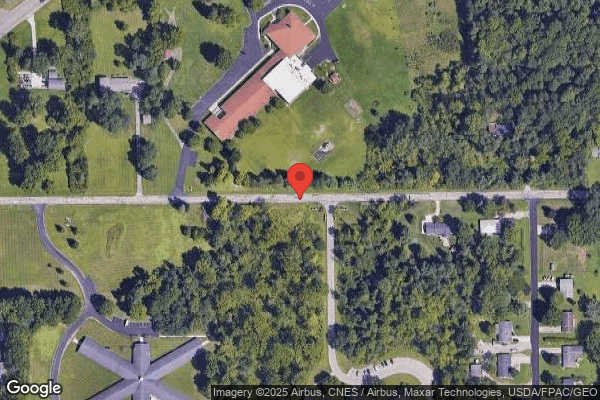
1600 CRIDER RD, MANSFIELD, OH 44903 (419) 589-7611
For profit - Limited Liability company 99 Beds ARBORS AT OHIO Data: November 2025 1 Immediate Jeopardy citation
Trust Grade
41/100
#395 of 913 in OH
Last Inspection: May 2024

Within standard 12-15 month inspection cycle. Federal law requires annual inspections.

Overview

The Arbors at Mifflin has a Trust Grade of D, which indicates below-average performance with some concerns for potential residents and their families. It ranks #2 out of 10 nursing homes in Richland County, meaning it is one of the better local options, but still lacks strong overall trust. Currently, the facility is improving, as the number of issues has decreased from 15 in 2023 to 8 in 2024. Staffing is a concern, with a rating of 2 out of 5 stars and a turnover rate of 54%, which is about average for Ohio. Additionally, there have been critical incidents, including a failure to perform CPR on an unresponsive resident and delays in administering antibiotics for sepsis, raising significant alarms about care quality. On a positive note, the facility maintains average RN coverage, which is crucial for monitoring residents' health.

Trust Score
D
41/100
In Ohio
#395/913
Top 43%
Safety Record
High Risk
Review needed
Inspections
Getting Better
15 → 8 violations
Staff Stability
⚠ Watch
54% turnover. Above average. Higher turnover means staff may not know residents' routines.
Penalties
✓ Good
$15,593 in fines. Lower than most Ohio facilities. Relatively clean record.
Skilled Nurses
○ Average
Each resident gets 31 minutes of Registered Nurse (RN) attention daily — about average for Ohio. RNs are the most trained staff who monitor for health changes.
Violations
⚠ Watch
29 deficiencies on record. Higher than average. Multiple issues found across inspections.
★★★☆☆
3.0
Overall Rating
★★☆☆☆
2.0
Staff Levels
★★★☆☆
3.0
Care Quality
★★★☆☆
3.0
Inspection Score
Stable
2023: 15 issues
2024: 8 issues

The Good

  • Full Sprinkler Coverage · Fire safety systems throughout facility
  • No fines on record

Facility shows strength in fire safety.

The Bad

3-Star Overall Rating

Near Ohio average (3.2)

Meets federal standards, typical of most facilities

Staff Turnover: 54%

Near Ohio avg (46%)

Higher turnover may affect care consistency

Federal Fines: $15,593

Below median ($33,413)

Minor penalties assessed

Chain: ARBORS AT OHIO

Part of a multi-facility chain

Ask about local staffing decisions and management

The Ugly 29 deficiencies on record

1 life-threatening 1 actual harm
Dec 2024 1 deficiency
CONCERN (D) 📢 Someone Reported This

A family member, employee, or ombudsman was alarmed enough to file a formal complaint

Potential for Harm - no one hurt, but risky conditions existed

Quality of Care (Tag F0684)

Could have caused harm · This affected 1 resident

**NOTE- TERMS IN BRACKETS HAVE BEEN EDITED TO PROTECT CONFIDENTIALITY** Based on medical record review, interview, and facility policy review the facility failed to ensure antibiotics were administere...

Read full inspector narrative →
**NOTE- TERMS IN BRACKETS HAVE BEEN EDITED TO PROTECT CONFIDENTIALITY** Based on medical record review, interview, and facility policy review the facility failed to ensure antibiotics were administered as ordered and the physician was notified when the antibiotics were not available for administration. This deficient practice affected one resident (Resident #25) out of two residents reviewed for antibiotic medication orders. The facility's census was 87. Findings Include: A review of Resident #25's medical record revealed admission date 10/03/24 with diagnoses including but not limited to urinary tract infection (UTI), infection of prosthetic hip joint, osteoarthritis, and major depression disorder. Resident #25 required assistance from staff to complete Activities of Daily (ADL) tasks including transfers by a mechanical lift. Resident #25 had intact cognition with a Brief Interview of Mental Status (BIMS) score of 15 out of 15 dated 10/10/24. A review of Resident #25's physician orders revealed an ordered dated 11/13/24 for an antibiotic Doxycycline Hyclate capsule 100 milligrams (mg) give 100 mg orally every morning and at bedtime related to cellulitis of other sites for 730 total administrations. A review of Resident #25's admission [NAME] Data Set (MDS) dated [DATE] revealed in Section N - Medications Resident #25 was receiving antibiotic medication for infection of prosthetic joint replacement. A review of Resident #25's Medication Administration Record (MAR) dated 12/01/24 to 12/23/24 revealed the antibiotic order for Doxycycline Hyclate capsule 100 milligrams (mg) give 100 mg orally every morning and at bedtime related to cellulitis of other sites for 730 administrations and had been administered as ordered until the morning doses on 12/19/24 and 12/20/24. Further review revealed the order had been discontinued on 12/21/24 following the administration of the morning dose and restarted on 12/21/24 for the evening dose which was not administered on 12/21/24 or on 12/22/24 for both the morning and evening doses. On 12/23/24 for the morning dose, the medication was marked as being administered. A review of Resident #25's Orders-Administration Note dated 12/19/24 at 9:28 A.M. revealed antibiotic Doxycycline Hyclate capsule 100 mg give 100 mg orally every morning and at bedtime related to cellulitis of other sites for 730 administrations marked na for reason not administered. Further review of Resident #25's Orders-Administration Notes revealed on 12/20/24 at 9:31 A.M. antibiotic Doxycycline Hyclate capsule 100 mg give 100 mg orally every morning and at bedtime related to cellulitis of other sites for 730 administrations marked na for reason not administered, on 12/21/24 at 10:40 P.M. antibiotic Doxycycline Hyclate capsule 100 milligrams mg give 100 mg orally every morning and at bedtime related to cellulitis of other sites for 730 administrations marked on order for reason not administered. On 12/22/24 at 8:59 A.M. antibiotic Doxycycline Hyclate capsule 100 mg marked na for reason not administered. On 12/22/24 at 11:10 P.M. antibiotic Doxycycline Hyclate capsule 100 mg marked not available in contingency, waiting on delivery for reason not administered. A review of Resident #25's progress notes dated 12/19/24 to 12/23/24 revealed there were no notifications to either a physician or a nurse practitioner concerning Resident #25 not being administered the antibiotic Doxycycline Hyclate capsule 100 mg on the dates indicated. An interview on 12/23/24 at 4:15 P.M. with the Director of Nursing (DON) confirmed Resident #25 did not receive the antibiotic Doxycycline Hyclate as ordered on 12/19/24, 12/20/24, 12/21/24, and on 12/22/24 and there was no notifications to the physician concerning the antibiotic not being administered and not available for administration. The DON stated the nurses should be administering medications as ordered and when unable to do so the nurses should be documenting the reason for a medication not being administered and notifying the physician for further orders or instructions. A review of the facility's policy titled, Medication Administration dated 01/17/23 revealed, Medications are administered by licensed nurse, or other staff who are legally authorized to do so in this state, as ordered by the physician and in accordance with professional standards of practice, in a manner to prevent contamination or infection. A review of the facility's policy titled, Notification of Changes dated 08/29/24 revealed, The facility promptly informs the resident, consults the resident's physician; and notifies, consistent with his or her authority, resident's representative when there is a change requiring notification. This deficiency represents non-compliance investigated under Complaint Number OH00160489.
May 2024 7 deficiencies
CONCERN (D)

Potential for Harm - no one hurt, but risky conditions existed

Deficiency F0578 (Tag F0578)

Could have caused harm · This affected 1 resident

**NOTE- TERMS IN BRACKETS HAVE BEEN EDITED TO PROTECT CONFIDENTIALITY** Based on medical record reviews, review of facility admission packet, and staff interviews, the facility failed to ensure the re...

Read full inspector narrative →
**NOTE- TERMS IN BRACKETS HAVE BEEN EDITED TO PROTECT CONFIDENTIALITY** Based on medical record reviews, review of facility admission packet, and staff interviews, the facility failed to ensure the resident's advance directives were clearly identified in their medical record. This affected two (Residents #36 and #129) of 24 residents reviewed for advance directives. The facility census was 85. Findings include: 1. Review of Resident #36's electronic medical record revealed an admission to the facility on [DATE]. Diagnoses included obstructive uropathy, malnutrition, and chronic kidney disease. The physician orders in the electronic record revealed Resident #36 was a Full code. Review of Resident #36's paper chart revealed there were two different advanced directive forms in a plastic sleeve in the front of the chart. There was a Full code document and also a Do Not Resuscitate (DNR) document, that were not dated. Interview with the Director of Nursing (DON) on [DATE] at 11:00 A.M. confirmed Resident #36's advanced directives were not clearly identified in the medical record. Resident #36 had Full code and DNR papers were in the same medical record. 2. Review of Resident #129's medical record revealed an admission to the facility on [DATE]. Diagnoses included malnutrition and liver carcinoma. Review of Resident #129's electronic and paper medical record and physician orders revealed Resident #129 was a Full code status. However, Resident #129's paper chart also had a Do Not Resuscitate (DNR) form dated [DATE] in the front of the paper medical record. Interview with the Director of Nursing (DON) on [DATE] at 11:03 A.M. confirmed Resident #129 had changed from a Full code to DNR on [DATE]; however as of this time, the physician orders had not been updated. The DON revealed the facility's protocol currently does not include ensuring the physician was immediately notified and signs a change in code status. Review of the facility admission packet revealed each resident is provided upon admission and quarterly evaluations to determine their advanced directives. The facility has different forms to Full code and DNR wishes. The forms revealed Cardiopulmonary resuscitation (hereafter CPR) is initiated when a resident's breathing and/or heart function has ceased. CPR is the provision of assistance with breathing and heart function provided by facility staff by blowing air into the resident's lungs to stimulate breathing and by pressing on the chest to stimulate heart function. These procedures may or may not restart normal breathing and normal heart function, depending on many factors that your physician, or his/her designee, will discuss with you. You should ask your physician about this before making a decision. There is a risk of injury to the ribs or internal organs from pressing on the chest. Other minor injuries are possible from the mechanical trauma of CPR.
CONCERN (D)

Potential for Harm - no one hurt, but risky conditions existed

Deficiency F0582 (Tag F0582)

Could have caused harm · This affected 1 resident

**NOTE- TERMS IN BRACKETS HAVE BEEN EDITED TO PROTECT CONFIDENTIALITY** Based on record review and facility staff interview, the facility failed to provide the Skilled Nursing Facility Advanced Benefi...

Read full inspector narrative →
**NOTE- TERMS IN BRACKETS HAVE BEEN EDITED TO PROTECT CONFIDENTIALITY** Based on record review and facility staff interview, the facility failed to provide the Skilled Nursing Facility Advanced Beneficiary Notice (SNFABN) for Resident #48 and the SNFABN and Notice of Medicare Non-Coverage (NOMNC) was not filled out correctly for Resident #16. This affected two (Residents #16 and #48) of two residents reviewed for discharged from skilled therapy but remained in the facility. The facility census was 85. Findings include: 1. Review of Resident #16's medical record revealed the resident was admitted on [DATE] with diagnoses including chronic obstructive pulmonary disease (COPD), and schizoaffective disorder. Resident #16 was receiving skilled services under Medicare part A from 01/11/24 to 02/10/24. Resident #16's record revealed Resident #16 remained in the facility. Review of Resident #16's SNFABN form/Form-CMS 10055, dated revealed the estimated cost category was monthly patient liability and did not include a dollar amount on the form. Review of Resident #16's NOMNC form/CMS-10123 revealed the telephone number was listed incorrectly for Quality Improvement Organization (QIO), named Livanta. Interview on 05/22/24 at 9:36 A.M. with Social Service Director (SSD) #25 verified Resident #16's SNFABN form did not include an estimated cost and the NOMNC form did not have the correct telephone number listed for QIO in case the resident requested an appeal. 2. Review of Resident #43's medical record revealed the resident was re-admitted to the facility on [DATE]. Diagnoses included paranoid schizophrenia, transient ischemic attack (TIA), and type II (2) diabetes mellitus with diabetic neuropathy. Resident #43 was receiving skilled services under Medicare part A from 03/08/24 through 05/06/24. Review of Resident #43's record revealed the facility initiated the discharge from Medicare part A when benefit days were not exhausted and provided a NOMNC form but failed to provide a SNFABN form to the resident or representative. Interview on 05/22/24 at 9:17 A.M. with Business Office Manager (BOM) #26 stated the process of issuing the ABN form to a resident or representative. The ABN form was issued when a resident was staying at the facility post Medicare benefit services and benefit days remain available. Interview on 05/22/24 at 9:36 A.M. with Social Service Director (SSD) #25 verified Resident #43 or representative were not issued the SNFABN form and they should have been issued the form. SSD #25 stated she gets confused sometimes as to which is part A or part B.
CONCERN (D)

Potential for Harm - no one hurt, but risky conditions existed

Respiratory Care (Tag F0695)

Could have caused harm · This affected 1 resident

**NOTE- TERMS IN BRACKETS HAVE BEEN EDITED TO PROTECT CONFIDENTIALITY** Based on observation, staff interview, record review, and facility policy review, the facility failed to ensure a resident had p...

Read full inspector narrative →
**NOTE- TERMS IN BRACKETS HAVE BEEN EDITED TO PROTECT CONFIDENTIALITY** Based on observation, staff interview, record review, and facility policy review, the facility failed to ensure a resident had physician orders for oxygen use and failed to safely store the resident's oxygen. This affected three (Residents #17, #41, and #69) of five residents reviewed for respiratory care. The facility identified 23 resident who utilized supplemental oxygen. The facility census was 85. Findings include: 1. Review of the medical record for Resident #17 revealed an admission date of 06/15/23. Diagnoses included chronic obstructive pulmonary disease (COPD), congestive heart failure, and anxiety. Review of the quarterly Minimum Data Set (MDS) 3.0 assessment, dated 04/30/24, revealed Resident #17 had moderately impaired cognition. Resident #17 required the use of supplemental oxygen and had shortness of breath while lying flat. Review of Resident #17's physician's orders revealed an order dated 02/08/24 for continuous supplemental oxygen at two to eight liters per minute (LPM) per nasal cannula. An observation on 05/19/24 at 4:11 P.M. of Resident #17's room revealed two metal portable oxygen tanks, not in use, that were not secured in a rack or holder. Registered Nurse (RN) #47 verified the findings at the time of observation and removed the unsecured tanks from the resident's room. 2. Review of the medical record for Resident #69 revealed an admission date of 01/24/24. Diagnoses included chronic obstructive pulmonary disease (COPD), chronic respiratory failure, morbid obesity, and obstructive sleep apnea. Review of the significant change in status Minimum Data Set (MDS) 3.0 assessment, dated 03/14/24, revealed Resident #69's cognition was not assessed. Resident #69 required the use of supplemental oxygen and had shortness of breath while lying flat. Review of Resident #69's physician's orders revealed an order dated 02/06/24 for continuous supplemental oxygen at five liters per minute (LPM) per nasal cannula. An observation on 05/22/24 at 11:36 A.M. of Resident #69's room revealed one metal portable oxygen tanks, not in use and standing freely near the doorway to the room, that was not secured in a rack or holder. Licensed Practical Nurse (LPN) #82 verified the findings at the time of observation and removed the unsecured tank from the resident's room. Review of the facility policy titled Oxygen Safety, revised on 01/01/22, revealed it is the policy of the facility to provide a safe environment for all residents, staff, and the public. Oxygen cylinders will be properly chained or supported in racks or other fastenings (i.e. sturdy portable carts, approved stands) to secure all cylinders from falling, whether connected, unconnected, full, or empty. The policy stated to protect cylinders from damage by not storing in locations where heavy objects may strike them or fall on them, or where they can be tipped over by foot traffic or door movement. 3. Review of Resident #41's medical record revealed an admission to the facility on [DATE]. Diagnoses included pneumonia and heart disease. Review of the admission Minimum Data Set (MDS) assessment revealed Resident #41 was cognitively impaired and required the use of oxygen. Review of Resident #41's admission and current physician orders from 03/07/24 to 04/29/24 revealed no physician orders for oxygen use. Review of Resident #41's nurse notes dated 03/07/24 revealed oxygen was placed on the resident at two liters, upon return from the hospital. The nursing notes dated 04/30/23 at 10:32 A.M. revealed Resident #41 had even, unlabored respiration with oxygen at two liters. Review of the physician notes dated 03/09/24 revealed upon arrival to the facility, Resident #41's oxygen saturation level was in the low 80s and oxygen was placed on the resident. Observation of Resident #41 on 05/19/24 at 8:32 A.M. revealed Resident #41 had oxygen on via nasal cannula at two liters per minute. The oxygen tubing was observed connected to an oxygen concentrator inside her room. The concentrator was also observed with an undated humidification bottle with tubing that was not attached to anything. Interview with the Director of Nursing on 05/20/24 at 1:41 P.M. confirmed there was no oxygen orders placed in the chart upon admission and or re-admission and confirmed Resident #41 was using oxygen. Review of the facilities Oxygen Administration policy dated 10/20/20 revealed oxygen is administered under the orders of a physician, except in the case of an emergency. In such cases, oxygen is administered and orders for oxygen are obtained as soon as practicable when the situation in under control. .
CONCERN (D)

Potential for Harm - no one hurt, but risky conditions existed

Deficiency F0760 (Tag F0760)

Could have caused harm · This affected 1 resident

Based on observation, staff interview, record review, and policy review, the facility failed to ensure Resident #16 was free from a significant medication error. This affected one (Resident #16) of si...

Read full inspector narrative →
Based on observation, staff interview, record review, and policy review, the facility failed to ensure Resident #16 was free from a significant medication error. This affected one (Resident #16) of six residents reviewed for medication administration. The facility census was 85. Findings include: Review of the medical record for Resident #16 revealed an admission date of 04/11/14. Diagnoses included schizoaffective disorder, bipolar disorder, depression, and muscle weakness. Review of Resident #16's Minimum Data Set (MDS) 3.0 quarterly assessment, dated 03/01/24, revealed the resident had intact cognition. Resident #16 was noted to have hallucinations and delusions and was not noted to reject any care or treatment. Resident #16 was noted to receive antipsychotic medications on a daily basis and a gradual dose reduction had been documented as clinically contraindicated. Review of Resident #16's physician's orders revealed an order dated 01/11/24 for Loxapine (an antipsychotic medication) 50 milligrams (mg) give three capsules daily at bedtime. Resident #16 also had an order dated 02/29/24 for loxapine succinate 10 mg give 15 capsules daily at bedtime. Both orders were open ended and active. Review of Resident #16's discharge instructions from an outside psychiatric provider, dated 02/13/24, included an order for loxapine 50 mg give three capsules daily at bedtime. Review of Resident #16's interdisciplinary progress notes from 04/01/24 to 05/21/24 revealed frequent medication administration record (MAR) notes recorded regarding the resident's ordered loxapine being unavailable from pharmacy. Resident #16's progress notes contained no evidence the provider had been notified regarding the missing doses. Review of Resident #16's MAR for April 2024 revealed both loxapine 50 mg give three capsules daily at bedtime and loxapine 10 mg give 15 capsules daily at bedtime were listed on the record. Resident #16's April 2024 MAR revealed six dates on which the resident did not receive either strength of the medication: 04/01/24, 04/02/24, 04/03/24, 04/04/24, 04/01/24, and 04/24/24. Resident #16's April 2024 MAR revealed 17 days Resident #16 was recorded as receiving both strengths of the loxapine medication: 04/06/24, 04/07/24, 04/10/24, 04/11/24, 04/15/24, 04/16/24, 04/17/24, 04/18/24, 04/19/24, 04/20/24, 04/21/24, 04/22/24, 04/23/24, 04/25/24, 04/26/24, 04/29/24, and 04/30/24. Review of Resident #16's Medication Administration Record (MAR) for May 2024 revealed both loxapine 50 mg give three capsules daily at bedtime and loxapine 10 mg give 15 capsules daily at bedtime were listed on the record. Resident #16's May 2024 MAR revealed Resident #16 received neither strength of the loxapine medication on 05/18/24. Resident #16's May 2024 MAR revealed nine days the resident was recorded as receiving both strengths of the loxapine medication: 05/01/24, 05/02/24, 05/03/24, 05/04/24, 05/05/24, 05/06/24, 05/14/24, 05/15/24, and 05/16/24. An observation on 05/21/24 at 10:28 A.M. of Resident #16 revealed she was seated in her recliner chair in her room with her legs elevated. She was awake, alert, and answered questions appropriately. An interview on 05/21/24 at 10:48 A.M. with Unit Manager (UM) #92 revealed Resident #16 was supposed to only be on loxapine 150 mg once nightly at bedtime. UM #92 indicated the pharmacy was having difficulty filling the medication order with the medication being backordered, and the provider ordered a change in strength based on what the pharmacy was able to dose. UM #92 verified Resident #16 should not have had two separate orders for the loxapine, and that duplicate was an error. UM #92 verified Resident #16's MAR contained evidence of both duplicate administrations and duplicate omissions of the resident's ordered loxapine. An interview on 05/22/24 at 11:37 A.M. with the Director of Nursing (DON) and UM #92 revealed they believe the provider was aware of the missing doses as the providers were frequently in the building but verified Resident #16's medical record did not contain documentation that the provider was notified of the missed doses of medications. Review of an undated policy titled Medication Management and Administration Playbook revealed documenting medication administration includes the administration of routine medication, and if not administered, an explanation of why not. The standard of practice is to document the medications after administration. When a medication is not administered, the nurse documents the reason within the medical record. The provider should work with the interdisciplinary team (IDT) to review for any order changes. If a medication is not available, the nurse is responsible for attempting to procure the medication through back-up procedures or notification to the physician for further orders.
CONCERN (D)

Potential for Harm - no one hurt, but risky conditions existed

Menu Adequacy (Tag F0803)

Could have caused harm · This affected 1 resident

**NOTE- TERMS IN BRACKETS HAVE BEEN EDITED TO PROTECT CONFIDENTIALITY** Based on observation, resident and staff interviews, record review, and policy review, the facility failed to follow the menu an...

Read full inspector narrative →
**NOTE- TERMS IN BRACKETS HAVE BEEN EDITED TO PROTECT CONFIDENTIALITY** Based on observation, resident and staff interviews, record review, and policy review, the facility failed to follow the menu and give residents the appropriate food. This affected three (Residents #28, #39, and #134) of six residents who had their meals and meal tickets reviewed. The facility census was 85. Findings include: 1. Review of Resident #28's medical record revealed the resident was admitted on [DATE] with diagnoses including Alzheimer's disease with late onset, dementia, and type II diabetes mellitus. Review of Resident #28's physician orders revealed an order dated 09/06/22 for a regular diet with regular texture and regular fluid with thin consistency. Review of Resident #28's lunch meal ticket dated 05/19/24 Sunday lunch, indicated the meal included a half cup of marinated cucumber salad. Observation on 05/19/24 at 11:45 A.M. revealed Resident #28's lunch was missing the marinated cucumber salad. Interview on 05/19/24 at 11:51 A.M. with State Tested Nursing Aide (STNA) #67 confirmed Resident #28 did not receive the marinated cucumber salad that was stated on the meal ticket. Interview on 05/19/24 at 12:28 P.M. with Dietary Manager #113 stated the cook puts the food on the meal trays according to the meal ticket, the the dietary aide looks at it and then the STNA looks at it when trays were passed out as well. Review of Resident #28's food and beverage preference list revealed Resident #28 did not have dislike marked for any vegetables. 2. Review of Resident #39's medical record revealed the resident was admitted on [DATE] with diagnoses including hypertensive heart and chronic kidney disease without heart failure, obesity, and other acute kidney failure. Review of Resident #39's physician orders revealed an order dated 03/30/22 for a no salt packet diet with regular texture and regular fluid with thin consistency. Review of Resident #39's lunch meal ticket dated 05/19/24 Sunday lunch, indicated the meal included a half cup of marinated cucumber salad. Observation on 05/19/24 at 12:09 P.M. revealed Resident #39's lunch was missing the marinated cucumber salad. Interview on 05/19/24 at 12:10 P.M. with Dietary Aide #107 confirmed Resident #39 did not receive the marinated cucumber salad. Dietary Aide #107 said the cucumber salad was an oversight. Interview on 05/19/24 at 12:28 P.M. with Dietary Manager #113 stated the cook puts the food on the meal trays according to the meal ticket, the the dietary aide looks at it and then the STNA looks at it when trays were passed out as well. Review of Resident #39's food and beverage preference list revealed cucumbers were not listed as an option for a like or dislike. 3. Review of Resident #134's medical record revealed the resident was admitted on [DATE] with diagnoses including multiple sclerosis, type II diabetes mellitus, and morbid obesity. Review of Resident #134's physician orders revealed an order dated 05/11/24 for a controlled carbohydrates diet with regular texture and regular fluid with thin consistency. Review of Resident #134's dinner meal ticket dated 05/21/24 Tuesday Dinner, indicated one rotisserie chicken thigh, half cup of garlic potato wedges, half cup of sliced carrots, one sugar cookie, and no bread/rolls/sandwiches per resident. Observation on 05/21/24 at 5:13 P.M. revealed Resident #134's dinner was missing the rotisserie chicken thigh, garlic potato wedges, sliced carrots, and sugar cookie. Interview on 05/21/24 at 5:13 P.M. with Resident #134 revealed she never indicated she did not want the food. Resident #134 said she likes all the food on the ticket except the sugar cookie. Interview on 05/21/24 at 5:18 P.M. with Activities Director #84 confirmed Resident #134 did not get a plate of food which includes the chicken, potatoes, and carrots. Activities Director #84 went and got Resident #134 another plate of food. Activities Director #84 confirmed this new plate included a dinner roll. Interview on 05/19/24 at 12:28 P.M. with Dietary Manager #113 stated the cook puts the food on the meal trays according to the meal ticket, the the dietary aide looks at it and then the STNA looks at it when trays were passed out as well. Review of Resident #134's food and beverage preference list revealed Resident #134 likes chicken, carrots, and potatoes. The preference list also stated No Bread. Review of the policy titled Resident Meal Service, dated 01/01/22, revealed nursing personnel will ensure that residents are served the correct food tray. Prior to serving the food tray, the Nurse Aide/Feeding Assistant must check the tray card to ensure that the correct food tray is being served to the resident. If there is doubt, the Nurse Supervisor will check the written physician's order.
CONCERN (D)

Potential for Harm - no one hurt, but risky conditions existed

Infection Control (Tag F0880)

Could have caused harm · This affected 1 resident

Based on observations, staff interviews, record review, and policy review, the facility failed to ensure appropriate transmission based precautions (TBP) were implemented for Resident #36. This affect...

Read full inspector narrative →
Based on observations, staff interviews, record review, and policy review, the facility failed to ensure appropriate transmission based precautions (TBP) were implemented for Resident #36. This affected one (Resident #36) of one resident reviewed for transmission based precautions. The facility identified only one resident on transmission based precautions. The facility census was 85. Findings include: Review of the medical record for Resident #36 revealed an admission date of 12/02/21. Medical diagnoses included enterocolitis due to clostridium difficile and severe protein-calorie malnutrition. Review of Resident #36's quarterly Minimum Data Set (MDS) 3.0 assessment, dated 03/15/24, revealed the resident's cognition was not assessed. Resident #36 was not recorded as having any behaviors or rejection of care. The resident was noted to be dependent on staff for toileting hygiene, had an indwelling urinary catheter and was always incontinent of bowel. Review of Resident #36's physician's orders revealed an order dated 03/19/24 for contact precautions related to clostridium difficile infection. Resident #36 also had an order dated 03/20/24 for vancomycin (an antibiotic) 125 milligrams (mg) one capsule every 12 hours related to recurrent clostridium difficile infection. The stop date for the vancomycin was listed as 06/10/24. Review of Resident #36's plan of care, revised on 03/19/24, revealed Resident #36 had an infection as evidenced by testing positive for clostridium difficile. Interventions included to administer medications and treatments as ordered, encourage fluids, and for contact isolation precautions. An observation on 05/19/24 at 8:24 A.M. revealed signage placed outside Resident #36's room indicating the resident required airborne and droplet isolation precautions. An observation and interview on 05/19/24 at 8:29 A.M. revealed State Tested Nurse Aide (STNA) #72 walked into Resident #36's room to retrieve the resident's breakfast tray without applying any personal protective equipment (PPE). STNA #72 was not observed to wash her hands upon exiting the room. A follow up interview with STNA #72 immediately following the observation verified she did not wash her hands nor apply PPE, and stated the resident was no longer in isolation. STNA #72 stated the resident was previously in isolation for clostridium difficile infection in her stool, but was all better and the isolation signage was outdated. An interview on 05/19/24 at 8:31 A.M. with STNA #37 revealed Resident #36 was no longer in isolation and stated the resident had not required isolation precautions for approximately one month. An interview on 05/19/24 at 8:33 A.M. with Licensed Practical Nurse (LPN) #95 revealed she did not typically work the hallway she was working. LPN #95 stated she did not believe Resident #36 required current transmission based precautions. When questioned about the droplet isolation signage outside the room, LPN #95 stated she guessed staff should go by the signage because she was unsure if Resident #36 had a condition that required precautions. An interview on 05/19/24 at 8:36 A.M. with the Director of Nursing (DON) revealed she assisted with the infection control program within the facility. The DON indicated Resident #36 had chronic clostridium difficile in her stool, hence the isolation precautions. The DON verified Resident #36 was totally incontinent of bowel and should be in contact isolation precautions. The DON verified the droplet/airborne isolation signage outside Resident #36's room was incorrect and removed the sign, stating she would replace it with the correct signage. An observation and subsequent interview on 05/21/24 at 3:55 P.M. revealed STNA #85 exit Resident #36's room and was not observed to wash her hands. There was no designated red biohazard bags or bins in the resident's room. STNA #85 stated the resident was in isolation for chronic clostridium difficile, but had been told by unnamed nurses that her infection was colonized. STNA #85 stated when performing incontinence care, the only PPE she wore was gloves. An interview on 05/21/24 at 4:10 P.M. with STNA #76 revealed she consistently cared for Resident #36 and was familiar with her care. STNA #76 stated she does not utilize any special precautions when caring for Resident #36, and denied wearing a gown when performing incontinence care. When Resident #36 was incontinent of bowel, the soiled brief was disposed of in regular, clear trash liners. Soiled linen was placed in clear trash liners and taken to the designated trash and linen receptacles in the soiled linen room at the end of the hall. STNA #76 stated when performing incontinence care, the only PPE she wore was gloves. An interview on 05/21/24 at 5:20 P.M. with the DON revealed Resident #36 had had recurrent clostridium difficile infections which had been on and off for years. The DON verified Resident #36 was still receiving active treatment, antibiotics, to treat her clostridium difficile infection. The DON verified contact isolation was the correct precautions and staff should wash their hands with soap and water upon exiting the room. Review of the policy titled Management of C. Difficile Infection, revised on 12/07/23, revealed all staff are to wear gloves and a gown upon entry into the resident's room and while providing care for the resident with c. difficile infection. Hand hygiene shall be performed by handwashing with soap and water. Maintain contact precautions for the duration of illness. Treatment for C. difficile will be in accordance with physician orders and current treatment guidelines.
CONCERN (F)

Potential for Harm - no one hurt, but risky conditions existed

Food Safety (Tag F0812)

Could have caused harm · This affected most or all residents

Based on observations, staff interviews, and policy review, the facility failed to datemark potentially hazardous food items in the walk-in cooler and maintain kitchen utensils in a safe and sanitary ...

Read full inspector narrative →
Based on observations, staff interviews, and policy review, the facility failed to datemark potentially hazardous food items in the walk-in cooler and maintain kitchen utensils in a safe and sanitary condition. This had the potential to affect all residents who reside in the facility and receive food from the kitchen. The facility census was 85. Findings include: 1. Observations of the kitchen on 05/19/24 at 8:30 A.M. to 8:37 A.M. with Dietary Manager #113 revealed in the walk-in cooler, there were two blocks of sliced orange cheese stored undated, an open block of ham was stored undated, an open block of turkey breast was stored undated, an open pork loin was stored undated, and a large box of colored eggs with a label of activities was stored undated. Interview with Dietary Manager #113 confirmed the cheese, the ham, the turkey breast meat, the pork loin were not dated. Dietary Manager #113 stated the pork loin was was cut Friday night and the colored eggs were from Easter (03/31/24). Review of the facilities Food Storage: Cold Foods policy dated 02/2023 revealed all foods will be stored wrapped or in covered containers, labeled and dated, and arranged in a manner to prevent cross contamination. Review of the facilities Food Receiving and Storage policy dated 01/01/22 revealed foods stored in the refrigerator or freezer will be covered, labeled and dated (opened on and use by date). 2. Observation and interview on 05/19/24 at 8:44 A.M. with Dietary Manager #113 revealed two rubber spatulas that were very chipped around the edges and scored across the middle were stored in the clean kitchen utensil storage drawer in the kitchen. Dietary Manager #113 confirmed the utensils were not usable and put them in the trash. Observation and interview on 05/19/24 at 8:45 A.M. with Dietary Manager #113 revealed a used spatula covered in yellow butter-like substance sitting on top of clean spatulas in the clean kitchen utensil storage drawer in the kitchen. Dietary Manager #113 verified the dirty spatula in the drawer and took it over to the washroom. Observation and interview on 05/20/24 at 2:55 P.M. with Dietary Manager #113 revealed another spatula with a corner torn off and it was scored in the middle that was sitting next to a puree machine. Dietary Manager #113 confirmed it was not a usable spatula. Review of the facilities Equipment policy dated 09/2017 revealed all foodservice equipment will be clean, sanitary, and in proper working order.
Dec 2023 1 deficiency 1 IJ
CRITICAL (J) 📢 Someone Reported This

A family member, employee, or ombudsman was alarmed enough to file a formal complaint

Immediate Jeopardy (IJ) - the most serious Medicare violation

Deficiency F0678 (Tag F0678)

Someone could have died · This affected 1 resident

**NOTE- TERMS IN BRACKETS HAVE BEEN EDITED TO PROTECT CONFIDENTIALITY** THE FOLLOWING DEFICIENCY REPRESENTS AN INCIDENT OF PAST NON-COMPLIANCE THAT WAS SUBSEQUENTLY CORRECTED PRIOR TO THIS SURVEY. Bas...

Read full inspector narrative →
**NOTE- TERMS IN BRACKETS HAVE BEEN EDITED TO PROTECT CONFIDENTIALITY** THE FOLLOWING DEFICIENCY REPRESENTS AN INCIDENT OF PAST NON-COMPLIANCE THAT WAS SUBSEQUENTLY CORRECTED PRIOR TO THIS SURVEY. Based on closed medical record review, staff interview, and review of the facility policy, the facility failed to initiate Cardiopulmonary Resuscitation (CPR) or call 911 for Emergency Medical Services (EMS) for Resident #69, who was found unresponsive, without a pulse/heartbeat and was identified as a full code status. This resulted in Immediate Jeopardy and the potential for serious life-threatening harm, negative health outcomes, and/or death when Resident #69 did not receive CPR and EMS was not contacted for medical services assistance. Resident #69 subsequently expired. This affected one resident (Resident #69) of three (#69, #70, and #71) residents reviewed for death in the facility. The facility census was 68 residents. On [DATE] at 2:26 P.M., the Administrator and Regional Director of Operations (RDO) #181 were notified Immediate Jeopardy began on [DATE] at approximately 5:30 A.M. when Licensed Practical Nurse (LPN) #123 found Resident #69, who had an advanced directive for a full code status, not breathing. Prior to the incident, at approximately 4:00 A.M., State Tested Nursing Assistant (STNA) #130 asked LPN #123 to assist with providing incontinence care to Resident #69. At approximately 5:30 A.M., STNA #130 and LPN #123 went to provide incontinence care to Resident #69, who was found to be without respirations and no pulse. On [DATE] at 5:40 A.M., LPN #123 left the room and asked Registered Nurse (RN) #101 to confirm that Resident #69 had expired. RN #101 found Resident #69 without a pulse and rigor starting to set into all extremities and fixed pupils. LPN #123 and RN #101 confirmed the absence of Resident #69's vital signs but failed to initiate CPR or call nine-one-one (911). LPN #123 indicated she did not think to check Resident #69's medical record to determine code status, initiate CPR or call 911 due to Resident #69 having passed away. The immediate Jeopardy was removed and corrected on [DATE] when the facility implemented the following corrective actions: • On [DATE] at 7:19 A.M., LPN #170, unit manager on call, was made aware of CPR not having been initiated for Resident #69 at the time of the occurrence during a phone conversation with LPN #123. LPN #123 stated that Resident #69 was a full code, but LPN #123 did not initiate CPR because she was dead. LPN #170 educated LPN #123 on CPR for full codes. • On [DATE] at 7:42 A.M., the facility Administrator, and Regional Director Clinical Services (RDCS) #179 were made aware of CPR not being initiated for Resident #69 by LPN #170 via phone. • On [DATE] at 8:10 A.M., LPN #170 came into the facility to initiate education for all licensed nurses on the facility's policy and procedure for initiating CPR and location of code status for each resident (on Resident EMR dashboard and Resident hard chart). State Tested Nursing Assistants (STNAs) and Medication Technician (Med Tech) was educated on monitoring and reporting changes in condition. • On [DATE] at 8:30 A.M., LPN #170 checked the crash cart at the nurses' station to ensure all supplies were available for CPR and automatic external defibrillator (AED) machine was intact. • On [DATE] at 8:45 A.M., LPN #170 notified Nurse Practitioner (NP) #176 and Medical Director #177 on the passing of Resident #69 and that CPR was not initiated. • On [DATE] at 11:06 A.M., the Administrator reviewed CPR cards for all licensed nurses that are employed in the facility. Findings revealed that all nurses had CPR cards on file except LPN #109, LPN #123, and LPN #169. LPN #109, LPN #123, and LPN #169 provided CPR cards on [DATE] by 11:59 P.M. • On [DATE] at 12:00 P.M., LPN #170 called Social Services Director (SSD) #180 and Staff Development Coordinator (SDC) #112 to come to the facility and assist in the investigation and action plan for CPR not being initiated to Resident #69. • On [DATE] at 2:00 P.M., SDC #112 came to the facility and educated staff via in person and on the phone. All staff were educated on advance directives, CPR, notification of change in condition, and documentation in the medical record by 4:00 P.M on [DATE]. • On [DATE] at 2:00 P.M., SSD #180 came to the facility and audited care plans, resident preferences, and orders to ensure they matched in the electronic medical record and hard chart. The audit was completed on [DATE] at 4:00 P.M. • On [DATE] at 2:10 P.M., LPN #170 audited physician orders and code status paperwork to ensure they matched in both the electronic and hard charts. • On [DATE] at 9:00 A.M., LPN #170 completed a 14 day look back ([DATE] to [DATE]) on current residents for proper notification to resident representatives, physicians and/or nurse practitioner. Look back audit was completed with no discrepancies by 4:30 P.M. on [DATE]. • On [DATE] at 12:30 P.M., RDCS #179 conducted a code drill, and no concerns were identified at the time of the drill. • On [DATE] at 2:00 P.M. (change of shift), RDCS #179 conducted a code drill, and no concerns were identified at the time of the drill. • On [DATE] at 2:00 P.M., the Administrator disciplined RN #101 and LPN #123 for CPR not being done for Resident #69, who had a full code status on record. • On [DATE] at approximately 3:00 P.M., a Quality Assurance Performance Improvement (QAPI) meeting was conducted with the Administrator, RDCS #179, LPN #170, SSD #180, and Medical Director #177 attended via telephone. A performance improvement plan was made to conduct on-going audits for code status compliance, and CPR policy and procedure with return demonstration two times weekly for one month. Code drills will be conducted two times weekly on various shifts for four weeks and then monthly thereafter. • On [DATE] at 10:30 P.M., SDC #112 conducted a code drill, and no concerns were identified at the time of the drill. Findings include: Review of the closed medical record for Resident #69 revealed an admission date of [DATE] with a readmission date of [DATE] and a discharge date of [DATE] with diagnoses including but not limited to diabetes mellitus, chronic obstructive pulmonary disease, and Alzheimer's disease. The record indicated Resident #69 passed away on [DATE] at 5:40 A.M. The resident was in her room unresponsive and absent of vital signs. Review of the comprehensive Minimum Data Set (MDS) 3.0 assessment for Resident #69, dated [DATE], revealed the resident had severely impaired cognition. The assessment indicated the resident did not have a condition or chronic disease that would result in a life expectancy of less than six months. Review of the physician orders for [DATE] revealed that Resident #69 had orders for a Full Resuscitate. Review of the plan of care for Resident #69 revealed the resident had advanced directives that indicated a Full Code. Interventions included involving the physician in advanced directives conversations and reviewing advanced directives with the resident/family. Review of a nurse's note dated [DATE] at 7:17 A.M. revealed that the funeral home was to pick up body. NP #176 was notified of the passing of Resident #69. Review of a nurse's note dated [DATE] at 3:03 P.M. revealed that at 4:00 A.M., STNA #130 came to get LPN #123 to ask for assistance with incontinence care for Resident #69. LPN #123 stated she would assist after her medication pass was completed. At 5:30 A.M., STNA #130 and LPN #123 went to Resident 69's room. LPN #123 touched Resident #69 and told STNA #130 that the resident was gone. LPN #123 immediately went to go get RN #101, who went to the room when LPN #123 went to the office to start calls. The family was updated, and the family didn't want to come into the facility. Funeral home notified. Unable to get a hold of manager on duty, LPN #170. Report given to oncoming shift. Review of a nurse's note dated [DATE] at 8:21 A.M. revealed at approximately 5:40 A.M. (on [DATE]), LPN #123 came to find RN #101. LPN #123 was calling out I need you now. When RN #101 entered Resident #69's room, LPN #109 was standing over the resident. The resident appeared unresponsive with no respirations and was very pale. RN #101 checked for radial and jugular pulses bilaterally but did not find any pulse. Pupils were fixed and unresponsive to light. RN #101 listened for heart sounds but did not hear anything. All extremities were cool, as was the chest area that was auscultated. Lower extremities also had mottling up to the thigh area. Review of a nurse's note dated [DATE] at 1:47 P.M. revealed rigor mortis was observed involving all extremities by RN #101 and STNA #130. Interview on [DATE] at 5:12 A.M. with LPN #109 revealed that she was working a different hall and was asked to do an assessment on Resident #69 by LPN #123 and RN #101. Resident #69's extremities were cold, but her trunk area was warm. LPN #109 thought that LPN #123 and/or RN #101 would have checked the code status. Interview on [DATE] at 9:01 A.M. with LPN #170 revealed that she missed three phone calls early in the morning on [DATE] but returned the call to the facility at 6:30 A.M. at which time LPN #170 spoke to Medication Technician (Med Tech) #124, who stated that Resident #69 passed away. Med Tech #124 stated that she didn't believe the nurses did CPR. LPN #170 called LPN #123 and was made aware that CPR was not initiated for Resident #69. LPN #123 stated that Resident #69 was a full code, but LPN #123 did not initiate CPR because she was dead and that would have been stupid. LPN #170 educated LPN #123 on CPR for full codes. Interview on [DATE] at 9:33 A.M. with SSD #180 revealed she came to the facility (on [DATE]) and audited care plans, resident preferences, and orders to ensure they matched in the electronic medical record and hard chart. The audit was completed when she left around 4:00 P.M. Interview on [DATE] at 9:38 A.M. with LPN #123 revealed that she called for RN #101 and then left the room to find the chart but couldn't find it and made phone calls. LPN #123 stated that she thought everyone on the memory care unit was a Do Not Resuscitate (DNR) order. Interview on [DATE] at 9:45 A.M. with SDC #112 revealed she came to the facility and educated staff in person and on the phone. All staff were educated on advanced directives, CPR, notification of change in condition, and documentation in the medical record. SDC #112 stated that she was in the building for a couple of hours. Review of the facility policy titled, Residents' Rights Treatment and Advance Directives, dated [DATE] with a revision date of [DATE], revealed if a resident experiences a cardiac arrest or respiratory arrest and the resident does not show obvious clinical signs of irreversible death, facility staff must provide basic life support, including CPR, prior to the arrival of emergency medical services, in accordance with the resident's advanced directives and any related physician order, such as code status, or in the absence of advanced directives or a DNR order. This deficiency represents non-compliance investigated under Complaint Number OH00149064.
May 2023 3 deficiencies
CONCERN (D) 📢 Someone Reported This

A family member, employee, or ombudsman was alarmed enough to file a formal complaint

Potential for Harm - no one hurt, but risky conditions existed

Deficiency F0557 (Tag F0557)

Could have caused harm · This affected 1 resident

**NOTE- TERMS IN BRACKETS HAVE BEEN EDITED TO PROTECT CONFIDENTIALITY** Based on observations of video, medical record reviews, policy review, Power of Attorney and staff interviews, the facility fail...

Read full inspector narrative →
**NOTE- TERMS IN BRACKETS HAVE BEEN EDITED TO PROTECT CONFIDENTIALITY** Based on observations of video, medical record reviews, policy review, Power of Attorney and staff interviews, the facility failed to ensure a resident was treated with dignity and respect. This affected one (#23) of three sampled residents for dignity and respect. The facility census was 81. Findings include: Review of Resident #23's medical record revealed an admission date of 06/15/20, with medical diagnoses including prostate cancer, atrial fibrillation, major depression, and constipation. Review of the comprehensive minimum data set assessment dated [DATE] identified mild impairment of cognition. Resident #23 identified assessed as needing one-person physical assistance with toileting and transferring. Review of Resident #23's written plan of care identified his power of attorney chooses to have a camera in resident room. The plan identified Resident #23 dignity will be maintained. The plan of care identified Resident #23 has short term memory issues and needs medication administration. Observation of video on 05/09/23 at 10:14 A.M., taken inside Resident #23's private room, with the facility Ombudsman and Resident #23's Power of Attorney (POA) revealed the video showed Resident #23 was observed to be sitting on the bed side table next to Resident #23's bed, facing the door. The video was time stamped for 05/03/23. State Tested Nursing Assistant (STNA) #40 was observed to enter Resident #23's room at 5:53 A.M., STNA #40 was observed to assist Resident #23 into the bathroom and partially shut the door to the bathroom. The bathroom is located directly across from the end of Resident #23's bed. STNA #40 was overheard stating people are 'expletive term' up a storm as he was removing bed linen from Resident #23's bed. The door was observed to be blocking Resident #23's view in the bathroom, so no reaction could be observed. The statement was observed to potentially be overheard by Resident #23. Interview on 05/09/23 at 10:17 A.M., with Resident #23's POA stated STNA #40's verbalization of people 'expletive term' up a storm would be offensive to Resident #23 for sure. Interview on 05/09/23 at 10:54 A.M., with the Director of Nursing confirmed STNA #40's statement is not professional and or dignified. Review of the policy titled Promoting/Maintaining Resident Dignity dated November 2017, revealed the practice of the facility to protect and promote resident right and treat each resident with respect and dignity, as well as care for resident in a manner and in an environment, which maintains of enhances resident quality of life by recognizing residents individuality. The policy identified when interacting with a resident, pay attention to the resident as an individual; conversations should be resident focused, and resident centered. This deficiency represents the noncompliance discovered during the investigation of Complaint Number OH00142666.
CONCERN (D) 📢 Someone Reported This

A family member, employee, or ombudsman was alarmed enough to file a formal complaint

Potential for Harm - no one hurt, but risky conditions existed

Accident Prevention (Tag F0689)

Could have caused harm · This affected 1 resident

**NOTE- TERMS IN BRACKETS HAVE BEEN EDITED TO PROTECT CONFIDENTIALITY** Based on observations of video, medical record review, self-report incident and investigation review, Power of Attorney and staf...

Read full inspector narrative →
**NOTE- TERMS IN BRACKETS HAVE BEEN EDITED TO PROTECT CONFIDENTIALITY** Based on observations of video, medical record review, self-report incident and investigation review, Power of Attorney and staff interviews, the facility failed to ensure adequate supervision was provided to prevent potential accidents. This affected one (#23) of three sampled residents for supervision. The facility census was 81. Findings include: Review of Resident #23's medical record revealed an admission date of 06/15/20, with medical diagnoses including prostate cancer, atrial fibrillation, major depression, and constipation. Review of the comprehensive minimum data set assessment dated [DATE] identified mild impairment of cognition. Resident #23 identified assessed as needing one-person physical assistance with toileting and transferring. Review of Resident #23's written plan of care identified his power of attorney chooses to have a camera in resident room. The plan identified Resident #23 dignity will be maintained. The plan of care identified Resident #23 has short term memory issues and needs medication administration. Observation of video on 05/09/23 at 10:14 A.M., taken inside Resident #23's private room, with the facility Ombudsman and Resident #23's Power of Attorney (POA) revealed the video showed Resident #23 was observed to be sitting on the bed side table next to Resident #23's bed, facing the door. The video was time stamped for 05/03/23. State Tested Nursing Assistant (STNA) #40 was observed to enter Resident #23's room at 5:53 A.M., STNA #40 was observed to assist Resident #23 into the bathroom and partially shut the door to the bathroom. The bathroom is located directly across from the end of Resident #23's bed. STNA #40 was then observed to leave the room at 5:56 A.M., with the bedding in his hands and did not return to the room. The video then shows as 6:16 A.M., Resident #23 is leaving the bathroom in his wheelchair and is naked. Resident #23 gets into bed at 6:20 A.M., he is unable to cover his naked body and is laying in the bed. Interview on 05/09/23 at 10:17 A.M., with Resident #23's POA, revealed the POA observed Resident #23 laying in his bed, uncovered and called the facility. The POA identified Medical Records Clerk (MRC) #49 as the person who answered the phone and went to Resident #23's room. Review of the facility self-reported incident (SRI) #234643 identified Resident #23 POA called the facility on 05/03/23, with concerns regarding his care and treatment that morning. The SRI included a written statement from STNA #40 that confirmed he had left Resident #23 in the bathroom at change of shift. The statement identified he told STNA #54 to check on Resident #23 first. Review of STNA #54's written statement dated 05/03/23, identified she remembers STNA #40 telling her in morning report that Resident #23 was toileted; however, not that he was still on the toilet. STNA #54 identified she was caring for another resident on 05/03/23 around 6:30 A.M., when MRC #49 notified her Resident #23 was in bed, naked and the concerns from the POA. Interview on 05/09/23 at 10:54 A.M., with the Director of Nursing confirmed staff should not have left Resident #23's bedroom, while he was in the bathroom. This deficiency represents the noncompliance discovered during the investigation of Complaint Number OH00142666.
CONCERN (D) 📢 Someone Reported This

A family member, employee, or ombudsman was alarmed enough to file a formal complaint

Potential for Harm - no one hurt, but risky conditions existed

Deficiency F0761 (Tag F0761)

Could have caused harm · This affected 1 resident

**NOTE- TERMS IN BRACKETS HAVE BEEN EDITED TO PROTECT CONFIDENTIALITY** Based on observations of videos, medical record reviews, policy review and staff interview, the facility failed to ensure medica...

Read full inspector narrative →
**NOTE- TERMS IN BRACKETS HAVE BEEN EDITED TO PROTECT CONFIDENTIALITY** Based on observations of videos, medical record reviews, policy review and staff interview, the facility failed to ensure medications were not left unattended at bedside. This affected one (#23) of three sampled residents reviewed for medication administration. The facility census was 81. Findings include: Review of Resident #23's medical record revealed an admission date of 06/15/20, with medical diagnoses including prostate cancer, atrial fibrillation, major depression, and constipation. Review of the comprehensive minimum data set assessment dated [DATE] identified mild impairment of cognition. Resident #23 identified assessed as needing one-person physical assistance with toileting and transferring. Review of Resident #23's written plan of care identified his power of attorney chooses to have a camera in resident room. The plan identified Resident #23 dignity will be maintained. The plan of care identified Resident #23 has short term memory issues and needs medication administration. Observations of videos, dated 05/08/23 at 9:31 A.M., revealed Licensed Practical Nurse (LPN) #45 was observed to enter Resident #23's room and announced she had his medications. LPN #45 was observed to set the medications, inside a cup, down on his bedside stand. LPN #45 then immediately left the room and could no longer be seen on camera. LPN #45 left the door open. Resident #23 was observed to pick up the cup of medications with his left hand and pour the pills into his right hand. Resident #23 was then observed trying to lift his right hand to his mouth. Resident #23 was observed to struggle with this and was able to complete the task after several minutes. Observations of a video dated 04/21/23 identified LPN #45 entered Resident #23's room and set his medications on the bedside stand. LPN #45 was observed to leave the room immediately and without observation to ensure the medications were consumed. Interview on 05/09/23 at 10:34 A.M., with LPN #45, confirmed she was Resident #23's nurse on 05/08/23 and was to administer his morning medications. LPN #45 confirmed she should stay with residents until they consume the medications and not leave them at the bedside. Review of the policy titled Medication Administration dated 01/01/22 revealed the staff should observe resident consumption of medications. This deficiency represents the noncompliance discovered during the investigation of Complaint Number OH00142666.
Mar 2023 6 deficiencies
CONCERN (D)

Potential for Harm - no one hurt, but risky conditions existed

Deficiency F0604 (Tag F0604)

Could have caused harm · This affected 1 resident

**NOTE- TERMS IN BRACKETS HAVE BEEN EDITED TO PROTECT CONFIDENTIALITY** Based on medical record review, observation, staff and resident interview, and policy review, the facility failed to ensure resi...

Read full inspector narrative →
**NOTE- TERMS IN BRACKETS HAVE BEEN EDITED TO PROTECT CONFIDENTIALITY** Based on medical record review, observation, staff and resident interview, and policy review, the facility failed to ensure residents were free from physical restraint. This affected one resident (#68) of one resident reviewed for a physical restraint. The facility census was 79. Findings include: Review of Resident #68's medical record revealed the resident was admitted to the facility on [DATE]. Diagnoses included chronic obstructive pulmonary disease, hypertensive chronic kidney disease, malignant neoplasm of the colon, personal history of transient ischemic attack, peripheral vascular disease, chronic pain, and anorexia. Review of the quarterly minimum data set (MDS) assessment dated [DATE] revealed Resident #68 was severely cognitively impaired, had physical behaviors, verbal behaviors and rejection of care one to three days of the review period. The resident required extensive assist with bed mobility, transfers, dressing, toilet use and personal hygiene. Resident #68 utilized a walker and a wheelchair for mobility. Resident was coded as not steady only able to stabilize with human assistance for moving from seated to standing position, surface to surface transfer, and walking. The resident was coded not for trunk restraint and chair that prevents rising. Review of Resident #68's physician orders revealed the resident had a gel cushion to a Broda chair (a chair which can be positioned to recline) ordered on 02/16/23 and admit to hospice services on 11/11/22 for a diagnosis of chronic obstructive pulmonary disease. Review of the safety device data collection and evaluation dated 03/11/23 revealed Resident #68 had a safety device, a seatbelt implemented on a non emergency basis. The device was noted to be used due to resident weakness and to maintain proper body alignment while in the Broda chair. The evaluation had no documentation any other devices were attempted prior to the initiation of a seatbelt. The assessment indicated the device was able to be removed easily by the resident, had not restricted freedom of movement or normal access to one's body or caused the resident to avoid moving. No further device evaluations were present after 03/11/23. Observation and interview on 03/28/23 at 8:57 A.M. revealed Resident #68 was sitting in a Broda chair with a seatbelt in place across her hips. The resident was asked if she could remove the seat belt and she grabbed the locking mechanism and stated she could not unlatch the belt. Observation of Resident #68 on 03/29/23 at 12:10 P. M. revealed the resident was sitting in a Broda chair with the seatbelt in place over her hips in the common area. Observation of Resident #68 on 03/30/23 at 8:10 A.M. revealed the resident was sitting in a Broda Chair with the seat belt in place over her hips in her room with staff present assisting the resident. Interview with the State Tested Nursing Assistant (STNA) #349 on 03/29/23 at 6:15 A.M., revealed Resident #68 could stand and ambulate to the toilet with extensive staff assistance, the STNA confirmed the resident could be active and was currently using the Broda chair provided by hospice. Interview with the Director of Nursing and the Corporate Nurse #400 on 03/29/23 at 10:00 A.M., verified Resident #68 had a seatbelt on her Broda chair. The DON stated the Broda chair was provided by hospice for the resident and stated all Broda chairs come with a seat belt. The DON stated the facility had a device assessment completed for the Broda chair that indicated the seatbelt was for positioning. The DON verified the medical record had no order for the seatbelt and the order was added on this date. The resident's ability to stand and ambulate with staff assistance and her inability to unlock the seatbelt was discussed and the DON stated she was unaware the resident could not remove the seatbelt. The Corporate Nurse #400 stated the facility would reassess the resident for the use of the Broda chair with the seatbelt. Review of the policy titled Restraints, dated 10/30/22 last revised 01/01/22 revealed : Restraints shall only be used for the safety and well-being of the resident(s) and only after other alternatives have been tried unsuccessfully. Policy Explanation and Compliance Guidelines: 1. Restraints shall only be used upon the written order of a physician and after obtaining consent from the resident and/or representative (sponsor). An evaluation will be completed to determine the medical symptom requiring the device and to determine the least restrictive device to treat the symptom. 2. Restraints with locking devices shall not be used. 6. Physical restraints shall only be used on the signed order of a physician, except in an emergency which threatens to bring immediate injury to the resident or others. In such an emergency an order may be received by telephone, and shall be signed by the physician within forty-eight (48) hours. Full documentation of the episode leading to the use of the physical restraint, the type of the physical restraint used, the length of effectiveness of the restraint time, and the name of the individual applying such measures shall be entered in the resident's medical record.
CONCERN (D)

Potential for Harm - no one hurt, but risky conditions existed

ADL Care (Tag F0677)

Could have caused harm · This affected 1 resident

**NOTE- TERMS IN BRACKETS HAVE BEEN EDITED TO PROTECT CONFIDENTIALITY** Based on medical record, observation, and staff and resident interview, the facility failed to ensure a resident who required as...

Read full inspector narrative →
**NOTE- TERMS IN BRACKETS HAVE BEEN EDITED TO PROTECT CONFIDENTIALITY** Based on medical record, observation, and staff and resident interview, the facility failed to ensure a resident who required assistance was provided with nail care. This affected one resident (#57) of two residents reviewed for activities of daily living care. The facility census was 79. Findings include: Review of the medical record for Resident #57 revealed admission date of 10/01/19. Diagnoses included traumatic subarachnoid hemorrhage with loss of consciousness, left sided hemiplegia, contractures of right knee and hip, contractures of left hand, elbow, wrist, forearm, shoulder, hip, and knee, unsteadiness on feet, and muscle weakness. Review of the quarterly Minimum Data Set (MDS) assessment dated [DATE] revealed Resident #57 had intact cognition and required extensive two staff assistance with personal hygiene and dependent on two staff assistance for bathing. Review of the plan of care dated 07/26/22 revealed Resident #57 refused care at times and preferred certain staff to care for him. Interventions included allow the resident to make choices about treatment, encourage participation in care, give clear explanations of all care, negotiate time for care and return upon agreed time, and reapproach if the resident refuses. Review of the current physician's orders dated 03/29/23 revealed Resident #57 should be bathed daily on the evening shift and left hand hygiene provided daily to prevent skin breakdown. Interview and observation on 03/27/23 at 4:14 P.M., with Resident #57 revealed he wanted his fingernails trimmed. Resident #57 had long nails extending past the tips of his fingers of his right hand. Follow-up interview on 03/29/23 at 4:02 P.M., with Resident #57 revealed he had not yet received assistance with cleaning or trimming nails. Resident #57 indicated he wanted the beautician to trim his nails. Observation and interview on 03/29/23 at 4:12 P.M. with the Director of Nursing (DON) of Resident #57's nails on his right hand. Resident #57's nails were long and extended past the tips of his fingers and the nails were discolored. Interview at the time of the observation the DON verified Resident #57's nails were long and discolored. The DON indicated the beautician was also a state tested nursing assistant (STNA) at the facility. Interview on 03/30/23 at 8:53 A.M. with Registered Nurse (RN) #335 revealed Resident #57 was known to refuse care at times. RN #355 indicated Resident #57's refusals depended on which staff were attempting to provide the care. Review of facility policy titled Nail Care dated 01/01/22 revealed routine cleaning and inspection of nails would be provided during activities of daily living (ADL) care on an ongoing basis. Nail care would include trimming and filing.
CONCERN (D)

Potential for Harm - no one hurt, but risky conditions existed

Deficiency F0698 (Tag F0698)

Could have caused harm · This affected 1 resident

**NOTE- TERMS IN BRACKETS HAVE BEEN EDITED TO PROTECT CONFIDENTIALITY** Based on medical record review, staff interview, review of the dialysis communication record, and policy review, the facility fa...

Read full inspector narrative →
**NOTE- TERMS IN BRACKETS HAVE BEEN EDITED TO PROTECT CONFIDENTIALITY** Based on medical record review, staff interview, review of the dialysis communication record, and policy review, the facility failed to ensure residents who received dialysis treatments were monitored per physician orders. This affected one resident (#239) of one resident reviewed for dialysis. The facility census was 79. Findings include: Review of the medical record for Resident #239 revealed an admission date of 03/07/23. Diagnoses included stage III chronic renal disease, dependence upon renal dialysis, pneumonia, type II diabetes mellitus with hyperglycemia, chronic obstructive pulmonary disease, morbid obesity, atherosclerotic heart disease and depression. Review of the physician's order dated 03/08/23 revealed Resident #239 had an order for pre and post dialysis assessments to be completed two times a day every Monday, Wednesday, and Friday for dialysis treatments. Review of the Minimum Data Set (MDS) quarterly assessment dated [DATE] for Resident #239 revealed he was on dialysis treatments. Review of the dialysis communication assessment records for Resident #239 revealed the records were not being filled out for pre and post dialysis treatments consistently per the physician orders. Review of the medical record for Resident #239 revealed the facility completed both the pre and post dialysis assessments on one day 03/15/23 out of 10 days 03/08/23, 03/10/23, 03/13/23, 03/17/23, 03/20/23, 03/22/23, 03/24/23, 03/27/23, and 03/29/23 since starting dialysis while residing at the facility. Interview on 3/29/23 at 9:35 A.M., with the Director of Nursing (DON) #365 verified Resident #239's documentation of pre and post dialysis assessments were not completed per the physician orders. Review of the policy titled Special Needs, revised dated 01/01/22 revealed Registered Nurses (RNs) and Licensed Practical Nurses (LPNs) will participate in the management of medical conditions by following physician orders, assessment of resident and reporting changes in condition to the resident's physicians.
CONCERN (D)

Potential for Harm - no one hurt, but risky conditions existed

Deficiency F0757 (Tag F0757)

Could have caused harm · This affected 1 resident

**NOTE- TERMS IN BRACKETS HAVE BEEN EDITED TO PROTECT CONFIDENTIALITY** 2. Review of Resident #80's medical record revealed the resident was admitted to the facility on [DATE]. Diagnoses included meta...

Read full inspector narrative →
**NOTE- TERMS IN BRACKETS HAVE BEEN EDITED TO PROTECT CONFIDENTIALITY** 2. Review of Resident #80's medical record revealed the resident was admitted to the facility on [DATE]. Diagnoses included metabolic encephalopathy, pancreatitis, breast cancer, hypertension, acute candidiasis of vulva and vagina, and altered mental status. Review of the quarterly MDS dated [DATE] revealed Resident #80 was severely cognitively impaired, had verbal behaviors and rejection of care, one to three days of the review period, required limited assist for bed mobility, transfers, extensive assistance with toilet use, dressing and personal hygiene. The resident was frequently incontinent of both bowel and bladder. Review of Resident #80's physician orders revealed Cephalexin (antibiotic) 500 mg three times a day for seven days for disorder of the urinary system dated 03/20/23 and Augmentin (antibiotic) 875-125 mg every 12 hours for seven days for tooth pain related to periapical abscess without sinus dated 03/24/23. Review of Resident #80's urine analysis completed on 03/20/23 revealed a positive result with greater than 100,000 streptococcus B bacteria present in the urine sample. Review of Resident #80's nurses notes from 03/19/23 through 03/29/23 revealed there was no indication why the resident had a urinalysis culture and sensitivity completed and the medical record had no order for the laboratory test. Review of the Certified Nurse Practitioner (CNP) # 410's progress note dated 03/20/23 at 2:26 P.M. revealed Resident #80 was tearful stating her mother just passed away, and she did not want to be at the facility. The note documented the resident's mother passed away 10 years prior. The note had no documentation of the genitourinary system or concerns of the resident having a urinary tract infection. Review of the CNP # 410's progress note dated 03/24/23 revealed the staff reported the resident had complaints of tooth pain. The CNP documented the resident was a very poor historian but had stated her tooth hurt but was only able to say the pain was somewhere on the bottom. Resident #80's diagnoses were listed as acid reflux, breast cancer, chronic obstructive pulmonary disease, hiatal hernia, hypertension, obesity and thrush. The physical exam indicated the mouth mucous membranes were moist, no other description was included. The note identified the problem addressed by the visit was a tooth ache, with antibiotics ordered and an acute visit to the dentist. Interview with the Infection Preventionist, Licensed Practical Nurse (LPN) #340 on 03/29/23 at 10:14 A.M., revealed Resident #80 had not met the criteria for antibiotic treatment for either the urinary tract infection or the mucosal infection. LPN #340 said the facility used McGeer criteria for signs/symptoms of UTI was completed and no criteria was present for a mucosal infection. LPN #340 verified Resident #80 had not met the diagnostic criteria for a UTI or a mucosal infection. Review of the policy titled Antibiotic Stewardship Program, policy dated 10/24/22 revealed it is the policy of this facility to implement an Antibiotic Stewardship Program as part of the facility's overall infection prevention and control program. The purpose of the program is to optimize the treatment of infections while reducing the adverse events associated with antibiotic use. The policy identified attending physician's -prescribe appropriate antibiotics in accordance with standards of practice and facility protocols. The facility identified they utilize the McGreer criteria to define infections and Loeb Minimum Criteria may be used to determine whether to treat and infection with antibiotics. Based on medical record review, physician and staff interview, and policy review, the facility failed to ensure residents prescribed antibiotics had an adequate indication for use. This affected two residents (#10 and #80) out of eight residents reviewed. The facility census was 79. Findings include: 1. Review of Resident #10's medical record identified admission to the facility occurred on 12/31/15. Diagnoses included right femur fractures, anxiety, constipation, neuromuscular dysfunction of the bladder with urinary catheter and contracture's. Review of the minimum data set (MDS) assessment dated [DATE] revealed Resident #10 cognitively intact and required the use of an indwelling urinary catheter. Review of the physician orders dated 03/25/23 revealed Resident #10 was ordered Amoxicillin 500 milligram (mg) three times a day for seven days. Review of Resident #10's progress notes and vital signs were completed from 03/15/23 through 03/21/23. The notes identified no evidence of any changes in Resident #10's mental status and no evidence of pain or concerns regarding the urine and/or catheter. Review of a Certified Nurse Practitioner (CNP) #410 notes dated 03/21/23 identified she visited Resident #10 and completed an assessment. The note documented Resident #10's urinary catheter was noted with increased sediment and dark urine and a urinalysis with a culture and sensitivity test was ordered. Review of the laboratory urinalysis test dated 03/22/23 identified the color of the urine was documented as yellow. The completed urinalysis and culture and sensitivity dated 03/25/23 identified the culture grew greater than 100,000 colony forming unit per milliliter (CFU/ml) Providencia Stuartii (a common uropathogen in people with long-term indwelling urinary catheters). Interview with the Infection Preventionist, Licensed Practical Nurse (LPN) #340 on 03/29/23 at 10:14 A.M., verified Resident #10 had not met the criteria for antibiotic treatment. LPN #390 said the facility used McGeer criteria for signs/symptoms of urinary tract infection (UTI) with an indwelling urinary catheter. Resident #10 had not met the diagnostic criteria for UTI with an indwelling catheter. Interview with Resident #10's Medical Physician #400 on 03/29/23 at 11:09 A.M., verified there should be adequate symptoms before ordering urinalysis testing. Medical Physician #400 said there was criteria to start antibiotics for residents with UTIs, including with or without urinary catheters. The physician verified Resident #10 should have not had an order to test the urine on 03/21/23 as the only issue documented was dark urine in the urinary drainage bag. Review of the policy titled Antibiotic Stewardship Program, dated 10/24/22 revealed it is the policy of this facility to implement an Antibiotic Stewardship Program as part of the facility's overall infection prevention and control program. The purpose of the program is to optimize the treatment of infections while reducing the adverse events associated with antibiotic use. The policy identified attending physician's -prescribe appropriate antibiotics in accordance with standards of practice and facility protocols. The facility identified they utilize the McGreer criteria to define infections and Loeb Minimum Criteria may be used to determine whether to treat and infection with antibiotics.
CONCERN (D)

Potential for Harm - no one hurt, but risky conditions existed

Infection Control (Tag F0880)

Could have caused harm · This affected 1 resident

**NOTE- TERMS IN BRACKETS HAVE BEEN EDITED TO PROTECT CONFIDENTIALITY** Based on observation, interview, and policy review, the facility failed to maintain appropriate infection control measures durin...

Read full inspector narrative →
**NOTE- TERMS IN BRACKETS HAVE BEEN EDITED TO PROTECT CONFIDENTIALITY** Based on observation, interview, and policy review, the facility failed to maintain appropriate infection control measures during resident personal care. This affected one resident (#22) of two residents observed for personal care. The facility census was 79. Findings include: Resident #22 was admitted to the facility on [DATE] with diagnoses including atrial fibrillation, Schizophrenia, hypertension, depression, dissection of unspecified site of aorta, diabetes type II, neuromuscular bladder, acquired absence of left leg below knee, sacral stage three pressure ulcer, stage two left buttock pressure ulcer; and congestive heart failure. Review of the Minimum Data Set (MDS) admission assessment dated [DATE] revealed Resident #22 had mild cognitive impairment. Resident #22 required extensive assistance with bed mobility, dressing, toilet use, personal hygiene, and bathing with assistance from one to two staff persons. Review of the care plan for Resident #22 dated 02/10/23 revealed a need for assistance with Activities of Daily Living (ADL) interventions included to provide assistance with bathing/showering, and provide extensive assistance of one staff member for bed mobility. On 03/29/23 at 9:40 A.M. an observation of peri-care, dressing, and a mechanical lift transfer of Resident #22 was performed by State Tested Nurse Aide (STNA) #321 and STNA #354 . The observation had not initiated until after the STNAs had already entered the resident's room and had already donned gloves prior to beginning resident care. STNA #321 and #354 were observed removing Resident #22's clothing. STNAs #321 and #354 performed washing of Resident # 22's upper body, allowing Resident #22 to perform self-care when possible. STNA #354 then performed peri area care, assisted Resident #22 to turn onto his right side and performed anal care. With the same gloved hands, STNA #354 assisted Resident #22 onto his back. STNA #321 was observed to then place barrier cream onto Resident #22's peri area, was observed removing her gloves, and observed to immediately don new gloves which she retrieved from her pockets without performing hand hygiene. STNA #354, using the original pair of gloves, then performed catheter care for Resident #22, cleaning the catheter tubing from the insertion point at the body to the drainage tubing. STNAs #321 and #354 proceeded to complete care for Resident #22 including dressing, emptying of the urinary drainage bag, transferring Resident #22 to the wheelchair using a mechanical lift, and straightening up the covers on Resident #22's bed, with the same pair of gloves used throughout the resident care process. STNA #321 doffed her gloves just before exiting the resident's room and had not performed hand hygiene upon exiting the room. STNA #354 doffed gloves while in the resident's room, retrieved Resident #22's personal cell phone at the resident's request, and then exited the resident's room without performing hand hygiene. During an interview with STNA #321 on 03/29/23 at 9:58 A.M., verified hand hygiene was not performed between changing gloves during resident care, and hand hygiene was not performed upon exit of the resident's room. During an interview with STNA #354 on 03/29/23 at 10:01 A.M., verified the same pair of gloves was used throughout the entire care process for Resident #22 and no hand hygiene was performed upon exit of the resident's room. Review of the facility policy titled Personal Protective Equipment, dated 07/28/20 showed the facility Policy Explanation and Compliance Guidelines Section 4(a)(iii) stated to perform hand hygiene before donning gloves and after doffing gloves. This policy, Section 4(a)(v) also stated to change gloves and perform hand hygiene between clean and dirty tasks, and when moving from one part of the body to another part of the body.
CONCERN (D)

Potential for Harm - no one hurt, but risky conditions existed

Deficiency F0919 (Tag F0919)

Could have caused harm · This affected 1 resident

**NOTE- TERMS IN BRACKETS HAVE BEEN EDITED TO PROTECT CONFIDENTIALITY** Based on medical record review, observation, staff and resident interview, and policy review, the facility failed to ensure call...

Read full inspector narrative →
**NOTE- TERMS IN BRACKETS HAVE BEEN EDITED TO PROTECT CONFIDENTIALITY** Based on medical record review, observation, staff and resident interview, and policy review, the facility failed to ensure call lights within resident's reach. This affected one resident (#42) of two residents reviewed for the accessibility of call lights. The facility census was 79. Findings include: Review of the medical record revealed Resident #42 was admitted to the facility on [DATE]. Diagnoses included hypertension, diabetes type II, Post-Traumatic Stress Disorder, major depressive disorder, pain disorder with psychological factors, repeated falls, and unsteadiness on feet. Diagnoses after admission included vascular dementia, transient ischemic attack, cerebral infarct, hemiplegia and hemiparesis affecting left side, and dysphagia. Review of the Minimum Data Set (MDS) quarterly assessment dated [DATE] revealed Resident #42 had moderate cognitive impairment. The assessment also revealed the resident required extensive assistance with bed mobility, transfers, dressing, personal hygiene, and bathing with physical assistance by one staff person. The assessment revealed the resident required limited assistance for locomotion on the unit, and required supervision for locomotion off from the unit and with eating. Review of the care plan dated 02/28/23 showed Resident #42 was at risk for falls with interventions which included to ensure the call light was within reach and to encourage the resident to use the call light for assistance as needed. The care plan also lists the intervention of ensuring the call light within the resident's reach for the care areas of use for a safety alarm, and the care area related to pain. During an observation on 03/27/23 at 10:47 A.M., revealed Resident #42 in his room and was seated in his wheelchair in front of the television, positioned approximately two feet away from the open side of his bed which was pushed against the wall. The call light was observed hanging from the wall down to the floor on the wall side of the bed. During an interview with Resident #42 on 03/27/23 at 10:47 A.M., a determination was made Resident #42 was able to identify and describe the purpose of the call light. Resident #42 was asked about the location of the call light not being within his reach and stated he did not want the call light because he said he would not get a response from using the call light he guessed they came whenever they were not busy with anybody else. During an observation on 03/28/23 at 1:45 P.M. revealed Resident #42 was sitting in his wheelchair positioned in front of the television approximately two feet away from the open side of the bed. The call light was observed hanging from the wall to the floor on the wall side of the bed. The resident was sitting with his head down, chin near to chest, and responded to his name called after the third try. Resident #42 was asked if he was tired and stated he wanted to go to bed. Resident #42 was asked how he could call for assistance from staff to help him get into the bed. Resident #42 looked around the room, looked briefly at the call light, then looked back to this surveyor and reached out his hand towards this surveyor. During an interview with State Tested Nurse Aide (STNA) #354 on 03/28/23 at 1:49 P.M., verified the call light for Resident #42 was located hanging from the wall to the floor on the wall side of the bed, and not within reach of Resident #42 who was seated in a wheelchair two feet away from the open side of the bed. Review of the facility policy titled Call Lights: Accessibility and Timely Response, dated 10/19/20 described the staff responsibility of ensuring call lights were accessible to residents.
Feb 2023 2 deficiencies
CONCERN (D) 📢 Someone Reported This

A family member, employee, or ombudsman was alarmed enough to file a formal complaint

Potential for Harm - no one hurt, but risky conditions existed

Notification of Changes (Tag F0580)

Could have caused harm · This affected 1 resident

**NOTE- TERMS IN BRACKETS HAVE BEEN EDITED TO PROTECT CONFIDENTIALITY** Based on record review, staff interview, and policy review, the facility failed to notify the physician and/or responsible party...

Read full inspector narrative →
**NOTE- TERMS IN BRACKETS HAVE BEEN EDITED TO PROTECT CONFIDENTIALITY** Based on record review, staff interview, and policy review, the facility failed to notify the physician and/or responsible party of a resident's abnormal finger stick blood sugar (FSBS) as physician ordered and failed to notify the physician when medication was not administered as physician ordered. This affected two (#10 and #30) of three residents reviewed (#40) for insulin administration. The facility census was 81. Findings include: 1. Review of the medical record for Resident #30 revealed the resident was admitted on [DATE]. Diagnoses included type II diabetes mellitus (DM) with left foot ulcer and end stage renal disease. Review of the admission Minimum Data Set (MDS) assessment dated [DATE] revealed Resident #30 was cognitively intact. Review of the Resident #30's care plan for DM revealed there were intervention to provide medications as ordered, educate on importance of medication and compliance, and to monitor and report any signs of symptoms of hypo- or hyperglycemia. Review of Resident #30's physician orders dated 01/18/23 revealed an order to administer Insulin Lispro solution (fact acting insulin) 100 units per milliliter (ml) inject six units subcutaneously with meals for type two DM, give before meals no sliding scale. There was also an order for Insulin Glargine (long-acting insulin) solution 100 units /ml inject 30 units one time a day for DM. There was no parameter to hold or call the physician with this insulin order, medication was scheduled to be administered at 8:00 A.M. daily dated 01/11/23. An additional physician order, dated 01/10/23, was to obtain Finger Stick Blood Sugar (FSBS) check and notify the physician if the resident's blood sugar was less than 60 or greater than 400 and as needed for signs and symptoms of hypo or hyperglycemia. Review of Resident #30's Medication Administration Record (MAR) for 02/2023 and progress notes revealed the resident had the following FSBS readings that were outside the parameter and the physician was not notified on 02/12/23 and 02/13/23. On 02/12/23 at 12:00 P.M., a FSBS reading of 412 indicating the resident received the regular scheduled dose of insulin. Progress note dated 02/12/23 at 12:30 P.M. revealed there was a medication administration note indicating insulin Lispro 100 units/ml inject six units subcutaneously was provided to the resident, no indication the physician was informed of the resident's FSBS outside the desired range as documented in the MAR of 412. On 02/13/23 at 12:00 P.M., a FSBS reading of 492 and indicated the resident received the regular scheduled dose of insulin. The MAR and progress notes were silent to the physician being notified of the FSBS. Review of Resident #30's MAR for 02/2023 revealed Resident #30 did not receive his scheduled dose of Lispro insulin on 02/07/23 at 6:00 P.M., on 02/09/23 at 6:00 P.M., on 02/10/23 at 6:00 P.M., and 02/13/23 at 8:00 A.M. with coded explanation on the MAR included. The medical record was silent to the physician being notified of the insulin not being provided to the resident. On 02/07/23 at 6:00 P.M., the FSBS was recorded as an X and code NI which indicated no insulin provided in the administration time. On 02/09/23 at 6:00 P.M., the FSBS was recorded as 95 with code NI indicating no insulin given. On 02/10/23 at 6:00 P.M., the FSBS was recorded as 76 with code NI indicating no insulin given. On 02/13/23 at 8:00 A.M., the FSBS was recorded as an X and the code provided was five which indicated the insulin was held. Progress note dated 02/13/23 at 9:39 A.M. revealed the resident had FSBS reading of 89 and the scheduled dose of insulin was held. The note was silent to the physician being notified. Review of the progress noted dated 02/13/23 at 9:40 A.M. revealed the scheduled Insulin Glargine (long acting insulin) inject 30 units one time a day was held for a FSBS reading of 89. The note was silent to the physician or responsible party being notified. Interview with the Director of Nursing (DON) on 02/14/23 at 3:45 P.M. confirmed Resident #30 had insulin held and had insulin outside the desired range and the facility staff did not properly notify the physician. 2. Review of the medical record for Resident #10 revealed an admission date of 02/01/23. Diagnoses included type II diabetes mellitus (DM) and below the knee amputation on the left. Review of the admission Minimum Data Set (MDS) assessment dated [DATE] revealed Resident #10 was cognitively impaired and the resident received six days of insulin during the review period. Review of Resident #10's physician orders dated 02/01/23 included: Humalog solution 100 units per milliliter (ml) inject 15 units subcutaneously in the morning; Humalog solution 100 units/ml inject 15 units subcutaneously in the afternoon; and Humalog solution 100 units/ml inject 18 units subcutaneously in the evening. On 01/27/23, an order for Insulin Glargine solution 100 units/ml inject 30 units at bed time. Review of the medication administration report (MAR) for 02/2023 revealed Resident #10 did not receive his morning 15 units of Humalog insulin on 02/02/23 and 02/03/23 due to nausea and vomiting. The MAR and progress notes were silent to the responsible party and physician being notified of these missed doses. Resident #10 did not receive his afternoon 15 units of Humalog insulin on 02/02/23 and 02/03/23 due to nausea and vomiting, on 02/06/23 due to not eating lunch, and on 02/07/23, the resident refused the medication. The MAR and progress notes were silent to the responsible party and physician being notified of these missed doses. Resident #10 did not receive his evening 18 units of Humalog insulin on 02/01/23, 02/02/23, and 02/03/23 due to resident refusal. The MAR and progress notes were silent to the responsible party and physician being notified of these missed doses. Interview with the Director of Nursing (DON) on 02/14/23 at 3:45 P.M. confirmed the physician and responsible party were not notified Resident #10's insulin doses that were not provided on 02/02/23, 02/03/23, and 02/04/23. Review of the facility policy titled Notification of Changes, dated 10/30/20 with the last revision on 11/11/22, revealed the purpose of this policy is to ensure the facility promptly informs the resident, consults the resident's physician; and notifies, consistent with his or her authority, resident's representative when there is a change requiring notification. This deficiency represents non-compliance investigated under Complaint Number OH00139821. This is an example of continued non-compliance from the survey dated 01/18/23.
CONCERN (D) 📢 Someone Reported This

A family member, employee, or ombudsman was alarmed enough to file a formal complaint

Potential for Harm - no one hurt, but risky conditions existed

Deficiency F0760 (Tag F0760)

Could have caused harm · This affected 1 resident

**NOTE- TERMS IN BRACKETS HAVE BEEN EDITED TO PROTECT CONFIDENTIALITY** Based on record review, staff interview, and policy review, the facility failed to administer insulin as physician ordered, resu...

Read full inspector narrative →
**NOTE- TERMS IN BRACKETS HAVE BEEN EDITED TO PROTECT CONFIDENTIALITY** Based on record review, staff interview, and policy review, the facility failed to administer insulin as physician ordered, resulting in significant medication error. This affected two (#10 and #30) of three residents reviewed for insulin administration. The facility census was 81. Findings include: 1. Review of the medical record for Resident #30 revealed the resident was admitted on [DATE]. Diagnoses included type II diabetes mellitus (DM) with left foot ulcer and end stage renal disease. Review of the admission Minimum Data Set (MDS) assessment dated [DATE] revealed Resident #30 was cognitively intact. Review of the Resident #30's care plan for DM revealed there were intervention to provide medications as ordered, educate on importance of medication and compliance, and to monitor and report any signs of symptoms of hypo- or hyperglycemia. Review of Resident #30's physician orders dated 01/18/23 revealed an order to administer Insulin Lispro solution (fact acting insulin) 100 units per milliliter (ml) inject six units subcutaneously with meals for type two DM, give before meals no sliding scale. There was also an order for Insulin Glargine (long-acting insulin) solution 100 units /ml inject 30 units one time a day for DM. There was no parameter to hold or call the physician with this insulin order, medication was scheduled to be administered at 8:00 A.M. daily dated 01/11/23. Review of Resident #30's medication administration record (MAR) for 02/2023 revealed Resident #30 did not receive his scheduled dose of Lispro insulin on 02/07/23 at 6:00 P.M., on 02/09/23 at 6:00 P.M., on 02/10/23 at 6:00 P.M., and 02/13/23 at 8:00 A.M. with coded explanation on the MAR included. On 02/07/23 at 6:00 P.M., the FSBS was recorded as an X and code NI which indicated no insulin provided in the administration time. On 02/09/23 at 6:00 P.M., the FSBS was recorded as 95 with code NI indicating no insulin given. On 02/10/23 at 6:00 P.M., the FSBS was recorded as 76 with code NI indicating no insulin given. On 02/13/23 at 8:00 A.M., the FSBS was recorded as an X and the code provided was five which indicated the insulin was held. There was no physician order or physician notification when Resident #30's Lispro insulin was held on 02/07/23, 02/09/23, 02/10/23, and 02/13/23. Interview with the Director of Nursing (DON) on 02/14/23 at 3:45 P.M. confirmed Resident #30 had insulin held without a physician order to hold the insulin. 2. Review of the medical record for Resident #10 revealed an admission date of 02/01/23. Diagnoses included type II diabetes mellitus (DM) and below the knee amputation on the left. Review of the admission Minimum Data Set (MDS) assessment dated [DATE] revealed Resident #10 was cognitively impaired and the resident received six days of insulin during the review period. Review of Resident #10's physician orders dated 02/01/23 included: Humalog solution 100 units per milliliter (ml) inject 15 units subcutaneously in the morning; Humalog solution 100 units/ml inject 15 units subcutaneously in the afternoon; and Humalog solution 100 units/ml inject 18 units subcutaneously in the evening. On 01/27/23, an order for Insulin Glargine solution 100 units/ml inject 30 units at bed time. Review of the medication administration record (MAR) for 02/2023 revealed Resident #10 did not receive his morning 15 units of Humalog insulin on 02/02/23 and 02/03/23 due to nausea and vomiting. The MAR and progress notes were silent to the physician being notified of these missed doses. Resident #10 did not receive his afternoon 15 units of Humalog insulin on 02/02/23 and 02/03/23 due to nausea and vomiting and on 02/06/23 due to not eating lunch. There was no physician order or physician notification when Resident #10's Humalog insulin was held on 02/02/23, 02/03/23, and 02/06/23. Interview with the Director of Nursing (DON) on 02/14/23 at 3:45 P.M. confirmed Resident #10 had insulin held without a physician order to hold the insulin on 02/02/23, 02/03/23, and 02/06/23. Review of the policy titled Medication Administration, dated 10/30/20 and last revised on 11/11/22, revealed medications are administered by licensed nurses, or other staff who are legally authorized to do so in this state, as ordered by the·physician and in accordance with professional standards of practice, in a manner to prevent contamination or infection. This deficiency represents non-compliance investigated under Complaint Number OH00139821. This is an example of continued non-compliance from the survey dated 01/18/23.
Jan 2023 3 deficiencies 1 Harm
SERIOUS (G) 📢 Someone Reported This

A family member, employee, or ombudsman was alarmed enough to file a formal complaint

Actual Harm - a resident was hurt due to facility failures

Deficiency F0760 (Tag F0760)

A resident was harmed · This affected 1 resident

**NOTE- TERMS IN BRACKETS HAVE BEEN EDITED TO PROTECT CONFIDENTIALITY** Based on record review and interview, the facility failed to ensure intravenous antibiotics were ordered from the pharmacy and a...

Read full inspector narrative →
**NOTE- TERMS IN BRACKETS HAVE BEEN EDITED TO PROTECT CONFIDENTIALITY** Based on record review and interview, the facility failed to ensure intravenous antibiotics were ordered from the pharmacy and administered to Resident #183 in a timely manner to treat sepsis (a life threatening blood infection). The facility census was 81 Actual Harm occurred on 12/22/22 when Resident #183 returned from the hospital with a diagnosis of sepsis. Physician ordered antibiotic, piperacillin sod-tazobactam solution use 0.375 grams (gm) intravenously every 12 hours for infection until 01/22/23, with a start date of 12/23/22. Piperacillin sod-tazobactam solution was not obtained from the pharmacy as ordered to treat sepsis until 12/26/22 for the evening dose. Resident #183 had an altered level of consciousness on 12/28/22 at 11:36 P.M. and was sent back to the hospital for re-hospitalization. This affected one resident, Resident #183 of three residents reviewed for treatment received of ordered antibiotics for infection. The facility census was 81. Findings include: Record review for Resident #183 revealed an admission date of 09/19/22 and a discharge date of 12/29/22. Diagnosis included osteomyelitis unspecified, encounter for orthopedic aftercare following surgical amputation, acquired absence of right leg above knee, atherosclerosis of native arteries of extremities with gangrene of right leg, dehiscence of amputation stump, acquired absence of left leg above knee, and infection of amputation stump of right lower extremity. Record review of the care plan for Resident #183 dated 09/20/22 revealed Resident #183 had actual impairment to skin integrity to include right above the knee incision. Interventions included to follow facility protocol for treatment of injury and administer medications as ordered. Record review of the skin and wound evaluation dated 09/21/22 completed by Licensed Practical Nurse (LPN) #304 revealed Resident #183 had 18 sutures to the right knee; the left knee was intact and healed. The right knee incision measured 0.4 cm in length by 10.4 cm in width by 0.1 in depth. The edges of the wound were attached. The wound was a healable linear surgical incision, right above the knee amputation (AKA). Sutures remained in place, there was mild redness at the incision line with scattered scabbing. Stump shrinker was worn throughout the day. The left knee was intact and healed. The incision area was open to air. Record review of the admission Medicare five-day Minimum Data Set (MDS) dated [DATE] revealed Resident #183 had a Brief Interview of Mental Status Score (BIMS) of 15 (cognitively intact). Resident #183 required extensive assistants of one for bed mobility, locomotion, total dependence of two for transfers, and supervision with eating. Resident #183 had a pressure ulcer, stage four present on admission and a surgical wound. Record review of the progress note dated 12/10/22 at 12:06 P.M. completed by Licensed Practical Nurse (LPN) #301 revealed (Resident #183) would not wake up today to take medication or to eat meals. Resident (#183) was very lethargic and not easily aroused which is unusual for her. The doctor was notified, and the okay was given to send resident out via ambulance to the hospital emergency room. Record review of the return from leave transfer note for Resident #183 dated 12/22/22 at 4:16 P.M. completed by LPN #302 revealed Resident #183 returned from the hospital and wounds were measured. Record review of the hospital discharge records (Hospital #325) dated 12/10/22 through 12/22/22 revealed discharge medications for Resident #183 included piperacillin sod-tazobactam solution (antibiotic) reconstituted 3-0.375 grams (gm) use 0.375 gm intravenously every 12 hours for sepsis of unknown orgin. Record review of the physician orders for Resident #183 dated 12/22/22 revealed orders for piperacillin sod-tazobactam solution (antibiotic) reconstituted 3-0.375 grams (gm) use 0.375 gm intravenously every 12 hours for infection until 01/22/23, with start date of 12/23/22. Record review of the progress note for Resident #183 dated 12/23/22 at 2:48 P.M. completed by Certified Nurse Practioner (CNP) #303 revealed (Resident #183) was being seen today for review. Recently admitted to (hospital) for unresponsive state. Seen by infectious disease for ulcers with infection. During visit this day (Resident #183) was able to answer questions appropriately. Sitting up in bed. States she feels fair. Tired. (Resident #183) was alert. Mental status was at baseline. Record review of the quarterly MDS dated [DATE] revealed Resident #183 had a BIMS score of six (severely cognitively impaired). Record review of the Situation, Background, Assessment, and Situation (SBAR) progress note dated 12/28/22 at 11:36 P.M. completed by LPN #314 revealed Resident #183 had an altered level of consciousness, refusing care, and was sent to the hospital. Review of medication administration records (MAR) for Resident #183 revealed Resident #183 did not receive the ordered intravenous (IV) medication piperacillin sod-tazobactam solution (antibiotic) 0.375 gm intravenously every 12 hours for infection on 12/23/22, 12/24/22, 12/25/22 or the first dose on 12/26/22. Interview on 01/11/23 at 2:46 P.M. with LPN #301 revealed she cared for Resident #183 while she was a resident at the facility. LPN #301 confirmed Resident #183 did not receive her IV antibiotics until four days after they were ordered. LPN #301 confirmed she worked one of the four days and also did not administer the medication or notify the physician, pharmacy or family that the antibiotics were not available for administration. Interview on 01/11/23 at 5:13 P.M. with the Director of Nursing (DON) confirmed Resident #183's IV antibiotic ordered on 12/22/22 was not available for administration until four days after the medication was ordered. The DON revealed Resident #183 was readmitted to the facility on [DATE] in the evening. The admitting nurse failed to fax the IV antibiotic order to the pharmacy for delivery. The assigned nurses from 12/22/22 to 12/26/22 failed to follow up and notify the pharmacy, physician, responsible party or management that the medication was not available. On 12/26/22 the floor nurse went to the unit manager to report she was unable to find the antibiotic for Resident #183. The pharmacy was notified and drop shipped the antibiotic for administration of the evening dose on 12/26/22. Interview on 01/12/22 at 8:00 A.M. with Registered Nurse (RN) #309 revealed she also worked with Resident #183. RN #309 confirmed Resident #183 did not receive her intravenous antibiotics for several days. RN #309 revealed the medication did not arrive on her shift, so she told the next shift it had not arrived yet. RN #309 confirmed Resident #183 required the IV antibiotic for infection. This deficiency represents non-compliance investigated under Complaint Number OH00139208.
CONCERN (D) 📢 Someone Reported This

A family member, employee, or ombudsman was alarmed enough to file a formal complaint

Potential for Harm - no one hurt, but risky conditions existed

Notification of Changes (Tag F0580)

Could have caused harm · This affected 1 resident

**NOTE- TERMS IN BRACKETS HAVE BEEN EDITED TO PROTECT CONFIDENTIALITY** Based on interview, record review, and review of the facility policy, the facility failed to notify the Responsible Parties of t...

Read full inspector narrative →
**NOTE- TERMS IN BRACKETS HAVE BEEN EDITED TO PROTECT CONFIDENTIALITY** Based on interview, record review, and review of the facility policy, the facility failed to notify the Responsible Parties of two residents, Resident #183 and #123, of three residents reviewed for notification of changes in condition including transfers The facility census was 81. Findings include: 1. Record review for Resident #183 revealed an admission date of 09/19/22 and a discharge date of 12/29/22. Diagnosis included osteomyelitis unspecified, encounter for orthopedic aftercare following surgical amputation, acquired absence of right leg above knee, pressure ulcer of sacral region, dehiscence of amputation stump, acquired absence of left leg above knee, infection of amputation stump of right lower extremity, end stage renal disease, type two diabetes mellitus, chronic systolic congestive heart failure, hypertensive heart, muscle weakness and chronic kidney disease, and dependence on renal dialysis. Record review of the care plan for Resident #183 dated 09/20/22 revealed Resident #183 required activities of daily living (ADL) assistants. Interventions included required assistants for ADL's. Resident #183 had actual impairment to skin integrity to include right above the knee incision and an AV fistula right upper arm. Interventions included to follow facility protocol for treatment of injury, keep skin clean and dry, monitor, document location, size and treatment of skin injury, report abnormalities, failure to heal, and administer medications as ordered. Record review of the admission Medicare five-day Minimum Data Set (MDS) dated [DATE] revealed Resident #183 had a Brief Interview of Mental Status Score (BIMS) of 15 (cognitively intact). Resident #183 required extensive assistants of one for bed mobility, locomotion, total dependence of two for transfers, and supervision with eating. Resident #183 had a pressure ulcer stage four present on admission, a surgical wound, and was at risk for pressure ulcers. Record review of the progress note dated 11/26/22 at 10:01 A.M. completed by Licensed Practical Nurse (LPN) #301 revealed (Resident #183) left for kidney dialysis at 630 A.M. this morning, dialysis center called at 7:30 A.M. to notify that they sent (Resident #183) to the hospital due to low blood pressure readings and high pulse rate. Record review revealed no documentation of Responsible Party notification. Record review of the nurses note dated 12/05/22 at 11:00 A.M. completed by RN #305 revealed (Resident #183) arrived via cot and was reoriented to her room. (Resident #183) reported not feeling any better than when she left. Record review revealed no documentation of Responsible Party notification. Record review of the progress note dated 12/10/22 at 12:06 P.M. completed by LPN #301 revealed Resident (#183) would not wake up today to take medication or to eat meals. Resident (#183) was very lethargic and not easily aroused which is unusual for her. The doctor was notified, and the okay was given to send resident out via ambulance to the hospital emergency room. Record review revealed no documentation of Responsible Party notification. Record review of the return from leave transfer note for Resident #183 dated 12/22/22 at 4:16 P.M. completed by LPN #302 revealed Resident #183 returned from the hospital stay. Record review of the physician orders for Resident #183 dated 12/22/22 revealed orders for piperacillin sod-tazobactam solution (antibiotic) reconstituted 3-0.375 grams (gm) use 0.375 gm intravenously every 12 hours for infection until 01/22/23, start date 12/23/22. Record review revealed no documentation of Responsible Party notification. Record review of the skin and wound evaluation for resident #183 dated 12/28/22 at 10:56 A.M. completed by LPN #304 revealed left buttocks wound measured 3.0 cm in length by 1.5 cm in width by 0.1 cm in depth, area was denuded with exposed dermis. Resident #183 was incontinent of bowel prior to the dressing change. Physician notified of concern with chronic diarrhea. Increased confusion ongoing this shift. Resident #183 continued to have chronic diarrhea and increased confusion. Physicians visit concerning diarrhea. (Resident #183) verbally combative with care. Redirection ineffective. (Resident #183) continues to have loose bowel movement continuously. Difficult to re-position. Redirection ineffective. Record review revealed no documentation of Responsible Party notification. Record review of the SBAR progress note dated 12/28/22 at 11:36 P.M. completed by LPN #314 revealed (Resident #183) had an altered level of consciousness, refusing care, (Resident #183) was sent to the hospital. Record review revealed no documentation of Responsible Party notification. Interview on 01/11/23 at 2:46 P.M. with LPN #301 revealed she cared for Resident #183 while Resident #183 resided at the facility. LPN #301 confirmed Resident #183 did not receive her intravenous antibiotics until four days after they were ordered. LPN #301 confirmed she worked one of the four days and also did not administer the medication or notify the physician, pharmacy or family that the antibiotics were not available for administration. LPN #301 confirmed when she sent Resident #183 to the hospital on [DATE], she did not notify the Responsible Party. LPN #301 revealed the last time Resident #183 was sent to the hospital, (12/28/22) the nurse did not notify the family. The family (Responsible Party) found out when they came in to bring (or pick up) a Christmas tree. Interview on 01/11/23 at 5:13 P.M. with DON revealed Resident #183's antibiotic was not available for administration until four days after the medication was ordered. DON revealed Resident #183 was readmitted to the facility on [DATE] in evening. The admitting nurse failed to fax the intravenous antibiotic order to the pharmacy for delivery. The assigned nurses from 12/22/22 to 12/26/22 failed to follow up and notify the pharmacy, physician, responsible party and management that the medication was not available. DON confirmed she was aware Resident #183's Responsible Party was not notified of the transfers to the hospital. 2. Record review for Resident #123 revealed an admission date of 04/20/22. Diagnosis included a fracture of the upper and lower end of the right fibula, displaced fracture of the lateral malleolus of the right fibula, pathological fracture of the right ankle, hemiplegia and hemiparesis following non-traumatic subarachnoid hemorrhage affecting right dominant side, cerebral infarction, cognitive communication deficit, post-traumatic stress disorder and borderline personality disorder. Record review of the quarterly MDS dated [DATE] revealed Resident #123 was moderately cognitively impaired. Record review of the physician orders for October, November and December 2022 revealed Resident #123 had an appointment with the wound clinic scheduled prior to each appointment for 10/14/22 at 2:00 P.M., 10/21/22 at 1:30 P.M., 11/04/22 at 8:45 A.M., 12/16/22 at 9:00 A.M., 12/23/22 at 9:15 A.M., 12/30/22 at 10:30 A.M., 01/06/22, and Certified Nurse Practitioner (CNP) #324 on 11/18/22 at 8:00 A.M. Record review of the progress notes revealed Resident #123's Representative was not notified of the physician/CNP visit prior to the visits on 10/14/22, 10/21/22 at 1:30 P.M., 11/04/22 at 8:45 A.M., 12/16/22 at 9:00 A.M., 12/23/22 at 9:15 A.M., 12/30/22 at 10:30 A.M., 01/06/22, and Certified Nurse Practitioner (CNP) #324 on 11/18/22 at 8:00 A.M. Interview on 01/11/23 at 5:13 P.M. with DON confirmed Resident #123's Representative had not been updated routinely on scheduled appointments and should have been. Interview on 01/12/22 at 4:37 P.M. with Resident #123's Representative revealed her concern the facility did not update her routinely when Resident #123 had doctor appointments. Review of facility policy titled Notification of Changes, dated 10/30/20, revealed the purpose of the policy is to ensure the facility promptly informs the resident, consults the residents physician, and notifies, consistent with his or her authority, residents representative when there is a change requiring notification. This deficiency represents non-compliance investigated under Complaint Number OH00139208.
CONCERN (D) 📢 Someone Reported This

A family member, employee, or ombudsman was alarmed enough to file a formal complaint

Potential for Harm - no one hurt, but risky conditions existed

Unnecessary Medications (Tag F0759)

Could have caused harm · This affected 1 resident

**NOTE- TERMS IN BRACKETS HAVE BEEN EDITED TO PROTECT CONFIDENTIALITY** Based on observation of medication administration, interview, record review, and review of the facility policy, the facility fai...

Read full inspector narrative →
**NOTE- TERMS IN BRACKETS HAVE BEEN EDITED TO PROTECT CONFIDENTIALITY** Based on observation of medication administration, interview, record review, and review of the facility policy, the facility failed to administer medications for one resident, Resident #140, of nine residents observed during medication administration. The facility census was 81. Findings include: Record review for Resident #140 revealed an admission date of 05/29/15. Diagnosis included dysphagia, abnormal posture, muscle weakness, dependence on wheelchair, and pain in the right wrist. Record review of the quarterly Minimum Data Set (MDS) dated [DATE] revealed Resident #140 required extensive assistants with bed mobility, transfers, dressing, and supervision with eating. Resident #140's vision was adequate with corrective lenses. Record review of the care plan dated 10/31/22 revealed Resident #140 had limited physical mobility related to contracture's causing limited range of motion in upper extremities and weakness. Resident #140 also had chronic pain related to arthritis kyphosis, and a history of wrist pain and weakness. Interventions included to administer pain medication as per orders. Record review of the physician orders for January 2023 revealed Resident #140 was to receive Tylenol 325 mg by mouth every morning and at bedtime related to chronic pain, theragram m tablet one tablet in the morning for skin integrity, vitamin e 400 mg one tablet by mouth in the morning for deficiency, coq10 capsule 100 mg by mouth two times a day for supplement, lutein 20 mg one capsule by mouth in the morning for supplement, magnesium 500 mg one tablet by mouth in the morning for supplement, and dok 100 mg every morning and at bedtime related to constipation. Observation on 01/11/23 between 4:17 P.M. and 4:57 P.M. and 01/12/22 between 8:00 A.M. and 4:05 P.M. of the medication administration revealed 25 medications were observed, for nine residents, administered by six nurses. The observation revealed a 28% medication error rate. Observation on 01/12/23 at 8:00 A.M. revealed Registered Nurse (RN) #309 prepared seven medications, (Tylenol 325 milligrams (mg), stool softener 100 mg, co q -10 100 mg, lutein 20 mg, magnesium 500 mg, vitamin e 180/400 mg, and theragram m multivitamin) for Resident #140. RN #309 entered Resident #140's room, sat the medication that had been placed in a medication cup next to Resident #140, revealed to Resident #140 that the medication was placed on his table next to him then turned and exited the room. RN #309 revealed after exiting the room, Resident #140 self-administers his own medication, and she would check on him later in the day. Interview on 01/12/23 at 9:40 A.M. with Resident #140 revealed the nurses set his medications in his room and he takes them when he is ready. Interview on 01/12/23 at 1:45 P.M. with RN #309 confirmed Resident #140 had no physician orders, assessment, or care plan to self-administer medications. RN #309 revealed she had been Resident #140's nurse for years and that was how she always given his medications. Interview on 01/12/23 at 2:00 P.M. with Corporate Nurse RN #315 revealed she would expect the nurse to monitor the resident until he or she took the medications. Corporate Nurse RN #315 revealed prior to self-administering medications, a self-administration of medication assessment would be completed to assure the resident was safe to self-administer medications. Corporate Nurse RN #315 confirmed Resident #140 did not have a self-administration of medication assessment completed, there was no care plan or physician order for Resident #140 to self-administer medications. Review of facility policy titled Medication Administration, dated 10/30/20, revealed administer medication as ordered in accordance with manufacturer specifications. Observe resident consumption of medications. This deficiency represents non-compliance investigated under Complaint Number OH00139208.
Jan 2020 6 deficiencies
CONCERN (D)

Potential for Harm - no one hurt, but risky conditions existed

Deficiency F0569 (Tag F0569)

Could have caused harm · This affected 1 resident

**NOTE- TERMS IN BRACKETS HAVE BEEN EDITED TO PROTECT CONFIDENTIALITY** Based on medical record review, review of resident personal funds statement, staff interview, and review of facility policy, the...

Read full inspector narrative →
**NOTE- TERMS IN BRACKETS HAVE BEEN EDITED TO PROTECT CONFIDENTIALITY** Based on medical record review, review of resident personal funds statement, staff interview, and review of facility policy, the facility failed to ensure a resident's legal Guardian was notified when her account exceeded her Social Security Income (SSI) resource limit. This affected one Resident (#74) of eight reviewed for management of funds. The facility census was 80. Findings include: Review of Resident #74's medical record revealed she was admitted to the facility on [DATE] and the payor source was Medicaid. An attorney had been appointed her legal Guardian. Review of Resident #74's personal funds statement titled, Resident Statement Landscape, revealed the following balances: 11/12/19-$2,833.67 11/20/19-$2,154.67 12/05/19-$2,925.85 12/05/19-$2,225.85 12/30/19-$2,217.85 01/02/20-$2,218.06 01/08/20-$3,001.06 01/08/20-$2,289.06 Further review of Resident #74's financial records revealed no evidence a spend-down notification had been sent to her legal Guardian when her account reached $200 less than her SSI resource limit. Interview on 01/09/20 at 10:08 A.M., with the Business Office Manager (BOM) confirmed Resident #74 was on Medicaid and could not have more than $2,000.00 in her funds account. The BOM confirmed a spend-down notification should have been sent to her legal Guardian in November and December 2019 as her account exceeded her SSI resource limit. Review of a facility policy titled, Resident Trust Fund Policies and Procedures, last revised 02/01/18, revealed the Resident Trust Fund (RTF) designee would review month-end resident balances each month to identify resident trust balances at or exceeding the state asset limit. For Ohio the limit was $2,000 and the resident would need to be notified when their account reached $1,800. The Medicaid Asset Limit Notification/$200 letter would be generated by the Business Office/AR Manager and mailed to the resident and/or responsible party monthly for any resident that has reached the threshold.
CONCERN (D)

Potential for Harm - no one hurt, but risky conditions existed

Safe Environment (Tag F0584)

Could have caused harm · This affected 1 resident

**NOTE- TERMS IN BRACKETS HAVE BEEN EDITED TO PROTECT CONFIDENTIALITY** Based on medical record review, observation, and staff interview, the facility failed to ensure a resident's bathroom had adequa...

Read full inspector narrative →
**NOTE- TERMS IN BRACKETS HAVE BEEN EDITED TO PROTECT CONFIDENTIALITY** Based on medical record review, observation, and staff interview, the facility failed to ensure a resident's bathroom had adequate lighting and was maintained in good repair. This affected one (#74) of one resident reviewed for environment. The facility census was 80. Findings include Medical record review revealed Resident #74 had an admission date of 11/04/16. Diagnoses included chronic respiratory failure with hypoxia, anorexia, end stage renal disease, dementia, anxiety, and difficulty walking. Review of the quarterly Minimum Data Set (MDS) assessment dated [DATE] revealed the resident had impaired cognition. The resident was noted with highly impaired vision. Review of the care plan revised 05/21/19 revealed the resident had altered vision status and legal blindness. Review of the interventions revealed staff should identify environmental conditions affecting visual function including poor lighting. Interview on 01/06/20 at 12:23 P.M. with Resident #74 revealed the lights in her bathroom had been out for a long time. The resident stated she told staff about the lights needed fixed. Observation on 01/06/20 at 12:25 P.M. revealed two of three lights in the resident's bathroom were not working. Further observation revealed the caulk and drywall near the shower needed repair. Additionally, the finish on the bathroom vanity was worn off. Observation on 01/08/20 at 1:04 P.M. and subsequent interview with Registered Nurse (RN) #302 verified two of the three lights in the resident's bathroom were not working. RN #302 verified most of the finish had worn off the bathroom vanity and verified the caulk and drywall near the shower were in disrepair. Interview on 01/09/20 at 10:01 A.M. with the Director of Maintenance (DOM) #122 verified he was not informed the lights needed fixed in the resident's bathroom until 01/08/20. DOM #122 verified the caulk, drywall and bathroom vanity needed repaired.
CONCERN (D)

Potential for Harm - no one hurt, but risky conditions existed

Grievances (Tag F0585)

Could have caused harm · This affected 1 resident

**NOTE- TERMS IN BRACKETS HAVE BEEN EDITED TO PROTECT CONFIDENTIALITY** Based on medical record review, resident interview, staff interview, and review of facility policy, the facility failed to compl...

Read full inspector narrative →
**NOTE- TERMS IN BRACKETS HAVE BEEN EDITED TO PROTECT CONFIDENTIALITY** Based on medical record review, resident interview, staff interview, and review of facility policy, the facility failed to complete a concern form and provide evidence of follow up regarding missing items. This affected one Resident (#34) of one resident reviewed for personal property. The facility census was 80. Findings include: Review of Resident #34's medical record revealed he admitted to the facility 09/10/13 with diagnoses including chronic respiratory failure. Review of Resident #34's Minimum Data Set (MDS) assessment dated [DATE] revealed he was cognitively intact. Interview on 01/07/20 at 8:45 A.M. with Resident #34 revealed he was missing a pair of black gym shorts and a white tee shirt and reported it to everyone on 01/03/20. Interview on 01/07/20 at 11:44 A.M. with Housekeeping Manager (HM) #110 confirmed on 01/03/20, she had been notified by Resident #34 he was missing a white shirt and black shorts. She revealed on 01/04/20 one of her housekeepers brought Resident #34 all of his clean clothes. HM #110 revealed Resident #34 had a fit and began cussing at the housekeeper. He told the housekeeper the clothing that had been brought in was not the missing items. She confirmed there had not been a resolution on 01/04/20 regarding the missing clothing. She revealed the housekeeping staff and Resident #34 disagreed on whether the missing clothing was returned. HM #110 revealed she talked to Resident #34 01/06/20 and told him housekeeping staff did return the missing items and he continued to argue with her and denied the missing items had been returned. HM #110 revealed the resident had tons of clothes and he was not missing anything. HM #110 revealed when items were reported missing to her, she would check their closets and adjoining room's closets and if they were not found she would fill out a quality assurance form. She confirmed a concern form was never completed for Resident #34 because he is mean and being rotten. She further confirmed there was no evidence of follow-up of Resident #34's missing items. Interview on 01/07/20 at 2:03 P.M., with Resident #34 confirmed housekeeping staff had spoken to him the morning of 01/04/20 and had brought in clean clothes, however his gym shorts and shirt were not in the clothing brought to him. He revealed HM #110 told him those were the missing clothing items and they never came to a resolution. Review of a facility policy titled, Lost and Found, last revised 01/16/11, revealed the facility would assist all personnel and residents in safe-guarding their personal property. Resident or family complaints of missing items must be reported to the Director of Nursing Services.
CONCERN (D)

Potential for Harm - no one hurt, but risky conditions existed

Pressure Ulcer Prevention (Tag F0686)

Could have caused harm · This affected 1 resident

**NOTE- TERMS IN BRACKETS HAVE BEEN EDITED TO PROTECT CONFIDENTIALITY** Based on medical record review, observation, staff interview, and policy review, the facility failed to implement physician orde...

Read full inspector narrative →
**NOTE- TERMS IN BRACKETS HAVE BEEN EDITED TO PROTECT CONFIDENTIALITY** Based on medical record review, observation, staff interview, and policy review, the facility failed to implement physician ordered preventative pressure ulcer interventions. This affected one (#48) of three residents reviewed for pressure ulcers. The facility census was 80. Findings include Medical record review revealed Resident #48 had an admission date of 02/21/17 with diagnoses including myelodysplastic syndrome, diabetes mellitus type two, anemia in chronic kidney disease, and protein-calorie malnutrition. Review of a physician order dated 08/27/19 revealed to keep the resident's heels off the bed as the resident allowed. Review of a pressure ulcer risk assessment dated [DATE] revealed Resident #48 was at high risk for developing pressure ulcers. Observation on 01/06/20 at 1:41 P.M. revealed Resident #48 was in bed and her heels were not elevated off the bed. Observation on 01/07/20 at 2:50 P.M. revealed Resident #48's heels were not elevated off the bed. Interview on 01/07/20 at 2:55 P.M. with State Tested Nursing Assistant (STNA) #102 verified Resident #48's heels were not elevated off the bed. STNA #102 searched the resident's room and was unable to locate a pillow to elevate the resident's heels. Review of the policy Pressure Ulcers/Pressure Injury Prevention and Treatment-Clinical Protocol, last revised 11/28/19 revealed at risk residents need to have interventions implemented promptly to attempt to prevent pressure ulcers/pressure injuries.
CONCERN (D)

Potential for Harm - no one hurt, but risky conditions existed

Incontinence Care (Tag F0690)

Could have caused harm · This affected 1 resident

**NOTE- TERMS IN BRACKETS HAVE BEEN EDITED TO PROTECT CONFIDENTIALITY** Based on medical record review, observation, and staff interview, the facility failed to ensure appropriate monitoring was compl...

Read full inspector narrative →
**NOTE- TERMS IN BRACKETS HAVE BEEN EDITED TO PROTECT CONFIDENTIALITY** Based on medical record review, observation, and staff interview, the facility failed to ensure appropriate monitoring was completed for a resident with a indwelling foley catheter. This affected one Resident (#63) of one reviewed for catheter care. The facility census was 80. Findings include: Review of the medical record revealed Resident #63 was initially admitted to the facility in 2013 with the most recent readmission on [DATE]. Diagnoses included multiple sclerosis, Methicillin Staphylococcus Aureus (MRSA/infection), and obstructive uropathy (obstructive urine flow). Review of the comprehensive assessment, dated 12/11/19, revealed Resident #63 had moderate cognitive impairment and had an indwelling urinary catheter. Review of Resident #63's care plan related to the indwelling catheter revealed the resident was at risk for infection of the urinary tract related to Foley catheter and history of urinary tract infections. Review of Resident #63's Treatment Administration Record (TAR) revealed there was no evidence of monitoring the indwelling catheter bag for color, cloudiness, odor, or any urine output recorded on 12/01/19, 12/04/19, 12/08/19, 12/12/19, 12/15/19, 12/16/19, 12/19/19, 12/22/19, and 12/25/19. Observation on 01/08/20 at 5:21 P.M., of Resident #63's catheter care with State Tested Nursing Assistants (STNAs) #102 and #103 revealed there was no leg device to secure the catheter for safety. Interview on 01/08/20 at 5:33 P.M., with the Director of Nursing (DON) confirmed Resident #63 did not have a leg device to secure the catheter bag and confirmed there was no documentation of the monitoring of the resident's urine on the dates mentioned above. Review of facility policy titled, Catheter Care, Urinary, dated 01/2013, revealed to monitor the resident to be sure he or she is not lying on the catheter and keep the catheter and tubing free from kinks. Record the resident's output, per policy and procedure. Empty the collection bag at least every eight hours. Utilize a leg strap or other catheter securing device to reduce friction and movement at the insertion site when appropriate. This deficiency substantiates Complaint Number OH00109391.
CONCERN (D)

Potential for Harm - no one hurt, but risky conditions existed

Pharmacy Services (Tag F0755)

Could have caused harm · This affected 1 resident

Based on medical record review, resident interview, staff interview, and facility policy review, the facility failed to ensure medications were timely acquired for a newly admitted resident. This affe...

Read full inspector narrative →
Based on medical record review, resident interview, staff interview, and facility policy review, the facility failed to ensure medications were timely acquired for a newly admitted resident. This affected one (#235) of three new admissions reviewed. The facility census was 80. Findings include: Medical record review revealed Resident #235 had an admission date of 01/04/20, with diagnoses including anorexia nervosa (eating disorder), severe protein-calorie malnutrition, post traumatic stress disorder, depressive disorder, and anxiety. Review of the admission physician orders dated 01/04/20 revealed Resident #235 was ordered Fluoxetine 40 milligrams (mg) by mouth, daily in the morning for depression, and Potassium Phosphate Monobasic 250 mg by mouth, three times per day for anorexia nervosa. Review of the Medication Administration Record (MAR) dated 01/04/20 through 01/08/20 revealed the Fluoxetine was not available to administer to the resident until 01/07/20, and the Potassium Phosphate Monobasic 250 mg was not available for administration until 01/08/20. Interview on 01/06/20 at 11:46 A.M. with Resident #235 revealed she had been in the facility for three days and had not received Fluoxetine or the Potassium-Phosphorous. Interview on 01/09/20 at 9:57 A.M., with the Director of Nursing (DON) verified the resident had not received the Fluoxetine until 01/07/20 and had not received the Potassium-Phosphorous until 01/08/20. The DON revealed if medications were not received from the facility pharmacy then the nurse should notify the pharmacy. The DON revealed if the medication was not available then the facility would obtain the medication from a local pharmacy. Review of the policy Ordering and Receiving from Pharmacy Provider dated 09/2010 revealed if the first dose of medication is scheduled to be given before the next regularly scheduled pharmacy delivery, please telephone or transmit the medication orders to the pharmacy immediately upon receipt. Inform the pharmacy of the need for prompt delivery. Timely delivery of new orders is required so medication administration is not delayed.
Understanding Severity Codes (click to expand)
Life-Threatening (Immediate Jeopardy)
J - Isolated K - Pattern L - Widespread
Actual Harm
G - Isolated H - Pattern I - Widespread
Potential for Harm
D - Isolated E - Pattern F - Widespread
No Harm (Minor)
A - Isolated B - Pattern C - Widespread

Questions to Ask on Your Visit

  • "What changes have you made since the serious inspection findings?"
  • "Can I speak with families of current residents?"
  • "What's your RN coverage like on weekends and overnight?"

Our Honest Assessment

Strengths
  • • Licensed and certified facility. Meets minimum state requirements.
Concerns
  • • Multiple safety concerns identified: 1 life-threatening violation(s), 1 harm violation(s), Payment denial on record. Review inspection reports carefully.
  • • 29 deficiencies on record, including 1 critical (life-threatening) violation. These warrant careful review before choosing this facility.
  • • $15,593 in fines. Above average for Ohio. Some compliance problems on record.
  • • Grade D (41/100). Below average facility with significant concerns.
Bottom line: Trust Score of 41/100 indicates significant concerns. Thoroughly evaluate alternatives.

About This Facility

What is Arbors At Mifflin's CMS Rating?

CMS assigns ARBORS AT MIFFLIN an overall rating of 3 out of 5 stars, which is considered average nationally. Within Ohio, this rating places the facility higher than 0% of the state's 100 nursing homes. This mid-range rating indicates the facility meets federal standards but may have areas for improvement.

How is Arbors At Mifflin Staffed?

CMS rates ARBORS AT MIFFLIN's staffing level at 2 out of 5 stars, which is below average compared to other nursing homes. Staff turnover is 54%, compared to the Ohio average of 46%.

What Have Inspectors Found at Arbors At Mifflin?

State health inspectors documented 29 deficiencies at ARBORS AT MIFFLIN during 2020 to 2024. These included: 1 Immediate Jeopardy (the most serious level, indicating potential for serious harm or death), 1 that caused actual resident harm, and 27 with potential for harm. Immediate Jeopardy findings are rare and represent the most serious regulatory concerns. They require immediate corrective action.

Who Owns and Operates Arbors At Mifflin?

ARBORS AT MIFFLIN is owned by a for-profit company. For-profit facilities operate as businesses with obligations to shareholders or private owners. The facility is operated by ARBORS AT OHIO, a chain that manages multiple nursing homes. With 99 certified beds and approximately 86 residents (about 87% occupancy), it is a smaller facility located in MANSFIELD, Ohio.

How Does Arbors At Mifflin Compare to Other Ohio Nursing Homes?

Compared to the 100 nursing homes in Ohio, ARBORS AT MIFFLIN's overall rating (3 stars) is below the state average of 3.2, staff turnover (54%) is near the state average of 46%, and health inspection rating (3 stars) is at the national benchmark.

What Should Families Ask When Visiting Arbors At Mifflin?

Based on this facility's data, families visiting should ask: "What changes have been made since the serious inspection findings, and how are you preventing similar issues?" "Can you walk me through typical staffing levels on day, evening, and night shifts?" "Can I visit during a mealtime to observe dining assistance and food quality?" "How do you handle medical emergencies, and what is your hospital transfer rate?" These questions are particularly relevant given the facility's Immediate Jeopardy citations and the below-average staffing rating.

Is Arbors At Mifflin Safe?

Based on CMS inspection data, ARBORS AT MIFFLIN has documented safety concerns. Inspectors have issued 1 Immediate Jeopardy citation (the most serious violation level indicating risk of serious injury or death). The facility has a 3-star overall rating and ranks #100 of 100 nursing homes in Ohio. Families considering this facility should ask detailed questions about what corrective actions have been taken since these incidents.

Do Nurses at Arbors At Mifflin Stick Around?

ARBORS AT MIFFLIN has a staff turnover rate of 54%, which is 8 percentage points above the Ohio average of 46%. Moderate turnover is common in nursing homes, but families should still ask about staff tenure and how the facility maintains care continuity when employees leave.

Was Arbors At Mifflin Ever Fined?

ARBORS AT MIFFLIN has been fined $15,593 across 1 penalty action. This is below the Ohio average of $33,235. While any fine indicates a compliance issue, fines under $50,000 are relatively common and typically reflect isolated problems that were subsequently corrected. Families should ask what specific issues led to these fines and confirm they've been resolved.

Is Arbors At Mifflin on Any Federal Watch List?

ARBORS AT MIFFLIN is not on any federal watch list. The most significant is the Special Focus Facility (SFF) program, which identifies the bottom 1% of nursing homes nationally based on persistent, serious quality problems. Not being on this list means the facility has avoided the pattern of deficiencies that triggers enhanced federal oversight. This is a positive indicator, though families should still review the facility's inspection history directly.