Jag Healthcare Mansfield
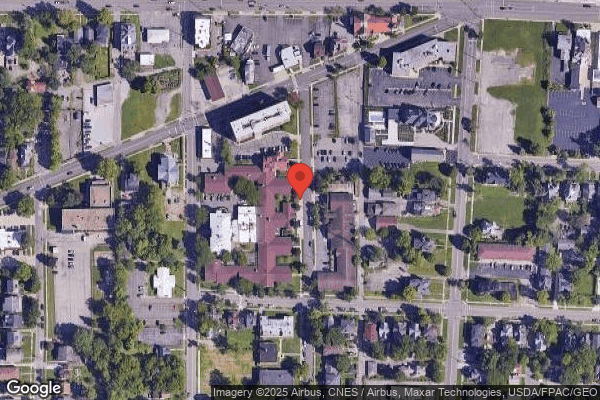
50 BLYMYER AVENUE, MANSFIELD, OH 44903 (419) 774-5100
Non profit - Other 66 Beds JAG HEALTHCARE Data: November 2025 1 Immediate Jeopardy citation
Trust Grade
8/100
#870 of 913 in OH
Last Inspection: August 2022

Over 2 years since last inspection. Current conditions may differ from available data.

Overview

Jag Healthcare Mansfield has received a Trust Grade of F, indicating significant concerns about its overall quality and care. Ranked #870 out of 913 facilities in Ohio, it falls in the bottom half of state nursing homes and is #9 out of 10 in Richland County, meaning there are only a couple of better options nearby. While the facility shows an improving trend, reducing issues from 17 in 2024 to 5 in 2025, it still faces serious challenges, including a high staff turnover rate of 64%, which is concerning compared to the state average of 49%. The nursing home has incurred $130,240 in fines, higher than 96% of Ohio facilities, raising concerns about repeated compliance issues. Specific incidents include a critical finding where financial mismanagement risked services for residents, and failures to deliver unopened resident mail, affecting multiple individuals’ privacy. Overall, while there have been some improvements, significant weaknesses remain that families should carefully consider.

Trust Score
F
8/100
In Ohio
#870/913
Bottom 5%
Safety Record
High Risk
Review needed
Inspections
Getting Better
17 → 5 violations
Staff Stability
⚠ Watch
64% turnover. Above average. Higher turnover means staff may not know residents' routines.
Penalties
✓ Good
$130,240 in fines. Lower than most Ohio facilities. Relatively clean record.
Skilled Nurses
⚠ Watch
Each resident gets only 19 minutes of Registered Nurse (RN) attention daily — below average for Ohio. Fewer RN minutes means fewer trained eyes watching for problems.
Violations
⚠ Watch
54 deficiencies on record. Higher than average. Multiple issues found across inspections.
★☆☆☆☆
1.0
Overall Rating
★☆☆☆☆
1.0
Staff Levels
★★☆☆☆
2.0
Care Quality
★☆☆☆☆
1.0
Inspection Score
Stable
2024: 17 issues
2025: 5 issues

The Good

  • Full Sprinkler Coverage · Fire safety systems throughout facility
  • No fines on record

Facility shows strength in fire safety.

The Bad

1-Star Overall Rating

Below Ohio average (3.2)

Significant quality concerns identified by CMS

Staff Turnover: 64%

18pts above Ohio avg (46%)

Frequent staff changes - ask about care continuity

Federal Fines: $130,240

Well above median ($33,413)

Significant penalties indicating serious issues

Chain: JAG HEALTHCARE

Part of a multi-facility chain

Ask about local staffing decisions and management

Staff turnover is elevated (64%)

16 points above Ohio average of 48%

The Ugly 54 deficiencies on record

1 life-threatening
Jul 2025 5 deficiencies
CONCERN (D) 📢 Someone Reported This

A family member, employee, or ombudsman was alarmed enough to file a formal complaint

Potential for Harm - no one hurt, but risky conditions existed

Safe Environment (Tag F0584)

Could have caused harm · This affected 1 resident

**NOTE- TERMS IN BRACKETS HAVE BEEN EDITED TO PROTECT CONFIDENTIALITY** Based on observation, interview, record review, and review of the facility policy, the facility failed to assure missing items w...

Read full inspector narrative →
**NOTE- TERMS IN BRACKETS HAVE BEEN EDITED TO PROTECT CONFIDENTIALITY** Based on observation, interview, record review, and review of the facility policy, the facility failed to assure missing items were investigated and followed up on for one resident, (Resident #32), of three residents reviewed for missing items. The facility census was 57. Findings include: Record review for Resident #32 revealed an admission date of 01/13/23. Diagnosis included Alzheimer's disease with late onset. Review of the quarterly Minimum Data Set (MDS) dated [DATE] revealed Resident #32 was severely cognitively impaired. Resident #32 was dependent for bed mobility, chair/bed chair transfers, and wheelchair mobility. Telephone interview on 06/24/25 at 10:07 A.M. with Resident #32's family member revealed Resident #32 was missing blankets, clothing items, and stuffed animals. Resident #32's family member revealed it had been a while, between a month or two but they did let the staff know. Resident #32's family member revealed they could not remember the staff names. Interview on 06/25/25 at 9:25 A.M. with Social Worker Designee (SWD) #305 revealed she had not received any resident concerns or grievances since February 2025. SWD #305 revealed if a family or resident had a concern or grievance, they would fill out a concern log located at the front desk or a staff member could fill one out for them. If it was for missing laundry or items, she would look for the item then if she could not find it she would notify the Administrator and she would take over from there. SWD #305 revealed she never had a concern log for any missing items from Resident #32 or the family. Observation with SWD #305 revealed there were no concern logs located at the front desk. Interview on 06/26/25 at 10:46 A.M. with Laundry/Housekeeping Assistant #253 revealed the laundry department gets reports of missing clothing, all the time, at least three times a week. Laundry/Housekeeping Assistant #253 revealed that sometimes families, staff or residents just come tell the laundry department what is missing but most the time they give us something in writing, usually on plain white or scrap paper or we just write it on paper. Laundry/Housekeeping Assistant #253 revealed she does not keep the notes or papers with missing items, once she looks for the item, if she cannot find it, she tells the nurse and throws the paper away and that's it. Laundry/Housekeeping observation completed with Laundry/Housekeeping Assistant #253 of the laundry room revealed two racks of clothes hanging and three full large boxes of clothing items and slippers. Laundry/Housekeeping Assistant #253 revealed these were no name items and laundry did not know who they belonged to. Interview on 06/26/25 between 11:07 A.M. and 2:01 P.M. with Certified Nursing Assistant (CNA) #227 and #231 revealed they both frequently worked with Resident #32. CNA #231 revealed, About two months ago, the family said she was missing stuffed animals but there was another resident at the facility who would wander and take stuff but I don't know what ever happened with it. CNA #227 and #231 revealed when residents or families report missing items, they go to the laundry to look for it and if they cannot find it, they tell whoever is working in laundry to keep an eye out for it. Interview on 06/26/25 at 2:06 P.M. during Resident Council meeting with nine participants, Resident #3, #14, #15, #17, #22, #28, #37, #46, and #161 all confirmed verbally or with a head nod that they each had missing clothing items and this was considered by them a big problem. Resident #37 revealed they tell the laundry lady, she always says she will look into it but they never come back to follow up about the missing clothing items. Multiple residents stated out loud simultaneously they agreed with that statement and reiterated they felt it was a big problem. Resident #17 revealed twice a year they bring out all the clothes and put them in the activities room for residents to go through to see if any of their missing clothing is in there. Review of the Resident Council Meeting minutes dated 04/30/25 revealed room [ROOM NUMBER] was missing an Ohio State short sleeve shirt and woman's jean shorts. room [ROOM NUMBER] has been missing XXXL black shorts since last summer; Residents are complaining they are not getting socks back. Review of the Resident Council Minutes review dated 04/30/25 to Department Housekeeping/laundry revealed Plans of Corrections: Housekeeping was informed to look for residents missing items and follow up upon returning resident items to ensure needs were met. Administrator signed and dated 05/07/25. No follow up was documented as to finding or not finding the missing items or follow up with the residents. Review of the Resident Council Meeting minutes dated 05/28/25 revealed room [ROOM NUMBER] received clothes that did not belong to her. Review of the facility policy titled, Grievances/Complaints, Recording and Investigating undated revealed all grievances and complaints filed with the facility will be investigated and corrective action will be taken to resolve the grievances. The Grievance Officer will record and maintain all grievances and complaints on the Grievance Report. The following information will be recorded and maintained in the log: a. The date the grievance/complaint received. b. The name and room number of the resident filing the grievance/complaint. c. The name and relationship of the person filing the grievance/complaint on behalf of the resident. d. The date the alleged incident took place. e. The name of the person investigating the incident. f. The date the resident or interested party was informed of the findings. g. The disposition of the grievance. h. The grievance/complaint form will be filed with the Administrator within five working days of the incident. This deficiency represents non-compliance investigated under Complaint Number OH00166248.
CONCERN (D) 📢 Someone Reported This

A family member, employee, or ombudsman was alarmed enough to file a formal complaint

Potential for Harm - no one hurt, but risky conditions existed

Quality of Care (Tag F0684)

Could have caused harm · This affected 1 resident

**NOTE- TERMS IN BRACKETS HAVE BEEN EDITED TO PROTECT CONFIDENTIALITY** 2. Review of the medical record for Resident #110 revealed an admission date of 06/13/25. Diagnoses included chronic pain, hemip...

Read full inspector narrative →
**NOTE- TERMS IN BRACKETS HAVE BEEN EDITED TO PROTECT CONFIDENTIALITY** 2. Review of the medical record for Resident #110 revealed an admission date of 06/13/25. Diagnoses included chronic pain, hemiplegia and hemiparesis, cerebral infarction, hypertension, atrial fibrillation, congestive heart failure, and narcissistic personality disorder. Review of the admission Minimum Data Set (MDS) assessment dated [DATE] revealed the resident had intact cognition. Review of a wound assessment report dated 06/20/25 revealed the resident had bilateral lower extremity venous ulcers. Review of a physician order dated 06/21/25 revealed to cleanse the bilateral lower extremities with wound cleanser, pat dry, apply ammonium lactate lotion to both lower legs topically, apply non-adhering dressing then a dry dressing over wounds, cover with an elastic tubular bandage and then wrap with and outer elastic bandage daily and as needed for venous ulcer wound care. Observation on 06/23/25 at 12:30 P.M. revealed Resident #110 had elastic bandages covering his bilateral lower extremities from below the knees to the top of the feet. Further observation revealed the wound dressings were not dated. Interview on 06/23/25 at 12:30 P.M., Resident #110 revealed his wound dressings had not been changed since 06/20/25 when the wound nurse assessed and changed the dressings. Resident #110 stated the staff never dated his wound dressings. Observation on 06/24/25 at 1:32 P.M., Licensed Practical Nurse (LPN) #259 verified Resident #100's wound dressings to the bilateral lower extremities were not dated. Further observation of wound care revealed LPN #259 removed the elastic cover bandage covering the wounds revealing the inner tubular elastic bandage, abdominal pad, and non-adherent were saturated with dried drainage on each lower extremity. LPN #259 applied new wound care dressings per physician orders. LPN #259 had not dated the wound dressings. Interview on 06/25/25 at 2:12 P.M., LPN #259 revealed the wound dressing appeared to not have been changed recently due to the amount of saturation of the dressings. LPN #259 verified she had not dated the residents wound care dressings to the bilateral lower extremities. Interview on 06/25/25 at 9:34 A.M., LPN #275 verified also not dating wound dressings for Resident #110. Further interview with LPN #275 revealed completing the resident's wound care dressing changes on 06/21/25. Review of the Treatment Administration Record (TAR) dated 06/21/25 through 06/24/25 revealed no documentation the resident's wound dressing to the bilateral lower extremities had been completed on 06/23/25. Interview on 06/26/25 at 11:47 A.M., the Director of Nursing (DON) verified Resident #110's wound treatment was not completed on 06/23/25. Review of the undated facility policy Wound Care revealed staff would administer wound care treatments per physician orders and date, time, and initial wound care dressings when completed. 3. Review of the medical record for Resident #27 revealed an admission date of 01/17/25. Diagnoses included chronic obstructive pulmonary disease, malignant neoplasm of colon, type two diabetes mellitus, peripheral vascular disease, acquired absence of right leg above knee, cerebral infarction, and dementia. Review of the quarterly MDS assessment dated [DATE] revealed the resident had severe cognitive impairment. Review of the care plan dated 04/22/25 revealed the resident had a left heel wound. Interventions included a weekly skin assessment for and provide treatment per physician order. Review of a skin/wound progress note dated 05/19/25 at 11:46 A.M. revealed a nursing assistant reported resident sock sticking to foot. Nurse assessed and found a new open area to the left heel measuring approximately three centimeters (cm) by two centimeters with light bleeding and serous drainage. The physician was notified, and a treatment was applied. Review of weekly skin/wound assessments revealed the wound was assessed on 05/27/25. Review of a progress note dated 05/30/25 at 12:47 P.M. revealed the wound nurse practitioner noted the resident had a diabetic foot ulcer to the left lateral foot measuring 2.4 cm in length by three cm in width by 0.1 cm in depth with moderate serous drainage. New wound care orders included to cleanse with wound cleanser, apply calcium alginate with silver to base of wound and secure with bordered foam daily and as needed. Also to float heels while in bed with the use of heel boots. Review of a weekly skin/wound assessment dated [DATE] revealed no assessment of the resident's left heel was completed. Further review of the weekly skin/wound assessments revealed no further weekly wound assessments had been completed since 05/30/25. The resident had appointments at an outside wound care provider on 06/05/25 and 06/19/25 with no wound measurements provided. Observation on 06/24/25 at 2:21 P.M., of wound care for Resident #27 with Licensed Practical Nurse (LPN) #259 revealed a wound on the left posterior heel with discoloration approximately 2.5 centimeters in length and 1.5 cm in width with no depth as the skin was intact. There was no drainage or signs of infection. Interview on 06/30/25 at 1:51 P.M., the Director of Nursing (DON) confirmed there was no documentation of weekly wound assessments completed for Resident #27 since 05/30/25. The DON revealed nursing staff should be completing weekly wound evaluations to monitor, measure, and assess the wound. Review of the undated facility policy Wound Care, revealed no guidelines for the frequency of wound assessments. Further review of the policy revealed to document wound assessment data (wound bed color, size, drainage) obtained when inspecting the wound. Based on observation, interview, record review, and review of the facility policy, the facility/ Hospice Registered Nurse (RN) failed to assure Resident #160 received pain medications when she expressed she was having pain throughout the procedure of an indwelling catheter reinsertion and peri care and the facility failed to address a change in condition timely for Resident #160 when her peri area, buttocks, and under her bilateral breast were observed by facility staff and Hospice RN to be deep red. Additionally the facility failed to ensure wound care was provided and timely complete wound assessments were completed for two (#110, #27) of three residents reviewed for wound care. The facility identified seven residents with non-pressure wounds. The facility census was 57. Findings include: 1. Record review for Resident #160 revealed an admission date of 05/28/25. Diagnoses included heart failure, obesity, Diabetes Mellitus with diabetic polyneuropathy, and low back pain. Resident #160 received hospice services. Review of the admission Minimum Data Set (MDS) dated [DATE] for Resident #160 revealed Resident #160 was moderately cognitively impaired. Resident #160 required partial/moderate assistants with eating and was dependent for toileting hygiene, bathing and bed mobility. Resident #160 had an indwelling catheter and was occasionally incontinent of bowel. Resident #160 occasionally had pain and received scheduled and as needed (PRN) pain medications. Review of the care plan dated 06/23/25 revealed Resident #160 was at risk for infection and/or trauma related to use of foley catheter, neurogenic bladder. Interventions included to check for patency and urinary output every shift; Monitor for signs and symptoms of urinary tract infection (UTI): burning on urination, flank pain, hematuria, decreased urinary output, change in mental status, change in behavior, fever, change in color, clarity and/or odor of urine. Review of the physician orders for Resident #160 revealed an order dated 05/29/25 to keep foley diagnosis is oliguria. An additional order revised 05/30/25 revealed keep foley catheter 16 french 10 milliliter (ml) balloon diagnosis is oliguria. A revised order dated 06/19/25 revealed keep foley catheter 16 french 10 milliliter (ml) balloon diagnosis is neurogenic bladder. Review of the physician orders revealed orders dated 05/30/25 for Morphine Sulfate (opioid) oral solution 20 mg/ml give 10 mg by mouth every six hours for pain and 10 mg by mouth every one hour as needed for pain or shortness of breath. Review of the physician orders for Resident #160 revealed an order dated 05/30/25 revealed an order for Enhanced Barrier Precautions (EBP) due to foley catheter every day and night shift. Observation on 06/23/25 at 10:08 A.M. revealed Resident #160 was lying in bed. Resident #160's husband was present and revealed he just arrived to visit with Resident #160. Resident #160 had no top or pants on and was completely uncovered. Resident #160 was scratching at her peri area aggressively. The brief Resident #160 was wearing had been saturated with a red substance. Resident #160 was not responding to questions and continued scratching. Resident #160's husband placed Resident #160's call light on. Observation on 06/23/25 at 10:10 A.M. revealed Certified Nursing Assistant (CNA) #280 entered Resident #160's room. CNA #280 confirmed Resident #160 had blood inside her brief saturating the center peri area of the brief. CNA #280 turned Resident #160 to her side. A moderate amount of blood was observed on the pad under Resident #160. The indwelling catheter was lying on the mattress next to Resident #160 with a fully inflated balloon. The catheter had blood on the tubing and balloon. At 10:11 A.M. CNA #226 entered the room and assisted CNA #280 with peri care. Multiple old and new scratches were observed on Resident #160's thighs. CNA #226 revealed some of the scratches were older and some were new. There was blood with blood clots inside Resident #160's brief that CNA #226 and #280 removed. At 10:26 A.M. Registered Nurse (RN) #299 entered the doorway of the room. RN #299 did not observe or assess Resident #160, RN #299 stood in the doorway and revealed she will come in and replace the indwelling catheter when her medication pass was completed. RN #299 then exited the room. Observation after peri care was completed revealed Resident #160's vaginal area was deep red, under bilateral breasts were deep red and the buttocks/peri area was deep red. Interview on 06/23/25 at 10:45 A.M. with RN #299 revealed when asked if she was going to replace Resident #160's indwelling catheter, She is hospice so, I am going on break right now. Interview on 06/23/25 at 1:09 P.M. with Hospice #320's Hospice RN #321 revealed Resident #160 had an indwelling catheter due to urinary retention. Hospice RN #321 revealed Resident #160 never removed her indwelling catheter prior to today. Observation revealed Hospice RN #321 placed a pair of clean disposable gloves on. Hospice RN #321 did not wash her hands prior to placing the clean gloves on. Hospice RN then place a pair of sterile gloves over the clean gloves. Hospice RN #321 then attempted to insert the indwelling catheter into Resident #160's urethra with no assistants. Resident #160 was morbidly obese and was not following direction. Hospice RN #321 then attempted several times inserting the catheter into the urethra which was not visible due to positioning. Resident #160 repeatedly yelled out., ow, ow ,ow during the entire procedure of attempting to place the indwelling catheter into the urethra. Hospice RN #321 then inserted the catheter in the area, pushed 30 milliliters (ml) of fluid in the catheter balloon while Resident #160 continued yelling out, ow, ow, ow. Hospice RN #321 confirmed Resident #160's was very red inside her vaginal area and under her breast. Hospice RN #321 also confirmed Resident #160 was having pain during the procedure and confirmed she never offered any as needed pain medication before or during the procedure. Per Hospice RN #321, Resident #160 had as need pain medication available for use if needed. Hospice RN #321 revealed Resident #160 was incontinent of urine on her brief. Hospice RN #321 turned Resident #160 to her right side. Resident #160's buttocks was deep red, Hospice RN #321 pulled Resident #160's brief from under her ripping the brief into several pieces as she kept pulling on it grabbing different areas of the brief. Surveyor suggested waiting for assistants to continue with the care. At 1:28 P.M. Licensed Practical Nurse (LPN) #261 entered the room to assist. Observation revealed the indwelling catheter came out. Hospice RN #321 revealed it fell out because it was not in the right area. Observation revealed during peri care provided by Hospice RN and LPN #261, Resident #160 continued to yell out, ow, ow, ow every time her vaginal area was touched. Hospice RN #321 never offered pain medication. Hospice RN #321 confirmed she never offered Resident #160 any pain medication although Resident #160 repeatedly yelled out in pain throughout the procedure, and confirmed Resident #160 had as needed pain medication available. Interview on 06/24/25 at 1:35 P.M. with RN #299 revealed the Hospice nurse never told her about the red areas in the vaginal area, buttocks or under the breast and confirmed Resident #160 never received orders to treat the areas. RN #299 revealed she will call hospice for new orders. RN #299 confirmed she never attempted to replace Resident #160's indwelling catheter on this day either, she was waiting for Hospice. Review of the physician order for Resident #160 revealed an order dated 06/24/25 for Diflucon 200 mg by mouth for yeast for five days until finished.
CONCERN (D) 📢 Someone Reported This

A family member, employee, or ombudsman was alarmed enough to file a formal complaint

Potential for Harm - no one hurt, but risky conditions existed

Incontinence Care (Tag F0690)

Could have caused harm · This affected 1 resident

**NOTE- TERMS IN BRACKETS HAVE BEEN EDITED TO PROTECT CONFIDENTIALITY** Based on observation, interview, and record review revealed the facility failed to ensure an indwelling catheter for one residen...

Read full inspector narrative →
**NOTE- TERMS IN BRACKETS HAVE BEEN EDITED TO PROTECT CONFIDENTIALITY** Based on observation, interview, and record review revealed the facility failed to ensure an indwelling catheter for one resident, Resident #160 was addressed timely to include a physical assessment and reinsertion when Resident #160 removed the catheter. The facility also failed to notify the primary care physician of the catheter and failed to notify the primary care physician and Hospice provider of the results of a urinalysis timely that resulted in bacterial growth requiring treatment of an antibiotic. This affected one resident, Resident #160 and had the potential to affect an additional seven residents, Resident #5, #26, #35, #36, #40, #43, and #50 identified by the facility as having indwelling catheters. The facility census was 57. Findings include: Record review for Resident #160 revealed an admission date of 05/28/25. Diagnoses included heart failure, Absence of right and left leg below the knee, obesity, diabetes mellitus with diabetic polyneuropathy, and low back pain. Resident #160 received hospice services. Review of the admission Minimum Data Set (MDS) dated [DATE] for Resident #160 revealed Resident #160 was moderately cognitively impaired. Resident #160 was dependent for toileting hygiene, bathing and bed mobility. Resident #160 had an indwelling catheter and was occasionally incontinent of bowel. Review of the care plan dated 06/23/25 revealed Resident #160 was at risk for infection and/or trauma related to use of foley catheter, neurogenic bladder. Interventions included to check for patency and urinary output every shift; Monitor for signs and symptoms of urinary tract infection (UTI): burning on urination, flank pain, hematuria, decreased urinary output, change in mental status, change in behavior, fever, change in color, clarity and/or odor of urine. Review of the physician orders for Resident #160 revealed an order dated 05/29/25 to keep foley diagnosis is oliguria. An additional order revised 05/30/25 revealed keep foley catheter 16 french 10 milliliter (ml) balloon diagnosis is oliguria. A revised order dated 06/19/25 revealed keep foley catheter 16 french 10 milliliter (ml) balloon diagnosis is neurogenic bladder. Review of the Nursing Progress Note for Resident #160 dated 06/15/25 at 2:08 A.M. included Resident #160 complained of urgency stating she felt like she had to pee. Increased agitation and confusion. Urine in catheter bag was cloudy and had a strong odor. The note included would speak with hospice for a urine analysis culture and sensitivity (UA C&S) laboratory test Review of the Nursing Progress Note for Resident #160 dated 06/16/25 at 11:59 A.M. revealed Certified Nursing Assistant (CNA) reported urine had a foul odor. Resident educated to consume more water due to strong urine. Review of the Nursing Progress Note for Resident #160 dated 06/18/25 at 9:24 A.M. revealed a call was placed to hospice to obtain a urine sample to send to lab for a UA C&S due to cloudy urine and a strong urine smell and increased confusion. Review of the physician orders for Resident #160 revealed an order dated 06/18/25 revealed an order to collect urine for a urinalysis, culture and sensitivity to be sent to laboratory and notify hospice of results. Review of the Nursing Progress Note for Resident #160 dated 06/19/25 at 6:09 A.M. revealed urine collected from resident this A.M. and sent to lab for a UA C&S. Review of the Nursing Progress Notes for Resident #160 from 06/19/25 through 06/24/25 at 2:00 P.M. revealed no further documentation, results or orders from UA or C&S obtained 06/19/25. Observation on 06/23/25 at 10:08 A.M. revealed Resident #160 was lying in bed. Resident #160's husband was present and revealed he just arrived to visit with Resident #160. Resident #160 had no top or pants on and was completely uncovered. Resident #160 was scratching at her peri area aggressively. The brief Resident #160 was wearing had been saturated with a red substance. Resident #160 was not responding to questions and continued scratching. Resident #160's husband placed Resident #160's call light on. Observation on 06/23/25 at 10:10 A.M. revealed Certified Nursing Assistant (CNA) #280 entered Resident #160's room. CNA #280 confirmed Resident #160 had blood inside her brief saturating the center peri area of the brief. CNA #280 turned Resident #160 to her side. A moderate amount of blood was observed on the pad under Resident #160. The indwelling catheter was lying on the mattress next to Resident #160 with a fully inflated balloon. The catheter had blood on the tubing and balloon. At 10:11 A.M. CNA #226 entered the room and assisted CNA #280 with peri care. CNA #226 revealed Resident #160 was last changed at 6:00 A.M.; There was blood with blood clots inside Resident #160's brief that CNA #226 and #280 removed. At 10:26 A.M. Registered Nurse (RN) #299 entered the doorway of the room. RN #299 did not observe or assess Resident #160, RN #299 stood in the doorway and revealed she will come in and replace the indwelling catheter when her medication pass was completed. RN #299 then exited the room. Interview on 06/23/25 at 10:45 A.M. with RN #299 revealed when asked if she was going to replace Resident #160's indwelling catheter, She is hospice so, I am going on break right now. Interview on 06/23/25 at 12:14 P.M. with RN #299 revealed the hospice nurse never came yet and she would let the surveyor know when the hospice nurse comes to replace Resident #160's indwelling catheter. Interview on 06/23/25 at 1:09 P.M. with Hospice #320's, Hospice RN #321 revealed Resident #160 had an indwelling catheter due to urinary retention. Hospice RN #321 revealed Resident #160 never removed her indwelling catheter prior to today. Observation revealed Hospice RN #321 placed a pair of clean disposable gloves on. Hospice RN #321 did not wash her hands prior to placing the clean gloves on. Hospice RN then place a pair of sterile gloves over the clean gloves. Hospice RN #321 never placed an isolation gown on. Hospice RN #321 then attempted to insert the indwelling catheter into Resident #160's urethra with no assistance. Resident #160 was morbidly obese and was not following direction. Observation revealed Hospice RN was attempting to hold the catheter in one hand, spread Resident #160's legs with her arms while trying to separate the labia with the second hand to visualize the urethra. Hospice RN #321 then attempted several times inserting the catheter into the urethra which was not visible due to positioning. Hospice RN #321 then inserted the catheter in the area with no urine return observed, pushed 30 milliliters (ml) of fluid in the catheter . Hospice RN #321 confirmed there was no urine return. At 1:28 PM Licensed Practical Nurse (LPN) #261 entered the room to assist. LPN #261 never placed an isolation gown on. Observation revealed the indwelling catheter came out. Hospice RN #321 revealed it fell out because it was not in the right area. LPN #261 revealed she would look to see if the facility had another indwelling catheter for Resident #160. Interview on 06/23/25 at 2:04 P.M. with RN #299 confirmed she did not place Resident #160's indwelling catheter in stating, I did not change the catheter myself because I was busy, there are only two nurses., use to be three, now two nurses for all residents, there's not enough time. Observation on 06/24/25 at 1:35 P.M. revealed Resident #160 was lying in bed. Resident #160 did not have an indwelling catheter. Interview with RN #299 revealed Resident #160 had the catheter replaced on 06/23/24 by the hospice nurse then Resident #160 pulled it out again last night. RN #299 revealed Hospice was called this A.M., they said they will notify Resident #160's case worker and will call back. RN #299 revealed Hospice never called back yet and confirmed Resident #160's primary physician was never notified of the catheter coming out. RN #299 revealed, Most hospice companies take care of everything so we just notify hospice. RN #299 revealed she will call hospice for new orders. RN #299 confirmed she never attempted to replace Resident #160's indwelling catheter on this day either, she was waiting for Hospice. Interview 06/24/25 1:47 P.M. with Director of Nursing (DON) revealed an acceptable amount of time to wait to assess a resident when a resident has a change in condition such as an indwelling catheter coming out would be immediate. The nurse should stop what they are doing and assess the resident including any trauma to the area from the catheter being pulled out. The facility nurse should address the concern, replace the catheter then update hospice and the primary physician. Record review for Resident #160 revealed the UA C&S results for the urine obtained 06/19/25 were not available in the medical records and there was no further documentation after the urine was obtained regarding the urinalysis results. Interview with DON on 06/24/25 at 3:30 P.M. confirmed Resident #160 did not have the UA obtained on 06/19/25 or C&S results in the medical record and no follow up on the results were documented. Interview on 06/24/25 at 4:45 P.M. with DON revealed she called the lab and obtained the results of the UA C&S for Resident #160. Review of the lab results revealed the results were faxed to the facility on [DATE] at 4:20 P.M.; Resident #160 had greater than 100,000 growths of both Escherichia coli and pseudomonas aeruginosa. DON revealed the lab said they just got the results and never sent a preliminary. Interview on 06/24/25 at 4:57 P.M. with Resident #160's husband revealed he noticed a huge change in his wife about two weeks ago and revealed she was sluggish, more confused, not herself. Review of the physician order for Resident #160 revealed an order was written on 06/24/25 for Cipro (antibiotic) 250 mg give one tablet orally two times a day for urinary tract infection (UTI) for seven days. Telephone interview on 06/25/25 at 10:04 A.M. with Laboratory Director #324 revealed Resident #160's urinalysis was obtained from the facility on 06/19/25 at 2:00 A.M.; The urinalysis result were reported faxed to the facility on [DATE] at 7:33 A.M. The C&S was completed on 06/21/25 at 8:55 A.M. but not faxed until 06/24/25. Lab Director #324 revealed when a urinalysis is completed that required a C&S, the urinalysis is sent to a different location for the C&S. The staff that completed the urinalysis at the first lab for Resident #160 did not put the fax request in so that the second lab who completed the C&S was aware to fax the results to the facility. Some facilities have electronic access to obtain results immediately and some prefer to be faxed. The lab does not know unless it is written on the request that they need to fax it. Lab Director #324 confirmed the C&S result would not have been sent to the facility if they did not call to request it on 06/24/25. Review of the lab confirmation sent via e-mail from Laboratory Director #324 confirmed the abnormal urinalysis report for Resident #160 was successfully sent via fax to the facility on [DATE] at 11:20 A.M.; The C&S was sent via fax to the facility on [DATE] successfully at 4:33 P.M. Interview on 06/25/25 at 3:20 P.M. with DON confirmed the facility should have followed up on the lab results for the urinalysis and the C&S for Resident #160 and the nurses should have notified the hospice and physician when they received the results. This deficiency represents non-compliance investigated under Complaint Number OH00166248.
CONCERN (D) 📢 Someone Reported This

A family member, employee, or ombudsman was alarmed enough to file a formal complaint

Potential for Harm - no one hurt, but risky conditions existed

Deficiency F0760 (Tag F0760)

Could have caused harm · This affected 1 resident

**NOTE- TERMS IN BRACKETS HAVE BEEN EDITED TO PROTECT CONFIDENTIALITY** 2. Review of the medical record for Resident #56 revealed an admission date of 04/07/25 and a discharge date of 06/02/25. Diagno...

Read full inspector narrative →
**NOTE- TERMS IN BRACKETS HAVE BEEN EDITED TO PROTECT CONFIDENTIALITY** 2. Review of the medical record for Resident #56 revealed an admission date of 04/07/25 and a discharge date of 06/02/25. Diagnoses included pneumonia, acute respiratory failure with hypoxia, heart failure, hypertension, chronic obstructive pulmonary disease, and Alzheimer's disease. Review of the admission Minimum Data Set (MDS) dated [DATE] revealed the resident had moderate cognitive impairment. Review of the physician orders dated 04/08/25 revealed an order for Lasix 20 milligrams, one tablet by mouth every 24 hours as needed for edema or greater than three-pound weight gain in 24 hours, weigh daily in the morning, if greater than three-pound weight gain, give the as needed Lasix. Review of the Medication Administration Record (MAR) dated 05/01/25 through 06/02/25 revealed Resident #56 was not weighed per physician orders on 05/01/25, 05/12/25, 05/13/25, 05/16/25, 05/17/25, 05/18/25, 05/20/25, 05/21/25, 05/22/25, 05/26/25, 05/27/25, and 05/30/25. Further review of the MAR revealed on 05/03/25 the resident weighed 98.5 pounds and on 05/04/25 the resident weighed 103.6 pounds. On 05/25/25 the resident weighed 102.6 pounds, and no weights were completed on 05/26/25 and 05/27/25. On 05/28/25 the resident weighed 109 pounds. Continued review of the MAR revealed the resident was not administered the as needed Lasix for the greater than three-pound weight gains on 05/04/25 and 05/28/25. Interview on 06/26/25 at 12:05 P.M., the Director of Nursing (DON) verified Resident #56's weights were not obtained per physician orders, and the resident was not administered Lasix per physician orders for greater than three-pound weight gains. Review of the undated facility policy Administering Medications revealed medications would be administered in a safe and timely manner, and as prescribed, including any required time frame. This deficiency represents noncompliance investigated during Complaint Number OH00166248. Based on medical record review, staff interview, and facility policy review, the facility failed to ensure residents remained free from significant medications errors. This affected two (#161, #56) of six residents reviewed for medication administration. This had the potential to affect an additional 11 residents (#3, #8, #11, #12, #14, #16, #27, #28, #30, #43, and #57) who received insulin via insulin pen. The facility census was 57. Findings include: 1. Review of Resident #161's medical record revealed an admission date of 05/28/25. Diagnoses include type two diabetes mellitus, major depressive disorder, and iron deficiency anemia. Review of the admission MDS assessment dated [DATE] revealed the resident had moderate cognitive impairment. Review of Resident #161's physician orders revealed an order for Humalog 100 unit/milliliter (ml). Inject 16 units subcutaneously before meals for diabetes related to type two diabetes mellitus. Also included in the physician's orders was a sliding scale insulin order for blood sugar regulation. Observation on 06/25/25 at 10:59 A.M. revealed Registered Nurse (RN) #300 obtained the blood glucose level of 293 for Resident #161. Per the physician's orders and sliding scale, RN #300 stated he would administer 22 units of insulin. Observation on 06/25/25 at 11:00 A.M. of RN #300 administering insulin revealed RN #300 had not primed the insulin pen prior to administering the 22 units of insulin. Concurrent interview with RN #300 verified he should have primed the insulin pen prior to administration. Review of the manufacturers instructions for a Humalog insulin pen revealed to prime the pen, turn the dose knob to select 2 units. Holding the pen with the needle pointing up, tap the cartridge holder gently to collect air bubbles at the top. Eject the two units of insulin and hold the dose knob until you see insulin at the tip of the needle. Review of the undated policy titled Insulin Administration Purpose revealed nursing staff have access to manufacturer instructions.
CONCERN (F) 📢 Someone Reported This

A family member, employee, or ombudsman was alarmed enough to file a formal complaint

Potential for Harm - no one hurt, but risky conditions existed

Deficiency F0868 (Tag F0868)

Could have caused harm · This affected most or all residents

Based on review of Quality Assessment and Assurance (QAA) meeting sign-in documentation, staff interview, and facility policy review, the facility failed to have required Quality Assessment and Assura...

Read full inspector narrative →
Based on review of Quality Assessment and Assurance (QAA) meeting sign-in documentation, staff interview, and facility policy review, the facility failed to have required Quality Assessment and Assurance quarterly meetings with required members. This had the potential to affect all residents. The facility census was 57. Findings include: Review of the QAA sign in sheets revealed the facility had no documentation of QAA meetings for the first, second, and third quarters of 2024. The facility allowed viewing of fourth quarter QAA meeting documentation for 12/17/24 but there was no sign-in sheet for required members. Further review of the QAA sign-in sheets revealed the facility had a QAA meeting on 01/31/25 not attended by the Medical Director and another meeting on 02/28/25 not attended by the Director of Nursing or Infection Preventionist. Interview on 07/01/25 at 8:53 A.M. with the Administrator verified the facility had no documentation of quarterly QAA meetings prior the fourth quarter of 2024. The Administrator revealed the building was under new ownership beginning 11/01/24. The Administrator verified there was no documentation all required members were present during the 12/2024 fourth quarter meeting. Further interview with the Administrator revealed required members were not all present together for a QAA meeting for the first quarter of 2025. Review of the undated policy titled Quality Assurance and Performance Improvement (QAPI) Program - Governance and Leadership revealed the following individuals serve on the committee: administrator, or a designee who is in a leadership role, director of nursing services, medical director, infection preventionist, and representatives of the following departments as requested by the administrator: pharmacy, social services, activity services, environmental services, human resources, and medical records. The committee would meet at least quarterly.
May 2024 3 deficiencies
CONCERN (D) 📢 Someone Reported This

A family member, employee, or ombudsman was alarmed enough to file a formal complaint

Potential for Harm - no one hurt, but risky conditions existed

Deficiency F0883 (Tag F0883)

Could have caused harm · This affected 1 resident

**NOTE- TERMS IN BRACKETS HAVE BEEN EDITED TO PROTECT CONFIDENTIALITY** Based on medical record review, staff interview, and policy review, the facility failed to ensure residents were offered influen...

Read full inspector narrative →
**NOTE- TERMS IN BRACKETS HAVE BEEN EDITED TO PROTECT CONFIDENTIALITY** Based on medical record review, staff interview, and policy review, the facility failed to ensure residents were offered influenza vaccinations annually as required. This affected one (#40) of five residents reviewed for influenza vaccinations. The facility census was 41. Findings Include: Review of Resident #40's medical record revealed the resident was admitted to the facility on [DATE]. Diagnoses included schizophrenia, chronic obstructive pulmonary disease, type two diabetes, dementia, anemia, delusional disorder, auditory hallucinations, and complete traumatic amputation of the left lower leg at the knee level. Review of the quarterly Minimum Data Set (MDS) dated [DATE] revealed Resident #40 was cognitively intact. The resident was coded to not receive the influenza vaccination as it was not offered and the pneumococcal vaccination was coded as up to date. Review of Resident #40's vaccination documentated revealed the resident's the last documented influenza vaccination was dated 10/14/22. Interview with the Director of Nursing (DON) and Licensed Practical Nurse (LPN) #100 on 03/15/24 at 3:35 P.M. confirmed Resident #40 did not receive an influenza vaccination nor had the resident declined an influenza vaccination during the past influenza season. Review of the influenza vaccine policy dated 2002 revealed all residents and employees who have contact with residents will be offered the influenza vaccine annually to encourage and promote the benefits associated with immunizations against influenza. Between October 1st and November 30th each year, annual influenza vaccinations shall be administered to residents and employees who have contact with residents, unless the vaccination is medically contraindicated or the resident or employee refuses the vaccine due to personal or religious reasons. Appropriate entries must be documented in the residents' medical records indicating the date of the receipt or refusal of the annual influenza vaccination.
CONCERN (D) 📢 Someone Reported This

A family member, employee, or ombudsman was alarmed enough to file a formal complaint

Potential for Harm - no one hurt, but risky conditions existed

Deficiency F0887 (Tag F0887)

Could have caused harm · This affected 1 resident

**NOTE- TERMS IN BRACKETS HAVE BEEN EDITED TO PROTECT CONFIDENTIALITY** Based on medical record review and facility staff interview, the facility failed to offer the vaccination or obtain documentatio...

Read full inspector narrative →
**NOTE- TERMS IN BRACKETS HAVE BEEN EDITED TO PROTECT CONFIDENTIALITY** Based on medical record review and facility staff interview, the facility failed to offer the vaccination or obtain documentation of residents' SARS-CoV2 (COVID-19) vaccination status for three (#10, #30, and #50) of five residents reviewed for vaccinations. The facility census was 41. Findings Include: 1. Review of Resident #10's medical record revealed the resident was admitted on [DATE] with the most recent readmission on [DATE]. Diagnoses include osteomyelitis of the shoulder, bacteremia, extended spectrum beta lactamase resistance (ESBL), klebsiella pneumoniae, methicillin susceptible staphylococcus aureus infection, pseudomonas, pneumonia, chronic obstructive pulmonary disease, depression, atrial fibrillation, and fusion of the spine. Review of the most recent quarterly Minimum Data Set (MDS) assessment dated [DATE] revealed Resident #10 was cognitively intact. Review of Resident #10's vaccination documentation revealed there was no documented COVID-19 vaccinations, history of vaccinations, or declination of vaccinations in the resident's medical record or in facility records. 2. Review of Resident #30's medical record revealed the resident was admitted to the facility on [DATE]. Diagnoses included severe calorie protein calorie malnutrition, acute and chronic respiratory failure with hypoxia, local infection of the skin and subcutaneous tissue, methicillin resistant staphylococcus aureus infection, anxiety, history of transient ischemic attack, and atrial fibrillation. Review of the quarterly MDS assessment dated [DATE] revealed Resident #30 was cognitively intact. Review of Resident #30's vaccination documentation revealed there were no documented COVID-19 vaccinations, history of vaccinations, or declination of vaccinations in the resident's medical record or in facility records. 3. Review of Resident #50's medical record revealed the resident was admitted to the facility on [DATE] with the most recent readmission on [DATE]. Diagnoses included anemia, metabolic encephalopathy, altered mental status, urinary tract infection, extended spectrum beta lactamase resistance, diabetes, and an unstageable pressure ulcer to the heel. Review of the quarterly MDS assessment dated [DATE] revealed Resident #50 had mild cognitive impairment. Review of Resident #50's vaccination documentation revealed there were no documented COVID-19 vaccinations, history of vaccinations, or declination of vaccinations in the resident's medical record or in facility records. Interview with the Director of Nursing (DON) and Licensed Practical Nurse (LPN) #100 on 05/13/24 at 5:00 P.M. verified Resident #10, Resident #30, and Resident #50 had no documentation of COVID-19 vaccination status or declination of the vaccination in their medical record. This deficiency represents non-compliance investigated under Complaint Number OH00153390.
CONCERN (E) 📢 Someone Reported This

A family member, employee, or ombudsman was alarmed enough to file a formal complaint

Potential for Harm - no one hurt, but risky conditions existed

Infection Control (Tag F0880)

Could have caused harm · This affected multiple residents

**NOTE- TERMS IN BRACKETS HAVE BEEN EDITED TO PROTECT CONFIDENTIALITY** Based on observation, medical record review, resident and staff interview, and policy review, the facility failed to ensure all ...

Read full inspector narrative →
**NOTE- TERMS IN BRACKETS HAVE BEEN EDITED TO PROTECT CONFIDENTIALITY** Based on observation, medical record review, resident and staff interview, and policy review, the facility failed to ensure all required personal protective equipment was available and used for residents on contact precautions, failed to implement enhanced barrier precautions as required, and failed to ensure residents were screened for tuberculosis infection as required. This affected four (#10, #30, #50, and #60) of five residents reviewed for infection control practices. The census was 41. Findings Include: 1. Review of Resident #10's medical record revealed the resident was admitted on [DATE] with the most recent readmission on [DATE]. Diagnoses include osteomyelitis of the shoulder, bacteremia, extended spectrum beta lactamase (ESBL) resistance , klebsiella pneumoniae, methicillin susceptible staphylococcus aureus infection, pseudomonas, pneumonia, chronic obstructive pulmonary disease, depression, atrial fibrillation, and fusion of spine. Review of the most recent quarterly Minimum Data Set (MDS) assessment dated [DATE] revealed Resident #10 was cognitively intact, had no behaviors, required maximal assist with toileting, upper body dressing, and bed mobility. Resident #10 was dependent on staff for showering, lower body dressing, and bed to chair transfers. Review of Resident #10's medical record revealed there was no two-step Mantoux screening completed to rule out tuberculosis infection. Review of physician orders revealed Resident #10 had an order dated 04/23/24 for contact isolation for ESBL as well as an order dated 04/23/24 to empty an indwelling urinary catheter and record output each shift. On 05/04/24, Resident #10 had a physician order to cleanse and provide wound care to two surgical wounds Review of a readmission screener document dated 04/24/24 revealed Resident #10 had an indwelling urinary catheter, received intravenous (IV) antibiotics while a resident, and was not in isolation. Observation of Resident #10's room on 05/13/24 at 9:00 A.M. revealed there was a sign on the door that indicated the resident was on contact precautions. The signage on the door revealed everyone must clean hands, put on gloves and gown prior to entering the room, and use dedicated equipment for the resident. Further observation revealed an isolation cart was outside the room with had face masks, face shields, barrier pads, and disinfectant wipes inside the cart, but there were no gloves or gowns in the cart. Interview and observation with Licensed Practical Nurse (LPN) #110 on 05/13/24 at 9:02 A.M. confirmed Resident #10 was on contact isolation for ESBL and to enter the room gown and gloves needed to be worn. LPN #110 stated those items were in the isolation cart, but when observing the isolating cart with LPN #110 she verified there were no gowns or gloves in the isolation cart outside Resident #10's room. LPN #110 stated she did not know who stocked the isolation carts at the facility. LPN #110 verified she passed medication to Resident #10 on 05/13/24 and had only worn gloves in the room as she did not have a gown to wear in the room. Observation of the supply room on 05/13/24 at 9:05 A.M. with LPN #110 revealed there were no isolation gowns in the storage room. LPN #110 confirmed there were no gowns in the supply room at the time of the observation. 2. Review of Resident #30's medical record revealed the resident was admitted to the facility on [DATE]. Diagnoses included severe calorie protein calorie malnutrition, acute and chronic respiratory failure with hypoxia, local infection of the skin and subcutaneous tissue, methicillin resistant staphylococcus aureus infection, anxiety, history of transient ischemic attack, and atrial fibrillation. Review of the quarterly MDS assessment dated [DATE] revealed Resident #30 was and was coded as not requiring isolation. Review of Resident #30's medical record revealed there was no two-step Mantoux screening completed to rule out tuberculosis infection. Review of Resident #30's physician orders revealed the resident had an order dated 04/06/24 to cleanse the gastrostomy tube (a tube surgically inserted into the stomach) with normal saline, pat dry, apply triple antibiotic ointment, and cover with a split gauze daily. Additionally, Resident #30 was ordered to have a wound on the left heel cleansed with a skin protectant and covered with bordered foam daily beginning 04/16/24, and was placed on contact isolation for ESBL on 05/03/24. Interview and observation on 05/13/24 at 9:18 A.M. with LPN #100, who was the assistant director of nursing, confirmed she was the nurse on call on 05/12/24 and that she had been in the facility and no staff called or alerted her that there were no isolation gowns in the isolation carts for use. LPN #100 was observed with a case of isolation gowns in her hands and she stated she was going to stock the isolation carts. LPN #100 verified the gowns were in the facility. Observation of Resident #30's room on 05/13/24 at 9:20 A.M. revealed there was a sign on the door that indicated the resident was on contact precautions. The signage on the door instructed everyone must clean hands, put on gloves and gown prior to entering the room, and use dedicated equipment for the resident. Further observation revealed an isolation cart was outside the room. The cart had face masks, face shields, and barrier pads, but there were no gloves or gowns in the cart. Interview and observation with LPN #120 on 05/13/24 at 9:20 A.M. confirmed Resident #30 was in contact isolation and to enter the room gown and gloves needed to be worn. The isolation cart was observed with LPN #120 who confirmed there were no gowns or gloves in the isolation cart. LPN #110 verified she had passed medication to Resident #30 on 05/13/24 and had only worn gloves as she was unable to find a gown to wear. Interview with Resident #30 on 05/13/24 at 10:25 A.M. confirmed the staff do not wear gowns and gloves in her room when they enter or provide care to her. 3. Review of Resident #50's medical record revealed the resident was admitted to the facility on [DATE] with the most recent readmission on [DATE]. Diagnoses included anemia, metabolic encephalopathy, altered mental status, urinary tract infection, ESBL resistance, diabetes, and an unstageable pressure ulcer to the heel. Review of the quarterly MDS assessment dated [DATE] revealed Resident #50 had mild cognitive impairment and was coded as not requiring isolation. Review of Resident #50's physician orders revealed the resident was ordered right posterior thigh to be cleansed with wound cleanser, patted dry, calcium alginate with Medihoney applied, and covered with a boarder foam dressing on 05/08/24. On 05/13/24, the resident was ordered to have a wound to the top of the left heel treated with Dakins half-strength soaked gauze, apply an absorbent dressing, and secure with Kerlix on 05/13/24. Additionally, on 05/13/24, Resident #50 was ordered to have a sacrum wound cleansed with wound cleanser, patted dry, calcium alginate with Medihoney applied, and covered with a boarder foam dressing every night. Interview on 05/13/24 at 10:02 A.M. interview with LPN #100 confirmed the residents in the facility who required isolation were Resident #10 and Resident #30. LPN #100 stated Resident #50 had wounds that required dressings to be in place, however, the hospital paperwork documented no isolation was necessary. LPN #100 stated if isolation was required the admissions coordinator would have informed the facility of the need for isolation and that did not occur. LPN #100 confirmed Resident #50 was not on infection control precautions. Interview with LPN #120 on 05/13/24 at 2:25 P.M. verified she had not seen enhanced barrier precautions implemented at the facility and she did not know what those precautions were. 4. Review of Resident #60's medical record revealed the resident was admitted to the facility on [DATE]. Diagnoses included dementia, palliative care, anxiety, peripheral vascular disease, and pain in her right hip. The resident had an unstageable pressure ulcer (obscured full-thickness skin and tissue loss) to the left heel diagnosed on [DATE]. Review of the quarterly MDS assessment dated [DATE] revealed Resident #60 was severely cognitively impaired, had no behaviors, required maximal assist with eating and was dependent for toileting, dressing, showering, bed mobility and transfers. Resident #60 had an unstageable pressure ulcer due to coverage of the wound bed by slough (non-viable yellow, tan, gray, green or brown tissue) and or eschar (dead or devitalized tissue that is hard or soft in texture) and did not require isolation. Review of Resident #60's medical record revealed there was no two-step Mantoux screening completed to rule out tuberculosis infection. Review of a physician order dated 05/01/24 revealed Resident #60 had an order to treat a left heel wound with iodine 10 percent (%) applied to the wound and covered with a boarder foam dressing. Interview with LPN #110 on 05/13/24 at 2:23 P.M. confirmed the facility did not have residents with wounds requiring dressings in enhanced barrier precautions. Interview with LPN #120 on 05/13/24 at 2:25 P.M. verified enhanced barrier precautions had not been implemented at the facility and she did not know what those precautions were. Interview with the Director of Nursing (DON) and LPN #100 on 05/13/24 at 2:40 P.M. confirmed the facility had not implemented enhanced barrier precautions for the residents in the facility who met the criteria for enhanced barrier precautions. LPN #100 verified Resident #50 and Resident #60 had wounds which required dressings and verified the residents were not in any type of isolation precautions. The DON and LPN #100 stated they were not aware enhanced barrier precautions had been implemented. Interview with the DON and LPN #100 on 05/13/24 at 5:00 P.M. stated the standard isolation precaution policy was the policy the facility used to address the isolation needs of the residents in the facility. Interview with LPN #100 on 05/13/24 at 5:03 P.M. confirmed Resident #10, Resident #30, and Resident #60 had not been screened for tuberculosis as per the facility's policy. Review of the policy titled, Standard Isolation Precautions, dated 2002, revealed standard isolation precautions will be used in the care of all residents regardless of their diagnoses or presumed infection status. Standard Precautions apply to blood, body fluids, secretions, and excretions regardless of whether or not they contain visible blood, non-intact skin, and mucous membranes. Gloves are to be worn when touching blood, body fluids, secretions, excretions, and contaminated items. Clean gloves are to be put on just before touching mucous membranes and nonintact skin and gloves should be changes between tasks and procedures on the same resident after contact with material that may contain a high concentration of microorganisms. Gowns are to be worn to protect skin and prevent soiling of clothing during procedures and resident care activities that are likely to generate splashes or sprays of blood, body fluids, secretions, or excretions or cause soiling of clothing. Staff are to remove a soiled gown as promptly as possible and wash hands to avoid transfer of microorganisms to other residents or environments. Review of a policy titled, Tuberculosis Testing for Residents, dated 01/18/18, revealed residents will be given a two-step Mantoux test to determine exposure to tuberculosis upon admission and yearly. If the resident has had a positive Mantoux test in the past, the resident will have a chest x-radiation (x-ray) image to determine if tuberculosis is present. Thereafter, the resident will have a chest x-ray every three years. All Mantoux test results will be documented into the resident's chart and all residents will have a one-step yearly Mantoux test, thereafter, unless a chest x-ray is required. This deficiency represents non-compliance investigated under Complaint Number OH00153390.
Apr 2024 14 deficiencies 1 IJ (1 facility-wide)
CRITICAL (L) 📢 Someone Reported This

A family member, employee, or ombudsman was alarmed enough to file a formal complaint

Immediate Jeopardy (IJ) - the most serious Medicare violation

Free from Abuse/Neglect (Tag F0600)

Someone could have died · This affected most or all residents

⚠️ Facility-wide issue

**NOTE- TERMS IN BRACKETS HAVE BEEN EDITED TO PROTECT CONFIDENTIALITY** Based on review of facility billing records, emails, invoices and past due notices, review of bank statements, review of the fac...

Read full inspector narrative →
**NOTE- TERMS IN BRACKETS HAVE BEEN EDITED TO PROTECT CONFIDENTIALITY** Based on review of facility billing records, emails, invoices and past due notices, review of bank statements, review of the facility assessment, Nursing Home admission Agreement, facility policy and procedures, and interviews with residents/family, staff, vendors, and company personnel, the facility neglected to meet financial obligations for the delivery of care and maintenance and to operate in a manner to ensure all bills were being paid in a timely manner to prevent the actual and potential interruption in services and to meet the total care needs of all residents admitted to and/or retained in the facility. This resulted in Immediate Jeopardy on 04/01/24 when the identified lack of financial solvency placed all facility residents at risk for serious harm, injury, hospitalization, displacement due to the actual and potential interruption in utility and/or outside service providers. Financial concerns were identified and included, but were not limited to delinquent balances owed to the water company resulting in a shut off notice issued 04/01/24 with water services to end 04/12/24, delinquent balances owed to the phone leasing company resulting in phone service interruption on 04/01/24, delinquent balances owed to the facility current food vendor which resulted in food delivery being placed on hold on 04/02/24, and delinquent balances owed to the contracted therapy provider resulting in therapy services terminating on 04/05/24. This had the potential to affect all 56 residents residing in the facility. On 04/02/24 at 2:47 P.M., the Administrator, Director of Nursing (DON) and Chief Executive Officer (CEO) #805 were notified Immediate Jeopardy began on 04/01/24 when an onsite investigation determined the facility neglected to meet all financial obligations for the delivery of care and maintenance of the facility by not paying vendors in a timely manner to prevent actual and potential interruption in services and to meet the total care needs of residents. The Immediate Jeopardy remains ongoing as of 04/15/24 as the facility failed to provide evidence of an effective abatement plan. Findings include: On 03/22/24 at 2:50 P.M. confidential information provided to the State agency revealed ongoing financial solvency concerns in the facility and that the facility was not paying their vendors. The concerns included therapy services being on hold for residents due to non-payment, the facility running out of food for residents, having little to no resident care supplies (including incontinence briefs) and that the facility phones were set to be turned off due to non-payment. Additional confidential concerns provided to the State agency included concerns the facility had been in financial trouble for almost a year due to the inability to pay vendors. The source of the concern indicated the facility would change vendors, with a specific example given of the facility food vendor, who after owing upwards of $60,000-$70,000 to the previous company and not being able to pay them, the facility simply switched to a new vendor. The source indicated there were some utilities/vendors who required cash payment as they would no longer take a check or electronic payment from the facility. The source also shared he/she had witnessed vendors come into the facility and sit until they received payment, because the facility was so far behind on payments. Lastly the source indicated the facility was utilizing agency staffing to fill 99% of their shifts and had not had a Director of Nursing or Minimum Data Set (MDS) nurse for some time. On 03/26/24 at 7:38 A.M. an interview with the Administrator revealed she began her employment with the facility on 03/20/23. During the interview she indicated she did not handle any financial aspects of the facility. The Administrator indicated the facility was a non-profit facility with a Board of Directors and Chief Executive Officer (CEO) #805 was responsible for the financial aspect of the facility including paying vendors. On 03/27/24 at 12:38 P.M. interview with CEO #805 revealed the facility had payment issues due to a low census and low funds and were now just catching up on their payments. On 03/27/24 at 1:44 P.M. a telephone interview with Business Office Manager (BOM) #831 revealed during routine audits she noted the facility was unable to process payments for resident care and the facility bills were not paid timely (date(s) not provided). BOM #831 indicating she reported these concerns to CEO #805 (date(s) not provided). On 04/01/24 at 1:41 P.M. an interview with the Medical Director revealed he was not aware of the facility being behind on payments. The Medical Director revealed he was unaware of residents not having enough supplies, food, medications, or not receiving resident care. The Medical Director revealed he attended a quarterly Quality Assurance/Performance Improvement (QAPI) meeting the week prior and the facility did not bring up any issues with the inability to pay vendors. The Medical Director then stated he was not involved in the financial side of the facility. On 04/01/24 at 4:06 P.M. an interview with CEO #805 revealed the facility had a cash flow issue due to changes in management. CEO #805 indicated their Minimum Data Set (MDS) employee, MDS #826 quit recently on 02/25/24 and the previous BOM, BOM #870 quit 12/29/23, and the facility had a difficult time finding replacements. CEO #805 stated resident MDS 3.0 comprehensive assessments were not being completed on time and the facility was not generating payments for resident care due to late MDS assessments. He denied the facility initiated or developed any type of QAPI plan to resolve the identified financial issues, to ensure vendors were paid in a timely manner to prevent potential or actual interruption in services and to meet the total care needs of all residents admitted to and/or retained in the facility. CEO #805 stated the facility had three options, keep going like they were, find new staff to timely complete resident care and billing or shut down the facility. Review of the Deposit Accounts bank statement dated 04/01/24 revealed the skilled nursing facility had a current balance in its general fund operations account of $6,971.18. On 04/02/24 at 2:29 P.M. an interview with the Administrator revealed she was resigning her position as administrator at the facility effective 04/22/24. The Administrator also revealed Rehab Director #824 had recently resigned his position due to the instability of the facility. On 04/03/24 at 11:16 A.M. interview with CEO #805 revealed he realized late on 04/02/24 Business Office Manager (BOM) #831 was not completing her duties as required and had not sent out billing in a timely manner for the months of 01/2024 and 02/2024. CEO #805 then stated this was the reason the facility had cash flow issues. There was no evidence this had been identified by the facility as a potential reason for cash flow issues prior to 04/02/24 during the onsite survey investigation. On 04/03/24 at 11:38 A.M. an interview with the Administrator and the Director of Nursing (DON) revealed CEO #805 talked to all staff on 04/02/24 during the evening shift and told them the State agency had identified monetary concerns. The Administrator and DON revealed they felt the CEO created increased anxiety and panic with the staff because of his communication and even stated to staff that all of the facility bank accounts were frozen. On 04/03/24 at 12:08 P.M. an interview with Board Member #866 revealed the most recent board meeting was held on 03/21/24 which was an executive session due to an employee grievance. The meeting prior to this was held on 03/13/24 which himself, CEO #805, Board Member #867 and Board Member #868 were in attendance for. He stated during this meeting, the financial side of the building was discussed. He stated he was aware several vendors were not getting paid timely but stated he was not aware of any disconnection notices. Board Member #866 revealed it was his understanding CEO #805 worked out payment arrangements with the vendors including the food vendor. He stated he was aware therapy services discontinued their service and was also aware that the phones were not working. Board Member #866 revealed Plan B regarding the phones was arranged to include changing phone providers. No additional information was provided as to why the plan did not include paying the current phone service. He stated he comes to some of the facility QAPI meetings, but not all of them. He stated the boards stance on the facility money issues included trying to get a loan on the property or selling some of the property to an interested buyer. On 04/11/24 at 11:16 A.M. an interview with the Administrator revealed beginning over the previous two months she had increased concerns related to her ability to effectively function as the administrator in the facility due to conflict that was occurring with CEO #805. The Administrator indicated there had been some concerns during the entire time of her employment that had escalated during the recent months and included concerns the CEO was not providing effective leadership or managing the facility finances properly. As of 04/01/24, during an on-site investigation, the facility and/or vendors provided information of outstanding balances included but were not limited to the following: Balances of $2205.00 and $2,632.50 owed to Registered Dietitian (RD) #829, a balance of $2,099.71 for Supply Vendor #853, a balance of $56,348.62 for Staffing Vendor #854, a balance of $23,795.48 for Pharmacy Collections #842, a balance of $7,028.43 for Medical Supply #859, a balance of $10,132.04 for Supply Vendor #860, a balance of $12,722.19 for Food Vendor #858, a balance of $40,259.27 for Food Vendor #852, a balance of $11,091.80 for Information Technologies (IT) #843, a balance of $55,180.95 for Therapy #847, a balance of $3,170.00 for Phone #848, a balance of $33,278.93 for Supply Vendor #857, a balance of $1,175.74 for Monitoring Vendor #861, a balance of approximately $5,200.00 to Oxygen Vendor #862 and a balance of $5,642.97 to Water/Sewer Vendor #863. These balances totaled $271,963.63. a. Review of the master therapy list revealed 20 residents were currently on therapy caseload/services including Resident #3, #4, #6, #7, #8, #12, #13, #14, #19, #20, #23, #26, #30, #37, #44, #51, #55, #106, #107 and #108. Review of an email from Therapy Credit Manager #847 from the facility contracted therapy department dated 03/28/24 at 1:53 P.M. revealed this vendor had not heard from anyone (from the facility) regarding payment or a plan to get current. On 04/01/24 at 1:50 P.M. an interview with Therapy Credit Manager #847 revealed the facility was outside their contracted terms due in part to money owed the therapy vendor. Therapy Credit Manager #847 revealed the facility had made a payment on 03/04/24 for $6,000 and an additional payment on 03/11/24 for $30,000. However, she stated the facility was supposed to make payments every thirty days and the facility was past due in the amount of $20,072.15 for 01/2024 and $35,108.80 for 02/2024 for a total of $55,180.95. On 04/03/24 at 2:25 P.M. interview with Physical Therapy Assistant (PTA) #869 revealed the contracted therapy vendor was terminating therapy services from the building on 04/05/24 due to lack of payment. On 04/04/24 at 11:31 A.M. an interview with Administrator revealed of the 20 residents on therapy, seven residents, Resident #6, #7, #8, #13, #106, #107 and #108 requested to be transferred or sent home due to lack of therapy services. On 04/10/24 at 9:24 A.M. a telephone interview with the Administrator revealed CEO #805 was in negotiations with another therapy company to provide therapy services. No additional information was provided related to the status of the residents affected by the termination of therapy provider and their therapy needs between 04/06/24 and 04/10/24. Interview on 04/11/24 at 9:40 A.M. with Resident #44 indicated she was ordered therapy services and was not getting it. Record review revealed the resident had been on therapy case load for speech therapy services for dysphagia. The resident's last documented therapy session was on 04/05/24. Interview on 04/11/24 at 9:35 A.M. with Resident #51 revealed she was not receiving therapy services and was getting rusty. Record review revealed the resident had been on therapy case load for physical therapy services for gait training. The resident's last documented therapy session was on 04/05/24. On 04/11/24 at 4:30 P.M. the Administrator provided information CEO #805 had met with a new therapy company for possible new merger/contract for services and new therapy director. However, the Administrator indicated the date for implementation was unknown as of this time. In addition, CEO #805 was unavailable to provide any additional information related to therapy services at of this time. On 04/12/24 at 11:30 A.M. the facility provided a list of residents, including Resident #6, #7, #8, #13, #106, #107 and #108 who had actually discharged from the facility between 04/05/24 and 04/09/24 per their request due to the lack of therapy services available in the facility. Resident #12 discharged home on [DATE] after completing therapy services on 04/05/24. On 04/15/24 at 10:22 A.M. during an interview with the DON, the DON revealed the facility had not contracted with a therapy company to provide therapy services to residents as of this date. On 04/15/24 at 11:10 A.M. an interview with the Administrator revealed CEO #805 informed her that a meeting with a therapy company was held on 04/12/24 but as of this date, services for therapy/contracted provider was not confirmed. On 04/15/24 at 12:52 P.M. during a follow-up interview with the Administrator, the Administrator indicated CEO #805 had replied to a text message she had sent him regarding therapy. The Administrator revealed CEO #805 indicated they would have a new therapy company within 10 days. The Administrator revealed CEO #805 did not provide the name/phone number of the new therapy service and stated she was not aware if there was an actual contract yet. b. On 04/02/24 at 1:52 P.M. a telephone interview with Water/Sewer Vendor #863 revealed the facility had a current balance of $8,868.78 which included a past due balance of $5,642.97. Water/Sewer Vendor #863 revealed the facility was issued a disconnect notice effective 04/12/24 if payment in the amount of at least $5,642.97 was not made. On 04/03/24 at 1:25 P.M. a follow up telephone interview with Water/Sewer Vendor #863 with CEO #805 and Licensed Practical Nurse (LPN) 701 (the Wellness Director for the Assisted Living) in attendance revealed the facility owed $8,868.78 with a past due balance of $5,642.97 which had to be paid by 04/12/24 or the water would be disconnected. The facility provided evidence of a payment made to the water company dated 04/03/24 (during the onsite survey). On 04/09/24 at 12:55 P.M. an additional follow up interview with Water/Sewer #877 confirmed a payment was made and the disconnection notice was removed from the account (based on the payment). c. Review of an email from Staffing Vendor #854 dated 03/18/24 at 8:54 P.M. indicated the staffing vendor attempted to reach the facility by phone on 03/18/24 without success. The email included the facility account would be pending on 03/20/24 due to non-payment. The email instructed the facility to please provide a payment update on the identified invoice by 03/19/24 to prevent the account from being pended. An amount of $35,551.18 was now past due with $20,797.44 due 03/19/24 for a total past due balance in the amount of $56,348.62. On 03/26/24 at 8:36 A.M. an interview with Scheduler #821 revealed the facility required the use of agency nursing staff to adequately staff all shifts in the facility. However, if this current staffing agency used by the facility would discontinue providing staff as of 04/01/24 they would not have enough nurses to cover all shifts. Scheduler #821 also revealed the facility did not have sufficient staff to cover a shift if one of their regular staff members called off. On 03/26/24 at 9:45 A.M. an interview with CEO #805 verified the facility did not have enough facility employed nurses to cover all open shifts. CEO #805 confirmed the facility had used nurses from a staffing agency to fill these shifts. On 04/01/24 at 9:07 A.M. a telephone interview with Staffing Agency #837 revealed the facility owed a total of $116,924.69 to this staffing agency and no payment arrangements had been made as of this date. Staffing Agency #837 revealed the facility account had been suspended as of 03/27/24 due to non-payment and no agency staff would be provided to the facility moving forward. On 04/01/24 an interview beginning at 10:35 A.M. with Scheduler #821 indicated the facility started using staffing agency in 06/2023 and the facility had previously used five different staffing agencies that were all terminated/discontinued due to nonpayment. Scheduler #821 indicated the current staffing agencies (noted above) would no longer send staff because of a delay in or lack of payments. Scheduler #821 revealed for the April 2024 schedule there were 49 open shifts that did not have nurse scheduled due to the lack of facility employed staff and/or the inability to use agency staffing. On 04/01/24 at 10:35 A.M. review of the facility staffing schedules with Scheduler #821 verified the 49 unfilled nursing shifts from 04/01/24 to 04/30/24 in which there was no nurse scheduled for the shift. This included seven shifts from 04/01/24 to 04/06/24 which the Director of Nursing (DON) indicated the administrative staff would have to fill and they would take the staffing week by week. On 04/03/24 at 11:40 A.M. an interview with the DON revealed her last day in the facility was going to be 04/18/24 as she was an interim DON and had requested another assignment. During the interview the DON revealed as of this date, the facility did not have enough nursing staff to cover 04/06/24 or 04/07/24. The DON indicated she was going to try to call nursing staff to see if she could find coverage for the weekend. On 04/11/24 at 10:21 A.M. interview with the Interim DON revealed staff nurses had picked up the open shifts and/or worked over on 04/06/24 and 04/07/24. Review of the Facility Wide Assessment form dated 05/2018 and last updated 05/23/23 revealed the facility supplied resident support/care needs including activities of daily living, mobility and fall/fall with injury prevention, bowel/bladder, skin integrity, mental health and behavior services, medication administration, pain management, infection control and prevention, management of medical conditions, therapy services and nutrition services. Nurse management included a full-time DON, two full time unit managers, a full time MDS coordinator, a scheduling coordinator, three-day nurses, two-night nurses, seven STNA's for dayshift, seven STNA's for second shift and five STNA's for nightshift. The staffing also included a full-time Administrator, transportation director, registered dietitian, full time maintenance/housekeeping/laundry director, full time activities director, full time social services director, full time admissions/marketing director, full time billing office manager, full time human resources, full time therapy director and contracted medical director. d. Review of Food Vendor #858's (a previous food supplier) billing invoice dated 04/01/24 revealed the facility had a past due balance for a total amount of $12,722.19. The total past due balance included a past due amount of $931.02 for thirty days and $11,791.17 sixty days past due. Review of Food Vendor #852's (the current food supplier) invoice dated 04/01/24 from service of 12/12/23 through 03/29/24 revealed the facility owed a total of $95,098.80 which included $54,839.53 of the bill that was current and an additional $40,259.27 that was past due. On 04/01/24 at 10:53 A.M. telephone interview with Food Supplier #838 (for Food Vendor #852) with Dietary Kitchen Manager #830 in attendance verified a balance to Food Vendor #852 in the amount of $95,098.80 which included a past due amount of $40,259.47. Food Supplier #838 indicated the facility bill of $40,259.47 was greater than 60 days past due and the facility payments included $5,000 the week prior, a promised $10,000.00 on 04/08/24 and an additional promised $10,000.00 on 04/15/24. Food Supplier #838 indicated the vendor had requested the facility initiate a better payment plan to pay off the past due balance. On 04/01/24 at 10:47 A.M. an interview with Dietary Kitchen Manager #830 revealed the facility had difficulty paying vendors. Dietary Kitchen Manager #830 stated vendors had put their account on hold and they could not order general resident care supplies, she could not remember the exact dates but stated it was at some point in 01/2024 or 02/2024. On 04/01/24 at 10:55 A.M. interview with the Credit Management Staff (Food Supplier #851 and Food Supplier #838) associated with Food Vendor #852 with Dietary Kitchen Manager #830 in attendance revealed the last couple payments from the facility included a payment on 03/05/24 for $8,000.00 and a payment on 03/18/24 of $5,000.00. Credit Manager for Food Supplier #851 indicated a plan was requested to bring the payments current and the plan had not been addressed yet even though she tried to discuss the plan to bring the overdue invoices current with CEO #805. Credit Manager for Food Supplier #851 confirmed the facility began using them as a vendor for the second time around 09/2023. On 04/01/24 at 11:44 A.M. an interview with Kitchen Dietary Manager #830 revealed Credit Manager for Food Supplier #851 text her at this time and stated the vendor was considering holding the food order for the order date of 04/02/24 due to lack of payment. On 04/02/24 at 10:27 A.M. interview with Food Supplier #838 for Food Vendor #852 revealed she was physically in the facility to pick up a $10,000.00 check the facility was going to provide. She stated the food vendor decided to hold all future food orders until another $30,000.00 (total $40,000.00) was paid. She stated this would put the facility about sixty days past due and they would still owe another $65,000.00 to the vendor. She stated Dietary Kitchen Manager #830 reported the facility had approximately three weeks of food supplies available. On 04/02/24 at 11:14 A.M. interview with Dietary Kitchen Manager #830 revealed the facility would be able to follow the approved menu from the dietitian from 04/01/24 to 04/13/24 with the food they had on hand and without the food vendor delivering food. After that, she stated she would have to piece meal the meals by the available food supply. She indicated she was provided a facility credit card on this date to purchase fresh items including milk, eggs, and bread. During the interview, she shared she had resigned her position in the facility effective 05/01/24 but did not provide a reason why. On 04/03/24 at 1:41 P.M. a telephone interview with Food Supplier #838 and Credit Manager for Food Supplier #851 with CEO #805 in attendance revealed the facility agreed upon amount of payment of $10,000.00. Credit Manager for Food Supplier #851 stated they needed a plan to go forward of when the account would be made current and could not release a shipment of food until a concrete plan was put in place. Credit Manager for Food Supplier #851 stated their company could not allow the account to be over the 60-day term. On 04/09/24 at 10:03 A.M. an interview with Dietary Kitchen Manager #830 indicated she conducted an audit of food supplies on 04/02/24 and determined the facility actually had enough food to provide meals to residents per the menus or appropriate substitutions until 04/20/24. She stated after that time, she would have to piece meal the dinners with minimal food to pick from. Dietary Kitchen Manager #830 indicated she was provided a credit card to be able to go and buy fresh food supplies when needed (between this time and 04/20/24) with a $2500.00 limit. On 04/09/24 at 10:42 A.M. an interview with the Administrator indicated the facility was no longer going to use Food Vendor #852 and were reviewing options including Food Vendor #878 and Food Vendor #879 pending reviews on pricing, menu selection and delivery. On 04/10/24 at 4:23 P.M. information provided from the Administrator revealed the facility had decided to stay with Food Vendor #852 based upon a mutual agreement for delivery and payment (cash on delivery). The Administrator indicated delivery would resume next week. On 04/11/24 a tour of the facility kitchen revealed the facility had food available to serve meals as planned from 04/11/24 to 04/14/24. During the tour, Dietary Kitchen Manager #830 provided receipts for food purchases made, using the credit card she was issued on 04/05/24 and 04/09/24. On 04/05/24 $757.31 was spent and on 04/09/24 $1055.97 was spent for a total of $1813.28. On 04/11/24 at 7:59 A.M. interview with representatives from Food Vendor #852 with the Administrator present revealed they had spoken with CEO #805 on 04/10/24 to provide an offer on how to continue with their services as a food vendor. The CEO was informed the facility would need to pay by credit card, check or ACH with any order being cash on delivery (COD), plus a payment of $2500.00 per week to pay the outstanding back balance owed. The representative indicated the CEO stated he was still looking at other vendors and they (Food Vendor #852) would get paid at some point and he would let them know. The representative indicated CEO #805 then hung up on them. The representatives revealed there was no current order or delivery scheduled for the facility as of this date/time. On 04/11/24 at 10:07 A.M. and 11:16 A.M. interview with the Administrator revealed she was not part of the conversation between Food Vendor #852 and CEO #805 on 04/10/24 and was only reporting (on 04/10/24) to the State agency what she had been told (by CEO #805). The Administrator verified the facility did not have a current food vendor and indicated she had no authority to make decisions about this as it was being handled by CEO #805. The Administrator then shared that CEO #805 had since gone out of state, she was having trouble reaching him and did not know when he would return other than hearing rumor of him being back on 04/16/24. On 04/12/24 at 10:40 A.M. interview with the Administrator revealed the facility was in the process of resuming services with Food Vendor #858 (one of their previous food vendors who had terminated due to non-payment). However, as of this date there was no evidence a first payment had been made to the vendor (per the vendors request) or evidence of confirmation of an actual food delivery being scheduled. The Administrator revealed the facility was in the beginning phases of the process with securing Food Vendor #858. Dietary Kitchen Manager #830 revealed she had approximately $300.00 left on the credit card available to purchase food supplies as of this date/time. On 04/15/24 at 9:04 A.M. interview with Dietary Kitchen Manager #830 revealed she had been told by the Administrator that Food Vendor #858 was going to be the facility food vendor. Dietary Kitchen Manager #830 revealed she had been attempting to reach their food representative from this vendor since Friday with no success. She indicated CEO #805 was supposed to make payment and supposed to get an order, but stated she was unaware of what the status of this was as of this date/time. During the interview, Dietary Kitchen Manager #830 revealed the credit card she had been given to purchase food items with was no longer usable as it had been maxed out. On 04/15/24 at 9:11 A.M. a follow-up interview with Dietary Kitchen Manager #830 revealed she had spent $78.00 to purchase milk this morning (previous milk supply from 04/12/24). She was unable to use the credit card to purchase anything else as of this time. During this interview, Dietary Manager #830 revealed a dietary cook had submitted a resignation, effective 04/24/24. Dietary Manager #830 confirmed her last date of employment would be 05/01/24. On 04/15/24 at 10:08 A.M. observation of the freezer and dry storage area with Dietary Kitchen Manager #830 revealed for the lunch meal on 04/15/24, which was scheduled to be spaghetti and meatballs, the facility was substituting meatballs and cream sauce. On 04/15/24 at 12:32 P.M. an interview with Resident #29's son with Dietary Kitchen Manager #830 in attendance revealed he comes in daily to visit his mother and the mother had not been receiving her ice cream every meal since 04/11/24. He stated his mother practically lives off of ice cream and coffee and he was upset that she was private pay and he had to stop at the store to get ice cream for his mother. Interview on 04/15/24 at 12:36 P.M. with Dietary Kitchen Manager #830 indicated she was aware they were out of ice cream since 04/10/24 and Resident #29 did not receive ice cream as ordered. She stated she went this morning, and the credit card she had been given to purchase food (in the absence of a food vendor) would not work to buy ice cream because the credit card had reached it max limit. In addition, review of RD #829's billing statement dated 01/31/24 with a due date of 02/22/24 revealed 49 hours were billed for consultant dietitian services for 01/2024 in the amount of $2,205.00. The bill was unpaid as of 04/01/24. Review of RD #829's billing statement dated 02/26/24 with a due date of 03/22/24 revealed the facility owed 58.5 hours of consultant dietitian services for 02/24 in the amount of $2,632.50. The bill was unpaid as of 04/01/24. On 04/01/24 at 11:09 A.M. interview with RD #829 with Kitchen Dietary Manager #830 in attendance indicated she had not been paid by the facility for 01/2024 and 02/2024 for a total amount due of $4,630.00 which was due on 03/21/24. She indicated she provides the facility a 21-day grace period and sometimes it takes 45 days or 60 days for a payment, but she stated she does eventually receive payment. She stated she never knew when she would get paid. e. On 04/01/24 at 9:30 A.M. an attempt to contact the facility by telephone was unsuccessful. The call could not be completed as dialed. Interviews with staff during the investigation verified the facility phone system was not currently working and they could not receive incoming calls or make outgoing calls using the facility phone system. The staff interviewed revealed they had to use their own personal cell phones to make calls, including calls to physicians. On 04/01/24 at 2:18 P.M. telephone interview with Phone Representative #848 revealed telephone service in the building had been initiated in May 2022 and was not working on this date due to a technical issue. Phone Representative #848 revealed the facility had an outstanding current balance owed of $3,170.00 for the rental of telephone equipment and this balance would have to be paid before the company would come out to service the phones. Phone Representative #848 revealed the facility broke their 5-year contract (end date 04/01/27) due to non-payment and now the full amount due must be paid in the amount of $31,700.00 to resume services. On 04/01/24 from 2:43 P.M. to 3:00 P.M. interviews with Resident #15, #23, #24, and #52 revealed they used the facility phone to contact their family members. Review of the Telephone Rental bill dated 04/02/24 revealed the facility owed $3,170.00 due on 03/01/24 and total amount owed as of 04/01/24 was $31,700.00. On 04/02/24 at 12:20 P.M., an interview with the Administrator and the DON revealed the facility had begun receiving emails from family, vendors and dialysis centers regardi[TRUNCATED]
CONCERN (D) 📢 Someone Reported This

A family member, employee, or ombudsman was alarmed enough to file a formal complaint

Potential for Harm - no one hurt, but risky conditions existed

Deficiency F0638 (Tag F0638)

Could have caused harm · This affected 1 resident

**NOTE- TERMS IN BRACKETS HAVE BEEN EDITED TO PROTECT CONFIDENTIALITY** Based on record review and interview, the facility failed to ensure comprehensive assessments were completed quarterly as requir...

Read full inspector narrative →
**NOTE- TERMS IN BRACKETS HAVE BEEN EDITED TO PROTECT CONFIDENTIALITY** Based on record review and interview, the facility failed to ensure comprehensive assessments were completed quarterly as required. This affected four residents (#13, #33, #90 and #126) of 24 residents reviewed for comprehensive assessments. Findings include: 1. Review of Resident #13's medical record revealed the resident was initially admitted on [DATE] and readmitted on [DATE] with diagnoses including chronic respiratory failure with hypoxia, other lack of coordination and diabetes. Review of Resident #13's Quarterly Minimum Data Set (MDS) 3.0 comprehensive assessment dated [DATE] revealed the comprehensive assessment was in progress. Interview on 04/01/24 at 8:10 A.M. with Business Office Manager (BOM) #831 confirmed Resident #13's comprehensive assessment was not completed timely. 2. Review of Resident #33's medical record revealed the resident was initially admitted on [DATE] and readmitted on [DATE] with diagnoses including chronic obstructive pulmonary disease, muscle wasting and major depressive disorder. Review of Resident #33's Quarterly MDS 3.0 assessment dated [DATE] revealed the comprehensive assessment was in progress. Interview on 03/27/24 at 9:10 A.M. with the Administrator confirmed Resident #33's quarterly comprehensive assessment was not completed timely. 3. Review of Resident #90's medical record revealed the resident was admitted on [DATE] and discharged on 02/16/24 with diagnoses including Parkinson's disease, heart failure and anemia. Review of Resident #90's Discharge MDS 3.0 assessment dated [DATE] revealed the comprehensive assessment was in progress. Interview on 03/27/24 at 9:10 A.M. with the Administrator confirmed Resident #90's discharge comprehensive assessment was not completed timely. 4. Review of Resident #126's medical record revealed the resident was initially admitted on [DATE] and readmitted on [DATE] with diagnoses including end stage renal disease, lack of coordination and unsteadiness on the feet. Review of Resident #126's Discharge Return Anticipated comprehensive assessment dated [DATE] revealed the assessment was in progress. Interview on 04/01/24 at 8:10 A.M. with BOM #831 confirmed Resident #126's discharge comprehensive assessment was not completed timely.
CONCERN (D) 📢 Someone Reported This

A family member, employee, or ombudsman was alarmed enough to file a formal complaint

Potential for Harm - no one hurt, but risky conditions existed

Deficiency F0661 (Tag F0661)

Could have caused harm · This affected 1 resident

**NOTE- TERMS IN BRACKETS HAVE BEEN EDITED TO PROTECT CONFIDENTIALITY** Based on record review, facility policy review and interview, the facility failed to ensure Resident #90's discharge summary inc...

Read full inspector narrative →
**NOTE- TERMS IN BRACKETS HAVE BEEN EDITED TO PROTECT CONFIDENTIALITY** Based on record review, facility policy review and interview, the facility failed to ensure Resident #90's discharge summary included the reconciliation of the resident's medications upon discharge. This affected one resident (#90) of one resident record reviewed for discharge. Findings include: Review of Resident #90's medical record revealed the resident was admitted on [DATE] and discharged on 02/16/24 with diagnoses including Parkinson's disease, heart failure and anemia. Review of Resident #90's progress note dated 11/24/23 at 8:59 P.M. revealed the resident arrived at the facility alert times two with confusion. Review of Resident #90's progress note dated 02/16/24 authored by Social Service Designee (SSD) #828 revealed the resident was discharged to an assisted living by the wife and son. Hospice was updated. Review of Resident #90's Discharge Plan of Care form (Discharge Summary) dated 02/16/24 revealed the resident's medications were not reconciled to include the resident's current medications as well as the last dose administered. The list was not provided to the resident and/or resident representative upon discharge. Interview on 03/28/24 at 11:15 A.M. with the Administrator confirmed Resident #90's Discharge Plan of Care form was not complete and accurate and did not include the resident's medication reconciliation list. Interview on 03/28/24 at 11:13 A.M. with Resident #90's wife revealed at the time of the resident's discharge, the facility handed her paperwork and told her to sign the form. She indicated staff did not go over the discharge part of the paperwork including the resident's medication list. Review of the undated Discharge Policy and Procedure revealed the resident had the right to be informed of the policies at the time of admission, transfer, and/or discharge. Additionally, written communication at the time of admission, re-admission, transfers, or discharge would be provided to ensure a safe and orderly process. This deficiency represents past non-compliance investigated under Complaint Number OH00151839.
CONCERN (D) 📢 Someone Reported This

A family member, employee, or ombudsman was alarmed enough to file a formal complaint

Potential for Harm - no one hurt, but risky conditions existed

Menu Adequacy (Tag F0803)

Could have caused harm · This affected 1 resident

**NOTE- TERMS IN BRACKETS HAVE BEEN EDITED TO PROTECT CONFIDENTIALITY** Based on record review and interview, the facility failed to provide Resident #29 food items as ordered/planned. This affected o...

Read full inspector narrative →
**NOTE- TERMS IN BRACKETS HAVE BEEN EDITED TO PROTECT CONFIDENTIALITY** Based on record review and interview, the facility failed to provide Resident #29 food items as ordered/planned. This affected one resident (#29) of three residents reviewed for dietary services. Findings include: Review of Resident #29's medical record revealed the resident was admitted to the facility on [DATE] with diagnoses including Alzheimer's disease, anemia and dysphagia oropharyngeal phase. Review of Resident #29's Minimum Data Set (MDS) 3.0 assessment dated [DATE] revealed the resident exhibited severe cognitive impairment. Review of Resident #29's physician's orders revealed an order dated 10/12/23 for a regular diet, pureed texture, thin liquids with no straw. The resident also had a physician's order, dated 01/26/23 for ice cream with all meals. Review of Resident #29's Nutritional Risk Assessment 10/15/23 revealed the resident was on a mechanical soft/thin liquids diet and continued Hospice services. Ice cream was offered at every meal with three ounces of med pass four times a day to prevent weight loss. Interview on 04/15/24 at 12:32 P.M. with Resident #29's son with Dietary Kitchen Manager #830 in attendance revealed the resident was ordered ice cream with every meal. The son indicated his mother lived off of coffee and ice cream. He was upset the resident had not been receiving the ice cream since 04/11/24. Interview on 04/15/24 at 12:36 P.M. with Dietary Kitchen Manager #830 confirmed the facility ran out of ice cream as of 04/10/24 and she was unable to purchase more ice cream on the morning of 04/15/24 due to a maxed out credit card. Dietary Kitchen Manager #830 confirmed Resident #29's ice cream would be delivered with the food delivery truck on 04/17/24. This deficiency represents non-compliance investigated under Complaint Number OH00152329.
CONCERN (E) 📢 Someone Reported This

A family member, employee, or ombudsman was alarmed enough to file a formal complaint

Potential for Harm - no one hurt, but risky conditions existed

Deficiency F0568 (Tag F0568)

Could have caused harm · This affected multiple residents

Based on record review and interview, the facility failed to provide residents with quarterly statements of their resident trust fund account. This affected eighteen residents (#15, #17, #20, #28, #30...

Read full inspector narrative →
Based on record review and interview, the facility failed to provide residents with quarterly statements of their resident trust fund account. This affected eighteen residents (#15, #17, #20, #28, #30, #31, #33, #35, #36, #39, #41, #43, #44, #46, #47, #51, #53, and #55) of eighteen residents with resident fund accounts. Findings include: Review of the Trust-Current Account Balance form (resident trust funds) dated 04/01/24 revealed eighteen residents including Resident #15, #17, #20, #28, #30, #31, #33, #35, #36, #39, #41, #43, #44, #46, #47, #51, #53, and #55 were not provided quarterly balance statements from their resident trust fund account. Interview on 04/0124 at 10:01 A.M. with the Administrator confirmed quarterly statements identifying the balance on resident trust fund accounts were not provided to the residents. When questioned, she could not state when the last quarterly statements were issued to the resident/resident representatives. On 04/11/24 from 9:02 A.M. to 9:05 A.M. interviews with Residents #31 and #48 denied receiving quarterly resident fund statements. Review of the Resident Rights policy dated 03/21/24 revealed residents may maintain a resident fund account at the facility to cover day-today expense such as personal items, beauty/barber services and some activities. This deficiency represents non-compliance investigated under Complaint Number OH00151839.
CONCERN (E) 📢 Someone Reported This

A family member, employee, or ombudsman was alarmed enough to file a formal complaint

Potential for Harm - no one hurt, but risky conditions existed

Deficiency F0569 (Tag F0569)

Could have caused harm · This affected multiple residents

**NOTE- TERMS IN BRACKETS HAVE BEEN EDITED TO PROTECT CONFIDENTIALITY** Based on record review and interview, the facility failed to ensure monies in a resident fund account were finalized and dispers...

Read full inspector narrative →
**NOTE- TERMS IN BRACKETS HAVE BEEN EDITED TO PROTECT CONFIDENTIALITY** Based on record review and interview, the facility failed to ensure monies in a resident fund account were finalized and dispersed within 30 days as required. This affected seven residents (#92, #93, #94, #95, #96, #97 and #98) of 12 discharged residents who the facility managed a resident fund account. Findings include: 1. Review of Resident #92's medical record revealed the resident was admitted on [DATE] and discharged on 12/15/23 with diagnoses including Alzheimer's disease, need for assistance with personal care and muscle weakness. Review of Resident #92's progress note dated 12/14/23 at 10:07 P.M. indicated the nurse called the hospital and the resident was admitted for sepsis. The resident did not return to the facility. Review of the Trust-Current Account Balance form (resident fund accounts) dated 04/01/24 revealed Resident #92 had a resident fund balance of $40.00. Interview on 04/01/24 at 12:05 P.M. with Business Office Manager (BOM) #831 confirmed Resident #92's trust fund monies were not returned to the resident/resident representative within thirty days as required. 2. Review of Resident #93's medical record revealed the resident was initially admitted on [DATE], readmitted on [DATE] and discharged on 11/01/23 with diagnoses including major depressive disorder, difficulty in walking and muscle weakness. Review of Resident #93's progress note dated 11/01/23 revealed the resident was discharged with the family. Review of the Trust-Current Account Balance form (resident fund accounts) dated 04/01/24 revealed Resident #93 had a resident fund balance of $45.90. Interview on 04/01/24 at 12:05 P.M. with BOM #831 confirmed Resident #93's trust fund monies were not returned to the resident/resident representative within thirty days as required. 3. Review of Resident #94's medical record revealed the resident was admitted on [DATE] and discharged on 12/06/23 with diagnoses including abnormal posture, overactive bladder and dementia. Review of Resident #94's progress note dated 12/06/23 at 7:40 P.M. revealed the resident's body was released to the funeral home. Review of the Trust-Current Account Balance form (resident fund accounts) dated 04/01/24 revealed Resident #94 had a resident fund balance of $2,146.88. Interview on 04/01/24 at 12:05 P.M. with BOM #831 confirmed Resident #94's trust fund monies were not returned to the resident representative/estate within thirty days as required. 4. Review of Resident #95's medical record revealed the resident was admitted on [DATE] and discharged on 11/03/23 with diagnoses including chronic obstructive pulmonary disease, encounter for palliative care and diabetes. Review of Resident #95's progress note dated dated 11/03/23 at 2:29 P.M. revealed the resident was discharged with the family and all medications sent with the family. Review of the Trust-Current Account Balance form (resident fund accounts) dated 04/01/24 revealed Resident #95 had a resident fund balance of $40.00. Interview on 04/01/24 at 12:05 P.M. with BOM #831 confirmed Resident #95's trust fund monies were not returned to the resident/resident representative within thirty days as required. 5. Review of Resident #96's medical record revealed the resident was admitted on [DATE] and discharged on 02/29/24 with diagnoses including sarcopenia, dementia and essential hypertension. Review of Resident #96's progress note dated 02/14/24 at 8:03 A.M. revealed the resident would be discharging on 02/29/24 to another facility. Review of the Trust-Current Account Balance form (resident fund accounts) dated 04/01/24 revealed Resident #96 had a resident fund balance of $3,788.40. Interview on 04/01/24 at 12:05 P.M. with BOM #831 confirmed Resident #96's trust fund monies were not returned to the resident/resident representative within thirty days as required. 6. Review of Resident #97's medical record revealed the resident was admitted on [DATE] and discharged on 01/21/24 with diagnoses including Alzheimer's disease with late onset, hypertension and major depressive disorder. Review of Resident #97's progress note dated 01/21/24 at 2:21 P.M. revealed the resident was discharged to the wife. Review of the Trust-Current Account Balance form (resident fund accounts) dated 04/01/24 revealed Resident #97 had a resident fund balance of $10.00. Interview on 04/01/24 at 12:05 P.M. with BOM #831 confirmed Resident #97's trust fund monies were not returned to the resident/resident representative within thirty days as required. 7. Review of Resident #98's medical record revealed the resident was readmitted on [DATE] and discharged on 12/05/23 with diagnoses including Alzheimer's disease with early onset, encounter for palliative care and anxiety disorder. Review of Resident #98's progress note dated 11/27/23 at 5:34 P.M. revealed the resident was admitted to the hospital with a diagnosis of pneumothorax and did not return to the facility. Review of the Trust-Current Account Balance form (resident fund accounts) dated 04/01/24 revealed Resident #98 had a resident fund balance of $60.00 Interview on 04/01/24 at 12:05 P.M. with BOM #831 confirmed Resident #98's trust fund monies were not returned to the resident/resident representative within thirty days as required. Review of the facility Resident Rights policy dated 03/21/24 revealed residents may maintain a resident fund account at the facility to cover day-today expense such as personal items, beauty/barber services and some activities.
CONCERN (E) 📢 Someone Reported This

A family member, employee, or ombudsman was alarmed enough to file a formal complaint

Potential for Harm - no one hurt, but risky conditions existed

Deficiency F0574 (Tag F0574)

Could have caused harm · This affected multiple residents

**NOTE- TERMS IN BRACKETS HAVE BEEN EDITED TO PROTECT CONFIDENTIALITY** Based on record review and interview, the facility failed to ensure residents admitted to the facility were provided a descripti...

Read full inspector narrative →
**NOTE- TERMS IN BRACKETS HAVE BEEN EDITED TO PROTECT CONFIDENTIALITY** Based on record review and interview, the facility failed to ensure residents admitted to the facility were provided a description of the requirements and procedures for establishing eligibility for Medicaid, including the right to request an assessment of resources as well as information concerning Medicare and Medicaid eligibility and coverage. This finding affected 41 residents (#2, #3, #5, #6, #7, #9, #10, #11, #14, #21, #27, #34, #35, #45, #48, #104, #109, #110, #111, #112, #113, #114, #115, #116, #117, #118, #119, #120, #121, #122, #123, #124, #125, #126, #127, #128, #129, #130, #131, #132 and #133) of 100 residents whose records were reviewed for admission documentation. Findings include: 1. Review of Resident #2's medical record revealed the resident was admitted on [DATE] with diagnoses including hypertension, heart failure and chronic kidney disease. Review of Resident #2's admission documentation revealed the resident and/or representative did not sign the Consent to Treatment and Other Acknowledgements form nor was the form signed by a witness as indicated. The admission documentation revealed the Nursing Home admission Agreement describing the daily room rate, the right to an assessment of resources and the authorization to bill Medicaid or Medicaid for services rendered was not signed by the resident/resident representative nor was the form witnessed by a facility representative. 2. Review of Resident #3's medical record revealed the resident was admitted on [DATE] with a diagnosis of hyperglycemia, diabetes and hypertension. Review of Resident #3's admission documentation revealed the resident and/or representative did not sign the Consent to Treatment and Other Acknowledgements form nor was the form signed by a witness as indicated. The admission documentation revealed the Nursing Home admission Agreement describing the daily room rate, the right to an assessment of resources and the authorization to bill Medicaid or Medicaid for services rendered was not signed by the resident/resident representative nor was the form witnessed by a facility representative. 3. Review of Resident #5's medical record revealed the resident was admitted on [DATE] and readmitted on [DATE] with diagnoses including encephalopathy, chronic obstructive pulmonary disease and hypertension. Review of Resident #5's admission documentation revealed the resident and/or representative did not sign the Consent to Treatment and Other Acknowledgements form nor was the form signed by a witness as indicated. The admission documentation revealed the Nursing Home admission Agreement describing the daily room rate, the right to an assessment of resources and the authorization to bill Medicaid or Medicaid for services rendered was not signed by the resident/resident representative nor was the form witnessed by a facility representative. 4. Review of Resident #6's medical record revealed the resident was readmitted on [DATE] with diagnoses including chronic pain syndrome, edema and heart failure. Review of Resident #6's admission documentation revealed the resident and/or representative did not sign the Consent to Treatment and Other Acknowledgements form nor was the form signed by a witness as indicated. The admission documentation revealed the Nursing Home admission Agreement describing the daily room rate, the right to an assessment of resources and the authorization to bill Medicaid or Medicaid for services rendered was not signed by the resident/resident representative nor was the form witnessed by a facility representative. 5. Review of Resident #7's medical record revealed the resident was admitted on [DATE] with diagnoses including unsteadiness of her feet, sleep disorder and hypertension. Review of Resident #7's admission documentation revealed the resident and/or representative did not sign the Consent to Treatment and Other Acknowledgements form nor was the form signed by a witness as indicated. The admission documentation revealed the Nursing Home admission Agreement describing the daily room rate, the right to an assessment of resources and the authorization to bill Medicaid or Medicaid for services rendered was not signed by the resident/resident representative nor was the form witnessed by a facility representative. 6. Review of Resident #9's medical record revealed the resident was admitted on [DATE] and discharged on 03/21/24 with diagnoses including kidney transplant status, depression and emphysema. Review of Resident #9's admission documentation revealed the resident and/or representative did not sign the Consent to Treatment and Other Acknowledgements form nor was the form signed by a witness as indicated. The admission documentation revealed the Nursing Home admission Agreement describing the daily room rate, the right to an assessment of resources and the authorization to bill Medicaid or Medicaid for services rendered was not signed by the resident/resident representative nor was the form witnessed by a facility representative. 7. Review of Resident #10's medical record revealed the resident was initially admitted on [DATE], readmitted on [DATE] and discharged on 03/21/24 with diagnoses including metabolic encephalopathy, diabetes and hypertension. Review of Resident #10's admission documentation revealed the resident and/or representative did not sign the Consent to Treatment and Other Acknowledgements form nor was the form signed by a witness as indicated. The admission documentation revealed the Nursing Home admission Agreement describing the daily room rate, the right to an assessment of resources and the authorization to bill Medicaid or Medicaid for services rendered was not signed by the resident/resident representative nor was the form witnessed by a facility representative. 8. Review of Resident #11's medical record revealed the resident was admitted on [DATE] with diagnoses including hypertension, end stage renal disease and dialysis services. Review of Resident #11's admission documentation revealed the resident and/or representative did not sign the Consent to Treatment and Other Acknowledgements form nor was the form signed by a witness as indicated. The admission documentation revealed the Nursing Home admission Agreement describing the daily room rate, the right to an assessment of resources and the authorization to bill Medicaid or Medicaid for services rendered was not signed by the resident/resident representative nor was the form witnessed by a facility representative. 9. Review of Resident #14's medical record revealed the resident was initially admitted on [DATE] and readmitted on [DATE] with diagnoses including obesity, essential hypertension and hyperlipidemia. Review of Resident #14's admission documentation revealed the resident and/or representative did not sign the Consent to Treatment and Other Acknowledgements form nor was the form signed by a witness as indicated. The admission documentation revealed the Nursing Home admission Agreement describing the daily room rate, the right to an assessment of resources and the authorization to bill Medicaid or Medicaid for services rendered was not signed by the resident/resident representative nor was the form witnessed by a facility representative. 10. Review of Resident #21's medical record revealed the resident was admitted on [DATE] with diagnoses including diabetes, major depressive disorder and insomnia. Review of Resident #21's admission documentation revealed the resident and/or representative did not sign the Consent to Treatment and Other Acknowledgements form nor was the form signed by a witness as indicated. The admission documentation revealed the Nursing Home admission Agreement describing the daily room rate, the right to an assessment of resources and the authorization to bill Medicaid or Medicaid for services rendered was not signed by the resident/resident representative nor was the form witnessed by a facility representative. 11. Review of Resident #27's medical record revealed the resident was admitted on [DATE] with diagnoses including opioid dependence, other chronic pain and anxiety. Review of Resident #27's admission documentation revealed the resident and/or representative did not sign the Consent to Treatment and Other Acknowledgements form nor was the form signed by a witness as indicated. The admission documentation revealed the Nursing Home admission Agreement describing the daily room rate, the right to an assessment of resources and the authorization to bill Medicaid or Medicaid for services rendered was not signed by the resident/resident representative nor was the form witnessed by a facility representative. 12. Review of Resident #34's medical record revealed the resident was admitted on [DATE] with diagnoses including other lack of coordination, hypothyroidism and depression. Review of Resident #34's admission documentation revealed the resident and/or representative did not sign the Consent to Treatment and Other Acknowledgements form nor was the form signed by a witness as indicated. The admission documentation revealed the Nursing Home admission Agreement describing the daily room rate, the right to an assessment of resources and the authorization to bill Medicaid or Medicaid for services rendered was not signed by the resident/resident representative nor was the form witnessed by a facility representative. 13. Review of Resident #35's medical record revealed the resident was admitted on [DATE] with diagnoses including other lack of coordination, anxiety and chronic pain syndrome. Review of Resident #35's admission documentation revealed the resident and/or representative did not sign the Consent to Treatment and Other Acknowledgements form nor was the form signed by a witness as indicated. The admission documentation revealed the Nursing Home admission Agreement describing the daily room rate, the right to an assessment of resources and the authorization to bill Medicaid or Medicaid for services rendered was not signed by the resident/resident representative nor was the form witnessed by a facility representative. 14. Review of Resident #45's medical record revealed the resident was admitted on [DATE] with diagnoses including diabetes, other lack of coordination and depression. Review of Resident #45's admission documentation revealed the resident and/or representative did not sign the Consent to Treatment and Other Acknowledgements form nor was the form signed by a witness as indicated. The admission documentation revealed the Nursing Home admission Agreement describing the daily room rate, the right to an assessment of resources and the authorization to bill Medicaid or Medicaid for services rendered was not signed by the resident/resident representative nor was the form witnessed by a facility representative. 15. Review of Resident #48's medical record revealed the resident was initially admitted on [DATE] and readmitted on [DATE] with diagnoses including diabetes, hypertension and heart failure. Review of Resident #48's admission documentation revealed the resident and/or representative did not sign the Consent to Treatment and Other Acknowledgements form nor was the form signed by a witness as indicated. The admission documentation revealed the Nursing Home admission Agreement describing the daily room rate, the right to an assessment of resources and the authorization to bill Medicaid or Medicaid for services rendered was not signed by the resident/resident representative nor was the form witnessed by a facility representative. 16. Review of Resident #104's medical record revealed the resident was admitted on [DATE] and discharged on 01/05/24 with diagnoses including Alzheimer's disease, anxiety disorders and rheumatoid arthritis. Review of Resident #104's admission documentation revealed the resident and/or representative did not sign the Consent to Treatment and Other Acknowledgements form nor was the form signed by a witness as indicated. The admission documentation revealed the Nursing Home admission Agreement describing the daily room rate, the right to an assessment of resources and the authorization to bill Medicaid or Medicaid for services rendered was not signed by the resident/resident representative nor was the form witnessed by a facility representative. 17. Review of Resident #109's medical record revealed the resident was admitted on [DATE] and discharged on 03/16/24 with diagnoses including other lack of coordination, disorder of the thyroid and hyperlipidemia. Review of Resident #109's admission documentation revealed the resident and/or representative did not sign the Consent to Treatment and Other Acknowledgements form nor was the form signed by a witness as indicated. The admission documentation revealed the Nursing Home admission Agreement describing the daily room rate, the right to an assessment of resources and the authorization to bill Medicaid or Medicaid for services rendered was not signed by the resident/resident representative nor was the form witnessed by a facility representative. 18. Review of Resident #110's medical record revealed the resident was admitted on [DATE] and discharged on 02/12/24 with diagnoses including Parkinson's disease, portal hypertension and insomnia. Review of Resident #110's admission documentation revealed the resident and/or representative did not sign the Consent to Treatment and Other Acknowledgements form nor was the form signed by a witness as indicated. The admission documentation revealed the Nursing Home admission Agreement describing the daily room rate, the right to an assessment of resources and the authorization to bill Medicaid or Medicaid for services rendered was not signed by the resident/resident representative nor was the form witnessed by a facility representative. 19. Review of Resident #111's medical record revealed the resident was admitted on [DATE] and discharged on 01/22/24 with diagnoses including muscle weakness, chronic respiratory failure and hyperlipidemia. Review of Resident #111's admission documentation revealed the resident and/or representative did not sign the Consent to Treatment and Other Acknowledgements form nor was the form signed by a witness as indicated. The admission documentation revealed the Nursing Home admission Agreement describing the daily room rate, the right to an assessment of resources and the authorization to bill Medicaid or Medicaid for services rendered was not signed by the resident/resident representative nor was the form witnessed by a facility representative. 20. Review of Resident #112's medical record revealed the resident was admitted on [DATE] and discharged on 03/02/24 with diagnoses including anemia, hypertension and need for assistance with personal care. Review of Resident #112's admission documentation revealed the resident and/or representative did not sign the Consent to Treatment and Other Acknowledgements form nor was the form signed by a witness as indicated. The admission documentation revealed the Nursing Home admission Agreement describing the daily room rate, the right to an assessment of resources and the authorization to bill Medicaid or Medicaid for services rendered was not signed by the resident/resident representative nor was the form witnessed by a facility representative. 21. Review of Resident #113's medical record revealed the resident was admitted on [DATE] and discharged on 03/02/24 with diagnoses including diabetes, leukemia and neutropenia. Review of Resident #113's admission documentation revealed the resident and/or representative did not sign the Consent to Treatment and Other Acknowledgements form nor was the form signed by a witness as indicated. The admission documentation revealed the Nursing Home admission Agreement describing the daily room rate, the right to an assessment of resources and the authorization to bill Medicaid or Medicaid for services rendered was not signed by the resident/resident representative nor was the form witnessed by a facility representative. 22. Review of Resident #114's medical record revealed the resident was admitted on [DATE] and discharged on 02/16/24 with diagnoses including muscle weakness, hyperlipidemia, and glaucoma. Review of Resident #114's admission documentation revealed the resident and/or representative did not sign the Consent to Treatment and Other Acknowledgements form nor was the form signed by a witness as indicated. The admission documentation revealed the Nursing Home admission Agreement describing the daily room rate, the right to an assessment of resources and the authorization to bill Medicaid or Medicaid for services rendered was not signed by the resident/resident representative nor was the form witnessed by a facility representative. 23. Review of Resident #115's medical record revealed the resident was admitted on [DATE] and discharged on 02/24/24 with diagnoses including Alzheimer's disease, chronic obstructive pulmonary disease and infection and inflammatory reaction due to indwelling urethral catheter. Review of Resident #115's admission documentation revealed the resident and/or representative did not sign the Consent to Treatment and Other Acknowledgements form nor was the form signed by a witness as indicated. The admission documentation revealed the Nursing Home admission Agreement describing the daily room rate, the right to an assessment of resources and the authorization to bill Medicaid or Medicaid for services rendered was not signed by the resident/resident representative nor was the form witnessed by a facility representative. 24. Review of Resident #116's medical record revealed the resident was admitted on [DATE] and discharged on 03/02/24 with diagnoses including anxiety disorder, heart disease and other lack of coordination. Review of Resident #116's admission documentation revealed the resident and/or representative did not sign the Consent to Treatment and Other Acknowledgements form nor was the form signed by a witness as indicated. The admission documentation revealed the Nursing Home admission Agreement describing the daily room rate, the right to an assessment of resources and the authorization to bill Medicaid or Medicaid for services rendered was not signed by the resident/resident representative nor was the form witnessed by a facility representative. 25. Review of Resident #117's medical record revealed the resident was admitted on [DATE] and discharged on 03/01/24 with diagnoses including diabetes, repeated falls and difficulty in walking. Review of Resident #117's admission documentation revealed the resident and/or representative did not sign the Consent to Treatment and Other Acknowledgements form nor was the form signed by a witness as indicated. The admission documentation revealed the Nursing Home admission Agreement describing the daily room rate, the right to an assessment of resources and the authorization to bill Medicaid or Medicaid for services rendered was not signed by the resident/resident representative nor was the form witnessed by a facility representative. 26. Review of Resident #118's medical record revealed the resident was admitted on [DATE] and discharged on 02/28/24. Review of Resident #118's admission documentation revealed the resident and/or representative did not sign the Consent to Treatment and Other Acknowledgements form nor was the form signed by a witness as indicated. The admission documentation revealed the Nursing Home admission Agreement describing the daily room rate, the right to an assessment of resources and the authorization to bill Medicaid or Medicaid for services rendered was not signed by the resident/resident representative nor was the form witnessed by a facility representative. 27. Review of Resident #119's medical record revealed the resident was admitted on [DATE] and discharged on 02/04/24. Review of Resident #119's admission documentation revealed the resident and/or representative did not sign the Consent to Treatment and Other Acknowledgements form nor was the form signed by a witness as indicated. The admission documentation revealed the Nursing Home admission Agreement describing the daily room rate, the right to an assessment of resources and the authorization to bill Medicaid or Medicaid for services rendered was not signed by the resident/resident representative nor was the form witnessed by a facility representative. 28. Review of Resident #120's medical record revealed the resident was admitted on [DATE] and discharged on 02/29/24. Review of Resident #120's admission documentation revealed the resident and/or representative did not sign the Consent to Treatment and Other Acknowledgements form nor was the form signed by a witness as indicated. The admission documentation revealed the Nursing Home admission Agreement describing the daily room rate, the right to an assessment of resources and the authorization to bill Medicaid or Medicaid for services rendered was not signed by the resident/resident representative nor was the form witnessed by a facility representative. 29. Review of Resident #121's medical record revealed the resident was admitted on [DATE] and discharged on 02/22/24 with diagnoses including pain in the right hip, anxiety and hypertension. Review of Resident #121's admission documentation revealed the resident and/or representative did not sign the Consent to Treatment and Other Acknowledgements form nor was the form signed by a witness as indicated. The admission documentation revealed the Nursing Home admission Agreement describing the daily room rate, the right to an assessment of resources and the authorization to bill Medicaid or Medicaid for services rendered was not signed by the resident/resident representative nor was the form witnessed by a facility representative. 30. Review of Resident #122's medical record revealed the resident was admitted on [DATE] and discharged on 02/06/24. Review of Resident #122's admission documentation revealed the resident and/or representative did not sign the Consent to Treatment and Other Acknowledgements form nor was the form signed by a witness as indicated. The admission documentation revealed the Nursing Home admission Agreement describing the daily room rate, the right to an assessment of resources and the authorization to bill Medicaid or Medicaid for services rendered was not signed by the resident/resident representative nor was the form witnessed by a facility representative. 31. Review of Resident #123's medial record revealed the resident was admitted on [DATE] and discharged on 03/13/24 including a diagnosis of Parkinson's disease. Review of Resident #123's admission documentation revealed the resident and/or representative did not sign the Consent to Treatment and Other Acknowledgements form nor was the form signed by a witness as indicated. The admission documentation revealed the Nursing Home admission Agreement describing the daily room rate, the right to an assessment of resources and the authorization to bill Medicaid or Medicaid for services rendered was not signed by the resident/resident representative nor was the form witnessed by a facility representative. 32. Review of Resident #124's medical record revealed the resident was admitted on [DATE] and discharged on 02/24/24 with diagnoses including diabetes and hypertension heart disease. Review of Resident #124's admission documentation revealed the resident and/or representative did not sign the Consent to Treatment and Other Acknowledgements form nor was the form signed by a witness as indicated. The admission documentation revealed the Nursing Home admission Agreement describing the daily room rate, the right to an assessment of resources and the authorization to bill Medicaid or Medicaid for services rendered was not signed by the resident/resident representative nor was the form witnessed by a facility representative. 33. Review of Resident #125's medical record revealed the resident was admitted on [DATE] and discharged on 03/04/24. Review of Resident #125's admission documentation revealed the resident and/or representative did not sign the Consent to Treatment and Other Acknowledgements form nor was the form signed by a witness as indicated. The admission documentation revealed the Nursing Home admission Agreement describing the daily room rate, the right to an assessment of resources and the authorization to bill Medicaid or Medicaid for services rendered was not signed by the resident/resident representative nor was the form witnessed by a facility representative. 34. Review of Resident #126's medical record revealed the resident was initially admitted on [DATE], readmitted on [DATE] and discharged on 04/02/24 with diagnoses including end stage renal disease, hyperlipidemia and dependence on renal dialysis. Review of Resident #126's admission documentation revealed the resident and/or representative did not sign the Consent to Treatment and Other Acknowledgements form nor was the form signed by a witness as indicated. The admission documentation revealed the Nursing Home admission Agreement describing the daily room rate, the right to an assessment of resources and the authorization to bill Medicaid or Medicaid for services rendered was not signed by the resident/resident representative nor was the form witnessed by a facility representative. 35. Review of Resident #127's medical record revealed the resident was admitted on [DATE] and discharged on 02/26/24 with diagnoses including anemia, hypertension and heart failure. Review of Resident #127's admission documentation revealed the resident and/or representative did not sign the Consent to Treatment and Other Acknowledgements form nor was the form signed by a witness as indicated. The admission documentation revealed the Nursing Home admission Agreement describing the daily room rate, the right to an assessment of resources and the authorization to bill Medicaid or Medicaid for services rendered was not signed by the resident/resident representative nor was the form witnessed by a facility representative. 36. Review of Resident #128's medical record revealed the resident was initially admitted on [DATE], readmitted on [DATE] and discharged on 02/26/24 with diagnoses including Alzheimer's disease and dementia. Review of Resident #128's admission documentation revealed the resident and/or representative did not sign the Consent to Treatment and Other Acknowledgements form nor was the form signed by a witness as indicated. The admission documentation revealed the Nursing Home admission Agreement describing the daily room rate, the right to an assessment of resources and the authorization to bill Medicaid or Medicaid for services rendered was not signed by the resident/resident representative nor was the form witnessed by a facility representative. 37. Review of Resident #129's medical record revealed the resident was initially admitted on [DATE], readmitted on [DATE] and discharged on 03/19/24 with diagnoses including Alzheimer's disease with late onset and dementia. Review of Resident #129's admission documentation revealed the resident and/or representative did not sign the Consent to Treatment and Other Acknowledgements form nor was the form signed by a witness as indicated. The admission documentation revealed the Nursing Home admission Agreement describing the daily room rate, the right to an assessment of resources and the authorization to bill Medicaid or Medicaid for services rendered was not signed by the resident/resident representative nor was the form witnessed by a facility representative. 38. Review of Resident #130's medical record revealed the resident was admitted on [DATE] and discharged on 03/01/24. Review of Resident #130's admission documentation revealed the resident and/or representative did not sign the Consent to Treatment and Other Acknowledgements form nor was the form signed by a witness as indicated. The admission documentation revealed the Nursing Home admission Agreement describing the daily room rate, the right to an assessment of resources and the authorization to bill Medicaid or Medicaid for services rendered was not signed by the resident/resident representative nor was the form witnessed by a facility representative. 39. Review of Resident #131's medical record revealed the resident was admitted on [DATE] and discharged on 03/17/24. Review of Resident #131's admission documentation revealed the resident and/or representative did not sign the Consent to Treatment and Other Acknowledgements form nor was the form signed by a witness as indicated. The admission documentation revealed the Nursing Home admission Agreement describing the daily room rate, the right to an assessment of resources and the authorization to bill Medicaid or Medicaid for services rendered was not signed by the resident/resident representative nor was the form witnessed by a facility representative. 40. Review of Resident #132's medical record revealed the resident was admitted on [DATE] and discharged on 01/21/24 with diagnoses including major depressive disorder, hypertension and low back pain. Review of Resident #132's admission documentation revealed the resident and/or representative did not sign the Consent to Treatment and Other Acknowledgements form nor was the form signed by a witness as indicated. The admission documentation revealed the Nursing Home admission Agreement describing the daily room rate, the right to an assessment of resources and the authorization to bill Medicaid or Medicaid for services rendered was not signed by the resident/resident representative nor was the form witnessed by a facility representative. 41. Review of Resident #133's medical record revealed the resident was admitted on [DATE] and discharged on 03/01/24 with diagnoses including bipolar disorder, mood disorder and dysphagia. Review of Resident #133's admission documentation revealed the resident and/or representative did not sign the Consent to Treatment and Other Acknowledgements form nor was the form signed by a witness as indicated. The admission documentation revealed the Nursing Home admission Agreement describing the daily room rate, the right to an assessment of resources and the authorization to bill Medicaid or Medicaid for services rendered was not signed by the resident/resident representative nor was the form witnessed by a facility representative. Interview on 04/04/23 at 2:13 P.M. with Social Service Designee (SSD) #828 on 04/04/24 confirmed the facility did not ensure the above 41 residents had a signed admission agreement providing a description of the requirements and procedures for establishing eligibility for Medicaid, including the right to request an assessment of resources, as well as information concerning Medicare and Medicaid eligibility and coverage. SSD #828 indicated the lack of signed admission agreement with the above 41 residents resulted in the facility not having consent to bill Medicare/Medicaid for services rendered or a consent to treat while the resident was admitted to the facility.<
CONCERN (E) 📢 Someone Reported This

A family member, employee, or ombudsman was alarmed enough to file a formal complaint

Potential for Harm - no one hurt, but risky conditions existed

Comprehensive Assessments (Tag F0636)

Could have caused harm · This affected multiple residents

**NOTE- TERMS IN BRACKETS HAVE BEEN EDITED TO PROTECT CONFIDENTIALITY** Based on record review and interview, the facility failed to ensure initial comprehensive assessments were completed timely and ...

Read full inspector narrative →
**NOTE- TERMS IN BRACKETS HAVE BEEN EDITED TO PROTECT CONFIDENTIALITY** Based on record review and interview, the facility failed to ensure initial comprehensive assessments were completed timely and as required. This affected seven residents (#3, #5, #11, #22, #45, #130 and #133) of 24 residents reviewed for comprehensive assessments. Findings include: 1. Review of Resident #3's medical record revealed the resident was admitted on [DATE] with diagnoses including non-traumatic subarachnoid hemorrhage, diabetes and hypertension. Review of Resident #3's admission Minimum Data Set (MDS) 3.0 comprehensive assessment dated [DATE] revealed the assessment was in progress. Interview on 04/01/24 at 8:10 A.M. with Business Office Manager (BOM) #831 confirmed Resident #3's comprehensive assessment was not completed timely. 2. Review of Resident #5's medical record revealed the resident was admitted on [DATE] and readmitted on [DATE] with diagnoses including acute kidney failure with acute cortical necrosis, chronic obstructive pulmonary disease and hypertension. Review of Resident #5's admission MDS 3.0 comprehensive assessment dated [DATE] revealed the assessment was in progress. Interview on 04/01/24 at 8:10 A.M. with BOM #831 confirmed Resident #5's comprehensive assessment was not completed timely. 3. Review of Resident #11's medical record revealed the resident was admitted on [DATE] with diagnoses including end stage renal disease, polyneuropathy and legal blindness. Review of Resident #11's admission MDS 3.0 comprehensive assessment dated [DATE] indicated the assessment was in progress. Interview on 03/27/24 at 9:10 A.M. with the Administrator confirmed Resident #11's Comprehensive MDS 3.0 assessment was due 03/15/24 and it was not completed timely. 4. Review of Resident #22's medical record revealed the resident was admitted on [DATE] with diagnoses including unspecified dementia without behavioral disturbance, hyperlipidemia and essential hypertension. Review of Resident #22's admission MDS 3.0 comprehensive assessment dated [DATE] revealed the assessment was in progress. Interview on 04/01/24 at 8:25 A.M. with BOM #831 confirmed Resident #22's MDS 3.0 comprehensive assessment dated [DATE] was not completed timely as required. 5. Review of Resident #45's medical record revealed the resident was initially admitted on [DATE] and readmitted on [DATE] with diagnoses including type two diabetes, unsteadiness on the feet and other lack of coordination. Review of Resident #45's admission MDS 3.0 comprehensive assessment dated [DATE] indicated the assessment was in progress. Interview on 03/27/24 at 9:10 A.M. with the Administrator confirmed Resident #45's Comprehensive MDS 3.0 assessment was due 03/15/24 and it was not completed timely. 6. Review of Resident #130's medical record revealed the resident was admitted on [DATE] and discharged on 03/01/24 with diagnoses including Crohn's disease of the large intestine, age-related physical debility and other lack of coordination. Review of Resident #130's MDS 3.0 comprehensive assessment (discharge assessment) dated 03/01/24 revealed the assessment was in progress. Interview on 04/01/24 at 8:25 A.M. with BOM #831 confirmed Resident #130's MDS 3.0 comprehensive assessment dated [DATE] was not completed as required. 7. Review of Resident #133's medical record revealed the resident was admitted on [DATE] and discharged on 03/01/24 with diagnoses including other diseases of the tongue, bipolar disorder and dysphagia. Review of Resident #133's Admission/Discharge Return Not Anticipated MDS dated [DATE] revealed the assessment was in progress. Interview on 04/01/24 at 8:25 A.M. with BOM #831 confirmed Resident #133's MDS 3.0 comprehensive assessment dated [DATE] was not completed timely as required.
CONCERN (F) 📢 Someone Reported This

A family member, employee, or ombudsman was alarmed enough to file a formal complaint

Potential for Harm - no one hurt, but risky conditions existed

Deficiency F0576 (Tag F0576)

Could have caused harm · This affected most or all residents

Based on observation, facility policy review and interview, the facility failed to ensure resident mail was delivered to residents unopened and failed to ensure residents had access to a private worki...

Read full inspector narrative →
Based on observation, facility policy review and interview, the facility failed to ensure resident mail was delivered to residents unopened and failed to ensure residents had access to a private working telephone. This affected 11 residents (#14, #15, #23, #24, #18, #30, #35, #39, #41, #52 and #55) and had the potential to affect all 56 residents residing in the facility. Findings include: 1. Observation on 04/01/24 at 8:10 A.M. of Business Office Manager (BOM) #831's desk revealed a stack of opened resident mail addressed and belonging to Resident #15, #18, #30, #35, #39, #41 and #55 who currently reside in the facility. Interview on 04/01/24 at 8:35 A.M. with BOM #831 revealed Chief Executive Officer (CEO) #805 had opened the resident mail. Interview on 04/01/24 at 4:50 P.M. with CEO #805 revealed he opened resident mail, but only Medicaid and Medicare mail because he thought that was allowed. He stated he would open the envelopes and place them on BOM #831's desk. He denied reading the mail addressed to residents and stated he only opened the mail. Review of the undated facility Resident Mail Services policy indicated residents had the right to private and unrestricted communications and to receive and send sealed, unopened correspondence, access to a telephone and private visits. 2. On 04/01/24 at 9:30 A.M. an attempt to contact the facility by telephone was unsuccessful. The call could not be completed as dialed. Interviews with staff during the investigation verified the facility phone system was not currently working and they could not receive incoming calls or make outgoing calls using the facility phone system. The staff interviewed revealed they had to use their own personal cell phones to make calls, including calls to physicians. On 04/01/24 at 2:18 P.M. telephone interview with Phone Representative #848 revealed telephone service in the building had been initiated in May 2022 and was not working on this date due to a technical issue. Phone Representative #848 revealed the facility had an outstanding current balance owed of $3,170.00 for the rental of telephone equipment and this balance would have to be paid before the company would come out to service the phones. Phone Representative #848 revealed the facility broke their 5-year contract (end date 04/01/27) due to non-payment and now the full amount due must be paid in the amount of $31,700.00 to resume services. On 04/01/24 from 2:43 P.M. to 3:00 P.M. interviews with Resident #14, #15, #23, #24, and #52 revealed they used the facility phone to contact their family members. Interview on 04/01/24 at 2:45 P.M. with Resident #23 revealed she used the facility phone to call her family and she did not have a personal cellular phone for use. Interview on 04/01/24 at 2:47 P.M. with Resident #52 revealed she did not have a personal cell phone for use and her family usually called on the facility phone. Interview on 04/01/24 at 2:52 P.M. with Resident #14 indicated the daughter called to check on her on the facility phone. Review of the Telephone Rental bill dated 04/02/24 revealed the facility owed $3,170.00 due on 03/01/24 and total amount owed as of 04/01/24 was $31,700.00. On 04/02/24 at 12:20 P.M., an interview with the Administrator indicated she was unaware the phone system was not in good working order as of this time. On 04/02/24 at 11:03 A.M., 04/03/24 at 11:21 A.M., 04/04/24 at 10:21 A.M., 04/06/24 at 8:58 A.M., 04/09/24 at 8:59 A.M. and 04/10/24 at 8:10 A.M. attempts were made to contact the facility via phone. The calls could not be completed as dialed as the phone system was still interrupted on these dates/times. On 04/03/24 at 11:38 A.M. interview with the Administrator and DON revealed Receptionist #849 voiced concerns out of state families were not going to be able to reach residents by phone so the Administrator advised her to email the families to let them know the residents were okay. On 04/04/24 at 11:01 A.M. interview with Receptionist #849 revealed she had sent emails on 04/03/24 to some of the family members of residents to inform them the phone system was not working including Resident #15, #18, #23, #28, #30, #41, #47, #51 and #55. She revealed she did not have emails for other residents to let families know the phone system was not working. On 04/09/24 and 04/10/24 attempts to call the facility were unsuccessful as the phones were not working on these dates. On 04/10/24 at 9:24 A.M. an interview with the Administrator revealed she was aware the telephone system was still not working but could not state why the phones were not working as of this time. No additional information was provided on 04/10/24 related to the status of facility phones or what measures were in place to secure functioning phones as of this time. On 04/11/24 at 10:07 A.M. interview with the Administrator revealed the facility phones were currently still not working. The Administrator stated she was told CEO #805 was working on the phone system, but refused to give her additional information. The Administrator indicated CEO #805 had since gone out of state, didn't tell her when he would be returning but stated she heard he told someone else he would be back on 04/16/24. On 04/12/24 at 10:22 A.M. attempts to call the facility were unsuccessful as the phones were not working on this date/time. On 04/15/24 at 8:58 A.M. attempts to call the facility were unsuccessful as the phones were not working on this date/time. On 04/15/24 at 11:11 A.M. an interview with the Administrator revealed CEO #805 was working to obtain a new phone company. The Administrator indicated CEO #805 did not provide details, but stated the plan was to get a new company which would result in the loss of all previous phone numbers. The Administrator revealed she was not aware of a timeline when the new service would be secured. Review of the undated facility Resident Mail Services policy indicated residents had the right to private and unrestricted communications and to receive and send sealed, unopened correspondence, access to a telephone and private visits. This deficiency represents non-compliance investigated under Complaint Number OH00151839.
CONCERN (F) 📢 Someone Reported This

A family member, employee, or ombudsman was alarmed enough to file a formal complaint

Potential for Harm - no one hurt, but risky conditions existed

Deficiency F0725 (Tag F0725)

Could have caused harm · This affected most or all residents

Based on record review, review of the facility assessment, policy review and interview, the facility failed to maintain sufficient levels of staff to meet the total care needs of all residents due to ...

Read full inspector narrative →
Based on record review, review of the facility assessment, policy review and interview, the facility failed to maintain sufficient levels of staff to meet the total care needs of all residents due to a hostile work environment and insufficient funds to maintain staffing agency contracts. This had the potential to affect all 56 residents residing in the facility. Findings include: Interview on 03/26/24 at 8:36 A.M. with Scheduler #821 revealed with the use of agency staff, there was enough nursing staff as of this date but the facility was not paying the staffing agency bills and they would no longer be able to use agency staff as of 04/01/24. Scheduler #821 indicated the facility did not have enough of their own employed nurses to cover open shifts from 04/01/24 to 04/30/24. Interview on 03/26/24 at 9:45 A.M. with Chief Executive Officer (CEO) #805 revealed the facility had cash flow problems. CEO #805 revealed the facility had enough State Tested Nursing Assistants (STNAs) but relied on agency staffing for open nursing shifts. Interview on 03/26/24 at 10:39 A.M. with Former Minimum Data Set (MDS) #826 revealed there was not enough staff and as a result resident care was not completed timely including answering call lights timely and providing incontinence care. Interview on 03/26/24 at 12:54 P.M. with Receptionist #849 confirmed Former MDS #826 terminated employment and indicated the facility was in the process of hiring a new MDS nurse. Receptionist #849 did not know who was completing resident MDS 3.0 comprehensive assessments during this time period. Interview on 03/27/24 at 9:10 A.M. with the Administrator revealed Former MDS #826 quit via text on 02/25/24. Interview on 03/27/24 at 1:44 P.M. with Business Office Manager (BOM) #831 revealed concerns that an administrative staff member retaliated against her because she brought up alleged fraud concerns involving Medicaid. BOM #831 indicated the facility was a hostile work environment and she had filed a grievance with the facility board of directors. Telephone interview on 03/28/24 at 11:13 A.M. with Resident #90's wife indicated the facility did not have a Director of Nursing (DON) and the facility was going through a lot of new people. Resident #90's wife felt they were short-handed and did not provide timely care. Telephone interview on 04/01/24 at 9:07 A.M. with Staffing Agency #837 indicated the facility owed a total of $116,924.69 and the facility did not arrange a payment plan. Staffing Agency #837 indicated the vendor discontinued staffing services on 03/27/24 due to lack of sufficient payments. Interview on 04/01/24 at 10:35 A.M. with Scheduler #821 indicated the facility started using Staffing Agency #871 in 06/2023 and four other staffing agencies. Scheduler #821 indicated she canceled all of them and started using Staffing Vendor #854 (Staffing Agency #837). Scheduler #821 revealed there were 49 nursing shifts from 04/01/24 to 04/30/24 that did not have a nurse scheduled for the shift. This included seven shifts from 04/01/24 to 04/06/24 which the DON indicated the administrative staff would have to fill in and they would take the staffing week by week. Review of the facility staffing schedules on 04/01/25 at 10:35 A.M. with Scheduler #821 verified the 49 nursing shifts from 04/01/24 to 04/30/24 that did not have a nurse scheduled for the shift. This included seven shifts from 04/01/24 to 04/06/24 which the Director of Nursing (DON) indicated the administrative staff would fill and they would take the staffing week by week. Interview on 04/01/24 at 10:39 A.M. with the interim DON and the Administrator indicated they were made aware Staffing Vendor #854 discontinued staffing services due to non-payment on 03/27/24. Interview on 04/02/24 at 2:29 P.M. with the Administrator indicated she had resigned her position and her last day was 04/22/24. The Administrator also revealed Rehab Director #824 had resigned his position with a last day of work on 04/05/24 due to the instability in the facility. The Administrator revealed a couple of the facility department heads had reported concerns of an administrative staff member's bad behaviors to the governing board but the board swept the bad behaviors under a rug. Interview on 04/03/24 at 2:08 P.M. with Board Member #866 revealed the board usually had meetings monthly which included three board members and CEO #805. Board Member #866 indicated an executive session meeting was held on 03/21/24 related to employee relations. Board Member #866 verified an employee had filed a grievance related to the work environment of the facility. On 04/03/24 at 11:38 A.M. an interview with the Administrator and the Director of Nursing (DON) revealed CEO #805 talked to all staff on 04/02/24 during the evening shift and told them the State agency had identified monetary concerns. The Administrator and DON revealed they felt the CEO created increased anxiety and panic with the staff because of his communication and even stated to staff that all of the facility bank accounts were frozen. The interim DON and Administrator indicated staff began calling off and had reported concerns about not getting a paycheck following the meeting. The Administrator indicated she felt the facility staffing was a concern. Interview on 04/04/24 at 11:10 A.M. with Dietary Kitchen Manager #830 indicated she resigned with a last day of 05/01/24 because an administrative staff member's ethics did not match hers and she was tired of being screamed at. Interview on 04/04/24 at 11:05 A.M. with Human Resources (HR) #822 confirmed the previous business office manager (BOM #870) resigned on 12/29/23 and BOM #831 was hired on 12/27/23 and then terminated by CEO #805 on 04/02/24. HR #822 also confirmed Former MDS Nurse #826 was hired on 01/02/24 and resigned on 02/25/24 and Former Marketing and Admissions Director #825 was hired on 11/27/23 and resigned on 03/17/24. Interview on 04/04/24 at 11:31 A.M. with the Administrator revealed her first day of work at the facility was 03/20/23 and her last day of work would be 04/22/24. Administrator indicated she was treated like she was dumb and she had extreme conflict between her and another administrative staff member. She stated she brought her concerns to the board of directors who dismissed them. Interview on 04/04/24 at 11:15 A.M. with the interim DON revealed her last date of work in the facility would be 04/18/24. She indicated she would usually not request another assignment but CEO #805 came into her office on her first day of work and wanted to know how much she would take in compensation to quit her job at the staffing agency. The DON indicated she felt uncomfortable with the questioning and requested a new assignment. Interview on 04/04/24 at 12:03 P.M. with Social Services Designee (SSD) #828 revealed the facility phones had been disconnected and family members were calling her personal cell phone voicing concerns about their family members. She stated she put in her resignation notice on 03/04/24 with a last day of work to be on 04/05/24. She also confirmed she recently received a raise due to a change in her job description and it should have been reflected on her next paycheck dated 03/29/24. She stated on 04/01/24, CEO #805 came into her office and asked if she would take an Amazon gift card in lieu of the raise on her paycheck dated 03/29/24. She stated she informed CEO #805 that she could not pay her bills with an amazon gift card and needed the money. Telephone interview on 04/06/24 at 11:01 A.M. with the Administrator revealed a new Interim Administrator would start in the facility on 04/16/24. She also stated Activity Director #804 and Scheduler #821 both put in their resignations with the facility with a last date of work to be on 04/28/24. The Administrator also confirmed LPN Assistant Director of Nursing (ADON) #819 who was the facility infection preventionist was terminated on 04/05/24 due to an executive decision. Review of the Facility Wide Assessment form dated 05/23/23 revealed nursing management included a full-time DON, two full time unit managers, a full time MDS coordinator, a scheduling coordinator, three dayshift nurses, two nightshift nurses, seven STNAs for dayshift, seven STNAs for second shift and five STNAs for nightshift. The staffing also included a full-time Administrator, a transportation director, a registered dietitian, a full time maintenance/housekeeping/laundry director, a full time activities director, a full time SSD, a full time admissions/marketing director, a full time BOM, a full time HR director, a full time therapy director and contracted medical director. Review of the facility undated Nursing Home admission Agreement revealed the facility would provide furnished room and board, routine nursing care and supplies for resident's use and such other personal services as may be necessary for resident's health, well being, and grooming. The facility would also provide meals, linens, housekeeping, social services, and activities, and other services as required by law. This deficiency represents non-compliance investigated under Complaint Number OH00152329 and Complaint Number OH00152153.
CONCERN (F) 📢 Someone Reported This

A family member, employee, or ombudsman was alarmed enough to file a formal complaint

Potential for Harm - no one hurt, but risky conditions existed

Deficiency F0727 (Tag F0727)

Could have caused harm · This affected most or all residents

Based on record review and interview, the facility failed to ensure a registered nurse (RN) served as a full-time director of nursing (DON). This had the potential to affect all 56 residents residing ...

Read full inspector narrative →
Based on record review and interview, the facility failed to ensure a registered nurse (RN) served as a full-time director of nursing (DON). This had the potential to affect all 56 residents residing in the facility. Findings include: Review of the facility Centers for Medicare and Medicaid Services (CMS) Payroll Based Journal (PBJ) form from 12/01/23 to 12/31/23 revealed the previous DON worked 7.50 hours on 12/01/23 and 6.75 hours on 12/02/23. Interview on 03/26/24 at 7:38 A.M. with the Administrator confirmed the facility was without a DON from 12/03/23 to 03/18/24 when another (interim) DON was brought into the building. The Administrator confirmed the RN staff currently working in the building did not want to take on the role as a full-time DON. Interview on 03/26/24 at 1:10 P.M. with the current Interim DON confirmed her first day worked in the facility was 03/18/24. Interview on 04/03/24 at 11:40 A.M. with the Interim DON revealed her last date of work in the facility was scheduled to be 04/18/24 and she requested her staffing agency to provide her with a new assignment. On 04/04/24 at 11:15 A.M. interview with the Interim DON revealed she did not usually request a new assignment but CEO #805 came in to her office during the first couple of days she was in the facility and asked her the monetary amount it would take to quit her job at the staffing agency and take the full time DON position. The Interim DON indicated she felt uncomfortable with CEO #805's questioning and requested that her staffing agency provide a new assignment. During a follow-up interview on 04/11/24 at 9:27 A.M. with the Interim DON, she indicated she was assigned to work at the facility as the Interim DON through a staffing agency. She stated she always signed up for a 30-day contract with the option to renew and her contract at the facility was from 03/18/24 to 04/18/24. She stated her agency contacted the facility and the Administrator told her agency that she did not want to extend her contract for another 30-days per her request. There was no evidence the facility had a plan in place to secure a new DON or Interim DON after 04/18/24. This deficiency represents non-compliance investigated under Complaint Numbers OH00152205 and 0H00152153.
CONCERN (F) 📢 Someone Reported This

A family member, employee, or ombudsman was alarmed enough to file a formal complaint

Potential for Harm - no one hurt, but risky conditions existed

Deficiency F0825 (Tag F0825)

Could have caused harm · This affected most or all residents

**NOTE- TERMS IN BRACKETS HAVE BEEN EDITED TO PROTECT CONFIDENTIALITY** Based on record review and interview, the facility failed to ensure residents were provided with rehabilitative services such as...

Read full inspector narrative →
**NOTE- TERMS IN BRACKETS HAVE BEEN EDITED TO PROTECT CONFIDENTIALITY** Based on record review and interview, the facility failed to ensure residents were provided with rehabilitative services such as but not limited to physical therapy, speech-language pathology and occupational therapy. This affected 19 residents (#3, #4, #6, #7, #8, #12, #13, #14, #19, #20, #23, #26, #30, #37, #44, #51, #55, #106, #107 and #108) and had the potential to affect all 56 residents residing in the facility. Findings include: 1. Review of the master therapy list revealed 20 residents were currently on therapy caseload/services including Resident #3, #4, #6, #7, #8, #12, #13, #14, #19, #20, #23, #26, #30, #37, #44, #51, #55, #106, #107 and #108. Review of an email from Therapy Credit Manager #847 from the facility contracted therapy department dated 03/28/24 at 1:53 P.M. revealed this vendor had not heard from anyone (from the facility) regarding payment or a plan to get current. On 04/01/24 at 1:50 P.M. an interview with Therapy Credit Manager #847 revealed the facility was outside their contracted terms due in part to money owed the therapy vendor. Therapy Credit Manager #847 revealed the facility had made a payment on 03/04/24 for $6,000 and an additional payment on 03/11/24 for $30,000. However, she stated the facility was supposed to make payments every thirty days and the facility was past due in the amount of $20,072.15 for 01/2024 and $35,108.80 for 02/2024 for a total of $55,180.95. On 04/03/24 at 2:25 P.M. interview with Physical Therapy Assistant (PTA) #869 revealed the contracted therapy vendor was terminating therapy services from the building on 04/05/24 due to lack of payment. On 04/04/24 at 11:31 A.M. an interview with Administrator revealed of the 20 residents on therapy, seven residents, Resident #6, #7, #8, #13, #106, #107 and #108 requested to be transferred or sent home due to lack of therapy services. On 04/10/24 at 9:24 A.M. a telephone interview with the Administrator revealed CEO #805 was in negotiations with another therapy company to provide therapy services. No additional information was provided related to the status of the residents affected by the termination of therapy provider and their therapy needs between 04/05/24 and 04/10/24. On 04/11/24 at 4:30 P.M. the Administrator provided information CEO #805 had met with a new therapy company for possible new merger/contract for services and new therapy director. However, the Administrator indicated the date for implementation was unknown as of this time. In addition, CEO #805 was unavailable to provide any additional information related to therapy services at of this time. On 04/12/24 at 11:30 A.M. the facility provided a list of residents, including Resident #6, #7, #8, #13, #106, #107 and #108 who had actually discharged from the facility between 04/05/24 and 04/09/24 per their request due to the lack of therapy services available in the facility. Resident #12 discharged home on [DATE] after completing therapy services on 04/05/24. On 04/15/24 at 10:22 A.M. during an interview with the DON, the DON revealed the facility had not contracted with a therapy company to provide therapy services to residents as of this date. On 04/15/24 at 11:10 A.M. an interview with the Administrator revealed CEO #805 informed her that a meeting with a therapy company was held on 04/12/24 but as of this date, services for therapy/contracted provider was not confirmed. On 04/15/24 at 12:52 P.M. during a follow-up interview with the Administrator, the Administrator indicated CEO #805 had replied to a text message she had sent him regarding therapy. The Administrator revealed CEO #805 indicated they would have a new therapy company within 10 days. The Administrator revealed CEO #805 did not provide the name/phone number of the new therapy service and stated she was not aware if there was an actual contract yet. 2. Review of Resident #44's medical record revealed the resident was admitted on [DATE] with diagnoses including unspecified dementia, diabetes and cerebral infarction. Review of Resident #44's Minimum Data Set (MDS) 3.0 assessment dated [DATE] revealed the resident exhibited severe cognitive impairment. Review of Resident #44's last speech therapy (ST) visit note dated 04/05/24 revealed the resident was receiving ST for dysphagia. The summary indicated the facility was transitioning to a new therapy provider to be responsible for the plan of care (POC) effective 04/06/24. Therapy services last day in the facility was 04/05/24. Record review revealed as of 04/11/24 no new therapy provider had been secured and the resident had received no therapy between 04/06/24 and 04/12/24. Interview on 04/11/24 at 9:40 A.M. with Resident #44 indicated she was ordered therapy services and was not getting it. 3. Review of Resident #51's medical record revealed the resident was initially admitted on [DATE] and readmitted on [DATE] with diagnoses including other cerebral infarction, chronic obstructive pulmonary disease and hemiplegia affecting the right dominant side. Review of Resident #51's MDS 3.0 assessment dated [DATE] revealed the resident exhibited moderate cognitive impairment. Review of Resident #51's last physical therapy (PT) note dated 04/05/24 revealed the resident was receiving gait training. Therapy services last day in the facility was 04/05/24. Record review revealed no evidence of any additional therapy services being provided between 04/06/24 and 04/12/24. Interview on 04/11/24 at 9:35 A.M. with Resident #51 revealed she was not receiving therapy services and was getting rusty. This deficiency represents non-compliance investigated under Complaint Number OH00152329.
CONCERN (F) 📢 Someone Reported This

A family member, employee, or ombudsman was alarmed enough to file a formal complaint

Potential for Harm - no one hurt, but risky conditions existed

Deficiency F0837 (Tag F0837)

Could have caused harm · This affected most or all residents

Based on record review, facility policy review, administrator agreement review, and interview, the facility failed to ensure an effective governing body, legally responsible to establish and implement...

Read full inspector narrative →
Based on record review, facility policy review, administrator agreement review, and interview, the facility failed to ensure an effective governing body, legally responsible to establish and implement policies regarding the management and operation of the facility, including but not limited to compliance with all financial obligations for the delivery of care. This had the potential to affect all 56 residents in the facility. Findings include: Interview on 03/26/24 at 7:38 A.M. with the Administrator revealed she began her employment with the facility on 03/20/23. During the interview she indicated she did not handle any financial aspects of the facility. The Administrator indicated the facility was a non-profit facility with a Board of Directors and Chief Executive Officer (CEO) #805 was responsible for the financial aspect of the facility including paying vendors. Interview on 03/26/24 at 9:45 A.M. with CEO #805 revealed the facility had cash-flow problems and the facility was on payment plans with multiple vendors. CEO #805 stated he handled the financial aspect of the facility along with a board of directors. On 03/27/24 at 1:44 P.M. a telephone interview with Business Office Manager (BOM) #831 revealed during routine audits she noted the facility was unable to process payments for resident care and the facility bills were not paid timely (date(s) not provided). BOM #831 indicating she reported these concerns to CEO #805 (date(s) not provided). As of 04/01/24, during an on-site investigation, the facility and/or vendors provided information of outstanding balances included but were not limited to the following: Balances of $2205.00 and $2,632.50 owed to Registered Dietitian (RD) #829, a balance of $2,099.71 for Supply Vendor #853, a balance of $56,348.62 for Staffing Vendor #854, a balance of $23,795.48 for Pharmacy Collections #842, a balance of $7,028.43 for Medical Supply #859, a balance of $10,132.04 for Supply Vendor #860, a balance of $12,722.19 for Food Vendor #858, a balance of $40,259.27 for Food Vendor #852, a balance of $11,091.80 for Information Technologies (IT) #843, a balance of $55,180.95 for Therapy #847, a balance of $3,170.00 for Phone #848, a balance of $33,278.93 for Supply Vendor #857, a balance of $1,175.74 for Monitoring Vendor #861, a balance of approximately $5,200.00 to Oxygen Vendor #862 and a balance of $5,642.97 to Water/Sewer Vendor #863. These balances totaled $271,963.63. Delinquent balances owed to the water company resulted in a shut off notice issued 04/01/24 with water services to end 04/12/24, delinquent balances owed to the phone leasing company resulted in phone service interruption on 04/01/24, delinquent balances owed to the facility current food vendor resulted in food delivery being placed on hold on 04/02/24, and delinquent balances owed to the contracted therapy provider resulted in therapy services terminating on 04/05/24. On 04/03/24 at 12:08 P.M. an interview with Board Member #866 revealed the most recent board meeting was held on 03/21/24 which was an executive session due to an employee grievance. The meeting prior to this was held on 03/13/24 which himself, CEO #805, Board Member #867 and Board Member #868 were in attendance for. He stated during this meeting, the financial side of the building was discussed. He stated he was aware several vendors were not getting paid timely but stated he was not aware of any disconnection notices. Board Member #866 revealed it was his understanding CEO #805 worked out payment arrangements with the vendors including the food vendor. He stated he was aware therapy services discontinued their service and was also aware that the phones were not working. Board Member #866 revealed Plan B regarding the phones was arranged to include changing phone providers. No additional information was provided as to why the plan did not include paying the current phone service. He stated he comes to some of the facility QAPI meetings, but not all of them. He stated the board's stance on the facility money issues included trying to get a loan on the property or selling some of the property to an interested buyer. An additional interview on 04/09/24 at 10:42 A.M. with the Administrator indicated she did not handle any of the financial aspect of the facility and CEO #805 did not coordinate or discuss the financial part of the facility billing and payment of vendors with her. The Administrator confirmed she did not govern or manage the business office manager or human resources manager. She stated these two positions reported to CEO #805 and she could not effectively administer the facility including ensuring vendors were paid, billing was completed timely and resident assessments were completed timely. Review of the Administrator-Skilled Nursing/Assisted Living agreement form dated 09/2017 revealed the Administrator was responsible for the successful, ongoing overall operation of a Skilled Nursing Facility and assisted living community. The Administrator performs a variety of duties which support the community operations including planning, operating and directing the community in compliance with policies and procedures; developing an effective management team; overseeing continued development and implementation of the community strategic plan; overseeing the care provided through daily rounds, observations and interactions; assisting the CEO in developing operating budget and was responsible for keeping operations within the budget; and in charge of all financial aspects of the facility working with accounting, payroll, and accounts receivable. A request was made for the facility's policy on governing body and the facility did not have one to provide. This deficiency represents non-compliance investigated under Complaint Number OH00152329, Complaint Number OH00152205 and Complaint Number OH00152153.
CONCERN (F) 📢 Someone Reported This

A family member, employee, or ombudsman was alarmed enough to file a formal complaint

Potential for Harm - no one hurt, but risky conditions existed

Deficiency F0865 (Tag F0865)

Could have caused harm · This affected most or all residents

Based on record review, staff interview and policy review, the facility failed to ensure continuous evaluations were in place to verify financial obligations were met as planned to prevent a potential...

Read full inspector narrative →
Based on record review, staff interview and policy review, the facility failed to ensure continuous evaluations were in place to verify financial obligations were met as planned to prevent a potential disruption in resident care and services through the Quality Assurance Performance Improvement (QAPI) program committee. This had the potential to affect all 56 facility residents. Findings include: A telephone interview on 04/01/24 at 1:41 P.M. with the Medical Director revealed he was not aware of the facility in arrears in payments. He denied concerns with residents having enough supplies, food, medications, or resident care. The Medical Director confirmed he had a quarterly Quality Assurance/Performance Improvement (QAPI) meeting the week prior and the facility did not bring up any issues with the inability to pay vendors. The Medical Director stated he was not involved in the financial side of the facility. Interview on 04/01/24 at 4:06 P.M. with Chief Executive Officer (CEO) #805 revealed the facility had a cash flow issue due to changes in management. CEO #805 indicated the Minimum Data Set (MDS) person quit recently and the Business Office Manager (BOM) quit recently, and the facility had a difficult time finding replacements. CEO #805 stated resident MDS 3.0 comprehensive assessments were not being completed in time and the facility was not generating payments for resident care due to late MDS assessments. He denied the facility initiated a QAPI meeting to develop a QAPI plan which would ensure vendors were paid in a timely manner to prevent actual or potential interruption in services and to meet the total care needs of all residents admitted to and/or retained in the facility. He stated the facility had three options, keep going like they were, find new staff to timely complete resident care and billing or shut down the facility. An additional interview on 04/01/24 at 4:24 P.M. with CEO #805 indicated the facility was contacting staff from the staffing agencies who worked in the facility to see if they would pick up shifts outside of their agency hours at a set rate. He stated the facility had to think outside the box and the residents were not affected at this point because the residents did not go without staff, food or supplies. He denied the facility did a Quality Assurance/Performance Improvement (QAPI) plan related to the facility's financial solvency issues and inability to pay bills. Review of the Deposit Accounts bank statement dated 04/01/24 revealed the skilled nursing facility had a current balance in its general fund operations account of $6,971.18. As of 04/01/24, during an on-site investigation, the facility and/or vendors provided information of outstanding balances included but were not limited to the following: Balances of $2205.00 and $2,632.50 owed to Registered Dietitian (RD) #829, a balance of $2,099.71 for Supply Vendor #853, a balance of $56,348.62 for Staffing Vendor #854, a balance of $23,795.48 for Pharmacy Collections #842, a balance of $7,028.43 for Medical Supply #859, a balance of $10,132.04 for Supply Vendor #860, a balance of $12,722.19 for Food Vendor #858, a balance of $40,259.27 for Food Vendor #852, a balance of $11,091.80 for Information Technologies (IT) #843, a balance of $55,180.95 for Therapy #847, a balance of $3,170.00 for Phone #848, a balance of $33,278.93 for Supply Vendor #857, a balance of $1,175.74 for Monitoring Vendor #861, a balance of approximately $5,200.00 to Oxygen Vendor #862 and a balance of $5,642.97 to Water/Sewer Vendor #863. These balances totaled $271,963.63. Delinquent balances owed to the water company resulted in a shut off notice issued 04/01/24 with water services to end 04/12/24, delinquent balances owed to the phone leasing company resulted in phone service interruption on 04/01/24, delinquent balances owed to the facility current food vendor resulted in food delivery being placed on hold on 04/02/24, and delinquent balances owed to the contracted therapy provider resulted in therapy services terminating on 04/05/24. Review of the facility Performance Improvement Committee policy and procedure revised 07/2007 revealed the facility shall establish and maintain a performance improvement committee which identified and addresses quality issues, and implements corrective improvement action plans as necessary. The Administrator may delegate the necessary authority for actions and processes inherent in the performance improvement program to the Performance Improvement Committee. The committee shall be a standing committee of the facility, and its chairperson shall have direct access and reporting ability to the Administrator and governing board (body). The primary goals of the Performance Improvement Committee are to monitor and evaluate the appropriateness and quality of care provided within the framework of the Performance Improvement Plan; and to provide a means whereby negative outcomes relative to resident care can be identified and resolved through an interdisciplinary approach, and positive outcomes can be reinforces through education and monitoring.
Dec 2023 1 deficiency
CONCERN (E) 📢 Someone Reported This

A family member, employee, or ombudsman was alarmed enough to file a formal complaint

Potential for Harm - no one hurt, but risky conditions existed

Safe Environment (Tag F0584)

Could have caused harm · This affected multiple residents

Based on observations, staff and resident interviews and policy review,the facility failed to ensure a comfortable hot water temperatures were maintained throughout the facility. This affected nine (#...

Read full inspector narrative →
Based on observations, staff and resident interviews and policy review,the facility failed to ensure a comfortable hot water temperatures were maintained throughout the facility. This affected nine (#37, #14, #18, #26, #27, #35, #36, #45 and #46) out of 15 residents sampled for the physical environment. Facility census was 46. Findings include: Observation of the shower room, across from the nursing station on Unit #1 was completed on 12/21/23 at 7:34 A.M. at which time the hot water temperatures in the sink was tested at 100 degrees Fahrenheit (F). Maintenance Director #26 went into the shower room with the surveyor at 7:40 A.M. and the hot water would not get any higher that 80 degrees F. Maintenance Director #26 confirmed the facility has been having issues off and on with the hot water temperatures. Interview with State Tested Nursing Assistant (STNA) #41 on 12/21/23 at 7:32 A.M. revealed the hot water temperatures in the shower room and residents rooms on Unit #1 are all over the place, sometimes to hot and sometimes cold. Interview with STNA #101 on 12/21/23 at 8:45 A.M. revealed the shower room, near the nursing station is always unpredictable for the hot water temperatures it can be cold, warm or to hot. Interview with Resident #37 on 12/21/23 at 8:53 A.M. revealed she was receiving a shower this morning and the hot water became cold, so the staff then had to take her to the other end of the hallway to finish her shower. Resident #37 identified she is really tired of the ongoing water temperature issues. Interviews were completed with Resident #14, #18, #26, #27, #35 and #36, all of who confirmed there is on-going issues with water temperatures in the facility. Resident #14, #18, #26, #27, #35 and #36 stated the shower hot water will start warm and then get cold and another identified you never know if the shower will be warm or turn cold in the middle of the shower. Tour of the facility with Maintenance Director #26 on 12/21/23 at 7:59 A.M. revealed the hallway bathroom hot water temperature was 93 degrees (F) and Resident #45 and #46's room hot water temperature was 85 degrees F. Review of the facility bath/shower water temperature monitoring policy, that was not dated was reviewed. The policy identified the purpose was to establish procedures to ensure the protection of individuals from hot water while bathing/showering. The policy identified hot water used for bath and shower shall be between 110-115 degrees F. Residents shall received the needed supports and supervision during bathing/showering that will ensure their protection from hot water injuries. The policy identified standards; hot water temperatures shall be in the range of 110-115 degrees F and water temperatures shall be measured and documented by Maintenance. This deficiency represents non-compliance investigated under Complaint Number OH00149267.
Jul 2023 1 deficiency
CONCERN (D) 📢 Someone Reported This

A family member, employee, or ombudsman was alarmed enough to file a formal complaint

Potential for Harm - no one hurt, but risky conditions existed

Deficiency F0660 (Tag F0660)

Could have caused harm · This affected 1 resident

Based on medical record review and staff interview, the facility failed to develop an effective discharge planning process to facilitate a proposed facility-initiated discharge. This affected one (#15...

Read full inspector narrative →
Based on medical record review and staff interview, the facility failed to develop an effective discharge planning process to facilitate a proposed facility-initiated discharge. This affected one (#15) of two residents reviewed for discharge notices. The facility census was 40. Findings include: Review of Resident #15's medical record an admission date of 03/03/08. Diagnoses included schizophrenia, diabetes, lung cancer, and chronic obstructive pulmonary disease (COPD). The medical record identified Resident #15 had a legal guardian in the community. Review of Resident #15's medical record revealed a letter dated 04/26/23 that was addressed to Resident #15. Further review of the letter revealed the facility reviewed Resident #15's current ability to perform activities of daily living (ADLs) including a Brief Interview for Mental Status (BIMS), and were are pleased to inform Resident #15 that he scored 15 out of a total of 15 points indicating Resident #15 had intact cognition. The review indicated a long-term skilled nursing care setting was no longer the most appropriate setting to meet Resident #15's care needs or appropriate for his quality of life. Therefore, the staff would like to schedule a meeting to review new/potential living arrangements for a transition within the next 30 calendar days. Review of Resident #15's current plan of care identified no evidence of discharge planning. Further review of the medical record revealed Resident #15 has twice a day blood glucose checks with insulin administration, multiple oral medications, and pain patch use. The medical record identified no evidence of education and/or attempts to instruct Resident #15 to self administer his medications. Interview with Resident #15 on 07/03/23 at 8:48 A.M. revealed he was moving to an independent apartment, was on a waiting list, and had no specific date to move in. Resident #15 confirmed he and his guardian agreed to try the move after getting the letter from the facility. Resident #15 confirmed the facility had not started any education to teach him how to do his own medications; and the resident confirmed he did not know if he would need to prepare his own meals at the new apartment. Resident #15 confirmed he lived in his current nursing home for many, many years. Interview with the facility Administrator on 07/03/23 at 8:29 A.M. revealed the facility interdisciplinary team determined Resident #15 was able to be discharged to a lesser care facility. The interview with the Administrator confirmed there was no written evidence of a discharge plan in place as of 07/03/23, and confirmed the facility sent a letter to Resident #15 on 04/26/23. The Administrator confirmed there was no written evidence of what Resident #15 would need, including pertinent education, to live safely in the apartment nor a plan to ensure Resident #15 was capable of living on his own in an independent apartment. This deficiency represents non-compliance investigated under Complaint Number OH00143711.
May 2023 2 deficiencies
CONCERN (D) 📢 Someone Reported This

A family member, employee, or ombudsman was alarmed enough to file a formal complaint

Potential for Harm - no one hurt, but risky conditions existed

Deficiency F0760 (Tag F0760)

Could have caused harm · This affected 1 resident

Based on observations, medical record review, review of the facility policy, and staff interview, the facility failed to ensure residents were free of significant medication errors. This affected one ...

Read full inspector narrative →
Based on observations, medical record review, review of the facility policy, and staff interview, the facility failed to ensure residents were free of significant medication errors. This affected one (Resident #44) of three residents observed for medication administration. The facility identified a total of 11 residents received insulin in the facility. The facility census was 41. Findings include: Review of Resident #44's medical record revealed an admission to the facility occurred on 12/02/21. Diagnoses included diabetes mellitus and Alzheimer's disease. Review of the current physician orders for May 2023 revealed medications including; Humalog eight units before meals, call physician if blood sugar was below 70 or above 400. Observation of Resident #44 on 05/10/23 at 7:49 A.M. revealed she received her breakfast and was eating independently. Resident #44 was observed to eat 100% of her breakfast meal on 05/10/23 at 8:08 A.M. Observation of Licensed Practical Nurse (LPN) #41 on 05/10/23 at 8:53 A.M. revealed LPN #41 gathered medications for Resident #44 including Humalog insulin pen. LPN #41 stated Resident #44's blood sugar (BS) level was 92 that morning (05/10/23) and LPN #41 obtained the BS level around 6:00 A.M. LPN #41 administered the Humalog eight units for Resident #44 at 8:57 A.M. LPN #41 confirmed Resident #44's current physician order for Humalog was to be administered before breakfast. LPN #41 confirmed she did not follow the physician order. Review of the facility's policy titled General Guidelines for Medication Administration, dated 03/01/07, revealed all medication are administered in accordance with written orders of the attending physician. Medications are administered within 60 minutes of scheduled time, except before or after meals orders, which are administered precisely as ordered. This deficiency represents non-compliance investigated under Complaint Number OH00142307.
CONCERN (E) 📢 Someone Reported This

A family member, employee, or ombudsman was alarmed enough to file a formal complaint

Potential for Harm - no one hurt, but risky conditions existed

Safe Environment (Tag F0921)

Could have caused harm · This affected multiple residents

Based on observations, review of facility policy, and residents and staff interviews, the facility failed to ensure a comfortable water temperature was maintained on the orange unit of the facility. T...

Read full inspector narrative →
Based on observations, review of facility policy, and residents and staff interviews, the facility failed to ensure a comfortable water temperature was maintained on the orange unit of the facility. This affected seven residents (#24, #25, #28, #29, #30, #33, and #35) and had the potential to affect all 22 residents residing on the orange unit. The facility census was 41. Findings include: Interview and observation of the shower room, across from the nursing station on the orange unit was completed on 05/10/23 at 7:11 A.M. State Tested Nursing Assistant (STNA) #31 was observed in the room with a resident who she was getting ready to give a shower to. The water in the shower was running at that time and was tested with a thermometer and was noted to be 90 degrees Fahrenheit (F) and felt luke warm. STNA #31 stated the facility was having trouble with lack of hot water on the orange unit for a few weeks. STNA #31 confirmed the facility has been working on it, but it was not fixed. STNA #31 did identify the facility has a shower room on the purple unit, that does not have issues with hot water temperatures and staff can take residents there to shower. Water temperatures were obtained in the bathroom sinks in Residents #24, #28, #29, and #30's rooms on the Orange Unit on 05/10/23 between 7:22 A.M. and 7:28 A.M. The water was noted to be 90 to 92 degrees F and felt luke warm. STNA #32 confirmed the water temperatures and confirmed this has been happening off and on for the past several weeks. Observation of the orange nursing station on 05/10/23 at 7:34 A.M., revealed a nursing assistant book that contained the shower schedules. The book contained a note that revealed If there is no hot water on station two please use the station one shower room. The note was not dated. Interviews with Resident #25, #30, #33 and #35 on 05/10/23 between 10:45 A.M. and 11:10 A.M. confirmed they have been having issues with lack of hot water several times in the past month. The residents revealed they have sinks located in their rooms and the water was too cold. The residents revealed the shower room frequently does not have hot water and this was ongoing issue over the last several weeks. Interview with the Facility Plumber #500 on 05/10/23 at 9:41 A.M. confirmed he was currently working on the hot water system in the facility and was here last Friday. Facility Plumber #500 confirmed upon arriving the hot water on one side of the building was not hot enough. Facility Plumber #500 confirmed the facility recently installed a larger mixing valve as the old one was not large enough. Facility Plumber #500 stated he was at the facility to calibrate the system that day (05/20/23). Interview with Chief Operating Officer (CEO) #600 on 05/10/23 at 9:57 A.M. revealed at this time they could not locate any water temperature log checks for the month of May 2023, as the facility's maintenance director was on vacation. Review of the facility's undated bath/shower water temperature monitoring policy revealed the purpose was to establish procedures to ensure the protection of individuals from hot water while bathing/showering. Hot water used for bath hand shower shall be between 110-115 degrees F. Residents shall receive the needed supports and supervision during bathing/showering that will ensure their protection from hot water injuries. Hot water temperatures shall be in the range of 110-115 degrees F and water temperatures shall be measured and documented by maintenance. This deficiency represents non-compliance investigated under Complaint Number OH00142307.
Mar 2023 1 deficiency
CONCERN (E) 📢 Someone Reported This

A family member, employee, or ombudsman was alarmed enough to file a formal complaint

Potential for Harm - no one hurt, but risky conditions existed

Report Alleged Abuse (Tag F0609)

Could have caused harm · This affected multiple residents

**NOTE- TERMS IN BRACKETS HAVE BEEN EDITED TO PROTECT CONFIDENTIALITY** Based on staff interview, interview with the Board of Executives of Long-Term Services & Supports (BELTSS), review of email corr...

Read full inspector narrative →
**NOTE- TERMS IN BRACKETS HAVE BEEN EDITED TO PROTECT CONFIDENTIALITY** Based on staff interview, interview with the Board of Executives of Long-Term Services & Supports (BELTSS), review of email correspondence, review of resident census, review of the Enhanced Information Dissemination and Collection (EIDC) and review of the policy, the facility failed to report an allegation of misappropriation of medications and the corresponding investigation to the state survey agency. This had the potential to affect 23 (#3, #4, #12, #13, #14, #15, #16, #17, #18, #19. #20, #21, #22, #23, #24, #25, #26, #27, #28, #29, #30, #31, and #32) of 23 residents who receive narcotics in the facility. The facility census was 48. Findings include: Review of an email dated 03/27/23 and timed 2:31 P.M., sent by Board of Executives of Long-Term Services & Supports (BELTSS) Investigator #800 to the Administrator, revealed BELTSS Investigator #800 had requested a copy of the SRI for the drug diversion allegation that was discussed on 03/22/23 and any corresponding police report. The Administrator responded by saying when BELTSS Board Administrator #802 and BELTSS Investigator #800 arrived to the facility on [DATE], that was the first time the facility received information of an alleged drug diversion. The Administrator stated after the BELTSS staff departed, the Director of Nursing (DON) conducted an investigation and found no discrepancies in medication counts. The Administrator also stated the facility had insufficient purpose to open a SRI at that time. Review of review the Enhanced Information Dissemination and Collection (EIDC), the states electronic reporting system revealed no evidence of the facility reporting a Self-Reported Incident (SRI) of misappropriation of medications involving Licensed Practical Nurse (LPN) #867. Interview on 03/30/23 at 6:44 A.M., with Registered Nurse (RN) #456 revealed there had been some accusations of Licensed Practical Nurse (LPN) #867 taking resident medications. Interview on 03/30/23 at 7:12 A.M., with Agency State Tested Nurse Aide (STNA) #590 revealed the staff member heard a third shift nurse identified as LPN #867 was in jail for theft of dangerous drugs. Interview on 03/30/23 at 7:36 A.M., with Agency STNA #619 revealed LPN #867 had stated she was unable to function without marijuana and crack in her system and would become very sick without crack in her system. Agency STNA #619 stated she did not report this to anyone at the facility because she did not want to be responsible for someone losing their job. Interviews on 03/30/23 at 8:01 A.M., with the Director of Nursing (DON) and the Administrator revealed the Board of Executives of Long-Term Services & Supports (BELTSS) were at the facility approximately one week prior. BELTSS investigators came to the facility on [DATE] and alleged LPN #867 was taking medications from residents. The DON reported interviewing staff who had worked with LPN #867 and looked at shift-to-shift counts for controlled substances which were okay. The DON reported there were a few residents that were talked to and none reported not receiving medications. The DON and Administrator verified no Self-Reported Incident (SRI) was completed because the DON had talked with staff and looked at medication count sheets and there were no issues. The Administrator reported the facility always errors on the side of caution when determining whether to submit a SRI and did not feel it was necessary in this situation. Interviews on 03/30/23 from 9:54 A.M. to 10:14 A.M., with BELTSS Investigator #800 and BELTSS Board Administrator #802 revealed a report was received on 03/20/23 and they made a visit to the facility on [DATE] for possible drug diversion. The facility reported they had no knowledge of possible drug diversion and BELTSS staff then informed the facility the allegations regarding drug diversion. BELTSS Investigator #800 followed up on a later date asking for a related SRI the and the facility indicated they did not feel like one was warranted. Interviews on 03/30/23 at 1:28 P.M., with the Administrator verified the facility did not submit a SRI regarding possible drug diversion/misappropriation and/or subsequently complete a full investigation of the allegation. Interviews on 03/30/23 at 2:42 P.M., with the DON verified the facility did not submit a SRI regarding possible drug diversion/misappropriation and/or subsequently complete a full investigation of the allegation. Review of the facility identified resident census list revealed 23 (#3, #4, #12, #13, #14, #15, #16, #17, #18, #19. #20, #21, #22, #23, #24, #25, #26, #27, #28, #29, #30, #31, and #32) residents received narcotics. Review of the undated policy titled Abuse, Neglect, Mistreatment and Misappropriation of Resident Property, revealed allegations including misappropriation of resident property would be reported not later than two hours after the allegation is made if the events that cause the allegation involve abuse or result in serious bodily injury, or not later than 24 hours if the events that cause the allegation do not involve abuse and do not result in serious bodily injury, to the administrator of the facility, to other officials (including to the state survey agency and adult protective services where state law provides for jurisdiction in long-term care facilities) in accordance with state law through established procedures. If an incident or allegation was considered reportable, the Administrator or designee would make an initial report and a follow up investigation would be submitted to the state agency within five working days. The policy also stated information to be reported would include names and social security numbers of alleged staff involved and steps taken by the facility to protect the residents. The facility would also have evidence all alleged violations were thoroughly investigated.
Feb 2023 3 deficiencies
CONCERN (D) 📢 Someone Reported This

A family member, employee, or ombudsman was alarmed enough to file a formal complaint

Potential for Harm - no one hurt, but risky conditions existed

Deficiency F0744 (Tag F0744)

Could have caused harm · This affected 1 resident

**NOTE- TERMS IN BRACKETS HAVE BEEN EDITED TO PROTECT CONFIDENTIALITY** Based on medical record review, family and staff interviews, the facility failed to ensure a resident received individualized de...

Read full inspector narrative →
**NOTE- TERMS IN BRACKETS HAVE BEEN EDITED TO PROTECT CONFIDENTIALITY** Based on medical record review, family and staff interviews, the facility failed to ensure a resident received individualized dementia care directed towards loss of abilities and behaviors. This affected one (Resident #32) of three residents reviewed for dementia care. The facility census was 39. Findings include: Review of Resident #32's medical record revealed an admission to the facility occurred on 11/03/22 following hospitalization for pneumonia and COVID-19. Diagnoses alcohol abuse, heart attack, and history of lung cancer with partial lung removal. Resident #32 had a sister whom was his legal power of Attorney (POA). Review of the admission Minimum Data Set (MDS) assessment dated [DATE] revealed Resident #32 had severe cognition issues, did not walk, and was dependent on staff for activities of daily living (ADLs). The records identified prior to the hospital admission, Resident #32 was living in the community, ambulatory and independent with all ADLs. Review of Resident #32's written plan of care for behaviors included to provide necessary care, stop and return if agitated. The plan did not include individualized plans for Resident #32 that identifies and addresses his specific behaviors. Review of the progress notes revealed on 12/15/22 at 2:52 P.M., Resident #32 was agitated, with aggression and periods of hallucinations. The physician was contacted and ordered an anti-anxiety medication (Ativan) 0.5 milligrams (mg). Review of Resident #32's psychiatric assessment, dated 01/26/23, revealed Resident #32 had a history of alcohol abuse and depression. There was no prior psychiatric assessment at the facility from 11/03/22 to 01/25/23. Resident #32 referred for psychiatric services due to being physically and verbally aggressive with staff. Resident #32 stated he was in the nursing facility for rehabilitation following a fall at home in which he bumped his head. The plan following the assessment was to continue current treatment regimen and follow up four to six weeks. Review of the social services notes dated 02/03/23 at 3:53 P.M. revealed Resident #32's POA wanted the facility to do more with his medications in house to try and reduce behaviors. Resident #32's behaviors consisted of medication refusal and constant attempts to get out of his wheelchair. Resident #32 was taking his anti-anxiety medication as ordered. The POA wanted all options explored in the facility. Interview with Resident #32's POA on 02/06/23 at 1:08 P.M. revealed Resident #32 lived in the community and was independent prior to hospitalization and subsequent admission to the nursing facility. Resident #32 has no psychiatric history. The facility requested a family meeting on 01/18/23 and told the facility they wanted them to look for an alternate placement for Resident #32, due to his behaviors. The facility wanted to send Resident #32 to a psychiatric hospital and the family declined as they wanted the facility to attempt in-house treatments. The family wanted Resident #32 treated in the facility and not sent to a psychiatric unit, as they felt this would not be helpful to Resident #32. Interview with Social Service Director (SSD) #104 on 02/06/23 at 10:25 A.M. confirmed the facility has morning meetings every day and was concerned regarding Resident #32's behaviors in the facility. When Resident #32 was initially admitted to the facility, the goal was for short term rehabilitation however he was not able to progress to prior functioning levels and therefore was unable to be discharged . SSD #104 confirmed no psychiatric assessment of Resident #32 was completed prior to 01/26/23. Interview with Assistant Director of Nursing (ADON) #94 on 02/06/23 at 9:35 A.M. confirmed Resident #32 was frequently attempting to get up from the wheelchair. Resident #32 was not on an ambulation program. ADON #94 confirmed Resident #32 had as needed anxiety medications and these have been used only twice during Resident #32's stay. ADON #94 confirmed Resident #32 did not have psychiatric assessment completed while a resident at the facility from 11/03/22 to 01/26/23. This deficiency represents non-compliance investigated under Complaint Number OH00139578.
CONCERN (D) 📢 Someone Reported This

A family member, employee, or ombudsman was alarmed enough to file a formal complaint

Potential for Harm - no one hurt, but risky conditions existed

Unnecessary Medications (Tag F0759)

Could have caused harm · This affected 1 resident

Based on medication administration observations, review of the facility policy, and staff interviews, the facility failed to ensure the medication error rate was less than 5%. The facility had two med...

Read full inspector narrative →
Based on medication administration observations, review of the facility policy, and staff interviews, the facility failed to ensure the medication error rate was less than 5%. The facility had two medication errors out of 25 opportunities, resulting in a 8% medication error rate. This affected two (Resident #7 and Resident #11) of four residents observed for medication administration. The facility census was 39. Findings include: 1. Observation of the medication administration pass occurred on 02/06/23 at 7:37 A.M., with Registered Nurse (RN) #100. RN #100 gathered and administered seven pills to Resident #7. RN #100 stated Resident #7's blood sugar level that morning was 80 and she was going to hold Resident #7's scheduled insulin. RN #100 confirmed there was no written parameters to hold the insulin. Review of Resident #7's physician orders revealed an order to administer Novolin (insulin) 70/30-inject 16 units two times a day, with breakfast and dinner. There were no parameters to hold the insulin medication. The records identified Resident #7's insulin was held on 02/01/23, 02/02/23, 02/03/23, and 02/06/23, with blood sugar levels ranging from 74 to 101. The records identified no evidence of any notifications to the physician regarding the insulin being held. Interview with Assistant Director of Nursing (ADON) #94 on 02/06/23 at 2:13 P.M. confirmed Resident #7's insulin was held that morning and no parameters were identified to hold the medication. ADON #94 confirmed there was no evidence the physician was notified Resident #7's insulin was not administered. ADON #94 confirmed Resident #7's scheduled insulin has been held multiple times in February 2023. Review of the facilities policy titled General Guidelines for Medication Administration, dated 03/01/07, revealed if the dose of regularly scheduled medication is withheld, refused, or given other than the scheduled time, the space provided on the front of the MAR for that dosage administration is initialed and circled. An explanatory note is entered on the reverse side of the record provided for documentation. If two consecutive doses of a vital medication are withheld or refused, the physician is notified. 2. Observation of the facilities medication administration pass occurred on 02/06/23 starting at 7:46 A.M. with Registered Nurse (RN) #100. RN #100 gathered medications for Resident #11 including a total of six pills, including Seroquel (antipsychotic) 25 milligrams (mg). RN #100 verified there were six medications in her medication cup as she crushed the medications to administer to Resident #11. RN #100 crushed the medications placed them in a cup of applesauce and went towards Resident #11's room. RN #100 was stopped by the surveyor to intervene prior to administration and asked to verify Resident #11's Seroquel medication order. RN #100 went back to the medication cart and confirmed the order for Resident #100 was Seroquel 12.5 mg (half tablet) of the Seroquel. RN #100 then threw the prepared medications away and restarted to gather Resident #11's medications, including the correct dosage of the Seroquel. RN #100 confirmed she originally obtained Seroquel 25 mg instead of the ordered 12.5 mg. This deficiency represents non-compliance investigated under Complaint Numbers OH00137061 and OH00136882.
MINOR (C) 📢 Someone Reported This

A family member, employee, or ombudsman was alarmed enough to file a formal complaint

Minor Issue - procedural, no safety impact

Staffing Information (Tag F0732)

Minor procedural issue · This affected most or all residents

Based on observations and staff interview, the facility failed to ensure the posted staffing had all required components and was posted daily. This had the potential to affect all 39 residents residin...

Read full inspector narrative →
Based on observations and staff interview, the facility failed to ensure the posted staffing had all required components and was posted daily. This had the potential to affect all 39 residents residing in the facility. Findings include: Observation of the posted staffing occurred on 02/06/23 at 6:42 A.M. revealed the staffing was posted inside of a glass covered bulletin board, in the front of the facility. The date listed on the staffing was 02/04/23. The staffing listed the date, and numbers of hours worked however the number of staff for each shift was missing. Interview with the Administrator on 02/06/23 at 2:28 P.M., confirmed the posted staffing was dated 02/04/23 upon entry and no number of staff was posted. The current procedure in the facility does not address posting staffing through the weekends. This deficiency represents non-compliance investigated under Complaint Number OH00139306
Aug 2022 7 deficiencies
CONCERN (D)

Potential for Harm - no one hurt, but risky conditions existed

Deficiency F0569 (Tag F0569)

Could have caused harm · This affected 1 resident

**NOTE- TERMS IN BRACKETS HAVE BEEN EDITED TO PROTECT CONFIDENTIALITY** Based on review of resident Personal Needs account (PNA) and staff interviews, the facility failed to ensure a residents persona...

Read full inspector narrative →
**NOTE- TERMS IN BRACKETS HAVE BEEN EDITED TO PROTECT CONFIDENTIALITY** Based on review of resident Personal Needs account (PNA) and staff interviews, the facility failed to ensure a residents personal funds were conveyed within 30 days upon the death of a resident. This affected one (#94) of 24 residents (Resident #94), whom have PNA accounts set up with the facility. The facility census was 43. Findings include: Review of the facility PNA accounts identified Resident #94 was admitted to the facility on [DATE]. Resident #94 expired in the facility on [DATE], with a balance of $70.00 in her account. The balance was not conveyed to Resident #94's family until the check was written for [DATE]. Interview with the Business Office Manager (BOM) #91 on [DATE] at 2:28 P.M. confirmed she thought the requirement was for 60 days and therefore the balance was late getting returned to Resident #94's estate.
CONCERN (D)

Potential for Harm - no one hurt, but risky conditions existed

Assessment Accuracy (Tag F0641)

Could have caused harm · This affected 1 resident

**NOTE- TERMS IN BRACKETS HAVE BEEN EDITED TO PROTECT CONFIDENTIALITY** Based on medical record reviews and staff interviews, the facility failed to ensure the residents Minimum Data Set (MDS) assessm...

Read full inspector narrative →
**NOTE- TERMS IN BRACKETS HAVE BEEN EDITED TO PROTECT CONFIDENTIALITY** Based on medical record reviews and staff interviews, the facility failed to ensure the residents Minimum Data Set (MDS) assessments were completed to accurately reflect the resident's status. This affected one (#19) of 12 residents sampled during the survey. The facility census was 43. Findings include: Review of Resident #19's medical record identified admission to the facility on [DATE] with medical diagnosis including anxiety, chronic pain, morbid obesity and bilateral lower leg lymphedema. Resident #19 is cognitively intact and able to answer all questions and make needs known. Review of Resident #19's quarterly minimum data set (MDS) dated [DATE] identified sections C and D were not completed with the residents input. Section C of the MDS assesses for cognition and Section D assesses for resident mood and behavior. Interview with Registered Nurse (RN) #96 on 08/16/22 at 7:39 A.M. confirmed that she completes the MDS assessments for the residents. RN #96 confirmed sections C and D on Resident #19's MDS dated [DATE] were not completed with input from the resident and she is not sure what occurred. The interview with RN #96 confirmed the previous MDS dated [DATE] did identify issues with Resident #19's mood so that section should of been completed. The interview with RN #96 identified this may have been a case where the facility was in outbreak for Coronavirus Disease 2019 (COVID-19). The interview with RN #96 confirmed Resident #19 does have a cell phone that she could have used to complete the interview.
CONCERN (D)

Potential for Harm - no one hurt, but risky conditions existed

Deficiency F0657 (Tag F0657)

Could have caused harm · This affected 1 resident

Based on medical record review and resident and staff interviews, the facility failed to ensure residents were invited to attend care conferences and/or meetings regarding their care. This affected on...

Read full inspector narrative →
Based on medical record review and resident and staff interviews, the facility failed to ensure residents were invited to attend care conferences and/or meetings regarding their care. This affected one (#19) of 12 sampled residents. The facility census was 43. Findings include: Review of Resident #19's medical record identified admission to the facility occurred on 12/25/21. Resident #19 had medical diagnosis including anxiety, chronic pain, morbid obesity, lymphedema and chronic foot infections. Resident #19 was identified as being cognitively intact. Review of Resident #19's medical record identified a care conference was held on 02/02/22 at which time Resident #19 and her husband attended. The record identified no additional meetings were held until 07/14/22. The care plan meeting notes identified the facility staff participated (dietary, social services and nursing manager) in the meeting; however, Resident #19 and her husband did not. The notes identified no evidence Resident #19 and her husband were invited to participate in the meeting. Interview with Resident #19 on 08/15/22 at 10:18 A.M. revealed she has not had a care conference with the facility for a very long time. Resident #19 identified she and her husband would attend the meetings regarding her care if she was notified. Interview with Registered Nurse (RN) #96 on 08/16/22 at 7:39 A.M. revealed the care plan meetings should be conducted quarterly in line with the Minimum Data Sets (MDS) dates. RN #96 revealed she provides the dates to the social services director (SSD) whom sets up care planning meetings for residents/families. Interview with Social Services Director (SSD) #109 on 08/16/22 at 10:41 A.M. confirmed the facility missed care meetings for Resident #19 from 02/02/22 through 07/14/22 and she is not sure what happened. SSD #109 confirmed the meeting on 07/14/22 did occur without Resident #19 and she was not sure what occurred. SSD #109 confirmed Resident #19's meetings have not been completed quarterly and there was no evidence the facility attempted to invite Resident #19.
CONCERN (D)

Potential for Harm - no one hurt, but risky conditions existed

Quality of Care (Tag F0684)

Could have caused harm · This affected 1 resident

Based on medical record review, observations and staff and resident interviews, the facility failed to ensure a residents wound care was completed as physician ordered. This affected one (#19) out of ...

Read full inspector narrative →
Based on medical record review, observations and staff and resident interviews, the facility failed to ensure a residents wound care was completed as physician ordered. This affected one (#19) out of 12 sampled residents. The facility census was 43. Findings include: Review of Resident #19's medical record identified admission to the facility occurred on 12/25/21. Resident #19 had medical diagnosis including anxiety, chronic pain, morbid obesity, lymphedema and chronic foot infections. Resident #19 was identified as cognitively intact. Review of Resident #19's medical record identified on 06/30/22 the physician ordered clean open, seeping areas to the right lower leg, apply non-stick protective dressing and wrap with kerlix, change daily and as needed. Interview with Resident #19 on 08/15/22 at 10:25 A.M. revealed she has open, draining lymphedema to her right calf area. Resident #19 identified nursing staff are not putting a dressing on the area as the physician ordered. Resident #19 identified some nurses will do the dressing and others say it should be open to air and they do not do the dressing. Observation of Resident #19's right leg on 08/15/22 at 10:25 A.M. revealed the resident's leg was observed propped up on a pillow. The pillow was saturated with a large amount of yellow-thick drainage around the entire open area. Resident #19's leg was observed without a dressing. Resident #19 identified the nurse last night does not complete the dressing and just leaves it open. Observation of Resident #19 on 08/15/22 at 4:44 P.M. without a dressing to the right leg, however the pillow was clean. Observation of Resident #19's right lower leg on 08/16/22 at 7:17 A.M. and 8:10 A.M. with no bandage on the right lower leg. Observation and interview with Licensed Practical Nurse (LPN) #116 on 08/16/22 at 9:07 A.M. confirmed there was no dressing to Resident #19's leg at this time. LPN #116 confirmed the dressing is scheduled for night shift staff and as needed. LPN #116 confirmed Resident #19 wound to the calf has large amounts of drainage.
CONCERN (D)

Potential for Harm - no one hurt, but risky conditions existed

Deficiency F0757 (Tag F0757)

Could have caused harm · This affected 1 resident

2. Review of medical record for Resident #42 revealed an admission date of 06/05/20. Diagnosis including dementia, heart failure and hypertension. Review of the physician orders for August 2022 revea...

Read full inspector narrative →
2. Review of medical record for Resident #42 revealed an admission date of 06/05/20. Diagnosis including dementia, heart failure and hypertension. Review of the physician orders for August 2022 revealed Furosemide (for edema) 40 milligrams (mg) one tablet daily, with parameters to hold for systolic blood pressure below 100 or a Heart Rate (HR) below 60. Review of the Medication Administration Record for August 2022 revealed on 08/03/22 Furosemide 40 mg was given with a HR of 58. Interview on 08/18/22 at 9:30 A.M. with RN #102 verified that Furosemide 40 mg should not of been given on 08/03/22 due to the HR was outside of the parameters to be given. Review of facility policy titled General Guidelines for Medication Administration, dated 03/01/07, revealed medications are to be administered in accordance with written orders of the attending physician. Based on medical record review, staff interviews and policy review, the facility failed to ensure residents were free from unnecessary medications when the facility administered medications outside of the physician ordered parameters. This affected two (#1 and #42) out of five residents reviewed for unnecessary medications. The facility census was 43. Findings include: 1. Review of Resident #1's medical record identified admission to the facility occurred on 04/20/22 with medical diagnosis including; cirrhosis of the liver with ascites, low blood pressure (BP) and malnutrition. Resident #1 was receiving hospice care for end of life since 05/13/22. Review of Resident #1's medication regimen for the month of August 2022 revealed the resident was ordered Midodrine HCL five mg three times a day. Further review of orders revealed the Midodrine HCL five mg was to be held if the systolic blood pressure (BP) was above 100 and the diastolic BP was above 70 (systolic BP is identified as the top number and diastolic BP is identified as the bottom number). Review of Resident #1's medication administration record (MAR) for the month of August 2022 identified several occasions where Resident #1 received his Midodrine HCL five mg tablet and was not held in accordance with the physician set BP parameters. The instructions identified hold for systolic BP above 100 and diastolic BP above 70. The review of the MAR revealed the following: on 08/04/22 BP was 128/78 and Midodrine was given; on 08/07/22 BP was 128/74 and Midodrine was given; on 08/09/22 BP was 120/84 and Midodrine was given; on 08/13/22 BP was 109/71 and Midodrine was given; on 08/14/22 BP was 128/74, 121/70 and Midodrine was given two times; and on 08/15/22 BP was 130/74 and Midodrine was given. Interview with Registered Nurse (RN #102) on 08/16/22 at 2:45 P.M. confirmed Resident #1 received several doses of Midodrine HCL five mg in the month of August 2022 that should have been held in accordance with the parameters.
CONCERN (D)

Potential for Harm - no one hurt, but risky conditions existed

Safe Environment (Tag F0921)

Could have caused harm · This affected 1 resident

Based on observations, staff interview and review of maintenance report, the facility failed to provide a safe homelike environment for all residents. This affected three (#11, #31 and #42) out of 43 ...

Read full inspector narrative →
Based on observations, staff interview and review of maintenance report, the facility failed to provide a safe homelike environment for all residents. This affected three (#11, #31 and #42) out of 43 resident rooms observed during the survey. The facility census is 43. Finding Include: Observation on 08/15/22 at 10:34 A.M. of Resident #11's room revealed the wall behind resident's bed had two large areas of paint pealed off the wall and multiply gouged marks, revealing drywall. Observation on 08/15/22 at 10:58 A.M. of Resident #31's room revealed the air condition vents broken and missing. Observation on 08/15/22 at 11:00 A.M. of Resident #42's room revealed the air condition vents were broke and missing. Interview and observation on 08/16/22 at 2:26 P.M. with Maintenance Director #100 revealed housekeeping and nursing staff are to fill out maintenance forms, when they see areas in the facility that needs repaired. Maintenance Director #100 verified the air condition vents were broken in Resident #31 and #42's room and the wall in Resident #11's room had gouged walls and peeling paint. Review of the Maintenance report for the last 30 days revealed Resident #11, #31 and #43 room maintenance was not on the maintenance report to be completed.
CONCERN (D)

Potential for Harm - no one hurt, but risky conditions existed

Deficiency F0925 (Tag F0925)

Could have caused harm · This affected 1 resident

**NOTE- TERMS IN BRACKETS HAVE BEEN EDITED TO PROTECT CONFIDENTIALITY** Based on medical record review, observations, staff interview, review of a maintenance task list and policy review, the facility...

Read full inspector narrative →
**NOTE- TERMS IN BRACKETS HAVE BEEN EDITED TO PROTECT CONFIDENTIALITY** Based on medical record review, observations, staff interview, review of a maintenance task list and policy review, the facility failed to ensure an effective pest control program was in place to ensure a resident's room did not have an infestation of flies. This affected one (#36) out of 12 sampled residents for pest control. The facility census was 43. Finding include: Review of Resident #36's medical record identified admission to the facility on [DATE] with medical diagnosis including; dementia, liver cancer with metastasis, major depression and Alzheimer's disease. Resident #36 started hospice services starting on 08/11/22 for end of life care. Observations of Resident #36 on 08/15/22 at 10:56 A.M. The observation revealed approximately five flies crawling on Resident #36's blankets and bed. Observations of Resident #36 on 08/16/22 at 6:47 A.M., 8:12 A.M. and 8:23 A.M. Resident #36 room was observed with multiple flies on or near the bed. Observation of Resident #36 on 08/16/22 at 10:21 A.M. with Licensed Practical Nurse (LPN) #90 confirmed there were several flies on Resident #36's bed. LPN #90 confirmed she went into the room with a fly swatter and killed 15 flies. The interview with LPN #90 confirmed the facility put some type of bug light in the room last week for issues with flies. Review of the maintenance task listing (used to notify maintenance of issues) was completed for the month of July and August 2022. The listing did not evidence a concern for excessive flies in the building. Review of the facility policy titled Pest Control dated January 2018 identified the facility will maintain the facility to be free of pest or rodents while utilizing the contracted providers should the need arise.
Aug 2019 10 deficiencies
CONCERN (D)

Potential for Harm - no one hurt, but risky conditions existed

Notification of Changes (Tag F0580)

Could have caused harm · This affected 1 resident

Based on medical record review, observation, staff interview and review of facility policy and procedure, the facility failed to notify the physician timely when Resident #58's had new onset of swelli...

Read full inspector narrative →
Based on medical record review, observation, staff interview and review of facility policy and procedure, the facility failed to notify the physician timely when Resident #58's had new onset of swelling/edema. This affected one (#58) of one resident reviewed for edema. The facility census was 67. Findings include: Review of Resident #58's medical record revealed an admission date of 07/05/19. Diagnoses included muscle weakness, difficulty walking, right femur stress fracture, Atrial Fibrillation (A-Fib) and high blood pressure (HTN). Review of the Minimum Data Set (MDS) assessment, dated 07/31/19, revealed the resident had impaired cognition, required total dependence on one staff for transfers and extensive assistance of one staff for personal hygiene. Review of Resident #58's hospital documentation from 06/30/19 through 07/02/19 revealed no documented evidence of edema or swelling to the residents lower extremities prior to admission at the facility. Review of the resident's physician orders, dated 07/05/19, revealed orders for Lasix (a diuretic medication) 20 milligrams (mg) daily for HTN. Review of Resident #58's orthopedic encounter, dated 08/09/19, revealed the X-ray of the right femur revealed no cellulitis or signs of a deep vein thrombosis. Review of the skilled nurses assessments from 07/06/19 through 08/26/19 revealed there was no evidence the resident had lower extremity edema. Review of Resident #58's nurses notes from 07/05/19 through 08/26/19 revealed no documented evidence of edema or swelling to the residents lower extremities. A nurses note on 08/27/19 at 8:31 P.M. revealed the resident had swelling to her right knee and ankle, the resident denied falling or twisting her ankle. The resident stated she felt pain when participating in therapy or walking. Pitting edema was present and slightly warmer than left knee. Therapy was aware of the swelling and the concern was added to the doctors (communication) board. A nurses note from 08/28/19 revealed the residents swelling remains pitting plus two in bilateral lower extremities without warmth. It was noted the physician was not notified until 08/28/19 and ordered high compression hose named TED hose. An observation on 08/25/19 at 3:15 P.M. of Resident #58 revealed edema noted bilateral legs, though the right leg was slightly larger. An interview on 08/27/19 at 12:56 P.M. with Licensed Practical Nurse (LPN) #202 revealed the resident didn't complain to her of any tenderness, swelling or edema. She was unaware of any current swelling or edema. An observation on 08/27/19 at 1:31 P.M. with LPN #202 revealed Resident #58's right calf was noted with pitting edema, swelling to her right knee and warmth to her right leg, all observations were compared to her left leg. An interview on 08/27/19 from 1:51 P.M. through 2:23 P.M. with Physical Therapy Assistant (PTA) #233 revealed on 08/26/19, Resident #58 had bilateral distal ankle/feet swelling. She stated she notified the nurse on the resident's unit of the swelling. Review of the physician's notification board from 08/26/19 through 08/28/19 revealed on 08/26/19 there was no documented evidence of physician notification for Resident #58's swelling or edema. On 08/27/19 it was documented that the resident had right leg swelling (knee and ankle), slightly pitting, slightly warmer than the left and was sensitive to touch. An interview 08/28/19 at 9:25 A.M. with LPN #131 confirmed LPN #202 documented the 08/27/19 observation on the physician board. LPN #131 revealed the physician and nurse practitioner weren't going to be at the facility on 08/28/19. She would expect that to be passed along within 24 hours. The LPN verified the physician was not notified of the resident's swelling on 08/26/19 or 08/27/19. Review of the policy titled, Resident: Change in Condition, dated August 2018, revealed any change in condition discovered by a nurse or reported to a nurse by anyone present will be reported to the medical director or the nurse practitioner.
CONCERN (D)

Potential for Harm - no one hurt, but risky conditions existed

Safe Environment (Tag F0584)

Could have caused harm · This affected 1 resident

**NOTE- TERMS IN BRACKETS HAVE BEEN EDITED TO PROTECT CONFIDENTIALITY** Based on observation and staff interview, the facility failed to maintain a wheelchair cushion clean and in good repair for one ...

Read full inspector narrative →
**NOTE- TERMS IN BRACKETS HAVE BEEN EDITED TO PROTECT CONFIDENTIALITY** Based on observation and staff interview, the facility failed to maintain a wheelchair cushion clean and in good repair for one (Resident #13) of 20 residents reviewed for maintenance and cleanliness of resident equipment and supplies. The facility census was 67. Findings include: Review of Resident #13's medical record revealed she admitted to the facility on [DATE] with diagnoses including dementia with behavioral disturbance, Alzheimer's disease, anxiety, major depressive disorder and muscle weakness. Review of the most recent Minimum Data Set (MDS) assessment, dated 07/09/19, revealed Resident #13 had a severe cognitive impairment. Observations on 08/26/19 at 8:14 A.M., 08/26/19 at 11:31 A.M. and 08/26/19 at 2:17 P.M. revealed Resident #13's wheelchair cushion was dirty with apparent stains and had an eight inch rip along the seam and exposing the cushion. Interview on 08/26/19 at 2:25 P.M. with State-Tested Nursing Assistant (STNA) #98 confirmed Resident #13's wheelchair cushion was dirty with apparent stains and had an eight inch rip along the seam, exposing the cushion.
CONCERN (D)

Potential for Harm - no one hurt, but risky conditions existed

Free from Abuse/Neglect (Tag F0600)

Could have caused harm · This affected 1 resident

**NOTE- TERMS IN BRACKETS HAVE BEEN EDITED TO PROTECT CONFIDENTIALITY** Based on staff interview, review of facility's Self-Reported Incident, medical record review and review of facility policy, the ...

Read full inspector narrative →
**NOTE- TERMS IN BRACKETS HAVE BEEN EDITED TO PROTECT CONFIDENTIALITY** Based on staff interview, review of facility's Self-Reported Incident, medical record review and review of facility policy, the facility failed to prevent physical abuse for one (Resident #22) of two residents reviewed for abuse. The facility census was 67. Findings include: Review of Resident #22's medical record revealed she admitted to the facility on [DATE] with diagnoses including: major depressive disorder and a history of falling. Review of the most recent Minimum Data Set (MDS) assessment, dated 07/02/19, revealed Resident #22 was moderately cognitively impaired. Resident #22 was receiving hospice services and required extensive assistance with activities of daily living. Review of the facility's Self-Reported Incident (SRI), dated 08/17/19, revealed it was an allegation of physical abuse. Resident #34 informed State-Tested Nursing Aid (STNA) #215 around 6:30 A.M. on 08/17/19 that she had smacked Resident #22's hand and had spilled her water at dinner the previous night. Licensed Practical Nurse (LPN) #121 then interviewed Resident #22 who stated she did not remember the previous night and did not remember the incident. Resident #22 reported zero pain. LPN #121 then interviewed Resident #34 who again stated she had smacked Resident #22's hand because she did not want the cookie that was being offered to her. During this process, she had also knocked over Resident #22's water. The SRI was substantiated. Review of a statement written by Licensed Nursing Home Administrator (LNHA), dated 08/19/19, revealed on Saturday 08/17/19, Resident #34 had notified staff that on 08/16/19, she had hit Resident #22 in the hand while refusing a cooking and knocked over her water. LNHA interviewed Resident #22 who stated she did not remember the incident. Resident #22 informed LNHA that she was not hurt. LNHA stated the two residents would no longer be placed with each other at meals. Review of a nursing note dated 08/17/19 revealed another resident stated she had hit a cookie out of Resident #22's hand at meal time the previous night. Resident #22 was assessed, no injury was noted, no complaint of pain and Resident #22 stated she did not recall the incident. During an interview on 08/27/19 at 11:02 A.M. with LNHA, LNHA verified he did substantiate the physical abuse SRI involving Resident #34 hitting Resident #22, that occurred on 08/16/19. Review of the facility's undated policy titled Abuse, Neglect, Mistreatment and Misappropriation of Resident Property revealed it is the policy of the facility to support the residents' right to be free from physical, verbal, mental and emotional abuse.
CONCERN (D)

Potential for Harm - no one hurt, but risky conditions existed

Investigate Abuse (Tag F0610)

Could have caused harm · This affected 1 resident

**NOTE- TERMS IN BRACKETS HAVE BEEN EDITED TO PROTECT CONFIDENTIALITY** Based on staff interview, review of facility's Self-Reported Incident, review of medical records and review of facility policy, ...

Read full inspector narrative →
**NOTE- TERMS IN BRACKETS HAVE BEEN EDITED TO PROTECT CONFIDENTIALITY** Based on staff interview, review of facility's Self-Reported Incident, review of medical records and review of facility policy, the facility failed to thoroughly investigate an allegation of physical abuse for one (Resident #22) of two residents reviewed for abuse. The facility census was 67. Findings include: Review of Resident #22's medical record revealed she admitted to the facility on [DATE] with diagnoses including: major depressive disorder and a history of falling. Review of the most recent Minimum Data Set (MDS) assessment, dated 07/02/19, revealed Resident #22 was moderately cognitively impaired. Resident #22 was receiving hospice services and required extensive assistance with activities of daily living. Review of the facility's Self-Reported Incident (SRI), dated 08/17/19, revealed it was an allegation of physical abuse. Resident #34 informed State-Tested Nursing Aid (STNA) #215 around 6:30 A.M. on 08/17/19 that she had smacked Resident #22's hand and had spilled her water at dinner the previous night. Licensed Practical Nurse (LPN) #121 then interviewed Resident #22 who stated she did not remember the previous night and did not remember the incident. Resident #22 reported zero pain. LPN #121 then interviewed Resident #34 who again stated she had smacked Resident #22's hand because she did not want the cookie that was being offered to her. During this process, she had also knocked over Resident #22's water. The SRI was substantiated. Review of a statement written by Licensed Nursing Home Administrator (LNHA), dated 08/19/19, revealed on Saturday 08/17/19, Resident #34 had notified staff that on 08/16/19, she had hit Resident #22 in the hand while refusing a cooking and knocked over her water. LNHA interviewed Resident #22 who stated she did not remember the incident. Resident #22 informed LNHA that she was not hurt. LNHA stated the two residents would no longer be placed with each other at meals. Review of a nursing note dated 08/17/19 revealed another resident stated she had hit a cookie out of Resident #22's hand at meal time the previous night. Resident #22 was assessed, no injury was noted, no complaint of pain and Resident #22 stated she did not recall the incident. During an interview on 08/27/19 at 11:02 A.M. with LNHA, LNHA verified he did not complete a thorough investigation by confirming he did not interview any other residents or any staff members who were present in the dining room on 08/16/19. LNHA stated he did not interview any additional staff or residents because no one witnessed the incident. When asked how he knew no one had witnessed it if he did not interview others, he stated Resident #34 had told him no one was around to see it and that he believed what she said had occurred. Review of the facility's undated policy titled Abuse, Neglect, Mistreatment and Misappropriation of Resident Property revealed it is the policy of the facility to support the residents' right to be free from physical, verbal, mental and emotional abuse. The policy further revealed it was the policy of the facility that reports of abuse are promptly and thoroughly investigated. The policy revealed the investigation would include the following: who was involved, resident statements, and involved staff and witness statements of events.
CONCERN (D)

Potential for Harm - no one hurt, but risky conditions existed

Assessment Accuracy (Tag F0641)

Could have caused harm · This affected 1 resident

**NOTE- TERMS IN BRACKETS HAVE BEEN EDITED TO PROTECT CONFIDENTIALITY** Based on observation, resident and staff interview, review of the Resident Assessment Instrument (RAI) and review of the medica...

Read full inspector narrative →
**NOTE- TERMS IN BRACKETS HAVE BEEN EDITED TO PROTECT CONFIDENTIALITY** Based on observation, resident and staff interview, review of the Resident Assessment Instrument (RAI) and review of the medical record, the facility failed to complete accurate Minimum Data Set (MDS) assessments for two (Resident #11 and #20) of 20 residents reviewed for accurate MDS assessments. The census was 67. Findings include: 1. Record review for Resident #11 revealed the resident was admitted to the facility on [DATE] with diagnoses including dysphagia and dementia. Review of Resident #11's care plan, dated 07/10/18, revealed he had broken teeth related to poor oral hygiene. Review of the MDS assessment, dated 07/06/19, revealed he was cognitively intact. The MDS also stated that Resident #11 had no broken natural teeth. Interview and observation on 08/25/19 at 9:46 A.M. revealed Resident #11 stated he has had a broken tooth for a couple years. Observation of the resident's mouth revealed Resident #11's top left tooth was broken. Interview on 08/26/19 at 3:15 P.M. with MDS Coordinator #196 confirmed Resident #11 has had a care plan for broken teeth since 07/10/18 and that Resident #11's broken natural teeth were not captured on his most recent MDS, dated [DATE]. 2. Review of the medical record for Resident #20 revealed an admission date of 04/06/19 with diagnoses including anxiety and depression. Review of Resident #20's weight record revealed Resident #20 weighed 118.8 pounds (lbs) on 07/01/19 and weighed 125.4 lbs on 06/06/19 indicating a significant 5.3 percent (% weight loss from 06/06/19 to 07/01/19. Review of the quarterly Minimum Data Set (MDS) assessment, dated 07/03/19, revealed Resident #20 did not have significant weight loss in the past one month or six months. Interview with MDS Coordinator #196 on 08/27/19 at 3:25 P.M. verified Resident #20's quarterly MDS assessment dated [DATE] was inaccurate and should have indicated the resident had significant weight loss in the past one month or six months. Review of the RAI Manual dated October 2018 revealed significant weight loss is defined at 5% weight loss in 30 days or 10% weight loss in 180 days.
CONCERN (D)

Potential for Harm - no one hurt, but risky conditions existed

Quality of Care (Tag F0684)

Could have caused harm · This affected 1 resident

**NOTE- TERMS IN BRACKETS HAVE BEEN EDITED TO PROTECT CONFIDENTIALITY** Based on medical record review, observation, family interview, staff interview and review of facility policy and procedure, the ...

Read full inspector narrative →
**NOTE- TERMS IN BRACKETS HAVE BEEN EDITED TO PROTECT CONFIDENTIALITY** Based on medical record review, observation, family interview, staff interview and review of facility policy and procedure, the facility failed to assess and monitor Resident's #40's ongoing scab to his nose. This affected one (#40) of one resident reviewed for skin conditions. The facility census was 67. Findings include: Record review for Resident #40 revealed the resident was admitted to the facility on [DATE]. Diagnoses included anemia, dementia with behavioral disturbance, major depressive disorder, anxiety, and chronic kidney disease. Review of the most recent Minimum Data Set (MDS) assessment, dated 06/06/19, revealed he was severely cognitively impaired. Review of Resident #40's skin assessments from 04/18/19 through 08/25/19 revealed no evidence of Resident #40's scab or picking at his scab. Observations on 08/25/19 at 1:28 P.M., 08/26/19 at 8:12 A.M., 08/26/19 at 10:09 A.M., 08/26/19 at 11:37 A.M., 08/26/19 at 2:30 P.M., and 08/27/19 at 11:09 A.M. revealed a pea-sized brown scab on the tip of Resident #40's nose. A phone interview on 08/25/19 at 1:28 P.M. with Resident #40's granddaughter revealed Resident #40 had the scab on the tip of his nose that has been there a while. The granddaughter stated Resident #40 often picked and scratched at his nose and would not let it heal. She stated she had jokingly told staff she was going to knit him mittens to keep him from picking at his nose scab. Review of a nursing note, dated 08/26/19, revealed Resident #40 was noted to have a small scabbed area on the tip of his nose. The nursing note further revealed Resident #40 was noted to be rubbing his nose throughout the day. The physician was notified and Resident #40 will be seen by the physician on his next rounds. An interview on 08/27/19 at 11:09 A.M. with Licensed Practical Nurse (LPN) #93 stated she was not sure what had caused the scab on Resident #40's nose. An interview with the Assistant Director of Nursing (ADON) #200 on 08/27/19 at 11:43 A.M. revealed she had asked staff about the scab and they had informed her that he had been picking at it prior, and that staff was under the impression that the scab, comes and goes. ADON confirmed there had not been any documentation on Resident #40's scab or picking at his nose prior to a nursing note that had been written on 08/26/19. An interview with State-Tested Nursing Assistant (STNA) #90 on 08/27/19 at 1:06 P.M. revealed Resident #40 had had the scab on his nose for at least three months. Review of the facility policy titled, Skin Assessment and Monitoring, dated 02/2018 revealed residents would be assessed for any skin impairments or pressure areas upon admission, re-admission and weekly from head to toe. The policy further revealed any skin impairments were to be documented in the weekly skin assessment.
CONCERN (D)

Potential for Harm - no one hurt, but risky conditions existed

Deficiency F0697 (Tag F0697)

Could have caused harm · This affected 1 resident

Based on medical record review, resident interview, staff interview, and review of facility policy and procedure, the facility failed to re-assess Resident #36's pain after the discontinuation of a pa...

Read full inspector narrative →
Based on medical record review, resident interview, staff interview, and review of facility policy and procedure, the facility failed to re-assess Resident #36's pain after the discontinuation of a pain relieving medicated patch. This affected one resident (#36) of one resident reviewed for pain management. The facility identified 30 residents on a pain management program. The facility census was 67. Findings include: Review of Resident #36's medical record revealed a admission date of 09/18/18. Diagnoses included osteoporosis, difficulty walking, altered mental status, testicular pain and kidney stones. Review of the care plan, dated 06/05/19, revealed the resident had chronic neck pain with interventions to monitor, record and report complaints of pain and notify the physician if interventions were unsuccessful or if there was a significant change from the residents past experience of pain. Review of the Minimum Data Set (MDS) assessment, dated 06/25/19, revealed the resident had intact cognition and he had frequent pain. The MDS assessment, dated 08/19/19, revealed the resident had constant pain and rated his pain a level eight (zero being no pain at all and ten being the most severe pain ever). He was not on a scheduled pain medication regimen and he did not receive as needed pain medications. Review of Resident #36's physician orders revealed an order for Aspercreme Lidocaine four percent (%) patch to each side of neck topically once daily for pain. This order was discontinued on 07/02/19 after a pharmacy recommendation stated there should be no more than one patch used in a 24 hour period. A new order was created for 07/03/19 stating Aspercreme Lidocaine four % patch to neck once daily for 12 hours on and 12 hours off, with instructions to alternate sides and remove per the schedule. The resident also had orders, dated 06/18/19, for Cyclobenzaprine five milligrams (mg) every eight hours as needed for muscle pain and cramping. Review of the most recent pain scale assessment, dated 07/01/19, revealed the resident's pain ranged from zero to six out of ten. There was no other pain assessments completed after 07/01/19. An interview on 08/25/19 at 9:05 A.M. with Resident #36 revealed his neck and shoulder pain was not controlled even though he was on the Cyclobenzaprine as needed. Subsequent interview on 08/28/19 at 8:05 A.M. with Resident #36 revealed staff have maybe only assessed his pain once since the Aspercreme order modification on 07/02/19, but reported he was still in constant pain. An interview on 08/27/19 at 1:33 P.M. with Licensed Practical Nurse (LPN) #202 revealed Resident #36 used to have an Aspercreme Lidocaine four % patch for both sides of his upper back/neck, but one was discontinued. She stated the resident was still verbalizing he was still in pain with the one patch and she wasn't sure if the physician was notified of the continued pain after the discontinuation of the one patch. LPN #202 confirmed there was no re-assessment of the resident's pain assessments since 07/01/19 and verified the physician was not notified of any continued pain since the medicated patch modification on 07/02/19. Review of the policy titled, Management of the Patient in Pain, dated March 2010, revealed (regarding general pain interventions) staff should evaluate the effectiveness of the pain medication administered by using the pain scale and to notify the physician of inadequate pain relief.
CONCERN (D)

Potential for Harm - no one hurt, but risky conditions existed

Infection Control (Tag F0880)

Could have caused harm · This affected 1 resident

**NOTE- TERMS IN BRACKETS HAVE BEEN EDITED TO PROTECT CONFIDENTIALITY** Based on medical record review, observation, staff interview and review of facility policy and procedure, the facility failed to...

Read full inspector narrative →
**NOTE- TERMS IN BRACKETS HAVE BEEN EDITED TO PROTECT CONFIDENTIALITY** Based on medical record review, observation, staff interview and review of facility policy and procedure, the facility failed to maintain infection control after personal care for three residents. This affected three (#40, #52 and #120) of three residents reviewed for urinary tract infections. The facility identified three residents with indwelling urinary catheters. The census was 67. Findings include: 1. Review of Resident #40's medical record revealed an admission date of 10/08/09 and the diagnoses of obstructive and reflux uropathy. Review of the physician orders revealed an order for indwelling urinary catheter care every shift. Review of the Minimum Data Set (MDS) assessment, dated 06/06/19, revealed the resident had an indwelling catheter. The resident's care revealed the indwelling catheter was in place due to diagnoses of obstructive uropathy with interventions for catheter care every shift per orders. An observation on 08/26/19 from 1:15 P.M. through 1:30 P.M. of perineal care and catheter care for Resident #40 with State Tested Nursing Aide (STNA) #122 revealed the STNA provided perineal care to Resident #40 with the use of gloves. After finishing the perineal care, the STNA did not remove her gloves or wash her hands and proceeded to pull up the resident's sheets, gave the resident his call light, touched the dirty rags/towels (used for personal care) and placed them next to the residents head on the bed, touched an entire roll of trash bags, placed the dirty rags in the trash bags, elevated the head of the residents bed with the bed remote. She then removed her gloves and left the room without washing her hands. An interview on 08/26/19 at 1:45 P.M. with STNA #122 confirmed she did not remove gloves after perineal care and continued to touch items in the resident's room. Review of the policy titled Handwashing, dated 02/20/18, revealed staff are to wash their hands before and after entering and leaving a patients room. 2. Review of Resident #52's medical record revealed an admission date of 07/30/19. Diagnoses included urine retention, urinary tract infection, and infection and inflammatory reaction due to indwelling urethral catheter. Review of the Minimum Data Set (MDS) assessment, dated 08/12/19, revealed the resident had an indwelling catheter. The care plan, dated 08/12/19, revealed the resident had an indwelling catheter with interventions for catheter care every shift. An observation on 08/26/19 from 1:35 P.M. through 1:45 P.M. of perineal care and catheter care for Resident #52 with STNA #98 revealed the STNA provided perineal care with gloves on. After the personal care was provided with gloves on, the STNA did not removed her gloves or wash her hands and proceeded to place the wash rag, rinse rag and dry towel (used to provide the personal care) onto the resident's bedside table without a barrier. The STNA then (with the same gloves) touched the remote to elevate the head of the bed, moved the bedside table, obtained a new bag from trash can and touched the bathroom door handle. Then, the STNA removed the gloves, then washed her hands. An interview on 08/26/19 at 1:45 P.M. with STNA #98 confirmed she did not remove her gloves or wash her hands after she provided perineal care to Resident #52 and proceeded to touch items in the resident's room. Review of the policy titled Catheter Care: Foley Catheter, dated May 2017, revealed after cleaning up and drying off the resident, staff were to remove dirty gloves, be sure the resident is dry and comfortable, be sure their bed is in order, and place their call light in reach. 3. Record review for Resident #120 revealed the resident was admitted to the facility on [DATE]. Diagnoses included included muscle weakness and chronic kidney disease. Review of the physicians orders for Resident #120 revealed an order, dated 08/25/19, for an indwelling catheter. Observation of Resident #120 on 08/25/19 at 11:35 A.M. revealed Resident #120 was up sitting in his wheelchair in his room. Resident #120's indwelling catheter tubing was observed to be on the floor. Interview with STNA #900 on 08/25/19 at 11:35 A.M. verified Resident #120's indwelling catheter tubing was improperly touching the floor.
CONCERN (F)

Potential for Harm - no one hurt, but risky conditions existed

Food Safety (Tag F0812)

Could have caused harm · This affected most or all residents

Based on observation, staff interview and record review, the facility failed to ensure food service equipment was maintained in a sanitary manner and resident food items were dated and labeled. This a...

Read full inspector narrative →
Based on observation, staff interview and record review, the facility failed to ensure food service equipment was maintained in a sanitary manner and resident food items were dated and labeled. This affected 66 of 67 residents who receive food from the kitchen (Resident #17 received nothing by mouth). The facility census was 67. Findings include: 1. Observation on 08/25/19 at 8:40 A.M. revealed a white substance on Cereal #1, Cereal #2, Cereal #3 and Cereal #4's cereal dispensers as well as a brownish substance with a hardened clear drip on the tip of the thickened juice dispenser. Observation on 08/25/19 at 8:46 A.M. revealed a white substance around the outside of the hot water dispenser as well as a brownish substance around the outside of the coffee dispenser. Interview with Dietary Manager #149 on 08/25/19 at 9:02 A.M. verified the above findings. 2. Observation of the station one refrigerator on 08/27/19 at 12:58 P.M. revealed resident food items which included mashed potatoes, meatloaf, vegetable stew and ranch dressing. All of these items were neither labeled nor dated. Interview with Licensed Practical Nurse #189 on 08/27/19 at 12:58 P.M. verified the above food items were for residents and were neither labeled nor dated. Review of the facility's undated policy titled Food and Nutrition Services-Infectious Control revealed all food and nutrition services areas and equipment were to be cleaned and/or sanitized as scheduled. Leftovers shall be promptly and properly covered, labeled, dated and stored under refrigeration.
MINOR (C)

Minor Issue - procedural, no safety impact

Staffing Information (Tag F0732)

Minor procedural issue · This affected most or all residents

Based on observations and staff interviews, the facility failed to ensure daily staff postings were updated each day. This had the potential to affect all 67 residents residing in the facility. Findi...

Read full inspector narrative →
Based on observations and staff interviews, the facility failed to ensure daily staff postings were updated each day. This had the potential to affect all 67 residents residing in the facility. Findings include: Observation on 08/25/19 at 2:37 P.M. revealed the daily staff posting was dated 08/23/19. Interview with Director of Nursing on 08/25/19 at 2:37 P.M. verified the daily staff posting was dated 08/23/19. During the interview, the DON stated that the daily staff postings for Saturday and Sunday were completed on Monday due to the individual responsible for updating them not working on the weekends Observation on 08/27/19 at 9:47 A.M. revealed the daily staff posting was dated 08/26/19. Interview with Assistant Director of Nursing #200 on 08/27/19 at 9:47 A.M. verified the daily staff posting was dated 08/26/19.
Jul 2018 7 deficiencies
CONCERN (D)

Potential for Harm - no one hurt, but risky conditions existed

Deficiency F0578 (Tag F0578)

Could have caused harm · This affected 1 resident

**NOTE- TERMS IN BRACKETS HAVE BEEN EDITED TO PROTECT CONFIDENTIALITY** Based on medical record review and staff interview, the facility failed to ensure residents advanced directive wishes were place...

Read full inspector narrative →
**NOTE- TERMS IN BRACKETS HAVE BEEN EDITED TO PROTECT CONFIDENTIALITY** Based on medical record review and staff interview, the facility failed to ensure residents advanced directive wishes were placed in the residents charts. This affected one (#268) of 24 residents reviewed for advanced directives. The facility census was 67. Findings include: Medical record review revealed Resident #268 admitted to the facility on [DATE]. Diagnoses included dementia, Parkinson's disease, and repeated falls. Review of the residents physician's orders revealed an order, dated [DATE], revealed the advanced directive wishes for Resident #268 was to be a full code which meant he/she wished to have cardiopulmonary resuscitation (CPR) performed if needed. Review of the residents chart revealed no advanced directive placed in the chart. Interview on [DATE], at 1:23 P.M., Nurse Supervisor (NS) #250 revealed all resident's advanced directive whishes were to be placed in the residents chart on admission. NS #250 revealed she was responsible for this. NS #250 revealed when she was not at the facility, the admitting nurse was to place the advanced directive in the resident's chart. NS #250 verified Resident #268 did not have an advanced directive in his/her chart. NS #250 stated it must have been missed. NS #250 further stated there was no excuse for it not being in there.
CONCERN (D)

Potential for Harm - no one hurt, but risky conditions existed

Transfer Notice (Tag F0623)

Could have caused harm · This affected 1 resident

**NOTE- TERMS IN BRACKETS HAVE BEEN EDITED TO PROTECT CONFIDENTIALITY** Based on medical record reviews, review of facility policy and staff interviews, the facility failed to ensure two residents, wh...

Read full inspector narrative →
**NOTE- TERMS IN BRACKETS HAVE BEEN EDITED TO PROTECT CONFIDENTIALITY** Based on medical record reviews, review of facility policy and staff interviews, the facility failed to ensure two residents, whom were transferred to the hospital, received written notice of the reason for transfer. The facility also failed to notify the Office of the State Long-Term Care Ombudsman of the transfers. This affected two (#50 and #51) of 18 sampled residents. The facility census was 67. Findings include: 1. Review of Resident #51's medical record revealed the resident was admitted to the facility on [DATE]. Diagnoses included high blood pressure, chronic kidney disease and coronary artery disease. Review of the progress notes, dated 07/13/18, revealed Resident #51 required hospitalization for chest pain. The record was silent to any evidence of written notification, provided to the resident and/or resident representative for the reason for transfer to the hospital. The record was also silent to any evidence the Office of the State Long-Term Care Ombudsman was notified of the hospital transfer. 2. Review of Resident #50's medical record revealed the resident was admitted to the facility on [DATE]. Diagnoses included atrial fibrillation. Review of the progress notes and physician orders, dated 06/05/18, revealed Resident #50 required hospitalization from 06/05/18 through 06/12/18, for new onset of seizures. The record was also silent to any evidence the Office of the State Long-Term Care Ombudsman was notified of the hospital transfer. Interview with the Administrator on 07/25/18 at 9:55 A.M. stated the facility just became aware of the new requirement for written notification of transfers to hospital, for residents/families and the Office of the State Long-Term Care Ombudsman. The interview confirmed as of this date the facility has not been providing written notification, including for Resident #51 and #50.
CONCERN (D)

Potential for Harm - no one hurt, but risky conditions existed

Deficiency F0625 (Tag F0625)

Could have caused harm · This affected 1 resident

**NOTE- TERMS IN BRACKETS HAVE BEEN EDITED TO PROTECT CONFIDENTIALITY** Based on medical record reviews and staff interviews, the facility failed to ensure two residents, whom were transferred to the ...

Read full inspector narrative →
**NOTE- TERMS IN BRACKETS HAVE BEEN EDITED TO PROTECT CONFIDENTIALITY** Based on medical record reviews and staff interviews, the facility failed to ensure two residents, whom were transferred to the hospital, received written notice of the facility's bed hold policy and remaining days available. This affected two (#50 and #51) of 18 sampled residents. The facility census was 67. Findings include: 1. Review of Resident #51's medical record revealed the resident was admitted to the facility on [DATE]. Diagnoses included high blood pressure, chronic kidney disease and coronary artery disease. Review of the progress notes, dated 07/13/18, revealed Resident #51 required hospitalization for chest pain. The record was silent to any evidence of written notification, provided to the resident for the facility's bed hold policy and remaining days available. 2. Review of Resident #50's medical record revealed the resident was admitted to the facility on [DATE]. Diagnoses included atrial fibrillation. Review of the progress notes and physician orders, dated 06/05/18, revealed Resident #50 required hospitalization from 06/05/18 through 06/12/18, for new onset of seizures. The record was silent to any evidence of written notification, provided to the resident for the facility's bed hold policy and remaining days available. Interview with the Administrator on 07/25/18 at 9:55 A.M. verified the facility was not sending bed hold notices to every resident upon transfer to the hospital and was providing it to only residents whom were getting close to expiring bed hold days.
CONCERN (D)

Potential for Harm - no one hurt, but risky conditions existed

Deficiency F0698 (Tag F0698)

Could have caused harm · This affected 1 resident

**NOTE- TERMS IN BRACKETS HAVE BEEN EDITED TO PROTECT CONFIDENTIALITY** Based on medical record review, review of an outpatient dialysis agreement, and staff interview, the facility failed to ensure o...

Read full inspector narrative →
**NOTE- TERMS IN BRACKETS HAVE BEEN EDITED TO PROTECT CONFIDENTIALITY** Based on medical record review, review of an outpatient dialysis agreement, and staff interview, the facility failed to ensure ongoing communications occurred between the facility and dialysis. This affected one (#65) of one resident reviewed for dialysis. The facility identified five residents receiving dialysis services at the time of the survey. The facility census was 67. Findings include: Medical record review revealed Resident #65 admitted to the facility on [DATE]. Diagnoses included chronic kidney disease. Review of the comprehensive Minimum Data Set (MDS) assessment, dated 05/23/18, revealed the resident was cognitively intact. The resident was to receive dialysis services three times a week, on Tuesdays, Thursdays, and Saturdays. Review of the Dialysis Communication Forms revealed the dialysis center communicated the residents condition, during and after the hemodialysis treatment, to the facility eight times (05/31/18, 06/09/18, 06/12/18, 06/21/18, 06/30/18, 07/03/18, 07/12/18, 07/23/18) out of 29 treatments. Further review revealed the facility did not provide communication of the residents condition, prior to treatments, to the dialysis center for any of the 29 treatments. Review of the resident's nursing progress notes revealed no documented communications from dialysis, obtained from nursing via telephone, regarding the residents condition during and after any dialysis treatments. Interview on 07/25/18, at 8:17 A.M., Nurse Supervisor (NS) #250 revealed the dialysis center was to complete a Dialysis Communication Form with each treatment and return the form with the resident after each treatment. NS #250 revealed staff were to call the dialysis center, if the form did not return, and request the form or obtain the information over the phone and place the information in the residents progress notes. NS #250 verified the facility did not provide any routine communication to the dialysis center, regarding the residents condition, prior to each dialysis treatment. NS #250 further verified the Dialysis Communication Forms dated 05/31/18, 06/09/18, 06/12/18, 06/21/18, 06/30/18, 07/03/18, 07/12/18, 07/23/18 were the only communication forms in the residents medical record. Review of an outpatient dialysis service agreement, dated 03/11/2004, between the dialysis center and the facility, revealed the facility was to ensure all appropriate medical and administrative information accompanied each resident at the time of transfer. This was to include, but not limited to, any treatment being provided to the resident including the residents medications, history of the residents illness, any laboratory or diagnostic testing results, and the resident advanced directive. Further review revealed the dialysis center would conform to all local, state, and federal regulations as well all applicable laws. The dialysis center was to provide the nursing facility information on all aspects of the residents care.
CONCERN (D)

Potential for Harm - no one hurt, but risky conditions existed

Medication Errors (Tag F0758)

Could have caused harm · This affected 1 resident

**NOTE- TERMS IN BRACKETS HAVE BEEN EDITED TO PROTECT CONFIDENTIALITY** Based on medical record review, staff interview, and review of a facility policy, the facility failed to ensure residents did no...

Read full inspector narrative →
**NOTE- TERMS IN BRACKETS HAVE BEEN EDITED TO PROTECT CONFIDENTIALITY** Based on medical record review, staff interview, and review of a facility policy, the facility failed to ensure residents did not receive unnecessary psychotropic medications when they failed to obtain indications for the use of an antipsychotic medication. This affected one (#64) of five residents reviewed for unnecessary medications. The facility census was 67. Findings include: Medical record review revealed Resident #64 admitted to the facility on [DATE]. Diagnoses included vascular dementia with behavioral disturbances. Review of the comprehensive Minimum Data Sets (MDS) assessment, dated 07/05/18, revealed the resident received an antipsychotic medication seven out of seven days of the review period. Review of a physician order, dated 06/25/18, revealed the resident was ordered Risperdal (an antipsychotic medication) one milligram (mg.) daily for vascular dementia with behavioral disturbances. Review of the resident's plan of care revealed the resident was administered psychotropic medication related to behavioral management due to a diagnoses of dementia with behavioral disturbances. There were no specified behaviors, exhibited by the resident, identified for the use of the medication. Review of the residents nursing progress notes revealed no documented behaviors. Review of the residents Medication Administration Record (MAR) revealed the resident received Risperdal one mg. daily from 06/26/18 through 07/25/18 for vascular dementia with behavioral disturbances. Interview on 07/24/18 at 1:32 P.M. with Licensed Practical Nurse (LPN) #100 revealed she was not aware of any behaviors exhibited by Resident #64, that indicated the use of Risperdal. LPN #100 revealed she had not witnessed nor was aware of any behaviors the resident had since admission to the facility. Interview on 07/25/18 at 8:07 A.M. with State Tested Nursing Assistant (STNA) #101 revealed she had not witnessed nor was aware of any behaviors the resident had since admission to the facility. Interview on 07/25/18 at 1:58 P.M. with Nurse Supervisor (NS) #250 revealed the resident transferred from another facility. NS #250 verified the facility did not ask the previous facility what behaviors indicated the use of Risperdal for the resident. NS #250 revealed the facility should have asked. NS #250 further verified she was not aware of any behaviors, exhibited by the resident, that indicated the use of Risperdal. NS #250 revealed she had not witnessed nor was aware of any behaviors the resident had since admission to the facility. Interview on 07/25/18 at 2:10 P.M. with Registered Nurse (RN) #275 revealed she completed the resident's comprehensive MDS assessment. RN #275 revealed the resident tended to hoard his/her belongings in his/her room but did not have any other behaviors documented since admission to the facility. RN #275 verified the resident's plan of care did not identify any behaviors exhibited by the resident for the use of Risperdal. Review of an undated facility policy titled, Medication Management, revealed medications were to be evaluated by the Interdisciplinary Team (IDT) for dose, route of administration, duration, and monitoring of the medication. Further review revealed the IDT would evaluate the diagnosis, indication, and/or documented objective findings to support each medication.
CONCERN (E)

Potential for Harm - no one hurt, but risky conditions existed

Safe Environment (Tag F0584)

Could have caused harm · This affected multiple residents

**NOTE- TERMS IN BRACKETS HAVE BEEN EDITED TO PROTECT CONFIDENTIALITY** 5. Medical records revealed Resident #1 was admitted to the facility on [DATE]. Diagnoses included legal blindness. Observation...

Read full inspector narrative →
**NOTE- TERMS IN BRACKETS HAVE BEEN EDITED TO PROTECT CONFIDENTIALITY** 5. Medical records revealed Resident #1 was admitted to the facility on [DATE]. Diagnoses included legal blindness. Observation on 07/24/18 at 3:55 P.M. of Resident #1's bathroom floor revealed it felt sticky upon walking on it. The floor was discolored with dirt and wax stains. The stains were observed on the floor and around the commode. In addition, two grey bath basins were on the floor next to the toilet. Observation on 07/25/18 at 8:04 A.M. of Resident #1's bathroom floor revealed it felt sticky upon walking on it. The floor was discolored with dirt and wax stains. The stains were observed on the floor and around the commode. This observation was confirmed by Maintenance Director #210. Interview on 07/25/18 at 9:00 A.M. with Housekeeper #20 confirmed the resident's bathroom floor had wax breakdown on it causing it to feel sticky. She stated the floor wax had to be stripped with harsh chemicals. Based on observation and staff interview, the facility failed to maintain resident's bathroom floors in a clean and sanitary manor. This affected five (#1, #3, #9, #15 and #24) of 24 resident's bathrooms observed. The facility census was 68. Findings include: 1. Medical record review revealed Resident #24 admitted to the facility on [DATE]. Diagnoses included Alzheimer's disease. Observation of the resident's bathroom on 07/23/18 at 9:33 A.M., revealed black and orange substances on the resident's bathroom floor around and near the toilet. 2. Medical record review revealed Resident #15 admitted to the facility on [DATE]. Diagnoses included Alzheimer's disease and dementia with behavioral disturbances. Observation of the resident's bathroom on 07/23/18 at 9:38 A.M., revealed a black substance on the resident's bathroom floor around and near the toilet. 3. Medical record review revealed Resident #9 admitted to the facility on [DATE]. Diagnoses included a history of cerebral vascular disease. Observation of the resident's bathroom on 07/23/18 at 10:22 A.M., revealed a black substance on the resident's bathroom floor around and near the toilet. 4. Medical record review revealed Resident #3 admitted to the facility on [DATE]. Diagnoses included dementia. Observation of the resident's bathroom on 07/23/18 at 9:33 A.M., revealed black and orange substances on the resident's bathroom floor around and near the toilet. Interview on 07/23/18, at 3:54 P.M., Housekeeper(HK) #25 revealed she was responsible on 07/23/18, for cleaning Resident #24, #15, #9, and #3's rooms, including their bathrooms. HK #25 revealed she was finished with her duties and had already cleaned and mopped the residents rooms and bathrooms. Tour and interview on 07/23/18, at 3:56 P.M., Maintenance Director (MD) #210 revealed all resident rooms were cleaned and mopped daily and this included the resident's bathrooms. MD #210 verified Resident #24, #15, #9, and #3's bathroom floors had a build up of a black substance and Resident #24 and Resident #3's floors also had a build up of an orange substance. MD #210 stated the black substance was a build up of grime and the orange substance was a build up of urine.
CONCERN (F)

Potential for Harm - no one hurt, but risky conditions existed

Food Safety (Tag F0812)

Could have caused harm · This affected most or all residents

Based on observation, staff interview, and review of a facility policy, the facility failed to ensure expired milk was disposed of and failed to ensure food was stored in a sanitary manor. This had th...

Read full inspector narrative →
Based on observation, staff interview, and review of a facility policy, the facility failed to ensure expired milk was disposed of and failed to ensure food was stored in a sanitary manor. This had the potential to affect 65 of 67 residents who receive food from the kitchen. (Resident #6 and #120 receive nothing by mouth.) Findings include: Observation with Dietary Manager (DM) #220, of cooler #2 on 07/23/18 at 8:35 A.M., revealed six gallons of two percent low fat milk had sell buy dates of 07/17/18. One of the gallons was open. Observation of a metal cart inside the cooler revealed 28 half pint cartons of two percent low fat milk. The cartons had sell by dates of 07/20/18. Further observation revealed two cases with 50 half pint cartons of two percent low fat milk in each also dated 07/20/18. The gallons and cartons of milk were not labeled when to use by. Interview on 07/23/18, at 8:35 A.M. with DM #220 revealed all milk was supposed to be rotated when new milk was delivered and discarded by the date printed on the containers. DM #220 verified there were six gallons of two percent low fat milk dated 07/17/18. DM #220 further verified there was a metal cart inside the cooler with 28 half pint cartons of two percent low fat milk and two cases with 50 half pint cartons of two percent low fat milk in each. DM #220 verified all 128 half pint cartons of two percent low fat milk was dated 07/20/18. DM #220 revealed the 28 half pint cartons of two percent low fat milk, that was on the metal cart inside the cooler, was going to be served to residents with their breakfast. Review of the facility's list of residents on nothing by mouth (NPO) diet revealed Resident #6 and #120 were NPO. Review of an undated facility policy titled, Policy for Outdated Milk, revealed staff were to check milk to ensure it was properly rotated to ensure milk with a closer date would be used before milk with a later date. Further review revealed staff were to make sure there was no out dated milk in the cooler.
Understanding Severity Codes (click to expand)
Life-Threatening (Immediate Jeopardy)
J - Isolated K - Pattern L - Widespread
Actual Harm
G - Isolated H - Pattern I - Widespread
Potential for Harm
D - Isolated E - Pattern F - Widespread
No Harm (Minor)
A - Isolated B - Pattern C - Widespread

Questions to Ask on Your Visit

  • "What changes have you made since the serious inspection findings?"
  • "Why is there high staff turnover? How do you retain staff?"
  • "Can I speak with families of current residents?"
  • "What's your RN coverage like on weekends and overnight?"

Our Honest Assessment

Strengths
  • • Licensed and certified facility. Meets minimum state requirements.
Concerns
  • • Multiple safety concerns identified: 1 life-threatening violation(s), $130,240 in fines, Payment denial on record. Review inspection reports carefully.
  • • 54 deficiencies on record, including 1 critical (life-threatening) violation. These warrant careful review before choosing this facility.
  • • $130,240 in fines. Extremely high, among the most fined facilities in Ohio. Major compliance failures.
  • • Grade F (8/100). Below average facility with significant concerns.
Bottom line: Trust Score of 8/100 indicates significant concerns. Thoroughly evaluate alternatives.

About This Facility

What is Jag Healthcare Mansfield's CMS Rating?

CMS assigns Jag Healthcare Mansfield an overall rating of 1 out of 5 stars, which is considered much below average nationally. Within Ohio, this rating places the facility higher than 0% of the state's 100 nursing homes. A rating at this level reflects concerns identified through health inspections, staffing assessments, or quality measures that families should carefully consider.

How is Jag Healthcare Mansfield Staffed?

CMS rates Jag Healthcare Mansfield's staffing level at 1 out of 5 stars, which is much below average compared to other nursing homes. Staff turnover is 64%, which is 18 percentage points above the Ohio average of 46%. High turnover can affect care consistency as new staff learn residents' individual needs.

What Have Inspectors Found at Jag Healthcare Mansfield?

State health inspectors documented 54 deficiencies at Jag Healthcare Mansfield during 2018 to 2025. These included: 1 Immediate Jeopardy (the most serious level, indicating potential for serious harm or death), 51 with potential for harm, and 2 minor or isolated issues. Immediate Jeopardy findings are rare and represent the most serious regulatory concerns. They require immediate corrective action.

Who Owns and Operates Jag Healthcare Mansfield?

Jag Healthcare Mansfield is owned by a non-profit organization. Non-profit facilities reinvest revenue into operations rather than distributing to shareholders. The facility is operated by JAG HEALTHCARE, a chain that manages multiple nursing homes. With 66 certified beds and approximately 53 residents (about 80% occupancy), it is a smaller facility located in MANSFIELD, Ohio.

How Does Jag Healthcare Mansfield Compare to Other Ohio Nursing Homes?

Compared to the 100 nursing homes in Ohio, Jag Healthcare Mansfield's overall rating (1 stars) is below the state average of 3.2, staff turnover (64%) is significantly higher than the state average of 46%, and health inspection rating (1 stars) is much below the national benchmark.

What Should Families Ask When Visiting Jag Healthcare Mansfield?

Based on this facility's data, families visiting should ask: "What changes have been made since the serious inspection findings, and how are you preventing similar issues?" "How do you ensure continuity of care given staff turnover, and what is your staff retention strategy?" "Can you walk me through typical staffing levels on day, evening, and night shifts?" "Can I visit during a mealtime to observe dining assistance and food quality?" These questions are particularly relevant given the facility's Immediate Jeopardy citations, the facility's high staff turnover rate, and the below-average staffing rating.

Is Jag Healthcare Mansfield Safe?

Based on CMS inspection data, Jag Healthcare Mansfield has documented safety concerns. Inspectors have issued 1 Immediate Jeopardy citation (the most serious violation level indicating risk of serious injury or death). The facility has a 1-star overall rating and ranks #100 of 100 nursing homes in Ohio. Families considering this facility should ask detailed questions about what corrective actions have been taken since these incidents.

Do Nurses at Jag Healthcare Mansfield Stick Around?

Staff turnover at Jag Healthcare Mansfield is high. At 64%, the facility is 18 percentage points above the Ohio average of 46%. High turnover means new staff may not know residents' individual needs, medications, or preferences. It can also be disorienting for residents, especially those with dementia who rely on familiar faces. Families should ask: What is causing the turnover? What retention programs are in place? How do you ensure care continuity during staff transitions?

Was Jag Healthcare Mansfield Ever Fined?

Jag Healthcare Mansfield has been fined $130,240 across 1 penalty action. This is 3.8x the Ohio average of $34,381. Fines at this level are uncommon and typically indicate a pattern of serious deficiencies, repeated violations, or failure to correct problems promptly. CMS reserves penalties of this magnitude for facilities that pose significant, documented risk to resident health or safety. Families should request specific documentation of what issues led to these fines and what systemic changes have been implemented.

Is Jag Healthcare Mansfield on Any Federal Watch List?

Jag Healthcare Mansfield is not on any federal watch list. The most significant is the Special Focus Facility (SFF) program, which identifies the bottom 1% of nursing homes nationally based on persistent, serious quality problems. Not being on this list means the facility has avoided the pattern of deficiencies that triggers enhanced federal oversight. This is a positive indicator, though families should still review the facility's inspection history directly.