LIBERTY NURSING CENTER OF MANSFIELD
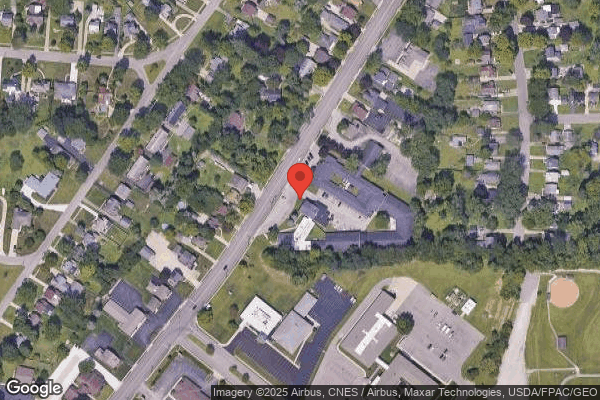

535 LEXINGTON AVENUE, MANSFIELD, OH 44907 (419) 756-7111
For profit - Individual 68 Beds Independent Data: November 2025
Trust Grade
20/100
#717 of 913 in OH
Last Inspection: May 2025

Inspected within the last 6 months. Data reflects current conditions.

Overview

Liberty Nursing Center of Mansfield has received a Trust Grade of F, indicating significant concerns about the quality of care provided. They rank #717 out of 913 facilities in Ohio, placing them in the bottom half, and #6 out of 10 in Richland County, meaning only one local option is worse. The facility is worsening over time, with the number of issues increasing from 4 in 2023 to 13 in 2025. While staffing is a relative strength with a rating of 4 out of 5 stars and a turnover rate of 36%, which is better than the state average, the center has incurred $63,450 in fines, highlighting compliance issues that are higher than 90% of other facilities in Ohio. Specific incidents of concern include a resident who suffered from constipation for five days without proper intervention, leading to hospitalization, and another resident who developed a serious pressure ulcer due to a lack of timely treatment. Overall, while there are some staffing strengths, the facility’s significant care deficiencies and poor trust grade make it a concerning choice for families.

Trust Score
F
20/100
In Ohio
#717/913
Bottom 22%
Safety Record
High Risk
Review needed
Inspections
Getting Worse
4 → 13 violations
Staff Stability
○ Average
36% turnover. Near Ohio's 48% average. Typical for the industry.
Penalties
✓ Good
$63,450 in fines. Lower than most Ohio facilities. Relatively clean record.
Skilled Nurses
✓ Good
Each resident gets 42 minutes of Registered Nurse (RN) attention daily — more than average for Ohio. RNs are trained to catch health problems early.
Violations
⚠ Watch
35 deficiencies on record. Higher than average. Multiple issues found across inspections.
★★☆☆☆
2.0
Overall Rating
★★★★☆
4.0
Staff Levels
★★★☆☆
3.0
Care Quality
★★☆☆☆
2.0
Inspection Score
Stable
2023: 4 issues
2025: 13 issues

The Good

  • 4-Star Staffing Rating · Above-average nurse staffing levels
  • Full Sprinkler Coverage · Fire safety systems throughout facility
  • No fines on record
  • Staff turnover below average (36%)

    12 points below Ohio average of 48%

Facility shows strength in staffing levels, fire safety.

The Bad

2-Star Overall Rating

Below Ohio average (3.2)

Below average - review inspection findings carefully

Staff Turnover: 36%

10pts below Ohio avg (46%)

Typical for the industry

Federal Fines: $63,450

Above median ($33,413)

Moderate penalties - review what triggered them

The Ugly 35 deficiencies on record

4 actual harm
May 2025 13 deficiencies 1 Harm
SERIOUS (G)

Actual Harm - a resident was hurt due to facility failures

Quality of Care (Tag F0684)

A resident was harmed · This affected 1 resident

**NOTE- TERMS IN BRACKETS HAVE BEEN EDITED TO PROTECT CONFIDENTIALITY** Based on resident representative interview, staff interview, medical record review, hospital record review, and review of facili...

Read full inspector narrative →
**NOTE- TERMS IN BRACKETS HAVE BEEN EDITED TO PROTECT CONFIDENTIALITY** Based on resident representative interview, staff interview, medical record review, hospital record review, and review of facility policy, the facility failed to ensure the facility bowel protocol was implemented timely for residents who have not had bowel movements and failed to ensure residents received timely intervention for constipation. This resulted in Actual Harm when Resident #45 had no recorded bowel movement for five days, experienced abdominal pain, and had episodes of emesis with a fecal odor. Resident #45 was transferred to a local hospital and admitted for treatment for dehydration and constipation. Additionally, the facility failed to timely implement their bowel protocol, placing Resident #18 at risk for the potential for more than minimal harm that was not Actual Harm. This affected two (#45 and #18) of three residents reviewed for bowel and bladder. The facility census was 58. Findings include: 1. Review of the medical record for Resident #45 revealed an admission date of 12/21/22 with diagnoses of Parkinson's Disease, peripheral vascular disease, and dementia. Review of Resident #45's care plan dated 12/30/22 revealed the resident had the potential for bowel incontinence related to impaired mobility, cognitive loss, and functional diarrhea. Listed interventions included checking the resident frequently, assist with toileting as needed, and to provide peri care after each incontinent episode. An additional care plan focus dated 12/30/22 and revised on 07/27/23 revealed Resident #45 had Parkinson's Disease. A listed goal included the resident would remain free from further signs, symptoms, discomfort, or complications related to Parkinson's Disease. Listed interventions included to give medications as ordered by the physician, monitor for constipation, and to implement the bowel regimen if no bowel movement in three days. Review of Resident #45's physicians orders dated 12/21/24 revealed an order for bowel protocol as follows: if no bowel movement in three days, give 30 milliliters (ml) Milk of Magnesia (a saline laxative which draws water into the intestines and softens the stool, making it easier to pass). If no result, give Bisacodyl [rectal] suppository (a stimulant laxative which stimulates the intestinal muscles to encourage stool movement) on the fourth day. If there is no result on the next shift after suppository, administer Fleet enema (a liquid medication administered rectally which works by increasing the water content in the large intestine, softening the stool and helping to stimulate bowel movement). Notify the doctor if there were no results and/or severe abdominal pain, rectal bleeding, or vomiting noted during this regimen. Continued review of Resident #45's physicians orders revealed corresponding medication orders dated 12/21/24 for Milk of Magnesia 400 milligrams (mg) per 5 ml, give 30 ml by mouth every 24 hours as needed for constipation, Bisacodyl suppository 10 mg suppository administered rectally every 24 hours as needed for constipation, and Fleet enema 7-19 grams (gm) per 118 ml, insert one application rectally every 24 hours as needed for constipation. Review of Resident #45's quarterly continence evaluation dated 01/01/25 revealed Resident #45 had bowel movements daily, was incontinent of both bowel and bladder, and occasionally needed laxatives, suppositories, or enemas for bowel regulation. Review of the January 2025 bowel elimination records for Resident #45, completed by the Certified Nursing Assistants (CNA), revealed Resident #45 had a medium-sized bowel movement with loose/diarrhea consistency on 01/31/25. Review of bowel elimination record for Resident #45 between 02/01/25 and 02/05/25, completed by the CNAs, revealed there was no documentation or evidence Resident #45 had a bowel movement between 02/01/25 through 02/04/25. Resident #45 had a small-sized bowel movement with formed/normal consistency recorded on 02/05/25. Review of the Medication Administration Record (MAR) for 02/01/25 through 02/05/25 revealed no doses of Milk of Magnesia, Bisacodyl suppository, or Fleet enema were administered during this time frame. Furthermore, there was no documentation the bowel protocol had been implemented. Review of Resident #45's medical record from 02/01/25 through 02/05/25 revealed there was no evidence Resident #45 had been assessed for constipation and there was no documentation Resident #45's bowel sounds had been assessed. Review of a progress note dated 02/05/25 and timed 5:49 P.M. revealed Registered Nurse (RN) #709 assessed Resident #45 and noted the resident had an emesis that looked and smelled like a bowel movement. RN #709 noted Resident #45 had been constipated throughout the shift without relief. RN #709 updated Nurse Practitioner (NP) #901 who then ordered a Kidney, Ureter, and Bladder (KUB) x-ray (an abdominal x-ray examination used to visualize the urinary system and surrounding structures) examination, Miralax (an osmotic laxative taken orally that works to increase the water content of the stool), and a suppository. The note referenced if Resident #45 had another emesis, to send to the emergency room (ER) for evaluation for possible small bowel obstruction. Review of the nursing progress notes on 02/05/25 at 6:49 P.M. revealed RN #709 documented while providing Resident #45 with Miralax, Resident #45 had another emesis and was being sent to the ER for evaluation. Review of imaging results dated 02/05/25 completed in the ER revealed a Computed Tomography (CT) scan was completed with results indicating moderate to large amount of retained stool throughout the colon which was consistent with constipation and a possible rectal fecal impaction. Review of the ER record dated 02/05/25 revealed Resident #45 arrived at a local ERto be evaluated for not having a bowel movement for about six to seven days. Additionally, Resident #45 was noted to be having issues with nausea, vomiting, decreased appetite, significant abdominal pain, and abdominal distention. Upon arrival at the ER, Resident #45 was tachycardic with a heart rate of 118 beats per minute (normal range is between 60 to 100 beats per minute). Resident #45's abdomen was assessed to be distended and tender. While in the ER, Resident #45 was given intravenous fluids, ondansetron (an antiemetic) 4 mg to treat nausea and vomiting, and a Fleet enema. Resident #45 was placed on supplemental oxygen due to mild hypoxia, which was noted by the ER provider to have been contributed or worsened by the large amount of stool within the abdominal cavity as well as having limited chest wall excursion secondary to a distended abdomen (indicating a reduced ability of the chest wall to expand during inhalation and contract during exhalation). Resident #45 was admitted to the hospital for treatment of moderate dehydration, constipation, and abnormal labs. Review of the quarterly Minimum Data Set (MDS) dated [DATE] revealed Resident #45 had a Brief Interview for Mental Status (BIMS) score of 00 indicating severely impaired cognition. Resident #45 required substantial/maximum assistance for toilet transfers and was dependent on staff for toileting hygiene tasks. Resident #45 was recorded to be always incontinent of bladder and frequently incontinent of bowel. Interview on 05/05/25 at 10:32 A.M. with a family member of Resident #45 revealed Resident #45 was hospitalized three months ago due to constipation. Interview on 05/06/25 at 12:13 P.M. with Licensed Practical Nurse (LPN) #711 revealed the CNA's recorded each resident's bowel movements in the electronic medical record (EMR) and then there was a notebook for communication between the aides and the nurses, where the bowel movements were additionally recorded. LPN #711 stated that the night shift nurse would check the bowel record and then report to the day shift nurse what residents were on the bowel movement list, meaning the resident had not have a bowel movement in over three days. Interview on 05/07/25 at 9:45 A.M. with Registered Nurse (RN) #709 revealed she was on duty and her nurse when Resident #45 had vomited what appeared to be fecal matter on 02/05/25. RN #709 stated she assessed the resident and completed a head-to-toe assessment, including vital signs and listening to Resident #45's bowel sounds, but could not recall what they were. RN #709 verified there was no documentation in the resident's record reflecting that she had completed a head-to-toe assessment, including assessing the resident's bowel sounds. RN #709 confirmed she documented that Resident #45 had unrelieved constipation and was told Resident #45 had not had a bowel movement. RN #709 also confirmed she had not followed the facility bowel protocol. RN #709 stated Resident #45 had a total of three emesis before the emergency medical service (EMS) arrived to transport the resident to a local hospital. Interview on 05/07/25 at 10:29 A.M. with CNA #723 revealed if there is no documentation of a bowel movement in the bowel record, that means the resident did not have one. CNA #723 stated Resident #45 had frequent large and hard bowel movements. On 02/05/25, CNA #723 charted the resident had a small bowel movement with normal consistency, but actually appeared as a small, pebble-like bowel movement. CNA #723 stated the Director of Nursing (DON) and Assistant Director of Nursing (ADON) #702 monitored the residents' bowel movements based off the charting completed by the CNAs. Interview on 05/07/25 at 10:56 A.M. with ADON #702 revealed the DON printed out a list of residents on the bowel list, but there was no one to give the list to on the weekend. ADON #702 stated three days without a bowel movement was when the facility wanted to be proactive and would start to follow the bowel protocol. ADON #702 verified staff had not followed the bowel protocol for Resident #45 and should have administered Milk of Magnesia on 02/03/25, a Bisacodyl suppository on 02/04/25, and Fleet enema on 02/05/25. ADON #702 stated the medications were available on-hand at the facility. ADON #702 stated the nurse should have completed an assessment and charted it in the progress notes. ADON #702 revealed if the intervention on the fourth day had not worked then the doctor should have been notified. Interview on 05/07/25 with the DON revealed he kept a list of residents who have not had a bowel movement on a piece of paper. The DON revealed he got the information from the electronic medical record (EMR). The DON revealed he called the facility on the weekends to inform the nurses of the residents without a recorded bowel movement. The DON verified the staff should follow the bowel protocol and the facility NP should be made aware if the bowel protocol does not work. The DON confirmed Resident #45 was on his list on 02/03/25 for three plus days of not having a bowel movement. The DON stated he was not aware Resident #45's bowel protocol was not implemented or followed. The DON further revealed a small bowel movement would not be counted as a bowel movement. Interview on 05/07/25 at 1:47 P.M. with NP #901 revealed the nurse should initiate the bowel protocol if the resident had no bowel movement in three days. NP #901 stated on day three, the staff should call her and update her. NP #901 stated she was not aware Resident #45 had five days of undocumented bowel movements. NP #901 was also not aware the facility had not implemented the bowel protocol for Resident #45. NP #901 revealed she was informed the resident had an emesis and ordered the resident Miralax. NP #901 further revealed staff will typically contact her for bowel issues, and she was present at the facility twice a week and would check with the nurses regarding any issues prior to leaving the facility. NP #901 confirmed the facility had not contacted her about Resident #45 prior to Resident #45 having an emesis containing possible fecal matter. Interview on 05/08/25 at 10:45 A.M. with Medical Director (MD) #900 revealed the nurse on duty should have completed focused gastrointestinal assessment, and that he would not have gone the route of giving Miralax orally if the resident was vomiting. MD #900 stated he would have asked the nurse what the bowel sounds were, and that it was necessary to complete an assessment to be sure the resident had active bowel sounds. MD #900 stated if he would have been contacted, he would have ordered to give a suppository due to the vomiting, rather than Miralax. 2. Review of Resident #18's medical records revealed an admission date of 10/22/24. Diagnoses included constipation. Review of care plan dated 02/02/25 revealed Resident #18 had constipation related to decreased mobility. Interventions included following the facility bowel protocol and recording bowel movement patterns each day. Review of current physician orders for May 2025 included bowel protocol, if no bowel movement in three days give 30 ml of Milk of Magnesia. If no result, give a Bisacodyl suppository on the fourth day. If there is no result on the shift after the suppository, administer Fleet enema. Notify the doctor if there were no results and/or severe abdominal pain, rectal bleeding, or vomiting noted during this regimen. Resident #18's physician orders also included Miralax 17 grams every 24 hours as needed for constipation and Docusate (a stool softener) 100 mg one time a day. Review of bowel movement tracking for April 2025 revealed Resident #18 had a bowel movement on 04/30/25. Review of bowel movement tracking for May 2025 revealed Resident #18 had no bowel movements recorded on 05/01/25, 05/02/25, or 05/03/25. Review of Medication Administration Record (MAR) for May 2025 revealed Milk of Magnesia, Bisacodyl suppository, and Fleet enema had not been recorded as administered. There was no evidence the facility had implemented the standing bowel protocol. Interview on 05/05/25 at 8:39 A.M. with Resident #18 revealed she had not had a bowel movement in four days and stated she had requested prune juice and a laxative and had not received either. Interview on 05/06/25 at 1:49 P.M. with Director of Nursing (DON) confirmed no recorded bowel movement for Resident #18 from 05/01/25-05/03/25 and stated interventions should have been implemented that included administering as needed laxatives as per the facility's bowel protocol. The DON further stated Resident #18 had informed the nurse practitioner that she would like a fiber supplement due to not having bowel movements. Review of the facility policy titled Bowel Protocol dated 01/2017, revealed the CNAs would monitor and record resident's bowel movements. The nurse will monitor the documented results. If the resident has not had a bowel movement in three days, the resident will receive 30cc of Milk of Magnesia. If there are no results, the resident will receive a bisacodyl suppository on the fourth day. If there are no results on the next shift after the suppository, a Fleets enema will be administered. The physician will be notified if the resident complains of severe abdominal pain, has rectal bleeding or vomiting during this regimen or if there are no results after these measures have been taken.
CONCERN (D)

Potential for Harm - no one hurt, but risky conditions existed

Deficiency F0561 (Tag F0561)

Could have caused harm · This affected 1 resident

**NOTE- TERMS IN BRACKETS HAVE BEEN EDITED TO PROTECT CONFIDENTIALITY** Based on medical record review, resident interview, staff interview, review of the facility shower log, and facility policy revi...

Read full inspector narrative →
**NOTE- TERMS IN BRACKETS HAVE BEEN EDITED TO PROTECT CONFIDENTIALITY** Based on medical record review, resident interview, staff interview, review of the facility shower log, and facility policy review, the facility failed to honor a resident's preference for showers. This affected one resident (#19) of three residents reviewed for activities of daily living. The facility census was 58. Findings include: Review of Resident #19's medical record revealed an admission date of 03/07/23. Diagnoses include schizoaffective disorder, hemiplegia, asthma, acute respiratory failure with hypoxia, chronic obstructive pulmonary disease, dementia, generalized anxiety disorder, bilateral myopia, and altered mental status. Review of Resident #19's Minimum Data Set (MDS) quarterly assessment dated [DATE] revealed the resident had intact cognition. Resident #19 required supervision for showering. Review of the facility's shower schedule for the memory care unit last updated on 03/25/25 revealed Resident #19 was scheduled for showers on second shift (3:00 P.M. to 11:00 P.M.) on Tuesdays and Fridays. There was a handwritten note at the bottom of the shower sheet that stated Please DO NOT change days for residents on this schedule referencing the shower schedule matched what was listed in each resident's electronic medical record. The form additionally stated it has to stay that way for state. Review of the document titled Care Conference Summary dated 04/16/25 revealed the Social Services Designee (SSD) #765 noted on the document Resident #19 wanted showered four times a week. Review of Resident #19's shower documentation for April 2025 revealed Resident #19 was recorded to have received a shower twice weekly on Tuesdays and Fridays on second shift. Review of Resident #19's shower documentation for May 2025 revealed Resident #19 had received a shower on 05/02/25 and 05/06/25. Resident #19 was scheduled to receive showers the remainder of the month on Tuesdays and Fridays on second shifts, with the dates on the shower sheets pre-dated for 05/09/25, 05/13/25, 05/16/25, 05/20/25, 05/23/25, and 05/27/25. Interview on 05/05/25 at 9:50 A.M. and 05/06/25 at 3:22 P.M. with Resident #19 revealed the resident received showers twice a week and wanted to receive a shower at least three times a week. Resident #19 stated she had reported to SSD #765 that she would like showers at least three times per week. Interview on 05/06/25 at 3:25 P.M. with SSD #765 verified Resident #19 had asked for four showers a week at a quarterly care conference on 04/16/25. Interview with Registered Nurse (RN) #701 on 05/06/25 at 3:50 P.M. verified Resident #19 had only received and was only scheduled for and had only received showers twice weekly. Review of the facility policy titled Resident Bathing dated 08/15 revealed Residents have the opportunity to express their preference for bathing type, frequency and time of day.
CONCERN (D)

Potential for Harm - no one hurt, but risky conditions existed

Report Alleged Abuse (Tag F0609)

Could have caused harm · This affected 1 resident

**NOTE- TERMS IN BRACKETS HAVE BEEN EDITED TO PROTECT CONFIDENTIALITY** Based on interview, record review and review of facilities Self Reported Incident (SRI) the facility failed to report an allegat...

Read full inspector narrative →
**NOTE- TERMS IN BRACKETS HAVE BEEN EDITED TO PROTECT CONFIDENTIALITY** Based on interview, record review and review of facilities Self Reported Incident (SRI) the facility failed to report an allegation of sexual abuse to local law enforcement. This affected one resident (#4) of three residents reviewed for abuse and had the potential to affect all residents residing in the facility. The facility census was 58. Findings include: Review of Resident #4's medical records revealed an admission date of 05/19/29. Diagnoses included Hodgkin's lymphona and malnutrition. Review of Minimum Data Set (MDS) assessment dated [DATE] revealed Resident #4 had intact cognition. Resident #4 required moderate assistance with toileting and personal hygiene and was recorded to be incontinent of bowel and bladder. Review of the care plan dated 04/17/25 revealed Resident #4 had self care deficits. Interventions included assist with activities of daily living by staff. Resident #4 was incontinent of bowel and bladder. Interventions included to check for incontinence frequently and assist as needed. Review of SRI #258540 dated 03/23/25 revealed Resident #4 had reported an allegation of sexual abuse to Licensed Practical Nurse (LPN) #717 on 03/23/25 at approximately 3:00 P.M. SRI stated Resident #4 had reported Certified Nursing Assistant (CNA) #902 had groped her breast and put his finger in her vaginal area. LPN #717 had reported the allegation to the Administrator, who had then informed the Director of Nursing (DON). Resident #4's family and physician had been notified and Resident #4 had declined to be sent to the hospital. The SRI included Resident #4 had been upset over the incident and had requested no male caregivers to provide her with care. The SRI investigation included Resident #4 had alleged during the evening shift of 03/22/25 (time not specified) CNA #902 had touched her inappropriately after cleaning her up from a bowel movement. Resident #4 had described CNA #902 touched her breast and had touched her lap area and had indicated CNA #902 had put his fingers inside of her. LPN #717 had performed a head to toe assessment of Resident #4 with no concerns noted. Resident #4 stated she was scared to have CNA #902 return and had not immediately reported the incident due to she wanted to ensure CNA #902 was no longer present in the facility. The SRI stated CNA #902 was suspended and was asked to come into the facility to provide a statement. Resident #4, her family, and the physician had declined to send Resident #4 to the hospital or to report the allegation to local law enforcement. The SRI results included CNA #902 was terminated on 03/26/25 and the facility had determined the evidence was inconclusive. Review of the facility's investigation beginning on 03/23/25 revealed Resident #4 and her family had declined to notify local law enforcement and no other agencies were notified. The Administrator interviewed CNA #902 (date and time not included in the investigation) and a written statement was obtained. CNA #902's handwritten statement he provided indicated he denied Resident #4's allegations. However, during a face-to-face interview, CNA #902 had not come out and denied the accusations and CNA #902 had expressed understanding of the situation. The investigation included all other residents had been interviewed by staff and no further allegations had been brought forward, however some residents expressed a dislike for CNA #902. No specific information or residents were mentioned that had claimed a dislike for CNA #902. Review of a staff statement authored by LPN #717 dated 03/21/25 (two days before the alleged incident occurred) revealed Resident #4 had reported the 3rd shift aide had put his finger in her and had massaged her breast. LPN #717 had contacted the Administrator and was instructed to ask Resident #4 if she would like to go to the hospital, which Resident #4 had declined. LPN #717 had performed a head-to-toe assessment and stated during the assessment Resident #4 had reported the aide had wiped her for a long time. Review of a staff statement authored by CNA #731 dated 03/23/25 revealed she had accompanied the nurse into Resident #4's room and had assisted with undressing Resident #4 and performing incontinence care. CNA #731 stated she had overheard the nurse speaking with Resident #4 who had stated CNA #902 had put his fingers in her and had massaged her right breast. Review of an undated staff statement authored by CNA #902 revealed he had cared for Resident #4 on 03/23/25 and he had changed Resident #4 twice. CNA #902's statement included no inappropriate actions were made and he was sorry Resident #4 had felt that way. Review of a progress note dated 03/25/25 timed 1:31 P.M. authored by Social Service Designee (SSD) #765 revealed she was following up with Resident #4 from the sexual abuse incident, with Resident #4 stating she had no concerns related to the incident. No other progress notes were documented regarding the alleged sexual abuse incident or any follow up actions offered or taken after the alleged incident. Observation and interview on 05/05/25 at 10:12 A.M. with Resident #4 revealed when asked if anyone had ever hurt her, Resident #4 had immediately placed her hands over her face and put her head down. Resident #4 had become tearful and Resident #4 stated they fired him. No further questions were asked to Resident #4. Interview on 05/06/25 at 9:30 A.M. with SSD #765 revealed she had spoken with Resident #4 on 03/25/25 and stated Resident #4 had reported CNA #902 had touched her down there and on her breast. SSD #765 stated Resident #4 had told her she did not want the police called because she was embarrassed and didn't want anyone to know what had happened. SSD #765 stated the Assistant Director of Nursing (ADON) had informed Resident #4 that CNA #902 would not return to work at the facility. Interview on 05/06/25 at 1:35 P.M. with Director of Nursing (DON) revealed he had been notified of the incident regarding Resident #4 on 03/24/25 and stated the Administrator had already began the investigation. The DON stated Resident #4 had not wanted to call the police and stated Resident #4's daughter was contacted and stated it was Resident #4's decision. The DON stated CNA #902 was asked to come to the facility for an interview and stated during the interview with CNA #902 and the Administrator, CNA #902 had not verbally denied the allegations and only stated he understood the process. The DON stated CNA #902 was suspended during the investigation and stated he was later terminated. However, the DON stated he was unsure of the reason for the termination. Telephone interview on 05/08/25 at 10:18 A.M. with Resident #4's son revealed he had been notified of the incident by another family member. Resident #4's son stated he had been upset as the facility had not contacted the police and stated the facility had only done the bare minimum. Resident #4's son stated she did not want to be taken to the hospital or have the police involved due to being embarrassed and having others see the police in her room. Resident #4's son stated he believed the facility could have made other arrangements for Resident #4 to have spoken with the police. Resident #4's son stated he had concerns due to the lack of police involvement and CNA #902 could be working at another facility and possibly doing this to someone else. Interview on 05/08/25 at 10:40 A.M. with Administrator revealed she had been notified of the incident on 03/23/25 at approximately 3:00 P.M. by LPN #717 via telephone. The Administrator stated she had been told CNA #902 had touched Resident #4's breast and vagina. The Administrator stated she had spoken with Resident #4 on 03/25/25, who appeared to be upset about the incident, and stated Resident #4 had expressed concerns CNA #902 could do the same thing to someone else. The Administrator stated no other residents had made any allegations of abuse against CNA #902. While conducting interviews with other residents, some residents had stated CNA #902 had given off a weird vibe. The Administrator was asked to provide more details about which residents had stated that and she was unable to recall, but stated she thought it may have been Resident #114. The Administrator stated she had contacted CNA #902 on 03/23/25 via telephone and left him a voicemail that stated he was suspended pending the outcome of an investigation. The Administrator stated CNA #902 had returned her call on 03/24/25, and she had made him aware of the accusation. The Administrator stated CNA #902 had only verbalized understanding of the process. The Administrator stated CNA #902 came to the facility on [DATE] and had provided a written statement denying Resident #4's accusation, however, he had not verbally denied the accusations when directly asked. The Administrator stated CNA #902 had been terminated on 03/26/24 as the facility did not feel comfortable keeping CNA #902 employed because of the accusations made. The Administrator stated Resident #4 had declined to have the police involved or be sent to to a local hospital for an examination, and Resident #4's daughter had also declined. The Administrator stated they had not offered for Resident #4 to speak with the police in a location different than her room so that others may not see the police interviewing her. Telephone interview on 05/08/25 at 12:59 P.M. with the local Ombudsman revealed Resident #4's son had contacted her as he was upset the facility had not contacted the police and/or the nurse aide registry and stated she felt the facility could have done more. The Ombudsman stated she had spoken with Resident #4 following the incident (couldn't recall exact date) and stated Resident #4 had told her CNA #902 had bounced her right breast like it was a basketball. The Ombudsman stated Resident #4 had also stated Resident #4 reported CNA #902 had taken a long time to clean her up and the resident had stated to her if felt like it was never going to end. The Ombudsman stated Resident #4 had told her she was scared and attempted to pull away, but could not. The Ombudsman stated Resident #4 had said she was was afraid to say anything until after CNA #902 had left the facility. Interview on 05/08/25 at 2:29 P.M. with CNA #728 revealed she had felt CNA #902 was creepy but had not witnessed any wrongdoing, and stated it was just a feeling. Interview on 05/08/25 at 3:01 P.M. with Resident #114 revealed CNA #902 had cared for her and stated during incontinence care one evening (unable to recall exact date) he had turned his hand to the side and had rubbed her backside with the side of his hand. Resident #114 stated she had immediately became uncomfortable and stated after that incident she had requested CNA #902 not care for her. Resident #114 stated she had not informed anyone as to why she did not want CNA #902 caring for her. Resident #114 stated CNA #902 had creeped her out. Review of facility policy titled Abuse, Mistreatment, Neglect, Injuries of Unknown Source, and Misappropriation of Resident Property dated 11/17 revealed sexual abuse included sexual harrassment, sexual coercion, sexual assault, and non-consensual sexual contact of any type with a resident. Documentation in the nurse's notes should include the results of the resident's range of motion (ROM), body assessment, vital signs, the notification to the physician and the responsible party, and treatment provided. If an allegation is suspicious of crime having been committed, in addition to reporting to the Ohio Department of Health (ODH), the facility will also report the suspicion to local police immediately, and will also inform the resident's responsible party/family and physician.
CONCERN (D)

Potential for Harm - no one hurt, but risky conditions existed

PASARR Coordination (Tag F0644)

Could have caused harm · This affected 1 resident

**NOTE- TERMS IN BRACKETS HAVE BEEN EDITED TO PROTECT CONFIDENTIALITY** Based on medical record review, staff interview, and review of the facility policy, the facility failed to ensure the Pre-admiss...

Read full inspector narrative →
**NOTE- TERMS IN BRACKETS HAVE BEEN EDITED TO PROTECT CONFIDENTIALITY** Based on medical record review, staff interview, and review of the facility policy, the facility failed to ensure the Pre-admission Screening and Resident Review evaluation (PASARR) was complete after receiving a new psychiatric diagnosis. This affected one (Resident #45) of two residents reviewed for PASARR. The facility census was 58. Findings include: Review of the medical record for Resident #45 revealed and admission date of 12/21/22 with a diagnosis of Parkinson's Disease, peripheral vascular disease, and dementia. Further review of Resident #45 medical diagnosis revealed a diagnosis of psychotic disorder with hallucinations due to known psychological condition dated 07/20/23. Review of the Minimum Data Set (MDS) quarterly assessment dated [DATE] revealed Resident #45 was severely cognitively impaired. Review of Resident #45's Preadmission Screening and Resident Review evaluation (PASARR) revealed a PASARR was completed on 10/26/22. Further review of Resident #45's medical record revealed there was no PASARR evaluation competed after the resident had received a new diagnosis of psychotic disorder with hallucinations due to known psychological conditions on 07/20/23. Interview with Social Service Designee (SSD) #764 confirmed there was no level two PASARR evaluation and determination after a new diagnosis of psychotic disorder with hallucinations due to known psychological condition on 07/20/23. Review of the undated facility PASARR Notifications, revealed the facility would notify the state mental health authority or state intellectual disability authority, as applicable, promptly after a significant change in the mental or physical condition of a resident who has a mental disorder or intellectual disability, for resident review.
CONCERN (D) 📢 Someone Reported This

A family member, employee, or ombudsman was alarmed enough to file a formal complaint

Potential for Harm - no one hurt, but risky conditions existed

Accident Prevention (Tag F0689)

Could have caused harm · This affected 1 resident

**NOTE- TERMS IN BRACKETS HAVE BEEN EDITED TO PROTECT CONFIDENTIALITY** Based on record review, observation, staff interview, and policy review, the facility failed to ensure residents were transferre...

Read full inspector narrative →
**NOTE- TERMS IN BRACKETS HAVE BEEN EDITED TO PROTECT CONFIDENTIALITY** Based on record review, observation, staff interview, and policy review, the facility failed to ensure residents were transferred safely using manual and mechanical Hoyer lifts. This affected three residents (#17, #42, #56) of four residents reviewed for transfers using a manual/mechanical Hoyer lift. The facility census was 58. Findings include: 1. Review of Resident #42's medical record revealed an admission date of 07/27/22. Diagnoses include Alzheimer's disease, dementia - severe with agitation, major depressive disorder, hypothyroidism, insomnia, anxiety, altered mental status, and hyperlipidemia. Review of the care plan dated 04/30/25 revealed Resident #42 required assistance with transfers using a Hoyer lift with two staff to assist. Observation on 05/05/25 at 10:04 A.M. revealed Hospice Aide (HA) #903 had been transferring Resident #42 from a wheelchair into a shower chair unassisted by other staff members. Interview with HA #903 at 10:04 A.M. revealed she had transferred Resident #42 via a Hoyer lift independently. Review of the policy titled Lifting Machine, Using a Mechanical dated July 2017 revealed at least two (2) nursing assistants were needed to safely move a resident with a mechanical lift. 2. Review of the medical record revealed Resident #56 was admitted to the facility on [DATE]. Diagnoses included severe obesity, shortness of breath, and edema. Review of the Minimum Data Set (MDS) five-day assessment dated [DATE], revealed Resident #56 was cognitively intact. The resident required substantial/maximal assistance from staff for transfers. Review of Resident #56's active physician orders for May 2025 identified an order dated 04/02/25 for Hoyer (mechanical) lift for all transfers with the assistance of two staff. Interview on 05/05/25 at 12:17 P.M. with Resident #56 revealed the resident required use of a mechanical lift for transfers. Resident #56 reported they had gotten stuck in the air while being transferred in the Hoyer lift on several occasions. Resident #58 reported staff had to use the emergency release several times during transfers due to the mechanical lift and/or battery no longer functioning. Interview on 05/06/25 at 1:59 P.M. with Certified Nursing Assistant (CNA) #719 revealed they had not had any situations where a mechanical lift had stopped working while a resident was being transferred. CNA #719 reported the mechanical lifts would sometimes start beeping during a transfer and staff would lower the resident back down and go obtain another battery. CNA #719 reported CNAs were responsible for charging the batteries used for mechanical lifts and would normally charge them once they started beeping. CNA #719 verified there was no specific time or protocol for charging the batteries. Observation on 05/06/25 at 2:09 P.M. of CNA #719 and Registered Nurse (RN) #703 transferring Resident #56 from wheelchair to bed via mechanical lift, revealed the lift started beeping during the transfer. The lift began moving slower than before it had begun beeping. Resident #56 was lowered into their bed. Once in the bed, CNA #719 began unhooking the straps of Resident #56's sling used for transfers, which was attached to hooks on the mechanical lift. Once unhooked, the metal piece with hooks swung and nearly hit Resident #56 in the head. CNA #719 caught the attachment and stated sorry. Resident #56 stated it was not uncommon for that to happen. Interview on 05/06/25 at 2:23 P.M. with CNA #719 verified the mechanical lift almost hit Resident #56 in the head. CNA #719 reported Resident #56 had an unusual bed and it sometimes caused the legs of the mechanical lift to get stuck underneath, causing the piece that hung down to jerk. Interview on 05/07/25 at 11:16 A.M. with CNA #723 revealed the staff member was concerned about the mechanical lifts and/or batteries. CNA #723 reported mechanical lifts were constantly dying while residents were in the process of being transferred. CNA #723 reported they were transferring a resident earlier in the day and the mechanical lift began beeping. CNA #723 went to obtain another battery and that one did not work at all. CNA #723 reported they had to use the battery that was dying to finish transferring the resident. Review of the facility policy titled Lifting Machine, Using a Mechanical, dated July 2017, revealed before using a lifting device, staff should make sure the battery is charged. 3. Review of the medical record revealed Resident #17 was admitted to the facility on [DATE]. Diagnoses included dementia, type II diabetes mellitus, muscle weakness, and need for assistance with personal care. Review of the MDS quarterly assessment dated [DATE] revealed Resident #17 was cognitively impaired. The resident was dependent on assistance from staff for transfers. Review of the plan of care dated 03/18/24 revealed Resident #17 had an activities of daily living self-care performance deficit related to diagnoses. Interventions included transfers via mechanical lift with the assistance of two staff as needed. Review of Resident #17's active physician orders for May 2025 identified an order dated 04/26/25 indicating staff may use the Hoyer (mechanical) lift as needed for transfers. Observation on 05/06/25 at 1:24 P.M. of CNA #728 and CNA #739 transferring Resident #17 from wheelchair to bed via mechanical lift, revealed once Resident #17's mechanical lift sling was connected to the lift, the resident was raised up and wheeled over to the bed. Resident #17 was then lowered into the bed. The legs located on the bottom of the lift remained in the closed position throughout the entire transfer. Interview on 05/08/25 at 9:01 A.M. with CNA #739 verified the legs of the mechanical lift were supposed to be completely open at all times, aside from when underneath of the bed. Review of the policy Lifting Machine, Using a Mechanical Lift revised 07/2017 revealed at least two (2) nursing assistants are needed to safely move a resident with a mechanical lift. Prior to using the lift, make sure the battery is charged and test the controls. Make sure the lift is stable and locked. The policy additionally stated once the transfer destination is reached, slowly lower the resident to the receiving surface. Once the resident's weight is released, stop the lowering and ensure that the sling bar does not hit the resident. Review of page 34 of the manufacturer's instructions for the mechanical lift, not dated, revealed the legs of the lift must be in the maximum open position for optimum stability and safety. The instructions stated if it is necessary to close the legs of the lift to maneuver the lift under a bed, to close the legs of the lift only as long as it takes to position the lift over the patient and to lift the patient off the surface of the bed. The instructions further stated when the legs of the lift were no longer under the bed, to return the legs of the lift to the maximum open position. This deficiency represents non-compliance investigated under Complaint Number OH00163093.
CONCERN (D)

Potential for Harm - no one hurt, but risky conditions existed

Deficiency F0825 (Tag F0825)

Could have caused harm · This affected 1 resident

**NOTE- TERMS IN BRACKETS HAVE BEEN EDITED TO PROTECT CONFIDENTIALITY** Based on record review, observation, resident interview, and staff interview, the facility failed to ensure recommended speciali...

Read full inspector narrative →
**NOTE- TERMS IN BRACKETS HAVE BEEN EDITED TO PROTECT CONFIDENTIALITY** Based on record review, observation, resident interview, and staff interview, the facility failed to ensure recommended specialized rehabilitative services were implemented. This affected one (Resident #13) of one resident reviewed for rehabilitation services. The facility census was 58. Findings include: Review of the medical record revealed Resident #13 was admitted to the facility on [DATE]. Diagnoses included muscle wasting and atrophy, heart disease, heart failure, anxiety, osteoarthritis, unsteadiness on feet, weakness, abnormal posture, and postural kyphosis. Review of the nursing progress notes dated 02/06/25 and timed 4:23 P.M. revealed Resident #13 sustained a fall from their wheelchair. Review of Resident #13's physician orders for February 2025 identified an order dated 02/10/25 for physical therapy to evaluate and treat the resident. Review of the physical therapy evaluation dated 02/10/25 revealed Resident #13 was referred to therapy due to a recent fall from their wheelchair. The resident had reportedly requested a bed pad in their wheelchair, which caused them to slide out of their wheelchair. Review of the physical therapy notes dated 02/14/25 revealed Resident #13 had a noted decline with a recommendation for a possible tilt chair to decrease fall risk. Review of the quarterly Minimum Data Set assessment dated [DATE] revealed the resident was cognitively intact. The resident required the assistance of at least two staff for bed mobility and transfers. Interview on 05/05/25 at 10:32 A.M. with Resident #13 revealed the resident's wheelchair was in poor condition and just doesn't work right. Resident #13 reported they had fallen from their wheelchair and believed it was because of the condition of the wheelchair. Resident #13 reported they had been inquiring about a new wheelchair for quite some time. Resident #13 reported therapy staff were supposed to be working on obtaining a new wheelchair for her, but she did not believe they were. Observation on 05/05/25 at 10:34 A.M. of Resident #13's wheelchair revealed it was a standard wheelchair and was not a tiltable wheelchair. There were two armrests on the wheelchair, both of which were cushioned and covered with a black material. There was material missing from both arms of the chair and the left side (resident's left) had numerous pieces of clear tape across it. Interview on 05/05/25 at the time of observation with Resident #13 revealed the resident had applied the tape to the arm of their wheelchair in attempt to make it look better due to the missing material. Interview on 05/06/25 at 2:27 P.M. with Therapy Director #790 verified therapy staff noted they were going to trial a different type of wheelchair for Resident #13 on 02/14/24. Therapy Director #790 verified there was no evidence of any further discussion of follow-through regarding the wheelchair for Resident #13. Therapy #790 reported therapy staff were supposed to initiate a physician's order and document if they were trialing a wheelchair. Therapy Director #790 verified there was no evidence this was ever completed.
CONCERN (D)

Potential for Harm - no one hurt, but risky conditions existed

Medical Records (Tag F0842)

Could have caused harm · This affected 1 resident

Based on medical record review, interview, and review of facility policy, the facility failed to ensure appropriate and accurate documentation was recorded in the electronic medical records. This affe...

Read full inspector narrative →
Based on medical record review, interview, and review of facility policy, the facility failed to ensure appropriate and accurate documentation was recorded in the electronic medical records. This affected one resident (#18) of three residents reviewed for documentation. The facility census was 58. Findings include: Review of Resident #18's medical records revealed an admission date of 10/22/24. Resident #18's medical diagnoses included type two diabetes mellitus and atherosclerotic heart disease. Review of the care plan dated 02/02/25 revealed Resident #18 had diabetes. Interventions included to administer medications as ordered and monitor and document for side effects and effectiveness. Review of physician orders for April 2025 revealed Resident #18 had an order dated 01/23/25 for Lantus (a long-acting insulin used to lower blood sugars) 10 units to be administered subcutaneously once daily at noon for diabetes. The order was discontinued on 04/22/25. Resident #18 additionally had an order dated 04/23/25 for Lantus 16 units subcutaneously once daily at noon for diabetes. Resident #18 was not ordered to have any routine blood sugar checks to be completed by or monitored by nursing. Review of a progress note dated 04/21/25 timed 11:06 A.M. authored by Licensed Practical Nurse (LPN) #717 revealed Resident #18 had a critical blood sugar reading of 435 (normal levels are between 60-100), orders were received from the provider to administer 8 units of Humulin (a fast-acting insulin) and recheck the blood sugar. The note continued, Resident #18's blood sugar was rechecked and the result was 552, an additional orders was received from the provider to administer 8 units of Humulin and recheck. Resident #18's blood sugar was rechecked and was 345, an additional order listed to again administer 8 additional units of Humulin and recheck. Recheck of the blood sugar indicated the result was 417, an additional order was given to administer 10 units of Humulin and recheck the blood sugar. Resident #18's blood sugar was then noted to be 323, and the note indicated the nurse was awaiting further orders and would pass the information along to the ongoing nurse. The progress note did not include times of the provider notification, time were orders received, the time each dose of Humulin insulin was administered, or the time the resident's blood sugars were rechecked. Review of progress note dated 04/22/25 timed 1:04 A.M. authored by LPN #714 revealed Resident #18's blood sugar reading was 63. Review of Resident #18's Medication Administration Record (MAR) for April 2025 revealed no evidence the multiple doses of Humulin that were ordered by the provider, as referenced in the 04/21/25 progress note authored by LPN #717, were entered into the electronic medical record or recorded as administered on the MAR. Interview on 05/05/25 at 8:39 A.M. with Resident #18 revealed her blood sugars had often been high due to her diet had too much sugar in it. Interview on 05/06/25 at 1:49 P.M. with Director of Nursing (DON) confirmed Resident #18's MAR had not contained documentation of any of the Humulin doses administered on 04/21/25 as referenced in the 04/21/25 progress note. The DON confirmed Resident #18's progress note authored by LPN #717 had indicated several dose of Humulin were administered, however progress note had not included times of administration and blood sugar rechecks. DON stated the insulin orders should have been placed in the MAR. Telephone interview on 05/07/25 at 11:04 A.M. with LPN #717 revealed she had contacted Nurse Practitioner (NP) #901 on 04/21/25 at approximately 11:07 A.M. to report Resident #18's high blood sugar readings. LPN #717 stated she had received orders to administer 8 units of Humulin and recheck the blood sugar. LPN #717 stated she believed she had rechecked Resident #18's blood sugar approximately every two hours. LPN #717 stated she had hand written the orders and had placed them in Resident #18's paper chart. LPN #717 stated she had written a progress note regarding the orders received by NP #901 and stated she had not placed the orders in Resident #18's electronic medical records and therefore had not documented the times of the insulin administration or the blood sugar rechecks on the MAR. Telephone interview on 05/07/25 at 1:58 P.M. with NP #901 revealed she had been contacted by LPN #717 regarding Resident #18's high blood sugar on 04/21/25 and stated she had given orders to administer Humulin and recheck the blood sugars every hour. LPN #717 stated the DON had contacted her on 05/06/25 and had asked her to provide a timeline of each call received from LPN #717 and what orders had been given. NP #901 stated medication orders should have been placed in the electronic medical records and the doses recorded on the MAR when administered. Review of facility policy titled Blood Glucose Monitoring dated 04/17 revealed results of blood glucose monitoring was to be recorded in the Medication or Treatment Administration Record.
CONCERN (D)

Potential for Harm - no one hurt, but risky conditions existed

Deficiency F0848 (Tag F0848)

Could have caused harm · This affected 1 resident

Based on review of the medical record, review of resident arbitration agreements, and staff interview, the facility failed to ensure the inclusion of all required components of an arbitration agreemen...

Read full inspector narrative →
Based on review of the medical record, review of resident arbitration agreements, and staff interview, the facility failed to ensure the inclusion of all required components of an arbitration agreement. This affected five (#21. #47, #11, #41, #39) of seven residents reviewed for arbitration agreements. The facility identified 33 residents who had entered into arbitration agreements. The facility census was 58. Findings include 1.Review of the medical record for Resident #21 revealed an admission date of 08/06/24. Review of Resident #21's signed arbitration agreement dated 08/06/24 revealed the agreement had not provided for the selection of a venue convenient to both parties. Interview on 05/08/25 at 2:19 P.M., the Administrator verified the selection of a venue convenient to both parties was not contained in the arbitration agreement. 2. Review of the medical record for Resident #47 revealed an admission date of 06/12/23. Review of Resident #47's signed arbitration agreement dated 06/12/23 revealed the agreement had not provided for the selection of a venue convenient to both parties. Interview on 05/08/25 at 2:19 P.M., the Administrator verified the selection of a venue convenient to both parties was not contained in the arbitration agreement. 3. Review of the medical record for Resident #11 revealed an admission date of 08/26/24. Review of Resident #11's signed arbitration agreement dated 08/27/24 revealed the agreement had not provided for the selection of a venue convenient to both parties. Interview on 05/08/25 at 2:19 P.M., the Administrator verified the selection of a venue convenient to both parties was not contained in the arbitration agreement. 4. Review of the medical record for Resident #41 revealed an admission date of 02/24/23. Review of Resident #41's signed arbitration agreement dated 04/24/23 revealed the agreement had not provided for the selection of a venue convenient to both parties. Interview on 05/08/25 at 2:19 P.M., the Administrator verified the selection of a venue convenient to both parties was not contained in the arbitration agreement. 5. Review of the medical record for Resident #39 revealed an admission date of 04/24/24. Review of Resident #39's signed arbitration agreement dated 04/24/24 revealed the agreement had not provided for the selection of a venue convenient to both parties. Interview on 05/08/25 at 2:19 P.M., the Administrator verified the selection of a venue convenient to both parties was not contained in the arbitration agreement.
CONCERN (D)

Potential for Harm - no one hurt, but risky conditions existed

Infection Control (Tag F0880)

Could have caused harm · This affected 1 resident

**NOTE- TERMS IN BRACKETS HAVE BEEN EDITED TO PROTECT CONFIDENTIALITY** 2. Review of the medical record for Resident #7 revealed an admission date of 12/23/24 with diagnoses of mechanical complication...

Read full inspector narrative →
**NOTE- TERMS IN BRACKETS HAVE BEEN EDITED TO PROTECT CONFIDENTIALITY** 2. Review of the medical record for Resident #7 revealed an admission date of 12/23/24 with diagnoses of mechanical complication of internal left knee prosthesis, benign prostatic hyperplasia with lower urinary tract symptoms, and neuromuscular dysfunction of bladder. Review of the MDS quarterly assessment dated [DATE] revealed Resident #7 was cognitively intact. Review of the physician orders dated 12/26/24 for Resident #7 revealed an order for a urinary catheter, change bag and tubing every month and as needed. Review of the care plan dated 12/23/24 revealed Resident #7 have a foley catheter due to obstructive uropathy and benign prostatic hyperplasia. The intervention stated to position and secure the catheter bag and tubing below the level of the bladder. Observation on 05/07/25 at 7:48 A.M. revealed Resident #7 was lying in bed with his indwelling urinary catheter drainage bag lying on the floor. Interview with CNA #739 confirmed Resident #7's indwelling urinary catheter drainage bag was lying on the floor and that it should be off the floor and secured. Review of facility policy titled Indwelling Urinary Catheters dated 11/2017 revealed urinary catheter drainage bags will not have contact with the floor. 3. Review of the medical record for Resident #45 revealed an admission date of 12/21/22 with a diagnosis of Parkinson's disease, peripheral vascular disease, and dementia. Review of the MDS quarterly assessment dated [DATE] revealed Resident #45 had severe cognitive impairment. Review of the care plan dated 05/05/25 revealed Resident #45 had an active infection with a highly transmissible or epidemiological significant pathogen that required isolation precautions related to Extended-Spectrum Beta-Lactamase (ESBL) (An enzyme produced by some bacteria that can make certain antibiotics ineffective). Listed interventions included to maintain contact precautions: wear a gown and gloves for all interactions that may involve contact with the patient or the patient's environment. [NAME] personal protective equipment (PPE) upon room entry and properly discard before exiting the patient room. Observation on 05/07/25 at 10:17 A.M. revealed the Administrator entered Resident #45's room wearing no PPE. Interview on 05/07/25 at 10:20 A.M. with the Administrator confirmed she had not applied PPE before entering the room of Resident #45, who was on contact isolation precautions. Review of the facility policy titled Contact Precautions, dated 11/2017 revealed to prevent transmission to other persons, personal protective equipment should be donned prior to entering the resident's room. Based on review of the medical record, observation, staff interview, and policy review, the facility failed to ensure personal protective equipment was utilized for residents on contact precautions and enhanced barrier precautions. Additionally, the facility failed to maintain placement of urinary catheter drainage bags per infection control guidelines. This affected three residents (#16, #7, and #45) of 20 residents reviewed for infection control. The facility identified two residents requiring contact precautions, 11 residents requiring enhanced barrier precautions and seven residents with indwelling urinary catheters. The facility census was 58. Findings include 1. Review of the medical record for Resident #16 revealed an admission date of 10/31/24. Diagnoses included type two diabetes mellitus, dementia, hypertension, atrial fibrillation, obstructive uropathy (blockage that prevents urine from flowing normally through the urinary system) and need for personal care assistance. Review of the Minimum Data Set (MDS) quarterly assessment dated [DATE] revealed the resident had impaired cognition. Review of the physician orders dated 02/05/25 revealed an order for enhanced barrier precautions due to a suprapubic catheter. Review of the care plan revised 02/05/25 revealed Resident #16 required enhanced barrier precautions related to a suprapubic catheter (tube that drains urine from the bladder through an incision in the abdomen). Interventions included to wear a gown and gloves for all high contact resident care such as dressing, bathing, showering, hygiene, transfers in the room, bed mobility, changing linens, changing briefs, indwelling device care, wound care, and high-contact therapy sessions. Further review of the care plan revealed Resident #16 was dependent for toileting and had a suprapubic catheter. Interventions included position catheter bag below the level of the bladder. Observation on 05/05/25 at 8:50 A.M. revealed Resident #16 was resting in bed and his urinary catheter drainage bag was uncovered and lying on the floor. Interview on 05/05/25 at 9:00 A.M. with Assistant Director of Nursing (ADON) confirmed Resident #16's catheter bag was on the floor. ADON stated urinary catheter bags should not be placed on the floor. Observation on 05/05/25 at 10:23 A.M. revealed an enhanced barrier precautions sign on Resident #16's door stating to wear a gown and gloves during high contact resident care, including transferring a resident. Further observation revealed a bin outside the room containing personal protective equipment (PPE) including gowns and gloves. Observation on 05/05/25 at 10:26 A.M., revealed Certified Nursing Assistant (CNA) #733 and CNA #743 were transferring Resident #16 with the mechanical lift from the bed to the recliner. Further observation revealed CNA #743 was not wearing a protective gown. CNA #733 was not wearing a protective gown or gloves. Interview on 05/05/25 at 10:31 A.M., CNA #743 verified not wearing a protective gown. CNA #733 verified not wearing a protective gown or gloves. CNA #743 confirmed staff should wear a gown and gloves when transferring a resident on enhanced barrier precautions if that was what the sign on the door said. Review of the facility policy Enhanced Barrier Precautions (EBP), dated 04/01/24, revealed EBP was indicated for residents with wounds, indwelling medical devices, and infection or colonization with a multidrug resistant organism (MDRO). Personal protective equipment should include a gown and gloves for high contact care activities including dressing, bathing, showering, hygiene, transferring in the resident's room, changing linens, toileting/changing briefs, indwelling device care, wound care, and therapy sessions. Face/eye protection should also be used if splash/spray was possible.
CONCERN (D)

Potential for Harm - no one hurt, but risky conditions existed

Deficiency F0883 (Tag F0883)

Could have caused harm · This affected 1 resident

**NOTE- TERMS IN BRACKETS HAVE BEEN EDITED TO PROTECT CONFIDENTIALITY** Based on review of the medical record, staff interview, review of the Centers for Disease Control and Prevention (CDC) guideline...

Read full inspector narrative →
**NOTE- TERMS IN BRACKETS HAVE BEEN EDITED TO PROTECT CONFIDENTIALITY** Based on review of the medical record, staff interview, review of the Centers for Disease Control and Prevention (CDC) guidelines, and review of facility policy, the facility failed to ensure pneumococcal vaccines were administered per CDC guidelines. This affected two residents (#11 and #45) of five residents reviewed for pneumococcal vaccinations. The facility census was 58. Findings include 1. Review of the medical record for Resident #11 revealed an admission date of 08/26/24. Diagnoses included type two diabetes mellitus, chronic obstructive pulmonary disease (COPD), atrial fibrillation, hypertension, and anxiety. Review of the Minimum Data Set (MDS) quarterly assessment dated [DATE] revealed the resident had intact cognition. Review of the immunization records for Resident #11 revealed the resident last received a pneumococcal polysaccharide vaccine (PPSV23) on 01/08/20. Review of CDC recommendations for pneumococcal vaccine timing for adults, dated 10/2024, revealed based on the resident's age and date of last pneumococcal immunization the resident should have been offered one dose of the pneumococcal 15-valent conjugate vaccine (PCV 15), PCV20, or PCV21 one year after the PPSV23 immunization. Interview on 05/07/25 at 10:24 A.M., Registered Nurse (RN) #701 verified the resident had not been offered the PCV15, PCV20, or PCV21 immunization. 2. Review of the medical record for Resident #45 revealed an admission date of 12/21/22. Diagnoses included heart failure, Parkinson's disease, type two diabetes mellitus, and dementia. Review of the MDS quarterly assessment dated [DATE] revealed the resident had a severe cognitive impairment. Review of the immunization records for Resident #45 revealed the resident received the PPSV23 immunization on 08/09/22. Review of CDC recommendations for pneumococcal vaccine timing for adults dated 10/2024 revealed based on the resident's age, underlying medical conditions, and date of last immunization, the resident should have been offered the PCV15, PCV20, or PCV21 immunization one year after the PPSV23 immunization. Interview on 05/07/25 at 10:21 A.M., Registered Nurse (RN) #701 verified Resident #45 had not been offered the PCV15, PCV20, or PCV21 immunization. Review of the facility policy Pneumococcal Vaccine, revised 03/2022, revealed administration of the pneumococcal vaccines were made in accordance with current Centers for Disease Control and Prevention (CDC) recommendations at the time of the vaccination.
CONCERN (E)

Potential for Harm - no one hurt, but risky conditions existed

Deficiency F0605 (Tag F0605)

Could have caused harm · This affected multiple residents

**NOTE- TERMS IN BRACKETS HAVE BEEN EDITED TO PROTECT CONFIDENTIALITY** 5. Review of the medical record for Resident #45 revealed an admission date of 12/21/22 with a diagnoses of Parkinson's disease,...

Read full inspector narrative →
**NOTE- TERMS IN BRACKETS HAVE BEEN EDITED TO PROTECT CONFIDENTIALITY** 5. Review of the medical record for Resident #45 revealed an admission date of 12/21/22 with a diagnoses of Parkinson's disease, peripheral vascular disease, and dementia. Review of the MDS quarterly assessment dated [DATE] revealed Resident #45 was severely cognitively impaired. Review of Resident #45's physician orders dated 06/01/23 revealed an order for Citalopram 20 mg daily for depression and an order dated 02/11/25 for trazodone HCL (an antidepressant) 150 mg, one half tablet by mouth at bedtime related to adjustment disorder with mixed anxiety and depressed mood. Review of Resident #45's care plan revised 05/05/25 revealed the resident used psychotropic medications related to behavior management. Interventions included monitoring side effects and effectiveness every shift. Further review of the care plan revealed the resident used antidepressant medication related to depression. Interventions included to monitor and document side effects and effectiveness every shift. Review of Resident #45's nurse's notes dated 06/01/23 through 05/07/25 revealed no documentation of monitoring of adverse effects or effectiveness of the medication Citalopram or trazodone. Review of Resident #45's MAR dated 04/01/25 through 05/06/25 revealed no documentation the resident received monitoring for effectiveness and adverse effects for the use of the medication Citalopram. Interview on 05/07/25 at 8:30 A.M., the Director of Nursing (DON) verified there was no monitoring in place for adverse effects for Residents #3, #8, #11, #26, and #45 who received antidepressant medications. The DON revealed nursing staff should be monitoring residents receiving antidepressant medications for medication effectiveness and adverse consequences. Further interview with the DON revealed the facility had no policy regarding the use of psychotropic medications. The DON revealed the facility followed the policy for antipsychotic medication for the use of psychotropic medications. Telephone interview on 05/08/25 at 10:45 A.M. with Medical Director (MD) #900 revealed he expected nursing staff should be monitoring residents on antidepressants for medication effectiveness and adverse effects. Review of the facility policy Antipsychotic Medication Use, revised 12/2016, revealed nursing staff would observe, document, and report to the attending physician, information regarding the effectiveness of any interventions, including antipsychotic medications and monitor and report side effects and adverse consequences of antipsychotic medications to the attending physician. 4. Review of the medical record revealed Resident #3 was admitted to the facility on [DATE]. Diagnoses included major depressive disorder, recurrent, severe with psychotic symptoms, schizoaffective disorder, cognitive communication deficit, and dysphagia. Review of Resident #3's active physician orders for May 2025 identified an order dated 10/01/24 for Effexor (an antidepressant) extended release oral capsule, give one capsule one time per day related to major depressive disorder, recurrent, severe with psychotic symptoms. Review of the MAR for 04/01/25 through 05/06/25 revealed Resident #3 received Effexor daily from 04/01/25 through 04/03/25, 04/14/25 through 04/30/25, and 05/01/25 through 05/06/25. Review of nurse's notes dated 03/01/25 through 05/07/25 revealed no evidence Resident #3 was monitored for efficacy and adverse consequences related to antidepressant medication. 3. Review of Resident #11's medical record revealed an admission date of 08/26/24. Diagnoses included depression and anxiety. Review of Resident #11's MDS assessment dated [DATE] revealed Resident #11 had intact cognition. Review of the care plan dated 03/10/25 revealed Resident #11 received antidepressant medications. Interventions included to monitor for side effects and effectiveness of antidepressant medication every shift. Review of physician orders for May 2025 revealed Resident #11 was ordered Sertraline (an antidepressant) 100 mg one time a day for depression and Bupropion (an antidepressant) 150 mg one time a day for depression. Review of Resident #11's nurse's notes dated 03/01/25 through 05/07/25 revealed no documentation related to monitoring for side effects or effectiveness for antidepressant medications. Review of Resident #11's MAR dated 04/01/25 through 05/06/25 revealed no documentation the resident was monitored for effectiveness and adverse consequences and effectiveness of the antidepressant medications Sertraline or Bupropion. Based on review of the medical record, staff interview, and policy review, the facility failed to ensure residents on psychotropic medications were monitored for effectiveness and adverse consequences. This affected five residents (#26, #11, #8, #3, #45) of five residents reviewed for unnecessary medications. The facility identified 40 residents receiving psychotropic medications. The facility census was 58. Findings include: 1. Review of the medical record for Resident #26 revealed an admission date of 04/02/24. Diagnoses included type two diabetes mellitus, chronic obstructive pulmonary disease, cerebral infarction, dementia, and depressive disorder. Review of Resident #26's Minimum Data Set (MDS) annual assessment dated [DATE] revealed the resident had impaired cognition. Review of Resident #26's physician orders dated 10/10/24 revealed an order for Citalopram (an antidepressant) 20 milligrams (mg) daily for depression related to major depressive disorder. Review of Resident #26's care plan revised 05/02/25 revealed the resident used psychotropic medications related to behavior management. Interventions included monitoring for side effects and effectiveness every shift. Further review of the care plan revealed the resident used antidepressant medication related to depression. Interventions included to monitor and document side effects and effectiveness every shift. Review of Resident #26's nurse's notes dated 02/01/25 through 05/07/25 revealed no documentation of monitoring of adverse effects or effectiveness of the medication Citalopram. Review of Resident #26's Medication Administration Record (MAR) dated 04/01/25 through 05/06/25 revealed no documentation the resident received monitoring for effectiveness and adverse effects for the use of the medication Citalopram. 2. Review of the medical record for Resident #8 revealed an admission date of 05/04/18. Diagnoses included type two diabetes mellitus, schizoaffective disorder, dementia, anxiety, depression, and hypertension. Review of Resident #8's MDS quarterly assessment dated [DATE] revealed the resident had intact cognition. Review of Resident #8's physician order dated 11/27/22 revealed an order for duloxetine (an antidepressant) 60 mg twice daily for depression related to major depressive disorder. Review of Resident #8's care plan revised 09/30/24 revealed the resident used antidepressant medication related to severe depression. Interventions included to monitor and document side effects and effectiveness every shift. Review of Resident #8's nurses' notes from 03/01/25 through 05/06/25 revealed no documentation the resident was monitored for effectiveness and adverse consequences related to the use of antidepressant medications. Review of Resident #8's MAR dated 04/01/25 through 05/06/25 revealed no documentation the resident was monitored for effectiveness and adverse consequences and effectiveness of the antidepressant medication duloxetine.
CONCERN (F)

Potential for Harm - no one hurt, but risky conditions existed

Food Safety (Tag F0812)

Could have caused harm · This affected most or all residents

Based on observation and staff interview, the facility failed to maintain a clean and sanitary kitchen. This had the potential to affect all 57 residents who received food from the kitchen. The facili...

Read full inspector narrative →
Based on observation and staff interview, the facility failed to maintain a clean and sanitary kitchen. This had the potential to affect all 57 residents who received food from the kitchen. The facility identified one resident (#313) as receiving nothing by mouth. The facility census was 58. Findings include: Observation on 05/05/25 beginning at approximately 8:15 A.M. of the dishwashing area located in the kitchen revealed there was a pipe which ran along the lower part of the wall, near the floor. There was a black, white, and grey substance built up along the lower part of the wall and a dark puddle of water in the corner on the floor where the walls met. There was also a rubber mat in the dishwashing area which had circular holes for draining. There was an excessive amount of dirt, buildup, and debris which could be seen through the holes and underneath of the mat. An interview at the time of observation with Dietary [NAME] #752 confirmed the aforementioned concerns.
CONCERN (F)

Potential for Harm - no one hurt, but risky conditions existed

Deficiency F0887 (Tag F0887)

Could have caused harm · This affected most or all residents

Based on review of an all-staff roster, review of staff COVID-19 declination forms, staff interview, and policy review, the facility failed to ensure all staff received education and vaccine informati...

Read full inspector narrative →
Based on review of an all-staff roster, review of staff COVID-19 declination forms, staff interview, and policy review, the facility failed to ensure all staff received education and vaccine information sheets regarding the COVID-19 vaccine. This affected 54 of 79 staff and had the potential to affect all residents. The facility census was 58. Findings include: Review of the all-staff roster provided by the facility revealed there were 79 staff currently employed by the facility. Review of facility documentation revealed no documentation 54 staff had been offered the annual COVID-19 vaccine and received education regarding the risks and benefits of the annual COVID-19 vaccine. Further review revealed 25 new staff hired since 09/01/24 had received some education regarding the COVID-19 vaccine and had declined the annual vaccine. The facility had no documentation any staff were provided the vaccine information sheet for the COVID-19 vaccine. Interview on 05/06/25 at 11:02 A.M., Registered Nurse (RN) #701 revealed the facility had not provided the annual COVID-19 vaccine for staff. RN #701 revealed staff were instructed to obtain the vaccine from their pharmacy or physician. Interview on 05/06/25 at 11:42 A.M., the Administrator revealed staff were informed the facility would no longer be offering the annual COVID-19 vaccine. The Administrator revealed staff were informed they could get the annual COVID-19 vaccine from their physician or pharmacy. The Administrator revealed staff were not provided a vaccine information sheet about the COVID-19 vaccination and had not received annual education about the vaccine when it was available to the facility. Interview on 05/06/25 at 1:15 P.M., the Administrator revealed she had been mistaken. The Administrator revealed she had told the staff they would need to get the COVID-19 vaccine at a pharmacy because she was not aware they could still get the vaccine in the facility. The Administrator revealed she was unaware the facility staff should have received annual education about the COVID-19 vaccine and offered the COVID-19 vaccine annually. Interview on 05/06/25 at 1:23 P.M. Human Resource Manager (HRM) #767 revealed employees were only asked if they would like the COVID-19 vaccine upon hire. HRM #767 revealed employees were not offered the COVID-19 vaccine annually. Interview on 05/07/25 at 10:34 A.M., Certified Nursing Assistant (CNA) #723 revealed the facility informed staff to go to a pharmacy to get the COVID-19 vaccine. Interview on 05/08/25 at 9:09 A.M., RN #705 revealed she could not remember what the facility had said about the COVID-19 vaccine. Further interview with RN #705 clarified she had spoken with the infection control nurse and was told to get the vaccine from their physician or pharmacy. Review of the facility policy COVID-19 Vaccine Policies and Procedures, dated 05/28/21, revealed the COVID-19 vaccination would be offered to all staff per Centers for Disease Control and Prevention (CDC) guidelines and/or FDA guidelines unless such immunization was medically contraindicated, the individual had already been immunized during this time period or the individual refuses to receive the vaccine. All staff would be educated on the COVID-19 vaccine including benefits and risk consistent with CDC or FDA information. A vaccine information sheet (VIS) would be provided when available. The facility would maintain documentation for all staff on COVID-19 vaccination and education including consents and declination forms.
Dec 2023 3 deficiencies
CONCERN (D) 📢 Someone Reported This

A family member, employee, or ombudsman was alarmed enough to file a formal complaint

Potential for Harm - no one hurt, but risky conditions existed

Resident Rights (Tag F0550)

Could have caused harm · This affected 1 resident

**NOTE- TERMS IN BRACKETS HAVE BEEN EDITED TO PROTECT CONFIDENTIALITY** Based on medical record review and staff interview, the facility failed to ensure residents were treated in a respectful and dig...

Read full inspector narrative →
**NOTE- TERMS IN BRACKETS HAVE BEEN EDITED TO PROTECT CONFIDENTIALITY** Based on medical record review and staff interview, the facility failed to ensure residents were treated in a respectful and dignified manner. This affected one (#51) of three residents reviewed for dignity. The facility census was 49. Finding include: Review of Resident #51's medical record revealed the resident was admitted to the facility on [DATE]. Diagnoses included chronic obstructive pulmonary disease (COPD), chronic pain, and anxiety. The resident was discharged to the hospital on [DATE]. Review of nursing progress note, written by Registered Nurse (RN) #100, dated 11/17/23 at 10:25 P.M., revealed RN #100 entered Resident #51's room, and the resident asked where the nurse had been as she had been waiting on the nurse for some time. Further review revealed RN #100 informed Resident #51 her call light had come on 15 minutes earlier, the nurse aide was on break, and the nurse was assisting someone in another room. Resident #51 continued to insist that her call light was on for over an hour. RN #100 documented in the progress note, You're wrong and I'm not going to stand here and argue with you, I have your meds (medications). Resident #51 then asked RN #100 what medications he had, and RN #100 indicated he had Resident #51's morphine (narcotic pain medication) and gabapentin (nerve pain medication). RN #100 documented Resident #51 looked in the cup, and indicated she was not taking the medication, and RN #100 stated, That's fine, but I'm not the one in pain. RN #100 then let Resident #51 know he could just as easily get rid of the medication. Interview with the Administrator on 12/19/23 at 9:33 A.M., during review of Resident #51's progress notes, confirmed RN #100 documented speaking to Resident #51 in a undignified manner on 11/17/23. The interview confirmed the facility had started providing education with all the nursing staff regarding treating residents with dignity. This deficiency represents an incidental finding discovered during investigation under Complaint Number OH00149004.
CONCERN (D) 📢 Someone Reported This

A family member, employee, or ombudsman was alarmed enough to file a formal complaint

Potential for Harm - no one hurt, but risky conditions existed

Report Alleged Abuse (Tag F0609)

Could have caused harm · This affected 1 resident

**NOTE- TERMS IN BRACKETS HAVE BEEN EDITED TO PROTECT CONFIDENTIALITY** Based on medical record review, review of a police report, staff interview, review of self-reported incidents, and review of a f...

Read full inspector narrative →
**NOTE- TERMS IN BRACKETS HAVE BEEN EDITED TO PROTECT CONFIDENTIALITY** Based on medical record review, review of a police report, staff interview, review of self-reported incidents, and review of a facility policy, the facility failed to report allegations of abuse to the State Survey Agency as required. This affected one (#51) of three residents reviewed for abuse. The census was 49. Findings include: Review of Resident #51's medical record revealed admission to the facility on [DATE]. Diagnoses included end stage chronic obstructive pulmonary disease, chronic pain, and anxiety. Review of the record revealed on 11/18/23 Resident #51 called emergency medical services (EMS), demanded to go to the hospital, and was sent there. Review of a police report dated 11/30/23 revealed an incident classification of patient abuse and neglect was filed. Further review revealed Resident #51's son was contacted in reference to an assault, and the son provided written statements advising an unknown female staff person struck Resident #51 at the nursing home. Another police station contacted Resident #51 as she had moved to another nursing home, and Resident #51 reported the same unknown female worker struck her causing injuries while she was a resident in the nursing home. Review of facility self-reported incidents (SRIs) in the State Survey Agency reporting system revealed the facility did not report an allegation of abuse involving Resident #51. The last SRI submitted by the facility was dated August 2023. Interview with the facility Administrator on 12/19/23 at 9:33 A.M. stated a police officer came to the facility in the past week regarding bruising being reported to them as a potential abuse concern at the facility. The Administrator stated the police officer did not tell her who reported the allegation, but was notified the allegation involved Resident #51. The Administrator stated the officer asked for information of who was working during the time Resident #51 was in the facility. The Administrator verified the police officer notified her of an allegation of abuse regarding Resident #51 while in the facility, and verified the facility did not report the allegation of abuse to the State Survey Agency. Review of the facility abuse policy, dated November 2017, revealed all allegations of of abuse must be reported immediately to the Administrator and to the Ohio Department of Health (ODH). The policy further defined immediately to mean as soon as possible but ought not to exceed 24 hours after discovery of the incident. If there is an abuse allegation or serious resident injury, the incident will be reported to ODH with in two hours of discovery. This deficiency represents non-compliance investigated under Complaint Number OH00149004.
CONCERN (D) 📢 Someone Reported This

A family member, employee, or ombudsman was alarmed enough to file a formal complaint

Potential for Harm - no one hurt, but risky conditions existed

Investigate Abuse (Tag F0610)

Could have caused harm · This affected 1 resident

**NOTE- TERMS IN BRACKETS HAVE BEEN EDITED TO PROTECT CONFIDENTIALITY** Based on medical record review, review of a police report, staff interview, and review of a facility policy, the facility failed...

Read full inspector narrative →
**NOTE- TERMS IN BRACKETS HAVE BEEN EDITED TO PROTECT CONFIDENTIALITY** Based on medical record review, review of a police report, staff interview, and review of a facility policy, the facility failed to initiate an investigation into an allegation of abuse. This affected one (#51) of three residents reviewed for abuse. The census was 49. Findings include: Review of Resident #51's medical record revealed admission to the facility on [DATE]. Diagnoses included end stage chronic obstructive pulmonary disease, chronic pain, and anxiety. Review of the record revealed on 11/18/23 Resident #51 called emergency medical services (EMS), demanded to go to the hospital, and was sent there. Review of a police report dated 11/30/23 revealed an incident classification of patient abuse and neglect was filed. Further review revealed Resident #51's son was contacted in reference to an assault, and the son provided written statements advising an unknown female staff person struck Resident #51 at the nursing home. Another police station contacted Resident #51 as she had moved to another nursing home, and Resident #51 reported the same unknown female worker struck her causing injuries while she was a resident in the nursing home. Interview with the facility Administrator on 12/19/23 at 9:33 A.M. stated a police officer came to the facility in the past week regarding bruising being reported to them as a potential abuse concern at the facility. The Administrator stated the police officer did not tell her who reported the allegation, but was notified the allegation involved Resident #51. The Administrator stated the officer asked for information of who was working during the time Resident #51 was in the facility. The Administrator verified the police officer notified her of an allegation of abuse regarding Resident #51 while in the facility, and verified the facility did not initiate an investigation into the allegation. Review of the facility abuse policy, dated November 2017, revealed the facility would investigate all allegations, suspicions, and incidents of abuse, mistreatment, neglect, the misappropriation of resident property, exploitation, and injuries sustained by its residents. This deficiency represents non-compliance investigated under Complaint Number OH00149004.
Nov 2023 1 deficiency
CONCERN (D) 📢 Someone Reported This

A family member, employee, or ombudsman was alarmed enough to file a formal complaint

Potential for Harm - no one hurt, but risky conditions existed

Deficiency F0760 (Tag F0760)

Could have caused harm · This affected 1 resident

**NOTE- TERMS IN BRACKETS HAVE BEEN EDITED TO PROTECT CONFIDENTIALITY** Based on medical record review, hospital documentation review, and staff interview, the facility failed to ensure medications we...

Read full inspector narrative →
**NOTE- TERMS IN BRACKETS HAVE BEEN EDITED TO PROTECT CONFIDENTIALITY** Based on medical record review, hospital documentation review, and staff interview, the facility failed to ensure medications were administered as ordered. This affected one (#13) of three residents reviewed for medication administration. The facility census was 50. Findings include: Review of the medical record revealed Resident #13 was admitted to the facility on [DATE] and discharged on 09/21/23. Diagnoses upon admission included chronic respiratory failure with hypercapnia and hypoxia, centrilobular emphysema, chronic obstructive pulmonary disease with exacerbation, congestive heart failure, chronic kidney disease, and urinary tract infection. Additional diagnoses on 09/13/23 included bacterial infection, altered mental status, and atrial fibrillation. Review of the quarterly Minimum Data Set (MDS) assessment dated [DATE] revealed the resident was cognitively intact. Review of the nursing progress notes revealed Resident #13 discharged to the hospital on [DATE] and returned to the facility on [DATE]. Review of the hospital documentation dated 09/13/23 revealed Resident #13 was diagnoses with a urinary tract infection, Extended Spectrum Beta-Lactamase (ESBL) infection, and aspiration pneumonia. The resident had discharge orders to receive the antibiotic meropenum in sodium chloride 100 milliliters, one gram by intravenous route every 12 hours for four days, and the antibiotic linezolid (Zyvox) 600 milligram (mg) by mouth two times per day for five days. Review of physician orders for Resident #13 revealed an order with a start date of 09/13/23 and an end date of 09/18/23 for Zyvox 600 mg with instructions to give one tablet by mouth every morning and at bedtime for ESBL infection of the urine for five days unsupervised self-administration. Review of Resident #13's medication administration record (MAR) for September 2023, revealed the code U-SA was documented on each occasion the Zyvox was to be administered. Review of the MAR code key revealed the code U-SA was an abbreviation for unsupervised self-administration. There was no indication the medication was administered to the resident. Interview on 11/01/23 at 12:03 P.M. with the Director of Nursing (DON), revealed Resident #13's physician order for Zyvox 600 mg was entered into the medical record incorrectly, as the resident did not self-administer any medications while residing in the facility. The DON stated, subsequently, the nursing staff were not notified or alerted to administer the medication to Resident #13 as ordered. The DON verified there was no evidence the resident ever received any doses of the Zyvox. This deficiency represents non-compliance investigated under Complaint Master Number OH00146896.
Sept 2022 9 deficiencies 1 Harm
SERIOUS (G)

Actual Harm - a resident was hurt due to facility failures

Pressure Ulcer Prevention (Tag F0686)

A resident was harmed · This affected 1 resident

**NOTE- TERMS IN BRACKETS HAVE BEEN EDITED TO PROTECT CONFIDENTIALITY** Based on medical record review, observation, interview, and review of the National Pressure Injury Advisory Panel (NPIAP) stagin...

Read full inspector narrative →
**NOTE- TERMS IN BRACKETS HAVE BEEN EDITED TO PROTECT CONFIDENTIALITY** Based on medical record review, observation, interview, and review of the National Pressure Injury Advisory Panel (NPIAP) staging, the facility failed to ensure early identification and ensure treatments of skin injuries were completed. This resulted in Actual Harm when Resident #50 acquired a pressure ulcer to the coccyx and the wound was not assessed or treated until the wound progressed into a stage three pressure ulcer (full thickness skin loss involving damage or necrosis of subcutaneous tissue that may extend down to, but not through underlying fascia). This affected one resident (#50) out of three residents reviewed for pressure ulcers. The facility census was 49. Findings include: Review of the medical record for Resident #50 revealed an admission date of 12/22/21. Diagnoses included hemiplegia and hemiparesis following nontraumatic intracerebral hemorrhage affecting right dominant side, muscle wasting and atrophy. Review of the quarterly Minimum Data Set (MDS) dated [DATE] revealed Resident #50 was severely cognitively impaired. Resident #50 was at risk for pressure ulcer injuries and had an unhealed unstageable pressure ulcer. Resident #50 was always incontinent of bowel and bladder. Review of the care plan dated 12/24/21 revealed Resident #50 had an activity of daily living self-performance deficit related to hemiplegia following a cerebral vascular accident, muscle wasting and atrophy. Resident #50 also had potential for wounds or pressure ulcer development. Interventions included to monitor, document, and report as needed any changes in skin status. Administer treatments as ordered and monitor for effectiveness. Review of the Braden scale for predicting pressure sores dated 03/23/22 revealed Resident #50 was at high risk for developing pressure sores. Review of the physician orders revealed on 02/03/22 an order was received for weekly skin assessments with a bath or a shower per the bathing schedule. Review of the Treatment Administration Record (TAR) for April 2022 revealed biweekly showers were scheduled every Monday and Thursday with skin checks. The TAR was initialed on 04/04/22 and 04/07/22. Review of the shower sheets/skin assessments for Resident #50 for April 2022 revealed shower sheets/skin assessments were completed 04/14/22 and 04/18/22. No other shower sheets were provided and no open areas were documented. Review of the Certified Nurse Practitioner (CNP) #306 consultation note dated 04/11/22 revealed a new wound on 04/11/22 to the coccyx. The wound to the coccyx was an in house pressure, stage three measuring 3.0 centimeters (cm) in length by 2.0 cm in width by 0.1 cm in depth. The wound bed had 90% slough/eschar (dead tissue). Record review of the physician orders dated 04/11/22 revealed Resident #50 received an order for normal saline, honey gel, alginate foam, three times a week and as needed to the coccyx. Observation of the wound care to Resident #50's coccyx on 08/30/22 at 2:06 P.M. with Registered Nurse (RN) #303 revealed the old dressing removed by RN #303 on Resident #50's coccyx was dated 08/28/22. RN #303 verified the dressing change was now completed daily and this was the dressing she applied two days prior. Resident #50 had a pressure ulcer to his coccyx. Interview on 08/31/22 at 10:00 A.M., with the Director of Nursing (DON) revealed skin assessments for residents were completed weekly on shower days and documented on the shower sheet or skin observation form in the residents medical record once completed. Interview on 08/31/22 at 11:09 A.M. with the Administrator, revealed she had multiple complaints from residents of showers not completed. The Administrator revealed if the shower sheet (same as the skin assessment sheet) was not completed then it was not done. The Administrator revealed the Infection Control Nurse was supposed to oversee these were completed, but she was just not doing what she was supposed to do. Review of the TAR dated 08/29/22 revealed the treatment to Resident #50's coccyx dated 08/29/22 was signed as completed by Licensed Practical Nurse (LPN) #304. Interview on 08/31/22 at 4:53 P.M., with LPN #304 confirmed she did not complete Resident #50's dressing change to his coccyx on 08/29/22 and did sign the TAR the treatment was completed. Interview on 09/01/22 at 10:50 A.M., with the Wound Care Nurse Licensed Practical Nurse (LPN) #301 verified Resident #50's wound to his coccyx developed in house and first found as a stage three pressure ulcer on 04/11/22. Wound Care Nurse LPN #301 verified assigned weekly skin assessments should be completed by the nursing staff to assess for new areas of skin breakdown. The assessments should be documented when completed in the residents medical record on the skin assessment tool. The Wound Care Nurse LPN #301 verified there were no weekly skin observation tools completed for Resident #50 in the medical record for the month of April prior to finding Resident #50's coccyx wound at a stage three on 04/11/22. A follow-up interview on 09/07/22 at 9:00 A.M. with the DON, revealed the facility had no policy available for resident routine skin assessments or the process for nurses providing wound care. Review of the National Pressure Injury Advisory Panel: Pressure Injury Stages: revealed a pressure injury is localized damage to the skin and underlying soft tissue usually over a bony prominence or related to a medical or other device. The injury can present as intact skin or an open ulcer and may be painful. The injury occurs as a result of intense and/or prolonged pressure or pressure in combination with shear. The tolerance of soft tissue for pressure and shear may also be affected by microclimate, nutrition, perfusion, co-morbidities and condition of the soft tissue. A Stage 3 Pressure Injury: Full-thickness skin loss Full-thickness loss of skin, in which adipose (fat) is visible in the ulcer and granulation tissue and epibole (rolled wound edges) are often present. Slough and/or eschar may be visible. The depth of tissue damage varies by anatomical location; areas of significant adiposity can develop deep wounds. Undermining and tunneling may occur. Fascia, muscle, tendon, ligament, cartilage and/or bone are not exposed. If slough or eschar obscures the extent of tissue loss this is an Unstageable Pressure Injury.
CONCERN (D)

Potential for Harm - no one hurt, but risky conditions existed

Resident Rights (Tag F0550)

Could have caused harm · This affected 1 resident

**NOTE- TERMS IN BRACKETS HAVE BEEN EDITED TO PROTECT CONFIDENTIALITY** Based on medical record review, resident and staff interview, review of the Self-Reported Incident (SRI), review of the discipli...

Read full inspector narrative →
**NOTE- TERMS IN BRACKETS HAVE BEEN EDITED TO PROTECT CONFIDENTIALITY** Based on medical record review, resident and staff interview, review of the Self-Reported Incident (SRI), review of the disciplinary notices, review of the witness statement, and policy review, the facility failed to ensure a resident was treated with dignity and respect. This affected one resident (#42) out of one resident reviewed for dignity and respect. The facility census was 49. Findings Include: Review of the medical record for Resident #42 with admission date of 04/11/19. Diagnosis included atrial fibrillation, type II diabetes with diabetic polyneuropathy, and neuromuscular dysfunction of bladder. Review of the quarterly Minimum Data Set (MDS) dated [DATE] revealed Resident #42 had intact cognition. Review of the SRI dated 04/04/22 revealed on 3/25/22 the resident family placed a camera in Resident #42's room on 03/25/22. During a meeting with the family on 04/04/22 the family member stated one of the staff was rude and rough with Resident #42 during care. The video was viewed by the Administrator and care was being provided but no physical harm was done to the resident. The State Tested Nursing Assistant (STNA) #314 was heard saying the resident's room was messy and she was not putting up with the mess. After the investigation no abuse occurred. Review of the warning/disciplinary notice dated 04/04/22 revealed STNA #314 was suspended pending investigation for an allegation of verbal abuse. Review of the witness statement dated 04/06/22 from STNA #314 revealed she was changing Resident #42 and lost her cool and was cussing. Interview on 08/29/22 at 10:12 A.M., with Resident #42 revealed she had not been abused and felt safe in the facility. When asked about the incident on 03/25/22 Resident #42 was unable to recall details but stated staff treated her nice. Interview on 09/01/22 at 4:13 P.M., with the Administrator revealed Resident #42's family had a camera in her room and saw STNA #314 giving care to Resident #42. STNA #314 was frustrated that Resident #42's room was a mess. The Administrator stated she thinks, she said, This damn room is a mess and I'm not going to clean it up The Administrator stated she does not have a copy of the video but verified that STNA #314 was being disrespectful to Resident #42 when she was providing personal care. Review of the facility policy titled Dignity, dated 02/2021 revealed residents are treated with dignity and respect at all times. This deficiency substantiates Complaint Number OH00131449.
CONCERN (D)

Potential for Harm - no one hurt, but risky conditions existed

Deficiency F0676 (Tag F0676)

Could have caused harm · This affected 1 resident

**NOTE- TERMS IN BRACKETS HAVE BEEN EDITED TO PROTECT CONFIDENTIALITY** Based on medical record review, interview, and policy review, the facility failed to ensure a restorative/maintenance program wa...

Read full inspector narrative →
**NOTE- TERMS IN BRACKETS HAVE BEEN EDITED TO PROTECT CONFIDENTIALITY** Based on medical record review, interview, and policy review, the facility failed to ensure a restorative/maintenance program was provided. This affected one resident (#50) out of one resident reviewed reviewed for restorative Care. The facility census was 49. Findings include: Review of the medical record revealed Resident #50 was admitted to the facility on [DATE]. Diagnosis included hemiplegia and hemiparesis following nontraumatic intracerebral hemorrhage affecting right dominant side, muscle wasting and atrophy. Review of the quarterly Minimum Data Set (MDS) dated [DATE] revealed Resident #50 was severely cognitively impaired. Resident #50 required extensive assistance of one for bed mobility, extensive assistance of one for dressing and personal hygiene. Review of the care plan dated 06/20/22 revealed Resident #50 had an activity of daily living self performance deficit related to hemiplegia following a cerebral vascular accident, muscle wasting and atrophy. Interventions included to monitor, document, and report as needed any changes, or a decline in function. Interview on 08/30/22 at 3:36 P.M., with the Therapy Program Manager #324 revealed Resident #50 had been seen in therapy in the past. Therapy Program Manager #324 revealed the facility did not have a restorative/maintenance program and had not had one for the past one and a half to two years. Therapy Program Manager #324 revealed it would be helpful to the residents if there was a restorative program to maintain the abilities therapy worked to gain for the residents. Therapy Program Manager #324 revealed the therapy department would treat residents in therapy then after discharge the residents declined usually due to no maintenance program then the therapy department would pick the resident back up again and start over. Therapy Program Manager #324 revealed this occurred frequently. Review of the therapy notes revealed Resident #50 received Occupational Therapy (OT) on 03/21/22 for fundamentals, wheel chair positioning and strengthening and worked on passive range of motion (PROM) to increase strength for 10 sessions. Resident #50 was discharged from therapy on 04/08/22. Review of the discharge summary for Resident #50 completed by OT #327 revealed improvement in sitting in the wheel chair midline (no longer leaning) for two hours, baseline was one hour. Working on range of motion (ROM) improved strengthening for positioning. Review of the therapy notes dated 08/02/22 revealed OT picked up Resident #50 for positioning and custom wheel chair due to the resident declined for wheel chair positioning. Noted in assessment was a decline due to loss in upper body strength and now required specialized tilt and space wheelchair. Resident #50 was discharged on 08/12/22 from OT. Progress notes included ROM was implemented, worked on right shoulder flexion and abduction, Resident #50 went from 20 degrees to 40 degrees. A follow-up interview on 08/30/22 at 4:45 P.M., with the Therapy Program Manager #324 revealed Resident #50's decline in function after 04/08/22 was unavoidable due to there was no restorative/maintenance program to maintain or continue strengthening Resident #50. On 08/02/22 ROM was implemented by OT and worked on the right shoulder flexion and abduction which improved from 20 degrees to 40 degrees. Resident #50 was discharged on 08/12/22 with no program available to maintain the current level at discharge. Therapy Program Manager #324 revealed he expected Resident #50 to again decline due to no program available to maintain ability. Interview on 08/30/22 at 3:43 P.M., with the Director of Nursing (DON) revealed he had been at the facility as the DON for 6 and a half years and during that time had only one restorative nurse/program for a very short time. Interview on 08/31/22 at 9:16 A.M., the Administrator verified the facility had no restorative or maintenance program for any residents. Review of the facility policy titled Restorative Nursing Service, dated July 2017 revealed Residents will receive restorative nursing care as needed to help promote safety and independence.
CONCERN (D)

Potential for Harm - no one hurt, but risky conditions existed

Deficiency F0679 (Tag F0679)

Could have caused harm · This affected 1 resident

**NOTE- TERMS IN BRACKETS HAVE BEEN EDITED TO PROTECT CONFIDENTIALITY** Based on observation, staff interview, and medical record review, the facility failed to ensure activities in the secured memory...

Read full inspector narrative →
**NOTE- TERMS IN BRACKETS HAVE BEEN EDITED TO PROTECT CONFIDENTIALITY** Based on observation, staff interview, and medical record review, the facility failed to ensure activities in the secured memory care unit, were provided throughout the day. This affected one resident (#36) out of one resident reviewed for activities in the secure memory care unit. There were seven residents residing in the secure memory care unit. The facility census was 49. Findings Include: Review of the medical record for Resident #36 revealed an admission date of 06/27/22. Diagnosis including anxiety, dementia, and adult failure to thrive. Review of the quarterly Minimum Data Set (MDS) assessment dated [DATE] revealed the resident had impaired cognition. Review of the physician orders for August 2022 revealed admit Resident #36 to the secured memory care unit related to dementia. Review of the activities notes for August 2022 revealed activities were only provided four times through out the month. Review of the plan of care dated 07/07/22 revealed Resident #36 was dependent on staff for emotional, intellectual, physical, and social need related to cognitive deficits. Interventions include provide with activities calendar, review resident's activity needs with family, assist to activity functions, provide one on one if unable to attend out of room events and resident prefers activities are crafts, listening to music, watching television and reading newspaper/magazines. Observation on 08/30/22 at 8:43 A.M. of Resident #36 revealed resident sitting at table with nothing in front of her, no television on or music playing. Observation on 08/30/22 at 2:58 P.M. of Resident #36 sitting at a table in the common area with nothing in front of her. Three other residents (Resident #26, #37 and #46) sitting at table with nothing to do. Observation on 08/31/22 at 10:15 A.M. of residents in the memory care unit revealed no activities being provided at this time. Resident #36 sitting at a table with nothing to do. Interview on 08/31/22 at 12:03 P.M., with Activity staff #08 said there was not an activity calendar for the memory care unit at this time. She stated she was the only one doing activities and does not know what they do in the memory care unit. Activity Staff #08 verified the television was not on and no activities were being offered to Resident #36 at this time. Interview on 08/31/22 at 12:26 P.M., the Activity Director #307 revealed she just started about three weeks ago and did not know she needed to have an activity calendar for the memory care unit. Activity Director #307 verified she has not offered any activities to the residents in the memory care unit since she started. Review of the facility policy titled Activity Program, dated 11/2017 revealed the facility provides, based on the comprehensive assessment, care plan and preferences of each resident , an on-going program to support residents in their choice of activities, both facility sponsored groups and individual activities.
CONCERN (D)

Potential for Harm - no one hurt, but risky conditions existed

Deficiency F0685 (Tag F0685)

Could have caused harm · This affected 1 resident

**NOTE- TERMS IN BRACKETS HAVE BEEN EDITED TO PROTECT CONFIDENTIALITY** Based on observation, resident and staff interview, and medical record review, the facility failed to follow the audiologist rec...

Read full inspector narrative →
**NOTE- TERMS IN BRACKETS HAVE BEEN EDITED TO PROTECT CONFIDENTIALITY** Based on observation, resident and staff interview, and medical record review, the facility failed to follow the audiologist recommendations to remove excessive wax build up. This affected one resident (#08) out of two residents reviewed for axillary services. The census was 49. Findings Include: Review of the medical record for resident #08 revealed an admission date of 08/12/20. Diagnosis included heart failure, edema and weakness. The resident had highly impaired hearing and no hearing aids. Review of the annual Minimum Data Set (MDS) assessment dated [DATE] revealed impaired cognition. Review of the plan of care dated 08/13/20 revealed resident has a communication problem related to intermittent confusion, difficulty finding works at times, and hard of hearing. Interventions included arrange audiology consult as per physician orders, does not have hearing aids but utilizes personal amplifier with headphones intermittently. Review of the audiologist note dated 05/24/22 revealed wax removal needed to the right ear, the wax was too deep for curette (tool used to remove wax from ears) removal. Recommendations for wax removal with a specialist. Review of the audiologist notes dated 07/27/22 revealed wax needed removal to the right ear, wax was too deep for curette removal. Recommendations for wax removal with a specialist. Interview and observation on 08/29/22 at 10:44 A.M., with Resident #08 revealed the resident had difficulty hearing when interviewing her. She stated she had build up in her right ear and did not have her hearing aide in. Interview on 08/31/22 at 11:37 A.M., with Social Work Designee (SSD) #309 stated he was told by the audiologist the facility physician would need to write an order to have her ears cleaned. The SSD #309 verified she did not realize it had not been done. Interview on 08/31/22 at 12:33 P.M. with the Director of Nursing (DON) verified he did not know that Resident #08 had wax build up and was referred to a specialist.
CONCERN (E)

Potential for Harm - no one hurt, but risky conditions existed

Safe Environment (Tag F0584)

Could have caused harm · This affected multiple residents

Based on observation and interview, the facility failed to ensure a medication storage room was clean and sanitary, where resident medications were stored. This affected one out of two medication stor...

Read full inspector narrative →
Based on observation and interview, the facility failed to ensure a medication storage room was clean and sanitary, where resident medications were stored. This affected one out of two medication storage rooms observed. The facility had a total of three medication storage rooms. The facility census was 49. Findings include: Observation on 08/30/22 at 2:45 P.M., with Registered Nurse (RN) #310 of the North Medication Storage room revealed there were multiple cabinets where over the counter stock medications were stored. The medication storage room also had three refrigerators, one for resident and stock medications, one for the storage of laboratory draws and the third was where food items were stored (a large partially used container of applesauce) used for medication administration. The hand washing sink in the medication storage room had corroded rust and a black substance covering the bottom of the sink. There were pieces of paper stuck to the edges of the sink on the inside, with soap scum, dried food, and liquid drippings splattered in the sink. The countertop between the sink and the refrigerator had dried food and liquid drippings splattered throughout. RN #310 said the dried food was applesauce. There were old medication stickers stuck to the countertop throughout the medication storage room. Multiple resident medication packets were stored on the countertop over the spills and drippings along with three boxes of unopened disposable gloves, two boxes of unopened tissues and three unopened cans of prune juice. The wall in the medication room had dried food and liquid drippings. The floor in the medication storage room had multiple dried food drippings, liquid and dried brown/black spots throughout. RN #310 verified the nurses washed their hands in the sink and she was unsure the last time the medication storage room was cleaned. RN #310 revealed the multiple packets of medications on the countertop belonged to residents who either brought in the medications from home or were discharged and the medications were pulled from the medication carts and stored on the counter in the medication room. RN #310 also verified when laboratory and urine samples were obtained, they were stored in the laboratory refrigerator. Stock over the counter medications in the cabinets and refrigerators could be used for any resident in the facility if needed. A second observation on 08/30/22 at 2:50 P.M. with the Director of Nursing (DON) and the Administrator of the north medication storage room verified the black mold like substance, rust, dried food, drink spills and the stickers in the sink in the medication room. The dried food and liquid on the countertop, the walls, and the floor, multiple medications were stored on the countertop over the spills with the gloves, tissues, and unopened prune juice cans on the countertop. The Administrator and the DON said they were unsure the last time the medication storage room was cleaned. The Administrator revealed there was no policy for cleaning the medication rooms.
CONCERN (E)

Potential for Harm - no one hurt, but risky conditions existed

ADL Care (Tag F0677)

Could have caused harm · This affected multiple residents

**NOTE- TERMS IN BRACKETS HAVE BEEN EDITED TO PROTECT CONFIDENTIALITY** Based on medical record review, observation, staff, resident, and family interview, review of the shower schedule, review of the...

Read full inspector narrative →
**NOTE- TERMS IN BRACKETS HAVE BEEN EDITED TO PROTECT CONFIDENTIALITY** Based on medical record review, observation, staff, resident, and family interview, review of the shower schedule, review of the shower sheets, and policy review, the facility failed to ensure routine scheduled showers were provided for residents. This affected five residents (#34, #50, #19, #105, and #154) out of five residents reviewed for showers. The facility census was 49. Findings include: 1. Review of the medical record for Resident #34 revealed an admission date of 10/07/21. Diagnosis included Parkinson's disease and need for assistance with personal care. Review of the quarterly Minimum Data Set (MDS) dated [DATE] revealed Resident #34 was cognitively intact. Resident #34 required total dependence with bathing. Review of the care plan dated 08/22/22 revealed Resident #34 had an activity of daily living self-care performance deficit related to Parkinson's. Interventions included Resident #34 was totally dependent on staff to provide bath or shower per bath schedule as necessary. Review of the shower schedule revealed Resident #34 showers were due on Tuesdays and Fridays. Interview and observation on 08/29/22 at 9:02 A.M., with Resident #34 revealed her concern she had not had a shower for two weeks. Resident #34 revealed when she asked for one she was told staff were not giving showers while other residents residing in the facility were in quarantine. Resident #34 revealed she had not even received a bed bath. Resident #34 had oily, unkept hair and a dark substance in the corners of her fingernails. Review of the shower sheets for August 2022 revealed Resident #34's only documented shower was on 08/02/22. Interview on 08/31/22 at 10:52 A.M., with Resident #34's daughter (who was also a State Tested Nursing Assistant (STNA) at the facility), STNA #314 revealed she does not work with Resident #34 but Resident #34 had told her she was not receiving her showers. STNA #314 said she told the Assistant Director of Nursing (ADON) #322 that Resident #34 was not receiving her showers. STNA #314 revealed in the past she had given her mom showers even though she wasn't assigned to that area when no one else would. Interview on 08/31/22 at 11:00 A.M., the Director of Nursing (DON) verified when showers were completed, a shower form would also be completed by the STNA and the nurse. The DON said their were no other shower sheets available for Resident #34. Interview on 09/07/22 at 12:55 P.M. with ADON #322 revealed he had never received concerns from family members, staff, or residents regarding showers. 2. Review of the medical record for Resident #50 revealed an admission date of 12/22/21. Diagnosis included hemiplegia and hemiparesis following nontraumatic intracerebral hemorrhage affecting right dominant side, muscle wasting and atrophy. Review of the quarterly MDS dated [DATE] revealed the resident was severely cognitively impaired. Resident #50 was totally dependant on staff for bathing. Review of the care plan dated 06/20/22 revealed Resident #50 had an activity of daily living self-care performance deficit related to hemiplegia following a cerebral vascular accident, muscle wasting and atrophy. Interventions included the resident was dependent on staff to provide bath/showers as scheduled. Review of the shower schedule revealed Resident #50 was to have showers on Mondays and Fridays. Review of the shower sheets for the month of August 2022 revealed Resident #50 received a shower/bath on 08/06/22 and 08/13/22. Observation on 08/30/22 at 2:06 P.M. of Resident #50 with Registered Nurse (RN) #303 revealed Resident #50 was unshaven, had oily disheveled hair, and his nails were unkempt with dark matter under the nails. 3. Review of the medical record for Resident #19 revealed admission dated 11/21/19. Diagnosis including chronic kidney disease, hypertension, endometrial cancer, impaired balance and heart disease. Review of the quarterly Minimum Data Set (MDS) assessment dated [DATE] revealed intact cognition. Resident needs assistance of one for bathing. Review of orders for August 2022 revealed shower given on Monday and Friday per the scheduled bath times. Review of the plan of care dated 08/02/22 revealed Resident #19 had an activity of daily living self-care performance deficit related to endometrial cancer, impaired balance and weakness. Interventions include assistance by staff with bathing/showering and to provide sponge bath when a full bath or shower cannot be tolerated. Review of the shower sheets for August 2022 revealed a shower was given on 08/19/22, no other documentation available for any other showers given. Interview on 08/29/22 at 8:51 A.M., with Resident #19 revealed she used to get showers on Monday and Friday but haven't had a shower in nine days. Observation at this time revealed her hair was greasy looking and her nails needed cleaned. 4. Review of the medical record for Resident #105 revealed an admission dated of 06/17/22. Diagnosis included fracture of right lower leg, obesity and hear failure. Review of the quarterly Minimum Data Set (MDS) assessment dated [DATE] revealed intact cognition. Resident needs assistance of one for bathing. Review of the August 2022 physician orders revealed showers to be given on Tuesdays and Fridays, per bathing schedule. Review of the plan of care dated 06/29/22 for activity of daily living revealed resident has self-care performance deficit related to impaired mobility, obesity, and incontinence. Interventions included provide sponge bath when a full bath or shower cannot be tolerated, and resident required assistance with bathing and showering. Review of the shower sheets for August 2022 revealed last shower was given on 07/19/22. On 08/09/22 no shower given because he was on the Covid unit and had not received a shower until 08/30/22. Interview on 08/29/22 at 9:45 A.M., with Resident #105 revealed he only received one shower and that was last week. Resident #105 said at first, he couldn't have a shower due to the cast on leg but has been able to have shower for the last month and only received one shower. Resident #105 stated he tried to wash up in the sink the best he could do. 5. Review of the medical record for Resident #154 admission dated of 08/21/22. Diagnosis include dementia, and kidney failure. Review of the comprehensive Data Set (MDS) assessment dated [DATE] revealed intact cognition. Resident was totally dependent on staff for bathing. Review of the physician orders dated August 2022 revealed showers every Tuesday and Friday per the bathing schedule. Review of the plan of care dated 08/22/22 for activity of daily living revealed self-care performance deficit related to Covid-19, weakness, and impaired mobility. Intervention included provide sponge bath when a full bath or shower cannot be tolerated, and resident required assistance with bathing and showering. Review of the shower sheets from 08/21/22 through 08/31/22 revealed no documentation of shower being given. Interview on 08/29/22 at 9:16 A.M., with Resident #154 revealed she had not had a shower since she was admitted to the facility. Resident #154 stated she had not refused any showers staff just does not give her one. Observation of Resident #154 at this time revealed hair oily, disheveled and fingernail dirty. Interview on 08/31/22 10:48 A.M., STNA #314 stated residents on the Covid unit was able to have showers, there was a shower on each unit. STNA #314 stated when you completed a shower you have to complete the shower sheet or if the resident refused it should be written on the shower sheet and signed by the nurse. Interview on 08/31/22 at 11:09 A.M., the Administrator revealed if a resident did not have a shower sheet, then the shower was not done. The Administrator stated there was a shower room on the Covid-19 unit and if residents wanted a shower, they could have one. The Administrator revealed the Infection Prevention Nurse was to oversee the showers to assure they were getting done throughout the facility, but she was not doing what she was supposed to be doing. The Administrator verified several residents had expressed to her they were not receiving their showers. Interview on 08/31/22 at 11:25 A.M. with STNA #323 verified the shower sheets should be filled out when giving a shower and if the shower sheet was not filled out then a shower was not given. Review of the facility policy Resident Bathing, dated 08/2015 revealed showers are provided to residents at least twice a week with staff assistance.
CONCERN (E)

Potential for Harm - no one hurt, but risky conditions existed

Deficiency F0761 (Tag F0761)

Could have caused harm · This affected multiple residents

Based on observation, interview, review of the temperature logs, and policy review, the facility failed to monitor the temperatures daily to maintain a temperature of 36 to 41 degrees Fahrenheit in th...

Read full inspector narrative →
Based on observation, interview, review of the temperature logs, and policy review, the facility failed to monitor the temperatures daily to maintain a temperature of 36 to 41 degrees Fahrenheit in the resident medication storage refrigerators. This affected two medication storage room refrigerators out of two reviewed. The facility identified three medication storage room refrigerators. The facility census was 49. Findings include: 1. Observation and interview on 08/30/22 at 12:57 P.M. of the East Medication Storage room refrigerator temperature logs for August 2022 with Registered Nurse (RN) #303 revealed the medication storage refrigeration had one temperature completed on 08/08/22, 08/25/22 and 08/27/22. RN #303 verified no refrigerator temperature monitoring was completed on any other days during the month of August 2022. 2. Observation and interview on 08/30/22 at 2:40 P.M. with RN #310 of the North Medication Storage room refrigerator temperature logs for August 2022 revealed the medication storage refrigeration had one temperature completed on 08/08/22, 08/25/22 and 08/27/22. RN #310 verified no refrigerator temperature monitoring was completed on any other days during the month of August 2022. Record review of the facility policy titled Storage of Medications, dated November 2020 revealed the facility stored all drugs an biological's in a safe, secure and orderly manner. The facility will have a temperature log on each refrigerator. Nursing staff is to record the temperature of the fridge each shift on the log with the date, time and initials of person checking the temperature. Refrigerators should be tempting between 36 and 41 degrees.
CONCERN (E)

Potential for Harm - no one hurt, but risky conditions existed

Infection Control (Tag F0880)

Could have caused harm · This affected multiple residents

Based on observation, interview, policy review, review of online resources for the Centers for Disease Control and Prevention (CDC), and the Center for Medicare and Medicaid Services (CMS), the facili...

Read full inspector narrative →
Based on observation, interview, policy review, review of online resources for the Centers for Disease Control and Prevention (CDC), and the Center for Medicare and Medicaid Services (CMS), the facility failed to ensure staff wore Personal Protective Equipment (PPE) as required to the prevent the potential spread of COVID-19. This had the potential to affect all 49 residents residing in the facility. Findings include: 1. Observation and interview on 08/29/22 at 7:30 A.M. revealed Licensed Practical Nurse (LPN) #311 walked down the hallway with resident rooms and through the front lobby without a face mask or eye protection. LPN #311 went into the front lobby area and grabbed an N95 respirator mask from the check in desk. This was verified by LPN #311. LPN #311 indicated the need for an N95 respirator mask and eye protection due to the facility outbreak status, however had not donned PPE on yet since start of the shift at 7:00 A.M. 2. Observation and interview on 08/29/22 at 7:40 A.M., revealed LPN #312 standing at the medication cart outside of East Wing Nursing Station. There were several residents sitting in dining room adjacent to the medication cart waiting for breakfast. LPN #312 was not wearing face mask or eye protection. LPN #312 verified the finding and indicated I have had one on all day and I can't breathe. LPN #312 indicated the need for an N95 respirator mask and eye protection due to the facility outbreak status. 3. Observation and interview on 08/29/22 at 7:43 A.M., revealed Housekeeper #313 walking down the hallway with resident rooms. Housekeeper #313 had an N95 respirator mask in hand and put mask on when approached. Housekeeper #313 had no eye protection on at this time. This was verified with Housekeeper #313. Housekeeper #313 indicated they were unsure if eye protection was required. 4. Observation and interview on 08/29/22 at 7:46 A.M., revealed State Tested Nursing Assistant (STNA) #314 exiting a resident room and STNA #314 had no eye protection on. STNA #314 verified findings and indicated they wore glasses for vision needs and no goggles or face shield were required. Interview on 08/30/22 at 2:17 P.M., with the Infection Preventionist (IP) #301 revealed the facility was in outbreak status since 07/21/22. IP #301 confirmed staff should be wearing an N95 respirator mask and eye protection including face shields and goggles. IP #301 indicated if no additional positive staff and residents the facility would be out of outbreak status on 09/05/22. Review of an online resource from CDC titled COVID Data Tracker at https://covid.cdc.gov/covid-data-tracker/ revealed the county in which the facility was situated was experiencing a high (red) community transmission rate of COVID-19. Review of an online resource per the CDC titled Infection Control Guidance for Healthcare Professionals about Coronavirus (COVID-19) at https://www.cdc.gov/coronavirus/2019-ncov/hcp/infection-control.html, revealed the use of eye protection in healthcare facilities is recommended in areas with moderate to substantial community transmission and staff should don eye protection (i.e., goggles or a face shield that covers the front and sides of the face) upon entry to the patient room or care area. Review of an online resource per the CDC titled Interim Infection Prevention and Control Recommendations for Healthcare Personnel During the COVID-19 Pandemic found at https://www.cdc.gov/coronavirus/2019-ncov/hcp/infection-control-recommendations.html, last updated 02/02/22, revealed the recommended routine infection prevention and control (IPC) practices during the COVID-19 pandemic are to implement source control measures. Source control refers to the use of respirators or well-fitting facemasks or cloth masks to cover a person's mouth and nose to prevent spread of respiratory secretions when they are breathing, talking, sneezing, or coughing. Source control options for healthcare professionals include: A NIOSH-approved N95 or equivalent or higher-level respirator or a respirator approved under standards used in other countries that are similar to NIOSH-approved N95 filtering facepiece respirators or a well-fitting facemask. Review of facility policy titled COVID-19 Outbreak Policy, dated 05/24/22, revealed in a facility COVID-19 outbreak staff will wear N95 respirator mask and eye protection.
Sept 2019 9 deficiencies 2 Harm
SERIOUS (G)

Actual Harm - a resident was hurt due to facility failures

Quality of Care (Tag F0684)

A resident was harmed · This affected 1 resident

Based on medical record review, review of facility policy, resident interview, and staff interviews, the facility failed to monitor daily bowel movements, failed to hold antidiarrheal medication in th...

Read full inspector narrative →
Based on medical record review, review of facility policy, resident interview, and staff interviews, the facility failed to monitor daily bowel movements, failed to hold antidiarrheal medication in the absence of any bowel movements, and failed to have a care plan in place to address a resident's bowel needs. This resulted in actual harm when Resident #49 was not having her bowel movements monitored, did not have a bowel movement documented for five consecutive days, and continued to receive an antidiarrheal medication three times a day which resulted in the resident being hospitalized for a fecal impaction. This affected one (#49) of five residents sampled for medication reviews. The facility census was 78. Findings include: Review of Resident #49's medical record identified admission to the facility occurred on 06/14/18. Diagnoses included chronic kidney disease, stroke, irritable bowel syndrome (IBS) and high blood pressure. Review of the quarterly Minimum Data Set assessment, dated 06/30/19, revealed Resident #49 had intact cognition. Resident #49 was incontinent of bowel and was dependant on staff for toileting needs. The medical record identified a lack of plan of care for Resident #49 for constipation/diarrhea. Review of the physician orders revealed on 04/26/19 an order was received for Lomotil (anti-diarrheal) three times a day. An order dated 06/22/19 revealed hold all anti-diarrhea medications in the absence of stools. Review of the Certified Nurse Practitioner (CNP) progress notes dated 07/01/19 identified Resident #49 was experiencing both constipation and diarrhea secondary to her medical diagnosis of IBS. The CNP documented there was inconsistent charting by the staff of the residents's bowel movements. The notes documented nursing staff were instructed on how to administer her current medications and when to hold. Review of the progress notes dated 08/11/19 at 2:23 A.M. revealed Resident #49 was having large coffee ground emesis, was complaining of weakness, and requested to be sent to the emergency room. Review of the emergency room admission notes, dated 08/11/19, identified Resident #49 was noted to have a fecal impaction (severe bowel condition in which a mass of stool becomes stuck in the colon). Resident #49 underwent a colonoscopy in the hospital which identified a stercoral ulcer (results from prolonged constipation), which was identified by the physician as likely from the impaction of stool. Reviewed of Resident #49's bowel records for 08/01/19 through 08/11/19 revealed Resident #49 was not documented to have any bowel movements from 08/01/19 through 08/05/19 and from 08/07/19 through 08/11/19. Review of the August 2019 Medication Administration Record (MAR) revealed the Lomotil was administered three times a day from 08/01/19 through 08/11/19, with the exception of 08/08/19, when a nurse held the morning dose. The MAR also identified licensed nursing staff were to record bowel movements each shift (three times a day). The MAR for August 2019 identified no entries were completed by the nursing staff indicating if Resident #49 had any bowel movements. Interview on 09/12/19 at 10:44 A.M., Resident #49 identified she had issues with constipation and diarrhea from her diagnosis of IBS. Resident #49 stated she will sometimes go four to five days without a bowel movement and it is difficult to get staff to give her something. Interview on 09/12/19 at 9:53 A.M., State Tested Nursing Assistant (STNA) #77 identified when a resident has a bowel movement the aides document this in the facility's computerized charting system. Interview on 09/12/19 at 9:59 A.M., Licensed Practical Nurse (LPN) #210 revealed the nursing staff print off the STNA bowel record documentation daily. The nurses are supposed to review these bowel records daily to identify residents who have not had a bowel movement in the past three days. If a residents does not have a bowel movement in three days the bowel protocol should be initiated. LPN#210 confirmed the bowel movement monitoring for Resident #49 was not being completed consistently. She also verified the nursing staff should have held the medications when Resident #49 was not having bowel movements and/or diarrhea. LPN#210 confirmed the MAR for August additionally listed the physician order to hold all diarrhea medications in the absence of stools. LPN #210 also verified there was no evidence on the MAR that any licensed nursing staff started the bowel protocol for Resident #49 when she went longer than 3 days without a bowel movement on 08/03/19 and 08/10/19. Interview on 09/12/19 at 2:11 P.M., the Director of Nursing (DON) verified the facility staff were not documenting bowel movements for Resident #49 consistently and was receiving the Lomotil when the order read to hold if no bowel movement. The DON confirmed Resident #49 did not have a plan of care for the constipation and diarrhea issues prior to today. Review of the facility policy titled Bowel Protocol, dated 01/17, revealed STNAs will monitor resident bowel movements. The nurse will monitor the documented results. If the resident has not had a bowel movement in three days, the resident will receive 30 milliliters of milk of magnesia and if no results a bisacodyl suppository will be administered on the fourth day. If there are no results from the suppository, the next shift provides a Fleets enema. The physician will be notified of a resident complaint of severe abdominal pain, has rectal bleeding or vomiting during this regimen, or if no results after these measures have been taken.
SERIOUS (G)

Actual Harm - a resident was hurt due to facility failures

Pressure Ulcer Prevention (Tag F0686)

A resident was harmed · This affected 1 resident

Based on medical record review, staff interview, responsible party interview, observation, review of skin sweeps, and policy review, the facility failed to provide appropriate pressure ulcer preventio...

Read full inspector narrative →
Based on medical record review, staff interview, responsible party interview, observation, review of skin sweeps, and policy review, the facility failed to provide appropriate pressure ulcer prevention and treatment for a resident identified at risk. This resulted in actual harm when Resident #279 was admitted without a pressure ulcer, was assessed to be at risk for the development of a pressure ulcer, and was not provided pressure reduction prior to or immediately after the development of reddened areas on the buttocks. The reddened areas worsened into a stage 3 pressure ulcer on the right buttock and a stage 2 pressure ulcer on the left buttocks. This affected one (#279) out of four residents reviewed for pressure ulcers. The facility identified six residents with pressure ulcers. The facility census was 78. Findings included: Review of Resident #279's medical record revealed an admission date of 08/29/19. Diagnoses included dementia without behavioral disturbances, Alzheimer's disease, anxiety disorder, macular degeneration, hypertension, and chronic obstructive pulmonary disease. Review of the comprehensive Minimum Data Set (MDS) assessment, dated 09/05/19, revealed Resident #279 had impaired cognition. The skin assessment identified the resident at risk for developing pressure ulcers. Review of the plan of care card, dated 08/29/19, revealed two assist for transfer, bed mobility, and not ambulatory. Interventions for pressure relieving mattress and pressure relieving device to chair. Review of the comprehensive Minimum Data Set (MDS) assessment, dated 09/05/19, revealed the resident had impaired cognition. Furthermore, the skin assessment identified the resident at risk for developing pressure ulcers. Review of the admission nursing assessment identified the Resident #279 was admitted without any pressure ulcers. Review of weekly skin sweeps revealed the skin inspection dated 09/03/19 documented Resident #279 had redness to the skin on the buttocks. Review of physician orders dated 09/03/19 revealed a treatment to apply barrier cream to the buttocks for excoriation twice daily and as needed with incontinence. Review of the skin sweep dated 09/06/19 revealed the assessment was absent of documentation of any redness to buttocks. Review of the physician orders dated 09/09/19 revealed orders were received for a pressure relief mattress to the bed, a pressure reducing cushion to the wheelchair, and skin sweeps two times a week on Tuesday and Friday. Interview on 09/09/19 at 9:29 A.M., with Resident #279's responsible party revealed while visiting the resident she/he complained of pain to his/her bottom. Upon looking at the area of pain, the responsible party noticed open areas. The facility had not reported anything about the resident's skin having open areas or that they were providing treatment to the areas other than the barrier cream. Observation on 09/10/19 at 9:57 A.M., of the excoriation to the buttocks of Resident #279 with License Practical Nurse (LPN) #38 and State Tested Nursing Assistant (STNA) #86 revealed two open areas with excoriation present on the bilateral buttocks. Interview on 09/10/19 at 9:57 A.M., LPN #38 verified she/he was not aware of the Resident #279's open areas and the areas have not been addressed. LPN #38 indicated the only physician order was for the barrier cream to the excoriated areas. LPN #38 reported she/he would complete an assessment and notify the Certified Nurse Practitioner (CNP) and the responsible party. Review of the progress note dated 09/10/19 at 12:28 P.M., revealed Resident #279's left buttock had a stage 2 pressure ulcer, with partial thickness loss. The wound bed had visible granulation tissue noted, was pink in color, and no slough was noted. The left buttock ulcer measured revealed 1.0 centimeters (cm) by 4.1 cm by 0.2 cm. The peri area was pink in color without odor or drainage noted. The wound tissue was dry with a well defined edge. Review of the progress note dated 09/10/19 at 12:28 P.M., revealed Resident #279's right buttock had a stage 3 pressure ulcer, with partial thickness loss. The ulcer measured 0.3 cm by 1.6 cm by 0.2 cm, the wound bed was yellow in color, no drainage was noted, no odor present. The wound tissue was dry with well defined edges. The resident had peeling skin noted to the areas on the buttock, as well as pink blanchable skin noted to her buttock. Review of orders written by the CNP on 09/10/19 at 10:15 A.M., revealed to discontinue the barrier cream to the buttock. Start Z Guard paste protectant cream topically to affected area twice a day and as needed until healed. The responsible party was notified. Review of facility policy titled Guidelines for Prevention of Pressure Injury/skin Issues, dated 10/2017, revealed a skin prevention program recognizing the need for wound and skin preventative care is a responsibility of every nurse, including STNAs. It is important to determine a resident's risk for developing pressure injuries and other skin issues on their admission or anytime they have a change in their overall health status. A risk assessment tool, the Braden Scale, will assist the nurse in determining appropriate prevention interventions.
CONCERN (D)

Potential for Harm - no one hurt, but risky conditions existed

Deficiency F0578 (Tag F0578)

Could have caused harm · This affected 1 resident

Based on medical record review and staff interview, the facility failed to ensure advanced directives were correct in the medical record for one (Resident #59) of 24 sampled residents. The facility ce...

Read full inspector narrative →
Based on medical record review and staff interview, the facility failed to ensure advanced directives were correct in the medical record for one (Resident #59) of 24 sampled residents. The facility census was 78. Findings include: Review of Resident #59's paper medical record identified admission to the facility occurred on 04/13/18. The paper medical chart included an admission and discharge form, which identified Resident #59 wished to be a Full Code (requested resuscitative measures being completed in the event of cardiac arrest) resuscitative status. Further review of the paper medical record revealed a Do Not Resuscitate (DNR) form, dated 01/21/19, identified Resident #59 changed the code status to DNR. The chart identified the paper forms had conflicting information. Interview on 09/10/19 at 11:12 A.M., Licensed Practical Nurse (LPN) #55 stated the admission and discharge form was copied and sent with a resident when they needed to go to the hospital. LPN #55 stated she was not aware of whom should be updating the form following changes to a resident code status. LPN#55 confirmed Resident #59's advanced directives wishes are conflicting in the paper chart.
CONCERN (D)

Potential for Harm - no one hurt, but risky conditions existed

Deficiency F0625 (Tag F0625)

Could have caused harm · This affected 1 resident

**NOTE- TERMS IN BRACKETS HAVE BEEN EDITED TO PROTECT CONFIDENTIALITY** Based on medical record review, staff interview, and review of a facility policy, the facility failed to provide private pay res...

Read full inspector narrative →
**NOTE- TERMS IN BRACKETS HAVE BEEN EDITED TO PROTECT CONFIDENTIALITY** Based on medical record review, staff interview, and review of a facility policy, the facility failed to provide private pay residents notification of the facility bed hold policy upon discharge to an acute care hospital for two (#179 and #80) of two private pay residents reviewed for hospitalization. The facility census was 78. Findings included: 1. Medical record review revealed Resident #179 admitted to the facility on [DATE]. Diagnoses included hip fracture and dementia. Review of a nurse progress note, dated 08/24/19, revealed the resident was transferred to the hospital at 7:08 P.M. Review of a hospital Discharge summary, dated [DATE], revealed the resident was admitted to the hospital, on 08/24/19. There was no documentation the facility provided the resident and/or the resident's representative written notification of the facility bed hold policy. 2. Review of the closed medical record for Resident #80 revealed an admission date of 05/21/19. The record revealed on 07/11/19 Resident #80 was transferred to the hospital. There was no documentation the resident was provided a notice of the bed hold policy at the time of discharge to the hospital. Interview on 09/11/19 at 03:00 P.M., Licensed Social Worker (LSW) #100 stated the facility provides the bed hold policy Medicaid residents, but not private pay residents when they are transferred to the hospital. Review of the undated facility policy titled Bed Hold & Leave of Absence Policy revealed the facility provides information to the resident at admission regarding it's bed hold and leave of absent policy. At the time of transfer to a hospital or therapeutic leave, the facility will informed the resident and /or representative of the number of bed hold days remaining if the resident participates in the Medicaid program. All other residents will indicate at the time of admission whether they will pay for a bed hold in the event of a hospital transfer or therapeutic leave.
CONCERN (D)

Potential for Harm - no one hurt, but risky conditions existed

Incontinence Care (Tag F0690)

Could have caused harm · This affected 1 resident

Based on observation, medical record review, resident interview, and staff interview, the facility failed to provide interventions to secure a urinary catheter to prevent pulling of the catheter tubin...

Read full inspector narrative →
Based on observation, medical record review, resident interview, and staff interview, the facility failed to provide interventions to secure a urinary catheter to prevent pulling of the catheter tubing for one (#49) of four residents reviewed for catheters. The facility identified a total of 13 residents who utilize urinary catheters. The facility census was 78. Findings include: Review of Resident #49's medical record revealed an admission date of 06/14/18. Diagnoses included chronic kidney disease, stroke, irritable bowel syndrome (IBS) and high blood pressure. Review of the quarterly Minimum Data Set assessment, dated 06/30/19, revealed Resident #49 had cognition intact. The assessment identified Resident #49 had a urinary catheter due to neurogenic bladder. Observation on 09/10/19 at 2:01 P.M. of State Tested Nursing Assistant (STNA) #26 providing catheter care for Resident #49 revealed there was no type of anchoring device to secure the catheter and tubing and prevent any pulling of the tubing. Interview with Resident #49 during the observation on 09/10/19 at 2:01 P.M. revealed it had been a long time since she had a strap applied to secure the catheter. Resident #49 stated at times the catheter tubing does get pulled on during care and movement. Interview during the observation on 09/10/19 at 2:01 P.M., STNA #26 confirmed Resident #49 did not have an anchoring device. STNA #26 stated she would have to ask the nursing staff to provide her with one. Interview on 09/10/19 at 2:20 P.M., the Director of Nursing revealed the current catheter policy does not address the use of any interventions to secure a urinary catheter.
CONCERN (D)

Potential for Harm - no one hurt, but risky conditions existed

Deficiency F0810 (Tag F0810)

Could have caused harm · This affected 1 resident

Based on observation, review of medical records, review of meal tickets, and staff interviews, the facility failed to provide specialized eating equipment per physician order for one (#24) out of one ...

Read full inspector narrative →
Based on observation, review of medical records, review of meal tickets, and staff interviews, the facility failed to provide specialized eating equipment per physician order for one (#24) out of one resident reviewed for adaptive eating equipment. The facility identified four residents who have orders for adaptive eating equipment. The facility census was 78. Findings include: Review of Resident #24's medical record identified admission to the facility occurred on 04/04/10. Diagnosis included a stroke. Review of a physician order dated 04/11/19 revealed Resident #24 was to have sippy cups with meals. Review of the nutrition plan of care revealed an intervention dated 04/15/19 for a sippy cup with meals. Observation of the main dining room meal service on 09/10/19 at 5:40 P.M. revealed Resident #24 had coffee in a regular cup, juice in a regular glass, and milk in a blue sippy cup. Review of Resident #24's meal ticket identified the use of sippy cups with meals. Observation of the meal service on 09/11/19 at 8:36 A.M. revealed Resident #24 had coffee in a regular cup, juice in a regular glass, and milk in a blue sippy cup. Interview on 09/11/19 at 11:56 A.M. with Therapy Director #300 stated Resident #24's should have all her liquids in the specialized sippy cups. Observation of the kitchen on 09/11/19 at 3:37 P.M. revealed only one sippy cup was available. The staff in the kitchen were also unable to locate any other specialized sippy cups. Interview on 09/11/19 at 3:47 P.M., Dietary Manager (DM) #300 confirmed the kitchen has only one sippy cup available for use and Resident #24 has not been receiving all her fluids in a sippy cup at meals. Observation of the meal service on 09/12/19 at 7:55 A.M. revealed Resident #24 received juice in a regular glass and milk in a blue sippy cup. Interview on 09/12/19 at 8:00 A.M., State Tested Nurse Aide (STNA) #27 confirmed Resident #24's meal ticket indicates the use of sippy cups. STNA #27 stated sippy cups are not available.
CONCERN (E)

Potential for Harm - no one hurt, but risky conditions existed

Transfer Notice (Tag F0623)

Could have caused harm · This affected multiple residents

**NOTE- TERMS IN BRACKETS HAVE BEEN EDITED TO PROTECT CONFIDENTIALITY** Based on medical record reviews and staff interview, the facility failed to ensure written notification regarding the reason for...

Read full inspector narrative →
**NOTE- TERMS IN BRACKETS HAVE BEEN EDITED TO PROTECT CONFIDENTIALITY** Based on medical record reviews and staff interview, the facility failed to ensure written notification regarding the reason for a hospital transfer was provided to residents and families for six (#24, #49, #64, #80, #179, and #181) out of seven residents reviewed for hospital transfer. The facility census was 78. Findings include: 1. Review of Resident #24's medical record identified admission to the facility occurred on 04/04/10. Resident #24 required hospitalization from 06/10/19 through 06/18/19 for changes laboratory values. There was no evidence in the record a written notification was provided to Resident #24's family regarding the reason for hospital transfer. 2. Review of Resident #49's medical record identified admission to the facility occurred on 06/14/18. Resident #49 required hospitalization from 08/11/19 through 08/16/19 for issues with constipation. There was no evidence in the record a written notification was provided to Resident #49 and her family regarding the reason for hospital transfer. 3. Review of Resident #64's medical record identified admission to the facility occurred on 01/06/18. Resident #64 required hospitalization on 08/01/19 through 08/05/19 for surgery following a fractured hip. There was no evidence in the record a written notification was provided to Resident #64 and her family regarding the reason for the hospital transfer. 4. Review of Resident #181's medical record identified admission to the facility occurred on 01/26/18. Resident #181 required hospitalization from 08/16/19 through 08/23/19 for end stage renal disease. There was no evidence in the record a written notification was provided to Resident #181 and his family regarding the reason for hospital transfer. 5. Review of the closed medical record for Resident #80 revealed an admission date of 05/21/19. The record revealed on 07/11/19 Resident #80 was transferred to the hospital. There was no documentation the facility provided the resident and the resident's representative written notification of the reason for the transfer. 6. Medical record review revealed Resident #179 admitted to the facility on [DATE]. Diagnoses included hip fracture and dementia. Review of a nurse progress note, dated 08/24/19, revealed the resident was transferred to the hospital at 7:08 P.M. Review of a hospital Discharge summary, dated [DATE], revealed the resident was admitted to the hospital, on 08/24/19. There was no documentation the facility provided the resident and the resident's representative written notification of the reason for the transfer. Interview on 09/11/19 at 10:50 A.M., the Administrator confirmed the facility does not have a current system in place to send written notification to residents and family regarding the reason for discharge.
CONCERN (E)

Potential for Harm - no one hurt, but risky conditions existed

Safe Environment (Tag F0921)

Could have caused harm · This affected multiple residents

Based on observation and staff interviews, the facility to ensure a clean environment was maintained in the main dinning room. This affected 24 residents (#3, #6, #11, #12, #14, #15, #17, #18, #22, #2...

Read full inspector narrative →
Based on observation and staff interviews, the facility to ensure a clean environment was maintained in the main dinning room. This affected 24 residents (#3, #6, #11, #12, #14, #15, #17, #18, #22, #23, #24, #29, #31, #37, #38, #50, #59, #60, #64, #68, #70, #71, #76 and #182) whom were identified to eat in the main dinning room. The facility census was 78. Findings include: Observation on 09/09/19 11:56 A.M. of the main dining room identified there were 11 light fixtures with plastic covers. The light fixtures were located above the dinning room tables and were observed with multiple dead bugs located inside. Observations and interview on 09/10/19 at 4:10 P.M. with the Administrator confirmed the lighting fixtures contained multiple dead bugs and were located above the dinning room tables where residents eat. The facility identified 24 residents (#3, #6, #11, #12, #14, #15, #17, #18, #22, #23, #24, #29, #31, #37, #38, #50, #59, #60, #64, #68, #70, #71, #76 and #182) to eat in the main dinning room.
MINOR (C)

Minor Issue - procedural, no safety impact

Deficiency F0576 (Tag F0576)

Minor procedural issue · This affected most or all residents

Based on resident interview and staff interview, the facility failed to ensure residents received mail on Saturdays. This affected 78 of 78 residents that reside in the facility. Findings include: I...

Read full inspector narrative →
Based on resident interview and staff interview, the facility failed to ensure residents received mail on Saturdays. This affected 78 of 78 residents that reside in the facility. Findings include: Interview on 09/11/19 at 10:26 AM with Resident #16 revealed he/she passes out resident mail. Resident #16 stated he/she doesn't pass out the mail on Saturdays because no staff was present on the weekend to sort it and give it to he/she to deliver. Interview on 09/11/19 at 11:05 A.M., Resident #149 revealed the mail does not get delivered on Saturdays because there was no one at the facility to sort it so it can be delivered. Interview on 09/12/19 at 10:01 A.M., Business Office Manager (BOM) #82 verified on Saturday the mail goes into a hanging on the wall and gets delivered by Resident #16 on Monday.
Understanding Severity Codes (click to expand)
Life-Threatening (Immediate Jeopardy)
J - Isolated K - Pattern L - Widespread
Actual Harm
G - Isolated H - Pattern I - Widespread
Potential for Harm
D - Isolated E - Pattern F - Widespread
No Harm (Minor)
A - Isolated B - Pattern C - Widespread

Questions to Ask on Your Visit

  • "Can I speak with families of current residents?"
  • "What's your RN coverage like on weekends and overnight?"

Our Honest Assessment

Strengths
  • • 36% turnover. Below Ohio's 48% average. Good staff retention means consistent care.
Concerns
  • • Multiple safety concerns identified: 4 harm violation(s), $63,450 in fines. Review inspection reports carefully.
  • • 35 deficiencies on record, including 4 serious (caused harm) violations. Ask about corrective actions taken.
  • • $63,450 in fines. Extremely high, among the most fined facilities in Ohio. Major compliance failures.
  • • Grade F (20/100). Below average facility with significant concerns.
Bottom line: Trust Score of 20/100 indicates significant concerns. Thoroughly evaluate alternatives.

About This Facility

What is Liberty Nursing Center Of Mansfield's CMS Rating?

CMS assigns LIBERTY NURSING CENTER OF MANSFIELD an overall rating of 2 out of 5 stars, which is considered below average nationally. Within Ohio, this rating places the facility higher than 0% of the state's 100 nursing homes. A rating at this level reflects concerns identified through health inspections, staffing assessments, or quality measures that families should carefully consider.
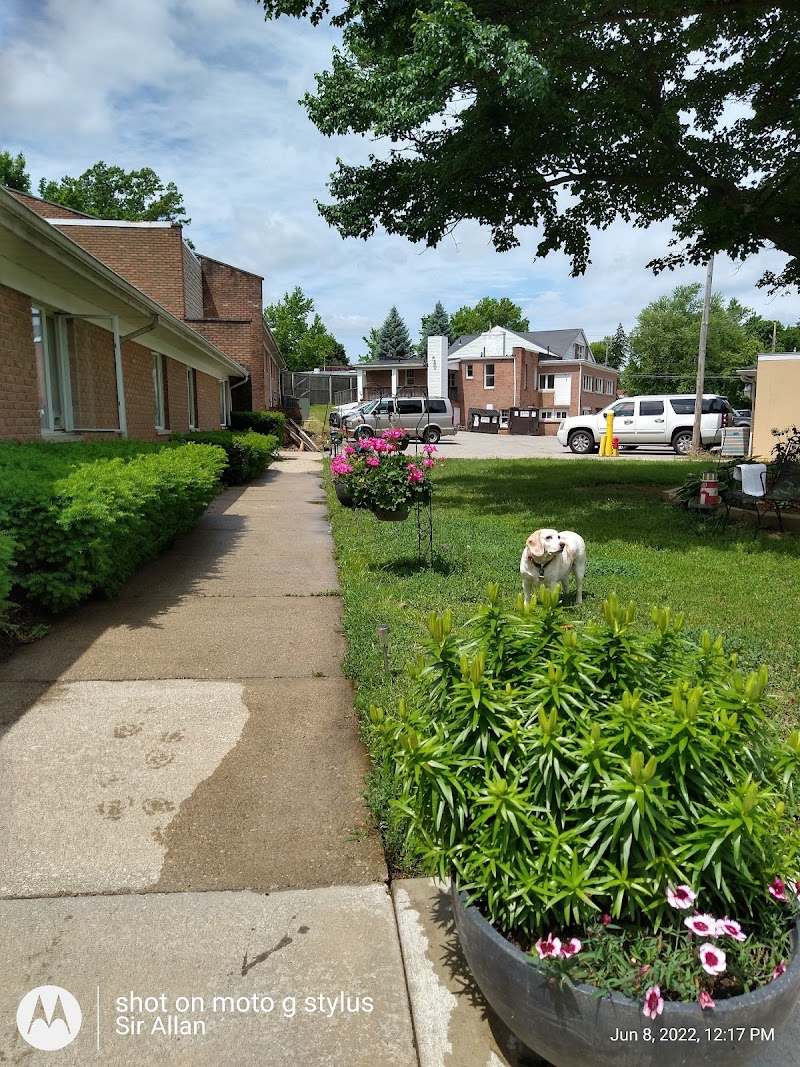
How is Liberty Nursing Center Of Mansfield Staffed?

CMS rates LIBERTY NURSING CENTER OF MANSFIELD's staffing level at 4 out of 5 stars, which is above average compared to other nursing homes. Staff turnover is 36%, compared to the Ohio average of 46%. This relatively stable workforce can support continuity of care.

What Have Inspectors Found at Liberty Nursing Center Of Mansfield?

State health inspectors documented 35 deficiencies at LIBERTY NURSING CENTER OF MANSFIELD during 2019 to 2025. These included: 4 that caused actual resident harm, 30 with potential for harm, and 1 minor or isolated issues. Deficiencies causing actual harm indicate documented cases where residents experienced negative health consequences.
Who Owns and Operates Liberty Nursing Center Of Mansfield?

LIBERTY NURSING CENTER OF MANSFIELD is owned by a for-profit company. For-profit facilities operate as businesses with obligations to shareholders or private owners. The facility operates independently rather than as part of a larger chain. With 68 certified beds and approximately 56 residents (about 82% occupancy), it is a smaller facility located in MANSFIELD, Ohio.

How Does Liberty Nursing Center Of Mansfield Compare to Other Ohio Nursing Homes?

Compared to the 100 nursing homes in Ohio, LIBERTY NURSING CENTER OF MANSFIELD's overall rating (2 stars) is below the state average of 3.2, staff turnover (36%) is significantly lower than the state average of 46%, and health inspection rating (2 stars) is below the national benchmark.

What Should Families Ask When Visiting Liberty Nursing Center Of Mansfield?

Based on this facility's data, families visiting should ask: "Can I visit during a mealtime to observe dining assistance and food quality?" "How do you handle medical emergencies, and what is your hospital transfer rate?" "Can I speak with family members of current residents about their experience?"

Is Liberty Nursing Center Of Mansfield Safe?

Based on CMS inspection data, LIBERTY NURSING CENTER OF MANSFIELD has a clean safety record: no substantiated abuse findings (meaning no confirmed cases of resident harm), no Immediate Jeopardy citations (the most serious violation level indicating risk of serious injury or death), and is not on the Special Focus Facility watch list (a federal program monitoring the lowest-performing 1% of nursing homes). The facility has a 2-star overall rating and ranks #100 of 100 nursing homes in Ohio. While no facility is perfect, families should still ask about staff-to-resident ratios and recent inspection results during their visit.

Do Nurses at Liberty Nursing Center Of Mansfield Stick Around?

LIBERTY NURSING CENTER OF MANSFIELD has a staff turnover rate of 36%, which is about average for Ohio nursing homes (state average: 46%). Moderate turnover is common in nursing homes, but families should still ask about staff tenure and how the facility maintains care continuity when employees leave.

Was Liberty Nursing Center Of Mansfield Ever Fined?

LIBERTY NURSING CENTER OF MANSFIELD has been fined $63,450 across 1 penalty action. This is above the Ohio average of $33,713. Fines in this range indicate compliance issues significant enough for CMS to impose meaningful financial consequences. Common causes include delayed correction of deficiencies, repeat violations, or care failures affecting resident safety. Families should ask facility leadership what changes have been made since these penalties.

Is Liberty Nursing Center Of Mansfield on Any Federal Watch List?

LIBERTY NURSING CENTER OF MANSFIELD is not on any federal watch list. The most significant is the Special Focus Facility (SFF) program, which identifies the bottom 1% of nursing homes nationally based on persistent, serious quality problems. Not being on this list means the facility has avoided the pattern of deficiencies that triggers enhanced federal oversight. This is a positive indicator, though families should still review the facility's inspection history directly.