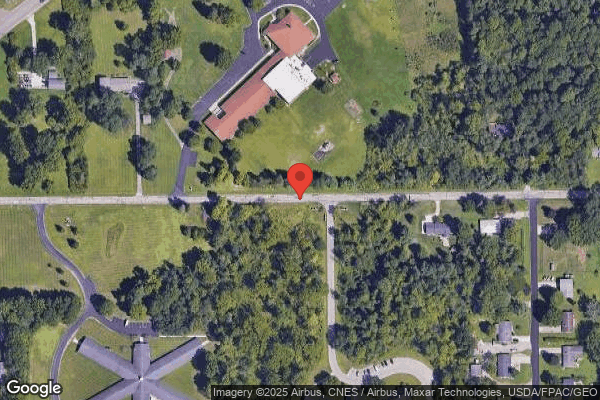
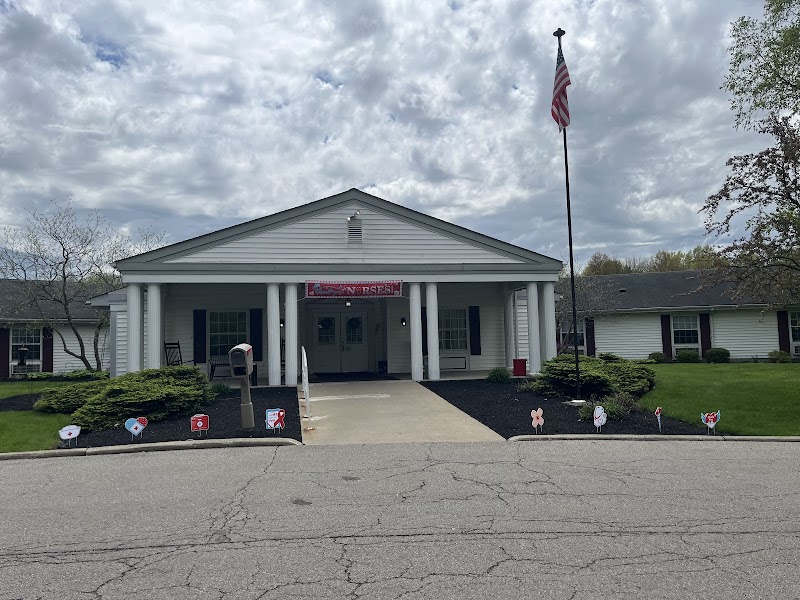
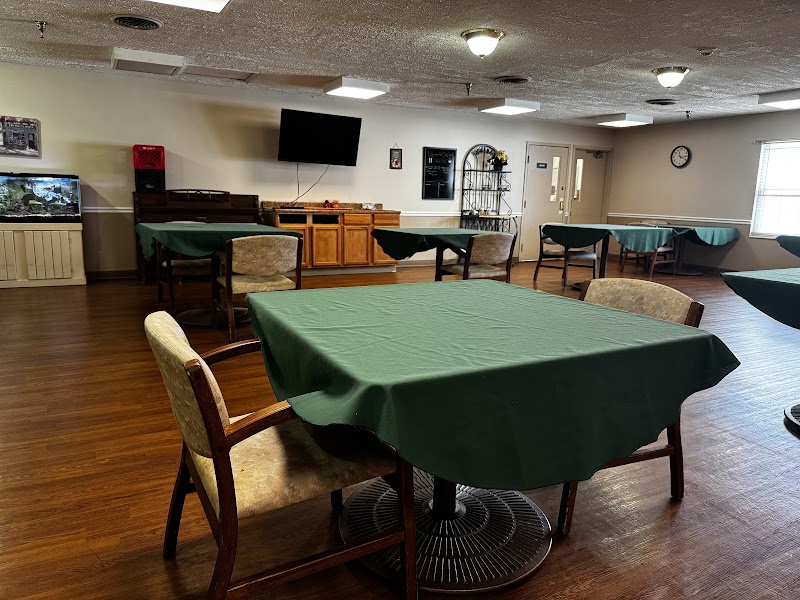
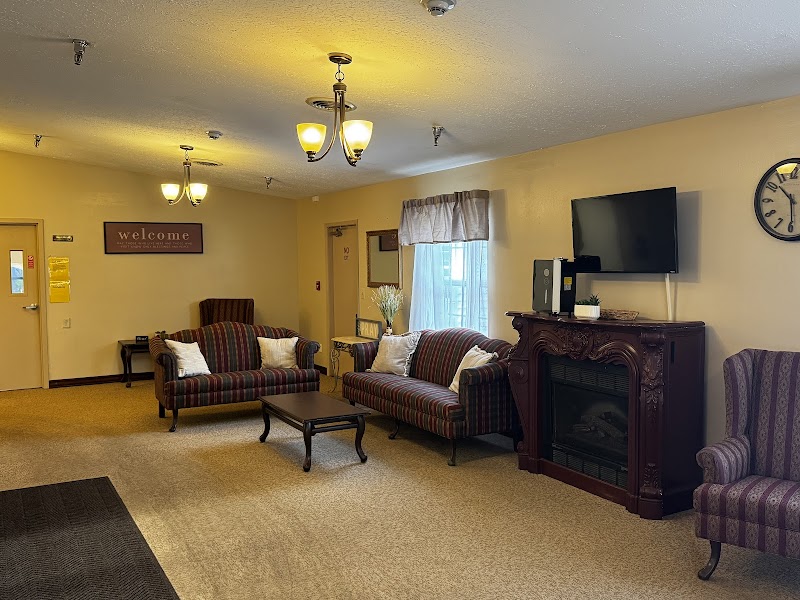
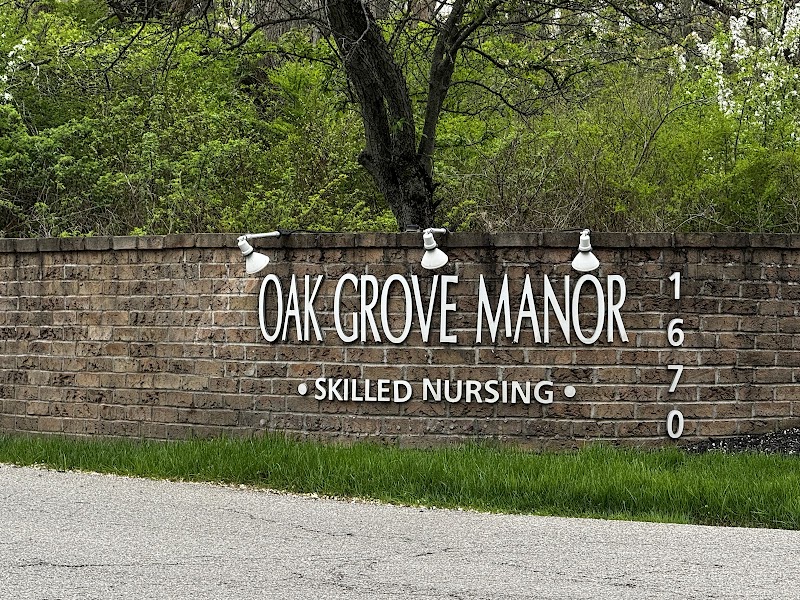
OAK GROVE MANOR

1670 CRIDER RD, MANSFIELD, OH 44903 (419) 589-6222
For profit - Corporation 75 Beds LIONSTONE CARE Data: November 2025 1 Immediate Jeopardy citation
Trust Grade
11/100
#889 of 913 in OH
Last Inspection: May 2024

Within standard 12-15 month inspection cycle. Federal law requires annual inspections.

Overview

Oak Grove Manor has received a Trust Grade of F, indicating significant concerns about the quality of care provided. It ranks #889 out of 913 facilities in Ohio, placing it in the bottom half overall and last among the 10 nursing homes in Richland County, suggesting limited local options. The facility is reportedly improving, having reduced its issues from 27 in 2024 to just 2 in 2025; however, it still has a high staff turnover rate of 75%, which is concerning as it exceeds the state average of 49%. Recent findings include a critical incident where a resident at risk for elopement left the facility unaccompanied, and a serious issue where a resident’s pressure ulcers worsened due to a lack of proper monitoring and treatment. While there are some improvements in the trend of incidents, families should weigh these serious issues against the reported improvements when considering this nursing home.

Trust Score
F
11/100
In Ohio
#889/913
Bottom 3%
Safety Record
High Risk
Review needed
Inspections
Getting Better
27 → 2 violations
Staff Stability
⚠ Watch
75% turnover. Very high, 27 points above average. Constant new faces learning your loved one's needs.
Penalties
✓ Good
$15,593 in fines. Lower than most Ohio facilities. Relatively clean record.
Skilled Nurses
○ Average
Each resident gets 32 minutes of Registered Nurse (RN) attention daily — about average for Ohio. RNs are the most trained staff who monitor for health changes.
Violations
⚠ Watch
69 deficiencies on record. Higher than average. Multiple issues found across inspections.
★☆☆☆☆
1.0
Overall Rating
★☆☆☆☆
1.0
Staff Levels
★★☆☆☆
2.0
Care Quality
★☆☆☆☆
1.0
Inspection Score
Stable
2024: 27 issues
2025: 2 issues

The Good

  • Full Sprinkler Coverage · Fire safety systems throughout facility
  • No fines on record

Facility shows strength in fire safety.

The Bad

1-Star Overall Rating

Below Ohio average (3.2)

Significant quality concerns identified by CMS

Staff Turnover: 75%

29pts above Ohio avg (46%)

Frequent staff changes - ask about care continuity

Federal Fines: $15,593

Below median ($33,413)

Minor penalties assessed

Chain: LIONSTONE CARE

Part of a multi-facility chain

Ask about local staffing decisions and management

Staff turnover is very high (75%)

27 points above Ohio average of 48%

The Ugly 69 deficiencies on record

1 life-threatening 1 actual harm
Sept 2025 2 deficiencies
CONCERN (D) 📢 Someone Reported This

A family member, employee, or ombudsman was alarmed enough to file a formal complaint

Potential for Harm - no one hurt, but risky conditions existed

Quality of Care (Tag F0684)

Could have caused harm · This affected 1 resident

**NOTE- TERMS IN BRACKETS HAVE BEEN EDITED TO PROTECT CONFIDENTIALITY** Based on medical record review, resident and staff interviews, and review of the facility policy, the facility failed to ensure ...

Read full inspector narrative →
**NOTE- TERMS IN BRACKETS HAVE BEEN EDITED TO PROTECT CONFIDENTIALITY** Based on medical record review, resident and staff interviews, and review of the facility policy, the facility failed to ensure medical appointments were timely scheduled as physician ordered. This affected one (Resident #36) of two residents reviewed for appointments. The facility census was 75. Findings include:Review of the medical record for Resident #36 revealed an admission on [DATE]. Diagnoses included chronic ischemic heart disease and acute diastolic (congestive) heart failure (CHF). Review of the quarterly Minimum Data Set (MDS) assessment dated [DATE] revealed Resident #36 was cognitively intact. Review of the care plan dated 08/18/25 revealed Resident #36 had altered cardiovascular status related to CHF and hypertension. Interventions included monitoring and reporting to medical providers any signs and symptoms of chest pain or pressure especially with activity, heartburn, nausea and vomiting, shortness of breath, excessive sweating, dependent edema, changes in capillary refill, color or warmth of extremities. Review of the progress note dated 05/26/25 revealed Resident #36 was having shortness of breath and chest pain. The facility called a triage Nurse Practitioner (NP), and the NP spoke to Resident #36 via video call. The NP determined Resident #36 did not need to be sent to the emergency room. The NP progress note dated 05/27/25 revealed Resident #36 was seen for chest pain and dizziness. An electrocardiogram (EKG) was ordered as well as follow up with cardiologist based on findings. The progress note dated 05/28/25 at 11:45 A.M. revealed new orders for Resident #36 to have an EKG due to orthostatic blood pressure and consultation with cardiology. The progress notes dated 07/28/25 revealed the facility faxed Resident #36's consultation to cardiology on 07/08/25 and 07/28/25. There was no evidence in Resident #36's medical record that a cardiology appointment was scheduled nor seen by a cardiologist from 05/28/25 to 09/23/25. During an interview on 09/24/25 at 8:59 A.M., Resident #36 revealed she was waiting to see a cardiologist due to having CHF. Resident #36 stated a couple months ago, the Director of Nursing (DON) told Resident #36 she needed to see a cardiologist, but the appointment had not been made. Interview on 09/24/25 at 9:37 A.M. with Transportation Aide (TA) #304 revealed prior to starting the position of appointments and transportation in June 2025, the facility had issues with residents missing appointments. TA #304 stated Resident #36 had a referral to cardiology; however, there were issues with cardiology receiving the referral from the facility. TA #304 confirmed that since 07/28/25, no further attempts were made to make the appointment. Interview on 09/24/25 at 9:50 A.M. with the DON confirmed Resident #36 should have had a cardiology consult scheduled due to concerns of chest pain, shortness and diagnoses of CHF. Review of the facility policy titled Transportation dated 04/28/25 revealed the facility staff will receive the appointment from the resident, family, transportation company or doctors' office. The staff will schedule transportation to and from the appointment as needed. This deficiency represents non-compliance investigated under Complaint Number 2604984.
CONCERN (F) 📢 Someone Reported This

A family member, employee, or ombudsman was alarmed enough to file a formal complaint

Potential for Harm - no one hurt, but risky conditions existed

Deficiency F0804 (Tag F0804)

Could have caused harm · This affected most or all residents

Based on record review, observation, staff interview, resident interview, and review of the facility policy, the facility failed to ensure food was palatable and appropriate temperature. This had the ...

Read full inspector narrative →
Based on record review, observation, staff interview, resident interview, and review of the facility policy, the facility failed to ensure food was palatable and appropriate temperature. This had the potential to affect all 75 residents residing in the facility who receive food from the kitchen. Findings include:Review of the resident council meeting for 09/08/25 revealed residents did not like most of the food due to having the same food, dry meat, and food not being seasoned. Under the area that reads status update on the resident council minutes revealed the concern was not resolved. Interview on 09/24/25 at 1:39 P.M. with Resident #53 revealed breakfast was always cold so he no longer eats breakfast. Resident #53 stated he has reported it to the Certified Nursing Assistants (CNAs); however, nothing has changed. Resident #53 stated the CNAs would offer to reheat the food; however that was not preferred. Interview on 09/24/25 at 2:00 P.M. with Resident #4 revealed the food was frequently cold by the times the trays were passed. Resident #4 stated she eats the food because she was hungry, however she would prefer her food to be warmer. Observation on 09/25/25 at 7:30 A.M. revealed Dietary Manager (DM) #529 taking food temperatures for breakfast. Temperature of sausage patties were 172 degrees Fahrenheit (F), waffles were 136 degrees F, and oatmeal was 165 degrees F. Observation on 09/25/25 at 7:55 A.M. revealed the hallway trays being transported to the 100-hallway. Trays began being distributed at 8:01 A.M. with the last tray being passed at 8:11 A.M. The last hallway tray temperature was obtained and revealed the sausage patties were 101 degrees F, and the waffles were 88 degrees F. A test tray was obtained at this time from DM #529. The sausage patty was lukewarm and was dry, and difficult to swallow. The waffles were cool to taste and dry as well. Interview on 09/25/25 at 8:20 A.M. with DM #529 confirmed the sausage and waffles were not warm and the sausage patties were dry. DM #529 stated they used to use plate warmers; however, the machine was too hot for the staff to handle. DM #529 stated special gloves were supposed to be ordered for staff to use but were never followed through. Interview on 09/25/25 at 11:15 A.M. with the Administrator revealed the staff should have been using plate warmers to keep the food warm. Review of the facility policy titled Food Temperatures dated 2021 revealed hot food items may not fall below 135 degrees F after cooking. Temperatures should be taken periodically to ensure hot foods stay above 135 degrees F during the holding and plating process. This deficiency represents non-compliance investigated under Complaint Number 2604984 and Complaint Number 2565327.
Dec 2024 2 deficiencies
CONCERN (D) 📢 Someone Reported This

A family member, employee, or ombudsman was alarmed enough to file a formal complaint

Potential for Harm - no one hurt, but risky conditions existed

Safe Environment (Tag F0584)

Could have caused harm · This affected 1 resident

Based on observation and interviews, the facility failed to ensure residents had water at the appropriate temperature in their bathrooms. This affected three (Residents #3, #4, and #6) out of three re...

Read full inspector narrative →
Based on observation and interviews, the facility failed to ensure residents had water at the appropriate temperature in their bathrooms. This affected three (Residents #3, #4, and #6) out of three reviewed for water temperatures. Facility census was 59. Findings include: Review of an invoice dated 10/16/24 revealed a fifty-gallon hot water tank was ordered. Review of a typed timeline provided by Maintenance Supervisor #104 revealed he was notified the hot water heater for Resident #3's room blew the seams out of the back. An order was placed for a new hot water heater. The new hot water heater was delivered late in the afternoon of 10/16/24. Maintenance Supervisor #104 installed the new hot water heater on 10/17/24. According to the timeline on 11/15/24, Maintenance Supervisor #104 was notified of the high limit switch and the breaker for the new hot water tank were tripping frequently. Maintenance Supervisor #104 replaced the upper thermostat on 11/15/24. On 11/22/24, Maintenance Supervisor #104 was notified that the water was cold again. Maintenance Supervisor #104 found the bottom heating element had burnt out. On 11/22/24, Maintenance Supervisor #104 replaced the heating element. On 12/09/24, the water was getting cold again and the bottom thermostat was replaced. Review of the water temperature logs for 10/23/24 and 11/13/24 revealed the rooms for Resident #3, #4, and #6, did not have water temperatures recorded. Review of the water temperature log for 12/09/24 revealed the rooms for Resident #3, #4, and #6, did not have water temperatures recorded. Interview on 12/23/24 at 10:04 A.M. Resident #4 stated the water in her bathroom would start to get warm and then would get cold. Resident #4 stated she would like to have hot water so she could take a bath in the tub in her bathroom. The water in the bathroom sink was turned on and started to feel warm but then felt cool. Interview on 12/23/24 at 11:23 A.M. Resident #6 verified there had been a problem with hot water. Interview on 12/23/24 at 11:34 A.M. Resident #3 verified there had been problems with hot water. A new hot water tank had been installed but the water did not stay hot. Resident #3 stated they had showered in their bathroom and had to finish their shower in cold water. Resident #3 stated they had bought their own shower chair so they could take showers in their personal bathroom and not go to the main shower room. The water in the bathroom sink was turned on. The water started to feel warm but then felt cool. Observation of water temperatures with Maintenance Supervisor #104 on 12/23/24 at 2:02 P.M. revealed the water in Resident #4's room reached 96 degrees Fahrenheit (F) and then started to drop. At 2:05 P.M. the water temperature in Resident #3's room was 98.2 degrees F and started to drop. At 2:07 P.M. the water in Resident #6's room was 92.7 degrees F. Maintenance Supervisor #104 verified the water temperatures for Resident #3, #4, and #6 were controlled by the same hot water tank and were not at the appropriate temperature. Maintenance Supervisor #104 found the mixing valve was at 100 degrees. When Maintenance Supervisor #104 tried to adjust the mixing valve, he discovered the valve was seized up. Maintenance Supervisor #104 called a plumbing company to bring a new mixing valve. The plumbing company said they would be out either late 12/23/24 or first thing 12/24/24. Maintenance Supervisor #104 also verified there was no documentation of water temperatures being checked in Resident #3, #4, and #6's rooms since October 2024. Review of the resident council meeting minutes for 11/11/24 revealed there was no hot water on the 400 hall. The concern was resolved by working with a plumber to get a new hot water heater. This deficiency represents non-compliance investigated under Complaint Number OH00160270.
CONCERN (D) 📢 Someone Reported This

A family member, employee, or ombudsman was alarmed enough to file a formal complaint

Potential for Harm - no one hurt, but risky conditions existed

Quality of Care (Tag F0684)

Could have caused harm · This affected 1 resident

**NOTE- TERMS IN BRACKETS HAVE BEEN EDITED TO PROTECT CONFIDENTIALITY** Based on observation, record review, and interview, the facility failed to ensure treatments were put in place in a timely manne...

Read full inspector narrative →
**NOTE- TERMS IN BRACKETS HAVE BEEN EDITED TO PROTECT CONFIDENTIALITY** Based on observation, record review, and interview, the facility failed to ensure treatments were put in place in a timely manner. This affected three (Residents #3, #6, and #7) of three residents reviewed for wounds. Facility census was 59. Findings include: 1. Review of the medical record revealed Resident #3 was admitted on [DATE] with diagnoses that included acquired absence of bilateral legs, peripheral vascular disease, chronic obstructive pulmonary disease, and chronic pain syndrome. The quarterly Minimum Data Set (MDS) dated [DATE] revealed Resident #3 was cognitively intact and had Moisture Associated Skin Damage (MASD). A skin condition/shower sheet dated 11/06/24 revealed Resident #3 had an open area that appeared to be an abrasion. Resident #3 requested to have an appointment made at the dermatologist. A skin monitoring/shower review sheet dated 11/12/24 revealed Resident #3 had an abrasion to buttock. Resident #3 did not want to see the facility Certified Nurse Practitioner (CNP). On 11/13/24 an order was received to cleanse bilateral buttocks with wound cleanser, pat dry, and apply triad (zinc-oxide based paste used on light to moderate wound exudate) paste every shift due to shearing. Review of the Treatment Administration Record (TAR) revealed the treatment was started on 11/13/24. On 11/19/24 a weekly wound assessment revealed Resident #3 had shearing to right gluteal fold that measured 0.5 centimeters (cm) long and 0.5 cm wide. A health status note dated 11/20/24 at 1:44 P.M. revealed per Resident #3's request a dermatology appointment was made for skin breakdown to gluteal area. The earliest appointment available was 12/09/24. Interview on 12/23/24 at 11:34 A.M. Resident #3 verified a treatment and appointment to the dermatologist was not done in a timely manner. Resident #3 stated the area to buttock was sore, but the paste seemed to help. Observation on 12/23/24 at 11:46 A.M. revealed Resident #3 had white colored paste to buttocks and peri area. A small open area with a red wound bed was noted to Resident #3's left gluteal area. Interview on 12/23/24 at 3:22 P.M. with Assistant Director of Nursing (ADON) #105 verified the abrasion to Resident #3's buttock was discovered on 11/06/24. ADON #105 verified there was no documentation of the physician being notified or a treatment order being put in place until 11/13/24 (seven days later). ADON #105 also verified Resident #3 requested to see a dermatologist on 11/06/24 and an appointment was not made until 11/20/24. Resident #3 was first seen by the dermatologist on 12/09/24. Interview on 12/23/24 at 5:49 P.M. the Director of Nursing (DON) verified the physician was not notified, orders were not put in place, and dermatology appointment was not done in a timely manner for Resident #3. 2. Review of the medical record revealed Resident #6 was admitted on [DATE] with diagnoses that included chronic obstructive pulmonary disease, vascular dementia, and Parkinsonism. The annual MDS dated [DATE] revealed Resident #6 was cognitively intact. A weekly wound assessment dated [DATE] revealed Resident #6 had a newly identified venous ulcer to the right lower extremity that measured 3 cm long, 1.5 cm wide, and 0.1 cm deep. The treatment plan order included the wound to be cleansed with wound cleanser, patted dry, and calcium alginate with silver (wound dressing where silver acts as an antimicrobial and the alginate absorbs wound fluid) applied, covered with a super absorbent gauze and six-inch ace bandage to base of the knee. The treatment was ordered daily and as needed. A health status note dated 12/17/24 at 3:08 P.M. revealed Resident #6 was seen by the wound CNP. Wounds to bilateral lower extremities were cleansed and measured. The area to the right lower extremity was considered a reopened venous wound. Treatment was applied. Review of the December TAR revealed no evidence of the treatment to the right lower extremity being put in place or completed as ordered. Interview on 12/23/24 at 5:51 P.M. the DON verified the order and treatment for Resident #6's right lower leg was not put in place until 12/23/24. 3. Review of the medical record revealed Resident #7 was admitted on [DATE] and readmitted on [DATE] with diagnoses that included Parkinsonism, chronic pain, palliative care, and type 2 diabetes. The quarterly MDS dated [DATE] revealed Resident #7 had severe cognitive impairment. The weekly wound assessment dated [DATE] revealed Resident #7 had a new wound. The wound was classified as a Stage II (partial-thickness skin loss involving the epidermis and dermis) pressure ulcer to sacrum that measured 3.5 cm long, 3 cm wide, and 0.1 cm deep. The treatment plan was to cleanse sacrum with wound cleanser, pat dry, and apply triad cream every shift and as needed. Review of the December TAR revealed no evidence of the treatment to the sacrum being put in place or completed as ordered. Interview on 12/23/24 at 3:16 P.M. ADON #105 verified the order and treatment for Resident #7 was not put in place until 12/23/24. This deficiency represents non-compliance investigated under Complaint Number OH00160270 and OH00160226.
Oct 2024 3 deficiencies
CONCERN (D) 📢 Someone Reported This

A family member, employee, or ombudsman was alarmed enough to file a formal complaint

Potential for Harm - no one hurt, but risky conditions existed

Investigate Abuse (Tag F0610)

Could have caused harm · This affected 1 resident

**NOTE- TERMS IN BRACKETS HAVE BEEN EDITED TO PROTECT CONFIDENTIALITY** Based on medical record review, resident family interview, staff interview, orthopedic staff interview, review of hand written s...

Read full inspector narrative →
**NOTE- TERMS IN BRACKETS HAVE BEEN EDITED TO PROTECT CONFIDENTIALITY** Based on medical record review, resident family interview, staff interview, orthopedic staff interview, review of hand written statements, review of the facility incident and accident log, and policy review, the facility failed to investigate an injury of unknown origin as required. This affected one (#24) of three residents reviewed for abuse, neglect, mistreatment, exploitation, and misappropriation. The facility census was 67. Findings included: Review of Resident #24's medical record revealed an admission date of 10/17/24. Diagnoses included infection and inflammatory reaction due to an internal left knee joint prosthesis, periprosthetic fracture around internal prosthetic right hip joint, atrial fibrillation, transient ischemic attack, and muscle weakness. Review of Resident #24's clinical admission note dated 10/17/24 revealed the resident required use of a wheelchair and knee immobilizer. She had a range of motion impairment of one unspecified lower extremity. Resident #24's gait was documented as unsteady and balance was poor. Staff were to maintain proper joint alignment while turning and positioning. Review of Resident #24's admission note dated 10/17/24 revealed a knee immobilizer to left leg was in place. Review of Resident #24's fall risk assessment dated [DATE] revealed the resident was at a high risk for falls. Review of Resident #24's medical record found no mention of a fall or injury noted from the date of admission until 10/25/24. Review of the facility incident and accident log revealed no falls or injuries were log for Resident #24 between 10/17/24 and 10/25/24. Review of a hand written statement dated 10/22/24, written by Registered Nurse (RN) #165 revealed Resident #24 and a certified nurse aide (CNA) were in the bathroom when RN #165 entered to administer medications. Further review of the written statement revealed Resident #24 indicated her knee popped and was given pain medication. Resident #24 was administer additional pain medication 30 minutes later and then denied any further pain or issues. Review of Resident #24's health status note dated 10/25/24 revealed the resident returned from an orthopedic physician appointment and the facility was then notified by the orthopedic office that the facility needed to send Resident #24 to the local hospital as a direct admission due to several femur fractures. Interview with Resident #24's family member on 10/29/24 at 9:10 A.M. revealed on 10/22/24 the resident informed the family that a CNA was assisting her to the bathroom when the resident's and CNA's legs became entangled in each other and the resident twisted her leg. The CNA sat Resident #24 on the toilet and the resident was in intense pain. Interview with the Director of Nursing (DON) on 10/29/24 at 8:23 A.M. revealed she was aware that Resident #24 bumped her leg in the bathroom but verified the chart was free of documentation regarding the incident. Interview with the DON and the Administrator on 10/29/24 at 11:05 A.M. revealed the facility did not initiate an investigation into Resident #24's femur fracture, and the DON stated she thought the resident's femur fracture was present on admission. Telephone interview with Orthopedic Nurse (ON) #160 on 10/29/24 at 11:08 A.M. revealed Resident #24 did not have a femur fracture prior to admission to the facility. ON #160 stated the fracture was identified on an x-ray during the resident's first post-operative appointment on 10/25/24. ON #160 stated the orthopedic surgeon's office then notified the facility of the femur fracture and requested Resident #24 be brought to the hospital for treatment. Interview with RN #165 on 10/29/24 at 11:10 A.M. revealed on 10/22/24 she witnessed Resident #24 with a CNA in the bathroom. The resident was sitting on the toilet and told RN #165 she heard something pop when her feet got tangled. The resident was assessed for pain and administered pain medication. The rest of the day Resident #24 denied pain until the nurse went off her shift. Interview with CNA #116 on 10/29/24 at 1:05 P.M. revealed on 10/22/24 she was assisting Resident #24 to the bathroom when the resident's foot got tangled up in her boot and it twisted her leg. CNA #116 sat the resident down on the toilet and untangled her legs. At that point the resident was crying in pain and the nurse was right outside the door and came and assessed her. Review of the facility policy titled, Abuse, Mistreatment, Neglect, Exploitation and Misappropriation of Resident Property, dated 10/06/22, revealed it is the facility's policy to investigate all alleged violations of abuse, neglect misappropriation of resident property, exploitation or mistreatment, including injuries of unknown source. All incidents of injuries of unknown source must be reported immediately to the Administrator or designee and the Ohio Department of Health (ODH). Once notification is made, and investigation of the alleged violation will be conducted. This deficiency represents an incidental finding discovered during investigation of Master Complaint Number OH00159311.
CONCERN (F) 📢 Someone Reported This

A family member, employee, or ombudsman was alarmed enough to file a formal complaint

Potential for Harm - no one hurt, but risky conditions existed

Food Safety (Tag F0812)

Could have caused harm · This affected most or all residents

Based on observation, staff interview, review of a cleaning task list, and policy review, the facility failed to store food in a safe and sanitary manner and failed to ensure food service equipment, s...

Read full inspector narrative →
Based on observation, staff interview, review of a cleaning task list, and policy review, the facility failed to store food in a safe and sanitary manner and failed to ensure food service equipment, storage areas, and kitchen floor were properly cleaned. This had the potential to affect all 67 residents. The facility census was 67. Findings included: 1. Observation of the kitchen on 10/24/24 at 9:55 A.M. with Dietary Aide #134 revealed walk-in cooler #1 was full of boxes. The boxes were stored directly on the floor inside the cooler and staff were unable to walk into the cooler due to the amount of boxes stacked four to five boxes high. Interview with Dietary Aide #134 at the time of the observation revealed the facility received the food delivery the day before and no one had time to unpack the boxes. Dietary Aide #134 verified the boxes containing food items were stored directly on the cooler floor. Review of the undated policy titled, Food Storage, revealed all refrigerated food should be stored off of the floor. 2. Observation of the kitchen on 10/29/24 at 7:50 A.M. revealed the shelf under the steam table was dirty with food crumbs and areas of dried brown and white liquid. The flooring near the walls in the dish room was observed to have a build up of dirt and some debris. Further observation revealed the bottom shelf of the clean dish rack had a thick layer of dust build up. Interview on 10/29/24 from 7:52 A.M. to 8:10 A.M. with Dietary Manager #119 verified the dirty dish room floor near the walls specifically near under the dishwasher, the dirty shelving under the steam table, and the dirty dish rack for clean pots and pans. Review of an undated cleaning task list revealed staff are to sweep and mop the dish room and under equipment daily, clean work tables and decrease clutter underneath daily, and dust pot and pan shelves as needed but at least weekly. Review of the policy titled, Cleaning and Sanitation of Dining and Food Services Areas, dated 2023, revealed the food and nutrition services staff will maintain the cleanliness and sanitation of the dining room and the food service areas through compliance with a written, comprehensive cleaning schedule This deficiency represents non-compliance investigated under Complaint Number OH00158146.
CONCERN (F) 📢 Someone Reported This

A family member, employee, or ombudsman was alarmed enough to file a formal complaint

Potential for Harm - no one hurt, but risky conditions existed

Deficiency F0925 (Tag F0925)

Could have caused harm · This affected most or all residents

Based on observation, staff interview, and review of a facility policy, the facility failed to maintain a pest free environment. This had the potential to affect all 67 residents. The census was 67. F...

Read full inspector narrative →
Based on observation, staff interview, and review of a facility policy, the facility failed to maintain a pest free environment. This had the potential to affect all 67 residents. The census was 67. Findings include: 1. Observation on 10/28/24 at 10:00 A.M. revealed the dish washer room in the kitchen had, at minimum, four to five gnats and a fly. Further observation of the kitchen serving area revealed a fly was present in the area. Interview on 10/28/24 at 10:05 A.M. with Dietary Manager #119 verified the gnats and flies in the kitchen. 2. Observation on 10/29/24 at 9:30 A.M. revealed Resident #10 was sitting in a chair in his room. When Resident #10 moved, five (5) flies flew off of him. Interview on 10/29/24 at 9:32 A.M. with the Administrator verified the number of flies in Resident #10's side of the room. The Administrator removed the bag of garbage from the end of the resident's bed; however, no flies were observed near the garbage. Interview on 10/29/24 at 9:48 A.M. with Resident #23 revealed there are often flies in his room. Review of a policy titled, Pest Control Policy, dated August 2016, revealed the facility acknowledged the importance of pest and vermin control in providing a living environment of adequate health and safety for its residents. This deficiency represents non-compliance investigated under Complaint Number OH00158146 and Complaint Number OH00157659.
Jul 2024 4 deficiencies
CONCERN (D) 📢 Someone Reported This

A family member, employee, or ombudsman was alarmed enough to file a formal complaint

Potential for Harm - no one hurt, but risky conditions existed

Deficiency F0760 (Tag F0760)

Could have caused harm · This affected 1 resident

Based on medical record review, resident interview, observation, staff interview, and review of the facility policy, the facility failed to ensure residents were free from significant medication error...

Read full inspector narrative →
Based on medical record review, resident interview, observation, staff interview, and review of the facility policy, the facility failed to ensure residents were free from significant medication errors. This affected one (Residents #39) of three residents reviewed for medication administration. The facility census was 64 residents. Findings include: Review of the medical record for Resident #39 revealed an admission date of 11/11/17 with diagnoses including parkinsonism, bipolar disorder, osteoarthritis, and depression. Review of the Minimum Data Set (MDS) assessment for Resident #39 dated 07/08/24 revealed the resident was cognitively intact. Review of the physician's orders for Resident #39 revealed an order dated 09/15/23 for Gabapentin (an anti-seizure medication) 600 milligram (mg) tablets three times daily. The order included entries indicating the medication was reordered on 07/23/24 and 07/24/24. Review of the Medication Administration Record (MAR) for Resident #39 dated July 2024 revealed the resident did not receive Gabapentin on 07/23/24 and 07/24/24. Review of the progress notes for Resident #39 dated 07/23/24 at 9:08 A.M., 12:30 P.M., and 4:21 P.M. revealed the resident's Gabapentin was not administered because the medication was not available. The notes did not include documentation regarding physician or pharmacy notification of the omitted doses on 07/23/24. The progress notes for Resident #39 dated 07/24/24 did not include documentation of the omitted doses of Gabapentin. Review of the facility list of medications available in the emergency kit, undated, revealed Gabapentin 300 mg capsules (quantity of 6) and Gabapentin 100 mg capsules (quantity of 6) were available for administration if needed. Review of Resident #39's electronic and physical medical record contained no evidence Gabapentin was removed from the emergency kit and provided to the resident. Interview on 07/30/24 at 11:01 A.M. with Resident #39 confirmed on 07/23/24 and 07/24/24 she missed all three routine doses of her Gabapentin. Resident #39 stated she asked her nurses multiple times where her medication was, and they said the medication had been reordered but was not in the facility. Observation on 07/31/24 at 7:35 A.M. with Assistant Director of Nursing (ADON) #204 revealed the facility's emergency kit was stored in the medication room behind the nurses' station. Review of the log associated with the emergency kit revealed no doses of Gabapentin had been signed out for Resident #39. Interview on 07/31/24 at 8:24 A.M. with ADON #204 confirmed Resident #39 missed six consecutive doses of Gabapentin on 07/23/24 and 07/24/24. ADON #204 further confirmed Resident #39's record did not include documentation of notification of the pharmacy or attending physician of the missed doses and staff had not signed out doses of Gabapentin from the emergency kit for Resident #39. Review of the facility policy titled Medication Errors Reporting - Pharmacy Related undated revealed errors included medications not administered within the allowed time frame, failing to administer an ordered dose, and administration of medication which is greater/lesser than what is ordered. Review of the facility policy titled Emergency Pharmacy Service and Emergency Kits dated 03/28/18 revealed medications should be administered as ordered by the provider. A list of all medications and supplies should be posted on the kit and system and should include medication, quantity, expiration date and the pharmacy name and phone number. A method of recording use of items from the emergency kit should be in place. This deficiency represents noncompliance investigated under OH00156258.
CONCERN (D) 📢 Someone Reported This

A family member, employee, or ombudsman was alarmed enough to file a formal complaint

Potential for Harm - no one hurt, but risky conditions existed

Deficiency F0805 (Tag F0805)

Could have caused harm · This affected 1 resident

Based on medical record review, observation, staff interview, and review of the facility policy, the facility failed to serve residents with orders for mechanically altered diets the proper textured d...

Read full inspector narrative →
Based on medical record review, observation, staff interview, and review of the facility policy, the facility failed to serve residents with orders for mechanically altered diets the proper textured diet as ordered by the physician. This affected three (Residents #11, #16, and #18) of 14 residents on a mechanically altered diets. The facility census was 64 residents. Findings include: 1. Review of the medical record for Resident #11 revealed an admission date of 08/23/19 with diagnoses including Alzheimer's disease, oral phase dysphagia, muscle weakness, and a complete loss of teeth. Review of the Minimum Data Set (MDS) assessment for Resident #11 dated 07/12/24 revealed the resident had severely impaired cognition, required a mechanically altered diet and received set up assistance with eating. Review of the care plan for Resident #11 dated 07/16/24 revealed the resident had the potential for oral/dental health problems related to being edentulous (no natural tooth or tooth fragments present) and was at risk for malnutrition and dehydration. Interventions included to consult with the dietician for chewing and swallowing problems and to provide oral care as needed. Review of Resident #11's physician's orders revealed an order dated 04/04/22 for a mechanical soft diet. 2. Review of the medical record for Resident #16 revealed an admission date of 06/19/20 with diagnoses included malnutrition, dementia, aphasia, dysphagia, following a cerebral vascular accident, muscle weakness. Review of the MDS assessment for Resident #16 dated 05/17/24 revealed the resident was cognitively impaired, required a mechanically diet, was edentulous, and required set up assistance with eating. Review of the physician's orders for Resident #16 revealed an order dated 04/10/24 for a diet of no added salt mechanical soft texture. 3. Review of the medical record for Resident #18 revealed an admission date of 03/24/22 with diagnoses including a history of cancer, asthma, schizoaffective disorder, gastroesophageal reflux disease (GERD) and mild intellectual disabilities. Review of Resident #18's physician's orders revealed an order dated 03/25/22 for the resident to receive a mechanical soft diet. Review of the MDS assessment for Resident #18 dated 07/03/24 revealed the resident had moderately impaired cognition, required a mechanically altered, and required set up assistance with meals. Observation on 07/30/24 at 11:48 A.M. revealed [NAME] #242 prepared regular texture meal trays for Residents #11, #16, and #18. The entrée was chicken parmesan which included a piece of breaded chicken on top of a plate of spaghetti with tomato sauce. The meal also included cauliflower and garlic toast. The tray tickets for Residents #11, #16, and #18 indicated these residents should be served a mechanically soft diet. At 11:55 A.M. Dietary Aide (DA) #134 began to wheel the meal cart out to the unit to serve the residents when the Surveyor intervened asked Dietary Manager (DM) #138 to check Resident #11, #16, and #18's meal trays for accuracy. DM #138 then discarded the entrees for Residents #11, #16, and #18, and prepared three new entrees which included spaghetti and mechanical soft (ground up) chicken with tomato sauce. Interview on 07/30/24 at 11:56 A.M. with DM #138 confirmed Residents #11, #16, and #18 had orders for mechanical soft textured diets and cook #242 had prepared entrées for these residents with regular textures. DM #138 confirmed if the Surveyor had not intervened the residents would have received the wrong textured diet for the lunch meal. Review of the facility policy titled Therapeutic Diets dated October 2017 revealed therapeutic diets were prescribed by the attending physician to support the resident's treatment and plan of care and in accordance with his or her goals and preferences. A therapeutic diet was considered a diet ordered by a physician as part of treatment for a disease or clinical condition to modify specific nutrients in the diet or to alter the texture of a diet. This deficiency represents noncompliance investigated under Complaint Number OH00155626.
CONCERN (D) 📢 Someone Reported This

A family member, employee, or ombudsman was alarmed enough to file a formal complaint

Potential for Harm - no one hurt, but risky conditions existed

Deficiency F0806 (Tag F0806)

Could have caused harm · This affected 1 resident

Based on medical record review, observation, staff interview, resident interview, and review of the facility policy, the facility failed to serve resident meals which honored the resident's preference...

Read full inspector narrative →
Based on medical record review, observation, staff interview, resident interview, and review of the facility policy, the facility failed to serve resident meals which honored the resident's preferences and accommodated resident allergies. This affected three (Residents #11, #16, and #18) of 14 residents on a mechanically altered diets. The facility census was 64 residents. Findings include: 1. Review of the medical record for Resident #11 revealed an admission date of 08/23/19 with diagnoses including Alzheimer's disease, oral phase dysphagia, muscle weakness, and a complete loss of teeth. Review of the Minimum Data Set (MDS) assessment for Resident #11 dated 07/12/24 revealed the resident had severely impaired cognition, required a mechanically altered diet and received set up assistance with eating. Review of the care plan for Resident #11 dated 07/16/24 revealed the resident had the potential for oral/dental health problems related to being edentulous (no natural tooth or tooth fragments present) and was at risk for malnutrition and dehydration. Interventions included to consult with the dietician for chewing and swallowing problems and to provide oral care as needed. Review of Resident #11's physician's orders revealed an order dated 04/04/22 for a mechanical soft diet. 2. Review of the medical record for Resident #16 revealed an admission date of 06/19/20 with diagnoses included malnutrition, dementia, aphasia, dysphagia, following a cerebral vascular accident, muscle weakness. Review of the MDS assessment for Resident #16 dated 05/17/24 revealed the resident was cognitively impaired, required a mechanically diet, was edentulous, and required set up assistance with eating. Review of the physician's orders for Resident #16 revealed an order dated 04/10/24 for a diet of no added salt mechanical soft texture. 3. Review of the medical record for Resident #18 revealed an admission date of 03/24/22 with diagnoses including a history of cancer, asthma, schizoaffective disorder, gastroesophageal reflux disease (GERD) and mild intellectual disabilities. Resident #18 had a listed allergy to tomatoes. Review of Resident #18's physician's orders revealed an order dated 03/25/22 for the resident to receive a mechanical soft diet. Review of the MDS assessment for Resident #18 dated 07/03/24 revealed the resident had moderately impaired cognition, required a mechanically altered, and required set up assistance with meals. Observation on 07/30/24 at 11:55 A.M. revealed Dietary Manager (DM) #138 prepared the meals for Residents #11, #16, and #18 which included spaghetti with ground up chicken and tomato sauce with cauliflower and garlic toast on the side. Interview on 07/30/24 at 2:52 P.M. with Resident #18 confirmed the only thing she ate off her lunch tray was the cake because she was allergic to tomatoes and tomato sauce covered her chicken and spaghetti noodles. Resident #18 stated no one offered her a replacement meal. Interview on 07/30/24 at 2:59 P.M. with DM #138 confirmed Resident #11's tray ticket listed tomatoes, tomato sauce and spaghetti as disliked foods. DM confirmed Resident #16's tray ticket listed cauliflower and spaghetti as disliked foods. DM #138 confirmed Resident #18's tray ticket listed an allergy to tomatoes. Dietary Manager #138 confirmed the tray tickets and meals provided to Residents #11, #16, and #18 did not honor the residents' allergies and/or preferences. Review of the facility policy titled Therapeutic Diets dated October 2017 revealed therapeutic diets were prescribed by the attending physician to support the resident's treatment and plan of care and in accordance with his or her goals and preferences. A therapeutic diet was considered a diet ordered by a physician as part of treatment for a disease or clinical condition to modify specific nutrients in the diet or to alter the texture of a diet. This deficiency represents noncompliance investigated under Complaint Number OH00155626.
CONCERN (F) 📢 Someone Reported This

A family member, employee, or ombudsman was alarmed enough to file a formal complaint

Potential for Harm - no one hurt, but risky conditions existed

Deficiency F0804 (Tag F0804)

Could have caused harm · This affected most or all residents

Based on review of the facility menu, resident interview, staff interview, observation, review of the facility food temperature logs, and review of the facility policy the facility failed to ensure fo...

Read full inspector narrative →
Based on review of the facility menu, resident interview, staff interview, observation, review of the facility food temperature logs, and review of the facility policy the facility failed to ensure food temperatures were assessed to ensure safe ranges prior to resident consumption. This had the potential to affect all 64 residents in the facility who were identified by the facility to receive food from the facility kitchen. The facility census was 64 residents. Findings include: Review of the facility lunch menu dated 07/30/24 revealed the following items were listed: chicken parmesan, spaghetti noodles, cauliflower, garlic toast. Interview on 07/30/24 at 8:26 A.M. with Resident #23 confirmed the food at the facility was fair, sometimes the hot items were not hot enough for her liking. Interview on 07/30/24 at 10:13 A.M. with Staff Member (SM) #510 confirmed she heard food concerns from residents on a daily basis, including hot food items were not hot enough, food was too tough, and residents receiving food they did not order or items they disliked. Interview on 07/30/24 at 11:01 A.M. with Resident #39 confirmed sometimes when she got her meal tray, the food is lukewarm. The meat was of varying quality, sometimes too tough or chewy. Observation on 07/30/24 at 11:44 A.M. revealed [NAME] #242 and Dietary Manager (DM) #138 were at the steam cart in the kitchen preparing to serve the lunch meal. [NAME] #242 retrieved a calibrated food thermometer and proceeded to do her pre-meal food temperature checks. The chicken patty was 176 degrees Fahrenheit (F), the spaghetti noodles were 168 degrees F, and the cauliflower was 184 degrees F. [NAME] #242 did not record the temperatures on the designated food temperature monitoring log. [NAME] #242 and DM #138 did not obtain temperatures of the following items on the steam table: garlic toast, tomato sauce, mechanical soft chicken, pureed chicken, pureed noodles, pureed garlic bread, pureed cauliflower, green beans, hamburger patties. Further observation revealed [NAME] #242 and DM #138 did not obtain temperatures of pre-poured glasses of milk on approximately 50 resident meal trays. Interview on 07/30/24 at 11:48 A.M. with [NAME] #242 confirmed she typically only obtained temperatures of the main entrees prior to meal service. [NAME] #242 further confirmed she did not record the food temperatures for the main items she had temped. Interview on 07/30/31 at 12:53 P.M. with DM #138 following the conclusion of the lunch tray line confirmed [NAME] #242 should have checked food temperatures of all of the items on the steam stable prior to meal service to ensure they were at safe temperatures and [NAME] #242 should have checked the temperature of the milk and should have recorded all food temperatures on the log at this the temperatures were obtained. Review of the facility policy titled Food Preparation and Storage revised November 2022, revealed the danger zone for food temperatures was above 41 degrees F and below 135 degrees F. This temperature range would promote the rapid growth of pathogenic microorganisms that cause foodborne illnesses. Potentially hazardous foods included meats, poultry, seafood, cut melon, eggs, milk, yogurt, and cottage cheese. The longer foods remain in the danger zone the greater the risk for growth of harmful pathogens. Proper hot and cold temperatures should be maintained during food distribution and service. The temperatures of foods held in steam tables should be monitored throughout the meal service by food and nutrition services staff. This deficiency represents noncompliance investigated under Complaint Number OH00155626.
May 2024 11 deficiencies
CONCERN (D) 📢 Someone Reported This

A family member, employee, or ombudsman was alarmed enough to file a formal complaint

Potential for Harm - no one hurt, but risky conditions existed

Deficiency F0558 (Tag F0558)

Could have caused harm · This affected 1 resident

**NOTE- TERMS IN BRACKETS HAVE BEEN EDITED TO PROTECT CONFIDENTIALITY** Based on observation, medical record review, and resident and staff interviews, the facility failed to provide one (#71) of 17 s...

Read full inspector narrative →
**NOTE- TERMS IN BRACKETS HAVE BEEN EDITED TO PROTECT CONFIDENTIALITY** Based on observation, medical record review, and resident and staff interviews, the facility failed to provide one (#71) of 17 sampled residents reasonable accommodations of needs and preferences to enhance the ability to perform self-mobility. The facility census was 70. Findings include: Review of Resident #71's medical record identified admission to the facility occurred on 04/08/24 with medical diagnoses including morbid obesity, congestive heart failure, high blood pressure, diabetes, and chronic kidney disease. Review of the admission Minimum Data Set (MDS) assessment dated [DATE] identified Resident #71 was cognitively intact and required partial/moderate assistance with rolling. Review of Resident #71's physician orders dated 04/13/24 revealed an order for bilateral bed mobility bars to facilitate independence with bed mobility. Observation and interview with Resident #71 occurred in the resident's while the resident was in bed on 05/15/24 at 2:12 P.M. Resident #71's bed was observed without assist bars installed to the bed. Resident #71 identified she had been asking for grab bars to be added to her bed since admission to the facility to assist her in being able to turn over in the bed. Resident #71 stated she was told the facility ordered the grab bars, however, they have not been installed and it had been longer than a month since she was told. Interview with Maintenance Director #44 occurred on 05/15/24 at 2:33 P.M. and confirmed Resident #71's bed did not have grab bars installed and he currently did not have any in the facility to place on the bed.
CONCERN (D) 📢 Someone Reported This

A family member, employee, or ombudsman was alarmed enough to file a formal complaint

Potential for Harm - no one hurt, but risky conditions existed

Deficiency F0578 (Tag F0578)

Could have caused harm · This affected 1 resident

**NOTE- TERMS IN BRACKETS HAVE BEEN EDITED TO PROTECT CONFIDENTIALITY** Based on medical record review and resident and staff interview, the facility failed to ensure one (#38) of five residents revie...

Read full inspector narrative →
**NOTE- TERMS IN BRACKETS HAVE BEEN EDITED TO PROTECT CONFIDENTIALITY** Based on medical record review and resident and staff interview, the facility failed to ensure one (#38) of five residents reviewed for advanced directives were consistent throughout the medical record. The facility census was 70. Findings include: Review of Resident #38's medical record identified admission to the facility occurred on 09/18/20 with medical diagnoses including congestive heart failure (CHF), edema, pain, morbid obesity, and diabetes. Review of Resident #38's most recent Minimum Data Set (MDS) assessment dated [DATE] revealed the resident was assessed with moderately impaired cognition. Review of Resident #38's physician orders dated 03/25/24 revealed an order for the resident to be a Full Code (full life-saving measures in the event of cardiac or respiratory arrest) status for advanced directive. Review of Resident #38's current plan of care revealed the resident wished to have a Do Not Resuscitate - Comfort Care (DNR-CC; only comfort measures to be administered in the event of cardiac or respiratory arrest) advanced directive in the event of cardiac or respiratory arrest. The plan of care and intervention to review the resident's advanced directive as part of quarterly annual, admission, readmission, significant change assessments, care conferences, or as needed. Interview on 05/15/24 at 9:02 A.M. with Resident #38 stated she did not want life-saving measures preformed in the event her heart would stop or she would stop breathing. Interview with Licensed Practical Nurse (LPN) #82 confirmed the current physician orders for Resident #38 identified the resident had an order to be a Full Code and a care plan to be DNR-CC. Further interview with LPN #82 stated she could not locate any evidence of on-going evaluation of Resident #38's code status. This deficiency represents non-compliance investigated under Complaint Number OH00153898.
CONCERN (D)

Potential for Harm - no one hurt, but risky conditions existed

Report Alleged Abuse (Tag F0609)

Could have caused harm · This affected 1 resident

Based on medical record review, resident and staff interview, review of self-reported incidents (SRIs), and policy review, the facility failed to ensure alleged perpetrators were identified in reports...

Read full inspector narrative →
Based on medical record review, resident and staff interview, review of self-reported incidents (SRIs), and policy review, the facility failed to ensure alleged perpetrators were identified in reports of abuse allegations submitted to the State Survey Agency. This affected one (#30) of two residents reviewed for abuse. The facility census was 70. Findings include: Review of Resident #30's medical record identified admission to the facility occurred on 08/08/22 with medical diagnoses including non-stemi myocardial infarction, anemia, hypertension, generalized weakness, depression, obesity, and hypokalemia. Interview with Resident #30 on 05/13/24 at 8:26 A.M. stated Stated Tested Nurse Aide (STNA) #92 was rough with her care and she reported it to the facility. Resident #30 stated the facility did an investigation and asked her questions regarding the incident. Review of the facility's SRI submitted to the State Survey Agency on 04/09/24 identified an allegation of abuse was made by Resident #30. The facility reported the incident as required; however, the facility omitted STNA #92 as the alleged perpetrator in the reporting system. Interview with Social Services Director (SSD) #90 on 05/14/24 at 1:29 P.M. confirmed she was part of the investigation for Resident #30's abuse allegation and confirmed the facility did not list STNA #92 as the alleged perpetrator in the SRI submitted to the State Survey Agency. Review of the facility abuse policy, dated 07/20, revealed an immediate investigation is warranted when suspicion of abuse or reports of abuse occur. This includes identifying and interviewing all persons involved including the alleged perpetrator and providing complete and thorough documentation of the investigation. The procedure included reporting of all alleged violations to the state agency within specified timeframes.
CONCERN (D) 📢 Someone Reported This

A family member, employee, or ombudsman was alarmed enough to file a formal complaint

Potential for Harm - no one hurt, but risky conditions existed

Pharmacy Services (Tag F0755)

Could have caused harm · This affected 1 resident

**NOTE- TERMS IN BRACKETS HAVE BEEN EDITED TO PROTECT CONFIDENTIALITY** Based on medical record review, resident and staff interview, review of emergency medication availability lists, and review of a...

Read full inspector narrative →
**NOTE- TERMS IN BRACKETS HAVE BEEN EDITED TO PROTECT CONFIDENTIALITY** Based on medical record review, resident and staff interview, review of emergency medication availability lists, and review of an emergency medication policy, the facility failed to provide an as needed medication from the emergency supply for one (#3) of five residents reviewed for medications. The facility census was 70. Findings include: Review of Resident #3's medical record identified admission occurred on 10/19/17 with medical diagnoses including asthma and bipolar disorder. Review the Minimum Data Set (MDS) assessment dated [DATE] revealed Resident #3 was assessed with no cognitive impairment. Review of Resident #3's nursing progress notes identified at 6:43 P.M. on 05/14/24 the resident requested a respiratory assessment be completed. The assessment completed at that time identified no concerns. Further review of the progress notes revealed a note dated 05/15/24 at 3:14 P.M. identified a nurse called the pharmacy and requested a refill of Resident #3's inhaled bronchodilator medication Ventolin inhaler and was told it would be delivered at 11:00 P.M. that evening. Review of Resident #3's physician orders revealed an order dated 07/16/21 for Ventolin 90 micrograms per inhalation with instructions to administer two puffs inhaled every four hours as needed. Interview with Resident #3 occurred on 05/15/24 at 2:10 P.M. Resident #3 revealed she asked for her as needed inhaler last night and was told there was not one to give her. Resident #3 stated medications not being available when she needed them was a concern. Interview with Licensed Practical Nurse (LPN) #82 was completed on 05/16/24 at 8:21 A.M. The interview confirmed the staff did not pull Resident #3's as needed Ventolin inhaler from the emergency medication supply when she requested it, and instead called the pharmacy to let them know she did not have any in the facility. The interview confirmed the nursing staff should first check the emergency medication supply if medications were unavailable in the medication cart. LPN #82 confirmed the nursing staff should pull medications that are unavailable in the medication cart from the emergency medication supply when the medication is needed immediately. Review of the undated facility listing of emergency medications available identified a Ventolin inhaler was available in the facility. Review of the facility's undated emergency medications supplies policy identified when a medication is needed from the emergency supply, remove the appropriate medication complete a usage communication form, retaining the white copy for your records, and placing the yellow copy at the top of the box. This deficiency represents non-compliance investigated under Complaint Number OH00153898 and Complaint Number OH00152383.
CONCERN (D) 📢 Someone Reported This

A family member, employee, or ombudsman was alarmed enough to file a formal complaint

Potential for Harm - no one hurt, but risky conditions existed

Deficiency F0760 (Tag F0760)

Could have caused harm · This affected 1 resident

Based on medical record review and resident and staff interview, the facility failed to ensure residents were free from significant medication errors. This affected one (#59) of five residents reviewe...

Read full inspector narrative →
Based on medical record review and resident and staff interview, the facility failed to ensure residents were free from significant medication errors. This affected one (#59) of five residents reviewed for medications. The facility census was 70. Findings include: Review of the medical record for Resident #59 revealed an admission date of 08/03/23. Diagnoses included absence of right below the knee amputation status post gangrene, type two diabetes with hyperglycemia, chronic obstructive pulmonary disease with acute exacerbation, major depressive disorder, unspecified dementia with mood disturbances, anemia, delirium due to psychosis. Review of the medical record and physician's order for Resident #59 revealed and order dated 04/22/24, that identified a change in dosage of the antipsychotic Abilify from two (2) milligrams (mg) to five (5) mg. The order was received and acknowledged by Licensed Practical Nurse (LPN) #82. The order transcribed by LPN #82 on 04/22/24 was inadvertently discontinued. Review of Resident #59's medication administration records (MARs) for April and May 2024 revealed the times scheduled for Abilify 5 mg once daily by mouth that was scheduled to increase the dosage dated 04/23/24 to 05/15/24 was not administered. Review of a certified nurse practioner (CNP) progress note dated 05/10/24 revealed per a previous visit, Resident #59's Abilify was to be increased but instead was discontinued. There were not reports of psychosis, anxiety, behavioral disturbances, or aggression reported. The CNP documented the Ability will be restarted for Resident #59. Interview with LPN #73 on 05/16/24 at 9:24 A.M. revealed there was a medication error when LPN #82 received and took an order to discontinue Resident #59's Abilify 2 mg and did not initiate the new order for the medication to be increased to 5 mg. LPN #73 stated it appeared LPN #82 discontinued the order completely. Interview with Resident #59 on 05/16/24 at 1:34 P.M. stated he experienced not significant changes in his mental health related to the issue with his Abilify. This deficiency represents non-compliance investigated under Complaint Number OH00153898.
CONCERN (D) 📢 Someone Reported This

A family member, employee, or ombudsman was alarmed enough to file a formal complaint

Potential for Harm - no one hurt, but risky conditions existed

Medical Records (Tag F0842)

Could have caused harm · This affected 1 resident

Based on medical record review and staff interview, the facility failed to ensure accurate documentation in the medical record when wound care treatments, prevention devices, and supplement orders wer...

Read full inspector narrative →
Based on medical record review and staff interview, the facility failed to ensure accurate documentation in the medical record when wound care treatments, prevention devices, and supplement orders were administered. This affected one (#66) of two residents reviewed for wounds. The facility census was 70. Findings include: Review of the medical record for Resident #66 revealed an admission date of 02/23/24 with diagnoses including displaced fracture of the left femur, diabetes mellitus, and anxiety. Review of the physician's orders for Resident #66 revealed an order dated 03/02/24 to cleanse the surgical site, staples, and sutures on the left hip with normal saline, pat dry, and leave open to air every night shift. Further review revealed an order dated 03/26/24 for the resident to have podus boots (boots used for heel pressure injuries) on when in bed as tolerated every shift for prevention, and an order dated 05/04/24 for house liquid protein twice a day for wound healing in the morning and at bedtime. Review of the medication administration record (MAR) and treatment administration record (TAR) for April 2024 and May 2024 for Resident #66 revealed podus boots were not documented as being on the resident as ordered on 04/03/24 and 04/08/24 on dayshift and at night on 04/13/23 and 04/17/24; house liquid protein was not documented as administered as ordered on 05/04/24, 05/05/24, 05/06/24, 05/07/24, and 05/08/24. The order to cleanse Resident #66's surgical site to the left hip was documented by nursing staff as being completed daily from 04/01/24 through 05/12/24. Interview on 05/14/24 at 2:33 P.M. with Licensed Practical Nurse (LPN) #73 verified Resident #66's left hip surgical site had healed at the end of March 2024, however she could not recall the exact date. LPN #73 stated the physician's order for cleaning the surgical site should have been discontinued and verified the nursing staff was still signing off a treatment that was no longer being performed as the area was healed. Interview on 05/16/24 at 8:43 A.M. with Registered Nurse (RN) #93 verified nursing staff did not document accurately when house liquid protein and podus boots were administered as ordered for the aforementioned dates. This deficiency represents non-compliance investigated under Complaint Number OH00153898 and Complaint Number OH00152383.
CONCERN (E) 📢 Someone Reported This

A family member, employee, or ombudsman was alarmed enough to file a formal complaint

Potential for Harm - no one hurt, but risky conditions existed

Safe Environment (Tag F0584)

Could have caused harm · This affected multiple residents

Based on observation, resident and staff interviews, and review of a concern log, the facility failed to maintain comfortable sounds levels in the facility. This has the potential to affect nine (#3, ...

Read full inspector narrative →
Based on observation, resident and staff interviews, and review of a concern log, the facility failed to maintain comfortable sounds levels in the facility. This has the potential to affect nine (#3, #7, #17, #27, #33, #41, #52, #53, and #56) of nine residents who voiced concerns regarding the sound levels in the facility. The facility census was 70. Findings include: Observation at the nursing station, which was located in the center of the four units in the facility was completed on 05/15/24 at 7:10 A.M. The observation identified there was a very loud alarm that sounded anytime the door to the patio where residents who smoke go outside was opened. The alarm and panel was located at the front of the nursing station and was very loud. The alarm was heard going off multiple times on 05/15/24 including at 7:14 A.M., 7:18 A.M., and 7:20 A.M. The observation identified there are currently four unidentified residents who are not interviewable located at the nursing station and appeared annoyed at the ongoing sound. Interview with Resident #3 was completed on 05/15/24 at 1:57 P.M. Resident #3 confirmed she was the Resident Council president and stated the residents at the council meetings have complained regarding the smoking door alarm for a long time and nothing has changed. The interview with Resident #3 confirmed the alarm was obnoxious and loud, and there were resident complaints that the alarm woke them up from sleeping at times. Interview with Maintenance Director (MD) #44 occurred on 05/14/24 at 12:20 P.M. The interview confirmed the loud alarm was for the doors in the facility that lead to outside. The interview confirmed there was no way to turn the sound down nor turn it off when the doors are opened. The interview confirmed there have been complaints from residents regarding the alarm. MD #44 confirmed staff have to go to the nursing station to actually turn off the alarm for the doors. Interviews were completed with nine (#3, #7, #17, #27, #33, #41, #52, #53, and #56) residents who attended the Resident Council meeting on 05/15/24 at 10:30 A.M. All nine residents complained about the very loud alarm that was going off all the time at the nursing station. The interview confirmed the alarm was going off all the time and was so loud it was annoying and could wake residents up from sleeping sleeping. Review of the facility concern log identified there were residents complaints of the loud alarm back to January 2024. Interview with the Administrator on 05/15/24 at 10:57 A.M. confirmed the residents told her about their concerns regarding the very loud alarm. The interview confirmed there was a company who came to the facility and identified there was no way to turn the alarm down.
CONCERN (E) 📢 Someone Reported This

A family member, employee, or ombudsman was alarmed enough to file a formal complaint

Potential for Harm - no one hurt, but risky conditions existed

Deficiency F0679 (Tag F0679)

Could have caused harm · This affected multiple residents

**NOTE- TERMS IN BRACKETS HAVE BEEN EDITED TO PROTECT CONFIDENTIALITY** Based on observation, medical record review, resident representative interview, staff interview, and review of scheduled activit...

Read full inspector narrative →
**NOTE- TERMS IN BRACKETS HAVE BEEN EDITED TO PROTECT CONFIDENTIALITY** Based on observation, medical record review, resident representative interview, staff interview, and review of scheduled activities, the facility failed to ensure residents were offered or assisted in attending activities and failed to provide activities as scheduled. This affected six (#3, #17, #27, #41, #46, and #53) of nine residents reviewed for participation in activities. The facility census was 70. Findings include: 1. Review of the activity calendar for May 2024 revealed on 05/15/24 the facility would provide a detective activity at 2:00 P.M. and a daily walk outside at 3:00 P.M. Observation on 05/15/24 from 1:57 P.M. to approximately 2:30 P.M. revealed five (#3, #17, #27, #41, and #53) residents were sitting in the dining area where scheduled activities in the facility were planned to take place. Further observation revealed there were no staff in the area and no organized activities were taking place. Interviews at the time of observation revealed numerous random residents reported they were unsure if the detective activity was going to occur as scheduled and reported no staff members informed them w of any changes to the activity schedule. The residents further reported it was not uncommon for a scheduled activity to not occur. Observation on 05/15/24 at approximately 2:30 P.M. revealed Resident #3, Resident #17, Resident #27, Resident #41, and Resident #53 started to leave the dining area. During an interview on 05/15/24 at 3:40 P.M., Activities Director (AD) #51 verified the detective activity and the daily walk did not occur as scheduled. During an interview on 05/15/24 at 4:28 P.M., the Administrator verified a staff member should have informed residents the activities were not occurring as scheduled. 2. Review of the medical record for Resident #46 revealed an admission date of 10/16/23 a diagnosis of dementia. Review of the comprehensive Minimum Data Set (MDS) 3.0 assessment dated [DATE] revealed Resident #46's preferences for routines and activities was assessed and revealed it was somewhat important to do her favorite activities and do things with groups of people. Review of the care plan dated 11/30/23 for Resident #46 revealed she was at risk for alteration in activity participation as she had cognitive impairment and was dependent on staff for activities. Review of the activity assessment dated [DATE] for Resident #46 revealed she required reminders and extensive verbal cues for activities. Resident #46 needed large BINGO cards and someone to remind her when BINGO was scheduled. Interview on 05/13/24 at 1:06 P.M. with Resident #46's son revealed the resident liked to go to activities but staff failed to remind her and she could not remember due to her impaired memory. Review of the activity calendar on 05/14/24 at 1:40 P.M. revealed BINGO was scheduled on 05/14/24 at 2:00 P.M. Observation on 05/14/24 at 1:41 P.M., 1:50 P.M., and 2:06 P.M. revealed Resident #46 was in her room lying on her bed. Observation on 05/14/24 at 2:15 P.M. revealed an activity (BINGO) in the dining room with activity staff present. Interview on 05/14/24 at 2:10 P.M. with State Tested Nurse Aide (STNA) #40 verified Resident #46 was in her room lying on her bed. STNA #40 stated when activity staff worked it was their responsibility to go and ask the residents to go to BINGO, not the nurse aides or nurses. Interview on 05/14/24 at 3:54 P.M. with Activities Assistant (AA) #41 revealed there were activity calendars on the bulletin board. AA #41 stated the nurse aides needed to review the activities and assist the residents who wished to participate. AA #41 stated she was unable to assist Resident #46 out of bed as she was not an STNA, and AA #41 confirmed Resident #46 liked BINGO and did well with the activity. This deficiency represents non-compliance investigated under Complaint Number OH00152383.
CONCERN (E) 📢 Someone Reported This

A family member, employee, or ombudsman was alarmed enough to file a formal complaint

Potential for Harm - no one hurt, but risky conditions existed

Deficiency F0680 (Tag F0680)

Could have caused harm · This affected multiple residents

Based on personnel file review, staff interview, and review of a job description, the facility failed to ensure the activities program was directed by a qualified individual as required. This had the ...

Read full inspector narrative →
Based on personnel file review, staff interview, and review of a job description, the facility failed to ensure the activities program was directed by a qualified individual as required. This had the potential to affect all residents who resided in the facility with the exception of two (#32 and #60) residents who the facility identified as not participating in activities. The facility census was 70. Findings include: Interview on 05/16/24 at 11:23 A.M., with Activities Director (AD) #51 confirmed the staff member did not have the certification, experience, or education required to be the director of the facility's activities program. AD #51 also verified they were not licensed or registered. AD #51 stated the facility would be providing the training for AD #51 to become a certified activities program director. Review of the personnel record for AD #51 revealed AD #51 did not have a certification to be an activities director or the appropriate training and/or education to hold the position of activities director. During an interview on 05/16/24 at 12:22 P.M., the Administrator confirmed AD #51 did not meet the qualifications to direct the facility's activities program. The Administrator stated the previous activities director was terminated from employment and AD #51 was moved into their current role on 05/13/24. The Administrator stated AD #51 would begin training to be qualified for the role of activities director, but confirmed AD #51 was not currently enrolled in any programs and a date to begin a training program had not been established. Review of the job description titled, Activities Director, revealed certification in accordance with regulatory agencies is required. This deficiency represents non-compliance investigated under Complaint Number OH00152383.
CONCERN (F)

Potential for Harm - no one hurt, but risky conditions existed

Deficiency F0583 (Tag F0583)

Could have caused harm · This affected most or all residents

Based on resident interview and staff interview, the facility failed to ensure mail was delivered to residents on Saturdays. This affected nine (#3, #7, #17, #27, #33, #41, #52, #53, and #56) of nine ...

Read full inspector narrative →
Based on resident interview and staff interview, the facility failed to ensure mail was delivered to residents on Saturdays. This affected nine (#3, #7, #17, #27, #33, #41, #52, #53, and #56) of nine residents interviewed regarding mail delivery and had the potential to affect all 70 residents residing in the facility. The census was 70. Findings include: Interview on 05/15/24 at approximately 10:00 A.M. with nine (#3, #7, #17, #27, #33, #41, #52, #53, and #56) residents during a Resident Council meeting revealed multiple concerns were expressed that residents were not receiving mail on Saturdays. The residents reported mail was delivered to the business office, sorted, and then distributed to residents by the activities department. The residents reported the business office was typically open Monday through Friday, so mail that was delivered to the facility on Saturday was never distributed to residents within 24 hours of delivery. During an interview on 05/15/24 at 10:40 A.M., Activities Assistant #41 reported the activities department staff were in charge of distributing mail to residents on the days they worked. Activities Assistant #41 verified mail was delivered to the business office on Saturdays and the business office was typically closed on Saturdays. Activities Assistant #41 verified activities staff had to wait for the business office to return to the facility to sort through the mail so it could then be distributed to residents. Activities Assistant #41 also verified mail received by the facility on Saturdays was not normally delivered the same day.
CONCERN (F)

Potential for Harm - no one hurt, but risky conditions existed

Garbage Disposal (Tag F0814)

Could have caused harm · This affected most or all residents

Based on observation and staff interview, the facility failed to ensure garbage and refuse was disposed of properly. This had the potential to affect all 70 residents residing in the facility. The cen...

Read full inspector narrative →
Based on observation and staff interview, the facility failed to ensure garbage and refuse was disposed of properly. This had the potential to affect all 70 residents residing in the facility. The census was 70. Findings include: During an observation on 05/13/24 at approximately 8:10 A.M., with Dietary Supervisor #55, two exterior facility dumpsters were observed with trash laying on the ground around the dumpsters. The trash included a potato bag, a chip bag, an empty applesauce container, a disposable glove, soup cans, bread wrappers, jelly packet wrappers, water and pop bottles, cookie wrappers, a used brief, a disposable plastic cup, sandwich wrappers, and a chicken nugget carton from a local fast-food chain. Further observation revealed unidentified animal track marks could be seen throughout the mud located near the dumpsters. During an interview at the time of the observation on 05/13/24, Dietary Supervisor #55 verified the debris on the ground around the dumpster and stated the facility had issues with raccoons.
Feb 2024 7 deficiencies 1 IJ
CRITICAL (J) 📢 Someone Reported This

A family member, employee, or ombudsman was alarmed enough to file a formal complaint

Immediate Jeopardy (IJ) - the most serious Medicare violation

Accident Prevention (Tag F0689)

Someone could have died · This affected 1 resident

**NOTE- TERMS IN BRACKETS HAVE BEEN EDITED TO PROTECT CONFIDENTIALITY** Based on observation, record review, review of the facility Elopement/Unauthorized Absence policy and procedure and interviews w...

Read full inspector narrative →
**NOTE- TERMS IN BRACKETS HAVE BEEN EDITED TO PROTECT CONFIDENTIALITY** Based on observation, record review, review of the facility Elopement/Unauthorized Absence policy and procedure and interviews with staff and the transportation driver, the facility failed to provide adequate supervision and comprehensive individualized interventions to prevent Resident #14, who was identified at risk for elopement, from leaving the building when on an outside doctor's appointment, unaccompanied by facility staff or family, and prior to the transportation company picking her up and returning her to the facility after the appointment had concluded. This resulted in Immediate Jeopardy and the potential for serious life-threatening harm, negative health outcomes, and/or death when Resident #14, who was assessed to be at risk for elopement, exited the doctor's office without staff knowledge when the appointment was completed. This affected one (#14) of two residents reviewed for elopement. The facility identified 11 residents (#7, #14, #19, #28, #31, #39, #42, #46, #51, #56, and #60) who were assessed as elopement risks that currently reside in the facility. Additionally, the facility failed to conduct a thorough investigation by doing a root cause analysis, and have evidence that neuro checks were completed, after Resident #49 fell on two consecutive days (01/07/24 and 01/08/24) in an effort to identify and implement measures to reduce the hazards/risks, including adequate supervision and assistive devices, as much as possible; and/or monitor the effectiveness of the interventions and modify the care plan as necessary to prevent further falls from occurring, placing the resident at risk for the potential for more than minimal harm that is not Immediate Jeopardy. This affected one (Resident #49) of three residents reviewed for falls. The facility census was 75. On 01/24/24 at 10:30 A.M., the Administrator, Regional Nurse Consultant (RNC) #384, Interim Director of Nursing (IDON) #390 and Assistant Director of Nursing (ADON) #336 were notified Immediate Jeopardy began on 12/15/23 at approximately 10:35 A.M. when Resident #14 left an outside doctor's office appointment, unsupervised and without staff knowledge, and prior to the transportation company picking her up and returning her to the facility following the appointment. Transportation Driver (TD) #378 reported to the facility that he was taking a person, who did not reside at the facility, to an appointment and as he was driving down the road he saw the resident walking on the sidewalk, pushing a rollator walker, next to a four-lane highway approximately 0.3 miles from the doctor's office with feces running down her leg, so he turned around and picked her up. TD #378 then returned her to the nursing home at 12:00 P.M. and talked to the Administrator. TD #378 stated that Resident #14 usually had an escort or staff would meet her at outside appointments. TD #378 stated that on 12/15/23, Resident #14 had neither. The Immediate Jeopardy was removed on 01/26/24 when the facility implemented the following correction actions: • On 12/15/23 at 11:45 A.M., TD #378 called the facility and spoke to Business Office Manager #301 and explained that he picked up Resident #14 when he saw her walking from the appointment, and she had feces down her leg so he may need some help when Resident #14 arrives at the facility. • On 12/15/23 at12:00 P.M., Resident #14 returned to the facility from her appointment with TD #378. ADON #336 walked Resident #14 and TD #378 to the nurses' station. The Administrator interviewed TD #378. TD #378 explained that he saw her walking on the road, stopped and asked her where she was going, and she told him that she was walking back to the facility. • On 12/15/23 at 12:10 P.M., Resident #14 was taken to the shower room by State Tested Nurses Assistant (STNA) #377 because she had feces on her legs, and at that time Licensed Practical Nurse (LPN) #329 did a skin assessment to check for any injuries and no new skin issues were noted. • On 12/15/23 at 12:20 P.M., the Administrator spoke to RNC #384 regarding Resident #14. RNC #384 instructed the Administrator to document the skin assessment, ensure elopement care plan is in place, verify elopement risk assessment was previously completed and review care plan for previous elopement risk. Transportation policy was updated to include transportation form process noting if the resident needs accompanied to an appointment. RNC #384 also instructed the Administrator to complete education with nurses, State Tested Nursing Assistants (STNAs), and department heads on the transportation form process and transporting residents with wanderguard to outside appointments and being accompanied by a staff member or family member. • On 12/15/23 from 12:30 P.M. to 4:00 P.M., the Administrator in serviced nursing staff on the first shift in the building on the transportation form process and transporting residents with wanderguard to outside appointments and being accompanied by a staff member or family member. • On 12/15/23 at 12:36 P.M., Medical Director (MD) #391 was notified of the resident leaving the doctor's office and walking down the street. He gave the order to send the resident for a psychiatric evaluation at the psychiatric hospital. • On 12/15/23 at 1:30 P.M., the Administrator reviewed the Elopement Binder to ensure Residents #14 and #19, who were assessed as an elopement risk and previously ordered a wander guard, were included. The Administrator added the education about the new transportation form to the Elopement Binder. • On 12/15/23 at 1:45 P.M., the Administrator added Wander Guard/Appointment Education to the Agency Binder/Nursing Staff book FYI for first shift staff. • On 12/18/23 at 9:30 A.M., audits began to monitor if anyone had a wanderguard and has an appointment that there was someone to accompany them. These audits will continue five times a week for four weeks. • On 12/26/23 from 10:40 A.M. to 4:56 P.M., the DON and/or Designee completed new elopement assessments for all current residents. Residents #7, #28, #31, #39, #42, #46, #51, #56, and #60 were identified as an elopement risk and assessed that no wanderguard is needed at this time. • On 01/24/24 at 5:10 P.M., the Administrator and/or Designee updated the elopement book to reflect which residents were identified as an elopement risk with the criteria that these residents will be accompanied to future outside appointments. • On 01/25/24 at 11:04 A.M., LPN #337 updated care plans to reflect elopement risk for Residents #7, #14, #19, #28, #31, #39, #42, #46, #51, #56, and #60. The facility ensured appropriate interventions were put in place if needed. • On 01/25/24 from 5:30 P.M. through 8:00 P.M., the Administrator in serviced all staff in the building on both shifts including facility Transportation Driver #320 on the transportation form process and transporting residents with elopement risk to outside appointments. Residents with an elopement risk would be accompanied by a staff member or family member. Daily, the off going nurse will inform incoming nurse to review the Nursing FYI binder for any updates. • On 01/25/24 at 7:45 P.M., the Administrator conducted an elopement drill with no issues noted and the process was evaluated with no concerns identified. • On 01/26/24, the Administrator educated Agency staff via Clipboard messaging application and will continue to educate any new Agency staff working at the facility regarding the transportation form process and transporting residents with elopement risk to outside appointments and being accompanied by a staff member or family member. • Ongoing, elopement assessments will be completed quarterly and as needed. The Elopement Binder will be updated as needed. Although the Immediate Jeopardy was removed on 01/26/24, the facility remained out of compliance at Severity Level 2 (no actual harm with potential for more than minimal harm that is not Immediate Jeopardy) as the facility was in the process of implementing their corrective action plan and monitoring to ensure on-going compliance. Findings include: 1. Review of the medical record for Resident #14 revealed an admission date of 01/22/20 and a readmission date of 11/13/22 with diagnoses including but not limited to diabetes mellitus, cognitive communication deficit, unspecified psychosis, and unspecified intellectual disabilities. Review of Resident #14's comprehensive care plan dated 08/22/23 revealed Resident #14 was an elopement risk but there were no interventions documented to address outside appointments. Review of the quarterly Minimum Data Set (MDS) 3.0 assessment dated [DATE] revealed Resident #14 was cognitively intact and was independent for walking with the use of a walker. The MDS also revealed that Resident #14 had verbal behaviors, rejected care, and wandered one to three days during the look back period. Review of the physician's orders for January 2024 revealed Resident #14 had an order for a wanderguard to be placed on the right wrist with a start date of 09/19/23. Review of the elopement assessment dated [DATE] revealed Resident #14 was at moderate risk for elopement. Review of the health status note dated 11/03/23 at 12:14 P.M. revealed Resident #14 was transported to an outside appointment by the transportation company and was accompanied by Former Central Supply #405 to her appointment. Review of the health status note dated 11/03/23 at 4:28 P.M. revealed STNA #403 reported to the nurse (LPN #329) the resident was packing up a few belongings. STNA #403 reported talking resident out of leaving facility. Physician aware, the nurse will continue to monitor resident for the rest of this shift. Review of the health status note dated 12/01/23 at 10:38 A.M. revealed Resident #14 expressed concerns with going to an appointment alone and requested that someone attend the appointment. This nurse (LPN #329) requested a staff nurse (LPN #327) to accompany the resident to the appointment. Staff nurse (LPN #327) meeting resident at scheduled appointment. Resident #14 transported to appointment by transportation company. Review of the health status note dated 12/04/23 at 10:49 A.M. revealed Resident #14 had packed up items on her wheeled walker. Resident #14 stated, I want to leave could someone cut this wrist band off of my arm please. This nurse (LPN #329) encouraged Resident #14 to stay and get unpacked and educated resident on the reasoning of the wander guard on her wrist. Resident #14 stated, I want to leave, no one wants me here, and I'm tired of the voice. This nurse (LPN #329) will continue to monitor Resident #14 for the rest of this shift. Review of the health status note dated 12/11/23 at 9:30 A.M. revealed Resident #14 threatened to remove her wanderguard band. ADON #336 assisted Resident #14 back to her room and reassured the resident that the facility would be the safest place to stay. Resident #14 is currently in room watching television with wanderguard in place. Fifteen-minute checks are in place. MD #391 notified. Review of the health status note dated 12/15/23 at 9:45 A.M. revealed Resident #14 left out for an appointment to the gynecologist, transported by transportation company. Review of the health status note dated 12/15/23 at 12:00 P.M. revealed Resident #14 returned to the facility soiled. TD #378 reported finding the resident walking down the road. Resident #14 told TD #378, I was heading back here. The Administrator, ADON #336, MD #391 were notified. MD #391 ordered to send the resident out to the psychiatric hospital to be further evaluated. Interview on 01/23/24 at 1:48 P.M. with TD #378 revealed that he dropped Resident #14 off at her doctor's appointment and gave his number to the office staff to call when she needed to be picked up. The doctor's office did not call TD #378 when Resident #14's appointment was completed. TD #378 stated that he was taking a person, who did not reside at the facility, to an appointment and he was driving down the road and saw her walking on the sidewalk. He turned around and picked her up. She had feces down her leg. TD #378 took her to the nursing home and talked to the Administrator. TD #378 stated that Resident #14 usually had an escort or staff would meet her at outside appointments. TD #378 stated that on 12/15/23, Resident #14 had neither. Review of the policy titled, Transportation Policy, dated 08/2021 with a revision date of 12/15/23, revealed that transportation will be arranged by central supply or designee for appointments. A transport form will be filled out by the nurse and notify central supply if an escort is needed. Review of the policy titled, Wandering and Elopement Policy, dated 08/2021 with a revision date of 08/2023, revealed the facility will identify residents that are at risk of unsafe wandering. Residents who are identified at risk for wandering or elopement, the resident's orders will include strategies and interventions to maintain the resident's safety. 2. Review of the medical record for Resident #49 revealed an admission date of 12/26/23. Diagnoses included pressure ulcer and cellulitis. Review of the plan of care dated 01/02/24 revealed the resident was at risk for falls and potential injury related to impaired cognition, neurological impairment, and unsteady gait. Interventions included bed in lowest position, room moved closer to the nurses' station for safety, mat on floor by bed, and assist resident to toilet. Review of the progress note dated 01/08/24 at 3:54 P.M. revealed around 2:20 P.M. the resident was seen on the floor next to the bed on the floor mat. The resident had an abrasion to the right elbow. Resident #49 was currently on neuro checks from a previous fall on 01/07/24, so neuro checks will be continued. The family and ADON #336 were notified. Review of the medical record identified no fall assessment/investigation was completed on 01/08/24 and no neuro checks were available for the falls on 01/07/24 or 01/08/24. Interview on 01/29/24 at 10:45 A.M. with the Administrator revealed the facility was unable to find any fall investigation for Resident #49's fall on 01/08/24. The Administrator verified she was unable to provide neuro checks being completed on 01/07/24 or 01/08/24 for Resident #49. The Administrator verified that no fall investigation was completed for the fall on 01/08/24 for Resident #49. Review of the facility policy titled, Falls and Fall Risk, Managing, reviewed 08/2022, revealed staff will monitor resident's response to interventions intended to reduce falling or the risks of falling. If the resident continues to fall, staff will re-evaluate the situation and whether it is appropriate to continue or change current interventions. As needed, the attending physician will help the staff reconsider possible causes that may not previously have been identified. This deficiency represents non-compliance investigated under Master Complaint Number OH00150310 and Complaint Number OH00150105.
SERIOUS (G) 📢 Someone Reported This

A family member, employee, or ombudsman was alarmed enough to file a formal complaint

Actual Harm - a resident was hurt due to facility failures

Pressure Ulcer Prevention (Tag F0686)

A resident was harmed · This affected 1 resident

**NOTE- TERMS IN BRACKETS HAVE BEEN EDITED TO PROTECT CONFIDENTIALITY** Based on observation, staff interviews, resident interview, and record review, the facility failed provide ongoing assessment an...

Read full inspector narrative →
**NOTE- TERMS IN BRACKETS HAVE BEEN EDITED TO PROTECT CONFIDENTIALITY** Based on observation, staff interviews, resident interview, and record review, the facility failed provide ongoing assessment and monitoring of existing pressure ulcers, failed to complete treatments as ordered by the physician, and failed to notify the physician of the need to alter treatment when pressure ulcers increased in size and when new pressure ulcers developed. This affected two (Resident #63 and #69) of three residents reviewed for skin breakdown. Actual harm occurred when Resident #69 did not have any ongoing assessments of existing pressure ulcers and did not have treatments applied as ordered which resulted in the Stage 3 pressure to the resident's right buttock increasing in size from 7 centimeters (cm) by 5 cm to 12.1 cm by 8 cm by 2 cm. The facility census was 75. Finding include: 1. Review of the open medical record for Resident #69 revealed admission on [DATE]. Diagnoses included multiple sclerosis, chronic pain syndrome and neuromuscular dysfunction of bladder. Review of the admission Minimum Data Set (MDS) assessment dated [DATE] revealed the resident had intact cognition. The resident was dependent on toileting and needed assistance with repositioning. The assessment indicated Resident #69 had four stage 3 pressure ulcers (extend through the skin into deeper tissue and fat but do not reach muscle, tendon, or bone) on admission. Review of the admission nursing assessment dated [DATE] revealed a pressure ulcer to the right gluteal fold (right buttock) that measured 7 centimeters (cm) by 5 cm, a right hip pressure ulcer that measured 5 cm by 5 cm and a right heel pressure ulcer that measured 7 cm by 5 cm. There were no wound depths documented for any of the three pressure ulcers. There were no other wound measurements documented in the resident's record. Review of the plan of care dated 11/24/23 revealed Resident #69 is at risk for impaired skin integrity related to pressure ulcers, eczema and osteomyelitis wound. Interventions included to administer antibiotic medication, apply barrier cream/ointment after each incontinent episode as needed, inspect skin during routine daily care, pressure reduction devices as needed and wound vac to right heel wound with treatment per physician orders. Resident #69 had a pressure ulcer or potential for pressure ulcer development related to stage 3 pressure ulcers to right hip, sacrum, and right heel. Interventions included assess/record/monitor wound healing, measure length, width, and depth. Assess and document status of wound perimeter, wound bed and healing progress. Review of physician orders revealed no orders for Resident #69 to be seen by the wound clinic for the pressure ulcer on the right hip or right buttock. Orders dated 11/26/23 included weekly skin checks on Friday, the right hip pressure ulcer was to be cleansed with normal saline, pat dry with non-sterile gauze, apply wet to dry dressing with Dakin's (sodium hypochlorite solution) (1/4 strength) and cover with foam, wound vac to right heel and changed on Monday, Wednesday and Friday, wound care to evaluate right hip treatment and skin condition as soon as possible (ASAP). Wound treatments orders changed on 01/12/24 to include right hip apply Prisma (semi-occlusive dressing, like a foam, to maintains a moist wound environment) to entire wound bed, cover with absorbent bandage dressing (ABD) daily, buttock and sacral wound apply triad cream (zinc oxide-based hydrophilic paste to adheres to moist wound beds and protects skin), cover with ABD daily, wound clinic to evaluate wounds/orders on 12/04/23. On 01/22/24 orders changed to cleanse with Normal Saline (NS), pat dry and apply wet to dry dressing daily and as needed. On 01/23/24 orders changed for right hip to cleanse with normal saline, pat dry, apply wet to dry dressing daily and as needed. Review of the Treatment Administration Record (TAR) for January 2024 revealed dressing changes for right hip and buttock/sacral wound was not documented as being completed 01/01/24, 01/09/24, 01/15/24, 01/19/24, 01/21/24, and 01/22/24. Interview on 01/22/24 at 11:47 A.M. with Resident #69 revealed he was to have a wound vac on his right heel but there were no new canisters for the wound vac after it was removed two days ago. A dressing was applied but has not been changed since it was put on two days ago. Observation on 01/22/24 at 1:45 P.M. of the pressure ulcer on Resident #69's right foot with Registered Nurse (RN) #377 revealed the wound vac was not on the right heel as ordered. An undated ABD dressing that was saturated with serosanguinous drainage (thin, watery, pale, red/pink drainage) was observed on the resident's right heel. The wound bed gauze that packed the wound had to be soaked to be removed. The wound was beefy red and covered with 25% slough (often presents as a soft, mucinous or stringy material in granulated wounds). The wound was cleansed with normal saline and gauze, wet with Dakin's quarter-strength solution was applied and covered with an ABD. The nurse did not take any measurements when the dressing was removed. Interview on 01/22/24 at 4:00 P.M. with RN #377 verified she did not have an order for the wet to dry dressing to the right heel. The order is for a wound vac to the right heel. Interview on 01/25/24 at 8:45 A.M. with RN #349 revealed she was the nurse that notified the physician that Resident #69 did not have wound vac supplies and needed an order for his right heel pressure ulcer. She verified the wet to dry dressing was not put in Resident #69's orders. Interview on 01/29/24 at 11:05 A.M. with Resident #69 revealed he was having more pain on his left hip/buttock area and that he has not been seen by the wound doctor for wounds on his bottom since he has been in the facility. Observation on 01/29/24 at 12:18 P.M. of Resident #69's coccyx wounds with RN #349 revealed the right buttock pressure ulcer measured 12.1 cm by 8 cm by 2 cm. The wound bed was necrotic with serosanguineous drainage. The necrotic tissue was located from 10 O'clock to 2 O'clock with undermining of 2 cm from 10 O'clock to 2 O'clock. The old dressing was saturated with a moderate amount of serosanguineous drainage. The wound was cleansed, wet to dry dressing, moistened with Dakin's solution was applied and ABD dressing applied. The right hip dressing was removed and revealed a stage 3 pressure ulcer wound measured 3.8 cm by 1.8 cm by 0.8 cm. The wound bed had granulation with serosanguineous drainage, and no odor noted. The resident was rolled to the right side and under a dressing to left buttocks was a stage 2 pressure ulcer measuring 4 cm by 3 cm by 0.1 cm with moderate serosanguineous drainage with no odor. The wounds were cleaned with normal saline and a wet to dry dressing was applied and covered with ABD. Interview on 01/29/24 at 4:00 P.M. with RN #349 verified the right buttock pressure ulcer appeared to have gotten worse since admission. RN #349 verified there was no order for the left buttock treatment. RN #349 stated she had not seen the left buttock wound prior to the dressing change. She stated she did not know when this wound was identified. RN #349 verified she has not measured any of Resident #69's wounds and thought the wound clinic was following these wounds. Interview on 01/29/24 at 4:15 P.M. with Regional Nurse Coordinator (RNC) #384 verified there was no order for the wound on Resident #69's left buttock and did not know when this wound appeared. RNC #384 verified Resident #69 had not been seen by any wound doctor for his pressure ulcers on his buttock or right hip since he was admitted to the facility on [DATE]. RNC #384 verified the facility was not measuring wounds weekly and the skin assessment dated [DATE] did not identify the new pressure ulcer on his left buttock. RNC #384 verified Resident #69 was being seen at an outside wound clinic for his right heel, but no other wounds. Resident #69 had not been to the wound clinic for his right heel since 12/18/23. RNC #384 verified no physician was notified of the worsening of the pressure ulcers to Resident #69's right buttock or the right hip, since he was admitted to the facility. RNC #384 verified the physician had not been notified of the new pressure ulcer on Resident #69's left buttock. Interview on 01/30/24 at 9:52 A.M. with State Tested Nursing Assistant (STNA) #356 via phone revealed she has taken care of Resident #69 on 01/20/24 and 01/21/24. STNA #356 stated Resident #69 has bandages covering both sides of his buttock and the nurse was changing the dressing. Interview on 01/30/24 at 10:00 A.M. with STNA #361 revealed she has taken care of Resident #69 over the weekend, and he had bandages on both sides of his buttock that needed to be changed and the nurse changed the dressing. Interview on 01/30/24 at 10:45 A.M. with STNA #363 revealed she had seen the wound on Resident #69's left buttock a little over two weeks ago while assisting an agency nurse to change Resident #69's dressing. STNA #363 stated there was an open area on the left buttock. Interview on 01/30/24 at 11:00 A.M. with RN #380 revealed she is the nurse for Resident #69, and she has taken care of his wounds on his bottom. RN #380 stated she just thought the right buttock wound was getting bigger and the pressure ulcer on the left buttock had been identified and the physician had been notified. 2. Review of the open medical record for Resident #63 revealed an admission date on 11/22/23. Diagnoses included sepsis, pressure ulcer to the right buttock, sacral pressure and kidney failure. Review of a wound evaluation dated 01/16/24 revealed a stage 4 pressure ulcer (full thickness tissue loss with exposed bone, tendon or muscle) to the sacrum that measured 11.7 cm x 10.4 cm x 3.7 cm, a stage 4 pressure ulcer to the left ischium that measured 9.5 cm by 10.5 cm by 2.5 cm, and a stage 4 pressure ulcer to the right ischium measuring 8.5 cm by 8.4 cm by 2.2 cm. Further review revealed a new order to apply quarter-strength Dakin's-moistened Kerlix to the wound beds and ABD pad twice a day for 16 days (01/16/24 - 02/01/24) (sacrum stage 4 pressure ulcer, stage 4 left ischium pressure ulcer, stage 4 right ischium pressure ulcer.) Review of January 2024 physician orders revealed orders for the coccyx and bilateral buttocks pressure ulcers to be cleansed with Dakins, apply Dakin's-soaked gauze and ABD secured with tape twice a day for wound healing for seven days, started on 01/16/24 and discontinued on 01/23/24. Review of the TAR for January 2024 revealed no order for the coccyx and bilateral buttocks pressure ulcers after 01/23/24, which should have continued until 02/01/24. Interview on 01/24/24 at 12:15 P.M. with Resident #63 revealed he does not see a wound doctor. His dressing was supposed to be changed twice a day but is only changed daily. Observation on 01/24/24 at 12:18 P.M. of Resident #63's dressing change to his coccyx wounds with RN #349 and LPN #328 revealed three stage four pressure ulcers. The old dressings that were removed were saturated with serosanguinous drainage and the pad underneath the resident had bloody discharge from the wound. The wounds were cleansed with normal saline and packed with normal saline-soaked Kerlix and then covered with ABDs. Interview on 01/24/24 at 1:00 P.M. with RN #349 verified the order was to use Dakins solution but she did not have any and used the normal saline instead. RN #349 stated she has never used the Dakins solution when providing wound care. This deficiency represents non-compliance investigated under Complaint Number OH00150105, OH00150034, OH00150030 and OH00149650.
CONCERN (D) 📢 Someone Reported This

A family member, employee, or ombudsman was alarmed enough to file a formal complaint

Potential for Harm - no one hurt, but risky conditions existed

Resident Rights (Tag F0550)

Could have caused harm · This affected 1 resident

Based on observation, interview, and record review, the facility failed to ensure its smoking policy was followed as written. This affected three (#2, #45, and #56) of three residents interviewed for ...

Read full inspector narrative →
Based on observation, interview, and record review, the facility failed to ensure its smoking policy was followed as written. This affected three (#2, #45, and #56) of three residents interviewed for smoking. The facility identified 14 residents who were smokers. The facility census was 74. Findings include: Interview on 01/22/24 at 7:05 A.M. with Resident #45 revealed that smoke breaks are always late, especially in the morning. Interview on 01/22/24 at 7:10 A.M. with Resident #56 revealed that smoke breaks are always late especially in the morning. Interview on 01/22/24 at 9:30 A.M. with Resident #2 revealed that smoke breaks are always late especially in the morning. Observations on 01/25/24 at 7:00 A.M. revealed Residents #2, #16, #45, and #56 were waiting near the designated smoking area to be taken outside for a supervised smoke break. Observation and interview on 01/25/24 at 7:28 A.M. with State Tested Nursing Assistant (STNA) #400 verified that she came to take the smokers outside to the designated smoking area at 7:28 A.M. and that the smoking time was 7:00 A.M. STNA #400 had the residents' cigarettes, a lighter and two smoking aprons. STNA #400 stated that she was just told to take them out to smoke. Review of the undated facility policy and resident agreement for smoking titled, Resident Smoking Policy for Resident Signature, revealed that smoking will be done in the designated outdoor smoking area and supervised at the following times: 7:00 A.M., 9:00 A.M., 11:30 A.M., 3:30 P.M., 6:30 P.M., and 9:00 P.M.
CONCERN (D) 📢 Someone Reported This

A family member, employee, or ombudsman was alarmed enough to file a formal complaint

Potential for Harm - no one hurt, but risky conditions existed

Infection Control (Tag F0880)

Could have caused harm · This affected 1 resident

Based on observation, staff interview, and record review, the facility failed to maintain a system to preventing the spread of infections and communicable diseases for nine residents (Resident #5, #6,...

Read full inspector narrative →
Based on observation, staff interview, and record review, the facility failed to maintain a system to preventing the spread of infections and communicable diseases for nine residents (Resident #5, #6, #12, #27, #59, #60, #67, #70 and #74) identifed as being on isolation precautions. This has the potential to affect all residents. The facility census was 74. Findings include: Observations of the physical environment on 01/22/24 at 5:05 A.M. revealed isolation carts outside of nine resident rooms (Resident #5, #6, #12, #27, #59, #60, #67, #70 and #74). There were no gowns in any of the isolation carts. Additionally, two residents (Resident #59 and #74) did not have a sign posted on the door indicating vistors should see the nurse before entering. Interview on 01/22/24 at 5:40 A.M. with State Tested Nursing Assistant (STNA) #352 stated there was not enough personal protective equipment (PPE) available. She stated she had gloves and masks, but had to go into isolation rooms without a gown because there were not enough available on her shift. Interview on 01/22/24 at 5:31 A.M. with Licensed Practical Nurse (LPN) #332 revealed there is not always enough PPE available. LPN #332 stated sometimes you have to go looking for gowns; you may find them in the laundry room or storage room if we have them. LPN #332 stated there are reusable gowns, but most staff did not wear them. Interview and observation on 01/22/24 at 6:45 A.M. with the Administrator verified the lack of PPE in the isolation carts and that the isolation signs were not posted. The Administrator stated herself and Assistant Director of Nursing #336 do all of the ordering since there is no one working in central supply. Interview on 01/30/24 at 2:00 P.M. with the Administrator revealed the only residents that had isolation carts outside their rooms and were currently on isolation precautions were Resident #59 and #74. Review of the facility policy titled, Transmission-Based Precautions, dated 08/2021, revealed should clearly identify the type of precautions and the appropriate PPE to be used, or a please see the nurse prior to entering sign. Make PPE readily available near the entrance to the resident's room and donning appropriate PPE upon entering into the resident room. This deficiency represents non-compliance investigated under Complaint Number OH00150208.
CONCERN (E) 📢 Someone Reported This

A family member, employee, or ombudsman was alarmed enough to file a formal complaint

Potential for Harm - no one hurt, but risky conditions existed

Notification of Changes (Tag F0580)

Could have caused harm · This affected multiple residents

**NOTE- TERMS IN BRACKETS HAVE BEEN EDITED TO PROTECT CONFIDENTIALITY** Based on observations, interview and record review, the facility failed to ensure the physician was notified when residents had ...

Read full inspector narrative →
**NOTE- TERMS IN BRACKETS HAVE BEEN EDITED TO PROTECT CONFIDENTIALITY** Based on observations, interview and record review, the facility failed to ensure the physician was notified when residents had a change of condition. This affected three residents (Resident #14, #49 and #69) out of three reviewed for change of condition. The facility census was 74. Findings include: 1. Review of the open medical record for Resident #69 revealed an admission on [DATE]. Diagnoses included multiple sclerosis, chronic pain syndrome and neuromuscular dysfunction of bladder. Review of the admission Minimum Data Set (MDS) assessment dated [DATE] revealed the resident had intact cognition. The resident was dependent on toileting and needed assistance with repositioning. The assessment indicated Resident #69 had four stage 3 pressure ulcers (extend through the skin into deeper tissue and fat but do not reach muscle, tendon, or bone) on admission. Review of the admission nursing assessment dated [DATE] revealed a pressure ulcer to the right gluteal fold (right buttock) that measured 7 centimeters (cm) by 5 cm, a right hip pressure ulcer that measured 5 cm by 5 cm and a right heel pressure ulcer that measured 7 cm by 5 cm. There were no wound depths documented for any of the three pressure ulcers. There were no other wound measurements documented in the resident's record. Review of the plan of care dated 11/24/23 revealed Resident #69 is at risk for impaired skin integrity related to pressure ulcers, eczema and osteomyelitis wound. Interventions included assess/record/monitor wound healing, measure length, width, and depth. Assess and document status of wound perimeter, wound bed and healing progress. Review of physician orders revealed no orders for Resident #69 to be seen by the wound clinic for the pressure ulcer on the right hip or right buttock. Orders dated 11/26/23 included wound care to evaluate right hip treatment and skin condition as soon as possible (ASAP). Interview on 01/29/24 at 11:05 A.M. with Resident #69 revealed he was having more pain on his left hip/buttock area and that he has not been seen by the wound doctor for wounds on his bottom since he has been in the facility, and he had not seen the wound doctor for his right foot pressure ulcer since 12/18/23. Observation on 01/29/24 at 12:18 P.M. of Resident #69's coccyx wounds with RN #349 revealed the right buttock pressure ulcer measured 12.1 cm by 8 cm by 2 cm. The wound bed was necrotic with serosanguinous drainage (thin, watery, pale, red/pink drainage). The necrotic tissue was located from 10 O'clock to 2 O'clock with undermining of 2 cm from 10 O'clock to 2 O'clock. The old dressing was saturated with a moderate amount of serosanguinous drainage. The wound was cleansed, wet to dry dressing, moistened with Dakin's solution was applied and absorbent bandage dressing (ABD) dressing applied. The right hip dressing was removed and revealed a stage 3 pressure ulcer wound that measured 3.8 cm by 1.8 cm by 0.8 cm. The wound bed had granulation with serosanguinous drainage, and no odor noted. The resident was rolled to the right side and under a dressing to left buttocks was a stage 2 pressure ulcer (partial-thickness skin loss into but no deeper than the dermis) measuring 4 cm by 3 cm by 0.1 cm with moderate serosanguinous drainage with no odor. The wounds were cleansed with normal saline and a wet to dry dressing was applied and covered with an ABD. Interview on 01/29/24 at 4:00 P.M. with RN #349 verified the right buttock pressure ulcer appeared to have gotten worse since admission. RN #349 verified there was no order for the left buttock treatment. RN #349 stated she had not seen the left buttock wound prior to the dressing change. She stated she did not know when this wound was identified. RN #349 verified she has not measured any of Resident #69's wounds and thought the wound clinic was following these wounds. Interview on 01/29/24 at 4:15 P.M. with Regional Nurse Coordinator (RNC) #384 verified there was no order for the wound on Resident #69's left buttock and did not know when this wound appeared. RNC #384 verified the physician had not been notified of the new pressure ulcer on Resident #69's left buttock. RNC #384 verified Resident #69 had not been seen by any wound doctor for his pressure ulcers on his buttock or right hip since he was admitted to the facility on [DATE]. RNC #384 verified Resident #69 was being seen at an outside wound clinic for his right heel but had not seen the wound doctor since 12/18/23. RNC #384 verified no physician was notified of the worsening of the pressure ulcers to Resident #69's right buttock or the right hip, since he was admitted to the facility. Interview on 01/30/24 at 10:00 A.M. with STNA #361 revealed she has taken care of Resident #69 over the weekend, and he had bandages on both sides of his buttock that needed to be changed and the nurse changed the dressing. Interview on 01/30/24 at 10:45 A.M. with STNA #363 revealed she had seen the wound on Resident #69's left buttock a little over two weeks ago while assisting an agency nurse to change Resident #69's dressing. STNA #363 stated there was an open area on the left buttock. Interview on 01/30/24 at 11:00 A.M. with RN #380 revealed she is the nurse for Resident #69, and she has taken care of his wounds on his bottom. RN #380 stated she just thought the right buttock wound was getting bigger and the pressure ulcer on the left buttock had been identified and the physician had been notified. 2. Review of the open medical record for Resident #49 revealed an admission date 12/26/23. Diagnoses included pressure ulcer and cellulitis. Review of the progress note dated 01/08/24 at 3:54 P.M. revealed around 2:20 P.M. the resident was seen on the floor next to the bed on the floor mat. The resident had an abrasion to the right elbow. Resident #49 was currently on neuro checks from previous fall on 01/07/24, so neuro checks will be continued. The family and Assistant Director of Nursing (ADON) #336 were notified. There was no documentation the physician had been notified of the fall on 01/08/24. Interview on 01/29/24 at 10:45 A.M. with the Administrator verified the physician had not been notified when Resident #49 fell on [DATE]. 3. Review of the medical record for Resident #14 revealed an admission date of 01/22/20 and a readmission date of 11/13/22 with diagnoses including but not limited to diabetes mellitus, cognitive communication deficit, unspecified psychosis, and unspecified intellectual disabilities. Review of Resident #14's comprehensive care plan dated 08/22/23 revealed Resident #14 was an elopement risk but there were no interventions documented to address outside appointments. Review of the quarterly Minimum Data Set (MDS) 3.0 assessment dated [DATE] revealed Resident #14 was cognitively intact and was independent for walking with the use of a walker. The MDS also revealed that Resident #14 had verbal behaviors, rejected care, and wandered one to three days during the look back period. Review of the health status note dated 12/15/23 at 9:45 A.M. revealed Resident #14 left out for an appointment to the gynecologist, transported by a transportation company. Review of the health status note dated 12/15/23 at 12:00 P.M. revealed Resident #14 returned to the facility soiled. Transportation Driver (TD) #378 reported finding the resident walking down the road. Resident #14 told TD #378, I was heading back here. The Administrator, ADON #336, and Medical Director (MD) #391 were notified. MD #391 ordered to send the resident out to the psychiatric hospital to be further evaluated. Review of the health status note dated 12/15/23 at 8:29 P.M. revealed the psychiatric hospital wanted more documentation and the nurse faxed over the requested information. There was no further documentation regarding the resident being transferred to the psychiatric hospital or returning to the facility from the psychiatric hospital. Interview on 01/24/24 at 9:15 A.M. with the Administrator revealed that there was no documentation that the resident was accepted at the psychiatric hospital or that the doctor was notified that Resident #14 was not sent to the psychiatric hospital. A phone interview on 01/29/24 at 3:49 P.M. with MD #391 revealed that if he was notified there would be a progress note and since there is no progress note, he was not notified.
CONCERN (F) 📢 Someone Reported This

A family member, employee, or ombudsman was alarmed enough to file a formal complaint

Potential for Harm - no one hurt, but risky conditions existed

Deficiency F0868 (Tag F0868)

Could have caused harm · This affected most or all residents

Based on record review and staff interview, the facility failed to ensure the medical director was an active participant of the Quality Assurance (QA) Committee. This had the potential to affect all r...

Read full inspector narrative →
Based on record review and staff interview, the facility failed to ensure the medical director was an active participant of the Quality Assurance (QA) Committee. This had the potential to affect all residents. The facility census was 74. Findings include: Review of the facility's sign-in sheet for the QA meeting minutes for the meetings held in September 2023 and November 2023 revealed no evidence the medical director attended the meetings. Interview with the Administrator on 01/29/24 at 3:17 P.M. verified the medical director did not attend the QA meetings as required. The Administrator stated that the last QA meeting that Medical Director (MD) #391 attended was February 2023. A phone interview on 01/29/24 at 3:49 P.M. with Medical Director (MD) #391 revealed that he attended the QA meeting in February and that he runs a full-time clinic. MD #391 stated that since the meetings are in the middle of the day, he can't make it.
CONCERN (F) 📢 Someone Reported This

A family member, employee, or ombudsman was alarmed enough to file a formal complaint

Potential for Harm - no one hurt, but risky conditions existed

Safe Environment (Tag F0921)

Could have caused harm · This affected most or all residents

Based on observations and interviews, the facility failed to ensure the facility provided a sanitary environment. This affected seven residents (Resident #3, #9, #43, #46, #54, #69 and #80) and had th...

Read full inspector narrative →
Based on observations and interviews, the facility failed to ensure the facility provided a sanitary environment. This affected seven residents (Resident #3, #9, #43, #46, #54, #69 and #80) and had the potential to affect all residents residing in the facility. The facility census was 74. Findings include: Observation of the shower rooms on 01/22/24 at 6:43 A.M. with Assistant Director of Nursing (ADON) #336 revealed the shower room on 200-Hall had dirty linens all over the floor and the trash was overflowing. The shower room on the 400-Hall had mold in the corner of the shower and on the shower chair. The toilet had brown paper towels in it and did not have a flushing handle. ADON #336 stated that that toilet is not in use, and the water is not turned on but there shouldn't be dirty paper towels in it. ADON #336 verified the findings at the time of the observations and verified that the shower rooms are both still being used by residents for their showers. Observation of the physical environment on 01/22/24 at 6:45 A.M. with the Administrator revealed the floor around Resident #3's toilet was dirty with brown buildup. There was a hole behind the toilet on right side. The floor around Resident #9's toilet had brown buildup and there was a hole in the bathroom door approximately one inch by three inches. Small white areas were observed all over the floor where the top layer of linoleum was coming off. Observation of Resident #43's room revealed it was dirty with trash overflowing on the floor. Observation of the floor in Resident #46's room revealed black dirt in all of the grooves in the linoleum. Observation of Resident #80's bathroom revealed dry towels with brown stains on the floor. Observation of Resident #54's trash beside the bed was full and overflowing. Observation of Resident #69's floor revealed a used glove on the floor and the trash was not emptied. The Administrator verified the findings at the time of the observations. Interview on 01/22/24 at 8:11 A.M. with Housekeeper (HK) #315 revealed there are not enough staff to complete work. She stated that she cleans as many rooms as she can but on the weekends, it's really bad. There are usually two housekeepers but, on the weekend there was only one. Interview on 01/29/24 at 3:59 P.M. with HK/Laundry Supervisor #318 revealed that currently there are not enough staff for housekeeping and laundry. HK/Laundry Supervisor #318 stated there used to be a part time laundry person at night but now they don't. Rooms get cleaned but on the weekends it was rough because of a lack of staff. Observations of the shower rooms on 01/29/24 at 7:36 A.M. with Maintenance Supervisor #323 revealed that the toilet in the 400-Hall shower room still paper towels in it. The Maintenance Supervisor #323 verified the findings at the time of the observation. This deficiency represents non-compliance investigated under Complaint Number OH00150212, OH00150105, OH00150030 and OH00149935.
Dec 2023 1 deficiency
CONCERN (D) 📢 Someone Reported This

A family member, employee, or ombudsman was alarmed enough to file a formal complaint

Potential for Harm - no one hurt, but risky conditions existed

ADL Care (Tag F0677)

Could have caused harm · This affected 1 resident

Based on observation, resident and staff interview, record review, and policy review, the facility failed to provide routine bathing and grooming services for Resident #65 and routine bathing services...

Read full inspector narrative →
Based on observation, resident and staff interview, record review, and policy review, the facility failed to provide routine bathing and grooming services for Resident #65 and routine bathing services for Resident #63. This affected two residents (#65 and #63) of three residents reviewed for provision of Activities of Daily Living (ADLs). The facility census was 74. Findings include: 1. Review of the medical record for Resident #65 revealed an admission date of 11/03/23. Medical diagnoses included wedge compression fracture of the vertebrae, muscle weakness, chronic pain, and a myocardial infarction (heart attack). Resident #65's listed shower days were on Mondays and Fridays. Review of Resident #65's admission Minimum Data Set (MDS) assessment, dated 11/09/23, revealed a Brief Interview for Mental Status (BIMS) score of 13 which indicated intact cognition. Resident #65 was identified to be hard of hearing but did not use a hearing aide. Resident #65 required substantial/maximum assistance with toileting, showering/bathing, and dressing. Resident #65 was dependent for personal hygiene tasks, which included shaving. Review of Resident #65's care plan, revised 12/12/23, revealed Resident #65 required assistance with ADL performance and required one staff member for assistance in completing ADLs, including bathing and personal hygiene tasks. Review of Resident #65's shower documentation revealed only one day, 12/18/23, on which a skin check shower sheet was completed by the State Tested Nursing Assistant (STNA). The form noted Resident #65 refused a shower but allowed a bed bath. The sheet made no mention of whether or not shaving was completed. A separate entry of documentation of Resident #65's ability to shower and bathe self in the electronic medical record identified another date, 12/26/23, on which Resident #65 was showered. There was no corresponding skin check sheet completed by the STNA for 12/26/23. There were no other documents to show additional showers/bathing was completed. An observation on 12/27/23 at 8:01 A.M. of Resident #65 revealed the resident in the bed with facial hair to cheek, chin, and moustache approximately one quarter inch in length. Resident #65 stated he preferred to be clean shaven and he was past due for a shave. Resident #65 estimated it had been approximately one week since he had last received a shower. An interview on 12/27/23 at 8:03 A.M. with Licensed Practical Nurse (LPN) #102 verified Resident #65 was unshaven and stated staff had not yet gotten to him. LPN #102 stated he would be clean shaven in a bit. A second observation on 12/27/23 at 9:48 A.M. of Resident #65 revealed he remained unshaven. Resident #65 was in bed and stated he would like to be shaved. A third observation on 12/27/23 at 11:22 A.M. revealed Resident #65 ambulated down the hallway with an unnamed therapy staff member and stated to STNA #110 in the hallway that he wished to be shaved. STNA #110 stated she would get him shaved later. An interview on 12/27/23 at 11:24 A.M. with STNA #110 verified Resident #65 remained unshaven. STNA #110 stated she forgot to shave Resident #65. 2. Review of the medical record for Resident #63 revealed an admission date of 11/19/23. Medical diagnoses included hemiplegia (paralysis) and hemiparesis (weakness) following a cerebrovascular accident (stroke), congestive heart failure, cardiomyopathy, and severe protein-calorie malnutrition. Resident #63's listed shower days were on Tuesdays and Fridays. Review of Resident #63's admission MDS assessment, dated 11/26/23, revealed a BIMS score of three, which indicated severely impaired cognition. Resident #63 was identified to be hard of hearing but did not use a hearing aide. Resident #63 was noted to reject care on one to three days during the seven-day MDS look-back period. Resident #63 required substantial/maximum assistance with toileting, showering/bathing, and dressing. Resident #63 was dependent for personal hygiene tasks. Review of Resident #63's care plan, revised 12/07/23, revealed Resident #63 required assistance with ADL performance and required one staff member for assistance in completing ADLs, including bathing and personal hygiene tasks. Review of Resident #63's shower documentation revealed only one day, 11/28/23, on which a skin check shower sheet was completed by the STNA. The form noted that Resident #63 received a bed bath on 11/28/23. A separate entry of documentation of Resident #63's ability to shower and bathe self in the electronic medical record identified another date, 12/26/23, on which Resident #63 was showered. There was no corresponding skin check sheet completed by the STNA for 12/26/23. There were no other documents to show additional showers/bathing was completed. An interview on 12/27/23 at 2:49 P.M. with Assistant Director of Nursing (ADON) #100 verified the skin check shower sheets were to be completed on paper by the STNA who provided the shower to the resident. If a resident refused, a sheet should still be completed by the STNA to indicate and document the refusal. ADON #100 verified shower documentation was missing for multiple days for both Resident #65 and Resident #63. Review of the policy Supporting Activities of Daily Living, reviewed 08/2022, identified that residents will be provided with care, treatment, and services as appropriate to maintain or improve their ability to carry out activities of daily living (ADLs). Appropriate care and services will be provided for residents who are unable to carry out ADLs independently, including appropriate support and assistance with hygiene tasks which included bathing, dressing, grooming and oral care. This deficiency represents non-compliance investigated under Complaint Number OH00148866.
Nov 2023 2 deficiencies
CONCERN (D) 📢 Someone Reported This

A family member, employee, or ombudsman was alarmed enough to file a formal complaint

Potential for Harm - no one hurt, but risky conditions existed

Comprehensive Care Plan (Tag F0656)

Could have caused harm · This affected 1 resident

Based on medical record review and staff interview, the facility failed to ensure a comprehensive plan of care was developed to address a resident's communication barriers. This affected one (#15) of ...

Read full inspector narrative →
Based on medical record review and staff interview, the facility failed to ensure a comprehensive plan of care was developed to address a resident's communication barriers. This affected one (#15) of three residents reviewed for communication. The facility census was 73. Findings include: Review of Resident #15's medical record revealed an admission date of 09/15/23. Diagnoses included cerebral infarction (stroke) and bilateral hearing loss. Review of the admission Nursing Observation assessment, dated 09/15/23, revealed Resident #15 was alert to person, place and situation. She was observed to be verbally incomprehensible. There was no indication Resident #15 was deaf. Review of the baseline care plan, dated 09/15/23, revealed Resident #15 was deaf and had a hearing aid. No interventions for effective communication with the resident were identified. Review of the admission Minimum Data Set (MDS) assessment, dated 09/22/23, revealed Resident #15 had highly impaired hearing, had a hearing aid, sometimes understood staff and sometimes was understood by staff. Review of the care plan, dated 09/22/23, revealed Resident #15 had no plan of care implemented for communication or interventions to ensure staff were able to effectively communicate with her. Interview on 11/20/23 at 9:29 A.M. with Licensed Practical Nurse (LPN) #203 verified Resident #15 did not have a communication care plan in her medical record to address limited communication or interventions to effectively communicate with the resident. LPN #203 stated this is one of the care plans that I have not gotten to. This deficiency represents non-compliance investigated under Master Complaint Number OH00148417 and Complaint Number OH00147603.
CONCERN (D) 📢 Someone Reported This

A family member, employee, or ombudsman was alarmed enough to file a formal complaint

Potential for Harm - no one hurt, but risky conditions existed

Accident Prevention (Tag F0689)

Could have caused harm · This affected 1 resident

Based on medical record review, review of a fall investigation, staff interview, and review of facility policy, the facility failed to implement fall interventions for a resident identified at risk fo...

Read full inspector narrative →
Based on medical record review, review of a fall investigation, staff interview, and review of facility policy, the facility failed to implement fall interventions for a resident identified at risk for falls. This affected one (#74) of three residents reviewed for falls. The facility census was 73. Findings include: Review of Resident #74's medical record revealed an admission date of 10/21/23 and a discharge date of 10/31/23. Diagnoses included Congestive Heart Failure (CHF), legal blindness, chronic pain syndrome, and repeated falls. Review of Resident #74's baseline care plan, dated 10/21/23, revealed the fall section was not initiated and no interventions were implemented. Review of the fall risk assessment, dated 10/22/23, revealed Resident #74 was at risk for falls as he was legally blind, had balance problems while standing and walking, had decreased muscular coordination, was jerking or unstable when making turns and required the use of assistive devices. The assessment was silent for clinical suggestions for interventions. Review of the Medicare Five-Day Minimum Data Set (MDS) assessment, dated 10/24/23, revealed Resident #74 had falls in the previous month prior to admission. Review of a fall investigation, dated 10/25/23 at 8:50 P.M., revealed Resident #74 was found on the floor in his room by staff. He stated he was trying to get up due to pain. The facility assessed Resident #74, who had no injuries, and implemented a new intervention of moving him closer to the nurse's station. There was no indication of fall interventions implemented prior to the fall. Review of the care plan, dated 10/27/23, revealed Resident #74 was at risk for falls and potential injury related to an acute medical condition, pain and an unsteady gait. Interventions identified in the care plan were dated 10/27/23 and later. Interview on 11/21/23 at 9:55 A.M. with the Director of Nursing (DON) verified Resident #74 did not have a fall care plan or interventions in place on admission or prior to his fall on 10/25/23. Review of the facility policy titled, Falls and Fall Risk, Managing, reviewed August 2022, revealed the facility staff would identify interventions related to the resident's risks and causes to try to prevent the resident from falling and to try to minimize complications from falling. This deficiency represents non-compliance investigated under Complaint Number OH00147892.
Sept 2023 1 deficiency
CONCERN (D) 📢 Someone Reported This

A family member, employee, or ombudsman was alarmed enough to file a formal complaint

Potential for Harm - no one hurt, but risky conditions existed

Infection Control (Tag F0880)

Could have caused harm · This affected 1 resident

**NOTE- TERMS IN BRACKETS HAVE BEEN EDITED TO PROTECT CONFIDENTIALITY** Based on record review, staff interview, facility policy review, and review of the Centers for Disease Control and Prevention (C...

Read full inspector narrative →
**NOTE- TERMS IN BRACKETS HAVE BEEN EDITED TO PROTECT CONFIDENTIALITY** Based on record review, staff interview, facility policy review, and review of the Centers for Disease Control and Prevention (CDC) guidance, the facility failed to ensure a resident was placed on contact isolation and contact isolation precautions were followed when the resident tested positive for a drug resistant organism. This affected one (#8) of three residents reviewed for infection control. The facility census was 71. Findings include: Review of the medical record for Resident #8 revealed an admission date of 08/15/22 with diagnoses including dementia and Methicillin-Resistant Staphylococcus Aureus (MRSA) (diagnosed on [DATE]). Review of the nursing progress note dated 07/07/23 at 6:23 P.M. revealed Resident #8 had tested positive for MRSA. There were no orders noted for contact isolation. The nursing progress note dated 07/09/23 at 11:20 P.M. stated Resident #8 continued on an antibiotic for MRSA in the nares (nostrils). Review of the medical record including care plan, physician's orders, Medication Administration Record (MAR) and Treatment Administration Record (TAR) for July 2023 revealed Resident #8 had no orders for contact isolation due to MRSA diagnosis on 07/07/23. Review of laboratory findings dated 07/12/23 revealed Resident #8 was still positive for MRSA from the nasal specimen obtained. Interview on 09/25/23 at 11:10 A.M. with the Director of Nursing (DON) revealed she was unaware that Resident #8 had tested positive for MRSA in her nares. The DON stated the MRSA was in Resident #8's wound and as long as it was covered, she did not need to be on contact isolation. Follow-up interview on 09/25/23 at 12:13 P.M. with the DON verified Resident #8 had MRSA in her nares and she was not placed on contact isolation. It was also verified that Resident #8 had a roommate, that had shared her room until 07/14/23 when Resident #8 was moved to another room. Review of the facility policy titled, Standard Precautions, revised August 2022, revealed transmission-based precautions must be used when a resident develops signs and symptoms of a transmissible infection, arrives at a nursing home with symptoms of an infection or has a laboratory confirmed infection and is at risk of transmitting the infection to other residents. When implementing transmission-based precautions, consideration should be given to provide a private room as available or cohorting residents with the same pathogen. Review of the guidance on how to prevent MRSA infections in healthcare settings from the CDC, www.cdc.gov/MRSA, staff are to use contact precautions when care for patients with MRSA (colonized or carrying infection). Contact precautions mean patients with MRSA will have a single room or will share a room only with someone who also has MRSA. This deficiency represents non-compliance investigated under Complaint Number OH00145994 and Complaint Number OH00145326.
Aug 2023 2 deficiencies
CONCERN (D) 📢 Someone Reported This

A family member, employee, or ombudsman was alarmed enough to file a formal complaint

Potential for Harm - no one hurt, but risky conditions existed

ADL Care (Tag F0677)

Could have caused harm · This affected 1 resident

**NOTE- TERMS IN BRACKETS HAVE BEEN EDITED TO PROTECT CONFIDENTIALITY** Based on record review, resident and staff interview the facility failed to ensure residents dependent on staff was provided sho...

Read full inspector narrative →
**NOTE- TERMS IN BRACKETS HAVE BEEN EDITED TO PROTECT CONFIDENTIALITY** Based on record review, resident and staff interview the facility failed to ensure residents dependent on staff was provided showers/ bathing on regular basis. This affected three (#10, #20 and #40) of three residents reviewed for receiving routine bathing services. The total facility census was 62. Findings include: Review of Resident #10's medical record revealed the resident was admitted on [DATE], with most recent readmission on [DATE]. Diagnoses for Resident #10 included non-pressure chronic ulcer of the left heel and mid foot, cirrhosis of the liver, hepatic encephalopathy, depression, type two diabetes, gout, and severe septic shock. Review of the 06/12/23 quarterly minimum data set (MDS) assessment revealed the resident is cognitively intact, had physical behaviors one to three days of the review period and required extensive assist from staff for personal hygiene. Review of the bathing documentation provided for Resident #10 for the last 30 days revealed the resident had documented bed baths on the following days: 07/21/23 and 07/25/23. Review of Resident #10's shower schedule revealed the resident was to receive showers/bed baths on Monday and Friday on the day shift. There was no other documentation in the medical record to indicate bed baths or showers had occurred. 2. Review of Resident # 20's medical record revealed the resident was admitted on [DATE], with diagnoses including chronic diastolic heart failure, pressure ulcer of left heel, encephalopathy, obesity, type two diabetes, and morbid obesity. Review of the 06/20/23 quarterly MDS Assessment revealed the resident had mild cognitive impairment, had behavioral symptoms one to three days of review period, and required extensive assist from staff for personal hygiene. Review of the bathing documentation provided for Resident #20 for the last 30 days revealed the resident had documented showers on the following days: 06/30/23, 07/04/23, 07/11/23, 07/21/23 and refused on 07/18/23. Review of Resident #20's shower schedule revealed the resident was to receive showers on Tuesday and Friday on the day shift. There was no other documentation in the medical record to indicate bed baths or showers had occurred. 3. Review of Resident #40's medical record revealed the resident was admitted on [DATE], with diagnoses including cellulitis to the right lower limb, severe sepsis with septic shock, type two diabetes, polyneuropathy obesity and peripheral vascular disease. Review of the quarterly 06/21/23 MDS assessment revealed the resident is cognitively intact, had no behaviors, and required extensive assist from staff for personal hygiene. Interview with Resident #40 on 07/31/23 at 12:15 P.M., revealed she did not have two showers the previous week, the resident stated showers are supposed to be twice a week however no staff came to provide her with a shower. Review of the bathing documentation provided for Resident #40 for the last 30 days revealed the resident had documented showers on the following days: 07/18/23, and the resident refused on 07/07/23 and 07/21/23. Review of Resident #40's shower schedule revealed the resident was to receive showers on Tuesday and Friday on the day shift. There was no other documentation in the medical record to indicate bed baths or showers had occurred. Interview on 07/31/23 at 3:00 P.M., with the Director of Nursing (DON) confirmed the shower documentation provided for Resident #10, #20 and #40, was the only documentation the facility had regarding those resident's receiving bathing services from the facility. The DON verified the resident's documentation was not consistent with the twice a week bathing services the resident's should have received. This deficiency represents non-compliance investigated under Complaint Number OH00144866.
CONCERN (D) 📢 Someone Reported This

A family member, employee, or ombudsman was alarmed enough to file a formal complaint

Potential for Harm - no one hurt, but risky conditions existed

Pressure Ulcer Prevention (Tag F0686)

Could have caused harm · This affected 1 resident

**NOTE- TERMS IN BRACKETS HAVE BEEN EDITED TO PROTECT CONFIDENTIALITY** Based on observation, record review, and facility staff interview, the facility failed to ensure a resident at risk for pressure...

Read full inspector narrative →
**NOTE- TERMS IN BRACKETS HAVE BEEN EDITED TO PROTECT CONFIDENTIALITY** Based on observation, record review, and facility staff interview, the facility failed to ensure a resident at risk for pressure development had physician ordered pressure reducing interventions implemented per the order. This affected one (#10) of two residents reviewed. The facility census was 62. Findings include: Review of Resident #10's medical record revealed the resident was admitted on [DATE], with most recent readmission on [DATE]. Diagnoses for Resident #10 included non-pressure chronic ulcer of the left heel and mid foot, cirrhosis of the liver, hepatic encephalopathy, depression, type two diabetes, gout, and severe septic shock. Review of the 06/12/23 quarterly minimum data set (MDS) assessment revealed the resident is cognitively intact, had physical behaviors one to three days of the review period and required extensive assist from staff for personal hygiene. The resident was coded as having a risk for pressure ulcers but not currently having any pressure ulcers. Review of Resident #10's physician orders revealed an order dated 05/11/23, to off load the heels with pillow or bolster while in bed. Observation on 07/31/23 at 11:14 A.M., 12:15 P.M. and 2:15 P.M., revealed Resident #10 was not on a specialty air mattress, and was lying on his back with his heels on the mattress surface. Interview on 07/31/23 at 2:05 P.M., with Resident #10 confirmed his heels were laying on the mattress surface and no staff had offered to put pillows under his legs to ensure his heels were not on the mattress surface. Interview on 07/31/23 at 2:15 P.M., with Licensed Practical Nurse (LPN) # 300 confirmed Resident #10's heels were not off loaded with pillows or a bolster but were lying on the mattress surface. This deficiency represents non-compliance investigated under Complaint Number OH00144650.
Feb 2023 3 deficiencies
CONCERN (D) 📢 Someone Reported This

A family member, employee, or ombudsman was alarmed enough to file a formal complaint

Potential for Harm - no one hurt, but risky conditions existed

Deficiency F0578 (Tag F0578)

Could have caused harm · This affected 1 resident

Based on medical record review and staff interview, the facility failed to ensure accurate information of resident's code status in the medical record. This affected one resident (#66) out of three re...

Read full inspector narrative →
Based on medical record review and staff interview, the facility failed to ensure accurate information of resident's code status in the medical record. This affected one resident (#66) out of three residents reviewed for advanced directives. Findings Include: Review of the medical record for Resident #66 revealed an admission date of 05/24/22. Diagnoses included chronic obstructive pulmonary disease (COPD), respiratory failure, end stage renal disease, and dialysis. The resident was discharged on 12/22/22. Review of the quarterly Minimum Set (MDS) assessment for Resident #66 dated 11/07/22 revealed she had intact cognition and required extensive assistance with bed mobility, transfers, and toilet use. Review of the plan of care dated 06/22/22 revealed an advanced directive preference for a Full Code status. Interventions included to ensure proper documentation is present in the medical record and to honor the preference of a Full Code status in the event of a cardiac or respiratory event. Review of the physician order dated 11/02/22 revealed a code status of Do Not Resuscitate Comfort Care-Arrest (DNRCC-A). The order permits the use of life saving measures (such as a powerful blood pressure medication) before the person's heart or breathing stops. Only comfort care may be provided after the person's heart or breathing stops. Review of the progress note dated 12/16/22 at 5:50 A.M. stated the nurse entered the room and found the Resident #66 unresponsive with agonal breathing. The oxygen saturation was at 75 percent (%) on two liters of oxygen. Normal oxygen saturation is 95% to 100%. Rescue breathing was initiated. 911 was called. The Resident #66's daughter was notified and stated to send the SR to the emergency room. Interview on 02/22/23 at 3:24 P.M. with Licensed Practical Nurse (LPN) #206, stated she was completing morning rounds and found Resident #66 unresponsive with agonal breathing and a pulse. LPN #206 called nine-one-one (911) and initiated rescue breathing. 911 arrived and Resident #66 was taken out to the ambulance. Resident #66s signed DNRCC-A form was missing from the chart. The Emergency Medical Technician (EMT) asked LPN #206 if Resident #66 wanted to be intubated. LPN #206 called the Resident #66's daughter, emergency contact #1, who stated she wanted the resident sent out to the hospital and to be intubated. SP #206 told the EMT to intubate. The EMT walked out to the ambulance and left the facility. Review of a policy titled Advanced Directive Policy and Procedure, undated revealed all advanced directives will be obtained and located in the administrative section in the electronic medical chart. Resident wishes will be communicated to the staff via the care plan and to the residents physician. This deficiency represents non-compliance investigated under Complaint Number OH00140272.
CONCERN (D) 📢 Someone Reported This

A family member, employee, or ombudsman was alarmed enough to file a formal complaint

Potential for Harm - no one hurt, but risky conditions existed

Deficiency F0657 (Tag F0657)

Could have caused harm · This affected 1 resident

Based on medical record review, interview, review of the advanced directive form, and policy review, the facility failed to timely revise resident's care plans. This affected one resident (#66) out of...

Read full inspector narrative →
Based on medical record review, interview, review of the advanced directive form, and policy review, the facility failed to timely revise resident's care plans. This affected one resident (#66) out of three residents reviewed for care planning. The facility census was 62. Findings include: Review of the medical record for Resident #66 revealed an admission date of 05/24/22. Diagnoses included chronic obstructive pulmonary disease (COPD), respiratory failure, end stage renal disease, and dialysis. Review of the quarterly Minimum Set (MDS) assessment for Resident #66 dated 11/07/22 revealed she had intact cognition and required extensive assistance with bed mobility, transfers, and toilet use. Review of the plan of care dated 06/22/22 revealed Resident #66 had a code status preference for a Full Code. Interventions included to ensure proper documentation is present in the medical record and to honor the preference of a Full Code status in the event of a cardiac or respiratory event. Review of the physician order dated 11/02/22 revealed Resident #66 had a code status of Do Not Resuscitate Comfort Care-Arrest (DNRCC-A). The order permits the use of life saving measures (such as a powerful blood pressure medication) before the person's heart or breathing stops. Only comfort care may be provided after person's heart or breathing stops. Review of the DNRCC-A form revealed it was signed on 11/03/22 by the physician and Resident #66. Interview on 02/23/23 at 12:30 P.M. with the Regional Nurse (RN) #218 verified Resident #66's advance directive care plan was not updated to the current DNRCC-A order. Review of a policy titled Care Planning, dated August 2021 revealed the facility's interdisciplinary team is responsible for the development of an individualized comprehensive care plan for each resident. This deficiency represents non-compliance investigated under Complaint Number OH00140272. This is an example of continued non-compliance from the survey dated 11/15/22.
CONCERN (F) 📢 Someone Reported This

A family member, employee, or ombudsman was alarmed enough to file a formal complaint

Potential for Harm - no one hurt, but risky conditions existed

Food Safety (Tag F0812)

Could have caused harm · This affected most or all residents

Based on observation, interview, and policy review, the facility failed to ensure food was properly stored and not expired. This affected all 62 residents who received meals from the kitchen. The faci...

Read full inspector narrative →
Based on observation, interview, and policy review, the facility failed to ensure food was properly stored and not expired. This affected all 62 residents who received meals from the kitchen. The facility census was 62. Findings Include: Observation on 02/22/23 at 10:25 A.M. of the kitchen revealed the refrigerator had a gallon of chocolate milk that was three quarters empty with a use by date of 02/13/23. Observation of the freezer revealed a cart of food with the following: One opened unsealed bag of tater tots unlabeled and undated. Mini donuts in a quart size Ziploc bag with no label or date, Onion rings in a gallon size Ziploc bag with no label or date. A bag of five fully cooked round scrambled egg patties with no date or label. A gallon size bag of frozen breadsticks with ice forming inside with no label or date. A loaf of white bread in a clear bread bag with no label or date. Shredded white cheese in a clear gallon Ziploc bag with no label or date. Interview at this time with Dietary Manager #211 verified the above findings and stated the food should be labeled and dated when stored in the refrigerator and freezer. Interview on 02/23/22 from 1:20 P.M. to 1:40 P.M., with Dietary Aid #219 and #220 revealed it was the responsibility of staff in the kitchen to label and date all opened food prior to returning to the refrigerator or freezer. Review of a policy titled Food Storage, dated 2013 revealed all refrigerated foods and frozen foods should be covered, labeled, and dated. All foods will be checked to assure that foods will be consumed by their safe use by dates. This deficiency represents non-compliance investigated under Complaint Number OH00140272. This is an example of continued non-compliance from the survey dated 11/15/22.
Feb 2023 1 deficiency
CONCERN (E) 📢 Someone Reported This

A family member, employee, or ombudsman was alarmed enough to file a formal complaint

Potential for Harm - no one hurt, but risky conditions existed

Medical Records (Tag F0842)

Could have caused harm · This affected multiple residents

**NOTE- TERMS IN BRACKETS HAVE BEEN EDITED TO PROTECT CONFIDENTIALITY** Based on interviews and record reviews, the facility failed to ensure accurate documentation in resident records to reflect serv...

Read full inspector narrative →
**NOTE- TERMS IN BRACKETS HAVE BEEN EDITED TO PROTECT CONFIDENTIALITY** Based on interviews and record reviews, the facility failed to ensure accurate documentation in resident records to reflect services provided for activities of daily living (ADL) for four residents (#2, #39, #48 and #68) out of four records reviewed for documentation of services provided for ADL and had the potential to affect all residents residing in the facility. The facility census was 64. Findings include: 1. Review of the medical record revealed Resident #2 was admitted to the facility on [DATE] with diagnoses including dementia, diabetes mellitus type II, and schizophrenia. Review of the quarterly Minimum Data Set (MDS) 3.0 assessment for Resident #2 dated 10/19/22 revealed the resident had moderate to severe cognitive impairment. The assessment revealed the resident required only supervision for eating but required extensive assistance with all other ADL- bathing, dressing, transfers, toileting, locomotion on and off the unit, and personal hygiene. These tasks required assistance from one to two staff. 2. Review of the medical record revealed Resident #39 was admitted to the facility on [DATE] with diagnoses including cerebral infarct, hemiplegia and hemiparesis of the left side, diabetes mellitus type II, cognitive communication deficit, bilateral hearing loss, and anxiety. Review of the admission MDS 3.0 assessment for Resident #39 dated 01/11/23 revealed the resident was not cognitively impaired. The assessment revealed the resident required extensive assistance from staff with bed mobility, dressing, eating, toileting, and personal hygiene. The assessment revealed the resident was totally dependent on staff for locomotion on or off the unit and transfers. The resident required assistance from one to two staff with care and required two staff members for transfers. The care plan date 01/13/23 revealed Resident #39 needed assistance from staff to meet ADL needs. The interventions listed on the care plan included to assist Resident #39 with dressing and clothing choices as needed, and to assist Resident #39 with transfers as needed. 3. Resident #48 was admitted to the facility on [DATE] with diagnoses including hemiplegia and hemiparesis, schizophrenia, diabetes mellitus, respiratory failure, and renal insufficiency. Review of the admission MDS 3.0 assessment for Resident #48 dated 12/13/22 revealed the resident had mild cognitive impairment. The resident required extensive assistance from one to two staff for bed mobility, toileting, personal hygiene, and bathing. The resident was totally dependent on staff for assistance with dressing. The care plan for Resident #48 dated 12/13/22 revealed the resident was on antipsychotic medications with interventions to monitor for mood and behaviors, as well as side effects of medications. The care plan stated the resident was to be turned and repositioned every two hours. The care plan also stated the resident was to have heel protectors on while in the bed. 4. Resident #68 was admitted into the facility on [DATE], and discharged from the facility to the hospital on [DATE]. Resident #68 was admitted to the facility with diagnoses which included COVID-19, dependence on supplemental oxygen, legal blindness, abnormalities of gait and mobility, and abnormal posture. Review of the admission MDS 3.0 assessment dated [DATE] revealed Resident #68 had no cognitive impairment. The assessment also revealed Resident #68 required extensive assistance from one to two staff with bed mobility, transfers, locomotion on the unit, dressing, toileting, and personal hygiene. Resident #68 required limited assistance with eating, requiring set-up and location assistance of meal- assistance by one staff. The assessment revealed Resident #68 had impairment of both lower extremities and used a wheelchair for mobility. The care plan dated 12/02/22 for Resident #68 revealed a potential to restore occasional bowel incontinence related to constipation with interventions including to check every two hours and assist with toileting as needed; and provide peri-care after each incontinence episode. Observations conducted in the facility from 01/31/23 through 02/06/23 resulted in no concerns with care provided to Residents #2, #39 or #48 in care areas of dressing or transfers. Resident #68 had been discharged from the facility on 01/02/23 and was not included in the observations. Interviews on 02/02/23 at 11:51 A.M. and on 02/06/23 at 11:20 A.M. and 11:39 A.M. with State Tested Nurse Assistants (STNAs) #505, #506 and #512, respectively, it was reported they were informed of the needs of residents through interviewing new residents and determining their needs through one-on-one discussions. When asked about a location of electronic records or a hard copy of resident records, each STNA reported there were records located at the nurse's station but found it better to determine a resident's needs by talking directly to a resident. STNAs #505 and #506 reported the nurse was consulted for new residents. STNA #512 reported she will also get resident information from the outgoing STNA during shift report. It was reported the care provided to residents was charted in Point Click Care (PCC), the electronic health record system used by the facility. STNA #512 reported she had recently received access to PCC for the ability to chart tasks she performed for residents but reported she had been working in the facility for a few months. STNA #512 reported she worked for an employment agency. Interviews on 02/02/23 between 11:22 A.M. and 1:09 P.M. with Licensed Practical Nurses (LPNs) #504, #508, #509 and #510 it was reported resident needs were obtained from residents during admission assessments. It was reported resident information was also available in the electronic health records or in the hard copy medical records. LPNs #504, #508, #509 and #510 reported any ADL tasks performed were charted by STNA staff. Review of documentation on 02/02/23 for December 2022, January 2023, and February 2023 for the completion of ADL for Residents #2, #39, #48, and #68 on 02/06/23 revealed there were several days with missing documentation for the ADL areas for dressing and transfers. Interview with the Director of Nursing (DON) on 02/06/23 at 1:30 P.M. it was reported resident care needs were determined at the time of admission during the initial assessment. The DON reported the facility recognized there was an issue with documentation of ADL in PCC during the month of December 2022. The DON reported the facility conducted an in-service training and education, conducted by the DON and Assistant Director of Nursing (ADON) #502, for facility permanent staff regarding the importance of ensuring completed ADL tasks were documented appropriately in PCC. The DON reported agency staff was not included in this training. The DON reported the current staffing level included approximately a 90% agency staffing. This deficiency is an incidental finding discovered during the investigation of Master Complaint Number OH00139436 and Complaint Number OH00139141.
Jan 2023 3 deficiencies
CONCERN (D) 📢 Someone Reported This

A family member, employee, or ombudsman was alarmed enough to file a formal complaint

Potential for Harm - no one hurt, but risky conditions existed

ADL Care (Tag F0677)

Could have caused harm · This affected 1 resident

**NOTE- TERMS IN BRACKETS HAVE BEEN EDITED TO PROTECT CONFIDENTIALITY** Based on record review and interview, the facility failed to ensure residents received showers according to their plan of care. ...

Read full inspector narrative →
**NOTE- TERMS IN BRACKETS HAVE BEEN EDITED TO PROTECT CONFIDENTIALITY** Based on record review and interview, the facility failed to ensure residents received showers according to their plan of care. This affected two (Residents #43 and #20) of three residents reviewed for activity of daily living needs. Findings include: 1. Review of Resident #43's State Tested Nursing Assistant (STNA) care card documented Resident #43 was scheduled to receive a shower on Tuesdays and Thursdays each week during the day shift. Resident #43's plan of care, revised on 06/15/21,documented Resident #43 had a potential for activity of living deficit related contractures, arthritis, spinal cord disease and upper and lower extremity impairment. Interventions included to honor bathing preference method, as expressed and provide extensive assistance of one staff member for personal hygiene and bathing. Review of the STNA documentation from 12/04/22 to 01/04/23 revealed Resident #43 received one shower on 01/03/23. A review of Resident #43's Skin Monitoring: Comprehensive CNA (certified nursing assistant) Shower Review dated 12/04/22 to 01/04/23 documented a shower was offered on 12/08/22, 12/27/22 and 12/29/22. During an interview on 01/04/23 at 10:30 A.M., Resident #43 stated the staffing levels in the facility was poor. Resident #43 stated she the staff didn't routinely offer to provide a shower on her shower days on Tuesdays and Thursdays. Resident #43 stated she had resided in the facility for more than five years and had recently complained about the staffing levels, slow call light response and other issues with no resolution. Resident #43 stated she was ill during the week of Christmas from 12/25/22 to 12/31/22 and didn't feel like showering. Prior to that week and after that week she didn't care which day they could assist her with a shower but just wanted to be assisted with her shower rather than a bed bath. 2. Resident #20's Minimum Data Set (MDS) assessment dated [DATE] documented she needed extensive assistance of two staff members to transfer to her wheelchair and one staff member to assist with her bathing needs. Resident #20's plan of care, revised on 10/11/22, documented Resident #20 needed assistance from staff to meet her activity of daily living needs related to her diagnoses of lung/heart/kidney failure, anemia and dependency on staff to assist with all activity of living needs. Interventions included to assist Resident #20 with bathing according to her preference and provide assistance needed with all citify of daily living needs. A review of Resident #20's Skin Monitoring: Comprehensive CNA (certified nursing assistant) Shower Review dated 12/04/22 to 01/04/23 documented she received one shower on 12/14/22. During an interview on 01/04/23 at 11:15 A.M., Resident #20 stated the care in the facility was not consistent. Resident #20 stated the staffing levels were poor and the staff worked hard but were overwhelmed and unable to meet the care needs of the residents. Resident #20 stated she rarely received a shower because two staff members had to assist her to transfer to the shower chair and was informed by the staff they didn't have time or couldn't find another staff member to assist with transferring to the shower chair. A review of the Resident Council Minutes dated 10/10/22 documented the residents complained of the slow call light response. The Resident Council Minutes dated 11/14/22 and 12/12/22 documented the residents complained of not receiving their showers. During an interview on 01/05/23 at 11:15 A.M., the Director of Nursing verified the above findings. This deficiency represents non-compliance investigated under Complaint Numbers OH00138042 and OH00137929 and continued non-compliance from the survey dated 11/15/22.
CONCERN (D) 📢 Someone Reported This

A family member, employee, or ombudsman was alarmed enough to file a formal complaint

Potential for Harm - no one hurt, but risky conditions existed

Incontinence Care (Tag F0690)

Could have caused harm · This affected 1 resident

Based on observation, interview, record review and policy review, the facility failed to ensure incontinence care was provided for residents. This affected two (Residents #7 and #43) of three resident...

Read full inspector narrative →
Based on observation, interview, record review and policy review, the facility failed to ensure incontinence care was provided for residents. This affected two (Residents #7 and #43) of three residents reviewed for incontinence care. The facility census was 61. Findings include: 1. Resident #43's Annual Minimum Data Set (MDS) assessment, dated 10/21/22, documented she was occasionally incontinent of urine and needed extensive assistance with toileting. Resident #43's plan of care, revised on 06/15/21, documented Resident #43 had mixed bladder incontinence related to activity intolerance, history of urinary tract infection and impaired mobility. Interventions included to check and change incontinence brief as needed and provide good perineal care with each incontinent episode. Resident #43's State Tested Nursing Assistant (STNA) care card documented to provide incontinence care every two hours on each shift. The STNA documentation indicated toileting was provided with one staff member on six shifts from 12/04/22 to 01/04/23 and provided incontinence care on 10 shifts from 12/10/22 to 01/10/23. During observation on 01/05/23 at 6:30 A.M., Resident #43 was soaked with urine and needed incontinence care provided. Resident #43 stated the staff had not checked her for incontinence during the night and stated she was wet and needed changed. Resident #43's incontinence brief and bed linens were saturated with urine. STNA #84 proceeded to provide incontinence care for Resident #43 and verified the above findings and Resident #43's statements at the time of the observation. During interview on 01/05/23 at 8:40 A.M., STNA #84 stated she often found residents very wet with urine during her initial rounds on the day shift and the residents complained they didn't receive incontinence care during the night shift hours. 2. Resident #7's MDS assessment, dated 10/22/22, documented she was always incontinent of urine and needed extensive assistance with toileting. There was no plan of care to address Resident #7's bladder incontinence needs. During an interview on 01/05/23 at 6:00 A.M., STNA #70 stated she had just completed rounding on all the residents to check them for incontinence. During an interview on 01/05/23 at 6:05 A.M., Resident #7 stated staff had not checked her all night for incontinence care. Resident #7 stated the last time staff assisted her with incontinence care was prior to bedtime on 01/04/23. Resident #7 stated she was wet with urine and needed assistance with changing her incontinence brief. During observation on 01/05/22 at 6:05 A.M., STNA #70 provided incontinence care for Resident #7. Resident #7's incontinence brief was heavily saturated with urine, and the urine was leaking through the to the bed linens and saturating the pad underneath Resident #7 in her bed. STNA #70 verified the above findings at the time of the observation. The facility policy titled Incontinence Care, revised August 2022, documented the purpose of the policy was to promote cleanliness and prevent infection. This deficiency represents non-compliance investigated under Complaint Numbers OH00138042 and OH00137929.
CONCERN (E) 📢 Someone Reported This

A family member, employee, or ombudsman was alarmed enough to file a formal complaint

Potential for Harm - no one hurt, but risky conditions existed

Deficiency F0565 (Tag F0565)

Could have caused harm · This affected multiple residents

Based on record review and interview, the failed to respond and provide follow up on the resident's concerns. This affected five (Residents #43, #22, #7, #9 and #20) of six individuals reviewed for co...

Read full inspector narrative →
Based on record review and interview, the failed to respond and provide follow up on the resident's concerns. This affected five (Residents #43, #22, #7, #9 and #20) of six individuals reviewed for concerns and had the potential to affect all the residents in the facility. The facility census was 61. Findings include: During interview on 01/10/22 at 10:30 A.M., Residents #43, #22, #7, #9 and #20 collectively expressed concern with the facility staffing levels. Resident #43 stated there was a large turnover of staff and the facility employed an agency company to provide additional staff and the call light response was very slow. Resident #22 indicated she was the President of the Resident Council and had complained to the administration, nurses and State Tested Nursing Assistants (STNA) regarding the staffing level in the facility. Resident #22 stated sometimes residents have to wait one to two hours for the staff to answer their call light during the night time hours. When staff do respond to the call light, they turn off the call light and never return. Resident #22 stated the staff did not round frequently to provide incontinence care especially during the night time hours. Resident #22 stated the residents complained they hadn't been assisted with their shower or bathing needs routinely. Resident #7 stated the facility needed more staff. The call light response time was prolonged and could take more than 30 minutes for assistance to use the toilet. Resident #9 stated the staff don't check on her and when she uses the call light the staff were very slow to respond. Resident #9 stated the facility needed to hire more staff. Resident #20 stated the facility was short staffed every day and the staff who showed up to work were overwhelmed and simply didn't have time to assist the residents with all their care needs. A review of the Concern Log from October 2022 through December 2022 was blank. There was no documentation of any resident or family concerns listed on the logs. A review of the Resident Council Minutes dated 10/10/22 documented residents complained of the slow call light response. The Resident Council Minutes dated 11/14/22 and 12/12/22 documented the residents complained of not receiving their showers and not receiving fresh water daily. There was no evidence of follow up from the facility regarding the resident's concerns. An interview with Director of Nursing and Administrator on 01/04/23 at 5:00 P.M. verified the facility did not document the resident concerns on the Concern Log and failed to follow-up with the residents's concerns voiced during the resident council meetings. This is an incidental deficiency discovered during the course of this complaint investigation.
Nov 2022 25 deficiencies
CONCERN (D)

Potential for Harm - no one hurt, but risky conditions existed

Deficiency F0625 (Tag F0625)

Could have caused harm · This affected 1 resident

**NOTE- TERMS IN BRACKETS HAVE BEEN EDITED TO PROTECT CONFIDENTIALITY** 2. Record review revealed Resident #54 was admitted on [DATE] and discharged on 09/18/22. Diagnosis included covid 19, atrial fi...

Read full inspector narrative →
**NOTE- TERMS IN BRACKETS HAVE BEEN EDITED TO PROTECT CONFIDENTIALITY** 2. Record review revealed Resident #54 was admitted on [DATE] and discharged on 09/18/22. Diagnosis included covid 19, atrial fib, vascular dementia, epileptic seizures, wedge compression fracture of thoracic vertebra, and intracerebral hemorrhage. Record review of the nursing progress note dated 09/18/22 at 2:26 P.M. revealed Resident #54 was having seizures. Resident #54's physician was made aware and gave orders to send Resident #53 to the hospital. Resident #54 was transported to the emergency room. Interview on 11/08/22 at 5:01 P.M. with Business office Manager (BOM) #302 confirmed Resident #54 nor her Representative received a bed hold policy on or after her discharge to the hospital. Interview on 11/09/22 at 10:19 A.M. with Social Worker Director (SWD) #353 confirmed Resident #54 nor her Representative received a bed hold policy on or after her discharge to the hospital. Based on medical record reviews and staff interviews, the facility failed to provide bed hold notification, at the time of transfer. This affected two (#21 and #54) of five residents reviewed for bed hold notice. The facility census was 61. Findings include: 1. Review of Resident #21's medical record revealed an admission date of 09/08/22. Resident #21 was paying privately for their stay at the facility. The record revealed Resident #21 was hospitalized from [DATE] through 11/03/22. The record provided no evidence of written notification of the facility's bed hold notification. Resident #21 was readmitted to the facility on [DATE]. Interview on 11/08/22 at 12:36 P.M., with Business office Manager (BOM) #302, confirmed she is responsible for providing resident/families bed hold notifications when they are transferred to the hospital. The interview confirmed she only sends these notification to residents whom are Medicaid payer source. The interview confirmed upon admission to the facility each resident is provided bed hold authorization and cancellation form. Review of Resident #21's admission bed hold authorization form dated 09/08/22 revalued the form revealed when a bed is held, the facility is guaranteeing readmission for the resident when they are ready to return. The form revealed the resident and responsible party will be notified by phone and then is writing within 24 hours of date of discharge. The notification revealed the rate for holding a bed is equal to prevailing daily rate at the time of the bed hold. The amount being charged was left blank. Resident #21 did sign the form upon admission, however made to request at that time to hold the bed and not hold the bed upon transfer/discharge to the hospital.
CONCERN (D)

Potential for Harm - no one hurt, but risky conditions existed

Deficiency F0655 (Tag F0655)

Could have caused harm · This affected 1 resident

Based on record review and staff interview, the facility failed to develop a baseline care plan which included the minimum healthcare information necessary to properly care for a resident. This affect...

Read full inspector narrative →
Based on record review and staff interview, the facility failed to develop a baseline care plan which included the minimum healthcare information necessary to properly care for a resident. This affected two (#49 and #54) of 17 residents reviewed for baseline care plans. The facility census was 61. Findings include: 1. Review of Resident #49's medical record revealed an admisssion date of 08/08/22. Diagnoses included: discitis, hyperlipidemia, chronic pain syndrome, cocaine abuse, alcohol abuse, dementia, psychotic disturbance, encephalopathy, malnutrition, lymphoma, and arthritis. Review of Resident #49's electronic and paper medical record revealed no evidence of a baseline care plan being developed. Interview on 11/09/22 at 9:54 A.M., with the Director of Nursing verified there was no baseline care plan developed within 48 hours of Resident #49's admission. 2. Review of Resident #54's medical record revealed an admission date of 09/16/22. Diagnosis included: COVID-19, atrial fibrillation, vascular dementia, epileptic seizures, wedge compression fracture of thoracic vertebra, and intracerebral hemorrhage. Record review of Resident #54's medical records revealed Resident #54 did not have an initial care plan completed. Interview on 11/08/22 at 4:59 P.M., with Minimum Data Set (MDS) Coordinator #333 confirmed Resident #54 did not have an initial care plan completed. Interview on 11/09/22 at 10:40 A.M., with Assistant Director of Nursing (ADON) #347 confirmed Resident #54 did not have an initial care plan initiated or completed.
CONCERN (D)

Potential for Harm - no one hurt, but risky conditions existed

Deficiency F0657 (Tag F0657)

Could have caused harm · This affected 1 resident

**NOTE- TERMS IN BRACKETS HAVE BEEN EDITED TO PROTECT CONFIDENTIALITY** Based on record review, resident and staff interview, the facility failed to complete a comprehensive care plan and include resi...

Read full inspector narrative →
**NOTE- TERMS IN BRACKETS HAVE BEEN EDITED TO PROTECT CONFIDENTIALITY** Based on record review, resident and staff interview, the facility failed to complete a comprehensive care plan and include residents in care planning process. This affected two (#34 and #36) of 20 residents reviewed. The facility census was 61. Findings include: 1. Record review revealed Resident #34 was admitted to the facility on [DATE]. Diagnosis included hypertension, muscle weakness, abnormal posture, dysphagia, disorders of bladder, glaucoma, anxiety disorder, major depressive disorder, and obesity. Record review of the Minimum Data Set Assessment (MDS) assessment dated [DATE], revealed Resident #34 had a Brief Interview of Mental Status (BIMS) score of 15 of 15 (cognitively intact). Resident #34 required extensive assistance of two for bed mobility, total dependence of two for transfers, toileting, dressing, and supervision for eating. Record review of Resident #34's medical records revealed there was no documentation of a comprehensive care plan being completed within seven days of admission to include Resident #34 or the care plan team. Interview on 11/07/22 at 8:48 A.M., with Resident #34 revealed she had not been invited or participated in her comprehensive care plan meeting. Interview on 11/07/22 at 3:59 P.M., with Social Service Director (SSD) #353 confirmed Resident #34 should have had a comprehensive care plan completed within 21 days of admission to include Resident #34 and the care plan team. SSD #353 revealed if the comprehensive care plan meeting would have been completed, it would have been documented in Resident #34's medical records. SSD #353 confirmed Resident #34 did not have a comprehensive care plan meeting to include or invite Resident #54 within 21 days of her admission. 2. Review of Resident #36's medical record identified admission to the facility occurred on 09/05/22. The record identified Resident #36 had medical diagnosis including; acute and chronic respiratory failure, depression and anemia, morbid obesity, diabetes, high blood pressure, restless leg, pain and diabetic neuropathy. Review of the admission MDS assessment dated [DATE], identified Resident #36 was alert and oriented with a BIMS score of 15. Resident #36 was assessed as able to verbalize all her needs. Review of the record identified no evidence of any care plan meetings since her admission to the facility. Interview on 11/07/22 at 10:10 A.M., with Resident #36 when asked if the facility had any meetings with her regarding her care planning at the facility and she confirmed no meetings had occurred with her. Interview on 11/08/22 at 12:35 P.M., with Social Services Designee (SSD) #353 verified Resident #36 has no had a care plan meeting since her admission. The interview confirmed the facility was waiting on her daughter to be available, however there is no evidence Resident #36 was offered the meeting. The interview confirmed Resident #36 is able to make all her decisions and is completely Alert.
CONCERN (D)

Potential for Harm - no one hurt, but risky conditions existed

Deficiency F0660 (Tag F0660)

Could have caused harm · This affected 1 resident

Based on medical record review, resident and staff interviews, the facility failed to ensure discharge planning for a resident was initiated. This affected one (#110) of two residents reviewed for dis...

Read full inspector narrative →
Based on medical record review, resident and staff interviews, the facility failed to ensure discharge planning for a resident was initiated. This affected one (#110) of two residents reviewed for discharge. The facility census was 61. Findings include: Review of Resident #110's medical record revealed an admission dated of 10/13/22, with medical diagnoses including: stroke, failure to thrive, hypertension, COVID-19 and pain. Review of Resident #110's written plan of care identified no plan was in place for discharge planning. Review of Resident #110's admission Minimum Data Set (MDS) assessment (MDS) identified in section Q: identified Resident #110 is an active discharge plan occurring for the resident to return to the community. The MDS identified a plan was occurring. Resident #110's record identified no plan could be located. Interview on 11/07/22 at 10:55 A.M., with Resident #110 confirmed she lived in her home in the community prior to admission with the assistance of her brother. The interview confirmed this is where she plans on returning to, but has not heard anything from the facility regarding plans of discharging. The interview confirmed no meetings have occurred to discuss her desire to discharge home. Interview on 11/07/22 at 11:55 A.M., with Social Services Designee (SSD) #353 confirmed there is no written discharge plan in place at this time, for Resident #110. SSD #353 confirmed there is no evidence of interviews with Resident #110 to determine her wishes regarding discharge and a plan to get her there.
CONCERN (D)

Potential for Harm - no one hurt, but risky conditions existed

Quality of Care (Tag F0684)

Could have caused harm · This affected 1 resident

Based on record review and staff interview, the facility failed to ensure physician ordered skin assessments were completed. This affected on (#49) of one residents sampled for skin integrity. The cen...

Read full inspector narrative →
Based on record review and staff interview, the facility failed to ensure physician ordered skin assessments were completed. This affected on (#49) of one residents sampled for skin integrity. The census was 61 residents. Findings included: Review of Resident #49's medical record revealed an admission date of 08/08/22, with diagnoses included: discitis, hyperlipidemia, chronic pain syndrome, cocaine abuse, alcohol abuse, dementia, psychotic disturbance, encephalopathy, malnutrition, lymphoma, and arthritis. Review of Resident #49's admission Minimum Data Set (MDS) assessment, dated 08/15/22, revealed the resident was cognitively impaired and required extensive assistance of two staff for bed mobility. Review of Resident #49's physician orders identified an order dated 08/09/22 for weekly skin review every dayshift every Tuesday for monitoring. Review of Resident #49's plan of care, dated 08/26/22, revealed the resident was at risk of impaired skin integrity related to loss of skin integrity, edema, and nutrition. Interventions included evaluate skin integrity, and monitor for moisture. Review of the skin assessments for Resident #49, revealed no skin assessment was completed per physician order and plan of care on 08/16/22, 09/06/22, 09/13/22, 09/27/22, or 10/18/22. Interview on 11/09/22 at 5:17 P.M., with the Administrator verified there was no evidence skin assessments were completed for Resident #49 on the aforementioned dates.
CONCERN (D)

Potential for Harm - no one hurt, but risky conditions existed

Accident Prevention (Tag F0689)

Could have caused harm · This affected 1 resident

**NOTE- TERMS IN BRACKETS HAVE BEEN EDITED TO PROTECT CONFIDENTIALITY** Based on observation, medical record review, resident and staff interview, the facility failed to assess a resident after an acc...

Read full inspector narrative →
**NOTE- TERMS IN BRACKETS HAVE BEEN EDITED TO PROTECT CONFIDENTIALITY** Based on observation, medical record review, resident and staff interview, the facility failed to assess a resident after an accident, complete fall risk assessments after falls and ensure physician orders for were followed to not provide straws to a resident at risk for aspiration. This affected three (#18, #45, and #49) of four residents reviewed for accidents/ hazards. The facility census was 61. Findings include: 1. Review of Resident #18's medical record revealed the resident was admitted to the facility on [DATE]. Diagnoses included hypotension, muscle weakness, abnormal posture, other abnormalities of gait and mobility, and rheumatoid arthritis. Review of Resident #18's quarterly Minimum Data Set (MDS) assessment, dated 07/21/22, revealed the resident was cognitively intact and required the extensive assistance of one staff for transfers. Review of Resident #18's plan of care, dated 06/15/22, revealed the resident was at risk for falls related to unsteadiness on feet, and rheumatoid arthritis. Interventions included anticipating and making an effort to meet her needs. Review of Resident #18's plan of care, dated 06/15/22, revealed the resident had mobility limitations related to unsteadiness on feet, and rheumatoid arthritis. Interventions included providing hands on assistance of one staff with transfers. Review of Resident #18's nursing progress notes, dated 10/26/22 and timed 9:36 A.M., revealed Resident #18 was complaining about a bruise on her right lower leg. The resident was assessed and a red closed bruised was noted on her leg. The resident reported during a transfer on 10/25/22 her leg was hit on her wheelchair. Review of Resident #18's nursing progress notes, dated 11/07/22 and timed 1:51 P.M., revealed Resident #18 was complaining she hit her head when transferring during her shower last week. The resident reported having pain on her right forehead and was given Ibuprofen (pain reliever). Review of Resident #18's medical record revealed no documentation of either incident at the time it occurred only documentation of when the resident complained of pain afterwards. Interview on 11/07/22 at 10:09 A.M., with Resident #18 revealed when an unidentified staff member was assisting her with transfer from bed to wheelchair, the wheelchair was too close and Resident #18's leg hit the metal part of her wheelchair. Resident #18 reported the staff member was aware but did not report the incident to the nurse. Resident #18 stated another staff member was assisting her with transferring into a shower chair on 11/03/22, did not have a good grip on her, and Resident #18 hit her head on a metal grab bar. Resident #18 reported the staff member was aware of the incident and did not report it to the nurse. Interview on 11/08/22 at 7:25 A.M., with Licensed Practical Nurse (LPN) #354 revealed Resident #18 reported hitting her leg and head during transfer on two separate occasions. LPN #354 verified there was no documentation from when the incident occurred and no additional interventions had been implemented to prevent further occurrences. LPN #354 also verified there was no evidence either incident was reported at the time of occurrence. Interview on 11/09/22 at 9:54 A.M., with the Director of Nursing (DON) verified the DON was not aware of either incident until 11/08/22. The DON verified no education had been provided to staff regarding immediate reporting and assessment and no additional interventions had been implemented to prevent further accidents. 2. Review of Resident #49's medical record revealed the resident was admitted to the facility on [DATE]. Diagnoses included: discitis, hyperlipidemia, chronic pain syndrome, cocaine abuse, alcohol abuse, dementia, psychotic disturbance, encephalopathy, malnutrition, lymphoma, and arthritis. Review of Resident #49's admission Minimum Data Set assessment, dated 08/15/22, revealed the resident was cognitively impaired and required extensive assistance of two staff for bed mobility. Review of Resident #49's physician orders identified a current order dated 08/08/22 for sitting up at 45 degrees for all meals and medication administration and NO STRAWS. Observations on 11/07/22 at 10:55 A.M., 11/08/22 at 7:13 A.M., and 11:08/22 at 12:57 P.M., revealed Resident #49 had a water pitcher on his bedside table which contained a straw. Interview on 11/08/22 at 1:03 P.M., with State Tested Nursing Assistant (STNA) #337 revealed the staff member was assigned to care for Resident #49 on 11/08/22 and was unsure of whether he was allowed to have straws. Interview on 11/08/22 at 1:07 P.M., with LPN #354 revealed the nurse was regularly assigned to care for Resident #49 and was unaware the resident was not supposed to have straws. LPN #354 verified the physician order stated no straws, the resident was at risk for aspiration, and that the resident had a straw in his water pitcher and was able to drink on his own. 3. Review of Resident #45's medical record revealed an admission date of 12/28/21, with diagnoses including: chronic respiratory failure, dependence on supplemental oxygen, heart failure, macular degeneration, and long-term use of anticoagulants. Review of the Minimum Data Set (MDS) quarterly assessment dated [DATE], revealed the resident had a Brief Interview for Mental Status (BIMS) assessment score was 11. This assessment also showed the resident required limited assistance of one person for bed mobility, transfer, walking in and out of room, walking, and dressing. The assessment showed the resident required extensive assistance of one person with locomotion on the unit. This assessment revealed the resident did have one fall since admission into the facility. Review of the care plan dated 10/14/22 noted the resident was at risk for falls and fall-related injuries which included an intervention of completing a fall risk assessment quarterly/annually/following a fall/with a significant change assessment and as needed. This care plan information was listed on Resident #45's admission care plan from 12/28/22. Interview on 11/07/22 at 1:37 P.M., with Resident #45, the resident reported experiencing two recent falls as she attempted to go to the restroom. The resident stated her oxygen tubing did not reach the commode. The resident reported shed fell onto her right side, and then fell onto her left side, both times with attempts to ambulate in her room. Resident was observed to have a wound to right upper arm, right lateral elbow, right lateral lower leg, and left hand. No active bleeding observed at the time of the interview. All wounds were open to air. Observation on 11/08/22 at 1:50 P.M., revealed Resident #45 had moved back to her previous room as her COVID-19 isolation protocols had ended on 11/08/22. Resident #45 was observed laying supine in her bed, with the head of bed elevated. There were no concerns with the length of Oxygen tubing during this observation. Review of Resident #45's medical hard chart revealed one fall risk assessment was observed in the medical hard chart dated 12/28/21. The medical hard chart was absent of any other fall risk assessment documentation In an interview with Registered Nurse (RN) #347 on 11/09/22 at 1:34 P.M., the falls care plan intervention of periodic fall risk assessments was discussed. An inquiry was made as to the location of the fall risk assessments in the Electronic Health Record (EHR) for Resident #45. RN #347 reviewed Resident #45's EHR and reported there were no fall risk assessments completed in the EHR for Resident #45, an only saw a fall assessment (versus fall risk assessment) record created after a fall on 08/23/22. She stated some nurses will complete a fall risk assessment on paper to be scanned into the medical hard chart. She also stated the assessments were most likely completed by the MDS Nurse who would have the records. Interview on 11/09/22 at 1:43 P.M., with LPN #333 reported she had not completed a fall risk assessment for resident in her six years of employment with the facility. LPN #333 reported this task is completed by either the Assistant Director of Nursing (ADON) or the unit manager. LPN #333 also reported the position of unit manager was currently unfilled. The deficiency is a recite to the survey dated 10/05/22.
CONCERN (D)

Potential for Harm - no one hurt, but risky conditions existed

Deficiency F0692 (Tag F0692)

Could have caused harm · This affected 1 resident

Based on medical record review and staff interview, the facility failed to ensure resident meal intakes were consistently recorded/monitored. This affected three (#9, #30, and #38) out of 20 residents...

Read full inspector narrative →
Based on medical record review and staff interview, the facility failed to ensure resident meal intakes were consistently recorded/monitored. This affected three (#9, #30, and #38) out of 20 residents reviewed. The census was 61. Findings include: 1. Review of the medical record for Resident #9 revealed an admission date of 11/09/21. Diagnoses included protein calorie malnutrition, dementia, altered mental status, and nutritional deficiency. Resident #9 had a physician's order, dated 11/23/21, for a regular diet with mechanical soft textures. Review of the Minimum Data Set (MDS) quarterly assessment, dated 08/30/22, revealed Resident #9 required supervision after set up for meals. Review of the care plan, revised 11/06/22, revealed Resident #9 was at risk for malnutrition. Interventions included to provide diet and supplements as ordered, monitor nutritional health state, monitor percent of meals consumed and record, and provide assistance to resident as needed. Review of the electronic medical record (EMR) meal intake documentation from October 2022 to November 2022 revealed Resident #9 consumed 26 to 50 percent (%) of breakfast and lunch meals on 10/31/22 and 11/07/22. There was no additional documentation of meal intake for breakfast, lunch, or dinner. 2. Review of the medical record for Resident #30 revealed an admission date of 05/24/22. Diagnoses included end stage renal disease with dependence on renal dialysis, diabetes mellitus, and hyperlipidemia. Resident #30 had a physician's order, dated 05/27/22, for a renal, diabetic, and potassium restricted diet. Review of the MDS quarterly assessment, dated 08/30/22, revealed Resident #30 was independent with meals. Review of the care plan, dated 09/02/22, revealed Resident #30 was at risk for malnutrition. Interventions included monitor percent of meals consumed and record, notify physician and responsible party of significant changes, provide diet as ordered, and provide assistance to resident at meals as needed. Review of the EMR meal intake documentation from October 2022 to November 2022 revealed Resident #30 consumed 26 to 50% of the lunch and breakfast meal on 10/31/22 and 26 to 50% of the breakfast meal on 11/07/22. There was no additional documentation of meal intake for breakfast, lunch, or dinner. 3. Review of the medical record for Resident #38 revealed an admission date of 04/16/19. Diagnoses included dementia, diseases of digestive system, adult failure to thrive, and diabetes mellitus. Resident #38 had a physician's order, dated 07/23/21, for a regular diet with mechanical soft textures. Review of the MDS quarterly assessment, dated 08/31/22, revealed Resident #38 required supervision during meals. Review of the care plan, revised 11/06/22, revealed Resident #38 was at risk for malnutrition. Interventions included monitor percentage of meals consumed and record, notify physician and responsible party of significant changes, provide diet as ordered, and provide assistance as needed. Review of EMR meal intake documentation from October 2022 to November 2022 revealed Resident #38 consumed 76 to 100% of lunch and 51 to 75% of dinner on 10/17/22 and 26 to 50% of lunch and dinner on 11/07/22. Resident #38's meals on 10/10/22, 10/16/22, 10/23/22, 10/24/22, 10/30/22, and 11/08/22 were marked as not applicable. There was no additional documentation of meal intake for breakfast, lunch, or dinner. Interview on 11/08/22 at 10:42 A.M. with Licensed Practical Nurse (LPN) #354 revealed meal intake documentation was completed in the EMR. LPN #354 confirmed there was no paper charting of meal intake. Interview on 11/08/22 at 1:49 P.M. with Agency State Tested Nursing Assistant (STNA) #357 revealed she was given access to the EMR and was expected to document meal intake. Interview on 11/08/22 at 3:53 P.M. with the Director of Nursing (DON) confirmed STNAs were expected to document resident meal intake in the EMR. Interview on 11/08/22 at 4:52 P.M. with Registered Dietitian (RD) #410 revealed there was not much documentation in the EMR of meal intake. RD #410 indicated she typically had to ask staff or ask residents how much they ate. Interview on 11/09/22 at 8:39 A.M. with Assistant Director of Nursing (ADON) #347 revealed meal documentation was completed in the EMR. ADON #347 indicated STNAs were not good about completing documentation and they were working on getting a better system in place to address the lack of documentation. Follow up interview on 11/09/22 at 10:19 A.M. with the DON confirmed the lack of meal intake documentation for Residents #9, #30 and #38.
CONCERN (D)

Potential for Harm - no one hurt, but risky conditions existed

Respiratory Care (Tag F0695)

Could have caused harm · This affected 1 resident

Based on medical record review, observation, staff interview, and facility policy review, the facility failed to ensure oxygen tubing and humidification was changed in accordance with the physician or...

Read full inspector narrative →
Based on medical record review, observation, staff interview, and facility policy review, the facility failed to ensure oxygen tubing and humidification was changed in accordance with the physician order. This affected one (Resident #36) of six residents reviewed for oxygen services. The facility census was 61. Findings include: Review of Resident #36's medical record revealed admission to the facility occurred on 09/05/22 with medical diagnoses including acute and chronic respiratory failure, congestive heart failure, depression, anemia, morbid obesity, diabetes, high blood pressure, and pain. Review of Resident #36's physician order, dated 10/08/22, revealed an order to change pre-filled water bottles on oxygen concentrator and humidification weekly and as needed. Observation of Resident #36's oxygen concentrator and humidification on 11/07/22 at 10:29 A.M. revealed the date written on the bottle was 10/08/22. The oxygen tubing attached to the oxygen concentrator was undated. Review of Resident #36's Treatment Administration Record (TAR) for November 2022 revealed a nurse had signed off changing the humidification bottle weekly as ordered. Observation and interview with the facility Director of Nursing (DON) on 11/07/22 at 12:13 P.M. confirmed nursing staff had been signing off changing Resident #36's oxygen humidification bottle weekly. The interview confirmed the humidification oxygen bottle was actually dated 10/08/22. The interview confirmed nursing staff should not be signing off changing the bottle unless it was actually completed. Review of the facility policy titled Oxygen Therapy policy, undated, revealed oxygen will be administered in accordance to orders given by the attending physician, to those residents in which adequate tissue perfusion is lacking. The policy identified the humidifiers and oxygen tubing must be dated/initialed and changed weekly per the oxygen company.
CONCERN (D)

Potential for Harm - no one hurt, but risky conditions existed

Deficiency F0697 (Tag F0697)

Could have caused harm · This affected 1 resident

Based on medical record review, review of narcotic records, review of facility medication policies, and resident and staff interviews, the facility failed to ensure pain medications were available and...

Read full inspector narrative →
Based on medical record review, review of narcotic records, review of facility medication policies, and resident and staff interviews, the facility failed to ensure pain medications were available and administered as ordered by the physician. This affected one (Resident #36) of two residents reviewed for pain. The facility census was 61. Findings include: Review of Resident #36's medical record revealed admission to the facility occurred on 09/05/22 with medical diagnoses including acute and chronic respiratory failure, depression, morbid obesity, restless leg syndrome, pain, and diabetic neuropathy. The medical record revealed Resident #36 had a physician order for Lyrica (nerve pain medication) 100 milligram (mg) TID (three times a day), for pain and neuropathy, since admission. Interview with Resident #36 on 11/07/22 at 10:21 A.M. revealed Resident #36 stated the facility has not had her Lyrica in the facility since 11/04/22 and it still was not in the facility. Resident #36 identified this was the second time this had occurred since her admission to the facility. Review of the 300 hallway narcotic records on 11/07/22 at 11:57 A.M. revealed the records identified there was no Lyrica available for Resident #36. Review of the Medication Administration Records (MAR) for Resident #36, on 11/07/22, revealed the last dose of Lyrica Resident #36 received was on 11/03/22 at 9:00 P.M. The MAR identified Lyrica was ordered to be administered to Resident #36 three times a day. The MAR identified Resident #36 had missed 12 doses of Lyrica. The MAR identified Resident #36 was listing her pain level of zero twice a day, every day in November 2022. Review of Resident #36's progress notes revealed the pharmacy was waiting on a signed prescription to send the Lyrica due to the medication being a narcotic. Interview with the Director of Nursing (DON) on 11/07/22 at 12:14 P.M. confirmed Resident #36's Lyrica was not in the facility to administer to Resident #36. The interview confirmed at that time, Resident #36 had missed a total of 12 doses of Lyrica. The interview confirmed the same thing occurred with Resident #36 on 10/23/22 and 10/24/22 when she missed six doses. The interview confirmed the facility was having issues getting prescriptions signed for narcotics for residents. Interview with Resident #36 on 11/08/22 at 7:54 A.M. revealed Resident #36 can tell very quickly when she does not have her Lyrica and confirmed the nerve pain builds as the days go one without it. Resident #36 identified she had been telling staff she had no pain when they asked because there was nothing they could do until the medication arrived. Resident #36 confirmed the medication had still not arrived. Interview with Licensed Practical Nurse (LPN) #324 on 11/08/22 at 8:03 A.M. confirmed Resident #36's Lyrica did not arrive at the facility and she missed another dose that morning. Interview with Resident #36 on 11/09/22 at 8:49 A.M. confirmed the Lyrica was still not in the facility and she missed all three doses yesterday. The interview confirmed she had not received any Lyrica since 11/03/22 at 9:00 P.M. Resident #36 revealed she was sore and needed her Lyrica. Resident #36 denied severe pain at that time. Interview with the DON on 11/09/22 at 9:18 A.M. confirmed Resident #36's Lyrica was not in the facility at that time. The interview confirmed Resident #36 had missed 16 doses of Lyrica at that point. The interview confirmed there was no evidence in the progress notes of any calls to the physician regarding the lack of medication availability. Review of the facility policy titled Unavailable Medications, dated 07/01/21, revealed the facility makes every effort to ensure that medication are available to meet the need of each resident. The policy identified nursing staff shall notify the attending physician or the situation and explain the circumstances, expected availability and optional therapies that are available. The policy revealed staff were to obtain new orders for the non-available medications. Review of the Emergency Pharmacy Service and Emergency Kits, dated 07/01/21, revealed emergency medications are met by using the facilities approved emergency medication supply or special order. The ordered medication was obtained either from the emergency box or from the provider pharmacy or back up pharmacy that is determined by the provider pharmacy.
CONCERN (D)

Potential for Harm - no one hurt, but risky conditions existed

Deficiency F0698 (Tag F0698)

Could have caused harm · This affected 1 resident

**NOTE- TERMS IN BRACKETS HAVE BEEN EDITED TO PROTECT CONFIDENTIALITY** Based on medical record review and staff interview, the facility failed to monitor a resident before and after dialysis treatmen...

Read full inspector narrative →
**NOTE- TERMS IN BRACKETS HAVE BEEN EDITED TO PROTECT CONFIDENTIALITY** Based on medical record review and staff interview, the facility failed to monitor a resident before and after dialysis treatments. This affected one (Resident #30) of one resident reviewed for dialysis services. The facility's census was 61. Findings include: 1. Review of the medical record for Resident #30 revealed admission date of 05/24/22. Diagnoses included end stage renal disease, with dependence on renal dialysis, diabetes mellitus, and hyperlipidemia. Review of the Minimum Data Set (MDS) assessment dated [DATE] revealed Resident #30 was on dialysis treatments. Review of the care plan dated 09/02/22 revealed Resident #30 had potential for complications related to dialysis and end stage renal disease. Interventions included assess vital signs, check bruit and thrill every shift, and provide renal medications as ordered. Review of Resident #30's physician orders revealed an order dated 06/30/22 to monitor dialysis port site for infection and an order dated 07/19/22 for dialysis treatments on Tuesdays, Thursdays, and Saturdays. Review of Resident #30's Medication Administration Record (MAR) and Treatment Administration Records (TAR) for October 2022 and November 2022 revealed no monitoring of the dialysis site including bruit or thrill. Review of Resident #30's vital sign history revealed the last documented occurrence of blood pressure monitoring was on 10/01/22. Review of the progress note dated 09/17/22 revealed Resident #30 had returned from dialysis treatment, and had an episode of emesis. Blood pressure, respirations, and oxygen saturation were obtained, and Resident #30 was monitored. There was no further emesis. Review of the progress note dated 11/08/22 revealed Resident #30 had dialysis treatment and vital signs prior to and after treatment were within normal limits. Further review of progress notes from August 2022 to November 2022 revealed no additional documentation on Resident #30's status prior to or post dialysis treatments. Further review of the medical record revealed the last available Hemodialysis Communication Form was on 07/26/22. There was no evidence of additional documentation or monitoring or Resident #30's status. Interview on 11/08/22 at 2:04 P.M. with Licensed Practical Nurse (LPN) #354 revealed documentation pertaining to dialysis would be found under progress notes. Interview on 11/08/22 at 3:53 P.M. with the Director of Nursing (DON) revealed nursing staff should fill out a communication form, including vitals, and send the form with the resident to dialysis appointments. Interview on 11/09/22 at 8:39 A.M. with the Assistant Director of Nursing (ADON) and Registered Nurse (RN) #347 revealed there was a communication form, including weight and blood pressure, but they were unsure if nursing staff were still utilizing the forms. Follow up interview on 11/09/22 at 10:20 A.M. with the DON verified the last communication form completed for Resident #30 was on 07/26/22 and there was no additional assessments or progress notes in the resident's medical record showing the resident was monitored prior to and after dialysis treatments.
CONCERN (D)

Potential for Harm - no one hurt, but risky conditions existed

Pharmacy Services (Tag F0755)

Could have caused harm · This affected 1 resident

**NOTE- TERMS IN BRACKETS HAVE BEEN EDITED TO PROTECT CONFIDENTIALITY** 2. Review of the medical record for Resident #9 revealed an admission date of 11/09/21. Diagnoses included dementia without beha...

Read full inspector narrative →
**NOTE- TERMS IN BRACKETS HAVE BEEN EDITED TO PROTECT CONFIDENTIALITY** 2. Review of the medical record for Resident #9 revealed an admission date of 11/09/21. Diagnoses included dementia without behavioral disturbance, altered mental status, cognitive communication deficit, major depressive disorder, and hallucinations. Review of the MDS assessment dated [DATE] revealed Resident #9 had impaired cognition, disorganized thinking, inattention, and delusions. The assessment indicated Resident #9 received antipsychotic medications on routine basis. Review of the care plan revised 09/16/22 revealed Resident #9 received antipsychotic medications with an intervention to administer medications as ordered. Review of Resident #9's physician orders revealed an order dated 09/15/22 for Seroquel (antipsychotic) 100 mg in the morning. The medication was reordered on 09/30/22 and remained on order until 11/09/22. There was no evidence the medication had been dispensed or received. Review of Medication Administration Record (MAR) for November 2022 revealed Seroquel was marked as given on 11/01/22, 11/04/22, and 11/07/22, despite no evidence the medication was available for administration. On 11/02/22, 11/03/22, 11/05/22, 11/06/22, and 11/08/22, Seroquel was marked as 'other' with nurses note. Review of progress notes dated 11/02/22, 11/03/22, 11/05/22, 11/06/22, 11/07/22, and 11/08/22 revealed 100 mg Seroquel tablets were unavailable. There were no progress notes for 11/01/22 and 11/04/22. Interview on 11/09/22 at 1:28 P.M. the DON confirmed the pharmacy had not sent Seroquel and verified doses were not given to Resident #9 as ordered from 11/01/22 to 11/09/22. Review of the facility policy titled, Emergency Pharmacy Service and Emergency Kits, dated 07/01/21 revealed emergency medication are met by using the facilities approved emergency medication supply or special order. The ordered medication is obtained either from the emergency box or from the provider pharmacy or back up pharmacy that is determined by the provider pharmacy. Review of the facility policy titled, Unavailable Medications, dated 07/01/21 revealed the facility makes every effort to ensure that medications are available to meet the need of each resident. The policy identified nursing staff shall notify the attending physician of the situation and explain the circumstances, expected availability and optional therapies that are available. The policy identified to obtain new orders for the non-available medications. Based on medical record review, resident interview, staff interviews, and review of facility policy, the facility failed to ensure medications were available for administration, leading to missed medication. This affected two (Residents #21 and #9) of five residents reviewed for medication availability. The facility's census was 61. Findings include: 1. Review of Resident #21's medical record identified admission to the facility occurred on 09/08/22 with medical diagnoses including; diabetes, left heel wound with osteomyelitis (infection), congestive heart failure, and high blood pressure. Resident #21 was hospitalized from [DATE] through 11/03/22 for a surgical intervention to the left heel wound. Review of the Minimum Data Set (MDS) assessment dated [DATE] revealed Resident #21 was alert and oriented with no confusion noted. Review of Resident #21's re-admission physician orders revealed orders for the following medications: HumaLOG KwikPen Solution Pen-injector (insulin) 20 units in the evening with dinner, HumaLOG KwikPen Solution Pen-injector (insulin) inject per sliding scale before meals and at bedtime, Coreg (for high blood pressure) 25 milligrams (mg) two times per day, and Doxycycline Hyclate (antibiotic) 100 mg 1 tablet two times per day. Interview on 11/07/22 at 8:42 P.M. Resident #21 verified he returned from the hospital on Thursday evening on 11/03/22. Resident #21 reported on 11/04/22 he did not receive his evening medications including his blood pressure medication, antibiotic, and two different insulin's. Resident #21 verified he did not have his blood sugar checked on 11/04/22 either. Resident #21 reported the nurse told him the medications were not available. Review of Resident #21's Medication Administration Record (MAR) for November 2022 revealed during the evening of 11/04/22, Resident #21 did not have his blood sugar checked. Further review revealed Resident #21 did not receive the following medications at bed time as ordered: HumaLOG KwikPen Solution (insulin), HumaLOG KwikPen Solution Pen-injector (insulin), Coreg (for high blood pressure), and Doxycycline Hyclate (antibiotic). Further review of Resident #21's medical record, including progress notes, revealed the medications were not administered on 11/04/22 at 11:55 P.M. due to, Waiting prescription. Interview on 11/08/22 at 6:44 A.M. the Director of Nursing (DON) verified Resident #21 did not receive medications during the evening of 11/04/22. The DON verified the facility had an emergency box (E-Box), which contained medications for administration if medications were not available. The DON further verified Resident #21's medications were available in the E-Box, however they were not pulled and provided to the resident on 11/04/22.
CONCERN (D)

Potential for Harm - no one hurt, but risky conditions existed

Deficiency F0757 (Tag F0757)

Could have caused harm · This affected 1 resident

**NOTE- TERMS IN BRACKETS HAVE BEEN EDITED TO PROTECT CONFIDENTIALITY** Based on record review and staff interview, the facility administered an unnecessary medication to a resident, This affected one...

Read full inspector narrative →
**NOTE- TERMS IN BRACKETS HAVE BEEN EDITED TO PROTECT CONFIDENTIALITY** Based on record review and staff interview, the facility administered an unnecessary medication to a resident, This affected one (#34) of five residents reviewed for unnecessary medications. The facility census was 61. Findings include: Record review for Resident #34 revealed an admission date of 08/08/22, with diagnosis of urinary tract infection. Review of the nursing progress note dated 09/30/22, between 11:32 and 11:55 A.M., completed by Licensed Practical Nurse (LPN) #346 revealed Resident #34 was confused and disoriented. The physician was notified and ordered a urinalysis with a culture and sensitivity test. Record review of the lab results for the urinalysis test for Resident #34 ordered on 09/30/22 revealed the urinalysis was collected on 10/04/22. Review of the physician order for Resident #34 revealed an order dated 10/05/22 for Resident #34 to receive an antibiotic Cipro tablet 250 milligrams (mg) by mouth two times a day for infection for five days. Review of the medication administration record revealed Resident #34 received Cipro 250 mg from 10/05/22 through 10/09/22. Review of the laboratory results for the urinalysis with the culture and sensitivity test for Resident #34 ordered on 09/30/22, revealed the culture and sensitivity resulted on 10/06/22 with greater than 100,000 E-coli. The culture and sensitivity results printed to the facility for Resident #34 on 10/06/22 at 12:32 P.M. The results printed on 10/06/22 revealed Resident #34 was resistant to the antibiotic Cipro and sensitive to Macrobid. Review of the physician orders for Resident #34 revealed an order dated 10/11/22 for Macrobid capsule 100 mg by mouth two times a day for urinary tract infection. Interview on 11/08/22 at 1:44 P.M., with Assistant Director of Nursing Registered Nurse (RN) #347 confirmed the results of the culture and sensitivity for Resident #34's urinalysis was reported to the facility on [DATE] at 12:32 P.M. The results confirmed Resident #34 was resistant to the antibiotic Cipro. Resident #34 received the antibiotic Cipro for a urinary tract infection from 10/05/22 through 10/09/22. Interview on 11/10/22 at 4:30 P.M., with Director of Nursing confirmed the antibiotic Cipro was not effective for Resident #34.
CONCERN (D)

Potential for Harm - no one hurt, but risky conditions existed

Deficiency F0760 (Tag F0760)

Could have caused harm · This affected 1 resident

Based on observation, staff and resident interview, and medical record review, the facility failed to ensure residents were free from significant medication errors and insulin as well as piperacillin ...

Read full inspector narrative →
Based on observation, staff and resident interview, and medical record review, the facility failed to ensure residents were free from significant medication errors and insulin as well as piperacillin - tazobectam was administered without error. This affected two residents (#14 and #310) out of three residents reviewed during medication administration. The facility census was 61. Findings include: 1. Review of the medical record for Resident #14 revealed an admission date of 06/28/19. Diagnosis included type two diabetes mellitus. Review of the physician orders for Resident #14 revealed an order for novolog solution (insulin aspart) inject as per sliding scale subcutaneously every shift for sliding scale for blood sugar control. If blood sugar was 150 milligram per deciliter (mg/dL) to 200 mg/dL give four units, 201 mg/dL to 250 mg/dL give six units, 251 mg/dL to 300 mg/dL give eight units, 301 mg/dL to 350 mg/dL give 10 units, 351 mg/dL to 400 mg/dL give 12 units, 401 mg/dL to 450 mg/dL give 14 units, and 451 mg/dL to 500 mg/dL give 16 units. Inject 10 units subcutaneously three times a day for blood sugar control give with meals. Review of the medication administration record (MAR) for Resident #14 revealed the times scheduled for novolog solution (insulin aspart) inject as per sliding scale subcutaneously every shift was scheduled on days and night (two times a day). Resident #14's blood sugars for November 2022 ranged from 136 mg/dL to 449 mg/dL. Observation and interview on 11/08/22 at 9:00 A.M. wth Licensed Practical Nurse (LPN) #405 revealed Resident #14 was sitting in a chair in her room. The breakfast tray was sitting next to Resident #14. The plate was bare. Resident #14 said she ate all of her breakfast she received a while ago. LPN #405 confirmed Resident #14 received her breakfast tray around 8:00 A.M. LPN #405 revealed she does not assess her residents blood sugar until after they eat, that was how she knew what their real blood sugar was. Observation on 11/08/22 at 9:01 A.M. revealed LPN #405 assessed Resident #14 blood sugar via fingerstick. Resident #14's blood sugar was 314 mg/dL. LPN #405 administered 10 units of novolog insulin solution. Interview on 11/08/22 at 9:47 A.M. with the Director of Nursing (DON) revealed residents blood sugars should be assessed prior to meals and Resident #14's blood sugar should have been assessed prior to her breakfast. Interview on 11/08/22 at 10:15 A.M., with Pharmacist #401 from the facility pharmacy revealed residents blood sugars should be checked prior to meals when providing a sliding scale. Interview on 11/08/22 at 12:54 P.M. with Assistant Director of Nursing (ADON) Registered Nurse (RN) #347 revealed the order for Resident #14's novolog solution (insulin aspart) inject as per sliding scale for blood sugar control was ordered by the physician to be administered three times a day with meals, not two times a day every shift. ADON #347 confirmed the error occurred when she placed the order in the electronic medical record. The time placed on the MAR was placed for two times a day and was ordered for three times a day with meals. The ADON #347 verified all blood sugars should be assessed prior to meals. The insulin would then be administered with meals for Resident #14. 2. Review of the medical record for Resident #310 revealed an admission date of 11/01/22. Diagnoses included an elevated white blood cell count (related to an infection in the right groin). Review of the physician orders for Resident #310 revealed an order for piperacillin - tazobectam in dextrose solution 3-0.375 grams (gm) per 50 milliliters (ml). Use 3.375 gm intravenously (IV) three times a day for infection for 21 days in a 50 ml bag. Observation on 11/08/22 at 8:00 A.M. with Licensed Practical Nurse (LPN) #400 revealed Resident #310's IV medication, piperacillin - tazobectam, came in a powder form in a vial. Next to the vial was a 50 ml bag of solution with Resident #310's name on it and directions which revealed to reconstitute (the vial of piperacillin - tazobectam) with 15 ml of normal saline drawn from the bag then further dilute in 50 ml and infuse the IV. The directions on the bag were cut off and did not indicate what length of time to infuse the IV over. Observation on 11/08/22 at 8:00 A.M. revealed LPN #400 used a 12 ml syringe prefilled with normal saline (not from the IV bag as directed) and infused it into Resident #310's vial of piperacillin - tazobectam. The surveyor pointed out to LPN #400 the directions on the IV bag of solution was to reconstitute the vial of piperacillin - tazobectam with 15 ml of normal saline drawn from the IV bag. LPN #400 confirmed that was what the directions read but she preferred to do it how she was taught at another facility. LPN #400 confirmed the amount of solution in the IV bag would equal 62 ml instead of the 50 ml as ordered by the physician and instructed by the pharmacy. LPN #400 then withdrew the diluted solution of piperacillin - tazobectam from the vial and infused it into the IV bag to equal 62 ml of solution. LPN #400 then verified she was unsure how long to infuse the IV medication over. The amount of time to infuse the medication was usually documented on the IV bag but the amount of time to infuse was cut off of the directions on the bag. LPN #400 then looked up the history of infusion times on the IV pump and revealed all other nurses were infusing the medication over 20 minutes so she would do the same. LPN #400 then began the IV infusion of piperacallin - tazobectam to infuse over 20 minutes. Interview on 11/08/22 at 10:15 A.M. with Pharmacist #401 from the facility pharmacy, (Pharmacy #402) IV department confirmed the pharmacy sent Resident #310's vials of piperacillin-tazobactam and dextrose solution 3-0.375 gm per 50 ml bags of solution. Pharmacist #401 confirmed the 50 ml bags of solution had the directions on the bags how to mix the vial of piperacillin - tazobectam with the IV solution. Pharmacist #401 revealed the solution should be withdrawn from the 50 ml IV bag provided and mixed with the vial of piperacillin-tazobactam, then withdrew and placed back in the IV bag as directed on the IV bag prior to infusing. Pharmacist #401 revealed the directions for the length of time to infuse over was cut off on the bag by accident and the nurses infusing the medication should have called the pharmacy for the accuracy of the infusion time. Pharmacist #401 revealed the 50 ml of IV medication was to infuse over 30 minutes. Pharmacist #401 revealed studies have been completed and the directions are given on mixing and infusing the medication based on the best clinical outcome. Interview on 11/08/22 at 10:23 A.M. with LPN #400 confirmed she did not clarify the amount of time to infuse the medication for Resident #310 and she infused Resident #310's IV medication piperacillin-tazobactam of 62 ml instead of 50 ml over 20 minutes.
CONCERN (D)

Potential for Harm - no one hurt, but risky conditions existed

Laboratory Services (Tag F0770)

Could have caused harm · This affected 1 resident

**NOTE- TERMS IN BRACKETS HAVE BEEN EDITED TO PROTECT CONFIDENTIALITY** Based on interview and medical record review, the facility failed to ensure medication therapeutic levels were monitored. This a...

Read full inspector narrative →
**NOTE- TERMS IN BRACKETS HAVE BEEN EDITED TO PROTECT CONFIDENTIALITY** Based on interview and medical record review, the facility failed to ensure medication therapeutic levels were monitored. This affected one resident (#09) out of 20 residents sampled. The facility census was 61. Findings include: Review of the medical record for Resident #09 revealed an admission date of 11/09/21. Diagnoses included dementia without behavioral disturbance, heart failure, cardiac arrhythmia, and atrial fibrillation. Review of the Minimum Data Set (MDS) 3.0 quarterly assessment dated [DATE] revealed Resident #09 had impaired cognition. Review of the care plan dated 11/30/21 revealed Resident #09 had congestive heart failure. Interventions included give cardiac medications as ordered, monitor signs and symptoms of heart failure to physician, and check for labored breathing. Review of the current physician's orders for November 2022 revealed Resident #09 had an order for 125 micrograms (mcg) Digoxin every 48 hours by mouth for heart failure. Resident #09 had an order for a Digoxin level monitoring every February, May, August, and November. Review of the laboratory report dated 02/03/22 in the paper medical record revealed a Digoxin level of 0.9 nanogram per milliliter (ng/mL). Where normal range was 0.8 ng/mL to 2.0 ng/mL. Review of the laboratory report dated 05/03/22 in the paper medical record revealed a Digoxin level of 0.7 ng/mL. Review of the paper medical record and the electronic medical record revealed no Digoxin level was obtained in August 2022 as ordered. Interview on 11/09/22 1:28 P.M., with the Director of Nursing verified there was no additional Digoxin laboratory levels in paper or electronic medical records as ordered for Resident #09. There was no policy for laboratory draws available for review.
CONCERN (D)

Potential for Harm - no one hurt, but risky conditions existed

Deficiency F0773 (Tag F0773)

Could have caused harm · This affected 1 resident

**NOTE- TERMS IN BRACKETS HAVE BEEN EDITED TO PROTECT CONFIDENTIALITY** Based on medical record review and staff interview, the facility failed to timely notify the physician of laboratory results. Th...

Read full inspector narrative →
**NOTE- TERMS IN BRACKETS HAVE BEEN EDITED TO PROTECT CONFIDENTIALITY** Based on medical record review and staff interview, the facility failed to timely notify the physician of laboratory results. This affected one resident (#34) out of five residents reviewed for physician notification. The facility census was 61. Findings include: Review of the medical record review for Resident #34 revealed an admission date of 08/08/22. Diagnosis included urinary tract infection. Review of the nursing progress note dated 09/30/22 revealed Resident #34 was confused and disoriented. The physician was notified and ordered a urinalysis with a culture and sensitivity test. Review of the laboratory results for the urinalysis test for Resident #34 ordered on 09/30/22 revealed the urinalysis was collected on 10/04/22. Review of the laboratory results for the urinalysis with the culture and sensitivity test for Resident #34 ordered on 09/30/22 revealed the culture and sensitivity resulted on 10/06/22 with greater than 100,000 Escherichia coli (E-coli). The culture and sensitivity results printed to the facility for Resident #34 on 10/06/22 at 12:32 P.M. Review of the physician orders for Resident #34 revealed an order dated 10/11/22 for macrobid capsule 100 milligrams (mg) by mouth two times a day for 10 days for urinary tract infection. Review of the nursing progress note dated 10/25/22 revealed Resident #34 was having bouts of confusion. The physician was contacted and a new order was placed for a urinalysis. Review of the urinalysis result ordered 10/25/22 revealed the urinalysis was collected 10/28/22 and resulted 10/30/22. The results for the urinalysis printed to the facility on [DATE] at 12:31 P.M. having greater than 100,000 E-coli. Review revealed a physician order dated 11/03/22 for macrobid 100 mg give one capsule by mouth two times a day for 14 days for a urinary tract infection. Interview on 11/08/22 at 1:44 P.M. with Assistant Director of Nursing Registered Nurse (RN) #347 verified the results of the culture and sensitivity for Resident #34's urinalysis was reported to the facility on [DATE] at 12:32 P.M. The physician was not made aware of the urinalysis culture and sensitivity until 10/11/22. The results for the urinalysis printed to the facility on [DATE] at 12:31 P.M. was not reported to the physician until 11/03/22.
CONCERN (E)

Potential for Harm - no one hurt, but risky conditions existed

Transfer Notice (Tag F0623)

Could have caused harm · This affected multiple residents

**NOTE- TERMS IN BRACKETS HAVE BEEN EDITED TO PROTECT CONFIDENTIALITY** 3. Review of Resident #54's medical record revealed an admission date of 09/16/22 and discharged on 09/18/22. Diagnoses included...

Read full inspector narrative →
**NOTE- TERMS IN BRACKETS HAVE BEEN EDITED TO PROTECT CONFIDENTIALITY** 3. Review of Resident #54's medical record revealed an admission date of 09/16/22 and discharged on 09/18/22. Diagnoses included COVID-19, atrial fibrillation, vascular dementia, epileptic seizures, wedge compression fracture of thoracic vertebra, and intracerebral hemorrhage. Record review of the nursing progress note dated 09/18/22 at 2:26 P.M., revealed Resident #54 was having seizures. Resident #54's physician was made aware and gave orders to send Resident #54 to the hospital. Resident #54 was transported to the emergency room. Interview on 11/08/22 at 5:01 P.M.,with Business office Manager (BOM) #302 confirmed Resident #54 nor her Representative received a written notice of discharge. Interview on 11/09/22 at 10:19 A.M., with Social Services Designee (SSD) #353 confirmed Resident #54 nor her Representative or the Ombudsman received a written notice of discharge for Resident #54. Based on medical record reviews and staff interviews, the facility failed to provide written notification for the reason for transfer and notify the Ombudsman of the transfers. This affected three (#21, #36 and #54) of five residents reviewed for transfers. The facility census was 61. Findings include: 1. Review of Resident #21's medical record revealed an admission date of 09/08/22, with medical diagnoses including: left heel osteomyelitis, hypertension and obesity. The record revealed Resident #21 was hospitalized on [DATE]. The record revealed no evidence the facility provided Resident #21 with written notification for the reason of transfer. 2. Review of Resident #36's medical record revealed an admission date of 09/13/22. The records revealed Resident #36 was hospitalized on [DATE] through 09/21/22 and 10/03/22 through 10/07/22. The records had no evidence of written notification for the reason of transfer provided to Resident #36 or notification to the Ombudsman of such transfers. Interview on 11/08/22 at 12:31 P.M., with the Social Services Designee (SSD) #353 revealed she just started this job three weeks ago and could not locate any information of written notification for the residents whom have been transferred to the hospital or notification to the Ombudsman of such transfers. The interview revealed she could not locate any policies for written notification for transfers/discharges of residents. Interview on 11/08/22 at 12:36 P.M., with Business Office Manager (BOM) #302 revealed SSD #353 is responsible for completing the transfer notification and sending them to the Ombudsman.
CONCERN (E) 📢 Someone Reported This

A family member, employee, or ombudsman was alarmed enough to file a formal complaint

Potential for Harm - no one hurt, but risky conditions existed

ADL Care (Tag F0677)

Could have caused harm · This affected multiple residents

**NOTE- TERMS IN BRACKETS HAVE BEEN EDITED TO PROTECT CONFIDENTIALITY** Based on medical record review, observations, resident interview, and staff interview, the facility failed to ensure residents w...

Read full inspector narrative →
**NOTE- TERMS IN BRACKETS HAVE BEEN EDITED TO PROTECT CONFIDENTIALITY** Based on medical record review, observations, resident interview, and staff interview, the facility failed to ensure residents who were required staff assistance with activities of daily living were provided assistance with grooming. This affected one (Resident #45) out of four residents reviewed for activities of daily living. Additionally, the facility failed to ensure residents received showers as scheduled. This affected five (Residents #9, #18, #28, #44, and #49) out of five residents reviewed for showers. The census was 61 residents. Findings include: 1. Review of Resident #45's medical record revealed the resident was admitted on [DATE] with diagnoses which included chronic respiratory failure, dependence on supplemental oxygen, heart failure, macular degeneration, and long-term use of anticoagulants. Review of the quarterly Minimum Data Set (MDS) assessment, dated 10/07/22, revealed Resident #45 had moderate cognitive impairment and required one person assistance for bathing as well as limited assistance of one person for personal hygiene. Interview and observation of Resident #45 on 11/07/22 at 1:37 P.M., revealed Resident #45 had a moderate amount of white facial hair on Resident #45's chin. Resident #45 was asked about her awareness of chin hair and asked about her preference to have the chin hair. Resident #45 stated she does not want chin hair and reported she used to be into make-up. She stated that of course she did not want the facial hair. Three of Resident #45's fingers on her right hand had a dark substance under the fingernails. The three fingers also appeared to be discolored with a rust-like color on the skin and fingernails. Interview and observation of Resident #45 on 11/08/22 at 1:50 P.M., revealed Resident #45 remained with moderate amount of white facial hair on her chin. Three of Resident #45's fingers on her right hand had a dark substance under the fingernails and had a lighter shade of orange discoloration on the skin and fingernails. Observation of Resident #45 on 11/09/22 at 7:58 A.M., revealed Resident #45 had a moderate amount of white facial hair on her chin. Interview with Licensed Practical Nurse (LPN) #357 on 11/09/22 at 10:13 A.M. verified Resident #45 had a moderate amount of white facial hair on her chin. 2. Review of Resident #9's medical record revealed the resident was admitted to the facility on [DATE]. Diagnoses included dysphasia, muscle weakness, hypertension, depression, and heart failure. Review of Resident #9's quarterly Minimum Data Set (MDS) 3.0 assessment, dated 08/30/22, revealed the resident was cognitively impaired and required assistance of one staff for bathing. Review of Resident #9's shower schedule and supplemental bathing documentation revealed the resident was scheduled for and did not receive a shower on 10/02/22, 10/04/22, 10/06/22, 10/09/22, 10/11/22, 10/13/22, 10/16/22, 10/18/22, 10/25/22, 10/27/22, 11/03/22, or 11/06/22. Interviews on 11/08/22 from 7:07 A.M. to 7:25 A.M. with State Tested Nurse Aide (STNA) #329 and STNA #334 revealed there were not enough staff to meet the needs of residents in a timely manner. Both staff members reported difficulty providing timely assistance with toileting, incontinence care, and showers. Interview on 11/09/22 at 1:45 P.M. with the Assistant Director of Nursing (ADON) verified there was no evidence Resident #9 received showers/bathing on the aforementioned dates. 3. Review of Resident #18's medical record revealed the resident was admitted to the facility on [DATE]. Diagnoses included hypotension, muscle weakness, abnormal posture, other abnormalities of gait and mobility, and rheumatoid arthritis. Review of Resident #18's quarterly Minimum Data Set (MDS) 3.0 assessment, dated 07/21/22, revealed the resident was cognitively intact and required the extensive assistance of one staff for transfers and assistance of one staff for bathing. Resident #18 was occasionally incontinent of urine and was always continent of bowel. Review of Resident #18's shower schedule and supplemental bathing documentation revealed the resident was scheduled for and did not receive a shower on 10/05/22, 10/06/22, 10/08/22, 10/11/22, 10/12/22, 10/13/22, 10/15/22, 10/18/22, 10/19/22, 10/20/22, 10/22/22, 10/25/22, 10/27/22, 10/29/22, 11/03/22, or 11/05/22. Interview on 11/07/22 at 10:06 A.M. with Resident #18 revealed she often did not receive showers when she was supposed to. Interviews on 11/08/22 from 7:07 A.M. to 7:25 A.M. with State Tested Nurse Aide (STNA) #329 and STNA #334 revealed there were not enough staff to meet the needs of residents in a timely manner. Both staff members reported difficulty providing timely assistance with toileting, incontinence care, and showers. Interview on 11/09/22 at 1:45 P.M. with the Assistant Director of Nursing (ADON) verified there was no evidence Resident #18 received showers/bathing on the aforementioned dates. 4. Review of Resident #28's medical record revealed the resident was admitted to the facility on [DATE]. Diagnoses included heart failure, dysphasia, chronic kidney disease, depression, and hypertension. Review of Resident #28's quarterly MDS 3.0 assessment, dated 08/30/22 revealed the resident was cognitively intact and required assistance of one staff for bathing. Review of Resident #28's shower schedule and supplemental bathing documentation revealed the resident was scheduled for and did not receive a shower on 10/05/22, 10/08/22, 10/12/22, 10/15/22, 10/22/22, 10/26/22, 10/29/22, Interview on 11/07/22 at 10:58 A.M. with Resident #28 revealed the resident often did not receive showers as scheduled. Interviews on 11/08/22 from 7:07 A.M. to 7:25 A.M. with STNA #329 and STNA #334 revealed there were not enough staff to meet the needs of residents in a timely manner. Both staff members reported difficulty providing timely assistance with toileting, incontinence care, and showers. Interview on 11/09/22 at 1:45 P.M. with the ADON verified there was no evidence Resident #28 received showers/bathing on the aforementioned dates. 5. Review of Resident #44's medical record revealed the resident was admitted to the facility on [DATE]. Diagnoses included aphasia, dysphasia, and muscle weakness. Review of Resident #44's quarterly MDS 3.0 assessment, dated 09/29/22, revealed the resident was cognitively impaired and required the assistance of one staff for bathing. Review of Resident #44's shower schedule and supplemental bathing documentation revealed the resident was scheduled for and did not receive a shower on 10/01/22, 10/11/22, 10/15/22, 10/18/22, 10/22/22, 10/29/22, or 11/01/22. Interview on 11/07/22 at 10:18 A.M. with Resident #44's Representative revealed Resident #44 was not getting assistance with bathing. Interviews on 11/08/22 from 7:07 A.M. to 7:25 A.M. with STNA #329 and STNA #334 revealed there were not enough staff to meet the needs of residents in a timely manner. Both staff members reported difficulty providing timely assistance with toileting, incontinence care, and showers. Interview on 11/09/22 at 1:45 P.M. with the ADON verified there was no evidence Resident #44 received showers/bathing on the aforementioned dates. 6. Review of Resident #49's medical record revealed the resident was admitted to the facility on [DATE]. Diagnoses included discitis, hyperlipidemia, chronic pain syndrome, cocaine abuse, alcohol abuse, dementia, psychotic disturbance, encephalopathy, malnutrition, lymphoma, and arthritis. Review of Resident #49's admission Minimum Data Set 3.0 assessment, dated 08/15/22, revealed the resident was cognitively impaired and required extensive assistance of two staff for bed mobility. Resident #49 required assistance of one staff for bathing. Review of Resident #49's shower schedule and supplemental bathing documentation revealed the resident was scheduled for and did not receive a shower on 10/01/22, 10/04/22, 10/08/22, 10/04/22, 10/08/22, 10/11/22, 10/15/22, 10/18/22, 10/22/22, 10/29/22, or 11/01/22. Interviews on 11/08/22 from 7:07 A.M. to 7:25 A.M. with STNA #329 and STNA #334 revealed there were not enough staff to meet the needs of residents in a timely manner. Both staff members reported difficulty providing timely assistance with toileting, incontinence care, and showers. Interview on 11/09/22 at 1:45 P.M. with the ADON verified there was no evidence Resident #44 received showers/bathing on the aforementioned dates. This deficiency represents non-compliance investigated under Complaint Master Number OH00137389 and Complaint Number OH00136346.
CONCERN (E)

Potential for Harm - no one hurt, but risky conditions existed

Drug Regimen Review (Tag F0756)

Could have caused harm · This affected multiple residents

**NOTE- TERMS IN BRACKETS HAVE BEEN EDITED TO PROTECT CONFIDENTIALITY** 5. Review of the medical record for Resident #312 revealed Resident #312 was admitted to the facility on [DATE] with diagnoses w...

Read full inspector narrative →
**NOTE- TERMS IN BRACKETS HAVE BEEN EDITED TO PROTECT CONFIDENTIALITY** 5. Review of the medical record for Resident #312 revealed Resident #312 was admitted to the facility on [DATE] with diagnoses which included heart failure, hypertension, long-term use of anticoagulants, anxiety disorder, neuropathy, peripheral vascular disease, open wound of right foot and left elbow, and muscle weakness. Review of Resident #312's MDS 5-day assessment, dated 10/05/22, revealed the resident had mild cognitive impairment. Review of the pharmacy Medication Regimen Review (MRR) for Resident #312, dated 10/08/22, revealed a pharmacy recommendation regarding a contraindication in administration of the resident's prescribed Plavix and Omeprazole medications. The MRR described an inefficacy of Plavix when co-administered with Omeprazole, listed alternatives to Omeprazole, and noted per the manufacturer there was an increased risk of bleeding with the co-administration of these two medications. Review of prescribed medications in the medical record for Resident #312 revealed there were no changes to the physician orders for Plavix or for Omeprazole. The EHR was absent of physician acknowledgement of and/or documentation regarding the pharmacy MRR from 10/08/22. Review of the facility policy titled Consultant Pharmacy Reports, dated 07/01/21, revealed the consultant pharmacist performs a comprehensive review of each residents medication regimen and clinical record at least monthly. The medication regimen review (MRR) included evaluating the resident response to medication therapy to determine the residents ability to maintain the highest practicable level of functioning and prevent or minimize adverse consequences related to medication therapy. The MRR also involves a through review of the resident records, and may include collaboration with other members of the IDT, resident and family. The MRR also involves the reporting of findings with recommendations for improvement. All findings and recommendations are reported to the DON, attending physician, the medical director, and administrator. The policy revealed the findings are phoned, faxed or emailed within 24 hours to the DON and are documented and stored with the other consultant recommendations in the residents active record. 4. Review of the medical record for Resident #9 revealed an admission date of 11/09/21. Diagnoses included dementia without behavioral disturbance, altered mental status, cognitive communication deficit, major depressive disorder, and hallucinations. Review of Resident #9's physician orders revealed an order dated 09/15/22 for 100 mg Seroquel by mouth in the morning as well as an order dated 08/25/22 for Vistaril (antihistamine) 25 mg by mouth at bedtime. Review of the quarterly MDS assessment, dated 08/30/22, revealed Resident #9 had impaired cognition, disorganized thinking, inattention, and delusions. The assessment indicated Resident #9 received antipsychotic medications on a routine basis. The assessment indicated there had not been gradual dose reduction attempted and no indication of a clinical contraindication. Review of the care plan, revised 09/16/22, revealed Resident #9 received antipsychotic medications. Interventions included administer medications as ordered, pharmacy review for effectiveness and side effects, monitor and record presence or absence of adverse side effects, and provide non-pharmacological interventions prior to administration of medication. Review of the Pharmacy Recommendation, dated 04/19/22, revealed the pharmacist recommended to consider a gradual dose reduction of 50 mg Seroquel. The recommendation was not addressed and/or signed by physician. The recommendation was printed and provided by the Director of Nursing (DON). The recommendation was unavailable in the active paper or electronic medical record. Review of the Pharmacy Recommendation, dated 10/08/22, revealed the pharmacist recommended to discontinue Vistaril related to strong anticholinergic properties in geriatric patients and consider switching to low-dose Zolpidem or Trazodone as an alternative. The recommendation was not addressed and/or signed by the physician. The recommendation was printed and provided by the Director of Nursing (DON). The recommendation was unavailable in the active paper or electronic medical record. Interview on 11/08/22 at 10:00 A.M. with the DON revealed she had not been receiving pharmacy reviews and recommendations from the pharmacy. The DON confirmed the pharmacy recommendations had not been addressed and none of the recommendations were available in the active medical record. 2. Review of the medical record revealed Resident #04 was admitted to the facility on [DATE] with diagnoses including Parkinson's disease, depression, psychosis, and bipolar disorder. Review of the quarterly MDS assessment, dated 10/11/22, revealed Resident #04 was cognitively intact and was independent for activities of daily living. Review of Resident #04's prescribed medications list, dated November 2022, revealed Resident #04 was ordered to receive Wellbutrin (Bupropion) 150 milligrams (mg) once per day, Sertraline (antidepressant) 100 mg once per day, Risperidone (antipsychotic) 0.5 mg twice per day, and Lamotrigine (anticonvulsant) 200 mg once per day. Review of pharmaceutical recommendations made to the attending physician for Resident #04 revealed on 12/08/21 the pharmacist recommended evaluation of Bupropion 150 mg, on 01/09/22 the pharmacist recommended evaluation of Sertraline 200 mg, on 02/07/22 the pharmacist recommended evaluation of Risperdone 0.5 mg, on 03/10/22 the pharmacist recommended lab tests due to receiving antipsychotic medication, on 06/17/22 the pharmacist recommended evaluation of Lamotrigine 200 mg, on 07/17/22 the pharmacist recommended evaluation of Sertraline 200 mg, on 08/17/22 the pharmacist recommended evaluation of Risperidone 0.5 mg. The recommendations were not reviewed or signed by the physician. Interview on 11/08/22 at 10:00 A.M. with the DON verified there was no evidence the pharmaceutical recommendations for Resident #04 were reviewed or signed by the physician. 3. Review of the medical record revealed Resident #18 was admitted to the facility on [DATE] with diagnoses including heart failure, cervical disc disorder, rheumatoid arthritis, depression, and anxiety. Review of the annual MDS assessment, dated 10/21/22, revealed Resident #18 was cognitively intact and required extensive assistance of one staff for activities of daily living. Review of Resident #18's prescribed medications list, dated November 2022, revealed Resident #18 was ordered to receive Fluoxetine (antidepressant) 60 milligrams (mg) once per day, and Buspirone five mg three times per day. Review of pharmaceutical recommendations made to the attending physician for Resident #18 revealed on 10/12/21 the pharmacist recommended evaluation of Buspirone five mg, on 04/19/22 the pharmacist recommended evaluation of Buspirone five mg, on 11/08/22 the pharmacist recommended evaluation of Fluoxetine 40 mg, and on 05/20/22 the pharmacist recommended evaluation of Fluoxetine 40 mg. The recommendations were not reviewed or signed by the physician. Interview on 11/08/22 at 10:00 A.M. with the DON verified there was no evidence the pharmaceutical recommendations for Resident #18 were reviewed or signed by the physician. Based on medical record review, review of pharmacy recommendations, review of facility policy, and staff interview, the facility failed to ensure pharmacy reviews were addressed in a timely manner. This affected five (Resident #4, Resident #9, Resident #11, Resident #18, and Resident #312) out of five residents reviewed for medications. The facility census was 61. Findings include: 1. Review of Resident #11's medical record revealed admission to the facility occurred on 07/19/16. Resident #11 had medical diagnoses including diabetes, obesity, obsessive compulsive disorder (OCD), major depression, bipolar disorder, and alcohol induced dementia. Review of Resident #11's most recent quarterly assessment (MDS), dated [DATE], revealed Resident #11 suffered from delusions. Interview with the Director of Nursing (DON) on 11/08/22 at 6:10 A.M. revealed she started at the facility three months ago and could not locate any pharmacy reviews/recommendations completed for the past 12 months. The interview confirmed she contacted the facility pharmacy and obtained recommendations. Review of Resident #11's Consultant Pharmacy Reviews and Recommendations for the past 12 months revealed the pharmacist recommended the following five different recommendations, none of which were evaluated and/or addressed. On 11/18/21, the pharmacist recommended that since Resident #11 was a geriatric patient and was receiving an anti-psychotic medication, Resident #11 should receive the following lab testing every six months: basic metabolic panel, hemoglobin A1C (test used to determine average blood glucose levels in the past three months), liver function, and serum lipids levels, and complete blood count. On 02/07/22, the pharmacist recommended Resident #11's wellbutrin (antidepressant) 150 mg every day and fluvoxamine (selective serotonin reuptake inhibitor) 50 mg every day was due for evaluation for continued use. On 03/10/22, the pharmacist recommended Resident #11's Latuda (antipsychotic) 20 mg every day was due for the evaluation of continued use. On 08/17/22, the pharmacist recommended Bupropion (antidepressant) XL 150 mg every day and Fluvoxamine 50 mg every day was due for evaluation for continued use. On 09/17/22, the pharmacist recommended Latuda 20 mg every day was due for evaluation of continued use. Interview with the DON on 11/08/22 at 10:00 A.M. revealed she had not been receiving any pharmacy reviews/recommendations from their pharmacy and none of them had been addressed. The interview further confirmed none of the recommendations were in the current paper or computerized medical record. The interview confirmed she started on 07/25/22 and had not been able to establish a protocol for the recommendations.
CONCERN (E)

Potential for Harm - no one hurt, but risky conditions existed

Medication Errors (Tag F0758)

Could have caused harm · This affected multiple residents

**NOTE- TERMS IN BRACKETS HAVE BEEN EDITED TO PROTECT CONFIDENTIALITY** 3. Review of the medical record for Resident #9 revealed admission date of 11/09/21. Diagnoses included dementia without behavio...

Read full inspector narrative →
**NOTE- TERMS IN BRACKETS HAVE BEEN EDITED TO PROTECT CONFIDENTIALITY** 3. Review of the medical record for Resident #9 revealed admission date of 11/09/21. Diagnoses included dementia without behavioral disturbance, altered mental status, cognitive communication deficit, major depressive disorder, and hallucinations. Review of current physician's orders for November 2022 revealed order for Seroquel 100 milligram (mg) by mouth in morning; Vistaril 25 mg by mouth at bedtime; and Zoloft 50 mg by mouth once daily. Review of the Minimum Data Set (MDS) quarterly assessment dated [DATE] revealed Resident #9 had impaired cognition, disorganized thinking, inattention, and delusions. Resident #9 was noted to have little interest in doing things, trouble falling asleep, trouble concentrating, feeling tired, having little energy, and poor appetite. The assessment indicated Resident #9 received antipsychotic medications on routine basis. The assessment indicated there had not been gradual dose reduction attempted and no indication of clinical contraindication. Review of the care plan revised 09/16/22 revealed Resident #9 received antipsychotic medications related to dementia, exit seeking, wandering, and confusion. Interventions included administer medications as ordered, pharmacy review for effectiveness and side effects, monitor and record presence or absence of adverse side effects, and provide non-pharmacological interventions prior to administration of medication. Review of care plan revised 08/30/22 revealed Resident #9 had inappropriate behaviors related to dementia including confusion and attempt for elopement. Interventions included administer medications as ordered, document behaviors, provide diversion activities, and psychology consultation as needed. Review of Pharmacy Recommendation dated 04/19/22 revealed pharmacist recommended to consider gradual dose reduction of Seroquel. The recommendation revealed to be unaddressed and unsigned by physician. There was no noted gradual dose reduction completed. Review of Nurse Practitioner (NP) progress note dated 08/16/22 revealed Resident #9 was seen for follow up related to increased confusion and behaviors. Resident #9 was noted to have urinary tract infection and was on antibiotic. Resident #9 had not seen psychology services. NP noted if not seen soon consider medication adjustment, emergency room visit, or locked unit. Re-check urinary analysis if no improvement in behaviors and confusion. Review of NP progress note dated 08/25/22 revealed Resident #9 was seen for follow up related to agitation and behaviors. Nursing reports concern for sun downing. Resident #9 had not seen psychology services. Second check urinary analysis had not resulted yet. NP ordered Vistaril on 08/21/22 and was not yet started. NP updated orders for Vistaril at bedtime and Zoloft 50 mg once daily. Review of progress note dated 08/27/22 revealed Resident #9 continued to have exit seeking behaviors. Redirection caused anxiety and agitation. Nurse Practitioner (NP) notified and ordered one time dose of intramuscular Haldol (an antipsychotic medication used to treat psychotic disorders. May have side effects of dizziness, mood change, agitation, restlessness, and difficulty falling asleep) for exit seeking, anxiety, and agitation. NP also ordered Ativan (a benzodiazepine medication used to reduce anxiety symptoms by slowing activity in brain to allow for relaxation. May have side effects of drowsiness, weakness, dizziness, and tiredness.) as needed for anxiety. No noted non-pharmacological interventions beyond redirection. Review of Interdisciplinary Team Care Conference Notes dated 08/30/22 revealed Resident #9's family participated in meeting. Resident #9 was noted to have increased confusion, wandering, and exit seeking. Resident #9 was noted to have falls, new psychotropic drug use, and needed redirection throughout the day. Resident #9 was noted to have dementia and was confused. Facility encouraged Resident #9's family to look for secured unit. Review of MAR/TAR from August 2022 revealed behaviors observed on 08/08/22, 08/25/22, and 08/27/22. There was no indication of behavior type or attempted interventions. From 08/08/22 to 08/14/22 Resident #9 received Macrobid antibiotic for urinary tract infection. On 08/25/22, Resident #9 was started on Vistaril for dementia without behavioral disturbance. On 08/26/22, Resident #9 was started on Zoloft once daily for dementia without behavioral disturbance. On 08/27/22, Resident #9 received 5 mg intramuscular injection of Haldol for anxiousness, exit seeking, and violent behavior with staff. Review of NP progress note dated 09/06/22 revealed Resident #9 continued to have behaviors despite medication changes. Family has refused psychology services. Director of Nursing reported facility was looking for placement on locked unit. NP increased Seroquel to 100 mg once daily. Review of NP progress note dated 09/15/22 revealed Resident #9 had multiple fall events. Noted behaviors have improved since increased Seroquel at last visit. Review of Neurological Focused assessment dated [DATE] revealed Resident #9 had confusion, however, was at baseline. Review of MAR/TAR from September 2022 revealed behavior observed on 09/09/22. No indication of behavior type or attempted interventions. No additional observations of behaviors were noted in September 2022. Resident #9 received 0.5 mg Lorazepam as needed for anxiety on 09/01/22, 09/04/22, 09/09/22, and 09/10/22. Seroquel 100 mg in morning was started on 09/15/22 for dementia without behavioral disturbance. Review of Pharmacy Recommendation dated 10/08/22 revealed pharmacist recommended to discontinue Vistaril related to strong anticholinergic properties in geriatric patients and consider switching to low-dose Zolpidem or Trazodone as alternative. The recommendation revealed to be unaddressed and unsigned by physician. Review of MAR/TAR from October 2022 revealed no documented behaviors. Review of MAR/TAR from November 2022 revealed no documented behaviors Interview on 11/07/22 at 9:50 A.M. with Family of Resident #9 revealed they visit everyday and many times Resident #9 remains in bed upon visit. Family member indicated Resident #9 has had falls, needs help with feeding assistance at times, and notes frequent turn over in staff. Interview on 11/08/22 at 10:42 A.M., with Licensed Practical Nurse (LPN) #354 noted Resident #9 received medication Seroquel and noted when medication given Resident #9 appeared to be more tired. LPN #354 indicated when Resident #9 was tired she often needed feeding assistance at meals. Interview on 11/08/22 at 10:00 A.M., with Director of Nursing (DON) revealed they had not been receiving pharmacy reviews and recommendations from the pharmacy. DON confirmed the pharmacy recommendations had not been addressed and none of the recommendations were available in the active medical record. Interview on 11/08/22 at 4:52 P.M., with Registered Dietitian (RD) #400 revealed Resident #9 had not been eating very well related to progression of dementia. RD #400 noted Resident #9's demeanor had changed indicating Resident #9 used to be up and moving around building more. Interview on 11/09/22 at 8:39 A.M., with Assistant Director of Nursing, Registered Nurse (RN) #347 indicated Resident #9 was very susceptible to medication side effects so they had to be very careful. ADON #347 noted a few months ago Resident #9 took turn for worse and had increased behaviors. ADON # noted medication adjustments have decreased behaviors and Resident #9 had calmed down. ADON #347 acknowledged the multiple falls Resident #9 had in recent months. Interview on 11/09/22 at 10:21 A.M., with DON revealed Resident #9 had medication adjustments related to behaviors such as agitation and exit seeking. DON indicated Resident #9 was difficult to redirect related to dementia diagnosis. DON acknowledged Resident #9 had multiple falls in recent months and indicated Resident #9 was impulsive and unsteady. DON indicated Resident #9 does not participate in any activities and refuses to go to dining room during meals. DON could not report any non-pharmacological interventions besides redirection for Resident #9. DON indicated behaviors were charted in medical record nursing notes. DON indicated a discussion with Resident #9's family revealed they were not open to psychology services and the NP was following Resident #9's cognition change and behaviors. DON indicated NP was unavailable for interview at the time and would get back to writer. Interview on 11/09/22 at 1:28 P.M., with DON stated the NP verified use for medications (Seroquel, Vistaril, Zoloft, Haldol, and Lorazepam) was behaviors related to dementia. NP was unavailable to complete interview with writer. Based on medical record reviews, pharmacy regiment reviews, policy review, family and staff interviews, the facility failed to ensure residents were free from unnecessary psychotropic medications . This affected four (#04, #9, #11, and #18) of four residents reviewed for psychotropic medications. The facility census was 61. Findings include: 1. Review of the medical record revealed Resident #04 was admitted to the facility on [DATE], with diagnoses including Parkinson's disease, depression, psychosis, and bipolar disorder. Review of the quarterly Minimum Data Set (MDS) assessment dated [DATE] revealed Resident #04 was cognitively intact and was independent for activities of daily living. Review of Resident #04's prescribed medications list dated November 2022 revealed the resident was ordered to receive Wellbutrin (Bupropion) 150 milligram (mg), once per day; Sertraline 100 mg, once per day; Risperidone 0.5 mg; twice per day, and Lamotrigine 200 mg, once per day. Review of pharmaceutical recommendations made to the attending physician for Resident #04 revealed on 12/08/21 the pharmacist recommended evaluation of Bupropion 150 mg; on 01/09/22 the pharmacist recommended evaluation of Sertraline 200 mg; on 02/07/22 the pharmacist recommended evaluation of Risperdone 0.5 mg; on 03/10/22 the pharmacist recommended lab tests due to receiving antipsychotic medication; on 06/17/22 the pharmacist recommended evaluation of Lamotrigine 200 mg; on 07/17/22 the pharmacist recommended evaluation of Sertraline 200 mg; on 08/17/22 the pharmacist recommended evaluation of Risperidone 0.5 mg. The recommendations were not reviewed or signed by the physician. Review of the electronic and paper medical records revealed no evidence of gradual dose reductions being attempted for the Bupropion, Sertraline, Risperidone, or Lamotrigine. Interview on 11/08/22 at 10:00 A.M., with the Director of Nursing (DON) verified there was no evidence gradual dose reductions had been attempted or that the aforementioned medications were reviewed by the physician. 2. Review of the medical record revealed Resident #18 was admitted to the facility on [DATE], with diagnoses including heart failure, cervical disc disorder, rheumatoid arthritis, depression, and anxiety. Review of the annual Minimum Data Set (MDS) assessment dated [DATE] revealed Resident #18 was cognitively intact and required extensive assistance of one staff for the activities of daily living. Review of Resident #18's prescribed medications list dated November 2022 revealed the resident was ordered to receive Fluoxetine 60 milligrams (mg), once per day, and Buspirone 5 mg, three times per day. Review of pharmaceutical recommendations made to the attending physician for Resident #18 revealed on 10/12/21, the pharmacist recommended evaluation of Buspirone 5 mg; on 04/19/22, the pharmacist recommended evaluation of Buspirone 5 mg; on 11/08/22, the pharmacist recommended evaluation of Fluoxetine 40 mg; and on 05/20/22 the pharmacist recommended evaluation of Fluoxetine 40 mg. The recommendations were not reviewed or signed by the physician. Review of the electronic and paper medical records revealed no evidence of a gradual dose reduction being attempted for the Buspirone or Fluoxetine. Interview on 11/08/22 at 10:00 A.M., with the Director of Nursing (DON) verified there was no evidence a gradual dose reduction had been attempted. 4. Review of Resident #11's medical record revealed an admission date of 07/19/16, with diagnoses including: diabetes, obesity, obsessive compulsive disorder (OCD), major depression, bipolar disorder and alcohol induced dementia. Review of Resident #11's most recent quarterly assessment (MDS) dated [DATE], identified Resident #11 suffers with delusions. Progress notes dated 09/21/22 identified Resident #11 is a long term resident whom is alert and id fixated on smoking breaks. Interview on 11/08/22 at 6:10 A.M., with the Director of Nursing (DON) confirmed she started at the facility three months ago and could not locate any pharmacy reviews/recommendations completed for the past 12 months. The interview confirmed she contacted the facility pharmacy and obtained recommendations. The interview confirmed Resident #11's psychotropic medications have not been evaluated by the physician for potential Gradual Dose reduction (GDR). Review of Resident #11's consultant pharmacy reviews and recommendations were completed for the past 12 months. The pharmacy recommended the following five different recommendations, none of which were evaluated and or addressed: on 02/07/22 identified Wellbutrin 150 mg every day (QD) and Fluvoxamine 50 mg QD is due for evaluation for continued use, not addressed; on-03/10/22, Latuda 20 mg QD is due for the evaluation of continued use; on 08/17/22, Bupropion XL 150 mg QD and Fluvoxamine 50 mg QD is due for evaluation for continued use; and on 09/17/22, Latuda 20 mg QD is due for evaluation of continued use. Review of the bottom section of each of the evaluations/recommendations identified a location for the physician response that included; A dose reduction will be attempted (see new orders); Medication regiment at this time appears appropriate and consistent with diagnosis. Resident is at optimal dose and is stable. No need for weaning at this point; Discontinuation likely will be harmful to resident and or others or it will disrupt their provision of care; Resident target symptoms returned/worsened after the most recent attempt of GDR; target symptoms continue to persist in this resident. Reduction is clinically contraindicated as a result. Interview on 11/08/22 at 10:00 A.M., with the DON identified she has not been receiving any pharmacy reviews/recommendations from their pharmacy and none of them have been addressed. The interview further confirmed none of the recommendations are in the current medical record either paper or computerized chart. The interview confirmed she started on 07/25/22 and has not been able to establish a protocol for the recommendations. Review of the policy Consultant Pharmacy reports policy dated 07/01/21 revealed the consultant pharmacist performs a comprehensive review of each residents medication regimen and clinical record at least monthly. The medication regimen review (MRR) including evaluating the resident response ot medication therapy to determined the resident maintain the highest practicable level of functioning and preventing or minimizing adverse consequences related to medication therapy. The MRR also involves a through review of the resident records, and may include collaboration with other member of the IDT, resident and family. The MRR also involves the reporting of findings with recommendations for improvement. All findings are recommendations are reported to the DON and attending physician, the medical director and administrator. The policy identified The findings are phones, faxed or emailed within 24 hours to the DON and are documented and stored with the other consultant recommendations in the residents active record.
CONCERN (E)

Potential for Harm - no one hurt, but risky conditions existed

Unnecessary Medications (Tag F0759)

Could have caused harm · This affected multiple residents

Based on observation, staff, physician and pharmacy interview, and medical record review, the facility failed to ensure a medication error rate of less than 5 percent. There were four observed errors ...

Read full inspector narrative →
Based on observation, staff, physician and pharmacy interview, and medical record review, the facility failed to ensure a medication error rate of less than 5 percent. There were four observed errors out of 31 opportunities this resulted in a medication error rate of 12.9 percent. This affected two resident's (#01 and #310) out of three residents observed for medication administration. The facility census was 61. Findings include: 1. Review of the medical record for Resident #01 revealed an admission date of 03/15/06. Diagnosis included constipation. Review of the physician order for Resident #01 dated 06/04/22 revealed an order for senna tablet 8.6 milligrams (mg) give one tablet by mouth in the morning for constipation. Observation of the medication administration on 11/08/22 at 07:29 A.M. revealed Licensed Practical Nurse (LPN) # 403 did not have Resident #01's medication senna tablet 8.6 mg available for administration. LPN #403 verified the medication was not available and revealed she would check later to see if the medication may be located in the stock medication room. Interview on 11/08/22 at 1:03 P.M., with LPN #403 verified Resident #01 had not received the physician ordered senna tablet 8.6 milligrams. LPN #403 verified the medication was not available. 2. Review of the medical record for Resident #310 revealed an admission date of 11/01/22. Diagnosis included elevated white blood cell count (related to an infection in the right groin) and hypomagnesemia (low magnesium level). Review of the physician orders for November 2022 revealed Resident #310 had physician orders to receive: 1. Magnesium two tablets by mouth two times a day for supplement. No milligram (mg) amount was for administration was documented on the orders. 2. Elderberry give 500 mg give one capsule by mouth in the morning for supplement. 3. Piperacillin/Tazobactam in dextrose solution 3.375 grams (gm) per 50 milliliters (ml) use 3.375 gm intravenously (IV) three times a day for infection for 21 days in 50 ml bag. Observation on 11/08/22 at 8:00 A.M. revealed LPN #400 poured two tablets for Resident #310 from a bottle labeled magnesium oxide 400 mg . LPN #400 verified the physician order was for magnesium and had no mg to be administered in the order. LPN #400 stated not sure if that was right but will give it. Observation and interview on 11/08/22 at 8:00 A.M. during medication administration with LPN #400 verified elderberry capsule 500 mg for Resident #310 was not available. LPN #400 said she checked the stock medications and the medication elderberry capsule 500 mg was not available for administration. LPN #400 revealed she would order the medication later in the day and it should arrive the next day. Observation and interview on 11/08/22 at 8:00 A.M. revealed Resident #310's intravenous (IV) medication Piperacillin/Tazobactam came in a powder form in a vial. Next to the vial was a 50 ml bag of solution with Resident #310's name on it and directions which revealed to reconstitute (the vial of Piperacillin/Tazobactam) with 15 ml of normal saline drawn from the bag then further dilute in 50 ml and infuse the IV. The directions on the bag stopped and did not say how long to infuse the IV over. Observation on 11/08/22 at 8:00 A.M. revealed LPN #400 used a 12 ml syringe prefilled with normal saline (not from the IV bag as directed) and infused it into Resident #310's vial of Piperacillin/Tazobactam. The surveyor pointed out to LPN #400 the directions on the IV bag of solution was to reconstitute the vial of Piperacillin/Tazobactam with 15 ml of normal saline drawn from the IV bag. LPN #400 verified that was what the directions read but she preferred to do it how she was taught at another facility. LPN #400 verified the amount of solution in the IV bag would equal 62 ml instead of the 50 ml as ordered by the physician and instructed by the pharmacy. LPN #400 then withdrew the diluted solution of Piperacillin/Tazobactam from the vial and infused it into the IV bag to equal 62 ml of solution. LPN #400 then verified she was unsure how long to infuse the IV medication over. The amount of time to infuse the medication was usually documented on the IV bag but the amount of time to infuse was cut off on the directions on the bag. LPN #400 then looked up the history of infusion times on the IV pump and revealed all other nurses were infusing the medication over 20 minutes so she would do the same. LPN #400 then began the IV infusion of Piperacillin/Tazobactam to infuse over 20 minutes. Interview on 11/08/22 at 10:15 A.M., with the Pharmacist #401 from the facility pharmacy, verified the pharmacy sent Resident #310's vials of Piperacillin/Tazobactam and dextrose solution 3-0.375 gm per 50 ml bags of solution. Pharmacist #401 confirmed the 50 ml bags of solution had the directions on the bags how to mix the vial of Piperacillin/Tazobactam with the IV solution. Pharmacist #401 revealed the solution should be withdrawn from the 50 ml IV bag provided and mixed with the vial of Piperacillin/Tazobactam, then withdrew and placed back in the IV bag as directed on the IV bag prior to infusing. Pharmacist #401 revealed the directions for the length of time to infuse over was cut off on the bag by accident and the nurses infusing the medication should had called the pharmacy for the accuracy of the infusion time. Pharmacist #401 revealed the 50 ml of IV medication was to infuse over 30 minutes. Pharmacist #401 revealed studies have been completed and the directions are given on mixing and infusing the medication based on the best clinical outcome. Follow-up interview on 11/08/22 at 10:23 A.M., with LPN #400 verified she had not clarified the amount of time to infuse the medication for Resident #310 and she infused Resident #310's IV medication Piperacillin/Tazobactam of 62 ml instead of 50 over 20 minutes. Interview on 11/08/22 at 11:03 A.M., with Resident #310's primary care physician, Physician #404 revealed the order for magnesium was to be administered as magnesium 500 mg by mouth two times a day. Physician #404 revealed that was what Resident #310 had been receiving prior to admission to the facility and should have been continued as written in her admission orders. Physician #404 confirmed magnesium oxide 400 mg was incorrect and was a different formulation from magnesium 500 mg. Physician #404 revealed the nurse should have clarified the order with him prior to administering the medication. Interview on 11/08/22 at 11:30 A.M. with Assistant Director of Nursing (ADON) Registered Nurse (RN) #347 verified the order for Resident #310's magnesium was placed in the electronic medical record incorrectly and per the admission orders Resident #310 should have received magnesium 500 mg two times a day.
CONCERN (F) 📢 Someone Reported This

A family member, employee, or ombudsman was alarmed enough to file a formal complaint

Potential for Harm - no one hurt, but risky conditions existed

Deficiency F0727 (Tag F0727)

Could have caused harm · This affected most or all residents

Based on review of staffing schedules, review of Benefits Improvement and Protection Act (BIPA) daily staff postings, and staff interview, the facility failed to maintain the services of a Registered ...

Read full inspector narrative →
Based on review of staffing schedules, review of Benefits Improvement and Protection Act (BIPA) daily staff postings, and staff interview, the facility failed to maintain the services of a Registered Nurse (RN) for at least eight consecutive hours a day, seven days a week as required. This had the potential to affect all 61 residents currently residing in the facility. Findings include: Review of facility staffing schedules and daily BIPA staffing postings dated between 10/01/22 and 11/08/22, revealed an RN was not present and working in the facility for eight consecutive hours on 10/02/22, 10/03/22, 10/08/22, 10/09/22, 10/10/22, 10/15/22, 10/27/22, 11/05/22, 11/06/22, or 11/07/22 (10 days). Interview on 11/09/22 at 9:54 A.M. with the Director of Nursing verified the facility did not have RNs on duty in the facility for eight consecutive hours on the aforementioned dates. This deficiency represents non-compliance investigated under Complaint Master Number OH00137389 and Complaint Number OH00136346.
CONCERN (F)

Potential for Harm - no one hurt, but risky conditions existed

Deficiency F0761 (Tag F0761)

Could have caused harm · This affected most or all residents

Based on observation, staff interview, and policy review, the facility failed to ensure expired refrigerated medications were discarded, monitor temperatures in the medication refrigerators, and ensur...

Read full inspector narrative →
Based on observation, staff interview, and policy review, the facility failed to ensure expired refrigerated medications were discarded, monitor temperatures in the medication refrigerators, and ensure foods and drinks were not stored in the medication refrigerator. This had the potential to affect all 61 residents receiving medications stored in the medication refrigerator. The facility census was 61. Findings include: Observation and interview on 11/07/22 at 1:04 P.M. with the Director of Nursing (DON) revealed the facility had one medication storage room. Observation of the refrigerator used for storing medications in the medication storage room revealed a refrigerator temperature log posted on the refrigerator. The refrigerator temperature log was dated July 2022 and had four temperatures logged for the month of July 2022. The DON verified the temperatures of the refrigerator should be monitored daily to assure the temperature ranged from 34 to 41 degrees. The DON verified the refrigerator temperature had not been monitored since July 2022. Observation on 11/07/22 at 1:05 P.M. with DON revealed there were four bisacodyl suppositories of a box of 12 in the medication refrigerator that expired January 2022. There were five, five milliliter (ml) multidose vials of influenza vaccines that expired between 06/10/22 and 06/18/22. There were 10 sexually transmitted disease swabs unopened with an expiration date between August 2021 and September 2021. The DON verified the expired medications should be disposed of at the time they expired and the laboratory test kits should not be stored with medications. Interview on 11/08/22 at 7:47 A.M. with Licensed Practical Nurse (LPN) #324 revealed she gave residents their flu vaccines and she stored the flu vaccines in the Assistant Director of Nursing's (ADON) office. Observation on 11/08/22 at 7:48 A.M. with LPN #324 revealed a refrigerator in the ADON's office. On the outside of the refrigerator was a refrigerator temperature log. The log was dated June 2022. There were two completed temperatures for June 2022. The inside of the refrigerator had five, five ml multidose vials of flu vaccines with an expiration date of 06/30/23. The small open freezer located inside the refrigerator had approximately 1.5 to two inches of ice build up. There were partially eaten bowls of food, multiple bags of fast food and multiple drinks located next to the flu vaccines. Review of the facility policy titled Medication Storage in the Facility, dated January 2018 revealed outdated medications are immediately removed from inventory. Refrigerated medications are kept separated and separate from fruit juices, applesauce and other foods. Other foods such as employee lunches and activity department refreshments are not stored in this refrigerator. All medications are maintained within the temperature ranges noted in the United States Pharmacopoeia (USP) and by the Centers of Disease Control (CDC). The facility should maintain a temperature log in the storage area to record temperatures at least once a day. The facility should check the refrigerator in which vaccines are stored at least two times a day.
CONCERN (F)

Potential for Harm - no one hurt, but risky conditions existed

Food Safety (Tag F0812)

Could have caused harm · This affected most or all residents

Based on observation, interview, and policy review, the facility failed to ensure a clean and sanitary kitchen area. This had the potential to affect all residents who resided in the facility and rece...

Read full inspector narrative →
Based on observation, interview, and policy review, the facility failed to ensure a clean and sanitary kitchen area. This had the potential to affect all residents who resided in the facility and received meals from the facility kitchen. The facility identified no residents who did not eat from the facility kitchen. The facility census was 61. Findings include: Observation on 11/07/22 at 8:15 A.M. revealed the kitchen oven with large amounts of dark, sticky grease buildup on the outside and the inside. The inside oven windows were coated in grease and unable to see through the glass. The bottom of the oven had thick dark grease and the grates were coated in grease buildup. There were crumbs and cobwebs on the bottom shelf of the oven. The steam table revealed sticky dark grease dripping down the front of the steam table by the controls. A stand-up fan located by the doors of the kitchen blowing towards the steam table had dust coating the blades and the safety screen. The dishwashing room revealed six rubber mats that were sticky and had crumbs stuck to them. The floor of the dishwashing room was sticky and had food debris under equipment and in the corners. Under the garbage disposal was a plastic food storage bin with one half inch of unidentified dark black/gray liquid and appeared to have a black substance floating within. Under the three compartment sink drain was a plastic tub with approximately one half inch of unidentified dark liquid which had a black substance floating within. Interview on 11/07/22 at 8:30 A.M., with the Certified Dietary Manager #308 verified the above findings. Interview on 11/08/22 at 4:52 P.M., with the Registered Dietitian #410 revealed she had no oversight in kitchen and had not completed sanitation audits. Review of facility policy Cleaning Schedule, undated revealed a cleaning schedule would be developed by dietary manager and include equipment, walls, and flooring. Cleaning would be completed on daily, weekly, monthly, and quarterly basis.
CONCERN (F)

Potential for Harm - no one hurt, but risky conditions existed

Deficiency F0868 (Tag F0868)

Could have caused harm · This affected most or all residents

Based on review of the facility provided Quality Assessment and Assurance (QAA) quarterly meeting attendance sheets and staff interview, the facility failed to ensure the Infection Preventionist atten...

Read full inspector narrative →
Based on review of the facility provided Quality Assessment and Assurance (QAA) quarterly meeting attendance sheets and staff interview, the facility failed to ensure the Infection Preventionist attended QAA meetings at least quarterly. This had the potential to affect all 61 residents residing in the facility. Findings include: Review of the QAA attendance sheets dated 05/20/22, 06/15/22, 07/20/22, 08/19/22, 09/29/22, and 10/27/22 revealed there was no Infection Preventionist documented as attending any of the meetings. Interview on 11/09/22 at 2:18 P.M., the Administrator verified the Infection Preventionist was not present at the QAA meetings.
CONCERN (F)

Potential for Harm - no one hurt, but risky conditions existed

Infection Control (Tag F0880)

Could have caused harm · This affected most or all residents

**NOTE- TERMS IN BRACKETS HAVE BEEN EDITED TO PROTECT CONFIDENTIALITY** Based on medical record review, observation, resident and staff interview, policy review, and review of the Centers for Disease ...

Read full inspector narrative →
**NOTE- TERMS IN BRACKETS HAVE BEEN EDITED TO PROTECT CONFIDENTIALITY** Based on medical record review, observation, resident and staff interview, policy review, and review of the Centers for Disease Control and Prevention guidance, the facility failed to ensure infection control measures were followed related to hand hygiene and personal protective equipment (PPE). This had the potential to affect all residents residing in the facility. The facility census was 61. Findings include: 1. Review of Resident #15's medical record revealed the resident was admitted to the facility on [DATE]. Diagnoses included heart failure, heart disease, anemia, and hypertension. Review of Resident #15's quarterly Minimum Data Set (MDS) 3.0 assessment dated [DATE] revealed the resident was cognitively impaired and required setup assistance for meals. Review of Resident #15's physician orders identified an order dated 10/28/22 for contact/droplet precautions for exposure to Covid-19. Interview on 11/07/22 at 9:28 A.M., with Resident #04 revealed staff often wore their masks down below their nose and mouth, and went into rooms of residents who were on transmission-based precautions for COVID-19 without donning or doffing additional PPE such as a gown or gloves. Resident #04 reported staff would walk right into the rooms of residents on transmission-based precautions with no additional PPE and would then go in and out of other resident rooms. Observation on 11/07/22 at 12:13 P.M. of the lunch meal service revealed Licensed Practical Nurse (LPN) #357 delivered meal trays to the rooms of Resident #06, #09, #15, #19, #31, and #357. LPN #357 was observed setting up trays and touching various items throughout resident rooms and did not wash or sanitize her hand between resident rooms. LPN #357 did not don or doff any additional PPE and did not practice hand hygiene prior to entering or after exiting Resident #15's room. Interview on 11/07/22 at 12:36 P.M., with LPN #357 verified staff were required to practice hand hygiene between resident rooms and she had not. LPN #357 also verified she was required to wear a gown and gloves into the room of Resident #15, who was identified to be on transmission-based precautions, and had not donned or doffed any additional PPE when entering or exiting the resident's room. Review of the facility policy titled Isolation Practices, revised 11/15/20 revealed staff entering the rooms of residents on contact precautions were required to wear gloves at all times and a gown when contamination was at all possible. Review of the Centers for Disease Control and Prevention guidance titled Interim Infection Prevention and Control Recommendations for Healthcare Personnel During the Coronavirus Disease 2019 (COVID-19) Pandemic, revised 09/23/22, revealed healthcare personnel who enter the room of a patient with suspected COVID-19 should use a NIOSH-approved particulate respirator with N95 filters or higher , gown, gloves, and eye protection (i.e., goggles or a face shield that covers the front and sides of the face). 2. Observation on 11/07/22 at 9:00 A.M. outside of room [ROOM NUMBER] had signage on the door that identified contact precaution. The sign identified providers and staff must put on gown before room entry; discard before exit. State Tested Nursing Assistant (STNA) #480 was observed with a face mask, goggles and gloves however she had no gown on. STNA #480 was observed touching and moving Resident #110 in bed without a gown on. Interview on 11/07/22 at 9:04 A.M., with STNA #480 upon leaving room [ROOM NUMBER]. STNA #480 was asked about the signage posted on the door and identified Resident #110 had Covid-19 and that was the reason for the sign on the door. The interview verified she was assisting Resident #110 in the bed and did not have a gown on and should have. 3. Observation of Licensed Practical Nurse (LPN) #480 occurred on 11/07/22 at 9:12 A.M. LPN #480 was passing medications on the 300 hallway, which included five residents whom were currently Covid-19 positive. The observation identified she had a surgical mask on and a N-95 masks covering the surgical mask. Observation of LPN #480 occurred on 11/07/22 at 10:45 A.M. at the nursing station. LPN #480 remained with the surgical mask on covered by the N-95 masks. Observation and verification interview was completed by the facility Director of Nursing (DON) on 11/07/22 at 10:47 A.M. The interview verified the surgical mask should not be worn under the N-95 mask as it breaks the seal of the N-95 masks against the face. 4. Observation of LPN #345 on 11/08/22 at 5:56 A.M. passing medications on the 200 hallway was completed. LPN #345 did not have any masks on her face. There was no mask on and or around the medication cart LPN #345 was using. LPN #345 was interviewed at 6:00 A.M. and verified she does not have a mask on at this time. The interview confirmed the Director of Nursing just told her to put a mask on. LPN #345 provided no reason to not have the mask on and confirmed there were Covid-19 positive residents in the facility.
Oct 2019 2 deficiencies
CONCERN (D)

Potential for Harm - no one hurt, but risky conditions existed

Safe Environment (Tag F0584)

Could have caused harm · This affected 1 resident

Based on observation, staff interviews and policy and procedure review the facility failed to maintain a safe and clean environment. This effected one (Resident #20) out of 24 residents reviewed for e...

Read full inspector narrative →
Based on observation, staff interviews and policy and procedure review the facility failed to maintain a safe and clean environment. This effected one (Resident #20) out of 24 residents reviewed for environment. The census was 67. Findings include: On 10/15/19 at 11:48 A.M. during an observation of Resident # 20's room revealed a Hoyer lift was directly in front of the toilet. The right side of the toilet seat had a dried reddish liquid substance smeared all over the seat, down the bowl and on the floor there was approximately a 6 six inch area of the substance. At the time of the observation, State Tested Nursing Assistant (STNA) #50 was interviewed and indicated she was agency and was unaware of what the substance was. At 11:51 A.M. the Administrator and Licensed Practical Nurse (LPN) # 55 both observed the area and indicated the resident had a history of scratching herself and the substance on the toilet was probably blood. On 10/17/19 at 10:15 A.M. interview with the Housekeeping Supervisor # 30 confirmed the housekeepers clean the rooms daily. Should an incident occur after business hours the STNAs were responsible to clean any mess related to patient care. She denied having knowledge of Resident #20 bathroom being soiled. Follow up interview on 10/17/19 at 11:53 A.M. with LPN #55 revealed Resident #20 has a habit of picking her skin from the waste down on her left side hip and bottom area. Review of the Housekeeping Services Policy and Procedures (2012) revealed resident care areas, cleaning of non-carpeted floors and other horizontal surfaces will be done daily and more frequently if spillage or visible soiling occurs. Regularly scheduled rounds of the environment should be done to monitor housekeeping, regulated medical waste and compliance policies.
CONCERN (F)

Potential for Harm - no one hurt, but risky conditions existed

Food Safety (Tag F0812)

Could have caused harm · This affected most or all residents

Based on observations, staff interviews, and policy review the facility failed to store, prepare, distribute and serve food under sanitary conditions. This had the potential to affect 66 residents who...

Read full inspector narrative →
Based on observations, staff interviews, and policy review the facility failed to store, prepare, distribute and serve food under sanitary conditions. This had the potential to affect 66 residents who ate meals prepared by the facility. Resident #29 was noting per oral (NPO). The census was 67. Findings include: 1. On 10/15/19 from 12:00 P.M. to 12:30 P.M. observation of the facility's main dining room revealed Licensed Practical Nurse (LPN) #25 requested condiments from dietary worker (DW) #120 for a resident. DW #120 was observed walking to the pantry with gloves on and retrieved the condiments and gave them to LPN #25. DW #120 returned to her work station and proceeded to pick up chocolate chip cookies off a baking sheet and placed them in a zip locked bag without changing her disposable gloves. Interview with DW #120 at the time of the observation, revealed she was not required to change her cloves when changing her task. On 10/15/19 at 12:35 PM interview with Dietary Supervisor (DS) #05 confirmed DW #120 should have removed her gloves, washed her hands and put new gloves on prior to picking up the cookies and placing them in a bag. Review of the Hand Washing Policy 2012 revealed hand washing will be done before putting on disposable gloves at the beginning of a task or when changing task. 2. Tour of the kitchen and service line on 10/16/19 at 11:45 A.M. revealed DW #10 was working at the prep station in the food preparation area of the kitchen without a beard restraint. DS #05 confirmed DW #10 should have had a beard restraint on. Review of the Hair Restraints policy (no date) revealed hair restraints shall be worn by all employees while in the kitchen to cover all hair.
Understanding Severity Codes (click to expand)
Life-Threatening (Immediate Jeopardy)
J - Isolated K - Pattern L - Widespread
Actual Harm
G - Isolated H - Pattern I - Widespread
Potential for Harm
D - Isolated E - Pattern F - Widespread
No Harm (Minor)
A - Isolated B - Pattern C - Widespread

Questions to Ask on Your Visit

  • "What changes have you made since the serious inspection findings?"
  • "Why is there high staff turnover? How do you retain staff?"
  • "Can I speak with families of current residents?"
  • "What's your RN coverage like on weekends and overnight?"

Our Honest Assessment

Strengths
  • • Licensed and certified facility. Meets minimum state requirements.
Concerns
  • • Multiple safety concerns identified: 1 life-threatening violation(s), 1 harm violation(s). Review inspection reports carefully.
  • • 69 deficiencies on record, including 1 critical (life-threatening) violation. These warrant careful review before choosing this facility.
  • • $15,593 in fines. Above average for Ohio. Some compliance problems on record.
  • • Grade F (11/100). Below average facility with significant concerns.
Bottom line: Trust Score of 11/100 indicates significant concerns. Thoroughly evaluate alternatives.

About This Facility

What is Oak Grove Manor's CMS Rating?

CMS assigns OAK GROVE MANOR an overall rating of 1 out of 5 stars, which is considered much below average nationally. Within Ohio, this rating places the facility higher than 0% of the state's 100 nursing homes. A rating at this level reflects concerns identified through health inspections, staffing assessments, or quality measures that families should carefully consider.

How is Oak Grove Manor Staffed?

CMS rates OAK GROVE MANOR's staffing level at 1 out of 5 stars, which is much below average compared to other nursing homes. Staff turnover is 75%, which is 29 percentage points above the Ohio average of 46%. High turnover can affect care consistency as new staff learn residents' individual needs. RN turnover specifically is 75%, which is notably high. RNs provide skilled clinical oversight, so turnover in this role can affect medical care quality.

What Have Inspectors Found at Oak Grove Manor?

State health inspectors documented 69 deficiencies at OAK GROVE MANOR during 2019 to 2025. These included: 1 Immediate Jeopardy (the most serious level, indicating potential for serious harm or death), 1 that caused actual resident harm, and 67 with potential for harm. Immediate Jeopardy findings are rare and represent the most serious regulatory concerns. They require immediate corrective action.

Who Owns and Operates Oak Grove Manor?

OAK GROVE MANOR is owned by a for-profit company. For-profit facilities operate as businesses with obligations to shareholders or private owners. The facility is operated by LIONSTONE CARE, a chain that manages multiple nursing homes. With 75 certified beds and approximately 71 residents (about 95% occupancy), it is a smaller facility located in MANSFIELD, Ohio.

How Does Oak Grove Manor Compare to Other Ohio Nursing Homes?

Compared to the 100 nursing homes in Ohio, OAK GROVE MANOR's overall rating (1 stars) is below the state average of 3.2, staff turnover (75%) is significantly higher than the state average of 46%, and health inspection rating (1 stars) is much below the national benchmark.

What Should Families Ask When Visiting Oak Grove Manor?

Based on this facility's data, families visiting should ask: "What changes have been made since the serious inspection findings, and how are you preventing similar issues?" "How do you ensure continuity of care given staff turnover, and what is your staff retention strategy?" "Can you walk me through typical staffing levels on day, evening, and night shifts?" "Can I visit during a mealtime to observe dining assistance and food quality?" These questions are particularly relevant given the facility's Immediate Jeopardy citations, the facility's high staff turnover rate, and the below-average staffing rating.

Is Oak Grove Manor Safe?

Based on CMS inspection data, OAK GROVE MANOR has documented safety concerns. Inspectors have issued 1 Immediate Jeopardy citation (the most serious violation level indicating risk of serious injury or death). The facility has a 1-star overall rating and ranks #100 of 100 nursing homes in Ohio. Families considering this facility should ask detailed questions about what corrective actions have been taken since these incidents.

Do Nurses at Oak Grove Manor Stick Around?

Staff turnover at OAK GROVE MANOR is high. At 75%, the facility is 29 percentage points above the Ohio average of 46%. Registered Nurse turnover is particularly concerning at 75%. RNs handle complex medical decisions and coordinate care — frequent RN changes can directly impact care quality. High turnover means new staff may not know residents' individual needs, medications, or preferences. It can also be disorienting for residents, especially those with dementia who rely on familiar faces. Families should ask: What is causing the turnover? What retention programs are in place? How do you ensure care continuity during staff transitions?

Was Oak Grove Manor Ever Fined?

OAK GROVE MANOR has been fined $15,593 across 1 penalty action. This is below the Ohio average of $33,235. While any fine indicates a compliance issue, fines under $50,000 are relatively common and typically reflect isolated problems that were subsequently corrected. Families should ask what specific issues led to these fines and confirm they've been resolved.

Is Oak Grove Manor on Any Federal Watch List?

OAK GROVE MANOR is not on any federal watch list. The most significant is the Special Focus Facility (SFF) program, which identifies the bottom 1% of nursing homes nationally based on persistent, serious quality problems. Not being on this list means the facility has avoided the pattern of deficiencies that triggers enhanced federal oversight. This is a positive indicator, though families should still review the facility's inspection history directly.