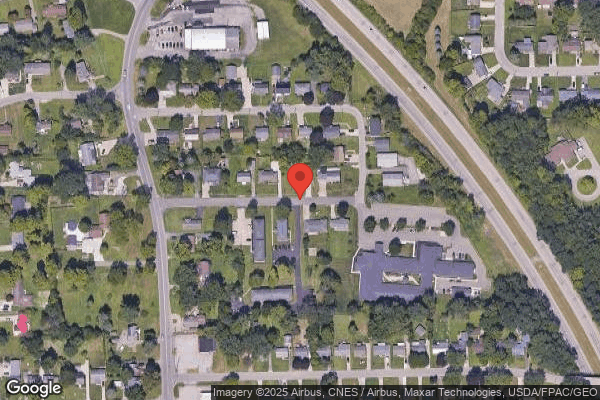

WINCHESTER TERRACE

70 WINCHESTER RD, MANSFIELD, OH 44907 (419) 756-4747
For profit - Corporation 83 Beds Independent Data: November 2025
Trust Grade
33/100
#823 of 913 in OH
Last Inspection: July 2024

Within standard 12-15 month inspection cycle. Federal law requires annual inspections.

Overview

Winchester Terrace has a Trust Grade of F, which means it has significant concerns and is performing poorly compared to other facilities. It ranks #823 out of 913 nursing homes in Ohio, placing it in the bottom half, and #7 out of 10 in Richland County, indicating that there are only a few local options that are better. The facility is showing signs of improvement, with issues decreasing from 17 in 2023 to 11 in 2024. Staffing is a weakness here, with a low rating of 1 out of 5 and a turnover rate of 59%, which is near the state average but still concerning. There have been serious incidents, such as a resident being improperly transferred without the necessary assistance, resulting in a fractured elbow, and another resident experiencing delayed treatment for severe abdominal pain that led to a perforated gastric ulcer. While the facility has good RN coverage, which is better than 79% of Ohio facilities, the overall conditions highlight both strengths and weaknesses that families should carefully consider.

Trust Score
F
33/100
In Ohio
#823/913
Bottom 10%
Safety Record
Moderate
Needs review
Inspections
Getting Better
17 → 11 violations
Staff Stability
⚠ Watch
59% turnover. Above average. Higher turnover means staff may not know residents' routines.
Penalties
○ Average
$13,000 in fines. Higher than 53% of Ohio facilities. Some compliance issues.
Skilled Nurses
○ Average
Each resident gets 38 minutes of Registered Nurse (RN) attention daily — about average for Ohio. RNs are the most trained staff who monitor for health changes.
Violations
⚠ Watch
47 deficiencies on record. Higher than average. Multiple issues found across inspections.
★★☆☆☆
2.0
Overall Rating
★☆☆☆☆
1.0
Staff Levels
★★★★★
5.0
Care Quality
★★☆☆☆
2.0
Inspection Score
Stable
2023: 17 issues
2024: 11 issues

The Good

  • 5-Star Quality Measures · Strong clinical quality outcomes
  • Full Sprinkler Coverage · Fire safety systems throughout facility
  • No fines on record

Facility shows strength in quality measures, fire safety.

The Bad

2-Star Overall Rating

Below Ohio average (3.2)

Below average - review inspection findings carefully

Staff Turnover: 59%

13pts above Ohio avg (46%)

Frequent staff changes - ask about care continuity

Federal Fines: $13,000

Below median ($33,413)

Minor penalties assessed

Staff turnover is elevated (59%)

11 points above Ohio average of 48%

The Ugly 47 deficiencies on record

2 actual harm
Nov 2024 2 deficiencies 1 Harm
SERIOUS (G) 📢 Someone Reported This

A family member, employee, or ombudsman was alarmed enough to file a formal complaint

Actual Harm - a resident was hurt due to facility failures

Accident Prevention (Tag F0689)

A resident was harmed · This affected 1 resident

**NOTE- TERMS IN BRACKETS HAVE BEEN EDITED TO PROTECT CONFIDENTIALITY** Based on observation, medical record review, Self-Reported Incident (SRI) review, review of hospital records, facility investiga...

Read full inspector narrative →
**NOTE- TERMS IN BRACKETS HAVE BEEN EDITED TO PROTECT CONFIDENTIALITY** Based on observation, medical record review, Self-Reported Incident (SRI) review, review of hospital records, facility investigation review, personnel file review, staff interview, and review of facility policy, the facility failed to ensure Resident #10 was transferred in a safe manner and as per the resident's assessed/planned needs to prevent an avoidable accident resulting in major injury. Actual harm occurred on 09/08/24 when Certified Nursing Assistant (CNA) #400 attempted to transfer Resident #10, who required the use of a mechanical lift for transfers, out of bed without an additional staff assisting and using the resident's walker. This improper transfer resulted in Resident #10 falling backwards onto the bed, striking her right elbow on the metal bed frame causing pain, a decrease in function of the resident's arm, swelling, redness, warmth and scattered bruising. An x-ray of the right elbow was completed on 09/09/24 and revealed a displaced fracture of the distal humerus (the long bone in the upper arm located between the shoulder joint and the elbow joint. The distal portion of the humerus joins with the bones of the lower arm at the elbow joint). The resident was subsequently transferred to the hospital for treatment and orthopedic consultation. This affected one resident (Resident #10) of two residents reviewed for falls. The facility census was 46. Findings Include: Review of the medical record for Resident #10 revealed admission date 02/21/23 with diagnoses including heart failure, type two diabetes mellitus, anxiety, depression, and difficulty with ambulation. Review of Resident #10's care plan initiated 02/21/23 revealed an alteration in self - mobility related to heart failure, difficulty in walking, and need for assistance with personal care with interventions to assist with bed mobility, transfers and ambulation. Review of Resident #10's Significant Change Minimum Data Set (MDS) Assessment, dated 08/29/24, revealed the resident had severely impaired cognition and required substantial/maximum (staff) assistance for mobility and bed/chair transfers. Review of hospital records, dated 09/01/24, revealed Resident #10 had been transferred to the emergency room due to a nosebleed which could not be controlled or stopped at the facility. Enroute to the hospital, Resident #10 had several episodes of bloody emesis. Resident #10 returned to the facility on [DATE] with diagnoses of acute upper gastrointestinal (GI) bleed and anemia. Review of the CNA's Information Binder, located at the nurses' station for CNA reference concerning the residents, revealed a list of residents requiring the use of the mechanical lift for transfers. The list was dated 09/01/24 and included Resident #10. Review of Resident #10's re-admission assessment, dated 09/06/24, revealed Resident #10 was dependent of staff assistance for personal care, bed mobility, and transfers. Review of the progress notes, dated 09/08/24, revealed no mention of any incidents involving Resident #10. Review of Resident #10's progress note, dated 09/09/24 at 8:57 A.M. and authored by Registered Nurse (RN) #213, revealed Resident #10 requested to go to the hospital due to complaints of pain in the right arm. Resident #10 was unable to squeeze RN #213's fingers during the assessment and Resident #10's right elbow appeared swollen. Resident #10 was administered Tylenol 325 milligrams (mg) two tablets for the pain. Resident #10 had not complained of right arm pain during the previous shift. Review of Resident #10's progress note, dated 09/09/24 at 12:05 P.M. and authored by RN #233, revealed Resident #10's right elbow was noted to be swollen and warm to touch with redness and scattered bruising to the area. The physician was notified, and an x-ray was ordered. Review of Resident #10's physician orders revealed an order dated 09/09/24 for an x-ray of the right elbow related to bruising and pain. Review of Resident #10's x-ray results of the right elbow, dated 09/09/24, revealed Resident #10 had a displaced fracture of the distal humerus. Review of Resident #10's progress notes, dated 09/09/24 at 1:57 P.M. and authored by RN #233, revealed an X-ray was completed with results reported as a displaced fracture of the distal humerus. The physician was notified with an order obtained for Resident #10 to be transferred to the hospital for orthopedic consultation. Resident #10's family member was notified of the same. Further review of the medical record revealed an order dated 09/09/24 to transfer the resident to the hospital for an orthopedic consultation. Review of Resident #10's hospital discharge paperwork, dated 09/06/24, revealed a diagnosis of a comminuted fracture of the right distal humerus. Discharge orders included the use of a splint and follow up with the orthopedic physician. Further review revealed an order for pain medication Norco 5-325 milligrams (mg) take one tablet by mouth every four hours as needed for pain. Review of Resident #10's progress notes, dated 09/09/24 at 7:42 P.M., revealed Resident #10 returned to the facility with a splint to the right elbow, due to family declining orthopedic surgery. Review of a facility Self-Reported Incident (SRI), tracking number 251667, dated 09/09/24, revealed the facility reported an incident of physical abuse involving Resident #10. The SRI included bruising was noted to the resident's right arm and the resident stated her arm hurt. CNA #400's statement dated 09/10/24 at 9:30 A.M. revealed on 09/08/24 at 8:00 P.M. CNA #400 attempted to assist and transfer Resident #10 to use the restroom by using Resident #10's walker. Resident #10 fell back onto the bed, striking her right elbow on the metal bed frame. CNA #400 assisted Resident #10 back into bed and completed incontinence care via a check and change. CNA #400 stated check and changes were completed for the remainder of 09/08/24's night shift for Resident #10. When CNA #400 was asked if Resident #10 had a fall, CNA #400 stated Resident #10 never hit the floor. Further review of the SRI revealed the CNA did not report the incident to the nurse working because the CNA did not think the resident hitting her elbow on the bedframe resulted in an injury. Review of the facility's investigation, initiated on 09/09/24, included CNA #310's statement dated 09/10/24 revealing assistance was given to CNA #400 with incontinence care for Resident #10 at approximately 8:00 P.M. and again between 1:00 A.M. and 2:00 A.M. Resident #10 was in bed during these times and CNA #400 had stated Resident #10 had been attempting to get out of bed and into the recliner. CNA #310 had updated CNA #400 with Resident #10's new transfer status with the use of a mechanical lift (hoyer). Review of Registered Nurse (RN) #213's statement dated 09/09/24 at 6:00 P.M. revealed RN #213 had been alerted at approximately 7:00 A.M. on 09/09/24 by staff (unidentified) concerning Resident #10's right arm hurting and Resident #10's request to go to the hospital. RN #213 was approached again by staff with Resident #10 reportedly saying he dropped her, and her arm hurt. RN #213 entered Resident #10's room and observed her right arm was elevated on a pillow. When RN #213 asked Resident #10 what had happened, Resident #10 stated he dropped me, picked me up and my arm hurts. RN #213 asked Resident #10 which arm hurt and Resident #10 used her left hand and pointed to her right arm. Review of Resident #10's Medication Administration Record (MAR) dated 09/09/24 to 09/30/24 revealed the pain medication Norco 5-325 mg was administered on 09/11/24 two times, on 09/12/24 three times, and on 09/13/24 one time for pain levels ranging from four to 10 with 10 being considered the worst pain the resident had experienced. The pain medication was documented as being effective in controlling Resident #10's pain. Review of Resident #10's orthopedic follow-up appointment dated 10/24/24 revealed Resident #10 continued to have swelling to the right elbow with a severely displaced humerus fracture continuing. Resident #10's Power of Attorney (POA) had opted to not have surgical intervention due to co-morbidities of Resident #10 and was considering hospice services for the same. Review of CNA #400's personnel file revealed CNA #400 was hired on 08/19/24, completed orientation and received the employee handbook on 08/19/24. CNA #400's employment was terminated on 09/13/24 for company policy violation. An interview on 10/31/24 at 1:10 P.M. was attempted with Resident #10 but the resident was unable to be interviewed due to impaired cognition. An interview on 10/31/24 at 2:20 P.M. with the Director of Nursing (DON) confirmed Resident #10 sustained a fractured right distal humerus when CNA #400 attempted to transfer Resident #10 not using the required mechanical lift and assistance from other staff. CNA #400 attempted to stand the resident, using her walker to transfer the resident from the bed to the chair. The resident fell backward, onto the bed and struck her elbow on the frame of her bed resulting in a humeral fracture. The DON shared CNA #400 was suspended pending an investigation and ultimately terminated on 09/13/24 for violating company policy. A review of the facility's policy titled, Ambulation/Transfer Policy revealed to prevent and/or reduce injury to staff and residents. It was the intent of the facility to provide safe transfers and ambulation for our clients and prevent injury to clients and staff during this process. This deficiency is an incidental finding discovered during the complaint investigation.
CONCERN (D) 📢 Someone Reported This

A family member, employee, or ombudsman was alarmed enough to file a formal complaint

Potential for Harm - no one hurt, but risky conditions existed

Infection Control (Tag F0880)

Could have caused harm · This affected 1 resident

Based on observation, record review, interview and facility policy review the facility failed to maintain infection control measures during incontinence care for a resident. This deficient practice af...

Read full inspector narrative →
Based on observation, record review, interview and facility policy review the facility failed to maintain infection control measures during incontinence care for a resident. This deficient practice affected one resident (Resident #13) of three residents reviewed for incontinence care. The facility census was 46. Findings Include: An observation on 10/20/34 at 11:00 A.M. revealed Certified Nursing Assistant (CNA) #322 and CNA #209 completing incontinence care for Resident #13. CNA #322 had a basin with warm water sitting on the bedside table with a bottle of personal hygiene soap. CNA #322 placed the used washcloth on the bedside table. CNA used one washcloth to wash Resident #13's front peri-area and groin area, once washing was complete CNA #322 placed the used washcloth on the bedside table without a barrier. CNA #322 then took another wet washcloth and rinsed Resident #13's front peri-area and groin area, once completed CNA #322 placed the used washcloth on the bedside table. CNA #322 took a towel and dried the area, placing the towel on the bed sheet at the foot of Resident #13's bed. Resident #13 was rolled onto the left side; CNA #322 then took the two wash cloths which were used to clean the front peri-area and groin area for Resident #13 and washed and rinsed Resident #13's buttocks and was dried with the same towel. Once CNA #322 completed the incontinence care of Resident #13, the used washcloths and towel were placed on the bed sheet at the foot of the bed. CNA #322 removed the left-hand glove to retrieve a trash bag and grabbed the used washcloths and towel with the bare left hand and placed them into the trash bag. CNA #322 then donned a glove on their left hand without washing or sanitizing hands and applied preventative cream to Resident #13's buttocks. CNA #322 then removed the water basin from the bedside table and then returned the bedside table to the end of the bed. Water was observed on the bedside table. CNA #322 wiped up the water with several tissues but did not disinfect the bedside table. A review of the medical record for Resident #13 revealed an admission date of 11/20/12 with diagnoses including stroke, high blood pressure, Bell's Palsy, and right sided weakness. Resident #13 had moderately impaired cognition, was always incontinent of bladder and bowel, and was receiving hospice services. Resident #13 was dependent on staff for personal care and hygiene to be completed. A review of Resident #13's physician orders revealed an order dated 09/24/24 for the application of house barrier cream to peri-area and bilateral buttocks twice daily and as needed (PRN) may keep at bedside, CNA may apply. An interview on 10/30/24 at 11:15 A.M. with CNA #322 confirmed there were only two washcloths used to complete incontinence care for Resident #13, their bare hand removed soiled linens from the bedside table and the foot of the bed, and their hands were not washed or sanitized prior to donning a new glove, and the bedside table was not disinfected after soiled linens placed on the surface without a barrier. An interview on 10/30/24 at 12:15 P.M. with the Director of Nursing (DON) revealed the expectations of the facility staff is to use multiple washcloths while completing incontinence care, the use of gloves, washing hands, and disinfecting the equipment used during the procedure. The DON stated CNA #13 should have followed infection control procedures while completing incontinence care for Resident #13. A review of the facility's policy titled, Handwashing revealed, Handwashing should be performed before and after care is given. Gloving does not replace the need for handwashing. This deficiency is an incidental finding discovered during the complaint investigation.
Jul 2024 7 deficiencies
CONCERN (D)

Potential for Harm - no one hurt, but risky conditions existed

Deficiency F0582 (Tag F0582)

Could have caused harm · This affected 1 resident

**NOTE- TERMS IN BRACKETS HAVE BEEN EDITED TO PROTECT CONFIDENTIALITY** Based on record review and staff interview, the facility failed to ensure Skilled Nursing Facility Advanced Beneficiary Notice o...

Read full inspector narrative →
**NOTE- TERMS IN BRACKETS HAVE BEEN EDITED TO PROTECT CONFIDENTIALITY** Based on record review and staff interview, the facility failed to ensure Skilled Nursing Facility Advanced Beneficiary Notice of Non-coverage (SNF ABN) contained all the necessary information. This affected two (Residents #6 and #8) of three residents reviewed for beneficiary notices. The facility census was 44. Findings include: 1. Review of Resident #6's medical record revealed the resident was admitted to the facility on [DATE] with diagnoses including bronchitis, sepsis, and osteoporosis Review of the SNF ABN provided to Resident #6 on 06/14/24 revealed the resident's skilled therapy services were being discontinued due to the resident reaching maximum benefits from therapy services. The notice contained no specific information as to what therapy services were being discontinued and what specific costs the resident would incur if they desired for therapy services to continue. The cost section of the notice was labeled daily cost. Interviewed with the Administrator on 06/30/24 at 3:06 P.M. verified the SNF ABN notice given to Resident #6 did not contain specific information as to what skilled services were ending and information concerning potential costs that would be associated with the resident continuing therapy services 2. Review of Resident #8's medical record revealed the resident was admitted to the facility on [DATE] with diagnoses including schizophrenia, sepsis and morbid obesity Review of the SNF ABN provided to Resident #8 on 06/26/24 revealed the resident's skilled therapy services were being discontinued due to the resident reaching maximum benefits from therapy services. The notice contained no specific information as to what therapy services were being discontinued and what specific costs the resident would incur if they desired for therapy services to continue. The cost section of the notice was labeled daily cost. Interviewed with the Administrator on 06/30/24 at 3:06 P.M. verified the SNF ABN notice given to Resident #8 did not contain specific information as to what skilled services were ending and information concerning potential costs that would be associated with the resident continuing therapy services
CONCERN (D)

Potential for Harm - no one hurt, but risky conditions existed

ADL Care (Tag F0677)

Could have caused harm · This affected 1 resident

Based on observations, staff, resident and family interviews, record review, and policy review, the facility failed to offer or provide Resident #194, who was dependent on staff for hygiene tasks, ass...

Read full inspector narrative →
Based on observations, staff, resident and family interviews, record review, and policy review, the facility failed to offer or provide Resident #194, who was dependent on staff for hygiene tasks, assistance with shaving. This affected one (Resident #194) of three residents reviewed for activities of daily living (ADL). The facility census was 44. Findings include: Review of Resident #194's medical record revealed an admission date of 06/26/24. Diagnoses included malignant neoplasm of the pancreatic duct, type II diabetes mellitus, vertigo, and weakness. Review of Resident #194's admission nursing assessment, dated 06/26/24, revealed the resident was identified to be dependent on staff for bathing, dressing, and hygiene tasks. Review of Resident #194's care plan, revised 07/02/24, revealed the resident had an ADL self-care performance deficit related to an acute illness, impaired mobility, weakness, and history of falls. The resident was identified to require assistance with bathing, hygiene, transfers, toileting, ambulating, and dressing. Listed interventions included Resident #194 required staff assistance to complete bathing, hygiene, and dressing tasks. An observation and interview on 06/30/24 at 9:08 A.M. with Resident #194 and a family member of Resident #194 revealed the resident had unkempt facial hair approximately one quarter inch long. The resident was observed rubbing his face and cheeks and stated he preferred to be clean shaven. The family member of Resident #194 confirmed the resident preferred to be clean shaven and had brought in his personal electric razor, but no staff members had offered to shave him. A subsequent observation on 07/01/24 at 10:10 A.M. of Resident #194 revealed the resident seated in his recliner chair in his room. The resident remained unkempt and unshaved, with the facial hair unchanged from the prior observation. An interview on 07/01/24 at 4:25 P.M. with Licensed Practical Nurse (LPN) #404 confirmed Resident #194 required hands-on assistance with ADLs. LPN #404 confirmed the aides should be completing hygiene tasks on a daily basis, and morning care should consist of changing clothes and shaving male residents if preferred. LPN #404 stated the aides were a good crew, but required reminders to offer and complete certain tasks, such as shaving male residents. An interview on 07/01/24 at 4:52 P.M. with State Tested Nurse Aide (STNA) #412 revealed she was assigned to care for Resident #194 from 7:00 A.M. to 7:00 P.M. STNA #412 stated she was unaware of the resident's preferences for shaving. STNA #412 confirmed she had seen shaving supplies in the resident's room that day but verified she did not offer to assist him with shaving. An observation on 07/02/24 at 7:17 A.M. of Resident #194 with the Director of Nursing (DON) revealed the resident was lying in bed. The resident's facial hair appeared unchanged from prior observations, approximately one quarter inch in length. The DON confirmed the resident was unshaved and described him as scruffy and stated he would be offered to be shaved today. Review of the policy titled Activities of Daily Living (ADLs)/Maintain Abilities, undated, revealed it is the policy of the facility to create and sustain an environment that humanizes and individualizes each resident's quality of life. The policy specified care and services provided are person-centered and honor and support each resident's preferences, choices, values, and beliefs. The facility will provide care and services which included hygiene tasks of bathing, dressing, grooming and oral care. A resident who is unable to carry out activities of daily living will receive the necessary services to maintain good nutrition, grooming, and personal and oral hygiene.
CONCERN (D)

Potential for Harm - no one hurt, but risky conditions existed

Deficiency F0679 (Tag F0679)

Could have caused harm · This affected 1 resident

**NOTE- TERMS IN BRACKETS HAVE BEEN EDITED TO PROTECT CONFIDENTIALITY** Based on observation, staff, family, and resident interview, record review, and policy review, the facility failed to provide a ...

Read full inspector narrative →
**NOTE- TERMS IN BRACKETS HAVE BEEN EDITED TO PROTECT CONFIDENTIALITY** Based on observation, staff, family, and resident interview, record review, and policy review, the facility failed to provide a program of activities that met the needs and preferences of the residents. This affected three (Residents #3, #8, and #41) of four residents reviewed for activities. The facility census was 44. Findings include: 1. Review of the medical record for Resident #41 revealed an admission date of [DATE]. Medical diagnoses included coronary artery disease, atrial fibrillation, and had a fall resulting in a left femur fracture prior to admission to the facility. The record identified Resident #41 had elected to receive hospice services. Review of Resident #41's Minimum Data Set (MDS) 3.0 significant change in status assessment, dated [DATE], revealed the resident had severely impaired cognition. The resident's activity section revealed the resident was interviewed as to activity preferences, and listed having family members involved in her care as very important, and having books and magazines to read and doing her favorite activities as somewhat important. Review of Resident #41's care plan, dated revised [DATE] revealed the resident had a cognitive deficit and the potential for activity or psychosocial deficit. A listed intervention included to engage the resident in simple, structured activities that avoided overly demanding tasks. Review of Resident #41's activity documentation in the electronic medical record under tasks from [DATE] to [DATE] revealed options for staff to record activity attendance and participation at various types of activities which included music, television, radio, family/friend visits, chaplain visits, and room visits. Resident #41's record contained only five entries of Resident #41 receiving any types of activities. These entries, recorded on, [DATE], [DATE], [DATE], [DATE] and [DATE], indicated the resident received family/friend visits and were documented by State Tested Nurse Aide (STNA) #412. There was no entries recorded by any activity staff members. Review of Resident #41's interdisciplinary progress notes from [DATE] to [DATE] revealed no indication the resident had been invited to participate in activities, screened for activity preferences, or had any 1:1 room visits, outside of family and friend visits, recorded. An interview on [DATE] at 10:43 A.M. with a family member of Resident #41 revealed the resident had recently declined and was receiving hospice care. Resident #41 was previously more alert and able bodied. The family member identified she visits near-daily and revealed staff had not offered or provided any way for Resident #41 to continue to participate in activities she enjoyed. The family member explained the resident had always enjoyed music, specifically country music, but the facility did not have the television channel that played country music. An interview on [DATE] at 3:21 P.M. with Activity Director (AD) #411 revealed she had been at the facility for approximately one year and knew the residents fairly well. AD #411 confirmed she works Monday through Friday during daytime hours, and was the only activity personnel employed by the facility. AD #411 stated Resident #41 slept a lot and was unsure if she enjoyed music. AD #411 stated she had not talked to the family of Resident #41 to obtain preferences and likes, and had never arranged for or provided music for Resident #41. AD #411 stated she records activity participation in each resident's electronic medical record which would be available under tasks. A review of Resident #41's activity documentation with AD #411 confirmed she did not record any documentation of activities or attempts for Resident #41 for the past 30 days. AD #411 confirmed that even though Resident #41 was mostly in bed, she does not provide any 1:1 or room visits for this resident. 2. Review of the record revealed Resident #3 was admitted to the facility on [DATE] with diagnoses including Charcot [NAME] Tooth disorder, hereditary motor and sensory neuropathy, and bicipital tendinitis of the left shoulder. Review of Resident #3's Minimum Data Set (MDS) 3.0 assessment dated [DATE] revealed she was cognitively intact. She had impairment of both sides of her upper and lower extremities. She used an electric wheelchair. She was dependent on staff for all activities of daily living. Review of Resident #3's record revealed no activity documentation, activity progress or activity summary notes were found for the past 30 days. An interview on [DATE] at 9:12 A.M. with Resident #3 revealed the resident never goes to activities because they do activities she cannot physically do, as they involve using her extremities which she was unable to do. Resident #3 stated sometimes the facility canceled the few activities she did enjoy, such as the once-monthly happy hour. Review of Resident #3's activity documentation with Activity Director (AD) #411 on [DATE] at 3:21 P.M. confirmed she did not record any documentation of activities or attempts for Resident #3 in the past 30 days. 3. Review of the record revealed Resident #8 was admitted to the facility on [DATE] with diagnoses including sepsis due to Escherichia Coli (E. Coli), rheumatoid arthritis, and osteoarthritis. Review of the quarterly Minimum Data Set (MDS) assessment dated [DATE] revealed Resident #8 has intact cognition. Review of Resident #8's care plan revealed the resident was very active in activities and enjoyed BINGO, cratfing, and cooking activities. Interventions included Resident #8 will attend/participate in activities of choice three to five times per day and invite the resident to scheduled activities. Review of Resident #8's record revealed no activity documentation, activity progress or activity summary notes were found. An interview on [DATE] at 9:37 A.M. with Resident #8 revealed the facility had no activities in the evenings or weekends. There was only one activity staff person, and she works Monday through Friday, only on day shift. An interview on [DATE] at 3:21 P.M. with Activity Director (AD) #411 confirmed she did not record any documentation of activities or attempts for Resident #8 in the past 30 days. AD #411 stated she works Monday through Friday during daytime hours, and was the only activity staff member employed by the facility. AD #411 stated the facility does not offer evening activities and all the residents went to bed right after dinner. AD #411 confirmed she had to cancel certain activities, including the [DATE] happy hour, as she did not receive her monthly budget for that month and had nothing to provide to the residents. AD #411 confirmed there was no designated activity personnel for the weekends, and she believed the STNAs were responsible for completing weekend activities in her absence. Review of the facility policy titled Activities Meet Interest/Needs of Each Resident dated [DATE] revealed it is the facility's responsibility to create and sustain an environment that humanizes and individualizes each resident's quality of life by ensuring all staff, across all shifts and departments, understand the principles of quality of life and honor and support these principles for each resident and that the care and services provided are person-centered and honor and support each resident's preferences, choices, values and beliefs.
CONCERN (D)

Potential for Harm - no one hurt, but risky conditions existed

Infection Control (Tag F0880)

Could have caused harm · This affected 1 resident

Based on observation, staff interviews, medical record review, review of the Centers for Disease Control and Prevention (CDC) guidance on prevention of Catheter-Associated Urinary Tract Infections, an...

Read full inspector narrative →
Based on observation, staff interviews, medical record review, review of the Centers for Disease Control and Prevention (CDC) guidance on prevention of Catheter-Associated Urinary Tract Infections, and review of the facility policy, the facility failed to ensure residents urinary catheter bags were not resting on the floor. This affected two (Residents #20 and #28) of seven residents with urinary catheters. The facility census was 44. Findings include: 1. Review of the medical record for Resident #28 revealed an admission date of 06/29/23. Diagnoses included personal history of urinary tract infections, hydronephrosis with renal and ureteral calculous obstruction and presence of urogenital implants (suprapubic catheter). Review of Resident #28's care plan, undated, revealed the resident was at risk for complications related to her suprapubic catheter. The resident required the use of a suprapubic catheter related to obstructive and reflux uropathy. Listed interventions included to not allow the urinary drainage bag to lie on the floor. Observation on 06/30/24 at 9:46 A.M. revealed Resident #28's catheter bag was hung on the trash can and resting on the floor. Interview on 06/30/24 at 9:54 A.M. with Registered Nurse (RN) #444 verified the catheter bag was hooked on the trash can and resting on the floor. The catheter tubing was caught in the footrest of the recliner she was sitting in. 2. Review of Resident #20's medical record revealed an admission date of 02/13/23. Medical diagnoses included neuromuscular dysfunction of the bladder and chronic kidney disease. Review of Resident #20's care plan, undated, revealed the resident was at risk for complications related to the use of a Foley (indwelling urinary) catheter. Listed interventions included to provide catheter care every shift and to not allow the urinary drainage bag to lie on the floor. Observation on 06/30/24 at 10:15 A.M. revealed Resident #20's indwelling urinary catheter bag was resting on the floor. Interview on 06/30/24 at 10:15 A.M. with Agency Licensed Practical Nurse (LPN) #450 confirmed the above observation. An interview on 07/02/24 at 10:58 A.M. with the Director of Nursing (DON) confirmed she connected binder-type clips to catheter tubing so they can be more easily secured and will not drag on the floor. Review of the policy titled Infection Prevention and Control and Surveillance Program, dated 10/2023, revealed the infection control program is designed to prevent, report, investigate and control the spread of infections and communicable disease for all residents; provide a safe, sanitary, and comfortable environment; and to help prevent the development and transmission of disease and infection. Review of the CDC's Summary of Recommendations from the Guidelines for Prevention of Catheter-Associated Urinary Tract Infections, last updated 03/25/24, and found out at https://www.cdc.gov/infection-control/hcp/cauti/summary-of-recommendations.html revealed to keep the collecting bag below the level of the bladder at all times. Do not rest the bag on the floor.
CONCERN (F)

Potential for Harm - no one hurt, but risky conditions existed

Safe Environment (Tag F0921)

Could have caused harm · This affected most or all residents

Based on observation and staff interview, the facility failed to ensure carpeting was maintained in a clean, sanitary and safe condition. This had the potential to affect all 44 residents residing in ...

Read full inspector narrative →
Based on observation and staff interview, the facility failed to ensure carpeting was maintained in a clean, sanitary and safe condition. This had the potential to affect all 44 residents residing in the facility. Findings Include: 1. Random intermittent observations on 06/30/24 between 8:00 A.M. and 4:00 P.M. revealed large numerous areas of stains on the carpeting through out the facility. Numerous instances of carpet peeling, creating a tripping hazard, were also noted through out the facility. Interview with the Administrator on 07/01/24 at 1:34 P.M. verified the condition of carpeting. The Administrator further stated areas (of the carpeting) were just replaced approximately six months ago. At this point in time, I do not believe it is in the budget to replace. 2. Observation of the dinning room sink on 07/02/24 at 12:00 P.M. revealed significant areas of brown and black discoloration in the sink and around the drain. When wiped with a towel, a thick brown layer of what appeared to be a mixture of brown and black sludge was taken off but the discoloration in the drain and sink remained The Administrator verified the condition of the sink and drain in an interview on 07/02/24 at 12:00 P.M.
MINOR (C)

Minor Issue - procedural, no safety impact

Deficiency F0577 (Tag F0577)

Minor procedural issue · This affected most or all residents

Based on observation, review of survey history, and staff interview, the facility failed to ensure results of complaint investigations by the state survey agency were available as required. This had t...

Read full inspector narrative →
Based on observation, review of survey history, and staff interview, the facility failed to ensure results of complaint investigations by the state survey agency were available as required. This had the potential to affect all 44 residents residing in the facility. Findings include: An observation on 06/30/24 at 12:08 P.M. of the facility's main lobby area revealed a white binder identifying the state survey results. The most recent report contained in the binder was 04/23/23. Review of the previous survey activity for the facility revealed the Ohio Department of Health conducted complaint investigation surveys on 11/03/23, 12/19/23, 02/07/24, and 04/09/24. The results of these surveys were not present in the survey book at the time of the observation on 06/30/24. An interview conducted on 06/30/24 at 1:10 P.M. with the Director of Nursing (DON) verified the survey results binder contained only the results of the last annual survey and were missing the four complaint investigation results reports since the last annual survey. The DON confirmed the survey results books should contain the results of both annual and complaint investigations and stated the book needed to be updated.
MINOR (C)

Minor Issue - procedural, no safety impact

Transfer Notice (Tag F0623)

Minor procedural issue · This affected most or all residents

**NOTE- TERMS IN BRACKETS HAVE BEEN EDITED TO PROTECT CONFIDENTIALITY** Based on record review and staff interview, the facility failed to ensure a representative of the Office of the State Long-Term ...

Read full inspector narrative →
**NOTE- TERMS IN BRACKETS HAVE BEEN EDITED TO PROTECT CONFIDENTIALITY** Based on record review and staff interview, the facility failed to ensure a representative of the Office of the State Long-Term Care (LTC) Ombudsman were notified of the residents transfers to the hospital. This affected 12 (Residents #14, #21, #40, #41, #42, #43, #145, #146, #147, #148, #149, and #195 ) reviewed for hospitalization and transfers and had the potential to affect all 44 residents currently residing in the facility. Findings include: Review of the list of admission transfers and discharges from April 2024 through July 2024 revealed the following: Resident #14 was discharged to an acute care hospital on [DATE]. Resident #21 was discharged to an acute care hospital on [DATE]. Resident #40 was discharged to an acute care hospital on [DATE]. Resident #41 was discharged to an acute care hospital on [DATE]. Resident #42 was discharged to an acute care hospital on [DATE]. Resident #43 was discharged to an acute care hospital on [DATE]. Resident #145 was discharged to an acute care hospital on [DATE]. Resident #146 was discharged to an acute care hospital on [DATE]. Resident #147 was discharged to an acute care hospital on [DATE]. Resident #148 was discharged to an acute care hospital on [DATE]. Resident #149 was discharged to an acute care hospital on [DATE]. Resident #195 was discharged to an acute care hospital on [DATE]. Review of the medical records for Residents #14, #21, #40, #41, #42, #43, #145, #146, #147, #148, #149, and #195 revealed there were no evidence in their medical record that the LTC Ombudsman was notified of their transfer to a hospital as required. Interview with the Administrator on 07/01/24 at 1:34 P.M. verified the facility did not notify the LTC Ombudsman of any resident transfers to the hospital as required. The Administrator stated notifying the LTC Ombudsman of resident transfers to the hospital had fallen through the cracks, unfortunately.
Feb 2024 2 deficiencies
CONCERN (D) 📢 Someone Reported This

A family member, employee, or ombudsman was alarmed enough to file a formal complaint

Potential for Harm - no one hurt, but risky conditions existed

Incontinence Care (Tag F0690)

Could have caused harm · This affected 1 resident

**NOTE- TERMS IN BRACKETS HAVE BEEN EDITED TO PROTECT CONFIDENTIALITY** Based on observation, medical record review, and resident and staff interview, the facility failed to ensure suprapubic urinary ...

Read full inspector narrative →
**NOTE- TERMS IN BRACKETS HAVE BEEN EDITED TO PROTECT CONFIDENTIALITY** Based on observation, medical record review, and resident and staff interview, the facility failed to ensure suprapubic urinary catheter dressing changes were completed as ordered. This affected one (#32) of three residents reviewed for dressing changes. The facility census was 44. Findings include: Review of Resident #32's medical record revealed admission to the facility occurred on 06/29/23. Diagnoses included chronic obstructive pulmonary disease (COPD), anxiety, chronic kidney disease (CKD), and obstructive uropathy. Review of Resident #32's most recent Minimum Data Set (MDS) assessment dated [DATE] revealed Resident #32 was assessed as cognitively intact and had a suprapubic urinary catheter in place. Review of Resident #32's February 2023 physician orders revealed nursing staff should clean the urinary catheter site and apply a sponge daily. Interview and observation of Resident #32 on 02/07/23 at 9:45 A.M. stated the dressing to her suprapubic urinary catheter was not changed the previous day. Resident #32 proceeded to lift her shirt and revealed the dressing in place was not dated. Further observation of the dressing revealed there were no staff initials, no time or date when the dressing was applied, and the dressing contained a large amount of brown-colored drainage. Observation of Resident #32's suprapubic urinary catheter dressing was completed with the Director of Nursing (DON) on 02/07/24 at 9:55 A.M. The DON observed the dressing that was in place and confirmed there was no date as to when the dressing was applied. Resident #32 stated to the DON at the time of the observation that her dressing was not changed yesterday. Interview on 02/07/24 at 9:55 A.M., with the DON at the time of the observation of Resident #32's dressing, confirmed all dressings should have the date and nurses initials when it was applied. The DON also confirmed Resident #32's dressing was noted with a large amount of brown drainage and confirmed the dressing was not initialed or dated. This deficiency represents non-compliance investigated under Master Complaint OH00150540.
CONCERN (F) 📢 Someone Reported This

A family member, employee, or ombudsman was alarmed enough to file a formal complaint

Potential for Harm - no one hurt, but risky conditions existed

Deficiency F0919 (Tag F0919)

Could have caused harm · This affected most or all residents

**NOTE- TERMS IN BRACKETS HAVE BEEN EDITED TO PROTECT CONFIDENTIALITY** Based on observation, review of maintenance repair logs, review of Resident Council meeting minutes, staff interview, Ombudsman ...

Read full inspector narrative →
**NOTE- TERMS IN BRACKETS HAVE BEEN EDITED TO PROTECT CONFIDENTIALITY** Based on observation, review of maintenance repair logs, review of Resident Council meeting minutes, staff interview, Ombudsman interview, and review of manufacturer instructions, the facility failed to ensure processes were in place to ensure the resident call light system was tested and maintained in a fully functioning manner, and staff had required equipment to be alerted to resident call lights. This had the potential to affect all 44 residents residing in the facility. The census was 44. Findings include: Review of the facility maintenance repair log for the past three months revealed on 11/12/23 both call lights in room [ROOM NUMBER] were broken, the call light was broken in room [ROOM NUMBER], and the call light in room [ROOM NUMBER] would not go off. On 11/15/23 the call light in room [ROOM NUMBER] and in room [ROOM NUMBER], and in room [ROOM NUMBER]'s bathroom were not working. On 01/03/24 the call light was not working in room [ROOM NUMBER], room [ROOM NUMBER], and room [ROOM NUMBER]. Review of Resident Council meeting minutes dated 11/02/23 revealed call light system concerns were voiced, and review of Resident Council meeting minutes dated 12/28/23 revealed the call light system was replaced. Interview with Assistant Director of Nursing (ADON) #45 on 02/07/23 at 7:18 A.M. confirmed the facility call light system used pagers that staff members carried during their shift. The call light signal go to the pager and that was how staff are notified when a resident activated their call light. ADON #45 confirmed when agency staff work they are not provided a pager because as they kept leaving the facility with the pagers. ADON #45 stated there was a computer screen at the Oak Hill nursing station that also listed when call lights were activated. ADON #45 stated the staff can come to the Oak Hill nursing station to see when lights are activated. Interview and observation with Registered Nurse (RN) #31 occurred on 02/07/23 at 7:20 A.M. confirmed she recently started working a the facility a few weeks ago. RN #31 confirmed she was not provided a pager and verified she did not currently have one in her possession. RN #31 confirmed if she was on the other side of the facility there was no way for her to know a resident activated their call light and needed assistance. Interview with State Tested Nurse Aide (STNA) #15 was completed on 02/07/24 at 7:23 A.M. and confirmed agency staff members do not receive a pager to be notified if residents call for assistance when they work. STNA #15 was not aware how staff members who worked on the other side of the facility would know when residents activated their call lights. Interview with the facility Ombudsman occurred on 02/07/24 at 9:33 A.M. confirmed there were concerns the facility call light system was not working properly, and there were concerns from residents wondering if staff knew when the residents activated their call lights. Observation of the facility call light system was completed with Maintenance Director (MD) #36 and the Director of Nursing (DON) on 02/07/24 a 1:35 P.M. A random check of the call light functionality was completed and noted room [ROOM NUMBER], room [ROOM NUMBER] and room [ROOM NUMBER]'s call lights were not functioning properly. room [ROOM NUMBER] was noted to illuminate the call box located in the room; however, the signal was not going to the pager system. room [ROOM NUMBER]'s call light was pressed and the activation string pulled, but the call light did not activate. The box did not illuminate and no signal was sent to the pager. room [ROOM NUMBER]'s call light was not functioning when tested. The observations were confirmed in interview with MD #36 and the DON. Interview with MD #36 and the DON, at the time of the observation, confirmed the resident room call boxes frequently needed batteries replaced, and the call system should sent alerts to the computer when the boxes are getting low battery signals. Observation of the call light computer screen located at the Oak Hill nursing station on 02/07/24 at 1:53 P.M. revealed the screen was noted to include 23 alerts dating back to 02/02/24. The alerts identified low battery and missing device. The missing device alerts were noted on the screen dated 02/02/24 for Rooms #16, #18, #19, #37, #40, #41, #54, #71, #72, #73, #76, and #79. The computer also listed nine alerts dated 02/07/24 for low batteries for Rooms #18, #19, #20, #33, #37, #40, #41, #76, and #79. Interview with MD #36 and the DON, at the time of the observation on 02/07/24 at 1:53 P.M., stated no one was currently in charge of fixing call light system alerts or checking the status of the alerts. Interview with MD #36 and the DON confirmed they did not really know what some of the alerts on the call system were or what the alerts meant. Observation and interview with MD #36 on 02/07/24 at 1:53 P.M. revealed MD #36 brought the call light box from room [ROOM NUMBER] and opened the box. MD #36 stated sometimes when the boxes were dropped something inside the box breaks loose and will illuminate; however, it will not send a signal to the pagers. MD #36 confirmed residents could think they activated their call light when in reality the signal was not being sent to the pagers. MD #36 confirmed the facility has no documented evidence of any ongoing testing of the call light system. MD #36 stated the issue with the call light boxes not sending a signal occurred a lot, and confirmed he needed to fix the boxes or replace the batteries almost daily. MD #36 stated in December 2023 the computer system for the call light system was replaced, because the entire system went down, but there was no evidence of him being trained on how to maintain the new call light system. Review of the facility call light system manufactures instruction contained an undated form letter that revealed a footprint test of the system was vitally important to be completed at least weekly. The instructions further revealed when using a pendent, send a test alarm from each of your test points and then validate that your call has registered on the Arial® computer and/or a pager carried by staff. Also, record your test results so that you will know if any system variances occur. Failure to perform these tests could result in inquiry to, or death of, someone in your care. Staff are to test your Arial® system regularly. Test all devices at least monthly as described in the product instructions/documentation for each installed device and be sure that alert and notification signals are received at all Arial PCs and at any other devices your facility uses to communicate alerts, such as pagers, signs, and smart-phones. Additionally, you should test your system after power outages, programming changes or upgrades, or after reconfiguring any system equipment. Failure to regularly test your Arial system could cause you to be unaware of a system failure. Do not ignore low battery alerts on your devices and replace batteries immediately. Failure to replace batteries could result in a call not reaching the Arial system. The Arial system should only be operated by properly trained personnel. This deficiency represents non-compliance investigated under Master Complaint OH00150540.
Dec 2023 1 deficiency
CONCERN (F) 📢 Someone Reported This

A family member, employee, or ombudsman was alarmed enough to file a formal complaint

Potential for Harm - no one hurt, but risky conditions existed

Safe Environment (Tag F0921)

Could have caused harm · This affected most or all residents

**NOTE- TERMS IN BRACKETS HAVE BEEN EDITED TO PROTECT CONFIDENTIALITY** Based on observations and staff interview, the facility failed to ensure wallpaper was not peeling and/or carpet was maintained ...

Read full inspector narrative →
**NOTE- TERMS IN BRACKETS HAVE BEEN EDITED TO PROTECT CONFIDENTIALITY** Based on observations and staff interview, the facility failed to ensure wallpaper was not peeling and/or carpet was maintained in a clean manner/in good repair throughout the hallways of the facility. This had the potential to affect all 46 residents currently residing in the facility. Facility census was 46. Findings include: An environmental tour was conducted on 12/18/23 between 12:19 P.M. and 12:50 P.M. The tour revealed carpet in the hallways throughout the facility leading to resident rooms and other common resident areas contained multiple dark and light stains on dark blue carpet. There were many areas where the carpet fibers were missing. Interview on 12/18/23 at 12:20 P.M. with Housekeeper #103 revealed the sweeper sucks up a string of carpet and it keeps unraveling and [NAME] on the vacuum spool causing a bare spot revealing the carpet backing. The carpet was also noted in numerous areas to be pulling away from the floor in the center of the hallways that lead to resident rooms presenting a significant tripping hazard for any resident while walking, especially those who required an assistive device such as a wheeled walker for ambulation. Observation of Resident #47's room revealed wallpaper torn in three spots, behind the recliner under the chair rail, under the clock but had been glued back in place and by the top corner of the dresser/TV stand. Housekeeper #103 verified the condition of the wall paper in Resident #47's room and the carpet throughout the facility on 12/18/23 at 12:20 P.M. Housekeeper #103 confirmed the condition of the carpet as described in the tour. This deficiency substantiates Complaint Number OH00148581.
Apr 2023 11 deficiencies
CONCERN (D)

Potential for Harm - no one hurt, but risky conditions existed

Deficiency F0558 (Tag F0558)

Could have caused harm · This affected 1 resident

**NOTE- TERMS IN BRACKETS HAVE BEEN EDITED TO PROTECT CONFIDENTIALITY** Based on call light audit documentation, medical record review, and resident and staff interview, the facility failed to ensure ...

Read full inspector narrative →
**NOTE- TERMS IN BRACKETS HAVE BEEN EDITED TO PROTECT CONFIDENTIALITY** Based on call light audit documentation, medical record review, and resident and staff interview, the facility failed to ensure call lights were answered in a timely manner. This affected three (#5, #21, and #35) of five reviewed for call lights. The census was 37. Findings include: 1. Review of the medical record for Resident #5 revealed an admission date of 02/28/23 with diagnoses including chronic kidney disease stage three, diarrhea, anxiety, hypertension, muscle wasting, need for personal assistance, hyperlipidemia, and benign prostatic hyperplasia. Review of the admission Minimum Data Set (MDS) assessment for Resident #5 dated 03/07/23 revealed Resident #5 was assessed with intact cognition and required extensive assist for activities of daily living (ADLs). Review of call light times for Resident #5 revealed a call light time of 250 minutes on 04/09/23 at 2:55 P.M. Interview on 04/13/23 at 9:39 A.M. with Resident #5 stated staff did not answer call lights very quickly and stated he often waits at least 30 minutes for his light to be answered. 2. Review of the medical record for Resident #21 revealed an admission date of 02/13/23 with diagnoses including falls, coronary artery disease, muscle weakness, chronic obstructive pulmonary disease, chronic kidney disease stage four, and hypertension. Review of the quarterly MDS assessment for Resident #21 dated 02/20/23 revealed Resident #21 was assessed as cognitively intact and required extensive assist of one for toileting. Review of call light times for Resident #21 revealed on 04/09/23 Resident #21 had call light times of 48 minutes and 37 seconds at 9:28 A.M. and 70 minutes and 10 seconds at 3:55 P.M. Interview on 04/10/23 at 1:02 P.M. with Resident #21 stated she was incontinent at times because it took so long for staff to answer her call light, and wanted the bedside commode instead of a bed pan. 3. Review of the medical record for Resident #35 revealed an admission date of 02/15/23 with diagnoses including acute on chronic respiratory failure with hypoxia, chronic obstructive pulmonary disease, gastroesophageal reflux disease, and hypertension. Review of an admission MDS assessment dated [DATE] for Resident #35 revealed Resident #35 was cognitively intact and required extensive assist for ADLs. Review of call light times for Resident #35 revealed a call time of 65 minutes and 34 seconds on 04/09/23 at 4:17 P.M. Interview on 04/13/23 at 9:33 A.M. with Resident #35 stated the staff are busy and get to the call lights in order, but sometimes the residents have to wait. Interview on 04/13/23 at 10:13 A.M. with Director of Nursing (DON) verified call lights for Resident #5, Resident #21, and Resident #35 were not answered in a timely manner.
CONCERN (D)

Potential for Harm - no one hurt, but risky conditions existed

Deficiency F0561 (Tag F0561)

Could have caused harm · This affected 1 resident

**NOTE- TERMS IN BRACKETS HAVE BEEN EDITED TO PROTECT CONFIDENTIALITY** Based on medical record review, and resident and staff interviews, the facility failed to bathe residents per their preference. ...

Read full inspector narrative →
**NOTE- TERMS IN BRACKETS HAVE BEEN EDITED TO PROTECT CONFIDENTIALITY** Based on medical record review, and resident and staff interviews, the facility failed to bathe residents per their preference. This affected one (#2) of seven residents reviewed for bathing. The census was 37. Findings include: Review of Resident #2's medical record identified admission to the facility occurred on 02/07/23 with medical diagnoses including quadriplegia, high blood pressure, and pressure ulcers. Review of the admission Minimum Data Set (MDS) assessment dated [DATE] identified Resident #2 was cognitively intact. Review of section F of the MDS identified under the question how important it was for the resident to choose between a tub, shower, or bed bath, Resident #2 rated it was somewhat important on scale of one to five, with one being most important. The assessment further identified Resident #2 was totally dependant on staff for bathing. Review of Resident #2's written plan of care for activities of daily living (ADLs) dated 02/07/23 revealed he was totally dependent on staff for bathing, showers, and hygiene. The plan identified for staff to allow for choices whenever able. Interview with Resident #2 on 04/12/23 at 4:13 P.M. stated he was scheduled for two showers a week, on Tuesday and Saturdays, during the day shift. Resident #2 confirmed he was usually only getting one shower a week and a bed bath the other days. Resident #2 stated he preferred to get showers at a minimum of twice a week. Resident #2 identified the staff would do the bed baths because it was faster and not providing showers as scheduled. Resident #2 confirmed on 04/11/23 he missed his shower, and was given a bed bath because he was told a staff member called off. Review of Resident #2's shower and bathing records completed the last 14 days revealed Resident #2 received a shower on 04/05/23 and a bed bath the other days. Interview with the Director of Nursing (DON) on 04/13/23 at 7:52 A.M. confirmed Resident #2 was only provided an actual shower on 04/05/23 in the past 14 days. The DON confirmed Resident #2's listed preference was for a shower and not a bed bath.
CONCERN (D)

Potential for Harm - no one hurt, but risky conditions existed

Deficiency F0578 (Tag F0578)

Could have caused harm · This affected 1 resident

**NOTE- TERMS IN BRACKETS HAVE BEEN EDITED TO PROTECT CONFIDENTIALITY** Based on medical record review, hospital discharge record review, and staff interview, the facility failed to confirmed a reside...

Read full inspector narrative →
**NOTE- TERMS IN BRACKETS HAVE BEEN EDITED TO PROTECT CONFIDENTIALITY** Based on medical record review, hospital discharge record review, and staff interview, the facility failed to confirmed a resident's code status upon admission to ensure accuracy. This affected one (#37) of 16 sampled residents reviewed for code status. The census was 37. Findings include: Review of Resident #37's medical record identified admission to the facility occurred on [DATE] with medical diagnoses including anemia, weakness, dementia, and history of falling. Review of Resident #37's discharge medical records from the hospital dated [DATE] revealed on [DATE] the hospital physician met with Resident #37's sister, and the hospital records revealed Resident #37 signed papers at the hospital to change his code status to Do Not Resuscitate (DNR) which instructed health care providers not to do cardiopulmonary resuscitation (CPR) if a patient's breathing stops or if the patient's heart stops beating. Review of the admission Minimum Data Set (MDS) assessment dated [DATE] revealed Resident #37 was assessed with severely impaired cognition. Review of Resident #37's baseline plan of care written at the time of admission identified Resident #37 was listed as a full code (full life saving measures in the event of cardiac or respiratory arrest). The records identified no evidence of the hospital discharge instructions which included Resident #37's DNR code status. Review of care conference notes dated [DATE] revealed Resident #37 was noted to need long term care and had a full code status. The note revealed no evidence any attempts were made to speak with Resident #37 regarding his or his sister's wishes to determine code status. Interview with Social Services Designee (SSD) #62 on [DATE] at 9:08 A.M. stated Resident #37's lived at home with his sister and brother prior to admission to the hospital. SSD #62 stated she had concerns Resident #37's sister was not capable of making decisions for Resident #37, so the facility did not follow the hospital discharge instruction for Resident #37 to be a DNR and placed him as a full code. Interview with SSD #62 confirmed the hospital records did show any evidence the hospital questioned Resident #37's sister's ability to make informed healthcare decisions. Further interview with SSD #62 stated the facility held a care conference for Resident #37 on [DATE] which only facility staff attended.
CONCERN (D)

Potential for Harm - no one hurt, but risky conditions existed

ADL Care (Tag F0677)

Could have caused harm · This affected 1 resident

**NOTE- TERMS IN BRACKETS HAVE BEEN EDITED TO PROTECT CONFIDENTIALITY** Based on observations, medical record review, and resident and staff interviews, the facility failed to provide adequate finger ...

Read full inspector narrative →
**NOTE- TERMS IN BRACKETS HAVE BEEN EDITED TO PROTECT CONFIDENTIALITY** Based on observations, medical record review, and resident and staff interviews, the facility failed to provide adequate finger nail care for dependent residents. This affected two (#21 and #36) of four residents reviewed for activities of daily living (ADLs). The census was 37. Findings include: 1. Review of Resident #21's medical record identified the resident was admitted on [DATE] with medical diagnoses including falls, muscle weakness, high blood pressure, and coronary artery disease (CAD). Review of the admission comprehensive Minimum Data Set (MDS) assessment dated [DATE] revealed Resident #21 was assessed with intact cognition and required extensive assistance of one person with personal hygiene. Review of Resident #21's written plan of care identified she was totally or nearly dependent on staff for bathing, hygiene, and dressing. Observation and interview with Resident #21 on 04/10/23 at 10:01 A.M. revealed Resident #21's finger nails were very long and some were jagged. Interview with Resident #21 at this time confirmed she did not like her finger nails long, and no one cut them or asked if she wanted them cut since her admission. Observation of Resident #21's finger nails occurred with the Director of Nursing on 04/11/23 at 9:58 A.M. confirmed Resident #21's finger nails needed cleaned and cut. 2. Review of Resident #36's medical record identified admission to the facility occurred on 02/25/23 under hospice care services with diagnoses including dementia, anxiety and restlessness. Review of Resident #36's medical record revealed the resident was non-verbal and was dependant on staff for all care. Observation of Resident #36 on 04/11/23 at 7:26 A.M. revealed Resident #36 had both hands in a fist with very long finger nails. The finger nails on both thumbs were extremely long and had dried substances under the nails. Observations on 04/12/23 at 10:31 A.M. of Resident #36 verified her finger nails remain long and unkept. Resident #36 was observed to make tight fists when moved in bed. Observation of Resident #36's hands and interview with the Director of Nursing on 04/11/23 at 10:03 A.M. confirmed Resident #36's finger nails were long and unkept.
CONCERN (D)

Potential for Harm - no one hurt, but risky conditions existed

Deficiency F0679 (Tag F0679)

Could have caused harm · This affected 1 resident

Based on observation, medical record review, resident and staff interview, and review of an activity calendar, the facility failed to ensure activities met the needs of the residents. This affected tw...

Read full inspector narrative →
Based on observation, medical record review, resident and staff interview, and review of an activity calendar, the facility failed to ensure activities met the needs of the residents. This affected two (#10 and #24) of 13 residents reviewed for activities. The census was 37. Findings include: 1. Review of the medical record for Resident #10 revealed an admission date of 09/10/21 with diagnoses including rheumatoid arthritis, atrial fibrillation, morbid obesity, nonrheumatic mitral valve insufficiency, major depressive disorder, fibromyalgia, osteoarthritis, unspecified psychosis, anxiety, hypertension, and gastroesophageal reflux disease. Review of the Minimum Data Set (MDS) assessment for Resident #10 dated 01/12/23 revealed Resident #10 was assessed with intact cognition and required extensive assist for activities of daily living (ADLs). Review of the care plan for Resident #10 dated 01/12/23 revealed the resident was very active in activities. Resident enjoyed BINGO, crafting, and cooking activities. Interventions included encourage ongoing family involvement, invite the resident's family and friends to attend special events, activities, and meals, introduce the resident to other residents with similar background, interest, and encourage or facilitate interaction, invite the resident to scheduled activities, provide a program of activities that was of interest, and empower the resident by encouraging and allowing choice, self-expression, and responsibility. Interview on 04/10/23 at 8:52 A.M. with Resident #10 stated the facility did not have activities on the weekend and stated there was only one staff member in activities. Resident #10 stated she would like more activities. Follow up interview on 04/12/23 at 9:09 A.M. with Resident #10 verified she would like to see more activities and would like to go out. Stated she would like to have an exercise class. Follow up interview on 04/13/23 at 11:15 A.M. with Resident #10 verified the facility does not provide activities when the activity director is off work. 2. Review of Resident #24's medical record identified admission to the facility occurred on 02/21/23 with medical diagnosis including history of breast cancer, chronic obstructive pulmonary disease, and congestive heart failure. Review of Resident #24's medical record revealed Resident #24 was assessed as cognitively intact. Review of Resident #24's activities participation logs between 03/12/23 and 04/12/23 revealed four days in the past 30 days of activities participation (03/19/23, 03/27/23, 03/28/23, and 04/11/23). Interview with Resident #24 on 04/10/23 at 1:17 P.M. stated the facility activities program was lacking. The interview confirmed there was not a whole lot scheduled for the residents to do, and Resident #24 stated she tried to keep herself busy, but it would be nice to have events scheduled more often. Reviewed the activities calendar for April 2023 revealed the calendar had two events listed daily at 9:00 A.M. and 2:00 P.M. with, The daily Chronicle as the morning event every day. Random observations of the facility on 04/12/23 and 04/13/23 revealed there were no activity staff person and no activities that occurred at all those days. Interview with the Administrator and Director of Nursing on 04/12/23 at 1:59 P.M. confirmed the facility's April 2023 activities calendar consists of activities only at 9:00 A.M. and 2:00 P.M. daily. The interview confirmed there was no one in the facility to complete any activities on 04/12/23. The staff members stated the facility's current activities director was also a licensed state tested nursing assistant (STNA) and was pulled to provide direct resident care at times. The staff members confirmed the facility's activities program was lacking effective activities for the residents, and stated there was no evidence the residents were involved in the decisions about what activities they would like to complete or have scheduled.
CONCERN (D)

Potential for Harm - no one hurt, but risky conditions existed

Pressure Ulcer Prevention (Tag F0686)

Could have caused harm · This affected 1 resident

**NOTE- TERMS IN BRACKETS HAVE BEEN EDITED TO PROTECT CONFIDENTIALITY** Based on observations, medical record review, and staff interviews, the facility failed to provide pressure ulcers prevention in...

Read full inspector narrative →
**NOTE- TERMS IN BRACKETS HAVE BEEN EDITED TO PROTECT CONFIDENTIALITY** Based on observations, medical record review, and staff interviews, the facility failed to provide pressure ulcers prevention interventions as indicated. This affected one (#36) of two residents reviewed for pressure ulcers. The census was 37. Findings include: Review of Resident #36's medical record identified admission to the facility occurred on 02/25/23 under the care of hospice services for end of life care. Resident #36 had medical diagnoses including dementia, anxiety, restlessness and agitation. Review of Resident #36's admission Minimum Data Set (MDS) assessment dated [DATE] identified no skin issues at the time of admission; however, Resident #36 was identified at high risk for pressure ulcer development. Review of Resident #36's plan of care included a pressure reducing mattress. Review of Resident #36's medical record revealed on 03/27/23 Resident #36 was seen by a wound consultant for development of a pressure ulcer to the coccyx. The wound consultant note dated 03/27/23 identified Resident #36's physician requested to evaluate and manage Resident #36's wound. The report identified, upon admission on [DATE], Resident #36 was assessed as high risk for pressure ulcer development and the facility was using a barrier cream on the coccyx. The notes identified on 03/27/23 an unavoidable pressure ulcer measuring 1.0 centimeters (cm) long by 3.0 cm wide by 0.1 cm deep developed to Resident #36's coccyx. The notes identified new treatment orders and intervention of a low air loss (LAL) mattress was needed for Resident #36. Review of Resident #36's wound consultant notes dated 04/03/23 identified Resident #36 continued with the coccyx wound and developed two new areas to both heels. The wounds on the heels were identified a black eschar (dead tissue) area that were unstageable (obscured full-thickness skin and tissue loss). The notes identified prevention measures should include a LAL mattress. Observation of Resident #36 on 04/11/23 at 7:26 A.M. revealed Resident #36's bed had a pressure reduction mattress; however, it was not a low air loss mattress. Observation of Resident #36 on 04/12/23 at 10:31 A.M. with State Tested Nurse Aide (STNA) #32 confirmed Resident #36's bed did not have a low air loss mattress. Resident #36 was observed to have dried black eschar skin to both heels. Resident #36 was observed to have a dressing to the coccyx area. Review of a treatment plan for Resident #36's heels revealed the wounds were palliative in nature and identified appropriate protective measures to the heels for comfort for the unavoidable wounds. Interview and observation with Licensed Practical Nurse (LPN) #42 on 04/12/23 at 1:22 P.M. confirmed Resident #36 did not have a low air loss mattress in place at that time. LPN #42 confirmed the wound consultant recommended the LAL mattress on 03/27/23 when Resident #36 developed a pressure ulcer to the coccyx.
CONCERN (D)

Potential for Harm - no one hurt, but risky conditions existed

Deficiency F0692 (Tag F0692)

Could have caused harm · This affected 1 resident

**NOTE- TERMS IN BRACKETS HAVE BEEN EDITED TO PROTECT CONFIDENTIALITY** Based on observation, medical record review, and staff interview, the facility failed to provide nutritional interventions as or...

Read full inspector narrative →
**NOTE- TERMS IN BRACKETS HAVE BEEN EDITED TO PROTECT CONFIDENTIALITY** Based on observation, medical record review, and staff interview, the facility failed to provide nutritional interventions as ordered. This affected one (#92) of two residents reviewed for nutrition. The census was 37. Findings include: Review of Resident #92's medical record identified admission occurred on 03/22/23. Resident #92 was placed on hospice services on 04/07/23 with medical diagnoses including; COVID-19, dementia, pulmonary nodules, and history of colon cancer. Review of Resident #92's nutritional admission assessment dated [DATE] revealed Resident #92 had a poor appetite and a physician order was placed to provide yogurt daily at breakfast. Further review revealed Resident #92's family indicated Resident #92 liked yogurt and would usually eat it. Review of Resident #92's admission weight on 03/28/23 revealed Resident #92 weighed 98 pounds. Observation of Resident #92 on 04/11/23 at 9:05 A.M. revealed Resident #92 was assisted with eating by State Tested Nurse Aide (STNA) #67 with no yogurt present. Interview at the time of the observation with STNA #67 confirmed Resident #92's meal ticket did not include to send yogurt and none was given to Resident #92 that morning for breakfast. Interview with Dietary Manager #33 on 04/11/23 at 12:19 P.M. confirmed Resident #92 had a current physician order for yogurt at breakfast and it was not documented on her breakfast meal ticket. Observation of Resident #92's on 04/12/23 at 8:22 A.M. revealed she was assisted by STNA #49 with her breakfast tray. Interview with STNA #49 at the time of the observation confirmed Resident #92's daughter filled out her meal tickets at times, and wrote down for Resident #92 to have yogurt for breakfast. The interview confirmed the meal ticket on 04/12/23 did include yogurt; however, it was not provided from the kitchen.
CONCERN (D)

Potential for Harm - no one hurt, but risky conditions existed

Deficiency F0760 (Tag F0760)

Could have caused harm · This affected 1 resident

**NOTE- TERMS IN BRACKETS HAVE BEEN EDITED TO PROTECT CONFIDENTIALITY** Based on medical record review and staff interview, the facility failed to ensure residents were free from significant medicatio...

Read full inspector narrative →
**NOTE- TERMS IN BRACKETS HAVE BEEN EDITED TO PROTECT CONFIDENTIALITY** Based on medical record review and staff interview, the facility failed to ensure residents were free from significant medication errors. This affected one (#12) of four residents reviewed for medications. The census was 37. Findings include: Review of the medical record for Resident #12 revealed an admission date of 11/20/12 with diagnoses including cerebral infarction, flaccid hemiplegia affecting right dominant side, aphasia, major depressive disorder, hypothyroidism, anxiety, Bell's palsy, and hypertension. Review of the quarterly Minimum Data Set (MDS) assessment dated [DATE] revealed Resident #12 was assessed with moderately impaired cognition. Review of a nurses note dated 04/06/23 revealed Resident #12 had new orders for the thyroid hormone levothyroxine (Synthroid) 200 micrograms (mcg), the cholesterol-lowering medication fenofibrate 145 milligrams (mg), and laboratory values on 07/06/23. Review of the April 2023 medication administration record (MAR) for Resident #12 revealed levothyroxine 175 mcg was documented as administered on 04/07/23, 04/08/23, 04/09/23, and 04/10/23, and Synthroid 200 mcg was also documented as administered on 04/07/23, 04/08/23, 04/09/23, and 04/10/23. Review of laboratory results dated [DATE] revealed Resident #12's thyroid stimulating hormone (TSH) level was 36.7 microunits per milliliter which was high with a normal range of 0.27 to 4.20 microunits per milliliter. Interview on 04/11/23 at 10:31 A.M. with the Director of Nursing (DON) verified according to the April 2023 MAR both levothyroxine orders were administered to Resident #12 on 04/07/23, 04/08/23, 04/09/23, and 04/10/23. The DON verified the nurse's note on 04/06/23 which revealed a new order for Synthroid 200 mcg, and the DON stated she would get with the nurse practitioner to check the medication cart to ensure levothyroxine 175 mcg was not on the medication cart.
CONCERN (D)

Potential for Harm - no one hurt, but risky conditions existed

Deficiency F0790 (Tag F0790)

Could have caused harm · This affected 1 resident

**NOTE- TERMS IN BRACKETS HAVE BEEN EDITED TO PROTECT CONFIDENTIALITY** Based on observation, resident, family, and staff interviews, and medical record review, the facility failed to timely follow up...

Read full inspector narrative →
**NOTE- TERMS IN BRACKETS HAVE BEEN EDITED TO PROTECT CONFIDENTIALITY** Based on observation, resident, family, and staff interviews, and medical record review, the facility failed to timely follow up with dental services after a resident's dentures were lost. This affected one (#21) of seven residents reviewed for dental services. The census was 37. Findings include: Review of Resident #21's medical record identified admission to the facility occurred on 02/13/23 with medical diagnoses including falls, muscle weakness, chronic obstruction pulmonary disease (COPD), and high blood pressure. Review of Resident #21's admission assessment dated [DATE] revealed Resident #21 had upper and lower dentures. Review of Resident #21's comprehensive Minimum Data Set (MDS) assessment dated [DATE] revealed Resident #21 was cognitively intact, required extensive assistance of one person for personal hygiene, and was assessed with no broken or loosely fitting dentures. The assessment identified Resident #21 would not be able to obtain her dentures without assistance from the staff. Observation and interview with Resident #21 on 04/10/23 at 1:06 P.M. revealed Resident #21 was observed with no teeth or dentures in her mouth. Resident #21 stated she had upper and lower dentures, and they were in a white denture cup in the bathroom, but stated the dentures were missing for a few weeks. Resident #21 stated staff were aware they were missing and was looking for them, but had not heard any other news about her teeth. Observation of an interactions between Resident #21 and the Director of Nursing (DON) on 04/11/23 at 9:58 A.M. revealed Resident #21 confirmed to the DON her dentures came up missing about two weeks ago. The DON indicated the facility social services designee (SSD) should be notified by staff when items come up missing. Interview with Resident #21's son on 04/12/23 at 10:06 A.M. stated he brought his mother's dentures in to the facility a few days after admission, and confirmed staff told him they would document it when he arrived. Resident #21's son stated the dentures were in a white denture cup, and Resident #21 told him the dentures were missing a few weeks ago. Resident #21's son stated the staff notified by him as well of the missing dentures, and confirmed there was no further follow up since that time. Interview with Social Service Designee (SSD) #62 on 04/11/23 at 10:09 A.M. stated there was a form that was completed for missing items; however, she could not locate any such form for Resident #21's missing dentures. Review of the missing items log with the Administrator on 04/11/23 at 10:54 A.M., located in the social service office, revealed only one missing item documented since June 2022.
CONCERN (E)

Potential for Harm - no one hurt, but risky conditions existed

Deficiency F0567 (Tag F0567)

Could have caused harm · This affected multiple residents

**NOTE- TERMS IN BRACKETS HAVE BEEN EDITED TO PROTECT CONFIDENTIALITY** Based on review of the facility funds management system, and resident, family and staff interviews, the facility failed to obtai...

Read full inspector narrative →
**NOTE- TERMS IN BRACKETS HAVE BEEN EDITED TO PROTECT CONFIDENTIALITY** Based on review of the facility funds management system, and resident, family and staff interviews, the facility failed to obtain written authorization prior to opening resident personal needs accounts. This affected four (#8, #16, #19, and #28) of four resident personal needs accounts reviewed. The facility identified Resident #8, #16, #19, and #28 as the only residents with personal needs accounts. The census was 37. Findings include: 1. Review of Resident #8's medical record identified admission to the facility occurred on 06/02/22. Review of Resident #8's Minimum Data Set (MDS) dated [DATE] revealed Resident #8 was assessed with severely impaired cognition. Resident #8's payer source was listed as Medicaid. Review of Resident #8's personal needs account (PNA) revealed a balance on 03/31/23 of $700.15. There was no written authorization provided that indicated Resident #8 or a legal representative authorized for personal funds to be deposited in an account with the facility. 2. Review of Resident #16's medical record identified admission to the facility occurred on 06/15/22. Resident #16 was identified as a Medicaid payer source. Review of Resident #16's PNA revealed a balance on 03/31/23 of $600.30. There was no written authorization provided that indicated Resident #16 or a legal representative authorized for personal funds to be deposited in an account with the facility. 3. Review of Resident #19's medical record revealed an admission date of 06/11/21. Resident #19 was identified as a Medicaid payer source. Review of Resident #19's PNA revealed a balance on 03/31/23 of $951.28. There was no written authorization provided that indicated Resident #19 or a legal representative authorized for personal funds to be deposited in an account with the facility. 4. Review of Resident #28's medical record revealed an admission date of 10/29/21. Review of the MDS assessment dated [DATE] revealed Resident #28 was assessed with moderately impaired cognition. Resident #28 was identified as a Medicaid payer source. Review of Resident #28's PNA revealed a balance on 03/31/23 of $750.78. There was no written authorization provided that indicated Resident #28 or a legal representative authorized for personal funds to be deposited in an account with the facility. Interview with the Administrator on 04/10/23 at 9:10 A.M. stated the facility did not maintain any residents PNA accounts at the facility, and the corporate office maintained the resident funds. Interview with the Administrator on 04/13/23 at 11:04 A.M. confirmed there was no evidence of any written authorization for the facility to manage any resident funds for Resident #8, Resident #16, Resident #19 and Resident #28.
CONCERN (E)

Potential for Harm - no one hurt, but risky conditions existed

Deficiency F0568 (Tag F0568)

Could have caused harm · This affected multiple residents

**NOTE- TERMS IN BRACKETS HAVE BEEN EDITED TO PROTECT CONFIDENTIALITY** Based on review of the facility funds management system, and resident, family and staff interviews, the facility failed to provi...

Read full inspector narrative →
**NOTE- TERMS IN BRACKETS HAVE BEEN EDITED TO PROTECT CONFIDENTIALITY** Based on review of the facility funds management system, and resident, family and staff interviews, the facility failed to provide quarterly statements of account activity and failed to maintain resident fund records in a clear and understandable manner. This affected four (#8, #16, #19, and #28) of four resident personal needs accounts reviewed. The facility identified Resident #8, #16, #19, and #28 as the only residents with personal needs accounts. The census was 37. Findings include: 1. Review of Resident #8's medical record identified admission to the facility occurred on 06/02/22. Review of Resident #8's Minimum Data Set (MDS) dated [DATE] revealed Resident #8 was assessed with severely impaired cognition. Resident #8's payer source was listed as Medicaid. Review of Resident #8's personal needs account (PNA) revealed Resident #8 had a balance of $700.00 on 01/15/23 and on 03/31/23 was given interest brining the balance to $700.15. Further review of the account document revealed no monthly addition of Resident #8's monthly $50.00 PNA allowance or accounting of any deposits or withdrawals. 2. Review of Resident #16's medical record identified admission to the facility occurred on 06/15/22. Resident #16 was identified as a Medicaid payer source. Review of Resident #16's PNA revealed a balance on 10/01/22 of $600.00, on 12/31/22, a balance of $600.15, and on 03/31/23 a balance of $600.30. Further review of the account document revealed no monthly addition of Resident #16's monthly $50.00 PNA allowance. Interview with Resident #16's sister on 04/13/23 at 1:27 P.M. confirmed confirmed any time herself or Resident #16 asked for some of his PNA account funds the facility informed them it was all done at the cooperate office, and the facility had nothing to do with it. Further interview with Resident #16's sister stated she did not get statements that show where all of Resident #16's personal funds deposits and withdrawals. 3. Review of Resident #19's medical record revealed an admission date of 06/11/21. Resident #19 was identified as a Medicaid payer source. Review of Resident #19's PNA revealed a balance on 06/30/22 of $950.54, a balance on 09/30/22 of $950.78, a balance on 12/31/22 of $951.03, and a balance on 03/31/23 of $951.28. Further review of the account document revealed no monthly addition of Resident #19's monthly $50.00 PNA allowance. 4. Review of Resident #28's medical record revealed an admission date of 10/29/21. Review of the MDS assessment dated [DATE] revealed Resident #28 was assessed with moderately impaired cognition. Resident #28 was identified as a Medicaid payer source. Review of Resident #28's PNA revealed a balance on 06/30/22 of $750.19, a balance of $750.38 on 09/30/22, a balance of $750.58 on 12/31/22, and a balance of $750.78 on 03/31/23. Further review of the account document revealed no monthly addition of Resident #28's monthly $50.00 PNA allowance. Interview with Resident #28 on 04/13/23 at 11:12 A.M. stated he had no idea if he received a monthly PNA allowance or if it was placed into his account. Further interview with Resident #28 stated he did not remember ever getting any statements for his account. Interview with the Administrator on 04/10/23 at 9:10 A.M. stated the facility did not maintain any residents PNA accounts at the facility, and the corporate office maintained the resident funds. Interview with the Administrator on 04/13/23 at 11:04 A.M. confirmed there was no way to determine when the monthly $50.00 PNA allowances for Resident #8, Resident #16, Resident #19 and Resident #28 were deposited since it was not documented. Interview with Business Office Manager (BOM) #56 on 04/13/23 at 12:29 P.M. stated she started her role at the facility on 02/28/23. BOM #56 confirmed she had to contact the cooperate office if any resident asked for monies from their PNA accounts, and confirmed looking at Resident #8, Resident #16, Resident #19 and Resident #28's PNA account records there was no documentation of when their monthly $50.00 allowance was deposited or located.
Feb 2023 1 deficiency
CONCERN (D) 📢 Someone Reported This

A family member, employee, or ombudsman was alarmed enough to file a formal complaint

Potential for Harm - no one hurt, but risky conditions existed

Investigate Abuse (Tag F0610)

Could have caused harm · This affected 1 resident

Based on medical record review, family and staff interview, review of the facility investigation and Self Reported Incidents (SRI), and review of the facility policy, the facility failed to conduct a ...

Read full inspector narrative →
Based on medical record review, family and staff interview, review of the facility investigation and Self Reported Incidents (SRI), and review of the facility policy, the facility failed to conduct a thorough investigation for an allegation of abuse. This affected one (Resident #4) of four residents reviewed for abuse. The facility census was 36. Findings include: Review of the medical record for Resident #4 revealed an admission date of 01/03/23. Diagnoses included chronic obstructive pulmonary disease (COPD), urinary tract infections, disorientation, altered mental status, and bipolar disorder. Review of the comprehensive Minimum Data Set (MDS) assessment, dated 01/10/23, revealed Resident #4 had impaired cognition. The resident required extensive assistance of two staff for bed mobility, transfers, and toilet use. Review of the facility's SRI control number 231568 dated 01/30/23 revealed an allegation of physical abuse involving Resident #4. Resident #4 alleged to her son, that one of the twins, slapped her face while she was in her room. Resident #4's son notified Agency RN #107 who immediately reported the allegation, and the facility initiated an investigation. The allegation was unsubstantiated. Review of the facility's investigation revealed Resident #4 had no injuries or signs of being slapped and she was unable to be interviewed despite several attempts. The 'twins' were identified as State Tested Nursing Aide (STNA) #103 and STNA #104. The investigation summary stated STNA #103 and STNA #104 denied the allegation, but there was no documented evidence of their statement related to the allegation. The investigation stated no other residents that could have had contact with the alleged perpetrator(s) (STNA #103 and/or #104) were interviewed or assessed. Agency RN #107's statement revealed Resident #4's son reported Resident #4 informed her son that one of the twin STNAs slapped her during the change of her brief, and the other sister (STNA) stated, She's just playing. The nurse assessed the resident and there was no indication of being hit or slapped. Agency RN #107 then notified management staff and this was the only witness statement provided. The investigation stated the allegation did not happen. Interview on 02/27/23 at 8:50 A.M. with Resident #4's son revealed on the day that his mom made the abuse allegation of a staff member smacking her, and Resident #4 stated 'she was a black woman'. He stated he requested STNA #102 to watch his mother for him while he told Agency Registered Nurse (RN) #107 about the allegation, and when STNA #102 was in with her, she repeated the same story that she had told her son. The son notified Agency RN #107, the Administrator and the previous Director of Nursing (DON). Resident #4's son stated he checked her body and there were no marks or signs of abuse, and also that his mother had visual hallucinations of people and animals. Interview on 02/27/23 at 11:18 A.M. with the Administrator confirmed no other residents or staff were interviewed regarding the incident for SRI #231568. The Administrator verified there were no statements from the alleged perpetrator(s), STNA #103 and #104. When asked how she knew the allegation did not happen, she stated that the two STNAs were good aides without issues, but she also confirmed she was not sure how she could ultimately know that, if they didn't interview other residents, and staff for a thorough investigation. Review of the facility policy titled Policy and Procedure on Abuse, Neglect, Exploitation, and Misappropriation of Resident Property, dated 12/28/21, revealed the facility will have evidence that all the alleged violations are thoroughly investigated. When an incident of suspected incident of abuse is reported, the Administrator or designee will investigate the incident with the assistance of the appropriate personnel. The investigation will include: who is involved, residents statements, involved staff and witness statements, and for non-verbal residents, cognitively impaired residents, or residents who refuse to be interviewed, attempt to interview the resident first and if unable, observe the resident, complete an evaluation of the resident's behaviors, affect and response to interactions and document the findings. This deficiency represents non-compliance investigated under Master Complaint Number OH00140542 and Complaint Number OH00140215.
Jan 2023 4 deficiencies
CONCERN (D) 📢 Someone Reported This

A family member, employee, or ombudsman was alarmed enough to file a formal complaint

Potential for Harm - no one hurt, but risky conditions existed

Free from Abuse/Neglect (Tag F0600)

Could have caused harm · This affected 1 resident

**NOTE- TERMS IN BRACKETS HAVE BEEN EDITED TO PROTECT CONFIDENTIALITY** Based on medical record review, review of facility self-reported incidents (SRI's), review of a facility investigation, observat...

Read full inspector narrative →
**NOTE- TERMS IN BRACKETS HAVE BEEN EDITED TO PROTECT CONFIDENTIALITY** Based on medical record review, review of facility self-reported incidents (SRI's), review of a facility investigation, observation, staff interview, and policy review, the facility failed to ensure residents were free from staff-to-resident verbal abuse. This affected one (#28) of three residents reviewed for abuse. The facility census was 28. Findings include: Review of the medical record for Resident #28 revealed an admission date of 08/19/22. Diagnoses included dementia without behavioral disturbance, age-related cognitive decline, hypothyroidism, atrial fibrillation, hypertension, and history of left femur fracture. Review of the Medicare Quarterly Minimum Data Set (MDS) assessment, dated 10/31/22, revealed Resident #28 had impaired cognition and required total one staff assistance for bathing. Review of Long-Term assessment dated [DATE] revealed Resident #28 was alert and oriented to person however was noted to be verbally inappropriate, anxious, confused, agitated, and negative with staff. Review of a SRI dated 12/21/22 revealed Resident #28 was victim of emotional/verbal abuse by State Tested Nursing Assistant (STNA) #900 (Alleged Perpetrator). The SRI file indicated Resident #28 was combative while STNA #900 was attempting to get her ready for a shower. STNA #900 yelled at Resident #28 to stop hitting. STNA #806 and #808 heard yelling and intervened. During verbal altercation Resident #28 was noted to be upset and grabbed glasses from counter causing lens to pop out of frame. STNA #900 was immediately sent home during investigation. Resident #28 was noted to be upset about glasses however was unable to recall incident when interviewed by Licensed Nursing Home Administrator (LNHA). Interview by LNHA with STNA #900 revealed the aide admitted to allegations of verbal abuse and was terminated on 12/22/22. STNA #900 was reported to Nurse Aide Registry for substantiated allegations of verbal abuse. Review of witness statement dated 12/21/22 by STNA #806 revealed on 12/21/22 at 4:00 P.M. STNA #806 witnessed STNA #900 yelling at Resident #28. STNA #806 noted she was yelling in her face and it was very inappropriate. STNA #806 indicated they asked STNA #900 to leave and took over caring for Resident #28. Review of witness statement dated 12/21/22 by STNA #808 revealed on 12/21/22 around 4:00 P.M. STNA #806 and #808 were coming out of dining room and could hear yelling. STNA #808 noted at first, they thought it was on a television but as they got closer to shower room the yelling became louder. STNA #806 and #808 went into shower room and found STNA #900 with hand on wheelchair arms leaning over Resident #28. Resident #28 was noted to be screaming and hitting at STNA #900. STNA #900 was noted to be yelling at Resident #28 You crazy [explicit term], you are not [explicit term] hitting me. STNA #808 asked STNA #900 to step away from Resident #28 and indicated you cannot talk to residents in that way. Once STNA #806 and #808 deescalated situation and removed Resident #28 from harm they reported to nurse. Review of written statement dated 12/21/22 by LNHA revealed STNA #900 was brought into her office after the incident was reported around 4:45 P.M. LNHA indicated STNA #900 admitted to yelling at Resident #28 to get her to stop hitting. STNA #900 indicated she didn't hit Resident #28 back, so it was not abuse. LNHA reminded STNA #900 yelling at a resident was still abuse. LNHA sent STNA #900 home and she left the facility without incident. Review of written statement dated 12/22/22 by Former Interim Director of Nursing (DON) revealed DON and LNHA followed up with Resident #28 and she had no recollection of incident. Review of written statement dated 12/22/22 by LNHA revealed STNA #900 was assigned to Resident #28 on 12/21/22 and Resident #28 needed a shower. Resident #28 was taken to shower room and STNA #900 began to assist her getting undressed. STNA #900 removed Resident #28's glasses, watch, and sweater and tried to remove clothing when Resident #28 became combative hitting at STNA #900. Resident #28 was in wheelchair and STNA #900 leaned over her and placed hands on armrest putting them face-to-face. STNA #900 yelled obscenities at Resident #28 and yelling at her to stop hitting. The yelling was overheard by two STNA's and they quickly intervened. STNA #900 released armrests upon intervention by others and Resident #28 grabbed her glasses off counter causing a lens to pop out. Resident #28 wheeled herself out of shower room and went to dining room. Resident #28 was concerned about her broken glasses and was reluctant to give them up to fix. Resident #28 noted someone was horrible to her when interviewed however couldn't provide detail. Review of medical record for Resident #28 revealed no evidence of assessment directly following occurrence of verbal abuse on 12/21/22 and no follow up to resident condition. There was no indication in medical record such occurrence of verbal abuse occurred. Observations of Resident #28 on 01/04/22 to 01/05/22 revealed Resident #28 was noted to be pleasantly confused and non-interviewable. She appeared comfortable with staff and displayed no fearful behaviors. Resident #28 was noted to be wearing her glasses and was dressed and groomed appropriately. Resident #28 had no suspicious injuries. Interview on 01/05/23 at 8:02 A.M. with Registered Nurse (RN) #805 revealed STNA #808 pulled her aside and told her they had witnessed STNA #900 leaning over and aggressively yelling at Resident #28. RN #805 noted the incident was verbally abusive and inappropriate. When STNA #808 reported this incident she sent her to Administrator to make report of abuse. RN #805 noted STNA #900 was sent home and had not returned. Interview on 01/05/23 at 11:22 A.M. with Interim DON revealed there was no documented evidence of an assessment or follow up for Resident #28 after incident of abuse. Interim DON indicated it would be standard to complete an assessment of the resident after an allegation of abuse. Interview on 01/05/23 at 12:23 P.M. with LNHA revealed when brought into office STNA #900 admitted to yelling at Resident #28 in the shower room. Interview on 01/05/23 at 2:33 P.M. with STNA #808 revealed she was coming out of the dining room and heard a commotion. STNA #808 indicated at that time she could not hear what was being said and indicated to STNA #806 it sounded like fighting. STNA's went down hallway and it was louder near shower room, so they went in to see what was happening. STNA #808 indicated she saw STNA #900 who was noted to be a very tall woman standing over top of Resident #28 with hands on wheelchair rests leaning into her face. STNA #900 was screaming aggressively in Resident #28's face. STNA #808 indicated she told STNA #900 to stop and said it was inappropriate to talk to a resident like that. STNA #900 then indicated she was not going to hit her and was arguing with STNA's. STNA #900 called Resident #28 a crazy old [explicit term]. STNA #808 indicated she again told STNA #900 to leave the room. The other two STNA's attempted to approach Resident #28 to offer care and she continued to refuse so they let her leave. STNA #808 noted as Resident #28 was leaving she grabbed her glasses from counter and the lens came out. Review of facility policy, Policy and Procedure on Abuse, Neglect, Exploitation, and Misappropriation of Resident Property, dated 02/09/18 revealed abuse included the willful infliction of intimidation and any mental or physical harm. Prevention of abuse would include supervision of staff to identify inappropriate behaviors including derogatory language and rough handling. This deficiency represents non-compliance investigated under Complaint Numbers OH00138848, OH00138712 and OH00138413.
CONCERN (E) 📢 Someone Reported This

A family member, employee, or ombudsman was alarmed enough to file a formal complaint

Potential for Harm - no one hurt, but risky conditions existed

Quality of Care (Tag F0684)

Could have caused harm · This affected multiple residents

Based on medical record review, observations and staff interviews, the facility failed to follow physician orders to assess blood sugars prior to meals. This affected four (#10, #7, #20, and #13) of s...

Read full inspector narrative →
Based on medical record review, observations and staff interviews, the facility failed to follow physician orders to assess blood sugars prior to meals. This affected four (#10, #7, #20, and #13) of six residents reviewed for blood sugar assessments during medication administration. The facility census was 28. Findings include: 1. Record review for Resident #10 revealed an admission date of 2/09/13. Diagnosis included type two diabetes mellitus. Record review of the physician orders for Resident #10 dated 11/10/22 revealed orders to check the blood sugar before meals and at bedtime. Observation on 01/09/23 at 8:45 A.M. during medication administration revealed Resident #10 was in the dining room finishing his breakfast. Licensed Practical Nurse (LPN) #809 assessed Resident #10's blood sugar. Resident #10's blood sugar was 160. Interview on 01/09/23 at 8:46 A.M. with LPN #809 confirmed Resident #10's blood sugar was to be assessed before meals. 2. Record review for Resident #7 revealed an admission date of 06/15/22. Diagnosis included type two diabetes mellitus. Record review of the physician orders for Resident #7 dated 06/16/22 revealed orders to check the blood sugar before meals and at bedtime. Observation on 01/09/23 at 9:05 A.M. during medication administration revealed Resident #7 completed his breakfast meal. Resident #7 confirmed he ate 100% of his breakfast which included cereal, eggs, and a danish. LPN #809 assessed Resident #7's blood sugar. Resident #7's blood sugar was 259. Interview on 01/09/23 at 9:08 A.M. with LPN #809 confirmed Resident #7's blood sugar was to be assessed before meals. Resident #7 would receive his routine insulin order which was timely. 3. Record review for Resident #20 revealed an admission date of 09/03/22. Diagnosis included type two diabetes mellitus with diabetic chronic kidney disease. Record review of the physician orders for Resident #20 dated 09/03/22 revealed orders to check the blood sugar before meals and at bedtime. Observation on 01/09/23 at 9:40 A.M. during medication administration revealed Resident #20 completed his breakfast meal. Resident #20 confirmed he ate 100% of his breakfast which included cereal, eggs, and a danish. LPN #809 assessed Resident #20's blood sugar. Resident #20's blood sugar was 334. Interview on 01/09/23 at 9:43 A.M. with LPN #809 confirmed Resident #20's blood sugar was to be assessed before meals. Resident #20 would receive his routine insulin order which was timely. 4. Record review for Resident #13 revealed an admission date of 03/30/22. Diagnosis included type two diabetes mellitus. Record review of the physician orders for Resident #13 dated 11/10/22 revealed orders for Humalog insulin 100 units per milliliter (ml), inject per sliding scale. If less than 200 give zero units. Observation and interview on 01/09/23 at 10:00 A.M. during medication administration revealed Resident #13 completed his breakfast meal. Resident #13 confirmed he ate 100% of his breakfast. LPN #809 assessed Resident #13's blood sugar. Resident #13's blood sugar was 134. Interview on 01/09/23 at 10:05 A.M. with LPN #809 confirmed Resident #13's blood sugar was to be assessed before meals. This deficiency is based on incidental findings discovered during the course of this complaint investigation.
CONCERN (F) 📢 Someone Reported This

A family member, employee, or ombudsman was alarmed enough to file a formal complaint

Potential for Harm - no one hurt, but risky conditions existed

Infection Control (Tag F0880)

Could have caused harm · This affected most or all residents

**NOTE- TERMS IN BRACKETS HAVE BEEN EDITED TO PROTECT CONFIDENTIALITY** Based on medical record review, observations, staff interview and review of the facility policy, the facility failed to ensure s...

Read full inspector narrative →
**NOTE- TERMS IN BRACKETS HAVE BEEN EDITED TO PROTECT CONFIDENTIALITY** Based on medical record review, observations, staff interview and review of the facility policy, the facility failed to ensure staff implemented and/or maintained appropriate infection control precautions for residents who were positive for Coronavirus Disease 2019 (COVID-19) to potentially prevent the potential spread of COVID-19 within the facility. This affected three (#20, #22 and #2) of three residents sampled who were positive for COVID-19 and had the potential to affect all 28 residents residing in the facility. Facility census was 28. Findings include: 1. Record review for Resident #20 revealed an admission date of 09/03/22. Diagnosis included acute and chronic congestive heart failure and type two diabetes mellitus. Resident #20 had an additional diagnosis dated 12/30/22 of COVID 19. Record review of the quarterly Minimum Data Set (MDS) dated [DATE] revealed Resident #20 was cognitively intact. Resident #20 required extensive assistance of one person for bed mobility, transfers, and toileting, and required supervision with eating. Record review of the care plan for Resident #20 dated 01/04/23 revealed Resident #20 tested positive for COVID-19 on 12/30/22. Interventions included contact precautions to be used when entering room/providing care. Record review of the COVID 19 testing dated 12/30/22 revealed Resident #20 tested positive for COVID-19 on 12/30/22. 2. Record review for Resident #22 revealed an admission date of 12/09/22. Diagnosis included multiple sclerosis. Resident #22 had an additional diagnosis dated 12/30/22 of COVID-19. Record review of the admission Medicare MDS dated [DATE] revealed Resident #22 had mild cognitive impairment. Resident #20 required extensive assistants with activities of daily living. Record review of the care plan dated 01/04/23 revealed Resident #22 had confirmed COVID-19. Interventions included all visitors must perform appropriate hand hygiene and wear personal protective equipment. Record review of the COVID-19 testing dated 12/30/22 revealed Resident #22 tested positive for COVID-19 on 12/30/22. 3. Record review for Resident #2 revealed an admission date of 05/10/21. Diagnosis included hypoxic ischemic encephalopathy and anoxic brain damage. Additional diagnosis included COVID-19 dated 12/30/22. Record review of the quarterly MDS dated [DATE] revealed Resident #2 had mild cognitive impairment. Resident #2 was independent with bed mobility, transfers, ambulation and eating. Record review of the care plan dated 01/04/22 revealed Resident #2 tested positive for COVID-19 on 12/30/22 with contact precautions in place. Interventions included to discontinue isolation when appropriate. Record review of the COVID-19 testing dated 12/30/22 revealed Resident #2 tested positive for COVID-19 on 12/30/22. Observation on 01/05/23 at 1:00 P.M. revealed Resident #20, #22, and #2 had an isolation cart outside their door. A trash can was sitting on the opposite side of the residents' entrance door. There were no signs posted on Resident #20, #22, or #2's door to instruct visitors to see the nurse before entering the room. Resident #20 and #22 had their doors left open throughout the day. Registered Nurse (RN) #805 verified Resident #20, #22, and #2 did not have instructions on their door, or near their door for visitors to see the nurse before entering the room. RN #805 revealed she was not sure if the residents doors should be left opened or closed when they had COVID-19. Interview on 01/05/23 at 1:20 P.M. with Director of Nursing (DON) confirmed when a resident was on isolation, a sign was to be posted on the residents door to instruct visitors to see the nurse before entering the room. Observation on 01/09/23 at 9:40 A.M. of medication administration revealed Infection Preventionist (IP)/Licensed Practical Nurse (LPN) #809 donned Personal Protective Equipment (PPE) including a gown, and gloves. LPN #809 already had an N-95 mask and goggles on. LPN #809 entered Resident #20's room to administer medication. LPN #809 completed the medication administration, stood in the doorway of Resident #20's room, doffed the gown and gloves then entered the hallway to dispose of the used PPE in the trash can located in the hallway. LPN #809 did not change her mask or clean her goggles. As LPN #809 began to continue with medication administration for additional residents, LPN #809 verified she did not change her N-95 mask nor clean her goggles after completing care for Resident #20. LPN #809 verified she carried the soiled PPE into the hall, exiting Resident #20's room to dispose of the soiled PPE. Interview on 01/09/23 at 1:35 P.M. with LPN #809 revealed residents and staff were tested two times a week. Staff were to test themselves then document the test results. LPN #809 revealed she was not sure who did the weekly reports. LPN #809 revealed she was not sure if residents who had COVID-19 should have their doors to their rooms left opened or closed. LPN #809 verified two, (Resident #20 and #22) of the three rooms where residents resided with COVID 19, were opened at all times. LPN #809 revealed the trash cans for used PPE had always been kept in the halls outside the residents room because that ' s how it was done when there was a COVID unit. LPN #809 verified the staff would have to carry the soiled PPE outside the residents room to dispose of the soiled PPE. LPN #809 revealed she was certifies IP. Observation on 01/09/23 at 1:50 P.M. revealed STNA #811 donned a disposable gown and gloves to enter Resident #20 's room. STNA #811 had a surgical mask on below her nose, and goggles. STNA entered Resident #20's room to assist Resident #20. Observation on 01/09/23 at 1:55 P.M. revealed STNA #811 exited Resident #20's room with the gown, gloves, surgical mask (continued to be below her nose), and goggles on. STNA #811 stood in the hall in front of the trash can located next to Resident #20's entrance door and doffed the mask, gown and gloves, and placed a new surgical mask on, below her nose. STNA #811 then cleaned her goggles then began walking up the hall. STNA confirmed Resident #20 was diagnosed with COVID-19. STNA #811 confirmed she did not wear an N-95 mask while in the room, the surgical mask was placed below her nose while providing care for Resident #20, she doffed in the hall outside of Resident #20's room, and she had not washed her hands. Interview on 01/09/23 at 2:20 P.M. with DON revealed there was no policy for keeping residents diagnosed with COVID 19-bedroom doors closed. DON revealed the Centers for Disease Control and Prevention (CDC) recommended the doors being closed but if it was contraindicated for the resident, then the doors were to be left opened. DON confirmed she was unaware of any contraindicated reasons for Residents #20 or #22 to not have their doors closed. Observation of PPE revealed sufficient PPE was available for staff use. Interview on 01/10/23 at 10:30 A.M. with Administrator and DON revealed staff had not received any education regarding infection control over the previous three months and revealed they were unable to verify when staff last had education regarding infection control. Administrator revealed on 12/30/22 an STNA tested positive for COVID-19. That resulted in all residents and staff being tested and three residents ( Resident #20, #22, and #2) tested positive for COVID-19. Administrator confirmed no further residents tested positive for COVID-19 since 12/30/22. Interview on 01/10/23 at 11:15 A.M. with Administrator and DON revealed staff were tested two times a week for COVID-19. Staff tested themselves on the honor system at the beginning of their shift (two times a week). The staff would document if they tested positive, then they would be taken off the schedule for five days. Record review with Administrator and DON revealed on 12/24/22 STNA #813 tested positive for COVID-19. On 12/30/22, STNA #814 tested positive for COVID-19. On 01/02/23, STNA #815, #816, and #817 tested positive for COVID-19. DON confirmed residents were to be tested two times a week. DON confirmed Residents were tested on [DATE] and the next test was 01/04/23. No further testing for COVID 19 had been completed for residents since 01/04/23. Review of facility policy titled, Key CDC and COVID 19 Guidance for SNF's dated 05/27/22 revealed when caring for any resident who is quarantine or isolation, health care personnel should wear full PPE including eye protection and an N-95 or higher respirator, not a facemask. Review of facility policy titled Donning and Doffing, undated, revealed during donning staff were to put on NIOSH-approved N 95 filtering facepiece respirator or higher. The straps should be placed on the crown of the head and the base of the neck. During doffing, remove the gloves, remove the gown, dispose in trash receptacle, now exit patients room. Perform hand hygiene, remove face shield and goggles, remove and discard facemask, perform hand hygiene. This deficiency represents non-compliance investigated under Complaint Number OH00138712.
MINOR (C) 📢 Someone Reported This

A family member, employee, or ombudsman was alarmed enough to file a formal complaint

Minor Issue - procedural, no safety impact

Staffing Information (Tag F0732)

Minor procedural issue · This affected most or all residents

Based on observation and staff interview, the facility failed to ensure daily posted staffing forms were posted as required. This had the potential to affect all 28 residents residing in the facility....

Read full inspector narrative →
Based on observation and staff interview, the facility failed to ensure daily posted staffing forms were posted as required. This had the potential to affect all 28 residents residing in the facility. The facility census was 28. Findings include: Observation on 01/04/23 at 6:15 A.M. revealed posted in a clear sleeve on table in front lobby area was the daily posted staffing sheet. The daily posted staffing was from 12/23/22. Interview on 01/04/23 at 6:22 A.M. with Registered Nurse (RN) #800 confirmed the daily posted staffing sheet was from 12/23/22. Interview on 01/05/23 at 12:23 P.M. with Licensed Nursing Home Administrator (LNHA) confirmed it was the night shift nurse's responsibility to post daily staffing sheets. This deficiency is based on incidental findings discovered during the course of this complaint investigation.
Dec 2022 5 deficiencies
CONCERN (D) 📢 Someone Reported This

A family member, employee, or ombudsman was alarmed enough to file a formal complaint

Potential for Harm - no one hurt, but risky conditions existed

Abuse Prevention Policies (Tag F0607)

Could have caused harm · This affected 1 resident

**NOTE- TERMS IN BRACKETS HAVE BEEN EDITED TO PROTECT CONFIDENTIALITY** Based on record review, staff interview, review of the facility policy, and review of the State of Ohio Certification and Licens...

Read full inspector narrative →
**NOTE- TERMS IN BRACKETS HAVE BEEN EDITED TO PROTECT CONFIDENTIALITY** Based on record review, staff interview, review of the facility policy, and review of the State of Ohio Certification and Licensure System (CALS) for Facility Self-Reported Incidents (SRIs) the facility failed to implement a policy related to injury of unknown origin and elopement. This affected one of three residents reviewed for injury of unknown origin (Resident #33), and one resident (Resident #21) of one record reviewed for elopement. There was a total of four residents (Residents #2, #20, #21, and #27) in the facility at risk for wandering or elopement, and utilizing a WanderGuard alarm (triggers alarms and can lock monitored doors to prevent the resident from leaving the facility). The facility census was 32. Findings include: 1. Review of the medical record for Resident #33 revealed an admission date of 10/23/22. Resident #33 was discharged on 12/02/22. Diagnoses included cerebral infarction, dysphagia following cerebral infarction, and type 2 diabetes mellitus with diabetic polyneuropathy. Review of the 10/29/22, 5-Day, Minimum Data Set (MDS) 3.0 assessment for Resident #33 revealed the resident had a Brief Interview for Mental Status (BIMS) that indicated she was alert with short and/or long-term memory problems and was severely impaired for tasks of daily life. Review of the MDS 3.0 assessment revealed Resident #33 was a one-staff to two-staff extensive assist to total dependence for activities of daily living (ADL). Review of the care plan dated 10/24/22 revealed Resident #33 had an ADL self-care deficit, was admitted to hospice, and had an actual fall with injury related to poor balance and unsteady gait. Interventions included mat on floor beside bed, pad alarm and alarm to chair and bed, WanderGuard, administer medications as ordered, monitor, observe, and report to physician. Interview on 12/07/22 at 3:40 P.M. with Licensed Practical Nurse (LPN) #819 revealed Resident #33 had a small bruise to her cheek. LPN #819 revealed she could not recall which side of the resident's face the bruise was on. Interview on 12/08/22 at 1:08 P.M. with the Director of Nursing (DON) revealed Resident #33 had what appeared to be like road rash on her nose. The DON revealed Resident #33 had a tiny spot on the tip of her nose, under her nose, and on one of her shoulders. The DON revealed she did not know where the marks came from. The DON revealed there was no SRI initiated. Interview on 12/09/22 at 8:19 A.M. with Assistant Director of Nursing (ADON) #834 revealed Resident #33 had a big red mark to the left side of her face near her cheek on the day she passed away. Interview on 12/09/22 at 8:51 A.M. with Family Member (FM) #932 revealed Resident #33 had a mark on her face but they were told it was related to her sleeping and acid from when she vomited. Interview on 12/09/22 at 1:01 P.M. with LPN #808 revealed Resident #33 had a friction burn to her left cheek. LPN #808 revealed she was not aware where it came from and that she reported it to the DON. Review of the Ohio Department of Health's CALS Gateway system revealed no SRI related to an injury of unknow origin was initiated. 2. Review of the medical record revealed Resident #21 was admitted to the facility on [DATE], with diagnoses including congestive heart failure, history of falls, cardiac defibrillator, pacemaker, and long-term use of anticoagulants. Review of the quarterly MDS 3.0 assessment dated [DATE] revealed Resident #21 had severe cognitive impairment. This assessment revealed the resident required extensive assistance with bed mobility, transfers, walking in his room, dressing, eating, and personal hygiene. The assessment revealed the resident was totally dependent on staff for bathing with assistance from one staff member. The assessment revealed the resident was not steady with ambulation, turning around, or standing, and was only able to stabilize with assistance from staff. The care plan dated 10/13/22 had and area, initiated on 12/07/22, which stated Resident #21 was at risk for elopement. The interventions listed for this care area were to change the WanderGuard as needed; distract resident from wandering by offering diversional activities; encourage activity participation; monitor functionality of the WanderGuard each shift; provide structured activities; and wander alert: device, monitor (WanderGuard). Significant orders for Resident #21 included the placement of a WanderGuard alarm to the left ankle which began on 10/10/22. Resident #21 was not interviewable. Interview with Resident #9 on 12/07/22 at 12:38 P.M., revealed this resident was the Resident Council President for this facility. Resident #9 reported she was aware of a recent resident elopement and gave the name of Resident #21 as the resident who had eloped from the facility. Interview with the Administrator on 12/07/22 at 2:56 P.M., it was reported she was aware the recent elopement of Resident #21 which occurred on 12/05/22. When asked about the progress of the investigation and the progress on the report of the Facility SRI to the Ohio Department of Health, the Administrator reported she thought the incident did not have to be reported since there was no injury to the resident. Interview with the DON on 12/08/22 at 10:44 A.M. it was reported Resident #21 had eloped from the facility on 12/05/22. The DON reported Resident #21 was located by LPN #808 approximately one block distance from the facility. The DON reported LPN #808 drove Resident #21 back to the facility. The DON reported she was notified as 8:57 P.M. on 12/05/22 of the elopement. The DON reported she then informed the Administrator on 12/05/22 of the elopement. The DON reported she was instructed by the Administrator a completion of an SRI report to the Ohio Department of Health was not necessary since the resident incident did not result in an injury. Review of the facility document titled Policy and Procedure on Abuse, Neglect, Exploitation and Misappropriation of Resident Property, revised 12/28/21, revealed the facility had a policy in place to investigate all alleged violations involving abuse, neglect, exploitation, mistreatment of a resident, or misappropriation of resident property, including injuries from an unknown source. Further review of the document revealed the Administrator or designee would report allegations to the Ohio Department of Health (ODH). Review of the document revealed the facility did not implement the policy in regard to the allegation. This deficiency represents non-compliance investigated under Complaint Numbers OH00138109 and OH00137760.
CONCERN (D) 📢 Someone Reported This

A family member, employee, or ombudsman was alarmed enough to file a formal complaint

Potential for Harm - no one hurt, but risky conditions existed

Report Alleged Abuse (Tag F0609)

Could have caused harm · This affected 1 resident

**NOTE- TERMS IN BRACKETS HAVE BEEN EDITED TO PROTECT CONFIDENTIALITY** 2. Review of the medical record revealed Resident #21 was admitted to the facility on [DATE], with diagnoses including congestiv...

Read full inspector narrative →
**NOTE- TERMS IN BRACKETS HAVE BEEN EDITED TO PROTECT CONFIDENTIALITY** 2. Review of the medical record revealed Resident #21 was admitted to the facility on [DATE], with diagnoses including congestive heart failure, history of falls, cardiac defibrillator, pacemaker, and long-term use of anticoagulants. Review of the quarterly MDS 3.0 assessment dated [DATE] revealed Resident #21 had severe cognitive impairment. This assessment revealed the resident required extensive assistance with bed mobility, transfers, walking in his room, dressing, eating, and personal hygiene. The assessment revealed the resident was totally dependent on staff for bathing with assistance from one staff member. The assessment revealed the resident was not steady with ambulation, turning around, or standing, and was only able to stabilize with assistance from staff. The care plan dated 10/13/22 had and area, initiated on 12/07/22, which stated Resident #21 was at risk for elopement. The interventions listed for this care area were to change the WanderGuard as needed; distract resident from wandering by offering diversional activities; encourage activity participation; monitor functionality of the WanderGuard each shift; provide structured activities; and wander alert: device, monitor (WanderGuard). Significant orders for Resident #21 included the placement of a WanderGuard alarm to the left ankle which began on 10/10/22. Resident #21 was not interviewable. Interview with Resident #9 on 12/07/22 at 12:38 P.M., revealed this resident was the Resident Council President for this facility. Resident #9 reported she was aware of a recent resident elopement and gave the name of Resident #21 as the resident who had eloped from the facility. Interview with the Administrator on 12/07/22 at 2:56 P.M., it was reported she was aware the recent elopement of Resident #21 which occurred on 12/05/22. When asked about the progress of the investigation and the progress on the report of the Facility SRI to the Ohio Department of Health, the Administrator reported she thought the incident did not have to be reported since there was no injury to the resident. Interview with the DON on 12/08/22 at 10:44 A.M. it was reported Resident #21 had eloped from the facility on 12/05/22. The DON reported Resident #21 was located by LPN #808 approximately one block distance from the facility. The DON reported LPN #808 drove Resident #21 back to the facility. The DON reported she was notified as 8:57 P.M. on 12/05/22 of the elopement. The DON reported she then informed the Administrator on 12/05/22 of the elopement. The DON reported she was instructed by the Administrator a completion of an SRI report to the Ohio Department of Health was not necessary since the resident incident did not result in an injury. Review of the facility document titled Policy and Procedure on Abuse, Neglect, Exploitation and Misappropriation of Resident Property, revised 12/28/21, revealed the facility had a policy in place to investigate all alleged violations involving abuse, neglect, exploitation, mistreatment of a resident, or misappropriation of resident property, including injuries from an unknown source. Further review of the document revealed the Administrator or designee would report allegations to the Ohio Department of Health (ODH). Review of the document revealed the facility did not implement the policy in regard to the allegation. This deficiency represents non-compliance investigated under Complaint Numbers OH00138109 and OH00137760. Based on record review, staff interview, review of the facility policy, and review of the State of Ohio Certification and Licensure System (CALS) for Facility Self-Reported Incidents (SRIs) the facility failed to ensure an injury of unknown origin and an elopement were reported to the State Agency as required. This affected one of three residents reviewed for abuse (Resident #33) and one resident (Resident #21) of one resident reviewed for elopement. There was a total of four residents (Residents #2, #20, #21, and #27) in the facility at risk for wandering or elopement, and utilizing a WanderGuard alarm (triggers alarms and can lock monitored doors to prevent the resident from leaving the facility). The facility census was 32. Findings include: 1. Review of the medical record for Resident #33 revealed an admission date of 10/23/22. Resident #33 was discharged on 12/02/22. Diagnoses included cerebral infarction, dysphagia following cerebral infarction, and type 2 diabetes mellitus with diabetic polyneuropathy. Review of the 10/29/22, 5-Day, Minimum Data Set (MDS) 3.0 assessment for Resident #33 revealed the resident had a Brief Interview for Mental Status (BIMS) that indicated she was alert with short and/or long-term memory problems and was severely impaired for tasks of daily life. Review of the MDS 3.0 assessment revealed Resident #33 was a one-staff to two-staff extensive assist to total dependence for activities of daily living (ADL). Review of the care plan dated 10/24/22 revealed Resident #33 had an ADL self-care deficit, was admitted to hospice, and had an actual fall with injury related to poor balance and unsteady gait. Interventions included mat on floor beside bed, pad alarm and alarm to chair and bed, WanderGuard, administer medications as ordered, monitor, observe, and report to physician. Interview on 12/07/22 at 3:40 P.M. with Licensed Practical Nurse (LPN) #819 revealed Resident #33 had a small bruise to her cheek. LPN #819 revealed she could not recall which side of the resident's face the bruise was on. Interview on 12/08/22 at 1:08 P.M. with the Director of Nursing (DON) revealed Resident #33 had what appeared to be like road rash on her nose. The DON revealed Resident #33 had a tiny spot on the tip of her nose, under her nose, and on one of her shoulders. The DON revealed she did not know where the marks came from. The DON revealed there was no SRI initiated. Interview on 12/09/22 at 8:19 A.M. with Assistant Director of Nursing (ADON) #834 revealed Resident #33 had a big red mark to the left side of her face near her cheek on the day she passed away. Interview on 12/09/22 at 8:51 A.M. with Family Member (FM) #932 revealed Resident #33 had a mark on her face but they were told it was related to her sleeping and acid from when she vomited. Interview on 12/09/22 at 1:01 P.M. with LPN #808 revealed Resident #33 had a friction burn to her left cheek. LPN #808 revealed she was not aware where it came from and that she reported it to the DON. Review of the Ohio Department of Health's CALS Gateway system revealed no SRI related to an injury of unknow origin was initiated.
CONCERN (D) 📢 Someone Reported This

A family member, employee, or ombudsman was alarmed enough to file a formal complaint

Potential for Harm - no one hurt, but risky conditions existed

Investigate Abuse (Tag F0610)

Could have caused harm · This affected 1 resident

Based on record review, staff interview, review of the facility policy, and review of the State of Ohio Certification and Licensure System (CALS) for Facility Self-Reported Incidents (SRIs) the facili...

Read full inspector narrative →
Based on record review, staff interview, review of the facility policy, and review of the State of Ohio Certification and Licensure System (CALS) for Facility Self-Reported Incidents (SRIs) the facility failed to complete an investigation of a possible allegation of injury of unknown origin. This affected one resident (Resident #33) of three residents reviewed for abuse. The facility census was 32. Findings include: Review of the medical record for Resident #33 revealed an admission date of 10/23/22. Resident #33 was discharged on 12/02/22. Diagnoses included cerebral infarction, dysphagia following cerebral infarction, and type 2 diabetes mellitus with diabetic polyneuropathy. Review of the 10/29/22, 5-Day, Minimum Data Set (MDS) 3.0 assessment for Resident #33 revealed the resident had a Brief Interview for Mental Status (BIMS) that indicated she was alert with short and/or long-term memory problems and was severely impaired for tasks of daily life. Review of the MDS 3.0 assessment revealed Resident #33 was a one-staff to two-staff extensive assist to total dependence for activities of daily living (ADL). Review of the care plan dated 10/24/22 revealed Resident #33 had an ADL self-care deficit, was admitted to hospice, and had an actual fall with injury related to poor balance and unsteady gait. Interventions included mat on floor beside bed, pad alarm and alarm to chair and bed, WanderGuard (triggers alarms and can lock monitored doors to prevent the resident from leaving the facility), administer medications as ordered, monitor, observe, and report to physician. Review of an email addressed to Assistant Director of Nursing (ADON) #834, and Social Services (SS) #823 dated 11/23/22 at 10:27 A.M. located in Resident #33 closed record, revealed Hospice (HS) #933 completed assessment for hospice services. Review of the email revealed Resident #33 had bruising to her left face, abrasion to left upper back, and bruising to left upper arm. Interview on 12/07/22 at 3:40 P.M. with Licensed Practical Nurse (LPN) #819 revealed Resident #33 had a small bruise to her cheek. LPN #819 revealed she could not recall which side of the resident's face the bruise was on. Interview on 12/08/22 at 1:08 P.M. with the Director of Nursing (DON) revealed Resident #33 had what appeared to be like road rash on her nose. The DON revealed Resident #33 had a tiny spot on the tip of her nose, under her nose, and on one of her shoulders. The DON revealed she did not know where the marks came from. The DON revealed there was no investigation and no Self-Reported Incident (SRI) initiated. Interview on 12/09/22 at 10:21 A.M. with HS #933 revealed Resident #33 had some discoloration that was yellow and brown in color. HS #933 revealed Resident #33 had bruising to her upper left back, left upper arm, and face. HS #933 revealed the facility informed her that it was due to the way she moved around and thrashed in the bed. Interview on 12/09/22 at 1:01 P.M. with LPN #808 revealed Resident #33 had a friction burn to her left cheek. LPN #808 revealed she was not aware where it came from and that she reported it to the DON. Review of the Ohio Department of Health's CALS Gateway system revealed no SRI related to the allegation of an injury of unknow origin. Review of the facility document titled Policy and Procedure on Abuse, Neglect, Exploitation and Misappropriation of Resident Property, revised 12/28/21, revealed the facility had a policy in place to investigate all alleged violations involving abuse, neglect, exploitation, mistreatment of a resident, or misappropriation of resident property, including injuries from an unknown source. Further review of the document revealed the Administrator or designee would report allegations to the Ohio Department of Health (ODH). Review of the document revealed the facility did not implement the policy in regard to the allegation. This deficiency represents non-compliance investigated under Complaint Numbers OH00138109 and OH00137760.
CONCERN (D) 📢 Someone Reported This

A family member, employee, or ombudsman was alarmed enough to file a formal complaint

Potential for Harm - no one hurt, but risky conditions existed

Deficiency F0657 (Tag F0657)

Could have caused harm · This affected 1 resident

**NOTE- TERMS IN BRACKETS HAVE BEEN EDITED TO PROTECT CONFIDENTIALITY** Based on record review and interview, the facility failed to timely update the care plan for residents to include information re...

Read full inspector narrative →
**NOTE- TERMS IN BRACKETS HAVE BEEN EDITED TO PROTECT CONFIDENTIALITY** Based on record review and interview, the facility failed to timely update the care plan for residents to include information regarding a risk for elopement and/or wandering. This affected three residents (Resident #2, #20, and #21) of a total of four residents with physician's orders to wear a WanderGuard alarm device (triggers alarms and can lock monitored doors to prevent the resident leaving unattended). The facility census was 32 residents. Findings include: 1. Review of the medical record revealed Resident #2 was admitted to the facility on [DATE] with diagnoses including anoxic brain damage, hypoxic ischemic encephalopathy [hie], and other symptoms and signs involving cognitive functions and awareness. Review of the electronic health record (EHR) for Resident #2 revealed the resident was initially prescribed to wear a WanderGuard alarm device on 04/07/22. This order was documented as continued 11/09/22 and 12/01/22. Review of the care plan dated 10/19/22 revealed the care plan was absent of a plan for wandering and/or elopement for Resident #2. 2. Review of the medical record revealed Resident #20 was admitted to the facility on [DATE], with diagnoses including dementia, diabetes type 2, atrial fibrillation, convulsions, syncope and collapse, hearing loss, hypertension, and chronic fatigue. Review of the annual Minimum Data Set (MDS) 3.0 assessment date 11/01/22 revealed Resident #20 had severe cognitive impairment. This assessment also revealed the resident required assistance to walk in the hallways, was totally dependent for bathing with the assistance of one staff member, utilized a wheelchair and a walker, and used a wander/elopement alarm daily. Review of the care plan for Resident #20 dated 11/24/22 revealed it was absent of a plan to address wandering and/or elopement risks. 3. Review of the medical record revealed Resident #21 was admitted to the facility on [DATE] with diagnoses including congestive heart failure, history of falls, cardiac defibrillator, pacemaker, and long-term use of anticoagulants. Review of the quarterly MDS 3.0 assessment dated [DATE] revealed Resident #21 had severe cognitive impairment. The assessment revealed the resident required extensive assistance with bed mobility, transfers, walking in his room, dressing, eating, and personal hygiene. The assessment revealed Resident #21 was totally dependent on staff for bathing with assistance from one staff member. The assessment revealed the resident was not steady with ambulation, turning around, or standing, and was only able to stabilize with assistance from staff. The care plan dated 10/13/22 had and area, initiated on 12/07/22, which stated Resident #21 was at risk for elopement. The interventions listed for this care area were to change the WanderGuard as needed; distract the resident from wandering by offering diversional activities; encourage activity participation; monitor functionality of the WanderGuard each shift; provide structured activities; and wander alert: device, monitor (WanderGuard). The care plan was absent of an intervention for staff to provide care one-on-one to the resident. Review of the physician's orders for Resident #21 included the placement of a WanderGuard alarm to the left ankle which began on 10/10/22. Interview with the Director of Nursing (DON) on 12/08/22 at 10:54 A.M. revealed Resident #21 had eloped from the facility on 12/05/22. A list of like residents to Resident #21 was requested and provided to surveyors. Interview with the DON on 12/12/22 at 4:40 P.M. verified the failure to timely update the care plans for the above residents to include information regarding a risk for elopement and/or wandering.
CONCERN (D) 📢 Someone Reported This

A family member, employee, or ombudsman was alarmed enough to file a formal complaint

Potential for Harm - no one hurt, but risky conditions existed

Accident Prevention (Tag F0689)

Could have caused harm · This affected 1 resident

**NOTE- TERMS IN BRACKETS HAVE BEEN EDITED TO PROTECT CONFIDENTIALITY** Based on interview, observation, and record review the facility failed to provide adequate care and supervision to prevent the e...

Read full inspector narrative →
**NOTE- TERMS IN BRACKETS HAVE BEEN EDITED TO PROTECT CONFIDENTIALITY** Based on interview, observation, and record review the facility failed to provide adequate care and supervision to prevent the elopement of a resident from the facility. This affected one resident (Resident #21) and had the potential to affect three other residents who were at risk for wandering (Residents #2, #20 and #27). The facility census was 32. Findings include: Review of the medical record revealed Resident #21 was admitted to the facility on [DATE] with diagnoses including congestive heart failure, history of falls, cardiac defibrillator, pacemaker, and long-term use of anticoagulants. Review of the quarterly Minimum Data Set (MDS) 3.0 assessment dated [DATE] showed Resident #21 had severe cognitive impairment. This assessment revealed the resident required extensive assistance with bed mobility, transfers, walking in his room, dressing, eating, and personal hygiene. The assessment revealed the resident was totally dependent on staff for bathing with assistance from one staff member. The assessment revealed the resident was not steady with ambulation, turning around, or standing, and was only able to stabilize with assistance from staff. The care plan dated 10/13/22 had and area, initiated on 12/07/22, which stated Resident #21 was at risk for elopement. The interventions listed for this care area were to change the WanderGuard (triggers alarms and can lock monitored doors to prevent the resident from leaving the facility) as needed; distract resident from wandering by offering diversional activities; encourage activity participation; monitor functionality of the WanderGuard each shift; provide structured activities; and wander alert: device, monitor (WanderGuard). Review of the physician's orders for Resident #21 included the placement of a WanderGuard alarm to the left ankle which began on 10/10/22. Resident #21 was not interviewable. Interview with Resident #9 on 12/07/22 at 12:38 P.M., revealed this resident was the Resident Council President for this facility. Resident #9 reported she was aware of a recent resident elopement and gave the name of Resident #21 as the resident who had eloped from the facility. Interview with Registered Nurse (RN) #838 on 12/07/22 at 12:53 P.M. revealed she was performing one-on-one care for Resident #21 who was observed seated calmly and quietly at the Malabar nurse station desk. RN #838 described Resident #21 as my wanderer. RN #838 reported Resident #21 required one-on-one care but would soon transfer to another facility. Resident #21 responded with eye contact to this surveyor as his name was called but did not engage in verbal conversation. Resident #21 did not display exit-seeking behaviors during the interview with RN #838. Interview with the Administrator on 12/07/22 at 2:56 P.M., revealed she was aware of a recent resident elopement. When asked about the progress of the investigation and the progress on the report of the Facility Self-Reported Incident (SRI) to the State Agency, the Administrator reported she thought the incident did not have to be reported since there was no injury to the resident. Interview with the Director of Nursing (DON) on 12/08/22 at 10:44 A.M. it was reported Resident #21 had eloped from the facility on 12/05/22. The DON reported Resident #21 was located by Licensed Practical Nurse (LPN) #808 approximately one block distance from the facility. The DON reported LPN #808 asked Resident #21 to get into her car, and LPN #808 drove Resident #21 back to the facility. The DON reported she was notified at 8:57 P.M. on 12/05/22 of the elopement. The DON reported she then informed the Administrator on 12/05/22 of the elopement. The DON reported she was instructed by the Administrator a completion of an SRI was not necessary since the resident incident did not result in an injury. A telephone call was made to LPN #808 on 12/08/22 at 12:02 P.M. A voicemail message was left at that time. LPN #808 made a return phone call on 12/09/22 at 1:01 P.M. LPN #808 described her actions during the elopement incident involving Resident #21. She confirmed she located the resident approximately one block from the facility. She reported she was able to have Resident #21 get into her car, and reported she drove the resident back to the facility. LPN #808 reported the door alarm was sounding as she returned to the facility, and staff were actively looking for Resident #21 at the time of her return to the facility with Resident #21. LPN #808 reported she immediately notified the DON. Interview with Resident #21 Representative (RR) #934 on 12/08/22 at 2:48 P.M. via telephone, it was reported she was notified by the facility of the elopement incident on 12/06/22 around 8:30 A.M. She reported she did not ask the facility at the time of the notification but was not told by the facility of the specific time of the incident. She reported she was pleased with the care Resident #21 had been receiving from the facility. RR #934 reported her only concern was about how Resident #21 got out of the facility since he was wearing an alarm. RR #934 reported the facility did not give information about the door alarm, or if the alarm sounded when Resident #21 left the facility. Review of staffing records for the facility revealed no concerns with the overall amount of staffing in the facility. The second shift staffing for the facility on 12/05/22 showed there were two nurses working, LPN #808 and RN #807, and one State Tested Nurse Aide (STNA) #817. LPN #808 had a clock out time of 8:45 P.M. on 12/05/22. The DON reported she was informed of the elopement at 8:57 P.M. This staffing number was due to a call off by one STNA, and a no call-no show for another STNA. There was an agency STNA who began a shift at 11:00 P.M. on 12/05/22, after the elopement incident. This deficiency represents non-compliance investigated under Complaint Number OH00138178.
Dec 2019 14 deficiencies 1 Harm
SERIOUS (G)

Actual Harm - a resident was hurt due to facility failures

Deficiency F0697 (Tag F0697)

A resident was harmed · This affected 1 resident

**NOTE- TERMS IN BRACKETS HAVE BEEN EDITED TO PROTECT CONFIDENTIALITY** Based on medical record review, review of hospital documentation, staff and physician interview and policy review, the facility ...

Read full inspector narrative →
**NOTE- TERMS IN BRACKETS HAVE BEEN EDITED TO PROTECT CONFIDENTIALITY** Based on medical record review, review of hospital documentation, staff and physician interview and policy review, the facility failed to ensure staff thoroughly assessed a resident who was experiencing unrelieved abdominal pain to ensure the resident received timely treatment. This resulted in actual harm for Resident #8 when staff failed to assess and immediately report increased severe abdominal pain to the physician resulting in delayed emergency room treatment for uncontrolled pain and treatment of a perforated gastric ulcer. This affected one (#8) of one resident reviewed for a change in condition. The facility census was 43. Findings include: Review of the closed medical record for Resident #8 revealed an admission dated 09/18/14. Diagnoses included osteoarthritis, diabetes mellitus type two, a stage two pressure ulcer of the left buttock, and hypertension. Review of a significant change Minimum Data Set (MDS) assessment dated [DATE] revealed Resident #8 had intact cognition. Review of a nurse's note dated 11/06/19 at 12:04 P.M. revealed a new order for Speech Therapy (ST) was received related to dysphagia. Review of a nutrition note dated 11/14/19 at 4:01 P.M. revealed Resident #8 had experienced a significant weight loss of 18 pounds in the past 90 days and it was likely related to congested heart failure and diuresis. ST trialed a mechanical soft diet for three days but Resident #8 requested to go back on a regular diet on 11/12/19. Resident #8 had no complaints of chewing or swallowing issues. Review of nurse's note dated 11/18/19 at 6:44 P.M. revealed Resident #8's stool was checked times two for occult blood related to recent abnormal laboratory values. The occult stool samples were negative for blood. The nurse practitioner was updated and a gastrointestinal (GI) consultation was recommended related to Resident #8's increased vomiting following medications. Resident #8's Power of Attorney (POA) was notified and the POA stated the consultation would be up to the resident. Resident #8 was informed of the recommendation for the GI consultation and stated not at this time. Review of the nurse's notes revealed no other documentation regarding abdominal distress, pain or other notable concerns from 11/18/19 through 11/22/19. Further review of a nurse's note dated 11/22/19 at 6:24 A.M. revealed the resident had been awake most of the night. The resident complained of nausea and severe abdominal pain. The resident refused Tylenol and stated, It doesn't help. Further review of the progress note revealed the resident took Mylanta at 4:00 A.M. for nausea and it was not effective. The resident was noted as lying in bed unable to sit up without assistance and very shaky. The resident reported she sneezed and felt like she was being ripped apart. The resident stated she could not take the pain much longer, something has to be done. When asked if she wanted to go to the hospital the resident stated, If that's what it takes, then yes I want to go. Continued review of the nurse's note revealed the physician was notified at 6:44 A.M. and an order was given to send the resident to the emergency room. A ambulance service was contacted to transport the resident to the emergency room (ER). Review of a nurse's note for Resident #8 dated 11/22/19 at 7:41 A.M. revealed the squad was here to transport to the ER at 7:40 A.M. Review of a nurse's note dated 11/22/19 at 3:33 P.M. revealed the ER was contacted for an update on the resident. The nurse stated the resident had a bowel perforation and would be admitted for surgical consult. Review of the emergency room documentation dated 11/22/19 at 8:11 A.M. for Resident #8 revealed the resident had ten out of ten suprapubic abdominal pain that began two days ago. The resident had nausea but no vomiting. The resident reported she has not been able to sleep due to the pain. The resident reported her pain as two days in duration. The resident described her pain as new, sudden, severe, constant, and worsening. The resident described the quality of her pain as aching, bloating, burning, cramping, pressure and sharp. Review of the hospital operative note dated 11/22/19 at 4:06 P.M. revealed Resident #8 was diagnosed with an acute gastric ulcer with perforation. Resident #8 required a laparoscopic repair of a perforated gastric ulcer with graham patch. Interview on 12/04/19 at 9:56 A.M. with the Director of Nursing (DON) revealed Licensed Practical Nurse (LPN) #69 told her she sent Resident #8 out for increased abdominal pain. The DON revealed LPN #69 should have notified the physician as soon as Resident #8 complained of increased abdominal pain. The DON revealed the nurse should have completed and documented a through assessment in the medical record. The DON verified there was no documented assessment in the resident's medical record. The DON revealed it was out of character for Resident #8 to complain of pain. Interview on 12/04/19 at 10:39 A.M. with LPN #26 revealed she assessed Resident #8 on 11/21/19. LPN #26 revealed the resident had abdominal pain on and off for a couple weeks. LPN #26 revealed Resident #8 had refused a GI consult. LPN #26 revealed Resident #8 had a small bowel movement on 11/21/19. LPN #26 revealed the resident had bowel sound in all four abdominal quadrants. LPN #26 verified there was no documentation of her assessment in the resident's medical record. Interview on 12/04/19 at 1:52 P.M. with LPN #69 revealed Resident #8 had nausea for the past couple weeks. LPN #69 revealed on 11/22/19 at 4:00 A.M. Resident #8 stated her pain was at an eight or nine on a zero to ten scale. LPN #69 revealed Resident #8 was not known to complain of pain. LPN #69 revealed Resident #8 had received her routine Tylenol on 11/21/19 at 8:00 P.M. LPN #69 revealed the resident had not wanted more Tylenol because it did not help with the pain. LPN #69 revealed Resident #8 had nothing else ordered for pain. LPN #69 revealed she administered Resident #8 Mylanta at 4:00 A.M. on 11/22/19. LPN #69 revealed the Mylanta was ineffective. LPN #69 verified she had not notified the physician when the resident complained of increased abdominal pain at 4:00 A.M. Further interview with LPN #69 revealed she went to checks the resident's blood sugar at 5:30 A.M. The resident rated her pain as a nine (indicating severe pain) on a zero to ten scale. LPN #69 revealed she looked at Resident #8's abdomen and did not see anything. LPN #69 revealed the resident had bowel sounds in all four quadrants. LPN #69 verified she had not documented her abdominal assessment or pain assessment of Resident #8. LPN #69 stated she told the resident she would notify dayshift to pass on her concerns to the physician. LPN #69 verified she failed to notify the physician of the resident's severe abdominal pain again at 5:30 A.M. LPN #69 revealed she continued with her work and completed her medication administration pass. LPN #69 revealed she then notified the physician at 6:44 A.M. LPN #69 revealed the physician instructed her to send Resident #8 to the emergency room because it sounded like she could have a bowel obstruction. Interview on 12/04/19 at 10:47 A.M. with Physician #73 revealed the nursing staff should have notified him when Resident #8 voiced increased uncontrolled abdominal pain. Physician #73 revealed he ordered Resident #8 to the emergency room when notified by the nurse. Physician #73 revealed Resident #8 had previously been ordered a GI consult but had refused. Review of the policy Change in Condition-Physician Notification, dated 10/2019 revealed nursing staff would notify the attending physician of any sudden and/or marked adverse changes in signs, symptoms, or behavior exhibited by a resident. Staff should call nine-one-one (911) before the attending physician in any situation in which it is the judgement of the nurse any delay in medical care would not be in the best interest of the resident.
CONCERN (D)

Potential for Harm - no one hurt, but risky conditions existed

Resident Rights (Tag F0550)

Could have caused harm · This affected 1 resident

**NOTE- TERMS IN BRACKETS HAVE BEEN EDITED TO PROTECT CONFIDENTIALITY** Based on medical record review, observations, staff and resident interviews and review of the Resident [NAME] of Rights, the fac...

Read full inspector narrative →
**NOTE- TERMS IN BRACKETS HAVE BEEN EDITED TO PROTECT CONFIDENTIALITY** Based on medical record review, observations, staff and resident interviews and review of the Resident [NAME] of Rights, the facility failed to ensure residents were afforded with their right to dignity. This affected two (#20 and #13) of two residents reviewed for dignity. This had the potential to affect all residents. The census was 43. Findings include: 1. Review of Resident #20's medical record revealed he admitted to the facility on [DATE]. Diagnoses included cerebral infarction, major depressive disorder, and anxiety. Review of Resident #20's Minimum Data Set (MDS), dated [DATE], revealed he had a moderate cognitive impairment and was totally dependent on staff for bathing and locomotion. The MDS revealed doing his favorite activities was very important. Review of Resident #20's activity care plan, last revised 09/23/19, revealed he had a potential for altered mood/psychosocial deficit related to nursing home placement as well as diagnoses of depression and anxiety. The care plan stated Resident #20's Power-of-Attorney (POA) informed staff she would like him to attend morning exercise group and wheel himself to and from activities, but that Resident #20 often refused to do so. The care plan stated he declined morning exercise group invitations. He enjoyed bingo and watching westerns and movies on his television. Interventions included: activities staff providing him with room visits as needed to ensure leisure needs were met, encourage Resident #20 to participate in group activities such as BINGO, and encourage/offer assistance to to attend morning exercise. Observation on 12/03/19 at 9:42 A.M. revealed Resident #20 sitting in the hallway, parallel to the wall, staring down the empty hallway. There was an adult incontinence product atop his attachable wheelchair armrest for his right arm. Observation and subsequent interview on 12/03/19 at 9:49 A.M. Resident #20 pointed to the shower room with his left hand and stated he was waiting for a shower. When inquired what was on his attachable wheelchair armrest, Resident #20 pointed to his groin area. He shook his head, no, when inquired if he preferred his incontinence product be on his arm rest. Observation on 12/03/19 at 9:52 A.M. revealed Activity Director (AD) #55 walked past Resident #20 in the hallway. Interview on 12/03/19 at 9:53 A.M. with State-tested Nursing Assistant (STNA) #23 revealed she had placed Resident #20 in the hallway parallel to the wall, facing an empty hallway to wait for another aide to finish bathing another resident. STNA #23 stated she usually put the adult incontinence product in the shower room while residents waited, but the other STNA was in the shower room with the key and it was locked, so she placed it on Resident #20's arm rest. STNA #23 stated she had been waiting for 10 minutes to bath Resident #20. STNA #23 then knocked on the door, the other STNA opened the door, and STNA #23 put the adult incontinence product in the shower room. Resident #20 continued waiting outside the shower room in the hallway to take a shower. Interview on 12/03/19 at 10:00 A.M. with STNA #29 revealed she had just got done bathing another resident. She stated she and STNA #23 were going to bathe Resident #20 next. She confirmed the next activity began at 10:00 A.M. Observation on 12/03/19 at 10:12 A.M. revealed four residents participating in the activities in the dining room with AD #55. 2. Review of Resident #13's medical record revealed she admitted to the facility 03/11/19. Diagnoses included dementia without behavioral disturbance and major depressive disorder. Review of Resident #13's MDS, dated [DATE], revealed she had a moderate cognitive impairment and required extensive to total assistance with staff with all activities of daily living except for eating. Observation on 12/02/19 at 12:08 P.M. revealed Resident #13 being wheeled into the dining room by STNA #23. Resident #13's wheelchair had a sticky note taped to the back that stated, 38.5. During an interview on 12/02/19 at 2:21 P.M., Resident #13 was sitting in her recliner in her room. When the surveyor inquired about the sticky note on her wheelchair, Resident #13 stated she did not know that was there, what it was, when, or by whom it was put on her personal wheelchair. She stated that was, very odd, and, I don't know why they did that. Interview on 12/02/19 at 2:28 P.M. with STNA #23 revealed Resident #13's sticky note references the weight of her wheelchair so staff knew when they weighed her. STNA #23 stated staff taped it on the wheelchair so they would know for future times as well. She stated Resident #13 was weighed monthly. She confirmed the last time Resident #13 had been weighed was 11/04/19, and that the sticky note had at least been taped to her wheelchair since then, which was 28 days. Review of the Federal Resident Rights and Facility Responsibilities revealed residents had a right to a dignified existence and to be treated with respect and dignity.
CONCERN (D)

Potential for Harm - no one hurt, but risky conditions existed

Deficiency F0582 (Tag F0582)

Could have caused harm · This affected 1 resident

**NOTE- TERMS IN BRACKETS HAVE BEEN EDITED TO PROTECT CONFIDENTIALITY** Based on medical record review, staff interview and policy review, the facility failed to complete Advanced Beneficiary Notices ...

Read full inspector narrative →
**NOTE- TERMS IN BRACKETS HAVE BEEN EDITED TO PROTECT CONFIDENTIALITY** Based on medical record review, staff interview and policy review, the facility failed to complete Advanced Beneficiary Notices (ABN) as required for two (#33 and #248) of two residents reviewed who remained in the facility after being cut from skilled services and still had remaining Medicare Benefit days available for use. The facility identified two (#33 and #248) who had had remained in the facility after being discharged from skilled care and had remaining Medicare Benefits remaining in the last 180 days. Facility census was 43. Findings include: 1. Review of Resident #33's medical record revealed she admitted to the facility 08/03/19. Diagnoses included dementia with behavioral disturbance. Review of Resident #33's Minimum Data Set (MDS), dated [DATE], revealed she had a severe cognitive impairment and required extensive assistance from staff for ADL's. Review of a form titled, Beneficiary Notice-Residents discharged Within the Last Six Months, revealed she was discharged from skilled services on 08/30/19. Further review of the medical record lacked evidence Resident #33 or her representative had been offered or signed an ABN once she was discharged from skilled services on 08/30/19. Resident #33 continued to remain in the facility. 2. Review of Resident #248's medical record revealed she admitted to the facility 09/22/19. Diagnoses included a fractured vertebrae. Review of Resident #248's MDS dated [DATE] revealed she was cognitively intact and required supervision from staff for her activities-of-daily-living (ADL). The MDS revealed she discharged from the facility 11/04/19. Review of a form titled, Beneficiary Notice-Residents discharged Within the Last Six Months, revealed Resident #248 discharged from skilled services on 10/28/19. Further review of the medical record lacked evidence Resident #248 had been offered or signed an ABN once she was discharged from skilled services on 10/28/19. She remained in the facility until 11/04/19. During an interview on 12/03/19 at 11:07 A.M., Administrator stated she could not find evidence Resident #33 or Resident #248 received an ABN after being discharged from therapy, but to ask the Director of Rehab (DOR). During an interview on 12/03/19 at 2:24 P.M. with DOR #70 revealed she only completed ABN's for residents if insurance cut a resident and they still wanted therapy and privately paid. She revealed she did not do ABN's with residents who stopped therapy and remained in the facility and did not pay privately to continue skilled services. She verified she did not complete an ABN for Resident #33 or Resident #248. Review of a facility policy titled, Form Instructions Skilled Nursing Facility Advanced Beneficiary Notice of Non-Coverage (SNFABN), undated, revealed Medicare required SNF's to issue the SNFABN to Original Medicare, also called fee-for-service (FFS), beneficiaries prior to providing care that Medicare usually covered, but may not pay for in this instance because the care was not medically reasonable/necessary or was considered custodial (not skilled). The policy documented the SNFABN provided information to the beneficiary so that they could decide whether or not to get the care that may not be paid for by Medicare and assume financial responsibility. SNF's must use the SNFABN when applicable. Further review of a flowsheet inside the policy revealed if a resident was being cut from traditional medicare, had benefit days remaining, and was remaining in the facility; the facility should issue the SNFABN along with other documentation.
CONCERN (D)

Potential for Harm - no one hurt, but risky conditions existed

Safe Environment (Tag F0584)

Could have caused harm · This affected 1 resident

Based on observation, staff, resident and family interview and review of resident council minutes, the facility failed to ensure an adequate supply for towels and washcloths were available for residen...

Read full inspector narrative →
Based on observation, staff, resident and family interview and review of resident council minutes, the facility failed to ensure an adequate supply for towels and washcloths were available for resident use. This affected three (#18, #1 and #37) out of 17 residents sampled during the survey. The facility census was 43. Findings include: Interview on 12/04/19 at 12:10 P.M. with Resident #37's husband stated the facility did not have any clean washcloths or towels last night to provide care for the resident. Observation on 12/04/19 at 2:06 P.M. of the facility's laundry room and linen closets revealed no wash clothes or towels in the two linen closets and currently a load of washcloths and towels in the dryer. Observation on 12/05/19 at 9:28 A.M. of the facility's two linen closets revealed only two towels available for resident use. Interview on 12/04/19 at 1:58 P.M. with State Tested Nursing Assistants (STNA's) #48 and #71 verified they had limited clean laundry this morning to provide care with. Interview on 12/04/19 at 2:06 P.M. with Laundry/Housekeeping Supervisor #38 verified there was not any washcloths or towels in the two linen closets and only one load of washcloths and towels in the dryer. Interview on 12/04/19 at 2:54 P.M. with STNA #23 stated she had to use wipes and a bath blanket to bathe residents with this morning. Interview on 12/04/19 at 2:58 P.M. with STNA #34 stated she had a few towels and no washcloths to use to provide care this morning. STNA #34 stated she used wipes and one end of the towel to wash and one end to rinse. Interview on 12/05/19 at 9:05 A.M. with STNA #48 stated she had a few towels to use this morning for morning care but no washcloths. Interview on 12/05/19 at 9:38 A.M. with Resident #18 stated he had no wash clothes and only one towel this morning to bathe with. Interview on 12/05/19 at 9:41 A.M. with Resident #1 stated the aides had to use a bath blanket and wipes yesterday to assist her with bathing and she did not have anything to wash her face with. Review of Resident Council Minutes dated 11/22/19 revealed the residents were not receiving towels or washcloths.
CONCERN (D)

Potential for Harm - no one hurt, but risky conditions existed

Assessment Accuracy (Tag F0641)

Could have caused harm · This affected 1 resident

**NOTE- TERMS IN BRACKETS HAVE BEEN EDITED TO PROTECT CONFIDENTIALITY** Based on medical record review, staff interview and review of facility policy, the facility failed to accurately code the Minimu...

Read full inspector narrative →
**NOTE- TERMS IN BRACKETS HAVE BEEN EDITED TO PROTECT CONFIDENTIALITY** Based on medical record review, staff interview and review of facility policy, the facility failed to accurately code the Minimum Data Set (MDS) assessment. This affected two (#2 and #44) of 14 residents reviewed for accurate MDS assessments. The census was 43. Findings include: 1. Review of Resident #2's medical record revealed she admitted to the facility on [DATE]. Diagnoses included major depressive disorder, aphasia following cerebral infarction, and hemiplegia/hemiparesis following cerebral infarction. Review of Resident #2's Minimum Data Set (MDS) dated [DATE], section B of the MDS, which assessed vision, speech, and hearing, revealed she was sometimes understood and sometimes understands others. Section C of the MDS which assessed cognition stated an interview should not be conducted because resident was rarely/never understood. A staff assessment was completed and revealed Resident #2 had a severe cognitive impairment. She had no behaviors per the MDS. Further review of the MDS revealed Resident #2 required extensive assistance from staff for activities of daily living. During an interview on 12/04/19 at 10:26 A.M., Director of Nursing (DON) stated Resident #2 was almost always understood by staff, just a poor historian. She confirmed section B of Resident #2's MDS dated [DATE] correctly stated she was sometimes understood and understood others. The DON stated section C of the MDS was incorrect in stating Resident #2 was rarely/never understood and that Resident #2 should have been interviewed to accurately assess her cognition. 2. Review of Resident #44's medical record revealed she admitted to the facility 07/23/19 and discharged [DATE]. Diagnoses included mid intellectual disability, insomnia, and major depressive disorder. Review of Resident #44's MDS, dated [DATE], documented a planned discharge to an acute hospital. Further review of the MDS revealed she was cognitively intact and required extensive assistance from staff with activities of daily living. She had been system selected to be reviewed for Hospitalization. Further review of a progress note dated 08/13/19 revealed a plan of care meeting was held and Resident #44 planned to discharge home after her rehabilitative stay. Review of a progress note dated 09/30/19 revealed Resident #44 would discharge to a group home. Review of a progress note dated 10/02/19 revealed Resident #44's discharge was scheduled for Friday, 10/04/19. Review of a progress note, dated 10/03/19, revealed Resident #44 planned to discharge to her group home tomorrow [10/04/19]. During an interview on 12/02/19 at 5:20 P.M., DON confirmed Resident #44 discharged to her group home in the community and that her discharge MDS dated [DATE] was incorrectly coded as having discharged to an acute hospital. Review of a facility policy titled, MDS Policy, last revised 01/09/19, revealed the facility would conduct initially and periodically an accurate assessment of each resident's current functional, psychosocial, clinical, and mental status based on the MDS 3.0 RAI Manual for timeframes and completion requirements. Further review of the policy revealed the purpose of the policy was to provide the facility with ongoing assessment information that was necessary to develop a care plan, the appropriate care and services for each resident and to modify the care plan and care/service based on the resident's current status.
CONCERN (D)

Potential for Harm - no one hurt, but risky conditions existed

Deficiency F0645 (Tag F0645)

Could have caused harm · This affected 1 resident

**NOTE- TERMS IN BRACKETS HAVE BEEN EDITED TO PROTECT CONFIDENTIALITY** Based medical record review and staff interview, the facility failed to screen two residents for serious mental illness and deve...

Read full inspector narrative →
**NOTE- TERMS IN BRACKETS HAVE BEEN EDITED TO PROTECT CONFIDENTIALITY** Based medical record review and staff interview, the facility failed to screen two residents for serious mental illness and developmental disability prior to admission. This affected two (#1 and #43) of 14 residents reviewed for appropriate Pre-admission screens. The census was 43. Findings include: 1. Review of Resident #1's medical record revealed she admitted to the facility 08/15/19. Diagnoses included cerebral palsy, major depressive disorder, and schizophrenia. Review of her Minimum Data Set (MDS) dated [DATE] revealed she was cognitively intact and required extensive assistance from staff with activities of daily living. Review of the medical record lacked evidence of a pre-admission screen. During an interview on 12/02/19 at 3:34 P.M., Office Manager (OM) #57 confirmed Resident #1's Pre-admission Screen/Resident Review did not include her schizophrenia nor cerebral palsy, and thus was not properly screened for serious mental illness or developmental disability and should have been as the boards of both Developmental Disability and Mental Health could have determined she required specialized services after a level two screening related to her diagnoses. 2. Review of Resident #43's medical record revealed she admitted to the facility 11/08/19. Diagnoses included malignant neoplasm of ovary and malignant ascites. Review of her MDS, dated [DATE], revealed she had a moderate cognitive impairment and required extensive assistance from staff for activities of daily living. Review of the medical record lacked evidence of a pre-admission screen. Interview on 12/02/19 at 3:28 P.M. with OM #57 revealed she could not provide evidence Resident #43 was screened for serious mental illness or developmental disability. OM #57 could not provide hospital exemption forms for either Resident #1 or Resident #43. Interview on 12/04/19 at 9:32 A.M. with Administrator revealed the facility had no policy to guide staff to appropriately screen residents for serious mental illness or developmental disorder in order to provide them with appropriate services.
CONCERN (D)

Potential for Harm - no one hurt, but risky conditions existed

ADL Care (Tag F0677)

Could have caused harm · This affected 1 resident

**NOTE- TERMS IN BRACKETS HAVE BEEN EDITED TO PROTECT CONFIDENTIALITY** Based on medical record review, resident, family and staff interviews and review of facility policy, the facility failed to ensu...

Read full inspector narrative →
**NOTE- TERMS IN BRACKETS HAVE BEEN EDITED TO PROTECT CONFIDENTIALITY** Based on medical record review, resident, family and staff interviews and review of facility policy, the facility failed to ensure showers were provided to a resident who required assistance with activities of daily living. This affected one (#43) of two residents reviewed for showers. The facility census was 43. Findings include Review of the medical record revealed Resident #43 had an admission date of 11/08/19. Diagnoses included a malignant neoplasm of the ovary, cerebral infarction, pleural effusion, cachexia, atrial fibrillation, difficulty walking, osteoarthritis and muscle weakness. Review of the admission Minimum Data Set (MDS) assessment dated [DATE] revealed Resident #43 had mild cognitive impairment. Further review of the MDS assessment revealed Resident #43 was dependent on staff for bathing. Continued review of the MDS assessment revealed it was very important for Resident #43 to choose between tub bath, shower, bed bath or sponge bath. Review of the shower schedule revealed Resident #43's name was handwritten on the schedule to receive showers during the 12-hour day shift on Mondays. Review of the bathing task documentation from 11/08/19 through 12/03/19 revealed Resident #43 received a bed bath on 11/24/19 and 11/28/19. Resident #43 had not received a shower until 12/02/19. Review of the nurses notes from 11/08/19 through 12/03/19 revealed no documentation Resident #43 had refused any showers. Interview on 12/02/19 at 12:50 P.M., Resident #43 revealed she had only one shower since admission and she preferred more. Interview on 12/03/19 at 11:40 A.M. with Resident #43's family revealed staff had not asked the resident how many showers she preferred. Further interview with Resident #43's family revealed the resident was not showered or bathed during her first ten days at the facility. Interview on 12/03/19 at 1:27 P.M. with the Director of Nursing (DON) revealed residents were typically offered two showers per week or per their preference. The DON verified Resident #43 had only received one shower since her admission. Review of the undated shower policy revealed the resident, or his/her family or alternate decision maker were given the opportunity to make an informed choice on the type of bath/ shower provided. All residents would be provided the opportunity for bathing at a minimum twice a week by the method of his/her preference and more frequently when determined by the resident's care plan.
CONCERN (D)

Potential for Harm - no one hurt, but risky conditions existed

Deficiency F0685 (Tag F0685)

Could have caused harm · This affected 1 resident

**NOTE- TERMS IN BRACKETS HAVE BEEN EDITED TO PROTECT CONFIDENTIALITY** Based on medical record review, observations and resident and staff interviews, the facility failed to ensure a resident's heari...

Read full inspector narrative →
**NOTE- TERMS IN BRACKETS HAVE BEEN EDITED TO PROTECT CONFIDENTIALITY** Based on medical record review, observations and resident and staff interviews, the facility failed to ensure a resident's hearing aid was maintained. This affected one (#26) of eight residents who wear hearing aids. The facility census was 43. Findings include: Review of Resident #26's medical record revealed an admission date of 08/28/14. Diagnoses included multiple sclerosis, trigeminal neuralgia, unspecified hearing loss, glaucoma, and peripheral vascular disease. Review of Resident #26's Minimum Data Set (MDS) assessment dated [DATE] revealed the resident had intact cognition. The assessment listed the resident as having moderate difficulty with hearing. Review of Resident #26's care plan revealed a communication deficit related to hearing loss. Interventions included to refer for audiology evaluation as needed. Review of Resident #26's social services note dated 07/24/19 revealed an Audiologist visited to deliver a hearing aid for the resident's right ear. The resident was instructed to wear the hearing aide two hours each day to progressively get used to hearing through the device. Observations on 12/03/19 at 9:25 A.M. and 11:07 A.M. of Resident #26 revealed the resident did not have hearing aid in place. Additional observations on 12/03/19 and 12/04/19 revealed the resident did not have left hearing aid in place. Interview on 12/02/19 at 2:30 P.M. with Resident #26 stated she did not have any batteries for her hearing aid. Resident #26 stated no one had offered to obtain batteries for her. Interview on 12/03/19 at 11:07 A.M. with Resident #26 stated she had asked Licensed Practical Nurse (LPN) #26 for a battery for her hearing aid and the nurse stated she did not have any hearing aid batteries and no one followed up on getting batteries. Interview on 12/03/19 at 11:10 A.M. with LPN #40/Social Services stated she had not been made aware Resident #26 needed a hearing aid battery. Interview on 12/04/19 at 8:45 A.M. with LPN #26 stated Resident #26 had reported to social services the resident needed a hearing aide battery.
CONCERN (D)

Potential for Harm - no one hurt, but risky conditions existed

Pressure Ulcer Prevention (Tag F0686)

Could have caused harm · This affected 1 resident

**NOTE- TERMS IN BRACKETS HAVE BEEN EDITED TO PROTECT CONFIDENTIALITY** Based on medical record review, observation and interview with facility staff, the facility failed to provide preventative press...

Read full inspector narrative →
**NOTE- TERMS IN BRACKETS HAVE BEEN EDITED TO PROTECT CONFIDENTIALITY** Based on medical record review, observation and interview with facility staff, the facility failed to provide preventative pressure ulcer interventions as care planned and physician ordered. This affected one (#2) of two residents reviewed for skin. The facility identified 36 residents receiving preventative skin care. Facility census was 43. Findings include: Review of Resident #2's medical record revealed she admitted to the facility on [DATE]. Diagnoses included major depressive disorder, aphasia following cerebral infarction, and hemiplegia/hemiparesis following cerebral infarction. Review of Resident #2's Minimum Data Set (MDS) dated [DATE], section B of the MDS, which assessed vision, speech, and hearing, revealed she was sometimes understood and sometimes understands others. Section C of the MDS which assessed cognition stated an interview should not be conducted because resident was rarely/never understood. A staff assessment was completed and revealed Resident #2 had a severe cognitive impairment. She had no behaviors per the MDS. Further review of the MDS revealed Resident #2 required extensive assistance from staff for activities of daily living. The MDS revealed she had no current pressure ulcers/injuries. Review of a physician order dated 03/13/18, revealed her right arm should rest on a pillow when in her wheelchair. A physician order dated 04/26/18 revealed Resident #2 should have heel lift boots on while in bed. Review of Resident #2's care plan last revised 06/10/19 revealed Resident #2 was at risk for altered skin integrity due to a history of pressure ulcer and the inability to reposition self. Intervention dated 03/14/18 revealed Resident #2's right arm should rest on a pillow when in her wheelchair. Intervention dated 06/06/18 stated she was to have heel lift boots while in bed. Further review of the medical record revealed Resident #2 did not have any current skin conditions. Observation on 12/03/19 at 8:05 A.M. and 8:13 A.M. revealed Resident #2 was sitting in front of the nurses station facing down the hallway. Registered Nurse (RN) #52 was at the nurses station. Resident #2 did not have her right arm resting on a pillow while in her wheelchair. Resident #2 was wheeled to the restorative dining room by State Tested Nursing Assistant (STNA) #23 on 12/03/19 at 8:17 A.M. Interview on 12/03/19 at 8:23 A.M. with STNA #48 in the restorative dining room confirmed Resident #2 had a triangular cushion on her left side. STNA #48 stated the cushion was for Resident #2's positioning. STNA #48 revealed she had worked in the facility for a couple months and had never seen a cushion under Resident #2's right arm. She stated Resident #2 was not resistive to care. Interview on 12/03/19 at 8:25 A.M. with Licensed Practical Nurse (LPN) #40 in the restorative dining room revealed Resident #2 used to have a pillow, but did not like it. She did not know if Resident #2 was still being provided the pillow. During an interview on 12/03/19 at 8:43 A.M., STNA #23 stated Resident #2 used a triangular pillow on her left side for positioning. Interview on 12/03/19 at 8:47 A.M., with RN #52 confirmed Resident #2's care plan stated for Resident #2 to have a pillow under her right arm for skin integrity. RN #52 revealed she had worked in the facility for a year and had never seen Resident #2 with a pillow under her right arm as she had a history of pressure ulcers. RN #52 also confirmed Resident #2's physician had ordered and she was care planned to have her right arm on a pillow while in her wheelchair. RN #52 confirmed Resident #2 had a triangular cushion on her left side for repositioning. Observation on 12/04/19 at 7:25 A.M. revealed Resident #2 sleeping in bed. Pressure relieving boots were lying on the foot of her bed and were not being worn. Observation and subsequent interview on 12/04/19 at 7:32 A.M. with STNA #23 confirmed Resident #2 was supposed to wear the pressure-relieving boots while in bed. She revealed the night shift STNA's did not put them on Resident #2 like they were care planned. She stated Resident #2 was not resistive to care. Interview on 12/04/19 at 7:40 A.M. with RN #52 confirmed Resident #2 had orders and care plans for pressure-relieving boots while in bed to prevent pressure ulcers. She stated Resident #2 was not resistive to care.
CONCERN (D)

Potential for Harm - no one hurt, but risky conditions existed

Deficiency F0692 (Tag F0692)

Could have caused harm · This affected 1 resident

**NOTE- TERMS IN BRACKETS HAVE BEEN EDITED TO PROTECT CONFIDENTIALITY** Based on medical record review, resident, family and staff interviews and review of facility policy, the facility failed to moni...

Read full inspector narrative →
**NOTE- TERMS IN BRACKETS HAVE BEEN EDITED TO PROTECT CONFIDENTIALITY** Based on medical record review, resident, family and staff interviews and review of facility policy, the facility failed to monitor a resident's weights weekly and failed to administer nutritional supplements per physician orders for a resident who was assessed as experiencing a significant weight loss before admission. This affected one (#43) of one resident reviewed for nutrition. The facility identified six residents at high risk for malnutrition and 25 residents receiving nutritional supplements. The facility census was 43. Findings include Review of the medical record revealed Resident #43 had an admission date of 11/08/19. Diagnoses included a malignant neoplasm of the ovary, cerebral infarction, pleural effusion, cachexia, atrial fibrillation, difficulty walking, osteoarthritis and muscle weakness. Review of the admission Minimum Data Set (MDS) assessment dated [DATE] revealed Resident #43 had mild cognitive impairment. Review of weight documentation revealed Resident #43 weighed 109 pounds on 11/14/19. On 11/19/19 the resident weighed 110.5 pounds. There were no other documented weights between 11/19/19 and 12/03/19. Review of a dietician progress note dated 11/14/19 at 2:37 P.M. revealed Resident #43 was at high risk for malnutrition. The dietician noted prior to admission the resident had a significant 28-pound weight loss. The dietician recommended a nutritional supplement per resident choice twice a day and a magic cup (additional nutritional supplement) daily at lunch. The dietician noted the resident was nutritionally at risk and would be monitored until stable. Review of the physician orders dated 11/27/19 revealed Resident #43 was ordered a magic cup twice a day. There was no documented evidence the facility had obtained a physician order for the magic cup per the dietary recommendations prior to 11/27/19. Review of the medication administration record (MAR) dated 11/14/19 through 11/30/19 revealed no documentation Resident #43 had received the magic cup twice a day per physician orders. Review of the nurse's notes dated 11/14/19 through 11/30/19 revealed no documentation Resident #43 had received or refused a magic cup nutritional supplement. Interview on 12/02/19 at 12:30 P.M. with Resident #43 revealed the facility food was bland. Resident #43 revealed she had only been weighed one time since her admission. Resident #43 was not sure if she had lost weight. Interview on 12/03/19 at 10:21 A.M. with Registered Nurse (RN) #52 revealed residents nutritionally at risk required weekly weights. Interview on 12/03/19 at 4:34 P.M. with the Director of Nursing (DON) verified there was no documentation Resident #43's weight had been monitored since 11/19/19. The DON verified Resident #43 was at high risk for malnutrition and required weekly weights. Interview on 12/05/19 at 9:20 A.M. with the DON revealed Resident #43 had been ordered a magic cup twice a day. The DON verified there was no documentation the resident had received the magic cup per physician orders. Interview on 12/05/19 at 9:30 A.M. with Registered Dietician (RD) #74 revealed Resident #43 was at high risk for malnutrition. RD #74 revealed weekly weights were required until a resident's weight was deemed stable. RD #74 revealed staff should also document acceptance and intake percentage of nutritional supplements. Interview on 12/05/19 at 10:02 A.M. with Resident #43's family revealed the resident had received magic cup but not regularly. Review of policy Weight Protocol dated 07/2011 revealed newly admitted residents would be weighed weekly for four weeks to establish a base line weight. Residents who have experienced unplanned, significant weight loss/gain or insidious weight loss/gain shall be weighed weekly until stable. Review of the undated policy Supplements and Snacks revealed supplements would be available for residents requiring additional nutrients as assessed by the nutrition professional. Nursing would be responsible for communicating acceptance of the dietary supplements and nutritional supplements. Acceptance of the nutritional supplement shall be recorded per facility policy.
CONCERN (D)

Potential for Harm - no one hurt, but risky conditions existed

Deficiency F0883 (Tag F0883)

Could have caused harm · This affected 1 resident

**NOTE- TERMS IN BRACKETS HAVE BEEN EDITED TO PROTECT CONFIDENTIALITY** Based on medical record review, staff interviews and review of facility policy, the facility failed to ensure the 13-valent pneu...

Read full inspector narrative →
**NOTE- TERMS IN BRACKETS HAVE BEEN EDITED TO PROTECT CONFIDENTIALITY** Based on medical record review, staff interviews and review of facility policy, the facility failed to ensure the 13-valent pneumococcal vaccine (Prevnar-13) was offered to the residents. This affected three (#7, #20, #26) of five residents reviewed for influenza and pneumococcal vaccinations. The facility census was 43. Findings include 1. Review of the medical record revealed Resident #7 was admitted to the facility on [DATE]. Diagnoses included dementia and hypertension. Review of immunization documentation revealed no documentation Resident #7 was offered or had received the Prevnar-13 pneumococcal vaccine. 2. Review of the medical record revealed Resident #20 was admitted to the facility on [DATE]. Diagnoses included, cerebral infarction and hypertension. Review of immunization documentation revealed no documentation Resident #20 was offered or had received the Prevnar-13 pneumococcal vaccine. 3. Review of the medical record revealed Resident #26 had an admission date of 08/28/19. Diagnoses included multiple sclerosis and peripheral vascular disease. Review of immunization documentation revealed no documentation Resident #26 was offered or had received the Prevnar-13 pneumococcal vaccine. Interview on 12/05/19 at 10:39 A.M. with Licensed Practical Nurse (LPN) #40 revealed there was no documentation Resident #7, Resident #20 and Resident #26 had been offered or refused the Prevnar-13 vaccination. Interview on 12/05/19 at 1:17 P.M. with the Director of Nursing (DON) verified there was no documented evidence the three residents (#7, #20, #26) had been offered the Prevnar-13 vaccine. Review of the undated policy Influenza and Pneumovax revealed the facility would offer resident vaccinations of the 13-valent pneumococcal vaccines (Prevnar 13) and the 23-valent pneumococcal polysaccharide vaccine (Pneumovax 23). Each resident's vaccination status, administration and education would be recorded on the Immunization Record and Consent form in their medical chart.
CONCERN (E)

Potential for Harm - no one hurt, but risky conditions existed

Deficiency F0679 (Tag F0679)

Could have caused harm · This affected multiple residents

**NOTE- TERMS IN BRACKETS HAVE BEEN EDITED TO PROTECT CONFIDENTIALITY** Based on medical record review, observations, staff, resident and family interview, review of the facility activity calendar and...

Read full inspector narrative →
**NOTE- TERMS IN BRACKETS HAVE BEEN EDITED TO PROTECT CONFIDENTIALITY** Based on medical record review, observations, staff, resident and family interview, review of the facility activity calendar and policy review, the facility failed to provide a program of activities that met the residents needs and interests. This affected six (#20, #2, #38, #31, #7 and #37) of six residents reviewed for activities. The census was 43. Findings include: 1. Review of Resident #20's medical record revealed he admitted to the facility on [DATE]. Diagnoses included cerebral infarction, major depressive disorder, and anxiety. Review of Resident #20's Minimum Data Set (MDS), dated [DATE], revealed he had a moderate cognitive impairment and was totally dependent on staff for bathing. The MDS revealed doing his favorite activities was very important. Review of Resident #20's activity care plan, last revised 09/23/19, revealed he had a potential for altered mood/psychosocial deficit related to nursing home placement as well as diagnoses of depression and anxiety. The care plan stated Resident #20's Power-of-Attorney (POA) informed staff she would like him to attend morning exercise group and wheel himself to and from activities, but that Resident #20 often refused to do so. The care plan stated he declined morning exercise group invitations. He enjoyed bingo and watching westerns and movies on his television. Interventions included: activities staff providing him with room visits as needed to ensure leisure needs were met, encourage Resident #20 to participate in group activities such as BINGO, and encourage/offer assistance to to attend morning exercise. Review of Resident #20's activity documentation in the Electronic Medial Record (EMR) from 11/04/19 through 11/28/19 revealed his activities included: two room visits by volunteers, 14 instances of watching television, played BINGO only twice, and attended a music program and special event once. No activities were documented on the weekend. During an interview on 12/02/19 at 12:41 P.M., when inquired if the activities met his needs, Resident #20 shook his head no. When asked what he did instead, he pointed to the television in his room. Observation on 12/03/19 at 9:42 A.M. revealed Resident #20 sitting in the hallway, parallel to the wall, staring down the empty hallway. There was an adult incontinence product atop his attachable wheelchair armrest for his right arm. Observation and subsequent interview on 12/03/19 at 9:49 A.M. Resident #20 pointed to the shower room with his left hand and stated he was waiting for a shower. When inquired what was on his attachable wheelchair armrest, Resident #20 pointed to his groin area. He shook his head, no, when inquired if he preferred his incontinence product be on his arm rest. Observation on 12/03/19 at 9:52 A.M. revealed Activity Director (AD) #55 walked past Resident #20 in the hallway. Interview on 12/03/19 at 9:53 A.M. with State Tested Nursing Assistant (STNA) #23 revealed she had placed Resident #20 in the hallway parallel to the wall, facing an empty hallway to wait for another aid to finish bathing another resident. STNA #23 stated she usually put the adult incontinence product in the shower room while residents waited, but the other STNA was in the shower room with the key and it was locked, so she placed it on Resident #20's arm rest. STNA #23 stated she had been waiting for 10 minutes to bath Resident #20. STNA #23 then knocked on the door, the other STNA opened the door, and STNA #23 put the adult incontinence product in the shower room. Resident #20 continued waiting outside the shower room in the hallway to take a shower. Interview on 12/03/19 at 10:00 A.M. with STNA #29 revealed she had just got done bathing another resident. She stated she and STNA #23 were going to bathe Resident #20 next. She confirmed the next activity began at 10:00 A.M. Observation on 12/03/19 at 10:12 A.M. revealed four residents participating in the activities in the dining room with AD #55. Interview on 12/03/19 at 2:22 P.M. with AD #55 revealed room visits were completed for residents who were not able to come to activities. She stated she sat, visited, or read to the residents. She stated she completed room visits daily and documented it in the electronic medical record (EMR). During an interview on 12/04/19 at 8:15 A.M. AD# 55 (who was also an STNA) revealed she was the full time activity director. She stated she was not working in activities from September 2019 until two weeks ago where she resumed her position. She stated someone had been covering for her, but no longer worked for the facility. AD #55 revealed she previously made the activity calendar, but while she had been working the floor, the interim Activity Director planned the activity calendar for the remaining months of 2019. AD #55 confirmed the activity calendar September-December 2019 could not meet all the needs of the residents. She confirmed there were only two activities listed per day during that time period. She stated she had heard several and varying complaints from Residents about activities not meeting their needs. She stated she was going to be making the activity calendar for 2020. When inquired on what guides the planning of activities pertaining to how often, how long, and what activities for what population, AD #55 stated there was a website she used that had different themes for every day, for example, crazy sock day. AD #55 stated she also asked for activity recommendations during resident council. AD #55 stated the activities the facility provided for residents with dementia was putting various movies on for them in their room. She stated on Monday and Thursdays a volunteer would help residents with dementia fill out their menus for the week and would visit with them. AD #55 stated on the other days, she tried to do visits with the residents who had dementia if she had time. AD #55 also stated residents with dementia were provided radios so they could listen to music in their rooms. She stated she had never been trained on how to provide activities to residents who had dementia, nor do they provide specific dementia-friendly activities to appropriate residents. She stated staff just usually talked with them. She stated staff just usually talked with them. She stated she sometimes offered to bring them to other scheduled activities, but did could not provide evidence. Further interview with Activity Director revealed activities did not occur on the weekend. She stated staff would put movies on in the activity room and assist residents to church. Further interview with AD #55 stated Resident #20 particularly loved to play BINGO. She confirmed per Resident #20's activity documentation, in the last 30 days his activities included: two room visits by volunteers, 14 instances of watching television, played BINGO only twice, and attended a music program and special event once. 2. Review of Resident #2's medical record revealed she admitted to the facility on [DATE]. Diagnoses included major depressive disorder, aphasia following cerebral infarction, and hemiplegia/hemiparesis following cerebral infarction. Review of Resident #2's MDS dated [DATE], section B of the MDS, which assessed vision, speech, and hearing, revealed she was sometimes understood and sometimes understands others. Section C of the MDS which assessed cognition stated an interview should not be conducted because resident was rarely/never understood. A staff assessment was completed and revealed Resident #2 had a severe cognitive impairment. She had no behaviors per the MDS. Further review of the MDS revealed Resident #2 required extensive assistance from staff for activities of daily living. Review of Resident #2's activity care plan, last revised 09/10/19, revealed she had a potential for activity deficit related to nursing home placement and cerebral vascular accident, causing physical and mental limitations. Interventions included encouraging her to attend music programs and Flora each second Thursday of the month at 10 in activity room. Another intervention stated to offer assistant to and from activity programs. The care plan stated staff would invite and remind her of scheduled activities and encourage participation. Review of Resident #20's activity documentation from 11/04/19 through 12/02/19 revealed she had a family/friend visit twice, a room visit twice, and was documented as watching television 13 times. No activities were documented on the weekend. Observation on 12/03/19 at 10:10 A.M. revealed Resident #2 sleeping in her wheelchair in her room. The television was on. Observation on 12/03/19 at 2:31 P.M. revealed Resident #2 watching television in her wheelchair in her room. During an interview on 12/04/19 at 8:15 A.M. AD #55 confirmed per Resident #2's activity documentation from 11/04/19-12/02/19 revealed she had a family/friend visit twice, a room visit twice, and was documented as watching television 13 times. During an interview on 12/04/19 at 8:30 A.M. with AD #55, she confirmed Resident #2's care plan included encouraging her to attend music programs and Flora each second Thursday of the month. She confirmed another intervention included to offer assistance to and from activity programs. AD #55 verified this was not occurring. She verified Resident #20's activity documentation from 11/04/19-12/02/19 revealed she had a family/friend visit twice, a room visit twice, and was documented as watching television 13 times. 3. Review of Resident #38's medical record revealed she admitted to the facility 06/19/18. Diagnoses included major depressive disorder and spinal stenosis. Review of Resident #38's MDS, dated [DATE], revealed she was cognitively intact. She required supervision from staff with activities of daily living. Review of Resident #38's activity care plan, last revised 09/14/19, revealed she had a potential for psychosocial/activity deficit related to nursing home placement. Interventions included inviting/reminding her of scheduled activities, encourage participation, and offer assistance to and from activities. Review of Resident #38's activity documentation from 11/04/19 through 12/02/19 revealed she participated in a music program four times, a special event once, Resident Council once, had one room visit, played BINGO four times, had a visitor twice, and was documented as watching television nine times. No activities were documented on the weekend. During an interview on 12/03/19 at 1:59 P.M., Resident #38 stated there were no activities on Saturdays or Sundays. She complained there were only two activities per day during the week. During an interview on 12/04/19 at 8:30 A.M. with AD #55 confirmed there were no activities on the weekends except church and watching movies. She confirmed there were only two activities scheduled per day. 4. Review of Resident #31's medical record revealed she admitted to the facility 07/03/17. Diagnoses included major depressive disorder and cerebral vascular accident. Review of Resident #31's MDS, dated [DATE], revealed she had a moderate cognitive impairment. She required extensive assistance from staff for activities of daily living. Review of Resident #31's care plan, last revised 05/01/19 revealed she had a potential for activity deficit related to nursing home placement. Interventions included inviting and encouraging her to attend and participate in activities. Interventions also included assisting her getting to and from activities. The care plan stated staff should visit Resident #31 in her room for one-on-one conversations. Review of Resident #31's activity documentation from 11/04/19 through 12/02/19 revealed she did not have any room visits. She attended a music program once, Resident Council once, BINGO four times, read the newspaper daily, had a visitor once, and watched television three times. During an interview on 12/03/19 at 1:59 P.M., Resident #31 voiced concern the facility only offered two activities per day. During an interview on 12/04/19 at 8:30 A.M. with AD #55 verfiied Resident #31 was care planned for staff to visit her for one-on-one conversations and that was not occurring. She confirmed there were only two scheduled activities per day. 5. Review of the medical record revealed Resident #7 had an admission dated of 06/07/14. Diagnoses included dementia, macular degeneration, depressive disorder and hemiplegia and hemiparesis following cerebrovascular disease affecting the non-dominant left side. Review of the annual MDS activity assessment 04/01/19 revealed it was important for the resident to do things with groups of people. It was very important for the resident to participate in religious activities. Review of the quarterly MDS assessment dated [DATE] revealed Resident #7 had severe cognitive impairment. Review of the activity participation sheet dated 11/04/19 through 12/02/19 revealed resident #7 had received one daily in room visit as an activity. Further review of the activity participation log revealed Resident #7 participated in one music activity on 11/11/19 and one newspaper activity on 12/02/19. There was no documentation Resident #7 had been offered or refused to participate in any other activities. Interview on 12/04/19 at 8:14 A.M. with the AD #55 revealed Resident #7 was not capable of independent activities. AD #55 verified Resident #7 only received a daily in room visit. AD #55 there were no other activities provided to Resident #7 except on 11/11/19 and 12/02/19. AD #55 verified the activity schedule had not met the needs of the resident. 6. Review of Resident #37's medical record revealed an admission date of 09/19/19. Diagnoses included Arnold Chiari Syndrome with hydrocephalus, anxiety disorder, bipolar, Parkinson's disease, altered mental status, and aphasia. Review of Resident #37's MDS assessment completed on 11/01/19 listed the resident as never or rarely understood. Review of Resident #37's care plan revealed the resident had a cognitive deficit related to bipolar disorder and memory impairment. Interventions included staff to stop in to visit with the resident if agitated and when her husband is not in the room. Review of Resident #37's activity tasks dated 11/4/19 through 12/2/19 revealed no room visits were made to the resident. Observation on 12/03/19 at 11:22 A.M. of Resident #37 revealed no activities for the resident. Additional observations during the survey from 12/02/19 through 12/05/19 revealed no activities for the resident. Observation of the facility activity calendar revealed only two activities listed per day. Interview on 12/02/19 at 12:30 P.M. with Resident #37's husband stated the facility does not provide activities for his wife. Interview of 12/04/19 at 8:15 A.M. with AD #55 stated if she has time she tries to do room visits for the residents with dementia. AD #55 verified the facility does not provide specific dementia-friendly activities to appropriate residents. Review of the facility's activity calendars from September-December 2019 revealed an average of two activities per day. The preceding months revealed an average of five activities per day. Review of the activity calendar for the duration of the survey revealed: 12/02/19: 10:00 A.M., What's in the News, and, 2:30 P.M., Jay and [NAME]. 12/03/19: 10:00 A.M., Coffee Talk, and 2:30 P.M., BINGO. 12/04/19: 10:00 A.M., Crafts, and 2:30 P.M., Becky. 12/05/19: 10:00 A.M., Balloon Ball, and 2:30 P.M., Nails. Other activities included on the activity calendar were: Trivia, Bible Study, Exercise, Current Events, Spelling Bee, Movie, and 50 Questions. There were two activities scheduled per day, including on the weekends. Review of a facility policy titled, Activity Policy and Procedure, last revised March 2007, revealed the Activity Department was responsible for planning and scheduling an activity program, consisting of stimulating and therapeutic activities, diverse in focus, and consistent with residents' wishes and needs. The policy stated some weekend activities would be included in the monthly calendar. The policy stated the calendar would be implemented as written.
CONCERN (E)

Potential for Harm - no one hurt, but risky conditions existed

Food Safety (Tag F0812)

Could have caused harm · This affected multiple residents

Based on observation, interview with facility staff, and review of a kitchen cleaning calendar, the facility failed to maintain the kitchen food preparation area and five oven its in a sanitary condit...

Read full inspector narrative →
Based on observation, interview with facility staff, and review of a kitchen cleaning calendar, the facility failed to maintain the kitchen food preparation area and five oven its in a sanitary condition. This had the potential to affect all but one resident (#10-cannot consume oral nutrition). The census was 43. Findings include: During an observation on 12/02/19 at 9:15 A.M., the kitchen floor in the food preparation area had a black and sticky residue. The preparation area was several feet long, and its entirety was soiled. Interview on 12/02/19 at 9:15 A.M. with Dietary Aid (DA) #39 confirmed the food preparation area had a black and sticky residue. She stated it had looked like this when she arrived for her shift that morning. She stated staff was supposed to mop the preparation area after dinner and must not have mopped 12/01/19. During an observation on 12/02/19 at 9:17 A.M., five oven mitts were hanging by the oven and microwave and appeared brown and soiled. Some of the fibers of the mitts were matted together. Interview on 12/02/19 at 9:17 A.M. with DA #39 confirmed five oven mitts were hanging by the oven and microwave and appeared brown and soiled and that some of the fibers of the mitts were matted together. DA #39 stated it looked like they had not been washed, in at least a week. Observation on 12/02/19 at 11:45 A.M. to 11:50 A.M. revealed DA #24 was using the soiled oven mitts identified at breakfast to remove all warm items to be served from the kitchen from the warming oven. Interview on 12/02/19 at 11:50 A.M. with DA #39 confirmed DA #24 had used the soiled oven mitts identified at breakfast to remove all warm items to be served from the kitchen from the warming oven. DA #39 also confirmed the floor in the preparation area was still soiled, black, and sticky and had not yet been mopped after being identified at breakfast. Interview on 12/02/19 at 1:52 P.M. with Administrator revealed only one resident did not consume food from the kitchen, Resident #10. Administrator revealed there was no policy on maintaining sanitary conditions in the kitchen, but that Dietary Manager (DM) #25 had implemented a kitchen cleaning calendar on 12/01/19. Review of the undated Kitchen Cleaning Calendar lacked evidence the kitchen floors or oven mitts' satiation were scheduled.
CONCERN (F)

Potential for Harm - no one hurt, but risky conditions existed

Deficiency F0919 (Tag F0919)

Could have caused harm · This affected most or all residents

Based on observation, staff, resident and family interviews, review of a resident notice, review of a nursing services sign, review of a letter addressed to the Ohio Department of Health, review of th...

Read full inspector narrative →
Based on observation, staff, resident and family interviews, review of a resident notice, review of a nursing services sign, review of a letter addressed to the Ohio Department of Health, review of the resident council minutes and policy review, the facility failed to ensure the resident call light system was timely repaired. This had the potential to affect all 43 residents residing in the facility. The facility census was 43. Findings include Observation on 12/02/19 beginning at 9:00 A.M. revealed the resident call light system was not functioning. Further observations revealed residents were given a metal call bell to ring when assistance was needed. Continued observations revealed notices Important Notice Call Light System were posted in resident rooms. Review of the undated Important Notice Call Light System, revealed the call light system went down and was beyond repair. Everything was in motion to get the system replaced as quickly as possible. Further review of the notice revealed each resident had a service bell to ring for assistance and to ring the bell multiple times so staff could determine which room the ringing was coming from. Continued review of the notice revealed an assigned staff member would conduct 15-minute checks on each resident. Interview on 12/02/19 from 9:00 A.M. through 2:19 P.M. with Resident #10, the family of Resident #37 and Resident #26 revealed the call light system was not working. Interview on 12/03/19 at 10:05 A.M. with Registered Nurse (RN) #72 revealed the call light system was down for the past couple weeks or so. RN #72 revealed residents were checked on every 15 minutes. RN #72 revealed residents had bedside bells to call for assistance. RN #72 revealed staff were trying not to close resident doors in order to hear the bedside bells. Interview on 12/03/19 at 10:15 A.M. with RN #52 revealed the call light system had not worked for the past three or four weeks. RN #52 revealed staff were conducting 15-minute checks on the residents. Interview on 12/03/19 at 1:09 P.M. with the Administrator revealed the facility call light system had been not working since 11/11/19. The Administrator revealed the system could not be repaired. The Administrator revealed the facility owner was getting quotes for a new call light system. The Administrator was unaware when a new call light system would be installed. The Administrator revealed staff were conducting 15-minute checks on the residents. Interview on 12/03/19 at 2:31 P.M. with State Tested Nursing Assistant (STNA) #23 revealed the call lights had not worked for a couple weeks. STNA #23 revealed staff continually walked up and down the halls doing 15-minute checks. STNA #23 revealed if was difficult to hear a resident ring the metal call bell if the door to the room was closed and staff were not nearby. Interview on 12/04/19 at 2:58 P.M. with STNA #75 revealed the call light system had been down for three weeks. Interview on 12/04/19 at 8:25 A.M. with the Administrator revealed a new call light system probably would not be installed for 30 more days. Interview on 12/05/19 at 3:18 P.M. with the Administrator revealed she had received a text message, from the owner of the facility, stating installation of the new call light system would begin on 12/16/19. The Administrator revealed the installation of the call light system would take five days with a projected completion date of 12/21/19. The facility confirmed the call light system being down has the potential to affect all 43 residents residing in the facility. Review of a letter to the Ohio Department of Health dated 12/04/19 revealed the facility had signed a purchase agreement for replacement of the patient call system. Review of the Resident Council Meeting minutes dated 11/12/19 revealed the residents were updated the current call-light system could not be repaired and would need replaced. Review of a undated sign posted outside the Director of Nursing's office titled Nursing Services, revealed modern nursing techniques and equipment were available to each resident, and all rooms were linked to the nearest nursing station by an emergency call system. Review of the undated policy Call light, Use of revealed no guidelines in the event the call light system failed. This deficiency substantiates the Complaint Number OH00108695.
Understanding Severity Codes (click to expand)
Life-Threatening (Immediate Jeopardy)
J - Isolated K - Pattern L - Widespread
Actual Harm
G - Isolated H - Pattern I - Widespread
Potential for Harm
D - Isolated E - Pattern F - Widespread
No Harm (Minor)
A - Isolated B - Pattern C - Widespread

Questions to Ask on Your Visit

  • "Why is there high staff turnover? How do you retain staff?"
  • "Can I speak with families of current residents?"
  • "What's your RN coverage like on weekends and overnight?"

Our Honest Assessment

Strengths
  • • Licensed and certified facility. Meets minimum state requirements.
Concerns
  • • 47 deficiencies on record, including 2 serious (caused harm) violations. Ask about corrective actions taken.
  • • $13,000 in fines. Above average for Ohio. Some compliance problems on record.
  • • Grade F (33/100). Below average facility with significant concerns.
  • • 59% turnover. Above average. Higher turnover means staff may not know residents' routines.
Bottom line: Trust Score of 33/100 indicates significant concerns. Thoroughly evaluate alternatives.

About This Facility

What is Winchester Terrace's CMS Rating?

CMS assigns WINCHESTER TERRACE an overall rating of 2 out of 5 stars, which is considered below average nationally. Within Ohio, this rating places the facility higher than 0% of the state's 100 nursing homes. A rating at this level reflects concerns identified through health inspections, staffing assessments, or quality measures that families should carefully consider.

How is Winchester Terrace Staffed?

CMS rates WINCHESTER TERRACE's staffing level at 1 out of 5 stars, which is much below average compared to other nursing homes. Staff turnover is 59%, which is 13 percentage points above the Ohio average of 46%. High turnover can affect care consistency as new staff learn residents' individual needs.

What Have Inspectors Found at Winchester Terrace?

State health inspectors documented 47 deficiencies at WINCHESTER TERRACE during 2019 to 2024. These included: 2 that caused actual resident harm, 42 with potential for harm, and 3 minor or isolated issues. Deficiencies causing actual harm indicate documented cases where residents experienced negative health consequences.

Who Owns and Operates Winchester Terrace?

WINCHESTER TERRACE is owned by a for-profit company. For-profit facilities operate as businesses with obligations to shareholders or private owners. The facility operates independently rather than as part of a larger chain. With 83 certified beds and approximately 45 residents (about 54% occupancy), it is a smaller facility located in MANSFIELD, Ohio.

How Does Winchester Terrace Compare to Other Ohio Nursing Homes?

Compared to the 100 nursing homes in Ohio, WINCHESTER TERRACE's overall rating (2 stars) is below the state average of 3.2, staff turnover (59%) is significantly higher than the state average of 46%, and health inspection rating (2 stars) is below the national benchmark.

What Should Families Ask When Visiting Winchester Terrace?

Based on this facility's data, families visiting should ask: "How do you ensure continuity of care given staff turnover, and what is your staff retention strategy?" "Can you walk me through typical staffing levels on day, evening, and night shifts?" "Can I visit during a mealtime to observe dining assistance and food quality?" "How do you handle medical emergencies, and what is your hospital transfer rate?" These questions are particularly relevant given the facility's high staff turnover rate and the below-average staffing rating.

Is Winchester Terrace Safe?

Based on CMS inspection data, WINCHESTER TERRACE has a clean safety record: no substantiated abuse findings (meaning no confirmed cases of resident harm), no Immediate Jeopardy citations (the most serious violation level indicating risk of serious injury or death), and is not on the Special Focus Facility watch list (a federal program monitoring the lowest-performing 1% of nursing homes). The facility has a 2-star overall rating and ranks #100 of 100 nursing homes in Ohio. While no facility is perfect, families should still ask about staff-to-resident ratios and recent inspection results during their visit.

Do Nurses at Winchester Terrace Stick Around?

Staff turnover at WINCHESTER TERRACE is high. At 59%, the facility is 13 percentage points above the Ohio average of 46%. High turnover means new staff may not know residents' individual needs, medications, or preferences. It can also be disorienting for residents, especially those with dementia who rely on familiar faces. Families should ask: What is causing the turnover? What retention programs are in place? How do you ensure care continuity during staff transitions?

Was Winchester Terrace Ever Fined?

WINCHESTER TERRACE has been fined $13,000 across 1 penalty action. This is below the Ohio average of $33,209. While any fine indicates a compliance issue, fines under $50,000 are relatively common and typically reflect isolated problems that were subsequently corrected. Families should ask what specific issues led to these fines and confirm they've been resolved.

Is Winchester Terrace on Any Federal Watch List?

WINCHESTER TERRACE is not on any federal watch list. The most significant is the Special Focus Facility (SFF) program, which identifies the bottom 1% of nursing homes nationally based on persistent, serious quality problems. Not being on this list means the facility has avoided the pattern of deficiencies that triggers enhanced federal oversight. This is a positive indicator, though families should still review the facility's inspection history directly.