PHOENIX OF MAPLE HEIGHTS
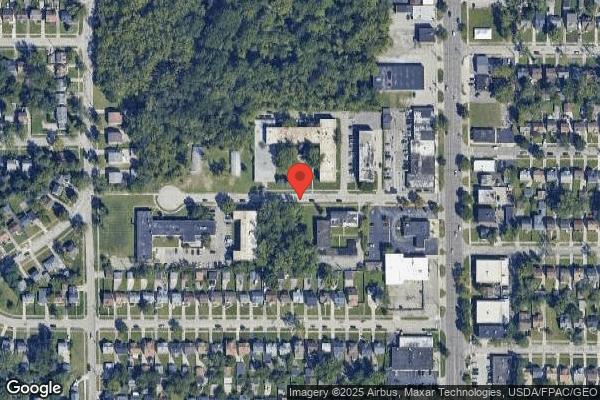
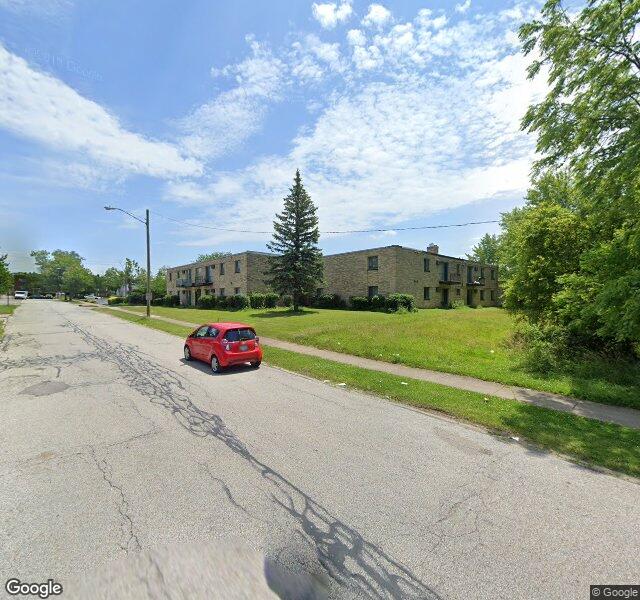
19900 CLARE AVE, MAPLE HEIGHTS, OH 44137 (216) 662-3343
For profit - Limited Liability company 99 Beds Independent Data: November 2025
Trust Grade
50/100
#761 of 913 in OH
Last Inspection: June 2024

Within standard 12-15 month inspection cycle. Federal law requires annual inspections.

Overview

Phoenix of Maple Heights has a Trust Grade of C, meaning it is average and falls in the middle of the pack among nursing homes. It ranks #761 out of 913 facilities in Ohio, placing it in the bottom half, and #72 out of 92 in Cuyahoga County, indicating limited better options nearby. Unfortunately, the facility is worsening, with issues increasing from 8 in 2023 to 22 in 2024. Staffing is a concern, with a low rating of 1 out of 5 stars and fewer registered nurses than 91% of Ohio facilities, which could impact resident care. Notably, there have been significant problems, such as unclean living conditions, including exposed heating elements and unpleasant odors, as well as periods without any registered nurse coverage, which raises serious concerns about the quality of care residents may receive. While there have been no fines and the facility has excellent quality measures, the overall environment and staffing issues suggest that families should carefully consider their options.

Trust Score
C
50/100
In Ohio
#761/913
Bottom 17%
Safety Record
Low Risk
No red flags
Inspections
Getting Worse
8 → 22 violations
Staff Stability
⚠ Watch
53% turnover. Above average. Higher turnover means staff may not know residents' routines.
Penalties
✓ Good
No fines on record. Clean compliance history, better than most Ohio facilities.
Skilled Nurses
⚠ Watch
Each resident gets only 19 minutes of Registered Nurse (RN) attention daily — below average for Ohio. Fewer RN minutes means fewer trained eyes watching for problems.
Violations
⚠ Watch
50 deficiencies on record. Higher than average. Multiple issues found across inspections.
★★☆☆☆
2.0
Overall Rating
★☆☆☆☆
1.0
Staff Levels
★★★★★
5.0
Care Quality
★☆☆☆☆
1.0
Inspection Score
Stable
2023: 8 issues
2024: 22 issues

The Good

  • 5-Star Quality Measures · Strong clinical quality outcomes
  • Full Sprinkler Coverage · Fire safety systems throughout facility
  • No fines on record

Facility shows strength in quality measures, fire safety.

The Bad

2-Star Overall Rating

Below Ohio average (3.2)

Below average - review inspection findings carefully

Staff Turnover: 53%

Near Ohio avg (46%)

Higher turnover may affect care consistency

The Ugly 50 deficiencies on record

Jun 2024 20 deficiencies
CONCERN (D) 📢 Someone Reported This

A family member, employee, or ombudsman was alarmed enough to file a formal complaint

Potential for Harm - no one hurt, but risky conditions existed

Resident Rights (Tag F0550)

Could have caused harm · This affected 1 resident

**NOTE- TERMS IN BRACKETS HAVE BEEN EDITED TO PROTECT CONFIDENTIALITY** Based on observation, interview, record review, and facility policy review facility failed to prevent public indecency to ensure...

Read full inspector narrative →
**NOTE- TERMS IN BRACKETS HAVE BEEN EDITED TO PROTECT CONFIDENTIALITY** Based on observation, interview, record review, and facility policy review facility failed to prevent public indecency to ensure residents were treated with dignity at all times. This affected one resident (#72) of three residents reviewed for dignity and had the potential to affect all residents that may have witnessed Resident #72's public indecency. The facility census was 88. Findings include: Review of the medical record revealed Resident #72 was admitted to the facility on [DATE] with diagnoses including psychosis, schizoaffective disorder, bipolar disorder, factitious disorder (a condition in which a patient intentionally falsifies medical or psychiatric symptoms and can be self-induced or fabricated), and mood disorder. Review of the quarterly comprehensive Minimum Data Set (MDS) 3.0 assessment dated [DATE] revealed Resident #72 was cognitively intact. Observation on 06/03/24 at 11:58 A.M. through 12:15 P.M. revealed Resident #72 was sitting in a wheelchair in the hallway wearing only a T-shirt. The bottom of the shirt rested on the resident's upper thighs. No briefs or underwear were worn. Resident #72's genitals were exposed and visible to anyone in the hallway. Residents and staff were observed in the hallway during the time span of the observation. Interview with Resident #72 revealed no information related to the observation. Staff did not intervene or redirect the resident at any time during the observation. Interview with the Director of Nursing (DON) on 06/11/24 at 2:45 P.M. revealed Resident #72 always refused to wear pants or underwear whenever staff requested that he put them on. Review of the facility's dignity policy revealed the facility provided a copy of the document from the Ohio Revised Code Section 3721.13 titled Residents' Rights. Right (2) stated the resident has the right to be treated at all times with courtesy, respect, and full recognition of dignity and individuality. This deficiency represents noncompliance investigated under Master Complaint Number OH00154790 and Complaint Number OH00153937.
CONCERN (D)

Potential for Harm - no one hurt, but risky conditions existed

PASARR Coordination (Tag F0644)

Could have caused harm · This affected 1 resident

Based on record review and staff interview the facility failed to notify the appropriate state agency (The Ohio Department of Mental Health) of a significant change in Resident #26's mental health con...

Read full inspector narrative →
Based on record review and staff interview the facility failed to notify the appropriate state agency (The Ohio Department of Mental Health) of a significant change in Resident #26's mental health condition as required. This affected one resident (#26) of one resident reviewed for preadmission screening and resident review (PASARR). The facility census was 88. Findings include: Review of the medical record for Resident #26 revealed an admission date of 07/06/16. Diagnoses included but were not limited to delusional disorder, depression, vascular dementia, and mood disorder. Review of the 12/29/2017 facility PASARR Identification Screen for Resident #26 revealed it was the most recent PASARR completed. Under section D indications of serious mental illness revealed a diagnosis of delusional (paranoid) disorder and psychiatric services had been utilized within the past two years due to mental disorder. Review of Resident #26's medical diagnoses revealed a diagnosis of schizoaffective disorder on 03/30/21 was added. Review of both the electronic and paper chart revealed no evidence the appropriate state agency (The Ohio Department of Mental Health) was notified of the new diagnosis for PASARR. Interview on 06/05/24 at 1:16 P.M. with the Administrator confirmed the last PASARR for Resident #26 was completed on 12/19/17 and a new one should have been completed following the new diagnosis of schizoaffective disorder on 03/30/21.
CONCERN (D)

Potential for Harm - no one hurt, but risky conditions existed

Comprehensive Care Plan (Tag F0656)

Could have caused harm · This affected 1 resident

**NOTE- TERMS IN BRACKETS HAVE BEEN EDITED TO PROTECT CONFIDENTIALITY** Based on medical record review, observation, interview, and facility policy review the facility failed to ensure comprehensive c...

Read full inspector narrative →
**NOTE- TERMS IN BRACKETS HAVE BEEN EDITED TO PROTECT CONFIDENTIALITY** Based on medical record review, observation, interview, and facility policy review the facility failed to ensure comprehensive care plans were created for Resident #26, #63, and #72. This affected three residents (#26, #63, and #72) of three residents reviewed for care plans. The facility census was 88. Findings include: 1. Review of the medical record for Resident #26 revealed an admission date of 07/06/16. Diagnoses included but were not limited to delusional disorders, depression, vascular dementia, osteoarthritis, morbid obesity, gastro esophageal reflux disorder, and schizoaffective disorder. Resident #26 was noted to be cognitively intact and require supervision for eating and oral hygiene. No evidence was found related to a dental care plan to address dental issues. Review of the facility resident dental list for the past twelve months revealed Resident #26's last dental visit was 06/27/23. Review of the 6/27/23 dental summary report for Resident #26 revealed partial dentition, and multiple root tips needed to be extracted. Oral Surgery referral was noted to be written to a local dental institute for evaluation and treatment. Follow-up was to occur after oral surgery has been completed. Review of Resident #26's nursing progress notes from 06/27/23 to 06/10/24 revealed no indication of the follow-up for a dental consult for Resident #26 following his 06/27/23 appointment. Interview on 06/03/24 at 3:55 P.M. with Resident #26 revealed he desired a dental appointment, was unsure of his last appointment, had some broken teeth, and was experiencing pain. Interview on 06/10/24 at 10:30 A.M. with Minimum Data Set (MDS) Coordinator #523 confirmed there was no dental care plan to address dental concerns and/or the ordered dental follow-up for Resident #26. 2. Review of the medical record for Resident #63 revealed an admission date of 08/19/23. Diagnoses included but were not limited to end stage renal disease, dependence on renal dialysis, congestive heart failure, and moderate protein-calorie malnutrition. Review of Resident #63's care plan initiated on 08/19/23 revealed monitor fistula for bruit and thrill and to weigh resident the same time every day. No updates were noted since admission. No evidence was found as to what to do if bleeding was observed at the site or whether meals were to be given prior to dialysis or were to be sent with the resident. Review of Resident #63's physician orders dated 10/04/23 for monthly weights and an order dated 11/21/23 revealed to check dialysis catheter on left chest every shift. Interview on 06/06/24 at 12:20 P.M. with Licensed Practical Nurse (LPN) #425 confirmed there was no evidence of a dialysis care plan in the paper chart for the facility or the dialysis center. Interview on 06/06/24 at 12:27 P.M. with the Director of Nursing (DON) confirmed Resident #63's care plan had not been updated to reflect having a port rather than a checking for bruit and thrill, did not address how meals were being provided, did not identify transportation needs, the correct frequency to monitor weights, or to complete pre and post dialysis assessments. Interview on 06/10/24 at 10:30 A.M. with MDS Coordinator #523 confirmed the care plan had not been updated since admission, did not give clear instructions as to what to do if there was bleeding at the dialysis port site, did not reflect discontinuation of checking for bruit and thrill since Resident #63 had a dialysis port, did not reflect the frequency of weight monitoring change, and did not give instructions as to ensure Resident #63 was provided meals consistently with dialysis. Review of the facility policy titled; Care Planning, dated 11/13/20, revealed the facility care planning/interdisciplinary team is responsible for the development of an individualized comprehensive care plan for each resident. A comprehensive care plan for each resident is developed within seven days of completion of the resident assessment. 3. Review of the medical record revealed Resident #72 was admitted to the facility on [DATE] with diagnoses including psychosis, schizoaffective disorder, bipolar disorder, factitious disorder (a condition in which a patient intentionally falsifies medical or psychiatric symptoms and can be self-induced or fabricated), and mood disorder. Review of the quarterly comprehensive MDS 3.0 assessment dated [DATE] revealed Resident #72 was cognitively intact. Review of the progress notes for Resident #72 revealed he refused all medications daily, refused to see the psychiatric nurse practitioner at each visit, and had numerous disruptive behaviors. Review of Resident #72's care plans (undated) revealed a behavior care plan for the diagnosis of factitious disorder, medication noncompliance, refusing care, and lying in bed with no clothes on and with a towel across him at times. The goals were to have a decrease in noncompliance and not have any negative outcomes related to noncompliance. The interventions to achieve the goal were to document education attempts made with the resident regarding compliance, educate regarding the negative outcomes which could occur due to noncompliance, and explain all procedures to the resident. No interventions were initiated on ways to deal with the resident's behaviors and were not resident centered. Observation on 06/03/24 at 11:58 A.M. through 12:15 P.M. revealed Resident #72 was sitting in a wheelchair in the hallway wearing only a T-shirt. The bottom of the shirt rested on the resident's upper thighs. No briefs or underwear were worn. Resident #72's genitals were exposed and visible to anyone in the hallway. Residents and staff were observed in the hallway during the time span of the observation. Staff did not intervene or redirect the resident at any time during the observation. Interview with MDS Coordinator #522 on 06/10/24 at 12:35 P.M. revealed she was unaware of Resident #72's behavior of exposing his genitals in the hallway and did not realize there were no interventions for his preference of wearing no clothes.
CONCERN (D)

Potential for Harm - no one hurt, but risky conditions existed

Deficiency F0691 (Tag F0691)

Could have caused harm · This affected 1 resident

**NOTE- TERMS IN BRACKETS HAVE BEEN EDITED TO PROTECT CONFIDENTIALITY** Based on record review, interview, and facility policy review the facility failed to ensure Resident #67 had orders to care for ...

Read full inspector narrative →
**NOTE- TERMS IN BRACKETS HAVE BEEN EDITED TO PROTECT CONFIDENTIALITY** Based on record review, interview, and facility policy review the facility failed to ensure Resident #67 had orders to care for a urostomy and failed to ensure supplies were available. This affected one resident (#67) of one resident who received ileostomy and colostomy care. The facility census was 88. Findings include: Review of the medical record for Resident #67 revealed an admission date of 03/29/24 with diagnoses including history of other infectious and parasitic disease, pressure ulcer of sacral region, pressure ulcer right heel, colostomy status, artificial opening of the of the urinary tract, chronic kidney disease, and malignant neoplasm of the endometrium, the lining of the uterus. Review of the comprehensive Minimum Data Set (MDS) 3.0 assessment dated [DATE] revealed Resident #67 had intact cognition and had an ostomy. The resident was required substantial to maximum assistance with toileting. Review of the care plan dated 04/05/24 revealed Resident #67 had alterations in elimination related to a colostomy status, bilateral nephrostomy tubes, and urostomy related to diagnoses of obstructive and reflux uropathy. Interventions included assessing abdominal distention and changing appliances as ordered. Review of the nurses note dated 05/19/24 at 6:34 A.M. written by Licensed Practical Nurse (LPN) # 415 revealed the nurse changed Resident #67's left side colostomy bag. The residents urostomy bag on the right side was leaking. This nurse attempted to change the urostomy bag but was unable to locate any supplies and temporarily covered the bag with a towel. The supervisor was notified, and they searched the supply room, cabinet, and resident's room. The urostomy bag will need to be replaced and will pass on the information to the oncoming A.M. staff. Resident #67 was very verbally aggressive and argumentative towards staff. Review of the physicians' order for June 2024 revealed and order to change the colostomy bag every seven days, empty urostomy bag when half full, and to flush bilateral nephrostomy tubes weekly. There was no order to change the urostomy bag. Interview on 06/05/24 at 4:36 P.M. with LPN #415 revealed on 05/19/24 at approximately 10:00 P.M., she went into the room to check the Resident #67's urostomy bag, and it was leaking. LPN #415 notified the nursing supervisor, LPN #446, she needed to replace the urostomy bag and could not find one. Both searched for supplies; however, none were located. In the meantime, LPN #415 used a towel to absorb the liquid. The resident got the bag changed when the day supervisor came in the next day. LPN #415 stated Resident #67 was very upset that supplies were not available, and she had to calm her down. Interview on 6/06/24 at 10:22 A.M. with Resident #67 stated she feels the staff does not use the same technique or the same supplies that the hospital used. Many times, the nurses have put on the wrong size bag that causes it to overflow and leak. Resident #67 stated she ordered her urostomy supplies to ensure her urostomy and colostomy bags were maintained. Interview on 06/06/24 at 10:50 A.M. with State Tested Nursing Assistant (STNA) #492, central supply person, regarding the incident on 05/19/24 revealed Resident #67 had two urostomy bags located in the closet in her room. The nurse did not look in the closet, there were two bags left. The day shift nurse located and replaced the urostomy bag. STNA #492 stated the resident was picky with her supplies. The urostomy and colostomy bags were standard and could be cut to ensure proper fit. She now ensures supplies were ordered, and there were supplies available for staff prior to leaving her shift. Interview on 06/06/24 at 4:28 P.M. with the Director of Nursing (DON) verified that there were no orders for urostomy bags to be changed. Review of the facility policy titled Colostomy and Ileostomy site care, dated 11/13/22, revealed the purpose of the policy is to prevent infection and skin irritation.
CONCERN (D)

Potential for Harm - no one hurt, but risky conditions existed

Respiratory Care (Tag F0695)

Could have caused harm · This affected 1 resident

**NOTE- TERMS IN BRACKETS HAVE BEEN EDITED TO PROTECT CONFIDENTIALITY** Based on observation, interview, record review, and facility policy review the facility failed to ensure Resident #12 had curren...

Read full inspector narrative →
**NOTE- TERMS IN BRACKETS HAVE BEEN EDITED TO PROTECT CONFIDENTIALITY** Based on observation, interview, record review, and facility policy review the facility failed to ensure Resident #12 had current oxygen orders and an oxygen care plan and failed to ensure portable oxygen tanks were secured. This affected one resident (#12) of ten residents receiving oxygen. The facility census was 88. Findings include: Review of the medical record for Resident #12 revealed an admission date of 05/21/15 with diagnoses including acute kidney failure, dementia, and abnormalities of gait and mobility. Review of the quarterly Minimum Data Set (MDS) 3.0 assessment dated [DATE] revealed Resident #12 had impaired cognition and required substantial to maximal assistance for transfers, hygiene, and dressing. The assessment stated the resident was not receiving oxygen therapy. Review of the care plan dated 03/12/24 revealed Resident #12 did not have an oxygen care plan. Review of the profile computer tab revealed a picture of Resident #12 wearing a nasal canula for oxygen. Review of the physician orders for June 2024 revealed there were no oxygen orders and/or orders to change oxygen tubing. Observation on 06/03/24 at 11:23 A.M. revealed Resident #12 was sitting in her wheelchair next to her bed and receiving oxygen by nasal canula through a concentrator unit. There were three portable oxygen tanks located next to the window. One was secured in a stand and two were unsecured. Interview on 06/03/24 at 11:30 A.M. with Licensed Practical Nurse (LPN) #517 verified the resident had three portable tanks and two were unsecured. LPN #517 stated every morning staff ensures all empty tanks are taken out of the room. Interview on 06/06/24 at 1:53 P.M. with the MDS Nurse #522 stated at the time of the MDS assessment on 3/12/24, Resident #12 was not on oxygen. MDS Nurse #522 stated she checks the medication administration and treatment records for verifications. MDS #522 stated she had no idea why nursing put the resident on oxygen. Interview on 06/06/24 2:35 P.M. with LPN #49 verified there was no current oxygen order; however, there was a discontinued oxygen order in December 2023. Interview on 06/06/24 at 2:57 P.M. with the Director of Nursing (DON) verified there were no current oxygen orders and/or orders to change oxygen tubing. In addition, there was no oxygen care plan. The DON stated Resident #12 was sent out the hospital and all orders were discontinued. Upon arrival back at the facility, the nurse had to re-enter all the orders and forgot to input the oxygen order. Review of the facility policy titled Oxygen Safety, dated 11/19/21, revealed cylinders are secured either by a chain or strap or supported by cylinder base or cart designed not to tip over. Review of the facility policy titled Care Planning, dated 11/13/20, revealed the interdisciplinary team is responsible for the development of a comprehensive care plan for each resident.
CONCERN (D)

Potential for Harm - no one hurt, but risky conditions existed

Deficiency F0698 (Tag F0698)

Could have caused harm · This affected 1 resident

**NOTE- TERMS IN BRACKETS HAVE BEEN EDITED TO PROTECT CONFIDENTIALITY** Based on record review, interview, and facility policy review the facility failed to ensure monitoring prior to and following di...

Read full inspector narrative →
**NOTE- TERMS IN BRACKETS HAVE BEEN EDITED TO PROTECT CONFIDENTIALITY** Based on record review, interview, and facility policy review the facility failed to ensure monitoring prior to and following dialysis treatments for Resident #63. This affected one resident (#63) of one resident residing at the facility receiving dialysis. The facility census was 88. Findings include: Review of the medical record for Resident #63 revealed an admission date of 08/19/23. Diagnoses included but were not limited to end stage renal disease, dependence on renal dialysis, congestive heart failure, and moderate protein-calorie malnutrition. Review of the quarterly Minimum Data Set (MDS) assessment dated [DATE] revealed Resident #63 was receiving dialysis treatments. Review of the facility pre and post dialysis assessments for Resident #63 for the month of April, May, and June of 2024 revealed no documented evidence of pre and post assessments for 04/01/24, 04/03/24, 04/05/24, 04/08/24, 04/10/24, 04/12/24, 04/15/24, 04/17/24, 04/19/24, 05/01/24, 05/08/24, 05/10/24, 05/13/24; no documented evidence of pre-dialysis assessments for 04/22/24, 04/26/24, 04/29/24, and 05/20/24; and no documented evidence of post dialysis assessments for 04/24/24, 05/06/24, 05/15/24, 05/22/24, 05/27/24, 05/29/24, 05/31/24, and 06/03/24. Interview on 06/06/24 at 12:20 P.M. with Licensed Practical Nurse (LPN) #425 confirmed when Resident #63 goes to dialysis, there was no communication form sent with him or any information that comes back with him, and LPN #425 was not aware of any email communication with the dialysis center. LPN #425 also confirmed there was no additional dialysis communication information in the paper chart. Interview on 06/06/24 at 12:47 P.M. with the Director of Nursing (DON) confirmed staff were to complete a pre and post dialysis assessment and send the pre-dialysis assessment with Resident #63 when he goes. The DON confirmed there was no documented evidence of pre and post dialysis assessment dates listed above. The DON also confirmed since the pre and post dialysis assessments were not being consistently completed, weights as ordered by the physician were also not being monitored consistently. Interview on 06/10/24 at 8:37 A.M. with the DON confirmed the facility did not have a copy of the short-term care plan and/or the long-term care plan as stated in the facility dialysis contract under collaboration of care. Review of the facility policy titled Long Term Care Facility Outpatient Dialysis Services Coordination Agreement revealed the facility will provide for the interchange of information useful or necessary for the care of the end stage renal dialysis (ESRD) residents including a contact person at the Long-Term Care Facility (LTCF) whose responsibilities include assisting with the coordination of Renal Dialysis Services for ESRD residents. Under Mutual Obligations under Collaboration of Care revealed both parties shall ensure that there is documented evidence of collaboration of care and communication between the Long-Term Care Facility and ESRD Dialysis unit. Documentation shall include, but not be limited to, participation, as members of the interdisciplinary team, in care conferences, continual quality improvements program, annual review of infection control of policies and procedures, and the signatures of team members from both parties on a short-term care plan (STCP) and Long-term care plan (LTCP). Team members shall include the physician, nurse, social worker, and dietitian from the ESRD Dialysis Unit and a representative from LTCF. The LTCF shall maintain a copy of the STCP and LTCP. Review of the facility policy titled; Hemodialysis Policy and Procedure, dated 03/23/19, revealed all residents receiving dialysis must have a pre and post dialysis assessment completed in the electronic medical record by a licensed nurse.
CONCERN (D)

Potential for Harm - no one hurt, but risky conditions existed

Deficiency F0740 (Tag F0740)

Could have caused harm · This affected 1 resident

**NOTE- TERMS IN BRACKETS HAVE BEEN EDITED TO PROTECT CONFIDENTIALITY** Based on observation, interview, and record review, the facility failed to monitor resident behaviors, develop resident centered...

Read full inspector narrative →
**NOTE- TERMS IN BRACKETS HAVE BEEN EDITED TO PROTECT CONFIDENTIALITY** Based on observation, interview, and record review, the facility failed to monitor resident behaviors, develop resident centered care plans with interventions specific for the resident's behaviors, or implement interventions when behaviors occurred for Resident #72. This affected one resident (#72) of two residents reviewed for behavioral health. The facility census was 88. Findings Include: Review of the medical record revealed Resident #72 was admitted to the facility on [DATE] with diagnoses including psychosis, schizoaffective disorder, bipolar disorder, factitious disorder (a condition in which a patient intentionally falsifies medical or psychiatric symptoms and can be self-induced or fabricated), and mood disorder. Review of the physician's orders for Resident #72 dated 06/23/23 was an order to document resident's behaviors every shift. Review of the Medication Administration Record (MAR) for April, May, and June 2024 for Resident #72 revealed the resident refused all medications every day. Behavior monitoring was also located on the MAR and was to be assessed each shift. A Y indicated the resident had demonstrated behaviors and a nurse's note was to be documented as to what the behavior was. Review of the progress notes for Resident #72 revealed he refused all medications daily, refused to see the psychiatric nurse practitioner at each visit, and had numerous disruptive behaviors. On 04/25/24 the Administrator, who is also the facility's social worker, summarized the resident's behaviors as being aggressive, targeting certain employees, leaving threatening emails for staff in the facility as well as the community, and noncompliance with care. On 04/30/24 the resident shoved another resident and claimed the other resident punched him in the chest. The MAR behavior tracking for Resident #72 during the quarterly MDS look back period revealed the resident exhibited behaviors on 04/24/24 during the 7:00 A.M. to 7:00 P.M. shift and on the 04/28/24 7:00 P.M. to 7:00 A.M. shift but no associated nursing documentation was found in the nurses' progress notes. Review of the quarterly comprehensive Minimum Data Set (MDS) 3.0 assessment dated [DATE] revealed Resident #72 was cognitively intact and had delusions but exhibited no behaviors during the seven-day look back period of the assessment time frame. Review of Resident #72's care plans (undated) revealed a behavior care plan for the diagnosis of factitious disorder, medication noncompliance, refusing care, and lying in bed with no clothes on and with a towel across him at times. The goals were to have a decrease in noncompliance and not have any negative outcomes related to noncompliance. The interventions to achieve the goal were to educate the resident upon refusing care and the potential consequences of the refusal and to document the education provided. No interventions were provided on ways to deal with the resident's behavior of exposing his genitals and were not resident centered. Observation on 06/03/24 at 11:58 A.M. through 12:15 P.M. revealed Resident #72 was sitting in a wheelchair in the hallway wearing only a T-shirt. The bottom of the shirt rested on the resident's upper thighs. No briefs or underwear were worn. Resident #72's genitals were exposed and visible to anyone in the hallway. Residents and staff were observed in the hallway during the time span of the observation. Staff did not intervene or redirect the resident at any time during the observation. Review of the June 2024 MAR indicated behaviors had occurred, but no associated documentation of the incident was located. Interview with MDS Coordinator #522 on 06/10/24 at 10:32 A.M. revealed she bases her decision on how frequently a resident exhibited behaviors and what type of behavior was exhibited by reviewing the nursing documentation, the aide's documentation, and through staff interviews. A second interview on 06/10/24 at 12:35 P.M. revealed she was unaware of Resident #72's behavior of exposing his genitals in the hallway and did not realize there were no interventions for his preference of wearing no clothes.
CONCERN (D)

Potential for Harm - no one hurt, but risky conditions existed

Deficiency F0790 (Tag F0790)

Could have caused harm · This affected 1 resident

Based on medical record review, ancillary services appointment lists, interviews, and facility policy review the facility failed to ensure dental services were provided to Resident #26 as needed. This...

Read full inspector narrative →
Based on medical record review, ancillary services appointment lists, interviews, and facility policy review the facility failed to ensure dental services were provided to Resident #26 as needed. This affected one resident (#26) of one resident reviewed for dental services. The facility census was 88. Findings include: Review of the medical record for Resident #26 revealed an admission date of 07/06/16. Diagnoses included but were not limited to delusional disorders, depression, vascular dementia, osteoarthritis, morbid obesity, gastro esophageal reflux disorder, and schizoaffective disorder. Resident #26 was noted to be cognitively intact and require supervision for eating and oral hygiene. No evidence was found related to a dental care plan to address dental issues. Review of the facility resident dental list for the past twelve months revealed Resident #26's last dental visit was on 06/27/23. Review of the 06/27/23 dental summary report for Resident #26 revealed partial dentition, and multiple root tips needed to be extracted. An oral surgery referral was noted to be written to a local dental institute for evaluation and treatment. Follow-up was to occur after oral surgery has been completed. Review of Resident #26's nursing progress notes from 06/27/23 to 06/10/24 revealed no indication of follow-up for a dental consult for Resident #26 following his 06/27/23 appointment. Interview on 06/03/24 at 3:55 P.M. with Resident #26 revealed he desired a dental appointment, was unsure of his last appointment, had some broken teeth, and was experiencing pain. Interview on 06/05/24 at 1:16 P.M. with the Administrator, who is the facility social worker, confirmed Resident #26 had a chip in the root tips per the 06/27/23 consult. The Administrator confirmed she was unable to provide any additional documentation as to why no follow-up had occurred for dental concerns for Resident #26 since 06/27/23. Review of the facility policy titled Dental Services, dated 04/12/16, revealed routine and emergency dental services are provided to our residents. Nursing services is to notify social services of a resident's need for dental services. Social services personnel will be responsible for assisting the resident/family in making dental appointments and transportation arrangements as necessary.
CONCERN (D)

Potential for Harm - no one hurt, but risky conditions existed

Deficiency F0919 (Tag F0919)

Could have caused harm · This affected 1 resident

**NOTE- TERMS IN BRACKETS HAVE BEEN EDITED TO PROTECT CONFIDENTIALITY** 3. Review medical record for Resident #5 revealed an initial admission date of 10/05/20. Diagnoses included schizoaffective diso...

Read full inspector narrative →
**NOTE- TERMS IN BRACKETS HAVE BEEN EDITED TO PROTECT CONFIDENTIALITY** 3. Review medical record for Resident #5 revealed an initial admission date of 10/05/20. Diagnoses included schizoaffective disorder, bipolar type, muscle weakness, low back pain, and unsteadiness on feet. Review of the quarterly MDS assessment dated [DATE] revealed Resident #5 had impaired cognition, used a wheelchair, and required partial/moderate assistance from staff for transfers from the bed or chair to the chair and for toileting. Observation on 06/03/24 at 3:54 P.M. of Resident #5 in bed sleeping, and the call light was on the floor not within reach. Interview on 06/03/24 at 3:59 P.M. with STNA #502 verified the call light was not within the resident's reach. Observation at this time of STNA #502 pick the call light up off the floor and place it within reach of Resident #5. Interview on 06/04/24 at 11:02 A.M., Resident #5 stated she was able to use her call light, and that she used her call light when she needed assistance from staff. Review of the facility policy titled Call Light, Use Of, revised 10/20/19, revealed assure call system is in working order, report to maintenance defective call lights with exact location, and be sure all call lights are placed within reach of the resident at all times. Based on record review, observation, interview, and facility policy review the facility failed to ensure call lights were functional and in reach for Residents #5, #12, and #13. This affected three residents (#5, #12 and Resident #13) of 88 residents reviewed for call lights. The facility census was 88. Findings include: 1. Review of the medical record for Resident #12 revealed an admission date of 05/21/15 with diagnoses including acute kidney failure, dementia, and abnormalities of gait and mobility. Review of the quarterly Minimum Data Set (MDS) 3.0 assessment dated [DATE] revealed Resident #12 had impaired cognition and required substantial to maximal assistance for transfers, hygiene, and dressing. The resident was dependent for transferring. Review of the care plan dated 03/12/24 revealed Resident #12 had a self-care deficit related to weakness and behaviors. Interventions included one staff for assistance with dressing, eating, and toileting. 2. Review of the medical record for Resident #13 revealed an admission date of 05/05/23 with diagnoses including dementia, malnutrition, and vertigo. Review of the quarterly MDS 3.0 assessment dated [DATE] revealed Resident #13 had memory problems, disorganized thinking, and inattention. The resident required partial to moderate assistance with eating, toileting, showering, and dressing. The resident was incontinent of bowel and bladder. Review of the care plan dated 05/16/24 revealed Resident #13 had a self-care deficit related to cognitive impairment and confusion. Interventions included encouraging the resident to participate while performing activities of daily living, and to monitor and report a decline to the physician. Observation on 06/03/24 at 11:23 A.M. of Resident #12's room revealed she was sitting in her wheelchair next to her bed. There was no call light in reach. Resident #12's roommate, Resident #13, was lying in her bed resting. There was no call light in reach. The call light system located on the wall had the face plate that was pulled away from the wall and hanging. There were no call light cords attached to the call light system. Interview at this time with Resident #12 revealed the call light system in the room was not functioning and has not been functioning for a long time. Resident #12 stated there was no other way to contact staff. Interview with Resident #13 at this time, stated she was able to use her call light if she had one. Interview with on 06/03/24 at 11:30 A.M. with Licensed Practical Nurse (LPN) #517 verified Resident #12 and Resident #13's call lights were not functioning. LPN #517 revealed the call light system in this room had issues for several weeks. The room was located close to the nurses' station. Resident #12 would yell if she needed help, and Resident #13 would come to the nurses' station if she needed help. LPN #517 stated she would have maintenance fix the call lights. Further observation on 06/03/24 at 2:20 P.M. of Resident 12's room revealed Resident #12 was yelling for help. Resident #12 was sitting in her wheelchair next to her bed. There was no call light in reach. Resident #12's roommate, Resident #13, was lying in her bed resting. There was no call light in reach. The call light cords were plugged into the call light system on the wall. Interview at this time with Resident #12 stated her call light was not within her reach, and she needed the state tested nursing assistant (STNA). Interview on 06/03/24 at 2:25 P.M. with Registered Nurse (RN) #439 verified Resident #12 and Resident #13's call lights were not within reach. RN # 439 stated the maintenance man was in prior fixing the call light system. The maintenance probably forgot to put the call lights in reach of the residents.
CONCERN (E)

Potential for Harm - no one hurt, but risky conditions existed

Deficiency F0757 (Tag F0757)

Could have caused harm · This affected multiple residents

**NOTE- TERMS IN BRACKETS HAVE BEEN EDITED TO PROTECT CONFIDENTIALITY** Based on record reviews, interviews, and facility policy review the facility failed to ensure all medications had an appropriate...

Read full inspector narrative →
**NOTE- TERMS IN BRACKETS HAVE BEEN EDITED TO PROTECT CONFIDENTIALITY** Based on record reviews, interviews, and facility policy review the facility failed to ensure all medications had an appropriate diagnosis for Residents #1, #15, #16, and #62. This affected four residents (#1, #15, #16, and #62) of five residents reviewed for unnecessary medications. The facility census was 88. Findings include: 1. Review of the medical record for Resident #1 revealed an admission date of 10/27/23. Diagnoses included but were not limited to human immunodeficiency virus (HIV), acute and chronic respiratory failure, schizophrenia, dementia with agitation, bipolar disorder, and anxiety disorder. Review of the quarterly Minimum Data Set (MDS) assessment dated [DATE] revealed Resident #1 had intact cognition, antidepressants were being administered, and no behaviors were noted. Review of the physician orders for Resident #1 revealed the following medications listed the class of medication instead of the diagnosis: • An order dated 01/04/24 for Omeprazole 20 milligram (mg) capsule delayed release (proton pump inhibitor to treat gastroesophageal reflux disease). Give one capsule by mouth one time a day. No diagnosis was listed. Interview on 06/10/24 at 1:28 P.M. with the Director of Nursing (DON) confirmed the above-listed concerns related to the appropriate diagnoses not being listed on the physician orders. 2. Review of the medical record for Resident #15 revealed an admission date of 02/23/24. Diagnoses included but were not limited to unspecified convulsion, type II diabetes mellitus, major depressive disorder, sleep apnea, multiple sclerosis, conversion disorder with seizures or convulsion, and anxiety disorder. Review of the quarterly MDS assessment dated [DATE] revealed Resident #15 had intact cognition, an antipsychotic and antidepressant were administered, and no behaviors were noted. Review of the physician's orders for Resident #15 revealed the following medications listed the class of medication instead of the diagnosis: • An order dated 02/24/24 for Losartan Potassium Oral Table 50 mg (antihypertensive). Give one tablet once a day for antihypertensive. No diagnosis of hypertension was listed. • An order dated 02/24/24 for Prednisone Oral Tablet 20 mg (steroid). Give one tablet by mouth two times a day for corticosteroid. No diagnosis was listed. • An order dated 04/05/24 for Olanzapine oral table five mg (antipsychotic) by mouth one time a day for antipsychotic. No diagnosis was listed. • An order dated 02/24/24 for Montelukast Sodium Oral Tablet 10 mg (anti-inflammatory). Give one tablet by mouth at bedtime for anti-asthmatic. No diagnosis was listed. Interview on 06/10/24 at 1:28 P.M. with the DON confirmed the above-listed concerns related to the appropriate diagnoses not being listed on the physician orders. 3. Review of the medical record for Resident #62 revealed an initial admission date of 03/04/20. Diagnoses included chronic obstructive pulmonary disease (COPD), hypothyroidism, atherosclerotic heart disease of native coronary artery without angina pectoris, type II diabetes mellitus, acute bronchitis, hypertension, atrial fibrillation, convulsions, and vitamin d deficiency. Review of the physician orders for June 2024 revealed the following medications listed the class of medication instead of the diagnosis: • Insulin Glargine Subcutaneous Solution 100 UNIT/ milliliters (ml) (Insulin Glargine). Inject 30 units subcutaneously two times a day for itching. • Ergocalciferol (vitamin D) Oral Tablet 50 MCG (2000 UT). Give 2000 micrograms (mcg) by mouth one time a day. • Claritin (antihistamine) Oral Tablet 10 MG (Loratadine). Give 10 milligrams (mg) by mouth one time a day. • Thera-M Oral Tablet (Multiple Vitamins w/ Minerals). Give 400 mcg by mouth one time a day. • Mirabegron ER Oral Tablet Extended Release 24 Hour 25 mg (medication to treat overactive bladder). Give one tablet by mouth one time a day. • Metformin (antidiabetic) HCl Oral Tablet 1000 mg (Metformin HCl). Give one tablet by mouth two times a day. • Cozaar (antihypertensive) Oral Tablet 50 mg (Losartan Potassium). Give 50 mg enterally one time a day. • Levothyroxine Sodium (thyroid product) Oral Tablet (Levothyroxine Sodium). Give 150 mcg by mouth one time a day. • HumaLOG Injection Solution 100 UNIT/ML (Insulin Lispro). Inject 8 units subcutaneously with meals. • Furosemide (diuretic) Oral Tablet 20 mg (Furosemide). Give one tablet by mouth one time a day. • Apixaban (anticoagulant) Oral Tablet 5 MG (Apixaban). Give 5 mg by mouth two times a day. • Albuterol Sulfate HFA Inhalation Aerosol Solution 108 (90 Base) MCG/ACT (Albuterol Sulfate). Two puffs inhale orally every 4 hours as needed for pain. • rOPINIRole HCl (anti-Parkinson) Oral Tablet 1 MG (Ropinirole Hydrochloride). Give one tablet by mouth at bedtime. • rOPINIRole HCl Oral Tablet 0.5 MG (Ropinirole Hydrochloride). Give 1 tablet by mouth two times a day. Interview on 06/10/24 at 1:29 P.M. with the DON verified the orders for the medication did not include the diagnoses. The DON also verified the diagnoses listed for the Insulin Glargine Subcutaneous Solution 100 UNIT/ml and the Albuterol Sulfate HFA Inhalation Aerosol Solution were inaccurate for those medications. 4. Review of the medical record for Resident #16 revealed an admission date of 05/22/19 with diagnoses including psychotic disorder with delusions, type II diabetes Alzheimer's disease, Parkinson's disease, anxiety, insomnia, chronic kidney disease, depression, polydipsia, and paranoid schizophrenia. There were no diagnosis seizures or genitourinary. Review of the quarterly MDS assessment dated [DATE] revealed Resident #16 had intact cognition and behaviors that included inattention and disorganized thinking that fluctuated. The resident was receiving an antipsychotic, an antibiotic, antiplatelet, and hypoglycemic medications. Review of the physician orders for June 2024 revealed the following medications listed the class of medication instead of the diagnosis: • Cholecalciferol 5000 units on daily for vitamin. • Divalproex sodium 500 mg for anticonvulsants. • Flomax 0.4 mg daily for genitourinary. • Oxcarbazepine 150 mg for anticonvulsant. • Sodium chloride 1gram (gm) for electrolyte. Interview on 06/10/24 at 1:46 P.M. with the DON verified the medications had incorrect diagnosis, and the facility was in the process of reviewing medications for correct diagnosis. Review of the facility policy titled Medication Management, dated August 2020, revealed when the resident receives a new medication, the medication should include a written diagnosis, an indication, or documented objective findings supporting each medication.
CONCERN (E)

Potential for Harm - no one hurt, but risky conditions existed

Medication Errors (Tag F0758)

Could have caused harm · This affected multiple residents

**NOTE- TERMS IN BRACKETS HAVE BEEN EDITED TO PROTECT CONFIDENTIALITY** 2. Review of the medical record for Resident #15 revealed an admission date of 02/23/24. Diagnoses included but were not limited...

Read full inspector narrative →
**NOTE- TERMS IN BRACKETS HAVE BEEN EDITED TO PROTECT CONFIDENTIALITY** 2. Review of the medical record for Resident #15 revealed an admission date of 02/23/24. Diagnoses included but were not limited to unspecified convulsion, type II diabetes mellitus, major depressive disorder, sleep apnea, multiple sclerosis, conversion disorder with seizures or convulsion, and anxiety disorder. Review of the 05/24/24 quarterly MDS assessment for Resident #15 revealed intact cognition, an antipsychotic and antidepressant medication were noted to being received and no behaviors were noted. Review of the physician's orders for Resident #15 revealed: • An order dated 04/05/24 for Olanzapine oral table five mg. Give five mg by mouth one time a day for antipsychotic. No diagnosis was listed. • An order dated 02/24/24 for Sertraline HCL Oral tablet 50 mg. Give one tablet by mouth one time a day for antidepressant. No diagnosis was listed. Interview on 06/10/24 at 1:28 P.M. with the DON confirmed the above listed concerns related to the appropriate diagnoses not being listed on the physician orders. Review of the 08/2020 facility policy titled; Medication Management revealed under procedures section f: number one and two stated; The dose, route of administration, duration and monitoring are in agreement with current clinical practice, clinical guidelines, and/or manufacturer's specifications for use. A written diagnosis, an indication and/or documented objective findings support each medication. Based on record review, staff interview, and facility policy review the facility failed to ensure physician orders for psychotropic medications included the diagnosis for each medication for Residents #11, #15, #16, and #62. The facility also failed to ensure monitoring of behaviors and adverse side effects from the use of psychotropic medications affecting for Residents #16 and #62. This affected four residents (#11, #15, #16, and #62) of five residents reviewed for unnecessary medications. The facility census was 88. Findings include: Review of the medical record for Resident #62 revealed an initial admission date of 03/04/20. Diagnoses included schizoaffective disorder, bipolar type, major depressive disorder, persistent mood [affective] disorder, psychotic disorder with delusions, personality disorder, manic episode, severe with psychotic symptoms, bipolar disorder, and post-traumatic stress disorder. Review of the care plan revised on 06/12/23 revealed Resident #62 was at risk for adverse effects of antipsychotic medication and antidepressant medication. Resident #62 received Klonopin for a diagnosis of schizoaffective disorder, bipolar type. Interventions included monitoring for side effects of psychotropic such as nausea, vomiting, and diarrhea, dry mouth, blurred vision, and change in appetite, weight etc. Notify the physician. Monitor adverse reactions to medications: headaches, abdominal pain, constipation, flatulence, esophageal ulcer, vomiting, dysphagia, abdominal discomfort, gastritis, taste perversion, and musculoskeletal pain. Monitor for side effects sedation, hypotension, extrapyramidal symptoms (EPS), anticholinergic signs, headache, insomnia, anorexia, and constipation. Report changes in mood or behavior. Review of the quarterly Minimum Data Set (MDS) assessment dated [DATE] revealed Resident #62 had intact cognition, had moods that included little interest, feeling, trouble falling asleep, feeling tired, poor appetite, feeling bad, trouble concentrating 12 to 14 days of the look back period. The assessment indicated the resident had behaviors that included hallucinations, delusions, other behaviors that occurred daily, and rejection of care daily. The resident also received antipsychotic, antianxiety, and antidepressant medications. Review of the June 2024 physician orders revealed active orders for: • KlonoPIN (antianxiety) oral tablet one milligram (mg) (Clonazepam). Give one mg by mouth two times a day with a start date of 11/22/23. • Aristada (antipsychotic) Intramuscular Prefilled Syringe 882 mg/3.2 milliliters (ml) (Aripiprazole Lauroxil). Inject 3.2 ml intramuscularly one time a day every four weeks on Monday with a start date of 11/27/23. Further review of the physician orders revealed no orders to monitor for behaviors or for side effects from the use of antipsychotic medications and no diagnoses listed for the medications. Interview on 06/10/24 at 1:29 P.M. with the Director of Nursing (DON) verified the above findings. 3. Review of the medical record for Resident #16 revealed an admission date of 05/22/19 with diagnoses including history of other infectious psychotic disorder with delusions, type II diabetes, Alzheimer's disease, Parkinson's disease, anxiety, insomnia, chronic kidney disease, depression, polydipsia, and paranoid schizophrenia. There were no diagnoses related to seizures or genitourinary. Review of the quarterly MDS assessment dated [DATE] revealed Resident #16 had intact cognition and behaviors that included inattention and disorganized thinking that fluctuated. The resident was receiving an antipsychotic, an antibiotic, antiplatelet, and hypoglycemic medications. Review of the progress notes revealed Resident #16 had no documented behaviors. Review of the care plan dated 04/15/24 revealed a behavior plan with assisting Resident #16 with activities of daily living and Resident #16 had delusions, wore multiple layers of clothing, and exhibited manic behavior at times related to diagnoses of schizophrenia and psychotic disorder. Review of the physician orders for June 2024 revealed the following medications had classes of medication listed instead of diagnoses: • Desvenlafaxine 50 milligram (mg) for antidepressant • Olanzapine 10 mg for antimanic • There were no orders to monitor behaviors. Interview on 06/10/24 at 1:46 P.M. with the DON verified the medications had incorrect diagnoses and stated the facility was in the process of reviewing medications for correct diagnoses. The DON stated some residents have behaviors documented in the medication administration record (MAR) or the treatment administration record (TAR) and the progress notes. However, behaviors should be documented in MARS and TARS. Review of the facility policy titled Medication Management. dated August 2020, revealed in order to optimize the therapeutic benefit of medication therapy and minimize prevent potential adverse consequences, the facility, the attending physician, and the consultant pharmacist will perform ongoing monitoring for appropriate, effective and safe medication use. In addition, when the resident receives a new medication, the medication should include a written diagnosis, an indication, or documented objective findings supporting each medication. 4. Review of the medical record revealed Resident #11 was admitted to the facility on [DATE] with diagnoses including bipolar disorder, disorganized schizophrenia, psychosis, paranoid schizophrenia, anxiety, cannabis dependence, insomnia, nicotine dependence, chronic viral hepatitis C, and chronic obstructive pulmonary disease. Review of the physician's orders for Resident #11 revealed the following medications were ordered for the associated diagnosis: • Lithium 600 milligrams (mg) orally every morning and 300 mg orally every evening for behaviors • Depakote (a medication used to treat seizures) 500 mg orally two times a day for anticonvulsant. The resident does not have a diagnosis of seizures or convulsions. • Provera (a medication used to prevent pregnancy) 30 mg orally three times a day for hormone • Haloperidol Decanoate (an antipsychotic used to treat mental illness) 50 mg/milliliter (ml) give 1 ml intramuscularly every 14 days for psych • Benadryl (an antihistamine) 25 mg orally every eight hours for agitation as needed Interview with the DON on 06/06/24 at 4:30 P.M. confirmed the diagnoses and their associated medications were accurate. The DON said she would speak with the psychiatric nurse practitioner and obtain appropriate diagnoses for Resident #11's medications.
CONCERN (E)

Potential for Harm - no one hurt, but risky conditions existed

Deficiency F0761 (Tag F0761)

Could have caused harm · This affected multiple residents

**NOTE- TERMS IN BRACKETS HAVE BEEN EDITED TO PROTECT CONFIDENTIALITY** Based on observation and interview the facility failed to ensure a medication cart remained locked when the nurse was not in att...

Read full inspector narrative →
**NOTE- TERMS IN BRACKETS HAVE BEEN EDITED TO PROTECT CONFIDENTIALITY** Based on observation and interview the facility failed to ensure a medication cart remained locked when the nurse was not in attendance. This affected one of two medication carts located on the second floor and had the potential to affect all residents except for 14 residents (#7, #11, #22, #25, #29, #33, #36, #40, #45, #54, #72, #78, #83, and #140) located on the secure unit. The facility census was 88. Findings include: Observation of medication cart located in front of the wall between rooms [ROOM NUMBERS] on 06/03/24 at 12:06 P.M. revealed the cart was unlocked, no nurse was in sight, and residents were in the hallway heading to lunch. A housekeeper was in the hallway and said she would locate the nurse. A staff member walked up to the cart and stood there. When asked who she was, the employee identified herself as Licensed Practical Nurse (LPN) #517. Interview with LPN #517 at 06/03/24 at 12:08 P.M. revealed LPN #517 did not realize what was wrong with the cart and was unable to identify the cart was unlocked. LPN #517 replied oh when informed the medication cart was unlocked but did not move to lock it. When questioned if she was going to lock it, LPN #517 replied she needed to get into the cart. Interview with the Administrator on 06/03/24 at 12:15 P.M. confirmed the medication cart should be locked when the nurse is away from it. The facility store is located on the second floor, and residents from both floors, except for the secured unit, would have potentially had access to the cart. The facility was a psychiatric facility for residents with behavior problems.
CONCERN (F) 📢 Someone Reported This

A family member, employee, or ombudsman was alarmed enough to file a formal complaint

Potential for Harm - no one hurt, but risky conditions existed

Safe Environment (Tag F0584)

Could have caused harm · This affected most or all residents

Based on observation, interviews, and review of the facility policy and procedure, the facility failed to ensure the residents' environment was clean, sanitary, and was in good repair. This had the po...

Read full inspector narrative →
Based on observation, interviews, and review of the facility policy and procedure, the facility failed to ensure the residents' environment was clean, sanitary, and was in good repair. This had the potential to affect all residents residing in the facility. The census was 88. Findings include: Observations during a tour of the facility on 06/12/24 from 1:43 P.M. to 4:49 P.M. with two surveyors revealed: • Residents #56 and #81's room revealed the non- skid strips on floor were coming up off the floor and the privacy curtain rod off was the track. • Residents #57 and #139's room revealed the baseboard heater cover was missing, exposing the heating element. • The wall outside of the locked unit revealed the baseboard heater cover was hanging off and exposing the heating element. • The locked unit had a strong, malodorous smell. At 1:48 P.M. the Director of Nursing (DON) entered the unit. The DON stated there were drops of feces in the hallway, and that was the cause of the odor. The DON then went to get staff to clean up the feces on the floor. • Residents #7 and #22's room revealed the floor was dirty, sticky, and there were black markings on the floor near the bed by the window. There were no curtains or blinds on the window. There was brown staining and chipped paint on the windowsill near the air conditioning (AC) unit. There was one closet door with the other door missing. The bathroom had feces on toilet, a missing toilet paper holder, a hole in the door, stains on floor, and a strong urine odor. • There was a white, plastic three drawer bin that had various, dried, brown stains on it in the hallway. • Residents #33 and #83's room had dirty bed linens, and the dry wall was crumbling behind the door. The bathroom had feces on back of toilet, brown stains around the toilet, and a missing toilet paper holder. This bathroom was shared with Residents #7 and #22. • The dining room on the secured unit had a fan lying on the table with the feet/stand missing. The back wall was dirty with various stains, and there was moderate amount of various, dried food crumbs on the baseboard heater and floor. There was also debris on the windowsill. • Residents #29 and #69's room had various dry stains on the floor, the privacy curtain was stained, and there were no curtains or blinds on the window. The bathroom had a smear of feces on toilet. • Residents #40 and #72's room revealed no closet doors, and the baseboard heater cover was pulled away. • Residents #36 and #54's room had missing closet doorknobs. The bathroom had missing tile, a missing toilet paper holder, a hole in wall behind the door that was five inches by five inches, and the lid to the toilet tank was chipped. This bathroom was shared with Residents #40 and #72. • Residents #11 and #45's room had television hanging off wall, one closet door missing, and molding coming off the wall. The bathroom had a big chip in the counter of the sink. There was a strong odor of urine, the floor was sticky, there was a missing toilet paper holder, and a dried substance on the bathroom door. The bathroom was shared with Resident #140. • The hallway had bowing ceiling tiles, and at the very end of the hallway, where the window was, there was no drywall. There was a loose piece of a board knee high, that was placed a few inches in front of this area. Behind the board was the baseboard heater with the cover off, exposing the heating element. There was also various debris and trash. • Observation of the second-floor shower room revealed peeling paint above the shower, 50 or more black drain flies in the shower area and toilet, the shower curtain was heavily soiled on the bottom, and the safety strips were peeling off the floor. • Residents #35 and #42's room had a missing knob on the closet door, a stained privacy curtain, and debris on the threshold in the entryway to the bathroom. The bathroom had feces in the toilet, two of the three lights were burned out, the fixture was heavily coated with dust, there was crack in the toilet base, and a dried yellowish stain down front of the base of the toilet. • Residents #12 and #13's room had debris and dead bugs on the windowsill, and the baseboard was heavily stained. • Residents #47 and #48's room had a missing closet door, and the windowsill was covered with dust and/or spiderwebs. The bathroom door and wall were soiled. The baseboard between the bathroom door and closet was warped. • Residents #30 and #32's room had a missing closet door, debris around the bottom of the AC unit, and the baseboard cover was dirty with stains, dust, and debris. The wallpaper was peeling, and the floor mattress pushed up against the closet door was dirty. • Residents #28 and #85's room had the AC unit in the window was missing the cover, hanging, and was in disrepair. • Resident #66's room had a missing baseboard, one closet door was missing, paint bubbling/rusted around the top of the AC unit, peeling paint on windowsill, cracked ceiling paint above the bed by the door. The bathroom had a missing ceiling tile, the toilet paper holder was broken, stained tile on the floor near toilet, and two of three lights were burned out. The wall in doorway to the resident's room had chipped paint, and the baseboard was coming off wall. This bathroom was shared with Residents #41 and #49. • Residents #41 and #49's room had an electrical outlet hanging off the wall near the bed by the door, black dirt and debris on the floor under the bathroom door, the windowsill paint was chipping, a missing closet door, a cable cord cover broken between the beds, the floors dirty with various crumbs throughout, and a dirty floor mat. • Residents #2 and #21's room revealed the closet doors had worn paint and were not on the track, the windowsill paint was peeling, there was a small hole in wall behind the door, and the baseboard heating cover was pulled away from the unit. • Residents #71 and #190's room had an odor of urine, the floor was sticky with various crumbs and debris, one closet door was missing a knob, missing paneling at the bottom of the closet door, and the knob on the second closet door was chipped leaving a sharp edge. • Residents #10 and #46's room had a closet door missing a knob, the baseboard between the closet and the bathroom door was heavily soiled. The bathroom doors had worn paint. This bathroom was shared with Residents #16 and #189. • Residents #16 and #189's room had no closet doors, there was duct tape around the AC unit, a missing piece of the baseboard near the bed by the window, the baseboard near the door was coming off the wall, the nightstand top drawer was missing a knob/handle, the privacy curtain in front of the bed by the window was hanging off the track, and silver tape on the threshold of the floor under the bathroom door. • Residents #51 and #79's room had water spots on the ceiling tile outside of the room, a missing frame and rusting around the AC unit, and two of the three light bulbs were burned out in the bathroom. • Resident #18's room revealed the wall near the closet was in disrepair, the baseboard was coming off the wall, a hole in the wall by the bathroom door, a missing closet door, brown staining on ceiling above the AC unit, peeled paint on the walls near the bathroom. The curtain was off track. The bathroom toilet paper holder was off the wall, there was large brown stain on the ceiling tile in the left corner near the toilet, a tile broken off the wall under the sink near the trash can. • Residents #60 and #72's room revealed no closet doors, broken window blinds, the privacy curtain was hanging off the track, and there was a missing ceiling tile in the bathroom. • Residents #9 and #63's room had no closet doors and broken window blinds. The bathroom had missing ceiling tiles, the light fixture was hanging not affixed to the wall giving dim lighting in the bathroom. This bathroom was shared with Residents #62 and #82. • Residents #19 and #47's room had no closet doors, a hole in the wall, missing baseboards, a hole in the bathroom door, and the lower part of the wall was cracked and rusted where the AC unit was located. The bathroom had a toilet paper holder, cracked/chipped sink counter leaving a jagged/rough edge, a hole in wall underneath the sink, and two of three light bulbs were burned out. • The hallway near Residents #62 and 82's room had a loose handrail. • Residents #50 and #53's room had missing closet doors, a missing baseboard near the closet, and the drywall was pulled away from the wall near the bathroom door. The bathroom had missing ceiling tiles exposing the sprinkler head, and there were black markings across the lower part of the bathroom door. • Residents #5 and #55's room revealed the bed rail was loose and hanging off of Resident #55 bed, a missing closet door, and a missing knob on the other closet door. Interview on 06/03/24 at 3:59 P.M. with State Tested Nurse Aide (STNA) #502 verified the bed rail was very loose. • Residents #17 and #59's room had no closet doors and a soiled privacy curtain that was also partially off the track. The bathroom had plaster patches needing to be painted, two of three light bulbs were burned out, two water stained ceiling tiles, and there was a missing wood piece in the door jamb that was approximately six inches long. • Residents #4 and #69's room revealed the cable covers between the beds were missing and broken, there was a missing threshold strip under bathroom door, a tannish substance was observed along this area, rusting on the baseboard heater unit, and missing closet doors. • Observation of the first-floor shower room revealed it was cluttered, the shower curtain was torn, there was missing tile in the shower, three of six lights were not working above the sink, the floor was dirty, and there was a spider web in corner behind the door. • Residents #31 and #70's room had crumbs on floor. The bathroom floor was dirty with brown stains and debris, and there were three cracked ceiling tiles. • Residents #44 and #75's room had a missing doorknob on the closet door, and half of the second closet door was missing. • Residents #15 and #74's room revealed the over the bed light cover was missing, there was a small hole in bathroom door, the closet doors were missing, the bathroom floor was dirty with brownish stains, odor, and one of three light bulbs was burned out. • Residents #1 and #27's room had a missing closet door, a dirty wall with brown stains near the bathroom door, and one of three light bulbs was burned out in the bathroom. • Resident #92's room revealed the baseboard heating cover was hanging off and was rusted near the AC unit. • Residents #61 and #86's room had no knobs on the closet doors, and the window blinds were broken. The bathroom toilet paper holder was broken, there was a brown spot on the ceiling tile above the toilet, and one of three light bulbs was burned out. • Resident #26's room revealed peeling paint around the AC unit, the baseboard was rusty, there were no closet doors, there was no cover on the light over the bed by window, the backing on the wall/wall protector was peeling off the wall behind the bed by the door, there was a hole in the bathroom door, the door jamb was in disrepair, there was a missing piece of wood and black markings on the doors. The bathroom ceiling tile was brown and bowing above the toilet, there was peeling paint near the light fixture, one of three light bulbs was burned out, the counter of the sink was chipped/broken, and there was a missing threshold strip between the room and the bathroom. • Residents #24 and #84's room had missing closet doors. • Residents #34 and #76's room had no closet doors, soiled privacy curtains, missing tile above toilet, the toilet tank was dirty with a brown, dried substance on the floor around the toilet, and the toilet paper holder was missing. This bathroom was shared with Residents #6 and #64. • Residents #65 and #77's room revealed closet doors were off the tracks, and the window blinds were broken with a crocheted blanket covering the window. The bathroom had missing tile near the toilet, and two of three light bulbs were burned out. This bathroom was shared with Residents #14 and #20. Interview at this time with Resident #65 stated the blind had been broken for about a week, and she put her crocheted blanket over the window so no one could look in. Resident #65 stated she wanted the blinds fixed so she could take her blanket down. • Residents #14 and #20's room had missing closet doors, and the door handle to the room was very loose, slightly hanging, and not affixed to the door. • Resident #67's room had a missing closet door. The bathroom had two water-stained ceiling tiles, stool in the toilet, and the toilet tank lid was off with no water in the tank. Interview on 06/03/24 at 11:31 A.M. with Resident #62 stated her bathroom flooded about one month ago, and the wall was torn down around sink area. Resident #62 stated it's been that way now for one month. Interview on 06/04/24 at 9:56 A.M. with Resident #77 stated her only concern was that her closet doors would not stay on track. Interview on 06/04/24 at 10:06 A.M. with Resident #4 stated he did not have closet doors when he moved into his room. Interview on 06/05/24 at 8:58 A.M. with Housekeeper (HSK) #458 stated Resident #62's bathroom had a leak and looked that way for about two weeks. HSK #458 stated that bathroom was scary looking to her. Interview on 06/05/24 at 9:03 A.M. with Registered Nurse (RN) #466 stated she felt they could invest more in the building. Interview on 06/05/24 at 10:03 A.M. with Interim Maintenance Director (IDM) #497 revealed he was only interim for this week, and the facility had not been without maintenance staff. IMD #497 stated the last maintenance director was terminated on 06/03/24. Tour of the facility on 06/05/24 from 10:13 A.M. to 12:06 P.M. with IMD #497 the strip along the entryway onto the elevator was heavily worn down, uneven, and missing pieces. During the tour, IMD #497 verified the above identified findings. IMD #407 stated things needed to be done, some things sooner than later. IMD #497 stated he would help the new maintenance man get it all done. Interview on 06/05/24 at 1:21 P.M with Resident #73 stated she had difficulty getting out of the elevator due to the flooring having a missing part. Resident #73 stated she almost fell three times in the elevator because of the ripped out piece of flooring. Interview on 06/06/24 at 11:05 A.M. with Housekeeping/Laundry Director (HLD) #512 stated the turnover for both housekeeping and maintenance had been horrible. HLD #512 stated housekeeping staff were fully staffed at this time. HLD #512 stated resident rooms and common areas were cleaned daily. HLD #512 stated when staff reported concerns, she would fix what she could, but they did not have a steady maintenance director. HLD #512 stated the last maintenance director was lazy and stayed for only three weeks. HLD #512 stated the one before him stayed for about one year and left because he was overwhelmed. HLD #512 stated the maintenance director from 2020 took down all the closet doors in the residents' rooms because he thought it looked better. HLD #512 stated the Administrator had been trying to get in a maintenance director. Observation on 06/06/24 at 3:10 P.M. of Resident #140's room revealed no curtain or window blinds. There was also no curtain rod. Interview at this time with STNA #420 verified the observation and stated the rod had been hanging, and the resident removed it from off the wall. STNA #420 stated Resident #140 was walking around with it, and he had taken it from the resident. STNA #420 stated Resident #140 didn't try to hit anyone with it but was just walking around with it. Review of the facility policy titled Environmental Cleaning and Disinfecting, dated 11/19/20, revealed housekeeping surfaces (e.g., floors, tabletops) will be cleaned on a regular basis, when spills occur, and when surfaces are visibly soiled. Environmental surfaces will be disinfected (or cleaned) on a regular basis (e.g., daily, three times per week) and when surfaces are visibly soiled. This deficiency represents noncompliance investigated under Master Complaint Number OH00154790.
CONCERN (F)

Potential for Harm - no one hurt, but risky conditions existed

Deficiency F0727 (Tag F0727)

Could have caused harm · This affected most or all residents

Based on record review and staff interview the facility failed to maintain the services of a registered nurse for at least eight consecutive hours a day, seven days a week as required. This had the po...

Read full inspector narrative →
Based on record review and staff interview the facility failed to maintain the services of a registered nurse for at least eight consecutive hours a day, seven days a week as required. This had the potential to affect all 88 residents currently residing in the facility. Findings include: Review of the Payroll Based Journal (PBJ) staffing data report for quarter 1 (10/01/23 - 12/31/23) revealed six identified dates (10/07/23, 10/21/23, 11/18/23, 11/19/23, 12/17/23, and 12/31/23) that had no registered nurse coverage. Review of the following staffing dates on 06/05/24 at 7:46 A.M. with State Tested Nurse Aide (STNA) #492 using the staffing tool worksheet revealed: 10/07/23 (listed as 12/26/23), 10/21/23 (Listed as 12/27/23), 11/18/23 (listed as 12/28/23), 11/19/23 (listed as 12/29/23), 12/17/23 (listed as 12/30/23), 12/31/23 (listed as 12/31/23) and 01/01/24 (listed as 01/01/24) did not have a registered nurse working during the 24 hours for each of the identified dates. Interview on 06/05/24 at 8:33 A.M. with STNA #492 confirmed the above listed dates there were no registered nurses working as direct care staff during the 24-hour periods. Review of the staffing schedules and Benefits Improvement and Protection Act (BIPA) for 05/01/24 - 05/31/24, and 06/03/24 - 06/05/24, revealed 05/23/24 was also identified as not having a RN scheduled. Interview on 06/06/24 at 12:35 P.M. with the Director of Nursing (DON) confirmed she worked on 05/23/24 but did not work on the floor providing resident care. The DON asked if her scheduled management working hours counted towards the required eight hours for a registered nurse. The DON also confirmed there were no scheduled registered nurses working the floor to provide direct care on 10/07/23, 10/21/23, 11/18/23, 11/19/23, 12/17/23, and 12/31/23. Interview on 06/10/24 at 11:42 A.M. with STNA #492 confirmed she was not aware that a registered nurse was required for at least eight hours every day doing resident direct care.
CONCERN (F)

Potential for Harm - no one hurt, but risky conditions existed

Deficiency F0868 (Tag F0868)

Could have caused harm · This affected most or all residents

Based on record review and staff interview, the facility failed to ensure the medical director was an active participant of the Quality Assessment and Assurance (QAA) committee. This had the potential...

Read full inspector narrative →
Based on record review and staff interview, the facility failed to ensure the medical director was an active participant of the Quality Assessment and Assurance (QAA) committee. This had the potential to affect all residents. The facility census was 88. Findings include: Review of the facility sign-in sheets for the QAA meeting minutes for the meetings dated 07/06/23 through 05/01/24 revealed no evidence the medical director attended the meetings. Interview on 06/11/24 at 12:54 P.M. with the Administrator verified the medical director's signature was not on any of the sign-in sheets for the QAA meetings. The Administrator stated the medical director would at times attend the meetings via phone but was unable to indicate which meetings the medical director attended via phone.
CONCERN (F)

Potential for Harm - no one hurt, but risky conditions existed

Infection Control (Tag F0880)

Could have caused harm · This affected most or all residents

**NOTE- TERMS IN BRACKETS HAVE BEEN EDITED TO PROTECT CONFIDENTIALITY** 3. Review of the medical record for Resident #67 revealed an admission date of 03/29/24 with diagnoses including history of othe...

Read full inspector narrative →
**NOTE- TERMS IN BRACKETS HAVE BEEN EDITED TO PROTECT CONFIDENTIALITY** 3. Review of the medical record for Resident #67 revealed an admission date of 03/29/24 with diagnoses including history of other infectious and parasitic disease, pressure ulcer of sacral region, pressure ulcer right heel, colostomy status, artificial opening of the of the urinary tract, chronic kidney disease. and malignant neoplasm of the endometrium, the uterus. Review of the comprehensive Minimum Data Set (MDS) 3.0 assessment dated [DATE] revealed Resident #67 had intact cognition and had an ostomy. The resident was required substantial to maximum assistance with toileting and was dependent for showering, partial to maximum assistance with rolling side to side and positioning from a sitting to a lying positioning. The resident had a stage II [NAME] ulcer (partial thickness loss of dermis presenting as a shallow open ulcer with a red, pink wound bed, without slough, may also present as an intact or open/ruptured serum filled blister) on admission and received pressure ulcer care. Review of the care plan dated 04/05/24 revealed Resident #67 had alterations in elimination related to a colostomy status, bilateral nephrostomy tubes and urostomy related to diagnoses of obstructive and reflux uropathy. Interventions included assessing abdominal distention and changing appliances as ordered. The resident was care planned for enhanced barrier precautions (EBP) to prevent the spread of infection. Interventions included assisting with hand hygiene as needed and the use EBP. Review of the physician order for June 2024 revealed the resident had an order for EBP. Observation on 06/05/24 at 8:21 A.M. of medication administration with Registered Nurse (RN) #466 to Resident #67 revealed she walked into the room with the medications and donned gloves. Resident #67 asked RN #466 to check her ostomy and colostomy bags for leakage. RN #466 did not don a gown. She lifted Resident #67's gown and began touching and lifting the colostomy and urostomy bags for leakage. RN #67 sanitized her hands, donned gloves and administered Resident #67's medications. Interview on 06/05/24 at 8:27 A.M. with RN #466 stated the facility's policy is to wear a gown and gloves when providing direct care for residents. RN #466 stated she was not required to wear gown and gloves while administering medications. RN #466 verified she did not don a gown when assessing the Resident's #67's colostomy and urostomy bags. Review of the facility policy titled Enhanced Barrier Precautions, revised 07/25/22, revealed EBP involve gown and gloves use during high-contact resident care activities for residents known to be colonized ore infected with a multidrug-resistant organisms (MDRO) as well as those at increased risk of MDRO. Review of the CDC guidelines titled Implementation of Personal Protective Equipment (PPE) use in nursing homes to prevent spread of MDRO, dated 04/02/24, stated EBP is used with resident's wounds and or indwelling medical devices regardless of MDRO colonization status during high-contact resident care including: activities dressing, bathing, showering, transferring, providing hygiene, changing linens, changing briefs or assisting with toileting, device care or use. wound care: any skin opening requiring a dressing. Based on observation, interview, record review, review of the Centers for Disease Control and Prevention (CDC) guidelines, and facility policy review the facility failed to maintain an effective infection control program, failed to ensure appropriate personal protective equipment (PPE) was utilized during resident care, and failed to ensure annual Tuberculosis (TB) assessments were completed annually since the last annual survey dated 04/28/22. This had the potential to affect all 88 residents residing in the facility. Findings Include: 1. The entrance conference was held on 06/03/24 at 9:19 A.M. with the Administrator and Chief Clinical Officer (CCO) #490. The facility identified Licensed Practical Nurse (LPN) #517 as the facility's Infection Preventionist (IP). Interview with the Director of Nursing (DON) on 06/10/24 at 3:33 P.M. revealed the IP, LPN #517, had completed her testing and was certified as the IP today. CCO #490 was one acting as the IP for the facility for the last few months. Interview with CCO #490 on 06/10/24 at 3:40 P.M. revealed she has been the IP for the facility for the past eight months. She completed her certification program on 10/28/21. LPN #517 has been completing the infection control tracking each month with CCO #490 reviewing it to ensure the correct information was captured and if any trends of infection were identified. Review of the Infection Control logs for March, April, and May 2024 revealed the facility was completing tracking of infections but not providing laboratory results or x-ray results regarding the determination of what antibiotic a resident was placed on. All infections were marked as not meeting the McGreer's criteria for antibiotic treatment and had incorrect diagnoses for antibiotic use. Review of the facility's undated Infection Prevention and Control Program revealed the facility has developed and maintained an infection prevention and control program that provides a safe, sanitary, and comfortable environment to help prevent the development and transmission of infection. The infection control program will be monitored quarterly or as indicated by the Infection Prevention and Control Committee or other designated committee. A second interview with CCO #490 on 06/11/24 at 12:36 P.M. confirmed she should have been paying more attention to the infection control program than she had. CCO #490 also confirmed they do not have an infection control committee. They do a conference call between various staff to discuss what's going on in the facility related to infection control. 2. Interview with Unit Manager, LPN #453, on 06/10/24 at 5:22 P.M. revealed annual TB screening should be found under immunizations in the EMR. Review of immunizations for Residents #9, #11, #63, #72, and #81 revealed no annual screening for signs and symptoms of TB. Interview with CCO #490 on 06/11/24 at 8:55 A.M. revealed the DON keeps a binder in her office with the annual TB signs and symptoms review for the residents. The facility does not use the assessments tab in the EMR, and they do not scan it into the EMR. TB screens were provided for Resident #11 dated 03/28/23 and 03/27/24. TB screens were not provided for Residents #9, #63, #72, or #81. A second interview with CCO #490 on 06/11/24 at 12:02 P.M. revealed CCO #490 requested the DON bring the TB annual screening binder to her since the last annual survey on 04/28/22. The DON did not understand what was needed, and CCO #490 explained it was the annual screening completed each year regarding if a resident had any sign or symptoms of TB. At 12:35 P.M. CCO #490 again asked the DON to bring the TB annual screening binder to her. The binder was provided at 12:45 P.M. The TB annual screening binder only contained the screens for 2024 and not back to the last annual, 04/28/22. The DON revealed she does not know where the screens are from the previous DON. She will look through the boxes the former DON left and see if she can locate them. As far as she knows they may have not been completed. Review of the TB annual screening binder revealed the screening for Resident #92's was completed on 06/03/24, but the signs and symptoms portion was incomplete. Interview with CCO #490 at the time of the review confirmed the binder only contained screenings for 2024 and did not know why Resident #92's screening form had not been completed. Review of the medical record for Resident #92 revealed the resident was admitted to the facility on [DATE] with diagnoses of lung cancer with metastases to the brain, atrial fibrillation, high blood pressure, and opioid abuse. Review of the MAR revealed a TB test was administered on 06/03/24 and also had the result read on 06/03/24. No further information was documented regarding if anyone else had read the test result 48 to 72 hours after the test was administered. Interview with the DON on 06/11/24 at 2:05 P.M. confirmed the facility had no annual TB screening for signs and symptoms from the last annual in April 2022 through when she started in the position a year ago. The DON did not know how a copy of Resident #11's TB signs and symptoms screening was found dated 03/28/23 as she was unable to locate them. Regarding Resident #92, she was not familiar with the nurse who administered the admission TB test. The facility has hired new graduate nurses who were not yet familiar with the procedures. The DON said the test would have to be repeated as no one else appears to have read the results.
CONCERN (F)

Potential for Harm - no one hurt, but risky conditions existed

Antibiotic Stewardship (Tag F0881)

Could have caused harm · This affected most or all residents

Based on interview, record review, and policy review, the facility failed to implement an effective antibiotic stewardship program. This had the ability affect all 88 residents residing in the facilit...

Read full inspector narrative →
Based on interview, record review, and policy review, the facility failed to implement an effective antibiotic stewardship program. This had the ability affect all 88 residents residing in the facility. Findings Include: Interview with the Chief Clinical Officer (CCO) #490 on 06/11/24 from 11:44 A.M. through 1:15 P.M. she has been overseeing the antibiotic stewardship program for approximately the last eight months. The facility's identified Infection Preventionist (IP) at the start of the survey process was Licensed Practical Nurse (LPN) #517. CCO #490 confirmed LPN #517 just received her IP certification on 06/10/24. LPN #517 has been tracking infections and the antibiotics used to treat the infections. LPN #517 is a full-time 7:00 P.M. to 7:00 A.M. supervisor. Every night, a report was run identifying who was on an antibiotic and why. CCO #490 said the facility received monthly reports from both the laboratory and the pharmacy regarding culture results and antibiotic use. She oversaw the program and reviewed the data tracking that LPN #517 completes. Review of the Infection Control logs from March 2024 through May 2024 revealed the tracking was not completed accurately or thoroughly. Review of the March 2024 log revealed each resident's name who had an infection. No site of infection was listed. Signs and symptoms of the infections were documented for 11 of 12 residents identified as having an infection. Resident #62 did have a site described as other. No signs or symptoms, and the infection related diagnosis was listed as an ear infection. No cultures were obtained for any of the infections except for those that were completed in the hospital. One resident had an x-ray done for pneumonia. No other residents had a diagnosis that would require an x-ray for diagnosis. The antibiotic start date was listed for all 12 residents. The antibiotic order was listed but the duration of the antibiotic was not provided. Ten of 12 residents had a date listed as the stop date when the antibiotic treatment was completed. McGreer's Criteria for antibiotic use was marked as N for all residents. One resident of the 12 required isolation precautions. Only one infection was listed as an in-house acquired infection, and that was Resident #62's ear infection. Review of the April 2024 infection control log revealed five residents were diagnosed with infection. Three residents had urinary tract infections (UTI), one was diagnosed with a yeast infection, and one diagnosis for Resident #16 the infection treated was hyponatremia (low sodium levels in the blood). The site of the infection was identified for all five residents. Signs and symptoms were identified for only two of the five residents. An infection related diagnosis was identified. Two of the five residents had cultures completed while hospitalized . Two other residents had cultures completed in the facility. No cultures were obtained for hyponatremia. No x-rays were obtained as the diagnosis was made without one. Three of the five residents had the culture organism identified as not applicable. The two in facility culture results were recorded. All five residents had an antibiotic start date listed. The antibiotic each resident was on was identified but the duration of treatment was not listed. An antibiotic stop date was listed for four of the five residents. The one resident without a stop date for the antibiotic was Resident #16. McGreer's criteria was again marked negative for four of the five residents. The fifth resident was left blank. Isolation precautions were not used for any resident, and all five residents acquired their infections in-house. Review of the May 2024 infection control log revealed eight residents were diagnosed with an infection. All eight residents had a site listed. Signs and symptoms were identified for five of eight residents. An infection related diagnosis was listed for seven of the eight residents. Six of eight residents had cultures obtained in the hospital. No x-rays were obtained for any resident. Antibiotic start dates were listed for all eight residents. The date antibiotic treatment was to end was listed for seven of the eight residents. McGreer's criteria was marked as not met for five of the eight residents, and three residents were left blank. Isolation was not required for any residents, and five of the eight residents acquired their infection in the facility and three were listed as not being acquired in the facility. Review of the facility's Antibiotic Stewardship Program program, last revised 02/21/22, revealed the facility will maintain a multi-disciplinary stewardship program that defines and provides guidance for optimal antimicrobial use. The purpose of the antibiotic stewardship program was to monitor the use of antibiotics in the facility's residents. Incidents identified under the Infection Prevention and Control Program will be recorded and corrective action will be taken and reported to the Quality Assurance and Performance Improvement (QAPI) committee. The facility uses McGreer's Definitions of Infection to determine appropriate infectious diagnoses and treatment. Staff will receive education regarding antibiotic stewardship. The training will emphasize the importance of antibiotic stewardship and will include how inappropriate use of antibiotics affects residents and the overall community. The provider must include the name of the antibiotic; the dose; how often to administer the antibiotic; when it is to be started and stopped, or the number of days of therapy is to be administered; how it is to be administered; and the indication for use. Nursing staff will notify the Infection Preventionist when an infection is suspected. This will allow for early detection and management of a potential infection, as well as implementation of appropriate transmission-based precautions, if appropriate. When a culture is obtained, the results and current clinical situation will be communicated to the physician to determine if antibiotic therapy should be started, continued, modified, or discontinued. Interview with CCO #490 on 6/11/24 at 12:50 P.M. revealed she was unable to provide a reason why McGreer's criteria were marked as not being met for all three months and confirmed McGreer's criteria should be met when a resident was placed on an antibiotic and if the physician wanted the antibiotic administered despite not meeting the criteria, then the infection control committee meeting should be discussing the reason why. CCO #490 said the infection control committee does not meet on a specified date but instead they talk with the others involved over the phone. Review of the tracking logs with CCO #490 revealed Resident #19 was started on an antibiotic in March 2024 due to an elevated white blood cell count despite having no signs or symptoms of an infection. All laboratory tests were negative. The antibiotic was ordered to prevent a transfer to the emergency room for an evaluation. In April 2024 log Resident #16 was listed as being on an antibiotic for hyponatremia. CCO #490 confirmed hyponatremia is not an infection. She reviewed the resident's notes and said Resident #19 was placed on an antibiotic as it raises the resident's sodium levels and this should have been noted on the infection log. CCO #490 confirmed she should have paid more attention to the infection control tracking log.
CONCERN (F)

Potential for Harm - no one hurt, but risky conditions existed

Deficiency F0882 (Tag F0882)

Could have caused harm · This affected most or all residents

Based on interview, record review, and policy review, the facility failed to have an Infection Preventionist providing qualified oversight of the facility's infection control. This had the ability to ...

Read full inspector narrative →
Based on interview, record review, and policy review, the facility failed to have an Infection Preventionist providing qualified oversight of the facility's infection control. This had the ability to affect all 88 residents residing in the facility. The facility census was 88. Findings Include: The entrance conference was held on 06/03/24 at 9:19 A.M. with the Administrator and Chief Clinical Officer (CCO) #490. The facility identified Licensed Practical Nurse (LPN) #517 as the facility's Infection Preventionist (IP). Interview with the Director of Nursing (DON) on 06/10/24 at 3:33 P.M. revealed the IP, LPN #517, had completed her testing and was certified as the IP today. CCO #490 was the person acting as the IP for the facility for the last few months. Interview with CCO #490 on 06/10/24 at 3:40 P.M. revealed she has been the IP for the facility for the past eight months. She completed her certification program on 10/28/21. LPN #517 has been completing the infection control tracking each month with CCO #490 reviewing it to ensure the correct information was captured and if any trends of infection were identified. Review of immunizations for Residents #9, #63, #72, and #81 revealed no annual screening for signs and symptoms of TB. Review of the Infection Control logs for March, April, and May 2024 revealed the facility was completing tracking of infections but not providing laboratory results or x-ray results regarding the determination of what antibiotic a resident was placed on. All infections were marked as not meeting the McGreer's criteria for antibiotic treatment, and had incorrect diagnoses for antibiotic use. Review of the facility's undated Infection Prevention and Control Program revealed the facility has developed and maintained an infection prevention and control program that provides a safe, sanitary, and comfortable environment to help prevent the development and transmission of infection. The infection control program will be monitored quarterly or as indicated by the IP and Control Committee or other designated committee. Interview with CCO #490 on 06/11/24 at 8:55 A.M. revealed the DON keeps a binder in her office with the annual TB signs and symptoms review for the residents. The facility does not use the assessments tab in the electronic medical record (EMR), and they do not scan the information to the EMR. TB screens were provided for Resident #11 dated 03/28/23 and 03/27/24. TB screens were not provided for Residents #9, #63. #72, or #81. Review of the TB annual screening binder revealed residents were screened for signs and symptoms of TB for the past year; however, no information was found from the last annual survey dated 04/28/22. Interview with the DON on 06/11/24 at 12:45 P.M. revealed she did not know if the annual TB screens were completed by the former DON. She would look through the boxes of things left by the former DON and see if she was able to find them. Interview with the DON on 06/11/24 at 2:05 P.M. confirmed the facility had no annual TB screening for signs and symptoms from the last annual in April 2022 through when she started in the position a year ago. Review of the Infection Control logs from March 2024 through May 2024 revealed the tracking was not completed accurately or thoroughly. Signs and symptoms were not documented for all residents with infections, lab work and/or radiology testing were not completed on all residents when they were symptomatic, McGreer's criteria was marked as not met for any of the infections reviewed. Review of the facility's undated Infection Prevention and Control Program revealed the facility has developed and maintained an infection prevention and control program that provides a safe, sanitary, and comfortable environment to help prevent the development and transmission of infection. The infection control program will be monitored quarterly or as indicated by the Infection Prevention and Control Committee or other designated committee. Review of the facility's Antibiotic Stewardship Program program, last revised 02/21/22, revealed the facility will maintain a multi-disciplinary stewardship program that defines and provides guidance for optimal antimicrobial use. The purpose of the antibiotic stewardship program is to monitor the use of antibiotics in the facility's residents. Incidents identified under the Infection Prevention and Control Program will be recorded and corrective action will be taken and reported to the Quality Assurance and Performance Improvement (QAPI) committee. The facility uses McGreer's Definitions of Infection to determine appropriate infectious diagnoses and treatment. Staff will receive education regarding antibiotic stewardship. The training will emphasize the importance of antibiotic stewardship and will include how inappropriate use of antibiotics affects residents and the overall community. The provider must include the name of the antibiotic; the dose; how often to administer the antibiotic; when it is to be started and stopped, or the number of days of therapy is to be administered; how it is to be administered; and the indication for use. Nursing staff will notify the Infection Preventionist when an infection is suspected. This will allow for early detection and management of a potential infection, as well as implementation of appropriate transmission-based precautions, if appropriate. When a culture is obtained, the results and current clinical situation will be communicated to the physician to determine if antibiotic therapy should be started, continued, modified, or discontinued. Interview with CCO #490 on 6/11/24 at 12:50 P.M. revealed she was unable to provide a reason why McGreer's criteria were marked as not being met for all three months and confirmed McGreer's criteria should be met when a resident was placed on an antibiotic, and if the physician wanted the antibiotic administered despite not meeting the criteria, then the infection control committee meeting should be discussing the reason why. CCO #490 confirmed she should have paid more attention to the infection control tracking log and increased her supervision of the infection control process.
MINOR (C)

Minor Issue - procedural, no safety impact

Deficiency F0838 (Tag F0838)

Minor procedural issue · This affected most or all residents

**NOTE- TERMS IN BRACKETS HAVE BEEN EDITED TO PROTECT CONFIDENTIALITY** Based on facility assessment review and staff interview, the facility failed to ensure its facility assessment contained the nec...

Read full inspector narrative →
**NOTE- TERMS IN BRACKETS HAVE BEEN EDITED TO PROTECT CONFIDENTIALITY** Based on facility assessment review and staff interview, the facility failed to ensure its facility assessment contained the necessary required information related to contracted nurses and state tested nurse aides. This had the potential to affect all 88 residents residing at the facility. Findings include: Interview on 06/06/24 at 12:35 P.M. with the Director of Nursing (DON) confirmed the facility does use agency when needed for staffing shortages. Interview on 06/10/24 at 10:17 A.M. with the Administrator confirmed the facility utilizes agency for staffing when needed and confirmed the facility assessment stated under the contracts section, the facility utilizes contractors for emergencies when they need staff. Interview on 06/10/24 at 11:42 A.M. with State Tested Nurse Aide (STNA) #492, who is the facility scheduler, confirmed the facility uses agency usually at least a couple times a week. STNA #492 also confirmed on 10/07/23, two agency Licensed Practical Nurses (LPNs) were used, on 10/21/23 one agency LPN was used, on 11/18/23 one agency STNA was used, on 12/31/23 one agency LPN was used, and on 05/23/24 one agency STNA was used to fill call offs in the staffing schedule. Review of the Facility assessment dated [DATE] revealed the facility staffing is based on resident population and acuity. Under section E called; Contracts/Memorandum/Agreements with Third Parties for Services section revealed the Medical Director, physicians, pharmacy, hospice providers, nurse practitioners, dietitian, ambulance company, hospital transfer agreement, language translation services, information technology (IT), snow removal, repair, laundry, transportation, lab services, service provider under contract for emergencies (e.g. HVAC,) etc. No evidence was found for contracted direct care providers such as registered nurses (RNs), LPNs, or STNAs. Review of the facility contract agency Client Staffing Service Agreement, dated 01/06/22, revealed under terms of contract; the agency will assign employees to the client on an as needed basis to supplement the client's own work force.
MINOR (C)

Minor Issue - procedural, no safety impact

Deficiency F0947 (Tag F0947)

Minor procedural issue · This affected most or all residents

Based on facility employee file review and interview, the facility failed to ensure two State Tested Nurse Aides (STNAs) #494 and #498 of four STNAs reviewed received the required 12 hours annually of...

Read full inspector narrative →
Based on facility employee file review and interview, the facility failed to ensure two State Tested Nurse Aides (STNAs) #494 and #498 of four STNAs reviewed received the required 12 hours annually of continuing education credits. This had the potential to affect all 88 residents residing at the facility. Findings include: Review of the staff education for STNA #494 revealed evidence of four one-hour education in-services (06/08/23, 12/27/23, 01/31/24, and 04/26/24) in the past 12 months. Review of the staff education for STNA #498 revealed evidence of nine one-hour education in-services (07/26/23, 08/30/23, 10/25/23, 11/29/23, 01/31/24, 02/28/24, 03/21/24, 04/26/24, and 05/29/24) in the past 12 months. Review of the facility education in-service sign in sheets from the past 12 months revealed STNAs #494 and #498 were not listed on all 12 months to meet the required 12 hours of education annually for staff. Interview on 06/11/24 at 9:07 A.M. with Chief Clinical Officer #490 and the Administrator confirmed they were unable to produce proof of 12 education credits for STNAs #494 and #498 for the past twelve months as required.
Apr 2024 1 deficiency
CONCERN (D) 📢 Someone Reported This

A family member, employee, or ombudsman was alarmed enough to file a formal complaint

Potential for Harm - no one hurt, but risky conditions existed

Quality of Care (Tag F0684)

Could have caused harm · This affected 1 resident

**NOTE- TERMS IN BRACKETS HAVE BEEN EDITED TO PROTECT CONFIDENTIALITY** Based on observation, record review, interview and facility policy review, the facility failed to ensure Resident #35's bilatera...

Read full inspector narrative →
**NOTE- TERMS IN BRACKETS HAVE BEEN EDITED TO PROTECT CONFIDENTIALITY** Based on observation, record review, interview and facility policy review, the facility failed to ensure Resident #35's bilateral lower extremity non-pressure wound care was completed as ordered by the physician. This finding affected one resident (#35) of three residents reviewed for wounds. Findings include: Review of the medical record revealed Resident #35 was readmitted on [DATE] with diagnoses including partial traumatic amputation of the left foot, sepsis, and chronic obstructive pulmonary disease. Review of the Minimum Data Set (MDS) assessment dated [DATE] revealed Resident #35 exhibited moderate cognitive impairment. Review of Resident #35's physician orders revealed an order dated 04/17/24 to cleanse the bilateral lower extremities with normal saline, apply collagen powder to the wound bed followed by Xeroform (non-adherent dressing) and cover with a four-by-four gauze and wrap with Kerlix gauze once every two days. Review of the Medication Administration Records (MARS) and Treatment Administration Records (TARS) from 04/01/24 to 04/30/24 revealed Licensed Practical Nurse (LPN) #811 documented she had completed Resident #35's bilateral lower extremity wound care on 04/27/24 and LPN #810 documented she had completed the resident's bilateral lower extremity wound care on 04/29/24. Review of the Skin Grid Non-Pressure form dated 04/23/24 revealed Resident #35 had a vascular left lower anterior leg wound which measured 11.1 cm (centimeters) length by 2.2 cm width by 0.1 cm depth. Review of the Skin Grid Non-Pressure form dated 04/23/24 revealed Resident #35 had a left posterior leg vascular ulcer which measured 6.1 cm length by 42 cm width by 0.1 cm depth. Review of the Skin Grid Non-Pressure form dated 04/23/24 revealed Resident #35 had a right anterior lower leg vascular wound which measured 10.5 cm length by 4.4 cm width by 0.1 cm depth. Observation on 04/30/24 at 6:21 A.M. with LPN Nightshift Supervisor #804 of Resident #35's bilateral lower extremity wound care dressings revealed the bilateral dressings were dated 04/27/24. Interview on 04/30/24 at 6:25 A.M. with LPN Nightshift Supervisor #804 confirmed Resident #35's bilateral lower wound care dressings were not completed as ordered. Interview on 04/30/24 at 6:43 A.M. of LPN #801 with LPN Nightshift Supervisor #804 in attendance confirmed Resident #35's bilateral lower extremity wound care was to be completed every two days and was signed off as completed on both 04/27/24 by LPN #811 and 04/29/24 by LPN #810. Review of the Clean Dressing Change Policy revealed to wash hands, remove soiled dressing and discard in a plastic bag, apply a dressing, wash hands, and document in the medical record. This deficiency represents non-compliance investigated under Complaint Number OH00152966.
Mar 2024 1 deficiency
CONCERN (F) 📢 Someone Reported This

A family member, employee, or ombudsman was alarmed enough to file a formal complaint

Potential for Harm - no one hurt, but risky conditions existed

Safe Environment (Tag F0921)

Could have caused harm · This affected most or all residents

Based on observation, interview and review of facility policy, the facility did not ensure facility air temperatures were maintained between 71 to 81 degrees Fahrenheit (F). This affected all 87 resid...

Read full inspector narrative →
Based on observation, interview and review of facility policy, the facility did not ensure facility air temperatures were maintained between 71 to 81 degrees Fahrenheit (F). This affected all 87 residents residing in the facility. The facility census was 87. Findings include: Observation on 03/26/24 at 4:00 P.M. revealed nursing staff throughout the facility had various cooling fans running and housekeeping employees were profusely sweating while cleaning rooms on the 200 unit. Observations on 03/26/24 from 4:00 P.M. until 4:45 P.M. revealed the end of the 200 hall the air temperature was 84.9 degrees F and observation of three resident rooms on the 200 unit revealed ambient air temperatures were between 82.2 and 83.9 degrees F. Interview on 03/26/24 at 4:01 P.M. with Resident # 45 revealed they felt hot in their room. Interview on 03/26/24 at 4:05 P.M. with Resident # 42 stated they felt a little hot. Interview on 03/26/24 at 4:10 P.M. with Housekeeper #386 revealed they felt overheated while cleaning resident rooms because the facility felt too warm. Interview on 03/26/24 at 10:00 A.M. with Licensed Practical Nurse (LPN) #318 revealed the 100 hall was warm and the thermostat had not been working for a few weeks. Interview on 03/26/24 at 11:15 A.M. with Unit Manager LPN #324 revealed the facility resident room temperatures had felt too warm throughout the facility. Interview on 03/26/24 at 4:45 P.M. with the Maintenance Director (MD) # 385 revealed construction work caused the facility thermostat to break. Air temperatures were verified by MD #385 by using the facility Thermocouple and found to be above 81 degrees F throughout the facility. The MD #385 verified temperatures should be maintained between 71 degrees F and 81 degrees F. Interview on 03/27/24 at 10:04 A.M. with the Administrator revealed the facility had construction work being done, workers took down the thermostat, and the thermostat needed replaced by the construction company. Review of the facility policy titled Extreme Temperature, dated 09/18/19, revealed the facility temperature would be maintained between 71 and 81 degrees Fahrenheit. This deficiency represents non-compliance investigated under Complaint Number OH00150963.
Nov 2023 2 deficiencies
CONCERN (D) 📢 Someone Reported This

A family member, employee, or ombudsman was alarmed enough to file a formal complaint

Potential for Harm - no one hurt, but risky conditions existed

Medical Records (Tag F0842)

Could have caused harm · This affected 1 resident

Based on interview and record review the facility failed to accurately document the times medication was administered. This affected three of three residents (#62, #63 and #64) reviewed for medication...

Read full inspector narrative →
Based on interview and record review the facility failed to accurately document the times medication was administered. This affected three of three residents (#62, #63 and #64) reviewed for medication administration documentation. The facility census was 91. Findings include: 1. Review of Resident #62's physician orders for November 2023 revealed an order for Aricept (used to treat dementia) 10 milligrams (mg) at 7:00 A.M. Review of the Medication Administration Record (MAR) for November 2023 revealed Aricept 10 mg was documented as administered on 11/01/23 at 2:45 P.M., 11/02/23 at 12:43 P.M., 11/05/23 at 1:15 P.M., 11/09/23 at 6:00 P.M., 11/16/23 at 3:35 P.M. and 11/28/23 at 12:32 P.M. 2. Review of Resident #63's physician orders for November 2023 revealed orders for benzotropine (used to treat Parkinson's disease) 2 mg at 7:00 A.M., and Depakote (seizure medication) 125 mg at 7:00 A.M. Review of the MAR for November 2023 revealed benzotropine and Depakote were documented as administered on 11/01/23 at 2:46 P.M., 11/03/23 at 11:37 A.M., 11/07/23 at 11:19 A.M., 11/09/23 at 5:51 P.M., 11/16/23 at 3:32 P.M., 11/19/23 at 12:04 P.M. and 11/23/23 at 11:45 A.M. 3. Review of Resident #64's physician orders for November 2023 revealed orders for Incruse (inhaler) at 7:00 A.M., metoprolol (blood pressure medication) 25 mg at 7:00 A.M. and buspirone (anti-anxiety medication) 5 mg at 7:00 A.M. Review of MAR for November 2023 revealed the Incruse, metoprolol and buspirone were documented as administered on 11/07/23 at 1:35 P.M., 11/16/23 at 3:26 P.M., 11/19/23 at 11:15 A.M., 11/21/23 at 1:32 P.M. and 11/27/23 at 11:37 A.M. Interview and review of Resident #62's, #63's and #64's MARs on 11/29/23 at 12:19 P.M. with the Director of Nursing (DON) revealed the administration times documented on the MARs were not accurate. The DON said the medications were given within the ordered time frames but the nurses did not document the medications were administered at the time of the administration; they went back to the MARs at a later time to document the medications had been administered. The DON stated the nursing staff had been educated on documenting medications at the time of administration. Interview on 11/29/23 at 1:48 P.M. with Resident #62 revealed she received her medications in a timely manner. Interview on 11/29/23 at 1:53 P.M. with Resident #63 revealed she received her medications in a timely manner. Review of facility policy titled Administration Procedures for All Medications revised 08/20 revealed after administration the medication was to be documented in the MAR. This deficiency represents non-compliance investigated under Complaint Number OH00147909.
CONCERN (F) 📢 Someone Reported This

A family member, employee, or ombudsman was alarmed enough to file a formal complaint

Potential for Harm - no one hurt, but risky conditions existed

Deficiency F0804 (Tag F0804)

Could have caused harm · This affected most or all residents

Based on observation and interview the facility failed to ensure adequate food temperatures. This had the potential to affect to all residents that resided in the facility. The facility census was 91....

Read full inspector narrative →
Based on observation and interview the facility failed to ensure adequate food temperatures. This had the potential to affect to all residents that resided in the facility. The facility census was 91. Findings include: Interview on 11/28/23 at 9:30 A.M. with Resident #64 revealed her meals were always cold. Interview on 11/28/23 at 10:31 A.M. with Residents #53 and #54 revealed their meals were always cold. Interview on 11/28/23 at 11:40 A.M. with Chef #215 revealed he was aware of residents concerns regarding food temperatures. Chef #215 stated the temperatures were taken prior to the trays leaving the kitchen. The facility did not have heated food boxes for transporting meals. Observation of food temperatures being obtained at time of interview revealed the rigatoni was 149 degrees Fahrenheit (F), sausage and peppers were 171 degrees F and the broccoli was 181 degrees F. A test tray left the kitchen at 12:08 P.M. and was on the floor at 12:10 P.M. At 12:35 P.M., after all residents were served the test tray was completed. The rigatoni was 109 degrees F, the sausage and peppers were 110 degrees F, and the broccoli was 107 degrees F. The temperatures were confirmed by Chef #215. Upon tasting the food items, each was cold. This deficiency represents non-compliance investigated under Complaint Number OH00147909.
Feb 2023 1 deficiency
CONCERN (F) 📢 Someone Reported This

A family member, employee, or ombudsman was alarmed enough to file a formal complaint

Potential for Harm - no one hurt, but risky conditions existed

Food Safety (Tag F0812)

Could have caused harm · This affected most or all residents

Based on observation, interview and facility policy review, the facility did not ensure staff washed their hands prior to preparing food or dispose of expired foods properly. This had the potential to...

Read full inspector narrative →
Based on observation, interview and facility policy review, the facility did not ensure staff washed their hands prior to preparing food or dispose of expired foods properly. This had the potential to affect 87 of 88 residents receiving meals in the facility. The facility census was 88. Findings include: Observation on 01/30/23 at 9:40 A.M. during the initial kitchen tour revealed while in the walk-in refrigerator a 48-ounce container of cream cheese frosting with an opened date of 01/11/23, a five-pound container of sour cream with a use by date of 01/11/23 and two five-pound containers of mayonnaise with a use by date of 12/14/23. All items were confirmed as being beyond their facility food storage expiration date at the time of the observation by Dietary Manager (DM) #20. Observation and interview on 01/30/23 at 12:38 P.M. during kitchen lunch tray line revealed DM #20 re-enter the kitchen and proceeded to a kitchen workstation without washing his hands. Registered Dietitian (RD) #22 and DM #20 confirmed the observation and DM #20 proceeded to wash his hands and then go back to the kitchen workstation. Review of the 2021 facility policy called: Hand Washing revealed hands are to be washed upon entering the kitchen. Review of the 2021 facility policy called; Food Storage revealed leftover foods should be used within seven days or discarded. The deficiency is an example of continued non-compliance from the survey dated 01/03/23.
Jan 2023 5 deficiencies
CONCERN (E) 📢 Someone Reported This

A family member, employee, or ombudsman was alarmed enough to file a formal complaint

Potential for Harm - no one hurt, but risky conditions existed

Safe Environment (Tag F0584)

Could have caused harm · This affected multiple residents

Based on observation and resident and staff interviews, the facility failed to maintain temperatures of second-floor resident rooms and common areas in a comfortable home like range. This affected the...

Read full inspector narrative →
Based on observation and resident and staff interviews, the facility failed to maintain temperatures of second-floor resident rooms and common areas in a comfortable home like range. This affected the 44 residents who resided on the second floor (Residents #3, #4, #5, #7, #11, #14, #15, #16, #17, #18, #22, #23, #24, #28, #29, #30, #31, #32, #33, #34, #36, #37, #40, #43, #44, #45, #48, #49, #53, #55, #60, #61, #64, #65, #66, #74, #79, #80, #82, #83, #84, #89, #91 and #92). The facility census was 92. Findings include: Observation of the temperatures of the second floor were obtained and verified with Maintenance Director (MD) #500 on 12/30/22 between 7:00 A.M. and 7:25 A.M. • The room occupied by Residents #11 and #64 measured 86 degrees Fahrenheit (F). • The room occupied by Resident #43 measured 87 F. • The hallway of the facility's behavioral unit measured 83 F. • The hallway of the facility's main unit on the second-floor measure 84 F. Interview with Licensed Practical Nurse (LPN) #1 on 12/30/22 at 8:55 A.M. revealed excess heat on the second floor is always an issue. Interview with LPN #2 on 12/30/22 at 8:59 A.M. revealed the facility temperatures on second floor are extreme on both sides (very cold and very hot). Interview with State Tested Nursing Assistant (STNA) #3 on 12/30/22 at 9:04 A.M. revealed the temperature on the second floor makes it very difficult to care for residents. Interview with Resident #11 on 12/30/22 at 9:11 A.M. revealed her room was very warm and was always like this (warm temperature). Interview with Resident #84 on 12/30/22 at 9:30 A.M. revealed the high temperatures on the second floor happen all the time. Interview with Resident #79 on 12/30/22 at 9:39 A.M. revealed the facility was uncomfortably warm.
CONCERN (F) 📢 Someone Reported This

A family member, employee, or ombudsman was alarmed enough to file a formal complaint

Potential for Harm - no one hurt, but risky conditions existed

Deficiency F0804 (Tag F0804)

Could have caused harm · This affected most or all residents

Based on observation, interviews, and policy review the facility failed to serve hot and palatable foods. This had the potential to affect all residents. The facility census was 92. Findings include: ...

Read full inspector narrative →
Based on observation, interviews, and policy review the facility failed to serve hot and palatable foods. This had the potential to affect all residents. The facility census was 92. Findings include: Interview with Resident #11 on 12/30/22 at 9:11 A.M. revealed the food was [expletive]. Interview with Resident #84 on 12/30/22 at 9:30 A.M. revealed the food was tasteless. Interview with Resident #79 on 12/30/22 at 9:39 A.M. revealed the food was always cold. Interview with Resident #92 on 12/30/22 at 10:30 A.M. revealed the food was like prison food. Observation of the test tray for the lunch meal with Dietary Manager (DM) #500 on 12/30/22 at 12:27 P.M. revealed the tray consisted of mixed vegetables, honey mustard roasted pork, and buttered noodles. The mixed vegetables were noted to be extremely bland and barely warm with little to no seasoning and measured a temperature of 70 degrees Fahrenheit (F). The buttered noodles were very over cooked and measured 65 degrees F. The texture of the noodles were paste like. DM #500 verified the findings of the test tray at the time of observation. Review of the undated policy titled Holding Food Temperatures and Guidelines stated the temperature of the food as it is served to the resident shall be palatable, and starches and will be served at a temperature greater than 135 degrees F. This deficiency represents non-compliance investigated under Complaint Number OH00138250.
CONCERN (F) 📢 Someone Reported This

A family member, employee, or ombudsman was alarmed enough to file a formal complaint

Potential for Harm - no one hurt, but risky conditions existed

Food Safety (Tag F0812)

Could have caused harm · This affected most or all residents

Based on observation, staff interview, review of the daily cleaning schedule, and review of the facility policy the facility failed to ensure its kitchen was maintained in a clean and sanitary conditi...

Read full inspector narrative →
Based on observation, staff interview, review of the daily cleaning schedule, and review of the facility policy the facility failed to ensure its kitchen was maintained in a clean and sanitary condition. This had the potential to affect all residents. The facility census was 92. Findings include: Observation of the kitchen on 12/30/22 between 9:15 A.M. and 9:35 A.M. with Dietary Manager (DM) #100 revealed the following that was verified at the time of discovery: • The grease trap pipe was black in color and encased in grease. • The hood suppression system was notably rusted. • The area behind the ovens contained noticeable splatter of various substances. • The burners on the oven were encased in food debris and grime. • Numerous areas of the kitchen floor had cracked tiles. • The ceiling above the food preparation area was water stained and debris would fall from the ceiling if touched. • The steam tables had brown, moldy substances floating in the water used to heat the steam tables. • The bottom of the oven had significant brown and black crusted food debris. • The walk-in freezer contained the following foods in plastic bags which were not labeled or dated: cheese omelets, hashbrowns (open to the air), chicken nuggets, two packages of pork roast tips (significant freezer burn), garlic bread sticks, and whipped cream. • The floor behind the stove had a significant build up of food and debris. DM #100 was asked about if/when the stove/fryers and ovens were taken out and the area behind them cleaned, DM #100 stated he had no idea. Significant areas of food and debris were also scattered throughout numerous other areas of the kitchen. Review of the December 2022 Daily Cleaning Schedule revealed staff were expected complete tasks daily including, make sure all food products are labeled and stored, clean and sanitize all work surfaces including the prep sink and under counter shelving and meat slicer, brush off the stove burners, and sweep the entire kitchen floor including the walk in cooler, under the prep tables and bread racks. The form was signed as completed daily for the month of December 2022 by various staff. Review of the undated policy titled Floors stated all kitchen floors, including drains, shall be cleaned after each meal and as needed.
CONCERN (F) 📢 Someone Reported This

A family member, employee, or ombudsman was alarmed enough to file a formal complaint

Potential for Harm - no one hurt, but risky conditions existed

Room Equipment (Tag F0908)

Could have caused harm · This affected most or all residents

Based on observation, staff interview, and facility policy review the facility failed to maintain its laundry area (dryers) in a safe and sanitary condition. This had the potential to affect all resid...

Read full inspector narrative →
Based on observation, staff interview, and facility policy review the facility failed to maintain its laundry area (dryers) in a safe and sanitary condition. This had the potential to affect all residents. The facility census was 92. Findings include: Observation of the laundry area on 12/30/22 between 11:30 A.M. and 12:00 P.M. with Director of Maintenance (DM) #500 revealed the following observations that were verified at the time of discovery: • Two of three dryers were functioning. • The lint trap area of the two functioning dryers contained a thick sheet of lint on the lint trap mechanism and multiple other piles of the lint in the general area of the lint trap. • The dryer vent to the two functioning dryers were coated is dust, dirt, and grime with lint coming out of the vent. • The nonfunctioning dryer had a disconnected dryer vent that was also disconnected to the outside vent. • Observation of the outside vent noted thick layer of lint build up on the exposed wall between the dislodged dryer vent and the outside wall. Review of the policy titled Laundry Services Policy and Procedure, dated 12/20/21, revealed staff were to clean lint screens per manufacturers recommendations or at least after two dryer cycles to prevent fires. This deficiency represents non-compliance investigated under Master Complaint Number OH00138885.
CONCERN (F) 📢 Someone Reported This

A family member, employee, or ombudsman was alarmed enough to file a formal complaint

Potential for Harm - no one hurt, but risky conditions existed

Safe Environment (Tag F0921)

Could have caused harm · This affected most or all residents

Based on observation and staff interview the facility failed to maintain a clean and sanitary environment. This had the potential to affect all residents. The facility census was 92. Findings include:...

Read full inspector narrative →
Based on observation and staff interview the facility failed to maintain a clean and sanitary environment. This had the potential to affect all residents. The facility census was 92. Findings include: Observation of the resident environment with House Keeping Director #500 on 01/03/22 between 11:20 A.M. and 11:35 A.M. revealed the following that was verified at the time of discovery: • In the first and second floor dining rooms, residents were gathered at various tables awaiting the lunch meal. Directly above numerous tables in which resident were preparing to eat, were ceiling lights containing dead lady bugs, cockroaches, and other unknown insects/debris. • The ceiling tiles throughout the facility had numerous water stains. • The handrail on the second floor had numerous areas of chipped and cracked paint which was rough to the touch. This deficiency represents noncompliance investigated under Complaint Numbers OH00138250 and OH00137577.
Apr 2022 5 deficiencies
CONCERN (D)

Potential for Harm - no one hurt, but risky conditions existed

Resident Rights (Tag F0550)

Could have caused harm · This affected 1 resident

Based on observation, record review and interview, the facility failed to ensure that one resident (Resident #4) was served their lunch meal at the same time as the other residents seated at the dinin...

Read full inspector narrative →
Based on observation, record review and interview, the facility failed to ensure that one resident (Resident #4) was served their lunch meal at the same time as the other residents seated at the dining table. This affected one (Resident #4) of three (Resident #55 and Resident #57) seated at a table in first floor dining room. The facility census was 92. Findings included: Observation of lunch service on 04/26/22 at 12:05 P.M. in the first-floor dining room, Resident #4 was observed seated at a table with two other residents (Resident #55 and Resident #57). Resident #55 and Resident #57 had their lunch trays and were eating their meals. Resident #4 did not have her lunch meal. Other residents seated in the dining room continued to receive their meals. During continued observation from 12:05 P.M. to 12:35 P.M., Resident #4 remained seated at the dining table without her lunch tray. Resident #57 completed her meal at 12:25 P.M. Resident #4 did not receive her lunch tray until 12:35 P.M. Review of Resident #4's medical record indicated an admission date of 09/04/19. Diagnoses included altered mental status, vascular dementia with behavioral disturbance, hypertension, type II diabetes, hyperlipidemia, cerebral infarction with right side hemiplegia and hemiparesis, depression, and anxiety. Resident #4 was alert and oriented times one to two and able to eat with supervision and set-up assistance. An attempt to interview Resident #4 while she waited for her lunch tray was unsuccessful due to her incomprehensible responses. During interview on 04/26/22 at 12:16 P.M., State Tested Nurse Aide (STNA) #500 acknowledged Resident #4 did not have a lunch tray and indicated she did not know why. STNA #500 did not initiate any attempts to find out where Resident #4's lunch tray was. During interview on 04/28/22 at 4:35 P.M., Corporate Clinical Coordinator (CCC) #501 indicated that due to the inconsistency of residents eating in their rooms and eating in the dining rooms, it was difficult for staff to always know from one day to the next if the resident would be eating in their room or in the dining room. The CCC indicated that prior to Covid-19, meals were served buffet-style in the dining room, and it eliminated the issue of tracking down trays. The CCC #501 indicated that the plan is to return to buffet-style meal service to eliminate the issue of tracking down trays and ensure timely meal service.
CONCERN (D)

Potential for Harm - no one hurt, but risky conditions existed

Deficiency F0578 (Tag F0578)

Could have caused harm · This affected 1 resident

**NOTE- TERMS IN BRACKETS HAVE BEEN EDITED TO PROTECT CONFIDENTIALITY** Based on record review and interview, the facility failed to ensure accurate advance directive orders matched throughout the med...

Read full inspector narrative →
**NOTE- TERMS IN BRACKETS HAVE BEEN EDITED TO PROTECT CONFIDENTIALITY** Based on record review and interview, the facility failed to ensure accurate advance directive orders matched throughout the medical record for Resident #42. This affected one of 24 residents reviewed for advanced directives. The facility census was 92. Findings include: Resident #42's was admitted to the facility on [DATE] with diagnoses that included dementia, bipolar, and schizoaffective disorder. Review of the most recent Minimum Data Set (MDS) 3.0 assessment dated [DATE] revealed Resident #12 had impaired cognition and received hospice care. Review of the electronic medical record (EMR) physician's orders revealed an order dated [DATE] for a full code status (meaning to initiate cardiopulmonary resuscitation (CPR) if no heartbeat.) Review of the signed physicians' order for [DATE] revealed Resident #42 had a full code status. Review of the hard medical chart for Resident #42 revealed a signed Do Not Resuscitate Comfort Care (DNRCC) code status (meaning any care that eases pain and suffering but no rescuitative measure to save or sustain life) dated [DATE]. Interview with Licensed Practical Nurse (LPN) #700 on [DATE] at 1:49 P.M. revealed if she did not know a resident's code status she would look first in hard chart and then in EMR. LPN #700 verified Resident #42's code status was a DNRCC. LPN #200 stated when Resident #42 was admitted to hospice services the order was not changed to DNRCC in the EMR. Interview on [DATE] at 10:11 P.M. with the Chief Clinical Director #501 verified the above findings.
CONCERN (D)

Potential for Harm - no one hurt, but risky conditions existed

ADL Care (Tag F0677)

Could have caused harm · This affected 1 resident

**NOTE- TERMS IN BRACKETS HAVE BEEN EDITED TO PROTECT CONFIDENTIALITY** Based on interview and observation, the facility failed to ensure nail care was provided. This affected three (Resident #37, Res...

Read full inspector narrative →
**NOTE- TERMS IN BRACKETS HAVE BEEN EDITED TO PROTECT CONFIDENTIALITY** Based on interview and observation, the facility failed to ensure nail care was provided. This affected three (Resident #37, Resident #53, and Resident #58) out of five residents (Resident #8 ad Resident #42). The facility census was 92. Findings Include: 1. Review of the open record of Resident #37 revealed he was admitted to the facility on [DATE] and then readmitted on [DATE]. His admitting diagnoses included major depressive disorder, type II diabetes, dementia, severe protein calorie malnutrition, bipolar disorder and fracture of the neck of the left femur. Review of this resident's Minimum Data Set assessment dated [DATE] revealed this resident was alert and oriented times three. Review of his of activities of daily living revealed he needed supervision with set up for bed mobility, transfers, dressing, eating, toilet use and personal hygiene. Observation on 04/26/22 at 8:00 A.M. revealed the resident was appropriately dressed. The resident stated his showers were on time and as he liked. It was noted at this time the both had had long fingernails on every finger with blackish brown colored material underneath. The resident stated that he was not able to cut his own fingernails. He also stated that he talked with staff about cutting his nails but so far no one has cut them. Interview with Licensed Practical Nurse (LPN) #502 on 04/26/22 revealed he is non compliant and often will not the aides to cut his nails. Observation of the resident's Nails on 04/28/22 at 8:15 A.M. revealed his nails were still long with dirt/debris under them. State Tested Nursing Aide (STNA) #503 at this time was in the resident's room and verified his nails were long and dirty. This STNA then asked the resident if he could cut his nails and the resident agreed. Observation of Resident #37's nails on 04/28/22 at 1:30 revealed all of his fingernails were trimmed and clean. 2. Review of Resident #53's open record revealed an admission dated of 08/18/21. His admitting diagnoses included major depressive disorder, type II diabetes, dementia, and anemia. Review of this resident's Minimum Data Set Assessment revealed this resident was alert and oriented times three. Functionally this resident needed supervision with set up only for all activities of daily living including personal hygiene and toileting. Interview with this resident on 04/25/22 at 7:45 PM revealed he needed his fingernails and his toe nails cut and cleaned. Observation of the resident's nails on all fingers of both hands revealed very long nails with brown dirt beneath the nails. He further stated if his nails aren't cut soon he was afraid they were going to grow into his skin. Observation on 04/27/22 at 3:30 P.M. revealed the residents nails were still long with brown dirt underneath them. On 04/28/22 at 7:40 A.M. observation of this resident's nails again revealed this residents fingernails on both hands were long and brown dirt underneath. STNA #503 verified his nails were long and had dirt underneath and that they needed to be cut. 3. Review of Resident #57's open medical record revealed this resident was admitted to the facility on [DATE]. His admitting diagnoses included schizoaffective disorder, paraplegia, bipolar disorder and hypothyroidism. His Minimum Data Set assessment dated [DATE] revealed this resident had severe cognitive impairment. Functionally, he needed the extensive assistance of one to two people of all activities of daily living including toilet use and personal hygiene. Attempted interview with this resident on 04/25/22 at 7:30 P.M. revealed he was going to bed and did not want to talk. A second interview with this resident at 8:30 A.M. on 04/26/22 revealed his resident was not happy with his care. He stated he has not had his toe nails cared for and his finger nails were so long that it was hard for him pick small things up like his comb. Observation of this resident at 10:52 A.M. on 04/27/22 revealed this resident's fingernails were still long and did have dirt underneath. Observation of this resident's fingernails on 04/28/22 at 8:10 A.M. revealed his fingernails were still long and dirty. STNA #503 verified this resident's fingernails were long and dirty and stated he would make sure they were cut. Observation of this resident's fingernails on 04/28/22 at 2:00 P.M. verified his nails had been cut and cleaned. Review of the facility policy dated 03/12/21 and titled Bed Bath/Shower revealed that showers will be provided according to resident preference, Nail care will be provided with each bath/shower as needed and the resident's hair will be washed per the resident's preference. The facility failed to follow their policy in regards to fingernail care.
CONCERN (D)

Potential for Harm - no one hurt, but risky conditions existed

Deficiency F0761 (Tag F0761)

Could have caused harm · This affected 1 resident

Based on observation and interview the facility failed to ensure the medical supplies inside the treatment cart were not expired, and failed to ensure medications opened were dated with the date they ...

Read full inspector narrative →
Based on observation and interview the facility failed to ensure the medical supplies inside the treatment cart were not expired, and failed to ensure medications opened were dated with the date they were opened. This has the potential to affect 14 residents (Resident #6, Resident #7, Resident #17, Resident #23, Resident #27, Resident #33, Resident #35, Resident #56, Resident #61, Resident #84, Resident #86, Resident #87, Resident #90 and Resident #292); three residents (Resident #15, Resident #43, Resident #87) out of three residents reviewed for insulin not dated and for eye drops not dated when opened; and it had the potential to affect five residents (Resident #18, Resident #33, Resident #52, Resident #80 and Resident #90) out of five residents reviewed for expired medications/supplies. The facility census was 92. Findings Include 1. Observation of the cart on 04/26/22 at 8:30 A.M. revealed the cart contained a small box of Epsom salts opened with an expiration date of 04/19; one Intravenous start kit dated 02/28/22; 2 Puertane Virus Trap Systems dated 10/30/19; Ammonia Lactate Lotion bottle for 07/07/21; an intravenous administration set dated 11/23/21; Nystatin Powder opened with an expiration date of 07/11/20; five Biscodyl 10 mg suppositories with an expiration date of 06/12/20; one betadine swab dated 10/19; and 5 female luer locks dated 2018. This was verified by State Tested Nurse Aide (STNA) #505 at this time. Residents #18, Resident #33, Resident #52, Resident #80, and Resident #90 were potentially affected regarding the Biscodyl suppositories. 3. On 04/28/22 at 7:30 A.M. observation of the medication cart down the 100 hall revealed an eye drop Brimonidine 0.2% which was opened but did not have an open date on it. This affected Resident #43. This was verified by Licensed Practical Nurse (LPN) #502. 4. A Insulin Pen of Lispro Insulin which was opened but did not have an open date on it for Resident #87. This was verified n 04/28/22 by the Director of Nursing at 8:00 A.M. 5. A bottle of insulin in the medication refrigerator down the 200 halls which revealed an open bottle of insulin for Resident #15 that was open and not dated. This was verified by LPN #504 on 04/28/22 at 8:10 A.M.
CONCERN (D)

Potential for Harm - no one hurt, but risky conditions existed

Deficiency F0920 (Tag F0920)

Could have caused harm · This affected 1 resident

Based on observation and interview the facility failed to ensure the dining room chairs were safe and in good working order. This had the potential to affect nine residents (Resident #13, #14, #16, #1...

Read full inspector narrative →
Based on observation and interview the facility failed to ensure the dining room chairs were safe and in good working order. This had the potential to affect nine residents (Resident #13, #14, #16, #18, #20, #24, #40, #64 and #74) who used chairs in the dining room. The facility census was 92. Findings include: Observation on 04/26/22 at 12:15 P.M. of the second-floor dining room revealed three chairs with broken and cracked wooden supports. One chair was turned facing the wall and two chairs were placed at tables. Interview and observation on 04/26/22 at 12:28 P.M. with Minimum Data Set (MDS) Nurse #601 verified the above findings and revealed she was unaware of the three broken chairs in the dining room. MDS nurse #601 stated the facility had ordered new chairs that were arriving soon. MDS Nurse #601 removed two of the three broken chairs out of the dining room. Interview on 04/28/22 at 4:50 P.M. with the Maintenance Director #602 revealed he was new to the job and had not conducted any environmental rounds to ensure equipment is in working order. Review of the facility's policy titled Environmental Rounds, dated 11/19/20, revealed the maintenance department will complete environmental rounds monthly, to ensure all equipment, furnishings, doors, windows, and other items were free of hazards and in good working order.
Mar 2019 15 deficiencies
CONCERN (D)

Potential for Harm - no one hurt, but risky conditions existed

Deficiency F0582 (Tag F0582)

Could have caused harm · This affected 1 resident

Based on record review and interview, the facility failed to accurately inform residents of their discharge date s from Medicare Part A affecting Residents #270, #272 and #273. This affected three of ...

Read full inspector narrative →
Based on record review and interview, the facility failed to accurately inform residents of their discharge date s from Medicare Part A affecting Residents #270, #272 and #273. This affected three of four residents reviewed for beneficiary notifications. Findings Include: 1. Resident #270 was admitted to facility on 07/03/18. Her clinical census report revealed her last covered day (LCD) of Medicare A as 07/24/18 and Medicaid would start on 07/25/18 as a payment source. Resident #270 was issued a Notice of Medicare Non-Coverage form (NOMNC) for a LCD of 07/30/18 and it was signed by Resident #270 on 07/27/18. Further review of Resident #270's record revealed a Skilled Nursing Facility Advance Beneficiary Notice of Non-Coverage (SNF ABN). It was issued with a start date of 07/30/18 and was signed by Resident #270 on 07/27/18. Interview on 03/27/19 at 6:01 P.M. with the Administrator and Social Service Designee (SSD) #407 revealed SSD #407 was notified by Physical Therapy of residents LCD and she will initiate the NOMNC, and SNF ABN if required, with the resident, or family, or responsible party. She was aware they need signed at least 48 hours prior to the LCD. 2. Resident #272 was admitted to facility on 06/01/18. His clinical census report revealed his LCD of Medicare A as 11/08/18 and Medicaid Pending would start on 11/09/18 as a payment source. Resident #272 was issued a NOMNC with a LCD of 11/08/18 and was signed by the resident on 11/09/18. Further review of Resident #272's record revealed a SNF ABN with no start date and signed by the resident on 11/09/18. Interview on 03/27/19 at 6:01 P.M. with the Administrator and SSD #407 she was notified by physical therapy of residents LCD and she initiates the NOMNC, and SNF ABN if required, with the resident, or family, or responsible party. She was aware they need signed at least 48 hours prior to the LCD. 3. Resident #273 was admitted to facility on 11/07/18. Her clinical census report revealed her LCD of Medicare A coverage was 11/30/18 and Private Pay would start on 12/01/18 as a payment source. Resident #273 had Medicare Health Maintenance Organization (HMO) insurance. The Medicare HMO sent the facility a Notice of Denial of Medicare Coverage, NDMCP CMS-10003, dated 11/27/18 and effective 11/29/18. The notice stated As of 11/29/18, you will have used the full 100-day benefit per the benefit period in the skilled nursing facility. Therefore, as of 11/30/18 you are no longer eligible for coverage in a skilled nursing facility. The facility should have issued Resident #273 a Notice of Exclusion from Medicare Benefits, Skilled Nursing Facility (NEMB SNF, CMS-20014). Interview on 03/27/19 at 6:01 P.M. with the Administrator and SSD #407 revealed neither party was familiar with the Notice of Denial of Medicare Coverage, NDMCP CMS-10003.
CONCERN (D)

Potential for Harm - no one hurt, but risky conditions existed

Comprehensive Care Plan (Tag F0656)

Could have caused harm · This affected 1 resident

**NOTE- TERMS IN BRACKETS HAVE BEEN EDITED TO PROTECT CONFIDENTIALITY** Based on observation, interview and record review, the facility failed to develop a comprehensive, resident centered care plan f...

Read full inspector narrative →
**NOTE- TERMS IN BRACKETS HAVE BEEN EDITED TO PROTECT CONFIDENTIALITY** Based on observation, interview and record review, the facility failed to develop a comprehensive, resident centered care plan for Resident #53 regarding urinary/bladder infections and his need to self-catheterize. This affected one of two residents reviewed for catheters. The facility census was 70. Findings include: Record review revealed Resident #53 was admitted to the facility on [DATE] with diagnoses including diabetes, cystitis (a urinary tract infection), hematuria (blood in the urine) and paraplegia. The resident had a history of bladder and urinary tract infections. Review of his most recent quarterly minimum data set assessment dated [DATE] revealed he was alert, oriented and cognitively intact. An interview with Resident #53 on 03/26/19 at 9:34 A.M. revealed he performed self-catheterizations (procedure involving the insertion of a tube into the bladder to empty urine) four to five times daily. He stated he had done this for years. He indicated he had told facility staff several days prior that he thought he had a bladder infection. He said but had not received any type of treatment. He was unable to state why he thought he had an infection, becoming irritable as the surveyor questioned him, just stating he had had infections many times in the past and he knew when he was getting one. Review of the medical record revealed no comprehensive care planning related to his need to self-catheterize including interventions to ensure he completed the procedure correctly. There was also no comprehensive care plan to address his history of urinary tract and bladder infections and interventions to ensure he was monitored for signs and symptoms of urinary infections and/or prompt treatment for possible infections. An interview with the Director of Nursing on 03/28/19 at 3:00 P.M. verified the record did not contain a comprehensive care plan for Resident #53 related to self-catherization or risk of urinary/bladder infections.
CONCERN (D)

Potential for Harm - no one hurt, but risky conditions existed

Accident Prevention (Tag F0689)

Could have caused harm · This affected 1 resident

**NOTE- TERMS IN BRACKETS HAVE BEEN EDITED TO PROTECT CONFIDENTIALITY** Based on record review and interview, the facility failed to ensure Resident #2's neurological examinations were completed as re...

Read full inspector narrative →
**NOTE- TERMS IN BRACKETS HAVE BEEN EDITED TO PROTECT CONFIDENTIALITY** Based on record review and interview, the facility failed to ensure Resident #2's neurological examinations were completed as required after an unwitnessed fall. This finding affected one of five residents reviewed for accidents. Findings include: Resident #2 was admitted to facility on 10/19/16 with diagnoses including heart failure, hypertension, atrial fibrillation and schizoaffective disorder, bipolar type. His care plan, dated 12/15/18, revealed he was at increased risk for falls. Interventions included fall risk standard precautions and for staff to increase safety monitoring. Resident #2's Minimum Data Set (MDS) assessment dated [DATE] revealed a Brief Interview for Mental Status (BIMS) of zero, scores of zero to seven indicate severe cognitive impairment. Review of Progress Notes revealed Resident #2 had an unwitnessed fall on 12/30/18. Resident #2 was assessed for injuries and a 4.0 centimeter (cm) wide and 1.5 cm deep laceration was discovered on the front of his right lower leg. He was sent to the local emergency department and returned that evening with ten sutures. Review of the medical record revealed a neurological assessment, an assessment of muscle strength, reflexes, coordination, sensory function, pupil reaction and mental status, had been done on 01/02/19, the third day after the fall. Progress notes revealed neurological checks were done on 12/31/18 at 12:18 A.M., and 12/31/18 at 12:18 P.M. No other post fall neurological checks were found in the three days following the fall. Interview with Director of Nursing (DON) on 03/27/18 at 2:32 P.M. revealed neurological checks are to be done every shift for three days following a fall. Review of the Fall policy, dated December 1, 2018, revealed it is the purpose of the facility to identify standards of practice for post fall interventions. To ensure to the best of its ability the safety and well-being of residents who are at risk for falls. Also, after a fall of a resident, a full body assessment for injuries, including vital signs and safe movement of limbs are completed. Neurochecks should be done for head injuries or unwitnessed falls of cognitively impaired residents. Assessments should be repeated per shift for 72 hours.
CONCERN (D)

Potential for Harm - no one hurt, but risky conditions existed

Incontinence Care (Tag F0690)

Could have caused harm · This affected 1 resident

**NOTE- TERMS IN BRACKETS HAVE BEEN EDITED TO PROTECT CONFIDENTIALITY** Based on record review and interview, the facility failed to ensure Resident #36's catheter was changed according to the physici...

Read full inspector narrative →
**NOTE- TERMS IN BRACKETS HAVE BEEN EDITED TO PROTECT CONFIDENTIALITY** Based on record review and interview, the facility failed to ensure Resident #36's catheter was changed according to the physician orders. This affected one of two resident reviewed for urinary catheters. Findings include: Review of Resident #36's medical record revealed the resident was admitted to the facility on [DATE] with diagnoses including altered mental status, urinary tract infection and unspecified dementia without behavioral disturbance. Review of Resident #36's Minimum Data Set (MDS) assessment dated [DATE] indicated the resident exhibited severe cognitive impairment and had an indwelling urinary or Foley catheter, a tube inserted into the bladder to drain urine. Review of Resident #36's physician orders revealed an order dated 01/24/19 to change the Foley catheter every two weeks. Review of Resident #36's treatment administration records (TARS) from 02/01/19 to 03/27/19 revealed the resident's catheter was last changed on 02/21/19 and was required to be changed again on 03/07/19 and 03/21/19. The medical record, progress notes and TARS did not contain any evidence Resident #36's catheter was changed during the month of March 2019. Interview on 03/27/19 at 12:59 P.M. with Licensed Practical Nurse (LPN) #804 confirmed Resident #36's medical record did not contain evidence the resident's catheter was changed according to the physician orders.
CONCERN (D)

Potential for Harm - no one hurt, but risky conditions existed

Deficiency F0698 (Tag F0698)

Could have caused harm · This affected 1 resident

**NOTE- TERMS IN BRACKETS HAVE BEEN EDITED TO PROTECT CONFIDENTIALITY** Based on record review and interview, the facility failed to ensure Resident #46's arteriovenous (AV) fistula (a vascular access...

Read full inspector narrative →
**NOTE- TERMS IN BRACKETS HAVE BEEN EDITED TO PROTECT CONFIDENTIALITY** Based on record review and interview, the facility failed to ensure Resident #46's arteriovenous (AV) fistula (a vascular access device surgically created for kidney dialysis) was monitored according to the physician orders. This finding affected one of one resident reviewed for dialysis. Findings include: Review of Resident #46's medical record revealed the resident was admitted to the facility on [DATE] with diagnoses including vascular dementia without behavioral disturbance, and end stage renal (kidney) disease. Review of Resident #46's Minimum Data Set (MDS) 3.0 assessment dated [DATE] revealed the resident exhibited moderate cognitive impairment. Review of Resident #46's physician orders revealed a order dated 02/09/13 for nursing staff to check the left upper extremity/arm AV fistula site for bruit and thrill every shift. A bruit is a swishing sound heard when a stethoscope is placed on the AV fistula and a thrill is the vibration felt on the AV fistula. Checking for the bruit and the thrill ensure the AV fistula is patent and functioning properly. There was also a physician order dated 09/21/16 for nursing staff to monitor the AV fistula for bleeding and signs and symptoms of infection. Review of Resident #46's treatment administration records (TARS) from 03/01/19 to 03/27/19 on the 7:00 P.M. to 7:00 A.M. shift revealed no evidence the bruit and thrill were checked on 03/18/19, 03/20/19, 03/22/19, 03/23/19, 03/24/19, 03/25/19 and 03/26/19. Review of Resident #46's TARS from 03/01/19 to 03/27/19 on the 7:00 P.M. to 7:00 A.M. shift revealed no evidence the AV fistula to the left upper arm was checked for bleeding and signs and symptoms of infection on 03/20/19, 03/22/19, 03/23/19, 03/24/19, 03/25/19 and 03/26/19. Interview on 03/27/19 at 3:08 P.M. with the Director of Nursing confirmed Resident #46's TARS did not reveal evidence the thrill and bruit or the AV fistula site were monitored by nursing staff as ordered by the physician.
CONCERN (D)

Potential for Harm - no one hurt, but risky conditions existed

Deficiency F0757 (Tag F0757)

Could have caused harm · This affected 1 resident

**NOTE- TERMS IN BRACKETS HAVE BEEN EDITED TO PROTECT CONFIDENTIALITY** Based on observation, interview and record review, the facility failed to ensure vital signs were checked as ordered prior to th...

Read full inspector narrative →
**NOTE- TERMS IN BRACKETS HAVE BEEN EDITED TO PROTECT CONFIDENTIALITY** Based on observation, interview and record review, the facility failed to ensure vital signs were checked as ordered prior to the administration of a blood pressure medication for Resident #47. This affected one of five residents reviewed for unnecessary medications. Findings include: Review of the record revealed Resident #47 was admitted to the facility on [DATE] with diagnoses including major depressive disorder, diabetes mellitus, weakness, dementia and a history of stroke. Review of physician orders revealed Coreg, a blood pressure medication, was ordered on 09/27/18 and was to be administered twice a day to Resident #47. Review of the pharmacy recommendation dated 03/07/19 revealed a recommendation for a blood pressure and pulse be checked prior to the administration of Coreg, one of several blood pressure medications taken by Resident #47. The recommendation was approved by the physician and the physician wrote an order on 03/21/19 which directed nursing staff to hold the blood pressure medication if Resident #47's systolic blood pressure was less than 110 or if his heart rate was less than 60. Review of the medication administration record (MAR) record for March, 2019 revealed the physician order to check Resident #47's blood pressure and heart rate prior to administering the Coreg medication, however no vital signs were recorded. Blood pressures were checked and recorded for another blood pressure medication, Amlodipine, which was ordered for the resident every morning. The systolic blood pressure was not lower than 110. However, Resident #47's heart rate was only documented on 03/22/19 and 03/26/19. An interview with Licensed Practical Nurse (LPN) #403 on 03/27/19 at 1:15 P.M. revealed she had written the order for the parameters for the blood pressure and heart rate but had not specified which blood pressure medication to hold. On 03/27/19 at 2:45 P.M., the Director of Nursing (DON) verified the order to check Resident #47's blood pressure and heart rate had been written in response to the pharmacy recommendation to check the vital signs before he received the Coreg medication. The DON verified the physician order did not specify which blood pressure medication to hold based on the blood pressure and heart rate. The DON confirmed the physician order was not written near the Coreg medication order, to alert nurses to check these vital signs prior to the administration of this medication. She further verified the Coreg was ordered twice a day and even though the resident's blood pressure was checked in the morning when he received another blood pressure medication, the Amlodipine, his pulse was not checked daily and his blood pressure and heart rate had not been checked prior to the administration of the evening dose of Coreg on any day since the physician order was written on 03/21/19.
CONCERN (D)

Potential for Harm - no one hurt, but risky conditions existed

Unnecessary Medications (Tag F0759)

Could have caused harm · This affected 1 resident

**NOTE- TERMS IN BRACKETS HAVE BEEN EDITED TO PROTECT CONFIDENTIALITY** Based on observation, record review and interview, the facility failed to ensure Resident #366's medications were administered a...

Read full inspector narrative →
**NOTE- TERMS IN BRACKETS HAVE BEEN EDITED TO PROTECT CONFIDENTIALITY** Based on observation, record review and interview, the facility failed to ensure Resident #366's medications were administered according to the physician orders and with an error rate of less than 5% (percent). This finding affected one (Resident #366) of five residents observation for medication administration. A total of 26 medications were administered with two errors resulting in a medication error rate of 7.69%. Findings include: Review of Resident #366's medical record revealed the resident was admitted to the facility on [DATE] with diagnoses including Methicillin Resistant Staphylococcus aureus infection, septic pulmonary embolism (blood clot in the lung) and low back pain. Review of Resident #366's physician orders revealed an order dated 03/21/19 to infuse Vancomycin (an antibiotic) 1.25 grams (gm) via intravenously (IV) every twelve hours, due at 8:00 A.M. and 8:00 P.M. Review of Resident #366's physician orders revealed an order dated 03/07/19 for Humalog insulin (fast acting insulin), eight units subcutaneously with meals. There was a physician order dated 03/09/19 for accuchecks (blood glucose checks) with sliding scale insulin coverage before meals and at bedtime with Humalog insulin. For a blood sugar of zero to 150 give no insulin; for blood sugars of 151 to 200, give two units of insulin; for blood sugars of 201 to 250, give four units of insulin; for blood sugars of 251 to 300, give six units of insulin; for blood sugars of 301 to 350, give eight units of insulin; for blood sugars of 351 to 400, give ten units of insulin; and if the blood sugar was below 70 or greater than 400, notify the physician. Observation on 03/25/19 at 9:35 A.M. with Licensed Practical Nurse (LPN) #801 indicated the accucheck was completed with a result of 237 and the resident received 12 units of Humalog insulin in the right arm. Interview on 03/25/19 at 9:40 A.M. with LPN #801 confirmed Resident #366 received his breakfast at approximately 8:30 A.M. and the resident's accucheck was completed after the breakfast meal as well as the insulin. These were ordered to be completed before the breakfast meal. Observation on 03/25/19 at 10:23 A.M. with LPN #802 revealed the nurse administered the Vancomycin 1.25 gm IV at 165 cc (cubic centimeters) per hour using an IV administration pump. The Vancomycin was ordered to be given at 8:00 A.M. Interview on 03/25/19 at 11:23 A.M. with LPN #802 indicated she was unaware of the exact time Resident #366's Vancomycin was due and she thought it was scheduled to be administered at 9:00 A.M. LPN #802 confirmed the antibiotic was not administered timely and stated it was because the nursing staff on the first floor were not IV certified and she had to go to the first floor to administer the IV medications. These two medication errors were identified in 26 medications opportunities observed resulting in a medication error rate of 7.69%.
CONCERN (D)

Potential for Harm - no one hurt, but risky conditions existed

Deficiency F0761 (Tag F0761)

Could have caused harm · This affected 1 resident

**NOTE- TERMS IN BRACKETS HAVE BEEN EDITED TO PROTECT CONFIDENTIALITY** Based on observation, record review and interview, the facility failed to ensure expired medications were discarded appropriatel...

Read full inspector narrative →
**NOTE- TERMS IN BRACKETS HAVE BEEN EDITED TO PROTECT CONFIDENTIALITY** Based on observation, record review and interview, the facility failed to ensure expired medications were discarded appropriately. This finding affected three (Residents #17, #53 and #55) of three residents whose insulin was stored in the two front hall medication storage cart. Findings include: 1. Review of Resident #21's medical record revealed the resident was admitted to the facility on [DATE] with diagnoses including type two diabetes mellitus with other diabetic kidney complications, conduct disorder and bipolar disorder. Review of Resident #21's physician orders revealed an order dated 07/28/18 for Humulin N insulin, inject 20 units subcutaneously (SQ) every morning. Observation on 03/26/19 at 8:04 A.M. with Licensed Practical Nurse (LPN) #802 of the two front hall medication storage cart revealed Resident #21's Humulin N (long acting insulin) was dated 01/30/19. Interview on 03/26/19 at 8:08 A.M. with LPN #802 confirmed Resident #21's Humulin N was expired and should have been discarded. Review of the undated Stability of Common Insulins in Vials and Pens policy indicated Humulin N insulin expired thirty days after the insulin was opened at room or refrigerator temperature. 2. Review of Resident #53's medical record revealed the resident was admitted to the facility on [DATE] with diagnoses including acute kidney failure, major depressive disorder and type 2 diabetes mellitus with hyperglycemia. Review of Resident #53's physician orders revealed an order dated 02/13/19 for Lantus insulin, inject four units SQ at bedtime. Observation on 03/26/19 at 8:04 A.M. with LPN #802 of the two front hall medication storage cart revealed Resident #53's Lantus insulin was dated 02/13/19. Interview on 03/26/19 at 8:08 A.M. with LPN #802 confirmed Resident #53's Lantus insulin was expired and should have been discarded. Review of the undated Stability of Common Insulins in Vials and Pens policy indicated Lantus insulin expired twenty-eight days after the insulin was opened at room or refrigerator temperature. 3. Review of Resident #55's medical record revealed the resident was admitted to the facility on [DATE] with diagnoses including adult failure to thrive, hyperlipidemia and type two diabetes mellitus without complications. Review of Resident #55's physician orders revealed an order dated 02/14/19 for Humulin N insulin, 30 units SQ twice daily and an order dated 03/20/19 for sliding scale insulin with blood glucose checks three times a day and administer two units of Humalog insulin for a blood sugar test (BGT) result of 200 to 250, four units for BGT result of 251 to 300, six units for BGT result of 301 to 350, eight units for BGT result of 351 to 400 and to call the physician for a blood glucose level greater than 400. Observations on 03/26/19 at 8:04 A.M. with LPN #802 of the two front hall medication storage cart revealed Resident #55's Humulin N insulin was dated 02/18/19 and the resident's Humalog (fast acting insulin) was undated. Interview on 03/26/19 at 8:08 A.M. with LPN #802 confirmed Resident #55's Humulin N insulin was expired and should have been discarded. LPN #802 verified the resident's Humalog insulin was undated and they were unable to determine the expiration date. Review of the undated Stability of Common Insulins in Vials and Pens policy indicated Humulin N insulin expired 31 days after opening and Humalog insulin expired twenty-eight days after the insulin was opened at room or refrigerator temperature.
CONCERN (D)

Potential for Harm - no one hurt, but risky conditions existed

Deficiency F0773 (Tag F0773)

Could have caused harm · This affected 1 resident

**NOTE- TERMS IN BRACKETS HAVE BEEN EDITED TO PROTECT CONFIDENTIALITY** Based on observation, interview and record review, the facility failed to ensure the results of laboratory testing for Resident ...

Read full inspector narrative →
**NOTE- TERMS IN BRACKETS HAVE BEEN EDITED TO PROTECT CONFIDENTIALITY** Based on observation, interview and record review, the facility failed to ensure the results of laboratory testing for Resident #53 were reported promptly to the ordering physician. This affected one of two residents reviewed for catheters. Findings include: Review of the record of Resident #53 revealed he was admitted to the facility on [DATE] with diagnoses including diabetes, cystitis (urinary tract infection), hematuria (blood in the urine) and paraplegia. The resident had a history of bladder and urinary tract infections. Review of his most recent quarterly Minimum Data Set assessment dated [DATE] revealed he was alert, oriented and cognitively intact. Review of a nursing note dated 03/19/19 at 2:30 P.M. revealed Resident #53 told staff he had a bladder infection, stating he had one in the past and knew how it felt. The note indicated the resident catheterized (insertion of a tube into the bladder to drain the urine from the bladder) himself and denied pain or bleeding, but did state there was puss when he did the catheterization. The note indicated the physician was notified and an order was given for a urinalysis test to be completed. The urine specimen was sent that day. Review of a physician note dated 03/21/19 revealed the physician saw the resident and was aware of the urine concern. The note indicated the physician was waiting for the results of the urinalysis test. An interview with Resident #53 on 03/26/19 at 9:34 AM revealed he performed self-catheterizations four to five times daily. He stated he had done this for years. He also indicated he had told facility staff several days prior he thought he had a bladder infection. He said he had not received any type of treatment. He was unable to state why he thought he had an infection, becoming irritable as the surveyor questioned him, just stating he had had infections many times in the past and he knew when he was getting one. An interview with Resident #53 on 03/26/18 at 8:30 A.M. revealed him eating breakfast in his room. He stated he had still not received any treatment or medication for the infection. Review of a progress note dated 03/26/19 at 4:17 P.M. revealed the physician was notified of the final results of the urinalysis and ordered Ceftin, an antibiotic to be given for seven days. The note indicated the resident was notified of the new medication. Review of the urinalysis report, which was added to the record after the order was received on 03/26/19, revealed the results of the urinalysis testing was faxed to the facility on [DATE] at 12:48 P.M. There was no indication the results of the testing, which indicated the resident had an infection with Escherichia coli, bacteria, red and white blood cells and a high number of leukocytes (all marked as abnormal on the report), were called to the physician when it was received on 03/22/19. A hand written note on the form dated 03/22/19 indicated the physician was notified on 03/26/19 and an order was given for antibiotics to given to Resident #53. An interview with the Director of Nursing (DON) on 03/28/19 at 12:15 P.M. verified the record did not contain evidence that the resident's laboratory results were reported to the physician when they were received on 03/22/19. The DON verified when the results were called to the physician on 03/26/19, he started an antibiotic to treat the resident's urinary infection.
CONCERN (D)

Potential for Harm - no one hurt, but risky conditions existed

Medical Records (Tag F0842)

Could have caused harm · This affected 1 resident

**NOTE- TERMS IN BRACKETS HAVE BEEN EDITED TO PROTECT CONFIDENTIALITY** Based on record review and interview, the facility failed to ensure Resident #36's and Resident #44's medical records contained ...

Read full inspector narrative →
**NOTE- TERMS IN BRACKETS HAVE BEEN EDITED TO PROTECT CONFIDENTIALITY** Based on record review and interview, the facility failed to ensure Resident #36's and Resident #44's medical records contained complete and accurate documentation. This affected one (Resident #36) of five residents reviewed for accidents and one (Resident #44) of two residents reviewed for hospitalizations. Findings include: 1. Review of Resident #36's medical record revealed the resident was admitted to the facility on [DATE] with diagnoses including altered mental status, hyperlipidemia and urinary tract infection. Review of Resident #36's Minimum Data Set (MDS) 3.0 assessment dated [DATE] indicated the resident exhibited severe cognitive impairment. Review of Resident #36's progress note dated 03/13/19 at 5:51 P.M. indicated the resident was transported to an appointment with an escort at the hospital. The State Tested Nursing Assistant (STNA) escorted the resident, notified and updated the staff that the hospital staff escorted the resident to have labs drawn and let the resident leave without the nursing facility escort. The physician was notified, the hospital police and the local police department were notified. Review of Resident #36's progress note dated 03/14/19 at 3:40 P.M. indicated the documentation was a late entry and the resident returned to the facility with his daughter and son. The resident's skin was clean, dry and intact upon arrival and the Foley (a urinary drainage system) was clean, dry and intact with no new concerns observed on the shift by the nurse. Review of Resident #36's witness investigation statement dated 03/13/19, authored by STNA #803, indicated, I took the resident to an appointment at the hospital. After his appointment, he went to the outpatient lab then they released him. I did not know that the resident had been released until much later. When I realized that the resident was missing, I reported it to the hospital security then to the local police. Interview on 03/27/19 10:21 A.M. with the Administrator confirmed Resident #36's medical record did not contain accurate documentation of the care that the resident received during the physician visit including of the exact time the hospital staff escorted the resident to the lab for testing, when the lab released the resident unescorted, how long the resident was walking unescorted out of the hospital and when the resident was located and returned to the resident's family. The Administrator confirmed the medical record did not accurately reflect the resident's care and supervision on 03/13/19. 2. Review of Resident #44's medical record revealed the resident was admitted to the facility on [DATE] with diagnoses including diabetes, dysphagia (trouble swallowing), and dementia. Review of Resident #44's Minimum Data Set (MDS) 3.0 assessment dated [DATE] indicated the resident exhibited severe cognitive impairment. Review of Resident #44's progress note dated 03/09/19 at 2:05 P.M. revealed the responsible party was made aware and indicated a nursing order was obtained per the physician to send the resident to the emergency room. Review of Resident #44's Situation, Background, Assessment and Recommendation (SBAR) form dated 03/09/19 revealed the resident had a fever and hypotension (low blood pressure). Interview on 03/28/19 at 11:08 A.M. with the Director of Nursing confirmed Resident #44's medical record did not contain complete and accurate documentation of the care and interventions the resident was provided during the resident's decline in health status on 03/09/19.
CONCERN (E)

Potential for Harm - no one hurt, but risky conditions existed

Safe Environment (Tag F0584)

Could have caused harm · This affected multiple residents

Based on observation, record review and interview, the facility failed to ensure a clean and sanitary smoking area. This finding affected Resident #268 and had the potential to affect all twenty-four ...

Read full inspector narrative →
Based on observation, record review and interview, the facility failed to ensure a clean and sanitary smoking area. This finding affected Resident #268 and had the potential to affect all twenty-four smokers (Residents #1, #4, #5, #20, #24, #26, #27, #33, #34, #35, #39, #40, #41, #42, #47, #48, #50, #52, #53, #59, #63, #65, #267 and #268) who reside in the facility and smoke in the courtyard. The facility census was 70. Findings include: Observation on 03/25/19 at 10:07 A.M. with State Tested Nursing Assistant (STNA) #405 revealed residents were allowed in the courtyard for a designated smoke break. Further observation revealed the courtyard had a large amount of cigarette butts on the cement and grass areas of the courtyard. Interview with STNA #405 at the time of the observation revealed the residents sometimes cleaned up the courtyard. Observation on 03/26/19 at 10:45 A.M. with STNA #405 revealed the smoking courtyard area had a large amount of cigarette butts in the grass area of the courtyard. Interview at the time of the observation with STNA #405 indicated staff would try to clean the courtyard and residents would throw the cigarette butts on the ground again. Observation on 03/26/19 at 10:48 A.M. revealed Resident #268 was in the courtyard with supervision provided by STNA #405 and the resident was observed flicking ashes from his cigarette on the ground. Interview on 03/26/19 at 11:22 A.M. with STNA #405 confirmed Resident #268 probably flicked his cigarette butt on the ground but he did not actually see him flick it and the resident would only put the cigarette butt into the fire proof receptacle when instructed. The facility identified twenty-four smokers who used the smoking courtyard, Residents #1, #4, #5, #20, #24, #26, #27, #33, #34, #35, #39, #40, #41, #42, #47, #48, #50, #52, #53, #59, #63, #65, #267 and #268. Interview on 03/26/19 at 2:10 P.M. with the Administrator confirmed staff were to clean the courtyard after every smoke break and Resident #268 was a newer resident who was receptive for redirection by staff to place cigarette butts in the fire proof receptacles. The Administrator confirmed the courtyard was not in sanitary condition and stated, staff supervising residents needed to be on top of it to make sure the courtyard was clean. Review of the Smoking Policy and Procedure dated 03/23/19 indicated facility staff would supervise residents while smoking who were indicated to need supervision and smokers were only allowed in areas of the facility was was designated smoking areas.
CONCERN (E)

Potential for Harm - no one hurt, but risky conditions existed

Assessment Accuracy (Tag F0641)

Could have caused harm · This affected multiple residents

**NOTE- TERMS IN BRACKETS HAVE BEEN EDITED TO PROTECT CONFIDENTIALITY** Based on record review and interview, the facility failed to ensure comprehensive assessments were complete and accurate. This f...

Read full inspector narrative →
**NOTE- TERMS IN BRACKETS HAVE BEEN EDITED TO PROTECT CONFIDENTIALITY** Based on record review and interview, the facility failed to ensure comprehensive assessments were complete and accurate. This finding affected five (Residents #22, #33, #46, #47 and #57) of twenty-one residents reviewed for comprehensive assessments. Findings include: 1. Review of Resident #46's medical record revealed the resident was admitted to the facility on [DATE] with diagnoses including vascular dementia without behavioral disturbance, end stage renal (kidney) disease and type two diabetes. Review of Resident #46's Minimum Data Set (MDS) 3.0 assessment dated [DATE] revealed the resident exhibited moderate cognitive impairment. This assessment indicated Resident #46 received three doses of an antianxiety medication in the seven day look back period of 02/07/19 to 02/13/19. Review of Resident #46's physician orders revealed an order dated 11/28/18 for Lorazepam (an antianxiety medication), 0.5 mg (milligrams), give one tablet by mouth every day for dialysis days on Tuesday, Thursday and Saturdays. Review of Resident #46's medication administration records (MARS) from 02/07/19 to 02/13/19 revealed the resident received two doses of the antianxiety medication during the seven day look back period. Interview on 03/27/19 at 9:40 A.M. with Licensed Practical Nurse (LPN) #400 confirmed Resident #46's comprehensive assessment dated [DATE] did not accurately reflect the correct number of antianxiety medications administered. 2. Review of Resident #33's medical record revealed the resident was admitted to the facility on [DATE] with diagnoses including unspecified dementia with behavioral disturbance, major depressive disorder and delusional disorders. Review of Resident #33's MDS 3.0 assessment dated [DATE] revealed the resident exhibited moderate cognitive impairment and received seven doses of an antidepressant medication during the seven day look back period of 01/22/19 to 01/28/19. Review of Resident #33's medical record, physician orders, medication administration records (MARS) and treatment administration records (TARS) did not reveal evidence the resident was ordered or administered an antidepressant during the seven day look back period. Interview on 3/26/19 at 3:28 P.M. with LPN #400 confirmed Resident #33's comprehensive assessment did not accurately reflect the resident's medication administration during the seven day look back period and verified the resident did not receive an antidepressant. 3. Review of the record revealed Resident #22 was admitted to the facility on [DATE] with diagnoses including dementia, schizophrenia, chronic kidney disease and peripheral vascular disease. Review of the record revealed a nursing note dated 01/05/19 at 10:25 A.M. which indicated Resident #22 was heard calling for help and was found on the floor. The resident was not injured in the fall and was assisted up by staff. Review of the most recent quarterly MDS 3.0 assessment dated [DATE] did not indicate the resident had sustained a fall. An interview with the assessment nurse, LPN #400 on 03/27/19 at 4:05 P.M. confirmed the fall should have been recorded on the MDS assessment dated [DATE]. 4. Review of the record revealed Resident #47 was admitted to the facility on [DATE] with diagnoses including major depressive disorder, diabetes mellitus, weakness, dementia and a history of stroke. Review of nursing notes dated 11/12/18 at 6:45 A.M., 11/23/18 at 12:33 P.M. and 11/25/18 at 11:19 A.M. revealed Resident #47 had sustained falls on these days. He was not injured. Review of the quarterly MDS 3.0 assessment dated [DATE] did not indicate the resident had sustained any falls in the review period. An interview with the assessment nurse, LPN #400, on 03/27/19 at 9:45 A.M. confirmed these falls of Resident #47 falls should have been recorded on the MDS assessment dated [DATE]. 5. Review of the record revealed Resident #57 was admitted on [DATE] with diagnoses including dementia, hypertension, hemiplegia and chronic kidney disease. Review of the residents quarterly MDS 3.0 assessment dated [DATE] revealed the resident had an indwelling urinary catheter. Review of the resident's nursing notes and physician orders from January 2019 through the date of the survey did not indicate Resident #57 had a catheter. Review of his care plan for incontinence dated 01/30/12 and updated through 06/02/19 indicated he was incontinent of bladder. An interview with the assessment nurse, LPN #400, on 03/27/19 at 4:05 P.M. verified the resident did not have a urinary catheter currently or in the time frame prior to the quarterly MDS assessment on 03/01/19. She stated the catheter entry on the assessment was an error.
CONCERN (F)

Potential for Harm - no one hurt, but risky conditions existed

Food Safety (Tag F0812)

Could have caused harm · This affected most or all residents

Based on observation and interview, the facility failed to ensure staff used a beard restraint when preparing and plating food for residents to prevent hair from contaminating food during meal service...

Read full inspector narrative →
Based on observation and interview, the facility failed to ensure staff used a beard restraint when preparing and plating food for residents to prevent hair from contaminating food during meal service. This finding had the potential to affect all seventy residents residing in the facility who received meals from the kitchen and the dining rooms. Findings include: 1. Observation on 03/25/19 at 12:08 P.M. revealed Dining Aide (DA) #401 was in the main dining room on the first floor plating food from a steam table for resident consumption and the staff member had a black beard with no beard restraint in place. Observation on 03/26/19 at 8:40 A.M. revealed DA #401 was in the main dining room on the first floor plating food from a steam table for resident consumption and the staff member had a black beard with no beard restraint in place. Interview on 03/26/19 at 9:20 A.M. with DA #401 confirmed he was aware that he should have had a beard restraint in place however his chin was irritated and he did not want to wear one. 2. An observation of puree food preparation in the kitchen with Dietary Manager #402 was completed on 03/28/19 at 10:30 A.M. DM #402 prepared the pureed food, and was assisted by DA #403, who obtained the containers to store the food and covered the food. DA #403 was also noted to be performing other kitchen tasks. DA #403 had a hair covering for his head, but had a short beard, which was not covered. An interview with DA #403 on 03/28/19 at 10:35 A.M. revealed he did not know he had to cover his facial hair. An interview with DM #402 and Registered Dietician #404 on 03/28/19 at 10:45 A.M. revealed their understanding that staff with facial hair should cover that hair when in the kitchen or working directly with food. A facility dietary policy dated March 2011, revealed all dietary employees would wear a hair net or other covering, which would cover all hair. The policy also indicated beards and facial hair should be contained.
CONCERN (F)

Potential for Harm - no one hurt, but risky conditions existed

Infection Control (Tag F0880)

Could have caused harm · This affected most or all residents

Based on interview and record review, the facility failed to establish an effective infection prevention, control and monitoring program. This had the potential to affect all 70 residents who resided ...

Read full inspector narrative →
Based on interview and record review, the facility failed to establish an effective infection prevention, control and monitoring program. This had the potential to affect all 70 residents who resided in the facility. Findings include: An interview with the Director of Nursing (DON) on 03/28/19 at 1:30 P.M. revealed she was the infection control designee for the facility. She provided three months of her tracking for infections and antibiotic use in the facility. She stated she had started her position in January 2019 and did not have the tracking or any information regarding infection control tracking prior to January 2019. Review of the information provided by the DON for January 2019 revealed eight entries for residents who had received antibiotics for the month on a form titled, Antibiotic Use Tracking Sheet. For February and March 2019 (through the date of the survey), the tracking sheets indicated four residents had received antibiotics for those months. The DON also provided, Monthly Reports of Facility Infections, which contained a breakdown for the months of January, February and March 2019. The January report appeared to be incomplete, with only five infections analyzed, which did not match the eight entries on the antibiotic use tracking form for January. She also provide one facility map for February 2019, which indicated one infection in one resident room. This did not correlate with the four infections noted on the antibiotic use tracking form for February 2019. The DON indicated she obtained the information on the forms from review of resident records, reports from the nurses about new infections and from monthly records of antibiotic use she received from the pharmacy. She stated she then compiled the information and tracked it by floors and halls using facility maps to determine if infection trends could be found. She stated she would inservice staff if a trend was found and perform checks of infection control practices. When asked for documentation of the monthly reports received from the pharmacy with antibiotics ordered, the DON stated she would obtain them When they were received via fax and reviewed with the DON on 03/28/19 at 2:00 P.M., the pharmacy report indicated there were 19 orders for antibiotics in January 2019, 13 antibiotics for February 2019 and 12 antibiotics for March 2019. The DON verified she had not reviewed the monthly pharmacy reports prior to reviewing them with the surveyor. She said she could not explain the large number of infections/antibiotics ordered versus the number tracked on the facility forms. She verified she was unable to confirm an accurate accounting of infections in the facility since January 2019 and could not provide information showing a comprehensive monitoring of infections in the facility.
CONCERN (F)

Potential for Harm - no one hurt, but risky conditions existed

Antibiotic Stewardship (Tag F0881)

Could have caused harm · This affected most or all residents

Based on interview and record review, the facility failed to ensure an effective antibiotic use and monitoring program. This had the potential to affect all 70 residents who resided in the facility. ...

Read full inspector narrative →
Based on interview and record review, the facility failed to ensure an effective antibiotic use and monitoring program. This had the potential to affect all 70 residents who resided in the facility. Findings include: An interview with the Director of Nursing (DON) on 03/28/19 at 1:30 P.M. revealed she was the infection control designee for the facility. She provided three months of her tracking for infections and antibiotic use in the facility. She stated she had started in her position in January 2019 and did not have any of the tracking or information regarding infection control prior to January 2019. Review of the information provided by the DON for January 2019 revealed eight entries for residents who had received antibiotics for the month on a form titled, Antibiotic Use Tracking Sheet. For February and March 2018 (through the date of the survey), the tracking sheets indicated four residents had received antibiotics for those months. The DON also provided, Monthly Reports of Facility Infections, which contained a breakdown for January, February and March 2019. The January 2019 report appeared to be incomplete, with only five infections analyzed, which did not correlate with the eight entries on the antibiotic use tracking form. She also provide one facility map for February 2019, which indicated one infection in one resident room. This did not correlated with the four infections listed on the February 2019 antibiotic use tracking form. The DON indicated she obtained the information on the forms from review of resident records, reports from the nurses about new infections and from monthly records of antibiotic use she received from the pharmacy. She stated she then compiled the information and tracked it by floors and halls using facility maps to determine if infection trends could be found. She stated she would inservice staff if a trend was found and perform checks of infection control practices. When asked for documentation of the monthly reports received from the pharmacy, the director of nursing stated she would obtain them for the surveyor. When they were received via fax and reviewed with the DON on 03/28/19 at 2:00 P.M., the pharmacy report indicated 19 orders for antibiotics in January 2019, 13 for February 2019 and 12 for March 2019. The DON stated she had not reviewed the monthly pharmacy reports prior to reviewing them with the surveyor, and could not explain the large number of infections/antibiotics ordered versus the number tracked on the facility forms. She verified she was unable to confirm an accurate accounting of infections in the facility since January 2019 and could not provide information showing a comprehensive monitoring of infections in the facility. She verified she could not provide any other information regarding the facility antibiotic stewardship program. Review of the facility policy for antibiotic stewardship, dated January 2019, revealed the facility would track, record and analyze infections to ensure antibiotic are only used when truly needed.
Understanding Severity Codes (click to expand)
Life-Threatening (Immediate Jeopardy)
J - Isolated K - Pattern L - Widespread
Actual Harm
G - Isolated H - Pattern I - Widespread
Potential for Harm
D - Isolated E - Pattern F - Widespread
No Harm (Minor)
A - Isolated B - Pattern C - Widespread

Questions to Ask on Your Visit

  • "Can I speak with families of current residents?"
  • "What's your RN coverage like on weekends and overnight?"

Our Honest Assessment

Strengths
  • • No major safety red flags. No abuse findings, life-threatening violations, or SFF status.
  • • No fines on record. Clean compliance history, better than most Ohio facilities.
Concerns
  • • 50 deficiencies on record. Higher than average. Multiple issues found across inspections.
  • • Grade C (50/100). Below average facility with significant concerns.
Bottom line: Mixed indicators with Trust Score of 50/100. Visit in person and ask pointed questions.

About This Facility

What is Phoenix Of Maple Heights's CMS Rating?

CMS assigns PHOENIX OF MAPLE HEIGHTS an overall rating of 2 out of 5 stars, which is considered below average nationally. Within Ohio, this rating places the facility higher than 0% of the state's 100 nursing homes. A rating at this level reflects concerns identified through health inspections, staffing assessments, or quality measures that families should carefully consider.

How is Phoenix Of Maple Heights Staffed?

CMS rates PHOENIX OF MAPLE HEIGHTS's staffing level at 1 out of 5 stars, which is much below average compared to other nursing homes. Staff turnover is 53%, compared to the Ohio average of 46%. RN turnover specifically is 56%, which is notably high. RNs provide skilled clinical oversight, so turnover in this role can affect medical care quality.

What Have Inspectors Found at Phoenix Of Maple Heights?

State health inspectors documented 50 deficiencies at PHOENIX OF MAPLE HEIGHTS during 2019 to 2024. These included: 48 with potential for harm and 2 minor or isolated issues.

Who Owns and Operates Phoenix Of Maple Heights?

PHOENIX OF MAPLE HEIGHTS is owned by a for-profit company. For-profit facilities operate as businesses with obligations to shareholders or private owners. The facility operates independently rather than as part of a larger chain. With 99 certified beds and approximately 93 residents (about 94% occupancy), it is a smaller facility located in MAPLE HEIGHTS, Ohio.

How Does Phoenix Of Maple Heights Compare to Other Ohio Nursing Homes?

Compared to the 100 nursing homes in Ohio, PHOENIX OF MAPLE HEIGHTS's overall rating (2 stars) is below the state average of 3.2, staff turnover (53%) is near the state average of 46%, and health inspection rating (1 stars) is much below the national benchmark.

What Should Families Ask When Visiting Phoenix Of Maple Heights?

Based on this facility's data, families visiting should ask: "Can you walk me through typical staffing levels on day, evening, and night shifts?" "Can I visit during a mealtime to observe dining assistance and food quality?" "How do you handle medical emergencies, and what is your hospital transfer rate?" "Can I speak with family members of current residents about their experience?" These questions are particularly relevant given the below-average staffing rating.

Is Phoenix Of Maple Heights Safe?

Based on CMS inspection data, PHOENIX OF MAPLE HEIGHTS has a clean safety record: no substantiated abuse findings (meaning no confirmed cases of resident harm), no Immediate Jeopardy citations (the most serious violation level indicating risk of serious injury or death), and is not on the Special Focus Facility watch list (a federal program monitoring the lowest-performing 1% of nursing homes). The facility has a 2-star overall rating and ranks #100 of 100 nursing homes in Ohio. While no facility is perfect, families should still ask about staff-to-resident ratios and recent inspection results during their visit.

Do Nurses at Phoenix Of Maple Heights Stick Around?

PHOENIX OF MAPLE HEIGHTS has a staff turnover rate of 53%, which is 7 percentage points above the Ohio average of 46%. Moderate turnover is common in nursing homes, but families should still ask about staff tenure and how the facility maintains care continuity when employees leave.

Was Phoenix Of Maple Heights Ever Fined?

PHOENIX OF MAPLE HEIGHTS has no federal fines on record. CMS issues fines when nursing homes fail to meet care standards or don't correct problems found during inspections. The absence of fines suggests the facility has either maintained compliance or corrected any issues before penalties were assessed. This is a positive indicator, though families should still review recent inspection reports for the full picture.

Is Phoenix Of Maple Heights on Any Federal Watch List?

PHOENIX OF MAPLE HEIGHTS is not on any federal watch list. The most significant is the Special Focus Facility (SFF) program, which identifies the bottom 1% of nursing homes nationally based on persistent, serious quality problems. Not being on this list means the facility has avoided the pattern of deficiencies that triggers enhanced federal oversight. This is a positive indicator, though families should still review the facility's inspection history directly.