BENNINGTON GLEN NURSING & REHABILITATION CENTER
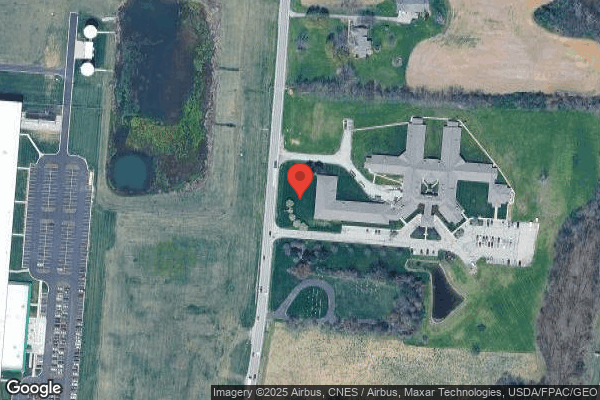
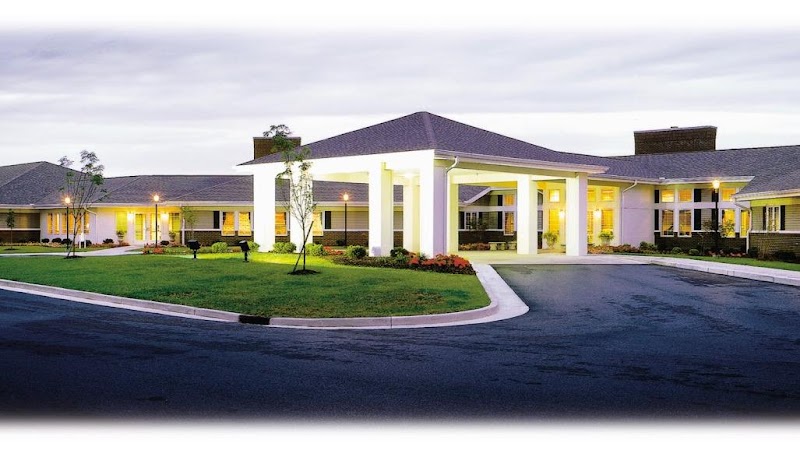
825 STATE ROUTE 61, MARENGO, OH 43334 (419) 253-0144
For profit - Individual 79 Beds FOUNDATIONS HEALTH SOLUTIONS Data: November 2025
Trust Grade
60/100
#418 of 913 in OH
Last Inspection: October 2024

Within standard 12-15 month inspection cycle. Federal law requires annual inspections.

Overview

Bennington Glen Nursing & Rehabilitation Center has a Trust Grade of C+, which means it is slightly above average but not particularly impressive. It ranks #418 out of 913 facilities in Ohio, placing it in the top half, but is the lowest-ranked option in Morrow County. Unfortunately, the facility's trend is worsening, with issues increasing from 1 in 2023 to 11 in 2024. Staffing is a significant concern, as it received a low rating of 1 out of 5 stars, with a troubling turnover rate of 64%, which is higher than the state average. On a positive note, the facility has not incurred any fines, which is a good sign. However, RN coverage is lower than 89% of Ohio facilities, which means there are fewer registered nurses available to catch potential problems. Specific incidents reported include a failure to ensure that pureed food served to residents was the correct texture, which could impact residents on special diets, and delays in completing important assessments for several residents, potentially affecting their care. Overall, while there are some strengths, such as the absence of fines, the facility's staffing issues and increasing number of deficiencies are serious concerns for families considering this home.

Trust Score
C+
60/100
In Ohio
#418/913
Top 45%
Safety Record
Low Risk
No red flags
Inspections
Getting Worse
1 → 11 violations
Staff Stability
⚠ Watch
64% turnover. Above average. Higher turnover means staff may not know residents' routines.
Penalties
✓ Good
No fines on record. Clean compliance history, better than most Ohio facilities.
Skilled Nurses
⚠ Watch
Each resident gets only 20 minutes of Registered Nurse (RN) attention daily — below average for Ohio. Fewer RN minutes means fewer trained eyes watching for problems.
Violations
⚠ Watch
19 deficiencies on record. Higher than average. Multiple issues found across inspections.
★★★☆☆
3.0
Overall Rating
★☆☆☆☆
1.0
Staff Levels
★★★★☆
4.0
Care Quality
★★★★☆
4.0
Inspection Score
Stable
2023: 1 issues
2024: 11 issues

The Good

  • 4-Star Quality Measures · Strong clinical quality outcomes
  • Full Sprinkler Coverage · Fire safety systems throughout facility
  • No fines on record

Facility shows strength in quality measures, fire safety.

The Bad

3-Star Overall Rating

Near Ohio average (3.2)

Meets federal standards, typical of most facilities

Staff Turnover: 64%

18pts above Ohio avg (46%)

Frequent staff changes - ask about care continuity

Chain: FOUNDATIONS HEALTH SOLUTIONS

Part of a multi-facility chain

Ask about local staffing decisions and management

Staff turnover is elevated (64%)

16 points above Ohio average of 48%

The Ugly 19 deficiencies on record

Oct 2024 7 deficiencies
CONCERN (D)

Potential for Harm - no one hurt, but risky conditions existed

Safe Environment (Tag F0584)

Could have caused harm · This affected 1 resident

**NOTE- TERMS IN BRACKETS HAVE BEEN EDITED TO PROTECT CONFIDENTIALITY** 2. Review of medical record for Resident #224 revealed an admission date of 10/15/24. Diagnoses included displaced fracture of t...

Read full inspector narrative →
**NOTE- TERMS IN BRACKETS HAVE BEEN EDITED TO PROTECT CONFIDENTIALITY** 2. Review of medical record for Resident #224 revealed an admission date of 10/15/24. Diagnoses included displaced fracture of the seventh cervical vertebra, displaced fracture of the sixth vertebra, ankylosis spondylitis of unspecified sites in spine, and foot drop of the left foot. Review of the care plan revealed Resident #224 was at risk for falls with interventions including call light in reach, keep walkway free of clutter, and provide a safe environment. Observation and interview of Resident #224's room on 10/21/24 at 3:23 P.M. revealed the floor was very sticky. Licensed Practical Nurse (LPN) #414 confirmed the floor was sticky. Observation and interview of Resident #224's room on 10/22/24 at 2:32 P.M. revealed the floor was still sticky. Resident #224 was observed doing occupational therapy in his room. Occupational Therapy Assistant (OTA) #777 confirmed the floor was sticky. OTA #777 stated she doesn't think the floor should be sticky for Resident #224. Interview on 10/22/24 at 4:50 P.M. with State Tested Nursing Assistant (STNA) #387 stated Resident #224 has thickened liquids and if they spill, it gets very sticky. STNA #387 stated housekeeping cleans rooms once a day. Observation and interview of Resident #224's room on 10/23/24 at 11:14 A.M. revealed the floor was sticky in spots. STNA #391 stated there were sticky spots on the floor and then pointed to them. STNA #311 also confirmed sticky spots on the floor and pointed to a different spot. Interview on 10/23/24 at 11:16 A.M. with Resident #224 stated he has noticed the sticky floor. Review of the undated Hallway Assignment policy revealed all floors need to be swept and mopped or vacuumed on a daily basis. Review of the Safe and Clean Environment policy dated August 2024 revealed the facility should provide housekeeping and maintenance services necessary to maintain a sanitary, orderly, and comfortable interior. Based on observation, medical record review, review of resident council minutes, review of facility policy, and resident and staff interview, the facility failed to prevent the resident's clothing from being lost when sent to laundry and failed to properly clean the resident's floor. This affected two (Residents #48 and #224) of three residents reviewed for clothing and a safe, clean, and comfortable environment. The facility census was 74. Findings include: 1. Review of the medical record revealed Resident #48 was admitted on [DATE]. Diagnoses included chronic respiratory failure, acute kidney disease, and atrial fibrillation. The quarterly Minimum Data Set (MDS) assessment dated [DATE] revealed Resident #48 was cognitively intact. Interview on 10/21/24 at 9:48 A.M. with Resident #48 revealed a shirt and shorts were missing. Resident #48 stated he could not find the shirt or shorts in his room. Resident #48 stated missing laundry was brought up at resident council meetings a lot and it was still a problem. Interview on 10/22/24 at 2:57 P.M. with Licensed Nursing Home Administrator (LNHA) revealed sometimes resident names were not put on clothing items brought in by family. Resident #48's missing items were discussed on 10/18/24. Head of Housekeeping/Laundry #360 was notified of the missing clothing. LNHA stated there was a quality improvement plan in place to have families give new clothing items to staff so the clothing could be labeled. Interview on 10/22/24 at 3:07 P.M. with Head of Housekeeping/Laundry #360 verified he was not aware Resident #48 was missing any clothing. Additional interviews on 10/23/24 at 11:40 A.M. and on 10/24/24 at 10:18 A.M. Head of Housekeeping/Laundry #360 verified Resident #48's clothing had not been found. Review of monthly resident council meeting minutes from October 2023 through September 2024 revealed missing clothing was mentioned at every meeting except in April 2024.
CONCERN (D)

Potential for Harm - no one hurt, but risky conditions existed

Comprehensive Assessments (Tag F0636)

Could have caused harm · This affected 1 resident

Based on record review, staff interview, and review of the Resident Assessment Instrument (RAI) manual, the facility failed to ensure admission and annual comprehensive Minimum Data Set (MDS) 3.0 asse...

Read full inspector narrative →
Based on record review, staff interview, and review of the Resident Assessment Instrument (RAI) manual, the facility failed to ensure admission and annual comprehensive Minimum Data Set (MDS) 3.0 assessments were completed timely and as required. This affected three (Residents #35, #39, and #171) of 36 residents reviewed for resident assessments. The facility census was 74. Findings include: 1. Review of Resident #35's medical record revealed an admission date of 10/24/19. Diagnoses included dementia, depression, and Parkinson's Disease. Review of Resident #35's annual MDS 3.0 assessment, dated 08/27/24 revealed the assessment was in progress (indicating incomplete and not yet submitted as required). Resident #35's prior annual MDS assessment was dated 08/30/23. An interview on 10/22/24 at 2:54 P.M. with MDS Coordinator #393 confirmed the comprehensive assessments for Resident #35 was not completed timely. 2. Review of Resident #39's medical record revealed an admission date of 08/10/23. Diagnoses included dementia, anxiety, and depression. Review of Resident #39's annual MDS 3.0 assessment, dated 08/20/24, revealed the assessment was in progress. Resident #39's prior admission MDS assessment was dated 08/21/23. An interview on 10/22/24 at 2:54 P.M. with MDS Coordinator #393 confirmed the comprehensive assessments for Resident #39 was not completed timely. 3. Review of Resident #171's medical record revealed an admission date of 09/13/24. Diagnoses included acute and chronic respiratory failure with hypoxia, chronic respiratory failure, and congestive heart failure. Review of Resident #171's admission MDS assessment, dated 09/26/24, revealed the assessment was in progress. Resident #171 had no prior comprehensive MDS assessments. An interview on 10/22/24 at 2:54 P.M. with MDS Coordinator #393 confirmed the comprehensive assessments for Resident #171 was not completed timely. Review of the RAI Manual, dated October 2023, revealed the Omnibus Budget Reconciliation Act (OBRA) of 1987 requires nursing homes that are Medicare certified, Medicaid certified, or both, to conduct initial and periodic assessments for all their residents. The RAI process is the basis for the accurate assessment of each resident and contains but comprehensive and non-comprehensive assessments. Comprehensive assessments include both the completion of both the MDS and the Care Area Assessment (CAA) process, as well as care planning. Comprehensive assessments are completed upon admission, annually, and when a significant change has occurred. The admission assessment is a comprehensive assessment for a new resident that must be completed by the end of day 14, counting the date of admission to the nursing home as day 1. The Annual assessment is a comprehensive assessment for a resident that must be completed on an annual basis (at least every 366 days) unless a Significant Change in Status Assessment (SCSA) or Significant Change to Prior Assessment (SCPA) has been completed since the most recent comprehensive assessment. The Assessment Reference Date (ARD) must be set within 366 days after the ARD of the previous comprehensive assessment. The MDS completion date must be no later than 14 days after the ARD.
CONCERN (E)

Potential for Harm - no one hurt, but risky conditions existed

Deficiency F0638 (Tag F0638)

Could have caused harm · This affected multiple residents

**NOTE- TERMS IN BRACKETS HAVE BEEN EDITED TO PROTECT CONFIDENTIALITY** Based on record review, staff interview, and review of the Resident Assessment Instrument (RAI) manual, the facility failed to e...

Read full inspector narrative →
**NOTE- TERMS IN BRACKETS HAVE BEEN EDITED TO PROTECT CONFIDENTIALITY** Based on record review, staff interview, and review of the Resident Assessment Instrument (RAI) manual, the facility failed to ensure quarterly Minimum Data Set (MDS) 3.0 assessments were completed timely and as required. This affected nine residents (#14, #15, #23, #27, #30, #47, #52, #56, and #60) of 36 residents reviewed for resident assessments. The facility census was 74. Findings include 1. Review of Resident #14's medical record revealed an admission date of 05/04/21. Diagnoses included dementia. Review of Resident #14's MDS assessments revealed a quarterly assessment dated [DATE] was in progress. Resident #14's prior quarterly assessment was dated 06/01/24. The resident's MDS tab in her electronic medical record indicated the assessment was overdue. An interview on 10/22/24 at 2:54 P.M. with MDS Coordinator #393 confirmed the quarterly assessment for Resident #14 was incomplete and not completed timely. 2. Review of Resident #15's medical record revealed an admission date of 09/25/18. Diagnoses included Alzheimer's disease with early onset. Review of Resident #15's MDS assessments revealed a quarterly assessment dated [DATE] was listed as in progress. Resident #15's prior annual assessment was dated 05/30/24. The resident's MDS tab in her electronic medical record indicated the assessment was overdue. An interview on 10/22/24 at 2:54 P.M. with MDS Coordinator #393 confirmed the quarterly assessment for Resident #15 was incomplete and not completed timely. 3. Review of Resident #23's medical record revealed an admission date of 05/10/24. Diagnoses included dementia. Review of Resident #23's MDS assessments revealed a quarterly assessment dated [DATE] was listed as in progress. Resident #23's prior admission assessment was dated 05/20/24. The resident's MDS tab in his electronic medical record indicated the assessment was overdue. An interview on 10/22/24 at 2:54 P.M. with MDS Coordinator #393 confirmed the quarterly assessment for Resident #23 was incomplete and not completed timely. 4. Review of Resident #27's medical record revealed an admission date of 05/06/24. Diagnoses included chronic respiratory failure. Review of Resident #27's MDS assessments revealed two quarterly assessments, one dated 07/04/24 and another dated 10/03/24, both listed as in progress. Resident #27's last completed assessment was a comprehensive significant change in status assessment (SCSA) dated 04/03/24. An interview on 10/22/24 at 2:54 P.M. with MDS Coordinator #393 confirmed the quarterly assessments for Resident #27 were incomplete and not completed timely. 5. Review of Resident #30's medical record revealed an admission date of 01/30/24. Diagnoses included Parkinson's disease. Review of Resident #30's MDS assessments revealed a quarterly assessment dated [DATE] was listed as in progress. Resident #30's prior quarterly assessment was dated 05/06/24. The resident's MDS tab in his electronic medical record indicated the assessment was overdue. An interview on 10/22/24 at 2:54 P.M. with MDS Coordinator #393 confirmed the quarterly assessment for Resident #30 was incomplete and not completed timely. 6. Review of Resident #47's medical record revealed an admission date of 11/01/22. Diagnoses included Alzheimer's disease. Review of Resident #47's MDS assessments revealed a quarterly assessment dated [DATE] was listed as in progress. Resident #47's last completed assessment was a comprehensive SCSA dated 05/22/24. The resident's MDS tab in her electronic medical record indicated the assessment was overdue. An interview on 10/22/24 at 2:54 P.M. with MDS Coordinator #393 confirmed the quarterly assessment for Resident #47 was incomplete and not completed timely. 7. Review of Resident #52's medical record revealed an admission date of 04/22/24. Diagnoses included dementia. Review of Resident #52's MDS assessments revealed a quarterly assessment dated [DATE] was listed as in progress. Resident #52's prior quarterly assessment was dated 04/27/24. The resident's MDS tab in her electronic medical record indicated the assessment was overdue. An interview on 10/22/24 at 2:54 P.M. with MDS Coordinator #393 confirmed the quarterly assessment for Resident #52 was incomplete and not completed timely. 8. Review of Resident #56's medical record revealed an admission date of 05/02/23. Diagnoses included cerebral infarction due to embolism (clot). Review of Resident #56's MDS assessments revealed a quarterly assessment dated [DATE] was listed as in progress. Resident #56's prior annual assessment was dated 05/09/24. The resident's MDS tab in her electronic medical record indicated the assessment was overdue. An interview on 10/22/24 at 2:54 P.M. with MDS Coordinator #393 confirmed the quarterly assessment for Resident #56 was incomplete and not completed timely. 9. Review of Resident #60's medical record revealed an admission date of 04/24/24. Diagnoses included acquired absence of right leg above the knee. Review of Resident #60's MDS assessments revealed a quarterly assessment dated [DATE] was listed as in progress. Resident #60's prior admission assessment was dated 05/01/24. The resident's MDS tab in his electronic medical record indicated the assessment was overdue. An interview on 10/22/24 at 2:54 P.M. with MDS Coordinator #393 confirmed the quarterly assessment for Resident #60 was incomplete and not completed timely. Review of the RAI Manual, dated October 2023, revealed the Omnibus Budget Reconciliation Act (OBRA) of 1987 requires nursing homes that are Medicare certified, Medicaid certified, or both, to conduct initial and periodic assessments for all their residents. The RAI process is the basis for the accurate assessment of each resident and contains but comprehensive and non-comprehensive assessments. The quarterly assessment is a non-comprehensive OBRA assessment that must be completed at least every 92 days following the prior OBRA assessment of any type. It is used to track a resident's status between comprehensive assessments to ensure critical indicators of gradual change in a resident's status are monitored. The Assessment Reference Data (ARD) of the assessment must not be more than 92 days after the ARD of the most recent OBRA assessment of any type. The MDS completion date must be no later than 14 days after the ARD.
CONCERN (E)

Potential for Harm - no one hurt, but risky conditions existed

Deficiency F0805 (Tag F0805)

Could have caused harm · This affected multiple residents

Based on observations, staff interview, and facility policy review, the facility failed to ensure pureed food was an appropriate smooth texture prior to serving residents on a pureed diet. This had th...

Read full inspector narrative →
Based on observations, staff interview, and facility policy review, the facility failed to ensure pureed food was an appropriate smooth texture prior to serving residents on a pureed diet. This had the potential to affect five residents (Residents #4, #19, #29, #34, #172) who were on a prescribed pureed diet. The facility census was 74. Findings include: Interview on 10/22/24 at 10:03 A.M. with Dietary [NAME] (DC) #344 stated she wanted the puree textures at a mashed potato consistency. DC #344 stated when the puree texture was complete, it was like baby food, which was smooth with no chunks. DC #344 said she tastes her puree food, and a resident should not have to chew a puree food item. DC #344 said there were six residents on a puree diet. DC #344 stated she was going to puree chicken enchiladas, peppers and onions, and mashed potatoes for lunch that day (10/22/24). Observation and interview on 10/22/24 at 10:08 A.M. revealed DC #344 started the chicken enchilada puree. DC #344 said the puree was done at 10:09 A.M. Observation of the puree revealed it looked chunky. DC #344 then tasted the puree. DC #344 stated it was okay to serve to the residents. At 10:10 A.M., the chicken enchilada puree tasted chunky and it had to be chewed before it could be swallowed. DC #344 put it on the stove to keep warm before serving. Interview on 10/22/24 at 10:11 A.M. with Dietary Supervisor #359 stated she tasted it and confirmed it was chunky. Review of the undated Pureed Food policy revealed food will be provided in a form designed to meet individual needs. Pureed diets will be served as ordered by they physician.
CONCERN (E)

Potential for Harm - no one hurt, but risky conditions existed

Infection Control (Tag F0880)

Could have caused harm · This affected multiple residents

**NOTE- TERMS IN BRACKETS HAVE BEEN EDITED TO PROTECT CONFIDENTIALITY** 2. Review of Resident #03's medical record revealed an admission date of 08/07/24. Diagnoses included type II diabetes mellitus,...

Read full inspector narrative →
**NOTE- TERMS IN BRACKETS HAVE BEEN EDITED TO PROTECT CONFIDENTIALITY** 2. Review of Resident #03's medical record revealed an admission date of 08/07/24. Diagnoses included type II diabetes mellitus, chronic kidney disease stage IV, obesity, and obstructive sleep apnea. Review of the admission Minimum Data Set (MDS) assessment, dated 08/14/24, revealed Resident #03 had a Brief Interview for Mental Status (BIMS) score of 14, indicating intact cognition. Resident #03 required hands on assistance for activities of daily living and mobility tasks. Review of the Medication Administration Record (MAR) dated October 2024 revealed Resident #03 requested and received a dose of as-needed Tylenol extended relief eight-hour (a mild pain reliever and fever reducer) 650 milligrams (mg) tablet for a complaint of general discomfort on 10/20/24 at 8:00 A.M. A follow-up MAR note on 10/20/24 at 10:00 A.M. indicated the medication was effective. Review of Resident #03's interdisciplinary progress notes dated 10/20/24 revealed the resident complained of head congestion, occasional cough, and nasal congestion. The resident was not recorded as having a fever, his lungs were clear, and he had no respiratory distress. The provider was notified and provided a new order for cough syrup every four hours, and one dose had been given earlier in the morning and Resident #03 had no further complaints throughout the day. An observation and interview on 10/21/24 at 11:34 A.M. revealed Resident #03 up in his recliner chair in his room. He was wearing a hospital gown, was observed blowing his nose and had a small pile of used tissues on his overbed table in a pile. Resident #03 stated he had sinus pain and pressure as he gestured to his face, a runny nose, and had a cough. Resident #03 stated he had been taking cough medicine and he thought it had helped. Resident #03 stated no one had offered to or tested him for COVID-19 recently. Resident #03 was not listed as in isolation and had a roommate, Resident #41. A follow up observation and interview on 10/21/24 at 2:36 P.M. revealed Resident #03 remained in a hospital gown. Resident #03 stated he was just not feeling well. Resident #03 was observed to still have used tissues on his overbed table. Resident #03 endorsed he was still having sinus discomfort, pressure, nasal drainage, and an occasional cough. An interview on 10/21/24 at 2:59 P.M. with Certified Nursing Assistant (CNA) #325 stated she regularly worked on the 200 unit, and today she was assigned to 200-B. CNA #325 stated she was aware Resident #03 was feeling unwell, but stated she was told his symptoms were not signs of COVID-19. Review of Resident #03's interdisciplinary progress notes revealed no notes on Resident #03's condition or symptoms were recorded on 10/21/24. A note dated 10/22/24 which stated the resident continued to have nasal congestion, an occasional moist cough, but the resident was not in respiratory distress nor did he have a fever. The note indicated Resident #03 continued to have mild discomfort. An interview on 10/23/24 at 8:11 A.M. with CNA #384 revealed she donned personal protective equipment (PPE) and preparing to answer Resident #03's call light. CNA #384 stated she had been told early this morning Resident #03 tested positive for COVID-19. CNA #384 stated she was not surprised, as Resident #03 had been sick with a runny nose, cough, and fatigue. CNA #384 stated Resident #03 was continuing to reside with his roommate, Resident #41, who had tested negative for COVID-19 earlier that morning (10/23/24). CNA #384 was unsure why the residents were still rooming together if one was positive, and one was negative. An interview on 10/23/24 at 9:41 A.M. with IP #394 stated Resident #03 was not tested upon the onset of his symptoms, as he did not have a recorded fever, but confirmed she was aware of his other symptoms. IP #394 indicated she followed Centers for Disease Control (CDC) guidelines and would periodically go online to find the most up-to-date CDC guidelines. IP #394 confirmed residents were tested earlier that morning (10/23/24) and six additional residents were identified to be positive for Covid-19 and subsequently were placed in isolation. An observation on 10/24/24 at 1:38 P.M. of Resident #03 revealed the resident was seated up in his recliner and appeared to be asleep. Resident #03 was seated directly next to his roommate Resident #41, whose chairs were positioned side by side in the room. An interview on 10/24/24 at 1:46 P.M. with the DON confirmed Resident #03 was COVID-19 positive as of 10/23/24 and remained in the same room as his roommate, Resident #41. The DON confirmed there was no evidence in either resident's medical record of attempts to offer one a temporary private room, provide any education on risk versus benefit of cohorting, nor was there evidence Resident #41's family was notified he was cohorted with a COVID-19 positive resident. The DON confirmed the facility should not be cohorting COVID-19 positive and negative residents in the same room. Review of the COVID-19 Positive Testing Schedule policy revised October 2024 revealed upon identification of a single new positive case of COVID-19 in any staff or residents, it should be evaluated to determine if other in the facility could have been exposed. The approach to an outbreak investigation could involve either: 1. Contact tracing or 2. Broad-based approach. Contact tracing is performed to identify any staff or residents who may have had close contact with the individual that tested positive for COVID-19. If the facility is unable to identify close contacts, all staff and residents, regardless of vaccination status, that are assigned to a specific location where the new positive case occurred will test as soon as possible (but not earlier than 24 hours after the exposure) OR the facility may opt for facility wide outbreak testing. Review of the facilities Infection Control, Isolation Policy dated 01/11/22 revealed transmission-based precautions will be employed for known or suspected infections for which the route of transmission/prevention is known: Airborne, droplet, and contact for COVID-19. Color coded signs instructing visitors to report to the nurses' station before entering the room will be placed at the doorway of the resident's room. Review of CDC Symptoms of COVID-19 online resource, dated 06/25/24, revealed people with COVID-19 have a wide range of symptoms ranging from mild symptoms to severe illness. Possible symptoms include fever or chills, cough, shortness of breath or difficulty breathing, sore throat, congestion or runny nose, new loss of taste or smell, fatigue, muscle or body aches, headache, nausea or vomiting and diarrhea. Review of the CDC guidance titled Infection Control Guidance: SARS-CoV-2 dated 06/24/24 and found at https://www.cdc.gov/covid/hcp/infection-control/index.html revealed the guidance applies to all U.S. settings where healthcare (HCC) is delivered, including nursing homes and home health. HCC facilities should ensure everyone is aware of recommended infection prevention and control practices in the facility. The guidance listed to post visual alerts (signs, posters) at the entrance and in strategic places. The facility should establish a process to make everyone aware of entering the facility of recommended actions to prevent transmission to others if they have any of the following criteria: A positive test for SARS-CoV02, symptoms of COVID-19, or close contact with someone with SARS-Co-V-2 infection. Under CDC's Perform SARS-CoV-2 Viral Testing, asymptomatic patients with close contact with someone with SARS-CoV-2 infection should have a series of three viral tests for SARS-CoV-2 infection. Testing is recommended immediately (but not earlier than 24 hours after the exposure) and, if negative, again 48 hours after the first negative test and, if negative again, again 48 hours after the second negative test. This will typically be on day one (where day of exposure is day zero), day three, and day five. Under CDC's Create a Process to Respond to SARS-CoV-2 Exposures Among HCP (Healthcare Professionals) and Others, HCC facilities should have a plan for how SARS-CoV-2 exposure in HCC facility will be investigated and managed and how contract tracing will be performed. If HCC-associated transmission is suspected or identified, facilities might consider expanding testing of HCP and patients as determined by the distribution and number of cases throughout the facility to identify close contacts. Under CDC's Duration of Emperic Transmission-Based Precautions for Asymptomatic Patients following Close Contact with Someone with SARS-CoV-2 Infection, patients do not require empiric use of Transmission-Based Precautions while being evaluated for SARS-CoV-2 following close contact with someone with SARS-CoV-2 infection. These patients should still wear source control. Under CDC's Patient Placement, if cohorting, only patients with the same respiratory pathogen should be housed in the same room. Based on observations, policy review, review of Centers for Disease Control and Prevention (CDC) guidance, medical record review, and resident and staff interviews, the facility failed to properly do contact tracing or implement broad-based testing when staff and residents tested positive for COVID-19. The facility also failed to offer Resident #3 another room (if available) when roommate tested positive for COVID-19, and Resident #3 was not tested in a timely manner while exhibiting symptoms of COVID-19. This affected 14 Residents (#3, #6, #22, #23, #33, #35, #60, #63, #121, #171, #173, #279, #280, and #500). The facility census was 74 residents. Findings include: Review of the facility COVID-19 tracking information revealed the following positive COVID-20 cases in 27 days. • On 09/26/24, Certified Nursing Assistant (CNA) #305 tested positive for COVID-19. No tracking was provided for CNA #305. • On 10/01/24. Contracted Therapy/CNA #600 tested positive for COVID-19. Residents #37, #41, #44, #52, #53 #171, #174, and #273 were identified as being in close contact with the contracted staff member. • On 10/02/24, Resident #33 tested positive for COVID-19. No tracking information was provided for Resident #33. • On 10/03/24, CNA #320 tested positive for COVID-19. No tracking was provided for CNA #320. • On 10/04/24, Resident #171 was sent to the hospital and tested positive for COVID-19. No tracking information was provided for Resident #171. • On 10/07/24, Resident #279 tested positive for COVID-19. The only tracking for Resident #279 identified Resident #121. No staff were listed that had close contact with Resident #279. • On 10/12/24, Housekeeper #363 tested positive for COVID-19. No tracking was provided for Housekeeper #363. Resident #121 also tested positive for COVID-19. The only tracking for Resident #121 was roommate Resident #36. No staff were listed that had close contact with Resident #121. • On 10/15/24, Resident #500 and Resident #501 tested positive for COVID-19. The tracking information revealed Resident #500 had close contact with Resident #501. Resident #501 had no close contact with anyone due to Resident #501 stayed in his room. No staff were listed and they had close contact with Resident #500 and #501. • On 10/20/24, Residents #23, #60, and #280 tested positive for COVID-19. The only tracking for Resident #23 and #60 included Resident #17 and #39. No staff were listed that had close contact with Resident #23 and #60. No tracking information was provided for Resident #280. • On 10/21/24 CNA #382 and Admission/Licensed Practical Nurse (LPN) #392 tested positive for COVID-19. No tracking information was provided for CNA #382 and Admission/LPN #392. Upon entrance to the facility on [DATE] at 7:30 A.M., no signs were observed to reveal masks should be worn or there were COVID-19 positive cases in the facility. Upon entering Resident #36 and Resident #121's room on 10/21/24 at 9:15 A.M., the door to the resident's room was open and a large wooden [NAME] with a stuffed animal was on the door. CNA #321 was walking down the hallway and stated the personal protective equipment (PPE) was required in Resident #36 and #121's room. CNA #321 verified a green sign on the door that stated PPE needed to be worn was not visible from the hallway. An observation on 10/21/24 at 9:55 A.M. revealed a green sign was now located on the wall in the hallway under Resident #36 and #121's nameplate. Interview on 10/21/24 at 9:57 A.M. CNA #321 verified the nurse had been notified the green isolation sign was hung on Resident #36 and #121's door and was not visible until leaving the room. CNA #321 stated the nurse hung the green isolation sign outside the door above the stand with PPE. On 10/22/24, LPN #418 tested positive for COVID-19. An interview on 10/22/24 at 9:21 A.M. with Infection Preventionist (IP) #394 informed the survey team, the facility was now requiring surgical masks to be worn about the facility, as the facility was in COVID-19 outbreak mode. IP #394 indicated this outbreak was in response to three residents testing positive for COVID-19 on 10/20/24. The facility started outbreak testing on 10/23/24. On 10/23/24, Residents #3, #6, #22, #35, #63, and #173 tested positive for COVID-19. An observation on 10/23/24 at 7:55 A.M. revealed a sign was located on the door at the main entrance that indicated there were positive COVID-19 cases in the facility. Interview on 10/23/24 at 9:41 A.M. with IP #394 revealed she had been in the role as IP since 03/04/24. IP #394 stated outbreak status or testing was not done until there were two or three positive COVID-19 cases in a three-day time period which would indicate a cluster of positive cases. If there were more than three days between positive COVID-19 cases, IP #394 would not consider the positive cases an outbreak. IP #394 stated the facility considered yesterday 10/22/24 the start of the outbreak, because of the three positive cases of COVID-19 identified on the 200-hallway on 10/20/24. IP #394 verified Residents #23, #60, and #280 tested positive for COVID-19 on 10/20/24. IP #394 explained the two-day delay in identifying an outbreak was because she was working as a floor nurse on 10/20/24 and verified she was aware of the three positive cases on 10/20/24. IP #394 indicated she had made a recommendation to the Director of Nursing (DON) and Administrator but had not gotten their approval to implement outbreak procedures. IP #394 explained outbreak procedures would include for facility staff to wear surgical masks throughout the building and would implement in-house COVID-19 testing once weekly for all residents and staff. IP #394 verified she received orders to test residents for COVID-19 on 10/22/24 and testing started by nightshift the morning of 10/23/24. IP #394 verified 10/23/24 was day one of the outbreak. IP #394 stated residents will be retested in five days and staff will test themselves when they arrive at work. Prior to the outbreak, residents were monitored for signs and symptoms that included a temperature over 100 degrees Fahrenheit (F) which was a direct sign of COVID-19. If a resident did not have a temperature, the resident could just be experiencing cold symptoms. IP #394 stated the nurses used their nursing judgement to decide when to test residents for COVID-19. IP #394 stated residents that tested positive for COVID-19 were placed in droplet precaution isolation. If the positive resident had a roommate, the roommate would be moved if there was an available room. IP #394 verified tracking had not been completed for all the staff and residents who tested positive for COVID-19. IP #394 verified outbreak mode had been delayed and not put in place immediately when three residents tested positive on 10/20/24. IP #394 indicated she followed CDC guidelines and would periodically go online to find the most up-to-date CDC guidelines. IP #394 stated it was the facility practice to monitor residents for signs and symptoms in order to validate testing a resident but was unsure if an assessment or evidence of this monitoring was a piece the nursing staff were recording on a daily basis. IP #394 verified there was a delay in implementing resident testing to identify any other residents who could be positive for approximately two days. An interview on 10/23/24 at 10:38 A.M. with the Administrator revealed the facility's delay in implementing their outbreak procedures was related to the facility being caught up with the unannounced annual survey which began on 10/21/24 but stated the residents should have been the priority. The Administrator stated residents with the same respiratory pathogen should be cohorted, and resident movement should be only for medically essential purposes. The Administrator also stated the staff were only considered to be in close contact if they were close to a resident for 15 minutes or longer. Interview on 10/23/24 at 10:59 A.M. with the DON verified IP #394 did not have to obtain permission to call for a COVID-19 outbreak in the facility. IP #394 was the IP and was the lead person on all infections including COVID-19. An observation on 10/24/24 at 7:45 A.M. revealed a sign was located on the door at the main entrance that indicated masks should be worn.
CONCERN (E)

Potential for Harm - no one hurt, but risky conditions existed

Antibiotic Stewardship (Tag F0881)

Could have caused harm · This affected multiple residents

**NOTE- TERMS IN BRACKETS HAVE BEEN EDITED TO PROTECT CONFIDENTIALITY** Based on record review, staff interview, review of infection control logs, and policy review, the facility failed to implement t...

Read full inspector narrative →
**NOTE- TERMS IN BRACKETS HAVE BEEN EDITED TO PROTECT CONFIDENTIALITY** Based on record review, staff interview, review of infection control logs, and policy review, the facility failed to implement their antibiotic stewardship program policy and thoroughly track infections to ensure infections and antibiotics were ordered appropriately. This affected 13 (#22, #27, #37, #39, #42, #54, #57, #173, #174, #175, #176, #177, and #273) of 17 residents identified as ordered antibiotics during September 2024 and October 2024. The facility census was 74. Findings include: 1. Review of the Infection Control Log dated for September 2024 revealed the facility tracked residents that had received antibiotics for the month of September 2024. The form included the resident name, admission date, onset date (of infection), site of infection, infection related diagnosis, sections to indicate whether a culture, or x-ray was performed, organism, antibiotic that was ordered, if isolation was ordered, if the infection was a healthcare associated, a recultured date, and a date resolved. For each listed infection, a corresponding sheet was included which provided to detail whether or not the resident met criteria for appropriate antibiotic use. The log revealed for the month of September 2024, there were 11 total occurrences of residents requiring antibiotic use, and eight residents did not meet the criteria for antibiotic use. The following residents were identified on the log as not meeting criteria. A. Resident #177 was admitted to the facility on [DATE]. Resident #177 was ordered Amoxicillin (an antibiotic) on 09/18/24. The log noted the resident had an infection-related diagnosis of pneumonia. An x-ray was not listed as being performed. The log noted the infection resolved on 09/25/24. An attached Infection Report Form dated 09/18/24, on which symptoms or clinical signs or symptoms of infections were to be recorded. The form listed specific (McGeer's) criteria, symptoms, and laboratory criteria for different body systems to determine if the resident met the criteria for treatment with antibiotics. Resident #177 was not listed as having any respiratory symptoms. The infection was listed as in-house and as not meeting surveillance criteria. The form indicated Resident #177 received his course of antibiotic therapy from 09/18/24 to 09/23/24. The form was signed by Infection Preventionist (IP) #394. B. Resident #54 was admitted to the facility on [DATE]. Resident #54 was ordered Ciprofloxacin (an antibiotic) on 09/03/24. The log noted the resident had an infection-related diagnosis of Urinary Tract Infection (UTI). A culture was not listed as performed. The log noted the infection resolved on 09/10/24. An attached Infection Report Form dated 09/03/24 listed Resident #54 as having experienced no urinary symptoms. The infection was listed as in-house and the form indicating whether the infection met surveillance criteria was blank. The form listed no culture as being performed, yet Resident #54 received antibiotic therapy from 09/03/24 to 09/10/24. The form was signed by IP #394. C. Resident #57 was admitted to the facility on [DATE]. Resident #57 was ordered Azithromycin (an antibiotic) on 09/11/24. The log noted the resident had an infection-related diagnosis of prophylactic (used for prevention) for Chronic Obstructive Pulmonary Disease (COPD). There were no cultures or x-ray examination performed. An attached Infection Report Form dated 09/11/24 listed Resident #57 as having no respiratory symptoms. The infection was listed as in-house and as not meeting infection surveillance criteria. Resident #57 was listed as receiving Azithromycin on Mondays, Wednesdays, and Fridays from 09/11/24 to indefinitely. The form was signed by IP #394. Resident #57 was discharged from the facility on 09/30/24. D. Resident #42 was admitted to the facility on [DATE]. Resident #42 was ordered Amoxicillin on 09/17/24 for an infection-related diagnosis of acute bronchitis. Resident #42 was not listed as having an x-ray examination performed. An attached Infection Report Form dated 09/17/24 listed Resident #42 as having no respiratory signs or symptoms. An x-ray was not listed as being performed. The infection was listed as in-house and as not meeting infection surveillance criteria. Resident #42 was listed as receiving antibiotic therapy from 09/17/24 to 09/24/24. The form was signed by IP #394. E. Resident #39 was admitted to the facility on [DATE]. Resident #39 was ordered Keflex (an antibiotic) on 09/15/24 for an infection-related diagnosis of a UTI. Resident #39 was not listed as having a urine culture performed. An attached Infection Report Form dated 09/15/24 listed Resident #39 as having experienced no urinary symptoms. The infection was listed as in-house and the form indicating whether the infection met surveillance criteria was blank. The form listed no culture as being performed, yet Resident #39 received antibiotic therapy from 09/15/24 to 09/20/24. The form was signed by IP #394. F. Resident #273 was admitted to the facility on [DATE]. Resident #273 was ordered Ciprofloxacin on 09/12/24 for wound prophylactic. Resident #273 was not listed as having any culture performed. An attached Infection Report Form dated 09/12/24 listed Resident #273 as having no wound signs or symptoms indicative of infection, nor as having any culture performed. The infection was listed as in-house and as not meeting infection surveillance criteria. Resident #273 received antibiotic therapy from 09/12/24 to 10/24/24. The form was signed by IP #394. G. Resident #174 was admitted to the facility on [DATE]. Resident #174 was listed as receiving Trimethoprim (an antibiotic) and Nitrofurantoin (an antibiotic) for bladder prophylactic. Resident #174 was not listed to have had any culture performed. An attached Infection Report Form dated 09/26/24 listed Resident #174 as having no signs or symptoms of a UTI. The infection was listed as prophylactic and as not meeting surveillance criteria. As of 10/24/24, Resident #174 had an active order for both Trimethoprim and Nitrofurantoin and had received both on a daily basis since 09/27/24. The form was signed by IP #394. 2. Review of the Infection Control Log for October 2024 revealed the log was incomplete. The log listed the name of six residents (Resident #22, #176, #27, #175, #173, and #37). Listed on the log was onset dates, the name of the antibiotic, and the date resolved. One infection was listed as resolved on 10/24/24, all others were dates in the future already logged. The log included no indication of the site of the infection, any infection-related diagnosis, or if any culture or x-ray had been performed. There were no attached Infection Report Form for any of the residents on the October 2024 log. An interview on 10/23/24 at 9:41 A.M. with IP #394 stated her practice was to log all prescribed antibiotics. She filled out the Infection Report Forms, and would include the order for the antibiotic and any laboratory tests or x-ray examination reports if available. An interview on 10/24/24 at 10:55 A.M. with the Director of Nursing (DON) stated IP #394 was previously tracking infections. The infection control logs were reviewed with the DON. The DON confirmed multiple residents did not meet criteria and had no recorded signs or symptoms of infection and many did not have any cultures or testing recorded prior to initiating antibiotic therapy. The DON confirmed there was no documentation reflecting any communication to or follow up with the ordering prescriber. The DON confirmed the October 2024 log contained resolved dates in the future, and that resolved dates should not be listed in advance. The DON confirmed the log should be maintained and kept up-to-date as it is hard to go back and do a complete job, and timely notify the provider if a resident does not meet infection criteria, after the fact. The DON stated the facility's primary physician is reasonable, and frequent residents not meeting infection criteria should have been communicated to and discussed with the provider, and documented accordingly. The DON was unable to locate any staff or provider training on antibiotic stewardship, feedback reports, or antibiotic use protocol/algorithms. Review of the policy Infection Control Program dated 11/08/21 revealed the IP is responsible for the Infection Control Program. Data collection methods for infection surveillance includes clinical rounds, laboratory and radiology reports, medical records, antibiotic lists, and infection events. The IP will complete the infection control log which identifies and tracks all healthcare acquired infections. Resident infection cases are monitored by the IP who completes the infection control log and reports findings to the DON or designee and the Quality Assurance Performance Improvement (QAPI) committee. Review of the policy Antibiotic Stewardship Program Policy dated 11/03/21 revealed nursing staff shall assess residents who are suspected to have an infection and complete an SBAR (a structured communication tool that helps healthcare teams share information about a patient's condition) form prior to notifying the physician. Laboratory testing shall be in accordance with current standards of practice. The McGeer Criteria are used to determine whether to treat an infection with antibiotics. All antibiotics shall specify the dose, duration, and indication for use. Antibiotic orders obtained upon admission, whether new admission or readmission, to the facility shall be reviewed for appropriateness. Antibiotic orders from consulting, specialty, or emergency providers shall be reviewed for appropriateness. At least annually, each attending physician shall be provided feedback on his/her antibiotic use data in the form of a written report. Education regarding antibiotic stewardship shall be provided at least annually to facility staff, prescribing practitioners, residents, and families. Documentation related to the program is maintained by the IP, and includes the action plan, assessment forms, antibiotic use protocol/algorithms, data collection forms for antibiotic use, process, and outcome measures, antibiotic stewardship meeting minutes, feedback reports, and records related to education of physician's, staff, residents, and families.
MINOR (C)

Minor Issue - procedural, no safety impact

Deficiency F0925 (Tag F0925)

Minor procedural issue · This affected most or all residents

Based on observation, staff interview, and record review, the facility failed to ensure the food preparation and service areas were free from pests. This had to potential to affect all 74 residents re...

Read full inspector narrative →
Based on observation, staff interview, and record review, the facility failed to ensure the food preparation and service areas were free from pests. This had to potential to affect all 74 residents residing in the facility. Findings include: Observation and interview on 10/21/24 at 9:57 A.M. with Dietary Supervisor (DS) #359 revealed five flies flying in the kitchen and landing on the ceiling and beverage line. DS #359 stated they have fly issue but the exterminator was here this morning and confirmed the five flies in the kitchen. Observation and interview on 10/22/24 at 10:04 A.M. with DS #359 revealed flies flying around the kitchen food preparation station and three flies on the ceiling. DS #359 confirmed the flies in the kitchen. Observation on 10/22/24 at 11:03 A.M. revealed three flies on the rack near the food steam table and three additional flies on the ceiling. Interview on 10/22/24 at 11:03 A.M. with Dietary [NAME] #344 confirmed the three flies near the steam table and three flies on the ceiling. Dietary [NAME] #344 revealed they have had a fly issue since the summer. Interview on 10/22/24 at 11:41 A.M. with DS #359 stated they were currently utilizing a pest control specialist every two weeks. DS #359 said if they specify something important, the specialist can come out the same day. Review of the pest control invoices revealed on 09/10/24, an uptick in fly activity. On 09/23/24, the fly pressure has gone way down but the activity was still there. On 10/04/24, there was still some fly activity present at the facility. On 10/21/24, they were still dealing with a few flies in the kitchen area. Review of the Insect/Rodent Control policy dated January 2016 revealed it is the responsibility of the facility to ensure the resident has a right to a safe, clean, and homelike environment. This includes that the facility should incorporate practices that are effective in minimizing the presence of rodents and insects.
Sept 2024 3 deficiencies
CONCERN (D) 📢 Someone Reported This

A family member, employee, or ombudsman was alarmed enough to file a formal complaint

Potential for Harm - no one hurt, but risky conditions existed

Quality of Care (Tag F0684)

Could have caused harm · This affected 1 resident

Based on record review, staff interview, family interview, and policy review, the facility failed to accurately transcribe physician's orders for medications upon admission to the facility. This affec...

Read full inspector narrative →
Based on record review, staff interview, family interview, and policy review, the facility failed to accurately transcribe physician's orders for medications upon admission to the facility. This affected one (Resident #90) of three residents reviewed for admission procedures. The facility census was 76. Findings include: Review of the closed medical record for Resident #90 revealed an admission date of 08/02/24. Medical diagnoses included Alzheimer's disease, hyperlipidemia (elevated cholesterol), and hypertension (elevated blood pressure). Resident #90 was discharged from the facility on 08/12/24 with a family caretaker upon completion of his planned respite stay at the facility. Review of Resident #90's Minimum Data Set (MDS) 3.0 discharge return not anticipated assessment, dated 08/12/24, revealed the resident had a Brief Interview for Mental Status (BIMS) score of 08, indicating moderately impaired cognition. Resident #90 was not recorded to have had any behaviors or rejection of care. Review of Resident #90's baseline care plan, dated 08/04/24, revealed the resident was not a candidate for self-administration of medications. The baseline care plan identified that a current medication list was provided to the resident and/or representative, and that a medication reconciliation was completed with the resident and/or representative. The section regarding physician orders listed to see the current Medication Administration Record (MAR) and Treatment Administration Record (TAR). Review of Resident #90's history and physical, dated 07/08/24, from an outside medical provider revealed the form contained the resident's current medical conditions, relevant assessment findings, and his list current medications. The form listed various ordered medications, of which included a highlighted area which specified a diagnosis of hypertension, and a notation to hold Losartan (a medication used to lower blood pressure) until the blood pressure reading was over 130/80 mmHg (millimeters of mercury). Additional instructions within the order stated to cut down the dose to 50 milligrams (mg) when re-starting the medication. The orders contained no order for Atorvastatin (a medication used to lower cholesterol) 20 mg one tablet daily. Review of Resident #90's physician's orders contained in the electronic health record revealed an order dated 08/02/24 for Losartan 100 mg once daily. Instructions included to monitor for low blood pressure. Resident #90's Losartan order was modified on 08/05/24, to continue at 100 mg once daily, but parameters were added to the order which specified to hold the medication until Resident #90's blood pressure was greater than 130/80 mmHg. Resident #90's electronic health record also contained an order dated 08/02/24 for Atorvastatin 20 mg one tablet daily in the morning. Review of Resident #90's interdisciplinary progress notes, recorded vital signs, and review of the physical medical record revealed no indication the resident's blood pressure was monitored until the order was modified on 08/05/24 to include supplementary documentation. The progress notes made no mention of any new order, conversation with any medical provider, or a pharmacy change which could identify the source of the order for Resident #90's Atorvastatin 20 mg once daily. Review of Resident #90's Medication Administration Record (MAR) for August 2024 revealed the resident was recorded as having received the dose of Atorvastatin on three dates, 08/07/24, 08/08/24, and 08/09/24. On 08/03/24, 08/04/24, 08/05/24, 08/06/24, 08/10/24, and 08/11/24, the dose of Atorvastatin was recorded as not administered with supplemental documentation reflecting the medication was not available. Resident #90's MAR revealed the resident was recorded to have received Losartan 100 mg one tablet daily in the morning from 08/03/24 until 08/12/24. A telephone interview on 09/04/24 at 3:03 P.M. with a family member of Resident #90 revealed when the resident was discharged , she received a medication list which included a medication the resident did not have an order for. The family member reported she was driving, unable to reference the specific medication but reported it as definitely not on the list. She had questioned the facility nurse on duty during the date of discharge, and no one could provide any information on where the order originated from. The family member indicated she declined to sign the resident's discharge paperwork, and was concerned the resident had been receiving the wrong medications throughout his ten-day long respite stay. An interview on 09/04/24 at 4:18 P.M. with the Director of Nursing confirmed Resident #90's Losartan order was a weird order with the written physician's orders stating to decrease the dose when re-starting the medication. The DON stated she would expect nurse's to reach out to the provider and question the order for the dose of the medication and verified there is no documentation in Resident #90's record to reflect the order was ever questioned. Additionally, the DON verified Resident #90's Atorvastatin order was not included in the written physician's orders provided upon admission, and the resident's record contained no evidence or source for the origin of the Atorvastatin order. The DON stated the nurse on duty at the time of admission is responsible for inputting the physician's orders, the next shift was responsible for double checking the physician's orders, and then a nurse manager was the final check to ensure orders were implemented appropriately. Review of the policy Medication Administration, dated 10/04/20, revealed medications are administered in accordance with the order of the prescriber(s). Medications shall be administered following the scope of medication administration using nursing standards of practice. Assuring that the correct medication is administered in the correct dose, in accordance with manufacturer's specifications and with standards of practice, to the correct person via the correct route in the correct dosage form and at the correct time. This deficiency represents non-compliance investigated under Complaint Number OH00156784.
CONCERN (D) 📢 Someone Reported This

A family member, employee, or ombudsman was alarmed enough to file a formal complaint

Potential for Harm - no one hurt, but risky conditions existed

Deficiency F0760 (Tag F0760)

Could have caused harm · This affected 1 resident

Based on record review, staff interview, and policy review, the facility failed to ensure Resident #90 was free of significant medication errors. This affected one (Resident #90) of six residents revi...

Read full inspector narrative →
Based on record review, staff interview, and policy review, the facility failed to ensure Resident #90 was free of significant medication errors. This affected one (Resident #90) of six residents reviewed for medication administration. The facility census was 76. Findings include: Review of the closed medical record for Resident #90 revealed an admission date of 08/02/24. Medical diagnoses included Alzheimer's disease, hyperlipidemia (elevated cholesterol), and hypertension (elevated blood pressure). Resident #90 was discharged from the facility on 08/12/24 with a family caretaker upon completion of his planned respite stay at the facility. Review of Resident #90's Minimum Data Set (MDS) 3.0 discharge return not anticipated assessment, dated 08/12/24, revealed the resident had a Brief Interview for Mental Status (BIMS) score of 08, indicating moderately impaired cognition. Resident #90 was not recorded to have had any behaviors or rejection of care. Review of Resident #90's baseline care plan, dated 08/04/24, revealed the resident was not a candidate for self-administration of medications. The baseline care plan identified that a current medication list was provided to the resident and/or representative, and that a medication reconciliation was completed with the resident and/or representative. The section regarding physician orders listed to see the current Medication Administration Record (MAR) and Treatment Administration Record (TAR). Review of Resident #90's history and physical, dated 07/08/24, from an outside medical provider revealed the form contained the resident's current medical conditions, relevant assessment findings, and his current medications. The form listed various ordered medications, of which included a highlighted area which specified a diagnosis of hypertension, encouraged to hold Losartan (a medication used to lower blood pressure) until the blood pressure reading is over 130/80 mmHg (millimeters of mercury). Additional instructions listed to cut down the dose to 50 mg upon re-starting the medication. Review of Resident #90's physician's orders contained in the electronic health record revealed an order dated 08/02/24 for Losartan (a medication used to lower blood pressure) 100 milligrams (mg) once daily. Instructions included to monitor for low blood pressure. Resident #90's Losartan order was modified on 08/05/24, to continue at 100 mg once daily, but parameters were added to the order which specified to hold the medication until Resident #90's blood pressure was greater than 130/80 mmHg (millimeters of mercury). Review of Resident #90's interdisciplinary progress notes, dated 08/02/24 through 08/12/24, revealed no notation of any contact with the resident's current attending physician or any outside provider regarding the ordered Losartan dosage. Review of Resident #90's MAR for August 2024 revealed no evidence the resident's blood pressure was checked prior to administration of his morning dose of Losartan on 08/03/24, 08/04/24, and 08/05/24. The resident was administered his morning dose of Losartan 100 mg one tablet outside of the physician-ordered parameters on the following dates: 08/06/24 when the resident's blood pressure was recorded as 120/72. 08/08/24 when the resident's blood pressure was recorded as 119/71. 08/09/24 when the resident's blood pressure was recorded as 107/68. 08/10/24 when the resident's blood pressure was recorded as 121/74. 08/11/24 when the resident's blood pressure was recorded as 96/62. 08/12/24 when the resident's blood pressure was recorded as 99/65. An interview on 09/04/24 at 4:18 P.M. with the Director of Nursing (DON) revealed only some residents have parameters for their blood pressure readings, and typically the provider orders parameters for residents whose blood pressure can be unstable. The DON confirmed the Losartan was administered on the above dates outside of the physician-ordered parameters and the nurses should have held the resident's Losartan. The DON shared she will be checking the nurses who administered the medications outside the parameters as they required re-education. Review of the policy Medication Administration, dated 10/04/20, revealed the facility will hire and retain only authorized personnel to administer medications in accordance with manufacturer's specifications and with standards of practice. Medications are administered in accordance with orders of the prescriber(s). This deficiency represents non-compliance investigated under Complaint Number OH00156784.
CONCERN (D) 📢 Someone Reported This

A family member, employee, or ombudsman was alarmed enough to file a formal complaint

Potential for Harm - no one hurt, but risky conditions existed

Deficiency F0761 (Tag F0761)

Could have caused harm · This affected 1 resident

Based on observation, record review, resident and staff interview, and policy review, the facility failed to label and store medications in a safe and secure manner. This affected one (Resident #55) a...

Read full inspector narrative →
Based on observation, record review, resident and staff interview, and policy review, the facility failed to label and store medications in a safe and secure manner. This affected one (Resident #55) and had the potential to affect 18 residents whom the facility identified as recipients of medications stored in Cart A on the 200-hallway. The facility census was 76. Findings include: 1. Review of the medical record for Resident #55 revealed an admission date of 08/08/24. Medical diagnoses included Review of Resident #55's Minimum Data Set (MDS) 3.0 admission assessment, dated 08/08/24, revealed the resident had a Brief Interview for Mental Status (BIMS) score of 15, indicating intact cognition. Review of Resident #55's baseline care plan, dated 08/09/24, revealed the resident was not identified as a candidate to self-administer medications. Review of Resident #55's physician's orders revealed an order dated 08/08/24 for Sodium Chloride Nasal Solution 0.65%, administer 4 sprays in both nostrils three times daily for allergies. Resident #55 also had an order dated 08/08/24 for Fluticasone Propionate Nasal Suspension (a nasal spray which contained a corticosteriod used to manage symptoms of seasonal allergies) 50 micrograms (mcg) per actuation, administer 2 sprays in both nostrils one time daily for allergies. Resident #55's physician's orders did not include an order allowing for self-administration or for medications to be kept at the resident's bedside. An observation on 09/04/25 at 9:35 A.M. of Licensed Practical Nurse (LPN) #232 revealed she prepared Resident #55's ordered morning medications. LPN #232 attempted to retrieve Resident #55's ordered Sodium Chloride nasal spray, but was unable to locate the nasal spray in the medication cart. LPN #232 stated the nasal spray may be in the resident's room as she had seen it in there before. LPN #232 proceeded to Resident #55's room. On Resident #55's overbed table were two boxes of nasal sprays next to the resident's breakfast tray he had just finished eating. The first box contained Sodium Chloride Nasal Solution 0.65%, and the second box contained Fluticasone Propionate 50 mcg/actuation. LPN #232 verified both nasal sprays were at the resident's bedside, and stated she was unsure if the resident was allowed to keep the nasal sprays at bedside, or if he had an order to self-administer medications. An interview on 09/04/24 at 9:53 A.M. with Resident #55 in the presence of LPN #232 revealed he frequently administered his own nasal sprays, even after admitting to the facility. Resident #55 stated sometimes the nursing staff left his nasal sprays at his bedside for a few days at a time, and he uses the sprays when he felt like he needed it. LPN #232 removed the two nasal sprays from Resident #55's bedside. An interview on 09/04/24 at 9:54 A.M. with LPN #232 revealed she checked Resident #55's current physician's orders and verified the resident does not have an order to self-administer medications. LPN #232 additionally checked Resident #55's nasal spray orders and indicated there is no notation or order that the resident could keep the medications at bedside. LPN #232 returned the two nasal sprays to the medication cart and verified the medications should not have been left at the resident's bedside. 2. An observation on 09/04/24 at 10:09 A.M. revealed three plastic pill cups in the top drawer of Cart A on the 200-hallway. The first cup, marked with Resident #43's first name, contained one oblong yellow medication capsule. The second cup, marked Fe, contained six dark green colored round tablets, and the third cup was unlabeled and contained four pills of various sizes, shapes, and colors. An interview on 09/04/24 at 10:11 A.M. with LPN #232 verified the three cups of medications should not be stored in the medication cart in small cups. LPN #232 stated the six dark green round tablets were over the counter iron supplement tablets. LPN #232 was unsure of the strength of the medication and verified without the label, she was unable to check the strength of the medication. LPN #232 stated she had began to prepare medications for Resident #43 but had not yet completed her morning medication administration. LPN #232 was unsure who the four various pills in the unlabeled cup were for, and stated the medications were there before she began her shift. LPN #232 verified the medications should not be stored this way and disposed of the medications in the medication cart's sharps container. An interview on 09/04/24 at 10:41 A.M. with the Director of Nursing (DON) revealed medications should not be pre-poured and should be contained in appropriate packages with labels. A follow up interview with the DON at 4:18 P.M. confirmed medications, including nasal sprays, should not be left at any residents' bedside unless the resident was identified to be capable of self-administration of medications. Review of the policy Labeling and Storage of Medications, dated 10/04/20, revealed the facility shall provide for the accurate labeling of medications/biologicals to facilitate consideration of precautions and safe administration of medications and safe and secure storage of all medication. Drugs and biologicals used in the facility must be labeled in accordance with currently accepted professional principles, and include the appropriate accessory and cautionary instructions and the expiration date when applicable. The facility shall store all drugs and biologicals in locked medication rooms, carts, and/or compartments. This deficiency represents an incidental finding while investigating Complaint Number OH00156784.
Jan 2024 1 deficiency
CONCERN (D) 📢 Someone Reported This

A family member, employee, or ombudsman was alarmed enough to file a formal complaint

Potential for Harm - no one hurt, but risky conditions existed

Deficiency F0582 (Tag F0582)

Could have caused harm · This affected 1 resident

Based on resident, family, and staff interviews and record review, the facility failed to provide the resident and the resident's representative in a timely manner for a daily room rate increase. This...

Read full inspector narrative →
Based on resident, family, and staff interviews and record review, the facility failed to provide the resident and the resident's representative in a timely manner for a daily room rate increase. This affected one resident (Resident #52) of three residents reviewed for billing practices. The facility census was 60. Findings include: Review of the medical record for Resident #52 revealed an admission date of 03/22/23. Medical diagnoses included metabolic encephalopathy, chronic respiratory with hypoxia, and diabetes mellitus. The resident was private pay status as of 06/10/23. The resident resided as the sole occupant in a semi-private room from 06/10/23 until 01/03/24 when he was moved to a private room. Resident #52 was listed as his own responsible party with his daughter, Family Member #200, was listed as his resident representative. Review of the facility's daily room rates and included services dated October 2023 revealed the facility semi-private room rate was $248 per day and the private room rate was $270 per day. Review of Resident #52's admission agreement revealed the facility agreed to provide room, board, laundry and housekeeping services, nursing care, and personal assistance to the resident. The agreement indicated the resident would be given thirty days advanced notice of changes in the facility's charges. Review of Resident #52's monthly invoice dated 11/03/23 revealed he was charged a daily rate of $270 per day. Review of a letter addressed to Resident #52 dated 11/15/23 revealed the facility issued a 30 day notice that the resident's daily rate will increase on 12/15/23 to $496 per day. Review of Resident #52's monthly invoice dated 12/26/23 revealed the resident was charged $270 per day for 12/01/23 to 12/14/23. On 12/15/23, the resident's daily rate at the facility was increased to $496 per day for 12/15/23 to 12/31/23. The invoice additionally included January 2023 charges to include $496 per day for 31 days. An interview on 01/04/24 at 8:40 A.M. with Resident #52 revealed he resided in a private room. Resident #52 stated he was moved on the afternoon of 01/03/24 from a semi-private room into his current private room. Resident #52 stated he was happy with the room change. Resident #52 stated he preferred his daughter to handle all of his banking and financial affairs. An interview on 01/04/24 at 12:45 P.M. with the Administrator revealed Resident #52 had been given a 30 day notice that his daily rate would be increased on 12/15/23. Neither Resident #52 nor his daughter, Family Member #200 had signed a document agreeing to or which indicated they received the notice of rate change. The Administrator stated a copy was possibly left in Resident #52's room but verified it was not documented in the resident's medical record. A copy of the letter was mailed to Resident #52's representative, Family Member #200, by certified mail, but was returned to the facility sender. The Administrator provided the original letter and notice sent and verified it returned unopened to the facility. The Administrator stated the resident's representative was informed verbally of the change in rate when present in the facility towards the end of November 2023. The Administrator stated the change in rate was prompted by Resident #52 continuing to occupy a semi-private room when he stated he would never allow a roommate to share his semi-private room. The Administrator verified the facility's daily room rates did not indicate a rate for a single resident occupying a semi-private room. The Administrator stated no other residents had been charged a double rate for occupying a semi-private room that she could recall. Furthermore, the Administrator indicated the facility had capped admissions due to available staffing levels and indicated the facility had not in recent months been at full capacity. An interview on 01/04/24 at 1:32 P.M. with Family Member #200 revealed she never received a certified letter in the mail nor did she refuse the receipt of a certified letter to indicate the daily rate would be changed. Family Member #200 stated while visiting Resident #52 at the facility on 11/27/23, she was informed by a staff member that the daily rate would be increased on 12/15/23. A follow up interview on 01/04/24 at 3:25 P.M. with the Administrator verified the letter sent to Family Member #200 regarding Resident #52's daily rate change stated that the change was for a private room, not single-occupancy in a semi-private room. The Administrator verified the facility's admission agreement stated a 30 day notice was required for changes in daily rate, and did not realize the regulatory requirement was sixty days notice in writing. The Administrator stated Resident #52's January bill would be revised to reflect the transfer to a true private room on 01/03/24.
Sept 2023 1 deficiency
CONCERN (E) 📢 Someone Reported This

A family member, employee, or ombudsman was alarmed enough to file a formal complaint

Potential for Harm - no one hurt, but risky conditions existed

Infection Control (Tag F0880)

Could have caused harm · This affected multiple residents

Based on observations, record review, staff interviews, review of the Centers for Disease Control and Prevention (CDC) COVID-19 guidance, and policy review, the facility failed to ensure wore the prop...

Read full inspector narrative →
Based on observations, record review, staff interviews, review of the Centers for Disease Control and Prevention (CDC) COVID-19 guidance, and policy review, the facility failed to ensure wore the proper Personal Protective Equipment (PPE) in resident rooms who were in isolation for COVID-19. This had the potential to affect 10 residents (#35, #60, #115, #120, #130, #135, #145, #150, #170, and #180) residents on the 100 B hall who had not tested positive for SARS-CoV-2 (COVID-19) in the facility outbreak dated 09/07/23. The facility census was 60. Findings include: Review of the facility's COVID-19 outbreak documentation dated 09/07/23 revealed the facility initiated COVID-19 outbreak status on 09/07/23. There were two residents (#100 and #100) currently in isolation for COVID-19 and resided on the 100 B-Hall unit. There were eight residents (#05, #40, #50, #55, #105, #124, #140 and #190) who had been infected with COVID-19 but had completed their isolation period, and 10 residents (#35, #60, #115, #120, #130, #135, #145, #150, #170 and #180) who had not been infected during the current outbreak and lived on the 100 B-Hall unit. Observation of Resident #100 and #110's room on 09/25/23 at 1:45 P.M. revealed resident's room door was observed to have signage up that revealed staff were not to enter without wearing a N-95 mask, gown, gloves, and goggles. The signage also stated the items must be removed prior to leaving the room. There was observed by a three drawer chest in the hallway next to the room which contained the required PPE. Housekeeper #320 was in the room in her scrubs and a surgical mask using a broom to sweep the floor in the room. Housekeeper #320 was observed talking to the residents as she worked. Housekeeper #320 was not wearing a N-95 mask, gown, gloves, and eye protection. Interview with Registered Nurse (RN) #325 on 09/25/23 at 1:47 P.M. confirmed Housekeeper #320 should have on a N-95 mask, gown, gloves, and eye protection. RN #325 was observed to tell Housekeeper #320 to come to the doorway and instruct Housekeeper #320 to put on the required PPE. Interview with Housekeeper #320 on 09/25/23 at 1:55 P.M. confirmed she forgot to put on the required PPE prior to starting to Resident #100 and #110's room which was a isolation room. Subsequent observation of Resident #100 and #110's room on 09/26/23 at 5:47 A.M. revealed State Tested Nursing Assistant (STNA) #300 and #305 were in the room assisting the residents. STNA #300 was on the left side of of Resident #100's bed by the head of the bed and STNA #305 was standing by the bathroom door. STNA #300 and #305 were observed to have surgical mask in place but no PPE. The signage remained on the resident's room door for staff not to enter without wearing a N-95 mask, gown, gloves, and goggles. The signage also stated the items must be removed prior to leaving the room. Observation and interview with RN #390 on 09/26/23 at 5:48 A.M. confirmed STNAs #300 and #305 did not have on the required PPE. RN #390 stated she forgot to tell them. Interview and observation with STNA #300 on 09/26/23 at 5:49 A.M. revealed she was starting to exit Resident #100 and #110's room wearing her surgical mask. STNA #300 did not dispose of her surgical mask or complete hand hygiene after exiting Resident #100 and #110's room. STNA #300 started to walk down the hallway towards other resident rooms and another staff member asked her to change her surgical mask and complete hand hygiene. STNA explained she rushed into Resident #100 and #110's room and didn't think about putting on the proper PPE. Review of the CDC Interim Infection Prevention and Control Recommendations for Healthcare Personnel During the COVID-19 Pandemic (updated 05/08/23) revealed the recommendations in this guidance continue to apply after the expiration of the federal COVID-19 Public Health Emergency. The recommended infection prevention and control practices when caring for a patient with a suspected or confirmed SARS-CoV-2 infection revealed healthcare professionals who enter a room of a patient with suspected or confirmed SARS-Co-V-2 infection should adhere to standards precautions and use a National Institute for Occupational Safety and Health (NIOSH) Approved particulate respirator with N-95 filters or higher, gown, gloves, and eye protection. Review of the facility policy titled COVID 19 Positive+ Testing Schedule Policy, revised 09/23/22 revealed a resident with confirmed COVID-19 will be isolated and remain on transmission based precautions (TBP) (Isolation) in a private room. Staff who enter the room should use a NIOSH-approved respirator (N95), gown, gloves, and eye protection. A NIOSH-approved respirator with N95 filter or higher should be removed and discarded after each COVID-19 patient care encounter and a new one should be put on. Only residents who have tested positive for COVID-19 could be housed in the same room. This was an incidental finding during the complaint investigation.
Jul 2022 3 deficiencies
CONCERN (D)

Potential for Harm - no one hurt, but risky conditions existed

Notification of Changes (Tag F0580)

Could have caused harm · This affected 1 resident

Based on observation, record review, and staff interview, the facility failed to ensure the appropriate disciplines were notified per the plan of care, after a resident was observed in the dining room...

Read full inspector narrative →
Based on observation, record review, and staff interview, the facility failed to ensure the appropriate disciplines were notified per the plan of care, after a resident was observed in the dining room choking. This affected one (#37) of eight residents observed eating in the dining room. The census was 56. Findings include: Review of Resident #37's medical record revealed an admission date of 05/12/22, with diagnoses including metabolic encephalopathy, cerebral infarction, dementia, gastro-esophageal reflux disease. Review of physician orders dated 06/03/22 revealed speech therapist to treat Resident #37, five times per week for four weeks to address deficits and dysphagia, regular-sodium precautions diet, regular texture, and thin liquids consistency. Review of plan of care dated 06/08/22 revealed Resident #37 had a swallowing problem related to complaints of difficulty or pain with swallowing. Interventions included to monitor, document, and report to nurse, dietician, and physician for difficulty swallowing, holding food in mouth and prolonged swallowing time, coughing, throat clearing, drooling, or pocketing food in mouth. Refer to speech therapist for swallowing evaluation. Review of the progress note dated 07/01/22 revealed Resident #37 had new order for speech therapy three times per week for four weeks. Observation on 07/05/22 at 11:32 P.M., with Stated Tested Nurses Aid (STNA) #506 revealed Resident #37 was eating his lunch in the dining room. Resident #37 was served a regular diet which included a cheeseburger. Observation revealed Resident #37 took a bite of the cheeseburger. Resident #37's face became deep red, resident back up his wheelchair, leaned forward, drooling, and not talking. Resident #37 coughed hard and was able to get the food up. STNA #506 went to get the nurse. Review of progress notes dated from 07/01/22 through 07/09/22 revealed no documentation notifying physician or speech therapist of choking incident on 07/05/22. Interview on 07/07/22 at 2:27 P.M., with Director of Nursing (DON) verified there was no documentation in the chart regarding choking incident on 07/05/22. The DON verified the physician or speech therapist were not notified the of choking incident, Resident #37, that occurred in the dining room on 07/05/22. The DON confirmed that the Physician and speech therapist should of been notified after the choking incident. Interview on 07/07/22 at 2:28 P.M., with Speech therapist (ST) #599, revealed Resident #37 had been upgraded from thickened liquids to thin liquids but kept for cognitive treatment this started June ninth, making sure he was tolerating and continuing with swallowing exercises. The ST #599 confirmed she did not know of choking episode on 07/05/22 and thinks she should have been notified unless it was just a strong cough. Interview on 07/07/22 2:39 P.M., with Stated Tested Nurses Aid (STNA) #506 revealed she was passing trays on 07/05/22 and witnessed Resident #37 coughing hard with mucous coming out of his nose. Interview on 07/07/22 at 3:12 P.M., with DON #522 revealed she would have expected RN #598 to notify speech therapy and the physician of the choking episode and to document incident in the medical chart. Interview on 07/07/22 at 3:15 P.M., with Registered Nurse (RN) #598 revealed STNA #506 had come and got her and said Resident #37 was choking. RN #598 revealed Resident #37 wasn't choking at time she went to him. RN #598 revealed she was not aware speech therapy was working with Resident #37. RN #598 verified she did not notify speech therapy or the doctor because she did not see resident choking, just thought he was having a coughing spell.
CONCERN (D)

Potential for Harm - no one hurt, but risky conditions existed

Pressure Ulcer Prevention (Tag F0686)

Could have caused harm · This affected 1 resident

**NOTE- TERMS IN BRACKETS HAVE BEEN EDITED TO PROTECT CONFIDENTIALITY** Based on record review, observation, staff interviews, policy review and review of information from the National Pressure Injury...

Read full inspector narrative →
**NOTE- TERMS IN BRACKETS HAVE BEEN EDITED TO PROTECT CONFIDENTIALITY** Based on record review, observation, staff interviews, policy review and review of information from the National Pressure Injury Advisory Panel (NPIAP), the facility failed to accurately assess, and timely obtain a treatment when a resident was re-admitted to the facility with a pressure wound. This affected one (#40) of three reviewed for pressure ulcers. Facility census was 56. Findings include: Review of Resident #40's medical record revealed an admission date of 03/20/18 and readmission date of 07/01/22. Diagnoses for Resident #40 included atrial flutter, aphasia, kidney failure, and hemiplegia and hemiparesis. Review of the quarterly Minimum Data Set (MDS) dated [DATE] revealed Resident #40 was cognitively intact. The resident required extensive assistance of two for bed mobility and transfer. Resident #40 had a Stage III (full thickness skin loss involving damage or necrosis of subcutaneous tissue that may extend down to, but not through, underlying fascia) pressure ulcer. Review of the electronic facility form titled Admit/Readmit Screener form dated 07/01/22 (and signed as completed on 07/06/22) revealed Resident #40 had a Stage II pressure ulcer to the right heel measuring 2 cm long, 2 cm wide, and was 0.2 cm deep. Review of physician orders dated 07/01/22 to 07/04/22 revealed no orders to treat the right heel. Review of the Weekly Skin Integrity assessment dated [DATE] revealed Resident #40 had a Stage III pressure ulcer to right inner heel with deterioration to the peri wound. The pressure ulcer measured 2.6 cm long, 3 cm wide, and was 0.2 cm deep. Review of physician orders dated 07/05/22, revealed an ordered for a foam boot to the right heel at all times, and the right inner heel was to be cleansed with wound cleaner, patted dry, Calcium Alginate (for moderate to heavily exudative wounds) added, and covered with foam border dressing every day, and the resident may be followed by the in-house wound doctor. Review of the treatment administration record (TAR) revealed the foam boot was applied to Resident #40's right heel the evening of 07/05/22. Further review of the TAR, revealed there was no documentation of a treatment to the right heel from 07/01/22 to 07/04/22. Review of a physician order dated 07/06/22 revealed Resident #40 was ordered the right inner heel to be cleansed with wound cleanser, patted dry, and covered with foam border dressing every day. Review of the TAR revealed a treatment to Resident #40's right inner heel was started on 07/06/22. Review of the plan of care dated 07/06/22 revealed Resident #40 had a Stage IV pressure ulcer to right inner heal. Interventions included the treatment to be completed as ordered. Review of a Skin/Wound note dated 07/06/22 at 1:09 P.M., revealed Resident #40 was seen by the wound doctor. Review of the wound doctor note dated 07/06/22 revealed Resident #40 had a Stage III pressure ulcer to right heel that measured 3 cm long, 3.5 cm wide, and 0.3 cm deep. There was a moderate amount of serous (thin clear serum) drainage. A correction note dated 07/06/22 revealed Resident #40 pressure ulcer to the right heel was a Stage IV. Interview on 07/07/22 at 9:06 A.M., with Wound Nurse #545 verified she was not working when Resident #40 returned from the hospital on [DATE]. Wound Nurse #545 stated if a resident had a wound, the expectation was for an order to be obtained and treatment to started. Wound Nurse #545 verified she assessed Resident #40's pressure ulcer on 07/05/22 and put orders in at that time. Wound Nurse #545 verified she did not know if a dressing had been put on or changed since Resident #40 return from the hospital on [DATE]. The dressing that was on the wound was all bunched up when she assessed the wound; so she was unable to see if the dressing was dated. Wound Nurse #545 verified the wound doctor assessed Resident #40 on 07/06/22 and stated the pressure ulcer was now a Stage IV. Interview on 07/07/22 at 10:49 A.M., with Registered Nurse (RN) #550 verified she was working when Resident #40 returned from the hospital on [DATE]. RN #550 stated a Mepilex (absorbent foam) dressing was in place to Resident #40's pressure ulcer and was sticking to the wound, so it was not removed. RN #550 verified she wanted the wound nurse to see the wound and did not remove the dressing that was in place when Resident #40 returned from the hospital on [DATE]. Observation on 07/11/22 at 10:09 A.M., of wound care for Resident #40 by Wound Nurse #545 revealed the right heel had approximately 50-percent brown/yellow slough (dead skin tissue that may have a yellow or white appearance) in the center of the wound bed. The surrounding tissue had some white maceration, and a moderate amount of serous drainage was noted. Interview on 07/11/22 at 4:05 P.M., with Wound Nurse #545 verified she had changed documentation of the admitting nurse on the Admit/Readmit Screener dated 07/01/22 from a Stage II pressure ulcer that measured 2 cm long, 2 cm wide, and 0.2 cm deep; the documentation now revealed Resident #40 was admitted with a Stage IV pressure ulcer that measured 3 cm long, 3.5 cm wide, and 0.2 cm deep. Wound Nurse #545 verified she did not observe the wound until 07/05/22. Wound Nurse #545 also verified she changed her own documentation on the Weekly Skin Integrity assessment dated [DATE] from a Stage III pressure ulcer to right inner heel with deterioration to the peri wound (skin surrounding the wound) that measured 2.6 cm long, 3 cm wide, and 0.2 cm deep to a Stage IV with measurements of 3 cm long, 3.5 cm wide, and 02. cm deep. Wound Nurse #545 verified the previous documentation was not available. The documentation was changed because the wound had deteriorated, and she did not agree with the documentation by the admitting nurse on 07/01/22 or her own previously documented observation on the wound on 07/05/22. Review of the policy titled Pressure Ulcer Assessment and Prevention, dated 10/04/21 revealed the purpose was to assess residents' potential for development of pressure ulcers so that prevention techniques can be implemented. Nursing staff will follow guidelines from the NPIAP. Review of information from the NPIAP revealed facilities should educate health professionals on how to undertake a comprehensive skin assessment that includes the techniques for identifying blanching response, localized heat, edema, and induration. Further review of the guidelines revealed ongoing assessment of the skin was necessary in order to detect early signs of pressure damage. Visual assessment for erythema (redness of the skin) was the first component of every skin inspection. Skin redness and tissue edema resulting from capillary occlusion was a response to pressure, especially over bony prominences. Staff should conduct a head-to-toe assessment with particular focus on skin overlying bony prominence's including the sacrum, ischial tuberosities, greater trochanters and heels and each time the patient was repositioned was an opportunity to conduct a brief skin assessment. Staff should ensure that the heels are free from the bed, use heel offloading devices or polyurethane foam dressings on individuals at high-risk for heel ulcers. The implementation of a treatment for an existing pressure ulcer is essential to promote healing of the wound. Wound status could change rapidly. Wound improvement or deterioration indicated by change in wound dimensions, change in tissue quality, an increase or decrease in wound exudate, signs of infection or other complications all provided indications of the effectiveness of the current management plan. Further review of the NPIAP revealed a Stage II pressure injury is partial-thickness skin loss with exposed dermis. Partial-thickness loss of skin with exposed dermis. The wound bed is viable, pink, or red, moist, and may also present as an intact or ruptured serum-filled blister. Adipose (fat) is not visible and deeper tissues are not visible. Granulation tissue, slough and eschar are not present. These injuries commonly result from adverse microclimate and shear in the skin over the pelvis and shear in the heel. This stage should not be used to describe moisture associated skin damage (MASD) including incontinence associated dermatitis (IAD), intertriginous dermatitis (ITD), medical adhesive related skin injury (MARSI), or traumatic wounds (skin tears, burns, abrasions). Stage III pressure injury is full-thickness skin loss. Full-thickness loss of skin, in which adipose (fat) is visible in the ulcer and granulation tissue and epibole (rolled wound edges) are often present. Slough and/or eschar may be visible. The depth of tissue damage varies by anatomical location; areas of significant adiposity can develop deep wounds. Undermining and tunneling may occur. Fascia, muscle, tendon, ligament, cartilage and/or bone are not exposed. If slough or eschar obscures the extent of tissue loss this is an Unstageable Pressure Injury. Stage IV pressure injury is full-thickness skin and tissue loss. Full-thickness skin and tissue loss with exposed or directly palpable fascia, muscle, tendon, ligament, cartilage, or bone in the ulcer. Slough and/or eschar may be visible. Epibole (rolled edges), undermining and/or tunneling often occur. Depth varies by anatomical location. If slough or eschar obscures the extent of tissue loss this is an Unstageable Pressure Injury.
CONCERN (D)

Potential for Harm - no one hurt, but risky conditions existed

Medical Records (Tag F0842)

Could have caused harm · This affected 1 resident

**NOTE- TERMS IN BRACKETS HAVE BEEN EDITED TO PROTECT CONFIDENTIALITY** Based on observation, record review, and staff interview, the facility failed to ensure medical records were maintain with accur...

Read full inspector narrative →
**NOTE- TERMS IN BRACKETS HAVE BEEN EDITED TO PROTECT CONFIDENTIALITY** Based on observation, record review, and staff interview, the facility failed to ensure medical records were maintain with accurate documentation of a resident's condition. This affected two (#37 and #40) of 25 residents medical records reviewed. The census was 56. Findings include: 1. Review of Resident #37's medical record revealed an admission date of 05/12/22, with diagnoses including metabolic encephalopathy, cerebral infarction, dementia, gastro-esophageal reflux disease. Review of physician orders dated 06/03/22 revealed speech therapist to treat Resident #37, five times per week for four weeks to address deficits and dysphagia, regular-sodium precautions diet, regular texture, and thin liquids consistency. Observation on 07/05/22 at 11:32 P.M., with Stated Tested Nurses Aid (STNA) #506 revealed Resident #37 was eating his lunch in the dining room. Resident #37 was served a regular diet which included a cheeseburger. Observation revealed Resident #37 took a bite of the cheeseburger. Resident #37's face became deep red, resident back up his wheelchair, leaned forward, drooling, and not talking. Resident #37 coughed hard and was able to get the food up. STNA #506 went to get the nurse. Review of progress notes dated from 07/01/22 through 07/09/22 revealed no documentation of the choking incident or notifying physician or speech therapist of choking incident on 07/05/22. Interview on 07/07/22 at 2:27 P.M., with Director of Nursing (DON) verified there was no documentation in the chart regarding choking incident on 07/05/22. 2. Review of Resident #40's medical record revealed an admission date of 03/20/18 and readmission date of 07/01/22. Diagnoses for Resident #40 included atrial flutter, aphasia, kidney failure, and hemiplegia and hemiparesis. Review of a narrative nurse note dated 07/01/22 at 2:27 P.M., revealed Resident #40 was readmitted to the facility. The resident had an area to right heel that measured 2 centimeters (cm) long and 2 cm wide. The wound bed was red, and no slough was noted. The wound edges were attached and a scant amount of serosanguinous (blood and serum) drainage was noted. Review of the facility form titled Admit/Readmit Screener form dated 07/01/22 revealed Resident #40 had a Stage II pressure ulcer to the right heel measuring 2 cm long, 2 cm wide, and was 0.2 cm deep. Review of the Weekly Skin Integrity assessment dated [DATE] revealed Resident #40 had a Stage III pressure ulcer to right inner heel with deterioration to the peri wound. The pressure ulcer measured 2.6 cm long, 3 cm wide, and was 0.2 cm deep. Interview on 07/07/22 at 10:49 A.M., with Registered Nurse (RN) #550 verified she was working when Resident #40 returned from the hospital on [DATE]. RN #550 stated a Mepilex (absorbent foam) dressing was in place to Resident #40's pressure ulcer and was sticking to the wound, so it was not removed. RN #550 verified she wanted the wound nurse to see the wound and did not remove the dressing that was in place when Resident #40 returned from the hospital on [DATE]. Observation on 07/11/22 at 10:09 A.M., of wound care for Resident #40 by Wound Nurse #545 revealed the right heel had approximately 50-percent brown/yellow slough (dead skin tissue that may have a yellow or white appearance) in the center of the wound bed. The surrounding tissue had some white maceration, and a moderate amount of serous drainage was noted. Interview on 07/11/22 at 4:05 P.M., with Wound Nurse #545 verified she had changed documentation of the admitting nurse on the Admit/Readmit Screener dated 07/01/22 from a Stage II pressure ulcer that measured 2 cm long, 2 cm wide, and 0.2 cm deep. The documentation now revealed Resident #40 was admitted with a Stage IV pressure ulcer that measured 3 cm long, 3.5 cm wide, and 0.2 cm deep. Wound Nurse #545 verified she did not observe the wound until 07/05/22. Wound Nurse #545 also verified she changed her own documentation on the Weekly Skin Integrity assessment dated [DATE] from a Stage III pressure ulcer to right inner heel with deterioration to the peri wound (skin surrounding the wound) that measured 2.6 cm long, 3 cm wide, and 0.2 cm deep to a Stage IV with measurements of 3 cm long, 3.5 cm wide, and 02. cm deep. Wound Nurse #545 verified the previous documentation was not available. The documentation was changed because the wound had deteriorated, and she did not agree with the documentation by the admitting nurse on 07/01/22 or her own previously documented observation on the wound on 07/05/22. Interview on 07/11/22 at 4:29 P.M., with the Director of Nursing verified documentation should not be changed where the previous documentation was not available. If an error was noted, an addendum or clarification should be documented.
Jul 2019 4 deficiencies
CONCERN (D)

Potential for Harm - no one hurt, but risky conditions existed

Resident Rights (Tag F0550)

Could have caused harm · This affected 1 resident

Based on medical record review, observations, resident and staff interviews and review of facility policy the facility failed to ensure all residents were treated with dignity. This affected one (#17)...

Read full inspector narrative →
Based on medical record review, observations, resident and staff interviews and review of facility policy the facility failed to ensure all residents were treated with dignity. This affected one (#17) of 27 residents observed during initial pool. The facility census was 76. Findings Include: Review of the medical record for Resident #17 revealed an admission date of 8/17/16 with diagnoses including depression, psoriasis, dementia and Multiple Sclerosis. Review of the Plan of Care dated 02/02/19 for skin integrity related to psoriasis and redness under bilateral breast revealed no intervention to wear a hospital gown due to skin integrity. Observation on 07/22/19 at 2:04 P.M. of Resident #17 revealed resident sitting in her wheelchair with a hospital gown on. Interview on 07/22/19 at 2:05 P.M. with Resident #17 revealed she would like to wear clothes but the staff did not put clothes on her. Observation on 07/23/19 at 3:14 P.M. of Resident #17 revealed the resident in bed with a hospital gown on. Resident #17 was interviewed at the time of the observation and stated she would like to wear clothes but she did not have any pants. Interview on 07/23/19 at 3:38 P.M. with State Tested Nurse's Assistant (STNA) #190 revealed Resident #17 wears a gown during the day because of a skin condition. STNA #190 verified Resident #17 was wearing a gown and was unable to say the last time Resident #17 wore any clothes. STNA #190 verified that Resident #17 did not have any skin issues at this time. Interview on 07/23/19 at 3:43 P.M. with Licensed Practical Nurse (LPN) #143 verified Resident #17 would wear a hospital gown due to Psoriasis and yeast under breast. LPN #143 verified Resident #17 had no skin issues at this time and there were no orders indicating Resident #17 had to wear a hospital gown all the time. Review of the facility policy for, Resident Rights, dated 02/17/17 revealed staff will make every effort to assist each resident in exercising his/her rights to assure that the resident is always treated with respect, kindness and dignity.
CONCERN (D)

Potential for Harm - no one hurt, but risky conditions existed

Accident Prevention (Tag F0689)

Could have caused harm · This affected 1 resident

**NOTE- TERMS IN BRACKETS HAVE BEEN EDITED TO PROTECT CONFIDENTIALITY** Based on medical record review, resident and staff interview, and review of facility policy and procedure, the facility failed t...

Read full inspector narrative →
**NOTE- TERMS IN BRACKETS HAVE BEEN EDITED TO PROTECT CONFIDENTIALITY** Based on medical record review, resident and staff interview, and review of facility policy and procedure, the facility failed to complete thorough fall investigations and complete/initiate new fall interventions. This affected one Resident (#22) out of one resident reviewed for falls. The census was 76. Findings include: Review of Resident #22's medical record revealed an admission date of 06/29/16. Diagnoses included healed hip fracture, high blood pressure, atrial fibrillation, cerebral infarction, chronic obstructive pulmonary disease, congestive heart failure (CHF), and anxiety. Review of the Minimum Data Set (MDS) assessment dated [DATE] revealed the resident was independent for bathing. Further review of the MDS revealed the resident had intact cognition. Review of the residents care plan, dated 02/22/17, revealed she was at risk for falls related to a decline health with decreased mobility. Interventions included call light in reach, non-skid socks or shoes when out of bed, keep walkway free of clutter, non-skid strips to floor by bed, and provide a safe environment. Review of care plan, dated 05/01/19, revealed the resident had an alteration with self-ambulation. Interventions included to ambulate to/from activities or unit hall one or more times a day with her front wheeled walker and gait belt as tolerated. Review of a care plan, dated 02/22/17, revealed the resident had an activities of daily living (ADL)/self care deficit related to a decline in health with decreased mobility interventions included to assist with bathing. Review of Resident #22's fall risk assessments revealed the following: On 08/22/18 she was a high risk for falls; on 09/24/18, 09/26/18, 11/19/18, 02/18/19, and 03/05/19 she was a low/medium risk for falls; on 03/20/19, 04/22/19, and 05/09/19 she was a high risk for falls. Review of Resident #22's fall investigations and review of the facility fall logs revealed the following: On 08/21/18, the resident fell out of her wheelchair while attempting to pick up a puzzle piece off the floor. The residents new intervention was education to ask for assistance, but there was no documented evidence of what interventions were in place at the time of the fall. On 09/24/18, the resident was found in her room on the floor with a pillow under her hip. The residents new intervention was education to ask for assistance, but there was no documented evidence of what interventions were in place at the time of the fall. On 03/04/19 the resident was found on the floor of her room and she stated she slid out of bed. The residents new intervention was non-skid socks, but there was no documented evidence of what interventions were in place at the time of the fall. On 05/08/19 the resident fell in the shower. The residents new intervention was to be in the restorative program, but there was no documented evidence of what interventions were in place at the time of the fall. Review of nurses notes from 08/21/18 through 05/08/19 revealed no documented evidence of what interventions were in place at the time of each fall. Review of the Restorative Rehabilitation Program Recommendations, dated 04/30/19, revealed Resident #22 was to have staff assistance with ambulation daily or more to/from activities, or ambulate in the hall with staff with a gait belt and front wheel walker due to the resident being a fall risk. Review of the May 2019 through July 2019 restorative notes revealed the above restorative program was not completed on the following dates: 05/11/19, 05/12/19, 05/15/19, 05/18/19, 05/27/19, 05/30/19, 06/05/19, 06/06/19, 06/07/19, 06/14/19, 06/20/19, 07/04/19, 07/16/19, and 07/24/19. An interview on 07/25/19 at 11:30 A.M. with Resident #22 revealed staff did walk with her for the restorative program. She further stated the object of the program was to get her out of her wheelchair and back to using a walker, so she was afraid she would decline if they didn't provide her assistance with the program. Multiple interviews on 07/24/19 at 1:29 P.M. through 07/25/19 at 11:39 A.M. with the Director of Nursing (DON) confirmed the fall investigations were not completed since they did not indicate what interventions were in place at the time of each fall. The DON further confirmed the absence of documentation of the completed restorative program tasks, that the restorative program was put into place prior to the fall on 05/08/19, and that the restorative program was not a new intervention. In regards to the 02/22/17 care plan, the DON stated that assist with bathing, could mean anything from independent to any type of actual staff assistance. She stated the aides should be documenting what kind of assistance they were providing at each shower for Resident #22, but she was unable to provide documentation of what amount of assistance she was actually being provided at each shower. Review of the policy titled, Fall Management, dated 03/08/17, revealed all falls were to be documented in the residents record including objective and factual statements regarding circumstances at the time of the fall.
CONCERN (E)

Potential for Harm - no one hurt, but risky conditions existed

Deficiency F0761 (Tag F0761)

Could have caused harm · This affected multiple residents

Based on observation, staff interview, review of medication insert and review of facility policy the facility failed to ensure multi-vial tuberculosis solution was dated when opened. This had the pote...

Read full inspector narrative →
Based on observation, staff interview, review of medication insert and review of facility policy the facility failed to ensure multi-vial tuberculosis solution was dated when opened. This had the potential to affect 17 Residents (#46, #54, #58, #59, #63, #73, #174, #175, #176, #224, #225, #226, #228, #227, #274, #275 and #276) who the facility identified as being admitted after 04/25/19 and receiving a Tuberculin Purified Protein Derivative (Tuberculin PPD) upon admission. The facility census was 76. Findings include: 1. Observation on 07/24/19 at 9:08 A.M. of the Medication storage room on the 200 Hall revealed one opened vial of Tuberculin PPD solution in the refrigerator with a delivery date of 04/25/19. There was no date on the vial to indicate when it was opened. Interview on 07/24/19 at 9:10 A.M. with Licensed Practical Nurse (LPN)#157 verified the Tuberculin PPD solution had a delivery date of 04/25/19 and had not been dated when it was opened. LPN #157 was unable to determine how long the Tuberculin PPD solution had been opened. LPN #157 verified that the Tuberculin PPD solution was to be discarded 30-days after being opened and the date it was open should of been placed on the vial. 2. Observation on 07/24/19 at 9:57 A.M. of the Medication storage room on the 100-Hall revealed two opened vials of Tuberculin PPD solution in the refrigerator with a delivery date of 05/30/19. There was no date on the vials to indicate when they were opened. Interview on 07/24/19 at 10:00 A.M. with Registered Nurse (RN) #206 verified the Tuberculin PPD solution had a delivery date of 05/30/19 and neither vial had not been dated when they were opened. RN #206 was unable to determine how long the Tuberculin PPD solution had been opened. RN #206 verified that the Tuberculin PPD solution is to be discarded 30-days after being opened and the date it was open should of been placed on the vial. Review of the medication insert for Tuberculin PPD solution revealed vials in use more that 30-days should be discarded due to possible oxidation and degradation, which may affect potency. Review of the facility policy entitled Medication Storage, dated 04/01/13 revealed medications are monitored for appropriate label with the appropriate expiration date. The facility identified 17 Residents (#46, #54, #58, #59, #63, #73, #174, #175, #176, #224, #225, #226, #228, #227, #274, #275 and #276) who were admitted after 04/25/19 and who had received a Tuberculin PPD upon admission.
CONCERN (F)

Potential for Harm - no one hurt, but risky conditions existed

Food Safety (Tag F0812)

Could have caused harm · This affected most or all residents

Based on observation, staff interview, and facility policy review, the facility failed to ensure scoop handles were not stored in the flour container and proper hand hygiene practices were followed in...

Read full inspector narrative →
Based on observation, staff interview, and facility policy review, the facility failed to ensure scoop handles were not stored in the flour container and proper hand hygiene practices were followed in the kitchen. This had the potential to affect all 75 residents who received meals from the kitchen. The facility identified one Resident (#65 ) as not receiving food from the facility. The census was 76. Findings include: Observation of the flour container on 07/22/19 at 8:32 A.M. revealed a scoop was laying in the flour container with the scoop handle touching the flour. Observation on 07/24/19 at 10:39 A.M. revealed Prep [NAME] (PC) #132 opened the refrigerator door with their gloved hand, grabbed a food container out of the refrigerator with the same gloved hand, then used the same unclean gloved hand to grab the eating side of a fork, knife, and spoon and place it on a residents tray. Observation on 07/24/19 at 10:50 A.M. revealed PC #132 used their gloved hand to grab a label gun, then with the same unclean gloved hand, PC #132 grabbed the inside of two bowls which were then filled with pudding and placed on a residents tray by Dietary Manager (DM) #133. Interview with DM #133 on 07/22/19 at 8:32 A.M. verified the scoop was laying in the flour container with the handle touching the flour. Interview with DM #133 on 07/24/19 at 10:51 A.M. revealed the refrigerator door handles were cleaned once per day prior to breakfast service and the label gun was cleaned once per week. During the interview with DM #133 on 07/24/19 at 10:51 A.M., DM #133 verified PC #132 used a gloved hand to grab the label gun then used the same unclean gloved hand to touch the inside of two bowls which were then filled with pudding and placed on a residents tray. Interview with PC #132 on 07/24/19 at 11:17 A.M. verified PC #132 used a gloved hand to open the refrigerator door and grab a food container out of the refrigerator then used the same unclean gloved hand to grab the eating side of a fork, knife, and spoon and place it on a residents tray. Review of the policy titled Infection Control Practices last revised June 2016 revealed food will be stored in a safe manner and protected from contamination in all areas of the operation. Review of the policy titled Hand Washing dated 01/22/17 revealed staff must wash their hands after handling contaminated items.
Understanding Severity Codes (click to expand)
Life-Threatening (Immediate Jeopardy)
J - Isolated K - Pattern L - Widespread
Actual Harm
G - Isolated H - Pattern I - Widespread
Potential for Harm
D - Isolated E - Pattern F - Widespread
No Harm (Minor)
A - Isolated B - Pattern C - Widespread

Questions to Ask on Your Visit

  • "Why is there high staff turnover? How do you retain staff?"
  • "Can I speak with families of current residents?"
  • "What's your RN coverage like on weekends and overnight?"

Our Honest Assessment

Strengths
  • • No major safety red flags. No abuse findings, life-threatening violations, or SFF status.
  • • No fines on record. Clean compliance history, better than most Ohio facilities.
Concerns
  • • 19 deficiencies on record. Higher than average. Multiple issues found across inspections.
  • • 64% turnover. Above average. Higher turnover means staff may not know residents' routines.
Bottom line: Mixed indicators with Trust Score of 60/100. Visit in person and ask pointed questions.

About This Facility

What is Bennington Glen Nursing & Rehabilitation Center's CMS Rating?

CMS assigns BENNINGTON GLEN NURSING & REHABILITATION CENTER an overall rating of 3 out of 5 stars, which is considered average nationally. Within Ohio, this rating places the facility higher than 0% of the state's 100 nursing homes. This mid-range rating indicates the facility meets federal standards but may have areas for improvement.
How is Bennington Glen Nursing & Rehabilitation Center Staffed?

CMS rates BENNINGTON GLEN NURSING & REHABILITATION CENTER's staffing level at 1 out of 5 stars, which is much below average compared to other nursing homes. Staff turnover is 64%, which is 18 percentage points above the Ohio average of 46%. High turnover can affect care consistency as new staff learn residents' individual needs. RN turnover specifically is 86%, which is notably high. RNs provide skilled clinical oversight, so turnover in this role can affect medical care quality.

What Have Inspectors Found at Bennington Glen Nursing & Rehabilitation Center?

State health inspectors documented 19 deficiencies at BENNINGTON GLEN NURSING & REHABILITATION CENTER during 2019 to 2024. These included: 18 with potential for harm and 1 minor or isolated issues.
Who Owns and Operates Bennington Glen Nursing & Rehabilitation Center?

BENNINGTON GLEN NURSING & REHABILITATION CENTER is owned by a for-profit company. For-profit facilities operate as businesses with obligations to shareholders or private owners. The facility is operated by FOUNDATIONS HEALTH SOLUTIONS, a chain that manages multiple nursing homes. With 79 certified beds and approximately 65 residents (about 82% occupancy), it is a smaller facility located in MARENGO, Ohio.

How Does Bennington Glen Nursing & Rehabilitation Center Compare to Other Ohio Nursing Homes?

Compared to the 100 nursing homes in Ohio, BENNINGTON GLEN NURSING & REHABILITATION CENTER's overall rating (3 stars) is below the state average of 3.2, staff turnover (64%) is significantly higher than the state average of 46%, and health inspection rating (4 stars) is above the national benchmark.

What Should Families Ask When Visiting Bennington Glen Nursing & Rehabilitation Center?

Based on this facility's data, families visiting should ask: "How do you ensure continuity of care given staff turnover, and what is your staff retention strategy?" "Can you walk me through typical staffing levels on day, evening, and night shifts?" "Can I visit during a mealtime to observe dining assistance and food quality?" "How do you handle medical emergencies, and what is your hospital transfer rate?" These questions are particularly relevant given the facility's high staff turnover rate and the below-average staffing rating.

Is Bennington Glen Nursing & Rehabilitation Center Safe?

Based on CMS inspection data, BENNINGTON GLEN NURSING & REHABILITATION CENTER has a clean safety record: no substantiated abuse findings (meaning no confirmed cases of resident harm), no Immediate Jeopardy citations (the most serious violation level indicating risk of serious injury or death), and is not on the Special Focus Facility watch list (a federal program monitoring the lowest-performing 1% of nursing homes). The facility has a 3-star overall rating and ranks #100 of 100 nursing homes in Ohio. While no facility is perfect, families should still ask about staff-to-resident ratios and recent inspection results during their visit.

Do Nurses at Bennington Glen Nursing & Rehabilitation Center Stick Around?

Staff turnover at BENNINGTON GLEN NURSING & REHABILITATION CENTER is high. At 64%, the facility is 18 percentage points above the Ohio average of 46%. Registered Nurse turnover is particularly concerning at 86%. RNs handle complex medical decisions and coordinate care — frequent RN changes can directly impact care quality. High turnover means new staff may not know residents' individual needs, medications, or preferences. It can also be disorienting for residents, especially those with dementia who rely on familiar faces. Families should ask: What is causing the turnover? What retention programs are in place? How do you ensure care continuity during staff transitions?

Was Bennington Glen Nursing & Rehabilitation Center Ever Fined?

BENNINGTON GLEN NURSING & REHABILITATION CENTER has no federal fines on record. CMS issues fines when nursing homes fail to meet care standards or don't correct problems found during inspections. The absence of fines suggests the facility has either maintained compliance or corrected any issues before penalties were assessed. This is a positive indicator, though families should still review recent inspection reports for the full picture.

Is Bennington Glen Nursing & Rehabilitation Center on Any Federal Watch List?

BENNINGTON GLEN NURSING & REHABILITATION CENTER is not on any federal watch list. The most significant is the Special Focus Facility (SFF) program, which identifies the bottom 1% of nursing homes nationally based on persistent, serious quality problems. Not being on this list means the facility has avoided the pattern of deficiencies that triggers enhanced federal oversight. This is a positive indicator, though families should still review the facility's inspection history directly.