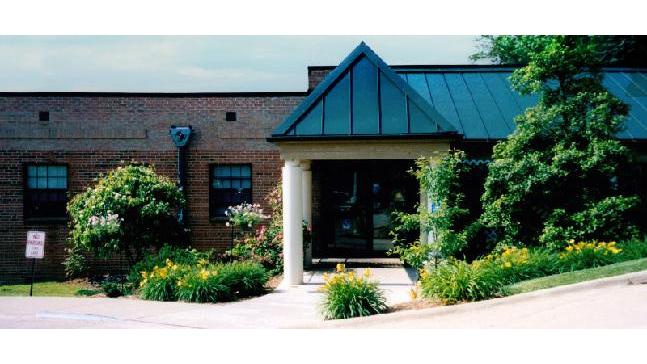
HARMAR PLACE REHAB & EXTENDED CARE

401 HARMAR STREET, MARIETTA, OH 45750 (740) 376-5600
Non profit - Corporation 86 Beds UNITED CHURCH HOMES Data: November 2025 1 Immediate Jeopardy citation
Trust Grade
0/100
#864 of 913 in OH
Last Inspection: March 2025

Within standard 12-15 month inspection cycle. Federal law requires annual inspections.

Overview

Harmar Place Rehab & Extended Care has received a Trust Grade of F, indicating significant concerns about the quality of care provided. With a state rank of #864 out of 913 facilities in Ohio, they are in the bottom half, and notably, they rank #6 out of 6 in Washington County, meaning there are no better local options available. The facility is worsening, with issues increasing from 6 in 2024 to 21 in 2025. Staffing is a concern as they have a below-average rating of 2 out of 5 stars and a turnover rate of 58%, which is higher than the state average. Additionally, they have incurred $220,345 in fines, which is alarming as it is higher than 98% of other Ohio facilities, suggesting ongoing compliance problems. In terms of specific incidents, one critical finding involved a resident who was not provided with a proper care plan for their bowel incontinence issues. Another serious incident noted that a resident suffered compression fractures after a fall during a transfer, due to inadequate staff assistance. Overall, while there are some positive quality measures rated at 4 out of 5 stars, the concerning fines, low trust grade, and multiple serious incidents highlight significant weaknesses in care at this facility.

Trust Score
F
0/100
In Ohio
#864/913
Bottom 6%
Safety Record
High Risk
Review needed
Inspections
Getting Worse
6 → 21 violations
Staff Stability
⚠ Watch
58% turnover. Above average. Higher turnover means staff may not know residents' routines.
Penalties
○ Average
$220,345 in fines. Higher than 58% of Ohio facilities. Some compliance issues.
Skilled Nurses
⚠ Watch
Each resident gets only 26 minutes of Registered Nurse (RN) attention daily — below average for Ohio. Fewer RN minutes means fewer trained eyes watching for problems.
Violations
⚠ Watch
57 deficiencies on record. Higher than average. Multiple issues found across inspections.
★☆☆☆☆
1.0
Overall Rating
★★☆☆☆
2.0
Staff Levels
★★★★☆
4.0
Care Quality
★☆☆☆☆
1.0
Inspection Score
Stable
2024: 6 issues
2025: 21 issues

The Good

  • 4-Star Quality Measures · Strong clinical quality outcomes
  • Full Sprinkler Coverage · Fire safety systems throughout facility
  • No fines on record

Facility shows strength in quality measures, fire safety.

The Bad

1-Star Overall Rating

Below Ohio average (3.2)

Significant quality concerns identified by CMS

Staff Turnover: 58%

12pts above Ohio avg (46%)

Frequent staff changes - ask about care continuity

Federal Fines: $220,345

Well above median ($33,413)

Significant penalties indicating serious issues

Chain: UNITED CHURCH HOMES

Part of a multi-facility chain

Ask about local staffing decisions and management

Staff turnover is elevated (58%)

10 points above Ohio average of 48%

The Ugly 57 deficiencies on record

1 life-threatening 6 actual harm
May 2025 1 deficiency
CONCERN (D) 📢 Someone Reported This

A family member, employee, or ombudsman was alarmed enough to file a formal complaint

Potential for Harm - no one hurt, but risky conditions existed

Deficiency F0925 (Tag F0925)

Could have caused harm · This affected 1 resident

**NOTE- TERMS IN BRACKETS HAVE BEEN EDITED TO PROTECT CONFIDENTIALITY** Based on record review, observation, and interview, the facility failed to maintain an effective pest control program. This affe...

Read full inspector narrative →
**NOTE- TERMS IN BRACKETS HAVE BEEN EDITED TO PROTECT CONFIDENTIALITY** Based on record review, observation, and interview, the facility failed to maintain an effective pest control program. This affected three residents (#13, #22, and #30) of four residents reviewed and had the potential to affect 45 residents. The facility census was 73. Findings include: 1. Record review revealed Resident #13 was admitted to the facility on [DATE] with diagnoses including muscle weakness, chronic kidney disease, and anxiety disorder. Review of a minimum data set (MDS) completed 05/02/25 revealed Resident #13's cognition remained intact, and she had other behaviors one to three days during the review period. Interview on 05/27/25 at 12:36 P.M. with Certified Nursing Assistant (CNA) #115 revealed Resident #13's room is really bad with gnats. CNA #115 stated she once opened the microwave in the kitchenette and gnats flew out at her. Interview on 05/27/25 at 1:00 P.M. with Resident #13 stated she would like to get rid of the gnats because they are everywhere and there isn't even food in my room. Resident #13 stated she was unable to lay in bed without gnats flying at her face. Resident #13 stated even in the dining room she had a hard time eating because she had to swat them away. Observation on 05/27/25 at 1:04 P.M. of Resident #13's room revealed when walking in the room, the doorway was next to the sink. While walking by the sink, three gnats flew into view. There were also gnats flying around Resident #13's bed. Resident #13's roommate was asleep in her recliner with her bedside table over her lap. She had two cups on the table in front of her and three gnats were on her cups. Observation on 05/27/25 at 2:04 P.M. with CNA #115 revealed a cart with three discarded meal trays in the hallway next too room [ROOM NUMBER] which had about 10 gnats swarming it. CNA #115 confirmed the observation. 2. Record review revealed Resident #22 was admitted to the facility on [DATE] with diagnoses including monoplegia of lower limb following cerebral infarction, dementia, and depression. Review of a MDS completed 04/02/25 revealed Resident #22's cognition is mildly impaired and she had no behaviors. Interview on 05/27/25 at 1:19 P.M. with CNA #133 revealed Resident #22's room has a lot of gnats. Observation on 05/27/25 at 1:47 P.M. revealed Resident #22 was sleeping in her bed. Two gnats were on her privacy curtain and one gnat was on her straw for her cup of water. Observation on 05/27/25 at 1:49 P.M. in the hallway outside of Resident #22's room revealed a cart with three discarded lunch trays. Approximately eight gnats were noted to be flying around the food. Interview on 05/27/25 at 1:50 P.M. with CNA #150 confirmed the cart with three discarded lunch trays was swarmed by gnats and there were gnats in Resident #22's room. 3. Record review revealed Resident #30 was admitted to the facility on [DATE] with diagnoses including acute and chronic respiratory failure, chronic obstructive pulmonary disease, and emphysema. Review of a MDS completed 02/20/25 revealed Resident #30's cognition remains intact, and she had no behaviors. Interview and observation on 05/27/25 at 1:51 P.M. revealed Resident #30 was resting in bed. Resident #30 stated there are gnats and they are bothersome. Resident #30 stated the gnats were throughout the facility but there isn't much that could be done and they are God's creatures, too. While speaking, Resident #30 had a gnat circling her head. Review of an invoice dated 05/14/25 revealed the facility purchased six fruit fly traps from a local hardware store. Review of an undated signed statement by Human Resources #160 revealed on 05/15/25 approximately eight cups containing a gnat attractant were placed throughout the facility and the cups were being monitored by housekeeping who state they are being helpful in addressing the gnat issue. Review of a pest control invoice dated 05/21/25 revealed the facility received crack and crevice and bait station services to the kitchen area, exterior area, and break room area. During the services, mice activity was noted to the fire door introduction point. There were no documented sanitary concerns which could cause pest problems. Review of an undated policy titled Pest Control revealed the facility shall maintain an effective pest control program. This deficiency represents non-compliance investigated under Complaint Number OH00165703.
May 2025 3 deficiencies 2 Harm
SERIOUS (G) 📢 Someone Reported This

A family member, employee, or ombudsman was alarmed enough to file a formal complaint

Actual Harm - a resident was hurt due to facility failures

Quality of Care (Tag F0684)

A resident was harmed · This affected 1 resident

**NOTE- TERMS IN BRACKETS HAVE BEEN EDITED TO PROTECT CONFIDENTIALITY** Based on closed medical record review, policy review, and interview, the facility failed to timely report and provide adequate, ...

Read full inspector narrative →
**NOTE- TERMS IN BRACKETS HAVE BEEN EDITED TO PROTECT CONFIDENTIALITY** Based on closed medical record review, policy review, and interview, the facility failed to timely report and provide adequate, necessary and timely care for Resident #72 following a fall during a staff assisted transfer resulting in a delay of treatment for newly diagnosed compression vertebra fractures. This affected one resident (#72) of three residents reviewed for accidents. The census was 71. Actual Harm occurred on 05/06/25 at approximately 9:00 A.M. when Certified Nurse Assistant (CNA) #34 failed to notify the licensed nurse that Resident #72 sustained a fall during a staff assisted transfer resulting in a delay in treatment. The resident complained of back pain (intermittent, aching, moderate pain with protective body movements/posture associated with the pain) following the incident. However, the resident was not transferred to the hospital until 2:30 P.M. (five and a half hours after the incident) where he was diagnosed with and received treatment for compression fractures of his thoracic spine. Findings include: Closed medical record review revealed Resident #72 was admitted to the facility on [DATE] with diagnoses including cancer, history of falls, impaired mobility and paraplegia. The resident discharged to home on [DATE]. Review of the Fall Risk Evaluation dated 03/03/25 revealed Resident #72 was at high risk for falls. Review of the care plan: At Risk for Falls revised 04/14/25 revealed Resident #72 was at risk for falls and required one to two staff assist with toileting and transfers. The resident's level of assistance with transfers was changed to two staff assistance following a fall that occurred on 05/06/25) per the Director of Nursing. Review of the discharge Minimum Data Set 3.0 dated 05/02/25 revealed Resident #72 was cognitively intact for daily decision-making and required partial to moderate (staff) assist with sit-to-stand (the ability to come to a standing position from sitting in a wheelchair, chair or side of the bed. Review of the [NAME] dated 05/03/25 revealed staff were to implement the following for Resident #72: one to two assistance with toileting, avoid clutter, encourage non-slip footwear when out of bed, ensure walker/cane within reach, call light in reach, adequate low glare light, frequent items within reach, two person assist with transfers and use caution during transfers and bed mobility to prevent striking arms, legs and hands against any sharp or hard surfaces. Review of the ADL Task List-Transferring dated 05/03/25 through 05/06/25 revealed Resident #72 required limited to extensive (staff) assistance with transfers. Review of the Incident Report: Fall During Staff Assist dated 05/06/25 revealed Certified Nurse Aide (CNA #34) had reported to the nurse that Resident #72's knees gave out while helping him transfer from toilet to wheelchair earlier in the shift. Injury resulting from the fall was a small abrasion to the left knee and complaints of slight back pain that worsens with movement. Predisposing physiological factors included gait imbalance and situation factors included ambulating with assist during transfer. The resident's physician was notified of the incident at 12:52 P.M. on 05/06/25. Further review revealed no documented evidence as to why the CNA did not notify the nurse immediately or when the family/responsible party was notified. Review of the Vitals and Pain Only Evaluation dated 05/06/25 at 12:52 P.M., revealed Resident #72 complained of intermittent, aching, moderate pain rated five out of 10, the resident had exhibited protective body movements/posture vocal complaints of pain. Non-medicated interventions included change in position and PRN medication administered. Review of the electronic Medication Administration Record (MAR) dated May 2025 revealed Resident #72 received Tramadol (pain medication) 50 milligrams for pain rated a six out of 10 (1-10 pain scale). Review of Resident #72's hospital documentation dated 05/06/25 revealed the resident was undergoing chemotherapy and radiation therapy for the last nine days with back pain associated with his treatment. Today he slipped in front of the toilet, sliding down and hitting his back. The resident reported his back pain was worse than baseline at that time. Review of the computed tomography (CT) results including thoracic spine revealed new changes involving superior endplate of T12 and T11 as well as inferior endplate of T 10 with background of substantial osteopenia. Findings were compatible with acute/subacute mild compression fracture of T12 and more mild-to-moderate acute/subacute compression fracture of the superior endplate of T11 and inferior endplate of T10. There may be some progression of bony metastasis with some ill-defined lucencies seen along the inferior endplate of T10 and superior endplate of T 11 which was questioned as well although findings may all just be posttraumatic with bony fragmentation. Recommendations included to wear back brace due to several fractures of the back and follow up with physician within a week. Review of CNA #34's incident statement dated 05/06/25 revealed during the transfer from Resident #72's chair to the toilet, his knees 'lost strength' bending very fast and hard hitting the wall. After that incident he was feeling a lot of pain on his lower back and during the transfer to his bed at. At 12:00 P.M. Resident #72 expressed much pain during the transfer. Review of an incident statement dated 05/14/25 revealed at approximately 1:30 P.M., Licensed Practical Nurse (LPN) #44 informed Registered Nurse (RN) #46 that Certified Nurse Aide (CNA) #34 had just reported to her that Resident #72 was complaining of a backache and that earlier in the day while in the bathroom, she had assisted him to stand up from the wheelchair and as he was holding onto the grab bar his knees buckled and he sat back down in the wheelchair. The statement included RN #46 spoke with CNA #34 and reminded her that all incidents were to be reported when they happen. On 05/14/25 at 11:50 A.M., interview with the Director of Nursing (DON) verified the above incident was a fall and should have been reported immediately. The DON verified CNA #34 did not immediately report the resident's fall, she moved the resident without the nurse assessing him first and it wasn't until approximately 1:30 P.M. per Registered Nurse (RN) #46's statement that LPN #44 was notified of the incident. Once CNA #34 went to LPN #44 and told her what had happened earlier in her shift, the nurse assessed the resident and the resident was transferred to the hospital for evaluation (at approximately 2:30 P.M. on 05/06/25). The DON verified the investigation had contradictions in the time frames and statements. The DON verified she did not have the investigation completed, was educating staff and obtaining statements as of today during the survey in regards to Resident #72's fall. On 05/14/25 at 1:37 P.M., interview with CNA #34 revealed on 05/06/25 just after breakfast around 9:00 A.M. she was assisting Resident #72 to the bathroom. While assisting the resident to stand she asked him to hold onto the grab bar, at which time his knees buckled and he fell back into the wheelchair. CNA #34 stated she called for assistance and CNA #50 helped to stand the resident up and sat him back on the toilet. CNA #34 stated she asked CNA #50 if she should report this incident and was told if he didn't end up on the floor, it was not considered a fall. At that point, CNA #34 stated she finished toileting the resident and assisted him back into his wheelchair. CNA #34 stated when she went to check on him after lunch he stated he was having more back pain that normal and had facial grimacing. At that point, CNA #34 informed the nurse of what had happened that morning after breakfast and the nurse went to the resident's room. CNA #34 stated she could not remember if she was using a gait belt or had a hold of the gait belt at the time of the fall. CNA #34 stated Resident #72 had been improving and able to transfer with just one assist; however, he had started some radiation chemotherapy treatments and seemed to be weaker and required more staff assistance. CNA #34 stated Resident #72 was not a fall risk but if he was there were to always be two caregivers. CNA #34 verified she did not report Resident #72's fall immediately to her charge nurse as the fall was not reported for over four hours. On 05/14/25 at 2:35 P.M., interview with CNA #50 revealed on 05/06/25 she was asked to help get Resident #72 to the bathroom but when she entered the room he was already sitting on the toilet completely dressed. CNA #50 stated the resident did not have a gait belt on and she helped stand him up so they could pull down his pants. CNA #50 stated once on the toilet she left the room. CNA #50 verified there was no gait belt used and did not know at the time that Resident #72 had fallen back into his wheelchair prior to or after CNA #34 asking for her help. Review of the policy: Falls Management dated 01/14/14 revealed if a resident falls, despite interventions, the following was to occur: Resident will be fully assessed by a licensed nurse and if deemed safe by a nurse, the resident would be lifted/assisted into bed or wheelchair to be further assessed. The facility would notify the physician and resident family member as soon as practicable. In the event of a head injury or suspected fracture, the physician and family member will be notified immediately. Staff were then to determine what preventable measures were to be put into place to protect resident against another fall and implemented as soon as possible. This deficiency represents non-compliance investigated under Complaint Number OH00165620.
SERIOUS (G) 📢 Someone Reported This

A family member, employee, or ombudsman was alarmed enough to file a formal complaint

Actual Harm - a resident was hurt due to facility failures

Accident Prevention (Tag F0689)

A resident was harmed · This affected 1 resident

**NOTE- TERMS IN BRACKETS HAVE BEEN EDITED TO PROTECT CONFIDENTIALITY** Based on observation, medical record review, policy review, and interview, the facility failed to develop and implement a compre...

Read full inspector narrative →
**NOTE- TERMS IN BRACKETS HAVE BEEN EDITED TO PROTECT CONFIDENTIALITY** Based on observation, medical record review, policy review, and interview, the facility failed to develop and implement a comprehensive and individualized fall prevention program to ensure fall interventions were implemented for Resident #28 and to ensure Resident #72 and Resident #75 were provided adequate assistance with transfers. This affected three residents (#28, #72, and #75) of three residents reviewed for accidents. The census was 71. Actual Harm occurred on 05/06/25 at approximately 9:00 A.M. when Certified Nurse Assistant (CNA) #34 was transferring Resident #72, who was a high risk for falls and increased risk of injury related to falls, to the toilet by herself without the use of a gait belt, the resident's knees buckled and the resident fell back into the wheelchair resulting in new compression fractures to the thoracic spine with associated increased complaints of intermittent, aching, moderate pain with protective body movements/posture. Findings include: 1. Closed medical record review revealed Resident #72 was admitted to the facility on [DATE] with diagnoses including cancer, history of falls, impaired mobility and paraplegia. The resident discharged to home on [DATE]. Review of the Fall Risk Evaluation dated 03/03/25 revealed Resident #72 was at high risk for falls. Review of the care plan: At Risk for Falls revised 04/14/25 revealed Resident #72 was at risk for falls and required one to two staff assist with toileting and transfers. The resident's level of assistance with transfers was changed to two staff assistance following a fall that occurred on 05/06/25) per the Director of Nursing. Review of the discharge Minimum Data Set 3.0 dated 05/02/25 revealed Resident #72 was cognitively intact for daily decision-making and required partial to moderate staff assist with sit-to-stand (the ability to come to a standing position from sitting in a wheelchair, chair or side of the bed). Review of the [NAME] dated 05/03/25 revealed staff were to implement the following for Resident #72: one to two assistance with toileting, avoid clutter, encourage non-slip footwear when out of bed, ensure walker/cane within reach, call light in reach, adequate low glare light, frequent items within reach, two person assist with transfers and use caution during transfers and bed mobility to prevent striking arms, legs and hands against any sharp or hard surfaces. Review of the ADL Task List-Transferring dated 05/03/25 through 05/06/25 revealed Resident #72 required limited to extensive assistance with transfers. Review of the Incident Report: Fall During Staff Assist dated 05/06/25 revealed Certified Nurse Aide (CNA #34) had reported to the nurse that Resident #72's knees gave out while helping him transfer from toilet to wheelchair earlier in the shift. Injury resulting from the fall was a small abrasion to the left knee and complaints of slight back pain that worsens with movement. Predisposing physiological factors included gait imbalance and situation factors included ambulating with assist during transfer. The resident's physician was notified of the incident at 12:52 P.M. on 05/06/25. Further review revealed no documented evidence as to if a gait belt was used during the transfer or when the family/responsible party was notified. Review of the Vitals and Pain Only Evaluation dated 05/06/25 at 12:52 P.M., revealed Resident #72 complained of intermittent, aching, moderate pain rated five out of 10, the resident had exhibited protective body movements/posture vocal complaints of pain. Non-medicated interventions included change in position and PRN medication administered. Review of the electronic Medication Administration Record (MAR) dated May 2025 revealed Resident #72 received Tramadol (pain medication) 50 milligrams for pain rated a six out of 10 (1-10 pain scale). Review of Resident #72's hospital documentation dated 05/06/25 revealed resident was undergoing chemotherapy and radiation therapy for the last nine days with back pain associated with his treatment. Today he slipped in front of the toilet, sliding down and hitting his back. The resident reported his back pain was worse than baseline at that time. Review of the computed tomography (CT) results including thoracic spine revealed new changes involving superior endplate of T12 and T11 as well as inferior endplate of T10 with background of substantial osteopenia. Findings were compatible with acute/subacute mild compression fracture of T12 and more mild-to-moderate acute/subacute compression fracture of the superior endplate of T11 and inferior endplate of T10. There may be some progression of bony metastasis with some ill-defined lucencies seen along the inferior endplate of T10 and superior endplate of T11 which was questioned as well although findings may all just be posttraumatic with bony fragmentation. Recommendations included to wear back brace due to several fractures of the back and follow up with physician within a week. Review of CNA #34's incident statement dated 05/06/25 revealed during the transfer from Resident #72's chair to the toilet, his knees 'lost strength' bending very fast and hard hitting the wall. After that incident he was feeling a lot of pain on his lower back and during the transfer to his bed at. At 12:00 P.M. Resident #72 expressed much pain during the transfer. Review of an incident statement dated 05/14/25 revealed at approximately 1:30 P.M., Licensed Practical Nurse (LPN) #44 informed Registered Nurse (RN) #46 that Certified Nurse Aide (CNA) #34 had just reported to her that Resident #72 was complaining of a backache and that earlier in the day while in the bathroom, she had assisted him to stand up from the wheelchair and as he was holding onto the grab bar his knees buckled and he sat back down in the wheelchair. The statement included RN #46 spoke with CNA #34 and reminded her that all incidents were to be reported when they happen. On 05/14/25 at 11:50 A.M., interview with the Director of Nursing (DON) verified the above incident was a fall and should have been reported immediately. The DON verified CNA #34 did not immediately report the resident's fall, she moved the resident without the nurse assessing him first and it wasn't until approximately 1:30 P.M. per Registered Nurse (RN) #46's statement that LPN #44 was notified of the incident. Once CNA #34 went to LPN #44 and told her what had happened earlier in her shift, the nurse assessed the resident and the resident was transferred to the hospital for evaluation (at approximately 2:30 P.M. on 05/06/25). The DON verified the investigation had contradictions in the time frames and statements. The DON verified she did not have the investigation completed, was educating staff and obtaining statements as of today during the survey in regards to Resident #72's fall. On 05/14/25 at 1:37 P.M., interview with CNA #34 revealed on 05/06/25 just after breakfast around 9:00 A.M. she was assisting Resident #72 to the bathroom. While assisting the resident to stand she asked him to hold onto the grab bar, at which time his knees buckled and he fell back into the wheelchair. CNA #34 stated she called for assistance and CNA #50 helped to stand the resident up and sat him back on the toilet. CNA #34 stated she asked CNA #50 if she should report this incident and was told if he didn't end up on the floor, it was not considered a fall. At that point, CNA #34 stated she finished toileting the resident and assisted him back into his wheelchair. CNA #34 stated when she went to check on him after lunch he stated he was having more back pain that normal and had facial grimacing. At that point, CNA #34 informed the nurse of what had happened that morning after breakfast and the nurse went to the resident's room. CNA #34 stated she could not remember if she was using a gait belt or had a hold of the gait belt at the time of the fall. CNA #34 stated Resident #72 had been improving and able to transfer with just one assist; however, he had started some radiation chemotherapy treatments and seemed to be weaker and required more staff assistance. CNA #34 stated Resident #72 was not a fall risk but if he was there were to always be two caregivers. CNA #34 verified she did not report Resident #72's fall immediately to her charge nurse as the fall was not reported for over four hours. On 05/14/25 at 2:35 P.M., interview with CNA #50 revealed on 05/06/25 she was asked to help get Resident #72 to the bathroom but when she entered the room he was already sitting on the toilet completely dressed. CNA #50 stated the resident did not have a gait belt on and she helped stand him up so they could pull down his pants. CNA #50 stated once on the toilet she left the room. CNA #50 verified there was no gait belt used and did not know at the time that Resident #72 had fallen back into his wheelchair prior to or after CNA #34 asking for her help. Review of the policy: Falls Management dated 01/14/14 revealed if a resident falls, despite interventions, the following was to occur: Resident would be fully assessed by a licensed nurse and if deemed safe by a nurse, the resident would be lifted/assisted into bed or wheelchair to be further assessed. The facility would notify the physician and resident family member as soon as practicable. In the event of a head injury or suspected fracture, the physician and family member will be notified immediately. Staff were then to determine what preventable measures were to be put into place to protect resident against another fall and implemented as soon as possible. 2. Medical record review revealed Resident #75 was admitted on [DATE] with diagnoses including Alzheimer's disease, dementia and osteoarthritis. Review of the quarterly MDS 3.0 assessment dated [DATE] revealed Resident #75 was severely impaired for daily decision-making and was dependent on staff for transfers. Review of the care plan; ADL (Activities of Daily Living) self-care performance deficit related to dementia and Alzheimer's disease dated 06/12/24 revealed the resident required extensive assistance of two staff for transferring chair-to-chair, and may use mechanical lift devices to and from bed. On 05/14/25 at 9:23 A.M., observation on the secured unit revealed CNA #35 and CNA #37 transferred Resident #75 by placing their arms under the residents axillary. CNA #35 and CNA #37 were then observed lifting the resident out of her wheelchair and placed her into a recliner chair in the lounge area. No gait belt was observed being used to transfer the resident. On 05/14/25 at 9:30 A.M., interview with LPN #52 stated staff were issued a gait belt and gait belts were readily available on the unit and in the residents' rooms. On 05/14/25 at 2:15 P.M., interview with CNA #37 verified Resident #75 was transferred without the use of a gait belt as described above. On 05/14/25 at 2:18 P.M., interview with CNA #35 verified Resident #75 was transferred without the use of a gait belt as described above. 3. Medical record review revealed Resident #28 was re-admitted on [DATE] with diagnoses including fracture, cancer, atrial fibrillation and high blood pressure. Review of the care plan: At Risk for Falls revised 04/23/25 revealed interventions including to wear his back brace as needed, keep frequent items in reach, foot buddy to wheelchair, keep walker/cane in reach and call for assist for all transfers. A new intervention to place a food buddy to wheelchair was implemented on 05/06/25. Review of the Fall Risk assessment dated [DATE] revealed Resident #28 was at high risk for falls. Review of the late entry dated 05/06/25 at 4:30 P.M. Progress Note revealed resident returned from emergency room with the following injuries after his fall this morning: lumbar (L-5) , thoracic 11 (T-11) and maxillary sinus fractures. Review of the Fall Evaluation dated 05/11/25 revealed resident was attempting to ambulate himself, was exit seeking and the nurse witnessed the fall. There was no injury and the resident was sent to the emergency room per physician order. Review of CNA #50's staff statement regarding Resident #28's fall revealed CNA #50 was sitting at the nurses' desk with LPN #44 and LPN #55 when they heard a noise (oxygen tank fell over) and when they went into the room the resident was laying on the floor. When the resident sat up, his nose was bleeding. The resident was sent to the hospital for evaluation. The staff statements dated 05/06/25 revealed no evidence the fall was witnessed. Review of the hospital documentation dated 05/06/25 revealed the HPI indicated the resident was being evaluated after a fall. The resident stated he was turning and caught his foot on his walker, tripping him and causing him to fall forward striking his face, head and left knee on the floor. Review of the Facial CT results dated 05/06/25 revealed displaced and comminuted fracture of the left maxillary sinus and mildly comminuted fracture of the intraorbital rim with a large amount of hemorrhage. Review of the T/L spine revealed acute moderate compression of the T-11 vertebrae compared to a previous scan completed on 04/12/25. On 05/14/25 at 10:38 A.M., interview with the DON verified the new intervention was for a foot buddy, she thought he tripped over the wheelchair not the walker and this intervention was not immediately implemented. The DON stated she needed to review and ensure appropriate interventions were in place for the resident to prevent future falls. On 05/14/25 at 10:47 A.M., observation revealed Resident #28 was in bed in the high position. The resident's eyes were closed and his walker was observed across the room next to his room door. The walker was not within reach of the resident. This was verified by the DON at the time of the observation. On 05/14/25 at 2:45 P.M., observation revealed Resident #28 was laying in bed with his bed in a high position, his walker was next to the door towards the hallway and personal items on over-bed table was against the wall near the bathroom. Neither of these things were within the resident's reach. Interview with CNA #50 verified the above at the time of the observation. This deficiency represents non-compliance investigated under Complaint Number OH00165620.
CONCERN (D) 📢 Someone Reported This

A family member, employee, or ombudsman was alarmed enough to file a formal complaint

Potential for Harm - no one hurt, but risky conditions existed

Notification of Changes (Tag F0580)

Could have caused harm · This affected 1 resident

**NOTE- TERMS IN BRACKETS HAVE BEEN EDITED TO PROTECT CONFIDENTIALITY** Based on medical record review, policy review and interview, the facility failed to notify the physician and responsible party o...

Read full inspector narrative →
**NOTE- TERMS IN BRACKETS HAVE BEEN EDITED TO PROTECT CONFIDENTIALITY** Based on medical record review, policy review and interview, the facility failed to notify the physician and responsible party of a resident change in condition. This affected one resident (#72) of three residents reviewed. The census was 71. Findings include: Closed medical record review revealed Resident #72 was admitted on [DATE] with diagnoses including sepsis, paraplegia, cancer and anxiety disorder. Review of the Incidents By Incident Type dated 02/14/25 to 05/14/25 revealed Resident #72 had one fall during staff assist on 05/06/25. Review of the admission Minimum Data Set 3.0 assessment dated [DATE] revealed Resident #72 was cognitively intact for daily decision-making, was dependent on staff for toileting hygiene, bathing and dressing; required substantial-maximal assist with sit-to-stand, and was dependent on staff for chair/bed-to-chair transfers (the ability to come to a standing position from sitting in a chair or on side of the bed). The resident also had a fall prior to admission. Review of the Incident Report: Fall During Staff Assist dated 05/06/25 at 8:00 A.M. revealed the nurse was notified from the Certified Nurse Assistant (CNA) #34 the resident's knees gave out while she was helping transfer the resident to the toilet earlier in the shift. Upon assessment, small abrasion to left knee was noted and resident complained of slight back pain that worsens with movement. The fall occurred at 8:00 A.M. and the physician was not notified until 12:52 P.M. and the responsible party notification had no time as to when this occurred. Review of the SNF/NF to Hospital Transfer Form (Transfer Form) dated 05/06/25 at 2:27 P.M revealed the resident was sent to the emergency room due to a fall. The document indicated the physician and the son were both notified; however, there was no time documented of when this occurred. On 05/14/25 at 11:50 A.M. interview with the Director of Nursing verified the responsible party and physician were not notified timely of Resident #72's fall. Review of the policy: Notification and reporting of change in health status, illness, injury and death of a resident revised 12/27/23 revealed the administrator or designee shall immediately inform the resident, consult with resident's physician, the resident's sponsor or authorized representative in accordance with state and local laws and regulations when there is: an accident involving the resident which results in injury including the potential for requiring physician interventions. The notification should include a description of the circumstances and cause, if known, and a notation of change and any intervention taken shall be documented in the medical record. This deficiency represents an incidental finding of non-compliance investigated under Complaint Number OH00165620.
Mar 2025 17 deficiencies 1 IJ
CRITICAL (J) 📢 Someone Reported This

A family member, employee, or ombudsman was alarmed enough to file a formal complaint

Immediate Jeopardy (IJ) - the most serious Medicare violation

Quality of Care (Tag F0684)

Someone could have died · This affected 1 resident

**NOTE- TERMS IN BRACKETS HAVE BEEN EDITED TO PROTECT CONFIDENTIALITY** 2. Medical record review revealed Resident #12 was originally admitted to the facility on [DATE] and re-admitted [DATE] with dia...

Read full inspector narrative →
**NOTE- TERMS IN BRACKETS HAVE BEEN EDITED TO PROTECT CONFIDENTIALITY** 2. Medical record review revealed Resident #12 was originally admitted to the facility on [DATE] and re-admitted [DATE] with diagnoses including history of clostridium difficile (C-diff) (bacterium that causes diarrhea and colitis), gastroenteritis and colitis, intellectual disabilities, heart failure, sepsis, anemia, diabetes, and kidney failure. Review of Resident #12's activity of daily living (ADL) plan of care dated [DATE] revealed the resident required one staff assistance with toileting. Review of Resident #12's plan of care dated [DATE] revealed the resident had bowel incontinence. The resident was on prompted toileting program upon rise, before and after meals, at bedtime, and every two hours. Observe pattern of incontinence, and initiated toileting schedule if indicated. Further review of Resident #12's plan of care revealed no evidence of a plan of care for gastroenteritis, colitis, or Clostridium Difficile (C-Diff). Review of Resident #12's physician note dated [DATE] revealed the resident was in the hospital from [DATE] until [DATE] with sepsis secondary to urinary tract infection. The resident's urine and blood cultures were positive for Escherichia Coli (E-Coli) (bacteria). Infectious disease had seen the resident and initially started him on Rocephin (antibiotic) and then changed it to ertapenem (antibiotic) to administered until [DATE]. The resident has history of C-Diff colitis, and the infectious disease doctor wanted the resident on Vancomycin (antibiotic) prophylaxis until [DATE]. Review of Resident #12's Minimum Data Set (MDS) assessment dated [DATE] revealed Resident #12 needed some assistance for toileting. Review of Resident #12's medication administration record dated 02/2025 revealed the resident completed the ertapenem on [DATE] and the prophylaxis Vancomycin 125 milligrams (mg) on [DATE]. Review of Resident #12's bowel documentation dated 12/2024 and 01/2025 revealed no evidence the resident had diarrhea/loose stools. Review of Resident #12's bowel documentation dated [DATE] to [DATE] revealed the resident had diarrhea/loose stool 28 times, six putty stools, and eight formed stools. Review of Resident #12's medical record revealed no documented evidence the provider was notified the resident had diarrhea/loose stools or evidence the resident had been tested for C-Diff. Interview on [DATE] at 4:28 P.M., with Unit Manger/Registered Nurse (RN) #504, Assistant Director of Nursing (ADON)/Infection Preventionist (IP)#417 confirmed the resident had 28 diarrhea/loose stools in the last 25 days and there was no evidence the physician/provider was notified of the diarrhea/ loose stool. The ADON/IP reported she had the nurse call the physician and notify him of the multiple diarrhea/loose stools. The physician ordered a stool culture to check for C-Diff. The ADON/IP reported the resident was recently on antibiotics for a urinary tract infection and was treated prophylaxis for C-Diff with Vancomycin until [DATE]. The resident was not tested for C-Diff at the hospital or upon return to the facility. The ADON/IP confirmed the facility currently had three residents positive for C-Diff in the facility and there had been identified concerns during the survey that infection control practices had not been maintained to prevent the spread of C. diff or other communicable diseases. Interview on [DATE] at 9:45 A.M., with the Director of Nursing (DON) via phone confirmed the resident had had 28 diarrhea loose stools in the last 25 days. The bowel documentation didn't include how many times the resident had a bowel movement on each shift. The DON reported the resident had a history of C-Diff and colitis and she wanted to check to see if the resident had been seen by his insurance company Nurse Practitioner (NP). The insurance company has an NP that visits weekly, and the DON wanted to see if she was notified and would get back to the surveyor if she found any supporting documentation that a provider was aware of increase loose/diarrhea stools. Review of an email sent on [DATE] at 11:00 A.M., from the DON revealed the insurance company NP only saw the residents on [DATE] and [DATE]. There was no documented evidence that the resident was seen by the insurance company NP after he completed the antibiotics and had an increase of loose/diarrhea stools. This deficiency represents non-compliance investigated under Complaint Number OH00163071. Based on closed medical record review, review of emergency responder record, hospital record review, facility policy and procedure review and interview, the facility failed to provide timely, necessary and adequate care and services following an acute change in condition involving Resident #26. The facility failed to ensure changes in the resident's medical condition were timely identified and comprehensive and individualized interventions were implemented for Resident #26 when the resident was assessed to have a decline in health including tachycardia, shortness of breath, fatigue, and weakness. This resulted in Immediate Jeopardy and Actual Harm with subsequent death beginning on [DATE] when Resident #26 had increased weakness and need for assistance with activities of daily living (ADLs) during therapy treatment. On [DATE] and [DATE], Resident #26 continued to have shortness of breath and tachycardia during therapy treatments. Nurse Practitioner (NP) #337 saw Resident #26 on [DATE] after staff had concerns with tachycardia but failed to address the resident's decline in condition (shortness of breath, fatigue and increased weakness). Resident #26 continued to have symptoms and decline in her condition through [DATE] when staff transferred the resident to the hospital. Resident #26 was admitted to the hospital with diagnoses including metabolic encephalopathy, pneumonia, urinary tract infection (UTI), sepsis, and altered mental status and expired at the hospital on [DATE] at 11:52 A.M. On [DATE] at 12:00 P.M. the Administrator, Senior Administrator, and Director of Nursing (DON) were notified Immediate Jeopardy began on [DATE] when staff identified Resident #26 exhibited a change in condition which included shortness of breath, tachycardia, and increased weakness, within 30 days of admission, without evidence of timely or adequate interventions/medical treatment being provided. Resident #26 continued to display a deterioration in condition between [DATE] and [DATE] that was not comprehensively addressed. On [DATE] at approximately 7:02 A.M. Resident #26 was transferred to the hospital where she was admitted with diagnoses of pneumonia, UTI, altered mental statis, and sepsis. Resident #26 expired at the hospital on [DATE] at 11:52 A.M. In addition, a concern that did not rise to the level of Immediate Jeopardy was identified when the facility staff failed to monitor a change in Resident #12's bowel movements to ensure necessary and appropriate treatment was provided. This affected two residents (#26 and #12) of three residents reviewed for change in condition. The facility census was 75. The Immediate Jeopardy was removed on [DATE] when the facility implemented the following actions: • On [DATE] at 7:02 A.M. Resident #26 was sent to the hospital. The resident did not return to the facility and passed away in the hospital on [DATE]. • On [DATE] the Director of Nursing/Designee completed a whole house audit of resident's charts for the past 48 hours to review for documentation of a change in condition and to ensure timely notification of physician and family if a change in condition was identified. • On [DATE] the Director of Nursing/Designee completed resident interviews on residents residing on East unit to investigate if a delay in care was noted in the past 48 hours. Any variances were addressed. • On [DATE] the Director of Nursing/Designee completed a review of residents hospitalized and/or expired spanning the past 2 weeks ([DATE]-[DATE]) to determine if a delay in care was documented. • On [DATE] licensed nursing staff including six Registered Nurses (RNs), 21 Licensed Practical Nurses (LPNs) and 40 Certified Nursing Assistants (CNAs) were educated by the Director of Nursing/Designee to ensure residents who exhibit a change in condition are assessed timely with interventions in place, report to another nurse or up the chain if you feel a change in condition is not being addressed, and to notify the physician and family of the change in condition. Staff were educated that a change in condition relates to a significant change in the residents physical, mental, or psychosocial status in either life-threatening conditions or clinical complications. Licensed nursing staff must document that the change in condition was assessed, documentation of the assessment and follow-up. Remaining licensed nursing staff not educated on [DATE] includes one LPN and three CNAs. These individuals would not be permitted to work until educated, which would be completed by Director of Nursing/Designee prior to their shift. • On [DATE] licensed nursing staff including six RNs and 21 LPNs were educated by the Director of Nursing/Designee to ensure resident after visit summaries were reviewed to identify any signs and symptoms of complications. Remaining licensed nursing staff not educated on [DATE] includes one LPN. This individual would not be permitted to work until educated, which would be completed by Director of Nursing/Designee prior to their shift. • On [DATE], an ad hoc Quality Assessment and Performance Improvement (QAPI) meeting was held at approximately 4:15 p.m. with the Administrator, Director of Nursing/Designee, Assistant Director of Nursing, Unit Managers, Director of Therapy and the Medical Director to review Resident #26's change of condition, and to discuss the above interventions and removal plan. The Change in Condition Policy was reviewed with no changes to the policy. • The facility implemented a plan for the Director of Nursing/Designee to audit five residents a week for four weeks to ensure residents with a change in condition were assessed, interventions were in place, the physician and responsible party were notified of the change in condition. Results of the audits would be reviewed in the QAPI Committee meeting for one month with revisions to the plan / change in monitoring as deemed by the QAPI Committee. Although the Immediate Jeopardy was removed on [DATE] the deficiency remains at a Severity Level II (no actual harm with potential for more than minimal harm that is not Immediate Jeopardy) as the facility is still in the process of implementing their corrective action plan and monitoring to ensure on-going compliance. Findings include: 1.Review of Resident #26's closed medical record revealed the resident was admitted to the facility on [DATE] with diagnoses including encounter for surgical aftercare following surgery on the circulatory system, pulmonary hypertension, acute systolic congestive heart failure, and presence of prosthetic heart valve. The resident was discharged from the facility on [DATE] and passed away in the hospital on [DATE]. Review of the resident's advance directives revealed the resident was a full code. Review of an order dated [DATE] revealed Resident #26 was admitted to the facility for skilled level of care with therapy and/or nursing services. Review of a hospital after visit summary dated [DATE] revealed Resident #26 should call her doctor right away if she had shortness of breath, an abnormal heart rate- fast or slow- if new to the resident and worsening or severe fatigue. Resident #26's discharge disposition from the hospital was to a skilled nursing unit. Review of a care plan dated [DATE] revealed Resident #26 was new to the facility and planned to return to her home following her recovery. Goals included achieving and maintaining highest function in her preferred environment, and returning home after her recovery. Interventions included scheduling discharge planning meetings as needed, initiating services needed to return home, making referrals needed to return home, and ordering medical equipment at home if needed. Review of the resident's physician orders dated [DATE] revealed Resident #26 had a full code status in place, would receive occupational therapy services five times a week for four weeks with treatment including therapeutic exercises, activities, activity of daily living (ADL) training, and group therapy. Additionally, there was an order for the resident to receive physical therapy five times a week for four weeks for therapy exercise, activities, neurological re-education, gait training and group therapy. Review of a care plan dated [DATE] revealed Resident #26 had an altered cardiovascular status related to congestive heart failure (CHF), hypertension, myocardial infarction, aortic valve stenosis, atherosclerotic heart disease, tricuspid valve insufficiency, atrial fibrillation, status post transcatheter aortic valve replacement (TAVR), and pulmonary hypertension. The goal was for Resident #26 to be free of complications of cardiac problems through the review date of [DATE]. Interventions included to assess for chest pain, shortness of breath and cyanosis; dietary consult as needed; monitor vital signs and notify provider of abnormalities; monitor/document/report as needed any changes in lung sounds on auscultation, edema and changes in weight; monitor/document/report as needed any signs or symptoms of coronary artery disease (CAD) including chest pain or pressure especially with activity, heartburn, nausea and vomiting, shortness of breath, excessive sweating, dependent edema, changes in capillary refill, color/warmth of extremities; and O2 settings per provider orders (dated [DATE]). Review of an Occupational Therapy plan of treatment dated [DATE] revealed Resident #26's goals included increasing bilateral upper extremity strength in order to increase independence with ADLs; increase static and dynamic standing balance to fair spontaneously righting self when needed in order to improve ability to perform ADLs; improve ability to safely and efficiently maintain perineal hygiene, adjust clothes before/after voiding or having a bowel movement with supervision or touching assistance; improve ability to safely and efficiently bathe self, including washing, rinsing, and drying self with supervision or touching assistance in order to return to prior level of skill performance; improve ability to safely and efficiently perform lower body dressing with supervision or touching assistance in order to return to prior level of skill performance; improve ability to safely transfer to a standing position from sitting in a chair, wheelchair or on the side of the bed and chair/toilet transfers with independence in order to return to prior level of functional abilities; improve ability to safely and efficiently maintain perineal hygiene, adjust clothes before/after voiding or having a bowel movement with independence; improve ability to bathe self, including washing, rinsing, and drying self with independence in order to return to prior level of skill or function; and improve ability to safely and efficiently perform lower body dressing and footwear with independence in order to return to prior level of skill. Resident #26's potential to reach her goals was noted to be good. Review of a Physical Therapy plan of treatment dated [DATE] revealed Resident #26's goals included increasing bilateral hip strength to 4/5 in order to improve ability to transfer to standing; increase bilateral knee strength in order to improve stability in standing and reduce knee buckling when ambulating; tolerate static standing with one upper extremity task for three minutes in order to improve ambulation tolerance; increase dynamic standing balance to fair- spontaneously righting self when needed without kiss of balance in order to prepare to gait activities; transfer from one surface to another using a rolling walker with contact guard assistance and demonstrating good safety with minimum verbal cues to decrease fall risk; would ambulate 20 feet with a rolling walker at contact guard assist without knee bucking in order to safely ambulate to the restroom with caregiver assistance; ambulate 60 feet using a rolling walker with stand by assist and SpO2 greater than 90% to safely ambulate at home; and improve ability to safely transfer to a standing position from sitting in a chair, wheelchair, or on the side of the bed with supervision or touching assistance in order to decrease level of assistance from caregivers. The plan of treatment reflected the resident's potential for achieving goals was fair. Review of the Minimum Data Set (MDS) assessment dated [DATE] revealed Resident #26 had mildly impaired cognition, no behaviors and no pain. The assessment revealed the resident required (staff) set-up assistance for eating and oral hygiene, maximal (staff) assistance for toileting and bathing, was dependent on staff for dressing and personal hygiene and required maximal (staff) assistance for bed mobility and transfers. The assessment revealed the resident could walk 10 feet with a walker with moderate assistance. Additionally, the assessment revealed Resident #26's plan was to discharge to her home. Review of a physician order dated [DATE] revealed an order for Resident #26 to have as needed oxygen in place at two liters per minute via nasal cannula for shortness of breath. Review of a nursing note dated [DATE] at 10:59 A.M. revealed Nurse Practitioner (NP) #337 saw Resident #26 and ordered a stat chest x-ray and labs for dyspnea. Vitals signs at the time were 118/66, 84 pulse, temperature was 97, respirations were 18, and O2 was 96% on 2 liters per minutes via nasal cannula. Review of a nursing note dated [DATE] at 1:56 P.M. revealed Resident #26's chest x-ray was negative for concerns and all parties were aware. Blood draw would not be completed until the following Monday ([DATE]). Review of a nursing note dated [DATE] at 5:30 P.M. revealed lab results were received and reviewed by NP #337 with no new orders. Review of a skilled nursing note dated [DATE] at 10:12 A.M. revealed Resident #26's vitals were within normal limits, her mental status was alert and oriented to person, place, and time with some forgetfulness, no signs of difficulty breathing or shortness of breath noted. Review of an occupational therapy (OT) note dated [DATE] at 1:14 P.M. by OT Assistant (OTA) #305 revealed treatment had to be completed with a physical therapy assistant (PTA) due to the resident's decreased activity tolerance. (Resident 26's baseline in therapy was noted to be moderate assistance for a sit-to-stand, chair to chair transfer, toilet transfer, lower body dressing, bathing, or walking 10 feet; independent for eating and oral hygiene; and supervision for personal hygiene, toileting hygiene, and upper body dressing.) Review of a nursing note dated [DATE] at 3:46 P.M. by Licensed Practical Nurse (LPN) #341 revealed therapy reported Resident #26 had increased weakness and need for assistance with ADLs and mobility during this dates treatment. Nursing interventions were in place to monitor for further changes in status. There was no evidence of notification to the physician or responsible party regarding the resident's change/decline in condition that had been reported by therapy. In addition, there was no evidence of a physical/comprehensive assessment of Resident #26 being completed by nursing staff at this time (including vital sign monitoring). Review of a physical therapy note dated [DATE] at 4:35 P.M. by PTA #303 revealed Resident #26's treatment was completed (on this date) with OT due to decreased activity tolerance. Resident #26 experienced shortness of breath due to fatigue from standing statically. Resident #26 walked with decreased stability and reported her left knee was weak and felt like it was going to give out. Review of a physician's order dated [DATE] revealed Resident #26 had an order for a 4 Plex swab (test for Flu and COVID), oxygen at two liters per minute via nasal cannula for SpO2 less than 90% as needed, to check SpO2 every shift, and place the resident on droplet precautions. The resident's 4 Plex swab was noted to be negative. Review of a nursing note dated [DATE] at 11:12 A.M. by LPN #493 revealed droplet precautions were discontinued in accordance to facility guidelines (the resident's Plex swab was negative), provider and family aware and Resident #26 verbalized understanding. Record review revealed no additional comprehensive assessment of Resident #26's condition was completed at this time. Review of an occupational therapy note dated [DATE] at 2:19 P.M. by OTA #305 revealed Resident #26 required monitored seated recovery breaks secondary to shortness of breath and fatigue. Resident #26's SpO2 was 92-97% on room air, and her heart rate was 97-143 beats per minute (bpm). Treatment was completed with a PTA due to the resident's decreased activity tolerance. The note revealed nursing was notified. Review of a physical therapy note dated [DATE] at 2:50 P.M. by PTA #303 revealed therapy was completed with OT due to decreased activity tolerance. Resident #26 had fatigue and required several rest breaks with statis standing. Resident #26 had 94-97% O2 saturation and a heart rate of 130-143 bpm. However, review of the resident's medical record revealed there was no nursing note to address the concerns identified by OT/PT staff. Review of a nurse practitioner (NP) note dated [DATE] at 12:52 P.M. and authored by NP #337 revealed Resident #26 was seen for episodes of tachycardia intermittently with heart rates between 120s to 140s which then returned to 70s and 80s. The episodes were more frequent over the last day or two. During the visit, Resident #26 did not complain of chest pain, fever or chills, or shortness of breath. The note included the resident's vital signs were blood pressure 122/68, pulse 73 beats per minute and SpO2 was 96%. The resident's diagnoses reviewed during visit were atrial fibrillation and tachycardia. The plan was to continue apixaban (blood thinner) for anticoagulation and increase metoprolol succinate to 75 milligrams (mg) by mouth daily and reduce losartan to 25 mg daily and continue to monitor. No further orders were noted. There was no indication Resident #26 was evaluated related to the shortness of breath or increased weakness and fatigue during exertion that had been identified by therapy staff. There were no additional NP (or physician) provider visit notes for Resident #26 after [DATE]. Review of an occupational therapy note dated [DATE] at 1:40 P.M. by OTA #305 revealed Resident #26 completed upper body dressing while seated for safety with moderate assistance and increased time. Lower body dressing was completed with moderate assistance and increased time as well as verbal cues for sequencing of task. Resident #26 had increased shortness of breath for ADL tasks with SpO2 at 83% on room air and her heart rate was 126-135 beats per minute. Nursing was notified and Resident #26 was placed on O2 via nasal cannula at two liters per minute. Resident #26 then required monitored recovery breaks with her SpO2 at 90-95% on two liter per minute and heart rate of 130-132 beats per minute. There was no documented evidence that nursing staff completed an assessment of Resident #26's condition after being notified by OTA #305 of the resident's condition during therapy. Review of a Utilization Review note dated [DATE] at 2:35 P.M. revealed therapy staff were concerned about Resident #26's plans to discharge to her home due to the amount of care she was needing. However, there was no additional interdisciplinary note (comprehensive evaluation or assessment) to determine why the resident's care needs had increased following her admission, or evidence the resident's discharge plan needs were addressed at this time as it related to her current condition as of this date. Review of a physical therapy note dated [DATE] at 3:31 P.M. by PTA #303 revealed Resident #26's activities were completed sitting at the edge of a chair with various reaching activities for about 14 minutes with rest breaks due to O2 dropping to 85-89% and O2 had to be applied. Review of an occupational therapy note dated [DATE] at 3:39 P.M. by OT #307 revealed Resident #26's O2 desaturated to 85% during functional mobility but recovered quickly with the use of O2. Resident #26 was educated to have O2 on with activity and verbalized understanding. Review of a physical therapy note dated [DATE] at 4:18 P.M. by PTA #303 revealed Resident #26's heart rate was 127-119 bpm and her O2 saturation was 86-98%. The resident's OT and PT sessions were completed as cotreatments on this date as the resident exhibited decreased tolerance with physical activity during the treatments. There was no evidence of a comprehensive nursing assessment of Resident #26's condition on [DATE] related to the decreased tolerance, oxygen saturation and elevated heart rate that was identified by therapy staff. Review of a physical therapy note dated [DATE] at 12:24 P.M. by PT #311 revealed Resident #26 had rest breaks to recover from shortness of breath during treatment and patient was being impulsive to sit during treatment. Resident #26 required maximum verbal cues to slow pace and complete turn before sitting. Review of a skilled nursing note dated [DATE] at 12:26 P.M. by LPN #404 revealed Resident #26 had difficulty breathing, nurse reported labored breathing and shortness of breath. The note indicated Resident #26's oxygen saturation was noted to be 99% with O2 in place via nasal cannula. All vitals were checked and an assessment was completed. However, there was no documented evidence that the medical provider (NP or physician) or responsible party were notified of the resident's difficulty in breathing labored breathing/shortness of breath. Review of a change in condition note dated [DATE] at 6:15 A.M. by LPN #411 revealed Resident #26 had altered mental status, a resting pulse of 122, difficulty swallowing, decreased mobility, more assistance with ADLs, was not able to follow commands, was not able to walk or sit up, and was trying to get out of bed and chair when she normally does not try to. An order was received to send Resident #26 to the emergency department. Review of a vital sign record dated [DATE] at 6:28 A.M. by LPN #411 revealed Resident #26's heart rate was 122 bpm, her blood pressure was 123/70, and her O2 saturation was 91% on room air. Review of a nursing note dated [DATE] at 7:03 A.M. by LPN #411 revealed Resident #26 was transferred to the hospital by squad due to a change in mental status. Resident #26 had increased confusion, was not able to follow commands, was not walking with her walker with assistance like she normally could and was trying to get out of bed and chair when she normally would not. Review of the report from the responding fire department revealed they received a call on [DATE] at 6:46 A.M. for a confused female patient. Crews arrived and found Resident #26 in bed with oxygen in place at three liters per nasal cannula. The report included staff reported the resident being confused and weak the past two days and that family and the physician wished to have the resident transported to the hospital. The fire department left the facility with the resident at 7:07 A.M. Review of an initial hospital note dated [DATE] revealed Resident #26 presented to the hospital with altered mental status and a positive urine analysis concerning for UTI. A chest x-ray was completed with possible infiltrates versus atelectasis for possible pneumonia. Resident #26's heart rate was 108. The note revealed Resident #26 had severe sepsis due to UTI and possible pneumonia. Intravenous (IV) antibiotics of azithromycin and Rocephin were started but the resident was unable to receive a sepsis fluid bolus due to her cardiac history. The hospital record included Resident #26 had metabolic encephalopathy likely due to infection. Review of a Pulmonary Critical Care note dated [DATE] revealed Resident #26 had cardiac arrest in the emergency room with successful resuscitation at 2:00 P.M., biventricular failure on echocardiogram, possible aspiration pneumonia, pulmonary edema. Resident #26 received chest compressions three times after losing her pulse. Resident #26 received an epinephrine drip, and her airway was secured. Resident #26 was placed on a ventilator and was desaturating in the low 80s on mechanical ventilation. Resident #26's prognosis was poor. Review of a facility nursing note dated [DATE] at 11:56 A.M. by LPN #411 revealed Resident #26 was admitted to the hospital with diagnoses of altered mental status, a UTI, and pneumonia. Review of a social services note dated [DATE] at 12:01 P.M. by Social Services Designee (SSD) #439 revealed SSD contacted Resident #26's daughter regarding missing bottom dentures and was informed Resident #26 had expired at the hospital. Review of a discharge summary from the hospital dated [DATE] at 12:17 P.M. revealed Resident #26 expired related to acute hypoxemic respiratory failure at 11:52 A.M. Interview on [DATE] at 10:19 A.M. with OTA #305 revealed Resident #26 had a decline over the last week she was at the facility. The resident kept getting weaker, had shortness of breath and she was not feeling well. OTA #305 stated therapy staff noticed the change and Resident #26 would be tachycardic and they let nursing staff know. OTA #305 stated Resident #26's condition did not get any better as time went on. Resident #26 was weak and having trouble doing things she was normally able to do. OTA #305 stated part of Resident #26's therapy was assistance with toileting, and she always had to use the bathroom a lot. The OTA revealed Resident #26 was not feeling well on [DATE] but she did try to participate the best she could (in therapy). OTA #305 stated she knew Resident #26 was not feeling well because instead of doing therapy exercises while standing up, she just wanted to sit. Resident #26 was short of breath and tired and OTA #305 reported to nursing staff on [DATE] her concerns to the dayshift nurse. Interview on [DATE] at 11:21 A.M. with Registered Nurse (RN) #431 revealed she worked with Resident #26 on [DATE] and noted the resident was tired and it was reported she was not at her baseline. RN #431 stated Resident #26's O2 saturation would dip for no reason, and they did not know why. RN #431 could not recall any specifics on who reported Resident #26 was not at her baseline or any additional details during the interview. Interview on [DATE] at 11:31 A.M. with LPN #404 revealed Resident #26 was placed on O2 because of shortness of breath which would increase while working with therapy. LPN #404 stated when previously working with Resident #26 (prior to [DATE]), she would be able to get up with her walker but the last two times she worked with her, including on [DATE], Resident #26 was having a hard time getting up from her chair and required assistance with a gait belt to physically help her stand up due to weakness. LPN #404 stated she thought she reported concerns to NP #337, but stated she was unsure of when she had notified her; however, she knew it was not on [DATE]. Interview on [DATE] at 11:43 A.M. with LPN #411 revealed she worked with Resident #26 on [DATE] and [DATE]. LPN #411 indicated on [DATE], Resident #26 was a little confused about what would happen sometimes. LPN #411
SERIOUS (G)

Actual Harm - a resident was hurt due to facility failures

Deficiency F0692 (Tag F0692)

A resident was harmed · This affected 1 resident

**NOTE- TERMS IN BRACKETS HAVE BEEN EDITED TO PROTECT CONFIDENTIALITY** 2. Review of Resident #7's medical record revealed the resident was admitted to the facility on [DATE] with diagnoses including ...

Read full inspector narrative →
**NOTE- TERMS IN BRACKETS HAVE BEEN EDITED TO PROTECT CONFIDENTIALITY** 2. Review of Resident #7's medical record revealed the resident was admitted to the facility on [DATE] with diagnoses including Alzheimer's disease, vascular dementia, cognitive communication deficit, delusional disorder, depression, and a malignant neoplasm of the right breast. Review of Resident #7's Minimum Data Set (MDS) assessment dated [DATE] revealed the resident did not have any communication issues and her cognition was severely impaired. She was known to have other behaviors not directed at others, but was not known to reject care. She was independent with eating. Her height was 60 inches and her weight was 111 pounds. She was not indicated to have had a significant weight loss during that time. Review of Resident #7's care plans revealed the resident had a care plan in place for having a nutritional problem or the potential for nutrition problems related to her advanced age, chronic disease, variable meal acceptance, and psychoactive medication use that may alter her appetite and weight. The care plan was updated on 02/13/25 to reflect a significant weight loss at 30, 90, and 180 days. The goal was for the resident to maintain adequate nutritional status as evidenced by maintaining weight with no significant weight changes. The interventions included providing her diet as ordered, monitor intake and record every meal, and provide and serve supplements as ordered. Review of Resident #7's physician's orders revealed the resident was to receive a regular diet. She was ordered to receive Boost (a nutritional supplement) twice a day as a supplement. The Boost order had been in place since 01/18/25. She was to be weighed weekly. Review of Resident #7's weekly weights revealed the resident's weights were trending down. She weighed 111.8 pounds on 01/28/25. Her weight on 02/12/25 was 105.4 pounds, which reflected a weight loss of 5.7%. Her last recorded weight on 02/19/25 was 103.8 pounds. Review of Resident #7's meal intakes for the past 30 days (01/27/25- 02/24/25) revealed the resident's meal intake was not being consistently recorded, as not all three meals each day were being documented to reflect the percentage of the meal the resident consumed. Seven of the 30 days reviewed only had two of the three meals recorded on those days. Missing meal consumptions were noted for 01/30/25, 02/01/25, 02/06/25, 02/07/25, 02/13/25, 02/20/25, and 02/21/25. Review of Resident #7's medication administration record (MAR's) for February 2025 revealed the nurses were recording the resident's consumption of her Boost supplement that was ordered twice a day. The times for the administration of Boost was set up for the morning and again in the evening (7:00 P.M.). The nurses were inconsistent in the way they documented the amount of the supplement the resident consumed. The nurses were supposed to document the amount consumed in milliliters (ml). Some were documenting 237, which was the total amount of ml that the Boost bottle contained. Others were documenting 100% or 100. It was not clear if the 100 meant the resident consumed 100% of the supplement or only 100 ml. On 02/25/25 at 10:00 A.M., an interview with RN #417 confirmed Resident #7's meal intakes were not being consistently recorded to reflect the amount she consumed for all three meals per day. She acknowledged that failing to record all three meals a day showed her nutritional intake was being inadequately monitored. She further acknowledged the staff were not consistent in how they were recording the resident's supplement intake, as some would record 237 while others were writing either 100 or 100%. She confirmed it could not be determined if those documenting 100 meant 100% or if they were recording it in ml's. She reported the resident's acceptance of the Boost supplement was to be documented in ml's not a percentage as was recorded for some of the entries. She agreed, with the inconsistencies on how the supplement acceptance was being recorded, it made it difficult to determine what the resident's acceptance was and if it was an effective nutritional intervention. 3. Review of Resident #69's medical record revealed the resident was admitted to the facility on [DATE] with diagnoses including protein-calorie malnutrition, chronic kidney disease, and adult onset diabetes mellitus. Review of Resident #69's quarterly Minimum Data Set (MDS) assessment dated [DATE] revealed the resident did not have any communication issues and was cognitively intact. She was not known to display any behaviors and was not known to reject care. Her height was 66 inches and her weight was 174 pounds. She was not indicated to have had any significant weight loss. Review of Resident #69's care plans revealed the resident had a care plan in place for having a nutritional problem or potential nutritional problem related to a decreased intake, therapeutic diet, history of weight changes, diuretic use, and a history of significant weight loss at 30 days, 90 days, and 180 days on 02/04/25. The goal was for the resident to have optimal nutrition within constraints of her disease process as evidenced by accepting a well balanced diet. The interventions included providing her diet as ordered, providing supplements as ordered, and monitor her intake and record every meal. Review of Resident #69's physician's orders revealed the resident was on a consistent carbohydrate diet. She was also supposed to receive Boost three times a day between meals. The Boost was ordered on 02/05/25. The resident also had an order to be weighed weekly. Review of Resident #69's weights revealed the resident weighed 162.4 pounds on 01/15/25. Her weight on 02/12/25 was 153.4 pounds reflecting a 5.5% loss in the past 30 days. Her most recent weight on 02/19/25 revealed a weight of 157 pounds showing her weight was starting to trend back up. Review of Resident #69's meal intakes for the past 30 days (01/22/25- 02/20/25) revealed the resident had an overall poor appetite. She ate less than 50% 39 times and ate more than 50% 28 times. She was known to refuse meals 16 times. Out of the 30 days recorded, the resident did not have all three meals recorded 27 of those 30 days. On 02/16/25 and on 02/17/25, only one of the three meals the resident was provided was recorded on the meal intake record. On 02/19/25, only two of her three meals got recorded that she received that day. Review of Resident #69's MAR for February 2025 revealed the resident was supposed to receive Boost three times a day and they were scheduled for 10:00 A.M., 2:00 P.M., and 7:00 P.M. The nurses were documenting the resident was receiving her supplement three times a day as ordered. On 02/20/25 at 12:23 P.M., an interview and observation with Resident #69 revealed she had not been getting her Boost supplement three times a day between meals as ordered. She reported she had not been given the Boost supplement that should have been given to her at 10:00 A.M. that morning. She was noted to have her lunch tray sitting on the bedside table in front of her while she was sitting up in her recliner at bedside. She was not noted to have ate any of the meal that was sitting in front of her and reported she had no intent on eating it. LPN # 404 was in her room preparing to perform her treatment to the pressure ulcer on her left great toe. The resident asked her to take her tray away. LPN #404 was asked at the time of the observation who was responsible for providing the resident her Boost supplement. She reported the aides provided the Boost supplements to the residents, if ordered, when bringing them their meal trays. She was asked if the resident had received her Boost for that morning. The resident spoke up and told LPN #404 that she had not been given a Boost that day. The nurse asked the resident what flavor she wanted and the resident reported she wanted chocolate. The nurse left the room with the resident's tray to get the resident her Boost that was scheduled to be given at 10:00 A.M. On 02/20/25 at 12:24 P.M., further interview with Resident #69 revealed she was not consistently receiving her Boost as ordered. She reported she would get it on occasion, but denied she was receiving it three times a day and between meals as ordered. She again denied she had been given one that morning. Her roommate was noted to have a Boost sitting on her bedside table, but Resident #69 did not have one in her room or in her trash can. On 02/20/25 at 1:25 P.M., an interview with Certified Nursing Assistant (CNA) #486 revealed Resident #69 was supposed to get Boost at 10:00 A.M. and 2:00 P.M. He was asked why the resident was not given a Boost at 10:00 A.M. that morning as ordered. He stated they were busy at 10:00 A.M. and it must have just slipped his minds. He then reported that he had just been told by LPN #404 that Resident #69 was to receive a Boost supplement at 10:00 A.M. and 2:00 P.M. He was not previously aware of the resident was supposed to get a Boost at 10:00 A.M. until he was told by the nurse. He confirmed the aides were supposed to provide the Boost supplements to the residents. They kept them in the refrigerator located in the dining room just off the unit. He was not sure where it was listed to show what residents were to receive supplements or when. LPN #404 was in the general area and informed CNA #486 that information was on the clipboard that had their assignment sheet on it. He reviewed the assignment sheet and noted Resident #69's name was not on it to show she was supposed to be receiving a supplement. There was a report book at the nurses' station that included a few copies of physician's orders that pertained to supplements. One of the three copies of orders pertained to Resident #69 dated 02/05/25 and indicated she was to receive Boost three times a day between meals. The staff reported those were recent orders that had not made their way onto their assignment sheet yet. The assignment sheet only showed supplements that were to be given with meals, as was identified within boxes titled breakfast, lunch, and dinner. There were no residents on that list who were receiving any supplements between meals. Review of the facility's policy on Dietary Supplements (revised February 1999) revealed dietary supplements would be given to residents when recommended by the dietician and ordered by the physician. Dietary supplements would be given to residents for weight loss, decreased appetite as recommended by the dietician. Dietary supplements would be given to the residents at 10:00 A.M., 2:00 P.M., and 8:00 P.M., or as requested. The nurse would then chart the supplement intake. Based on observation, record review, policy review and interview the facility failed to ensure residents were properly assessed, monitored, and provided adequate nutrition to prevent weight loss. This affected three residents (#5, #7, and #69) of five residents reviewed for nutrition. Actual harm occurred on 01/29/25 when Resident #5, who required staff set-up assistance with meals was assessed to sustain a 12.1 pound severe weight loss (in approximately 30 days) as a result of the facility's failure to revise and/or implement comprehensive and individualized care plan interventions to address changes in the resident's nutritional status (decrease in oral intake) and impaired wound healing (of a Stage III pressure ulcer). On 12/26/24 Resident #5 weighed 157.4 pounds and on 01/29/25 the resident weighed 145.3 pounds without evidence the facility accurately assessed, monitored, and provided adequate nutrition/interventions timely to prevent the weight loss and support healing of the resident's pressure ulcer. The resident's decline in weight continued and on 02/25/25 the resident was assessed to sustain an additional weight loss of 10.4 pounds with a recorded weight of 134.9 pounds. Findings include: 1. Medical record review revealed Resident #5 was admitted [DATE] with diagnoses including Alzheimer's disease, dementia, diabetes, chronic obstructive pulmonary disease, heart failure, chronic kidney disease, rheumatoid arthritis, osteoarthritis, hypothyroidism, and anemia. The resident had a history of pressure ulcers. Review of Resident #5's quarterly Minimum Data Set (MDS) dated [DATE] revealed the resident had a five percent weight loss noted and required set up assistance with eating. Review of Resident #5's nutritional plan of care dated 06/05/24 and revised 01/07/25 revealed the resident had nutritional problems or potential nutritional problems related to advanced age, chronic disease, altered diet, variable meal acceptance, increased metabolic demand related to skin alteration, elevated body mass index, history of abnormal lab values, diuretic use, and malnutrition risk. Interventions included consistent carb diet, regular texture, thin liquids, gravy in bowl on side for moisture as well as appropriate condiments. Fluids intake and toss cup, document/monitor/report signs and symptoms of dysphagia, refusing to eat, and appears concerned during meals. Monitor/record/report to physician any signs and malnutrition including significant weight loss of three pounds in one week, greater than 5% in one month, greater than 7.5% in three months, and greater than 10% in six months. Occupational Therapy (OT) to screen and provide adaptive equipment for feeding as needed. Provide and serve supplements as ordered. Provide, serve diet as ordered. Monitor intakes and record every meal. RD to evaluate and make diet changes recommendation as needed. Take and toss cup (toddler sippy cup) and weights as ordered. Review of Resident #5's current orders dated 02/2025 revealed the resident was receiving Toresmide (diuretic) 20 milligrams daily for edema. Review of Resident #5's physician notes dated 12/17/24, 01/10/25, 01/16/25, and 02/08/25 revealed no evidence the resident had edema. Review of Resident #5's nursing notes dated 11/24/24 to 02/25/25 revealed no evidence the resident had edema. Review of Resident #5's weekly skin assessments dated 12/2024 to 02/25/25 revealed no evidence the resident had edema noted. Review of Resident #5's current orders dated 02/2025 revealed to weigh monthly, Ensure Clear two times a day (active 02/11/25), nutritional treat with lunch and dinner for decreased intake (active 09/30/24), consistent carb diet, regular texture, thin consistency (referring to liquids) (active 09/27/24). Review of the aide assignment sheet (undated) revealed Resident #5 was to receive an Ensure Clear at breakfast and dinner. There was no evidence of the nutritional treat on the assignment sheet. a. Observation on 02/19/25 at 12:32 P.M., revealed Resident #5's lunch tray had been picked up and was sitting in the hallway on a cart. The lunch tray contained lima beans, chicken, dessert, and coffee had not been touched. There was no evidence of nutritional treat. Observation on 02/20/25 at 8:55 A.M., of Resident #5 revealed the resident was in bed and her breakfast tray had not been touched. The tray had ham, eggs, and a bowl of cereal on it. There was no evidence of Ensure Clear supplement or staff assisting the resident with the meal. Observation on 02/24/25 at 9:20 A.M., revealed Resident #5 was in bed and her breakfast tray had not been touched. The resident's lips were dry and flaky. Resident #5 had dried blood on her top lip and in her bilateral nasal passages. There was no evidence of Ensure Clear supplement. There was no evidence of staff assisting the resident with her meal. There was a sign above the resident's bed dated 10/18/24 that indicated the resident's diet was regular. Liquids were thin and liquids were to be in take-n-toss cups. Swallowing Guidelines included small bites/sips, upright at 90 degrees for all intakes, and liquids removed from reach when head of bed was not all the way up. The sign was signed by OT staff. Observation and interview on 02/24/25 at 9:40 A.M., with Certified Nursing Assistant (CNA) #606 revealed she was the aide that set up Resident #5's breakfast tray, however, she did not provide the drinks to the resident. The CNA reported the resident was not receiving a supplement and believed the drinks on her tray were water and cranberry juice. The CNA reported she was told the resident didn't require assistance with meals. The CNA confirmed the resident had not touched her breakfast tray and had sipped her cranberry juice on her meal tray. Observation and interview on 02/24/25 at 9:56 A.M., of Resident #5 with Nurse Practitioner (NP) #337 confirmed the resident's lips and nasal passages were dry. The NP confirmed she was not aware the resident was not eating. The NP confirmed there was a sign hung near the resident's bed that indicated small bites and sips, however the resident's banana and toast, were not cut up in small bites. The NP confirmed the resident had not touched her cereal, banana, toast or eggs. The NP started assisting the resident with breakfast. The resident accepted the NP's assistance and began to eat. Interviews were attempted on 02/19/25 at 12:32 P.M., 02/20/25 at 8:55 A.M., 02/24/25 at 9:20 A.M., 02/24/24 at 9:56 A.M., and 02/25/25 at 11:09 A.M., with Resident #5 revealed the resident was not able to provide reliable information. Interview on 02/24/25 at 10:12 A.M. and 1:09 P.M. with Licensed Practical Nurse (LPN) #487 reported a nutritional treat would be ice cream, magic cup, and the aides administer the supplement according to aide assignment sheet. The LPN confirmed nutritional treat was not on the aide's sheet. LPN #487 confirmed the nurses document the nutritional treat and supplement intakes on the resident treatment administration records (TAR), however the aides were the ones administering the treat and supplement. The LPN confirmed the facility has not had Ensure Clear for months and staff were giving Resident #5 a Boost Breeze which looks like cranberry juice, however, the order was for Ensure Clear. The LPN confirmed staff were signing off they were administering Ensure Clear even though it was not available. LPN #487 confirmed she had signed off the amount given this morning before the resident had consumed the supplement. The LPN measured the remainder of the supplement at 1:09 P.M. and the amount remaining from the breakfast supplement was 100 ml and it was unclear of how much was spilled on her breakfast tray this morning. The LPN reported she documented 120 ml because that was the amount the resident had taken when she observed the resident this morning during her medication pass. On 02/25/25 at 7:39 A.M. interview with Speech Therapist #309 revealed she had not seen Resident #5 since October 2024. She had placed a sign in the room for small bites and sips, however it was more for the liquids due to resident was coughing when she was taking fluids. Speech Therapist #309 also recommended sippy cups. The resident used to feed herself. Speech Therapist #309 was unaware the resident had declined. b. Review of Resident #5's weights dated 10/23/24 to 02/05/25 revealed the following weights: 10/23/24 160.3 pounds 10/30/24 158.2 pounds 11/01/24 158.2 pounds 11/06/24 159.1 pounds 12/26/24 157.4 pounds 01/02/25 153.2 pounds 01/15/25 153.2 pounds 01/22/25 153.2 pounds 01/29/25 145.3 pounds 02/05/25 145.3 pounds. There was no documented evidence that the resident was weighed after 02/05/25. Observation on 02/25/25 at 11:09 A.M., of Resident #5 weight with LPN #487 and CNA #421 per the surveyor's request revealed the resident weighed 134.9 pounds via mechanical lift. The resident had lost an additional 10.4 pounds since 02/05/25. c. Review of Resident #5's current dietary ticket for breakfast, lunch, and dinner revealed the resident was ordered a regular, consistent carb, thin liquid diet. The resident was on 1500 milliliter (ml) fluid restriction and gravy with meals. There was no evidence of Ensure Clear supplement or nutritional treat. Review of Resident #5's current orders revealed no evidence of an order for 1500 ml fluid restriction or gravy with meals. Review of the supplement list dated 02/24/25 revealed Resident #5 was to receive an Ensure Clear two times a day for weight loss. There was no evidence Resident #5 was to receive a nutritional treat. Interview on 02/24/25 at 10:28 A.M., and 11:23 A.M., with Dietary Manger (DM) #429 confirmed Resident #5's the meal tickets were inaccurate and had not been updated. The resident had not been on a fluid restriction since 09/2024. A nutritional treat would be something the floor staff would provide to the resident such as a yogurt per the Director of Nursing (DON). The DM reported the floor staff were also responsible for administering supplements and he didn't know what the difference between the Boost Breeze and Ensure Clear and he does not order the supplements. d. Review of Resident #5's meal intakes dated 01/26/25 to 02/23/25 revealed on 02/16/25 and 02/17/25, only one of the three meals were documented and 02/19/25 and 02/20/25 only two of the three meals were documented. The resident had refused 20 meals, 42 meals she ate at less than 50%, and 21 meals she ate greater than 50%. The resident was noted to range in ability from independent to dependent at times with meals. Interview on 02/24/25 at 3:12 P.M., with the Administrator revealed staff were not documenting all meal intakes on 02/16/25, 02/17/25, 02/19/25, and 02/20/25. e. Review of Resident #5's skin/wound note dated 06/05/24 revealed the nurse was notified the resident had an open area noted to her coccyx. This nurse and the unit manager Registered Nurse (RN) assessed the resident's coccyx area and a Stage III (full thickness loss of skin, in which subcutaneous fat may be visible in the ulcer and granulation tissue and epibole (rolled wound edges) are often present pressure area) was noted to the site that resident had previously had a pressure injury where a divot remained. The wound measured 1.0 cm by 0.5 cm by 0.2 cm with 100% granulated tissue noted, scant amount of sanguineous drainage (red) noted. The peri wound was red, blanchable, and intact. Resident reported the area was tender to touch. The Nurse Practitioner was notified and new orders received for treatments, supplements, and a wound consult. Review of Resident #5's telemedication wound visit notes dated 01/08/25 to 02/19/25 revealed the physician had documented the resident's appetite was fair and indicated a protein supplement. Review of Resident #5's current orders revealed no evidence of a protein supplement order. Review of Resident #5's telemedicine wound care note dated 02/19/25 revealed the resident had a Stage III pressure ulcer on the coccyx measuring 1.0 centimeters (cm) by 1.0 cm by 0.1 cm with moderate serous drainage. The wound bed was 80 percent granulation and 20% other viable tissue. The wound has exacerbated due to generalized decline of resident, non-compliance with wound care, and nutritional compromise. (The resident's medical record revealed the resident would at times refuse medications and would refuse an occasional pressure ulcer dressing change). Interview on 02/24/25 at 3:51 P.M., with the Assistant Director of Nursing (ADON), Infection Preventionist (IP), and Wound Nurse (WN) #417 (one staff member with three facility job titles) confirmed Resident #5 had a Stage III pressure ulcer on her coccyx and a diabetic wound on her right foot. The ADON/IP/WN #417 confirmed she had to call the wound physician to get his assessment notes due to the facility did not have them. The wound physician does telemedication visits with her weekly. The ADON/IP/WN #417 confirmed the wound notes indicated the resident needed a protein supplement, however the facility's physician had discontinued Prosource in December 2024 due to the resident had refused four doses. The nurse reported she would call the wound physician today to see what recommendation he had for a protein supplement for Resident #5. f. Review of Resident #5's medication administration record (MAR) and treatment administration record (TAR) dated 01/2025 and 02/2025 revealed the resident was ordered Ensure Clear once daily, however there was no documented evidence of the percent of the intake. The resident consumed 25-50% of the nutritional treat for lunch and dinner. g. Review of Resident #5's dietary note dated 11/26/24 revealed the resident estimate calorie needs were 2250-2620 k/calories and 90-112 grams (gm) of protein. The resident's ideal body weight was 125 pound plus/minus 10%. The resident was on a diuretic for congestive heart failure and weight loss was desired and expected. Review of Resident #5's dietary note dated 12/27/24 revealed the resident's weight was 153.2 pounds which was 10.5% weight loss in 180 days. The resident's diet was consistent carb diet, regular texture, thin liquids, no added salt, 1500 ml fluid restriction, gravy in bowl on side for moisture as well as appropriate condiments. Ensure Clear daily. The resident was able to assist with meals and makes preferences known. No chewing or swallowing difficulties noted at this time. Meal intakes vary. Weight loss desired and expected. Continues to meet Aspen criteria (a table that provides clinical characteristics to support a diagnosis of malnutrition in adults based on consensus statement from the Academy of Nutrition) for malnutrition risk due to chronic disease, weight changes, and decreased po (oral) intakes. Weights as per order. Encourage and assist with meals as needed. Review of Resident #5's dietary note dated 12/31/24 revealed Registered Dietician (RD) reviewed related to pressure injury. Resident noted with increased metabolic needs related to skin integrity as evidenced by pressure injury. The resident ordered consistent carb diet/no added salt diet, 1500 ml fluid restriction, regular texture with thin liquids. Additional support of ProSource twice daily and Ensure Clear daily. Intakes of meals are 25-100%. Current nutritional interventions remain appropriate, no new recommendations. Will continue to monitor. Review of Resident #5's dietary note dated 01/07/25 revealed the resident's weight was 153.2 pounds which was 10.5% weight loss in 180 days. The resident's diet was consistent carb diet, regular texture, thin liquids, no added salt, 1500 ml fluid restriction, gravy in bowl on side for moisture as well as appropriate condiments. Ensure Clear daily. The resident was able to assist self with meals and makes preferences known. No chewing or swallowing difficulties noted at this time. Meal intakes vary. Weight loss desired and expected. Continues to meet Aspen criteria for malnutrition risk due to chronic disease, weight changes, and decreased po intakes. Weights as per order. Encourage and assist with meals as needed. Review of Resident #5's dietary note dated 01/31/25 revealed a weight warning. The resident's weight was 145.3 pounds, which was 5.2% weight loss over 30 days and 13.2% weight loss over 180 days. Requested reweigh for accuracy. Increased metabolic needs relate to skin integrity as evidence by pressure injury. Current nutritional intervention remains appropriate with additional nutritional support in place. Intakes were appropriate. Current body weight indicates a previously identified significant weight loss, Registered Dietician reviewed weight change noted on 01/07/25. No new recommendation and will follow as needed. Review of Resident #5's dietary notes dated 02/06/25 there was a weight change warning indicating the resident weighed 145.3 pounds which was 5.2 % weight loss over 30 days and 14.2% weight loss over 180 days. New recommendation to increase Ensure Clear to twice daily. The resident remains on a consistent carb diet regular texture, thin liquids, no added salt, 1500 ml fluid restriction, gravy in bowl on side for moisture as well as appropriate condiments. The resident was able to assist self with meals and makes preferences known. No chewing or swallowing difficulties noted at this time. The meal intakes vary. The resident meets Aspen criteria for malnutrition as evidenced by chronic disease, weight changes, and decreased by mouth (po) intakes. Weights as per order, encourage and assist with meals as needed. There was documentation regarding the resident's nutritional needs for wound healing. On 02/24/25 at 11:56 A.M., phone interview with Registered Dietitian (RD)#900 revealed she could write down the surveyor's concerns regarding Resident #5's nutrition and weight and follow up with the Dietician Tech due to RD #900 had not been involved with the resident's care recently. Per RD #900, the RDs take turns rotating in the buildings. The Dietician Tech was the one following up with most of Resident #5's care. Interview on 02/24/25 at 2:07 P.M. and 02/25/25 at 10:18 A.M., with Dietary Tech (DT) #339 confirmed her assessments were inaccurate due to the resident was not on a fluid restriction or required gravy with meals. The DT confirmed she had not observed the resident eat and she obtained most of her information from the medical record. The DT reported she looks at the meal intake percentages, however she doesn't look to see if staff were documenting meal intakes for all three meals. The DT confirmed staff were not recording intakes of supplement prior to 02/11/25 and she could not verify the resident intakes an acceptance, however she had increased the supplements on 02/11/25 due to the resident having weight loss. The DT confirmed the supplements should not be given with meals and the nutritional treats should not be given with meals as well due to it may prevent the resident from eating her meals. DT #339 reported she was unaware the facility didn't have Ensure Clear available. The DT confirmed she was not aware the resident was not receiving Ensure Clear and there was a slight difference in the Ensure Clear and Boost Breeze and the facility needed to get a clarification order. The DT reported she had questioned the facility about the nutritional treats and was told it was just a snack. The DT confirmed her assessments didn't include nutritional needs for pressure ulcers and skin alteration and those recommendations usually come from the Registered Dietician. The DT reported if the wound physician recommended a protein supplement, she would probably recommend fortified foods due to the resident's meal intakes being poor and if she refused Prosource (in the past). The DT confirmed the Dietary Note dated 12/31/24 indicated the resident was on Prosource, however the resident was not receiving ProSource due to it had been discontinued on 12/24/24. The DT reported the resident should have been on weekly weights due to the continued weight loss. DT #339 revealed she didn't realize the resident's order was for monthly weights. The DT confirmed there had been some issues with weights not being obtained timely. Review of Resident #5's progress notes dated 02/25/25 revealed Remeron (medication used to treat clinical depression and insomnia) was ordered for weight loss, supplement changed to Boost Breeze, and Prosource 30 ml twice a day was added for supplement and wound healing. Review of Resident #5 dietary note dated 02/25/25 revealed the resident had significant weight loss and skin alteration noted. The resident's diet was consistent carb diet, regular texture, regular thin consistency. Meal intakes were variable with reduced overall average with four noted refusals over the last seven days. ProSource 30 ml started yesterday with acceptance thus far. Boost Breeze twice a day was ordered 02/24/25. The resident's current body weight was 134.9 pounds which was 36.3-pound weight loss from 09/02/24 and 22.5-pound weight loss from 12/26/24. Weight loss was previously identified but the resident continues to lose weight. Remeron ordered on 02/24/25 to aid in appetite. Occupational and Speech therapy screening pending. New intervention started this week and current intervention for wound healing and weight management deemed appropriate at adequate, however recommend changing diet to liberalization to help encourage intak[TRUNCATED]
CONCERN (D)

Potential for Harm - no one hurt, but risky conditions existed

Notification of Changes (Tag F0580)

Could have caused harm · This affected 1 resident

**NOTE- TERMS IN BRACKETS HAVE BEEN EDITED TO PROTECT CONFIDENTIALITY** Based on record review and staff interview, the facility failed to ensure the physician was notified when a resident's blood sug...

Read full inspector narrative →
**NOTE- TERMS IN BRACKETS HAVE BEEN EDITED TO PROTECT CONFIDENTIALITY** Based on record review and staff interview, the facility failed to ensure the physician was notified when a resident's blood sugar level was above the parameters in which the physician wanted notified. They also failed to ensure the physician was notified of another resident's weight gain of more than three pounds in a day and/ or more than five pounds in a week who was having daily weights obtained for monitoring of congestive heart failure (CHF). This affected one resident (#5) of five residents reviewed for unnecessary medications and one resident (#28) of one residents reviewed for edema. Findings include: 1. Review of Resident #5's medical record revealed she was admitted to the facility on [DATE] with a readmission date of 10/31/22. Her diagnoses included adult onset (Type II) diabetes mellitus (DM), Alzheimer's disease, and dementia. Review of Resident #5's physician's orders revealed she had an order in place to receive Lantus (slow acting insulin used to lower blood sugars) 100 units/ milliliter with instructions to inject 28 units subcutaneously (SQ) every night at bedtime for Type II DM. She also had an order in place to administer Insulin Lispro (fast acting insulin) 100 units/ ml with instructions to inject twice daily per sliding scale. The order included parameters to notify the physician if the resident's blood sugar was less than 60 or greater than 400. Review of Resident #5's medication administration record (MAR) for January 2025 revealed the resident's blood sugar was checked via a fingerstick using a blood glucose monitor on 01/04/25 at 4:00 P.M. and found to be 436 milligrams (mg)/ deciliter. The sliding scale coverage directed the resident to be given 6 units of Insulin Lispro SQ and to notify the physician. There was no documentation on the MAR to show the physician had been notified as ordered. Review of Resident #5's nurses' progress notes revealed it too was absent for any documented evidence of the physician being notified on 01/04/25 at 4:00 P.M., when the resident's blood sugar was recorded as being 436 mg/dl. Findings were verified by the facility's Director of Nursing (DON). On 02/25/25 at 11:15 A.M., an interview with the DON confirmed Resident #5's physician's order for the resident's sliding scale coverage included parameters in which the physician was to be notified of blood sugar levels less than 60 mg/dl or greater than 400 mg/dl. She denied she was able to provide any documented evidence of the resident's physician being notified of the elevated blood sugar of 436 mg/dl that was noted on 01/04/25 at 4:00 P.M. 2. Review of Resident #28's medical record revealed she was admitted to the facility on [DATE]. Her diagnoses included congestive heart failure (CHF), pulmonary hypertension, chronic kidney disease, rheumatic mitral stenosis, hypertension, and a history of a myocardial infarction (heart attack). Review of Resident #28's physician's orders revealed she was receiving Aldactone (a diuretic) 25 milligrams (mg) by mouth (po) every night at bedtime and Bumex (a diuretic) 1 mg po every day for CHF. Her physician's orders also included the need to obtain daily weights and, if she had a gain of more than three pounds a day or more than five pounds a week, they were to notify the physician. That order originated on 01/23/25. Review of Resident #28's treatment administration record (TAR's) for February 2025 revealed the resident's weight was 94.8 pounds on 02/13/25 and on 02/20/25 it was 101.8 pounds, which reflected a weight gain of seven pounds in a week. The resident also weighed 99 pounds on 02/16/25 and was 102.2 pounds on 02/17/25, which was a 3.2 pound weight gain in a day. There was no indication on the TAR of the resident's physician having been notified of the resident's weight gain of more than three pounds in a day between 02/16/25 and 02/17/25, or more than five pounds in a week between 02/13/25 and 02/20/25. Review of Resident #28's progress notes revealed there was no documented evidence of the resident's physician being notified when the resident gained more than three pounds between 02/16/25 and 02/17/25, as ordered by the physician. There was also no documented evidence of the resident's physician being notified of the resident's weight gain of more than five pounds between 02/13/25 and 02/20/25. On 02/24/25 at 1:50 P.M., an interview with the facility's Director of Nursing (DON) confirmed Resident #28 was known to have a weight gain of greater than 5 pounds in a week from 02/13/25 and 02/20/25. She further confirmed the resident had a weight gain greater than three pounds in one day between 02/16/25 and 02/17/25. She stated she could not find any evidence in the progress notes of the physician being notified when the resident experienced weight gains outside the parameters set in the physician's orders.
CONCERN (D)

Potential for Harm - no one hurt, but risky conditions existed

Deficiency F0657 (Tag F0657)

Could have caused harm · This affected 1 resident

**NOTE- TERMS IN BRACKETS HAVE BEEN EDITED TO PROTECT CONFIDENTIALITY** Based on record review, resident interview, staff interview, and policy review, the facility failed to ensure a resident was inc...

Read full inspector narrative →
**NOTE- TERMS IN BRACKETS HAVE BEEN EDITED TO PROTECT CONFIDENTIALITY** Based on record review, resident interview, staff interview, and policy review, the facility failed to ensure a resident was included in their quarterly care conference to help develop an individualized plan of care for the resident as they desired. This affected one resident (#11) of one residents reviewed for care planning conferences. Findings include: Review of Resident #11's medical record revealed the resident was admitted to the facility on [DATE] with a readmission to the facility on [DATE]. Her diagnoses included senile degeneration of the brain, unspecified dementia, schizo-affective disorder, bipolar disorder, heart failure, and palliative care. Review of Resident #11's most recent quarterly Minimum Data Set (MDS) assessment dated [DATE] revealed the resident had clear speech and adequate hearing. She was usually able to make herself understood and was able to understand others. She was assessed as being cognitively intact and was not known to display any behaviors or reject care. Review of Resident #11's progress notes revealed a social service note dated 01/21/25 at 1:45 P.M. that indicated a care conference was held on that date with resident's son over the phone. Hospice, nursing, and social services were indicated to have been in attendance. There was no indication of the resident having been part of that meeting. The resident's care plan was reviewed and updated, and medications, code status, orders, and immunizations were reviewed as well. They addressed any questions or concerns that were raised. On 02/18/25 at 11:44 A.M., an interview with Resident #11 revealed she did not recall ever being invited to attend any of her care planning conferences. Her family may have been invited, but she never was. She verbalized attending her care planning conferences was something she would be interested in doing. On 02/24/25 at 10:10 A.M., an interview with Admissions Coordinator #457 revealed the facility's social worker usually handled the care planning conferences, but was off work due to an illness. She was informed Resident #11 was reporting she was not included in her care planning conferences and had not been asked to attend. She was asked to provide any documented evidence to show the resident did participate in the care planning conference or that she was offered and declined. On 02/24/24 at 10:10 A.M., a follow up interview with Admissions Coordinator #457 revealed she was only able to find a social service note dated 01/21/25 that revealed a care planning conference had been held on that date and the resident's son participated over the phone. She was not able to provide any documented evidence of the resident's participation or evidence she was invited and opted not to be a participant. She acknowledged the resident should be included as part of that meeting, if they so chose to, since the meetings' intent was to develop the plan of care for the resident. Review of the facility's policy on Interdisciplinary Care Conferences (revised 01/19/07) revealed each resident would have an individualized plan of care based on the comprehensive assessment and developed by the interdisciplinary team (IDT) during care conferences. The care conference would be held no less than quarterly or at any completion of the MDS assessment. The IDT may include but was not limited to the medical director, the DON, the unit nurse, a certified nursing assistant, the resident, the resident's family, social services, dietician/ dietary tech, activities, restorative nursing, and the MDS coordinator. The care conference structure guidelines in the policy indicated they were to be sure to invite the residents and families. They were then to document they invited them and whether they attended.
CONCERN (D)

Potential for Harm - no one hurt, but risky conditions existed

ADL Care (Tag F0677)

Could have caused harm · This affected 1 resident

**NOTE- TERMS IN BRACKETS HAVE BEEN EDITED TO PROTECT CONFIDENTIALITY** 2. Review of the medical record for Resident #73 revealed an admission date of 11/15/24 and diagnoses of hypertension, anxiety d...

Read full inspector narrative →
**NOTE- TERMS IN BRACKETS HAVE BEEN EDITED TO PROTECT CONFIDENTIALITY** 2. Review of the medical record for Resident #73 revealed an admission date of 11/15/24 and diagnoses of hypertension, anxiety disorder, and morbid obesity. Review of a Minimum Data Set assessment completed 01/17/25 revealed a brief interview for mental status score of 9, indicating moderate cognitive impairment. It stated he required substantial/maximal assistance from staff with personal hygiene. Rejection of care was not indicated on the assessment. Observations on 02/18/25 at 2:30 P.M., 02/19/25 at 10:43 A.M. and 1:58 P.M. and 02/20/25 at 9:38 A.M. revealed Resident #73 to have a dark brown substance under his fingernails on both hands. (Resident #73 fed himself meals). Interview with Licensed Practical Nurse (LPN) #411 on 02/20/25 at 9:38 A.M. confirmed Resident #73 had a dark brown substance under his fingernails. She stated he digs near his prostate and it was probably bowel movement under his nails. She stated the staff should clean his hands. She stated if you talk nicely to him, he will let you provide hygiene care. She stated he was sometimes combative but if he refuses it should be documented. Review of the plan of care dated 11/18/24 revealed the resident had a self-care performance deficit. It stated he required 1-2 staff assistance with hygiene. The plan of care did not indicate a refusal of personal care. Review of nurses progress notes since admission did not reveal any refusal of care except for one time on 02/14/25 at 8:19 P.M. when he was refusing to go to bed for incontinence care. Interview with Registered Nurse (Unit Manager) #517 on 02/24/25 at 8:30 A.M. confirmed there was no evidence of any refusal of personal care in the past few days. She confirmed Resident #73 does have a tendency to dig at his private area. She confirmed the nursing assistants should check his nails daily and provide nail care when needed. Based on medical record review, observation, interview, and policy review the facility failed to ensure residents dependent on staff for personal care received nail care timely. This affected two residents ( #61 and #73) of four reviewed for activity of daily living (ADL). Findings include: 1. Medical record review revealed Resident #61 was admitted to the facility on [DATE] with diagnoses including malignant neoplasm of muscle, protein-calorie malnutrition, vascular disease, diabetes, kidney disease, anemia, and cervical disc disorder. Review of Resident #61's annual Minimal Data Set (MDS) assessment dated [DATE] revealed the resident required partial to moderate assistance with personal hygiene. Review of Resident #61's nursing note dated 02/11/25 revealed the resident required one on one assisting during activities of daily (ADL) care including bathing, dressing, and toileting. Review of Resident #61's ADL plan of care dated 06/12/24 revealed the resident had an ADL self-care performance deficit related to generalized weakness/deconditioning. Resident #61 required extensive assistance of one staff member for bathing and limited assistance of one staff for hygiene care. Review of Resident #61's task dated 01/26/25 to 02/23/25 revealed the resident was independent to dependent on staff for personal hygiene. There was document evidence that the resident had received nail care. Review of Resident #61's medical record revealed no documented evidence the resident had received nail care. Observation and interview on 02/18/25 at 10:18 A.M., of Resident #61 revealed the resident's fingernails were long and had a dark yellow/brown substance under them. Resident #61 reported that staff were usually pretty good about providing nail care, however they had been short staffed due to the weather conditions. Observation and interview on 02/19/25 at 11:06 A.M., with Resident #61 and Licensed Practical Nurse (LPN) #407 confirmed the resident's nails were long, some were jagged, and some had a brown/yellow substance under them. The resident confirmed it had been some time since staff had trimmed his nails and he required staff to perform his nail care. Licensed Practical Nurse (LPN) #407 confirmed findings during the observation and reported she was not sure of the schedule or policy for nail care and would have to look into it. Interview on 02/24/25 at 8:01 A.M., with the Director for Nursing (DON) revealed she was notified by staff regarding the surveyor's concerns regarding nail care not being performed timely for Resident #61. The DON confirmed nail care should be part of ADL care. The DON confirmed there was no documented evidence Resident #61 had received nail care and she was going to add nail care to the task tab for staff to document when nail care was provided to residents. Review of the facility's policy titled Nail Care (dated 11/01/16) revealed the facility was to provide resident safe, hygienic and thorough nail care assistance. Direct care staff would consult with a Registered Nurse (RN) for any special direction as they may apply to diabetic residents. Document any nail care provided.
CONCERN (D)

Potential for Harm - no one hurt, but risky conditions existed

Pressure Ulcer Prevention (Tag F0686)

Could have caused harm · This affected 1 resident

Based on observations, record review, staff interview, and resident interview, the facility failed to ensure a resident with a pressure ulcer received the necessary treatment and services to promote h...

Read full inspector narrative →
Based on observations, record review, staff interview, and resident interview, the facility failed to ensure a resident with a pressure ulcer received the necessary treatment and services to promote healing and prevent new ulcers from developing. This affected one resident (#66) of three residents reviewed for pressure ulcers. The facility census was 75. Findings include: Review of the medical record for Resident #66 revealed an admission date of 06/16/24 and diagnoses including acute kidney failure, hypertension, and stage four pressure ulcer. A Minimum Data Set assessment completed 12/28/24 documented a brief interview for mental status (BIMS) score of 11 (moderately impaired cognition). The resident was dependent upon staff for lower body dressing, required substantial/maximal assistance from staff with bed to chair transfers, and required partial/moderate assistance from staff with rolling in bed. The resident was unable to walk. The resident was noted to have a Stage 4 pressure ulcer present upon admission (Stage 4 Pressure Ulcer: Full-thickness skin and tissue loss: Full-thickness skin and tissue loss with exposed or directly palpable fascia, muscle, tendon, ligament, cartilage or bone in the ulcer. Slough and/or eschar may be visible on some parts of the wound bed. Epibole (rolled edges), undermining and/or tunneling often occur). A pressure ulcer risk evaluation completed on 01/11/25 resulted in a score of 11. A total score of 12 or less represents a high risk for developing pressure ulcers. Upon admission, the Stage 4 pressure ulcer on the sacrum measured 13 by 10 by 1.8 centimeters deep. The most recent skin assessment on 02/19/25 revealed the sacrum measured 2 by 1 by 0.1 centimeters deep. The resident had physician's orders dated 02/08/25 to cleanse sacrum with wound cleanser, pat dry, apply calcium alginate with silver to wound bed, cover with telfa, then secure with hypafix every day shift. The resident had physician's orders dated 11/25/24 to cleanse right heel with wound cleaner, pat dry, and apply skin prep topically daily as preventative and 10/30/24 same treatment for left heel. On 08/06/24 heel protectors were ordered for bilateral lower extremities in bed as tolerated. Observations on 02/19/25 at 10:41 A.M. revealed Resident #66 to be in bed without heel protectors on. The resident stated he had not had his dressing to sacrum changed yet that day. Review of the treatment administration record on 02/19/25 at 10:55 A.M. revealed the treatment to the sacrum was signed off as completed and the heel protectors were signed off as in place. On 02/19/25 at 11:00 A.M. Resident #66's nurse (Licensed Practical Nurse #493) stated that it was reported by the aides that the resident's dressing to his sacrum had come off. The surveyor and LPN #493 went to the resident's room to check. The resident had a dressing covering the sacrum. However, it was not dated to indicate when it had been changed. LPN #493 stated that he had not yet changed the dressing. When the surveyor asked LPN #493 why he had signed the treatment off as completed on the treatment administration record, he then said he had already changed the dressing that morning, but did not remember when. (He came on duty at 6:00 A.M.). He stated that he had put a date on the dressing but it had already smudged off. Review of the time stamp on the treatment administration record revealed LPN #493 signed the treatment of the sacrum completed on 02/19/25 at 10:32 A.M. (approximately 30 minutes before going in the room and saying he had not changed it that day). In addition, on 02/19/25 at 11:00 A.M. Resident #66 was noted in bed with no heel protectors on. LPN #493 confirmed the resident did not have heel protectors on, even though he had signed off on the treatment administration record that they were in place. He stated the resident took them off. When asked where the heel protectors were, LPN #493 stated how am I supposed to know. Interview with the two nursing assistants working on Resident #66's hallway on 02/19/25 at 11:14 A.M. (Nursing Assistants #471 and #491) confirmed the resident had not had heel protectors on that day. Nursing Assistant #471 stated she worked on that hall often and had never seen him have heel protectors on. Interview with Assistant Director of Nursing #417 on 02/19/25 at 11:30 A.M. confirmed Resident #66 did not have heel protectors on. She stated the resident required a hoyer lift for transfers and if he had taken heel protectors off by himself they could not be very far away. She checked the room and could not find any heel protectors. She confirmed Resident #66's left heel was resting on the mattress. Observations on 02/20/25 at 1:00 P.M. of the treatment to Resident #66's sacrum revealed a 2 by 1.5 centimeter area of raised, thick, pink tissue. There were no open areas. His heels did not have signs of pressure ulcers. Interview with LPN #404 on 02/20/25 at 1:00 P.M. revealed dressings are to be dated to determine when they were changed last and Resident #66 should have heel protectors on in bed.
CONCERN (D)

Potential for Harm - no one hurt, but risky conditions existed

Deficiency F0697 (Tag F0697)

Could have caused harm · This affected 1 resident

**NOTE- TERMS IN BRACKETS HAVE BEEN EDITED TO PROTECT CONFIDENTIALITY** 2. Review of the medical record for Resident #78 revealed an admission date of 01/31/25 and diagnoses including depression, bipo...

Read full inspector narrative →
**NOTE- TERMS IN BRACKETS HAVE BEEN EDITED TO PROTECT CONFIDENTIALITY** 2. Review of the medical record for Resident #78 revealed an admission date of 01/31/25 and diagnoses including depression, bipolar disorder, PTSD, and anxiety disorder. A physician progress note on 01/31/25 stated the resident was admitted after a recent craniotomy for meningioma ( a tumor of the membranes surrounding the brain). A Minimum Data Set (MDS) assessment completed 02/04/25 documented a Brief Interview for Mental Status (BIMS) score of 15, indicating intact cognition. The resident had a physician's order for Oxycodone 5 milligrams every six hours as needed for moderate pain on 01/31/25. Pain assessments were completed each shift from 02/01/25 to 02/19/25 with pain levels ranging from 0-7 (pain scale 1-10). Review of the plan of care dated 02/03/25 revealed the resident had potential for pain related to osteomyelitis and recent cranial surgery. The goal was for the resident to verbalize satisfaction with her pain control regimen. Interventions included administer medications as ordered. Interview with Resident #78 on 02/18/25 at 11:01 A.M. revealed she has to wait a long time to get pain medication. She stated she has pain in her head from recent brain surgery. She stated she had waited 3-4 hours for pain medication. She stated it was on night shift. She stated she feels like they are documenting that they are giving her pain medications and keeping it for themselves. A nurse told her that other residents had complained of not getting their pain medications when they needed them and they are looking into it. She did not know the names of any nurse that she felt took too long to provide her pain medication. Interview with Nursing Assistant #428 on 02/19/25 at 2:35 P.M. revealed most nurses provide pain medications timely after she reports pain by the resident. She stated there was one nurse on nights (Registered Nurse (RN) #481) who will wait two hours to give resident's their pain medication after they ask for it. She stated residents, including Resident #78, have complained repeatedly about having to wait on this nurse to give their pain medications. Nursing Assistant #428 stated she had just come back to work at the facility a couple of weeks ago. She stated this issue had been going on since she came back to work. Interview with Nursing Assistant #443 on 02/20/25 at 8:00 A.M. revealed she worked a night shift on 02/03/25. She stated a couple of residents were asking for pain medications. She stated the nurse said if the resident did not need pain medication during the day, then they did not need it at night. (Review of the schedule revealed the nurse was RN #481). 3. Review of the medical record for Resident #185 revealed an admission date of 02/02/25 and diagnoses including diabetes, peripheral vascular disease, and chronic ulcer of the left lower leg. A MDS assessment 02/07/25 documented a BIMS score of 15, indicating intact cognition. The resident had a physician's order for Tramadol 50 milligrams every six hours as needed for pain on 02/02/25. The resident had a pain assessment completed every shift from 02/02/25 through 02/29/25 with pain levels ranging from 0-8 (pain scale 1-10). Review of the plan of care dated 02/05/25 revealed a potential for pain related to peripheral vascular disease, diabetes, low back pain, gastrointestinal reflux disease, and atrial fibrillation. The goal was for the resident to verbalize satisfaction with her pain control regimen. Interventions included administer medications as ordered. Interview with Resident #185 on 02/19/25 at 8:42 A.M. revealed she has pain in her left leg. She stated she has to wait a long time for pain medication. She stated she has to wait sometimes up to one and a half hours to get the pain medication. She stated she usually has a pain level of at least six when she requests the medication. Interview with Nursing Assistant #428 on 02/19/25 at 2:35 P.M. revealed most nurses provide pain medications timely after she reports pain by the resident. She stated there was one nurse on nights (Registered Nurse RN #481) who will wait two hours to give resident's their pain medication after they ask for it. She stated residents, including Resident #185, have complained repeatedly about having to wait on this nurse to give their pain medications. She stated she had just come back to work at the facility a couple of weeks ago. She stated this issue had been going on since she came back to work. Interview with Nursing Assistant #443 on 02/20/25 at 8:00 A.M. revealed she worked a night shift on 02/03/25. She stated a couple of residents were asking for pain medications. She stated the nurse said if the resident did not need pain medication during the day, then they did not need it at night. (Review of the schedule revealed the nurse was RN #481). Written statements taken from staff by the facility during an investigation into misappropriation (self-reported incident #257304) revealed the following: a. LPN #411 wrote on 02/21/25 the she had residents saying they were getting their medications late at night. Residents stated it was RN #481. b. Nursing Assistant #470 wrote (undated) that she had witnessed residents waiting longer than 15 minutes for pain medication. After resident's asked her, the nurse was off the floor smoking. Nurse was RN #481. c. Nursing Assistant #415 wrote on 02/24/25 that residents had to wait for pain medications from RN #481 because the residents asked for pain meds more than once. She stated RN #481 went out for smoke breaks frequently for 10-20 minutes per break. Had to ask nurse multiple times. d. Nursing Assistant #409 wrote on 02/24/25 that she had witnessed residents waiting longer than 15 minutes for pain medications. The nurse was RN #481. She stated she was outside for long periods of time. Sometimes 30 minutes to an hour. e. Nursing Assistant #503 wrote on 02/22/25 that she had several residents complain that they did not receive their medication on night shift. f. Email statement without indicating who wrote it: The last weekend I worked, I did have nursing assistant #470 come to me multiple times to ask where her nurse was as residents were asking for pain medications. The nurse was RN #481, who has been known to disappear from her floor frequently even during times the aide is off the floor for lunch or getting ice or stock. The residents were made to wait longer that 15 minutes as staff would have to hunt down the nurse. Nurse was sneaking out the dining room on east to smoke. I know of one incident in which the aide had me assist in looking for her nurse for over 20 minutes. g. Staff written statement on 02/22/25 (name not legible) revealed heard from residents about nurse not giving them medications for over an hour. Resident indicated it was RN #481. Review of the facility policy titled Pain Management (dated 9/2002 and reviewed 03/03/17) revealed it is the policy of the facility to assist each resident with pain management to maintain or achieve the highest practicable level of well-being and functioning. The resident's pain is managed through individualized assessment and care planning. Pain is recognized, assessed, treated, and monitored through pain management. Pain management is tailored to each resident's needs and circumstances through the interdisciplinary team approach. Based on record review, resident interviews, staff interviews, and review of written staff statements from facility investigation, the facility failed to timely address pain. This affected three residents (#36, #78, #185) of three residents reviewed pain. The facility census was 75. Findings include: 1. Record review revealed Resident #36 was admitted to the facility on [DATE] with diagnoses including atrial fibrillation, dementia, and atherosclerotic heart disease. Review of physician orders revealed Resident #36 had an order in place dated 09/24/23 for Tylenol oral tablet 325 milligrams (mg) give two tablets by mouth every four hours as needed for pain not to exceed 3000 mg per day. Review of a care plan dated 06/10/24 revealed Resident #36 had pain related to an old left arm fracture which left her with limited range of motion and chronic pain. Her goal was to verbalize satisfaction with her pain control regimen through the review date of 02/24/25. Interventions included assessing for cause of pain, monitoring pain levels, position for comfort, and therapy referrals. Review of a minimum data set (MDS) assessment dated [DATE] revealed Resident #36 had moderate cognitive impairment, no behaviors, and no pain. Review of a nursing note dated 01/16/25 at 4:00 P.M. by Licensed Practical Nurse (LPN) #442 revealed Resident #36 had an unwitnessed fall in her bathroom while attempting to toilet self. Resident #36 was found lying on her right side on the floor, hit the back of her head and her right hip. Resident #36 was sent to the hospital for evaluation. The physician and responsible party were aware. Review of a nursing note dated 01/16/25 at 9:37 P.M. revealed Resident #36 returned to the facility with her daughter with no new orders. Review of nursing notes on 01/17/25 from 12:06 P.M. to 10:50 P.M. revealed no evidence Resident #36 was in pain. Review of the Medication Administration Record (MAR) for January 2025 revealed on 01/17/25, Resident #36 had a pain level of 5 (pain scale 1-10) during day shift and a pain level of 2 for night shift. There was no evidence as needed medications were administered or interventions were attempted to address Resident #36's pain. Review of the MAR for 01/18/25 revealed Resident #36 had a pain level of 6 at 5:50 A.M. and received a dose of Tylenol. Interview on 02/20/25 at 12:18 P.M. with Certified Nursing Assistant (CNA) #511 revealed she worked with Resident #36 on 01/17/25 and could recall the resident having behaviors, she kept hollering for help, was very restless, and fidgeting. CNA #511 revealed Resident #36 was saying strange things about someone coming to get her which was abnormal. Resident #36 was groaning during repositioning, and the pain was reported to the nurse. CNA #511 stated repositioning Resident #36 would help some but within an hour, the resident would show signs of pain again. Interview on 02/20/25 at 12:26 P.M. with CNA #489 revealed she worked with Resident #36 the night of 01/17/25. Resident #36 had attempted to get out of bed to use the restroom but was agreeable to using the bed pan when reminded of her previous fall. While placing Resident #36 on the bed pan, she started to smack CNA #489 which was unusual for her. CNA #489 stated nonverbal signs of pain can include aggression, change in mental status, facial expressions an grimacing. CNA #489 stated this incident occurred at either 2:00 A.M. or 4:00 A.M. Interview on 02/20/25 at 1:10 P.M. with Licensed Practical Nurse (LPN) #602 revealed she worked on 01/17/25 with Resident #36. LPN #602 does not recall Resident #36 having pain anywhere. LPN #602 stated she has worked at the facility a couple times. When asked about her signing off on the MAR for 01/17/25 that Resident #36 had a pain level of 5, she confirmed her initials were used to sign off Resident #36's pain level and if she signed it, then the resident had pain. She was unable to recall administering medications but stated she recalled repositioning Resident #36 to manage her pain. Interview on 02/20/25 at 3:08 P.M. with Director of Nursing confirmed the MAR for 01/17/25 indicated Resident #36 was in pain but did not receive pain interventions per the plan of care.
CONCERN (D)

Potential for Harm - no one hurt, but risky conditions existed

Deficiency F0742 (Tag F0742)

Could have caused harm · This affected 1 resident

Based on record review, staff interview, and resident interview, the facility failed to ensure a resident received the appropriate treatment and services for depression. This affected one resident (#7...

Read full inspector narrative →
Based on record review, staff interview, and resident interview, the facility failed to ensure a resident received the appropriate treatment and services for depression. This affected one resident (#78) of two residents reviewed for behavioral care in a sample of 24. The facility census was 75. Findings include: Review of the medical record for Resident #78 revealed an admission date of 01/31/25 and diagnoses including depression, bipolar disorder, post traumatic stress disorder (PTSD), and anxiety disorder. A physician progress note on 01/31/25 stated the resident was admitted after a recent craniotomy for meningioma ( a tumor of the membranes surrounding the brain). The resident had physician's orders for an antidepressant medication daily (started 02/01/25) and an antianxiety medication three times daily (started 01/31/25). A Minimum Data Set assessment completed 02/04/25 documented a brief interview for mental status score of 15 (intact cognition). It also documented a mood score of 20 (20-27 indicates severe depression). Interview with Physical Therapy Assistant #315 and Occupational Therapy Assistant #305 on 02/20/25 at 8:20 A.M. revealed they both work with Resident #78. They stated she does have some anxiety related to her condition. Review of physician progress notes for 01/31/25, 02/04/25, and 02/11/25 revealed depression was not addressed. Review of a social service progress note on 02/03/25 at 1:00 P.M. by Social Service Designee #439 revealed discharge plans were discussed. Resident goal is to return home where she and her mother live together. She is her mother's caregiver. Resident sees a psychiatrist and psychologist and would like the facility to schedule an appointment with them. Resident did trigger on the trauma informed assessment and has a diagnosis of PTSD. She has been abused in the past. She prefers not to have any males provide personal care like bathing, toileting. Review of the plan of care dated 02/04/25 revealed Resident #78 had a history of trauma that affects her negatively from a past abuse. Suffers from really bad nightmares at times. Prefers not to have male caregivers. Has a counselor and psychiatrist that she sees and would like appointment scheduled with them. An intervention on the plan of care dated 02/04/25 stated to arrange for resident to receive services from a Licensed Mental Health Provider as indicated. Interview with Resident #78 on 02/18/25 at 10:58 A.M. revealed she has feelings of depression. She stated she is worrying about where she will live when she leaves the facility. She stated she has feelings of fogginess and losing her memory since her recent brain surgery. Interview with Admissions Coordinator #457 (covering for Social Service Designee #439 who was unavailable) on 02/20/25 at 9:45 A.M. confirmed Resident #78's mood assessment indicated severe depression. She confirmed that the social service note 02/03/25 documented the resident wanted an appointment with mental health services. She confirmed there was no evidence of any follow up to attempt to schedule an appointment for mental health services for Resident #78. Interview with Resident #78 on 02/20/25 at 9:55 A.M., with Admissions Coordinator #457 present, revealed Resident #78 stated she wanted to see her psychiatrist or counselor due to feeling depressed. She confirmed the resident had not seen a mental health professional since admission.
CONCERN (D)

Potential for Harm - no one hurt, but risky conditions existed

Drug Regimen Review (Tag F0756)

Could have caused harm · This affected 1 resident

**NOTE- TERMS IN BRACKETS HAVE BEEN EDITED TO PROTECT CONFIDENTIALITY** Based on record review and staff interview, the facility failed to ensure pharmacy recommendations were responded to timely by t...

Read full inspector narrative →
**NOTE- TERMS IN BRACKETS HAVE BEEN EDITED TO PROTECT CONFIDENTIALITY** Based on record review and staff interview, the facility failed to ensure pharmacy recommendations were responded to timely by the physician and/ or the physician provided a rationale as to why the pharmacy recommendations were not acted upon. This affected two residents (#5 and #36) of five residents reviewed for unnecessary medications. Findings include: 1. Review of Resident #5's medical record revealed the resident was admitted to the facility on [DATE]. Her diagnoses included Alzheimer's disease, dementia, and depression. Review of Resident #5's monthly medication regimen reviews documented under the progress notes of the electronic medical record (EMR) revealed the resident's medications had been reviewed for any irregularities monthly in the past 12 months. The medication regimen review completed on 08/22/24 noted an irregularity with the resident's prescribed medications and a recommendation was made to the physician for review. Review of Resident #5's consultation report dated 08/22/24 revealed a recommendation was made to the physician by the pharmacist for the physician to consider a gradual dose reduction (GDR) attempt for the resident's use of Zoloft, unless it was clinically contraindicated. The resident was indicated to have been on Zoloft 50 milligrams (mg) daily since February 2024. The physician did not respond to the pharmacy recommendation until 10/01/24 (40 days after the recommendation had been made). The physician accepted the pharmacist's recommendation and gave an order to reduce the resident's Zoloft from 50 mg daily (what the resident was on at the time the recommendation was made) to 25 mg by mouth daily. A hand written note dated 10/02/24 that was added at the bottom of the consultation report revealed the resident's current order for Zoloft was for her to receive 100 mg daily. The nurse adding the note indicated they had reached out to the nurse practitioner on that date and a new order was given for a GDR to 50 mg daily, which was the dose ordered at the time the pharmacy recommendation was originally made. On 02/25/25 at 11:15 A.M., an interview with the Director of Nursing (DON) confirmed Resident #5's pharmacy recommendation made on 08/22/24 regarding a GDR for the use of Zoloft was not addressed timely by the physician. She acknowledged the consultation report regarding the GDR for the use of Zoloft showed the physician did not address the recommendation until 10/01/24. 2. Record review revealed Resident #36 was admitted to the facility on [DATE] with diagnoses including unspecified psychosis, dementia, obsessive-compulsive disorder, depression, and delusional disorders. Review of a pharmacy recommendation dated 04/24/24 revealed Resident #36 was receiving mirtazapine 15 milligrams (mg) , an antidepressant, for appetite stimulation and her weight was continuing to trend down. Pharmacy recommended discontinuing mirtazapine. There was no acknowledgment, signature, or evidence the provider reviewed the pharmacy recommendation. Review of a care plan dated 06/10/24 revealed Resident #36 took psychotropic medications for delusional disorder, depression, anxiety, and panic disorder/obsessive-compulsive disorder/psychosis. The goal included to reduce the use of psychoactive medications through the goal date of 02/24/25. Goals included abnormal involuntary movement testing as needed (07/01/24), gradual dose reduction as indicated (07/01/24), consult with pharmacy and physician to consider dosage reduction when clinically appropriate (06/10/24), participate in the music and memory program (06/10/24), monitor and record occurrences of delusions (06/10/24), monitor/record/report to physician as needed side effects and adverse reactions to psychoactive medications (06/10/24), psychiatric consult as needed (06/10/24), non-pharmacological interventions include redirection, reassurance, engage in activity, and offer food/fluids (07/01/24). Review of a pharmacy recommendation dated 08/27/24 revealed Resident #36 had received Quetiapine 37.5 mg, an antipsychotic medication, twice daily for delusional disorders since 06/2024 with a dose increase. The pharmacy recommended documenting a dose reduction would be contraindicated at this time. Instructions for the document stated to check option one or two AND write a resident-specific rationale in the space provided. Provider #335 selected option one, continued use is in accordance with the current standard of practice and a gradual dose reduction attempt at this time is likely to impair this individual's function or cause psychiatric instability by exacerbating an underlying medical condition or psychiatric disorder as documented below. The space provided for the rationale was left blank. Provider #335 signed and dated the document for 08/29/24. Interview on 02/24/25 at 3:50 P.M. with Director of Nursing (DON) confirmed there was no resident-specific rationale to decline the gradual dose reduction recommendation from 08/27/24 and there was no evidence the pharmacy recommendation from 04/24/24 was reviewed by a provider.
CONCERN (D)

Potential for Harm - no one hurt, but risky conditions existed

Deficiency F0757 (Tag F0757)

Could have caused harm · This affected 1 resident

**NOTE- TERMS IN BRACKETS HAVE BEEN EDITED TO PROTECT CONFIDENTIALITY** Based on record review and staff interview, the facility failed to ensure antihypertensive medications used in the treatment for...

Read full inspector narrative →
**NOTE- TERMS IN BRACKETS HAVE BEEN EDITED TO PROTECT CONFIDENTIALITY** Based on record review and staff interview, the facility failed to ensure antihypertensive medications used in the treatment for hypertension were held as needed in accordance with the physician's orders. This affected one resident (#5) of five residents reviewed for unnecessary medications. Findings include: Review of Resident #5's medical record revealed she was originally admitted to the facility on [DATE] with a readmission date of 10/31/22. Her diagnoses included essential hypertension, chronic atrial fibrillation, and congestive heart failure. Review of Resident #5's physician's orders revealed the resident had an order to receive Metoprolol Tartrate 50 milligrams (mg) by mouth twice a day for high blood pressure. The order included parameters to hold the medication if the resident's systolic blood pressure (SBP) was less than 100 millimeters of mercury (mmHg). Review of Resident #5's medication administration record (MAR) for January 2025 revealed the nurses were documenting the resident's blood pressure at the time the Metoprolol Tartrate was being administered. The resident's blood pressure was documented as having been 97/61 mmHg on 01/10/25 for the evening dose of Metoprolol Tartrate given at 7:00 P.M. The nurse initialed the MAR to reflect the Metoprolol Tartrate was given on that date. It was not documented as having been held as per the parameters included in the order. Review of Resident #5's MAR for February 2025 revealed the resident's blood pressure was documented as being 98/56 on 02/08/25, when the evening dose of Metoprolol Tartrate 50 mg was given around 7:00 P.M. The nurse initialed the MAR to reflect the Metoprolol Tartrate was given despite the resident's SBP being below the parameters given by the physician in which the medication should have been held. On 02/25/25 at 11:15 A.M., an interview with the Director of Nursing (DON) confirmed the MAR's for January and February 2025 showed Resident #5 did receive her Metoprolol Tartrate on a couple of occasions when her SBP was less than 100 mmHg. She was not able to find any evidence of the medication being held as ordered when the SBP was below 100 mmHg.
CONCERN (D)

Potential for Harm - no one hurt, but risky conditions existed

Medication Errors (Tag F0758)

Could have caused harm · This affected 1 resident

**NOTE- TERMS IN BRACKETS HAVE BEEN EDITED TO PROTECT CONFIDENTIALITY** Based on record review and staff interview, the facility failed to ensure a resident did not receive an anxiolytic medication on...

Read full inspector narrative →
**NOTE- TERMS IN BRACKETS HAVE BEEN EDITED TO PROTECT CONFIDENTIALITY** Based on record review and staff interview, the facility failed to ensure a resident did not receive an anxiolytic medication on an as needed (prn) basis longer than 14 days, without the physician providing the necessary documentation required for an extended use. This affected one resident (#28) of five residents reviewed for unnecessary medications. Findings include: Review of Resident #28's medical record revealed the resident was admitted to the facility on [DATE]. She was readmitted to the facility on [DATE]. Her diagnoses included anxiety disorder. Review of a consultation report for Resident #28 dated 07/17/24 revealed the consulting pharmacist noted an irregularity in the resident's medications when reviewing the resident's medications as part of a monthly medication regimen review. The pharmacist identified the resident had an order for Xanax 0.25 milligrams (mg) with directions to give one tablet by mouth every eight hours as needed for anxiety. The pharmacist asked the physician to please discontinue the prn Xanax, or if the medication could not be discontinued at that time, to please document the indication for use, the intended duration of therapy, and the rationale for the extended time period. The rationale for the recommendation indicated Centers for Medicare and Medicaid Services (CMS) required that prn orders for non-antipsychotic psychotropic drugs (such as anxiolytics) be limited to 14 days unless the prescriber documented the diagnosed specific condition being treated, the rationale for the extended time period, and the duration for the prn order. There was not a physician's response on the consultation report providing the required documentation as requested by the consulting pharmacist. Review of a physician's order dated 07/23/24 revealed an order was given for Xanax 0.25 mg with instructions to give one tablet by mouth every eight hours as needed for anxiety. The order was to continue until 08/15/24, which exceeded the 14 days a prn anxiolytic medication could be ordered unless providing a rationale for the extended time period. On 02/24/25 at 5:46 P.M., an interview with the Director of Nursing (DON) revealed she acknowledged prn anxiolytic medications were only supposed to be used on a prn basis for up to 14 days. Any prolonged use longer than that required the physician to provide a rationale as to why the medication was required to be used longer. She was not able to provide any documentation from the physician supporting it's longer use. She further acknowledged the order they received on 07/23/24, that instructed them to continue to use the prn Xanax until 08/15/24, exceeded a 14 day period, and a rationale was not provided to support the extended use.
CONCERN (D)

Potential for Harm - no one hurt, but risky conditions existed

Medical Records (Tag F0842)

Could have caused harm · This affected 1 resident

Based on observations, record review, staff interview, and resident interview, the facility failed to ensure medical records were accurately documented for a resident with a pressure ulcer. This affec...

Read full inspector narrative →
Based on observations, record review, staff interview, and resident interview, the facility failed to ensure medical records were accurately documented for a resident with a pressure ulcer. This affected one resident (#66) of three residents reviewed for pressure ulcers. The facility census was 75. Findings include: Review of the medical record for Resident #66 revealed an admission date of 06/16/24 and diagnoses including acute kidney failure, hypertension, and stage four pressure ulcer. A Minimum Data Set assessment completed 12/28/24 documented a brief interview for mental status (BIMS) score of 11 (moderately impaired cognition). The resident was dependent upon staff for lower body dressing, required substantial/maximal assistance from staff with bed to chair transfers, and required partial/moderate assistance from staff with rolling in bed. The resident was unable to walk. The resident was noted to have a Stage 4 pressure ulcer present upon admission. (Stage 4 Pressure Ulcer: Full-thickness skin and tissue loss: Full-thickness skin and tissue loss with exposed or directly palpable fascia, muscle, tendon, ligament, cartilage or bone in the ulcer. Slough and/or eschar may be visible on some parts of the wound bed. Epibole (rolled edges), undermining and/or tunneling often occur). Upon admission, the Stage 4 pressure ulcer on the sacrum measured 13 by 10 by 1.8 centimeters deep. The most recent skin assessment on 02/19/25 revealed the sacrum measured 2 by 1 by 0.1 centimeters deep. The resident had physician's orders 02/08/25 to cleanse sacrum with wound cleanser, pat dry, apply calcium alginate with silver to wound bed, cover with telfa, then secure with hypafix every day shift. The resident had physician's orders dated 11/25/24 to cleanse right heel with wound cleaner, pat dry, and apply skin prep topically daily as preventative and 10/30/24 same treatment for left heel. On 08/06/24 heel protectors were ordered for bilateral lower extremities in bed as tolerated. Observations on 02/19/25 at 10:41 A.M. revealed Resident #66 to be in bed without heel protectors on. The resident stated he had not had his dressing to sacrum changed yet that day. Review of the treatment administration record on 02/19/25 at 10:55 A.M. revealed the treatment to the sacrum was signed off as completed and the heel protectors were signed off as in place. On 02/19/25 at 11:00 A.M. Resident #66's nurse (Licensed Practical Nurse (LPN) #493) stated that it was reported by the aides that the resident's dressing to his sacrum had come off. The surveyor and LPN #493 went to the resident's room to check. The resident had a dressing covering the sacrum. However, it was not dated to indicate when it had been changed. LPN #493 stated that he had not yet changed the dressing. When the surveyor asked LPN #493 why he had signed the treatment off as completed on the treatment administration record, he then said he had already changed the dressing that morning, but did not remember when. (He came on duty at 6:00 A.M.). He stated that he had put a date on the dressing but it had already smudged off. Review of the time stamp on the treatment administration record revealed LPN #493 signed the treatment of the sacrum completed on 02/19/25 at 10:32 A.M. (approximately 30 minutes before going in the room and saying he had not changed it that day). In addition, on 02/19/25 at 11:00 A.M. Resident #66 was noted in bed with no heel protectors on. LPN #493 confirmed the resident did not have heel protectors on, even though he had signed off on the treatment administration record that they were in place. He stated the resident took them off. When asked where the heel protectors were, LPN #493 stated how am I supposed to know. Interview with the two nursing assistants working on Resident #66's hallway on 02/19/25 at 11:14 A.M. (Nursing Assistants #471 and #491) confirmed the resident had not had heel protectors on that day. Nursing Assistant #471 stated she worked on that hall often and had never seen him have heel protectors on. Interview with Assistant Director of Nursing #417 on 02/19/25 at 11:30 A.M. confirmed Resident #66 did not have heel protectors on. She stated the resident required a hoyer lift for transfers and if he had taken heel protectors off by himself they could not be very far away. She checked the room and could not find any heel protectors.
CONCERN (E) 📢 Someone Reported This

A family member, employee, or ombudsman was alarmed enough to file a formal complaint

Potential for Harm - no one hurt, but risky conditions existed

Deficiency F0602 (Tag F0602)

Could have caused harm · This affected multiple residents

**NOTE- TERMS IN BRACKETS HAVE BEEN EDITED TO PROTECT CONFIDENTIALITY** Based on record review, staff interview, resident interview, policy review, and review of a facility investigation, the facility...

Read full inspector narrative →
**NOTE- TERMS IN BRACKETS HAVE BEEN EDITED TO PROTECT CONFIDENTIALITY** Based on record review, staff interview, resident interview, policy review, and review of a facility investigation, the facility failed to ensure residents were free from misappropriation of medications. This affected four residents (#40, #78, #184 and #187) of four residents reviewed for misappropriation of narcotic pain medications. The facility census was 75. Findings include: Review of the medical record for Resident #187 revealed an admission date of 02/12/25. A BIMS score of 15 (intact cognition) was noted on a BIMS evaluation completed 02/17/25. He had a physician's order for Norco 5-325 milligrams every eight hours as needed for pain on 02/12/25. Review of the medication administration record (MAR) revealed Registered Nurse (RN) #481 administered the Norco six times between 02/13/25 and 02/17/25 for a beginning pain level of either 1 or 2 (pain scale 1-10). However, review of the controlled substance record revealed RN #481 signed out seven doses of Norco pain medication for Resident #187. One dose had not been documented on the MAR. She was the only nurse that administered the Norco up until one dose was requested on 02/17/25 for a pain level of 8. The doses given included Norco 5-325 milligrams at 8:37 P.M. on 02/16/25 and 4:30 A.M. on 02/17/25 by RN #481. Review of the medical record for Resident #78 revealed an admission date of 01/31/25. A BIMS score of 15 was noted on a minimum data set (MDS) completed 02/04/25. She had a physician's order for Oxycodone 5 milligrams every six hours as needed for moderate pain. The Medication Administration Record (MAR) documented receiving Oxycodone 5 milligrams on 02/16/25 at 7:48 P.M. and at 2:41 A.M. on 02/17/25 by RN #481 for a beginning pain level of 2. Review of the medical record for Resident #184 revealed an admission date of 02/16/25. A MDS assessment in progress documented a BIMS score of 15. The MAR documented receiving Oxycodone 5 milligrams on 02/16/25 at 7:03 P.M. (pain level of 2) and at 12:18 A.M. (pain level 4) and 4:36 A.M. on 02/17/25 (pain level 3) by RN #481. Review of the medical record for Resident #40 revealed an admission date of 01/31/25. A MDS assessment 02/06/25 documented a BIMS score of 14. The resident had a physician's order for Hydrocodone-Acetaminophen 5-325 milligrams one tablet every four hours as needed for pain. The MAR documented the resident receiving Hydrocodone-Acetaminophen 5-325 milligrams at 7:20 P.M. on 02/16/25 for a pain level of 2, at 12:21 A.M. on 02/17/25 for a pain level of 2, and at 4:38 A.M. on 02/17/25 for a pain level of 2. All were given by RN #481. On 02/18/25 the facility submitted a self reported incident form to the State Survey Agency. It stated that on 02/17/25 residents had alleged that pain medications were not administered even though documented that they were. The category of allegation was listed as neglect. The alleged perpetrator was noted to be a facility nurse (Registered Nurse (RN) #481). Involved residents were noted to be Residents #40, #78, #184, and #187. The report stated that Resident #40 had a brief interview for mental status (BIMS) score of 14 (intact cognition) and had stated she was hurting and had not taken any pain medications through the night. (The controlled substance record documented receiving Hydrocodone-Acetaminophen 5-325 milligrams on 02/16/25 at 7:23 P.M. and at 12:10 A.M. and 4:39 A.M. on 02/17/25 by RN #481). Resident #78 had a BIMS score of 15 (intact cognition) and had stated she was asleep and did not receive pain meds through the night. (The Medication Administration Record (MAR) documented receiving Oxycodone 5 milligrams on 02/16/25 at 7:48 P.M. and at 2:41 A.M. on 02/17/25 by RN #481). Resident #184 (BIMS score of 15 documented on assessment in progress on 02/23/25) when asked by day nurse if the pain pills had helped her through the night and resident stated she had not taken any pain medication all night. (The MAR documented receiving Oxycodone 5 milligrams on 02/16/25 at 7:03 P.M. and at 12:18 A.M. and 4:36 A.M. on 02/17/25 by RN #481). Resident #187 had a BIMS score of 15 and stated he had not taken any pain medication through the night when asked by the day nurse. (The MAR documented receiving Norco 5-325 milligrams at 8:37 P.M. on 02/16/25 and 4:30 A.M. on 02/17/25 by RN #481). The self reported incident form stated the nurse in question had been suspended 02/17/25. (The nurse in question routinely worked from 6:00 P.M. to 6:30 A.M.). It stated, as a result of the allegations, residents were being interviewed on the unit, pain being assessed, record reviews being conducted, and staff interviews occurring. Review of a written statement by Licensed Practical Nurse (LPN) #404 dated 02/17/25 revealed that during her morning medication pass that morning on the East unit she had a few residents who complained of pain during her initial assessment. Resident #40 complained of pain and not being able to sleep all night. Upon checking the narcotic book for last dose, it was noted she had been medicated at 4:39 A.M. At that time, she let the resident know that it was too early for another pain medication. The resident became tearful and stated that she did not take anything for pain all night. Resident is alert and oriented. Medicated as soon as able. Resident #184 said that she had not had any pain medication all night but would let her know if she needed any before therapy. The narcotic book had medications signed out for Resident #184 at 12:00 A.M. and 4:00 A.M. (2 pills each time). She asked the resident if the two pills were helping or if it was too strong because the order said one or two pills depending on pain level. Again the resident stated she did not take any pain medication. She is alert and oriented. Upon assessment with Resident #78, she asked when she had her pain pill last night. Looked at narcotic book which stated medication given at 2:00 A.M. Resident stated she was asleep then and did not receive pain medications. Resident #187 asked to not have pain medications as much as possible because he is trying not to take them as much. When his pain was assessed this morning, he has an intact pain patch on his right hip/groin area. The MAR stated the resident was given Norco 5/325 milligrams at 4:30 A.M. Resident denies taking the medication. The facility concluded their investigation on 02/24/25. The investigation report stated that on 02/17/25 a nurse reported that four short term residents had not received their pain medications during the night shift. Upon further review, it was noted that this involved one specific night nurse (RN #481). On 02/17/25 RN #481 was suspended pending an investigation into pain medications. Residents involved included Residents #40, #78, #184, and #187. It noted that Resident #40 was discharged on 02/19/24, prior to the conclusion of the investigation. Investigation included obtaining further statements from the noted residents. Resident #78 was interviewed on 02/18/25 and when asked if she had taken pain medication she replied yes and when asked if it had been administered at night when she asked for it she replied yes, except two times. When asked when it was not administered she replied two and a half weeks after being admitted . Resident #40 was interviewed on 02/18/25 and replied yes when asked if she had taken pain medication. When asked if it had been administered at night when she asked for it she replied I do, but one nurse won't give it. She did not remember when it was. Resident #184 was interviewed on 02/18/25 and when asked if she had taken pain medication she replied yes. When asked if it had been administered at night when she asked for it she replied yes. Resident #187 was interviewed on 02/18/25. When asked if he had taken pain medication he replied yes, one yesterday. When asked if it had been administered at night when he asked for it, he replied didn't ask. The facility investigation included interviews with staff, including 23 nursing assistants and eight nurses. Of the eight nurses interviewed, four noted there were concerns of pain medications taking time to be administered and three of the four nurses stated they had been told it was RN #481. Of the 23 nursing assistant interviews, 12 noted concerns regarding pain medication administration and resident waiting times. Four of the nursing assistants referenced RN #481 and two referenced a newer night nurse (RN #481 had been employed since 01/15/25 and worked night shift). The facility investigation revealed an interview was conducted with RN #481 on 02/18/25. She stated that medication was given to the four residents who had initial concerns voiced. She stated medications were given in a timely manner. As the investigation progressed, it was noted that Resident #187, per a third interview, still said he had not requested pain medication at night. He also denied taking the medication at specific times when re-interviewed. Per review of the MAR, RN #481 was the nurse noted to have signed these medications off as being administered. Upon further review it was also noted that a medication was signed off on the narcotic sheet and was not noted on the MAR for Resident #187. Upon further facility interview with RN #481 on 02/24/25, she stated she would try intervention prior to administering a Norco for a pain level of 1 or 2 (RN #481 had administered six doses of Norco to Resident #187 for a pain level of 1 or 2). The investigation report stated that the investigation became more of a drug diversion allegation and was reported to the City Police Department on 02/24/25. Resident #187 was interviewed by the police. RN #481 agreed to be drug tested on [DATE] (7 days after the allegations were made). The report stated the facility would not substantiate an allegation of neglect based on inconsistencies in second interviews with some residents in question. The facility would however substantiate that misappropriation did occur as noted during the investigation. The facility noted medications in question were replaced to the resident and billed to the facility. (Review of an email sent to the pharmacy by the Director of Nursing revealed Resident #187 had a medication card sent for seven narcotics. We are suspecting misappropriation may have occurred with these pills. Could you please replace them and bill the facility for this as soon as possible). The nurse in question has now been terminated from employment. (However, review of a corrective action form revealed RN #481 was terminated 02/24/25 for failure to provide complete and accurate information on all work records including but not limited to time records, incident/accident and exposure reports, applications for employment and benefits and resident care records). The nurse in question (RN #481) would also be reported to the Ohio Board of Nursing. Abuse education was provided to staff. The report was signed by the Director of Nursing. Interview with Resident #78 on 02/18/25 at 11:01 A.M. revealed she feels like staff are documenting that they are giving her pain medications and keeping them for themselves. She stated a nurse told her that other residents had complained of not getting pain medications when they needed them and they are looking into it. She was unable to identify any nurse she felt may not give her pain medications as needed. Interview with Nursing Assistant #443 on 02/20/25 at 8:00 A.M. revealed a nurse on night shift that has only worked there a few weeks, said that if a resident didn't need pain medication during the day then they didn't need it at night. She stated residents asked for pain medications during the night and the nurse did not provide them. She stated this affected Residents #78, #40, and #184 on 02/03/25. (Review of the schedule revealed RN #481 worked on that unit on night shift on 02/03/25). Interview with LPN #404 on 02/20/25 at 1:40 P.M. revealed that during her morning medication pass on 02/17/25 she was assessing each resident for pain (working on East 300 hall). She stated she looks at the MAR to see if resident's took pain medications during the night and to see how they are feeling. She stated most residents on that unit are alert and oriented. She stated that she noted that residents were documented as receiving pain medications during the night (prior to her shift) and the resident's were telling her they did not get any medications during the night. This included Residents #187, #78, #40, and #184. Interview with LPN #404 on 02/24/25 at 7:30 A.M. revealed she would never give a narcotic pain medication to a resident who only had a pain level of 1 or 2. On 02/24/25 at 1:50 P.M. LPN #404 stated she reported the issues identified with resident pain medications before 8:00 A.M. on 02/17/25 to the Assistant Director of Nursing. Interview with Resident #187 on 02/20/25 at 3:00 P.M. revealed he does not have a lot of pain. He stated he wears a pain patch that stays on for a week. He stated that he does not take any pain pills at night. He stated he sleeps good at night and would never take a pain pill for a pain level of 1 or 2. He stated he would be asleep at 4:30 to 5:00 A.M. in the morning. He stated his pain level would have to be 8, 9, or 10 before he would take a pain pill. Interview with the Director of Nursing (DON) on 02/25/25 at 7:30 A.M. revealed the facility substantiated misappropriation of narcotics for Resident #187. The DON stated Resident #187's statement did not change during the investigation. The DON stated the facility could not substantiate misappropriation for the other three residents in the investigation. She stated their statements changed upon a second interview. She stated the facility would replace the seven narcotic pills documented as given to Resident #187 by RN #481. She confirmed RN #481 was terminated on 02/24/25. She confirmed the police and the Board of Nursing were notified 02/24/25. Interview with Resident #184 on 02/25/25 at 1:30 P.M. revealed she does not remember at this point if she got any pain medications during the night on 02/16/25 into 02/17/25. She stated she would have been able to answer better right after it happened. She stated she did not think that she received any pain medication as documented on 02/16/25 into 02/17/25 (night shift). Review of the personnel file for Registered Nurse (RN) #481 revealed she was hired on 01/15/25 to work as an RN. Interview with RN #481 on 02/25/25 at 9:30 A.M. revealed she had only worked at the facility for about a month. When asked about her work history, she stated she had worked at the facility listed on her application for 10 years (as the Director of Nursing) but had left there 5 years ago. (However, this did not match dates on the application). When questioned why the dates on her application did not align with what she had just said, she stated it must have been an old application. She stated that she had worked at another nursing home in 2020 and the last place she worked prior to employment at this facility was another nursing home. She did not mention working for a staffing agency. She stated she left her most recent employment at another nursing home because she and her girlfriend (LPN #446) wanted to work together again. (The last place listed as employment by LPN #446 was the same place RN #481 just said she left employment from). During the interview, RN #481 confirmed she had been suspended on 02/17/25 because there were allegations that residents did not get their pain medications while she was working. RN #481 revealed she gave everyone their pain medications in a timely manner. During the interview, the RN denied she had ever had allegations of misappropriation against her prior to working at this facility and had never been asked to take a drug test prior to working at this facility. However, review of a nursing home facility Self Reported Incident (SRI) (tracking number 248027) submitted by the facility that RN #481 told the surveyor she was last employed by revealed allegations of misappropriation against RN #481. On 05/27/24 at 7:34 P.M. the facility noted during shift change that one card of 30 Ativan 1 milligram tablets were missing from the 300 hall cart. RN #481 was the nurse on duty and did not know what happened to the medication. She stated she did not give the keys to anyone else during the shift. A search was unable to locate the medication. RN #481 was suspended. RN #481 completed a drug test on 05/28/24. An investigation was completed and RN #481 returned to work. Review of a second Self Reported Incident (tracking number 250227) also submitted by the facility that RN #481 told the surveyor she was last employed by revealed an allegation of emotional/verbal abuse and misappropriation against RN #481. On 07/30/24 it was reported that RN #481 was verbally aggressive towards residents. Additionally, resident interview indicated she does not always receive her medications and at times not timely from RN #481. RN #481 was suspended on 07/30/24. The facility initiated an investigation. During the investigation a resident reported concerns with both medication administration and interactions with RN #481. She stated RN #481 does not always give her all of her pills and pretends to give her insulin. She stated RN #481 will say I am the nurse and you know nothing. An investigation was completed; RN #481 was terminated for violation of company policy unrelated to verbal abuse and medication administration. When asked about these two Self Reported Incidents from the facility she last worked at (allegations of misappropriation and drug testing), on 02/25/25 at 9:30 A.M. RN #481 stated she had forgotten about that. Review of the facility policy titled Abuse, Mistreatment, Neglect, Exploitation and Misappropriation of Resident Property (dated 03/30/12 and last revised 10/10/24) revealed residents have the right to be free from abuse, neglect, exploitation, and misappropriation of resident property. Misappropriation of resident property was defined as the deliberate misplacement, exploitation, or wrongful temporary or permanent use of a resident's belongings or money without the resident's consent. This deficiency represents non-compliance investigated under Complaint Number OH00163071.
CONCERN (E)

Potential for Harm - no one hurt, but risky conditions existed

Investigate Abuse (Tag F0610)

Could have caused harm · This affected multiple residents

**NOTE- TERMS IN BRACKETS HAVE BEEN EDITED TO PROTECT CONFIDENTIALITY** Based on record review, staff interview, resident interview, policy review, and review of a facility investigation, the facility...

Read full inspector narrative →
**NOTE- TERMS IN BRACKETS HAVE BEEN EDITED TO PROTECT CONFIDENTIALITY** Based on record review, staff interview, resident interview, policy review, and review of a facility investigation, the facility failed to thoroughly investigate allegations of misappropriation of medications. This affected six residents (#187, #78, #184, #40, #6, and #26) of six residents reviewed for misappropriation of narcotic pain medications or secured antianxiety medications and had the potential to affect two additional residents (#6 and #26) identified with orders and administration of controlled substances. The facility census was 75. Findings include: On 02/18/25 the facility submitted a self reported incident (SRI) #257304 form to the State Survey Agency. It indicated on 02/17/25 residents had alleged that pain medications were not administered even though documented that they were. The category of allegation was listed as neglect. The alleged perpetrator was noted to be a facility nurse (Registered Nurse (RN) #481). Involved residents were noted to be Residents #40, #78, #184, and #187. The report revealed Resident #40 had a brief interview for mental status (BIMS) score of 14 (intact cognition) and had stated she was hurting and had not taken any pain medications through the night. (The controlled substance record documented receiving Hydrocodone-Acetaminophen 5-325 milligrams on 02/16/25 at 7:23 P.M. and at 12:10 A.M. and 4:39 A.M. on 02/17/25 by RN #481). Resident #78 had a BIMS score of 15 (intact cognition) and had stated she was asleep and did not receive pain meds through the night. (The Medication Administration Record (MAR) documented receiving Oxycodone 5 milligrams on 02/16/25 at 7:48 P.M. and at 2:41 A.M. on 02/17/25 by RN #481). Resident #184 (BIMS score of 15 documented on assessment in progress on 02/23/25) when asked by day nurse if the pain pills had helped her through the night and resident stated she had not taken any pain medication all night. (The MAR documented receiving Oxycodone 5 milligrams on 02/16/25 at 7:03 P.M. and at 12:18 A.M. and 4:36 A.M. on 02/17/25 by RN #481). Resident #187 had a BIMS score of 15 and stated he had not taken any pain medication through the night when asked by the day nurse. (The MAR documented receiving Norco 5-325 milligrams at 8:37 P.M. on 02/16/25 and 4:30 A.M. on 02/17/25 by RN #481). The self reported incident form revealed the nurse in question (RN #481) had been suspended 02/17/25. (The nurse routinely worked from 6:00 P.M. to 6:30 A.M.). It revealed, as a result of the allegations, residents were being interviewed on the unit, pain being assessed, record reviews being conducted, and staff interviews occurring. Review of a written statement by Licensed Practical Nurse (LPN) #404 dated 02/17/25 revealed that during her morning medication pass that morning on the East unit she had a few residents who complained of pain during her initial assessment. Resident #40 complained of pain and not being able to sleep all night. Upon checking the narcotic book for last dose, it was noted she had been medicated at 4:39 A.M. At that time, she let the resident know that it was too early for another pain medication. The resident became tearful and stated that she did not take anything for pain all night. Resident is alert and oriented. Medicated as soon as able. Resident #184 said that she had not had any pain medication all night but would let her know if she needed any before therapy. The narcotic book had medications signed out for Resident #184 at 12:00 A.M. and 4:00 A.M. (2 pills each time). She asked the resident if the two pills were helping or if it was too strong because the order said one or two pills depending on pain level. Again the resident stated she did not take any pain medication. She is alert and oriented. Upon assessment with Resident #78, she asked when she had her pain pill last night. Looked at narcotic book which stated medication given at 2:00 A.M. Resident stated she was asleep then and did not receive pain medications. Resident #187 asked to not have pain medications as much as possible because he is trying not to take them as much. When his pain was assessed this morning, he has an intact pain patch on his right hip/groin area. The MAR stated the resident was given Norco 5/325 milligrams at 4:30 A.M. Resident denies taking the medication. The facility concluded their investigation on 02/24/25. The investigation report revealed on 02/17/25 a nurse reported that four short term residents had not received their pain medications during the night shift. Upon further review, it was noted that this involved one specific night nurse. On 02/17/25 RN #481 was suspended pending an investigation into pain medications. Residents involved included Residents #40, #78, #184, and #187. It noted that Resident #40 was discharged on 02/19/24, prior to the conclusion of the investigation. Investigation included obtaining further statements from the noted residents. Resident #78 was interviewed on 02/18/25 and when asked if she had taken pain medication she replied yes and when asked if it had been administered at night when she asked for it she replied yes, except two times. When asked when it was not administered she replied two and a half weeks after being admitted . Resident #40 was interviewed on 02/18/25 and replied yes when asked if she had taken pain medication. When asked if it had been administered at night when she asked for it she replied I do, but one nurse won't give it. She did not remember when it was. Resident #184 was interviewed on 02/18/25 and when asked if she had taken pain medication she replied yes. When asked if it had been administered at night when she asked for it she replied yes. Resident #187 was interviewed on 02/18/25. When asked if he had taken pain medication he replied yes, one yesterday. When asked if it had been administered at night when he asked for it, he replied didn't ask. The investigation report stated that ten additional resident interviews were conducted with like residents on the East unit on 02/18/25. No further issues were noted from these interviews. Interviews were completed with staff that included 23 nursing assistants and eight nurses. Of the eight nurses interviewed, four noted there were concerns of pain medications taking time to be administered and three of the four nurses stated they had been told it was RN #481. Of the 23 nursing assistant interviews, 12 noted concerns regarding pain medication administration and resident waiting times. Four of the nursing assistants referenced RN #481 and two referenced a newer night nurse (RN #481 had been employed since 01/15/25 and worked night shift). An interview was conducted with RN #481 on 02/18/25. She stated that medication was given to the four residents who had initial concerns voiced. She stated medications were given in a timely manner. As the investigation progressed, it was noted that Resident #187, per his third interview, still said he had not requested pain medication at night. He also denied taking the medication at specific times when re-interviewed. Per review of the MAR, RN #481 was the nurse noted to have signed these medications off as being administered. Upon further review it was also noted that a medication was signed off on the narcotic sheet and was not noted on the MAR for Resident #187. Upon further facility interview with RN #481 on 02/24/25, she stated she would try intervention prior to administering a Norco for a pain level of 1 or 2 (RN #481 had administered six doses of Norco to Resident #187 for a pain level of 1 or 2). The investigation report stated that the investigation became more of a drug diversion allegation and was reported to the City Police Department on 02/24/25. Resident #187 was interviewed by the police. RN #481 agreed to be drug tested on [DATE] (7 days after the allegations made). The facility investigation revealed the facility would not substantiate the allegation of neglect based on inconsistencies in second interviews with some residents in question. The facility would substantiate that misappropriation did occur as noted during this investigation. The facility noted medications in question were to be replaced to the resident and billed to the facility. (Review of an email sent to the pharmacy by the Director of Nursing revealed Resident #187 had a medication card sent for seven narcotics. We are suspecting misappropriation may have occurred with these pills. Could you please replace them and bill the facility for this as soon as possible). The nurse in question has now been terminated from employment. (However, review of a corrective action form revealed RN #481 was terminated 02/24/25 for failure to provide complete and accurate information on all work records including but not to time records, incident/accident and exposure reports, applications for employment and benefits and resident care records). The nurse in question would also be reported to the Ohio Board of Nursing. Abuse education was provided to staff. The report was signed by the Director of Nursing. Interview with the Director of Nursing on 02/25/25 at 7:30 A.M. revealed the facility substantiated misappropriation of narcotics for Resident #187. She stated his statement did not change during the investigation. She stated the facility could not substantiate misappropriation for the other three residents in the investigation because their statements changed upon a second interview. She stated the facility would replace the seven narcotic pills documented as given to Resident #187 by RN #481. She confirmed RN #481 was terminated on 02/24/25. She confirmed the police and the Board of Nursing were notified 02/24/25. However, review of the interview documents with Residents #187, #78, #184, and #40 on 02/18/25 revealed the residents were only asked: Have you taken pain medication? Have you had it administered when asked for at night? If not, when? There was no evidence the residents were asked specifically about the medications that were documented as given on 02/16/25 and 02/17/25 (during the shift RN #481 worked) and if they had received the pain medications at those specific times. The interviews were conducted by RN #540. An additional interview was conducted with Resident #187 on 02/24/25. This interview included asking the resident if he had received Norco at specific times (the seven specific times it was documented as given by RN #481). The resident responded not sure, doubt it, don't think so, or possible. This interview was conducted seven days after the initial allegations. Interview with RN #540 on 02/25/25 at 10:00 A.M. confirmed she conducted the interviews with Residents #187, #78, #184, and #40 on 02/18/25 (after the initial allegations were made on 02/17/25). She confirmed she did not specifically ask the residents if they had received the pain medications that were documented as given on 02/16/25 and 02/17/25 (during the shift RN #481 worked). She stated the questions asked were general questions and she only asked what was typed on the interview forms to ask. She confirmed there were no other interviews conducted with these residents, except for the interview with Resident #187 on 02/24/25. Interview with LPN #404 on 02/20/25 at 1:40 P.M. revealed that during her morning medication pass on 02/17/25 she was assessing each resident for pain (working on East 300 hall). She stated she looks at the MAR to see if resident's took pain medications during the night and to see how they are feeling. She stated most residents on that unit are alert and oriented. She stated that she noted that residents were documented as receiving pain medications during the night (prior to her shift) and the resident's were telling her they did not get any medications during the night. This included Residents #187, #78, #40, and #184. Interview with LPN #404 on 02/24/25 at 7:30 A.M. revealed she would never give a narcotic pain medication to a resident who only had a pain level of 1 or 2. On 02/24/25 at 1:50 P.M. LPN #404 stated she reported the issues identified with resident pain medications before 8:00 A.M. on 02/17/25 to the Assistant Director of Nursing. Review of the medical record for Resident #187 revealed an admission date of 02/12/25. A BIMS score of 15 (intact cognition) was noted on a BIMS evaluation completed 02/17/25. He had a physician's order for Norco 5-325 milligrams every eight hours as needed for pain on 02/12/25. Review of the MAR revealed RN #481 administered the Norco six times between 02/13/25 and 02/17/25 for a beginning pain level of either 1 or 2. However, review of the controlled substance record revealed RN #481 signed out seven doses of Norco pain medication for Resident #187. One dose had not been documented on the MAR. She was the only nurse that administered the Norco up until one dose was requested on 02/17/25 for a pain level of 8. The doses given included Norco 5-325 milligrams at 8:37 P.M. on 02/16/25 and 4:30 A.M. on 02/17/25 by RN #481. Review of the medical record for Resident #78 revealed an admission date of 01/31/25. A BIMS score of 15 was noted on an MDS completed 02/04/25. She had a physician's order for Oxycodone 5 milligrams every six hours as needed for moderate pain. The Medication Administration Record (MAR) documented receiving Oxycodone 5 milligrams on 02/16/25 at 7:48 P.M. and at 2:41 A.M. on 02/17/25 by RN #481 for a beginning pain level of 2. Review of the medical record for Resident #184 revealed an admission date of 02/16/25. A MDS assessment in progress documented a BIMS score of 15. The MAR documented receiving Oxycodone 5 milligrams on 02/16/25 at 7:03 P.M. (pain level of 2) and at 12:18 A.M. (pain level 4) and 4:36 A.M. on 02/17/25 (pain level 3) by RN #481. Review of the medical record for Resident #40 revealed an admission date of 01/31/25. A MDS assessment 02/06/25 documented a BIMS score of 14. The resident had a physician's order for Hydrocodone-Acetaminophen 5-325 milligrams one tablet every four hours as needed for pain. The MAR documented the resident receiving Hydrocodone-Acetaminophen 5-325 milligrams at 7:20 P.M. on 02/16/25 for a pain level of 2, at 12:21 A.M. on 02/17/25 for a pain level of 2, and at 4:38 A.M. on 02/17/25 for a pain level of 2. All were given by RN #481. Interview with Resident #187 on 02/20/25 at 3:00 P.M. revealed he does not have a lot of pain. He stated he wears a pain patch that stays on for a week. He stated that he does not take any pain pills at night. He stated he sleeps good at night and would never take a pain pill for a pain level of 1 or 2. He stated he would be asleep at 4:30 to 5:00 A.M. in the morning. He stated his pain level would have to be 8, 9, or 10 before he would take a pain pill. Interview with Resident #184 on 02/25/25 at 1:30 P.M. revealed she does not remember at this point if she got any pain medications during the night on 02/16/25 into 02/17/25. She stated she would have been able to answer better right after it happened. She stated she did not think that she received any as documented on 02/16/25 into 02/17/25 (night shift). Interview with Resident #78 on 02/18/25 at 11:01 A.M. revealed she feels like staff were documenting that they were giving her pain medications and keeping them for themselves. She stated a nurse told her that other residents had complained of not getting pain medications when they needed them and they are looking into it. She was unable to identify any nurse she felt may not give her pain medications as needed. Interview with Nursing Assistant #443 on 02/20/25 at 8:00 A.M. revealed a nurse on night shift that has only worked there a few weeks, said that if a resident didn't need pain medication during the day then they didn't need it at night. She stated residents asked for pain medications during the night and the nurse did not provide them. She stated this affected Residents #78, #40, and #184 on 02/03/25. (Review of the schedule revealed RN #481 worked on that unit on night shift on 02/03/25). Interview with the Director of Nursing on 02/20/25 at 7:10 A.M. revealed a drug test was not done for RN #481 after the allegation of possible misappropriation of narcotics for four residents on 02/17/25. She stated the facility policy was to do a drug test if the employee showed signs of impairment, and RN #481 did not. Review of the facility policy titled Drug Free Workplace (dated 04/01/01 and last revised 03/15/24) revealed drug or alcohol tests would be conducted for reasonable suspicion/for cause based on four listed criteria which included: evidence that a resident's prescribed medication(s) is missing to which access and timing is pinpointed to a specific staff member or group of staff members; Information provided to the facility by a customer or other reliable and credible source reporting any of the above behaviors or reporting suspected drug or alcohol use. Review of the facility investigation report revealed RN #481 agreed to be drug tested on [DATE] (7 days after the initial allegations of misappropriation by LPN #404) despite showing no noted signs of impairment but do to the diversion suspicion. The results were expected in 3-5 days. Interview with Human Resource Manager #423 on 02/24/25 at 3:00 P.M. revealed she felt being able to conduct an employee drug test for reasonable suspicion would include if a staff member was alleged to have taken resident narcotics. Interview with the Director of Nursing on 02/25/25 at 7:30 A.M. (after investigation completed) revealed the facility did not evaluate the narcotic documentation records for any other resident on the East unit (where RN #481 worked). She stated they only looked at the documentation for the four residents initially with concerns. (There were 15 residents residing on the East unit on 02/18/25 at the start of the survey). She confirmed the facility pharmacy had not been involved in the investigation and had not completed an audit of narcotic records to look for irregularities related to narcotic/double secured medications. Review of the medical record for Resident #26 revealed an admission date of 01/15/25. A MDS assessment 01/21/25 documented a BIMS score of 11 (moderately impaired cognition). The resident had a physician's order for Hydrocodone-Acetaminophen 5-325 milligrams one tablet every four hours as needed for pain beginning 01/15/25. The resident did not receive any of the pain medication between 01/15/25 and 01/18/25 per the medication administration record (MAR). Review of nursing schedules revealed RN #481's first day of work on the East unit was 01/19/25. Between 01/19/25 and 02/12/25, RN #481 documented on the MAR that she administered the Hydrocodone to Resident #26 25 times for pain levels of 1-2 (one pain level of 3). No other nurse documented on the MAR that the Hydrocodone was given during that time period. Interview with the Director of Nursing on 02/25/25 at 10:15 A.M. confirmed Resident #26's narcotic use had not been evaluated as a result of the allegation of misappropriation of narcotics. She confirmed the fact that RN #481 had documented that she had given the resident the narcotic pain medication that many times for a pain level of 1-3 and no other nurse was giving it was suspicious. Review of the medical record for Resident #6 revealed an admission date of 01/23/25. A MDS assessment 01/29/25 documented a BIMS score of 12 (moderately impaired cognition). The resident had a physician's order for Ativan 0.5 milligrams every eight hours as need for anxiety for 14 days beginning 01/31/25 and ending 02/12/25. During the 14 day period, the controlled substance record documented the Ativan was administered ten times between 02/01/25 and 02/12/25. Nine of those were administered by RN #481 during the six shifts she worked during that time period. Interview with the Director of Nursing on 02/25/25 at 10:15 A.M. confirmed Resident #6's secured medication use had not been evaluated as a result of the allegation of misappropriation of narcotics. She confirmed the fact that RN #481 had documented that she had given the resident the Ativan that many times and only one other nurse had given it once was suspicious. Review of the facility policy titled Abuse, Mistreatment, Neglect, Exploitation and Misappropriation of Resident Property (dated 03/30/12 and last revised 10/10/24) revealed residents have the right to be free from abuse, neglect, exploitation, and misappropriation of resident property. Misappropriation of resident property was defined as the deliberate misplacement, exploitation, or wrongful temporary or permanent use of a resident's belongings or money without the resident's consent. It further stated investigation protocol included reviewing all relevant medical reports/records, as applicable.
CONCERN (F)

Potential for Harm - no one hurt, but risky conditions existed

Infection Control (Tag F0880)

Could have caused harm · This affected most or all residents

Based on review of the water management (Legionella) control plan, review of the infection control log, review of CMS QSO memo, observation, interview, and policy review the facility failed to ensure ...

Read full inspector narrative →
Based on review of the water management (Legionella) control plan, review of the infection control log, review of CMS QSO memo, observation, interview, and policy review the facility failed to ensure infection control practices were maintained to prevent the spread of infectious disease and failed to ensure infections were monitored for trends. This had the potential to affect all 75 residents residing in the facility. Findings included: 1. Observation of the laundry process on 02/25/25 at 8:01 A.M. with Laundry Assistant (LA) #542 revealed the LA goes to each of the four soiled linen rooms five times a day to collect laundry. Staff are supposed to put linens in bags and place the linens in the soiled linen room on each hallway. The facility doesn't mark the laundry, so she doesn't know what linens were isolation or enhanced barrier precaution (EBP). LA #542 reported she was told there was no more residents on isolation and the chemicals in the machine would kill everything, so the linens don't have to marked to indicate isolation. LA #542 confirmed she doesn't know what kills Clostridium difficile (C-diff) or methicillin-resistant staphylococcus aureus (MRSA). Most of linen collected from the soiled linen rooms were not bagged. LA #542 confirmed staff sometimes just carry the linens to the soiled linen rooms if the rooms were close to the soiled linen room instead of bagging the linen. The LA returned to the laundry room in the basement after collecting all the linens from the soiled linen rooms. The LA #542 entered on the dirty side of the laundry room and washed her hands and applied gloves. She removed the linens from the washing machine. As she was scooping the clean linens out of the washing machine the linens were touching the front of her smock. After she placed the washed linens in the dryer she returned to the dirty side of the laundry room and washed her hands and applied new gloves. The LA did not apply a gown or goggles. Next the LA #542 opened the big plastic bin and started to remove the linens from the bin. The LA opened the two plastic bags of linens and mixed them with the linens that were not bagged in the bin. The LA was shorter in nature and had to lean into the bin to get the clothing out touching the inside of the bins with her arms and clothing. The LA confirmed again she didn't' know which linens were isolation or from EBP rooms. She separated the linens into two wash machines. One for colors and one for whites. There was a sign above the washing machines indicating the cycle numbers. LA #542 confirmed #1 was for whites and #2 was for colors. LA#542 confirmed #4 was the isolation cycle but she doesn't use it. LA #542 confirmed she didn't wear gowns or gloves during the process, and she was handling contaminated linen that could have possibly been from isolation or EBP rooms. Interview on 02/25/25 at 1:41 P.M. and 2:07 P.M., with Laundry Supervisor (LS)/Human Resource (HR) #423 revealed she had called the supply company for the washing machines to determine what chemicals were in each cycle. The #1 cycle contains a destainer (bleach), the #2 cycle doesn't contain bleach, and the isolation cycle (#4) contains a high concentration of bleach for isolation linens. LS/HR #423 confirmed all isolation linens should be washed either on cycle #1 (whites) or #4 (isolation). The company reported they had a bleach alternative for colors, and she was going to look into purchasing for colored isolation linens moving forward. Interview on 02/25/25 at 10:45 A.M., with Assistant Director of Nursing (ADON)/Infection Preventionist (IP)/Wound Nurse (WN) #417 and Unit Manager (UM)/Registered Nurse (RN) #540 confirmed per the facility's policy linens should be taken to the linen room in bags and color coded according to isolation precautions type. The ADON/IP/WN #417 confirmed the policy doesn't address a color for EBP and she was going to look into that. ADON/IP/WN #417 confirmed isolation items should be washed separate from non-isolation items and LA should wear a gown when sorting laundry that possibly contained isolation linen. Review of facility policy titled Laundry Contaminated (dated 03/2010) revealed soiled laundry contaminated with blood or other infectious material shall be handled as little as possible and with a minimum of agitation. Contaminated laundry should be placed in a bag or container at the location where it was used and should not be sorted or rinsed in the location of use. Contaminated laundry should be placed and transported in bags or containers that were labeled or color-coded in accordance with our established policies. Employees who handle soiled laundry must wear protective gloves and other appropriate personal protective equipment to prevent occupational exposure during handling or sorting. 2. Observation of contact isolation room (Resident #13) on 02/25/25 at 11:09 AM with ADON/IP/WN #417 revealed the resident was in contact isolation for C-diff per staff. There was a sign for contact isolation . There was only one trash can with a white bag for trash. There was no bag or container for the residents' linens. Certified Nursing Aide (CNA) #491 reported she would double bag the linens in white trash bag and take them to the soiled linen room. CNA #491 confirmed that the facility doesn't mark the bags to alert staff the linens were for residents in isolation. ADON/IP/WN #417 reported per the facility's policy the residents should have containers for linen and color coated bags to alert staff the linens were isolation linens. Review of the infection control log dated 02/2025 revealed there were three confirmed cases of C-diff. Resident #13 was admitted with C-diff in January 2025 and was treated until 01/28/25 and tested positive again 02/20/25. There was a fourth resident being treated prophylactic for C-diff. 3. Review of the infection control log dated 02/2024 to 02/2025 revealed no evidence the facility was tracking and assessing for trends in infections. Interview on 02/25/25 at 10:45 A.M., with Assistant Director of Nursing (ADON)/Infection Preventionist (IP)/Wound Nurse (WN) #417 and Unit Manager (UM)/Registered Nurse (RN) #540 confirmed the facility was not tracking and assessing for trends in infections. Review of the facility's policy titled Infection Control Plan/Program (dated 06/06/23) revealed the facility would identify and analyze clusters/trends of infections. 4. Review of the facility's water management control plan dated 12/13/24 revealed the management team consisted of the Administrator, Director of Environment Services, Regional Facility Manager, the Director of Nursing, and the Maintenance Assistant. The building was constructed in 1960 with additions being completed 1995 and 2024. The facility water control plan included monitoring and documentation of control measure and control points. The Quality Assurance Performance Improvement (QAPI) would monitor the water management program for implementation and effectiveness. The facility upper-level monitoring included: -Disinfectant levels are checked and documented at main water entrance, dietary sinks, water fountain, sinks, and shower room. -The water temperatures are checked and documented at water heater, storing tank, sinks, showers and at circulation pump for the hot water. -The visual inspection occurs at the main and ice machine. The facility lower-level monitoring included: -Disinfectant levels are checked and documented at the main water entrance, sink, showers, spa. -Laundry and three water fountains are checked. -The water temperatures are checked and documented at the water heaters, sink, showers, spa, laundry, and circulation pumps. -The visual inspection is at main water entrance. Further review of the water management control documentation revealed no evidence the monitoring of the upper and lower levels was conducted per the facility water management plan. Interview on 02/19/25 at 3:29 P.M., with the Maintenance Director (MD) confirmed there was no documented evidence that the water management monitoring had been completed in the last year. The facility was without a MD for three or four months and he just started a few months ago. The MD reported he does check water temperatures in the residents' rooms but not in the areas listed as part of the monitoring. The MD confirmed that since he started he has not done the water management monitoring except on 02/13/25 he collected water samples for the yearly Legionella testing, however the test results were still pending. Additional review revealed the facility conducted annual Legionella testing on 02/21/24 and all results were negative. The facility collected 2025 annual water testing samples on 02/13/25. The results returned on 02/21/25 revealed no Legionella was detected. Review of Centers for Medicare and Medicaid (CMS) QSO dated 06/02/17 and revised 07/06/18 revealed the facility must establish and maintain an infection prevention and control program designed to provide a safe, sanitary, and comfortable environment and to help prevent the development and transmission of communicable disease of patient and personnel. CMS expects certified healthcare facilities to have water management policies and procedures to reduce the risk of growth and spread of Legionella and other opportunistic pathogens in building water systems. Conduct a facility risk assessment to identify where Legionella and other opportunistic waterborne pathogens could grow and spread in the facility water system. Develop and implement a water management program that considers the ASHRAE industry standards and the Center of Disease Control (CDC) toolkit. Specifies testing protocols sand acceptable ranges for control measures. and document the results of testing and corrective actions taken when control measures are not maintained. Legionella testing protocols are at the discretion of the provider and not required by CMS.
CONCERN (F)

Potential for Harm - no one hurt, but risky conditions existed

Antibiotic Stewardship (Tag F0881)

Could have caused harm · This affected most or all residents

**NOTE- TERMS IN BRACKETS HAVE BEEN EDITED TO PROTECT CONFIDENTIALITY** Based on review of the infection control log, medical record review, interview, and policy review the facility failed to ensure ...

Read full inspector narrative →
**NOTE- TERMS IN BRACKETS HAVE BEEN EDITED TO PROTECT CONFIDENTIALITY** Based on review of the infection control log, medical record review, interview, and policy review the facility failed to ensure antibiotics were monitored and failed to ensure antibiotics met criteria for administration. This affected one resident (#184) of five residents reviewed for infections and had the potential to affect all 75 residents residing in the building. Findings included: 1. Review of the infection control log dated 02/2024 to 02/2025 revealed no evidence the facility was monitoring antibiotics to ensure the antibiotic usage met criteria and failed to ensure a SBAR was completed. Review of the facility's policy titled Antibiotic Stewardship (dated 06/13/23) revealed the Infection Preventionist (IP) would be responsible to lead the team and to conduct monitoring and reporting. All antibiotics orders would come with the following: A specific prescribing order with dose and duration, a progress note explaining the reason for antibiotic, and a culture and sensitivity if performed. The IP would ensure the antibiotic had a stop date, a SBAR (Situation, Background, Assessment, and Recommendation- a form used for information to share between health care entities) was completed, update the infection control log, and follow up with symptoms post stop date. Interview on 02/25/25 at 10:45 A.M., with Assistant Director of Nursing (ADON)/Infection Preventionist (IP)/Wound Nurse (WN) #417 and Unit Manager (UM)/Registered Nurse (RN) #540 confirmed the facility was not monitoring infections to ensure the antibiotic usage met criteria for treatment. The ADON/IP/WN #417 reported she was to complete the SBAR to ensure the residents met criteria and to monitor the antibiotics, however she was not completing the SBAR. 2. Medical record review revealed Resident #184 was admitted to the facility on [DATE] with diagnoses including aftercare following joint replacement, osteoarthritis, and muscle weakness. Review of Resident #184's hospital discharge records dated 02/16/25 revealed to ask your doctor how to take Keflex 500 milligrams (mg). There was no documentation for indication for use. Review of Resident #184's history of physical dated 02/16/25 revealed no evidence the Keflex order was clarified or indication for use. Review of Resident #184's progress notes dated 02/16/25 to 02/18/24 revealed no evidence the Keflex order was clarified or indication for use. Review of Resident #184's orders dated 02/2025 revealed the resident was ordered Keflex 500 milligrams (mg) every eight hours for post-surgical elevated leukocytes. There was no evidence of a stop date. Review of Resident #184's medication administration record (MAR) dated 02/2025 revealed the resident received six doses of Keflex 500 milligrams (mg) from 02/16/25 to 02/18/25. Review of the infection control log dated 02/2025 revealed Resident #184 had an unknown infection on 02/16/25 and was treated with Keflex 500 milligrams. Review of Resident #184's pharmacy review dated 02/17/25 revealed a recommendation to add a duration of therapy or stop date for the Keflex 500 mg every eight hours. The physician discontinued the Keflex on 02/18/25 Interview on 02/25/25 at 10:45 A.M., with Assistant Director of Nursing (ADON)/Infection Preventionist (IP)/Wound Nurse (WN) #417 and Unit Manager (UM)/Registered Nurse (RN) #540 confirmed there was no indication for use of the Keflex for Resident #184. The ADON/IP/WN confirmed they didn't have any documented evidence of leukocytes nor was there a stop date on the Keflex. UM/RN #540 reported she recalled the facility physician had seen the resident on the day she was admitted , and he wanted staff to follow up with the hospital doctor regarding a stop date on Keflex, however, there was no documented evidence that was done. The pharmacist reviewed Resident #184's record on 02/17/25 and identified the Keflex did not have a stop date and wrote a recommendation to document a duration of therapy or stop date. The facility physician reviewed the recommendation on 02/18/25 and stopped the Keflex. Review of the facility's policy titled Antibiotic Stewardship (dated 06/13/23) revealed the IP would be responsible to lead the team and to conduct monitoring and reporting. All antibiotics orders would come with the following: A specific prescribing order with dose and duration, a progress note explaining the reason for antibiotic, and a culture and sensitivity if performed. The IP would ensure the antibiotic had a stop date, a SBAR was completed, update the infection control log, and follow up with symptoms post stop date.
MINOR (C)

Minor Issue - procedural, no safety impact

Abuse Prevention Policies (Tag F0607)

Minor procedural issue · This affected most or all residents

Based on staff interview, policy review, review of employee personnel files, and review of facility investigation reports, the facility failed to implement their abuse/misappropriation policy related ...

Read full inspector narrative →
Based on staff interview, policy review, review of employee personnel files, and review of facility investigation reports, the facility failed to implement their abuse/misappropriation policy related to screening by failing to attempt to obtain information from current or previous employers regarding work history prior to hiring employees to provide services in the facility. This had the potential to affect all 75 of 75 residents residing in the facility. Findings include: Review of the facility policy titled Abuse, Mistreatment, Neglect, Exploitation and Misappropriation of Resident Property (dated 03/30/12 and revised last on 10/10/24) revealed residents have the right to be free from abuse, exploitation and misappropriation of resident property. Misappropriation was defined as the deliberate misplacement, exploitation, or wrongful temporary or permanent use of a resident's belongings or money without the resident's consent. The policy included screening procedures for prospective employees. It stated the facility would attempt to obtain information from previous or current employers prior to hiring a new employee. a. Review of the personnel file for Registered Nurse (RN) #481 revealed she was hired on 01/15/25 to work as an RN. Review of her application for employment revealed she listed only one place of employment in the job history section. The application indicated she had worked at that place from 02/01/17 to January 2025 (8 years). Review of reference checks revealed two were completed. Both were completed 01/17/25 by Human Resource Manager #423. Both reference sheets had individual names on them and not a facility. The reference sheets included dates employed in position. One stated 2015-2025 and the other stated 2020-2025. Both reference sheets stated the applicant was eligible for rehire with their company. Interview with Human Resource Manager (HRM) #423 on 02/24/25 at 3:00 P.M. revealed the facility listed on RN #481's application was a nursing home in [NAME] Virginia. She stated she did not attempt to contact them to verify work history (employment dates, eligible for rehire, etc). She stated that during RN #481's interview, she stated that she currently worked for a staffing agency. HRM #423 stated she did not ask which one and did not attempt to contact them to verify work history. HRM #423 stated that the two reference checks she did were with individual nurses that RN #481 had provided for reference checks. One was Licensed Practical Nurse (LPN) #446, who had also just been hired by the facility as a nurse. HRM #423 stated that RN #481 had told her that she and LPN #446 had worked everywhere together, including the staffing agency. The other was a nurse that HRM #423 did not know and did not know how she knew RN #481. HRM #423 confirmed the reference check forms made it look like she was contacting a company since it said the applicant was eligible for rehire with your company. HRM #423 stated she marked both yes because the nurses told her they thought RN #481 would be eligible for rehire where she had worked. Interview with RN #481 on 02/25/25 at 9:30 A.M. revealed she had only worked at the facility for about a month. When asked about her work history, she stated she had worked at the facility listed on her application for 10 years (as the Director of Nursing) but had left there 5 years ago. (This did not match dates on application). When questioned why the dates on her application did not align with what she had just said, she said it must have been an old application. She stated that she had worked at another nursing home in 2020 and the last place she worked prior to employment at this facility was another nursing home. She did not mention working for a staffing agency. She stated she left her most recent employment at another nursing home because she and her girlfriend (LPN #446) wanted to work together again. (The last place listed as employment by LPN #446 was the same place RN #481 just said she left employment from). b. Review of the personnel file for LPN #446 revealed she was hired by the facility as a nurse on 01/16/25. Her Ohio Board of Nursing License Look Up form indicated board action. However, further investigation revealed she was eligible to work as a nurse. She listed nine places of employment since 1999 but did not include a staffing agency. Her last listed employment was a nursing home (March 2024 to present). Review of reference checks revealed two were completed. Both were completed 01/17/25 by Human Resource Manager #423. Both reference sheets had individual names on them and not a facility. The reference sheets included dates employed in position. One stated 2021-2025 and the other stated 2020-2025. Both reference sheets stated the applicant was eligible for rehire with their company. Interview with HRM #423 on 02/25/25 at 10:40 A.M. revealed she did not attempt to contact any of LPN #446's previous employers to verify work history. She stated that the two reference checks she did were with individual nurses that LPN #446 had provided for reference checks. One was RN #481, who had also just been hired by the facility as a nurse and had indicated her and LPN #446 worked together at a staffing agency. The other was a nurse that HRM #423 did not know and did not know how she knew LPN #446. It was the same second reference name provided by RN #481. She confirmed that the reference check forms made it look like she was contacting a company since it said the applicant was eligible for rehire with your company. She said she marked both yes because the nurses told her they thought LPN #446 would be eligible for rehire where she had worked. c. Review of the personnel file for two additional nurses, LPN #442 hired 09/25/24 and LPN #493 hired 01/28/25 revealed no evidence that attempts were made to contact previous employers or college instructors (LPN #442 stated no work history and had just finished nursing school) to verify employment history. Interview with HRM #423 on 02/25/25 at 10:40 A.M. confirmed no attempts to contact previous employers for LPN #493 or LPN #442. Interview with the Assistant Director of Nursing on 02/25/25 at 11:32 A.M. revealed nurses could be scheduled to work anywhere in the building with any of the 75 residents. Interview with the Administrator on 02/25/25 at 8:00 A.M. confirmed the abuse/misappropriation policy had not been implemented as the screening procedures for new employees as it pertained to obtaining information from current or previous employers regarding work history prior to hiring employees to provide services in the facility had not been completed.
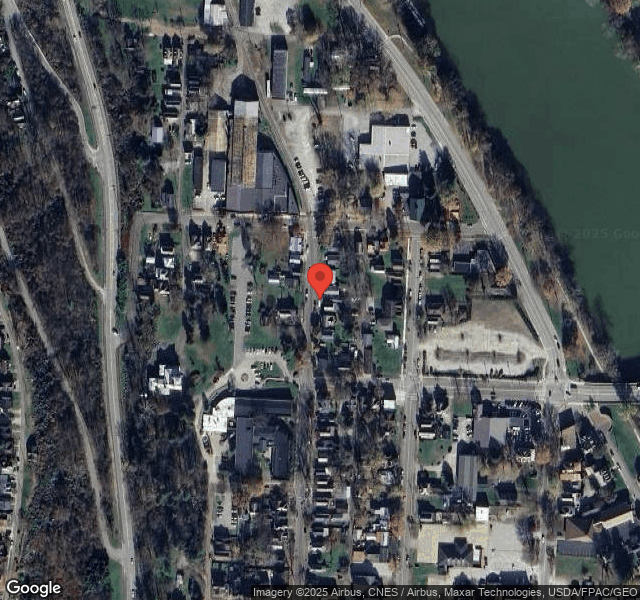
Mar 2024 6 deficiencies
CONCERN (D) 📢 Someone Reported This

A family member, employee, or ombudsman was alarmed enough to file a formal complaint

Potential for Harm - no one hurt, but risky conditions existed

Deficiency F0558 (Tag F0558)

Could have caused harm · This affected 1 resident

**NOTE- TERMS IN BRACKETS HAVE BEEN EDITED TO PROTECT CONFIDENTIALITY** Based on observation, medical record review, policy review and interview, the facility failed to provide adequate accommodations...

Read full inspector narrative →
**NOTE- TERMS IN BRACKETS HAVE BEEN EDITED TO PROTECT CONFIDENTIALITY** Based on observation, medical record review, policy review and interview, the facility failed to provide adequate accommodations to prevent possible resident exposure to a known pet allergy. This had the potential to affect one (Resident #69) of one resident identified as having a pet allergy. The facility census was 77. Findings include: Medical record review revealed Resident #69 was admitted on [DATE] with diagnoses including epilepsy, macular degeneration, weakness, dizziness and anxiety. The resident record indicated an allergy to cats. Review of the quarterly MDS assessment dated [DATE] revealed Resident #69 was cognitively intact for daily decision-making. On 03/12/24 at 6:10 A.M., interview with Licensed Practical Nurse (LPN) #13 stated the facility has cats and they get on everything. LPN #13 did not know if there were any residents allergic to cats. On 03/12/24 at 6:12 A.M., observation revealed a facility cat was walking in the television/dining area on the 100 Hall. On 03/12/24 at 6:25 A.M., interview with Registered Nurse (RN) #15 stated she was not aware of residents who were allergic to cats but the facility did have cats that roamed freely around the facility. On 03/12/24 at 6:30 A.M., interview with LPN #17 stated the facility-owned cats roam freely throughout the facility and into resident rooms. LPN #17 stated she did not know off-hand of any residents allergic to cats. On 03/12/24 at 6:38 A.M., interview with Resident #69 states she is allergic to cats and does not want the facility cat in her room. Resident #69 did not state the extent of her cat allergy. On 03/13/24 at 12:18 P.M., interview with the Director of Nursing (DON) stated staff was aware of residents with cat allergies and was alerted by a 'cat' magnetic on the door frame of their room. Staff was to keep the cat out of those rooms. On 03/13/24 at 12:25 P.M., observation of Resident #69's room revealed no 'cat' magnetic indicating that the resident was allergic to cats. At the time of the observation, interview with State Tested Nurse Aide (STNA) #19 stated she had been here for 20 years, cares for Resident #69 routinely and was unaware she was allergic to cats. STNA #19 verified there was no magnet on the door frame of Resident #69's room to indicate she was allergic to cats and stated she would like to know if there were any other residents allergic to cats. On 03/13/24 at 12:28 P.M., observation with the director of nursing (DON) verified Resident #69's door frame did not have a 'cat' magnet indicating the resident was allergic to cats and this was the facility standard of practice so staff knew to shoo the cat away and prevent the cat from entering those rooms. Review of the policy: Pet Service Animals (revised March 2021) revealed Pets/Service/Assistance animals are not permitted in food preparation areas, medication rooms, or resident rooms other than the resident or handler to which the pet/service/assistance animal is approved. Pet/service/assistance animals may be in common areas provided no resident in that common area is allergic or phobic of the animal. Further review of the policy revealed no evidence of how facility staff was to identify residents who were allergic to cats and how they were to be kept out of those resident rooms. This deficiency represents incidental finding of non-compliance investigated under Complaint Number OH00151275.
CONCERN (D)

Potential for Harm - no one hurt, but risky conditions existed

Assessment Accuracy (Tag F0641)

Could have caused harm · This affected 1 resident

**NOTE- TERMS IN BRACKETS HAVE BEEN EDITED TO PROTECT CONFIDENTIALITY** Based on medical record review and interview, the facility failed to ensure comprehensive assessments were accurate for immuniza...

Read full inspector narrative →
**NOTE- TERMS IN BRACKETS HAVE BEEN EDITED TO PROTECT CONFIDENTIALITY** Based on medical record review and interview, the facility failed to ensure comprehensive assessments were accurate for immunizations. This affected two (Resident #69 and #101) of five residents reviewed for immunizations. The facility census was 77. Findings include: 1. Medical record review revealed Resident #69 was admitted on [DATE] with diagnoses including epilepsy, cardiomegaly and cerebral infarction. Review of the quarterly Minimum Data Set 3.0 (MDS) assessment dated [DATE] revealed Resident #69 was offered and refused the influenza vaccine. Review of the medical record revealed no evidence Resident #69 was offered the influenza vaccine or had received education regarding the risks or benefits of the vaccine. On 03/13/24 at 8:01 A.M., interview with the Director of Nursing (DON) verified Resident #69 was not offered or received an influenza vaccination in 2023. On 03/27/24 at 10:31 A.M., the DON verified via electronic mail that the quarterly MDS assessment dated [DATE] was inaccurate for refusal of the influenza vaccine. 2. Medical record review revealed Resident #101 was admitted on [DATE] with diagnoses including liver malignancy and alcoholism. Review of the quarterly MDS assessment dated [DATE] revealed Resident #101 was up to date on his pneumococcal vaccination. Review of the Immunization Record for Resident #101 revealed a historical record of Prevnar13 was administered on 09/02/15. No additional Pneumococcal vaccinations had been administered. On 03/13/24 at 11:50 A.M., interview with the DON verified Resident #101 had not received any Pneumococcal vaccination since 2015 and was not current on the vaccination. On 03/27/24 at 10:31 A.M., the DON verified via electronic mail that the quarterly MDS assessment dated [DATE] was inaccurate for the Pneumococcal vaccine. This deficiency represents incidental non-compliance investigated under Complaint Number OH00151792.
CONCERN (D) 📢 Someone Reported This

A family member, employee, or ombudsman was alarmed enough to file a formal complaint

Potential for Harm - no one hurt, but risky conditions existed

Medication Errors (Tag F0758)

Could have caused harm · This affected 1 resident

**NOTE- TERMS IN BRACKETS HAVE BEEN EDITED TO PROTECT CONFIDENTIALITY** Based on observation, medical record review and interview, the facility failed to ensure as needed (PRN) antipsychotic medicatio...

Read full inspector narrative →
**NOTE- TERMS IN BRACKETS HAVE BEEN EDITED TO PROTECT CONFIDENTIALITY** Based on observation, medical record review and interview, the facility failed to ensure as needed (PRN) antipsychotic medications were not administered as a fall intervention. This affected one (Resident #141) of three residents reviewed for accidents. The facility census was 77. Findings include: Medical record review revealed Resident #141 was admitted on [DATE] with diagnoses including urinary tract infection, unspecified dementia, anxiety and a high fall risk. Review of the admission Physician Orders dated 03/03/24 revealed Resident #141 received Seroquel (antipsychotic) 12.5 milligrams (mg) daily. Review of the Incident Report dated 03/10/24 revealed staff had toileted Resident #141 and put her to bed at 8:15 P.M. and at 8:30 P.M. the resident was heard yelling. Resident #141 was on the floor in her room and was crawling on her hands and knees in the hallway yelling at another resident to help her up. The immediate action was to assist her to the wheelchair and administer a one-time 25mg dose of Seroquel. Review of the Medication Administration Record dated March 2024 revealed Resident #141 received a one-time dose of Seroquel 25 mg on 03/10/24 at 9:35 P.M. for unspecified dementia. On 03/13/24 at 7:45 A.M., interview with the Director of Nursing verified the administration of an antipsychotic medication, such as Seroquel, was not an appropriate fall intervention and this was not standard practice at the facility. This deficiency represents an incidental finding of non-compliance investigated under Master Complaint Number OH00151792.
CONCERN (D) 📢 Someone Reported This

A family member, employee, or ombudsman was alarmed enough to file a formal complaint

Potential for Harm - no one hurt, but risky conditions existed

Food Safety (Tag F0812)

Could have caused harm · This affected 1 resident

Based on observation and interview, the facility failed to store and prepare food in a sanitary manner. This had the potential to affect all 77 residents who ate food from the kitchen. Findings inclu...

Read full inspector narrative →
Based on observation and interview, the facility failed to store and prepare food in a sanitary manner. This had the potential to affect all 77 residents who ate food from the kitchen. Findings include: On 03/12/24 between 10:00 A.M. and 10:23 A.M. , observation of the kitchen revealed the following: 1. The dry storage area had a small window with a window sill that was covered with approximately 30 to 40 small black/brown insects. The insects were dead and two dead bugs were observed on top of a can of condensed milk that was being stored on a shelf underneath the window. 2. The dish room had four black/brown insects with wings that were dead under the storage area and dish table. 3. The opposite end of the dish room contained three carts containing clean coffee pots, 20 clear plastic drinking glasses, various pots and pans and two sets of goggles, three nosey cups and nine water pitchers. A stand up fan was positioned against the back wall and was blowing on the carts with the clean dishes. The fan screen was observed to have dust tendrils adhered to the fan screen and were blowing in the direction of the clean dishes. At the time of the observation, Dietary Manager #21 verified the above findings. Dietary Manager #21 stated the fan was used in the dish room due to poor ventilation and he did not believe it was being used to actually dry the dishes. On 03/13/24 at 10:40 A.M., interview with Dietary Manager #21 stated the facility did not have a policy for kitchen pests, fan use, or cleaning in the kitchen. Dietary Manager #21 stated everything was pulled out in the kitchen, swept and mopped completely at least once a day and as needed. This deficiency represents incidental findings of non-compliance investigated under Complaint Number OH00151275.
CONCERN (D)

Potential for Harm - no one hurt, but risky conditions existed

Deficiency F0883 (Tag F0883)

Could have caused harm · This affected 1 resident

**NOTE- TERMS IN BRACKETS HAVE BEEN EDITED TO PROTECT CONFIDENTIALITY** Based on medical record review, policy review and interview, the facility failed to administer immunizations as required. This a...

Read full inspector narrative →
**NOTE- TERMS IN BRACKETS HAVE BEEN EDITED TO PROTECT CONFIDENTIALITY** Based on medical record review, policy review and interview, the facility failed to administer immunizations as required. This affected two (Resident #69 and #101) of five residents reviewed for immunizations. The facility census was 77. Findings include: 1. Medical record review revealed Resident #69 was admitted on [DATE] with diagnoses including epilepsy, cardiomegaly and cerebral infarction. Review of the Physician Order Summary dated 05/23/22 revealed Resident #69 may have the annual influenza vaccine per facility policy. Review of the quarterly Minimum Data Set 3.0 (MDS) assessment dated [DATE] revealed Resident #69 was offered and refused the influenza vaccine. Review of the medical record revealed no evidence Resident #69 was offered the influenza vaccine or had received education regarding the risks or benefits of the vaccine. On 03/13/24 at 8:01 A.M., interview with the Director of Nursing (DON) verified Resident #69 was not offered or received an influenza vaccination in 2023. The DON stated Resident #69 was administered the influenza vaccine on 03/12/24. Review of the policy: Prevention Strategies for Seasonal Influenza (revised 06/10/21) revealed each resident and healthcare personnel will be offered an influenza vaccination every fall or winter and whenever the threat of influenza exists per physician/CDC guidelines. 2. Medical record review revealed Resident #101 was admitted on [DATE] with diagnoses including liver malignancy and alcoholism. Review of the quarterly MDS assessment dated [DATE] revealed Resident #101 was up to date on his Pneumococcal vaccination. Review of the Immunization Record for Resident #101 revealed a historical record of Prevnar13 was administered on 09/02/15. No additional Pneumococcal vaccinations had been administered. On 03/13/24 at 11:50 A.M., interview with the DON verified Resident #101 had not received any Pneumococcal vaccination since 2015 and was not current on the vaccination. Review of the policy: Pneumococcal Immunizations (revised 09/26/22) revealed to minimize the risk of residents acquiring or experiencing complications from Pneumococcal pneumonia by ensuring that each resident receive the Pneumococcal vaccination unless the vaccine is medically contraindicated, or the resident refuses the vaccine Residents age [AGE] or greater, that are eligible for Pneumococcal vaccination will receive the Prevnar 20 vaccine as of September 2022 due to the improved safety and efficacy of this version.
CONCERN (E) 📢 Someone Reported This

A family member, employee, or ombudsman was alarmed enough to file a formal complaint

Potential for Harm - no one hurt, but risky conditions existed

Accident Prevention (Tag F0689)

Could have caused harm · This affected multiple residents

**NOTE- TERMS IN BRACKETS HAVE BEEN EDITED TO PROTECT CONFIDENTIALITY** Based on medical record review, policy review and interview, the facility failed to initiate fall interventions and complete fal...

Read full inspector narrative →
**NOTE- TERMS IN BRACKETS HAVE BEEN EDITED TO PROTECT CONFIDENTIALITY** Based on medical record review, policy review and interview, the facility failed to initiate fall interventions and complete fall interventions as recommended. This affected three of three residents (Resident #69, #139 and #141) reviewed for falls. The facility census was 77. Findings include: 1. Medical record review revealed Resident #139 was admitted on [DATE] with diagnoses including Alzheimer's disease, dementia, anxiety, obstructive uropathy and hypertension. Review of the quarterly Minimum Data Set 3.0 (MDS) assessment dated [DATE] revealed Resident #139 was severely impaired for daily decision-making, had signs/symptoms of fluctuating inattention and disorganized thinking and required the use of a walker for ambulation. a. Review of the Fall Incident Report dated 01/06/24 revealed Resident #139 was lying on the floor with non-skid footwear in place and his walker beside him. A skin tear was noted to elbow, an abrasion to his left shoulder and he was assisted back to bed. The resident stated he got dizzy and fell. Immediate fall interventions included neurologic checks. Review of Resident #139's Neurological Flow Sheets revealed neuro checks were completed as follows: -On 01/06/24 at 7:45 P.M., 8:00 P.M., 8:15 P.M., 8:30 P.M., 9:00 P.M., 9:30 P.M. and 10:30 P.M -On 01/07/24 at 1:30 A.M., 5:30 A.M., 9:30 A.M., 1:30 P.M. and 5:30 P.M -On 01/08/24 at 1:30 A.M. and 9:30 A.M. Review of the the Fall Risk assessment dated [DATE] revealed Resident #139 was at high risk for falls. b. Review of the Incident Report dated 03/01/24 revealed staff observed Resident #139 ambulating in the hallway when he lost his balance and slid down the wall. Staff was unable to get to the resident before he was on the floor. The resident was oriented to person only and a wanderer. Immediate action taken was to assist the resident to the wheelchair, assess for injury and treatment initiated for a skin tear. Staff reminded Resident #139 to ask for staff assistance to ambulate if not using walker. Review of the Progress Notes dated 03/05/24 revealed the Nurse Practitioner ordered to change Resident #139's indwelling urinary catheter and obtain a urine culture/sensitivity due to a history of recurrent urinary tract infection, having some weakness, increased confusion, complaining of suprapubic tenderness, and indwelling catheter draining very cloudy urine. The urine was obtained on 03/05/24. There was no evidence a fall risk assessment was completed after the resident's fall on 03/01/24. On 03/13/24 at 1:55 P.M., interview with the Director of Nursing (DON) verified Resident #139 resided on the dementia unit and his cognition was impaired. The DON verified there was no new fall intervention implemented until 03/05/24 after the Interdisciplinary Team met to discuss resident falls. c. Review of the Nurses Note dated 03/10/24 revealed nurse aides were giving report and heard a thud. Upon entering Resident #139's room, he was found sitting on the floor by the bathroom. There was a wheelchair and his walker by where he was found. The resident was assisted to a standing position and back into the wheelchair and neurological (neuro) checks were initiated. Review of Resident #139's Neurological Flow Sheets revealed neuro checks were completed as follows: -On 03/10/24 at 2:00 P.M., 2:15 P.M., 2:30 P.M., 2:45 P.M., 3:15 P.M., 3:45 P.M., 4:45 P.M., 5:45 P.M., 7:29 P.M., and 11:45 P.M -On 03/11/24 at 12:28 A.M., 3:39 A.M., and 7:45 P.M -On 03/12/24 at 3:45 A.M. and 11:45 A.M Review of the Risk assessment dated [DATE] revealed Resident #139 was at high risk for falls. Review of the At risk for Falls care plan revised 03/13/24 related to poor safety awareness, weakness, low endurance, history of falls, balance issues, diabetic neuropathy and medications. On 03/13/24 at 2:07 P.M., interview with the Director of Nursing verified neurologic checks were not completed per protocol for Resident #139 after the falls on 01/06/24 and 03/10/24 and no fall risk assessment was completed after the fall dated 03/01/24. 2. Medical record review revealed Resident #141 was admitted on [DATE] with diagnoses including unspecified dementia, anxiety and history of falls. Review of the admission Fall Risk assessment dated [DATE] revealed resident was at high risk for falls and had three or more falls in past three months. a. Review of the Incident Report dated 03/03/24 revealed during a room check Resident #141 and her roommate were found on the floor. Resident #141 was assisted back to bed, the bed was put in low position and call light placed within reach. The Immediate Action and new intervention was to keep Resident #141's bed in low position when not assisting with care. On 03/13/24 at 8:40 A.M., interview with the Director of Nursing (DON) verified resident beds were to be kept in a low position when not assisting with care and no other intervention had been implemented to prevent further falls. b. Review of the Nurses Notes dated 03/06/24 revealed Resident #141 was found on her hands and knees on the floor. The resident had a small bruise to the palm of her right hand and she stated she did not hit her head. Neuro checks were initiated and no immediate fall intervention was implemented to prevent further falls. Review of the IDT (interdisciplinary team) Note dated 03/07/24 revealed the team reviewed Resident #141's fall from 03/06/24 and requested therapy to work with resident on proper exiting from bed using grab bar. On 03/13/24 at 10:23 A.M., interview with Rehab Director (RD) #11 states she was part of the IDT team that reviews falls during daily meeting. RD #11 stated Resident #141 was already receiving therapy for bed mobility at the time of the fall on 03/06/24 and she verbally informed staff to work with her on exiting from the bed using a grab bar but there was no documented evidence this was added to the plan or had been worked on. On 03/13/24 at 11:30 A.M., interview with the DON stated she had not been informed that therapy did not add working with grab bars to Resident #141's treatment plan and verified no other intervention was implemented. c. Review of the Incident Report dated 03/10/24 revealed staff had toileted Resident #141 and put her to bed at 8:15 P.M. and at 8:30 P.M. the resident was heard yelling. Resident #141 was on the floor in her room and was crawling on hands and knees in hallway yelling at another resident to help her up. Neuro checks were initiated and the immediate action was to assist her to the wheelchair and the physician ordered Seroquel (antipsychotic) 25 milligrams to be administered once. On 03/13/24 at 7:45 A.M., interview with the DON stated Seroquel administered once as a fall intervention was not an appropriate fall intervention. 3. Medical record review revealed Resident #69 was admitted on [DATE] with diagnoses including epilepsy, macular degeneration, weakness, dizziness and anxiety. Review of the quarterly MDS assessment dated [DATE] revealed Resident #69 was cognitively intact for daily decision-making, and had no falls since the prior assessment. Review of the Nurses Note dated 03/04/24 revealed Resident #69 was lowered to the ground outside. Resident #69 had been outside with her daughter and was walking around the patio space with her walker when she began to lean backwards. Resident's daughter was able to get to resident and stabilize her but was unable to hold her position or assist her back to standing so she lowered her to the ground in a sitting position. The resident stated she stepped back like she usually did and leaned back too far. Therapy to be notified of the resident being lowered to the floor due to a history of vertigo and balance issues. Review of the care plan: At risk for Falls related to medications, seizures, neuropathy, vertigo, and weakness post CVA dated 05/24/22 revealed therapy referral as needed. Review of the record revealed no evidence therapy services screened or evaluated Resident #69 after being lowered to the ground on 03/04/24. On 03/13/24 at 12:44 P.M., interview with the DON stated therapy referral was the intervention for Resident #69's fall on 03/04/24 and was unaware until now that therapy did not screen or evaluate her. The DON stated Rehab Director #11 stated therapy did not screen the resident because she had met her maximum potential in February 2024. The DON verified no other intervention had been implemented to prevent further falls. Review of the policy: Neurologic Assessment (dated 08/15/14) revealed a neurologic assessment was to be completed under conditions including an unwitnessed fall, witnessed head injury, resident statement of head injury and/or physician order. The assessment was to be completed and documented in the electronic medical record according to the following schedule and standard of practice: Every 15 minutes x4, every 30 minutes x2, every one hour x4, every four hours x4, and every eight hours x3. Review of the policy: Falls Management (revised 08/18/22) revealed a fall risk assessment will be completed on all residents on admission, readmission, quarterly, with a significant change of condition, and following each fall. A new intervention was to be implemented by the unit staff as soon as possible as well as routine rounding to assess that resident's needs are met. Review of the undated Falls and Falls Risk Clinical Practice Guideline revealed antipsychotic medications including Seroquel can increase fall risk due to syncope, sedation, slowed reflexes, loss of balance and impaired psychomotor function. The goal is to minimize total psychoactive load, use for shortest period of time and taper to avoid adverse withdrawal effects. This deficiency represents non-compliance investigated under Master Complaint Number OH00151792.
Jul 2023 13 deficiencies 3 Harm
SERIOUS (G)

Actual Harm - a resident was hurt due to facility failures

Pressure Ulcer Prevention (Tag F0686)

A resident was harmed · This affected 1 resident

**NOTE- TERMS IN BRACKETS HAVE BEEN EDITED TO PROTECT CONFIDENTIALITY** 3. A review of Resident #58's medical record revealed she was admitted to the facility on [DATE]. Her diagnoses included Alzheim...

Read full inspector narrative →
**NOTE- TERMS IN BRACKETS HAVE BEEN EDITED TO PROTECT CONFIDENTIALITY** 3. A review of Resident #58's medical record revealed she was admitted to the facility on [DATE]. Her diagnoses included Alzheimer's disease, dementia with agitation, unspecified psychosis, major depressive disorder, restlessness and agitation, peripheral vascular disease, and osteoarthritis. A review of Resident #58's care plan, dated 12/28/21 revealed she had a care plan in place for being at risk for an alteration to skin integrity related to bladder incontinence, impaired cognition, and poor safety awareness. The goal was for her to have no new areas of skin breakdown. The interventions included skin inspections, preventative treatments as ordered, keep bony prominences from direct contact, encouraging/ assisting her with turning and repositioning with routine nursing rounds and as needed (PRN) for comfort as tolerated or as she would allow. Pillows were to be used to maintain positioning. A review of Resident #58's quarterly pressure ulcer risk assessment dated [DATE] revealed the resident was assessed as being a high risk for pressure ulcers. Her risk factors included having a very limited sensory perception, her skin being very moist, being chair fast, having very limited mobility, and a problem with friction and shearing. The comments in the assessment indicated the resident was a two to one maximum assist to transfer. Preventative interventions/treatments were indicated to be in place. There were no additional quarterly pressure ulcer risk assessments completed after the assessment on 01/04/23. A review of Resident #58's quarterly Minimum Data Set (MDS) assessment dated [DATE] revealed the resident had clear speech. She was sometimes able to make herself understood and was sometimes able to understand others. She had short and long term memory impairment and her cognitive skills for daily decision making was moderately impaired. She displayed verbal behaviors directed at others and other behaviors not directed at others. She was not known to reject care during the assessment reference period of the past seven days. The resident required an extensive assist of two for bed mobility, transfers, and toilet use. Ambulation did not occur. She was always incontinent of her bowel and bladder and was at risk for pressure ulcers, but did not have any unhealed pressure ulcers at the time the assessment was completed. A review of Resident #58's weekly skin assessments revealed the skin inspections were being completed as per the plan of care through 07/01/23. There was no skin assessment completed on 07/08/23, as it should have been. The skin assessments skipped from 07/01/23 to 07/15/23. The skin assessments showed the resident was first noted to have a pink area to her right hip/ bony prominence beginning on 05/20/23. That assessment did not include any measurements of the red area noted to her right hip, nor did it indicate if the pink area was blanchable or not. There was no indication what the pink area was classified as as the type indicated on the assessment was other. The skin assessment defined a Stage I pressure ulcer as intact skin with non-blanchable redness of a localized area usually over a bony prominence. The assessment indicated they did not recognize the red area as pressure and an ulcer tracking tool was not initiated. The comments under the assessment indicated the right hip/ bony prominence was noted to be pinkish with skin intact in the area of her previous right hip surgery. A new order was initiated for Mepilex (foam dressing) to be applied to the area as a preventative measure. Weekly skin assessments through 06/10/23 continued to mention the area to the resident's right hip describing it as a slight pink area each week it was assessed. None of those assessments indicated whether the slightly pink area blanched or not, nor did they include measurements to see if the pink area was increasing in size. They continued the same treatment initiated on 05/20/23 as a preventative measure. A weekly skin assessment dated [DATE] revealed Resident #58 was noted to have a scabbed area to her right hip. It measured 0.3 centimeters (cm) in length x 0.2 cm in width x 0.1 in depth. The area was described under type as other and was not identified as a pressure ulcer with any staging indicated. Subsequent weekly skin assessments completed through 07/15/23 continued to mention the scabbed area to her right hip classified under type as other with no identification as a pressure ulcer or staging. It measured 0.9 cm x 0.5 cm with no depth recorded when measured on 07/15/23. It was not until a skin assessment was done on 07/22/23 that the resident's area to her right hip was assessed as an Unstageable pressure ulcer (full thickness tissue loss in which the base of the ulcer was covered by slough (yellow, tan, gray, green, or brown) and/ or eschar (tan, brown, or black) in the wound bed. A review of Resident #58's nurses' progress notes dated 06/29/23 revealed a nurse's note at 3:33 A.M. that indicated the resident was noted to have a scabbed area to her right hip that measured 1 cm in circumference with a dark scab in the center and yellow slough surrounding. The surrounding tissue was pink to extend the total area to about a 3 cm circle. Scant dark exudate (drainage) was noted on the existing dressing. The nurse cleansed it with in house wound cleanser, patted it dry, and placed a Mepilex dressing on it (as was previously ordered as a preventative treatment. The nurses' progress notes did not provide any documented evidence of the physician or hospice being notified of the deteriorating area to her right hip, that met the definition of an Unstageable pressure ulcer. A review of an interdisciplinary team (IDT) note dated 07/13/23 at 2:41 P.M. revealed the IDT met to discuss Resident #58's fall preventions due to changes in her condition, but did not discuss anything about the deteriorating wound she had on her right hip that was then an Unstageable pressure ulcer. The nurses' progress notes were absent for any further documentation pertaining to the area on Resident #58's right hip until a nurse's note dated 07/22/23 at 8:58 P.M. that indicated during a routine skin assessment the Mepilex dressing was removed from her right hip. The previous scabbed area was then noted to be open with slough to wound bed. A treatment was completed as ordered (same treatment initiated on 05/20/23 as a preventative treatment). A message was left for the hospice nurse to return a call and, when the call was returned, the hospice nurse was notified. New orders were received at that time for the resident to avoid lying on her right side. They were to turn her every two hours from her back to her left side due to the pressure ulcer on her right hip. A new treatment order was given for the pressure ulcer to her right hip to include the use of a wet to dry dressing daily and PRN until healed. The physician was not notified of the resident's Unstageable pressure ulcer to her right hip until 07/24/23 at 11:41 A.M. The progress notes indicated they were awaiting a response, but the response was not documented as having been received. A review of Resident #58's ulcer tracking tool for a pressure ulcers revealed an ulcer tracking tool was not initiated for the resident for any pressure ulcers until 07/22/23. The ulcer tracking tool identified the resident as having an Unstageable pressure ulcer to the right hip/ trochanter that measured 4 cm by 4 cm. The date of origin was indicated to be 07/22/23, despite the resident having documentation in her nurses' progress notes as having a wound to her right hip on 06/29/23 that met the definition of an Unstageable pressure ulcer. The assessment indicated the resident had a moderate amount of serosanguinous drainage and the wound bed was covered with white slough. On 07/24/23 the resident's care plan was updated to reflect she had impaired skin integrity as evidenced by a pressure ulcer to her right hip. The goal was for her to exhibit slow healing of the pressure ulcer as exhibited by development of healthy tissue. The interventions included changing the dressing according to the physician's orders, evaluating the wound daily and monitor it for an intact dressing, signs and symptoms of infection, progress and/or changes, initiate a skin grid to document the size, color, odor, drainage and monitor progress weekly and as needed, protein supplementation as per the physician's orders, provide pressure relief for the affected area, avoid lying on her right side while in bed, and reposition her every two hours from her back to her left side, while lying in bed. On 07/27/23 at 10:55 A.M., an interview with STNA #161 revealed Resident #58 had an area to her right hip that had been there for a month or two. She indicated the resident had a hip replacement and had a bony prominence that stuck out on her right hip. The right hip had a red area and normally had a dressing on it. The area was now open and had a different type of dressing on it. She was not sure why the resident had skin breakdown when preventative measures had been in place. On 07/27/23 at 11:00 A.M., an interview with LPN #105 revealed the resident had an area to her right hip. She believed it was classified as a pressure ulcer, but would have to check the medical record to make sure. She too indicated the resident had a bony prominence on her right hip. When she first started working there it had a foam padding over it. She did not think the area was classified or staged as a pressure ulcer when it was first documented as a red area. She was the nurse working on 07/22/23, when the wound to the right hip was found to have the wound bed covered in white slough. She stated she was the one that documented that in the nurses' progress notes. She asked the nurse manager to come and look at it because she was not sure how to document it. It was a 4 cm by 4 cm area at that time. She notified hospice, but was not present when the hospice nurse called back in. Another nurse that came in at 9:00 P.M. would have been the one to speak with hospice and get the new order for treatment. She was not aware of there being a wound on the resident's right hip that had a dark scabbed area in the centered with yellow slough surrounding it as was documented on 06/29/23 in the progress notes. It was not until she discovered the wound on 07/22/23 that she looked back through the nurses' progress notes and seen that was documented on 06/29/23. She confirmed it was not until 07/22/23 that they got new orders for the resident that included an appropriate treatment for an Unstageable pressure ulcer and to turn the resident every two hours from her back to her left side. She was not sure why breakdown occurred with her previous skin prevention interventions in place. She was surprised to find the resident's right hip to have that kind of breakdown in it. She agreed hospice and/ or the resident's physician should have been notified on 06/29/23, when the resident was documented as having a deteriorating skin issue that met the definition of an Unstageable pressure ulcer. She indicated they would have wanted to get a new treatment order that was appropriate for that stage of a pressure ulcer and not continue the same treatment that was initially ordered as a preventative treatment. On 07/27/23 at 2:15 P.M., an interview with the DON revealed she was not able to find any additional information pertaining to the resident's pressure ulcer assessments. She did not see evidence of a more recent pressure ulcer risk assessment being completed after 01/04/23, nor did she find evidence of a weekly skin assessment being completed on 07/15/23. She confirmed the resident's area to her right hip was not assessed as a pressure ulcer, until 07/22/23, when it was identified as an Unstageable pressure ulcer covered with white slough. She did not provide any documented evidence of the redness that was noted to Resident #58's right hip beginning on 05/20/23 being assessed by a nurse for blanching to rule out it being a Stage I pressure ulcer at that time. She also confirmed the nurse that documented the area to the right hip as having had a scabbed center with yellow slough surrounding it should have contacted the physician for a new treatment instead of continuing the same preventative treatment that had been previously ordered. She stated the nurse that documented that was an LPN and was not qualified to assess the staging of pressure ulcers. She acknowledged there was no evidence of another nurse assessing the area or a new treatment being initiated until 07/22/23, when the area was again documented in the progress notes and finally being classified as an Unstageable pressure ulcer. She confirmed the area went from a 1 cm by 1 cm scabbed area with dark scabbing in the center and yellow slough surrounding it to a 4 cm by 4 cm Unstageable pressure ulcer with the wound bed being covered with white slough. A review of the facility's policy on pressure ulcers (revised 04/27/22) revealed a resident who entered the facility without a pressure ulcers should not develop pressure ulcers, unless the resident's clinical condition demonstrated that they were unavoidable. The facility was to provide care and services to promote the prevention of pressure ulcer development and promote healing of pressure ulcers that were present. They were to identify residents at risk for development of pressure ulcers by utilizing pressure ulcer risk assessments per the EHR. Those risk assessments were to be completed quarterly. A licensed nurse was to do a visual head to toe assessment of each resident weekly and document the findings in the EHR. 4. A review of Resident #129's medical record revealed he was admitted to the facility on [DATE]. His diagnoses included chronic neck/ back pain, chronic kidney disease, and neuropathy. A review of Resident #129's skin assessment completed upon his admission [DATE] revealed the resident had a Stage two pressure ulcer (partial thickness loss of dermis presenting as a shallow open ulcer with a red/ pink wound bed, without slough; may also present as an intact or open/ ruptured serum-filled blister) to the left inner buttock that measured 2.3 cm x 3 cm x 0.01 cm. The skin assessment indicated he was not reviewed for a turning and repositioning program. A review of Resident #129's Minimum Data Set (MDS) assessments revealed his Medicare 5-day MDS assessment and admission MDS assessment was still in progress. A review of Resident #129's care plans revealed he had a care plan in place, dated 07/20/23 for being at risk for an alteration in skin integrity. The goal was for him to not have any new areas of skin breakdown. The interventions included the need to turn and reposition him every two hours. His care plans also indicated he had a Stage II pressure ulcer to his left buttock related to immobility, weakness, and deconditioning. This care plan was also initiated on 07/20/23. The goal was for his pressure ulcer to show signs of healing. The interventions included administering treatments as ordered and assisting him to turn/reposition at least every two hours, more often as needed, or requested. The care plan interventions were reflected on the Kardex (information made available to the aides to identify the resident's care needs/ requirements). A review of Resident #129's physician's orders (dated 07/19/23) revealed the resident had a treatment order in place to cleanse the Stage II pressure ulcer to the left inner buttock with soap and water, rinse, pat dry, and apply an Optifoam dressing. Staff were to complete the dressing change one time a day every three days and as needed (PRN). A review of Resident #129's treatment administration record (TAR's) for July 2023 revealed there was no documented evidence of the resident having his treatment provided to the Stage II pressure ulcer on his left inner buttocks on 07/23/23. A review of Resident #129's nurses' progress notes revealed there was no evidence of the resident refusing any treatments to his pressure ulcer on the left inner buttock or to support why his treatment was not signed off as having been completed on 07/23/23. Observations of Resident #129 on multiple occasions between 07/25/23 at 10:09 A.M. and 07/26/23 at 7:05 A.M. noted him to always be in bed in a supine position lying on his back with direct pressure to the Stage II pressure ulcer to his left inner buttocks. No pillows were being used for positioning and the resident always had his head of the bed raised and the knee [NAME] on the bed raised putting direct pressure on his buttocks. He was not observed to be placed in a side lying position during any of the observations made. On 07/25/23 at 8:22 A.M., an interview with Resident #129 revealed his treatment had only been completed once by the facility in the seven days he had been at the facility. He reported the treatment that was signed off on the TAR as having been completed on 07/25/23 was the only treatment he received to the pressure ulcer he had on his left buttock. He did not recall them doing a treatment on 07/23/23, when no documentation had been made in the TAR showing it had been. He had denied any of the staff were coming in and assisting him with turning and repositioning every two hours as per his plan of care. He denied he had the strength to physically turn himself in bed and would not oppose them coming in and assisting him with that. On 07/26/23 at 8:30 A.M., an interview with STNA #203 revealed she had only worked at the facility for about a month now. She worked on the rehabilitation unit, where Resident #129 resided, and worked there last Sunday. She was familiar with the resident and thought he would be at risk for pressure ulcers as he did not get up much or walked around. She only knew of him having a mark on his buttocks that was the result of sitting on his bedpan on 07/24/23, but denied it was open. She was not aware of him having any other skin issues, but did not work with him all that often. The resident required an extensive assist with rolling/ turning/ dressing etc. She claimed they did rounds every couple of hours and would ask him if he needed anything. They pulled him up in bed and repositioned him when in there. When she worked last Sunday, they placed a pillow behind his back to help shift the weight off his buttocks. She worked Monday, but was assigned to a different section of the rehabilitation unit. She said she would have helped in his section as well, but could not explain why he was observed in the same position all day on Monday (07/24/23). On 07/26/23 at 8:41 A.M., an interview with RN #183 revealed Resident #129 was at risk for pressure ulcers. She was not sure if he had any existing pressure ulcers and had to check the computer to see if he had any areas. She initially denied he had any pressure ulcers reporting he only had yeast on his scrotum, bruising, and blanchable areas to his bilateral buttocks. She was referring to the skin assessment that was completed on 07/24/23. She then noted that he had a Stage II pressure ulcer to his left inner buttocks. She was asked what they were doing to treat that area and to promote healing. She indicated they were performing a treatment to his left inner buttock according to what was included in his physician's orders. The aides were also turning and repositioning him regularly. She claimed she would check the residents regularly to ensure they were being turned. She would also remind the aides regularly that the residents needed turned. She was not sure why a treatment had not been signed off as having been completed on 07/23/23, when due, or why the resident was observed not to have been turned and repositioned the past couple of days when observations were made. On 07/26/23 at 8:50 A.M., the DON was informed of concerns with Resident #129 not being turned and repositioned every two hours as per his plan of care. She was also informed there was no documentation to support his treatment to the pressure ulcer on his left inner buttocks being completed on 07/23/23 as ordered. She was not able to provide any additional information to explain why the treatment had not been signed off as having been completed on 07/23/23. She stated she spoke with the RN #183, who was the nurse that worked on 07/23/23, and the nurse was not able to explain why the treatment was not documented as having been completed. The nurse did not provide her any indication that it was completed as ordered. She stated she would also remind the nursing assistants on the need to ensure the resident was being turned and repositioned. She confirmed he had weakness and needed assistance with turning and repositioning. On 07/26/23 at 1:30 P.M., a follow up interview with RN #183 revealed she had been racking her brain to figure out why she did not document the treatment to the resident's left inner buttock being done on 07/23/23. She reported she was the nurse assigned that day. She recalled she went to do the treatment and did not note any open area at that time. She stated it would have been difficult to get a dressing in that area so she just applied moisture barrier cream instead, which was not the ordered treatment. She denied she had documented such or had updated the physician to get a new treatment order, when she decided not to provide the treatment as ordered. She acknowledged the TAR showed the treatment was provided to the resident as ordered on 07/25/23 and there was no evidence it had been healed. Based on observations, medical record review, staff interview, resident interview, and policy review, the facility failed to prevent the development of pressure ulcers and failed to provide the necessary treatment and services to promote healing. Actual harm occurred to Resident #12, who had impaired mobility and required staff assistance for activities of daily living, on 06/02/23 when the resident's in-house pressure ulcer deteriorated to a Stage IV (full-thickness skin and tissue loss with exposed or directly palpable fascia, muscle, tendon, ligament, cartilage or bone in the ulcer. Slough and/or eschar may be visible on some parts of the wound bed) due to a lack of proper interventions ( including repositioning and monitoring of wound vac treatment) being implemented by the facility. Actual harm occurred to Resident #58 on 06/29/23 when the facility failed to identify, assess, and implement the appropriate treatment for a pressure ulcer that started as a Stage I (intact skin with a localized area of non-blanchable erythema (redness) resulting in the ulcer deteriorating to an Unstageable pressure ulcer (full-thickness skin and tissue loss in which the extent of tissue damage within the ulcer cannot be confirmed because the wound bed is obscured by slough or eschar). This affected four residents (#3, #12, #58, and #129) of four residents reviewed for pressure ulcers. The facility identified 13 residents with pressure ulcers, six of which were facility acquired. The facility census was 75. Findings include: 1. Review of the medical record for Resident #12 revealed an admission date of 10/31/22 and diagnoses including dementia, diabetes, peripheral vascular disease, and chronic obstructive pulmonary disease. The plan of care dated 11/01/22 stated the resident was at risk for alterations in skin integrity related to generalized weakness, impaired mobility, and requiring assistance with activities of daily living. Interventions included encourage/assist to turn and reposition every two hours as tolerated, or will allow. Use pillow to maintain positioning. A plan of care dated 11/28/22 stated the resident had a current pressure ulcer to the coccyx. It stated to assess/record/monitor wound healing. An admission Minimum Data Set (MDS) 3.0 assessment completed 11/07/22 documented a Brief Interview for Mental Status score (BIMS) of 15, indicating intact cognition. It indicated no pressure ulcers were present. An ulcer tracking tool on 02/21/23 identified the resident as having a Stage II (partial-thickness loss of skin with exposed dermis, presenting as a shallow open ulcer. The wound bed is viable, pink or red, moist, and may also present as an intact or open/ruptured blister) pressure ulcer on the coccyx measuring 1.2 centimeters (cm) by 0.4 cm by 0.1 cm deep. The resident began being seen by the wound center on 02/24/23. On 02/24/23 the wound center described the wound as a Stage III (full-thickness loss of skin, in which subcutaneous fat may be visible in the ulcer and granulation tissue and epibole (rolled wound edges) are often present) pressure ulcer of the coccyx measuring 2.1 x 1 x 0.3 cm. The date acquired was listed at 12/24/22. The area was debrided. The wound center recommended turning the resident every two hours and keep turned on her left and on her right as much as possible. On 05/04/23 the pressure ulcer continued as Stage III measuring 0.3 by 0.3 by 0.5 cm. At that time, a PICO Single use negative pressure wound therapy system was ordered with dressing to be changed weekly. It stated a PICO education sheet was sent on 05/04/23. A quarterly MDS 3.0 assessment on 06/02/23 documented a BIMS of 11, indicating moderately impaired cognition. It indicated the resident required extensive assistance from two staff for bed mobility and toilet use. It indicated the resident was totally dependent upon staff for transfers and hygiene and was always incontinent. It indicated the resident had a Stage III pressure ulcer which was not present upon admission. On 06/02/23 the wound center now described the pressure ulcer as a Stage IV measuring 0.3 by 0.2 by 0.4 cm. and the treatment was changed with the PICO wound therapy system being discontinued. On 06/23/23 the wound center described the pressure ulcer as a Stage IV measuring 0.3 by 0.4 by 0.2 cm. The PICO wound therapy system was re-ordered with dressing to be changed weekly. On 07/18/23 the Stage IV pressure ulcer measured 0.5 by 0.2 by 0.4 cm. with bone visible per the wound center. The PICO wound therapy system continued with changing weekly and there were continued recommendations to turn every two hours and keep turned on left and right as much as possible. However, review of facility ulcer tracking tools revealed on 07/18/23 the facility was still categorizing the pressure ulcer as a Stage III and had measurements of 0.5 by 0.3 by 0.2 (which did not match the wound center measurements). Observations on 07/24/23 at 8:58 A.M. and 10:45 A.M. revealed Resident #12 to be in bed on her back. On 07/25/23 at 10:12 A.M., 10:58 A.M., 12:16 P.M., 1:48 P.M., and 3:30 P.M. the resident was in bed on her back. Interview with Resident #12 on 07/26/23 at 8:45 A.M. revealed she stated she was not always turned and repositioned as she should be. She stated she was not turned/repositioned the day before. At that time, she was positioned on her right side. Interview with Nursing Assistant #115 on 07/26/23 at 10:35 A.M. revealed Resident #12 needed staff assistance with repositioning. She stated the resident was cooperative with turning on 07/25/23 but they had only used one pillow under her side instead of two, as they were using on 07/26/23. She stated the resident had asked for two pillows to be used for positioning on 07/26/23. Interview with Licensed Practical Nurse (LPN) #196 on 07/26/23 at 10:40 A.M. revealed she did not know why the resident was not being positioned on her sides instead of just putting a pillow under her with the resident still appearing to be laying on her back. She stated the resident needed to be turned onto her sides every two hours. Observations of Resident #12's PICO wound therapy system on the coccyx on 07/26/23 at 10:20 A.M. revealed the PICO power pump had no lights on to indicate it was functioning properly and the tubing was going under the resident with a potential for pressure to be blocked or to cause pressure to the resident's skin. This was confirmed by LPN #196. She stated that she had not received any training on the PICO wound therapy system and thought there was an audible alarm to alert staff if it was not working properly. She stated she did not know how to check for the proper function of the system. She confirmed there was nothing in place to monitor for the proper functioning of the system. Resident #12 stated, at that time, that the batteries were probably dead. Review of instructions for the PICO single use negative pressure wound therapy system revealed it is used for patients who would benefit from a suction device (negative pressure wound therapy) as it may promote wound healing via removal of low to moderate levels of exudate and infectious materials. The instructions stated the system does not contain any audible alerts and has visual indicators to let you know when there is an issue. It stated dressings should be checked frequently. Instructions stated that a green ok light flashes if the pump is working correctly. (Green light was not on during observation above). The instructions stated that if all lights were off, problems could be dead batteries, pump has completed its course of therapy (contact healthcare professional right away), or the pump is in standby mode (has been paused). Interview with LPN #196 on 07/26/23 at 10:20 A.M. confirmed that the instructions verified no audible alarm and not working properly if no lights are on. Review of the facility policy titled Pressure Ulcer Prevention (dated 06/08/11 and revised 04/27/22) revealed a resident who enters the facility without pressure ulcers should not develop pressure ulcers unless the resident's clinical condition demonstrates that they were unavoidable. A licensed nurse will do a visual head to toe assessment of each resident weekly and document findings. Implement individualized interventions to attempt to stabilize, reduce, or remove underlying risk factors such as but not limited to: reposition frequently according to physician order or at resident request. Interview with the Director of Nursing on 07/26/23 at 11:00 A.M. revealed that since the PICO dressing is changed weekly at the wound clinic, the measurements on the facility weekly ulcer tracking tools were obtained from the wound clinic notes. She stated the facility was not routinely observing the wound but this was not noted on the weekly ulcer tracking tools. She confirmed the facility measurements did not match the wound clinic measurements on 07/18/23. She stated she completed the ulcer tracking tool on 07/18/23 but copied the measurements from the previous assessment, which were not accurate. She confirmed the facility was not documenting the wound as a Stage four, even though the wound center was. She confirmed the wound had started in house as a Stage II then progressed to a Stage III and was now being classified as a Stage IV by the wound clinic. 2. Review of the medical record for Resident #3 revealed an admission date of 10/23/18 and diagnoses including dementia and cerebral vascular accident with left sided weakness. A Minimum Data Set assessment completed 05/28/23 documented a Brief Interview for Mental Status score of 2, indicating severe cognitive impairment. The resident had upper extremity impairment on one side and required extensive assistance from two staff with bed mobility and toileting. It indicated the resident had no pressure ulcers. Pressure ulcer risk assessments completed on 03/29/23 and 07/22/23 indicated the resident was at moderate risk for the development of pressure ulcers. A weekly skin assessment on 07/17/23 indicated the resident's skin was clear and without pressure ulcers. On 07/22/23 a pressure ulcer tracking tool documented the resident developed a one centimeter by one centimeter (no depth documented) Stage II pressure ulcer (partial-thickness loss of skin with exposed dermis, presenting as a shallow open ulcer. The wound bed is viable, pink or red, moist, and may also present as an intact or open/ruptured blister) on the sacrum. It stated it was a ruptured blister noted during morning care. Review of physician's orders revealed a treatm[TRUNCATED]
SERIOUS (G)

Actual Harm - a resident was hurt due to facility failures

Deficiency F0688 (Tag F0688)

A resident was harmed · This affected 1 resident

**NOTE- TERMS IN BRACKETS HAVE BEEN EDITED TO PROTECT CONFIDENTIALITY** Based on observations, medical record review, staff interview, and policy review, the facility failed to ensure Resident #3, who...

Read full inspector narrative →
**NOTE- TERMS IN BRACKETS HAVE BEEN EDITED TO PROTECT CONFIDENTIALITY** Based on observations, medical record review, staff interview, and policy review, the facility failed to ensure Resident #3, who had limited range of motion received the appropriate treatment and services to prevent further decrease in range of motion. Actual harm occurred on 06/13/22 when Licensed Practical Nurse (LPN) #196 identified Resident #3's left dominant hand had a decline in range of motion, the hand was more contracted and the nurse was unable to use an existing carrot splint as it caused the resident increased pain. The splint was subsequently discontinued. Prior to the decline there was no evidence staff were routinely providing passive range of motion for the resident. Following the identified decline, there was no evidence of a timely referral to therapy and no evidence any other interventions were implemented to attempt to prevent further decline of the left hand contracture. This affected one resident (#3) of one resident reviewed for range of motion. The facility census was 75. Findings include: Review of the medical record for Resident #3 revealed an admission date of 10/23/18 and diagnoses including dementia and cerebral vascular accident with left sided weakness. Review of an occupational therapy evaluation dated 12/21/21 revealed Resident #3 was referred for evaluation of left hand contracture due to poor staff carryover of passive range of motion and applying splint. Per staff, resident no longer fits in palmar guard splint and is experiencing decreased skin integrity of palm due to flexion contracture/rubbing of nails into palm. The plan was for therapy to provide passive range of motion to the left hand to decrease the contracture and to identify the most appropriate type of hand splint with a trial of a carrot splint. The goal was improved range of motion in the left hand and to tolerate a splint for greater than eight hours. Review of an occupational therapy Discharge summary dated [DATE] revealed the resident had good participation with passive range of motion, was utilizing the carrot splint with good success and comfort, and was able to tolerate the splint for greater than eight hours. It was recommended for the splint to continue with staff applying. However, review of range of motion restorative program documentation revealed range of motion services were discontinued on 01/06/22 (two days prior to occupational therapy being discontinued) due to resident not participating in programs on a routine basis, even though occupational therapy documented the resident had good participation in passive range of motion on 01/08/22. There was no evidence of any further range of motion services provided. A physician's order was obtained on 02/09/22 to encourage the resident to utilize the carrot splint to left hand daily (one month after occupational therapy was discontinued with recommendation for splint use). Review of the treatment administration records and nurses notes for May and June 2022 revealed no evidence of refusal of the carrot splint with it being documented as applied daily. However, review of a nurses progress note on 06/13/22 at 2:58 P.M. by Licensed Practical Nurse (LPN) #196 revealed resident's left hand is more contracted and trying to use the carrot splint causes the resident more pain. Splint will be discontinued at this time. There was no evidence of a referral to therapy due to the decline and no evidence that any other interventions were put in place to attempt to prevent further decline of the left hand contracture. The plan of care was silent to any range of motion services. A Minimum Data Set (MDS) 3.0 assessment completed 05/28/23 documented a Brief Interview for Mental Status score of 2, indicating severe cognitive impairment. The assessment identified the resident had upper extremity impairment on one side and required extensive assistance from two staff with bed mobility and toileting. Review of an occupational therapy evaluation dated 07/25/23 revealed Resident #3 was noted with a significant left hand contracture currently not appropriate for splint option due to severity, will require intensive passive range of motion prior to splinting. Resident was at risk for losing ability to feed self (left hand dominant). The strength of the left hand was unable to be determined due to severe pain. Occupational therapy was to begin 07/25/23 five times per week for four weeks. Observations on 07/25/23 at 10:10 A.M. revealed Resident #3 to be in bed. Her left hand was contracted with all of her fingers bent inward towards the palm in a fist. No padding or splinting of the hand was observed. Observations on 07/26/23 at 7:13 A.M. revealed Resident #3 (who was left hand dominant) to be feeding herself in bed with her right hand. Her left hand remained contracted with all of her fingers bent inward towards the palm in a fist. No padding or splinting of the hand was observed. Interview with Rehab Director #205 on 07/26/23 at 1:25 P.M. confirmed Resident #3 was re-evaluated by occupational therapy on 07/25/23 due to her left hand contracture. She confirmed Resident #3 was last seen by occupational therapy 01/08/22 after being provided with therapy due to poor staff carry over of passive range of motion and splint use from the last time she had received therapy. She confirmed Resident #3 was discharged [DATE] with good participation in passive range of motion and use of carrot splint. She stated after the resident was discharged from occupational therapy, she would have expected the nursing staff to continue with passive range of motion and use of the carrot splint as she was able to tolerate it for eight hours. She stated she did not know why the restorative program was discontinued 01/06/22 when therapy documented good participation on 01/08/22. She confirmed a referral was not made to therapy after the splint was discontinued in June 2022. She confirmed the resident's left hand contracture had declined and staff would have to start out with a rolled towel until passive range of motion was provided and the resident was able to utilize a splint again. Interview with LPN #196 on 07/26/23 at 2:00 P.M. confirmed she discontinued the carrot splint on 06/13/22. She stated that she felt like she was told by someone to discontinue it as she would not have done it on her own but does not remember the details of why it was discontinued. She stated she did not know why the resident was not referred back to therapy when the splint was discontinued since the resident's hand was more contracted, at that time. Observations on 07/26/23 at 2:15 P.M. revealed LPN #196 to attempt to put a wash cloth, which was folded over once, into Resident #3's left hand. LPN #196 tried to open the resident's fingers enough to put the folded washcloth in between her fingers and the palm of her hand. The resident verbalized oh, as if in pain. LPN #196 stated she did not feel any type of range of motion was provided after the splint was discontinued in June 2022. Interview with the Director of Nursing on 07/27/23 at 9:40 A.M. confirmed the plan of care was silent to range of motion services and there was no evidence of any range of motion services provided once the splint was discontinued in June 2022. Review of the facility policy titled Functional Range of Motion, dated 11/2011 revealed the functional range of motion assessment would be used to identify the residents active or passive range of motion and/or limitations of each body part, allowing for intervention when appropriate to maintain or improve present level of functioning and to prevent decline in functional status. Referrals would be made to therapy or restorative nursing when clinically indicated and based upon physician order.
SERIOUS (G)

Actual Harm - a resident was hurt due to facility failures

Accident Prevention (Tag F0689)

A resident was harmed · This affected 1 resident

**NOTE- TERMS IN BRACKETS HAVE BEEN EDITED TO PROTECT CONFIDENTIALITY** Based on record review, review of fall investigations, interview, and policy review, the facility failed to ensure Resident #48 ...

Read full inspector narrative →
**NOTE- TERMS IN BRACKETS HAVE BEEN EDITED TO PROTECT CONFIDENTIALITY** Based on record review, review of fall investigations, interview, and policy review, the facility failed to ensure Resident #48 was properly positioned in bed when unattended resulting in an avoidable fall with major injury (hip fracture). Actual Harm occurred on 04/04/23 following a fall at 10:40 P.M. when the facility failed to ensure the resident was properly positioned in bed and left unattended resulting in the resident rolling out of bed and sustaining a hip fracture. This affected one resident (#48) of two residents reviewed for accidents. Findings include: Record review revealed Resident #48 was admitted to the facility on [DATE] with hemiplegia and hemiparesis following cerebral infarction affecting the left dominant side, tremors, left foot drop, bilateral hearing loss, diabetes, Foley catheter due to neuromuscular dysfunction of the bladder and chronic kidney disease. Review of Resident #48's quarterly Minimum Data Set (MDS) 3.0 assessment, dated 02/22/23 revealed the resident required extensive assistance of two person for bed mobility and toileting, and total dependence for transfers. The resident had limited range of motion on one side of the upper and lower extremity. Review of Resident #48's plan of care revealed the resident was at risk for falls related to cerebrovascular accident (CVA). There was no evidence to place something in front of the resident or stand in front of her when providing peri care and two assists if needed per the interdisciplinary team (IDT) note dated 04/21/23. Review of Resident #48's nursing note dated 04/04/23 revealed an aide reported to the nurse while changing the resident she rolled out of bed. The resident stated she just kept right on rolling that she couldn't stop herself. The resident complained of right hip pain and stated she did hit her head. The resident was transported to a local hospital; however, it was full, and she was being moved to another local hospital due to a right hip fracture. The note indicated she would more than likely not need surgery and the fracture would heal on its own. Review of Resident #48's hospital note dated 04/04/23 revealed the resident had non-displaced right femoral neck fracture. Review of the facility fall investigation dated 04/04/23 revealed State Tested Nursing Assistant (STNA) #169's statement indicted she had rolled Resident #48 to her side and hit the call light to get the nurse to apply Zinc on the resident. The statement revealed the STNA waited five to ten minutes and then asked if she could go get her really quick. When the STNA returned the resident was on the floor. The STNA did not see or hear the resident hit the floor. The STNA reported the root cause of the fall was she should have had the resident roll back on to the bed fully. There was no evidence of a second staff member assisting in the resident's care at the time of the incident. Review of a late entry IDT note dated 04/21/23 revealed IDT review of 04/04/23 incident: State Tested Nursing Assistant (STNA) had just completed peri care while the resident was lying on her left side holding to grab bar with right hand to steady herself in position. The STNA stepped to door to summon nurse for treatment and when she turned the resident was lying on floor on her back. The resident stated she rolled forward and couldn't stop and that she bumped her head and right hip hurt. Nurse was summoned, resident stabilized in place, assessed and physician was notified with orders to send to emergency room (ER) for evaluation. X-ray showed non-displaced right femur fracture, however, ortho felt surgery was not needed and to treat conservatively. At present the resident was weight bearing as tolerated. The resident has not been able to ambulate for a very long time as she is afraid, she may fall, is transferred in Hoyer and uses wheelchair for mobility with staff assist. Resident has diagnoses of left hemiplegia from CVA/muscle spasms and uses right arm and hand for activities of daily living (ADL's) and holding herself over on side for peri care. Air mattress to bed for comfort with bolsters for her comfort and states she feels secure with the bolsters. Staff educated to place something in front of her or stand in front of her when providing peri care and two assists if needed. Review of Resident #48's care guide revealed no evidence to place something in front of her or stand in front of her when providing peri care and two assists if needed per the IDT note dated 04/21/23. The care guide indicated the resident required extensive assist to total assist with bed mobility and toileting. Bilateral grab bars on bed to assist with bed mobility. Position with pillows if needed due to tendency to lean to the left. Use two assists with all transfers with floor staff. Interview on 07/24/23 at 10:26 A.M. and 07/27/23 at 2:10 P.M., with Resident #48 confirmed she doesn't have much control of her left side due to a stroke and was not able to control her body and rolled out of bed fracturing her hip. The resident could not recall many details of the incident, but staff was providing care and left her on her side, and she rolled out of bed and could not stop herself. Interview on 07/27/23 at 2:16 P.M. with the Director of Nursing (DON) confirmed the STNA had left Resident #48 on her side in the bed, which was not a safe position, resulting in the resident rolling out of bed and fracturing her hip. The STNA should have waited for staff to answer the call light or rolled the resident back on her back in bed. The plan of care was not updated to reflect the new intervention to have place something in front of her or stand in front of her when providing peri care and two staff assist if needed per the IDT note dated 04/21/23. Review of the facility policy titled Fall Management (dated 01/14/14 and revised 08/18/22) revealed safety was a priority. The facility's effort was to focus on minimizing fall risk and fall related injuries. New intervention would be implemented by the unit staff as soon as possible.
CONCERN (D)

Potential for Harm - no one hurt, but risky conditions existed

Deficiency F0561 (Tag F0561)

Could have caused harm · This affected 1 resident

**NOTE- TERMS IN BRACKETS HAVE BEEN EDITED TO PROTECT CONFIDENTIALITY** Based on medical record review, resident interview, staff interview, and policy review, the facility failed to ensure a resident...

Read full inspector narrative →
**NOTE- TERMS IN BRACKETS HAVE BEEN EDITED TO PROTECT CONFIDENTIALITY** Based on medical record review, resident interview, staff interview, and policy review, the facility failed to ensure a resident had the right to choose schedules and make choices about showering/ bathing. This affected one of three residents reviewed for choices (#4). The facility census was 75. Findings include: Review of the medical record for Resident #4 revealed an admission date of 06/17/23 and a diagnosis of fracture of right femur (prior to admission). Review of a Minimum Data Set (MDS) assessment completed 06/23/23 revealed a Brief Interview for Mental Status score of 13, indicating intact cognition. The MDS further indicated the resident required extensive assistance from one staff for transfers, walking, locomotion, personal hygiene, and bathing. Review of the plan of care dated 06/18/23 revealed Resident #4 had an activities of daily living self care performance deficit related to recent right femur fracture. It stated the resident preferred a shower and required extensive assistance from staff with bathing. Review of the task section of the electronic medical record revealed the preference section for bathing type and times were left blank. Record review did not reveal any evidence of showers/bathing provided since admission. Interview with Resident #4 on 07/25/23 at 10:50 A.M. revealed she had received one shower since admission on [DATE]. She stated she had received a sponge bath every morning but would prefer a shower every day. She stated she had not been asked her preferences for showering. Interview with the Director of Nursing on 07/25/23 at 12:41 P.M. revealed staff are supposed to ask residents upon admission what their preference is for showering/bathing. She confirmed Resident #4's preference had not been determined prior to 07/25/23. She confirmed Resident #4's medical record did not contain any shower/bathing records to indicate when and what was provided. Interview with Registered Nurse #198 on 07/25/23 at 12:20 P.M. revealed staff are supposed to ask residents upon admission what their preference is for showering/bathing, how often they want it, and what time of day they prefer for bathing. She confirmed Resident #4 was just asked for her preferences for showering on 07/25/23. Review of the facility policy titled Determining Resident's Preferences and Choices (dated 09/04/18) revealed it was the policy of the facility that a resident's reasonable preferences for everyday living and daily choices should be honored, when possible. The intent of the policy and procedure was to obtain information regarding the resident's preferences for his or her daily routine and activities. This is best accomplished when the information is obtained directly from the resident or through family or significant other, or staff interviews if the resident cannot report preferences. A resident's preferences should be obtained at the time the resident moves to the community, or shortly thereafter. The inter-disciplinary care team will incorporate the results of the resident preferences into the resident's care plan. The results of the resident's preferences will be maintained in the resident's electronic health record.
CONCERN (D)

Potential for Harm - no one hurt, but risky conditions existed

Transfer Requirements (Tag F0622)

Could have caused harm · This affected 1 resident

**NOTE- TERMS IN BRACKETS HAVE BEEN EDITED TO PROTECT CONFIDENTIALITY** Based on closed medical record review, interview, and policy review the facility failed to ensure transfer information was docum...

Read full inspector narrative →
**NOTE- TERMS IN BRACKETS HAVE BEEN EDITED TO PROTECT CONFIDENTIALITY** Based on closed medical record review, interview, and policy review the facility failed to ensure transfer information was documented in the resident's medical record. This affected one resident (#75) of one reviewed for hospitalization. Findings included: Closed medical record review revealed Resident #75 was admitted to the facility on [DATE] with diagnoses including malignant neoplasm of large intestine, abdominal aortic aneurysm, dysphagia, stage two pressure ulcer, cachexia cancer, kidney failure, respiratory failure, congestive heart disease, atrial fibrillation, and sleep apnea. Review of progress notes dated 05/12/23 revealed the Nurse Practitioner was visiting and noticed a large amount of blood from the rectum. New orders were received to send the resident to the emergency room. Report was called to the emergency room and the resident's son was notified. Further review Resident #75's medical record revealed no documented evidence the required transfer information was provided to the hospital. The resident did not return to the facility. Interview on 07/27/23 at 10:36 A.M. with Registered Nurse (RN) #178 confirmed there was no documented evidence the required information was communicated to the hospital for a safe transfer. Review of the facility policy titled Admission/Transfer/Discharge Criteria Policy (dated 11/01/26 and revised 04/22) revealed the purpose of the policy was to ensure residents have a safe transition of care. To ensure a safe transition of care, documentation of all discharge/transfer may include but would not be limited following: reason for transfer by the physician, contact information of the practitioner responsible for the care, resident representative information including contact information, advance directive information, all special instruction or precautions for ongoing care, care plan goals, history of present illness and past medical history, and appeal rights.
CONCERN (D)

Potential for Harm - no one hurt, but risky conditions existed

Transfer Notice (Tag F0623)

Could have caused harm · This affected 1 resident

**NOTE- TERMS IN BRACKETS HAVE BEEN EDITED TO PROTECT CONFIDENTIALITY** Based on closed medical record review, interview, and policy review the facility failed to ensure residents and/or resident repr...

Read full inspector narrative →
**NOTE- TERMS IN BRACKETS HAVE BEEN EDITED TO PROTECT CONFIDENTIALITY** Based on closed medical record review, interview, and policy review the facility failed to ensure residents and/or resident representatives were provided with transfer notice as required for a facility initiated transfer. This affected one resident (#75) of one reviewed for hospitalization. Findings included: Closed medical record review revealed Resident #75 was admitted to the facility on [DATE] with diagnoses including malignant neoplasm of large intestine, abdominal aortic aneurysm, dysphagia, stage two pressure ulcer, cachexia cancer, kidney failure, respiratory failure, congestive heart disease, atrial fibrillation, and sleep apnea. Review of progress notes dated 05/12/23 revealed the Nurse Practitioner was visiting and noticed a large amount of blood from the rectum. New orders were received to send the resident to the emergency room. Report was called to the emergency room and the resident's son was notified. Further review of Resident #75's medical record revealed no documented evidence the required transfer information was provided to the resident or the resident's representatives. The resident did not return to the facility. Interview on 07/27/23 at 10:36 A.M. with Registered Nurse (RN) #178 confirmed the resident nor the residents representative was provided a copy of the transfer notice in writing they could understand. Review of the facility policy titled Admission/Transfer/Discharge Criteria Policy (dated 11/01/26 and revised 04/22) revealed the purpose of the policy to ensure the residents have a safe transition of care. The resident and/or resident representative would be notified of the transfer and the reason of the transfer in writing. The information would include the specific reason for transfer, date, location of transfer, state entity contact information, information on how to request a appeal hearing, and information on obtaining assistance in completing and submitting the appeal hearing request.
CONCERN (D)

Potential for Harm - no one hurt, but risky conditions existed

ADL Care (Tag F0677)

Could have caused harm · This affected 1 resident

**NOTE- TERMS IN BRACKETS HAVE BEEN EDITED TO PROTECT CONFIDENTIALITY** Based on record review, review of the facility's shower schedules, observation, resident interview, staff interview and policy r...

Read full inspector narrative →
**NOTE- TERMS IN BRACKETS HAVE BEEN EDITED TO PROTECT CONFIDENTIALITY** Based on record review, review of the facility's shower schedules, observation, resident interview, staff interview and policy review, the facility failed to ensure residents who were dependent on staff for personal care received the assistance they needed with washing their hair and trimming their fingernails. This affected two residents (#4 and #129) of two residents reviewed for activities of daily living. Findings include: 1. A review of Resident #129's medical record revealed he was admitted to the facility on [DATE]. His diagnoses included congestive heart failure, chronic neck/ back pain, and neuropathy. A review of Resident #129's care plans revealed he had an activities of daily living (ADL's) self care performance deficit that was initiated on 07/20/23. The care plan interventions indicated he was to have a bed bath, until cleared to shower, two to three times a week in the afternoon. He required a one to two person assist with bathing. A review of Resident #129's [NAME] (care information used by the aides to identify the level of care required by each resident) revealed the resident preferred bed baths (until released to shower). The [NAME] indicated the resident would would ask staff when he wanted a bed bath. Under ADL's, it indicated he was to have bed baths, until he was cleared to shower, two to three times a week, in the afternoon. It also identified him as needing a one to two person assist with bathing. A review of Resident #129's bathing documentation under the task tab of the electronic health record (EHR) revealed there were not any bathing activities documented as having been provided to the resident since his admission to the facility on [DATE]. A review of the shower schedule for the rehabilitation unit revealed Resident #129 was listed as being a bed bath, but did not have any specified days. The schedule indicated the resident would ask when he wanted a bed bath. On 07/25/23 at 1:09 P.M., an interview with Resident #129 revealed he was okay with receiving bed baths until he was cleared to take showers. He indicated he was still too weak to stand to be able to get into the shower. His only concern with the bed baths he was receiving was that the staff did not wash his hair on the days he received the complete bed bath. He denied he has had his hair washed since he had been in the facility (six days ago). On 07/25/23 at 1:13 P.M., an interview with Licensed Practical Nurse (LPN) #197 revealed receiving bed baths was Resident #129's preference. She had not seen him working a whole lot with therapy, so she was not sure if he was able to get up for a shower or not. Therapy would be the one's to clear him to receive showers as soon as he was strong enough to safely do so. She was not sure how often the resident was to receive a complete bed bath, but indicated it should include the washing of his hair. She verified there was not any documentation under the task tab of the EHR to show any type of bathing activity had occurred for the resident since his admission on [DATE]. She reported the documentation they did have only included his morning and evening care when partial bed baths were given each day. She denied they would have washed his hair as part of those partial bed baths (A.M./P.M. care). She acknowledged it would be better to have the resident on a set schedule to receive complete bed baths instead of leaving it up to him to ask for them when he wanted. He may be reluctant to ask staff for assistance or be the type that did not want to be a bother to them. On 07/25/23 at 1:22 P.M., an interview with State Tested Nursing Assistant (STNA) #157 revealed that was the first day she had worked on Resident #129's unit that week, since he had been there. She typically worked on another unit. She indicated the resident preferred to receive bed baths, but was not sure what day he was to receive them. They typically had a shower list to go by to know when a resident was scheduled for a shower. She denied they had a shower scheduled for the rehabilitation unit (where the resident resided), like they did for the other units, until that day. She indicated the residents come and go on the rehabilitation unit, so it was difficult to keep a list up to date. They just went by the residents' preferences. She acknowledged they could have a shower schedule based on room numbers and adjust if a resident's preference was to receive more than two bathing activities each week. She confirmed they had wash basins in the shower room that could be used to wash the resident's hair. On 07/26/23 at 8:15 A.M., a follow up observation of Resident #129 noted him to have freshly washed hair that was still wet and neatly combed. He was appreciative of having his hair washed and reported he felt much better since having it done. A review of the facility's policy on bed baths that originated in 2002 revealed the procedure guide did not instruct the staff to wash a resident's hair as part of the bathing activity. It only mentioned hair care, in addition to oral care and nail care, but was not specific to actually washing the resident's hair. 2. Review of the medical record for Resident #4 revealed an admission date of 06/17/23 and a diagnosis of fracture of right femur (prior to admission). Review of a Minimum Data Set (MDS) assessment completed 06/23/23 revealed a Brief Interview for Mental Status score of 13, indicating intact cognition. The MDS further indicated the resident required extensive assistance from one staff for transfers, walking, locomotion, personal hygiene, and bathing. Review of the plan of care dated 06/18/23 revealed Resident #4 had an activities of daily living self care performance deficit related to recent right femur fracture. It stated the resident required limited to extensive assistance from staff with hygiene. Interview with Resident #4 on 07/25/23 at 10:50 A.M. revealed she needed her nails clipped and filed. She stated she had only had one shower since admission and nail care was not provided with the shower. She stated she had nails that were long and jagged. Observations on 07/25/23 at 10:50 A.M. revealed Resident #4's fingernails to be long and two of them were jagged on the ends. Interview with Registered Nurse #198 on 07/25/23 at 12:20 P.M. revealed she did not think that any nail care provided to residents was documented when provided. Interview with Licensed Practical Nurse #155 on 07/25/23 at 1:00 P.M. confirmed Resident #4's nails needed trimmed and filed.
CONCERN (D)

Potential for Harm - no one hurt, but risky conditions existed

Deficiency F0685 (Tag F0685)

Could have caused harm · This affected 1 resident

**NOTE- TERMS IN BRACKETS HAVE BEEN EDITED TO PROTECT CONFIDENTIALITY** Based on medical record review, resident interview, staff interview, and policy review, the facility failed to ensure residents ...

Read full inspector narrative →
**NOTE- TERMS IN BRACKETS HAVE BEEN EDITED TO PROTECT CONFIDENTIALITY** Based on medical record review, resident interview, staff interview, and policy review, the facility failed to ensure residents received audiology/optometry services timely when needed. This affected two residents (#12 and #50) of two residents reviewed for vision/ hearing. Findings include: 1. Medical record review revealed Resident #50 was admitted to the facility on [DATE] with diagnoses including diabetes mellitus and vision impairment. A review of Resident #50's ancillary service consent form dated 05/25/23 revealed the resident consented to receive optometry services from the facility's contracted optometrist while residing in the facility. A review of Resident #50's five-day Minimum Data Set (MDS) 3.0 assessment dated [DATE] revealed resident's vision was adequate with the use of corrective lenses. A review of Resident #50's active care plans revealed the resident had impaired vision function related to not having her eyes dilated for quite some time and her prescription had changed. A review of Resident #50's current orders dated 07/2023 revealed orders for optometrist consult as needed. A review of Resident #50's social service notes revealed on 05/25/23 the resident had glasses but was in the need of new ones. The resident had a strong support system and access to healthcare. Interview on 07/24/23 at 10:17 A.M., with Resident #50 revealed her son had asked the facility on admission to arrange an appointment for her to see the ophthalmologist because she had some vision changes and has not had new glasses for 15 years. The facility still has not made the arrangements. Interview on 07/25/23 at 2:40 P.M., with Social Service Designee #168 revealed the ophthalmologist was just at the facility on 05/18/23 and would not be back until 08/03/23, however the resident was not on the list to be seen in August, 2023. Interview on 07/25/23 at 3:52 P.M. and 07/26/23 at 9:10 A.M. with Licensed Practical Nurse (LPN) #201 revealed she was not aware Resident #50 had requested to see the ophthalmologist and would go talk to her now and arrange an appointment. The resident had agreed to see an optometrist outside the facility. Review of the facility policy titled Optometry Services (undated) revealed for the convenience of our residents, we had identified an optometrist who was licensed to practice optometry in the State of Ohio, and who was available to provide services to our residents in their attending physician determines they have a need for optometry services. If such services were needed, the resident can elect to receive services from this optometrist or one of your own choosing. 2. Review of the medical record for Resident #12 revealed an admission date of 10/31/22 with diagnoses including dementia, diabetes, and peripheral vascular disease. A social service note on 11/04/22 stated there were no communication issues. Review of a Minimum Data Set (MDS) assessment completed 11/07/22 revealed a Brief Interview for Mental Status (BIMS) score of 15, indicating intact cognition. A MDS on 12/30/22 revealed the resident had minimal difficulty hearing and did not have hearing aides. A MDS on 06/03/23 revealed a BIMS score of 11, indicating moderately impaired cognition. It again indicated minimal difficulty with hearing. Observations during the lunch meal on 07/24/23 at 12:22 P.M. revealed staff to deliver Resident #12's meal to her room. The resident was having a lot of trouble hearing Nursing Assistant #147 when she was telling the resident what she was having for lunch, even when adjusting the tone of her voice louder. Nursing Assistant #147 stated the resident has a lot of trouble hearing and she was not aware of the resident having any hearing aides. Observations on 07/26/23 at 7:48 A.M. revealed staff to deliver Resident #12's breakfast tray to her room. The staff person was walking in a loud voice so that the resident could hear her. Interview with Resident #12 on 07/26/23 at 8:45 A.M. revealed she felt she had an increase in difficulty hearing since admission to the facility. She stated she felt she needed her hearing tested to see if she needed hearing aides. Interview with Licensed Practical Nurse #196 on 07/26/23 at 8:19 A.M. confirmed Resident #12 was hard of hearing. She stated she would consider her moderately impaired with hearing. She confirmed you have to elevate your level of voice for her to hear you. Interview with Social Service Designee #168 on 07/26/23 at 1:15 P.M. confirmed Resident #12 has difficulty hearing. She confirmed staff have to adjust their voice level to converse with the resident. She stated the company they use for hearing evaluations had not been at the facility since August 2022 and were not coming again until September 2023. She stated the resident's concern with hearing had not been brought up to her. She stated she would need to contact the resident's daughter to have her seen for a hearing evaluation.
CONCERN (D)

Potential for Harm - no one hurt, but risky conditions existed

Deficiency F0692 (Tag F0692)

Could have caused harm · This affected 1 resident

**NOTE- TERMS IN BRACKETS HAVE BEEN EDITED TO PROTECT CONFIDENTIALITY** Based on medical record review, staff interview, and policy review, the facility failed to ensure a resident with significant we...

Read full inspector narrative →
**NOTE- TERMS IN BRACKETS HAVE BEEN EDITED TO PROTECT CONFIDENTIALITY** Based on medical record review, staff interview, and policy review, the facility failed to ensure a resident with significant weight loss received timely interventions as recommended by the dietetic technician. This affected one of five residents reviewed for nutrition (#31). The facility census was 75. Findings include: Review of the medical record for Resident #31 revealed an admission date of 12/14/22 and diagnoses including dementia, dysphagia (difficulty swallowing), Parkinson's disease, and diabetes. The resident weighed 90.4 pounds upon admission on [DATE]. A Minimum Data Set assessment completed 04/28/23 documented a Brief Interview for Mental Status score of 9, indicating moderately impaired cognition. It stated the resident was 62 inches tall, weighed 92 pounds, had no weight loss, and required extensive assistance from staff with eating. The resident had a plan of care in place, revised 07/13/23, which stated the resident had a nutritional problem or potential nutritional problem related to advanced age, chronic diagnosis, receiving a restrictive/mechanically altered diet, variable meal intakes, psychoactive medication use, and underweight status. The goal was to maintain adequate nutritional status as evidenced by meal/supplement intakes greater than 50 percent and maintaining weight with no significant weight changes. An intervention included the dietician evaluating and making diet change recommendations. Record review revealed the resident was receiving a liquid nutritional supplement (Glucerna), eight ounces, three times daily with good intakes documented. On 06/10/23 Resident #31 weighed 90.6 pounds. On 07/13/23 Resident #31 weighed 84.8 pounds. This represents a 5.8 pound, 6.4% significant weight loss in one month. A dietary progress note on 07/13/23 stated the resident weighed 84.8 pounds and had experienced a significant weight change. The note stated meal intakes were variable with 0-50% consumed at most meals which remains consistent for the resident. Receives Glucerna 8 ounces three times daily with good intakes reported. Underweight with Body Mass Index of 15.5. Usual body weight 86-94 pounds. Super cereal with breakfast was recommended by the Dietetic technician on 07/13/23. Review of an Individual Nutrition Recommendation form revealed on 07/13/23 Super Cereal daily was recommended for Resident #31. However, the physician had not signed the form until 07/25/23 and a physician's order was not written for the super cereal daily until 07/25/23 (to start on 07/26/23) (13 days after it was recommended by the Dietetic Technician). Interview with Licensed Practical Nurse #196 on 07/25/23 at 1:40 P.M. confirmed the recommendation for super cereal for Resident #31 on 07/13/23 did not get signed by the physician or ordered to be given until 07/25/23. Interview with the Director of Nursing on 07/26/23 at 9:30 A.M. confirmed there were 12 days between the recommendation for super cereal and when the physician's order was obtained to start it. She stated the orders were typically obtained within 3-4 days but she would expect the recommendations to be put in place within one week. Interview with Dining Services Manager #153 on 07/26/23 at 9:35 A.M. revealed the kitchen did not receive the recommendation for super cereal for Resident #31 until 07/25/23. Review of the facility Weight Change Policy (dated 04/07 and last revised 03/18), revealed the following procedure would be followed to ensure consistent monitoring and documentation of resident weight and implementation of dietary plan of correction with significant changes. A significant weight loss is identified as 5% in one month, 7.5% in three months, or 10% in six months. Monthly weights are obtained by the 10 th of each month. A three pound gain or loss on a resident weighing less than 100 pounds will be reported to the dietician and the physician. The Dietician or the Registered Dietetic Technician will review the weight changes and make recommendations to the nurse for follow up with the physician as needed. The nurse will notify the physician.
CONCERN (D)

Potential for Harm - no one hurt, but risky conditions existed

Dental Services (Tag F0791)

Could have caused harm · This affected 1 resident

**NOTE- TERMS IN BRACKETS HAVE BEEN EDITED TO PROTECT CONFIDENTIALITY** Based on record review, interview, and policy review the facility failed to ensure residents received timely dental services. Th...

Read full inspector narrative →
**NOTE- TERMS IN BRACKETS HAVE BEEN EDITED TO PROTECT CONFIDENTIALITY** Based on record review, interview, and policy review the facility failed to ensure residents received timely dental services. This affected one resident (#50) of two reviewed for dental. Findings included: Medical record review revealed Resident #50 was admitted to the facility on [DATE] with diagnoses including diabetes mellitus and vision impairment. A review of Resident #50's census revealed the resident primary insurance was Medicare until 06/16/23 she was switched to Medicaid. A review of Resident #50's ancillary service consent form dated 05/25/23 revealed the resident consented to receive dental services from the facility's contracted dentist while residing in the facility. A review of Resident #50's five-day Minimum Data Set (MDS) 3.0 assessment dated [DATE] revealed the resident was edentulous. The resident was not assessed to have broken or loosely fitting full or partial dentures. A review of Resident #50's active care plans revealed the resident had upper and lower dentures. A review of Resident #50's current orders dated 07/2023 revealed orders for a dental consult as needed. A review of Resident #50's oral assessment dated [DATE] revealed the resident reported her bottom dentures rub her gums if she wears them very long and she cannot wear them for that reason and needs them adjusted. A review of Resident #50's initial admission assessment dated [DATE] revealed the resident's bottom dentures don't fit. Review of Resident #50's social service notes revealed on 05/25/23 the resident reported her bottom dentures bother her and she would like to get them adjusted. On 06/06/23 social service had spoken to the resident's son to let him know that the facility could make the appointment for bottom dentures, however the Medicare would not cover dentures and he would have to pay out of pocket. On 06/07/23 the son called back and would like the facility to make the appointment to get the resident bottom dentures. Social service would let transportation know so they could make the appointment. Interview on 07/24/23 at 10:17 A.M., with Resident #50 revealed her son had asked the facility on admission to arrange an appointment for her to see the dentist because her dentures did not fit properly on the bottom. The facility still has not made the arrangements. Interview on 07/25/23 11:00 A.M., with Resident #50 revealed she has had lost weight over the last year because she was not able to eat lots of different foods due to not having proper fitting lower dentures. She was 250 pounds now she is around 179 pounds this morning. Her son visits every morning and brings her breakfast. Resident 50 confirmed the dentures were new and she didn't need new lower dentures they just needed adjusted so they would not rub her gums. Interview on 07/25/23 2:40 P.M. withe Social Service Designee (SSD) #168 revealed the dentist only comes once a year and was last there 05/17/23. Interview on 07/25/23 3:51 P.M. with Licensed Practical Nurse (LPN) #201 verified an appointment was never made for Resident #50 to see the dentist. Interview on 07/26/23 at 8:30 A.M. with the Director of Nursing (DON) confirmed Resident #50's dental appointment was missed on her list. The DON reported she kept notes on a list, and she reviews them every morning and then removes it from the list once the issue was resolved. Review of the facility policy titled Dental Services (dated 2002) revealed dental services were provided to residents on routine and emergency basis, on premise and off premise. Residents would be visited every month and as needed. Appointments should be forwarded to the SSD, who was responsible for scheduling.
CONCERN (D)

Potential for Harm - no one hurt, but risky conditions existed

Antibiotic Stewardship (Tag F0881)

Could have caused harm · This affected 1 resident

Based on medical record review, staff interview, and policy review, the facility failed to implement the antibiotic stewardship policy and procedure for antibiotic use. This affected two of five resid...

Read full inspector narrative →
Based on medical record review, staff interview, and policy review, the facility failed to implement the antibiotic stewardship policy and procedure for antibiotic use. This affected two of five residents reviewed for unnecessary medications (#18 and #30). The facility census was 75. Findings include: 1. Review of the medical record for Resident #18 revealed an admission date of 10/14/20 and a diagnosis of dementia. A Minimum Data Set assessment completed 05/24/23 documented a Brief Interview for Mental Status score of 4, indicating severe cognitive impairment. Review of nurses progress notes on 04/12/23 at 3:15 P.M. revealed Resident #18 returned to the facility in stable condition. New medication orders received following procedure and hospital to call facility to schedule follow up appointment within the next few days (procedure not specified in nurses notes). Record review revealed a physician's order on 04/12/23 for an antibiotic (Keflex) 250 milligrams twice daily for post op prophylaxis. There was no stop date for the antibiotic. Review of a fax cover sheet addressed to the urologist on 04/26/23 revealed it stated Resident #18 had a cysto, lithotripsy, and stent placement on 04/12/23. Discharge instructions said to call your office for a follow up appointment if you have not called us. Could you please call us to schedule follow up appointment. Also, should there be a stop date for the Keflex 250 milligrams twice daily? Please advise. Review of a nurses progress note on 05/02/23 at 10:51 A.M. revealed the facility received fax back from the urologist stating the resident will be taken to the operating room in two months and they will notify us when surgery is scheduled and resident to be on Keflex long term with no stop date. However, record review did not reveal any additional procedures had occurred or any follow up appointments with the urologist. Resident #18 continued on the antibiotic Keflex 250 milligrams twice daily. There was no documentation to indicate why the continued use of the antibiotic was necessary. Review of the facility policy titled Antibiotic Stewardship (dated 09/08/17 and revised 2/17/22) revealed all antibiotic orders will come with a dose, duration, and progress note explaining the reason for the antibiotic. Interview with the Director of Nursing on 07/27/23 at 3:00 P.M. confirmed Resident #18 had not seen a urologist since 04/12/23 and had no documentation to address the continued need for an antibiotic without a stop date or symptoms. 2. Review of facility infection tracking records for June 2023 revealed Resident #30 was listed as having a urinary tract infection 06/14/23. Notes on the tracking record stated a urinalysis was ordered by the urologist to be obtained when the resident's catheter was changed (suprapubic catheter). The resident was placed on an antibiotic (Doxycycline 100 milligrams). Review of the medical record for Resident #30 revealed an admission date of 05/18/21. Review of nurse's progress notes on 06/10/23 at 2:59 A.M. revealed supra pubic catheter was changed and urine sample obtained as ordered. Catheter patent and draining yellow urine. No complaints voiced. On 06/13/23 at 11:45 A.M. it was noted the urine culture results were faxed to the urologist. On 06/14/23 at 11:05 A.M. it was noted the facility received call from urology office regarding urine culture. Resident positive for Citrobacter koseri (a gram negative bacteria). Antibiotics were ordered twice daily for seven days. Review of the medication administration record for Resident #30 revealed Doxycycline 100 milligrams twice daily was administered from 06/14/23 to 06/21/23 for a total of 14 doses. Interview with the Director of Nursing on 07/27/23 at 3:00 P.M. confirmed the facility had received an order from the urologist on 06/09/23 to obtain a urine specimen when the catheter was changed for Resident #30. The catheter was changed on 06/10/23 and the urine specimen was sent in. She stated they received a call from the urologist on 06/14/23 with orders for an antibiotic. She stated the facility did not have a copy of the urine culture result. She confirmed the resident did not have any symptoms of a urinary tract infection but was treated with antibiotics anyway. She confirmed this did not meet the criteria for antibiotic use. She stated she had discussed it with the resident's primary care physician but he declined to discontinue the antibiotic use. She stated she did not document the discussion. Review of the facility policy titled Antibiotic Stewardship (dated 09/08/17 and revised 2/17/22) revealed the procedure was to promote best practices reflecting CMS quality improvement recommendations and CDC guidelines regarding use of appropriate antibiotics.
CONCERN (D)

Potential for Harm - no one hurt, but risky conditions existed

Deficiency F0883 (Tag F0883)

Could have caused harm · This affected 1 resident

Based on review of immunization records, policy review, and staff interview, the facility failed to ensure a resident or resident's representative was provided education regarding the benefits and pot...

Read full inspector narrative →
Based on review of immunization records, policy review, and staff interview, the facility failed to ensure a resident or resident's representative was provided education regarding the benefits and potential side effects of the influenza and pneumococcal immunizations for a resident who refused both. This affected one of one residents who refused the influenza and pneumococcal immunizations in a sample of five (#18). The facility census was 75. Findings include: Review of the medical record for Resident #18 revealed an admission date of 10/14/20. A Minimum Data Set assessment completed 05/24/23 documented a Brief Interview for Mental Status score of 4, indicating severe cognitive impairment. Review of the immunization records for Resident #18 revealed both the influenza and pneumococcal immunizations had been refused (no dates). Record review revealed the resident/responsible party had been offered the influenza vaccine with education on 10/28/20 with it being declined at that time. There was no evidence the flu vaccine was offered with education annually. There was no evidence when the pneumococcal immunization had been offered or refused or that education was provided regarding benefits and potential side effects. Interview with the Director of Nursing on 07/27/23 at 1:50 P.M. confirmed there was no evidence Resident #18/responsible party was offered/provided with education for the influenza vaccination since 10/28/20 and no evidence of education on refusal of pneumococcal immunization. Review of the facility policy titled Pneumococcal Immunizations (dated 07/21/16 and revised 09/26/22) revealed it is the policy of the facility to minimize the risk of residents acquiring or experiencing complications from pneumococcal pneumonia by ensuring each resident receive the pneumococcal vaccination unless the vaccine is medically contraindicated or the resident refuses the vaccine. The Director of Nursing or designee will coordinate and implement all activities related to the immunization program. Prior to making an informed consent to receive the pneumococcal vaccine, each resident or resident's legal representative will be given the opportunity to read current educational handout material explaining the benefits and potential side effects of the vaccine. After reading the educational handouts, the resident/legal representative will sign an informed consent form to reflect their understanding of the risks and benefits associated with the vaccines. Review of the facility undated policy titled Immunization of Residents revealed all residents must receive a flu vaccination during the fall of each year, unless otherwise ordered by the resident's attending physician or the resident/guardian refuses. The policy did not include providing education for benefits/side effects.
CONCERN (D)

Potential for Harm - no one hurt, but risky conditions existed

Deficiency F0887 (Tag F0887)

Could have caused harm · This affected 1 resident

Based on review of immunization records, personnel records, staff interview, and policy review, the facility failed to ensure residents and staff were provided with education regarding the benefits an...

Read full inspector narrative →
Based on review of immunization records, personnel records, staff interview, and policy review, the facility failed to ensure residents and staff were provided with education regarding the benefits and potential risks associated with the COVID-19 vaccine and failed to have policies/procedures in place regarding COVID-19 vaccines for residents. This affected one of five sampled residents (#18) and one of one staff reviewed. The facility census was 75. Findings include: 1. Five residents were reviewed for COVID-19 vaccines. Four had received the initial doses and had received a recent annual booster. Resident #18, however, had refused the COVID-19 vaccines. Review of the medical record for Resident #18 revealed an admission date of 10/14/20. A Minimum Data Set assessment completed 05/24/23 documented a Brief Interview for Mental Status score of 4, indicating severe cognitive impairment. Review of the immunization records for Resident #18 revealed the COVID-19 vaccine had been refused by the resident on 12/23/20 and 04/20/22. There was no evidence education had been provided to the resident/responsible party on the benefits and potential risks associated with the COVID-19 vaccine. Interview with the Director of Nursing on 07/27/23 at 1:50 P.M. confirmed there was no evidence education had been provided to the resident/responsible party on the benefits and potential risks associated with the COVID-19 vaccine upon refusal. Multiple requests were made to the Director of Nursing for the facility policy/procedure for COVID-19 vaccines for residents but it was never provided. 2. Review of the personnel records for Nursing Assistant #171 revealed a hire date of 07/20/23. Nursing Assistant #171 was not vaccinated for COVID-19. Employee training records revealed Nursing Assistant #171 had reviewed the facility policy on COVID-19 vaccines for staff but there was no evidence education had been provided on the benefits and potential risks associated with the COVID-19 vaccine. Review of the facility policy titled COVID-19 Staff Vaccine Policy (dated 11/16/21 and revised 6/08/23) revealed the facility would provide education on the benefit of the up to date COVID-19 vaccination status and vaccine receipt availability on a regular routine basis. Interview with Human Resources Manager #149 on 07/27/23 at 1:11 P.M. confirmed there was no evidence Nursing Assistant #171 had been provided with the actual education on the benefits and potential risks associated with the COVID-19 vaccine. She had only reviewed the policy that stated it would be provided.
Aug 2021 17 deficiencies
CONCERN (D)

Potential for Harm - no one hurt, but risky conditions existed

Comprehensive Assessments (Tag F0636)

Could have caused harm · This affected 1 resident

**NOTE- TERMS IN BRACKETS HAVE BEEN EDITED TO PROTECT CONFIDENTIALITY** Based on medical record review and staff interview the facility failed to ensure residents had comprehensive assessments in the ...

Read full inspector narrative →
**NOTE- TERMS IN BRACKETS HAVE BEEN EDITED TO PROTECT CONFIDENTIALITY** Based on medical record review and staff interview the facility failed to ensure residents had comprehensive assessments in the areas of activities, potential restraint use, and residing on a dementia unit. This affected two of 18 residents (Resident #22 and #67) reviewed for comprehensive assessments. Findings include: 1. Review of Resident # 67's medical record revealed she was admitted [DATE] with diagnoses that included: senile degeneration of brain, palliative care. dementia without behaviors, essential hypertension, insomnia, malignant neoplasm of breast, anxiety, and over active bladder. Review of Resident #67's admission Minimum Data Set (MDS) dated [DATE] revealed the following. Resident #67's speech was clear, she made herself understood, she understands others, her cognition was severely impaired, and she had minimal depression. Resident #67 had delusions, other behaviors that occurred one to three days during the assessment period that did not impact her or other residents care, and she wandered four to six days during the assessment period. Resident #67 required limited assistance of one staff for bed mobility, to transfer, to walk, and for locomotion on the unit. Resident # 67 used no alarms. Review of physician orders revealed the following: memory support placement needed due to dementia and/or impaired judgement, high risk for elopement, and she was socially appropriate to participate in a memory support program, a sensor pad to bed every day and night shift to alert staff to resident's needs (ordered on 01/14/2021), and a sensor alarm to her chair every day and night shift for self-ambulation (ordered on 05/28/2021). Review of Resident #67's quarterly MDS assessment dated [DATE] revealed the following changes. Resident #67 had physical behaviors and other behaviors one to three days during the assessment period, and she wandered one to three days during the assessment period. Resident #67 required extensive assistance for bed mobility, to transfer, to walk, and for locomotion. Resident #67 used a bed and chair alarm daily. Review of the Enabler/Restraint Device Determination assessment dated [DATE] revealed the bed and/or chair alarm was an enabler used to alert staff of Resident #67 needing assistance due to poor safety awareness. There was no comprehensive assessment regarding Resident #67 requiring placement on a secure dementia unit. Interview of the Director of Nursing (DON) on 08/02/21 at 9:40 A.M. revealed Resident #67's alarms were not assessed as potential restraints. Additional interview of the DON on 08/02/21 at 4:38 P.M. confirmed there was no assessment of the resident requiring placement on a secure dementia unit. 2. Review of Resident #22's medical record revealed she was admitted on [DATE] with diagnoses that included: Alzheimer's disease, dementia without behaviors, hypertensive chronic kidney disease, hyperlipidemia, type two diabetes, stage four kidney disease, obesity, peripheral vascular disease, hypomagnesemia, polyosteoarthritis, and major depressive disorder single episode. Review of Resident #22's annual MDS dated [DATE] revealed the following. Resident #22's speech was clear, she was usually understood, and she usually understands others, her cognition was severely impaired. Resident #22 had minimal depression, had delusions, other behaviors one to three days during the assessment period, that did not impact the resident or other residents, she did not reject care, and she wandered. It was not very important to have reading materials, very important to listen to music, to be around pets, to keep up with the news, to do things in group, to do favorite activities, to go outside in good weather, and religious service. There was no comprehensive assessment of Resident #22's activity interests and there was no comprehensive assessment of her needing to reside on a secure dementia unit. Interview of the DON on 08/02/21 at 4:38 P.M. confirmed there was no assessment of Resident #22 requiring a secure dementia unit.
CONCERN (D)

Potential for Harm - no one hurt, but risky conditions existed

Deficiency F0676 (Tag F0676)

Could have caused harm · This affected 1 resident

**NOTE- TERMS IN BRACKETS HAVE BEEN EDITED TO PROTECT CONFIDENTIALITY** Based on resident interview, staff interview, medical record review, and observation the facility failed to maintain a resident'...

Read full inspector narrative →
**NOTE- TERMS IN BRACKETS HAVE BEEN EDITED TO PROTECT CONFIDENTIALITY** Based on resident interview, staff interview, medical record review, and observation the facility failed to maintain a resident's ability to eat. This affected one of five sampled residents (Resident #46) reviewed for nutrition. Findings include: Review of Resident #46's medical record revealed she was admitted on [DATE] with diagnoses that included: atrial fibrillation, hypo-osmolality and hyponatremia, gastro-esophageal reflux disease, malignant neoplasm of breast, acquired absence of right breast, and moderate protein calorie malnutrition. Review of Resident #46's admission Minimum Data Set (MDS) dated [DATE] revealed her speech was clear, she made herself understood, she understands others, her cognition was moderately impaired, and she had mild depression. Resident #46 had no indicators of psychosis, no behaviors, and did not reject care. Resident #46 was independent with set up help to eat. Resident #46 had no difficulty chewing, her partials (dentures) fit, she had significant unplanned weight gain that was not planned and received a mechanically altered therapeutic diet. Resident #46 received no restorative therapy to eat. Review of Resident #46's physician orders revealed a regular diet, mechanical soft diet, with ground meat texture and thin consistency. Review of Resident #46's oral assessment dated [DATE] revealed she had natural teeth, missing teeth, with full upper and lower dentures. Review of Resident #46's dietary assessment dated [DATE] revealed she had no natural teeth, she had dentures that fit. Review of Resident #46's weights revealed: On 06/15/21 (admission) 137.4 pounds, on 07/20/2021- 127 pounds, on 07/21/2021-109.4 pounds (representing a 13 % severe weight loss), on 07/25/2021-106.6 pounds (representing a 16% severe weight loss), and on 07/27/2021- 103.7 pounds (representing a severe weight loss of 18 %). Review of Resident #46's plan of care for oral care dated 06/16/2021 revealed she required extensive assistance and she had upper and lower partial plate. Interview of Resident #46 on 07/27/2021 at 10:49 A.M. revealed she did not receive food she could eat and her partial plates that use to fit are now loose since she had lost weight. Observation of Resident #46 on 07/28/21 at 8:09 A.M. revealed she received a cheese omelet, cooked oats, Ensure Plus and apple juice. Resident #46 was not eating, she stated she drank about half of the Ensure Plus but it took all her pep to drink the Ensure. She stated her loose partial made it difficult to eat. Interview of State Tested Nursing Assistant (STNA) #201 on 07/28/21 at 8:54 A.M. revealed Resident #46 did not eat well, maybe a few bites, and STNA #201 encouraged the resident to consume the Ensure. STNA #201 stated Resident # 46's partial has not been fitting and it was loose for at least the last few weeks. STNA #201 stated when her partial fit she ate well. Interview of STNA #204 on 07/29/21 at 8:06 A.M. stated she was aware, about one and a half weeks ago Resident #46's partial was loose. Interview of Charge Licensed Practical Nurse (CLPN) #128 on 07/29/21 at 8:09 A.M. revealed on 07/23/2021 Resident # 46 complained her partial did not fit and an appointment with a dentist was scheduled on 08/03/2021. She confirmed no interventions were put into place when Resident #46 complained her partial plates were loose. CLPN #128 was not aware of Resident #46 experiencing significant edema recently.
CONCERN (D)

Potential for Harm - no one hurt, but risky conditions existed

Quality of Care (Tag F0684)

Could have caused harm · This affected 1 resident

**NOTE- TERMS IN BRACKETS HAVE BEEN EDITED TO PROTECT CONFIDENTIALITY** Based on observation, staff interview, and medical record review the facility failed to ensure a resident receiving medications ...

Read full inspector narrative →
**NOTE- TERMS IN BRACKETS HAVE BEEN EDITED TO PROTECT CONFIDENTIALITY** Based on observation, staff interview, and medical record review the facility failed to ensure a resident receiving medications with blood thinning properties had a means in place to prevent bruising. This affected one of six residents (Resident #22) reviewed for unnecessary medication. Findings include: Review of Resident #22's medical record revealed she was admitted on [DATE] with diagnoses that included: Alzheimer's disease, dementia without behaviors, hypertensive chronic kidney disease, hyperlipidemia, type two diabetes, stage four kidney disease, obesity, peripheral vascular disease, hypomagnesemia, polyosteoarthritis, and major depressive disorder single episode. Review of Resident #22's annual minimum date set (MDS) dated [DATE] revealed the following. Resident # 22's speech was clear, she was usually understood, and she usually understands others, her cognition was severely impaired. Resident #22 had minimal depression, had delusions, other behaviors one to three days during the assessment period that did not impact the resident or other residents, she did not reject care, and she wandered. Resident # 22 required extensive assistance of one staff for bed mobility, to transfer, to walk in room, to walk in corridor, for locomotion on the unit, did not go off the unit, used a walker and a wheelchair for mobility. Review of Resident #22's physician orders revealed she received two medications with blood thinning properties (Aspirin and Protonix) daily. Review of Resident #22's plan of care revealed no plan to monitor for and prevent bruising. Observation of Resident #22 on 07/27/21 at 8:48 A.M. revealed she was seated in her wheel chair. The arms of wheel chair had torn fabric exposing the foam and the side of the arms had a hard plastic coating. Resident #22 was bumping her arm near the elbow on the plastic coating on the wheel chair arm Resident #22 had a bruise on her arm near when she was bumping it on the wheel chair. Interview of State Tested Nursing Assistant (STNA) #202 on 07/29/21 at 1:02 P.M. revealed Resident #22 bumped her elbow on the arm of wheel chair often. STNA #202 confirmed Resident #22 stated the resident wore short sleeves at times. Interview of Registered Nurse (RN) #165 on 08/02/21 at 9:00 AM confirmed Resident #22 bumped her elbows on the arms of chair and Resident #22 also flings her arms with staff during care that caused bruises. RN #165 confirmed there were no measures in place to prevent bruising.
CONCERN (D)

Potential for Harm - no one hurt, but risky conditions existed

Accident Prevention (Tag F0689)

Could have caused harm · This affected 1 resident

**NOTE- TERMS IN BRACKETS HAVE BEEN EDITED TO PROTECT CONFIDENTIALITY** Based on medical record review, staff interview, and policy review, the facility failed to ensure proper supervision was provide...

Read full inspector narrative →
**NOTE- TERMS IN BRACKETS HAVE BEEN EDITED TO PROTECT CONFIDENTIALITY** Based on medical record review, staff interview, and policy review, the facility failed to ensure proper supervision was provided to a resident that was a high fall risk. This affected one (Resident #28) of two residents reviewed for accidents. The census was 74. Findings Include: Record review revealed Resident #28 was admitted to the facility on [DATE]. Her diagnoses were hemiplegia and hemiparesis, neuromuscular dysfunction of the bladder, atrial fibrillation, dysarthria, dysphagia, chronic kidney disease (stage III), morbid obesity, major depressive disorder, type II diabetes, chronic obstructive pulmonary disease. Her Brief Interview for Mental Status (BIMS) score was 15, which indicated she was cognitively intact. The assessment was completed on 05/25/21. Review of Resident #28's medical records revealed on 06/23/21, staff heard her yelling from her bathroom. When they responded, they found Resident #28 face down on the ground. She stated she was leaning forward to wipe and fell off the toilet; causing a hematoma to her head. She was fully assessed and no other injuries were noted. She was sent to the emergency room for precautionary reasons; no other injury was noted. According to her fall risk assessment (dated 05/18/21), she had a score of 14, which indicated she was a high risk for falls. Also, according to her Minimum Data Set (MDS), Section G (dated 05/25/21 and 07/07/21), it indicated that Resident #28 needed extensive assistance with two person physical assistance while using the toilet. Interview with Restorative Aide (RA) #116 and State Tested Nursing Aide (STNA) #179 on 08/02/21 from 10:30 A.M. to 11:12 A.M. revealed that if a resident is deemed a high risk for falls, and they are taken to the bathroom, they should not be left alone while on the toilet. If a resident was a high risk for falls, but they wanted alone time in the bathroom, they would stand outside the bathroom door, with the door closed/cracked open, and wait for the resident to call for them. RA #116 confirmed that Resident #28 was not to be left alone in the bathroom; it had been that way for a while. Review of facility Fall Management policy (dated 03/03/17) revealed the facility is dedicated to providing the best possible care to the residents. Safety is a priority. The efforts will be made to minimize fall risk and fall related injuries, while maximizing individual dignity, freedom, and quality of life. The fall risk assessment will include assessment of medications, vision, mobility, unsafe behavior, pain, and activities of daily living (ADL) functional status. The following are utilized in the prevention of falls: assistance with ambulation and transfers for unsteady residents, assess for physical and/or occupational therapies, toileting programs, and other preventions as deemed necessary by the interdisciplinary team.
CONCERN (D)

Potential for Harm - no one hurt, but risky conditions existed

Deficiency F0692 (Tag F0692)

Could have caused harm · This affected 1 resident

**NOTE- TERMS IN BRACKETS HAVE BEEN EDITED TO PROTECT CONFIDENTIALITY** Based on observations, medical record review, resident interview, staff interview, and facility policy review, the facility fail...

Read full inspector narrative →
**NOTE- TERMS IN BRACKETS HAVE BEEN EDITED TO PROTECT CONFIDENTIALITY** Based on observations, medical record review, resident interview, staff interview, and facility policy review, the facility failed to implement nutritional recommendations/interventions for residents who lost a significant amount of weight. Also, the facility failed to monitor significant weight loss and then did not provide meals as indicated on the menu to a resident. This affected three of five residents reviewed for nutrition (Residents #18, #46, #274). The census was 74. Findings Include: 1. Record review revealed Resident #18 was admitted to the facility on [DATE]. His diagnoses were Alzheimer's disease, hypertensive retinopathy, dermatochalasis, chronic gastritis with bleeding, diverticulitis, iron deficiency anemia, metabolic encephalopathy, atrial fibrillation, osteoarthritis, hypothyroidism, dementia,unspecified psychosis, atherosclerotic heart disease, hypertension, and hyperlipidemia. His Brief Interview for Mental Status (BIMS) score was five, which indicated he had a severe cognitive impairment. The assessment was completed on 07/06/21. Review of Resident #18 medical records revealed the following weights documented in the electronic medical record system: 06/11/21 (180.6 pounds), 07/13/21 (167.4 pounds, loss of 7.31%), and 07/21/21 (164.4 pounds, loss of 8.97%). According to the nutritional progress notes (dated 07/14/21), Dietitian #210 acknowledged the significant weight loss. The recommendations that she put into place were to obtain a re-weight to verify the significant weight loss and if the weight loss was confirmed, to increase the Ensure pudding supplement from one time per day to twice per day. A re-weight was not taken until 07/21/21, when it indicated Resident #18 had lost three more pounds. On 07/21/21, the Ensure pudding twice daily was implemented with weekly weights to be taken as well. On 07/27/21, Resident #18's weight was taken again and indicated it was 167.8 pounds (gain of 3.4 pounds). According to his Minimum Data Set (MDS), section G (dated 07/06/21) revealed he needed extensive, one person physical assistance for eating. Observation on 08/02/21 from 9:04 A.M. to 9:17 A.M. revealed Resident #18's breakfast sitting on his bedside table, in front of him; none of the food had been eaten. At approximately 9:17 A.M., staff took his food away without him eating any breakfast. There were no observations made of staff encouraging him to eat, or physically assisting him with eating. Interview with Restorative Aide (RA) #116 and State Tested Nursing Aide (STNA) #179 on 08/02/21 from 10:30 A.M. to 11:12 A.M. revealed they both stated Resident #18 as independent with his eating abilities; so they do not need to physically assist him. STNA #179 confirmed that his food was taken away without him eating any; she stated he was not hungry. Interview with Director of Nursing (DON) on 08/02/21 at 3:21 P.M. confirmed that nutritional orders/recommendations will be put into the electronic records when they are to be implemented. She also stated the dietary staff will send out an email to the management team if they have recommendations, so everyone is aware. She confirmed the new interventions are typically put into place within the next business day. Review of facility Weight Change policy (dated March 2018) revealed significant weight loss is defined as five percent in one month, 7.5 percent in three months, or ten percent in six months. Weight rechecks are to be obtained for a five pound weight loss or gain if a resident weighs over 100 pounds. A five pound weight gain/loss will be reported to the dietitian and the physician. The dietitian or registered dietetic technician will review the weight changes and make recommendations to the neighborhood nurse for follow-up with the physician as needed. 3. Medical record review revealed Resident #274 was admitted on [DATE] with diagnosis including severe protein-caloric malnutrition, dysphagia, and malignant neoplasm of prostate. Review of the 5-day MDS 3.0 assessment dated [DATE] revealed Resident #274 was moderately impaired for daily decision-making, was 71 inches tall and weighed 121 pounds (lbs), was on a mechanically altered, therapeutic diet and had a significant weight loss within the last month of greater than 5%. Review of the Dietary assessment dated [DATE] revealed Resident #274's weight was 131# at the hospital with a height of 71. The resident's BMI was 16.9 (underweight) and his ideal body weight was 172 lbs. The estimated caloric needs was 1650 to 1925 Kcal. Review of the care plan: Potential Nutritional Problem dated 07/02/21 included goals to have no unplanned significant weight changes of 5% in 30 days and explain/reinforce the importance of maintaining the diet ordered and encourage him to comply. Interventions included a lidded take-and-toss cup for all liquids, provide and serve diet as ordered. Review of the Physician Orders dated July 2021 included the resident was to use a lidded take-and-toss cup (a plastic cup with a nozzle to slow down the amount of liquids taken) for all liquids, patient and family aware of risk of aspiration and weight monthly unless otherwise indicated. Review of Resident #274's weights revealed a weight of 121 lbs on 06/29/21, 118 lbs on 07/13/21 and 116.2 lbs on 07/27/21. Review of the Speech Therapy SLP Evaluation and Plan of Care dated 06/29/21 revealed strategies and supervision was to be maintained to ensure alternate bites and liquids, decrease rate and bolus size, clear oral cavity after each bite and use of proper positioning with oral intake. Review of the ST (speech therapy) Discharge summary dated [DATE] revealed recommendations including distant supervision and continue with control flow cup for liquids. Recommend lingual sweep/re swallow, alternation of liquids/solids, bolus size modifications, chin tuck and second dry swallow upright posture during meals and upright for greater than 30 minutes after meals. Review of the Diet Spreadsheet: Cycle 11 for lunch meal on 08/02/21 revealed meal was to consist of veal [NAME], parmesan noodles, italian green beans, choice of roll, pudding, margarine and coffee/tea. Observation of breakfast on 07/28/21 and lunch on 08/02/21 revealed the resident was eating in his room without distant supervision, no swallowing precautions were being implemented by the resident. The lunch meal on 08/02/21 was served without the bread, margarine or drinks. Interview on 08/02/21 at 12:03 P.M. the resident stated his lunch meal did not come with all the requested items and no one had asked him how his meal was until the surveyor had asked him. Resident #274 stated he would likely eat it and it would taste better if he had some milk and bread with butter to go along with the noodles, gravy and meat. Observation on 08/02/21 at 12:50 P.M. revealed a coffee mug with 3/4 coffee uncovered and a glass of water with no lid on the over bed tray. Resident #274 stated both drinks were from breakfast and the coffee was cold and others were not fresh. On 08/02/21 at 12:54 P.M., interview with Social Service Designee #118 verified the resident was able to have bread and liquids with meals and those food items not served would provide additional calories and would be beneficial for Resident #274. On 08/02/21 at 5:03 P.M., interview with Rehab Director #211 stated the resident was to be taken out into the dining area for meals and was doing very well with the swallowing precautions and slow-rate drinking cups. Rehab Director #211 was unaware the staff had not been providing the slow-rate drinking cups with all liquids, supervising, or cueing the recommended swallowing precautions for Resident #274. 2. Review of Resident #46's medical record revealed she was admitted on [DATE] with diagnoses that included: atrial fibrillation, hypoosmolality and hyponatremia, gastro-esophageal reflux disease, malignant neoplasm of breast, acquired absence of right breast, and moderate protein calorie malnutrition. Review of Resident #46's admission Minimum Data Set (MDS) dated [DATE] revealed her speech was clear, she made herself understood, she understands others, her cognition was moderately impaired, and she had mild depression. Resident #46 had no indicators of psychosis, no behaviors and did not reject care. Resident #46 was independent with set up help to eat. Resident #46 had no difficulty chewing, her partial dentures fit, she had significant unplanned weight gain that was not planned and received a mechanically altered therapeutic diet. Resident #46 received no restorative therapy to eat. Review of Resident #46's physician orders revealed ProSource twice daily for wound healing, a regular diet mechanical soft diet with ground meat texture and thin consistency. Review of Resident #46's oral assessment dated [DATE] revealed she had natural teeth, missing teeth, with full upper and lower dentures. Review of Resident #46's dietary assessment dated [DATE] revealed she had no natural teeth, she had dentures that fit, she was overweight, had a Stage II and an Unstageable pressure ulcer, and edema. Resident #46 had no chewing or swallowing issues on current nutrition prescription. At the hospital, Resident #46 weighed 121 pounds on 06/07/21 and weighed 137.4 pounds on 06/16/21. Resident #46's current body weigh reflected a weight gain of 15 pounds (a 12.4% severe weight gain) since hospitalization. The weight differences was likely due to a discrepancy between the hospital and facility scales. Resident #46's body mass index (BMI) was 29.4, indicating the resident was overweight. Resident #46 received a diuretic that might cause weight fluctuation with fluid shifts. Review of Resident #46's plan of care for oral care dated 06/16/2021 revealed she required extensive assistance and she had upper and lower partial plates. Review of Resident #46's dietary notes dated 07/11/2021 revealed an unplanned significant weight loss of 11.2 pounds (8.2% in 30 days). Weight loss was likely due to resolving fluids. There were no nutrition recommendations at that time. Review of Resident #46's dietary note dated 07/20/2021 revealed a significant weight loss that was previously identified. Resident #46 weighed 127.0 pounds and no recommendations were made. Review of Resident #46's weights revealed the following: 06/15/21 (admission) -weighed 137.4 pounds, 07/20/21- 127 pounds, 07/21/21- 109.4 pounds (representing a 13 % severe weight loss), 07/25/21- 106.6 pounds (representing a 16% severe weight loss), and 07/27/21-103.7 pounds (representing a severe weight loss of 18 %). There was no evidence the dietitian was notified of the severe weight loss on 07/21/2021. Review of Resident #46's meal intakes revealed from admission [DATE]) to 07/13/21 she mostly ate 75% or greater. From 07/14/21 to 07/18/21 she mostly ate 50 to 75%. After 07/18/21 her intake mostly ranged from 25 to 50%. Interview of Resident #46 on 07/27/21 at 10:49 A.M. revealed she did not receive food she could eat and her partial plates that use to fit are now loose since she had lost weight. Observation of Resident #46 on 07/28/21 8:09 AM revealed she received a cheese omelet, cooked oats, Ensure Plus (supplement) and apple juice . Resident #46 was not eating. She stated she drank about half of the Ensure Plus but it took all her pep to drink the Ensure. She stated her loose partial made it difficult to eat and she just did not have the energy to eat. Interview of State Tested Nursing Assistant (STNA) #201 on 07/28/21 at 8:54 A.M. revealed Resident #46 did not eat well, maybe a few bites, and STNA #201 encouraged the resident to consume the Ensure. STNA #201 stated Resident # 46's partial had not been fitting and it was loose for at least the last few weeks. STNA #201 stated when her partial fit she ate well. Interview of Charge Licensed Practical Nurse (CLPN) #128 on 07/29/21 at 8:09 A.M. revealed on 07/23/21 Resident # 46 complained her partial did not fit and her intake seemed to decrease. CLPN confirmed the dietitian was not notified of the 07/21/2021 severe weight loss. Interview of Registered Dietitian Nutritionist (RDN) #210 on 08/04/21 at 10:13 A.M. revealed Resident #46's weight loss was due to shift in her edema and that was why she lost the weight. Resident #46 was having edema noted by the nurses after 07/21/21. RDN #210 did agree the edema noted by the nurses was noted as significant edema and she also agreed if the resident had significant edema a weight gain would have been expected, not a loss. RDN #210 was not aware of the loose partial that affected Resident #46's ability to eat.
CONCERN (D)

Potential for Harm - no one hurt, but risky conditions existed

Deficiency F0744 (Tag F0744)

Could have caused harm · This affected 1 resident

**NOTE- TERMS IN BRACKETS HAVE BEEN EDITED TO PROTECT CONFIDENTIALITY** Based on observation, staff interview, medical record review, activity calendar review, and memory brochure the facility failed ...

Read full inspector narrative →
**NOTE- TERMS IN BRACKETS HAVE BEEN EDITED TO PROTECT CONFIDENTIALITY** Based on observation, staff interview, medical record review, activity calendar review, and memory brochure the facility failed to ensure residents who were diagnosed with dementia received memory care to support the resident's well-being. This affected two of three sampled residents (Resident #22 and #67) reviewed for dementia care. Findings include: 1. Review of Resident #22's medical record revealed she was admitted on [DATE] with diagnoses that included: Alzheimer's disease, dementia without behaviors, hypertensive chronic kidney disease, hyperlipidemia, type two diabetes, stage four kidney disease, obesity, peripheral vascular disease, hypomagnesemia, polyosteoarthritis, and major depressive disorder single episode. Review of Resident #22 annual minimum data set (MDS) dated [DATE] revealed the following. Resident # 22's speech was clear, she was usually understood, and she usually understands others, her cognition was severely impaired. Resident #22 had minimal depression, had delusions, other behaviors one to three days during the assessment period that did not impact the resident or other residents, she did not reject care, and she wandered. It was not very important to have reading materials, very important to listen to music, to be around pets, to keep up with the news, to do things in group, to do favorite activities, to go outside in good weather, and religious service. Review of Resident #22's physician orders revealed the resident resided on the dementia unit (The Haven). There was no assessment of Resident #22's need for and benefit from a dementia unit. There was no assessment to identify Resident #22's specific memory care needs. Review of the facility's brochure revealed The Haven offered memory care for individuals with dementia. The Haven provided services included comfort matters, opening minds through art, music, and memory. The brochure listed activities such as baking with staff, planting flowers, and making crafts. Review of the May 2021, June 2021, and July 2021 activity calendars revealed two schedule activities Monday through Friday and no activities were scheduled on the weekend. Five times a month of the activities listed on the calendar during the week were food activities. The activity calendar for The Haven was the same as the activity calendar for the rest of the nursing home. The activities listed were not structured for residents who had dementia. Observation of Resident #22 on 07/27/21 at 3:27 P.M. revealed she was seated in her wheel chair. Resident #22 was not watching the television and staff were not prompting her to engage in an activity. On 07/28/21 at 7:58 A.M. revealed Resident #22 was in bed dressed, at 8:21 A.M. revealed she was in bed with no activity, at 8:29 A.M. she was in bed and refused breakfast when offered, and at 9:48 A.M. she was still in bed. At 11:53 A.M. Resident #22 was on unit, the television was on, but Resident #22 was not engaged. On 07/29/21 at 7:45 A.M. Resident #22 was in the common area the television was on, Resident #22 was not engaged. At 8:01 A.M. Resident #22 was still in the common area the television was on, but she was not engaged. Observation on 08/02/21 from 9:01 A.M. to 10:21 A.M. revealed she was seated in her wheel chair, sleeping, and staff did not attempt to engage her in any activities. On 08/02/21 at 11:22 A.M. Resident #22 was not participating in any activity, no activities were offered and she was asleep in her wheel chair. From 2:12 P.M. to 2:17 P.M. there was no staff present in common area, the television was on, but Resident #22 was not paying attention to what was on. Interview of Activity Director (AD) #138 on 07/29/21 at 1:27 P.M. revealed Resident #22 liked one to one visits, she enjoys sensor stimulations such as application of lotion and back rubs. She stated Resident #22 loved a variety of music and her and Resident #22 sang classic country (older ones) hymns, and Resident #22 would dance when she heard the music. AD #138 confirmed there were scheduled activities Monday through Friday two times a day and the weekend were an activity cart. AD #138 stated the food activities listed on the calendar consisted of staff passing out food to the residents. AD #138 stated The Haven was did not on have an activity cart, but The Haven, had coloring pages, crayons, colored pencils, and other individual activities pages for use on the unit. AD #138 stated it was just her and an activity aide. AD #138 stated most of the activity aides times was taken with resident visitation due to COVID-19 protocols. The State Tested Nursing Assistants (STNA) on the unit as well as the Chaplin helped with activities twice a week. AD #138 revealed one to one visits lasted from five to ten minutes. AD #138 stated on Tuesdays and Fridays she conducts the group activities. AD #138 confirmed there was not a whole lot of activities on The Haven. AD #138 revealed prior to 2018 she was responsible the activities and memory care on The Haven since then she had less time to spend on The Haven and she had less time to address memory care. Interview of STNA #202 on 07/29/21 at 1:02 P.M. revealed Resident #22 was offered activities daily like BINGO and corn hole. STNA #202 revealed sometimes Resident#22 would play the games and sometimes not. STNA #202 stated Resident #202 rarely watched television. Interview of the Administrator on 08/03/2021 at 11:38 A.M. revealed Comfort Matters was the program used on The Haven. Comfort Matters was used to provide residents on The Haven with memory care and included items that were individualized for the residents who lived on The Haven and were used by staff to provide the memory care the resident needed. The Administrator confirmed this was not completed for Resident #22. 2. Review of Resident #67's medical record revealed she was admitted [DATE] with diagnoses that included: senile degeneration of brain, palliative care. dementia without behaviors, essential hypertension, insomnia, malignant neoplasm of breast, anxiety, and over active bladder. Review of Resident #67's admission Minimum Data Set (MDS) dated [DATE] revealed the following. Resident #67's speech was clear, she made herself understood, she understands others, her cognition was severely impaired, and she had minimal depression. Resident #67 had delusions, other behaviors that occurred one to three days during the assessment period that did not impact her or other residents care, and she wandered four to six days during the assessment period. It was very important for Resident #67 to have reading material, to listen to music she liked, not important at all to be around pets, very important to keep up with the news, somewhat important to do things in groups, very important to do favorite activities, to get fresh air, and participate in religious activities. Resident #67 required limited assistance of one staff for bed mobility, to transfer, to walk, and for locomotion on the unit. Resident #67 used no alarms. Review of Resident #67's physician orders revealed the resident resided on The Haven. Review of Resident #67's quarterly MDS dated [DATE] revealed the following changes. Resident #67 had physical behaviors and other behaviors one to three days during the assessment period, and she wandered one to three days during the assessment period. Resident # 67 required extensive assistance for bed mobility, to transfer, to walk, and for locomotion. Resident # 67 used a bed and chair alarm daily. Review of the May 2021, June 2021, and July 2021 activity calendars revealed two schedule activities Monday through Friday and no activities were scheduled on the weekend. Five times a month of the activities listed on the calendar during the week were food activities. There was no assessment of Resident #67's need for and benefit from placement on a dementia unit. There was no assessment to identify Resident #67's specific memory care needs. Observation of Resident #67 on 07/27/2021 at 3:27 P.M. revealed she was seated in her chair, the television was on, however she was not watching it. On 07/28/2021 at 8:44 A.M. revealed Resident #67 was seated in a chair in the common area with no activity going on. At 9:48 A.M. Resident #67 was seated in a chair in the common area asleep. At 2:45 P.M. was sitting in the common area, no activity was going on and the resident stated she was bored, there was nothing going on. On 07/29/2021 at 7:54 A.M. sitting at the table in dining room and no activity was provided. Observation on 08/02/2021 at 9:01 A.M. revealed Resident #67 was in a chair, there was no activities, the television was on, and she was asleep. From 10:21 A.M. to 11:22 A.M. she was in a chair not watching the movie that staff played last week and she was asleep. From 2:12 P.M. to 2:17 P.M. there was no staff present in common area, the television was on, but Resident #67 was not paying attention to what was on. Interview of AD #138 on 07/29/21 at 2:15 P.M. revealed Resident # 67 liked physical activities like ball toss, lateral golf, and such. Resident #67 loved trivia and she was very quick witted. Resident #67 loved to do anything and participated in everything. AD #138 stated Resident #67 had not been participating in activities like she used to, but she did not know why. AD #138 confirmed there were scheduled activities Monday through Friday two times a day and the weekend was an activity cart. AD #138 stated the food activities listed on the calendar consisted of staff passing out food to the residents. AD #138 stated The Haven did not on have an activity cart, but The Haven, had coloring pages, crayons, colored pencils, and other individual activities pages for use on the unit. AD #138 stated it was just her and an activity aide. AD #139 now handles resident visitation. The State Tested Nursing Assistants (STNA) on the unit as well as the Chaplin helped with activities twice a week. AD #138 revealed one to one visits lasted from five to ten minutes. AD #138 stated on Tuesdays and Fridays she conducts the group activities. AD #138 confirmed there was not a whole lot of activities on The Haven. AD #138 revealed prior to 2018 she was responsible the activities and memory care on The Haven since then she had less time to spend on The Haven and she had less time to address memory care. Interview of STNA #202 on 07/29/21 at 1:02 P.M. revealed Resident #67 was offered activities daily like BINGO and corn hole. STNA #202 revealed Resident #67 was sleeping more lately and not participating in activities like she used to Interview of the Administrator on 08/03/2021 at 11:38 A.M. revealed Comfort Matters was the program used on The Haven. Comfort Matters was used to provide residents on The Haven with memory care and included items that were individualized for the residents who lived on The Haven and were used by staff to provide the memory care the resident needed. The Administrator confirmed this was not completed for Resident #67.
CONCERN (D)

Potential for Harm - no one hurt, but risky conditions existed

Drug Regimen Review (Tag F0756)

Could have caused harm · This affected 1 resident

**NOTE- TERMS IN BRACKETS HAVE BEEN EDITED TO PROTECT CONFIDENTIALITY** Based on medical record review and staff interview the facility failed to ensure an identified drug irregularity was addressed b...

Read full inspector narrative →
**NOTE- TERMS IN BRACKETS HAVE BEEN EDITED TO PROTECT CONFIDENTIALITY** Based on medical record review and staff interview the facility failed to ensure an identified drug irregularity was addressed by the physician that included the rational for rejecting the recommendation. This affected one of six sampled residents (Resident #67) reviewed for unnecessary medications. Findings include: Review of Resident #67's medical record revealed she was admitted [DATE] with diagnoses that included: senile degeneration of brain, palliative care. dementia without behaviors, essential hypertension, insomnia, malignant neoplasm of breast, anxiety, and over active bladder. Review of Resident #67's admission Minimum Data Set (MDS) dated [DATE] revealed the following. Resident #67's speech was clear, she made herself understood, she understands others, her cognition was severely impaired, and she had minimal depression. Resident #67 had delusions, other behaviors that occurred one to three days during the assessment period that did not impact her or other residents care, and she wandered four to six days during the assessment period. Resident #67 required limited assistance of one staff for bed mobility, to transfer, to walk, and for locomotion on the unit. Resident #67 used no alarms. Review of Resident #67's quarterly MDS dated [DATE] revealed the following changes. Resident #67 had physical behaviors and other behaviors one to three days during the assessment period, and she wandered one to three days during the assessment period. Resident #67 required extensive assistance for bed mobility, to transfer, to walk, and for locomotion. Resident #67 used a bed and chair alarm daily Review of Resident #67's physician orders revealed the following: two antianxiety medications (buspirone 10 milligrams (mg) two times a day and Ativan 0.5 mg two times a day), a sleep inducing medication (Restoril 15 mg at bedtime), and an antipsychotic medication (Zyprexa 2.5 mg one time a day). Review of Resident #67's 05/20/2021 monthly drug regimen review revealed recommendation to change Restoril to as needed with a duration of 90 days. This recommendation was not accepted and no rational was provided as to why it was declined. Interview of the Director of Nursing on 08/03/2021 at 9:07 A.M. confirmed no rational was provided as to why the Restoril recommendation was not attempted.
CONCERN (D)

Potential for Harm - no one hurt, but risky conditions existed

Medication Errors (Tag F0758)

Could have caused harm · This affected 1 resident

**NOTE- TERMS IN BRACKETS HAVE BEEN EDITED TO PROTECT CONFIDENTIALITY** Based on medical record review and staff interview, the facility failed to provide adequate justification for the use of anti-ps...

Read full inspector narrative →
**NOTE- TERMS IN BRACKETS HAVE BEEN EDITED TO PROTECT CONFIDENTIALITY** Based on medical record review and staff interview, the facility failed to provide adequate justification for the use of anti-psychotic medications. This affected two (Residents #10 and #67) of six residents reviewed for unnecessary medications. The census was 74. Findings Include: 1. Record review revealed Resident #10 was admitted to the facility on [DATE]. His diagnoses were Alzheimer's disease, melanoma in right ear, anxiety disorder, dementia with behavioral disturbances, vascular dementia with behavioral disturbances, major depressive disorder, and hemiplegia and hemiparesis. His Brief Interview for Mental Status (BIMS) score was four, which indicated he had a severe cognitive impairment. The assessment was completed on 04/20/21. Review of Resident #10 medical records revealed he was prescribed Zyprexa (since 12/05/17), with dosages changing over time and the justification changing as well. From 04/12/18 to 03/09/21, he was prescribed and administered Zyprexa five milligrams (mg) for vascular dementia with behavioral disturbances. Then, on 03/09/21, the dose was changed to 10 mg for the same justification. According to Resident #10's medical records, he did not have any medical diagnoses to justify the use of an anti-psychotic medication. Interview with Director of Nursing (DON) on 07/29/21 at 1:46 P.M. confirmed that the diagnosis of dementia is not a justification for using an anti-psychotic medication. She confirmed that they will have to review all those that have been prescribed an anti-psychotic (or any psychotropic medication) to ensure that they are being used for appropriate reasons; including Resident #10. 2. Review of Resident #67's medical record revealed she was admitted [DATE] with diagnoses that included: senile degeneration of brain, palliative care. dementia without behaviors, essential hypertension, insomnia, malignant neoplasm of breast, anxiety, and over active bladder. Review of Resident #67's admission Minimum Data Set (MDS) dated [DATE] revealed the following. Resident #67's speech was clear, she made herself understood, she understands others, her cognition was severely impaired, and she had minimal depression. Resident #67 had delusions, other behaviors that occurred one to three days during the assessment period that did not impact her or other residents care, and she wandered four to six days during the assessment period. Resident #67 required limited assistance of one staff for bed mobility, to transfer, to walk, and for locomotion on the unit. Resident #67 used no alarms. Review of Resident #67's quarterly MDS dated [DATE] revealed the following changes. Resident #67 had physical behaviors and other behaviors one to three days during the assessment period, and she wandered one to three days during the assessment period. Resident #67 required extensive assistance for bed mobility, to transfer, to walk, and for locomotion. Resident #67 used a bed and chair alarm daily Review of Resident #67's physician orders revealed an antipsychotic medication (Zyprexa) 2.5 mg one time a day for dementia. Interview of the Director of Nursing on 08/03/2021 at 9:07 A.M. confirmed Resident #67 did not have an appropriate indication for the use of an antipsychotic medication.
CONCERN (D)

Potential for Harm - no one hurt, but risky conditions existed

Unnecessary Medications (Tag F0759)

Could have caused harm · This affected 1 resident

**NOTE- TERMS IN BRACKETS HAVE BEEN EDITED TO PROTECT CONFIDENTIALITY** Based on observation, medical record review, medication administration guidance review, policy review, and interview, the facili...

Read full inspector narrative →
**NOTE- TERMS IN BRACKETS HAVE BEEN EDITED TO PROTECT CONFIDENTIALITY** Based on observation, medical record review, medication administration guidance review, policy review, and interview, the facility failed to ensure a medication error rate was not 5% or greater. There were 32 opportunities for error with three actual errors resulting in a 9.38 % medication error rate. This affected three (Resident #15, #30 and #59) of five residents observed during medication administration. The census was 74. Findings include: 1. Medical record review revealed Resident #15 was admitted on [DATE] with diagnoses including malignant neoplasm of the brain and major depressive disorder. Review of the electronic Physician Orders dated July 2021 revealed to administer Potassium Chloride (KCL) 20 miliequivalents (mEq) extended-release twice a day for hypokalemia (low potassium level). On 07/27/21 at 3:29 P.M., observation revealed Licensed Practical Nurse (LPN) #119 placed a KCL extended-release 20 mEq in 15 ml of water in a medication cup, dissolved the tablet which formed into a slurry and mixed it with chocolate pudding. LPN #119 then entered Resident #15's room and spooned the medication into the residents mouth. LPN #119 verified the above at the time of the preparation and observation. Review of Medscape revised 2021 revealed do no crush, chew or suck on a KCL tablet or capsule. 2. Medical record review revealed Resident #30 was admitted on [DATE] with diagnoses including diabetes mellitus. Review of the electronic Physician Orders dated July 2021 revealed to administer 12 units of Aspart (Novolog) three times a day at 7:00 A.M., 12:00 P.M. and 5:00 P.M On 07/29/21 at 8:37 A.M., observation revealed LPN #155 administered 12 units of Aspart (Novolog) subcutaneous in the left lower quadrant of Resident #30's abdomen. At the time of the observation, the resident stated she had already eaten breakfast earlier. Review of the meal Serving Times revealed residents on the Pleasant View was served their breakfast at 7:25 A.M. Review of the Aspart (Novolog) Manufacturer guidance revealed Insulin Aspart (Novolog) should be administered subcutaneous within five to 10 minutes before a meal. 3. Medical record review revealed Resident #59 was admitted to the facility on [DATE] with diagnoses including epilepsy and cerebral infarction. Review of the electronic Physician Orders dated July 2021 revealed Resident #59 was to receive aspirin 325 mg daily. On 07/29/21 at 8:48 A.M., observation of Resident #59's medication administration revealed LPN #155 administered medications including aspirin enteric-coated 325 milligrams (mg) to Resident #59. LPN #155 verified the above at the time of the observation. Review of the policy: 6.0 General Dose Preparation and Medication Administration revised 01/01/13 revealed to administer medications within timeframes specified by facility policy.
CONCERN (D)

Potential for Harm - no one hurt, but risky conditions existed

Medical Records (Tag F0842)

Could have caused harm · This affected 1 resident

**NOTE- TERMS IN BRACKETS HAVE BEEN EDITED TO PROTECT CONFIDENTIALITY** Based on medical record review and staff interview the facility failed to ensure documentation in a resident's record was accura...

Read full inspector narrative →
**NOTE- TERMS IN BRACKETS HAVE BEEN EDITED TO PROTECT CONFIDENTIALITY** Based on medical record review and staff interview the facility failed to ensure documentation in a resident's record was accurate. This affected one of 18 sampled residents (Resident #22). Findings include: Review of Resident #22's medical record revealed she was admitted on [DATE] with diagnoses that included: Alzheimer's disease, dementia without behaviors, hypertensive chronic kidney disease, hyperlipidemia, type two diabetes, stage four kidney disease, obesity, peripheral vascular disease, hypomagnesemia, polyosteoarthritis, and major depressive disorder single episode. Review of Resident #22 annual minimum data set (MDS) dated [DATE] revealed the following. Resident #22's speech was clear, she was usually understood, and she usually understands others, her cognition was severely impaired. Resident #22 had minimal depression, had delusions, other behaviors one to three days during the assessment period that did not impact the resident or other residents, she did not reject care, and she wandered. Resident #22 required extensive assistance of one staff for bed mobility, to transfer, to walk in room, to walk in corridor, for locomotion on the unit, used a walker and a wheelchair for locomotion. Resident #22 had a history of falls and she did not use alarms. Review of Resident #22's progress notes dated 08/01/2021 revealed on 07/30/2021 Resident #22 had a fall. The note stated the resident's bed sensor alarm was working properly to alert the staff of Resident #22's needs. Interview of Registered Nurse (RN) #165 on 08/02/2021 at 9:00 A.M. confirmed Resident #22 did not use a sensor alarm when she was in bed. Interview of the Director of Nursing on 08/03/21 on 9:45 A.M. confirmed the documentation regarding Resident #22 using a sensor alarm was inaccurate.
CONCERN (D)

Potential for Harm - no one hurt, but risky conditions existed

Deficiency F0849 (Tag F0849)

Could have caused harm · This affected 1 resident

**NOTE- TERMS IN BRACKETS HAVE BEEN EDITED TO PROTECT CONFIDENTIALITY** Based on staff interview, hospice contract review, and medical record review the facility failed to maintain hospice communicati...

Read full inspector narrative →
**NOTE- TERMS IN BRACKETS HAVE BEEN EDITED TO PROTECT CONFIDENTIALITY** Based on staff interview, hospice contract review, and medical record review the facility failed to maintain hospice communication in the resident's medical record. This affected one of one sampled resident's (Resident #67) reviewed for hospice. Findings include: Review of Resident #67's medical record revealed she was admitted [DATE] with diagnoses that included: senile degeneration of brain, palliative care, dementia without behaviors, essential hypertension, insomnia, malignant neoplasm of breast, anxiety, and over active bladder. Review of Resident #67's quarterly Minimum Data Set (MDS) dated [DATE] revealed the following. Resident #67's speech was clear, she made herself understood, she understands others, her cognition was severely impaired, and she had minimal depression. Resident #67 was on hospice. Review of Resident #67's medical record revealed there were no hospice notes available for review. Interview of the Director of Nursing on 08/02/2021 at 1:30 P.M. revealed the hospice notes were not available in the facility when they were requested. Review of the facility's hospice contract dated 03/08/2021 revealed hospice services would be documented in the resident's medical record.
CONCERN (D)

Potential for Harm - no one hurt, but risky conditions existed

Infection Control (Tag F0880)

Could have caused harm · This affected 1 resident

**NOTE- TERMS IN BRACKETS HAVE BEEN EDITED TO PROTECT CONFIDENTIALITY** Based on observation, medical record review, policy review and interview, the facility failed to follow acceptable infection con...

Read full inspector narrative →
**NOTE- TERMS IN BRACKETS HAVE BEEN EDITED TO PROTECT CONFIDENTIALITY** Based on observation, medical record review, policy review and interview, the facility failed to follow acceptable infection control practices during a dressing change. This affected one (Resident #47) of one resident observed for a dressing change. The facility census was 74. Findings include: Medical record review revealed Resident #47 was admitted on [DATE] and readmitted on [DATE] with diagnoses including a Stage II pressure ulcer to the right heel and osteomyelitis. Review of the electronic Physician Orders dated 07/26/21 revealed daily treatments to the right heel included the following: cleanse right heel with soap and water then saline wound wash, pat dry, apply the ordered dressing, cover with gauze then wrap with kerlix. On 07/29/21 between 2:20 P.M. and 2:41 P.M., observation of Licensed Practical Nurse (LPN) #123 complete Resident #47's right heel dressing change revealed the following: LPN #123 gathered supplies, washed her hands, applied gloves, and placed a clean towel on the bed under the resident's foot. LPN #123 removed the pressure relieving boot from the resident's right foot, reached in her pocket, pulled out a pair of scissors, cut the soiled dressing off and put the scissors back in her pocket. The bandage scissors were not cleaned prior to or after cutting off the resident's dressing. LPN #123 removed and donned new gloves, lifted the resident's foot off the towel and bloody drainage was observed on the towel. The wound was cleansed as ordered and then LPN #123 placed the resident's cleansed heel back on the soiled towel. LPN #123 changed gloves without washing her hands, applied the treatment, gathered supplies and placed the soiled items in a trash bag. LPN #123 rearranged the resident's linens, opened the curtain and door, walked down the hall and placed the trash bag in the soiled linen closet. The above observation was then verified by LPN #123. Review of the undated Procedure for Clean Dressing Treatment revealed hands were to be washed prior to donning gloves and after removal of gloves.
CONCERN (E)

Potential for Harm - no one hurt, but risky conditions existed

Resident Rights (Tag F0550)

Could have caused harm · This affected multiple residents

Based on observation and staff interview the facility failed to ensure residents were treated with dignity by providing residents with knives at mealtime. This affected 14 of 14 residents (Residents #...

Read full inspector narrative →
Based on observation and staff interview the facility failed to ensure residents were treated with dignity by providing residents with knives at mealtime. This affected 14 of 14 residents (Residents #1, #3, #6, #21, #22, #23, #25, #26, #29, #36, #38, #42, #48, and #74) who resided on The Haven (a dementia care unit). Findings include: Observation of The Haven's meal service on 07/26/21 at 11:50 A.M. revealed resident's meal trays were delivered. Observation of Residents #1, #3, #6, #21, #22, #23, #25, #26, #29, #36, #38, #42, #48, and #74's meal trays revealed no knives on the resident trays. Observation of The Haven's meal service on 07/28/21 at 8:29 A.M. revealed resident's meal trays were delivered and there were no knives on the trays. At the time of the observation, interview with State Tested Nursing Assistant (STNA) #143, STNA #202, and Registered Nurse (RN) #165 verified the lack of knives and these staff obtained knives from a cabinet drawer to butter resident's bread. Observation of The Haven on 07/28/21 at 12:07 P.M. revealed STNA #202 stated to Resident #22 let me get a knife to cut your food up for you. Interview of STNA #202 on 07/28/2021 at 12:13 P.M. stated she did not know why the residents did not have a knife on their tray. Interview of the Administrator on 07/28/21 at 2:15 P.M. revealed no reason residents on The Haven did not receive knives.
CONCERN (E)

Potential for Harm - no one hurt, but risky conditions existed

Comprehensive Care Plan (Tag F0656)

Could have caused harm · This affected multiple residents

**NOTE- TERMS IN BRACKETS HAVE BEEN EDITED TO PROTECT CONFIDENTIALITY** 4. Review of the medical record revealed Resident #4 was admitted on [DATE] with diagnoses including Alzheimer's disease, histor...

Read full inspector narrative →
**NOTE- TERMS IN BRACKETS HAVE BEEN EDITED TO PROTECT CONFIDENTIALITY** 4. Review of the medical record revealed Resident #4 was admitted on [DATE] with diagnoses including Alzheimer's disease, history of falls with injuries, and anxiety disorder. Review of the Activity Assessment 3.0 dated 01/08/21 revealed Resident #4 enjoyed puzzles and reading the newspaper. Vision was adequate with glasses, hearing was adequate. Resident able to make her own decisions regarding participation in activities, enjoys cross words and reading the newspaper. Enjoys reading, listening to music, and conversing with others, will continue to offer 1:1, individual and group activities per CDC regulations due to the COVID-19 Review of the medical record revealed no activity care plan. 5. Review of the medical record revealed Resident #44 was admitted on [DATE] with diagnoses including unspecified dementia without behavioral disturbances and Alzheimer's disease. Review of the Activity Participation Review dated 01/04/21 revealed Resident #44 participates in most one-on-one, group, and individual activities; unless she is napping. Resident #44 likes sensory activities hand lotions, back massages, sensory cloths, and perfume, listening to music, play trivia, name that phrase, bean bag toss, basketball, conversation, and watching TV. Resident #44 talks to her family weekly through virtual visits, spends most of her day in the living room, and opens and reads the mail by herself. Current plan of care remains appropriate/current. On 07/29/21 at 3:44 P.M., interview with Licensed Practical Nurse (LPN) #110 and Director of Resident Activities (DRA) #138 verified Resident #4 and Resident #44 did not have activity care plans because activities did not trigger from their Minimum Data Set assessment. 6. Medical record review revealed Resident #274 was admitted on [DATE] with diagnoses including malignant neoplasm of prostate and emphysema. The resident was receiving skilled therapy and planned to discharge from the facility. Review of the Activity Assessment 3.0 dated 07/02/21 revealed resident was alert and oriented, enjoys listening to bluegrass music, wood working, being with his friends, socializing and wrote a book about his mission in the military. The resident attends church and activity calendar was reviewed with Resident #274. Continue to offer one-on-one, individual and group activities and address any needs or concerns as they arise. Review of the medical record review revealed no evidence of an activity care plan. On 08/02/21 at 12:38 P.M., interview with the Director of Nursing verified Resident #274 did not have an activity care plan. Based on staff interview and medical record review, the facility failed to ensure resident plans of care addressed resident's needs in the areas of activities, skin non-pressure, dementia care, eating, and device usage. This affected six of 18 sampled residents (Resident #4, #22, #44, #46, #67, and #274) whose care plans were reviewed. The census was 74. Findings include: 1. Review of Resident #22's medical record revealed she was admitted on [DATE] with diagnoses that included: Alzheimer's disease, dementia without behaviors, hypertensive chronic kidney disease, hyperlipidemia, type two diabetes, stage four kidney disease, obesity, peripheral vascular disease, hypomagnesemia, polyosteoarthritis, and major depressive disorder single episode. Review of Resident #22's annual minimum date set (MDS) assessment dated [DATE] revealed the following. Resident 322's speech was clear, she was usually understood, and she usually understands others, her cognition was severely impaired. Resident #22 had minimal depression, had delusions, other behaviors one to three days during the assessment period that did not impact the resident or other residents, she did not reject care, and she wandered. It was not very important to have reading materials, very important to listen to music, to be around pets, to keep up with the news, to do things in group, to do favorite activities, to go outside in good weather, and religious service. Review of Resident #22's physician orders revealed she required a dementia unit, she received two medications with blood thinning properties (Aspirin and Protonix). Review of Resident #22's plan of care revealed no plan to monitor for and to prevent bruising, an activity care plan, and the care plan identified she resided on The Haven (a dementia care unit), but her dementia care needs were not identified. Interview of the Director of Nursing (DON) on 07/29/21 at 9:27 A.M. confirmed Resident #22's plan of care did not address bruising, activities, and dementia care needs. 2. Review of Resident #46's medical record revealed she was admitted on [DATE] with diagnoses that included: atrial fibrillation, hypoosmolality and hyponatremia, gastro-esophageal reflux disease, malignant neoplasm of breast, acquired absence of right breast, and moderate protein calorie malnutrition. Review of Resident #46's admission Minimum Data Set (MDS) dated [DATE] revealed her speech was clear, she made herself understood, she understands others, her cognition was moderately impaired, and she had mild depression. Resident #46 had no indicators of psychosis, no behaviors and did not reject care. Resident #46 was independent with set up help to eat. Resident # 46 had difficulty chewing, her partials (dentures) fit, she had significant unplanned weight gain that was not planned and received a mechanically altered therapeutic diet. Resident #46 received no restorative therapy to eat. Review of Resident #46's physician orders revealed a regular diet mechanical soft diet with ground meat texture and thin consistency. Review of Resident #46's oral assessment dated [DATE] revealed she had natural teeth, missing teeth, with full upper and lower dentures. Review of Resident #46's dietary assessment dated [DATE] revealed she had no natural teeth, she had dentures that fit. Review of Resident #46's plan of care for oral care dated 06/16/2021 revealed she required extensive assistance and she had upper and lower partial plate. The plan of care did not address the residents loose partial plates and the effect it had on her ability to eat. Interview of the DON on 07/29/2021 at 11:00 A.M. confirmed Resident # 46's plan of care did not address the ill fitting partial plates and the impact on her ability to eat. 3. Review of Resident #67's medical record revealed she was admitted [DATE] with diagnoses that included: senile degeneration of brain, palliative care, dementia without behaviors, essential hypertension, insomnia, malignant neoplasm of breast, anxiety, and over active bladder. Review of Resident #67's admission Minimum Data Set (MDS) dated [DATE] revealed the following. Resident #67's speech was clear, she made herself understood, she understands others, her cognition was severely impaired, and she had minimal depression. Resident #67 had delusions, other behaviors that occurred one to three days during the assessment period that did not impact her or other residents care, and she wandered four to six days during the assessment period. Resident #67 required limited assistance of one staff for bed mobility, to transfer, to walk, and for locomotion on the unit. Resident #67 used no alarms. Review of Resident #67's physician orders revealed the following: memory support placement needed due to dementia and/or impaired judgement, high risk for elopement, and she was socially appropriate to participate in a memory support program, a sensor pad to bed every day and night shift to alert staff to resident's needs (ordered on 01/14/2021), and a sensor alarm to her chair every day and night shift for self-ambulation (ordered on 05/28/2021). Review of Resident #67's quarterly MDS dated [DATE] revealed the following changes. Resident #67 had physical behaviors and other behaviors one to three days during the assessment period, and she wandered one to three days during the assessment period. Resident #67 required extensive assistance for bed mobility, to transfer, to walk, and for locomotion. Resident #67 used a bed and chair alarm daily. Review of the Enabler/Restraint Device Determination assessment dated [DATE] revealed the bed and/or chair alarm was an enabler used to alert staff of Resident #67's needing assistance due to poor safety awareness. There was no comprehensive assessment Resident #67 required a secure dementia unit. Review of Resident #67's plan of care revealed no activities care plan, the care plan identified she resided on The Haven, but her dementia care needs were not identified, and the care plan only addressed the use of alarms to prevent falls, not the restriction of her movement Interview of the DON on 08/02/21 at 4:38 P.M. confirmed Resident #67's plan of care did not address activities, her dementia care needs, and the restriction of her movement.
CONCERN (E)

Potential for Harm - no one hurt, but risky conditions existed

Deficiency F0679 (Tag F0679)

Could have caused harm · This affected multiple residents

**NOTE- TERMS IN BRACKETS HAVE BEEN EDITED TO PROTECT CONFIDENTIALITY** Based on observations, medical record review, resident interview, staff interview, and facility policy review, the facility fail...

Read full inspector narrative →
**NOTE- TERMS IN BRACKETS HAVE BEEN EDITED TO PROTECT CONFIDENTIALITY** Based on observations, medical record review, resident interview, staff interview, and facility policy review, the facility failed to provide meaningful activities to all residents. This affected four (Residents #18, #22, #44, and #67) of six residents reviewed for activities. The census was 74. Findings Include: 1. Observations from 07/26/21 at 11:00 A.M. to 08/02/21 at 3:30 P.M. revealed no group activities or activities outside of his room were offered to Resident #18. He remained in his bed the vast majority of the time. Record review revealed Resident #18 was admitted to the facility on [DATE]. His diagnoses were Alzheimer's disease, hypertensive retinopathy, dermatochalasis, chronic gastritis with bleeding, diverticulitis, iron deficiency anemia, metabolic encephalopathy, atrial fibrillation, osteoarthritis, hypothyroidism, dementia,unspecified psychosis, atherosclerotic heart disease, hypertension, and hyperlipidemia. His Brief Interview for Mental Status (BIMS) score was five, which indicated he had a severe cognitive impairment. The assessment was completed on 07/06/21. Review of Resident #18's medical records revealed from May 2021 to July 2021 there were a total of 138 total activities documented. Of those 138 documented activities, 111 activities were identified as reminiscing/conversing, watching television, and people watching. Also, of the activities that were offered during the survey (07/26/21 to 08/02/21), there were no documented efforts to invite/offer for Resident #18 to attend any of those activities. Finally, in review of Resident #18 care plans, there was nothing listed as far as a care plan related to activities. Interview with State Tested Nursing Aide (STNA) #179 on 08/02/21 at 10:30 A.M. confirmed that they do not offer the group activities to Resident #18 because he doesn't like doing them and he doesn't want to go to them. She confirmed that's why they don't ask him anymore. Interview with Director of Nursing (DON) on 08/02/21 at 3:21 P.M. confirmed that if the resident had an activity care plan, it would be in their medical care plan. She confirmed there was not a care plan for activities in Resident #18 records. 4. Review of the medical record revealed Resident #44 was admitted on [DATE] with diagnoses including unspecified dementia without behavioral disturbances and Alzheimer's disease. Review of the annual Minimum Data Set 3.0 assessment (MDS) dated [DATE] revealed Resident #44 was severely impaired for daily decision-making, had adequate vision with glasses, was somewhat important to have books, newspapers and magazines to read, to keep up with the news, to do things with groups of people, and to do her favorite activities. It was very important to listen to music she liked, to get fresh air when the weather was good and to participate in religious services or practices. Review of the Activity Participation Review dated 01/04/21 revealed Resident #44 participates in most one-on-one, group, and individual activities; unless she is napping. Resident #44 likes sensory activities hand lotions, back massages, sensory cloths, and perfume, listening to music, play trivia, name that phrase, bean bag toss, basketball, conversation, and watching TV. Resident #44 talks to her family weekly through virtual visits, spends most of her day in the living room, and opens and reads the mail by herself. Current plan of care remains appropriate/current. Review of the medical record revealed no activity care plan. Review of the Activity Calendar dated July 2021 revealed no activities were offered on the secured unit after 2:00 P.M. on Monday, Tuesday, Wednesday and Fridays; no scheduled activities after 4:30 P.M. on Thursdays and no scheduled activities on Saturday or Sundays. On 07/28/21 at 3:55 P.M., interview with Director of Resident Activities (DRA) #138 stated the facility has scheduled virtual visitation but they do not turn anyone away who would like to visit someone at the facility. There was one activity aide who works from 10:45 A.M. to 7:15 P.M. ;however, her primary role is to facilitate resident virtual and indoor visitations. DRA #138 stated she needs more staff to offer additional activities for the residents. DRA #138 verified there were few activities but she tries to spend at least five to 10 minutes with each resident, but would like to do more. Definitely would like to have more activities, verified there were limited activities, the residents would love to have more to do but there is just not enough staff to do that. The aides/Chaplin primarily have helped her facilitate activities as there is only her to do the activities and she has both the secured and long term care scheduled at the same time. After the scheduled 2:00 P.M. activities are done that is when she goes and completes her assessments, charting and any one-on-one visits. On the weekends, she handles the visitations including prescreening the resident family member and taking the resident and family to the visitation area. There is one activity cart on the long term side of the facility on weekends that has some activities residents can chose from but the activity cart does not go to the secured unit. The secured unit is dependent on the aides to complete any activities. 2. Review of Resident #22's medical record revealed she was admitted on [DATE] with diagnoses that included: Alzheimer's disease, dementia without behaviors, hypertensive chronic kidney disease, hyperlipidemia, type two diabetes, stage four kidney disease, obesity, peripheral vascular disease, hypomagnesemia, polyosteoarthritis, and major depressive disorder single episode. Review of Resident #22's annual MDS dated [DATE] revealed the following. Resident # 22's speech was clear, she was usually understood, and she usually understands others, her cognition was severely impaired. Resident #22 had minimal depression, had delusions, other behaviors one to three days during the assessment period, that did not impact the resident or other residents, she did not reject care, and she wandered. It was not very important to have reading materials, very important to listen to music, to be around pets, to keep up with the news, to do things in group, to do favorite activities, to go outside in good weather, and religious service. No activity assessment or plan of care was available for Resident #22. Resident #22 resided on The Haven (a dementia unit). Review of the May 2021, June 2021, and July 2021 activity calendars revealed two scheduled activities Monday through Friday and no activities were scheduled on the weekend. Five times a month, of the activities listed on the calendar, during the week were food activities. Observation of Resident #22 on 07/27/21 at 3:27 P.M. revealed she was seated in her wheel chair Resident #22 was not watching the television and staff were not prompting her to engage in an activity. On 07/28/21 at 7:58 A.M. revealed Resident #22 was in bed dressed, at 8:21 A.M. revealed she was in bed with no activity, at 8:29 A.M. she was in bed and refused breakfast when offered, and at 9:48 A.M. she was still in bed. At 11:53 A.M. Resident #22 was on unit the television was on but Resident #22 was not engaged. On 07/29/21 at 7:45 A.M. Resident #22 was in the common area the television was on Resident #22 was not engaged at 8:01 A.M. Resident #22 was still in the common area the television was on, but she was not engaged. Observation on 08/02/21 from 9:01 A.M. to 10:21 A.M. revealed she was seated in her wheel chair sleeping and staff did not attempt to engage her in any activities. On 08/02/21 at 11:22 A.M. Resident #22 was not participating in any activity, no activities were offered and she was asleep in her wheel chair. From 2:12 P.M. to 2:17 P.M. there was no staff present in common area, the television was on, but Resident #22 was not paying attention to what was on. Interview of Activity Director (AD) #138 on 07/29/21 at 1:27 P.M. revealed Resident #22 liked one to one visits, she enjoys sensor stimulations such as application of lotion and back rubs. She stated Resident #22 loved a variety of music and her and Resident #22 sang classic country (older ones) hymns, and Resident #22 would dance when she heard the music. AD #138 confirmed there were scheduled activities Monday through Friday two times a day and the weekend was an activity cart. AD #138 stated the food activities listed on the calendar consisted of staff passing out food to the residents. AD #138 stated The Haven was did not on have an activity cart, but The Haven, had coloring pages, crayons, colored pencils, and other individual activities pages for use on the unit. AD #138 stated it was just her and an activity aide. AD #138 stated most of the activity aides times was taken with resident visitation due to COVID-19 protocols. The State Tested Nursing Assistants (STNA) on the unit as well as the Chaplin helped with activities twice a week. AD #138 revealed one to one visits lasted from five to ten minutes. AD #138 stated on Tuesdays and Fridays she conducts the group activities. AD #138 confirmed there was not a whole lot of activities on The Haven. AD #138 revealed prior to 2018 she was responsible for the activities and memory care on The Haven since then she had less time to spend on The Haven. Interview of STNA #202 on 07/29/21 at 1:02 P.M. revealed Resident #22 was offered activities daily like BINGO and corn hole. STNA #202 revealed sometimes Resident#22 would play the games and sometimes not. STNA #202 stated Resident #202 rarely watched television. 3. Review of Resident #67's medical record revealed she was admitted [DATE] with diagnoses that included: senile degeneration of brain, palliative care. dementia without behaviors, essential hypertension, insomnia, malignant neoplasm of breast, anxiety, and over active bladder. Review of Resident #67's admission Minimum Data Set (MDS) dated [DATE] revealed the following. Resident #67's speech was clear, she made herself understood, she understands others, her cognition was severely impaired, and she had minimal depression. Resident #67 had delusions, other behaviors that occurred one to three days during the assessment period, , that did not impact her or other residents, care, and she wandered four to six days during the assessment period. Resident #67 required limited assistance of one staff for bed mobility, to transfer, to walk, and for locomotion on the unit. Resident #67 used no alarms. Review of Resident #67's physician orders revealed the resident resided on the dementia unit (The Haven). Review of Resident #67's quarterly MDS dated [DATE] revealed the following changes. Resident #67 had physical behaviors and other behaviors one to three days during the assessment period, and she wandered one to three days during the assessment period. It was very important for Resident # 67 to have reading material, to listen to music she liked, not important at all to be around pets, very important to keep up with the news, somewhat important to do things in groups, very important to do favorite activities, to get fresh air, and participate in religious activities. Resident #67 required extensive assistance for bed mobility, to transfer, to walk, and for locomotion. Resident #67 used a bed and chair alarm daily. Review of Resident #67's quarterly MDS dated [DATE] revealed the following changes. Resident #67 had physical behaviors and other behaviors one to three days during the assessment period, and she wandered one to three days during the assessment period. Resident #67 required extensive assistance for bed mobility, to transfer, to walk, and for locomotion. Resident #67 used a bed and chair alarm daily. Review of the May 2021, June 2021, and July 2021 activity calendars revealed two schedule activities Monday through Friday and no activities were scheduled on the weekend. Five times a month of the activities listed on the calendar during the week were food activities. Review of Resident #67's plan of care revealed no activities care plan. Observation of Resident #67 on 07/27/2021 at 3:27 P.M. revealed she was seated in her chair the television was on, however, she was not watching it. On 07/28/2021 at 8:44 A.M. revealed Resident #67 was seated in chair in common area with no activity going on. At 9:48 A.M. Resident #67 was seated in a chair in the common area asleep. At 2:45 P.M. was sitting in the common area no activity was going on and the resident stated she was bored, there was nothing going on. On 07/29/2021 at 7:54 A.M. sitting at the table in dining room and no activity was provided. Observation on 08/02/2021 at 9:01 A.M. revealed Resident #67 was in a chair there was no activities and the television was on and she was asleep. From 10:21 A.M. to 11:22 A.M. she was in a chair not watching the movie that staff played last week and she was asleep. From 2:12 P.M. to 2:17 P.M. there was no staff present in common area, the television was on, but Resident #67 was not paying attention to what was on. Interview of AD #138 on 07/29/21 at 2:15 P.M. revealed Resident #67 liked physical activities like ball toss, lateral golf, and such. Resident #67 loved trivia and she was very quick witted. Resident #67 loved to do anything and participated in everything. AD #138 stated Resident #67 had not been participating in activities like she used to, but she did not know why. AD #138 confirmed there were scheduled activities Monday through Friday two times a day and the weekend was an activity cart. AD #138 stated the food activities listed on the calendar consisted of staff passing out food to the residents. AD #138 stated The Haven did not on have an activity cart, but The Haven, had coloring pages, crayons, colored pencils, and other individual activities pages for use on the unit. AD #138 stated it was just her and an activity aide. AD #138 stated most of the activity aides times was taken with resident visitation due to COVID-19 protocols. The State Tested Nursing Assistants (STNA) on the unit as well as the Chaplin helped with activities twice a week. AD #138 revealed one to one visits lasted from five to ten minutes. AD #138 stated on Tuesdays and Fridays she conducts the group activities. AD #138 confirmed there was not a whole lot of activities on The Haven. AD #138 revealed prior to 2018 she was responsible the activities and memory care on The Haven since then she had less time to spend on The Haven. Interview of STNA #202 on 07/29/21 at 1:02 P.M. revealed Resident #67 was offered activities daily like BINGO and corn hole. STNA #202 revealed Resident #67 was sleeping more lately and not participating in activities like she used to.
CONCERN (E)

Potential for Harm - no one hurt, but risky conditions existed

Pharmacy Services (Tag F0755)

Could have caused harm · This affected multiple residents

**NOTE- TERMS IN BRACKETS HAVE BEEN EDITED TO PROTECT CONFIDENTIALITY** Based on medical record review, policy review and interview, the pharmacy failed to ensure controlled drug records were maintain...

Read full inspector narrative →
**NOTE- TERMS IN BRACKETS HAVE BEEN EDITED TO PROTECT CONFIDENTIALITY** Based on medical record review, policy review and interview, the pharmacy failed to ensure controlled drug records were maintained and periodically reconciled for accuracy. This affected one (Resident #52) of two residents reviewed for controlled substances. The census was 74. Findings include: Medical record review revealed Resident #52 was admitted on [DATE] with diagnoses including complex regional pain syndrome I, osteoarthritis, and a history of COVID-19. Review of the electronic Medication Administration Record (eMAR) dated July 2021 revealed Resident #52 was administered Ultram 50 milligrams (mg) three times a day and Lyrica 75 mg twice a day for pain. The medications were documented as administered on 07/11/21. Review of the Individual Certificate of Disposition for Control Drugs dated 07/05/21 through 07/13/21 revealed Ultram was administered at 8:00 A.M. and 12:06 P.M A single dose of Ultram 50 mg was documented as wasted/refused on 07/11/21 with no time documented. There was no account of the evening/8:00 P.M. dose on the disposition form. Review of the Individual Certificate of Disposition for Control Drugs dated 07/05/21 through 07/13/21 revealed a single dose of Lyrica 75 mg was administered on 07/11/21 at 8:00 A.M There was no account of the evening dose on the disposition form. Review of the policy: Controlled Substance Count dated November 2014 revealed shift counts are conducted by the on-coming nurse and the off-going nurse to verify the inventory of the controlled substances, accuracy of the documented count and release of the off-going nurse responsibility for the controlled substances. All narcotic discrepancies in the end-of-shift count must be resolved at the time discovered (if found during end of shift count) and documented on the report form. Licensed nurses should never accept a shift count that is inaccurate or incomplete. On 07/28/21 at 12:29 P.M., review of the controlled substance cards and sheet records with the Director of Nursing (DON) verified the count was inaccurate. The DON stated these records were maintained at the facility and were not sent back or reviewed by the pharmacy. The DON stated it was her responsibility to ultimately ensure accuracy, it was the same nurses who were not completing the form correctly but no one had noticed the errors. 2. Review of the Shift Change Controlled Substance Inventory Count Sheets revealed sheets dated 07/02/21 through 07/08/21 revealed the following: On 07/03/21, Resident #52 received 15 Lyrica and 22 tramadol (Ultram) that was sealed in one bag. This was counted as one card/container and two count sheets after the above medications were returned to the facility when the resident returned for a leave of absence (LOA). There was no documented evidence the medications returned were actually the medications given to the resident when signed out for the LOA but then returned prior to using any of the medication. On 07/28/21 at 11:32 A.M., interview with the DON verified the above medications were dispensed into a white envelope and labeled for the resident's family for her LOA; however, the family decided to bring the resident back. The nurse should have destroyed the returned controlled medications with another nurse but instead listed a bulk number on the count sheet. The DON verified the above controlled drug records and reconciliation forms were not accurate and ultimately it was her responsibility to ensure compliance. Review of the policy: Narcotic Count dated 2002 revealed to keep and maintain an accurate count of narcotics. This is completed by the off-going and on-coming shifts counting narcotics. Review of the policy: 6.0 General Dose Preparation and Medication Administration revised 01/01/13 revealed to administer medications within timeframes specified by facility policy. Document the administration of controlled substances in accordance with applicable law. Review of the policy: Inventory Control of Controlled Substances dated 2017 revealed a facility representative should regularly check the inventory records to reconcile inventory. Facility should regularly reconcile current and discontinued inventory of controlled substances to the log used in facility's controlled medication inventory system.
CONCERN (E)

Potential for Harm - no one hurt, but risky conditions existed

Safe Environment (Tag F0921)

Could have caused harm · This affected multiple residents

Based on observations and staff interview, the facility failed to maintain a living environment free from needing repair. This affected seven (Residents #5, #7 #19, #22, #47, #48, and #67) of 74 resid...

Read full inspector narrative →
Based on observations and staff interview, the facility failed to maintain a living environment free from needing repair. This affected seven (Residents #5, #7 #19, #22, #47, #48, and #67) of 74 residents in the facility. Findings Include: 1. Observations on 07/27/21 between 10:30 A.M. and 11:00 A.M. revealed the following issues in Resident #5, Resident #7, Resident #19, and Resident #47 rooms: chunks of dry wall missing from the wall behind Resident #5 and Resident #47 door (cased by the door handle), and large black marks and chunks of dry wall missing from the back wall of Resident #7 and Resident #19 room. Interview with Maintenance Staff #108 on 08/02/21 at 4:50 P.M. confirmed the chunks of drywall missing in all four resident's rooms. He stated the facility uses an electronic maintenance system to report and confirm work completed. He confirmed all staff have access to it, and items that need to be fixed in the rooms could/should be reported by the direct care staff; the maintenance staff are not in each resident's room each day. Depending on the item that needs to get fixed will dictate the length of time it takes to get a project fixed. Holes in the wall could be anywhere from a few hours to a couple days. 2. The following observations were made on The Haven (the dementia unit): Observation of Resident #22 on 07/27/2021 at 8:48 A.M. revealed she was seated in a wheel chair in a common area. The covering on the arms of Resident #22's wheel chair were cracked exposing foam. Observation of Resident #48 on 07/26/21 at 3:43 P.M. revealed the covering on foot rest on the recliner chair Resident #48 was sitting in was cracked exposing the foam and wood support. Observation of Resident #67 on 07/27/21 at 10:02 A.M. revealed the chair Resident #67 was sitting in had ripped and torn upholstery on the sides and back. Interview of the Administrator on 08/03/21 at 9:40 A.M. confirmed the observations of the furniture on the Haven.
Understanding Severity Codes (click to expand)
Life-Threatening (Immediate Jeopardy)
J - Isolated K - Pattern L - Widespread
Actual Harm
G - Isolated H - Pattern I - Widespread
Potential for Harm
D - Isolated E - Pattern F - Widespread
No Harm (Minor)
A - Isolated B - Pattern C - Widespread

Questions to Ask on Your Visit

  • "What changes have you made since the serious inspection findings?"
  • "Why is there high staff turnover? How do you retain staff?"
  • "Can I speak with families of current residents?"
  • "What's your RN coverage like on weekends and overnight?"

Our Honest Assessment

Strengths
  • • Licensed and certified facility. Meets minimum state requirements.
Concerns
  • • Multiple safety concerns identified: 1 life-threatening violation(s), 6 harm violation(s), $220,345 in fines, Payment denial on record. Review inspection reports carefully.
  • • 57 deficiencies on record, including 1 critical (life-threatening) violation. These warrant careful review before choosing this facility.
  • • $220,345 in fines. Extremely high, among the most fined facilities in Ohio. Major compliance failures.
  • • Grade F (0/100). Below average facility with significant concerns.
Bottom line: Trust Score of 0/100 indicates significant concerns. Thoroughly evaluate alternatives.

About This Facility

What is Harmar Place Rehab & Extended Care's CMS Rating?

CMS assigns HARMAR PLACE REHAB & EXTENDED CARE an overall rating of 1 out of 5 stars, which is considered much below average nationally. Within Ohio, this rating places the facility higher than 0% of the state's 100 nursing homes. A rating at this level reflects concerns identified through health inspections, staffing assessments, or quality measures that families should carefully consider.

How is Harmar Place Rehab & Extended Care Staffed?

CMS rates HARMAR PLACE REHAB & EXTENDED CARE's staffing level at 2 out of 5 stars, which is below average compared to other nursing homes. Staff turnover is 58%, which is 12 percentage points above the Ohio average of 46%. High turnover can affect care consistency as new staff learn residents' individual needs. RN turnover specifically is 67%, which is notably high. RNs provide skilled clinical oversight, so turnover in this role can affect medical care quality.

What Have Inspectors Found at Harmar Place Rehab & Extended Care?

State health inspectors documented 57 deficiencies at HARMAR PLACE REHAB & EXTENDED CARE during 2021 to 2025. These included: 1 Immediate Jeopardy (the most serious level, indicating potential for serious harm or death), 6 that caused actual resident harm, 49 with potential for harm, and 1 minor or isolated issues. Immediate Jeopardy findings are rare and represent the most serious regulatory concerns. They require immediate corrective action.

Who Owns and Operates Harmar Place Rehab & Extended Care?

HARMAR PLACE REHAB & EXTENDED CARE is owned by a non-profit organization. Non-profit facilities reinvest revenue into operations rather than distributing to shareholders. The facility is operated by UNITED CHURCH HOMES, a chain that manages multiple nursing homes. With 86 certified beds and approximately 75 residents (about 87% occupancy), it is a smaller facility located in MARIETTA, Ohio.

How Does Harmar Place Rehab & Extended Care Compare to Other Ohio Nursing Homes?

Compared to the 100 nursing homes in Ohio, HARMAR PLACE REHAB & EXTENDED CARE's overall rating (1 stars) is below the state average of 3.2, staff turnover (58%) is significantly higher than the state average of 46%, and health inspection rating (1 stars) is much below the national benchmark.

What Should Families Ask When Visiting Harmar Place Rehab & Extended Care?

Based on this facility's data, families visiting should ask: "What changes have been made since the serious inspection findings, and how are you preventing similar issues?" "How do you ensure continuity of care given staff turnover, and what is your staff retention strategy?" "Can you walk me through typical staffing levels on day, evening, and night shifts?" "Can I visit during a mealtime to observe dining assistance and food quality?" These questions are particularly relevant given the facility's Immediate Jeopardy citations, the facility's high staff turnover rate, and the below-average staffing rating.

Is Harmar Place Rehab & Extended Care Safe?

Based on CMS inspection data, HARMAR PLACE REHAB & EXTENDED CARE has documented safety concerns. Inspectors have issued 1 Immediate Jeopardy citation (the most serious violation level indicating risk of serious injury or death). The facility has a 1-star overall rating and ranks #100 of 100 nursing homes in Ohio. Families considering this facility should ask detailed questions about what corrective actions have been taken since these incidents.

Do Nurses at Harmar Place Rehab & Extended Care Stick Around?

Staff turnover at HARMAR PLACE REHAB & EXTENDED CARE is high. At 58%, the facility is 12 percentage points above the Ohio average of 46%. Registered Nurse turnover is particularly concerning at 67%. RNs handle complex medical decisions and coordinate care — frequent RN changes can directly impact care quality. High turnover means new staff may not know residents' individual needs, medications, or preferences. It can also be disorienting for residents, especially those with dementia who rely on familiar faces. Families should ask: What is causing the turnover? What retention programs are in place? How do you ensure care continuity during staff transitions?

Was Harmar Place Rehab & Extended Care Ever Fined?

HARMAR PLACE REHAB & EXTENDED CARE has been fined $220,345 across 2 penalty actions. This is 6.2x the Ohio average of $35,282. Fines at this level are uncommon and typically indicate a pattern of serious deficiencies, repeated violations, or failure to correct problems promptly. CMS reserves penalties of this magnitude for facilities that pose significant, documented risk to resident health or safety. Families should request specific documentation of what issues led to these fines and what systemic changes have been implemented.

Is Harmar Place Rehab & Extended Care on Any Federal Watch List?

HARMAR PLACE REHAB & EXTENDED CARE is not on any federal watch list. The most significant is the Special Focus Facility (SFF) program, which identifies the bottom 1% of nursing homes nationally based on persistent, serious quality problems. Not being on this list means the facility has avoided the pattern of deficiencies that triggers enhanced federal oversight. This is a positive indicator, though families should still review the facility's inspection history directly.