PRESIDENTIAL POST-ACUTE
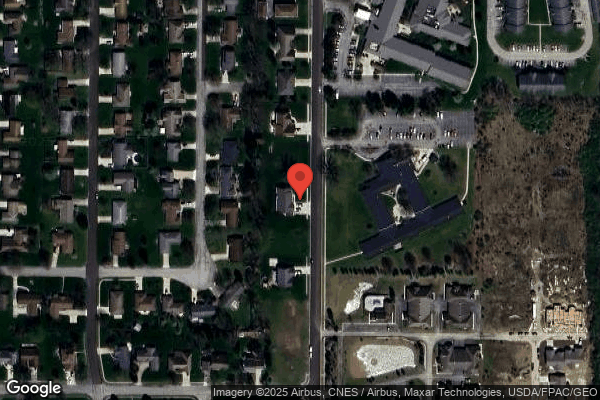

524 JAMES WAY, MARION, OH 43302 (740) 389-6306
For profit - Corporation 99 Beds PACS GROUP Data: November 2025
Trust Grade
90/100
#150 of 913 in OH
Last Inspection: May 2024

Within standard 12-15 month inspection cycle. Federal law requires annual inspections.

Overview

Families considering Presidential Post-Acute in Marion, Ohio, will find that it has an impressive Trust Grade of A, indicating excellent quality and high recommendation. The facility ranks #150 out of 913 in the state and #2 out of 5 in Marion County, placing it in the top half for care options available. However, the facility's trend is worsening, with issues rising from 1 in 2023 to 5 in 2024, which raises concerns about consistency in care quality. Staffing ratings are below average at 2 out of 5, with a turnover rate of 44%, which is slightly better than the Ohio average, indicating some staff stability. While the facility has no fines, which is a positive aspect, several concerning incidents were noted, including improper medication administration practices and potential cross-contamination in food preparation that could affect many residents. Overall, while there are strengths in its commendable grade and ranking, families should be aware of the recent increase in issues and specific concerns found during inspections.

Trust Score
A
90/100
In Ohio
#150/913
Top 16%
Safety Record
Low Risk
No red flags
Inspections
Getting Worse
1 → 5 violations
Staff Stability
○ Average
44% turnover. Near Ohio's 48% average. Typical for the industry.
Penalties
✓ Good
No fines on record. Clean compliance history, better than most Ohio facilities.
Skilled Nurses
○ Average
Each resident gets 32 minutes of Registered Nurse (RN) attention daily — about average for Ohio. RNs are the most trained staff who monitor for health changes.
Violations
○ Average
6 deficiencies on record. Average for a facility this size. Mostly minor or procedural issues.
★★★★★
5.0
Overall Rating
★★☆☆☆
2.0
Staff Levels
★★★★★
5.0
Care Quality
★★★★☆
4.0
Inspection Score
Stable
2023: 1 issues
2024: 5 issues

The Good

  • 5-Star Quality Measures · Strong clinical quality outcomes
  • Full Sprinkler Coverage · Fire safety systems throughout facility
  • No fines on record
  • Staff turnover below average (44%)

    4 points below Ohio average of 48%

Facility shows strength in quality measures, fire safety.

The Bad

Staff Turnover: 44%

Near Ohio avg (46%)

Typical for the industry

Chain: PACS GROUP

Part of a multi-facility chain

Ask about local staffing decisions and management

The Ugly 6 deficiencies on record

Dec 2024 2 deficiencies
CONCERN (D) 📢 Someone Reported This

A family member, employee, or ombudsman was alarmed enough to file a formal complaint

Potential for Harm - no one hurt, but risky conditions existed

Quality of Care (Tag F0684)

Could have caused harm · This affected 1 resident

**NOTE- TERMS IN BRACKETS HAVE BEEN EDITED TO PROTECT CONFIDENTIALITY** Based on medical record review, policy review, review of manufacturer instructions, observation, and staff interview, the facili...

Read full inspector narrative →
**NOTE- TERMS IN BRACKETS HAVE BEEN EDITED TO PROTECT CONFIDENTIALITY** Based on medical record review, policy review, review of manufacturer instructions, observation, and staff interview, the facility failed to ensure appropriate needles were used during intramuscular medication administration. This affected one (Resident #81) of two residents observed for injectable medications. The facility census was 97. Findings include: Review of the medical record for Resident #81 revealed an admission date of 03/06/20. Resident #81 had a new diagnoses added on 11/25/24 of urinary tract infection (UTI) and moderate protein-calorie malnutrition. Review of the quarterly Minimum Data Set (MDS) 3.0 assessment dated [DATE] revealed Resident #81 was moderately cognitively impaired. Review of the care plan dated 11/17/24 revealed Resident #81 had a UTI. Interventions included to administer antibiotic therapy as ordered and monitor/document for side effects and effectiveness. Review of the physician orders dated 12/12/24 for Resident #81 revealed Ertapenem Sodium intramuscular injection solution reconstituted (antibiotic) one gram every 24 hours for infection for 10 days Observation of medication administration on 12/16/24 at 2:03 P.M. revealed Registered Nurse (RN) #104 was preparing to administer the antibiotic to Resident #81. RN #104 grabbed a BD blunt fill needle-filter to draw up the lidocaine solution and place it into Ertapenem sodium injection powder. The appropriate amount of lidocaine was placed into the Ertapenem injection powder, the blunt needle was removed, and the nurse discarded it in the trash. After a thorough mixing, RN #104 opened up the cart looking for another needle. He was unable to find one, so he went to the storage room and grabbed four more BD blunt fill needle-filters. He said he wanted to use a fresh needle because the previous one would be dull. The nurse then placed a new blunt fill needle-filter onto the syringe and drew up the medication with a five milliliter (ml) syringe, taking 3.2 ml of the solution. The nurse capped off the needle, grabbed an alcohol pad to clean the resident's skin, and locked the cart. RN #104 walked into Resident #81's room where the nurse introduced himself and informed Resident #81 that he would be administering the antibiotic. RN #104 walked up to Resident #81 with the syringe in hand, and was approaching the resident to administer the medication. At that point, surveyor intervened prior to administration of the medication. RN #104 confirmed he was going to administer the antibiotic with a BD blunt needle-filter, and explained this was the needle he used for injections. RN #104 was unable to answer what type of needle was used for intramuscular injections. RN #104 proceeded to go through the cart for additional needles and found a 22 gauge, one-inch beveled end needle. This appropriate needle was then used to administer the medication in Resident #81's left deltoid. Interview on 12/16/24 at 2:31 P.M. with the Director of Nursing confirmed when administering intramuscular injections, a blunt fill needle - filter should not be used. The facility does not have any medications currently that would require the usage of a filter needed. He confirmed an 19-23 gauge 1.0 to 1.5 inch should be used. Review of BD blunt fill needle with filter manufactures guidance revealed the BD blunt filter needle includes a five micron filter to remove foreign matter such as glass particles from ampoules, the needle decreases the risk of needle stick due to 10 times higher skin penetration force required. The needle is packaged in a red shield to alter users it is a blunt need. The BD blunt fill needle should not be used for skin injections. Review of Intramuscular Injection Policy dated 04/2011 revealed required supplies are three ml syringe, needle (19 to 23 gauge, 1.0 to 1.5 inch), alcohol swabs, prescribed medication, medication administration record, sharps container and personal protective equipment is required for administration. This was an incidental finding discovered during the course of the complaint investigation.
CONCERN (D) 📢 Someone Reported This

A family member, employee, or ombudsman was alarmed enough to file a formal complaint

Potential for Harm - no one hurt, but risky conditions existed

Deficiency F0692 (Tag F0692)

Could have caused harm · This affected 1 resident

**NOTE- TERMS IN BRACKETS HAVE BEEN EDITED TO PROTECT CONFIDENTIALITY** Based on staff interviews, review of facility policy, and medical record review, the facility failed to ensure the resident's we...

Read full inspector narrative →
**NOTE- TERMS IN BRACKETS HAVE BEEN EDITED TO PROTECT CONFIDENTIALITY** Based on staff interviews, review of facility policy, and medical record review, the facility failed to ensure the resident's weight loss was timely addressed and recommendations were timely followed through with. This affected one (#100) of three residents reviewed for weight loss. The facility census was 97. Findings include: Review of the medical record for Resident #100 revealed an admission date of 08/06/24 and discharge date of 11/13/24. Diagnoses included metabolic encephalopathy, Alzheimer's disease, dementia, dysphasia, chronic obstructive pulmonary disease, and mild protein calorie malnutrition. Review of the plan of care dated 08/07/24 revealed Resident #100 was at risk of malnutrition with related diagnosis of underweight, significant weight loss and a need for mechanically altered diet. Interventions included providing adequate time for meal consumption as the resident was a slow eater, assist with meals and fluids as needed, cueing at meals to encourage consumption, food in bowls of finger foods with meals to promote increased oral intake, monitor meal intake, monitor weight per protocol, and provide diet and supplements per physician order. Resident #100 was hospitalized from [DATE] to 09/11/24 due to altered mental status and increased sodium levels. Review of Resident #100's weight dated 09/12/24 revealed upon readmission to the facility, Resident #100 weighed 92.0 lbs. This indicated Resident #100 had a weight loss of 9.8 percent (%) weight loss in one month and 8.9% in one week. Review of Registered Dietitian (RD) #80's progress note dated 09/12/24 revealed she spoke with the resident's family regarding Resident #100's food preferences. Resident #100 pocketed foods and would not always allow someone to help her with meals. The weight change found an 8.9% weight loss within one week with a request for a reweight pending. The resident's diet changed to moist and minced from puree. Will resume mighty shake (high calorie nutritional supplement with meals and medication pass 2 .0 (high calorie nutritional supplement) and add a blue plate to promote increased intake for dementia. Meal intakes ranged 25-75% and will monitor re-weights. The facility had no documentation of Resident #100 being re-weighed per RD recommendations dated 09/12/24. Review of the physician orders revealed Resident #100 had dietary supplements including medication pass 2.0 ordered once daily for underweight dated 09/11/24 and a house supplement with meals (three times daily) for inconsistent intakes dated 09/12/24 and Mirtazapine tablet (Remeron) (can increase appetite) 7.5 milligrams (mg) for one tablet at bedtime dated 09/11/24. Review of the Minimum Data Set (MDS) assessment dated [DATE] revealed Resident #100 was cognitively impaired and was independent with eating. Review of Nutritional Risk assessment dated [DATE] revealed a goal weight to maintain/gain without significant changes. Resident #100 accepted medication pass well and had other nutritional supplements (ONS) in the room (the family provided) for ad lib consumption. The RD progress note dated 09/23/24 revealed Resident #100 had been started on mirtazapine with increased oral intake to 50-75%. Resident #100's weight on 09/30/24 dropped to 90.0 for a weight loss of 6.25% in one week and 10.71% weight loss in about one month. On 10/15/24, there was a physician order to start an electrolyte drink to provide once daily for hydration needs. The next documentation from RD #80 was 17 days later on 10/17/24. The progress dated 10/17/24 revealed Resident #100 had additional weight loss. Resident #100 had a recent COVID diagnosis with interventions for an electrolyte drink and a new recommendation to increase medication pass 2.0 from once daily to twice daily. This was 17 days after significant weight loss was identified. Interviews on 12/17/24 at 4:30 P.M. with RD #80 stated she was present at the facility twice weekly. She stated she monitored intakes and weights that would be flagged for any significant weight loss to review for supplements and interventions and for re-weights. RD #80 confirmed the facility did not have evidence of re-weight for Resident #100 from when she recommended it on 09/12/24. RD #80 confirmed the facility had no documentation or evidence of follow up after Resident #100 had a significant weight loss on 09/30/24 and the weight loss was not addressed until over two weeks later. Interview on 12/18/24 at 11:30 A.M. with the Administrator revealed the facility had access to notify RD #80 of any resident's weight loss/ The Administrator verified any issues of weight loss such as interventions or assessments should be followed up with immediately. Review of the facility policy titled, Weight Assessment and Intervention, dated 03/2022 revealed resident weights shall be monitored for undesirable or unintended weight loss of gain. Any weight change of 5% or more since the last weight assessment shall be retaken the next day for confirmation and notify the RD immediately in writing. The weight loss threshold was a loss of 5% in under one month, 7.5% in three months and 10% in six months. Resident weight changes shall be evaluated by the treatment team. Review of facility policy titled, Dietician, dated 11/2022 revealed facility shall have a qualified Dietician to oversee the food and nutrition services in the facility. They shall oversee the food and nutrition services provided to residents. The Dietician was responsible for assessing nutritional needs, developing and evaluating therapeutic diets, developing person centered programs involving food and nutrition services, and food preparation service and storage. This deficiency represents non-compliance investigated under Complaint Number OH00160137.
May 2024 3 deficiencies
CONCERN (D)

Potential for Harm - no one hurt, but risky conditions existed

Incontinence Care (Tag F0690)

Could have caused harm · This affected 1 resident

**NOTE- TERMS IN BRACKETS HAVE BEEN EDITED TO PROTECT CONFIDENTIALITY** Based on observation, record review, facility staff interview, and policy review, the facility failed to maintain proper positio...

Read full inspector narrative →
**NOTE- TERMS IN BRACKETS HAVE BEEN EDITED TO PROTECT CONFIDENTIALITY** Based on observation, record review, facility staff interview, and policy review, the facility failed to maintain proper position of a urinary catheter drainage bag for one (Resident #23) of one reviewed for urinary catheters. The facility census was 76. Findings include: Review of Resident #23's medical record revealed the resident was admitted to the facility on [DATE]. Diagnoses included metabolic encephalopathy, retention of urine, dementia, benign neoplasm of pituitary gland, obstructive reflux uropathy, and testicular hypofunction. Review of the quarterly Minimum Data Set (MDS) 3.0 assessment dated [DATE] revealed the resident was severely cognitively impaired and had no behaviors. Resident #23 was coded to have an indwelling urinary catheter and required partial moderate assistance with toileting. Observation on 05/05/24 at 2:06 P.M. revealed Resident #23 was observed lying in the bed and his urinary catheter drainage bag was observed lying uncovered directly on the floor. Observation on 05/06/24 at 8:17 A.M. revealed Resident #23 was observed lying in the bed and his urinary catheter drainage bag was observed lying uncovered directly on the floor. Interview and observation of Resident #23 with State Tested Nursing Assistant (STNA) #264 on 05/06/24 at 8:18 A.M. verified Resident #23's urinary catheter drainage bag was uncovered lying directly on the floor and the STNA stated the bag should not to be the floor. Review of policy titled Catheter Care, Urinary, revised August 2022 revealed catheter tubing and drainage bags should be kept off the floor for infection control purposes.
CONCERN (D)

Potential for Harm - no one hurt, but risky conditions existed

Respiratory Care (Tag F0695)

Could have caused harm · This affected 1 resident

**NOTE- TERMS IN BRACKETS HAVE BEEN EDITED TO PROTECT CONFIDENTIALITY** Based on observation, interview, and policy review, the facility failed to maintain a replacement tracheostomy tube at the bedsi...

Read full inspector narrative →
**NOTE- TERMS IN BRACKETS HAVE BEEN EDITED TO PROTECT CONFIDENTIALITY** Based on observation, interview, and policy review, the facility failed to maintain a replacement tracheostomy tube at the bedside of one resident reviewed for tracheostomy care. This affected one of one resident (Resident #7) reviewed for tracheostomy care. The facility census was 76. Findings include: Review of the medical record for Resident #7 revealed she had an admission date of 08/31/11. Her diagnoses included diffuse traumatic brain injury with loss of consciousness of unspecified duration, quadriplegia, aphasia, hydrocephalus, encounter for attention to tracheostomy, other mechanical complication of ventricular intracranial (communicating) shunt, and acute and chronic respiratory failure with hypoxia. Review of Resident #7's Minimum Data Set (MDS) assessment dated [DATE] revealed Resident #7 requires dependent care for all activities of daily living. Review of Resident #7's care plan revealed the resident exhibits alteration in respiratory status related to trach. Interventions included to keep a spare trach/obturator/trach kit at bedside. Observation on 05/05/24 at 5:00 P.M. with Registered Nurse (RN) Manager #410 revealed Resident #7 had a tracheostomy and a replacement tracheostomy was not found in the room of Resident #7. Interview on 05/05/24 at 5:00 P.M. with RN Manager #410 confirmed the room did not have a replacement tracheostomy. RN Manager #410 went to the nurse's station to get the floor nurse to see if it is in Resident #7's room. Interview on 05/05/24 at 05:03 P.M. with RN #449 confirmed Resident #7's room did not have a replacement tracheostomy. Review of the policy titled, Tracheostomy Care, dated October 2023 revealed a replacement tracheostomy tube must be available at the bedside at all times.
CONCERN (E)

Potential for Harm - no one hurt, but risky conditions existed

Food Safety (Tag F0812)

Could have caused harm · This affected multiple residents

Based on observation, interviews, and policy review, the facility failed to properly store chemicals in the kitchen to prevent cross contamination. This had the potential to affect 74 of 76 residents ...

Read full inspector narrative →
Based on observation, interviews, and policy review, the facility failed to properly store chemicals in the kitchen to prevent cross contamination. This had the potential to affect 74 of 76 residents who received food from the kitchen. The facility identified two residents (Resident #7 and Resident #42) who did not receive food from the kitchen. The facility census was 76. Findings include: Observation on 05/05/24 at 8:49 A.M. with [NAME] #293 revealed comet bleach powder and dawn dish detergent were stored on the kitchen preparation sink. Interview on 05/05/24 at 08:49 A.M. with [NAME] #293 revealed the sink is used to prepare food such as dicing up peppers, onions, slicing tomatoes, and cleaning lettuce. [NAME] #293 verified the comet bleach powder and dawn dish detergent were stored on the sink and reported she does not know why the chemicals are there. Observation on 05/06/24 at 11:01 A.M. with Dietary Director #312 revealed dawn dish detergent was stored on the kitchen preparation sink again. Interview on 05/06/24 at 11:01 A.M. with Dietary Director #312 revealed kitchen chemicals are stored in the chemical supply closet. Review of the, Chemical Storage Policy for Nursing Home Kitchen, dated March 2019 stated, 1. Proper Storage: Chemicals must be stored in a designated area separate from food preparation, storage, and serving areas to prevent contamination.
Jan 2023 1 deficiency
CONCERN (E) 📢 Someone Reported This

A family member, employee, or ombudsman was alarmed enough to file a formal complaint

Potential for Harm - no one hurt, but risky conditions existed

Pharmacy Services (Tag F0755)

Could have caused harm · This affected multiple residents

Based on observation, staff interview, and policy review, the facility failed to ensure resident medications were prepared at the time of administration. This affected 21 residents (#05, #07, #12, #13...

Read full inspector narrative →
Based on observation, staff interview, and policy review, the facility failed to ensure resident medications were prepared at the time of administration. This affected 21 residents (#05, #07, #12, #13, #16, #18, #19, #28, #32, #36, #40, #41, #43, #45, #47, #54, #56, #57, #59, #71 and #77) who receive medication on the unit. The facility census was 77. Findings include: Observation on 01/12/23 at 7:32 A.M. revealed Licensed Practical Nurse (LPN) #302 was standing next to her medication cart with multiple plastic medication cups stacked upon one another. The cups had multiple loose pills located in each cup and initials written on the cups. Interview on 01/12/23 at 7:32 A , the LPN #302 verified she had pre-poured or prepared multiple residents medications prior to the start of her medication pass. The LPN #302 said she was aware this was not the proper procedure to follow when administering medications. The LPN #302 verified she should, gather each residents medications individually, due to the risk of potential medication errors. Review of the policy titled Medication Administration, dated April 2019 was identified the individual administering the medications checks the label three times to verify the right resident, medication, dosage, time and route of administration before giving the medication.
Understanding Severity Codes (click to expand)
Life-Threatening (Immediate Jeopardy)
J - Isolated K - Pattern L - Widespread
Actual Harm
G - Isolated H - Pattern I - Widespread
Potential for Harm
D - Isolated E - Pattern F - Widespread
No Harm (Minor)
A - Isolated B - Pattern C - Widespread

Questions to Ask on Your Visit

  • "Can I speak with families of current residents?"
  • "What's your RN coverage like on weekends and overnight?"

Our Honest Assessment

Strengths
  • • Grade A (90/100). Above average facility, better than most options in Ohio.
  • • No major safety red flags. No abuse findings, life-threatening violations, or SFF status.
  • • No fines on record. Clean compliance history, better than most Ohio facilities.
  • • 44% turnover. Below Ohio's 48% average. Good staff retention means consistent care.
Concerns
  • • No significant concerns identified. This facility shows no red flags across CMS ratings, staff turnover, or federal penalties.
Bottom line: Generally positive indicators. Standard due diligence and a personal visit recommended.

About This Facility

What is Presidential Post-Acute's CMS Rating?

CMS assigns PRESIDENTIAL POST-ACUTE an overall rating of 5 out of 5 stars, which is considered much above average nationally. Within Ohio, this rating places the facility higher than 99% of the state's 100 nursing homes. This rating reflects solid performance across the metrics CMS uses to evaluate nursing home quality.

How is Presidential Post-Acute Staffed?

CMS rates PRESIDENTIAL POST-ACUTE's staffing level at 2 out of 5 stars, which is below average compared to other nursing homes. Staff turnover is 44%, compared to the Ohio average of 46%. This relatively stable workforce can support continuity of care.

What Have Inspectors Found at Presidential Post-Acute?

State health inspectors documented 6 deficiencies at PRESIDENTIAL POST-ACUTE during 2023 to 2024. These included: 6 with potential for harm.

Who Owns and Operates Presidential Post-Acute?

PRESIDENTIAL POST-ACUTE is owned by a for-profit company. For-profit facilities operate as businesses with obligations to shareholders or private owners. The facility is operated by PACS GROUP, a chain that manages multiple nursing homes. With 99 certified beds and approximately 89 residents (about 90% occupancy), it is a smaller facility located in MARION, Ohio.

How Does Presidential Post-Acute Compare to Other Ohio Nursing Homes?

Compared to the 100 nursing homes in Ohio, PRESIDENTIAL POST-ACUTE's overall rating (5 stars) is above the state average of 3.2, staff turnover (44%) is near the state average of 46%, and health inspection rating (4 stars) is above the national benchmark.

What Should Families Ask When Visiting Presidential Post-Acute?

Based on this facility's data, families visiting should ask: "Can you walk me through typical staffing levels on day, evening, and night shifts?" "Can I visit during a mealtime to observe dining assistance and food quality?" "How do you handle medical emergencies, and what is your hospital transfer rate?" "Can I speak with family members of current residents about their experience?" These questions are particularly relevant given the below-average staffing rating.

Is Presidential Post-Acute Safe?

Based on CMS inspection data, PRESIDENTIAL POST-ACUTE has a clean safety record: no substantiated abuse findings (meaning no confirmed cases of resident harm), no Immediate Jeopardy citations (the most serious violation level indicating risk of serious injury or death), and is not on the Special Focus Facility watch list (a federal program monitoring the lowest-performing 1% of nursing homes). The facility has a 5-star overall rating and ranks #1 of 100 nursing homes in Ohio. While no facility is perfect, families should still ask about staff-to-resident ratios and recent inspection results during their visit.

Do Nurses at Presidential Post-Acute Stick Around?

PRESIDENTIAL POST-ACUTE has a staff turnover rate of 44%, which is about average for Ohio nursing homes (state average: 46%). Moderate turnover is common in nursing homes, but families should still ask about staff tenure and how the facility maintains care continuity when employees leave.

Was Presidential Post-Acute Ever Fined?

PRESIDENTIAL POST-ACUTE has no federal fines on record. CMS issues fines when nursing homes fail to meet care standards or don't correct problems found during inspections. The absence of fines suggests the facility has either maintained compliance or corrected any issues before penalties were assessed. This is a positive indicator, though families should still review recent inspection reports for the full picture.

Is Presidential Post-Acute on Any Federal Watch List?

PRESIDENTIAL POST-ACUTE is not on any federal watch list. The most significant is the Special Focus Facility (SFF) program, which identifies the bottom 1% of nursing homes nationally based on persistent, serious quality problems. Not being on this list means the facility has avoided the pattern of deficiencies that triggers enhanced federal oversight. This is a positive indicator, though families should still review the facility's inspection history directly.