MCV HEALTH CARE FACILITIES, INC
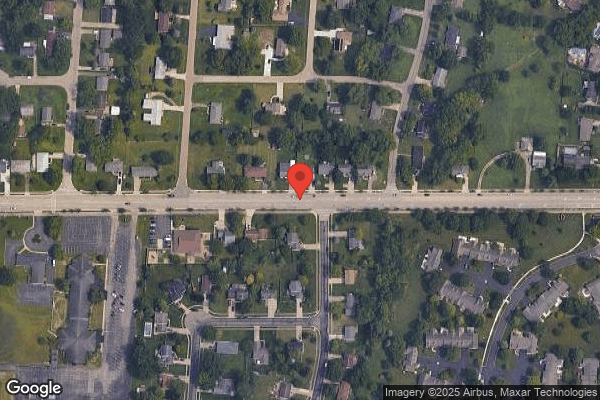

411 WESTERN ROW ROAD, MASON, OH 45040 (513) 398-1486
Non profit - Church related 73 Beds Independent Data: November 2025
Trust Grade
90/100
#112 of 913 in OH
Last Inspection: November 2023

Within standard 12-15 month inspection cycle. Federal law requires annual inspections.

Overview

MCV Health Care Facilities, Inc. in Mason, Ohio, has received a Trust Grade of A, indicating it is highly recommended and provides excellent care. It ranks #112 out of 913 facilities in Ohio, placing it in the top half, and is the best option among 16 local facilities in Warren County. The facility is improving, with issues decreasing from 5 in 2018 to just 1 in 2023. Staffing is also a strength, earning a 5-star rating with a turnover rate of 43%, which is below the state average. However, there are concerns about RN coverage, which is less than 75% of other facilities in Ohio, and recent inspections revealed that staff did not consistently follow infection control protocols, affecting multiple residents. Overall, while MCV Health Care has commendable ratings and a positive trend in quality, families should be aware of the staffing coverage issues and recent findings related to infection control practices.

Trust Score
A
90/100
In Ohio
#112/913
Top 12%
Safety Record
Low Risk
No red flags
Inspections
Getting Better
5 → 1 violations
Staff Stability
○ Average
43% turnover. Near Ohio's 48% average. Typical for the industry.
Penalties
✓ Good
No fines on record. Clean compliance history, better than most Ohio facilities.
Skilled Nurses
○ Average
Each resident gets 41 minutes of Registered Nurse (RN) attention daily — about average for Ohio. RNs are the most trained staff who monitor for health changes.
Violations
○ Average
6 deficiencies on record. Average for a facility this size. Mostly minor or procedural issues.
★★★★★
5.0
Overall Rating
★★★★★
5.0
Staff Levels
★★★★★
5.0
Care Quality
★★★★★
5.0
Inspection Score
Stable
2018: 5 issues
2023: 1 issues

The Good

  • 5-Star Staffing Rating · Excellent nurse staffing levels
  • 5-Star Quality Measures · Strong clinical quality outcomes
  • Full Sprinkler Coverage · Fire safety systems throughout facility
  • No fines on record
  • Staff turnover below average (43%)

    5 points below Ohio average of 48%

Facility shows strength in staffing levels, quality measures, fire safety.

The Bad

Staff Turnover: 43%

Near Ohio avg (46%)

Typical for the industry

The Ugly 6 deficiencies on record

Nov 2023 1 deficiency
CONCERN (E)

Potential for Harm - no one hurt, but risky conditions existed

Infection Control (Tag F0880)

Could have caused harm · This affected multiple residents

**NOTE- TERMS IN BRACKETS HAVE BEEN EDITED TO PROTECT CONFIDENTIALITY** Based on medical record review, observations, staff and resident interviews and review of facility policies, the facility failed...

Read full inspector narrative →
**NOTE- TERMS IN BRACKETS HAVE BEEN EDITED TO PROTECT CONFIDENTIALITY** Based on medical record review, observations, staff and resident interviews and review of facility policies, the facility failed to ensure staff implemented infection control protocols when providing care to residents. This affected 10 (#52, #51, #31, #29, #41, #46, #3, #59, #13 and #2) out of 17 residents sampled for infection control. Facility census was 67. Findings included: 1. Observation on 10/31/23 from 11:55 A.M. through 12:05 P.M. with State Tested Nursing Assistant (STNA) #171 revealed the staff assisted Resident #52 with the lunch meal while wearing gloves. After assisting Resident #52, STNA #171 assisted Resident #51 with the same pair of gloves. STNA #171 then got up out of her chair and went to Resident #31 and picked up her pizza and handed it to the resident by using the same glove. Then STNA #171 went to Resident #29 to give him a bite of his pizza by using the same surgical gloves and feeding him at the mouth with her hands. STNA #171 then went to Resident #41 to give her pizza in her hand with the same surgical gloves on. STNA #171 then went to the pizza box with the same surgical gloves to take a new piece of pizza to give to Resident #46, that laid pizza on his plate. STNA #171 then took off her pair of surgical gloves and hand hygiene with alcohol sanitizer. Interview on 10/31/23 at 12:05 P.M. with STNA #171 confirmed she had the same pair of gloves and did not perform hand hygiene while assisting Resident #29, #31, #41, #46, #51, and #52 with their lunch meals. 2. Review of the medical record for Resident #3 revealed admission date 10/05/23. Diagnoses include traumatic subdural hemorrhage, compression fracture of second thoracic vertebra, diabetes mellitus type two, congestive heart failure and atherosclerotic heart disease. Review of the admission Minimum Data Set (MDS) assessment dated [DATE] revealed the resident had moderate cognitive impairment. Resident #3 was at risk for pressure ulcers with three deep tissue injuries and moisture associated skin damage. Resident #3 had pressure reduction devices for the chair and bed. Resident #3 had pressure ulcer/injury care. Review of the plan of care dated 10/24/23 revealed Resident #3 has pressure ulcers to right buttock and coccyx, related to decreased mobility, incontinence, and malnutrition, prefers to sit in chair and will decline at times to lay down and reposition between mealtimes. Goal for pressure ulcers to be healed with no signs/symptoms of infection and no further pressure ulcers. Interventions include, but not limited to, encourage good nutrition and hydration to promote healthier skin. Encourage house supplement as ordered. Follow facility protocols for treatment of injury. Keep skin clean and dry. Use lotions on dry skin as indicated. Monitor/document location, size, and treatment of skin injury. Report abnormalities, failure to heal, signs and symptoms of infection, maceration to physician. Staff to observe enhanced barrier precaution: gown and glove use during high-contact resident care activities. Review of Resident #3's physician order dated 10/31/23 at 6:30 P.M. revealed Enhanced Barrier Precautions for (wound) every shift. Orders dated 10/19/23 at 4:15 P.M. revealed Triad Hydrophilic Wound Dress External Paste (wound dressings), apply to buttocks topically every day and night shift for wound care and apply to buttocks topically as needed for wound care. Review of the medical record for Resident #59 revealed admission date 10/17/23. Diagnoses include non-pressure chronic ulcer of left lower leg, cellulitis of left lower leg, atrial fibrillation, chronic pulmonary obstructive disease, asthma, Parkinson's Disease and history of venous thrombosis and embolism. Review of the admission MDS assessment dated [DATE] revealed Resident #59 had intact cognition. Resident #59 was at risk for pressure injury, with skin and ulcer/injury treatments, and application of nonsurgical dressings (with or without topical medications) other than to feet. Review of the nursing assessment/baseline care plan dated 10/17/23 revealed Resident #59 had multiple skin concerns to his coccyx, right and left hand, left and right lower leg, and bilateral feet. Resident #59 was at high risk for skin breakdown and required barrier cream with goal for alterations to heal without signs or symptoms of infection. Review of Resident #59's physician orders dated 10/31/23 at 6:30 P.M. revealed Enhanced Barrier Precautions for (wound) every shift. Order dated 10/19/23 at 2:45 P.M. revealed cleanse left lower extremity with normal saline. Pat dry, cover with layer of Adaptec followed by calcium alginate. Cover with abdominal pad, wrap with Kerlix. Change Monday, Wednesday, Saturday night and as needed for saturation. Observation on 10/31/23 from 8:47 A.M. through 9:07 A.M. with the Director of Nursing (DON) verified that all residents who were on enhanced barrier precautions were to have a personal protective equipment box outside their rooms with signs and supplies. The DON confirmed Resident #3, and Resident #59 were to be in enhanced barrier precautions but neither resident had signage, and/or personal protective equipment outside their rooms. Interview on 10/31/23 at 4:14 P.M. Resident #59 stated some staff wore gowns while providing care and completing wound dressing changes and some staff did not wear the gowns. 3. Review of medical record revealed Resident #13 had an admission date 08/17/23. Diagnosis included dementia, type two diabetes, and cognitive communication. Review of MDS assessment dated [DATE] revealed Resident #13 BIMS was 13 out of 15 that indicated she was cognitively intact. Resident #13 required for assistance extensive two-person physical assist for bed mobility, transfers, dressing, toilet use, personal hygiene, and bathing. Resident #13 used a wheelchair for mobility. Observation on 11/02/23 from 9:45 A.M. through 10:12 A.M. with Resident #13 receiving a bed bath from Licensed Practical Nurse (LPN) #97 and LPN #550. Observation on 11/02/23 at 10:00 A.M. LPN #97 had been assisting in giving bed bath to Resident #13 and stated she would get more linens on linen cart. LPN #97 took off her surgical gloves but did not perform hand hygiene. LPN #97 left the room, then returned with clean linens. LPN #97 applied new surgical gloves to assist with the bed bath again. Observation on 11/02/23 at 10:08 A.M. with LPN #550 had performed incontinence care with her gloves on cleaning bowel movement up. LPN #550 then proceeded to wash up Resident #13, then applying lotion to Resident #13's back with the same gloves on. Interview on 11/02/23 at 10:12 A.M. with LPN #550 verified she did not change her gloves or hand hygiene, after cleaning bowel movement with Resident #13, before apply lotion to Resident #13 back. LPN #97 verified she had never hand hygiene when leaving, and returning bringing back the clean linens. 4. Review of the medical record for Resident #2 revealed he was admitted to the facility on [DATE], transferred to the hospital on [DATE], and re-admitted on [DATE]. Diagnoses included acute respiratory failure with hypoxia, congestive heart failure, acute pulmonary edema, atrial fibrillation, type two diabetes mellitus and hyperlipidemia. Review of the quarterly MDS assessment, dated 09/14/23, revealed this resident had severe cognitive impairment Resident #2 was assessed to require extensive assistance for bed mobility, transfer, dressing, toilet use, and personal hygiene as well as supervision for eating. Review of the active physician orders revealed an order dated 10/12/23 to cleanse area of left buttock with normal saline apply alginate and mepilex during day shift on Tuesday, Thursday, and Saturday for wound care. Observation on 11/02/23 at 10:31 A.M. with Registered Nurse (RN) #120 and RN #72 who placed personal protective equipment: gown and surgical gloves on before entering Resident #2's room. Neither nurse (RN #120 or RN #72) performed hand hygiene before donning personal protective equipment (PPE) to enter Resident #2's room. Observation on 11/02/23 at 10:32 A.M. with RN #120, and RN #72 who performed a skin observation/assessment of Resident #2. Interview on 11/02/23 at 10:39 A.M. RN #120 confirmed he did not perform hand hygiene before entering Resident #2's room and stated hand hygiene should have been performed. Review of facility policy titled Enhanced Barrier Precautions dated 2023, revealed that all nursing staff may place residents with certain conditions or devices on enhanced barrier precautions empirically while awaiting physician orders. Review of facility policy titled Hand Hygiene Policy dated June 2023, revealed all staff will perform proper hand hygiene procedures to prevent the spread of infection to other personnel, residents, and visitors. This applies to all staff working in all locations within the facility. Review of the facility policy titled Infection Prevention and Control Program dated 2023 revealed that all staff shall assume that all residents are potentially infected or colonized with an organism that could be transmitted during providing resident care services. Hand hygiene shall be performed in accordance with our facility's established hand hygiene procedures. All staff shall use personal protective equipment according to the established facility policy governing the use of personal protective equipment.
Dec 2018 5 deficiencies
CONCERN (D)

Potential for Harm - no one hurt, but risky conditions existed

Comprehensive Care Plan (Tag F0656)

Could have caused harm · This affected 1 resident

**NOTE- TERMS IN BRACKETS HAVE BEEN EDITED TO PROTECT CONFIDENTIALITY** 2. Medical record review for Resident #38 revealed an admission date of 03/15/17 with diagnoses including to dementia, unspecifi...

Read full inspector narrative →
**NOTE- TERMS IN BRACKETS HAVE BEEN EDITED TO PROTECT CONFIDENTIALITY** 2. Medical record review for Resident #38 revealed an admission date of 03/15/17 with diagnoses including to dementia, unspecified psychosis not due to a substance or known physiological condition, and repeated falls. Review of the Minimum Data Set (MDS) assessment dated [DATE] revealed the resident was severely cognitively impaired. Review of the care plan dated 06/05/17 revealed the Resident #38 was dependent on staff for activities, cognitive stimulation and social interaction related to cognitive deficits. The interventions listed were to assure the activities the resident was attending were compatible with physical and mental capabilities; compatible with known interests and preferences; adapted as needed, compatible with individual needs and abilities; and age appropriate. Interview on 12/18/18 at 11:12 A.M., with Activities #223 confirmed care plan for Resident #38 was not person centered and not individualized. Activities #223 revealed there were no known interests documented. Review of the facility policy titled, Care Planning, undated revealed the interdisciplinary team was responsible for the development of an individualized comprehensive care plan for each resident. Based on medical record review, staff interview and facility policy review, the facility failed to ensure activity care plans were person centered for two residents ( #57 and #38) of two reviewed for activities. The facility census was 66. Findings include: 1. Medical record review revealed Resident #57 was admitted to the facility on [DATE]. Medical diagnoses included Alzheimer's Disease and psychotic disorder. Review of admission Minimum Data Set (MDS) assessment dated [DATE] revealed Resident #57 was severely cognitively impaired. Review of care plan dated 12/17/18 revealed Resident #57's was dependent on staff for activities, cognitive stimulation and social interaction related to cognitive deficits. The only intervention was the resident needed assistance with activities of daily living (ADLs) as required during the activity. Interview with Activity Director #223 on 12/18/18 at 11:10 A.M., confirmed the activities care plan for Resident #57 was not person centered.
CONCERN (D)

Potential for Harm - no one hurt, but risky conditions existed

Deficiency F0676 (Tag F0676)

Could have caused harm · This affected 1 resident

**NOTE- TERMS IN BRACKETS HAVE BEEN EDITED TO PROTECT CONFIDENTIALITY** Based on medical record review, observation, staff interview and facility policy review, the facility failed to provide adequate...

Read full inspector narrative →
**NOTE- TERMS IN BRACKETS HAVE BEEN EDITED TO PROTECT CONFIDENTIALITY** Based on medical record review, observation, staff interview and facility policy review, the facility failed to provide adequate assistance for activities of daily living (ADLs) for one resident (#40) of two reviewed for ADLs. The facility census was 66. Findings include: Medical record review for Resident #40 revealed an admission date of 06/08/15 with diagnoses including non-Alzheimer's Dementia and psychotic disorder. Review of the quarterly Minimum Data Set (MDS) assessment dated [DATE] revealed resident #40 was rarely/never understood. She required a limited assistance for transfers. Observation on 12/18/18 at 9:55 A.M., of State Tested Nursing Aide (STNA) #222 revealed the STNA attempted to get Resident #40 out of a chair, in the dining room. The STNA put his left hand underneath her right armpit and attempted to get the resident up and continued to pull her hands apart with his right hand, while still applying pressure under her armpit to raise her up out of the chair. The STNA did not use a gait belt. Interview on 12/18/18 at 10:03 A.M., with STNA #222 verified he should have placed a gait belt around the waist of the resident instead of using his hand with pressure underneath her armpit to raise the resident to a standing position. Review of the facility policy titled, Gait Belt Policy, undated, revealed it was the policy of the facility that nursing staff members utilize gait belts for residents that need hands-on assistance or guidance when ambulating.
CONCERN (D)

Potential for Harm - no one hurt, but risky conditions existed

Respiratory Care (Tag F0695)

Could have caused harm · This affected 1 resident

**NOTE- TERMS IN BRACKETS HAVE BEEN EDITED TO PROTECT CONFIDENTIALITY** Based medical records review, observation, and staff interview, the facility failed to obtain an order for oxygen (O2) administr...

Read full inspector narrative →
**NOTE- TERMS IN BRACKETS HAVE BEEN EDITED TO PROTECT CONFIDENTIALITY** Based medical records review, observation, and staff interview, the facility failed to obtain an order for oxygen (O2) administration and monitor a resident's oxygen saturation (O2/SATS). This affected one resident (#21) of two residents reviewed for respiratory care. The facility census was 66. Findings include: Review of Resident #21's medical record revealed an admission date of 12/02/15 with diagnoses including Alzheimer's disease, major depressive disorder, chronic obstructive pulmonary disease (COPD), and hypoxemia (low level of oxygen in the blood). Resident #21 was assessed as being severely cognitively impaired in a comprehensive Minimum Data Set (MDS) assessment dated [DATE]. Further review of Resident #21's medical record revealed no active order for O2 administration. An order was discontinued on 06/23/18 for O2 at two liters per minute, per nasal cannula, as needed to keeps SATS greater than 90% due to non-use of O2. During observations made on 12/16/18 at 4:22 P.M., and 12/17/18 at 8:56 A.M., Resident #21 was observed lying in bed with O2 being administered per nasal cannula at 2 liters per minute. Review of Resident #21's COPD care plan revealed staff would monitor vital signs, skin color, pulse oximetry (SATS), airway functioning and degree of restlessness which may indicate hypoxia. Review of vitals recorded for Resident #21 revealed O2 SATS had not been recorded since 12/04/18. During an interview 12/17/18 at 2:57 P.M., with Licensed Practical Nurse (LPN) #100 confirmed there was no an active order for O2 administration in Resident #21's electronic medical record. The Director of Nursing (DON) confirmed in an interview on 12/18/18 at 10:20 A.M., that Resident #21 did not have an active order for O2 when it was being administered on 12/16/18 and 12/17/18. The DON confirmed in a second interview on 12/18/18 at 11:15 A.M., that Resident #21's O2 SATS were not documented since 12/04/18. The DON also confirmed one of Resident #21's COPD care plan interventions listed was to monitor vitals, such as pulse oximetry (SATS).
CONCERN (D)

Potential for Harm - no one hurt, but risky conditions existed

Deficiency F0761 (Tag F0761)

Could have caused harm · This affected 1 resident

Based on observation, medical record review, staff interview, and review of the facility's medication storage policy, the facility failed to secure a resident's medications. This affected two resident...

Read full inspector narrative →
Based on observation, medical record review, staff interview, and review of the facility's medication storage policy, the facility failed to secure a resident's medications. This affected two residents (#44 and #49) of two reviewed for unsecured medications. The facility census 66. Findings include: During a tour of the 400 hallway on 12/16/18 at 4:28 P.M., medications were observed unattended on top of a medication cart. A single pink/orange oblong shaped tablet was observed in a medication cup, as well as a white powder in a plastic cup with a plastic spoon inside. A nurse was observed approximately two doors down at another medication cart. This nurse exited the hallway at 4:29 P.M., and entered a resident's room. At 4:31 P.M., a State Tested Nursing Assistant (STNA) #27 approached the medication cart, noticed the tablet in the cup on top of the medication cart. The STNA picked up the cup with the tablet inside and was going to throw the medication away when the surveyor intervened and asked the STNA to get the nurse who was responsible for the medication cart. At 4:36 P.M., Licensed Practical Nurse (LPN) #34 confirmed STNA #27 had told her of the medication that was left on top of the medication cart. LPN #34 confirmed the medications were left unattended on top of the medication cart. On 12/17/18 at 7:23 A.M., LPN #34 identified the tablet left attended on top of the medication cart was Memantine hydrochloride (dementia medication) and confirmed it belonged to Resident #44. On 12/18/18 at 6:16 P.M., LPN #34 identified the white powder left unattended on the medication cart as Miralax (laxative) and confirmed it belonged to Resident #49. Review of Resident #44's medical record revealed the resident had a current order for Memantine hydrochloride. Review of Resident #49's medical record revealed the resident had a current order for Miralax. Review of the facility's undated policy titled, Storage of Medications, revealed that the facility shall store all drugs and biologicals in a safe, secure, and orderly manner.
CONCERN (D)

Potential for Harm - no one hurt, but risky conditions existed

Medical Records (Tag F0842)

Could have caused harm · This affected 1 resident

**NOTE- TERMS IN BRACKETS HAVE BEEN EDITED TO PROTECT CONFIDENTIALITY** Based on medical record review, staff interview, resident interview, and review of peritoneal dialysis policy, the facility fail...

Read full inspector narrative →
**NOTE- TERMS IN BRACKETS HAVE BEEN EDITED TO PROTECT CONFIDENTIALITY** Based on medical record review, staff interview, resident interview, and review of peritoneal dialysis policy, the facility failed to accurately document dialysis medications used in the peritoneal dialysis solution. This affected one resident (#13) of one reviewed for dialysis. The facility census was 66. Findings include: Review of medical record review of Resident #13, revealed an admission date of 09/17/18. Diagnosis included end stage renal dialysis (ESRD), congestive heart failure (CHF), atrial fibrillation (A-Fib), and aphasia. Review of the quarterly Minimum Data Set (MDS) assessment dated [DATE], revealed Resident #13 was cognitively intact. Review of Resident #13's physician's orders dated 12/08/18, revealed orders for heparin (blood thinner) sodium 1,000 units per liter to be added to peritoneal dialysis (PD) solution nightly of 12 liters for a total of 12,000 units of heparin nightly. Review of Resident #13's physician's orders dated 12/11/18, revealed orders for heparin sodium 1,000 units per milliliter (mL). Inject 6,000 units of Heparin as an anticoagulant in to one 6,000 mL of PD solution bag nightly. Review of physician's orders dated 12/12/18, revealed Resident #13 was to receive one green 2.5 % 6,000 milliliter (mL) bag of PD solution if weight was over 200 pounds. Resident #13 was to receive one yellow 1.5 % bag of 6,000 mL bag of PD solution if weight was below 200 pounds. Review of Medication Administration Record (MAR) for December 2018 from 12/11/18 to 12/17/18, revealed both orders of heparin administrations were being documented as given for a total of 18,000 units of heparin in 18,000 ml of peritoneal solution. On 12/18/18 at 3:50 P.M., during an interview with Resident #13, he verified he was only getting one 6,000 mL bag of PD solution nightly. On 12/18/18 at 4:00 P.M., interview with Licensed Practical Nurse (LPN) # 32, revealed she verified both orders for heparin (6,000 and 12,000 unites) were active and being documented as being administered from 12/11/18 through 12/17/18. On 12/18/18 at 4:45 P.M., interview with LPN #195, verified she normally worked night shift and was very familiar with Resident #13's peritoneal dialysis procedures. LPN #195 verified she checked the resident's weight to verify which bag of PD solution to administer. LPN #195 verified she injected 6,000 units of heparin in one bag of 6,000 mL bag of PD solution nightly. LPN #195 also verified she wasn't aware that she was signing off on the two different orders. Review of an undated facility policy titled, Peritoneal Dialysis, revealed nurses were to review all existing orders and instruction for care pertaining to the resident's dialysis. Nurses were also to verify, dialysate solution/concentration, medications to be added, number of exchanges and infusion, swell and drain times, monitoring parameters and laboratory orders.
Understanding Severity Codes (click to expand)
Life-Threatening (Immediate Jeopardy)
J - Isolated K - Pattern L - Widespread
Actual Harm
G - Isolated H - Pattern I - Widespread
Potential for Harm
D - Isolated E - Pattern F - Widespread
No Harm (Minor)
A - Isolated B - Pattern C - Widespread

Questions to Ask on Your Visit

  • "Can I speak with families of current residents?"
  • "What's your RN coverage like on weekends and overnight?"

Our Honest Assessment

Strengths
  • • Grade A (90/100). Above average facility, better than most options in Ohio.
  • • No major safety red flags. No abuse findings, life-threatening violations, or SFF status.
  • • No fines on record. Clean compliance history, better than most Ohio facilities.
  • • 43% turnover. Below Ohio's 48% average. Good staff retention means consistent care.
Concerns
  • • No significant concerns identified. This facility shows no red flags across CMS ratings, staff turnover, or federal penalties.
Bottom line: Generally positive indicators. Standard due diligence and a personal visit recommended.

About This Facility

What is Mcv Health Care Facilities, Inc's CMS Rating?

CMS assigns MCV HEALTH CARE FACILITIES, INC an overall rating of 5 out of 5 stars, which is considered much above average nationally. Within Ohio, this rating places the facility higher than 99% of the state's 100 nursing homes. This rating reflects solid performance across the metrics CMS uses to evaluate nursing home quality.
How is Mcv Health Care Facilities, Inc Staffed?

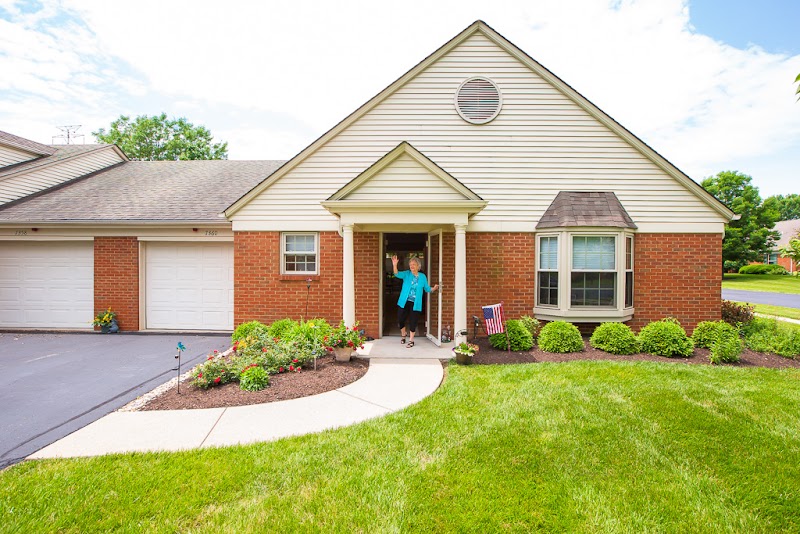
CMS rates MCV HEALTH CARE FACILITIES, INC's staffing level at 5 out of 5 stars, which is much above average compared to other nursing homes. Staff turnover is 43%, compared to the Ohio average of 46%. This relatively stable workforce can support continuity of care.

What Have Inspectors Found at Mcv Health Care Facilities, Inc?

State health inspectors documented 6 deficiencies at MCV HEALTH CARE FACILITIES, INC during 2018 to 2023. These included: 6 with potential for harm.
Who Owns and Operates Mcv Health Care Facilities, Inc?

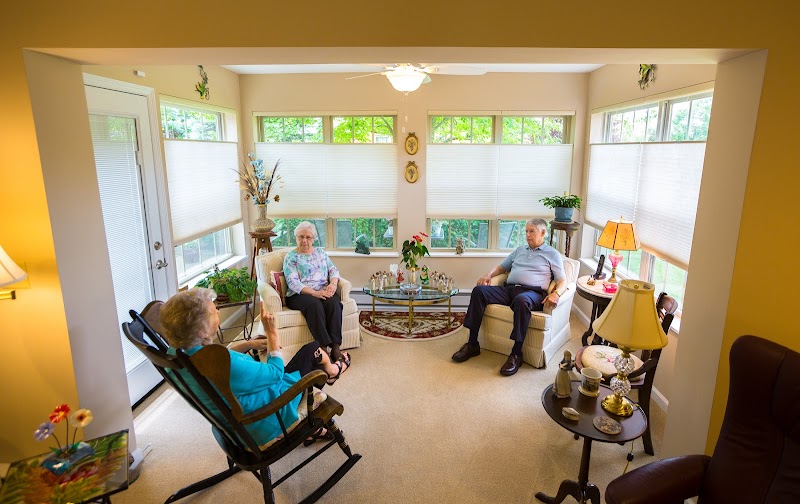
MCV HEALTH CARE FACILITIES, INC is owned by a non-profit organization. Non-profit facilities reinvest revenue into operations rather than distributing to shareholders. The facility operates independently rather than as part of a larger chain. With 73 certified beds and approximately 64 residents (about 88% occupancy), it is a smaller facility located in MASON, Ohio.
How Does Mcv Health Care Facilities, Inc Compare to Other Ohio Nursing Homes?

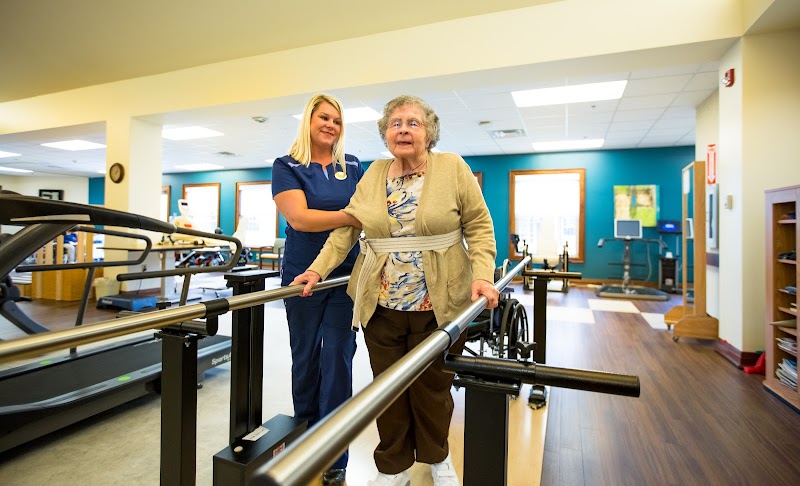
Compared to the 100 nursing homes in Ohio, MCV HEALTH CARE FACILITIES, INC's overall rating (5 stars) is above the state average of 3.2, staff turnover (43%) is near the state average of 46%, and health inspection rating (5 stars) is much above the national benchmark.

What Should Families Ask When Visiting Mcv Health Care Facilities, Inc?

Based on this facility's data, families visiting should ask: "Can I visit during a mealtime to observe dining assistance and food quality?" "How do you handle medical emergencies, and what is your hospital transfer rate?" "Can I speak with family members of current residents about their experience?"

Is Mcv Health Care Facilities, Inc Safe?

Based on CMS inspection data, MCV HEALTH CARE FACILITIES, INC has a clean safety record: no substantiated abuse findings (meaning no confirmed cases of resident harm), no Immediate Jeopardy citations (the most serious violation level indicating risk of serious injury or death), and is not on the Special Focus Facility watch list (a federal program monitoring the lowest-performing 1% of nursing homes). The facility has a 5-star overall rating and ranks #1 of 100 nursing homes in Ohio. While no facility is perfect, families should still ask about staff-to-resident ratios and recent inspection results during their visit.

Do Nurses at Mcv Health Care Facilities, Inc Stick Around?

MCV HEALTH CARE FACILITIES, INC has a staff turnover rate of 43%, which is about average for Ohio nursing homes (state average: 46%). Moderate turnover is common in nursing homes, but families should still ask about staff tenure and how the facility maintains care continuity when employees leave.

Was Mcv Health Care Facilities, Inc Ever Fined?

MCV HEALTH CARE FACILITIES, INC has no federal fines on record. CMS issues fines when nursing homes fail to meet care standards or don't correct problems found during inspections. The absence of fines suggests the facility has either maintained compliance or corrected any issues before penalties were assessed. This is a positive indicator, though families should still review recent inspection reports for the full picture.

Is Mcv Health Care Facilities, Inc on Any Federal Watch List?

MCV HEALTH CARE FACILITIES, INC is not on any federal watch list. The most significant is the Special Focus Facility (SFF) program, which identifies the bottom 1% of nursing homes nationally based on persistent, serious quality problems. Not being on this list means the facility has avoided the pattern of deficiencies that triggers enhanced federal oversight. This is a positive indicator, though families should still review the facility's inspection history directly.