OHIO LIVING QUAKER HEIGHTS
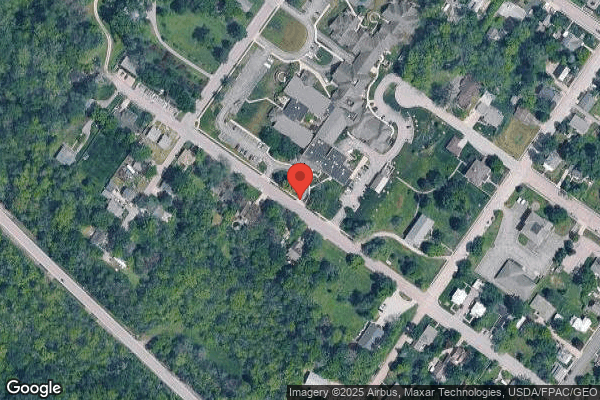
514 WEST HIGH STREET, WAYNESVILLE, OH 45068 (513) 897-6050
Non profit - Corporation 66 Beds OHIO LIVING COMMUNITIES Data: November 2025
Trust Grade
80/100
#131 of 913 in OH
Last Inspection: November 2023

Within standard 12-15 month inspection cycle. Federal law requires annual inspections.

Overview

Ohio Living Quaker Heights has a Trust Grade of B+, which means it is above average and generally recommended for families seeking care. It ranks #131 out of 913 facilities in Ohio, placing it in the top half, and #2 out of 16 in Warren County, indicating that it is one of the best local options. However, the facility is currently worsening, with issues increasing from 2 in 2020 to 8 in 2023. While it has a solid staffing rating of 4 out of 5 stars, indicating good care, the turnover rate of 57% is average, suggesting that staff may not stay long-term. Notably, there were no fines, which is a positive sign, but the facility has less RN coverage than 85% of state facilities, potentially impacting the quality of care. Recent inspections revealed concerning issues, such as improper food storage that could affect all 56 residents, and unclear documentation of advanced directives for several residents, which is critical for end-of-life care. Additionally, there were gaps in care plans for residents with complex needs, particularly for those with severe cognitive impairments, which raises concerns about adequate attention to their individual health requirements. Overall, while Ohio Living Quaker Heights has strengths in staffing and no fines, families should weigh these against the recent trends in issues and specific care deficiencies.

Trust Score
B+
80/100
In Ohio
#131/913
Top 14%
Safety Record
Low Risk
No red flags
Inspections
Getting Worse
2 → 8 violations
Staff Stability
⚠ Watch
57% turnover. Above average. Higher turnover means staff may not know residents' routines.
Penalties
✓ Good
No fines on record. Clean compliance history, better than most Ohio facilities.
Skilled Nurses
○ Average
Each resident gets 31 minutes of Registered Nurse (RN) attention daily — about average for Ohio. RNs are the most trained staff who monitor for health changes.
Violations
⚠ Watch
13 deficiencies on record. Higher than average. Multiple issues found across inspections.
★★★★★
5.0
Overall Rating
★★★★☆
4.0
Staff Levels
★★★★★
5.0
Care Quality
★★★★☆
4.0
Inspection Score
Stable
2020: 2 issues
2023: 8 issues

The Good

  • 4-Star Staffing Rating · Above-average nurse staffing levels
  • 5-Star Quality Measures · Strong clinical quality outcomes
  • Full Sprinkler Coverage · Fire safety systems throughout facility
  • No fines on record

Facility shows strength in staffing levels, quality measures, fire safety.

The Bad

Staff Turnover: 57%

11pts above Ohio avg (46%)

Frequent staff changes - ask about care continuity

Chain: OHIO LIVING COMMUNITIES

Part of a multi-facility chain

Ask about local staffing decisions and management

Staff turnover is elevated (57%)

9 points above Ohio average of 48%

The Ugly 13 deficiencies on record

Nov 2023 8 deficiencies
CONCERN (D)

Potential for Harm - no one hurt, but risky conditions existed

Deficiency F0637 (Tag F0637)

Could have caused harm · This affected 1 resident

**NOTE- TERMS IN BRACKETS HAVE BEEN EDITED TO PROTECT CONFIDENTIALITY** Based on record review and interview, the facility failed to complete a comprehensive assessment after a significant change in c...

Read full inspector narrative →
**NOTE- TERMS IN BRACKETS HAVE BEEN EDITED TO PROTECT CONFIDENTIALITY** Based on record review and interview, the facility failed to complete a comprehensive assessment after a significant change in condition for one (Resident #354) of three residents sampled. The facility census was 56. Findings include: Review of the medical record of Resident #354 revealed an admission date of 07/31/23 and diagnosis of diabetes, metabolic encephalopathy, and cognitive communication deficit and cerebrovascular disease. Review of the quarterly Minimum Data Set (MDS) assessment dated [DATE] revealed Resident #354 had severely impaired cognition. Review of Resident #354 physician orders revealed the resident received hospice services starting 08/23/23. Review of significant change MDS dated [DATE] revealed Resident #354 was clinically assessed due to a change in status for starting hospice services. During interview on 11/02/23 at 3:00 P.M. the Director of Nursing, (DON) verified Resident #354 changed to hospice services on 08/23/23 and did not receive a significant change comprehensive assessment until 10/26/23. The DON verified the significant change MDS was late and should have been completed 14 days after the start of hospice services.
CONCERN (D)

Potential for Harm - no one hurt, but risky conditions existed

Deficiency F0645 (Tag F0645)

Could have caused harm · This affected 1 resident

Based on record review, interview, and policy review, the facility failed to refer a resident with a serious mental disorder and dementia to the appropriate State-designated authority for a Preadmissi...

Read full inspector narrative →
Based on record review, interview, and policy review, the facility failed to refer a resident with a serious mental disorder and dementia to the appropriate State-designated authority for a Preadmission and Resident Review (PASRR) Level II assessment/determination. This affected one (Resident #34) of one resident reviewed for PASRR. The facility census was 56. Findings include: Review of the medical record for Resident #34 revealed an admission date of 01/10/23. Review of Resident #34's PASRR from a previous healthcare facility, dated 03/05/21, indicated the resident had no indications of serious mental illness, therefore, a PASRR Level II review was not warranted/completed. Resident #34 was admitted to the current facility with diagnoses is of adjustment disorder with mixed anxiety and depressed mood, unspecified dementia, mood disorder due to known physiological condition, and nonpsychotic mental disorder. No updated PASRR was completed upon admission with diagnoses to indicate mental health disorders were present. During interview 11/01/23 2:58 P.M., the Director of Nursing and Staff #16 verified that an updated or new PASRR should have been completed upon admission with diagnosis of mental health disorders and dementia. It was verified the current PASRR, dated 03/05/21, indicated that Resident #34 did not have any mental health disorders or dementia, which was an inaccurate representation of Resident #34 current medical diagnosis. Because of the inaccuracy, Resident #34 was not referred to the appropriate State-designated authority for a Level II resident review. Review of the facility policy titled Preadmission Screening and Annual Resident Review, dated 09/14/23, stated to refer all levels II residents and all residents with newly evident or possible serious mental disorder, intellectual disability, or a related condition for level II resident review.
CONCERN (D)

Potential for Harm - no one hurt, but risky conditions existed

Deficiency F0805 (Tag F0805)

Could have caused harm · This affected 1 resident

Based on record review, observation and interview, the facility failed to prepare food in a form designed to meet the resident's individual needs. This affected three (Residents #4, #5 and #354) of th...

Read full inspector narrative →
Based on record review, observation and interview, the facility failed to prepare food in a form designed to meet the resident's individual needs. This affected three (Residents #4, #5 and #354) of three residents sampled. The facility census was 56. Findings include: 1. Review of the medical record of Resident #4 revealed an admission date of 08/02/19 and diagnoses including dementia, diabetes, dysphagia, and chronic obstructive pulmonary disease. Resident #4 received hospice services starting 08/01/23. Resident #4's diet order included an advanced dysphagia diet, an eight-ounce supplement three times a day and four-ounce supplement with lunch due to malnutrition risk. Review of the nutritional plan of care dated 07/03/23, completed by Registered Dietitian, (RD) #64, revealed Resident #4 omitted food groups and was to be served fortified oatmeal at breakfast and supper. Review of Resident #4 meal ticket dated 11/06/23 revealed the resident was to receive six ounces of fortified oatmeal at breakfast and supper meals. The meals consisted of fortified cereal and beverages. Review of the fortified cereal recipe revealed the cereal preparation required six ounces of oatmeal, nine tablespoons whole milk, three quarters teaspoon powdered milk, three eighths teaspoons sugar, and 0.01 pound of butter. During observation on 11/01/23 at 8:01 A.M., during the breakfast tray line service, Diet Manager (DM) #57 was instructing Diet Aide (DA) #63 in how to prepare the fortified cereal. There was no recipe available. During interview on 11/01/23 at 8:33 A.M., DA #63 verified the meal ticket of Resident #4 listed fortified cereal at the breakfast meal as the main entrée. DA #63 verified he was instructed by DM #57 during tray line in how to prepare Resident #4's fortified cereal. DA #63 verified he did not prepare the fortified cereal with a recipe, using the ingredients and portions listed in the recipe. To six ounces of prepared oatmeal, DA #63 stated he added unknown amounts of butter, sugar, and milk. The powered milk and the ingredients portions were not followed as listed on the fortified recipe. During interview on 11/01/23 at 8:35 A.M., DM #57 verified the fortified cereal recipe was not available to DA #63 on 11/01/23 to prepare Resident #4's fortified cereal. DM #57 verified the recipe needed to be available and followed to ensure the resident received the nutritional value as planned by RD #64. DM #57 verified Resident #4 did not receive the recipe specified fortified cereal as listed on the meal ticket. 2. Review of the medical record of Resident #5 revealed an admission date of 09/06/23 and diagnoses including malignant pancreatic cancer, dysphagia, Alzheimer's disease, and depression. Record review revealed Resident #5's diet order included advanced dysphagia diet, and four ounces of a supplement once a day for adequate protein and energy intake. Review of the meal ticket of Resident #5 dated 11/06/23 revealed the resident was to receive four ounces of supplement on the lunch meal tray service. Observation on 10/31/23 at 12:21 P.M. of Resident #5 lunch meal tray revealed no four-ounce supplement was on the meal tray. During interview at this time, Resident #5 stated she was to receive a supplement on the lunch meal tray, she liked the supplement, as she could not eat some of the foods. During interview on 10/31/23 at 12:22 P.M., Licensed Practical Nurse, (LPN) #32 verified Resident #5 did not receive the four ounces of supplement on the meal tray form the kitchen meal service. 3. Review of the medical record of Resident #354 revealed an admission date of 07/31/23 and diagnosis of diabetes, metabolic encephalopathy, and cognitive communication deficit and cerebrovascular disease. Review of the diet orders for Resident #354 revealed puree diet, and a supplement eight ounces twice a day to aide in blood sugar management. Review of Resident #354 meal ticket 11/02/23 revealed a notation of no juice at the breakfast meal. Review of the Registered Dietitian, (RD) #64 progress notes dated 11/01/23 revealed Resident #354 family representative discouraged juice due to the diagnosis of diabetes. The resident did not receive juice while at home to assist in blood sugar control. The family preferred other beverages be offered and lastly if the resident persisted, the juice to be offered in moderation. During observation on 11/02/23 at 8:30 A.M. in the main dining room, Resident #354 received eight ounces of juice from Activity Assistant (AA) #5. Resident #354 was not observed to ask for the juice. The breakfast meal ticket was printed in bold no juice. During interview on 11/02/23 at 8:32 A.M., AA #5 verified Resident #354's breakfast meal ticket had listed in bold, no juice. AA #5 stated Resident #354 cannot verbally ask for juice, type or how much, so she served him cranberry juice in the water glass size at the breakfast meal. She stated she did not know why no juice was listed on the meal ticket and had not confirmed with nurses or the RD #64 as to why no juice was listed on the meal ticket. AA #5 verified she did not know his medical or swallowing diagnosis.
CONCERN (E)

Potential for Harm - no one hurt, but risky conditions existed

Deficiency F0578 (Tag F0578)

Could have caused harm · This affected multiple residents

Based on record review and interview, the facility failed to have clear documentation of advanced directives in the electronic medical record. This affected four (Residents #9, #10,#13 and #25) of fiv...

Read full inspector narrative →
Based on record review and interview, the facility failed to have clear documentation of advanced directives in the electronic medical record. This affected four (Residents #9, #10,#13 and #25) of five residents reviewed for advanced directives. The facility census was 56. Findings include: 1. Review of the medical record for Resident #9 revealed an admission date of 08/29/23. Review of Resident #9's medical records revealed a DNR order form signed by physician on 03/15/21 for an order of Do Not Resuscitate Comfort Care Arrest, (DNR- CCA). There was also a physician order for a code status of Do Not Resuscitate Comfort Care, (DNRCC) dated 08/29/23. 2. Review of the medical record for Resident #10 revealed an admission date of 07/24/18. Review of Resident's #10 medical records revealed Resident #10 had a physician order for a code status of Do Not Resuscitate Comfort Care Arrest, (DNRCC-A) dated 10/12/21 and a non-dated DNR order form with the words FULL CODE written in large back letters across the form. 3. Review of the medical record for Resident #13 revealed an admission date of 09/14/21. Review of the electronic record revealed an order for DNRCC, but there was no copy of a signed advanced directive in the electronic record. There was no paper record for the resident. 4. Review of the medical record for Resident #25 revealed and admission date of 01/25/23. Review of the electronic record revealed a physician order for DNRCC, but there was no advanced directives form on the electronic record. There was no paper record for the resident. During interview on 11/02/23 at 2:45 P.M., Nurse #10 verified the conflicting information as noted above. She stated the copy of the signed advanced directives was kept in a binder at the nurses station with all the others. It was not scanned into the resident's electronic record and the residents did not have a paper record.
CONCERN (E)

Potential for Harm - no one hurt, but risky conditions existed

Deficiency F0657 (Tag F0657)

Could have caused harm · This affected multiple residents

**NOTE- TERMS IN BRACKETS HAVE BEEN EDITED TO PROTECT CONFIDENTIALITY** 3. Review of Resident #48's medical record revealed an admission to the facility on [DATE], with diagnoses including pressure ul...

Read full inspector narrative →
**NOTE- TERMS IN BRACKETS HAVE BEEN EDITED TO PROTECT CONFIDENTIALITY** 3. Review of Resident #48's medical record revealed an admission to the facility on [DATE], with diagnoses including pressure ulcer of sacral region stage four, pressure ulcer of right and left heel, muscle weakness, bacteremia, lymphedema, metabolic encephalopathy, hydrocele, retention of urine, type two diabetes mellitus, obstructive pulmonary disease, and morbid obesity. Review of Resident #48's quarterly Minimum Data Set (MDS) assessment, dated 09/13/23, documented the resident was severely cognitively impaired. Resident #48 was dependent for toilet hygiene, an indwelling urinary catheter was present and was frequently incontinent of bowel. Review of Resident #48's physician orders revealed an order dated 06/07/23 for an indwelling urinary catheter for diagnosis of bilateral hydrocele, change bag every 30 days and as needed and to change the catheter securement device every seven days. Review of Resident #48 comprehensive plan of care dated 06/13/23, revealed no information related to Resident #48 having a urinary catheter or for the care of a urinary catheter. During an interview on 11/06/23 at 3:15 P.M., the Director of Nursing verified there was no plan of care developed to address Resident #48's indwelling urinary catheter. Review of the facility policy titled Comprehensive Person-Centered Care Planning, dated 09/14/23, revealed the plan of care is centered on the residents needs including measurable objectives and time frames and must be re-evaluated with each comprehensive assessment and significant change assessment. Based on record review and interview, the facility failed to initiate and update care plans for residents. This affected three (Residents #5, #354 and #48) of 21 residents whose care plans were reviewed The facility census was 56. Findings include: 1. Review of the medical record for Resident #5 revealed an admission date of 09/06/23 and diagnoses including malignant pancreatic cancer, dysphagia, Alzheimer's disease, and depression. Review of the quarterly Minimum Data Set (MDS) assessment dated [DATE] revealed Resident #35 had moderately impaired cognition. Resident #5 had an advanced dysphagia diet ordered on 10/10/23 with no new texture change orders since 10/10/23. Review of social service progress notes dated 11/01/23 as late entry of 10/18/23 at 11:56 A.M. documented Resident #5's dentures had been broken. Review of Resident #5's plan of care had been updated with new problems, goals and interventions on 09/17/23. There were no interventions to address Resident #5 had broken dentures as of 10/18/23. Review of the progress notes documented by Registered Dietitian (RD) #16 dated 10/31/23 revealed no revised assessment, or plan care interventions addressing Resident #5's broken dentures. Observation on 10/31/23 at 12:21 P.M lunch meal Resident #35 received chopped lettuce. During interview at this time, Resident #5 stated she could not eat the chopped lettuce due to her lower dentures being broken for a couple of weeks. During observation on 11/01/23 at 8:18 A.M., Resident #5 did not eat the omelet served at breakfast meal. During interview at this time, Resident #35 stated she could not eat the omelet served at breakfast without her lower dentures. During interview on 11/02/23 at 3:00 P.M., the Director of Nursing, (DON) verified there was no new problem areas, goals or interventions to Resident #5's plan of care when her dentures were discovered broken on 10/18/23. 2. Review of the medical record for Resident #354 revealed an admission date of 07/31/23 and diagnoses including diabetes, metabolic encephalopathy, and cognitive communication deficit and cerebrovascular disease. Review of the quarterly Minimum Data Set (MDS) assessment dated [DATE] revealed Resident #354 had severely impaired cognition. The skin risk assessment dated [DATE] revealed the resident was at risk for skin breakdown. Review of the initial plan of care date 08/01/23 and care plans through 11/02/23 revealed no skin problems, goals or interventions for the identified risk of skin breakdown. During interview on 11/02/23 at 3:00 P.M., the Director of Nursing, (DON) verified Resident #354 did not have a care plan area for risk of skin breakdown from date of admission of 07/31/23 to 11/03/23, when the care plan was updated.
CONCERN (F)

Potential for Harm - no one hurt, but risky conditions existed

Food Safety (Tag F0812)

Could have caused harm · This affected most or all residents

Based on record review, observation and interview, the facility failed to store foods in accordance with professional standards for food service safety. This had the potential to affect 56 residents w...

Read full inspector narrative →
Based on record review, observation and interview, the facility failed to store foods in accordance with professional standards for food service safety. This had the potential to affect 56 residents who received food from the kitchen. The facility census was 56. Findings include: Observation of the Kitchen on 10/31/23 form 8:35 A.M. to 9:05 A.M. revealed the following: 1. In the reach in refrigerator: a. a large bag of lettuce appearing brown and watery dated 10/26/23. b. a bag of hot dogs and ham dated 10/26/23. c. a bag of apparent cheese with no date or label. d. open container whole milk with no date 2. In the milk cooler: a. a four by six inch spillage of milk on the bottom of the cooler with milk cartons stored above. 3. In dry storage and prep area: a. the meal slicer blade had brown colored debris and was uncovered. b. a package of spaghetti opened and unsealed on the storage shelf. 3. In the main kitchen area: a. on a shelf under the food preparation table, there was an aerosol can of a cleaning chemical stored with bags of foods. b. an opened bag of gravy mix with no open date. 4. In the mop and chemical storage room: a. soiled towels and soiled cleaning cloths were on the floor, measuring two by three feet wide. During interview on 10/31/23 at 9:05 A.M., Diet Manager, (DM) #57 verified the above observations. DM #57 verified foods should be labeled and dated, equipment cleaned and covered, soiled cleaning cloths stored off the floor, and chemicals should not be stored near food preparation areas. Review of the facility policy titled Food Storage: Dry Goods, dated September 2017, revealed all packaged food items will be properly sealed. Toxic material will not be stored with food. All items will be stored at least six inches above the floor. Review of the facility policy titled Food Storage: Cold Food, dated April 2018, revealed all foods will be labeled and dated, and arranged to prevent cross contamination.
MINOR (B)

Minor Issue - procedural, no safety impact

Transfer Notice (Tag F0623)

Minor procedural issue · This affected multiple residents

**NOTE- TERMS IN BRACKETS HAVE BEEN EDITED TO PROTECT CONFIDENTIALITY** Based on record review and interview, the facility failed to ensure the Ombudsman was notified when residents were discharged to...

Read full inspector narrative →
**NOTE- TERMS IN BRACKETS HAVE BEEN EDITED TO PROTECT CONFIDENTIALITY** Based on record review and interview, the facility failed to ensure the Ombudsman was notified when residents were discharged to the hospital. This affected one (Resident #33) of two residents reviewed for discharges. The facility census was 56. Findings include: Review of the medical record for Resident #36 revealed an admission [DATE]. Review of the medical record for Resident #33, revealed the resident was sent to the hospital and admitted on [DATE]. There was no documentation the Ombudsman was notified of the resident's transfer to the hospital. During an interview on 11/06/23 at 11:00 A.M., Social Service Designee, (SSD) #16 stated notification to the Ombudsman had not been completed for Resident #33 or any other residents who had discharged between November 2022 and October 2023.
MINOR (B)

Minor Issue - procedural, no safety impact

MDS Data Transmission (Tag F0640)

Minor procedural issue · This affected multiple residents

**NOTE- TERMS IN BRACKETS HAVE BEEN EDITED TO PROTECT CONFIDENTIALITY** Based on record review and staff interview, the facility failed to ensure all Minimum Data Set (MDS) assessments were transmitte...

Read full inspector narrative →
**NOTE- TERMS IN BRACKETS HAVE BEEN EDITED TO PROTECT CONFIDENTIALITY** Based on record review and staff interview, the facility failed to ensure all Minimum Data Set (MDS) assessments were transmitted within 14 days after being completed. This affected two (Residents #19 and #46) of two residents reviewed for MDS assessments. The facility census was 56. Findings include: 1. Review of the record for Resident #19 revealed an admission date of 10/06/20. He had a quarterly Minimum Data Set (MDS) assessment dated [DATE]. This assessment stated production accepted but did not say it was completed. 2. Review of the record for Resident #46 revealed and admission date of 01/30/23. He had a quarterly Minimum Data Set (MDS) assessment dated [DATE]. The assessment stated production accepted but did not say completed. During interview on 11/06/23 at 2:57 PM, the administrator verified the above assessments were not submitted.
Jan 2020 2 deficiencies
CONCERN (D)

Potential for Harm - no one hurt, but risky conditions existed

Report Alleged Abuse (Tag F0609)

Could have caused harm · This affected 1 resident

Based on record review, review of the facility's Self-Reported Incidents, review of the facility's policy and staff interview, the facility failed to report an injury of unknown origin to the State Su...

Read full inspector narrative →
Based on record review, review of the facility's Self-Reported Incidents, review of the facility's policy and staff interview, the facility failed to report an injury of unknown origin to the State Survey Agency. This affected one (#58) of three residents reviewed for abuse. Findings included: Review of the medical record for Resident #58 revealed an admission date of 07/24/18. Diagnoses included Parkinson's disease, congestive heart disease, depression, diabetes mellitus, cerebral vascular accident with right sided hemiplegia, chronic kidney disease and right knee prosthesis. Review of the quarterly Minimum Data Set (MDS) assessment, dated 11/01/19, revealed the resident had intact cognition. He was totally dependent on one staff member for bed mobility, toileting and personal hygiene and required extensive assistance of one staff member for transfers. He used an electric wheelchair for mobility. Review of the plan of care, dated, 12/11/19, revealed the resident was in need of assistance with activities of daily living due to his right knee replacement. Interventions included to monitor for pain and intolerance during movement, physical and occupational therapy as ordered and extensive assistance of one persons for transfers. Review of the physical therapy (PT) documentation, dated 12/16/19, revealed the resident tolerated the session poorly this date with increased muscle guarding and poor participation due to report of increased pain stating he fell yesterday. Per nursing though, no fall was reported. The PT documentation, dated 12/18/19, revealed the resident complained of increase in pain, swelling and decreased movement in the right lower extremity. Review of the Occupational Therapy (OT) documentation, dated 12/17/19, revealed an increase in pain with transfer from bed to wheelchair, and nursing was notified. The resident stated he fell yesterday and his right ankle hurts. Review of the nursing documentation, dated 12/22/19 at 9:07 P.M., revealed the resident was complaining of pain while working with therapy. A physician order was received to obtain an x-ray due to swelling and pain. The results of the x-ray revealed a fracture of the distal tibia diaphysis and fracture of the proximal fibula. Review of the facility's Self-Reported Incidents (SRIs) from 12/22/19 to 12/30/19 revealed there were no SRIs involving Resident #58 and an injury of unknown origin. Interview on 01/22/20 at 4:00 P.M. with the Director of Nursing, (DON) revealed on 12/22/19, the resident was complaining of additional pain to his right leg and refusing to participate in therapy. An order was obtained for an x-ray from the physician due to the pain and swelling of his right leg. The result of the x-ray revealed a fractures of the distal tibia and proximal fibula. The DON confirmed there was no Self-Reported Incident sent to the State Survey Agency to report the injury of unknown origin. Review of the facility's policy titled Abuse, Neglect Misappropriation and Crime Reporting, dated 11/04/19, revealed that an immediate investigation will take place and the proper authorities will be notified immediately. An injury of unknown origin must be reported within five days of the initial report. The policy identified an injury of unknown origin as the source was not observed by any person or could not be explained by the resident, is suspicious due to the extent of the injury, the location of the injury or the number of injuries. This deficiency substantiates Complaint Number OH00109319.
CONCERN (D)

Potential for Harm - no one hurt, but risky conditions existed

Investigate Abuse (Tag F0610)

Could have caused harm · This affected 1 resident

Based on record review, review of the facility's policy and staff interview the facility failed to investigate a resident's injuries of unknown origin which involved a fractured tibia and fibula. This...

Read full inspector narrative →
Based on record review, review of the facility's policy and staff interview the facility failed to investigate a resident's injuries of unknown origin which involved a fractured tibia and fibula. This affected one (#58) of three residents reviewed for abuse. Findings include: Review of the medical record for Resident #58 revealed an admission date of 07/24/18. Diagnoses included Parkinson's disease, congestive heart disease, depression, diabetes mellitus, cerebral vascular accident with right sided hemiplegia, chronic kidney disease and right knee prosthesis. Review of the quarterly Minimum Data Set (MDS) assessment, dated 11/01/19, revealed the resident had intact cognition. He was totally dependent on one staff member for bed mobility, toileting and personal hygiene and required extensive assistance of one staff member for transfers. He used an electric wheelchair for mobility. Review of the plan of care, dated, 12/11/19, revealed the resident was in need of assistance with activities of daily living due to his right knee replacement. Interventions included to monitor for pain and intolerance during movement, physical and occupational therapy as ordered and extensive assistance of one persons for transfers. Review of the physical therapy (PT) documentation, dated 12/16/19, revealed the resident tolerated the session poorly this date with increased muscle guarding and poor participation due to report of increased pain stating he fell yesterday. Per nursing though, no fall was reported. The PT documentation, dated 12/18/19, revealed the resident complained of increase in pain, swelling and decreased movement in the right lower extremity. Review of the Occupational Therapy (OT) documentation, dated 12/17/19, revealed an increase in pain with transfer from bed to wheelchair, and nursing was notified. The resident stated he fell yesterday and his right ankle hurts. Review of the nursing documentation, dated 12/22/19 at 9:07 P.M., revealed the resident was complaining of pain while working with therapy. A physician order was received to obtain an x-ray due to swelling and pain. The results of the x-ray revealed a fracture of the distal tibia diaphysis and fracture of the proximal fibula. Interview on 01/22/20 at 4:00 P.M. with the Director of Nursing, (DON) revealed on 12/22/19, the resident was complaining of additional pain to his right leg and refusing to participate in therapy. An order was obtained for an x-ray from the physician due to the pain and swelling of his right leg. The result of the x-ray revealed a fractures of the distal tibia and proximal fibula. The DON confirmed the facility did not complete an investigation involving the injuries of unknown origin. Review of the facility's policy titled Abuse, Neglect Misappropriation and Crime Reporting, dated 11/04/19, revealed that an immediate investigation will take place and the proper authorities will be notified immediately. An injury of unknown origin must be reported within five days of the initial report. The policy identified an injury of unknown origin as the source was not observed by any person or could not be explained by the resident, is suspicious due to the extent of the injury, the location of the injury or the number of injuries. This deficiency substantiates Complaint Number OH00109319. .
Nov 2018 3 deficiencies
CONCERN (D)

Potential for Harm - no one hurt, but risky conditions existed

Comprehensive Care Plan (Tag F0656)

Could have caused harm · This affected 1 resident

**NOTE- TERMS IN BRACKETS HAVE BEEN EDITED TO PROTECT CONFIDENTIALITY** Based on medical record review, staff interview and policy review the facility failed to ensure care plans were initiated. This ...

Read full inspector narrative →
**NOTE- TERMS IN BRACKETS HAVE BEEN EDITED TO PROTECT CONFIDENTIALITY** Based on medical record review, staff interview and policy review the facility failed to ensure care plans were initiated. This affected two Residents (#12 and #35) of 19 reviewed for care plans. The census was 62. Findings include: 1. Medical record review for Resident #12 revealed an admission date of 10/20/17. Medical diagnoses included Parkinson's, thyroid disorder, and heart failure. Review of the quarterly Minimum Data Assessment (MDS) dated [DATE] revealed Resident #12 was cognitively intact. Review of physician orders for Resident #12 dated 10/19/18 revealed Levothyroxine 88 micrograms (mcg) one in the morning for thyroid disorder, Trihexyphendyl HCL give one mg every eight hours for Parkinson's and Xarelto (anticoagulant) to give 15 mg every day. Review of care plans for Resident #12 revealed none were initiated for Levothyroxine, Trihexphendyl HCL and Xarelto. Interview with the Director of Nursing (DON) on 11/20/18 at 3:00 P.M. revealed there was no care plans initiated for Levothyroxine, Trihexyphendyl HCL or Xarelto medications. 2. Medical record review for Resident #35 revealed an admission date of 07/24/18. Medical diagnoses included heart failure and Alzheimer's Disease. Review of the quarterly MDS dated [DATE] for Resident #35 revealed she was cognitively intact. Review of physician orders dated 04/26/18 for Resident #35 revealed Atorvastatin (to lower cholesterol) 20 mg to be taken at late evening. Review of care plans for Resident #35 revealed there was no care plan initiated for cholesterol medication. Interview with the DON on 11/20/18 at 3:00 P.M. revealed there was not a care plan initiated for cholesterol medication. Review of policy entitled Care Plans, Comprehensive Person-Centered dated 12/01/16 revealed a comprehensive, person-centered care plan that included measurable objectives and timetables to meet the resident's physical, psychosocial, and functional needs is developed and implemented for each resident.
CONCERN (D)

Potential for Harm - no one hurt, but risky conditions existed

Deficiency F0657 (Tag F0657)

Could have caused harm · This affected 1 resident

**NOTE- TERMS IN BRACKETS HAVE BEEN EDITED TO PROTECT CONFIDENTIALITY** Based on medical record review and staff interview the facility failed to ensure ensure an explanation was documented as to why ...

Read full inspector narrative →
**NOTE- TERMS IN BRACKETS HAVE BEEN EDITED TO PROTECT CONFIDENTIALITY** Based on medical record review and staff interview the facility failed to ensure ensure an explanation was documented as to why a resident did not attend their care conference. This affected one (#35) of 24 residents reviewed for care conferences. The census was 62. Findings include: Medical record review for Resident #35 revealed an admission date of 07/24/18. Medical diagnoses included heart failure and Alzheimer's Disease. Review of the quarterly Minimum Data Set (MDS) dated [DATE] for Resident #35 revealed she was cognitively intact. Review of care conference for Resident #35 revealed on 12/06/17 there was no signature on the form for the resident. Further review revealed the resident representative was documented as a no call no show. For this care conference there was social services and a registered nurse at the meeting and the activities director was spoke to before the conference. Review of care conferences for Resident #35 revealed on 03/07/18 there was no signature on the form for the resident. Further review revealed the resident representative was documented as did not show. For this care conference there was social services and a registered nurse at the meeting and the activities director was spoken to before the conference. Review of care conferences for Resident #35 revealed on 05/30/18 there was no signature on the form for the resident. Further review revealed the resident representative was documented as did not show. For this care conference there was social services and a registered nurse at the meeting and the activities director was spoken to before the conference. Review of care conferences for Resident #35 revealed on 09/05/18 there was no signature on the form for the resident. Further review revealed the resident representative was documented as did not show. For this care conference there was social services and a registered nurse at the meeting and the activities director was spoken to before the conference. Interview with Resident #35 on 11/19/18 at 9:04 A.M. revealed she had not had a care conference. Interview with Social Services Designee (SSD) #179 on 11/19/18 at 1:39 P.M. revealed Resident #35 refused the care conferences and the family was a no call no show. She further revealed the resident did not sign the care conference sheets and she didn't have any documentation to prove the resident refused the conference. She stated she spoke to the activities director before the conferences to see if there was anything from activities that needed to be included in the conference. She stated therapy and dietary manager were not at the conferences and the nursing staff would speak for the state tested nursing aide if there was anything that needed to be discussed.
CONCERN (D)

Potential for Harm - no one hurt, but risky conditions existed

ADL Care (Tag F0677)

Could have caused harm · This affected 1 resident

**NOTE- TERMS IN BRACKETS HAVE BEEN EDITED TO PROTECT CONFIDENTIALITY** Based on medical record review, observation, staff interview and policy review the facility failed to ensure a resident who was ...

Read full inspector narrative →
**NOTE- TERMS IN BRACKETS HAVE BEEN EDITED TO PROTECT CONFIDENTIALITY** Based on medical record review, observation, staff interview and policy review the facility failed to ensure a resident who was dependent on staff for personal hygiene received oral hygiene. This affected one Resident (#34) of 24 reviewed for activities of daily. The census was 62. Findings include: Medical record review for Resident #34 revealed an admission date of 07/24/18. Medical diagnoses included cerebrovascular accident and Non-Alzheimer's Dementia. Review of quarterly Minimum Data Set (MDS) dated [DATE] revealed Resident #34 was cognitively intact. He was coded on the MDS as total dependence for personal hygiene. At attempt to observe Resident #34 on 11/18/18 at 10:46 A.M. revealed the door to his room was closed. An aide was in the room with him and stated he was receiving patient care. At 11:00 A.M. the resident was observed with yellowish substance on the bottom of his teeth and it was noted he had an odor coming from his mouth. Interview with State Tested Nursing Aide (STNA) #126 on 11/18/18 at 11:05 A.M. revealed she changed Resident #34, shaved, dressed, and washed his face. She verified his teeth were dirty and she did not brush them while providing care at 10:46 A.M. Interview with Resident #34 on 11/18/18 at 2:25 P.M. revealed the staff didn't brush his teeth very often. Review of policy entitled Routine Dental Care dated 04/01/07 revealed each resident will receive routine dental care.
Understanding Severity Codes (click to expand)
Life-Threatening (Immediate Jeopardy)
J - Isolated K - Pattern L - Widespread
Actual Harm
G - Isolated H - Pattern I - Widespread
Potential for Harm
D - Isolated E - Pattern F - Widespread
No Harm (Minor)
A - Isolated B - Pattern C - Widespread

Questions to Ask on Your Visit

  • "Why is there high staff turnover? How do you retain staff?"
  • "Can I speak with families of current residents?"
  • "What's your RN coverage like on weekends and overnight?"

Our Honest Assessment

Strengths
  • • Grade B+ (80/100). Above average facility, better than most options in Ohio.
  • • No major safety red flags. No abuse findings, life-threatening violations, or SFF status.
  • • No fines on record. Clean compliance history, better than most Ohio facilities.
Concerns
  • • 13 deficiencies on record. Higher than average. Multiple issues found across inspections.
  • • 57% turnover. Above average. Higher turnover means staff may not know residents' routines.
Bottom line: Generally positive indicators. Standard due diligence and a personal visit recommended.

About This Facility

What is Ohio Living Quaker Heights's CMS Rating?

CMS assigns OHIO LIVING QUAKER HEIGHTS an overall rating of 5 out of 5 stars, which is considered much above average nationally. Within Ohio, this rating places the facility higher than 99% of the state's 100 nursing homes. This rating reflects solid performance across the metrics CMS uses to evaluate nursing home quality.

How is Ohio Living Quaker Heights Staffed?

CMS rates OHIO LIVING QUAKER HEIGHTS's staffing level at 4 out of 5 stars, which is above average compared to other nursing homes. Staff turnover is 57%, which is 11 percentage points above the Ohio average of 46%. High turnover can affect care consistency as new staff learn residents' individual needs.

What Have Inspectors Found at Ohio Living Quaker Heights?

State health inspectors documented 13 deficiencies at OHIO LIVING QUAKER HEIGHTS during 2018 to 2023. These included: 11 with potential for harm and 2 minor or isolated issues.

Who Owns and Operates Ohio Living Quaker Heights?

OHIO LIVING QUAKER HEIGHTS is owned by a non-profit organization. Non-profit facilities reinvest revenue into operations rather than distributing to shareholders. The facility is operated by OHIO LIVING COMMUNITIES, a chain that manages multiple nursing homes. With 66 certified beds and approximately 59 residents (about 89% occupancy), it is a smaller facility located in WAYNESVILLE, Ohio.

How Does Ohio Living Quaker Heights Compare to Other Ohio Nursing Homes?

Compared to the 100 nursing homes in Ohio, OHIO LIVING QUAKER HEIGHTS's overall rating (5 stars) is above the state average of 3.2, staff turnover (57%) is significantly higher than the state average of 46%, and health inspection rating (4 stars) is above the national benchmark.

What Should Families Ask When Visiting Ohio Living Quaker Heights?

Based on this facility's data, families visiting should ask: "How do you ensure continuity of care given staff turnover, and what is your staff retention strategy?" "Can I visit during a mealtime to observe dining assistance and food quality?" "How do you handle medical emergencies, and what is your hospital transfer rate?" "Can I speak with family members of current residents about their experience?" These questions are particularly relevant given the facility's high staff turnover rate.

Is Ohio Living Quaker Heights Safe?

Based on CMS inspection data, OHIO LIVING QUAKER HEIGHTS has a clean safety record: no substantiated abuse findings (meaning no confirmed cases of resident harm), no Immediate Jeopardy citations (the most serious violation level indicating risk of serious injury or death), and is not on the Special Focus Facility watch list (a federal program monitoring the lowest-performing 1% of nursing homes). The facility has a 5-star overall rating and ranks #1 of 100 nursing homes in Ohio. While no facility is perfect, families should still ask about staff-to-resident ratios and recent inspection results during their visit.

Do Nurses at Ohio Living Quaker Heights Stick Around?

Staff turnover at OHIO LIVING QUAKER HEIGHTS is high. At 57%, the facility is 11 percentage points above the Ohio average of 46%. High turnover means new staff may not know residents' individual needs, medications, or preferences. It can also be disorienting for residents, especially those with dementia who rely on familiar faces. Families should ask: What is causing the turnover? What retention programs are in place? How do you ensure care continuity during staff transitions?

Was Ohio Living Quaker Heights Ever Fined?

OHIO LIVING QUAKER HEIGHTS has no federal fines on record. CMS issues fines when nursing homes fail to meet care standards or don't correct problems found during inspections. The absence of fines suggests the facility has either maintained compliance or corrected any issues before penalties were assessed. This is a positive indicator, though families should still review recent inspection reports for the full picture.

Is Ohio Living Quaker Heights on Any Federal Watch List?

OHIO LIVING QUAKER HEIGHTS is not on any federal watch list. The most significant is the Special Focus Facility (SFF) program, which identifies the bottom 1% of nursing homes nationally based on persistent, serious quality problems. Not being on this list means the facility has avoided the pattern of deficiencies that triggers enhanced federal oversight. This is a positive indicator, though families should still review the facility's inspection history directly.