HANOVER HEALTHCARE CENTER
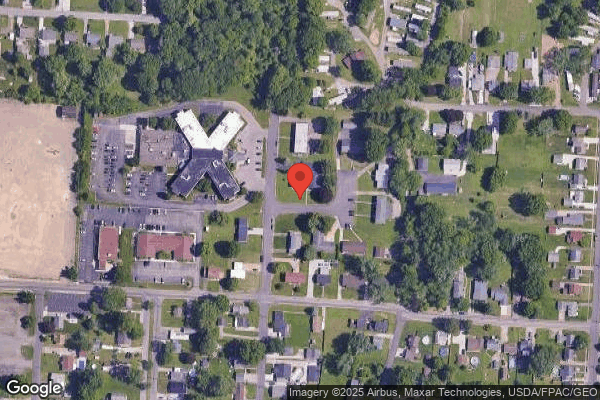
435 AVIS AVENUE NW, MASSILLON, OH 44646 (330) 837-1741
For profit - Corporation 125 Beds COMMUNICARE HEALTH Data: November 2025 4 Immediate Jeopardy citations
Trust Grade
0/100
#694 of 913 in OH
Last Inspection: August 2024

Within standard 12-15 month inspection cycle. Federal law requires annual inspections.

Overview

Hanover Healthcare Center in Massillon, Ohio has received a Trust Grade of F, indicating significant concerns and poor performance. With a state rank of #694 out of 913, they fall in the bottom half of facilities in Ohio and are ranked #26 out of 33 in Stark County, suggesting limited local options. Although the number of reported issues is improving, going from 19 in 2024 to 11 in 2025, the facility still faces serious challenges, including a concerning 60% staff turnover rate that is higher than the state average. Notably, the facility has incurred $93,893 in fines, which is a red flag as it is higher than 87% of Ohio facilities, reflecting ongoing compliance problems. Specific incidents include critical failures to prevent the spread of COVID-19 among residents and reported abuse by staff, raising significant safety and care quality concerns. While there is better RN coverage compared to 85% of Ohio facilities, the overall picture suggests families should proceed with caution when considering this nursing home.

Trust Score
F
0/100
In Ohio
#694/913
Bottom 24%
Safety Record
High Risk
Review needed
Inspections
Getting Better
19 → 11 violations
Staff Stability
⚠ Watch
60% turnover. Above average. Higher turnover means staff may not know residents' routines.
Penalties
✓ Good
$93,893 in fines. Lower than most Ohio facilities. Relatively clean record.
Skilled Nurses
✓ Good
Each resident gets 44 minutes of Registered Nurse (RN) attention daily — more than average for Ohio. RNs are trained to catch health problems early.
Violations
⚠ Watch
58 deficiencies on record. Higher than average. Multiple issues found across inspections.
★★☆☆☆
2.0
Overall Rating
★★☆☆☆
2.0
Staff Levels
★★★★★
5.0
Care Quality
★☆☆☆☆
1.0
Inspection Score
Stable
2024: 19 issues
2025: 11 issues

The Good

  • 5-Star Quality Measures · Strong clinical quality outcomes
  • Full Sprinkler Coverage · Fire safety systems throughout facility
  • No fines on record

Facility shows strength in quality measures, fire safety.

The Bad

2-Star Overall Rating

Below Ohio average (3.2)

Below average - review inspection findings carefully

Staff Turnover: 60%

14pts above Ohio avg (46%)

Frequent staff changes - ask about care continuity

Federal Fines: $93,893

Well above median ($33,413)

Moderate penalties - review what triggered them

Chain: COMMUNICARE HEALTH

Part of a multi-facility chain

Ask about local staffing decisions and management

Staff turnover is elevated (60%)

12 points above Ohio average of 48%

The Ugly 58 deficiencies on record

4 life-threatening
Jun 2025 9 deficiencies
CONCERN (D) 📢 Someone Reported This

A family member, employee, or ombudsman was alarmed enough to file a formal complaint

Potential for Harm - no one hurt, but risky conditions existed

Notification of Changes (Tag F0580)

Could have caused harm · This affected 1 resident

**NOTE- TERMS IN BRACKETS HAVE BEEN EDITED TO PROTECT CONFIDENTIALITY** Based on medical record review, policy review, and interview, the facility failed to ensure the nurse practitioner or physician ...

Read full inspector narrative →
**NOTE- TERMS IN BRACKETS HAVE BEEN EDITED TO PROTECT CONFIDENTIALITY** Based on medical record review, policy review, and interview, the facility failed to ensure the nurse practitioner or physician were notified of a resident's low blood pressure reading prior to administering a medication with anti-hypertensive properties. This affected one (Resident #103) of three residents reviewed for medication administration. Findings include: Review of Resident #103's medical record revealed diagnoses including hypertensive heart disease, paroxysmal atrial fibrillation (irregular heart rhythm), atherosclerotic heart disease, malignant neoplasm of the scrotum and prepuce (a movable sheath of skin that covers the head of the penis), and pleural effusion. On 05/29/25 orders were started for midodrine HCL (a medication that belongs to the class of medications called alpha-adrenergic agonists. It works by causing blood vessels to tighten, which increases blood pressure.) 5 milligrams (mg) three times a day with instructions to hold the medication for a systolic blood pressure (top number of the blood pressure) was greater than 120 millimeters of Mercury (mm Hg) and metoprolol tartrate (a medication used to treat angina, high blood pressure and a number of conditions involving an abnormally fast heart rate) 12.5 mg twice a day. Review of Resident #103's June Medication Administration Record (MAR) revealed the blood pressure the morning of 06/11/25 was 70/50 mm Hg (normal blood pressure is 120/60 mm Hg) and the pulse was 59 beats per minute (bpm) (average [NAME] rate is 60-90 bpm) The midodrine and metoprolol tartrate were administered. A nursing note dated 06/11/25 at 10:30 A.M. revealed a manual blood pressure of 70/50 was obtained. The nurse practitioner was notified. Review of Nurse Practitioner (NP) #230's progress note dated 06/11/25 indicated Resident #103 was seen for hypoxia (low levels of oxygen in body tissues). Resident #103 had shortness of breath, wheezing was auscultated (sound heard through use of a medical device such as a stethoscope), gurgling was noted when Resident #103 was trying to cough, and the oxygen saturation was 60% on four liters of oxygen. Resident #103 was not answering questions appropriately and his systolic blood pressure was in the 60's and heart rate in the 40's. Resident #103 received a DuoNeb (medication used to prevent bronchospasm) with oxygen saturation down to the 80's and dropping into the 60's. The note indicated Resident #103 did not receive dialysis on 06/09/25 due to hypotension (low blood pressure) with the systolic blood pressure in the 60's. The note indicated Resident #103's pulse was 42 at 10:30 A.M. and blood pressure was 64/50. An oxygen saturation of 62%b (normal greater than 90%) was recorded. The physical part of the exam indicated expiratory and inspiratory wheezing was auscultated in both lungs and was on four liters of oxygen. Resident #103 had trace edema in both legs. The oxygen saturation had gone from 60% to low 89% with the use of the DuoNeb and then went back down to the 60's on four liters of oxygen. The note indicated Resident #103 did receive metoprolol and midodrine that morning. Resident #103 was lethargic. Lisinopril and bumex were held. 911 was called and Resident #103 was transferred to the hospital for evaluation and treatment. A nursing note dated 06/11/25 at 11:10 A.M. indicated Resident #103 was placed on four liters of oxygen via a non-rebreather mask (a type of oxygen mask used in emergencies or hospital settings. It provides a high concentration of oxygen to the patient but doesn't allow them to breathe in any outside or room air. The mask covers both the nose and mouth and has one-way valves to prevent exhaled air or outside air from entering the oxygen supply.) and his oxygen saturation increased from 72 to 85. Pulse was recorded as 48 and 911 was called. On 06/16/25 at 3:20 P.M., the Director of Nursing (DON) was unable to provide an explanation why the metoprolol which could lower blood pressure with a recorded blood pressure of 70/50 was administered. On 06/16/25 at 3:27 P.M., Registered Nurse (RN) #235 verified she administered the metoprolol to Resident #103 when he had a blood pressure of 70/50. RN #235 stated she did so without contacting the physician or nurse practitioner at the time because she had been told to administer metoprolol to other residents in the past with similar vital signs. When asked, RN #235 was unable to provide a resident's name or time frame. On 06/17/25 at 3:22 P.M., NP #230 stated RN #235 should have contacted her prior to administering the metoprolol because of the blood pressure reading. Although the metoprolol was used as a beta blocker it also had the potential to lower the blood pressure even further. Because the pulse was 59 she definitely would have instructed RN #235 to hold the metoprolol. Even if the pulse would have been elevated she would have held the metoprolol until she determined if the midodrine would raise the blood pressure. The metoprolol should not have been administered. On 06/18/25 at 1:35 P.M., NP #230 added that she had not been made aware of Resident #103 not receiving dialysis on 06/09/25 due to low blood pressure until 06/11/25. NP #230 stated at that time she went to talk to Resident #103 and his blood pressure could hardly be heard and she spoke to the nurse. Resident #103 was in critical condition. Review of the facility's Notification of Change in Condition policy (undated) revealed the facility must consult with the resident's medical practitioner when there was a change requiring notification. Circumstances requiring notification included deterioration of health status and a need to alter treatment. This is an incidental finding discovered during the investigation.
CONCERN (D) 📢 Someone Reported This

A family member, employee, or ombudsman was alarmed enough to file a formal complaint

Potential for Harm - no one hurt, but risky conditions existed

Report Alleged Abuse (Tag F0609)

Could have caused harm · This affected 1 resident

Based on medical record review, policy review and interview, the facility failed to report allegations of misappropriation of money to the State Survey Agency. This affected one (Resident #49) of thre...

Read full inspector narrative →
Based on medical record review, policy review and interview, the facility failed to report allegations of misappropriation of money to the State Survey Agency. This affected one (Resident #49) of three residents reviewed for missing property. Findings include: Review of Resident #49's medical record revealed diagnoses including congestive heart failure (CHF), atherosclerotic heart disease, type two diabetes, bipolar disorder, and anxiety disorder. A nursing note by Licensed Practical Nurse (LPN) #215 dated 06/15/25 at 12:55 A.M. indicated Resident #49 returned to the facility from a leave of absence (LOA) and informed the nurse when he got into his lock box he had $350.37 missing from his box. Resident #49 stated he had the box locked all day in his room and had the key on his bag out with him all day. Police were informed and took a report from Resident #49. A social service note dated 06/16/25 at 8:48 A.M. indicated Resident #49 had voiced concerns which were documented on appropriate forms. Resident #49 wanted out of the facility and indicated the prior two days were tough as staff were reminding him of rules, including watching when he turned the chair. The note indicated Resident #49 felt staff were on him too much. No Facility Reported Incident was noted indicating the allegation of missing/stolen money was reported to the State Survey Agency. During an interview on 06/17/25 at 9:59 A.M., Licensed Social Worker (LSW) #220 revealed Resident #49 informed him of the missing money when they spoke about other concerns on 06/16/25. LSW #220 stated he called Resident #49's fiance to determine if Resident #49 had the money. The fiance had not returned his phone call. LSW #220 was unable to state why the State Survey Agency was not notified pending an investigation. On 06/17/25 at 11:07 A.M., Resident #49 stated he was unsure how long the money had been missing as he did not get into his lock box every day. Resident #49 stated there were times when he left his keys in his bag on the floor in his room and once he recalled leaving the key in the lock. During an interview on 06/17/25 at 12:26 P.M., the Administrator stated he had not been informed of the allegations of money missing from Resident #49's lock box until that morning so the information had not been reported to the State Survey Agency prior to 06/17/25. During an interview on 6/18/25 at 3:53 P.M., LPN #215 reported she informed the Director of Nursing (DON) of the missing money within five minutes of Resident #49 reporting the missing money to her. LPN #215 stated she also reported the information to Registered Nurse (RN) Unit Manager (UM) #225. On 06/23/25 at 6:18 A.M., the DON verified he had been informed of the allegation of missing money by LPN #215. The DON indicated he also contacted RN UM #225 who texted/informed the Administrator. The DON was unable to state the reason the State Survey Agency was not notified. On 06/23/25 at 6:50 A.M., RN UM #225 verified she had communicated back and forth with the Administrator via text on 06/14/25 regarding Resident #49's allegation of stolen money. Review of the texts revealed the Administrator was notified on 06/14/25 at 9:12 P.M. of Resident #49's allegation that someone stole $350 from his lock box in the last 36 hours. The Administrator responded on 06/14/25 at 9:12 P.M. indicating the facility did not give residents that kind of money. A follow up text from the Administrator on 06/14/25 at 11:22 P.M. inquired if Resident #49 called the police. Review of the facility's Abuse, Neglect and Misappropriation policy (not dated) revealed reports of misappropriation of property would be reported to the supervisor and investigated timely. The supervisor or designee would notify the DON and Administrator of the allegation immediately. Required notification of agencies would be completed. This deficiency represents non-compliance investigated under Complaint Number OH00166349.
CONCERN (D) 📢 Someone Reported This

A family member, employee, or ombudsman was alarmed enough to file a formal complaint

Potential for Harm - no one hurt, but risky conditions existed

Investigate Abuse (Tag F0610)

Could have caused harm · This affected 1 resident

Based on medical record review, policy review and interview, the facility failed to initiate a thorough investigation of allegations of a resident's stolen money. This affected one (Resident #49) of t...

Read full inspector narrative →
Based on medical record review, policy review and interview, the facility failed to initiate a thorough investigation of allegations of a resident's stolen money. This affected one (Resident #49) of three residents reviewed for missing property. Findings include: Review of Resident #49's medical record revealed diagnoses including congestive heart failure (CHF), atherosclerotic heart disease, type two diabetes, bipolar disorder, and anxiety disorder. A nursing note by Licensed Practical Nurse (LPN) #215 dated 06/15/25 at 12:55 A.M. indicated Resident #49 returned to the facility from a Leave of Absence (LOA) and informed the nurse when he got into his lock box he had $350.37 missing from his box. Resident #49 stated he had the box locked all day in his room and had the key on his bag out with him all day. Police were informed and took a report from Resident #49. A social service note dated 06/16/25 at 8:48 A.M. indicated Resident #49 had voiced concerns which were documented on appropriate forms. Resident #49 wanted out of the facility and indicated the prior two days were tough as staff were reminding him of rules, including watching when he turned the chair. The note indicated Resident #49 felt staff were on him too much. No Facility Reported Incident was observed indicating the allegation of missing/stolen money was reported to the State Survey Agency or that an investigation had been initiated. During an interview on 06/17/25 at 9:59 A.M., Licensed Social Worker (LSW) #220 revealed Resident #49 informed him of the missing money when they spoke about other concerns on 06/16/25. LSW #220 stated he called Resident #49's fiance to determine if Resident #49 had the money. The fiance had not returned his phone call. LSW #220 indicated he was unaware of the allegation until 06/16/25 when he spoke with Resident #49 so he was unaware of any other investigative action taken. On 06/17/25 at 11:07 A.M., Resident #49 stated he was unsure how long the money had been missing as he did not get into his lock box every day. Resident #49 stated there were times when he left his keys in his bag on the floor in his room and once he recalled leaving the key in the lock. During an interview on 06/17/25 at 12:26 P.M., the Administrator stated he had not been informed of the allegations of money missing from Resident #49's lock box until that morning so he submitted a FRI and an investigation would be started. During an interview on 6/18/25 at 3:53 P.M., LPN #215 reported she informed the Director of Nursing (DON) of the missing money within five minutes of Resident #49 reporting the missing money to her. LPN #215 stated she also reported the information to Registered Nurse (RN) Unit Manager (UM) #225. On 06/23/25 at 6:18 A.M., the DON verified he had been informed of the allegation of missing money by LPN #215. The DON indicated he also contacted RN UM #225 who texted/informed the Administrator. On 06/23/25 at 6:50 A.M., RN UM #225 verified she had communicated back and forth with the Administrator and LPN #215 the night of 06/14/25. Review of a text dated 06/14/25 at 9:08 P.M. revealed LPN #215 informed RN UM #225 that Resident #49 alleged someone stole $350 from his lock box within the past 36 hours. RN UM #225 responded on 06/14/25 at 9:09 P.M. revealed that was an Administrator thing. At 9:10 P.M., LPN #215 indicated via text she was calling the police so Resident #49 could write a report. At 9:11 P.M., RN UM #225 reminded LPN #215 to obtain the police case number and instructed her to get statements from everyone in the building at the time. A text from RN UM #225 to the Administrator on 06/14/25 at 9:12 P.M. revealed the Administrator was notified of Resident #49's allegation that someone stole $350 from his lock box in the last 36 hours. The Administrator responded on 06/14/25 at 9:12 P.M. indicating the facility did not give residents that kind of money. A follow up text from the Administrator on 06/14/25 at 11:22 P.M. inquired if Resident #49 called the police. Review of the facility's Abuse, Neglect and Misappropriation policy (not dated) revealed reports of misappropriation of property would be reported to the supervisor and investigated timely. The supervisor or designee would notify the DON and Administrator of the allegation immediately. Required notification of agencies would be completed. This deficiency represents non-compliance investigated under Complaint Number OH00166349.
CONCERN (D) 📢 Someone Reported This

A family member, employee, or ombudsman was alarmed enough to file a formal complaint

Potential for Harm - no one hurt, but risky conditions existed

Deficiency F0676 (Tag F0676)

Could have caused harm · This affected 1 resident

**NOTE- TERMS IN BRACKETS HAVE BEEN EDITED TO PROTECT CONFIDENTIALITY** Based on medical record review and interview, the facility failed to provide restorative nursing programs to maintain a resident...

Read full inspector narrative →
**NOTE- TERMS IN BRACKETS HAVE BEEN EDITED TO PROTECT CONFIDENTIALITY** Based on medical record review and interview, the facility failed to provide restorative nursing programs to maintain a resident's ability to ambulate. This affected two (Residents #26 and #82) of three residents reviewed for restorative services. Findings include: 1. Review of Resident #26's medical record revealed diagnoses including cerebrovascular disease, hypertension, dizziness and giddiness, type two diabetes mellitus, unsteadiness on her feet, lumbar region intervertebral disc degeneration, discogenic back pain, and generalized weakness related to a stroke. A Physical Therapy (PT) Discharge summary dated [DATE] revealed a restorative nursing program had been completed for ambulation with the interdisciplinary team to facilitate Resident #26 maintaining her current level of performance and to prevent decline. A care plan initiated 03/14/25 indicated Resident #26 was on a restorative ambulation program to increase confidence and safety with gait once daily six to seven times per week for 15 minutes per day. Stand by assistance and verbal cues were to be provided with ambulation 125 to 200 feet as tolerated with staff offering encouragement and reassurance. Review of restorative program delivery notes revealed in the prior 30 days, Resident #26 received the ambulation program once on 05/28/25 at which time she was recorded as ambulating 240 feet. A restorative evaluation dated 06/12/25 indicated Resident #26 participated in the restorative ambulation program with a goal to maintain strength and be without decline. The restorative ambulation program was to be continued. On 06/18/25 at 11:55 A.M., Resident #26 was observed sitting in a recliner in her room with three daughters visiting. All four individuals were in agreement that Resident #26 did not walk well and they had a fear she would fall. On 06/23/25 at 8:54 A.M., Resident #26 stated she used to ambulate with Restorative Aide #265 but she retired and nobody else did the program. On 06/23/25, Certified Nursing Assistant (CNA) #270 verified the restorative aide had retired. CNA #270 stated there was not enough time for aides to provide restorative programs in addition to all the other care residents required. On 06/23/25 at 10:45 A.M., Regional Nurse #275 verified Resident #26's documentation revealed she received the restorative ambulation program once in the past 30 days. Upon investigation, she discovered the ambulation program was entered into the aides' task section to provide the service as necessary instead of six to seven times a week for 15 minutes a day. On 06/23/25 at 12:57 P.M., CNA #280 stated she was unsure which residents were on restorative programs or the type of programs which were to be provided. CNA #280 stated the only way nurse aides would have time to provide restorative programs was if there were always two aides to each hall which did not happen on a consistent basis. 2. Review of Resident #82's medical record revealed diagnoses including hemiplegia and hemiparesis (paralysis or weakness on one side of the body) following cerebrovascular disease, diabetes mellitus, chronic kidney disease, depression, chronic obstructive pulmonary disease, anxiety disorder, low back pain, peripheral vascular disease, and cognitive communication deficit. A plan of care initiated 12/09/24 indicated Resident #82 was on a restorative ambulation program to ambulate 50 to 100 feet with a quad cane with contact guard assistance to minimum assistance to maintain strength in lower extremities once a day for 6-7 days a week. Resident #82 required minimal instruction but staff were to encourage and praise participation. One of the interventions was to reassess quarterly and as needed. Review of restorative ambulation program delivery records revealed the week of 05/25/25 - 05/31/25 the service was offered/provided five times. The week of 06/01/25 - 06/07/25, the service was provided three times. The week of 06/08/25 - 06/14/25, the ambulation program was refused once. There was no other indication of the program being offered. The week of 06/15/25 to 06/21/25, the program was documented with one refusal and no other offers to provide it were documented. Review of a restorative evaluation dated 06/13/25 indicated Resident #82 participated in the program as ordered. The goal was to maintain current ambulation status and be without decline by the next review date. The program would be re-evaluated quarterly and as necessary. On 06/23/25 at 12:36 P.M., the Director of Nursing (DON) acknowledged records did not reflect Resident #82's restorative ambulation program was offered in accordance with orders/plans of care/assessments. This deficiency represents non-compliance investigated under Complaint Number OH00164989.
CONCERN (D) 📢 Someone Reported This

A family member, employee, or ombudsman was alarmed enough to file a formal complaint

Potential for Harm - no one hurt, but risky conditions existed

Quality of Care (Tag F0684)

Could have caused harm · This affected 1 resident

Based on medical record review and interview, the facility failed to ensure medications were administered in accordance with physician orders and set parameters. This affected one (Resident #103) of t...

Read full inspector narrative →
Based on medical record review and interview, the facility failed to ensure medications were administered in accordance with physician orders and set parameters. This affected one (Resident #103) of three residents reviewed for medication administration. Findings include: Review of Resident #103's medical record revealed diagnoses including hypertensive heart disease, paroxysmal atrial fibrillation (irregular heart rhythm), atherosclerotic heart disease, malignant neoplasm of the scrotum and prepuce (a movable sheath of skin that covers the head of the penis), and pleural effusion. On 05/29/25 orders were started for midodrine HCL (a medication that belongs to the class of medications called alpha-adrenergic agonists. It works by causing blood vessels to tighten, which increases blood pressure.) 5 milligrams (mg) three times a day with instructions to hold the medication for a systolic blood pressure (top number of the blood pressure) greater than 120. Review of Resident #103's June Medication Administration Record (MAR) revealed midodrine was administered the morning of 06/03/25 with a blood pressure of 137/78 millimeters of mercury (mm Hg), the morning of 06/06/25 with a blood pressure of 137/74 mm Hg and the morning of 06/07/25 with a blood pressure of 138/74 mm Hg. All three of the doses were signed as administered by Registered Nurse (RN) #225. On 06/16/25 at 3:07 P.M., RN #225 was unable to provide an explanation regarding why the midodrine was administered outside parameters in the orders. On 6/16/25 at 3:20 P.M., the Director of Nursing (DON) had no explanation for why midodrine was administered outside set parameters on 06/03/25, 06/06/25 or 06/07/25 when systolic blood pressures were recorded greater than 120. On 06/18/25 at 1:35 P.M., Nurse Practitioner (NP) #230 stated it was probably okay to administer the midodrine with a systolic blood pressure greater than 120 on dialysis days (one of the three days it was administered) occasionally but it could lead to issues depending on a resident's overall condition. NP #230 stated the three days it was administered outside parameters resulted in no adverse consequences. This deficiency represents non-compliance investigated under Complaint Number OH00166349 and Complaint Number OH00164924.
CONCERN (D) 📢 Someone Reported This

A family member, employee, or ombudsman was alarmed enough to file a formal complaint

Potential for Harm - no one hurt, but risky conditions existed

Deficiency F0688 (Tag F0688)

Could have caused harm · This affected 1 resident

**NOTE- TERMS IN BRACKETS HAVE BEEN EDITED TO PROTECT CONFIDENTIALITY** Based on medical record review and interview, the facility failed to provide restorative range of motion (ROM) programs in accor...

Read full inspector narrative →
**NOTE- TERMS IN BRACKETS HAVE BEEN EDITED TO PROTECT CONFIDENTIALITY** Based on medical record review and interview, the facility failed to provide restorative range of motion (ROM) programs in accordance with physician orders for one (Resident #96) of three residents reviewed for restorative services. Findings include: Review of Resident #96's medical record revealed diagnoses including hemiplegia (paralysis/weakness of one side of the body) affecting the right dominant side, type two diabetes mellitus with diabetic neuropathy, morbid obesity, need for assistance with personal care, generalized anxiety disorder and depression. A quarterly Minimum Data Set (MDS) assessment dated [DATE] indicated Resident #96 was cognitively intact with no rejection of care. Resident #96 had impaired functional ROM of both the upper and lower extremity on one side of her body. Review of a care plan initiated 02/27/23 indicated Resident #96 was on a restorative program for active/passive range of motion. Interventions indicated passive range of motion (PROM) (movement of a joint or body part without any effort from the individual) to the right upper extremity in all planes once a day, six to seven days for 15 minutes a day to increase range of motion to the right upper extremity. The care plan indicated Resident #96 required maximal assistance with minimal verbal cues. Interventions included reassessment of the program quarterly and as needed. Review of restorative program delivery records revealed the program was delivered five times the week of 05/25/25 - 05/31/25, four times the week of 06/01/25 and 06/07/25, five times the week of 06/08/25 and 06/14/25, and five times the week of 06/15/25 to 06/21/25. A restorative evaluation dated 06/13/25 indicated Resident #96 participated in the restorative PROM program as ordered. The goal was to maintain current ROM and be without decline. The assessment indicated Resident #96's restorative program would be re-evaluated quarterly and as necessary. On 06/23/25 at 12:36 P.M., the Director of Nursing (DON) verified documentation did not reflect the program was offered a minimum of six times a week in accordance with the order and care plan. This deficiency represents non-compliance investigated under Complaint Number OH00164924.
CONCERN (D) 📢 Someone Reported This

A family member, employee, or ombudsman was alarmed enough to file a formal complaint

Potential for Harm - no one hurt, but risky conditions existed

Unnecessary Medications (Tag F0759)

Could have caused harm · This affected 1 resident

Based on observation, review of physician orders, policy review, and interview, the facility failed to ensure medications were administered as ordered. Two medication errors were identified out of 27 ...

Read full inspector narrative →
Based on observation, review of physician orders, policy review, and interview, the facility failed to ensure medications were administered as ordered. Two medication errors were identified out of 27 opportunities resulting in a 7.4% medication error rate. This affected one (Resident #74) of two residents observed for medication administration. Findings include: On 06/17/25 at 7:57 A.M., Licensed Practical Nurse (LPN) #200 was observed administering medication to Resident #74. Among medications administered were divalproex sodium (three 250 milligram tablets and one 500 milligram tablet) and vitamin B-6 100 milligrams (mg). Review of Resident #74's physician orders revealed an order dated 02/20/25 for pyridoxine HCl (vitamin B-6) 50 mg every day. There were orders dated 05/08/25 for three divalproex sodium tablet delayed release tablets to be administered in the morning for mood disorder and one divalproex sodium extended release tablet 500 mg in the evening for mood disorder. On 06/18/25 at 9:40 A.M., LPN #200 verified she administered all medications that had been included in the medication packet dated 06/17/25 in the morning. LPN #200 verified Resident #74 had an order for divalproex sodium 750 mg total in the morning and 500 mg in the evening. However, the amount included in the packet totaled 1250 mg. On 06/18/25 at 9:49 A.M., Registered Nurse (RN) #205 stated she had not administered Resident #74's morning medications yet. Observations of the morning medication packets revealed it contained three 250 mg and one 500 mg tablets of divalproex sodium which was an incorrect dose. RN #205 also confirmed only 100 mg tablets of vitamin B-6 were available and she had to split the tablet to give the correct dose. On 06/18/25 at 9:55 A.M., LPN #200 verified she had administered a whole 100 mg tablet of vitamin B-6 to Resident #74, stating the tablets were not scored (A scored tablet is a tablet that has a debossed line or indentation across its surface, allowing it to be easily cut into smaller portions.). On 06/18/25 at 3:18 P.M., Pharmacist #210 reviewed Resident #74's medication profile and stated in February 2025 Resident #74 had an order for divalproex sodium 500 mg twice a day. On 05/08/25 an order was received for divalproex sodium three tablets of 250 mg every morning. The 500 mg dose was not canceled. Since 05/08/25, pharmacy had been sending the three 250 mg tablets as well as the 500 mg tablet for the morning medication administration. Pharmacist #210 stated Resident #74 should have a new depakote (divalproex sodium) level obtained. Review of the facility's Medication Administration policy (no implementation date listed) revealed medications were to be administered only as prescribed by the provider. Nurses were instructed to observed the right dose was administered. The policy instructed nurses not to split or alter tablets. Pharmacy was to be contacted for correct dosage. For emergency purposes, the tablet might be split if the pill was scored. Unscored or coated pills would not be split. This deficiency represents non-compliance investigated under Complaint Number OH00166349 and Complaint Number OH00164924.
CONCERN (E) 📢 Someone Reported This

A family member, employee, or ombudsman was alarmed enough to file a formal complaint

Potential for Harm - no one hurt, but risky conditions existed

Deficiency F0725 (Tag F0725)

Could have caused harm · This affected multiple residents

**NOTE- TERMS IN BRACKETS HAVE BEEN EDITED TO PROTECT CONFIDENTIALITY** Based on medical record review and interview, the facility failed to provide sufficient staff to provide restorative nursing pro...

Read full inspector narrative →
**NOTE- TERMS IN BRACKETS HAVE BEEN EDITED TO PROTECT CONFIDENTIALITY** Based on medical record review and interview, the facility failed to provide sufficient staff to provide restorative nursing programs on a consistent basis. This affected three (Residents #26, #82, and #96) of three residents reviewed for restorative services. The facility identified 41 residents with orders for one or more restorative programs (Residents #1, #2, #3, #4, #6, #7, #11, #15, #18, #24, #26, #32, #34, #37, #41, #42, #43, #48, #51, #56, #61, #67, #68, #69, #70, #73, #75, #79, #81, #82, #86, #87, #90, #91, #92, #93, #94, #95, #96, #98 and #100). Findings include: 1. On 06/18/25 at 11:55 A.M., Resident #26 was observed sitting in a recliner in her room with three daughters visiting. All four individuals were in agreement that Resident #26 did not walk well and they had a fear she would fall. Review of Resident #26's medical record revealed diagnoses including cerebrovascular disease, hypertension, dizziness and giddiness, type two diabetes mellitus, unsteadiness on her feet, lumbar region intervertebral disc degeneration, discogenic back pain, and generalized weakness related to a stroke. A Physical Therapy (PT) Discharge summary dated [DATE] revealed a restorative nursing program had been completed for ambulation with the interdisciplinary team to facilitate Resident #26 maintaining her current level of performance and to prevent decline. A care plan initiated 03/14/25 indicated Resident #26 was on a restorative ambulation program to increase confidence and safety with gait once daily six to seven times per week for 15 minutes per day. Stand by assistance and verbal cues were to be provided with ambulation 125 to 200 feet as tolerated with staff offering encouragement and reassurance. Review of restorative program delivery notes revealed in the prior 30 days, Resident #26 received the ambulation program once on 05/28/25 at which time she was recorded as ambulating 240 feet. A restorative evaluation dated 06/12/25 indicated Resident #26 participated in the restorative ambulation program with a goal to maintain strength and be without decline. The restorative ambulation program was to be continued. On 06/23/25 at 8:54 A.M., Resident #26 stated she used to ambulate with Restorative Aide #265 but she retired and nobody else did the program. On 06/23/25, Certified Nursing Assistant (CNA) #270 verified the restorative aide had retired. CNA #270 stated there was not enough time for aides to provide restorative programs in addition to all the other care residents required. On 06/23/25 at 10:45 A.M., Regional Nurse #275 verified Resident #26's documentation revealed she received the restorative ambulation program once in the past 30 days. Upon investigation, she discovered the ambulation program was entered into the aides' task section to provide the service as necessary instead of six to seven times a week for 15 minutes a day. On 06/23/25 at 12:57 P.M., CNA #280 stated she was unsure which residents were on restorative programs or the type of programs which were to be provided. CNA #280 stated the only way nurse aides would have time to provide restorative programs was if there were always two aides to each hall which did not happen on a consistent basis. 2. Review of Resident #82's medical record revealed diagnoses including hemiplegia and hemiparesis (paralysis or weakness on one side of the body) following cerebrovascular disease, diabetes mellitus, chronic kidney disease, depression, chronic obstructive pulmonary disease, anxiety disorder, low back pain, peripheral vascular disease, and cognitive communication deficit. A plan of care initiated 12/09/24 indicated Resident #82 was on a restorative ambulation program to ambulate 50 to 100 feet with a quad cane with contact guard assistance to minimum assistance to maintain strength in lower extremities once a day for 6-7 days a week. Resident #82 required minimal instruction but staff were to encourage and praise participation. One of the interventions was to reassess quarterly and as needed. Review of restorative ambulation program delivery records revealed the week of 05/25/25 - 05/31/25 the service was offered/provided five times. The week of 06/01/25 - 06/07/25, the service was provided three times. The week of 06/08/25 - 06/14/25, the ambulation program was refused once. There was no other indication of the program being offered. The week of 06/15/25 to 06/21/25, the program was documented with one refusal and no other offers to provide it were documented. Review of a restorative evaluation dated 06/13/25 indicated Resident #82 participated in the program as ordered. The goal was to maintain current ambulation status and be without decline by the next review date. The program would be re-evaluated quarterly and as necessary. On 06/23/25 at 12:36 P.M., the Director of Nursing (DON) acknowledged records did not reflect Resident #82's restorative ambulation program was offered in accordance with orders/plans of care/assessments. 3. Review of Resident #96's medical record revealed diagnoses including hemiplegia (paralysis/weakness of one side of the body) affecting the right dominant side, type two diabetes mellitus with diabetic neuropathy, morbid obesity, need for assistance with personal care, generalized anxiety disorder and depression. A quarterly Minimum Data Set (MDS) assessment dated [DATE] indicated Resident #96 was cognitively intact with no rejection of care. Resident #96 had impaired functional ROM of both the upper and lower extremity on one side of her body. Review of a care plan initiated 02/27/23 indicated Resident #96 was on a restorative program for active/passive range of motion. Interventions indicated passive range of motion (PROM) (movement of a joint or body part without any effort from the individual) to the right upper extremity in all planes once a day, six to seven days for 15 minutes a day to increase range of motion to the right upper extremity. The care plan indicated Resident #96 required maximal assistance with minimal verbal cues. Interventions included reassessment of the program quarterly and as needed. Review of restorative program delivery records revealed the program was delivered five times the week of 05/25/25 - 05/31/25, four times the week of 06/01/25 and 06/07/25, five times the week of 06/08/25 and 06/14/25, and five times the week of 06/15/25 to 06/21/25. A restorative evaluation dated 06/13/25 indicated Resident #96 participated in the restorative PROM program as ordered. The goal was to maintain current ROM and be without decline. The assessment indicated Resident #96's restorative program would be re-evaluated quarterly and as necessary. On 06/23/25 at 12:36 P.M., the Director of Nursing (DON) verified documentation did not reflect the program was offered a minimum of six times a week in accordance with the order and care plan. The facility identified 41 residents with orders for one or more restorative programs (Residents #1, #2, #3, #4, #6, #7, #11, #15, #18, #24, #26, #32, #34, #37, #41, #42, #43, #48, #51, #56, #61, #67, #68, #69, #70, #73, #75, #79, #81, #82, #86, #87, #90, #91, #92, #93, #94, #95, #96, #98 and #100). This is an incidental finding disovered during the investigation.
MINOR (C) 📢 Someone Reported This

A family member, employee, or ombudsman was alarmed enough to file a formal complaint

Minor Issue - procedural, no safety impact

Deficiency F0680 (Tag F0680)

Minor procedural issue · This affected most or all residents

Based on record review and interview, the facility failed to ensure the activities program was directed by a qualified professional. This had the potential to affect all 101 residents residing in the ...

Read full inspector narrative →
Based on record review and interview, the facility failed to ensure the activities program was directed by a qualified professional. This had the potential to affect all 101 residents residing in the facility. Findings include: Review of the personnel file for Activities Director #260 revealed a hire date of 09/22/99 in the role of Certified Nursing Assistant (CNA). On 09/07/21 she applied and accepted the role of an activity assistant. On 06/17/25, it was noted the position description for Activities Leader was signed by Activities Director #260. Review of the position description for Activities Leader revealed she must be a qualified therapeutic recreation specialist or an activities professional who is licensed by the state and is eligible for certification as a recreation specialist or as an activities professional; or must have a minimum of two years experience in a social or recreation program within the last five years, one of which was full-time in a patient activities program in a health care setting; or must be a qualified occupational therapist or occupational therapy assistant; or must have completed a training course approved by this state. There was no evidence in Activities Director #260's employee file to prove she had the qualifications. Review of the timeline of activities directors provided by the facility from 01/01/25 through 06/23/25 revealed Activities Director #260 assumed the role on 02/09/25. Review of the invoice for a certified activities director course for Activities Director #260 revealed she started the course on 04/21/25. Interview on 06/23/25 at 12:04 P.M. with Divisional Director of Activities #255 verified Activities Director #260 was not certified. She stated she had not assisted Activities Director #260 with overseeing the activities program as she had started her employment with the corporation who owned the facility two months ago. Divisional Director of Activities #255 stated she had started working with this facility on 06/20/25. Interview on 06/23/25 at 12:38 P.M. with Activities Director #260 verified she did not have the qualifications as listed in the position description above. She stated she had been doing the activities director position since 02/09/25. Interview on 06/23/25 at 12:49 P.M. with the Regional Administrator #250 verified Activities Director #260 did not have the qualifications required for activities director. This is an incidental finding discovered during the complaint investigation.
Apr 2025 1 deficiency
CONCERN (D) 📢 Someone Reported This

A family member, employee, or ombudsman was alarmed enough to file a formal complaint

Potential for Harm - no one hurt, but risky conditions existed

Infection Control (Tag F0880)

Could have caused harm · This affected 1 resident

**NOTE- TERMS IN BRACKETS HAVE BEEN EDITED TO PROTECT CONFIDENTIALITY** Based on observation and interview, the facility failed to ensure infection control was maintained during incontinence care. Thi...

Read full inspector narrative →
**NOTE- TERMS IN BRACKETS HAVE BEEN EDITED TO PROTECT CONFIDENTIALITY** Based on observation and interview, the facility failed to ensure infection control was maintained during incontinence care. This affected one resident (Resident #94) of three residents reviewed for incontinence care. The facility census was 100. Findings included: Review of the medical record for Resident #94 revealed an admission date of 11/22/20. Diagnosis included Alzheimer's Disease, quadriplegia, tracheostomy status, and dysphagia. Review of the annual Minimum Data Set (MDS) assessment dated [DATE] revealed Resident #94 was rarely or never understood, dependent on staff for all activities of daily living (ADL'S), and was incontinent of bladder and bowel. Observation on 04/07/25 at 9:25 A.M. of incontinence care for Resident #94 revealed Certified Nursing Assistant (CNA) #283 and #311 gathered supplies, provided privacy, washed hands and donned gloves. CNA #311 removed Resident #94's brief soiled with medium stool and urine. CNA #311 provided peri care, then with the same gloves on she touched the barrier cream container and put barrier cream on her gloves and applied to Resident #94's peri area. CNA #311 then turned resident and performed care to her buttocks. CNA #311 then applied a new brief with the same soiled gloves. Once done CNA #283 and #311 removed their gloves and washed their hands. Interview on 04/07/25 at 9:44 A.M. with CNA #311 confirmed she didn't change her soiled gloves and perform hand hygiene after she cleaned up the stool and urine and before she applied barrier cream to her peri area. CNA #311 said she should have removed her gloves after cleaning up the stool, washed her hands, and applied new gloves before she applied barrier cream to the peri area of Resident #94. Interview on 04/07/25 at 9:48 A.M. with Registered Nurse/Unit Manager (RN) 260 confirmed for peri care CNA #311 should have removed her soiled gloves and washed her hands and donned new gloves before touching barrier cream container and before she applied barrier cream to Resident #94's peri area. Interview on 04/07/25 at 10:12 A.M. with Director of Nursing (DON) confirmed for peri care CNA #311 should have removed her soiled gloves and washed her hands and donned new gloves before touching barrier cream container and before she applied barrier cream to Resident #94's peri area. Review of facility policy, Standard Precautions, undated revealed when to perform hand hygiene to include before and after direct contact with a resident's intact skin, after contact with body fluids or excretions, and after glove removal.
Mar 2025 1 deficiency
CONCERN (F) 📢 Someone Reported This

A family member, employee, or ombudsman was alarmed enough to file a formal complaint

Potential for Harm - no one hurt, but risky conditions existed

Staffing Data (Tag F0851)

Could have caused harm · This affected most or all residents

Based on review of the Payroll Based Journal (PBJ) report, review of schedules and time detail punches, and interview, the facility failed to ensure accuracy of information sent to Centers for Medicar...

Read full inspector narrative →
Based on review of the Payroll Based Journal (PBJ) report, review of schedules and time detail punches, and interview, the facility failed to ensure accuracy of information sent to Centers for Medicare and Medicaid (CMS). This had the potential to affect all 101 residents. Findings include: Review of the facility's PBJ report for the fourth quarter of 2024 revealed the facility had a one star staff rating and excessively low weekend staffing during the quarter. During review of staffing sheets and time punches with the Administrator on 03/04/25 between 10:45 A.M. and 1:45 P.M., the time punch detail report and the schedules for 01/17/25, 01/20/25, 01/24/25, 01/27/25, 02/03/25, 02/06/25, and 02/08/25 did not have matching information. The administrator identified an issue with time punches of employees no longer working for the facility not showing up on the time punch detail. On 03/04/25 at 2:57 P.M., the Administrator stated she was not employed during the fourth quarter (July to September) of 2024 so she could not give feedback into staffing levels at the time. The time punches submitted to corporate accountants were used for submission of the PBJ information. Based on her findings on 03/04/25 of time punches not including information from previous employees, it could be possible that hours of some of the employees might not have been submitted. Administrators did not get feedback into any alerts/information provided by PBJ regarding staffing. This deficiency is an incidental finding discovered during the complaint investigation.
Oct 2024 3 deficiencies
CONCERN (D) 📢 Someone Reported This

A family member, employee, or ombudsman was alarmed enough to file a formal complaint

Potential for Harm - no one hurt, but risky conditions existed

Quality of Care (Tag F0684)

Could have caused harm · This affected 1 resident

Based on observation, medical record review, interview, and facility policy review, the facility failed to ensure surgical wound treatments were completed per physician order. This affected one reside...

Read full inspector narrative →
Based on observation, medical record review, interview, and facility policy review, the facility failed to ensure surgical wound treatments were completed per physician order. This affected one resident (#25) of three residents reviewed for wound care. The facility census was 96. Findings include: Review of the medical record for Resident #25 revealed an admission date of 10/27/23 with diagnoses including dementia, unspecified mood affective disorder, anxiety disorder and major depressive disorder. Review of the quarterly Minimum Data Set (MDS) assessment completed on 09/26/24 revealed Resident #25 had severely impaired cognition and was independent but required substantial assistance with bathing. Further review of the MDS revealed Resident #25 had surgical wounds. Review of the physician orders revealed an order dated 10/02/24 for wound care for the mid-upper back daily every day shift and as needed (PRN). The treatment was to cleanse area with normal saline, apply skin prep to surrounding tissue or periwound, apply silver alginate to the base of the wound, and secure with boarded foam. Review of the physician orders revealed an order dated 10/02/24 for Resident #25 was to receive wound care for the right lateral shoulder daily every day shift and as needed (PRN). The treatment was to cleanse the area with normal saline, apply skin prep to surrounding tissue or periwound, apply silver alginate to the wound bed and cover with boarded gauze dressing. Observation on 10/17/24 at 9:20 A.M. revealed Resident #25 had a dressing to the right lateral shoulder and a dressing to the mid-upper back. Both dressings were dated 10/14/24. Interview Assistant Director of Nursing (ADON) #309, at the time of the observation, revealed she was also the facility wound nurse and confirmed both dressing were applied by her on 10/14/24. Review of the undated policy titled, Wound Care, revealed residents admitted with or who develop skin integrity issues would receive treatment as indicated. This deficiency represents non-compliance investigated under Complaint Numbers OH00158714 and OH00158447.
CONCERN (D) 📢 Someone Reported This

A family member, employee, or ombudsman was alarmed enough to file a formal complaint

Potential for Harm - no one hurt, but risky conditions existed

Deficiency F0772 (Tag F0772)

Could have caused harm · This affected 1 resident

**NOTE- TERMS IN BRACKETS HAVE BEEN EDITED TO PROTECT CONFIDENTIALITY** Based on medical record review and interview the facility failed to ensure laboratory testing (stools for occult blood) were obt...

Read full inspector narrative →
**NOTE- TERMS IN BRACKETS HAVE BEEN EDITED TO PROTECT CONFIDENTIALITY** Based on medical record review and interview the facility failed to ensure laboratory testing (stools for occult blood) were obtained timely for Resident #101. This affected one resident (#101) of three residents reviewed for laboratory testing. Findings include: Review of the medical record revealed Resident #101 was admitted to the facility on [DATE]. Diagnoses included peripheral vascular disease, right and left lower extremity amputation, hypertension, and duodenal ulcer. The resident also had chronic anemia (a common type of anemia that occurs when the body has low levels of hemoglobin). Further review of the medical record revealed the resident had lab test results indicating a low hemoglobin level of 8.1 grams per deciliter of blood (g/dL of blood) on 07/22/24 and a level of 8.9 g/dL on 09/11/24. Per physician orders, three stools for occult blood (a stool sample obtained to determine if there is hidden blood in the stool) were initially ordered on 07/22/24. A second and third order for the samples were made by the physician on 08/15/24 and 09/12/24. One test was completed on 09/16/24. On 09/27/24 a new order was received for three stool specimens for occult blood testing. Review of the bowel movement record from 09/26/24 through 09/30/24 revealed Resident #101 had bowel movements on 09/26/24, 09/27/24, 09/28/24, and 09/29/24. However, there was no evidence the stool specimens were obtained or of the laboratory testing being completed as ordered during this time period. On 09/30/24 another order was received to obtain two stool specimens for occult blood testing. Review of the annual Minimum Data Set (MDS) assessment dated [DATE] revealed Resident #101 had intact cognition. Further review revealed the resident required substantial/ maximum assistance with toilet hygiene and was frequently incontinent of bowel. Review of the laboratory test results revealed the two stool specimens were obtained on 10/01/24 and 10/06/24. On 10/22/24 at 4:00 P.M. an interview with the Director of Nursing confirmed the stool for the occult blood for Resident #101 was not obtained timely. On 10/24/24 at 10:25 A.M. an interview with Physician #400 revealed she would expect the occult stool to be done immediately and take no longer that two weeks to obtain. This deficiency represents non-compliance investigated under Complaint Number OH00158714 and OH00158447.
CONCERN (D) 📢 Someone Reported This

A family member, employee, or ombudsman was alarmed enough to file a formal complaint

Potential for Harm - no one hurt, but risky conditions existed

Medical Records (Tag F0842)

Could have caused harm · This affected 1 resident

Based on observation, medical record review, interview and policy review the facility failed to maintain accurate medical records related to resident care. This affected one resident (#25) of three re...

Read full inspector narrative →
Based on observation, medical record review, interview and policy review the facility failed to maintain accurate medical records related to resident care. This affected one resident (#25) of three residents reviewed for wound care. The facility census was 96. Findings include: Review of the medical record for Resident #25 revealed an admission date of 10/27/23 with diagnoses including dementia, unspecified mood affective disorder, anxiety disorder and major depressive disorder. Review of the quarterly Minimum Data Set (MDS) assessment completed on 09/26/24 revealed Resident #25 had severely impaired cognition and was independent but required substantial assistance with bathing. Further review of the MDS revealed Resident #25 had surgical wounds. Review of the physician orders revealed an order dated 10/02/24 for wound care for the mid-upper back daily every day shift and as needed (PRN). The treatment was to cleanse area with normal saline, apply skin prep to surrounding tissue or periwound, apply silver alginate to the base of the wound, and secure with boarded foam. Review of the physician orders revealed an order dated 10/02/24 for Resident #25 was to receive wound care for the right lateral shoulder daily every day shift and as needed (PRN). The treatment was to cleanse the area with normal saline, apply skin prep to surrounding tissue or periwound, apply silver alginate to the wound bed and cover with boarded gauze dressing. Observation on 10/17/24 at 9:20 A.M. revealed Resident #25 had a dressing to the right lateral shoulder and a dressing to the mid-upper back. Both dressings were dated 10/14/24. Interview with Assistant Director of Nursing (ADON) #309, at the time of the observation, revealed she was also the facility wound nurse and confirmed both dressing were applied by her on 10/14/24. Review of the treatment administration record (TAR) for October 2024 revealed Resident #25's two surgical wound dressings, one on his right lateral shoulder and one on the mid-upper part of the back, were documented as being completed on 10/15/24 and 10/16/24. This was verified by ADON #309 on 10/17/24 at 9:38 A.M. Interview on 10/17/24 at 9:54 A.M. with Registered Nurse (RN) #325 confirmed Licensed Practical Nurse (LPN) #314 documented the wound treatments were completed on 10/15/24 and 10/16/24 on the TAR but stated she forgot to complete the dressing changes because a lot was going those days. RN #325 stated this was not proper practice to sign off on the TAR before a dressing change was completed. It was proper practice to sign off on the TAR after treatment was completed. Review of the undated policy titled, Clinical Documentation Standards, revealed that nurses would follow the basic standard of practice for documentation including but not limited to providing a timely and accurate account of resident information in the medical record. This deficiency represents non-compliance investigated under Complaint Number OH00158714 and OH00158447.
Sept 2024 3 deficiencies 3 IJ
CRITICAL (J) 📢 Someone Reported This

A family member, employee, or ombudsman was alarmed enough to file a formal complaint

Immediate Jeopardy (IJ) - the most serious Medicare violation

Free from Abuse/Neglect (Tag F0600)

Someone could have died · This affected 1 resident

**NOTE- TERMS IN BRACKETS HAVE BEEN EDITED TO PROTECT CONFIDENTIALITY** Based on observation, medical record reviews review of employee time clock punch reports, review of employee personnel files, re...

Read full inspector narrative →
**NOTE- TERMS IN BRACKETS HAVE BEEN EDITED TO PROTECT CONFIDENTIALITY** Based on observation, medical record reviews review of employee time clock punch reports, review of employee personnel files, review of facility Self-Reported Incidents (SRI), review of the facility assessment, facility policy review and interview, the facility failed to ensure all residents were free from staff to resident physical and/or emotional abuse. This resulted in Immediate Jeopardy and the potential for serious life-threatening harm/injuries and psychosocial harm beginning on 09/05/24 at approximately 3:15 P.M. when Activity Director (AD) #400 witnessed State Tested Nursing Assistant (STNA) #300 grab and force Resident #78 to sit in her specialty tilt-in-space wheelchair (a specialty wheelchair that offers both a tilting function and a reclining function and should not be considered an independent mobility device due to their size and weight) while yelling at the resident to sit down. STNA #300 then positioned the tilt-in-space wheelchair with the resident's feet in the air and her head pointing toward the ground. The resident was observed to be tearful and crying out I'm scared of you while attempting to get out of the inverted specialty wheelchair. The resident remained in this position until approximately 3:30 P.M. when Activity Assistant (AA) #301 responded after hearing STNA #300 yelling at the resident. Following the incident, STNA #300 received education from Licensed Practical Nurse (LPN)/Unit Manager #105 regarding the use of restraints but was not removed from the facility or schedule despite the allegation of abuse reported. The Immediate Jeopardy and actual physical harm continued on 09/07/24 at approximately 11:00 A.M. when STNA #200 was physically abusive to Resident #71. On 09/07/24 while STNA #200 was assisting Resident #71 into the shower room for her scheduled shower, the resident became agitated. STNA #200 continued the shower despite the resident's reaction. Following the incident, Resident #71 reported to Licensed Practical Nurse (LPN) #102 that STNA #200 forcefully grabbed her, undressed her, and threw her in the shower. Resident #71 also reported the incident to her son who called the facility and reported the allegations to LPN #102, requesting no male staff provide further care to his mother. LPN #102 acknowledged to the resident's son there had been an altercation between the resident and staff; however, the LPN failed to report an allegation of physical abuse to leadership staff. On 09/10/24, Resident #71 was noted to have a 25 centimeter (cm) by 20 cm bruise covering the entirety of her right forearm, one dime size bruise to the right chest, one quarter sized bruise to her right chest, a scabbed area to her right arm, and a bruise to her right inferior upper arm the size of a thumb print. The resident's injuries were consistent with the resident's report of physical abuse. The resident was transported to the emergency room (ER) on 09/14/24 for lab work because of the incident. While in the ER, Resident #71 reported the shower incident to hospital staff. As a result of the report, x-rays of the resident's right arm were completed, and three fractures of the resident's right wrist were identified. This affected two residents (#78 and #71) of three residents reviewed for abuse. The facility census was 102. On 09/12/24 at 5:44 P.M. the Administrator, and Regional Director of Clinical Operations (RDCO) #320 were notified Immediate Jeopardy began on 09/05/24 at approximately 3:15 P.M., when AD #400 witnessed STNA #300 grab Resident #78 by the arm and force the resident into her tilt-in-space wheelchair and inverted the chair, so her head was positioned towards the floor and her feet in the air consistent with a situation of physical abuse. The resident was tearful and crying I'm scared of you and attempting to get out of the inverted chair. Although the incident was reported to Human Resource Manager (HRM) #600, STNA #300 continued to work at the facility, providing care to the residents on the secured dementia unit, including Resident #71. Additionally, on 09/07/24, Resident #71 alleged physical abuse involving STNA #200 when the STNA forced her to take a shower. The resident sustained multiple injuries as a result of the incident and was subsequently diagnosed with fractures to her wrist consistent with an incident of physical abuse. Although several staff were aware of the incident, STNA #200 was not immediately removed from the facility and the STNA was permitted to continue to provide care to the residents on the secured dementia unit, including Resident #71. The Immediate Jeopardy was removed on 09/16/2024 when the facility implemented the following corrective actions: • On 9/10/24 at 10:30 P.M. Registered Nurse (RN) #315 assessed Resident #71 for pain. On 09/12/24 at 7:59 A.M. Unit Manager #105 completed a skin check for Resident #71. On 09/12/24 at 10:30 A.M. Resident #71 had an in-person assessment completed by the nurse practitioner of the facility psych services (Psych 360). • On 9/11/24 at 9:30 A.M. State Tested Nursing Assistant (STNA) #200 was suspended pending investigation by the Administrator/Executive Director. • On 09/11/2024 at 9:35 A.M. the Administrator/ED notified the local police department of the incident that had occurred between Resident #71 and STNA #200 on 09/07/24. • On 9/11/24 at 1:00 P.M. ADON #100 notified Medical Director #800 of the incident with Resident #71 and STNA #200 (that occurred on 09/07/24) and of the incident with Resident #78 and STNA #300 (that occurred on 09/05/24). • On 09/11/2024 at 1:15 P.M. the ED notified the local police department of the incident that had occurred between Resident #78 and STNA #300 on 09/05/24. • On 09/11/24 at 3:00 P.M. STNA #300 was suspended pending investigation by the Executive Director. • On 09/12/24 at 11:00 A.M. Resident #78 had an in-person assessment completed by the nurse practitioner of the facility psych services (Psych 360). On 09/12/24 at 8:06 P.M. LPN #226 reassessed Resident #78 for skin issues. On 09/13/24 at 1:48 P.M. Resident #78 had pain assessment completed by LPN #105. • On 9/12/2024 beginning at 6:00 P.M. 61 residents with a Brief Interview for Mental Status Score (BIMS) score of 10 (out of a possible 15) and higher were interviewed by ADON# 100, Clinical Manager #101, and RDCO #320 to identify any additional occurrences of abuse. Beginning at 7:00 P.M. skin assessments were performed by LPN #430, ADON #100, Clinical Manager #101 and RDCO #320 on all other residents who had a BIMS under 10 or were not interviewable. All 102 residents were interviewed and/or assessed at this time. • On 9/12/2024 at 4:44 P.M. the Administrator/ED sent a text message to all 121 staff members, to notify them of required in-service education that was being completed by RDCO #320. The education included a quiz. Elements of the education included: Using a tilt-and-space (chair) as a restraint, dementia care, de-escalating a catastrophic reaction, abuse, securing resident safety in cases of suspected abuse, staff removing perpetrators from the facility, reporting an incident to a supervisor immediately, phone numbers of department heads, including abuse coordinator, and proper steps/timelines in abuse investigation. Seventeen employees completed the education on this day. • On 09/12/24 at 4:30 P.M., Regional Director of Operations (RDO) #750 educated HRM #600 on the policy and procedure for appropriate pre-employment checks to be completed prior to hire. On 9/13/2024 at 10:45 A.M. RDCO #320 educated HRM #600 verbally via telephone on proper policies and procedures for the use of Restraints, Dementia Care, Aggressive/Combative Behavior, Abuse Policy, Abuse Reporting, and Abuse Investigation. HRM #600 was educated that if an employee reported abuse to her, she should first make sure the resident was safe and the perpetrator was out of the facility, and then report the incident to the facility Abuse Coordinator, who was the Administrator/Executive Director. • On 09/13/24 at 9:30 A.M. Unit Manager #105 along with the interdisciplinary team who included the ED, ADON #100, Clinical Manager #101, Electronic Health Records Manager #751, LSW #753, Housekeeping Director #754, Maintenance Director #755, Culinary Manager #390, Activities Director #400, LPN #338, Business Office Manager #756, Mobile BOM #757, and Therapy Director #705 were educated by RDO #750. Education was in-person and included a review of proper policy and procedures on the use of Restraints, Dementia Care, Aggressive/Combative Behavior, Abuse Policy, Abuse Reporting, and Abuse Investigation. At 10:00 am, RDCO #320 educated Unit Manger #105 on Abuse Prevention, the use of restraints, and aggressive/combative behavior with emphasis on de-escalating catastrophic reactions, abuse investigation (including resident assessments & documentation) and reporting, and use of restraints. At 1:00 P.M., RDCO #320 educated LPN #102 on abuse reporting, including the identity of the abuse coordinator, timelines, and proper notifications in instances of abuse allegations. Elements of these policies that were emphasized include: Using a tilt-and-space (chair) as a restraint, dementia care, de-escalating a catastrophic reaction, abuse, securing resident safety in cases of suspected abuse • On 9/13/2024 at 10:45 A.M. RDCO #320 educated the Director of Nursing (DON) verbally via telephone on proper policies and procedures for the use of Restraints, Dementia Care, Aggressive/Combative Behavior, Abuse Policy, Abuse Reporting, and Abuse Investigation. • On 09/13/24 between at 1:00 P.M. and 4:45 P.M. the remaining 104 staff including LPN #102 and Unit Manager #105 were educated in person or via telephone on the use of restraints, Dementia Care, Aggressive/Combative Behavior, Abuse Policy, Abuse Reporting, and Abuse Investigation by RDCO#320/designee. The facility indicated all new hires would be educated on the first day of orientation by social service staff. • On 9/13/24 at 1:30 P.M. the facility Quality Assessment and Performance Improvement (QAPI) committee met to conduct a root cause analysis of the incidents involving Resident #78 and Resident #71. The QAPI committee included ED, RDO #750, RDCO #320, Medical Director (MD) #800, and the DON via telephone. The QAPI committee determined the root causes of the incidents included staff working in the memory care unit without proper training in Dementia Care and Aggressive/Combative Behavior, staff needed education on the Use of Restraints in terms of tilt-and-space chairs, and staff were unaware of the facility identified Abuse Coordinator, proper reporting protocols, and proper steps/requirements of an abuse investigation. • On 9/14/2024 at 11:33 A.M. Resident #71 went to the hospital to have labs performed. While in the hospital, Resident #71 reported the incident of abuse to hospital staff. The hospital performed x-rays and found three fractures in Resident #71's right wrist. Resident #71 returned to facility with an order for a splint to the right wrist. An appointment was set for the resident to see an orthopedist on 09/24/24 at 8:25 A.M. • On 9/16/2024 at 11:00 A.M. the DON/designees reviewed care plans for additional residents, Resident #2, #3, #7, #8, #9, #12, #17, #18, #19, #22, #24, #30, #41, #43, #44, #49, #50, #51, #54, #55, #56, #60, #62, #63, #65, #66, #69, #75, #76, #84, #85, #86, #87, #91, #96, #98, and #102 with history of catastrophic reactions. • On 09/16/24 at 2:00 P.M. Resident #71's care plan was reviewed by LPN #105. The care plan was updated for the resident to have two staff members during showers, and no males were to provide care during all showers. Additionally, the residents care plan was updated related to her fracture. Changes were communicated to staff through the resident's Kardex in Point Click Care (electronic medical record/documentation system). • Beginning on 09/16/24 the Administrator or designee would interview two staff and three residents once a week for four weeks to ensure that no incidents of abuse had occurred. • Beginning on 09/16/24 the DON/designee would perform two random skin assessments daily for four weeks to ensure care is being provided appropriately. • Beginning on 09/16/24 the DON/Designee would audit the Connections (memory care) Unit five days a week for four weeks. Audits would include observation of activity of daily living assistance and meal service to ensure residents were receiving proper care. • Beginning on 09/16/24 the ED/designee would audit Human Resources (HR) once a week for four weeks to ensure new hires were properly screened with Bureau of Criminal Investigations (BCI) (background checks) checks and reference checks. Audits would also ensure new hires were properly signed up for Relias for in-service training and receive proper abuse and dementia care training upon hire. • Beginning on 09/16/24 the ED/designee would audit employee evaluations once a week for four weeks to ensure any issues mentioned in employee evaluations were followed with proper education or discipline by DON/designee. • The results of all audits would be submitted to the QAPI committee for review upon completion and quarterly thereafter. • STNA #300 was terminated on 09/17/24 at 3:45 P.M. • STNA #200 was terminated on 09/17/24 at 3:50 P.M. Although the Immediate Jeopardy was removed on 09/16/24, the facility remained out of compliance at a Severity Level 2 (no actual harm with potential for more than minimal harm that is not Immediate Jeopardy) as the facility was in the process of implementing their corrective action plan and monitoring to ensure on-going compliance. Findings include: 1. Review of the medical record for Resident #78 revealed an admission date of 02/02/24 with diagnoses including unspecified dementia, generalized anxiety disorder, hypertension, and diabetes mellitus type two. The resident resided on the secured memory care unit in the facility. Review of Resident #78's care plan, initiated on 02/02/24, revealed she had a self-care deficit requiring staff assistance with activities of daily living (ADL) related to functional decline, impaired mobility, and impaired cognition. Interventions included the resident was allowed up ad lib (out of bed/chair whenever they prefer). Further review revealed Resident #78 had a care plan initiated on 04/10/2024 that indicated the resident is at risk for elopement and required a secured unit related to her diagnosis of dementia. Interventions included for staff to assess for hunger, thirst, ambulation, toileting needs, observe whereabouts every two hours and as needed due to elopement risk, provide diversionary activities as needed, redirect when appropriate, and provide structured activities at times of increased elopement risk. Review of Resident #78's Secure Care Unit Evaluation-Initial, dated 02/03/2024, revealed the resident exhibited the following: gait disturbance, cognitive impairment, lack of safety awareness. An order was in place for the secured unit and the resident's guardian was notified of the need for the secured care unit. Review of Resident #78's Wandering Observation Tool, dated 05/02/24, revealed the resident had expressed anxiety/apprehension to leave the facility, packed personal belongings, pacing with no course of action or direction, or attempted to exit doors. The assessment determined the resident was at risk for elopement or unsafe wandering. Review of Resident #78's quarterly Minimum Data Set 3.0 (MDS) assessment, dated 07/10/24, revealed the resident had a moderate cognitive impairment. The assessment indicated the resident did not have an impairment to her upper or lower extremities and utilized a wheelchair. The resident was not assessed to have any behaviors. Review of Resident #78's Occupational Therapy (OT) progress note from 08/15/24 revealed the resident can stand up from wheelchair and walk. The resident was noted to be moderately independent with mobility with functional mobility throughout hallways at a slow pace without a device with fair tolerance. On 08/23/24 a progress note revealed the resident demonstrated good wheelchair positioning in custom tilt-in-space wheelchair while provided with set up for bilateral upper extremity activities in all planes with fair activity tolerance, occasional rest breaks, and good safety to improve strength, activity tolerance, wheelchair positioning, and safely to reduce fall risk and improve self-care, mobility, and functional daily activities within her environment. Review of Resident #78's OT Discharge summary, dated [DATE], revealed the resident met her goal to sit upright in a new custom tilt-in-space wheelchair to facilitate correct anatomical alignment for two hours without sliding or complaint of discomfort. Further review of the medical record revealed no physician order for the tilt-in-space wheelchair, any use of physical restraints and no care plan regarding the tilt-in-space wheelchair. Review of Resident #78's progress notes revealed no documentation of restraint use, allegations of abuse, or resident assessments on 09/05/24 or 09/06/24. During an interview on 09/11/24 at 10:30 A.M. with Activity Assistant (AA) #301, the AA voiced concerns that some of the staff working on the memory care unit were not treating the residents right and management would not do anything about it. She reported two of her coworkers (AD #400 and AA #310) witnessed abuse last Thursday (09/05/24). She shared STNA #300 forced Resident #78 into her tilt-in-space wheelchair and positioned her with her head to the floor and her feet in the air. AA #301 stated it was reported to the facility and they continued to allow STNA #300 to care for residents on the unit. AA #301 went on to say last Thursday (09/05/24) around 3:15 P.M. she heard STNA #300 yelling at a resident (AA reported she was unable to hear what the STNA was saying due to being in another room with residents). She stated around 3:30 P.M. she was able to respond after she left a resident's room while passing snacks. At that time, she witnessed Resident #78 positioned all the way back in her tilt-in-space wheelchair with her head towards the ground and her feet in the air. The resident was crying and visibly upset. She stated she went to the resident and positioned her in an upright position and gave her a snack to help her calm down. AA #301 stated she has reported issues like this in the past to management, but nothing was done. Lastly, she stated, in her opinion, staff use this wheelchair often to keep Resident #78 from walking on the unit. Interview on 09/11/24 at 10:41 A.M. with AD #400 revealed on 09/05/24 she was doing her rounds on the memory care unit. Between 3:15 P.M. and 3:30 P.M. she was visiting with residents on the unit and heard some commotion. Resident #78 was observed to be walking around the unit, and she heard STNA #300, in a very loud voice, tell the resident to sit down. She then witnessed STNA #300 forcefully grab the resident's arm (she cannot recall which arm) and pull the resident down into the tilt-in-space wheelchair. AD #400 stated she intervened and asked STNA #300, is there anything I can do? STNA #300 then told the AD to back off. The resident then attempted to swing at STNA #300 and remove herself from the chair. STNA #300 stated, she done hit me and positioned the chair with the resident's head towards the floor and her feet in the air. The resident began to cry and stated, I'm scared of you. STNA #300 was then heard stating now you can't move. AD #400 stated she left right away and went to Human Resource Manager #600 (identified as Employee Life Cycle Manager by the facility but the employee identified herself as Human Resource Manager) and reported the incident. The HRM advised AD #400 to write a statement and give it to LPN/Unit Manager # 105. AD #400 reported she wrote a statement and placed the statement in the DON's mailbox. She stated she then returned to the unit and observed the resident in the same position but at that time, AA #301 was walking to the resident and repositioned her in an upright position and provided her a snack. AD #400 reported the resident stated to AA #301 I'm glad you came when you did. AD #400 went on to say the next day (09/06/24) she let everyone know in morning meeting, including Administration (AD #400 was unable to recall which administrative staff were present but did state the Administrator and UM #105 were present) about the incident. Unit Manager #105 reported you should have told her right away, and that she would deal with it. AD #400 reported she was detailed and clear about what she saw when she reported the observation to HRM #600, her written statement left in the DON's mailbox, and when she reported the incident again during the morning meeting. Interview on 09/11/24 at 10:56 A.M. with AA #310 revealed on 09/05/24 around 3:30 P.M. she witnessed Resident #78 standing in the dining room when she heard STNA #300 come over to her and yell I told you to sit down. She continued that STNA #300 was yanking on the resident's arm (she was unable to recall which arm). AA #310 stated the resident who is a gentle soul was attempting to hit STNA #300 and crying out. AA #310 stated AD #400 went over to help with the situation and was told by STNA #300 basically to leave her alone and that she had this. AA #310 stated the resident was petrified as STNA #300 forced her into her tilt-in- space wheelchair and placed her with her head to the ground and her feet in the air. AA #310 stated she was shocked and didn't know what to do. She stated the resident was positioned in a way she could not get out of the chair. AA #310 stated STNA #300 told the resident Don't get up. She stated the resident was crying and terrified. AA #310 stated AD #400 left the floor and went straight to HRM #600 to report the incident. She went on to say STNA #300 was very loud and scary to the residents, and she wished the unit had cameras because she had never heard of so much abuse in a facility. Interview on 09/11/24 at 11:38 A.M. with HRM #600 revealed AD #400 reported to her on 09/05/24 (she was unsure of the time) that STNA #300 forcefully put Resident #78 into her tilt-in- space wheelchair and tilted it fully back so the resident could not move. HRM #600 reported she advised AD #400 to write a statement and get UM #105 involved. HRM #600 stated she did not further report the issue and did not obtain a statement from AD #400. The HRM reported she doesn't deal with abuse allegations and defers them to the management. She stated she was mostly there for the support of the staff. She confirmed she did not follow the facility abuse policy by not reporting it to the Administrator or other leadership staff. Interview on 09/11/24 at 12:47 P.M. with Therapy Manager #705 revealed Resident #78 had a custom tilt-in- space wheelchair that she utilized for positioning to help her sit up straight. She reported the resident did well with the wheelchair and while receiving therapy, the resident could get up independently from the wheelchair and walk with staff assistance. Interview on 09/11/24 at 1:13 P.M. with LPN/UM #105 revealed one day last week AA #310 came to her and mentioned that she thought Resident #78 was being restrained in her tilt-in- space wheelchair by STNA #300. UM #105 stated she checked on the resident and removed the leg rest from her tilt-in- space wheelchair. The resident was not tilted back all the way at that time. She shared she provided verbal education to STNA #300 (however, there was no documented evidence of the education) regarding how tipping the chair too far back could be considered a restraint. She stated the next day in morning meeting AD #400 reported to her that STNA #300 had restrained Resident #78 and UM #105 stated she told AD #400 that she had already taken care of it at the time of the incident (with the verbal education provided to STNA #300). UM #105 verified this was not further reported to Administration when she addressed physical restraint use with STNA #300. During a telephone interview on 09/11/24 at 2:50 P.M. STNA #300 denied the allegations but reported Unit Manager #105 did provide her verbal education to not place Resident #78 in her wheelchair with the head laid back because it could be considered a restraint. Review of STNA #300's personnel file on 09/12/24 at 9:04 A.M. with HRM #600 revealed STNA# 300 was hired on 07/26/23. There was no performance review or record of dementia care education/training despite routine assignment to the facility secure dementia unit. HRM #600 stated STNA #300 was never entered into the online training system and therefore did not receive education. HRM #600 stated the facility had attempted to contact STNA #300's references provided on the employee's application, but the facility never received calls back from the references, so the facility moved forward with hiring STNA #300. Lastly, HRM #600 denied any formal discipline in STNA #300's personnel file. Review of STNA #300's time clock punch reports revealed the STNA worked 09/05/24 from 6:54 A.M. until 6:54 P.M., 09/07/24 from 6:54 A.M. until 5:46 P.M., and 09/10/24 from 6:53 A.M. until 6:55 P.M. Review of the staff schedule dated 09/05/24 through 09/10/24 revealed STNA #300 was scheduled to work on the secured unit. Review of the facility Self-Reported Incidents in the Enhanced Information Dissemination Center (portal for reporting incidents of alleged abuse) from 09/05/24 through 09/11/24 revealed no reporting of the incident involving STNA #300 and Resident #78. The facility had no investigation related to the incident reported to the Unit Manager #105 or HR #600. The DON was out of the office at the time of the incident and UM #105 was unable to locate a statement from AD #400 in the mailbox of the DON. Interview on 09/12/24 at 1:06 P.M. with MD #800 revealed he was not notified until today (09/12/24) regarding the incident of alleged abuse involving Resident #78. MD #800 stated it would be his expectation for the facility to immediately report allegations of abuse to administration, remove the STNA from the area and start an immediate investigation. Interview on 09/12/24 at 1:43 PM with the Administrator revealed he was unaware of the abuse allegation involving Resident #78 until it was reported to the surveyor during survey activity on 09/11/24. The Administrator stated he would have initiated an immediate investigation and taken the appropriate steps had he been aware of the incident. 2. Review of the medical record for Resident #71 revealed an admission date of 06/26/24 with diagnoses including unspecified dementia with moderate behavioral disturbance, other sequelae of cerebral infarction, dysarthria following cerebral infarction, chronic kidney disease stage three, anxiety disorder, and major depressive disorder. The resident was noted to reside on the facility's secured dementia unit. Review of Resident #71's admission MDS 3.0 Assessment, dated 07/03/2024, revealed the resident was cognitively intact. The assessment indicated the resident had a lower extremity impairment to one side and utilized a wheelchair. The resident was dependent for showering and did have one to three days of behavioral symptoms towards others including hitting, kicking, pushing, scratching, and grabbing. Review of Resident #71's care plan, dated 07/08/24, revealed the resident had behaviors including yelling, cussing at other residents, refusing care, yelling out, being tearful and having loud outbursts, which required nonpharmacological interventions including redirect, reapproach, calm environment, quiet environment, comfort, active listening. Interventions included administer medications as ordered, approach, speak in calm manor, encourage the resident to express feelings, encourage to maintain as much independence and control/decision making as possible, intervene as necessary to protect the rights and safety of others, minimize potential for disruptive behaviors by offering tasks that divert attention, monitor behavioral episodes, and attempt to determine underlying causes, and notify medical provider of increased episodes of behaviors. Review of Resident #71's shower sheet skin assessment, completed by STNA #200 and dated 09/07/24, documented the resident had a shower on this date. The only skin issue noted on the shower sheet was an old scab to her left arm. The form was also signed by LPN #102. Review of Resident #71's nursing progress notes for 09/07/24 revealed there were no progress notes regarding any allegation of abuse or issues/incidents related to the shower the resident received on this date. Review of Resident #71's nursing progress note dated 09/09/24 at 11:39 A.M. revealed UM #105 documented This nurse manager noted an aging bruise on the resident's left forearm. When speaking with the resident she stated that I think I bumped it on my bed when I fell. Resident did have an unwitnessed fall on 08/26/24. Review of Resident #71's nursing progress note, dated 09/10/2024 at 9:00 P.M. and created on 09/11/23 3:27 A.M. by Registered Nurse (RN) #315, revealed STNA (unidentified) reported that resident has a bruise on her entire right forearm. Resident was assessed by this nurse. She stated that a male aide, (STNA #200), with the blonde hair, grabbed her from behind, undressed her in front of everyone and twisted her arm. She said she grabbed his badge to check for his name and he grabbed it back. She said she fought back and screamed. According to her, this incident occurred on Saturday or Sunday between 2:00 P.M. to 4:00 P.M. She also stated that he called for a female aide, but it was only the male aide who was grabbing her arm. I was notified by an STNA (unidentified) that this resident told a similar story to another resident; manager-on-call (Assistant Director of Nursing #100) was notified; Family Member #701 updated via phone call at 10:45 P.M. Observation of Resident #71 on 09/11/23 at 11:10 A.M. revealed the resident had a large bruise with various shades of purple covering the entirety of her right forearm. Also noted was one dime size bruise to her right chest that was light red in color, one quarter sized bruise to the right chest that was light red in color, a scabbed area to her right arm, and a bruise to the right inferior upper arm the size of a thumb print which was light purple in color. The resident was seated in a wheelchair and had a contracture noted to her left hand. She presented to have minimal use of
CRITICAL (J) 📢 Someone Reported This

A family member, employee, or ombudsman was alarmed enough to file a formal complaint

Immediate Jeopardy (IJ) - the most serious Medicare violation

Report Alleged Abuse (Tag F0609)

Someone could have died · This affected 1 resident

**NOTE- TERMS IN BRACKETS HAVE BEEN EDITED TO PROTECT CONFIDENTIALITY** Based on observation, medical record reviews, review of facility Self-Reported Incidents (SRI), facility policy review and inter...

Read full inspector narrative →
**NOTE- TERMS IN BRACKETS HAVE BEEN EDITED TO PROTECT CONFIDENTIALITY** Based on observation, medical record reviews, review of facility Self-Reported Incidents (SRI), facility policy review and interview, the facility failed to ensure all allegations of physical and/or emotional abuse were reported immediately to the Administrator and State Survey Agency as required. This resulted in Immediate Jeopardy and the potential for serious life-threatening harm/injuries and psychosocial harm beginning on 09/05/24 at approximately 3:15 P.M. when Activity Director (AD) #400 witnessed State Tested Nursing Assistant (STNA) #300 grab and force Resident #78 to sit in her specialty tilt-in-space wheelchair (a specialty wheelchair that offers both a tilting function and a reclining function and should not be considered an independent mobility device due to their size and weight) while yelling at the resident to sit down. STNA #300 then positioned the tilt-in-space wheelchair with the resident's feet in the air and her head pointing toward the ground. The resident was observed to be tearful and crying out I'm scared of you while attempting to get out of the inverted specialty wheelchair. The resident remained in this position until approximately 3:30 P.M. when Activity Assistant (AA) #301 responded after hearing STNA #300 yelling at the resident. The allegation was not immediately reported to the Administrator and the State Survey Agency therefore, STNA #300 continued to provide care to residents on the secure dementia unit, including Resident #78. The Immediate Jeopardy and actual physical harm continued on 09/07/24 at approximately 11:00 A.M. when STNA #200 was physically abusive to Resident #71. On 09/07/24 while STNA #200 was assisting Resident #71 into the shower room for her scheduled shower, the resident became agitated. STNA #200 continued the shower despite the resident's reaction. Following the incident, Resident #71 reported to Licensed Practical Nurse (LPN) #102 that STNA #200 forcefully grabbed her, undressed her, and threw her in the shower. Resident #71 also reported the incident to her son who called the facility and reported the allegations to LPN #102, requesting no male staff provide further care to his mother. LPN #102 acknowledged to the resident's son there had been an altercation between the resident and staff; however, the LPN failed to report an allegation of physical abuse to leadership staff. On 09/10/24, Resident #71 was noted to have a 25 centimeter (cm) by 20 cm bruise covering the entirety of her right forearm, one dime size bruise to the right chest, one quarter sized bruise to her right chest, a scabbed area to her right arm, and a bruise to her right inferior upper arm the size of a thumb print. The resident's injuries were consistent with the resident's report of physical abuse, and it was later identified the resident had three fractures to her right wrist. The allegation was not immediately reported to the Administrator and State Survey Agency therefore, STNA #200 continued to provide care to the residents on the secure dementia care including Resident #78. This affected two residents (#78 and #71) of three residents reviewed for abuse. The facility census was 102. On 09/12/24 at 5:44 P.M. the Administrator (also known as the Executive Director or ED), and Regional Director of Clinical Operations (RDCO) #320 were notified Immediate Jeopardy began on 09/05/24 at approximately 3:15 P.M., when AD #400 witnessed STNA #300 grab Resident #78 by the arm and force the resident into her tilt-in- space wheelchair and inverted the chair, so her head was positioned towards the floor and her feet in the air consistent with a situation of physical abuse. The resident was tearful and crying I'm scared of you and attempting to get out of the inverted chair. Although the incident was reported to Human Resource Manager #600, the allegation was not immediately reported to the Administrator and the State Survey Agency. STNA #300 continued to work at the facility, providing care to the residents on the secured dementia unit, including Resident #71. Additionally, on 09/07/24, Resident #71 alleged physical abuse involving STNA #200 when the STNA forced her to take a shower. The resident sustained multiple injuries as a result of the incident and was subsequently diagnosed with fractures to her right wrist consistent with an incident of physical abuse. Although several staff were aware of the incident, the incident was not immediately reported to the Administrator and the State Survey Agency. STNA #200 was not immediately removed from the facility and the STNA was permitted to continue to provide care to the residents on the secured dementia unit, including Resident #71. The Immediate Jeopardy was removed on 09/13/24 when the facility implemented the following corrective actions: • On 09/11/24 at 9:26 A.M. the Administrator/Executive Director (ED) created Self-Reported Incident, tracking number 251754 regarding Resident #71's allegation of abuse. On 09/11/24 and 09/12/24 the Executive Director conducted interviews with Resident #71, STNA/Alleged perpetrator #200, Activities Aide #310, STNA #300, STNA #131, LPN#102 and RN# 315. • On 09/11/24 at 9:35 A.M. the Administrator/ED notified the local police department of the incident with Resident #71 and STNA #200 that occurred on 09/07/24. The local police opened case #2024-12273. • On 9/11/24 at 1:00 P.M. ADON #100 notified Medical Director #800 of the incident with Resident #71 and STNA #200 (that occurred on 09/07/24) and the incident with Resident #78 and STNA #300 (that occurred on 09/05/24. • On 09/11/24 at 1:04 P.M. Regional Director of Clinical Operations (RDCO) #320 created Self-Reported Incident, tracking number 251771 regarding the incident that occurred between Resident #78 and STNA #300 on 09/05/24. On 09/11/24 and 09/12/24 the Executive Director conducted interviews with Activities Director #400, Activities Aide #310 Activities Aide #301, STNA/Alleged Perpetrator #300, STNA #131, Unit Manger #105, HRM #600, and STNA #340. • On 09/11/2024 at 1:15 P.M. the ED notified the local police department of the incident involving Resident #78 and STNA #300 that occurred on 09/05/24. The local police opened case #2024-12336. • On 9/12/2024 beginning at 6:00 P.M. 61 residents with a Brief Interview for Mental Status Score (BIMS) of 10 (out of a score of a possible score of 15) and higher were interviewed by ADON# 100, Clinical Manager #101, and RDCO #320 to identify any additional occurrences of abuse. Beginning at 7:00 P.M. skin assessments were performed by LPN #430, ADON #100, Clinical Manager #101 and RDCO #320 on all other residents who had a BIMS under 10 or were not interviewable. All 102 residents were interviewed and/or assessed at this time. • On 9/12/2024 at 4:44 P.M. the ED sent a text message to all 121 staff members, to notify them of required in-service education that was being completed by RDCO #320. The education included a quiz. Elements of the education included: Using a tilt-and-space (chair) as a restraint, dementia care, de-escalating a catastrophic reaction, abuse, securing resident safety in cases of suspected abuse, staff removing perpetrators from facility, reporting incident to supervisor immediately, phone numbers of department heads, including abuse coordinator, and proper steps/timelines in abuse investigation. Seventeen employees completed the education on this day. • On 09/13/24 at 9:30 A.M. Unit Manager #105 along with the interdisciplinary team who included the ED, ADON #100, Clinical Manager #101, Electronic Health Records Manager #751, LSW #753, Housekeeping Director #754, Maintenance Director #755, Culinary Manager #390, Activities Director #400, LPN #338, Business Office Manager #756, Mobile BOM #757, and Therapy Director #705 were educated by Regional Director of Operations (RDO) #750. Education was in-person and included a review of proper policy and procedures on the use of Restraints, Dementia Care, Aggressive/Combative Behavior, Abuse Policy, Abuse Reporting, and Abuse Investigation. At 10:00 am, RDCO #320 educated Unit Manger #105 on Abuse Prevention, the use of restraints, and aggressive/combative behavior with emphasis on de-escalating catastrophic reactions, abuse investigation (including resident assessments & documentation) and reporting, and use of restraints. At 1:00 P.M., RDCO #320 educated LPN #102 on abuse reporting, including the identity of the abuse coordinator, timelines, and proper notifications in instances of abuse allegations. Elements of these policies that were emphasized include: Using a tilt-and-space (chair) as a restraint, dementia care, de-escalating a catastrophic reaction, abuse, securing resident safety in cases of suspected abuse • On 9/13/2024 at 10:45 A.M. RDCO #320 educated the DON verbally via telephone on proper policies and procedures for the use of Restraints, Dementia Care, Aggressive/Combative Behavior, Abuse Policy, Abuse Reporting, and Abuse Investigation. • On 09/13/24 between at 1:00 P.M. and 4:45 P.M. the remaining 104 staff including LPN #102 and Unit Manager #105 were educated in person or via telephone on the use of restraints, Dementia Care, Aggressive/Combative Behavior, Abuse Policy, Abuse Reporting, and Abuse Investigation by RDCO#320/designee. The facility indicated all new hires would be educated on the first day of orientation by social service staff. • On 9/13/24 at 1:30 P.M. the facility Quality Assessment and Performance Improvement (QAPI) committee met to conduct a root cause analysis of the incidents involving Resident #78 and Resident #71. The QAPI committee included ED, RDO #750, RDCO #320, Medical Director (MD) #800, and the Director of Nursing (DON) via telephone. The QAPI committee determined the root causes of the incidents included staff working in memory care unit without proper training in Dementia Care and Aggressive/Combative Behavior, staff needed education on the Use of Restraints in terms of tilt-and-space chairs, and staff were unaware of the Abuse Coordinator, proper reporting protocols, and proper steps/requirements of abuse investigation. • Beginning on 09/16/24 RDCO #320/designee would audit 24-hour reports daily for four weeks to see if any reportable incidents occurred. The RDCO/designee would also audit to ensure facility Self-Report Incidents (SRIs) were reported to the State (ODH) agency portal in a timely fashion. • On 09/17/24 the facility completed and submitted their final Self-Reported Incident information for tracking number 251771 which substantiated the incident of abuse involving Resident #78. • On 09/17/24 the facility completed and submitted their final Self-Reported Incident information for tracking number 251754 which substantiated the incident of abuse involving Resident #71. Although the Immediate Jeopardy was removed on 09/13/24, the facility remained out of compliance at a Severity Level 2 (no actual harm with potential for more than minimal harm that is not Immediate Jeopardy) as the facility was in the process of implementing their corrective action plan and monitoring to ensure on-going compliance. Findings Review of the medical record for Resident #78 revealed an admission date of 02/02/24 with diagnoses including unspecified dementia, generalized anxiety disorder, hypertension, and diabetes mellitus type two. The resident resided on the secured memory care unit in the facility. Review of Resident #78's care plan, initiated on 02/02/24, revealed she had a self-care deficit requiring staff assistance with activities of daily living (ADL) related to functional decline, impaired mobility, and impaired cognition. Interventions included the resident was allowed up ad lib (out of bed/chair whenever they prefer). Review of Resident #78's quarterly Minimum Data Set 3.0 (MDS) assessment, dated 07/10/24, revealed the resident had a moderate cognitive impairment. The assessment indicated the resident did not have an impairment to her upper or lower extremities and utilized a wheelchair. The resident was not assessed to have any behaviors. Review of Resident #78's Occupational Therapy (OT) Discharge summary, dated [DATE], revealed the resident met her goal to sit upright in a new custom tilt-in-space wheelchair to facilitate correct anatomical alignment for two hours without sliding or complaint of discomfort. Further review of the medical record revealed no physician order for the tilt-in-space wheelchair, any use of physical restraints and no care plan regarding the tilt-in-space wheelchair. Review of Resident #78's progress notes revealed no documentation of restraint use, allegations of abuse, or resident assessments on 09/05/24 or 09/06/24. During an interview on 09/11/24 at 10:30 A.M. with Activity Assistant (AA) #301, the AA voiced concerns that some of the staff working on the memory care unit were not treating the residents right and management would not do anything about it. She reported two of her coworkers (AD #400 and AA #310) witnessed abuse last Thursday (09/05/24). She shared STNA #300 forced Resident #78 into her tilt-in-space wheelchair and positioned her with her head to the floor and her feet in the air. AA #301 stated it was reported to the facility and they continued to allow STNA #300 to care for residents on the unit. AA #301 went on to say last Thursday (09/05/24) around 3:15 P.M. she heard STNA #300 yelling at a resident (AA reported she was unable to hear what the STNA was saying due to being in another room with residents). She stated around 3:30 P.M. she was able to respond, after she left a resident's room, while passing snacks. At that time, she witnessed Resident #78 positioned all the way back in her tilt-in-space wheelchair with her head towards the ground and her feet in the air. The resident was crying and visibly upset. She stated she went to the resident and positioned her in an upright position and gave her a snack to help her calm down. Interview on 09/11/24 at 10:41 A.M. with AD #400 revealed on 09/05/24 she was doing her rounds on the memory care unit. Between 3:15 P.M. and 3:30 P.M. she was visiting with residents on the unit and heard some commotion. Resident #78 was observed to be walking around the unit, and she heard STNA #300, in a very loud voice, tell the resident to sit down. She then witnessed STNA #300 forcefully grab the resident's arm (she cannot recall which arm) and pull the resident down into the tilt-in-space wheelchair. AD #400 stated she intervened and asked STNA #300, is there anything I can do? STNA #300 then told the AD to back off. The resident then attempted to swing at STNA #300 and remove herself from the chair. STNA #300 stated, she done hit me and positioned the chair with the resident's head towards the floor and her feet in the air. The resident began to cry and stated, I'm scared of you. STNA #300 was then heard stating now you can't move. AD #400 stated she left right away and went to Human Resource Manager #600 (identified as Employee Life Cycle Manager by the facility but the employee identified herself as Human Resource Manager) and reported the incident. The HR manager advised AD #400 to write a statement and give it to LPN/Unit Manager #105. AD #400 reported she wrote a statement and placed the statement in the DON's mailbox. She stated she then returned to the unit and observed the resident in the same position but at that time, AA #301 was walking to the resident and repositioned her in an upright position and provided her a snack. AD #400 reported the resident stated to AA #301 I'm glad you came when you did. AD #400 went on to say the next day (09/06/24) she let everyone know in morning meeting, including Administration (AD #400 was unable to recall which administrative staff were present but did state the Administrator and UM #105 were present) about the incident. Unit Manager #105 reported she should have told her right away, and that she would deal with it. AD #400 reported she was detailed and clear about what she saw when she reported the observation to HRM #600, her written statement left in the DON's mailbox, and when she reported the incident again during the morning meeting. Interview on 09/11/24 at 11:38 A.M. with HRM #600 revealed AD #400 reported to her on 09/05/24 (she was unsure of the time) that STNA #300 forcefully put Resident #78 into her tilt-in- space wheelchair and tilted it fully back so the resident could not move. HRM #600 reported she advised AD #400 to write a statement and get UM #105 involved. HRM #600 stated she did not further report the issue and did not obtain a statement from AD #400. The HRM reported she doesn't deal with abuse allegations and defers them to the management. She stated she was mostly there for the support of the staff. She confirmed she did not follow the facility abuse policy by not reporting it to the Administrator or other leadership staff. Interview on 09/11/24 at 1:13 P.M. with LPN/UM #105 revealed one day last week AA #310 came to her and mentioned that she thought Resident #78 was being restrained in her tilt-in- space wheelchair by STNA #300. UM #105 stated she checked on the resident and removed the leg rest from her tilt-in- space wheelchair. The resident was not tilted back all the way at that time. She shared she provided verbal education to STNA #300 (however, there was no documented evidence of the education) regarding how tipping the chair too far back could be considered a restraint. She stated the next day in morning meeting AD #400 reported to her that STNA #300 had restrained Resident #78 and UM #105 stated she told AD #400 that she had already taken care of it at the time of the incident (with the verbal education provided to STNA #300). UM #105 verified this was not further reported to Administration when she addressed physical restraint use with STNA #300. Review of the facility Self-Reported Incidents in the Enhanced Information Dissemination Center (portal for reporting incidents of alleged abuse) from 09/05/24 through 09/11/24 at 9:00 A.M. revealed no reporting of the incident involving STNA #300 and Resident #78. The facility had no investigation related to the incident reported to the Unit Manager #105 or HR #600. The DON was out of the office at the time of the incident and RDCO #320 was unable to locate a statement from AD #400 in the mailbox of the DON. Review of a facility Self-Reported Incident (SRI), tracking number 251771 initiated following the identification of the issue by the State agency, created on 09/11/24 at 1:04 P.M. incorrectly described the incident under the incident information brief description as: Resident allegedly abused STNA. The alleged perpetrator was facility staff or other care provider, and the initial source of the allegation/suspicion was staff. The resident was identified as Resident #78 who was unable to provide meaningful information and under the question What effect did incident have on resident? The facility answered none. The date and time of the occurrence was 09/05/24 at 3:30 P.M. in the secured dementia unit dining room. According to witness accounts, Resident #78 was walking in Memory Care Unit dining room. STNA #300 grabbed the resident, with a diagnosis of dementia and who resided on the secured dementia unit, by the arm and forced her to sit in a tilt-in- space wheelchair. The STNA was yelling at the resident to sit down and placed the tilt-in-space wheelchair with her feet in the air and her head pointing to the ground. The resident was observed to be screaming and crying for help and trying to get out of the inverted specialty wheelchair. The Activity Director approached STNA #300, offering to assist with care for the resident, but the Activity Director was met with the STNA telling the Activity Director to go away. Additionally, Activity Aide (unidentified) heard STNA yelling and when able, observed the resident positioned in her tilt-in-space wheelchair with her feet in the air and her head towards the ground. An SRI was opened (created) and the ED, DON, physician, and local police department were notified. The facility SRI investigation was completed on 09/17/24 at 3:41 P.M. and as a result of the investigation, the facility substantiated the incident of abuse. Interview on 09/12/24 1:06 P.M. with Medical Director #800 revealed he was not notified until today (09/12/24) regarding the incident of alleged abuse involving Resident #78. MD #800 stated it would be his expectation for the facility to immediately report allegations of abuse to administration, remove the STNA from the area and start an immediate investigation. Interview on 09/12/24 1:43 P.M. with the Administrator revealed he was unaware of the abuse allegation involving Resident #78 until it was reported to the surveyor during survey activity on 09/11/24. The Administrator stated he would have initiated an immediate investigation and taken the appropriate steps had he been aware of the incident. He denied hearing the report AD #400 made in morning meeting about the incident. Review of the undated facility Ohio Abuse, Neglect, and Misappropriation policy revealed the supervisor or designee would notify the DON and Executive Director (ED) of the incident or allegation immediately. Required notification of agencies, physician, and resident representee will be completed. The ED will direct the investigation. 2. Review of the medical record for Resident #71 revealed an admission date of 06/26/24 with diagnoses including unspecified dementia with moderate behavioral disturbance, other sequelae of cerebral infarction, dysarthria following cerebral infarction, chronic kidney disease stage three, anxiety disorder, and major depressive disorder. The resident was noted to reside on the facility's secured dementia unit. Review of Resident #71's admission MDS 3.0 Assessment, dated 07/03/2024, revealed the resident was cognitively intact. The assessment indicated the resident had a lower extremity impairment to one side and utilized a wheelchair. The resident was dependent for showering and did have one to three days of behavioral symptoms towards others including hitting, kicking, pushing, scratching, and grabbing. Review of Resident #71's care plan dated 07/08/24 revealed the resident had behaviors including yelling, cussing at other residents, refusing care, yelling out, being tearful and having loud outbursts, which required nonpharmacological interventions including redirect, reapproach, calm environment, quiet environment, comfort, active listening. Interventions included administer medications as ordered, approach, speak in calm manor, encourage the resident to express feelings, encourage to maintain as much independence and control/decision making as possible, intervene as necessary to protect the rights and safety of others, minimize potential for disruptive behaviors by offering tasks that divert attention, monitor behavioral episodes, and attempt to determine underlying causes, and notify medical provider of increased episodes of behaviors. Review of Resident #71's nursing progress notes for 09/07/24 revealed there were no progress notes regarding any allegation of abuse or issues/incidents related to the shower the resident received on this date. Review of Resident #71's nursing progress note dated 09/09/24 at 11:39 A.M. revealed UM #105 documented This nurse manager noted an aging bruise on the resident's left forearm. When speaking with the resident she stated that I think I bumped it on my bed when I fell. Resident did have an unwitnessed fall on 08/26/24. Review of Resident #71's nursing progress note, dated 09/10/2024 at 9:00 P.M. and created on 09/11/23 3:27 A.M. by Registered Nurse (RN) #315, revealed STNA (unidentified) reported that resident has a bruise on her entire right forearm. Resident was assessed by this nurse. She stated that a male aide, (STNA #200)), with the blonde hair, grabbed her from behind, undressed her in front of everyone and twisted her arm. She said she grabbed his badge to check for his name and he grabbed it back. She said she fought back and screamed. According to her, this incident occurred on Saturday or Sunday between 2:00 P.M. to 4:00 P.M. She also stated that he called for a female aide, but it was only the male aide who was grabbing her arm. I was notified by an STNA (unidentified) that this resident told a similar story to another resident; manager-on-call (Assistant Director of Nursing #100) was notified; Family Member #701 updated via phone call at 10:45 P.M. Observation of Resident #71 on 09/11/23 at 11:10 A.M. revealed the resident had a large bruise with various shades of purple covering the entirety of her right forearm. Also noted was one dime size bruise to her right chest that was light red in color, one quarter sized bruise to the right chest that was light red in color, a scabbed area to her right arm, and a bruise to the right inferior upper arm the size of a thumb print which was light purple in color. The resident was seated in a wheelchair and had a contracture noted to her left hand. She presented to have minimal use of her left upper extremity. An interview with Resident #71 at the time of the observation revealed she received these injuries the past weekend when a male STNA (identified through scheduling/interview/description as STNA #200) came up to her from behind, grabbed her right arm and started taking her clothes off. The resident stated the STNA forced her into the shower while she was screaming and yelling for him to stop. The STNA then placed her under hot water and then turned it to cold water. She reported he placed shampoo on her head and face, and she was yelling, screaming, and fighting him to stop but he would not. She then reported another STNA, identified as STNA #300 told Resident #71 she paid him a hundred dollars to do this to her. The resident continued that STNA #300 is not a nice person. She gets mad and vicious. She screams at the residents. The resident reported she received all the injuries from STNA #200 forcing her into the shower. The resident stated that she called her son and told him of the incident and additionally reported the incident to staff members working the day it happened. Interview on 09/11/24 at 11:20 A.M. with Family Member #704 reported he received a phone call from his mother on Saturday (09/07/24) stating that a male STNA threw her in the shower. His mother said she was scared and wanted him to come and get her. Family Member #704 stated he then called the facility nurse (LPN #102) who was working the unit and reported what his mother had told him. He requested that male staff members no longer work with his mother. He stated LPN #102 informed him his mother got aggressive and combative and was hitting a male STNA while he was showering her. A telephone interview on 09/11/24 at 2:08 P.M. with LPN #102 revealed on 09/07/24 STNA #200 went to give Resident #71 a shower. The resident started hitting, kicking and punching the STNA. STNA #200 got STNA #300, and they finished showering and dressing the resident. After her shower Resident #71 was yelling that STNA #200 took her clothes off and threw her in the shower She was saying that a black person paid him a hundred dollars to do it. The son had called and asked about the incident and stated that his mother said a male STNA threw her in the shower and forced her to get a shower. LPN #102 went on to say the resident's son spoke with her about the encounter and stated he would prefer male staff no longer work with his mother. The nurse told the family member she would let the unit manager (UM #105) know. LPN #102 stated she meant to report the incident and allegation of abuse, but she got busy and did not report it until 09/09/24, in the morning, to Unit Manager #105. A telephone interview on 09/11/24 at 2:23 P.M. with STNA #200 reported Resident #71 was on the list for a shower on 09/07/24. He stated he got her and brought her to the shower room, when he started to undress her, she became aggressive and started hitting, screaming, biting, picked a scab off herself and wiped her blood on him. She was swinging her arm and slamming it into the wall. He continued with the shower and washed her while she was screaming and hitting him the entire time. He stated he pulled the call light and STNA #300 came and assisted with the end of the shower and getting the resident dressed. After they completed the shower, and she was dressed, she continued to be upset and was telling everyone the rest of the night that STNA #200 abused her and STNA #300 paid him to do so. STNA #200 denied STNA #300 paid him to force Resident #71 into the shower. Interview on 09/12/24 at 1:06 P.M. with Medical Director #800 revealed he was not notified until today (09/12/24) regarding the incident of alleged abuse for Resident #71. MD #600 stated it would be his expectation for the facility to immediately report the allegation, remove the STNA from the area and start and investigation. Interview on 09/12/24 at 1:43 P.M., with the Administrator confirmed the facility did not follow their abuse reporting policy resulting in a delayed investigation into the report that STNA #200 physically abused the resident and STNA #300 paid him to do so. He confirmed it would be his expectation for STNA #200 to stop care and follow the residents care plan related to behaviors when she became upset. Review of a facility Self-Reported Incident (tracking number 251754), submitted to the State agency after the surveyor identified this abuse situation, created on 09/11/24 at 9:26 A.M. with an incorrect date and time of occurrence as 09/11/24 at 9:30 A.M., revealed Resident #71 alleged she was physically abused by STNA. The resident provided meaningful information during the interview and had bruising on her (unidentified) arm. The narrative summary of the incident revealed on 09/07/2024, a male STNA gave female (resident) a shower in facility memory care unit. During the shower, Resident #71 became combative. STNA #200 stuck his head out of the shower room to ask for assistance from other staff. STNA #300 came to assist. The resident continued to be combative and STNA #300 ceased attempting care and spoke to Resident #71 to calm her down with STNA #200 still in the room. The resident calmed down and allowed staff to complete dressing her. Once out of the shower room, the resident expressed to (unidentified) nurse that she was upset that her hair was washed, her makeup was washed off & that a male showered her. The resident began making accusations that STNA #200 forced her in the shower and stripped her clothes off. Once the SRI was created, facility staff were interviewed. Residents on the Connections Unit (where Resident #71 resided) were not interviewed due to cognition status, so skin assessments were performed. Staff and residents downstairs were also interviewed and/or assessed. Family, the ED, DON and physician were notified. The local police department was notified (Case Number #2024-12273). STNA #200 was suspended upon investigation, immediately upon submission of SRI (on 09/11/24). Review of the facility self-reported incident documentation revealed the facility substantiated the alleg[TRUNCATED]
CRITICAL (J) 📢 Someone Reported This

A family member, employee, or ombudsman was alarmed enough to file a formal complaint

Immediate Jeopardy (IJ) - the most serious Medicare violation

Investigate Abuse (Tag F0610)

Someone could have died · This affected 1 resident

**NOTE- TERMS IN BRACKETS HAVE BEEN EDITED TO PROTECT CONFIDENTIALITY** Based on observation, medical record reviews, review of facility Self-Reported Incidents (SRI), facility policy review and inter...

Read full inspector narrative →
**NOTE- TERMS IN BRACKETS HAVE BEEN EDITED TO PROTECT CONFIDENTIALITY** Based on observation, medical record reviews, review of facility Self-Reported Incidents (SRI), facility policy review and interview, the facility failed to implement the facility abuse policy related to allegations of physical and emotional abuse by allowing alleged perpetrators continued access to the specified victims and/or other vulnerable residents and failed to timely initiate an investigation regarding the allegations of abuse. This resulted in Immediate Jeopardy and the potential for serious life-threatening harm/injuries and psychosocial harm beginning on 09/05/24 at approximately 3:15 P.M. when Activity Director (AD) #400 witnessed State Tested Nursing Assistant (STNA) #300 grab and force Resident #78 to sit in her specialty tilt-in-space wheelchair (a specialty wheelchair that offers both a tilting function and a reclining function and should not be considered an independent mobility device due to their size and weight) while yelling at the resident to sit down. STNA #300 then positioned the tilt-in-space wheelchair with the resident's feet in the air and her head pointing toward the ground. The resident was observed to be tearful and crying out I'm scared of you while attempting to get out of the inverted specialty wheelchair. The resident remained in this position until approximately 3:30 P.M. when Activity Assistant (AA) #301 responded after hearing STNA #300 yelling at the resident. STNA #300 was not immediately removed from the facility and an immediate investigation was not initiated despite reports of the allegation to leadership staff placing residents on the secured dementia unit, including Resident #78 at risk for further abuse. The Immediate Jeopardy and actual physical harm continued on 09/07/24 at approximately 11:00 A.M. when STNA #200 was physically abusive to Resident #71. On 09/07/24 while STNA #200 was assisting Resident #71 into the shower room for her scheduled shower, the resident became agitated. STNA #200 continued the shower despite the resident's reaction. Following the incident, Resident #71 reported to Licensed Practical Nurse (LPN) #102 that STNA #200 forcefully grabbed her, undressed her, and threw her in the shower. Resident #71 also reported the incident to her son who called the facility and reported the allegations to LPN #102, requesting no male staff provide further care to his mother. LPN #102 acknowledged to the resident's son there had been an altercation between the resident and staff; however, the LPN failed to report an allegation of physical abuse to leadership staff. On 09/10/24, Resident #71 was noted to have a 25 centimeter (cm) by 20 cm bruise covering the entirety of her right forearm, one dime size bruise to the right chest, one quarter sized bruise to her right chest, a scabbed area to her right arm, and a bruise to her right inferior upper arm the size of a thumb print. The resident's injuries were consistent with the resident's report of physical abuse, and it was identified the resident had three fractures to her right wrist. STNA #200 was not immediately removed from the facility and an immediate investigation was not initiated despite reports of the allegation to leadership staff placing residents on the secured dementia unit, including Resident #71 at risk. This affected two residents (#78 and #71) of three residents reviewed for abuse. The facility census was 102. On 09/12/24 at 5:44 P.M. the Administrator (also known as the Executive Director or ED), and Regional Director of Clinical Operations (RDCO) #320 were notified Immediate Jeopardy began on 09/05/24 at approximately 3:15 P.M., when AD #400 witnessed STNA #300 grab Resident #78 by the arm and force the resident into her tilt-in- space wheelchair and inverted the chair, so her head was positioned towards the floor and her feet in the air consistent with a situation of physical abuse. The resident was tearful and crying I'm scared of you and attempting to get out of the inverted chair. Although the incident was reported to Human Resource Manager (HRM) #600, the allegation was not immediately investigated and STNA #300 continued to work at the facility, providing care to the residents on the secured dementia unit, including Resident #71. Additionally, on 09/07/24, Resident #71 alleged physical abuse involving STNA #200 when the STNA forced her to take a shower. The resident sustained multiple injuries as a result of the incident and was subsequently diagnosed with fractures to her right wrist consistent with an incident of physical abuse. Although several staff were aware of the incident, the incident was not immediately investigated and STNA #200 continued to work at the facility, providing care to the residents on the secured dementia unit, including Resident #78. The Immediate Jeopardy was removed on 09/16/24 when the facility implemented the following corrective actions: • On 9/10/24 at 10:30 P.M. Registered Nurse (RN) #315 assessed Resident #71 for pain. On 09/12/24 at 7:59 A.M. Unit Manager #105 completed a skin check for Resident #71. On 09/12/24 at 10:30 A.M. Resident #71 had an in-person assessment completed by the nurse practitioner of the facility psych services (Psych 360) • On 9/11/24 at 9:30 A.M. State Tested Nursing Assistant (STNA) #200 was suspended pending investigation by the Administrator/Executive Director. • On 09/11/2024 at 9:35 A.M. the Administrator/ED notified the local police department of the incident that had occurred between Resident #71 and STNA #200 on 09/07/24. • On 9/11/24 at 1:00 P.M. ADON #100 notified Medical Director #800 of the incident with Resident #71 and STNA #200 (that occurred on 09/07/24) and of the incident with Resident #78 and STNA #300 (that occurred on 09/05/24). • On 09/11/2024 at 1:15 P.M. the ED notified the local police department of the incident that had occurred between Resident #78 and STNA #300 on 09/05/24. • On 09/11/24 at 3:00 P.M. STNA #300 was suspended pending investigation by Executive Director. • On 09/12/24 at 11:00 A.M. Resident #78 had an in-person assessment completed by the nurse practitioner of the facility psych services (Psych 360). On 09/12/24 at 8:06 P.M. LPN #226 reassessed Resident #78 for skin issues. On 09/13/24 at 1:48 P.M. Resident #78 had pain assessment completed by LPN #105. • On 9/12/2024 beginning at 6:00 P.M. 61 residents with a Brief Interview for Mental Status Score (BIMS) score of 10 (out of a possible 15) and higher were interviewed by ADON# 100, Clinical Manager #101, and RDCO #320 to identify any additional occurrences of abuse. Beginning at 7:00 P.M. skin assessments were performed by LPN #430, ADON #100, Clinical Manager #101 and RDCO #320 on all other residents who had a BIMS under 10 or were not interviewable. All 102 residents were interviewed and/or assessed at this time. • On 9/12/2024 at 4:44 P.M. the ED sent a text message to all 121 staff members, to notify them of required in-service education that was being completed by RDCO #320. The education included a quiz. Elements of the education included: Using a tilt-and-space (chair) as a restraint, dementia care, de-escalating a catastrophic reaction, abuse, securing resident safety in cases of suspected abuse, staff removing perpetrators from facility, reporting incident to supervisor immediately, phone numbers of department heads, including abuse coordinator, and proper steps/timelines in abuse investigation 17 employees completed the education on this day. • On 09/12/24 at 430 P.M., Regional Director of Operations (RDO) #750 educated HRM #600 on the policy and procedure for appropriate pre-employment checks to be completed prior to hire. On 9/13/2024 at 10:45 A.M. RDCO #320 educated HRM #600 verbally via telephone on proper policies and procedures for the use of Restraints, Dementia Care, Aggressive/Combative Behavior, Abuse Policy, Abuse Reporting, and Abuse Investigation. HRM #600 was educated that if an employee reported abuse to her, she should first make sure the resident was safe and the perpetrator was out of the facility, and then report the incident to the facility Abuse Coordinator, who was the Administrator/Executive Director. • On 09/13/24 at 9:30 A.M. Unit Manager #105 along with the interdisciplinary team who included the ED, ADON #100, Clinical Manager #101, Electronic Health Records Manager #751, LSW #753, Housekeeping Director #754, Maintenance Director #755, Culinary Manager #390, Activities Director #400, LPN #338, Business Office Manager #756, Mobile BOM #757, and Therapy Director #705 were educated by RDO #750. Education was in-person and included a review of proper policy and procedures on the use of Restraints, Dementia Care, Aggressive/Combative Behavior, Abuse Policy, Abuse Reporting, and Abuse Investigation. At 10:00 am, RDCO #320 educated Unit Manger #105 on Abuse Prevention, the use of restraints, and aggressive/combative behavior with emphasis on de-escalating catastrophic reactions, abuse investigation (including resident assessments & documentation) and reporting, and use of restraints. At 1:00 pm, RDCO #320 educated LPN #102 on abuse reporting, including the identity of the abuse coordinator, timelines, and proper notifications in instances of abuse allegations. Elements of these policies that were emphasized include: Using a tilt-and-space (chair) as a restraint, dementia care, de-escalating a catastrophic reaction, abuse, securing resident safety in cases of suspected abuse • On 9/13/2024 at 10:45 A.M. RDCO #320 educated the DON verbally via telephone on proper policies and procedures for the use of Restraints, Dementia Care, Aggressive/Combative Behavior, Abuse Policy, Abuse Reporting, and Abuse Investigation. • On 09/13/24 between 1:00 P.M. and 4:45 P.M. the remaining 104 staff including LPN #102 and Unit Manager #105 were educated in person or via telephone on the use of restraints, Dementia Care, Aggressive/Combative Behavior, Abuse Policy, Abuse Reporting, and Abuse Investigation by RDCO#320/designee. The facility indicated all new hires would be educated on the first day of orientation by social service staff. • On 9/13/24 at 1:30 P.M. the facility Quality Assessment and Performance Improvement (QAPI) committee met to conduct a root cause analysis of the incidents involving Resident #78 and Resident #71. The QAPI committee included ED, RDO #750, RDCO #320, MD #800, and the DON via telephone. The QAPI committee determined the root causes of the incidents included staff working in memory care unit without proper training in Dementia Care and Aggressive/Combative Behavior, staff needed education on the Use of Restraints in terms of tilt-and-space chairs, and staff were unaware of the Abuse Coordinator, proper reporting protocols, and proper steps/requirements of abuse investigation. • On 9/14/2024 at 11:33 A.M. Resident #71 went to the hospital to have labs performed. While in the hospital, Resident #71 reported the incident of abuse to hospital staff. The hospital performed x-rays and found three fractures in Resident #71's right wrist. Resident #71 returned to facility with an order for a splint to the right wrist. An appointment was set for the resident to see an orthopedist on 09/24/24 at 8:25 A.M. • On 9/16/2024 at 11:00 A.M. the DON/designees reviewed care plans for additional residents, Resident #2, #3, #7, #8, #9, #12, #17, #18, #19, #22, #24, #30, #41, #43, #44, #49, #50, #51, #54, #55, #56, #60, #62, #63, #65, #66, #69, #75, #76, #84, #85, #86, #87, #91, #96, #98, and #102 with history of catastrophic reactions. • On 09/16/24 at 2:00 P.M. Resident #71's care plan was reviewed by LPN #105. The care plan was updated for the resident to have two staff members during showers, and no males were to provide care during all showers. Additionally, the residents care plan was updated related to her fracture. Changes were communicated to staff through the resident's Kardex in Point Click Care. • Beginning on 09/16/24 the Administrator or designee would interview two staff and three residents once a week for four weeks to ensure that no incidents of abuse had occurred. • Beginning on 09/16/24 the DON/designee would perform two random skin assessments daily for four weeks to ensure care is being provided appropriately. • Beginning on 09/16/24 the DON/Designee would audit the Connections (memory care) Unit 5 days a week for four weeks. Audits would include observation of activity of daily living assistance and meal service to ensure residents were receiving proper care. • Beginning on 09/16/24 the ED/designee would audit HR once a week for four weeks to ensure new hires were properly screened with BCI checks and reference checks. Audits would also ensure new hires were properly signed up for Relias for in-service training and receive proper abuse and dementia care training upon hire. • Beginning on 09/16/24 the ED/designee would audit employee evaluations once a week for four weeks to ensure any issues mentioned in employee evaluations were followed with proper education or discipline by DON/designee. • Beginning on 09/16/24 RDCO #320/designee would audit 24-hour reports daily for four weeks to see if any reportable incidents occurred. The RDCO/designee would also audit to ensure facility Self-Report Incidents (SRIs) were reported to the State (ODH) agency portal in a timely fashion. • The results of all audits would be submitted to QAPI committee for review upon completion and quarterly thereafter. • STNA #300 was terminated on 09/17/24 at 3:45 P.M. • STNA #200 was terminated on 09/17/24 at 3:50 P.M. Although the Immediate Jeopardy was removed on 09/16/24, the facility remained out of compliance at a Severity Level 2 (no actual harm with potential for more than minimal harm that is not Immediate Jeopardy) as the facility was in the process of implementing their corrective action plan and monitoring to ensure on-going compliance. Findings include: 1. Review of the medical record for Resident #78 revealed an admission date of 02/02/24 with diagnoses including unspecified dementia, generalized anxiety disorder, hypertension, and diabetes mellitus type two. The resident resided on the secured memory care unit in the facility. Review of Resident #78's care plan, initiated on 02/02/24, revealed she had a self-care deficit requiring staff assistance with activities of daily living (ADL) related to functional decline, impaired mobility, and impaired cognition. Interventions included the resident was allowed up ad lib (out of bed/chair whenever they prefer). Review of Resident #78's quarterly Minimum Data Set 3.0 (MDS) assessment, dated 07/10/24, revealed the resident had a moderate cognitive impairment. The assessment indicated the resident did not have an impairment to her upper or lower extremities and utilized a wheelchair. The resident was not assessed to have any behaviors. Review of Resident #78's Occupational Therapy (OT) Discharge summary, dated [DATE], revealed the resident met her goal to sit upright in a new custom tilt-in-space wheelchair to facilitate correct anatomical alignment for two hours without sliding or complaint of discomfort. Further review of the medical record revealed no physician order for the tilt-in-space wheelchair, any use of physical restraints and no care plan regarding the tilt-in-space wheelchair. Review of Resident #78's progress notes revealed no documentation of restraint use, allegations of abuse, or resident assessments on 09/05/24 or 09/06/24. During an interview on 09/11/24 at 10:30 A.M. with Activity Assistant (AA) #301, the AA voiced concerns that some of the staff working on the memory care unit were not treating the residents right and management would not do anything about it. She reported two of her coworkers (AD #400 and AA #310) witnessed abuse last Thursday (09/05/24). She shared STNA #300 forced Resident #78 into her tilt-in-space wheelchair and positioned her with her head to the floor and her feet in the air. AA #301 stated it was reported to the facility and they continued to allow STNA #300 to care for residents on the unit. AA #301 went on to say last Thursday (09/05/24) around 3:15 P.M. she heard STNA #300 yelling at a resident (AA reported she was unable to hear what the STNA was saying due to being in another room with residents). She stated around 3:30 P.M. she was able to respond, after she left a resident's room, while passing snacks. At that time, she witnessed Resident #78 positioned all the way back in her tilt-in-space wheelchair with her head towards the ground and her feet in the air. The resident was crying and visibly upset. She stated she went to the resident and positioned her in an upright position and gave her a snack to help her calm down. Interview on 09/11/24 at 10:41 A.M. with AD #400 revealed on 09/05/24 she was doing her rounds on the memory care unit. Between 3:15 P.M and 3:30 P.M. she was visiting with residents on the unit and heard some commotion. Resident #78 was observed to be walking around the unit, and she heard STNA #300, in a very loud voice, tell the resident to sit down. She then witnessed STNA #300 forcefully grab the resident's arm (she cannot recall which arm) and pull the resident down into the tilt-in-space wheelchair. AD #400 stated she intervened and asked STNA #300, is there anything I can do? STNA #300 then told the AD to back off. The resident then attempted to swing at STNA #300 and remove herself from the chair. STNA #300 stated, she done hit me and positioned the chair with the resident's head towards the floor and her feet in the air. The resident began to cry and stated, I'm scared of you. STNA #300 was then heard stating now you can't move. AD #400 stated she left right away and went to Human Resource Manager #600 (identified as Employee Life Cycle Manager by the facility but the employee identified herself as Human Resource Manager) and reported the incident. The HR manager advised AD #400 to write a statement and give it to LPN/Unit Manager # 105. AD #400 reported she wrote a statement and placed the statement in the DON's mailbox. She stated she then returned to the unit and observed the resident in the same position but at that time, AA #301 was walking to the resident and repositioned her in an upright position and provided her a snack. AD #400 reported the resident stated to AA #301 I'm glad you came when you did. AD #400 went on to say the next day (09/06/24) she let everyone know in morning meeting, including Administration (AD #400 was unable to recall which administrative staff were present but did state the Administrator and UM #105 were present) about the incident. Unit Manager #105 reported she should have told her right away, and that she would deal with it. AD #400 reported she was detailed and clear about what she saw when she reported the observation to HRM #600, her written statement left in the DON's mailbox, and when she reported the incident again during the morning meeting. Interview on 09/11/24 at 11:38 A.M. with HRM #600 revealed AD #400 reported to her on 09/05/24 (she was unsure of the time) that STNA #300 forcefully put Resident #78 into her tilt-in- space wheelchair and tilted it fully back so the resident could not move. HRM #600 reported she advised AD #400 to write a statement and get UM #105 involved. HRM #600 stated she did not further report the issue and did not obtain a statement from AD #400. The HRM reported she doesn't deal with abuse allegations and defers them to the management. She stated she was mostly there for the support of the staff. She confirmed she did not follow the facility abuse policy by not reporting it to the Administrator or other leadership staff. Interview on 09/11/24 at 1:13 P.M. with LPN/UM #105 revealed one day last week AA #310 came to her and mentioned that she thought Resident #78 was being restrained in her tilt-in- space wheelchair by STNA #300. UM #105 stated she checked on the resident and removed the leg rest from her tilt-in- space wheelchair. The resident was not tilted back all the way at that time. She shared she provided verbal education to STNA #300 (however, there was no documented evidence of the education) regarding how tipping the chair too far back could be considered a restraint. She stated the next day in morning meeting AD #400 reported to her that STNA #300 had restrained Resident #78 and UM #105 stated she told AD #400 that she had already taken care of it at the time of the incident (with the verbal education provided to STNA #300). UM #105 verified this was not further reported to Administration when she addressed physical restraint use with STNA #300. Review of the facility Self-Reported Incidents in the Enhanced Information Dissemination Center (portal for reporting incidents of alleged abuse) from 09/05/24 through 09/11/24 at 9:00 A.M. revealed no reporting of the incident involving STNA #300 and Resident #78. The facility had no investigation related to the incident reported to the Unit Manager #105 or HR #600. The DON was out of the office at the time of the incident and RDCO #320 was unable to locate a statement from AD #400 in the mailbox of the DON. Review of STNA #300's time clock report revealed the STNA worked 09/05/24 from 6:54 A.M. until 6:54 P.M., 09/07/24 from 6:54 A.M. until 5:46 P.M., and 09/10/ 24 from 6:53 A.M. until 6:55 P.M. Review of the staff schedule dated 09/05/24 through 09/10/24 revealed STNA #300 was scheduled to work on the secured unit. Review of a facility Self-Reported Incident (SRI), tracking number 251771 initiated following the identification of the issue by the State agency, created on 09/11/24 at 1:04 P.M. incorrectly described the incident under the incident information brief description as: Resident allegedly abused STNA. The alleged perpetrator was facility staff or other care provider, and the initial source of the allegation/suspicion was staff. The resident was identified as Resident #78 who was unable to provide meaningful information and under the question What effect did incident have on Resident? The facility answered none. The date and time of the occurrence was 09/05/24 at 3:30 P.M. in the secured dementia unit dining room. According to witness accounts, Resident #78 was walking in Memory Care Unit dining room. STNA #300 grabbed the resident, with a diagnosis of dementia and who resided on the secured dementia unit, by the arm and forced her to sit in a tilt-in- space wheelchair. The STNA was yelling at the resident to sit down and placed the tilt-in-space wheelchair with her feet in the air and her head pointing to the ground. The resident was observed to be screaming and crying for help and trying to get out of the inverted specialty wheelchair. The Activity Director approached STNA #300, offering to assist with care for the resident, but the Activity Director was met with the STNA telling the Activity Director to go away. Additionally, Activity Aide (unidentified) heard STNA yelling and when able, observed the resident positioned in her tilt-in-space wheelchair with her feet in the air and her head towards the ground. An SRI was opened (created) and the ED, DON, physician, and local police department were notified. The facility SRI investigation was completed on 09/17/24 at 3:41 P.M. and as a result of the investigation, the facility substantiated the incident of abuse. Interview on 09/12/24 1:06 P.M. with Medical Director #800 revealed he was not notified until today (09/12/24) regarding the incident of alleged abuse involving Resident #78. MD #800 stated it would be his expectation for the facility to immediately report allegations of abuse to administration, remove the STNA from the area and start an immediate investigation. Interview on 09/12/24 1:43 PM with the Administrator revealed he was unaware of the abuse allegation involving Resident #78 until it was reported to the surveyor during survey activity on 09/11/24. The Administrator stated he would have initiated an immediate investigation and taken the appropriate steps had he been aware of the incident. He denied hearing the report AD #400 made in morning meeting about the incident. 2. Review of the medical record for Resident #71 revealed an admission date of 06/26/24 with diagnoses including unspecified dementia with moderate behavioral disturbance, other sequelae of cerebral infarction, dysarthria following cerebral infarction, chronic kidney disease stage three, anxiety disorder, and major depressive disorder. The resident was noted to reside on the facility's secured dementia unit. Review of Resident #71's admission MDS 3.0 Assessment, dated 07/03/2024, revealed the resident was cognitively intact. The assessment indicated the resident had a lower extremity impairment to one side and utilized a wheelchair. The resident was dependent for showering and did have one to three days of behavioral symptoms towards others including hitting, kicking, pushing, scratching, and grabbing. Review of Resident #71's care plan dated 07/08/24 revealed the resident had behaviors including yelling, cussing at other residents, refusing care, yelling out, being tearful and having loud outbursts, which required nonpharmacological interventions including redirect, reapproach, calm environment, quiet environment, comfort, active listening. Interventions included administer medications as ordered, approach, speak in calm manor, encourage the resident to express feelings, encourage to maintain as much independence and control/decision making as possible, intervene as necessary to protect the rights and safety of others, minimize potential for disruptive behaviors by offering tasks that divert attention, monitor behavioral episodes, and attempt to determine underlying causes, and notify medical provider of increased episodes of behaviors. Review of Resident #71's nursing progress notes for 09/07/24 revealed there were no progress notes regarding any allegation of abuse or issues/incidents related to the shower the resident received on this date. Review of Resident #71's nursing progress note dated 09/09/24 at 11:39 A.M. revealed UM #105 documented This nurse manager noted an aging bruise on the resident's left forearm. When speaking with the resident she stated that I think I bumped it on my bed when I fell. Resident did have an unwitnessed fall on 08/26/24. Review of Resident #71's nursing progress note dated 09/10/2024 at 9:00 P.M. and created on 09/11/23 3:27 A.M. by Registered Nurse (RN) #315 revealed STNA (unidentified) reported that resident has a bruise on her entire right forearm. Resident was assessed by this nurse. She stated that a male aide, (STNA #200), with the blonde hair, grabbed her from behind, undressed her in front of everyone and twisted her arm. She said she grabbed his badge to check for his name and he grabbed it back. She said she fought back and screamed. According to her, this incident occurred on Saturday or Sunday between 2:00 P.M. to 4:00 P.M. She also stated that he called for a female aide, but it was only the male aide who was grabbing her arm. I was notified by an STNA (unidentified) that this resident told a similar story to another resident; manager-on-call (Assistant Director of Nursing #100) was notified; Family Member #701 updated via phone call at 10:45 P.M. Observation of Resident #71 on 09/11/23 at 11:10 A.M. revealed the resident had a large bruise with various shades of purple covering the entirety of her right forearm. Also noted was one dime size bruise to her right chest that was light red in color, one quarter sized bruise to the right chest that was light red in color, a scabbed area to her right arm, and a bruise to the right inferior upper arm the size of a thumb print which was light purple in color. The resident was seated in a wheelchair and had a contracture noted to her left hand. She presented to have minimal use of her left upper extremity. An interview with Resident #71 at the time of the observation revealed she received these injuries the past weekend when a male STNA (identified through scheduling/interview/description as STNA #200) came up to her from behind, grabbed her right arm and started taking her clothes off. The resident stated the STNA forced her into the shower while she was screaming and yelling for him to stop. The STNA then placed her under hot water and then turned it to cold water. She reported he placed shampoo on her head and face, and she was yelling, screaming, and fighting him to stop but he would not. She then reported another STNA, identified as STNA #300 told Resident #71 she paid him a hundred dollars to do this to her. The resident continued that STNA #300 is not a nice person. She gets mad and vicious. She screams at the residents. The resident reported she received all the injuries from STNA #200 forcing her into the shower. The resident stated that she called her son and told him of the incident and additionally reported the incident to staff members working the day it happened. Interview on 09/11/24 at 11:20 A.M. with Family Member #704 reported he received a phone call from his mother on Saturday (09/07/24) stating that a male STNA threw her in the shower. His mother said she was scared and wanted him to come and get her. Family Member #704 stated he then called the facility nurse (LPN #102) who was working the unit and reported what his mother had told him. He requested that male staff members no longer work with his mother. He stated LPN #102 informed him his mother got aggressive and combative and was hitting a male STNA while he was showering her. Review of STNA #200 punch details revealed the STNA worked 09/07/24 from 6:54 A.M until 7:06 P.M., on 09/08/24 from 6:53 A.M until 6:57 P.M., and 09/11/24 from 6:59 A.M. until 9:54 A.M. Review of a facility Self-Reported Incident (tracking number 251754), submitted to the State agency after the surveyor identified this abuse situation, created on 09/11/24 at 9:26 A.M. with an incorrect date and time of occurrence as 09/11/24 at 9:30 A.M., revealed Resident #71 alleged she was physically abused by STNA. The resident provided meaningful information during the interview and had bruising on her (unidentified) arm. The narrative summary of the incident revealed on 09/07/2024, a male STNA gave female (resident) a shower in facility memory care unit. During the shower, Resident #71 became combative. STNA #200 stuck his head out of the shower room to ask for assistance from other staff. STNA #300 came to assist. The resident continued to be combative and STNA #[TRUNCATED]
Aug 2024 7 deficiencies
CONCERN (D)

Potential for Harm - no one hurt, but risky conditions existed

Investigate Abuse (Tag F0610)

Could have caused harm · This affected 1 resident

**NOTE- TERMS IN BRACKETS HAVE BEEN EDITED TO PROTECT CONFIDENTIALITY** Based on medical record review, review of the grievance/complaint log, review of the facility investigation, and interview with ...

Read full inspector narrative →
**NOTE- TERMS IN BRACKETS HAVE BEEN EDITED TO PROTECT CONFIDENTIALITY** Based on medical record review, review of the grievance/complaint log, review of the facility investigation, and interview with staff the facility failed to thoroughly investigate an allegation that a staff member took photographs of Resident #102 with her cell phone and failed to investigate a missing electric razor for Resident #64. This affected two residents (Resident #64 and #102) of three resident reviewed who filed formal concerns with the facility. Findings include: 1. Review of the medical record revealed Resident #102 was admitted to the facility on [DATE]. Diagnoses included chronic obstructive pulmonary disease, hypertension, spinal stenosis, anxiety disorder, major depressive disorder, and benign prostatic hyperplasia. Review of the grievance/complaint log dated 06/28/24 revealed Resident #102 had a complaint concerning pictures being taken of him. The resolution was to erase the pictures from the telephone. Review of the grievance form dated 06/28/24 revealed Resident #102 filed a formal complaint with Social Worker (SW) #878. Resident #102 reported State Tested Nursing Assistant (STNA) #837 took his picture with her cell phone without his consent. The Administrator followed up and the staff denied taking pictures. STNA #837 stated she felt Resident #102 was saying this in retaliation. The staff was educated on Health Insurance Portability and Accountability Act (HIPPA) and resident rights. Review of the Social Service note dated 06/28/24 timed at 11:15 A.M. revealed Resident #102 was confronted by the Social Worker about pulling another resident behind him that day after he was asked not to do this the day before. Resident #102 was argumentative at first, he felt that the facility was quick to point out him doing wrong, but felt that a staff member taking his picture was not addressed and there was no consequences. Review of the facility investigation dated 07/01/24 revealed there was no documentation of interviews with other residents or staff about the incident. Review of the modification of the quarterly Minimum Data Set assessment dated [DATE] revealed Resident #102 had intact cognation. On 08/12/24 at 4:00 P.M. an interview with Resident #102 revealed STNA # 837 took two pictures of him with her cell phone back in June 2024. He stated she told him his eyes looked funny, insinuating he was high. He told her his eyes always looked like that. He stated he told SW #878 about the incident but nothing had been done. He stated another resident saw her taking the picture. On 08/12/24 at 4:15 P.M. an interview with Resident #97 revealed he saw STNA #837 put her cell phone in Resident #102 face and she took his picture. She turned her cell phone around for Resident #102 to see and said to him, see look at your eyes. On 08/13/24 at 2:26 P.M. an interview with SW #878 revealed he had been speaking to Resident #102 about his court date and the resident brought up a concern about STNA #837 taking his picture and how she should not have done that. He stated he asked Resident #102 if he wanted to file a grievance and he stated yes. SW #878 stated he gave the grievance form to the Administrator. On 08/13/24 at 4:00 P.M. an interview with the Administrator revealed he had spoken to STNA #837 on the telephone the day Resident #102 reported the incident to the social worker and she denied taking any picture of Resident #102. Review of the handwritten signed witness statement by STNA #837 dated 08/14/24 revealed she indicated she never took any pictures of Resident #102. Review of the typed signed undated witness statement from Resident #97 revealed Resident #102 was at the exit door of the dining room on the C hall side. STNA #837 was implying that Resident #102 was high. STNA #837 took a picture of Resident #102 face and showed it to him. Resident #102 was nonchalant about having his picture taken. STNA #837 took Resident #102 picture twice. Review of the typed signed undated witness statement from Resident #102 revealed Resident #102 was in the doorway to the dining room next to C Hall. STNA #837 asked if he had Visine and that his eyes were red. STNA #837 stated to let her show him and she took his picture and showed him the picture. He stated his eyes were always red so he did not notice anything different. He felt she was implying that his eyes were red because he was doing something he was not supposed to do. STNA #837 took his picture a second time and he did not feel it was her place to take a picture since she was not a nurse. On 08/14/24 at 6:50 A.M. an interview with STNA #837 revealed on 06/05/24 at around 7:30 P.M. Resident #102 was yelling at her and saying all kinds of weird stuff, threatening her and her family , saying he was going to have people come to her house and hurt her and her family. She stated she just stayed away from him. The next day he was doing the same thing but it got worse with the threatening. There were several witnesses to what he was saying to her. STNA #837 told management on that day but nothing was done so she eventually she called the police and pressed charges against Resident #102. She stated she never took any pictures of him and she did not know where he got that from. On 08/14/24 at 10:40 A.M. an interview with the Administrator revealed he was not able to get other employee or resident interviews because Resident #102 did not tell him what day the incident happened. He stated he thought it was a HIPPA violation not abuse. 2. Review of the medical record revealed Resident #64 was admitted on [DATE] with diagnoses that included anxiety, major depressive disorder, respiratory failure, and Alzheimer's disease. Review of the quarterly Minimum Data Set assessment dated [DATE] revealed Resident #64 was cognitively intact. Review of Grievance Form dated 07/05/24 revealed Resident #64 reported an electric razor had been missing prior to his last hospital visit. The actions taken to resolve the grievance included the licensed social worker would address with maintenance in staff meeting on 07/08/24. Interview on 08/12/24 at 10:14 A.M. with Resident #64 revealed an electric razor was missing. Resident #64 stated he reported the electric razor missing but had not heard anymore about what was being done to locate the electric razor. Interview on 08/14/24 at 3:43 P.M. with Director of Plant Maintenance #877 verified he was not notified about Resident #64's missing electric razor and that would be more of a housekeeping or laundry issue. The Administrator was also interviewed at 3:43 P.M. and verified there had not been a follow up for Resident #64's missing electric razor and an investigation had not been completed.
CONCERN (D) 📢 Someone Reported This

A family member, employee, or ombudsman was alarmed enough to file a formal complaint

Potential for Harm - no one hurt, but risky conditions existed

Deficiency F0676 (Tag F0676)

Could have caused harm · This affected 1 resident

**NOTE- TERMS IN BRACKETS HAVE BEEN EDITED TO PROTECT CONFIDENTIALITY** Based on observation, record review and interview, the facility failed to ensure Resident #13, who required setup assistance wit...

Read full inspector narrative →
**NOTE- TERMS IN BRACKETS HAVE BEEN EDITED TO PROTECT CONFIDENTIALITY** Based on observation, record review and interview, the facility failed to ensure Resident #13, who required setup assistance with meals, received the breakfast meal and was assisted with set up in a timely manner. This affected one (Resident #13) of thirty-one residents who required setup assistance on the secured memory care unit (SMCU). The census on the SMCU was 34. Findings include: Review of Resident #13's medical record revealed the Resident #13 was admitted on [DATE] with diagnoses including senile degeneration of the brain, anxiety disorder and unspecified dementia with mood disturbance. Review of the Minimum Data Set (MDS) 3.0 assessment dated [DATE] revealed Resident #13 exhibited severe cognitive impairment. Review of Resident #13's Nutritional Problem Care Plan revealed an intervention dated 04/05/24 to provide meals per the diet order (regular diet, dysphagia mechanical texture, thin liquids consistency with fortified pudding twice daily and fortified cereal daily). Resident #13 could have pleasure foods as tolerated per orders obtained by hospice services. Review of Resident #13's physician orders revealed an order dated 04/05/24 for a regular diet, dysphagia mechanical texture, thin liquids consistency with a two handled cup/lid, fortified pudding twice daily and fortified cereal daily. Observation on 08/12/24 at 10:32 A.M. revealed Resident #13 was rolled out of her room in a Broda chair and placed in hall. Resident #13 had not been provided a breakfast meal. Interview on 08/12/24 at 10:35 A.M. with State Tested Nursing Assistant (STNA) #812 revealed Resident #13 refused to get out of bed earlier and was considered a choking hazard. Resident #13 was not provided her breakfast meal while in her room in bed because the SMCU had two STNAs available for the breakfast meal and that was not enough staff to observe or feed residents in their rooms. STNA #812 further revealed a third STNA came into the building around 9:00 A.M. and the residents were offered alternative breakfast foods when they were assisted out of their beds. STNA #812 confirmed Resident #13 required setup assistance with meals. Interview on 08/12/24 at 11:13 A.M. with Licensed Practical Nurse (LPN) Unit Manager #904 revealed the SMCU residents were encouraged to come to the dining room for their meals. The breakfast meal was delivered around 8:30 A.M. and LPN Unit Manager #904 was unaware Resident #13 was not provided a breakfast meal. Review of the Routine Resident Care policy revised 04/06/16 revealed daily care by a certified nursing assistant under the supervision of the licensed nurse included assisting with or providing routine personal care such as bathing, dressing, eating, hydration and toileting. This deficiency represents non-compliance investigated under Complaint Number OH00156432.
CONCERN (D)

Potential for Harm - no one hurt, but risky conditions existed

Quality of Care (Tag F0684)

Could have caused harm · This affected 1 resident

**NOTE- TERMS IN BRACKETS HAVE BEEN EDITED TO PROTECT CONFIDENTIALITY** Based on record review and interview, the facility failed to ensure Resident #62 received adequate and timely treatment, includi...

Read full inspector narrative →
**NOTE- TERMS IN BRACKETS HAVE BEEN EDITED TO PROTECT CONFIDENTIALITY** Based on record review and interview, the facility failed to ensure Resident #62 received adequate and timely treatment, including the administrative of laxative medication to address constipation. This affected one (Resident #62) of one resident reviewed for bowel regimen. Findings include: Review of the medical record revealed Resident #62 was admitted on [DATE] with diagnoses that included dementia, major depression, delusional disorders, anxiety, and abnormal weight loss. Review of a physician order dated 08/29/22 revealed Resident #62 was ordered Milk of Magnesia Oral Suspension (laxative) five milliliter (ml) by mouth every 24-hours as needed for constipation. Review of the plan of care dated 09/18/23 revealed Resident #62 was a risk for constipation. Interventions included to monitor bowel movement and observe for signs and symptoms of complication of constipation. Review of the quarterly Minimum Data Set (MDS) assessment dated [DATE] revealed Resident #62 had a score of 00 on the Brief Interview for Mental Status (BIMS) which indicated Resident #62 had severe cognitive impairment. Review of the plan of care revised 05/29/24 revealed Resident #62 required staff assistance with activities of daily living and was dependent for toileting/hygiene. Review of the bowel movement documentation revealed Resident #62 did not have a bowel movement on 07/16/24, 07/17/24 or 07/18/24. Review of an alert note dated 07/19/24 timed at 11:47 A.M. revealed there was no documentation Resident #62 had a bowel movement for three days. Review of a nurse's note included Resident #62 did have a small formed bowel movement on 07/18/24. Review of bowel movement documentation revealed Resident #62 did not have a bowel movement on 07/19/24, 07/20/24, 07/21/24, or 07/22/24. Review of a nurse's note dated 07/22/24 at 12:56 P.M. revealed the physician was notified Resident #62 was vomiting after meals. The nurse's note included the resident's bowel sounds were present in all four quadrants and Resident #62's abdomen was soft and nondistended. Review of a nurse's note dated 07/22/24 at 1:18 P.M. revealed Resident #62 was refusing food and keeping saliva in mouth. The note included Resident #62 had not had a bowel movement and Milk of Magnesia five ml was administered. Review of the medication administration record revealed Resident #62 was administered Milk of Magnesia five ml on 07/22/24 at 1:15 P.M. Review of a nurse's note dated 07/22/24 at 2:11 P.M. revealed new orders were received for Resident #62 to have a STAT abdominal x-ray, complete blood count with differential and basic metabolic panel laboratory testing. New orders were also obtained for medications including Omeprazole (proton-pump inhibitor) 20 milligram (mg) at bedtime, and Zofran (anti-nausea) 4 mg at breakfast and lunch for three days. Review of the abdominal x-ray result dated 07/22/24 timed at 11:06 P.M. revealed the x-ray was ordered due to nausea and vomiting. Multiple nondilated gas-filled loops of the resident's bowel were identified. No abnormal air-fluid levels or calcifications were noted. Stool was noted during the visualized colon to the level of the hepatic flexure. (The hepatic flexure, also known as the right colic flexure, is a sharp bend in the large intestine, or colon, that is located in the upper right abdomen, under the liver. It is where the ascending colon turns left to meet the transverse colon.) The impression indicated stool throughout the visualized colon. Follow-up to document resolution was recommended. Review of a nurse's note dated 07/23/24 at 9:24 A.M. revealed Resident #62 received Milk of Magnesia on 07/22/24 and did have a bowel movement. Resident #62 was in the dining room for breakfast. Resident #62 had no emesis or nausea. Review of a physician order dated 07/23/24 revealed Resident #62 was ordered Senna-Plus (laxative and stool softener to treat constipation) 8.6-50 milligram twice a day on this date. Interview on 08/15/24 at 9:42 A.M. with the Director of Nursing (DON) revealed the bowel movement documentation records reflected Resident #62 did not have a bowel movement from 07/16/24 until 07/23/24. The DON did state there was a nurse's note that revealed Resident #62 had a small bowel movement on 07/18/24. However, the DON verified Resident #62 went another four days without a bowel movement after 07/18/24 and had nausea and vomiting and the physician was notified. The physician ordered blood work, an abdominal x-ray, and medications to treat nausea and vomiting. The DON stated the nurses were alerted on the electronic record when a resident did not have a bowel movement for three days. The DON verified Milk of Magnesia was not administered to Resident #62 until 07/22/24 even though Resident #62 only had a small bowel movement in a seven day time period.
CONCERN (D)

Potential for Harm - no one hurt, but risky conditions existed

Deficiency F0685 (Tag F0685)

Could have caused harm · This affected 1 resident

**NOTE- TERMS IN BRACKETS HAVE BEEN EDITED TO PROTECT CONFIDENTIALITY** Based on medical record review and interview, the facility failed to provide vision care for Resident #27 in a timely manner. Th...

Read full inspector narrative →
**NOTE- TERMS IN BRACKETS HAVE BEEN EDITED TO PROTECT CONFIDENTIALITY** Based on medical record review and interview, the facility failed to provide vision care for Resident #27 in a timely manner. This affected one (Resident #27) of three residents reviewed for communication and sensory. Facility census was 104. Findings include: Review of the medical record revealed Resident #27 was admitted on [DATE] with diagnoses that included schizophrenia, anxiety, major depressive disorder, intellectual disabilities, and dementia. Review of the Plan of Care dated 04/10/24 revealed Resident #27 had impaired visual function. Interventions included to arrange consultation with eye care practitioner as needed and observe/document/report to medical provider acute eye problems. Review of an eye care group visit summary dated 04/26/24 revealed Resident #27 had new eyeglasses fitted. Review of a social service note dated 04/30/24 timed at 1:50 P.M. revealed Resident #27 stated even though he saw the eye doctor last week and got new glasses he was still having visual difficulties. Resident #27 stated he had a previous cataract diagnosis and wondered if the cataracts were getting worse. Resident #27 requested to see the eye doctor again. Licensed Social Worker (LSW) #878 told Resident #27 a request would be submitted to the nurse practitioner. Review of the quarterly Minimum Data Set (MDS) assessment dated [DATE] revealed Resident #27 scored a 12 on the Brief Interview for Mental Status (BIMS) which indicated moderate cognitive impairment. Resident #27 had adequate vision and wore corrective lenses. During interview on 08/12/24 at 1:06 P.M. Resident #27 stated his eyeglasses were not helping with foggy vision and he wanted to see an eye doctor. Interview on 08/14/24 at 8:35 A.M. with LSW #878 revealed it was discussed about getting an appointment with an ophthalmologist for Resident #27. Another interview on 08/14/24 at 10:59 A.M. with LSW #878 revealed a request for additional vision services for Resident #27 was submitted to the nurse practitioner (NP) on 04/30/24. A follow up interview on 08/15/24 at 7:04 A.M. with LSW #878 verified Resident #27 had not had any type of follow up and Resident #27 had not seen any type of eye doctor since the referral request was sent to the NP on 04/30/24.
CONCERN (D)

Potential for Harm - no one hurt, but risky conditions existed

Pressure Ulcer Prevention (Tag F0686)

Could have caused harm · This affected 1 resident

**NOTE- TERMS IN BRACKETS HAVE BEEN EDITED TO PROTECT CONFIDENTIALITY** Based on observation, record review, and interview, the facility failed to develop and implement a comprehensive and individuali...

Read full inspector narrative →
**NOTE- TERMS IN BRACKETS HAVE BEEN EDITED TO PROTECT CONFIDENTIALITY** Based on observation, record review, and interview, the facility failed to develop and implement a comprehensive and individualized pressure ulcer prevention program to ensure skin impairment for Resident #64 was accurately assessed at the time of identification and to promote optimal healing. This affected one (Resident #64) of three residents reviewed for skin concerns. Facility census was 104. Findings include: Review of the medical record revealed Resident #64 was admitted on [DATE] with diagnoses that included congestive heart failure, anxiety, major depressive disorder, respiratory failure, Alzheimer's disease, right knee osteoarthritis, and impulse disorder. Review of the plan of care dated 05/27/24 revealed Resident #64 was at risk for impaired skin integrity related to impaired mobility and need for assistance with most activities of daily living. Interventions included to complete Skin at Risk assessment as needed, weekly skin checks, educate on the need for turning, encourage to turn and reposition every two hours and as needed, and peri care as ordered. Review of the quarterly Minimum Data Set (MDS) assessment dated [DATE] revealed Resident #64 was cognitively intact had no pressure ulcers and required substantial to maximal assistance for toileting and showers. Resident #64 was dependent on staff for transfers. Review of the skin and wound note authored by the wound nurse practitioner (WNP) dated 08/06/24 timed at 11:02 A.M. revealed Resident #64 had no open wounds. Review of the skin assessment note dated 08/06/24 timed at 4:15 P.M. authored by Assistant Director of Nursing (ADON)/Licensed Practical Nurse (LPN) #855 revealed Resident #64 had no skin concerns and did not need to be seen weekly by the wound team. Review of a nurse note dated 08/11/24 timed at 4:30 P.M. revealed a State Tested Nursing Assistant (STNA) called the nurse to observe Resident #64's buttocks. The nurse discovered eight Stage II pressure ulcers measuring between one to two centimeters (cm) on bilateral buttocks and sacrum. The physician was notified and a new treatment was put in place. Review of the physician note dated 08/11/24 timed at 4:02 P.M. revealed a nurse called to report Resident #64 had several open Stage II pressure ulcers to bilateral buttocks and sacrum. Triad paste (a sterile coating that can be used on broken skin, keeping the wound covered and protected from incontinence) was ordered and the wound team was to follow up with Resident #64 in the morning. Record review revealed no evidence Resident #64 was seen by the wound care team on 08/12/24. Review of the treatment administration record (TAR) revealed on 08/12/24 a treatment was started to Resident #64's bilateral buttocks and sacrum. Interview on 08/14/24 at 9:36 A.M. with ADON/LPN #855 verified the WNP had not observed Resident #64 since the open areas were identified on 08/11/24. ADON/LPN #855 stated she believed the areas were not Stage II pressure ulcers as documented by the the nurse on 08/11/24. However, no additional information was provided to explain how this was determined. In addition, ADON/LPN #855 had not assessed the open areas until 08/14/24. ADON/LPN #855 stated the areas of skin impairment were to Resident #64's mid lower back and not the buttocks or sacrum. Review of a Skin Grid Non-Pressure form dated 08/14/24 timed at 9:57 A.M. completed by ADON/LPN #855 revealed Resident #64 was assessed to have moisture associated skin dermatitis (MASD) to his mid lower back. The MASD was documented as diffuse with partial thickness skin loss. The area was to be cleansed with normal saline, patted dry, Triad paste applied and the area left open to air. Observation on 08/14/24 at 11:41 A.M. revealed Resident #64 had four open areas to the left buttock, an open area to sacrum, and scabbed/dried areas to right buttock and mid lower back. During an interview and observation of Resident #64's buttocks/back/sacrum on 08/14/24 at 3:46 P.M. with ADON/LPN #855 she verified Resident #64 had an open area to the sacrum which appeared to be a pressure ulcer. ADON/LPN #855 was not aware of the pressure ulcer to Resident #64's sacrum until this observation. Interview on 08/14/24 at 9:36 A.M. with ADON/LPN #855 verified the wound nurse practitioner had not seen Resident #64 since the open areas were identified on 08/11/24. ADON/LPN #855 stated the nurse that documented that Resident #64 had Stage II pressure ulcers to buttocks and sacrum on 08/11/24 was incorrect. ADON/LPN #855 stated the open areas were to Resident #64's mid lower back, not the buttocks or sacrum, and were not pressure ulcers. ADON/LPN #855 also verified 08/14/24 was the first she had assessed the wounds that were identified on 08/11/24. Interview on 08/14/24 at 11:41 A.M. with Resident #64 revealed he was told there was a concern with his back related to moisture. Resident #64 denied any concerns with not receiving incontinence care and denied any pain the back, buttocks, or sacrum. Review of a nurse's note dated 08/14/24 timed at 4:06 P.M. revealed the skin to Resident #64's sacrum and buttocks was re-assessed. Resident #64 was assessed to have a pressure area to sacrum and MASD to left buttock. Resident #64 would be placed on an air mattress and the wound team would follow weekly until the wound was healed. Review of the Skin Grid Pressure form dated 08/14/24 timed at 4:10 P.M. revealed Resident #64 had a Stage III pressure ulcer to sacrum that measured 0.5 centimeters (cm) in length x 0.5 cm in width and was 0.2 cm deep. Slough was present on the wound bed. The wound was to be cleansed with normal saline, patted dry, Medihoney (an antibacterial and anti-inflammatory product with debriding effects) and silver alginate (highly absorbent, antimicrobial dressing) to placed to the open area and then covered with a border foam. The treatment was to be completed every day and as needed. Review of the wound assessment dated [DATE] authored by the WNP revealed Resident #64 had a Stage III pressure ulcer to the sacrum that measured 1.0 cm x 0.4 cm and had a depth of 0.2 cm. Interview on 08/15/24 with the WNP verified Resident #64 had a Stage III pressure ulcer to sacrum. WNP stated today was the first observation of the open areas to Resident #64's buttocks and sacrum.
CONCERN (E) 📢 Someone Reported This

A family member, employee, or ombudsman was alarmed enough to file a formal complaint

Potential for Harm - no one hurt, but risky conditions existed

ADL Care (Tag F0677)

Could have caused harm · This affected multiple residents

**NOTE- TERMS IN BRACKETS HAVE BEEN EDITED TO PROTECT CONFIDENTIALITY** Based on observation, record review and interview, the facility failed to ensure residents who required staff assistance and/or ...

Read full inspector narrative →
**NOTE- TERMS IN BRACKETS HAVE BEEN EDITED TO PROTECT CONFIDENTIALITY** Based on observation, record review and interview, the facility failed to ensure residents who required staff assistance and/or were dependent on staff for activities of daily living including grooming, hygiene, eating and/or toileting received adequate and timely assistance to maintain their highest practicable well-being. This affected four residents (#4, #51, #64 and #214) of five sampled residents reviewed for activities of daily living. The facility census was 104. Findings include: 1. Review of the medical record revealed Resident #4 was admitted on [DATE] with diagnoses that included schizophrenia, type 2 diabetes, seizures, dementia, extrapyramidal and movement disorder, and paraplegia. Review of the quarterly Minimum Data Set (MDS) assessment dated [DATE] revealed Resident #4 scored a three on the Brief Interview for Mental Status (BIMS) which indicated severe cognitive impairment. The MDS also revealed Resident #4 was dependent for bathing and hygiene. Review of the Plan of Care dated 02/23/24 revealed Resident #4 had self-care deficit that required staff assistance. Interventions revealed Resident #4 was totally dependent on staff for personal hygiene. Observation on 08/12/24 at 1:36 P.M. revealed Resident #4 had long, dirty fingernails. Interview on 08/15/24 at 7:15 A.M. with the Director of Nursing (DON) verified Resident #4 had long finger nails that needed trimmed and cleaned. 2. Review of the medical record revealed Resident #64 was admitted on [DATE] with diagnoses that included anxiety, major depressive disorder, respiratory failure, and Alzheimer's disease. Review of the quarterly MDS assessment dated [DATE] revealed Resident #64 was cognitively intact. Resident #64 required substantial to maximal assistance for toileting and showers. Observations on 08/13/24 at 10:36 A.M. and 08/14/24 at 11:53 A.M. revealed Resident #64 had long fingernails with dark debris under the nails. Interview on 08/15/24 at 8:56 A.M. with the DON verified Resident #64's fingernails needed trimmed and cleaned. 3. Review of the medical record revealed Resident #214 was admitted [DATE] with diagnoses that included sepsis, anxiety, protein-calorie malnutrition, and dementia. Review of the Plan of Care dated 04/12/24 revealed Resident #214 had self-care deficit and was dependent on staff for all activities of daily living. Interventions included staff to provide total care for oral hygiene, toileting, and transfers. Review of the Medicare 5-day MDS assessment dated [DATE] revealed Resident #214 had a BIMS score of 10 which indicated Resident #214 had moderate cognitive impairment. The MDS also revealed Resident #214 was dependent for bathing. Observations on 08/12/24 at 12:17 P.M., 08/13/24 at 8:36 A.M. and 2:15 P.M., and on 08/14/24 at 8:03 A.M. revealed Resident #214 had dark debris under finger nails. Interview on 08/15/24 at 8:58 A.M. with the DON verified there was dark debris under Resident #214's finger nails and the fingernails needed cleaned. 4. Review of Resident #51's medical record revealed Resident #51 was admitted on [DATE] with diagnoses including Alzheimer's disease, dementia and diabetes. Review of Resident #51's Minimum Data Set (MDS) 3.0 assessment dated [DATE] revealed Resident #51 exhibited severe cognitive impairment. The assessment revealed Resident #51 was always incontinent of bowel and bladder. Review of Resident #51's physician orders revealed an order dated 05/17/24 for a regular diet, dysphagia mechanical texture, thin liquids with fortified cereal daily, fortified pudding twice daily, yogurt daily and whole milk three times a day. The resident also had a physician order, dated 05/30/24 for a mechanical lift with two-person assist for all transfers. a. Review of Resident #51's Self-Care with Activities of Daily Living (ADL) Care Plan revealed an intervention dated 04/30/24 which indicated Resident #51 was dependent with meals and the helper did all of the effort or two or more helpers assisting. Observation on 08/12/24 at 9:53 A.M. of Resident #51's morning care with State Tested Nursing Assistant (STNA) #840 and STNA #847 revealed Resident #51 did not receive a breakfast meal. Interview on 08/12/24 at 10:35 A.M. with STNA #812 revealed Resident #51 refused to get out of bed, was considered a choking hazard, and she was not provided with the breakfast meal this morning. STNA #812 stated the secured memory care unit (SMCU) had two STNAs for the breakfast meal and that was not enough staff to observe or feed residents in their room. STNA #812 revealed a third STNA came into the building around 9:00 A.M. and the residents were offered alternative breakfast meals when they were assisted out of the bed. STNA #812 confirmed Resident #13 required setup assistance with meals. Interview on 08/12/24 at 11:13 A.M. with Licensed Practical Nurse (LPN) Unit Manager #904 revealed SMCU residents were encouraged to come to the dining room for the meals. LPN Unit Manager #904 indicated the breakfast meal was delivered around 8:30 A.M. and she was unaware Resident #51 was not provided a breakfast meal. Review of the Routine Resident Care policy revised 04/06/16 revealed daily care by a certified nursing assistant under the supervision of the licensed nurse included assisting with or providing routine personal care such as bathing, dressing, eating, hydration and toileting. b. Review of Resident #51's Potential for Incontinence Care Plan revealed an intervention dated 03/28/24 to check the resident for incontinence. Wash, rinse and dry the perineum and change clothing after each incontinent episode. Observation on 08/12/24 at 12:11 P.M. revealed Resident #51 was sitting in the dining room and she asked Activity Aide #805 to go to the bathroom. Further observation revealed Activity Aide #805 reported to Licensed Practical Nurse (LPN) #886 that Resident #51 had to go to the bathroom and the nurse told her to tell the resident to use the incontinence brief and she would be changed later. Interview on 08/12/24 at 12:20 P.M. with LPN #886 indicated Resident #51 was a check and change and that even if the staff used a Hoyer (mechanical) lift to put the resident in bed in order to use a bedpan, the resident would not use the bedpan. Interview on 08/14/24 at 7:52 A.M. with LPN Unit Manager #904 revealed Resident #51 required a Hoyer lift and did not go to the bathroom. LPN Unit Manager #905 stated the staff should have attempted to put Resident #51 in bed and put the resident on a bedpan. Interview on 08/14/24 at 7:58 A.M. with Activity Aide #805 with LPN Unit Manager #804 in attendance revealed on 08/12/24 during the lunch meal, Resident #51 reported that she needed to use the bathroom and did not want to pee in her pants. Activity Aide #805 confirmed the nurse told Resident #51 to go in her brief and she would be changed at at a later time. This deficiency represents non-compliance investigated under Complaint Number OH00156432.
CONCERN (F) 📢 Someone Reported This

A family member, employee, or ombudsman was alarmed enough to file a formal complaint

Potential for Harm - no one hurt, but risky conditions existed

Infection Control (Tag F0880)

Could have caused harm · This affected most or all residents

**NOTE- TERMS IN BRACKETS HAVE BEEN EDITED TO PROTECT CONFIDENTIALITY** 4. Review of the medical record revealed Resident #100 was admitted [DATE] and had diagnoses of nontraumatic intracerebral hemor...

Read full inspector narrative →
**NOTE- TERMS IN BRACKETS HAVE BEEN EDITED TO PROTECT CONFIDENTIALITY** 4. Review of the medical record revealed Resident #100 was admitted [DATE] and had diagnoses of nontraumatic intracerebral hemorrhage, respiratory failure, encephalopathy, and tracheostomy status. Review of the physician orders revealed Resident #100 had an order for enhanced barrier precautions related to an indwelling medical device, tracheostomy care every shift and as needed, and suctioning every shift and as needed. Review of the Minimum Data Set (MDS) assessment dated [DATE] revealed Resident #100 required total care and was dependent with bathing, dressing, mobility, eating, and toileting. Observation on 08/14/24 at 4:43 P.M. revealed Resident #100 received tracheostomy care from Licensed practical nurse (LPN) #886. While LPN #886 exercised proper hand hygiene and wore a mask, she did not wear a gown while providing tracheostomy care which included suctioning and applying a clean dressing around the tracheostomy tube opening in the skin. Interview on 08/15/24 at 1:36 P.M. with LPN #886 revealed that she was unaware a gown was required when providing tracheostomy care. LPN #866 stated I don't believe that's an enhanced barrier for trachs. Interview on 08/15/24 at 1:59 P.M. with the Director of Nursing revealed nurses were supposed to use enhanced barrier precautions when providing tracheostomy care. Review of the facility's Enhanced Barrier Precautions policy revealed that gowns and gloves were required when providing high contact resident care activities such as device care, use for central lines, catheters, feeding tubes, tracheostomy/ventilator, or wound care. Wound care included any skin opening requiring a dressing even if the resident was not known to have an infection. Review of the Centers for Medicare and Medicaid Services Center for Clinical Standards and Quality, Safety, and Oversight Group memorandum dated 03/20/24 revealed Enhanced Barrier Precautions included the use of gowns and gloves for residents with chronic wounds or indwelling devices during high contact resident care activities 3. Review of the medical record revealed Resident #30 was admitted to the facility on [DATE]. Diagnoses included diabetes, hypertension, obstructive sleep apnea, atrial fibrillation, bipolar disorder, low back pain, obstructive and reflux uropathy, anxiety disorder, major depressive disorder, insomnia, schizoaffective disorder, disorder of kidney and ureter, peripheral vascular disease, and asthma. Review of the physician's orders revealed Resident #30 had an order to cleanse the area to the right gluteal fold with normal saline, pat dry, apply collagen with silver to wound bed and cover with border gauze dressing everyday and as needed dated 08/13/24. Observation on 08/14/24 at 11:45 A.M. revealed Registered Nurse (RN) #855 provided wound care to Resident #30. RN #855 washed her hands, set up her clean field, washed her hands, donned gloves, removed the old dressing, discarded the old dressing, poured normal saline on a sterile four by four, cleaned the right gluteal fold, picked up the piece of collagen with silver with her soiled gloves and placed it directly on Resident #30's wound bed. RN #855 covered the wound with a border foam dressing. An interview on 08/14/24 at 12:02 P.M. with RN #855 verified she had not changed her gloves or washed her hands after removing the old dressing and cleaning the wound and before applying the clean dressing. Based on observation, record review, interview, and policy review the facility failed to ensure newly hired employees were screened for tuberculosis (TB) prior to their first day of work, the blood glucose testing (BGT) machine was sanitized and disinfected appropriately after use, appropriate infection control was maintained during Resident #30's wound care, and staff donned appropriate personal protective equipment during tracheostomy care. This affected one resident (Resident #106) on the secured memory care unit (SMCU) who required BGT testing and had the potential to affect two additional residents (Residents #96 and #3) who required BGT testing on the second floor SMCU, one (Resident #30) of two residents reviewed for pressure wounds, one (Resident#100) of one resident reviewed for tracheostomies, and the lack of employee TB screening had the potential to affect all residents who resided in the building. The facility census was 104. Findings include: 1. Review of eight employee files revealed Human Resource (HR) Director #880 (hired 02/05/24), Clinical Manager Registered Nurse (RN) #856 (hired 03/19/24) and Culinary Director #876 (hired 07/22/24) were not screened for TB prior to the first day or on the first day of work per the facility policy. Interview on 08/15/24 at 8:46 A.M. with HR Director #880 confirmed she was not screened for TB prior to her first day of work and Culinary Director #876, Clinical Manager RN #856 were not screened for TB testing prior to their first day of work as required. Review of the facility's TB Symptom Screen Policy-Employee revised 01/23/23 revealed employees, healthcare workers, volunteers, and healthcare providers were to be screened at a minimum upon hire and annually for signs/symptoms of TB using the TB Screening Tool for Healthcare Workers. Document signs and symptoms on the form and for any yes answer, refer the individual to a healthcare provider for follow-up testing as indicated. 2. Review of Resident #106's medical record revealed Resident #106 was admitted on [DATE] with diagnoses including chronic obstructive pulmonary disease, type two diabetes and dementia in other diseases classified elsewhere. Review of Resident #106's MDS 3.0 assessment dated [DATE] revealed Resident #106 exhibited intact cognition. Review of Resident #106's physician orders revealed an order dated 07/18/24 for accuchecks twice daily. Observation on 08/12/24 at 12:26 P.M. revealed Licensed Practical Nurse (LPN) #886 checked Resident #106's BGT while a result of 364. Observation on 08/12/24 at 12:55 P.M. revealed LPN #886 administering divalproex 250 milligrams (mg) and alprazolam 0.5 mg to Resident #106. LPN #886 then administered two units of Humalog fast acting insulin into Residents #106's left arm. Further observation on 08/12/24 at 12:56 P.M. revealed LPN #886 placing the BGT machine on the SMCU medication cart. LPN #886 did not sanitize and disinfect the BGT machine at any point. Interview on 08/12/24 at 12:44 P.M. with LPN #886 revealed she had checked Resident #3's BGT prior to checking Resident #106's BGT. LPN #886 confirmed she did not clean the BGT machine at any point because she worked on the SMCU and sanitizing wipes were not permitted on the SMCU medication administration carts. Review of the Cleaning and Disinfection of Glucose Meter policy revised 10/08/18 indicated it was the policy of the facility to provide resident centered care. The purpose of the policy was to provide guidance for the proper use of personal protection devices (PPEs) and hand hygiene prior to performing any procedure that could expose or potentially expose the worker to infectious materials including point-of-care testing devices and to prevent the spread of pathogens to others. The facility used shared devices for glucose testing and would perform cleaning and disinfection procedures between each resident.
Jul 2024 1 deficiency
CONCERN (D) 📢 Someone Reported This

A family member, employee, or ombudsman was alarmed enough to file a formal complaint

Potential for Harm - no one hurt, but risky conditions existed

Accident Prevention (Tag F0689)

Could have caused harm · This affected 1 resident

**NOTE- TERMS IN BRACKETS HAVE BEEN EDITED TO PROTECT CONFIDENTIALITY** THE FOLLOWING DEFICIENCY REPRESENTS AN INCIDENT OF PAST NON-COMPLIANCE THAT WAS SUBSEQUENTLY CORRECTED PRIOR TO THIS SURVEY. Bas...

Read full inspector narrative →
**NOTE- TERMS IN BRACKETS HAVE BEEN EDITED TO PROTECT CONFIDENTIALITY** THE FOLLOWING DEFICIENCY REPRESENTS AN INCIDENT OF PAST NON-COMPLIANCE THAT WAS SUBSEQUENTLY CORRECTED PRIOR TO THIS SURVEY. Based on observation, medical record review, fire and police department report review, hospital record review, facility investigation review, policy review and interview, the facility failed to provide adequate supervision to Resident #112, who was admitted to the facility on [DATE] due to being an elopement risk with a need for placement on a secured unit, had verbalized his desire to leave the facility, was identified as an elopement risk on admission and received a recent diagnosis of dementia with psychosis, from exiting the second floor secured unit without staff knowledge. This affected one resident (#112) of four residents reviewed for staff supervision and elopement. The facility census was 110. Findings include: Review of Resident #112's medical record revealed an admission date of 06/07/24 with admission diagnoses including right clavicle fracture, vascular dementia with psychotic disturbance and diabetes mellitus. Review of the physician's orders dated 06/07/24 revealed Physician #175 ordered placement for the resident on the secured unit; however, the order did not specify why the resident needed placement on the secured unit. Review of the admission nursing assessment completed on 06/07/24 by Licensed Practical Nurse (LPN) #141 revealed Resident #112 was at risk for elopement due to history of prior elopement attempts and required secured unit placement for safety. Review of an admission nursing note dated 06/07/24 at 12:45 P.M. by LPN #145 revealed Resident #112 was transferred from a different local skilled nursing facility to this facility (for placement on a secured unit). A plan of care dated 06/07/24 revealed Resident #112 was an elopement risk and required a secured unit for safety related to dementia. Interventions for elopement risk included assess for hunger, thirst, ambulation and toileting needs, completed wandering evaluation upon admission/re-admission, quarterly and as needed, educate resident of the need for secured unit to maintain safety, evaluate for need of secured unit, notify medical provider as needed, notify staff of elopement risk, obtain current photograph and list of identifiable characteristics and place in the elopement risk identification book, provide diversionary activities as needed, and provide structured activities at times of increased elopement risk, diversional tasks, redirection of ambulation patter and utilization of safe wandering areas. An evaluation by Physician #175 on 06/10/24 indicated Resident #112 was seen for a complaint of difficulty sleeping. Physician #175 indicated Resident #112 utilized a wheelchair at this time. Review of a nursing note dated 06/12/24 at 3:18 P.M. and authored by Registered Nurse (RN) #177 revealed Resident #112 was not accepting admission to the facility, calling multiple people and places, offering them $50.00 to come get him. Attempted to call grandson to speak with a family member regarding this matter. The grandson's phone numbers (both) were no longer in service. No number was listed for the resident's son. Review of a care plan for Resident #112 dated 06/13/24 revealed the resident was placed on a secured unit for deficit in memory, judgment, decision making and thought process. Admit to secured unit for safety. An additional nurse's note on 06/20/24 at 7:26 P.M. and authored by RN #177 revealed Resident #112 was fixated today on trying to get out of here. The resident stated that someone took his license, as he could not locate it. He was also fixated on trying to call his insurance company to cancel his insurance to get out of here. Threatening to break windows and call the police if staff do not allow him to leave. This nurse assisted the resident in calling his insurance company, as the resident was noted to be his own (responsible person) self, allowed him to speak with them. Information relayed to unit manager, social worker, and administrator. Record review revealed the facility failed to implement any new safety interventions/monitoring or updated/revised interventions following verbalizations of the resident wanting to leave the facility. Review of the Minimum Data Set (MDS) assessment with a reference date of 07/02/24 revealed Resident #112 had intact cognition and required minimal (staff) assist to independence with ambulation and transfers and utilized a wheelchair for ambulation. Review of the Psychiatric Nurse Practitioner (PNP) #225 progress note dated 07/03/24 revealed Resident #112 was evaluated by the PNP and was delusional and had altered thought process and dementia. Review of a physician progress note dated 07/03/24 and authored by Physician #175 revealed the resident was independent with functional status and assistance with activities of daily living. The note revealed the resident had impaired memory and impaired judgement. Review of a nursing progress note dated 07/12/24 at 8:23 A.M. and authored by LPN #141 documented Resident #112 came down the unit hallway and asked staff for a sandwich and went back to his room. At 6:24 A.M. the first-floor nurse (not identified) called and asked if we were missing any of our residents because the fire department called stating they had a male identifying himself as Resident #112. The note revealed LPN #141 went down to the resident's room and found his window wide open; towels and sheets had been tied together and hanging out the window, the mattress was removed from his bed and was laying on the ground below with pillows. This nurse and an (unidentified) aide ran outside and did not see said resident. Local police came and obtained pictures and the resident's medication list for the hospital, which was where the resident was transported to. The Telehealth physician was notified. This nurse was unable to get in contact with the resident's emergency contacts. A telehealth physician's progress note dated 07/12/24 at 7:29 A.M. and authored by Physician #186 revealed Resident #112 had eloped - the resident tied sheets and towels together and used them to leave through the window. The resident was found by the fire department staff and taken to an emergency department. Review of Google Maps revealed from the facility to the residence Resident #112 was located was approximately 0.2 miles by streets. Review of the police department report dated 07/12/24 revealed a call received on 07/12/24 at 6:02 A.M. for a welfare check on a person calling for help on the front porch of a residence. Police arrived on scene at 6:07 A.M. The person was found to be in need of medical attention and the fire department was called and the person (identified to be Resident #112) was then transported to the hospital for further treatment. Review of the fire department report dated 07/12/24 revealed on 07/12/24 at 6:16 A.M. (emergency) staff assessed Resident #112 and found swelling and pain to the right ankle and five lacerations to the resident's right forearm. Resident #112 had delusions and was providing inaccurate information. After determining Resident #112 had been from the nursing facility, he was transported to the hospital for further medical treatment. Review of a facility investigation completed on 07/12/24 for the elopement of Resident #112 revealed the facility determined the resident used a butter knife to remove the security device from his window. He then threw a mattress out of the window to the ground below. He tied sheets together to scale down the wall to the ground below. Resident #112 was last seen between 3:00 A.M. and 3:30 A.M. when he asked (staff) for and was provided a sandwich by LPN #141 at the nurse's station. Resident #112 returned to his room at this time. At 6:24 A.M. the first-floor nurse received a call from the police department questioning if they were missing a resident. The first- floor nurse transferred the call to LPN #141 who at that time checked Resident #112's room and determined he had eloped from his room using sheets tied together as a rope. A root cause analysis completed with the investigation determined the facility should have placed additional interventions for Resident #112 expressed desire to leave the facility including increased monitoring. Review of the hospital records for the dates of 07/12/24 to 07/19/24 for Resident #112 revealed the resident was evaluated and determined to have a fractured right calcaneus (heel). Resident #112 was referred to a trauma surgeon and admitted to the hospital for an open reduction and internal fixation of the fracture. Review of a nurse progress note dated 07/14/24 at 2:00 P.M. and authored by LPN #145 revealed the local hospital called (the facility) requesting a medication list for Resident #112 and updated (facility) staff that the resident was awaiting surgery and (the hospital was) attempting to communicate with the resident's family but getting no answers from phone numbers provided by the resident. Interview with the facility Administrator on 07/23/24 at 9:30 A.M. verified Resident #112 eloped from the facility. The Administrator indicated the facility had determined the resident utilized a butter knife to remove the window securement device, tie together bed sheets and towels as a rope, mattress and pillows thrown on the ground below and climbed out the window. The Administrator indicated they had no information except for gossip on where the resident went to but indicated the resident was currently at the local hospital. The Administrator added that the local hospital would not provide any medical information to the facility as the resident was considered confidential at this time. Observation on 07/23/24 at 10:33 A.M. of Resident #112's room revealed a second story room located at the end of the hallway approximately 100 feet from the central nurse's station. The window in the resident's room measured approximately 60 inches by 60 inches and was approximately 15 feet above ground level. The window was a sliding type of window with a securement device located in the top rail of the window frame to prevent opening more than six inches. The securement device was held in place by two Phillip's head screws. On 07/23/24 at 10:35 A.M. interview with Housekeeper #125 revealed Resident #112 verbalized his desire to the leave the facility frequently during his stay in the facility. On 07/23/24 at 10:37 A.M. interview with Activity Aide #131 revealed Resident #112 verbalized his desire to leave the facility frequently during his stay in the facility. On 07/23/24 at 10:44 A.M. interview with LPN #141 revealed Resident #112 was an elopement risk and placed on the secured unit for safety. The LPN revealed Resident #112 was assessed as an elopement risk and also assessed to be appropriate for placement on the facility secured unit. LPN #141 indicated she was working the night shift during the time of the elopement incident. The LPN revealed Resident #112 had come to the nurse's station at approximately 3:30 A.M. requesting a snack and was provided a sandwich at that time and then returned to his room. At 6:24 A.M. the first-floor nurse's station transferred a phone call from the police department asking about a missing resident. The LPN stated upon entering Resident #112's room the resident was not there, and she had identified he had eloped out the window. On 07/23/24 at 10:48 A.M. interview with LPN #145 revealed Resident #112 verbalized his desire to leave the facility frequently during his stay in the facility. On 07/23/24 at 1:12 P.M. interview with Admissions Coordinator #151 revealed Resident #112 was transferred from another facility due to elopement risk and need for a secured unit. On 07/24/24 at 1:25 P.M. interview with RDCO #153 verified staff failed to follow their facility policy for elopement prevention for Resident #112 by not adding interventions in an individualized manner, failing to identify monitoring of the resident as an intervention, failing to prevent the actual elopement and failing to monitor the resident every two hours as per facility protocol. On 07/25/24 at 10:12 A.M. interview with LPN #141 revealed Resident #112 had been using a wheelchair for mobility in the facility. On 07/25/24 at 5:30 P.M. interview with Physician #175 (the resident's primary physician while in the facility) revealed Resident #112 never expressed any type of exit seeking behaviors during evaluation. The physician indicated the resident displayed impaired cognition due to a delusional thought process and was not safe in the community alone due to this. Physician #175 stated the resident utilized a wheelchair independently but was also able to ambulate without assistance. The resident required a secured unit due to safety concerns related to previous exit seeking behaviors, impaired cognition and impaired safety awareness. On 07/29/24 at 3:05 P.M. interview with the Administrator revealed the resident had not returned to the facility and the family was not planning for the resident to return to the facility. Review of the undated facility policy titled Elopement Prevention and Management Overview indicated: Identify residents who are at risk for elopement. Determine elopement risk factors. Document risk factors. Develop and document individualized interventions to manage risk factors. Discuss interventions and goals with resident and/or representative. Communicate risk factors and interventions with caregiving staff. Evaluate effectiveness of interventions during clinical meetings. Modify goals and interventions as indicated and communicate changes to the caregiving team, resident and/or representative. Review of the facility policy titled Behavior Management: Elopement Preventative Guidelines with a review date of 10/10/22 indicated staff were to account for the resident's presence every two hours and at shift change - more often if need be. The deficiency was corrected on 07/12/24 when the facility implemented the following corrective actions: On 07/12/24, at 6:24 A.M., the facility was notified by the local fire department that an individual was found who may potentially be a resident at the facility. The Director of Nursing (DON), who worked night shift on the first floor, announced the facility notification code for a missing resident. On 07/12/24 at 6:24 A.M., the facility was searched and Resident #112's room window, located on the second floor, was discovered opened by Licensed Practical Nurse (LPN) #141. The window security lock had been removed from the window and the resident's mattress was observed on the ground below. The bed sheets had been tied together and tied to a chair that was in the resident's room. The facility determined the tied sheets were used for the resident to exit his window and scale down the side of the building. The resident was subsequently transported to the hospital. On 07/12/24 at 6:25 A.M., the exterior grounds were searched by State Tested Nursing Assistant (STNA) #191 and #195 and no residents were located. On 07/12/24 at 6:27 A.M., the Administrator, Regional Director of Operations (RDO) #201 and Regional Director of Clinical Operations (RDCO) #153 were notified, by the DON, of Resident #112's elopement. On 07/12/24 at 6:33 A.M., STNA #191, STNA #195, STNA #211, STNA #212, STNA #213, STNA #214, LPN #215 and LPN #216, led by the DON and LPN #141, conducted a head count of the residents currently in the facility. All residents, except Resident #112, were present. On 07/12/24 at 6:51 A.M., facility staff, which included LPN #141, STNA #191, STNA #195, STNA #211, STNA #212, STNA #213, STNA #214, LPN #215 and LPN #216, participated in a facility elopement drill that was conducted and evaluated by the DON. Staff responded appropriately and no concerns were identified with the elopement drill. On 07/12/24 at 7:28 A.M., Telehealth Physician #186 was updated by LPN #141 regarding Resident #112's elopement. On 07/12/24 at 7:30 A.M. Maintenance Technician #205 conducted resident room window audits of all resident rooms in the facility, for a total of 73 rooms. All other safety locks were intact. On 07/12/24 beginning at 7:40 A.M., LPN #141 began to reassess the remaining 34 residents (#60, #77, #78, #79, #80, #81, #82, #83, #84, #86, #87, #88, #89, #90, #91, #92, #93, #94, #95, #96, #97, #98, #99, #100, #101, #103, #104, #105, #106, #107, #108, #109, #110, and # 111) on the secured unit for elopement risk. The facility identified no changes were identified and all resident interventions for elopement risk remained appropriate. On 07/12/24 beginning at 8:00 A.M., the DON began education of all staff regarding the facility elopement policy and notifying the nurse or unit manager with any changes in the residents' condition. Staff were provided with a copy of the facility elopement policy. As of 07/23/24, 93 of 101 total employees had completed their education. Remaining employees (STNA #227, #238 #240 and #245; Dietary Staff #229; RN #231 and LPN #243) had not worked since the incident due to work status (as needed or on vacation). These staff were notified via text message that they could not work until the in-service was complete. On 07/12/24 at 8:30 A.M., the DON informed Medical Director #201 and Resident #112's attending physician, (Physician #175), of the incident of elopement. On 7/12/24 at 8:30 A.M., LPN #141 reviewed the Elopement Binder, and determined it was up to date. The binder included Resident #60, #77, #78, #79, #80, #81, #82, #83, #84, #86, #87, #88, #89, #90, #91, #92, #93, #94, #95, #96, #97, #98, #99, #100, #101, #103, #104, #105, #106, #107, #108, #109, #110, #111, and #112. On 07/12/24 at 10:00 A.M., an ad hoc (not scheduled, usually regarding a particular situation) Quality Assurance Performance Improvement (QAPI) meeting was held via Zoom. Those in attendance included the Administrator, the DON, RDCO #153, RDO #201 and Medical Director #201. The subject of the QAPI meeting included a Root Cause Analysis and prevention of potential repeat elopements. At 10:30 A.M. the QAPI team determined the root cause analysis identified the facility should have implemented additional interventions, when Resident #112 expressed desire to leave, which included increased monitoring. On 07/12/24 at 3:20 P.M., the Administrator sent a message to all staff via OnShift informing them to read and sign the elopement policy training before beginning their next shift. On 07/12/24 an investigation was initiated by the DON and concluded Resident #112 used a butter knife to remove the safety lock from the window in his room and successfully eloped from the facility. The investigation was reviewed and approved by the Administrator on 7/12/2024. The facility implemented a plan for all new hires to review the facility elopement policy during their first day of orientation. The facility implemented a plan for the Maintenance Director/designee to conduct window audits every shift for four weeks to ensure the window locks were intact beginning 07/29/24. Findings would be reported to the QAPI committee. The facility implemented a plan for nurses to monitor and document behaviors in the progress notes every shift for Resident #60, #77, #78, #79, #80, #81, #82, #83, #84, #86, #87, #88, #89, #90, #91, #92, #93, #94, #95, #96, #97, #98, #99, #100, #101, #103, #104, #105, #106, #107, #108, #109, #110, and #111. Monitoring would be daily for four weeks and the findings would be reported to the QAPI Committee. The facility implemented a plan for DON/LPN #141/designee to audit progress notes/records daily to ensure residents were monitored for exit seeking behaviors, interventions were implemented with new admissions/changes in condition, assessments were correct and, if needed, interventions were updated. This would continue for four weeks, and the audit findings would be reported to the QAPI Committee. This would begin on 07/29/24. This deficiency represents non-compliance investigated under Master Complaint Number OH00155942.
Jun 2024 3 deficiencies
CONCERN (D) 📢 Someone Reported This

A family member, employee, or ombudsman was alarmed enough to file a formal complaint

Potential for Harm - no one hurt, but risky conditions existed

Deficiency F0558 (Tag F0558)

Could have caused harm · This affected 1 resident

Based on record review and interview, the facility failed to ensure the resident and resident's representative's preferences were followed regarding having side rails on his bed. This affected one (Re...

Read full inspector narrative →
Based on record review and interview, the facility failed to ensure the resident and resident's representative's preferences were followed regarding having side rails on his bed. This affected one (Resident #113) of three residents reviewed for preferences. The facility census was 112. Findings include: Review of the closed medical record for Resident #113 revealed an admission date of 03/26/24 with diagnoses including diabetes mellitus, end stage renal disease and congestive heart failure. Resident #113 was discharged on 04/30/24. Review of the form titled, Installation of Bed Rail or Assist Bar Not Used as a Restraint, signed by Resident #113's representative on 03/26/24, indicated the resident requested both right and left half side rails. Review of the facility assessment titled, Bed Safety Evaluation, dated 03/26/24 revealed Resident #113 wanted grab rails but had not expressed the desire to have bed rails or an assist device on their bed. This assessment was completed by Licensed Practical Nurse (LPN) #205 and the request for side rails from the Installation of Bed Rail or Assist Bar Not Used as a Restraint form did not transfer to the assessment. Interview on 06/05/24 at 12:15 P.M. with LPN #205 revealed the facility did not have half siderails to provide to the resident as they do not have them in the facility. She verified Resident #113's representative had signed a form provided by the facility for half side rails to be placed on his bed on 03/26/24. Interview on 06/06/24 at 8:56 A.M. with Assistant Director of Nursing (ADON) #207 verified Resident #113 should have had side rails on his bed per preference on admission. However, she stated the referral to therapy and maintenance to apply the siderails was not done until 04/29/24. Review of the facility policy titled, Safe Use of Bed Rails, dated 03/01/24 revealed residents had the right to utilize bed rails if they expressed a desire for bed rails and if the resident or resident representative signed an informed consent. This deficiency represents non-compliance investigated under Complaint Number OH00153869.
CONCERN (D) 📢 Someone Reported This

A family member, employee, or ombudsman was alarmed enough to file a formal complaint

Potential for Harm - no one hurt, but risky conditions existed

Deficiency F0697 (Tag F0697)

Could have caused harm · This affected 1 resident

**NOTE- TERMS IN BRACKETS HAVE BEEN EDITED TO PROTECT CONFIDENTIALITY** Based on record review and interview, the facility failed to follow the direction of the telehealth nurse practitioner timely fo...

Read full inspector narrative →
**NOTE- TERMS IN BRACKETS HAVE BEEN EDITED TO PROTECT CONFIDENTIALITY** Based on record review and interview, the facility failed to follow the direction of the telehealth nurse practitioner timely for a change in pain medication for a resident. This affected one (Resident #113) out of three residents reviewed for pain medication. The facility census was 112. Findings include: Review of the closed medical record for Resident #113 revealed an admission date of 03/26/24 with diagnoses including diabetes mellitus, end stage renal disease and congestive heart failure. Resident #113 was discharged on 04/30/24. Review of Resident #113's care plan dated 04/20/24 revealed he had a complaint of pain related to impaired mobility, multiple medical issue and normal aging process. Interventions included to notify the medical provider and resident representative if interventions were unsuccessful. Review of the physician's orders for Resident #113 revealed he had an order dated 04/23/24 for Hydrocodone-Acetaminophen 5/325 milligrams (mg) (Norco) one tablet every four hours as needed for pain for seven days. A new order for Oxycodone 5 mg one tablet every four hours as needed for acute pain for 14 days was received on 04/25/24 at 9:30 A.M. Review of the Medication Administration Record (MAR) for April 2024 revealed Resident #113 received Norco on the dates listed below: • On 04/24/24 at 8:21 A.M. for pain of seven (on a scale of 0-10), medication was effective. • On 04/24/24 at 4:06 P.M. for pain of eight, medication was effective. • On 04/24/24 at 8:33 P.M. for pain at four, medication was ineffective. • On 04/25/24 at 12:38 A.M. for pain of five, medication was ineffective. • On 04/25/24 at 5:37 A.M. for pain of five, medication was effective. Review of the pain level summary for Resident #113 revealed his pain ranged from zero to nine. On 04/24/24 at 8:33 P.M. his pain was noted to be a four, on 04/25/24 at 12:09 A.M. it was a nine and on 04/25/24 at 12:35 A.M. it was a five. Review of the nursing progress note dated 04/24/24 at 10:37 P.M. by telehealth Nurse Practitioner (NP) #215 revealed the facility nurse was requesting a change in pain medication for Resident #113 from Norco to Percocet. The note stated the resident had been receiving Percocet for years and the switch to Norco was ineffective for pain relief. NP #215 had stated Resident #113's daughter wanted the medication switched back and NP #215 informed her the nurse would have to speak to the medical director related to starting a new narcotic order. NP #215 stated the nurse was aware to call the medical director for requested pain medication order. Review of the nursing progress note dated 04/24/24 at 11:36 P.M. by Registered Nurse (RN) #210 revealed she had updated the on-call nursing manager, Licensed Practical Nurse (LPN) #209, of the telehealth visit with NP #215. RN #210 stated that LPN #209 advised her not to call the medical director as it was off-hours. RN #210 updated Resident #113's daughter who was upset and requested that she call the facility in-house nurse practitioner. An attempt was made but it went to voicemail and there was no response noted. RN #210 stated she would pass this along to the next nurse on duty, meaning dayshift on 04/25/24. Review of the Medicare five-day Minimum Data Set (MDS) 3.0 assessment dated [DATE] for Resident #113 revealed he received scheduled pain medication, as needed pain medication and non-medication interventions for pain. He stated over the previous five days he had pain almost constantly and stated the pain was an eight. He stated the pain occasionally made it hard for him to sleep at night and occasionally interfered with his day-to-day activities. Interview on 06/05/24 at 9:53 A.M. with NP #208 revealed she had prescribed Resident #113 Norco on 04/23/24 for pain. She verified Physician #211 had prescribed Percocet for Resident #113 on 04/25/24. She stated after 5:00 P.M. and on weekends, the nursing staff had to reach out to the facility's telehealth company as she was not on-call during those times. Interview on 06/05/24 at 12:08 P.M. with the Director of Nursing (DON) revealed Physician #211 and NP #208 were on-call from 8:00 A.M. to 5:00 P.M. Monday through Friday. She stated after hours and on the weekend, the nursing staff were to use the telehealth company the facility contracted with. However, she stated if there is something that does not get resolved, she is able to contact the medical director. Interview on 06/05/24 at 12:19 P.M. with LPN #209 verified she was the manager on-call on 04/24/24. She stated RN #210 had called her and she advised her to call the medical director's office to page him or the on-call physician. LPN #209 stated she did not tell the nurse not to call the medical director. Interview on 06/05/24 at 12:53 P.M. with RN #210 revealed she had updated her on-call nurse manager, LPN #209, on 04/24/24 at 11:36 P.M. about Resident #113's pain medication. She stated she updated LPN #209 that the telehealth nurse practitioner directed her to call the medical director as it was a new narcotic prescription for Resident #113's pain. RN #210 stated LPN #209 told her not to call the medical director and the nursing staff would address it the following day. She stated she documented what she was directed by LPN #209. Review of the facility policy titled, Pain Management and Assessment, dated 04/16/24, revealed the facility would ensure residents received the treatment and care in accordance with professional standards of practice, the comprehensive care plan, and the resident's choices related to pain management. This deficiency represents non-compliance investigated under Complaint Number OH00153869.
CONCERN (D) 📢 Someone Reported This

A family member, employee, or ombudsman was alarmed enough to file a formal complaint

Potential for Harm - no one hurt, but risky conditions existed

Medical Records (Tag F0842)

Could have caused harm · This affected 1 resident

Based on record review and interview, the facility failed to ensure accurate documentation in the medical record for medication administration. This affected one (Resident #113) of three residents rev...

Read full inspector narrative →
Based on record review and interview, the facility failed to ensure accurate documentation in the medical record for medication administration. This affected one (Resident #113) of three residents reviewed for accurate medical records. The facility census was 112. Findings include: Review of the closed medical record for Resident #113 revealed an admission date of 03/26/24 with diagnoses including diabetes mellitus, end stage renal disease and congestive heart failure. Resident #113 was discharged on 04/30/24. Review of the physician's orders for Resident #113 revealed an order dated for 04/29/24 for nursing staff to obtain his blood sugar before meals (7:00 A.M., 11:00 A.M. and 4:00 P.M.) and to administer Insulin Lispro (medication for diabetes) per the sliding scale directions. Review of the medication administration record (MAR) for Resident #113 revealed he was to have his blood sugar obtained at 7:00 A.M. The nursing staff had not documented this as completed in his medical record. Review of the nursing progress note dated 04/30/24 at 8:25 A.M. revealed the nurse checked his blood sugar at that time, which was later than the physician had ordered. Interview on 06/06/24 at 8:52 A.M. with the Director of Nursing (DON) verified nursing staff had not documented that Resident #113's blood sugar was obtained per the physician's orders. Review of the facility policy titled, Liberalized Medication Administration, dated 04/16/24, revealed any medication ordered by the physician for a specific time would be given at that time.
Apr 2024 1 deficiency
CONCERN (F) 📢 Someone Reported This

A family member, employee, or ombudsman was alarmed enough to file a formal complaint

Potential for Harm - no one hurt, but risky conditions existed

Food Safety (Tag F0812)

Could have caused harm · This affected most or all residents

Based on observation, interview, and policy review the facility failed to ensure a clean and sanitary kitchen. This had the potential to affect 104 residents receiving meals from the kitchen. The faci...

Read full inspector narrative →
Based on observation, interview, and policy review the facility failed to ensure a clean and sanitary kitchen. This had the potential to affect 104 residents receiving meals from the kitchen. The facility identified two residents (#162 and #163) who received nothing by mouth. The facility census was 106. Findings include: Observation during the initial kitchen tour on 04/17/24 at 11:35 A.M. with [NAME] #19 and Corporate District Manager #109 revealed the following concerns: In the walk-in refrigerator: a 46 ounce (oz) container of Sysco nectar thick lemon water dated 11/2/23 and a use by date of 02/28/24, a 46 oz container of Sysco honey thick lemon water dated 01/23/24 with a use by date of 04/09/24, a five-pound container of ricotta cheese open and undated, a one-quarter pan of barbecue pork with a date of 04/06/24 and a use by date of 04/12/24, and a one-quart container of fruit cocktail open and undated. In the reach in refrigerator a one-quarter pan of previously cooked green beans was found undated, open to air, and an undated container of prepared tuna fish sandwich spread. In the kitchen preparation area, the Robot Coupe was observed heavily soiled with dried food splatter on the base and sides. The Robot Coupe lid also had a plastic wrap cover on the inside with a moist splattered food from a different type of food. Observation of the 04/24 temperature logs for the walk-in refrigerator, walk in freezer, and reach in refrigerator were not completed and were missing temperatures for the dates of 04/04/24, 04/05/24, 04/06/24, 04/12/24, 04/13/24, 04/14/24, 04/15/24, and 04/16/24. Review of the dishwasher machine log for 04/24 revealed no temperatures recorded for the following dates: 04/01/24, 04/02/24, 04/04/24, 04/05/24, 04/06/24, 04/08/24, and 04/09/24. The above findings were confirmed by [NAME] #19 and Corporate District Manager #109. [NAME] #19 also confirmed there was no posted cleaning schedule for the kitchen. Review of the 09/2017 revised facility policy called; Equipment revealed all foodservice equipment will be clean, sanitary, and in proper working order. All food contact equipment will be cleaned and sanitized after every use. Review of the 02/23 revised facility policy called; Food Storage: Cold Foods revealed all foods will be stored wrapped or in covered containers, labeled and dated, and arranged in a manner to prevent cross contamination. Review of the 02/2017 facility policy called; Labeling and Dating revealed all time/temperature control for safety (TSC) foods that are to be held for more than 24 hours at a temperature of 40 degrees or less, will be labeled and dated with a prepared date (Day 1) and a use by date (Day 7). This deficiency represents non-compliance investigated under Master Complaint Number OH00152582.
Feb 2024 1 deficiency
CONCERN (D) 📢 Someone Reported This

A family member, employee, or ombudsman was alarmed enough to file a formal complaint

Potential for Harm - no one hurt, but risky conditions existed

Accident Prevention (Tag F0689)

Could have caused harm · This affected 1 resident

**NOTE- TERMS IN BRACKETS HAVE BEEN EDITED TO PROTECT CONFIDENTIALITY** Based on observation, medical record review, and interviews, the facility failed to ensure safe smoking procedures. This affecte...

Read full inspector narrative →
**NOTE- TERMS IN BRACKETS HAVE BEEN EDITED TO PROTECT CONFIDENTIALITY** Based on observation, medical record review, and interviews, the facility failed to ensure safe smoking procedures. This affected one (Resident #235) of three (Residents #235, #258, and #259) residents reviewed for smoking. The facility identified 24 residents (#204, #205, #209, #212, #217, #221, #223, #224, #226, #228, #233, #234, #235, #237, #242, #243, #249, #255, #258, #259, #261, #273, #309, and #312) who smoked. The census was 114. Findings Include: Review of the medical record for Resident #235 revealed an admission date of 08/25/23. Diagnoses included but were not limited to multiple sclerosis, morbid obesity, bipolar disorder, major depressive disorder, anxiety disorder, post-traumatic stress disorder, and tobacco use. Review of the psychology note dated 09/11/23 for Resident #235 revealed she was having a multiple sclerosis flare up and was having hallucinations. Review of the 09/11/23 smoking assessment for Resident #235 revealed she required a smoking apron for safety. Review of Resident #235's care plan dated 09/15/23 revealed she used cigarettes and required supervision and a smoking apron. Review of the most recent smoking assessment dated [DATE] for Resident #235 revealed she was independent for smoking. Review of the 01/18/24 quarterly Minimum Data Set (MDS) 3.0 assessment for Resident #235 revealed a Brief Interview of Mental Status (BIMS) score of 15 which indicated the resident was cognitively intact. Review of activities of daily living (ADLs) portion of the assessment revealed Resident #235 used a wheelchair and required set up for eating, oral hygiene, maximum assist for toileting, bathing, dressing and personal hygiene. No behaviors were noted. Resident #235 was noted take an antipsychotic routinely. Review of the facility resident smoker's list updated on 02/06/24 revealed Resident #235 was listed as requiring supervision and a smoking apron while smoking. Observation on 02/07/24 at 10:30 A.M. revealed Resident #235 in the smoking area with a lit cigarette in her hand. Resident #235 was not wearing a smoking apron. Interview at the time of the observation with Licensed Practical Nurse (LPN) #549 confirmed Resident #235 was not wearing a smoking apron and was supposed to have one on while smoking. Interview on 02/07/24 at 10:46 A.M. with Activities Aide #542 revealed she had lit a cigarette for Resident #235 and had not put a smoking apron on Resident #235 until later when LPN #549 brought it to her attention. Activities Aide #542 stated she was aware Resident #235 was supposed to have a smoking apron on while smoking. Interview on 02/07/24 at 2:10 P.M. with Resident #235 revealed she had only been offered the smoking apron twice, once about a month ago and then today. Interview on 02/07/24 at 4:24 P.M. with the Director of Nursing (DON) confirmed Resident #235 required supervised smoking and was supposed to wear a smoking apron for safety. The DON stated based on the psychologist note dated 09/11/23, Resident #235 was changed to supervised smoking and the smoking apron was added for safety. The DON revealed the 12/21/23 smoking assessment for Resident #235 was not correct and Resident #235 continued to require supervised smoking and was supposed to use a smoking apron while smoking. This deficiency represents non-compliance investigated under Control Number OH00150840.
Dec 2023 4 deficiencies 1 IJ (1 affecting multiple)
CRITICAL (K) 📢 Someone Reported This

A family member, employee, or ombudsman was alarmed enough to file a formal complaint

Immediate Jeopardy (IJ) - the most serious Medicare violation

Infection Control (Tag F0880)

Someone could have died · This affected multiple residents

**NOTE- TERMS IN BRACKETS HAVE BEEN EDITED TO PROTECT CONFIDENTIALITY** Based on observations, interviews, facility census review, record review, facility policy review, and the Centers for Disease Co...

Read full inspector narrative →
**NOTE- TERMS IN BRACKETS HAVE BEEN EDITED TO PROTECT CONFIDENTIALITY** Based on observations, interviews, facility census review, record review, facility policy review, and the Centers for Disease Control (CDC) guidance review, the facility failed to implement a comprehensive and effective infection control program to prevent the spread of COVID-19. This resulted in Immediate Jeopardy and the potential for actual harm, serious life-threatening complications, death beginning on [DATE] when the facility failed to implement effective and recommended infection control practices, including implementation of appropriate isolation and quarantine procedures to prevent the spread of COVID-19 within the facility when five residents (#81, #89, #98, #101 and #103), who did not have COVID-19, remained in rooms with residents (#80, #90, #97, #100 and #102), who had tested positive for COVID-19. Resident #89 and #103 subsequently tested positive for COVID-19 following potential exposure from their positive roommate. In addition, the facility failed to accurately identify residents requiring isolation for COVID-19, failed to ensure all staff were knowledgeable of the necessary precautions to take when caring for COVID-19 positive residents and failed to ensure complete and accurate information was provided to the local health department and medical director regarding resident COVID-19 status. This affected five residents (#80, #90, #97, #100 and #102) who resided in rooms with residents who were positive for COVID-19 and had the potential to affect 48 additional residents (#2, #8, #9, #11, #15, #17, #18, #19, #24, #27, #28, #36, #38, #39, #42, #43, #44, #46, #47, #48, #49, #50, #51, #58, #61, #62, #63, #65, #66, #68, #70, #71, #72, #74, #75, #76, #79, #81, #85, #86, #87, #88, #98, #101, #105, #106, #107, and #108) who were negative for COVID-19 as of [DATE]. The facility census was 111. On [DATE] at 1:02 P.M., the Administrator was notified Immediate Jeopardy began on [DATE] when the facility failed to implement a comprehensive and effective infection control program to prevent the spread of COVID-19 resulting in a COVID-19 outbreak affecting 63 total residents and 22 total staff between [DATE] and [DATE]. The Immediate Jeopardy was removed on [DATE] when the facility implemented the following corrective actions: • The Administrator spoke with the Infectious Disease Coordinator at the local county health department regarding the current outbreak on [DATE]. The facility indicated the Administrator would personally continue weekly calls with the local county health department until the outbreak comes to an end. On [DATE] the Administrator sent an invitation to the local county health department to request an in-service for all staff on mitigating the spread of COVID-19. The in-service on transmission-based precautions, COVID-19 signs and symptoms, and handwashing is scheduled for Thursday [DATE] at 9:00 A.M. • Residents #80, #81, #89, #90, #97, #98, #100, #101, #102 and #103 were separated on [DATE]. A bed audit was performed on [DATE] by the Administrator which confirmed there were no additional COVID-19 negative residents sharing a room with COVID-19 positive residents. This audit would be submitted to Quality Assurance (QA) committee for review. • On [DATE] COVID-19 precaution signage was replaced by the floor nurse on COVID-19 positive rooms. This was confirmed by the Administrator on [DATE]. • On [DATE] the Director of Nursing (DON) posted a message on OnShift (an all staff messaging system) to communicate to all staff to report to the facility to receive COVID-19 policy education immediately. • On [DATE] Regional Director of Clinical Operations (RDCO) #2025 educated all staff, including the DON, and the Administrator on COVID-19 policies and identification of COVID-19 positive residents. Staff unable to come into the facility were educated over the telephone on [DATE]. COVID-19 policies are now included in the new staff orientation packet that will be reviewed by the DON during orientation. The education would be submitted to QA committee for review. • On [DATE] the responsible parties/residents of all COVID-19 positive residents were called by Licensed Practical Nurses (LPNs) #1189, #1153, and #2026 and updated on the facility and resident's COVID-19 statuses. • On [DATE] Residents #2, #8, #9, #11, #15, #17, #18, #19, #24, #27, #28, #36, #38, #39, #42, #43, #44, #46, #47, #48, #49, #50, #51, #58, #61, #62, #63, #65, #66, #68, #70, #71, #72, #74, #75, #76, #79, #81, #85, #86, #87, #88, #98, #101, #105, #106, #107, and #108 were tested for COVID-19 by nursing staff and remained negative. Per policy, all facility negative residents would be tested every three days until the facility goes 14 days without a new positive COVID-19 test result. • On [DATE] an audit was performed by the Administrator to confirm the physicians/ nurse practitioners (NPs) were notified of the test results for all COVID-19 positive residents. The notifications were appropriately made on the dates of the positive test results. The results of this audit will be submitted to QA committee for review. • On [DATE] the COVID-19 infection control policies were reviewed by Registered Nurses (RNs) #2027 and #2025, and the Interdisciplinary Team (IDT). The COVID-19 infection control policy was consistent with the CDC guidelines. No changes were made to the policy. The COVID-19 infection control policy would be reviewed by the QA committee. • Beginning on [DATE] the Administrator/designee would audit resident rooms daily for four weeks to ensure that COVID-19 positive residents were not in rooms with COVID-19 negative residents. The results of these audits would be submitted to QA committee for review. • Beginning on [DATE] the DON/designee would notify the Medical Director whenever there was a new positive COVID-19 case in the facility. This notification would be documented on a COVID-19 outbreak checklist. When completed, this checklist would be verified by RN #2025. Checklists would be submitted to QA committee for review. • The Administrator/designee will notify the local county health department via email regarding new COVID-19 positive residents and staff. The email included a spreadsheet that contained demographic information, dates of tests, symptomatic or asymptomatic, and result information (hospitalized , expired, or stable). • On [DATE] a Quality Assurance and Performance Improvement (QAPI) meeting was held with the Medical Director via telephone. Details of abatement plan were reviewed, and the Medical Director was in agreement. • Beginning on [DATE] signage was posted throughout the facility for proper PPE usage and signs and symptoms of COVID-19, and staff were being constantly monitored for proper PPE usage and educated immediately if improper use was witnessed. The DON/designee was auditing staff daily on proper PPE usage. Audits have been occurring every shift since [DATE]. • On [DATE] donning and doffing PPE and COVID-19 policy and procedures were added to Relias staff training quarterly. • On [DATE] the DON/designee began auditing staff daily on proper PPE usage and signs and symptoms of COVID-19. Audits have been occurring every shift since the announcement of the Immediate Jeopardy, [DATE]. • On [DATE] residents were given flyers by the DON/designee educating them on mitigating spread of COVID-19, signs and symptoms of COVID-19, and vaccinations. • Observation of the facility signage for residents in isolation on [DATE] at 3:19 P.M. confirmed all residents on droplet precautions had the appropriate signage on the door. • Interview on [DATE] at 10:44 A.M. with the DON confirmed all staff had been educated on COVID-19 requirements, COVID-19 positive residents room status and infection control. Review of the sign in sheets revealed staff received the education provided. Although the Immediate Jeopardy was removed on [DATE] the facility remained out of compliance at Severity Level 2 (potential for more than minimal harm that is not Immediate Jeopardy) as the facility was still in the process of implementing their corrective action plan and monitoring to ensure on-going compliance. Findings include: Review of the list of COVID-19 positive residents provided by the facility on [DATE] revealed 44 residents and 22 employees had tested positive between [DATE] and [DATE]. No staff worked after testing positive for COVID-19. On [DATE], Residents #80, #90, and #100 tested positive for COVID-19 as a result of an outbreak testing. Resident #81 (Resident #80's roommate) and Resident #101 (Resident #100's roommate) were also administered a COVID-19 test which came back negative. Resident #89 (Resident #90's roommate) tested positive for COVID-19 on [DATE]. All four residents remained in their respective rooms. On [DATE], Residents #97 and #102 tested positive for COVID-19. Resident #98 (Resident #97's roommate) was also administered a COVID-19 test which came back negative. Resident #103 (Resident #102's roommate) tested positive for COVID-19 on [DATE]. All four residents remained in their respective rooms. Interview on [DATE] at 9:10 A.M. with Licensed Practical Nurse (LPN) #1166 revealed she was aware of two residents (#80 and #97) who were currently positive for COVID-19 sharing a room with two residents (#81 and #98) who were negative for COVID-19. Observation at the time of the interview with LPN #166 confirmed Residents #80 and #81 and Residents #97 and #98 resided in the same room. A paper was taped to the doors for Residents #80 and #81 which revealed Resident #80 was in isolation from [DATE] through [DATE]. Interview on [DATE] at 9:33 A.M. with LPN/Infection Preventionist (IP) #1153 revealed staff began testing every three days and prior to coming to work after the outbreak began, which she believed was after Thanksgiving; she was not certain of the date. Review of the COVID-19 positive employee list provided by the facility revealed IP/LPN #1153 tested positive for COVID-19 on [DATE]. LPN #1153 confirmed she had not been in the facility for seven days after she tested positive and had to be asymptomatic for three to four days with a negative test result before returning to work. At the time of the interview, she indicated she had no knowledge of residents with COVID-19 sharing a room with residents who were negative for COVID-19. Interview on [DATE] at 1:35 P.M. with the DON revealed LPN #1142 and the Administrator talked about moving COVID-19 positive residents (to different rooms in the facility for isolation) but they decided it would cause the residents too much emotional distress. She revealed the facility was aware COVID-19 positive residents were co-horting with COVID-19 negative residents and then stated they had nowhere to move either of the residents. She confirmed no formal education had been provided to staff to educate them on which residents were COVID-19 positive and which were COVID-19 negative when sharing rooms, and the residents' guardians and/or representatives were not notified of the situation. Interview on [DATE] at 1:40 P.M. with State Tested Nurse's Aide (STNA) #1160 revealed she was unsure which residents on the floor were COVID-19 positive and which were COVID-19 negative. She confirmed Resident #80 and #81's room had a sign that said Resident #80 was on droplet precautions, but her roommate (Resident #81) did not have a sign, therefore she was not sure if she was on precautions as well. She confirmed she received no education on proper use of PPE when working with COVID-19 positive residents. Interview on [DATE] at 2:05 P.M. with RN #2023 revealed the local county health department had advised the facility to isolate residents if they tested positive for COVID-19. The local county health department was not aware the facility was co-horting Covid-19 positive residents with COVID-19 negative residents. RN #2023 stated, if co-horting was unavoidable, they should only be co-horting with another COVID-19 positive resident. Interview on [DATE] at 2:25 P.M. with LPN #1142 revealed not all representatives of residents were called when the facility decided not to move residents to prevent COVID-19 negative residents and COVID-19 positive residents from remaining in the same rooms. Interview on [DATE] at 2:31 PM with Medical Director (MD) #2024 revealed he was not aware of an outbreak of COVID-19 in the facility. He confirmed he would not advise having COVID-19 positive and COVID-19 negative residents residing in the same room. Interview on [DATE] at 3:54 P.M. with Resident #81's guardian revealed she was not aware the resident remained in a room with a resident who tested positive for COVID-19. She confirmed if she had known, she would have asked for one of the two residents to be moved. She added Resident #81 had COVID-19 over two years ago and had significant difficulties throughout the course of the infection. Interview on [DATE] at 9:11 A.M. with the DON revealed there had actually been 61 resident cases of COVID-19 in the facility during the time period between [DATE] and [DATE]. She confirmed the list provided on [DATE] was not accurate. During a follow up interview on [DATE] at 9:27 A.M., the DON revealed there were 63 resident and 22 staff cases of COVID-19 since the outbreak started on [DATE]. She revealed she had updated the list each day but did not update the total at the bottom of the sheet to reflect the current number. Interview on [DATE] at 2:20 P.M. with Resident #98's son revealed he was unaware of a COVID-19 outbreak in the building until his wife visited last Thursday and was told Resident #98 (his mother) was COVID-19 positive. He revealed there was a sign on the door the resident was in isolation; however, it did not identify which resident in the rooms were affected. There were two residents in the room at the time of the visit. Resident #98's son further revealed he would absolutely want to know if his mother was in a room with a resident who tested positive for COVID-19; he would prefer her not be in the room. Review of resident medical record information revealed the following: a. Resident #80 tested positive for COVID on [DATE]. Resident #81 (who was negative for COVID-19) remained in the room with Resident #80 until [DATE] when Resident #80 was moved to a different room. b. Resident #90 tested positive for COVID on [DATE]. Resident #89 (who was initially negative for COVID-19) remained in the room with Resident #90. Resident #89 subsequently tested positive for COVID-19 on [DATE]. c. Resident #97 tested positive for COVID on [DATE]. Resident #98 (who was negative for COVID-19) remained in the room with Resident #97 until [DATE] when Resident #97 was moved to a different room. d. Resident #100 tested positive for COVID on [DATE]. Resident #101 (who was negative for COVID-19) remained in the room with Resident #100 until [DATE] when Resident #100 was moved to a different room. e. Resident #102 tested positive for COVID on [DATE]. Her roommate, Resident #103 (who was initially negative for COVID-19) remained in the room with Resident #102. Resident #103 subsequently tested positive for COVID on [DATE]. Record review revealed no evidence the resident's and/or their family/responsible party were notified for any of the residents who were negative for COVID-19, but remained in a room occupied by a resident who was COVID-19 positive. Review of the facility policy titled Criteria for COVID-19 Requirements, revised [DATE], revealed the facility would follow the Centers for Disease Control (CDC) guidance for COVID-19 testing and use of PPE, as well as the state and local health department. Residents who tested positive for COVID-19 would be placed on droplet precautions in a private room, if available. Review of the CDC's Interim Infection Prevention and Control Recommendations for Healthcare Personnel During the Coronavirus Disease 2019 (COVID-19) Pandemic, updated [DATE], revealed residents with suspected or confirmed COVID-19 should be placed in a single room or if co-horting was unavoidable, should only be housed in a room with someone having the same respiratory pathogen. This deficiency represents non-compliance investigated under Complaint Number OH00148837.
CONCERN (D) 📢 Someone Reported This

A family member, employee, or ombudsman was alarmed enough to file a formal complaint

Potential for Harm - no one hurt, but risky conditions existed

Report Alleged Abuse (Tag F0609)

Could have caused harm · This affected 1 resident

**NOTE- TERMS IN BRACKETS HAVE BEEN EDITED TO PROTECT CONFIDENTIALITY** Based on record review, interview, facility self-reported incident (SRI) review, and policy review the facility failed to report...

Read full inspector narrative →
**NOTE- TERMS IN BRACKETS HAVE BEEN EDITED TO PROTECT CONFIDENTIALITY** Based on record review, interview, facility self-reported incident (SRI) review, and policy review the facility failed to report an allegation of resident-to-resident abuse within the required time frames to the state agency. This affected two residents (#84 and #112) of seven residents reviewed for abuse. The facility census was 111. Findings include: Review of the medical record for Resident #112 revealed an admission date of 06/28/23 and a discharge date of 09/19/23. Diagnosis included schizophrenia, chronic obstructive pulmonary disease (COPD), obesity, diabetes, anemia, impulse disorder, and anxiety. Review of the quarterly Minimum Data Set (MDS) assessment dated [DATE] revealed Resident #112 was severely cognitively impaired. She required supervision and one person assistance for toileting and hygiene, and supervision for bed mobility, transfers, dressing, and eating. She displayed delusional and verbal behaviors of threatening and screaming at others. Review of the telehealth notification note dated 08/27/23 at 10:56 P.M. revealed Resident #112 was involved in an altercation but denied she did anything. Review of the nursing progress note dated 08/28/23 at 12:06 A.M. revealed Resident #112 was accused of kicking another resident (Resident #84) in the back. Resident #112 refused a skin assessment. The Director of Nursing (DON), Power of Attorney (POA), and police were notified. Review of the medical record for Resident #84 revealed an admission date of 12/04/21. Diagnoses included dementia, osteoporosis, depression, muscle weakness, and visual loss. Review of the comprehensive MDS assessment dated [DATE] revealed Resident #84 was severely cognitively impaired. She required substantial/maximum assistance for hygiene, partial/moderate assistance for toileting and set-up help for eating and oral hygiene. She displayed no behaviors. Review of the telehealth notification note dated 08/27/23 at 10:55 P.M. revealed Resident #84 was kicked in the back. There were no marks or open areas noted. Review of the nursing progress note dated 08/28/23 at 12:03 A.M. revealed Resident #84 was kicked in the back by another resident (Resident #112). An assessment was done, vitals were obtained, and no injuries were noted. The DON, POA, and police were notified. Review of the SRI tracking number (#)238557 dated 08/28/23 at 8:32 A.M. revealed an allegation of physical abuse in which Resident #84 alleged Resident #112 kicked her in the back. Interview on 12/07/23 at 12:19 P.M. with the DON confirmed the incident of resident-to-resident abuse on 08/27/23 was not reported to the state agency within two hours. Review of the facility policy titled Ohio Abuse, Neglect and Misappropriation, dated 05/25/23, revealed allegations of abuse or mistreatment would be immediately but no later than two hours after the allegation is made. This deficiency was an incidental finding discovered during the course of the complaint investigation.
CONCERN (E) 📢 Someone Reported This

A family member, employee, or ombudsman was alarmed enough to file a formal complaint

Potential for Harm - no one hurt, but risky conditions existed

Abuse Prevention Policies (Tag F0607)

Could have caused harm · This affected multiple residents

**NOTE- TERMS IN BRACKETS HAVE BEEN EDITED TO PROTECT CONFIDENTIALITY** Based on record review, interview, facility self-reported incident (SRI) review, and facility policy review the facility failed ...

Read full inspector narrative →
**NOTE- TERMS IN BRACKETS HAVE BEEN EDITED TO PROTECT CONFIDENTIALITY** Based on record review, interview, facility self-reported incident (SRI) review, and facility policy review the facility failed to implement their abuse policy to thoroughly investigate and timely report allegations of resident-to-resident abuse. This affected seven residents (#8, #16, #17, #34, #39, #84, and #112) of seven residents reviewed for abuse. The facility census was 111. Findings include: 1. Review of the medical record for Resident #16 revealed an admission date of 11/06/20. Diagnoses included Alzheimer's disease, diabetes, chronic obstructive pulmonary disease (COPD), mild intellectual disability, and cognitive communication deficit. Review of the comprehensive Minimum Data Set (MDS) assessment dated [DATE] revealed Resident #16 was moderately cognitively impaired. He required setup help for eating, oral hygiene, toileting, dressing, and hygiene and displayed no behaviors. Review of the nurse's progress note dated 09/11/23 revealed Resident #16 was at the nurse's station when another resident (Resident #17) came up and grabbed milk out of his hand leading to an altercation. Review of the medical record for Resident #17 revealed an admission date of 10/15/23. Diagnoses included vascular dementia, diabetes, partial paralysis of the left side, COPD, and anxiety disorder. Review of the comprehensive MDS assessment dated [DATE] revealed Resident #17 was cognitively intact. She used a wheelchair to ambulate and was dependent for toileting, showering, and hygiene and required substantial/maximum assistance for oral care. She displayed no psychosis, delusions, or behaviors. Review of the nursing progress note dated 09/11/23 revealed Resident #17 reported she went up to another resident (Resident #16) and grabbed milk out of their hand which led to an altercation. No injuries or complaints of pain were noted at the time. Review of the facility SRI tracking number (#)239074 and investigation dated 09/11/23 revealed no documented evidence of an assessment for injury after the incident involving Resident #16 and Resident #17. Interview on 12/07/23 at 12:19 PM with the Director of Nursing (DON) confirmed there were no assessments for Resident #16 or Resident #17, and the investigation was not thorough as a result. 2. Review of the medical record for Resident #112 revealed an admission date of 06/28/23 and a discharge date of 09/19/23. Diagnosis included schizophrenia, COPD, obesity, diabetes, anemia, impulse disorder, and anxiety. Review of the quarterly MDS assessment dated [DATE] revealed Resident #112 was severely cognitively impaired. She required supervision and one person assistance for toileting and hygiene, and supervision for bed mobility, transfers, dressing, and eating. She displayed delusional and verbal behaviors of threatening and screaming at others. Review of the telehealth notification note dated 08/27/23 at 10:56 P.M. revealed Resident #112 was involved in an altercation but denied she did anything. Review of the nursing progress note dated 08/28/23 at 12:06 A.M. revealed Resident #112 was accused of kicking another resident (Resident #84) in the back. Resident #112 refused a skin assessment. The DON, Power of Attorney (POA), and police were notified. Review of the medical record for Resident #84 revealed an admission date of 12/04/21. Diagnoses included dementia, osteoporosis, depression, muscle weakness, and visual loss. Review of the comprehensive MDS assessment dated [DATE] revealed Resident #84 was severely cognitively impaired. She required substantial/maximum assistance for hygiene, partial/moderate assistance for toileting and set-up help for eating and oral hygiene. She displayed no behaviors. Review of the telehealth notification note dated 08/27/23 at 10:55 P.M. revealed Resident #84 was kicked in the back. There were no marks or open areas noted. Review of the nursing progress note dated 08/28/23 at 12:03 A.M. revealed Resident #84 was kicked in the back by another resident (Resident #112). An assessment was done, vitals were obtained, and no injuries were noted. The DON, POA, and police were notified. Review of the SRI tracking #238557 dated 08/28/23 at 8:32 A.M. revealed an allegation of physical abuse in which Resident #84 alleged Resident #112 kicked her in the back. Interview on 12/07/23 at 12:19 P.M. with the DON confirmed the incident of resident-to-resident abuse on 08/27/23 was not reported to the state agency within two hours. 3. Review of the medical record for Resident #112 revealed an admission date of 06/28/23 and a discharge date of 09/19/23. Diagnosis included schizophrenia, COPD, obesity, diabetes, anemia, impulse disorder, and anxiety. Review of the quarterly MDS assessment dated [DATE] revealed Resident #112 was severely cognitively impaired. She required supervision and one person assistance for toileting and hygiene, and supervision for bed mobility, transfers, dressing, and eating. She displayed delusional and verbal behaviors of threatening and screaming at others. Review of the nursing progress note dated 09/13/23 revealed Resident #112 kicked another resident (Resident #84) in the stomach. The nurse attempted to stand by Resident #112, who had an angry look on her face and told the nurse to get out of her face. When the nurse attempted to ask the Resident why she kicked the other resident, she said it was none of her business. Resident #112 then walked back to her room. Review of the medical record for Resident #84 revealed an admission date of 12/04/21. Diagnoses included dementia, osteoporosis, depression, muscle weakness, and visual loss. Review of the comprehensive MDS assessment dated [DATE] revealed Resident #84 was severely cognitively impaired. She required substantial/maximum assistance for hygiene, partial/moderate assistance for toileting and set-up help for eating and oral hygiene. She displayed no behaviors. Review of the nursing progress note dated 09/13/23 revealed Resident #84 was kicked by another resident (Resident #112). An assessment was completed, and no injuries were noted. The Nurse Practitioner (NP) was notified and ordered an abdominal x-ray. The x-ray was reviewed by the NP, and no new orders were noted. Review of the SRI tracking #239113 and investigation dated 09/13/23 revealed witness statements were not obtained for all employees working at the time of the incident. Interview on 12/07/23 at 12:19 P.M. with the DON confirmed witness statements were not obtained from every employee regarding the incident on 09/13/23, and the investigation was not thorough as a result. 4. Review of the medical record for Resident #8 revealed an admission date of 10/04/22. Diagnoses included diabetes, anxiety, depression, muscle weakness, intellectual disabilities, and repeated falls. Review of the quarterly MDS assessment dated [DATE] revealed Resident #8 was cognitively intact. He required substantial/maximum assistance for showering, partial/moderate assistance for toileting, supervision for hygiene, set-up help for eating, and was independent with oral hygiene. Review of the nursing progress note dated 08/23/23 revealed Resident #8 was in the dining room eating lunch when another resident (Resident #39) slid a chair across the floor. When Resident #8 asked Resident #39 to pick up the chair instead of pulling it, the Resident #39 yelled an expletive and pushed the table into Resident #8 causing him to flip backwards in his wheelchair and hit his head on the floor. An assessment was done, and Resident #8 was able to move all extremities and was placed back in his wheelchair with a two person assist. Neurological checks were initiated. Review of the medical record for Resident #39 revealed an admission date of 06/28/23. Diagnoses included congestive heart failure, respiratory failure call my morbid obesity, anemia, diabetes, and COPD. Review of the quarterly MDS assessment dated [DATE] revealed Resident #39 was cognitively intact. She was independent in eating, oral hygiene, toileting, showering, dressing, and hygiene. She displayed no behaviors. Review of the NP progress note dated 08/25/23 reveals Resident #39 was in the dining room when another resident (Resident #8) threatened her. Resident #39 became angry and tipped over Resident #8's wheelchair. Review of the SRI tracking #238412 and investigation dated 08/23/23 revealed witness statements were not obtained from all staffing working at the time of the incident. Interview on 12/07/23 at 12:19 P.M. with the DON confirmed witness statements were not obtained from all staff working at the time of the incident and the investigation was not thorough as a result. 5. Review of the medical record for Resident #34 revealed an admission date of 08/25/23. Diagnoses included bipolar disorder, depression, muscle weakness, unsteadiness on feet, and anxiety. Review of the quarterly MDS assessment dated [DATE] revealed Resident #34 was severely cognitively impaired. She required substantial/maximum assistance for toileting and hygiene, partial/moderate assistance for showering and set-up help for eating and oral hygiene. She used a wheelchair to ambulate and had no behaviors. Review of the nursing progress note dated 10/03/23 revealed Resident #34 alleged that another male resident (Resident #17) touched her breast. Resident #34's father/POA, the DON, the NP, and local police department were notified of the incident. Resident #34 stated she felt safe at the facility but did not want Resident #17 near her. A skin assessment was performed by the nurse with no concerns noted. Review of the SRI tracking #239821 dated 10/03/23 for resident-to resident sexual abuse revealed Resident #17 had entered Resident #16's room and when she exited, she had two $5 bills. Resident #16 reported he just received $10, and it was missing. Resident #17 admitted to taking the money and reported spending it in the vending machine. (The incorrect information was entered into the summary of incident and facility conclusion for this SRI). Review of the facility investigation dated 10/03/23 revealed not all staff working at the time of the alleged incident between Resident #17 and Resident #34 had been interviewed and the investigation was not thorough as a result. Review of the SRI tracking #239821 dated 10/03/23 for resident-to resident sexual abuse revealed Resident #17 had entered Resident #16's room and when she exited, she had two $5 bills. Resident #16 reported he just received $10, and it was missing. Resident #17 admitted to taking the money and reported spending it in the vending machine. (The incorrect information was entered into the summary of incident and facility conclusion for this SRI). Review of the facility investigation dated 10/03/23 revealed not all staff working at the time of the alleged incident between Resident #16 and Resident #34 had been interviewed and the investigation was not thorough as a result. The DON did not know why the SRI discussed misappropriation between Residents #16 and #17. Interview on 12/07/23 at 12:19 P.M. with the DON confirmed witness statements were not obtained from all staff working at the time of the incident and the investigation was not thorough as a result. Interview on 12/17/23 at 12:30 P.M. with the Administrator revealed he entered the wrong information into this SRI regarding Resident #34 and #17. This information should have been entered in the SRI filed 09/27/23. Review of the facility policy titled Ohio Abuse, Neglect and Misappropriation, dated 05/25/23, revealed allegations of abuse or mistreatment would be immediately but no later than two hours after the allegation is made and appropriate physical assessments and witness statements would be obtained as part of the investigation. This deficiency was an incidental finding discovered during the course of the complaint investigation.
CONCERN (E) 📢 Someone Reported This

A family member, employee, or ombudsman was alarmed enough to file a formal complaint

Potential for Harm - no one hurt, but risky conditions existed

Investigate Abuse (Tag F0610)

Could have caused harm · This affected multiple residents

**NOTE- TERMS IN BRACKETS HAVE BEEN EDITED TO PROTECT CONFIDENTIALITY** Based on record review, interview, facility self-reported incident (SRI) review, and facility policy review the facility failed ...

Read full inspector narrative →
**NOTE- TERMS IN BRACKETS HAVE BEEN EDITED TO PROTECT CONFIDENTIALITY** Based on record review, interview, facility self-reported incident (SRI) review, and facility policy review the facility failed to thoroughly investigate incidents of alleged resident-to-resident abuse. This affected seven residents (#8, #16, #17, #34, #39, #84, and #112) of seven Residents reviewed for abuse. The facility census was 111. Findings include: 1. Review of the medical record for Resident #16 revealed an admission date of 11/06/20. Diagnoses included Alzheimer's disease, diabetes, chronic obstructive pulmonary disease (COPD), mild intellectual disability, and cognitive communication deficit. Review of the comprehensive Minimum Data Set (MDS) assessment dated [DATE] revealed Resident #16 was moderately cognitively impaired. He required setup help for eating, oral hygiene, toileting, dressing, and hygiene and displayed no behaviors. Review of the nurse's progress note dated 09/11/23 revealed Resident #16 was at the nurse's station when another resident (Resident #17) came up and grabbed milk out of his hand leading to an altercation. Review of the medical record for Resident #17 revealed an admission date of 10/15/23. Diagnoses included vascular dementia, diabetes, partial paralysis of the left side, COPD, and anxiety disorder. Review of the comprehensive MDS assessment dated [DATE] revealed Resident #17 was cognitively intact. She used a wheelchair to ambulate and was dependent for toileting, showering, and hygiene and required substantial/maximum assistance for oral care. She displayed no psychosis, delusions, or behaviors. Review of the nursing progress note dated 09/11/23 revealed Resident #17 reported she went up to another resident (Resident #16) and grabbed milk out of their hand which led to an altercation. No injuries or complaints of pain were noted at the time. Review of the facility SRI tracking number (#)239074 and investigation dated 09/11/23 revealed no documented evidence of an assessment for injury after the incident involving Resident #16 and Resident #17. Interview on 12/07/23 at 12:19 PM with the Director of Nursing (DON) confirmed there were no assessments for Resident #16 or Resident #17, and the investigation was not thorough as a result. 2. Review of the medical record for Resident #112 revealed an admission date of 06/28/23 and a discharge date of 09/19/23. Diagnosis included schizophrenia, COPD, obesity, diabetes, anemia, impulse disorder, and anxiety. Review of the quarterly MDS assessment dated [DATE] revealed Resident #112 was severely cognitively impaired. She required supervision and one person assistance for toileting and hygiene, and supervision for bed mobility, transfers, dressing, and eating. She displayed delusional and verbal behaviors of threatening and screaming at others. Review of the nursing progress note dated 09/13/23 revealed Resident #112 kicked another resident (Resident #84) in the stomach. The nurse attempted to stand by Resident #112, who had an angry look on her face and told the nurse to get out of her face. When the nurse attempted to ask the Resident why she kicked the other resident, she said it was none of her business. Resident #112 then walked back to her room. Review of the medical record for Resident #84 revealed an admission date of 12/04/21. Diagnoses included dementia, osteoporosis, depression, muscle weakness, and visual loss. Review of the comprehensive MDS assessment dated [DATE] revealed Resident #84 was severely cognitively impaired. She required substantial/maximum assistance for hygiene, partial/moderate assistance for toileting and set-up help for eating and oral hygiene. She displayed no behaviors. Review of the nursing progress note dated 09/13/23 revealed Resident #84 was kicked by another resident (Resident #112). An assessment was completed, and no injuries were noted. The Nurse Practitioner (NP) was notified and ordered an abdominal x-ray. The x-ray was reviewed by the NP, and no new orders were noted. Review of the SRI tracking #239113 and investigation dated 09/13/23 revealed witness statements were not obtained for all employees working at the time of the incident. Interview on 12/07/23 at 12:19 P.M. with the DON confirmed witness statements were not obtained from every employee regarding the incident on 09/13/23, and the investigation was not thorough as a result. 3. Review of the medical record for Resident #8 revealed an admission date of 10/04/22. Diagnoses included diabetes, anxiety, depression, muscle weakness, intellectual disabilities, and repeated falls. Review of the quarterly MDS assessment dated [DATE] revealed Resident #8 was cognitively intact. He required substantial/maximum assistance for showering, partial/moderate assistance for toileting, supervision for hygiene, set-up help for eating, and was independent with oral hygiene. Review of the nursing progress note dated 08/23/23 revealed Resident #8 was in the dining room eating lunch when another resident (Resident #39) slid a chair across the floor. When Resident #8 asked Resident #39 to pick up the chair instead of pulling it, the Resident #39 yelled an expletive and pushed the table into Resident #8 causing him to flip backwards in his wheelchair and hit his head on the floor. An assessment was done, and Resident #8 was able to move all extremities and was placed back in his wheelchair with a two person assist. Neurological checks were initiated. Review of the medical record for Resident #39 revealed an admission date of 06/28/23. Diagnoses included congestive heart failure, respiratory failure call my morbid obesity, anemia, diabetes, and COPD. Review of the quarterly MDS assessment dated [DATE] revealed Resident #39 was cognitively intact. She was independent in eating, oral hygiene, toileting, showering, dressing, and hygiene. She displayed no behaviors. Review of the NP progress note dated 08/25/23 reveals Resident #39 was in the dining room when another resident (Resident #8) threatened her. Resident #39 became angry and tipped over Resident #8's wheelchair. Review of the SRI tracking #238412 and investigation dated 08/23/23 revealed witness statements were not obtained from all staffing working at the time of the incident. Interview on 12/07/23 at 12:19 P.M. with the DON confirmed witness statements were not obtained from all staff working at the time of the incident and the investigation was not thorough as a result. 4. Review of the medical record for Resident #34 revealed an admission date of 08/25/23. Diagnoses included bipolar disorder, depression, muscle weakness, unsteadiness on feet, and anxiety. Review of the quarterly MDS assessment dated [DATE] revealed Resident #34 was severely cognitively impaired. She required substantial/maximum assistance for toileting and hygiene, partial/moderate assistance for showering and set-up help for eating and oral hygiene. She used a wheelchair to ambulate and had no behaviors. Review of the nursing progress note dated 10/03/23 revealed Resident #34 alleged that another male resident (Resident #17) touched her breast. Resident #34's father/POA, the DON, the NP, and local police department were notified of the incident. Resident #34 stated she felt safe at the facility but did not want Resident #17 near her. A skin assessment was performed by the nurse with no concerns noted. Review of the SRI tracking #239821 dated 10/03/23 for resident-to resident sexual abuse revealed Resident #17 had entered Resident #16's room and when she exited, she had two $5 bills. Resident #16 reported he just received $10, and it was missing. Resident #17 admitted to taking the money and reported spending it in the vending machine. (The incorrect information was entered into the summary of incident and facility conclusion for this SRI). Review of the facility investigation dated 10/03/23 revealed not all staff working at the time of the alleged incident between Resident #17 and Resident #34 had been interviewed and the investigation was not thorough as a result. Review of the SRI tracking #239821 dated 10/03/23 for resident-to resident sexual abuse revealed Resident #17 had entered Resident #16's room and when she exited, she had two $5 bills. Resident #16 reported he just received $10, and it was missing. Resident #17 admitted to taking the money and reported spending it in the vending machine. (The incorrect information was entered into the summary of incident and facility conclusion for this SRI). Review of the facility investigation dated 10/03/23 revealed not all staff working at the time of the alleged incident between Resident #16 and Resident #34 had been interviewed and the investigation was not thorough as a result. She did not know why the SRI discussed misappropriation between Residents #16 and #17. Interview on 12/07/23 at 12:19 P.M. with the DON confirmed witness statements were not obtained from all staff working at the time of the incident and the investigation was not thorough as a result. Interview on 12/17/23 at 12:30 P.M. with the Administrator revealed he entered the wrong information into this SRI regarding Resident #34 and #17. This information should have been entered in the SRI filed 09/27/23. Review of the facility policy titled Ohio Abuse, Neglect and Misappropriation dated 05/25/23, revealed allegations of abuse or mistreatment would include appropriate physical assessments and witness statements would be obtained as part of the investigation. This deficiency was an incidental finding discovered during the course of the complaint investigation.
Aug 2023 2 deficiencies
CONCERN (D) 📢 Someone Reported This

A family member, employee, or ombudsman was alarmed enough to file a formal complaint

Potential for Harm - no one hurt, but risky conditions existed

Notification of Changes (Tag F0580)

Could have caused harm · This affected 1 resident

**NOTE- TERMS IN BRACKETS HAVE BEEN EDITED TO PROTECT CONFIDENTIALITY** Based on record review and interview, the facility failed to timely notify Resident #103's physician and guardian when the resid...

Read full inspector narrative →
**NOTE- TERMS IN BRACKETS HAVE BEEN EDITED TO PROTECT CONFIDENTIALITY** Based on record review and interview, the facility failed to timely notify Resident #103's physician and guardian when the resident failed to return to the facility following a leave of absence (LOA). This finding affected one (Resident #103) of three residents reviewed for notification of change. Findings include: Review of Resident #103's medical record revealed the resident was initially admitted on [DATE], readmitted on [DATE] and discharged on 07/31/23 with diagnoses including traumatic subdural hemorrhage without loss of consciousness, anxiety disorder and schizophrenia. Review of Resident #103's Minimum Data Set (MDS) 3.0 assessment dated [DATE] revealed his cognition was intact. Review of the facility Resident Sign Out Log form indicated Resident #103 signed the form for a leave of absence (LOA) on 07/31/23 at 3:40 P.M. Interview on 08/09/23 at 8:33 A.M. with Resident #103's guardian stated she was not aware Resident #103 did not return by 12:00 A.M. on 07/31/23 until the next day. Interview on 08/09/23 at 8:58 A.M. with Licensed Practical Nurse (LPN) Unit Manager (UM) #805 indicated she was not aware Resident #103 did not return to the facility until 08/01/23. She stated she called the guardian, and the hospital emergency rooms but did not call the police because she was instructed not to do so since he signed himself out LOA. Interview on 08/09/23 at 10:37 A.M. with LPN #809 indicated he worked on 07/31/23 and provided care to Resident #103. He stated he was aware Resident #103 was allowed to leave on LOA's and he did not think anything of it when the resident did not return. LPN #809 confirmed he did not call the physician, guardian, Director of Nursing (DON) or police when Resident #103 did not return because the resident signed himself out LOA. Interview with the DON on 08/09/23 at 12:50 P.M. confirmed LPN #809 did not timely report to the physician, guardian and administration staff when Resident #103 did not return to the facility during a LOA by 12:00 A.M. per the facility policy. Review of the undated Resident Leave of Absence policy indicated to obtain a physician's order for the resident/patient to leave the facility with or without supervision, instruct the resident/patient and/or family/responsible party on the facility procedures for a leave of absence, instruct the resident/patient or family/responsible party to complete the Leave of Absence Log with the date, time and signature, and contact the resident/patient or family/responsible party if they had not returned within one hour of the anticipated return time and notify the Executive Director (D) if the facility was unable to contact the resident/patient or family/responsible party, or if they refuse to return.
CONCERN (D) 📢 Someone Reported This

A family member, employee, or ombudsman was alarmed enough to file a formal complaint

Potential for Harm - no one hurt, but risky conditions existed

Deficiency F0624 (Tag F0624)

Could have caused harm · This affected 1 resident

**NOTE- TERMS IN BRACKETS HAVE BEEN EDITED TO PROTECT CONFIDENTIALITY** Based on interview and record review, the facility failed to ensure Resident #103 received a safe and orderly discharge after th...

Read full inspector narrative →
**NOTE- TERMS IN BRACKETS HAVE BEEN EDITED TO PROTECT CONFIDENTIALITY** Based on interview and record review, the facility failed to ensure Resident #103 received a safe and orderly discharge after the resident did not return from a leave of absence (LOA). This affected one resident (Resident # 103) out of three residents reviewed for discharge. Findings include: Review of Resident #103's medical record revealed the resident was initially admitted on [DATE], readmitted on [DATE] and discharged on 07/31/23 with diagnoses including traumatic subdural hemorrhage without loss of consciousness, anxiety disorder and schizophrenia. Review of Resident #103's Minimum Data Set (MDS) 3.0 assessment dated [DATE] revealed he had intact cognition. Resident #103 had a guardian for medical care. Review of Resident #103's physician orders did not reveal an order for a LOA from the facility. The medical record also did not reveal care planned interventions related to a LOA. Review of the facility Resident Sign Out Log form indicated Resident #103 signed for a LOA on 07/31/23 at 3:40 P.M. There was no evidence the resident returned this night. Review of Resident #103's progress notes dated 08/01/23 at 11:00 A.M. indicated the resident's cell phone was called and no answer was obtained. The guardian was made aware of the situation. Review of Resident #103's progress note dated 08/01/23 at 11:05 A.M. indicated the hospital was called to check for the resident and he was not in the emergency room (ER). The resident did have permission for a LOA from the guardian. The resident signed out on 07/31/23 at 3:30 P.M., but the emergency contacts were not notified until the morning of 08/01/23 that the resident did not return. Review of Resident #103's progress note dated 08/01/23 at 11:49 A.M. indicated the resident's father called into the building to speak to the nurse. He stated Resident #103 was also on the line and he missed the bus on 07/31/23 and was going to [NAME] two lawns and then come back. The nurse explained to the resident that he had to have prior authorization from the insurance to come back. The resident stated he stayed at a friend's house, and he would live in a friend's camper. The nurse explained to the resident that he needed to go to the emergency room and let them know he lived at the nursing home to get prior authorization in order to return to the facility. The resident was also provided the guardian's phone number to call her. He confirmed he would call the guardian. Interview on 08/09/23 at 8:33 A.M. with Resident #103's guardian indicated she granted the resident permission to leave the facility on LOA's. She stated she was not aware he did not return by 12:00 A.M. on 07/31/23 until the next day. She stated prior to the resident leaving LOA he was evaluated by a local agency to determine if he was appropriate for housing outside of the facility. The guardian stated since he was discharged from the facility, they were unable to provide housing because he was no longer at the facility and he lacked income. Interview on 08/09/23 at 8:58 A.M. with LPN Unit Manager (UM) #805 indicated she was not aware Resident #103 did not return to the facility until 08/01/23. She stated she called the guardian, and the hospital emergency rooms but did not call the police because she was instructed not to do so since he signed himself out LOA. Interview on 08/09/23 at 10:37 A.M. with LPN #809 indicated he worked on 07/31/23 and provided care to Resident #103. He stated he was aware Resident #103 was allowed to leave on LOA's and he did not think anything of it when the resident did not return. LPN #809 confirmed he did not ensure the resident's safety by notifying the physician, guardian, Director of Nursing (DON) or police when Resident #103 did not return because the resident signed himself out LOA. Interview on 08/09/23 at 12:50 P.M. with the DON confirmed Resident #103 did not have a physician order allowing the resident to leave the facility on LOAs. The DON also confirmed staff did not attempt to locate Resident #103 in a timely manner when he did not return back to the facility. She also confirmed Resident #103 and the father called on 08/01/23 to return to the facility and were informed the resident was discharged AMA. She stated the resident was not provided discharge instructions including a medication discharge list on this date. The DON revealed Resident #103 and the resident's father came to the facility on [DATE] to pick up his belongings from the facility and were not provided any type of discharge instructions including a medication list, treatments, or services needed on this date. Review of the undated Resident Leave of Absence policy indicated the facility would obtain a physician's order for the resident/patient to leave the facility with or without supervision; instruction the resident/patient or family/responsible party to complete the leave of absence log with date, time and signature; contact the resident/patient or family/responsible party if they had not returned within one hour of the anticipated return time; and notify the Executive Director (ED) if unable to contact the resident/patient or family/responsible party, or if they refuse to return. Review of the AMA policy revised 05/23/18 indicated attempts would be made at requesting the resident to remain in the facility, contact the provider/physician and contact the DON or designee of the pending leave. If the resident left prior to physician contact, notify the physician of the time of departure from the facility and notify the DON when the resident left the facility. If the resident was medically unsafe or unstable, the DON/designee would contact local authorities. Contact the resident's representative of the resident's desire to leave AMA prior to leaving if possible. Discuss with the resident, where the resident would go and how would medications and treatments be secured. Contact the regional and corporate risk department and complete incident documentation for residents who leave AMA. Review of the undated Transfer and Discharge policy revealed the post-discharge plan of care was developed with the participation of the resident and, with the resident's consent, the resident representatives, which would assist the resident to adjust to his or her new living environment. A copy of the post-discharge plan would be provided to the resident, and with the resident's consent, the resident representative, the receiving provider, if applicable, and a copy would be filed in the resident's medical record. If the resident had a court appointed guardian, the copies of the plans of care and the post discharge plan must be provided to the guardian.
Jun 2023 3 deficiencies
CONCERN (D) 📢 Someone Reported This

A family member, employee, or ombudsman was alarmed enough to file a formal complaint

Potential for Harm - no one hurt, but risky conditions existed

Deficiency F0558 (Tag F0558)

Could have caused harm · This affected 1 resident

**NOTE- TERMS IN BRACKETS HAVE BEEN EDITED TO PROTECT CONFIDENTIALITY** Based on review of the medical record, review of maintenance work orders, interviews with residents and interviews with staff th...

Read full inspector narrative →
**NOTE- TERMS IN BRACKETS HAVE BEEN EDITED TO PROTECT CONFIDENTIALITY** Based on review of the medical record, review of maintenance work orders, interviews with residents and interviews with staff the facility failed to ensure the air mattresses for Residents #27 and #102 were repaired timely when not functioning properly. This affected two residents (#27 and #102) of nine residents with air mattresses. Finding include: 1. Review of the medical record revealed Resident #27 was admitted to the facility on [DATE]. Diagnoses included necrotizing fasciitis, hypertension, diabetes, obstructive sleep apnea, myocarditis, anxiety disorder, chronic pain, atrial fibrillation, major depressive disorder, acute kidney disease, and transient ischemic attack. Review of the June 2023 physician's orders revealed Resident #27 had an order for an air mattress dated 05/17/23. Review of the admission Minimum Data Set (MDS) assessment dated [DATE] revealed Resident #27 had intact cognition and required supervision for all activities of daily living. Review of the maintenance work orders revealed work order number 18715 dated 06/11/23 at 5:35 A.M. revealed the air mattress for Resident #27 was not inflating well. The repair was not completed until 06/12/23 at 5:13 P.M. On 06/23/23 at 3:40 P.M. an interview with Resident #27 revealed her air mattress had not been working properly and it was on the weekend, and it was not fixed until later in the day on Monday. She stated it was very uncomfortable. She states because of her condition it was very hard for her to get comfortable on any mattress. On 06/23/23 at 4:10 P.M. an interview with Maintenance Director #220 verified the two air mattresses on 05/28/23 and 06/11/23 were not repaired timely due to it being a weekend. 2. Review of the medical record for Resident #102 revealed an admission date of 04/04/23. Diagnoses included chronic kidney disease, diabetes, chronic obstructive pulmonary disease, heart disease, obstructive sleep apnea, major depressive disorder, atrial fibrillation, neoplasm of the breast and uterus. Review of the admission MDS assessment dated [DATE] revealed Resident # 102 had intact cognition. She required extensive assistance of two staff members for bed mobility. Review of the June 2023 physician's orders revealed Resident #102 had an order for an air mattress to her bed dated 04/11/23. On 06/23/23 at 1:18 P.M. an interview with Resident #102 revealed her air mattress deflated several times and it sometimes takes them a while to fix it. She stated it has broken on the weekend and she had to wait until Monday to get it fixed because there was nobody at the facility who would fix it for her. She stated it hurt to lay on the metal bars on the bed frame. Review of the maintenance work orders revealed work order number 18651 dated 05/28/23 at 2:59 A.M. revealed the air mattress for Resident #102 was not working/deflated. The repair was not completed until 05/29/23 at 12:17 P.M. On 06/23/23 at 4:10 P.M. an interview with Maintenance Director #220 verified the two air mattresses on 05/28/23 and 06/11/23 were not repaired timely due to it being a weekend. This deficiency represents non-compliance investigated under Complaint Number OH00143508.
CONCERN (D) 📢 Someone Reported This

A family member, employee, or ombudsman was alarmed enough to file a formal complaint

Potential for Harm - no one hurt, but risky conditions existed

Accident Prevention (Tag F0689)

Could have caused harm · This affected 1 resident

**NOTE- TERMS IN BRACKETS HAVE BEEN EDITED TO PROTECT CONFIDENTIALITY** Based on observations, review of the medical record, and interview with staff the facility failed to ensure fall prevention inte...

Read full inspector narrative →
**NOTE- TERMS IN BRACKETS HAVE BEEN EDITED TO PROTECT CONFIDENTIALITY** Based on observations, review of the medical record, and interview with staff the facility failed to ensure fall prevention interventions were in place for Resident #92. This affected one resident (#92) of three residents reviewed for falls. Findings include: Review of the medical record for Resident #92 revealed an admission date of 01/11/19. Diagnoses included trochanteric fracture of the left femur (05/03/23), diabetes, hypertensive heart disease, atherosclerotic heart disease, chronic obstructive pulmonary disease, obstructive sleep apnea, cerebral infarction, major depressive disorder, transient ischemic attack, insomnia, chronic kidney disease, hemiplegia on the left side, Wernicke's encephalopathy, alcohol dependence, and anxiety disorder. Review of the quarterly Minimum Data Set (MDS) assessment dated [DATE] revealed Resident #92 had intact cognition. The resident required extensive assistance of two staff for bed mobility, transfers, and toilet use. He was frequently incontinent of bladder and bowel. He has fallen once with minor injury. Review of the fall risk assessment dated [DATE] revealed Resident #92 was at risk for falls. Review of the plan of care revised 06/13/23 revealed Resident #92 was at risk for falls related to gait and balance problems, history of falls, incontinence, medications, poor safety awareness, weakness, diabetes, and neuropathy. He was non-compliant with following safety instructions. Interventions included anti-rollbacks on the wheelchair, non-skid safety strips on the floor beside the bed, in front of the bed, bowel and bladder tracker, defined perimeter mattress to the bed (06/13/23), Dycem (rubber gripper) between the resident and the wheelchair cushion (02/16/23), educate the resident to use the wheelchair properly for mobility, educate resident to alert staff when he was getting sleepy and to assist with laying him down before falling asleep, educate resident on using the call light even if he thinks he does not need help, encourage him to keep his walker close to him, ensure he was wearing appropriate non-skid footwear, resident was to be out of bed for meals and placed in the dining room to eat, non-skid strips in front of his table, in front of the bathroom sinks, observe for medication side effects, offer fluids at night, offer to assist to the common area after dinner, offer to go to bed between 2:00 P.M. and 3:00 P.M., offer to toilet after breakfast, at bedtime, prior to dinner, place a sign in the bathroom to remind him to call for assistance, place call bell within reach, place sign on rollator the remind to keep the reacher on the rollator when walking, therapy to evaluate and treat, rearrange his room with the bed against the wall to allow for more living space, keep frequently used items within reach, and get pants that fit appropriately. Review of physician orders identified orders for Resident #92 to have Dycem in the recliner and to the top of his wheelchair cushion dated 03/05/23. Observation on 06/23/23 at 12:15 P.M. revealed Resident #92 had just came inside the building from being out in the smoking area. State Tested Nursing Assistant (STNA) #200 stood him up from the wheelchair, and he did not have his ordered Dycem on his wheelchair seat. An interview with STNA #200 at this time verified he did not have his physician ordered Dycem on his wheelchair cushion. Observation with the Director of Nursing on 06/23/23 at 1:30 P.M. revealed Resident #92 did not have a defined perimeter mattress on his bed as care planned. During an interview at this time the DON verified he should have a perimeter mattress on his bed because it was an intervention from his last fall on 06/12/23. She also stated at this time she has spoken to his guardian and explained to him they would not put a seatbelt on his wheelchair because the facility did not use seatbelts. She stated they have offered to find him alternate placement if they would like them to. She stated he was aware of what he was doing and was just non-complaint. On 06/23/23 at 12:17 P.M. an interview with Resident #92 revealed they never put his Dycem in his wheelchair. He stated he falls because he thinks he can stand and then his legs give out and he falls. Review of the facility policy titled Fall Prevention Program Guidelines, dated 06/24/14, revealed the purpose of the policy was to provide guidelines for identifying residents at risk for falls and implementing appropriate safety initiation of appropriate residents' safety precautions. This deficiency represents non-compliance investigated under Complaint Number OH00143684.
CONCERN (E) 📢 Someone Reported This

A family member, employee, or ombudsman was alarmed enough to file a formal complaint

Potential for Harm - no one hurt, but risky conditions existed

Safe Environment (Tag F0584)

Could have caused harm · This affected multiple residents

Based on observation and interviews with staff the facility failed to ensure the feces filled toilet in the B Hallway shower was fixed timely. This had the potential to affected 16 residents (#3, #5, ...

Read full inspector narrative →
Based on observation and interviews with staff the facility failed to ensure the feces filled toilet in the B Hallway shower was fixed timely. This had the potential to affected 16 residents (#3, #5, #9, #14, 20, #26, #29, #34, #40, #42, #54, #52, #66, #98, #84, and #86) out of 20 residents on the B-Hallway who used the shower room. Findings include: Observation on 06/23/23 at 9:45 A.M. revealed in the B-Hallway shower room there was a bath towel draped over the toilet in the shower room. The toilet was full of feces and the shower room had a strong odor of feces. On 06/23/23 at 9:47 A.M. an interview with State Tested Nursing Assistant (STNA) #201 verified the toilet had feces in it and had a towel covering it. She stated she did not normally work on the B Hallway so she did not know why it was like that, but she would let the maintenance know as soon as possible. On 06/23/23 at 10:00 A.M. an interview with Maintenance Director #220 revealed the toilet in the B Hallway shower room was just clogged and he did not know how long it had been like that. This deficiency represents non-compliance investigated under Complaint Number OH00143508.
May 2023 3 deficiencies
CONCERN (D) 📢 Someone Reported This

A family member, employee, or ombudsman was alarmed enough to file a formal complaint

Potential for Harm - no one hurt, but risky conditions existed

Deficiency F0552 (Tag F0552)

Could have caused harm · This affected 1 resident

Based on observation, interviews and record review, the facility failed to ensure Resident #59 was able to participate in decisions related to her medical care. This affected one (Resident #59) of fiv...

Read full inspector narrative →
Based on observation, interviews and record review, the facility failed to ensure Resident #59 was able to participate in decisions related to her medical care. This affected one (Resident #59) of five residents observed for medication administration. The facility census was 101. Findings include: Review of the medical record for Resident #59 revealed an admission date of 05/01/23 with diagnoses including chronic obstructive pulmonary disease (COPD), anxiety, depression and post-traumatic stress disorder. Observation on 06/08/23 at 8:52 A.M. of the medication administration to Resident #59 with Registered Nurse (RN) #212 revealed RN #212 did not comply with Resident #59's wishes regarding the order of her medications. RN #212 prepared Resident #59's oral medications including nine pills and one liquid medication (Nystatin swish and swallow, medication given for thrush). Resident #59 asked for her Advair inhaler (medication for COPD) prior to taking the Nystatin as she had gotten the thrush from the inhaler and wanted to take it after she used the inhaler. RN #212 stated for Resident #59 to take the Nystatin first. Resident #59 stated she did not wish to take the Nystatin first and wanted her Advair inhaler prior to the Nystatin. The nurse again stated for Resident #59 to take her Nystatin. Resident #59 tried to explain to RN #212 why she wanted to the Advair inhaler prior, however, the nurse again stated for her to take her medication (Nystatin). Resident #59 was visibly upset, however, did comply and take the medications in the order the nurse provided. Interview on 05/08/23 at 8:54 A.M. with RN #212 verified she did not follow Resident #59's wishes with the medication administration as she did not provide her Advair inhaler prior to the administration of the Nystatin. She said there were no orders in place dictating which medications go first and it was the resident's right to have the medications in whatever order she wished. Interview on 05/09/23 at 9:09 A.M. with Resident #59 verified she was upset with the medication administration on 05/08/23. She stated she felt that RN #212 did not listen to her wishes regarding wanting to take the Advair inhaler prior to the Nystatin. Review of the facility policy titled, Resident Rights, effective 08/11/17, revealed the resident had the right to participate in decisions that affects their care.
CONCERN (D) 📢 Someone Reported This

A family member, employee, or ombudsman was alarmed enough to file a formal complaint

Potential for Harm - no one hurt, but risky conditions existed

Quality of Care (Tag F0684)

Could have caused harm · This affected 1 resident

Based on record review and interviews, the facility failed to ensure wound care and treatments were completed for Resident #61 as ordered. This affected one (Resident #61) of three residents reviewed ...

Read full inspector narrative →
Based on record review and interviews, the facility failed to ensure wound care and treatments were completed for Resident #61 as ordered. This affected one (Resident #61) of three residents reviewed for care and treatment of wounds. The facility census was 101. Findings include: Review of the medical record for Resident #61 revealed an admission date of 04/01/23 with diagnoses including cellulitis of the right lower limb, diabetes mellitus and localized edema. Review of the wound care orders from the hospital discharge paperwork dated 04/01/23 revealed the wound vac (vacuum-assisted closure device that aids in the treatment of wounds) was to be applied at the facility upon discharge. The wound vac order stated it was for the right foot surgical wound with a target pressure of 125 millimeters of mercury (mmHg), was to be continuous and the facility was to change the canister and dressing every Monday, Wednesday and Friday. Review of the nursing progress notes dated 04/01/23 at 11:00 P.M. revealed Resident #61 did not wish for wound vac to be applied to the right foot at the time of admission but wished to wait until the following day. On 04/02/23 at 7:38 P.M. it was noted the resident wanted the wound vac applied at night. On 04/03/23 at 12:09 A.M., it was noted the nurse spoke with the wound nurse who stated she would apply the wound vac on 04/04/23 so that she could assess the area and that the resident with ok with the plan. The physician was not updated on holding the wound vac or needing further treatment instructions. The wound vac was applied on 04/03/23 at 3:41 P.M. by Licensed Practical Nurse (LPN) #204, who is also the wound nurse. On 04/22/23 at 8:07 P.M., it was noted by the nurse on duty that wound care was not done for Resident #61 due to insufficient time and high nurse patient ratio and acuity. Review of the physician's orders revealed Resident #61 had orders for his right foot including: -Wound Vac to be applied to right foot, target pressure 125, continuous every shift dated 04/02/23 and discontinued on 04/03/23. -Wound Vac dated 04/03/23 and discontinued on 04/03/23. -Wound Vac dated 04/03/23 and discontinued on 04/12/23. -Daily wound assessment to the right foot/plantar, document abnormalities in the progress notes dated 04/04/23. -Cleanse the top of right foot into plantar dorsal with normal saline and pat dry, place AG+ (type of dressing) to wound bed only, cover with abdominal (ABD) pad, wrap with kerlix and secure with tape, and apply ace wrap dated 04/13/23 and discontinued on 04/19/23. -Cleanse the top of right foot into the plantar/dorsal areas with normal saline and pat dry, place Medi-Honey (type of gel wound and burn dressing) onto the AG (type of dressing) and apply to the wound bed only, cover with an ABD pad, wrap with kerlix and secure with tape, and apply ace wrap every day shift, dated 04/20/23 and discontinued on 05/08/23. Review of the Treatment Administration Record (TAR) for April 2023 for Resident #61 revealed the wound vac was not applied as ordered on 04/02/23. Review of the daily wound assessments for the right foot plantar dorsal area revealed they were not completed as ordered on 04/16/23 and 04/20/23. Review of the treatment orders for his right plantar dorsal foot revealed they were not completed as ordered on 04/16/23, 04/19/23 and 04/20/23. Review of Resident #61's care plan dated 04/06/23 revealed he had impaired skin integrity or was at risk for altered skin integrity and was admitted with the wound vac related to a surgical wound to the right plantar and dorsal foot. Interventions included to administer treatments as ordered by the medical provider. Interview on 05/09/23 at 8:35 A.M. with LPN #204 verified the wound vac was not placed on 04/02/23 as ordered. She stated the nurse on duty updated her on 04/02/23 and she told the nurse not to put the wound vac on as she would assess the wound and place the wound vac on Monday, 04/03/23. She stated she did tell the nurse on duty to call the physician for an order to hold the wound vac and obtain a new treatment order for the right foot. Interview on 05/09/23 at 8:41 A.M. with the Director of Nursing (DON) verified the treatments were not completed in April as ordered for Resident #61 as listed above. She stated the facility did have a nurse who was not doing treatments as ordered and was terminated. Review of the facility policy titled, Wound Care, effective 07/01/16, revealed residents admitted with or developed skin integrity issues would receive treatment as indicated based on location, stage and drainage. This deficiency represents non-compliance investigated under Complaint Number OH00142210.
CONCERN (D) 📢 Someone Reported This

A family member, employee, or ombudsman was alarmed enough to file a formal complaint

Potential for Harm - no one hurt, but risky conditions existed

Infection Control (Tag F0880)

Could have caused harm · This affected 1 resident

**NOTE- TERMS IN BRACKETS HAVE BEEN EDITED TO PROTECT CONFIDENTIALITY** Based on observation, interviews and record review, the facility failed to implement proper infection control policies and proce...

Read full inspector narrative →
**NOTE- TERMS IN BRACKETS HAVE BEEN EDITED TO PROTECT CONFIDENTIALITY** Based on observation, interviews and record review, the facility failed to implement proper infection control policies and procedures to ensure staff followed contact isolation precautions (wearing gown and gloves) when in Resident #54's room. This affected one (Resident #54) of one resident reviewed for contact isolation. The facility census was 101. Findings include: Review of the medical record for Resident #54 revealed an admission date of 04/11/23 with diagnoses including diabetes mellitus, hypertension and congestive heart failure. Resident #54 was admitted to the hospital on [DATE] and returned to the facility on [DATE] with a diagnosis of enterocolitis due to Clostridium Difficile (a contagious bacteria that causes diarrhea and inflammation of the colon). Review of the physician's order dated 04/11/23 and updated on 05/06/23, revealed Resident #54 was on strict contact isolation for Clostridium Difficile. Observation on 05/09/23 at 12:11 P.M. of State Tested Nurse Aide (STNA) #217 revealed she went into Resident #54's room to provide her lunch meal tray. STNA #217 was observed to place the meal tray on the tray table, rearrange items on the tray table for the resident and then position the tray over the resident in bed. During the observation, the Administrator was in the hall and verified Resident #54 was on contact isolation precautions and STNA #217 should have been wearing a gown and gloves. There was a sign on Resident #54's door that stated contact isolation, clean hands when entering and leaving the room and gown and glove at the door. There was noted to be adequate personal protective equipment in the isolation cart outside of Resident #54's room. STNA #217 was observed to wash her hands and come out of the room. STNA #217 verified she did not put on a gown and gloves when going into Resident #54's room. Licensed Practical Nurse (LPN) #202 was in the hall by Resident #54's room and verified Resident #54 was on contact isolation for Clostridium Difficile and STNA #217 should have worn a gown and gloves. Review of the facility policy titled, Enteric Contact Precautions, effective 09/15/17, stated staff would utilize proper personal protective equipment including gloves and a gown.
Apr 2023 2 deficiencies
CONCERN (D) 📢 Someone Reported This

A family member, employee, or ombudsman was alarmed enough to file a formal complaint

Potential for Harm - no one hurt, but risky conditions existed

Free from Abuse/Neglect (Tag F0600)

Could have caused harm · This affected 1 resident

Based on medical record review, facility reported incident review, policy review and interview the facility failed to ensure Resident #28 was free from an incident of staff to resident verbal abuse. T...

Read full inspector narrative →
Based on medical record review, facility reported incident review, policy review and interview the facility failed to ensure Resident #28 was free from an incident of staff to resident verbal abuse. This affected one (Resident #28) of three residents reviewed for dignity/abuse. The facility census was 105. Findings include: Review of Resident #28's medical record revealed an admission date of 12/29/22 with diagnoses that included traumatic brain injury and schizophrenia. Review of the Minimum Data Set (MDS) 3.0 quarterly assessment with an assessment reference date of 01/25/23 revealed the resident had moderately impaired cognition. Review of Resident #28's nursing progress note dated 02/18/23 revealed at approximately 9:00 P.M. the resident and a State Tested Nursing Assistant (STNA) had a verbal altercation. The resident was on one to one (1:1) supervision and had become verbally aggressive. The note further indicated the STNA assigned to the resident's 1:1 supervision also became verbally aggressive and started yelling at Resident #28 to shut up many times also using profanity, informing Resident #28 he should be in a psych hospital because he has mental illness and there would be a problem if he didn't stop. It was also documented the STNA was yelling in Resident #28's face. The floor nurse intervened and separated the STNA from Resident #28, advised the house manager and the STNA was sent home. Review of the facility reported incident (FRI), tracking number 232259 with a created/reported date of 02/20/23 revealed on 02/18/23 Resident #28 was involved in a verbal abuse incident with an agency staff identified as STNA #100. The summary of the FRI indicated a nurse, identified as Registered Nurse (RN) #150, placed herself between Resident #28 and the STNA during a verbal escalation to protect the resident. No statement had been completed by STNA #100 but the facility informed the agency the STNA was not permitted to return to the facility and all staff were educated regarding the facility abuse policy. Review of the un-dated witness statement document completed by RN #150 revealed the nurse was passing medications when Resident #28 and the assigned 1:1 aide, STNA #100, came to the nurse. The resident was seated in his wheelchair next to the medication cart. STNA #100 was speaking to the resident but he was not answering the STNA back. The STNA then stood in front of the resident and told him not to stare at the nurse or the other resident the nurse was assisting. STNA #100 was pushing the wheelchair away from the cart when the resident stood up and went to stand behind the wheelchair while talking back to the STNA. The STNA moved closer to the resident telling him to shut up many times and if he won't shut up there will be a problem. The resident then moved to the nurse's side, placing the nurse between Resident #28 and the STNA. The STNA continued to yell at the resident, telling him he had mental illness and he should be in a psych hospital. The nurse instructed both of them to stop and the STNA slapped RN #150's hand saying don't put your hand on my face. The nurse attempted to explain to the STNA she was trying to separate them and the STNA stated I am not talking to you and continued to raise her voice. RN #150 removed the resident from the situation and reported the incident to the nurse manager. On 04/10/23 at 12:15 P.M. during an interview interview with Resident #28, the resident denied being mistreated by any staff and denied the STNA yelling at him on 02/18/23. On 04/10/23 at 1:00 P.M. interview with the facility administrator verified Resident #28 was verbally abused by STNA #100 on 02/18/23. Review of the facility policy titled OHIO Abuse, Neglect and Misappropriation with a revision date of 10/27/21 indicated the definition of verbal abuse as any use of oral, written or gestured language that willfully includes disparaging and derogatory terms to residents or their families or within their hearing distances, to describe residents, regardless of their age, disability or ability to comprehend. Further review of the policy revealed it is the intent of the facility to prevent the abuse, mistreatment or neglect of residents or the misappropriation of their property, corporal punishment and/or involuntary seclusion and to provide guidance to direct staff to manage any concerns or allegation of abuse, neglect or misappropriation of their property. This deficiency represents non-compliance investigated under Complaint Number OH00140600.
CONCERN (D) 📢 Someone Reported This

A family member, employee, or ombudsman was alarmed enough to file a formal complaint

Potential for Harm - no one hurt, but risky conditions existed

Report Alleged Abuse (Tag F0609)

Could have caused harm · This affected 1 resident

Based on medical record review, facility reported incident review, policy review and staff interview the facility failed to ensure an allegation of verbal abuse involving Resident #28 was reported tim...

Read full inspector narrative →
Based on medical record review, facility reported incident review, policy review and staff interview the facility failed to ensure an allegation of verbal abuse involving Resident #28 was reported timely to the State agency. This affected one resident (Resident #28) of three residents reviewed for dignity/abuse. The facility census was 105. Findings include: Review of Resident #28's medical record revealed an admission date of 12/29/22 with diagnoses that included traumatic brain injury and schizophrenia. Review of the Minimum Data Set (MDS) 3.0 quarterly assessment with an assessment reference date of 01/25/23 revealed the resident had moderately impaired cognition. Review of Resident #28's nursing progress note, dated 02/18/23 revealed at approximately 9:00 P.M. the resident and a State Tested Nursing Assistant (STNA) had a verbal altercation. The resident was on one on one (1:1) supervision and had become verbally aggressive. The note further indicated the STNA assigned to the resident's 1:1 supervision also became verbally aggressive and started yelling at Resident #28 to shut up many times also using profanity, informing Resident #28 he should be in a psych hospital because he has mental illness and there would be a problem if he didn't stop. It was also documented the STNA was yelling in Resident #28's face. The floor nurse intervened and separated the STNA from Resident #28, advised the house manager and the STNA was sent home. Review of the facility reported incident (FRI), tracking number 232259 with a created/reported date of 02/20/23 revealed on 02/18/23 Resident #28 was involved in a verbal abuse incident from an agency staff identified as STNA #100. The summary of the FRI indicated a nurse placed herself between Resident #28 and the STNA during a verbal escalation to protect the resident. No statement had been completed by STNA #100 but the facility informed the agency the STNA was not permitted to return to the facility and all staff were educated regarding the facility abuse policy. On 04/10/23 at 2:00 P.M. interview with the facility administrator verified the FRI was created on 02/20/23 two days after the incident on 02/18/23 and the State agency was not timely notified of the abuse allegation. Review of the facility policy titled OHIO Abuse, Neglect and Misappropriation with a revision date of 10/27/21 indicated the definition of verbal abuse as any use of oral, written or gestured language that willfully includes disparaging and derogatory terms to residents or their families or within their hearing distances, to describe residents, regardless of their age, disability or ability to comprehend. Further review of the policy revealed it is the intent of the facility to prevent the abuse, mistreatment or neglect of residents or the misappropriation of their property, corporal punishment and/or involuntary seclusion and to provide guidance to direct staff to manage any concerns or allegation of abuse, neglect or misappropriation of their property. Additionally, the policy indicated all alleged violations involving abuse, neglect, exploitation or mistreatment including injuries of unknown source and misappropriation of resident property, are reported immediately, but no later than 2 hours after the allegation is made. This deficiency represents non-compliance investigated under Complaint Number OH00140600.
Jan 2023 3 deficiencies
CONCERN (D) 📢 Someone Reported This

A family member, employee, or ombudsman was alarmed enough to file a formal complaint

Potential for Harm - no one hurt, but risky conditions existed

Deficiency F0807 (Tag F0807)

Could have caused harm · This affected 1 resident

**NOTE- TERMS IN BRACKETS HAVE BEEN EDITED TO PROTECT CONFIDENTIALITY** Based on observation, medical record review, and interview, the facility failed to ensure residents received the thickened consi...

Read full inspector narrative →
**NOTE- TERMS IN BRACKETS HAVE BEEN EDITED TO PROTECT CONFIDENTIALITY** Based on observation, medical record review, and interview, the facility failed to ensure residents received the thickened consistency of fluids per physician orders. This affected one resident (#70) of three residents reviewed for thickened liquids. The facility identified three residents (#53, #58, and #70) who received thickened liquids. The facility census was 101. Findings include: Medical record review for Resident #70 revealed an admission date of 06/07/18 with diagnoses to include but not limited to intracranial injury with loss of consciousness greater than 24 hours, schizophrenia, type II diabetes mellitus without complications, dementia, and morbid obesity. Review of Resident #70's quarterly Minimum Data Set (MDS) 3.0 assessment dated [DATE] revealed a Brief Interview of Mental Status (BIMS) score of 03 which indicated severe cognitive impairment. Review of the activities of daily living (ADLs) section of the MDS revealed Resident #70 required extensive assist of two staff for bed mobility, transfer, dressing, toileting, personal hygiene, and extensive assist of one staff for eating. Review of the physician's orders for December 2022 revealed Resident #70's diet order was regular pureed with honey thick liquids. Observation on 12/30/22 at 10:20 A.M. of Licensed Practical Nurse (LPN) #575 revealed she had a medicine cup with crushed medications in pudding and a medicine cup of water and was preparing to enter Resident #70's room. When asked if Resident #70 was on any type of thickened liquids LPN #575 proceeded to look down at her resident list and indicated Resident #70 required honey thick liquids. LPN #575 stated she did not have honey thick liquid on her cart. LPN #575 proceeded to the medication cart on B wing and poured a glass of nectar thick orange juice and brought it back for Resident #70. Prior to administration of the medication with the nectar thick orange juice the surveyor stopped LPN #575 and asked what consistency the liquid was; LPN #575 stated it was thickened but was unsure what consistency it was. LPN #575 then left the area and returned to the medication cart with a container of honey thick apple juice. Interview with LPN #575 at this time confirmed she had entered the room of Resident #70 to administer medications to Resident #70 with fluid that was not at the physician ordered thickened consistency. Review of the facility list of residents on thickened liquids revealed three residents on thickened liquids, Residents #53, #58 and #70. Review of facility's undated Diet and Nutrition Care Manual Guidelines for Serving Thickened Liquids revealed the food and nutrition services department should work together to identify and provide the appropriate fluid consistency, all liquids should be thickened to the proper physician ordered consistency including water, nutritional liquid supplements and all other beverages. This deficiency represents non-compliance investigated under Complaint Number OH00138835.
CONCERN (D) 📢 Someone Reported This

A family member, employee, or ombudsman was alarmed enough to file a formal complaint

Potential for Harm - no one hurt, but risky conditions existed

Food Safety (Tag F0812)

Could have caused harm · This affected 1 resident

Based on observation, staff interview and policy and procedure review, the facility failed to ensure beverages were stored in a manner to make certain they were discarded and not served after use by d...

Read full inspector narrative →
Based on observation, staff interview and policy and procedure review, the facility failed to ensure beverages were stored in a manner to make certain they were discarded and not served after use by dates and/or expiration date. This had the potential to affect three of three residents receiving thickened liquids (Residents 53, #58 and #70). Findings include: Observation of the walk in refrigerator on 12/30/22 at 8:15 A.M., during the initial kitchen tour with [NAME] #568, revealed an opened and undated one half gallon container of Lactaid with a manufacturer use by date of 11/27/22; four unopened 46 ounce containers of Imperial Nectar thick cranberry juice with a manufacturer expiration date of 09/19/22; one 46 ounce container of Imperial Nectar thick orange juice with a manufacturer expiration date of 12/06/22; four opened and undated 46 ounce containers of nectar cranberry juice with a manufacturer expiration date of 09/19/22, and two 46 ounce containers of Imperial Nectar thick orange juice with a manufacturer expiration date of 12/06/22. At the time of the observation [NAME] #568 confirmed the findings. Observation in the kitchen during tray line on 12/30/22 at 11:35 A.M. revealed the nectar thick liquids were poured prior to breakfast. Interview at the time of the observation with Dietary Aide #573 revealed the nectar thick liquids were obtained from the expired nectar thick drink containers observed in the walk in refrigerator during the initial kitchen tour. Observation on 12/30/22 at 11:39 A.M. revealed Culinary Director #551 instructing Dietary Aide #573 to remove the previously poured thickened liquids and new liquids were poured for the lunch tray line. Interview on 01/03/23 at 12:40 P.M. with Corporate Dietitian #576 revealed once thickened liquids containers were opened they were to refrigerated, dated, and labeled with a seven-day expiration. Review of the facility list of residents on thickened liquids revealed three residents on thickened liquids, Residents #53, #58 and #70. Review of the facility policy Therapeutic Diets with a revision date of 09/2017 revealed diets were prepared in accordance with the guidelines in the approved Diet Manual and the individualized plan of care. Review the facility policy Food Storage: Cold Foods dated 4/2018 revealed all foods would be stored wrapped or in covered containers, labeled and dated and arranged in a manner to prevent cross contamination. Review of the undated facility Food Storage and Retention Guide revealed specialty items such as shakes, supplements, and thickened beverages would be stored per manufacturer guidelines. This deficiency represents non-compliance investigated under Complaint Number OH00138835.
CONCERN (E) 📢 Someone Reported This

A family member, employee, or ombudsman was alarmed enough to file a formal complaint

Potential for Harm - no one hurt, but risky conditions existed

Infection Control (Tag F0880)

Could have caused harm · This affected multiple residents

**NOTE- TERMS IN BRACKETS HAVE BEEN EDITED TO PROTECT CONFIDENTIALITY** Based on observation, interview, facility policy review, and review of the Centers for Disease Control (CDC) guidance for preven...

Read full inspector narrative →
**NOTE- TERMS IN BRACKETS HAVE BEEN EDITED TO PROTECT CONFIDENTIALITY** Based on observation, interview, facility policy review, and review of the Centers for Disease Control (CDC) guidance for preventing spread of Covid-19, the facility failed to maintain proper infection control procedures to prevent the spread of infection. This had potential to affect 28 residents (#4, #8, #10, #11, #14, #17, #19, #20, #23, #24, #30, #34, #35, #39, #40, #49, #53, #69, #70, #73, #74, #77, #80, #82, #89, #93, #95, and #97) who Licensed Practical Nurse (LPN) #575 was assigned. The facility census was 101. Findings include: Medical record review for Resident #70 revealed an admission date of 06/07/18. Diagnoses included but were not limited to intracranial Injury with loss of consciousness greater than 24 hours, schizophrenia, type II diabetes mellitus without complications, dementia, and morbid obesity. Review of the quarterly Minimum Data Set (MDS) 3.0 assessment dated [DATE] revealed a Brief Interview of Mental Status (BIMS) score of 03 which indicated severe cognitive impairment. Review of the activities of daily living (ADLs) section of the MDS revealed Resident #70 required extensive assist of two staff for bed mobility, transfer, dressing, toileting, and personal hygiene. Review of physician orders dated 12/22/22 for Resident #70 revealed droplet precautions related to testing positive for Covid-19. Observation on 12/30/22 at 10:20 A.M. revealed Licensed Practical Nurse (LPN) #575 entering the room of Resident #70 to administer medications. LPN #575 put on an isolation gown and N95 mask over the surgical mask she was wearing and entered Resident #70's room. LPN #575 did not put on eye protection or gloves. Upon exiting the room, LPN #575 did not doff the gown or wash her hands. LPN #575 proceeded to the medication cart where she doffed the isolation gown and disposed of the gown in the trash bin on the medication cart. Interview with LPN #575 immediately after the observation confirmed she did not don eye protection or gloves prior to entering the isolation room, upon exiting the room doffed the isolation gown at the medication cart, and disposed of the isolation gown in the trash bin on the medication cart. Observation on 12/30/22 at 10:34 A.M. revealed LPN #575 don an isolation gown, gloves, face shield and N95 over the surgical mask she was wearing and enter the room of Resident #70. After administering medications to Resident #70, LPN #575 exited the room, removed the isolation gown, and again disposed the isolation gown in the trash bin on the medication cart. LPN #575 removed the N95 mask and face shield and placed them on the medication cart. LPN #575 did not disinfect the face shield and then proceeded to enter another resident's room to wash her hands. Interview with LPN #575 immediately after the observation confirmed she did not remove the isolation gown prior to exiting the room, did not disinfect the face shield and did not perform hand hygiene prior to exiting Resident #70's room. Interview on 12/30/22 at 1:02 P.M. with the Director of Nursing (DON) revealed staff should don an N95 mask, isolation gown, eye protection, and gloves prior to entering a room of a resident on droplet precautions. The DON also indicated hand hygiene should be performed prior to exiting room. Review of the facility policy Criteria for COVID-19 Requirements with a revision date of 09/23/22 revealed residents who tested positive for Covid-19 would be placed on droplet precautions and full personal protective equipment (PPE) was required when entering the resident room which included an N95 mask, eye protection, gown, and gloves. PPE was to be discarded before exiting the room in the dedicated trash receptacle. Eye protection was to be discarded or cleaned after each patient encounter. Surgical mask or N95 was to be applied when exiting the room. Hand hygiene was to be performed before donning PPE and after doffing PPE. Review of the CDC Interim Infection Control and Preventative Recommendations for Health Care Providers During Coronaviurs Disease 2019 (Covid-19) Pandemic dated 09/23/22 revealed the following. Recommended infection prevention and control (IPC) practices when caring for a patient with suspected or confirmed SARS-CoV-2 infection. The IPC recommendations described below (e.g., patient placement, recommended PPE) also apply to patients with symptoms of COVID-19 (even before results of diagnostic testing) and asymptomatic patients who have met the criteria for empiric Transmission-Based Precautions based on close contact with someone with SARS-CoV-2 infection. However, these patients should NOT be cohorted with patients with confirmed SARS-CoV-2 infection unless they are confirmed to have SARS-CoV-2 infection through testing. Duration of Empiric Transmission-Based Precautions for Symptomatic Patients being Evaluated for SARS-CoV-2 infection. The decision to discontinue empiric Transmission-Based Precautions by excluding the diagnosis of current SARS-CoV-2 infection for a patient with symptoms of COVID-19 can be made based upon having negative results from at least one viral test. If using NAAT (molecular), a single negative test is sufficient in most circumstances. If a higher level of clinical suspicion for SARS-CoV-2 infection exists, consider maintaining Transmission-Based Precautions and confirming with a second negative NAAT. If using an antigen test, a negative result should be confirmed by either a negative NAAT (molecular) or second negative antigen test taken 48 hours after the first negative test. If a patient suspected of having SARS-CoV-2 infection is never tested, the decision to discontinue Transmission-Based Precautions can be made based on time from symptom onset as described in the Isolation section below. Ultimately, clinical judgement and suspicion of SARS-CoV-2 infection determine whether to continue or discontinue empiric Transmission-Based Precautions. Duration of Empiric Transmission-Based Precautions for Asymptomatic Patients following Close Contact with Someone with SARS-CoV-2 Infection In general, asymptomatic patients do not require empiric use of Transmission-Based Precautions while being evaluated for SARS-CoV-2 following close contact with someone with SARS-CoV-2 infection. These patients should still wear source control and those who have not recovered from SARS-CoV-2 infection in the prior 30 days should be tested as described in the testing section. Examples of when empiric Transmission-Based Precautions following close contact may be considered include: Patient is unable to be tested or wear source control as recommended for the 10 days following their exposure Patient is moderately to severely immunocompromised Patient is residing on a unit with others who are moderately to severely immunocompromised Patient is residing on a unit experiencing ongoing SARS-CoV-2 transmission that is not controlled with initial interventions Patients placed in empiric Transmission-Based Precautions based on close contact with someone with SARS-CoV-2 infection should be maintained in Transmission-Based Precautions for the following time periods. Patients can be removed from Transmission-Based Precautions after day 7 following the exposure (count the day of exposure as day 0) if they do not develop symptoms and all viral testing as described for asymptomatic individuals following close contact is negative. If viral testing is not performed, patients can be removed from Transmission-Based Precautions after day 10 following the exposure (count the day of exposure as day 0) if they do not develop symptoms. Patient Placement Place a patient with suspected or confirmed SARS-CoV-2 infection in a single-person room. The door should be kept closed (if safe to do so). Ideally, the patient should have a dedicated bathroom. If cohorting, only patients with the same respiratory pathogen should be housed in the same room. MDRO colonization status and/or presence of other communicable disease should also be taken into consideration during the cohorting process. Facilities could consider designating entire units within the facility, with dedicated HCP, to care for patients with SARS-CoV-2 infection when the number of patients with SARS-CoV-2 infection is high. Dedicated means that HCP are assigned to care only for these patients during their shifts. Dedicated units and/or HCP might not be feasible due to staffing crises or a small number of patients with SARS-CoV-2 infection. Limit transport and movement of the patient outside of the room to medically essential purposes. Communicate information about patients with suspected or confirmed SARS-CoV-2 infection to appropriate personnel before transferring them to other departments in the facility (e.g., radiology) and to other healthcare facilities. Personal Protective Equipment HCP who enter the room of a patient with suspected or confirmed SARS-CoV-2 infection should adhere to Standard Precautions and use a NIOSH-approved particulate respirator with N95 filters or higher , gown, gloves, and eye protection (i.e., goggles or a face shield that covers the front and sides of the face). This deficiency represents non-compliance investigated under Complaint Number OH00138835.
May 2022 8 deficiencies
CONCERN (D)

Potential for Harm - no one hurt, but risky conditions existed

Transfer Notice (Tag F0623)

Could have caused harm · This affected 1 resident

**NOTE- TERMS IN BRACKETS HAVE BEEN EDITED TO PROTECT CONFIDENTIALITY** Based on record review, interview and policy review, the facility failed to notify the Legal Guardian of Resident #90 prior to d...

Read full inspector narrative →
**NOTE- TERMS IN BRACKETS HAVE BEEN EDITED TO PROTECT CONFIDENTIALITY** Based on record review, interview and policy review, the facility failed to notify the Legal Guardian of Resident #90 prior to discharge to another facility. This affected one of two residents reviewed for discharge from the facility. The facility census was 95. Findings include: Resident #90 was admitted to the facility on [DATE]. Diagnoses included unspecified psychosis not due to a substance or known physiological condition, type two diabetes mellitus, major depressive disorder, bipolar disorder and opioid dependence in remission. Review of the discharge-return not anticipated Minimum Data Set (MDS) dated [DATE] revealed Resident #90's memory was okay. Her decision making was indicated as modified independence. She was independent with her activities of daily living. Review of the medical record revealed Resident #90 had a Legal Guardian (LG). Review of the nursing notes dated 05/01/22 timed at 10:00 A.M. revealed Resident #90 was discharged to a sister facility with all of her belongings with the assistance of management staff. Review of a social service note dated 05/03/22 timed for 9:55 P.M. revealed the writer called the LG's agency and notified the Director of the Guardian agency (DG) #903 of the resident's discharge to another facility. DG #903 stated she would inform the court of the move once the LG agreed the placement was appropriate. Review of the Discharge summary dated [DATE], after the discharge on [DATE], revealed Resident #90 signed a paper copy of the discharge summary. It was marked n/a under the signature for the representative. It was electronically signed by Social Services Designee (SSD) #872. Interview on 05/09/22 at 4:09 P.M. with the Administrator regarding Resident #90's discharge revealed the facility made the decision to move the resident to a sister facility due to conflict between her and another resident. He stated the counselor, DG #903, was made aware of the move on 05/03/22. He stated the resident was moved on 05/01/22 with the help of him and the Director of Nursing (DON). He verified they did not notify the LG prior to the move, nor did they provide a 30-day discharge notice. He stated we screwed up. A voicemail was left on 05/09/22 at 3:17 P.M. with DG #903. A return voicemail was reviewed on 05/10/22 at 9:02 A.M. from her office verifying they were notified of the discharge after it happened. Interview on 05/12/22 at 6:13 P.M. with the DON revealed she had talked to Resident #90 about moving to their sister facility after months of fighting with another resident. The DON stated Resident #90 indicated she was interested and asked them to move her. So, the Administrator and DON helped pack up her items on Sunday, 05/01/22, and moved her to their sister facility. The DON verified they should have notified Resident #90's LG. The DON stated SSD #872 was off that day and she and the Administrator assumed SSD #872 had call the LG about the potential move but they discovered later she had not. Review of the facility policy titled Transfer and Discharge Policy, dated 05/28/2019, revealed the facility did not follow their policy which stated they would involve the resident representative in the development of the discharge plan and inform them of the final plan. This deficiency substantiates Complaint Number OH00132435.
CONCERN (D)

Potential for Harm - no one hurt, but risky conditions existed

Pressure Ulcer Prevention (Tag F0686)

Could have caused harm · This affected 1 resident

**NOTE- TERMS IN BRACKETS HAVE BEEN EDITED TO PROTECT CONFIDENTIALITY** Based on record review, interview and policy review the facility failed to ensure ongoing treatment of pressure ulcers for Resid...

Read full inspector narrative →
**NOTE- TERMS IN BRACKETS HAVE BEEN EDITED TO PROTECT CONFIDENTIALITY** Based on record review, interview and policy review the facility failed to ensure ongoing treatment of pressure ulcers for Resident #46. This affected one (Resident #46) of seven residents reviewed for pressure and non pressure skin impairment. The facility identified seven residents with wounds as listed on the weekly wound report. The facility census was 95. Findings include: Review of Resident #46's medical record revealed admission on [DATE], and a readmission on [DATE]. Diagnoses included end stage renal disease, type two diabetes, hypertension, atrial fibrillation, dependence on renal dialysis, chronic obstructive pulmonary disease, heart failure, and chronic respiratory failure. Review of the 04/04/22 Quarterly Minimum Data Set Assessment (MDS) revealed the resident was independent for daily decision making, required extensive assist of one for transfers and bed mobility and was independent for eating. The resident was at risk for pressure ulcers, with current stage III (Full thickness tissue loss. Subcutaneous fat may be visible but bone, tendon or muscle are not exposed. Some slough may be present but does not obscure the depth of tissue loss. It may include undermining and tunneling) pressure ulcer. The resident had a significant weight loss and weighed 155 pounds. Review of the 05/03/22 Weekly Wound Report revealed Resident #46 had a Stage III right heel pressure ulcer measuring 1.4 centimeters (cm) x 1.56 cm x 0.1 cm. and a Stage III sacral pressure ulcer measuring 0.71 cm x 1.58 cm x 0.2 cm. The resident was transferred to the hospital 05/04/22 at 2:18 P.M. due to a critical chest x-ray result showing pleural effusion (fluid buildup) of the total right lung. The pressure ulcer orders were discontinued on 05/06/22. The 05/06/22 transfer orders from the hospital revealed dressings for the pressure ulcers were changed on 05/06/22 at 11:49 A.M. Review of the hospital discharge orders revealed dressing change orders for the right heel, cleanse with normal saline and apply Vaseline gauze, cover with ABD (large size dressing) daily with weight bearing on toes only. Orders for treatment to the coccyx, included cleanse with normal saline, apply Medihoney, and cover with a foam dressing daily. Review of the physician orders revealed no evidence of the pressure ulcer dressings being transcribed to the physician orders upon readmission to the facility on [DATE]. Review of a 05/07/22 Nurses Note written at 4:44 A.M. revealed the resident returned from hospital around 7:00 P.M. on 05/06/22. Review of the Treatment Administration Record revealed no dressings changes were completed for the pressure ulcers on 05/07/22, 05/08/22, or 05/09/22. Review of progress notes indicated the wound Nurse Practitioner (NP) made rounds at the facility on 05/10/22 and gave orders for treatment to Resident #46's pressure ulcers. Notes indicated a chronic stage III pressure ulcer to sacrum improving. Patient has dialysis three times per week and is often sitting in a chair for long periods of time, barrier to wound healing. Stage III pressure ulcer to heel has resolved. See new treatment recommendations. Continue to apply emollients to bilateral lower extremities, Recommendation to pad and protect right heel due to recent healing. Patient at risk for re-opening wound. Interview 05/12/22 at 2:27 P.M. with Licensed Practical Nurse #877 verified the facility failed to carry out transfer orders for the pressure ulcer treatments to Resident #46's sacrum and heel upon return from the hospital. This resulted in no evidence of daily dressing changes. Review of the facility's Pressure Ulcer Prevention policy reviewed 05/30/19 included the facility was to monitor for consistent implementation of interventions. This deficiency substantiates Complaint Number OH00132104.
CONCERN (D)

Potential for Harm - no one hurt, but risky conditions existed

Deficiency F0698 (Tag F0698)

Could have caused harm · This affected 1 resident

Based on observation, record review, interview and policy review the facility failed to ensure the ongoing assessment of the resident's condition and monitoring for complications before and after hemo...

Read full inspector narrative →
Based on observation, record review, interview and policy review the facility failed to ensure the ongoing assessment of the resident's condition and monitoring for complications before and after hemodialysis. This affected one (Resident #46) of one resident reviewed for dialysis. The facility identified two residents receiving dialysis. Findings include: Review of Resident #46's medical record revealed a 10/30/21 admission with a 05/07/22 readmission. Diagnoses included end stage renal disease, type two diabetes, hypertension, atrial fibrillation, dependence on renal dialysis, chronic obstructive pulmonary disease, heart failure, and chronic respiratory failure. The resident had a dialysis therapy plan of care initiated 12/10/21 including onsite dialysis services. Interventions included administer medications per medical provider's orders, and observe for side effects and effectiveness. On dialysis days, administer medications, before, during or after dialysis according to medical providers orders. Report abnormal findings to medical provider, nephrologist/ dialysis center, resident / resident representative. Communicate with dialysis center regarding medications, vital signs, weights, any restrictions, diet orders, nutritional / fluid needs, lab results, and who to notify with concerns. Coordinate resident's care in collaboration with dialysis center. Evaluate resident following dialysis treatment. Report abnormal findings to medical provider, nephrologist/ dialysis center, resident / resident representative. HEMODIALYSIS - PORT: If port is located in arm, do not complete blood draws / blood pressure in same arm. Do not remove dressing applied by dialysis center. Evaluate port for bleeding. If occurs, apply continuous direct pressure to site for at least five minutes, if unable to stop the bleeding call 9-1-1. Report abnormal findings to medical provider, nephrologist/ dialysis center, resident / resident representative. Monitor vitals. Report abnormal findings to medical provider, nephrologist/ dialysis center, resident / resident representative. Nutritional consult. Obtain and monitor lab / diagnostic studies, as ordered. Report abnormal findings to medical provider, nephrologist/ dialysis center, resident / resident representative. Obtain weight as ordered. Report abnormal fluctuations to medical provider, nephrologist/ dialysis center, resident, resident representative. Provide diet as ordered. Plan meal / snacks around dialysis center schedule. Encourage resident to follow prescribed diet including fluid restrictions if applicable. Refer to psych services / counseling / support services as needed. Review of the 04/04/22 Quarterly Minimum Data Set Assessment (MDS) revealed the resident was independent for daily decision making, required extensive assist of one for transfers and bed mobility, and was independent for eating. The resident was at risk for pressure ulcers, with a current stage III (Full thickness tissue loss. Subcutaneous fat may be visible but bone, tendon or muscle are not exposed. Some slough may be present but does not obscure the depth of tissue loss. It may include undermining and tunneling) pressure ulcer. The resident had a significant weight loss and weighed 155 pounds. The resident was on hemodialysis. The resident was transferred to the hospital 05/04/22 at 2:18 P.M. due to a critical chest x-ray result showing pleural effusion (fluid buildup) of the total right lung. The dialysis orders were discontinued 05/06/22. The orders included Pre Dialysis assessment Monday through Friday in the morning, Post dialysis assessment Monday -Friday in the afternoon, pre and post dialysis weight every day shift, fistula to left upper arm check for thrill and bruit every shift, check dialysis site left upper arm for signs and symptoms of infection every shift, and in house dialysis every Monday through Friday. Review of a 05/07/22 Nurses Note written at 4:44 A.M. revealed the resident returned from hospital around 7:00 P.M. on 05/06/22. The dialysis orders were not reordered on 05/06/22 after returning to the facility. Review revealed the resident went to dialysis 05/09/22 and 05/11/22 without a current order for dialysis, pre and post dialysis assessments, pre and post dialysis weight, fistula to left upper arm check for thrill and bruit every shift, and check dialysis site left upper arm for signs and symptoms of infection every shift. Review of the assessments revealed pre and post dialysis assessments were completed. There was no evidence of every shift checks of the fistula to left upper arm to check for thrill and bruit and for signs and symptoms of infection were completed every shift since the 05/06/22 return from the hospital. Observation on 05/11/22 at 10:55 A.M. revealed the resident was at the onsite dialysis center. An order was entered 05/11/22 to obtain a pre and post dialysis weight. On 05/12/22 an order to assess dialysis site every shift was ordered. Interview on 05/12/22 at 12:27 P.M. with the Director of Nursing (DON) verified the facility failed to order dialysis assessments on 05/06/22 upon the resident's return to the facility. The DON verified there was no evidence of assessments of fistula checks for thrill and bruit and infection. Review of the facility's Hemodialysis Care and Monitoring policy revised 03/23/18 included the ordering physician will provide specific medication instructions when ordering medications to be administered for residents on dialysis days. Signs and symptoms to monitor on non dialysis days or on dialysis days that may include but are not limited to nausea, fatigue, pain, pruritus or itchy skin, reduced cognitive or mental clarity, signs and symptoms of infection, thrombosis at or near site, distal ischemia or pain, aneurysms and bleeding and general vascular assess care. Predialysis evaluation completed within four hours of transportation to dialysis to include but limited to accurate, blood pressure, pulse, respirations, temperature, administer or withhold medications, and provide snack or meal. Post dialysis evaluation to include thrill absence or presence, bruit absence or presence, pulse in access limb, blood pressure, pulse, respirations, and temperature upon return to facility, visual inspection of site for bleeding, swelling or other abnormalities and any abnormal or unusual occurrence resident reports while at dialysis center. Allow rest time and provide snack or meal.
CONCERN (D)

Potential for Harm - no one hurt, but risky conditions existed

Deficiency F0883 (Tag F0883)

Could have caused harm · This affected 1 resident

Based on record review, interview and review of policy the facility failed to ensure the influenza vaccine was offered to Resident #8. This affected one (Resident #8) of five residents reviewed for va...

Read full inspector narrative →
Based on record review, interview and review of policy the facility failed to ensure the influenza vaccine was offered to Resident #8. This affected one (Resident #8) of five residents reviewed for vaccines. Findings include: Review of the medical record for Resident #8 revealed an admission date of 04/16/19 with diagnoses including Lymphedema, type two diabetes, hypertension, chronic obstructive pulmonary disease, severe morbid obesity, chronic obstructive lung disease, fibromyalgia, anxiety disorder and major depressive disorder. Review of the 02/11/22 annual Minimum Data Set (MDS) 3.0 assessment revealed the resident was independent for daily decision making. Review of Section O of the MDS assessment, revealed the resident did not receive the influenza (flu) vaccine. Review of Resident #8's medical record contained no evidence of a flu vaccination consent form to indicate the resident was offered and declined having the flu vaccine administered. Interview 05/13/22 at 10:53 A.M. with the Director of Nursing verified the facility had no evidence of Resident #8 receiving a consent form for the flu vaccine and/or refusing the immunization after being educated on the risk and benefits. Review of the facility's policy titled Resident Influenza Vaccine reviewed 04/07/17 included residents will be provided with education regarding influenza and will be offered the influenza vaccine during the months of fall through the spring, considered to be the influenza season, according to the CDC. The documentation will include, at a minimum, that the resident 1) Received the influenza vaccine immunization -OR- 2) Did not receive the influenza vaccine immunization including the reason noted as either: a) Due to medical contraindications -OR- b) Refused 3. AND the resident and/or the resident representative received education PRIOR to the immunization, regarding the benefits and potential side effects. Review of facility policy titled Resident Immunization Overview Policy, reviewed 01/14/21, revealed residents will be offered the influenza vaccination annually. The influenza vaccine is available in the fall, generally October to March. Resident/responsible party will be asked to accept or decline by completing the influenza consent/declination form. The attending physician will order the vaccine based on resident specific criteria. The vaccination will be provided as directed.
CONCERN (E)

Potential for Harm - no one hurt, but risky conditions existed

Deficiency F0568 (Tag F0568)

Could have caused harm · This affected multiple residents

Based on record review, policy review and staff interview the facility failed to ensure residents and/or responsible parties received quarterly statements of resident personal funds account activity. ...

Read full inspector narrative →
Based on record review, policy review and staff interview the facility failed to ensure residents and/or responsible parties received quarterly statements of resident personal funds account activity. This affected ten (Residents #1, #7, #12, #13, #14, #17, #19, #55, #63 and #72) of ten residents reviewed of 71 residents identified as having personal funds accounts managed by the facility. This had the potential to affect all but 24 (Residents #10, #30, #33, #36, #37, #39, #42, #46, #49, #50, #51, #53, #58, #62, #64, #70, #77, #80, #81, #86, #92, #295, #296 and #345) who did not have a personal funds account managed by the facility. The facility census was 95. Findings include: Review of the resident personal funds list provided by the facility during the annual survey beginning on 05/09/22 revealed all but 24 (Residents #10, #30, #33, #36, #37, #39, #42, #46, #49,#50, #51, #53, #58, #62, #64, #70, #77, #80, #81, #86, #92, #295, #296 and #345) had an account that was actively managed by the facility. Review of ten (Residents #1, #7, #12, #13, #14, #17, #19, #55, #63 and #72) of the 71 personal funds accounts managed by the facility revealed no documented evidence was provided by the facility indicating the residents and/or responsible parties were given a quarterly statement of transactions in their personal funds account as required. Interview 05/11/22 at 5:56 P.M. with Business Office #886 verified there was no documented evidence of quarterly statements given to residents and/or responsible parties. Business Office #886 indicated the facility sends the quarterly statements to the residents' family or guardians who had a financial representative, not to health guardians or families. The facility did not send the letters certified. Business Office #886 stated she delivered the quarterly statements to the residents, they looked at it and handed it back to her. Business Office #886 included the residents did not want to keep them. She had no written evidence of the residents being shown their statements. For the residents on the Connection/Dementia Unit she did not show them their quarterly statement nor provide them one due to their impaired cognition and not wanting to leave the information lying around. The business office staff reviewed the statements instead. This affected four sampled (Residents #12, #13, #17, and #63) of the Connections, dementia secure unit. This had the potential to affect 16 additional residents (Residents #16, #20, #28, #29, #40, #43, #45, #52, #67, #74, #76, #78,#79, #82, #83 and #93) who also had personal funds bank accounts at the facility and resided on the Connections, dementia secured unit. Review of the facility's Resident Trust Funds policy revised 10/19/17 included Section #9 Quarterly Statement of Account included a quarterly accounting of the funds managed by the facility is provided to each resident or their legal representative per State guidelines. The statements are reviewed and approved by the executive director and provided to the resident or mailed to the resident's legal representative no later than the 20 th of the month following the end of each quarter. In addition, the executive director is to sign the certification of mailing as proof that the statements were mailed. Copies of the statements provided or mailed and the certification of billing are to be filed in the resident trust fund monthly file for the last quarter in the last month and each quarter. For those residents that the facility is the legal representative, the Social Service Director Shall receive the statements of those residents and shall review the transaction detail for accuracy. After the Social Services Director has completed the review of the statements they shall sign and date the statement and file the statements in the quarterly file or binder.
CONCERN (E)

Potential for Harm - no one hurt, but risky conditions existed

Deficiency F0569 (Tag F0569)

Could have caused harm · This affected multiple residents

Based on funds account review, staff interview and policy review the facility failed to ensure residents who receive Medicaid benefits were notified when their account balance reached $200 less than t...

Read full inspector narrative →
Based on funds account review, staff interview and policy review the facility failed to ensure residents who receive Medicaid benefits were notified when their account balance reached $200 less than the Supplemental Security Income (SSI) resource limit. This affected six (Residents #1, #7, #12, #17, #19, and #72) of 10 residents reviewed for personal funds accounts. The facility indicated they managed personal funds accounts for 71 residents. The facility census was 95. Findings include: 1. Review of Resident #12's financial statement revealed a balance of $2,990.25 on 05/10/22 and a balance of $2,984.51 on 04/01/22. 2. Review of Resident #72's financial statement revealed a balance of $3,032.26 on 05/10/22 and a balance of $2,882.77 on 04/01/22. 3. Review of Resident #19's financial statement revealed a balance of $4,994.48 on 05/10/22 and a balance of $5,261.71 on 06/03/21. 4. Review of Resident #7's financial statement on 05/10/22 revealed a balance of $2,028.39 and a balance of $2,383.26 on 04/01/22. 5. Review of Resident #1's financial statement revealed a balance of $5,300.81 on 05/10/22 and a balance of $4,039.60 on 12/03/21. 6. Review of Resident #17's financial statement revealed a balance of $6,453.44 on 05/10/22 and a balance of $5,254,36 on 02/04/21. Review of the lump sum Social Security adjustments, Federal stimulus checks with a one year spend down limit of $1,200.00 on 05/28/20, $600.00 on 01/04/21 and $1,400.00 on 04/07/21 concluded the residents were above the maximum $2,000.00 allowance on the earliest date included for each resident example. The residents received Medicaid benefits and the balance exceeded the Medicaid benefit limit of $2000.00 placing them at risk of losing Medicaid benefits. There was no evidence the residents/guardians were notified they were over the Medicaid limit. Interview with the Administrator on 04/27/22 at 4:30 P.M. revealed the residents' accounts were above the limit because of the stimulus monies they received. Stimulus monies were to be used within one year of receipt. Each of the residents received a $1400.00 stimulus check on 04/07/21. None of the residents had evidence they were notified when the amount in their account reached $200.00 less than the Social Security resource limit for one person. Interview 05/12/22 at 1:25 P.M. with Business Office #886 verified there was no documented evidence of spend down letters being sent when residents account balances were within $200.00 of the Medicaid limit. Business Office #886 indicated she would go to the residents' rooms and verbally inform them they were near or over the limit. For those cognitively impaired who did not have a financial guardian the business office staff attempted to use money toward burial and other needed items. Review of the facility's Resident Trust Funds policy revised 10/19/17 revealed monthly the facility shall issue a notification letter to any Medicaid resident with a trust fund balance within $200.00 of the Social Security resource limit.
CONCERN (F)

Potential for Harm - no one hurt, but risky conditions existed

Infection Control (Tag F0880)

Could have caused harm · This affected most or all residents

**NOTE- TERMS IN BRACKETS HAVE BEEN EDITED TO PROTECT CONFIDENTIALITY** Based on observation, staff interview, record review, review of facility infection control policies, and review of the Centers f...

Read full inspector narrative →
**NOTE- TERMS IN BRACKETS HAVE BEEN EDITED TO PROTECT CONFIDENTIALITY** Based on observation, staff interview, record review, review of facility infection control policies, and review of the Centers for Disease Control and Prevention (CDC) website the facility failed to implement infection control procedures for use of Personal Protective Equipment (PPE), isolation and COVID-19 screening. This had the potential to affect all 95 residents currently residing in the facility. Findings include: During the annual survey entered on 05/09/22 the facility was identified as in outbreak status (use of N-95 mask, shield or goggles and twice a week COVID testing for all staff and residents) due to six staff/contract members testing positive for COVID-19 between 05/04/22 and 05/09/22. 1. Review of a crosscheck of staff testing positive for COVID in the current outbreak with the screening logs revealed there was no evidence State Tested Nurse Aide (STNA) #819 screened in prior to work the day she tested positive for COVID-19. STNA #819 punched in on 05/04/22 at 6:53 P.M. The facility went into outbreak testing that day and all staff regardless of vaccination status were tested for COVID. STNA #819 tested positive for COVID and clocked out at 7:50 P.M. Review of the front and back door screening logs revealed no evidence STNA #819 screened prior to entrance to the facility and starting work. Review revealed STNA #819 was not vaccinated. STNA #819 was granted a non medical exemption. Interview 05/12/22 at 11:17 A.M. with the Director of Nursing (DON) verified she was unable to find on any screening log where STNA #819 screened in that day. The DON verified all staff and visitors were to screen in when entering the facility. 2. Review of Resident #46's medical record revealed a 10/30/21 admission with a 05/07/22 readmission. Diagnoses included end stage renal disease, type two diabetes, hypertension, atrial fibrillation, dependence on renal dialysis, chronic obstructive pulmonary disease, heart failure, and chronic respiratory failure. Review of a COVID-19 Vaccine Declination Resident Form revealed the resident declined the COVID vaccine on admission on [DATE]. The resident had not been vaccinated prior. Review of the 04/04/22 Quarterly Minimum Data Set Assessment (MDS) revealed the resident was independent for daily decision making. The resident was transferred to the hospital 05/04/22 at 2:18 P.M. and was readmitted [DATE] at 7:00 P.M. Review of the physician orders revealed no order for the resident to be placed in COVID-19 Droplet Precautions for possible COVID exposure while at the hospital. On 05/10/22 at 05:17 P.M. observation of the resident revealed he was in bed on his left side. The resident had slipper socks on, a dressing to right heel, glasses on, television on, and a Meridian low air loss alternating mattress in place. There were no isolation bags in the room for soiled linen or trash. There was not an isolation sign at the door and no isolation bin with Personal Protective Equipment (PPE) outside the door to identify the resident was in isolation. On 05/11/22 at 10:55 A.M. the resident was at dialysis. There was an isolation bin outside his door with no signage. Red biohazard bags were on the floor inside the door. Interview 05/11/22 at 11:01 A.M. with Registered Nurse (RN) #898 revealed the resident was in isolation due to going to the emergency room during the night for a chest tube. RN #898 verified there should be signage at the door. Observation 05/11/22 at 04:32 P.M. revealed the resident had returned from dialysis. The isolation cart was at the door. The door was closed. There was no signage at the door. STNA #902, who had an N-95 mask and goggles on, due to the facility being in outbreak status, walked in the resident's room without additional PPE such as a gown or gloves. STNA #902 handled a dinner tray and exited the room without removing her mask, cleaning or changing her goggles or washing/sanitizing her hands. STNA #902 indicated she didn't know the resident was in isolation. There wasn't a sign and she thought the bin was just there. She asked since she had the N-95 and goggles on, wasn't that enough? STNA #902 was informed the PPE was to be doffed before exiting the isolation room, hands washed and new PPE donned. Interview 05/11/22 at 07:36 P.M. with the DON revealed new admissions were tested on day one and day seven for COVID. If they were negative, they come out of isolation. She verified Resident #46 should have been in isolation since his return on 05/06/22. She included the expectation was for staff to discard their shield or goggles when exiting an isolation room and putting on a new one. A new N-95 should also have been donned. 3. The facility identified Residents #46 #56, #295, and #296 as being on droplet isolation precautions due to COVID related quarantine. They all were on the D Hall. a. Review of Resident #56's medical record revealed a 04/12/22 readmission with orders including aerosol treatment every six hours. The resident was fully vaccinated for COVID-19 including the booster. Observations 05/10/22 at 2:28 P.M. of Resident #56's room revealed there was an isolation bin outside the door. The door was open. There was no signage on the door. b. Review of Resident #295's medical record revealed a 05/04/22 readmission. The resident was on aerosol treatments every six hours. Review of the 02/19/22 COVID-19 Vaccine Declination Resident Form revealed the resident refused COVID vaccines. Observation 05/11/22 at 7:24 P.M. of Resident #295's room revealed the door was open. There was an isolation bin inside the door. There was no signage visible. c. Review of Resident #46's medical record revealed a 10/30/21 admission with a 05/07/22 readmission. Review of a COVID-19 Vaccine Declination Resident Form revealed the resident declined the COVID vaccine on admission [DATE]. The resident had not been vaccinated prior. Review of the physician orders revealed no order for the resident to be placed in COVID-19 Droplet Precautions for possible COVID exposure while at the hospital. On 05/10/22 at 05:17 P.M. observation of the resident revealed he was in bed on his left side. The resident had slipper socks on, a dressing to right heel, glasses on, television on, and a Meridian low air loss alternating mattress. There were no isolation bags in the room for soiled linen or trash. There was not an isolation sign at the door and no isolation bin with PPE outside the door to identify the resident was in isolation. On 05/11/22 at 10:55 A.M. the resident was at dialysis. There was an isolation bin outside his door with no signage. Interview 05/11/22 at 11:01 A.M. with RN #898 revealed the resident was in isolation due to going to the emergency room during the night for a chest tube. She verified there should be signage at the door. d. Review of Resident #296's medical record revealed a 05/07/22 admission. The resident did not have a COVID booster vaccine. Observation 05/11/22 at 7:22 P.M. revealed no signage at the door and no isolation bin outside the door. Interview 05/11/22 at 07:30 P.M. with RN #898 verified the isolation rooms should have had signage, an isolation bin and the door should be closed. Review of the facility policy titled Criteria for COVID-19 Isolation dated 06/22/21 revealed residents at-risk for COVID-19 should have appropriate signage on or around the resident room door. Further review of the policy revealed N95 mask and eye protection are required when working on the unit, and full personal protective equipment (PPE) consisting of N95 mask, face shield, gown, and gloves is required when entering isolation rooms. PPE must be discarded prior to exiting the room. After exiting the isolation room, a new N95 mask and clean eye protection will be applied. Review of the facility policy titled Criteria for COVID-19 Requirements and Resident Placement dated 03/02/22 revealed appropriate signage will be placed on or around the resident room door. Full PPE including N95 mask, eye protection, gown, and gloves is required when entering the resident room. PPE must be discarded prior to exiting the room and new N95 and clean eye protection will be applied. All new admissions who are not up to date with recommended COVID-19 vaccinations require quarantine upon admission. Review of the facility policy titled Contact/Droplet Precautions with no date revealed full PPE is required in isolation rooms, including gown, N95 mask, eye protection, and gloves. All PPE will be discarded prior to leaving the room. Review of the facility policy titled Use of PPE While in Facility dated 03/02/22 revealed full PPE including N95 mask, eye protection, gown, and gloves is required in quarantine rooms and PPE will be discarded prior to exiting the room. A new mask and clean eye protection will be applied after leaving the room. Review of the Centers for Disease Control and Prevention (CDC) website titled Interim Infection Prevention and Control Recommendations for Healthcare Personnel During the Coronavirus Disease 2019 (COVID-19) Pandemic dated 02/02/22 revealed during the care of a patient with SARS-CoV-2 infection, facemask during a surgical procedure or during care of a patient on Droplet Precautions, they should be removed and discarded after the patient care encounter and a new one should be donned.
MINOR (C)

Minor Issue - procedural, no safety impact

Staffing Information (Tag F0732)

Minor procedural issue · This affected most or all residents

Based on observation of posted staffing information and interview the facility failed to ensure current staffing information was posted. This had the potential to affect all 95 residents currently res...

Read full inspector narrative →
Based on observation of posted staffing information and interview the facility failed to ensure current staffing information was posted. This had the potential to affect all 95 residents currently residing in the facility. The facility census was 95. Findings include: Observation on 05/09/22 at 8:00 A.M. revealed the facility had staffing posted by the receptionist desk dated for 05/04/22. Interview on 05/09/22 at 8:22 A.M. with the assistant Director of Nursing (ADON) #877 revealed the current staffing information should be posted daily. She verified the posted staffing information was dated 05/04/22 and therefore was not accurate.
May 2019 3 deficiencies
CONCERN (D)

Potential for Harm - no one hurt, but risky conditions existed

Accident Prevention (Tag F0689)

Could have caused harm · This affected 1 resident

**NOTE- TERMS IN BRACKETS HAVE BEEN EDITED TO PROTECT CONFIDENTIALITY** Based on medical record review and interview, the facility failed to ensure proper assistance was provided during personal care,...

Read full inspector narrative →
**NOTE- TERMS IN BRACKETS HAVE BEEN EDITED TO PROTECT CONFIDENTIALITY** Based on medical record review and interview, the facility failed to ensure proper assistance was provided during personal care, which resulted in a fall for Resident #116, one of two residents reviewed for falls. Findings include: Medical record review revealed Resident #116 was admitted to the facility on [DATE] with diagnoses including history of falls, hemiplegia, muscle weakness and cerebral vascular accident. Review of Resident #116's Minimum Data Set (MDS) 3.0 assessment, dated 01/01/19, revealed the resident required, extensive, two person assistance with toileting, dressing and bed mobility. Review of Resident #116's Fall Investigation/Incident Report, dated 02/23/19 revealed a fall without injury occurred on 02/23/19 at 6:30 P.M. The Fall Investigation report revealed Licensed Practical Nurse (LPN) #527 observed Resident #116 lying on the floor, beside his bed. State Tested Nursing Aide (STNA) #528 stated in the report that she was providing personal care to the resident and rolled him to the opposite side of the bed. The resident stated he was slipping and STNA #528 attempted to prevent him from falling out bed, but could not. Resident #116 fell out of the bed, but did not sustain an injury. During interview on 05/08/19 at 2:38 P.M., the Assistant Director of Nursing (ADON) confirmed that STNA #528 was improperly providing personal care by herself, as the resident required extensive, two person assistance (for toileting and bed mobility). The ADON confirmed the resident was not injured during his fall and a new fall intervention for a defined perimeter mattress was initiated.
CONCERN (E)

Potential for Harm - no one hurt, but risky conditions existed

Safe Environment (Tag F0921)

Could have caused harm · This affected multiple residents

Based on observation and interview the facility failed to ensure the environment was maintained in a clean and homelike manner prevent malodorous odors within the facility. This affected the dementia ...

Read full inspector narrative →
Based on observation and interview the facility failed to ensure the environment was maintained in a clean and homelike manner prevent malodorous odors within the facility. This affected the dementia unit including the F and G hallways which had 41 residents during the survey (Resident #3, #9, #12, #18, #26, #27, #31, #38, #41, #48, #55, #60, #66, #67, #71, #78, #87, #88, #91, #93, #94, #95, #101, #103, #104, #111, #112, #113, #114, #115, #120, #128, #130, #132, #135, #136, #143, #147, #149, #151, #157). Findings include: Observations of the Connections unit (locked dementia unit) during the survey from 05/06/19 through 05/09/19 at various times during the day revealed the TV lounge at the end of the F hall had a musty urine odor. Interview with Resident #101's family member on 05/06/19 at 7:50 P.M. revealed a concern of odors on the dementia unit. Resident #101 resided on the F hall near the TV lounge. Interview with Housekeeper #526 on 05/08/19 at 9:10 A.M. verified malodorous odors near the TV lounge of the F hall. Interview and observation with facility Administrator and Housekeeping Supervisor #520 on 05/09/19 at 1:10 P.M. verified the malodorous smell on the F hall near the TV lounge. The facility identified 41 residents, Resident #3, #9, #12, #18, #26, #27, #31, #38, #41, #48, #55, #60, #66, #67, #71, #78, #87, #88, #91, #93, #94, #95, #101, #103, #104, #111, #112, #113, #114, #115, #120, #128, #130, #132, #135, #136, #143, #147, #149, #151, #157 who resided on the dementia unit including the F and G hallways.
CONCERN (F)

Potential for Harm - no one hurt, but risky conditions existed

Deficiency F0925 (Tag F0925)

Could have caused harm · This affected most or all residents

Based on observation and interview the facility failed to maintain an effective pest control program to prevent a gnat infestation in the kitchen. This had the potential to affect 158 of 158 residents...

Read full inspector narrative →
Based on observation and interview the facility failed to maintain an effective pest control program to prevent a gnat infestation in the kitchen. This had the potential to affect 158 of 158 residents who received meal trays from the kitchen, with the exception of one resident, Resident #11 who received nothing by mouth. The facility census was 159. Finding include: Observation on 05/06/19 at 6:45 P.M., on 05/07/19 at 8:30 A.M. and on 05/08/19 at 11:00 A.M. of the kitchen revealed numerous gnats on the walls of the kitchen, gnats flying around the kitchen, on the hanging pot rack over the sanitizing sink, on hanging pots, hanging utensils and on the bread rack. Interview on 05/06/19 at 6:50 P.M. with [NAME] #523 revealed there had been gnats in the kitchen for a few days. [NAME] #523 verified there was an infestation of gnats in the kitchen area at the time of the observation. Interview on 05/06/19 at 6:56 P.M. with Dietary Director #514 verified there was an infestation of gnats in the kitchen that needed to be address. Observation on 05/09/19 at 1:15 P.M with Regional Director #525 verified there were still numerous gnats on the walls in the kitchen.
Understanding Severity Codes (click to expand)
Life-Threatening (Immediate Jeopardy)
J - Isolated K - Pattern L - Widespread
Actual Harm
G - Isolated H - Pattern I - Widespread
Potential for Harm
D - Isolated E - Pattern F - Widespread
No Harm (Minor)
A - Isolated B - Pattern C - Widespread

Questions to Ask on Your Visit

  • "What changes have you made since the serious inspection findings?"
  • "Why is there high staff turnover? How do you retain staff?"
  • "Can I speak with families of current residents?"
  • "What's your RN coverage like on weekends and overnight?"

Our Honest Assessment

Strengths
  • • Licensed and certified facility. Meets minimum state requirements.
Concerns
  • • Multiple safety concerns identified: 4 life-threatening violation(s), $93,893 in fines. Review inspection reports carefully.
  • • 58 deficiencies on record, including 4 critical (life-threatening) violations. These warrant careful review before choosing this facility.
  • • $93,893 in fines. Extremely high, among the most fined facilities in Ohio. Major compliance failures.
  • • Grade F (0/100). Below average facility with significant concerns.
Bottom line: This facility has 4 Immediate Jeopardy findings. Serious concerns require careful evaluation.

About This Facility

What is Hanover Healthcare Center's CMS Rating?

CMS assigns HANOVER HEALTHCARE CENTER an overall rating of 2 out of 5 stars, which is considered below average nationally. Within Ohio, this rating places the facility higher than 0% of the state's 100 nursing homes. A rating at this level reflects concerns identified through health inspections, staffing assessments, or quality measures that families should carefully consider.
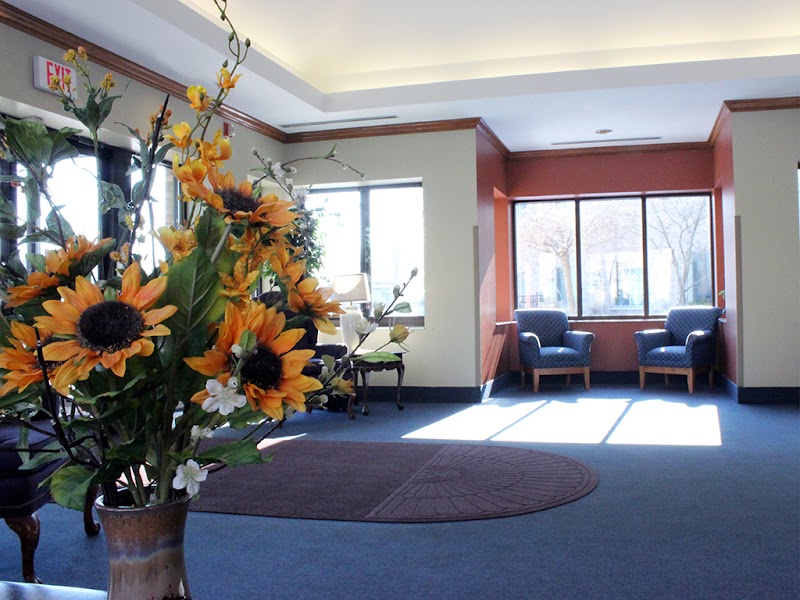
How is Hanover Healthcare Center Staffed?

CMS rates HANOVER HEALTHCARE CENTER's staffing level at 2 out of 5 stars, which is below average compared to other nursing homes. Staff turnover is 60%, which is 14 percentage points above the Ohio average of 46%. High turnover can affect care consistency as new staff learn residents' individual needs.

What Have Inspectors Found at Hanover Healthcare Center?

State health inspectors documented 58 deficiencies at HANOVER HEALTHCARE CENTER during 2019 to 2025. These included: 4 Immediate Jeopardy (the most serious level, indicating potential for serious harm or death), 52 with potential for harm, and 2 minor or isolated issues. Immediate Jeopardy findings are rare and represent the most serious regulatory concerns. They require immediate corrective action.
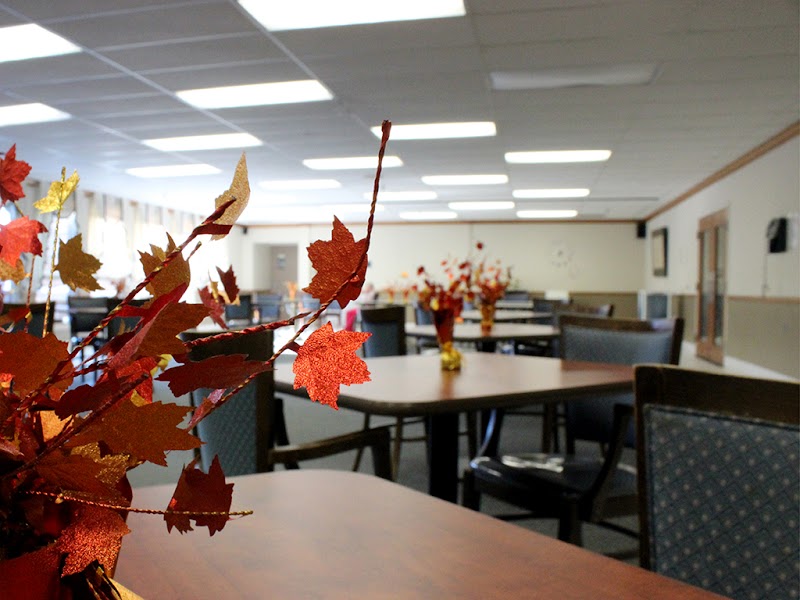
Who Owns and Operates Hanover Healthcare Center?

HANOVER HEALTHCARE CENTER is owned by a for-profit company. For-profit facilities operate as businesses with obligations to shareholders or private owners. The facility is operated by COMMUNICARE HEALTH, a chain that manages multiple nursing homes. With 125 certified beds and approximately 101 residents (about 81% occupancy), it is a mid-sized facility located in MASSILLON, Ohio.
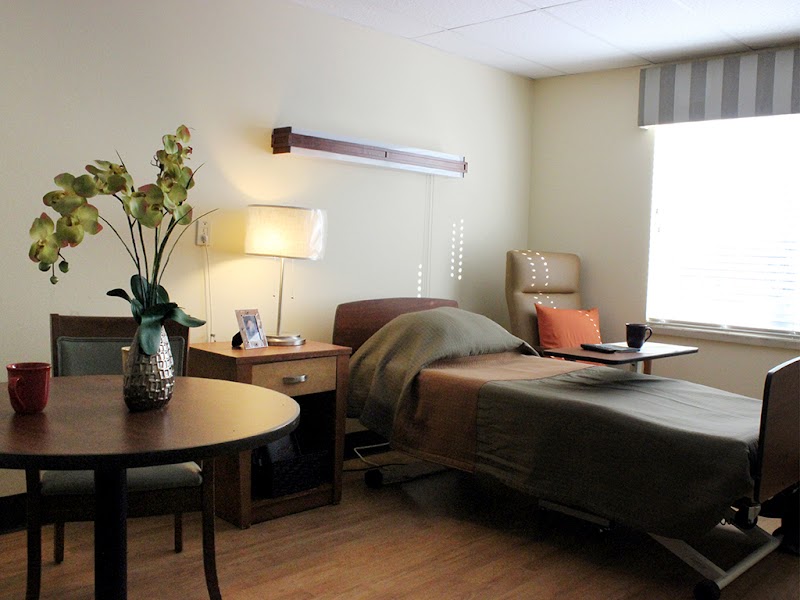
How Does Hanover Healthcare Center Compare to Other Ohio Nursing Homes?

Compared to the 100 nursing homes in Ohio, HANOVER HEALTHCARE CENTER's overall rating (2 stars) is below the state average of 3.2, staff turnover (60%) is significantly higher than the state average of 46%, and health inspection rating (1 stars) is much below the national benchmark.

What Should Families Ask When Visiting Hanover Healthcare Center?

Based on this facility's data, families visiting should ask: "What changes have been made since the serious inspection findings, and how are you preventing similar issues?" "How do you ensure continuity of care given staff turnover, and what is your staff retention strategy?" "Can you walk me through typical staffing levels on day, evening, and night shifts?" "Can I visit during a mealtime to observe dining assistance and food quality?" These questions are particularly relevant given the facility's Immediate Jeopardy citations, the facility's high staff turnover rate, and the below-average staffing rating.

Is Hanover Healthcare Center Safe?

Based on CMS inspection data, HANOVER HEALTHCARE CENTER has documented safety concerns. Inspectors have issued 4 Immediate Jeopardy citations (the most serious violation level indicating risk of serious injury or death). The facility has a 2-star overall rating and ranks #100 of 100 nursing homes in Ohio. Families considering this facility should ask detailed questions about what corrective actions have been taken since these incidents.

Do Nurses at Hanover Healthcare Center Stick Around?

Staff turnover at HANOVER HEALTHCARE CENTER is high. At 60%, the facility is 14 percentage points above the Ohio average of 46%. High turnover means new staff may not know residents' individual needs, medications, or preferences. It can also be disorienting for residents, especially those with dementia who rely on familiar faces. Families should ask: What is causing the turnover? What retention programs are in place? How do you ensure care continuity during staff transitions?

Was Hanover Healthcare Center Ever Fined?

HANOVER HEALTHCARE CENTER has been fined $93,893 across 3 penalty actions. This is above the Ohio average of $34,018. Fines in this range indicate compliance issues significant enough for CMS to impose meaningful financial consequences. Common causes include delayed correction of deficiencies, repeat violations, or care failures affecting resident safety. Families should ask facility leadership what changes have been made since these penalties.

Is Hanover Healthcare Center on Any Federal Watch List?

HANOVER HEALTHCARE CENTER is not on any federal watch list. The most significant is the Special Focus Facility (SFF) program, which identifies the bottom 1% of nursing homes nationally based on persistent, serious quality problems. Not being on this list means the facility has avoided the pattern of deficiencies that triggers enhanced federal oversight. This is a positive indicator, though families should still review the facility's inspection history directly.