LAURELS OF MASSILLON, THE
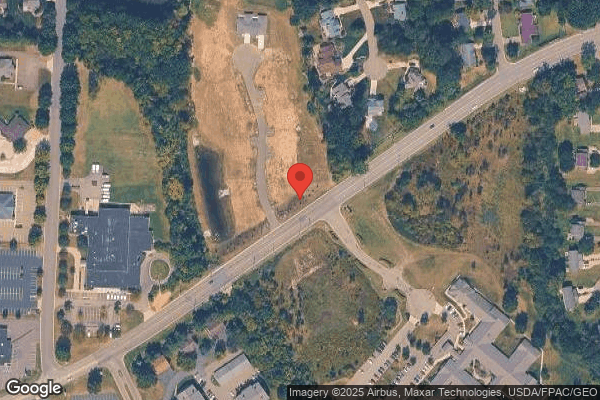

2000 SHERMAN CIRCLE NE, MASSILLON, OH 44646 (330) 830-9988
For profit - Corporation 130 Beds CIENA HEALTHCARE/LAUREL HEALTH CARE Data: November 2025
Trust Grade
70/100
#282 of 913 in OH
Last Inspection: May 2023

Over 2 years since last inspection. Current conditions may differ from available data.

Overview

Laurels of Massillon has a Trust Grade of B, indicating it is a good choice for families seeking a nursing home, with solid overall performance. It ranks #282 out of 913 facilities in Ohio, placing it in the top half of the state, and #12 out of 33 in Stark County, meaning only 11 local options are better. However, the facility is currently experiencing a worsening trend, with issues increasing from 3 in 2024 to 6 in 2025. Staffing is a strength, with a rating of 4 out of 5 stars and a turnover rate of 35%, which is well below the state average, suggesting that staff are experienced and familiar with residents. The facility has not incurred any fines, which is a positive sign, and offers average RN coverage, ensuring some level of skilled nursing oversight. That said, there are concerns to be aware of. Recent inspections revealed issues such as pots and pans being stored wet, which can lead to contamination, and the presence of gnats in the kitchen, indicating a need for better pest control. Additionally, there are multiple documented cases of residents having unstageable pressure ulcers, highlighting potential lapses in care that need addressing. Overall, while there are notable strengths, families should consider these weaknesses when evaluating the facility for their loved ones.

Trust Score
B
70/100
In Ohio
#282/913
Top 30%
Safety Record
Low Risk
No red flags
Inspections
Getting Worse
3 → 6 violations
Staff Stability
○ Average
35% turnover. Near Ohio's 48% average. Typical for the industry.
Penalties
✓ Good
No fines on record. Clean compliance history, better than most Ohio facilities.
Skilled Nurses
○ Average
Each resident gets 38 minutes of Registered Nurse (RN) attention daily — about average for Ohio. RNs are the most trained staff who monitor for health changes.
Violations
⚠ Watch
34 deficiencies on record. Higher than average. Multiple issues found across inspections.
★★★★☆
4.0
Overall Rating
★★★★☆
4.0
Staff Levels
★★★★★
5.0
Care Quality
★★★☆☆
3.0
Inspection Score
Stable
2024: 3 issues
2025: 6 issues

The Good

  • 4-Star Staffing Rating · Above-average nurse staffing levels
  • 5-Star Quality Measures · Strong clinical quality outcomes
  • Full Sprinkler Coverage · Fire safety systems throughout facility
  • No fines on record
  • Staff turnover below average (35%)

    13 points below Ohio average of 48%

Facility shows strength in staffing levels, quality measures, fire safety.

The Bad

Staff Turnover: 35%

11pts below Ohio avg (46%)

Typical for the industry

Chain: CIENA HEALTHCARE/LAUREL HEALTH CARE

Part of a multi-facility chain

Ask about local staffing decisions and management

The Ugly 34 deficiencies on record

Jun 2025 6 deficiencies
CONCERN (D) 📢 Someone Reported This

A family member, employee, or ombudsman was alarmed enough to file a formal complaint

Potential for Harm - no one hurt, but risky conditions existed

Deficiency F0558 (Tag F0558)

Could have caused harm · This affected 1 resident

**NOTE- TERMS IN BRACKETS HAVE BEEN EDITED TO PROTECT CONFIDENTIALITY** Based on observation, record review and interview the facility failed to provide a comprehensive, resident centered treatment pl...

Read full inspector narrative →
**NOTE- TERMS IN BRACKETS HAVE BEEN EDITED TO PROTECT CONFIDENTIALITY** Based on observation, record review and interview the facility failed to provide a comprehensive, resident centered treatment plan to accommodate Resident #5's identified physical and communication needs to assist the resident in achieving and/or maintaining her highest level of well-being and dignity. This affected one resident (#5) of three residents reviewed for accommodation of needs. The facility census was 130. Findings include: Review of the medical record revealed Resident #5 was admitted on [DATE] with diagnoses that included encephalopathy, type 2 diabetes, aphasia, generalized anxiety disorder, chronic pain syndrome, cerebral infarction, dysphagia, hemiplegia affecting the right side, and major depressive disorder. a. An occupational therapy treatment encounter note dated 11/20/24 revealed Resident #5 was referred for treatment for the ability to achieve increased active participation with basic activities of daily living, provide the most appropriate seating system, and for staff education. An occupational therapy treatment encounter note dated 11/21/24 revealed therapeutic activities included facilitation of postural control and wheelchair management. Wheelchair management included measurement/design of new wheelchair to enable functional independence, assessment of current seating system for appropriate modifications, and safe and efficient wheelchair mobility over various surfaces. An occupational therapy treatment encounter note dated 12/12/24 revealed Resident #5 was sitting in wheelchair with bilateral lower extremities propped on step for increased support. An occupational therapy treatment encounter note dated 12/18/24 revealed Resident #5 was provided with a facility wheelchair with bilateral lower extremity leg rests. The quarterly Minimum Data Set (MDS) assessment dated [DATE] revealed Resident #5 had cognitive impairment. The assessment also identified Resident #5 had impairment to one side of upper and lower extremity and used a wheelchair. An interview on 06/05/25 at 8:59 A.M. with Resident #5 revealed she did not get out of bed. Resident #5 pointed to a customized wheelchair located in her room and indicated she was afraid of falling from the wheelchair (to explain why she didn't get out of bed). An interview on 06/05/25 at 1:26 P.M. with Rehabilitation Director (RD) #219 revealed Resident #5 did not like to get out of bed or participate in therapy. However, during the interview the RD did not know what wheelchair the resident used or if the wheelchair was appropriate for the resident. An additional interview of 06/09/25 at 7:58 A.M. revealed occupational therapy (OT) would have used the wheelchair when treating Resident #5 and RD #219 denied awareness of any concerns Resident #5 had with the wheelchair. An interview on 06/05/25 at 2:51 P.M. with Certified Nursing Assistant (CNA) #585 revealed Resident #5 was afraid of sitting in her wheelchair. CNA #585 stated the wheelchair for Resident #5 had elevated footrests but Resident #5's legs did not fit appropriately and would fall through the footrests unless pillows were placed under Resident #5's legs. CNA #585 shared Resident #5 had previously reported the wheelchair did not fit her properly. An interview on 06/05/25 at 2:59 P.M. with Unit Manager/Registered Nurse (RN) #513 revealed Resident #5 did not like the wheelchair in her room but the UM/RN was unsure if the wheelchair was property of the resident or if the wheelchair had been provided by the facility. The UM/RN stated she would have to ask therapy if the wheelchair used by Resident #5 fit her correctly. An observation on 06/09/25 at 12:18 P.M. revealed Resident #5 was seated in her wheelchair in her room. Pillows were placed under Resident #5's legs and a wheelchair footbox (a padded unit designed to provide support, comfort, and assistance to the occupant of a wheelchair) was lying on Resident #5's bed. Resident #5 pointed to the footbox and indicated it was to be on her wheelchair but she was unsure why it was not. An interview on 06/09/25 at 12:23 P.M. with Occupational Therapist, Registered (OTR) #217 revealed Resident #5 needed a bariatric size footbox to her wheelchair. The footbox in Resident #5's room was not the correct size and Resident #5 had the same wheelchair since November or December 2024 and a footbox had not been used and a bariatric footbox had not been provided to the resident. b. Review of Resident #5's speech therapy evaluation and plan of treatment note dated 11/25/24 included treatment of speech, language, voice, communication and/or auditory processing. A speech therapy Discharge summary dated [DATE] revealed discharge recommendations for Resident #5 included to facilitate optimal cognitive-communicative performance. The following strategies recommended included training in use of concrete, one step directions by the speaker to increase comprehension, training in the use of short, direct comments to facilitate follow-through, training in use of consistent words/verbal directions to increase comprehension, caregiver instruction with emphasis in the use of visual aids to increase orientation and decrease wandering, and caregiver instruction with emphasis on the use of familiar visual stimuli to facilitate reminiscing. Resident #5 and caregivers were to be trained on communication techniques to facilitate improved follow-through instruction, as well as word finding strategies for Resident #5 to express wants and needs. Review of the quarterly Minimum Data Set (MDS) assessment dated [DATE] revealed Resident #5 had cognitive impairment. The assessment revealed Resident #5 had unclear speech and was usually understood but had difficulty communicating some words and finishing thoughts but was able to if prompted or given time. Resident #5 was usually able to understand others but missed some part/intent of the message but comprehended most of the conversation. A care plan dated 02/28/25 revealed Resident #5 had impaired communication and usually understood and was usually understood by others. Interventions included to encourage Resident #5 to continue stating thoughts even if having difficulty, focusing on a word or phrase that made sense, or respond to the feeling Resident #5 was trying to express, observe for non-verbal indicators of attempts to express herself such as tears, furrowing of the brown, pursing of the lips, yelling, grabbing, reaching, gestures, et cetera. Resident #5 was to be referred to speech therapy as needed to evaluate Resident #5's dexterity and ability to use a communication board, writing, using a computer or use of sign language as an alternate communication to speech. When communicating with Resident #5, the person should speak clearly and distinctly, adjusting the volume and tone as needed. Communication techniques to enhance interaction included allowing adequate time for Resident #5 to respond, repeat as necessary, not to rush Resident #5, request feedback/clarification from Resident #5 to ensure understanding, face Resident #5 when speaking and to make eye contact, turn off the TV/radio as needed to reduce environmental noise, ask Resident #5 yes and no questions if appropriate, use simple, brief, consistent words/cues, use alternative communication tools as needed, such as communication book/board, writing pad, gestures, signs, and pictures, and validate Resident #5's message by repeating aloud. An interview on 06/05/25 at 8:59 A.M. with Resident #5 revealed she had difficulty saying the right words. Resident #5 revealed she would become frustrated with not being able to communicate clearly with family and caregivers. Resident #5 revealed additional speech therapy was needed to help her communicate appropriately. An observation of Resident #5 during the interview revealed Resident #5 would become frustrated when she was unable to convey clearly what she was trying to say. Resident #5 was not aware of any communication tools being available to use when she had difficulty expressing herself. An interview on 06/05/25 at 1:26 P.M. with RD #219 revealed Resident #5 was discharged from speech therapy on 01/04/25 and stated training provided to caregivers as indicated in the discharge summary was done with the nursing staff during Resident #5's treatment days. However, RD #219 was unable to say what training was provided and which caregivers had actually been trained. RD #219 was also unable to verify if any visual aids or communication tools had been provided to Resident #5. RD #219 stated a referral could be made again if Resident #5 required speech therapy services. An interview on 06/09/25 at 5:25 A.M. with Licensed Practical Nurse (LPN) #531 revealed staff were not aware of training on how to communicate effectively with Resident #5. On 06/09/25 at 5:28 A.M. an interview with Certified Nursing Assistant (CNA) #570 revealed they sometimes understood Resident #5 and did not rush Resident #5 when she talked. On 06/09/25 at 5:31 A.M. an interview with CNA #341 revealed they had not received any training on how to communicate with Resident #5. CNA #341 stated they were just patient with Resident #5. An additional interview on 06/09/25 at 9:08 A.M. with Resident #5 revealed speech therapy had just started again (after surveyor intervention). Resident #5 had a laminated picture communication form to use to communicate wants and needs. Resident #5 indicated this would help when she had trouble communicating. This deficiency represents non-compliance investigated under Complaint Number OH00166176.
CONCERN (D) 📢 Someone Reported This

A family member, employee, or ombudsman was alarmed enough to file a formal complaint

Potential for Harm - no one hurt, but risky conditions existed

Deficiency F0583 (Tag F0583)

Could have caused harm · This affected 1 resident

**NOTE- TERMS IN BRACKETS HAVE BEEN EDITED TO PROTECT CONFIDENTIALITY** Based on observation, record review, interview, and policy review the facility failed to provide privacy during care for Residen...

Read full inspector narrative →
**NOTE- TERMS IN BRACKETS HAVE BEEN EDITED TO PROTECT CONFIDENTIALITY** Based on observation, record review, interview, and policy review the facility failed to provide privacy during care for Resident #92. This affected one resident (#92) of two residents reviewed for privacy. The facility census was 130. Findings include: Review of the medical record revealed Resident #92 was admitted on [DATE] with diagnoses that included congestive heart failure and morbid obesity. The annual Minimum Data Set assessment dated [DATE] revealed Resident #92 was cognitively intact. A physician order dated 05/06/25 revealed Resident #92's coccyx was to be cleansed with wound cleanser, patted dry, Triad paste (hydrophilic paste for light-to-moderate exudate to help maintain a moist healing environment) applied to the wound bed, and covered with a foam dressing every day and as needed. On 06/05/25 at 12:10 P.M. Registered Nurse (RN) #512 and Licensed Practical Nurse (LPN) #572 were observed completing wound care for Resident #92. At the time of the observation, Resident #92 was wearing a hospital style gown and the head of the resident's bed was against the wall to the right as you entered the room. RN #512 and LPN #572 assisted Resident #92 with removing her incontinence brief and turned Resident #92 on her left side. When Resident #92 was turned on their left side, Resident #92 was exposed from the upper back to the ankles. Resident #92 had a roommate, and the head of the roommate's bed was against the left side of the room. The roommate, Resident #70 was lying in bed and was able to see Resident #92's exposed back, buttocks, and legs. This surveyor asked if the curtain should be pulled between Resident #70 and Resident #92 to provide for Resident #92's privacy. RN #512 then verified via interview that the curtain should be pulled to provide Resident #92 privacy while treatment was being completed. Review of the Clean Dressing Change policy revised 09/18/23 revealed to provide privacy (after gathering and setting up supplies in the resident area and prior to beginning the procedure). This is an incidental finding discovered during the complaint investigation.
CONCERN (D) 📢 Someone Reported This

A family member, employee, or ombudsman was alarmed enough to file a formal complaint

Potential for Harm - no one hurt, but risky conditions existed

Comprehensive Care Plan (Tag F0656)

Could have caused harm · This affected 1 resident

**NOTE- TERMS IN BRACKETS HAVE BEEN EDITED TO PROTECT CONFIDENTIALITY** Based on record review, and interview, the facility failed to ensure a comprehensive person-centered care plan was developed and...

Read full inspector narrative →
**NOTE- TERMS IN BRACKETS HAVE BEEN EDITED TO PROTECT CONFIDENTIALITY** Based on record review, and interview, the facility failed to ensure a comprehensive person-centered care plan was developed and implemented for Resident #5. This affected one resident (#5) of three residents reviewed for care plans. The facility census was 130. Findings include: Review of the medical record revealed Resident #5 was admitted on [DATE] with diagnoses that included encephalopathy, type 2 diabetes, aphasia, generalized anxiety disorder, chronic pain syndrome, cerebral infarction, dysphagia, hemiplegia affecting the right side, and major depressive disorder. a. The plan of care dated 11/20/24 and revised on 06/06/25 revealed Resident #5 had a functional ability deficit and required assistance with self care/mobility. Interventions included reporting refusals of activities of daily living care, personal hygiene, nail care, bathing, and showers to the nurse. Resident #5 preferred a shower and liked to sleep in. The plan of care dated 11/21/24 revealed Resident #5 required 24-hour care/long term placement. Interventions included to observe and report changes in mood/behavior to social worker and/or physician as needed such as refusals of medications or care, being withdrawn or tearfulness. The plan of care dated 12/06/24 revealed Resident #5 was incontinent with bowel and bladder. Interventions included the use of disposable briefs, incontinence brief to be changed every two hours and as needed, and to be checked every two hours and as needed for incontinence. The plan of care dated 12/06/24 revealed Resident #5 had an alteration in neurological status. Interventions included a bowel and bladder program to improve or maintain continence as needed. A progress note dated 01/03/25 at 9:55 A.M. revealed Resident #5 refused to have incontinence care completed at 12:00 A.M., 6:45 A.M., and 8:45 A.M. Additional progress notes dated 01/13/25 at 4:46 P.M. and 01/18/25 at 2:29 P.M. revealed Resident #5 refused incontinence care. A progress note dated 01/24/25 at 6:48 A.M. revealed Resident #5 refused incontinence care and stated she did not like any of the staff and that it always hurt. A social service note dated 02/06/25 at 11:14 A.M. revealed Resident #5 tended to gravitate towards certain staff for care and would refuse the staff Resident #5 did not like. The quarterly Minimum Data Set (MDS) assessment dated [DATE] revealed Resident #5 had cognitive impairment. No behaviors were identified. The assessment revealed Resident #5 was dependent for toileting and was always incontinent of bowel and bladder. Review of behavior monitoring with interventions date 05/11/25 through 06/09/25 revealed Resident #5 had a behavior/refused on 05/15/25 at 9:04 P.M., on 05/18/25 at 9:41 P.M., 05/26/25 at 10:09 P.M. and on 06/04/25 at 4:21 A.M. An interview on 06/05/25 at 8:59 A.M. with Resident #5 revealed she had concerns with staff turning on the lights at night to provide care and the light hurt her eyes. Resident #5 stated she did not like to be woken up early in the morning. An interview on 06/05/25 at 2:51 P.M. Certified Nursing Assistant (CNA) #585 verified Resident #5 would refuse to allow some CNAs to provide care and Resident #5 often refused to allow incontinence care to be provided at night. CNA #585 stated that when she worked, she would change Resident #5 first thing at the start of her shift because Resident #5 probably had not had incontinence care provided all night. An interview on 06/09/25 at 5:25 A.M. with Licensed Practical Nurse (LPN) #531 revealed Resident #5 sometimes refused care. LPN #531 stated Resident #5 wanted only female caregivers, so the staff tried to accommodate the request. An interview on 06/09/25 at 5:28 A.M. CNA #341 revealed Resident #5 permitted incontinence care to be provided around 4:40 A.M. CNA #341 verified Resident #5 the resident sometimes refused care because she wanted to sleep. An interview on 06/09/25 at 6:12 A.M. with the Director of Nursing (DON) revealed she removed the light that shined down on Resident #5 when lying in bed. The DON stated Resident #5 would notify her spouse of the staff Resident #5 did not want to provide care and the facility would try to ensure there was someone available to provide care to Resident #5. The DON stated the CNAs documented Resident #5's refusals of care under behavior monitoring. On 06/10/25 at 9:23 A.M. during an interview with the DON, the DON revealed the care plan for 24-hour care/long term placement addressed Resident #5's refusal of care. An intervention was in place for the social worker or physician to be notified of the refusals. The DON verified there was not a care plan or intervention in place to address Resident #5's refusal of incontinence care, light bothering Resident #5's eyes, only wanting certain staff to provide care, or choosing to not have incontinence care provided if sleeping. The DON also verified the plan of care dated 12/06/24 for alteration in neurological status had an incorrect intervention for Resident #5 to have a bowel and bladder program. The DON verified Resident #5 had never been on a bowel and bladder program. b. In addition, an occupational therapy treatment encounter note dated 11/20/24 revealed Resident #5 was referred for treatment for the ability to achieve increased active participation with basic activities of daily living, provide the most appropriate seating system, and for staff education. An occupational therapy treatment encounter note dated 11/21/24 revealed therapeutic activities included facilitation of postural control and wheelchair management. Wheelchair management included measurement/design of new wheelchair to enable functional independence, assessment of current seating system for appropriate modifications, and safe and efficient wheelchair mobility over various surfaces. An occupational therapy treatment encounter note dated 12/12/24 revealed Resident #5 was sitting in wheelchair with bilateral lower extremities propped on step for increased support. An occupational therapy treatment encounter note dated 12/18/24 revealed Resident #5 was provided with a facility wheelchair with bilateral lower extremity leg rests. The quarterly Minimum Data Set (MDS) assessment dated [DATE] revealed Resident #5 had cognitive impairment. Resident #5 had impairment to one side of upper and lower extremity and used a wheelchair. An interview on 06/05/25 at 8:59 A.M. Resident #5 revealed she did not get out of bed. Resident #5 pointed to customized wheelchair. Resident #5 indicated she was afraid of falling. An interview on 06/05/25 at 1:26 P.M. with Rehabilitation Director #219 revealed Resident #5 did not like to get out of bed or participate in therapy. Rehabilitation Director #219 was not aware of what wheelchair Resident #5 used or if it fit her properly. An interview on 06/05/25 at 2:51 P.M. with Certified Nursing Assistant (CNA) #585 revealed Resident #5 was afraid of sitting in her wheelchair. CNA #585 stated the wheelchair for Resident #5 had elevated footrests but Resident #5's legs did not fit appropriately and would fall through the footrests unless pillows were placed under Resident #5's legs. CNA #585 revealed Resident #5 stated the wheelchair did not fit properly. An interview on 06/05/25 at 2:59 P.M. Unit Manager/Registered Nurse (RN) #513 revealed Resident #5 did not like the wheelchair in her room. Unit Manager/RN #513 was unsure if the wheelchair was Resident #5's or had been provided by the facility. Unit Manager/RN #513 stated she would have to ask the therapy department if the wheelchair fit Resident #513 correctly. An additional interview on 06/09/25 at 7:58 A.M. Rehabilitation Director #219 verified occupational would have used the wheelchair for Resident #5. Rehabilitation Director #219 was unsure if there were any concerns with the wheelchair Resident #5 had. On 06/10/25 at 9:23 A.M. with the DON verified there was not a plan of care in place addressing Resident #5 not wanting to sit in the wheelchair due to feeling unsafe. This is an incidental finding discovered during the complaint investigation.
CONCERN (D) 📢 Someone Reported This

A family member, employee, or ombudsman was alarmed enough to file a formal complaint

Potential for Harm - no one hurt, but risky conditions existed

ADL Care (Tag F0677)

Could have caused harm · This affected 1 resident

**NOTE- TERMS IN BRACKETS HAVE BEEN EDITED TO PROTECT CONFIDENTIALITY** Based on record review, facility policy review and interview the facility failed to ensure Resident #5, who was dependent on sta...

Read full inspector narrative →
**NOTE- TERMS IN BRACKETS HAVE BEEN EDITED TO PROTECT CONFIDENTIALITY** Based on record review, facility policy review and interview the facility failed to ensure Resident #5, who was dependent on staff assistance for activities of daily living, was bathed per preference and as scheduled to promote optimal hygiene and resident well-being. This affected one resident (#5) of three residents reviewed for bathing. The facility census was 130. Findings include: Review of the medical record revealed Resident #5 was admitted on [DATE] with diagnoses that included encephalopathy, type 2 diabetes, aphasia, generalized anxiety disorder, chronic pain syndrome, cerebral infarction, dysphagia, hemiplegia affecting the right side, and major depressive disorder. Review of the quarterly Minimum Data Set (MDS) assessment dated [DATE] revealed Resident #5 had cognitive impairment. The assessment revealed Resident #5 required substantial to maximal assistance for bathing and personal hygiene. Review of the plan of care dated 02/28/25 revealed Resident #5 had functional ability deficits and required assistance with self-care. Interventions included refusals for activities of daily living care such as personal hygiene, bathing and showers were to be reported to the nurse. The plan of care also revealed Resident #5 preferred showers and required substantial to maximal (staff) assistance with bathing. The care plan did not address the resident's use of a shower chair or the resident's fear of the shower chair. Review of the facility bathing schedule revealed Resident #5 was scheduled to be bathed/showered twice a week on Tuesday and Saturday evening. Review of bathing documentation from 05/12/25 through 06/05/25 revealed Resident #5 received a shower/bath/bed bath. However, the documentation did not specify which type of bathing was provided, whether the resident received a shower, bath, or bed bath. Resident #5 was bathed on 05/12/25. Resident #5 was not bathed on 05/17/25. Review of the behavior monitoring for Resident #5 refusing care and peri care was marked yes on 05/18/25. The behavior monitoring did not indicate the type of care that was refused. The bathing documentation revealed Resident #5 was bathed on 05/19/25 and 05/22/25. The behavior monitoring for Resident #5 refusing care and peri care was marked yes on 05/26/25. The behavior monitoring did not indicate the type of care that was refused. The bathing documentation revealed Resident #5 was not bathed on the scheduled days of 05/27/25, 05/31/25, or 06/03/25 which revealed Resident #5 was not bathed from 05/22/25 until 06/05/25. The behavior monitoring for Resident #5 refusing care and peri care was marked refused on 06/04/25. The behavior monitoring did not indicate the type of care that was refused. Interview on 06/05/25 at 8:59 A.M. with Resident #5 revealed it was her preference to receive a shower. During the interview, the resident reported she had received maybe one shower at the facility. Interview on 06/05/25 at 2:51 P.M. with Certified Nursing Assistant (CNA) #585 revealed Resident #5 was afraid to use the shower chair so bed baths were provided for the resident. During the interview, CNA #585 verified bathing documentation did not support Resident #5 had been bathed at least twice a week (as scheduled). Interview on 06/05/25 at 2:59 P.M. with Unit Manager/Registered Nurse (RN) #513 revealed she audited the bathing documentation. RN #513 revealed she was not aware Resident #5 had not been bathed twice a week as scheduled. RN #513 stated if a resident refused to be bathed, the CNA was to notify the nurse. The nurse would then talk with the resident about the refusal and would document the refusal. An additional interview on 06/09/25 at 9:08 A.M. with Resident #5 revealed it hurt her to sit in the shower chair. Resident #5 was unable to comment further about why it hurt. An additional interview on 06/09/25 at 1:12 P.M. Unit Manager/RN #513 revealed showers were reviewed every day in the morning meeting. Unit Manager/RN #513 stated she reviewed the shower schedules with room changes and management staff assigned to residents as guardian angels, would ask residents if there were any concerns with showers. Unit Manager/RN #513 stated adjustments to the day and time of showers could be changed if a resident requested. Unit Manager/RN #513 revealed she was unaware Resident #5 was not comfortable in the shower chair and because Resident #5 had a stroke, the shower bed would not be appropriate due to weakness on Resident #5's right side. On 06/09/25 at 10:17 A.M. an interview with the Director of Nursing (DON) revealed CNA #585 reported a bed bath was actually provided to Resident #5 on 05/15/25 even though the electronic record showed documentation of Resident #5 not being bathed. Review of the Routine Resident Care policy revised 03/12/25 revealed showers, tub baths, and/or shampoos were scheduled according to person centered care or state specific guidelines. This deficiency represents non-compliance investigated under Complaint Number OH00166176.
CONCERN (D) 📢 Someone Reported This

A family member, employee, or ombudsman was alarmed enough to file a formal complaint

Potential for Harm - no one hurt, but risky conditions existed

Deficiency F0825 (Tag F0825)

Could have caused harm · This affected 1 resident

**NOTE- TERMS IN BRACKETS HAVE BEEN EDITED TO PROTECT CONFIDENTIALITY** Based on observation, record review, and interview the facility failed to provide Resident #5 with speech therapy services as in...

Read full inspector narrative →
**NOTE- TERMS IN BRACKETS HAVE BEEN EDITED TO PROTECT CONFIDENTIALITY** Based on observation, record review, and interview the facility failed to provide Resident #5 with speech therapy services as indicated in the plan of treatment and discharge summary. This affected one resident (#5) of three reviewed for therapy services. The facility census was 130. Findings include: Review of the medical record revealed Resident #5 was admitted on [DATE] with diagnoses that included encephalopathy, type 2 diabetes, aphasia, generalized anxiety disorder, chronic pain syndrome, cerebral infarction, dysphagia, hemiplegia affecting the right side, and major depressive disorder. Resident #5's speech therapy evaluation and plan of treatment dated 11/25/24 included treatment of speech, language, voice, communication and/or auditory processing. Resident #5 was referred to speech therapy due to a history of aphasia and dysarthria. The plan of treatment revealed Resident #5 was to receive speech therapy five times a week for six weeks. Review of the speech therapy treatment encounter notes from 11/25/24 to 01/04/25 revealed Resident #5 was evaluated and received treatment four days the week of 11/24/24. Resident #5 received treatment one day out of the five days as indicated in the plan of treatment during the week of 12/01/24. Resident #5 received treatment five days the week on 12/08/24 and four days the week of 12/15/24. Resident #5 received treatment three days, instead of the five days indicated in the plan of treatment, the weeks of 12/22/24 and 12/29/24. The speech therapy Discharge summary dated [DATE] revealed discharge recommendations for Resident #5 included to facilitate optimal cognitive-communicative performance. The following strategies recommended included training in use of concrete, one step directions by the speaker to increase comprehension, training in the use of short direct comments to facilitate follow-through, training in use of consistent words/verbal directions to increase comprehension, caregiver instruction with emphasis in the use of visual aids to increase orientation and decrease wandering, and caregiver instruction with emphasis on the use of familiar visual stimuli to facilitate reminiscing. Resident #5 and caregivers were to be trained on communication techniques to facilitate improved follow-through instruction, as well as word finding strategies for Resident #5 to express wants and needs. The quarterly Minimum Data Set (MDS) assessment dated [DATE] revealed Resident #5 had cognitive impairment. The assessment revealed Resident #5 had unclear speech and was usually understood but had difficulty communicating some words and finishing thoughts but was able to if prompted or given time. Resident #5 was usually able to understand others but missed some part/intent of the message but comprehended most of the conversation. A care plan dated 02/28/25 revealed Resident #5 had impaired communication and usually understood and was usually understood by others. Interventions included to encourage Resident #5 to continue stating thoughts even if having difficulty, focusing on a word or phrase that made sense, or respond to the feeling Resident #5 was trying to express, observe for non-verbal indicators of attempts to express herself such as tears, furrowing of the brown, pursing of the lips, yelling, grabbing, reaching, gestures, et cetera. Resident #5 was to be referred to speech therapy as needed to evaluate Resident #5's dexterity and ability to use a communication board, writing, using a computer or use of sign language as an alternate communication to speech. When communicating with Resident #5, the person should speak clearly and distinctly, adjusting the volume and tone as needed. Communication techniques to enhance interaction included allowing adequate time for Resident #5 to respond, repeat as necessary, not to rush Resident #5, request feedback/clarification from Resident #5 to ensure understanding, face Resident #5 when speaking and to make eye contact, turn off the TV/radio as needed to reduce environmental noise, ask Resident #5 yes and no questions if appropriate, use simple, brief, consistent words/cues, use alternative communication tools as needed, such as communication book/board, writing pad, gestures, signs, and pictures, and validate Resident #5's message by repeating aloud. An interview on 06/05/25 at 8:59 A.M. with Resident #5 revealed she had difficulty saying the right words. Resident #5 revealed she would become frustrated with not being able to communicate clearly with family and caregivers. Resident #5 revealed additional speech therapy was needed to help her communicate appropriately. An observation of Resident #5 during the interview revealed Resident #5 would become frustrated when she was unable to convey clearly what she was trying to say. An interview on 06/05/25 at 1:26 P.M. with Rehabilitation Director #219 revealed Resident #5 was discharged from speech therapy on 01/04/25. Rehabilitation Director #219 stated the reason for discharge from services was due to Resident #5 meeting maximum potential. Rehabilitation Director #219 revealed training provided to caregivers as indicated in the discharge summary was done with the nursing staff during Resident #5's treatment days. However, Rehabilitation Director #219 was unable to say what training was provided and which caregivers had actually been trained. Rehabilitation Director #219 was also unable to verify if any visual aids or communication tools had been provided to Resident #5. Rehabilitation Director #219 stated a referral could be made again if Resident #5 required speech therapy services. An additional interview on 06/09/25 at 7:58 A.M. with Rehabilitation Director #219 revealed Resident #5 did not receive speech therapy five times a week from 11/25/24 through 01/04/25, because there was not a full-time speech therapist at that time. Rehabilitation Director #219 revealed they just pieced in the speech therapy treatment to Resident #5 whenever a speech therapist was available. Rehabilitation Director #219 then indicated they had started speech therapy again on 06/06/25 for the resident (following surveyor intervention). An additional interview on 06/09/25 at 9:08 A.M. with Resident #5 verified speech therapy had started again. On 06/09/25 at 12:18 P.M. during an interview with Resident #5, the resident was tearful and stated she wanted to return home but did not feel she had made the progress necessary. Resident #5 stated sometimes she was unable to think clearly but became frustrated when she was unable to communicate clearly, especially with her spouse. This deficiency represents non-compliance investigated under Complaint Number OH00166176.
CONCERN (D) 📢 Someone Reported This

A family member, employee, or ombudsman was alarmed enough to file a formal complaint

Potential for Harm - no one hurt, but risky conditions existed

Antibiotic Stewardship (Tag F0881)

Could have caused harm · This affected 1 resident

**NOTE- TERMS IN BRACKETS HAVE BEEN EDITED TO PROTECT CONFIDENTIALITY** Based on record review, facility policy review and interview, the facility failed to ensure Resident #5 was ordered the appropri...

Read full inspector narrative →
**NOTE- TERMS IN BRACKETS HAVE BEEN EDITED TO PROTECT CONFIDENTIALITY** Based on record review, facility policy review and interview, the facility failed to ensure Resident #5 was ordered the appropriate antibiotic to treat a urinary tract infection. This affected one resident (#5) of three reviewed for urinary tract infections. The facility census was 130. Findings include: Review of the medical record revealed Resident #5 was admitted on [DATE] with diagnoses that included encephalopathy, type 2 diabetes, aphasia, generalized anxiety disorder, chronic pain syndrome, cerebral infarction, dysphagia, hemiplegia affecting the right side, and major depressive disorder. A situation brief assessment recommendation (SBAR) dated 12/18/24 at 8:55 P.M. revealed Resident #5 had a change in condition. Urinalysis results were pulled from the system and revealed Resident #5's results were abnormal. The on-call physician was notified, and a verbal order was received for Macrobid (antibiotic) 100 milligram by mouth twice a day for seven days. The medication administration record (MAR) revealed Resident #5 received the 8:00 A.M. dose of Macrobid on 12/19/24. A certified nurse practitioner (CNP) note date 12/19/24 revealed Resident #5 was started on Macrobid, which did not cover any of the organisms listed on the urinalysis report. On 12/19/24 an order was received to discontinue Macrobid and start Rocephin (antibiotic) two grams intramuscularly one time and the Rocephin one gram intravenously daily for seven days. Review of the Urine Culture and Sensitivity Antibiotic Sensitivity Testing results collected 12/14/24 and reported 12/19/24 revealed the resident's urine contained the bacteria, Klebsiella pneumoniae. Macrobid was not on the sensitivity list to treat the bacteria. The quarterly Minimum Data Set (MDS) assessment dated [DATE] revealed Resident #5 had cognitive impairment. The assessment revealed Resident #5 was dependent on staff for toileting and was always incontinent of bowel and bladder. An interview on 06/09/25 at 6:11 A.M. with Assistant Director of Nursing (ADON) #514 verified Macrobid was ordered and administered to Resident #5. ADON #514 verified Macrobid did not meet the criteria for administration. Review of the facility Infection Control Antibiotic Stewardship and Multi-Drug Resistant Organism policy revised 04/17/25 revealed the antibiotic stewardship refers to coordinated interventions designed to improve and measure the appropriate use of antimicrobials, by promoting the selection of the optimal antimicrobial drug regimen, dose, duration of therapy, and route of administration. The program would encourage appropriate prescribing; and reduce adverse effects which often include gastrointestinal problems, clotridoides difficile diarrhea, yeast infections and antibiotic resistance in aging adults. The medical director and director of nursing would use their influence as medical and nursing leaders to help ensure antibiotics are prescribed only when appropriate. When a urine culture was positive, antibiograms and lab results would be utilized to help prescribers select the best antibiotic for each resident based on the guidelines for prescribing protocols. This deficiency represents non-compliance investigated under Complaint Number OH00166176.
Dec 2024 2 deficiencies
CONCERN (D) 📢 Someone Reported This

A family member, employee, or ombudsman was alarmed enough to file a formal complaint

Potential for Harm - no one hurt, but risky conditions existed

Accident Prevention (Tag F0689)

Could have caused harm · This affected 1 resident

**NOTE- TERMS IN BRACKETS HAVE BEEN EDITED TO PROTECT CONFIDENTIALITY** THE FOLLOWING DEFICIENCY REPRESENTS AN INCIDENT OF PAST NON-COMPLIANCE THAT WAS SUBSEQUENTLY CORRECTED PRIOR TO THIS SURVEY. Bas...

Read full inspector narrative →
**NOTE- TERMS IN BRACKETS HAVE BEEN EDITED TO PROTECT CONFIDENTIALITY** THE FOLLOWING DEFICIENCY REPRESENTS AN INCIDENT OF PAST NON-COMPLIANCE THAT WAS SUBSEQUENTLY CORRECTED PRIOR TO THIS SURVEY. Based on record review and interviews, the facility failed to provide adequate supervision to prevent the elopement of a resident. This affected one (Resident #131) of three residents reviewed for elopement. The facility census was 130. Findings include: Review of the medical record for Resident #131 revealed an admission date of 07/26/24 with diagnoses including traumatic brain injury, depression and hypertension. Resident #131 was discharged to the hospital on [DATE]. Review of the physician's orders for Resident #131 revealed orders dated 07/26/24 to check the wanderguard placement on his right lower extremity, send him to the emergency room if he became violent, psychiatric referral and Lorazepam 0.5 milligrams to be given one time at bedtime as needed for agitation. Review of the care plan dated 07/26/24 for Resident #131 revealed he was at risk for exit seeking and wandering related to cognitive dysfunction, impulsivity and traumatic brain injury. Interventions included to apply a wanderguard per the physician's order, observe wandering behaviors, attempt diversional interventions, provide structured activities and redirect resident as needed. Review of the nursing progress notes dated from 07/26/24 through 07/27/24 for Resident #131 revealed he arrived at the facility on 07/26/24 at 12:10 P.M. He became agitated and began making verbal insults at his wife requiring de-escalating interventions by the nurse. On 07/26/24 at 1:50 P.M., he was assessed by the nurse practitioner and an order for a wanderguard was given due to his confusion and wandering. On 07/26/24 at 7:31 P.M. Resident #131 was noted to have one-on-one supervision and was in his room. He was noted to be agitated with the staff and visitors. His wife was updated on his behaviors and the need for him to transition to another facility due to his needs for a locked unit. On 07/26/24 at 8:19 P.M. the nurse updated the nurse practitioner on Resident #131's agitation and exit seeking. A return call was received at 8:45 P.M. and new orders for as needed anxiety medication was provided as well as an order to send him to the emergency for evaluation and treatment if he became violent. On 07/26/24 at 9:33 P.M. he was provided with the as needed anxiety medication. It was noted he was sexually inappropriate with staff and slamming his door. He would not allow the one-on-one male caregiver in his room. On 07/27/24 at 1:05 A.M. Resident #131's nursing progress note stated he returned to the facility with a nurse aid and nurse. A full head to toe assessment was performed and he had no injuries. The crisis center and police escorted Resident #131 to the hospital and his wife was present during this transfer. Review of the Elopement Incident Report dated 07/26/24 at 11:19 P.M. for Resident #131 revealed the floor nurse notified the Director of Nursing (DON) that he was not observed in his room and the screen was removed and his window was hyper extended. The staff began to search for the resident and called the local police department. Resident #131 was found at a local business by the nurse and aide. The local police were also present. The resident was then returned to the facility and assessed. He was alert, oriented to person and place. There were no injuries. Per the wife's statement, she stated he had called her and asked her to come get him. Review of the document Guest Location Visual Check dated 07/26/24 revealed Resident #131 was started on 15 minute checks at 6:15 P.M. These checks were completed every 15 minutes by Receptionist #210 until 11:00 P.M. Review of the facility investigative timeline performed by the DON of Resident #131's elopement on 07/26/24 revealed: • On 07/26/24 at 11:00 P.M. was the last documented resident check for the one-on-one by Receptionist #210. • On 07/26/24 at 11:19 P.M. Registered Nurse (RN) #209 updated the DON and stated during Resident #131's one-on-one checks he was not in his room and the window was open. DON instructed RN #209 to start the elopement policy and notify police. • On 07/26/24 at 11:21 P.M. the Administrator was informed. • On 07/26/24 at 11:24 P.M. the Regional office was updated on the elopement and the elopement policy being implemented. • On 07/26/24 at 11:29 P.M. a photo of Resident #131 was obtained for the search. • On 07/26/24 between 11:30 ad 11:35 P.M. the DON arrived and staff were searching outside and throughout the local area. • On 07/26/24 at approximately 11:34 P.M. facility staff located Resident #131 at a local business with the police department present. • On 07/26/24 at 11:37 P.M. facility staff arrived with Resident #131 back to the facility. A full assessment was completed and he had no injuries. • On 07/26/24 at 11:50 P.M. the local police department called the crisis center for assistance with Resident #131. • On 07/27/24 at 12:20 A.M. the local crisis center personnel arrived and assessed Resident #131. They recommended to send him to the local emergency room. • On 07/27/24 at 12:56 A.M. Resident #131's wife arrived at the facility. • On 07/27/24 at 1:05 A.M. the local police as well as the crisis center escorted Resident #131 to the emergency room. Review of the police report #24-180202 dated 07/26/24 at 11:33 P.M. revealed they had received the call from the facility stating that Resident #131 eloped. He was described as a male who could be confrontational if approached. It stated that he had crawled out of his window, had a traumatic brain injury and the facility was holding him until he could get into a locked unit. The police report stated Resident #131 was found with staff at a local business and returned back to the facility at 11:53 P.M. Review of the Incident and Accident Investigation Report dated 07/27/24, by the Administrator, stated the resident had manipulated the window to meet his wife at a pre-determined location. It was noted prior to the elopement and eluding one-on-one supervision, the resident was aggressive and inappropriate with staff. Interview on 12/04/24 at 2:29 P.M. with the Administrator revealed Resident #131 was admitted on [DATE]. He stated what the facility had received on paper about Resident #131 did not match the resident they had received. He stated Resident #131 was having behaviors such as urinating in flower pots, saying sexually inappropriate statements and becoming aggressive with staff. He was also wandering and stating he was going to leave the facility. The Administrator stated they updated the wife at approximately 5:00 P.M. that he would need a different facility due to his risk of eloping. The Administrator stated on 07/26/24 at approximately 6:00 P.M. he initiated one-on-one supervision with Resident #131 with Receptionist #210 who had been educated on elopement, dementia, behaviors and communication. He stated that during the one-on-one supervision, Resident #131 became aggressive with staff, slamming the door in their faces and swearing. The Administrator stated RN #209 made the decision to allow Resident #131 to shut his door as he was becoming more agitated by being watched and felt he could calm down if the room was quiet. He stated staff performed 15-minute checks. The Administrator stated at approximately 11:19 P.M. the staff went to check on Resident #131 and his room was observed to be unoccupied and the window had been opened and the screen removed. The Administrator stated the wife of Resident #131 stated he had previously been a carpenter and knew how to take things apart. He stated the resident only opened approximately four inches but if you took the screw out, removed the locking mechanism and slid out the bracket mechanism, you could open the window all of the way. Interview on 12/09/24 at 8:35 A.M. with the Maintenance Director #208 verified he had performed elopement drills monthly. He stated he also assessed all doors daily to ensure they were working for the wanderguards. He stated he had worked at the facility for 25 years and never had a resident take the window apart like Resident #131 did. He stated the window has a vent lock on the side that kept the window from opening more than four inches. He stated Resident #131 had to remove the screen, open the window and remove the crank, take the crank apart and then utilize the handle to push the vent lock and pull it down. He stated Resident #131 broke the handle on the window to utilize it to move the vent lock. Attempted interviews of RN #209 and Receptionist #210 were not able to be held as calls on 12/09/24 were not returned. Review of the facility policy titled, Elopement Policy, dated 05/01/22, revealed the facility would prevent, to the extent reasonably possible, the elopement of residents from the facility. The deficient practice was corrected on 07/31/2024 when the facility implemented the following corrective actions: • On 07/27/24, an entire facility audit was completed by the DON of all residents for the risk of elopement. All residents who were at risk were assessed and interventions were placed if needed. • On 07/27/24, all staff were educated by the Director of Nursing on the elopement policy, one-on-one supervision and resident behaviors. • On 07/27/24 the facility identified the window mechanisms/function could be manipulated to open further than the regulation allowed. The windows were all observed and modified to ensure they were unable to be opened by the Administrator and maintenance department. • On 07/28/24, Maintenance Director #208 emailed corporate maintenance and reviewed all windows and the mechanisms/function to ensure residents were safe at the facility. It was recommended that he remove the cranks so the windows would be inoperable. • On 07/30/24 an emergency quality assurance meeting was held to discuss Resident #131's elopement. A new intervention was put into place of having staff go on-site to accept new admissions to ensure the facility was able to manage the resident's condition. • Audits were performed to ensure window modification was intact and effective, twice a week with a total of 14 rooms, from 08/07/24 through 08/29/24 by the Director of Nursing for a total of four weeks. This deficiency represents non-compliance investigation under Master Complaint Number OH00160053 and Complaint Number OH00159580.
CONCERN (D) 📢 Someone Reported This

A family member, employee, or ombudsman was alarmed enough to file a formal complaint

Potential for Harm - no one hurt, but risky conditions existed

Infection Control (Tag F0880)

Could have caused harm · This affected 1 resident

Based on record review and interview, the facility failed to ensure residents were screened for tuberculosis on admission. This affected one (Resident #63) out of three residents reviewed for tubercul...

Read full inspector narrative →
Based on record review and interview, the facility failed to ensure residents were screened for tuberculosis on admission. This affected one (Resident #63) out of three residents reviewed for tuberculosis screening. The facility census was 130. Findings include: Review of the medical record for Resident #63 revealed an admission date of 08/07/24 with diagnoses including anxiety, depression and hypertension. Review of Resident #63's physician's orders for August 2024 revealed there were no physician's orders for tuberculosis screening. Review of Resident #63's medication administration record for August 2024 revealed staff never administered tuberculosis screening after admission. Interview on 12/09/24 at 9:45 A.M. with the Director of Nursing (DON) verified Resident #63's tuberculosis screening was not completed after her admission in August 2024. She verified Resident #63 did not have tuberculosis screening until after a readmission in October of 2024. Review of the facility policy titled, Tuberculosis Control Plan, dated 01/03/23, revealed all first-time residents would be screened for tuberculosis on admission. The screening would consist of a Mantoux testing using five units of tuberculin (liquid solution used to test for tuberculosis through skin reaction). This test would be done twice with the second test occurring one to three weeks after the first test was performed and read. This deficiency represents non-compliance investigation under Complaint Number OH00160053.
Jun 2024 1 deficiency
CONCERN (D) 📢 Someone Reported This

A family member, employee, or ombudsman was alarmed enough to file a formal complaint

Potential for Harm - no one hurt, but risky conditions existed

Deficiency F0569 (Tag F0569)

Could have caused harm · This affected 1 resident

**NOTE- TERMS IN BRACKETS HAVE BEEN EDITED TO PROTECT CONFIDENTIALITY** THE FOLLOWING DEFICIENCY REPRESENTS AN INCIDENT OF PAST NON-COMPLIANCE THAT WAS SUBSEQUENTLY CORRECTED PRIOR TO THIS SURVEY. Bas...

Read full inspector narrative →
**NOTE- TERMS IN BRACKETS HAVE BEEN EDITED TO PROTECT CONFIDENTIALITY** THE FOLLOWING DEFICIENCY REPRESENTS AN INCIDENT OF PAST NON-COMPLIANCE THAT WAS SUBSEQUENTLY CORRECTED PRIOR TO THIS SURVEY. Based on record review and interview, the facility failed to issue refunded monies to discharged residents in a timely manner. This affected two residents (#145 and #160) of three residents reviewed for resident refunds. The total census was 130. Findings included: 1. Closed record review revealed Resident #145 was admitted on [DATE] and was discharged on 02/05/24. His payor source was Private Pay. On 06/24/24, a review of the Resident Ledger for Resident #145 revealed that a final payment was made on 03/13/24 of $19,528.00. After the facility balance was paid, Resident #145 was due a refund of $1,572.00. This was due within 30 days or by 04/13/24. The amount was approved on 05/17/24 and was paid out on 05/22/24. Interview on 06/24/24 at 1:15 P.M. with the Administrator confirmed the refund payment was issued almost six weeks late. 2. Closed record review revealed Resident #160 was admitted on [DATE] and was discharged on 10/05/23. Her payor source was Private Pay. On 06/24/24, a review of the Resident Ledger for Resident #160 revealed that a final payment was made on 07/01/23 of $14,049.20. After the facility balance was paid, Resident #160 was due a refund of $8,548.60. This was due within 30 days or by 07/30/23. The amount was approved on 07/26/23 and was paid out on 08/04/23. Interview on 06/24/24 at 1:05 P.M. with the Business Office Manager (BOM) #505 confirmed the refund payment was issued late. Review of facility policy titled Resident Refund Policy and Procedure, (updated 09/22/23), revealed refunds are due to residents within 30 days of discharge. This deficiency represents non-compliance investigated under Complaint Number OH00154375. The deficient practice was corrected on 05/22/24 when the facility implemented the following corrective actions: o On 08/04/23 Resident #160's refund was paid out. o On 05/17/24 a full house audit performed with no negative findings. o On 05/22/24 Resident #145's refund was paid out. o Regional BOM increased facility visits to twice a week during facility BOM's leave.
Dec 2023 1 deficiency
CONCERN (D) 📢 Someone Reported This

A family member, employee, or ombudsman was alarmed enough to file a formal complaint

Potential for Harm - no one hurt, but risky conditions existed

Notification of Changes (Tag F0580)

Could have caused harm · This affected 1 resident

**NOTE- TERMS IN BRACKETS HAVE BEEN EDITED TO PROTECT CONFIDENTIALITY** Based on record review and interviews the facility failed to notify Resident #94's responsible party after a fall. This affected...

Read full inspector narrative →
**NOTE- TERMS IN BRACKETS HAVE BEEN EDITED TO PROTECT CONFIDENTIALITY** Based on record review and interviews the facility failed to notify Resident #94's responsible party after a fall. This affected one resident (Resident #94) of three residents reviewed for notifications. The census was 121. Findings include: Record review of Resident #94 revealed an admission date of 04/05/22 with diagnoses including myelodyspastic syndrome, Alzheimer's Disease and major depressive disorder. Review of the quarterly Minimum Data Set (MDS) dated [DATE] revealed Resident #94 was cognitively intact. Review of the progress note dated 11/28/23 and timed at 3:34 A.M. revealed Resident #94 had a fall with no injury. A note at 10:05 A.M. revealed her hand was swollen and bruised. An x-ray was ordered. A note at 12:36 P.M. revealed there was no fracture. There was no indication the responsible party was notified. Review of the Change in Condition report titled SBAR, dated 11/28/23 revealed it was not completely filled out including notification of responsible party. Review of the post-fall evaluation dated 11/28/23 revealed it does not indicate if a responsible party or physician was notified. Interview on 12/27/23 at 12:11 P.M. with Licensed Practical Nurse (LPN) #303 revealed she did Resident #94's post-fall assessment and progress note. She stated she was not sure if the family was notified but stated she asked the Certified Nurse Practitioner (CNP) for an x-ray though it was not documented. Phone Interview on 12/27/23 at 12:29 P.M. with Registered Nurse (RN) #300 revealed she was the nurse on duty when Resident #94 had fallen. She stated she was told because the resident fell on the mat it was not considered a fall. She did start a fall investigation however it was not completed. She stated she did not notify the physician, CNP or the responsible party. Interview on 12/27/23 at 3:45 P.M. with Director of Nursing revealed any change of plane was considered a fall. DON verified there was no evidence Resident #94's family was notified of the fall. Review of the policy titled Fall Management, dated 09/22/23 revealed the licensed nurse will notify the physician and responsible party of a fall and document in the medical record. This deficiency represents non-compliance investigated under Complaint Number OH00149121.
May 2023 2 deficiencies
CONCERN (D)

Potential for Harm - no one hurt, but risky conditions existed

Pressure Ulcer Prevention (Tag F0686)

Could have caused harm · This affected 1 resident

**NOTE- TERMS IN BRACKETS HAVE BEEN EDITED TO PROTECT CONFIDENTIALITY** Based on observation, record review, and policy review, the facility failed to follow infection control standards during Residen...

Read full inspector narrative →
**NOTE- TERMS IN BRACKETS HAVE BEEN EDITED TO PROTECT CONFIDENTIALITY** Based on observation, record review, and policy review, the facility failed to follow infection control standards during Resident #56's pressure ulcer dressing change. This affected one resident (Resident #56) of three residents reviewed for pressure ulcers. The facility census was 119. Findings include: Resident #56 was admitted to the facility on [DATE] with diagnoses including diabetes, dementia, and high blood pressure. Review of the medical record revealed the resident had a Stage 3 pressure ulcer (a wound with full thickness tissue loss. Subcutaneous fat may be visible, but bone, tendon, or muscle is not exposed.) located on the coccyx which was to be treated with Triad cream and a clean dressing applied over it. Observation on 05/17/23 at 12:45 P.M. revealed Registered Nurse (RN) #315 prepared her work area and opened her dressing supplies. RN #315 then positioned Resident #56 on her right side and proceeded to unfasten the resident's incontinence brief. The resident had been incontinent of stool. RN #315 tucked the brief under the resident's hip and proceeded to clean the pressure ulcer to her coccyx. RN #315 did not remove the soiled brief from under the resident. After applying the Triad cream RN #315 attempted to put a foam dressing over the wound but contaminated the dressing with stool. RN #315 said she would redo the dressing after they provided incontinence care. Interview with RN #315 on 05/17/23 at 1:00 P.M. confirmed she should have performed incontinence care before doing the dressing change. Review of the facility's Clean Dressing Change policy, last revised 10/14/21, revealed a clean field should be used for the dressing changed.
CONCERN (D)

Potential for Harm - no one hurt, but risky conditions existed

Accident Prevention (Tag F0689)

Could have caused harm · This affected 1 resident

**NOTE- TERMS IN BRACKETS HAVE BEEN EDITED TO PROTECT CONFIDENTIALITY** Based on observation, interview, and record review, the facility failed to ensure fall interventions were in place per the plan ...

Read full inspector narrative →
**NOTE- TERMS IN BRACKETS HAVE BEEN EDITED TO PROTECT CONFIDENTIALITY** Based on observation, interview, and record review, the facility failed to ensure fall interventions were in place per the plan of care for Resident #100. This affected one (#100) of three residents reviewed for falls. The facility census was 119. Findings include: Review of the medical record for Resident #100 revealed an admission date of 11/16/22. Diagnoses included Alzheimer's disease, dementia, fracture around internal prosthetic right hip joint (03/14/23), age related physical debility, difficulty in walking, and unsteadiness on feet. Review of the care plan dated 11/16/22 revealed Resident #100 was at-risk for falls due to deconditioning, Alzheimer's, hypertension, congestive heart failure, and debility. Interventions included educate resident and family about safety reminders and what to do if a fall occurs, encourage resident to rest when they feel fatigued, provide assistive devices as needed, anti-rollbacks to wheelchair, bed in low position, mat to floor beside bed, and call light touch pad within reach. Review of the comprehensive nursing evaluation dated 02/07/23 revealed Resident #100 was at-risk for falls due to a history of falls, fear of falling, urinary urgency, impaired cognition, and taking medications the increased potential for falls. Review of the discharge Minimum Data Set (MDS) assessment dated [DATE] revealed Resident #100 had one fall with major injury since the last assessment. Review of the significant change MDS assessment dated [DATE] revealed Resident #100 had severe cognitive impairment and required extensive assistance from staff for bed mobility and transfers. The assessment indicated Resident #100 had one fall with no injury since the last assessment. Review of the incident log revealed Resident #100 experienced falls on 01/31/23, 02/01/23, 03/10/23, and 04/06/23. Review of the progress note dated 03/10/23 at 6:34 P.M. revealed Resident #100 was found on the floor in her bedroom after attempting to self-ambulate and her wheelchair was located on her roommates side of the room with the brakes not engaged. A note dated 03/10/23 at 6:42 P.M. indicated Resident #100 was laying on her back on the floor with her legs out in front of her. A note dated 03/10/23 at 8:38 A.M. revealed Resident #100 was complaining of pain to her right thigh. A noted dated 03/11/23 at 12:56 P.M. revealed Resident #100 had a periprosthetic fracture of the right femoral shaft. A note dated 03/11/23 at 1:15 P.M. revealed Resident #100 was sent to the hospital for evaluation. Review of the fall investigation dated 03/10/23 revealed Resident #100 was found laying on her back on the floor and had no obvious injuries at the time of the fall. On 03/11/23, Resident #100 was complaining of right leg pain and a fracture was identified. At the time of the fall, there were anti-rollbacks to her wheelchair and her wheelchair brakes were not engaged. New interventions implemented after the fall included education on call light use and a fall mat beside the bed. Review of the progress note dated 04/06/23 at 3:00 P.M. revealed Resident #100 was found laying on her left side on the floor after attempting to self-transfer to bed. Resident #100 had gripper socks on and her wheelchair was beside her with brakes unlocked. No documentation of fall mat in place beside bed. Review of the fall investigation dated 04/06/23 revealed Resident #100 was found on the floor on her left side and Resident #100 stated she was attempting to lay down in bed. At the time of the fall, her wheelchair brakes were not engaged and she had gripper socks on. There was no evidence a fall mat was in place at the time of the fall. New interventions included offering to put to bed between lunch and dinner. On 05/16/23 at 9:16 A.M., observation of Resident #100 revealed she was laying in bed and there was no fall mat in place beside the bed. On 05/16/23 at 9:42 A.M., interview with Licensed Practical Nurse (LPN) #418 verified the fall mat was not beside the bed. Upon further observation of the room, LPN #418 located the fall mat propped vertically between two cupboards in Resident #100's room. On 05/17/23 at 10:11 A.M., interview with the Director of Nursing verified the fall investigation dated 04/06/23 indicated Resident #100 was laying on the floor and not on a fall mat. She also stated that on the evening of 05/16/23, Resident #100's fall mat was underneath her bed rather than beside it. Review of facility policy titled Fall Management, dated 08/18/22, revealed falls would be reviewed within 24 to 72 hours after a fall and the plan of care would be revised to minimize repeat falls.
Mar 2020 11 deficiencies
CONCERN (D)

Potential for Harm - no one hurt, but risky conditions existed

Resident Rights (Tag F0550)

Could have caused harm · This affected 1 resident

**NOTE- TERMS IN BRACKETS HAVE BEEN EDITED TO PROTECT CONFIDENTIALITY** Based on resident interview, family interview, staff interview and policy review, the facility failed to ensure Resident #49 was...

Read full inspector narrative →
**NOTE- TERMS IN BRACKETS HAVE BEEN EDITED TO PROTECT CONFIDENTIALITY** Based on resident interview, family interview, staff interview and policy review, the facility failed to ensure Resident #49 was always treated with respect and dignity. This affected one resident (Resident #49) of 32 residents reviewed in the initial sample. Findings include: Review of the medical record revealed Resident #49 was admitted to the facility on [DATE] with the diagnoses of Parkinson's disease, dysphagia, pneumonia, dementia, delusional disorder, low back pain, major depressive disorder, anxiety disorder, chronic obstructive pulmonary disease, atherosclerotic heart disease, congestive heart failure, atrial fibrillation, hypertension, and psychotic disorder with delusions. Review of the quarterly Minimum Data Set (MDS) 3.0 assessment dated [DATE] revealed Resident #49 had moderately impaired cognition and required supervision after being set-up for eating. Interview on 03/02/20 at 4:29 P.M. with Resident #49 and Family Member #500 revealed, the staff was not very nice at times. Resident #49 indicated a couple weeks ago she had an incident with a State Tested Nursing Assistant (STNA) who brought her breakfast tray in and set it down on her over the bed table. The resident stated she had attempted to pull the table over to her but she could not move it so she asked the STNA who was walking out of her room if she could move it closer for her, and the STNA told her, you have two hands you can do it yourself, and left the room. Resident #49 stated she had reported it and was told in a care conference meeting, you are not going to let that ruin your day are you. Family Member #500 verified what was said in the care conference meeting because she attended the meeting on 02/18/20. The resident did not think the incident was abuse, and the resident felt safe in the facility. Review of the care conference notes dated 02/18/20 revealed Resident #49 and her daughter attended. Interview on 03/05/20 at 1:38 P.M. the Administrator indicated she had gone and spoken to Resident #49, and the resident indicated a couple weeks ago she had an incident with a STNA who brought her breakfast tray in and set it down on her over the bed table. The resident stated she had attempted to pull the table over to her but she could not move it so she asked the STNA who was walking out of her room if she could move it closer for her, and the STNA told her, you have two hands you can do it yourself, and left the room. Resident #49 stated she had reported in and was told in a care conference meeting, you are not going to let that ruin your day are you. The Administrator indicated they had started an investigation and submitted a Self-Reported Incident for verbal abuse. The Administrator indicated she had narrowed it down to the aides that normally work on that unit and was able to find out who was working that day. She indicated STNA #412 stated she was at the door when Resident #49 had asked her to move the table closer to her, but the resident had her hands on the table moving it closer to herself, so she just left the room. STNA #412 indicated to the Administrator she never said anything to the resident. However, STNA #412 was suspended pending the investigation outcome. She indicated she was still investigation the care conference concern. The Administrator indicated she spoke with Family Member #500 and she confirmed what was said in the care conference meeting, but no staff members could remember what had been said at the meeting. Interview on 03/05/20 at 2:11 P.M. the Administrator indicated Resident #49 had told the nurse working the floor the day of the incident. Licensed Practical Nurse (LPN) #406 verified Resident #49 indicated to her she had asked STNA #412 to move the tray table closer to her, and STNA #412 told her she had two hands, she could do it herself. The Administrator stated LPN #406 had taken STNA #412 aside and asked her what had happened, and STNA #412 stated to her Resident #49 had both her hands on the tray table when she asked her to move the table, so she thought she could get it herself and left the room. The nurse told STNA #412 if a resident asked you to do something you just do it. The Administrator verified LPN #406 was aware of the incident and should have reported the incident, but she had not reported the incident to any one to be investigated because she did not think there was an issue. The Administrator indicated when she spoke to the resident and her daughter, they both did not think the incident was abuse, and the resident felt safe in the facility. Review of the facility policy, Abuse Prohibitions, Investigation, and Reporting, dated 07/19, revealed it was the facility policy to prohibit mistreatment, neglect, and abuse of guests/residents and/or misappropriation of guest/resident property or resources. The facility would not allow verbal, mental, sexual, or physical abuse, corporal punishment, involuntary seclusion, or exploitation and all facility personnel would promptly report any incident or suspected incident of guest mistreatment, injuries of unknown source or misappropriation of property/resources. Reports of alleged abuse and/or misappropriation would be immediately reported to the Administrator and thoroughly investigated. Allegations of abuse/misappropriation and the investigative conclusion would be reported to the appropriate State regulatory agency, Law Enforcement agency, licensing, and/or certification board as required by State and Federal law.
CONCERN (D)

Potential for Harm - no one hurt, but risky conditions existed

Deficiency F0565 (Tag F0565)

Could have caused harm · This affected 1 resident

**NOTE- TERMS IN BRACKETS HAVE BEEN EDITED TO PROTECT CONFIDENTIALITY** Based on interview, record review and policy review, the facility failed to ensure Resident #43's concerns regarding missing pro...

Read full inspector narrative →
**NOTE- TERMS IN BRACKETS HAVE BEEN EDITED TO PROTECT CONFIDENTIALITY** Based on interview, record review and policy review, the facility failed to ensure Resident #43's concerns regarding missing property were resolved timely. This affected one (Resident #43) of one residents reviewed for missing property. Findings include: Resident #43 was admitted on [DATE] with diagnoses including polyneuropathy, need for assistance with personal care, anxiety disorder, and major depressive disorder. Resident #43's quarterly Minimum Data Set (MDS) 3.0 assessment dated [DATE] revealed her cognition was intact. Interview on 03/03/20 at 2:31 P.M. with Resident #43 revealed she was missing cell phone accessories and a gift care around Christmas time. Resident #43 revealed the concern was reported, and she had not hear anything back. Review of the facility grievance log for the last six months revealed no evidence Resident #43 had a concern regarding missing items. Review of Resident #43's Guest Satisfaction Concern/ Suggestion form dated 02/06/20, revealed the resident was missing one USB cable, a screen protector, and a 25 dollar gift card. The concern was reviewed by the Administrator and referred to Registered Nurse (RN) #413. The investigation and findings portion of the the form was blank. Review of the form that was rewritten on 03/03/19 revealed under investigations and findings revealed on 02/07/20 RN #413 spoke to Resident #43 and her family, and the resident had asked her daughter-in-law to take boxes home and the inside of the box was the screen protector and USB cable. Under the resolution portion of the form, RN #413 indicated the family stated the boxes were empty, and Resident #43 was upset the boxes were thrown out. Resident #43's family indicated they had not gone to the store to use the gift cart yet, and the family was afraid the resident may have thrown the gift card away on accident, as the resident had a room full of stuff. The form indicated a replacement was offered and declined. The resolution portion of the form was not signed by the Administrator. Interview on 03/04/20 at 7:46 A.M. with Administrator revealed there was a concern form for Resident #43, but they could not locate the original copy of the concern form, so RN #413 rewrote the concern form to indicate what happened with the concern Resident #43 had. Interview on 03/04/20 with RN #413 revealed on 02/06/20 it was reported to one of the nurses that Resident #43 was missing the phone items and a gift card. RN #413 confirmed the above details in the concern form and revealed the resident was mad her daughter took the box out of her room, but the family indicated there was nothing in the box. RN #413 revealed the family indicated Resident #43 could have misplaced the items, and they continued to look in other resident rooms and medication rooms for the gift card in case anyone secured the gift card. RN #413 revealed Resident #43's family indicated the resident may have thrown the gift card away, as she has many items throughout her room. Although the concern form did not indicate any discussion with Resident #43, RN #413 indicated on 02/07/20 she spoke with Resident #43 and her family to notify her they could not find the items, and both parties declined replacement of the items. Interview on 03/04/20 at 8:06 A.M. with Administrator revealed when a resident had a concern she delegated who should address the concern, and the Administrator signed off on the resolution. The Administrator confirmed there was no evidence she signed off on Resident #43's concern as they lost the original concern form. Review of the facility policy and procedure titled, Guest Satisfaction Concern/Suggestion Form revealed the facility will thoroughly investigate all concerns and apply correctively measures to resolve issue in a timely manner. The procedure includes the guest, family, or staff member is to complete the guest satisfaction concern/suggestion form. The Administrator will review the nature of the concern, and sign and date that he/she has reviewed it. The Administrator will then either complete the investigation or refer to concern to the appropriate employee for follow-up during the next business day. The Social Service Director will receive the yellow copy of the form to record the concern on the guest satisfaction concern/suggestion tracking log. The appointed employee will investigate and review his/her findings with the Administrator. Follow-up with the family member and/or guest will be done in writing by the employee within seven days, pending approval of the action plan by the Administrator. Upon resolution or the concern, to the satisfaction of the guest and/or family member who initiated the process, the Administrator will sign the form to signify completion/resolution. It will then go to Social Services to complete the necessary information for the guest satisfaction/concern tracking log, designed as part of the quality assurance program. A copy of the completed form with resolution will be given to the guest or responsible party.
CONCERN (D)

Potential for Harm - no one hurt, but risky conditions existed

Assessment Accuracy (Tag F0641)

Could have caused harm · This affected 1 resident

**NOTE- TERMS IN BRACKETS HAVE BEEN EDITED TO PROTECT CONFIDENTIALITY** Based on record review and interview, the facility failed to ensure comprehensive assessments were accurate for Resident #13's w...

Read full inspector narrative →
**NOTE- TERMS IN BRACKETS HAVE BEEN EDITED TO PROTECT CONFIDENTIALITY** Based on record review and interview, the facility failed to ensure comprehensive assessments were accurate for Resident #13's wounds and Resident #104's discharge location. This affected two residents (Resident #13 and Resident #104) of 25 residents reviewed for comprehensive assessments. Facility census was 111. Findings include: 1. Review of Resident #13's medical record revealed an admission date of 09/20/19 and diagnoses including Parkinson's disease, peripheral vascular disease, hypertension, osteomyelitis and right heel unstageable pressure ulcer (obscured full-thickness and tissue loss in which the extent of tissue damage within the ulcer cannot be confirmed because it is obscured by slough or eschar). Review of an admission Minimum Data Set (MDS) 3.0 assessment dated [DATE] indicated Resident #13 had three stage two pressure ulcers (partial-thickness skin loss), two unstageable pressure ulcers and two deep tissue injuries (DTI), a pressure-related injury to subcutaneous tissues under intact skin. Review of a quarterly MDS 3.0 assessment dated [DATE] indicated Resident #13 had one stage two pressure ulcer and five unstageable pressure ulcers. Review of a discharge/return anticipated MDS 3.0 assessment dated [DATE] indicated Resident #13 had two unstageable pressure ulcers. Review of a significant change MDS 3.0 assessment dated [DATE] indicated Resident #13 had two unstageable pressure ulcers. Review of a quarterly MDS 3.0 assessment dated [DATE] indicated Resident #13 had one unstageable pressure ulcer and one vascular ulcer. Review of a quarterly MDS assessment dated [DATE] indicated Resident #13 had one unstageable pressure ulcer and two vascular ulcers (chronic or long term breaches in the skin caused by problems with the vascular system). Review of facility skin and wound evaluations dated 11/25/19, 12/02/19, 12/09/19, 12/16/19, 12/30/19, 01/06/20, 01/14/20, 01/20/20, 01/28/20, 02/03/20, 02/11/20, 02/17/20, 02/24/20 and 03/02/20 revealed Resident #13 had an unstageable pressure area to right heel. Review of an outside wound consultant note dated 02/20/20 revealed Resident #13 had unstageable pressure ulcers to right heel and right calf and a surgical incision at his left above knee amputation site. The right heel measured five centimeters by three centimeters with no depth and was 100 percent (%) eschar (dead or necrotic tissue). The right calf measured 10 centimeters by four centimeters with no depth and was 40 % slough (dead tissue coming to the surface) and 60 % eschar. Review of a care plan for impairment to skin integrity, revised 02/24/20, revealed Resident #13 had unstageable vascular areas to right heel and right calf and a below-knee amputation incision. Vascular areas were noted to right lower extremity. Listed interventions included the wound nurse practitioner following in-house. Interviews on 03/03/20 at 11:16 A.M. and 12:56 P.M. with Registered Nurse (RN) #401, who served as the facility's wound nurse, revealed Resident #13's wounds were not pressure areas but were vascular. RN #401 explained the areas started out as pressure areas but then became vascular. RN #401 looked through Resident #13's nurses notes with the surveyor and could not determine when the wound changed classification from pressure to vascular in nature. RN #401 also shared the facility utilized a cellular phone to measure wounds; when an wound was put into the phone, any subsequent entries would be pre-populated with the wound type, which in this case was pressure. A follow-up interview on 03/03/20 at 3:20 P.M. with RN #401 provided the surveyor with a nurse practitioner note dated 11/24/19 which revealed Resident #13 had severe and significant peripheral vascular disease (PVD). An interview on 03/03/20 at 4:21 P.M. with RN #401 and RN #400, who also completed MDS assessments, revealed she used nursing notes and facility skin and wound assessments to complete MDS assessments. RN #400 stated if RN #401's notes classified a wound as a pressure area, she coded that area as pressure. RN #401 confirmed Resident #13's wounds were vascular after 11/24/19 and were not pressure areas which made Resident #13's MDS assessments on 12/10/19 and 02/19/20 incorrect. 2. Resident #104 was admitted on [DATE] and discharged on 12/31/19. Review of Resident #104's Social Services Note dated 12/31/19 revealed the resident was discharged home. Review of Resident #104's Discharge Return Not Anticipated MDS 3.0 assessment dated [DATE] revealed the assessment identified he was discharged to an acute hospital. Interview on 03/03/20 at 4:37 P.M. with the Director of Nursing revealed Resident #104 was not hospitalized and was discharged home and confirmed the MDS was coded inaccurately.
CONCERN (D)

Potential for Harm - no one hurt, but risky conditions existed

Deficiency F0679 (Tag F0679)

Could have caused harm · This affected 1 resident

**NOTE- TERMS IN BRACKETS HAVE BEEN EDITED TO PROTECT CONFIDENTIALITY** Based on observation, interview and record review, the facility failed to ensure Resident #33 and Resident #68 was offered activ...

Read full inspector narrative →
**NOTE- TERMS IN BRACKETS HAVE BEEN EDITED TO PROTECT CONFIDENTIALITY** Based on observation, interview and record review, the facility failed to ensure Resident #33 and Resident #68 was offered activities to meet their activity needs and interests. This affected two (Resident #33 and Resident #68) of four residents reviewed for activities. Findings include: 1. Resident #33 was admitted on [DATE] with diagnoses Alzheimer's disease and muscle weakness. Resident #33's quarterly Minimum Data Set (MDS) 3.0 assessment dated [DATE] revealed her cognition was severely impaired. Observation on 03/02/20 at 9:06 A.M., 03/02/20 at 2:31 P.M., 03/03/20 at 10:19 A.M., and on 03/03/10 at 2:51 P.M. revealed the resident was sitting in the common area far from being able to view the television. Resident #33 was not engaged in television or socializing with staff or residents. Resident #33's back was towards any staff walking by, and residents in her area were not conversing. Review of Resident #33's quarterly Activity Re-evaluation, dated 01/06/20, revealed the resident initiated independent activities daily, including prayer, television and with encouragement may attend group activities including religion, entertainment and bingo. Resident #33's active comprehensive care plan revealed she had the potential for decreased leisure lifestyle with rehabilitation stay due to focus on therapy and goal of returning home. Resident #33 preferred independence in pursuit of leisure. Staff were to encourage self-initiated activities of interest including prayer, music, and television. Resident #33 would be encouraged to socialize and would be invited and escorted to activities including religion, entertainment, and bingo. Review of Resident #33's Documentation Survey Report for January 2020 activities, revealed the resident participated in 14 self prayer activities, one community event, one music/radio activity, and two room visits. There was no evidence the resident was offered additional music, entertainment, or bingo activities. Review of Resident #33's Documentation Survey Report for February 2020 activities, revealed the resident had eight self prayer activities, one social activity on 02/07/20, one room visit on 02/20/20, and 02/27/20 (two within seven days). There was no evidence the resident was offered bingo or other entertainment activities. Interview on 03/04/20 at 9:33 A.M. with Activities Director (AD) #414 revealed Resident #33 sits in the social area to socialize with peers, and her family comes in often. AD #414 revealed the resident comes to entertainment, enjoys variety of music, and she is seen two times a month on a one on one , and there are volunteers that may see her weekly on Thursdays. AD #414 confirmed there was no evidence of volunteer visits weekly on Thursdays. AD #414 revealed Resident #33's care plan for leisure activities needed updated as she does not play bingo. AD #414 revealed she was unsure how it was determined that the residents is initiating self prayer as staff are not involved with the residents self prayer activity. AD #414 confirmed the lack of evidence of Resident #33 had additional music activities in January 2020. 2. Resident #68 was admitted on [DATE] with diagnoses including sequelae following unspecified cerebrovascular disease, hemiplegia and hemiparesis affecting right dominant side, difficulty walking, schizophrenia, anxiety disorder, dementia with behavioral disturbance, right elbow, wrist, and hand contracture. Resident #68's quarterly MDS 3.0 assessment dated [DATE] revealed the resident's cognition was intact. Resident #68's quarterly Activities Re-evaluation dated 02/24/20 revealed the resident self initiates independent activities and may attend group activities, such as bingo. Resident #68's active comprehensive care plan for leisure activity revealed she preferred independent activities but may show interest in bingo Review of the facility January 2020 and February 2020 Activities Schedule revealed bingo was offered two to three times a week. Review of Resident #68's Documentation Survey Report for activities, for January 2020 and February 2020 revealed no evidence the resident was offered bingo as an activity. Interview on 03/04/20 at 9:24 A.M. with AD #414 confirmed there was no evidence Resident #68 was offered bingo as an activity. Interview on 03/05/20 at 7:07 A.M. with Resident #68 revealed she would need help to play bingo, but if she had the help she would like to play.
CONCERN (D)

Potential for Harm - no one hurt, but risky conditions existed

Accident Prevention (Tag F0689)

Could have caused harm · This affected 1 resident

**NOTE- TERMS IN BRACKETS HAVE BEEN EDITED TO PROTECT CONFIDENTIALITY** Based on observation, interview and record review, the facility failed to ensure Resident #33's fall precaution interventions we...

Read full inspector narrative →
**NOTE- TERMS IN BRACKETS HAVE BEEN EDITED TO PROTECT CONFIDENTIALITY** Based on observation, interview and record review, the facility failed to ensure Resident #33's fall precaution interventions were in place at all times. This affected one (Resident #33) of three residents reviewed for falls. Findings include: Resident #33 was admitted on with diagnoses including Alzheimer's disease and muscle weakness. Resident #33's quarterly Minimum Data Set (MDS) 3.0 assessment dated [DATE] revealed her cognition was severely impaired, she required two person extensive assistance with bed mobility, transfers, and one person extensive assistance with dressing. Resident #33's comprehensive care plan related to being at risk for falls, revised 06/24/19, revealed the resident should wear non-skid foot wear when out of bed, and to encourage the resident to wear appropriate footwear as needed. Observation on 03/02/20 at 9:06 A.M. revealed Resident #33 was sitting in her wheelchair in a common area with socks that were not non-skid. Interview on 03/02/20 at 11:09 A.M. with Registered Nurse (RN) #413 confirmed Resident #33 should be wearing non-skid socks and she was not wearing them at the time.
CONCERN (D)

Potential for Harm - no one hurt, but risky conditions existed

Medication Errors (Tag F0758)

Could have caused harm · This affected 1 resident

**NOTE- TERMS IN BRACKETS HAVE BEEN EDITED TO PROTECT CONFIDENTIALITY** Based on medical record and staff interview the facility failed to implement non-pharmacological intervention prior to administe...

Read full inspector narrative →
**NOTE- TERMS IN BRACKETS HAVE BEEN EDITED TO PROTECT CONFIDENTIALITY** Based on medical record and staff interview the facility failed to implement non-pharmacological intervention prior to administering as needed anti-anxiety medication, Alprazolam, for Resident #49. This affected one resident (Resident #49) of five residents reviewed for unnecessary medications. Findings include: Review of the medical record revealed Resident #49 was admitted to the facility on [DATE] with the diagnoses of Parkinson's disease, dysphagia, pneumonia, dementia, delusional disorder, low back pain, major depressive disorder, anxiety disorder, chronic obstructive pulmonary disease, atherosclerotic heart disease, congestive heart failure, atrial fibrillation, hypertension, and psychotic disorder with delusions. Review of the quarterly Minimum Data Set (MDS) 3.0 assessment dated [DATE] revealed Resident #49 had moderately impaired cognition and received an anti-anxiety medication for seven days. Review of the March 2020 physician's orders revealed Resident #49 had an order dated 01/23/20 for 0.25 milligrams of Alprazolam one tablet as needed for anxiety twice daily for 88 days. Review of the January 2020 medication administration record (MAR) revealed Resident #49 received Alprazolam 17 times without non-pharmacological interventions attempted prior to administration. Review of the February 2020 MAR revealed Resident #49 received Alprazolam 15 times without non-pharmacological interventions attempted prior to administration. Review of the March 2020 MAR revealed Resident #49 received Alprazolam one time without non-pharmacological interventions attempted prior to administration. Interview on 03/05/20 at 2:06 P.M. the Director of Nursing verified there was no documentation of non-pharmacological interventions attempted prior to the administration of Alprazolam.
CONCERN (D)

Potential for Harm - no one hurt, but risky conditions existed

Infection Control (Tag F0880)

Could have caused harm · This affected 1 resident

**NOTE- TERMS IN BRACKETS HAVE BEEN EDITED TO PROTECT CONFIDENTIALITY** 2. Resident #33 was admitted on [DATE] with diagnoses including Alzheimer's disease and muscle weakness. Resident #33's quarterl...

Read full inspector narrative →
**NOTE- TERMS IN BRACKETS HAVE BEEN EDITED TO PROTECT CONFIDENTIALITY** 2. Resident #33 was admitted on [DATE] with diagnoses including Alzheimer's disease and muscle weakness. Resident #33's quarterly Minimum Data Set (MDS) 3.0 assessment dated [DATE] revealed her cognition was severely impaired, she required two person extensive assistance with bed mobility, transfers, and one person extensive assistance with dressing. Resident #33's physician orders dated 02/28/20 revealed orders to cleans the resident's right heel with normal saline (wound cleanser), apply collagen to wound bed, cover with heel protector and change Monday, Wednesday, and Friday. Resident #33's Skin and Wound Evaluation dated 03/02/20 revealed she had an unstageable pressure ulcer to her right heel (obscured full-thickness and tissue loss in which the extent of tissue damage within the ulcer cannot be confirmed because it is obscured by slough or eschar). Observation on 03/02/20 10:50 A.M. of RN #401 completing Resident #33's right heel pressure ulcer dressing revealed she placed all of the dressing change supplies on a clean field on the resident's bed side table. The dressings were in unopened packages. After RN #401 discarded the resident's old heel protector, she washed her hands and applied new clean gloves. RN #401 than opened up the foam dressing packaging with her clean gloves, grabbed a permanent marker that was lying on a blanket on the residents bed, and dated the dressing with her clean gloves on. RN #401 then placed her thumb in the middle of the foam dressing before applying the collagen ointment to the foam dressing. RN #401 than applied the collagen to the foam heel protector and placed the dressing on the right heel wound. Interview on 03/02/20 at 11:10 A.M. with RN #401 revealed she did not sanitize the marker before the dressing change and opened the dressings with clean gloves on. Review of the facility procedure for Clean Dressing Change, printed 03/02/20, revealed the staff are to gather and set up supplies in the resident area, including establishing a clean field, open supplies onto clean field, and to pour solution into clean container, prepare ointments, and medications. Upon completion of informing the resident of what they are doing and provide privacy, they are to wash hands and apply clean gloves and remove and discard old dressing. Staff are then to remove gloves, wash hands and apply new closed, and then cleanse and dress the wound as ordered. The procedure did not provide steps on how to use a marker to date the dressing. Based on record review, observations, interviews and policy review, the facility failed to maintain standard infection control practices when Resident #1's food tray was delivered to the room without proper implementation of contact isolation precautions and during Resident #33's dressing change. This affected one resident (Resident #1) and had the potential to affect three additional residents (Resident #41, #51, and #93) residing on the hall who received lunch trays, and affected one resident (Resident #33) of two residents observed during dressing changes. Findings include: 1. Medical record review revealed Resident #1 was admitted on [DATE] with diagnoses including anemia and cerebral palsy. On 03/02/20 at 11:57 A.M., observation revealed a contact isolation sign posted on Resident #1's room door and personal protective equipment (PPE) located outside of the room's doorway. Observation of the lunch tray service revealed State-Tested Nursing Assistant (STNA) #420 removed Resident #1's tray from the service cart, entered the resident's room, and delivered the tray without wearing gloves or other PPE. STNA #420 then exited the room and removed Resident #41's tray from the service cart and carried it to the common area dining table. During interview on 03/02/20 at 12:00 P.M., STNA #420 confirmed that C-Diff contact isolation precautions were being implemented for Resident #1 and stated she did touch the resident's bedside table while delivering the the lunch tray. STNA #420 further confirmed she should have been wearing gloves and the designated PPE. During interview at 03/02/20 at 12:02 P.M., Registered Nurse (RN) #421 confirmed STNA #420 should have worn proper PPE while delivering Resident #1's tray. Review of the facility's policy Infection Prevention Program Overview, revision date September 2019, stated when the infection control program identifies that a resident needs isolation to prevent the spread of infection, the facility must isolate the resident.
CONCERN (D)

Potential for Harm - no one hurt, but risky conditions existed

Deficiency F0883 (Tag F0883)

Could have caused harm · This affected 1 resident

Based on interview, record review and policy review, the facility failed to ensure two residents (Resident #19 and #99) of five residents reviewed for pneumococcal and influenza vaccines received the ...

Read full inspector narrative →
Based on interview, record review and policy review, the facility failed to ensure two residents (Resident #19 and #99) of five residents reviewed for pneumococcal and influenza vaccines received the education addressing the benefits and risks of the pneumococcal and influenza vaccines or the date when re-offered the vaccines. The facility census was 111. Findings include: Review of Resident #19's Acknowledgement of Receipt of Vaccine Information Sheet (VIS), revealed the resident declined the pneumonia polysaccharide vaccine and the influenza vaccine; however, the medical record failed to include a date confirming when Resident #19 received the education addressing the benefits and risks or the date when the resident was re-offered the vaccines. Review of Resident #99's Acknowledgement of Receipt of Vaccine Information Sheet (VIS), revealed the resident declined the pneumonia polysaccharide vaccine and the influenza vaccine; however, the medical record failed to include a date confirming when Resident #99 received the education addressing the benefits and risks or the date when the resident was re-offered the vaccine. During an interview on 03/05/20 at 2:32 P.M., the Director of Nursing confirmed that Resident #19 and Resident #99's Vaccine Information Sheets did not provide evidence of the date when the residents received education or were re-offered the pneumococcal and influenza vaccinations. Review of the facility's policy titled, Influenza and Pneumococcal Vaccine Policy, revised September 2019, stated informed consent in the form of a discussion regarding risks and benefits of vaccination will occur prior to vaccination. Vaccination refusal should be documented by the facility. If the resident chooses to decline the vaccination, it will be re-evaluated annually.
CONCERN (E)

Potential for Harm - no one hurt, but risky conditions existed

Pressure Ulcer Prevention (Tag F0686)

Could have caused harm · This affected multiple residents

**NOTE- TERMS IN BRACKETS HAVE BEEN EDITED TO PROTECT CONFIDENTIALITY** 4. Review of Resident #13's medical record revealed an admission date of 09/20/19 and diagnoses including Parkinson's disease, ...

Read full inspector narrative →
**NOTE- TERMS IN BRACKETS HAVE BEEN EDITED TO PROTECT CONFIDENTIALITY** 4. Review of Resident #13's medical record revealed an admission date of 09/20/19 and diagnoses including Parkinson's disease, peripheral vascular disease, hypertension, osteomyelitis and right heel unstageable pressure ulcer. Review of an admission MDS 3.0 assessment dated [DATE] indicated Resident #13 had three stage two pressure ulcers (partial-thickness skin loss), two unstageable pressure ulcers and two deep tissue injuries (DTI). Review of a quarterly MDS assessment dated [DATE] indicated Resident #13 had one stage two pressure ulcer and five unstageable pressure ulcers. Review of a discharge/return anticipated MDS 3.0 assessment dated [DATE] indicated Resident #13 had two unstageable pressure ulcers. Review of a significant change MDS 3.0 assessment dated [DATE] indicated Resident #13 had two unstageable pressure ulcers. Review of a quarterly MDS 3.0 assessment dated [DATE] indicated Resident #13 had one unstageable pressure ulcer and one vascular ulcer. Review of a quarterly MDS 3.0 assessment dated [DATE] indicated Resident #13 had one unstageable pressure ulcer and two vascular ulcers (chronic or long term breaches in the skin caused by problems with the vascular system). Review of facility skin and wound evaluations dated 11/25/19, 12/02/19, 12/09/19, 12/16/19, 12/30/19, 01/06/20, 01/14/20, 01/20/20, 01/28/20, 02/03/20, 02/11/20, 02/17/20, 02/24/20 and 03/02/20 revealed Resident #13 had an unstageable pressure area to right heel. Review of an outside wound consultant note dated 02/20/20 revealed Resident #13 had unstageable pressure ulcers to right heel and right calf and a surgical incision at his left above knee amputation site. The right heel measured 5.0 cm by 3.0 cm with no depth and was 100 percent (%) eschar (dead or necrotic tissue). The right calf measured 10 cm by 4.0 cm with no depth and was 40% slough (dead tissue coming to the surface) and 60% eschar. Review of a care plan for impairment to skin integrity revised 02/24/20 revealed Resident #13 had unstageable vascular areas to right heel and right calf and a below-knee amputation incision. Vascular areas were noted to right lower extremity. Listed interventions included the wound nurse practitioner following in-house. Interviews on 03/03/20 at 11:16 A.M. and 12:56 P.M. with RN #401, who served as the facility's wound nurse, revealed Resident #13's wounds were not pressure areas but were vascular. RN #401 explained the areas started out as pressure areas but then became vascular. RN #401 looked through Resident #13's nurses notes with the surveyor and could not determine when the wound changed classification from pressure to vascular in nature. RN #401 also shared the facility utilized a cellular phone to measure wounds; when an wound was put into the phone, any subsequent entries would be pre-populated with the wound type which in this case was pressure. A follow-up interview on 03/03/20 at 3:20 P.M. with RN #401 provided the surveyor with a nurse practitioner note dated 11/24/19 which revealed Resident #13 had severe and significant peripheral vascular disease (PVD). An interview on 03/03/20 at 4:21 P.M. with RN #401 and RN #400, who also completed MDS assessments, revealed she used nursing notes and facility skin and wound assessments to complete MDS assessments. RN #400 stated if RN #401's notes classified a wound as a pressure area, she coded that area as pressure. RN #401 confirmed Resident #13's wounds were vascular after 11/24/19 and were not pressure areas which made Resident #13's MDS assessments on 12/10/19 and 02/19/20 incorrect. Review of the facility policy Skin Management, revised October 2019, revealed residents with wounds and/or pressure injury and those at risk for skin compromise were identified, evaluated and provided appropriate treatment to promote prevention and healing. In electronic health record (EHR) facilities the nurse would document on the skin and wound evaluation for pressure injuries and vascular ulcers on a weekly basis until resolved. 3. Resident #33 was admitted on [DATE] with diagnoses including Alzheimer's disease and muscle weakness. Resident #33's quarterly MDS 3.0 assessment dated [DATE] revealed her cognition was severely impaired, she required two person extensive assistance with bed mobility, transfers, and one person extensive assistance with dressing. Resident #33's Skin and Wound Evaluation dated 07/19/20 revealed she had an unstageable pressure ulcer to her right heel, measuring 1.1 cm long by 0.8 cm long. Resident #33's physician orders dated 08/23/20 through 09/12/20 revealed orders to cleanse the right heel with normal saline, apply nickel thick Santyl ointment (debridement ointment), cover with dry dressing, and change daily and as needed. Review of Resident #33's August Treatment Administration Record (TAR) and medical record revealed no evidence the treatment was completed 08/24/19 through 08/28/29, 08/30/19, and 08/31/19. Review of Resident #33's September TAR and medical record revealed no evidence the treatment was completed 09/01/19 through 09/05/19, 09/07/19, 09/08/19, 09/10/19, and 09/11/19. Review of Resident #33's physician orders revealed from 09/21/19 through 12/05/19 it was ordered to cleanse the resident's right heel with normal saline, apply Theraworks, Santyl nickel thick, cover with foam dressing until exhausted then use super absorbent dressing, and changed daily and as needed. Review of Resident #33's October 2019 TAR revealed no evidence the treatment was completed 10/02/19, 10/09/19, 10/11/19, 10/16/19, 10/19/29, 10/23/19, and 10/30/19. Review of Resident #33's November 2019 TAR revealed no evidence the treatment was completed 11/02/19 and 11/03/19. Review of Resident #33's Skin and Wound Evaluation, dated 03/02/20 revealed Resident #33 still had the unstageable pressure ulcer to her right heel. Interview on 03/04/20 at 5:05 P.M. with Director of Nursing confirmed there was no evidence Resident #33's treatments were completed on the above dates. Based on observation, medical record review, staff interview and policy review, the facility failed to ensure pressure injuries were accurately assessed, measured and documented for Residents #13, #33, #92, and #94. This affected four residents (Residents #13, #33, #92, and #94) of five residents reviewed for pressure injuries. Findings include: 1. Review of the medical record revealed Resident #92 was admitted to the facility 10/02/15 with the diagnoses of end stage renal disease, acquired absence of right leg above the knee, diabetes, restless leg syndrome, hypertension, abnormal weight loss, injury, major depression, gout, constipation, hypothyroidism, ischemic cardiomyopathy, atherosclerotic heart disease, vascular dementia, dysphagia, hyperlipidemia, sleep apnea, anemia, gastro-esophageal reflux disease, peripheral vascular disease, and hear failure. Review of the five-day Medicare Minimum Data Set (MDS) 3.0 assessment dated [DATE] revealed Resident #92 had moderately impaired cognition and had one unstageable pressure ulcer (obscured full-thickness and tissue loss in which the extent of tissue damage within the ulcer cannot be confirmed because it is obscured by slough or eschar). Review of the Skin assessment dated [DATE] revealed Resident #92 had an unstageable sacral pressure ulcer measuring 1.6 centimeters (cm) in length by 1.7 cm in width. Observation of the dressing change on 03/03/20 at 1:40 P.M. Registered Nurse (RN) #401 performed a dressing change to the sacrum of Resident #92. RN #401 measured the sacrum wound of Resident #92, which measured 3.5 centimeters (cm) in length by 2.0 cm in width. Interview on 03/03/20 at 1:40 P.M. RN #401 indicated she had taken the measurements on 03/02/20 with her telephone. She indicated it was the facility policy to measure all wound with the program on her telephone. She verified the measures were different from the telephone and manually measuring the wound. The wound was twice the size manually than with the telephone, and she did not understand why it was measuring differently. Review of the facility policy Skin Management, dated 10/19, revealed the facility policy the facility should identify implement interventions to prevent development of clinically unavoidable pressure injuries. Photographs may be taken of the pressure injury and vascular wounds. 2. Review of the medical record revealed Resident #94 was admitted to the facility on [DATE] with the diagnoses of orthopedic aftercare, pressure ulcer sacral region stage IV (full-thickness skin loss with extensive destruction, tissue necrosis, or damage to muscle, bone or tendons), major depressive disorder, spinal stenosis, constipation, and long-term use of anticoagulants. Review of the quarterly MDS 3.0 assessment dated [DATE] revealed Resident #94 had moderately impaired cognition, two unstageable pressure ulcers present upon admission and two deep tissue injuries (pressure-related injury to subcutaneous tissues under intact skin) present upon admission. Review of the skin assessment dated [DATE] revealed the sacral wound for Resident #94 measured 4.5 cm in length by 5.1 cm in width by 4 cm deep, the left heel measured 1.6 cm in length by 4.0 in width, the left foot, first digit measured 0.3 cm in length by 0.6 cm in width, and the right heel measured 0.9 cm in length by 2.0 cm in length. Observation of a dressing change and measurements on 03/03/20 at 2:00 P.M. RN #401 manually measured the pressure wounds of Resident #94, which revealed: The sacral wound measured 6.0 cm in length by 4.0 cm in width by 4.0 cm deep, the left heel measured 2.0 cm in length by 5.2 cm in width, the left foot, first digit measured 2.0 cm in length by 0.2 cm in width, the right heel measured 3.0 cm in length by 2.0 cm in width. Interview on 03/03/20 at 2:30 P.M. RN #401 verified the measurement from 03/02/20 and during the dressing change were not the same and were measuring worse than previously documented. Review of the facility policy Skin Management, dated 10/19, revealed the facility policy the facility should identify implement interventions to prevent development of clinically unavoidable pressure injuries. Photographs may be taken of the pressure injury and vascular wounds.
CONCERN (E)

Potential for Harm - no one hurt, but risky conditions existed

Deficiency F0805 (Tag F0805)

Could have caused harm · This affected multiple residents

Based observation, staff interview and policy review, the facility failed to ensure pureed food was the proper consistency. This affected one resident (Resident #92) but had the potential to affect al...

Read full inspector narrative →
Based observation, staff interview and policy review, the facility failed to ensure pureed food was the proper consistency. This affected one resident (Resident #92) but had the potential to affect all 13 residents (Resident #5, #9, #14, #15, #27, #31, #33, #34, #47, #77, #78, #92 and #154) who received pureed diets. Finding include: Observation on 03/02/20 at 11:51 A.M. staff gave Resident #92 a meal tray. The pureed food was on a regular plate, the food had a very thin consistency and was running all over the plate mixing into each other. An interview at this time State Tested Nursing Assistant (STNA) #409 verified the pureed food was too runny and looked terrible on the plate. An interview on 03/02/20 at 11:57 A.M. Dietary Manger #410 verified the pureed food for Resident #92 was too runny, and she went to get him a new plate of purred food. Review of the facility policy Mechanically Altered Diet, dated 04/10, revealed mechanically altered diets would be prepared and served as prescribed by the physician. Guests would be provided with the least restrictive diet to optimize nutritional status and to promote overall satisfaction with meals. All guests with a physician's order for a pureed diet would receive pureed, homogenous, and cohesive foods. Foods would be pudding-like. No coarse textures, raw fruits, or vegetables, nuts are allowed. Any food that requires bolus formation, controlled manipulation, or mastication. Review of the facility policy National Dysphagia Diet, Level 1: Pureed Diet, dated 04/10, revealed the NDD1 diet consists of pureed, homogenous, and cohesive foods in pudding like consistency. Any foods that require bolus formation, controlled manipulation, or mastication are excluded. This diet was designed for people who have moderate to severe dysphagia, with poor oral phase abilities and reduced ability to protect their airway. Close or complete supervision and alternated feeding methods may be required on an individual basis.
CONCERN (E)

Potential for Harm - no one hurt, but risky conditions existed

Food Safety (Tag F0812)

Could have caused harm · This affected multiple residents

Based on observation and staff interview the facility failed to ensure food service carts were maintained in a sanitary manner. This affected all 69 residents (Resident #1, #3, #4, #5, #6, #7, #8, #10...

Read full inspector narrative →
Based on observation and staff interview the facility failed to ensure food service carts were maintained in a sanitary manner. This affected all 69 residents (Resident #1, #3, #4, #5, #6, #7, #8, #10, #16, #18, #19, #20, #21, #22, #24, #28, #29, #31, #32 #40, #41, #42, #44, #45, #47, #49, #51, #52, #54, #55, #56, #57, #60, #61, #62, #63, #64, #65, #66, #67, #69, #70, #71, #76, #77, #80, #82, #87, #88, #89, #91, #92, #93, #94, #95, #98, #100, #102, #154, #155, #156, #157, #158, #159, #160, #161, #162, #164, and #308) who were served from the metal meal storage carts on the 100, 200 and 300 hallways. Findings include: Observation on 03/02/20 at 12:20 P.M. revealed the metal food storage cart on the 100 hallway with the residents meals was soiled with food and dried liquid. The cart had a red substance spilled on the outside of the cart, a white substance spilled on the inside of the cart on the door, and a brown sticky substance on the outside of the cart by the handle. An interview at this time State Tested Nursing Assistant (STNA) #408 verified the carts were soiled Observation on 03/02/20 at 12:25 P.M. revealed the metal food storage cart on the 300 hallway with the residents meals was soiled with food and dried liquid. The cart had a white dried liquid substance spilled on the inside on the cart, a white dried liquid spilled on the outside of the cart, the rail along outside bottom of the cart had a moderate amount of food debris laying along it. Observation on 03/02/20 at 12:27 P.M. revealed the metal food storage cart on the 200 hallway with the resident's meals was soiled with food and dried liquid. The cart had white and brown substance spilled on the inside and outside, the rail along outside bottom of the cart had a moderate amount of food debris laying along it, and the handle had a brown sticky substance on it. An interview on 03/02/20 at 12:30 P.M. STNA #600 verified the meal carts were dirty and indicated they were always dirty. She stated sometimes they were so dirty the doors stick shut.
Feb 2019 11 deficiencies
CONCERN (D)

Potential for Harm - no one hurt, but risky conditions existed

Deficiency F0567 (Tag F0567)

Could have caused harm · This affected 1 resident

Based on record review and staff interview the facility failed to ensure authorizations to manage resident personal fund accounts were properly obtained prior to managing resident funds. This affected...

Read full inspector narrative →
Based on record review and staff interview the facility failed to ensure authorizations to manage resident personal fund accounts were properly obtained prior to managing resident funds. This affected two residents (Resident #100 and #57) of six residents reviewed for personal fund accounts. Findings include: On 02/12/19 at 4:05 P.M. review of the facility personal fund accounts with Administration #600 revealed Resident #100 and Resident #57 did not have completed Resident Trust Fund Authorization forms. Resident #100's form was missing and Resident #57's form was not signed or witnessed. Administration #600 confirmed the Resident Trust Fund Authorization forms were not complete as noted above at the time of the review.
CONCERN (D)

Potential for Harm - no one hurt, but risky conditions existed

Deficiency F0583 (Tag F0583)

Could have caused harm · This affected 1 resident

**NOTE- TERMS IN BRACKETS HAVE BEEN EDITED TO PROTECT CONFIDENTIALITY** Based on observation, record review and interview the facility failed to ensure Resident #87's privacy was maintained during an ...

Read full inspector narrative →
**NOTE- TERMS IN BRACKETS HAVE BEEN EDITED TO PROTECT CONFIDENTIALITY** Based on observation, record review and interview the facility failed to ensure Resident #87's privacy was maintained during an insulin injection. This affected one resident (Resident #87) of two residents observed during insulin injection administration. Findings include: Record review revealed Resident #87 was admitted to the facility on [DATE] with diagnoses including vascular dementia and aphasia. Record review revealed the resident was not interviewable due to her cognitive deficits and diagnoses. During an observation of medication administration with Licensed Practical Nurse (LPN) #460 on 02/11/19 at 5:12 P.M., LPN #460 prepared two insulin injections for Resident #87. Her room was very close to the nurse's station and as LPN #460 turned from the medication cart, Resident #87's roommate was trying to enter the room in her wheelchair. She was assisted into the room by an unidentified nurse who stayed in the room briefly to talk with the roommate. Several other staff members were directly outside the resident's door, speaking with another resident. LPN #460 commented on the number of people in the hall as she entered Resident #87's room with the insulin injections. Upon entering the room, Resident #87 was observed in a wheelchair in direct view of the door. LPN #460 entered the room, and did not pull a privacy curtain or close the door. She pulled up the resident's top and pulled her elastic waist pants down slightly, and gave the injections. The procedure was visible to anyone in the hall, based on the location of the resident in the wheelchair. LPN #460's body did not obscure the procedure when she was giving the injections. After leaving the room, LPN #460 verified that she had not provided privacy for Resident #87 during the injections. An interview with assistant director of nursing, Registered Nurse (RN) #470 on 02/11/19 at 5:45 P.M. confirmed LPN #460 should have provided privacy for Resident #87 prior to giving the insulin injections. Review of the facility undated policy on subcutaneous injections revealed that privacy should be provided prior to completing an injection procedure.
CONCERN (D)

Potential for Harm - no one hurt, but risky conditions existed

Assessment Accuracy (Tag F0641)

Could have caused harm · This affected 1 resident

**NOTE- TERMS IN BRACKETS HAVE BEEN EDITED TO PROTECT CONFIDENTIALITY** Based on record review and staff interview the facility failed to ensure Minimum Data Set (MDS) 3.0 assessments were accurately ...

Read full inspector narrative →
**NOTE- TERMS IN BRACKETS HAVE BEEN EDITED TO PROTECT CONFIDENTIALITY** Based on record review and staff interview the facility failed to ensure Minimum Data Set (MDS) 3.0 assessments were accurately coded for dialysis and antipsychotic medications for Resident #45 and related to falls for Resident #49. This affected two residents (Resident #45 and #49) of 30 residents whose assessments were reviewed. Findings include: 1. Record review revealed Resident #45 was admitted to the facility on [DATE] with diagnoses of end stage renal disease, atrial fibrillation, malignant neoplasm of the breast, acute respiratory failure with hypoxia, hypertension, dependence on renal dialysis, gastro-esophageal reflux disease, major depressive disorder, constipation, anorexia, nausea with vomiting, kidney failure, pleural effusion, weakness, diabetes, asthma, and anxiety. Record review revealed the resident had received hemodialysis treatments. Review of a physician's orders, dated 11/27/18 revealed Resident #45 was to receive hemodialysis on Monday, Wednesday, and Friday. Review of a physician's orders, dated 11/27/18 revealed Resident #45 was to receive Zyprexa five milligrams twice a day for chemotherapy related nausea. Review of the quarterly Minimum Data Set 3.0 (MDS) assessment dated [DATE] revealed Resident#45 had intact cognition and did not receive dialysis. Further review of the MDS assessment revealed in section N0410 Resident #45 had been coded as receiving an antipsychotic medication for six days, however section N0450 on the MDS indicated Resident #45 had not received an antipsychotic medication since the last review date. An interview on 02/13/19 at 10:12 A.M. with Registered Nurse #452 revealed Resident#45 was receiving hemodialysis at the time of the assessment and the MDS was coded incorrectly, she indicated she had done a modification. During the interview Registered Nurse #452 also indicated Resident #45 was receiving an antipsychotic medication at the time of the assessment and the MDS was coded incorrectly, she indicated she had done a modification. 2. Review of Resident #49's medical record revealed the resident was admitted to the facility on [DATE] after hip surgery for a fracture, dementia, anxiety and unsteadiness on his feet. Review of the record revealed Resident #49 sustained falls on 11/03/18, 11/16/18, 12/04/18 and 12/12/18. The fall on 12/12/18 resulted in back pain. Review of the resident's MDS 3.0 assessment revealed a Medicare 60 day assessment dated [DATE]. The assessment indicated the resident had not had a fall since the last assessment (10/16/18 which was a Medicare 30 day assessment). Review of the next assessment that addressed resident falls, a Medicare 90 day assessment dated [DATE], revealed the resident had only had one fall since the last assessment, and the fall was not marked as resulting in an injury. An interview with the assessment nurse, Registered Nurse, RN #452, on 02/13/18 at 1:50 P.M. verified the above information. She verified the assessment on 11/14/18 should have recorded the fall on 11/03/18, which did not have an injury. She also indicated the assessment completed on 12/18/18 should have recorded three falls, 11/16/18, 12/04/18 and 12/12/18) and although two falls did not have injury reported or observed, the fall on 12/12/18 did result in pain, which would have been recorded as a fall with injury.
CONCERN (D)

Potential for Harm - no one hurt, but risky conditions existed

ADL Care (Tag F0677)

Could have caused harm · This affected 1 resident

**NOTE- TERMS IN BRACKETS HAVE BEEN EDITED TO PROTECT CONFIDENTIALITY** 2. Observations on 02/10/19 at 9:13 A.M. and 2:23 P.M. and on 02/12/19 at 11:53 A.M. revealed Resident #102 was observed to have...

Read full inspector narrative →
**NOTE- TERMS IN BRACKETS HAVE BEEN EDITED TO PROTECT CONFIDENTIALITY** 2. Observations on 02/10/19 at 9:13 A.M. and 2:23 P.M. and on 02/12/19 at 11:53 A.M. revealed Resident #102 was observed to have long, ragged and unclean fingernails. The resident's right hand was observed to be flaccid (limited movement) and her right hand nails were observed to be starting to dig into the palm of her right hand. An interview on 02/12/19 at 11:53 A.M. with Resident #102 revealed it had been awhile since her nails had been cut and they needed to be trimmed. An interview on 02/12/19 at 11:57 A.M. Licensed Practical Nurse (LPN) #300 revealed the nursing assistants were to trim the resident's nails when providing showers unless the resident had diabetes and then the nurses were to trim the nails. An interview on 02/12/19 at 12:00 P.M. with State Tested Nursing Assistant (STNA) #312 revealed activity staff would trim the resident's nails on nail days. She stated the STNA staff very rarely cut nails unless they were long, and the nurses do the nails of the residents who had diabetes. An interview on 02/12/19 at 1:10 P.M. with the Director of Nursing revealed there was not a specific day or time the resident's fingernails were to be trimmed, it was done as needed by the nurses. The STNA staff could file and clean the nails but not trim the nails. During an interview on 02/12/19 at 1:30 P.M. with LPN #300, the LPN indicated there was no documentation of Resident #102 having her fingernails trimmed. Observation of Resident #102 at the time of interview verified the resident's nails were long, ragged, and dirty and also noted the nails on the resident's right hand had the potential to be digging into the palm of her hand. LPN #300 verified Resident #102 required staff assistance to clean and cut/trim her fingernails. Based on observation, record review and interview the facility failed to ensure Resident #103, who required extensive assistance from staff for toileting received adequate and timely assistance to the bathroom and failed to ensure Resident #102, who required staff assistance for activities of daily living was provided adequate and timely nail care. This affected two residents (Resident #102 and #103) of two residents reviewed for activities of daily living. Findings include: 1. Review of Resident #87's medical record revealed the resident was admitted to the facility on [DATE] with diagnoses including hypertension, muscle weakness, abnormal posture and unsteadiness on her feet. Review of the most recent quarterly Minimum Data Set (MDS) 3.0 assessment dated [DATE] revealed the resident was moderately cognitively impaired and required extensive assistance from two staff for her activities of daily living including bed mobility, transfers and toileting. The assessment revealed she was frequently incontinent of bowel and bladder. An observation and interview with Resident #103 at 11:55 A.M. on 02/10/19 revealed the resident was sitting in her wheelchair in her room, socializing with her roommate. Both residents were alert and oriented, said they ate lunch in their room and were waiting for their lunch trays. Resident #103 said she had asked a staff person about 25 minutes ago for help to go to the bathroom but the staff member had said she had to get the sit to stand to stand lift and would come back with it, since it was not in the hall. Resident #103 said the staff member had not returned and she had waited about 25 minutes. The resident's roommate verified the conversation and the time frame since the request was made, and said to the resident if I were you, I would call again, she probably forgot. The surveyor left the room and observed the sit to stand lift sitting in the hall about four doors away. There were no staff in the hall. At 12:09 P.M., a meal cart arrived from the kitchen and two staff members began passing trays to residents in their rooms. Resident #103 and her roommate were the last residents served meals on the hall, and a State Tested Nursing Assistant (later identified as STNA #400) was noted to take a tray into the room for Resident #103. She spoke briefly with the resident, but the surveyor could not hear the conversation. After the STNA left, the surveyor entered the room and Resident #103 said the STNA who brought her lunch was the staff member who had answered her call light earlier. The STNA said she forgot to come back because the trays had come and that she would come back to help the resident to the bathroom after she ate her lunch. The resident said she hoped she could wait that long but also did not want her food to get cold. STNA #400 was observed coming out of a resident room on 02/10/19 at 12:20 P.M. She verified she had answered a call light for Resident #103 earlier and although the resident said she needed to use the bathroom, the sit to stand lift was being used by another resident. She said she meant to come back after the lift was free but lost track of time and then the resident trays came. She verified the resident asked about going to the bathroom when she passed the tray to her and she said she would come back later. She was not sure of the amount of time that had passed since the first request, but said it was possible the resident had requested to use the bathroom around 11:30 A.M., which would be about 50 minutes that the resident had waited. She said she would go to the resident's room after speaking with the surveyor to see if the resident wanted to use the bathroom even though she had her meal already. An interview with the director of nursing on 02/13/19 at 4:30 P.M. revealed she would expect a resident's toileting needs to be met in a timely manner. She was unable to state how quickly a resident should be helped after requests were made, but she did verify waiting 50 minutes to use the bathroom was too long.
CONCERN (D)

Potential for Harm - no one hurt, but risky conditions existed

Deficiency F0698 (Tag F0698)

Could have caused harm · This affected 1 resident

**NOTE- TERMS IN BRACKETS HAVE BEEN EDITED TO PROTECT CONFIDENTIALITY** Based on record review and interview the facility failed to ensure weight monitoring was completed as ordered for Resident #45 w...

Read full inspector narrative →
**NOTE- TERMS IN BRACKETS HAVE BEEN EDITED TO PROTECT CONFIDENTIALITY** Based on record review and interview the facility failed to ensure weight monitoring was completed as ordered for Resident #45 who received hemodialysis. This affected one resident (Resident #45) of three residents reviewed for dialysis. Findings include: Review of Resident #45's medical record revealed the resident was admitted to the facility on [DATE] with diagnoses of end stage renal disease, atrial fibrillation, malignant neoplasm of the breast, acute respiratory failure with hypoxia, hypertension, dependence on renal dialysis, gastro-esophageal reflux disease, major depressive disorder, constipation, anorexia, nausea with vomiting, kidney failure, pleural effusion, weakness, diabetes, asthma, and anxiety. Review of a physician's order, dated 11/27/18 revealed Resident #45 was to have her weight done prior to dialysis days on Monday, Wednesday, and Friday. Weights were to be done pre-dialysis on Tuesday, Thursday, and Sunday. Review of the December 2018 Medication Administration Record (MAR) revealed no documentation of pre-dialysis weights as ordered on 12/16/18, 12/18/18, and 12/23/18. Review of the January 2019 MAR revealed no documentation of pre-dialysis weights as ordered on 01/17/19, 01/22/19, 01/24/19, and 01/31/19. An interview on 02/13/19 at 12:06 P.M. the Director of Nursing verified Resident #45's weights had not been obtained as ordered on 12/16/18, 12/18/18, 12/23/18, 01/17/19, 01/22/19, 01/24/19, and 01/31/19.
CONCERN (D)

Potential for Harm - no one hurt, but risky conditions existed

Drug Regimen Review (Tag F0756)

Could have caused harm · This affected 1 resident

**NOTE- TERMS IN BRACKETS HAVE BEEN EDITED TO PROTECT CONFIDENTIALITY** Based on record review and interview the facility failed to timely address a pharmacy recommendation for Resident #45. This affe...

Read full inspector narrative →
**NOTE- TERMS IN BRACKETS HAVE BEEN EDITED TO PROTECT CONFIDENTIALITY** Based on record review and interview the facility failed to timely address a pharmacy recommendation for Resident #45. This affected one resident (Resident #45) of five residents reviewed for unnecessary medication use. Findings include: Review of Resident #45's medical record revealed the resident was admitted to the facility on [DATE] with the diagnoses of end stage renal disease, atrial fibrillation, malignant neoplasm of the breast, acute respiratory failure with hypoxia, hypertension, dependence on renal dialysis, gastro-esophageal reflux disease, major depressive disorder, constipation, anorexia, nausea with vomiting, kidney failure, pleural effusion, weakness, diabetes, asthma, and anxiety. Review of the physician's order, dated 11/28/18 revealed Resident #45 had an order for 400 milligrams of Amiodarone HCL once daily for atrial fibrillation. Review of a pharmacy recommendation dated 12/07/18 revealed the pharmacist indicated Resident #45 had been receiving Amiodarone 400 milligrams every day since 11/26/18 and this was a higher than recommended maintenance dose. The pharmacist recommended decreasing the Amiodarone to 100 milligrams daily and to monitor the residents blood pressure and apical pulse weekly. The rational for the recommendation was due to Amiodarone had a boxed warning about substantial toxicities and the inappropriate dosing of amiodarone could lead to life threatening adverse effects. Record review revealed the recommendation was not addressed until 02/01/19 by the Certified Nurse Practitioner (CNP). Review of a physician's telephone order dated 02/01/19 revealed the CNP wrote an order for the cardiologist be notified regarding the pharmacy recommendation to decrease Resident #45's Amiodarone due to currently being on a higher than recommended maintenance dose. An interview on 02/13/19 at 9:08 A.M. with the Director of Nursing (DON) revealed pharmacy recommendations were to be addressed as soon as possible but no later than two weeks. She verified Resident #45's pharmacy recommendation dated 12/07/18 had not been addressed by the CNP until 02/01/19 at which time it was referred to the cardiologist. However, there was no written evidence the cardiologist had been notified or contacted as of this date. During an interview on 02/13/19 at 1:30 P.M. the DON indicated the cardiologist had been notified of the recommendation and they were waiting on a return call.
CONCERN (D)

Potential for Harm - no one hurt, but risky conditions existed

Deficiency F0757 (Tag F0757)

Could have caused harm · This affected 1 resident

**NOTE- TERMS IN BRACKETS HAVE BEEN EDITED TO PROTECT CONFIDENTIALITY** Based on record review and interview the facility failed to ensure parameters for blood pressure monitoring were followed relate...

Read full inspector narrative →
**NOTE- TERMS IN BRACKETS HAVE BEEN EDITED TO PROTECT CONFIDENTIALITY** Based on record review and interview the facility failed to ensure parameters for blood pressure monitoring were followed related to medication administration for Resident #45 and Resident #49 and failed to ensure Resident #49 did not receive more than the maximum dosage of Acetaminophen in a 24 hour period. This affected two residents (Resident #45 and #49) of five residents reviewed for unnecessary medication use. Findings include: 1. Review of Resident #45's medical record revealed the resident was admitted to the facility on [DATE] with diagnoses of end stage renal disease, atrial fibrillation, malignant neoplasm of the breast, acute respiratory failure with hypoxia, hypertension, dependence on renal dialysis, gastro-esophageal reflux disease, major depressive disorder, constipation, anorexia, nausea with vomiting, kidney failure, pleural effusion, weakness, diabetes, asthma, and anxiety. Review a physician's order dated 01/31/19 revealed Resident #45 had an order for 12.5 milligrams of Metoprolol Tartrate at bedtime daily and give another daily dose every Sunday, Tuesday, and Thursday. The order indicated to hold the medication if the resident's systolic blood pressure (SBP) was less than 100. Review of the January 2019 Medication Administration Record (MAR) revealed the Metoprolol Tartrate for Resident #45 was not held for systolic blood pressure (SBP) less than 100 for the daily dose on 01/24/19 (SBP 97/42), for the bedtime dose on 01/01/19 (SBP 85/40) or on 01/15/19 (SBP 98/60). Review of the February 2019 MAR revealed Metoprolol Tartrate for Resident #45 was not held for SBP less than 100 for the bedtime dose on 02/01/19 (SBP 90/40). During an interview on 02/13/19 at 9:08 A.M. the director of nursing (DON) verified the Metoprolol Tartrate for Resident #45 should have been held on 01/01/19, 01/15/19, 01/24/19 and 02/01/19 for SBP less than 100. 2. Review of Resident #49's medial record revealed the resident was admitted to the facility on [DATE] after hip surgery for a fracture, dementia, anxiety and unsteadiness on his feet. Review of the resident's physician orders for January 2019 revealed on 01/10/19, the physician ordered the resident's blood pressure and pulse to be checked prior to administration of Metoprolol, a blood pressure medication. The medication was to be held if the resident's diastolic blood pressure was less than 60. Review of the medication administration record revealed the resident's blood pressure was 106/54 on 01/13/19 and 106/45 on 02/04/19 prior to the 8:00 A.M. dose, but the medication was marked as administered. The record also did not indicate the resident had his blood pressure checked or received the Metoprolol on 01/29/19. Further review of the resident's record revealed a pharmacy recommendation dated 01/18/19, which indicated correctly that the resident was ordered routine doses of Tylenol 1000 milligrams (mg) twice a day as well as a routine dose of Percocet, a narcotic pain medication which contained 325 mg of Tylenol to be given at a dose of two tablets at bedtime, for another dose total of 650 mg of Tylenol. The pharmacy recommendation also correctly identified the resident had orders for Tylenol 650 mg every six hours as needed and that he could have two tablets of Percocet as needed every four hours for pain. The recommendation indicated the maximum recommended dose of Acetaminophen (Tylenol) should be 3000 mg per day, to prevent serious liver injury. Review of physician orders revealed the routine Tylenol dose order was modified on 01/28/19 to indicate the maximum dose of 3 gms (grams or 3000 mg) every 24 hours. Review of the medication administration record revealed the resident received an as needed dose of Percocet on 02/03/19, which would have provided a total Acetaminophen dose for that day of 3300 milligrams. An interview with the assistant director of nursing, Registered Nurse (RN) #470, on 02/12/19 at 3:30 P.M. verified the above concerns about the resident's blood pressure and Metoprolol administration. She also verified the resident had received over the recommended dose of acetaminophen on 02/03/19 and the order for the maximum dose was not written clearly, as it was only marked on the routine Tylenol order. She verified any nurse who would consider giving the resident an as needed dose of Acetaminophen would not see the order for the maximum dose recommendation.
CONCERN (D)

Potential for Harm - no one hurt, but risky conditions existed

Infection Control (Tag F0880)

Could have caused harm · This affected 1 resident

**NOTE- TERMS IN BRACKETS HAVE BEEN EDITED TO PROTECT CONFIDENTIALITY** 3. Record review revealed Resident #27 was admitted to the facility on [DATE] with diagnoses of Alzheimer's disease, hypothyroid...

Read full inspector narrative →
**NOTE- TERMS IN BRACKETS HAVE BEEN EDITED TO PROTECT CONFIDENTIALITY** 3. Record review revealed Resident #27 was admitted to the facility on [DATE] with diagnoses of Alzheimer's disease, hypothyroidism, gastro-esophageal reflux disease, major depressive disorder, hypertension, anxiety disorder, diabetes, right foot contracture, right knee pain, Vitamin D deficiency, visual field defects, abnormal posture, feeding difficulties, and left-hand contracture. Review of a significant change Minimum Data Set (MDS) 3.0 assessment revealed Resident #27 had severely impaired cognition, required total to extensive assist from staff for all activities of daily living and had a Stage III pressure ulcer. Review of a physician's order, dated 01/21/19 revealed Resident #27 had an order to cleanse her coccyx with Dermal Wound Cleanser (DWS) and pat dry, apply silver AG to the wound bed, cover with a border foam dressing. The dressing was to be changed every seven days and as needed. An observation of incontinence care on 02/11/19 at 2:04 P.M. revealed Resident #27 had soiled the dressing to her coccyx with feces. State Tested Nursing Assistant (STNA) #312 provided incontinence care with no concerns. STNA #312 had asked LPN #310 to change Resident #27's dressing because it had become soiled with feces. STNA #312 had not cleaned the over-bed table after providing incontinence care. Observation of a dressing change on 02/11/19 at 2:20 P.M. with LPN #310 and RN #470 for Resident #27 revealed LPN #310 had placed her clean dressing supplies on a washcloth on the overbed table without first cleaning the table. At the time of the observation, she verified she had not cleaned the overbed table prior to placing the clean dressing supplies on the table. LPN #310 then retrieved new dressing supplies as RN #470 cleaned the overbed table with a bleach Sani-Wipe. LPN #45 cleaned scissors with a bleach Sani-Wipe. LPN #310 proceeded to cut a piece of Maxorb, applied the Maxorb to the wound bed and covered with an Allevyn border foam dressing without first cleaning the wound. LPN #310 verified she had not cleaned the wound prior to applying the new dressing. An interview at this time with RN #470 also verified LPN #310 had not cleaned the wound prior to applying the new dressing. LPN #310 then removed the dressing, cleaned the wound, and reapplied a new Maxorb and Allevyn, after surveyor intervention. Review of the facility policy dated 06/2009, titled Dressing Change-Clean Technique, revealed aseptic dressing changes would be performed by a licensed nurse according to a physician order. Step three of the procedure guide stated the overbed table would be cleared and cleaned. Step eight indicated dressing supplies would be opened and placed on the overbed table. Step 16 indicated the wound would be cleansed with four by four gauze pads soaked with normal saline or wound cleanser outward from the wound, cleaning from the top to the bottom. Based on observation, record review and interview the facility failed to maintain acceptable infection control practices to prevent the spread of infection during wound care for Resident #49 and Resident #27 and during medication administration for Resident #87. This affected two residents (Resident #27 and #49) of three residents reviewed for wound care and one resident (Resident #87) of two residents observed for insulin administration. Findings include: 1. Review of Resident #49's medical record revealed the resident was admitted to the facility on [DATE] after right hip surgery. Review of the record revealed the resident developed an unstageable area to his right heel on 10/08/18 and a current treatment order, dated 01/03/19 revealed the resident was to have his right heel cleansed with normal saline, with santyl (a debriding agent) applied to wound, covered with alginate (another debriding agent) and then covered with a foam dressing every day. Review of the most recent wound measurements dated 02/07/19 revealed the wound was 0.6 centimeter wide by 0.6 centimeter long. Observation of a dressing change for Resident #49 with Registered Nurse (RN) #450 was made on 02/11/19 at 2:05 P.M. Licensed Practical Nurse (LPN) #451 was also present in the room to assist during the treatment. RN #450 had all the supplies for the dressing change in small plastic garbage bag when she entered the room and had also said she had the supplies needed to measure the wound per the surveyor's request. After cleaning the resident's bedside table and laying a clean, waterproof field, RN #450 removed items needed for the dressing change from the bag with her hands. She laid them on the clean field and after washing her hands and putting on gloves, removed the old dressing and cleansed the wound. After washing her hands again, she put on gloves and used a clear piece of plastic with a wound grid imprinted to measure the length and width of the open area. She then opened the package of the foam dressing, dropping it on the field and used the edge of the wrapper of the package, which had ruler printed on it, to measure the wound. The edge of the wrapper touched the surface of the wound. After measuring the wound area, RN #450 washed her hands and put on clean gloves. She picked up a small tube of Santyl with her right hand and opened a tongue depressor, applying a small amount of the Santyl onto the tongue depressor and then applied the Santyl to the wound. She then picked up the Calcium alginate fabric with her gloved hands, cut a piece of it with the scissors and holding the alginate in her right hand/fingers, picked up the foam dressing. She patted the alginate into the wound and covered it with the foam dressing. After completing the dressing change, RN #450 washed her hands and put on clean gloves. She put the lid on the Santyl, used a bleach wipe to clean the tube of Santyl, put it back in box which was in a zip lock bag and then using the same gloved hands, replaced the alginate back into the wrapper to be reused another time, putting it into the zip lock bag. After completing the dressing change, LPN #451 replaced the resident's socks and covered him with a blanket. Both nurses left the room. An interview with RN #450 immediately after the dressing change, on 02/11/19 at 2:30 P.M. verified the resident's pressure area on his heel had been present since October 2018. She verified she had used a package wrapper to measure the depth of the wound for Resident #49. She also verified she had touched the calcium alginate that was applied to the wound with the same gloved hands that had touched the Santyl tube and the wrapper of the tongue depressor. Although she cleaned the tube of Santyl after the dressing change with a wipe, she verified she had touched the alginate after touching the tube, lid, and box as well as the zip lock bag that contained all the dressing supplies. She verified she could not ensure the cleanliness of the wrappers and outside of the tube and the alginate which was touched with her gloved hands after touching these items was to be put directly into the wound. Review of the facility dressing change policy, revised June 2009, revealed after washing hand, cleaning a surface for the dressing change equipment and donning gloves, dressing supplies were to be opened and placed on the surface. After the wound was cleansed, the clean dressing was to be placed over the wound, being careful not to touch the portion of the dressing that will touch the wound. 2. Record review revealed Resident #87 was admitted to the facility on [DATE] with diagnoses including vascular dementia and aphasia. Review of the record revealed the resident was ordered a routine dose of insulin, Humulin 70/30 and a sliding dose of insulin, Humalog based on a finger stick blood sugar. An observation of medication administration was conducted with LPN #460 on 02/11/19 at 5:12 P.M. for Resident #87. After checking the resident's blood sugar, LPN #460 determined that she needed to administer a sliding scale dose of insulin as well as a routine dose of insulin for that medication pass. She removed two insulin pens from the medication cart drawer and removed the caps from the pens. She attached a needle from a sterile package to each of the pens and drew up the amount of insulin required. She did not cleanse the insulin pens prior to attaching the needles. After completing the medication pass, LPN #460 was asked if the pens should be cleaned before putting the needle on the end to administer insulin. She stated that she should have cleaned the end of the pen with an alcohol pad, but verified she had not done this. Review of the undated facility policy on subcutaneous injections, revealed before drawing up medication from a multi-use vial, such as the insulin vial, the vial's rubber stopper should be cleaned with an antiseptic pad using friction and then allowed to dry. An interview with the facility assistant director of nursing, RN #470, on 02/11/19 at 5:45 P.M. confirmed the insulin vial should have been cleaned with alcohol prior to withdrawing the insulin from the vial.
CONCERN (E)

Potential for Harm - no one hurt, but risky conditions existed

Accident Prevention (Tag F0689)

Could have caused harm · This affected multiple residents

**NOTE- TERMS IN BRACKETS HAVE BEEN EDITED TO PROTECT CONFIDENTIALITY** 2. An observation on 02/10/19 at 8:00 A.M. revealed a treatment cart was observed on the 300 unit located in the hallway unlocke...

Read full inspector narrative →
**NOTE- TERMS IN BRACKETS HAVE BEEN EDITED TO PROTECT CONFIDENTIALITY** 2. An observation on 02/10/19 at 8:00 A.M. revealed a treatment cart was observed on the 300 unit located in the hallway unlocked without a staff member close by. The contents inside the treatment cart included the following: numerous dressing and bandages three one ounce tubes of petroleum jelly three one ounce tubes of hydrocortisone cream one one ounce tube of bacitracin two one and half ounce tubes of Silvasorb two three ounce tubes of Silvasorb 19 single packs of sani wipes with bleach Three 28 milliliter bottles of skin prep Two eight-ounce bottles of wound cleaner One 16-ounce bottle of isopropyl rubbing alcohol 70 percent (the bottle contained warnings related to if the solution was swallowed) Review of the Material Safety Data Sheet related to 70 percent isopropyl rubbing alcohol revealed if swallowed, call a physician immediately. Rinse mouth and throat thoroughly with water. Do not induce vomiting unless directed to do so by a physician. Handling and storage information included: do not ingest, do not breathe, avoid contact with the eyes, if ingested seek medical advice immediately. Review of the facility policy titled Storage and Expiration Dating of Medications, Biologicals, Syringes, and Needles revealed the community should ensure all medications and biologicals, including treatment items, were securely stored in a locked cabinet/cart or locked medication room, inaccessible by residents and visitors. An interview on 02/10/19 at 8:00 A.M. Licensed Practical Nurse #320 verified the treatment was unlocked and should had been locked. The facility identified 20 residents, Resident #97, #98, #53, #82, #5, #108, #107, #77, #50, #32, #37, #26, #34, #58, #36, #39, #85, #30, #49 and #17 who were cognitively impaired and independently mobile. Based on observation, record review and interview the facility failed to ensure all falls were thoroughly investigated and failed to ensure comprehensive, individualized and effective fall/safety interventions and increased supervision were in place to prevent falls for Resident #49. The facility also failed to ensure a treatment cart, containing medications and treatment supplies was securely locked when unattended by staff. This affected one resident (Resident #49) of three residents reviewed for falls and had the potential to affect 20 residents, Resident #97, #98, #53, #82, #5, #108, #107, #77, #50, #32, #37, #26, #34, #58, #36, #39, #85, #30, #49 and #17 identified by the facility to be cognitively impaired and independently mobile. The facility census was 109. Findings include: 1. Review of Resident #49's medical record revealed the resident was admitted to the facility on [DATE] after hip surgery for a fracture, dementia, anxiety and unsteadiness on his feet. Record review revealed a fall care plan, dated 09/19/18 and updated through 03/27/19 revealed the resident was at risk for falls due to impaired mobility, potential for fluctuations in blood sugars, impaired cardiovascular status and use of psychotropic medications. Review of a nursing note, dated 11/03/18 at 6:08 P.M. revealed the resident was found on the bathroom floor by a State tested nursing assistant. The call light was within reach but was not on. The resident had not been injured. The facility would not allow the surveyor to independently review the incident report/fall investigation, but the director of nursing (DON) reviewed falls with the surveyor on 02/12/19 at 4:15 P.M. The director of nursing indicated the interventions to prevent future falls after the incident included leaving a urinal at the bedside and starting the resident on a toileting program. Review of a physician's order dated 11/05/18 revealed the resident had been ordered a toileting program which included to toilet the resident upon rising, before and after meals, before bed and as needed. She revealed the investigation did not indicate when the resident had last been taken to the bathroom. Review of a nursing note dated 11/16/18 at 2:31 P.M. revealed the resident was found on the floor in his bedroom beside the bed, with the floor wet with urine. The note indicated the resident said he wanted to go to bed. The resident was not injured. During the interview with the director of nursing on 02/12/19 at 4:15 P.M., the DON indicated the fall had actually occurred at 11:50 A.M. on 11/16/18 and interventions to prevent future falls after the incident included offering to lay the resident down between activities. She revealed the investigation did not indicate when the resident had last been taken to the bathroom even though the resident was found incontinent of urine and the intervention after the previous fall had been to put the resident on a toileting plan. Review of a nursing note dated 12/04/18 at 4:14 P.M. revealed the resident was found on the floor at the bedside. The note indicated he had been in the wheelchair prior to the fall and had attempted to transfer himself into bed. The note indicated the resident's foot was under the edge of the mat, but he did not have an injury. During the interview with the director of nursing on 02/12/19 at 4:25 P.M., the DON revealed the resident had not used his call light, although his call light would have been near his bed, with a blue mat also near his bed, which the resident apparently tripped over. The director of nursing stated the physician ordered a urine specimen, which was negative. She stated the interventions included changing the blue mat to a gray mat, which was more secure to the floor. She verified the mat was ordered on 11/19/18 to be in place when the resident was in bed to prevent injury. She verified the resident had been in the wheelchair and the mat on the floor actually was a tripping hazard to the resident and his roommate and should have been stored off the floor when he was not in bed. A nursing note dated 12/12/18 at 1:48 P.M. revealed at 10:45 A.M., the resident attempted to stand at the sink in the bathroom, and when he started to sit back down, he missed his chair, causing him to sit on the floor. The note indicated he had been assisted to the bathroom [ROOM NUMBER] minutes prior and although he initially stated he was not injured, later complained of back pain. During the interview with the director of nursing on 02/12/19 at 4:30 P.M., the DON verified the resident required the extensive assistance of two staff to use the bathroom and to transfer. She stated the intervention for the fall was to put a faucet extender in place so the resident could wash his hands at the sink without standing up. Review of the quarterly Minimum Data Set (MDS) 3.0 assessment dated [DATE] revealed the resident was cognitively impaired, unsteady on his feet and required the extensive assistance of two staff for bed mobility, transfers and using the bathroom Review of a nursing note dated 02/03/19 at 3:43 P.M. revealed the resident was found sitting on the floor in the lobby of the unit. He stated he was trying to transfer from his wheelchair to another chair. The resident was not injured and the fall was not witnessed. During the interview with the director of nursing on 02/12/19 at 4:37 P.M., the DON revealed the above fall happened at 8:45 A.M. She stated the intervention was to order a cushion for the resident's chair, so he would be more comfortable sitting in his wheelchair, instead of wanting to transfer to one of the padded chairs in the unit lobby area. Review of the resident's falls revealed there was no evidence of increased supervision by staff to prevent future falls, despite the fact the resident's falls were unwitnessed. An observation of the faucet extender with the director of nursing on 02/13/19 at 3:00 P.M. revealed the extender allowed the water to flow closer to the edge of the sink but did not affect the distance the resident needed to reach to turn the faucet on. The director of nursing stated the resident was able to wheel his chair under the sink and turn on the faucet even prior to the fall. She verified she was not sure why he was standing at the sink and fell on [DATE] and that the investigation did not provide evidence of why the resident was in the bathroom when staff had just taken him there several minutes prior. She also verified the intervention, the faucet extender, did not specifically address the reason for the fall based on the information in the investigation.
CONCERN (F)

Potential for Harm - no one hurt, but risky conditions existed

Food Safety (Tag F0812)

Could have caused harm · This affected most or all residents

Based on observation, record review and interview the facility failed to ensure pots and pans were stored in a sanitary manner to prevent contamination. This had the potential to affect all 109 reside...

Read full inspector narrative →
Based on observation, record review and interview the facility failed to ensure pots and pans were stored in a sanitary manner to prevent contamination. This had the potential to affect all 109 residents residing in the facility. Findings include: Observation on 02/10/19 at 9:00 A.M. of the kitchen, with Certified Dietary Manager (CDM) #500 revealed there seven pots and pans that were observed to be wet on the storage rack. Interview on 02/10/19 at 9:10 A.M. with CDM #500 revealed pots and pans were not to be stacked wet and were to be air dried before putting away. CDM #500 verified the seven pots and pans as observed above had not been properly dried before being put away. Review of the facility policy, titled Dish Machine Practices, dated 04/2010 revealed dishes shall be air-dried and never stored wet.
CONCERN (F)

Potential for Harm - no one hurt, but risky conditions existed

Deficiency F0925 (Tag F0925)

Could have caused harm · This affected most or all residents

Based on observation, record review and interview the facility failed to maintain an effective pet control program to prevent gnats in the kitchen. This had the potential to affect all 109 residents r...

Read full inspector narrative →
Based on observation, record review and interview the facility failed to maintain an effective pet control program to prevent gnats in the kitchen. This had the potential to affect all 109 residents residing in the facility. Findings include: Observation on 02/10/19 at 9:00 A.M. of the kitchen with the Certified Dietary Manager (CDM) #500 revealed when CDM #500 picked up the juice nozzle gnats flew out around the nozzle tray. CDM #500 verified the gnats flying around and stated she did not know were they came from. Observation on 02/11/19 at 10:28 A.M. with CDM #500 of the kitchen revealed gnats flying around the dishwasher area. CDM #500 verified the presence of the gnats at that time. On 02/12/19 at 11:45 A.M. gnats were observed flying around the juice machine in the kitchen area. CDM #500 verified the presence of the gnats and indicated the facility had a pest control come to the facility yesterday evening. Interview on 02/13/19 at 11:50 A.M. with CDM #500 verified gnats should not be flying around in the kitchen. Review of a pest control service work sheet, dated 02/11/19 at 5:52 P.M. revealed the kitchen was treated for gnats and fruit flies.
Understanding Severity Codes (click to expand)
Life-Threatening (Immediate Jeopardy)
J - Isolated K - Pattern L - Widespread
Actual Harm
G - Isolated H - Pattern I - Widespread
Potential for Harm
D - Isolated E - Pattern F - Widespread
No Harm (Minor)
A - Isolated B - Pattern C - Widespread

Questions to Ask on Your Visit

  • "Can I speak with families of current residents?"
  • "What's your RN coverage like on weekends and overnight?"

Our Honest Assessment

Strengths
  • • No major safety red flags. No abuse findings, life-threatening violations, or SFF status.
  • • No fines on record. Clean compliance history, better than most Ohio facilities.
  • • 35% turnover. Below Ohio's 48% average. Good staff retention means consistent care.
Concerns
  • • 34 deficiencies on record. Higher than average. Multiple issues found across inspections.
Bottom line: Mixed indicators with Trust Score of 70/100. Visit in person and ask pointed questions.

About This Facility

What is Laurels Of Massillon, The's CMS Rating?

CMS assigns LAURELS OF MASSILLON, THE an overall rating of 4 out of 5 stars, which is considered above average nationally. Within Ohio, this rating places the facility higher than 99% of the state's 100 nursing homes. This rating reflects solid performance across the metrics CMS uses to evaluate nursing home quality.
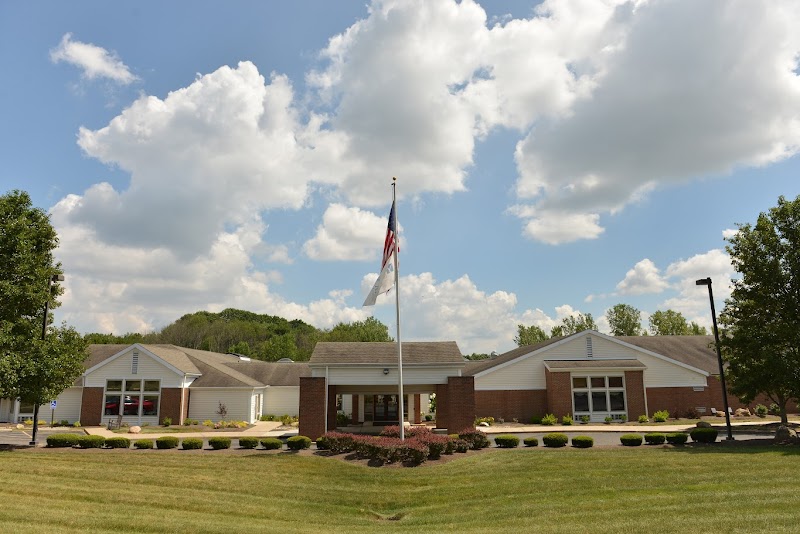
How is Laurels Of Massillon, The Staffed?

CMS rates LAURELS OF MASSILLON, THE's staffing level at 4 out of 5 stars, which is above average compared to other nursing homes. Staff turnover is 35%, compared to the Ohio average of 46%. This relatively stable workforce can support continuity of care.

What Have Inspectors Found at Laurels Of Massillon, The?

State health inspectors documented 34 deficiencies at LAURELS OF MASSILLON, THE during 2019 to 2025. These included: 34 with potential for harm.
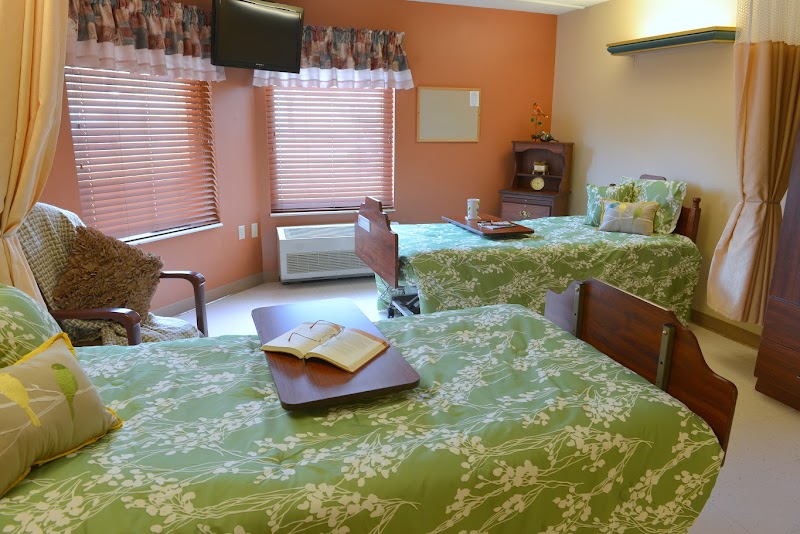
Who Owns and Operates Laurels Of Massillon, The?

LAURELS OF MASSILLON, THE is owned by a for-profit company. For-profit facilities operate as businesses with obligations to shareholders or private owners. The facility is operated by CIENA HEALTHCARE/LAUREL HEALTH CARE, a chain that manages multiple nursing homes. With 130 certified beds and approximately 130 residents (about 100% occupancy), it is a mid-sized facility located in MASSILLON, Ohio.
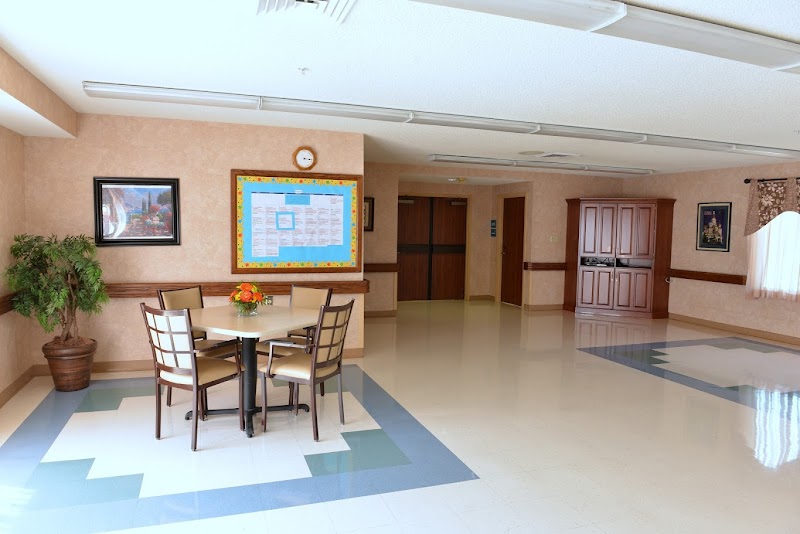
How Does Laurels Of Massillon, The Compare to Other Ohio Nursing Homes?

Compared to the 100 nursing homes in Ohio, LAURELS OF MASSILLON, THE's overall rating (4 stars) is above the state average of 3.2, staff turnover (35%) is significantly lower than the state average of 46%, and health inspection rating (3 stars) is at the national benchmark.

What Should Families Ask When Visiting Laurels Of Massillon, The?

Based on this facility's data, families visiting should ask: "Can I visit during a mealtime to observe dining assistance and food quality?" "How do you handle medical emergencies, and what is your hospital transfer rate?" "Can I speak with family members of current residents about their experience?"

Is Laurels Of Massillon, The Safe?

Based on CMS inspection data, LAURELS OF MASSILLON, THE has a clean safety record: no substantiated abuse findings (meaning no confirmed cases of resident harm), no Immediate Jeopardy citations (the most serious violation level indicating risk of serious injury or death), and is not on the Special Focus Facility watch list (a federal program monitoring the lowest-performing 1% of nursing homes). The facility has a 4-star overall rating and ranks #1 of 100 nursing homes in Ohio. While no facility is perfect, families should still ask about staff-to-resident ratios and recent inspection results during their visit.

Do Nurses at Laurels Of Massillon, The Stick Around?

LAURELS OF MASSILLON, THE has a staff turnover rate of 35%, which is about average for Ohio nursing homes (state average: 46%). Moderate turnover is common in nursing homes, but families should still ask about staff tenure and how the facility maintains care continuity when employees leave.

Was Laurels Of Massillon, The Ever Fined?

LAURELS OF MASSILLON, THE has no federal fines on record. CMS issues fines when nursing homes fail to meet care standards or don't correct problems found during inspections. The absence of fines suggests the facility has either maintained compliance or corrected any issues before penalties were assessed. This is a positive indicator, though families should still review recent inspection reports for the full picture.

Is Laurels Of Massillon, The on Any Federal Watch List?

LAURELS OF MASSILLON, THE is not on any federal watch list. The most significant is the Special Focus Facility (SFF) program, which identifies the bottom 1% of nursing homes nationally based on persistent, serious quality problems. Not being on this list means the facility has avoided the pattern of deficiencies that triggers enhanced federal oversight. This is a positive indicator, though families should still review the facility's inspection history directly.