MEADOW WIND HEALTH CARE CENTER


300 23RD STREET NE, MASSILLON, OH 44646 (330) 833-2026
For profit - Limited Liability company 99 Beds CCH HEALTHCARE Data: November 2025
Trust Grade
75/100
#293 of 913 in OH
Last Inspection: October 2024

Within standard 12-15 month inspection cycle. Federal law requires annual inspections.

Overview

Meadow Wind Health Care Center in Massillon, Ohio has received a Trust Grade of B, indicating it is a good option for families seeking care, though not without its issues. Ranked #293 out of 913 facilities statewide, it sits in the top half of Ohio’s nursing homes, and is also #13 out of 33 in Stark County, meaning there are only a few better local choices. However, the facility is showing a concerning trend as the number of reported issues has increased from 3 in 2023 to 6 in 2024. Staffing is relatively stable with a turnover rate of 42%, which is below the state average, but it has an average RN coverage rating. Notably, there have been serious concerns about infection control practices, including a staff member failing to follow isolation protocols for a COVID-19 patient, which could potentially affect all residents. Additionally, there have been cleanliness issues, such as cigarette butts found around designated smoking areas. Overall, while there are strengths in staffing stability and good ratings in overall care, families should be aware of the recent increase in health and safety issues.

Trust Score
B
75/100
In Ohio
#293/913
Top 32%
Safety Record
Low Risk
No red flags
Inspections
Getting Worse
3 → 6 violations
Staff Stability
○ Average
42% turnover. Near Ohio's 48% average. Typical for the industry.
Penalties
✓ Good
No fines on record. Clean compliance history, better than most Ohio facilities.
Skilled Nurses
✓ Good
Each resident gets 43 minutes of Registered Nurse (RN) attention daily — more than average for Ohio. RNs are trained to catch health problems early.
Violations
⚠ Watch
20 deficiencies on record. Higher than average. Multiple issues found across inspections.
★★★★☆
4.0
Overall Rating
★★★☆☆
3.0
Staff Levels
★★★★☆
4.0
Care Quality
★★★★☆
4.0
Inspection Score
Stable
2023: 3 issues
2024: 6 issues

The Good

  • 4-Star Quality Measures · Strong clinical quality outcomes
  • Full Sprinkler Coverage · Fire safety systems throughout facility
  • No fines on record
  • Staff turnover below average (42%)

    6 points below Ohio average of 48%

Facility shows strength in quality measures, fire safety.

The Bad

Staff Turnover: 42%

Near Ohio avg (46%)

Typical for the industry

Chain: CCH HEALTHCARE

Part of a multi-facility chain

Ask about local staffing decisions and management

The Ugly 20 deficiencies on record

Oct 2024 5 deficiencies
CONCERN (D)

Potential for Harm - no one hurt, but risky conditions existed

Resident Rights (Tag F0550)

Could have caused harm · This affected 1 resident

Based on observation, record review, and interview the facility failed to cover an indwelling urinary catheter drainage bag. This affected one resident (Resident #276) out of two residents reviewed fo...

Read full inspector narrative →
Based on observation, record review, and interview the facility failed to cover an indwelling urinary catheter drainage bag. This affected one resident (Resident #276) out of two residents reviewed for indwelling urinary catheters. The facility census was 75. Findings Include: Review of the medical record for Resident #276 revealed an admission date 10/03/24 with diagnoses including history of falls, history of urinary tract infection (UTI), chronic kidney disease, and type two diabetes mellitus. Resident #276 required assistance from staff for activities of daily living (ADL) tasks, used a front wheeled walker for ambulation assistance, and was receiving physical and occupational therapy services. Review of Resident #276 physician orders revealed an order dated 10/03/24 for foley catheter bag cover every shift, an order dated 10/04/24 for privacy cover to foley catheter drainage bag every shift for maintaining dignity, and an order dated 10/03/24 for foley catheter care every shift. Review of Resident #276 baseline care plan dated 10/03/24 revealed Resident #276 was admitted with an indwelling urinary catheter. Observation on 10/07/24 at 1:05 P.M. revealed Resident #276 resting in bed watching television, a partially filled urinary catheter drainage bag was hanging from the bed frame without privacy cover or bag in place. Observation on 10/08/24 at 3:14 P.M. revealed Resident #276 sitting at edge of bed watching television, a urinary catheter drainage bag was hanging from the bed frame without privacy cover or bag in place. Interview on 10/08/24 at 3:14 P.M. with State Tested Nursing Assistants (STNAs) #527 and #543 confirmed Resident #276 indwelling urinary catheter drainage bag was uncovered and visible from the room's doorway. STNA #527 stated there should be a privacy bag or a drainage bag with an attached cover over the drainage bag and the lack of the privacy bag would be resolved by placing a privacy bag on Resident #276's indwelling urinary catheter drainage bag. Observation on 10/10/24 at 8:16 A.M. revealed Resident #276 sleeping in bed with the lights turned off. An empty urinary catheter drainage bag was hanging from the bed frame without privacy cover or bag in place. Interview on 10/10/24 at 8:16 A.M. with Licensed Practical Nurse (LPN) #314 confirmed Resident #276 indwelling urinary catheter partially filled drainage bag was hanging on the bed frame, uncovered and not placed in a privacy bag.
CONCERN (D)

Potential for Harm - no one hurt, but risky conditions existed

Tube Feeding (Tag F0693)

Could have caused harm · This affected 1 resident

**NOTE- TERMS IN BRACKETS HAVE BEEN EDITED TO PROTECT CONFIDENTIALITY** Based on observation, record review, interview and facility policy review, the facility failed to ensure enteral tube feeding bo...

Read full inspector narrative →
**NOTE- TERMS IN BRACKETS HAVE BEEN EDITED TO PROTECT CONFIDENTIALITY** Based on observation, record review, interview and facility policy review, the facility failed to ensure enteral tube feeding bottles and water flush bags were properly labeled with the flow rate and the date and time the bottles/bags were hung for administration for Resident #176, and failed to ensure orders were obtained for Resident #177 regarding cleaning and flushing of an enteral feeding tube. This affected two residents (Resident #176 and #177) out of two residents reviewed for enteral tube feedings. The facility census was 75. Findings Include: 1. Review of the medical record for Resident #176 revealed an admission date 05/10/24 with diagnoses including chronic respiratory failure with hypoxia, chronic obstructive pulmonary disease (COPD), depression, anxiety, heart failure, and placement of a percutaneous endoscopic gastrostomy (PEG) tube. Resident #176 was cognitively intact and required assistance from the staff for activities of daily living (ADL) tasks including medication administration and tube feeding formula administration. Review of the physician orders for Resident #176 revealed an order dated 09/25/24 for two times a day (Enteral) Jevity 1.5 at 85 milliliters (ml) per hour for 12 hours (on at 7:00 P.M. and off at 7:00 A.M.) with water flush of 245 ml every four hours. Resident #176 also had an order dated 09/24/24 for a regular diet, pureed texture, honey consistency liquids. Review of Resident #176's Medication Administration Record (MAR) dated 10/01/24 to 10/10/24 revealed administration (Enteral) Jevity 1.5 at 85 milliliters (ml) per hour for 12 hours (on at 7:00 P.M. and off at 7:00 A.M.) with water flush of 245 ml every four hours. Observation on 10/07/24 at 10:35 A.M. revealed Resident #176 was in bed and a tube feeding administration pole was at the bedside. Hanging from the pole was an empty formula bottle of Jevity 1.5. The bottle had no flow rate, date, or time marked on it to indicate when it was first hung to be administered to Resident #176. The resident was not hooked up to the feeding at the time of the observation. Observation on 10/08/24 at 1:32 P.M. and 1:47 P.M. revealed Resident #176 resting in bed with the unattached tube feeding tube hanging from the pole at bedside. There was an empty bottle of Jevity 1.5 enteral formula with no rate, date, and time of when administered hanging from the pole. There was also a half-filled water flush bag hanging from the pole with no rate, date, and time labeled on the bag. An interview on 10/08/24 at 1:47 P.M. with Licensed Practical Nurse (LPN) #313 confirmed the above findings. Review of the facility's policy titled, Enteral Feedings Safety Precautions, dated 05/24, revealed, On the formula label document initials, date and time the formula was hung/administered, and initial that the label was checked against the order. 2. Review of Resident #177's medical record revealed diagnoses including osteomyelitis of the left ankle and foot, cellulitis of the left lower extremity, abscess of the left foot, history of sepsis, type two diabetes mellitus, heart disease, schizophrenia, and gastrostomy. A nursing admission assessment dated [DATE] indicated Resident #177 had a feeding tube. Resident #177 required supervision with eating. Resident #177 had an order dated 10/03/24 for a low concentrated sweet diet with regular texture. Review of medication orders dated 10/03/24 revealed orders for medications including ferrous sulfate, provera, metoprolol tartrate, risperidone, ascorbic acid, quetiapine fumarate, amlodipine, atorvastatin calcium, pantoprazole sodium, and zinc sulfate which could be administered via mouth or through the feeding tube. There were no orders for care of the feeding tube (cleansing the insertion site or flushes). During an interview on 10/07/24 at 11:26 A.M., Resident #177 reported she had a feeding tube which she had staff use for some medication administration. On 10/07/24 at 4:44 P.M., Unit Manager (UM) #915 verified there were no orders for tube care or water flushes.
CONCERN (D)

Potential for Harm - no one hurt, but risky conditions existed

Deficiency F0757 (Tag F0757)

Could have caused harm · This affected 1 resident

**NOTE- TERMS IN BRACKETS HAVE BEEN EDITED TO PROTECT CONFIDENTIALITY** Based on record review and interview, the facility failed to ensure parameters were in place for the administration of pain medi...

Read full inspector narrative →
**NOTE- TERMS IN BRACKETS HAVE BEEN EDITED TO PROTECT CONFIDENTIALITY** Based on record review and interview, the facility failed to ensure parameters were in place for the administration of pain medications. This affected one resident (Resident #2) of five reviewed for unnecessary medications. The facility census was 75. Findings include: Review of the medical record for Resident #2 revealed an admission date of 07/11/24. Diagnoses included respiratory failure, cerebral palsy, depression, tracheostomy and scoliosis. Review of the comprehensive Minimum Data Set (MDS) 3.0 assessment dated [DATE] revealed Resident #2 was severely cognitively impaired. She was totally dependent for oral and personal hygiene, toileting, dressing and showering. She received hospice services. Review of the physician's orders for October 2024 revealed an order for Acetaminophen 500 milligrams (mg) 1 tablet via peg tube every eight hours as needed for pain which began on 07/25/24 and an order for Morphine 0.5 milliliters (ml) every two hours as needed for pain which began on 08/26/24. Review of the care plan dated 08/28/24 revealed Resident #2 had the potential for pain due to quadriplegia, convulsions, contractures and scoliosis. Interventions included anticipating the need for pain relief, administering medications as ordered, evaluating the effectiveness of pain interventions and monitoring and recording complaints of pain. Review of the Medication Administration Record (MAR) for September 2024 revealed Resident #2 received one does of Morphine on 09/01/24 for a pain level of six and one dose for a pain level of eight, two doses on 09/02/24 for a pain level of seven, one dose on 09/03/24 for a pain level of three and two doses for a pain level of eight, one dose on 09/04/24 for a pain level of eight and one dose for a pain level of seven, two doses on 09/05/24 for a pain level of seven, one dose on 09/06/24 for a pain level of seven and one dose for a pain level of eight, one dose on 09/07/24 for a pain level of four and one dose for a pain level of eight, one dose on 09/08/24 for a pain level of four, one dose on 09/09/24 for a pain level of seven, two doses on 09/10/24 for a pain level of seven, one dose on 09/07/24 for a pain level of seven and one dose for a pain level of eight, one dose on 09/12/24 for a pain level of eight and one dose for a pain level of seven, one dose on 09/13/24 for a pain level of nine and one dose for a pain level of three, one dose on 09/14/24 for a pain level of seven and one dose for a pain level of eight, one dose on 09/15/24 for a pain level of seven and two doses for a pain level of eight, one dose on 09/16/24 for a pain level of eight and one dose for a pain level of five, one dose on 09/17/24 for a pain level of six and two doses for a pain level of eight, one dose on 09/18/24 for a pain level of four and one dose for a pain level of seven, one dose on 09/19/24 for a pain level of three, two doses of 09/21/24 for a pain level of two, one dose on 09/23/24 for a pain level of two, one dose on 09/24/24 for a pain level of three, one dose on 09/26/24 for a pain level of three, one dose on 09/27/24 for a pain level of eight and one dose on 09/29/24 for a pain level of four. The resident was never administered Acetaminophen. Review of the MAR for October 2024 revealed Resident #2 received one dose of Morphine on 10/01/24 for a pain level of two and two doses for a pain level of eight, one dose on 10/05/24 for a pain level of zero, one dose on 10/06/24 for a pain level of three, one dose on 10/07/24 for a pain level of zero and one dose for a pain level of eight, one dose on 10/08/24 for a pain level of three, two doses on 10/09/24 for a pain level of zero and three doses on 10/01/24 for a pain level of zero. Interview on 10/10/24 at 9:43 A.M. with Licensed Practical Nurse (LPN) #309 revealed she usually gave Morphine for a pain level of seven or above, she did not have guidelines for when it would be appropriate for administer Acetaminophen instead of Morphine for Resident #2. Interview on 10/10/24 at 1:12 P.M. with the Director of Nursing (DON) verified the above findings on the MARs and confirmed there were no parameters specified for when Acetaminophen would be administered instead of Morphine for Resident #2. Review of the facility policy titled Administering Pain Medications dated October 2010 revealed the facility would assess the residents' level of pain prior to administering medication and administer medication as ordered.
CONCERN (F)

Potential for Harm - no one hurt, but risky conditions existed

Infection Control (Tag F0880)

Could have caused harm · This affected most or all residents

**NOTE- TERMS IN BRACKETS HAVE BEEN EDITED TO PROTECT CONFIDENTIALITY** Based on observations, policy review, medical record review and interview, the facility failed to implement isolation protocols ...

Read full inspector narrative →
**NOTE- TERMS IN BRACKETS HAVE BEEN EDITED TO PROTECT CONFIDENTIALITY** Based on observations, policy review, medical record review and interview, the facility failed to implement isolation protocols and failed to maintain infection control during tracheostomy care and blood glucose monitoring. This had the potential to affect all 75 residents in the facility. Findings include: 1. Review of Resident #178's medical record revealed diagnoses including history of malignant neoplasm of the breast and intestine and dyspnea. On 09/28/24, Resident #178 tested positive for COVID-19 and was placed in droplet isolation. The isolation was to be discontinued 10/09/24. On 10/07/24 at 12:47 P.M., Certified Occupational Therapy Assistant (COTA) #820 was observed opening Resident #178's door to exit into the corridor. The N95 mask she was wearing in Resident #178's room remained on. After opening the door, COTA #820 removed the N95. Without performing hand hygiene, COTA #820 reached around the door and into the isolation cart to obtain a new N95 mask and held it over her face. COTA #820 pushed the goggles she had been wearing onto the top of her head and walked down the hall without disinfecting the goggles or performing hand hygiene. COTA #820 stopped at room [ROOM NUMBER] and got a surgical mask from Resident #177's isolation cart. Resident #177 had orders for enhanced barrier precautions due to presence of a feeding tube. COTA #820 continued down the hall without performing hand hygiene or disinfecting the goggles or the drawers of Resident #177's or Resident #178's isolation carts. On 10/08/24 at 1:35 P.M., as State Tested Nursing Assistant (STNA) #520 was being interviewed regarding the location of surgical masks as there were none in Resident #178's isolation cart and it was what the facility required to be worn outside the COVID isolation rooms. STNA #520 provided a box of surgical masks. Housekeeper #701, who was in the hallway and overheard the conversation, inquired of STNA #520 if she was supposed to change masks when going in and out of the droplet isolation rooms. STNA #520 responded it was required to prevent spreading COVID. Upon entering Resident #178's room on 10/08/24 after the interview, it was noted the isolation barrel by the door and the trash can by the sink in the room were overflowing with trash. Disposable gowns were noted flowing down the sides of both receptacles. On 10/08/24 at 1:40 P.M., Housekeeper #701 stated it was up to the nursing assistants to dispose of trash in the isolation rooms. On 10/08/24 at 2:48 P.M., STNA #520 verified Housekeeper #701 was unaware of the need to change masks when going in and out of droplet isolation rooms when she made the inquiry earlier that day. STNA #520 reported it was the responsibility of housekeeping to empty the isolation barrels and trash. On 10/08/24 at 2:48 P.M., STNA #520 was observed leaving Resident #178's (who was positive and in isolation for COVID-19) room. STNA #520 walked up the hall and got hand sanitizer from on top of a locked box by room [ROOM NUMBER]. No eye protection was observed being worn. STNA #520 indicated she did not know eye protection was required. On 10/08/24 at 3:05 P.M., Housekeeping Director #903 stated it was the responsibility of the housekeeping department to empty isolation trash and verified staff needed to change masks when entering/exiting covid rooms. On 10/08/24 at 3:15 P.M., COTA #820 verified she had left Resident #178's room on 10/07/24 and verified hand hygiene was not completed after removing the old N95 because there was no hand sanitizer. COTA #820 verified the goggles had been pushed up to the top of her head without disinfecting until she returned to therapy where she had disinfectant wipes because there were none available in the cart. On 10/08/24 at 3:48 P.M., Unit Manager (UM) #915 stated hand sanitizer should be available in the isolation carts. Disinfectant wipes were not kept in the isolation carts so they could be used when staff exited the room. Staff had to request the disinfectant wipes from the nurse. 2. Review of Resident #2's medical record revealed diagnoses including acute and chronic respiratory failure and tracheostomy status. On 10/07/24 an order was written for contact isolation for extended-spectrum beta-lactamases (ESBL) in the sputum. On 10/09/24 at 12:05 P.M., Licensed Practical Nurse (LPN) #308 was observed preparing medication for administration to Resident #2. Signs were posted for contact precautions and enhanced barrier precautions. Housekeeper #701 was in Resident #2's room cleaning. The only personal protective equipment (PPE) worn was a pair of gloves. On 10/09/24 at 1 P.M. Housekeeper #701 verified she had not worn a gown into Resident #2's room. Housekeeper #701 stated nobody informed her Resident #2 had been added to contact isolation. Review of the facility's policy titled Isolation Categories of Transmission-Based Precautions (revised January 2012) revealed transmission-based precautions would be used whenever measures more stringent than standard precautions were needed to prevent or control the spread of infection. For residents on contact precautions, a disposable gown should be worn upon entering the room or cubicle in addition to gloves. Surveyor: [NAME], APRIL 3. Observation on 10/09/24 at 9:55 A.M. revealed Respiratory Technician (RT) #407 conducting tracheostomy care for Resident #57. RT #407 donned Personnel Protective Equipment (PPE), including gloves, and entered Resident #57's room where Resident #57 was laying in bed covered with bed linens and a blanket. RT #407 placed the tracheostomy cleaning package, several packages of gauze sheets, the replacement inner cannula, a split gauze to cover the tracheostomy insertion site, and normal saline for cleaning the tracheostomy insertion site on the blanket at the foot of Resident #57's bed on top of Resident #57's legs. RT#407 opened the tracheostomy cleaning tray removing the sterile gloves package and placing the package on the blanket, there had been no sterile barrier sheet to place under the sterile gloves package. RT #407 donned the sterile gloves over the existing gloves which were already in place, removed the used inner cannula and placed the cannula on the packaging for the sterile gloves. RT #407 then placed the new inner cannula into the tracheostomy tube, retrieved the used inner cannula from the opened package and rolled the used inner cannula into one sterile glove and removed the other sterile glove while keeping the used inner cannula rolled into the gloves and disposed of the used inner cannula into the waste reciprocal. RT #407 donned a new pair of gloves and proceeded to clean the tracheostomy insertion site and placed the clean split gauze around the tracheostomy and removed the cleaning tray from the on top of the bed and disposed of all items in the waste reciprocal. RT #407 removed the PPE and gloves then washed hands and exited Resident #57's room. Review of Resident #57's medical record revealed readmission date 05/24/24 with diagnoses including chronic respiratory failure, high blood pressure, heart failure, and type two diabetes mellitus. Resident #57 was dependent on staff assistance for all cares and activities of daily living (ADL) tasks including tracheostomy care. Resident #57 had severely impaired cognition with a Brief Interview Mental Status (BIMS) score five out of a possible 15 total score dated 08/30/24 Review of Resident #57's physician orders revealed an order dated 09/01/24 for tracheostomy size #6 XLT Proximal Cuffed every shift for acute and chronic respiratory failure with hypoxia, an order dated 05/24/24 for Trach care Q-shift and as needed (PRN) every shift for chronic respiratory failure with hypoxia change inner cannula, cleanse area around the trach and neck, change trach ties every shift and PRN, and an order dated 07/31/24 to change trach tube every 90 days and PRN one time a day every 90 days. Review of Resident #57's Quarterly [NAME] Data Set (MDS) dated [DATE] revealed Section K: Swallowing/Nutritional Status marked with abdominal feeding tube (PEG) being used, and Section O: Special Treatments, Procedures, and Programs marked with tracheostomy being used. Review of the care plan for Resident #57 revealed a tracheostomy care plan dated 06/14/24 including intervention for tracheostomy care as ordered. Interview on 10/09/24 at 9:57 A.M. with RT #407 confirmed the tracheostomy cleaning supplies and sterile glove package had been placed on Resident #57 bed blanket on top of Resident #57's legs and there had been no sterile barrier sheet placed underneath the tracheostomy supplies. RT #407 stated the bedside table is usually used to keep the tracheostomy supplies off the bed and there should have been a sterile sheet placed for the tracheostomy supplies to be kept on during the procedure. Review of the facility's policy titled, Tracheostomy Care dated 10/23 revealed, Open tracheostomy cleaning kit. Set up supplies on sterile field. 4. Review of the medical record for Resident #34 revealed admission date 03/10/23 with diagnoses including epilepsy, type one diabetes mellitus (DM), anxiety, unspecified dementia, and high blood pressure. Resident #34 had severely impaired cognition and required assistance from staff to complete activities of daily living (ADL) tasks including administration of medications. Review of the physician orders for Resident #34 revealed an order dated 08/02/24 for Insulin Lispro 100 units per milliliter (ml) inject subcutaneously two times a day for DM with blood sugar readings and sliding scale dosing at 7:30 A.M. and 12:00 P.M. Review of the comprehensive care plan for Resident #34 revealed a diabetes mellitus care plan dated 08/02/23 with interventions including fasting blood sugar as ordered by the physician and diabetes medications as ordered by the physician. Review of Resident #34's Medication Administration Record (MAR) dated 10/01/24 to 10/09/24 revealed the blood sugar reading obtained at 12:20 P.M. results were recorded as 388 requiring six units of the Insulin Lispro to be administered per sliding scale dosing. Observation on 10/09/24 at 12:20 P.M. revealed Resident #34 sitting at a table in the main dining room facing the television with back to the majority of the room, eating the lunch meal. Licensed Practical Nurse (LPN) #822 approached Resident #34 at the table and explained blood sugar check and insulin administration needed to be completed. LPN #822 placed the glucometer, insulin pen, lancet, and several alcohol wipes directly on the table without a barrier in place. LPN #822 requested Resident #34 to hold out her right hand, then LPN #822 cleaned her right pointer finger with alcohol wipe, placed the used wipe directly on the table, pricked her finger with the lancet using another alcohol wipe to clean the blood from her finger and placed the used wipe on the table. LPN #822 then obtained the blood sugar reading, placing the glucometer directly on the table with the used strip still in the machine. LPN #822 then proceeded to administer Resident #34's insulin via a pre-filled insulin pen, once the insulin was administered, LPN #822 gathered up the supplies from the table and left the dining room. Interview on 10/09/24 at 12:28 P.M. with LPN #822 confirmed during the obtaining of Resident #34's blood sugar and administration of the Insulin Lispro, LPN #34 had not used a barrier for the required supplies storage on the tabletop, had placed used alcohol wipes directly on the table, and had placed the glucometer with the used blood strip on the table after obtaining a blood sample for testing. LPN #822 stated Resident #34 had been taken to the dining room for the lunch meal before completing the procedure for blood sugar checks and insulin administration. Review of the facility's policy tilted, Infection Control Guidelines for All Nursing Procedures dated 12/29/20 revealed, Standard Precautions will be used in the care of all residents in all situations regardless of suspected or confirmed presence of infectious disease. Standard Precautions apply to blood, body fluids, secretions, and excretions regardless of whether or not they contain visible blood, non-intact skin, and/or mucous membranes.
MINOR (C)

Minor Issue - procedural, no safety impact

Staffing Data (Tag F0851)

Minor procedural issue · This affected most or all residents

Based on record review and interview, the facility failed to completely and accurately report staff hours worked for the Payroll Based Journal (PBJ) report. This had the potential to affect all 75 res...

Read full inspector narrative →
Based on record review and interview, the facility failed to completely and accurately report staff hours worked for the Payroll Based Journal (PBJ) report. This had the potential to affect all 75 residents residing in the facility. Findings include: Review of the PBJ report revealed excessively low weekend staffing for the third quarter of 2024. Review of the staffing schedules for the nurses and State Tested Nurse Aides (STNA) for the third quarter of 2024 revealed on 05/24/24, 05/25/24 and 06/16/24 there was insufficient direct care staff in the facility to provided a minimum of 2.5 hours of direct care per resident per day. Interview on 10/10/24 at 2:00 P.M. with the Administrator revealed during the third quarter of 2024 when the facility utilized agency staff to cover shifts this data was not submitted to the corporate office for the PBJ so the data reported for the third quarter of 2024 was not accurate.
May 2024 1 deficiency
CONCERN (D) 📢 Someone Reported This

A family member, employee, or ombudsman was alarmed enough to file a formal complaint

Potential for Harm - no one hurt, but risky conditions existed

Quality of Care (Tag F0684)

Could have caused harm · This affected 1 resident

**NOTE- TERMS IN BRACKETS HAVE BEEN EDITED TO PROTECT CONFIDENTIALITY** Based on record review, interview, and facility policy review the facility failed to accurately assess, document, and treat a ne...

Read full inspector narrative →
**NOTE- TERMS IN BRACKETS HAVE BEEN EDITED TO PROTECT CONFIDENTIALITY** Based on record review, interview, and facility policy review the facility failed to accurately assess, document, and treat a new onset of a diabetic ulcer for Resident #80, who was dependent on staff for care. This affected one resident (#80) out of three residents reviewed for skin impairment. The facility census was 79. Findings include: Review of the medical record for Resident #80 revealed an admission date of 07/10/23 with a discharge to the hospital on [DATE]. Diagnoses included type two diabetes mellitus, Alzheimer's disease, high blood pressure, and chronic kidney disease. Review of the quarterly Minimum Data Set (MDS) assessment dated [DATE] revealed Resident #80 had impaired cognition. Resident #80 was dependent for bed mobility, transfers, and was non-ambulatory. Review of Resident #80's behaviors revealed the resident would be combative and aggressive when receiving care from staff. Resident #80 was receiving dressing changes to the right foot. Review of the plan of care dated 07/10/23 revealed Resident #80 was at risk for skin impairment due to the diagnoses including type two diabetes mellitus and non-ambulatory status. Review of Resident #80's nurse progress notes dated from 01/11/24 to 01/12/24 revealed Resident #80 did not have documentation for a scabbed area located on the right lateral dorsal foot, and there was no wound assessment completed. Review of the wound care team's progress notes dated 01/12/24 revealed Resident #80 was evaluated for a right lateral dorsal foot/great toe diabetic ulcer, onset 01/11/24, measuring 2.0 centimeters (cm) by 0.7 cm with no depth. The area was 100% covered by a crust (scab), and there was no treatment in place. Interview on 04/30/24 at 11:35 A.M. with the Director of Nursing (DON) revealed Resident #80's initial scabbed area to the right lateral dorsal foot was reported on 01/11/24 to Registered Nurse (RN) #310 by an unknown nurse. The DON confirmed there were no progress notes or wound measurements, or assessment completed in Resident #80's medical record dated 01/11/24. Interview on 04/30/24 at 3:11 P.M. with RN #310 revealed no recollection of who reported Resident #80's initial scabbed area on the right dorsal lateral foot. Review of Resident #80's physician orders revealed an order dated 01/12/24 for cleansing the right lateral dorsal foot with normal saline, pat dry, apply Medihoney, cover with a foam dressing, and change three times per week. There were no orders for treatment dated prior to this order. Interview on 04/30/24 at 3:10 P.M. with facility wound nurse RN #310 revealed when skin impairment is identified the nurses are expected to enter a progress note, initiate, and complete a wound assessment, notify the physician or nurse practitioner, initiate a treatment order, and determine how the skin impairment developed. RN #310 confirmed Resident #80 did not have a progress note, a completed initial wound assessment, and there was no initial treatment order initiated for the scabbed area identified on Resident #80's right lateral dorsal foot. Review of the facility's policy titled, Skin Breakdown - Clinical Protocol dated 03/01/14 revealed, The nurse shall describe and document/report the following: full assessment including location, stage, length, width and depth, presence of exudate or necrotic tissue; pain assessment; resident's mobility status; current treatment; all active diagnosis. This deficiency represents non-compliance investigated under Complaint Number OH00153330.
Nov 2023 1 deficiency
CONCERN (D) 📢 Someone Reported This

A family member, employee, or ombudsman was alarmed enough to file a formal complaint

Potential for Harm - no one hurt, but risky conditions existed

Deficiency F0692 (Tag F0692)

Could have caused harm · This affected 1 resident

**NOTE- TERMS IN BRACKETS HAVE BEEN EDITED TO PROTECT CONFIDENTIALITY** Based on record reviews and interviews, the facility failed to implement nutritional interventions to monitor Resident #101's we...

Read full inspector narrative →
**NOTE- TERMS IN BRACKETS HAVE BEEN EDITED TO PROTECT CONFIDENTIALITY** Based on record reviews and interviews, the facility failed to implement nutritional interventions to monitor Resident #101's weights and thoroughly address weight loss timely. This affected one resident (Resident #101) of three residents reviewed. The census was 81. Findings include: Review of the closed medical record for Resident #101 revealed an admission date of 08/01/23. Resident #101 passed away at the facility on 10/25/23. Resident #101's diagnoses included low body mass index, chronic obstructive pulmonary disease, hypertension, ataxic gait and major depression. Review of the admission Minimum Data Set (MDS) dated [DATE] revealed Resident #101 was cognitively intact. No weight loss was noted on the assessment and he required supervision for eating. Review of the progress notes revealed a Nutritional assessment dated [DATE] was completed by the Registered Dietitian (RD) #207. The assessment indicated Resident #101 would receive a regular diet, thin liquids, health shakes with all meals, and had a current body weight of 148 pounds, indicating underweight status. Resident #101 was at risk for malnutrition as evidence by weight being 76 percent (%) of ideal body weight, low body mass index (BMI), order for supplements, and diagnosis of depression. Nutritional interventions included continue general healthful diet to optimize intakes, nutritional monitoring to include monitoring weekly weights due to admission status. Review of the Plan of Care initiated on 08/10/23 for Low Body Weight revealed a plan for Resident #101 to have a gradual weight gain until they reach a health BMI or maintain current body weight within +/- 4 % of previous months weight would be desirable. Review of the Malnutrition Assessment, completed by RD #207, undated but signed by physician on 08/15/23 revealed the same information as the Nutritional assessment dated [DATE]. Review of email dated 09/26/23 from the Director of Nursing (DON) to RD #207 revealed Resident #101 had a weight loss of three pounds, the supplement was switched to nutritious juice and he was referred to speech therapy. Review of the Risk Meeting Minutes from 09/29/23 revealed Resident #101 was listed on the report for weight loss. Review of Resident #101's medical record revealed no evidence RD #207 assessed the resident for nutritional intervention after the identified weight loss on 09/29/23. Review of the weights revealed Resident #101 weighed 148 pounds on 08/02/23, 148 pounds on 08/14/23, 148 pounds on 08/18/23, 139 pounds on 09/26/23 (6% weight loss since admission and 08/18/23 weight) and 136 pounds on 10/09/23. A progress note dated 10/13/23 revealed Resident #101 weighed 133 pounds. Weekly weights were not completed the week of 08/06/23 and 08/21/23. Interviews on 11/18/23 from 9:30 A.M. through 3:21 P.M. with Licensed Practical Nurse (LPN) #201, LPN #202, Registered Nurse (RN) #200 and State Tested Nursing Assistant (STNA) #203 revealed new admissions should be weighed weekly for four weeks unless ordered otherwise. They stated they refer to the RD #207 if any concerns with weight loss. Interview on 11/18/23 at 9:50 A.M. with the DON revealed the facility did weight losses differently. She stated she managed them and notified the doctor and obtained orders. She stated she followed-up with RD #207 and the certified nurse practitioner (CNP) via email and at the weekly risk meeting. An additional interview at 1:36 P.M. with DON revealed she first noted Resident #101's weight loss on 09/26/23 and notified the CNP and RD #207. She stated the resident was started on a supplement. The DON stated RD #207 should have been involved more and documented more about his weight loss. Interview on 11/18/23 at 1:14 P.M. with RD #207 revealed she saw him on admission on [DATE]. She verified there were no other progress notes from her in the medical record. She stated she was not sure how she did not see him again. She stated his face looked familiar and remembered they discussed him in the weekly Risk Meeting. She stated the DON would communicate any needs and showed the above-mentioned email from the DON on 09/26/23. Review of the facility policy titled Weight Assessment and Prevention Policy, revised on September 2008 revealed new residents should be weighed weekly for four weeks. Any weight change of 5% or more will be immediately reported to the dietitian in writing and the dietitian will respond within 24 hours. This deficiency represents non-compliance investigated under Complaint Number OH00147312.
May 2023 2 deficiencies
CONCERN (D) 📢 Someone Reported This

A family member, employee, or ombudsman was alarmed enough to file a formal complaint

Potential for Harm - no one hurt, but risky conditions existed

Report Alleged Abuse (Tag F0609)

Could have caused harm · This affected 1 resident

Based on record review, interviews, and facility policy review the facility failed to report an alleged incident of abuse against Resident #76. This affected one resident (#76) of three residents revi...

Read full inspector narrative →
Based on record review, interviews, and facility policy review the facility failed to report an alleged incident of abuse against Resident #76. This affected one resident (#76) of three residents reviewed for abuse reviewed. The facility census was 75. Findings include: Review of the medical record for Resident #76 revealed an admission date of 07/25/22 and a discharge date of 02/24/23. Diagnoses included benign neoplasm of meninges, need for persona assistance, weakness, dysphagia, type two diabetes mellitus, major depressive disorder, schizoaffective disorder bipolar type, and anxiety. Review of the care plan dated 10/05/22 revealed a goal for Resident #76's behaviors. Interventions included offering positive encounters rather than only talking to him when he needed something and medicating as ordered. Interview on 05/08/23 with the Director of Nursing (DON) revealed she was made aware of Resident #76 having been verbally aggressive with State Tested Nurse Aide (STNA) #118 on 01/14/23. She stated she received a call from the manager on duty stating STNA #108 alleged STNA #118 flipped off Resident #76. The DON had staff get a statement from STNA #118 before walking her out until the investigation was over. The DON stated Resident #76 did not remember or complain about the situation. The DON said there were dynamics between STNA #108 and STNA #118 and the DON and Administrator felt it was a beef between staff. The DON said it was STNA #108's word against STNA #118's word. The DON stated they felt it was not reportable incident because no one witnessed it and that Resident #76 did not recall it. The facility verified they did not complete a self-reported incident. Interview on 05/08/23 at 4:45 P.M. with STNA #127 revealed she was in the doorway of Resident #76's room when the incident occurred. She stated she did not witness STNA #118 flip off Resident #76 as her back was to her. STNA #127 said she was blocking Resident #76's view and did not believe he saw anything. Interview on 05/08/23 at 4:48 P.M. with STNA #108 revealed she was getting a shower chair along with STNA #127 when they were at the doorway of Resident #76. She stated she saw STNA #118 flip off Resident #76. STNA #108 stated she reported it immediately to her supervisor and then the manager on duty. Interview on 05/08/23 at 4:55 P.M. with STNA #118 revealed Resident #76 had been screaming at her all day long. Resident #76 was reassigned to another STNA, but STNA #118 stayed on the hallway. STNA #118 denied flipping off Resident #76. She stated there was a camera that recorded the hallway. Interview on 05/09/23 at 11:34 P.M with the DON, the Administrator, and the Regional Nurse revealed they believed the incident was not reportable as there was no allegation but rather a beef between two staff members. They felt it was a Human Resource and customer service issue. The DON and Administrator did not recall viewing camera footage and stated the footage would no longer be available. They verified there was no statement from a possible witness, STNA #127. They verified they had witness statements and statements from Resident #76 and STNA #118 as their whole investigation. There were no interviews with residents on that hallway who may have seen the incident. Review of the investigation revealed statements from Resident #76 denying knowing about the situation and Resident #76 denying doing anything wrong. STNA #108 stated she and STNA #127 went down with a shower chair to get Resident #76 for his shower. She stated STNA #118 came out of Resident #76's room and flipped him off while in his doorway. Review of the facility policy titled Abuse and Neglect Protocol, dated 06/13/21, revealed after an allegation of abuse was made, the facility must investigate immediately and share a copy of the findings of such investigation to the state agency. This deficiency represents non-compliance investigated under Complaint Number OH00139443.
CONCERN (D) 📢 Someone Reported This

A family member, employee, or ombudsman was alarmed enough to file a formal complaint

Potential for Harm - no one hurt, but risky conditions existed

Accident Prevention (Tag F0689)

Could have caused harm · This affected 1 resident

**NOTE- TERMS IN BRACKETS HAVE BEEN EDITED TO PROTECT CONFIDENTIALITY** Based on interview, record review, and the facility's Self-Reported Incident (SRI) review revealed the facility staff improperly...

Read full inspector narrative →
**NOTE- TERMS IN BRACKETS HAVE BEEN EDITED TO PROTECT CONFIDENTIALITY** Based on interview, record review, and the facility's Self-Reported Incident (SRI) review revealed the facility staff improperly transferred Resident #46 from her wheelchair into bed. This affected one resident (#46) out of three resident s reviewed for transfers. The facility census was 75. Findings include: Review of Resident #46's medical record revealed an admission date of 06/24/21. Diagnoses included dementia, diabetes mellitus type two, lack of coordination, and anxiety. Review of the quarterly Minimum Data Set 3.0 (MDS) assessment dated [DATE] revealed Resident #46 had intact cognition. The resident required total dependence with two-staff physical assistance for transfers. Review of Resident #46's April 2023 physicians orders revealed an order dated 10/20/22 through 04/18/23 stating the resident was an assist of two, with a front wheeled walker and gait belt for transfers. Review of the facility's SRI tracking number 234071 dated 04/17/23 revealed Resident #46 alleged that a State Tested Nurse's Aide (STNA) incorrectly transferred her into bed. Review of the facility investigation dated 04/17/23 revealed a statement from STNA #205 stating on 04/16/23 he was helping another STNA put Resident #46 to bed. The statement continued stating, I put my arms under the resident, picked her up, and pivoted her into bed. Review of STNA #206's statement dated 04/17/23 stated on 04/16/23 STNA #205 picked up Resident #46 under her arms and pivoted her into bed. Interview on 05/09/23 at 3:10 P.M. Resident #46's revealed she recalled being asked to go to bed around 10:30 P.M. one night. She continued by stating a male STNA picked her up by himself without a gait belt and put her in bed. There was a second STNA in the room who did not help. She stated her left shoulder hurt after the incident. She told the Administrator and a nurse the next day. Interview on 05/09/23 at 1:54 P.M. the Administrator confirmed that STNA #205 transferred Resident #46's improperly resulting in discomfort to her bilateral upper arms. This deficiency represents non-compliance investigated under Complaint Number OH00142178.
Dec 2022 1 deficiency
CONCERN (D) 📢 Someone Reported This

A family member, employee, or ombudsman was alarmed enough to file a formal complaint

Potential for Harm - no one hurt, but risky conditions existed

ADL Care (Tag F0677)

Could have caused harm · This affected 1 resident

**NOTE- TERMS IN BRACKETS HAVE BEEN EDITED TO PROTECT CONFIDENTIALITY** Based on interview and record review the facility failed to provide showers to Resident #13 as scheduled. This affected one of t...

Read full inspector narrative →
**NOTE- TERMS IN BRACKETS HAVE BEEN EDITED TO PROTECT CONFIDENTIALITY** Based on interview and record review the facility failed to provide showers to Resident #13 as scheduled. This affected one of three residents reviewed for showers. The facility census was 79. Findings include: Review of the medical record for Resident #13 revealed an admission date 04/30/22. Diagnoses included acute and chronic respiratory failure with hypoxia, chronic obstructive pulmonary disease, and chronic kidney disease stage four. Review of care plan dated 10/31/22 for Resident #13 revealed he had an activities of daily living self-care deficit related to his disease process. Interventions included to avoid scrubbing his skin and to pat dry sensitive skin. The interventions also indicated Resident #13 required extensive assistance of one staff person for showering and was scheduled for showers two times a week and as needed. Review of quarterly Minimum Data Set (MDS) assessment dated [DATE] revealed Resident #13 was alert, oriented and had intact cognition. This assessment indicated Resident #13 required extensive two-person physical assistance for bed mobility and personal hygiene and was totally dependent on one staff person for showers. Review of nursing assistant documentation for Resident #13 revealed no documentation his shower and/or bath on 12/16/22 as scheduled. Interview on 12/30/22 at 9:12 A.M. with Resident #13 revealed the shower staff is often pulled from providing showers to work the floor and take a resident assignment and work as a nursing assistant. Resident #13 reported during the month of December he had not received two showers a week as scheduled and preferred. Resident #13 reported he has a skin condition and sensitive skin and needs an actual shower twice a week. Interview on 12/30/22 with State Tested Nursing Assistant (STNA) #537 revealed she is a shower assistant but sometimes must work the floor and take an assignment. She confirmed Resident #13 did not get his showers as he preferred. Interview on 12/30/22 at 12:22 P.M. with the Director of Nursing (DON) confirmed there was no documentation of a shower or a bath provided for Resident #13 on 12/16/22. She reported sometimes the shower team must work the floor and take an assignment to cover staffing needs. The DON verified when there were no shower aides available the floor nursing assistants are responsible for their residents' scheduled showers. Interview on 12/30/22 at 2:36 P.M. with STNA #523 confirmed the shower team is often pulled to the floor to take an assignment to meet staffing requirements. She reported they are then responsible for their own residents' shower schedules. She confirmed sometimes she is only able to give a resident a bed bath because she is unable to get them to the shower room. Review of facility policy titled, Shower/Tub Bath, revised October 2010, revealed the purposes of this procedure were to promote cleanliness and provide comfort to the resident and to observe the condition of the resident's skin. The following information should be recorded on the residents' activities of daily living record and or in the residents' medical record, the date and time the shower/tub bath was performed. The name and title of the individual who assisted the resident with the shower/tub bath, all assessment data obtained during the shower tub bath, and if the resident refused the shower/tub bath the reasons why and the interventions taken. The supervisor is to be notified if a resident refuses a shower/tub bath, the physician is to be notified of any skin areas that may need to be treated, and any other information is to be reported in accordance with the facility policy and professional standards of practice. This deficiency represents noncompliance investigated under Complaint Number OH00138666.
Jun 2022 6 deficiencies
CONCERN (D)

Potential for Harm - no one hurt, but risky conditions existed

Deficiency F0567 (Tag F0567)

Could have caused harm · This affected 1 resident

Based on record review and staff interview the facility failed to ensure authorization from a resident or a sponsor with a power of attorney for management of personal funds was attested to by a witne...

Read full inspector narrative →
Based on record review and staff interview the facility failed to ensure authorization from a resident or a sponsor with a power of attorney for management of personal funds was attested to by a witness not connected to the facility. This affected one (Residents #22) of five (Resident's #11, #21, #22, #36 and #40) whose personal fund accounts were reviewed. The facility census was 70. Findings include: Review of the authorization to manage funds for Resident #22 revealed no non-facility affiliated witness signature was obtained as required. 06/28/22 at 2:12 P.M. Administrator verified lack of witness signatures for Resident #22.
CONCERN (D)

Potential for Harm - no one hurt, but risky conditions existed

Transfer Notice (Tag F0623)

Could have caused harm · This affected 1 resident

**NOTE- TERMS IN BRACKETS HAVE BEEN EDITED TO PROTECT CONFIDENTIALITY** Based on record review and staff interview the facility failed to ensure the Ombudsman's office was notified of resident transfe...

Read full inspector narrative →
**NOTE- TERMS IN BRACKETS HAVE BEEN EDITED TO PROTECT CONFIDENTIALITY** Based on record review and staff interview the facility failed to ensure the Ombudsman's office was notified of resident transfers to the hospital as required. This affected one (Resident #263) of one resident reviewed for hospitalization. This had the potential to affect all residents. The facility census was 70. Findings include: Review of the medical record revealed Resident #263 was admitted to the facility on [DATE] with diagnoses including dysphagia, lack of coordination, and muscle weakness. Review of the medical record for Resident #263 was sent to the hospital on [DATE] and was subsequently admitted to the hospital. Review of both the electronic and hard charts revealed no documented evidence the office of the Ombudsman was notified of the residents transfer to the hospital. Interview with the Administrator on 06/28/22 at 1:45 P.M. verified the Ombudsman had not been notified of any facility transfers to the hospital including Resident #263.
CONCERN (D)

Potential for Harm - no one hurt, but risky conditions existed

Deficiency F0625 (Tag F0625)

Could have caused harm · This affected 1 resident

**NOTE- TERMS IN BRACKETS HAVE BEEN EDITED TO PROTECT CONFIDENTIALITY** Based on record review and staff interview the facility failed to ensure bed hold notices were provided to residents upon transf...

Read full inspector narrative →
**NOTE- TERMS IN BRACKETS HAVE BEEN EDITED TO PROTECT CONFIDENTIALITY** Based on record review and staff interview the facility failed to ensure bed hold notices were provided to residents upon transfer to the hospital as required. This affected one (Resident #263) of one resident reviewed for hospitalization. This had the potential to affect all residents. The facility census was 70. Findings include: Review of the medical record revealed Resident #263 was admitted to the facility on [DATE] with diagnoses including dysphagia, lack of coordination, and muscle weakness. Review of the medical record revealed Resident #263 was sent to the hospital on [DATE] and was subsequently admitted to the hospital. Review of both the electronic and hard charts revealed no documented evidence Resident #263 was provided a bed hold notice upon transfer to the hospital. Interview with the Administrator on 06/28/22 at 1:45 P.M. verified no bed hold notice had been given to Resident #263 or any other resident upon transfer to the hospital.
CONCERN (D)

Potential for Harm - no one hurt, but risky conditions existed

Deficiency F0657 (Tag F0657)

Could have caused harm · This affected 1 resident

**NOTE- TERMS IN BRACKETS HAVE BEEN EDITED TO PROTECT CONFIDENTIALITY** 2. Review of the medical record revealed Resident #37 was admitted to the facility on [DATE] with diagnoses including schizoaffe...

Read full inspector narrative →
**NOTE- TERMS IN BRACKETS HAVE BEEN EDITED TO PROTECT CONFIDENTIALITY** 2. Review of the medical record revealed Resident #37 was admitted to the facility on [DATE] with diagnoses including schizoaffective disorder, bipolar disorder, and Methicillin-resistant Staphylococcus aureus (MRSA). Review of the electronic and hard chart revealed a care conference was held on 09/21/21. No other care conferences were documented in the medical record. Interview on 06/27/22 at 2:39 P.M. with SSD #668 verified the lack of care conferences after 09/21/21. Review of the undated Interdisciplinary Team Care Planning policy indicated a comprehensive care plan for each resident should be developed within seven days of completion of the resident MDS. The resident, the resident's family and/or the resident's legal representative/guardian or surrogate shall be informed of the right to participate and encouraged to participate. Every effort would be made to schedule care plan meetings at the best time of the day for the resident and family. Based on record review and interview, the facility failed to ensure care conferences were completed as required. This finding affected two (Resident's #10 and #37) of three residents reviewed for care planning. The facility census was 70. Findings include: 1. Review of Resident #10's medical record revealed he was admitted on [DATE] with diagnoses including muscle weakness, mixed hyperlipidemia, and major depressive disorder. Review of Resident #10's quarterly Minimum Data Set (MDS) 3.0 assessment dated [DATE] revealed he exhibited intact cognition and his sister was emergency contact number one and the care conference person. Review of Resident #10's progress notes from 02/17/22 to 06/27/22 did not reveal documented evidence a quarterly care conference was completed. Interview on 06/27/22 at 12:03 P.M. with Social Services Designee (SSD) #668 indicated the last care conference completed for Resident #10 was on 12/17/21 and she denied another care conference was completed quarterly as required.
CONCERN (F)

Potential for Harm - no one hurt, but risky conditions existed

Safe Environment (Tag F0921)

Could have caused harm · This affected most or all residents

Based on observation and interview the facility failed to maintain the outside courtyard area (designated smoking area) in a clean and sanitary condition. This had the potential to affect all resident...

Read full inspector narrative →
Based on observation and interview the facility failed to maintain the outside courtyard area (designated smoking area) in a clean and sanitary condition. This had the potential to affect all residents. The facility census was 70. Findings include: On 06/27/22 at 12:51 P.M., observation of the courtyard/designated smoking area revealed more than 20 cigarette butts on the ground, in the combustible trash can, and combustible trash in the cigarette butts only metal can. Interview with the Maintenance Director #664 verified this finding at the time of observation.
MINOR (C)

Minor Issue - procedural, no safety impact

Staffing Information (Tag F0732)

Minor procedural issue · This affected most or all residents

Based on observation and interview, the facility failed to ensure the posted nurse staffing information was available daily as required. This finding had the potential to affect all 70 residents resid...

Read full inspector narrative →
Based on observation and interview, the facility failed to ensure the posted nurse staffing information was available daily as required. This finding had the potential to affect all 70 residents residing in the facility. Findings include: Observation on 06/26/22 at 2:10 P.M. with the Administrator of the posted nurse staffing information revealed the form was dated 06/09/22. Interview on 06/26/22 at 2:12 P.M. with the Administrator confirmed the posted nurse staffing form did not reflect the daily staffing information as required.
Jun 2019 4 deficiencies
CONCERN (D)

Potential for Harm - no one hurt, but risky conditions existed

Resident Rights (Tag F0550)

Could have caused harm · This affected 1 resident

**NOTE- TERMS IN BRACKETS HAVE BEEN EDITED TO PROTECT CONFIDENTIALITY** Based on observation, record review and interview the facility failed to maintain Resident #278's dignity when the resident's ur...

Read full inspector narrative →
**NOTE- TERMS IN BRACKETS HAVE BEEN EDITED TO PROTECT CONFIDENTIALITY** Based on observation, record review and interview the facility failed to maintain Resident #278's dignity when the resident's urinary catheter collection bag was uncovered in view from the hallway. This affected one resident (Resident #278) of one resident reviewed for indwelling catheters. The facility identified two residents residing in the facility with use of indwelling urinary catheters. Findings Include: Review of Resident #278's medical record revealed an admission date of 05/24/19 with a diagnosis including benign prostatic hyperplasia (enlarged prostate). Review of the resident's comprehensive Minimum Data Set (MDS) 3.0 assessment dated [DATE] indicated the resident was alert and oriented and had an indwelling urinary catheter. Review of Resident #278's admission Immediate Need/Baseline Care Plan revealed the resident had an impaired urinary elimination pattern due to an enlarged prostate and needed an indwelling urinary catheter. The facility implemented the interventions to provide catheter care every shift, irrigate catheter as ordered, monitor intake and output, assess for signs and symptoms of urinary tract infection (UTI), monitor lab values, and notify the physician as needed. Review of Resident #278's admission Order Sheet revealed orders dated 05/25/19 for a size 16 FR 10 cc (cubic centimeter) indwelling catheter to a straight drain collection bag. On 06/03/19 at 2:59 P.M., observation revealed the resident's urinary catheter drainage bag was visible from the hallway. An interview with the resident at the time of the observation revealed the resident was surprised the urine collection bag could be seen from the hallway. The resident indicated he thought it was gross it could be seen by anyone and felt the collection bag should be covered. On 06/03/19 at 3:02 P.M. during an interview with State Tested Nursing Assistant (STNA) #105, she confirmed the urine collection bag hanging on the bed rail was uncovered and visible from the hallway. On 06/04/19 at 9:39 A.M. and 1:53 P.M., observations revealed Resident #278's urine collection bag was hanging on the bed rail, uncovered and in sight from the hallway. On 06/04/19 at 9:45 A.M. during an interview with Licensed Practical Nurse (LPN) #106, she confirmed the urine collection bag hanging on the bed rail was uncovered and was seen from the hallway. On 06/05/19 at 8:07 A.M. and 12:09 P.M., observations revealed Resident #278's urine collection bag was hanging on the side bed rail, uncovered and visible from the hallway. On 06/05/19 at 11:12 A.M., interview with Director of Nursing (DON) verified the urine collection bag was hanging on the side bed rail, was uncovered and visible from the hallway.
CONCERN (D)

Potential for Harm - no one hurt, but risky conditions existed

Pressure Ulcer Prevention (Tag F0686)

Could have caused harm · This affected 1 resident

**NOTE- TERMS IN BRACKETS HAVE BEEN EDITED TO PROTECT CONFIDENTIALITY** Based on observation, record review and interview the facility failed to properly assess Resident #30's pressure ulcer. This aff...

Read full inspector narrative →
**NOTE- TERMS IN BRACKETS HAVE BEEN EDITED TO PROTECT CONFIDENTIALITY** Based on observation, record review and interview the facility failed to properly assess Resident #30's pressure ulcer. This affected one resident (Resident #30) of two residents reviewed for pressure ulcers. The facility identified six residents with pressure ulcers. Findings Include: Record review revealed Resident #30 was admitted to the facility on [DATE] with diagnoses including muscle weakness, paraplegia, and dementia. Review of the Minimum Data Set (MDS) 3.0 assessment, dated 03/08/19 revealed the resident had no pressure ulcer. Review of the Weekly Skin Condition Data Tracking Sheet, dated 05/28/19, revealed an unstageable pressure ulcer, located on the left, lateral malleolus, measuring 2.5 centimeters (cm) length (l) by 2.0 cm width (w) with 0 cm depth (d). The wound bed was described as purple and non-blanching. Review of the Weekly Skin Condition Data Tracking Sheet, dated 06/04/19, revealed a Deep Tissue Injury (DTI), located on the left, lateral malleolus, measuring 1.0 centimeters (cm) length (l) by 0.9 cm width (w) with 0 cm depth (d). The wound bed was described as red/brown and non-blanching. Review of the care plan, dated 06/03/19, revealed an alteration in skin integrity as evidenced by an unstageable pressure ulcer, located on the left malleolus, with interventions including to monitor/document location, size and treatment of skin injury. Observation on 06/04/19 at 1:10 P.M., of Resident #30's dressing change, revealed a DTI, located on the left, lateral malleolus. During interview at the time of the dressing change, on 06/04/19 at 1:15 P.M., Licensed Practical Nurse (LPN) #107 revealed she had made a mistake on the previous skin assessment, the wound was not an unstageable pressure ulcer, but a DTI. LPN #107 further revealed that both skin assessments revealed intact skin, and no slough or eschar. LPN #107 verified the wound had improved, as indicated by the new measurements/assessment on 06/04/19. During interview on 06/04/19 at 1:20 P.M., the Director of Nursing (DON) and the Assistant Director of Nursing (ADON) #104 verified the Weekly Skin Condition Data Tracking Sheet, dated 05/28/19, revealed the wound was identified as an unstageable pressure ulcer; however, the wound description indicated a DTI. The ADON revealed the facility utilizes The National Pressure Ulcer Advisory Panel Pressure Injury Stages clinical resource for guidance and definitions. The ADON further revealed that based on these definitions, Resident #30 had a DTI and not an unstageable pressure ulcer. Review of the facility policy titled Skin Observations, dated July 2011 revealed nursing management shall monitor impaired skin breakdown skin trackers for healing, appropriate treatment, nursing documentation, and need for referral to wound specialist.
CONCERN (D)

Potential for Harm - no one hurt, but risky conditions existed

Medication Errors (Tag F0758)

Could have caused harm · This affected 1 resident

Based on record review and staff interview the facility failed to ensure Resident #53's behaviors were monitored related to the use of psychoactive medications. This affected one resident (Resident #5...

Read full inspector narrative →
Based on record review and staff interview the facility failed to ensure Resident #53's behaviors were monitored related to the use of psychoactive medications. This affected one resident (Resident #53) of five residents reviewed for unnecessary medication use. Findings Include: Review of Resident #53's medical record revealed an admission date of 07/26/18 with admission diagnoses that included schizoaffective disorder and depression. Physician orders identified Prozac 50 milligram (mg) every day for depression initiated on 10/24/18 and Zyprexa (antipsychotic) 5 mg every day due to schizoaffective disorder initiated on 07/27/18. Review of Resident #53's care plan indicated a plan for mood and/or behavior symptoms related to depression and schizoaffective disorder had been developed. Interventions included monitoring/recording and reporting of any identified signs and symptoms of behaviors, depression and mood disturbance. Further review of the medical record found no evidence of any monitoring and documentation of monitoring of any behaviors for Resident #53. Interview with the Director of Nursing on 06/05/19 at 2:45 P.M. verified no behavior monitoring had been completed for Resident #53.
CONCERN (E)

Potential for Harm - no one hurt, but risky conditions existed

Infection Control (Tag F0880)

Could have caused harm · This affected multiple residents

**NOTE- TERMS IN BRACKETS HAVE BEEN EDITED TO PROTECT CONFIDENTIALITY** Based on observation, record review and interview the facility failed to follow contact based precautions for Resident #40 to pr...

Read full inspector narrative →
**NOTE- TERMS IN BRACKETS HAVE BEEN EDITED TO PROTECT CONFIDENTIALITY** Based on observation, record review and interview the facility failed to follow contact based precautions for Resident #40 to prevent the spread of infection. This affected one resident (Resident #40) and had the potential to affect all 19 residents (Resident #20, #27, #28, #8, #7, #65, #67, #78, #5, #12, #77, #68, #25, #43, #29, #4, #75, #11 and #40) of 19 residents residing on the unit. Findings Include: Record review revealed Resident #40 was admitted to the facility on [DATE] and was diagnosed with a urinary tract infection on 05/28/19. Resident #40's most recent quarterly Minimum Data Set (MDS) 3.0 assessment revealed the resident was always incontinent or urine and bowel. Resident #40's laboratory results dated [DATE] revealed she had escherichia coli (E-coli) extended-spectrum beta-lactamases (ESBL) bacteria in her urine. Resident #40's physician orders revealed she was ordered contact isolation precautions on 06/01/19. Observation on 06/03/19 at 10:10 A.M. with Licensed Practical Nurse (LPN) #100 revealed Resident #40 had a cart full of personal protection equipment outside of her room, with no sign to advise staff or visitors to see the nurse before entering. Two staff, State Tested Nursing Assistant (STNA) #101 and STNA #102 were in Resident #40's room without PPE on. Interview with LPN #100 at this time confirmed there was not a sign to inform staff and visitors to see the nurse before entering. LPN #100 revealed to enter Resident #40's room, one should wear a gown, gloves, and a mask for transmission based precautions. LPN #100 revealed he was unsure why the staff were in Resident #40's room without PPE on. Interview on 06/03/19 at 10:12 A.M. with STNA #101 and STNA #102 after exiting Resident #40's room revealed they were checking on Resident #40 as she just returned from the shower. STNA #100 and STNA #101 confirmed they were not wearing PPE, and explained a gown and gloves (not a mask) should be worn in Resident #40's room. Interview on 06/05/19 at 10:23 A.M. with Assistant Director of Nursing (ADON) #104 revealed when a resident was on transmission based precautions there should be a sign on the wall to notify staff and visitors to see the nurse before entering. ADON #104 confirmed Resident #40 was on contact isolation precautions for a urinary tract infection. ADON #104 revealed the facility staff were encouraged to always were PPE when going into a resident's room, and in Resident #40's room a gown, gloves, and mask should be worn. ADON #104 revealed a sign was placed in the PPE cart indicating the type of precautions the resident was on, and what to wear. ADON #104 provided this sign that was in Resident #40's PPE cart that confirmed she was on contact isolation and a gown, mask, and gloves should be worn. The facility identified 19 residents, Resident #20, #27, #28, #8, #7, #65, #67, #78, #5, #12, #77, #68, #25, #43, #29, #4, #75, #11 and #40 who resided on the unit. Review of the facility undated policy titled, Isolation Precautions revealed it was the facility policy to take appropriate precautions, including isolation, to prevent transmission of infectious agents. Facility staff would apply transmission based precautions, in addition to standard precautions, to residents who were known or suspected to be infected or colonized with infectious agents, which require, as determined by the Centers for Disease Control, additional controls to effectively prevent transmission.
Understanding Severity Codes (click to expand)
Life-Threatening (Immediate Jeopardy)
J - Isolated K - Pattern L - Widespread
Actual Harm
G - Isolated H - Pattern I - Widespread
Potential for Harm
D - Isolated E - Pattern F - Widespread
No Harm (Minor)
A - Isolated B - Pattern C - Widespread

Questions to Ask on Your Visit

  • "Can I speak with families of current residents?"
  • "What's your RN coverage like on weekends and overnight?"

Our Honest Assessment

Strengths
  • • No major safety red flags. No abuse findings, life-threatening violations, or SFF status.
  • • No fines on record. Clean compliance history, better than most Ohio facilities.
  • • 42% turnover. Below Ohio's 48% average. Good staff retention means consistent care.
Concerns
  • • 20 deficiencies on record. Higher than average. Multiple issues found across inspections.
Bottom line: Generally positive indicators. Standard due diligence and a personal visit recommended.

About This Facility

What is Meadow Wind Health's CMS Rating?

CMS assigns MEADOW WIND HEALTH CARE CENTER an overall rating of 4 out of 5 stars, which is considered above average nationally. Within Ohio, this rating places the facility higher than 99% of the state's 100 nursing homes. This rating reflects solid performance across the metrics CMS uses to evaluate nursing home quality.
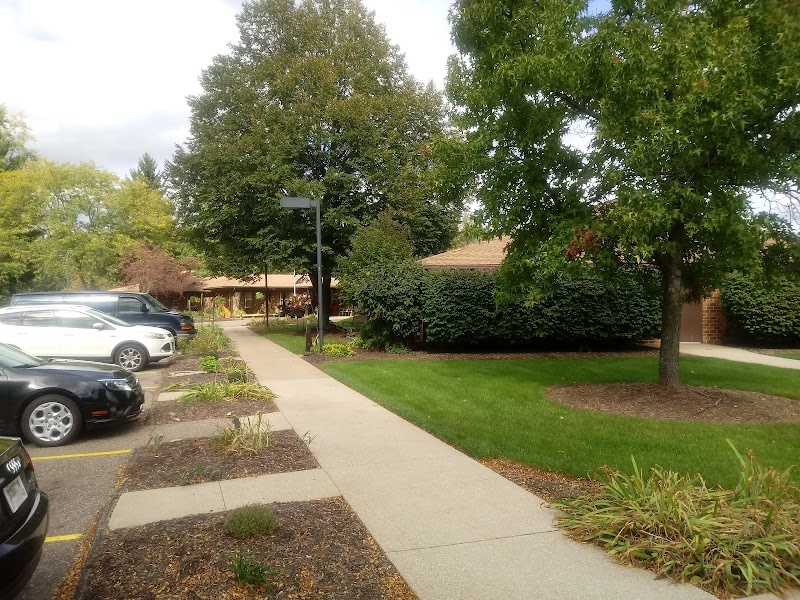
How is Meadow Wind Health Staffed?

CMS rates MEADOW WIND HEALTH CARE CENTER's staffing level at 3 out of 5 stars, which is average compared to other nursing homes. Staff turnover is 42%, compared to the Ohio average of 46%. This relatively stable workforce can support continuity of care.

What Have Inspectors Found at Meadow Wind Health?

State health inspectors documented 20 deficiencies at MEADOW WIND HEALTH CARE CENTER during 2019 to 2024. These included: 18 with potential for harm and 2 minor or isolated issues.
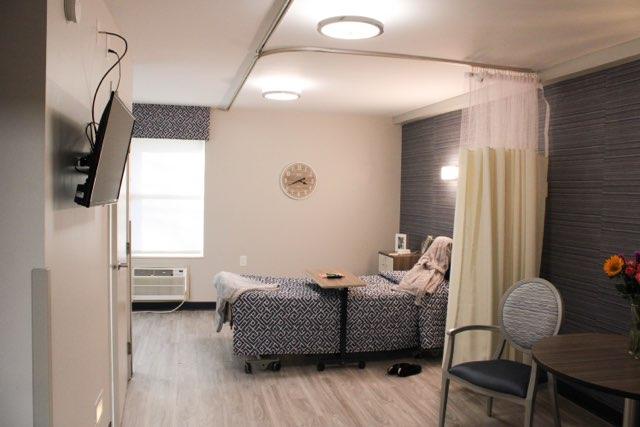
Who Owns and Operates Meadow Wind Health?

MEADOW WIND HEALTH CARE CENTER is owned by a for-profit company. For-profit facilities operate as businesses with obligations to shareholders or private owners. The facility is operated by CCH HEALTHCARE, a chain that manages multiple nursing homes. With 99 certified beds and approximately 76 residents (about 77% occupancy), it is a smaller facility located in MASSILLON, Ohio.
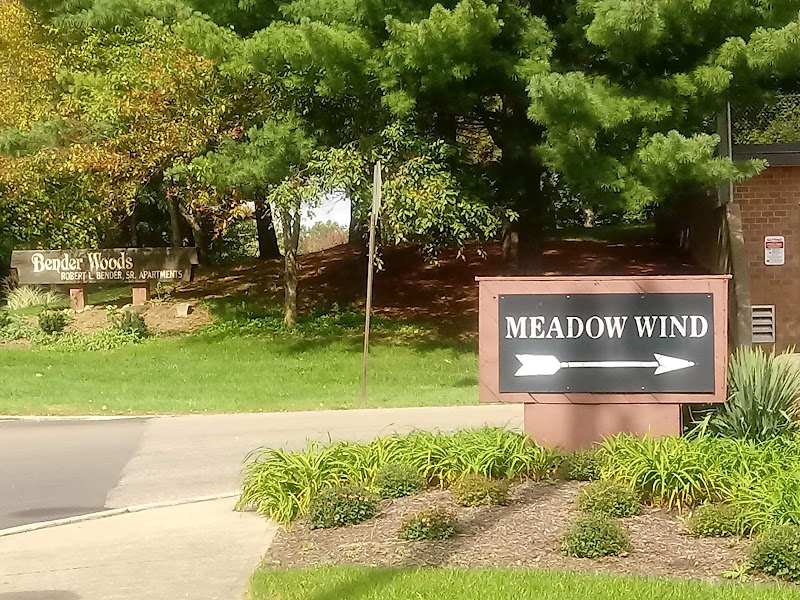
How Does Meadow Wind Health Compare to Other Ohio Nursing Homes?

Compared to the 100 nursing homes in Ohio, MEADOW WIND HEALTH CARE CENTER's overall rating (4 stars) is above the state average of 3.2, staff turnover (42%) is near the state average of 46%, and health inspection rating (4 stars) is above the national benchmark.

What Should Families Ask When Visiting Meadow Wind Health?

Based on this facility's data, families visiting should ask: "Can I visit during a mealtime to observe dining assistance and food quality?" "How do you handle medical emergencies, and what is your hospital transfer rate?" "Can I speak with family members of current residents about their experience?"

Is Meadow Wind Health Safe?

Based on CMS inspection data, MEADOW WIND HEALTH CARE CENTER has a clean safety record: no substantiated abuse findings (meaning no confirmed cases of resident harm), no Immediate Jeopardy citations (the most serious violation level indicating risk of serious injury or death), and is not on the Special Focus Facility watch list (a federal program monitoring the lowest-performing 1% of nursing homes). The facility has a 4-star overall rating and ranks #1 of 100 nursing homes in Ohio. While no facility is perfect, families should still ask about staff-to-resident ratios and recent inspection results during their visit.

Do Nurses at Meadow Wind Health Stick Around?

MEADOW WIND HEALTH CARE CENTER has a staff turnover rate of 42%, which is about average for Ohio nursing homes (state average: 46%). Moderate turnover is common in nursing homes, but families should still ask about staff tenure and how the facility maintains care continuity when employees leave.

Was Meadow Wind Health Ever Fined?

MEADOW WIND HEALTH CARE CENTER has no federal fines on record. CMS issues fines when nursing homes fail to meet care standards or don't correct problems found during inspections. The absence of fines suggests the facility has either maintained compliance or corrected any issues before penalties were assessed. This is a positive indicator, though families should still review recent inspection reports for the full picture.

Is Meadow Wind Health on Any Federal Watch List?

MEADOW WIND HEALTH CARE CENTER is not on any federal watch list. The most significant is the Special Focus Facility (SFF) program, which identifies the bottom 1% of nursing homes nationally based on persistent, serious quality problems. Not being on this list means the facility has avoided the pattern of deficiencies that triggers enhanced federal oversight. This is a positive indicator, though families should still review the facility's inspection history directly.