ROSE LANE NURSING AND REHABILITATION

5425 HIGH MILL AVENUE NW, MASSILLON, OH 44646 (330) 833-3174
For profit - Corporation 171 Beds SPRENGER HEALTH CARE SYSTEMS Data: November 2025 1 Immediate Jeopardy citation
Trust Grade
33/100
#768 of 913 in OH
Last Inspection: November 2023

Within standard 12-15 month inspection cycle. Federal law requires annual inspections.

Overview

Rose Lane Nursing and Rehabilitation has received a Trust Grade of F, which indicates significant concerns about the quality of care provided. Ranked #768 out of 913 facilities in Ohio, they are in the bottom half, and at #30 out of 33 in Stark County, they have only two local facilities performing worse. The facility's trend is currently stable, with 1 issue reported in both 2024 and 2025, but it has a concerning history with a critical incident involving inadequate infection control measures related to COVID-19 that could have put residents at risk. Staffing is rated average with a 3/5 star rating, and while there are no fines recorded, the facility did experience a serious incident where a resident fell and sustained fractures due to improper assistance during a transfer. Overall, the quality of care has notable weaknesses, particularly in health inspections, but there are strengths in staffing stability and quality measures.

Trust Score
F
33/100
In Ohio
#768/913
Bottom 16%
Safety Record
High Risk
Review needed
Inspections
Holding Steady
1 → 1 violations
Staff Stability
⚠ Watch
52% turnover. Above average. Higher turnover means staff may not know residents' routines.
Penalties
✓ Good
No fines on record. Clean compliance history, better than most Ohio facilities.
Skilled Nurses
○ Average
Each resident gets 39 minutes of Registered Nurse (RN) attention daily — about average for Ohio. RNs are the most trained staff who monitor for health changes.
Violations
⚠ Watch
35 deficiencies on record. Higher than average. Multiple issues found across inspections.
★★☆☆☆
2.0
Overall Rating
★★★☆☆
3.0
Staff Levels
★★★★★
5.0
Care Quality
★☆☆☆☆
1.0
Inspection Score
Stable
2024: 1 issues
2025: 1 issues

The Good

  • 5-Star Quality Measures · Strong clinical quality outcomes
  • Full Sprinkler Coverage · Fire safety systems throughout facility
  • No fines on record

Facility shows strength in quality measures, fire safety.

The Bad

2-Star Overall Rating

Below Ohio average (3.2)

Below average - review inspection findings carefully

Staff Turnover: 52%

Near Ohio avg (46%)

Higher turnover may affect care consistency

Chain: SPRENGER HEALTH CARE SYSTEMS

Part of a multi-facility chain

Ask about local staffing decisions and management

The Ugly 35 deficiencies on record

1 life-threatening 1 actual harm
Jun 2025 1 deficiency
CONCERN (D) 📢 Someone Reported This

A family member, employee, or ombudsman was alarmed enough to file a formal complaint

Potential for Harm - no one hurt, but risky conditions existed

Report Alleged Abuse (Tag F0609)

Could have caused harm · This affected 1 resident

**NOTE- TERMS IN BRACKETS HAVE BEEN EDITED TO PROTECT CONFIDENTIALITY** Based on interview, record review, facility policy, and self-reported incident (SRI) review, the facility failed to timely repor...

Read full inspector narrative →
**NOTE- TERMS IN BRACKETS HAVE BEEN EDITED TO PROTECT CONFIDENTIALITY** Based on interview, record review, facility policy, and self-reported incident (SRI) review, the facility failed to timely report an injury of unknown origin. This affected one resident (Resident #175) of three residents reviewed for abuse. The facility census was 151. Findings included: Review of the closed medical record for Resident #175 revealed an admission date of 06/05/25 with diagnosis including but not limited to abscess of bursa right hip, methicillin resistant staphylococcus aureus infection, and Alzheimer's Disease. Resident #175 was discharged to hospital of 06/15/25. Review of the admission Minimum Data Set (MDS) assessment dated [DATE] revealed Resident #175 was rarely/never understood. Resident #175 was dependent on staff for all activities of daily living (ADL'S) and always incontinent of bladder and bowel. Review of the care plan dated 06/06/25 revealed Resident #175 had a ADL/self-care deficit due to weakness, dementia, bacteremia, and status post incision and drainage (I/D) right hip. Interventions included check and change every two hours, a mechanical lift with two person assist for transfers, administer medications per orders, encourage participation in ADL'S, observe for pain, and Occupational Therapy (OT) and Physical Therapy (PT) for evaluation and treat. Review of the progress note dated 06/15/25 at 7:05 P.M. called discharge status note, authored by Licensed Practical Nurse (LPN) 301 revealed Resident #175 had a change in condition with a temperature of 102.9 Fahrenheit. Review of the progress note dated 06/15/25 at 10:04 P.M., authored by LPN #400, revealed the hospital emergency department called to ask questions and requested to speak to supervisor and informed her Resident #175 was being admitted to hospital. Review of the progress noted dated 06/16/25 at 01:40 A.M., authored by Director of Nursing (DON), revealed she called the hospital and spoke with the nurse there regarding admitting diagnosis of sepsis along with several fractures to right hip, and hospital nurse verbalized that infection could cause damage to bones. Hospital nurse asked DON about falls and DON reported no falls. Review of the progress note dated 06/16/25 at 09:15 A.M., authored by DON, revealed she contacted Physician #500 regarding update on Resident #175. DON reported Physician #500 revealed due to Resident #174's age and comorbidities, and infection would cause bone breakdown. DON called Resident #175's granddaughter regarding hospitalization, and she verbalized there was no way she would have fallen. Review of the progress note dated 06/16/25 at 5:34 P.M., authored by DON, revealed she attempted several times throughout the shift to speak with hospital staff to get updated. At this time the main priority was Resident #175's abscess and potential surgery for possible drain placements. Cardiologist ordered test to determine whether Resident #175 was a candidate for surgery. Review of the facility submitted SRI history for the month of June 2025 revealed the facility did not report an injury of unknown origin related the hospitals' report of multiple fractures. Review of the investigation started on 06/16/25 revealed all twenty-four nursing staff were interviewed with no knowledge of injury of unknown origin or falls. DON instructed Registered Nurse (RN) #316, unit manager working evening shift to start whole house skin sweeps on all residents. All residents in house had full skin sweeps completed with no negative outcomes. Interview on 06/18/25 at 11:55 A.M. with DON revealed she did not consider Resident #175's three (3) new fractures and dislocated right hip an injury of unknown origin due to Physician #500 revealed it was caused by infection, therefore it was not reported to the state agency. DON reported she did start an investigation originally with interviews and statements but then stopped after the physician's report. DON denied Resident #175 having any falls during her stay. Interview on 06/18/25 at 4:13 P.M. with Physician #500 reported she received a call from the nursing home on [DATE] regarding Resident #175 change in condition of not eating and a temperature. Physician #500 reported she ordered to send the resident to hospital for evaluation. Physician #500 reported she later received a call from DON on 06/16/25 regarding Resident #175 diagnoses of multiple right hip fractures, dislocation of right hip, and infection. Physician #500 reported she does not have privileges at the hospital and the information was provided to her by the DON. Physician #500 reported she believed the infection could cause multiple fractures and hip dislocations. Interview on 06/23/25 at 6:36 A.M. with RN #316 reported she came into work on 06/15/25 for her assigned shift at 11:00 P.M. and received a text from LPN #400 stating she received a call from the hospital regarding Resident #175. LPN #400 confirmed the nurse from the hospital informed her Resident #175 had multiple new fractures to her hip and the entire hip area was dislocated, she reported it, and the hospital nurse wanted the supervisor to call her back. RN # 316 reported she called the hospital back to speak with the nurse, who was on lunch, so she spoke with the the resident physician who confirmed Resident #175 had multiple new fractures to her hip, it was dislocated, and he didn't say if the fractures were traumatic or pathological. RN # 316 reported she let the resident physician know Resident #175 had no reported injury at facility and had a bowel movement on 06/15/25. RN # 316 confirmed the resident physician told her Resident #175 was admitted for sepsis, multiple fractures of hip and hip dislocation. RN #316 reported she contacted DON and left a voice message to call back. RN #316 reported she contacted Assistant Director of Nursing (ADON) and left a voice message to call back and contacted the on call nurse manager RN #282 and reported to her what happened. Interview on 06/23/25 at 9:08 A.M. via phone with Certified Nursing Assistant (CNA) 253 verified she was not interviewed regarding the injury of unknown origin for Resident #175. (CNA) 253 reported on 06/18/25, when the agency entered the building, DON had asked her to write a statement regarding Resident #175 regarding the incident on 06/15/25. Interview on 06/23/25 at 10:26 A.M. with DON confirmed an injury of unknown origin should be reported immediately within two hours. Interview on 06/23/25 at 10:32 A.M. with Regional Nurse #501 confirmed injury of unknown origin should be reported immediately within two hours. Interview on 06/24/25 at 06:37 A.M. with RN #316 confirmed she did not initiate any education with staff. RN # 316 confirmed DON instructed her to begin skin sweeps on all residents and take statements from staff working. Interview on 06/24/25 at 10:37 A.M. with the Administrator confirmed an injury of unknown origin is to be reported with a SRI immediately within two hours. Administrator reported he follows the Ohio Department of Health regulations to report within two hours. Review of facility policy, Abuse, Neglect, Exploitation & Misappropriation of Resident Property, revised 10/2022, revealed an injury is classified as an Injury of Unknown Source when both the following conditions are met: 1. The source of the injury was not observed by any person, or the source of the injury could not be explained by the resident; and 2. the injury is suspicious because of the extent of the injury, the location of the injury, the number of injuries observed at one particular point in time, or the incidence of injuries over the time. This deficiency represents non-compliance investigated under Complaint Number OH00166746.
Jan 2024 1 deficiency 1 Harm
SERIOUS (G) 📢 Someone Reported This

A family member, employee, or ombudsman was alarmed enough to file a formal complaint

Actual Harm - a resident was hurt due to facility failures

Accident Prevention (Tag F0689)

A resident was harmed · This affected 1 resident

**NOTE- TERMS IN BRACKETS HAVE BEEN EDITED TO PROTECT CONFIDENTIALITY** THE FOLLOWING DEFICIENCY REPRESENTS AN INCIDENT OF PAST NON-COMPLIANCE THAT WAS SUBSEQUENTLY CORRECTED PRIOR TO THIS SURVEY. Bas...

Read full inspector narrative →
**NOTE- TERMS IN BRACKETS HAVE BEEN EDITED TO PROTECT CONFIDENTIALITY** THE FOLLOWING DEFICIENCY REPRESENTS AN INCIDENT OF PAST NON-COMPLIANCE THAT WAS SUBSEQUENTLY CORRECTED PRIOR TO THIS SURVEY. Based on medical record review, observation, interview, and facility policy review, the facility failed to provide Resident #49 adequate assistance when transferring resulting in a fall with major injury. Actual harm occurred on 01/13/24 when Resident #49, who required assistance of two people for transfers, was transferred from the toilet to a shower chair by one person, resulting in a fall and non displaced fracture on left metacarpal and closed fracture of radius and ulna in left forearm, requiring orthopedic surgery. This affected one (Resident #49) of three residents reviewed for falls. The census was 159. Findings Include: Resident #49 was admitted to the facility on [DATE]. Her diagnoses included but were not limited to hemiplegia and hemiparesis, muscle weakness, need for assistance with personal care chronic obstructive pulmonary disease, cerebrovascular disease, atrial fibrillation, chronic kidney disease (stage II), major depressive disorder, and presence of left artificial knee joint. On 01/18/24 Resident #49's diagnoses were updated to include unspecified fracture of fifth metacarpal bone (non-surgical orthopedic), unspecified fracture of shaft of left ulna (orthopedic surgery), and unspecified fracture of shaft of left radius (orthopedic surgery). Review of Resident #49's care plan, dated 12/13/22, revealed she had an activity of daily living (ADL)/Self Care deficit with an intervention of two person assistance for transfers. Review of Resident #49's Minimum Data Set (MDS) assessment, dated 12/18/23, revealed she was cognitively intact and had an impairment to one side of both her upper and lower extremities. Resident #49 required substantial to maximum assistance with toilet, tub and shower transfers. Review of Resident #49's Fall Risk assessment, dated 08/28/23, revealed a score of 11, which indicated she was a high risk for falls. Review of Resident #49's progress notes, dated 01/13/24, revealed Resident #49 fell and hit her head, causing a slight injury to her head. Resident #49 also complained of pain in her left arm as well. The facility recommended to Resident #49 and her family that she go to the hospital for evaluation, but Resident #49 wanted to have an x-ray in the facility prior to going; her family agreed to respect her wishes. Prior to the x-ray being completed, Resident #49 agreed to go to the hospital for evaluation. Her evaluation at the hospital found she had a non displaced fracture on left metacarpal (five) and closed fracture of radius and ulna in left forearm. She was sent home with pain medication and a referral to follow up with orthopedics. There was no specific information in the progress notes as to how Resident #49 fell. Review of Resident #49 Investigation Summary related to the fall, dated 01/13/24, revealed Resident #49 was being transferred from the toilet to her shower chair by one State Tested Nursing Aide (STNA), instead of two staff as required. This was a contributing factor to her fall and injury. Observation on 01/19/24 at 11:26 A.M. of Resident #49 revealed the resident was in her recliner reading. Resident #49 had a sling to left arm and a cast to her wrist being elevated on a pillow. Interview with Resident #49 at this time revealed she fell and broke her arm as well as bumped her head. She went on to explain she went to the hospital and she had broken her wrist and hand bone. Resident #49 explained she uses two people to help move her at any time. Interview with Licensed Practical Nurse (LPN) #101 on 01/19/24 at 2:30 P.M. confirmed there was only one staff person with Resident #49 at the time of the fall. She confirmed her care plan and [NAME] (document to assist staff with the care of residents) was for Resident #49 to have two persons during all transfers. She confirmed the outcome of the investigation found that the STNA did not ask for assistance with transferring Resident #49 when she should have. Review of facility Fall Management and Incident Intervention Protocol, dated July 2022, revealed it was the policy of the facility to conduct an investigation into the potential causative factors for each resident incident, including those classified as a fall. In addition, residents will be assessed as to their risk for sustaining a fall. Interventions will be implemented and evaluated in order to decrease the incidence of resident incidents, including falls, and to minimize the risk of injury. Nurse will assess for any injury sustained as a result of the fall after occurrence. Post fall physical assessment may include vital signs, range of motion, skin assessment, assessment of pain, and mental status. All assessment findings should be documented in the clinical record. Movement of the resident from the original site and position of the fall should only take place after assessment finding reveal that it will not cause further injury to do so. Documentation of the assessment findings and initiation of treatment interventions should be completed as appropriate. The physician and family will be made aware of the incident, as soon as possible, and evidence of notification should be documented in the clinical record. Documentation will be completed on the post fall status of the resident following the incident, in the clinical record. Any new interventions will be added to the resident plan of care and will be communicated to the relevant nursing staff. All falls will be reviewed by the focus group. Members will review events of the incident, and discuss possible recommendations and alterations to resident's plan of care, including the appropriateness of PT/OT/Restorative referral. The deficient practice was corrected on 01/15/24 when the facility implemented the following corrective actions: o On 01/13/24 Resident #49, who required assistance of two people for transfers, was transferred from the toilet to a shower chair by one person, resulting in a fall. o On 01/13/24 Resident #49 agreed to go to the hospital for evaluation and her evaluation found she had a non-displaced fracture on left metacarpal (five) and closed fracture of radius and ulna in left forearm. She was sent home with pain medication, a referral to follow up with orthopedics, and later required orthopedic surgery. o On 01/13/24 an Investigation Summary was completed related to the fall which revealed Resident #49 was being transferred from the toilet to her shower chair by one State Tested Nursing Aide (STNA), instead of two staff as required. The facility determined this was a contributing factor to her fall and injury. o On 01/13/24, the On-Call Nurse audited 22 staff members to ensure they had gait belts and were carrying their Kardexes, reflecting required assistance for transfers. 21 out of 22 staff members audited on 01/13/24 required follow-up, which was immediately completed. o On 01/13/24, Nurse Managers educated all STNAs and Nurses on [NAME] and gait belt use. o Starting on 01/14/24, audits were completed on four staff members to ensure gait belts and Kardexes were utilized. One staff member was reeducated on 01/14/24. Audits from 01/15/24 to 01/18/24 had no issues noted. Audits will be completed for four weeks by the Director of Nursing/Designee. o Starting on 01/14/24, audits were completed on five residents to ensure all fall prevention measures were in place as ordered. All resident audits from 01/14/24 to 01/18/24 had no issues noted. Audits will be completed for four weeks by the Director of Nursing/Designee. o The results of on-going audits will be reviewed by the Quality Assurance Performance Improvement committee to ensure compliance. This deficiency represents non-compliance identified under Complaint Number OH00150058.
Nov 2023 13 deficiencies
CONCERN (D)

Potential for Harm - no one hurt, but risky conditions existed

Deficiency F0558 (Tag F0558)

Could have caused harm · This affected 1 resident

**NOTE- TERMS IN BRACKETS HAVE BEEN EDITED TO PROTECT CONFIDENTIALITY** Based on observation, medical record review and interview with staff the facility failed to ensure Resident #36's call light was...

Read full inspector narrative →
**NOTE- TERMS IN BRACKETS HAVE BEEN EDITED TO PROTECT CONFIDENTIALITY** Based on observation, medical record review and interview with staff the facility failed to ensure Resident #36's call light was within reach. This affected one resident (Resident #36) of 36 residents observed for call lights. Findings included: Review of the medical record revealed Resident #36 was had an admission date of 06/11/14. Diagnoses included heart failure, borderline personality disorder, chronic obstructive pulmonary disease, major depressive disorder, schizophrenia, asthma, post-traumatic stress disorder, and auditory hallucinations. Review of the plan of care dated 05/29/14 revealed Resident #36 received psychotropic medication with potential for falls, injury potential for harmful side effects relate to schizophrenia, depression and anxiety. Intervention included to keep (the) call light within reach. Review of the quarterly Minimum Data Set assessment dated [DATE] revealed Resident #36 had moderately impaired cognition and she had no upper extremity impairment. Observations on 11/13/23 at 9:44 AM and 10:36 A.M. revealed Resident #36's call light was laying under her bed. On 11/13/23 at 10:40 A.M. an interview with Registered Nurse #324 verified the call light for Resident #36 was under her bed and she was unable to reach the call light.
CONCERN (D)

Potential for Harm - no one hurt, but risky conditions existed

Deficiency F0569 (Tag F0569)

Could have caused harm · This affected 1 resident

**NOTE- TERMS IN BRACKETS HAVE BEEN EDITED TO PROTECT CONFIDENTIALITY** Based on record review and staff interview the facility failed to ensure resident funds were conveyed timely upon resident disch...

Read full inspector narrative →
**NOTE- TERMS IN BRACKETS HAVE BEEN EDITED TO PROTECT CONFIDENTIALITY** Based on record review and staff interview the facility failed to ensure resident funds were conveyed timely upon resident discharge from the facility. This affected two residents (Resident #410 and #411) of two residents reviewed for funds conveyance. The facility census was 155. Findings Include: 1. Resident #410 was admitted to the facility on [DATE] with diagnoses including, but not limited to, vascular dementia, generalized anxiety disorder, schizophrenia, and major depressive disorder. Resident #410 expired at the facility on [DATE]. Review of the business records for Resident #410 revealed a check in the amount of $50.13 was dispersed to the State of Ohio Treasurer on [DATE]. 2. Resident #411 was admitted to the facility on [DATE] with a readmission date of [DATE] with diagnoses including, but not limited to, Alzheimer's Disease, major depressive disorder, diabetes mellitus. Resident #411 expired at the facility on [DATE]. Review of the business records for Resident #411 revealed a check in the amount of $32.12 was dispersed to the State of Ohio Treasurer on [DATE]. Interview on [DATE] at 9:13 A.M. with Business Office Manager #372 verified that Resident #410 and #411 funds were conveyed outside of required timeframe of 30 days.
CONCERN (D)

Potential for Harm - no one hurt, but risky conditions existed

Deficiency F0676 (Tag F0676)

Could have caused harm · This affected 1 resident

**NOTE- TERMS IN BRACKETS HAVE BEEN EDITED TO PROTECT CONFIDENTIALITY** Based on medical record review, policy review, and interview, the facility failed to ensure restorative programs for ambulation ...

Read full inspector narrative →
**NOTE- TERMS IN BRACKETS HAVE BEEN EDITED TO PROTECT CONFIDENTIALITY** Based on medical record review, policy review, and interview, the facility failed to ensure restorative programs for ambulation and/or transfers were consistently implemented and evaluated for two (Residents #58 and #127) of six residents reviewed for activities of daily living. The facility identified nine residents on restorative ambulation or transfer programs. The census was 155. Findings include: 1. Review of Resident #58's medical record revealed diagnoses including right sided weakness and paralysis following a stroke, chronic obstructive pulmonary disease, polyneuropathy, atrial fibrillation, anemia, and osteoarthritis. Review of a physical therapy (PT) Discharge summary dated [DATE] indicated interventions provided during PT included activities to promote safe ambulation. Resident #58 had demonstrated improved tolerance to transfers and mobility with a hemi-walker (designed for individuals with the use of only one hand or arm. Lighter than a walker and more stable than a cane) with minimal episodes of loss of balance. The discharge summary indicated to facilitate Resident #58 maintaining her current level of performance and in order to prevent decline, development of and instruction in a restorative nursing program (RNP) for ambulation was completed. Review of a therapy referral for Restorative Nursing Services (RNS) form dated 08/14/23 indicated at the time of discharge from PT Resident #58 was able to ambulate 70-200 feet with a hemi-walker with close stand by assist to contact guard assist for safety and stability with the wheelchair following. Resident #58 required verbal cues for occasional safety awareness. The form indicated precautions for intermittent toe catching. RNS recommendations were made to ambulate with the hemi-walker up to 200 feet with contact guard assistance with the wheelchair following. Use a gait belt and watch for toe catch. RNS staff teaching was completed. The referral was silent as to how often the program was to be offered/provided. Review of restorative delivery records revealed between 08/14/23 and 10/13/23 the ambulation program was offered 22 times. A quarterly Minimum Data Set (MDS) assessment dated [DATE] indicated walking in the room and in the corridor only occurred once or twice. All balance tests revealed Resident #58 was unsteady and only able to stabilize with staff assistance during transfers and ambulation. There were no evaluations of the restorative ambulation program located in the medical record. Review of a PT evaluation dated 10/13/23 indicated Resident #58 was referred due to a documented decline in function and a recent fall. Resident #58 presented with significant functional limitations that prevented her from returning to her prior level of function in the facility. Resident #58 was demonstrating bilateral lower extremity weakness, impaired balance, impaired functional activity tolerance, and impaired gait pattern with increased episodes of toe catching and decreased step length. Resident #58 was not likely to return to her prior level of function in the facility without skilled PT intervention. On 11/14/23 at 1:31 P.M., Restorative nursing assistant #395 stated she was the only restorative aide for the facility. Restorative nursing assistant #395 stated not every resident received restorative programs every day. Restorative nursing assistant #395 verified the restorative program was not specific to the frequency with which it was to be offered. On 11/14/23 at 3:00 P.M., Licensed Practical Nurse (LPN) #352, the restorative nurse, stated restorative programs were set up to be delivered as tolerated. There was no direction as to the frequency the programs were to be offered. LPN #352 stated some residents might need restorative services more often than other residents. LPN #352 verified there were no guidelines/orders for frequency and it would be up to the determination of the restorative aide. When interviewed regarding the gaps in delivery records LPN #352 stated sometimes the restorative aide was pulled to work an assignment on the floor. During August and September she believed Restorative nursing assistant #395 was being pulled to work on the floor three to four times a week. On 11/14/23 at 4:05 P.M., Therapy Director #427 stated therapy did not provide information regarding frequency with which restorative programs were to be offered because if the residents did not receive the services the stated number of days the facility would be cited. Therapy Director #427 stated she did rounds every week for residents on restorative programs and spoke to residents and staff to determine if there had been any declines. Therapy Director #427 stated although therapy had to place some residents back on therapy she could not state with certainty if it was related to failure to provide routine restorative programs. On 11/15/23 at 9:11 A.M., Restorative nursing assistant #395 stated she had been in her current position since February 2023. Restorative nursing assistant #395 stated this date she offered restorative programs every day unless she worked the unit and was only able to offer restorative programs to those residents on the unit to which she was assigned. Restorative aide #395 stated she was not documenting refusals or if a resident was not available. Restorative aide #395 provided no explanation as to why she had previously stated not every resident received restorative programs every day. Restorative nursing assistant #395 stated if the length of the programs ordered exceeded the time she had available to offer the programs she would just alternate days, providing some programs on Monday, Wednesday and Friday and other programs on Tuesday and Thursday then doing the opposite the following week unless the order designated a program was to be provided every day. Therefore, each restorative program would be offered at least five times in a 14 day period. On the morning of 11/15/23, LPN #352 provided restorative progress notes dated 04/05/23, 07/05/23 and 10/10/23 indicating an evaluation was made of the restorative program. On 11/15/23 at 8:40 A.M., LPN #352 stated she understood the concern about the facility not designating frequency of the programs and the concern the aide was left to determine the frequency the programs were offered and if the aide was qualified to do so. On 11/15/23 at 12:37 P.M., LPN #352 verified all the restorative progress notes indicating an evaluation had been completed were documented on 11/14/23. LPN #352 stated the assessments were time consuming to document but she discussed the residents and made observations with the restorative aide and therapy and would identify if somebody was deteriorating and needed re-evaluated. 2. Review of Resident #127's medical record revealed diagnoses including left sided weakness and paralysis following a stroke, hypertension, and type two diabetes mellitus. Review of a care plan initiated 05/01/23 indicated Resident #127 was at risk for decline and needed a transfer program. Interventions included providing a restorative nursing program as tolerated. Review of a PT Discharge summary dated [DATE] indicated Resident #127 would continue a restorative nursing program (RNP) consisting of standing in the standing frame in the therapy gym up to 30 minutes. Review of restorative delivery records between 08/26/23 and 11/13/23 revealed the restorative transfer program was offered/provided eight times. Restorative records were not provided from 10/14/23 - 10/28/23. Resident #127 was hospitalized from [DATE] - 10/28/23. During an interview on 11/14/23 at 1:31 P.M., restorative nursing assistant #395 stated not every resident on caseload received restorative services every day. Restorative nursing assistant #395 stated Resident #127 returned from the hospital with a port coming out of his back and he had not been permitting transfers. Restorative nursing assistant #395 reported Resident #127 was transferring three times a week before being hospitalized . Before going to the hospital Resident #127 was standing for 30 minutes. On 11/14/23 at 3:00 P.M., Licensed Practical Nurse (LPN) #352, the restorative nurse, stated restorative programs were set up to be delivered as tolerated. There was no direction as to the frequency the programs were to be offered. LPN #352 stated some residents might need restorative services more often than other residents. LPN #352 verified there were no guidelines/orders for frequency and it would be up to the determination of the restorative aide. When interviewed regarding the gaps in delivery records LPN #352 stated sometimes the restorative aide was pulled to work an assignment on the floor. On 11/14/23 at 4:05 P.M., Therapy Director #427 stated therapy did not provide information regarding frequency with which restorative programs were to be offered because if the residents did not receive the services the stated number of days the facility would be cited. Therapy Director #427 stated she did rounds every week for residents on restorative programs and spoke to residents and staff to determine if there had been any declines. Therapy Director #427 stated although therapy had to place some residents back on therapy she could not state with certainty if it was related to failure to provide routine restorative programs. On 11/15/23 at 9:11 A.M., Restorative nursing assistant #395 stated she had been in her current position since February 2023. Restorative nursing assistant #395 gave conflicting information than what was offered on 11/14/23, stating she offered restorative programs every day unless she worked the unit and was only able to offer restorative programs to those residents on the unit to which she was assigned. Restorative aide #395 stated she was not documenting refusals or if a resident was not available. Restorative aide #395 provided no explanation as to why she had previously stated not every resident received restorative programs every day. Restorative nursing assistant #395 stated if the length of the programs ordered exceeded the time she had available to offer the programs she would just alternate days, providing some programs on Monday, Wednesday and Friday and other programs on Tuesday and Thursday then doing the opposite the following week unless the order designated a program was to be provided every day. Therefore, each restorative program would be offered at least five times in a 14 day period. On the morning of 11/15/23, LPN #352 provided restorative progress notes dated 03/08/23, 06/06/23 and 08/30/23 indicating an evaluation was made of the restorative program. On 11/15/23 at 8:40 A.M., LPN #352 stated she understood the concern about the facility not designating frequency of the programs and the concern the aide was left to determine the frequency the programs were offered and if the aide was qualified to do so. On 11/15/23 at 12:37 P.M., LPN #352 verified all the restorative progress notes indicating an evaluation had been completed were documented on 11/14/23. LPN #352 stated the assessments were time consuming to document but she discussed the residents and made observations with the restorative aide and therapy and would identify if somebody was deteriorating and needed re-evaluated. Review of the facility's Restorative Nursing policy (revised October 2014) revealed residents and/or family would be encouraged to be as actively involved as possible in their own restorative program. Restorative nursing programs that had been initiated would be maintained until either the goals had been met or, in some cases, until the likelihood that success was not imminent had been determined. Restorative nursing programs would, therefore, be provided for any resident who had been identified as having a need for such service. The services would include consistent and structured programs designed by the Restorative Nurse and carried out by floor aides and specially trained restorative aides on a day to day basis. The restorative nurse or licensed nurse would complete his/her assessment and made recommendations to the physician. A physician's order for the appropriate restorative program would be obtained based on the assessment. The physician order would specify, the content and extent (for example, the type of program, frequency and duration) of the restorative program. The restorative nurse or licensed nurse would develop a comprehensive care plan. The care plan would define functional problem, measurable goal(s) and time frames, interventions include specific approaches, frequency of services, duration and service provider. The restorative nurse or licensed nurse, along with the floor aides or restorative aides, would implement the programs and document on a daily basis. The restorative nurse or licensed nurse would re-evaluate resident restorative programs quarterly, with a significant change and as needed. Progress notes needed to describe the resident's progress/lack of progress toward goal achievement and the effectiveness/lack of effectiveness of the interventions that were utilized. Also identify any obstacles that might be slowing the progress of the restorative program(s). The restorative nurse or licensed nurse, in conjunction with the Interdisciplinary Team (IDT) would review restorative care plans and update, as appropriate, at least quarterly, with a significant change and as needed. Restorative nursing programs would be terminated and/or considered for functional maintenance programs when all goals were successfully met or the likelihood that success was not imminent had been determined.
CONCERN (D)

Potential for Harm - no one hurt, but risky conditions existed

Quality of Care (Tag F0684)

Could have caused harm · This affected 1 resident

**NOTE- TERMS IN BRACKETS HAVE BEEN EDITED TO PROTECT CONFIDENTIALITY** 2. Record review for Resident #46 revealed an admission date of 07/26/23. Diagnoses included congestive heart failure, Alzheimer...

Read full inspector narrative →
**NOTE- TERMS IN BRACKETS HAVE BEEN EDITED TO PROTECT CONFIDENTIALITY** 2. Record review for Resident #46 revealed an admission date of 07/26/23. Diagnoses included congestive heart failure, Alzheimer's Disease, protein-calorie malnutrition, anxiety, dysphasia, and peripheral vascular disease. Review of the Braden assessment, dated 09/30/23, revealed a score of 13 (moderate risk for skin breakdown). A review of the quarterly Minimum Data Set (MDS) Assessment, dated 10/02/23, revealed Resident #46 was at risk of developing pressure ulcers and did not have an open area to the skin at that time. A review of the care plan, dated 10/11/23, revealed Resident #46 was to have moisture barrier cream after each incontinent episode, a pressure reducing cushion to wheelchair and bed. Resident #46 was also to have a Braden assessment (a scoring system for the measurement for skin break down potential) quarterly. A review of wound assessments revealed moisture associated skin damage (MASD) acquired 10/12/23. The initial measurements were 1.0 centimeter (cm) long by 1.0 cm wide by 0.1 cm deep. An order for barrier cream and a foam dressing were ordered on this date. Physician orders included a pressure reducing mattress to bed and to cleanse coccyx area with normal saline, pat dry apply topical treatment and cover with bordered foam. The dressing was to be changed three times per week on Tuesday, Thursday, and Saturday and as needed. A review of the weekly skin assessment, dated 11/09/23, revealed the MASD was improving with measurements of 0.3 cm long by 0.3 cm wide by 0.1 cm deep. On 11/13/23 at 9:15 AM, interview with Resident #46 stated she had a sore on her bottom. On 11/13/23 at 1:30 PM, observation revealed Resident #46 did not have a dressing applied to the coccyx. This was verified by Licensed Practical Nurse (LPN) #410 at the time of observation. On 11/16/23 at 8:45 AM, interview with Registered Nurse (RN) #387 and RN #404 revealed direct care staff were notified by nursing of dressing needs during shift report and staff was to notify nursing if a wound dressing was off or soiled. Based on observation, review of the medical record, and interview the facility failed to ensure Resident #134 was transported to a non-emergent emergency room visit for evaluation after a fall and wound dressings were applied as ordered for Resident #46. This affected one resident (Resident #134) of eight residents reviewed for accidents and one resident (Resident #46) of three residents reviewed for pressure ulcers. The census was 155. Findings included: Review of the medical record revealed Resident #134 was admitted to the facility on [DATE]. Diagnoses included lumbar fracture, diabetes, major depressive disorder, osteoarthritis bilateral knees, respiratory failure, and kidney disease. Review of the quarterly Minimum Data Set assessment dated [DATE] revealed Resident #134 had intact cognition. Review of the progress note dated 08/25/23 at 2:30 A.M. revealed the nurse was informed by the nursing assistant after answering his call light Resident #134 stated he had fallen out of bed. Upon entering his room he was observed in bed lying on his left side. There were no open injuries seen. Resident #134 stated he had fallen out of bed, went to the bathroom, walked back to bed and his hip had hurt the whole time he was up and moving. His vitals were obtained, all proper parties were notified. The physician ordered a stat x-ray. Review of the radiology report dated 08/25/23 revealed Resident #134 had a unilateral right hip x-ray without the pelvis done at the facility by the mobile service . The report indicated he did not have any acute osseous findings and recommendation was to repeat a multi-view imaging in one week or sooner if clinically warranted especially if symptoms continue to persist or progress. Review of the Change in Function assessment dated [DATE] at 8:49 A.M. revealed the nursing assistants report the resident's right hip pain decreased ability of the resident to complete functional mobility. Review of the Therapy Screen note dated 08/25/23 at 11:00 A.M. revealed Resident #134 had increased right hip pain and a decline in mobility since recent fall. The X-ray of the right hip was negative. Review of the Change in Function assessment dated [DATE] at 7:15 A.M. revealed Resident #134 continued to complain of right hip pain with ambulation and therapy was notified to evaluate. Resident #134 was offered an as needed pain medication and declined and stated his pain was not severe. Review of the Change in Function assessment dated [DATE] at 8:49 A.M. revealed the nursing assistants reported the resident's right hip pain decreased his ability to complete functional mobility. Review of the Therapy Screen noted dated 08/29/23 at 7:47 A.M. revealed Resident #134 was demonstrating increased right hip pain decreasing his ability to complete functional mobility and transfers. Review of the Change in Function assessment dated [DATE] at 8:50 A.M. revealed the nursing assistants reported the resident's right hip pain decreased his ability to complete functional mobility. Review of the Health Status note dated 08/29/23 at 3:18 P.M. revealed the estimated time of arrival for the transport was three to five hours. The residents responsible party and physician were updated. Resident was going to the emergency room (ER) for a magnetic resonance imaging of the head and spine along with an x-ray of the lower body. Review of the Health Status note dated 08/30/23 at 5:30 A.M. revealed the facility received a call from the transport company stating the transport would be out to transport the resident to the ER between 7:00 and 8:00 A.M. The resident and physician were aware. Review of the nurse's note dated 08/30/23 at 6:55 P.M. revealed the transport was called and Resident #134 was on the list to be transported to the hospital but were unable to give an estimated time. Review of the Nurse's note dated 08/31/23 at 11:30 A.M. the transport showed up to transport Resident #134 to the hospital. Review of the radiology cat scan report from the emergency room dated 08/31/23 revealed Resident #134 had an acute comminuted mildly displaced fracture of the right superior pubic ramus with an extension into the pubic body, acute nondisplaced transverse fracture of the right inferior pubic ramus, acute non displaced fracture of the right L5 transverse process and the right S1 articular facet with inferior extension in the right sacral ala. Review of the emergency room report dated 08/31/23 revealed Resident #134 was admitted to the ER for evaluation of right hip pain. The resident stated he fell out of bed on 08/24/23 after having a nightmare. He stated his pain has been localized to the right hip. He stated they did do x-ray at the nursing home but they were negative however his pain was getting progressively worse, He stated prior to the fall he was able to ambulate with a cane but since the fall he has been using a wheelchair the majority of the time. Review of the Nurse's note dated 09/01/23 at 1:18 A.M. revealed Resident #134 returned from the ER with a diagnosis of a multiple pubic rami fracture and fracture of traverse process of lumbar vertebra. He had new orders for Percocet 5-325 milligrams every six hours as needed for five days. Resident was to follow up with the orthopedic surgeon. He was resting in bed with the call light within in reach. The physician was notified. On 11/15/23 at 3:30 P.M. an interview with Resident #134 revealed after his fall, he was in a lot of pain. He stated they did an x-ray the next day and it was negative. He stated he was not able to walk so he was using a wheelchair. He stated he started working with therapy and the pain got worse. He stated therapy told him they thought his pelvis and they decided to send him to the hospital to get an x ray but it took three days to get him transport to the hospital and he does not know why. He stated his pelvis was broken. He stated he used the wheelchair for a while then went to a rollator walker and now he was using a cane. He stated they only had Tylenol to give him but he did not really want to take anything because he does not like to take pain medications. He stated it only really hurt when he tried to walk. On 11/16/23 at 9:25 A.M. an interview with the Director of Nursing revealed they had discussed his condition and the fact the non-emergency transport was taking too long and the resident stated he was okay to wait. She verified there was no documentation he stated he was okay with waiting or the physician stated it was okay for him to wait. On 11/16/23 at 10:10 A.M. an interview with Licensed Practical Nurse #352 revealed Resident #134 had two x-rays done at the facility, one in 08/25/23 and another one done on 08/31/23, with both stating he did not have any fractures. She stated he did not complain of any pain until 08/28/23. She stated he was offered pain medication and declined. She stated he was okay with waiting on the transport but verified there was no documentation the physician was notified or documentation he was okay with waiting for the transport.
CONCERN (D)

Potential for Harm - no one hurt, but risky conditions existed

Accident Prevention (Tag F0689)

Could have caused harm · This affected 1 resident

**NOTE- TERMS IN BRACKETS HAVE BEEN EDITED TO PROTECT CONFIDENTIALITY** Based on observations, review of the medical record and interview the facility failed to ensure fall interventions were in place...

Read full inspector narrative →
**NOTE- TERMS IN BRACKETS HAVE BEEN EDITED TO PROTECT CONFIDENTIALITY** Based on observations, review of the medical record and interview the facility failed to ensure fall interventions were in place for Resident #36, and failed to ensure medications were not left at the bedside for Residents #147 and #355. This affected three residents (Resident #36, #147 and #335) of eight residents reviewed for accidents. Findings included: 1. Review of the medical record revealed Resident #36 was admitted to the facility on [DATE]. Diagnoses included heart failure, borderline personality disorder, chronic obstructive pulmonary disease, suicidal ideation, major depressive disorder, schizophrenia, asthma, post-traumatic stress disorder, and auditory hallucinations. Review of the physician's orders revealed Resident #36 had an order to have a floor mat to the open side of the bed dated 01/03/23. Review of the plan of care dated 01/16/23 revealed Resident #36 had a potential for falls related to psychotropic medication use, decreased cognition, weakness, decreased mobility, obesity, and arthritis. Interventions included floor mat to open side of the bed. Review of the nurse aide [NAME] revealed Resident #36 was to have a floor mat to the open side of the bed. Review of the fall risk assessment dated [DATE] revealed Resident #36 was at a higher risk for falls. Review of the quarterly Minimum Data Set assessment dated [DATE] revealed Resident #36 had moderately impaired cognition. Observations on 11/13/23 at 9:44 AM and 10:36 A.M. revealed Resident #36 was sleeping in bed; the left side of her bed was against the wall and the floor mat was not on the floor on the open side of the bed. It was folded up against the wall. On 11/13/23 at 10:40 A.M. an interview with Registered Nurse #324 verified her mat was not on the floor beside her bed. Observation on 11/15/23 at 9:30 A.M. revealed Resident #36 was in bed sleeping, the left side of her bed was against the wall and her fall mat was not on the floor on the open side of the bed. It was folded up at the end of the bed on the floor. On 11/15/23 at 9:31 A.M. an interview with Licensed Practical Nurse #319 verified the fall mat was not on the floor per physician orders. 2. Review of the medical record revealed Resident #147 was admitted to the facility on [DATE]. Diagnoses included congestive heart failure, chronic obstructive pulmonary disease, human immunodeficiency virus, atherosclerotic heart disease, chronic kidney disease, and COVID-19. Review of the admission MDS dated [DATE] revealed Resident #147 had intact cognition. Review of the November 2023 physician's orders revealed Resident #147 did not have an order to have any medications, inhalers, or creams at bedside. Observation on 11/13/23 at 9:10 A.M. and 10:22 A.M. revealed there was a bottle of Ketorolac Tromethamine Ophthalmic Solution 0.5 %, a bottle of saline nasal spray, a Combivent inhale, and an albuterol inhaler on the bedside stand of Resident #147. On 11/13/23 at 10:23 A.M. an interview with Registered Nurse #404 revealed Resident #147 did not have orders for the inhalers, she verified he did not have orders to self-administer any medications or for medication to be left at bedside. On 11/13/23 at 10:24 A.M., an interview with Resident #147 revealed he had been using the inhalers, nasal spray, and eye drops. He stated they all came from the Veterans Administration. 3. Review of the medical record revealed Resident #355 was admitted to the facility on [DATE]. Diagnoses included chronic obstructive pulmonary disease, severe protein-calorie malnutrition, atherosclerotic heart disease, respiratory failure, COVID-19, depression, anxiety disorder, hypertension, and pulmonary nodule. Review of the admission MDS assessment dated [DATE] revealed Resident #355 had intact cognition. Reviewed of the November 2023 physician's orders revealed Resident #355 did not have an order to have any medications, inhalers, or creams at bedside. Observation on 11/13/23 at 9:25 A.M. and 10:33 A.M. revealed Resident #355 had a Incruse Ellipta inhaler, a Breo Ellipta inhaler, Combivent Respimat inhaler, ventolin inhaler and mometasone furoate 0.1% cream on his bedside stand. On 11/13/23 at 10:35 A.M. an interview with Registered Nurse #404 revealed Resident #355 only had an order for the Ventolin to be at the bedside, not the other medications. Review of the facility policy titled, Medication Administration Policy, dated 03/22 revealed the policy was to ensure medications were administered in a safe and sanitary manner. The nurse would remain with the resident until are consumed. No medication would be left at bedside with a resident that was not ordered and care planned to self-administer medications.
CONCERN (D)

Potential for Harm - no one hurt, but risky conditions existed

Medication Errors (Tag F0758)

Could have caused harm · This affected 1 resident

**NOTE- TERMS IN BRACKETS HAVE BEEN EDITED TO PROTECT CONFIDENTIALITY** Based on observation, medical record review, review of the narcotic count sheet and interview the facility failed to ensure resi...

Read full inspector narrative →
**NOTE- TERMS IN BRACKETS HAVE BEEN EDITED TO PROTECT CONFIDENTIALITY** Based on observation, medical record review, review of the narcotic count sheet and interview the facility failed to ensure residents were free from unnecessary psychotropic medications and failed to ensure medications were administered per physician orders. This affected one resident (Resident #66) of five residents reviewed for unnecessary medications. The census was 155. Findings included: Review of the medical record revealed Resident #66 was admitted to the facility on [DATE]. Diagnoses included dementia with behavioral disturbance, depression, psychosis, insomnia, post traumatic stress disorder, and chronic pain. Review of the comprehensive Minimum Data Set assessment dated [DATE] revealed Resident #66 had severely impaired cognition. Review of the November 2023 physician's orders revealed Resident #66 had an order for oxycodone hydrochloride (HCL) (pain medication) five milligrams (mg) one or two tablets every four hours as needed for pain dated 02/19/23. He had an as needed order for Ativan (anti-anxiety medication) 0.5 mg every four hours as needed for agitation for 14 days dated 11/03/23. However, the medical record did not contain documentation of agitation or behaviors supporting the need for Ativan to be added to the resident's treatment regimen Review of the November 2023 medication administration record (MAR) revealed Resident #66 was administered two tablet of Oxycodone HCL 5 mg on 11/07/23 at 8:50 P.M. for a pain level 10 out of 10, on 11/08/23 at 7:17 A.M. for a pain level five out of 10, at 11:19 A.M. for pain level three out of ten, and at 4:00 P.M. for a pain level five out 10. However he was given Ativan 0.5 mg instead of oxycodone HCL Review of the progress notes from 11/06/23 to 11/12/23 revealed no documentation of a medication error occurring for Resident #66. Review of the nurse's note dated 11/03/23 at 11:41 A.M. revealed the physician was notified in regards to the power of attorney for Resident #66 reported the resident was having increased congestion and agitation during the night. New orders were received including, but not limited to, Ativan 0.5 mg orally every four hours as needed, Review of the Medication Incident Report dated 11/10/23 revealed on 11/09/23 it was discovered Agency Licensed Practical Nurse (LPN) #426 had administered two Ativan 0.5 mg tablets to Resident #66 instead of two oxycodone HCL 5 mg tablets on 11/07/23 at 9:00 P.M. The medication was signed out on the MAR under the oxycodone HCL order not the Ativan order. Review of the Medication Incident Report dated 11/10/23 revealed on 11/09/23 it was discovered Registered Nurse (RN) #344 administered two Ativan 0.5 mg tablets to Resident #66 instead of two oxycodone HCL tablet on 11/08/23 at 7:19 A.M., 11:30 A.M., and 4:00 P.M. The medication was signed out on the MAR under the oxycodone HCL order not the Ativan order. Review of the Ativan (lorazepam) narcotic count sheet revealed Resident #66 was given two Ativan on 11/07/23 at 9:00 P.M. by Agency LPN #426 and on 11/08/23 at 7:19 A.M., 11:30 A.M., and 4:00 P.M. by RN # 344. On 11/19/23 at 11:08 A.M. an interview with Registered Nurse (RN) #344 revealed n 11/07/23 Resident #66 was becoming agitated and wandering up and down the halls so she knew from his behavior he was having increased pain because that was usually what he did when he was in pain. She stated he was out of his oxycodone and she did not realize it and administered two Ativan 0.5 mg tablets to him for three doses. She verified she had not looked at the cards and the tablets looked so much alike. She stated he did not seem any more sedated than normal because he usually slept off and on throughout the day and he had to be cued to wake up and eat most days. She stated she did not know why he was out of his oxycodone and she did not know why he was on the Ativan. On 11/19/23 at 11:50 A.M. an interview with the Director of Nursing revealed Resident #66 was ordered Ativan 0.5 mg as needed every four hours because his son was visiting the resident on 11/02/23 on midnight shift and told the dayshift nurse the next day the resident was agitated. She verified there was no documentation of his behaviors and no nurses had witnessed any behaviors to support the need for Ativan for agitation. She stated they did not realize he was out of his oxycodone until 11/10/23 and he was mistakenly given Ativan 0.5 mg in place of the oxycodone HCL 5 mg.
CONCERN (D)

Potential for Harm - no one hurt, but risky conditions existed

Medical Records (Tag F0842)

Could have caused harm · This affected 1 resident

2. Review of the medical record for Resident #96 revealed an admission date of 02/01/23 with diagnoses including dementia, type two diabetes, and muscle weakness. Review of the quarterly Minimum Data ...

Read full inspector narrative →
2. Review of the medical record for Resident #96 revealed an admission date of 02/01/23 with diagnoses including dementia, type two diabetes, and muscle weakness. Review of the quarterly Minimum Data Set (MDS) Assessment, dated 10/03/23, revealed Resident #96 had moderately impaired cognition. The assessment indicated he had no functional limitation in range of motion, utilized a wheelchair for mobility, and had one fall with minor injury since the last assessment. Review of the safety progress note, dated 10/21/23 at 10:30 A.M., indicated Resident #96 experienced a fall and complained of pain to the right hip. The note indicated no injuries were identified. Review of Licensed Practical Nurse (LPN) #410's incident witness statement, dated 10/21/23 at 10:30 A.M., revealed Resident #96 had a skin tear to the left lower extremity and complained of pain to the right hip. Review of the weekly skin assessments dated 10/25/23, 11/01/23, and 11/08/23 indicated Resident #96's skin was intact. There was no documentation of a skin tear to the left lower extremity. Review of the admission assessment, dated 11/17/23, revealed Resident #96 had a scab to the lower left shin with orders to apply pad and protect. On 11/16/23 at 11:21 A.M., interview with the Administrator verified the incident witness statement indicated Resident #96 had a skin tear and the incident progress note indicated there was no injury. On 11/16/23 at 11:39 A.M., interview with LPN #410 confirmed Resident #96 had a skin tear on his lower left extremity that was identified during the skin check after a fall. He said he could not determine if the skin tear was caused by the fall and that was the reason it was not documented in the medical record. Review of the facility policy titled Fall Management and Incident Intervention Protocol, dated 07/2022, revealed if a resident experienced a fall, a nurse would conduct an assessment and document all assessment findings in the clinical record. 3. Review of the medical record for Resident #138 revealed an admission date of 06/28/23 with diagnoses including history of traumatic hemorrhage of cerebrum, acute and chronic respiratory failure with hypoxia, gastrostomy status, dysphagia, unspecified psychosis, altered mental status, personal history of alcohol abuse, and post traumatic stress disorder. Review of the quarterly Minimum Data Set (MDS) Assessment, dated 10/14/23, revealed Resident #138 had severely impaired cognitive skills for daily decision making. The assessment also indicated Resident #138 received a majority of calories and fluid from a tube feeding, and received tracheostomy (trach) care during the review period. Review of the progress note dated 10/24/23 at 8:30 A.M. revealed Resident #138 had pulled his trach out and facility staff were unable to replace the trach. Resident #138 was sent out to the hospital. Review of the progress note dated 10/24/23 at 12:00 P.M. revealed Resident #138 returned from the hospital with no trach in place and he was maintaining his oxygen level without it. Review of the physician's orders for November 2023 identified orders for nothing by mouth (NPO) (ordered 07/22/23), Ipratropium-Albuterol Inhalation Solution 0.5-2.5 (3) milligrams (mg)/3 milliliters (mL) via trach every 4 hours as needed (ordered 07/22/23), Seroquel oral tablet 25 mg by mouth once daily in the morning (ordered 09/07/23), Seroquel oral tablet 50 mg by mouth once daily at bedtime (ordered 09/07/23), and Zinc oral tablet 50 mg by mouth once daily in the morning (ordered 08/25/23). Review of the behavior assessments dated 11/06/23, 11/07/23, 11/08/23, 11/09/23, 11/11/23, 11/12/23, 11/13/23, and 11/14/23 indicated Resident #138 did not receive any psychoactive medications. Review of the electronic medication administration record (eMAR) for November 2023 revealed Resident #138 received Seroquel (an antipsychotic) and Ativan (an anti-anxiety medication) on 11/06/23, 11/07/23, 11/08/23, 11/09/23, 11/11/23, 11/12/23, 11/13/23, and 11/14/23. On 11/14/23 at 2:32 P.M., interview with the Director of Nursing (DON) verified Resident #138 had orders for an Albuterol inhaler to be administered via trach and he no longer had a trach in place. The DON verified the orders for Seroquel and Zinc to be given by mouth and confirmed Resident #138 had orders for NPO, meaning nothing was provided by mouth. She confirmed the route of administration for the specified medications were inaccurate. She also verified the behavior assessments did not indicate Resident #138 received psychoactive medications and that he did receive Seroquel and Ativan. Based on observation, record review and interview, the facility failed to maintain accurate medical records. This affected three (Residents #96, #125 and #138) of 34 resident records reviewed for accurate medical records The census was 155. Findings include: 1. Review of Resident #125's medical record revealed diagnoses including stroke, heart failure and atrial fibrillation. On 09/08/23 an order was written for a resting left hand splint with wear time as tolerated. A quarterly Minimum Data Set (MDS) assessment revealed Resident #125 had functional limitation in range of motion of both lower extremities and one upper extremity. Resident #125 denied pain over the prior five days. Observations on 11/13/13 at 11:32 A.M., 2:09 P.M. and 2:20 P.M. revealed Resident #125 was observed lying in bed with no splint applied. On 11/13/25 at 2:25 P.M., State Tested Nursing Assistant (STNA) #428 stated she had never seen Resident #125 wear a splint and she had not attempted to apply it. STNA #428 indicated she was unsure about Resident #125's ability to tolerate the splint. Subsequent observations on 11/14/23 at 11:48 A.M. and 2:24 P.M. revealed Resident #125 did not have a left hand splint applied. On 11/14/23 at 2:45 P.M., STNA #391 stated Resident #125 was dependent for activities of daily living. STNA #391 indicated Resident #125 would cry out in pain with splint use so it was not being applied. Review of the November 2023 Treatment Administration Record (TAR) indicated Resident #125 had the left hand splint on 20 shifts through 11/14/23. Observations on 11/15/23 at 9:20 A.M. and 9:35 A.M. revealed no splint use. On 11/15/23 at 9:45 A.M., Registered Nurse (RN) #394 verified Resident #125 would not wear the left hand splint because of pain. When RN #394 moved Resident #125's fingers of the left hand to check his fingernails and skin integrity he made a short groaning sound then stopped when RN #394 stopped moving his fingers. RN #394 indicated she had to modify the information she had already entered into the TAR for 11/15/23 due to the original entry regarding splint use was inaccurate. Further record review revealed a nursing note dated 11/15/23 at 10:12 A.M. which indicated nursing staff notified the restorative nurse that the splint to Resident #125's left hand was no longer fitting properly. Therapy was notified to evaluate for new orthotics. On 11/15/23 12:37 P.M., LPN #352 stated prior to that morning nobody had reported Resident #125 was not tolerating the use of the hand splint. When the nurse reported it to her, LPN #352 asked if staff had been documenting any concerns regarding the splint use. The nurse confirmed for her staff were documenting the splint was being applied. LPN #352 indicated she encouraged the nurse to ensure the use of splints was being documented accurately so issues could be identified and appropriate action taken if they were unable to be utilized.
CONCERN (E)

Potential for Harm - no one hurt, but risky conditions existed

Deficiency F0688 (Tag F0688)

Could have caused harm · This affected multiple residents

**NOTE- TERMS IN BRACKETS HAVE BEEN EDITED TO PROTECT CONFIDENTIALITY** 4. Record review revealed Resident #91 was admitted on [DATE] to the facility with diagnoses that included but not limited to he...

Read full inspector narrative →
**NOTE- TERMS IN BRACKETS HAVE BEEN EDITED TO PROTECT CONFIDENTIALITY** 4. Record review revealed Resident #91 was admitted on [DATE] to the facility with diagnoses that included but not limited to heart failure, chronic obstructive pulmonary disease, and diabetes mellitus. Review of Resident #91's care plan dated 03/23/21 with a revision date of 08/16/21 revealed Resident #91 was art risk for decline in active range of motion (AROM) and passive range of motion (PROM) related to intolerance, decreases mobility, disease process, lack of motivation and weakness. Interventions included but not limited to assess for progress and need for program quarterly and as needed, explain procedures and equipment, offer physical and verbal cues as needed. Review of the quarterly Minimum Data Set (MDS) 3.0 assessment dated [DATE] revealed Resident #91 was cognitively intact and required extensive assistance with two staff for mobility and total dependent with two for transfer. Resident #91 had three days of passive range of motion during the seven-day look back period. Review of Resident #91's physician orders for November 2023 revealed functional maintenance program (FMP) for range of motion (ROM) as tolerated. Review of Resident #91's [NAME] revealed that Resident #91 stated FMP for ROM as tolerated. Review of Resident #91's [NAME] instructions dated 11/12/23 revealed staff to assist Resident #91 to provide Active Range of Motion/Passive Range of Motion to bilateral lower extremities in all planes as tolerated in supine. Perform hip flexion/extension, hip abduction/adduction, knee flexion/extension and ankle plantar flexion/dorsiflexion. Perform ten times reps to each motion or up to resident's tolerance. The number of minutes spent providing ROM was recorded as not applicable. Review of FMP tracking for Resident #91 revealed that not applicable was noted for the following dates: 10/04/23, 10/10/23, 10/11/23, 10/18/23, 11/01/23 and 11/11/23 on both shifts, 10/02/23, 10/03/23, 10/07/23, 10/21/23, 10/22/23, 10/25/23, 11/05/2, 11/06/23, 11/08/23, 11/09/23, 11/12/23 and 11/13/23 on the afternoon shift. There were no refusals on the tracking documentation. Interview on 11/13/23 at 4:04 P.M. with Resident #91 revealed that he had limited range of motion (ROM) to both legs and left arm. Resident #91 stated that at times staff assist him in moving his lower extremities and left arm. Resident #91 stated staff come in when they have time, but it is not consistent. Interview on 11/14/23 at 11:00 A.M. with Resident # 91 revealed that he must do restorative himself. Interview on 11/14/23 at 2:59 P.M. with Restorative Licensed Practical Nurse (LPN) #352 revealed that Resident # 91 is on a FMP. The State Tested Nursing Assistants (STNAs) know what is expected of them because it comes up in the [NAME]. LPN #352 verified that the documentation of Resident #91's FMP. Interview on 11/19/23 at 7:21 A.M. with Registered Nurse (RN) #348 revealed RN #348 does restorative when it's ordered on the treatment administration record (TAR) and was not aware of any nightshift nurse aides doing any range of motion or movement with residents. Review of the facility's Restorative Nursing policy (revised October 2014) revealed residents and/or family would be encouraged to be as actively involved as possible in their own restorative program. Restorative nursing programs that had been initiated would be maintained until either the goals had been met or, in some cases, until the likelihood that success is not imminent had been determined. Restorative nursing programs would, therefore, be provided for any resident who had been identified as having a need for such service. The services would include consistent and structured programs designed by the Restorative Nurse and carried out by floor aides and specially trained restorative aides on a day to day basis. The restorative nurse or licensed nurse would complete his/her assessment and made recommendations to the physician. A physician's order for the appropriate restorative program would be obtained based on the assessment. The physician order would specify, the content and extent (for example, the type of program, frequency and duration) of the restorative program. The restorative nurse or licensed nurse would develop a comprehensive care plan. The care plan would define functional problem, measurable goal(s) and time frames, interventions include specific approaches, frequency of services, duration and service provider. The restorative nurse or licensed nurse, along with the floor aides or restorative aides, would implement the programs and document on a daily basis. The restorative nurse or licensed nurse would re-evaluate resident restorative programs quarterly, with a significant change and as needed. Progress notes needed to describe the resident's progress/lack of progress toward goal achievement and the effectiveness/lack of effectiveness of the interventions that were utilized. Also identify any obstacles that might be slowing the progress of the restorative program(s). The restorative nurse or licensed nurse, in conjunction with the IDT would review restorative care plans and update, as appropriate, at least quarterly, with a significant change and as needed. Restorative nursing programs would be terminated and/or considered for functional maintenance programs when all goals were successfully met or the likelihood that success was not imminent had been determined. Based on medical record reviews, policy review, observations, and interview, the facility failed to ensure services were provided to maintain or improve a resident's range of motion. This affected four (Residents #58, #91, #125 and #127) of five residents reviewed for limited range of motion. Findings include: 1. Review of Resident #58's medical record revealed a diagnoses of right side weakness and paralysis following a stroke and right hand contracture. Review of a care plan initiated 08/28/20 revealed Resident #58 had a self care deficit due to post stroke and right sided weakness and chronic obstructive pulmonary disease. An intervention dated 10/13/20 indicated a right resting hand splint was to be donned six to eight hours as tolerated. Check skin integrity before applying and after removing. A care plan initiated 12/02/20 revealed Resident #58 was at risk for decline in active and passive range of motion. An intervention dated 10/28/22 indicated an intervention for Restorative Nursing Services (RNS) for range of motion (ROM) as tolerated. Review of a therapy referral for Restorative Nursing Services (RNS) dated 10/27/22 revealed at the time of discharge from therapy Resident #58 was tolerating a splint to the right hand six to eight hours with skin checks every shift. Recommendations were made to encourage Resident #58 to stretch the right upper extremity with a therapy tech in all planes. Range with ten second holds working from the shoulder to the hand. Review of therapy restorative records from 08/11/23 to 11/13/23 revealed a RNS passive range of motion program (PROM) was offered/provided 43 times. On 11/13/23 at 10:26 A.M., Resident #58 was observed sitting in a chair with the fingers of her right hand flexed and appeared to have a contracture. Resident #58 stated she did not know if she wore splints or if staff did any exercises/range of motion. There were no splints on. Subsequent observations on 11/13/23 at 12:03 P.M. and 2:06 P.M. and on 11/14/23 at 11:41 A.M., 1:55 P.M., 2:06 P.M. and 2:27 P.M. revealed no splint use. Review of the November 2023 Treatment Administration Record (TAR) revealed the splint was not applied on night shift on 11/13/23. On 11/14/23 at 1:31 P.M., restorative nursing assistant #395 verified Resident #58 was on a restorative program for ROM but the program instruction were not specific to the frequency the program was to be offered. On 11/14/23 at 2:45 P.M., State Tested Nursing Assistant (STNA) #391 verified Resident #58 was supposed to wear a hand splint but she had forgotten to offer the hand splint. STNA #391 did not recall applying the hand splint on 11/13/23. At 2:53 P.M., STNA #391 offered to apply the hand splint and Resident #58 agreed. On 11/14/23 at 3:00 P.M., Licensed Practical Nurse (LPN) #352 revealed when restorative programs were set up the programs did not designate the frequency they were to offered. It was left up to the restorative aide. When interviewed about gaps/extended periods between the programs being offered LPN #352 stated there were times when the restorative aide was pulled to work the floor or was on vacation. On the morning of 11/15/23, LPN #352 provided restorative assessments dated 04/05/23, 07/05/23 and 10/10/23. On 11/15/23 at 12:37 P.M., LPN #352 verified the restorative assessments provided were all documented on 11/14/23. 2. Review of Resident #125's medical record revealed diagnoses including stroke, heart failure and atrial fibrillation. On 09/08/23 an order was written for a resting left hand splint with wear time as tolerated. A quarterly Minimum Data Set (MDS) assessment revealed Resident #125 had functional limitation in range of motion of both lower extremities and one upper extremity. Resident #125 denied pain over the prior five days. Observations on 11/13/13 at 11:32 A.M., 2:09 P.M. and 2:20 P.M. revealed Resident #125 was observed lying in bed with no splint applied. On 11/13/25 at 2:25 P.M., State Tested Nursing Assistant (STNA) #428 stated she had never seen Resident #125 wear a splint and she had not attempted to apply it. STNA #428 indicated she was unsure about Resident #125's ability to tolerate the splint. Subsequent observations on 11/14/23 at 11:48 A.M. and 2:24 P.M. revealed Resident #125 did not have a left hand splint applied. On 11/14/23 at 2:45 P.M., STNA #391 stated Resident #125 was dependent for activities of daily living. STNA #391 indicated Resident #125 would cry out in pain with splint use so it was not being applied. Observations on 11/15/23 at 9:20 A.M. and 9:35 A.M. revealed no splint use. On 11/15/23 at 9:45 A.M., Registered Nurse (RN) #394 verified Resident #125 would not wear the left hand splint because of pain. When RN #394 moved Resident #125's fingers of the left hand to check his fingernails and skin integrity he made a short groaning sound then stopped when RN #394 stopped moving his fingers. Further record review revealed a nursing note dated 11/15/23 at 10:12 A.M. which indicated nursing staff notified the restorative nurse that the splint to Resident #125's left hand was no longer fitting properly. Therapy was notified to evaluate for new orthotics. On 11/15/23 12:37 P.M., LPN #352 stated prior to that morning nobody had reported Resident #125 was not tolerating the use of the hand splint. When the nurse reported it to her LPN #352 asked if staff had been documenting any concerns regarding the splint use. The nurse confirmed for her staff were documenting the splint was being applied. LPN #352 indicated she encouraged the nurse to ensure the use of splints was being documented accurately so issues could be identified and appropriate action taken if they were unable to be utilized. 3. On 11/13/23 at 11:18 A.M., Resident #127 stated he had lost use of his entire left side after a stroke. Resident #127 indicated staff did not routinely provide exercises or don splints to his left arm. Review of Resident #127's medical record revealed diagnoses including left side weakness and paralysis following a stroke, anxiety disorder and depression. Review of a therapy referral for RNS dated 03/28/23 indicated recommendations for a program to encourage a resting hand splint to the left hand for six to eight hours and to do left arm stretching with shoulder flexion/abduction, elbow extension, wrist extension, digit extension and encourage any active range of motion of holds at end range. Review of restorative delivery records from 08/26/23 through 11/13/23 revealed active range of motion services was offered/provided eight times. Restorative records were not provided from 10/14/23 - 10/28/23. Resident #127 was hospitalized from [DATE] - 10/28/23. During an interview on 11/14/23 at 1:31 P.M., restorative nursing assistant #395 stated not every resident on caseload received restorative services every day. Restorative nursing assistant #395 verified the program instructions were not specific as to the frequency of the program to be delivered. On 11/14/23 at 3:00 P.M., Licensed Practical Nurse (LPN) #352, the restorative nurse, stated restorative programs were set up to be delivered as tolerated. There was no direction as to the frequency the programs were to be offered. LPN #352 stated some residents might need restorative services more often than other residents. LPN #352 verified there were no guidelines/orders for frequency and it would be up to the determination of the restorative aide. When interviewed regarding the gaps in delivery records LPN #352 verified the records did not reflect the restorative program was provided consistently. On the morning of 11/15/23, LPN #352 provided restorative progress notes dated 03/08/23, 06/06/23 and 08/30/23 indicating an evaluation was made of the restorative program. On 11/15/23 at 8:40 A.M., LPN #352 stated she understood the concern about the facility not designating frequency of the programs and the concern the aide was left to determine the frequency the programs were offered and if the aide was qualified to do so. On 11/15/23 at 12:37 P.M., LPN #352 verified all the restorative progress notes indicating an evaluation had been completed were documented on 11/14/23. LPN #352 stated the assessments were time consuming to document but she discussed the residents and made observations with the restorative aide and therapy and would identify if somebody was deteriorating and needed re-evaluated.
CONCERN (E)

Potential for Harm - no one hurt, but risky conditions existed

Deficiency F0725 (Tag F0725)

Could have caused harm · This affected multiple residents

**NOTE- TERMS IN BRACKETS HAVE BEEN EDITED TO PROTECT CONFIDENTIALITY** 2. Review of the medical record revealed Resident #140 was admitted to the facility on [DATE]. Diagnoses are trimalleolar fractu...

Read full inspector narrative →
**NOTE- TERMS IN BRACKETS HAVE BEEN EDITED TO PROTECT CONFIDENTIALITY** 2. Review of the medical record revealed Resident #140 was admitted to the facility on [DATE]. Diagnoses are trimalleolar fracture of the left lower leg, kidney disease, diabetes, nonalcoholic steatohepatitis, depression, gout, cystitis, and constipation. Review of the Five-Day Medicare Minimum Data Set assessment dated [DATE] revealed Resident #140 had intact cognition, required two assist with toilet use and was occasionally incontinent of bladder and bowel. Observation of the call light monitor device at the 500 hall nurses' station on 11/15/23 at 8:36 A.M. revealed the call light for Resident #140 was on for 36 minutes. An interview at this time with Registered Nurse #338 verified the call light had been on for 36 minutes. He called over to the 600-hall unit and asked the staff to answer the call light in Resident #140's room. Observation of the call light monitor device at the 500 hall nurse's station on 11/15/23 at 8:50 A.M. revealed the call light of Resident #140 was still on after 50 minutes. On 11/15/23 at 11/15/23 at 8:53 P.M. an interview with Resident #140 stated his call light was still on because he needed the urinal. He stated the Nursing Assistant left it on because she was passing out the breakfast trays so she was not allowed to give him the urinal while she was passing out the trays. He stated he was told it was an Ohio Department of Health regulation. His call light had now been on 53 minutes. On 11/15/23 at 8:57 A.M. an interview with Agency State Tested Nursing Assistant #428 revealed she was the only aide on the 600 unit and she was feeding two other residents so she could not get to his call light. She stated the nurse could have answered the call light and given him the urinal. On 11/15/23 at 9:23 A.M. an interview with the Director of Nursing revealed the facility did not have a policy stating the staff cannot take someone to the bathroom while they are passing meal trays. She stated they just need to be aware of infection control. She stated she would like to have all call light answered within five minutes but they do not really have a specific time. She stated she does not really want them going over 15-20 minutes. On 11/16/23 at 11:21 A.M. an interview with the Administrator revealed the call light system was ridiculous and he wanted to go back to the old system. He stated he was confident the call light times will get better once they completely eliminate agency staff. Based on observation, medical record review, review of schedules and time punches, and interview, the facility failed to ensure there was sufficient staff to consistently provide restorative programs and to respond to call lights in a timely manner. This affected two (Residents #58, #127) of six residents reviewed for activities of daily living and two (Residents #58 and #127) of five residents reviewed for range of motion and one additional resident (Resident #140) who was identified as not having the call light responded to timely. This had the potential to affect all residents. Findings include: 1. During a resident council meeting with Residents #4, #10, #19, #28, #31, #33, #57, #64, #117 and #126 the residents had a majority consensus that the facility did not have sufficient staff with multiple residents reporting it could take up to an hour to get assistance with some residents reporting they were incontinent as a result. Residents reported there had been restorative programs that were not provided because the restorative aide got pulled to the floor and were unable to provide restorative services. On 11/14/23 at 1:31 P.M., Restorative nursing assistant #395 stated she was the only restorative aide for the facility. Restorative nursing assistant #395 stated not every resident received restorative programs every day. On 11/14/23 at 3:00 P.M., Licensed Practical Nurse (LPN) #352, the restorative nurse, stated restorative programs were set up to be delivered as tolerated. When interviewed regarding the gaps in delivery records for Resident #58's ambulation and range of motion restorative programs and Resident #127's transfer and range of motion restorative programs, LPN #352 stated sometimes the restorative aide was pulled to work an assignment on the floor. During August and September she believed Restorative nursing assistant #395 was being pulled to work on the floor three to four times a week. LPN #352 verified at times the therapy aide might provide restorative services for a few residents when the restorative aide was not working. Comparison of restorative nursing assistant #395's schedule and time punches which differentiated when restorative nursing assistant #395 worked as a restorative aide and when she worked on the floor revealed since 08/01/23 restorative aide #395 was on vacation from 08/01/23 to 08/05/23. Her scheduled revealed restorative nursing assistant #395 was scheduled the following days but worked the floor as a state tested nursing assistant: 08/07/23 for 8.84 hours 08/08/23 for 6.5 hours 08/10/23 for 9.95 hours 08/21/23 for 10.24 hours 08/22/23 for 8.22 hours 08/25/23 for 1.5 hours 09/09/23 for 9.25 hours 09/18/23 for 8.25 hours 09/26/23 had paid time off 09/29/23 for 8.13 hours 09/30/23 had paid time off 10/03/23 for 8.07 hours 10/17/23 for 8.53 hours 10/24/23 for 2.12 hours The facility identified 14 residents receiving restorative programs, Residents #19, #39, #53, #56, #58, #73, #88, #118, #111, #114, #122, #127, #130, and #137.
CONCERN (E)

Potential for Harm - no one hurt, but risky conditions existed

Deficiency F0761 (Tag F0761)

Could have caused harm · This affected multiple residents

**NOTE- TERMS IN BRACKETS HAVE BEEN EDITED TO PROTECT CONFIDENTIALITY** 2. On 11/14/23 at 12:10 P.M., observation of the medication room in the 400 hall revealed one box of Multistix urinalysis dip st...

Read full inspector narrative →
**NOTE- TERMS IN BRACKETS HAVE BEEN EDITED TO PROTECT CONFIDENTIALITY** 2. On 11/14/23 at 12:10 P.M., observation of the medication room in the 400 hall revealed one box of Multistix urinalysis dip sticks to test for urinary tract infections with an expiration date of 08/31/23. Licensed Practical Nurse (LPN) #410 verified the urinalysis test strips were expired. Observation of the medication cart in the 400 hall revealed a bottle of Biotene mouth wash, labeled for Resident #46, had an expiration date of 08/03/22. At the time of observation, LPN #410 verified the Biotene was expired. 3. On 11/14/23 at 2:55 P.M., observation of the medication room in the 100 hall revealed an open one milliliter vial of Tubersol (a multi-dose solution used for tuberculosis testing) in the refrigerator. The vial of tubersol was not labeled as to when it was opened. At the time of observation, Registered Nurse (RN) #404 verified the vial was open and was not labeled as to when it was opened. 4. On 11/15/23 at 9:55 A.M., observation of the medication storage room in the 200 hall revealed a bottle of Ketoconazole four ounces without a resident name, with an expiration date August 2023, a 60 gram bottle of nystatin without a resident name that was one quarter full with an expiration date of September 2022, Afrin nasal spray that was labeled with Resident #75's name with an expiration date of August 2023, and a bottle of Flonase nasal spray labeled with Resident #75's name with an expiration date of March 2023. The aforementioned was verified by LPN #330 at the time of observation. 5. On 11/15/23 at 10:25 A.M., observation of the medication storage room for the wing containing the 500, 600, 700, and 800 halls revealed liquid docusate sodium (a stool softener) 473 milliliters, three full bottles unopened with an expiration date of October 2023. The aforementioned was verified by RN #338 at the time of observation. Fifty five residents residing on the 500, 600, 700 and 800 halls received stock medications from the [NAME] Terrace medication storage room . On 11/15/23 at 3:00 P.M., interview with the Director of Nursing (DON) revealed that medication carts and medication storage rooms were to be checked weekly by unit managers for expired medications and non-labeled items. Based on observation and interview the facility failed to ensure medications were properly secured and stored and failed to ensure expired medications and supplies were timely disposed. This had the potential to effect 11 cognitively impaired and independently mobile residents (Resident #5, #50, #52, #66, #69, #81, #83, #121, #135, #154, and #404) on the the secured dementia unit and all 25 residents on the 100 unit who had the potential to receive the tubersol solution, two residents (#46 and #75) whose medications were expired on the 200 unit, and all 55 residents who reside on the 500, 600, 700, and 800 units who received stock medications from the [NAME] Terrace (500, 600, 700 and 800 units) medication storage room. The facility census was 155. Findings included: 1. Observation of the secure dementia unit on 11/19/23 at 11:08 A.M. revealed the medication cart was left in the hallway outside of room [ROOM NUMBER], unattended while Registered Nurse (RN) #344 was in the medication room down the other hallway with the door closed. There were several residents in the hallway wandering around on the unit. An interview at this time with RN #344 verified she had left the medication cart unattended and unlocked while she went to the medication room to get a medication for a resident. The facility identified 11 cognitively impaired and independently mobile residents (Resident #5, #50, #52, #66, #69, #81, #83, #121, #135, #154, and #404) on the the secured dementia unit.
CONCERN (E)

Potential for Harm - no one hurt, but risky conditions existed

Safe Environment (Tag F0921)

Could have caused harm · This affected multiple residents

Based on observations and interviews the facility failed to maintain a clean, sanitary environment This had the potential to affect eight residents (Resident #7, #29, #36, #84, #87, #100, #103, #125) ...

Read full inspector narrative →
Based on observations and interviews the facility failed to maintain a clean, sanitary environment This had the potential to affect eight residents (Resident #7, #29, #36, #84, #87, #100, #103, #125) for environment and all 18 residents (Resident #1, #2, #13, #20, #25, #42, #70, #74, #75 #78, #89, #99, #112, #122, #123, #126, #134, #143) on the 200 unit who used the shower room. The facility census was 155. Findings Included: 1. Observations on 11/13/23 at 9:05 A.M., 1:46 P.M., and 3:00 P.M. revealed there was fecal matter on the toilet seat and the floor in front of the toilet in the shared bathroom of Resident #29 and #103. On 11/13/23 at 3:00 P.M. an interview with State Tested Nursing Assistant (STNA) #406 verified the fecal matter on the toilet seat and the floor in front of the toilet in the shared bathroom of Resident #29 and #103. She stated the 100 and 200 units did not have a housekeeper today so it was the aides' responsibility to clean up any messes. On 11/15/23 at 10:45 A.M. an interview with Housekeeping Director #317 revealed all the units should have at least one housekeeper scheduled daily. She stated every room and bathroom was to be cleaned daily. She stated there should have been a housekeeper on the 100 and 200 Units Further interview on 11/15/23 at 11:00 A.M. with Housekeeping Director #317 revealed on 11/13/23 the housekeeper on the 200 Unit was a no call no show but there should have been a housekeeper working on the 100 Unit. 2. Observations on 11/13/23 at 8:58 A.M., 1:45 P.M., and 3:00 P.M. revealed there was fecal matter on the toilet and toilet seat in the shared bathroom of Resident #7, #87, and #100. On 11/13/23 at 3:00 P.M. an interview with STNA #406 verified the fecal matter on the toilet and toilet seat in the shared bathroom of Resident #7, #87, and #100. She stated the 100/200 Units did not have a housekeep today so it was the aides' responsibility to clean up any messes. On 11/15/23 at 10:45 A.M. an interview with Housekeeping Director #317 revealed all the units should have at least one housekeeper scheduled daily. She stated every room and bathroom was to be cleaned daily. She stated there should have been a housekeeper on the 100 and 200 Units Further interview on 11/15/23 at 11:00 A.M. with Housekeeping Director #317 revealed on 11/13/23 the housekeeper on the 200 Unit was a no call no show but there should have been a housekeeper working on the 100 Unit. 3. Observation of the 200 unit shower/tub room on 11/13/23 at 2:31 P.M. revealed there was fecal matter smeared on the wall right beside the tub in three places. There was a hand print and finger mark smears down the wall. An interview at this time with STNA #345 verified there was fecal matter smeared on the wall of the 200 Unit shower/tub room. She stated she would clean it immediately. On 11/15/23 at 10:45 A.M. an interview with Housekeeping Director #317 revealed all the units should have at least one housekeeper scheduled daily. She stated every room and bathroom was to be cleaned daily. She stated there should have been a housekeeper on the 100 and 200 Units Further interview on 11/15/23 at 11:00 A.M. with Housekeeping Director #317 revealed on 11/13/23 the housekeeper on the 200 Unit was a no call no show but there should have been a housekeeper working on the 100 Unit. Resident #1, #2, #13, #20, #25, #42, #70, #74, #75 #78, #89, #99, #112, #122, #123, #126, #134, #143 were identified to use the 200 Hall shower/tub room. 4. Observation of the room of Resident #84's on 11/15/23 at 10:35 A.M. revealed several large orange/brown colored stains on the carpet upon entrance in to the room and on the left side of his bed. Further observations at that time revealed the carpet was sticky when you walked across it and the carpet had large wrinkles in it causing it to roll. The resident's family member was at the bedside and she stated it has been like that for awhile. On 11/15/23 at 10:40 A.M. an interview with Maintenance Director #318 revealed he did not take care of the carpet. He stated if it was up to him he would have all the carpet replaced but it was not up to him, it was up to Corporate to make that decison. On 11/15/23 at 10:45 A.M. an interview with Housekeeping Director #317 revealed she had told Corporate about the carpet in Resident #84's before but it had been a while so she didn't know the exact date. Further interview on 11/15/23 at 11:00 A.M. with Housekeeping Director #317 revealed she went to look at the carpet in Resident #84's room and verified it was sticky and had stains on it. She stated she asked the resident's family member if she wanted the carpet scrubbed today and the wife stated to do it the next day. She verified the carpet was wrinkled and was rolled in spots. She stated she did speak to Corporate and they stated Resident #84's room was next on the list to have the carpet replaced. 5. Observation on 11/15/23 at 1:15 P.M. revealed the positioning wedge cushion used to prop Resident #125 was soiled with a brown substance covering the wedge An interview at this time with Registered Nurse #394 revealed the wedge had tube feeding solution on it. She verified the wedge was dirty and they were using it to position the resident on his side. She stated they do not put it against his body but between the sheet and bed pad.
MINOR (B)

Minor Issue - procedural, no safety impact

Transfer Notice (Tag F0623)

Minor procedural issue · This affected multiple residents

**NOTE- TERMS IN BRACKETS HAVE BEEN EDITED TO PROTECT CONFIDENTIALITY** 3. Review of the medical record for Resident #4 revealed an admission date of 09/01/10 with diagnoses including Parkinson's dise...

Read full inspector narrative →
**NOTE- TERMS IN BRACKETS HAVE BEEN EDITED TO PROTECT CONFIDENTIALITY** 3. Review of the medical record for Resident #4 revealed an admission date of 09/01/10 with diagnoses including Parkinson's disease, congestive heart failure, chronic obstructive pulmonary disease, and chronic kidney disease. Resident #4 was transferred to the hospital on [DATE]. Review of the progress note dated 11/04/23 at 4:50 A.M. revealed Resident #4 had increased confusion and low blood pressure, which resulted in a transfer to the hospital. Review of the transfer/discharge notice, dated 11/04/23, for Resident #4 revealed she was being sent to the hospital and there was no indication as to the reason for the transfer. On 11/15/23 at 4:56 P.M., interview with Social Services Director (SSD) #311 verified the resident was not provided anything in writing regarding the reason for a transfer. 4. Review of the medical record for Resident #151 revealed a re-admission date of 08/08/23 with diagnoses including coronary artery disease, chronic respiratory failure with hypoxia, congestive heart failure, and hypertension. Resident #151 was transferred to the hospital on [DATE]. Review of the progress note dated 10/03/23 at 4:11 A.M. revealed Resident #151 had symptoms of respiratory distress, which resulted in a transfer to the hospital. Review of the transfer/discharge notice, dated 10/03/23, for Resident #151 revealed he was being sent to the hospital and there was no indication as to the reason for the transfer. On 11/15/23 at 4:56 P.M., interview with Social Services Director (SSD) #311 verified the resident was not provided anything in writing regarding the reason for a transfer. Review of the facility's Transfer Discharge Notice Policy (last dated October 2022) revealed staff would complete the notice at the time of discharge or transfer. The notice should be signed by the resident (if able) at the time of discharge or transfer. Based on medical record review, review of transfer notices, policy review, and interview, the facility failed to ensure information regarding the reason for hospital transfer was documented on the transfer notice. This affected four residents (Residents #4, #16, #125 and #151) of 31 residents reviewed for hospitalization during the initial phase of the survey. The census was 155. Findings include: 1. Review of Resident #16's medical record revealed diagnoses including Parkinson's disease, schizoaffective disorder/bipolar type, type two diabetes mellitus, anxiety disorder and chronic obstructive pulmonary disease. Review of a nursing note dated 03/07/23 at 9:30 P.M. indicated Resident #16's cheeks were flushed. Resident #16's tremors increased and her fingers were cyanotic (blue discoloration due to a lack of oxygen). Resident #16 was alert and oriented. Resident #16's oxygen saturation was originally 56-76% (normal range 90%-100%), pulse was 102 (beats per minute), blood pressure was 137/104, temperature was 98.2 and respirations were 25 (breaths per minute). The nurse called 911 who arrived and assessed Resident #16. Her oxygen saturation had risen to 97% and she refused to go to the hospital to be evaluated. The physician and guardian were updated. Review of a nursing note dated 03/08/23 at 12:30 A.M. indicated Resident #16 requested to be sent to the hospital. Resident #16 was still having tremors and was now complaining of pain in her lower legs (severity of seven on a scale of 0-10). Resident #16's temperature was 100.8 degrees orally, pulse was 117, respirations were 23, and blood pressure was 139/62. The oxygen saturation was 85%. Oxygen was applied and oxygen saturations rose to 99%. Transport was set up. A nursing note dated 03/08/23 at 6:32 A.M. indicated Resident #16 was being admitted to the hospital for sepsis due to an unspecified organism. Resident #16's sister was updated. Review of the transfer/discharge notice indicated Resident #16 was discharged to the hospital on [DATE]. The reason for the transfer was not specified. During an interview on 11/15/23 at 4:55 P.M., Licensed Social Worker (LSW) #311 verified the transfer notice was silent as to the reason Resident #16 was transferred to the hospital. 2. Review of Resident #125's medical record revealed diagnoses including cerebral infarction, heart failure, atrial fibrillation and presence of a cardiac pacemaker. Review of a nursing note dated 08/31/23 at 3:18 P.M. indicated Resident #125 was using accessory muscles to breath, moaning out and his lungs were full of rhonchi (coarse rattling respiratory sounds). Resident #125's blood pressure was 135/89, pulse was 100-105 and irregular, and oxygen saturation was 91% on room air. After oxygen was applied the oxygen saturation rose to 96% then dropped down to 91% on two liters of oxygen. The certified nurse practitioner assessed Resident #125 and gave an order to send Resident #125 to the emergency room. The Power of Attorney (POA) was aware. Review of a nursing note dated 09/01/23 at 3:42 A.M. indicated Resident #125 was admitted to the intensive care unit for acute hypoxic respiratory failure. On 11/15/23 at 12:00 P.M., the transfer/discharge notice was reviewed with LSW #311 who verified the transfer notice did not indicate the reason for the transfer.
MINOR (B)

Minor Issue - procedural, no safety impact

Deficiency F0625 (Tag F0625)

Minor procedural issue · This affected multiple residents

**NOTE- TERMS IN BRACKETS HAVE BEEN EDITED TO PROTECT CONFIDENTIALITY** 3. Review of the medical record for Resident #4 revealed an admission date of 09/01/10 with diagnoses including Parkinson's dise...

Read full inspector narrative →
**NOTE- TERMS IN BRACKETS HAVE BEEN EDITED TO PROTECT CONFIDENTIALITY** 3. Review of the medical record for Resident #4 revealed an admission date of 09/01/10 with diagnoses including Parkinson's disease, congestive heart failure, chronic obstructive pulmonary disease, and chronic kidney disease. Resident #4 was transferred to the hospital on [DATE]. Review of the progress note dated 11/04/23 at 4:50 A.M. revealed Resident #4 had increased confusion and low blood pressure, which resulted in a transfer to the hospital. Review of the transfer/discharge notice, dated 11/04/23, for Resident #4 revealed a statement indicating residents would be charged per diem for holding a bed while they were absent from the facility, but there was no actual cost information provided. On 11/15/23 at 3:14 P.M., interview with Business Office Manager (BOM) #372 confirmed she did not provide residents with any information in writing regarding the actual cost of holding a bed upon transfer to the hospital. 4. Review of the medical record for Resident #151 revealed a re-admission date of 08/08/23 with diagnoses including coronary artery disease, chronic respiratory failure with hypoxia, congestive heart failure, and hypertension. Resident #151 was transferred to the hospital on [DATE]. Review of the progress note dated 10/03/23 at 4:11 A.M. revealed Resident #151 had symptoms of respiratory distress, which resulted in a transfer to the hospital. Review of the transfer/discharge notice, dated 10/03/23, for Resident #151 revealed a statement indicating residents would be charged per diem for holding a bed while they were absent from the facility, but there was no actual cost information provided. On 11/15/23 at 3:14 P.M., interview with Business Office Manager (BOM) #372 confirmed she did not provide residents with any information in writing regarding the actual cost of holding a bed upon transfer to the hospital Based on medical record review, review of transfer notices, and interview, the facility failed to ensure information was provided regarding the length of time a resident's bed would be held or the cost to do so when residents were transferred to the hospital. This affected four (Residents #4, #16, #125 and #151) of 31 residents reviewed for hospitalization during the initial phase of the survey. Findings include: 1. Review of Resident #16's medical record revealed diagnoses including Parkinson's disease, schizoaffective disorder/bipolar type, type two diabetes mellitus, anxiety disorder and chronic obstructive pulmonary disease. Review of a nursing note dated 03/07/23 at 9:30 P.M. indicated Resident #16's cheeks were flushed. Resident #16's tremors increased and her fingers were cyanotic (blue discoloration). Resident #16 was alert and oriented. Resident #16's oxygen saturation was originally 56-76% (normal 90-100%), pulse was 102 beats per minute, blood pressure was 137/104, temperature was 98.2 and respirations were 25 per minute (normal 12-20 breaths per minute). The nurse called 911 who arrived and assessed Resident #16. Her oxygen saturation had risen to 97% and she refused to go to the hospital to be evaluated. The physician and guardian were updated. Review of a nursing note dated 03/08/23 at 12:30 A.M. indicated Resident #16 requested to be sent to the hospital. Resident #16 was still having tremors and was now complaining of pain in her lower legs (severity of 7 on a scale of 0-10). Resident #16's temperature was 100.8 degrees orally, pulse was 117, respirations were 23, and blood pressure was 139/62. The oxygen saturation was 85%. Oxygen was applied and oxygen saturations rose to 99%. Transport was set up. A nursing note dated 03/08/23 at 6:32 A.M. indicated Resident #16 was being admitted to the hospital for sepsis due to an unspecified organism. Resident #16's sister was updated. Review of the transfer/discharge notice indicated Resident #16 was discharged to the hospital on [DATE]. The notice indicated all residents would be charged at the routine per diem charge for holding a bed while they were absent from the facility. The notice indicated if a resident chose to have the facility hold a bed pending their stay in a hospital or any other place outside of the facility, the resident would be charged for holding a bed unless the facility was specifically instructed in writing not to hold the bed. The notice did not indicate how many days the bed hold would be covered under insurance or the daily cost for holding the bed. During an interview on 11/15/23 at 4:55 P.M., Licensed Social Worker (LSW) #311 verified the transfer notice was silent as to the duration or cost of the bed hold. 2. Review of Resident #125's medical record revealed diagnoses including cerebral infarction, heart failure, atrial fibrillation and presence of a cardiac pacemaker. Review of a nursing note dated 08/31/23 at 3:18 P.M. indicated Resident #125 was using accessory muscles to breath, moaning out and his lungs were full of rhonchi (coarse rattling respiratory sounds). Resident #125's blood pressure was 135/89, pulse was 100-105 and irregular, and oxygen saturation was 91% on room air. After oxygen was applied the oxygen saturation rose to 96% then dropped down to 91% on two liters of oxygen. The certified nurse practitioner assessed Resident #125 and gave an order to send Resident #125 to the emergency room. The Power of Attorney (POA) was aware. Review of a nursing note dated 09/01/23 at 3:42 A.M. indicated Resident #125 was admitted to the intensive care unit for acute hypoxic respiratory failure. On 11/15/23 at 12:00 P.M., the transfer/discharge notice was reviewed with LSW #311 who verified the transfer notice was silent as to the duration or cost of the bed hold.
Aug 2023 2 deficiencies
CONCERN (E) 📢 Someone Reported This

A family member, employee, or ombudsman was alarmed enough to file a formal complaint

Potential for Harm - no one hurt, but risky conditions existed

Deficiency F0726 (Tag F0726)

Could have caused harm · This affected multiple residents

Based on observations and interviews, the facility failed to ensure all agency staff were oriented to the call light system to assist residents timely. This affected 13 residents (Resident #8, #13, #2...

Read full inspector narrative →
Based on observations and interviews, the facility failed to ensure all agency staff were oriented to the call light system to assist residents timely. This affected 13 residents (Resident #8, #13, #27, #36, #49, #57, #83, #88, #91, #95, #106, #121 and #123) of 58 residents reviewed for resident call system. Finding Include: Interview on 08/14/23 at 2:10 P.M. with agency State Tested Nurses Assistant (STNA) #307 revealed she was the only aide on the 600-Hall, for 13 residents. STNA #307 stated she has been in all of her resident's rooms every two hours. STNA #307 was asked if call lights were being answered timely and she responded, no call lights have gone off. STNA #307 verified she did not realize the lights above the resident doors did not work and that she was supposed to have a call light phone with her. STNA #307 stated this was her first day in the building as she was contracted through a staffing agency, and no one told her that she was to have a call light phone with her and that the lights above resident doors do not work. STNA #307 stated she just found out about the call light phone a few minutes ago (12:00 P.M.) and she has been on the floor since 9:00 AM. STNA #307 stated the nurse on the 500-Hall came over to her to see why her call lights were not being answered. STNA #307 revealed there was a monitor on the 500-Hall nurses' station that will show when a call light came on and if it had not been answered, she did not know this prior to the nurse telling her. When the call light phone was given to her by STNA #306, she was unable to get the phone to work properly due to the reception in the facility was spotty. STNA #307 stated STNA #306 took her personnel cell number and was texting her when a call light on her hall, was on, so she could answer the call light. Observation of the call light monitor on the 500-Hall revealed three call lights on the 600-Hall had been on for more than 30 minutes from 9:00 A.M. to 1:00 P.M. Resident #36 call light had been on 48 minutes; Resident #95 call light had been on for one hour and three minutes and Resident #27 call light had been on for 41 minutes. Interview on 08/14/23 at 2:30 P.M. with Licensed Practical Nurse (Licensed Practical Nurse (LPN) #309 verified that on the 500-Hall call light monitor, showed 600-Hall had three call lights that had not been answered. Interview on 08/14/23 at 3:39 P.M. with the Director of Nursing (DON) stated there was two different call lights in the facility. The call lights system on the 500, 600, 700 and 800 halls use the same call light system. The aide is to carry the call light phone, that shows if a call lights is ringing and that there was only one call light monitor for the four hall, on the 500-Hall. The DON stated the wifi does not always work well and the aide will have to go to the 500 hall to see if she has a call light on. DON verified the call lights above the resident's rooms did not work with this system. DON verified she did not realize the agency aide on the 600-Hall did not know this and was not watching for call lights. DON revealed the previous STNA should have oriented agency staff being to the facility call light system. There was no evidence agency staff was oriented to the facility call light system. Interview on 08/14/23 at 1:35 P.M. with Resident #36 revealed he had to go to the bathroom and turn his light on, the STNA came in and assisted him. It was unknown if the call light was not answered timely or not turned off when the resident was assisted. Interview on 08/14/23 at 1:45 P.M. with Resident #95 revealed his call light must have been hit by accident because he has been out to an appointment and did not put the call light on. Interview on 08/14/23 at 1:50 P.M. with Resident #27 revealed he needed to use the restroom and it took the aide a while to come in and assist him. It was unknown if the call light was not answered timely or not turned off when the resident was assisted. Review of the facility census revealed 13 residents (Resident #8, #13, #27, #36, #49, #57, #83, #88, #91, #95, #106, #121 and #123) resided on the facility 600-Hall. This deficiency represents non-compliance investigated under Master Complaint Number OH00144980.
CONCERN (E) 📢 Someone Reported This

A family member, employee, or ombudsman was alarmed enough to file a formal complaint

Potential for Harm - no one hurt, but risky conditions existed

Deficiency F0919 (Tag F0919)

Could have caused harm · This affected multiple residents

Based on observations and interviews the facility failed to ensure the resident call light system was functioning properly at all times. This affected 13 residents (Resident #8, #13, #27, #36, #49, #5...

Read full inspector narrative →
Based on observations and interviews the facility failed to ensure the resident call light system was functioning properly at all times. This affected 13 residents (Resident #8, #13, #27, #36, #49, #57, #83, #88, #91, #95, #106, #121 and #123) of 58 residents reviewed for resident call system. Finding Include: Interview on 08/14/23 at 2:10 P.M. with agency State Tested Nurses Assistant (STNA) #307 revealed she was the only aide on the 600-Hall, for 13 residents. STNA #307 stated she has been in all of her resident's rooms every two hours. STNA #307 was asked if call lights were being answered timely and she responded, no call lights have gone off. STNA #307 verified she did not realize the lights above the resident doors did not work and that she was supposed to have a call light phone with her. STNA #307 stated this was her first day in the building and no one told her that she was to have a call light phone with her and that the lights above resident doors do not work. STNA #307 stated she just found out about the call light phone a few minutes ago (12:00 P.M.) and she has been on the floor since 9:00 AM. STNA #307 stated the nurse on the 500-Hall came over to her to see why her call lights were not being answered. STNA #307 revealed there was a monitor on the 500-Hall nurses' station that will show when a call light came on and if it had not been answered, she did not know this prior to the nurse telling her. When the call light phone was given to her by STNA #306, she was unable to get the phone to work properly due to the reception in the facility was spotty. STNA #307 stated STNA #306 took her personnel cell number and was texting her when a call light on her hall, was on, so she could answer the call light. Observation of the call light monitor on the 500-Hall revealed three call lights on the 600-Hall had been on for more than 30 minutes from 9:00 A.M. to 1:00 P.M. Resident #36 call light had been on 48 minutes; Resident #95 call light had been on for one hour and three minutes and Resident #27 call light had been on for 41 minutes. Interview on 08/14/23 at 2:30 P.M. with Licensed Practical Nurse (LPN) #309 verified that on the 500-Hall call light monitor, showed 600-Hall had three call lights that had not been answered. LPN #309 revealed call light phones are used but sometimes the Wi-Fi was not working, so the call light phones would not work. LPN #309 stated when the call light phones are not working the staff have to go to the 500-Hall nurses' station, and look at the monitor, to see if they have a call light on to answer. Interview on 08/14/23 at 3:39 P.M. with the Director of Nursing (DON) stated there was two different call lights in the facility. The call lights system on the 500, 600, 700 and 800 halls use the same call light system. The aide is to carry the call light phone, that shows if a call lights is ringing and that there was only one call light monitor for the four hall, on the 500-Hall. The DON stated the wifi does not always work well and the aide will have to go to the 500 hall to see if she has a call light on. DON verified the call lights above the resident's rooms did not work with this system. DON verified she did not realize the agency aide on the 600-Hall did not know this and was not watching for call lights. Interview on 08/14/23 at 1:35 P.M. with Resident #36 revealed he had to go to the bathroom and turn his light on, the STNA came in and assisted him. It was unknown if the call light was not answered timely or not turned off when the resident was assisted. Interview on 08/14/23 at 1:45 P.M. with Resident #95 revealed his call light must have been hit by accident because he has been out to an appointment and did not put the call light on. Interview on 08/14/23 at 1:50 P.M. with Resident #27 revealed he needed to use the restroom and it took the aide a while to come in and assist him. It was unknown if the call light was not answered timely or not turned off when the resident was assisted. Review of the facility census revealed 13 residents (Resident #8, #13, #27, #36, #49, #57, #83, #88, #91, #95, #106, #121 and #123) resided on the facility 600-Hall. This deficiency represents non-compliance investigated under Master Complaint Number OH00144980.
Jun 2023 1 deficiency
CONCERN (D) 📢 Someone Reported This

A family member, employee, or ombudsman was alarmed enough to file a formal complaint

Potential for Harm - no one hurt, but risky conditions existed

Quality of Care (Tag F0684)

Could have caused harm · This affected 1 resident

Based on medical record review and interview the facility failed to ensure resident wound care was completed as ordered by the physician. This affected one resident (Resident #41) of three residents r...

Read full inspector narrative →
Based on medical record review and interview the facility failed to ensure resident wound care was completed as ordered by the physician. This affected one resident (Resident #41) of three residents reviewed for wounds. The facility census was 156. Findings include: Review of Resident #41's medical record revealed an admission date of 09/28/22 with admission diagnoses that included chronic non-pressure ulcer to the right lower extremity, chronic respiratory failure, hypertension and hyperlipidemia. Review of the resident's Minimum Data Set (MDS) 3.0 quarterly assessment with a reference date of 04/13/23 revealed the resident had intact cognition. Review of Resident #41's wound and skin assessments revealed an arterial ulcer wound to the right lower extremity. Physician's orders revealed daily wound care orders including to clean with normal saline, pat dry, apply silver alginate (antimicrobial wound matrix) and cover with bandages every day and as needed. Further review of the medical record including treatment administration record (TAR) for May 2023 and June 2023 as well as nursing progress notes revealed no evidence of documentation on 05/29/23 and 06/07/23 the resident's wound care to the right lower extremity was completed as ordered by the physician. Interview with the Director of Nursing on 06/12/23 at 12:15 P.M. verified no evidence of wound care completed as ordered by the physician for Resident #41 on 05/29/23 and 06/07/23. Interview with Resident #41 on 06/12/23 at 1:50 P.M. revealed staff did not provided wound care for the right leg a few times earlier this month. This deficiency represents non-compliance investigated under Complaint Number OH00143423.
Sept 2021 6 deficiencies 1 IJ (1 facility-wide)
CRITICAL (L)

Immediate Jeopardy (IJ) - the most serious Medicare violation

Infection Control (Tag F0880)

Someone could have died · This affected most or all residents

⚠️ Facility-wide issue

**NOTE- TERMS IN BRACKETS HAVE BEEN EDITED TO PROTECT CONFIDENTIALITY** Based on the unprecedented global pandemic that resulted in the Presidential declaration of a State of National Emergency dated ...

Read full inspector narrative →
**NOTE- TERMS IN BRACKETS HAVE BEEN EDITED TO PROTECT CONFIDENTIALITY** Based on the unprecedented global pandemic that resulted in the Presidential declaration of a State of National Emergency dated 03/13/20, review of Nursing Home Guidance from the Centers for Disease Control (CDC), review of the Centers for Medicare and Medicaid Services (CMS) Quality Safety and Oversight (QSO) Memo, review of the facility COVID-19 policy, observations and interviews, the facility failed to implement effective and recommended infection control practices to prevent the spread of COVID-19. This resulted in Immediate Jeopardy on 08/30/21 when the facility did not implement appropriate personal protective equipment (PPE) including disposable gowns, gloves, N95 respirator masks and goggles/face shields while caring for residents, did not ensure a resident who tested positive for COVID 19 (Resident #47) did not reside in a room with a resident who tested negative (Resident #126) without the guardian's knowledge. The facility failed to properly disinfect high touch areas including staff break rooms and common areas including handrails and failed to ensure appropriate hand hygiene. The lack of effective infection control practices to prevent the spread of COVID-19 placed all facility residents at risk for the likelihood of harm, complications/and or death. Facility census was 150. On 08/30/21 at 4:25 P.M., the Administrator, Director of Nursing (DON), Licensed Practical Nurse (LPN) Infection Preventionist #525, Regional Nurse #559 and Regional Nurse #560 were notified the Immediate Jeopardy began on 08/30/21 when a widespread pattern of breaks in infection control by multiple staff were observed including improper screening of visitors and staff prior to entrance to facility, incorrect use of reusable isolation gowns, staff not wearing N95 respirator masks and eye protection, breaches in appropriate handwashing, cohorting of COVID-19 positive resident with COVID-19 negative resident without knowledge of guardian, and allowing open visitation during a COVID-19 outbreak. The Immediate Jeopardy was removed on 09/01/21 when the facility implemented the following corrective actions: • On 08/30/21 at 6:00 P.M. the DON educated non-nursing department heads, Maintenance Director #438, Director of Therapy #573, Director of Housekeeping and Laundry Services #430, Dietary Manager #412, Activities/admission and Marketing Director #417 and Social Service Director #532 on proper use of PPE including return demonstration on donning and doffing and hand hygiene. • On 08/30/21 between 6:15 P.M. and 6:30 P.M. the DON and non-nursing department heads educated all staff members and Oxygen Vendor #540 (in person and via phone). Staff members included all Management team members, all Registered Nurses (RN), all LPNs, all State Tested Nursing Assistants (STNAs), all Life Enrichment staff, all Housekeeping and Laundry, all Maintenance, all Dietary, and all Therapy staff. Education included proper use of PPE including proper use/wearing of masks, eye protection, gowns and donning/doffing PPE, hand hygiene between steps if hands become contaminated, immediately after removing all PPE, handwashing during meals, routine handwashing before and after touching contaminated objects, after removing gloves, and location of additional PPE if not available on the units. • Return demonstration for proper use of PPE including how to don and doff, proper mask wearing, use of eye protection, and proper handwashing techniques will be conducted upon re-entry into the facility for all employees and contracted agency staff by the assigned 500-hall nurse and DON or designee. This will be tracked using an all-staff list and the employees name will be checked off the list once the return demonstration is properly completed. A PPE competency form will be completed during this demonstration. Agency staff will always report to the 500-hall nurse. • Contracted staff and vendors will be educated upon entry into the facility by the 500-hall nurse. This will be monitored via a separate tracking log. • Audits will be conducted by Administrator, DON, or designee to ensure proper use of PPE including masks and eye protection on four to five staff members per day for all disciplines on all shifts the first month and then four to five times per week on all shifts for all disciplines for a total of four months. The results of the audits will be reviewed by the Quality Assurance Performance Improvement (QAPI) committee including Medical Director monthly to ensure and maintain compliance. • On 08/31/21 at 9:30 A.M., Resident #106's and Resident #126's resident representative or guardian were educated on the risks of remaining in a room with a COVID-19 positive resident including the possibility of hospitalization and death by Regional Director of Operations #560 and LPN Infection Preventionist #525. The two residents refused to move from their rooms after being educated on the risks of exposure and transmission and the possible outcomes that could occur. The physicians were notified, and the local Health Department was notified and stated continued co-habitation was appropriate. Moving forward the facility will ensure that any COVID-19 negative resident who refuses to move from a COVID-19 positive room and/or resident representative/guardian/family members will be thoroughly educated on the risks of exposure, transmission, and illness up to and including hospitalization and possible death by the administrator. Documentation of this education will be entered in the resident's clinical record. • On 08/31/21 at 11:00 A.M., the DON was educated by Director of Quality Assurance on how to communicate to Central Supply/ Housekeeping and Laundry Services Director #430 if demand for PPE increased for any reason IE. increase in isolation, increase in census, etc. • On 08/31/21 at 12:00 P.M., reusable gowns were taken out of use and replaced with disposable gowns. • On 08/31/21 at 2:00 P.M., Screener/STNA #566, was removed from screening and sent home due to failure to properly screen staff and visitors upon entry to the facility. Screener/STNA #566 was brought back into facility on 09/01/21 at 2:00 P.M. and given disciplinary action for failure to follow proper screening procedures by the Administrator. • On 08/31/21 at 2:00 P.M., all employees assigned to conduct screening were educated on proper screening procedures by Regional Administrator #575. The 500-hall nurse was assigned to be the designated screener on off hours. Any employee that will be assigned to conduct off hours screening will be educated by the Administrator, DON, or designee on proper screening procedures on their next assigned shift upon entry to the facility. • Audits were assigned to be conducted by Administrator or designee four to five times per day for the first month and then four to five times per week on all shift for a total of four months, to ensure proper screening procedures. The results of the audits will be reviewed by the QAPI committee including Medical Director monthly to ensure and maintain compliance. • On 08/31/21 at 6:00 P.M., Housekeeping and Laundry Services Director #430 were educated by the Administrator on how to conduct a daily PPE inventory, how to calculate the facility burn rate for all PPE supplies, and ordering additional supplies when needed. The PPE burn rate and daily inventory will be reported to Administrator and DON daily in morning meeting to ensure PPE levels remain compliant with need. The Administrator and DON will report compliance with PPE levels to QAPI committee monthly to ensure and maintain appropriate par levels. • On 08/31/21 at 6:00 P.M. all high touch surface areas were cleaned throughout the facility by housekeeping staff. • On 08/31/21 at 6:20 P.M. the Administrator notified all residents via letter and their families via email of the visitation policy and examples of what would qualify as a compassionate care visit. • On 09/01/21 at 11:00 A.M., the Director of Housekeeping #430 educated all housekeeping staff on appropriate cleaning procedures, definition of high touch areas, and frequency of cleaning high touch areas which is at least once per day or more often if necessary. • On 09/01/21 at 12:00 P.M., managers were educated by the DON that all compassionate care visits need to be approved by the DON to ensure they met all requirements of compassionate care visitation. • Audits will be conducted by Housekeeping Director #430 or designee four to five times per day for the first month and then four to five times per week on all shifts for a total of four months. The results of the audits will be reviewed by the QAPI committee including Medical Director monthly to ensure and maintain compliance. Although the Immediate Jeopardy was removed on 09/01/21, the facility remained out of compliance at Severity Level 2 (no actual harm with harm that is not Immediate Jeopardy) as the facility was still in the process of implementing their corrective actions and monitoring to ensure on-going compliance. Findings include: Review of facility documentation revealed a COVID-19 outbreak began on 07/20/21 when STNA #562 tested positive for COVID-19. On 08/30/21 there were 21 residents, who were positive for Covid 19. Eight of 24 residents residing on the 100-hall (Residents #40, #47, #72, #82, #96, #114, #119, and #497). Ten of 21 residents residing on the 200-hall (Residents #2, #9, #15, #34, #35, #37, #42, #61, #105 and #132). Three of 25 residents residing on the 300-hall (Residents #25, #63, and #88). Four residents expired with diagnoses including COVID-19 since the outbreak began (Residents #499, #46, #43, and #40). 1. Review of Resident #126's medical record revealed the resident was admitted to the facility on [DATE] with diagnoses including chronic obstructive pulmonary disease, Alzheimer's disease and schizoaffective disorder, bipolar type. The resident was vaccinated for COVID-19 on 06/07/21 and 07/07/21. Review of Resident #126's MDS 3.0 assessment dated [DATE] revealed the resident exhibited intact cognition with a Brief Interview Mental Status (BIMS) score of 13. Resident #126 was COVID-19 negative. An Amended Letter of Guardianship form dated 06/23/14 indicated the resident had a guardian of person. Review of Resident #72's medical record revealed the resident was admitted on [DATE] with diagnoses including adult failure to thrive, unspecified dementia without behavioral disturbance and muscle weakness. The resident was vaccinated for COVID-19 on 04/15/21 and 05/13/21. Review of Resident #72's MDS 3.0 assessment dated [DATE] indicated the resident exhibited intact cognition with a BIMS score of 14. The resident was able to make his own decisions. A friend was listed as emergency contact number one. Review of Resident #72's physician orders revealed an order dated 08/21/21 indicating the resident was placed in droplet isolation precautions due to COVID-19 positive diagnosis. Review of a statement dated 08/21/21 revealed Resident #126 signed the statement indicating he was fully aware of the risks of continuing in the current room with a COVID-19 positive roommate (Resident #72). He accepted the risks and indicated he would like to continue to stay where he was. The statement indicated the risks and education had been given to him. The risks were not included on the statement and the resident's signature was not dated. Review of a progress note dated 08/30/21 at 12:34 P.M. revealed Resident #126 was questioned regarding changing rooms due to roommate (Resident #72) testing positive for COVID-19 on 08/19/21. The resident refused the room move. The resident was re-questioned on this date (08/30/21) and the resident continued to refuse. Further review of the medical record revealed no documentation of Resident #126's guardian being informed of the roommate's positive COVID-19 test or risks associated with Resident #126 sharing a room with Resident #72. Interview on 08/31/21 at 6:46 A.M. with the DON indicated the infection preventionist talked to Resident #126 about the risks and benefits of staying in a room with a COVID-19 positive roommate. The DON said the resident signed an agreement on 08/30/21 verifying the risks and benefits were explained to the resident. Interview on 08/31/21 at 7:05 A.M. with LPN Infection Preventionist #525 indicated Resident #126's guardian was not notified because the resident's BIMS score was high enough that he was able to make his own decisions. LPN Infection Preventionist #525 also indicated she discussed the possible risks and benefits with Resident #126 including pneumonia, fevers, and respiratory sickness. Upon further questioning LPN Infection Preventionist #525 confirmed she told the resident of the possibility of hospitalization and death. Interview on 09/01/21 at 10:00 A.M. with Epidemiologist #567 revealed she had spoken with LPN Infection Preventionist #525 in the past regarding two residents, one COVID-19 positive (Resident #47) and one COVID-19 negative (Resident #106) residing in the same room. At that time, it was her understanding there was no other room available on the same hall for the exposed resident, so she suggested to quarantine the exposed resident in place to prevent the infection from spreading to additional halls. Epidemiologist #567 said it was her understanding from the DON that there would be consistent staffing on the unit where the COVID-19 residents were residing to assist in preventing the spread of COVID-19. Epidemiologist #567 confirmed she was not made aware of Resident #72 who was diagnosed positive for COVID-19 on 08/21/21 and was rooming with (Resident #126) who was negative for COVID-19. 2. Observation on 08/30/21 at 9:08 A.M. revealed STNA #487 (who was working on the 400 unit) coming out of a resident room with prescription glasses and no face shield or goggles. Interview with STNA #487 at the time of the observation indicated she started her shift at 7:00 A.M. and the goggles that were provided did not fit over her glasses so she could not wear them. STNA #487 indicated the facility did have a face shield available; however, the administrative staff did not bring her a face shield or bigger goggles. Observation and interview on 08/30/21 at 9:31 A.M. with Housekeeping/Laundry Supervisor #430 revealed she and the Corporate Central Supply person ordered facility supplies. The facility used disposable and re-washable gowns. There were two storage rooms for PPE, one on 100 hall in the supervisor office and one downstairs in the storage room. Observation of the storage unit downstairs revealed multiple stacked boxes of reusable gowns, two large boxes of disposable gowns, multiple boxes of masks, gloves, goggles, and face shields. Housekeeping/Laundry Supervisor #430 stated, We have never run out of PPE. Observation on 08/30/21 at 10:19 A.M. revealed LPN #454 on the 300-hall dementia unit in the hallway standing at the medication administration cart. LPN #454 was not wearing eye protection. Interview with LPN #454 at the time of the observation indicated there were five residents residing on the unit who were diagnosed as COVID-19 positive and on isolation precautions. She indicated the facility was supposed to bring her a pair of goggles to wear while she was on the unit. LPN #454 revealed she wore goggles while in COVID-19 positive rooms and stated she requested eye protection from the wound nurse. Interview on 08/30/21 at 10:23 A.M. with RN #517 indicated the facility did not have enough personal protective equipment (PPE), and the facility did not enforce mask use. Interview on 08/30/21 at 10:33 A.M. with LPN #543 revealed the facility did not have eye protection that fit her properly because she wore prescription glasses, and the eye protection available did not fit over her prescription glasses. LPN #543's eye protection was observed on the medication administration cart. Interview on 08/30/21 at 10:42 A.M. with LPN #454 revealed everyone on the 300-hall was supposed to be under quarantine and the residents with isolation carts outside of their rooms were positive for COVID-19 and on isolation. LPN #454 stated they did not wear face shields, gowns, or gloves with the other residents; full PPE was only used with COVID-19 positive residents. LPN #454 was wearing an N95 respirator mask and prescription glasses at the time of the interview. An observation of STNA #487 on 08/30/21 at 10:47 A.M. revealed STNA #487 was not wearing eye protection and was wearing an N95 respirator mask with the bottom strap of the mask hanging below her chin. Interview with STNA #487 at time of observation revealed the eye protection was so scratched that she could not see when wearing it and she could not secure the bottom strap of the N95 respirator mask correctly because of her hair braids. Observation and interview with LPN #447 on 08/30/21 at 11:01 A.M. revealed residents on isolation for COVID-19 had two gowns, hanging side by side, on the door, one for the nurse and one for the STNAs. LPN #447 did not know which gown was to be used by which staff member. The facility had no system to designate which gown belonged to which staff. At the end of the day two clean gowns were placed on the doors for the next shift. LPN #447 confirmed Residents #9, #34, #61 and #105's room doors only had one hook to hang the two gowns. The one hook had one gown on top of the other gown. LPN #447 stated, I know we are contaminating our clothes by putting those on every time we go in the room, they are hanging on top of each other, but what are we supposed to do? This is what they told us we have to do, I am worried about taking this home to my family, we are not doing it right and they know it. LPN #447 said when she cared for the other residents on the hall who were not COVID-19 positive, she did not wear a gown. Observation of LPN #447 on 08/30/21 at 11:43 A.M. revealed she took the top gown on the outside of Resident #34's door and entered the room which was a COVID-19 positive room. Observation on 08/30/21 between 11:20 A.M. and 12:00 P.M. revealed LPN #447 and STNA #494 distributing lunch trays. Goggles were not disinfected when LPN #447 and STNA #494 exited rooms of COVID-19 positive residents and prior to entering rooms of residents who had tested negative for COVID-19. Interview with LPN #447 and STNA #494 immediately after the observation verified, they had not disinfected their goggles after exiting rooms of COVID-19 positive residents. LPN #447 and STNA #494 indicated they did not clean their goggles until the end of their shift, both stated they were never told they were supposed to clean their eye protection at other times. Observation of Maintenance #436 on 08/30/21 at 12:14 P.M. revealed he was at the nursing station on the 100 hall making copies. Maintenance Director #436 was not wearing eye protection. Interview with Maintenance Director #436 at the time of the observation confirmed he was not wearing goggles or a face shield; he also indicated he usually implemented the eye protection. The 100 unit had both COVID-19 positive residents who were in isolation precautions and negative residents who were not in quarantine or isolation precautions. Interview on 08/30/21 at 12:15 P.M. with LPN #67 revealed there were no disposable gowns immediately available. LPN #67 reported staff reused washable gowns on each shift. LPN #67 indicated the PPE bins should be stocked with disposable gowns. Observation on 08/30/21 at 12:47 P.M. revealed STNA #561 delivering a lunch tray to Resident #129 who was on quarantine for COVID-19. STNA #561 did not perform hand hygiene before delivering the meal tray or upon exiting the room. STNA #561 hung the reusable/washable gown she doffed with the inside of the gown touching the outside of another gown hung on the same hook. STNA #561 did not sanitize her face shield after exiting the room and proceeded to deliver a meal tray to Resident #598's room, who was also in quarantine for COVID-19. Prior to entering Resident #598's room, STNA #561 donned a used gown from the hook on the door. Prior to donning, the inside of the gown was in contact with the outside of another used gown hanging on the door. While in Resident #598's room STNA #561 was observed touching the bed control and over bed table. STNA #561 did not perform hand hygiene or disinfect her face shield on exiting the room. Observation of meal pass on the 100-hall on 08/30/21 at 1:02 P.M. with LPN Unit Manager #526 revealed STNA #524 donning a reusable cloth gown taken from the hall side of Resident #40's and #96's closed door. Residents #40 and #96 were in droplet transmission-based precautions as of 08/23/21 due to a diagnosis of COVID-19. STNA #524 was observed touching her clothing with the gown while donning. Interview at this time with STNA #524 confirmed she accidentally touched her clothing with the gown. Interview on 08/31/21 at 7:05 A.M. with the DON indicated the facility ordered disposable gowns on 08/31/21 because they ran out of disposable gowns on 08/28/21 and had to use washable cloth gowns. The DON confirmed there was no shortage from the supply company that provided the disposable isolation gowns. Interview on 08/31/21 at 7:05 A.M. with LPN Infection Preventionist #525 indicated on the 100-hall, the cloth isolation gowns should have been hanging inside the resident rooms. LPN Infection Preventionist #525 did not know why the gowns were hanging on the hall side of the doors. Interview on 08/31/21 at 7:09 A.M. with Laundry #432 indicated the facility had been using cloth isolation gowns for about five months and each floor was responsible to take the contaminated cloth isolation gowns to laundry. Interview on 08/30/21 at 9:24 A.M. with Housekeeping/Laundry Supervisor #430 revealed resident rooms/bathrooms were cleaned once per shift. Railings and high touch areas in the halls were disinfected three times per week. Housekeeping/Laundry Supervisor #430 stated staff did not have time to do it more than three times per week. Housekeeping/Laundry Supervisor #430 indicated she cleaned the staff breakrooms once per day. Interview on 08/31/21 at 9:29 A.M. with LPN Infection Preventionist #525 revealed staff stored their masks at the front of the facility, on a table with their name in a brown bag. All staff were to get a new mask every three days. Masks were to be rotated, the staff wore one mask for three days then rotated to the next mask for three days, then the third. Each staff member was responsible for monitoring the order their masks were supposed to be worn and rotated. LPN Infection Control Nurse #525 confirmed the staff were using reusable isolation gowns indicating the staff had been using the reusable gowns since the beginning of the COVID-19 pandemic. The staff were to place the gowns in the soiled container to be washed at the end of their shift and the new shift coming on was to get clean gowns, one for the nurse and one for the STNA. The gowns were to hang on the door of the resident who was in isolation and it was up to the nurse and STNA to know which gown to wear. LPN Infection Control Nurse #525 confirmed the isolation gowns that were hanging on top of each other, used by nurses and STNAs would contaminate each other and the personal clothing of the staff member donning the gown. Observation on 08/31/21 at 11:42 A.M. revealed a long table located in the front lobby of the facility with 83 small brown paper bags on the table. Fifty-eight of the brown bags were open at the top, exposing a variety of masks, from one to four, located in each opened bag. Some masks were folded in half and some were open with the head bands appearing stretched. Each bag had a name on the outside of the bag. Observation on 08/30/21 at 11:44 A.M. revealed Oxygen Vendor #540 in Resident #23's room, replacing the oxygen tubing on the resident's oxygen concentrator machine. Oxygen Vendor #540 thanked the resident and left the room without sanitizing or washing his hands prior to leaving the room. Interview with Oxygen Vendor #540 at the time of the observation confirmed he did not wash or sanitize his hands after handling the resident's oxygen tubing or prior to leaving the resident's room. Resident #23 was not in quarantine and was COVID-19 negative. Observation on the 600-unit on 08/30/21 at 12:00 P.M. revealed the PPE bins located outside of Residents #129, #596 and #597's rooms did not contain hand sanitizer. Interview on 08/30/21 at 12:20 P.M. with LPN #447 and STNA #494 revealed they worked with residents who were positive for COVID-19 and they took their breaks in the only break room available which was shared by all staff. Observation on 08/30/21 at 1:11 P.M. revealed STNA #496 delivering a lunch tray to Resident #133. STNA #496 commented she observed a spill and left the room to obtain towels from another room, touching the door handle before returning to the room of Resident #133 to place the towels on the floor. STNA #496 did not perform hand hygiene upon leaving Resident #133's room to obtain salt and pepper from the cart and returning to the room. STNA #496 proceeded to apply salt and pepper to the resident's food and open the milk carton. STNA #496 left Resident #133's room for the second time without washing her hands. STNA #496 proceeded to the common area where she served Resident #18's tray, touching the over bed table and the blanket that was on Resident #18. STNA #496 moved Resident #18's cup that was sitting on the overbed table, removed the plastic wrap over the food, and opened crackers and milk carton. Without washing her hands or using hand sanitizer STNA #496 proceeded to the meal cart and served Resident #111. Interview on 08/30/21 at 1:17 P.M. with STNA #496 verified she had not performed hand hygiene between residents and stated she was supposed to perform hand hygiene before exiting each room. STNA #496 then obtained a tray and served Residents #194 and #38 without performing hand hygiene. Observation on 08/31/21 at 6:50 A.M. revealed STNA #566 sitting at a desk monitoring visitors and staff as they entered. Unidentified Staff Members #569, #570 and #571 and Surveyor #572 entered the facility, and each had their temperature taken by STNA #566. STNA #566 documented the name, date, and temperature on a form. No screening questions were asked, and no screening forms were completed for Unidentified Staff Members #569, #570 and #571 or Surveyor #572. STNA #566 said there were no questions to ask. Interview on 08/31/21 at 9:29 A.M. with LPN Infection Preventionist #525 confirmed there was one breakroom for staff and there were no restrictions for any staff to use the breakroom. LPN Infection Preventionist #525 revealed only compassionate care visits were allowed on the floors with COVID-19 positive residents. Other visitors were permitted to visit indoors on all other halls. LPN Infection Preventionist #525 confirmed there were COVID-19 positive residents and COVID-19 negative residents residing on the 100, 200, 300 and 600 halls. On 08/31/21 there were three new positive cases, one on 100 hall, one on 300 hall and one on 600 hall. Interviews on 08/31/21 at 10:00 A.M. and 10:18 A.M. with the DON confirmed family members were visiting residents inside the facility. The DON stated, If the resident does not have COVID-19, all the family has to do is call and say I want to visit and they can visit, they don't need a reason. Every resident visit is considered compassionate care. If the resident has COVID then the visit would be limited for end of life only. The DON indicated high touch areas, including handrails, were cleaned every hour by housekeeping and by nursing staff when housekeeping was not working. Interview on 08/31/21 at 11:17 A.M. with STNA #566 (the screener who was assessing visitors and staff who entered the facility) confirmed there were three visitors recently who came to visit Resident #3. STNA #566 indicated she assessed the temperatures of all three visitors but did not document two of the temperatures (both children) and completed the screening questionnaire for the adult only. STNA #566 indicated visitors could go to residents' rooms unassisted or monitored. STNA #566 revealed she started her shift at 5:00 A.M. on 08/31/21. Her duties were to monitor staff and visitor temperatures. STNA #566 said, When visitors come in, I fill out the name, date and temperature. Observation of STNA #566's desktop revealed to the left there was a staff questionnaire and to the right was a visitor questionnaire. STNA #566 revealed she had been instructed to ask visitors and staff questions and stated, I was told to ask questions but no, I do not always ask everyone, sometimes there's a lot of people, some I did and some I didn't, it just depends. Observation and interview on 08/31/21 at 11:39 A.M. with Visitor #568 revealed she and her two children were sitting outside with Resident #3. Visitor #568 and her two children were wearing cloth masks, Resident #3 had no mask and was not social distancing with the visitors. Visitor #568 confirmed she was aware of positive COVID-19 residents located on one hall only and was not aware of any other residents in the building having COVID-19. Visitor #568 said she and her children visited frequently. Interview on 08/31/21 at 11:34 A.M. with RN #517 confirmed residents did get visitors, and the three visitors who arrived to visit Resident #3 went to his room then assisted him to an outdoor area to visit. RN #517 confirmed visitors were not escorted or monitored when visiting the facility. Observation on 08/31/21 at 1:15 P.M. revealed four unidentified staff members in the break room. Interview on 08/31/21 at 3:05 P.M. with LPN #454 revealed We get one mask for three shifts. I don't keep the clean masks with the dirty ones. We then put them in the brown bag, at the end of the three days we throw the brown bag away. Interview on 08/31/21 at 3:07 P.M. with LPN #518 revealed We get three masks, we keep the three in brown bags, we write one two and three on the bags, we put the line through one, two, and three as we use them. After three shifts we change to mask two, we keep the first mask in the same bag, we date the mask, we wear each mask for three shifts. Review of a Team Facilitator Root Cause Analysis (RCA) document dated 08/30/21 revealed the team members involved in the RCA meeting included the Administrator, DON, LPN Infection Preventionist #525, and Medical Director #565. The RCA was regarding the current COVID-19 outbreak. Interview on 08/31/21 at 4:21 P.M. with Medical Director #565 revealed he was not part of the RCA completed on 08/30/21. Medical Director #565 stated, I was not part of that meeting, I was not aware of it, I was never invited to attend any meeting yesterday. Medical Director #565 revealed he last spoke with the DON, A few weeks ago. Medical Director #565 revealed, At that time I told the DON, lock down, no visitors in the building, the residents are vaccinated, I believe the virus is being spread by visitors and staff. Medical Director #565 confirmed the last positive case of COVID-19 he was made aware of w[TRUNCATED]
CONCERN (D)

Potential for Harm - no one hurt, but risky conditions existed

Incontinence Care (Tag F0690)

Could have caused harm · This affected 1 resident

**NOTE- TERMS IN BRACKETS HAVE BEEN EDITED TO PROTECT CONFIDENTIALITY** Based on record review, interview and observation the facility failed to ensure adequate incontinence care was provided for two ...

Read full inspector narrative →
**NOTE- TERMS IN BRACKETS HAVE BEEN EDITED TO PROTECT CONFIDENTIALITY** Based on record review, interview and observation the facility failed to ensure adequate incontinence care was provided for two residents (#27 and #56) of two reviewed for incontinence care. The facility census was 150. Finding include: 1. Review of Resident #56's medical records revealed an admission date of 10/22/13 with diagnoses that included muscle weakness, need for personal assistance and difficulty walking. Review of the MDS assessment dated [DATE] revealed Resident #56 had impaired cognition, required extensive assistance with bed mobility, toileting and personal hygiene, had total dependence for transfers and the resident was incontinent of bowel and bladder. Review of the care plan dated 07/01/21, revealed Resident #56 was incontinent. Interventions included encourage resident to hold urine until next scheduled time, but assist if required, pericare when incontinent and check and change every two hours. Review of Resident #56's physician orders for August 2021 revealed an order for check and change every two hours and as needed. Interview with Resident #56 on 09/01/21 at 3:11 P.M. revealed she was changed sometime after breakfast but was unable to recall the approximate time. Observation of Resident #56's dressing change on 09/01/21 at 4:16 P.M. with Licensed Practical Nurse (LPN) #256 revealed the dressing was heavily saturated with urine and Resident #56 had two incontinence liners been her legs and two liners underneath her buttocks. LPN #456 and State Tested Nursing Assistant (STNA) #567 indicated Resident #56 was a heavy wetter. STNA #576 stated she had changed Resident #56 before lunch and that lunch was served between 11:30 A.M. and 11:45 A.M. STNA #567 indicated she was from an agency and she was instructed to place two liners under residents. Interview with Unit Manager #518 on 09/01/21 at 4:30 P.M. revealed residents should not have more than one incontinence liner on and stated STNA #567 should not have been instructed to place multiple incontinence liners on residents. 2. Review of Resident #27's medical records revealed an admission date of 07/19/19 with diagnoses that included right sided weakness related to stroke, neuromuscular dysfunction of bladder, need for personal care assistance, and altered mental status. Review of the care plan dated 06/01/21 revealed Resident #27 was incontinent of bowel and bladder. Interventions included pericare when incontinent, keep clean and dry and scheduled toileting every two hours. Review of Minimum Data Set (MDS) assessment dated [DATE] revealed Resident #27 had impaired cognition, required extensive assistance with bed mobility, transfers, toileting, and personal hygiene and was incontinent of bowel and bladder. Review of Resident #27's physician orders for August 2021 revealed an order for scheduled toileting every two hours. Observation on 09/01/21 at 9:41 A.M. of Resident #27, with Registered Nurse (RN) #525 revealed Resident #27 was wearing two incontinence liners inside an incontinence brief and a strong odor of urine was noted. RN #525 confirmed the observation and odor, and stated residents should not be wearing two liners with an incontinence brief. Interview with resident at time of observation revealed he was unable to state when he had last been provided with incontinence care.
CONCERN (D)

Potential for Harm - no one hurt, but risky conditions existed

Deficiency F0761 (Tag F0761)

Could have caused harm · This affected 1 resident

**NOTE- TERMS IN BRACKETS HAVE BEEN EDITED TO PROTECT CONFIDENTIALITY** Based on observation, record review and interview, the facility failed to discard expired insulin. This affected one (Resident #...

Read full inspector narrative →
**NOTE- TERMS IN BRACKETS HAVE BEEN EDITED TO PROTECT CONFIDENTIALITY** Based on observation, record review and interview, the facility failed to discard expired insulin. This affected one (Resident #3) of three residents (Resident #3, #13 and #30) reviewed for insulin medication in the 500 medication cart. The facility census was 150. Findings include: Medical record review of Resident #3 revealed an admission date of [DATE] with diagnoses including diabetes mellitus with hyperglycemia, visual loss of both eyes, and history of traumatic brain injury. Resident #3 had a physician's order dated [DATE] for Humalog 100 unit/milliliter (insulin) at breakfast, lunch and dinner per sliding scale. Review of the resident's medication administration record revealed the Humalog was administered as ordered. Observation on [DATE] at 9:44 A.M. of the medication cart on the 500 unit with Registered Nurse (RN) #517, revealed a bottle of Insulin Lispro (Humalog) was dated as opened on [DATE]. Interview with RN #517 at time of observation verified Resident #3's Insulin Lispro (Humalog) was dated as opened on [DATE]. RN #517 stated the insulin was only good for 28 days after being opened and was expired.
CONCERN (E)

Potential for Harm - no one hurt, but risky conditions existed

Food Safety (Tag F0812)

Could have caused harm · This affected multiple residents

Based on observations, interview, and review of manufacturer information for sanitizer use, the facility failed to prepare puree food under sanitary conditions. This affected 12 residents (Residents #...

Read full inspector narrative →
Based on observations, interview, and review of manufacturer information for sanitizer use, the facility failed to prepare puree food under sanitary conditions. This affected 12 residents (Residents #14, #26, #36, #55, #56, #74, #88, #91, #105, #120, #127, and #142) of 12 residents who received puree diets. The facility identified 148 residents who received diets from the kitchen. Findings include: On 09/01/21 beginning at 9:30 A.M., [NAME] #411 was observed pureeing ham. From 9:34 A.M. to 9:35 A.M., [NAME] #411 was observed washing, rinsing and sanitizing the Robo Coup (food processor) canister, blades and lid. The items were shaken to remove excess water. [NAME] #411 returned to the food processor and pureed the scalloped potatoes. Between 9:38 A.M. and 9:40 A.M., [NAME] #411 washed, rinsed, and sanitized the canister, blades and lid. The items were shaken to remove excess water. [NAME] #411 returned to the food processor to puree corn. On 09/01/21 at 9:45 A.M., [NAME] #411 verified she shook the items to remove excess water and did not permit the items to air dry. On 09/01/21 at 9:46 A.M., Dining Services Director #412 verified the facility used Quat Clean sanitizer in the three compartment sink. Dining Services Director #412 verified the label on the sanitizer indicated in order to sanitize mobile items such as drinking glasses and utensils, the items were to be immersed for at least 60 seconds making sure to immerse completely, remove and let air dry. Review of the manufacturer guidelines for the Quat-Clean sanitizer indicated items were to be permitted to air dry. The facility identified Residents #14, #26, #36, #55, #56, #74, #88, #91, #105, #120, #127, and #142 as those residents who had orders for puree diets.
CONCERN (F)

Potential for Harm - no one hurt, but risky conditions existed

Administration (Tag F0835)

Could have caused harm · This affected most or all residents

Based on observation, interview, and record review, the facility failed to ensure the administration used its resources effectively and efficiently to ensure comprehensive and effective infection cont...

Read full inspector narrative →
Based on observation, interview, and record review, the facility failed to ensure the administration used its resources effectively and efficiently to ensure comprehensive and effective infection control policies and practices were developed and implemented to prevent the spread of COVID-19. This affected all 150 facility residents. Findings include: The facility failed to implement effective and recommended infection control practices and failed to use Personal Protective Equipment (PPE) appropriately to decrease the risk of the spread of Covid-19 within the facility. The facility did not effectively utilize PPE including disposable gowns, N95 respirator masks, and goggles/face shields while caring for residents, did not assure staff were completing appropriate hand hygiene while caring for residents, did not ensure a resident's guardian was notified when the resident refused to move to from a room with Covid- 19 positive resident, did not consistently and thoroughly screen visitors and staff for Covid -19, did not monitor visitation, and did not properly disinfect high touch areas including staff break rooms and common areas including handrails affecting all residents. Cross reference F880. The facility failed to ensure communication with the medical director who was responsible for the implementation of care policies and coordination of the overall medical care in the facility to ensure all residents maintained their highest practicable physical and mental well-being. Interview on 08/31/21 at 4:21 P.M. with Medical Director #565 revealed he was not part of the Root Cause Analysis (RCA) regarding the current Covid-19 outbreak completed on 08/30/21 as documented by the facility. Medical Director #565 stated, I was not part of that meeting, I was not aware of it, I was never invited to attend any meeting yesterday. Medical Director #565 revealed he last spoke with the Director of Nursing (DON), A few weeks ago. Medical Director #565 revealed, At that time I told the DON, lock down, no visitors in the building, the residents are vaccinated, I believe the virus is being spread by visitors and staff. Medical Director #565 confirmed the last positive case of Covid-19 he was made aware of was 10 days ago, he was not made aware of any further cases. Record review revealed, after 08/20/20 there were 13 new residents that tested positive for Covid-19, Resident #43, #25, #88, #63, #22, #9, #105, #72, #96, #497, #119, #40, and #498. There were also 11 new staff members that tested positive for Covid-19 after 08/20/21, Occupational Therapist (OT) #564, Licensed Practical Nurse (LPN) #441, #450, #442, Registered Nurse (RN) #516, and State Tested Nursing Assistant (STNA) #471, #508, #468, #490, #503, and #477. Cross reference F880.
CONCERN (F)

Potential for Harm - no one hurt, but risky conditions existed

QAPI Program (Tag F0867)

Could have caused harm · This affected most or all residents

Based on observation, record review, and interview, the facility failed to ensure identified concerns were timely and appropriately addressed through the Quality Assurance and Performance Improvement ...

Read full inspector narrative →
Based on observation, record review, and interview, the facility failed to ensure identified concerns were timely and appropriately addressed through the Quality Assurance and Performance Improvement committee. This had the potential to affect all 150 residents residing at the facility. Findings include: During the annual survey, concerns related to infection control practices were identified, specifically the facility failed to implement effective and recommended use of Personal Protective Equipment (disposable gowns, N95 respirator masks, and goggles/face shields) while caring for residents to decrease the risk of the spread of Covid-19 within the facility. The facility did not assure staff were completing appropriate hand hygiene while caring for residents, did not ensure a resident's guardian was notified when the resident refused to move from a room with a resident who tested positive for Covid-19, did not consistently and thoroughly screen visitors and staff for Covid -19 and did not monitor visitation during the outbreak of Covid-19. The facility failed to properly disinfect high touch areas including staff break rooms and common areas including handrails. Cross reference F880. The facility failed to communicate with the medical director who was responsible for the implementation of care policies and coordination of the overall medical care in the facility to ensure all residents maintained their highest practicable physical and mental well-being. Interview on 08/31/21 at 4:21 P.M. with Medical Director #565 revealed he was not part of the Root Cause Analysis (RCA) (as documented by the facility) completed on 08/30/21. Medical Director #565 stated, I was not part of that meeting, I was not aware of it, I was never invited to attend any meeting yesterday. Medical Director #565 revealed he last spoke with the DON, A few weeks ago. Medical Director #565 revealed, At that time I told the DON, lock down, no visitors in the building, the residents are vaccinated, I believe the virus is being spread by visitors and staff. Medical Director #565 confirmed the last positive case of covid 19 he was made aware of was 10 days ago, he was not made aware of any further cases. Review of facility documentation of staff diagnosed with Covid-19 and date diagnosed revealed a COVID-19 outbreak started on: 07/20/21 when State Tested Nursing Assistant (STNA) #562 tested positive for COVID-19. Additional staff tested positive for Covid-19 as follows: 07/30/21 - Registered Nurse (RN) #563 and STNA #498 08/03/21 - STNAs #473 and #476 08/16/21 - Licensed Practical Nurse (LPN) #447 08/18/21 - STNA #469 08/20/21 - STNA #492 08/21/21 - Occupational Therapist #564 08/24/21 - LPN #441 and STNA #508 08/25/21 - LPN #450 and STNA #471 08/28/21 - STNAs #468 and #490 08/29/21 - LPN #442 08/30/21 - STNAs #502, #477 and RN #516 Review of the resident log for residents positive for Covid-19 and date diagnosed positive revealed: 08/11/21 - Resident #4, #64, #21 08/13/21 - Resident #499, 08/15/21 - Resident #46 08/18/21 - Resident #37, #42, #14, #82 08/20/21 - Resident #132, #34, #2, #35, #61, #15, #47 08/21/21 - Resident #72 08/22/21 - Resident #9, #96, #497 08/23/21 - Resident #43, #25 08/24/21 - Resident #88, #105, #119 08/27/21 - Resident #40 08/29/21 - Resident #63 08/31/21 - Resident #22, #498 Review of the facility log of positive Covid-19 residents confirmed eight residents (#40, #47, #72, #82, #96, #114, #119, and #497) resided on the 100-hall and were Covid-19 positive of the 24 residents residing on the hall. Ten residents (#2, #9, #15, #34, #35, #37, #42, #61, #105 and #132) resided on the 200-hall and were Covid-19 positive of the 21 residents residing on the hall. Ten residents (#4, #21, #22, #25, #43, #46, #63 #64, #88, and #499) resided on the 300-hall and were Covid-19 positive of the 25 residents residing on the hall. One resident (#498) resided on the 600-hall and was Covid-19 positive of the nine residents residing on the hall. During the Quality Assurance (QA) review on 09/07/21 at 12:44 P.M., the Administrator indicated infection control was not a problem identified prior to state entering the facility.
Nov 2019 11 deficiencies
CONCERN (D)

Potential for Harm - no one hurt, but risky conditions existed

Deficiency F0675 (Tag F0675)

Could have caused harm · This affected 1 resident

**NOTE- TERMS IN BRACKETS HAVE BEEN EDITED TO PROTECT CONFIDENTIALITY** Based on observation, interview and record review revealed the facility failed to ensure Resident #107's concerns related to his...

Read full inspector narrative →
**NOTE- TERMS IN BRACKETS HAVE BEEN EDITED TO PROTECT CONFIDENTIALITY** Based on observation, interview and record review revealed the facility failed to ensure Resident #107's concerns related to his care and services were being addressed and the resident had the opportunity to actively participate in decision making. This affected one, Resident #107, of one resident reviewed for quality of life. The facility census was 148. Findings include: 1. Resident #107 was admitted to the facility on [DATE] with diagnoses which included aspiration pneumonitis, cerebral vascular accident (CVA) resulting in aphasia and paralysis (quadriplegia). The resident was his own responsible party. He was alert and oriented and was able to communicate utilizing an eye gaze communication device (a computer programmed to activate typing based on the residents eye movement). Review of the admission Minimum Data Set (MDS) 3.0 dated 04/24/19 revealed a brief assessment for mental status (BIMS) should not be completed because the resident was not understood. Further review of the quarterly MDS 3.0 dated 07/04/19 and 10/03/19 revealed a BIMS should not be completed because the resident was not understood. Further review of the BIMS completed on 11/04/19 revealed the resident was cognitively intact. Review of the current care plan revealed the resident had altered communication and impaired verbal communication due to multiple CVA's and used a eye gaze communication device. The resident gets angry, agitated and/or anxious at times. The interventions included to allow the resident to vent his feelings and involve him in decisions and encourage him to participate in planning his care. On 11/07/19 at 9:00 A.M., interview with the Director of Nursing (DON) and Administrator revealed they were not aware the resident was not being interviewed as part of the MDS section C. They verified the resident was his own responsible party and was interviewable with use of the eye gaze communication device and should have been interviewed as part of the MDS assessment. The DON verified the resident was not assessed for BIMS until after surveyor intervention which verified the resident was cognitively intact and able to make his own decisions. The DON verified the resident was not being included in daily decision making for his care as planned. 2. Review of the resident 107's diet order dated 04/17/19 revealed he was on a pureed diet with nectar thickened liquids (NTL). On 11/04/19 at 12:10 P.M., the resident was observed being fed a pureed diet by State Tested Nurse Aid (STNA) #806. On 11/04/19 at 12:10 P.M., interview with STNA #806 verified the resident did not like the pureed diet and did not eat much and wanted regular foods. On 11/04/19 at 3:12 P.M., interview with Resident #107 revealed he had talked to Social Service (SS) #804 many times about not getting to select his meals including not wanting a pureed diet. He stated no one offered him any selection on his meals and he had to eat whatever was brought to him. He frequently did not like what he was served and had not eaten well because of it. He also wanted to eat a regular diet and he was fully aware of the potential consequences, but SS #804 did nothing to help him. On 11/05/19 at 11:50 A.M., interview with Life Enrichment Assistant (LEA) #715 revealed each day with delivery of the activities sheet between 8:00 A.M. and 9:30 A.M., residents who were awake and able to tell her preferences for meals for the day were obtained. If the resident did not want the main entree she would write their preference on the food change log and give it to Dietary Services Manager (DSM) #701. Asked about Resident #107 and she indicated he did not communicate well and she did not obtain his food preferences. On 11/05/19 at 11:58 A.M., observation of STNA #806 feeding the resident revealed he was focused on telling her he wanted regular food and wanted to talk to the speech therapy about it. The resident only took bites of his meal. On 11/05/19 at 5:31 P.M., observation of STNA #806 feeding the resident revealed he was not eating much. On 11/05/19 at 5:32 P.M., interview with STNA #806 verified he ate a good breakfast but only ate 25 percent of lunch and dinner thus far. She verified the resident wanted other options for foods including regular consistency foods. On 11/06/19 at 12:03 P.M., observation of STNA #667 feeding the resident revealed the resident did not want was served and wanted a regular cheeseburger. On 11/07/19 at 9:00 A.M., interview with the DON and Administrator denied having knowledge of the above and stated they would have a meeting with the resident to discuss his options. On 11/07/19 at 11:40 A.M., interview with resident #107 revealed no one would listen to him about wanting to have regular food. He had been asking since admission to be on regular foods but no one would listen to him. He verified he was able to make his own decisions and knew the possible consequences of consuming a regular diet but he just wanted to feel like a human and eat regular food. 3. Review of the resident loss/damaged report dated 04/23/19 revealed the resident had concerns with missing cologne. Further review revealed there was no resolution to the concern. The form was completed by SS #804. Review of the care plan meeting dated 04/24/19 revealed there were no concerns. Review of the resident loss/damaged report dated 05/30/19 revealed the resident had concerns with missing the black stylist to his tablet. Further review revealed there was no resolution to the concern. The form was completed by SS #804. Review of the resident loss/damaged report dated 06/06/19 revealed the resident had concerns with missing a Cleveland Cavaliers shirt. Further review revealed there was no resolution to the concern but the family was aware because they were present at the care plan meeting. The form was completed by SS #804. On 11/04/19 at 3:12 P.M., interview with Resident #107 revealed he had talked to SS #804 many times about his missing clothing and cologne and wanting his tablet fixed that the facility broke. He then talked to the DON in July 2019 about the same concerns but has not ever heard back from her or anyone. On 11/05/19 at 4:25 P.M., interview with corporate Social Services (SS) #805 verified there was no additional information available as to a conclusion of the resident missing and/or broken items. She verified SS #804 had not worked at the facility since August 2019 and there was no evidence she addressed any of the residents concerns nor had anyone else. On 11/07/19 at 9:00 A.M., interview with the DON and Administrator denied having knowledge of the above and stated they would have a meeting with the resident to discuss his options. On 11/07/19 at 9:43 A.M., phone interview with the resident's Aunt #806 revealed the resident had been expressing concerns about missing clothing and other things as well as wanting to fix his tablet that he felt the facility broke since he had been admitted to the facility. She stated the tablet worked while the resident was at the other facility prior to coming here. 4. Review of the facility admission packet including the designation of Medicaid Authorized Representative effective 04/24/19 revealed the resident allocated his aunt (Aunt #806) to handle any Medicaid benefit concerns. Review of the automatic Medicaid renewal notice dated 05/28/19 revealed the resident received Supplemental Security Income (SSI) of one dollar monthly. The resident had a savings/credit union account with a balance of $165.05. Review of the resident fund management service authorization and agreement to handle residents funds dated 06/24/19 revealed the resident wanted the facility to manage his funds. Review of the quarterly statement revealed a personal check was deposited for $40.00 and it was withdrawn on 07/8/19. There were no other transaction in the account. The account had a zero balance. Review of the eligibility verification request dated 11/01/19 from the Medicaid Information Technology System (MITS) revealed the resident did not have a liability payment owed to the facility. On 11/04/19 at 3:12 P.M., interview with Resident #107 revealed he had talked to SS #804 many times about wanting access to his money but never heard anything back from her or anyone. He did not know where his money was going and had not received any money since he had been admitted to the facility. He wanted access to his money. On 11/06/19 at 11:12 A.M., interview with Business Office Manager (BOM) #654 revealed she did not know where the residents $30.00 a month was going but she contacted both the residents son and aunt today and they did not know anything about the residents finances. She verified she had not talked to the resident prior to today about his finances and was not aware he was not receiving any of his money. She verified when she looked today in MITS the resident did not have to pay the facility any liability so she would have no reason to figure out where his SSI money ( monthly $30.00) was going. She stated she spoke to the resident today who agreed to have his Aunt #806 be power of attorney (POA) for financial to figure out where his money is and how much he has available and arrange to have the facility be representative payee so his money would come to the facility. On 11/6/19 at 11:50 A.M., interview with BOM #654 revealed she talked to Job and Family Services today who verified the residents monthly $30.00 was going into a savings account and she was going to try and find out the name of the bank where the money was going. On 11/06/19 at 12:00 P.M., interview with the resident revealed he worked as a nursing assistant about 15 years ago. He wanted his Aunt #806 to be POA so she could figure out where is monthly $30.00 was going. He wanted the money to be sent to the facility so he could have access to it. On 11/07/19 at 9:00 A.M., interview with the DON and Administrator denied having knowledge of the above and stated they would have a meeting with the resident to discuss his options. On 11/07/19 at 9:43 A.M., phone interview with the resident's Aunt #806 revealed she assumed the facility was getting the residents money and had not idea where it was nor that the facility was not getting it until they called her yesterday. 5. Review of the physicians order dated 04/17/19 revealed the resident was to receive two senna tablets each evening (senna is a natural medication containing sennosides that are derived from leaves of the senna plant that have the effects of a laxative). Further review revealed to implement the bowel protocol as needed. Review of the resident bowel movement (BM) records from 08/01/19 until 11/05/19 revealed when the resident did not have a BM in three days interventions were put into place according to the bowel protocol and the resident subsequently had a BM. Review of the bowel protocol revealed to give the resident milk of magnesium (a laxative used to treat short term constipation) if the resident did not have a BM in three days. Review of the current plan of care revealed the resident had the potential for alteration in bowel elimination and constipation due to immobility. The interventions included to encourage the resident to voice the need for BM and any abdominal discomfort of difficulty having a BM. On 11/04/19 at 3:12 P.M., interview with Resident #107 revealed he had talked to SS #804, the aids and the nurses about his constipation and knew he is not having regular BM's. He said he knows his body and does not think he has had a BM in two weeks. On 11/06/19 at 12:55 P.M., interview with Licensed Practical Nurse (LPN) #633 revealed the resident always thinks he is constipated but he does have regular BM's. She stated the resident can't tell when he goes and if the aids don't show him or tell him he had a BM then he thinks he has not gone. There had not been any interventions to let the resident know each time he had a BM. On 11/07/19 at 9:00 A.M., interview with the DON and Administrator denied having knowledge of the above and stated they would have a meeting with the resident to discuss his options. On 11/07/19 at 9:43 A.M., phone interview with the resident's Aunt #806 revealed the resident did not think the facility was doing everything they could to ensure he was having regular BM's and he felt he was always constipated.
CONCERN (D)

Potential for Harm - no one hurt, but risky conditions existed

Deficiency F0692 (Tag F0692)

Could have caused harm · This affected 1 resident

**NOTE- TERMS IN BRACKETS HAVE BEEN EDITED TO PROTECT CONFIDENTIALITY** 2. Review of Resident #192's medical record revealed an admission date of 10/17/19. Diagnoses included type 2 diabetes mellitus,...

Read full inspector narrative →
**NOTE- TERMS IN BRACKETS HAVE BEEN EDITED TO PROTECT CONFIDENTIALITY** 2. Review of Resident #192's medical record revealed an admission date of 10/17/19. Diagnoses included type 2 diabetes mellitus, stage 3 chronic kidney disease, encephalopathy, gastroesophageal reflux disease, and dysphagia (difficulty or discomfort with swallowing). Resident #192 was admitted with a physician order for a puree diet. Meal intake records between 10/17/19 and 10/21/19 revealed five of ten meals with intakes between 0-25%, three meals with intakes of 26-50%, one meal with an intake between 51-75% and one meal with an intake between 76 and 100%. The intake for the first two meals on 10/22/19 were recorded as 51-75%. A dietary note dated 10/21/19 at 2:01 P.M. indicated Resident #192's meal intakes ranged from 0-100% and he had a diabetic ulcer on the left heel. The note indicated Resident #192's meal and supplement intakes were not adequate to meet his needs. Resident #192 was at risk for malnutrition. The dietitian documented a recommendation would be made for four ounces of house supplement twice a day. The dietitian remained available as necessary. A physician's order was written for the recommended house supplement on 10/23/19. Meal intake records from 10/22/19 to 11/05/19 revealed 24 meals with 0-15% intake, two meals which were refused, 16 meals with intakes of 26-50%, four intakes of 51-75% and two meal intakes of 75-100%. Observations on 11/06/19 between 8:35 A.M. and 8:53 A.M. revealed Licensed Practical Nurse (LPN) #612 attempting to feed Resident #192. Multiple items, including alternates, were offered and refused or only a single bite accepted. On 11/06/19 at 9:23 A.M., LPN #612 stated Resident #192 ate part of a puree muffin for breakfast that morning and drank some water. LPN #612 stated she could usually get Resident #192 to drink his house supplement even though it required multiple offers. LPN #612 stated she did not know if the dietitian was aware of poor intakes but would notify her as soon as she finished speaking. On 11/06/19 at 9:45 A.M., Dietitian (RD/LD) #800 verified she had not been informed of Resident #192's poor appetite/intakes until that morning. After being informed and speaking to Resident #192 and staff, she determined additional nutritional interventions would be beneficial. RD/LD #800 stated she planned to have the dietary department to add chocolate milk to all meals and increase the frequency of supplements to four times a day. At 12:44 P.M., RD/LD #800 stated she also planned to add fortified foods to Resident #192's diet. Based on observation, interview and record review the facility failed to ensure Resident #107 had affective interventions offered, preferences obtained and ensuring interventions in place was accepted by the resident who sustained significant weight loss. The facility failed to ensure Resident #192's preferences were obtained when the resident sustained weight loss. This affected two, Resident #107 and Resident #192, of three residents reviewed for nutrition. The facility census was 148. Findings include: 1. Resident #107 was admitted to the facility on [DATE] with diagnoses which included aspiration pneumonic, cerebral vascular accident (CVA) resulting in aphasia and paralysis (quadriplegia). The resident was his own responsible party and was able to communicate utilizing an eye gaze device (the computer was programmed to activate typing based on the residents eye movement). Review of the physicians order dated 04/17/19 revealed the resident was on a pureed diet with nectar thick liquids (NTL). Review of the residents weight on 04/17/19 revealed he weighed 220 pounds. Review of the diet history/food preference list assessment dated [DATE] revealed it was incomplete and only indicated to provide juice, milk and coffee at breakfast and milk and coffee for lunch and dinner. Review of Registered Dietitian (RD) #800's initial medical nutrition therapy assessment dated [DATE] revealed there was no evidence the resident was interviewed. The resident was dependent on staff for feeding due to being a quadriplegic. The recommendation was to start fortified foods with each meal and magic cup with lunch and dinner to optimize intakes. Review of the weight change note dated 04/25/19 revealed the resident triggered for significant weight loss of seven percent in one week. The weight loss was beneficial and may be due to the resident being on a diuretic. No further interventions were needed at this time. There was no evidence the resident was interviewed by RD #800. Review of the weight change note dated 05/10/19 revealed the resident triggered for significant weight loss of 12 percent in two weeks. The weight loss was beneficial and may be due to the resident being on a diuretic. There was no evidence of evaluating if the resident was consuming the magic cup. The recommendation was to add the house supplement four ounces every day. There was no evidence the resident was interviewed by RD #808. Review of the physicians order dated 05/12/19 revealed to provide four ounces of the house supplement once a day. Review of the residents weight on 05/17/19 revealed he weighed 188 pounds which was a 14 percent weight loss in one month. Review of the weight loss note dated 05/30/19 revealed the resident triggered for significant weight loss of over six percent in one week and overall significant weight loss of over 17 percent in 45 days. Most likely due to the diuretic. The residents average intakes were between 50 and 100 percent. There was no evidence of evaluating if the resident was taking the house supplement or magic cup but indicated the resident was started on an appetite stimulant medication (Remeron). The resident was no longer receiving the magic cup and recommended adding it back to the lunch and dinner meals. There was no evidence of evaluating why the magic cup was discontinued. Further weight loss was not desirable. There was no evidence the resident was interviewed by RD #808. Review of the weight change note dated 06/27/19 revealed the resident triggered for significant weight loss of over two percent in one week. The resident was on a diuretic. The appetite stimulant amount was increased on 05/30/19. The resident was receiving the house supplement four ounces twice a day and according to the medication administration record (MAR) the resident was consuming about 50 percent on average. Will recommend to increase the house supplement to three times a day. There was no indication of evaluating the magic cup or if the resident was receiving the magic cup. There was no evidence the resident was interviewed by RD #808. Review of the physicians order dated 06/28/19 revealed to provide four ounces of the house supplement three times a day. Review of the nutritional quarterly progress note dated 07/11/19 revealed the resident continued with the fortified foods at all meals and received the house supplement three times a day as of 06/29/19 with an average meal intake of 25-50 percent. The resident had sustained a significant weight loss of over 16 percent in 90 days and over a three percent weight loss in one week. The resident may benefit from having extra gravy sent with meats and mashed potatoes. Also recommend to offer snacks between meals. Despite previous interventions, intakes on current diet not likely adequate to meet nutrition needs as evidences by significant weight loss. There was no evidence of evaluating the house supplement intake or if the resident was receiving the magic cup. There was no evidence the resident was interviewed by RD #808. Review of the resident's weight on 07/11/19 revealed he weighed 184 pounds which was a 14 percent weight loss in three months. Review of the physicians order dated 07/23/19 revealed the resident was started on an appetite stimulant (Remeron). Review of the medication administrator record (MAR) for September 2019 revealed the resident consumed between zero and 100 percent of the house supplement with the majority between 25 and 50 percent. Review of the MAR for October 2019 revealed the resident consumed between zero and 100 percent of the house supplement with the majority between 25 and 50 percent. Review of the nutritional quarterly note dated 10/10/19 revealed the resident was to receive fortified foods with each meal, extra gravy on meat and mashed potatoes, four ounces of house supplement three times a day and snacks between meals. The resident had significant weight loss of 30 pounds in 180 days which was 13 percent. Increased intake should be adequate to meet the residents needs between meals and with supplements. Will recommend weekly weights to be continued to monitor for any further changes. There was no evidence of evaluating the house supplement intake or if the resident was receiving the magic cup. There was no evidence the resident was interviewed by Registered Dietetic Technician (DTR) #809. Review of the BIMS completed on 11/04/19 revealed the resident was cognitively intact. Review of the resident detail revealed there was no evidence the resident was receiving snacks between meals except for a banana at night. Review of the quarterly MDS 3.0 dated 11/04/19 revealed the resident was cognitively intact. Review of the current nutrition care plan (initiated 04/24/19) revealed the resident was at risk for decreased nutritional status due to being bed bound, being total dependent on eating, was at risk for aspiration and was on an altered diet. The interventions included to monitor the residents oral intake and weights and provide fortified foods as ordered. Update on 05/20/19 revealed the resident had significant weight fluctuations. The next update dated 07/11/19 revealed the resident had significant weight loss and was on an appetite stimulant. Update dated 10/10/19 revealed the resident had a significant weight loss and the recommendation was to obtain weekly weights. On 11/04/19 at 12:00 P.M., observation of State Tested Nurse Aide (STNA) #806 feeding the resident revealed he was not eating the pureed foods and he only took bites of his meal but consumed his chocolate milk. On 11/04/19 at 12:10 P.M., interview with STNA #806 revealed the resident typically ate a good breakfast or lunch but not both. She verified the resident only ate about 25 percent of his lunch. On 11/05/19 at 8:30 A.M., interview with the resident revealed no one ever asked him what he wanted to eat he just received whatever was on the main menu. He wanted to select his meals. The resident denied getting any snacks between meals except for a pureed banana at night. The resident stated he did not like the magic cup and did not care for the house supplement but would drink it at times. On 11/05/19 from 10:50 A.M. until 12:02 P.M., observation of STNA #806 feeding the resident revealed the resident was saying he wanted regular food and wanted her to talk to the speech therapist because he did not like this food. The resident did not like his entree and requested a cheeseburger. The resident drank his chocolate milk. The resident consumed about 50 percent of the total meal. The meal did not come with extra gravy and there was no gravy on the mashed potatoes or meat. On 11/05/19 at 5:31 P.M., the resident was observed being fed by STNA #806, the resident ate about 75 percent of his chicken and drank his chocolate milk but nothing else. This was verified by STNA #806 at the time of the observation. On 11/06/19 at 12:03 P.M., STNA #667 was observed feeding the resident. During the observation STNA #667 stated the resident would eat steak at every meal if he could and the resident shock his head yes. The resident took a bite of the turkey wrap and did not like it. The resident consumed the pudding and the chocolate milk but nothing else. There was no gravy sent with the meal. The resident wanted a cheeseburger and was given a pureed cheeseburger at 12:42 P.M. and he had over half of it. There was no gravy sent with the cheeseburger. On 11/06/19 at 12:55 P.M., interview with Licensed Practical Nurse (LPN) #633 revealed the resident did not like the house supplement and it only came in vanilla or butter pecan. LPN #633 stated the resident would probably like it more if it came in chocolate because he always drinks his chocolate milk. LPN #633 stated she was lucky if she could get the resident to drink 25 percent of the house supplement each time. LPN #633 verified the resident did not like the magic cup. On 11/06/19 at 1:10 P.M., interview with Dietary Services Manager (DSM) #701 verified she did the diet history/food preference list assessment, it was incomplete and there was no evidence she interviewed the resident about his preferences. On 11/06/19 at 2:55 P.M., interview with RD #800 revealed the magic cup and fortified foods are served with meals and were not monitored for intake. On 11/06/19 at 6:23 P.M., interview with RD #800 verified RD #808 no longer worked at the facility. RD #800 verified the magic cup was discontinued on 10/22/19 because the resident did not like it. RD #800 verified there was no evidence the resident was interviewed by herself, RD #808 or DTR #809 at any time prior to today. RD #800 interview the resident today to obtain preferences. RD #800 verified the resident had not been getting snacks between meals except for at night because the facility does not offer snacks between meals except for at night which was just a banana. RD #800 verified weekly weights were not obtained as recommended as an intervention. RD #800 verified there was no evidence of monitoring to ensure the interventions were affective and/or in place and the resident had sustained significant weight loss since admission. RD #800 verified there were no assessments between 07/11/19 and 10/10/19 despite the resident having continued significant weight loss. On 11/07/19 at 9:00 A.M., meeting with the Director of Nursing (DON) and Administrator revealed the concerns related to the residents significant weight loss and there was no evidence anyone talked to the resident to obtain his preferences or attempt to determine how to increase his meal intake. On 11/07/19 at 11:40 A.M., interview with the resident revealed he had talked to social services (SS) #804 many times about wanting to eat a regular diet despite the risks but no one had listened to him or talked to him about it or his preferences.
CONCERN (D)

Potential for Harm - no one hurt, but risky conditions existed

Respiratory Care (Tag F0695)

Could have caused harm · This affected 1 resident

**NOTE- TERMS IN BRACKETS HAVE BEEN EDITED TO PROTECT CONFIDENTIALITY** Based on observation, review of facility policy, review of the medical record and staff interview the facility failed to follow ...

Read full inspector narrative →
**NOTE- TERMS IN BRACKETS HAVE BEEN EDITED TO PROTECT CONFIDENTIALITY** Based on observation, review of facility policy, review of the medical record and staff interview the facility failed to follow physician's orders for Resident #133 and # 292 for oxygen therapy. This affected two residents (Resident #133 and 292) of 14 residents on oxygen therapy. The facility census was 148. Findings include: 1. Review of the medical record revealed Resident #292 was admitted to the facility on [DATE] with the diagnoses of dysphagia, neuromuscular dysfunction of the bladder, Parkinson's disease, chronic obstructive pulmonary disease, dependence on supplemental oxygen, neck fracture, acute and chronic respiratory failure, gastrostomy, diabetes, and benign prostatic hyperplasia. There was no Minimum Data Set 3.0 assessment available. Review of the November 2019 physicians orders revealed Resident #292 had orders dated 11/04/19 for oxygen face mask continuously and may use nasal cannula during the day if refuses mask and an order dated 10/29/19 for ipratropium-albuterol solution 0.5/2.5 milligrams inhaled orally every two hours as needed for acute respiratory failure and inhale orally every six hours for shortness of breath. Observation on 11/06/19 at 12:43 P.M. Registered Nurse #644 took the oxygen mask off Resident #292 to administer his ipratropium-albuterol solution via aerosol. RN #644 had monitored the resident lung sounds but had not his oxygen saturation or his apical pulse. RN #292 had not replaced the oxygen on Resident #292. Resident #292 had not had oxygen on during his aerosol treatment. Observation on 11/06/19 at 1:02 P.M. while the aerosol treatment was still on the resident, his oxygen saturation was checked and was 77 percent with an apical pulse (AP) of 109. The nurse removed the aerosol mask ,replaced his oxygen mask and his oxygen level came up to 80 percent. She had him take a few deep breaths and his oxygen level immediately came up to 89% and his AP 109. An interview on 11/06/19 at 1:05 P.M. RN #644 verified Resident #292 had not had his oxygen on during his aerosol treatment and his oxygen was to be continuous. An interview on 11/06/19 at 1:46 P.M. the Director of Nursing indicated the facility did not have a policy for aerosol administration and Resident #292 physician's order was for the oxygen to be continuous. She stated it looked like the staff needed some education. Review of the undated facility policy, Oxygen Therapy, revealed the purpose was to safely administer oxygen according to physician's orders. 2. Resident #133 was admitted to the facility on [DATE] receiving hospice services for prostate cancer. The resident also had diagnoses which included respiratory failure with hypoxia. Review of the physicians order dated 10/05/19 revealed the resident was to receive continuous oxygen at two liters (L). There was no order to monitor the residents oxygen levels. Review of the admission MDS 3.0 dated 10/11/19 revealed the resident was moderately impaired for cognition and needed extensive assistance with activities of daily living (ADL's) from staff. The resident required oxygen and was short of breath at rest, when laying flat and on exertion. Review of the residents oxygen levels revealed the most recent was obtained on 10/18/19 which indicated the resident was at a acceptable level while receiving the continuous oxygen. Review of the current care plan revealed the resident was to receive continuous oxygen at two L. On 11/04/19 at 9:30 A.M., 12:20 P.M., 3:00 P.M. and 6:03 P.M., observation of the resident in bed revealed the resident was receiving oxygen via nasal cannula and his oxygen concentrator was set at four L. On 11/05/19 at 8:12 A.M., observation of the resident in bed revealed the resident was receiving oxygen via nasal cannula and his oxygen concentrator was set at four L. On 11/05/19 at 8:13 A.M., interview with Licensed Practical Nurse (LPN) # 636 verified the residents oxygen concentrator was set at four L. On 11/05/19 at 8:15 A.M., with review of the physicians order, care plan and monitoring of oxygen levels with LPN #636 verified the plan was for the resident to be on two L of continuous oxygen and there was no evidence of monitoring of the oxygen levels since 10/18/19.
CONCERN (D)

Potential for Harm - no one hurt, but risky conditions existed

Deficiency F0710 (Tag F0710)

Could have caused harm · This affected 1 resident

**NOTE- TERMS IN BRACKETS HAVE BEEN EDITED TO PROTECT CONFIDENTIALITY** Based on medical record review and staff interview the facility failed to have a physician visit Resident #59. This affected one...

Read full inspector narrative →
**NOTE- TERMS IN BRACKETS HAVE BEEN EDITED TO PROTECT CONFIDENTIALITY** Based on medical record review and staff interview the facility failed to have a physician visit Resident #59. This affected one resident (Resident #59) of 36 resident reviewed for physicians visits. Findings include: Review of the medical record revealed Resident #59 was admitted to the facility on [DATE] with the diagnoses of cerebral infarction, vascular dementia, anxiety disorders, psychosis, hemiplegia, congestive heart failure, benign neoplasm of the adrenal gland, Wernicke's encephalopathy, major depressive disorder, and chronic obstructive pulmonary disease. Review of the significant change Minimum Data Set 3.0 assessment dated [DATE] revealed Resident #59 had moderately impaired cognition and required extensive assistance with all his activities of daily living. Review of the medical record revealed the physician had not seen the resident since admission. The resident was only seen by the nurse practitioner. Review of the Physician/NP Progress notes revealed the nurse practitioner had visited Resident #59 on 09/21/18, 09/28/18, 09/28/18, 10/01/18, 10/05/18, 10/08/18, 10/10/18, 10/12/18, 10/15/18, 10/17/18, 10/19,18, 10/22/18, 10/24/18, 10/26/18, 10/28/18, 11/30/18, 09/04/19, 09/06/19, 09/09/19, and 09/13/19. Review of the medical record revealed Resident #59 had been sent out to the hospital on [DATE], 04/17/19, 05/15/19, and 09/01/19. An interview on 11/06/19 at 3:55 P.M. the Administrator verified the physician had not seen the resident, only the nurse practitioner. She indicated she had called the physician to ask if he had visited and he said if he had it would be documented in Point Click Care.
CONCERN (D)

Potential for Harm - no one hurt, but risky conditions existed

Deficiency F0712 (Tag F0712)

Could have caused harm · This affected 1 resident

**NOTE- TERMS IN BRACKETS HAVE BEEN EDITED TO PROTECT CONFIDENTIALITY** Based on medical record review and staff interview the facility failed to alternate physician and nurse practitioner visit Resid...

Read full inspector narrative →
**NOTE- TERMS IN BRACKETS HAVE BEEN EDITED TO PROTECT CONFIDENTIALITY** Based on medical record review and staff interview the facility failed to alternate physician and nurse practitioner visit Resident #59. This affected one resident (Resident #59) of 36 resident reviewed for physicians visits. The facility census was 148. Findings include: Review of the medical record revealed Resident #59 was admitted to the facility on [DATE] with the diagnoses of cerebral infarction, vascular dementia, anxiety disorders, psychosis, hemiplegia, congestive heart failure, benign neoplasm of the adrenal gland, Wernicke's encephalopathy, major depressive disorder, and chronic obstructive pulmonary disease. Review of the significant change Minimum Data Set 3.0 assessment dated [DATE] revealed Resident #59 had moderately impaired cognition and required extensive assistance with all his activities of daily living. Review of the medical record revealed the physician had not seen the resident since admission. The resident was only seen by the nurse practitioner. Review of the Physician/NP Progress notes revealed the nurse practitioner had visited Resident #59 on 09/21/18, 09/28/18, 09/28/18, 10/01/18, 10/05/18, 10/08/18, 10/10/18, 10/12/18, 10/15/18, 10/17/18, 10/19,18, 10/22/18, 10/24/18, 10/26/18, 10/28/18, 11/30/18, 09/04/19, 09/06/19, 09/09/19, and 09/13/19. Review of the medical record revealed Resident #59 had been sent out to the hospital on [DATE], 04/17/19, 05/15/19, and 09/01/19. An interview on 11/06/19 at 3:55 P.M. the Administrator verified the physician had not seen the resident, only the nurse practitioner. She indicated she had called the physician to ask if he had visited and he said if he had it would be documented in Point Click Care.
CONCERN (D)

Potential for Harm - no one hurt, but risky conditions existed

Deficiency F0761 (Tag F0761)

Could have caused harm · This affected 1 resident

Based on observation, interview, record review, and medication administration policy and procedure, the facility also failed to ensure open influenza vials were dated, and medications were properly st...

Read full inspector narrative →
Based on observation, interview, record review, and medication administration policy and procedure, the facility also failed to ensure open influenza vials were dated, and medications were properly stored in the medication carts. This affected 72 out of 148 residents. Facility census was 148. Findings include: 1. Observation on 11/07/19 at 12:14 P.M. of the 400 Hall medication cart revealed five loose tablets in the drawer, the drawer had four holes in the bottom of the drawer that would allow the tablets to fall through onto the floor unnoticed. An interview at this time Licensed Practical Nurse (LPN) #633 verified there were five loose tablets in the the medication cart. 2. Observation on 11/07/19 at 12:19 P.M. of 400 Hall medication room revealed one five milliliter multi-dose vial of Flucelvax Quadrivalent was open and not dated when it was opened. An interview at this time LPN #633 verified the vial was not dated as to when it had been opened. 3. Observation on 11/07/19 at 12:30 P.M. of the 300 Hall medication room revealed one five milliliter multi-dose vial of Flucelvax Quadrivalent was open and not dated when it was opened. An interview at this time LPN #628 verified the vial was not dated as to when it had been opened. 4. Observation on 11/07/19 at 12:34 P.M. of the 800 Hall medication cart revealed one loose tablet in the drawer, the drawer had four holes in the bottom of the drawer that would allow the tablet to fall through onto the floor unnoticed. An interview at this time LPN #609 verified there was one loose tablet in the the medication cart.
CONCERN (E)

Potential for Harm - no one hurt, but risky conditions existed

Safe Environment (Tag F0584)

Could have caused harm · This affected multiple residents

**NOTE- TERMS IN BRACKETS HAVE BEEN EDITED TO PROTECT CONFIDENTIALITY** 5. Observations on 11/04/19 at 9:30 A.M., 11:30 A.M., 3:30 P.M., on 11/05/19 at 9:45 A.M., and 12:00 P.M. revealed Resident #80'...

Read full inspector narrative →
**NOTE- TERMS IN BRACKETS HAVE BEEN EDITED TO PROTECT CONFIDENTIALITY** 5. Observations on 11/04/19 at 9:30 A.M., 11:30 A.M., 3:30 P.M., on 11/05/19 at 9:45 A.M., and 12:00 P.M. revealed Resident #80's room had a strong urine odor. Interview on 11/06/19 at 2:22 P.M. Housekeeper #72 indicated Resident #80 hangs his catheter drainage bag on his dresser and it had leaked into the bottom drawer of the dresser and onto the floor. She indicated the odor in his room was from the dresser and the floor. She also indicated the purple stain on the floor was from where the catheter drainage bag had leaked. She indicated she had mopped the purple stain several times but it would not go away and the smell would not go away. Interview on 11/06/19 at 5:10 P.M. Licensed Practical Nurse #619 indicated Resident #80's room often smelled like urine and the facility had put out air fresheners in the the room. Observation on 11/07/19 at 7:45 A.M. revealed the purple stain was still on the floor but looked like someone had attempted to scrub it. Resident #80's Foley catheter drainage bag was hanging from the handle of the three dresser drawer. Interview on 11/07/19 at 7:50 A.M. Housekeeping Supervisor #730 indicated she had been in the resident's room and attempted to scrub the purple spot. She indicated they were going to switch out the dresser today. She verified the room had a strong urine odor. Interview on 11/07/19 AT 8:30 A.M. Housekeeping Supervisor #730 indicated they have placed fragrance strips in the room and the Renuzit air fresheners were provided by the family. Based on observation and interview, the facility failed to provide a homelike environment for Residents #16, #17, #40, #80, and #128. This affected five Residents (#16, #17, #40, #80, and #128) out of 148 residents. Facility census was 148. Findings include: 1. Review of the medical record revealed Resident #16 was admitted on [DATE] with diagnosis that included hemiplegia/hemiparesis and dementia. The quarterly Minimum Data Set (MDS) dated [DATE] revealed Resident #16 had short and long term memory problems. Observation on 11/04/19 at 9:51 A.M. revealed there were gouges and a hole in the wall under the residents heating and air conditioning unit. Interview on 11/07/19 at 9:10 A.M. Assistant Administrator #802 verified there were gouges and a hole in the wall under Resident #16's heating and air conditioning unit. 2. Review of the medical record revealed Resident #17 was admitted on [DATE] with diagnoses that included dementia, anxiety, and restlessness. The annual MDS dated [DATE] revealed Resident #17 had cognitive impairment. Observation on 11/04/19 at 10:01 A.M. revealed Resident #17's bed was against the wall. There was gouges in the wall next to where Resident #17's upper body would be when lying in bed. There was a paper like substance peeling off the wall where the gouges were. Interview on 11/07/19 at 9:17 A.M. Assistant Administrator #802 verified there were gouges in the wall, and areas of the wall peeling next to where Resident #17 would lie in bed. 3. Review of the medical record revealed Resident #40 was admitted on [DATE] with diagnoses that included Parkinson's disease and palliative care. The quarterly MDS dated [DATE] revealed Resident #40 had cognitive impairment. Observation on 11/04/19 at 10:12 A.M. revealed black marks and gouges in the wall behind the headboard of Resident #40's bed. Interview on 11/07/19 at 9:36 A.M. Assistant Administrator #802 verified there were black marks and gouges in the wall behind Resident #40's headboard. 4. Review of the medical record revealed Resident #128 was admitted on [DATE] with diagnosis that included diabetes mellitus and atherosclerotic heart disease. The quarterly MDS dated [DATE] revealed Resident #128 was cognitively intact. Observation on 11/04/19 at 10:51 A.M. revealed ceiling tiles with a rust color stain over Resident #128's bed. The resident stated there had been a previous water leak. Interview on 11/07/19 at 9:22 A.M. Assistant Administrator #802 verified there were rust colored stains on the ceiling tiles over Resident #128's bed.
CONCERN (E)

Potential for Harm - no one hurt, but risky conditions existed

Menu Adequacy (Tag F0803)

Could have caused harm · This affected multiple residents

Based on observation, interview and record review the facility failed to ensure resident (Resident #43, #97, #55, #107, #116, #13, #48, #110, #191, #85, #63, #37, #87, #122, #21, #16, #6, #19, #135, #...

Read full inspector narrative →
Based on observation, interview and record review the facility failed to ensure resident (Resident #43, #97, #55, #107, #116, #13, #48, #110, #191, #85, #63, #37, #87, #122, #21, #16, #6, #19, #135, #47, #44, #900, #52, #192, #91, #136, #28, #102, #31, #7 and #121) preferences were maintained and meals were served as planned. This affected 32 residents, Resident #43, #97, #55, #107, #116, #13, #48, #110, #191, #85, #63, #37, #87, #122, #21, #16, #6, #19, #135, #47, #44, #900, #52, #192, #91, #136, #28, #102, #31, #7 and #121, out of 32 who provided preferences and/or were not given the opportunity to receive the items they desired for their meals. The facility census was 148. Findings include: Review of Resident #43's meal tickets revealed white bread only. Review of Resident #97's meal tickets revealed no cheese and two packets of sugar substitute. Review of Resident #55's meal tickets revealed two bowls of cold cereal for breakfast. Review of Resident #107's meal tickets revealed the resident was on a pureed diet and to provide an extra side of gravy with each meal and gravy with mashed potatoes. Review of Resident #116's meal tickets revealed no wheat toast. Review of Resident #13's meal tickets revealed white bread only. Review of Resident #48's meal tickets revealed both no gravy and a side dish of gravy, no pineapple, strawberries, oranges of juices. Review of Resident #110's meal tickets revealed no greasy foods, dislikes cereal, bacon, ham, sausage, soup and only send bread on sandwiches. Review of Resident #85's meal tickets revealed milk, juice and coffee with creamer and sugar substitute at each meal. Review of the daily food changes lists for 11/04/19 and 11/05/19 revealed six out of the 148 residents wanted something other than the main entree for each of the days. On 11/04/19 at 9:40 A.M., interview with Resident #43 revealed she attended resident council regularly and nine out of 10 of the residents complained about the the food during the meetings but nothing gets done. Her concerns included not getting what she requests for meals including she did not like wheat bread and her grilled cheese was always served on wheat bread. The resident verified it was listed on her meal tickets she did not want wheat bread. On 11/04/19 at 11:44 A.M., interview with Resident #97 revealed the food was not always served hot and his likes and dislikes were not followed including no cheese or oatmeal which were listed on his meal ticket but he still receives those items. The resident was also a diabetic and cannot have regular sugar packets but frequently receives them on his tray even though it says sugar substitute. On 11/04/19 at 11:50 A.M., observation during the lunch meal revealed Resident #43 was served grilled cheese on wheat bread. Review of the meal ticket indicated no wheat bread. On 11/04/19 at 12:53 P.M., observation during the lunch meal revealed Resident #116 received wheat bread on her lunch tray. On 11/04/19 at 12:54 P.M., interview with Resident #116 revealed she did not like wheat bread and it was listed on her meal ticket. The resident indicated this happened frequently. On 11/05/19 at 8:47 A.M., interview with Resident #55 revealed regularly he did not get what he ordered for his meals. For example he requested two bowls of cereal at breakfast and frequently he only receives one bowl even though it was listed on his meal ticket. On 11/05/19 at 9:52 A.M., phone interview with Ombudsman #803 revealed she had been involved with on going concerns the residents do not receive the items they select from the menu. On 11/05/19 at 11:45 A.M., Dietary Services Manager (DSM) #701 revealed on admission herself or designee would obtain residents preferences and add them to the master meal tickets. Then daily the activities staff were responsible for obtaining residents lunch and dinner requests. If the resident did not want the main entree a food change sheet was submitted to her and she would add that to the daily meal tickets. On 11/05/19 at 11:50 A.M., interview with Life Enrichment Assistant (LEA) #715 revealed each day with delivery of the activities sheet between 8:00 A.M. and 9:30 A.M., residents who were awake and able to tell her preferences for meals for the day were obtained. If the resident did not want the main entree she would write their preference on the food change log and give it to DSM #701. Asked about Resident #107 and she indicated he did not communicate well and she did not obtain his preferences. On 11/06/19 at 12:50 P.M., Resident #107's lunch tray of puree foods was observed with his meal ticket indicating extra gravy and there was no gravy on the tray. The resident also had a bowl of mashed potatoes with no gravy. This was verified by State Tested Nurse Aide (STNA) #667 who delivered the tray. The resident requested a different meal which was also provided without extra gravy. The above verified by Licensed Practical Nurse (LPN) #636 at the time of the observation. On 11/06/19 at 1:28 P.M., during the resident council meeting with Resident's #13, #48, #110, #43 and #85 revealed they attended the resident council meetings regularly and always had concerns related to the food but nothing got solved including missing items from their trays, cold foods and likes and dislikes not being followed. On 11/06/19 at 1:28 P.M., interviews with Residents #13, #43, #48, #85, and #110, during resident council meeting with the state surveyor, revealed a lot of times the food was served cold. The meal trays often had beverages, straws, condiments and requested food items missing. Resident #48 stated she could not eat pineapple, strawberries, and apples and her meal ticket revealed she was not to receive those items. Resident #48 stated the dish of fruit would often be sitting on the meal ticket that stated she should not be served those items. Resident #13 stated she did not like wheat bread and her meal ticket revealed she was not to get wheat bread. Resident #13 stated she received wheat bread most of the time. On 11/06/19 at 1:54 P.M., Residents #13, #43, #48, #85, and #110, asked Surveyor 34298 to stay for the regular scheduled facility resident council meeting. DSM #701 was in attendance. The residents raised on going concerns about the food being cold and the meal tickets not being followed. The resident had indicated this has been brought up in prior meetings but nothing gets resolved. On 11/06/19 during tray line observation between 4:11 P.M. and 6:11 P.M., revealed the residents who were ordered a pureed diet (Resident's #63, #37, #87, #122, #21, #16, #6, #19, #135, #47, #44, #900, #52, #192, #91, #136, #28, #102, #31, #7, #107 and #121) did not receive garlic bread like the regular diets and there was no evidence of a substitution provided to the residents. This was verified by [NAME] #700 during tray line. On 11/06/19 at 6:00 P.M., observation of Resident #191's tray being delivered to him by LPN #635 revealed there were no beverages on his dinner tray. Review of the meal ticket indicated the resident should have received beverages. LPN #635 called the kitchen to obtain beverages for the resident. This was verified by LPN #635 at the time of the observation. On 11/07/19 at 10:35 A.M., interview with DSM #701 revealed she regularly attended the resident council meetings and verified the residents had on going concerns about the food temperatures and not receiving what they had ordered. DSM #701 was not able to show any documented evidence of any attempts to correct the concerns. DSM #701 stated the DA at the end of the line was supposed to check the meal tickets to ensure the trays were correct. DSM #701 verified there had not been consistent staff in the kitchen and the staff could use more training. DSM #701 verified she was aware of the above concerns.
CONCERN (E)

Potential for Harm - no one hurt, but risky conditions existed

Deficiency F0804 (Tag F0804)

Could have caused harm · This affected multiple residents

Based on observation and interview the facility failed to ensure food was palatable on the dementia unit. This had the potential to affect the 28 non interviewable residents (Resident's #190, #123, #1...

Read full inspector narrative →
Based on observation and interview the facility failed to ensure food was palatable on the dementia unit. This had the potential to affect the 28 non interviewable residents (Resident's #190, #123, #129, #130, #93, #87, #117, #113, #136, #65, #18, #111, #119, #127, #26, #32, #64, #28, #44, #42, #122, #45, #81, #36, #106, #75, #15 and #191) who received meals from the facility. The facility census was 148. Findings include: On 11/04/19 observation of the dementia unit passing of the lunch meal to the 28 residents (Resident's #190, #123, #129, #130, #93, #87, #117, #113, #136, #65, #18, #111, #119, #127, #26, #32, #64, #28, #44, #42, #122, #45, #81, #36, #106, #75, #15 and #191) revealed the staff started passing the trays at 12:12 P.M. and did not finish passing the last tray until 12:35 P.M. On 11/06/19 observation of tray line from 4:11 P.M. until 5:45 P.M., revealed the milk cartons and prepoured thickened drinks were observed in bins with a minimum amount of ice not covering the majority of the drinks. A rack was observed with cooking sheets holding items such as salad, pears, tangerines, cottage cheese and other items that were supposed to be served cold. There was no evidence the temperatures of any of the cold items were obtained prior to starting tray line. At 5:45 P.M., interview with Dietary Services Director (DSD) #701 verified the above. Registered Dietitian (RD) #800 was present during the observations and did not intervene. On 11/06/19 observation of the dementia unit passing of the dinner meal to the 28 residents (Resident's #190, #123, #129, #130, #93, #87, #117, #113, #136, #65, #18, #111, #119, #127, #26, #32, #64, #28, #44, #42, #122, #45, #81, #36, #106, #75, #15 and #191) revealed the staff started passing the trays at 5:48 P.M. and did not finish passing the last tray until 6:11 P.M. On 11/06/19 at 6:12 P.M., the test tray revealed the cottage cheese was warm and had a pungent taste with a temperatures of 68 degrees Fahrenheit (F), the milk was warm with a pungent taste with a temperatures of 59 degrees F, the pureed pears were warm and did not have a refreshing taste with a temperatures of 68 degrees F, the fortified cream of mushroom soup was warm, not palatable hot for a soup with a temperatures of 135 degrees F. The temperatures were taken by RD #800 utilizing the facility thermometer and verified the above temperatures to not be desirable.
MINOR (C)

Minor Issue - procedural, no safety impact

Food Safety (Tag F0812)

Minor procedural issue · This affected most or all residents

Based on observation, interview and record review the facility failed to ensure proper hand hygiene during tray line. This had the potential to affect the 147 residents who received food from the kitc...

Read full inspector narrative →
Based on observation, interview and record review the facility failed to ensure proper hand hygiene during tray line. This had the potential to affect the 147 residents who received food from the kitchen. Resident #292 had an order for nothing by mouth. The facility census was 148. Finding include: On 11/06/19 observation of tray line from 4:11 P.M. until 5:45 P.M., revealed the milk cartons and prepoured thickened drinks were observed in bins with a minimum amount of ice not covering the majority of the drinks. A rack was observed with cooking sheets holding items such as salad, pears, tangerines, cottage cheese and other items that were supposed to be served cold. There was no evidence the temperatures (T) of any of the cold items were obtained prior to starting tray line. Further observations revealed there were four dietary staff on the line. Dietary Aide (DA) #696 was observed pouring drinks and covering them with lids and placing them on the residents trays. DA #696 did not have on any gloves and had long painted fingernails (far exceeding one-eighth of an inch). DA #696 verified she was always on tray line with long painted finger nails. After the second cart left the kitchen interview with Dietary Services Director (DCS) #701 stated it was okay for her to have long painted fingernails without gloves on tray line but then removed DA #696 from tray line. DA #651 was observed at the end of the tray line without gloves placing all the cold items on the trays including salads, cottage cheese and fruit dishes then covering them before placing them on the tray. DA #651 the placed the lid on the plate and put the trays into the carts to be delivered to the floors. DA #651 was observed after each of the five carts were full, close the two doors, to push the carts to the kitchen exit door, rearrange other carts and move them to the tray line. Also during tray line DA #651 was observed multiple times leaving tray line to obtain more trays of the cold items out of the reach in refrigerators. Each time DA #651 returned to tray line she never washed her hands. This was verified by DA #651 after the completion of the 300 hall cart. DA #699 was observed preparing the trays with unwrapped silverware, condiments and plates for tray line with her bare hands. DA #699 also delivered the carts to each of the floors when they were ready for delivery. DA #699 was observed returning to the kitchen after he delivered each of the first two carts to the floor, returning immediately to tray line without washing his hands. Registered Dietitian (RD) #800 was present during the above observation and did not intervene. The above concerns were verified with DCS #701 at 5:45 P.M. Review of the employee sanitation policy, revised 05/10/18, revealed fingernails were to be trimmed, and maintained, the surfaces cleanable and the length not to exceed one-eighth of an inch beyond the nail bed unless the employee was wearing intact gloves. No fingernail polish or artificial fingernails to be worn when working with exposed food or unwrapped utensils unless wearing intact gloves. Employees should wash their hands and exposed portions of their arms after engaging in other activities that contaminate the hands. Immediately before engaging in food preparation including working with exposed food, clean equipment and utensils and unwrapped single use articles employees should wash their hands.
MINOR (C)

Minor Issue - procedural, no safety impact

Infection Control (Tag F0880)

Minor procedural issue · This affected most or all residents

Based on interview and record review the facility failed to ensure implementation of monitoring for Legionella. This had the potential to affect the 148 residents residing in the facility. Findings in...

Read full inspector narrative →
Based on interview and record review the facility failed to ensure implementation of monitoring for Legionella. This had the potential to affect the 148 residents residing in the facility. Findings include: On 11/07/19 at 2:50 P.M., interview with the Maintenance Director (MD) #709 revealed the facility did not have documented evidence of flushing sinks and running showers for 10 minutes in resident rooms and treatment areas that had been vacant for more than three days. The facility did not have eyewash stations (as indicated in the policy). The facility did not have documentation to show monitoring of water heaters to ensure proper operating temperatures. The facility did not check chemical disinfectant residual measurements on either the hot or the cold water loops of the water system. Review of the legionella policy, revised 01/07/17, revealed the procedures for the inspection of and inspection schedule for water-containing vessels and systems components included the environmental services employees would flush sinks and run showers for 10 minutes in resident rooms and treatment areas that have been vacant for more than three day. Documentation of the activity would be completed on the log and given to the maintenance department. Procedures for maintenance and monitoring based on equipment manufacturers' recommendations for cleaning, disinfection, replacement or system components and other treatments for the following: the eyewash stations would be flushed on a weekly basis (the facility did not have eyewash stations), water heaters would be monitored for proper operating temperature on a weekly basis and chemical disinfectant residual measurements would be taken monthly on both the hot and cold water loops of the water system. In the event the chlorine level was below acceptable ranges the water provided would be notified immediately. The results would be maintained in a log book in the maintenance office.
Understanding Severity Codes (click to expand)
Life-Threatening (Immediate Jeopardy)
J - Isolated K - Pattern L - Widespread
Actual Harm
G - Isolated H - Pattern I - Widespread
Potential for Harm
D - Isolated E - Pattern F - Widespread
No Harm (Minor)
A - Isolated B - Pattern C - Widespread

Questions to Ask on Your Visit

  • "What changes have you made since the serious inspection findings?"
  • "Can I speak with families of current residents?"
  • "What's your RN coverage like on weekends and overnight?"

Our Honest Assessment

Strengths
  • • No fines on record. Clean compliance history, better than most Ohio facilities.
Concerns
  • • Multiple safety concerns identified: 1 life-threatening violation(s), 1 harm violation(s). Review inspection reports carefully.
  • • 35 deficiencies on record, including 1 critical (life-threatening) violation. These warrant careful review before choosing this facility.
  • • Grade F (33/100). Below average facility with significant concerns.
Bottom line: Trust Score of 33/100 indicates significant concerns. Thoroughly evaluate alternatives.

About This Facility

What is Rose Lane Nursing And Rehabilitation's CMS Rating?

CMS assigns ROSE LANE NURSING AND REHABILITATION an overall rating of 2 out of 5 stars, which is considered below average nationally. Within Ohio, this rating places the facility higher than 0% of the state's 100 nursing homes. A rating at this level reflects concerns identified through health inspections, staffing assessments, or quality measures that families should carefully consider.
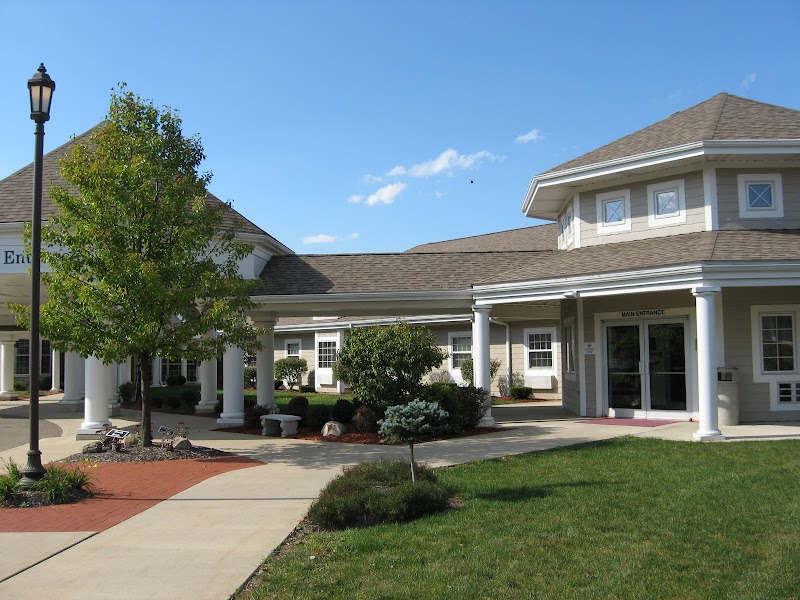
How is Rose Lane Nursing And Rehabilitation Staffed?

CMS rates ROSE LANE NURSING AND REHABILITATION's staffing level at 3 out of 5 stars, which is average compared to other nursing homes. Staff turnover is 52%, compared to the Ohio average of 46%.

What Have Inspectors Found at Rose Lane Nursing And Rehabilitation?

State health inspectors documented 35 deficiencies at ROSE LANE NURSING AND REHABILITATION during 2019 to 2025. These included: 1 Immediate Jeopardy (the most serious level, indicating potential for serious harm or death), 1 that caused actual resident harm, 29 with potential for harm, and 4 minor or isolated issues. Immediate Jeopardy findings are rare and represent the most serious regulatory concerns. They require immediate corrective action.
Who Owns and Operates Rose Lane Nursing And Rehabilitation?

ROSE LANE NURSING AND REHABILITATION is owned by a for-profit company. For-profit facilities operate as businesses with obligations to shareholders or private owners. The facility is operated by SPRENGER HEALTH CARE SYSTEMS, a chain that manages multiple nursing homes. With 171 certified beds and approximately 149 residents (about 87% occupancy), it is a mid-sized facility located in MASSILLON, Ohio.
How Does Rose Lane Nursing And Rehabilitation Compare to Other Ohio Nursing Homes?

Compared to the 100 nursing homes in Ohio, ROSE LANE NURSING AND REHABILITATION's overall rating (2 stars) is below the state average of 3.2, staff turnover (52%) is near the state average of 46%, and health inspection rating (1 stars) is much below the national benchmark.

What Should Families Ask When Visiting Rose Lane Nursing And Rehabilitation?

Based on this facility's data, families visiting should ask: "What changes have been made since the serious inspection findings, and how are you preventing similar issues?" "Can I visit during a mealtime to observe dining assistance and food quality?" "How do you handle medical emergencies, and what is your hospital transfer rate?" "Can I speak with family members of current residents about their experience?" These questions are particularly relevant given the facility's Immediate Jeopardy citations.

Is Rose Lane Nursing And Rehabilitation Safe?

Based on CMS inspection data, ROSE LANE NURSING AND REHABILITATION has documented safety concerns. Inspectors have issued 1 Immediate Jeopardy citation (the most serious violation level indicating risk of serious injury or death). The facility has a 2-star overall rating and ranks #100 of 100 nursing homes in Ohio. Families considering this facility should ask detailed questions about what corrective actions have been taken since these incidents.

Do Nurses at Rose Lane Nursing And Rehabilitation Stick Around?

ROSE LANE NURSING AND REHABILITATION has a staff turnover rate of 52%, which is 6 percentage points above the Ohio average of 46%. Moderate turnover is common in nursing homes, but families should still ask about staff tenure and how the facility maintains care continuity when employees leave.

Was Rose Lane Nursing And Rehabilitation Ever Fined?

ROSE LANE NURSING AND REHABILITATION has no federal fines on record. CMS issues fines when nursing homes fail to meet care standards or don't correct problems found during inspections. The absence of fines suggests the facility has either maintained compliance or corrected any issues before penalties were assessed. This is a positive indicator, though families should still review recent inspection reports for the full picture.

Is Rose Lane Nursing And Rehabilitation on Any Federal Watch List?

ROSE LANE NURSING AND REHABILITATION is not on any federal watch list. The most significant is the Special Focus Facility (SFF) program, which identifies the bottom 1% of nursing homes nationally based on persistent, serious quality problems. Not being on this list means the facility has avoided the pattern of deficiencies that triggers enhanced federal oversight. This is a positive indicator, though families should still review the facility's inspection history directly.