ADDISON HEALTHCARE CENTER
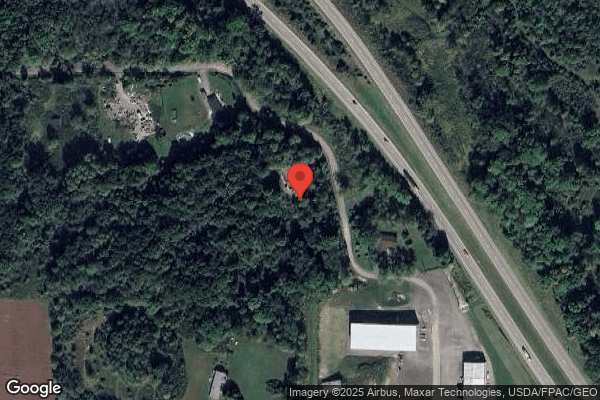
8055 ADDISON ROAD SE, MASURY, OH 44438 (330) 448-2547
For profit - Limited Liability company 55 Beds COMMUNICARE HEALTH Data: November 2025
Trust Grade
85/100
#1 of 913 in OH
Last Inspection: February 2025

Within standard 12-15 month inspection cycle. Federal law requires annual inspections.

Overview

Addison Healthcare Center in Masury, Ohio, has a Trust Grade of B+, which means it is above average and recommended for families seeking care. It ranks #1 out of 913 nursing homes in Ohio and #1 out of 17 in Trumbull County, indicating it stands out among local options. The facility's performance has been stable, with two concerns noted in both 2024 and 2025. Staffing is a weakness, receiving a rating of 2 out of 5 stars, with a turnover rate of 46%, which is slightly below the Ohio average. On the positive side, there have been no fines, which reflects well on compliance, and the facility has excellent RN coverage. However, there have been specific incidents of concern, including a failure to protect residents from potential misappropriation of controlled substances and a lack of proper hygiene precautions during medical procedures. While the facility has strengths in overall health and quality measures, families should weigh these issues carefully when considering care options.

Trust Score
B+
85/100
In Ohio
#1/913
Top 1%
Safety Record
Low Risk
No red flags
Inspections
Holding Steady
2 → 2 violations
Staff Stability
⚠ Watch
46% turnover. Above average. Higher turnover means staff may not know residents' routines.
Penalties
✓ Good
No fines on record. Clean compliance history, better than most Ohio facilities.
Skilled Nurses
○ Average
Each resident gets 34 minutes of Registered Nurse (RN) attention daily — about average for Ohio. RNs are the most trained staff who monitor for health changes.
Violations
⚠ Watch
13 deficiencies on record. Higher than average. Multiple issues found across inspections.
★★★★★
5.0
Overall Rating
★★☆☆☆
2.0
Staff Levels
★★★★★
5.0
Care Quality
★★★★★
5.0
Inspection Score
Stable
2024: 2 issues
2025: 2 issues

The Good

  • 5-Star Quality Measures · Strong clinical quality outcomes
  • Full Sprinkler Coverage · Fire safety systems throughout facility
  • No fines on record

Facility shows strength in quality measures, fire safety.

The Bad

Staff Turnover: 46%

Near Ohio avg (46%)

Higher turnover may affect care consistency

Chain: COMMUNICARE HEALTH

Part of a multi-facility chain

Ask about local staffing decisions and management

The Ugly 13 deficiencies on record

Feb 2025 2 deficiencies
CONCERN (D)

Potential for Harm - no one hurt, but risky conditions existed

Infection Control (Tag F0880)

Could have caused harm · This affected 1 resident

**NOTE- TERMS IN BRACKETS HAVE BEEN EDITED TO PROTECT CONFIDENTIALITY** Based on observation, interview, record review, review of QSO-24-08-NH memorandum, and review of facility policy revealed the fa...

Read full inspector narrative →
**NOTE- TERMS IN BRACKETS HAVE BEEN EDITED TO PROTECT CONFIDENTIALITY** Based on observation, interview, record review, review of QSO-24-08-NH memorandum, and review of facility policy revealed the facility did not utilize enhance barrier precautions (EBP) when indicated for Residents #17 during the administration of medication through his percutaneous endoscopic gastrostomy (PEG) tube. This affected one Resident (#17) out of two residents observed for EBP. The facility identified 11 Residents (#3, #4, #11, #17, #22, #28, #36, #42, #38, #39, #153) who required EBP. The facility census was 48. Findings include: Review of the medical record for Resident #17 revealed an admission date of 11/23/20 and diagnoses including spastic quadriplegic cerebral palsy, convulsions, dysphagia, and adult failure to thrive. Review of the care plan last revised 05/20/21 revealed Resident #17 required a PEG tube (medical device used to provide nutrition and hydration directly into the stomach) feeding related to dysphagia. Interventions included provide tube feeding per medical provider orders, administer medications PEG tube, and head of bed elevated 30 degrees. Review of the quarterly Minimum Data Set (MDS) 3.0 assessment dated [DATE] revealed Resident #17 had impaired cognition, and he had impairment to both upper and lower extremities. He was dependent on staff for toileting hygiene, dressing, transfers, personal hygiene, rolling left and right. Review of February 2025 Physician Orders revealed Resident #17 had an order for EBP related to the PEG tube when dressing, bathing, showering, transferring in room or therapy, personal hygiene, changing linen, changing briefs or assisting with toileting. Review of the care plan dated 02/18/25 revealed Resident #17 required EBP for the PEG tube. Intervention included appropriate personal protective equipment would be utilized during high contact care by care givers. Observation on 02/19/25 at 4:05 P.M. revealed on the outside of Resident #17's door there was EBP signage that revealed staff were to clean their hands including before entering and when leaving the room, wear gloves and gown for the following high contact resident care activities: dressing, bathing/ showering, transferring, changing linens, providing hygiene, changing briefs or assisting with toileting and device care or use including feeding tube. Observation revealed Curriculum Practical Training (CPT) Intern Registered Nurse (RN) #201entered into Resident #17's room with mask and eye protection in place. She then donned gloves but no gown and proceeded to administer Resident #17's medication and flush through his peg tube. During the procedure her uniform came into contact with Resident #17's bedding as she leaned over. She removed her gloves and performed hand hygiene before exiting the room. Interview on 02/19/25 at 4:14 P.M. with CPT/ Intern/ RN #201 verified she did not wear a gown while administering Resident #17's medication and flush through his PEG tube. She verified there was signage on the outside of Resident #17's door indicating he was on EBP. CPT/ Intern/ Registered RN #201 revealed the signage was old as that was the sign when he had COVID-19 and that the signage should have been removed as he no longer had COVID-19. She verified she did not wear a gown for device care including administration of medications through peg tube. She revealed Resident #17 did not have an infection. Interview on 02/19/25 at 4:26 P.M. with the Director of Nursing verified Resident #17 was to be on EBP as he had a PEG tube. She verified CPT/ Intern/ RN #201 should have worn a gown during the administration of his medications and flushes through his peg tube. Review of the memorandum, QSO-24-08-NH, entitled Enhanced Barrier Precautions in Nursing Homes, dated 03/20/24, by the Centers for Medicare & Medicaid Services, Department of Health & Human Services revealed enhanced barrier precautions are indicated for residents with wounds and/or indwelling medical devices even if the resident is not known to be infected or colonized with a MDRO. The effective date for implementation of enhanced barrier precautions under the guidelines was 04/01/24. Review of undated facility policy labeled, Enhanced Barrier Precautions revealed EBP was defined as an infection control intervention designed to reduce transmission of multi-drug-resistant organisms. The policy revealed employees were to perform hand hygiene, gown and glove use during high contact care activities including dressing, bathing, transferring, changing linens and during device care including central line, urinary catheter, feeding tube, and tracheostomy.
CONCERN (E)

Potential for Harm - no one hurt, but risky conditions existed

Deficiency F0602 (Tag F0602)

Could have caused harm · This affected multiple residents

**NOTE- TERMS IN BRACKETS HAVE BEEN EDITED TO PROTECT CONFIDENTIALITY** THE FOLLOWING DEFICIENCY REPRESENTS AN INCIDENT OF PAST NON-COMPLIANCE THAT WAS SUBSEQUENTLY CORRECTED PRIOR TO THIS SURVEY. Bas...

Read full inspector narrative →
**NOTE- TERMS IN BRACKETS HAVE BEEN EDITED TO PROTECT CONFIDENTIALITY** THE FOLLOWING DEFICIENCY REPRESENTS AN INCIDENT OF PAST NON-COMPLIANCE THAT WAS SUBSEQUENTLY CORRECTED PRIOR TO THIS SURVEY. Based on interview, record review, review of the facility Self-Reported Incident (SRI) and related facility investigation, and policy review, the facility did not ensure Residents #2, #4, #23, and #35 were free from the misappropriation of their controlled substance narcotic pain medication. This affected four residents (Resident #2, #4, #23, and #35) out of four residents reviewed for misappropriation of property. This had the potential to affect 14 residents (#1, #2, #4, #8, #11, #21, #23, #26, #32, #33, #35, #36, #39, and #153) the facility identified as residing on the A unit and had orders for controlled substances. The facility census was 48. Findings included: 1. Review of the SRI dated 01/03/25 revealed the facility reported an incident of misappropriation. The report revealed Licensed Practical Nurse (LPN) #332 arrived at the facility on 01/03/25 at 3:00 A.M. and was unable to find Former Registered Nurse (RN) #602 as well as seven controlled substance cards were missing from the A unit medication cart including: ten tablets of Oxycodone (narcotic pain medication) 15 milligram (mg), 23 tablets of Percocet (narcotic pain medication) 5-325mg, six tablets of Morphine Sulfate (MS) Contin (narcotic pain medication), seven tablets of Percocet 10-325mg, 82 tablets of Xanax (anti-anxiety medication) 0.5 mg (combined on two cards), and 13 tablets of Oxycodone 5mg. The report revealed the police were notified and residents were assessed for any adverse effects, and none were noted. The report revealed Police Officer #603 had responded and initiated an investigation including driving to Former RN #602's home address but she was not there. Police Officer #603 returned to the facility on [DATE] at approximately 5:00 A.M. and found Former RN #602's vehicle in the facility parking lot. Police Officer #603 then proceeded to complete a facility search and found Former RN #602 unresponsive in the employee bathroom with a cup of pudding, spoon, water bottle and the missing medication cards belonging to Residents #2, #4, #23, and #35. The report revealed Former RN #602 was administered Narcan (medication given to reverse opioid overdose) per Police Officer #603 and was sent to the hospital. The pharmacy was notified and immediately replaced all residents' medications. The facility unsubstantiated the incident. Review of Police Report dated 01/03/25 revealed Police Officer #603 was dispatched to the facility on [DATE] at 3:21 A.M. regarding the theft of drugs from the facility. Police Officer #603 was informed that Former RN #602 had left the facility without telling anyone and she had stolen resident's medications from the medication cart. The following medications were missing per the report: ten tablets Oxycodone 15mg, 23 Percocet 5-325mg tablets, six Morphine Sulfate Contin tablets, seven Percocet 10-325mg, 82 tablets Xanax 0.5mg, and 13 tablets Oxycodone 5mg. Police Officer #603 left to go to Former RN #602's home address and later returned back to the facility at which time searched the facility and found Former RN #602 in the employee bathroom leaned up against the wall hunched over. There were two full packs of Xanax in her hand and the other medication cards were empty in the trash can next to her. Police Officer #603 administered Narcan and she was transported to the hospital by emergency rescue service (EMS). The report revealed after collecting all the medication packs for evidence it was determined Former RN #602 had ingested 81 tablets of the following: 10 tablets of Oxycodone 15mg, 23 tablets of Percocet 5-325mg, six tablets of MS Contin, seven tablets of Percocet 10- 325mg, 22 tablets of Xanax .5mg, and 13 tablets of Oxycodone 5mg. Review of Employee Termination Checklist dated 01/06/25 and completed by the Director of Nursing (DON) revealed Former RN #602 was terminated as she stole controlled substances from residents and overdosed in the facility bathroom. Interview on 02/24/25 at 9:46 A.M. with the Administrator and Director of Nursing (DON) verified Former RN #602 misappropriated the above controlled substances belonging to Residents #2, #4, #23, and #35. 2. Review of the medical record for Resident #23 revealed an admission date of 09/28/23 and diagnoses including rheumatoid arthritis, asthma, and bilateral knee osteoarthritis. Review of the care plan last revised 10/16/23 revealed Resident #23 had osteoporosis and osteoarthritis. Interventions included administer medications as orders, observe for side effects and effectiveness of the medications, and report abnormal findings to medical provider. Review of the Controlled Drug Administration Record for Resident #23 dated 12/06/24 revealed the facility received 58 MS Contin extended release (ER) 15 mg tablets from the pharmacy. The record revealed on 01/03/25 LPN #300 and LPN #332 signed on the sheet that six MS Contin tablets were missing. Review of the Controlled Drug Administration Record for Resident #23 dated 12/26/24 revealed the facility received 30 Percocet 10-325 mg from the pharmacy. The record revealed on 01/03/25 LPN #300 and LPN #332 signed on the sheet that seven Percocet tablets were missing. Review of January 2025 Physician Orders revealed Resident #23 orders included: MS Contin ER 15mg give one tablet by mouth two times a day for chronic pain and Percocet 10-325 mg tablet give one tablet by mouth every six hours as needed for breakthrough pain. Review of the January 2025 Medication Administration Record (MAR) for Resident #23 revealed Resident #23 received her medications as ordered including on 01/03/25. Review of the quarterly Minimum Data Set (MDS) dated [DATE] revealed Resident #23 had intact cognition, had frequent pain and received opioid medications (classification of pain medication derived from the opium poppy plant). Her medication regimen consisted of scheduled and as needed pain medication. Interview on 02/19/25 at 4:17 P.M. with Resident #23 revealed the facility had notified her that Former RN #602 had taken her MS Contin and Percocet. She revealed there was no delay in receiving any of her medications as they had the medications on hand to replace. 3. Review of Resident #35's medical record revealed an admission date of 03/12/24 and his diagnoses included hypertension, arthritis, chronic pain syndrome, and gout. Review of care plan last revised 03/26/24 revealed Resident #35 had complaints of acute and chronic pain related to gout. Interventions included follow physician orders, observe for pain every shift, and pain management consult. Review of the quarterly MDS dated [DATE] revealed Resident #35 had intact cognition, had occasional pain and received opioids. His medication regimen consisted of scheduled and as needed pain medication. Review of the Controlled Drug Administration Record for Resident #35 dated 12/30/24 revealed the facility received 30 Percocet 5-325 mg from the pharmacy. The record revealed on 01/03/25 LPN #300 and LPN #332 signed on the sheet that 23 Percocet tablets were missing. Review of the January 2025 Physician Orders revealed Resident #35 orders included: Oxycontin ER 15mg give one tablet by mouth two times a day for chronic pain, Percocet 5-325mg give one tablet by mouth every four hours as needed for breakthrough pain, and a one-time order for Oxycontin ER 15mg give one tablet by mouth one time only on 01/03/25. Review of the Controlled Drug Administration Record for Resident #35 dated 01/02/25 revealed the facility received ten Oxycontin ER 15mg from the pharmacy. The record revealed on 01/03/25 LPN #300 and LPN #332 signed on the sheet that ten Oxycontin ER tablets were missing. Review of the January 2025 MAR revealed Resident #35 received his as needed Percocet 5-325mg on 01/03/25 at 10:47 A.M. He received his Oxycontin ER 15mg per one time physician order on 01/03/25 at 12:18 P.M. Review of the packing slip revealed on 01/03/25 Resident #35 received 10 tablets of Oxycodone ER as replacement. The slip was signed as received on 01/03/25 at 10:46 A.M. Review of the nursing note dated 01/03/25 at 1:06 P.M. and completed by RN/ Assistant Director of Nursing (ADON) #318 revealed Medical Director/ Primary Care Physician (PCP) #600 was updated and ordered Resident #23's routine Oxycontin dose to be given at 12:00 P.M. Interview on 02/19/25 at 4:01 P.M. with Resident #35 revealed the facility had notified him that Former RN #601 had taken his medications as well as she had taken several other resident's medications. He revealed he could not remember the exact details, including if his medications were delayed. Interview on 02/20/25 at 11:07 A.M. with RN/ ADON #318 revealed Resident #23's replacement Oxycodone ER had arrived at the facility during the time frame to be administered on time but because Resident #35 had received his as needed Percocet so close to when the medication arrived that she had contacted Medical Director/ PCP #600 to get a one-time order to give his routine Oxycodone ER at noon which Resident #23 was in agreement. She revealed Resident #23 displayed no adverse effects because of the incident. 4. Review of medical record for Resident #4 revealed an admission date of 11/12/20 and diagnoses included hypertension, bilateral above the knee amputations, and muscle weakness. Per the nursing notes for 01/03/25 there were no adverse effects as Resident #4 did not complain of pain that required as needed pain medication. Review of the care plan last revised 11/24/20 revealed Resident #4 had pain to legs. Interventions included administering medications as ordered, evaluate the effectiveness of pain interventions, and document and monitor for side effects. Review of the Controlled Drug Administration Record for Resident #4 dated 12/13/24 revealed the facility received 30 Oxycodone ER 5 mg tablets from the pharmacy. The record revealed on 01/03/25 LPN #300 and LPN #332 signed on the sheet that 13 Oxycodone tablets were missing. Review of January 2025 physician orders revealed Resident #4 had an order for Oxycodone 5mg by mouth every eight hours as needed for pain. Review of the quarterly MDS dated [DATE] revealed Resident #4 had intact cognition, and received as needed pain medication. She had no pain present per the assessment in the last five days. Interview on 02/20/25 at 03:59 P.M. with Resident #4 felt she received pain medications any time she requested and never felt any of her pain medications were delayed. 5. Review of medical record for Resident #2 revealed an admission date of 05/11/24 and her diagnoses included anxiety, panic disorder and hypertension. Review of care plan dated 12/01/24 revealed Resident #2 used anti-anxiety medication due to her anxiety disorder. Interventions included medications as ordered, provide calm environment, observe for side effects, and maintain consistent daily routine. Review of the undated Controlled Drug Administration Record for Resident #2 revealed the facility had received 90 Xanax tablets from the pharmacy. The record revealed on 01/03/25 LPN #300 and LPN #332 signed on the sheet that 82 Xanax tablets were missing. Review of January 2025 Physician Orders revealed Resident #2 had an order for Xanax .5mg give one tablet by mouth three times a day for anxiety. Per January 2025 MAR Resident #2 received her Xanax as ordered including on 01/03/25. Review of the quarterly MDS dated [DATE] revealed Resident #2 had intact cognition, and she received antianxiety medications. Interview on 02/20/25 at 4:23 P.M. with Resident #2 revealed that she felt she always received her medications as ordered and that she had not missed any medications because of 01/03/25 incident. Review of undated facility policy labeled, Medication Controlled Drugs and Security revealed controlled drugs were medications that pose a high risk for addiction when improperly taken, and are known to depress the respiratory system and could lead to an overdose. The policy revealed controlled substances would be kept under double lock and would be counted by the oncoming and off going nurse at the end of each shift and before keys were passed to next shift. The policy revealed drug diversion would be treated as misappropriation of resident property and the board of nursing would be notified. Review of undated facility policy labeled, Ohio Abuse, Neglect, and Misappropriation revealed misappropriation was defined as deliberate misplacement, exploitation, or wrongful temporary, or permanent use of a resident's belongings or money without the resident's consent. The deficient practice was corrected on 01/24/25 when the facility implemented the following corrective actions: • On 01/03/25 at 6:00 A.M. Medical Director #600 was notified of the incident. • On 01/03/25 the DON provided education on Controlled Medication Security and Counseling, and Stress Management for all nurses. • On 01/03/25 the DON filed an SRI with the Ohio Department of Health and reported the incident to Ohio Board of Nursing. • On 01/03/25 DON completed audits on all controlled substances for discrepancies. • On 01/06/25 Former RN #602 was terminated from the facility. • On 01/07/25 the DON audited all delivery manifests for the last 30 days for concerns prior to incident of controlled substances discrepancies. • The DON completed ongoing audits on controlled substances three times weekly for three weeks including on 01/06/25, 01/08/25, 01/10/25, 01/13/25, 01/15/25, 01/17/25, 01/20/25, 01/22/25, and 01/24/25. • On 01/07/25 the Quality Assurance Performance Improvement (QAPI) committee met including Medical Director #600, the Administrator and Director of Nursing to discuss the incident and ongoing monitoring of the audits. • There were no further incidents of resident property misappropriation as of the date of this survey completed on 02/25/25.
Jan 2024 2 deficiencies
CONCERN (D) 📢 Someone Reported This

A family member, employee, or ombudsman was alarmed enough to file a formal complaint

Potential for Harm - no one hurt, but risky conditions existed

Abuse Prevention Policies (Tag F0607)

Could have caused harm · This affected 1 resident

Based on interview, record review and policy review, the facility failed to implement the abuse policy and procedure after receipt of an allegation of staff to resident verbal abuse for Resident #53. ...

Read full inspector narrative →
Based on interview, record review and policy review, the facility failed to implement the abuse policy and procedure after receipt of an allegation of staff to resident verbal abuse for Resident #53. This affected one resident (#53) of three residents reviewed for abuse, neglect, and misappropriation. The facility census was 52. Findings include: Review of the medical record for Resident #53 revealed an admission date of 08/09/23 and discharge date of 11/17/23. Diagnoses included anoxic brain damage, spastic hemiplegia, major depressive disorder, anxiety disorder, heart failure, and need for assistance with personal care. Review of the Quarterly and State Optional Minimum Data Set (MDS) assessments dated 11/16/23 revealed Resident #53 had moderate cognitive impairment, and required extensive two staff assistance for bed mobility, transfers, and toileting. Resident #53 was frequently incontinent of bowel and bladder. Review of the care plan dated 08/09/23 revealed Resident #53 had a neurologic disorder and impaired cognitive function related to traumatic brain injury with spastic hemiplegia and convulsions. Resident #53 required staff assistance with all activities of daily living which fluctuated based on time of day, mood, pain, or fatigue. There were no behaviors documented in the care plan. Review of the progress note dated 10/26/23 and authored by Assistant Director of Nursing (ADON) #266 indicated Resident #53 reported not liking staff's tone of voice when providing care but denied being fearful or mistreated. Staff were educated. Review of progress note dated 11/13/23 at 11:51 A.M. and authored by the Director of Nursing (DON) indicated interviewing Resident #53 after speaking to the Ombudsman regarding an allegation made to the Ombudsman on 11/10/23. Resident #53 did not voice to the staff at the facility. Discussed with Resident #53 regarding a shower which occurred in the prior week. Resident #53 requested a certain nursing assistant (unnamed) not provide a shower but could assist with other activities including brushing teeth or helping with meals. Resident #53 denied being abused but voiced the nursing assistant (unnamed) was rude with a tone. The DON and Ombudsman inquired if Resident #53 was fearful which Resident #53 replied no but stated, care from the other facility was better. Review of shower documentation revealed Resident #53 received a shower on 11/09/23 by State Tested Nursing Assistant (STNA) #240. There were no skin areas noted. Review of a written witness statement by Licensed Practical Nurse (LPN) #287, undated, indicated Resident #53 requested to be brought to ADON #266. LPN #287 asked Resident #53 what was needed because she was the nurse and could help. Resident #53 reported wanting her bath items which were left in the shower room. LPN #287 told Resident #53 it would be retrieved after passing a medication which was already prepared for administration. LPN #287 then retrieved the bath items. LPN #287 told Resident #53 to quit perseverating on things and keep busy, it was not an emergency, and we would take care of it. Review of staff education entitled Teachable Moment, dated 10/26/23, and signed by LPN #287 revealed an identified issue as tone of voice when speaking with a resident, and a solution of staff member educated and apologized to the resident. LPN #287 included a written statement which denied having a bad tone with resident (unnamed) but understood people take things differently. Review of a written witness statement by STNA #240, dated 11/10/23, revealed when STNA #240 approached Resident #53 to assist with oral care, Resident #53 indicated not wanting STNA #240 to provide care anymore due to what happened on 11/09/23. STNA #240 described providing a shower to Resident #53 on 11/09/23. Prior to the shower, Resident #53 toileted and then after the shower during drying, Resident #53 stated she was urinating on the floor. STNA #240 asked why, because she could have assisted her to the toilet. Resident #53 made no response. On 11/10/23, STNA #240 asked Resident #53 about what happened on 11/09/23 and Resident #53 indicated STNA #240 was not being nice when asking her why she urinated on the floor and no longer wanted STNA #240 to care for her. After the shower on 11/09/23, STNA #240 described helping Resident #53 with many things after it happened including lunch and activities. Review of an email dated 11/13/23 at 9:17 A.M. from Ombudsman #294 to the DON stated there was an allegation of verbal abuse that needed follow-up. Resident #53 reported during the previous week on a shower day that STNA #237 was yelling at her. Resident #53 only told her sister. Ombudsman #294 indicated to the DON ability to review what was reported, and a need to ensure the DON followed the facility process for investigation. Review of staff education entitled Teachable Moment, dated 11/13/23, and signed by STNA #240 revealed an identified issue of customer service, and solution as to be mindful of tone of voice when speaking to others. STNA #240 included a written statement which denied raising her voice when offering to put resident (unnamed) on the toilet. Interviews on 01/04/24 from 9:18 A.M. to 9:21 A.M. with LPN #224 and STNA #267 verified all staff mistreatment or abuse was reported to the DON or Administrator. Interview on 01/04/24 at 10:16 A.M. with the DON confirmed receipt of an email from Ombudsman #294 with a statement there was an allegation of abuse. Ombudsman #294 reported STNA #237 yelled at Resident #53. After receipt of the email, I interviewed Resident #53 and looked at the nursing schedule. It was determined it was not STNA #237, but STNA #240 who was educated. STNA #240 denied yelling at Resident #53 during the shower, so she was educated on tone of voice. Resident #53 denied feeling abused but indicated feeling STNA #240 was being rude and did not like STNA #240's tone. Resident #53 voiced feeling safe, and Ombudsman #294 was present during the interview on 11/13/23. The DON indicated following up with administration including a regional staff member. It was decided not to file a Self-Reported Incident (SRI) because it wasn't an allegation of abuse because Resident #53 said it wasn't abuse. It was more of a customer service concern. Interview on 01/04/24 at 10:33 A.M. with STNA #240 verified an incident occurred with Resident #53 on 11/10/23 which involved the events of 11/09/23 during a shower. When STNA #240 approached Resident #53 on 11/10/23 to brush her teeth, Resident #53 stated she did not want me to take care of her anymore but did not explain why. Later, Resident #53 indicated to STNA #240 being upset about the shower on 11/09/23. STNA #240 confirmed reporting the concern to the DON on 11/10/23. Afterward, the DON requested STNA #240 write it a statement of what happened. When Resident #53 was showered, STNA #240 provided toileting and after the shower Resident #53 urinated on the floor. STNA #240 asked her why, and Resident #53 responded because she had to. STNA #240 indicated Resident #53 was on medication for a urinary tract infection at the time. So, using a towel, STNA #240 cleaned it up and told Resident #53 that she could have put Resident #53 on the toilet if Resident #53 had told her. STNA #240 proceeded to get Resident #53 dressed and continued to provide care during the day including lunch assistance and other activities. STNA #240 asked the DON about the incident, and the DON reported talking to Resident #53 who stated not feeling abused, so STNA #240 did not have to stop working for an investigation. STNA #240 confirmed continuing to provide care for Resident #53 after the incident. Interview on 01/04/24 at 10:53 A.M. with the DON verified STNA #240 reported on 11/10/23 of Resident #53 not wanting to receive care from STNA #240 anymore. The DON directed STNA #240 to write a statement which she reviewed. The DON interviewed Resident #53 who reported STNA #240 was rude, and it was about Resident #53 going to the bathroom on the floor. Resident #53 never stated STNA #240 yelled or indicated being threatened, just not wanting STNA #240 to provide showers anymore but could do other care like brushing teeth, meals, and activities. Resident #53 kept stating STNA #240 was rude and did not provide any details. The DON informed the Administrator education was going to be provided to STNA #240. On 11/13/23, Ombudsman #294 sent an email, but the DON indicated already being aware of the incident because of the statement STNA #240 wrote. Ombudsman #294 indicated more details would be provided but it happened in the previous week, so the DON waited for Ombudsman #294 to provide more information. Ombudsman #294 did come to the facility later and we both talked to Resident #53. The Administrator was aware. The DON verified knowledge of Resident #53 reporting to ADON #266 on 10/26/23 of a staff member being rude or mean. The DON indicated Resident #53 thought when people spoke to her, they were being rude or mean. The DON denied memory of interviewing Resident #53 after being made aware of the incident on 10/26/23. Interview on 01/04/24 at 11:07 A.M. with STNA #237 confirmed caring for Resident #53 on multiple occasions but there were no issues. STNA #237 indicated Resident #53 had demanding behaviors. Resident #53 verbalized statements such as staff not wanting to help or did not care for them but nothing specific just things were not done right. STNA #237 verified any report from a resident involving someone being mean verbal or physical would be reported to the DON or Administrator. STNA #237 reported hearing staff talk about Resident #53 reporting people being mean, but the response was Resident #53 always talks that way. Interview on 01/04/24 at 11:20 A.M. with ADON #266 verified on 10/26/23, Resident #53 reported not liking the tone of voice by LPN #287. Resident #53 denied being fearful. ADON #266 indicated talking to LPN #287 and obtaining a written statement. LPN #287 stated Resident #53 wanted supplies from the shower, but LPN #287 was passing medications. What was gathered was Resident #53 wanted it done immediately. ADON #266 confirmed giving LPN #287 education and reported to the DON on 10/26/23. The DON agreed with providing LPN #287 education. With an allegation of abuse, we immediately separate people to make sure of no harm or injury from anyone being accused, and it is reported to the DON. Since Resident #53 requested LPN #287 bring her to me, they were separated, and Resident #53 was not fearful at the time. ADON #266 indicated if she was present during the incident, she would have separated them. ADON #266 stated not feeling the need to investigate because Resident #53 reported not feeling fearful and in danger. ADON #266 verified just interviewing Resident #53 on 10/26/23, and if Resident #53 felt in fear, ADON #266 would have made sure the abuse investigation was executed. ADON #266 stated the facility abuse policy and procedure was executed when a resident stated they were in fear, danger, or abused. ADON #266 indicated just going off residents' wording since they entrust in us. If a resident was not cognitively able to report, ADON #266 would look for witnesses and ask if they were mistreated. ADON #266 stated having to trust what was said to be correct. Interview on 01/04/24 at 12:45 P.M. with the DON verified ADON #266 reported the incident on 10/26/23 with Resident #53. ADON #266 indicated talking to Resident #53 and was directed to do education. The abuse policy would not be implemented because Resident #53 and ADON #266 did not state it was abuse, only Resident #53 complained about tone. Interview on 01/04/24 at 12:55 P.M. with the Administrator confirmed being aware of both incidents with Resident #53. Resident #53 was interviewed regarding whether anything occurred, and Resident #53 stated nothing occurred. We started an investigation by talking to Resident #53 after receipt of the email on 11/13/23 to see if it was valid. Ombudsman #294 sent it four days after it happened and because it was so far back, we wanted to make sure it was an allegation. Ombudsman #294 stated to follow our process which was to investigate. We talk to residents with any allegation, and if a resident does not allege, then there is no allegation. The abuse policy was only implemented if a resident indicated abuse. An abuse allegation would be reported if a resident was not able to state it. The Administrator verified not being aware of the 10/26/23 incident with Resident #53 until the time of the survey. The Administrator stated it must be found out if it is abuse before initiating the policy. If a resident stated someone abused me, then it would be reported and investigated. Ombudsman #294 indicated to follow-up. I took it as to check first, so we talked to Resident #53 and determined it was not abuse. This was because Resident #53 stated it was not abuse, so Resident #53 did not make an allegation. We did not know where Ombudsman #294 received the information. Since Resident #53 was not stating being abused, then I am going to believe the resident. We did do an investigation. We talked to Resident #53. There must be discussion to determine whether it is reportable and whether it falls into those requirements, so I disagree with implementing the abuse policy because Resident #53 did not say she was abused. Review of the facility policy, Abuse, Neglect & Misappropriation, dated 05/25/23, revealed in the event an allegation was made, the facility would take measures to protect residents from harm during an investigation. An employee who is alleged or accused of being a party to abuse, would be immediately removed from the area of resident care, interviewed by facility leadership for a written statement and not left alone after completing the statement. The employee would be asked to vacate the facility until further investigation of the incident was completed, and the employee would be notified of the findings of the investigation. This deficiency represents non-compliance investigated under Complaint Number OH00149488.
CONCERN (D) 📢 Someone Reported This

A family member, employee, or ombudsman was alarmed enough to file a formal complaint

Potential for Harm - no one hurt, but risky conditions existed

Report Alleged Abuse (Tag F0609)

Could have caused harm · This affected 1 resident

Based on interview, record review and policy review, the facility failed to report an allegation of staff-to-resident verbal abuse for Resident #53 to the state agency. This affected one resident (#53...

Read full inspector narrative →
Based on interview, record review and policy review, the facility failed to report an allegation of staff-to-resident verbal abuse for Resident #53 to the state agency. This affected one resident (#53) of three residents reviewed for abuse, neglect, and misappropriation. The facility census was 52. Findings include: Review of the medical record for Resident #53 revealed an admission date of 08/09/23 and discharge date of 11/17/23. Diagnoses included anoxic brain damage, spastic hemiplegia, major depressive disorder, anxiety disorder, heart failure, and need for assistance with personal care. Review of the Quarterly and State Optional Minimum Data Set (MDS) assessments dated 11/16/23 revealed Resident #53 had moderate cognitive impairment, and required extensive two staff assistance for bed mobility, transfers, and toileting. Resident #53 was frequently incontinent of bowel and bladder. Review of the care plan dated 08/09/23 revealed Resident #53 had a neurologic disorder and impaired cognitive function related to traumatic brain injury with spastic hemiplegia and convulsions. Resident #53 required staff assistance with all activities of daily living which fluctuated based on time of day, mood, pain, or fatigue. There were no behaviors documented in the care plan. Review of the progress note dated 10/26/23 and authored by Assistant Director of Nursing (ADON) #266 indicated Resident #53 reported not liking staff tone of voice when providing care but denied being fearful or mistreated. Staff were educated. Review of the progress note dated 11/13/23 at 11:51 A.M. and authored by Director of Nursing (DON) indicated interviewing Resident #53 after speaking to the Ombudsman regarding an allegation made to the Ombudsman on 11/10/23. Resident #53 did not voice to the staff at the facility. Discussed with Resident #53 regarding a shower which occurred in the prior week. Resident #53 requested a certain nursing assistant (unnamed) not provide a shower but could assist with other activities including brushing teeth or helping with meals. Resident #53 denied being abused but voiced the nursing assistant (unnamed) was rude with a tone. DON and Ombudsman inquired if Resident #53 was fearful which Resident #53 replied no but stated, care from the other facility was better. Review of shower documentation revealed Resident #53 received a shower on 11/09/23 by State Tested Nursing Assistant (STNA) #240. There were no skin areas noted. Review of a written witness statement by Licensed Practical Nurse (LPN) #287, undated, indicated Resident #53 requested to be brought to ADON #266. LPN #287 asked Resident #53 what was needed because she was the nurse and could help. Resident #53 reported wanting her bath items which were left in the shower room. LPN #287 told Resident #53 it would be retrieved after passing a medication which was already prepared for administration. LPN #287 then retrieved the bath items. LPN #287 told Resident #53 to quit perseverating on things and keep busy, it was not an emergency, and we would take care of it. Review of staff education entitled Teachable Moment, dated 10/26/23, and signed by LPN #287 revealed an identified issue as tone of voice when speaking with a resident, and a solution of staff member educated and apologized to the resident. LPN #287 included a written statement which denied having a bad tone with resident (unnamed) but understood people take things differently. Review of a written witness statement by STNA #240, dated 11/10/23, revealed when STNA #240 approached Resident #53 to assist with oral care, Resident #53 indicated not wanting STNA #240 to provide care anymore due to what happened on 11/09/23. STNA #240 described providing a shower to Resident #53 on 11/09/23. Prior to the shower, Resident #53 toileted and then after the shower during drying, Resident #53 stated she was urinating on the floor. STNA #240 asked why, because she could have assisted her to the toilet. Resident #53 made no response. On 11/10/23, STNA #240 asked Resident #53 about what happened on 11/09/23, and Resident #53 indicated STNA #240 was not being nice when asking her why she urinated on the floor and no longer wanted STNA #240 to care for her. After the shower on 11/09/23, STNA #240 described helping Resident #53 with many things after it happened including lunch and activities. Review of an email dated 11/13/23 at 9:17 A.M. from Ombudsman #294 to the DON stated there was an allegation of verbal abuse that needed follow-up. Resident #53 reported during the previous week on a shower day, STNA #237 was yelling at her. Resident #53 only told her sister. Ombudsman #294 indicated to the DON ability to review what was reported, and a need to ensure the DON followed the facility process for investigation. Review of staff education titled Teachable Moment, dated 11/13/23, and signed by STNA #240 revealed an identified issue of customer service, and solution as to be mindful of tone of voice when speaking to others. STNA #240 included a written statement which denied raising her voice when offering to put resident (unnamed) on the toilet. There was no evidence that the facility filed a Self-Reported Incident (SRI) for Resident #53. Interviews on 01/04/24 from 9:18 A.M. to 9:21 A.M. with LPN #224 and STNA #267 verified all staff mistreatment or abuse was reported to the DON or Administrator. Interview on 01/04/24 at 10:16 A.M. with the DON confirmed receipt of an email from Ombudsman #294 with a statement there was an allegation of abuse. Ombudsman #294 reported STNA #237 yelled at Resident #53. After receipt of the email, I interviewed Resident #53 and looked at the nursing schedule. It was determined it was not STNA #237, but STNA #240 who was educated. STNA #240 denied yelling at Resident #53 during the shower, so she was educated on tone of voice. Resident #53 denied feeling abused but indicated feeling STNA #240 was being rude and did not like STNA #240's tone. Resident #53 voiced feeling safe, and Ombudsman #294 was present during the interview on 11/13/23. The DON indicated following up with administration including a regional staff member. It was decided not to file an SRI because it wasn't an allegation of abuse because Resident #53 said it wasn't abuse. It was more customer service. Interview on 01/04/24 at 10:33 A.M. with STNA #240 verified an incident occurred with Resident #53 on 11/10/23 which involved the events of 11/09/23 during a shower. When STNA #240 approached Resident #53 on 11/10/23 to brush her teeth, Resident #53 stated she did not want me to take care of her anymore but did not explain why. Later, Resident #53 indicated to STNA #240 being upset about the shower on 11/09/23. STNA #240 confirmed reporting the concern to the DON on 11/10/23. Afterward, the DON requested STNA #240 write a statement of what happened. When Resident #53 was showered, STNA #240 provided toileting and after the shower Resident #53 urinated on the floor. STNA #240 asked her why, and Resident #53 responded because she had to. STNA #240 indicated Resident #53 was on medication for a urinary tract infection at the time. So, using a towel, STNA #240 cleaned it up and told Resident #53 that she could have put her on the toilet if Resident #53 had told her. STNA #240 proceeded to get Resident #53 dressed and continued to provide care during the day including lunch assistance and other activities. STNA #240 asked the DON about the incident, and the DON reported talking to Resident #53 who stated not feeling abused, so STNA #240 did not have to stop working for an investigation. STNA #240 confirmed continuing to provide care for Resident #53 after the incident. Interview on 01/04/24 at 10:53 A.M. with the DON verified STNA #240 reported on 11/10/23 of Resident #53 not wanting to receive care from STNA #240 anymore. The DON directed STNA #240 to write a statement which she reviewed. The DON interviewed Resident #53 who reported STNA #240 was rude, and it was about Resident #53 going to the bathroom on the floor. Resident #53 never stated STNA #240 yelled or indicated being threatened, just not wanting STNA #240 to provide showers anymore but could do other care like brushing teeth, meals, and activities. Resident #53 kept stating STNA #240 was rude and did not provide any details. The DON informed the Administrator education was going to be provided to STNA #240. On 11/13/23, Ombudsman #294 sent an email, but the DON indicated already being aware of the incident because of the statement STNA #240 wrote. Ombudsman #294 indicated more details would be provided but it happened in the previous week, so the DON waited for Ombudsman #294 to provide more information. Ombudsman #294 did come to the facility later and we both talked to Resident #53. The Administrator was aware. The DON verified knowledge of Resident #53 reporting to ADON #266 on 10/26/23 of a staff member being rude or mean. The DON indicated Resident #53 thought when people spoke to her, they were being rude or mean. The DON denied memory of interviewing Resident #53 after being made aware of the incident on 10/26/23. Interview on 01/04/24 at 11:07 A.M. with STNA #237 confirmed caring for Resident #53 on multiple occasions, but there were no issues. STNA #237 indicated Resident #53 had demanding behaviors. Resident #53 verbalized statements such as staff not wanting to help or did not care for them but nothing specific just things were not done right. STNA #237 verified any report from a resident involving someone being mean, verbal, or physical, would be reported to the DON or Administrator. STNA #237 reported hearing staff talk about Resident #53 reporting people being mean, but the response was Resident #53 always talks that way. Interview on 01/04/24 at 11:20 A.M. with ADON #266 verified on 10/26/23, Resident #53 reported not liking the tone of voice by LPN #287. Resident #53 denied being fearful. ADON #266 indicated talking to LPN #287 and obtaining a written statement. LPN #287 stated Resident #53 wanted supplies from the shower, but LPN #287 was passing medications. What was gathered was Resident #53 wanted it done immediately. ADON #266 confirmed giving LPN #287 education and reported to the DON on 10/26/23. The DON agreed with providing LPN #287 education. With an allegation of abuse, we immediately separate people to make sure of no harm or injury from anyone being accused, and it is reported to the DON. Since Resident #53 requested LPN #287 bring her to me, they were separated, and Resident #53 was not fearful at the time. ADON #266 indicated if she was present during the incident, she would have separated them. ADON #266 stated not feeling the need to investigate because Resident #53 reported not feeling fearful and in danger. ADON #266 verified just interviewing Resident #53 on 10/26/23, and if Resident #53 felt in fear, ADON #266 would have made sure the abuse investigation was executed. ADON #266 stated the facility abuse policy and procedure was executed when a resident stated they were in fear, danger, or abused. ADON #266 indicated just going off residents' wording since they entrust in us. If a resident was not cognitively able to report ADON #266 would look for witnesses and ask if they were mistreated. ADON #266 stated having to trust what was said to be correct. Interview on 01/04/24 at 12:45 P.M. with the DON verified ADON #266 reported the incident on 10/26/23 with Resident #53. ADON #266 indicated talking to Resident #53 and was directed to do education. The abuse policy would not be implemented because Resident #53 and ADON #266 did not state it was abuse, only Resident #53 complained about tone. Interview on 01/04/24 at 12:55 P.M. with the Administrator confirmed being aware of both incidents with Resident #53. Resident #53 was interviewed regarding whether anything occurred, and Resident #53 stated nothing occurred. We started an investigation by talking to Resident #53 after receipt of the email on 11/13/23 to see if it was valid. Ombudsman #294 sent it four days after it happened and because it was so far back, we wanted to make sure it was an allegation. Ombudsman #294 stated to follow our process which was to investigate. We talk to residents with any allegation, and if a resident does not allege, then there is no allegation. The abuse policy was only implemented if a resident indicated abuse. An abuse allegation would be reported if a resident was not able to state it. The Administrator verified not being aware of the 10/26/23 incident with Resident #53 until the time of the survey. The Administrator stated it must be found out if it is abuse before initiating the policy. If a resident stated someone abused me, then it would be reported and investigated. Ombudsman #294 indicated to follow-up. I took it as to check first, so we talked to Resident #53 and determined it was not abuse. This was because Resident #53 stated it was not abuse, so Resident #53 did not make an allegation. We did not know where Ombudsman #294 received the information. Since Resident #53 was not stating being abused, then I am going to believe the resident. We did do an investigation. We talked to Resident #53. There must be discussion to determine whether it is reportable and whether it falls into those requirements, so I disagree with implementing the abuse policy because Resident #53 did not say she was abused. Review of the facility policy, Abuse, Neglect & Misappropriation, dated 05/25/23, revealed in the event an allegation was made, the facility would make accurate and timely reporting of incidents both alleged and substantiated to officials in accordance with the state law. All alleged violations involving abuse are reported immediately, but not later than two hours after the allegation is made, for those alleged violations that do not result in serious bodily injury, the facility must report the allegation no later than 24 hours. The results of the facility's investigation must be reported to the survey agency. This deficiency represents non-compliance investigated under Complaint Number OH00149488.
Nov 2022 4 deficiencies
CONCERN (D) 📢 Someone Reported This

A family member, employee, or ombudsman was alarmed enough to file a formal complaint

Potential for Harm - no one hurt, but risky conditions existed

Deficiency F0567 (Tag F0567)

Could have caused harm · This affected 1 resident

**NOTE- TERMS IN BRACKETS HAVE BEEN EDITED TO PROTECT CONFIDENTIALITY** Based on interview and record review, the facility failed to ensure authorization was obtained prior to the facility opening a r...

Read full inspector narrative →
**NOTE- TERMS IN BRACKETS HAVE BEEN EDITED TO PROTECT CONFIDENTIALITY** Based on interview and record review, the facility failed to ensure authorization was obtained prior to the facility opening a resident funds account for Resident #249 and Resident #250. This affected two residents (Resident #249 and #250) out of seven residents reviewed for resident funds. Findings include: 1. Review of closed medical record for Resident #249 revealed an admission date of 02/01/22 and a discharge date of 07/11/22. His diagnoses included diabetes, hemiplegia and hemiparesis following cerebral infarction affecting right dominant side, hypertension, and muscle weakness. His medical record revealed he was his own responsible person. Review of facility admission Agreement revealed the agreement was dated 02/03/22 and signed by Resident #249 and Former Licensed Social Worker (LSW)/ Admissions #600. The agreement revealed under personal funds that a resident can choose to deposit his personal funds with the facility and Resident #249 marked that he was not interested in initiating a personal fund account through the facility. Review of undated blank facility form labeled Resident Fund Management Service Authorization and Agreement to Handle Resident Funds revealed by signing below a resident and/ or resident representative authorized the named facility to establish and manage an insured interest-bearing resident fund and that the resident can have his re-occurring checks direct deposited to their resident funds account. Resident #249 did not have an authorization per his medical record. Review of facility form labeled; Resident Fund Management Service Statement dated from 03/22/22 through 03/31/22 revealed the facility opened a resident funds account on 03/22/22 for Resident #249. Review of facility form labeled; Resident Fund Management Service Statement dated from 04/01/22 through 06/30/22 revealed the facility continued to have a resident funds account for Resident #249 as on 04/01/22 Resident #249's social security check of one thousand five hundred seventy-five dollars and fifty cents was direct deposited into the account . The statement revealed then Resident #249 was personally reimbursed seven hundred, eighty-seven dollars and fifty cents and seven hundred eighty-seven dollars and fifty cents went towards his patient liability. The statement revealed on 05/03/22 Resident #249's social security check of one thousand five hundred and five dollars was deposited into the account and then on 05/04/22 Resident #249 was refunded the same amount. The statement revealed on 05/26/22 and 06/03/22 Resident #249's social security check of a a total of two thousand four hundred twenty-five dollars and forty-two cents was deposited into his account and then on 06/09/22 Resident #249 was personally reimbursed this amount. Review of facility form labeled; Resident Fund Management Service Statement dated from 07/01/22 through 09/30/22 revealed on 07/01/22 Resident #249's social security check of one thousand seven hundred and forty-five dollars was deposited into the account and on 07/05/22 he was personally reimbursed this amount. Review of quarterly Minimum Data Set (MDS) dated [DATE] revealed Resident #249 had intact cognition. Interview on 11/07/22 at 9:19 A.M. with Ombudsman #700 revealed she had two residents, Resident #249 and Resident #250, that had voiced a concern to her that the facility automatically opened up a resident account for them through the facility without their authorization. Interview on 11/09/22 at 2:17 P.M. with Administrator and Business Office Manager #601 verified when Resident #249 was admitted on [DATE] he had signed an admission Agreement dated 02/03/22 that he was not interested in initiating a personal funds account through the facility. Business Office Manager #601 revealed she went into the resident management service software, and she hit to have his social security check direct deposited to personal fund account that was managed by the facility. Business Office Manager #601 verified she did not have Resident #249 sign the facility authorization form; Resident Fund Management Service Authorization and Agreement to Handle Resident Funds. They verified Resident #249 never signed authorization for the facility to open a resident's fund account and to have the facility manage his funds but that an account was opened on 03/22/22. They verified the authorization form should have been signed prior to any resident fund being opened and his funds managed by the facility. 2. Review of closed medical record for Resident #250 revealed an admission dated of 02/15/22 and discharge date of 07/25/22. His diagnoses included hypertension, anxiety disorder, and muscle weakness. His medical record revealed he was his own responsible person. Review of facility admission Agreement revealed the agreement was dated 02/16/22 and signed by Resident #250 and Former Licensed Social Worker (LSW)/ Admissions #600. The agreement revealed under personal funds that a resident can choose to deposit his personal funds with the facility and that Resident #250 marked to have the business office present him with the necessary paperwork to open a personal fund account. Review of undated blank facility form labeled Resident Fund Management Service Authorization and Agreement to Handle Resident Funds revealed by signing below a resident and/ or resident representative authorized the named facility to establish and manage an insured interest-bearing resident fund and that the resident can have his recurring checks direct deposited to their resident fund account. Resident #250 did not have this authorization per his medical record. Review of facility form labeled; Resident Fund Management Service Statement dated from 03/22/22 through 03/31/22 revealed the facility opened a resident fund's account on 03/22/22 for Resident #250. Review of facility form labeled; Resident Fund Management Service Statement dated from 04/01/22 through 06/30/22 revealed on 04/01/22 Resident #250's social security check was direct deposited into his resident fund of one thousand eight hundred and fifty-seven dollars. The statement revealed on 04/11/22 Resident #250 agreed to have one hundred dollars go towards his patient liability but then he was refunded the rest of the money (one thousand seven hundred and fifty-seven dollars). Review of quarterly Minimum Data Set (MDS) dated [DATE] revealed Resident #250 had an intact cognition. Interview on 11/07/22 at 9:19 A.M. with Ombudsman #700 revealed she had two residents, Resident #249 and Resident #250, that had voiced a concern to her that the facility automatically opened up a resident account for them without their authorization. Interview on 11/09/22 at 2:17 P.M. with Administrator and Business Office Manager #601 revealed when Resident #250 was admitted on [DATE] he had signed an admission Agreement dated 02/16/22 that he wanted the business office to present him with the necessary paperwork to open a personal fund's account. Business Office Manager #601 revealed she went into the resident management service software, and she hit to have his social security check direct deposited to a personal fund account prior to having Resident #250 sign the facility authorization form; Resident Fund Management Service Authorization and Agreement to Handle Resident Funds. They verified Resident #250 never signed authorization for the facility to open a resident fund's account and to have the facility manage Resident #250's funds but that an account was opened on 03/22/22. They verified the authorization form should have been signed prior to any resident fund being opened and his funds managed by the facility. Review of facility policy labeled, Resident Trust Fund dated 10/17/17 revealed upon admission or at any time upon the resident's request the resident would be given the opportunity to open a resident fund account with the facility. The policy revealed in order for the facility to maintain the residents funds the business office manager must receive a completed authorization and agreement from the resident. The policy revealed all authorization forms would require a witness. This deficiency represents non-compliance investigated under Master Complaint Number OH00135749 and Complaint Number OH00134249.
CONCERN (D) 📢 Someone Reported This

A family member, employee, or ombudsman was alarmed enough to file a formal complaint

Potential for Harm - no one hurt, but risky conditions existed

Deficiency F0688 (Tag F0688)

Could have caused harm · This affected 1 resident

**NOTE- TERMS IN BRACKETS HAVE BEEN EDITED TO PROTECT CONFIDENTIALITY** Based on observation, interview, and record review, the facility failed to ensure Resident #25 had bilateral hand splints as ord...

Read full inspector narrative →
**NOTE- TERMS IN BRACKETS HAVE BEEN EDITED TO PROTECT CONFIDENTIALITY** Based on observation, interview, and record review, the facility failed to ensure Resident #25 had bilateral hand splints as ordered. This affected one resident (Resident #25) out of one resident reviewed for splints. Findings included: Review of medical record for Resident #25 revealed an admission date of 11/23/20 and diagnoses included spastic quadriplegic, cerebral palsy, adult failure to thrive, and muscle weakness. Review of care plan dated 05/11/21 revealed Resident #25 had an activities of daily living self- care performance deficit that required assistance related to spastic quadriplegic cerebral palsy. Interventions included total assistance of two staff with bed mobility, transfers, and dressing. There was no documentation in the care plan regarding contracture's to his bilateral hands and bilateral splinting carrots (a fabric splint device in the shape of a carrot to prevent contracture's to hand) to his hands were to be implemented. Review of physician order dated 03/29/22 revealed Resident #25 had an order to apply carrots to bilateral hands four to six hours daily in the morning. Review of Occupational Therapy Discharge summary dated [DATE] and completed by Occupational Therapist #608 revealed Resident #25 had bilateral hand contractures and was to have bilateral hand rolled wash clothes or carrot splints to his bilateral hands to increase range of motion. Review of Treatment Administration Record (TAR) for September 2022 for Resident #25 revealed no documentation that a splinting device was implemented for Resident #25 as ordered. Review of TAR for October 2022 for Resident #25 revealed no documentation that a splinting device was implemented for Resident #25 as ordered. Review of quarterly Minimum Data Set (MDS) dated [DATE] revealed Resident #25 had impaired cognition as he was rarely and/ or never understood. He required total dependence of two people with bed mobility and transfers. There was no documentation under restorative nursing that Resident #25 received splint and/ or brace assistance. Review TAR for November 2022 for Resident #25 revealed no documentation that a splinting device was implemented for Resident #25 as ordered. Observation on 11/08/22 at 8:20 A.M., 9:55 A.M., and 12:18 P.M. revealed Resident #25's bilateral hands were contracted with no splinting device in place. Interview on 11/08/22 at 12:34 P.M. with State Tested Nursing Assistant (STNA) #606 revealed Resident #25 was supposed to have carrot splinting devices placed in his bilateral hands but that the carrots had been broken approximately two weeks ago and they did not place anything then in his bilateral hands. She revealed they were unable to place washcloths or any other devices in his hands as the carrots were the only device that could fit inside his hands. STNA #606 revealed she reported to a nurse that the carrot splinting devices were broken but could not remember the date and to who she specifically reported this to. She revealed she did not document anywhere in his medical record regarding the implementation of his splints. Interview on 11/08/22 at 1:02 P.M. with Licensed Practical Nurse (LPN) #604 revealed she was the charge nurse for Resident #25 today, 11/08/22, and was not aware Resident #25 did not have his carrot splinting devices and/ or that they were broke. She revealed they did not document anywhere in his medical record regarding the implementation of his splints. Interview on 11/08/22 at 1:49 P.M. with Rehabilitation Director #607 revealed she was not aware that Resident #25's carrot splinting devices were broken and that they were not utilizing any splinting devices in his bilateral hands. She revealed Central Supply #605 ordered new replacement carrot splinting devices and she was unsure if she was aware they were broken. She revealed per their last Occupational Therapy Discharge summary dated [DATE] revealed Resident #25 was to have bilateral hand rolled wash clothes or carrot splints to his bilateral hands to increase range of motion. She revealed if the carrot splinting devices were broken that the staff should have been using rolled up washed clothes as replacement. Interview on 11/08/22 at 1:52 P.M. with the Director of Nursing revealed she was not aware Resident #25's carrot splinting devices were broken and was not aware how long they had been broken. She revealed the order should have been on the TAR and the nurses documenting that the splints were applied, and she was unsure why the order was not on the TAR for September 2022, October 2022 and November 2022. She verified she had no documentation of the splints being implemented for Resident #25 from 09/01/22 through 11/08/22. Interview on 11/08/22 at 2:04 P.M. with Central Supply #605 revealed she ordered the needed supplied including carrot splinting devices and was not aware Resident #25's carrot splinting devices were broken as she was not notified. She revealed she did not have any back up carrot splinting devices and /or had ordered any replacements. Review of facility policy labeled, Restorative Program dated 11/08/22 revealed the purpose of this policy was to provide direction and guidance to the clinical team to assess and implement a plan of action for resident-specific care to maintain or improve mobility with the maximum practicable independence. The policy revealed based upon the assessment and evaluation necessary equipment including splints or braces should be addressed in the care plan.
CONCERN (D)

Potential for Harm - no one hurt, but risky conditions existed

Pharmacy Services (Tag F0755)

Could have caused harm · This affected 1 resident

**NOTE- TERMS IN BRACKETS HAVE BEEN EDITED TO PROTECT CONFIDENTIALITY** Based on record review and interview, the facility failed to ensure the pharmacy delivered medications in a timely manner to ens...

Read full inspector narrative →
**NOTE- TERMS IN BRACKETS HAVE BEEN EDITED TO PROTECT CONFIDENTIALITY** Based on record review and interview, the facility failed to ensure the pharmacy delivered medications in a timely manner to ensure Resident #44 and Resident #99 received intravenous antibiotics as scheduled. This affected two residents (Resident #44 and Resident #99) out of five residents reviewed for medication administration. Findings include: 1. Resident #44 was admitted to the facility at 5:45 P.M. on 10/27/22 with diagnoses including cellulitis of the lower extremities, bacteremia, elevated white blood cell count, heart failure, chronic kidney disease and obesity. A review of a nurse progress note dated 10/27/22 indicated the physician verified the admission medication orders at 6:45 P.M. A review of Resident #44's clinical nurse practitioner (CNP) progress note dated 10/28/22 indicated Resident #44 was admitted from the hospital for intravenous infusion of antibiotics for the lower leg cellulitis with associated bacteremia infection. The CNP progress note indicated Resident #44 had a peripheral intravenous central line (PICC) in the right upper forearm for the intravenous infusion. The CNP note indicated the plan of care included to continue the intravenous antibiotic administration started while in the hospital. A review of the hospital Medication Administration Record (MAR) dated 10/27/22 indicated the last dose of Cefepime (antibiotic) 2 grams was administered intravenously in the hospital at 11:16 A.M. prior to transfer to the facility. Resident #44's admission physician order dated 10/27/22 indicated to administer Cefepime 2 grams intravenously every eight hours for infection. The next dose was due to be administered at 7:16 P.M. on 10/27/22. A review of Resident #44's MAR dated 10/01/22 to 10/31/22 indicated he received the first dose in the facility of Cefepine 2 grams intravenously on 10/28/22 at 4:00 P.M. Electronic medication administration note dated 10/28/22 at 5:51 A.M. and 10:59 A.M. indicated the facility was waiting for delivery of the Cefepime antibiotic medication from pharmacy. An interview with Resident #44 on 11/07/22 at 10:50 A.M. indicated he did not receive his intravenous antibiotic for at least 24 hours after he was admitted to the facility. Resident #44 stated the nursing staff had informed him they had called the pharmacy several times to have them deliver the intravenous antibiotic but they failed to deliver the antibiotic until the next day. An interview with Licensed Practical Nurse (LPN) #500 on 11/08/22 at 3:30 P.M. and with LPN #501 and LPN #502 on 11/09/22 at 6:15 A.M. indicated they had worked for the facility for more than two years and the the pharmacy routinely failed to deliver medications in a timely manner after residents were admitted to the facility. LPN #500 stated she often had to wait 24 hours or more for medications to be delivered from the pharmacy after a resident arrived to the facility. LPN #500 stated some medications were stocked in the facility and could be signed out to administer to the residents as needed. If the facility did not stock a particular medication then the resident had to wait an extended period of time to have their prescription medications administered. An interview with Assistant Director of Nursing (ADON) on 11/08/22 at 11:29 A.M. verified the above findings and indicated she was unaware if the administrative personnel had contacted the pharmacy to implement changes to ensure the residents received their medications from the pharmacy in a timely manner. ADON stated the nurses had called the pharmacy several times to have Resident #44's intravenous antibiotic delivered immediately on 10/27/22 but did not receive the antibiotic until the following day. An interview with Physician #503 on 11/09/22 at 7:15 A.M. indicated the staff notified him of the failure of the pharmacy to deliver the intravenous (IV) antibiotics for Resident #44 within the first few hours after their admission. Physician #503 stated when the staff notified him the intravenous antibiotics were not available to administer the staff were informed by the pharmacy the intravenous antibiotics would be delivered by the pharmacy buy the next morning. Physician #503 stated this had been an ongoing problem and should have been addressed by the facility. Physician agreed residents should receive IV antibiotics as soon as possible to treat their specific infections. An interview with Administrator on 11/09/22 at 8:00 A.M. indicated upon admission to the facility the physician ordered medications were faxed to the pharmacy after verified with the physician. If a resident's medication was not available when scheduled to administer the staff could withdraw the medication from the facility stock if available. If the facility did not have the medication stocked, the nurse would call the pharmacy and inquire of the time of delivery for the resident's medication. The nurse would then notify the physician of the missing medication. Administrator indicated she had informed the corporation of the problem and there had been no resolution. An interview on 11/09/22 at 9:12 A.M. with the Quality Assurance Pharmacist (QAP) from the pharmacy the facility used to provide the medications to the residents in the facility revealed she was recently notified of the problem with timeliness of delivery of Resident #44's intravenous antibiotics to the facility on [DATE]. QAP indicated the pharmacy should be able to deliver intravenous medications immediately to the facility when needed. QAP agreed it was unacceptable for the pharmacy to delay the delivery of intravenous antibiotics and could not identify the root cause of the problem. An interview with Director of Nursing (DON) on 11/09/22 at 10:52 A.M. indicated the pharmacy was expected to deliver IV antibiotic medications to the facility as soon as possible after receiving the physician order. DON indicated the expectation was the resident would receive the IV antibiotic with in four to six hours after their admission to the facility. DON verified the pharmacy was contacted by the facility staff and continued to fail to deliver the IV antibiotic in a timely manner. A review of the Ohio Pharmacy Information (undated) from the pharmacy company who provided services to the facility indicated resident's medications would be delivered at 12:00 P.M. and 12:00 A.M. from Monday through Friday and 12:00 P.M. and 5:00 P.M. on Saturday, Sunday and holidays. New order requests received before 12:00 P.M. would arrive with the first scheduled delivery. Order requests after 12:00 A.M. would be delivered on the first scheduled delivery the following day. 2. Resident #99 was admitted on [DATE] with diagnoses including chronic kidney disease with kidney cancer, bacteremia, enterococcus as the cause of diseases classified elsewhere, heart disease and anemia. Resident #99's nursing progress note dated 11/04/22 at 6:19 P.M. indicated Resident #99 was admitted and had a right chest single lumen central venous line port for intravenous infusion. A review of Resident #99's physician order dated 11/05/22 indicated to administer Ampicillin 1 gram intravenously every eight hours for bacterial infection. Review of nursing progress note dated 11/05/22 at 1:46 A.M., 10:57 P.M., revealed the Ampicillin intravenous antibiotic had not arrived from the pharmacy and the physician was aware. Review of Resident #99's MAR dated 11/01/22 to 11/20/22 revealed the Ampicillin antibiotic was not administered until 11/06/22 at 6:00 A.M. An interview with Resident #99 on 11/07/22 at 10:09 A.M. indicated he was admitted to receive intravenous antibiotics and the pharmacy did not deliver the intravenous antibiotic until approximately 48 hours after he was admitted to the facility. An interview with Physician #503 on 11/09/22 at 7:15 A.M. indicated the staff notified him of the failure of the pharmacy to deliver the IV antibiotics for Resident #99 with in the first few hours after their admission. Physician #503 stated when the staff notified him the intravenous antibiotics were not available to administer the staff were informed by the pharmacy the intravenous antibiotics would be delivered by the pharmacy buy the next morning. Another nurse called and notified him the antibiotic was not available the next morning and the pharmacy told the staff the IV antibiotic would be delivered in the afternoon. Physician #503 stated this had been an ongoing problem and should have been addressed by the facility. Physician agreed residents should receive IV antibiotics as soon as possible to treat their specific infections. An interview with Administrator on 11/09/22 at 8:00 A.M. indicated upon admission to the facility the physician ordered medications were faxed to the pharmacy after verified with the physician. If a resident's medication was not available when scheduled to administer the staff could withdraw the medication from the facility stock if available. If the facility did not have the medication stocked, the nurse would call the pharmacy and inquire of the time of delivery for the resident's medication. The nurse would then notify the physician of the missing medication. Administrator indicated she had informed the corporation of the problem and there had been no resolution. An interview on 11/09/22 at 9:12 A.M. with the QAP from the pharmacy the facility used to provide the medications to the residents in the facility revealed she was recently notified of the problem with timeliness of delivery of Resident #44's intravenous antibiotics to the facility on [DATE]. QAP indicated the pharmacy should be able to deliver intravenous medications immediately to the facility when needed. QAP agreed it was unacceptable for the pharmacy to delay the delivery of intravenous antibiotics and could not identify the root cause of the problem. An interview with DON on 11/09/22 at 10:52 A.M. indicated the pharmacy was expected to deliver IV antibiotic medications to the facility as soon as possible after receiving the physician order. DON indicated the expectation was the resident would receive the IV antibiotic with in four to six hours after their admission to the facility. DON verified the pharmacy was contacted by the facility staff and continued to fail to deliver the IV antibiotic in a timely manner. A review of the Ohio Pharmacy Information (undated) from the pharmacy company who provided services to the facility indicated resident's medications would be delivered at 12:00 P.M. and 12:00 A.M. from Monday through Friday and 12:00 P.M. and 5:00 P.M. on Saturday, Sunday and holidays. New order requests received before 12:00 P.M. would arrive with the first scheduled delivery. Order requests after 12:00 A.M. would be delivered on the first scheduled delivery the following day.
MINOR (C)

Minor Issue - procedural, no safety impact

Staffing Data (Tag F0851)

Minor procedural issue · This affected most or all residents

Based on interview and record review, the facility failed to submit complete and accurate staffing information for the Payroll-Based Journal (PBJ) report to Centers for Medicare and Medicaid Services ...

Read full inspector narrative →
Based on interview and record review, the facility failed to submit complete and accurate staffing information for the Payroll-Based Journal (PBJ) report to Centers for Medicare and Medicaid Services (CMS). This had the potential to affect all 51 residents in the facility. Findings include: Review of emails of 05/11/22 and 07/30/22 between the Administrator and the corporate office revealed missing nursing hours for the PBJ reports for 01/01/22 to 03/31/22 and 04/01/22 to 06/30/22. The DON or the Assistant DON provided direct care on 01/09/22, 01/15/22, 02/12/22, 02/13/22, 02/26/22, 03/13/22, 03/20,22, 03/26/22, 03/27/22, 07/02/2022, 07/09/2022, 07/10/2022, 07/16/2022, 07/17/2022, 07/23/2022, 07/24/2022, 07/30/2022, 07/31/2022, 08/06/2022, 08/07/2022, 08/13/2022, 08/20/2022, 08/21/2022, 08/27/2022, 09/03/2022, 09/04/2022, 09/17/2022 and 09/18/2022. Interview on 11/14/22 12:45 P.M. with the Administrator revealed the Director of Nursing (DON) provided direct care to ensure facility staffing was not low, particularly on the weekends. The hours when the DON provided direct care were not entered into the PBJ since she was salary. The Administrator reported she provided those hours to the corporate office when requested but they were not entered in time and the PBJ report did not accurately reflect the staffing data. Interview on 11/1422 at 1:10 P.M. with the DON verified she provided direct care on the dates reported to the corporate office. Interview on 11/15/22 at 1:44 P.M. with Corporate Manager (CM) # 801 revealed staffing hours cannot be entered beyond a certain date. He verified the facility triggered for low weekend staffing and a one-star staffing rating because not all hours were reported to CMS in the PBJ report for 04/01/22 to 06/30/22.
Dec 2019 5 deficiencies
CONCERN (D)

Potential for Harm - no one hurt, but risky conditions existed

Notification of Changes (Tag F0580)

Could have caused harm · This affected 1 resident

Based on interview and record review the facility failed to notify Resident #10 of a medication change when an anti-psychotic medication was ordered and administered to him. This affected one resident...

Read full inspector narrative →
Based on interview and record review the facility failed to notify Resident #10 of a medication change when an anti-psychotic medication was ordered and administered to him. This affected one resident (Resident #10) of three residents reviewed for notification of change in condition. The facility census was 51. Findings include: Review of the medical record for Resident #10 revealed an admission date of 06/14/18. Diagnoses included brief psychotic disorder, acute respiratory failure, diabetes, and chronic kidney disease. Review of the annual Minimum Data Set (MDS) assessment, dated 11/30/19, revealed Resident #10 had intact cognition. No behaviors were listed per the assessment. Review of a nursing note dated 11/30/19 at 4:08 P.M. written by Licensed Practical Nurse (LPN) #604 revealed Psychiatrist #702 was contacted regarding Resident #10's behaviors that included he was the Profit. Resident #10 stated he was going to buy a worker a Porsche and he was going to marry the staff as that was God's plan. The psychiatrist ordered Invega (antipsychotic) six milligram (mg) daily with a diagnosis of psychotic disorder. There was no documentation the resident was notified of the medication change or side effects of the medication in the nursing note. Review of a physician order for Resident #10 dated 11/30/19 at 4:14 P.M. revealed Primary Care Physician (PCP) #701 ordered Invega extended release tablet six mg by mouth at bedtime every day for brief psychotic disorder. Review of the Medication Administration Record (MAR) for November and December 2019 revealed Resident #10 received Invega extended release six mg by mouth that was ordered for 9:00 P.M. on 11/30/19, 12/01/19, and 12/02/19. Review of self- reported incident (SRI) with tracking number 184772 and a discovery date of 12/04/19 revealed Resident #10 felt he had been abused because he was put on a medication and was not made aware. The facility unsubstantiated the SRI. Review of an undated witness statement signed by Resident #10 revealed he was given a medication without his knowledge. He stated he felt no actual harm was done but there was a miscommunication regarding his medication. Review of a nursing note dated 12/04/19 at 1:54 P.M. written by LPN #703 revealed Psychiatrist #702 was notified of Resident #10's concern and discontinued the Invega. Resident #10 was made aware the medication was discontinued. Review of Resident #10's care plan with a revision date of 12/04/19 revealed the resident was on psychotropic medications related to a brief psychotic disorder and displayed behaviors. Interventions included administer medications as ordered, monitor, document side effects and effectiveness and educate Resident #10 about risks, benefits, side effects and toxic symptoms of the medications. Review of a witness statement dated 12/05/19 written by LPN #604 revealed Resident #10 was making delusional statements and believed he was the Profit. She called the psychiatrist and he ordered the medication Invega. She indicated she informed Resident #10 of the new order and he did not ask any questions. Review of witness statement dated 12/08/19 written by LPN #700 revealed Resident #10 approached her during the medication pass and asked what medications he was on and if he was on any new medications. She indicated she went over the medications with Resident #10. She indicated Resident #10 asked what the Invega was for and when she informed him he became angry. Review of a nursing note dated 12/09/19 at 11:49 A.M. written by LPN #604 revealed a late entry for 11/30/19 which indicated Resident #10 was informed of new medication and did not ask any questions. The nursing note did not reveal if side effects of the Invega were explained to the resident. Interview on 12/26/19 at 11:02 A.M., with Resident #10 revealed he was upset as a nurse had called the psychiatrist and received an order for Invega and never notified him of the new medication. He revealed he received a couple doses before he realized he was receiving the medication that he did not know was ordered. He revealed he had side effects of the medication that included dry mouth, dizziness, and blurred vision. He revealed he did not realize the side effects were because he was receiving a new medication that he was not notified he was ordered. He revealed he felt this was against his right as he would not have agreed to receive this medication if he was aware this medication was ordered. He said the nurse said she notified him, but she did not as he would remember that. Interview on 12/26/19 at 9:51 A.M. with LPN #604 verified notification documentation related to the Invega was not completed until a late entry was entered on 12/09/19 which was after Resident #10 reported he was not notified of his medication change. Interview on 12/28/19 at 9:02 A.M. with the Administrator and Director of Nursing revealed on 12/04/19 Resident #10 was upset and reported he was ordered a medication and was not notified of the medication and side effects of the medication. They verified LPN #604 did not document Resident #10 was notified of the medication change or side effects of the medication on 11/30/19 when the medication was ordered. Review of the facility policy titled, Notification for Changes in Condition, dated 11/30/18, revealed the purpose of the policy was for guidance for notifications to a resident, resident representative, and family for the resident. The policy revealed the facility was to notify for changes that included but not limited to significant medication changes. This deficiency substantiates Complaint Number OH00108976.
CONCERN (D)

Potential for Harm - no one hurt, but risky conditions existed

Deficiency F0657 (Tag F0657)

Could have caused harm · This affected 1 resident

**NOTE- TERMS IN BRACKETS HAVE BEEN EDITED TO PROTECT CONFIDENTIALITY** Based on record review and interview the facility failed to ensure all appropriate staff participated in the development of Resi...

Read full inspector narrative →
**NOTE- TERMS IN BRACKETS HAVE BEEN EDITED TO PROTECT CONFIDENTIALITY** Based on record review and interview the facility failed to ensure all appropriate staff participated in the development of Resident #7's care plan. This affected one of 18 residents whose care plans were reviewed. The facility census was 51. Findings included: Record review was conducted on Resident #7 who was admitted to the facility on [DATE] with diagnoses including cerebral palsy, schizoaffective disorder, intellectual disability and generalized anxiety. The Minimum Data Set assessment dated [DATE] indicated she had cognitive impairment and needed extensive assistance by staff for all activities of daily living including bed mobility, transfers, toileting, hygiene, eating and dressing. Observation and interview on 12/26/19 at 11:34 A.M. revealed Resident #7 laying in her bed. She was alert and oriented with garbled speech which was difficult to understand. She shared she had no concerns about her care and was dependent on the nursing staff for all of her care needs. Interview on 12/27/19 at 8:07 A.M. with Resident #7's family member revealed Resident #7 had a long history of being in facilities due to physical limitations and psychological problems. He said he had no concerns with her care and she had a close relationship with some of the nurses and aides. Review of the facility document titled Care Plan Meeting, dated 06/25/19, for Resident #7 revealed those who signed for attendance at the meeting included Licensed Practical Nurse (LPN) #605, Dietary Manager (DM) #900 and Activity Director (AD) #901. Review of the facility Progress Note dated 10/03/19 authored by Social Services Director (SSD) #903 revealed the care team met with the resident; however, the note did not indicate which team members were at the meeting. Interview on 12/27/19 at 12:23 P.M. with State Tested Nursing Assistant (STNA) #906 revealed she had worked at the facility for several years and was not asked to attend plan of care meetings for residents nor asked for input from staff holding the plan of care meetings. Interview on 12/27/19 at 12:29 P.M. with STNA #905 revealed she had worked at the facility for many years and did not attended plan of care meetings for any resident nor was she asked for any input regarding a resident for plan of care meetings. Interview on 12/27/19 at 1:36 P.M. with SSD #903 revealed she had started at the facility in August 2019. She said STNAs nor Registered Nurses (RN) attended the plan of care meetings. Those in regular attendance from the facility included herself, LPN #605, DM #900 and AD #901. She verified STNAs or RNs did not attend Resident #7's meetings on 06/25/19 according to the meeting document and staff signatures nor on 10/03/19 which was a meeting she personally held. An interview on 12/27/19 at 3:17 P.M. with the Administrator revealed the corporate office wanted the facility to have an RN at the plan of care meetings and the DON could fill that role but that had not been implemented. The Administrator had no comment regarding the lack of STNA attendance or input.
CONCERN (D)

Potential for Harm - no one hurt, but risky conditions existed

Quality of Care (Tag F0684)

Could have caused harm · This affected 1 resident

**NOTE- TERMS IN BRACKETS HAVE BEEN EDITED TO PROTECT CONFIDENTIALITY** Based on observation, interviews and record reviews the facility failed to routinely monitor Resident #11's blood glucose levels...

Read full inspector narrative →
**NOTE- TERMS IN BRACKETS HAVE BEEN EDITED TO PROTECT CONFIDENTIALITY** Based on observation, interviews and record reviews the facility failed to routinely monitor Resident #11's blood glucose levels and complete timely assessments to prevent critically high blood glucose levels. This affected one of five residents reviewed for unnecessary medications. The facility census was 51. Findings included: Record review for Resident #11 revealed the resident was admitted to the facility on [DATE] with diagnoses including unspecified convulsions, repeated falls, type two diabetes mellitus with polyneuropathy, major depression, multiple sclerosis, heart failure and weakness. The Minimum Data Set assessment dated [DATE] revealed Resident #11 was cognitively impaired, required the assistance of two staff for bed mobility, transfers, toileting, hygiene, dressing and had two falls without injury since being admitted to the facility. The plan of care with an initial date of 01/12/19 revealed the resident had nutritional problems related to diabetes mellitus with interventions including diet and monitoring lab work. He was non-compliant with diabetic diet restrictions liking candy and sugary snacks with the intervention of monitoring for signs of hyperglycemia including thirst and increased appetite. Review of hospital discharge papers dated 01/11/19 and facility physician orders from 01/11/19 to 12/19/19 revealed the resident had been on sliding scale insulin ( insulin given in response to elevated blood glucose testing ) and it was not continued at the facility upon admission. There were no orders at the time of admission for routine blood glucose monitoring. A physician order written 05/03/19 included a basic metabolic panel (chemistry panel that includes blood glucose level) every month. The diet order dated 01/11/19 was for consistent carbohydrate. Metformin HCL 500 milligrams (mg) (anti diabetic medication) by mouth once a day was ordered 01/11/19. On 12/02/19 Metformin HCL was increased to 500 mg twice a day and Tradjenta (anti diabetic medication) five mg by mouth in the morning. On 12/16/19 an order was written for Farxiga (oral diabetic medication that helps to control blood sugar levels) five mg by mouth in the morning and Humalog insulin per sliding scale glucose. On 12/19/19 Insulin Detemir solution inject 10 units at bedtime for diabetes was ordered. Review of facility documents titled Lab Results Report revealed the following: 10/28/19 fasting blood glucose (FBG) 192 11/04/19 FBG 247 11/07/19 Hemoglobin A1C ( a blood test used to determine an average FBG over several months ) was 8.4 (normal range being 4.1-6.1) 12/02/19 FBG 542 12/17/19 FBG 226 and Hemoglobin A1C 13.7 with the mean (average ) glucose of 346. Review of the Medication Administration Record (MAR) dated 11/01/19 to 11/30/19 revealed Resident #11 was compliant with his medications. On 11/08/19, 11/09/19 and 11/10/19 at 6:00 A.M. the blood sugars were as follows: 11/08/19 - 231 11/09/19 - 305 11/10/19 - 248. There were no other checks listed on the MAR for the month of November 2019. Review of the Progress Notes dated 11/01/19 to 12/01/19 revealed an entry on 11/10/19 at 3:56 P.M. by Licensed Practical Nurse (LPN) #700 who wrote resident's blood sugar 344. Review of all entries following that note revealed there was no evidence the physician or Certified Registered Nurse Practioner (CRNP) #911 were informed of the blood sugar of 344 nor any explanation why LPN #700 had checked the blood glucose. Review of the facility document titled Physician Notification for Change in Condition Reporting, dated 08/01/16, revealed any glucose reading over 300 would be reported to the physician. Review of the Progress Notes dated 12/16/19 at 1:31 P.M. authored by Registered Nurse (RN) #601 revealed RN #601 contacted CRNP #911 for Resident #11's blood sugar reading HI times two attempts. CRNP #911 gave a new order for 15 units of Novolin R insulin, recheck in one hour then two hours and start sliding scale insulin coverage. RN #601 charted the son and doctor were notified. Review of the Progress Notes dated 12/16/19 at 6:00 P.M. authored by LPN #707 revealed Resident #11's blood sugar read HI so a new order was obtained from CRNP #911 to give 15 units Humulin R insulin. Review of the December 2019 MAR revealed on 12/16/19, 14 units of insulin were administered for a blood glucose of 342. Review of the Dietary Nutrition Reviews completed by the Registered Dietitian (RD) revealed the last Dietary Nutrition Review was dated 10/01/19. There were no other assessments or notes from the RD in the medical record regarding Resident #11's elevated blood glucose levels. Observation on 12/26/19 from 11:56 A.M. to 12:34 P.M. revealed Resident #11 being wheeled by staff to the dining room for lunch. He was alert with some confusion and was able to express his wants verbally to the staff. He was wheel chair dependent and appeared to have some weakness in his lower and upper extremities as he tried to reposition his chair closer to the dining table. He was able to feed himself after complete meal and beverage set up by the staff. He consumed 100% of his meal. Interview on 12/26/19 at 4:34 P.M. with Resident #11's son revealed he was in the facility to visit his father on or around 12/16/19 or 12/17/19 and upon greeting his father noticed he could barely talk because his mouth was so dry. Throughout the visit he noticed his father kept saying he was thirsty and kept drinking more and more water during the visit. He said he spoke with the nurses on duty ( he did not recall the nurses name ) who told him they were not checking his father's blood sugar levels. The son said he requested the nurse check the blood sugar and when the nurse checked it was so high the glucometer just read HI. He said he knew his dad's sugar was high because he was not talking normally and appeared to be very weak and thirsty. He said he reported his concerns to the administrator because he was so upset seeing his dad in that condition. Interview on 12/28/19 at 11:57 P.M. with CRNP #911 via telephone revealed she was assigned to the facility effective 11/01/19 but was on vacation the first week of November 2019. She added it was probably the second or third week of November 2019 before she physically saw Resident #11. She said she was first notified of his blood sugar issues in December 2019 when the nurse at the facility could not get a reading other than HI on the glucometer so CRNP #911 ordered a lab draw and discovered the blood sugar was over 500 so she started him on insulin and additional oral medication. CRNP #911 revealed she discovered he had eaten a whole tray of cookies and other sweets in the month of December which caused the high blood sugars. She said she did educate the resident but it was his right to eat what he wanted so she covered the high blood sugars with insulin. Interview and record review on 12/28/19 at 12:11 P.M. with the Director of Nursing (DON) verified there were only three blood glucose checks on the MAR during the month of November 2019 and there was nothing in the progress notes to indicate LPN #700 notified the physician of the blood glucose of 344 per the 11/10/19 progress note authored by LPN #700 at 3:56 P.M. At 1:54 P.M. on 12/28/19 the DON brought the surveyor a loose piece of paper that was not part of the medical record. On the paper was a hand printed note dated 11/11/19 authored by Physician #701. The DON said Physician #701 had just faxed it to the facility as evidence he was aware of the resident's high blood glucose in November 2019. The print on the paper explained he was aware Resident #11 had high glucose on 11/08/19 to 11/10/19 and was noncompliant with diet and medications. He listed his plan was to encourage diet compliance, continue Metformin, education for two to three weeks and repeat labs. Interview and record review on 12/28/19 at 2:41 P.M. with the DON verified the RD's last nutritional assessment of Resident #11 was on 10/01/19. Interview on 12/28/19 at 4:55 P.M. with the administrator revealed Resident #11's son did express concerns over his father's high blood sugar and Resident #11 eating candy bars from other residents. The administrator reported she had moved Resident #11 to a private room about a week ago, since Resident #11 had been taking candy from his room mate.
CONCERN (D)

Potential for Harm - no one hurt, but risky conditions existed

Infection Control (Tag F0880)

Could have caused harm · This affected 1 resident

Based on observation, interview and record review the facility failed to ensure Resident #35's urinary catheter tubing and drainage bag was not laying on the floor and failed to ensure staff followed ...

Read full inspector narrative →
Based on observation, interview and record review the facility failed to ensure Resident #35's urinary catheter tubing and drainage bag was not laying on the floor and failed to ensure staff followed appropriate hand washing practices during and after wound care. This affected one resident (Resident #35) out of one resident reviewed for catheter care and one resident (Resident #22) out of one resident reviewed for wound care. Findings include: 1. Review of medical record for Resident #35 revealed an admission date of 09/27/19 and diagnoses included urosepsis, acute kidney failure, neuromuscular dysfunction of the bladder, and dementia. Review of the care plan dated 10/09/19 revealed Resident #35 had an indwelling urinary catheter due to neurogenic bladder and urinary retention. Interventions included check tubing for kinks each shift. Review of December 2019 physician orders revealed Resident #35 was being treated with antibiotics for urosepsis (infection in the urinary tract system). The antibiotics included Doxycycline 100 milligram (mg) give one capsule by mouth two times a day and Amoxicillin 500 mg give two capsules by mouth three times a day. In addition, the resident had an order for a Foley (urinary) catheter to continuous drainage. Observation on 12/26/19 at 11:24 A.M. revealed Resident #35 was in a low bed and his catheter tubing and catheter drainage bag was touching the floor. Observation on 12/28/19 at 7:43 A.M. revealed Resident #35 was in a low bed and his catheter tubing and drainage bag was laying on the floor. Interview on 12/28/19 at 7:45 A.M. with Minimum Data Set (MDS)/ Licensed Practical Nurse (LPN) #605 verified Resident #35's tubing and catheter drainage bag was laying on the floor. Interview on 12/28/19 at 9:14 A.M. with the Director of Nursing revealed the Foley catheter tubing and/or drainage bag should not have been on the floor and verified Resident #35 was currently being treated with antibiotic therapy for the treatment of urosepsis. Review of facility policy titled, Catheter Care dated 05/01/17 revealed staff were check to ensure the urinary drainage collection bag was not on the floor, draining properly, and secured allowing for no reflux of urine back to the bladder. 2. Review of medical record for Resident #22 revealed an admission date of 10/11/19 and diagnoses of paraplegia, pressure ulcer of left buttock, schizoaffective disorder, and hypertension. Review of Resident #22's care plan dated 10/24/19 revealed Resident #22 was admitted with a pressure ulcer to his left gluteal fold and was at risk for the potential of more pressure ulcers due to incontinence, immobility, and non-compliance with wound care and preventative skin care as he refused to be turned and repositioned. The care plan indicated on 11/18/19 Resident #22 developed a venous ulcer to his left lower leg as he refused compression stockings. Interventions included administer treatments as ordered and monitor for effectiveness. Review of current physician orders for December 2019 revealed Resident #22 had an order to cleanse his left lower leg wound with normal saline solution/ Dakin's solution, then apply Xeroform (non stick petrolatum based gauze) and border gauze dressing daily as resident allows. Review of skin assessment titled, Skin Grid Non- Pressure for Resident #22's left lower leg dated 12/20/19 revealed he had a venous ulcer that originated on 11/21/19 and his wound measured a length of three centimeters, width of five centimeters and a depth of 0.6 centimeters. Observation of dressing change on 12/28/19 at 10:27 A.M. to Resident #22's left lower leg revealed Infection Control/ Registered Nurse (RN) #704 washed her hands and applied gloves prior to starting the dressing change. She removed the old dressing to Resident #22's left lower leg, then washed her hands and applied a new pair of gloves. She cleansed Resident #22's left lower leg wound per order and then proceeded to apply the Xeroform to the wound without washing her hands. She then covered the wound with border gauze per order. She then removed her gloves, walked out of the room and began pushing the treatment cart. She did not wash her hands after the completion of the dressing change. Interview on 12/28/19 at 10:35 A.M. with Infection Control/ RN #704 verified she did not wash her hands after she cleansed Resident #22's wound and before she applied Xeroform and she verified she did not wash her hands after she removed her gloves prior to exiting the room after completing the dressing change. Interview on 12/28/19 at 11:05 A.M. with the administrator revealed Infection Control/ RN #704 should have washed her hands after cleansing Resident #22's wound and after she completed Resident #22's dressing change. Review of the facility policy titled, Standard Precautions dated 10/31/18 revealed practicing hand hygiene was a simple but effective way to prevent the spread of infections by breaking the chain of infection. The policy revealed proper cleaning of hands prevented the spread of germs including those that were resistant to antibiotics and becoming resistant to antibiotics. Hand hygiene was to be completed after contact with blood, body fluids or excretion, mucous membranes, non-intact skin or wound dressings, when hands moved from a contaminated body site to a clean body site during resident care, after removal of gloves, and care between residents.
CONCERN (E)

Potential for Harm - no one hurt, but risky conditions existed

Safe Environment (Tag F0584)

Could have caused harm · This affected multiple residents

Based on observation and interview the facility failed to ensure comfortable sound levels were maintained on the A wing. This had the potential to affect all 28 residents on the A wing (Residents #1, ...

Read full inspector narrative →
Based on observation and interview the facility failed to ensure comfortable sound levels were maintained on the A wing. This had the potential to affect all 28 residents on the A wing (Residents #1, #2, #5, #7, #8, #9, #10, #13, #14, #15, #17, #18, #21, #22, #23, #24, #27, #28, #29, #32, #34, #35, #36, #39, #43, #44, #45 and #50). The facility census was 51. Finding Include: Observation on 12/26/19 at 11:02 P.M. revealed the call light control center at the A-wing nurse's station was sounding as if a call light was on. However, no call lights were activated for any resident room. Observation on 12/26/19 at 12:20 P.M revealed Resident #36 making a phone call at the nurse's station holding the phone with one hand and covering her ear with the other in order to hear the phone conversation as the call light control center continued to sound. Observations on 12/26/19 at 12:39 P.M., 2:48 P.M., and 4:51 P.M. revealed the call light buzzer/ alarm was still going off at the nursing station. Observations on 12/27/19 at 8:36 A.M., 12:18 P.M., and 3:37 P.M. revealed the call light buzzer/ alarm was still going off at nursing station. Interview on 12/27/19 at 12:23 P.M. with Resident #36 and Resident #15 revealed they found the noise emanating from the nurse's station annoying but had learned to block it out. Both stated the did not remember when it did not make that noise. Sometimes it stopped for a day, but then returned. Interview on 12/27/19 at 3:17 P.M. with the administrator and the Director of Nursing (DON) regarding the buzzer/alarm revealed the DON had questioned the noise when she first started a few weeks before and was told there was a problem regarding the repairs. The administrator revealed the facility had had someone out to repair the call light station on the A-wing several times, but they had not been able to locate the problem. The repair company was coming in again that evening. Observation on 12/28/19 at 7:36 A.M. revealed the buzzer/ alarm continued to sound at the A-wing nurse's station. On 12/28/19 at 9:19 A.M. the administrator stated she had called the corporate office on 12/27/19 after the repair person again could not locate and fix the call light buzzer/alarm. They were arranging for a specialist to come out. Review of the facility census revealed Residents #1, #2, #5, #7, #8, #9, #10, #13, #14, #15, #17, #18, #21, #22, #23, #24, #27, #28, #29, #32, #34, #35, #36, #39, #43, #44, #45 and #50 resided on the A wing.
Understanding Severity Codes (click to expand)
Life-Threatening (Immediate Jeopardy)
J - Isolated K - Pattern L - Widespread
Actual Harm
G - Isolated H - Pattern I - Widespread
Potential for Harm
D - Isolated E - Pattern F - Widespread
No Harm (Minor)
A - Isolated B - Pattern C - Widespread

Questions to Ask on Your Visit

  • "Can I speak with families of current residents?"
  • "What's your RN coverage like on weekends and overnight?"

Our Honest Assessment

Strengths
  • • Grade B+ (85/100). Above average facility, better than most options in Ohio.
  • • No major safety red flags. No abuse findings, life-threatening violations, or SFF status.
  • • No fines on record. Clean compliance history, better than most Ohio facilities.
Concerns
  • • 13 deficiencies on record. Higher than average. Multiple issues found across inspections.
Bottom line: Generally positive indicators. Standard due diligence and a personal visit recommended.

About This Facility

What is Addison Healthcare Center's CMS Rating?

CMS assigns ADDISON HEALTHCARE CENTER an overall rating of 5 out of 5 stars, which is considered much above average nationally. Within Ohio, this rating places the facility higher than 99% of the state's 100 nursing homes. This rating reflects solid performance across the metrics CMS uses to evaluate nursing home quality.

How is Addison Healthcare Center Staffed?

CMS rates ADDISON HEALTHCARE CENTER's staffing level at 2 out of 5 stars, which is below average compared to other nursing homes. Staff turnover is 46%, compared to the Ohio average of 46%. This relatively stable workforce can support continuity of care.

What Have Inspectors Found at Addison Healthcare Center?

State health inspectors documented 13 deficiencies at ADDISON HEALTHCARE CENTER during 2019 to 2025. These included: 12 with potential for harm and 1 minor or isolated issues.

Who Owns and Operates Addison Healthcare Center?

ADDISON HEALTHCARE CENTER is owned by a for-profit company. For-profit facilities operate as businesses with obligations to shareholders or private owners. The facility is operated by COMMUNICARE HEALTH, a chain that manages multiple nursing homes. With 55 certified beds and approximately 49 residents (about 89% occupancy), it is a smaller facility located in MASURY, Ohio.

How Does Addison Healthcare Center Compare to Other Ohio Nursing Homes?

Compared to the 100 nursing homes in Ohio, ADDISON HEALTHCARE CENTER's overall rating (5 stars) is above the state average of 3.2, staff turnover (46%) is near the state average of 46%, and health inspection rating (5 stars) is much above the national benchmark.

What Should Families Ask When Visiting Addison Healthcare Center?

Based on this facility's data, families visiting should ask: "Can you walk me through typical staffing levels on day, evening, and night shifts?" "Can I visit during a mealtime to observe dining assistance and food quality?" "How do you handle medical emergencies, and what is your hospital transfer rate?" "Can I speak with family members of current residents about their experience?" These questions are particularly relevant given the below-average staffing rating.

Is Addison Healthcare Center Safe?

Based on CMS inspection data, ADDISON HEALTHCARE CENTER has a clean safety record: no substantiated abuse findings (meaning no confirmed cases of resident harm), no Immediate Jeopardy citations (the most serious violation level indicating risk of serious injury or death), and is not on the Special Focus Facility watch list (a federal program monitoring the lowest-performing 1% of nursing homes). The facility has a 5-star overall rating and ranks #1 of 100 nursing homes in Ohio. While no facility is perfect, families should still ask about staff-to-resident ratios and recent inspection results during their visit.

Do Nurses at Addison Healthcare Center Stick Around?

ADDISON HEALTHCARE CENTER has a staff turnover rate of 46%, which is about average for Ohio nursing homes (state average: 46%). Moderate turnover is common in nursing homes, but families should still ask about staff tenure and how the facility maintains care continuity when employees leave.

Was Addison Healthcare Center Ever Fined?

ADDISON HEALTHCARE CENTER has no federal fines on record. CMS issues fines when nursing homes fail to meet care standards or don't correct problems found during inspections. The absence of fines suggests the facility has either maintained compliance or corrected any issues before penalties were assessed. This is a positive indicator, though families should still review recent inspection reports for the full picture.

Is Addison Healthcare Center on Any Federal Watch List?

ADDISON HEALTHCARE CENTER is not on any federal watch list. The most significant is the Special Focus Facility (SFF) program, which identifies the bottom 1% of nursing homes nationally based on persistent, serious quality problems. Not being on this list means the facility has avoided the pattern of deficiencies that triggers enhanced federal oversight. This is a positive indicator, though families should still review the facility's inspection history directly.