ADDISON HEIGHTS HEALTH AND REHABILITATION CENTER
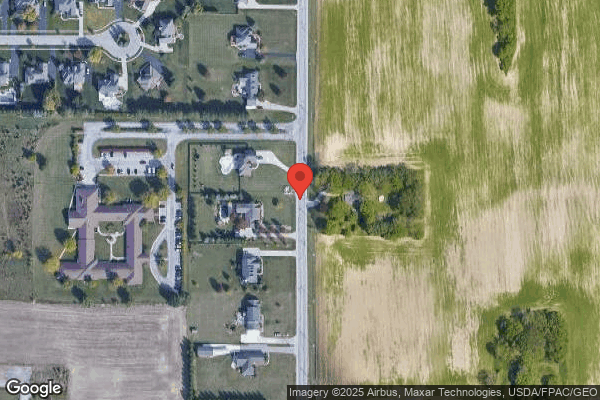
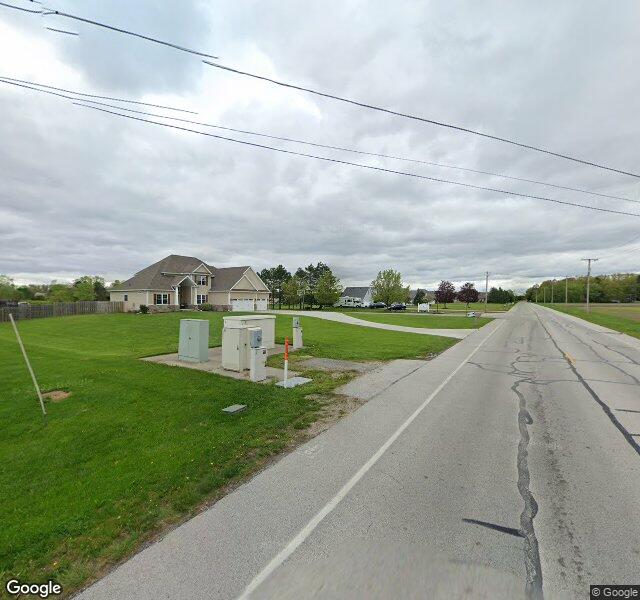
3600 BUTZ RD, MAUMEE, OH 43537 (419) 867-7926
For profit - Corporation 90 Beds AOM HEALTHCARE Data: November 2025
Trust Grade
40/100
#581 of 913 in OH
Last Inspection: September 2023

Over 2 years since last inspection. Current conditions may differ from available data.

Overview

Addison Heights Health and Rehabilitation Center has a Trust Grade of D, which indicates it is below average and has some concerns. It ranks #581 out of 913 facilities in Ohio, placing it in the bottom half of nursing homes in the state, and #17 out of 33 in Lucas County, meaning only 16 local facilities are better. Unfortunately, the facility is worsening, with issues increasing from 9 in 2024 to 14 in 2025. Staffing is a significant concern here, rated at 1 out of 5 stars, with RN coverage lower than 96% of Ohio facilities, which means residents may not receive the necessary medical supervision. While the facility has no fines on record, indicating compliance with regulations, there have been serious issues, such as a resident not receiving follow-up care for a fractured wrist, leading to ongoing pain and discomfort. Additionally, they failed to have a Registered Nurse scheduled for adequate coverage on certain days, which could affect the well-being of all residents. Overall, while there are no fines, the lack of RN coverage and the increase in reported issues suggest potential risks for residents.

Trust Score
D
40/100
In Ohio
#581/913
Bottom 37%
Safety Record
Moderate
Needs review
Inspections
Getting Worse
9 → 14 violations
Staff Stability
⚠ Watch
59% turnover. Above average. Higher turnover means staff may not know residents' routines.
Penalties
✓ Good
No fines on record. Clean compliance history, better than most Ohio facilities.
Skilled Nurses
⚠ Watch
Each resident gets only 18 minutes of Registered Nurse (RN) attention daily — below average for Ohio. Fewer RN minutes means fewer trained eyes watching for problems.
Violations
⚠ Watch
77 deficiencies on record. Higher than average. Multiple issues found across inspections.
★★☆☆☆
2.0
Overall Rating
★☆☆☆☆
1.0
Staff Levels
★★★★★
5.0
Care Quality
★☆☆☆☆
1.0
Inspection Score
Stable
2024: 9 issues
2025: 14 issues

The Good

  • 5-Star Quality Measures · Strong clinical quality outcomes
  • Full Sprinkler Coverage · Fire safety systems throughout facility
  • No fines on record

Facility shows strength in quality measures, fire safety.

The Bad

2-Star Overall Rating

Below Ohio average (3.2)

Below average - review inspection findings carefully

Staff Turnover: 59%

12pts above Ohio avg (46%)

Frequent staff changes - ask about care continuity

Chain: AOM HEALTHCARE

Part of a multi-facility chain

Ask about local staffing decisions and management

Staff turnover is elevated (59%)

11 points above Ohio average of 48%

The Ugly 77 deficiencies on record

1 actual harm
Sept 2025 6 deficiencies
CONCERN (D) 📢 Someone Reported This

A family member, employee, or ombudsman was alarmed enough to file a formal complaint

Potential for Harm - no one hurt, but risky conditions existed

Quality of Care (Tag F0684)

Could have caused harm · This affected 1 resident

**NOTE- TERMS IN BRACKETS HAVE BEEN EDITED TO PROTECT CONFIDENTIALITY** Based on observation, medical record review, staff interview, and resident interviews, the facility failed to ensure venous ulce...

Read full inspector narrative →
**NOTE- TERMS IN BRACKETS HAVE BEEN EDITED TO PROTECT CONFIDENTIALITY** Based on observation, medical record review, staff interview, and resident interviews, the facility failed to ensure venous ulcer preventions were in place. This deficient practice affected one (#45) of one residents reviewed for venous ulcers. The facility census was 60.Review of Resident #45's medical record revealed an admission date of 05/02/25. Diagnoses included local infection of the skin and subcutaneous tissue, chronic venous hypertension with ulcer of the left and right lower extremity, non-pressure chronic ulcer of the left foot and right lower leg with fat layer exposed, pressure-induced deep tissue damage of the right buttock, pressure-induced deep tissue damage of the right sacral region, pressure-induced deep tissue damage of the left buttock, hypertension, and muscle wasting. Review of Resident #45's quarterly Minimum Data Set (MDS) dated [DATE] revealed the resident was cognitively intact. Resident #45 was always incontinent of bowel and frequently incontinent of urine, there was a risk for pressure ulcers. Resident #45 had two arterial and venous ulcers and moisture associated with skin damage which required a pressure-reducing device for the bed and non-surgical dressings. Review of Resident #45's most recent care plan revealed the resident had a venous ulcer related to peripheral vascular disease. The resident had the potential impairment to skin integrity related to fragile skin. Interventions included encouraging the resident to elevate heels off of the bed and the use for a low air loss mattress to protect the skin while in bed. The resident has risk for alterations in skin integrity and actual wounds with the potential for pressure ulcer development related to the disease process of ulcers and immobility. Review of Resident #45's physician order dated 05/07/25 was to apply offloading boots to bilateral lower extremities every shift for skin integrity. The boots may be removed when out of bed. Review of Resident #45's physician order dated 05/07/25 revealed a low air loss mattress was to be provided at all times to the bed with functioning checked every shift. The nurse manager was to be notified if the low-air mattress needed to be replaced. Review of Resident #45's physician order dated 05/14/25 revealed compression stockings were to be applied in the morning and removed at bedtime for wound care. Review of the local wound care and hyperbaric center Physician Assistant #02's notes dated 09/10/25 revealed lymphedema and venous insufficiency were located on the bilateral lower extremities. The lower extremity wounds required offloading to promote healing and leg elevation to decrease edema. Observation on 09/09/25 at 10:50 A.M. revealed Resident #45's low air loss mattress failed to be functioning. The mattress was flat, and a red light was flashing on the control panel. Both of Resident #45's feet were lying flat on the bed. Resident #45 was not wearing either the compression stockings or the off-loading boots. Interview with Certified Nursing Assistant (CNA) #402 on 09/09/25 at 10:56 A.M. verified the low air mattress on Resident #45's bed was not working properly, and she would notify the nurse. CNA #402 also verified that the resident's compression stocking failed to be applied in the morning and that Resident #45 did not have off-loading boots in place. CNA #402 went to the closet and pulled out two large boots lined with fleece and one black boot. The boots were entwined together. Resident #45 stated the fleece boots did not belong to him. CNA #402 stated she was unaware of which boots were the residents. Interview with Resident #45 on 09/09/25 at 10:56 A.M. revealed the resident wished to have the compression stocking applied, but staff failed to do so. The resident stated he had requested a new mattress on multiple occasions as he was lying flat on a hard surface, but that a new mattress has yet to be supplied. Telephone interview with the wound care and hyperbaric center Wound Specialist Physician Assistant #02 on 09/11/25 at 10:26 A.M. revealed Resident #45's wounds were slow to heal and the lack of a functioning air mattress and not elevating the residents' lower extremities could contribute to the slow healing of Resident #45's wounds. Observation of Resident #45 on 09/11/25 at 10:44 A.M. revealed a new air mattress had been placed on Resident #45's bed and was functioning. Compression stockings were in place, however the resident had no offloading boots in place. Interview with Licensed Practical Nurse (LPN) #442 on 09/11/25 at 10:46 A.M. verified Resident #45's did not have the offloading boots in place. The facility provided an Emerald Selectis User Manual for low air mattress model number 61057 referred to a manufacturer website. Review of the Emerald Selectis Model #61057 alternating pressure pump and mattress User Manual found at the following website: https://d16g73uzcqb35u.cloudfront.net/img/product/6a/6a4348c9-1986-4ce3-bbaf-04adc9e0445c/6105761058airmattressusermanualdraft-241126ild3t4.pdf stated there was a visible indicator (yellow or red) warns that the pressure is below a preset or user-defined level. There is also an audible and visible alarm which turns on after 2.5 minutes when the pressure is low. Also, a mute button is available to mute the audible alarm. Review of wound care policy revised October 2010. Verify there is a physicians order for this procedure. Review the residents care plan to assess for any special needs of the resident. This deficiency represents non-compliance investigated under Master Complaint Number 2652561 and Complaint Numbers 2576517, 2608577, and 2593504.
CONCERN (D) 📢 Someone Reported This

A family member, employee, or ombudsman was alarmed enough to file a formal complaint

Potential for Harm - no one hurt, but risky conditions existed

Pressure Ulcer Prevention (Tag F0686)

Could have caused harm · This affected 1 resident

**NOTE- TERMS IN BRACKETS HAVE BEEN EDITED TO PROTECT CONFIDENTIALITY** Based on observation, resident interview, staff interview, review of facility medical record, and review of facility policy, the...

Read full inspector narrative →
**NOTE- TERMS IN BRACKETS HAVE BEEN EDITED TO PROTECT CONFIDENTIALITY** Based on observation, resident interview, staff interview, review of facility medical record, and review of facility policy, the facility failed to ensure residents with pressure ulcers received necessary treatment and services to promote healing. This affected two resident (#10 and #45) of two residents reviewed for pressure. The facility census was 60. 1.) Review of the medical record for Resident #10 revealed an admission date of 07/11/25 with diagnoses of pressure ulcer of sacral region stage four, type two diabetes mellitus (DM2), long-term (current) use of insulin, cutaneous abscess of right lower leg (RLL), acute embolism and thrombosis of left femoral vein, cutaneous abscess of right foot, encounter for other specified surgical aftercare, retention of urine, hypotension (HOTN), hypertension (HTN), hyperlipemia, obstructive sleep apnea (OSA), major depressive disorder, respiratory disorders in disease classified elsewhere, anxiety disorder, atrial fibrillation (a. fib), and morbid obesity due to excess calories. Review of the most recent quarterly Minimum Data Set (MDS) Assessment, dated 07/11/25, revealed a Brief Interview of Mental Status (BIMS) score of 15, indicating Resident #15 was cognitively intact. Review of the medical record revealed Resident #10 revealed a physician order, dated 09/09/25, for the stage four pressure ulcer on his coccyx to be cleansed with wound cleanser and sterile gauze, packed with calcium alginate (a wound dressing that forms a gel when in contact with exudate (a substance secreted from a wound) which forms to the contours of the wound to facilitate wound healing), and covered with Dermafilm (a wound dressing that promotes healing by protecting wounds). This dressing change was ordered to be completed once daily on day shift and as needed (PRN). Interview on 09/15/25 at 9:09 A.M. with Resident #10 revealed he had a large bowel movement the night before and the physician-ordered dressing for the stage four pressure ulcer on his coccyx came off while he was being cleaned up and had not been replaced. Resident #10 stated that he had requested his dressing be replaced multiple times and it had not been done. He stated that his wound was uncomfortable without the dressing in place. Interview on 09/15/25 at 9:15 A.M. with Licensed Practical Nurse (LPN) #403 revealed she had no knowledge that Resident #10 ' s physician-ordered dressing for the stage four pressure coccyx pressure ulcer was not in place as she was not notified in report and there was no documentation in the electronic medical record. Observation on 09/15/25 beginning at 9:20 A.M. of incontinence care for Resident #10 revealed the physician-ordered dressing for the stage four pressure coccyx pressure ulcer was not in place. Interview with LPN #403 at the time of observation verified this finding. 2.) Review of Resident #45 ' s medical record revealed an admission date of 05/02/25. Diagnosis included local infection of the skin and subcutaneous tissue, chronic venous hypertension with ulcer of the left and right lower extremity, non-pressure chronic ulcer of the left foot and right lower leg with fat layer exposed, pressure-induced deep tissue damage of the right buttock, pressure-induced deep tissue damage of the right sacral region, pressure-induced deep tissue damage of the left buttock, hypertension, and muscle wasting. Review of Resident #45 ' s quarterly Minimum Data Set (MDS) dated [DATE] revealed he was cognitively intact. He was always incontinent of bowel and frequently incontinent of urine. There was a risk for pressure ulcers, had a stage III pressure ulcer to the bilateral gluteal area and had two arterial and venous ulcers and moisture associated with skin damage. He required a pressure-reducing device for the bed and non-surgical dressings. Review of the current physician orders for the stage III pressure ulcer to the bilateral gluteal area included for the area to be cleansed with a wound solution, zinc oxide to be applied followed by a bordered dressing three times a week. The pressure ulcer was to be offloaded using an alternating air mattress. Observation of Resident #45 ' s buttock wound on 09/15/25 at 1:45 P.M. revealed the buttock area was red and was open to air. There were four deep red areas; two on each side of the intergluteal cleft. No dressing was in place as it was left open to air. Review of the facility policy titled, Wound Care, dated October 2010, revealed the purpose of wound care is to provide the care of wounds to promote healing. This deficiency represents non-compliance investigated under Complaint Numbers 2576517 and 2612561.
CONCERN (E) 📢 Someone Reported This

A family member, employee, or ombudsman was alarmed enough to file a formal complaint

Potential for Harm - no one hurt, but risky conditions existed

Safe Environment (Tag F0584)

Could have caused harm · This affected multiple residents

**NOTE- TERMS IN BRACKETS HAVE BEEN EDITED TO PROTECT CONFIDENTIALITY** Based on observation, resident interview, staff interview, review of medical record, and review of facility policy, the facility...

Read full inspector narrative →
**NOTE- TERMS IN BRACKETS HAVE BEEN EDITED TO PROTECT CONFIDENTIALITY** Based on observation, resident interview, staff interview, review of medical record, and review of facility policy, the facility failed to ensure there was an adequate supply of linens to meet resident needs. This affected Resident #10. The facility also failed to ensure shower chairs were in good repair and functional in the 100-hall shower room. This affected 28 residents (#5, #6, #8, #10, #13, #17, #18, #20, #24, #25, #26, #28, #32, #33, #34, #38, #39, #41, #43, #44, #45, #46, #49, #52, #56, #58, and #63) identified by the facility as using this shower room and residing in the 100 and 200 halls. The facility failed to ensure a clean and homelike environment in resident rooms. This affected two residents (#10 and #17). The facility failed to ensure resident window shades were in functional working order. This affected two residents (#22 and #51). The facility failed to ensure baseboard heater covers were in place and intact in resident rooms. This affected Resident #20. The facility failed to ensure the walls in a resident room were in good repair. This affected Resident #23. The facility census was 60. 1.) Observation on 09/15/25 at 9:20 A.M. revealed Resident #10 required a linen change. Continued observation at 9:23 A.M. revealed there was no linen in Resident #10's room and at this time, Licensed Practical Nurse (LPN) #403 pressed the call light to request linens. Observation at 9:27 A.M. of a conversation between LPN #403 and an unidentified Certified Nursing Assistant (CNA) revealed there is minimal linen in the linen room and there are no flat sheets. Interview on 09/15/25 at 9:35 A.M. with LPN #403 revealed she was unable to provide Resident #10 with a clean flat sheet or blanket at this time as none are available. Observation on 09/15/25 at 9:35 A.M. of the 300-hall linen room with CNA #473 revealed there are two flat sheets, three fitted sheets, and five bath towels on the 300-hall. Interview at the time of observation with CNA #473 verified these findings. Observation on 09/15/25 at 9:38 A.M. of the linen room for the 100 and 200 halls with CNA #499 revealed five fitted sheets, no flat sheets, and approximately 10 bath towels. Interview at the time of observation with CNA #499 verified these findings. Interview on 09/15/25 at 9:45 A.M. with LPN #403 revealed when she gets here in the morning, the facility often does not have an adequate supply of linen to perform incontinence care for residents or change residents' bedding, so she is forced to delay these tasks until linens become available. Review of the facility policy titled, “Homelike Environment”, dated February 2021, revealed the facility staff and management maximizes, to the extent possible, the characteristics of the facility that reflect a personalized, homelike setting. These characteristics include clean bed and bath linens that are in good condition. 2.) Observation on 09/11/25 at 1:24 P.M. of the shower room located on the 100-hall with CNA #482 revealed two wheeled shower chairs, both of which are broken. The first broken wheeled shower chair, was constructed of white plastic with blue fabric, had broken wheels. The second broken wheeled shower chair, was constructed of white plastic with pink fabric, had a broken handle. Interview at the time of observation with CNA #482 verified these findings. Concurrent interview with CNA #482 revealed the broken wheeled shower chair with blue fabric and the broken wheels will not turn right and the broken wheeled shower chair with pink and the broken handle does not turn when a resident is in it due to the condition of the handle. 3.) Observation on 09/09/25 at 12:43 P.M. of Resident #17's room revealed cobwebs in the right corner of her window and paint on the wall by Resident #17's bed with multiple chips exposing the drywall. Interview at the time of observation with Resident #17 revealed she is not pleased with the environmental conditions or cleanliness of her room and stated she has addressed the concerns with the facility administration previously. Interview on 09/09/25 at 12:48 P.M. with LPN #415 verified these findings. Observation on 09/15/25 beginning at 9:20 A.M. of Resident #10's room revealed an empty chip bag on the floor, crumbs on the floor, unidentified stains, and food and crumbs in his bed. Interview at the time of observation with Resident #10 revealed the cleanliness of his room is not maintained to his preference. Interview on 09/15/25 at 9:40 A.M. with LPN #403 revealed Resident #10 verified the findings in Resident #10's room. 4.) Observation of room [ROOM NUMBER] on 09/08/25 at 10:10 A.M. revealed the window blinds were bent which resulted in a lack of privacy from the outside. There was one set of blinds which were to cover the entire window and there were no curtains. An area of approximately 8 inches long by 12 inches wide of the slates on the left side of the blinds were bent which resulted in the window being exposed. Multiple other slates were bent and failed to provide privacy. Interview with room [ROOM NUMBER]'s residents (#22, #51) on 09/10/25 12:04 P.M. revealed the residents stated the sun would come in through the blinds when they were trying to sleep. The residents also stated the broken and bent blinds prevent privacy from the outside and they wished the blinds were in working order. 5.) Observation on 09/09/25 at 10:50 A.M. noted an electric base board heater next to Resident #20 bed without a cover leaving exposed rusty and bent metal heater fins. Behind Resident #20 bed headboard discovered wallpaper shredded and pealing from wall. Drywall was exposed and crumbling away from the wall. The wooden bathroom door had several holes penetrating the door. 6.) Observation during facility tour on 09/09/25 between 10:00 A.M. and 11:35 A.M. revealed multiple drywall repair areas in Resident #23's room. Next to the door in Resident #23's room was a large, approximately two feet by two feet area that had been patched with drywall plaster and multiple areas of varying sizes of drywall repair spots throughout entire room. The ceiling in Resident #23's room had a drywall seam approximately 18 to24 inches long that had been repaired and some of the repair tape used was hanging down a few inches from the ceiling. Interview on 09/09/25 at 11:05 A.M. with Resident #23 revealed the repairs in his room were started about two or three months ago and have not yet been completed. Interview with Director of Nursing (DON) on 09/11/25 at 9:51 A.M. confirmed the drywall repair spots and hanging repair tape from ceiling in resident #23's room. Review of the facility policy titled, “Homelike Environment”, dated February 2021, revealed residents are provided with a safe, clean, comfortable and homelike environment. The facility staff and management maximize, to the extent possible, the characteristics of the facility that reflect a personalized, homelike setting. These characteristics include clean, sanitary, and orderly environment. This deficiency represents non-compliance investigated under Complaint Number 2608577 and Complaint Number 2593504.
CONCERN (E) 📢 Someone Reported This

A family member, employee, or ombudsman was alarmed enough to file a formal complaint

Potential for Harm - no one hurt, but risky conditions existed

ADL Care (Tag F0677)

Could have caused harm · This affected multiple residents

**NOTE- TERMS IN BRACKETS HAVE BEEN EDITED TO PROTECT CONFIDENTIALITY** Based on observation, resident interview, staff interview, review of medical record, and review of facility policy, the facility...

Read full inspector narrative →
**NOTE- TERMS IN BRACKETS HAVE BEEN EDITED TO PROTECT CONFIDENTIALITY** Based on observation, resident interview, staff interview, review of medical record, and review of facility policy, the facility failed to provide care and services in the area of personal hygiene. This affected four residents (#8, #20, #31, and #44) of five residents reviewed for activities of daily living. The facility census was 60.1. Review of the medical record for Resident #31 revealed an admission date of 06/27/25 with diagnoses of thyroid disorder, cerebrovascular accident (CVA), non-Alzheimer ' s dementia, and anxiety disorder. Review of the most recent Minimum Data Set (MDS) 3.0 assessment dated [DATE] revealed moderate cognitive impairment and a requirement of substantial assistance with showering or bathing. Observation on 09/09/25 at 9:21 A.M. revealed Resident #31 sitting in a chair in the common area on the memory care unit with greasy unkept hair and approximately three quarter to one inch hair cluster growth on chin. Interview on 09/09/25 at 12:22 P.M. with Unit Manager #463 confirmed Resident #31 had unkept greasy hair and hair growth on chin. Interview on 09/10/25 at 6:22 with Certified Nursing Assistant (CNA) # 485 confirmed Resident #31 had unkept greasy hair and hair growth on chin. Review of shower schedule sheet, undated, revealed Resident #31 is scheduled for showers on every Tuesday and every Friday. Review of shower sheets for Resident #31 for the last three months revealed Resident #31 only had shower sheets filled out on 07/11/25, 07/23/25, 07/25/25, and 08/22/25. Review of report titled Follow Up Question Report dated 09/09/25, which electronically tracks tasks done for residents, revealed for the month of August 2025 Resident #31 had showers on 08/01/25, 08/06/25, 08/15/25, and 08/20/25. Partial showers were noted on 08/08/25, 08/27/25, and 08/29/25. Furthermore, a Resident shower refusal was noted on 08/22/25. 2.) Review of the medical record for Resident #8 revealed an admission date of 07/02/58 with diagnoses of acute cystitis, cerebral infarction, heartburn, anorexia, personal history of transient ischemic attack (TIA), nicotine dependence, hypomagnesemia, other specified health status, major depressive disorder, adult failure to thrive, altered mental status (AMS), Alzheimer ' s disease, other acquired deformity of head, and unspecified protein-calorie malnutrition. Review of the admission Minimum Data Set (MDS) assessment for Resident #8 revealed a Brief Interview of Mental Status (BIMS) score of 06, indicating Resident #8 was severely cognitively impaired. Further review of the MDS assessment for Resident #8 revealed she required substantial or maximal assistance with all Activities of Daily Living (ADLs). Observation on 09/15/25 at 10:18 A.M. of Resident #8 revealed a large section of matted hair (a condition where hair strands become tangled and intertwined, forming tight clusters that are difficult that are difficult to separate) on the right rear of Resident #8 ' s head. Interview at the time of observation with Resident #8 revealed she did not like her matted hair. Interview on 09/15/25 at 10:22 A.M. with Licensed Practical Nurse (LPN) #415 verified Resident #8 had a large section of matted hair on the right rear of Resident #8 head. Review of the facility shower schedule revealed Resident #8 was scheduled to have showers every Tuesday and Thursday on day shift and as requested. Review of the facility shower documentation for July 2025 revealed Resident #8 was scheduled to receive showers on 07/01/25, 07/03/25, 07/08/25, 07/10/25, 07/15/25, 07/17/25, 07/22/25, 07/24/25, 07/29/25, and 07/31/25, totaling 10 opportunities for showers. Resident #8 did not receive a shower on 07/15/25, with no documentation of resident refusal. Review of the facility shower documentation for August 2025 revealed Resident #8 was scheduled to receive showers on 08/05/25, 08/07/25, 08/12/25, 08/14/25, 08/19/25, 08/21/25, 08/26/25, and 08/28/25, totaling eight opportunities for showers. Resident #8 did not receive a shower on 08/07/25 and 08/12/25, with no documentation of resident refusal. Interview on 09/15/25 at 2:24 P.M. with the Director of Nursing (DON) verified Resident #8 did not receive showers on 07/15/25, 08/07/25, and 08/12/25 as ordered. 3. Resident #20 admitted to the facility on [DATE] with the diagnosis including, chronic obstructive pulmonary disease, atrial fibrillation, major depression, heart failure, chronic kidney disease, anemia, anxiety disorder, hypertension, and type 2 diabetes mellitus. According to the most current minimum data set assessment dated [DATE] Resident #20 was assessed with intact cognition, no recorded behaviors, dependent on staff for the completion of activities of daily living, incontinent of bowel and bladder, and received a diuretic medication. On 01/10/24 a nursing plan of care was developed to address Resident #20 functional abilities impaired, self care and mobility deficit. Interventions included the following; Assist with bed mobility needs. Assist with lower body dressing. Assist with personal hygiene. Assist with toileting needs and incontinence care. Assist with transfer needs utilizing a mechanical lift. Provide assistance with bath and shower. Observation on 09/08/25 at 11:32 A.M. noted Resident #20 in bed wearing covered with a top sheet and wearing an incontinence brief. Resident hair was observed to be long and unkept. The resident also had a long beard which lacked grooming. Interview with Resident #20 at the time stated he had not been offered a haircut or beard grooming for an undetermined time. At 1:10 P.M. and 2:45 P.M. Resident #20 was observed to remain in bed without clothing applied. Observation on 09/09/25 at 10:50 A.M. noted Resident #20 to remain in bed with a sheet covering him and wearing an incontinence brief. Resident #20 stated he was waiting for staff to provide him a bed bath. In addition Resident #20 stated it had been one year since he was provided a haircut and beard grooming. On 09/09/25 at 9:40 A.M. interview with the Director of Nursing revealed no documentation could be provided indicating when Resident #20 last received a haircut. 4. Resident #44 Resident #44 admitted the facility on 01/23/23 with the diagnosis including, congestive heart failure, benign prostatic hyperplasia, chronic obstructive pulmonary disease, epidural hemorrhage, bipolar disorder, hypertension, anemia, vascular myelopathies, and fracture of fourth lumbar vertebra. According to the most current minimum data set assessment dated [DATE] Resident #44 was assessed with intact cognition, no resistive behaviors, range of motion impairment to the bilateral upper extremities, utilized a walker or wheelchair for mobility, independent with transferring, required substantial to maximal assistance with activities of daily living, sustained two or more falls since admission. On 04/10/25 a nursing plan of care was developed to address Resident #44 functional abilities impaired self-care and mobility deficit. Interventions included the following; Assist with bed mobility needs. Assist with upper and lower body dressing. Assist with personal hygiene. Assist with putting on and taking off footwear. Review of Resident #44 Activity of Daily Living (ADL) task noted showers scheduled for Mondays and Thursdays. Review of shower sheets and ADL bathing report from 08/09/25 to 09/08/25 documented showers provided on 08/11/25, 08/18/25, 08/25/25, and 08/28/25. This resulted in four of nine scheduled shower opportunities being provided. On 09/08/25 at 12:52 P.M. observation noted Resident #44 seated on his bedside in his room. Resident #44 stated he was unsure who his assigned Certified Nurse Assistant was for the day. Resident #44 was observed with heavy beard growth and greasy hair and stated he was supposed to receive a shower on Monday and Thursday, and often does not get his showers as scheduled. Resident #44 stated the wound specialist left dressings off his legs due to scheduled shower today. On 09/08/2025 at 2:52 PM interview with Certified Nurse Aide (CNA) #481 discovered to be assigned to Resident #44 care between 7:00 A.M. and 3:00 P.M. CNA #481 stated Resident #44 was scheduled for a Tuesday/Friday shower and one was not provided today. Review of activity of daily living (ADL) task documentation with CNA #481 verified Resident #44 was to receive a shower on Monday and Thursday. Further review of ADL task lacked documentation indicating showers were provided as scheduled. On 09/11/25 at 10:45 A.M. interview with the Director of Nursing verified all showers were not provided as scheduled. Review of facility Activities of Daily Living (ADL) policy revised April 2025 stated appropriate care and services are provided for residents who are unable to carry out ADL's independently, with the consent of the resident, and in accordance with the plan of care, including appropriate support and assistance with hygiene (bathing, dressing, grooming, and oral care). The residents responses to interventions are monitored, evaluated, and revised as appropriate. This deficiency represents non-compliance investigated under Complaint Number 2593504 and Complaint Number 2608577.
CONCERN (E) 📢 Someone Reported This

A family member, employee, or ombudsman was alarmed enough to file a formal complaint

Potential for Harm - no one hurt, but risky conditions existed

Deficiency F0925 (Tag F0925)

Could have caused harm · This affected multiple residents

**NOTE- TERMS IN BRACKETS HAVE BEEN EDITED TO PROTECT CONFIDENTIALITY** Based on observation, staff interview, and facility pest control documentation, the facility failed to ensure effective insect c...

Read full inspector narrative →
**NOTE- TERMS IN BRACKETS HAVE BEEN EDITED TO PROTECT CONFIDENTIALITY** Based on observation, staff interview, and facility pest control documentation, the facility failed to ensure effective insect control was implemented. This affected 10 of 16 residents (#10, #17, #18, #20, #38, #44, #23, #45, #22, #51) reviewed for physical environmental conditions in a facility census of 60. 1.) Observation of Resident #38 on 09/09/25 at 10:36 A.M. revealed the resident was in bed with multiple black flying insects in room and landing on various surfaces. 2.) Observation of Resident #20 on 09/09/25 at 10:50 A.M. revealed black flying insects were observed in the room, landing on resident and bedside beverages sitting on the over bed table. Resident #20 stated insects were visible for an undescribed time and at times landed on food. 3.) Observation of Resident #44 on 09/10/25 at 12:01 P.M. revealed the resident was seated in room at the side of the bed. Black flying insects were noted landing on personal property and beverages. Resident #44 was observed swatting at the pest. On 09/09/25 at 1:34 P.M. interview with administrator during a review of facility pest control lacked documentation indicating resident rooms were being treated for black flies or gnats. The pest control documentation noted only employee areas and laundry. The administrator confirmed the presence of black flies in resident rooms and common areas. On 09/10/25 at 6:05 A.M. interview with Registered Nurse (RN) #448 stated she was scheduled and working 7:00 P.M. to 7:00 A.M. shift. Observations noted black flies throughout common areas and nurses station. RN #448 also verified black flies in various resident rooms. RN #448 stated she took her personal bag to her car due to the amount of black flies throughout the facility. 4.) Observation on 09/09/2025 at 12:43 P.M. of Resident #17's room revealed approximately five insects that were dark in color flying throughout Resident #17's room. Interview on 09/09/25 at 12:45 P.M. with Resident #17 revealed that the flying insects bother her, especially when she is eating and she does not feel the facility does an adequate job with pest control and that she has voiced her concern to the facility, with no resolution. Interview on 09/09/25 at 12:48 P.M. with Licensed Practical Nurse (LPN) #415 verified approximately five insects that were dark in color flying throughout Resident #17's room. 5.) Observation on 09/11/2025 at 1:19 P.M. of Resident #18's room revealed 37 small insects with wings that were dark in color on the privacy curtain in the middle of Resident #18's room, multiple small insects with wings that were dark in color on Resident #18's lunch tray and cups, and multiple other insects that were dark in color flying throughout Resident #18's room. Interview on 09/11/25 at 1:19 P.M. with Resident #18 revealed that the insects on the privacy curtain in the middle of her room, on her lunch try, and flying throughout her room bother her. She stated that she does not feel that the facility does an adequate job with pest control and that she has voiced her concern to the facility with no resolution. Interview on 09/11/25 at 1:20 P.M. with LPN #443 verified 37 37 small insects with wings that were dark in color on the privacy curtain in the middle of Resident #18's room, multiple small insects with wings that were dark in color on Resident #18's lunch tray and cups, and multiple other insects that were dark in color flying throughout Resident #18's room. 6.) Interview on 09/10/25 at 3:03 P.M. with Certified Nursing Assistant (CNA) # 468 revealed that throughout the facility small flying insects can be seen, especially in the medical storage room. Observation on 09/11/25 at 12:43 P.M. with the Director of Nursing (DON) of the medical supply storage room confirmed small flying insects were present. On top of a filing cabinet was a pizza box with leftover pizza inside and coming out of the box were small flying insects. Approximately three feet from the pizza box was the residents drink cart which contained a cooler full of ice, drink cups, lids, and straws. The small flying insects were seen in the vicinity of the drink cart. All sightings in the medical storage room were verified by the DON. 7.) Observation of Resident #45's room window on 09/09/25 at 2:38 P.M. revealed the resident's window screen failed to fit properly. There was an approximate one inch gap between the screen and the window which allowed for insects to enter the room. Further observation revealed gnats were flying around the resident's bed. Observation on 09/11/25 at 12:15 P.M. revealed Licensed Practical Nurse (LPN) #444 was speaking to Resident #45 at bedside and gnats were flying around the nurses head and the nurse had to swat them away. Interview with Resident #45 on 09/09/25 at 2:38 P.M. revealed gnats and horse flies would enter his room often and he would like the window screen repaired to fit the window. 8.) Observation of room [ROOM NUMBER] on 09/10/25 at 12:01 P.M. revealed three gnats were on the privacy curtain and multiple gnats were flying around the resident's meal trays. Interview with Residents #22 and #51 on 09/10/25 at 12:02 P.M. revealed gnats flew around them as they were trying to eat their meals and they wished the facility had an active pest control plan. Review of facility pest activity report noted treatment applications completed between 06/27/25 and 08/25/25. On 06/27/25 treatment was initiated for fungus gnats in employee areas. On 07/28/25 treatment for house flies, small fruit flies in employee areas, On 08/25/25 treatments were applied for house flies and small flies in employee areas. No documented treatments included resident areas. Continued observations throughout the survey week revealed small flying insects in the conference room, in residents' rooms, and at the nurses' stations. Review of the facility policy titled, “Homelike Environment”, dated February 2021, revealed residents are provided with comfortable and homelike environment. This deficiency represents non-compliance investigated under Complaint Numbers 2593504, 2608577, and 2593728.
CONCERN (F) 📢 Someone Reported This

A family member, employee, or ombudsman was alarmed enough to file a formal complaint

Potential for Harm - no one hurt, but risky conditions existed

Deficiency F0727 (Tag F0727)

Could have caused harm · This affected most or all residents

Based on staff interview, and review of facility staffing documentation, the facility failed to ensure a Registered Nurse was scheduled eight consecutive hours when the facility exceeded a census of 6...

Read full inspector narrative →
Based on staff interview, and review of facility staffing documentation, the facility failed to ensure a Registered Nurse was scheduled eight consecutive hours when the facility exceeded a census of 60 residents. This affected all 60 residents residing in the facility. Review of facility staffing documentation and related schedules between 09/01/25 and 09/07/25. Facility census was 61 current residents on 09/04/25, 09/05/25, 09/06/25. The facility Director of Nursing was listed as the only Registered Nurse in the facility. On 09/11/25 at 1:07 P.M. interview with Scheduling Coordinator (SC) #466 during a review of facility schedules between 09/01/25 and 09/07/25 verified no additional Registered Nurse was scheduled in the facility on 09/04/25, 09/05/25, 09/06/25. SC #466 also confirmed the facility exceeded a resident census of 60 on each of the three days. This deficiency represents non-compliance investigated under Complaint Number 2608577.
Jul 2025 3 deficiencies
CONCERN (D) 📢 Someone Reported This

A family member, employee, or ombudsman was alarmed enough to file a formal complaint

Potential for Harm - no one hurt, but risky conditions existed

Deficiency F0657 (Tag F0657)

Could have caused harm · This affected 1 resident

**NOTE- TERMS IN BRACKETS HAVE BEEN EDITED TO PROTECT CONFIDENTIALITY** Based medical record review, review of care conference documentation, staff interview, and review of a facility policy, the faci...

Read full inspector narrative →
**NOTE- TERMS IN BRACKETS HAVE BEEN EDITED TO PROTECT CONFIDENTIALITY** Based medical record review, review of care conference documentation, staff interview, and review of a facility policy, the facility failed to ensure care conferences were held for residents as required. This affected one (#1) of three residents reviewed for timely care planning conferences. The facility census was 63. Findings include: Review of the medical record for Resident #1 revealed an admission date of 01/16/25 with diagnoses including encephalitis, dementia, abnormal findings of the lung field, latent tuberculosis, hypokalemia, and restlessness and agitation. Further review revealed Resident #1 had a discharge date of 06/05/25. Review of the most recent quarterly Minimum Data Set (MDS) assessment dated [DATE] revealed a Brief Interview of Mental Status (BIMS) score of 03, indicating Resident #1 was cognitively impaired. Further review of the MDS assessment for Resident #1 revealed she required assistance with all functional abilities. Review of the facility supplied care conference documentation for Resident #1 revealed only one care conference was held for the resident during her admission on [DATE]. Interview on 06/30/25 at 9:29 A.M. with Social Services Designee (SSD) #274 revealed she had been in her position since 05/02/25, and the previous SSD left the position before she began. SSD #274 stated she was trying to catch up on resident care conferences, and stated care conferences are held at admission, quarterly, if a resident or family requests an additional care conference, with a change in condition, or as needed. Interview on 07/01/25 at 8:58 A.M. with the Administrator verified the facility only held one care conference for Resident #1 during her admission. The Administrator stated residents are required to have care conferences at admission, quarterly, and with a significant change in condition. Review of the undated facility policy titled, IDT Team Members Participation in Resident Care Conference, revealed care conferences for long term care residents shall occur on a regular basis (i.e. initial, quarterly, annual, significant change in status, and as needed). This deficiency represents non-compliance investigated under Complaint Number OH00166848.
CONCERN (D) 📢 Someone Reported This

A family member, employee, or ombudsman was alarmed enough to file a formal complaint

Potential for Harm - no one hurt, but risky conditions existed

Pressure Ulcer Prevention (Tag F0686)

Could have caused harm · This affected 1 resident

**NOTE- TERMS IN BRACKETS HAVE BEEN EDITED TO PROTECT CONFIDENTIALITY** Based on observation, medical record review, staff interview, and review of a facility clinical protocol, the facility failed to...

Read full inspector narrative →
**NOTE- TERMS IN BRACKETS HAVE BEEN EDITED TO PROTECT CONFIDENTIALITY** Based on observation, medical record review, staff interview, and review of a facility clinical protocol, the facility failed to ensure interventions to prevent skin breakdown were implemented as ordered by the physician. This affected one (#3) of three residents reviewed for skin breakdown and pressure relieving interventions in a facility census of 63. Findings include: Review of the medical record for Resident #3 revealed the resident admitted to the facility on [DATE] with diagnoses including, multiple sclerosis, coronary artery disease, hypertension, major depressive disorder, metabolic encephalopathy, muscle weakness, and dementia. Review of the most current Minimum Data Set (MDS) assessment dated [DATE] revealed Resident #3 was assessed with moderately impaired cognition, dependent on staff for the completion of activities of daily living including transfer and bed mobility, noted as incontinent of bowel and bladder, and was at risk for pressure ulcer development with no current skin breakdown. Review of Resident #3's physician orders revealed on 01/30/22 the physician initiated the application of a pressure reducing cushion to the resident's wheelchair at all times with instructions to check placement every shift and replace as needed. On 07/12/23 the physician implemented offloading boots to bilateral lower extremities at all times Review of a nursing plan of care dated 01/24/24 revealed the plan of care was was revised to address Resident #3's risk for skin breakdown related to fragile skin, decreased mobility, incontinence, and history of skin breakdown. Interventions included to administer treatments as ordered, educate the resident/family/caregivers of causative factors and measures to prevent skin injury, encourage the resident to lay down between meals, follow facility protocols for treatment of injury, Roho cushion (a type of wheelchair cushion designed to prevent and promote healing of pressure sores) to wheelchair, weekly skin assessment, and monitor/report/document any adverse findings. Review of Resident #3's medical record revealed on 06/06/25 a pressure ulcer risk evaluation (Braden) assessed Resident #3 at moderate risk for skin breakdown with a score of 14. Review of a wound assessment on 06/10/25 documented Resident #3 with a stage III pressure ulcer (full-thickness skin loss) to the coccyx was resolved (healed). Observations on 6/24/26 at 1:50 P.M. noted Resident #3 seated in a reclining geriatric chair (geri-chair) with no cushion applied to the seat and bilateral feet were resting on the footrest. There were no off-loading boots in place. Observation on 06/25/25 at 9:58 A.M. noted Resident #3 up in a geri-chair, reclined with the feet elevated. There was no foot elevation, off loading boots, or pressure reliving cushion in place. On 06/25/25 at 10:00 A.M. interview with Certified Nurse Aide (CNA) #231 verified Resident #3's pressure relieving devices were not in place and were unable to be located inside Resident #3's room. Review of electronic CNA resident specific information with CNA #231 lacked information instructing CNAs to utilize off-loading boots or a pressure relieving cushion for Resident #3. At 10:02 A.M. observation with nursing supervisor Licensed Practical Nurse (LPN) #215 verified the devices were ordered by the physician and were not in place as indicated for Resident #3. LPN #215 confirmed Resident #3 had recently healed a pressure ulcer to his coccyx. Review of a facility pressure ulcers/skin breakdown clinical protocol, revised April 2018, revealed the physician will order pertinent wound treatments, including pressure reduction surfaces. This deficiency represents non-compliance investigated under Complaint Number OH00166848 and Complaint Number OH00165912.
CONCERN (E) 📢 Someone Reported This

A family member, employee, or ombudsman was alarmed enough to file a formal complaint

Potential for Harm - no one hurt, but risky conditions existed

Safe Environment (Tag F0584)

Could have caused harm · This affected multiple residents

Based on observation, staff interview, and review of a facility policy, the facility failed to provide a clean, well-maintained, and homelike environment. This affected 10 (#7, #9, #20, #30, #31, #32,...

Read full inspector narrative →
Based on observation, staff interview, and review of a facility policy, the facility failed to provide a clean, well-maintained, and homelike environment. This affected 10 (#7, #9, #20, #30, #31, #32, #33, #34, #35, and #50) of 63 residents residing in the facility. The facility census was 63. Findings include: 1. Observation on 06/30/25 at 6:45 A.M. of the room occupied by Resident #50 revealed spider webs in the right corner of the window sill between the blind and window, the cover for the radiant heater was not properly attached on the left side and was laying on the floor, the window sill had four pieces of missing laminate and two additional areas of missing laminate covered with an unknown substance in an attempt to repair them. The window sill also contained an approximately six inch long crack extending from front to back, an area of missing paint on the wall above the bed approximately two inches long and three inches wide. There was an approximately six inches long and 10 inches wide section of wall covered with plaster and not painted above the resident's bed to the left of the window, two bolts sticking out approximately two and one-half inches from the wall, and a hole in the wall above the two bolts approximately one-half inch in diameter. In the resident's bathroom was broken drywall on each side of the shower that was approximately two and one-half inches wide and three inches long, three gouges in the restroom wall, approximately one and one-half inches long each. The shower was noted to be sitting loosely in the wall and the floor around the toilet was cracked. Interview on 06/30/25 at 7:10 A.M. with Licensed Practical Nurse (LPN) #245 verified the condition of Resident #50's room. 2. Observation on 06/30/25 at 7:37 A.M. of the restroom shared by Resident #30 and Resident #31 revealed there was no hand soap dispenser, hand soap, or hand sanitizer available for use. Interview on 06/30/25 at 7:41 A.M. with LPN #245 verified the condition of the restroom shared by Resident #30 and Resident #31. 3. Observation on 06/30/25 at 10:21 A.M. of the toilet in Resident #7's restroom revealed it was leaking. Interview on 06/30/25 at 10:23 A.M. with Housekeeper #276 verified the toilet in Resident #7's room was leaking. 4. Observation on 07/01/25 at 8:17 A.M. of Resident #20's room revealed the corners of the wall to the right and left of the shower were broken and missing drywall, there were three cracks in the floor in front of the shower approximately six inches in length, a hole in the wall above the door approximately three-quarters of an inch in diameter, a loose electrical outlet in the wall directly above Resident #20's bed, and a broken window sill with an approximately seven inch piece of laminate missing. Interview on 07/01/25 at 8:24 A.M. with LPN #215 verified the condition of Resident #20's room. 5. Observation on 07/01/25 at 8:25 A.M. of Resident #34's room revealed an approximate 12-inch long section of paint that was peeling and bubbled from under the window sill and three holes in the restroom door that are each approximately two-inched in diameter. Interview on 07/01/25 at 8:28 A.M. with Certified Nurse Aide (CNA) #278 verified the condition of Resident #34's room. 6. Observation on 07/01/25 at 8:29 A.M. of Resident #35's room revealed peeling paint on walls, an area of unidentified greenish-black staining on the wall approximately two feet long by three feet wide on the wall, a loose electrical outlet by the head of the resident's bed, and two holes approximately two inches in diameter in the door to resident's restroom. Interview on 07/01/25 at 8:31 A.M. with CNA #271 verified the condition of Resident #35's room. 7. Observation on 07/01/25 at 8:33 A.M. in Resident #9's room revealed a loose electrical outlet to the left of the resident bed, three holes in the door going to the resident's restroom, three cracks in the tile in front of the shower, and no shower head in the resident's shower. Interview on 07/01/25 at 8:37 A.M. with CNA #271 verified the condition of Resident #9's room and restroom. 8. Observation on 07/01/25 at 8:38 A.M. of the memory care (MC) unit shower room revealed one of three showers was operational and able to be used by residents. The first shower was operational and able to be used for resident care. Further observation revealed the second shower had a broken shower head and the third shower was not functioning correctly. Interview on 07/01/25 at 8:49 A.M. with LPN # 215 verified the condition of the MC unit shower room. 9. Observation on 07/01/25 at 8:39 A.M. of Resident #32's room and restroom revealed an approximately eight-inch long by 18-inch wide section of wall behind and to the left of the bed was damaged with peeling paint and exposed drywall. There were generalized areas of damage to the walls throughout the resident room, an unidentified brown substance on the wall, approximately two-inches in diameter, peeling rubber baseboards, a non-functional light in the restroom, damage to the wall corners on both sides of the shower, spider webs in the upper left corner of the restroom, spider webs in the exhaust fan grate above the toilet, an unidentified green substance on the restroom ceiling, and a missing shower curtain. Interview on 07/01/25 at 8:49 with LPN #245 verified the condition of Resident #32's room and restroom. 10. Observation on 07/01/25 at 8:46 A.M. of Resident #33's restroom revealed a missing cover on the radiant heater, non-functioning restroom lights, damage to the wall on both sides of the shower, and a missing shower curtain. Interview on 07/01/25 at 8:49 A.M. with LPN #245 verified the condition of Resident #32's restroom. Interview on 07/01/25 at 8:58 A.M. with the Administrator verified the observations of the conditions observed in the rooms and restrooms for 10 (#7, #9, #20, #30, #31, #32, #33, #34, #35, and #50) residents on the MC unit. Review of the facility policy titled, Homelike Environment, dated February 2021, revealed residents are provided with a safe, clean, comfortable and homelike environment and encouraged to use their personal belongings to the extent possible. This deficiency represents non-compliance investigated under Complaint Number OH00166848 and Complaint Number OH00165912.
May 2025 2 deficiencies
CONCERN (E) 📢 Someone Reported This

A family member, employee, or ombudsman was alarmed enough to file a formal complaint

Potential for Harm - no one hurt, but risky conditions existed

Safe Environment (Tag F0584)

Could have caused harm · This affected multiple residents

**NOTE- TERMS IN BRACKETS HAVE BEEN EDITED TO PROTECT CONFIDENTIALITY** Based on observation, medical record review, resident and staff interview, and review of a facility policy, the facility failed ...

Read full inspector narrative →
**NOTE- TERMS IN BRACKETS HAVE BEEN EDITED TO PROTECT CONFIDENTIALITY** Based on observation, medical record review, resident and staff interview, and review of a facility policy, the facility failed to ensure residents were provided a comfortable and homelike environment. This affected three (#18, #27, #49) of six resident rooms observed and had the potential to affected all 26 residents (#39, #40, #41, #42, #43, #44, #45, #46, #47, #48, #49, #50, #51, #52, #53, #54, #55, #56, #57, #58, #59, #60, #61, #62, #63, and #64) who resided in the memory care unit in a facility census of 64. Findings Include: 1. Observation on 04/30/25 at 6:50 A.M. revealed Resident #53 in the common area of the memory care (MC) unit seated in a wheelchair wearing a heavy winter coat with the hood pulled over her head. Concurrent observation revealed Resident #41 seated in a wheelchair wrapped in a blanket. Interview on 04/30/25 at 7:00 A.M. with Resident #53 verified she was wearing a coat due to the cold air temperature of the MC unit. Resident #53 indicated it was always cold on the MC unit. Interview on 04/30/25 at 7:05 A.M. with Resident #41 verified he was wrapped due to the air temperature of the MC unit. Resident #41 stated it was too cold on the MC unit. Observation on 04/30/25 at 7:06 A.M. revealed the thermostat that controlled the air temperature in MC unit, located in the corridor of the MC unit, was set to 69 degrees (°) Fahrenheit (F). Interview on 04/30/25 at 7:07 A.M. with Registered Nurse (RN) #234 verified Resident #41 was seated in a wheelchair wrapped in a blanket and Resident #54 was seated in a wheelchair wearing a heavy winter coat with the hood pulled over her head. RN #234 verified the thermostat located in the corridor of the MC unit controlled the air temperature in the MC unit. Further interview with RN #234 verified the thermostat was set to 69°F. At this time RN #234 change the temperature setting on the thermostat from 69°F to 74°F. As RN #234 changed to temperature setting, RN #234 stated, It's freezing. I'm sorry. Review of the facility policy titled, Homelike Environment, with a revision date of February 2021, revealed the facility staff and management maximizes, to the extent possible, the characteristics of the facility that reflect a personalized, homelike setting. These characteristics include comfortable and safe temperatures (71°F to 81°F). 2. Review of Resident #18's medical record revealed an admission date of 04/04/25 with diagnoses that included infection and inflammatory reaction due to unspecified internal joint prosthesis, presence of unspecified artificial knee joint, hypertension, hypothyroidism, chest pain, type two diabetes mellitus, cardiomyopathy, intraductal carcinoma in situ of the right breast, morbid obesity due to excess calories, and periprosthetic fracture around other internal prosthetic joint. Review of the admission Minimum Data Set (MDS) assessment, dated 04/11/25, for Resident #18 revealed the resident had intact cognition. Observation on 04/29/25 at 12:43 P.M. of the wall behind the bed in Resident #18's room revealed an approximate three feet long by one foot wide area of damaged. Interview at the time of observation with Resident #18 revealed the damage to the wall was present since her admission on [DATE]. Interview on 04/29/25 at 12:51 P.M. with Licensed Practical Nurse (LPN) # 210 verified the wall behind the bed in Resident #18's room contained an approximate three feet long long by one foot wide area of damage. 3. Observation on 04/29/25 at 10:32 A.M. of Resident #27's bedroom revealed a large area of peeling paint behind the bed Interview on 04/29/25 at 10:33 A.M. with Certified Nurse Aide (CNA) #213 verified a large area of peeling paint in behind Resident #27's bed. 4. Review of Resident #49's medical record revealed an admission date of 01/01/25 with diagnoses of encephalitis and encephalomyelitis, unspecified dementia, other nonspecific abnormal finding of the lung field, latent tuberculosis, hypokalemia, restlessness and agitation, personal history of malignant neoplasm of the breast, acquired absence of bilateral breasts and nipples, anemia, wedge compression fracture of unspecified lumbar vertebra, and pneumonia. Review of the most recent quarterly MDS assessment, dated 04/09/25 for Resident #49 revealed the resident had severely impaired cognition. Observation on 04/29/25 at 10:03 A.M. of Resident #49's room revealed peeling paint on the wall behind her bed and a window sill with multiple broken areas and multiple areas of chipping plastic laminate covering. Further observation of Resident #49's room revealed an approximate 24-inch crack at the base of the toilet and the toilet was not properly secured to the floor and moved when sat upon. Continued observation of Resident #49's restroom revealed the base of the wall at the exit of the shower was missing pieces of drywall. Interview on 04/30/25 at 10:05 A.M. with CNA #225 verified the above findings in Resident #49's room and restroom. Review of the facility policy titled, Homelike Environment, with a revision date of February 2021, revealed residents are provided with a safe, clean, comfortable and homelike environment. This deficiency represents non-compliance investigated under Master Complaint Number OH00165139 and OH00164080.
CONCERN (E) 📢 Someone Reported This

A family member, employee, or ombudsman was alarmed enough to file a formal complaint

Potential for Harm - no one hurt, but risky conditions existed

Accident Prevention (Tag F0689)

Could have caused harm · This affected multiple residents

Based on observation, staff interview, review of Safety Data Sheets (SDS) documents, review of product labels, and policy review, the facility failed to ensure chemicals were stored in a safe and secu...

Read full inspector narrative →
Based on observation, staff interview, review of Safety Data Sheets (SDS) documents, review of product labels, and policy review, the facility failed to ensure chemicals were stored in a safe and secure manner. This had the potential to affect four (#17, #21, #23, and #27) of four residents identified by the facility as being cognitively impaired and independently mobile who resided outside of the memory care (MC) unit. The facility census was 64. Findings Include: Observation on 04/29/25 at 12:53 P.M. of the linen cart located by Resident #12 and Resident #22's room revealed one canister of Sani-Cloth germicidal disposable wipes with a purple colored top and one canister of Sani-Cloth bleach germicidal disposable wipes with an orange colored top. Further observation revealed both canisters were open and accessible to residents. Review of the product label for the Sani-Cloth germicidal disposable wipes revealed they are not skin or baby wipes and to keep out of reach of children. The product label indicated when using the product, wear disposable protective gloves, protective gowns, masks, and eye coverings. The warning label indicated the product can cause substantial but temporary eye damage and to not get it in the eyes or on clothing and avoid contact with the skin. Users are to wash the hands thoroughly with soap and water after handling and before eating, drinking, or chewing gum, using tobacco, or using restroom. The label further revealed the product was hazardous to humans and domestic animals. Review of the facility provided SDS for the Sani-Cloth germicidal disposable wipes revealed the product may be harmful if swallowed and may be fatal if inhaled. Review of the product label for the Sani-Cloth bleach germicidal disposable wipes revealed they are not skin or baby wipe and to keep out of reach of children. The product label revealed when using the product to wear appropriate barrier protection such as gloves, gowns, masks, and eye covering and indicated the product contained bleach. The label further revealed the product caused moderate eye irritation and users should avoid contact with the eyes or clothing. Users should wash the hands thoroughly with soap and water after handling and before eating, drinking, chewing gum, using tobacco, or using the toilet. Review of the facility provided SDS for the Sani-Cloth bleach germicidal disposable wipes revealed contact with the liquid may cause slight eye irritation. Interview on 04/29/25 at 12:55 P.M. with Licensed Practical Nurse (LPN) #221 verified one canister of Sani-Cloth germicidal disposable wipes and one canister of Sani-Cloth bleach germicidal disposable wipes were both open, stored on the blue linen cart by Resident #12 and Resident #22's room, and accessible to residents. LPN #221 further revealed chemicals were supposed to be stored behind the nurses' station in a locked room or in a locked compartment on the medication administration cart. Review of the facility policy titled, Safety and Supervision of Residents, with a revision date of July 2017, revealed the facility strived to make the environment as free from accident hazards as possible. Review of the facility policy titled, Homelike Environment, with a revision date of February 2021, revealed residents are provided with a safe, clean, comfortable and homelike environment. This deficiency represents non-compliance investigated under Master Complaint Number OH00165139.
Mar 2025 3 deficiencies
CONCERN (D) 📢 Someone Reported This

A family member, employee, or ombudsman was alarmed enough to file a formal complaint

Potential for Harm - no one hurt, but risky conditions existed

Notification of Changes (Tag F0580)

Could have caused harm · This affected 1 resident

**NOTE- TERMS IN BRACKETS HAVE BEEN EDITED TO PROTECT CONFIDENTIALITY** Based on medical record review, staff interview, physician interview and review of facility policy, the facility failed to notif...

Read full inspector narrative →
**NOTE- TERMS IN BRACKETS HAVE BEEN EDITED TO PROTECT CONFIDENTIALITY** Based on medical record review, staff interview, physician interview and review of facility policy, the facility failed to notify the physician timely of abnormal laboratory (lab) results. This affected one (#19) of three residents reviewed for notification of change. The facility census was 68. Findings include: Review of Resident #19's medical record revealed an admission date of 11/25/14. Diagnoses included dementia, anxiety, psychotic disorder, hypertension (HTN), unspecified symbolic dysfunctions, hyperosmolality and hypernatremia, chronic kidney disease (CKD) stage 3B, and schizoaffective disorder. Review of the quarterly Minimum Data Set (MDS) assessment, dated 01/20/25, revealed a Brief Interview of Mental Status (BIMS) score was unable to be determined due to Resident #19's cognition. Further review of the medical record revealed Resident #19 had routine labs drawn on 01/15/25, including a complete metabolic panel (CMP) and a complete blood count with differential (CBC w/diff). The labs were resulted and reported to the facility on [DATE]. Additional review of the lab report revealed Resident #19 had an elevated sodium level of 156 milliequivalents per liter (mEq/L), with the normal reference range being 136-145 mEq/L. An illegible, handwritten marking was observed on the facility copy of the lab results. Further review of Resident #19's medical record revealed no evidence the physician was notified of the abnormal lab values on 01/15/25. Interview on 03/04/25 at 11:25 A.M. with Medical Director (MD) #185 revealed he was unsure of when he was notified of Resident #19's lab results, stating it had been over one month ago. Interview on 03/04/25 at 2:32 P.M. with the Director of Nursing (DON) revealed Resident #19's labs were collected and resulted on 01/15/25. The DON verified the facility had no evidence MD #185 was notified of the abnormal lab results on 01/15/25. The DON stated the illegible marking on the lab report was MD #185's signature and a date of 01/16/25, when she stated he reviewed the results during rounds at the facility. Review of the facility policy titled, Change in a Resident's Condition or Status, revised November 2015, revealed the nurse supervisor/charge nurse would notify the resident's attending physician or on-call physician when there was a need to alter the resident's medical treatment significantly. This deficiency represents non-compliance investigated under Complaint Number OH00161172.
CONCERN (D) 📢 Someone Reported This

A family member, employee, or ombudsman was alarmed enough to file a formal complaint

Potential for Harm - no one hurt, but risky conditions existed

Deficiency F0711 (Tag F0711)

Could have caused harm · This affected 1 resident

**NOTE- TERMS IN BRACKETS HAVE BEEN EDITED TO PROTECT CONFIDENTIALITY** Based on medical record review, staff interview, physician interview, Nephrology Nurse Practitioner (NNP) interview and review o...

Read full inspector narrative →
**NOTE- TERMS IN BRACKETS HAVE BEEN EDITED TO PROTECT CONFIDENTIALITY** Based on medical record review, staff interview, physician interview, Nephrology Nurse Practitioner (NNP) interview and review of facility policy, the facility failed to ensure the physician provided adequate and timely follow up for resident care needs. This affected one resident (#19) of three residents reviewed for physician services. The facility census was 68. Findings include: Review of Resident #19's medical record revealed and admission date of 11/25/14. Diagnoses included dementia, anxiety, psychotic disorder, hypertension (HTN), unspecified symbolic dysfunctions, hyperosmolality and hypernatremia, chronic kidney disease (CKD) stage 3B, and schizoaffective disorder. Review of the quarterly Minimum Data Set (MDS) assessment, dated 01/20/25, revealed a Brief Interview of Mental Status (BIMS) score was unable to be determined due to Resident #19's cognition. Review of a laboratory (lab) report revealed Resident #19 had a routine complete metabolic panel (CMP) and a complete blood count with differential (CBC w/diff) drawn, resulted, and reported to the facility on [DATE]. The lab results revealed Resident #19 had an abnormal sodium level of 156 milliequivalents per liter (mEq/L), with the normal reference range being 136-145 mEq/L. Further review of the lab report revealed illegible handwriting on the document. Review of a nursing progress note dated 01/20/25 revealed Medical Director (MD) #185 reviewed Resident #19's labs from 01/15/25 and the resident's sodium level was 156. MD #185 wanted the facility to follow up with Resident #19's nephrologist. The nephrology office was closed, the Director of Nursing (DON) and famly were notified. Interview on 03/04/25 at 11:16 A.M. with the DON revealed the illegible writing noted on Resident #19's 01/15/25 lab report was MD #185's signature and a date of 01/16/25. Additional review of the medical record revealed no evidence of a physician progress note for 01/16/25. Interview on 03/04/25 at 11:25 A.M. with MD #185 revealed he was unsure of when he reviewed Resident #19's lab results, stating it had been over a month ago. MD #185 stated he was unable to provide any information related to the resident's labs, or subsequent treatment for elevated sodium levels. MD #185 stated he could not confirm if he completed a visit with Resident #19 or reviewed her lab results during rounds at the facility on 01/16/25. Interview on 03/04/25 at 11:46 A.M. with NNP #180 confirmed she was unaware of Resident #19's elevated sodium level until 01/21/25. NNP #180 stated Resident #19's lab values fluctuated so, while she had no immediate concerns, she requested the resident receive additional hydration. NNP #180 stated Resident #19's sodium level at the time of her hospital admission was similar to the labs completed on 01/15/25, with her sodium level being 155 mEq/L and all other lab values at the resident's baseline. Interview on 03/04/25 at 2:32 P.M. with the DON confirmed Resident #19's labs were drawn and resulted on 01/15/25, showing an elevated sodium level. The DON stated the resident's lab report was placed in MD #185's folder for him to review during in facility rounds on 01/16/25. The DON confirmed MD #185 completed rounds at the facility on 01/16/25 and provided no new orders for Resident #19. The DON further verified the signature and date on the lab report was MD #185's signature with a date of 01/16/25. The DON had no explanation as to why MD #185 reviewed the lab report on 01/16/25 but gave no orders until 01/20/25. Review of the facility policy titled, Physician Services, revised April 2013, revealed the physician would perform pertinent, timely medical assessments; prescribe an appropriate medical regimen; provide adequate, timely information about the resident's condition and medical needs; visit the resident at appropriate intervals; and ensure adequate alternative coverage. This deficiency represents non-compliance investigated under Complaint Number OH00161172.
CONCERN (E) 📢 Someone Reported This

A family member, employee, or ombudsman was alarmed enough to file a formal complaint

Potential for Harm - no one hurt, but risky conditions existed

Safe Environment (Tag F0584)

Could have caused harm · This affected multiple residents

Based on observation, resident interview, resident representative interview, staff interview and review of facility policy, the facility failed to ensure the facility was free from pervasive odors. Th...

Read full inspector narrative →
Based on observation, resident interview, resident representative interview, staff interview and review of facility policy, the facility failed to ensure the facility was free from pervasive odors. This had the potential to affect all residents in the facility except for 16 (#12, #13, #15, #16, #18, #19, #24, #26, #31, #37, #38, #41, #46, #57, #58, #75) residents identified by the facility as residing on the secured memory care unit. The facility census was 68. Findings include: Observation on 02/19/25 at 9:38 A.M., upon entering the facility, revealed the facility reception area was malodorous. Observation on 02/19/25 at 10:30 A.M. revealed the resident halls, excluding the memory care unit, had a pungent odor. A strong foul odor was noted near the nurses station, with no residents present. Interview on 02/19/25 at 10:35 A.M. with Certified Nursing Assistant (CNA) #148 verified the pungent odor and stated the odor primarily came from the hall where there were residents who declined assistance with care. CNA #148 stated the hall always smelled foul. CNA #148 confirmed the odor was noticeable from the nurses station, which was approximately 20 feet from the resident hall identified. Observation on 02/19/25 at 12:40 P.M. revealed Resident #36 had three family visitors. The visitors were observed covering their noses with their shirts and making groaning sounds. Interview on 02/19/25 at 12:42 P.M. with Resident #36's three family visitors revealed they visited weekly and there was always a foul odor from the front door to the resident's room. Interview on 02/19/25 at 2:55 P.M. with Licensed Practical Nurse (LPN) #127 verified there was a foul odor in the facility, excluding the secured memory care unit. Interview on 02/19/25 at 3:01 P.M. with LPN #125 verified there was a foul odor in the facility that emanated from two resident rooms. LPN #125 stated the odor was recognizable from the hall to the nurses station, with the nurses station being approximately 20 feet from the residents' rooms. Interview on 02/20/25 at 12:05 P.M. with Resident #21 revealed the facility's halls always had a foul odor. Review of the facility policy titled, Homelike Environment, dated February 2021, revealed the facility staff and management maximized, to the extent possible, the characteristics of the facility that reflected a personalized homelike setting including pleasant, neutral scents and minimizes institutional odors. This deficiency represents non-compliance investigated under Complaint Number OH00161393.
Dec 2024 1 deficiency
CONCERN (E) 📢 Someone Reported This

A family member, employee, or ombudsman was alarmed enough to file a formal complaint

Potential for Harm - no one hurt, but risky conditions existed

Safe Environment (Tag F0584)

Could have caused harm · This affected multiple residents

Based on observation, staff interview, and review of facility policy, the facility failed to ensure facility air temperatures were maintained at a comfortable and acceptable level. This affected 18 (#...

Read full inspector narrative →
Based on observation, staff interview, and review of facility policy, the facility failed to ensure facility air temperatures were maintained at a comfortable and acceptable level. This affected 18 (#2, #3, #5, #15, #16, #17, #18, #19, #20, #21, #22, #23, #24, #25, #26, #27, #28, and #29) of 68 residents residing in the facility observed for air temperatures. The facility census was 68. Findings include: Observation during tour of the facility on 12/18/24 between 10:30 A.M. and 10:51 A.M. with Maintenance Director (MD) #1 noted the facility heating ventilation and air conditioning was provided by forced air and multiple room furnaces. Each room was equipped with an electric radiant heat baseboard local control unit. Observation of ambient air temperature readings obtained in the memory care unit common corridor which contained eight (#15, #16, #17, #18, #19, #20, #21, and #22) resident's rooms was 68.7 degrees Fahrenheit (F). Located outside of Resident #15's room was a digital furnace thermostat on the wall of the common corridor. The digital reading on the thermostat was 75 degrees F; however, ambient air temperature in the same location was recorded at 68.7 degrees F when obtained. Observation in another memory care common corridor which contained nine (#3, #5, #23, #24, #25, #26, #27, #28, and #29) resident's rooms revealed an ambient air temperature reading of 66.9 degrees F. Observation in the memory care unit common shower noted the room was equipped with three forced air supply vents installed in the ceiling and two electric radiant heat wall heaters equipped with local controls. Temperature readings inside the shower room were recorded at 65.3 degrees F and the temperature reading of air movement from the supply vents was 66.0 degrees F. The two electric radiant heat wall heaters were not operational and lacked control knobs to energize the heaters. Further observation of air temperatures on 12/18/24 between 10:30 A.M. and 10:51 A.M. with MD #1 revealed the air temperature in Resident #15's room was 67.1 degrees F, the air temperature in Resident #18's room was 69.6 degrees F, the air temperature in Resident #21's room was 70.1 degrees F, the air temperature in Resident #23's room was 66.9 degrees F, the air temperature in Resident #3's room was 65.3 degrees F, and the air temperature in Resident #5 and Resident #27's room was 67.6 degrees F. Observation of the air temperature in Resident #2's room, located off the memory care unit, revealed an ambient air temperature of 69.4 degrees F. Interview with Certified Nurse Aide (CNA) #200 and CNA #201 on 12/18/24 at 11:02 A.M. revealed they were assigned to the residents residing on the memory care unit. CNA #200 and CNA #201 confirmed all residents on the unit received showers and associated bathing inside the common shower. Both CNA #200 and CNA #201 verified the temperatures were cool while providing resident bathing and they had no access to make heat adjustments. On 12/19/24 at 11:05 A.M. interview with MD #1 verified facility the inside ambient air temperatures in two corridors on the memory care unit, the memory care common shower rooms, and the bedrooms for eight (#2, #3, #5, #15, #18, #21, #23, and #27) residents were below the required temperature of 71.0 degrees F. MD #1 stated he obtained random ambient room temperatures each week and he was unaware of the room temperatures being maintained below the required level. Review of facility homelike environment policy, revised February 2021, revealed the facility staff and management maximizes, to the extent possible, the characteristics of the facility that reflect a personalized, homelike setting. The characteristics include comfortable and safe temperatures between 71 degrees F to 81 degrees F. This deficiency represents non-compliance investigated under Complaint Number OH00160535.
Nov 2024 2 deficiencies
CONCERN (D) 📢 Someone Reported This

A family member, employee, or ombudsman was alarmed enough to file a formal complaint

Potential for Harm - no one hurt, but risky conditions existed

Deficiency F0773 (Tag F0773)

Could have caused harm · This affected 1 resident

Based on medical record review, staff interview, and review of the facility policy, the facility failed to ensure laboratory services were collected and completed according to the physician orders. Th...

Read full inspector narrative →
Based on medical record review, staff interview, and review of the facility policy, the facility failed to ensure laboratory services were collected and completed according to the physician orders. This affected one (Resident #100) of one resident reviewed for laboratory services. The facility census was 70. Findings include: Review of the medical records for Resident #100 revealed a re-admission date of 09/05/24 and a discharge date of 10/20/24. Diagnoses included chronic obstructive pulmonary disease (COPD), congestive heart failure (CHF), right sided heart failure (severe), cerebral vascular accident (CVA), and alcohol abuse. Review of the current physician orders dated 10/2024 for Resident #100 revealed laboratory (lab) work was to be drawn weekly for a complete blood count (CBC) (measures the number and types of cells in your blood) and basic metabolic panel (BMP) (measures eight different substances in your blood, including electrolytes and glucose). Review of the Medication Administration Record (MAR) for Resident #100 for 09/2024 and 10/2024 revealed lab work was due on 09/19/24, 10/03/24, 10/10/24, and 10/17/24. There were no staff initials indicating the lab work was completed on 09/19/24, 10/03/24, 10/10/24, and 10/17/24. Review of the medical record for Resident #100 revealed no weekly lab work results for CBC and BMP from 09/19/24 to 10/17/24. Interview on 11/12/24 at 2:48 P.M. with the Director of Nursing (DON) verified the orders for Resident #100 was in the lab system to have weekly CBC and BMP. The DON verified Resident #100's medical record did not have evidence weekly lab work for CBC and BMP was completed from 09/19/24 to 10/17/24. Review of the facility's undated policy titled Prevention and Screening-Clinical Protocol revealed the physician will order lab screening tests that are relevant to monitoring the individual's treatment regimen or identifying modifiable risks and complications. This was an incidental finding discovered during the course of the complaint investigation.
CONCERN (D) 📢 Someone Reported This

A family member, employee, or ombudsman was alarmed enough to file a formal complaint

Potential for Harm - no one hurt, but risky conditions existed

Infection Control (Tag F0880)

Could have caused harm · This affected 1 resident

**NOTE- TERMS IN BRACKETS HAVE BEEN EDITED TO PROTECT CONFIDENTIALITY** Based on wound care observation, medical record review, review of the Centers for Disease Control and Prevention (CDC), and revi...

Read full inspector narrative →
**NOTE- TERMS IN BRACKETS HAVE BEEN EDITED TO PROTECT CONFIDENTIALITY** Based on wound care observation, medical record review, review of the Centers for Disease Control and Prevention (CDC), and review of facility policy, the facility failed to ensure infection control practices were followed during wound care. This affected one (#18) of one resident observed for wound care. The facility census was 70. Findings include: Review of the medical record for Resident #18 revealed she was admitted on [DATE] with diagnoses including dementia and pressure ulcers. Review of the admission Minimum Data Set (MDS) assessment dated [DATE] revealed Resident #18 was cognitively impaired and was admitted with unhealed pressure ulcers. Review of the care plan dated 10/30/24 revealed Resident #18 was care planned for wound care and enhanced barrier precautions (EBP) for wound care. Interventions included were to provide EBP as ordered (i.e. gowns, gloves, masks, goggles, etc.) to be worn by staff during the following high-contact resident care activities of wound care. Review of the current physician orders dated 11/2024 for Resident #18 revealed a wound treatment order to the left lower leg to cleanse with saline, pat dry, lightly pack wound with optical ag, cover with foam dressing. There was also a wound treatment to the left knee wound to cleanse wound with cleanser, apply calcium alginate and border foam. Observations on 11/14/24 at 12:56 P.M. revealed the door for Resident #18 had posted signage for EBP. Licensed Practical Nurse (LPN) #370 went into Resident #18's room and did not don a gown prior to performing wound care for Resident #18. LPN #370 removed the old dressing containing a scant amount of drainage from Resident #18's left knee and cleansed the wound with wound cleanser and patted dry the area and threw away the old dressing and gauze used for cleaning the wound. LPN #370 did not remove the old gloves, sanitize her hands, or don new gloves and proceeded to obtain the new treatment and border foam and applied the new treatment to the left knee for Resident #18 with the same pair of gloves. LPN #370 then washed her hands and donned new gloves and moved to the wound on Resident #18's left outer leg. LPN #370 removed the old dressing that contained a small amount of drainage and cleansed the wound and threw away the old dressing. LPN #370 obtained the supplies to don a new dressing and applied the new dressing and border foam. LPN #370 did not change her gloves or perform hand hygiene in between removing the soiled dressing and donning a new dressing. Interview on 11/14/24 at 1:07 P.M. with LPN #370 verified she did not don a gown for Resident #18's wound care, and verified she did not change gloves or perform hand hygiene between removing dirty dressing and applying the new dressing to both Resident #18's wounds to the left knee and the left outer leg. Interview on 11/14/24 at 4:12 P.M. with the Director of Nursing (DON) reported the facility does not have a specific EBP policy, and the facility follows the Center for Disease Control (CDC) guidelines. Review of the facility policy titled Wound Care revised 10/2010 revealed procedure steps for wound care include put on exam gloves and remove dressing, pull gloves over dressing and discard in appropriate receptacle, wash and dry hand thoroughly, put on gloves and apply new dressing. Review of the CDC guidance titled Implementation of Personal Protective Equipment (PPE) Use in Nursing Homes to Prevent Spread of Multidrug-resistant Organisms (MDROs), at https://www.cdc.gov/long-term-care-facilities/hcp/prevent-mdro/PPE.html, dated 04/02/24 revealed EBP are an infection control intervention designed to reduce transmission of resistant organisms that employs targeted gown and glove use during high contact resident care activities. EBP may be indicated for residents with any of the following: wounds or indwelling medical devices, regardless of MDRO colonization status, and infection or colonization with an MDRO. Effective implementation of EBP requires staff training on the proper use of PPE and the availability of PPE and hand hygiene supplies at the point of care. Examples of high-contact resident care activities requiring gown and glove use for EBP included wound care. Review of the CDC guidance titled Clinical Safety: Hand Hygiene for Healthcare Workers, at https://www.cdc.gov/clean-hands/hcp/clinical-safety/index.html, dated 02/27/24 revealed hand hygiene protects both the healthcare personnel and patients. Cleaning your hands reduces the potential spread of deadly germs to patients, the spread of germs, including those resistant to antibiotics, and the risk of healthcare personnel colonization or infection caused by germs received from the patient. Under the recommendations of know when to clean your hands, it included before moving from work on a soiled body site to a clean body site on the same patient. This was an incidental finding discovered during the course of the complaint investigation.
Jul 2024 1 deficiency
CONCERN (E) 📢 Someone Reported This

A family member, employee, or ombudsman was alarmed enough to file a formal complaint

Potential for Harm - no one hurt, but risky conditions existed

Safe Environment (Tag F0584)

Could have caused harm · This affected multiple residents

**NOTE- TERMS IN BRACKETS HAVE BEEN EDITED TO PROTECT CONFIDENTIALITY** Based on observations, staff, resident and family interviews and review of a housekeeping checklist, the facility failed to ensu...

Read full inspector narrative →
**NOTE- TERMS IN BRACKETS HAVE BEEN EDITED TO PROTECT CONFIDENTIALITY** Based on observations, staff, resident and family interviews and review of a housekeeping checklist, the facility failed to ensure the facility was maintained in a clean and sanitary manner. This affected four (#3, #32, #33 and #44) out of six residents sampled for the environment. The facility census was 67. Findings include: Observation on 07/17/24 from 8:45 A.M. to 9:15 A.M. of the Memory Care Unit revealed a peeling and bulging brown colored laminate floor in front of nurses station; broken and cracked wall bumpers on nurses station with jagged edges exposed to the main hallway; peeling blue carpeting on the bottom half of the wall to the left of the nurses station; six holes in the wall inside an open plastic plate to the left of the nurses station; a thick layer of dust on the fan paddles above the nurses station; peeling and missing wallpaper approximately six inches by eight inches in the hallway outside room [ROOM NUMBER]; food items on the floor in the hallway outside room [ROOM NUMBER]; deep white grooves in the blue paint in the day room exposing drywall; brown baseboard peeling away from the wall with white drywall exposed approximately one quarter of an inch wide along approximately a three foot length of wall to the right of the entrance; various grooves of various sizes of odd shape in the pain exposing drywall; a piece of clear tape placed over a quarter inch of peeling blue paint above the light switch; and in room [ROOM NUMBER] a missing electrical plate over an active electrical outlet with a bed plugged in. Further observation of the shower room in the Memory Care Unit at 9:31 A.M. revealed a constant stream of water running from the connection of the silver-colored shower hose to silver colored shower head turned upside down in the holder in the shower stall next to sliding closet doors. The white grout between the shower tiles under the dripping shower head and the tile around the silver grab bar attached to wall under the shower head contained a black slimy substance. In the same shower stall, the grey blue flooring with black specs contained a black, brown slim running from floor were water was dripping to the drain; an odd shaped section of flooring approximately twelve inches long by eight inches wide by two inches deep with a collection of greenish colored liquid; and along the base of the shower there was a black slimy substance. Additionally, a missing white tile from base of wall in front of sink exposing dry wall was observed along with dried brownish colored smears waist high and a black and brown discoloration to the bottom of the privacy curtain around toilet that dragged the floor. Observation on 07/17/24 at 9:42 A.M. of the main dining room revealed peeling and missing paint approximately six feet by three feet, extending around the light and down the ceiling around a vent in the fourth alcove lighting area straight in from the doorway of the dining room. Additional areas of peeling paints in the second and third ceiling alcove approximately three-square inches. Further observation of the common areas on 07/17/24 at 9:59 A.M. revealed a missing electrical plate over a hall outlet with an air purifier plugged into it between rooms [ROOM NUMBERS]. The outlet also had a pink colored cord with a metal adaptor on the end hanging in front of the unused plug of the outlet. Interview on 07/17/24 at 9:55 A. M with State Tested Nursing Assistant (STNA) #151 verified the environment of the Memory Care Unit is awful and not at all welcoming. STNA #151 stated the environment is not clean. Interview with the family member of Resident #3 stated the physical appearance of the facility is poor and nothing is done when you voice the concerns, so the family member stopped saying anything. Interview on 07/17/24 at 10:10 A.M. with STNA #150 verified the dripping water from the shower handle, the hole in the flooring, the mold within the shower stall, missing wall tile and the dirty shower curtain. Interview on 07/17/24 at 10:45 A.M. with Resident #44 revealed concerns over the missing laminate on the window ledge exposing bare wood and the missing cover on the heater vent. Observation at the time of the interview revealed a piece of laminate missing from the window ledge approximately one foot, six inches by six inches and a missing heat vent cover with jagged, bent and broken metal vent pieces exposed. Resident #44 stated he had requested the issues to be resolved since being admitted . Interview on 07/17/24 at 1:35 P.M. with Resident #32 revealed concerns over cleanliness of the resident's room. Resident #32 stated their bathroom does not get cleaned. Observation at the time of the interview revealed the wall register below the window with dead gnats covering the top of the register, white nonskid strips on the floor of the bathroom discolored with dark residue where the base of the front of the toilet and the floor meet with a yellowish-brown discoloration. Resident #32's bathroom had a strong odor of urine. Interview on 07/17/24 at 1:37 P.M. with Resident #33 revealed concerns over the dirt on the floor and nonskid strips next to the bed and in the bathroom. Resident #33 verified housekeeping does not clean on a daily basis. Resident #33 pointing to a broom and dust observed leaning against the wall next to the dresser stated he sweeps the floor of the room daily due to routinely dropping things. Resident #33 wants the floor to be clean and free of debris. Observation at the time of the interview revealed white nonskid strips in front of Resident #33's bed to be black in color. Interview on 07/17/24 at 1:40 P.M. with the Director of Housekeeping verified the gnats on the register of Resident #32's room and further verified housekeeping had not yet been in to clean the bathroom. Further observations during the walk through with the Director of Housekeeping and the Administrator on 07/17/24 from 1:42 P.M. until 2:00 P.M. verified the missing wall outlet in the hallway between rooms [ROOM NUMBERS], missing laminate to the window ledge and the missing heat vent cover in Resident #44's room, the peeling and cracked paint on the dining room ceiling, and the general poor condition of the Memory Care Unit and the Memory Care shower room, including the second missing outlet cover in room [ROOM NUMBER]. The Director of Housekeeping stated at 2:00 P.M., housekeeping had not made it Memory care. Review of the undated housekeeping Job Routine Checklist, revealed resident rooms and bathrooms are to cleaned daily using a five or seven step process. The seven-step process, used for bathrooms includes checking and refilling supplies, pulling trash, replacing the trash liner, sweep, wipe sink and tub areas, clean toilet base, clean walls and partitions and damp mop all areas. The five-step process for cleaning resident room includes pulling trash and replacing the trash liner, cleaning of horizontal and vertical surfaces, dust mop and wet mop. This deficiency represents non-compliance investigated under Complaint Number OH00155465.
Apr 2024 1 deficiency
CONCERN (D) 📢 Someone Reported This

A family member, employee, or ombudsman was alarmed enough to file a formal complaint

Potential for Harm - no one hurt, but risky conditions existed

Deficiency F0760 (Tag F0760)

Could have caused harm · This affected 1 resident

**NOTE- TERMS IN BRACKETS HAVE BEEN EDITED TO PROTECT CONFIDENTIALITY** Based on observation, medical record review, resident and staff interview, and facility medication administration policy, the fa...

Read full inspector narrative →
**NOTE- TERMS IN BRACKETS HAVE BEEN EDITED TO PROTECT CONFIDENTIALITY** Based on observation, medical record review, resident and staff interview, and facility medication administration policy, the facility failed to ensure medications to treat migraine headaches were provided as ordered by the physician resulting in a significant medication error. This affected one resident (#12) reviewed for the administration of medications in a facility census of 69. Findings include: Review of Resident #12's medical record revealed the resident was admitted to the facility on [DATE]. Diagnoses included anxiety disorder, mononeuropathy, major depression, and cervicalgia. Review of the Minimum Data Set (MDS) assessment dated [DATE] assessed Resident #12 with intact cognition, and independent with activities of daily living. Review of the nursing plan of care dated 09/04/22, revealed it was revised to address Resident #12's acute/chronic pain related to arthritis, depression, neuropathy, overweight, gout, migraine, and muscle spasm. Interventions included: to administer analgesia as per orders. Anticipate the resident's need for pain relief and respond immediately to any complaint of pain. Evaluate the effectiveness of pain interventions each shift. Review for compliance, alleviating of symptoms, dosing schedules and resident satisfaction with results, impact on functional ability and impact on cognition. Monitor/record/report to Nurse resident complaints of pain or requests for pain treatment. Notify physician if interventions are unsuccessful or if current complaint is a significant change from residents past experience of pain. Provide the resident with reassurance that pain is time limited. Encourage to try different pain relieving methods i.e. positioning, relaxation therapy, progressive relaxation, bathing, heat and cold application, muscle stimulation, ultra-sound. Provide the resident and family with information about pain and options available for pain management. Discuss and record preferences. The medical record following lacked documentation that Resident #12 attended a recent neurology appointment nor a physician order for Nurtec until 04/02/24. Review of the neurology appointment physician after visit summary that the facility obtained on 04/02/24 and dated 03/26/24 noted physician orders for the administration of Aimovig 70 milligrams (mg)/milliliter (ml) injection every 30 days and Nurtec 75 mg tablet as needed (PRN) once every 24 hours (for the treatment of migraines). On 04/02/24 at 11:10 A.M., an interview with Resident #12 revealed he attended a neurology appointment the previous week related to the treatment of migraine headaches. The resident stated a physician order was obtained for a new medication called Nurtec. However, he was told by the nurses the medication was located in the medication cart. However, there was no physician order was in the electronic medication administration record (EMAR) for administration. On 04/02/24 at 12:12 P.M., an interview with the Director of Nursing (DON) revealed Resident #12's neurology appointment orders were on the unit manager's desk. Review of Resident #12's orders with the DON revealed she was unaware if the medications were obtained. On 04/02/24 at 12:20 P.M., an observation with Licensed Practical Nurse (LPN) #200 noted the medication Nurtec 75 mg was stored in the medication cart. The package was not opened and pharmacy order slip on the container (box) was dated 03/26/24. The medication Aimovig was not located on the medication cart. Continued review of the EMAR with LPN #200 verified it lacked an order for Nurtec 75 mg by mouth as needed or Aimovig 70 mg injection once every 30 days. LPN #200 indicated she was unaware the medications had been ordered or made available to Resident #12. LPN #200 stated Resident #12's request medications for migraine headaches frequently and receives Floricet 50-325-40 mg with extra strength Tylenol 500 mg two tablets. On 04/02/24 at 12:29 P.M., additional interview with Resident #12 revealed he experiences migraine headaches daily and pain levels reach a level eight (pain level one no pain and level 10 being severe). Administration of the the floricet 50-325-40 mg tablet with extra strength Tylenol 500 mg two tablets had not been consistently effective. On 04/02/24 at 1:15 P.M., an interview with the DON revealed both medications were ordered by the physician at the appointment and delivered to the facility on [DATE]. However, no physician order was transcribed into the EMAR to direct nursing the medications were available for administration. Review of the facility's Administering Medications Policy, revised April 2019, revealed medications are administered in accordance with prescriber orders, including any required time frame. This was an incidental finding discovered during the course of the complaint investigation.
Jan 2024 4 deficiencies
CONCERN (D) 📢 Someone Reported This

A family member, employee, or ombudsman was alarmed enough to file a formal complaint

Potential for Harm - no one hurt, but risky conditions existed

Deficiency F0554 (Tag F0554)

Could have caused harm · This affected 1 resident

**NOTE- TERMS IN BRACKETS HAVE BEEN EDITED TO PROTECT CONFIDENTIALITY** Based on record review, observations, staff and resident interview, and policy review, the facility failed to ensure residents w...

Read full inspector narrative →
**NOTE- TERMS IN BRACKETS HAVE BEEN EDITED TO PROTECT CONFIDENTIALITY** Based on record review, observations, staff and resident interview, and policy review, the facility failed to ensure residents were assessed for self-administration of prescription medications prior to maintaining them at bedside. This affected one (#50) of two residents reviewed for medication self-administration. The facility census was 71. Findings include: Review of the medical record for Resident #50 revealed an admission date of 08/13/19 with a diagnosis of chronic obstructive pulmonary disease. Review of the quarterly Minimum Data Set (MDS) assessment dated [DATE] revealed Resident #50 had intact cognition, was independently mobile with a cane, and was not resistive to care or did not demonstrate behaviors. Review of a physician order dated 01/06/22 and discontinued 01/30/24 at 1:21 P.M. revealed Resident #50 received Proair hydrofluroalkane (HFA) 90 micrograms (mcg) (200 inhalations (INH)) with directions to use two puffs inhale orally every six hours as needed for bronchospasm. There was no physician order to keep any medications at bedside. Review of the medical record for Resident #50 revealed no assessment for self-administering medications. Interview and observation on 01/30/24 at 10:53 A.M. revealed Resident #50 had an inhaler on his overbed table. Resident #50 confirmed it was his and it was provided by the facility. Interview on 01/30/24 at 11:23 A.M. with Licensed Practical Nurse (LPN) #201 revealed she was assigned to Resident #50 for the day. LPN #201 was unaware of any residents on her unit who were allowed to keep medications at bedside for self-administration. LPN #201 stated there would need to be an order to keep medications at bedside. Follow-up interview and observation on 01/30/24 at 11:34 A.M. with LPN #201 in Resident #50's room confirmed Resident #50 had an albuterol inhaler on his overbed table. LPN #201 stated the expiration date on the inhaler was 01/31/24. LPN #201 replaced the inhaler on the overbed table and left the room. Interview on 01/30/24 at 4:43 P.M. with the Director of Nursing (DON) stated she spoke with the physician earlier in the day and updated Resident #50's order to keep his inhaler at bedside. The DON stated she would provide a lockbox to Resident #50. The DON confirmed medication must be kept in a locked container, even when kept in a resident's room. The DON stated a medication self-administration assessment would be completed for Resident #50. Interview on 01/31/24 at 12:20 P.M. with Resident #50 revealed the inhaler had been at his bedside for two or three months. Resident #50 stated he requested it from the nurse to self-administer when he had a heavy chest. Resident #50 did not indicate which nurse provided the inhaler for him to maintain at bedside. The facility was unable to provide a policy or procedure for the process of allowing residents to self-administer medications. This deficiency represents non-compliance investigated under Master Complaint Number OH00150138.
CONCERN (D) 📢 Someone Reported This

A family member, employee, or ombudsman was alarmed enough to file a formal complaint

Potential for Harm - no one hurt, but risky conditions existed

Deficiency F0558 (Tag F0558)

Could have caused harm · This affected 1 resident

**NOTE- TERMS IN BRACKETS HAVE BEEN EDITED TO PROTECT CONFIDENTIALITY** Based on observations, interviews, record reviews and review of the facility policy, the facility failed to ensure call lights w...

Read full inspector narrative →
**NOTE- TERMS IN BRACKETS HAVE BEEN EDITED TO PROTECT CONFIDENTIALITY** Based on observations, interviews, record reviews and review of the facility policy, the facility failed to ensure call lights were within reach for residents identified to use call lights to request care. This affected two (#36 and #37) of eleven residents observed for call lights within reach. The facility census was 71. Findings include: 1. Review of the medical record for Resident #36 revealed an admission date of 01/24/24 with diagnoses of cerebral infarction and muscle weakness. Review of the admission Nursing Observation completed 01/24/24 revealed Resident #36 was alert to person and was verbally appropriate. Review of the current care plan for Resident #36 revealed he was at high risk for falls. Interventions included keeping the call light within reach, and prompt responses to all requests for assistance. Observations on 01/30/24 between 9:18 A.M. and 9:32 A.M. revealed Resident #36 calling out for help. Observation on 01/30/24 at 9:32 A.M. revealed State Tested Nurse Aide (STNA) #107 entering Resident #37's room to find him lying diagonally on his bed with his head leaning toward the wall asking to be repositioned. The left side of his bed was against the wall. Further observation revealed Resident #37's call light was under the head of the bed in the frame. STNA #107 confirmed Resident #37 could not reach his call light, and stated call lights should be within reach of residents. Interview on 01/31/24 at 3:12 P.M. with Licensed Practical Nurse (LPN) #204 revealed she provided care for Resident #37 who used his call light twice during her shift to request care. 2. Review of the medical record for Resident #37 revealed an admission date of 12/31/21 with diagnoses of schizophrenia and anxiety. Review of the comprehensive Minimum Data Set (MDS) assessment dated [DATE] revealed Resident #37 had impaired cognition. Review of the current care plan for Resident #37 revealed she had impaired self-care and mobility deficits. Interventions included keeping her call light within reach. Observation and interview on 01/29/24 at 9:09 A.M. revealed Resident #37 lying in bed. Her call light was on the floor near her recliner, out of reach. Resident #37 stated she did not need assistance, but was unsure how she would request assistance without her call light. Interview on 01/29/24 at 9:12 A.M. with Licensed Practical Nurse (LPN) #204 confirmed Resident #37's call light was on the floor out of her reach. LPN #204 confirmed call lights should be kept within reach of each resident. Interview on 01/31/24 at 3:39 P.M. with State Tested Nursing Assistant (STNA) #106, upon leaving Resident #37's room after providing care, confirmed Resident #37 used her call light. Review of the policy Answering the Call Light, revised March 2021, revealed the call light should be kept within easy reach of the resident. This deficiency represents non-compliance investigated under Complaint Number OH00149737.
CONCERN (D) 📢 Someone Reported This

A family member, employee, or ombudsman was alarmed enough to file a formal complaint

Potential for Harm - no one hurt, but risky conditions existed

ADL Care (Tag F0677)

Could have caused harm · This affected 1 resident

**NOTE- TERMS IN BRACKETS HAVE BEEN EDITED TO PROTECT CONFIDENTIALITY** Based on family and staff interview, record review, review of the appointment calendar, review of Weather Underground website, a...

Read full inspector narrative →
**NOTE- TERMS IN BRACKETS HAVE BEEN EDITED TO PROTECT CONFIDENTIALITY** Based on family and staff interview, record review, review of the appointment calendar, review of Weather Underground website, and review of the facility policy, the facility failed to provide adequate assistance with dressing for a resident who was dependent on staff with activities of daily living. This affected one (#18) of three residents reviewed for outside appointments. The facility census was 71. Findings include: Review of the medical record for Resident #18 revealed an admission date of 11/25/14 with diagnoses of dementia and anxiety. Review of the quarterly Minimum Data Set (MDS) assessment dated [DATE] revealed Resident #18 was rarely/never understood and required substantial/maximal assistance for dressing her upper and lower body. Resident #18 experienced no rejection of care or behaviors during this assessment period. Review of the current care plan, updated 10/29/23, revealed Resident #18 she had an activities of daily life self-care performance deficit. Interventions included total assistance by one staff to dress. Review of the facility's appointment schedule for January 2024 revealed Resident #18 had an appointment on 01/10/24 at 10:30 A.M. and was transported on the facility's bus. Interview on 01/29/24 at 11:43 A.M. with State Tested Nurse Aide (STNA) #102 revealed she cared for Resident #18 on 01/10/24, the day she went out for an appointment. STNA #102 stated she dressed Resident #18 approximately one hour before her planned departure, but did not put on her jacket because she would not leave for another hour. STNA #102 stated she provided care for another resident when Resident #18 left the secured unit to be transported to her appointment. STNA #102 stated she did not know who took Resident #18 from the secured unit. STNA #102 recalled the event because Resident #18's daughter complained to staff about Resident #18 being sent to an appointment without a coat, hat, or gloves. Interview on 01/30/24 at 12:25 P.M. with Resident #18's daughter revealed she met Resident #18 at her appointment on 01/10/24 and Resident #18 was not wearing a coat, hat, or gloves. Further interview revealed no concerns regarding any injury or long term side effects resulting from the incident. Resident #18's daughter stated she gave her own hat and coat to Resident #18 for the return trip to the facility. Interview on 01/31/24 at 10:35 A.M. with STNA #106 revealed he drove the facility's transportation bus with Resident #18 to her appointment on 01/10/24. STNA #106 stated he was concerned they would be late for the appointment and confirmed Resident #18 was transported to the appointment without a coat or hat. STNA #106 stated it just didn't click and he did not offer Resident #18 a coat or hat before going outside in his urgency to ensure she made the appointment. Review of the temperature near the facility on 01/10/24 revealed a temperature of 35 degrees Fahrenheit (F) at 9:59 A.M. and 37 degrees F at 10:36 A.M. Average temperature for the day was 36.31 degrees F. This information was accessed at the website titled Weather Underground. Data was accessed 01/31/24 at https://www.wunderground.com/history/daily/us/oh/[NAME]/KTOL/date/2024-1-10. Review of the policy Dressing and Undressing, Assisting the Resident with, revised February 2018, revealed guidance for staff regarding the process of assisting a resident with dressing when needed. This deficiency represents non-compliance investigated under Complaint Number OH00150064.
CONCERN (D) 📢 Someone Reported This

A family member, employee, or ombudsman was alarmed enough to file a formal complaint

Potential for Harm - no one hurt, but risky conditions existed

Incontinence Care (Tag F0690)

Could have caused harm · This affected 1 resident

**NOTE- TERMS IN BRACKETS HAVE BEEN EDITED TO PROTECT CONFIDENTIALITY** Based on resident interview, staff interview, and record review, the facility failed to ensure bariatric incontinence supplies w...

Read full inspector narrative →
**NOTE- TERMS IN BRACKETS HAVE BEEN EDITED TO PROTECT CONFIDENTIALITY** Based on resident interview, staff interview, and record review, the facility failed to ensure bariatric incontinence supplies were available to allow a resident to void in a dignified manner. This affected one (#80) of three residents reviewed for bariatric supplies. Findings include: Review of the medical record for Resident #80 revealed an admission date of 01/12/24 with diagnoses of heart failure, gout, and morbid obesity. Review of the comprehensive Minimum Data Set (MDS) assessment dated [DATE] revealed Resident #80 had intact cognition and was dependent on staff for rolling left and right and required substantial/maximal assistance for toileting and hygiene. Resident #80 was occasionally incontinent of urine and frequently incontinent of stool. Review of the progress note dated 01/12/24 at 1:28 P.M. revealed Resident #80 arrived at the facility. The progress note dated 01/12/24 at 7:58 P.M. revealed Resident #80 requested to use the bed pan, and requested a bariatric bed pan. The nurse and aide were unable to find a bariatric bedpan. The progress note dated 01/12/24 at 11:00 P.M. revealed staff offered to transfer Resident #80 to the bathroom with a mechanical lift and Resident #80 declined the offer. Resident #80 ultimately accepted staff to place perineal care items (cloth pads and incontinence briefs) beneath him in bed. The progress note dated 01/13/24 at 12:55 A.M. revealed three staff provided assistance with turning and providing perineal care after Resident #80 had a bowel movement. Interview on 01/29/24 at 3:16 P.M. with Resident #80 revealed he was frustrated regarding the facility's lack of an adequately sized bedpan upon his arrival to the facility. Resident #80 stated he called and spoke with the facility prior to his transfer to ensure adequate equipment would be available. Resident #80 could not recall who he spoke with, but was assured the facility was equipped to meet his needs. Resident #80 stated the staff attempted to transfer him using a mechanical lift, but Resident #80 felt too physically uncomfortable and declined the transfer. Resident #80 stated he ultimately allowed them to place pads under him and he had to relieve his bladder and bowels all over himself which he felt affected his dignity. Resident #80 further stated care and equipment had improved since the first weekend of his stay, but he still felt uncomfortable about the manner in which he had to relieve himself on the bed the first night. Interview on 01/29/24 at 4:18 P.M. with State Tested Nurse Aide (STNA) #103 revealed she provided care to Resident #80 the night he was admitted . STNA #103 confirmed she could not find a bariatric bedpan in the facility for Resident #80. Interview on 01/30/24 at 4:43 P.M. with the Director of Nursing (DON) confirmed the facility had no bariatric bedpan for Resident #80 upon admission. The DON stated she called several nearby long-term-care facilities to attempt to obtain one. Ultimately, the DON drove to another town to obtain a bedpan for Resident #80 and provided it to him the morning after his admission at 7:30 A.M. Interview on 01/31/24 at 10:35 A.M. with STNA #106 confirmed he assisted Resident #80 use the bathroom on the night he was admitted . STNA #106 stated Resident #80 indicated using the bathroom without a bedpan was a dignity issue, like he had to use the bathroom like a dog. Interview on 01/31/24 at 12:24 P.M. with Central Supply (CS) #501 confirmed no bariatric bedpans were in the facility when Resident #80 was admitted . CS #501 stated she received notification Resident #80 required a bariatric bed with an air mattress, but was not informed regarding any incontinence care needs. Observation during the interview revealed the facility had three new bariatric bedpans available. The facility was unable to provide a policy regarding the provision of incontinence supplies. This deficiency represents non-compliance investigated under Master Complaint Number OH00150138.
Sept 2023 20 deficiencies 1 Harm
SERIOUS (G) 📢 Someone Reported This

A family member, employee, or ombudsman was alarmed enough to file a formal complaint

Actual Harm - a resident was hurt due to facility failures

Quality of Care (Tag F0684)

A resident was harmed · This affected 1 resident

Based on medical record review, family interview, staff interview, review of x-ray reports, and review of hospital documents, the facility failed to provide follow up assessments and failed to ensure ...

Read full inspector narrative →
Based on medical record review, family interview, staff interview, review of x-ray reports, and review of hospital documents, the facility failed to provide follow up assessments and failed to ensure potential abnormal x-ray results were reported to the facility and physician. This resulted in actual harm based on a reasonable person ' s response of experiencing pain due to the presence of a fracture that was not immobilized, when Resident #50, who had severe cognitive impairment and impairment in her ability to communicate, was identified with a swollen left wrist and pain in the hand. An x-ray was ordered to the hand with no x-ray ordered to the wrist. The hand x-ray captured an image of the wrist, which appeared abnormal. The x-ray services did not identify the need for any follow up to the wrist and the nursing staff failed to provide any follow up assessments of the swollen wrist and painful hand. Sixteen days later the resident continued to complain of pain to the wrist with swelling, with an x-ray identifying the resident to have left wrist fractures. This affected one (#50) of three residents reviewed for falls. The facility census was 75. Findings include: Review of Resident #50's medical record revealed an admission date of 06/07/23. Diagnoses included Alzheimer's disease, major depressive disorder, and osteoporosis. Review of the quarterly Minimum Data Set (MDS) assessment, dated 07/13/23, revealed Resident #50 was severely cognitively impaired and required extensive assistance with bed mobility, transfers, locomotion, dressing, toilet use, and personal hygiene. Additionally, Resident #50 had no falls in the last 30 days. Review of a nursing progress note dated 06/12/23 revealed Resident #50 was heard yelling Help me. The nurse and aide went toward the resident's room and the resident was sitting on the floor, next to her wheelchair, and on her bottom. Resident #50 was assessed and had two skin tears on her right forearm, which were treated. Additional review of nursing progress notes revealed Resident #50 received as needed pain medication on 06/12/23 and 06/15/23 for multiple non-verbal indications of pain. Additionally, on 06/13/23 at 10:04 A.M. Resident #50 was noted to be agitated and punching staff. On 06/13/23 at 3:40 P.M., the resident was noted to be tearful throughout the shift and on 06/13/23 at 6:07 P.M. Resident #50 was having an emotional outburst and was tearful. Review of a nursing progress note dated 06/16/23 at 12:45 P.M. revealed Resident #50 complained of pain and her left wrist had developed some swelling. At 1:00 P.M. Resident #50 complained of left hand pain. Resident #50 had range of motion to the left hand with no redness or swelling. The Certified Nurse Practitioner (CNP) was notified and ordered an x-ray of the hand. Further review of a nursing progress note dated 06/16/23 revealed Resident #50 was tearful throughout the shift. There is no evidence in the record the CNP provided a physical assessment of the area. Review of a physician order dated 06/16/23 revealed an x-ray of the left hand due to limited mobility and pain. Review of a radiology report dated 06/16/23 revealed Resident #50's left hand was x-rayed with no acute hand fracture or dislocation noted. Further review of Resident #50's medical record revealed no evidence of any assessment, progress notes, or follow-up for the left wrist swelling noted on 06/16/23. Review of the Medication Administration Record (MAR) revealed Resident #50 received as needed pain medications on 06/14/23, 06/15/23, 06/16/23, 06/21/23, 06/23/23, 06/30/23, and 07/01/23, with no information documented as to the reason the pain medication was administered. Review of a nursing progress note dated 07/01/23 revealed Resident #50 complained of pain to the left wrist and had pain when moving it. Resident #50 had signs and symptoms of edema and the resident was not able to state what happened to her wrist. Further review of a physician order dated 07/01/23 revealed and order to x-ray the left wrist due to edema and limited mobility for two days. Review of a radiology report dated 07/02/23 revealed Resident #50's left wrist had age-indeterminate radius, ulna fractures. Review of a nursing progress note dated 07/02/23 revealed Resident #50 was being sent out to the emergency room (ER) for further evaluation of her left wrist. Resident #50 had an in house x-ray completed that shows a fracture. Review of the hospital emergency room (ER) records revealed an x-ray of Resident #50's left wrist was obtained on 07/02/23 at 11:41 A.M. The indication for the x-ray was a fall one month ago with increased swelling. The results revealed non impacted transverse fracture of the distal radius at the diametaphyseal level. An oblique fracture of the ulna is also displayed with slight angulation of the distal fragment. Review of the ER records revealed a computerized tomography (CT) scan of the left wrist was performed at 1:20 P.M. The results revealed fractures of the distal radius and ulna. Correlating with the clinical history, the distal radial fracture could be from an injury one month ago and largely healed. At least one new acute fracture was identified of the ulnar shaft. Review of the ER discharge instruction dated 07/02/23 revealed an x-ray showed a distal radius and ulnar fracture of the left wrist. The Orthopedic surgeon evaluated the resident and performed a reduction (setting of the bone) and placed resident in a splint. Review of an orthopedic surgery follow-up progress note dated 07/12/23 revealed Resident #50 had an evaluation of closed fracture of the left distal radius and ulna. The plan was to be non-weight bearing to the area for four weeks and wear a removable splint for four weeks. Interview on 09/25/23 at 3:27 P.M. with Resident #50's family member revealed the resident had a fall Maybe about a month ago, which resulted in a fractured wrist. Interview on 09/26/23 at 3:18 P.M. with Regional Clinical Director (RCD) #362 confirmed Resident #50 had a fall on 06/12/23. Subsequently, on 06/16/23 Resident #50 complained of pain and had swelling of the left wrist. RCD #362 confirmed Resident #50's left hand was x-rayed, but her left wrist was not initially x-rayed. RCD #362 was unsure why the wrist was not x-rayed on 06/16/23. On 07/02/23, Resident #50 was sent to the hospital following an in-house x-ray which identified a left wrist fracture. RCD #362 verified after reviewing hospital documentation there was an acute left wrist fracture which required a closed reduction and the resident was placed in a splint. RCD #362 stated it was likely the left wrist fracture was the result of Resident #50's fall on 06/12/23. Interview on 09/27/23 at 10:27 A.M. with [NAME] President of Clinical Operations (VPCO) #372 revealed Resident #50 had a fall on 06/12/23. VPCO #372 confirmed a nursing progress note dated 06/16/23 noted Resident #50 complained of pain and there was some swelling of the left wrist. VPCO #372 stated the note did not specify Resident #50 complained of pain in the left wrist. VPCO #372 confirmed an x-ray of the left hand was completed that date. VPCO #372 stated she had never seen an x-ray of a hand that did not include the wrist. Additionally, VPCO #372 stated Resident #50 had been agitated on 06/13/23 and was noted to be punching staff and agitated with another resident. VPCO #372 stated the resident had osteoporosis and the fracture could have been the result of the resident hitting her hands and wrists on something else and not the fall. Interview on 09/27/23 at 11:47 A.M. with CNP #410 revealed she only saw residents at the facility for urgent care needs. CNP #410 stated she recalled something about Resident #50's wrist, and likely ordered an x-ray but stated she did not recall evaluating Resident #50. Additionally, CNP #410 stated she would never have ordered an x-ray of a hand without including the wrist. CNP #410 stated any follow-up would have been completed by Medical Director (MD) #420. Interview on 09/27/23 at 4:12 P.M. with MD #420 stated he was unaware of Resident #50 having a left wrist fracture and stated he did not receive any information about it. MD #420 denied he would have signed the orders for the x-rays written by CNP #410 or have been informed of the x-ray results. MD #420 confirmed he had assessed Resident #50 on 06/07/22 and his CNP had evaluated Resident #50 on 07/10/23, with no evaluation or follow-up in between related to the resident's fall, subsequent x-rays, or left wrist swelling. MD #420 stated had he known about the fall and fracture he would have assessed Resident #50 sooner. Interview on 09/27/23 at 4:19 P.M. with Licensed Practical Nurse (LPN) #302 revealed Resident #50 was severely cognitively impaired. While Resident #50 was tearful and agitated at times, it was difficult to determine the source of her emotions. Additionally, LPN #302 stated Resident #50 would say something hurt, but was not able to identify the source of her pain. LPN #302 stated staff had to coax and lead the resident to try to determine the source of any pain. LPN #302 stated We don't know if she is in pain or not because she can't really say. An additional interview on 09/29/23 at 10:50 A.M. with VPCO #372 revealed the facility reviewed images from the x-ray Resident #50 received on 06/16/23 and believe there was one image that clearly identified a fracture in the resident's left wrist that was not reported to the facility. VPCO #372 confirmed the x-ray was completed by the company contracted by the facility to provide radiology services. While VPCO #372 believed the image showed Resident #50's fracture, VPCO #372 verified the facility did not have a radiology report supporting this and Resident #50 did not receive any treatment or services from 06/16/23 through 07/02/23 for a fractured left wrist. Follow-up interview on 09/29/23 at 10:24 A.M. with VPCO #372 confirmed the facility had no additional information related to Resident #50's fractured left wrist or treatment received prior to 07/02/23. VPCO #372 stated she wished they had a different radiologist because the contracted radiologist missed the fracture on the 06/16/23 x-ray and stated the fracture was of indeterminate age on the 07/02/23 x-ray. This deficiency represents non-compliance investigated under Complaint Number OH00146447 and Complaint Number OH00146043.
CONCERN (D)

Potential for Harm - no one hurt, but risky conditions existed

Deficiency F0561 (Tag F0561)

Could have caused harm · This affected 1 resident

Based on medical record review, family and resident interview, observation and staff interview, the facility failed to honor a resident's choice to get out of bed. This affected one (#8) out of four r...

Read full inspector narrative →
Based on medical record review, family and resident interview, observation and staff interview, the facility failed to honor a resident's choice to get out of bed. This affected one (#8) out of four residents reviewed for activities of daily living The facility census was 75. Findings include: Review of the medical record for Resident #8 revealed an admission date of 08/02/23. Diagnoses included quadriplegia, spastic cerebral palsy, convulsions, pressure ulcers, and contracture to right hand. Review of the MDS assessment, dated 08/07/23, revealed Resident #8 was rarely/never understood and was dependent on two people for transfers. Observations on 09/25/23 at 9:50 A.M., 2:27 P.M., and 3:23 P.M. revealed Resident #8 lying in bed. Interview on 09/25/23 at 2:13 P.M. with Resident #8's brother revealed the family would like Resident #8 out of bed at least four hours per day due to a previous urologist's recommendation to decreased Resident #8's risk of kidney stones. Observations on 09/26/23 at 9:21 A.M., 11:28 A.M., 12:51 P.M., 1:56 P.M., 3:13 P.M., and 4:00 P.M. revealed Resident #8 lying in bed. Observation on 09/26/23 at 3:13 P.M. revealed staff wheeled Resident #8's wheelchair into his room. Observations on 09/26/23 at 3:46 P.M. and 4:00 P.M. revealed Resident #8 lying in bed. Interview on 09/27/23 at 6:31 A.M. with LPN #361 stated she began her shift on 09/26/23 at 7:00 P.M. and did not see Resident #8 in his wheelchair during the shift. Interview on 09/27/23 at 10:33 A.M. with Unit Manager #336 confirmed there was an expectation Resident #8 would get out of bed with assistance from staff. Unit Manager #336 confirmed Resident #8 did not get out of bed on 09/26/23. Interview on 09/27/23 at 4:26 P.M. with Resident #8 revealed he liked to get out of bed.
CONCERN (D)

Potential for Harm - no one hurt, but risky conditions existed

Deficiency F0567 (Tag F0567)

Could have caused harm · This affected 1 resident

Based on staff interview, record review, and review of the facility policy, the facility failed to obtain written authorizations by the resident or representative to open a Resident Trust account. Thi...

Read full inspector narrative →
Based on staff interview, record review, and review of the facility policy, the facility failed to obtain written authorizations by the resident or representative to open a Resident Trust account. This affected two (#53, #16) of six residents reviewed for Resident Trust accounts. The facility census was 75. Findings include: 1. Review of the medical record for Resident #53 revealed an admission date of 12/08/21. Review of the quarterly statement documentation, Resident #53 had an established trust account with transactions dating between 04/01/23 and 08/03/23. The current balance was $500.48. No written authorization was provided stating Resident #53 authorized the facility to manage a resident trust account. 2. Review of the medical record for Resident #16 revealed a readmission date of 03/20/20. Review of the quarterly statement documentation, Resident #16 had an established trust account with transactions dating between 04/01/23 and 08/17/23. The current balance was $1,143.15. No written authorization was provided stating Resident #16 authorized the facility to manage a resident trust account. Interview on 09/29/23 at 9:16 A.M. with Business Office Manager (BOM) #314 confirmed no written authorizations were available showing Resident #53 and Resident #16 authorized the facility to manage a resident trust account. Review of the facility policy titled Resident Funds Policy and Procedure, dated 2023, revealed if a resident chooses to deposit their personal funds with the facility, upon written authorization of a resident, the facility shall act as a fiduciary of the residents funds and hold, safeguard, manage, and account for the personal funds of the resident deposited with the facility.
CONCERN (D)

Potential for Harm - no one hurt, but risky conditions existed

Deficiency F0578 (Tag F0578)

Could have caused harm · This affected 1 resident

Based on medical record review, staff interview, and review of facility policy, the facility failed to ensure the current code status was present on both the electronic medical record (EMR) and the pa...

Read full inspector narrative →
Based on medical record review, staff interview, and review of facility policy, the facility failed to ensure the current code status was present on both the electronic medical record (EMR) and the paper medical record (PMR) for two (#122 and #24) of two residents reviewed for advanced directives. The facility census was 75. Findings include: 1. Review of Resident #122's medical record revealed an admission date of 09/22/23. Diagnoses included non-pressure chronic ulcer of other part of left foot limited to breakdown of skin, altered mental status, dementia, hypertension, and osteoarthritis. Review of the Electronic Medical Record (EMR) and Paper Medical Record (PMR) revealed no documentation of Resident #122's code status. Interview on 09/26/23 at 7:30 A.M. with Licensed Practical Nurse (LPN) #361 revealed a resident's code status should be in both the EMR and PMR. LPN #361 looked at Resident #122's EMR and verified the resident's code status was not present. LPN #361 began looking through Resident #122's PMR and found code status sheets for both Full Code and Do Not Resuscitate in the resident's PMR. LPN #361 continued to look through Resident #122's PMR, including hospital documents, attempting to locate Resident #122's code status. At 7:35 A.M., Unit Manager (UM) #336 approached and LPN #361 asked her where she could find Resident #122's code status. UM #336 stated it should be in the physician orders for quick access. UM #336 verified Resident #122's code status was not documented in the EMR. UM #336 was able to determine Resident #122 had a Full Code status after locating the information in scanned hospital documents. UM #336 stated she added the code status to Resident #122's EMR and would add the appropriate code status sheet to the resident's PMR. Review of facility policy titled Advanced Directives, revised April 2013, revealed information about whether or not the resident has executed an advance directive shall be displayed prominently in the medical record. 2. Review of the medical record for Resident #24 revealed an admission date of 09/15/21 with diagnoses of acute respiratory failure and alcoholic cirrhosis of the liver. Review of the physician order dated 06/27/23 revealed Resident #24 had a code status of Do Not Resuscitate - Comfort Care (DNRCC). Review of documentation in the EMR revealed Resident #24 had a code status of DNRCC. The resident's PMR identified the resident had a Full Code status. Interview on 09/26/23 at 7:34 A.M. with LPN #329 confirmed Resident #24's order in the EMR revealed Resident #24 had a code status of DNRCC and the PMR had a code status of Full Code. LPN #329 confirmed the code status for Resident #24 was not consistent between his EMR and PMR. Interview on 09/29/23 at 10:23 A.M. with Regional Clinical Director #362 confirmed Resident #24's code status was DNRCC and provided a signed DNRCC form dated 09/27/23.
CONCERN (D)

Potential for Harm - no one hurt, but risky conditions existed

Deficiency F0645 (Tag F0645)

Could have caused harm · This affected 1 resident

Based on staff interview and record review, the facility failed to ensure a Preadmission Screening and Resident Review (PASRR) Level 2 evaluation was completed for one (#27) of three residents reviewe...

Read full inspector narrative →
Based on staff interview and record review, the facility failed to ensure a Preadmission Screening and Resident Review (PASRR) Level 2 evaluation was completed for one (#27) of three residents reviewed for PASRR evaluations. The facility census was 75. Findings include: Review of the medical record for Resident #27 revealed an admission date of 03/26/22 with diagnoses of encephalopathy and schizophrenia. Review of a PASRR Result Notice dated 03/23/22 revealed Resident #27 was referred for a Level 2 evaluation. Review of a document titled PASRR Outcome Explanation Determination, dated 04/11/22, revealed the Level 2 evaluation could not be completed because the information required information was not available to complete a determination. Interview on 09/26/23 at 7:46 A.M. with Social Services Director #311 confirmed a PASRR Level 2 evaluation was not completed as requested on 03/23/22 for Resident #27. Interview on 09/28/23 at 7:55 A.M. with the Administrator revealed the Social Services Director was responsible for completing PASRR screening and evaluations. The Administrator and Social Services Director #311 were not employed at the facility on 03/23/22 and the Administrator could not determine why the Level 2 was not completed.
CONCERN (D) 📢 Someone Reported This

A family member, employee, or ombudsman was alarmed enough to file a formal complaint

Potential for Harm - no one hurt, but risky conditions existed

ADL Care (Tag F0677)

Could have caused harm · This affected 1 resident

**NOTE- TERMS IN BRACKETS HAVE BEEN EDITED TO PROTECT CONFIDENTIALITY** Based on observation, medical record review, and staff interview, the facility failed to ensure dependent residents were provide...

Read full inspector narrative →
**NOTE- TERMS IN BRACKETS HAVE BEEN EDITED TO PROTECT CONFIDENTIALITY** Based on observation, medical record review, and staff interview, the facility failed to ensure dependent residents were provided with scheduled bathing and effective hygiene. This affected three (#16, #25, #61) of 29 residents reviewed for activities of daily living (ADL) and hygiene. Facility census 75. Findings include: 1. Review of the medical record revealed Resident #16 admitted to the facility on [DATE]. Diagnoses included Huntington's disease, anxiety disorder, gastrostomy, cerebral infarction, dysphagia, protein calorie malnutrition, and dementia. Review of the Minimum Data Set (MDS) assessment, dated 09/04/23, Resident #16 was assessed with severely impaired cognition and was dependent on staff for completion of activities of daily living. Review of the care plan dated 02/08/21 revealed Resident #16 had an ADL self-care performance deficit related to disease process, Huntington's disease, and cerebral vascular accident. Interventions included the resident was dependent on staff to provide bath or shower routinely and as necessary. Review of shower schedule documentation noted Resident #16's showers to be provided twice weekly on Monday and Thursday during the evening shift. Review of the shower documentation between 08/01/23 and 09/27/23 noted showers provided on the following dates: 08/08/23, 08/17/23, 08/31/23, 09/01/23, 09/14/23, and 09/26/23, for only six of sixteen scheduled shower opportunities. Observation on 09/25/23 at 12:00 P.M., 09/26/23 at 10:40 A.M., 12:00 P.M., 2:30 P.M., 09/27/23 at 5:30 A.M., and 9:00 A.M. noted Resident #16 in bed. Upon entry to the room a strong, obtrusive odor was noted. Interview on 09/26/23 at 12:55 P.M. with State Tested Nurse Aide (STNA) #301, during observation, revealed the origin of the obtrusive odor was from Resident #16's body odor. STNA #301 reported assuming Resident #16's care at 7:00 A.M. and provided the resident with a bed bath. STNA #301 verified Resident #16 continued with body odor following the bed bath and has had a history of body odor. Interview on 09/27/23 at 9:04 A.M. Licensed Practical Nurse (LPN) #331 confirmed Resident #16's room odor on 09/26/23 and 09/27/23 and indicated the resident's body odor is the source. LPN #331 stated when Resident #16 receives a shower she does not have the odor. However, the resident was given a bed bath on 09/26/23 and the odor persisted. Interview on 09/28/23 at 6:07 A.M. Regional Clinical Director (RCD) #362 confirmed showers not provided as scheduled resulting in residents lacking shower opportunities. 2. Review of the medical record revealed Resident #25 admitted to facility on 03/01/23. Diagnoses included chronic obstructive pulmonary disease, type II diabetes mellitus, chronic respiratory failure, atrial fibrillation, congestive heart failure, dementia, major depression, coronary heart disease, hypertension, inflammatory disease of prostate, anxiety, and chronic hepatitis. Review of the MDS assessment dated [DATE] assessed Resident #25 with the ability to make needs known, intact cognition, and requires assistance from staff with bathing. Review of the care plan dated 04/10/23 revealed Resident #24 had an ADL self care performance deficit related to dementia. Interventions included extensive assistance by one staff with bathing/showering, twice weekly and as necessary. Review of shower schedule documentation noted Resident #25's showers to be provided twice weekly on Wednesday and Saturday during the day shift. Review of shower documentation between 08/01/23 and 09/27/23 noted showers provided on the following dates: 08/02/23, 08/09/23, 08/30/23, 09/01/23, 09/02/23, 09/16/23, 09/20/23, 09/27/23, for only eight of seventeen shower opportunities. Interview on 09/28/23 08:55 A.M. interview with Resident #25 revealed showers are not provided as scheduled. The resident stated staff do not always ask on designated shower date, which results in a shower not being provided. Interview on 09/28/23 at 6:07 A.M. RCD #362 confirmed showers not provided as scheduled resulting in residents lacking shower opportunities. 3. Review of the medical record revealed Resident #61 admitted to the facility on [DATE]. Diagnoses included anoxic brain damage, heart failure, anemia, respiratory failure, dysphagia, convulsions, depression, anxiety, and chronic obstructive pulmonary disease. Review of the MDSassessment, dated 07/19/23, Resident #61 was assessed with the ability to make needs known, moderate cognitive impairment, and dependent on staff for ADLs. Review of a plan of care developed on 01/05/23 revealed Resident #61 had an ADL self-care performance deficit related to activity intolerance, confusion, disease process, and fatigue. Interventions included the resident required extensive assistance to dependence on staff with showering twice weekly and as necessary. Review of shower schedule documentation noted Resident #61 showers to be provided twice weekly on Tuesday and Friday during the evening shift. According to shower documentation between 08/01/23 and 09/27/23 noted showers provided on the following dates: 08/01/23 resident refused,, 08/05/23, 08/18/23 resident refused, 08/21/23, 08/25/23, 08/30/23, 09/01/23, 09/19/23 the resident refused, and 09/26/23, which resulted in the resident receiving nine of seventeen shower opportunities. Interview on 09/28/23 at 6:07 A.M. RCD #362 confirmed showers not provided as scheduled resulting in residents lacking shower opportunities. This deficiency represents non-compliance investigated under Complaint Number OH00146447 and Complaint Number OH00146043.
CONCERN (D)

Potential for Harm - no one hurt, but risky conditions existed

Deficiency F0679 (Tag F0679)

Could have caused harm · This affected 1 resident

**NOTE- TERMS IN BRACKETS HAVE BEEN EDITED TO PROTECT CONFIDENTIALITY** Based on observation, medical record review, and staff interview, the facility failed to ensure activities who were in bed were ...

Read full inspector narrative →
**NOTE- TERMS IN BRACKETS HAVE BEEN EDITED TO PROTECT CONFIDENTIALITY** Based on observation, medical record review, and staff interview, the facility failed to ensure activities who were in bed were provided activities of interest. This affected two (#16 and #8) of two residents reviewed for the provision of activities in a facility census of 75. Findings include: Review of the medical record revealed Resident #16 admitted to the facility on [DATE]. Diagnoses included Huntington's disease, anxiety disorder, gastrostomy, cerebral infarction, dysphagia, protein calorie malnutrition, and dementia. Review of the Minimum Data Set (MDS) assessment, dated 09/04/23, revealed Resident #16 was assessed with severely impaired cognition and adequate vision and hearing. Review of the plan of care dated 09/30/21 revealed Resident #16 was dependent on staff for meeting emotional, intellectual, physical, and social needs secondary to physical limitations. Interventions included staff to converse with resident while providing care, ensure the activities the resident is attending are compatible with physical and mental capabilities as well as known interests, preferences, and age appropriate. Interventions also included the resident needs one to one bedside/in-room visits and activities if unable to attend out of room events, such as hand massage, music, story-telling, and sensory stimulation. The resident's preferred activities are: roller skating, Family Feud, Judge [NAME], family visits, cards, current events, movies, music, reading, and song-a-longs. Review of the quarterly activity note dated 09/06/23 at 11:38 A.M. documented the resident was appropriate for the following activities: listening to music, sensory stimulation, hand massages, listening to audio books, and visits with staff. Activity Director and activity staff will ensure appropriate leisure is being offered to resident daily. Review of social service quarterly notes dated 09/06/23 at 1:12 P.M. revealed a care conference was held. A radio was suggested as Resident #16 likes music. The daughter was ok with the radio but will not purchase. Observations on 09/25/23 at 12:00 P.M., 09/26/23 at 10:40 A.M., 12:00 P.M., 2:30 P.M., 09/27/23 at 5:31 A.M., 9:00 A.M. noted Resident #16 in bed with lights off with the television on random programs with volume undetectable at bedside. The room lacked personal effects. Interview on 09/27/23 10:50 A.M. with Activity Director #319 confirmed she had limited contact with Resident #16 and lacked resident specific involvement. No specific activity engagement was provided. On 09/27/23 at 1:45 P.M. further interview with Activity Director #319 confirmed no documentation was available to verify Resident #16 received activities. 2. Review of the medical record for Resident #8 revealed an admission date of 08/02/23 with diagnoses of quadriplegia, spastic cerebral palsy, convulsions, pressure ulcers, and contracture to right hand. Review of the MDS assessment dated [DATE] revealed Resident #8 was rarely/never understood. Review of the current care plan for Resident #8 revealed he was dependent on staff for meeting emotional, intellectual, physical, and social needs related to cognitive deficits, immobility and physical limitations. Interventions included one-on-one bedside/in-room visits and activities if unable to attend out of room events, Resident #8 required assistance to attend activity functions, and to review activity needs with family, invite to scheduled activities. Observations on 09/25/23 at 9:50 A.M. and 2:27 P.M. revealed Resident #8 lying in bed facing the television and window. The television was off during each observation. Interview on 09/25/23 at 3:21 P.M. with Resident #8 revealed he stated Help and nodded his head to confirm he wanted to speak with the nurse. Interview on 09/25/23 at 3:23 P.M. with Licensed Practical Nurse (LPN) #302 revealed she spoke with Resident #8 who requested his television be turned on. LPN #302 stated she was unable to turn the television on and would notify maintenance. LPN #302 confirmed Resident #8's face could not be seen from the doorway and he only faced the non-working television and the window. Observations on 09/26/23 at 9:21 A.M., 11:28 A.M., 12:51 P.M., 1:56 P.M., 3:13 P.M., and 4:00 P.M. revealed Resident #8 lying in bed facing the television and the window. The television remained off throughout the day. Observation and interview on 09/26/23 at 4:00 P.M. with Resident #8's sister revealed Resident #8 faced the window and television, but the television was not plugged in because no additional outlets were available. Further, the blinds on the windows did not function with the pull cords. Resident #8's sister moved each blind by hand so Resident #8 could see out the window. During the observations and interview wth Resident #8's sister beginning on 09/26/23 at 4:00 P.M., Regional Maintenance #365 entered the room and confirmed the blinds did not function with the pull cord and the television was not plugged in due to a lack of outlets. Interview on 09/27/23 at 12:09 P.M. with Activities Director #319 revealed she could not verify whether Resident #8 received any one-on-one activities on 09/25/23 or 09/26/23.
CONCERN (D) 📢 Someone Reported This

A family member, employee, or ombudsman was alarmed enough to file a formal complaint

Potential for Harm - no one hurt, but risky conditions existed

Deficiency F0688 (Tag F0688)

Could have caused harm · This affected 1 resident

Based on observation, family interview, staff interview, and review of the medical record, the facility failed to ensure interventions were in place to maintain range of motion (ROM). This affected on...

Read full inspector narrative →
Based on observation, family interview, staff interview, and review of the medical record, the facility failed to ensure interventions were in place to maintain range of motion (ROM). This affected one (#8) of one resident reviewed for range of motion. The facility census was 75. Findings include: Review of the medical record for Resident #8 revealed an admission date of 08/02/23 with diagnoses of quadriplegia, spastic cerebral palsy, convulsions, and contracture to right hand. Review of the Minimum Data Set (MDS) assessment, dated 08/07/23, revealed Resident #8 had functional limitation in ROM on one side of his upper body and no impairment to ROM to his lower extremity. Review of the Occupational Therapy Discharge Summary for Resident #8, dated 08/18/23, revealed recommendations to place wash cloths in both hands to keep digits from touching palm of hands. Review of the care plan and physicians orders revealed no interventions for the use of a wash cloth to Resident #8's hands. Observation on 09/25/23 at 9:50 A.M. revealed Resident #8 lying in bed. Resident #8's right hand appeared to be clenched closed in a fist-like appearance. No washcloth was observed in his hand. Observation and interview on 09/26/23 at 4:00 P.M. with Resident #8's sister revealed Resident #8 did not have rolled wash cloths in his hands. Resident #8's sister stated Resident #8 had a physician order for rolled washcloths to be placed in both of his hands to protect his palms from skin damage when his nails pressed into his palms. Resident #8's sister placed a rolled washcloth in Resident #8's left hand. Resident #8's palm was clean and showed no damage from his nails. Resident #8's face grimaced with pain and appeared to be crying out in pain, though he made limited audible noise. Resident #8's sister provided reassurance and indicated she knew it was painful for him, and proceeded to place the rolled washcloth in his left hand. Interview on 09/27/23 at 4:35 P.M. with Therapy Director #356 revealed Resident #8 was treated by occupational therapy for ROM. Resident #8 was discharged from occupational therapy on 08/18/23 with recommendations to place wash cloths in both hands to keep digits from touching palm of hands. Interview on 09/27/23 at 4:55 P.M. with MDS Coordinator #337 revealed she was responsible for updating the care plan with therapy recommendations. MDS Coordinator #337 stated she was not aware of the recommendations therapy provided for Resident #8. Further, MDS Coordinator #337 confirmed the care plan was not updated with the therapy recommendations and there were no orders were in the computer to provide washcloths to Resident #8's hands as a treatment for limited ROM. Therefore, staff received no guidance from the medical record to ensure Resident #8 received treatment for limited ROM. This deficiency was non-compliance identified for Complaint Number OH00146043.
CONCERN (D) 📢 Someone Reported This

A family member, employee, or ombudsman was alarmed enough to file a formal complaint

Potential for Harm - no one hurt, but risky conditions existed

Deficiency F0692 (Tag F0692)

Could have caused harm · This affected 1 resident

Based on observation, staff interview, review of the medical record, and review of supply invoices, the facility failed to provide nutrition supplements as ordered by the physician. This affected one ...

Read full inspector narrative →
Based on observation, staff interview, review of the medical record, and review of supply invoices, the facility failed to provide nutrition supplements as ordered by the physician. This affected one (#29) of one resident reviewed for nutrition supplements. The facility identified five residents who receive the nutrition supplement. Further, the facility failed to obtain weekly weights and ensure adequate water was provided to a resident with an enteral tube. This affected one (#8) of two residents reviewed for feeding tubes. The facility census was 75. Findings include: 1. Review of Resident #29's medical record revealed an admission date of 08/25/20. Diagnoses included atherosclerotic heart disease, congestive heart failure (CHF), unspecified protein-calorie malnutrition, atrial fibrillation, major depressive disorder, peripheral vascular disease, dementia, and chronic obstructive pulmonary disease (COPD). Review of the quarterly Minimum Data Set (MDS) assessment, dated 07/06/23, revealed Resident #29 was moderately cognitively impaired. Review of a plan of care focus area, revised 07/12/23, revealed Resident #29 was at nutritional risk related to decline in cognition due to dementia, which may affect intakes. Interventions included provide and serve supplements as ordered and Magic Cup as ordered. Review of current physician orders revealed Resident #29 was ordered Magic Cup one time daily with lunch. Review of Resident #29's weights revealed on 03/06/23, the resident weighed 111.6 pounds (lbs). On 08/05/23, the resident weighed 108 lbs, on 09/04/23 the resident weighed 105.8 lbs, and on 09/26/23 Resident #29 weighed 103.8 lbs. Review of a dietary progress note dated 07/12/23 revealed diet continues as regular with thin liquids and supplemental Magic Cup daily. No new dietary recommendations at this time. Observation on 09/25/23 at 12:17 P.M. revealed Resident #29 was served her lunch meal tray in her room. Continued observation revealed Resident #29 was not provided a Magic Cup nutritional supplement. Interview on 09/25/23 at 12:34 P.M. with Licensed Practical Nurse (LPN) #302 verified Resident #29 should have been served a Magic Cup nutritional supplement with her lunch and did not receive it. Observation on 09/26/23 at 12:06 P.M. revealed Resident #29 sitting with her lunch meal tray in the secured unit dining room. Resident #29 did not have a Magic Cup. Interview with State Tested Nurse Aide (STNA) #338 at the time of the observation verified Resident #29 was not served a Magic Cup with her lunch meal. Interview on 09/26/23 at 12:28 P.M. with Dietary Manager (DM) #370 verified the facility was out of Magic Cups, with 09/25/23 being the only day the facility had none, as facility received an order today. DM #370 stated she was notified Resident #29 did not receive a Magic Cup on today's lunch meal tray and she had taken one down to her. DM #370 stated she used to order Magic Cups once weekly but since they are sometimes given out as ice cream, she was going to start ordering them twice weekly. Follow-up observation on 09/26/23 at 12:38 P.M. of Resident #29 revealed, while she had not eaten any of her lunch meal, she had consumed approximately 75% of the Magic Cup served to her. Review of supply invoices dated 09/15/23, 09/22/23, and 09/26/23 confirmed Magic Cup was ordered and delivered on 09/15/23 and 09/26/23. No Magic Cup nutritional supplement was ordered on 09/22/23. 2. Review of the medical record for Resident #8 revealed an admission date of 08/02/23 with diagnoses of quadriplegia, spastic cerebral palsy, convulsions, pressure ulcers, and contracture to right hand. Review of the MDS assessment, dated 08/07/23, revealed Resident #8 was rarely/never understood, received tube feeding and had no weight loss. Review of a physician order dated 08/03/23 revealed Resident #8 should receive tube feeding formula Jevity 1.5 at 62 milliliters (ml) per hour with separate water flushes running at 48 ml per hour. Hold feeding between 3:00 P.M. and 5:00 P.M. Review of a physician order dated 08/02/23 revealed Resident #8 should be weighed weekly. Review of the weight record for Resident #8 revealed weights were obtained on 08/08/23, 09/15/23, and 09/25/23. Review of the Nutritional Assessment completed 08/03/23 revealed Resident #8 required 2100 ml of water daily. Resident #8 received water from his tube feeding formula (approximately 1036 ml daily) and relied on water flushes to provide an additional 1056 ml daily. Observations on 09/25/23 at 9:50 A.M. and 2:27 P.M. revealed Resident #8 lying in bed with a tube feeding pump set to provide water flushes at 48 ml every two hours for a daily total of 576 ml daily. Observation and interview on 09/26/23 at 7:04 A.M. with LPN #361 revealed Resident #8 lying in bed receiving tube feeding and water flushes from the tube feeding pump. LPN #361 confirmed the water flushes were programmed at 48 ml every two hours. Observation and interview on 09/27/23 at 9:05 A.M. with Registered Dietitian (RD) #363 confirmed Resident #8 was lying in bed, receiving tube feeding and water flushes. The water flushes were set to provide 48 ml every two hours. Further interview confirmed the physician order based on RD #363's recommendations were to provide flushes at 48 ml every hour and Resident #8 was receiving only half of the ordered amount of water flushes. Interview on 09/27/23 at approximately 4:00 P.M. with Regional Clinical Director #362 confirmed the facility did not obtain weekly weights for Resident #8 as ordered. This deficiency represents non-compliance investigated under Complaint Number OH00146043.
CONCERN (D) 📢 Someone Reported This

A family member, employee, or ombudsman was alarmed enough to file a formal complaint

Potential for Harm - no one hurt, but risky conditions existed

Tube Feeding (Tag F0693)

Could have caused harm · This affected 1 resident

**NOTE- TERMS IN BRACKETS HAVE BEEN EDITED TO PROTECT CONFIDENTIALITY** Based on medical record review, observation and staff interview, the facility failed to ensure an abdominal binder was in place ...

Read full inspector narrative →
**NOTE- TERMS IN BRACKETS HAVE BEEN EDITED TO PROTECT CONFIDENTIALITY** Based on medical record review, observation and staff interview, the facility failed to ensure an abdominal binder was in place to secure a gastrostomy tube (Gtube) and prevent leakage for one (#16) out of two residents reviewed for Gtubes. The facility census was 75. Findings include: Review of the medical record revealed Resident #16 admitted to the facility on [DATE]. Diagnoses included Huntington's disease, anxiety disorder, gastrostomy, cerebral infarction, dysphagia, protein calorie malnutrition, and dementia. Review of the Minimum Data Set assessment, dated 09/04/23, revealed Resident #16 was assessed with severely impaired cognition and receives nutrition via tube feeding. Review of physician orders noted on 04/27/23 a physician order was initiated for an abdominal binder to secure gastrostomy tube every shift. Review of nurses notes dated 09/07/23 at 7:31 P.M. revealed nurse was informed by aide the patient's tube feeding leaked into bed. Nurse went into room to assess resident. Top of the Gtube opening was completely off, but tubing still in place. Pink discoloration was noted to left arm with slight bleeding. On 09/08/23 the left arm was described as moisture associated skin damage measuring 21 centimeters (cm) long by 8 cm wide by 0.1 cm deep. On 09/18/23 wound specialist evaluation of the left arm classified the wound as a chemical burn of second degree measuring 4 cm by 4 cm by 0.1 cm with 100% epithelial tissue. The area healed on 09/25/23. Review of facility investigation dated 09/08/23 noted the cause of the chemical burn was the result of the Gtube slipping out from under the abdominal binder due to Resident #16's uncontrolled movements. Observation on 09/26/23 at 10:40 A.M., 12:30 P.M. and 12:50 P.M. noted Resident #16 in bed exhibiting uncontrolled movements without the abdominal binder in place. Interview on 09/26/23 at 12:55 P.M. with State Tested Nurse Aide (STNA) #301, during observation, revealed she assumed care for Resident #16 at 7:00 A.M. and the abdominal binder was not in place. Interview on 09/26/23 at 1:10 P.M. with Licensed Practical Nurse (LPN) #331 confirmed Resident #16's abdominal binder was not in place. LPN #331 stated the nurse she relieved at 7:00 A.M. stated the binder was in the laundry and not applied to the resident. This represents non-compliance found during the investigation for Complaint Number OH00146043.
CONCERN (D) 📢 Someone Reported This

A family member, employee, or ombudsman was alarmed enough to file a formal complaint

Potential for Harm - no one hurt, but risky conditions existed

Respiratory Care (Tag F0695)

Could have caused harm · This affected 1 resident

**NOTE- TERMS IN BRACKETS HAVE BEEN EDITED TO PROTECT CONFIDENTIALITY** Based on observation, medical record review, staff interview, and review of facility policy, the facility failed to ensure suppl...

Read full inspector narrative →
**NOTE- TERMS IN BRACKETS HAVE BEEN EDITED TO PROTECT CONFIDENTIALITY** Based on observation, medical record review, staff interview, and review of facility policy, the facility failed to ensure supplemental oxygen was administered only with a physician's order and failed to ensure tracheostomy care was provided per physician orders. This affected two (#25, #46) of two residents reviewed for respiratory care and services. Facility census 75. Findings include: 1. Review of the medical record revealed Resident #25 admitted to facility on 03/01/23. Diagnoses included chronic obstructive pulmonary disease (COPD), type II diabetes mellitus, chronic respiratory failure, atrial fibrillation, congestive heart failure, dementia, major depression, coronary heart disease, hypertension, inflammatory disease of prostate, anxiety, and chronic hepatitis. According to the minimum data set assessment dated [DATE] assessed Resident #25 with ability to make needs known, intact cognition, requires assistance from staff with bathing, dressing, set-up help with hygiene, and received oxygen therapy. Review of the care plan dated 04/11/23 revealed Resident #25 had emphysema/COPD related to a history of smoking. The plan of care goal was resident will display optimal breathing patterns daily through review date. Interventions included oxygen (O2) via nasal cannula (NC) @ 2 Liters (L) as needed to keep oxygen saturation levels (SpO2) above 90%. Review of the medical record lacked a physician order regarding oxygen administration. Observation on 09/25/23 at 9:45 A.M. noted Resident #25 seated in a reclining chair in his room. Resident #25 was receiving continuous humidified oxygen via oxygen concentrator at volume of 4L per minute via nasal cannula. Interview with Resident #25 at the time of the observation revealed revealed he experiences shortness of breath at times due to a chronic history of chronic obstructive pulmonary disease. Additional observations on 09/26/23 at 10:40 A.M., 12:32 P.M., 2:30 P.M., 09/27/23 at 8:15 A.M., 12:30 P.M., 09/28/23 at 6:12 A.M. and 8:30 A.M. identified Resident #25 with continuous oxygen at 4 L per minute via nasal cannula. On 09/29/23 at 7:30 A.M. observation with Licensed Practical Nurse (LPN) #332 verified Resident #25 currently receiving oxygen administration from an oxygen concentrator providing 4L per minute with humidification via nasal cannula. LPN #332 stated during shift the oxygen concentrator malfunctioned and was replaced. LPN #332 verified no physician order for oxygen administration in the medical record. Interview on 09/29/23 at 7:50 A.M. Regional Clinical Director (RCD) #362 confirmed no physician order for oxygen therapy was contained in the medical record. Review of facility policy titled Oxygen Administration Policy, revised October 2010, reveled to ensure safe oxygen administration staff is to verify there is a physician order. 2. Review of the medical record for Resident #46 revealed an admission date of 06/11/21 with diagnoses of chronic respiratory failure with hypoxia and esophageal obstruction. Review of the quarterly MDS assessment dated [DATE] revealed Resident #46 had intact cognition and received tracheostomy care. Review of a current physician order dated 01/09/22 revealed Resident #46 should receive tracheostomy care every shift and as needed. Review of the treatment administration record (TAR) for July 2023 revealed no documentation tracheostomy care was provided on the night shift 07/05/23 or the day shift 07/16/23. Review of the TAR for August 2023 revealed no documentation tracheostomy care was provided on the night shift on 08/12/23 and the night shift 08/28/23. Review of the TAR for September 2023 revealed no documented tracheostomy care was provided on the night shift 09/04/23, the night shift 09/07/23, the night shift 09/19/23, or the day shift 09/26/23. Interview on 09/25/23 at 3:03 P.M. with Resident #46 revealed tracheostomy care was not always provided twice daily. Resident #46 stated she could not recall which nurses did not provide tracheostomy care. Observation during the interview revealed Resident #46's tracheostomy site and dressing appeared clean. Interview on 09/28/23 at approximately 5:00 P.M. with Regional Clinical Director #362 revealed she could provide no documentation tracheostomy care was provided to Resident #46 on the night shift 07/05/23, the day shift 07/16/23, the night shift 08/12/23, the night shift 08/28/23, the night shift 09/04/23, the night shift 09/07/23, the night shift 09/19/23, or the day shift 09/26/23. Review of the policy Tracheostomy Care, revised 08/2013, revealed care included cleaning and changing the inner cannula (a part of the tracheostomy that can be cleaned or changed) and provide care and cleaning to the tracheostomy site. This deficiency represents non-compliance discovered during the investigation of Complaint Number OH00146043.
CONCERN (D)

Potential for Harm - no one hurt, but risky conditions existed

Medical Records (Tag F0842)

Could have caused harm · This affected 1 resident

**NOTE- TERMS IN BRACKETS HAVE BEEN EDITED TO PROTECT CONFIDENTIALITY** Based on observation, medical record review, staff interview, and pharmacy delivery manifest, the facility failed to place accur...

Read full inspector narrative →
**NOTE- TERMS IN BRACKETS HAVE BEEN EDITED TO PROTECT CONFIDENTIALITY** Based on observation, medical record review, staff interview, and pharmacy delivery manifest, the facility failed to place accurate documentation within the contents medical record. This affected three (#29, #45, and #71) of 23 residents reviewed for medical record entries in a facility census of 75. Findings include: 1. Review of Resident #71's medical record revealed an admission date of 08/09/23 and a discharge date of 08/31/23. Diagnoses included metabolic encephalopathy, cirrhosis of liver, ascites, nontraumatic subarachnoid hemorrhage, chronic obstructive pulmonary disease (COPD), hepatic failure, depression, hemiplegia and hemiparesis, and cognitive communication deficit. Review of physician orders revealed Resident #71 was ordered Xifaxan oral tablet 550 milligrams (mg) one tablet by mouth two times a day for cirrhosis of the liver. Review of the Medication Administration Record (MAR) from 08/09/23 through 08/27/23 revealed xifaxan was documented as administered on 08/10/23 and both morning and evening doses on 08/11/23. Review of a nursing progress note dated 8/15/23 revealed the pharmacy would not be able to bill the insurance for the Xifaxan until the 17th. Writer asked for a two day supply and to bill facility so they can get this medication to the resident. Pharmacy agreeable and to send medication. Interview on 09/27/23 at 3:37 P.M. with Regional Clinical Director (RCD) #362 revealed the Xifaxan was not delivered until 08/15/23. RCD #362 confirmed Xifaxan was not a medication kept in the facility's contingency box (c-box) and Resident #71 did not have the medication from admission on [DATE] until the evening dose on 08/15/23, indicating the evening dose on 08/10/23 and both morning and evening doses on 08/11/23 documented as administered was inaccurate. 2. Review of Resident #29's medical record revealed an admission date of 08/25/20. Diagnoses included atherosclerotic heart disease, congestive heart failure (CHF), unspecified protein-calorie malnutrition, atrial fibrillation, major depressive disorder, peripheral vascular disease, dementia, and chronic obstructive pulmonary disease (COPD). Review of current physician orders revealed Resident #29 was ordered Magic Cup one time daily with lunch. Review of the Medication Administration Record (MAR) for 09/25/23 and 09/26/23 revealed Resident #29 consumed 100% of her magic cup at lunch on both dates. Observation on 09/25/23 at 12:17 P.M. revealed Resident #29 was served her lunch meal tray in her room. Resident #29 was not provided a Magic Cup nutritional supplement. Interview on 09/25/23 at 12:34 P.M. with Licensed Practical Nurse (LPN) #302 verified Resident #29 did not receive her Magic Cup with her lunch. Observation on 09/26/23 at 12:06 P.M. revealed Resident #29 sitting with her lunch meal tray in the secured unit dining room with no Magic Cup. Interview at the time of the observation with State Tested Nurse Aide (STNA) #338 verified Resident #29 was not served a Magic Cup with her lunch meal. Interview on 09/26/23 at 12:28 P.M. with Dietary Manager (DM) #370 verified the facility was out of Magic Cups on 09/25/23. DM #370 stated she was notified Resident #29 did not receive a Magic Cup on today's lunch meal tray and she had taken one down to her. Follow-up observation on 09/26/23 at 12:38 P.M. of Resident #29 revealed she had consumed approximately 75% of the Magic Cup served to her and not the 100% which was documented. Interview on 09/26/23 at 12:41 P.M. with LPN #302 verified she documented Resident #29 had consumed 100% of the Magic Cup on 09/25/23 and 09/26/23 based on what the STNAs told her. LPN #302 confirmed she did not verify Resident #29 had actually received or consumed any of the Magic Cups. 3. Review of the medical record for Resident #46 revealed an admission date of 06/11/21 with diagnoses of chronic respiratory failure with hypoxia and esophageal obstruction. Review of vital signs for Resident #46 revealed an oxygen level was documented on 09/27/23 at approximately 2:03 A.M. by LPN #332. Interview on 09/27/23 at 6:56 A.M. with Agency LPN #366 revealed came in the previous evening after 8:00 P.M. for a 7:00 P.M. to 7:00 A.M. shift and provided care to Resident #46. Interview on 09/27/23 at 7:10 A.M. LPN #355 stated LPN #332 left the facility the previous evening (09/26/23) at approximately 7:40 P.M. Follow up interview on 09/27/23 at 10:16 A.M. with Regional Clinical Director (RCD) #362 revealed she spoke with LPN #332 and Agency LPN #366 and determined LPN #332 left the facility the previous evening (09/26/23) at approximately 8:00 P.M. due to a family illness. LPN #332 left her computer logged on for Agency LPN #366 to use because Agency LPN #366 did not have authorization to sign out medications with her own badge. RCD #362 confirmed all medications, treatments, and procedures completed by Agency LPN #366 were signed off in the electronic medical record under staff LPN #332's identification.
CONCERN (D) 📢 Someone Reported This

A family member, employee, or ombudsman was alarmed enough to file a formal complaint

Potential for Harm - no one hurt, but risky conditions existed

Safe Environment (Tag F0921)

Could have caused harm · This affected 1 resident

Based on observation, family interview, and staff interview, the facility failed to ensure residents rooms were maintained in a clean, comfortable, and homelike environment. This affected four (#8, #2...

Read full inspector narrative →
Based on observation, family interview, and staff interview, the facility failed to ensure residents rooms were maintained in a clean, comfortable, and homelike environment. This affected four (#8, #27, #28, and #52) of five residents reviewed for a homelike environment. The facility census was 75. Findings include: 1. Observation of Resident #8's room and interview on 09/26/23 at approximately 11:00 A.M. with Regional Maintenance #365 confirmed the wallpaper alongside Resident #8's bed was torn. The tears covered approximately one-third of the wall space alongside Resident #8's bed. Observation and interview on 09/26/23 at 4:00 P.M. with Resident #8's sister revealed Resident #8 faced the window and the blinds on the windows did not function with the pull cords. Resident #8's sister moved each blind by hand so Resident #8 could see out the window. During the observations and interview wth Resident #8's sister beginning on 09/26/23 at 4:00 P.M., Regional Maintenance #365 entered the room and confirmed the blinds did not function with the pull cord. 2. Observation on 09/25/23 at 10:08 A.M. of Resident #27's room revealed staining along the bottom of the privacy curtain, white splatters on a red patterned wall-paper wall above the dresser, damage above the baseboard in the bathroom and discoloration of the paint a few inches above the baseboard in the bathroom. The drywall had a two foot gouge about eight inches above the floor under the paper towel dispenser. Interview and observation on 09/26/23 at 10:09 A.M. with Regional Maintenance #365 confirmed Resident #27's privacy curtain had stains and the white fluid splatter above the dresser measured an area of approximately two feet high by two feet wide. Regional Maintenance #365 confirmed the bathroom walls were discolored and the drywall had a two foot gouge about eight inches above the floor under the paper towel dispenser. 3. Observation on 09/25/23 at 10:43 A.M. of Resident #28's room revealed cobwebs in the windowsill, dust-like buildup of debris on the resident's grab rails, and a smear of something brown on his call light cord. Interview and observation 09/26/23 at 9:13 A.M. with the Director of Nursing confirmed cobwebs remained on the windowsill in Resident #28's room, debris build-up was present on his grab bars, and a brown smear was on his call light cord. 4. Observation of Resident #52's room and interview on 09/26/23 at approximately 11:00 A.M. with Regional Maintenance #365 confirmed the wallpaper alongside Resident #52's bed was torn. The tears covered approximately one-third of the wall space alongside Resident #52's bed. This deficiency represents non-compliance investigated under Complaint Number OH00146447 and Complaint Number OH00146043.
CONCERN (D) 📢 Someone Reported This

A family member, employee, or ombudsman was alarmed enough to file a formal complaint

Potential for Harm - no one hurt, but risky conditions existed

Deficiency F0925 (Tag F0925)

Could have caused harm · This affected 1 resident

Based on observation, resident interview, and staff interview, the facility failed to maintain an effective pest control program. This affected two (#28 and #29) of three residents reviewed for pest c...

Read full inspector narrative →
Based on observation, resident interview, and staff interview, the facility failed to maintain an effective pest control program. This affected two (#28 and #29) of three residents reviewed for pest control with the potential to affect all residents of the facility. The facility census was 75. Findings include: Observation on 09/25/23 at 11:03 A.M. of Resident #29's room revealed seven styrofoam cups on the floor next to the bed. Approximately three flies were observed around the resident's bed and cups. Observation on 09/26/23 at 9:37 A.M. of Resident #29's room revealed multiple flies in the room. Concurrent interview of Resident #29 revealed the resident stated I have two flies in here and I can't get rid of them. I don't like them. Observation on 09/26/23 at 12:06 P.M. revealed Resident #29 sitting in the dining room on the secured memory care unit. Resident #29's lunch meal was sitting in front of her. A fly was observed to land on the resident's vegetables. Resident #29 swatted the fly away. Interview on 09/25/23 at 12:34 P.M. of Licensed Practical Nurse (LPN) #302 verified the flies in Resident #29's room and stated the resident hoarded food and other items and staff had to go in twice a week to clean it. Interview on 09/28/23 at 7:49 A.M. of Director of Maintenance (DM) #364 revealed he had fly strips available to assist with any fly concerns in the facility. DM #364 stated was unaware of concerns related to flies on the secured memory care unit and no pest control had been implemented to address flies. 2. Review of the medical record for Resident #28 revealed an admission date of 09/20/22 with diagnoses of bed confinement and lack of coordination. Interview and observation on 09/25/23 at 10:43 A.M. with Resident #28 revealed approximately five ants on his overbed table. Resident #28 could not estimate how many days the ants were in his room. Resident #28 stated he reported the ants to staff at the facility. Interview and observation on 09/26/23 at 9:13 A.M. with the Director of Nursing confirmed four ants were on Resident #28's overbed table. Interview on 09/28/23 at 7:49 A.M. with Maintenance Director #364 revealed he began treating Resident #28's room for ants earlier this week. Maintenance Director #364 stated he sprayed outside the building and placed sticky traps inside the room for ants. This deficiency represents non-compliance investigated under Complaint Numbers OH00146447 and OH00146043.
CONCERN (E) 📢 Someone Reported This

A family member, employee, or ombudsman was alarmed enough to file a formal complaint

Potential for Harm - no one hurt, but risky conditions existed

Accident Prevention (Tag F0689)

Could have caused harm · This affected multiple residents

**NOTE- TERMS IN BRACKETS HAVE BEEN EDITED TO PROTECT CONFIDENTIALITY** Based on observation, medical record review, staff interview the facility failed to ensure medications were securely stored on t...

Read full inspector narrative →
**NOTE- TERMS IN BRACKETS HAVE BEEN EDITED TO PROTECT CONFIDENTIALITY** Based on observation, medical record review, staff interview the facility failed to ensure medications were securely stored on the memory care unit. This affected one (#29) of one residents reviewed for medication storage and had the potential to affect 13 (#3, #5, #6, #21, #32, #36, #50, #53, #58, #64, #65, #122, and #127) additional cognitively impaired and independently mobile residents identified by the facility residing on the secured memory care unit. Additionally, the facility failed to ensure fall interventions were implemented as care planned. This affected two (#8 and #172) of four residents reviewed for falls. The facility census was 75. Findings include: 1. Review of Resident #29's medical record revealed an admission date of 08/25/20. Diagnoses included atherosclerotic heart disease, congestive heart failure (CHF), unspecified protein-calorie malnutrition, atrial fibrillation, major depressive disorder, peripheral vascular disease, dementia, and chronic obstructive pulmonary disease (COPD). Review of the quarterly Minimum Data Set (MDS) assessment dated [DATE] revealed Resident #29 was moderately cognitively impaired and was independent with locomotion. Review of a plan of care focus area initiated 06/08/23 revealed Resident #29 benefited from a secure unit related to cognitive impairment, wandering, and unaware of safety needs. Interventions included independence is promoted with free mobility throughout the facility related to the facility is secure. Review of physician orders revealed Resident #29 was ordered budesonide-formoterol fumarate inhalation aerosol 80-4.5 micrograms/actuation (MCG/ACT) two puff inhale orally two times a day for wheezing. Observation on 09/26/23 at 9:37 A.M. of Resident #29 revealed the resident was in bed. Located to the right of Resident #29 was the over the bed table, in which an inhaler was laying. Continued observation of Resident #29 revealed the inhaler was within reach of the resident. Interview on 09/26/23 at 9:38 A.M. wit Unit Manager (UM) #336 revealed no residents, including Resident #29, residing on the secured memory care unit were assessed to self-administer medications. UM #336 verified the inhaler left bedside in Resident #29's room and confirmed the inhaler should not have been left in the resident's room. UM #336 removed the inhaler from the resident's room. The facility identified 13 (#3, #5, #6, #21, #32, #36, #50, #53, #58, #64, #65, #122, and #127) additional cognitively impaired and independently mobile residents residing on the secured memory care unit. 2. Review of the medical record for Resident #172 revealed an admission date of 09/20/23 with diagnoses of cerebral infarction (stroke), altered mental status, hemiplegia (paralysis) affecting left non-dominant side, and seizures. Review of the admission Nursing Observation completed 09/20/23 revealed Resident #172 was alert and oriented to person, place, and time, and was forgetful at times. Review of the baseline care plan for Resident #172 revealed she was at high risk for falls. Interventions included keeping the bed in a low position, keeping the call light within reach, and anticipating and meeting Resident #172's needs. Review of a progress note dated 09/24/23 revealed Resident #172 fell when attempting to ambulate without assistance to get back in bed. Resident #172 was assessed for injuries and treated for pain. Resident #172 was educated to wear a helmet anytime she was up in the chair. Observation and interview on 09/25/23 at 10:12 A.M. revealed Resident #172 in bed. Resident #172 stated she fell the previous day. Observation on 09/25/23 at 12:39 P.M. during lunchtime revealed Resident #172 in her room sitting in her wheelchair without a helmet. Resident #172 attempted to transfer herself from the wheelchair to the bed. Observation on 09/28/23 at 12:09 P.M. revealed Resident #172 sitting in her wheelchair without wearing a helmet. Resident #172 was sitting upright with closed eyes and her head tilted to the right. Interview on 09/28/23 at 12:11 P.M. with State Tested Nurse Aide (STNA) #354 revealed she was aware Resident #172 needed a helmet when up in the chair and knew the helmet was on her nightstand. Further interview with STNA #354 confirmed she left Resident #172 in her wheelchair after providing a shower and confirmed Resident #172 was not wearing a helmet because her hair was wet. STNA #354 was waiting for Resident #172's hair to dry before putting on her helmet. 3. Review of the medical record for Resident #8 revealed an admission date of 08/02/23 with diagnoses of quadriplegia, spastic cerebral palsy, convulsions, pressure ulcers, and contracture to right hand. Review of the MDS assessment dated [DATE] revealed Resident #8 was rarely/never understood and was dependent for bed mobility, toileting, transfer, and hygiene and had used two people. Review of a progress note dated 08/30/23 revealed Resident #8 had a fall without injury while care was provided by one staff at bedside. An intervention was put in place for Resident #8 to have two staff provide assistance with bed mobility. Review of the current care plan for Resident #8 revealed he was at risk for falls. Interventions included assistance of two staff for bed mobility and toileting. Interview on 09/26/23 at 1:56 P.M. with STNA #305 revealed she just completed care for Resident #8, including changing his brief and repositioning him. STNA #305 confirmed she provided care to Resident #8 by herself. Interview on 09/27/23 at 12:07 P.M. with STNA #334 revealed he just completed care for Resident #8, including changing and repositioning. STNA #334 confirmed he provided care to Resident #8 by himself. Review of the policy Falls and Fall Risk, Managing, revised 12/2007, revealed staff would identify and implement interventions to minimize serious consequences of falling. This is non-compliance identified during the investigation of Complaint Number OH00146043.
CONCERN (E) 📢 Someone Reported This

A family member, employee, or ombudsman was alarmed enough to file a formal complaint

Potential for Harm - no one hurt, but risky conditions existed

Pharmacy Services (Tag F0755)

Could have caused harm · This affected multiple residents

**NOTE- TERMS IN BRACKETS HAVE BEEN EDITED TO PROTECT CONFIDENTIALITY** Based on observation, medical record review, resident interview, staff interview, and review of pharmacy delivery manifest, the...

Read full inspector narrative →
**NOTE- TERMS IN BRACKETS HAVE BEEN EDITED TO PROTECT CONFIDENTIALITY** Based on observation, medical record review, resident interview, staff interview, and review of pharmacy delivery manifest, the facility failed to obtain medications as prescribed by the physician for administration. This affected five (#17, #25, #59, #57, and #71) of six residents observed and reviewed for the provision of medications. Facility census was 75. Findings include: 1. Observation on 09/26/23 at 9:15 A.M. noted Licensed Practical Nurse (LPN) #331 assembling Resident #17's morning medications. LPN #331 stated Resident #17's Norco 5-325 milligrams (mg) was not available and proceeded to contacted the facility pharmacy via telephone at 9:20 A.M. Review of Resident #17's medical record revealed Norco 5-325 mg was ordered on 07/29/23 to be administered four times a day at 9:00 A.M., 12:00 P.M., 5:00 P.M., 9:00 P.M. On 09/26/23 at 9:23 A.M. interview with LPN #331 revealed Resident #17's Norco 5-325 mg medication was not available from the pharmacy and would not be administered. 2. Observation on 09/26/23 at 10:05 A.M. noted LPN #331 preparing Resident #57's medications for administration. LPN #331 stated Resident #57's Symbicort inhalation aerosol 160/4.5 microgram (mcg) inhaler was not available and she would provide an as needed (PRN) Ventolin inhaler due to the missing Symbicort. Further observation of the medication cart discovered the Ventolin inhaler was not available in the cart or in the facility. Review of Resident #57's medical record noted Symbicort inhalation aerosol 160-4.5 mcg ordered on 03/30/23 give two puffs inhaled twice daily and Ventolin hydrofluoroalkane (HFA) inhaler two puffs every six hours as needed for wheezing ordered 03/24/22. On 09/26/23 at 11:48 A.M. interview with LPN #331 confirmed Resident #57's Symbicort and Ventolin inhalers were not administered due to unavailability in facility. 3. Record review revealed Resident #25 admitted to facility on 03/01/23. Diagnoses include chronic obstructive pulmonary disease (COPD), type II diabetes mellitus, chronic respiratory failure, atrial fibrillation, congestive heart failure, dementia, major depression, coronary heart disease, hypertension, inflammatory disease of prostate, anxiety, and chronic hepatitis. Interview on 09/25/23 at 9:45 A.M. Resident #25 stated he experiences shortness of breath at times due to a chronic history of chronic obstructive pulmonary disease. Resident #25 stated he had not received one of his physician ordered inhalers for several weeks and at times required the administration of morphine to assist with shortness of breath episodes. Further review of the medical record revealed on 03/05/23 physician orders included an inhaler identified as Incruse Ellipta 62.5 microgram Aerosol Powder to be administered with one puff by mouth in the morning for COPD. According to the medication administration record from July, August, September 2023 noted the Incruse Ellipta 62.5 microgram documented as administered daily. Interview on 09/26/23 at 10:30 A.M. with LPN #337 during confirmed Resident #25 Incruse Ellipta 62.5 microgram Aerosol Powder inhaler was not available in the facility. Interview on 09/27/23 at 10:05 A.M. LPN #304 revealed Resident #25's Incruse Ellipta 62.5 microgram Aerosol Powder inhaler had not been available for weeks and was not currently available for administration. Review of pharmacy delivery manifest dated 07/16/23 revealed a seven day supply of Incruse Ellipta 62.5 micrograms inhaler was delivered for Resident #25. No further deliveries of the inhaler had occurred since 07/16/23, which would have lasted until 07/23/23. The Interview on 09/27/23 at 1:03 P.M. with Regional Clinical Director (RCD) #362 confirmed staff was documenting the inhaler provided when in fact the medication was not available and not refilled since 07/23/23. 4. Observation on 09/26/23 at 9:53 A.M. noted LPN #331 preparing Resident #59's medications. LPN #331 stated Resident #59 medication orders included vitamin D 5000 units (iu) and was not available in the facility. LPN #331 obtained a container of vitamin d 2000 units and placed two tablets (4000 iu) into a medication cup. LPN #331 then obtained a 2000 iu tablet, which was not scored to cut in half, and cut the tablet in half. LPN #331 then administered the medications to Resident #59. Review of the medical record noted on 06/15/22 a physician order for the administration of vitamin D 5000 units to be given once daily in the morning (A.M.). On 09/26/23 at 9:55 A.M. interview with LPN #331 confirmed the vitamin D tablet was designed for scoring and 5000 unit tablets were not available in the facility. 5. Review of Resident #71's medical record revealed an admission date of 08/09/23 and a discharge date of 08/31/23. Diagnoses included metabolic encephalopathy, cirrhosis of liver, ascites, nontraumatic subarachnoid hemorrhage, chronic obstructive pulmonary disease (COPD), hepatic failure, depression, hemiplegia and hemiparesis, and cognitive communication deficit. Review of the plan of care, initiated 08/28/23, revealed Resident #71 had fluid overload or potential fluid volume overload related to cirrhosis. Interventions included administer medications as ordered. Review of physician orders revealed Resident #71 was ordered lactobacillus oral capsule one capsule by mouth two times a day for probiotic until 08/27/23 and Xifaxan oral table 550 milligrams (mg) one tablet by mouth two times a day for cirrhosis of the liver. Xifaxan reduces hepatatic encephalopathy. Review of the Medication Administration Record (MAR) from 08/09/23 through 08/27/23 revealed Xifaxan was documented as 9, meaning see nurses notes, the evening dose on 08/09/23, the evening dose on 08/10/23, both morning and evening doses on 08/12/23, 08/13/23, and 08/14/23, and the morning dose on 08/15/23. Review of corresponding nurses progress notes revealed the medication was unavailable from the pharmacy. Further review of the MAR revealed the morning doses of lactobacillus were documented at 9 on 08/11/23 and 08/12/23. Review of the corresponding nurses progress notes revealed the medication was not available. Review of a nursing progress note dated 8/15/23 revealed the pharmacy had been previously contacted regarding the resident's Xifaxan. Writer told was instructed by the pharmacy they would need a prior authorization filled out to fulfill order. Pharmacy contacted again that morning for an update. After chart review the pharmacy found that they were trying to use the wrong insurance. Pharmacy explained to writer they would not be able to bill this insurance until the 17th. Writer asked for a two day supply and to bill facility so they can get this medication to the resident. Pharmacy agreeable and to send medication. Interview on 09/27/23 at 3:37 P.M. with Regional Clinical Director (RCD) #362 revealed the pharmacy had attempted to get prior authorization for Resident #71's Xifaxan from the wrong insurance company. RCD #362 verified there was no evidence the facility reached out to the pharmacy until 08/15/23, and the medication was subsequently delivered to the facility on [DATE]. RCD #362 confirmed Xifaxan was not a medication kept in the facility's contingency box (c-box) and Resident #71 did not have the medication from admission on [DATE] until the evening dose on 08/15/23. Further interview on 09/28/23 at 2:24 P.M. with RCD #362 revealed lactobacillus was an over the counter medication generally kept in stock at the facility. RCD #362 stated she was uncertain if the facility was out at the time the medication was documented as not being available and would have central supply check on the stock available during the time Resident #71 had been ordered the medication. Follow-up interview on 09/29/23 at 12:20 P.M. of RCD #362 revealed she could not confirm if lactobacillus was available for administration to Resident #71 or not. RCD #362 verified the facility had no evidence the medication had been purchased and there was none currently in the facility. This deficiency represents non-compliance investigated under Complaint Number OH00146447 and Complaint Number OH00146043.
CONCERN (E) 📢 Someone Reported This

A family member, employee, or ombudsman was alarmed enough to file a formal complaint

Potential for Harm - no one hurt, but risky conditions existed

Unnecessary Medications (Tag F0759)

Could have caused harm · This affected multiple residents

Based on observation, staff interview, medical record review, and review of facility policy, the facility failed to ensure the administration of medications with an error rate of less than five percen...

Read full inspector narrative →
Based on observation, staff interview, medical record review, and review of facility policy, the facility failed to ensure the administration of medications with an error rate of less than five percent. A total of 15 errors were observed during 30 opportunities for a medication error rate of 50%. This affected five (#16, #17, #25, #17, #57, #59) of six residents observed during medication administration. The facility census was 75. Findings include: 1. Observation on 09/26/23 at 9:15 A.M. noted Licensed Practical Nurse (LPN) #331 assembling Resident #17's morning medications. LPN #331 stated Resident #17 Norco 5-325 milligrams (mg) was not available and proceeded to contacted the facility pharmacy via telephone at 9:20 A.M. At 9:23 A.M. LPN #331 stated Resident #17 Norco 5-325 mg medication was not available from the pharmacy and would not be administered. Review of Resident #17's medical record revealed Norco 5-325 mg was ordered on 07/29/23 ad to be administered four times a day at 9:00 A.M., 12:00 P.M., 5:00 P.M., 9:00 P.M. 2. Observation on 09/26/23 at 9:53 A.M. noted LPN #331 preparing Resident #59's medications. LPN #331 stated Resident #59's medication orders included vitamin D 5000 units (iu) which was not available in the facility. LPN #331 obtained a container of vitamin D 2000 units and placed two tablets (4000 iu) into a medication cup. LPN #331 then obtained a 2000 iu tablet, which was not scored for cutting in half and cut the tablet in half. LPN #331 then administered the medications to Resident #59. Review of the medical record for Resident #59 noted on 06/15/22 a physician order for the administration of vitamin D 5000 units to be given once daily in the morning. On 09/26/23 at 9:55 A.M. interview with LPN #331 confirmed the vitamin D tablet was not scored to cut in half and 5000 iu tablets were not available in the facility. 3. Observation on 09/26/23 at 10:05 A.M. noted LPN #331 preparing Resident #57's medications for administration. LPN #331 stated Resident #57's Symbicort inhalation aerosol 160/4.5 microgram (mcg) inhaler was not available and would provide an as needed (PRN) Ventolin inhaler due to the missing Symbicort. Further observation of the medication cart discovered the Ventolin inhaler was not available in the cart or in the facility. Review of Resident #57's medical record noted Symbicort inhalation aerosol 160-4.5 mcg ordered on 03/30/23 two puffs inhaled twice daily and Ventolin hydrofluoroalkane (HFA) inhaler two puffs every six hours as needed for wheezing ordered 03/24/22. On 09/26/23 at 11:48 A.M. interview with LPN #331 confirmed Resident #57's Symbicort and Ventolin inhalers were not administered due to unavailability in facility. 4. On 09/26/23 at 10:30 A.M. observation discovered LPN #337 passing morning medications. LPN #337 stated she was waiting on a call from the physician due to morning medications not administered within the prescribed time frame. LPN #337 went on to confirm Resident #25 had not received morning prescribed medications. Review of Resident # 25 medical record noted the following physician orders with prescribed time frames: ordered on 03/02/23 fluticasone propionate nasal suspension 50 micrograms (mcg) at 8:00 A.M., ordered on 03/05/23 Incruse Ellipta 62.5 mcg inhalation at 8:00 A.M., ordered on 03/08/23 acyclovir 200 milligrams (mg) twice daily scheduled for 8:00 A.M. and 5:00 P.M., ordered on 03/04/23 apixaban 5 mg twice daily, ordered on 03/01/23 budesonide-formoterol fumarate inhalation aerosol 80-4.5 micrograms (mcg) two puff inhale two times daily at 8:00 A.M. and 5:00 P.M., ordered on 04/20/23 depakote 125 mg two times daily, ordered on 03/01/23 metoprolol 50 mg two times daily, and ordered on 03/01/23 Mucinex 600 mg every twelve hours at 9:00 A.M. and 9:00 P.M. Review of the facility policy titled Administering Medications, revised December 2012, medications must be administered in accordance with physician orders including any required time frame. Medications must be administered within one hour of their prescribed time, unless otherwise specified. If the dosage is believed to be inappropriate or excessive for a resident, or a medication has been identified as having potential adverse consequences for the resident or is suspected of being associated with adverse consequences, the person preparing or administering the medication shall contact the resident's attending physician or facility's medical director to discuss the concerns. On 09/26/23 at 1:30 P.M. interview with Regional Clinical Director (RCD) #362 verified medications were not administered within prescribed time frames in accordance with facility policy and medications were not obtained from pharmacy. 5. Observation on 09/26/23 at 12:50 P.M. noted LPN #331 obtain Resident #16's medications including baclofen 10 mg with baclofen 5 mg, buspar 5 mg, midodrine 5 mg three tablets, and oxycodone 5 mg. LPN #331 proceeded to crush each medication and placed each dose into individual medication cups. LPN #331 entered Resident #16's room and proceeded to pour approximately 30 cubic centimeters (cc) of water to each medication cup. LPN #331 poured each cup into Resident #16's gastrostomy tube. Observation noted residual medication contained inside each medication cup following administration. LPN #331 discarded the medication cups to the trash receptacle located inside Resident #16's room. Review of Resident #16's medical record identified the following physician orders; ordered 03/08/23 baclofen 15 mg three times daily, ordered 09/21/23 buspar 5 mg every six hours, ordered 01/10/23 midodrine 5 mg three tablets three times daily, and ordered 09/24/23 oxycodone 5 mg every six hours. On 09/26/23 at 1:10 P.M. interview with LPN #331 confirmed residual medication was contained in the medication cups following administration of the medication. LPN #331 confirmed she was unable to determine each medication dose was provided as prescribed. This deficiency represents non-compliance investigated under Complaint Number OH00146447 and Complaint Number OH00146043.
CONCERN (E) 📢 Someone Reported This

A family member, employee, or ombudsman was alarmed enough to file a formal complaint

Potential for Harm - no one hurt, but risky conditions existed

Deficiency F0760 (Tag F0760)

Could have caused harm · This affected multiple residents

**NOTE- TERMS IN BRACKETS HAVE BEEN EDITED TO PROTECT CONFIDENTIALITY** Based on observation, medical record review, staff interview, and review of facility policy, the facility failed to provide medi...

Read full inspector narrative →
**NOTE- TERMS IN BRACKETS HAVE BEEN EDITED TO PROTECT CONFIDENTIALITY** Based on observation, medical record review, staff interview, and review of facility policy, the facility failed to provide medications in accordance with physicians orders which resulted in medication significant medication errors. This affected four (#17, #25, #57, and #71) of six residents observed and reviewed for medication administration. Facility census was 75. Findings include: 1. Observation on 09/26/23 at 9:15 A.M. noted Licensed Practical Nurse (LPN) #331 assembling Resident #17's morning medications. LPN #331 stated Resident #17 Norco 5-325 milligrams (mg) was not available and proceeded to contacted the facility pharmacy via telephone at 9:20 A.M. At 9:23 A.M. LPN #331 stated Resident #17 Norco 5-325 mg medication was not available from the pharmacy and would not be administered. Review of Resident #17's medical record revealed Norco- 5-325 mg was ordered on 07/29/23 ad to be administered four times a day at 9:00 A.M., 12:00 P.M., 5:00 P.M., 9:00 P.M. 2. Observation on 09/26/23 at 10:05 A.M. noted Licensed Practical Nurse (LPN) #331 preparing Resident #57's medications for administration. LPN #331 stated Resident #57 Symbicort inhalation aerosol 160/4.5 microgram (mcg) inhaler was not available and would provide an as needed (PRN) Ventolin inhaler due to the missing Symbicort. Further observation of the medication cart discovered the Ventolin inhaler was not available in the cart or in the facility. Review of Resident #57's medical record noted Symbicort inhalation aerosol 160-4.5 mcg ordered on 03/30/23 two puffs inhaled twice daily and Ventolin hydrofluoroalkane (HFA) inhaler two puffs every six hours as needed for wheezing ordered 03/24/22. On 09/26/23 at 11:48 A.M. interview with LPN #331 confirmed Resident #57's Symbicort and Ventolin inhalers were not administered due to unavailability in facility. 3. On 09/26/23 at 10:30 A.M. observation discovered LPN #337 passing morning medications. LPN #337 indicated she was waiting on a call from the physician due to morning medications not administered within prescribed time frame. LPN #337 went on to confirm Resident #25 had not received morning prescribed medications. Review of Resident # 25 medical record noted the following physician orders with prescribed time frames: ordered on 03/05/23 Incruse Ellipta 62.5 mcg inhalation at 8:00 A.M., ordered on 03/04/23 apixaban 5 mg twice daily, ordered on 03/01/23 budesonide-formoterol fumarate inhalation aerosol 80-4.5 micrograms (mcg) two puff inhale two times daily at 8:00 A.M. and 5:00 P.M., and ordered on 04/20/23 depakote 125 mg two times daily. Review of the facility policy titled Administering Medication, revised December 2012, medications must be administered in accordance with physician orders including any required time frame. Medications must be administered within one hour of their prescribed time, unless otherwise specified. If the dosage is believed to be inappropriate or excessive for a resident, or a medication has been identified as having potential adverse consequences for the resident or is suspected of being associated with adverse consequences, the person preparing or administering the medication shall contact the resident's attending physician or facility's medical director to discuss the concerns. On 09/26/23 at 1:30 P.M. interview with Regional Clinical Director (RCD) #362 verified medications were not administered within prescribed time frames in accordance with facility policy, and medications were not obtained from pharmacy. 5. Review of Resident #71's medical record revealed an admission date of 08/09/23 and a discharge date of 08/31/23. Diagnoses included metabolic encephalopathy, cirrhosis of liver, ascites, nontraumatic subarachnoid hemorrhage, chronic obstructive pulmonary disease (COPD), and hepatic failure. Review of the plan of care, initiated 08/28/23, revealed Resident #71 had fluid overload or potential fluid volume overload related to cirrhosis. Interventions included administer medications as ordered. Review of physician orders revealed Resident #71 was ordered Xifaxan oral tablet 550 milligrams (mg) one tablet by mouth two times a day for cirrhosis of the liver. Review of the Medication Administration Record (MAR) from 08/09/23 through 08/27/23 revealed Xifaxan was documented as 9, meaning see nurses notes, for the evening dose on 08/09/23, the evening dose on 08/10/23, both morning and evening doses on 08/12/23, 08/13/23, and 08/14/23, and the morning dose on 08/15/23. Review of corresponding nurses progress notes revealed the medication was unavailable from the pharmacy. Review of a nursing progress note dated 8/15/23 revealed the pharmacy had been previously contacted regarding resident's Xifaxan. Writer told the facility would need a prior authorization filled out to fulfill the order. The pharmacy was contacted again this morning for update. After chart review, pharmacy found that they were trying to use the wrong insurance. Pharmacy explained to writer they would not be able to bill this insurance until the 17th. Writer asked for a two day supply and to bill facility so the resident can get the medication. Pharmacy agreeable and to send medication. Interview on 09/27/23 at 3:37 P.M. with Regional Clinical Director (RCD) #362 revealed the pharmacy had attempted to get prior authorization for Resident #71's Xifaxan from the wrong insurance company. RCD #362 verified there was no evidence the facility reached out to the pharmacy until 08/15/23, and the medication was subsequently delivered to the facility on [DATE]. RCD #362 confirmed Xifaxan was not a medication kept in the facility's contingency box (c-box) and Resident #71 did not have the medication from admission on [DATE] until the evening dose on 08/15/23. This deficiency represents non-compliance investigated under Complaint Number OH00146447 and Complaint Number OH00146043.
CONCERN (E) 📢 Someone Reported This

A family member, employee, or ombudsman was alarmed enough to file a formal complaint

Potential for Harm - no one hurt, but risky conditions existed

Deficiency F0883 (Tag F0883)

Could have caused harm · This affected multiple residents

**NOTE- TERMS IN BRACKETS HAVE BEEN EDITED TO PROTECT CONFIDENTIALITY** Based on medical record review, staff interview, review of Centers for Disease Control and Prevention (CDC) guidelines, and revi...

Read full inspector narrative →
**NOTE- TERMS IN BRACKETS HAVE BEEN EDITED TO PROTECT CONFIDENTIALITY** Based on medical record review, staff interview, review of Centers for Disease Control and Prevention (CDC) guidelines, and review of facility policy, the facility failed to ensure residents were offered pneumococcal vaccines per CDC guidelines. This affected five (#3, #9, #21 #30, and #32) of five residents reviewed for pneumococcal vaccinations. The facility census was 75. Findings include: 1. Review of Resident #3's medical record revealed an admission date of 02/27/23. Diagnoses included paranoid personality disorder, hypertension, edema, dementia, and major depressive disorder. Review of the quarterly Minimum Data Set (MDS) assessment, dated 09/18/23, revealed Resident #3 was severely cognitively impaired. Additionally, Resident #3 was not up to date on pneumococcal vaccination and the vaccination had been offered and declined. Review of Resident #3's immunization record revealed the resident received Prevnar 13 on 07/20/16. Additional review revealed no evidence Resident #3 received a dose of PCV20 or PPSV23. Review of an informed consent for pneumococcal vaccine dated 03/07/23 revealed Resident #3's Power of Attorney (POA) consented to the pneumococcal vaccination. 2. Review of Resident #9's medical record revealed an admission date of 11/16/18 and a readmission date of 07/17/20. Diagnoses included chronic obstructive pulmonary disease (COPD), bipolar disorder, presence of cerebrospinal fluid drainage device, [NAME] chiari syndrome, dysphagia, and hydrocephalus. Review of the annual MDS assessment, dated 07/18/23, revealed Resident #9 was moderately cognitively impaired. Additionally, Resident #9's pneumococcal vaccination was up to date. Review of Resident #9's immunization record revealed Resident #9 received pneumovax on 11/02/18. There was no evidence the resident was offered or received a dose of either PCV15 or PCV20. 3. Review of Resident #21's medical record revealed an admission date of 11/25/14. Diagnoses included dementia, anxiety disorder, hypertension, unsteadiness on feet, and schizoaffective disorder. Review of the annual MDS assessment, dated 08/30/23, revealed Resident #21 was severely cognitively impaired. Additionally, Resident #21's pneumococcal vaccination was up to date. Review of Resident #21's immunization record revealed the resident received Prevnar 13 on 10/23/18. There was no evidence Resident #21 was offered or received a dose of either PCV20 or PPSV23. 4. Review of Resident #30's medical record revealed an admission date of 09/11/19, and a readmission date of 07/17/23. Diagnoses included Alzheimer's disease major depressive disorder, bipolar disorder, type II diabetes, dementia, hypertension, and dementia. Review of the annual MDS assessment, dated 09/06/23, revealed the resident was severely cognitively impaired. Additionally, Resident #30's pneumococcal vaccination was up to date. Review of Resident #30's immunization record revealed the resident received pneumovax on 07/09/20. Further review revealed no evidence Resident #30 was offered or received a dose of either PCV15 or PCV20. 5. Review of Resident #32's medical record revealed an admission date of 01/12/21. Diagnoses include COPD, hypertension, dementia, osteoporosis, schizophrenia, chronic kidney disease, and emphysema. Review of the quarterly MDS assessment, dated 08/08/23, revealed Resident #32 was moderately cognitively impaired. Additionally, Resident #32 was not up to date on the pneumococcal vaccination and the vaccine had been offered and declined. Review of Resident #32's immunization record revealed no evidence of pneumococcal vaccination or declination of the vaccine. Review of an undated informed consent for pneumococcal vaccine for Resident #32 revealed the document was not signed indicating consent or declination of the vaccination. Review of a progress note dated 09/27/23 revealed Resident #32's brother indicated the resident had a pneumonia injection in the past. He will attempt to get the date and type of pneumonia from resident's previous provider and call this writer with the information. Interview on 09/27/23 at 10:10 A.M. with Regional Clinical Director (RCD) #362 verified there was no evidence in the clinical records Residents #3, #9, #21, #30, and #32 had been offered pneumococcal vaccinations per CDC recommendations. RCD #362 stated she spoke with Resident #32's brother, who believed the resident may have been vaccinated in the past and he was going to attempt to get that information. Additionally, RCD #362 stated the facility was planning to update all resident vaccinations in October 2023. Review of CDC guidance titled Pneumococcal Vaccination: Summary of Who and When to Vaccinate, reviewed 02/13/23, and located at https://www.cdc.gov/vaccines/vpd/pneumo/hcp/who-when-to-vaccinate.html, revealed the CDC recommended pneumococcal vaccination for all adults over 65. For adults over 65 who had not previously received any pneumococcal vaccine, the CDC recommended one dose of PCV15 or PCV20. If PCV15 was used, follow up with one dose of PPSV23 at least one year later. For adults 65 or older who previously received a dose of PPSV23, the CDC recommended a follow up dose of PCV15 or PCV20 at least one year after the most recent dose of PPSV23. Lastly, for adults 65 or older who previously received a dose of PCV13, the CDC recommended a follow up dose of PCV20 or PPSV23 at least one year after receiving PCV13. Review of facility policy titled Infection Control Policy and Procedure, undated, revealed each resident is offered pneumococcal immunizations, unless the immunization is medically contraindicated, or the resident has already been immunized. The resident's medical record includes documentation that indicates, at a minimum, the following: that the resident either received the pneumococcal immunization or did not receive the pneumococcal immunization due to medical contraindication or refusal. This deficiency represents non-compliance investigated under and Complaint Number OH00146043.
CONCERN (F) 📢 Someone Reported This

A family member, employee, or ombudsman was alarmed enough to file a formal complaint

Potential for Harm - no one hurt, but risky conditions existed

Deficiency F0727 (Tag F0727)

Could have caused harm · This affected most or all residents

Based on review of the Payroll-Based Journal (PBJ) report, review of the daily posted staffing, review of employment dates, and staff interview, the facility failed to ensure Registered Nurse (RN) cov...

Read full inspector narrative →
Based on review of the Payroll-Based Journal (PBJ) report, review of the daily posted staffing, review of employment dates, and staff interview, the facility failed to ensure Registered Nurse (RN) coverage eight hours each day. This had the potential to affect all 75 residents residing in the facility. Findings include: Review of the PBJ report for quarter two of the 2023 fiscal year revealed the facility had a high number of days without RN coverage. Review of posted daily staffing schedules from 08/27/23 through 09/27/23 revealed the facility had no RN coverage on 08/30/23, 08/31/23, 09/01/23, 09/02/23, 09/03/23, 09/04/23, 09/05/23, 09/06/23, 09/09/23, 09/10/23, 09/17/23, 09/20/23, 09/21/23, and 09/22/23. Interview on 09/26/23 at 7:20 A.M. with Regional Clinical Director (RCD) #362 revealed she learned on 09/22/23 the facility had a RN on-call on the weekends but did not have a RN scheduled and working in the facility for eight hours on Saturdays and Sundays. Interview on 09/27/23 at 10:50 A.M. the Administrator verified the facility reviewed RN staffing coverage from 06/01/23 through 09/22/23 and found there was no RN coverage for 06/03/23, 06/04/23, 06/10/23, 06/11/23, 06/17/23, 06/18/23, 06/24/23, 06/25/23, 07/01/23, 07/08/23, 07/09/23, 07/15/23, 07/16/23, 07/22/23, 07/23/23, 07/29/23, 07/30/23, 08/12/23, 08/13/23, 08/20/23, 08/26/23, 08/27/23, 09/02/23, 09/03/23, 09/09/23, 09/10/23, 09/16/23, and 09/17/23. Interview on 09/27/23 at 11:04 A.M. with Human Resources (HR) #371 verified RN coverage on the weekends had been an issue at the facility. Follow up interview on 09/29/23 at 7:40 A.M. of HR #371 verified the facility did not have RN coverage for all 08/30/23, 08/31/23, 09/01/23, 09/02/23, 09/03/23, 09/04/23, 09/05/23, 09/06/23, 09/09/23, 09/10/23, 09/17/23, 09/20/23, 09/21/23, and 09/22/23 This deficiency represents non-compliance investigated under Complaint Number OH00146447 and Complaint Number OH00146043.
Apr 2023 2 deficiencies
CONCERN (E) 📢 Someone Reported This

A family member, employee, or ombudsman was alarmed enough to file a formal complaint

Potential for Harm - no one hurt, but risky conditions existed

Deficiency F0567 (Tag F0567)

Could have caused harm · This affected multiple residents

Based on resident and staff interview and review of facility policy, the facility failed to ensure residents had access to personal funds held in resident trust accounts in the evening and on weekends...

Read full inspector narrative →
Based on resident and staff interview and review of facility policy, the facility failed to ensure residents had access to personal funds held in resident trust accounts in the evening and on weekends. This affected three (Residents #28, #31, and #33) of three residents reviewed for resident trust account. This had the potential to affect 36 residents identified by the facility as having a resident trust account. The facility census was 67. Findings include: Interview on 04/19/23 at 7:47 A.M. with Resident #33 revealed he had a resident fund trust account at the facility. Resident #33 stated he had no access to his funds in the evenings or on the weekends and had to make sure he got money during the weekdays. Interview on 04/19/23 at 9:11 A.M. with Resident #31 revealed she had a resident fund trust account at the facility. Resident #31 stated she could access her funds by going to the reception desk on weekdays and requesting it. Resident #31 stated she was not able to request funds in the evenings or on the weekends. Interview on 04/19/23 at 9:21 A.M. with Resident #28 revealed he had a resident fund trust account at the facility. Resident #28 stated residents could not access their funds in the evenings or on the weekends. Additionally, Resident #28 stated he had no problem accessing money on weekdays, you just had to make sure you got it before everyone was gone. Interview on 04/19/23 at 9:27 A.M. with Business Office Manager (BOM) #216 revealed she had only been employed by the facility a little over one week. BOM #216 stated residents were able to access their funds by requesting money from the receptionist, Monday through Friday from 8:00 A.M. until 4:30 P.M. If the receptionist was not available, BOM #216 was able to assist residents with accessing funds, which was also during the same hours of 8:00 A.M. through 4:30 P.M. Monday through Friday. BOM #216 stated a lockbox was kept at the reception desk and there was also a safe that held additional funds, if needed. BOM #216 stated she and the receptionist were the only two staff who had keys to open the lockbox. BOM #216 stated in the evenings and on the weekends, there was a nurse manager in the building who she believed could access funds for residents but she was unsure of how they would open the lockbox because they did not have keys. Interview on 04/19/23 at 9:49 A.M. with the Administrator verified the facility did not provide residents with access to their funds in the evenings or on weekends, just like other facilities. The Administrator stated BOM #216 and the receptionist were the only two staff with keys to the lockbox and they did not work seven days a week. The Administrator stated she was unaware residents needed to have access to their funds outside of typical business hours. During a follow-up interview on 04/19/23 at 10:32 A.M., the Administrator stated there was a process in place for residents to have access to their funds on the weekends and the facility would be implementing it but it was not something the facility had been doing and she was unaware residents needed to have access to their funds in the evenings and on weekends. Review of facility policy titled Resident Funds Policy and Procedure, undated, revealed residents shall have access to petty cash on an ongoing basis and be able to arrange for access to larger funds. Resident requests for access to their funds will be honored by facility staff as soon as possible but no later than the same day for amounts less than $100.00 or amounts less than $50.00 for Medicaid residents and three banking days for amounts of $100.00 or $50.00 for Medicaid residents or more. This deficiency represents non-compliance investigated under Complaint Number OH00141968.
CONCERN (E) 📢 Someone Reported This

A family member, employee, or ombudsman was alarmed enough to file a formal complaint

Potential for Harm - no one hurt, but risky conditions existed

Food Safety (Tag F0812)

Could have caused harm · This affected multiple residents

Based on record review, observation, staff interview, and review of facility policy, the facility failed to ensure foods were properly stored, dated, and labeled. This had the potential to affect all ...

Read full inspector narrative →
Based on record review, observation, staff interview, and review of facility policy, the facility failed to ensure foods were properly stored, dated, and labeled. This had the potential to affect all residents except two (#3 and #32) identified by the facility as receiving no food from the kitchen. The facility census was 67. Findings include: Observation on 04/19/23 at 7:30 A.M. of the reach in refrigerator, located to the left upon entrance to the kitchen, revealed one opened 32-ounce container, approximately three-quarters full, of nectar thickened dairy beverage dated 03/14/23; an opened 46-ounce container of nectar thickened apple juice, approximately three-quarters full, dated 03/14/23; and an unlabeled and undated pitcher of an unknown brown liquid substance. Additional observations of the walk-in refrigerator revealed an undated and unlabeled plate containing cottage cheese and fruit, an undated and unlabeled dish of diced peaches, and a plastic container, approximately two-quart size, one-third full of what appeared to be applesauce with a sticker on the container stating first use 04/05/23. Lastly, observation of the walk-in freezer revealed an opened box on the lower shelf to the left of the entrance containing an opened, unsealed, and undated 30-pound bag of corn. The corn was exposed and visible upon entrance to the freezer. Interview on 04/19/23 at 8:28 A.M. with Dietary Manager (DM) #208 verified the opened and undated containers of nectar thickened dairy beverage and apple juice in the reach in refrigerator. DM #208 stated the date of 03/14/23 was the date the product was received from the supplier. DM #208 stated dietary staff followed the expiration date on the package for disposal of both products. Each package had an expiration date of 02/24/24. Observation of the product label, with DM #208, for the dairy beverage and apple juice revealed the products were to be discarded within seven days after opening. DM #208 verified the dairy beverage and apple juice were not labeled with the date they were opened and stated she thought she opened the apple juice day before yesterday but was unable to confirm how long the undated dairy beverage and apple juice had been opened in the refrigerator. In addition, DM #208 verified the unlabeled and undated pitcher in the reach in refrigerator contained chocolate milk. DM #208 instructed [NAME] #220 to dispose of the chocolate milk because it was undated. Continued interview and observation with DM #208 of the walk-in refrigerator verified the undated and unlabeled plate of cottage cheese and fruit and stated it needed to be disposed of. DM #208 also verified the undated and unlabeled dish of diced peaches and removed the dish from the shelf. DM #208 verified the container of applesauce and the date of 04/05/23 was the date it was placed in the refrigerator. DM #208 stated the applesauce should have been discarded after three days. Lastly, DM #208 verified the opened, unsealed and undated bag of corn in the walk-in freezer. DM #208 stated the bag should have been sealed and rolled the bag to cover the exposed corn. Review of the facility's list of diets revealed Resident #3 and #32 were nothing by mouth. Review of facility policy titled Food Storage, undated, revealed all foods will be labeled with a Use By date when opened and stored in the appropriate manner and all foods will be held according to manufacturer's guidelines and expiration dates. In addition, all foods not labeled with an expiration date will be discarded according to the following guidelines, which included opened canned fruits were to be discarded in three days. This deficiency represents non-compliance investigated under Complaint Number OH00141968.
May 2021 12 deficiencies
CONCERN (D)

Potential for Harm - no one hurt, but risky conditions existed

Deficiency F0558 (Tag F0558)

Could have caused harm · This affected 1 resident

**NOTE- TERMS IN BRACKETS HAVE BEEN EDITED TO PROTECT CONFIDENTIALITY** 3. Review of Resident #12's medical record revealed an admission date of 12/15/20 with diagnoses including acute respiratory fai...

Read full inspector narrative →
**NOTE- TERMS IN BRACKETS HAVE BEEN EDITED TO PROTECT CONFIDENTIALITY** 3. Review of Resident #12's medical record revealed an admission date of 12/15/20 with diagnoses including acute respiratory failure, chronic kidney disease, lymphedema and dysphagia. Review of Resident #12's MDS assessment dated [DATE] revealed the resident had severe cognitive impairment. Further review revealed the activities of transferring from bed to wheelchair and locomotion on the unit did not occur. The assessment listed the resident as not utilizing a wheelchair. Review of Resident #12's care plan revealed the resident was dependent on staff for all care and used a wheelchair. Review of Resident #12's monthly physician orders dated May 2021 revealed an order to limit time in the chair to twice daily for two hours. Multiple observations of Resident #12 on 05/18/21, 05/19/21 and 05/20/21 revealed the resident was in bed. No wheelchair was noted in the resident's room. Interview on 05/19/21 at 9:02 A.M. with Occupational Therapy Assistant (OTA) #106 revealed Resident #12 did not get up due to behaviors of throwing herself out of the wheelchair. OTA #100 stated the last time she saw the resident up she was in a geriatric chair a few weeks ago. OTA #106 stated the geriatric chair was also used by another resident. Observation on 05/19/21 at 9:15 A.M. with STNA #307 revealed the STNA could not locate the geriatric chair Resident #12 was supposed to use when she got up. Interview on 05/19/21 at 2:51 P.M. with STNA #305 stated she has never gotten Resident #12 up in a chair and was never told she was supposed to. Review of facility policy titled Equipment-General Use for All Residents dated August 2006, revealed the facility shall provide routine equipment for the general use of the resident population. Based on observation, medical record review, staff interview, resident interview, and facility policy review, the facility failed to properly assess and provide appropriately fitting, physically intact resident wheelchairs, chairs and bed. This deficient practice affected three residents (#41, #109, #12) of 24 reviewed for furniture and assistive devices. The facility census was 61. Findings include: 1. Medical record review revealed Resident #41 admitted to the facility on [DATE] with the diagnoses including, history of stage 4 pressure ulcer to the sacral region and stage 2 diabetic ulcer to the foot, cellulitis right lower limb, and hyperlipidemia. According to the most current minimum data set (MDS) assessment dated [DATE] Resident #41 was identified as having intact cognition. Review of a 04/28/21 physical therapy (PT) evaluation noted Resident #41 to be seen three to five times weekly for four weeks using therapeutic exercises, therapeutic activity, neuromuscular re-education, wheelchair management. The assessment summary indicated the reason for therapy was for decreased lower extremity strength, impaired left knee range of motion, decreased bed mobility, and decreased transfer ability. There was no documented evidence the resident's bed or wheelchair were assessed or approved for appropriate fit or use. Observation on 05/17/21 at 12:48 P.M. revealed Resident #41 was seated in a wheelchair. The resident was seated with his legs placed tightly together, knees above hips with hips pressing against arm rests. The residents posture was cramped and slouched with the right arm rest wrapped with duct tape. Observation and interview on 05/18/21 at 8:30 A.M. revealed Resident #41 was in bed with bilateral feet resting on top of the foot board and the resident's head was at the head of the mattress. The resident revealed he was unable to extend his knees due to the size of the bed. On 05/04/21 a late entry was made for 04/28/21 for an occupational therapy (OT) evaluation for Resident #41 was completed. Treatment to include three to five times weekly for four weeks for activities of daily living, therapeutic exercises, therapeutic activity, neuromuscular re-education, wheel chair management, patient education secondary to decrease in activities of daily living function. The assessment further revealed the resident to present with increased level of fatigue primarily related to current strength and verbalizes desire to sit at edge of bed and to get out of bed to wheelchair. The assessment indicated without provided OT skilled services the resident is at risk for further decline in function from occurring. There was no documented evidence the resident's bed or wheelchair were assessed or approved for appropriate fit or use. Observation on 05/18/21 at 2:07 P.M. revealed Resident #41 was seated in the wheelchair with cramped posture, right arm rest with duct tape covering, left foot in fracture boot between metal foot rest. The resident stated he would feel better when he could get into bed. Interview with State Tested Nurse Aide (STNA) #300 at the time verified the resident's posture and position. On 05/18/21 at 2:26 P.M. interview with the Director of Nursing (DON) verified the condition of the wheelchair and resident's posture. Further interview verified the size of the resident's bed and inability to fully extend his legs. Interview on 05/18/21 at 3:25 P.M. with Certified Occupational Therapy Assistant (COTA) #100 confirmed Resident #41 was placed into a wheelchair that was not specific to the resident's needs. Resident #41 stood 6'6 and was unable to fit into a facility loaner wheelchair. On 05/19/21 at 9:40 A.M. interview with the Director of Rehabilitation (DOR) #101 confirmed Resident #41 was very tall and no specific wheelchair had been provided. The DOR confirmed the resident's cramped posture and duct tape to right arm rest. DOR #101 stated Maintenance reported the resident's bed was extended as long as possible. On 05/19/21 at 10:45 A.M. the resident's bed mattress was measured from top to bottom. The mattress was 78 inches and confirmed with State Tested Nursing Assistant (STNA) #301. 2. Medical record review revealed Resident #109 was admitted to the facility on [DATE] with the diagnoses including, severely comminuted distal femur fracture periprosthetic with surgical correction, chronic obstructive pulmonary disease (COPD), and hypertensive chronic kidney disease. According to the most current minimum data set (MDS) assessment dated [DATE] identified the resident had intact cognition. Review of the medical record noted on 05/07/21 the physician ordered a wrist brace for Resident #109's left wrist. Review of a physical therapy (PT) evaluation and plan for treatment noted a certification period of 05/03/21-06/01/21. No further physical or occupational therapy treatment was found in the medical record. Additionally no splint or brace, or the evaluation of a wheelchair was documented for appropriate use. On 05/18/21 at 3:10 P.M. interview with the DON revealed they were unaware of Resident #109's wrist brace/splint order, or lack of therapy. Observation and interview on 05/18/21 at 3:30 P.M. noted Resident #109 was seated in an extra wide wheelchair sideways with no arm rest on the left side, and an ace bandage to the left wrist wrapped. Observation and interview on 05/19/21 at 1:50 P.M. revealed Resident #109 was observed in the room with staff completing activities of daily living. STNA #302 placed a foam wedge and pillows to the wheelchair and the left arm rest remained without padding. A loosely fitting Ace bandage was in place to left wrist. Resident #109 revealed the wheelchair was too wide and difficult to maneuver, and she placed an Ace bandage to her left wrist for splinting until the facility provides her with a splint. Interview with Director of Rehabilitation (DOR) #101 on 05/19/21 at 9:40 A.M. revealed Resident #109 was evaluated on 05/03/21 and not seen by therapy due to a hold with insurance. DOR #101 was unaware of a wrist brace being ordered, or the resident being given no therapy or instructions to nursing to maintain current functional status. Additionally COTA#100 verified the wheelchair was not evaluated for appropriate use or fit and confirmed the left arm rest was missing.
CONCERN (D)

Potential for Harm - no one hurt, but risky conditions existed

Deficiency F0563 (Tag F0563)

Could have caused harm · This affected 1 resident

**NOTE- TERMS IN BRACKETS HAVE BEEN EDITED TO PROTECT CONFIDENTIALITY** Based on medical record review, staff interview, interview with resident's representative, and Centers for Disease Control and P...

Read full inspector narrative →
**NOTE- TERMS IN BRACKETS HAVE BEEN EDITED TO PROTECT CONFIDENTIALITY** Based on medical record review, staff interview, interview with resident's representative, and Centers for Disease Control and Prevention (CDC) Coronavirus Disease 2019 (COVID-19) Pandemic guidance, Centers for Medicare and Medicaid Services (CMS) recommendations, the facility failed to ensure residents were provided with in-person visitation opportunities. This deficient practice affected one resident (#25) of three reviewed for family visitation. The facility census was 61. Findings include: 1. Medical record review revealed Resident #25 was admitted to the facility on [DATE] with diagnoses including, dementia, muscle weakness, lack of coordination, cognitive communication deficit, chronic kidney disease, Alzheimer's disease, Covid-19, and anxiety. According to the most current minimum data set(MDS) assessment dated [DATE] identified the resident with severe cognitive impairment. On 05/18/21 at 11:15 A.M. interview with Licensed Practical Nurse (LPN) #200 and LPN #201 revealed Resident #25's granddaughter was very involved with Resident #25's care and prior to the Covid-19 visitation restrictions would visit frequently. LPN #200 and LPN #201 stated currently the facility was not allowing resident to have visitors. On 05/18/21 at 11:27 A.M. telephone interview with Resident #25's representative revealed no knowledge of current visitation status. The representative revealed no visit information had been provided indicating in-person visitation opportunities were available. The representative further revealed no in-person visit had taken place since March 2020 when Covid-19 restrictions were placed on the facility. Interview with the Director of Nursing (DON) on 05/19/21 at 9:21 A.M. revealed currently only hospice or end of life visits were taking place. The DON further revealed no information had been provided to families regarding visitations. Review of the CDC Coronavirus Disease 2019 (COVID-19) Pandemic guidance updated 04/27/21 for Post-acute care facilities, including nursing homes, indoor visitation could be permitted for all residents except as noted below: Indoor visitation for unvaccinated residents should be limited solely to compassionate care situations if the COVID-19 county positivity rate is >10% and <70% of residents in the facility are fully vaccinated. Indoor visitation should be limited solely to compassionate care situations, for: Vaccinated and unvaccinated residents with SARS-CoV-2 infection until they have met criteria to discontinue Transmission-Based Precautions. Vaccinated and unvaccinated residents in quarantine until they have met criteria for release from quarantine. Facilities in outbreak status should follow guidance from state and local health authorities and CMS external icon on when visitation should be paused. Visitors should be counseled about their potential to be exposed to SARS-CoV-2 in the facility if they are permitted to visit.
CONCERN (D)

Potential for Harm - no one hurt, but risky conditions existed

Accident Prevention (Tag F0689)

Could have caused harm · This affected 1 resident

**NOTE- TERMS IN BRACKETS HAVE BEEN EDITED TO PROTECT CONFIDENTIALITY** 2. Review of Resident #44's medical record revealed an admission date of 09/11/19 with diagnoses including Alzheimer's disease, ...

Read full inspector narrative →
**NOTE- TERMS IN BRACKETS HAVE BEEN EDITED TO PROTECT CONFIDENTIALITY** 2. Review of Resident #44's medical record revealed an admission date of 09/11/19 with diagnoses including Alzheimer's disease, bipolar disorder, dementia, diabetes, hypertension and schizoaffective disorder. Review of the resident's MDS assessment dated [DATE] revealed the resident had severe cognitive impairment. Review of the Elopement Risk Evaluation dated 03/29/21 for Resident #44 listed the resident at risk for elopement. Review of Resident #44's care plan revealed the resident was an elopement risk due to Alzheimer's disease. Interventions included wanderguard in place and ensure placement to ankle every shift. Review of Resident #44's monthly physician orders dated May 2021 revealed an order for wanderguard to right ankle and check placement every shift. Observation on 05/19/21 at 11:03 A.M. of Resident #44 revealed the resident did not have a wanderguard in place. This observation was verified with Activity Director (AD) #400. Interview on 05/19/21 at 11:10 A.M. with STNA #305 revealed she was not aware Resident #44 was to have a wanderguard in place. Interview on 05/19/21 at 11:14 A.M. with the Director of Nursing (DON) verified Resident #44 did not have a wanderguard in place. Observation on 05/19/21 at 1:39 P.M. of Resident #44 revealed the resident still did not have a wanderguard in place. AD #400 revealed she was doing one on one with the resident until a new strap was obtained for the resident's wanderguard. Review of facility policy titled Wandering and Elopements dated March 2019, revealed if a resident is identified as at risk for wandering, elopement, or other safety issues, the resident's care plan will include strategies and interventions to maintain the resident's safety. Based on observation, medical record review, staff interview, and review of facility resident smoking policy, the facility failed to complete accurate resident smoking assessments and monitor for smoking compliance for one resident (#43) to ensure resident safety. Additionally, the facility failed to ensure one resident (#44) had elopement prevention devices applied as ordered by the physician. This affected two residents (#43 and #44) of 24 residents reviewed for the potential for elopement and safe smoking in a facility census of 61. Findings include: 1. Medical record review revealed Resident #43 was admitted to the facility on [DATE] with diagnoses including, dementia, lack of coordination, bipolar disorder, paranoid schizophrenia, delusional disorder, chronic obstructive pulmonary disease (COPD) and coronary heart disease. According to the most current minimum data set (MDS) assessment dated [DATE] Resident #43 was identified with severe cognitive impairment. Review of the safe smoking evaluation dated 03/18/21 revealed Resident #43 could consistently perform safe smoking techniques and could utilizes an ashtray safely and properly. However, the summary of evaluation did contain the determination of safe smoker, unsafe smoker, or supervision needed while smoking. Review of the facility's current independent and monitored smoking resident list undated revealed 18 current residents who smoke. Resident #43 was not listed as a smoker. Supervised smoking times were noted as 9:30 A.M., 1:30 P.M., 4:00 P.M., 8:00 P.M. Observation and interview on 05/17/21 at 3:30 P.M. revealed Resident #43 was out in the smoking area with a lit cigarette flicking ashes to the ground under a wooden combustible gazebo. No staff were in the area. The resident was noted with a pack of cigarettes and lighter on his person. On 05/19/21 at 11:34 A.M. the resident was propelling himself in a wheelchair with a pack of cigarettes and lighter in his lap. At 11:57 A.M. the resident was observed in the outside courtyard under a gazebo smoking a cigarette with no staff present. At 12:05 P.M. observations with State Tested Nurse Aide (STNA) #300 and STNA #303 observed the resident outside smoking without staff. STNA # 303 revealed Resident #43 was very non-compliant and confirmed the observation time was not a designated smoking time for monitored smokers. The STNA's verified Resident #43 was not to have cigarettes or lighter on his person. On 05/19/21 at 12:11 PM interview with Activity Director(AD) #1 revealed Resident #43's completed smoking evaluation on 03/18/21 determined the resident to be independent with smoking. AD #1 was unaware the resident's MDS listed the resident with severe cognitive impairment. Further interview revealed the resident was not to have cigarettes or a lighter on his person and should be stored at the nurses station. Additional observation on 05/20/21 at 11:58 A.M. revealed Resident #43 was observed outside smoking with other residents with no staff present. According to the facility Resident Smoking Policy and Procedure (undated) revealed each resident should be individually assessed to determine whether or not he/she can safely smoke without supervision. Re-assessments should be conducted as necessary. Additionally, residents are not permitted to have any smoking paraphernalia in their room or on their person.
CONCERN (D)

Potential for Harm - no one hurt, but risky conditions existed

Deficiency F0698 (Tag F0698)

Could have caused harm · This affected 1 resident

**NOTE- TERMS IN BRACKETS HAVE BEEN EDITED TO PROTECT CONFIDENTIALITY** Based on medical record review, staff interview, resident interview, and review of facility policy, the facility failed to ensur...

Read full inspector narrative →
**NOTE- TERMS IN BRACKETS HAVE BEEN EDITED TO PROTECT CONFIDENTIALITY** Based on medical record review, staff interview, resident interview, and review of facility policy, the facility failed to ensure a resident's access to dialysis (fistula) was assessed and documented daily. This affected one resident (#34) of one reviewed for dialysis. The facility was 61. Findings include: Review of the medical record for Resident #34 revealed the resident was admitted to the facility on [DATE] with diagnoses including chronic obstructive pulmonary disease (COPD), and end stage renal dialysis with dependence on renal dialysis. Review of the plan of care for Resident #34 dated 11/0718 revealed the resident did receive dialysis three days a week. It was noted the resident had a fistula (surgically implanted dialysis access site) which was to be assessed by nursing staff for functioning (thrill and bruit) daily. There was no evidence in the resident's medical record the fistula was assessed. Interview with Resident #34 on 05/17/21 at 3:00 P.M. revealed nursing staff did not routinely check his fistula when he returned from dialysis or on a daily basis. Interview with the Director of Nursing (DON) on 05/18/21 at 2:45 P.M. verified there was no documentation the resident's fistula had been monitored by the nursing staff and should be on the Treatment Administration Record (TAR). Review of facility policy Hemodialysis Access Care dated 09/2010 revealed the arterio-venous fistula care was to be checked for patency of the site at regular intervals. Staff were to palpate the site to feel the thrill or use a stethoscope to hear the whoosh or bruit of blood flow through the access.
CONCERN (D)

Potential for Harm - no one hurt, but risky conditions existed

Unnecessary Medications (Tag F0759)

Could have caused harm · This affected 1 resident

**NOTE- TERMS IN BRACKETS HAVE BEEN EDITED TO PROTECT CONFIDENTIALITY** Based on medical record review, observation, staff interview, policy review, and manufacturer recommendations for use instructio...

Read full inspector narrative →
**NOTE- TERMS IN BRACKETS HAVE BEEN EDITED TO PROTECT CONFIDENTIALITY** Based on medical record review, observation, staff interview, policy review, and manufacturer recommendations for use instructions the facility failed to ensure medications were administered as ordered. There were 27 opportunities were observed with eight medication errors for a calculated medication error rate of 29.63%. This affected two residents (#33, #41) of four residents reviewed for medication administration. The facility census was 61. Findings include: 1. Review of the medical record revealed Resident #33 was admitted to the facility on [DATE]. Diagnoses included multiple sclerosis, muscle weakness, hypertension, chronic obstructive pulmonary disease, abnormal posture, congestive heart failure, peripheral vascular disease, major depression, history of urinary tract infection, and supra-pubic urinary catheter. Observation on 05/18/21 at 8:11 A.M. revealed Licensed Practical Nurse (LPN) #200 prepared medications for Resident #33. Medications included one 81 milligram (mg) chewable aspirin, two 4% lidocain patches, impratropium Bromide 0.03 % 21 microgram (mcg) nasal spray, 7.5 mg meloxicam, biotan 5000 mcg, zyrtec 10 mg, cranberry tablet 450 mg, multiple vitamin with minerals, vitamin-c 1000 mg, baclofen 20 mg, lyrica 150 mg, hair-skin-nail tablet, and 5-325 mg oxycodone 1 tablet and proceeded to administer to the resident. During the observation LPN#200 exposed a lidocain patch applied to the residents neck and side. Both patches were dated 05/17/21. LPN#200 then removed the existing patches and placed new 4% lidocain patches to the residents neck and side. Interview with LPN#200 at the time verified the lidocain patches are to be applied 12 hours and removed for 12 hours. LPN#200 indicated the patches were applied on 05/17/21 and not removed as ordered after 12 hours. Further review of the medical record on 05/18/21 at 10:34 A.M., with LPN #200 revealed two ordered medications were not available and subsequently not administered during the administration. The medications included Fluticasone nasal spray (for seasonal allergies) 50 micrograms (mcg) inhale two puffs into each nostril twice daily and Azelastine spray (for hay fever) 0.1% instill one spray in each nostril twice daily. Further review confirmed a physician order for Lidoderm 4 % patches; one patch to each affected area daily, apply to neck, back and side (three patches total) 12 hours on and 12 hours off, aspirin low tablet 81 mg Enteric Coated (EC), and multi-vitamin (not to include minerals). LPN #200 confirmed the medications were not administered in accordance with physician orders. 2. Review of the medical record revealed Resident #41 was admitted to the facility on [DATE]. Diagnoses included diabetes. Review of the physician orders dated 05/21/20 revealed an order for Lantus Solos Injection Insulin Gargine Solution inject eight units subcutaneous every 12 hours, and order dated 04/19/21 revealed Novolog Injection Flexpen Insulin Aspart Solution inject per sliding scale four times daily. Sliding scale blood sugar 0 milligrams per deciliter (mg/dL) to 199 mg/dL give zero units, 200 mg/dL to 249 mg/dL give two units, 250 mg/dL to 299 mg/dL give three units, 300 mg/dL to 349 mg/dL give four units, 350 mg/dL and over give five units. Observation on 05/18/21 at 8:32 A.M. revealed Licensed Practical Nurse (LPN) #200 obtained a multiple use Lantus Solos Injection Insulin Gargine Solution pen and Novolog Injection Flexpen Insulin Aspart Solution from the medication cart and proceeded to Resident #41's room. LPN #200 obtained a blood sugar reading of 245 mg/dL. The nurse dialed the Lantus pen to eight units and injected the insulin into the residents abdomen left lower quadrant (LLQ). LPN#200 then obtained the Novolog pen and dialed four units to be administered. LPN #200 injected four units of the insulin into the residents LLQ of his abdomen. No prime of the insulin pens were attempted. On 05/18/21 at 10:35 A.M. interview with LPN#200 revealed she was unaware the insulin pens required a prime prior to administration. A follow-up interview on 05/18/21 at 2:10 P.M., with the LPN #200 verified Resident #41 should have been given two units of Novolog for a blood sugar of 245 mg/dL per the sliding scale and not four units. Review of the facility policy titled Insulin Administration revised September 2014 revealed preparation includes the type of insulin, dosage requirements, strength, and method of administration must be verified before administration to assure that it correspond with the order on the medications sheet and the physicians order. The nursing staff will have access to specific instructions (from the manufacturer if appropriate) on all forms of delivery system(s) prior to their use. According to LANTUS SOLOSTAR Single-Patient-Use Prefilled Pen instructions for use revised 01/2021 revealed Always perform the safety test before each injection. Performing the safety test ensures that you get an accurate dose by: ensuring that pen and needle work properly removing air bubbles. Check the label on your SoloStar to make sure you have the correct insulin. The LANTUS SoloStar is grey with a purple injection button. Take off the pen cap. Check the appearance of your insulin. LANTUS is a clear insulin. Donot use this SoloStar if the insulin is cloudy, colored or has particles. Wipe the Rubber Seal with alcohol. Remove the protective seal from a new needle. Line up the needle with the pen, and keep it straight as you attach it(screw or push on, depending on the needle type). Select a dose of 2 units by turning the dosage selector. Take off the outer needle cap and keep it to remove the used needle after injection. Take off the inner needle cap and discard it. You may have to perform the safety test several times before insulin is seen. If no insulin comes out, check for air bubbles and repeat the safety test two more times to remove them. If still no insulin comes out, the needle may be blocked. Change the needle and try again. If no insulin comes out after changing the needle, your SoloStar may be damaged. Do not use this SoloStar. According to Novolog Injection Flexpen Insulin Aspart Solution instructions for use dated May 2016 revealed prior to administration prime the pen turn the dose selector to select 2 units. Press and hold the dose button. Make sure a drop appears.
CONCERN (D)

Potential for Harm - no one hurt, but risky conditions existed

Deficiency F0760 (Tag F0760)

Could have caused harm · This affected 1 resident

**NOTE- TERMS IN BRACKETS HAVE BEEN EDITED TO PROTECT CONFIDENTIALITY** Based on medical record review, observation, staff interview, policy review, and manufacturer recommendations for use the facili...

Read full inspector narrative →
**NOTE- TERMS IN BRACKETS HAVE BEEN EDITED TO PROTECT CONFIDENTIALITY** Based on medical record review, observation, staff interview, policy review, and manufacturer recommendations for use the facility failed to ensure the administration of insulin included the proper dosage which resulted in a significant medication error for one resident (#41) of four residents reviewed for medication administration. The facility census was 61. Findings include: Review of the medical record revealed Resident #41 was admitted to the facility on [DATE]. Diagnoses included diabetes. Review of the physician orders dated 05/21/20 revealed an order for Lantus Solos Injection Insulin Gargine Solution inject eight units subcutaneous every 12 hours, and order dated 04/19/21 revealed Novolog Injection Flexpen Insulin Aspart Solution inject per sliding scale four times daily. Sliding scale blood sugar 0 milligrams per deciliter (mg/dL) to 199 mg/dL give zero units, 200 mg/dL to 249 mg/dL give two units, 250 mg/dL to 299 mg/dL give three units, 300 mg/dL to 349 mg/dL give four units, 350 mg/dL and over give five units. Observation on 05/18/21 at 8:32 A.M. revealed Licensed Practical Nurse (LPN) #200 obtained a multiple use Lantus Solos Injection Insulin Gargine Solution pen and Novolog Injection Flexpen Insulin Aspart Solution from the medication cart and proceeded to Resident #41's room. LPN #200 obtained a blood sugar reading of 245 mg/dL. The nurse dialed the Lantus pen to eight units and injected the insulin into the residents abdomen left lower quadrant (LLQ). LPN#200 then obtained the Novolog pen and dialed four units to be administered. LPN #200 injected four units of the insulin into the residents LLQ of his abdomen. No prime of the insulin pens were attempted. On 05/18/21 at 10:35 A.M. interview with LPN#200 revealed she was unaware the insulin pens required a prime prior to administration. A follow-up interview on 05/18/21 at 2:10 P.M., with the LPN #200 verified Resident #41 should have been given two units of Novolog for a blood sugar of 245 mg/dL per the sliding scale and not four units. Review of the facility policy titled Insulin Administration revised September 2014 revealed preparation includes the type of insulin, dosage requirements, strength, and method of administration must be verified before administration to assure that it correspond with the order on the medications sheet and the physicians order. The nursing staff will have access to specific instructions (from the manufacturer if appropriate) on all forms of delivery system(s) prior to their use. According to LANTUS SOLOSTAR Single-Patient-Use Prefilled Pen instructions for use revised 01/2021 revealed Always perform the safety test before each injection. Performing the safety test ensures that you get an accurate dose by: ensuring that pen and needle work properly removing air bubbles. Check the label on your SoloStar to make sure you have the correct insulin. The LANTUS SoloStar is grey with a purple injection button. Take off the pen cap. Check the appearance of your insulin. LANTUS is a clear insulin. Donot use this SoloStar if the insulin is cloudy, colored or has particles. Wipe the Rubber Seal with alcohol. Remove the protective seal from a new needle. Line up the needle with the pen, and keep it straight as you attach it(screw or push on, depending on the needle type). Select a dose of 2 units by turning the dosage selector. Take off the outer needle cap and keep it to remove the used needle after injection. Take off the inner needle cap and discard it. You may have to perform the safety test several times before insulin is seen. If no insulin comes out, check for air bubbles and repeat the safety test two more times to remove them. If still no insulin comes out, the needle may be blocked. Change the needle and try again. If no insulin comes out after changing the needle, your SoloStar may be damaged. Do not use this SoloStar. According to Novolog Injection Flexpen Insulin Aspart Solution instructions for use dated May 2016 revealed prior to administration prime the pen turn the dose selector to select 2 units. Press and hold the dose button. Make sure a drop appears.
CONCERN (D)

Potential for Harm - no one hurt, but risky conditions existed

Laboratory Services (Tag F0770)

Could have caused harm · This affected 1 resident

**NOTE- TERMS IN BRACKETS HAVE BEEN EDITED TO PROTECT CONFIDENTIALITY** 2. Review of the medical record revealed Resident #32 was admitted to the facility on [DATE]. Diagnoses included dysphagia, musc...

Read full inspector narrative →
**NOTE- TERMS IN BRACKETS HAVE BEEN EDITED TO PROTECT CONFIDENTIALITY** 2. Review of the medical record revealed Resident #32 was admitted to the facility on [DATE]. Diagnoses included dysphagia, muscle weakness, shoulder pain, diabetes, hypertension, dizziness, fatigue, dorsalgia, nausea, overweight, nicotine dependence, anxiety, cerebrovascular disease, prostate disorder, and depression. Review of the MDS assessment dated [DATE] revealed the resident had intact cognition. Review of the physician orders dated 12/28/20 revealed the following orders; complete blood count (CBC), comprehensive metabolic panel (CMP) and lipids every six months. Hemoglobin A1C one time and every three months. Magnesium, phosphate, vitamin B12, vitamin D and prostate specific antigen (PSA) annually. Interview on 05/20/21 at 3:30 P.M. with Director of Nursing (DON) verified Resident #32's labs were not drawn as ordered. Review of facility policy titled Lab and Diagnostic Test Results- Clinical Protocol dated November 2018 revealed, the staff will process test requisitions and arrange for tests. Based on medical record review, staff interview, and policy review the facility failed to ensure physician ordered laboratory testing was obtained in a timely manner. This affected two residents (#33 and #32) of 24 reviewed for laboratory testing. The facility census was 61. Findings include: 1. Review of the medical record revealed Resident #33 was admitted to the facility on [DATE]. Diagnoses included multiple sclerosis, muscle weakness, hypertension, chronic obstructive pulmonary disease, abnormal posture, congestive heart failure, peripheral vascular disease, major depression, history of urinary tract infection, and supra-pubic urinary catheter. Review of the nursing plan of care revised date 02/14/21 to address the residents diagnosis of Multiple Sclerosis. Interventions included give medications as ordered, monitor/document for side effects and effectiveness, monitor/document/report to physician as needed signs and symptoms of damage to motor and sensory control centers: urinary frequency, urgency or retention, urinary or fecal incontinence, constipation, and obtain and monitor laboratory/diagnostic work as ordered, report results to physician and follow up as indicated. Review of the minimum data set (MDS) assessment dated [DATE] identified the resident was alert, oriented, able to make needs known with a brief interview for mental status score of 15 indicating intact cognition. The resident was also dependent on staff for the completion of activities of daily living, utilized an indwelling urinary catheter, and incontinent of bowel. Review of the physician order dated 05/14/21 reveled the physician ordered a urine analysis with culture sensitivity (U/A, C&S). No documentation contained in the medical record indicated the U/A, C&S had been obtained. Interview with Licensed Practical Nurse (LPN) #202 on 05/20/21 at 8:35 A.M. revealed LPN #202 contacted the laboratory and discovered no record of the 05/14/21 U/A C&S being obtained.
CONCERN (D)

Potential for Harm - no one hurt, but risky conditions existed

Dental Services (Tag F0791)

Could have caused harm · This affected 1 resident

**NOTE- TERMS IN BRACKETS HAVE BEEN EDITED TO PROTECT CONFIDENTIALITY** Based on medical record review, observation, staff and resident interview, and policy review the facility failed to ensure resid...

Read full inspector narrative →
**NOTE- TERMS IN BRACKETS HAVE BEEN EDITED TO PROTECT CONFIDENTIALITY** Based on medical record review, observation, staff and resident interview, and policy review the facility failed to ensure residents received offered ancillary dental services. This affected one resident (#38) of one resident reviewed for dental services, who had poor oral health. The facility identified 42 residents who received dental services provided by the facility's ancillary dental service. The facility census was 61. Findings include: Review of the medical record revealed Resident #38 was admitted to the facility on [DATE]. Diagnoses included muscle disorder, chronic low back pan, psychoactive substance abuse, chronic pressure ulcers, adjustment disorder with mixed anxiety and depressed mood, colostomy status, neuromuscular dysfunction of the bladder, paraplegia and bilateral above the knee amputations. Review of the quarterly Minimum Data Set (MDS) 3.0 assessment dated [DATE] revealed the resident had no cognitive deficits, had rejection of care four to six days of the assessment period. The resident was independent with all activities of daily living except for bathing. No dental issues were identified. Further review of the medical record revealed the resident had not been seen by a dentist since admission. There was no consent for ancillary physician on the chart to show the resident had been offered the dental service, and accepted or declined the service. Observation of Resident #38 on 05/17/21 at 2:54 P.M. revealed multiple missing teeth. The resident had five teeth remaining in his mouth, which were severely discolored and broken off. Interview with the Resident #38 on 05/17/21 at 2:54 P.M. revealed he had not been offered a dentist since he had been at the facility. He stated he only had five teeth, and they needed to be removed so he could get dentures. Interview with the Social Service Director #250 on 05/19/21 at 3:00 P.M. revealed she had been informed today of the resident had requested to see a dentist. She stated she checked his chart and saw there had not been a consent form for the resident to accept or decline ancillary services, that included dental services. She stated she talked with the resident, who signed the consent form when it was offered, and set up an appointment. She further stated the resident wanted to be put under to have his teeth removed and their dental provider was not equipped to perform the treatment at the facility, so she found a local dentist who could provide the service and made an appointment. Review of facility policy Dental Services dated 12/2013 revealed routine and emergency dental services were to be available to meet the resident's oral health services in accordance with the resident's assessment and plan of care. The facility has a contract with a dentist that comes to the facility and provides dental services on a monthly basis. It further revealed the social services personnel was responsible for assisting the resident/family in making dental appointments and transportation arrangements as necessary.
CONCERN (D)

Potential for Harm - no one hurt, but risky conditions existed

Deficiency F0825 (Tag F0825)

Could have caused harm · This affected 1 resident

**NOTE- TERMS IN BRACKETS HAVE BEEN EDITED TO PROTECT CONFIDENTIALITY** Based on medical record review, observation, and staff interview the facility failed to provide rehabilitation therapy to mainta...

Read full inspector narrative →
**NOTE- TERMS IN BRACKETS HAVE BEEN EDITED TO PROTECT CONFIDENTIALITY** Based on medical record review, observation, and staff interview the facility failed to provide rehabilitation therapy to maintain functional abilities. This affected one resident (#109) of two residents reviewed for rehabilitation services and new admission. The facility census was 61. Findings include; Review of the medical record revealed Resident #109 was admitted to the facility on [DATE]. Diagnoses included severely comminuted distal femur fracture periprosthetic with surgical correction, muscle weakness, periprosthetic fracture around internal prosthetic left hip, chronic obstructive pulmonary disease, morbid obesity, type 2 diabetes mellitus, hypertensive chronic kidney disease, anemia, hypothyroidism, anxiety disorder, sleep apnea, osteoarthritis, pulmonary nodule and history of falling. Review of the minimum data set (MDS) assessment dated [DATE] identified the resident was alert, oriented, able to make needs known with a brief interview for mental status score of 14 indicated intact cognition. The resident was also required staff assistance with activities of daily living and utilized a wheel chair for mobility. Review of the physical therapy (PT) evaluation and plan for treatment noted a certification period of 05/03/21-06/01/21. No further physical or occupational therapy treatment was contained in the medical record. On 05/17/21 at 1:35 P.M. Resident #109 was observed residing in isolation on a designated Covid-19 quarantine unit. On 05/18/21 at 3:30 P.M. revealed Resident #109 was in the room sitting in a extra wide wheelchair sideways with no arm rest on the left side, an ace bandage to the left wrist. Interview with the resident revealed no physical therapy, occupational therapy or maintenance support had been provided since admission. On 05/18/21 at 3:10 P.M. interview with the Director of Nursing (DON) revealed they were unaware of the lack of therapy or restorative/maintenance treatments. Interview with the Director of Rehabilitation (DOR) #101 on 05/19/21 at 9:40 A.M. revealed Resident #109 was evaluated on 05/03/21 and not seen by therapy due to a hold with insurance. DOR #101 verified the resident had not been provided with therapy or instructions to nursing to maintain current functional status.
CONCERN (E)

Potential for Harm - no one hurt, but risky conditions existed

Deficiency F0603 (Tag F0603)

Could have caused harm · This affected multiple residents

**NOTE- TERMS IN BRACKETS HAVE BEEN EDITED TO PROTECT CONFIDENTIALITY** Based on observation, medical record review, staff interview, resident interview, review of Centers for Medicare and Medicaid Se...

Read full inspector narrative →
**NOTE- TERMS IN BRACKETS HAVE BEEN EDITED TO PROTECT CONFIDENTIALITY** Based on observation, medical record review, staff interview, resident interview, review of Centers for Medicare and Medicaid Services (CMS) guidance, and review of the Centers for Disease Control and Prevention (CDC) guidance, the facility failed to ensure two residents (#108 and #109) were not involuntary secluded to their rooms unnecessarily. Additionally, the facility failed to resume communal dining. This had the potential to affect all residents of the facility with the exception of three residents (#12, #20, and #39) who were identified as not receiving food from the kitchen. The facility census was 61. Findings include: 1. Review of Resident #108's medical record revealed the resident was admitted to the facility on [DATE]. Diagnoses included complete traumatic amputation between right hip and knee, chronic obstructive pulmonary disease (COPD), schizoaffective disorder, major depression, anxiety, and bipolar disorder. According to the clinical health status assessment dated [DATE], Resident #108 was cognitively intact and was independent in decision making. Review of the admission documentation revealed vaccination records revealed Resident #108 had the COVID-19 vaccine administered on 02/02/21 and 02/23/21. Observation and interview on 05/17/21 at 1:29 P.M., revealed Resident #108 was residing on the facility COVID-19 quarantine/isolation unit. The resident confirmed she was admitted to the facility on [DATE] and placed in the quarantine unit in isolation. The resident stated she had the COVID-19 vaccine and should not have to be isolated to the quarantine unit. She expressed frustration, and said she wanted to be able to interact with the residents in the facility, and go outside to smoke. Observation on 05/18/21 at 12:33 P.M., noted the resident remained on the quarantine/isolation unit and frequently knocked on the closed cross corridor doors at the exit of the unit. On 05/18/21 at 12:35 P.M., interview with Licensed Practical Nurse (LPN) #201, revealed Resident #108 was residing on the quarantine/isolation unit due to being a new admission. Interview with Social Worker #500 on 05/19/21 at 8:49 A.M., revealed Resident #108 remained on the quarantine unit due to being a new admission and would be on the unit until next week. Review of the nurses notes dated 05/19/21 at 10:40 A.M., revealed an aide found Resident #108 smoking in the bathroom. Social Service (SS) #500 spoke with the resident and took the cigarette and lighter. At 11:20 A.M., the resident was at the quarantine door knocking and yelling out. She stated she wanted to leave the facility now. The nurse explained she could leave AMA. The resident contacted her son and sister who refused to assist the resident and told her to stay where she was. Review of SS #500's progress notes dated 05/19/21 revealed SS #500 spoke with Resident #108 several times and the resident stated she did not want to be at the facility. The resident wanted the SS to contact another facility to see if they accepted residents who smoke. The resident stated she was planning to leave AMA to her sister's home where she wanted to stay for a few days, and then wanted to go to a different facility, if they allowed smoking. SS #500 told the resident when had spoke with admissions at the facility she wanted to go to and even though they allowed smoking, they had a two week quarantine policy as well. The resident then stated she would call her son to see if he would pick her up. The resident's son could not pick her up until the next day, and she still wanted to leave AMA. The resident signed an AMA form, called 911 and reported she was having chest pains. On 05/19/21 at 9:21 A.M. interview with the Director of Nursing (DON) verified all newly admitted residents were being placed into quarantine/isolation on the specified Covid-19 unit for 14 days following admission. The DON verified Resident #108 had the Covid-19 vaccine administered on 02/02/21 and 02/23/21. 2. Medical record review revealed Resident #109 admitted to the facility on [DATE] with diagnoses including severely comminuted distal femur fracture periprosthetic with surgical correction, COPD, and anxiety disorder. According to the most current MDS assessment dated [DATE] revealed the resident was cognitively intact. Review of admission documentation revealed vaccination records revealed Resident #109 had the Covid-19 vaccine administered on 01/04/21 and 01/25/21. Observation and interview on 05/17/21 at 1:35 P.M. revealed Resident #109 was observed to be residing in isolation on a designated Covid-19 quarantine unit. The resident stated she had been placed in the quarantine unit on admission which included isolation to her room without a roommate. The resident revealed she should have been moved out of isolation three days ago. On 05/19/21 at 9:21 A.M. interview with the DON verified Resident #109 had the Covid-19 vaccine administered on 01/04/21 and 01/25/21. The DON verified Resident #109 was admitted on [DATE] and placed on the quarantine/isolation unit and should have been moved after 14 days, however she was still in isolation three days past the 14 day requirement. Review of CDC guidance titled Updated Healthcare Infection Prevention and Control Recommendations in Response to COVID-19 vaccination updated 04/27/21 revealed, quarantine was no longer recommended for residents who were being admitted to a post-acute care facility if they were fully vaccinated, and have not had prolonged close contact with someone with SARS-CoV-2 infection in the prior 14 days. 3. Observations on 05/17/21, 05/18/21, 05/19/21 and 05/20/21 revealed no residents eating in the dining room. All residents were served meals in their rooms. Review of the facility's county positivity rate according to CMS revealed the facility's county positivity rate was 5.2%. Review of the facility's resident vaccination rate revealed 81% of the residents had been vaccinated. Telephone interview on 05/25/21 at 11:10 A.M. with the Administrator confirmed they have chosen to keep the dining room closed since they can't weed out which residents have been vaccinated or haven't been vaccinated, and it would cause residents to fight. Review of the CDC website titled Updated Healthcare Infection Prevention and Control Recommendations in Response to COVID-19 vaccination dated 04/27/21 revealed, fully vaccinated residents can participate in communal dining without use of source control or physical distancing. Unvaccinated residents in communal area should use source control when not eating and unvaccinated residents should continue to remain at least six feet from others. Review of the CMS guidance titled Nursing Home Visitation-COVID-19 dated 09/17/20 and revised on 04/27/21 revealed residents who were fully vaccinated may dine and participate in activities without face coverings or social distancing if all participating residents are fully vaccinated; if unvaccinated residents are present during communal dining or activities, then all residents should use face coverings when not eating, and unvaccinated residents should physically distance from others.
CONCERN (E)

Potential for Harm - no one hurt, but risky conditions existed

Deficiency F0802 (Tag F0802)

Could have caused harm · This affected multiple residents

Based on review of the scheduled meal times, observation and staff interview the facility failed to maintain adequate staffing in the kitchen to ensure meals were served in a timely manner. This affec...

Read full inspector narrative →
Based on review of the scheduled meal times, observation and staff interview the facility failed to maintain adequate staffing in the kitchen to ensure meals were served in a timely manner. This affected all residents who eat their meals provided from the kitchen. The facility identified three residents (#12, #20, and #39) who did not receive food from the kitchen. The facility census was 61. Findings include: Observation of the lunch meal on 05/17/21 revealed the meal cart arrived on the 100 hall at 12:20 P.M. Observation of the 200 hall revealed the meal cart had not arrived until 1:00 P.M. Further observation of the 300/400 halls, revealed the meal cart arrived at 1:10 P.M. Multiple residents were observed sitting in the doorways to their rooms asking when their lunches were coming. Interview with Dietary Aide #200 on 05/17/21 at 3:15 P.M. revealed the lunch meal should have been started at 11:30 A.M. and arrived to the floors by 12:00 P.M. She further stated there was only herself and the cook today and there should have been two dietary aides. She verified the lunch trays for the resident were very late due to staffing issues. Review of an undated meal times sheet provided by the facility, revealed lunch was to be served at 12:00 P.M.
CONCERN (E)

Potential for Harm - no one hurt, but risky conditions existed

Infection Control (Tag F0880)

Could have caused harm · This affected multiple residents

**NOTE- TERMS IN BRACKETS HAVE BEEN EDITED TO PROTECT CONFIDENTIALITY** Based on medical record review, observation, staff interview, policy review, and review of Centers for Disease Control and Preve...

Read full inspector narrative →
**NOTE- TERMS IN BRACKETS HAVE BEEN EDITED TO PROTECT CONFIDENTIALITY** Based on medical record review, observation, staff interview, policy review, and review of Centers for Disease Control and Prevention (CDC) guidelines, the facility failed to adhere to the following recommended infection control practices for preventing the spread of Coronavirus 2019 (COVID-19) related to ensuring new resident admissions were placed on transmission-based precautions for the recommended 14 days. This affected one resident (#46) of six new resident admissions. In addition, the facility failed to ensure a urinary collection device was properly stored for Resident #46. This had the potential to affect one resident (#39) who shared the same bathroom. Lastly, the facility failed to ensure a Coronavirus Disease 2019 (COVID-19) vaccine was offered to one resident (#12) of three reviewed for vaccine status. The facility census was 61. Findings Include: 1. Review of Resident #46's medical record revealed an admission date of 01/19/21. The resident was discharged to the hospital on [DATE] and re-admitted on [DATE]. Diagnoses included retention of urine, hypertension, diabetes, and benign prostatic hyperplasia with lower urinary tract symptoms. Further review of the resident's medical record revealed no documentation the resident received a COVID-19 vaccination. Review of the Minimum Data Set (MDS) assessment dated [DATE] revealed the resident had intact cognition. An indwelling urinary catheter was in use. Review of the monthly physician orders dated May 2021 revealed no order for isolation precautions. In addition, the orders listed care of urinary catheter. Observation on 05/18/21 at 2:05 P.M. revealed Resident #46 was not on isolation precautions upon returning from the hospital on [DATE]. Also at this time the resident's urinary collection device was noted sitting on the back of the shared bathroom toilet uncovered and without a barrier. Observation on 05/19/21 at 8:53 A.M. revealed Resident #46 was moved back to the quarantine unit. The resident's urinary collection device remained on the back of the toilet in a shared bathroom. Interview on 05/18/21 at 3:12 P.M., with the Director of Nursing (DON) verified Resident #46 had not been vaccinated and should have been placed in quarantine for 14 days upon returning from the hospital. Interview on 05/20/21 at 1:44 P.M., with the State Tested Nursing Assistant (STNA) #309 verified Resident #46's urinary collection device was still sitting on the back of the toilet in the shared bathroom uncovered and without a barrier. STNA #204 stated the urinary collection device should be stored in a plastic bag. Review of facility policy titled Emptying a Urinary Drainage Bag dated September 2014 revealed, the urinary measuring device should be rinsed out and returned to it's designated storage area. Review of the CDC website (https://www.cdc.gov/coronavirus/2019-ncov/hcp/nursing-homes responding.html), dated 04/30/20, revealed facilities will need to create a plan for managing new admission and readmission whose COVID-19 status is unknown. All recommended COVID-19 personal protective equipment (PPE) should be worn during care of residents under observation, which includes the use of an N95 or higher-level respirator (or facemask if respirator is not available), eye protection (i.e., goggles or a disposable face shield that covers the front and sides of the face), gloves, and gown. 2. Review of Resident #12's medical record revealed an admission date of 12/15/20 with diagnoses including acute respiratory failure, chronic kidney disease, lymphedema and dysphagia. There was no evidence in the medical record the resident was offered or received a COVID-19 vaccination. Telephone interview on 05/18/21 at 10:46 A.M. with Resident #12's daughter revealed she was unsure if her mother received the COVID-19 vaccine. She revealed no one from the facility had called to ask if she wanted her mother to have the vaccine. Interview on 05/24/21 at 01:09 P.M. with Director of Nursing (DON) verified Resident #12 did not receive a COVID-19 vaccination. The DON revealed residents were vaccinated on 12/21/20 and 01/11/21.
Feb 2019 20 deficiencies
CONCERN (D)

Potential for Harm - no one hurt, but risky conditions existed

Deficiency F0561 (Tag F0561)

Could have caused harm · This affected 1 resident

**NOTE- TERMS IN BRACKETS HAVE BEEN EDITED TO PROTECT CONFIDENTIALITY** Based on medical record review and staff and resident interview, the facility failed to provide the resident with a choice for h...

Read full inspector narrative →
**NOTE- TERMS IN BRACKETS HAVE BEEN EDITED TO PROTECT CONFIDENTIALITY** Based on medical record review and staff and resident interview, the facility failed to provide the resident with a choice for her bathing schedule and preference. This affected one (#2) of two residents reviewed for choices. This had the potential to affect all 57 residents residing in the facility. Findings include: Review of Resident #2's medical record revealed an admission date of 09/27/18 with diagnoses including muscle weakness, morbid obesity, diabetes mellitus type II, manic episodes without psychotic symptoms, bipolar symptoms, and chronic deep vein thrombosis. . Review of an admission Minimum Data Set (MDS) assessment dated [DATE] revealed Resident #2 was cognitively intake and it was very important for her to choose between a tub bath, shower, bed bath, or sponge bath. Review of the most recent MDS assessment completed 01/19/19 revealed Resident #2 was cognitively intact and had no rejection of care. Review of Resident #2's undated shower schedule revealed Resident #2 was to receive two showers weekly on Tuesdays and Fridays on second shift. Review of an activities of daily living care plan dated 10/09/18 revealed Resident #2 was totally dependent on staff to provide showers or bed baths two times weekly and as necessary. Review of nurse aide documentation in November 2018 revealed Resident #2 received two full showers, eight partial baths, and 12 bed baths in the month. Review of nurse aide documentation in December 2018 revealed Resident #2 received one shower, 11 partial showers, and three bed baths in the month. Review of nurse aide documentation in February 2019 revealed Resident #2 received one shower and four partial showers in the month. Review of Skin Care Alert documents from January 2019 revealed Resident #2 received three showers and one bed bath in the month. Interview on 02/04/19 at 9:48 A.M. with Resident #2 stated she was not getting her showers on her scheduled shower days and was not always given her preference of showering. Interview on 02/06/19 at 9:10 A.M. with Resident #2 stated she did not receive a shower last night (Tuesday 02/05/19) per her schedule. Interview on 02/06/19 at 10:20 A.M. with Director of Nursing (DON) verified Resident #2 did not receive her shower per her schedule on 02/05/19.
CONCERN (D)

Potential for Harm - no one hurt, but risky conditions existed

Deficiency F0578 (Tag F0578)

Could have caused harm · This affected 1 resident

Based on medical record review, staff interview and review of facility policy, the facility failed to have code status information available for current residents. This affected one resident (#207) of...

Read full inspector narrative →
Based on medical record review, staff interview and review of facility policy, the facility failed to have code status information available for current residents. This affected one resident (#207) of 19 residents reviewed for code status. The facility census was 57. Findings Include: Review of Resident #207's medical record revealed an admission date of 01/19/19. Diagnoses included multiple sclerosis, cognitive communication deficit, symbolic dysfunctions, hyperlipidemia, hypertension, dyspnea, edema, occlusion and stenosis of bilateral carotid arteries, and cardiac murmur. Review of Resident #207's Minimum Data Set (MDS) assessment, dated 01/23/19, revealed Resident #207 was moderately cognitively impaired. Resident #207 required extensive assistance with bed mobility, transfer, dressing, and personal hygiene. Review of Resident #207's care conference records revealed an admission care conference was held 01/15/19. The care conference notes were silent to Resident #207's code status. Review of Resident #207's Baseline Care Plan (BCP) dated 01/16/19 revealed a discharge plan was developed for Resident #207 which included the intent for Resident #207 to return to the community, her dietary needs, daily care needs, and bowel and bladder needs. The BCP was silent to Resident #207's code status. Review of Resident #207's care plan updated 01/29/19 revealed supports and interventions for dependence on staff, self-care deficit, altered cardiovascular status, potential fluid deficit, risk for falls, nutritional risk, Multiple Sclerosis, pain, and chronic obstructive pulmonary. Resident #207's care plan was silent to Resident #207's code status. Review of Resident #207's physician orders revealed Resident #207's standing orders were reviewed on 02/01/19. No code status order was found in Resident #207's current orders. Interview on 02/04/19 at 1:29 P.M. with Licensed Practical Nurse (LPN) #400 verified Resident #207's code status was not found in the front of Resident #207's hard chart where it should have been located. Further review verified Resident #207's code status was also not listed in the physician orders or care plan. Interview on 02/04/19 at 1:32 P.M. with Medical Records Staff (MRS) #410 verified Resident #207's code status was not listed. Review of the facility policy titled, Advanced Care Directives, revised April 2013 revealed prior to admission the Social Services Director or designee will inquire of the resident or family member about the existence of any written advanced directives. Information about whether or not the resident has executed an advanced directive shall be displayed predominately in the medical record.
CONCERN (D)

Potential for Harm - no one hurt, but risky conditions existed

Notification of Changes (Tag F0580)

Could have caused harm · This affected 1 resident

**NOTE- TERMS IN BRACKETS HAVE BEEN EDITED TO PROTECT CONFIDENTIALITY** Based on medical record review, resident and staff interview, and policy review, the facility failed to notify a resident's phys...

Read full inspector narrative →
**NOTE- TERMS IN BRACKETS HAVE BEEN EDITED TO PROTECT CONFIDENTIALITY** Based on medical record review, resident and staff interview, and policy review, the facility failed to notify a resident's physician of the resident's refusal of the weekly ordered weights. This affected one (Resident #13) of four residents reviewed for nutrition. This had the potential to affect all 57 residents in the facility, that the facility identified as having ordered monthly weights. Findings include: Review of the medical record for Resident #13 revealed an admission date of 9/25/18. Diagnoses included functional quadriplegia, anemia, dysphagia, [NAME]-[NAME] syndrome, unspecified convulsions, gastro-esophageal reflux disease without esophagitis and respiratory failure, Review of the quarterly Minimum Data Set (MDS) assessment, dated 12/06/18, revealed Resident #13 was cognitively intact, had a feeding tube and received nothing by mouth. Resident #13 was total dependence with two person physical assist for bed mobility. Review of the care plan dated 03/19/18, revealed Resident #13 refused care at times related to anxiety, refused to be weighed weekly/monthly. Review of the current physician orders revealed an order dated 10/03/18 for weekly weights. Review of Resident #13's weights, revealed there has been no weights completed since 06/07/18 and there was no documented evidence there was notification to the physician of Resident #13's refusals. Interview on 02/04/19 at 2:21 P.M. with Resident #13 revealed she would let staff weigh her if they asked. Resident #13 said sometimes she doesn't want to get weighed, but the staff never come back to ask her again. Interview on 02/05/19 at 1:42 P.M. with Licensed Practical Nurse (LPN) #125 revealed if a resident refuses care or treatment, she would notify the physician and family if this was occurring frequently. Interview on 02/05/19 at 4:09 P.M. with the Director of Nursing (DON) verified Resident #13's physician was not notified that Resident #13 had been refusing her weekly weights and there was no documentation of refusals in the nurses notes. Interview on 2/06/19 at 1:30 P.M. with Dietician #501 revealed Resident #13 had been refusing weights. Dietician #501 said she was not the one who notifies the physician if a resident was refusing weights, that it would be up to the nursing staff. Review of the policy titled Change in a Resident's Condition or Status revised 11/2015 revealed the facility shall promptly notify the resident, his or her Attending Physician, and representative of changes in the resident's medical/mental condition and/or status, including refusal of treatment or medications.
CONCERN (D)

Potential for Harm - no one hurt, but risky conditions existed

Free from Abuse/Neglect (Tag F0600)

Could have caused harm · This affected 1 resident

**NOTE- TERMS IN BRACKETS HAVE BEEN EDITED TO PROTECT CONFIDENTIALITY** Based on medical record review, staff and family interview, and facility policy review, the facility failed to ensure resident's...

Read full inspector narrative →
**NOTE- TERMS IN BRACKETS HAVE BEEN EDITED TO PROTECT CONFIDENTIALITY** Based on medical record review, staff and family interview, and facility policy review, the facility failed to ensure resident's were free from sexual abuse. This failed practice affected two (#31 and #36) of two residents reviewed for abuse. The facility census was 57. Findings include: 1. Review of the medical record for Resident #31 revealed he was admitted to the facility on [DATE]. His diagnoses included renal insufficiency, cerebrovascular accident, dementia and manic depression. Review of the quarterly Minimum Data Set (MDS) assessment, dated 01/05/19, revealed he was cognitively impaired. Review of the Nurse's Progress Notes dated 02/01/19 at 8:00 P.M. revealed Resident #31 was sexually inappropriate to another resident. Management and the physician were notified. 2. Review of the medical record for Resident #36 revealed he was admitted on [DATE] with diagnoses of gastroesophageal reflux disease, Alzheimer's disease, Parkinson's disease, manic depression and schizophrenia. Review of the comprehensive MDS assessment, dated 01/09/19, revealed Resident #36 was cognitively impaired. Interview by phone on 02/04/19 at 5:02 P.M. with Resident #36's family member revealed she had a concern about sexual abuse of Resident #36 which occurred on 02/01/19. Resident #36's family member verified she received a phone call on 02/01/19 from the facility. The facility notified her of an incident between Resident #36 and Resident #31 in which Resident #31 was observed by a staff member touching Resident #36 in an inappropriate sex manner. Interview on 02/06/19 at 10:53 A.M. with Administrator he verified he was informed of the incident involving Residents #31 and #36 on 02/01/19. Administrator verified Housekeeping Supervisor (HS) #502 reported it to him when it occurred. HS #502 reported that Resident #36 brushed his hand across Resident #31's groin. Administrator verified the incident had been investigated and provided the witness statements for review. Administrator verified the facility did not report the incident to the state agency (the Ohio Department of Health). Administrator verified he did not complete a Self-Reported Incident (SRI). Review of hand-written and the typed witness statements completed by HS #502 and dated 02/01/19 revealed Resident #36 brushed his hand across Resident #31's pelvic area. Interview with HS #502 on 02/06/19 at 11:48 A.M. stated on 02/01/19 she was on the 300-hall when she observed Resident #36 standing next to Resident #31 near the dining room. HS #502 verified she witnessed Resident #31 brush his hand across Resident #36's pelvic region, from hip to hip and cupped his groin with his hand. HS #502 verified she immediately intervened and separated the two residents. She then immediately reported the incident to the Administrator. HS #502 verified she also provided a written statement and completed a questionnaire for the Administrator regarding the incident. Interview with the Director of Nursing (DON) on 02/06/19 at 6:39 P.M. verified she was aware of the incident and that it was reported to the Administrator by HS #502 on 02/01/19. Review of the facility policy titled Resident Abuse revised on 02/01/17 revealed it was inherent in the nature and dignity of each resident that he/she be afforded basic human rights, including the right to be free from abuse. The facility is committed to the prevention of abuse.
CONCERN (D)

Potential for Harm - no one hurt, but risky conditions existed

Abuse Prevention Policies (Tag F0607)

Could have caused harm · This affected 1 resident

**NOTE- TERMS IN BRACKETS HAVE BEEN EDITED TO PROTECT CONFIDENTIALITY** Based on medical record review, review of the facility Self-Reported Incident (SRI), staff and family interview, and facility po...

Read full inspector narrative →
**NOTE- TERMS IN BRACKETS HAVE BEEN EDITED TO PROTECT CONFIDENTIALITY** Based on medical record review, review of the facility Self-Reported Incident (SRI), staff and family interview, and facility policy review, the facility failed to implement the facility's policy on abuse. This affected two residents (#31 and #36) of two residents reviewed for abuse. The facility census was 57. Findings include: 1. Review of the medical record for Resident #31 revealed he was admitted to the facility on [DATE]. His diagnoses included renal insufficiency, cerebrovascular accident, dementia and manic depression. Review of the quarterly Minimum Data Set (MDS) assessment, dated 01/05/19, revealed he was cognitively impaired. Review of the Nurse's Progress Notes dated 02/01/19 at 8:00 P.M. revealed Resident #31 was sexually inappropriate to another resident. Management and the physician were notified. 2. Review of the medical record for Resident #36 revealed he was admitted on [DATE] with diagnoses of gastroesophageal reflux disease, Alzheimer's disease, Parkinson's disease, manic depression and schizophrenia. Review of the comprehensive MDS assessment, dated 01/09/19, revealed Resident #36 was cognitively impaired. Interview by phone on 02/04/19 at 5:02 P.M. with Resident #36's family member revealed she had a concern about sexual abuse of Resident #36 which occurred on 02/01/19. Resident #36's family member verified she received a phone call on 02/01/19 from the facility. The facility notified her of an incident between Resident #36 and Resident #31 in which Resident #31 was observed by a staff member touching Resident #36 in an inappropriate sex manner. Interview on 02/06/19 at 10:53 A.M. with Administrator he verified he was informed of the incident involving Residents #31 and #36 on 02/01/19. Administrator verified Housekeeping Supervisor (HS) #502 reported it to him when it occurred. HS #502 reported that Resident #36 brushed his hand across Resident #31's groin. Administrator verified the incident had been investigated and provided the witness statements for review. Administrator verified the facility did not report the incident to the state agency, the Ohio Department of Health (ODH). Administrator verified he did not complete a Self-Reported Incident (SRI). Review of hand-written and the typed witness statements completed by HS #502 and dated 02/01/19 revealed Resident #36 brushed his hand across Resident #31's pelvic area. Interview with HS #502 on 02/06/19 at 11:48 A.M. stated on 02/01/19 she was on the 300-hall when she observed Resident #36 standing next to Resident #31 near the dining room. HS #502 verified she witnessed Resident #31 brush his hand across Resident #36's pelvic region, from hip to hip and cupped his groin with his hand. HS #502 verified she immediately intervened and separated the two residents. She then immediately reported the incident to the Administrator. HS #502 verified she also provided a written statement and completed a questionnaire for the Administrator regarding the incident. Interview with the Director of Nursing (DON) on 02/06/19 at 6:39 P.M. verified she was aware of the incident and that it was reported to the Administrator by HS #502 on 02/01/19. Review of the facilities SRI's from 01/21/19 to 02/05/19 revealed the alleged abuse was not reported to the State Agency, ODH. There were no SRI's completed for the allegation of abuse involving Residents #31 and #36. Review of the facility policy titled Resident Abuse revised on 02/01/17 revealed it was inherent in the nature and dignity of each resident that he/she be afforded basic human rights, including the right to be free from abuse. The facility is committed to the prevention of abuse. anyone who witnesses or has knowledge of an act of abuse is obligated to report such information immediately, but no later than two hours after the allegation is made if the event involved abuse. Once the allegation of abuse is reported the Executive Director, as the abuse coordinator, is responsible for ensuring that reporting is completed timely and appropriately to appropriate officials in accordance with Federal and State regulations.
CONCERN (D)

Potential for Harm - no one hurt, but risky conditions existed

Report Alleged Abuse (Tag F0609)

Could have caused harm · This affected 1 resident

**NOTE- TERMS IN BRACKETS HAVE BEEN EDITED TO PROTECT CONFIDENTIALITY** Based on medical record review, review of the facility Self-Reported Incident (SRI), staff and family interview, and facility po...

Read full inspector narrative →
**NOTE- TERMS IN BRACKETS HAVE BEEN EDITED TO PROTECT CONFIDENTIALITY** Based on medical record review, review of the facility Self-Reported Incident (SRI), staff and family interview, and facility policy review the facility failed to timely report to the State Agency an allegation of abuse. This affected two residents (#31 and #36) of two residents reviewed for abuse. The facility census was 57. Findings include: 1. Review of the medical record for Resident #31 revealed he was admitted to the facility on [DATE]. His diagnoses included renal insufficiency, cerebrovascular accident, dementia and manic depression. Review of the quarterly Minimum Data Set (MDS) assessment, dated 01/05/19, revealed he was cognitively impaired. Review of the Nurse's Progress Notes dated 02/01/19 at 8:00 P.M. revealed Resident #31 was sexually inappropriate to another resident. Management and the physician were notified. 2. Review of the medical record for Resident #36 revealed he was admitted on [DATE] with diagnoses of gastroesophageal reflux disease, Alzheimer's disease, Parkinson's disease, manic depression and schizophrenia. Review of the comprehensive MDS assessment, dated 01/09/19, revealed Resident #36 was cognitively impaired. Interview by phone on 02/04/19 at 5:02 P.M. with Resident #36's family member revealed she had a concern about sexual abuse of Resident #36 which occurred on 02/01/19. Resident #36's family member verified she received a phone call on 02/01/19 from the facility. The facility notified her of an incident between Resident #36 and Resident #31 in which Resident #31 was observed by a staff member touching Resident #36 in an inappropriate sex manner. Interview on 02/06/19 at 10:53 A.M. with Administrator he verified he was informed of the incident involving Residents #31 and #36 on 02/01/19. Administrator verified Housekeeping Supervisor (HS) #502 reported it to him when it occurred. HS #502 reported that Resident #36 brushed his hand across Resident #31's groin. Administrator verified the incident had been investigated and provided the witness statements for review. Administrator verified the facility did not report the incident to the state agency, the Ohio Department of Health (ODH). Administrator verified he did not complete a Self-Reported Incident (SRI). Review of hand-written and the typed witness statements completed by HS #502 and dated 02/01/19 revealed Resident #36 brushed his hand across Resident #31's pelvic area. Interview with HS #502 on 02/06/19 at 11:48 A.M. stated on 02/01/19 she was on the 300-hall when she observed Resident #36 standing next to Resident #31 near the dining room. HS #502 verified she witnessed Resident #31 brush his hand across Resident #36's pelvic region, from hip to hip and cupped his groin with his hand. HS #502 verified she immediately intervened and separated the two residents. She then immediately reported the incident to the Administrator. HS #502 verified she also provided a written statement and completed a questionnaire for the Administrator regarding the incident. Interview with the Director of Nursing (DON) on 02/06/19 at 6:39 P.M. verified she was aware of the incident and that it was reported to the Administrator by HS #502 on 02/01/19. Review of the facilities SRI's from 01/21/19 to 02/05/19 revealed the alleged abuse was not reported to the State Agency, ODH. There were no SRI's completed for the allegation of abuse involving Residents #31 and #36. Review of the facility policy titled Resident Abuse revised on 02/01/17 revealed it was inherent in the nature and dignity of each resident that he/she be afforded basic human rights, including the right to be free from abuse. The facility is committed to the prevention of abuse. anyone who witnesses or has knowledge of an act of abuse is obligated to report such information immediately, but no later than two hours after the allegation is made if the event involved abuse. Once the allegation of abuse is reported the Executive Director, as the abuse coordinator, is responsible for ensuring that reporting is completed timely and appropriately to appropriate officials in accordance with Federal and State regulations.
CONCERN (D)

Potential for Harm - no one hurt, but risky conditions existed

Transfer Notice (Tag F0623)

Could have caused harm · This affected 1 resident

**NOTE- TERMS IN BRACKETS HAVE BEEN EDITED TO PROTECT CONFIDENTIALITY** Based on medical record review, staff interview, and review of facility policy, the facility failed to provide residents or thei...

Read full inspector narrative →
**NOTE- TERMS IN BRACKETS HAVE BEEN EDITED TO PROTECT CONFIDENTIALITY** Based on medical record review, staff interview, and review of facility policy, the facility failed to provide residents or their representatives with written notification of hospital transfer or discharge. This affected two residents (#4 and #209) of four residents reviewed for hospitalizations. The facility census was 57. Findings Include: 1. Review of Resident #4's medical record revealed an admission date of 09/21/18. Diagnoses included multiple sclerosis, respiratory failure with hypoxia, seizures, obsessive compulsive disorder, neuromuscular dysfunction of the bladder, contracture of the muscle, borderline personality disorder, mono-neuropathy, and human immunodeficiency virus. Review of Resident #4's census information revealed Resident #4 was discharged to the hospital on [DATE] and returned 01/06/19. No written notification was found as provided to Resident #4 or Resident #4's representative regarding the reason for Resident #4's transfer to the hospital. 2. Review of Resident #209's medical record revealed an admission date of 03/29/17. Diagnoses included chronic obstructive pulmonary disease, morbid obesity, peripheral vascular disease, chronic viral hepatitis, insomnia, lymphedema, heart failure and symbolic dysfunctions. Review of Resident #209's census information revealed Resident #209 was discharged to the hospital on [DATE] and returned 01/24/19. No written notification was found as provided to Resident #209 or Resident #209's representative regarding the reason for Resident #209's transfer to the hospital. Interview on 02/06/19 with Business Office Supervisor (BOS) #404 revealed in January the transfer forms were changed and residents were provided information on the bed hold policy with their number of days remaining but they were no longer provided information on the reason for discharge. BOS #404 verified Resident #4 and #209 were not provided written notification with reason for discharge/transfer to the hospital. BOS #404 reported they will go back to using the previous form that contained the required information. Review of the facility policy titled, Resident Transfer and Discharge Policy and Procedure dated 2017 revealed when being transferred or discharged , the resident, family member, or representative will be provided with a transfer/discharge summary.
CONCERN (D)

Potential for Harm - no one hurt, but risky conditions existed

Comprehensive Care Plan (Tag F0656)

Could have caused harm · This affected 1 resident

**NOTE- TERMS IN BRACKETS HAVE BEEN EDITED TO PROTECT CONFIDENTIALITY** Based on medical record review, observation, staff interview, and facility policy review, the facility failed to implement the c...

Read full inspector narrative →
**NOTE- TERMS IN BRACKETS HAVE BEEN EDITED TO PROTECT CONFIDENTIALITY** Based on medical record review, observation, staff interview, and facility policy review, the facility failed to implement the care plan for one resident (#31). This affected one resident (#31) of 23 residents review for care plans. The facility census was 57. Findings include: Review of the medical record for Resident #31 revealed he was admitted to the facility on [DATE]. His diagnoses included renal insufficiency, cerebrovascular accident, dementia and manic depression. Review of the Nurse's Progress Notes, dated 11/28/18 at 6:30 P.M., revealed Resident #31 was observed by staff with his hands in the pants of another resident (#36). Review of the Plan of Care (POC) for Resident #31 revealed he had a behavior problem and was sexually inappropriate at times related to cognitive losses and bipolar disorder with an initiation date of 09/25/18. The POC was revised on 11/29/18 with a new intervention of a stop sign to his room door to prevent residents from wandering into Resident #31's room. Observations on 02/04/19 and 02/05/19 revealed there was no stop sign on Resident #31's room door. There were no Velcro strips on the door jamb to hold the stop sign. On 02/06/19 at 11:27 A.M., observation revealed Resident #31's door was still without a stop sign. Interview with DON at the time of the observation verified the stop sign was not up on his door. She stated the staff put the stop sign up when he was in his room. Interview with Director of Nursing (DON) on 02/06/19 at 10:43 A.M. verified Resident #31 had a POC in place for sexually inappropriate behavior. It was initiated on 09/25/18 and revised on 11/29/18 related to the incident involving Resident #36, who had wandered up to Resident #31 who was sitting in his doorway at the time of the incident. DON verified the new intervention on 11/29/18 was a stop sign to his room door to prevent residents from wandering into Resident #31's room, since that was the location in which the incident occurred between Resident #31 and Resident #36 Interview on 02/06/19 at 12:00 P.M. with State Tested Nurse Aid (STNA) #210 verified there used to be a stop sign on Resident #31's door. She stated she hasn't seen it for awhile. STNA #201 verified there was Velcro on the door to hold the stop sign but the Velcro was not on the door anymore. STNA #201 could not recall when the stop sign was last on his door. Interview on 02/06/19 at 12:02 P.M. with Licensed Practical Nurse (LPN) #123 verified there was no stop sign on Resident #31's door. LPN #123 said she did not recall if there ever was a stop sign on his door. Interview on 02/06/19 at 12:09 P.M. with STNA #211 verified there was a stop sign on Resident #31's door, but it had not been up for a while. STNA #211 stated she thought there had been some problem with the stop sign on his door and it wasn't being used anymore. STNA #211 was not able to provide any additional explanation regarding the missing stop sign, only that it had not been in use for a month or so. Interview on 02/06/19 at 12:13 P.M. with STNA #215 denied knowledge of a stop sign on Resident #31's door. She did not know there was supposed to be one. Review of the facility policy titled Using the Care Plan, revised August 2006, revealed the care plan shall be used in developing the resident's daily care routines and will be available to staff who have responsibility for providing care or services to the resident.
CONCERN (D)

Potential for Harm - no one hurt, but risky conditions existed

ADL Care (Tag F0677)

Could have caused harm · This affected 1 resident

**NOTE- TERMS IN BRACKETS HAVE BEEN EDITED TO PROTECT CONFIDENTIALITY** Based on medical record review, interview with resident and resident's representative, staff interview, observation, and policy ...

Read full inspector narrative →
**NOTE- TERMS IN BRACKETS HAVE BEEN EDITED TO PROTECT CONFIDENTIALITY** Based on medical record review, interview with resident and resident's representative, staff interview, observation, and policy review, the facility failed to provide showers/bed baths to residents that require assistance with bathing. This affected two (Resident #7 and Resident #49) of four residents reviewed for Activities of Daily Living (ADL). This had the potential to affect 44 residents the facility identified as dependent or requiring assistance with bathing. The facility census was 57. Findings include: 1. Review of the medical record revealed Resident #7 was admitted on [DATE]. Diagnoses included dementia with behavioral disturbance, Alzheimer's Disease, muscle weakness, anxiety disorder, major depressive disorder, and cerebrovascular disease. Review of the quarterly Minimum Data Set (MDS) assessment, dated 11/03/18, revealed Resident #7 had severe cognitive impairment. Resident #7 had delusions and wandered during the assessment period. Resident #7 was total dependence for bathing with one person assist. Review of the shower schedule revealed Resident #7 was scheduled for a shower on Wednesday and Saturday on third shift. Review of the ADL tracking log for December 2018 revealed Resident #7 had a shower on 12/01/18, 12/05/18, refused 12/15/18, refused 12/19/18 and refused 12/20/18, no other refusals or showers/bed baths given were documented after 12/20/18. Review of the ADL tracking log for January 2019 revealed Resident #7 had a shower on 01/02/19, 01/13/19, 01/23/19, and 01/30/19. Review of the ADL tracking log for February 2019 revealed Resident #7 received a bed bath on 02/06/19. Interview on 02/04/19 at 3:57 P.M. with Resident #7's Power of Attorney (POA) revealed she feels Resident #7 does not get her showers as much as she should. The POA said sometimes Resident #7's hair looks greasy. Interview on 02/07/19 at 8:51 A.M. with State Tested Nurse Aide (STNA) #212 revealed residents have a shower schedule and they get a shower or bed bath twice a week. STNA #212 described a partial bath as washing the face, armpits, and bottom area front and back. Interview on 02/07/19 at 9:16 A.M. with STNA #208 revealed residents were bathed twice a week or more if needed. STNA #208 described a partial bath as washing under the arms, under the breasts, the bottom, face and hands. Interview on 2/07/19 at 9:45 A.M. with the Director of Nursing (DON) verified Resident #7 did not receive a shower/bed bath twice a week as scheduled. 2. Review of the medical record for Resident #49 revealed an admission date of 12/11/18. Diagnoses include two-part displaced fracture of surgical neck of left humerus, difficulty in walking, fibromyalgia, morbid obesity due to excess calories, hemiplegia, unspecified affecting right dominant side, history of falling, cerebral infarction, generalized anxiety disorder, bipolar disorder, agoraphobia, and repeated falls. Review of the quarterly MDS assessment, dated 01/14/19, revealed Resident #49 was cognitively intact and was total dependence with one person assist bathing. Review of the ADL tracking logs from 12/11/18 to 02/04/19 revealed Resident #49 has had three showers documented. There was no refusal of showers documented. Interview on 02/05/19 at 1:08 P.M. revealed Resident #49 said she asked for a shower this morning and the staff told her maybe evening shift could do it. Resident #49 denies ever refusing a shower. Interview on 02/05/19 at 1:09 P.M. with STNA #223 revealed Resident #49 had asked her for a shower. STNA #223 said if a resident asks for a shower they should work it in. Interview on 02/05/19 at 1:25 P.M. with the MDS Nurse #406 verified that Resident #49 was not coded in the MDS for rejection of care. Interview on 02/05/19 at 3:15 P.M. with the DON verified Resident #49 had three showers documented since her admission on [DATE]. The DON said she looked for shower sheets and was unable to find any for Resident #49. Resident #49 and the DON had a conversation about Resident #49's preferences for showers and asked her when she would like them. Resident #49 told the DON she wanted them on day shift, but not at 6:00 A.M. The DON told Resident #49 she would take care of it. Observation on 02/05/19 3:30 P.M. revealed Resident #49 sitting in her wheelchair with wet hair. Resident #49 said she was happy she got a shower this afternoon. Review of the policy titled Shower/Tub Bath revised 10/2010, revealed the purpose of this procedure are to promote cleanliness, provide comfort to the resident and to observe the condition of the resident's skin.
CONCERN (D)

Potential for Harm - no one hurt, but risky conditions existed

Quality of Care (Tag F0684)

Could have caused harm · This affected 1 resident

**NOTE- TERMS IN BRACKETS HAVE BEEN EDITED TO PROTECT CONFIDENTIALITY** Based on record review, observation, resident interview, staff interview, and review of facility policy, the facility failed to ...

Read full inspector narrative →
**NOTE- TERMS IN BRACKETS HAVE BEEN EDITED TO PROTECT CONFIDENTIALITY** Based on record review, observation, resident interview, staff interview, and review of facility policy, the facility failed to change residents wound dressings as ordered. This affected two (Resident #32 and #209) of two residents reviewed for skin conditions. The facility identified eight residents who received wound dressing changes. The facility census was 57. Findings include: 1. Review of Resident #209's medical record revealed an admission date of 03/29/17. Diagnoses included chronic obstructive pulmonary disease, morbid obesity, hypertension, venous insufficiency, peripheral vascular disease, lymphedema, heart failure, symbolic dysfunctions, type II diabetes, anxiety disorder, and major depressive disorder. Review of the Minimum Data Set (MDS) assessment, dated 01/02/19, revealed Resident #209 was cognitively intact. Resident #209 was at risk for developing pressure ulcers, had one venous ulcer at the time of the review and received nonsurgical dressings and ointments other than to the feet. Review of Resident #209's physician orders revealed an order dated 12/04/18 for Resident #209's right lower extremity (RLE) dressing to be changed twice a week and as needed (PRN). Review of the resident's TAR from 01/01/19 through 02/06/19 revealed her right lower extremity (RLE) dressing was changed on 01/29/19. She refused on 01/03/19, 01/07/19 and 01/10/19 and was in the hospital from [DATE] through 01/24/19. No dressing changes or refusals were noted from Resident #209's readmission on [DATE] to current, 02/06/19. Interview on 02/04/19 at 3:05 P.M. with Resident #209 revealed the resident had vascular wounds on her legs and was to have her dressings changed two to three times a week. Resident #209 reported her dressing were not being changed as ordered. Observation on 02/04/19 at 3:09 P.M. found Resident #209's dressings were dated 01/29/19 which was six days prior. Interview on 02/04/19 at 4:27 P.M. with Licensed Practical Nurse (LPN) #120 verified Resident #209's dressings to her bilateral legs were last changed on 01/29/19. LPN #120 reported Resident #209's dressings were to be changed twice a week but stated Resident #209 was known to refuse dressing changes if they were not done by the staff Resident #209 preferred. The LPN verified the resident's TAR had no documents refusals since Resident #209's last dressing change was completed on 01/29/19. The LPN verified the resident's dressing should have been changed at least one time between 01/29/19 and 02/04/19. 2. Review of the medical record for Resident #32 revealed an admission date of 6/28/13. Diagnoses included atrial fibrillation, peripheral vascular diseases, cerebrovascular disease, non-pressure chronic ulcer of skin of other sites limited to breakdown of skin, chronic kidney disease, stage three, dementia in other diseases classified elsewhere without behavioral disturbance, Alzheimer's Disease and atherosclerotic heart disease of native coronary artery without angina pectoris. Review of the annual Minimum Data Set (MDS) assessment, dated 01/05/19, revealed Resident #32 was cognitively intact and had two venous and arterial ulcers. Review of the care plan dated 07/05/18 and last revised on 02/05/19, revealed Resident #32 refused vascular treatment, refused aggressive treatment recommended by the Wound Nurse Practitioner. Resident #32 has venous stasis ulcers related to peripheral vascular disease, and the vascular physician has encouraged amputation. Resident #32 refuses amputation, was alert and understands ramifications, prefers to stay in bed, refuses aggressive treatment by wound Nurse Practitioner and refuses dressing changes at times. Vascular ulcers on the left second toe and left lower extremity shin and the left dorsal foot. Review of the physician orders, dated 01/03/19, revealed an order to cleanse the left lower extremity (LLE) with 0.9 percent (%) normal saline, apply silversorb gel, change three times per week on Tuesday, Thursday and Saturday and Pad and protect toes with abd and gauze, and wrap change three times per week on Tuesday, Thursday and Saturday. Review of the progress notes revealed Resident #32 did not refuse dressing changes on 01/31/19 or 02/02/19. Review of the Treatment Administration Record's (TAR) revealed a dressing change was completed on 01/29/19, but not 01/31/19. On 2/02/19, the TAR was signed off, but not done according to the date on the dressing. Observation on 02/04/19 at 4:16 P.M. revealed a dressing to the left foot dated 01/29/19. Interview on 02/04/19 at 4:18 P.M. with LPN #125 verified the dressing on Resident #32's left foot was dated 01/29/19. Review of the facility policy titled, Dressings, Dry/Clean, revised September 2013, revealed the facility was to verify there was a physician's order for the procedure. The facility staff were to review the resident's care plan and current orders. Staff were to change dressings as ordered following the procedure including labeling the dressing with date, time and initials. Staff were to record the treatment in the resident's medical record.
CONCERN (D)

Potential for Harm - no one hurt, but risky conditions existed

Pressure Ulcer Prevention (Tag F0686)

Could have caused harm · This affected 1 resident

**NOTE- TERMS IN BRACKETS HAVE BEEN EDITED TO PROTECT CONFIDENTIALITY** Based on medical record review, resident and staff interview and facility policy review, the facility failed to obtain a physici...

Read full inspector narrative →
**NOTE- TERMS IN BRACKETS HAVE BEEN EDITED TO PROTECT CONFIDENTIALITY** Based on medical record review, resident and staff interview and facility policy review, the facility failed to obtain a physician order for a pressure wound treatment when it was discovered, and the facility failed to complete treatments as ordered for the pressure wound for one resident (#12) of four residents identified by the facility having pressure wounds greater than stage one (reddened area). The facility census was 57. Findings include: Review of the medical record for Resident #12 revealed he was admitted to the facility on [DATE]. His diagnoses included end stage renal disease, dialysis status, diabetes, hypertension, heart disease, peripheral vascular disease and neuropathy. Review of the Resident Incident Report, dated 12/30/18, revealed on 12/30/18 Resident #12 had a new open area to the right buttock. Review of the physician orders revealed an order for the pressure ulcer treatment was not obtained until 01/04/19. The treatment order included to cleanse the right buttock wound with normal saline, pat dry and cover with foam dressing three times a week. Review of the Treatment Administration Record (TAR) for December 2018, January 2019 and February 2019 revealed the pressure wound treatment was never documented on the December 2018 TAR. Review of the January 2019 TAR revealed the dressing change order was initiated on the TAR on 01/04/19 but was not completed as ordered until 01/09/19. The treatment was also incomplete on 01/16/19 and 01/18/19. Review of the February 2019 TAR revealed from 02/01/19 to 02/07/19 the dressing change was never completed as ordered. Interview with Resident #12 on 02/04/19 at 3:53 P.M. stated he had one pressure ulcer on his buttocks. Interview with Licensed Practical Nurse (LPN) #130 on 02/07/19 at 2:16 P.M. verified the stage two pressure wound (partial thickness tissue loss of dermis presenting as a shallow open ulcer with a red-pink wound bed, without slough, was first noted for Resident #12 on 12/30/18. LPN #230 verified no treatment order was obtained for Resident #12's pressure wound until 01/04/19. LPN #230 verified the dressing treatments as noted above were not completed as ordered. Review of the facility policy titled Wound Care, revised October 2010, revealed the purpose of the procedure was to provide guidelines for the care of wounds and to promote healing. The policy included to verify the physician order, apply treatments as indicated and dress the wound, along with additional guidance. The information that should be recorded in the resident's medical record included the type of wound, date and time of the wound care, the name and title of the individual performing the wound care, all assessment data and signature and title of the person recording the data.
CONCERN (D)

Potential for Harm - no one hurt, but risky conditions existed

Deficiency F0688 (Tag F0688)

Could have caused harm · This affected 1 resident

Based on medical record review, staff interview, and review of a facility policy, the facility failed to implement a physical therapy recommendation for a restorative program to maintain strength and ...

Read full inspector narrative →
Based on medical record review, staff interview, and review of a facility policy, the facility failed to implement a physical therapy recommendation for a restorative program to maintain strength and mobility. This affected one (#55) of one resident reviewed for positioning and mobility. The facility identified 17 residents who receive rehabilitative services. The facility census was 57. Findings include: Review of Resident #55's medical record revealed an original admission date of 06/24/15, with a re-admission date of 02/28/18. Diagnoses included depression, muscle weakness and congestive heart failure. Review of a physical therapy evaluation and plan of treatment with a certification period between 03/02/18 and 03/31/18 revealed Resident #55 was discharged from therapy on 03/19/18 and a restorative plan was put in place in order to help maintain Resident #55's achieved level of strength and mobility. Resident #55's restorative program consisted of lower extremity exercises. Review of Resident #55's medical record revealed no documentation of a restorative program being implemented and completed. Interview on 02/07/19 at approximately 2:25 P.M. with Director of Rehabilitation (DOR) #12 stated she was not working in the facility when Resident #55 received therapy, and stated after therapy refers a resident to begin a restorative program they do not follow up with the staff to see if the plan was implemented. Interview on 02/07/19 at approximately 2:45 P.M. with Regional Nurse #1 stated she had looked through Resident #55's medical record and found no evidence of the restorative program being implemented or completed. Review of an undated facility policy titled, Rehabilitative Nursing Care, revealed the facility's rehabilitative nursing care program is designed to assist each resident to achieve and maintain an optimal level of self-care and independence.
CONCERN (D)

Potential for Harm - no one hurt, but risky conditions existed

Accident Prevention (Tag F0689)

Could have caused harm · This affected 1 resident

Based on observations, resident and staff interview, and review of facility policy, the facility failed to maintain resident living environment that was safe and free of hazards related to resident's ...

Read full inspector narrative →
Based on observations, resident and staff interview, and review of facility policy, the facility failed to maintain resident living environment that was safe and free of hazards related to resident's mattresses and bed frames. This affected one (Resident #23) of two residents reviewed for accidents and hazards. The facility census was 57. Findings include: Review of Resident #23's medical record revealed an admission date of 04/16/98. Diagnoses included Parkinson's disease, heart failure, schizophrenia and chronic kidney disease. Review of the resident's Minimum Data Set (MDS) assessment, dated 12/31/18, revealed Resident #23 was cognitively intact. Resident #23 was independent with bed mobility, transfer, walking, locomotion, dressing, eating, toilet use and personal hygiene. Resident #23 displayed no behaviors during the review period. Observation on 02/04/19 at 12:00 P.M. of Resident #23 revealed Resident #23 curled up on the left side of his bed with his mattress hanging over the left side of the bed frame by approximately one foot. Interview on 02/04/19 at 12:03 P.M. with State Tested Nursing Assistant (STNA) #216 verified Resident #23's mattress was hanging over the left side of the bed. STNA #216 reported Resident #23 transferred himself and the bed slid around on the frame when he got up. STNA #216 reported Resident #23 was a fall risk. Interview on 02/04/19 at 12:07 P.M. with Resident #23 revealed he was unaware his mattress was not on the bed frame. Resident #23 stood and STNA #216 put Resident #23's mattress back in place. STNA #216 reminded him to sit straight down on the bed so he didn't push the mattress around when he was transferring himself. Observation on 02/05/19 at 7:40 P.M. of Resident #23 found Resident #23 was lying on the left side of his bed and the mattress was approximately five inches off the left side of the frame. Observation and interview on 02/05/19 at 2:26 P.M. with Resident #23 found Resident #23 lying in the middle of his bed with the mattress pushed off the left side of the bed frame approximately two inches. Resident #23 stated his mattress moves all the time. Observation on 02/06/19 at 3:09 P.M. of Resident #23's room revealed Resident #23 was out of the room. Resident #23's mattress was was off the frame to the left side approximately two inches. Interview on 02/06/19 at 3:11 P.M. with the Administrator revealed he was not aware Resident #23's mattress did not fit the bed frame. The Administrator stated he would get with maintenance and would take care of it. Interview on 02/06/19 at 4:00 P.M. with the Administrator verified the mattress was too short for the bed frame. The Administrator reported the mattress was replaced with a longer mattress that fit better in the frame. Review of the facility policy titled, Quality of Life - Home Like Environment revised April 2014 revealed residents were to be provided with a safe, clean, comfortable and homelike living environment.
CONCERN (D)

Potential for Harm - no one hurt, but risky conditions existed

Deficiency F0692 (Tag F0692)

Could have caused harm · This affected 1 resident

**NOTE- TERMS IN BRACKETS HAVE BEEN EDITED TO PROTECT CONFIDENTIALITY** Based on medical record review, resident and staff interview, and policy review, the facility failed to perform ordered weekly w...

Read full inspector narrative →
**NOTE- TERMS IN BRACKETS HAVE BEEN EDITED TO PROTECT CONFIDENTIALITY** Based on medical record review, resident and staff interview, and policy review, the facility failed to perform ordered weekly weights for one (Resident #13) of four sampled residents for nutrition. This had the potential to affect all 57 residents in the facility, that the facility identified as having ordered monthly weights. Findings include: Review of the medical record for Resident #13 revealed an admission date of 9/25/18. Diagnoses included functional quadriplegia, anemia, dysphagia, [NAME]-[NAME] syndrome, unspecified convulsions, gastro-esophageal reflux disease without esophagitis and respiratory failure, Review of the quarterly Minimum Data Set (MDS) assessment, dated 12/06/18, revealed Resident #13 was cognitively intact, had a feeding tube and received nothing by mouth. Resident #13 was total dependence with two person physical assist for bed mobility. Review of the care plan dated 03/19/18, revealed Resident #13 refused care at times related to anxiety, refused to be weighed weekly/monthly. Review of the dietary notes dated 8/30/18 revealed resident refused weight and nursing staff will try again following her shower. Dietary note on 12/27/18 revealed resident #13 refused weight multiple times. Staff will continue to attempt to weigh Resident #13. Review of the current physician orders revealed an order dated 10/03/18 for weekly weights. Review of Resident #13's weights, revealed there has been no weights completed since 06/07/18 and there was no documented evidence there was notification to the physician of Resident #13's refusals. Interview on 02/04/19 at 2:21 P.M. with Resident #13 revealed she would let staff weigh her if they asked. Resident #13 said sometimes she doesn't want to get weighed, but the staff never come back to ask her again. Interview on 02/05/19 at 1:42 P.M. with Licensed Practical Nurse (LPN) #125 revealed if a resident refuses care or treatment, she would notify the physician and family if this was occurring frequently. Interview on 02/05/19 at 4:09 P.M. with the Director of Nursing (DON) verified Resident #13 had been refusing her weekly weights and there was no documentation of refusals in the nurses notes. Interview on 02/06/19 at 1:30 P.M. with Dietician #501 revealed Resident #13 had been refusing weights. Dietician #501 said she documented in her notes that resident was refusing weights. Review of the policy titled Weight Assessment and Intervention revised 09/2008, revealed weights will be recorded in each unit's weight record chart or notebook and in the individual's medical record.
CONCERN (D)

Potential for Harm - no one hurt, but risky conditions existed

Tube Feeding (Tag F0693)

Could have caused harm · This affected 1 resident

**NOTE- TERMS IN BRACKETS HAVE BEEN EDITED TO PROTECT CONFIDENTIALITY** Based on medical record review, resident and staff interview, and review of facility policy, the facility failed to provide feed...

Read full inspector narrative →
**NOTE- TERMS IN BRACKETS HAVE BEEN EDITED TO PROTECT CONFIDENTIALITY** Based on medical record review, resident and staff interview, and review of facility policy, the facility failed to provide feeding tube flushes as ordered by the physician. This affected one (Resident #4) of one resident reviewed for tube feeding. The facility identified two residents who had abdominal feeding tubes placed. The facility census was 57. Findings include: Review of Resident #4's medical record revealed an admission date of 09/21/18. Diagnoses included multiple sclerosis, respiratory failure with hypoxia and gastrostomy status. Review of the resident's Minimum Data Set (MDS) assessment, dated 01/25/19, revealed Resident #4 was moderately cognitively impaired. Resident #4 displayed no behaviors during the review period. Resident #4 had an abdominal feeding tube placed but received no nutrition through the feeding tube at the time of the review. It was noted 25% or less of calories were received through tube feeding and 500 milliliters (ml.) a day or less were received for fluid intake. Review of Resident #4's physician's orders revealed an order dated 09/24/18 for Resident #4 to receive gastrointestinal tube (G tube) flushes four times a day with 60 ml. of water. Review of the resident's Treatment Administration Record (TAR) for January 2019 and February 2019 revealed Resident #4's g-tube flushes were not completed at any time from 01/06/18 through 01/31/18. Interview on 02/04/19 at 10:45 A.M. with Resident #4 revealed she had an abdominal feeding tube placed. Resident #4 reported she received no nutrition through the feeding tube and ate all her food and took all her medications orally. Resident #4 stated she had trouble with her short term memory and she was not sure if she got any water through her feeding tube. Interview on 02/07/19 at 12:38 P.M. with the Director of Nursing (DON) verified Resident #4's feeding tube flushes were not completed as ordered. Resident #4 went out to the hospital on [DATE] and feeding tube flushes were not started again, upon Resident #4's return to the facility on [DATE]. Resident #4's feeding tube flushes started again on 02/01/19. Review of the facility policy titled, Maintaining Patency of a Feeding Tube (Flushing) reviewed March 2015 revealed the purpose of the procedure was to maintain patency of a feeding tube. Feeding tubes were to be flushed every four hours with 30 ml. or prescribed amount of warm water.
CONCERN (D)

Potential for Harm - no one hurt, but risky conditions existed

Pharmacy Services (Tag F0755)

Could have caused harm · This affected 1 resident

Based on medical record review, staff interview, and review of a facility policy, the facility failed to ensure a resident had an active order for a medication prior to administering the medication. T...

Read full inspector narrative →
Based on medical record review, staff interview, and review of a facility policy, the facility failed to ensure a resident had an active order for a medication prior to administering the medication. This affected one (#51) of five residents reviewed for unnecessary medications. This had the potential to affect all 57 residents receiving medications in the facility. Findings include: Review of Resident #51's medical record revealed an admission date of 01/03/19 with Parkinson's disease, dementia with behavioral disturbances, violent behaviors, anxiety, and muscle weakness. Review of an admission Minimum Data Set (MDS) assessment, dated 01/15/19, revealed Resident #51 was moderately cognitively impaired and received an antibiotic medication seven days in the seven day look-back period. Review of admission physician orders dated 01/08/19 revealed Resident #51 had no current orders for an antibiotic medication. Review of Resident #51's January 2019 medication administration record (MAR) revealed Resident #51 received the antibiotic Cephalexin (Keflex) 500 milligrams (mg.) every 12 hours 18 times between 01/08/19 and 01/18/19 when the medication was stopped. Review of a nursing progress note dated 01/18/19 revealed facility staff discovered no order for Resident #51's Keflex ordered twice each day, and the medication was stopped. Further review of the nursing progress notes through 02/06/19 revealed Resident #51 had no adverse reactions to receiving the antibiotic. Interview on 02/07/19 at 11:45 A.M. with Director of Nursing (DON) #1 verified Resident #51 did not have an order for Keflex when he was administered the medication between 01/08/19 and 01/18/19. Review of a facility policy titled, Administering Medications, revised December 2012, revealed medications shall be administered in a safe and timely manner, and as prescribed. Medications must be administered in accordance with the orders, including any required time frame.
CONCERN (D)

Potential for Harm - no one hurt, but risky conditions existed

Medical Records (Tag F0842)

Could have caused harm · This affected 1 resident

**NOTE- TERMS IN BRACKETS HAVE BEEN EDITED TO PROTECT CONFIDENTIALITY** Based on medical record review, family and staff interview and facility policy review, the facility failed to maintain a complet...

Read full inspector narrative →
**NOTE- TERMS IN BRACKETS HAVE BEEN EDITED TO PROTECT CONFIDENTIALITY** Based on medical record review, family and staff interview and facility policy review, the facility failed to maintain a complete and accurate medical record for one (Resident #36) of 23 resident's medical records reviewed for investigations during the annual survey. The facility census was 57. Findings include: Review of the medical record for Resident #36 revealed he was admitted on [DATE] with diagnoses of gastroesophageal reflux disease, Alzheimer's disease, Parkinson's disease, manic depression and schizophrenia. Interview by phone on 02/04/19 at 5:02 P.M. with Resident #36's family member revealed she had a concern about sexual abuse of Resident #36 which occurred on 02/01/19. Resident #36's family member verified she received a phone call on 02/01/19 from the facility. The facility notified her of an incident between Resident #36 and another facility resident in which the other resident was observed by a staff member touching Resident #36 in an inappropriate sex manner. Interview with Housekeeping Supervisor (HS) #502 on 02/06/19 at 11:48 A.M. stated on 02/01/19, she was on the 300 hall when she observed Resident #36 standing next to another facility resident near the dining room. HS #502 verified she witnessed the other resident brush his hand across Resident #36's pelvic region, from hip-to-hip and then cupped his groin with his hand. HS #502 verified she immediately intervened and separated the two residents. She then immediately reported the incident to the Administrator. HS #502 verified she also provided a written statement and completed a questionnaire for the Administrator regarding the incident. Review of hand-written and the typed witness statements completed by HS #502 and dated 02/01/19 revealed her written statements matched her verbal statements as noted above. The hand-written and the typed witness statements were obtained from the Administrator on 02/06/19 at 12:35 P.M. Interview with the Administrator at that time, verified HS #502 had reported the incident to him. Review of the Nurse's Progress Notes revealed the last documented note was dated 01/21/19 at 1:30 P.M. Resident #36's medical record contained no documentation of the incident in which another facility resident was observed by a staff member touching him in an inappropriate sex manner or that his family member had been informed of the incident. Interview with Registered Nurse (RN) #108 on 02/06/19 at 6:22 P.M. verified there was nothing documented in the Nurse Progress Notes regarding the incident dated 02/01/19. She verified the last documentation in his progress notes was dated 01/21/19. RN #108 verified the incident should have been documented in the Nurse's Progress Notes. Interview with the Director of Nursing (DON) on 02/06/19 at 6:39 P.M. verified she was aware of the incident and that it was reported to the Administrator by HS #502 on 02/01/19. DON verified Resident #36's family member had been notified on 02/01/19 regarding the incident. DON verified there was no documentation of the incident or family notification in his notes. Review of the facility policy titled Charting and Documentation revised April 2008 revealed all observations, services performed, medications administered, changes in the resident's medical or mental condition, etc. must be documented in the resident's medical/clinical record. All incidents, accidents or changes in the resident's condition must be recorded. Additionally, notification of family, the physician or other staff must be documented in the resident's medical/clinical record.
CONCERN (D)

Potential for Harm - no one hurt, but risky conditions existed

Infection Control (Tag F0880)

Could have caused harm · This affected 1 resident

Based on observation, medical record review, resident interview, staff interview, and review of facility policy, the facility failed to remove isolation precautions from a residents who were no longer...

Read full inspector narrative →
Based on observation, medical record review, resident interview, staff interview, and review of facility policy, the facility failed to remove isolation precautions from a residents who were no longer on isolation. This affected one (#18) of two residents reviewed for infections. The facility census as 57. Finding Include: Review of Resident #18's medical record revealed an admission date of 05/17/18. Diagnoses included completed traumatic amputation of left lower leg subsequent encounter, peripheral vascular disease, non-pressure chronic ulcer of skin, chronic kidney disease, cellulitis and venous insufficiency. Review of the resident's Minimum Data Set (MDS) assessment, dated 12/15/18, revealed the resident was moderately cognitively impaired and required extensive assistance with bed mobility. Review of Resident #18's physician's orders revealed an order dated 10/29/18 for Resident #18 to be place in isolation for confirmed Methicillin-Resistant Staphylococcus aureus (MRSA) diagnosis. The isolation was ordered in place until Resident #18's antibiotic therapy was completed. Resident #18 had an order for Cipro 250 milligrams (mg.) twice a day for ten days starting on 10/31/18. Resident #18 received his last Cipro on 11/10/18. Resident #18 had an order for Linezolid 600 mg. one tablet one time a day for 14 days starting on 11/01/18. Resident #18 received his last Linezolid on 11/14/18. Resident #18's isolation should have been removed on 11/15/18. Observation on 02/04/19 at 10:18 A.M. found Resident #18 had isolation notifications on his door. A sign was posted to see the nurse before entering Resident #18's room. Personal Protective Equipment (PPE) and red biohazard barrels were found on Resident #18's door and in his room. Interview on 02/04/19 at 10:21 A.M. with Resident #18 found Resident #18 was not aware why he was on isolation. Resident #18 reported he had been on antibiotics a few months ago but has been done with them for a while. Resident #18 stated he was not told why he was on isolation. Interview on 02/04/19 at 1:47 P.M. with Licensed Practical Nurse (LPN) #120 revealed she thought Resident #18 had MRSA in a wound. LPN #120 reviewed Resident #18's orders and found Resident #18 was on isolation on 10/30/18 and the isolation had not been removed when Resident #18's antibiotics were completed. Interview on 02/04/19 at 1:50 P.M. with Assistant Director of Nursing (ADON) #130 verified Resident #18 should not have been on isolation since Resident #18 was no longer on antibiotics. ADON #130 removed the isolation postings and PPE. Review of the facility policy titled, Isolation, Discontinuing revised January 2012 revealed isolation will be discontinued when determined the resident no longer requires such precautions. Residents were to remain on appropriate precautions until the attending physician or Infection Preventionist orders them discontinued. When isolation was terminated the Charge Nurse will remove notices that were posted to alert persons of restrictions.
CONCERN (F)

Potential for Harm - no one hurt, but risky conditions existed

Deficiency F0761 (Tag F0761)

Could have caused harm · This affected most or all residents

**NOTE- TERMS IN BRACKETS HAVE BEEN EDITED TO PROTECT CONFIDENTIALITY** Based on observation, staff interview, manufacturer recommendation review and facility policy review, the facility failed to dis...

Read full inspector narrative →
**NOTE- TERMS IN BRACKETS HAVE BEEN EDITED TO PROTECT CONFIDENTIALITY** Based on observation, staff interview, manufacturer recommendation review and facility policy review, the facility failed to discard expired medication and date opened medications as required. This affected one medication room and one medication cart of one medication room and two medication carts reviewed for medication storage. This had the potential to affect all 57 residents residing in the facility. Findings include: 1. Observation on [DATE] at 5:50 P.M. with Licensed Practical Nurse (LPN) #126 revealed the 100/200 hall medication cart had one EpiPen (epinephrine injection 0.3 milligrams {mg.}) with an expiration date of [DATE]. Interview with LPN #126 at the time of the observation verified the EpiPen was in the medication cart for emergency use. LPN #126 verified that the EpiPen was expired and she removed it from the cart. She stated it would be discarded. 2. Observation on [DATE] at 6:02 P.M. with LPN #123 of the 300/400 medication room revealed there were two vials of opened and undated Tuberculin Purified Protein Derivative. Interview with LPN #123 at the time of the observation she verified the two vials were opened and undated. LPN #123 verified the vials should have been dated when they were opened and verified the vials expire in 30 days after being opened. Review of the EpiPen manufacturer's recommendations revealed the EpiPen has an expiration date. Replace it before the expiration date. Review of the Tuberculin Purified Protein Derivative manufacturer's recommendations revealed once entered, vial should be discarded after 30 days. Review of the facility policy titled Storage of Medications, revised [DATE], revealed the facility shall not use outdated drugs.
CONCERN (F)

Potential for Harm - no one hurt, but risky conditions existed

Food Safety (Tag F0812)

Could have caused harm · This affected most or all residents

Based on staff interview, observation, and policy review, the facility failed to inspect all can goods for dented cans and segregate them from the inventory and also failed to maintain the kitchen exh...

Read full inspector narrative →
Based on staff interview, observation, and policy review, the facility failed to inspect all can goods for dented cans and segregate them from the inventory and also failed to maintain the kitchen exhaust hood in a sanitary manner. This had the potential to affect all residents in the facility that receive food from the kitchen, except Resident #13, who received nothing by mouth from the kitchen. The facility census was 57. Findings include: Observation on 2/04/19 at 9:19 A.M. revealed four dented cans of cream of mushroom soup, around the seal, in the store room inventory for use. Interview on 2/04/19 at 9:19 A.M. with Dietary Manager #500 verified there were four cans of cream of mushroom soup in the store room inventory. Observation on 2/04/19 at 9:29 A.M. revealed the exhaust hood had a build up of dust like particles and grease. The sticker on the exhaust hood was dated 04/20/18 for the last cleaning. Interview on 02/04/19 at 9:30 A.M. with Dietary Manager #500 verified the exhaust hood had a build up of dust and grease. Dietary Manager #500 verified the exhaust hood had last been cleaned on 04/20/18. Review of the policy titled Receiving revised 9/2017, revealed all can goods will be appropriately inspected for dents, rust, or bulges. Damaged cans will be segregated and clearly identified for return to vendor or disposal, as appropriate. Review of the policy titled Equipment revised 9/2017, revealed all equipment will be routinely cleaned and maintained in accordance with manufacturer's directions and training materials. All non-food equipment will be clean and free of debris.
Understanding Severity Codes (click to expand)
Life-Threatening (Immediate Jeopardy)
J - Isolated K - Pattern L - Widespread
Actual Harm
G - Isolated H - Pattern I - Widespread
Potential for Harm
D - Isolated E - Pattern F - Widespread
No Harm (Minor)
A - Isolated B - Pattern C - Widespread

Questions to Ask on Your Visit

  • "Why is there high staff turnover? How do you retain staff?"
  • "Can I speak with families of current residents?"
  • "What's your RN coverage like on weekends and overnight?"

Our Honest Assessment

Strengths
  • • No fines on record. Clean compliance history, better than most Ohio facilities.
Concerns
  • • 77 deficiencies on record, including 1 serious (caused harm) violation. Ask about corrective actions taken.
  • • Grade D (40/100). Below average facility with significant concerns.
  • • 59% turnover. Above average. Higher turnover means staff may not know residents' routines.
Bottom line: Trust Score of 40/100 indicates significant concerns. Thoroughly evaluate alternatives.

About This Facility

What is Addison Heights Center's CMS Rating?

CMS assigns ADDISON HEIGHTS HEALTH AND REHABILITATION CENTER an overall rating of 2 out of 5 stars, which is considered below average nationally. Within Ohio, this rating places the facility higher than 0% of the state's 100 nursing homes. A rating at this level reflects concerns identified through health inspections, staffing assessments, or quality measures that families should carefully consider.

How is Addison Heights Center Staffed?

CMS rates ADDISON HEIGHTS HEALTH AND REHABILITATION CENTER's staffing level at 1 out of 5 stars, which is much below average compared to other nursing homes. Staff turnover is 59%, which is 12 percentage points above the Ohio average of 46%. High turnover can affect care consistency as new staff learn residents' individual needs. RN turnover specifically is 83%, which is notably high. RNs provide skilled clinical oversight, so turnover in this role can affect medical care quality.

What Have Inspectors Found at Addison Heights Center?

State health inspectors documented 77 deficiencies at ADDISON HEIGHTS HEALTH AND REHABILITATION CENTER during 2019 to 2025. These included: 1 that caused actual resident harm and 76 with potential for harm. Deficiencies causing actual harm indicate documented cases where residents experienced negative health consequences.

Who Owns and Operates Addison Heights Center?

ADDISON HEIGHTS HEALTH AND REHABILITATION CENTER is owned by a for-profit company. For-profit facilities operate as businesses with obligations to shareholders or private owners. The facility is operated by AOM HEALTHCARE, a chain that manages multiple nursing homes. With 90 certified beds and approximately 63 residents (about 70% occupancy), it is a smaller facility located in MAUMEE, Ohio.

How Does Addison Heights Center Compare to Other Ohio Nursing Homes?

Compared to the 100 nursing homes in Ohio, ADDISON HEIGHTS HEALTH AND REHABILITATION CENTER's overall rating (2 stars) is below the state average of 3.2, staff turnover (59%) is significantly higher than the state average of 46%, and health inspection rating (1 stars) is much below the national benchmark.

What Should Families Ask When Visiting Addison Heights Center?

Based on this facility's data, families visiting should ask: "How do you ensure continuity of care given staff turnover, and what is your staff retention strategy?" "Can you walk me through typical staffing levels on day, evening, and night shifts?" "Can I visit during a mealtime to observe dining assistance and food quality?" "How do you handle medical emergencies, and what is your hospital transfer rate?" These questions are particularly relevant given the facility's high staff turnover rate and the below-average staffing rating.

Is Addison Heights Center Safe?

Based on CMS inspection data, ADDISON HEIGHTS HEALTH AND REHABILITATION CENTER has a clean safety record: no substantiated abuse findings (meaning no confirmed cases of resident harm), no Immediate Jeopardy citations (the most serious violation level indicating risk of serious injury or death), and is not on the Special Focus Facility watch list (a federal program monitoring the lowest-performing 1% of nursing homes). The facility has a 2-star overall rating and ranks #100 of 100 nursing homes in Ohio. While no facility is perfect, families should still ask about staff-to-resident ratios and recent inspection results during their visit.

Do Nurses at Addison Heights Center Stick Around?

Staff turnover at ADDISON HEIGHTS HEALTH AND REHABILITATION CENTER is high. At 59%, the facility is 12 percentage points above the Ohio average of 46%. Registered Nurse turnover is particularly concerning at 83%. RNs handle complex medical decisions and coordinate care — frequent RN changes can directly impact care quality. High turnover means new staff may not know residents' individual needs, medications, or preferences. It can also be disorienting for residents, especially those with dementia who rely on familiar faces. Families should ask: What is causing the turnover? What retention programs are in place? How do you ensure care continuity during staff transitions?

Was Addison Heights Center Ever Fined?

ADDISON HEIGHTS HEALTH AND REHABILITATION CENTER has no federal fines on record. CMS issues fines when nursing homes fail to meet care standards or don't correct problems found during inspections. The absence of fines suggests the facility has either maintained compliance or corrected any issues before penalties were assessed. This is a positive indicator, though families should still review recent inspection reports for the full picture.

Is Addison Heights Center on Any Federal Watch List?

ADDISON HEIGHTS HEALTH AND REHABILITATION CENTER is not on any federal watch list. The most significant is the Special Focus Facility (SFF) program, which identifies the bottom 1% of nursing homes nationally based on persistent, serious quality problems. Not being on this list means the facility has avoided the pattern of deficiencies that triggers enhanced federal oversight. This is a positive indicator, though families should still review the facility's inspection history directly.