LAKES OF MONCLOVA HEALTH CAMPUS THE
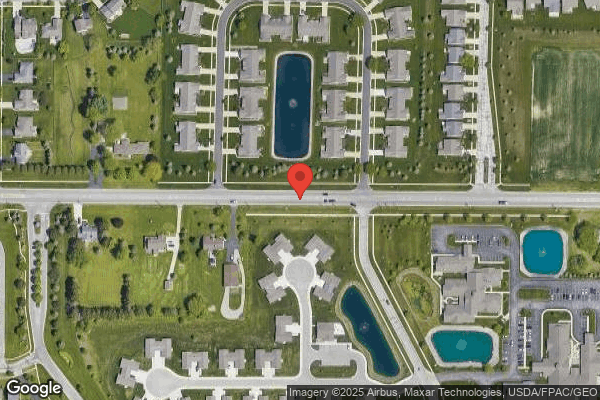
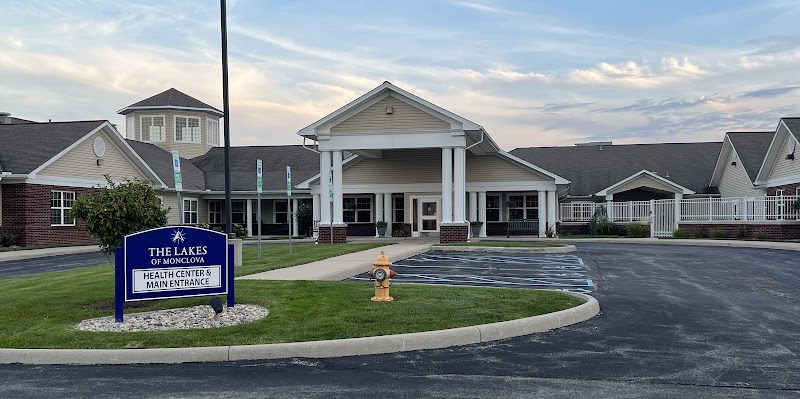
6935 MONCLOVA ROAD, MAUMEE, OH 43537 (419) 866-3030
For profit - Limited Liability company 60 Beds TRILOGY HEALTH SERVICES Data: November 2025
Trust Grade
70/100
#281 of 913 in OH
Last Inspection: June 2024

Within standard 12-15 month inspection cycle. Federal law requires annual inspections.

Overview

Lakes of Monclova Health Campus has received a Trust Grade of B, indicating it is a good choice but not without its issues. It ranks #281 out of 913 facilities in Ohio, placing it in the top half, and #4 out of 33 in Lucas County, meaning only three local options are better. The facility is showing improvement, having reduced its issues from seven in 2024 to three in 2025. Staffing is relatively strong with a 4/5 star rating and a turnover rate of 40%, which is below the state average of 49%. On the downside, the facility has faced concerns such as periods without registered nurse coverage, which could affect resident care, and inadequate portion sizes for residents on specialized diets, potentially compromising their nutritional needs. However, the absence of fines suggests a positive compliance trend, and the overall quality measures are rated excellent, highlighting strengths in areas beyond staffing.

Trust Score
B
70/100
In Ohio
#281/913
Top 30%
Safety Record
Low Risk
No red flags
Inspections
Getting Better
7 → 3 violations
Staff Stability
○ Average
40% turnover. Near Ohio's 48% average. Typical for the industry.
Penalties
✓ Good
No fines on record. Clean compliance history, better than most Ohio facilities.
Skilled Nurses
✓ Good
Each resident gets 48 minutes of Registered Nurse (RN) attention daily — more than average for Ohio. RNs are trained to catch health problems early.
Violations
⚠ Watch
30 deficiencies on record. Higher than average. Multiple issues found across inspections.
★★★★☆
4.0
Overall Rating
★★★★☆
4.0
Staff Levels
★★★★★
5.0
Care Quality
★★★☆☆
3.0
Inspection Score
Stable
2024: 7 issues
2025: 3 issues

The Good

  • 4-Star Staffing Rating · Above-average nurse staffing levels
  • 5-Star Quality Measures · Strong clinical quality outcomes
  • Full Sprinkler Coverage · Fire safety systems throughout facility
  • No fines on record
  • Staff turnover below average (40%)

    8 points below Ohio average of 48%

Facility shows strength in staffing levels, quality measures, fire safety.

The Bad

Staff Turnover: 40%

Near Ohio avg (46%)

Typical for the industry

Chain: TRILOGY HEALTH SERVICES

Part of a multi-facility chain

Ask about local staffing decisions and management

The Ugly 30 deficiencies on record

Sept 2025 1 deficiency
CONCERN (D) 📢 Someone Reported This

A family member, employee, or ombudsman was alarmed enough to file a formal complaint

Potential for Harm - no one hurt, but risky conditions existed

Medical Records (Tag F0842)

Could have caused harm · This affected 1 resident

**NOTE- TERMS IN BRACKETS HAVE BEEN EDITED TO PROTECT CONFIDENTIALITY** Based on medical record review, staff interview and policy review, the facility failed to ensure the medical record was complete...

Read full inspector narrative →
**NOTE- TERMS IN BRACKETS HAVE BEEN EDITED TO PROTECT CONFIDENTIALITY** Based on medical record review, staff interview and policy review, the facility failed to ensure the medical record was complete and accurate when addressing elevated blood sugars. This affected one (#13) of three discharged medical records reviewed for accuracy. The facility census was 54.Findings include:Review of the medical record for Resident #13 revealed an admission date of 07/23/25 and a discharge home on [DATE]. Diagnoses included type one diabetes mellitus and intestinal obstruction. Review of the admission Minimum Data Set (MDS) assessment, dated 07/28/25, revealed Resident #13 had intact cognition and received insulin. Review of the care plan dated 07/28/25 revealed Resident #13 was at risk for hypo/hyperglycemia (low or high blood sugars) due to diabetes mellitus. Interventions included providing medication per orders and monitoring blood sugars per physician order. Review of the physician order initiated 08/05/25 revealed Resident #13 received Novolog mix 70-30 FlexPen U-100 (insulin aspart) insulin pen; 100 units per milliliter (unit/mL) (70-30); nine (9) units, subcutaneous once daily between 3:00 P.M. and 5:00 P.M. Review of the physician order initiated 08/05/25, and discontinued 08/14/25, revealed Resident #13 received Novolog Mix 70-30 FlexPen U-100 (insulin aspart) insulin pen; 100 unit/mL (70-30); eight (8) units, subcutaneous with meals, twice daily, between 6:00 A.M. and 9:00 A.M. and between 11:00 A.M. and 1:00 P.M. Review of the physician order initiated 08/08/25, and discontinued 08/14/25, revealed Resident #13 received insulin glargine 100 unit/mL, five (5) units, injectable, once daily between 6:00 P.M. and 10:00 P.M. Review of a progress note dated 08/13/25 at 9:15 P.M. revealed Resident #13 was slumped over his tray table. His blood sugar was checked with a fingerstick and the results were 568 milligrams per deciliter (mg/dL). The on-call practitioner was notified and provided an order to administer 10 units of Novolog and recheck in one hour. Novolog was given. Review of a progress note dated 08/13/25 at 10:30 P.M. revealed Resident #13's blood sugar was rechecked with a fingerstick with results of 565 mg/dL. The on-call practitioner provided an order for 10 additional units of Novolog. Novolog was given. Review of progress note dated 08/14/25 at 12:37 A.M. revealed Resident #13 had a blood sugar of 481 mg/dL and the on-call practitioner provided a new order for 10 units of Novolog and recheck the blood sugar in one hour. If results were less than 350 mg/dL, leave until the morning. Novolog was given. Review of the interdisciplinary progress note dated 08/14/25 at 9:47 A.M. revealed Resident #13 had an episode of hyperglycemia and new orders were obtained for a one time dose of 10 units of insulin and to recheck blood sugar in one hour. Interview on 09/08/25 at 2:43 P.M. with the Director of Nursing (DON) confirmed Resident #13's progress notes indicated he received three separate doses of 10 units of Novolog insulin. The DON confirmed the nurse should have entered a physician order for the three insulin orders. The DON further confirmed no orders for the insulin doses given on 08/13/25 at 9:15 P.M., 08/13/25 at 10:30 P.M., and 08/14/25 at 12:37 A.M. were entered in Resident #13's physician orders. Additionally, the DON confirmed no follow-up blood sugar was documented as ordered by the physician in the progress note dated 08/14/25 at 12:37 A.M. Interview on 09/08/25 at 3:28 P.M. with Licensed Practical Nurse (LPN) #201, with the DON present, revealed LPN #201 worked the shift on 08/14/25 from 12:00 A.M. until 6:00 A.M. and provided care for Resident #13. LPN #201 stated she checked Resident #13's blood sugar an hour after he received the 12:37 A.M. dose of 10 units of insulin and recalled his blood sugar was 254 mg/dL. LPN #201 confirmed she did not document Resident #13's blood sugar in the electronic medical record. Continued interview with the DON regarding the interdisciplinary team (IDT) progress note documented on 08/14/25 at 9:47 A.M. revealed she became aware of Resident #13's hyperglycemic episode and insulin treatment by reading Resident #13's progress notes; however, the DON confirmed she only read the note dated 08/14/25 at 12:37 A.M. and did not identify Resident #13 received 30 units of insulin for hyperglycemia overnight from 08/13/25 to 08/14/25. Review of the policy titled, Guidelines for Late Entry and Corrections to Medical Record, reviewed 12/17/24, revealed each entry to the medical record shall include the date, time, and signature of the staff member recording the data. Every effort should be made to record the information or event as soon as it is available or occurred. Review of the policy titled, Guidelines for Telephone Orders, reviewed 12/17/24, revealed campuses with electronic medical records shall enter the orders directly into the electronic system which automatically transmits to pharmacy. Additionally, telephone orders shall be countersigned by the physician within 14 days or as applicable by state law of receiving the verbal order. This deficiency represents non-compliance investigated under Complaint Number 2597107.
Mar 2025 2 deficiencies
CONCERN (D) 📢 Someone Reported This

A family member, employee, or ombudsman was alarmed enough to file a formal complaint

Potential for Harm - no one hurt, but risky conditions existed

ADL Care (Tag F0677)

Could have caused harm · This affected 1 resident

Based on observation, resident interview, staff interview, medical record review and review of facility policy, the facility failed to ensure residents were provided with scheduled bathing. This affec...

Read full inspector narrative →
Based on observation, resident interview, staff interview, medical record review and review of facility policy, the facility failed to ensure residents were provided with scheduled bathing. This affected three residents (#20, #35, and #52) of five residents observed for activities of daily living. The facility census was 58. Findings include: 1. Review of the medical record for Resident #20 revealed an admission date of 01/17/25 with diagnoses of osteomyelitis of right ankle and foot, streptococcus, Pseudomonas aeruginosa (P. aeruginosa), unspecified open wound of right foot, peripheral vascular disease, atrial fibrillation, heart disease, heart failure, pericardial effusion, type two diabetes mellitus, nonrheumatic mitral valve insufficiency, nonrheumatic mitral valve insufficiency, protein-calorie malnutrition, low back pain, weight loss, hypertension, anemia, chest pain, cardiomyopathy, tachycardia, hyperkalemia, orthostatic hypotension, embolism and thrombosis of other arteries, stricture of artery, fecal impaction, orphoyngeal dysphagia, hypomagnesemia, malaise, nicotine dependence, urinary retention, hyperlipidemia, hypo-osmolality and hyponatremia, acidosis, pneumonia, and sepsis. Review of the admission Minimum Data Set (MDS) assessment, dated 01/23/25, revealed a Brief Interview of Mental Status (BIMS) score of 06, indicating Resident #20's cognition was severely impaired. Concurrent review of the MDS assessment revealed Resident #20 was dependent for personal hygiene. Review of the facility shower schedule revealed Resident #20 was scheduled to receive showers every Tuesday and Friday in the evening. Review of the facility shower schedule for 01/17/25 through 03/05/25 revealed Resident #20 was scheduled to receive 14 showers/baths. The resident only received showers or baths on seven dates, 01/22/25, 01/31/25, 02/03/25, 02/10/25, 02/13/25, 02/27/25, and 03/03/25 during this time. Interview on 03/05/24 at 2:22 P.M. with the Director of Nursing (DON) and Regional Nurse #241 verified that Resident #20 only received seven baths showers from 01/17/25 through 03/05/25. 2. Review of the medical record for Resident #35 revealed an admission date of 01/22/25 with diagnoses including metabolic encephalopathy, syncope and collapse, dehydration, acute kidney failure, type two diabetes mellitus, dementia, heart disease, occlusion and stenosis of bilateral carotid arteries, aortic valve stenosis, iron deficiency anemia, hypomagnesemia, fall, orthostatic hypotension, hyperlipidemia, hypertension, presence of cardiac pacemaker, old myocardial infarction , dizziness and giddiness, history of falling, thrombocytopenia, Vitamin B12 deficiency, benign prostatic hyperplasia (BPH), and gastro-esophageal reflux disease (GERD). Review of the admission MDS assessment, dated 01/28/25, revealed a BIMS score of 13, indicating Resident #35 was cognitively intact. Concurrent review of the MDS for Resident #35 revealed he was dependent for personal hygiene. Review of the facility shower schedule revealed Resident #35 was supposed to receive showers every Monday and Thursday in the evening. Review of the facility shower schedule for 01/22/25 through 03/05/25 revealed Resident #35 was supposed to receive 12 showers or baths. The resident only received showers or baths on eight dates, 01/24/25, 01/30/25, 02/26/25, 02/28/25, 02/18/25, 02/27/25, and 03/03/25 during this time. Interview on 03/05/24 at 2:22 P.M. with the Director of Nursing (DON) and Regional Nurse #241 verified that Resident #35 only received eight baths or showers from 01/22/25 through 03/05/25. Interview on 03/05/25 at 2:45 P.M. with Resident #35 revealed he does not feel that he received adequate baths or showers. Resident #35 states he would prefer to have showers, but he receives baths more often than showers. 3. Review of the medical record for Resident #52 revealed an admission date of 09/23/24 with diagnoses of hypertensive heart disease, acute kidney failure, peripheral vascular disease, pleural effusion, protein-calorie malnutrition, anemia, chronic respiratory failure, rheumatoid arthritis, atrial fibrillation, generalized muscle weakness, hypomagnesemia, and heart failure. Review of the most recent quarterly MDS assessment, dated 02/14/25, revealed a BIMS score of 13, indicating Resident #52 was relatively cognitively intact. Concurrent review of the MDS assessment revealed Resident #52 required substantial/maximal assistance with showers/bathing. Review of the facility shower schedule revealed Resident #52 was supposed to receive showers every Monday and Thursday in the morning. Review of the facility shower schedule for 01/01/25 through 03/05/25 revealed Resident #52 was supposed to receive 18 showers or baths. The resident only received showers on 15 dates, 01/02/25, 01/06/25, 01/10/25, 01/13/25, 01/16/25, 01/20/25, 01/22/25, 01/23/25, 01/27/25, 01/30/25, 02/03/25, 02/06/25, 02/10/25, 02/13/25, 02/24/25, 02/27/25, and 03/03/25 during this time. Review of the facility shower schedule revealed Resident #52 did not receive a shower or a bath for 9 days during the period of 02/14/25 through 02/23/25. Interview on 03/05/25 Interview on 03/05/24 at 2:22 P.M. with the Director of Nursing (DON) and Regional Nurse #241 verified that Resident #52 only received 15 showers from 01/01/25 through 03/05/25 and that Resident #52 went 9 days between showers form 02/14/25 through 02/23/25. Review of the facility policy titled, Guidelines for Bathing Preference, dated 05/11/16, revealed the resident shall determine their preference for bathing upon admission. Bathing shall occur at least twice a week unless resident states otherwise. This deficiency represents non-compliance investigated under Complaint Number OH00158264.
CONCERN (D) 📢 Someone Reported This

A family member, employee, or ombudsman was alarmed enough to file a formal complaint

Potential for Harm - no one hurt, but risky conditions existed

Infection Control (Tag F0880)

Could have caused harm · This affected 1 resident

**NOTE- TERMS IN BRACKETS HAVE BEEN EDITED TO PROTECT CONFIDENTIALITY** Based on observation, staff interview, review of the medical record, and review of facility policy, the facility failed to ensur...

Read full inspector narrative →
**NOTE- TERMS IN BRACKETS HAVE BEEN EDITED TO PROTECT CONFIDENTIALITY** Based on observation, staff interview, review of the medical record, and review of facility policy, the facility failed to ensure there were appropriate receptacles placed inside of the doorway to resident rooms to doff (remove) personal protective equipment (PPE) into. This affected two residents (#7 and #20) who were in Enhanced Barrier Precaution (EBP) isolation of five residents reviewed for isolation. The facility identified 11 residents (#1, #3, #5, #6, #7, #10, #16, #20, #24, #35, #52) residents in EBP isolation. The facility census was 58. Findings include: 1. Review of the medical record for Resident #7 revealed an admission date of 01/04/24 with diagnoses of dementia, Alzheimer's disease, bipolar disorder, protein-calorie malnutrition, hypertensive chronic kidney disease (CKD), anxiety, hyperlipidemia, Vitamin D deficiency, white matter disease, seizures, restlessness and agitation, weakness, benign prostate hyperplasia (BPH), edema, malaise, dry eye syndrome, insomnia, difficulty in walking, and generalized muscle weakness. Review of the annual Minimum Data Set (MDS) assessment dated [DATE] revealed a Brief Interview of Mental Status (BIMS) was unable to be obtained due to Resident #7 being unable to complete the interview. Observation on 03/05/25 at 8:14 AM revealed a sign outside Resident #7's room indicating the resident was in EBP. Observation on 03/05/25 at 8:14 A.M. of Resident #7's room revealed there was no receptacle inside to discard used PPE into. Interview on 03/05/25 at 8:18 A.M. with LPN #158 verified there was no receptacle in Resident #7's room to discard used PPE into. 2. Review of the medical record for Resident #20 revealed an admission date of 01/17/25 with diagnoses of osteomyelitis of right ankle and foot, streptococcus, pseudomonas aeruginosa (P. aeruginosa), unspecified open wound of right foot, peripheral vascular disease (PVD), atrial fibrillation, heart disease, heart failure, pericardial effusion, type two diabetes mellitus, nonrheumatic mitral valve insufficiency, nonrheumatic mitral valve insufficiency, protein-calorie malnutrition, low back pain, weight loss, hypertension (HTN), anemia, chest pain, cardiomyopathy, tachycardia, hyperkalemia, orthostatic hypotension, embolism and thrombosis of other arteries, stricture of artery, fecal impaction, oropharyngeal dysphagia, hypomagnesemia, malaise, nicotine dependence, urinary retention, hyperlipidemia, other signs and symptoms concerning food and fluid intake, hypo-osmolality and hyponatremia, acidosis, pneumonia, and sepsis. Review of the admission MDS assessment, dated 01/23/25, revealed a BIMS score of 06, indicating Resident #20's cognition was severely impaired. Observation on 03/05/25 at 7:09 A.M. revealed a sign outside Resident #20's room indicating the resident was in EBP. Observation on 03/05/25 at 7:47 A.M., when exiting Resident #20's room, revealed there was no receptacle to discard used PPE into. Interview on 03/05/25 at 7:47 A.M. with Licensed Practical Nurse (LPN) #175 verified there was no receptacle in Resident #20's room to discard used PPE into. Interview on 03/06/25 with Registered Nurse (RN) #151 revealed staff is required to doff PPE prior to exiting a resident's room who is in isolation. Concurrent interview with RN #151 revealed there should be a receptacle inside of every resident who is in isolation to doff used PPE into. Review of the facility policy titled, Enhanced Barrier Precautions (EBP) Standard Operating Procedure, dated 04/01/24, revealed EBP will be in place during high-contact care activities for residents with the following conditions: - all residents with chronic wounds, including but not limited to, pressure ulcers, diabetic foot ulcers, unhealed surgical wounds, and venous stasis ulcers. - all residents with indwelling medical devices, including but not limited to: catheters, central lines, feeding tubes, tracheostomy tubes.
Jun 2024 7 deficiencies
CONCERN (D)

Potential for Harm - no one hurt, but risky conditions existed

Deficiency F0561 (Tag F0561)

Could have caused harm · This affected 1 resident

**NOTE- TERMS IN BRACKETS HAVE BEEN EDITED TO PROTECT CONFIDENTIALITY** Based on medical record review, resident interview, staff interviews, and policy review, the facility failed to ensure a residen...

Read full inspector narrative →
**NOTE- TERMS IN BRACKETS HAVE BEEN EDITED TO PROTECT CONFIDENTIALITY** Based on medical record review, resident interview, staff interviews, and policy review, the facility failed to ensure a resident was provided with showers per their preference. This affected one (#48) of one resident reviewed for choices. The census was 56. Findings include: Review of Resident #48's medical record revealed an admission date of 04/30/24, with diagnoses of atrial fibrillation, hemiplegia and hemiparesis following cerebral infarction affecting right dominant side, hypertensive heart disease with heart failure, acute on chronic congestive heart failure (CHF), bilateral lower extremity (BLE) edema, and weakness. Review of the admission Minimum Data Set (MDS) Assessment, dated 05/30/24, revealed the resident had moderate cognitive impairment. The resident required substantial assistance for bathing. Interview on 06/03/2024 at 10:11 A.M., with Resident #48 revealed only receiving one shower since admission. Further interview with Resident #48 revealed that prior to admission, they took three showers per week at home. Interview on 06/04/24 at 8:12 A.M., with State Tested Nursing Assistant (STNA) #446 revealed Resident #48 was scheduled to receive showers in the evening, but they were not certain regarding the scheduled days. Review of the shower schedule revealed Resident #48 was scheduled to receive showers two times per week, on Tuesday and Friday in the evening. Review of the bathing documentation revealed Resident #48 had only received showers on two of their scheduled days on 05/03/24 and 05/24/24. The resident had not received showers as scheduled on 05/07/24, 05/17/24, 05/21/24, 05/28/24, and 05/31/24. The resident had received a bed bath instead of his choice of a shower. The resident refused a shower on 05/14/24. Review of the nurses' notes dated 04/30/24 through 06/01/24 revealed no documentation the resident was offered a shower or had refused a shower on 05/07/24, 05/17/24, 05/21/24, 05/28/24, and 05/31/24. Interview on 06/04/24 at 10:32 A.M., with Registered Nurse (RN) #485 revealed if a resident was offered a shower and they refused, staff was then required to get the nurse to enter the resident's room and verify the refusal. Further interview with RN #485 revealed the documentation of a refused shower was required in the nurse's notes as well as in the caregiver charting in the electronic medical record. Continued interview with RN #485 revealed they have encountered several residents who stated they were dissatisfied with not getting showers and who were not offered showers and staff were instead documenting the residents refused their showers. Interview on 06/04/24 at 3:26 P.M., with the Director of Nursing (DON) and Regional Clinical Support Registered Nurse (RN) #610 revealed Resident #48 has had two showers since his admission on [DATE]. Review of policy titled, Guidelines for Bathing Preference, revised on 12/31/23, revealed bathing would occur at least twice a week unless resident preferences stated otherwise.
CONCERN (D)

Potential for Harm - no one hurt, but risky conditions existed

Laboratory Services (Tag F0770)

Could have caused harm · This affected 1 resident

**NOTE- TERMS IN BRACKETS HAVE BEEN EDITED TO PROTECT CONFIDENTIALITY** Based on medical record review and staff interviews, the facility failed to timely obtain laboratory test as ordered by the phys...

Read full inspector narrative →
**NOTE- TERMS IN BRACKETS HAVE BEEN EDITED TO PROTECT CONFIDENTIALITY** Based on medical record review and staff interviews, the facility failed to timely obtain laboratory test as ordered by the physician. This affected one (#25) of two residents reviewed for hospitalization. The facility census was 56. Findings include: Review of the medical record for Resident #25 revealed an admission date of 01/11/21, with diagnoses of type 2 diabetes mellitus, hypertensive heart disease, chronic kidney disease stage 3, and hypokalemia (low potassium). Review of the quarterly Minimum Data Set assessment dated [DATE] revealed Resident #25 had severely impaired cognition and required supervision or touching assistance for eating, and substantial/maximal assistance for all other activities of daily life. Review of a progress note dated 05/10/24, by Certified Nurse Practitioner (CNP) #600, revealed Resident #25 was evaluated after a fall without injury or pain and after recently elevated blood sugars, and CNP #600 requested laboratory tests thyroid stimulating hormone (TSH), hemoglobin A1c (HbA1c), complete blood count (CBC) and a comprehensive metabolic panel (CMP). Review of a physician order dated 05/12/24 revealed a Comprehensive Metabolic Panel (CMP) laboratory test was ordered for Resident #25. Review of a progress note dated 05/16/24 by CNP #600 revealed the laboratory tests were still pending. Review of a progress note dated 05/21/24, by CNP #600, revealed the laboratory tests ordered 05/10/24 had not been drawn. Further review revealed CNP #600 reminded the facility to draw labs ordered 05/10/24: HbA1c, TSH, CMP, CBC. Review of a physician order dated 05/21/24 revealed a CMP laboratory test was ordered for Resident #25. Review of the CMP laboratory test drawn 05/28/24, with results available on 05/30/24, revealed Resident #25's BUN was critically high at 78 milligrams per deciliter (mg/dL) (normal range of 6-21 mg/dL), her creatinine (an indicator of kidney function) was high at 2.4 mg/dL (normal range 0.5-0.9 mg/dL) and her potassium was high at 5.6 millimoles per liter (mmol/L) (normal range of 3.5-5.1 mmol/L). Review of a physician order dated 05/30/24 revealed Resident #25's order for bumetanide was on hold. The order was discontinued on 06/02/24. Review of a progress note dated 05/31/24 at 7:13 A.M., by CNP #600, revealed Resident #25's laboratory tests were reviewed, and CNP #600 requested the facility send the laboratory tests with medication list and vital signs to Resident #25's nephrology clinic. Interview on 06/05/24 at 3:08 P.M., with the Director of Nursing (DON) revealed the laboratory tests ordered on 05/12/24 and 05/21/24 for Resident #25 were not entered into the electronic system correctly and therefore were not drawn as ordered.
CONCERN (D) 📢 Someone Reported This

A family member, employee, or ombudsman was alarmed enough to file a formal complaint

Potential for Harm - no one hurt, but risky conditions existed

Deficiency F0773 (Tag F0773)

Could have caused harm · This affected 1 resident

**NOTE- TERMS IN BRACKETS HAVE BEEN EDITED TO PROTECT CONFIDENTIALITY** Based on medical record review, interview of nephrology clinic staff, review of fax confirmation, and staff interviews, the faci...

Read full inspector narrative →
**NOTE- TERMS IN BRACKETS HAVE BEEN EDITED TO PROTECT CONFIDENTIALITY** Based on medical record review, interview of nephrology clinic staff, review of fax confirmation, and staff interviews, the facility failed to timely notify the nephrologist of abnormal laboratory test as ordered by the primary care physician. This affected one (#25) of two residents reviewed for hospitalization. The facility census was 56. Findings include: Review of the medical record for Resident #25 revealed an admission date of 01/11/21, with diagnoses of type 2 diabetes mellitus, hypertensive heart disease, chronic kidney disease stage 3, and hypokalemia (low potassium). Review of the quarterly Minimum Data Set assessment dated [DATE] revealed Resident #25 had severely impaired cognition and required supervision or touching assistance for eating, and substantial/maximal assistance for all other activities of daily life. Review of a progress note dated 05/10/24, by Certified Nurse Practitioner (CNP) #600, revealed Resident #25 was evaluated after a fall without injury or pain and after recently elevated blood sugars, and CNP #600 requested laboratory (labs) tests thyroid stimulating hormone (TSH), hemoglobin A1c (HbA1c), complete blood count (CBC) and a comprehensive metabolic panel (CMP). Review of a physician order dated 05/12/24 revealed a Comprehensive Metabolic Panel (CMP) laboratory test was ordered for Resident #25. Review of a progress note dated 05/16/24 by CNP #600 revealed the laboratory tests were still pending. Review of a progress note dated 05/21/24, by CNP #600, revealed the laboratory tests ordered 05/10/24 had not been drawn. Further review revealed CNP #600 reminded the facility to draw labs ordered 05/10/24: HbA1c, TSH, CMP, CBC. Review of a physician order dated 05/21/24 revealed a CMP laboratory test was ordered for Resident #25. Review of the CMP laboratory test drawn 05/28/24, with results available on 05/30/24, revealed Resident #25's BUN was critically high at 78 milligrams per deciliter (mg/dL) (normal range of 6-21 mg/dL), her creatinine (an indicator of kidney function) was high at 2.4 mg/dL (normal range 0.5-0.9 mg/dL) and her potassium was high at 5.6 millimoles per liter (mmol/L) (normal range of 3.5-5.1 mmol/L). Review of a physician order dated 05/30/24 revealed Resident #25's order for bumetanide was on hold. The order was discontinued on 06/02/24. Review of a progress note dated 05/31/24 at 7:13 A.M., by CNP #600, revealed Resident #25's laboratory tests were reviewed, and CNP #600 requested the facility send the laboratory tests with medication list and vital signs to Resident #25's nephrology clinic. Review of a handwritten physician order dated 05/31/24 revealed Resident #25's laboratory tests, vital signs, and medication list should be sent to the nephrology clinic. Review of a fax confirmation dated 05/31/24 revealed the facility sent a 31-page document to a nephrology clinic. Interview on 06/05/24 at 11:03 A.M., with CNP #600 revealed she was aware of Resident #25's elevated laboratory values dated 05/28/24 and requested the laboratory results be sent to her nephrology clinic. CNP #600 stated she hand writes her orders on paper and hands them to staff and discusses her orders with the nurse. CNP #600 wanted the nephrology clinic notified the day she wrote the order, 05/31/24. A further interview with CNP #600 revealed she believed the nephrology clinic was notified and was addressing Resident #25's abnormal laboratory test results. Review of progress note dated 06/05/24, (a late entry dated 05/31/24), revealed the facility faxed Resident #25's laboratory results, medication list and face sheet to the nephrology clinic. Telephone interview on 06/05/24 at 11:35 A.M., with Medical Assistant (MA) #615 at Resident #25's nephrology clinic revealed no laboratory tests were received from the facility on 05/31/24. Further interview with MA #615 confirmed Resident #25 was a patient at their clinic. Telephone interview on 06/05/24 at 2:48 P.M. with Office Manager #620 at the nephrology clinic identified by the facility as the recipient of Resident #25's laboratory tests on 05/31/24, revealed the nephrology clinic does not provide care for Resident #25 and further could not confirm receipt of the laboratory tests faxed on 05/31/24. Interview on 06/05/24 at 3:08 P.M., with the Director of Nursing (DON) revealed she faxed the laboratory test results to the nephrology clinic on 05/31/24. The DON stated she did not follow up with the nephrology clinic to verify the laboratory test results were received. Interview on 06/06/24 at 8:25 A.M., with the DON revealed she identified Resident #25's nephrology clinic by referring to Resident #25's current orders. The DON stated there was an order to fax all laboratory tests to the nephrology clinic, but no fax number was in the order. The DON stated she had to look up the fax number on the internet. Concurrent review of the record with the DON confirmed she sent Resident #25's laboratory test results to the wrong nephrology clinic. Interview on 06/06/24 at 1:38 P.M., with Medical Assistant #635 at Resident #25's nephrology clinic revealed the nephrologist would have treated Resident #25's elevated potassium of 5.6 mmol/L in light of the elevated creatinine of 2.4 mg/dL, if they had received the laboratory test results.
CONCERN (E)

Potential for Harm - no one hurt, but risky conditions existed

Menu Adequacy (Tag F0803)

Could have caused harm · This affected multiple residents

Based on observation, staff interview, review of resident diet list, and review of the menu spreadsheet, the facility failed to provide adequate portions of protein and mashed potatoes to residents on...

Read full inspector narrative →
Based on observation, staff interview, review of resident diet list, and review of the menu spreadsheet, the facility failed to provide adequate portions of protein and mashed potatoes to residents on a mechanical soft diet. This had the potential to affect all 10 residents on a mechanical soft diet (#10, #16, #19, #20, #27, #30, #44, #262, #309, and #310). Additionally, the facility failed to provide adequate portions of protein and vegetables to residents on a pureed diet. This affected all four residents on a pureed diet (#4, #18, #37, and #40). The facility census was 56. Findings include: Observation during meal service on 06/04/24, between approximately 12:00 P.M. and approximately 12:25 P.M., revealed staff used a #12 scoop (2 2/3 ounce) to serve mechanical soft Salisbury steak, pureed Salisbury steak, and mashed potatoes. Further observation revealed staff used a #16 scoop (2 ounce) for pureed peas. Review of the the menu spreadsheet revealed the mechanical soft Salisbury steak portion should be 5 1/3 ounces and the mashed potatoes portion should be 4 ounces. The pureed Salisbury steak portion should be 4 ounces and the pureed peas portion should be 3 ounces. Review of a facility provided list of diets revealed 10 residents (#10, #16, #19, #20, #27, #30, #44, #262, #309, and #310) were on a mechanical soft diet and 4 residents (#4, #18, #37, and #40) on a puree diet. Interview on 06/04/24 at approximately 12:33 P.M., with the Director of Food Service (DFS) #459 confirmed the scoops sizes used to serve the mechanical soft and pureed Salisbury steak, and the mashed potatoes were 2 2/3 ounces and the scoop used to serve the pureed peas was 2 ounces. Further interview and concurrent review with the the menu spreadsheet revealed the mechanical soft Salisbury steak portion should be 5 1/3 ounces and the mashed potatoes portion should be 4 ounces. Additionally, DFS #459 confirmed the pureed Salisbury steak portion should be 4 ounces and the pureed peas portion should be 3 ounces.
CONCERN (E) 📢 Someone Reported This

A family member, employee, or ombudsman was alarmed enough to file a formal complaint

Potential for Harm - no one hurt, but risky conditions existed

Deficiency F0839 (Tag F0839)

Could have caused harm · This affected multiple residents

**NOTE- TERMS IN BRACKETS HAVE BEEN EDITED TO PROTECT CONFIDENTIALITY** THE FOLLOWING DEFICIENCY REPRESENTS AN INCIDENT OF PAST NONCOMPLIANCE THAT WAS SUBSEQUENTLY CORRECTED PRIOR TO THIS SURVEY. Base...

Read full inspector narrative →
**NOTE- TERMS IN BRACKETS HAVE BEEN EDITED TO PROTECT CONFIDENTIALITY** THE FOLLOWING DEFICIENCY REPRESENTS AN INCIDENT OF PAST NONCOMPLIANCE THAT WAS SUBSEQUENTLY CORRECTED PRIOR TO THIS SURVEY. Based on medical record review, review of medication administration records, review of staffing assignments, and review of Certified Registered Medication Aide (CRMA) licenses, the facility failed to ensure licensed staff were administering medications. This affected 21 residents (#8, #9, #12, #13, #15, #18, #19, #22, #23, #24, #27, #28, #31, #32, #24, #36, #37, #40, #42, #45, and #108) of 24 residents reviewed for medication administration. The facility census was 56. Findings include Review of the CRMA licenses for State Tested Nursing Assistant (STNA) #433 and STNA #407 revealed their CRMA licenses for administering medications had expired on [DATE]. Review of the staff assignment sheets revealed STNA #433 administered medications with an expired license on [DATE], [DATE], [DATE], and [DATE]. STNA #407 administered medications with an expired license on [DATE], [DATE], [DATE], and [DATE]. Review of the medication administration records for 21 residents (#8, #9, #12, #13, #15, #18, #19, #22, #23, #24, #27, #28, #31, #32, #24, #36, #37, #40, #42, #45, and #108) revealed STNA #433 and/or STNA #407 had administered the residents' medications while working with expired medication certification licenses. Interview on [DATE] at 8:44 A.M., the Administrator revealed the facility had identified the two medication technicians working with expired licenses. Interview on [DATE] at 11:40 A. M.,with Regional Clinical Support Registered Nurse (RCSRN) #610 revealed the facility reviewed all events for all the residents, removed the two medications technicians from the schedule for administering medications, and verbally educated the two staff members to renew their licenses. RCSRN #610 revealed ongoing assessments of residents were completed by the nurses and a daily check of the administration compliance report for all residents showed no medication errors. As a result of the incident, the facility took the following actions to correct the deficient practice by [DATE]: • On [DATE], STNA #433 and STNA #407 were removed from the schedule as administering medications and remain of the CRMA schedule. • On [DATE], the Director of Nursing assessed the 21 residents (#8, #9, #12, #13, #15, #18, #19, #22, #23, #24, #27, #28, #31, #32, #24, #36, #37, #40, #42, #45, and #108) and there were zero change in condition events. • On [DATE], all CRMA licenses were verified to be active on [DATE], by the staffing scheduler. • Beginning on [DATE], the staffing scheduler/designee would verify via the Ohio Board of Nursing all CRMAs licenses were active monthly. The Director of Nursing will be mointoring this to ensure it is completed monthly. • On [DATE], review of the CRMA licenses for the four medication aides in the facility revealed the licenses for STNA #433 and STNA #407 remained expired. Review of the licenses for CRMA #436 and CRMA #480 were active through [DATE]. • On [DATE] at 1:09 P.M., interview with STNA #433 revealed she had been educated by the facility to renew her medication administration certification license. STNA #433 verified she had administered medications with an expired license. • On [DATE] at 12:08 P.M., interview with STNA #407 verified she had administered resident medications with an expired license. STNA #407 verified the facility had educated her to renew her medication administration certification license. This deficiency represents non-compliance investigated under Complaint Number OH000154300.
CONCERN (E)

Potential for Harm - no one hurt, but risky conditions existed

Infection Control (Tag F0880)

Could have caused harm · This affected multiple residents

Based on observation, staff interview, record review, and review of the policy, the facility failed to ensure personal protective equipment (PPE) was worn by staff while performing care for a resident...

Read full inspector narrative →
Based on observation, staff interview, record review, and review of the policy, the facility failed to ensure personal protective equipment (PPE) was worn by staff while performing care for a resident in contact precautions. This affected one (#307) of one resident reviewed for transmission based precautions and had the potential to affect all residents on the 100-hall (#20, #30, #39, #41, #47, #311, #312, #313, and #314). Additionally, the facility failed to ensure Enhanced Barrier Precaution (EBP) signage was posted appropriately for residents. This affected one (#26) of four residents reviewed for EBP. The facility census was 56. Findings include: Review of the medical record for Resident #307 revealed an admission date of 05/28/24, with a diagnosis of Clostridium difficile (C. diff). Review of the admission Observation and Data Collection completed 05/28/24 revealed Resident #307 was alert and oriented to person, place and time and had no impaired cognition. Further review revealed Resident #307 was continent of bladder and bowel. Review of the baseline careplan dated 05/28/24 revealed Resident #307 had a current infection of C. diff and was in isolation for C. diff and isolation precautions would be implemented. The type of isolation (contact/droplet) was not identified on the assessment. Review of the physician order dated 05/29/24 to 06/03/24 revealed Resident #307 was in contact precautions due to C. diff. Observation on 06/03/24 at 8:40 A.M., revealed Resident #307's room with a Contact Precautions sign posted outside the room and a plastic PPE cart was outside the room next to the doorway. The Contact Precautions sign stated providers and staff must put on gloves before room entry, put on gown before room entry and discard gloves and gown before exiting the room. Further observation revealed Licensed Practical Nurse (LPN) #460 in Resident #307's room not wearing PPE. LPN #460 exited the room and used hand sanitizer. Interview on 06/03/24 at 8:42 A.M., with LPN #460 confirmed Resident #307 was in contact precautions for C. diff and further stated no PPE was required when providing care unless staff were coming in contact with areas that may have been soiled by stool, such as bedding or brief changes. LPN #460 confirmed he was in Resident #307's room to provide her a glass of water and was not wearing PPE. LPN #460 further confirmed the expected hand hygiene after exiting her room was hand sanitizer. Observation on 06/03/24 at 9:03 A.M., revealed State Tested Nurse Aide (STNA) #445 in Resident #307's room. Resident #307 was dressed and sitting in a chair with her breakfast tray on the overbed table in front of her. STNA #445 was not wearing PPE in the room while she removed a napkin from Resident #307's lap, moved her meal tray from the overbed table to the dresser, moved her tray table, picked up Resident #307's tennis shoes and tied the shoes on Resident #307's feet. STNA #445 then brought Resident #307's walker within reach and stood by while Resident #307 walked to the bathroom, entered the bathroom alone and closed the door. Interview on 06/03/24 at 9:06 AM., with STNA #445 confirmed Resident #307 was in contact precautions. STNA #445 confirmed she did not wear any PPE while providing assistance to Resident #307. STNA #445 stated PPE was only required when providing toileting hygiene assistance to Resident #307. Upon prompting by the surveyor during the interview, STNA #445 performed hand hygiene by using hand sanitizer. Observation on 06/03/24 at 3:04 P.M., revealed Resident #307 in her room with Occupational Therapy Assistant (OTA) #630. A Contact Precautions sign and PPE cart remained outside Resident #307's room. OTA #630 was not wearing PPE in the room. Interview on 06/03/24 at 3:05 P.M with OTA #630 confirmed Resident #307 was in contact precautions, and confirmed she did not wear PPE while providing care to Resident #307. OTA #630 stated PPE was only required if staff provided care after Resident #307 had a bowel movement. Observation on 06/04/24 at 5:52 A.M., revealed STNA #511 in Resident #307's room, not wearing PPE. A Contact Precautions sign and PPE cart was outside Resident #307's room. STNA #511 closed the door. Continued observation at 6:02 A.M., revealed STNA #511 exited Resident #307's room carrying a bag of trash. STNA #511 confirmed she did not wear PPE when providing care to Resident #307. STNA #511 stated she touched Resident #307's hand to assist her up to her walker, then Resident #307 walked herself to the bathroom and was in the bathroom during the interview. STNA #511 confirmed Resident #307 was in contact precautions and stated PPE was only required when providing care after a stool. STNA #511 carried the trash to the soiled utility room. STNA #511 confirmed she had not washed her hands since exiting Resident #307's room and proceeded to the bathroom on the 100-hall nurses station to wash her hands. Interview on 06/04/24 at 7:42 A.M., with the Assistant Director of Nursing (ADON)/Infection Preventionist confirmed Contact Precautions means a gown and gloves should be donned prior to entering the room for any reason. Additionally, hand hygiene after potential contact with C. diff should be soap and water, not just hand sanitizer. Review of policy titled, Guidelines for Contact Precaution, revised 02/28/24, revealed Contact Precautions are indicated to prevent and control transmission of C. diff, among other healthcare-associated infections. PPE guidance included wearing gloves before contact with the resident or environmental objects. Hands should be washed after having direct contact with the resident, possible infective material, or potentially contaminated environmental objects. Additionally, a fluid resistant gown should be worn when entering the room when there is likelihood that organisms from blood, urine, stool or wound drainage may be on surfaces or items in the resident's room. 2. Review of the medical record for Resident #26 revealed an admission date of 05/02/24. Diagnoses included congestive heart failure, type two diabetes mellitus with foot ulcer, atrial fibrillation, malignant neoplasm of the colon, and hypertension. Review of plan of care dated 05/03/24 revealed the resident required enhanced barrier precautions during high-contact care related to presence of wound with dressing change. Review of a physician order dated 05/03/24 revealed staff to use enhanced barrier precautions, wear a gown and gloves at minimum during high-contact care activities. Observation on 06/03/24 at 12:42 P.M., revealed Resident #26 had no enhanced barrier precaution sign posted on her door or in her room. Interview on 06/03/24 at 12:57 P.M., with Registered Nurse (RN) #485 verified Resident #26 was on enhanced barrier precautions and no sign was posted regarding the enhanced barrier precautions. Review of the policy titled, Enhanced Barrier Precautions (EBP) Standard Operating Procedure, last revised 04/02/24, revealed no guidelines for sign placement for a resident on enhanced barrier precautions.
CONCERN (F) 📢 Someone Reported This

A family member, employee, or ombudsman was alarmed enough to file a formal complaint

Potential for Harm - no one hurt, but risky conditions existed

Deficiency F0727 (Tag F0727)

Could have caused harm · This affected most or all residents

Based on record review of staff schedules, review of posted staffing, and staff interview, the facility failed to use the services of a registered nurse (RN) for at least eight consecutive hours a day...

Read full inspector narrative →
Based on record review of staff schedules, review of posted staffing, and staff interview, the facility failed to use the services of a registered nurse (RN) for at least eight consecutive hours a day, seven days a week as required. This had the potential to affect all 56 residents residing in the facility. The census was 56. Findings include: Review of facility staffing schedules and posted staffing information from 05/02/24 to 06/02/24 revealed there was no Registered Nurse (RN) coverage in the facility on 05/18/24 or 05/19/24. Interview on 06/06/24 at 2:04 P.M., with the Director of Nursing (DON) verified there was no RN on duty in the facility on 05/18/24 and 05/19/24. The DON reported they had RN's on call but not in the facility. This deficiency represents non-compliance investigated under Complaint Number OH000154300.
Sept 2021 4 deficiencies
CONCERN (D)

Potential for Harm - no one hurt, but risky conditions existed

Accident Prevention (Tag F0689)

Could have caused harm · This affected 1 resident

**NOTE- TERMS IN BRACKETS HAVE BEEN EDITED TO PROTECT CONFIDENTIALITY** Based on resident record review, observation, and staff interview; the facility failed to ensure fall interventions were in plac...

Read full inspector narrative →
**NOTE- TERMS IN BRACKETS HAVE BEEN EDITED TO PROTECT CONFIDENTIALITY** Based on resident record review, observation, and staff interview; the facility failed to ensure fall interventions were in place in accordance with the plan of care. This affected one (#37) of three resident's reviewed for falls. The census was 52. Findings include: Review of the medical record for Resident #37 revealed the resident was admitted to the facility on [DATE]. Diagnoses include anorexia, Parkinson's disease, chronic obstructive pulmonary disease, heart disease, and hypertension. Review of a document titled, 48 Hour Baseline Care Plan dated 05/21/21, revealed Resident #37 was at risk for falls or lacks safety awareness. The history/observed triggers included placement in a new environment, takes medications that could potential adverse effects such as cathartics, analgesics, psychotropic, and/or hypoglycemic agents, diagnoses of disease or condition that increases risk for falls, and requires staff assistance and/or assistive devices for safe transfers and mobility. Interventions include assess for fall risk at admission and as needed until comprehensive care plan completed, provide assistive devices and ensure accessibility, keep call light within reach and encourage use of it, observe medications for side effects that could affect balance, cognition, or gait, and encourage and educate resident to utilize safety measures if applicable. Review of a physician order dated 05/27/21, revealed Resident #37 was not to be left unattended in the bathroom. Review of a care plan dated 06/04/21, revealed Resident #37 was at risk for falls related to assistance needed for transfers and a history of falls. Interventions included dycem to wheel chair, perimeter mattress to bed, ensure the floor is dry after shower. Observation on 09/27/21 at 4:54 P.M., of fall interventions for Resident #37, revealed the resident was sitting up in the wheel chair. There was no dycem located in the resident's wheel chair. Further observation revealed there was no perimeter mattress on the residents bed. Observation on 09/28/21 at 9:55 A.M., revealed Hospice Employee (HE) #369 was in the bathroom with Resident #37, assisting the resident with care. Continued observation revealed the HE #369, exited the bathroom leaving the resident in the bathroom, closed the door, and exited the resident's room. The HE #369 entered the hallway and walked down towards the nurse station to find a facility staff member to assist with the resident care. HE #369 and a staff member returned to Resident #37's room , entered the bathroom, and closed the door. Interview on 09/28/21 at 9:59 A.M., with HE #369 revealed HE #369 was in the bathroom with Resident #37 to assist the resident with a shower. HE #369 reported the resident was left unattended in the bathroom while the staff left the room to find someone to assist with transferring the resident off of the toilet. Continued interview with the staff revealed the reason HE #369 needed help with the transfer was because the drain on the bathroom floor was not draining the shower water very fast and the floor was covered with water, pooling in some areas. Further interview with HE #369 revealed the staff had attempted to dry the bathroom floor but there was to much water and the floor was not able to be dried properly. Interview with HE #369 verified Resident #37 was left unattended in the bathroom with a wet floor. Observation on 09/28/21 at 10:02 A.M., of Resident #37's bathroom/shower area revealed the drain for the shower was located towards the middle of the room. The area of the shower was wet, there was water pooling in front of the sink, and the floor was wet surrounding the toilet. Interview and observation on 09/28/21 at 10:04 A.M., with Licensed Practical Nurse (LPN) #335 of Resident #37 revealed the resident was sitting in a broda wheel chair, there was no dycem in the wheel chair. Continued observation revealed there was no perimeter mattress on the residents bed. LPN #335 verified there was no dycem on the broda chair, on the standard wheel chair, or on the resident's recliner chair. An attempt was made to verify the type of mattress on the resident's bed but the LPN did not know if the mattress was a perimeter mattress or a regular mattress. Interview on 09/28/21 at 10:08 A.M., with Assistant Director of Nursing (ADON) #368 and observation of Resident #37's mattress verified the current mattress on Resident #37's bed was not a perimeter mattress.
CONCERN (D)

Potential for Harm - no one hurt, but risky conditions existed

Deficiency F0712 (Tag F0712)

Could have caused harm · This affected 1 resident

**NOTE- TERMS IN BRACKETS HAVE BEEN EDITED TO PROTECT CONFIDENTIALITY** Based on medical record review, resident and staff interviews, the facility failed to ensure a resident was seen by a physician ...

Read full inspector narrative →
**NOTE- TERMS IN BRACKETS HAVE BEEN EDITED TO PROTECT CONFIDENTIALITY** Based on medical record review, resident and staff interviews, the facility failed to ensure a resident was seen by a physician as required. This affected one (#38) of three residents reviewed for physician visits. The facility census was 52. Findings include: Review of the medical record revealed Resident #38 was admitted on [DATE]. Diagnoses included chronic obstructive pulmonary disease, non-pressure chronic ulcer of unspecified part of left lower leg with unspecified severity, hypertensive heart and chronic kidney disease with heart failure, type two diabetes mellitus with diabetic chronic kidney disease, chronic kidney disease stage three, hypothyroidism, sleep apnea, anxiety disorder, gout, hyperlipidemia, dysphagia, auditory hallucinations, delusional disorders, unspecified osteoarthritis, cervicalgia, and schizoaffective disorder depressive type. Review of the Minimum Data Set (MDS) assessment, dated 08/27/21, revealed Resident #38 was moderately cognitively impaired. Review of physician visits revealed Resident #38 met with a nurse practitioner monthly but has not met with a physician since 01/26/21. Interview on 09/28/21 at 9:32 A.M., with Resident #38 revealed the resident had not met with a primary care physician. Resident #38 stated he meets with a nurse practitioner but has not met with a physician at the facility. Interview on 09/29/21 at approximately 3:00 P.M., with the Director of Nursing verified Resident #38 has not met with physician since January 2021.
CONCERN (D)

Potential for Harm - no one hurt, but risky conditions existed

Safe Environment (Tag F0921)

Could have caused harm · This affected 1 resident

Based on observation and staff interview; the facility failed to ensure a resident's environment was free from electrical wires being exposed. This affected one (#33) of 24 residents observed for the ...

Read full inspector narrative →
Based on observation and staff interview; the facility failed to ensure a resident's environment was free from electrical wires being exposed. This affected one (#33) of 24 residents observed for the environment. The census was 52. Finding include: Observation on 09/27/21 at 3:25 P.M., of Resident #33 and the resident's room revealed wires were coming out of a hole in the wall in the resident's room. The hole in the wall and exposed wires appeared to be in the spot were a call light box and call light cord should be located. There was a bell placed on the resident's bed side table. Interview on 09/30/21 at 10:34 A.M., with the Director of Maintenance (DOM) verified there were wires hanging out of a hole in the wall in Resident #33's room. The DOM revealed the wires were for the call light box, which, should be affix to the exterior of the wall. The DOM revealed the call light box was laying on a shelf next to the wall and the call light cord was wrapped around the side rail on the resident's bed. The DOM reported call lights were a priority to be fixed. The DOM reported he/she was not notified of Resident #33's call light being broken.
CONCERN (E)

Potential for Harm - no one hurt, but risky conditions existed

Resident Rights (Tag F0550)

Could have caused harm · This affected multiple residents

Based on observation, review of resident council minutes, resident and staff interviews, the facility failed to ensure residents were served meals on nondisposable dishes, glasses/cups and silverware,...

Read full inspector narrative →
Based on observation, review of resident council minutes, resident and staff interviews, the facility failed to ensure residents were served meals on nondisposable dishes, glasses/cups and silverware, to promote a homelike environment. This had the potential to effect 51 of the 52 residents in the facility. Resident #11 received nothing by mouth. The facility census was 52. Findings include: Observation on 09/27/21 at 12:00 P.M., revealed residents seated in the dining room being served a variety of beverages in disposable Styrofoam cups. The meals were served on disposable thin plastic plates. Subsequent observation at 1:00 P.M., of hall trays delivered revealed the same disposable dinnerware was served to the residents in their rooms. The plates were wrapped in clear cellophane wrap and were on trays placed in an insulated cart. Random interviews on 09/27/21, during the screening process, with Residents (#14, #17, #19, #23, #25, #31, #36, #40, #45, #48, and #255) revealed the food is cold when delivered and they feel it is more related to the plastic plates. Interview on 09/27/21 at 3:40 P.M., with Executive Director revealed the facility had been using disposable dishes and flatware for approximately two months citing lack of sufficient dietary staff to timely cleanse dishware. ED went on to state the facility was serving the assisted living residents on china but determined, with the numbers, to continue to use disposable dishware and flatware for the long term residents. The ED stated they have a policy to allow the use of disposable dishes. Interviews on 09/28/21 at 12:10 P.M., with various random residents, seated in the dining room, revealed they had been eating off of disposable plates and using plastic cutlery for quite some time. It is difficult at times to cut foods with plastic knife, the staff will assist but if resident had a regular knife could have cut the meat by themselves. Interview on 09/29/21 at 10:00 A.M., with Resident Council members Resident #2, #9, #30, and #48 revealed concerns related to the disposable plates and utensils. Resident #30 referred to the dinnerware as picnic supplies. Residents reports they do not like them because the plates and utensils are disposable, the knives do not work, the food does not stay hot, and condensation from the cover makes the food wet. Interview on 09/29/21 at 11:06 P.M., with Activities #370 verified residents have made complaints about disposable plates and utensils. Review of Resident Council Meeting Minutes, dated 06/22/21, revealed residents voiced concerns with plastic silverware stating they are unable to cut meats and food being cold when passed in the hall. Residents present included Resident #9, #10, #19, #30, #37, #38, #44, and #48. Review of Resident Council Meeting Minutes, dated 07/27/21, revealed residents voiced concerns with plastic silverware. Residents present included Resident #5, #13, #10, #19, #38, #44, and #48. Review of Resident Council Meeting Minutes, dated 08/25/21, revealed residents voiced concerns with cold food. Residents present included Resident #2, #9, #30, #38, and #48.
Mar 2019 16 deficiencies
CONCERN (D)

Potential for Harm - no one hurt, but risky conditions existed

Resident Rights (Tag F0550)

Could have caused harm · This affected 1 resident

**NOTE- TERMS IN BRACKETS HAVE BEEN EDITED TO PROTECT CONFIDENTIALITY** 2. Review of Resident #12's medical record revealed she was admitted on [DATE]. Medical diagnoses included atherosclerotic heart...

Read full inspector narrative →
**NOTE- TERMS IN BRACKETS HAVE BEEN EDITED TO PROTECT CONFIDENTIALITY** 2. Review of Resident #12's medical record revealed she was admitted on [DATE]. Medical diagnoses included atherosclerotic heart disease, nontraumatic subarachnoid hemorrhage, gastrostomy status, altered mental status and dementia without behaviors. Continued review of the resident's medical record revealed no indication the resident or her family requested posted clinical information in the resident's room. Observation of the resident's room on 03/18/19 at 11:08 A.M. revealed two signs posted above the resident's bed. One sign read, nothing by mouth (NPO) and the other sign read, Keep resident's bed at 45 degree angle due to continuous tube feeding. Interview with Licensed Practical Nurse (LPN) #153 on 03/19/19 at 3:00 P.M. verified the resident had clinical information posted on her wall visible to anyone who came in the room. Interview with Regional Support Nurse #201 on 03/19/19 at 3:51 P.M. verified the resident did not have anything in her care plan indicating the resident's family requested clinical information be posted in her room. 3. Review of Resident #22's medical record revealed an admission date of 06/14/16. Medical diagnoses included dementia, heart failure, sepsis, metabolic encephalopathy, and myelodysplastic syndrome. Continued review of the resident's medical record revealed no indication the resident or her family requested posted clinical information in the resident's room. Observation of the resident's room on 03/18/19 at 12:23 P.M. revealed two signs posted above the resident's bed. One sign read, Patient has port and the other sign read, Do not use left arm for blood pressures, lab draws, IV's (intravenous), etc. Interview with LPN #153 on 03/19/19 at 2:56 P.M. verified the resident had clinical information posted on her wall visible to anyone who came in the room. Interview with Regional Support Nurse #201 on 03/19/19 at 3:51 P.M. verified the resident did not have anything in her care plan indicating the resident's family requested clinical information be posted in her room. Based on observation, medical record review, and staff interview, the facility failed to ensure resident's personal clinical information was posted in a confidential manner. This affected two (Resident #12 and #22) of 55 residents observed during stage one of the survey process. In addition, the facility failed to serve lunch to residents in the dining room in a dignified manner. This affected two (Resident #40 and #109) of 36 residents observed eating in the dining room. The facility census was 55. Findings include: 1. Observation of the dining room on 03/18/19 from 11:55 A.M. through 12:30 P.M. revealed at 12:00 P.M., Resident #40, #11, #43 and #109 was seated at table five. At 12:07 P.M., two residents (Resident #11 and #43) at table five, were served and the other two residents (Resident #109 and #40) sat at table watching them eat. At 12:30 P.M., Campus Clinical Support Registered Nurse (RN) verified at 12:30 P.M. Resident #11 and #43 were half done eating when Resident #109 and #40 were served lunch while sitting at the same table. She verified the expectation was that the resident sitting at the same table are served within a few minutes of each other.
CONCERN (D)

Potential for Harm - no one hurt, but risky conditions existed

Deficiency F0558 (Tag F0558)

Could have caused harm · This affected 1 resident

Based on observation, medical record review, staff interview, resident council interview, and review of a facility policy, the facility failed to ensure resident's call lights were within reach for th...

Read full inspector narrative →
Based on observation, medical record review, staff interview, resident council interview, and review of a facility policy, the facility failed to ensure resident's call lights were within reach for the residents. This affected two (Resident #13 and #22) of 24 residents observed during stage one of the survey. The facility census was 55. Findings include: 1. Review of Resident #13's medical record revealed an admission date of 03/04/15. Medical diagnoses included peripheral vascular disease, dementia without behaviors, anxiety disorder, major depressive disorder, generalized muscle weakness, urinary incontinence, history of urinary tract infections, history of falls, and Alzheimer's disease. Review of the resident's Minimum Data Set (MDS) assessment, dated 01/08/19, revealed the resident required extensive assistance of one staff member for bed mobility, transfers, and toilet use. Review of the resident's activities of daily living (ADL) care plan revised on 01/10/19 revealed the resident was unable to complete ADL's independently and was at risk for falls due to balance difficulty, weakness and impaired cognition which could affect her safety awareness and decision making. She also received medications which could further affect her balance. Interventions included keeping her call light and other frequently used objects within easy reach. Observation of Resident #13 on 03/18/19 at 10:06 A.M. revealed the resident was in her recliner asleep. Her call light was attached to the bed and not within her reach. Interview with Licensed Practical Nurse (LPN) #137 on 03/18/19 at 10:10 A.M. verified the resident's call light was not in reach. LPN #137 stated the resident was able to use the call light. 2. Review of Resident #22's medical record revealed an admission date of 06/14/17. Medical diagnoses included dementia without behaviors, heart failure, sepsis, hypertension, metabolic encephalopathy, and myelodysplastic syndrome. Review of the resident's MDS assessment, dated 01/18/19, revealed the resident required extensive assistance of one staff member for bed mobility, transfers, locomotion, dressing, eating, toilet use and personal hygiene. Review of the resident's care plan, revised on 01/10/19, revealed she was at risk for falls related to muscle weakness, dementia, and osteoporosis. Interventions included keeping the call light in reach at all times. Observation of Resident #22 on 03/18/19 at 10:13 A.M. revealed the resident had a pressure call button hanging on the back of her headboard with the head of the bed elevated. The resident was lying in bed but the call button was not within reach of the resident. Interview with State Tested Nursing Assistant (STNA) #127 on 03/18/19 at 10:18 A.M. verified the resident was not able to reach her call light. She stated the resident was able to use her call light. Interview with the resident council group on 03/19/19 at 4:11 P.M. revealed they complained of call lights being placed out of their reach. Review of a facility policy titled Guidelines for Answering Call Lights reviewed on 05/22/18 revealed staff was to ensure the call light was plugged in securely to the outlet and in reach of the resident. If nothing else is needed, return the call light to within reach of the resident.
CONCERN (D)

Potential for Harm - no one hurt, but risky conditions existed

Abuse Prevention Policies (Tag F0607)

Could have caused harm · This affected 1 resident

**NOTE- TERMS IN BRACKETS HAVE BEEN EDITED TO PROTECT CONFIDENTIALITY** Based on medical record review, staff interview, and review of a facility policy, the facility failed to ensure implementation o...

Read full inspector narrative →
**NOTE- TERMS IN BRACKETS HAVE BEEN EDITED TO PROTECT CONFIDENTIALITY** Based on medical record review, staff interview, and review of a facility policy, the facility failed to ensure implementation of their abuse policy when an injury of unknown origin (IUO) was not reported timely to administrative staff and the survey State Agency. This affected one (Resident #36) of one resident reviewed for skin conditions. The facility census was 55. Findings include: Review of Resident #36's medical record revealed an admission date of 10/25/18. Medical diagnoses included dysphagia, heart failure, atherosclerotic heart disease, atrial fibrillation, anemia, anxiety, dementia, hypertension, rheumatoid arthritis, and repeated falls. The resident began receiving hospice services on 03/12/19. Review of the resident's Minimum Data Set (MDS) assessment dated [DATE] revealed a brief interview for mental status (BIMS) score of five, indicating severe impairment in cognition. Review of the resident's medical record revealed a nursing note dated 03/13/19 at 10:40 P.M. from Licensed Practical Nurse (LPN) #140 indicating bruising was noted in the resident's anal area when providing personal care this evening which was dark purple in color. No frank/fresh bleeding was noted from anus. Resident did not respond to questions of whether the area hurt or if she had any discomfort in that area. A bruise was also noted on lateral left forearm, yellow-green in color. There was no evidence the nurse notified the Administrator and/or Director of Nursing. Review of the facility's self-reported incidents from 03/13/19 through 03/21/19 revealed there were no IUO reported to the survey State Agency, the Ohio Department of Health. Interview with LPN #153 on 03/19/19 at 10:58 A.M. revealed she was responsible for weekly skin assessments for the resident. She verified she saw new bruising around the resident's anus on 03/14/19. She stated she did not report this to administration as she was not the one who discovered it. She stated the bruising was discovered on 03/13/19 by LPN #140. She stated she would have reported the bruising had she been the one who initially noted the bruising. Interview with Regional Support Nurse #173 and the Director of Nursing on 03/19/19 at 1:31 P.M. verified LPN #140 did not report the bruising to the resident's anal area and forearm in a timely manner. The DON called LPN #140 at home after reviewing the event on 03/14/19. LPN #140 was re-educated on the abuse, neglect, and misappropriation policy. They verified there were no SRI's reported involving Resident #36 and IUO. Review of a facility policy titled Abuse, Neglect and Exploitation Procedural Guidelines with an effective date of 10/10/17 revealed an IUO occurs when both of the following conditions were met: 1. The source of the injury was not observed by any person or the source of the injury could not be explained by the resident. 2. The injury was suspicious in nature because of the extent of the injury or the location of the injury. Reporting requirements included ensuring that all alleged violations involving abuse, neglect, exploitation or mistreatment, including IUO and misappropriation of resident property, are reported immediately, but not later than two hours after the allegation was made, if the events that cause the allegation involve abuse or result in serious bodily injury, or not later than 24 hours if the events that cause the allegation do not involve abuse and do not result in serious bodily injury, to the Administrator of the facility and to other officials, including the State Survey Agency.
CONCERN (D)

Potential for Harm - no one hurt, but risky conditions existed

Report Alleged Abuse (Tag F0609)

Could have caused harm · This affected 1 resident

**NOTE- TERMS IN BRACKETS HAVE BEEN EDITED TO PROTECT CONFIDENTIALITY** Based on observation, medical record review, staff interview, and review of a facility policy, the facility failed to report an ...

Read full inspector narrative →
**NOTE- TERMS IN BRACKETS HAVE BEEN EDITED TO PROTECT CONFIDENTIALITY** Based on observation, medical record review, staff interview, and review of a facility policy, the facility failed to report an injury of unknown origin (IUO) timely to administrative staff and the survey State Agency. This affected one (Resident #36) of one resident reviewed for skin conditions. The facility census was 55. Findings include: Review of Resident #36's medical record revealed an admission date of 10/25/18. Medical diagnoses included dysphagia, heart failure, atherosclerotic heart disease, atrial fibrillation, anemia, anxiety, dementia, hypertension, rheumatoid arthritis, and repeated falls. The resident began receiving hospice services on 03/12/19. Review of the resident's Minimum Data Set (MDS) assessment dated [DATE] revealed a brief interview for mental status (BIMS) score of five, indicating severe impairment in cognition. Review of the resident's medical record revealed a nursing note dated 03/13/19 at 10:40 P.M. from Licensed Practical Nurse (LPN) #140 indicating bruising was noted in the resident's anal area when providing personal care this evening which was dark purple in color. No frank/fresh bleeding was noted from anus. Resident did not respond to questions of whether the area hurt or if she had any discomfort in that area. A bruise was also noted on lateral left forearm, yellow-green in color. A nursing note, dated 03/14/19 at 9:20 A.M. from LPN #153, revealed the bruises continued to the resident's anal area and left lateral arm. The resident denied any pain or discomfort to the area. A late entry nursing note, dated for 03/14/19 at 11:00 A.M., and recorded on 03/18/19 at 5:34 P.M. from the interdisciplinary team, indicated the root cause of the resident's bruising was her dependence on staff for activities of daily living (ADL) and transfers, elevated international normalized ratio (INR) (ration used to determine the effectiveness of blood thinner medication), and thin and aging skin. The resident was noted to rest her arms next to arm rest of Broda chair. Another late entry nursing noted, dated for 03/14/19 at 4:45 P.M. and recorded on 03/18/19 at 5:10 P.M. from wound care nurse LPN #161, indicated the resident's perirectal area was assessed and area was noted to be dark, rusty in color which was within normal limits for the resident. No open areas were noted. Resident dependent on staff for ADLs including transfers via Hoyer lift. Resident receives Coumadin (anticoagulant) therapy. At present time, INR elevated and Coumadin on hold. Review of a weekly skin assessment completed by LPN #153, dated 03/19/19 at 1:13 P.M., revealed discoloration continued to anal area, right inner thigh and left arm. Excoriation areas continued to buttocks and coccyx with scarring. Review of the facility's self-reported incidents from 03/13/19 through 03/21/19 revealed there were no IUO reported to the survey State Agency, the Ohio Department of Health. Interview with LPN #153 on 03/19/19 at 10:58 A.M. revealed she was responsible for weekly skin assessments for the resident. She verified she saw new bruising around the resident's anus on 03/14/19. She stated she did not report this to administration as she was not the one who discovered it. She stated the bruising was discovered on 03/13/19 by LPN #140. She stated she would have reported the bruising had she been the one who initially noted the bruising. Observation of the resident's anal area on 03/19/19 at 11:07 A.M. with LPN #153 revealed very faint scattered bruising continued around the resident's anus area. Interview with Regional Support Nurse #173 and the Director of Nursing on 03/19/19 at 1:31 P.M. verified LPN #140 did not report the bruising to the resident's anal area and forearm in a timely manner. The DON called LPN #140 at home after reviewing the event on 03/14/19. LPN #140 was re-educated on the abuse, neglect, and misappropriation policy. They verified there were no SRI's reported involving Resident #36 and IUO. Review of a facility policy titled Abuse, Neglect and Exploitation Procedural Guidelines with an effective date of 10/10/17 revealed an IUO occurs when both of the following conditions were met: 1. The source of the injury was not observed by any person or the source of the injury could not be explained by the resident. 2. The injury was suspicious in nature because of the extent of the injury or the location of the injury. Reporting requirements included ensuring that all alleged violations involving abuse, neglect, exploitation or mistreatment, including IUO and misappropriation of resident property, are reported immediately, but not later than two hours after the allegation was made, if the events that cause the allegation involve abuse or result in serious bodily injury, or not later than 24 hours if the events that cause the allegation do not involve abuse and do not result in serious bodily injury, to the Administrator of the facility and to other officials, including the State Survey Agency.
CONCERN (D)

Potential for Harm - no one hurt, but risky conditions existed

Transfer Notice (Tag F0623)

Could have caused harm · This affected 1 resident

**NOTE- TERMS IN BRACKETS HAVE BEEN EDITED TO PROTECT CONFIDENTIALITY** 3. Review of the medical record for Resident #59 revealed an admission date of 01/26/19 and a discharge date of 02/18/19. Diagno...

Read full inspector narrative →
**NOTE- TERMS IN BRACKETS HAVE BEEN EDITED TO PROTECT CONFIDENTIALITY** 3. Review of the medical record for Resident #59 revealed an admission date of 01/26/19 and a discharge date of 02/18/19. Diagnoses included muscle weakness, spinal stenosis, thoracic region, rheumatoid arthritis, venous insufficiency, chronic peripheral, pneumonia, gastro-esophageal reflux disease without esophagitis, thrombocytopenia, unspecified atrial fibrillation, benign prostatic hyperplasia without lower urinary tract symptoms, and drug or chemical induced diabetes mellitus with hyperglycemia. Review of the progress notes revealed Resident #59 was admitted to the hospital on [DATE]. There was no evidence in the medical record of a transfer/discharge notice given to the resident or resident representative. Interview on 03/18/19 at 4:00 P.M. with Campus Clinical Support Registered Nurse (RN) #173 verified Resident # 25, #59 and #40 did not receive a written notice of transfer /discharge prior to hospital admissions. Interview on 03/20/19 at 6:20 A.M. with Licensed Social Worker (LSW) #167 revealed the facility has not been giving transfer/discharge notices to the residents, but have been sending a list of residents who were transferred/discharged to the Ombudsman's office at the end of each month. Interview on 03/21/19 at 10:20 A.M. with Corporate Clinical Support #173 verified the facility was in the process of finalizing their policy and do not have one yet. Based on medical record review and staff interview, the facility failed to provide written notices of transfer/discharge to the resident and/or resident representative. This affected three (Resident #25, #40 and #59) of three residents reviewed for hospitalization. The facility census was 55. Findings include: 1. Record review revealed Resident #25 was admitted to the facility on [DATE]. Diagnoses included anxiety, Parkinson's Disease, dysphasia status post cerebral vascular accident, congestive heart failure, and bladder cancer with declined treatment. Review of the medical record revealed Resident #25 was discharged to the hospital on [DATE]. There was no evidence of a transfer/discharge document given to the resident or responsible party at the time of discharge. 2. Record review revealed Resident #40 was admitted to the facility on [DATE]. Diagnoses included restless leg syndrome, anxiety, gastroesophageal reflux disease, and arteriosclerotic heart disease. Review of the medical record revealed Resident #40 was discharged to the hospital on [DATE]. There was no evidence of a transfer/ discharge document given to the resident or responsible party at the time of discharge.
CONCERN (D)

Potential for Harm - no one hurt, but risky conditions existed

Deficiency F0625 (Tag F0625)

Could have caused harm · This affected 1 resident

**NOTE- TERMS IN BRACKETS HAVE BEEN EDITED TO PROTECT CONFIDENTIALITY** 2. Review of the medical record for Resident #59 revealed an admission date of 01/26/19 and a discharge date of 02/18/19. Diagno...

Read full inspector narrative →
**NOTE- TERMS IN BRACKETS HAVE BEEN EDITED TO PROTECT CONFIDENTIALITY** 2. Review of the medical record for Resident #59 revealed an admission date of 01/26/19 and a discharge date of 02/18/19. Diagnoses included muscle weakness, spinal stenosis, thoracic region, rheumatoid arthritis, venous insufficiency, chronic peripheral, pneumonia, gastro-esophageal reflux disease without esophagitis, thrombocytopenia, unspecified atrial fibrillation, benign prostatic hyperplasia without lower urinary tract symptoms and drug or chemical induced diabetes mellitus with hyperglycemia. Review of the progress notes revealed Resident #59 was admitted to the hospital on [DATE]. There was no evidence in the medical record of a bed hold notice given to the resident or resident representative. Interview on 03/20/19 at 11:58 A.M. with Business Office Manager #175 verified Resident #59 did not receive a bed hold notice. Review of the policy titled Bed Hold Notification, dated 11/23/16, revealed before transferring a resident to a hospital or allowing a resident to go on a therapeutic leave, the Nursing designee or other designated staff member should provide written information to the resident and a family member or legal representative of the bed hold and admission policies. Based on medical record review, review of facility policy and staff interview, the facility failed to provide written notices of bed hold information to residents. This affected three (Resident #25,#40 and #59) of three residents reviewed for hospitalization. The facility census was 55. Findings include: 1. Record review for Resident #25 revealed the resident was admitted to the facility on [DATE] with diagnoses including anxiety, major depression , Parkinson's Disease, dysphasia status post cerebral vascular accident, congestive heart failure, and bladder cancer with declined treatment. Review of the medical record revealed Resident #25 was discharged to the hospital on [DATE]. There was no evidence of a written notice of bed hold information given to the resident or responsible party prior to transfer to the hospital. 2. Record review for Resident #40 revealed the resident was admitted to the facility on [DATE] with diagnoses including restless leg syndrome,dysphasia, hypertension, anxiety, gastroesophageal reflux disease, and arteriosclerotic heart disease. Review of the medical record revealed Resident #40 was discharged to the hospital on [DATE]. There was no evidence of a written notice of bed hold information given to the resident or responsible party prior to transfer to the hospital Interview on 03/18/19 at 4:00 P.M. with Campus Clinical Support Registered Nurse (RN) #173 verified Resident # 25 and #40 did not receive a written notice of bed hold information prior to transfer to the hospital from the facility.
CONCERN (D)

Potential for Harm - no one hurt, but risky conditions existed

Deficiency F0637 (Tag F0637)

Could have caused harm · This affected 1 resident

Based on medical record review and staff interview, the facility failed to ensure a significant change Minimum Data Set (MDS) assessment was completed when a resident began receiving hospice services....

Read full inspector narrative →
Based on medical record review and staff interview, the facility failed to ensure a significant change Minimum Data Set (MDS) assessment was completed when a resident began receiving hospice services. This affected one (Resident #22) of three residents reviewed for hospice services. The facility census was 55. Findings include: Review of Resident #22's medical record revealed an admission date of 06/14/16. Medical diagnoses included dysphagia, anemia, generalized anxiety disorder, restlessness and agitation, dementia with behaviors, insomnia, dehydration, insomnia, altered mental status, atrial fibrillation, and Parkinson's disease. She started receiving hospice services on 09/26/18. Review of the resident's MDS assessments revealed she did not have a significant change MDS assessment completed after the resident went under hospice services. Interview with MDS Coordinator #155 on 03/20/19 at 4:53 P.M. verified she did not complete a significant change MDS when the resident was placed on hospice on 09/26/18.
CONCERN (D)

Potential for Harm - no one hurt, but risky conditions existed

Deficiency F0655 (Tag F0655)

Could have caused harm · This affected 1 resident

**NOTE- TERMS IN BRACKETS HAVE BEEN EDITED TO PROTECT CONFIDENTIALITY** Based on medical record review, review of facility policy and resident and staff interview, the facility failed to ensure reside...

Read full inspector narrative →
**NOTE- TERMS IN BRACKETS HAVE BEEN EDITED TO PROTECT CONFIDENTIALITY** Based on medical record review, review of facility policy and resident and staff interview, the facility failed to ensure residents and/or their representatives were provided with a summary of the resident's baseline care plan. This affected two (Resident #18 and #55) of three residents reviewed for baseline care planning. The facility identified 15 new admissions in the last 30 days. The facility census was 55. Findings include: 1. Review of Resident #18's medical record revealed an admission date of 01/07/19. Medical diagnoses included osteoarthritis, major depressive disorder recurrent severe with psychotic symptoms, Alzheimer's disease, dementia with behaviors, visual hallucinations, atrial fibrillation, anxiety, hypertension, spinal stenosis, atherosclerotic heart disease, and urinary retention. Review of the resident's medical record revealed a baseline care plan created on 01/08/19. Further review revealed no indication the resident or the resident's representative received a written summary of the baseline care plan. Interview with Clinical Support Registered Nurse #173 on 03/20/19 at 10:20 A.M. verified the resident and/or her representative did not receive a written summary of the resident's baseline care plan. Review of a facility policy titled 48 Hour Baseline Care Plan Guideline, dated 05/22/18, revealed the Minimum Data Set (MDS) coordinator or MDS nurse will print the 48 hour baseline care plan and provide it to the resident or resident representative during the initial resident first meeting. 2. Record review revealed Resident #55 was admitted to the facility on [DATE] with diagnoses including peripheral vascular disease, anemia, arteriosclerotic heart disease, left kidney neoplasm, gangrene to bilateral toes due to arterial insufficiency, and unstageable pressure ulcer to left heel. Review of the baseline plan of care, dated 02/24/19, revealed a plan of care was developed for the resident. There was no evidence the resident received a written summary of the baseline plan of care. Interview with Resident #55 on 03/20/19 at 10:30 A.M. stated she did not receive a summary of her plan of care after admission. Interview with Clinical Support Registered Nurse #173 on 03/20/19 at 10:20 A.M. verified the resident and/or her representative did not receive a written summary of the resident's baseline care plan.
CONCERN (D)

Potential for Harm - no one hurt, but risky conditions existed

Comprehensive Care Plan (Tag F0656)

Could have caused harm · This affected 1 resident

**NOTE- TERMS IN BRACKETS HAVE BEEN EDITED TO PROTECT CONFIDENTIALITY** Based on medical record review and staff interview, the facility failed to develop a comprehensive person centered plan of care ...

Read full inspector narrative →
**NOTE- TERMS IN BRACKETS HAVE BEEN EDITED TO PROTECT CONFIDENTIALITY** Based on medical record review and staff interview, the facility failed to develop a comprehensive person centered plan of care regarding a pressure ulcer for a resident. This affected one (Resident #55) of 17 care plans reviewed. The facility census was 55. Findings include: Record review for Resident #55 revealed the resident was admitted to the facility on [DATE] with diagnoses including peripheral vascular disease, gangrene to bilateral toes due to arterial insufficiency, and unstageable pressure ulcer (slough and/or eschar: known but not stageable due to coverage of wound bed by slough and/or eschar) to left heel. Review of the admission Minimum Data Set (MDS) assessment, dated 03/02/19, revealed the resident has no cognitive deficits. She had a unstageable pressure ulcer to her left heel. Review of the Care Area Assessment (CAA) in section V of the admission MDS stated the pressure sore would be addressed in the plan of care. Review of the comprehensive plan of care dated 03/06/19 reveled a plan of care for skin integrity stating the resident was at risk for skin breakdown due to peripheral vascular disease, arterial ulcers wounds, and decreased mobility also the resident has arterial ulcers to bilateral toes with gangrene. The goals included the residents ulcers will not cause further complications, heal without complications, and residents skin will remain intact. The plan of care does not address where the residents unstageable ulcer is located. The interventions are generic in nature not addressing the specific interventions in place to promote healing, prevent infection, and prevent worsening of the unstageable pressure ulcer located on her left heel. On 03/21/19 at 3:00 P.M. during an interview with MDS Coordinator #162 verified she developed a comprehensive plan of care for Resident # 55. She verified the unstable pressure ulcer on Resident #55 left heel and interventions to promote healing, prevent infection, were not addressed in the plan of care.
CONCERN (D)

Potential for Harm - no one hurt, but risky conditions existed

Deficiency F0657 (Tag F0657)

Could have caused harm · This affected 1 resident

Based on medical record review, review of facility policy and staff interview, the facility failed to ensure resident care conferences were held as required. This affected three (Resident #7, #11 and ...

Read full inspector narrative →
Based on medical record review, review of facility policy and staff interview, the facility failed to ensure resident care conferences were held as required. This affected three (Resident #7, #11 and #18) of 17 residents reviewed for care planning. The facility census was 55. Findings include: 1. Review of the medical record for Resident #7 revealed an admission date of 05/18/18. Diagnoses included dysphagia, dementia with behavioral disturbance, muscle weakness, hyperlipidemia, anemia, hypothyroidism, other recurrent depressive disorder, anxiety disorder, essential hypertension and gastro-esophageal reflux disease without esophagitis. Review of the resident's medical record revealed no evidence of a care conference since 06/18/18. Interview with Clinical Support Registered Nurse #173 on 03/20/19 at 10:20 A.M. verified the resident did not have a care conference since 06/18/18. 2. Review of the medical record for Resident #11 revealed an admission date of 03/23/18. Diagnoses included chronic obstructive pulmonary disease, unspecified, type two diabetes mellitus with diabetic neuropathy, unspecified, muscle weakness, essential hypertension, morbid obesity due to excess calories, hyperlidemia, unspecified dementia without behavioral disturbance, infection and inflammatory reaction due to internal fixation device of left femur, major depressive disorder, recurrent, atrial fibrillation and osteoarthritis. Review of the resident's medical record revealed there was an initial care conference completed on 04/06/18 and on 8/03/18. There was no evidence another care conferences was held since 08/03/18. Interview with Clinical Support Registered Nurse #173 on 03/20/19 at 10:20 A.M. verified the resident did not have a care conference since 08/03/18. 3. Review of Resident #18's medical record revealed an admission date of 01/07/19. Medical diagnoses included osteoarthritis, major depressive disorder recurrent severe with psychotic symptoms, Alzheimer's disease, dementia with behaviors, visual hallucinations, atrial fibrillation, anxiety, hypertension, spinal stenosis, atherosclerotic heart disease, and urinary retention. Review of the resident's medical record revealed no evidence of a care conference. Interview with Clinical Support Registered Nurse #173 on 03/20/19 at 10:20 A.M. verified the resident did not have a care conference since admission to the facility. Review of a facility policy titled Resident First Meeting Guidelines, dated 03/07/19, revealed a resident first meeting should be scheduled and held within ten days of admission. Subsequent meetings for non-Medicare residents should be conducted at a minimum of quarterly and with significant change. Subsequent meetings for Medicare residents should be conducted minimally quarterly and prior to discontinuing Medicare services or being discharged from the facility.
CONCERN (D)

Potential for Harm - no one hurt, but risky conditions existed

ADL Care (Tag F0677)

Could have caused harm · This affected 1 resident

**NOTE- TERMS IN BRACKETS HAVE BEEN EDITED TO PROTECT CONFIDENTIALITY** Based on medical record review, observation and staff interview the facility failed to ensure one resident (#13) was cued and a...

Read full inspector narrative →
**NOTE- TERMS IN BRACKETS HAVE BEEN EDITED TO PROTECT CONFIDENTIALITY** Based on medical record review, observation and staff interview the facility failed to ensure one resident (#13) was cued and assisted during dining of 54 residents observed for dining. The facility identified one (resident (#25) as not eating with an order of nothing by mouth. The facility census was 55. Findings include: Review of Resident #13's medical record revealed an admission date of 03/04/15 with diagnoses including peripheral vascular disease, dementia without behaviors, anxiety disorder, major depressive disorder, generalized muscle weakness, urinary incontinence, history of urinary tract infections, history of falls, and Alzheimer's disease. Review of the resident's Minimum Data Set (MDS) assessment dated [DATE] revealed the resident had severe cognitive impairment and the resident required limited assistance with one staff for eating. Review of the resident's care plan revised on 01/10/19 revealed the resident was on hospice with potential for unavoidable weight loss. The interventions included offering alternates and substitute items if needed. Review of the daily assignment sheet for the 200 hall revealed STNA #106 was to be in the dining room for breakfast and lunch. Observation of Resident #13 on 03/20/19 at 8:30 P.M. revealed she was at the dining room table with eggs, pancake, and sausage cut up on a plate. At 8:55 P.M., State Tested Nursing Assistant (STNA) #106 approached the resident and asked her if she was finished eating. The resident stated, yes and STNA #106 removed the resident from the dining room. Observation of dining in the main dining room on 03/20/19 at 12:05 P.M. revealed Resident #13 was served a regular diet with a coke. The resident sat at the table with her hands folded not attempting to eat or drink . Several different staff staff members walked by Resident #13. At 12:25 P.M., STNA #106 came into the dining room and approached Resident #13. She asked her if she wanted anything else to eat. The resident responded No and STNA #106 walked away. On 03/20/19 at 12:30 P.M. during an interview with STNA #106 she verified Resident #13 had not eaten any breakfast or lunch and verified the resident had not been assisted to eat breakfast or lunch on 03/20/19 She stated this was normal for the resident. She stated the resident likes sweets and she thinks the nurses give her a supplement. After the interview, STNA #106 left the dining room. At 12:50 P.M., STNA #106 returned to the dining room and removed Resident #13 from the dining room. On 03/20/19 at 1:30 P.M. during an interview with the Director of Nursing she stated an STNA from 100 and two STNA from the 200 hall hall was scheduled to be in the dining room for breakfast. An STNA from the 300 hall and two STNA from the 200 hall was scheduled to be in the dining room for lunch.
CONCERN (D)

Potential for Harm - no one hurt, but risky conditions existed

Pressure Ulcer Prevention (Tag F0686)

Could have caused harm · This affected 1 resident

**NOTE- TERMS IN BRACKETS HAVE BEEN EDITED TO PROTECT CONFIDENTIALITY** Based on medical record review, observation, resident and staff interview, manufacturer recommendations and interview with the ...

Read full inspector narrative →
**NOTE- TERMS IN BRACKETS HAVE BEEN EDITED TO PROTECT CONFIDENTIALITY** Based on medical record review, observation, resident and staff interview, manufacturer recommendations and interview with the dressing manufacturer representative, the facility failed to ensure a resident received treatments consistent with professional standards of practice to promote healing and prevent infection to an unstageable pressure ulcer (slough and/or eschar: Known but not stageable due to coverage of wound bed by slough and/or eschar). This affected one (Resident #55) of one resident reviewed for pressure ulcers. The facility identified three residents with pressure ulcers. The facility census was 55. Findings include: Record review for Resident #55 revealed the resident was admitted to the facility on [DATE] with diagnoses including peripheral vascular disease, anemia, arteriosclerotic heart disease, left kidney neoplasm, gangrene to bilateral toes due to arterial insufficiency, and unstageable pressure ulcer to left heel. Review of the admission Minimum Data Set (MDS) assessment, dated 03/02/19, revealed the resident had no cognitive deficits. She required extensive assistance of two staff for bed mobility, extensive assistance of one staff for transfers, and limited assistance of one staff member for ambulation in her room. She has a unstageable pressure ulcer to her left heel. Review of the Care Area Assessment (CAA) in section V of the admission MDS stated the pressure sore would be addressed in the plan of care. Review of the comprehensive plan of care dated 03/06/19 reveled a plan of care for skin integrity stating the resident was at risk for skin breakdown due to peripheral vascular disease, arterial ulcers wounds, and decreased mobility also the resident has arterial ulcers to bilateral toes with gangrene. The goals included the residents ulcers will not cause further complications, heal without complications, and residents skin will remain intact. Review of the wound assessment, dated 02/26/19, revealed the resident's left heel had an unstageable pressure ulcer measuring 0.3 centimeters (cm.) in length by 0.3 cm. in width and unable to determine depth. There was eschar (dry black scab) covering the pressure ulcer. The treatment was to apply skin prep (liquid protective barrier) twice a day, cover with Allevyn (silicone adhesive) dressing, and change the dressing every three days. Review of the measurements of the left heel unstageable pressure ulcer on 03/12/19 revealed the ulcer measured 0.2 cm. by 0.2 cm. with eschar. There were no changes noted to the wound and the treatment was not changed. On 03/19/19, the ulcer measured 0.5 cm. by 0.5 cm. The wound was described as have slough (soft moist dead tissue) in the wound. The depth of the wound was not measured. There were no changes to the wound treatment. Observation and interview with Resident #55 on 03/19/19 at 2:30 P.M. revealed the resident was in bed with her right leg hanging off the side of the bed. Her left foot and lower leg was in a boot. The resident verified she had an ulcer to her left heel upon admission to the facility. She stated she has peripheral vascular disease with very little arterial flow to her feet. She states she has pain all the time. She stated she does get some relief of pain in her feet when she lets them hang down off the side of the bed. She stated the doctor in the hospital told her this would help with the limited blood flow to her feet. She stated she tries to keep her left foot in the boot to relieve pressure off of her left heel as she wants the pressure sore to her left heel to heal. Observation of Licensed Practical Nurse (LPN) #152 providing the treatment to Resident #55 left heel ulcer revealed she entered the room, washed her hands and donned gloves. She removed the top border of the Allevyn dressing while the bottom border was attached to the resident's heel. While LPN #152 was removing the top border of the dressing, the resident was complaining of severe pain. There was a dime sized area of serosanguineous drainage (yellow liquid) with a brown border around the drainage on the dressing. The wound on with the left heel appeared to have an open area with no evidence of eschar or slough. LPN #152 applied skin prep to the entire area on the left heel. She allowed the skin prep to air dry and reapplied the soiled dressing. Interview with LPN #152 on 03/20/19 at 2:10 P.M. verified the dressing to the resident's left heel was soiled with drainage. When asked why she did not change the soiled dressing to Resident #55's heel, she stated she could have but verified she did not. Interview with Director of Nursing (DON) on 03/20/19 at 2:15 P.M. she stated that was the purpose of the Allevyn dressing to absorb drainage from wounds and did not need to be changed for three days. Further review of the nursing progress note dated 03/20/19 at 3:30 P.M. stated the Certified Nurse Practitioner (CNP) was notified of the drainage from the resident's left heel. The treatment to the left heel ulcer was changed on 03/20/19 at 3:33 P.M. by the CNP. Further interview with the DON on 03/20/19 at 4:00 P.M. verified the treatment to the left heel was changed. She verified the CNP had given a verbal order to change the treatment due to drainage from the wound. She stated the CNP did not look at the wound as she trusts LPN #161's judgement in her wound assessment. Interview on 03/21/19 at 9:50 A.M. with LPN #161 verified on 03/20/19 she was made aware of Resident #55's wound to the left heel was open and draining based on surveyor observation. She verified she did not reassess the wound prior to notifying the CNP of the drainage and requesting a treatment change to the area. She verified the CNP did not assess the wound prior to changing the treatment. During a phone interview with Product Representative #300 for Allevyn on 03/21/19 at 2:00 P.M. verified Allevyn dressing was a single use product. She stated the dressing could be pulled back and reapplied if the wound was dry without drainage as it serves a protective barrier to prevent infection. She verified if the wound was open and there was drainage on the dressing it should not be peeled back and reapplied due to risk of infection. Review of the manufactures instructions for Allevyn dressings under the heading of precautions stated the Allevyn dressing is a single use product.
CONCERN (D)

Potential for Harm - no one hurt, but risky conditions existed

Deficiency F0688 (Tag F0688)

Could have caused harm · This affected 1 resident

**NOTE- TERMS IN BRACKETS HAVE BEEN EDITED TO PROTECT CONFIDENTIALITY** Based on observation, medical record review, staff and resident interview, and review of a facility policy, the facility failed ...

Read full inspector narrative →
**NOTE- TERMS IN BRACKETS HAVE BEEN EDITED TO PROTECT CONFIDENTIALITY** Based on observation, medical record review, staff and resident interview, and review of a facility policy, the facility failed to ensure a resident received recommended services to maintain range of motion. This affected one (Resident #12) of one residents reviewed for limited range of motion. The facility identified three residents with contractures. The facility census was 55. Findings include: Review of Resident #12's medical record revealed she was admitted to the facility on [DATE]. Medical diagnoses included atherosclerotic heart disease, diabetes mellitus, major depressive disorder, nontraumatic subarachnoid hemorrhage, contractures of right and left hands, gastrostomy status, altered mental status, heart failure, and dementia. Review of the resident's Minimum Data Set (MDS) assessment, dated 01/02/19, revealed the resident had moderate impairment in cognition. The resident experienced no behaviors or rejection of care during the assessment period. She required extensive assistance with two plus staff members for bed mobility, transfers, and dressing. Review of the resident's care plan, revised on 01/18/19, revealed she had contractures to her left lower arm and left hand. Her goal was to have no complications from her contractures. Interventions included daily soaks to her left hand during evening care and range of motion (ROM) will be performed with daily care. There was no mention of a splint. Review of the resident's occupational therapy (OT) Discharge summary, dated [DATE], revealed the resident had a contracture of her right and and left hand. Her goal to tolerate bilateral hand passive range of motion (PROM) and donning of inflatable carrot splint for two to three hours to maintain ROM for ease of cleansing bilateral hands and avoiding skin breakdown was not met. She did not tolerate greater than 75 minutes of splint wear. At discharge, she was tolerating the carrot splint to her left hand for 60-75 minutes. She continued to report minimal pain with completion of PROM. She did show gains in splint wear tolerance and decreased pain which allowed for increased wear time of splint. Recommendation was for staff to continue with splint placement as resident tolerated. Continued record review revealed a recommendation to caregivers document dated 07/11/18 that was titled carrot splint for contracture. Tasks included soak bilateral hands with warm water, check skin, PROM as patient tolerates, place carrot splint between thumb and pointer finger to line five or six for 60 minutes, use pump to fill with air. Precautions included cleanse and check skin for redness/breakdown of skin. Review of the resident's physician's orders revealed an order, dated 01/17/17, for five minutes to clean/soak and apply gentle range of motion to bilateral hands, between fingers and palm. Pat dry, (May increase time as tolerated by resident) once daily. This order was on the resident's Treatment Administration Record and signed daily by the nursing staff. Further review of the medical record revealed no indication the resident had an order for a carrot splint or evidence the resident was provided an opportunity to wear the carrot splint since her discharge from occupational therapy in 07/2018. Interview and observation with Resident #12 on 03/18/19 at 11:04 A.M. revealed the resident had limitation in range of motion of bilateral hands. She did not have any splints on and none were observed in the room. The resident stated she did not wear hand splints or receive range of motion services. Interview with State Tested Nursing Assistant (STNA) #109 on 03/19/19 at 2:41 P.M. revealed the STNA staff did not perform range of motion for the resident. He was not aware of any splint devices for the resident. Interview with Licensed Practical Nurse (LPN) #135 on 03/19/19 at 3:14 P.M. revealed the resident received gentle range of motion (ROM) daily with hand soaks. She stated the nursing staff were responsible for the ROM. She stated the resident had a carrot splint in the past, but would not allow its use anymore. Interview with LPN #138 on 03/20/19 at 10:42 A.M. revealed she was not aware of any splints for the resident. Interview with Occupational Therapy Assistant (OTA) #205 on 03/20/19 at 10:47 A.M. verified OT had not worked with the resident since 07/2018. She verified the resident was discharged with a recommendation to continue carrot splint to the left hand along with other recommendations. OTA #205 observed the resident's room with surveyor and verified the resident's carrot splint was in the resident's drawer, but the pump was not found in the resident's room. The splint was buried under several items. During this observation, the resident stated staff had not placed the carrot splint in her hand for a very long time. She stated she would allow them to place the splint in her left hand if they wanted to. Interview with the Director of Nursing on 03/20/19 at 11:30 A.M. verified they had not been applying the resident's carrot splint as recommended by OT. She verified there was no indication the physician had declined to follow the OT recommendations. Review of a facility policy titled Program Guidelines: Contracture Prevention and Management Program, revised 06/06/17, revealed the purpose was to prevent or reduce contractures and deformity, and/or preserve range of motion of residual limb to allow for use of prosthesis if needed through the provision of range of motion, stimulation of circulation, and muscle strengthening exercises. Procedures included evaluate the need for splint/brace/prosthetic device use and assistance and refer to therapy as indicated.
CONCERN (D)

Potential for Harm - no one hurt, but risky conditions existed

Deficiency F0760 (Tag F0760)

Could have caused harm · This affected 1 resident

Based on observation, medical record review, staff interview and review of a manufacturer guideline, the facility failed to ensure a medication was administered correctly, resulting in a significant m...

Read full inspector narrative →
Based on observation, medical record review, staff interview and review of a manufacturer guideline, the facility failed to ensure a medication was administered correctly, resulting in a significant medication error. This affected one (Resident #17) of 14 residents observed for medication administration. The facility identified five additional residents receiving insulin. The facility census was 55. Findings include: Review of Resident #17's medical record revealed an admission date of 09/21/18. Medical diagnoses included dementia and diabetes mellitus. Review of the resident's physicians orders revealed an order for Novolog Flexpen insulin per sliding scale. The resident was to receive six units for a blood sugar of 271. Observation of medication administration on 03/20/19 at 11:01 A.M. for Resident #17 revealed Licensed Practical Nurse (LPN) #138 obtained the resident's blood sugar level of 271. She then prepared the resident's Novolog insulin Flexpen by turning the dial to six units. She then administered the insulin to the resident. She did not prime the Flexpen prior to administration. Interview with LPN #138 immediately following the observation verified she did not prime the insulin Flexpen prior to administering six units of insulin. Review of an undated manufacturer guideline for Basaglar KwikPen (Flexpen) revealed priming ensures the KwikPen is ready to dose and removes air that may collect in the cartridge during normal use. If you do not prime KwikPen before each injection, the patient may get too much or too little insulin.
CONCERN (E)

Potential for Harm - no one hurt, but risky conditions existed

Deficiency F0808 (Tag F0808)

Could have caused harm · This affected multiple residents

Based on review of the facility menu and spread sheets, observation, and staff interview, the facility failed to provide the appropriate portion sizes for therapeutic diets as ordered by the physician...

Read full inspector narrative →
Based on review of the facility menu and spread sheets, observation, and staff interview, the facility failed to provide the appropriate portion sizes for therapeutic diets as ordered by the physician for five residents (#6, #11, #16, #17, and #214) of 36 residents who were served lunch in the dining room. Findings include: Review of the menu for lunch on 03/20/19 revealed main entree was fried shrimp, cauliflower, and peach cobbler. Review of the spread sheet for lunch on 03/20/19 revealed residents on carbohydrate consistent diets prescribed by their physician were to receive a half portion of the peach cobbler. Observation of the dessert cart located in the dining room during lunch on 03/20/19 revealed dishes with peach cobbler. All of the cobblers appeared to be the same size. Observation and interview on 03/20/19 at 12:55 P.M. revealed Dining Assistant #300 was serving peach cobbler to the residents in the dining room from the dessert cart. After serving over half of the resident's in the dining room, Dining Assistant #300 verified all of the peach cobbler servings were the same size. When asked if any of the resident in the dining room were on a carbohydrate controlled diet, she stated she did not know and she would have to check her sheet which she did not have with her. She verified at that time she had served over half of the residents in the dining room peach cobbler. After the interview, she served the other residents in the dining room peach cobbler.
CONCERN (E)

Potential for Harm - no one hurt, but risky conditions existed

Infection Control (Tag F0880)

Could have caused harm · This affected multiple residents

2. Review of the facilities Long Term Care Acute Gastroenteritis Surveillance Line list revealed the first resident to have Gastrointestinal symptoms was on 03/01/19 and the last resident to have symp...

Read full inspector narrative →
2. Review of the facilities Long Term Care Acute Gastroenteritis Surveillance Line list revealed the first resident to have Gastrointestinal symptoms was on 03/01/19 and the last resident to have symptoms was on 03/18/19, with a total of 23 residents. The first staff member to have gastrointestinal symptoms was on 03/06/19 and the last to have symptoms was on 03/14/19 for a total of 15 staff affected by the outbreak. The facility did not report the gastrointestinal outbreak until 03/19/19. Interview on 03/21/19 at 11:16 A.M. with the Director of Nursing (DON) verified the facility did not test any of the resident's or staff for norovirus and reported to the health department on 03/19/19 of the gastroenteritis outbreak. Interview on 3/21/19 at 2:05 P.M. with the [NAME] County Health Department Supervisor verified the facility did not report the gastrointestinal outbreak at the facility until 03/19/19. Review of the Ohio Department of Health form titled Know Your ABCs: A Quick Guide to Reportable Infectious Diseases in Ohio, from the Ohio Administrative Code Chapter 3701-3; Effective March 22, 2018, revealed facilities should report when they suspect an outbreak within the next business day. Review of the policy titled Infection Prevention and Control General Guidelines, dated 11/10/17, revealed the facility shall establish an infection prevention and control program that enables the facility to analyze patterns of known infections. Review of the policy titled Infection Prevention and Control Program, dated 11/10/17, revealed the Infection Prevention and Control Program designee should report communicable disease that are reportable to the local/state public health authorities. This deficiency substantiates Complaint Number OH00103295. Based on record review, observation, staff interview, review of manufacturer guidelines, interview with manufacturer representative, policy review and review of the Ohio Department of Health form named Know Your ABCs: A Quick Guide to Reportable Infectious Diseases in Ohio, the facility failed to ensure proper hand hygiene was performed during a clean dressing change for one resident (#55) of one dressing change observed. The facility also failed to report an outbreak of gastroenteritis to the local/state health department in a timely manner. This affected 23 of 55 residents. The facility census was 55. Findings include: 1. Observation of Licensed Practical Nurse (LPN) #152 providing the treatment to Resident #55's left heel ulcer. She entered the room, washed her hands and donned gloves. She removed the top border of the Allevyn dressing while the bottom border was attached to the resident's heel. While LPN #152 was removing the top border of the dressing, the resident was complaining of severe pain. There was a dime sized area of serosanguineous drainage (yellow liquid) with a brown border around the drainage on the dressing. The wound on with the left heel appeared to have an open area with no evidence of eschar or slough. LPN #152 applied skin prep to the entire area on the left heel. She allowed the skin prep to air dry and reapplied the soiled dressing. She removed her gloves, donned new gloves, and applied skin prep to the right heel . The right heel was intact with no skin breakdown. Interview on 03/20/19 at 2:10 P.M. with LPN #152 verified the dressing to the resident's left heel was soiled with drainage. When asked why she did not change the soiled dressing to Resident #55 heel she stated she could have but verified she did not. Interview with Director of Nursing on 03/20/19 at 2:15 P.M. she stated that is the purpose of the Allevyn dressing to absorb drainage from wounds and did not need to be changed for three days. Review of the manufactures instructions for Allevyn dressings under the heading of precautions stated the Allevyn dressing is a single use product. During a phone interview with Product Representative #300 for Allevyn on 03/21/19 at 2:00 P.M. verified the Allevyn dressing was a single use product. She stated the dressing could be pulled back and reapplied if the wound was dry without drainage as it serves a protective barrier to prevent infection. She verified if the wound was open and and there was drainage on the dressing, it should not be peeled back and reapplied due to risk of infection. Review of the undated facility policy titled Dressing Changes under step eight, nine and 10 stated to dispose of gloves, wash hands with soap and water, and put on a second pair of gloves after discarding a soiled dressing.
Understanding Severity Codes (click to expand)
Life-Threatening (Immediate Jeopardy)
J - Isolated K - Pattern L - Widespread
Actual Harm
G - Isolated H - Pattern I - Widespread
Potential for Harm
D - Isolated E - Pattern F - Widespread
No Harm (Minor)
A - Isolated B - Pattern C - Widespread

Questions to Ask on Your Visit

  • "Can I speak with families of current residents?"
  • "What's your RN coverage like on weekends and overnight?"

Our Honest Assessment

Strengths
  • • No major safety red flags. No abuse findings, life-threatening violations, or SFF status.
  • • No fines on record. Clean compliance history, better than most Ohio facilities.
  • • 40% turnover. Below Ohio's 48% average. Good staff retention means consistent care.
Concerns
  • • 30 deficiencies on record. Higher than average. Multiple issues found across inspections.
Bottom line: Mixed indicators with Trust Score of 70/100. Visit in person and ask pointed questions.

About This Facility

What is Lakes Of Monclova Health Campus The's CMS Rating?

CMS assigns LAKES OF MONCLOVA HEALTH CAMPUS THE an overall rating of 4 out of 5 stars, which is considered above average nationally. Within Ohio, this rating places the facility higher than 99% of the state's 100 nursing homes. This rating reflects solid performance across the metrics CMS uses to evaluate nursing home quality.
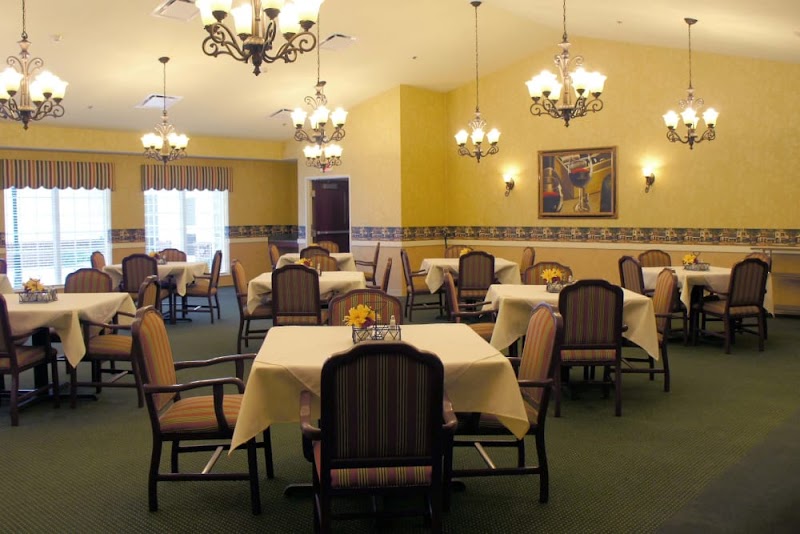
How is Lakes Of Monclova Health Campus The Staffed?

CMS rates LAKES OF MONCLOVA HEALTH CAMPUS THE's staffing level at 4 out of 5 stars, which is above average compared to other nursing homes. Staff turnover is 40%, compared to the Ohio average of 46%. This relatively stable workforce can support continuity of care.

What Have Inspectors Found at Lakes Of Monclova Health Campus The?

State health inspectors documented 30 deficiencies at LAKES OF MONCLOVA HEALTH CAMPUS THE during 2019 to 2025. These included: 30 with potential for harm.
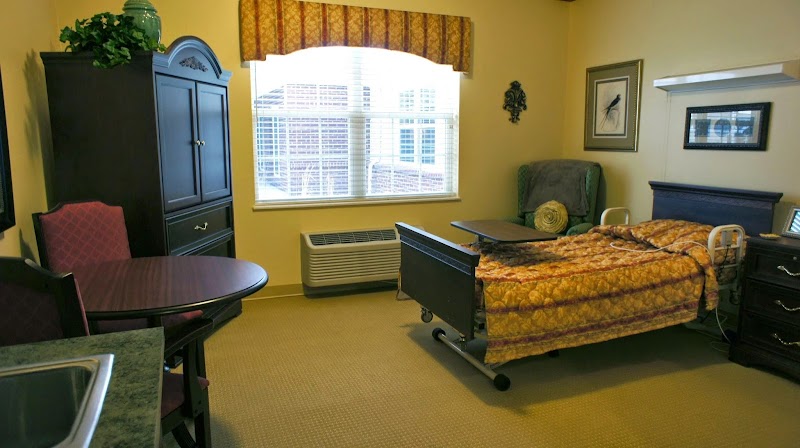
Who Owns and Operates Lakes Of Monclova Health Campus The?

LAKES OF MONCLOVA HEALTH CAMPUS THE is owned by a for-profit company. For-profit facilities operate as businesses with obligations to shareholders or private owners. The facility is operated by TRILOGY HEALTH SERVICES, a chain that manages multiple nursing homes. With 60 certified beds and approximately 56 residents (about 93% occupancy), it is a smaller facility located in MAUMEE, Ohio.
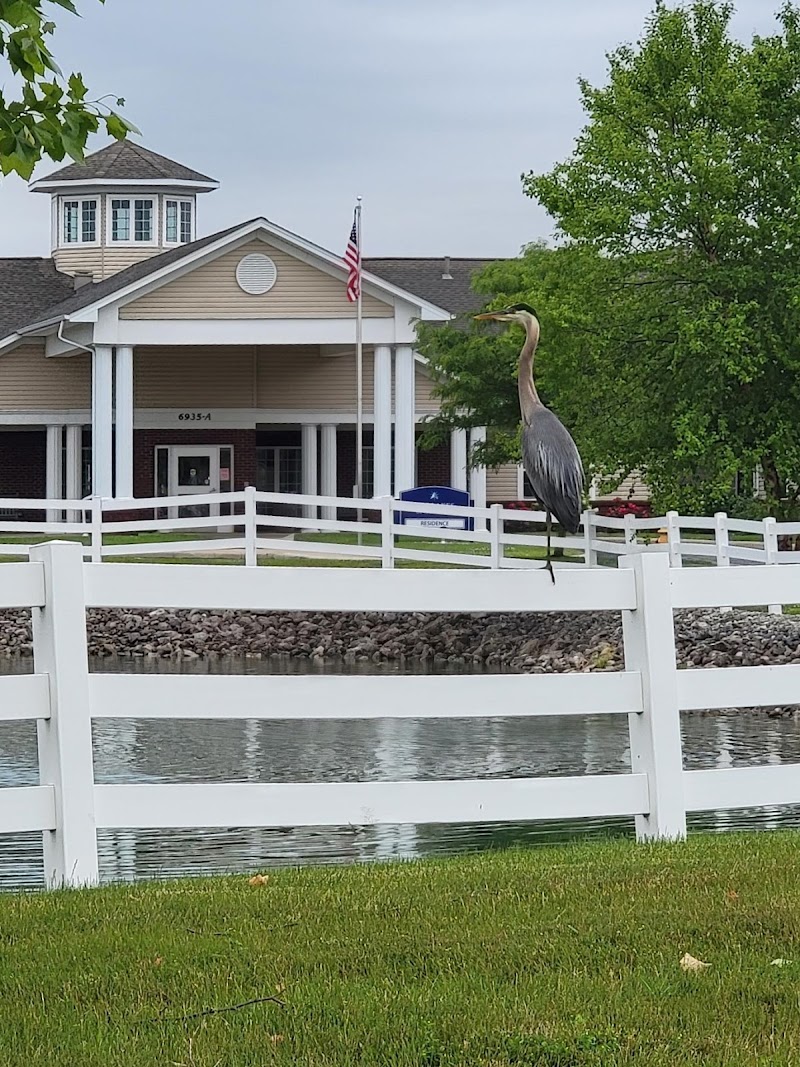
How Does Lakes Of Monclova Health Campus The Compare to Other Ohio Nursing Homes?

Compared to the 100 nursing homes in Ohio, LAKES OF MONCLOVA HEALTH CAMPUS THE's overall rating (4 stars) is above the state average of 3.2, staff turnover (40%) is near the state average of 46%, and health inspection rating (3 stars) is at the national benchmark.

What Should Families Ask When Visiting Lakes Of Monclova Health Campus The?

Based on this facility's data, families visiting should ask: "Can I visit during a mealtime to observe dining assistance and food quality?" "How do you handle medical emergencies, and what is your hospital transfer rate?" "Can I speak with family members of current residents about their experience?"

Is Lakes Of Monclova Health Campus The Safe?

Based on CMS inspection data, LAKES OF MONCLOVA HEALTH CAMPUS THE has a clean safety record: no substantiated abuse findings (meaning no confirmed cases of resident harm), no Immediate Jeopardy citations (the most serious violation level indicating risk of serious injury or death), and is not on the Special Focus Facility watch list (a federal program monitoring the lowest-performing 1% of nursing homes). The facility has a 4-star overall rating and ranks #1 of 100 nursing homes in Ohio. While no facility is perfect, families should still ask about staff-to-resident ratios and recent inspection results during their visit.

Do Nurses at Lakes Of Monclova Health Campus The Stick Around?

LAKES OF MONCLOVA HEALTH CAMPUS THE has a staff turnover rate of 40%, which is about average for Ohio nursing homes (state average: 46%). Moderate turnover is common in nursing homes, but families should still ask about staff tenure and how the facility maintains care continuity when employees leave.

Was Lakes Of Monclova Health Campus The Ever Fined?

LAKES OF MONCLOVA HEALTH CAMPUS THE has no federal fines on record. CMS issues fines when nursing homes fail to meet care standards or don't correct problems found during inspections. The absence of fines suggests the facility has either maintained compliance or corrected any issues before penalties were assessed. This is a positive indicator, though families should still review recent inspection reports for the full picture.

Is Lakes Of Monclova Health Campus The on Any Federal Watch List?

LAKES OF MONCLOVA HEALTH CAMPUS THE is not on any federal watch list. The most significant is the Special Focus Facility (SFF) program, which identifies the bottom 1% of nursing homes nationally based on persistent, serious quality problems. Not being on this list means the facility has avoided the pattern of deficiencies that triggers enhanced federal oversight. This is a positive indicator, though families should still review the facility's inspection history directly.