GARDENS OF MAYFIELD VILLAGE

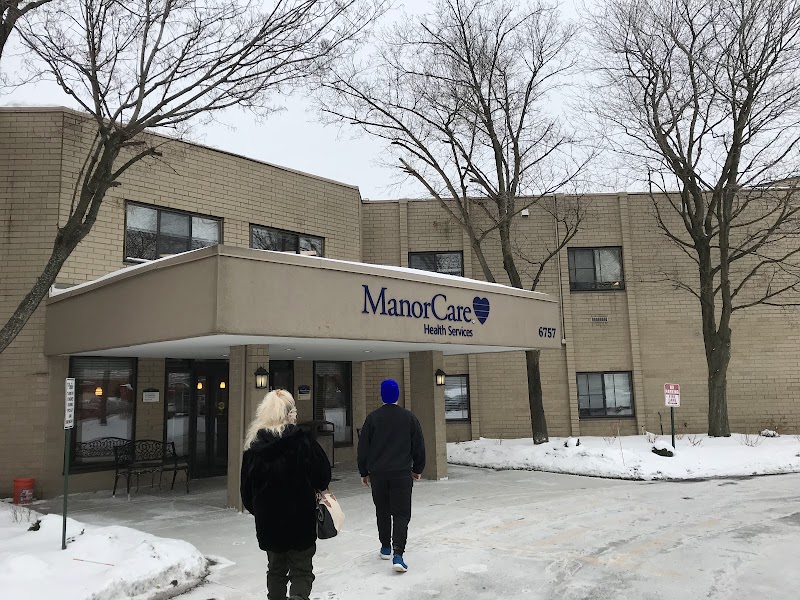
6757 MAYFIELD RD, MAYFIELD HEIGHTS, OH 44124 (440) 473-0090
For profit - Corporation 99 Beds Independent Data: November 2025
Trust Grade
0/100
#684 of 913 in OH
Last Inspection: May 2025

Inspected within the last 6 months. Data reflects current conditions.

Overview

Gardens of Mayfield Village has received a Trust Grade of F, indicating significant concerns about the quality of care provided. Ranking #684 out of 913 nursing homes in Ohio places it in the bottom half of facilities in the state, and #60 out of 92 in Cuyahoga County means there are only a few local options worse than this one. The facility is worsening, with issues increasing from 33 in 2024 to 43 in 2025. Staffing is a concern with a 65% turnover rate, which is higher than the Ohio average, and while RN coverage is average, the overall staffing rating is only 2 out of 5 stars. Additionally, the facility has incurred $40,462 in fines, which is higher than 81% of other facilities in Ohio, suggesting ongoing compliance issues. Specific incidents include a resident developing a pressure ulcer that was not properly monitored, another resident suspected of smoking unsupervised, and a resident on a feeding tube experiencing significant weight loss due to inadequate nutritional care. While the facility has some strengths, such as high quality measures, the weaknesses and serious issues raise red flags for families considering care here.

Trust Score
F
0/100
In Ohio
#684/913
Bottom 26%
Safety Record
High Risk
Review needed
Inspections
Getting Worse
33 → 43 violations
Staff Stability
⚠ Watch
65% turnover. Above average. Higher turnover means staff may not know residents' routines.
Penalties
✓ Good
$40,462 in fines. Lower than most Ohio facilities. Relatively clean record.
Skilled Nurses
○ Average
Each resident gets 32 minutes of Registered Nurse (RN) attention daily — about average for Ohio. RNs are the most trained staff who monitor for health changes.
Violations
⚠ Watch
106 deficiencies on record. Higher than average. Multiple issues found across inspections.
★★☆☆☆
2.0
Overall Rating
★★☆☆☆
2.0
Staff Levels
★★★★★
5.0
Care Quality
★☆☆☆☆
1.0
Inspection Score
Stable
2024: 33 issues
2025: 43 issues

The Good

  • 5-Star Quality Measures · Strong clinical quality outcomes
  • Full Sprinkler Coverage · Fire safety systems throughout facility
  • No fines on record

Facility shows strength in quality measures, fire safety.

The Bad

2-Star Overall Rating

Below Ohio average (3.2)

Below average - review inspection findings carefully

Staff Turnover: 65%

18pts above Ohio avg (46%)

Frequent staff changes - ask about care continuity

Federal Fines: $40,462

Above median ($33,413)

Moderate penalties - review what triggered them

Staff turnover is elevated (65%)

17 points above Ohio average of 48%

The Ugly 106 deficiencies on record

5 actual harm
Aug 2025 3 deficiencies
CONCERN (D) 📢 Someone Reported This

A family member, employee, or ombudsman was alarmed enough to file a formal complaint

Potential for Harm - no one hurt, but risky conditions existed

Grievances (Tag F0585)

Could have caused harm · This affected 1 resident

Based on record review and interview the facility failed to provide Resident #32's guardian with the results of the investigation of Resident #32's allegation of abuse in a timely manner. This affecte...

Read full inspector narrative →
Based on record review and interview the facility failed to provide Resident #32's guardian with the results of the investigation of Resident #32's allegation of abuse in a timely manner. This affected one out of three residents reviewed for allegations of abuse. The facility census was 55.Findings include:A review of Resident #32's clinical record revealed an admission date of 05/24/24 with diagnoses including psychosis, malnutrition, severe dementia with agitation, cognitive communication deficit, drug induced dyskinesia (involuntary, uncontrolled muscle movements), mood disorder, bipolar disorder, and anxiety.Resident #32's dated 05/20/24 indicated Minimum Data Det (MDS) assessment indicated she had no behaviors including hallucinations, delusions or behavioral symptoms including physical and verbal aggression. The MDS assessment indicated Resident #32 exhibited refusal of care behavior almost daily.Resident #32's plan of care initiated on 09/18/24 revealed Resident #32 resided on the secured nursing unit due to decreased safety awareness, increased confusion, poor decision-making skills and previous history of elopement. Interventions on the plan of care included to encourage Resident #32 to attend activities of interest, maintain a consistent routine and monitor for exit seeking behavior.There was no documentation in Resident #32's clinical record to indicate an altercation had occurred between Resident #47 and Resident #32, Resident #32's allegation of abuse, or of contact with Resident #32's guardian regarding his concerns with Resident #32's allegation of abuse and other concerns. There was no documentation that Resident #32's guardian was notified of the results of the investigation of Resident #32's allegation of physical abuse.A review of a Self-Reported Incident (tracking number 263445) dated 07/30/25 revealed Resident #32 alleged Resident #47 had assaulted her in her room. An investigation was conducted with staff and resident interviews obtained which revealed no altercation had occurred. The investigation revealed Resident #47 was wandering aimlessly in the hallways of the secured unit and had entered Resident #32's room. When staff redirected Resident #47 away from Resident #32's room, Resident #47 began swinging his arms. The investigation concluded Resident #47 did not hit or assault Resident #32.An interview with Resident #32's guardian on 08/26/25 at 11:02 A.M. revealed he was visiting with Resident #32 on 07/30/25 when she alleged that Resident #47 had assaulted her in her room. Resident #32's guardian notified Assistant Director of Nursing (ADON) #61 and asked to have the facility notify him of the results when the investigation was completed.A review of Resident #32's guardian's progress notes indicated during his visit on 07/30/25 with Resident #32 she had alleged Resident #47 had assaulted her in her room several times. Resident #32's guardian notified the Administrator ADON #61 and Social Service Designee (SSD) #63 of the allegation of physical abuse. The progress note indicated the administrative staff would provide Resident #32's guardian with an update of the results of the investigation. Resident #32's guardian's progress notes indicated on 07/31/25 and 08/04/25 Resident #32's guardian sent an email to the SSD #63 asking for an update of the results of the investigation of Resident #32's allegation of physical abuse. Resident #32's guardian received one email from SSD #63 which revealed Resident #32 would receive her athletic shoes as requested on 08/04/25. There were no additional emails received from the facility to notify Resident #32's guardian of the results of Resident #32's physical assault allegation investigation.An interview with Administrator, SSD #63 and Resident #32's guardian on 08/26/25 at 11:02 A.M. verified they had not notified Resident #32's guardian of the results of the investigation of Resident #32's allegation of physical abuse. The Administrator and SSD #63 verified the above findings and proceeded to inform Resident #32's guardian of the results of Resident #32's physical abuse investigation.
CONCERN (D) 📢 Someone Reported This

A family member, employee, or ombudsman was alarmed enough to file a formal complaint

Potential for Harm - no one hurt, but risky conditions existed

Medical Records (Tag F0842)

Could have caused harm · This affected 1 resident

Based on record review and interview the facility failed to maintain a complete accurate medical record for Resident #32. This affected one out of three residents reviewed for abuse. The facility cens...

Read full inspector narrative →
Based on record review and interview the facility failed to maintain a complete accurate medical record for Resident #32. This affected one out of three residents reviewed for abuse. The facility census was 55.Findings include:A review of Resident #32's clinical record revealed an admission date of 05/24/24 with diagnoses including psychosis, malnutrition, severe dementia with agitation, cognitive communication deficit, drug induced dyskinesia (involuntary, uncontrolled muscle movements), mood disorder, bipolar disorder, and anxiety.Resident #32's dated 05/20/24 indicated Minimum Data Det (MDS) assessment indicated she had no behaviors including hallucinations, delusions or behavioral symptoms including physical and verbal aggression. The MDS assessment indicated Resident #32 exhibited refusal of care behavior almost daily.Resident #32's plan of care initiated on 09/18/24 revealed Resident #32 resided on the secured nursing unit due to decreased safety awareness, increased confusion, poor decision-making skills and previous history of elopement. Interventions on the plan of care included to encourage Resident #32 to attend activities of interest, maintain a consistent routine and monitor for exit seeking behavior.There was no documentation in Resident #32's clinical record to indicate an altercation had occurred between Resident #47 and Resident #32, Resident #32's allegation of abuse, or of contact with Resident #32's guardian regarding his concerns with Resident #32's allegation of abuse and other concerns. There was no documentation that Resident #32's guardian was notified of the results of the investigation of Resident #32's allegation of physical abuse.A review of a Self-Reported Incident (tracking number 263445) dated 07/30/25 indicated Resident #32 alleged Resident #47 had assaulted her in her room. An investigation was conducted with staff and resident interviews obtained which revealed no altercation had occurred. The investigation revealed Resident #47 was wandering aimlessly in the hallways of the secured unit and had entered Resident #32's room. When staff redirected Resident #47 away from Resident #32's room, Resident #47 began swinging his arms. The investigation concluded Resident #47 did not hit or assault Resident #32.An interview with Resident #32 on 08/25/25 at 2:30 P.M. revealed she stated a man had assaulted her in her room. Resident #32 pointed to Resident #47 and indicated this was the man who assaulted her physically in her room. Resident #32 was unable to state when this incident happened or addition details regarding the incident. Resident #32 stated she had informed the ADON #63 of the allegation of physical abuse.An interview with Resident #32's guardian on 08/26/25 at 11:02 A.M. revealed he was visiting with Resident #32 on 07/30/25 when she alleged that Resident #47 had assaulted her in her room. Resident #32's guardian notified Assistant Director of Nursing (ADON) #61 and asked to have the facility notify him of the results when the investigation was completed.A review of Resident #32's guardian's progress notes indicated during his visit on 07/30/25 with Resident #32 she had alleged Resident #47 had assaulted her in her room several times. Resident #32's guardian notified the Administrator ADON #61 and Social Service Designee (SSD) #63 of the allegation of physical abuse. The progress note indicated the administrative staff would provide Resident #32's guardian with an update of the results of the investigation. Resident #32's guardian's progress notes indicated on 07/31/25, 08/04/25 Resident #32's guardian sent an email to the SSD #63 asking for an update of the results of the investigation of Resident #32's allegation of physical abuse. Resident #32's guardian received one email from SSD #63 which revealed Resident #32 would receive her athletic shoes as requested on 08/04/25. There were no additional emails received from the facility to notify Resident #32's guardian of the results of Resident #32's physical assault allegation investigation.An interview with Administrator, SSD #63 and Resident #32's guardian on 08/26/25 at 11:02 A.M. verified the facility had not maintained an accurate, complete medical record for Resident #32.
CONCERN (E) 📢 Someone Reported This

A family member, employee, or ombudsman was alarmed enough to file a formal complaint

Potential for Harm - no one hurt, but risky conditions existed

Menu Adequacy (Tag F0803)

Could have caused harm · This affected multiple residents

Based on observation, record review and interview the facility failed to honor Resident #24's food preferences and failed to ensure the food items served for meals were consistent with the planned fou...

Read full inspector narrative →
Based on observation, record review and interview the facility failed to honor Resident #24's food preferences and failed to ensure the food items served for meals were consistent with the planned four-week menu. This affected one resident (Resident #24) out of three residents reviewed for food preferences and had the potential to affect all the residents in the facility. The facility census was 55.Findings include:1. A review of Resident #24's clinical record revealed an admission date of 01/24/24 with diagnoses including chronic non-pressure ulcers to the left foot/heel, diabetes mellitus, malnutrition, morbid obesity, cognitive communication deficit, lumbar disc displacement, arthritis, cellulitis, atrial fibrillation (irregular heart rhythm), high cholesterol, macular degeneration of the right eye, and cataract.A review of Resident #24's physician orders dated 08/01/25 to 08/31/25 revealed a diet order dated 01/14/25 for a regular diet, regular texture, and thin liquids. A review of Resident #24's plan of care revised on 01/17/25 revealed Resident #24 had a nutritional problem or potential nutritional problem related to obesity as per Resident #24 preferred grilled cheese sandwiches for lunch and peanut butter and jelly for dinner. Interventions on the plan of care indicated to provide Resident #24 with meals according to the diet order.A review of Resident #24's daily meal ticket for breakfast revealed his Food Likes included two pieces of white toast, two scrambled eggs, cold cereal (Fruit Loops or Raisin Bran) and three servings of margarine. Instructions on the meal ticket included to provide the scrambled eggs with cheese, two pieces of white toast and Raisin Bran or Fruit Loops for breakfast, a grilled cheese sandwich for lunch and a peanut butter and jelly sandwich for dinner.An interview with Resident #24 on 08/26/25 at 3:15 P.M. revealed concerns about the meal service in the facility. Resident #24 stated he had very specific preferences for his breakfast meal in the facility. Resident #24 stated the kitchen staff do not read the meal tickets before placing the food items on his plate. Resident #24 stated on 08/24/25 he received two sausage links and one piece of bread with butter for breakfast. Resident #24 stated his meal ticket clearly indicated the food items he was supposed to receive for each meal in the facility were the same every day. Resident #24 stated he had complained to the Assistant Director of Nursing (ADON) #61 and had sent her a picture of the breakfast meal he was served on 08/24/25.A review of the facility's four-week menu cycle revealed the planned breakfast food items on 08/24/25 included breakfast casserole, cereal of choice, coffee cake, coffee/tea, 8 ounces of milk of choice and juice of choice was planned to be served to the residents.An interview 0n 08/26/25 at 10:47 A.M. with ADON #61 verified Resident #24 had complained about the food he received for breakfast on 08/24/25. ADON #61 verified Resident #61 did not receive the breakfast food items as indicated on his meal ticket.An interview with [NAME] #62 indicated Resident #24 had very specific foods that were to be served for each meal in the facility which did not change day to day. [NAME] #2 verified the food items Resident #24 received for breakfast on 08/24/25 was not what was listed on his meal ticket or what was planned on the menu for the breakfast meal.2. An observation on 08/26/25 at 8:30 A.M. of the breakfast meal service revealed the residents were served scrambled eggs or one to two hard cooked egg disc(s), one piece of raisin toast, oatmeal, one small orange, grape juice and milk.A review of the week number four on the four-week menu cycle revealed the food items planned to serve included an egg sandwich, cereal of choice, banana, coffee/tea, 8 ounces of milk of choice, juice of choice, margarine and jelly.An interview on 08/26/25 at 8:45 A.M. with the Kitchen Manager (KM) #63 verified the above findings and indicated the kitchen staff had replaced the banana with an orange because the banana was not delivered with the other food items on the most recent food order for the facility. KM #63 was unable to explain why the kitchen staff had not served the planned breakfast sandwich and verified the food items were available to serve the residents the breakfast meal food items as planned on the menu for 08/26/25.This deficiency represents non-compliance investigated under Complaint Number 2577029.
Jul 2025 2 deficiencies
CONCERN (D) 📢 Someone Reported This

A family member, employee, or ombudsman was alarmed enough to file a formal complaint

Potential for Harm - no one hurt, but risky conditions existed

Incontinence Care (Tag F0690)

Could have caused harm · This affected 1 resident

**NOTE- TERMS IN BRACKETS HAVE BEEN EDITED TO PROTECT CONFIDENTIALITY** Based on record review, observation, interview, and review of facility policy, the facility did not ensure Resident #63's urinar...

Read full inspector narrative →
**NOTE- TERMS IN BRACKETS HAVE BEEN EDITED TO PROTECT CONFIDENTIALITY** Based on record review, observation, interview, and review of facility policy, the facility did not ensure Resident #63's urinary catheter device was properly secured. This affected one resident (#63) of two residents reviewed for urinary catheters. The census was 63.Findings include: Record review for Resident #63 revealed an admission date of 04/09/25 with diagnoses including unspecified dementia, and neuromuscular dysfunction of the bladder. Resident #63 had an active physician order and care plan dated 06/20/25 to maintain a securement device for the urinary catheter to prevent movement and urethral traction. This was to be monitored every shift, which was documented done as ordered on the first shift of 07/23/25. Further review of the care plan revealed no documented behaviors for Resident #63 removing his securement device.Review of the minimum data set (MDS) 3.0 assessment dated [DATE] identified Resident #63 to have moderate cognitive impairment and needing substantial assistance for toileting. Review of progress notes for Resident #63 for May 2025, June 2025 and July 2025 revealed no documented behaviors regarding Resident #63 removing the securement device. Observation of a catheter care procedure for Resident #63 on 07/23/25 at 3:02 P.M. by Certified Nurse Aide (CNA) #901 and the Director of Nursing (DON) revealed the resident did not have a catheter securement device in place to prevent motion of the lower tubing or bag from potentially tugging on the catheter insertion site.Interview with CNA #901 during the above-noted observation revealed she had seen a securement device on Resident #63 in the past, but she had provided personal care for him earlier in the day and did not see one on him.Interview with the DON at 3:40 P.M. on 07/23/25 confirmed Resident #63 had an order and care plan for a catheter securement device and none was in place during the catheter care. Interview with Licensed Practical Nurse #902 on 07/23/25 at 3:44 P.M. revealed she was Resident #63's nurse on this date. She did not check the resident for catheter securement placement today, however she recalled seeing it on him in the past.Interview with Consultant Registered Nurse (RN) #903 on 07/24/25 at 8:42 A.M. revealed RN #903 stated the facility applied a securement device to Resident #63's leg following the observed catheter care, however, he removed it. RN #903 stated the resident may have removed the device independently shortly prior to the catheter care observation. The surveyor confirmed with her at this time that Resident #63 had no notes or care plan indicating a behavior of removing catheter securement devices. Review of the facility's catheter care policy dated 09/2014 revealed staff were to ensure the catheter remained secured with a leg strap to reduce friction and movement at the insertion site.This deficiency is a recite to the annual survey completed 05/29/25.
CONCERN (E) 📢 Someone Reported This

A family member, employee, or ombudsman was alarmed enough to file a formal complaint

Potential for Harm - no one hurt, but risky conditions existed

Safe Environment (Tag F0584)

Could have caused harm · This affected multiple residents

Based on observation, interview and review of facility policy, the facility did not ensure a comfortable environment for Resident #24. This affected one resident (#24) of three residents interviewed f...

Read full inspector narrative →
Based on observation, interview and review of facility policy, the facility did not ensure a comfortable environment for Resident #24. This affected one resident (#24) of three residents interviewed for physical environment and had potential to affect an additional 24 residents (#7, #11, #13, #14, #19, #21, #23, 25, #28, #29, #31, #34, #35, #38, #40, #41, #44, #45, #47, #50, #53, #57, #58 and #59 residing on the second floor. The facility census was 63. Findings include:An interview on 07/22/25 at 10:00 A.M. with Maintenance Director (MD) #302 revealed he believed the highest ambient air temperature for the facility should be 71 degrees Fahrenheit (F) and as low as 65 degrees F. MD #302 also stated he was unaware of any resident concerns regarding ambient air temperatures. An interview on 07/22/25 at 11:06 A.M. with Resident #24 revealed the facility felt cold to him especially during the night and early morning. An observation was conducted with the Administrator on 07/22/25 at 11:23 A.M. on the 260's hall where the ambient air temperature was read at 63F using a facility thermometer. In the common area of the second floor at the nursing station, the ambient air temperature was 69F and the 200 hall common area had an ambient air temperature of 67 F which was below the regulatory required facility temperature range of 71 degrees F to 81 degrees F. The Administrator verified the temperatures at the time of the observation. The Administrator questioned the accuracy of the facility thermometer used to measure the temperatures. A second thermometer, purchased new by the facility, measured a second set of ambient air temperatures which were two degrees lower than the prior temperatures as stated above and this was verified by the Administrator at the time of the observation. Record review of the facility's environmental temperature policy dated 01/03/22 revealed the facility was to maintain an air temperature between 71 F to 81 F.This deficiency represents non-compliance investigated under Complaint Number 1311263 and 1311264 and is a recite to the annual survey completed 05/29/25.
May 2025 38 deficiencies 2 Harm
SERIOUS (G) 📢 Someone Reported This

A family member, employee, or ombudsman was alarmed enough to file a formal complaint

Actual Harm - a resident was hurt due to facility failures

Pressure Ulcer Prevention (Tag F0686)

A resident was harmed · This affected 1 resident

**NOTE- TERMS IN BRACKETS HAVE BEEN EDITED TO PROTECT CONFIDENTIALITY** 3. Review of Resident #8's medical records revealed an admission date of 02/13/25 with diagnoses including bilateral lower extre...

Read full inspector narrative →
**NOTE- TERMS IN BRACKETS HAVE BEEN EDITED TO PROTECT CONFIDENTIALITY** 3. Review of Resident #8's medical records revealed an admission date of 02/13/25 with diagnoses including bilateral lower extremity ulcers and pressure ulcer of the left heel. Review of Minimum Data Set (MDS) assessment dated [DATE] revealed Resident #8 had intact cognition. Resident #8 required maximum (staff) assistance with bathing and personal hygiene. Review of care plan dated 04/23/25 revealed Resident #8 had a pressure ulcer to the left heel. Interventions included administer treatments as ordered. Review of physician orders for May 2025 revealed Resident #8 was ordered to cleanse left heel with normal saline, apply collagen (wound dressing used to promote healing), cover with an absorbent pad and wrap with gauze daily and as needed. Interview on 05/12/25 at 12:40 P.M. with Wound Nurse Practitioner (WNP) #189 revealed Resident #8 had a pressure ulcer to his left heel that was present on admission. WNP #189 stated she had not seen Resident #8 in approximately three weeks and stated another nurse practitioner had been following him. Observation of wound care with WNP #189 and Licensed Practical Nurse (LPN) #108 at time of interview, revealed LPN #108 had removed Resident #8's sock to his left foot and no dressing or wound care treatments were on. WNP #189 stated Resident #8 was supposed to have had collagen, an absorbent pad and a gauze to the area. Further observation revealed Resident #8's left heel had a large amount of dried crusted debris around the area. WNP #189 stated Resident #8's wound care was to be completed daily and also as needed. Review of the facility policy titled, Prevention of Pressure Ulcers/Injuries, revised July 2017, revealed the facility was to review the resident's care plan and identify risk factors as well as the interventions designed to reduce or eliminate those considered modifiable. The facility was to evaluate, report and document potential changes of the skin and then review the interventions and strategies for effectiveness on an ongoing basis. This deficiency represents non-compliance investigated under Complaint Number OH00164012 and Complaint Number OH00161946. Based on observation, record review, facility policy review and interview, the facility failed to implement an adequate and effective pressure ulcer prevention program to promote healing and ensure Resident #39 and Resident #51, both of whom were cognitively impaired, dependent on staff for activities of daily living and incontinent of bowel and bladder, received timely and necessary pressure ulcer prevention care and treatment. The facility also failed to provide wound care as ordered for Resident #8. This affected three residents (#8, #39 and #51) of seven residents reviewed for pressure ulcers. Actual Harm for Resident #51 occurred on 04/23/25 when nursing staff identified a pressure wound (no staging was identified) on Resident #51's buttocks which was noted to occur from prolonged sitting in his chair without adequate repositioning and then failed to implement effective interventions and provide timely and necessary treatment to prevent further deterioration of the wound to a Stage III (full-thickness loss of skin, in which subcutaneous fat may be visible in the ulcer and granulation tissue and epibole (rolled wound edges) are often present) pressure ulcer. Actual Harm for Resident #39 occurred on 05/05/25 after nursing staff failed to perform a weekly skin assessment to identify and implement effective interventions to prevent a compromised area on Resident #39's coccyx area from deteriorating to an Unstageable (full-thickness tissue loss with the base of the ulcer covered by slough (yellow, tan, gray, green or brown) or eschar (tan, brown or black) in the wound bed) pressure ulcer. The ulcer was subsequently classified as a Stage III pressure ulcer. Findings include: 1. Review of the medical record for Resident #51 revealed an admission date of 05/06/24 with diagnoses including epilepsy (seizures), cognitive communication deficit, need for assistance with personal care and history of encephalitis (inflammation of the brain). Review of the care plan dated 05/07/24 (and last updated on 04/29/25) for Resident #51 revealed the resident had the potential for skin impairment related to self-care deficit and bladder and bowel incontinence. There was no mention of the resident having a Stage III pressure ulcer that was facility acquired on 04/23/25. Interventions to prevent skin breakdown included to encourage turning and repositioning with rounds, use house barrier cream with each incontinence episode, pressure reduction cushion to the wheelchair, pressure reduction mattress to the bed (dated 04/18/24), encourage to float heels as tolerated and Prevalon boots to bilateral heels while in bed (03/11/25). The last intervention added to the care plan was on 04/29/25 for an albumin level (laboratory testing) to be obtained when clinically indicated. Review of the quarterly Minimum Data Set (MDS) 3.0 assessment dated [DATE] revealed Resident #51 had severely impaired cognition. The assessment revealed the resident was dependent on staff for activities of daily living including rolling left to right in bed, transfers, and toileting. The MDS assessment revealed the resident had no pressure ulcers. Review of the MDS 3.0 assessment dated [DATE], for discharge return anticipated, revealed Resident #51 had one pressure ulcer Stage III that was present on previous admission or entry to the facility. Review of the Braden Scale (tool used to assess a resident's risk of developing pressure ulcers), dated 03/31/25 revealed Resident #51 was at high risk for developing pressure ulcers. Review of the nursing progress note dated 04/23/25 at 1:17 P.M. revealed a pressure wound was on Resident #51's buttocks. Licensed Practical Nurse (LPN) #114 stated she believed it may have resulted from prolonged sitting in his chair without adequate repositioning. She stated she updated the physician and received an order for Triad Wound Paste to be applied to the buttocks. LPN #114 stated she would be ordering a donut cushion to enhance comfort and reduce pressure while the resident was seated. Review of the weekly wound observation tool dated 04/23/25 for Resident #51 revealed the resident had a Stage I (non-open superficial reddening of the skin that may appear red, blue or purple which does not turn white when pressed on) pressure ulcer to the gluteal region and it was worsening. It was noted to measure 2.0 centimeters (cm) in length by (x) 2.5 cm in width with no depth. Review of the physician order dated 04/23/25 revealed an order to clean the buttocks with normal saline and apply Triad Cream daily. Review of the nursing progress note dated 04/28/25 at 2:38 P.M. by Registered Nurse (RN) #175, who was also the previous Director of Nursing (DON), revealed the area (unknown area) was assessed by the wound care practitioner on 04/28/25 and was classified as moisture associated skin damage (MASD). Review of the wound care practitioner's progress note dated 04/28/25 at 8:32 A.M. revealed she had seen Resident #51's right lateral ankle Stage III pressure. However, there was no assessment for the pressure ulcer to the resident's buttocks at this time. Review of the weekly wound observation tool dated 04/28/25 revealed the resident's buttocks was not assessed. Review of the nursing progress note dated 04/28/25 at 2:48 P.M. by RN #175, revealed Resident #51 was seen by the wound care practitioner on 04/28/25 and an area was noted to be MASD. The location of the are was not noted. The nursing progress note stated therapy was made aware for a pressure reducing assistive device, all parties were made aware, an order for albumin level was ordered and air mattress was in place. The same progress note was again made on 04/29/25 at 2:50 P.M. Review of the physician order dated 05/01/25 for Resident #51 revealed an order to recommend the resident was in a chair two to three hours max at a time, can tilt all the way back to offload weight from sacrum. Review of the weekly skin assessment dated [DATE] revealed Resident #51 had a Stage I pressure ulcer to the sacrum that measured 2 cm x 2.2 cm x 0 cm. Review of the weekly wound observation tool dated 05/05/25 revealed Resident #51 had a Stage III pressure ulcer to his right upper buttocks that was acquired on 05/05/25 and this was the first observation of the area. It was noted to have moderate drainage and measure 3.5 cm x 2.7 cm x 0.3 cm. Review of the wound care practitioner's progress note dated 05/05/25 revealed Resident #51 was seen for a new open area on the right buttock. Wound Nurse Practitioner #189 noted the resident had a Stage III pressure ulcer that was acquired in-house. It measured 3.5 cm x 2.7 x 0.3 cm. There was moderate drainage and had 80 percent (%) granulation tissue with 10% slough and 10% pink tissue. She provided a new order to clean the area with normal saline, apply medi-honey and calcium alginate (type of wound treatment) and cover with clean and dry dressing every day and as needed starting on 05/06/25. Review of the comprehensive MDS 3.0 assessment dated [DATE] revealed Resident #51 was at risk for developing pressure ulcers and had one or more pressure ulcers. The assessment reflected the resident had two pressure ulcers that were Stage III with one of them being present on admission or reentry. Observation on 05/13/25 at 10:57 A.M. of wound care to Resident #51 by the DON and RN #193 revealed Resident #51 did not have a dressing on his right buttock. The DON verified the dressing was not in place as ordered. The area to the right buttock measured 3 cm x 3 cm x 0.1 cm. Interview on 05/19/25 at 11:35 A.M. with the DON verified Resident #51's pressure ulcer to his buttocks was not properly assessed and treated since the pressure ulcer had been discovered on 04/23/25 until the wound nurse saw it on 05/05/25 (the area was the same and not new on 05/05/25). She verified Wound Nurse Practitioner #189 had not assessed the area to his buttocks until 05/05/25 and the nursing progress note on 04/28/25 and 04/29/25 were incorrect stating he had seen the wound nurse and the skin impairment was MASD. Attempted interview on 05/19/25 at 11:45 A.M. with Wound Nurse Practitioner #189 was unsuccessful. No return contact was made. Interview on 05/19/25 at 11:35 A.M. with the DON verified Resident #51's care plan was not updated related to the pressure ulcer to his buttocks nor were new interventions added. Observation on 05/19/25 at 12:50 P.M. of Resident #51 revealed he was in bed but did not have heel boots on as ordered. Licensed Practical Nurse (LPN) #106 verified staff had not placed his heel boots on when he was assisted to bed and the heel boots were on a stand next to the bed. Observation on 05/20/25 at 7:30 A.M. of Resident #51 revealed the resident's air mattress was alarming and alerting staff that it was not working correctly. The resident also did not have on his heel boots. On 05/20/25 at 8:14 A.M., the air mattress was still alarming. On 05/20/25 at 9:30 A.M. Resident #51's air mattress was still alarming and was noted to not be fully inflated. Registered Nurse (RN) #186 verified the resident's heel boots were not on and the air mattress was not functioning correctly. Interview on 05/20/25 at 12:08 P.M. with LPN #114 revealed she was the nurse who originally saw Resident #51's pressure ulcer to his buttocks. She stated she updated the DON, physician and Resident #51's mother related to the new open area. She stated she determined the open area was from the resident sitting for prolonged periods without being repositioned. Review of the facility policy titled, Prevention of Pressure Ulcers/Injuries, revised July 2017, revealed the facility was to review the resident's care plan and identify risk factors as well as the interventions designed to reduce or eliminate those considered modifiable. The facility was to evaluate, report and document potential changes of the skin and then review the interventions and strategies for effectiveness on an ongoing basis.2. Review of Resident # 39's medical record revealed an admission date of 05/26/22 with diagnoses including unspecified dementia with severe anxiety, moderate protein - calorie malnutrition, adult failure to thrive, and palliative care. Review of Resident #39's Hospice Care Plan dated 08/14/23 revealed an air mattress was ordered to be placed on Resident #39's bed for pressure ulcer prevention. Review of the facility care plan dated 04/23/25 revealed the plan of care did not include an air mattress for pressure ulcer intervention. Review of Resident #39's Braden Scale dated 04/11/25 revealed the resident was at very high risk for pressure ulcer development. Review of Resident #39's weekly wound assessment dated [DATE] revealed there were no skin issues identified. The weekly wound assessment due on 04/25/25 was not completed. Review of Resident #39's care plan dated 04/23/25 revealed the resident was at risk for skin breakdown with an intervention for nursing as well as Hospice to visit and provide care, assistance, and evaluation. Review of Resident # 39's Hospice observation note dated 04/28/25 (for comprehensive assessment) by the RN revealed the resident's skin was intact. Review of Resident #39's progress note dated 04/29/25 revealed the nurse identified an area on the resident's sacrum documented as an in-facility acquired area. This was the first observation of the area, noting it was dry with no drainage, no odor, and measured 0.2 cm x 0.1 cm x 0 cm with no inflammation. The progress note did not identify what kind of wound it was. Treatment was noted to cleanse with normal saline and apply Triad Cream. There was no indication Resident #39's family was notified of the area identified. Review of Resident #39's weekly skin assessment dated [DATE] revealed the resident's skin was intact with no new or active pressure areas (However, this appeared to be inaccurate based on the 04/29/25 progress note). Review of Resident #39's Braden Scale dated 04/30/25 revealed Resident #39 was at a moderate risk for pressure ulcer development. Review of the quarterly Minimum Data Set (MDS) 3.0 assessment dated [DATE] revealed Resident #39 had dementia, with anxiety, and was always incontinent with bowel and bladder. Resident #39 was totally dependent on staff for toileting hygiene, rolling and transfers. Resident #39 was at risk for developing pressure ulcers and no pressure ulcers were noted on the assessment. Review of Resident #39's Wound Nurse Practitioner (NP) initial assessment dated [DATE] revealed the resident had a Deep Tissue Pressure Injury (DTI) on the sacrum measuring 5.3 cm x 3.0 cm with an undetermined depth. The NP recommended a pressure reducing mattress and treatment for the injury. There was no evidence in Resident #39's medical record the pressure reducing mattress was implemented. Review of Wound Nurse Practitioner assessment dated [DATE] revealed Resident #39's wound was a Stage III pressure ulcer on the coccyx (contradicting the sacrum location on 05/05/25) with decreased size of 3.7 cm x 4 cm x 0.2 cm, clustered wound, base/tissue was 70% granulation tissue and 30% scabbed and crusted of the wound. The treatment was to clean with normal saline, pat dry, apply Triad, with a clean dry dressing. Review of a Hospice Nurse assessment dated [DATE] revealed the resident was observed in a Broda chair, pleasant, but confused, and skin was intact. Review of weekly skin assessment dated [DATE], completed by LPN #114, revealed an observation of a coccyx pressure ulcer which assessed the ulcer as being an unstageable wound with measurements of 5.1 cm x 3.5 cm with no depth. The treatment remained the same. Observation on 05/13/25 at 10:25 A.M. of Resident #39's coccyx area with LPN #114 revealed the resident did not have a dressing on her coccyx with no visible cream or ointment on the coccyx area at that time. The resident was not observed on a pressure reducing mattress. Review of Resident #39's medical record on 05/13/25 at 11:00 A.M. with LPN #114 revealed the wound treatment was documented as being completed and LPN # 114 verified she had not done the dressing but had signed it off as completed. A telephone interview on 05/15/25 at 10:58 A.M. with LPN #114 who completed the initial observation of Resident #39's pressure injury on 04/29/25 and the weekly skin assessment on 04/30/25 revealed LPN # 114 notified Resident #39's doctor of the pressure ulcer injury and tried a phone number for the Hospice company but stated that the phone number was not working. She stated she was instructed to give a guesstimate of the size of the wound by the previous Director of Nursing. LPN # 114's revealed the assessment of the wound on 04/29/25 was pink and non-blanchable, and the assessment dated [DATE] documented as skin intact was an error. LPN # 114 revealed she had not had any interaction or report given to the Hospice Nurse on 05/12/25 when the Hospice Nurse assessment indicated Resident #39's skin was intact when there was a Stage III pressure ulcer. A telephone interview on 05/15/25 at 11:12 A.M. with Hospice Registered Nurse #186 regarding her assessment of Resident #39 skin documentation dated 05/12/25 revealed Resident #39 was in her chair and the resident's skin was not assessed. Hospice RN #186 stated she was unaware the resident had a pressure ulcer. A telephone interview on 05/15/25 at 11:30 A.M. with Certified Nurse Practitioner (CNP) Wound Nurse #191 revealed Resident #39 was first assessed for a pressure wound on 05/05/25 as an unstageable deep tissue injury (DTI) area, and each time the resident was assessed, the resident was found without treatments in place. CNP Wound Nurse #191 revealed on 05/12/25 the resident's wound was observed as a Stage III pressure area that was opened with granulated tissue visible. CNP Wound Nurse #191 revealed she was unaware that Resident #39 was receiving hospice care. Interview on 05/14/25 at 2:25 P.M. with Regional Director of Clinical Services #166 revealed Resident #39 should have had an air mattress placed on the bed as soon as a skin issue was observed and it was not in place as it should be. A telephone interview with Hospice Registered Nurse #177 on 05/15/25 at 11:12 A.M. revealed Resident #39 was to have an air mattress on her bed according to the hospice care plan. Observation on 05/15/25 at 12:35 P.M. of Resident #39 with Regional Director of Clinical Services #166 revealed the air mattress was not in place but it was on the Hospice care plan dated 08/14/23 to be a preventive measure for pressure injuries. Interview on 05/19/25 at 1:25 P.M. with [NAME] President (VP) of Operations #172 verified Resident#39's wound assessment by CNP Wound Nurse #191 on 05/12/25 revealed the pressure area was a Stage III pressure area and was opened and Resident #39's weekly wound assessment dated [DATE] noted Resident #39 had an unstageable pressure area with measurements of 5.3 cm x 3.1 cm with undetermined depth. VP of Operations #172 could not identify what contributed to Resident #39's wound deterioration from a Stage III to an unstageable pressure ulcer. The review of the facility undated policy titled, Pressure Injury Prevention and Management, revealed the facility was committed to the prevention of pressure areas and develop evidence-based interventions for the prevention would include communication with disciplines that provide care and interventions for the residents. Interventions would include repositioning, relieving pressure devices as ordered, preventative skin orders, and treatments timely with notification to all parties involved in the resident's care.
SERIOUS (G) 📢 Someone Reported This

A family member, employee, or ombudsman was alarmed enough to file a formal complaint

Actual Harm - a resident was hurt due to facility failures

Accident Prevention (Tag F0689)

A resident was harmed · This affected 1 resident

**NOTE- TERMS IN BRACKETS HAVE BEEN EDITED TO PROTECT CONFIDENTIALITY** 4. Review of Resident #60's medical records revealed an admission date of 01/21/25. Diagnoses included dementia, muscle weakness...

Read full inspector narrative →
**NOTE- TERMS IN BRACKETS HAVE BEEN EDITED TO PROTECT CONFIDENTIALITY** 4. Review of Resident #60's medical records revealed an admission date of 01/21/25. Diagnoses included dementia, muscle weakness and need for personal care assistance. Review of care plan dated 04/23/25 revealed Resident #60 resided on the secured unit related to decreased safety awareness. Resident #60 was a smoker. Interventions included instruct resident on the facility policy on smoking and notify charge nurse if it is suspected resident had violated smoking policy and Resident #60 required supervision while smoking. Review of Minimum Data Set (MDS) assessment dated [DATE] revealed Resident #60 had intact cognition. Review of smoking assessment dated [DATE] revealed Resident #60 was safe to smoke with supervision. Review of progress note dated 04/30/25 timed 12:24 P.M. authored by Licensed Practical Nurse (LPN) #108 revealed Resident #60 had been suspected of smoking in his room. Observation on 05/15/25 at 8:24 A.M. revealed a strong odor of cigarette smoking outside of Resident #60's room. At time of observation Resident #60 was observed to have been exiting his room. Upon entering Resident #60's room the odor of cigarettes had been stronger and a cloud of smoke was observed in the room. Further observation revealed Resident #60's toilet had ashes inside. At time of observation Certified Nursing Assistant (CNA) #109 stated she had observed the odor of cigarettes in the hallway outside of Resident #60's room and stated she had informed the Unit Manager (UM) #200. At 8:38 A.M. UM #200 and LPN #193 entered Resident #60's room and had begun to search for smoking materials and Resident #60 had denied he had smoked in his room. At 8:44 A.M. Regional Registered Nurse (RRN) #166 had entered Resident #60's room and had begun to search Resident #60 and a lighter was found by RRN #166. RRN #166 stated residents were not permitted to have smoking materials on them and staff was to collect any materials after smoke breaks. 5. Review of Resident #53's medical record revealed an admission date of 01/24/24 and diagnoses including type two diabetes, morbid obesity, non-pressure chronic ulcer of left heel and midfoot, arthritis and atrial fibrillation. Review of a quarterly minimum data set (MDS) 3.0 assessment dated [DATE] revealed Resident #53 was cognitively intact, required staff set-up for activities of daily living and did not reject care. Review of Resident #53's physician's orders as of 05/14/25 revealed an order dated 10/13/24 for leave of absence (LOA) without supervision every 24 hours as needed for LOA. Review of a progress note dated 05/01/25 at 6:19 P.M. and authored by Licensed Practical Nurse (LPN) #131 revealed Resident #53 was compliant with taking evening medications. No mood or behaviors were witnessed by or reported to this nurse. Review of a progress note dated 05/02/25 at 2:34 A.M. and authored by Registered Nurse (RN) #105 revealed Resident #53 went to LOA, he did not return, nurse tried to contact him by phone no answer, the facility checked two other contacts and they didn't know where he went. Review of a progress note dated 05/02/25 at 3:35 A.M. and authored by RN #105 revealed police called and let the facility know Resident #53 went to the hospital and they were keeping him, nurse would call for follow up. Review of a progress note dated 05/02/25 at 3:18 P.M. and authored by RN #171 revealed this nurse spoke with the Cleveland Clinic Staff at the Euclid Hospital Campus. Staff stated to this nurse, the resident was seen here in the emergency department at this campus last night, but the resident has not been admitted and here that person is no longer here at this campus. Resident #53 had not returned to the facility at this time. Nursing staff aware. Review of a progress note dated 05/02/25 at 9:52 P.M. revealed Resident #53 returned to the facility at 9:50 P.M. Review of the second floor LOA book revealed on 05/01/25, Resident #53 left at 2:30 P.M., did not mark a return date or time but double lines were drawn and a line was placed in the signature column on the form. Continued review of the LOA book revealed on 05/02/25, double lines were drawn instead of a time and Resident #53 was documented as returning at 9:00 P.M. and had the resident's signature. The LOA book did not indicate any expected time of return for Resident #53 for any date documented. Interview on 05/14/25 at 10:26 A.M. with LPN #131 revealed Resident #53 had an order for LOA so was allowed to sign himself out in the LOA book on the second floor. LPN #131 stated residents were supposed to write down the time they expected to come back, which Resident #53 did not do. If staff were not at the nurses' station where the LOA book was located at when he left staff were to look for Resident #53 and see if his car was gone. LPN #13 stated if residents put an expected time on the LOA log and that time passed, staff were to call the resident to determine their whereabouts. Interview on 05/14/25 at 11:22 A.M. with Regional Director of Operations (RDO) #196 revealed nursing staff were supposed to check the LOA books but would not provide a set time frame for how often staff were to check the LOA books. During the interview, RDO #196 was shown Resident #53's LOA logs where expected return dates/times were not provided which went against the facility's LOA policy but showed that Resident #53 came back to the facility on or before midnight most nights. Follow-up interview on 05/14/25 at 11:53 A.M. with RDO #196 and [NAME] President of Operations (VPO) #172 revealed Resident #53 refused to write his expected time of return as in the past, staff called his brother when he did not return to the facility and he did not like that. RDO #196 and VPO #172 stated staff were to contact a resident out on LOA prior to the midnight census, then the Director of Nursing (DON) would be text-messaged, which would drive the next steps to be taken. RDO #196 and VPO #172 did not provide more information regarding Resident #53's LOA and unknown whereabouts on 05/01/25 during the interview. Interview on 05/14/25 at 12:43 P.M. with Certified Nursing Assistant (CNA) #137 revealed he never saw Resident #53 leave or sign out. Interview on 05/14/25 at 1:03 P.M. with RN #171 revealed she was aware of Resident #53's hospitalization on 05/01/25 as the police had called the facility to let them know. RN #171 stated Resident #53 was allowed to come and go but had to be back to the facility by 12:00 A.M. RN #171 stated she had worked on 05/01/25 from 8:00 A.M. to 4:00 P.M. and was not aware Resident #53 had been gone as they did not check the LOA books until the morning when it would be discussed at the stand-up meeting. RN #171 stated Resident #53 would often not tell staff were he was going or how long he would be gone for his LOA. RN #171 stated on 05/02/25 she had called several hospitals to see where Resident #53 was at to try to find out where he went and stated overall the DON or on-call nurse should have been contacted regarding this issue. Interview was attempted with RN #105 on 05/14/25 at 1:13 P.M. but was not successful. Review of the facility policy, Signing Residents Out, revised August 2006 revealed a sign out register is located at each nurses' station. Registers must indicate the resident's expected time of return. The policy did not address when staff were to reach out to residents to determine their whearabouts following a LOA without returning to the facility. This deficiency represents noncompliance investigated under Complaint Number OH00161946. 3. Review of the medical record for Resident #25 revealed an admission date of 10/04/23. Diagnoses included but were not limited to unspecified dementia with behaviors, morbid obesity, hypertensive chronic kidney disease, nicotine dependence and delusional disorders. Review of the 10/17/23 care plan which was last updated on 04/18/25 for Resident #25 revealed Resident #25 was a current smoker in the facility. On 07/01/24, it was noted Resident #25 was to have gone against building smoking policy a few times. Interventions included Resident will use smoking materials safely and smoke safely in designated areas which were initiated on 04/18/25. Interventions listed were to complete smoking evaluation per facility guidelines and resident will follow facility smoking policy. Review of the 01/16/25 smoking safety assessment for Resident #25 revealed cognitive loss, resident able to light cigarette, requires facility to store lighter and cigarettes and required supervision while smoking. Review of the 04/09/25 quarterly Minimum Data Set (MDS) 3.0 for Resident #25 revealed severe cognitive impairment. Resident #25 was noted to require set up for activities of daily living. Observation on 05/12/25 at 1:28 P.M. revealed Resident #25 riding in the facility elevator. Resident #25 was observed to reach inside her shirt into her bra pulling out a cigarette. Interview at the time of the observation with Resident #25 when asked if she was supposed to have cigarettes in her possession revealed Resident #25 stated, yes, I paid for them. Resident #25 was then observed exiting the elevator near the receptionist office and went directly out to the smoking patio. At the receptionist area, Activities Director #132 was observed handing out cigarettes to residents and telling them to wait to go out to the smoking area, but residents were observed obtaining their smoking items, leaving and going out to the smoking area without supervision. Six residents were observed out on the smoking patio with no staff supervision. Observation on 05/12/25 at 1:40 P.M. with Regional Director of Clinical Services (RDCS) #166 confirmed six residents were out on the smoking patio without staff supervision. RDCS #166 confirmed Resident #25 was observed out on the smoking patio with a pack of cigarettes in her bra and a lighter in her possession. Additional residents identified out on the smoking patio unsupervised were Residents #3, #6, #7, #8, #25 and #35. Review of the current smoking safety assessments for Residents #3, #6, #7, #8, #25 and #35 revealed all of them required supervision for smoking. Interview on 05/12/25 at 4:28 P.M. with Activities Director #132 confirmed the smoking items are kept in a locked box inside a locked cabinet in the reception area. Activities Director #132 confirmed residents line up in the hallway and are to wait until a staff member is present to take them to the smoking area and light their cigarettes. Activities Director #132 also confirmed while passing out cigarettes this afternoon, residents were taking their cigarettes and going out to the smoking area and were using each other to light cigarettes without staff supervision. Review of the December 2016 revised facility policy called; Smoking Policy-Residents revealed any resident with restricted smoking privileges requiring monitoring shall have the direct supervision of a staff member at all times while smoking. Residents are not permitted to keep cigarettes, pipes, tobacco and other smoking articles in their possession. Based on observation, record review, interview, and policy review, the facility failed to ensure Resident #21 and Resident #24's had interventions in place to prevent falls, safe smoking practices were in place for supervised smokers, and proper measures were taken to ensure Resident #53's safety on leave of absences. This affected 10 residents (#3, #6, #7, #8, #21, #24, #25, #35, #53, and #60) of 19 residents reviewed for accidents. The census was 59. Actual harm occurred on 04/29/25 when Resident #21, who was identified to have poor safety awareness in a motorized wheelchair (which had been provided by therapy) and had a history of falls between 03/05/25 and 04/28/25 from the motorized wheelchair, sustained a fall resulting in increased pain and transfer to the emergency room for evaluation. The resident was diagnosed with a closed fracture of the fibula as a result of the fall. Prior to the fall with fracture, the facility failed to properly/adequately assess the resident's safe use of the motorized wheelchair and failed to implement effective and individualized interventions to decrease the resident's risk of falls with injury. Findings include: 1. Review of Resident #21's medical record revealed an admission date of 06/25/25 with diagnoses of post traumatic seizure, acute respiratory failure, type two diabetes, unspecified asthma, repeated falls, and need for assistance for personal care. Review of the fall records for Resident #21 revealed the resident had been given a motorized wheelchair on 02/15/25 from the therapy department. There was no safety screen documented at the time of the resident receiving the chair. Review of Resident #21's falls since 02/15/25 revealed six of Resident #21's eight falls occurred from the motorized wheelchair without evidence of effective and/or individualized interventions being implemented to address the resident's safety in the wheelchair. This included falls on 03/05/25, 03/19/25, 04/08/25, 04/13/25, 04/28/25, and 04/29/25. Review of Resident #21's Therapy Screen sheets dated 03/05/25 revealed the resident had poor safety awareness. The therapy evaluation and treatment plan for 03/05/25 to 04/04/25 included a goal to increase strength and stability during gait and transfers. The resident had poor balance with standing and reaching. The therapy screen did not include a treatment plan to include the resident's motorized wheelchair. Review of Resident #21's care plan dated 03/25/25 revealed the resident had numerous falls with multiple interventions listed. However, the care plan was not updated since 03/25/25 and did not include the motorized wheelchair or interventions specific to the resident's care needs and/or safety/fall risk related to the use of the motorized wheelchair. Review of a therapy screen sheet dated 04/13/25 revealed Resident #21 had poor safety awareness in wheelchair; however, there was no evidence Resident #21's safety using the motorized wheelchair was assessed/evaluated or had any type of interventions/treatment associated with it. Review of Resident #21's progress note dated 04/29/25 at 2:17 P.M. revealed the resident was observed in front of his bed on the floor with complaint of leg pain. The doctor was called and ordered to transport to the emergency room for an x-ray. Review of Resident #21's hospital record dated 04/29/25 revealed the resident had a fall from a wheelchair and was diagnosed with close fracture of the left fibula on the distal end that did not require surgery. The resident was released with a walking boot for the closed fracture and was to follow-up with orthopedics on 05/15/25 at 10:00 A.M. Review of Resident #21's progress note dated 04/29/25 at 8:59 P.M. revealed the resident returned from the emergency room with a walking boot on the right foot with a diagnosis of closed fracture of the distal end of the fibula. The resident was encouraged to keep his chair in a locked position when transferring and to have his room moved closer to the nurses' station. The residents' room was at the end of the hall. Observation on 05/12/25 at 10:44 A.M. of Resident #21 revealed the resident had a walking brace on his left lower leg and a wheelchair in front of him. The resident had a motorized wheelchair in the corner of the room with no batteries on it to use. Resident #21 stated that he had fallen from the chair and his finger got stuck on the power button and he ran over his leg with the chair and the facility took the chair away. Interview on 05/13/25 at 3:25 P.M. with Regional Director of Clinical Services #166 confirmed the plan of care for Resident #21 was not updated with fall/safety interventions related to the use of a motorized wheelchair or following falls from the motorized wheelchair. Interview on 05/19/25 at 12:49 P.M. with Therapy Director #106 revealed Resident #21 was on therapy case load regularly and they worked on cognition and the resident's balance (which was poor). The director revealed Resident #21 had poor wheelchair safety and verified the resident was not assessed to use the motoroized wheelchair safely when a change was identified on 04/13/25. Interview on 05/21/25 at 8:00 A.M. with [NAME] President (VP) of Operations #172 revealed Resident #21 declined to move his room after the fall on 04/29/25 and confirmed the facility did not assess Resident #21 for motorized wheelchair safety before the fall with fracture on 04/29/25. VP of Operations #172 confirmed the resident had numerous falls from the motorized wheelchair without preventive (individualized and effective) interventions in place. A review of the facility undated policy titled, Fall intervention and Management Program revealed all residents were to be screened for fall risk and interventions put in place as needed. All falls were to be reviewed by the interdisciplinary team and intervention suggestions made with the best interest and safety of the resident. 2. Review of the medical record for Resident #24 revealed an admission date of 01/08/21 with diagnoses that include chronic congestive heart failure type 2 diabetes, severe protein- calorie malnutrition, frequent falls, dementia. Review of Resident #24's care plan dated 04/23/25 revealed the resident was at risk for falls related to decreased cognition, weakness and malnutrition and a perimeter mattress was ordered on 01/15/21 and added again on 04/23/25 for a fall intervention. Observation of Resident #24 on 05/12/25 at 11:00 P.M. revealed a frail man with loose fitting clothes and his breakfast in front of him untouched. There was a sign on the bathroom door stating to call for assistance posted. There were no other fall interventions visible. Observation on 05/15/25 at 11:17 A.M. with Regional Nurse #166 revealed Resident #24 did not have a perimeter mattress in place. Interview with Regional Nurse #166 at the time of the observation confirmed Resident #24's care plan had a perimeter mattress as an intervention from a fall on 4/23/25 and verified it was to be put in place on 01/15/21 as an intervention. A review of the facility undated policy titled, Fall Intervention and Management Program revealed all residents were to be screened for fall risk and interventions put in place as needed. All falls were to be reviewed by the interdisciplinary team and intervention suggestions made with the best interest and safety of the resident.
CONCERN (D)

Potential for Harm - no one hurt, but risky conditions existed

Deficiency F0554 (Tag F0554)

Could have caused harm · This affected 1 resident

**NOTE- TERMS IN BRACKETS HAVE BEEN EDITED TO PROTECT CONFIDENTIALITY** Based on record review, policy review, and interview, the facility did not ensure Resident #26 was assessed to self-administer m...

Read full inspector narrative →
**NOTE- TERMS IN BRACKETS HAVE BEEN EDITED TO PROTECT CONFIDENTIALITY** Based on record review, policy review, and interview, the facility did not ensure Resident #26 was assessed to self-administer medications. This affected one resident (Resident #36) of two residents reviewed for self-administering medications. Facility census was 59. Findings include: Record review for Resident #26 revealed an admission date of 04/25/17 with diagnoses of legal blindness, acquired absence of one eye, and peripheral vascular disease. Review of the quarterly Minimum Data Set (MDS) assessment dated [DATE] revealed Resident #26 was cognitively intact and had severe vision impairment. Review of the physician orders revealed Resident #26 self-administered, without supervision, Calcium-Vitamin D tablet 600-400 mg twice a day, Ammonium Lactate 12% Lotion topically to bilateral legs twice a day, and Omega-3 1000 mg soft gel once daily. Physician orders also contained an order Resident #26 was able to have medications at bedside with a start date of 11/30/21. Review of Medication Self-Administration Safety Screen assessment dated [DATE] determined Resident #26 may self-administer medications unsupervised however there had not been an updated assessment completed since that time. Interview on 05/19/25 at 9:40 A.M. with [NAME] President of Clinical Operations revealed an initial self-administration assessment was to be completed and then annually thereafter and confirmed Resident #26 did not have an updated self-administration assessment completed. Review of the Administering Medications Policy revised December 2012 revealed residents may self-administer their own medications only if the attending physician, in conjunction with the interdisciplinary care planning team, has determined that they have the decision-making capacity to do so safely.
CONCERN (D) 📢 Someone Reported This

A family member, employee, or ombudsman was alarmed enough to file a formal complaint

Potential for Harm - no one hurt, but risky conditions existed

Deficiency F0558 (Tag F0558)

Could have caused harm · This affected 1 resident

**NOTE- TERMS IN BRACKETS HAVE BEEN EDITED TO PROTECT CONFIDENTIALITY** Based on record review, observation and interview, the facility failed to ensure a properly functioning elevator to accommodate ...

Read full inspector narrative →
**NOTE- TERMS IN BRACKETS HAVE BEEN EDITED TO PROTECT CONFIDENTIALITY** Based on record review, observation and interview, the facility failed to ensure a properly functioning elevator to accommodate resident needs. This affected three (Residents #6, #11 and #35) of 20 residents reviewed for environmental accommodation of needs. The facility census was 59. Findings include: Review of the medical record for Resident #6 revealed an admission date of 07/01/24 with diagnoses including morbid obesity, need for assistance with personal care, muscle weakness and difficulty walking. Review of the care plan dated 07/02/24 for Resident #6 revealed he had self care deficit and needed assistance from staff for activities of daily living. Review of the comprehensive Minimum Data Set (MDS) 3.0 assessment dated [DATE] for Resident #6, under section F, revealed it was very important to do his favorite activities and somewhat important to do things with a group of people. He was noted to have intact cognition. Review of the medical record for Resident #11 revealed an admission date of 03/02/17 with diagnoses including heart failure, morbid obesity, muscle weakness and need for assistance with personal care. Review of the care plan dated 03/02/17 for Resident #11 revealed he had self care deficit and needed assistance from staff for activities of daily living. Review of the comprehensive MDS 3.0 assessment dated [DATE] for Resident #11, under section F, revealed it was very important to go outside to get fresh air when the weather was good. He was noted to have intact cognition Review of the medical record for Resident #35 revealed an admission date of 04/18/24 with diagnoses including diabetes mellitus, depression and paraplegia (paralysis of lower half of the body). Review of the care plan dated 04/18/24 for Resident #35 revealed he had self care deficit and needed assistance from staff for activities of daily living. Review of the comprehensive MDS 3.0 assessment dated [DATE] for Resident #35, under section F, revealed it was very important to do his favorite activities and do activities with a group of people. Review of documentation for elevator concerns including invoices from the elevator service company dated from 11/08/24 to 05/13/25, incident with the fire department with elevator rescue and an employee in-service revealed the facility had been having elevator concerns to both elevators since 11/08/24. Review of the documentation revealed: -11/08/24 invoice-Elevator one was not responding, stuck on unknown floor and the doors closed. It was unoccupied. Elevator technician adjusted the light tray and elevator one was still in service. -12/09/24 invoice-Elevator preventative maintenance. -01/08/25 invoice-Elevator one and two, preventative entrapment, elevators not responding. Both elevators stuck on unknown floors. The doors were closed on both elevators. The elevators were unoccupied. Elevator technician emptied pit buckets on both cars and then checked operations. -01/24/25 invoice-Preventative maintenance. -02/14/25 invoice-Elevator one was not responding. The elevator was stuck in between floors. The doors were closed and the elevator was unoccupied. Elevator one was down for a light ray unit and the part was on order. -03/04/25 invoice-Elevator two was not responding at 1:09 P.M. It was stuck on the first floor with the doors closed and unoccupied. Elevator technician replaced switches to both door locks and car doors and repaired the car door track on elevator one. The pit was cleaned and emptied on elevator two. -03/04/25 invoice-Elevator one and two were not responding at 6:44 P.M. Both elevators were stuck on unknown floors, doors closed and unoccupied. The elevators were reset by the facility and running at the time of the elevator technician's arrival. The elevator technician run both cars and was unable to find an issue. They left both elevators in service. -03/06/25 invoice-Performed safety test on the elevators and there were no concerns. -03/10/25 invoice-Elevator two was not responding and stuck on the first floor with the doors closed and unoccupied. The low oil sensor had tripped. The elevator technician ran elevator two it tripped again. After trying again, elevator two was working. The elevator technician stated the valve may need replaced soon. -03/11/25 invoice-Elevator two was not responding. Elevator technician replaced the top and bottom boards and adjusted the valve. -03/14/25 invoice-Elevators one and two were not responding and stuck on the second floor with the doors closed and unoccupied. The elevator technician found a loose wire on a coil. -03/15/25 invoice -Elevator two was going up but not coming back to the first floor. The elevator was stuck on the first floor with the doors closed, though still in use. The elevator technician stated the car had a low oil timer and reset the car and it was left in service. -03/18/25 invoice-Elevators one and two were not responding. Both elevators were stuck on the first floor with the doors closed and unoccupied. Elevator technician reset the low oil and updated their office about the valve replacement (noted on 03/10/25). -03/19/25 invoice-Preventative maintenance. The elevator technician replaced the power board. -03/24/25 invoice-Elevator two was not responding. The photo eye was not working and had shut down the elevator and was stuck on the first floor with the doors closed. Elevator technician was unable to find any concerns. -04/09/25 invoice-Elevator two was not responding and stuck on an unknown floor with the doors closed and unoccupied. The elevator technician stated the motor read good. They updated the facility to contact an electrician about incoming power issues. -04/11/25 invoice-Elevator two was not responding and stuck on the first floor with the doors closed and unoccupied. Elevator technician stated the elevator was having low leg amp faults (indicating a voltage/connection problem). The elevator was taken completely out of service. -05/04/25 Fire Department Incident stated at 1:24 P.M. they were notified of possible entrapment in a stalled elevator car. The fire department arrived at the facility at 1:29 P.M. Upon arrival, the person had already been removed from the elevator car and the elevator was working properly. -05/06/25 invoice-Elevator two had motor and valve replacement. Elevator two was still out of service. -05/08/25 invoice-Performed preventative maintenance. -05/13/25 invoice-A call was placed to the elevator service company stating elevator one was not responding to first floor call and was stuck on the second floor, doors closed. -Review of elevator in-service, undated, revealed The elevator is currently in repair and should be completed shortly. In the meantime, please be aware of the following: Mindful to push the elevator back down to the first floor, remember resident and families are waiting for the elevator, your assistance is appreciated to expedite not only family and resident needs but also coworkers and supplies. Any questions, please contact your Administrator or Director of Nursing. Observation on 05/12/25 at 8:15 A.M. of the facility elevators revealed elevator two (bigger elevator) was out of service. Elevator one was working, however, when getting into the elevator there was a sign posted stating When exiting the elevator please send it back to the first floor, per maintenance. Interview on 05/12/25 at 9:59 A.M. with Licensed Practical Nurse (LPN) #114 stated elevator two was broken. She stated someone did come to look at it but it was still out of order. She stated elevator one did not work properly. LPN #114 stated when the elevator was used and taken to the second floor, whoever was exiting the elevator had to push the button one to send it back to the first floor or it would be stuck on the second floor. She stated if the one button was not pushed, residents had to wait long periods of time and then staff would have to call to the second floor for someone to go into the elevator and press button one so it would return to the first floor. Interview on 05/12/25 at 10:00 A.M. with the Director of Nursing (DON) revealed she was unaware of the concerns with elevator one. She stated she did not know staff/residents had to press one when they were exiting the second floor to ensure the elevator would return to the first floor. Interview on 05/12/25 at 10:34 A.M. with LPN #100 verified elevator one was not working properly. She stated it would be stuck on the second floor if the resident, visitor or staff member did not push the one button to return it to the first floor. She stated Resident #6 was unable to fit into elevator one because the size of his wheelchair. LPN #100 stated most of the activities were done on the second floor. Interview on 05/12/25 at 10:40 A.M. with Resident #6 verified his chair was too big to fit onto elevator one. He stated if he had assistance from staff, they could fold his wheelchair and he could stand up in the elevator. Resident #6 stated due to staff taking too long to come assist him, he had not asked to go upstairs to the second floor activities. Observation on 05/12/25 at 2:16 P.M. of elevator one. The button had been pushed and residents were waiting to go to the second floor. Approximately five minutes later, at 2:21 P.M., the elevator door opened and immediately shut not allowing residents to get off of the elevator onto the first floor. Interview on 05/12/25 at 2:48 P.M. with Regional Maintenance Director (RMD) #169 revealed the elevator company was here on 05/09/25 to fix elevator two. He stated they replaced the motor but it had not corrected the problem and had to order another part, a starter. He stated they were waiting for it to be installed later this week. He stated he was unaware of concerns with elevator one. Interview on 05/13/25 at 8:30 A.M. with Resident #11 revealed his motorized wheelchair was too big for elevator one. He stated he was unable to go downstairs and outside and felt isolated. He had concerns with being trapped in elevator one as it had gotten stuck with someone inside it. Interview on 05/13/25 at 10:08 A.M. with Resident #35 revealed he liked to go to the second floor for activities. However, he stated he would not use elevator one because he doesn't want to get stuck in the elevator because it was not functioning properly. Interview on 05/13/25 at 12:00 P.M. with Elevator Repair Supervisor #170 provided an email timeline for elevator two's repair. He also stated on 04/09/25 his service technician recommended an electrician which is the protocol when they get a power glitch in the building. He stated at that time the motor was fine and it lead the technician to believe it was the incoming power. He verified elevator two had been out of service since 04/11/25. He also stated he was not updated about elevator one's concern with not coming back to the first floor when called unless the one button inside the elevator was pushed on the second floor. He stated he believed the issue with elevator one was unrelated to the concerns of elevator two. Review of the email dated 05/13/25 from Elevator Repair Supervisor #170 revealed the last service call for elevator two was on 04/11/25. The pump motor was ordered on 04/15/25 and they fixed the elevator on 05/06/25. The elevator company scheduled an inspection on 05/09/25 with the state and it was noted the starter was not working. Interview on 05/13/25 at 1:39 P.M. with the Maintenance Director #138 verified he placed the elevator sign in elevator one related to pushing the button to go back to the first floor after arriving to the second floor. He also verified the staff in-service was done prior to 04/14/25 but was unable to give the exact date. He stated the facility did not call an electrician on 04/09/25 because the elevator technician had changed his mind about needing an electrician. He was unable to provide documentation stating this. He stated he could not recall staff or residents being stuck on the elevator. Maintenance Director #138 verified he had not called the elevator service company regarding elevator one's concern until today. Interview on 05/13/25 at 1:39 P.M. with RMD #169 revealed elevator one's opening was 35 inches. He stated Resident #11's motorized wheelchair was 30.5 inches. He stated the arm would need removed off of the chair for him to get into the elevator. Interview on 05/13/25 at 2:10 P.M. with the Administrator revealed most activities were held on the second floor. She stated they did provide some activities on the first floor and provided activity calendars to show which activities were on the first floor. Reviewed April 2025 and May 2025 activity calendars with the Administrator which revealed all activities were held in the activity room on the second floor unless indicated. There were seven activities out of 182 activities held on the first floor in April 2025. There were seven activities out of 184 activities in May 2025 held on the first floor. Interview on 05/13/25 at 3:16 P.M. with RMD #169 revealed Resident #6's wheel chair measured 40 inches and would not fit through the doors. Interview on 05/14/25 at 11:47 A.M. with Assistant Fire Chief #204 verified the fire department was called on 05/04/25 for an entrapment in elevator one. He stated when they arrived, the facility had gotten the elevator open. He was unsure if it was a resident or staff member who was entrapped on the elevator. Interview on 05/15/25 at 12:26 P.M. with RMD #169 stated on 05/04/25 there were no residents or staff entrapped on the elevator. A staff member had called the fire department because the elevator was stuck and she believed there was a resident or staff person in the elevator car. He stated the facility was able to send the elevator to the first floor and the doors opened before the fire department arrived. RMD #169 stated on 04/11/25 the elevator technician did not want to service elevator one because it was working and they did not want both elevators broke at the same time. He verified there was no documentation stating this. He stated he would provide a statement from the elevator technician. RMD #169 stated he believes elevator one issue was related to elevator two. He stated when elevator one is taken to the second floor and then someone on the first floor pushes the button, the elevator system believes elevator two is there and that is why elevator one does not return to the first floor without pushing the button. Interview on 05/15/25 at 2:50 P.M. with RMD #169 revealed the elevator technician refused to make a statement related to elevator one. However, he provided a statement from Elevator Repair Supervisor #170. Review of the emailed statement dated 05/15/25 at 2:57 P.M. from Elevator Repair Supervisor #170 revealed he had spoken to the normal routine elevator technician who serviced the building. He stated the dispatch problem with elevator one had been going on for quite some time and only when elevator two was out of service and the power was removed. Elevator Repair Supervisor #170 stated his technician stated he had attempted to correct elevator one's issue but both elevators shut down. He stated the technician instructed the building to put a sign in elevator one until elevator two was fixed so they would have a working elevator. Observation on 05/15/25 at 3:46 P.M. with RMD #169 of the elevators revealed the elevator technicians had left elevator two in between floors. RMD #169 stated elevator one should be able to be called to the first floor by the button on the first floor. This surveyor went to the second floor in elevator one and did not push the first floor button to return the elevator. RMD #169 pushed the up button on the first floor and elevator one did not return to the first floor verifying there was still an issue with elevator one. This deficiency represents non-compliance investigated under Complaint Number OH00162143 and Complaint Number OH00161946.
CONCERN (D)

Potential for Harm - no one hurt, but risky conditions existed

Deficiency F0582 (Tag F0582)

Could have caused harm · This affected 1 resident

Based on record review and interview, the facility failed to ensure residents received complete and accurate notices of Medicare non-coverage when their skilled services ended. This affected one (Resi...

Read full inspector narrative →
Based on record review and interview, the facility failed to ensure residents received complete and accurate notices of Medicare non-coverage when their skilled services ended. This affected one (Resident #59) of four residents reviewed for liability notices. The facility census was 59. Findings include: Review of the medical record for Resident #59 revealed an admission date of 12/02/24 with diagnoses including heart disease, history of falling and chronic obstructive pulmonary disease. Resident #59 remained in the facility after discontinuation of Medicare A services. Review of the Notice of Medicare Non-Coverage (NOMNC) signed and dated by Resident #59 on 02/21/25 revealed his last covered day for Medicare A services was on 02/24/25. The notice did not provide the type of services that were being discontinued, who he should contact for an appeal or their phone number. Interview on 05/22/25 at 11:26 A.M. with [NAME] President of Operations (VPO) #172 verified Resident #59's NOMNC dated 02/21/25 was not complete and accurate as it did not state the type of services ending, who he should contact for an appeal or their phone number.
CONCERN (D) 📢 Someone Reported This

A family member, employee, or ombudsman was alarmed enough to file a formal complaint

Potential for Harm - no one hurt, but risky conditions existed

Free from Abuse/Neglect (Tag F0600)

Could have caused harm · This affected 1 resident

**NOTE- TERMS IN BRACKETS HAVE BEEN EDITED TO PROTECT CONFIDENTIALITY** Based on review of a self-reported incident (SRI), review of the facility policy, record review and interview, the facility fail...

Read full inspector narrative →
**NOTE- TERMS IN BRACKETS HAVE BEEN EDITED TO PROTECT CONFIDENTIALITY** Based on review of a self-reported incident (SRI), review of the facility policy, record review and interview, the facility failed to prevent staff-to-resident physical abuse. This affected one resident (#49) out of seven residents reviewed for abuse. Facility census was 59. Findings include: Review of Resident #49's medical record revealed an admission date of 02/20/25 and diagnoses including schizoaffective disorder, anxiety, depression, anemia and post-traumatic stress disorder. Review of an admission minimum data set (MDS) 3.0 assessment dated [DATE] revealed Resident #49 was cognitively intact, had disorganized thinking, had an ostomy and was frequently incontinent of urine. Review of a nurses' note dated 04/02/25 at 9:07 P.M. authored by Licensed Practical Nurse (LPN) #176 revealed the following information: 'This nurse was sitting behind the nursing station charting and preparing medication. The resident tried to go down the elevator with another resident and this nurse stated to resident she could not go down by herself and smoke, she had to wait until smoke break when the staff member was ready to take them down to smoke. Resident #49 started to get agitated and start yelling at this nurse, this nurse stated if she continued to yell and cause a scene she will not be allowed to go down to smoke. Resident #49 became more agitated and stated, (expletive) you can't tell me, I can't go smoke. This nurse said I do have that right and before I knew it because I was looking down at the computer. This nurse witnessed Resident #49 jump up out of her wheelchair and throw water on this nurse, after throwing the water she fell back in her wheelchair and spilled the rest of the water from the cup on her lap. After falling back in the wheelchair one staff member (not identified) tried to calm her down and roll her back down to her bedroom and the other staff member (not identified) cleaned the water up off the floor. Resident #49 stated she was calling the police and saying this nurse poured water on her, but this nurse never poured any water on resident. Resident went down and smoked with other residents and staff member, so this nurse thought everything was over and Resident #49 went in her room and called the police. This nurse spoke with police and showed them where resident poured water on this nurse, they spoke with resident and staff members that witness the incident and they left the facility.' Review of a SRI dated 04/03/25 at 3:17 A.M. revealed an allegation of physical abuse involving Resident #49 and LPN #176. Resident #49 alleged LPN #176 threw water on her on 04/02/25 between 8:00 P.M. to 8:30 P.M. The facility determined the allegation of physical abuse to be unsubstantiated as Resident #49 had demanded to have a cigarette outside of designated smoking times. Resident #49 was advised of the next scheduled time and threw water on the nurse while her back was turned. Resident #49 was provided time to smoke per the remainder of the scheduled and posted times. Review of the facility's investigation corresponding to the SRI revealed the following information: • Review of a statement dated 04/04/25 for Certified Nursing Assistant (CNA) #149 written by Previous Director of Nursing (PDON) #175 revealed the following information: I interviewed the staff member CNA #149 regarding the matter involving Resident #49 and LPN #176. CNA #149 stated the incident occurred prior to his arrival to that evening's shift and he did not witness the incident. • Review of an unauthored resident statement dated 04/07/25 denied abuse. • Review of an undated resident statement for Resident #11 denied abuse. • Review of an undated resident statement for Resident #60 denied abuse. • Review of an undated and unauthored resident statement denied abuse. Interview on 05/14/25 at 4:31 P.M. with CNA #135 recounted the altercation between LPN #176 and Resident #49. Resident #49 wanted to go smoke and LPN #176 stated no as it was not smoke break. Resident #49 called LPN #176 names (not specified) then put water on LPN #176. LPN #176 then put ice water on Resident #49 from her cup. The police were called, Resident #49 was sent to her room and he finished his shift. CNA #135 stated LPN #175 was terminated after the altercation. Interviews on 05/15/25 at 8:36 A.M. and 9:20 A.M. with Regional Director of Operations (RDO) #196 revealed she was unable to provide a complete investigation regarding the SRI and provided the surveyor with several resident statements and one staff statement. RDO #196 confirmed the available investigation was not evidence of a thorough investigation. Interview on 05/15/25 at 9:28 A.M. with Resident #49 confirmed there was an issue with a nurse and water at the facility. Resident #49 stated she asked the nurse (could not name) when smoke break was. Resident #49 stated I don't know if someone already did something to her or she was having a bad night, but she jumped up and did not want to be bothered. She was in the middle of something and then threw water at me, it was a full 16 ounce Styrofoam cup of cold water and ice. My whole gown was soaked. Resident #49 stated while she had not seen this nurse since, she stated she was crying and shocked a nurse would do this to a patient. When asked if she felt safe, Resident #49 stated she did not know how to feel. Phone interview on 05/15/25 at 10:57 A.M. with LPN #176 revealed she last worked at the facility on 04/02/25. The night of the incident, Resident #49 wanted to go outside and smoke and she had told the resident she could not smoke alone. Resident #49 then poured water on her. LPN #176 denied pouring water back on Resident #49 and stated she was suspended on 04/02/25 then terminated for not de-escalating the situation. LPN #176 indicated there had been plenty of staff around the time of the altercation for witness statements. Follow-up interview on 05/15/25 at 12:48 P.M. with RDO #196 revealed allegations of abuse were to be reported to the Administrator or Director of Nursing (DON) right away so if staff were involved, they could be suspended timely. RDO #196 provided time punches for LPN #176 which indicated she worked out her shift before clocking out on 04/03/25 at 7:59 A.M. RDO #196 was made aware the facility submitted their SRI on 04/03/25 at 3:17 A.M. and the SRI reported the incident had occurred on 04/02/25 at 8:30 P.M. RDO #196 stated while she was not present at the time of the incident, based on the SRI and LPN #176's time punches, the allegation was not reported timely and LPN #176 should have been suspended immediately after the allegation was made and reported and LPN #176 should not have been allowed to work out the remainder of her shift until 04/03/25 at 7:59 A.M. During an interview on 05/19/25 at 8:00 A.M. [NAME] President of Operations (VPO) #172 was made aware that staff and resident interviews completed due to an insufficient facility SRI investigation had indicated staff to resident abuse had occurred with LPN #176 and Resident #49 on 04/02/25. VPO #172 confirmed Resident #49 also told them the incident had occurred when they did additional interviews last week and did not disagree. Interview on 05/19/25 at 8:34 A.M. with LPN #127 revealed the night of the incident, she was working on the first floor and let the police into the facility. LPN #127 stated Resident #49 did come down stairs and she said she was wet but she could not actually recall if Resident #49 appeared wet. Interview on 05/19/25 at 8:39 A.M. with CNA #180 revealed he was present the night of the incident where Resident #49 put water on LPN #176, then LPN #176 put water back on Resident #49. Resident #49 got mad, told someone (not named) and the police were called and went upstairs. CNA #180 confirmed LPN #176 worked the rest of the night and was still on site when he clocked out at the end of his shift. Review of the facility policy, Abuse, Neglect, Exploitation and Misappropriation of Resident Property, revised 11/01/19 revealed the facility's policy to investigate all alleged violations involving abuse, neglect, exploitation, mistreatment of a resident or misappropriation of resident property including injuries of unknown source in accordance with this policy. Documentation in the nurses' notes should include the results of the resident's assessment, notification of the physician and the resident representative and any treatment provided. Appropriate quality assurance documentation should be completed as well. The person investigating the incident should generally take the following actions: interview the resident, the accused and all witnesses. Witnesses generally include anyone who witnessed or heard the incident, came in close contact with the resident the day of the incident and employees who worked closely with the accused employees and/or alleged victim the day of the incident. if there are no direct witnesses then the interviews may be expanded. For example, to cover all employees on the unit or as appropriate, the shift. Obtain a statement from the resident if possible, the accused and each witness .review the resident's records and if the accused is an employee, then review his/her employment records. If a staff member is accused or suspected of abuse, the facility should immediately remove that staff member from the facility and the schedule pending the outcome of the investigation. This deficiency represents noncompliance investigated under Complaint Number OH00165671.
CONCERN (D)

Potential for Harm - no one hurt, but risky conditions existed

Deficiency F0605 (Tag F0605)

Could have caused harm · This affected 1 resident

**NOTE- TERMS IN BRACKETS HAVE BEEN EDITED TO PROTECT CONFIDENTIALITY** Based on interviews and record review the facility failed to ensure that as needed psychotropic medication orders were limited t...

Read full inspector narrative →
**NOTE- TERMS IN BRACKETS HAVE BEEN EDITED TO PROTECT CONFIDENTIALITY** Based on interviews and record review the facility failed to ensure that as needed psychotropic medication orders were limited to 14 days for Resident #4. This affected one resident (Resident #4) out of five residents reviewed for unnecessary medications. The facility census was 59. Findings include: Review of Resident #4's medical records revealed an admission date of 04/30/24. Diagnoses included bipolar, schizoaffective disorder, restlessness and agitation. Review of Resident #4's physician's orders revealed an order dated 04/17/25 for Hydroxyzine (antipsychotic) 25 milligrams (mg) by mouth every 8 (eight) hours as needed for anxiety without a stop date. Review of Resident #4's MDS assessment dated [DATE] revealed cognitive impairment. Review of (Resident #4's) medication administration record (MAR) revealed that Resident #4 received Hydroxyzine on 04/27/25 and 04/29/25. Review of Resident #4's care plan dated 05/01/24 revealed the use of psychotropic medication for behavior management with interventions, monitor for side effects and, effectiveness, monitor, document, and report any adverse reactions of psychotropic medication. Interview on 05/15/25 at 2:15 P.M. with Registered Nurse (RN)/Regional Director of Clinical Services (RDCS) #166 verified that the Hydroxyzine order did not have a stop date and that PRN psychotropic medications should have a fourteen day stop date. Review of the facility policy titled Antipsychotic Medication Use dated 12/26 revealed that the need to continue an as needed psychotropic medications beyond fourteen days required that the practitioner document the rationale for the extended order.
CONCERN (D) 📢 Someone Reported This

A family member, employee, or ombudsman was alarmed enough to file a formal complaint

Potential for Harm - no one hurt, but risky conditions existed

Report Alleged Abuse (Tag F0609)

Could have caused harm · This affected 1 resident

**NOTE- TERMS IN BRACKETS HAVE BEEN EDITED TO PROTECT CONFIDENTIALITY** Based on record review, review of self-reported incidents (SRIs), interview and review of the facility policy, the facility fail...

Read full inspector narrative →
**NOTE- TERMS IN BRACKETS HAVE BEEN EDITED TO PROTECT CONFIDENTIALITY** Based on record review, review of self-reported incidents (SRIs), interview and review of the facility policy, the facility failed to timely report allegations of abuse. This affected three residents (#6, #25 and #49) of seven residents reviewed for abuse. Facility census was 59. Findings include: 1. Review of Resident #49's medical record revealed an admission date of 02/20/25 and diagnoses including schizoaffective disorder, anxiety, depression, anemia and post-traumatic stress disorder. Review of an admission minimum data set (MDS) 3.0 assessment dated [DATE] revealed Resident #49 was cognitively intact, had disorganized thinking, had an ostomy and was frequently incontinent of urine. Review of a nurses' note dated 04/02/25 at 9:07 P.M. authored by Licensed Practical Nurse (LPN) #176 revealed the following information: 'This nurse was sitting behind the nursing station charting and preparing medication. The resident tried to go down the elevator with another resident and this nurse stated to resident she could not go down by herself and smoke, she had to wait until smoke break when the staff member was ready to take them down to smoke. Resident #49 started to get agitated and start yelling at this nurse, this nurse stated if she continued to yell and cause a scene she will not be allowed to go down to smoke. Resident #49 became more agitated and stated, [expletive] you can't tell me, I can't go smoke. This nurse said I do have that right and before I knew it because I was looking down at the computer. This nurse witnessed Resident #49 jump up out of her wheelchair and throw water on this nurse, after throwing the water she fell back in her wheelchair and spilled the rest of the water from the cup on her lap. After falling back in the wheelchair one staff member (not identified) tried to calm her down and roll her back down to her bedroom and the other staff member (not identified) cleaned the water up off the floor. Resident #49 stated she was calling the police and saying this nurse poured water on her, but this nurse never poured any water on the resident. Resident went down and smoked with other residents and staff member, so this nurse thought everything was over and Resident #49 went in her room and called the police. This nurse spoke with police and showed them where resident poured water on this nurse, they spoke with resident and staff members that witness the incident and they left the facility.' Review of a SRI dated 04/03/25 at 3:17 A.M. revealed an allegation of physical abuse involving Resident #49 and LPN #176. Resident #49 alleged LPN #176 threw water on her on 04/02/25 between 8:00 P.M. to 8:30 P.M. The facility determined the allegation of physical abuse to be unsubstantiated as Resident #49 had demanded to have a cigarette outside of designated smoking times. Resident #49 was advised of the next scheduled time and threw water on the nurse while her back was turned. Resident #49 was provided time to smoke per the remainder of the scheduled and posted times. Interview on 05/14/25 at 4:31 P.M. with CNA #135 recounted the altercation between LPN #176 and Resident #49. Resident #49 wanted to go smoke and LPN #176 stated no as it was not smoke break. Resident #49 called LPN #176 names (not specified) then put water on LPN #176. LPN #176 then put ice water on Resident #49 from her cup. The police were called, Resident #49 was sent to her room and he finished his shift. CNA #135 stated LPN #175 was terminated after the altercation. Interview on 05/15/25 at 9:28 A.M. with Resident #49 confirmed there was an issue with a nurse and water at the facility. Resident #49 stated she asked the nurse (could not name) when smoke break was. Resident #49 stated I don't know if someone already did something to her or she was having a bad night, but she jumped up and did not want to be bothered. She was in the middle of something and then threw water at me, it was a full 16 ounce Styrofoam cup of cold water and ice. My whole gown was soaked. Resident #49 stated while she had not seen this nurse since, she stated she was crying and shocked a nurse would do this to a patient. When asked if she felt safe, Resident #49 stated she did not know how to feel. Phone interview on 05/15/25 at 10:57 A.M. with LPN #176 revealed she last worked at the facility on 04/02/25. The night of the incident, Resident #49 wanted to go outside and smoke and she had told the resident she could not smoke alone. Resident #49 then poured water on her. LPN #176 denied pouring water back on Resident #49 and stated she was suspended on 04/02/25 then terminated for not de-escalating the situation. LPN #176 indicated there had been plenty of staff around the time of the altercation for witness statements. Follow-up interview on 05/15/25 at 12:48 P.M. with RDO #196 revealed allegations of abuse were to be reported to the Administrator or Director of Nursing (DON) right away so if staff were involved, they could be suspended timely. RDO #196 provided time punches for LPN #176 which indicated she worked out her shift before clocking out on 04/03/25 at 7:59 A.M. RDO #196 was made aware the facility submitted their SRI on 04/03/25 at 3:17 A.M. and the SRI reported the incident had occurred on 04/02/25 at 8:30 P.M. RDO #196 stated while she was not present at the time of the incident, based on the SRI and LPN #176's time punches, the allegation was not reported timely and LPN #176 should have been suspended immediately after the allegation was made and reported and confirmed LPN #176 should not have been allowed to work out the remainder of her shift until 04/03/25 at 7:59 A.M. Interview on 05/19/25 at 8:39 A.M. with CNA #180 revealed he was present the night of the incident where Resident #49 put water on LPN #176, then LPN #176 put water back on Resident #49. Resident #49 got mad, told someone (not named) and the police were called and went upstairs. CNA #180 confirmed LPN #176 worked the rest of the night and was still on site when he clocked out at the end of his shift. 2. Review of the medical record for Resident #6 revealed an admission date of 07/01/24. Diagnoses included but were not limited to chronic obstructive pulmonary disorder, depression, schizoaffective disorder, anxiety, and intermittent explosive disorder. Review of 04/02/25 quarterly Minimum Data Set (MDS) 3.0 for Resident #6 revealed a Brief Interview for Mental Status (BIMS) score of 15 which indicated intact cognition. Behaviors were not noted. Resident #6 was noted to require set up for activities of daily living and was independent to wheel 150 feet in his wheelchair. Review of Resident #6's care plan last revised on 11/12/24 revealed a diagnosis of depression and suicidal ideations. Interventions included but were not limited to Psych consultation, educate on interventions for triggers and reassurance, notify the physician of any changes or decline with mood triggers. Resident #6 has potential for behavioral problems related to personality disorder, post traumatic stress disorder, attention deficit hyperactivity disorder (ADHD), autism, Malingerer (attention seeking behaviors), gender identity disorder and explosive disorder. Intervention added on 03/05/25 was to assist the resident to develop more appropriate methods of coping and interacting. Encourage resident to express feelings appropriately. Review of the medical record for Resident #25 revealed an admission date of 10/04/23. Diagnoses included but were not limited to unspecified dementia with behaviors, morbid obesity, hypertensive chronic kidney disease, nicotine dependence and delusional disorders. Review of the 04/09/25 quarterly Minimum Data Set (MDS) 3.0 for Resident #25 revealed severe cognitive impairment. Resident #25 was noted to require set up for activities of daily living. Review of the 01/16/25 smoking safety assessment for Resident #25 revealed cognitive loss, resident able to light cigarette, requires facility to store lighter and cigarettes and requires supervision while smoking. Review of Resident #25's care plan dated 04/04/24 with last revision on 04/18/25 revealed change in mental status or acute confusional state related to hallucinations and new diagnosis of dementia with mood disturbance. Interventions listed were to administer medications as ordered, attempt to keep environmental noise/stimulation to a minimum, and medication review. Review of nursing progress notes for Resident #25 did not reveal any evidence of a progress note following the incident that occurred between Resident #6 and #25. Review of the 05/12/25 smoking safety assessment for Resident #6 revealed smoking supervision is required, and facility is to store cigarettes and lighter. Review of nursing progress note dated 05/10/25 timed at 11:32 A.M. for Resident #6 revealed and altercation occurred between Resident #6 and another resident (Resident #25). Resident #25 asked Resident #6 for a light for her cigarette from Resident #6. Resident #6 responded that he would not use his cigarette to light hers and they should not be sharing cigarettes. Resident #25 became upset and attempted to throw a chair at Resident #6. Resident #6 stated he feared for his life and hit Resident #25. Following the altercation, staff intervened promptly and separated both residents to ensure their safety and to de-escalate the situation. Review of the 05/11/25 facility form title Self-Reported Incident Form for SRI tracking number (#) 260252 revealed a resident-to-resident altercation between Resident #6 and #25. Incident was noted to occur on 05/10/25 while Resident #6 and #25 were outside on the smoking patio during a supervised smoke break. According to statements, while out on smoke break, Resident #6 made physical contact with Resident #25 because she asked for a cigarette. Staff intervened and residents were immediately separated. A head-to-toe assessment was completed on Resident #6 and #25 with no noted concerns. Social services met with both residents and neither resident stated suffering any negative psychosocial effects from the incident. The allegation was found to be unsubstantiated due to inconclusive evidence of abuse. Review of the facility Self-Reported Incident (SRI) # 260252 revealed it was opened on 05/11/25 at 1:37 P.M. under the category of physical abuse between two residents; Residents #6 and #25. Interview on 05/14/25 at 12:55 P.M. with Regional Director of Clinical Services #166 confirmed she opened SRI 260252 when she was made aware and confirmed it was not opened within the appropriate time frame for state reporting as it was over 24 hours from the time the progress note was written before the SRI was opened. Interview on 05/20/25 at 3:17 P.M. with Licensed Practical Nurse (LPN) #114 revealed Resident #6 came to her and stated Resident #25 wanted to use his cigarette to light her cigarette. Resident #6 declined, and Resident #25 got angry and attempted to pick up a chair to hit Resident #6. Resident #6 stated he swung in self-defense and hit Resident #25. LPN #114 stated they separated Resident #6 and #25 and reported the incident to Resident #25's nurse. LPN #114 stated she told the previous Director of Nursing (DON) following the incident, completed the risk assessment form and slid it under the Director of Nursing's door. Review of the 11/01/19 revised facility policy called; Abuse, Neglect, Exploitation and Misappropriation of Resident Property revealed it is the policy to investigate all alleged violations involving Abuse, Neglect, Exploitation, Mistreatment of a resident, or Misappropriation of Resident Property in accordance with this policy. Facility staff should immediately report all such allegations to the Administrator/designee and to the Ohio Department of Health. The Administrator or his/her designee will notify ODH of all alleged violations involving Abuse, Neglect, Exploitation, Mistreatment of a resident, or possible, but in no event later than 24 hours from the time the incident/allegation was made known to the staff member. This deficiency represents non-compliance investigated under Complaint Number OH00165671.
CONCERN (D) 📢 Someone Reported This

A family member, employee, or ombudsman was alarmed enough to file a formal complaint

Potential for Harm - no one hurt, but risky conditions existed

Investigate Abuse (Tag F0610)

Could have caused harm · This affected 1 resident

**NOTE- TERMS IN BRACKETS HAVE BEEN EDITED TO PROTECT CONFIDENTIALITY** Based on record review, interview and review of the facility policy, the facility failed to thoroughly investigate allegations o...

Read full inspector narrative →
**NOTE- TERMS IN BRACKETS HAVE BEEN EDITED TO PROTECT CONFIDENTIALITY** Based on record review, interview and review of the facility policy, the facility failed to thoroughly investigate allegations of abuse. This affected one resident (#49) of seven residents reviewed for abuse. Facility census was 59. Findings include: Review of Resident #49's medical record revealed an admission date of 02/20/25 and diagnoses including schizoaffective disorder, anxiety, depression, anemia and post-traumatic stress disorder. Review of an admission minimum data set (MDS) 3.0 assessment dated [DATE] revealed Resident #49 was cognitively intact, had disorganized thinking, had an ostomy and was frequently incontinent of urine. Review of a nurses' note dated 04/02/25 at 9:07 P.M. authored by Licensed Practical Nurse (LPN) #176 revealed the following information: 'This nurse was sitting behind the nursing station charting and preparing medication. The resident tried to go down the elevator with another resident and this nurse stated to resident she could not go down by herself and smoke, she had to wait until smoke break when the staff member was ready to take them down to smoke. Resident #49 started to get agitated and start yelling at this nurse, this nurse stated if she continued to yell and cause a scene she will not be allowed to go down to smoke. Resident #49 became more agitated and stated, b**** you can't tell me, I can't go smoke. This nurse said I do have that right and before I knew it because I was looking down at the computer. This nurse witnessed Resident #49 jump up out of her wheelchair and throw water on this nurse, after throwing the water she fell back in her wheelchair and spilled the rest of the water from the cup on her lap. After falling back in the wheelchair one staff member (not identified) tried to calm her down and roll her back down to her bedroom and the other staff member (not identified) cleaned the water up off the floor. Resident #49 stated she was calling the police and saying this nurse poured water on her, but this nurse never poured any water on the resident. Resident went down and smoked with other residents and staff member, so this nurse thought everything was over and Resident #49 went in her room and called the police. This nurse spoke with police and showed them where resident poured water on this nurse, they spoke with resident and staff members that witness the incident and they left the facility.' Review of a SRI dated 04/03/25 at 3:17 A.M. revealed an allegation of physical abuse involving Resident #49 and LPN #176. Resident #49 alleged LPN #176 threw water on her on 04/02/25 between 8:00 P.M. to 8:30 P.M. The facility determined the allegation of physical abuse to be unsubstantiated as Resident #49 had demanded to have a cigarette outside of designated smoking times. Resident #49 was advised of the next scheduled time and threw water on the nurse while her back was turned. Resident #49 was provided time to smoke per the remainder of the scheduled and posted times. Review of the facility's investigation corresponding to the SRI revealed the following information: • Review of a statement dated 04/04/25 for Certified Nursing Assistant (CNA) #149 written by Previous Director of Nursing (PDON) #175 revealed the following information: I interviewed the staff member CNA #149 regarding the matter involving Resident #49 and LPN #176. CNA #149 stated the incident occurred prior to his arrival to that evening's shift and he did not witness the incident. • Review of an unauthored resident statement dated 04/07/25 denied abuse. • Review of an undated resident statement for Resident #11 denied abuse. • Review of an undated resident statement for Resident #60 denied abuse. • Review of an undated and unauthored resident statement denied abuse. Interview on 05/14/25 at 4:31 P.M. with CNA #135 recounted the altercation between LPN #176 and Resident #49. Resident #49 wanted to go smoke and LPN #176 stated no as it was not smoke break. Resident #49 called LPN #176 names (not specified) then put water on LPN #176. LPN #176 then put ice water on Resident #49 from her cup. The police were called, Resident #49 was sent to her room and he finished his shift. CNA #135 stated LPN #175 was terminated after the altercation. Interviews on 05/15/25 at 8:36 A.M. and 9:20 A.M. with Regional Director of Operations (RDO) #196 revealed she was unable to provide a complete investigation regarding the SRI and provided the surveyor with several resident statements and one staff statement. RDO #196 confirmed the available investigation was not evidence of a thorough investigation. Interview on 05/15/25 at 9:28 A.M. with Resident #49 confirmed there was an issue with a nurse and water at the facility. Resident #49 stated she asked the nurse (could not name) when smoke break was. Resident #49 stated I don't know if someone already did something to her or she was having a bad night, but she jumped up and did not want to be bothered. She was in the middle of something and then threw water at me, it was a full 16 ounce Styrofoam cup of cold water and ice. My whole gown was soaked. Resident #49 stated while she had not seen this nurse since, she stated she was crying and shocked a nurse would do this to a patient. When asked if she felt safe, Resident #49 stated she did not know how to feel. Phone interview on 05/15/25 at 10:57 A.M. with LPN #176 revealed she last worked at the facility on 04/02/25. The night of the incident, Resident #49 wanted to go outside and smoke and she had told the resident she could not smoke alone. Resident #49 then poured water on her. LPN #176 denied pouring water back on Resident #49 and stated she was suspended on 04/02/25 then terminated for not de-escalating the situation. LPN #176 indicated there had been plenty of staff around the time of the altercation for witness statements. During an interview on 05/19/25 at 8:00 A.M. [NAME] President of Operations (VPO) #172 was made aware that staff and resident interviews completed due to an insufficient facility SRI investigation had indicated staff to resident abuse had occurred with LPN #176 and Resident #49 on 04/02/25. VPO #172 did not disagree and shared as a company, all SRIs had to be scanned and emailed for review by upper management but because RDO #196 had been onsite at the facility, no scanning of the SRI investigation had been completed thus no further documentation regarding the SRI was available for surveyor review. Interview on 05/19/25 at 8:39 A.M. with CNA #180 revealed he was present the night of the incident where Resident #49 put water on LPN #176, then LPN #176 put water back on Resident #49. Resident #49 got mad, told someone (not named) and the police were called and went upstairs. CNA #180 confirmed LPN #176 worked the rest of the night and was still on site when he clocked out at the end of his shift. Review of the facility policy, Abuse, Neglect, Exploitation and Misappropriation of Resident Property, revised 11/01/19 revealed the facility's policy to investigate all alleged violations involving abuse, neglect, exploitation, mistreatment of a resident or misappropriation of resident property including injuries of unknown source in accordance with this policy. Documentation in the nurses' notes should include the results of the resident's assessment, notification of the physician and the resident representative and any treatment provided. Appropriate quality assurance documentation should be completed as well. The person investigating the incident should generally take the following actions: interview the resident, the accused and all witnesses. Witnesses generally include anyone who witnessed or heard the incident, came in close contact with the resident the day of the incident and employees who worked closely with the accused employees and/or alleged victim the day of the incident. if there are no direct witnesses then the interviews may be expanded. For example, to cover all employees on the unit or as appropriate, the shift. Obtain a statement from the resident if possible, the accused and each witness. Evidence of the investigation should be documented. This deficiency represents noncompliance investigated under Complaint Number OH00165671.
CONCERN (D)

Potential for Harm - no one hurt, but risky conditions existed

Comprehensive Care Plan (Tag F0656)

Could have caused harm · This affected 1 resident

**NOTE- TERMS IN BRACKETS HAVE BEEN EDITED TO PROTECT CONFIDENTIALITY** 2. Review of Resident #49's medical record revealed an admission date of 02/20/25 and diagnoses including schizoaffective disord...

Read full inspector narrative →
**NOTE- TERMS IN BRACKETS HAVE BEEN EDITED TO PROTECT CONFIDENTIALITY** 2. Review of Resident #49's medical record revealed an admission date of 02/20/25 and diagnoses including schizoaffective disorder, anxiety, depression, anemia and post-traumatic stress disorder. Review of an admission minimum data set (MDS) 3.0 assessment dated [DATE] revealed Resident #49 was cognitively intact, had disorganized thinking, had an ostomy and was frequently incontinent of urine. Review of a plan of care dated 02/25/25 revealed Resident #49 had an alteration in gastrointestinal status related to ostomy. Interventions were listed including: Avoid lying down for at least one hour after eating; Keep head of bed elevated; Encourage to stand/sit upright after meals; Discuss with the resident/family/caregivers any concerns/fears/issues related to gastro-intestinal distress; Empty ostomy every shift and as needed (PRN); Encourage the resident to avoid alcohol, smoking, coffee (even decaffeinated), fatty foods, chocolate, citrus juices, [NAME], tomato products, garlic and onions; Encourage a bland diet; Give medications as ordered; Monitor/document side effects and effectiveness; Provide ostomy care as ordered; The plan of care did not indicate Resident #49 was involved with completing her own colostomy care. Interview on 05/13/25 at 3:29 P.M. with Resident #49 revealed she had a colostomy and she emptied it herself. Resident #49 stated the facility staff gave her new supplies and she was also able to change the colostomy appliance herself. Interview on 05/14/25 at 9:14 A.M., with Certified Nursing Assistant (CNA) #135 revealed Resident #49 did her own colostomy care. Interview on 05/14/25 at 10:26 A.M. with Licensed Practical Nurse (LPN) #131 revealed Resident #49 preferred to complete her own colostomy care and staff would provide her with the needed supplies to do so. Interview on 05/15/25 at 2:37 P.M. with Registered Nurse (RN)/Regional Director of Clinical Services (RDCS) #166 verified Resident #49 did her own colostomy care and confirmed there was not a care plan in place relative to Resident #49's self-management of her colostomy and should have been. Review of the facility policy, Care Plans, Comprehensive Person-Centered, revised December 2016, revealed the plan will describe the services that are to be furnished to attain or maintain the resident's highest practicable physical, mental and psychosocial well-being, build on the resident's strengths and reflect the resident's expressed wishes regarding care and treatment goals. The comprehensive, person-centered care plan is developed within seven days of the completion of the required comprehensive assessment (MDS). Based on record review, staff interview, and policy review the facility did not ensure self-administration of medication for Resident #26 and self-management of colostomy for Resident #49 were included in the care plan. This affected two of 40 resident records reviewed for comprehensive care plans. Facility census was 59. Findings include: 1. Record review for Resident #26 revealed an admission date of 04/25/17 with diagnoses of legal blindness, acquired absence of right eye, peripheral vascular disease, and major depressive disorder. Review of the Quarterly Minimum Data Set (MDS) dated [DATE] revealed Resident #26 was cognitively intact, had severe vision impairment, and required set up assistance for eating and showers. Review of the physician orders revealed an order for Fish Oil Capsule 1000 mg one time a day unsupervised self-administration; Calcium-Vitamin D Tablet 600-400 mg two times a day unsupervised self-administration; Systane Gel 0.4-0.3% one drop in eye every 6 hours as needed may keep at bedside; able to have medications at bedside per MD with a start date of 11/30/21. Review of the care plan revealed self-administration of medications was not included in the care plan. Interview on 05/19/25 at 9:50 A.M. with Licensed Practical Nurse (LPN) #108 confirmed Resident #26 self-administered medications. Interview on 05/19/25 at 10:10 A.M. with [NAME] President of Clinical Services #182 revealed the facility did not have a self-administration of medication policy. Interview on 05/22/25 at 11:35 A.M. with [NAME] President of Operations #172 confirmed self-administration of medications for Resident #26 was not care planned. Review of the Administering Medications Policy revised December 2012 revealed residents may self-administer their own medications only if the attending physician, in conjunction with the interdisciplinary care planning team, has determined that they have the decision-making capacity to do so safely.
CONCERN (D)

Potential for Harm - no one hurt, but risky conditions existed

Deficiency F0676 (Tag F0676)

Could have caused harm · This affected 1 resident

**NOTE- TERMS IN BRACKETS HAVE BEEN EDITED TO PROTECT CONFIDENTIALITY** Based on record review and interview, the facility failed to ensure showers were completed as scheduled and per resident prefere...

Read full inspector narrative →
**NOTE- TERMS IN BRACKETS HAVE BEEN EDITED TO PROTECT CONFIDENTIALITY** Based on record review and interview, the facility failed to ensure showers were completed as scheduled and per resident preference. This affected two (Residents #27 and #59) out of two residents reviewed for showers who required less than or equal to limited assistance. The facility census was 59. Findings include: 1. Review of the medical record for Resident #59 revealed an admission date of 12/02/24 with diagnoses including heart disease, history of falling and chronic obstructive pulmonary disease. Review of the nursing admission assessment dated [DATE] revealed Resident #59 was independent for eating, toileting, and bed mobility. He needed supervision for transferring and dressing. He needed limited staff assistance for personal hygiene and physical help only with the transfer for bathing. Review of the facility shower schedule, undated, revealed Resident #59 was to receive showers on Mondays and Thursdays on night shift. Interview on 05/12/25 at 10:11 A.M. with Resident #59 revealed he did not receive showers as scheduled. He stated his family had to help him shave as he could not get assistance from staff. Review of Resident #59's shower sheets with [NAME] President of Operations (VPO) #172 on 05/22/25 at 10:40 A.M. revealed the facility was only able to provide two shower sheets for the dates from 02/22/25 through 05/22/25. On 04/07/25 Resident #59 received a bed bath and on 04/17/25 the sheet was blank and did not indicate if he received a shower or bed bath. VPO #172 verified there was no further documentation related to Resident #59 receiving showers.2. Review of the medical record for Resident #27 revealed an admission date of 05/01/24. Review of the diagnoses included but were not limited to adjustment disorder, chronic respiratory failure, morbid obesity, dysphagia and depression. Review of the 05/09/25 annual Minimum Data Set (MDS) 3.0 for Resident #27 revealed a Brief Interview for Mental Status (BIMS) of 15 which indicated intact cognition. Resident #27 was noted to require moderate assistance from staff for bathing, dressing, and personal hygiene. Review of the facility shower schedule revealed Resident #27 was supposed to receive showers on Tuesdays and Fridays. Review of the shower sheets for Resident #27 provided by the facility revealed a shower provided on 03/07/25, 03/17/25, 03/24/25, 04/04/25, 04/10/25, 04/24/25, 05/02/25, and 05/12/25. Out of 21 scheduled showers to be given for Resident #27, the facility was only able to provide evidence for eight bathing opportunities. Interview on 05/12/25 at 10:26 A.M. with Resident #27 revealed she stated she was not getting her scheduled showers and was told to wash up in the sink. Interview on 05/14/25 at 8:01 A.M. with Resident #27 stated she was waiting for a shower as she did not receive her scheduled shower yesterday. Interview on 05/14/25 at 8:13 A.M. with Certified Nursing Assistant (CNA) #135 revealed Resident #27 is a one assist for showers. CNA #135 confirmed if the shower aide gets pulled to assist on the floor, they are not able to complete all scheduled showers. If staff are unable to complete their scheduled showers, they are to let the oncoming staff know. CNA #135 stated he was not made aware Resident #27 did not receive her shower yesterday as scheduled. Interview on 05/19/25 at 6:42 A.M. with Director of Clinical Services #166 confirmed showers were not being given as scheduled for Resident #27. Review of the October 2010 revised facility policy called; Shower/Tub Bath revealed the date and time of the shower/tub bath and person who assisted with it should be recorded on the resident's Activities of Daily Living record and or in the resident medical record. If the resident refused the shower/tub bath, the reason(s) why should be documented.
CONCERN (D) 📢 Someone Reported This

A family member, employee, or ombudsman was alarmed enough to file a formal complaint

Potential for Harm - no one hurt, but risky conditions existed

Quality of Care (Tag F0684)

Could have caused harm · This affected 1 resident

**NOTE- TERMS IN BRACKETS HAVE BEEN EDITED TO PROTECT CONFIDENTIALITY** 2. Review of Resident #48's medical records revealed an admission date of 01/30/25. Diagnoses included cognitive deficits, schiz...

Read full inspector narrative →
**NOTE- TERMS IN BRACKETS HAVE BEEN EDITED TO PROTECT CONFIDENTIALITY** 2. Review of Resident #48's medical records revealed an admission date of 01/30/25. Diagnoses included cognitive deficits, schizoaffective and bipolar. Review of Minimum Data Set (MDS) assessment dated [DATE] revealed Resident #48 had intact cognition. Review of progress note dated 05/02/25 timed 10:30 P.M. authored by Registered Nurse (RN) #156 revealed Resident #48 had returned from the hospital with diagnoses of aggressive behaviors. No progress note had been authored prior to Resident #48's hospital discharge and no change in condition assessments had been documented. Interview on 05/20/25 at 12:35 P.M. with [NAME] President of Operations (VPO) #172 and Regional Registered Nurse (RRN) #182 revealed if a resident had a change in condition a change in condition assessment should be documented as well as a progress note. Review of Resident #48's medical records with VPO #172 and RRN #182 at time of interview confirmed no documentation regarding Resident #48's hospitalization. 3. Review of Resident #65's medical records revealed an admission date of 03/21/25 and a discharge date of 04/09/25. Diagnoses included convulsions, stoke and traumatic brain injury. Review of MDS assessment dated [DATE] revealed Resident #65 had intact cognition. Review of progress note dated 04/09/25 timed 5:28 A.M. authored by Licensed Practical Nurse (LPN) #144 revealed during med pass at approximately 9:00 P.M. Resident #65's son was present and had ran down the hallway yelling Resident #65 had called him and stated she felt as if she was going to have a seizure. Progress note stated Resident #65 appeared drowsy and Resident #65 appeared to have had a seizure for approximately 30 seconds and Resident #65's son was present. Review of progress note dated 04/09/25 timed 7:22 A.M. authored by LPN #144 revealed blood pressures had been obtained as were 72/55, 62/35, and 54/29 (normal readings are 120/80). Review of progress note dated 04/11/25 timed 6:22 P.M. authored by LPN #202 revealed she had attempted to contact the hospital for an admitting diagnoses. No progress note was authored prior to hospital admission. Interview on 05/14/25 at 7:53 A.M. with LPN #144 revealed she was present the evening of 04/09/25 and stated Resident #65's son had come yelling the hall Resident #65 had a seizure. LPN #144 stated she had immediately went to Resident #65's room and Resident #65 appeared to be drowsy and her blood pressure was low. Review of progress note with LPN #144 confirmed she had documented she had observed Resident #65 having a seizure, however LPN #144 stated she had not actually observed a seizure and stated she had based the information on Resident #65's son and stated she should not have documented information she had not observed. Interview on 05/20/25 at 12:35 P.M. with VPO #172 and RRN #182 revealed nursing assessments were to be based on the nurses observations and actual assessment. VPO #172 confirmed LPN #144's progress note had included an observation of Resident #65's seizure and VPO #172 had been informed LPN #144 had stated she had not actually observed Resident #65 have a seizure. VPO #172 stated LPN #144 should not have documented information she had not observed. Review of facility policy titled Change in a Residents' Condition or Status, revised 12/2016 revealed prior to notifying the physician, the nurse will make a detailed observation and gather relevant information. The nurse was also to record information relative to changes in the residents status in the residents medical records. Based on medical record review, interview and facility policy and contract reviews, the facility failed to ensure quality of care and treatment for tube feeding management for Resident #34, and monitoring change in condition for Resident #48 and appropriate care for change in condition and hospitalization for Resident #65. This affected one resident (Resident #34) of one resident reviewed for tube feeding, and two resident (Resident #48 and Resident #65) of five residents reviewed for change in condition. The facility census was 59. Findings include: 1. Review of the medical record for Resident #34 revealed and admission date of 07/29/22. Diagnoses included but were not limited to osteonecrosis, gastrostomy, history of malignant neoplasm of other sites of lip, oral cavity and pharynx and nicotine dependence. Review of the physician order dated 07/29/22 for Resident #34 revealed an order for Nothing by Mouth (NPO) diet, Nothing by mouth (NPO) texture, and Nothing by mouth (NPO) consistency. Review of the physician order dated 07/29/22 for Resident #34 revealed an order to cleanse the enteral tube every night shift with normal saline solution, pat dry and apply a split gauze as needed on night shift. Review of the physician order dated 07/29/22 for Resident #34 revealed an order to monitor the enteral feeding tub each shift for pain, redness or swelling. Review of the physician order dated 07/29/22 for Resident #34 revealed an order each shift to flush the enteral feeding tube with 30 milliliters water before and after medication administration and 5-10 milliliters of water between each medication. Review of the 08/15/22 physician progress noted and order for Resident #34 revealed an order for a bolus of Isosource 1.5 calorie enteral feeding of 250 milliliters (mL) given six times a day to provide 2250 calories due to cancer of the oropharynx. It was noted the need for enteral feeding would not likely be resolved and the necessity of the enteral feeding would be permanent. Review of the physician order dated 11/28/22 for Resident #34 revealed an order to administer a 250 milliliters (mL) bolus of Isosource or Jevity 1.5 via the enteral tube every four hours. Review of the 05/09/24 quarterly Minimum Data Set (MDS) 3.0 for Resident #34 revealed he had severe cognitive impairment and was independent for activities of daily living. Resident #34 was not noted to have significant weight changes and was using a feeding tube for over 51% of his nutrition needs. Review of the physician order dated 05/06/25 for Resident #34 revealed an order for weekly weights every Tuesday. Review of the medical record for Resident #34 revealed no evidence of physician visit notes other than 08/03/22 admission and a follow up on 08/15/22. Review of the most recent SLP evaluation for Resident #34 completed on 02/27/23 revealed oropharyngeal dysphagia with elevated risk of aspiration due to impaired swallowing. Resident #34 was noted to have continued oropharyngeal dysphagia due to very limited muscle function, anterior loss due to poor labial closure, loss of majority of bolus to the pyriforms due to weak lingual function. Trace stasis on posterior superior pharyngeal wall and soft palate. Post swallow residue in the pharynx that patient must sense as he elicits multiple re-swallows effortfully in attempt to clear with some success. The risk of aspiration was noted to be quite high. Review of the care plan for Resident #34 created on 03/28/23 and last revised on 03/26/25 revealed Resident #34 has an alteration in gastrointestinal status related to PEG tube placement related to diagnosis of history of lips, oral cavity and pharynx cancer. Interventions listed were to avoid foods or beverages that then irritate esophageal lining such as alcohol, chocolate, caffeine, acidic or spicy foods, fried or fatty foods. Review of the care plan for Resident #34 created on 08/18/23 and last revised on 06/06/24 revealed Resident #34 requires a tube feeding due to dysphagia and being NPO. Complicating factors include a history of resident pulling out feeding tube, resistance to having tube replaced. Interventions listed were clean peg tube site every shift and as needed, elevate HOB 30-45 degrees during tube feeding and medication administration and for one hour after feeding. Monitor/document/report as needed any signs/symptoms of infection at tube site. Provide local care to G-tube site as ordered and monitor for signs and symptoms of infection. Review of the care plan dated 10/30/23 with no new revisions prior to the annual survey revealed Resident #34 is non-compliant with tube feeding and NPO diet. Resident #34 will refuse to allow the nurse to administer bolus tube feeding and prefer to do it himself or take it orally. Resident #34 also refuses water flushes and treatments to the PEG site. Interventions listed were to monitor for signs and symptoms of aspiration. Notify the physician when the resident is non-compliant with diet. Provide the diet ordered for the resident for each meal. Review of the care plan for Resident #34 created on 08/16/24 revealed Resident #34 has a nutritional problem or potential nutritional problem related to peg tube related to resident is non-compliant with NPO status. Interventions listed were to administer medications as ordered. Monitor and document for side effects and effectiveness. Explain and reinforce to the resident the importance of maintaining the diet ordered, encourage resident to comply and explain consequences of refusal, obesity, malnutrition risk factors. Review of the therapy screening assessments dated 11/13/24 and 02/17/25 for Resident #34 revealed he refused to participate and was noted to continue with the NPO diet orders per hospital orders. Review of the care plan created on 03/26/25 revealed Resident #34 has a swallowing problem related to dysphagia and NPO. Interventions included all staff to be informed of resident's special dietary and safety needs. Monitor for shortness of breath, choking, labored respirations, lung congestion. Monitor/document/report as needed any signs of dysphagia: pocketing, choking, coughing, drooling, holding food in mouth, several attempts at swallowing or refusing to eat. Review of the nursing progress notes from 01/01/25 to 05/21/25 revealed almost daily refusals of medication administrations, tube feeding administration and flushes, care of the percutaneous endoscopic gastrostomy (PEG) tube. Review of the 05/25 Medication Administration Record (MAR) and Treatment Administration Record (TAR) for Resident #34 revealed some of the administrations were marked as give and some were marked as refusals. Upon further review, the corresponding nursing progress notes for the dates indicated as administered revealed resident refusals, so it was unclear how many times medications, flushes were given, and unclear amounts of tube feeding were given. The order for weekly weights was not listed on the 05/2025 MAR for monitoring or completion. Interview on 05/13/25 at 2:25 P.M. with Licensed Practical Nurse (LPN) #131 revealed Resident #34 refuses administration of his enteral feeding, that he drinks it himself and the physician is aware. LPN #131 stated the nurses take the enteral feeding bottles into his room and Resident #34 consumes it as his leisure and the amount of feeding consumed is unknown. LPN #131 stated she was not aware of a signed medical waiver and is aware Resident #34 is noncompliant with his NPO diet and consumes other foods orally. LPN #131 stated she had reported it to the previous Director of Nursing (DON) about five months ago and the DON stated she was going to work on it and to continue to document his refusals in the progress notes. LPN #131 stated no changes were made by the previous DON and she continued to document each shift of Resident #34's refusals of medications, flushes and enteral feedings. LPN #131 stated there has only been once she has administered Tylenol via the enteral tube due to Resident #34's report of pain, but otherwise he always refuses to allow her to administer his medications or treatments. Interview on 05/13/25 at 3:24 P.M. with LPN #161 revealed she had previously notified Physician #187 about Resident #34's refusals of medications and enteral feeding. LPN #161 stated Physician #187 stated it was better for him to take it orally rather than not at all but was never given an order to allow him to consume it orally. Interview on 05/13/25 at 3:33 P.M. with Regional Director of Clinical Services (RDCS) # 166 revealed she was unaware staff were providing Resident #34's the bottles of enteral feeding to consume them orally and was unaware they were leaving it in the room and not observing him while he consumed it. Phone interview on 05/13/25 at 3:34 P.M. with Physician #187 revealed if he were made aware of a resident refusing to take his tube feeding, he would have ordered a swallow study due to the history of dysphagia. Physician #187 stated he was aware Resident #34 was consuming the tube feeding orally and had not changed the physician orders to allow for oral consumption for safety reasons as it was still recommended for Resident #34 to be NPO. Physician #187 stated he was not aware of a medical waiver signed by Resident #34. Phone interview on 05/13/25 at 3:41 P.M. with Medical Director #190 stated she did not recall being made aware of Resident #34 consuming his enteral feed orally. Since Medical Director #190 is not his primary physician, she has not seen Resident #34. During the conversation Medical Director #190 gave an order to switch Resident #34 from enteral feeding to oral intake, and stated she was unaware if the previous medical director had given an order for oral consumption of the tube feeding since she had only been the medical director for a few months. Observation on 05/13/25 at 3:48 P.M. of Resident #34's room revealed 13 full unopened eight-ounce bottles of Jevity 1.5 calorie enteral feedings. Observation also revealed an empty pizza box underneath Resident #34's bed. Review of physician order dated 05/13/25 timed at 11:00 P.M. for Resident #34 revealed an order per physician resident can consume enteral nutrition orally each shift for supplement. Observation on 05/14/25 at 11:07 A.M. of LPN #131 attempting to administer enteral tube care and enteral feeding administration revealed Resident #34 was making hand gestures pushing aware and was attempting to speak but was not able to be understood. LPN #131 stated she understood him to state he did not want the flush and was asking why people keep coming in to ask him about his enteral flush. LPN #131 stated Resident #34 stated he did not want to be bothered. Observation on 05/14/25 at 1:28 P.M. with Regional Culinary Director #167 revealed in Resident #34's room a mini refrigerator that had visible mold in the refrigerator, dried spills and stains on the inside as well as outside of the refrigerator. The following items were found inside the refrigerator: -(four) one half cups of chocolate pudding with use by date of 12/2024. -one 10-ounce bag of peanut butter chocolate chips with a use by date of 03/2024 -12 pack of one ounce Baby [NAME] cheese with a use by date of 03/23/23 -(four) eight-ounce containers of Isosource 1.5 with use by date of 09/23/25 Following the observation, Regional Culinary Director # 167 confirmed the above findings and stated since there had been turnover in the dietary department in the past few months, she was unaware Resident #34, who was NPO and should not have had a refrigerator, had a refrigerator in his room and the contents were not being monitored. Interview on 05/15/25 at 6:38 A.M. with Registered Nurse (RN) #153 revealed Resident #34 rarely takes medications but will sometimes request Tylenol for pain and allow her to administer it in the enteral tube. Resident #34 refuses to allow staff to flush his peg tube or administer the enteral feeding. Resident #34 will ask for the enteral feeding product but does not want staff to administer it and will ask staff to leave. RN #153 stated she was unsure how much Resident #34 was consuming since he told them to leave. Interview on 05/15/25 at 9:47 A.M. with Director of Rehab #151 revealed since Resident #34 refuses to participate in the therapy services, the NPO order from the hospital still stands. Phone interview on 05/15/25 at 9:14 A.M. with Registered Dietitian (RD) #181 stated Resident #34 is NPO and uses a feeding tube. RD #181 stated she was not aware Resident #34 was refusing his tube feeding nor that he was orally consuming it. RD #181 stated she reviews the nursing progress notes and no staff had made her aware Resident #34 was orally consuming the enteral feeding despite being NPO. RD #181 stated she speaks with the nurses but has not spoken with the resident, only seen him in the hall. RD #131 stated she was unaware Resident #34 had a refrigerator in his room with food in it. RD #131 stated she had not spoken to Resident #34's POA since there were no noted weight changes and had not inquired about signing a medical waiver. RD #131 stated weekly weights were not completed following the order on 05/06/25 and was unsure if there had been a significant weight loss. Phone interview on 05/15/25 at 11:14 A.M. with Physician #187 revealed he was aware Resident #34 was refusing medications and his enteral feeding for quite a few months and was aware Resident #34 was consuming it orally, but the hospital notes showed he was resistant to evaluations. Physician #187 stated Resident #34 has impaired judgement but has not been declared incompetent and Resident #34 has previously responded he does not want to follow instructions. Physician #187 stated he had last seen Resident #34 on 04/24/25 and had not made any order changes. Observation on 05/15/25 at 2:16 P.M. in Resident #34's room revealed Resident #34 laying in bed with his shirt off. Observation of the PEG tube revealed it was red, inflamed and crusty around the insertion site with no visible dressing. Attempt was made to speak with Resident #34, but responses were unable to be understood. Interview on 05/15/25 at 2:26 P.M. with Medical Director #190 revealed she had spoken with Physician #187 and was told Resident #34 had some psychological issues, was a smoker and had cancer surgery. Resident #34 was NPO with a PEG tube following surgery. Resident #34 was non-compliant while in the hospital. Resident #34 was known to drink the enteral feeding orally but should be NPO and encourage enteral feeding with pureed pleasure foods. Physician #187 agreed it was okay to consume the enteral feeding orally as Resident #34 was not following medical recommendations. Resident #34 was not noted to have pneumonia or aspiration for at least six to seven months. Physician # #187 stated Resident #34 was his own person and able to make his own decisions. Medical Director #190 stated the primary physician is responsible to offer a medical waiver and confirmed she had not physically seen Resident #34 prior to giving the order for Resident #34 to consume his enteral feeding orally and stated she spoke with Physician #187 afterwards and Physician #187 agreed with the order to allow Resident #34 to consume his enteral feeding orally. Interview on 05/19/25 at 7:50 A.M. with [NAME] President of Clinical Services (VPCS) #182 confirmed she was unable to provide evidence of physician notes for Resident #32 other than admission visit on 08/03/22 and 08/15/22. Interview on 05/20/25 at 12:32 P.M. with [NAME] President of Operations (VPO) confirmed physician ordered weekly weights for Resident #34 were not being completed weekly and refusals were not being documented consistently. Interview on 05/22/25 at 9:58 A.M. with Certified Nursing Assistant #191 revealed Resident #34 frequently refuses care. CNA #191 stated Resident #34 has asked her for bottles of enteral feeding, and she has taken them to him, but she left after giving the bottles to Resident #34 and never observed how much he drank or if he had any difficulties with consuming them. Review of the January 2014 revised facility policy called Enteral Nutrition revealed the physician and the interdisciplinary team will review the rationale for the placement of the feeding tube, the resident's current clinical and nutritional status, and the treatment goals and wishes of the resident. The decision to continue or discontinue between the interdisciplinary team, the physician and the resident. The dietitian will monitor residents who are receiving enteral feedings and will make appropriate recommendations for interventions to enhance tolerance and nutritional adequacy of enteral feedings. The nursing staff and physician will monitor the residents for signs of symptoms of inadequate nutrition, altered hydration, hypo or hyperglycemia and altered electrolytes. The nursing staff and physician will also monitor the resident for worsening of conditions that place the resident at risk for the above. Residents receiving enteral nutrition will be periodically reassessed for the continued appropriateness and necessity of the feeding tube. Results of these assessments will be documented, and changes will be made to the care plan. Input from the resident or legal representative will be included in the assessment.This deficiency represents non-compliance investigated under Complaint Numbers OH00164538, OH00162143, and OH00161946.
CONCERN (D) 📢 Someone Reported This

A family member, employee, or ombudsman was alarmed enough to file a formal complaint

Potential for Harm - no one hurt, but risky conditions existed

Deficiency F0685 (Tag F0685)

Could have caused harm · This affected 1 resident

Based on medical record review, review of ancillary appointments and interviews, the facility failed to coordinate a follow up vision appointment for Resident #27 as required. This had the potential t...

Read full inspector narrative →
Based on medical record review, review of ancillary appointments and interviews, the facility failed to coordinate a follow up vision appointment for Resident #27 as required. This had the potential to affect one resident (Resident #27) of two residents reviewed for vision. Findings include: Review of the medical record for Resident #27 revealed an admission date of 05/01/24. Review of the diagnoses included but were not limited to adjustment disorder, chronic respiratory failure, morbid obesity, dysphagia and depression. Review of the 05/09/25 annual Minimum Data Set (MDS) 3.0 for Resident #27 revealed a Brief Interview for Mental Status (BIMS) of 15 which indicated intact cognition. Resident #27 was noted to require moderate assistance from staff for bathing, dressing, and personal hygiene. Resident #27 was noted to have adequate vision and wear corrective lenses. Review of the facility ancillary appointment list revealed Resident #27 had a vision appointment at the facility on 03/03/25 and 04/24/25. Review of the eye doctor visit note dated 03/03/25 for Resident #27 revealed a diagnosis of end stage macular degeneration and an order and an appointment with the retina specialist. Review of the nursing progress note dated 03/03/25 timed at 3:43 P.M. revealed Resident #27 was seen by the eye doctor and eye doctor wanted Resident #27 to be seen for follow up with local retinal specialist in the next one to two weeks. Review of the physician order dated 03/03/25 for Resident #27 revealed an order to refer Resident #27 to local retinal specialist for diagnosis of macular degeneration. Appointment to be scheduled within one to two weeks from 03/04/25. Review of the nursing progress note dated 03/09/25 timed at 6:40 P.M. for Resident #27 revealed there was noted swelling under Resident #27's right and left eye around 5:40 P.M. Resident #27 was observed eating a lot of salty foods with family. The physician was notified and stated to monitor the swelling under residents' eye and to call back it if progresses. Interview on 05/19/25 at 10:41 A.M. with Resident #27 revealed when she saw the eye doctor at the facility, he recommended her to see a retina specialist immediately. Resident #27 stated she has requested the appointment several times, but she has not been seen yet or been told of an upcoming scheduled appointment. Interview on 05/19/25 at 11:44 A.M. with [NAME] President of Clinical Services #182 confirmed she was unable to provide evidence of a scheduled or completed appointment for Resident #27 for the retina specialist as physician ordered on 03/03/25. Phone interview on 05/22/25 at 11:45 A.M. with Licensed Practical Nurse (LPN) #146 confirmed she entered the physician order for an appointment to be scheduled for a retina specialist for Resident #27 on 03/03/25. LPN #146 stated she gave the order to the unit manager the same day to schedule the appointment and was unsure what happened after that. LPN #146 stated the unit manager no longer works at the facility. Review of the December 2008 revised facility policy titled, Referrals, Social Services, revealed social services would collaborate with the nursing staff or other pertinent disciplines to arrange for services that have been ordered by the physician. Social services would document the referral in the resident's medical record. Social services would help arrange transportation to outside agencies, clinical appointments, etc., as appropriate.
CONCERN (D)

Potential for Harm - no one hurt, but risky conditions existed

Incontinence Care (Tag F0690)

Could have caused harm · This affected 1 resident

**NOTE- TERMS IN BRACKETS HAVE BEEN EDITED TO PROTECT CONFIDENTIALITY** Based on observation, interview and record review the facility failed to ensure adequate catheter care and positioning of a urin...

Read full inspector narrative →
**NOTE- TERMS IN BRACKETS HAVE BEEN EDITED TO PROTECT CONFIDENTIALITY** Based on observation, interview and record review the facility failed to ensure adequate catheter care and positioning of a urinary catheter bag. This affected one resident (#9) of one observed for catheter care. The facility census was 59. Findings include: Review of Resident #9's medical records revealed an admission date of 04/09/25. Diagnoses included neuromuscular bladder, infection related to indwelling urethral catheter and need for personal care assistance. Review of care plan dated 04/14/25 revealed Resident #9 had an indwelling urinary catheter. Interventions included monitor for signs and symptoms urinary tract infection that included cloudiness, foul smelling urine and deepening of urine color. Review of Minimum Data Set (MDS) assessment dated [DATE] revealed Resident #9 had impaired cognition. Resident #9 had a indwelling urinary catheter and required maximum assistance with toileting. Review of physician orders for May 2025 for Resident #9 revealed to provide catheter care every shift and as needed. Observation on 05/12/25 at 10:08 A.M. revealed Resident #9 was in a wheelchair in his room and appeared to be sleeping. Resident #9's urinary catheter bag was observed in Resident #9's lap and a had a large amount of thick sediment in the tubing. Observation on 05/14/25 at 7:49 A.M. revealed Resident #9 was sleeping in bed and the urinary catheter bag was observed on the floor under Resident #9's bed. Observation on 05/14/25 at 9:56 A.M. revealed Resident #9's urinary catheter remained on the floor. Interview with Resident #9 at time of observation revealed staff had not provided him with care as of yet and Resident #9 was unable to state when he had last received care. Observation on 05/14/25 at 10:00 A.M. with Certified Nursing Assistant (CNA) #109 confirmed Resident #9's catheter bag was on the floor and had a large amount of thick sediment in the tubing CNA #109 stated she had not provided Resident #9 with care since the start of her shift at 7:00 A.M. and stated urinary catheter bag should not be placed on the floor. Further observation of catheter care with CNA #109 for Resident #9 revealed catheter insertion site and tubing had black dried debris around it. CNA #109 stated she was unable to state when Resident #9 had last received catheter care and stated catheter care should be done at least every shift. Review of facility policy titled Catheter Care, Urinary revised 09/14 revealed urinary catheter bags were to be positioned lower than the level of the bladder and drainage bags were to be kept off the floor.
CONCERN (D)

Potential for Harm - no one hurt, but risky conditions existed

Deficiency F0692 (Tag F0692)

Could have caused harm · This affected 1 resident

Based on interview, observation and record reviews, the facility failed to implement nutritional intervention to address a significant weight change for Resident #62. This affected one resident (Resid...

Read full inspector narrative →
Based on interview, observation and record reviews, the facility failed to implement nutritional intervention to address a significant weight change for Resident #62. This affected one resident (Resident #62) of one reviewed for nutrition. Facility census was 59. Findings include: Review of Resident #62's hospital admission record dated 02/11/25 revealed a weight of 178 pounds (lbs.). Review of the medical record for Resident #62 revealed an admission date of 02/26/25 with diagnosis of Alzheimer's disease, diabetes mellitus type two, bipolar disorder. Review of Resident #62's care plan dated 03/04/25 revealed that resident was at risk for malnutrition. Interventions included monitor weights and notify of any significant changes. Review of the Minimum Data Set (MDS) assessment for Resident #62 dated 03/05/25 revealed the resident had impaired cognition. Resident #62 required set-up assistance for eating. Review of Resident #62 weights obtained at the facility revealed the following: 02/26/25 at 178.0 lbs., 03/07/25 at 178.1 lbs., 03/27/25 at 145.2 lbs. (18.43 percent weight loss in 30 days), 03/31/25 at 145.6 lbs., and 04/07/25 at 146 lbs. Review of Resident #62's medical record revealed no evidence the resident's physician was notified of the resident's significant weight loss. Review of current physician's orders for Resident #62 revealed an order for weekly weights beginning on 03/26/25 times four weeks. Review of progress note dated 04/01/25 for Resident #62 authored by Registered Dietician (RD) #181 revealed a significant weight loss was identified with the accuracy of the weights being questioned by the RD. The note further indicated the resident's current diet was a regular diet, regular texture and thin liquid consistency with 100% of diet consumed at mealtimes. RD #181 recommended continuing weekly monitoring of weights. Interview on 05/14/25 at 8:20 A.M. with Certified Nursing Assistant (CNA) #109 revealed Resident #62 usually ate 75% of meals and required set-up assistance with cueing to remain on task due to cognitive impairment. CNA #109 further stated weights are obtained by the CNAs and required weekly weights were communicated to them by the nurse on the unit. Observation of Resident #62 on 05/14/25 at 8:40 A.M. revealed the resident was eating breakfast. Resident #62 consumed approximately 90% of her meal. Resident #62 made no additional requests for alternative food and voiced no complaint about the meal served. Interview on 05/15/25 at 8:27 A.M. with CNA #109 revealed she had obtained Resident #62's weight which was 141 lbs. Interview on 05/15/25 at 09:08 A.M. with RD #181 revealed she did not believe that Resident #62's original weight was accurate and was eating 100% of her meals. Review of facility policy titled Weight Assessment and Intervention dated 01/10/23 revealed that the physician and the multidisciplinary team will identify weight loss or increasing the risk of weight loss. Individualized care plans shall address identified causes of weight loss, goals and benchmarks for improvement and time frames with parameters for monitoring and reassessment.
CONCERN (D)

Potential for Harm - no one hurt, but risky conditions existed

Respiratory Care (Tag F0695)

Could have caused harm · This affected 1 resident

Based on observation, record review, interview, and facility policy, the facility failed to ensure Resident #165's respiratory status was properly monitored and oxygen was administered per physician o...

Read full inspector narrative →
Based on observation, record review, interview, and facility policy, the facility failed to ensure Resident #165's respiratory status was properly monitored and oxygen was administered per physician orders. This affected one resident (Resident #165) of two residents reviewed for respiratory services. Findings include: Review of Resident #165's medical record revealed and admission date of 04/03/25 with diagnoses including unspecified injury to cervical spine, quadriplegia C1-C4, tracheostomy, major depressive disorder. Review of Resident #165's physician admission orders revealed oxygen at two liters humidified air via trach mask to maintain oxygen level equal or greater than 92%., suction every shift and as needed, change trach inner canula monthly and as needed. Review of Resident #165 medical record dated 04/03/25 to 05/13/25 revealed the oxygen order and suction order were not transcribed on the medical record to document when completed and monitored. Review of Resident #165's vitals record revealed there was limited oxygen readings documented in the medical record. Interview on 05/20/25 at 1:53 P.M. with Registered Nurse #186 confirmed there were no oxygen orders or suction orders for Resident #165. Interview on 05/20/25 at 12:45 P.M. with [NAME] President of Clinical Services #182 confirmed the medical record was not correct and the orders were not transcribed resulting in limited documentation of the respiratory condition of Resident #165. Review of the facility policy titled, Pulse Oximetry (Assessing Oxygen Saturation), undated, revealed the purpose of monitoring the oxygen saturation is to ensure the needs of the resident are assessed and monitored for respiratory changes of altered respirations, difficulty breathing, abnormal breath sounds so ensure that intervention can be put into place to ensure respiratory system is maintained.
CONCERN (D) 📢 Someone Reported This

A family member, employee, or ombudsman was alarmed enough to file a formal complaint

Potential for Harm - no one hurt, but risky conditions existed

Deficiency F0712 (Tag F0712)

Could have caused harm · This affected 1 resident

Based on the medical record review, physician visit records and interviews, the facility failed to ensure physician visits were provided as required for Resident #34. This had the potential to affect ...

Read full inspector narrative →
Based on the medical record review, physician visit records and interviews, the facility failed to ensure physician visits were provided as required for Resident #34. This had the potential to affect one resident (Resident #34) of 40 residents reviewed for physician services. Findings include: Review of the medical record for Resident #34 revealed and admission date of 07/29/22 with diagnoses included but were not limited to osteonecrosis, gastrostomy, history of malignant neoplasm of other sites of lip, oral cavity and pharynx and nicotine dependence. Review of the 05/09/24 quarterly Minimum Data Set (MDS) 3.0 for Resident #34 revealed he had severe cognitive impairment and was independent for activities of daily living. Resident #34 was not noted to have significant weight changes and was using a feeding tube for over 51 percent (%) of his nutrition needs. Review of the medical record for Resident #34 revealed an admission physician visit completed on 08/03/22 and a physician order fax dated 08/19/22 for enteral tube feeding orders for Resident #34. No other physician visits were found for review. Phone interview on 05/15/25 at 11:14 A.M. with Physician #187 stated he had last completed a visit on 04/24/25 and had sent over the physician notes to the facility via email. Interview on 05/15/25 at 11:34 A.M. with [NAME] President of Clinical Services # 184 confirmed she was unable to provide evidence of physician visits as required for Resident #34 other than 08/03/22 and the physician order fax dated 08/19/22. This deficiency represents non-compliance investigated under Complaint Number OH00164538.
CONCERN (D) 📢 Someone Reported This

A family member, employee, or ombudsman was alarmed enough to file a formal complaint

Potential for Harm - no one hurt, but risky conditions existed

Pharmacy Services (Tag F0755)

Could have caused harm · This affected 1 resident

Based on record review and interview, the facility failed to ensure medications were obtained timely from the pharmacy and administered as ordered. This affected one (Resident #51) of five residents r...

Read full inspector narrative →
Based on record review and interview, the facility failed to ensure medications were obtained timely from the pharmacy and administered as ordered. This affected one (Resident #51) of five residents reviewed for medications received from the pharmacy. The facility census was 59. Findings include: Review of the medical record for Resident #51 revealed an admission date of 05/06/24 with diagnoses including epilepsy (seizures), cognitive communication deficit, need for assistance with personal care and history of encephalitis (inflammation of the brain). Review of the nursing progress notes reviewed from 03/31/25 to 05/12/25 revealed Resident #51 did not receive medications as ordered at times due to the facility not having them from the pharmacy and the physician not being notified. These included: -Clobazam (seizure medication) 15 milligrams (mg) on 04/03/25 at 4:34 A.M., medication on order. -Clobazam 5 mg on 04/06/25 at 3:16 A.M., medication on order. -Enoxaparin Sodium Injection Prefilled Syringe 40 mg/0.4 milliliters (mL) (blood thinner medication) on 04/16/25 at 6:02 P.M., medication on order. -Phenobarbital (medication for epilepsy) 64.8 mg on 04/17/25 at 4:57 P.M., medication on order. -Phenobarbital 64.8 mg on 04/21/25 at 4:56 A.M., medication on order. -Phenobarbital 64.8 mg on 04/21/25 at 3:20 P.M., medication on order. -Enoxaparin Sodium Injection Prefilled Syringe 40 mg/0.4 milliliters (mL) (blood thinner medication) on 05/05/25 at 8:33 P.M., medication on order. Review of the Medication Administration Record (MAR) for April 2025 and May 2025 for Resident #51 revealed nursing staff documented the medications listed above were not administered. Interview on 05/15/25 at 11:28 A.M. with the Director of Nursing (DON) verified the above findings of Resident #51's medications not being available from the pharmacy. Review of the facility policy titled, Pharmacy Services, revised April 2010, revealed the pharmacy would supply medications that were needed and deliver the medications to the facility. This deficiency represents non-compliance investigated under Complaint Number OH00162143, Complaint Number OH00162063 and Complaint Number OH00162053.
CONCERN (D)

Potential for Harm - no one hurt, but risky conditions existed

Drug Regimen Review (Tag F0756)

Could have caused harm · This affected 1 resident

Based on interview, record review and review of the facility policy, the facility failed to timely address pharmacy recommendations. This affected two residents (#11 and #51) of five residents reviewe...

Read full inspector narrative →
Based on interview, record review and review of the facility policy, the facility failed to timely address pharmacy recommendations. This affected two residents (#11 and #51) of five residents reviewed for unnecessary medications. Facility census was 59. Findings include: 1. Review of medical record for Resident #11 revealed an admission date of 03/02/17 and diagnoses including asthma, type two diabetes, morbid obesity, generalized anxiety disorder, gout, insomnia, depression, vitamin D deficiency and adjustment disorder with mixed anxiety and depressed mood. Review of Resident #11's historical physician's orders revealed an order dated 11/24/22 for Xanax tablet 0.25 milligram (mg) give one tablet by mouth one time a day for anxiety. The order was discontinued on 12/30/24. Review of a medication review dated 06/13/24 identified Resident #11 was receiving Xanax 0.25 mg daily for anxiety, Buspirone Hydrochloride 10 mg daily for anxiety and Bupropion Hydrochloride extended release 12-hour 150 mg twice a day for depression. The pharmacist's recommendation stated 'if warranted and not contraindicated suggest a trial discontinuation by taper of Xanax while titrating buspirone upward.' A checkmark under prescriber response indicated 'agree' with an unidentifiable signature and no date. Review of a medication review dated 12/09/24 identified Resident #11 was receiving Xanax 0.25 mg daily for anxiety, Buspirone Hydrochloride 10 mg daily for anxiety and Bupropion Hydrochloride extended release 12-hour 150 mg twice a day for depression. The pharmacist's recommendation stated 'if warranted and not contraindicated suggest a trial discontinuation by taper of Xanax.' A checkmark under prescriber response indicated 'other' with no signature and a notation that Xanax was discontinued on 12/30/24 and buspirone and bupropion remained unchanged. Review of Resident #11's nurses' notes from June 2024 through December 2024 did not mention the above pharmacy recommendations. Interview on 05/20/25 at 11:00 A.M. with Registered Nurse (RN)/Vice President of Clinical Services (VPCS) #182 verified Resident #11's pharmacy recommendation for discontinuing Xanax was not addressed in a timely manner. RN/VPCS #182 stated the expectation at the facility was for recommendations to be addressed within 30 days. Review of the facility policy, Medication Regimen Reviews, revised April 2007 revealed routine reviews would be done monthly. The Consultant Pharmacist will provide a written report to physicians for each resident with an identified irregularity. If the physician does not provide a pertinent response, or the consultant pharmacist identifies no action had been taken, he/she will then contact the Medical Director or the Administrator. 2. Review of the medical record for Resident #51 revealed an admission date of 05/06/24 with diagnoses including epilepsy (seizures), cognitive communication deficit, need for assistance with personal care and history of encephalitis (inflammation of the brain). Review of the Note To Attending Physician/Prescriber, dated 09/09/24 from the pharmacist revealed Resident #51 was receiving Trazodone (medication for depression) 50 milligrams (mg) three times a day. The pharmacist had recommended administering every eight hours and monitoring for adverse side effects associated with use including blurred vision, dizziness, fatigue, drowsiness and falls. The physician did not answer the recommendation and a note on the side of the paper stated the medication was discontinued on 12/31/24. Review of the After Visit Summary from the hospital dated 12/23/24 to 12/31/24 revealed the physician at the hospital had discontinued Resident #51's Trazodone in an effort to decrease complaints of lethargy. Review of the Note To Attending Physician/Prescriber, dated 02/07/25 from the pharmacist revealed Resident #51 was on Enoxaparin Sodium Injection Prefilled Syringe Kit 40 mg/0.4 milliliters (mL) every 24 hours for anticoagulant. The pharmacist had recommended to clarify the duration of use and to monitor for Complete Blood Count (CBC) and for signs and symptoms of bleeding. The physician answered the recommendation approximately two months later on 04/06/25 and stated Resident #51 was on the medication indefinitely. Interview on 05/15/25 at 11:28 A.M. with the Director of Nursing (DON) verified the above findings of Resident #51's pharmacist reviews not being addressed timely by the facility and physician. Review of the facility policy titled, Medication Regimen Reviews, revised April 2007, revealed the pharmacist would perform a medication regiment review monthly. The pharmacist would then document their findings and provide a written report to the physician for each resident with an identified irregularity.
CONCERN (D) 📢 Someone Reported This

A family member, employee, or ombudsman was alarmed enough to file a formal complaint

Potential for Harm - no one hurt, but risky conditions existed

Unnecessary Medications (Tag F0759)

Could have caused harm · This affected 1 resident

Based on record review, observation and interview, the facility failed to ensure medication error rate was less than five percent. There were a total of 26 medication opportunities observed with two m...

Read full inspector narrative →
Based on record review, observation and interview, the facility failed to ensure medication error rate was less than five percent. There were a total of 26 medication opportunities observed with two medication errors resulting in a 7.69% medication error rate. This affected one (Resident #55) out of two residents observed for medication administration. The facility census was 59. Findings include: Review of the medical record for Resident #55 revealed an admission date of 11/14/23 with diagnoses including diabetes, hypertension and depression. Review of the physician's orders dated 05/12/25 for Resident #55 revealed she was to receive the following medications upon rising: Blood sugar check; blood pressure check; Amlodipine 5 milligrams (mg) for hypertension; Cholecalciferol 1,000 units, give 2, for supplement; Claritin 10 mg for allergies; Flomax 0.4 mg for overactive bladder; Januvia 50 mg for diabetes; Lisinopril 20 mg for hypertension; Pantoprazole 40 mg for gastroesophageal reflux disease; Potassium Chloride 20 milliequivalents (meq) for low potassium; Sertraline 100 mg, give 2, for depression; Vibegron 75 mg for overactive bladder; Buspirone 10 mg for anxiety; Docusate Sodium 100 mg for constipation; Metformin 500 mg for diabetes; Metoprolol Tartrate 25 mg for hypertension; Creon 6000-19000 units for digestive aid, Gabapentin 300 mg for nerve pain; Sodium Bicarbonate 650 mg for electrolytes and Artificial Tears for dry eyes. Observation on 05/12/25 at 9:00 A.M. with Licensed Practical Nurse (LPN) #100 of medication administration to Resident #55 revealed LPN #100 obtained her blood sugar and blood pressure. LPN #100 then proceeded to administer Amlodipine 5 mg, Cholecalciferol 1,000 units (2), Flomax 0.4 mg, Januvia 50 mg, Pantoprazole 40 mg, Potassium Chloride 20 meq, Sertraline 100 mg (2), Vibegron 75 mg, Buspirone 10 mg, Docusate Sodium 100 mg, Metformin 500 mg, Metoprolol Tartrate 25 mg, Creon 6000-19000 units, Gabapentin 300 mg, Sodium Bicarbonate 650 mg and Artificial Tears for dry eye. LPN #100 verified she had a total of 16 different medications in her cup and a total of 18 pills. Interview on 05/12/25 at 3:49 P.M. with LPN #100 verified she had not administered Resident #55's Lisinopril 20 mg and Claritin 10 mg during the medication administration observed by this surveyor. Review of the facility policy titled, Administering Medications, dated December 2012, revealed medications must be administered in accordance with the physician's orders. This deficiency represents non-compliance investigated under Complaint Number OH00162143, Complaint Number OH00162063 and Complaint Number OH00162053.
CONCERN (D)

Potential for Harm - no one hurt, but risky conditions existed

Deficiency F0772 (Tag F0772)

Could have caused harm · This affected 1 resident

Based on record review and interview, the facility failed to ensure Resident #51's laboratory testing was completed as ordered. This affected one (Resident #51) of four residents reviewed for laborato...

Read full inspector narrative →
Based on record review and interview, the facility failed to ensure Resident #51's laboratory testing was completed as ordered. This affected one (Resident #51) of four residents reviewed for laboratory orders. The facility census was 59. Findings include: Review of the medical record for Resident #51 revealed an admission date of 05/06/24 with diagnoses including epilepsy (seizures), cognitive communication deficit, need for assistance with personal care and history of encephalitis (inflammation of the brain). Review of the physician's orders for Resident #51 for active laboratory orders revealed he was to have an Albumin level every Wednesday for pressure ulcer dated 04/30/25 for four weeks; Complete Blood Count (CBC) and Basic Metabolic Panel (BMP) was ordered every two weeks dated 03/30/25; CBC with differential and BMP weekly dated 02/12/25; Depakote levels monthly while taking the medication dated 10/08/24; and CBC, BMP, Ammonia level, Iron and Liver Function every six months and Valproic Acid, Iron, and Phenobarbital level every three months dated 10/01/24. Review of the electronic medical record and physical hard chart for Resident #51 revealed the laboratory orders listed above were not completed as the physician had ordered. The only laboratory findings available in the medical record were for 11/01/24 (BMP, CBC with differential and Phenobarbital), 03/14/25 (BMP, CBC with differential and Phenobarbital) and 04/03/25 (Comprehensive Metabolic Panel, CBC with differential, Phenobarbital and Valproic Acid level). On the 03/14/25 laboratory findings, the physician had been updated and stated to repeat the testing in one week, which was not completed. Interview on 05/14/25 at 3:25 P.M. with the Director of Nursing and Registered Nurse (RN) #193 regarding Resident #51's laboratory reports revealed only 11/01/24, 03/14/25 and 04/03/25 were present in the medical record. The DON verified laboratory data dated 12/12/24, 12/20/24 and 02/21/25 were not present in the medical record nor had the physician been updated on those laboratory findings. RN #193 was observed to be printing those results off of the laboratory services website when the surveyor was in the room. The DON was unable to provide any other laboratory testing that had been completed.
CONCERN (D) 📢 Someone Reported This

A family member, employee, or ombudsman was alarmed enough to file a formal complaint

Potential for Harm - no one hurt, but risky conditions existed

Menu Adequacy (Tag F0803)

Could have caused harm · This affected 1 resident

Based on medical record review, dietary tray ticket review and interview, the facility failed to ensure resident preferences were honored and updated as required for Resident #27. This affected one re...

Read full inspector narrative →
Based on medical record review, dietary tray ticket review and interview, the facility failed to ensure resident preferences were honored and updated as required for Resident #27. This affected one resident (Resident #27) of five residents reviewed for food. The facility census was 59. Findings include: Review of the medical record for Resident #27 revealed an admission date of 05/01/24. Review of the diagnoses included but were not limited to adjustment disorder, chronic respiratory failure, morbid obesity, dysphagia and depression. Review of the 05/09/25 annual Minimum Data Set (MDS) 3.0 for Resident #27 revealed a Brief Interview for Mental Status (BIMS) of 15 which indicated intact cognition. Resident #27 was noted to require set up for meals. Review of the physician ordered diet for Resident #27 dated 05/06/25 revealed regular diet with regular texture with thin liquids. No oatmeal, prefers cold cereal, request chef's salad for upgraded diet. Review of the care plan last updated 02/21/25 for Resident #27 revealed a nutritional problem related to obesity. Interventions were to provide and serve diet as ordered. Monitor intake and record each meal. Interview on 05/12/25 at 10:42 A.M. with Resident #27 revealed she has told staff food preferences, but preferences have not been updated. Resident #27 stated she asks for cold cereal but does not get it and receives oatmeal which she was told staff she does not like. Observation at the time of the interview with Resident #27 revealed her diet tray ticket from breakfast revealed no preferences or dislikes listed. Phone interview on 05/21/25 at 10:13 A.M. with Registered Dietitian (RD) #181 revealed she completes the nutrition assessments but the Dietary Manager completes and updates resident preferences. RD #181 stated she does not attend nor review the dining committee minutes, as the Dietary Manager is responsible for completing the meetings and addressing dietary concerns. Interview on 05/21/25 at 1:05 P.M. with Regional Dietary Manager (RDM) #167 revealed there has been several changes in the Dietary Manager position in the past few months. RDM #167 stated the dietary manager is supposed to visit residents at least quarterly for their preferences or additionally if there is a reported food concern. RDM #167 confirmed she has not been visiting the residents to obtain resident preferences since she started on 03/22/25 and was unsure if the previous dietary managers had been visiting residents to update their preferences. RDM #167 also confirmed Resident #27's ticket did not have any preferences or dislikes listed and did not match the preferences listed on the physician diet order. Review of the undated facility policy called Resident Food Preferences revealed individual food preferences will be assess upon admission and communicated to the interdisciplinary team. When possible, staff will interview the residents directly to determine current food preferences based on history and life patterns related to food and mealtimes. Nursing staff will document the residents' eating preferences in the care plan. This deficiency represents non-compliance investigated under Complaint Number OH00164012 and Complaint Number OH00162063.
CONCERN (D) 📢 Someone Reported This

A family member, employee, or ombudsman was alarmed enough to file a formal complaint

Potential for Harm - no one hurt, but risky conditions existed

Deficiency F0840 (Tag F0840)

Could have caused harm · This affected 1 resident

**NOTE- TERMS IN BRACKETS HAVE BEEN EDITED TO PROTECT CONFIDENTIALITY** 2. Review of the medical record for Resident #27 revealed an admission date of 05/01/24. Review of the diagnoses included but we...

Read full inspector narrative →
**NOTE- TERMS IN BRACKETS HAVE BEEN EDITED TO PROTECT CONFIDENTIALITY** 2. Review of the medical record for Resident #27 revealed an admission date of 05/01/24. Review of the diagnoses included but were not limited to adjustment disorder, chronic respiratory failure, morbid obesity, dysphagia and depression. Review of the 05/09/25 annual Minimum Data Set (MDS) 3.0 for Resident #27 revealed a Brief Interview for Mental Status (BIMS) of 15 which indicated intact cognition. Resident #27 was noted to require moderate assistance from staff for bathing, dressing, and personal hygiene. Review of the nursing progress note dated 04/05/25 revealed Resident #27 was given two tablets of 500 milligram (mg) of Tylenol for pain in her right knee. Review of the nursing progress note dated 04/09/25 timed at 12:10 A.M. revealed Resident #27 was given two 500 mg of Tylenol for leg pain that was not relieved by repositioning. Review of the physician order dated 04/16/25 for Resident #27 revealed an order for an ultrasound of the right knee for painful lump. Review of the 04/16/25 ultrasound result for Resident #27 revealed an ultrasound study of the soft tissues of the right knee was obtained in several views. It was noted there was a 3.5 x 2.0 centimeter (cm) well circumscribed anechoic mass in the popliteal region with enhanced through transmission. This was noted to be consistent with a benign [NAME] cyst. No other mass was noted and no abnormal doppler flow. Review of nursing progress notes revealed no progress note related to ultrasound being ordered. Review of the nursing progress note dated 04/22/25 revealed the results from the ultrasound came back and revealed Resident #27 had a 3.5 cm benign [NAME] cyst behind her right knee. The physician was notified with no new orders obtained. Review of physician order dated 05/06/25 for Resident #27 revealed an order for an ortho consult for right knee pain and baker cyst. No evidence was found for a corresponding nursing progress note. Review of the nursing progress note dated 05/14/25 for Resident #27 revealed she was given two tablets of 500 mg Tylenol related to leg pain not relieved by repositioning. Interview on 05/19/25 at 10:41 A.M. with Resident #27 revealed she had an x-ray at the facility about six weeks ago for a baker's cyst and has not had the suggested follow up. Interview on 05/21/25 at 11:20 A.M. with Licensed Practical Nurse (LPN) #131 revealed she entered the order on 05/06/25 for an ortho consult for Resident #27 but the appointment was supposed to be scheduled by the Unit Manager. LPN #131 confirmed no appointment was scheduled following the order and had not been completed. Review of the December 2008 revised facility policy called Referrals, Social Services revealed social services will collaborate with the nursing staff or other pertinent disciplines to arrange for services that had been ordered by the physician. Social services will document the referral in the resident's medical record. Social services will help arrange transportation to outside agencies, clinical appointments, etc., as appropriate. This deficiency represents non-compliance investigated under Complaint Number OH00164012 and Complaint Number OH00162053. Based on record review and staff interviews, the facility did not ensure Resident #27 had orthopedic appointments scheduled as ordered and Resident #66 was transported to nephrology appointments as scheduled. This affected two residents (Resident #27 and Resident #66) of the two resident records reviewed for appointment coordination. Findings include: 1. Record review for Resident #66 revealed an admission date of 04/21/22 with diagnoses of chronic respiratory failure with hypoxia, chronic obstructive pulmonary disease, type II diabetes with diabetic neuropathy, morbid severe obesity, and chronic kidney disease stage 4. Review of the annual Minimum Data Set (MDS) assessment dated [DATE] revealed Resident #66 was cognitively intact and was dependent with oral hygiene, toileting hygiene, dressing, bed mobility, and transfers. Review of weights in the medical record revealed Resident #66 weighed 462 pounds (lbs.) as of 03/07/25. Review of the progress note dated 03/03/25 at 2:07 P.M. from Licensed Practical Nurse (LPN) #114 revealed nephrology appointment was rescheduled for 03/17/25 at 1:00 P.M. at the Cleveland Clinic Mentor Family Center. Review of progress note dated 03/17/25 at 2:29 P.M. from LPN #114 revealed nephrology appointment was rescheduled for 04/30/25 at 8:20 A.M. at Hillcrest Hospital. Interview on 05/20/25 at 8:18 A.M. with Receptionist #204 revealed the receptionist assisted with coordinating transportation to outside appointments for Resident #66 and maintained a binder of transportation requests forms for which transportation was confirmed. Due to her size, only one or two of the four outside transportation companies used could accommodate her and transport her to appointments. Review of the March transportation requests revealed transportation was confirmed for an appointment scheduled 03/03/25 at 11:00 A.M. however, under the section labeled Transportation Information it was noted appointment cancelled due to being in hospital. Interview on 05/20/25 at 8:43 A.M. with [NAME] Office Manager (BOM) #142 revealed Resident #66 had three hospitalizations: 02/08/25 to 02/13/25, 02/16/25 to 02/24/25, and 03/24/25 to 04/13/25 when discharged due to exhausting bed hold days. BOM #142 confirmed Resident #66 was not hospitalized on [DATE] and 03/17/25 appointment dates. Interview on 05/20/25 at 9:10 A.M. with [NAME] President of Clinical Services #182 confirmed Resident #66 was not hospitalized for 03/03/24 and 03/17/24 appointments with nephrology. Interview on 05/20/25 at 10:44 A.M. with [NAME] President of Operations #172 revealed there were not many transportations companies that offered bariatric transportation and explained that some vehicles had specific weight limits which included the resident and their wheelchair and/or other equipment. Interview on 05/20/25 at 9:39 A.M. with Registered Nurse (RN) #171 confirmed appointments for Resident #66 were rescheduled due to transportation issues but was unable to recall any specifics related to dates of appointments, transportation providers, and reasons for cancelling/rescheduling appointments. Interview on 05/22/25 at 11:45 A.M. with LPN #114 confirmed the nephrology appointment was rescheduled because the facility had issues with transportation and confirmed it was rescheduled twice, the second time, it was scheduled one month in advance. Review of the Transportation, Diagnostic Services policy revised December 2008 revealed the facility would assist residents in arranging transportation to/from diagnostic appointments when necessary.
CONCERN (D) 📢 Someone Reported This

A family member, employee, or ombudsman was alarmed enough to file a formal complaint

Potential for Harm - no one hurt, but risky conditions existed

Medical Records (Tag F0842)

Could have caused harm · This affected 1 resident

**NOTE- TERMS IN BRACKETS HAVE BEEN EDITED TO PROTECT CONFIDENTIALITY** 8. Review of Resident #53's medical record revealed an admission date of 01/24/24 and diagnoses including type two diabetes, mor...

Read full inspector narrative →
**NOTE- TERMS IN BRACKETS HAVE BEEN EDITED TO PROTECT CONFIDENTIALITY** 8. Review of Resident #53's medical record revealed an admission date of 01/24/24 and diagnoses including type two diabetes, morbid obesity, non-pressure chronic ulcer of left heel and midfoot, arthritis and atrial fibrillation. Review of a quarterly Minimum Data Set (MDS) 3.0 assessment dated [DATE] revealed Resident #53 was cognitively intact, required staff set-up for activities of daily living and did not reject care. Review of Resident #53's physician's orders relative to wound care as of 05/14/25 revealed an order dated 01/14/25 for wound type and site sub fifth MTH left lower extremity cleanse with normal saline, apply alginate, maintain affixed padding with pad edges against the wound edges and cover with ABD pad then wrap with kerlex daily and as needed (PRN) every day shift every Tuesday, Thursday Saturday for treatment; an order dated 01/22/25 for horseshoe adhesive padding for the foot-place on the foot daily with changes around the wound to keep the pressure off; an order dated 03/14/25 for left foot dressing change with alginate every other day (Sunday, Tuesday and Thursday) one time a day every other day for wound care; an order dated 04/05/25 for dressing changes to be done for the left foot wound every other day with the following dressing: gauze, Kerlix, ace, and Alginate/Restore/Silver Alginate in the morning every Tuesday, Thursday and Saturday for wound care prior to 11:00 A.M. per resident request; an order dated 04/05/25 for dorsal wound #2 and the second nail bed of the right foot is to receive the bandaid with neosporin or similiar topical antibiotic every one to two days in the morning every Tuesday, Thursday, and Saturday for wound care; an order dated 04/13/25 for continue dressing changes-left foot as per noted, in the morning every other day for dressing changes;and an order dated 05/07/25 to document clinical refusals every day and night shift for clinical compliance. Interview on 05/15/25 at 12:21 P.M. with Registered Nurse (RN)/Regional Director of Clinical Services (RDCS) #166 verified it was unclear which dressing staff were to apply to Resident #53's wounds and stated the wound nurse was responsible for discontinuing previous treatment orders which had not been done as of the time of the interview. This deficiency represents noncompliance investigated under Complaint Number OH00161946 and Complaint Number OH00165671. Based on record review, staff interview, and policy review the facility failed to ensure an accurate and complete medical record for all residents. This affected eight residents (#21, #26, #35, #39, #51, #52, #53, #165) of 40 resident records reviewed for completion and accuracy. Findings include: 1. Review of Resident #21's medical record revealed an admission date of 6/25/25 with diagnoses of post traumatic seizure, acute respiratory failure, type two diabetes, unspecified asthma, repeated falls, and need for assistance for personal care. Review of Resident #21's physician orders for May 2025 revealed orders for Aspirin EC 81 milligram give one time a day in the A.M., Hyzaar 50-12.5 milligram give one time a day in A.M., Amlodipine 2.5 milligram give two times a day in the A.M. and evening, Gabapentin 100 milligram in the morning and at bedtime, Phenytoin extended capsule 100 milligram give two times a day in A.M. and evening, and Phenobarbital 32.4 milligram three times as day in A.M., afternoon, and evening. Review of the Medication Administration Record (MAR) for May 2025 for Resident #21 revealed he did not receive any of the above listed medications on 05/08/25. Review of the nursing progress notes for Resident #21 for 05/08/25 revealed there was no documentation as to why he did not receive his medications listed above. Interview on 05/14/25 at 12:50 P.M. with the DON verified Resident #21 did not receive the medications listed above on 05/08/25. She stated their electronic medical record system was not working on the first floor but was working properly on the second floor. She stated the computer problem was fixed during the time of medication administration for upon rising and she was unable to state why staff did not administer Resident #21's medications. She was unable to provide any documentation of the medications being administered. 2. Review of the medical record for Resident #39 revealed an admission date of 5/22/22 with diagnoses of unspecified dementia with severe anxiety, moderate protein calorie malnutrition, history of falls, Palliative care, hyperlipidemia. Review of Resident #39's May 2025 physician orders revealed orders for Depakote sprinkles delayed release 125 milligrams two times a day in A.M. and in the evening, Nuedexta 20-10 milligram two times a day in the A.M. and evening, Nystatin Powder 100,000 units per grams two times a day in the A.M. and evening, Ativan 1 milligrams three times a day at 9:00 A.M., 2:00 P.M., and 9:00 P.M. Review of the Medication Administration Record (MAR) for May 2025 for Resident #39 revealed he did not receive any of the above listed medications on 05/08/25. Review of the nursing progress notes for Resident #39 for 05/08/25 revealed there was no documentation as to why he did not receive his medications listed above. Interview on 05/14/25 at 12:50 P.M. with the DON verified Resident #39 did not receive the medications listed above on 05/08/25. She stated their electronic medical record system was not working on the first floor but was working properly on the second floor. She stated the computer problem was fixed during the time of medication administration for upon rising and she was unable to state why staff did not administer Resident #39's medications. She was unable to provide any documentation of the medications being administered. 3. Review of Resident #165's medical record revealed and admission date of 4/3/25 with diagnoses including unspecified injury to cervical spine, quadriplegia C1-C4, tracheostomy, major depressive disorder. Review of Resident #165's May 2025 physician orders revealed orders for Metamucil fiber packet 51.7 percent, give two times a day, day and evening, Senna tablet 8.6 milligrams give two times a day, day and evening, Acetaminophen 500 milligrams, give three times a day in A.M., afternoon, and evening, Baclofen 20 milligrams three times a day, A.M., afternoon, evening, Pregabalin 150 milligrams three times a day, A.M., afternoon, evening, Valproic Acid, give 15 millimeters three times a day, A.M., afternoon, and evening, Verapamil 40 milligrams every eight hours, Midodrine five milligrams every 12 hours, Oxycodone five milligrams per milliliters every six hours, Aspirin 81 milligrams in the A.M., and Enoxaparin Injection 40 milligrams per 0.4 milliliters in the morning . Review of the Medication Administration Record (MAR) for May 2025 for Resident #165 revealed he did not receive any of the above listed medications on 05/08/25. Review of the nursing progress notes for Resident #165 for 05/08/25 revealed there was no documentation as to why he did not receive his medications listed above. Interview on 05/14/25 at 12:50 P.M. with the DON verified Resident #165 did not receive the medications listed above on 05/08/25. She stated their electronic medical record system was not working on the first floor but was working properly on the second floor. She stated the computer problem was fixed during the time of medication administration for upon rising and she was unable to state why staff did not administer Resident #165's medications. She was unable to provide any documentation of the medications being administered. 4. Review of the medical record for Resident #35 revealed an admission date of 04/18/24 with diagnoses including diabetes mellitus, depression and paraplegia (paralysis of lower half of the body). Review of the physician's orders for May 2025 for Resident #35 revealed his orders included Lantus (medication for high blood sugar) 80 units upon rising, Eliquis 5 milligrams (mg) at 11:00 A.M., Hydralazine (medication for high blood pressure and improving blood flow) 50 mg at 11:00 A.M. with blood pressure check, Metformin (medication for high blood sugar) 1,000 mg at 11:00 A.M., Novolog sliding scale insulin (medication for high blood sugar) upon rising with blood sugar check and Novolog 15 units at 10:00 A.M., 1:00 P.M. and 6:00 P.M. Review of the Medication Administration Record (MAR) for May 2025 for Resident #35 revealed he did not receive any of the above listed medications on 05/08/25. Review of the nursing progress notes for Resident #35 for 05/08/25 revealed there was no documentation as to why he did not receive his medications listed above. Interview on 05/14/25 at 12:50 P.M. with the Director of Nursing (DON) verified Resident #35 did not receive the medications listed above on 05/08/25. She stated their electronic medical record system was not working on the first floor but was working properly on the second floor. She stated the computer problem was fixed during the time of medication administration for upon rising and she was unable to state why staff did not administer Resident #35's medications. She was unable to provide any documentation of the medications being administered. Review of the facility policy titled, Administering Medications, revised December 2012, revealed medications must be administered in accordance with the orders including required time frame. 5. Review of the medical record for Resident #51 revealed an admission date of 05/06/24 with diagnoses including epilepsy (seizures), cognitive communication deficit, need for assistance with personal care and history of encephalitis (inflammation of the brain). Review of the physician's orders for May 2025 for Resident #51 revealed his orders included Amantadine (medication for encephalitis) 100 mg upon rising, Clobazam (medication for seizures) 15 mg on dayshift, Keppra (medication for seizures) 2,000 mg upon rising, Risperdal (for epileptic psychosis) 2 mg upon rising, Divalproex (medication for seizures) 1,500 mg upon rising and at noon, Methocarbamol (medication for muscle spasms) 500 mg upon rising and at noon and Phenobarbital (medication for epilepsy) 64.8 mg at 9:00 A.M. and 2:00 P.M. Review of the Medication Administration Record (MAR) for May 2025 for Resident #51 revealed he did not receive any of the above listed medications on 05/08/25. Review of the nursing progress notes for Resident #51 for 05/08/25 revealed there was no documentation as to why he did not receive his medications listed above. Interview on 05/14/25 at 12:50 P.M. with the DON verified Resident #51 did not receive the medications listed above on 05/08/25. She stated their electronic medical record system was not working on the first floor but was working properly on the second floor. She stated the computer problem was fixed during the time of medication administration for upon rising and she was unable to state why staff did not administer Resident #51's medications. She was unable to provide any documentation of the medications being administered. Review of the facility policy titled, Administering Medications, revised December 2012, revealed medications must be administered in accordance with the orders including required time frame. 6. Record review for Resident #26 revealed an admission date of 04/25/17 with diagnoses of legal blindness, acquired absence of one eye, and peripheral vascular disease. Review of the quarterly Minimum Data Set (MDS) assessment dated [DATE] revealed Resident #26 was cognitively intact and had severe vision impairment. Review of the April 2025 Medication Administration Record (MAR) revealed Resident #26 had an order for a pain evaluation every shift for monitoring of patient's pain. Further review of the MAR revealed evaluation was not completed 04/14/25 night shift, 04/15/25 day shift, and 04/16/25 day shift. Review of the Treatment Administration Record (TAR) revealed an order for bowel documentation every shift, document any behaviors observed every shift, and may offer patient eye covering option every shift for dignity. Further review of the TAR revealed documentation was not completed 04/14/25 night shift, 04/15/25 day shift, and 04/16/25 day shift. Review of the physician orders for May 2025 revealed Resident #26 had an order for both Fish Oil 1000 mg (Omega-3 Fatty Acids) one time a day and Omega-3 1000 mg softgel one time a day self-administered. Review of the May MAR revealed both were administered from 05/01/25 to 05/19/25. Interview on 05/14/25 at 12:00 P.M. with [NAME] President of Operations #172 confirmed staff were unable to document intermittently from 04/14/25 to 04/16/25 due to the technical issues which resulted in missing documentation from that time period on the MAR and TAR for Resident #26. [NAME] President of Operations #172 revealed the facility's Information Technology (IT) department confirmed there was an intermittent Point Click Care outage from 04/14/25 to 04/16/25 due to critical cabling run in the building having gone bad. To resolve the issue, IT worked with a wiring vendor to have a new cable run installed to replace the old one. Email communications with IT were reviewed at the time of the interview. Interview on 05/19/25 at 9:50 A.M. with Licensed Practical Nurse (LPN) #108 confirmed there was no over the counter Omega-3 on the medication cart however LPN #108 provided one punch card from the pharmacy for Omega-3 capsules that still had 30 pills on it. Interview on 05/19/25 at 9:54 A.M. with Resident #26 revealed Resident #26 self-administered all of his medications including Omega-3 and confirmed the nurse did not administer any pills to him. 7. Record review revealed Resident #52 was admitted [DATE] with diagnoses of malignant neoplasm of colon, morbid severe obesity, aphasia, hemiplegia and hemiparesis, and type II diabetes with diabetic neuropathy. Review of the Quarterly Minimum Data Set (MDS) revealed Resident #52 had a mild cognitive impairment, required maximal assistance with bed mobility, and was dependent for all other activities of daily living. Review of the April Medication Administration Record (MAR) revealed an order for Amlodipine 10 mg one time a day, Buproprion HCL ER on e tablet once a day, Citalopram Hydrobromide 20 mg one tablet once a day, and Humalog KwikPen inject 12 units subcutaneously three times a day. Further review of the MAR revealed documentation was not completed 04/15/25 and 04/16/25. There was no documentation the following medications were administered 04/14/25: Atorvastatin Calcium Tablet 40 mg 1 tablet at bedtime, Dulcolax Rectal Suppository 10 mg 1 suppository rectally at bedtime, Lantus SoloStar 30 units subcutaneously at bedtime, Metoprolol Succinate ER 1 tablet at bedtime, There was no documentation the following medications were administered from 04/14/25 night, 04/15/25 day shift, and 04/16/25 day shift: Calmoseptine Ointment 0.44-20.6% apply topically two times, Docusate Sodium Tablet 100mg one capsule two times a day, Eliquis 5 mg two times a day, Miralax 17 gm 1 scoop two times a day, Assess pain every shift, Gabapentin 300 mg three times a day, Humalog KwikPen per sliding scale, Acetaminophen tablet 325 mg every 4 hours. There was no documentation the following medications were administered 05/03/25: Lantus SoloStar Subcutaneous Solution Pen Injector 100 unit/ml inject 30 units subcutaneously at bedtime, Metoprolol Succinate ER 1 tablet by mouth at bedtime, Humalog KwikPen per sliding scale four times a day (bedtime dose only), Acetaminophen 325 mg by mouth every 4 hours for pain (evening dose only). Interview on 05/14/25 at 12:00 P.M. with [NAME] President of Operations #172 revealed their Information Technology (IT) department confirmed there was a Point Click Care outage from 04/14/25 to 04/16/25 due to critical cabling run in the building having gone bad. To resolve the issue, IT worked with a wiring vendor to have a new cable run installed to replace the old one. [NAME] President of Operations #172 also confirmed staff were unable to document intermittently due to the service issues. Email communications with IT were reviewed at the time of the interview. Interview on 05/21/25 at 8:31 A.M. with Registered Nurse (RN) #156 confirmed she work the night shift on 05/02/25 and 05/03/25 but was unable to recall if there were any service issues but did report there had been recent service issues but was unable to recall when. RN #156 reported from memory the following medications were administered: Atorvastatin, Metoprolol, Protonix, Lantus, and Humalog but could not say for certain they were signed off as having been administered. RN #156 denied their were any days Resident #52 did not receive his medications. Review of the Medication Administration Policy revised December 2012 revealed the individual administering the medication must initial the resident's MAR on the appropriate line after giving each medication and before administering the next ones.
CONCERN (D) 📢 Someone Reported This

A family member, employee, or ombudsman was alarmed enough to file a formal complaint

Potential for Harm - no one hurt, but risky conditions existed

Deficiency F0849 (Tag F0849)

Could have caused harm · This affected 1 resident

**NOTE- TERMS IN BRACKETS HAVE BEEN EDITED TO PROTECT CONFIDENTIALITY** Based on record review and interview, the facility failed to coordinate Resident #39's care and services with hospice to ensure ...

Read full inspector narrative →
**NOTE- TERMS IN BRACKETS HAVE BEEN EDITED TO PROTECT CONFIDENTIALITY** Based on record review and interview, the facility failed to coordinate Resident #39's care and services with hospice to ensure continuity of care. This affected one resident (Resident #39) of one resident reviewed for hospice. Findings include: Review of the medical record for Resident #39 revealed an admission date of 05/22/22 with diagnoses of unspecified dementia with severe anxiety, moderate protein calorie malnutrition, history of falls, palliative care, hyperlipidemia. Review of Resident #39's medical record indicated that the resident had been admitted to Palliative Care on 1/30/23 for adult failure to thrive. Review of Resident #39's medical record of the hospice care plan dated 05/07/24 indicated that the resident required assistance of one for feeding. There were no other focus or interventions in place for the care plan. Review of Resident #39's care plan dated 04/23/25 revealed the resident was at risk for skin breakdown with an intervention for nursing as well as Hospice to visit and provide care, assistance, and evaluation. Review of Resident # 39's Hospice observation note dated 04/28/25 (for comprehensive assessment) by the Registered Nurse (RN) revealed the resident's skin was intact. Review of Resident #39's progress note dated 04/29/25 revealed the nurse identified an area on the resident's sacrum documented as an in-facility acquired area. This was the first observation of the area, noting it was dry with no drainage, no odor, and measured 0.2 cm x 0.1 cm x 0 cm with no inflammation. The progress note did not identify what kind of wound it was. Treatment was noted to cleanse with normal saline and apply Triad Cream. There was no indication Hospice was notified of the area identified. Review of Resident #39's Wound Nurse Practitioner (NP) initial assessment dated [DATE] revealed the resident had a Deep Tissue Pressure Injury (DTI) on the sacrum measuring 5.3 cm x 3.0 cm with an undetermined depth. The NP recommended a pressure reducing mattress and treatment for the injury. There was no evidence in Resident #39's medical record the pressure reducing mattress was implemented. Review of Wound Nurse Practitioner assessment dated [DATE] revealed Resident #39's wound was a Stage III pressure ulcer on the coccyx (contradicting the sacrum location on 05/05/25) with decreased size of 3.7 cm x 4 cm x 0.2 cm, clustered wound, base/tissue was 70% granulation tissue and 30% scabbed and crusted of the wound. The treatment was to clean with normal saline, pat dry, apply Triad, with a clean dry dressing. There was no indication Hospice was notified of the area identified. Review of a Hospice Nurse assessment dated [DATE] revealed the resident was observed in a Broda chair, pleasant, but confused, and skin was intact. Review of weekly skin assessment dated [DATE], completed by Licensed Practical Nurse (LPN) #114, revealed an observation of a coccyx pressure ulcer which assessed the ulcer as being an unstageable wound with measurements of 5.1 cm x 3.5 cm with no depth. The treatment remained the same. There was no indication Hospice was notified of the area identified. Review of Resident #39's paper medical record on 05/13/25 revealed there was no hospice documentation in the medical record other than the initial signed agreement for hospice dated 1/30/23. Interview with LPN # 106 on 5/13/25 at 7:59 A.M. verified that she frequently works on the unit Resident #39 resides and she has not had any contact or updates from hospice regarding the resident's care. She stated that when there is a change, she tries to call the number to update but there is no answer. When asked if she shared that information with management, she replied to the question as no. Interview with Regional Director of Nursing #166 on 05/13/25 at 9:32 A.M. revealed that there was not a communication binder from hospice that could be reviewed on visits and care plans, or contact information needed for changes of conditions. A telephone interview on 05/15/25 at 10:58 A.M. with LPN #114 who completed the initial observation of Resident #39's pressure injury on 04/29/25 and the weekly skin assessment on 04/30/25 revealed LPN # 114 notified Resident #39's doctor of the pressure ulcer injury and tried a phone number for the Hospice company but stated that the phone number was not working. LPN # 114 revealed she had not had any interaction or report given to the Hospice Nurse on 05/12/25 when the Hospice Nurse assessment indicated Resident #39's skin was intact when there was a Stage III pressure ulcer. A telephone interview on 05/15/25 at 11:12 A.M. with Hospice Registered Nurse #186 revealed she was the primary person that comes to see Resident #39 and does assessments. She revealed she does not normally communicate with the nurses or aides when she does her visits and could not remember if she contacts the resident's family. Hospice Registered Nurse #186 regarding her assessment of Resident #39 skin documentation dated 05/12/25 revealed Resident #39 was in her chair and the resident's skin was not assessed. Hospice RN #186 stated she was unaware the resident had a pressure ulcer. A telephone interview with Resident #39's husband on 5/20/25 at 9:15 A.M. revealed he had not heard from Hospice Services since she was signed up, he guesses they are doing a good job. When asked if he is part of the hospice care plan meetings, he stated no, he and his son visit 2 times a week and has not seen any hospice care takers according to the husband. A telephone interview on 05/20/25 at 10:26 A.M. with the Chief Operating Officer of Buckeye Hospice stated the expectations were all staff have a three-touch point communication when they are in the facility. There is a communication binder that the staff are to sign in and write a small summary of details and communicate with the Director of Nursing at the entrance and exit from the facility. She did confirm these steps and requirements were not being made and that there was not a comprehensive care plan for the resident at that time. Review of the facility policy titled, Hospice Program, undated, revealed the facility would work in conjunction with the hospice company to communicate and facility care to the resident and provide involvement with the families. Review of Hospice Services contract dated 05/01/22 revealed the hospice company agreed to provide interdisciplinary care and treatment of the terminally ill patient to continue life with minimal disruption.
CONCERN (E)

Potential for Harm - no one hurt, but risky conditions existed

Safe Environment (Tag F0584)

Could have caused harm · This affected multiple residents

**NOTE- TERMS IN BRACKETS HAVE BEEN EDITED TO PROTECT CONFIDENTIALITY** Based on observation and interview, the facility failed to maintain resident room water temperatures at a comfortable level. Thi...

Read full inspector narrative →
**NOTE- TERMS IN BRACKETS HAVE BEEN EDITED TO PROTECT CONFIDENTIALITY** Based on observation and interview, the facility failed to maintain resident room water temperatures at a comfortable level. This affected five (Residents #7, #19, #27, #32 and #49) out of seven resident rooms tested for water temperatures. The facility census was 59. Findings include: Review of the last audit of water temperatures obtained by the facility was noted to be on 04/02/25 and 04/18/25. Temperatures were noted to be between 113.8 and 116.1. Observation on 05/14/25 at 9:20 A.M. of incontinence care to Resident #19 revealed she stated the water was cold. Certified Nursing Assistant (CNA) #135 stated he had let the water run for five minutes and Resident #19 wanted her water really hot. Observation on 05/14/25 at 9:44 A.M. and 9:45 A.M. of hot water temperatures revealed rooms [ROOM NUMBERS] were of required temperatures between 105 and 120 degrees Fahrenheit. On 05/14/25 at 9:50 A.M. observed water temperatures with CNA #125. room [ROOM NUMBER] (Residents #19 and #49) and room [ROOM NUMBER] (Resident #27) shared a bathroom. The water temperature was noted to be 88 degrees Fahrenheit after allowing the water to run for five minutes. room [ROOM NUMBER] (Resident #32) and room [ROOM NUMBER] (Resident #7) shared a bathroom. The water temperature was noted to be 96 degrees Fahrenheit after allowing the water to run for five minutes. CNA #125 verified the water temperatures and stated this was how the water usually felt while providing care.
CONCERN (E)

Potential for Harm - no one hurt, but risky conditions existed

Assessment Accuracy (Tag F0641)

Could have caused harm · This affected multiple residents

**NOTE- TERMS IN BRACKETS HAVE BEEN EDITED TO PROTECT CONFIDENTIALITY** Based on record review and interview, the facility failed to ensure comprehension assessments were accurately completed. This af...

Read full inspector narrative →
**NOTE- TERMS IN BRACKETS HAVE BEEN EDITED TO PROTECT CONFIDENTIALITY** Based on record review and interview, the facility failed to ensure comprehension assessments were accurately completed. This affected five (Residents #34, #39, #51, #59 and #69) out of 40 residents reviewed for Minimum Data Set (MDS) 3.0 assessments. The facility census was 59. Findings include: 1. Review of the medical record for Resident #51 revealed an admission date of 05/06/24 with diagnoses including epilepsy (seizures), cognitive communication deficit, need for assistance with personal care and history of encephalitis (inflammation of the brain). Review of the census for Resident #51 revealed he was admitted to the hospital from [DATE] through 03/06/25. Review of the nursing readmission assessment dated [DATE] for Resident #51 revealed he had no skin issues noted. Review of the weekly skin assessment on 03/12/25 for Resident #51 revealed his skin was intact. Review of the MDS 3.0 assessment for Resident #51 dated 03/31/25, discharge return anticipated, revealed section M stated he had a Stage III pressure ulcer (full-thickness loss of skin, in which subcutaneous fat may be visible in the ulcer and granulation tissue and epibole (rolled wound edges) are often present) present on admission. Interview on 05/19/25 at 11:30 A.M. with the Director of Nursing (DON) verified Resident #51's MDS from 03/31/25 was incorrect as his Stage III pressure ulcer to his buttocks was not present on admission. 2. Review of the medical record for Resident #59 revealed an admission date of 12/02/24 with diagnoses including rheumatoid arthritis, chronic obstructive pulmonary disease, heart disease and history of falling. Review of the nursing progress note dated 02/22/25 revealed Resident #59 was independent for bed mobility, transfers, eating, toileting, hygiene and walking. Review of the nursing progress note dated 02/24/25 revealed Resident #59 needed supervision for bed mobility and was independent for transfers, eating, hygiene and toileting. Review of the quarterly MDS 3.0 assessment for Resident #59 dated 03/11/25 revealed on section GG he needed set-up assistance for eating and was dependent on staff for toileting, showers, rolling and transfers. The assessment stated he did not walk. Interview on 05/22/25 at 9:06 A.M. with the [NAME] President of Operations (VPO) #172 verified Resident #59's MDS assessment on 03/11/25 was incorrect as he was not dependent on staff for activities of daily living. 3. Review of the medical record for Resident #69 revealed an admission date of 06/13/24 with diagnoses including diabetes mellitus and cognitive communication deficit. Review of the Medication Administration Record for December 2024 revealed Resident #69 received Insulin Glargine (medication for high blood sugar) from 12/11/24 through 12/31/24 every day upon rising. Review of the quarterly MDS 3.0 assessment for Resident #69 dated 12/21/24 revealed on section N question N350 for how many days of insulin injections were received during the last seven days, the question was answered only one. Interview on 05/20/25 at 2:20 P.M. with the [NAME] President of Clinical Services #182 verified Resident #69's MDS assessment on 12/21/24 was incorrect as she received seven insulin injections from 12/15/24 through 12/21/24.4. Review of the medical record for Resident #34 revealed and admission date of 07/29/22. Diagnoses included but were not limited to osteonecrosis, gastrostomy, history of malignant neoplasm of other sites of lip, oral cavity and pharynx and nicotine dependence. Review of the 05/09/25 quarterly Minimum Data Set (MDS) 3.0 for Resident #34 revealed a Brief Interview for Mental Status (BIMS) of 0 which indicated severe cognitive impairment and was independent for activities of daily living. Resident #34 was not noted to have significant weight changes and was using a feeding tube for over 51% of his nutrition needs and was receiving fluid intake of over 501 cubic centimeters (cc) of fluid via the enteral tube daily. Review of the 02/05/25 quarterly Minimum Data Set (MDS) 3.0 for Resident #34 revealed he revealed a Brief Interview for Mental Status (BIMS) of 0 which indicated severe cognitive impairment and was independent for activities of daily living. Resident #34 was noted to have significant weight loss and was using a feeding tube for over 51% of his nutrition needs and was receiving fluid intake of over 501 cubic centimeters (cc) of fluid via the enteral tube daily. Review of the 02/06/25 BIMS assessment for Resident #34 revealed it was in progress, not completed and had a score of 11 which indicated moderate cognitive impairment. Review of the 05/08/25 BIMS assessment for Resident #34 revealed a score of 0 which indicated severe cognitive impairment. Interview on 05/13/25 at 2:25 P.M. with Licensed Practical Nurse (LPN) #131 confirmed Resident #34 refuses his enteral feeding and drinks them orally. LPN #131 stated the nurse take the enteral feeding into Resident #34's room and he consumes it orally at his leisure. LPN #131 also stated Resident #34 is non-compliant with his nothing by mouth (NPO) status and consumes foods orally without a diet order. LPN #131 stated she had reported it to the previous Director of Nursing (DON) about five months ago and continued to document his refusals of enteral feeding. Interview on 05/13/25 at 3:33 P.M. with Regional Director of Clinical Services #166 confirmed she was unaware Resident #34 was refusing his enteral feeding and was consuming it orally, and was unaware staff were leaving the enteral feeding bottles in Resident #34's room. Observation on 05/14/25 at 11:07 A.M. with LPN #131 revealed she attempted to provide an enteral feeding flush for Resident #34. Resident #34 was observed to be making hand gestures pushing away and was attempting to speak but surveyor was unable to understand what Resident #34 was saying. Interview with LPN #131 following the observation revealed she was able to understand Resident #34. Resident #34 did not want the enteral flush and did not want to be bothered. Interview on 05/15/25 at 6:13 A.M. with Certified Nursing Assistant #123 revealed Resident #34 will frequently refuse care, will use his call light and will answer yes and no questions and will point to things to get his needs made known. Interview on 05/15/25 at 6:38 A.M. with Registered Nurse (RN) #153 revealed Resident #34 will not allow staff to administer his enteral feeding or flushes. Resident #34 will ask for his enteral feeding and does not want staff assistance. RN #153 confirmed she did not know how much Resident #34 was consuming of his enteral tube feeding whether via the percutaneous endoscopic gastrostomy (PEG) tube or orally and stated he usually drinks it orally. Phone interview on 05/15/25 at 9:14 A.M. with Registered Dietitian (RD) #181 revealed Resident #34 is NPO and uses a PEG tube. RD #181 stated she was unaware Resident #34 was refusing his enteral feeding or consuming his enteral feeding orally. RD #181 confirmed she had marked section K on the quarterly assessment for 02/05/25 and 05/09/25 for Resident #34 as receiving over 51% of his nutrition and 501 cc or more for hydration via the PEG tube. Interview on 05/15/25 at 9:47 A.M. with Director of Rehab #151 revealed Resident #34 refuses to participate in the BIMS assessment and therefore is coded as a 0. Interview on 05/20/25 at 1:57 P.M. with [NAME] President of Operations (VPO) #172 confirmed Social Worker (SW) #192 stated the answers for the BIMS assessment on the MDS were all no's and confirmed she did not write a progress note to explain. VPO #172 confirmed SW #192 should have checked Resident #34 was not assessed due to refusals on the MDS and should not have entered a BIMS of 0. VPO #172 also confirmed Resident #34 was not consuming >51% of his nutrition via the feeding tube or receiving at least 501 cc of fluid from enteral tube flushes due to resident refusals and confirmed the facility did not have a physician order for Resident #34 to consume nutrition orally. 5. Review of medical record for Resident # 39 revealed and admission date of 5/25/22 with diagnoses including unspecified dementia with severe anxiety, history of falling, moderate protein-calorie malnutrition, adult failure to thrive, encounter for palliative care. Review of the quarterly Minimum Data Set (MDS) 3.0 assessment dated [DATE] revealed Resident #39 section M indicated that there were no pressure ulcer/sores documented, the assessment noted that there were no interventions in place to prevent the ulcer/sores. Review of Nursing Weekly Wound Observation Tool dated 4/28/25 revealed that Resident #39 was identified with a pressure wound classified as an unstageable pressure which indicates that the wound is closed and unable to determine the depth of the wound at this time with measurement of 0.2 x 0.1 centimeters. Review of Braden Scale Prediction Pressure Sore Tool dated 4/11/25 for Resident #39 revealed the resident was at very high risk for a pressure sore. Review of physician's orders for Resident #39 revealed wound treatments were in place dated 4/29/25 to clean area with normal saline, pat dry and apply Triad Cream. Interview on 05/14/25 at 8:16 A.M. with Regional Director of Clinical Services #166 verified Resident #39 was totally dependent on care and the MDS dated [DATE] was not accurate and Resident #39 did have an identified pressure area during the look back period of the assessment. Review of the facilities policy titled Minimum Data Set (MDS) Policy not dated, outlines how the long-term facility collects, uses, and reports resident assessment date. It ensures standardized and comprehensive assessments are conducted using the plan of care and documentation to ensure the best practices are maintained.
CONCERN (E)

Potential for Harm - no one hurt, but risky conditions existed

ADL Care (Tag F0677)

Could have caused harm · This affected multiple residents

**NOTE- TERMS IN BRACKETS HAVE BEEN EDITED TO PROTECT CONFIDENTIALITY** Based on record review, observation and interview, the facility failed to ensure dependent residents were assisted with activiti...

Read full inspector narrative →
**NOTE- TERMS IN BRACKETS HAVE BEEN EDITED TO PROTECT CONFIDENTIALITY** Based on record review, observation and interview, the facility failed to ensure dependent residents were assisted with activities of daily living. This affected four (Residents #21, #24, #39 and #51) of nine reviewed for activities of daily living for dependent residents. The facility census was 59. Findings include: 1. Review of the medical record for Resident #51 revealed an admission date of 05/06/24 with diagnoses including epilepsy, cognitive communication deficit and need for assistance with personal care. Review of the care plan dated 07/09/24 for Resident #51 revealed he was at increased risk for malnutrition related to medications, seizures, weakness, dysphagia, mechanically altered diet and pocketing food. Interventions included for staff to assist with all meals. Review of the nursing readmission assessment dated [DATE] for Resident #51 revealed he was totally dependent on staff for eating. Observation on 05/19/25 at 12:00 P.M. of Resident #51 revealed his meal tray for lunch was delivered to his room. It was placed on his tray table across the room from his bed. Observation on 05/19/25 at 12:45 P.M. of Resident #51 revealed his meal tray for lunch was still sitting on his tray table untouched. Interview on 05/19/25 at 12:50 P.M. with Licensed Practical Nurse (LPN) #188 verified Resident #51's tray arrived at 12:00 P.M. She stated herself and one aide were on the floor to assist the two residents who needed assist with meals. She stated she was in the dining room as well. She verified staff had not assisted him with his meal. Observation on 05/20/25 at 8:00 A.M. of Resident #51 revealed his meal tray for breakfast was delivered to his room and was placed on his tray table. He was noted to still be in bed. Observation on 05/20/25 at 9:30 A.M. with Registered Nurse (RN) #186 revealed Resident #51's meal tray for breakfast was still sitting on his tray table untouched and the resident was in bed. She verified Resident #51 should have been up in his wheel chair and assisted with breakfast when the tray came at 8:00 A.M.2. Review of the medical record for Resident #21 revealed and admission date of 6/25/24 with diagnosis of post traumatic seizures, acute respiratory failure, need assistance with personal care, repeated falls, depression, osteoarthritis. Review of Resident #21's physician orders dated 06/25/24 revealed his showers were to be on Monday and Thursday on day shift or as needed. There was a bulletin posted by the resident's bed that indicated those are shower days. Review of the care plan dated 03/11/25 revealed the resident had a self-care deficit with the goals for the resident to be cleaned and well-groomed while requiring assistance of one. Resident #21's care plan did not indicate he refused care. Review of Resident #21's quarterly Minimum Data Set (MDS) assessment dated [DATE] under section E revealed the resident needed assistance with bathing. Review of the shower sheets for the last 30 days from 04/01/25 to 05/01/25 revealed on 04/03/25, 04/07/25, and 04/14/25 Resident #21 refused his showers. The resident missed nine out of the 12 showers scheduled to be given. Review of the plan of care record documented by certified nursing assistants (CNA) from 04/01/25 to 05/01/25 revealed the resident only had one shower on 04/17/25 with a signed shower sheet indicating he refused the shower. Observation of Resident #21 on 05/12/25 at 9:45 A.M. revealed the resident looked unkept. He was unshaven and had spots of dried food on his shirt. When the resident if he gets baths when he wants them, he stated it depends on what you call a bath. He revealed he gets washed up sometime with staff but wants showers twice a week like when he first got to the facility. The resident had dirty long nails that he wanted trimmed. Resident #21 revealed he washes up in the sink most of the time. Interview with Regional Nurse #166 on 05/13/25 at 2:25 P.M. confirmed there was no documentation the resident refused care and showers were not completed for the nine days missing out of the month. Review of facility process titled Shower/Tub Bath, dated 05/19/25, revealed facility promoted cleanliness, comfort for the resident, and observe the skin. When the bath is completed, the medical record should be updated with the date and time the bathing occurred. The name and title of person assisting the resident and any skin issues identified be reported to the nurse. These were to be completed two times a week or more per the resident's preference. 3. Review of the medical record for Resident #24 revealed an admission date of 01/03/17 with diagnoses of chronic heart failure, dementia, type 2 diabetes, muscle weakness, alcohol abuse, chronic kidney disease. Review of Resident #24's care plan dated 02/06/25 revealed the resident had a self-care deficit related to cognitive and physical deficits and requires assistance with activities of daily living. Review of Resident #24's CNA documentation on 04/24/25 revealed the resident required extensive assistance with bathing as needed. Review of Resident #24's shower sheets that were available for the last 30 days 04/01/25 to 05/01/25 revealed the resident had only two documented showers on a shower sheet and three in the electronic medical record. Observation of Resident #24 on 05/12/25 at 9:24 A.M. revealed the resident lying in bed with long, dirty fingernails, and the resident was unshaven. Observation of a shower schedule on the bulletin board in the resident's room revealed his showers were to be 7:00 A.M. to 7:00 P.M. on Monday and Thursdays. On 05/13/25 at 8:45 A.M. Resident #24 was observed with long dirty fingernails and an unkept appearance. When asking the resident if he wanted to shave and take a shower, he stated he wanted his nails cut and clean clothes on. The resident had a dark blue sweatshirt with a brown striped shirt underneath. Resident #24 had on plaid blue pajama like pants on and dirty yellow grip socks. Interview with Regional Director of Nursing #166 on 05/13/25 at 1:45 P.M. confirmed the resident did not have showers at least two times a week and did look unkept. She instructed a CNA to assist the resident in the shower and provide nail care. Observation of Resident #24 on 05/14/25 at 10:39 A.M. revealed the resident in the same clothes as the day before with his nails still long and dirty. The resident had a dark blue sweatshirt with a brown striped shirt underneath. Resident #24 had on plaid blue pajama like pants on and dirty yellow grip socks. Interview on 05/15/25 at 10:29 A.M. with Registered Nurse (RN) #193 confirmed Resident #24 did have long fingernails and was unshaven. She also stated the point of care documentation the CNA's are to do does not reflect an accurate picture of the resident's documented showers, and they were expected to provide signed shower sheets. Review of facility process titled Shower/Tub Bath dated 05/19/25 revealed the facility promoted cleanliness, comfort for the resident, and observe the skin. When the bath was completed, the medical record should be updated with the date and time the bathing occurred. The name and title of person assisting the resident and any skin issues identified be reported to the nurse. These were to be completed two times a week or more per the resident's preference. 4. Review of the medical record for Resident #39 revealed an admission date of 5/22/22 with diagnoses of unspecified dementia with severe anxiety, moderate protein calorie malnutrition, history of falls, palliative care, and hyperlipidemia. Review of Resident #39's care plan dated 02/06/25 revealed the resident required total assistance with activities of daily living and bathing with a severe physical and cognitive decline. Review of the medical record on 05/14/25 at 3:25 P.M. revealed Resident #39 was charted as able to perform bathing on her own, and CNA # 183 documented she was totally dependent on staff. Observation of Resident #39 on 05/12/25 at 11:58 A.M. revealed the resident was in a tilt back chair with a green sweater with dried food on it. Her nails were long and appeared to have dried food or dirt under them. Observation of Resident #39 on 5/13/25 at 9:26 A.M. with CNA #183 confirmed the resident needed washed up and she believed the Hospice aide would come and give her a bath but was not able to say when that occurred. Interview with Regional Director of Nursing #166 on 05/14/25 at 8:16 A.M. revealed there were no paper shower sheets for Resident #39 or any documentation in the medical record to verify showers were completed. She stated the resident was given a bed bath every day by the staff but could not provide documentation. Interview on 05/14/25 at 9:10 A.M. with Regional Director of Nursing #166 revealed that there was no hospice documentation available to indicate if Resident #39 was provided care by a hospice that may have performed bathing for the resident. Review of facility process titled Shower/Tub Bath dated 05/19/25 revealed the facility promoted cleanliness, comfort for the resident, and observe the skin. When the bath was completed, the medical record should be updated with the date and time the bathing occurred. The name and title of person assisting the resident and any skin issues identified be reported to the nurse. These were to be completed two times a week or more per the resident's preference.
CONCERN (E)

Potential for Harm - no one hurt, but risky conditions existed

Deficiency F0883 (Tag F0883)

Could have caused harm · This affected multiple residents

Based on record review, facility policy review, review of Centers for Disease Control and Prevention (CDC) guidance and interview the facility failed to ensure residents were were offered, screened, e...

Read full inspector narrative →
Based on record review, facility policy review, review of Centers for Disease Control and Prevention (CDC) guidance and interview the facility failed to ensure residents were were offered, screened, educated and received influenza and pnuemociccal vaccinations as required. This affected five residents (#3, #8, #11, #21 and #60) of five reviewed for vaccinations with the potential to affect all 59 residents residing in the facility. Findings include: 1. Review of Resident #3's medical records revealed an admission date of 05/17/24. Diagnoses included dementia, schizophrenia and muscle weakness. Review of Resident #3's immunization records revealed no documentation related to influenza or pnuemociccal vaccinations, consent/declination of the vaccination or education provided on the vaccines. Interview on 05/19/25 at 2:48 P.M. with [NAME] President of Operations (VPO) #172 and Regional Registered Nurse (RRN) #182 revealed they were unable to locate the vaccination records, refusals or education for Residents #3. VPO #172 and RRN #182 further confirmed no documented evidence was included in the residents electronic medical records. Review of facility policy titled Influenza Vaccine revised 08/16 revealed for residents who had received the vaccine the date of the vaccination, lot number, expiration date, person administering, and the site of the vaccination will be documented in the residents medical records. A residents refusal of the vaccination will be documented and placed in the residents medical records. Review of facility policy titled Pneumococcal Vaccine revised 08/16 revealed prior to or upon admission residents will be assessed for eligibility to receive the pnuemociccal vaccinations and will be offered the vaccine series within thirty days of admission unless contraindicated. Residents who had received the vaccine the date of the vaccination, lot number, expiration date, person administering, and the site of the vaccination will be documented in the residents medical records. Review online Centers for Disease Control and Prevention (CDC) information/guidance for pneumococcal vaccination dated 10/26/24 revealed the following: CDC recommends pneumococcal vaccination for children younger than 5 years and adults 50 years or older. CDC also recommends pneumococcal vaccination for children and adults at increased risk for pneumococcal disease. Follow the recommended immunization schedule to ensure that your patients get the pneumococcal vaccines that they need. The CDC guidance provides additional information for the types of risk associated with pneumococcal disease for vaccination of those individuals between the ages of 5 and 49 and also provides guidance on the type of pneumococcal vaccination/schedule for administration based on an assessment of the resident. 2. Review of Resident #8's medical records revealed an admission date of 02/13/25. Diagnoses included schizophrenia cognitive deficits and muscle weakness. Review of Resident #8's immunization records revealed no documentation related to influenza or pnuemociccal vaccinations, consent/declination of the vaccination or education provided on the vaccines. Interview on 05/19/25 at 2:48 P.M. with VPO #172 and RRN #182 revealed they were unable to locate the vaccination records, refusals or education for Residents #8. VPO #172 and RRN #182 further confirmed no documented evidence was included in the residents electronic medical records. Review of facility policy titled Influenza Vaccine revised 08/16 revealed for residents who had received the vaccine the date of the vaccination, lot number, expiration date, person administering, and the site of the vaccination will be documented in the residents medical records. A residents refusal of the vaccination will be documented and placed in the residents medical records. Review of facility policy titled Pneumococcal Vaccine revised 08/16 revealed prior to or upon admission residents will be assessed for eligibility to receive the pnuemociccal vaccinations and will be offered the vaccine series within thirty days of admission unless contraindicated. Residents who had received the vaccine the date of the vaccination, lot number, expiration date, person administering, and the site of the vaccination will be documented in the residents medical records. Review online Centers for Disease Control and Prevention (CDC) information/guidance for pneumococcal vaccination dated 10/26/24 revealed the following: CDC recommends pneumococcal vaccination for children younger than 5 years and adults 50 years or older. CDC also recommends pneumococcal vaccination for children and adults at increased risk for pneumococcal disease. Follow the recommended immunization schedule to ensure that your patients get the pneumococcal vaccines that they need. The CDC guidance provides additional information for the types of risk associated with pneumococcal disease for vaccination of those individuals between the ages of 5 and 49 and also provides guidance on the type of pneumococcal vaccination/schedule for administration based on an assessment of the resident. 3. Review of Resident #11's medical records revealed an admission date of 03/02/17. Diagnoses included congestive heart failure, asthma and morbid obesity. Review of Resident #11's immunization records revealed no documentation related to influenza or pnuemociccal vaccinations, consent/declination of the vaccination or education provided on the vaccines. Interview on 05/19/25 at 2:48 P.M. with VPO #172 and RRN #182 revealed they were unable to locate the vaccination records, refusals or education for Residents #11. VPO #172 and RRN #182 further confirmed no documented evidence was included in the residents electronic medical records. Review of facility policy titled Influenza Vaccine revised 08/16 revealed for residents who had received the vaccine the date of the vaccination, lot number, expiration date, person administering, and the site of the vaccination will be documented in the residents medical records. A residents refusal of the vaccination will be documented and placed in the residents medical records. Review of facility policy titled Pneumococcal Vaccine revised 08/16 revealed prior to or upon admission residents will be assessed for eligibility to receive the pnuemociccal vaccinations and will be offered the vaccine series within thirty days of admission unless contraindicated. Residents who had received the vaccine the date of the vaccination, lot number, expiration date, person administering, and the site of the vaccination will be documented in the residents medical records. Review online Centers for Disease Control and Prevention (CDC) information/guidance for pneumococcal vaccination dated 10/26/24 revealed the following: CDC recommends pneumococcal vaccination for children younger than 5 years and adults 50 years or older. CDC also recommends pneumococcal vaccination for children and adults at increased risk for pneumococcal disease. Follow the recommended immunization schedule to ensure that your patients get the pneumococcal vaccines that they need. The CDC guidance provides additional information for the types of risk associated with pneumococcal disease for vaccination of those individuals between the ages of 5 and 49 and also provides guidance on the type of pneumococcal vaccination/schedule for administration based on an assessment of the resident. 4. Review of Resident #21's medical records revealed an admission date of 06/25/24. Diagnoses included diabetes, respiratory failure and asthma. Review of Resident #21's immunization records revealed no documentation related to influenza or pnuemociccal vaccinations, consent/declination of the vaccination or education provided on the vaccines. Interview on 05/19/25 at 2:48 P.M. with VPO #172 and RRN #182 revealed they were unable to locate the vaccination records, refusals or education for Residents #21. VPO #172 and RRN #182 further confirmed no documented evidence was included in the residents electronic medical records. Review of facility policy titled Influenza Vaccine revised 08/16 revealed for residents who had received the vaccine the date of the vaccination, lot number, expiration date, person administering, and the site of the vaccination will be documented in the residents medical records. A residents refusal of the vaccination will be documented and placed in the residents medical records. Review of facility policy titled Pneumococcal Vaccine revised 08/16 revealed prior to or upon admission residents will be assessed for eligibility to receive the pnuemociccal vaccinations and will be offered the vaccine series within thirty days of admission unless contraindicated. Residents who had received the vaccine the date of the vaccination, lot number, expiration date, person administering, and the site of the vaccination will be documented in the residents medical records. Review online Centers for Disease Control and Prevention (CDC) information/guidance for pneumococcal vaccination dated 10/26/24 revealed the following: CDC recommends pneumococcal vaccination for children younger than 5 years and adults 50 years or older. CDC also recommends pneumococcal vaccination for children and adults at increased risk for pneumococcal disease. Follow the recommended immunization schedule to ensure that your patients get the pneumococcal vaccines that they need. The CDC guidance provides additional information for the types of risk associated with pneumococcal disease for vaccination of those individuals between the ages of 5 and 49 and also provides guidance on the type of pneumococcal vaccination/schedule for administration based on an assessment of the resident. 5. Review of Resident #60's medical records revealed an admission date of 01/21/25. Diagnoses included dementia, chronic obstructive pulmonary disease (COPD) and cognitive deficits. Review of Resident #60's immunization records revealed no documentation related to influenza or pnuemociccal vaccinations, consent/declination of the vaccination or education provided on the vaccines. Interview on 05/19/25 at 2:48 P.M. with VPO #172 and RRN #182 revealed they were unable to locate the vaccination records, refusals or education for Residents #60. VPO #172 and RRN #182 further confirmed no documented evidence was included in the residents electronic medical records. Review online Centers for Disease Control and Prevention (CDC) information/guidance for pneumococcal vaccination dated 10/26/24 revealed the following: CDC recommends pneumococcal vaccination for children younger than 5 years and adults 50 years or older. CDC also recommends pneumococcal vaccination for children and adults at increased risk for pneumococcal disease. Follow the recommended immunization schedule to ensure that your patients get the pneumococcal vaccines that they need. The CDC guidance provides additional information for the types of risk associated with pneumococcal disease for vaccination of those individuals between the ages of 5 and 49 and also provides guidance on the type of pneumococcal vaccination/schedule for administration based on an assessment of the resident.
CONCERN (F) 📢 Someone Reported This

A family member, employee, or ombudsman was alarmed enough to file a formal complaint

Potential for Harm - no one hurt, but risky conditions existed

Employment Screening (Tag F0606)

Could have caused harm · This affected most or all residents

Based on personnel file review, interview, and review of facility policy, the facility did not ensure staff hired were free of disqualifying offenses. This affected two out of 11 personnel files revie...

Read full inspector narrative →
Based on personnel file review, interview, and review of facility policy, the facility did not ensure staff hired were free of disqualifying offenses. This affected two out of 11 personnel files reviewed for background checks and had the potential to affect all 59 residents in the facility. Findings include: Review of personnel files on 05/15/25 at 1:07 P.M. with Human Resource Manager #143 revealed the following areas of concern: Review of Certified Nursing Assistant (CNA) #125 personnel file revealed a date of hire of 11/06/24. Review of CNA #125's background report dated 12/03/24 revealed a charge dated 09/18/23 for aggravated robbery (2911.11) and aggravated assault (2903.12). The report revealed an additional charge on 10/25/24 for domestic violence (2919.25). All three charges occurred in the state of Ohio. Review of Maintenance Supervisor #138's personnel file revealed a date of hire of 01/28/25. Review of Maintenance Supervisor background report dated 02/18/25 revealed a charge dated 09/28/81 for aggravated robbery (2911.01) and a charge dated 05/17/1990 for drug abuse (2925.11). Both occurred in the state of Ohio. Interview with Human Resource Manager #143 verified the above findings at the time of discovery and confirmed the identified disqualifying offenses were disregarded. Human Resource Manager #143 provided a copy of Ohio Administrative Code Rule 3701-13-05 Disqualifying Offenses for Hiring of Direct Care Provider Employees which was used in determining CNA #125 and Maintenance Supervisor #138 should have been disqualified from employment at the facility. Review of the facility policy, Abuse, Neglect, Exploitation & Misappropriation of Resident Property Policy revised 11/01/19 revealed as part of the screening process the facility must conduct background checks in accordance with Ohio Law and the facility's policy and verify that the applicant is not excluded from any federally funded programs. This deficiency represents non-compliance investigated under Complaint Number OH00165671.
CONCERN (F) 📢 Someone Reported This

A family member, employee, or ombudsman was alarmed enough to file a formal complaint

Potential for Harm - no one hurt, but risky conditions existed

Abuse Prevention Policies (Tag F0607)

Could have caused harm · This affected most or all residents

Based on personnel file review, interview, and review of facility policy, the facility failed to implement their abuse policy and procedure regarding checking potential applicants against the Ohio Nur...

Read full inspector narrative →
Based on personnel file review, interview, and review of facility policy, the facility failed to implement their abuse policy and procedure regarding checking potential applicants against the Ohio Nurse Aide Registry and ensuring all staff received a background check prior to employment This affected seven out of 11 personnel files reviewed for nurse aide registry checks and had the potential to affect all 59 residents in the facility. Findings include: 1. Review of the personnel files on 05/15/25 at 1:07 P.M. with Human Resource Manager #143 identified the following concerns: Review of the personnel file for Activity Director #132 revealed a hire date of 12/13/24. Further review of the personnel record did not reveal evidence a nurse aide registry search was completed. Review of the personnel file for Licensed Practical Nurse (LPN) #114 revealed a hire date 10/23/24. Review of the nurse aide registry check revealed it was not completed until 05/13/25. Review of the personnel file for Maintenance Supervisor #138 revealed a date of hire of 01/28/25. Review of the nurse aide registry check revealed it was not completed until 05/13/25. Review of the personnel file for Human Resource Manager #143 revealed a hire date of 04/24/25. Further review of the file revealed the nurse aide registry check was not completed until 05/12/25. Review of the personnel file for Business Office Manager #142 revealed a hire date of 02/24/25. Review of the nurse aide registry check revealed it was not completed until 05/13/25. Review of the personnel file for CNA #125 revealed a hire date of 11/06/24. Review of the nurse aide registry check revealed it was not completed until 12/28/25. Interview with Human Resource Manager #143 at the time of the discovery confirmed the identified findings and that she completed the nurse aide registry checks when they were unable to be located in the file during a review. Review of the Abuse, Neglect, Exploitation, & Misappropriation of Resident Property policy revised 11/01/2019 revealed screening is part of the procedure and prior to hiring a new employee, the facility would check with the Ohio nurse assistant registry and any other nurse assistant registries that the facility has reason to believe contain information on an individual, prior to using the individual as a nurse assistant. Review of Hiring Policy revised January 2008 revealed where appropriate, background investigations may be conducted on persons making application for employment with this facility and on current employees. 2. Record review of Licensed Practical Nurse (LPN) #114's personnel file revealed a date of hire 10/23/24. Further review of the personnel file revealed no evidence a background check was completed. Interview on 05/15/25 at 1:07 P.M. with Human Resource Manager #143 confirmed the personnel file for LPN #114 did not contain evidence a background check was completed. Review of the facility policy, Abuse, Neglect, Exploitation & Misappropriation of Resident Property Policy revised 11/01/19 revealed as part of the screening process the facility must conduct background checks in accordance with Ohio Law and the facility's policy and verify that the applicant is not excluded from any federally funded programs. This deficiency represents non-compliance investigated under Complaint Number OH00165671.
CONCERN (F) 📢 Someone Reported This

A family member, employee, or ombudsman was alarmed enough to file a formal complaint

Potential for Harm - no one hurt, but risky conditions existed

Food Safety (Tag F0812)

Could have caused harm · This affected most or all residents

Based on observation, review of facility cleaning logs, and interviews, the facility failed to ensure the kitchen was maintained in a clean sanitary manner. This had the potential to affect all reside...

Read full inspector narrative →
Based on observation, review of facility cleaning logs, and interviews, the facility failed to ensure the kitchen was maintained in a clean sanitary manner. This had the potential to affect all residents receiving food from the kitchen. The facility identified one resident (Resident #34) who received nothing by mouth. The facility census was 59. Findings include: During the initial kitchen tour completed on 05/12/25 from 8:35 A.M. to 9:00 A.M. with Dietary Manager #113 the following concerns were identified: - a one-gallon size Ziploc bag with a leftover ham portion which weighed approximately two pounds that was dated 04/28/25. -five-pound box of sliced mushrooms that had visible dark brown spots on the sliced mushrooms which were dated 04/24/25. -clear plastic container with red liquid inside that was thought to be fruit punch which was unlabeled and undated. -six-quart and three-quart clear plastic container with what appeared to be gravy inside that was unlabeled and undated. -six-quart clear plastic container with leftover cooked peas inside that was unlabeled and undated. -six-quart clear plastic container with what appeared to be mashed potatoes that was unlabeled and undated. -Observation of the reach in oven revealed it was heavily soiled with caked on blackened food on the bottom, the front and sides were also visibly soiled, and the handles were greasy upon touching the handles. -Observation of the six-burner gas cooktop revealed it was heavily soiled around the burners and soiled on the front of the oven below. -Observation of the dishwasher revealed the front of the dishwasher was soiled and had food debris on the front of it. -Observation of the sink near the oven revealed (two) eight-pound pork loins thawing in the sink without being covered in water -Observation of the kitchen floor revealed the tile was dirty and did not appear to have been swept or mopped. Interview at the time of the observations with Dietary Manager #113 revealed she just started two weeks ago, had two kitchen employees call off this morning and was waiting for their replacements to arrive. Dietary Manager #113 confirmed the above findings, stated she did not have kitchen cleaning logs to review, and had just created a kitchen cleaning schedule last week but had not implemented it yet. Dietary Manager #113 also confirmed she was aware the pork loins were not thawing in a safe manner. Observation on 05/14/25 at 1:28 P.M. with Regional Culinary Director #167 of the second-floor activity room refrigerator which was used for resident foods revealed: -an unopened 32-ounce med pas vanilla shake with a best by date of 03/16/25 -a 30-ounce container of grape jelly with a use by date of 03/28/25 -a 22-ounce container of strawberry syrup with a use by date of 03/22/25 -two undated and unlabeled leftover containers with visible mold in both containers -four (12-ounce) containers of juice with use by date of 09/05/24 -a six-ounce container of yogurt with a use by date of 12/06/24 Regional Culinary Director #167 confirmed the above findings at the time of observation. Observation on 05/14/25 at 1:42 P.M. with Regional Culinary Director #167 of Resident #34's (who has a diet order of nothing by mouth) personal room refrigerator revealed visible mold in the refrigerator, dried liquid spills, dark colored stains inside as well as the outside area around the refrigerator. Inside of the refrigerator the following concerns were found: -(four) unopened one-half cup containers of chocolate pudding with a use by date of 12/24 -(one) unopened 10-ounce bag of peanut butter chocolate chips with a use by date of 03/24 -(four) eight-ounce unopened containers of Isosource 1.5 enteral feeding with an expiration date of 09/23/25 Interview at the time of the observation with Regional Culinary Director #167 confirmed since Resident #34 had a physician diet order for nothing by mouth she was unsure why the refrigerator was in the room and confirmed the above items should have been disposed of and the enteral feedings should have been stored by the nursing staff. Observation on 05/21/25 at 2:00 P.M. in the kitchen revealed Dietary Aide #118, who had longer hair with short dread locks, not wearing a hair net. Dietary Aide #118 confirmed he was supposed to be wearing a hair net in the kitchen. Review of the undated facility policy called Sanitation/Infection Control revealed the Dietary Manager is responsible for supervising all sanitation and housekeeping procedures within the dietary department. Frozen food is to be thawed in the refrigerator not at room temperature. Leftover foods are placed in shallow containers, dated, labeled and chilled rapidly. These are used within 48 hours. A clean department is essential for good sanitation. The department includes the equipment, materials that are used, floors, and walls. To maintain high environmental sanitation standards, the following practices are suggestive but not all-inclusive. All work and storage areas are clean, well-lit and orderly. Walls, ceiling and floors are cleaned routinely and is a required task found on the cleaning schedule. All cooking equipment, door seals, and surfaces of grills, burners and ovens are wiped daily and thoroughly cleaned regularly. Light daily cleaning is required for steam table wells, refrigerator, range and grill, floor and mats, sink, garbage disposal, and ovens. Outside doors on steamers and freezers are wiped off, as are splashed on the equipment and walls. Review of the undated facility policy called Food Brought in by Visitors revealed if food is brought in, all perishable food in resident's rooms shall be in tightly closed containers, labeled and dated well. Review of the facility undated facility policy called; Hair Covering Policy revealed proper hair coverings will be worn at all times in the kitchen. All dietary staff are required to wear effective hair restraints that cover all exposed body hair including facial hair and hear hair.
CONCERN (F)

Potential for Harm - no one hurt, but risky conditions existed

QAPI Program (Tag F0867)

Could have caused harm · This affected most or all residents

Based on record review, facility policy and procedure review and interview the facility failed to ensure their Quality Assurance and Performance Improvement (QAPI) committee identified and followed th...

Read full inspector narrative →
Based on record review, facility policy and procedure review and interview the facility failed to ensure their Quality Assurance and Performance Improvement (QAPI) committee identified and followed through on concerns timely. This had the potential to affect all 59 residents in the facility. Findings include: Review of the facility QAPI minutes and Performance Improvement Plan (PIP) documentation revealed the following plans without continued corrective action, evidence the plan was revised when necessary or changed once identified to be ineffective: 1. Review of a QAPI plan dated 07/29/24 revealed an action plan related to late administration of medications. A root cause, responsible party and action steps were listed including an audit plan. No resolution date was listed and there was no additional information provided such as audits to verify the correction plan was completed. During the current annual survey, deficiencies were cited regarding medication administration and significant medication errors. 2. Review of a second QAPI plan dated 07/29/24 revealed an action plan related to the failure to complete wound assessments and weekly skin assessments timely. A root cause, responsible party and action steps were listed including an audit plan. A resolution date was listed as 07/29/24 for staff education and disciplinary action for the wound nurse but there was no additional information provided such as audits to verify the correction plan was completed. During the current annual survey, deficiencies were cited regarding pressure areas. 3. Review of a QAPI plan dated 11/15/24 revealed an action plan related to late administration of medications. A root cause, responsible party and action steps were listed including an audit plan. A resolution date was listed as 11/15/24 for staff education but there was no additional information provided such as audits to verify the correction plan was completed. During the current annual survey, deficiencies were cited regarding medication administration and significant medication errors. 4. Review of two QAPI plans dated 01/02/25 revealed two action plans related to residents' falls with fractures. A root cause, responsible party and action steps were listed including an audit plan. All steps except the audits had a resolution date of 01/02/25. No audits were available to verify the correction plan was completed. During the current annual survey, deficiencies were cited regarding falls with major injury. Interviews on 05/22/25 at 11:39 A.M. and 12:47 P.M. with Regional Director of Operations (RDO) #196, Registered Nurse (RN)/Vice President of Clinical Services (VPCS) #182 and [NAME] President of Operations (VPO) #172 revealed the facility's Administrator was responsible for implementing and overseeing any auditing put into place as part of quality assurance (QA). If audits were not working well, the QA team would need to meet again to discuss and alter the course of action. RDO #196 was unaware of the lack of follow-through including audits and oversight with the facility's self-identified concerns regarding medication administration, pressure areas and falls with major injury reviewed during the annual survey until this date [05/22/25] and reiterated the facility's Administrator was responsible for QA follow-up. VPO #172 confirmed there were no audits corresponding to the above QAPI plans available for surveyor review. Review of the facility policy, QAPI Program, revised April 2014, revealed the facility shall develop, implement and maintain an ongoing, facility-wide Quality Assurance and Assessment and Assurance Program to actively pursue quality of care and quality of life goals. Performance Improvement Projects (PIPs) are initiated when problems are identified and PIPs involve systematically gathering information to clarify issues and to intervene for improvements. Adverse events are traced, monitored and investigated as they occur and action plans are implemented to prevent recurrence of adverse events the facility would plan, conduct and document PIPs.
CONCERN (F)

Potential for Harm - no one hurt, but risky conditions existed

Infection Control (Tag F0880)

Could have caused harm · This affected most or all residents

**NOTE- TERMS IN BRACKETS HAVE BEEN EDITED TO PROTECT CONFIDENTIALITY** 2. Review of Resident #9's medical records revealed an admission date of 04/09/25. Diagnoses included infection related to indwe...

Read full inspector narrative →
**NOTE- TERMS IN BRACKETS HAVE BEEN EDITED TO PROTECT CONFIDENTIALITY** 2. Review of Resident #9's medical records revealed an admission date of 04/09/25. Diagnoses included infection related to indwelling urethral catheter, neuromuscular bladder and need for personal care assistance. Review of care plan dated 04/14/25 revealed Resident #9 had an indwelling urinary catheter. Interventions included monitor for signs and symptoms urinary tract infection that included cloudiness, foul smelling urine and deepening of urine color. Review of Minimum Data Set (MDS) assessment dated [DATE] revealed Resident #9 had an indwelling urinary catheter. Review of physician orders for May 2025 revealed Resident #9 was on enhanced barrier precautions (EBP) related to indwelling medical device. Observation on 05/14/25 at 7:49 A.M. revealed Resident #9 was sleeping in bed and the urinary catheter bag was observed on the floor under Resident #9's bed. Sign was posted outside Resident #9's door that indicated Resident #9 was on enhanced barrier precautions, as well as an isolation bin that contained personal protective equipment (PPE), that included gown, gloves and face masks. Observation on 05/14/25 at 9:56 A.M. revealed Resident #9's urinary catheter remained on the floor. Observation on 05/14/25 at 10:00 A.M. with Certified Nursing Assistant (CNA) #109 confirmed Resident #9's catheter bag was on the floor. CNA #109 stated she had not provided Resident #9 with care since the start of her shift at 7:00 A.M. and stated urinary catheter bag should not be placed on the floor. Further observation of catheter care with CNA #109 for Resident #9 revealed catheter insertion site and tubing had black dried debris around it. CNA #109 stated she was unable to state when Resident #9 had last received catheter care and stated catheter care should be done at least every shift. CNA #109 had not donned PPE prior to entering Resident #9's room or during catheter care. Interview with CNA #109 at time of observation confirmed Resident #9 was on EBP and PPE should have been worn during catheter care. Review of facility policy titled Enhanced Barrier Precautions (EBP) dated 04/01/24 revealed residents with indwelling medical devices EBP were indicated. EBP included the use of gown and gloves during high contact resident care.Based on personnel file review, staff interview, and observation the facility failed to ensure pre-employment tuberculosis testing was completed timely for all staff, enhanced barrier infection control precautions were followed during Resident #9's catheter care, and hand hygiene was properly performed during Resident #165's medication administration. This had the potential to affect all 59 residents in the facility. Findings include: 1. Review of personnel file for CNA #191 revealed a hire date of 07/23/24. Further review of the personnel record revealed it did not contain evidence pre-employment tuberculosis testing had been completed. Review of the personnel record for LPN #161 revealed a hire date of 05/07/24. Further review of the personnel record revealed tuberculosis testing was not completed until 10/10/24 by an outside provider. Review of the personnel record for Activity Director #132 revealed a hire date of 12/13/24. Further review of the personnel record revealed tuberculosis testing was not completed until 12/18/24. Record review of Licensed Practical Nurse (LPN) #114's personnel file revealed a date of hire 10/23/24. Further review of the personnel record revealed tuberculosis testing was not completed until 12/26/24. Interview on 05/15/25 at 1:07 P.M. with Human Resource Manager #143 confirmed the identified findings. 3. Observation of medication administration on 05/12/25 at 8:55 A.M. revealed LPN # 114 began the medication pass without performing hand hygiene. The nurse went into Resident #165's to administer medication. LPN #114 placed gloves on her hands and administered pills in a cup to the resident, after the administration the nurse went out of the resident's room with gloves on, walked up the hall to the medication cart and retrieved Enoxaparin injection for the resident with the gloves still on. The nurse administered the injection to Resident #165 at 9:05 A.M. with the same gloves on. When the injection was completed, LPN #114 left the residents room and walked back up the hall to the medication cart then took the gloves off. The nurse did not complete hand hygiene. Interview at 9:10 A.M. on 05/12/25 with LPN #114 revealed the nurse was a new nurse and she stated that she didn't think about hand hygiene during or after the medication administration. Interview with Regional Director of Nursing Services #166 on 05/12/25 at 9:15 A.M. revealed the nurse should have performed hand hygiene before the medication administration, before the gloves were placed on the nurses' hands, and after the gloves were removed in Resident #165's room and hands cleaned before leaving the room. She stated infection control is a priority in the facility. Review of the facility policy titled Handwashing/ Hand Hygiene, dated August 2015, revealed the facility considers hand hygiene the primary means to prevent the spread of infections. All personnel should follow the handwashing/ hygiene procedures to help prevent the spread of infections to other personnel, residents, and visitors. Hand hygiene is the final step after removing protective equipment.
CONCERN (F)

Potential for Harm - no one hurt, but risky conditions existed

Deficiency F0887 (Tag F0887)

Could have caused harm · This affected most or all residents

Based on record review, review of Centers for Disease Control and Prevention (CDC) guidance and interview the facility failed to ensure residents were screened for immunization, educated on the risk a...

Read full inspector narrative →
Based on record review, review of Centers for Disease Control and Prevention (CDC) guidance and interview the facility failed to ensure residents were screened for immunization, educated on the risk and benefit of receiving the COVID-19 vaccine, or were offered and received COVID-19 vaccinations as required. This affected five residents (#3, #8, #11, #21 and #60) of five reviewed for vaccinations. The facility census was 59. Findings include: 1. Review of Resident #3's medical records revealed an admission date of 05/17/24. Diagnoses included dementia, schizophrenia and muscle weakness. Review of Resident #3's immunization records revealed no documentation related to COVID-19 vaccinations, including consent/declination of the vaccination or education provided on the vaccine. Interview on 05/19/25 at 2:48 P.M. with [NAME] President of Operations (VPO) #172 and Regional Registered Nurse (RRN) #182 stated they were unable to locate the vaccination records, refusals or education for Residents #3, #8, #11, #21, and #60. VPO #172 and RRN #182 further confirmed no documented evidence was included in the residents electronic medical records. Review of the CDC guidance titled Staying Up to Date with COVID-19 Vaccines dated 01/07/25 revealed everyone over six months of age should receive the 2024 to 2025 COVID-19 vaccination to best protect from currently circulating stains. Review of the CDC guidance on COVID-19 dated 03/10/25 revealed the COVID-19 vaccination was recommended for prevention of severe health outcomes. 2. Review of Resident #8's medical records revealed an admission date of 02/13/25. Diagnoses included schizophrenia cognitive deficits and muscle weakness. Review of Resident #8's immunization records revealed no documentation related to COVID-19 vaccinations, including consent/declination of the vaccination or education provided on the vaccine. Interview on 05/19/25 at 2:48 P.M. with VPO #172 and RRN #182 stated they were unable to locate the vaccination records, refusals or education for Resident #8. VPO #172 and RRN #182 further confirmed no documented evidence was included in the residents electronic medical records. Review of the CDC guidance titled Staying Up to Date with COVID-19 Vaccines dated 01/07/25 revealed everyone over six months of age should receive the 2024 to 2025 COVID-19 vaccination to best protect from currently circulating stains. Review of the CDC guidance on COVID-19 dated 03/10/25 revealed the COVID-19 vaccination was recommended for prevention of severe health outcomes. 3. Review of Resident #11's medical records revealed an admission date of 03/02/17. Diagnoses included congestive heart failure, asthma and morbid obesity. Review of Resident #11's immunization records revealed no documentation related to COVID-19 vaccinations, including consent/declination of the vaccination or education provided on the vaccine. Interview on 05/19/25 at 2:48 P.M. with VPO #172 and RRN #182 stated they were unable to locate the vaccination records, refusals or education for Resident #11. VPO #172 and RRN #182 further confirmed no documented evidence was included in the residents electronic medical records. Review of the CDC guidance titled Staying Up to Date with COVID-19 Vaccines dated 01/07/25 revealed everyone over six months of age should receive the 2024 to 2025 COVID-19 vaccination to best protect from currently circulating stains. Review of the CDC guidance on COVID-19 dated 03/10/25 revealed the COVID-19 vaccination was recommended for prevention of severe health outcomes. 4. Review of Resident #21's medical records revealed an admission date of 06/25/24. Diagnoses included diabetes, respiratory failure and asthma. Review of Resident #21's immunization records revealed no documentation related to COVID-19 vaccinations, including consent/declination of the vaccination or education provided on the vaccine. Interview on 05/19/25 at 2:48 P.M. with VPO #172 and RRN #182 stated they were unable to locate the vaccination records, refusals or education for Resident #21. VPO #172 and RRN #182 further confirmed no documented evidence was included in the residents electronic medical records. Review of the CDC guidance titled Staying Up to Date with COVID-19 Vaccines dated 01/07/25 revealed everyone over six months of age should receive the 2024 to 2025 COVID-19 vaccination to best protect from currently circulating stains. Review of the CDC guidance on COVID-19 dated 03/10/25 revealed the COVID-19 vaccination was recommended for prevention of severe health outcomes. 5. Review of Resident #60's medical records revealed an admission date of 01/21/25. Diagnoses included dementia, chronic obstructive pulmonary disease (COPD) and cognitive deficits. Review of Resident #60's immunization records revealed no documentation related to COVID-19 vaccinations, including consent/declination of the vaccination or education provided on the vaccine. Interview on 05/19/25 at 2:48 P.M. with VPO #172 and RRN #182 stated they were unable to locate the vaccination records, refusals or education for Resident #60. VPO #172 and RRN #182 further confirmed no documented evidence was included in the residents electronic medical records. Review of the CDC guidance titled Staying Up to Date with COVID-19 Vaccines dated 01/07/25 revealed everyone over six months of age should receive the 2024 to 2025 COVID-19 vaccination to best protect from currently circulating stains. Review of the CDC guidance on COVID-19 dated 03/10/25 revealed the COVID-19 vaccination was recommended for prevention of severe health outcomes.
CONCERN (F) 📢 Someone Reported This

A family member, employee, or ombudsman was alarmed enough to file a formal complaint

Potential for Harm - no one hurt, but risky conditions existed

Room Equipment (Tag F0908)

Could have caused harm · This affected most or all residents

Based on record review, observation and interview, the facility failed to ensure the elevators were working in a safe operation condition. This had the potential to affect all 59 residents residing in...

Read full inspector narrative →
Based on record review, observation and interview, the facility failed to ensure the elevators were working in a safe operation condition. This had the potential to affect all 59 residents residing in the facility. Findings include: Review of documentation for elevator concerns including invoices from the elevator service company dated from 11/08/24 to 05/13/25, incident with the fire department with elevator rescue and an employee in-service revealed the facility had been having elevator concerns to both elevators since 11/08/24. Review of the documentation revealed: -11/08/24 invoice-Elevator one was not responding, stuck on unknown floor and the doors closed. It was unoccupied. Elevator technician adjusted the light tray and elevator one was still in service. -12/09/24 invoice-Elevator preventative maintenance. -01/08/25 invoice-Elevator one and two, preventative entrapment, elevators not responding. Both elevators stuck on unknown floors. The doors were closed on both elevators. The elevators were unoccupied. Elevator technician emptied pit buckets on both cars and then checked operations. -01/24/25 invoice-Preventative maintenance. -02/14/25 invoice-Elevator one was not responding. The elevator was stuck in between floors. The doors were closed and the elevator was unoccupied. Elevator one was down for a light ray unit and the part was on order. -03/04/25 invoice-Elevator two was not responding at 1:09 P.M. It was stuck on the first floor with the doors closed and unoccupied. Elevator technician replaced switches to both door locks and car doors and repaired the car door track on elevator one. The pit was cleaned and emptied on elevator two. -03/04/25 invoice-Elevator one and two were not responding at 6:44 P.M. Both elevators were stuck on unknown floors, doors closed and unoccupied. The elevators were reset by the facility and running at the time of the elevator technician's arrival. The elevator technician run both cars and was unable to find an issue. They left both elevators in service. -03/06/25 invoice-Performed safety test on the elevators and there were no concerns. -03/10/25 invoice-Elevator two was not responding and stuck on the first floor with the doors closed and unoccupied. The low oil sensor had tripped. The elevator technician ran elevator two it tripped again. After trying again, elevator two was working. The elevator technician stated the valve may need replaced soon. -03/11/25 invoice-Elevator two was not responding. Elevator technician replaced the top and bottom boards and adjusted the valve. -03/14/25 invoice-Elevators one and two were not responding and stuck on the second floor with the doors closed and unoccupied. The elevator technician found a loose wire on a coil. -03/15/25 invoice -Elevator two was going up but not coming back to the first floor. The elevator was stuck on the first floor with the doors closed, though still in use. The elevator technician stated the car had a low oil timer and reset the car and it was left in service. -03/18/25 invoice-Elevators one and two were not responding. Both elevators were stuck on the first floor with the doors closed and unoccupied. Elevator technician reset the low oil and updated their office about the valve replacement (noted on 03/10/25). -03/19/25 invoice-Preventative maintenance. The elevator technician replaced the power board. -03/24/25 invoice-Elevator two was not responding. The photo eye was not working and had shut down the elevator and was stuck on the first floor with the doors closed. Elevator technician was unable to find any concerns. -04/09/25 invoice-Elevator two was not responding and stuck on an unknown floor with the doors closed and unoccupied. The elevator technician stated the motor read good. They updated the facility to contact an electrician about incoming power issues. -04/11/25 invoice-Elevator two was not responding and stuck on the first floor with the doors closed and unoccupied. Elevator technician stated the elevator was having low leg amp faults (indicating a voltage/connection problem). The elevator was taken completely out of service. -05/04/25 Fire Department Incident stated at 1:24 P.M. they were notified of possible entrapment in a stalled elevator car. The fire department arrived at the facility at 1:29 P.M. Upon arrival, the person had already been removed from the elevator car and the elevator was working properly. -05/06/25 invoice-Elevator two had motor and valve replacement. Elevator two was still out of service. -05/08/25 invoice-Performed preventative maintenance. -05/13/25 invoice-A call was placed to the elevator service company stating elevator one was not responding to first floor call and was stuck on the second floor, doors closed. -Review of elevator in-service, undated, revealed The elevator is currently in repair and should be completed shortly. In the meantime, please be aware of the following: Mindful to push the elevator back down to the first floor, remember resident and families are waiting for the elevator, your assistance is appreciated to expedite not only family and resident needs but also coworkers and supplies. Any questions, please contact your Administrator or Director of Nursing. Observation on 05/12/25 at 8:15 A.M. of the facility elevators revealed elevator two (bigger elevator) was out of service. Elevator one was working, however, when getting into the elevator there was a sign posted stating When exiting the elevator please send it back to the first floor, per maintenance. Interview on 05/12/25 at 9:59 A.M. with Licensed Practical Nurse (LPN) #114 stated elevator two was broken. She stated someone did come to look at it but it was still out of order. She stated elevator one did not work properly. LPN #114 stated when the elevator was used and taken to the second floor, whoever was exiting the elevator had to push the button one to send it back to the first floor or it would be stuck on the second floor. She stated if the one button was not pushed, residents had to wait long periods of time and then staff would have to call to the second floor for someone to go into the elevator and press button one so it would return to the first floor. Interview on 05/12/25 at 10:00 A.M. with the Director of Nursing (DON) revealed she was unaware of the concerns with elevator one. She stated she did not know staff/residents had to press one when they were exiting the second floor to ensure the elevator would return to the first floor. Interview on 05/12/25 at 10:34 A.M. with LPN #100 verified elevator one was not working properly. She stated it would be stuck on the second floor if the resident, visitor or staff member did not push the one button to return it to the first floor. She stated Resident #6 was unable to fit into elevator one because the size of his wheelchair. LPN #100 stated most of the activities were done on the second floor. Observation on 05/12/25 at 2:16 P.M. of elevator one. The button had been pushed and residents were waiting to go to the second floor. Approximately five minutes later, at 2:21 P.M., the elevator door opened and immediately shut not allowing residents to get off of the elevator onto the first floor. Interview on 05/12/25 at 2:48 P.M. with Regional Maintenance Director (RMD) #169 revealed the elevator company was here on 05/09/25 to fix elevator two. He stated they replaced the motor but it had not corrected the problem and had to order another part, a starter. He stated they were waiting for it to be installed later this week. He stated he was unaware of concerns with elevator one. Interview on 05/13/25 at 12:00 P.M. with Elevator Repair Supervisor #170 provided an email timeline for elevator two's repair. He also stated on 04/09/25 his service technician recommended an electrician which is the protocol when they get a power glitch in the building. He stated at that time the motor was fine and it lead the technician to believe it was the incoming power. He verified elevator two had been out of service since 04/11/25. He also stated he was not updated about elevator one's concern with not coming back to the first floor when called unless the one button inside the elevator was pushed on the second floor. He stated he believed the issue with elevator one was unrelated to the concerns of elevator two. Review of the email dated 05/13/25 from Elevator Repair Supervisor #170 revealed the last service call for elevator two was on 04/11/25. The pump motor was ordered on 04/15/25 and they fixed the elevator on 05/06/25. The elevator company scheduled an inspection on 05/09/25 with the state and it was noted the starter was not working. Interview on 05/13/25 at 1:39 P.M. with the Maintenance Director #138 verified he placed the elevator sign in elevator one related to pushing the button to go back to the first floor after arriving to the second floor. He also verified the staff in-service was done prior to 04/14/25 but was unable to give the exact date. He stated the facility did not call an electrician on 04/09/25 because the elevator technician had changed his mind about needing an electrician. He was unable to provide documentation stating this. He stated he could not recall staff or residents being stuck on the elevator. Maintenance Director #138 verified he had not called the elevator service company regarding elevator one's concern until today. Interview on 05/13/25 at 1:39 P.M. with RMD #169 revealed elevator one's opening was 35 inches. He stated Resident #11's motorized wheelchair was 30.5 inches. He stated the arm would need removed off of the chair for him to get into the elevator. Interview on 05/14/25 at 11:47 A.M. with Assistant Fire Chief #204 verified the fire department was called on 05/04/25 for an entrapment in elevator one. He stated when they arrived, the facility had gotten the elevator open. He was unsure if it was a resident or staff member who was entrapped on the elevator. Interview on 05/15/25 at 12:26 P.M. with RMD #169 stated on 05/04/25 there were no residents or staff entrapped on the elevator. A staff member had called the fire department because the elevator was stuck and she believed there was a resident or staff person in the elevator car. He stated the facility was able to send the elevator to the first floor and the doors opened before the fire department arrived. RMD #169 stated on 04/11/25 the elevator technician did not want to service elevator one because it was working and they did not want both elevators broke at the same time. He verified there was no documentation stating this. He stated he would provide a statement from the elevator technician. RMD #169 stated he believes elevator one issue was related to elevator two. He stated when elevator one is taken to the second floor and then someone on the first floor pushes the button, the elevator system believes elevator two is there and that is why elevator one does not return to the first floor without pushing the button. Interview on 05/15/25 at 2:50 P.M. with RMD #169 revealed the elevator technician refused to make a statement related to elevator one. However, he provided a statement from Elevator Repair Supervisor #170. Review of the emailed statement dated 05/15/25 at 2:57 P.M. from Elevator Repair Supervisor #170 revealed he had spoken to the normal routine elevator technician who serviced the building. He stated the dispatch problem with elevator one had been going on for quite some time and only when elevator two was out of service and the power was removed. Elevator Repair Supervisor #170 stated his technician stated he had attempted to correct elevator one's issue but both elevators shut down. He stated the technician instructed the building to put a sign in elevator one until elevator two was fixed so they would have a working elevator. Observation on 05/15/25 at 3:46 P.M. with RMD #169 of the elevators revealed the elevator technicians had left elevator two in between floors. RMD #169 stated elevator one should be able to be called to the first floor by the button on the first floor. This surveyor went to the second floor in elevator one and did not push the first floor button to return the elevator. RMD #169 pushed the up button on the first floor and elevator one did not return to the first floor verifying there was still an issue with elevator one. This deficiency represents non-compliance investigated under Complaint Number OH00161946 and Complaint Number OH00162143.
CONCERN (F) 📢 Someone Reported This

A family member, employee, or ombudsman was alarmed enough to file a formal complaint

Potential for Harm - no one hurt, but risky conditions existed

Safe Environment (Tag F0921)

Could have caused harm · This affected most or all residents

**NOTE- TERMS IN BRACKETS HAVE BEEN EDITED TO PROTECT CONFIDENTIALITY** Based on observation, interview and record review, the facility failed to maintain a clean, sanitary and safe environment. This ...

Read full inspector narrative →
**NOTE- TERMS IN BRACKETS HAVE BEEN EDITED TO PROTECT CONFIDENTIALITY** Based on observation, interview and record review, the facility failed to maintain a clean, sanitary and safe environment. This had the potential to affect all 59 residents residing in the facility. The facility census was 59. Findings include: Initial observation of the facility on 05/12/25 at 8:15 A.M. of the first floor revealed the bathroom on the first floor toilet paper holder was broken off. The Director of Nursing (DON) was present and verified the finding. On the second floor on the memory care unit there was noted to be strong odors of urine and bowel. The ice machine on the blue hall noted to have water leaking around it with towels and bath blankets laying on the floor to soak up the water that had leaked. Observation on 05/12/25 at 9:04 A.M. of Resident #45's room revealed the resident was not present in room. The bed linens were observed to have been heavily soiled and were odorous. The call light was observed across the room on the floor. On 05/12/25 at 9:18 A.M. returned to Resident #45's room with Licensed Practical Nurse (LPN) #108 and she verified the above findings. Observation on 05/12/25 at 10:05 A.M. revealed room [ROOM NUMBER], which was unoccupied, to have food debris and soiled depends in the room. Observation on 05/12/25 at 10:08 A.M. of Resident #9's room revealed his room to have debris on the floor and a bed pan underneath his bed that had not been cleaned of bowel and urine. Observation on 05/12/25 at 10:30 A.M. of Resident #35's room revealed his trash can beside his bed was full of dirty towels. Surrounding the trash can on the floor there was a dirty fitted bed sheet and bath blanket. There was also an empty urinal lying on the floor approximately two feet from the end of the bed. Resident #35 stated the staff on night shift had come in and assisted him with care but never returned to clean up his room. On 05/12/25 at 10:32 A.M. the Business Office Manager (BOM) #142 verified the findings as above. Observation on 05/12/25 at 10:31 A.M. of Resident #26's room revealed trash under his bed. Observation on 05/12/25 at 11:12 A.M. of Resident #17's room revealed the floor had food debris and there were paper towels on the floor. Observation on 05/14/25 at 7:30 A.M. of the first floor bathroom revealed there was no toilet paper and the trash was overflowing onto the floor. Interview on 05/15/25 at 9:39 A.M. with Housekeeper #174 revealed she had worked at the facility for one month. She stated there was not enough staff in housekeeping to ensure the facility was clean. She verified resident rooms were not being cleaned everyday. Observation on 05/20/25 at 12:32 P.M. of the 2nd floor nurse's station revealed the handrails to have food, band-aids, trash, paperclips, staples and straws in it. LPN #131 was present and verified the findings. She stated the housekeeping staff were not cleaning the resident rooms and common areas every day. Review of the facility policy titled, Cleaning and Disinfecting Residents' Rooms, revised August 2013, revealed housekeeping surfaces such as floors and tabletops would be cleaned on a regular basis as well as environmental surfaces. This deficiency represents non-compliance investigated under Complaint Number OH00164538, Complaint Number OH00162143, Complaint Number OH00162053 and Complaint Number OH00161946.
MINOR (B)

Minor Issue - procedural, no safety impact

Deficiency F0628 (Tag F0628)

Minor procedural issue · This affected multiple residents

**NOTE- TERMS IN BRACKETS HAVE BEEN EDITED TO PROTECT CONFIDENTIALITY** 4. Review of Resident #1's medical record revealed an admission date of 03/27/20 and diagnoses including paraplegia, moderate pr...

Read full inspector narrative →
**NOTE- TERMS IN BRACKETS HAVE BEEN EDITED TO PROTECT CONFIDENTIALITY** 4. Review of Resident #1's medical record revealed an admission date of 03/27/20 and diagnoses including paraplegia, moderate protein-calorie malnutrition, hemiplegia and hemiparesis, depression, hypertension, constipation and dementia without behavioral disturbance. Review of Resident #1's census data revealed hospitalizations on 12/17/23, 08/27/24, 12/23/24, 12/31/24 and 05/08/25. Review of a quarterly minimum data set (MDS) 3.0 assessment dated [DATE] revealed Resident #1 had moderate cognitive impairment, required set up for eating and was dependent on staff for most other activities of daily living. Review of eInteract assessments for Resident #1 revealed transfers to the hospital on [DATE] (nephrostomy malfunction) and 05/08/25 (nephrostomy and suprapubic catheters non-functioning). Interview on 05/22/25 at 7:40 A.M. with [NAME] President of Operations (VPO) #172 verified she was unable to provide evidence of ombudsman notification relative to Resident #1's transfers to the hospital on [DATE], 08/27/24, 12/23/24, 12/31/24 and 05/08/25. Follow-up interviews on 05/22/25 at 9:22 A.M. and 9:48 A.M. with VPO #172 confirmed the facility only had bed-hold notices relative to Resident #1's hospitalizations in 2025 and could not provide additional notices for his hospitalizations in 2023 and 2024. Review of the December 2016 revised facility policy called Transfer or Discharge Notice revealed a written discharge notice will be provided to the resident and/or his or her representative as soon as it is practicable but before the transfer or discharge from the facility. A copy of the notice will be sent to the Office of the State Long Term Care Ombudsmen and the reason for the transfer or discharge will be documented in the resident's medical record. 5. Review of Resident #58's closed medical record revealed an admission date of 04/01/25 with diagnoses including intellectual disabilities, bipolar disorder, hypertension, impulse disorder, autism and vitamin D deficiency. Review of Resident #58's admission minimum data set (MDS) 3.0 assessment revealed Resident #58 had a memory problem and displayed physical behaviors, verbal behaviors and rejected care one to three days in the look-back period. Review of the last available progress note dated 05/07/25 at 2:21 A.M. revealed Resident #58 had returned to the facility at 2:18 A.M. and was currently in bed in her room. No new orders received upon discharge. Will monitor. Review of the last assessment dated [DATE] at 8:06 A.M. revealed Resident #58 was combative against staff and was sent to the hospital. Interview on 05/13/25 at 10:20 A.M. with Registered Nurse (RN)/Regional Director of Clinical Services (RDCS) #166 verified there should have been a progress note documenting Resident #58's return to the hospital on [DATE]. RN/RDCS #166 indicated Resident #58 remained hospitalized as of the time of the interview. Review of the policy, Discharging the Resident, revised December 2016 revealed the following information should be recorded in the resident's medical record: the date and the time the discharge was made, the name/title of the individuals who assisted in the discharge and the signature and title of the person recording the data. Based on medical record review, evidence of facility Ombudsmen notifications and interviews, the facility failed to ensure the Long-Term Care Ombudsmen was notified of resident transfers and discharges from the facility, failed to provide bed hold notices as required for Resident #1, #64, #66 and #68, and failed to ensure Resident #58's transfer to the hospital was documented. This affected five residents (resident #1, #58, #64, #66, and #68) of five residents reviewed for transfer and discharge requirements. Findings include: 1. Review of the closed medical record for Resident #64 revealed an admission date of 03/12/25 and a discharge date of 03/13/25. No diagnoses were listed in the medical record. Review of the medical record for Resident #64 revealed an admission at 3:00 P.M. on 03/12/25. Review of the nursing progress note dated 03/13/25 at 5:42 A.M. revealed Resident #64 yelling at staff and stating he wanted to leave now. Nurse contacted the Director of Nursing and spoke with the physician who gave permission to send Resident #64 to the hospital. The nurse contacted emergency medical services (EMS) for transport and when they arrived Resident #64 declined to go until he had a cigarette. EMS stated they could not wait. Resident #64 declined to go with EMS and stated he would get his own ride to the hospital and went outside to smoke. Resident #64 was noted to leave the facility against medical advice (AMA) and refused to sign the AMA paper prior to leaving. Interview on 05/15/25 at 8:38 A.M. with Regional Director of Operations #196 confirmed since Resident #64 left the facility AMA, they did not send notification to the Ombudsmen following Resident #64's discharge as required. 2. Record review for Resident #66 revealed an admission date of 04/21/22 with diagnoses of chronic respiratory failure with hypoxia, chronic obstructive pulmonary disease, type II diabetes with diabetic neuropathy, and morbid severe obesity. Review of the annual Minimum Data Set (MDS) assessment dated [DATE] revealed Resident #66 was cognitively intact and dependent for oral hygiene, toileting hygiene, dressing, bed mobility, and transfers. Review of the progress notes revealed Resident #66 was admitted to the hospital on [DATE] due to low hemoglobin levels (5.1). Resident #66 remained in the hospital and was discharged by the facility on 04/13/25. Reason for discharge was not documented in the resident record. Interview on 05/20/25 at 8:43 A.M. with [NAME] Office Manager #142 revealed Resident #66 was discharged from the facility on 04/13/25 due to exhausting bed hold days. Written notification of bed hold days was provided at the time of the interview. Interview on 05/22/25 at 10:39 A.M. with [NAME] President of Clinical Services #182 confirmed the facility was unable to provide documentation that a copy of the notice of transfer/discharge was provided to a representative of the Office of the Long-Term Care Ombudsman. 3. Record review for Resident # 68 revealed an admission date of 01/08/25 with diagnoses of acute osteomyelitis left ankle and foot, malignant neoplasm of prostate, end stage renal disease, and type II diabetes mellitus. Review of the Discharge MDS dated [DATE] revealed Resident #68 was cognitively intact and required maximal assistance with showering, dressing, personal hygiene, and toilet transfers and required moderate assistance for toilet hygiene. Review of the progress note dated 01/25/25 at 10:20 A.M. revealed Resident #68 discharged from the facility against medical advice. Interview on 05/22/25 at 10:39 A.M. with [NAME] President of Clinical Services #182 confirmed the facility was unable to provide documentation that a copy of the notice of transfer/discharge was provided to a representative of the Office of the Long-Term Care Ombudsman.
Aug 2024 8 deficiencies
CONCERN (D) 📢 Someone Reported This

A family member, employee, or ombudsman was alarmed enough to file a formal complaint

Potential for Harm - no one hurt, but risky conditions existed

Quality of Care (Tag F0684)

Could have caused harm · This affected 1 resident

**NOTE- TERMS IN BRACKETS HAVE BEEN EDITED TO PROTECT CONFIDENTIALITY** Based on observation, interview, record review and facility policy review, the facility failed to initiate and provide adequate ...

Read full inspector narrative →
**NOTE- TERMS IN BRACKETS HAVE BEEN EDITED TO PROTECT CONFIDENTIALITY** Based on observation, interview, record review and facility policy review, the facility failed to initiate and provide adequate individualized wound care and administer medications as ordered by the physician. This affected two residents (#36 and #40) of two residents reviewed for wound care and four residents (#18, #25, #30 and #63) of seven residents reviewed for medication administration. The facility census was 71. Findings include: 1. Review of the medical record for Resident #36 revealed an admission date of 02/16/24. Diagnoses included diabetes mellitus (DM) type II with diabetic neuropathy, peripheral angiopathy and chronic kidney disease, hemiplegia and hemiparesis following cerebral infarction affecting left non-dominant side, acquired absence of left foot, non-pressure chronic ulcer of other part of left foot, and peripheral vascular disease. The quarterly Minimum Data Set (MDS) assessment completed 06/08/24 indicated moderate cognitive impairment. Interview on 07/31/24 at 9:41 A.M. with Resident #36 complained her left foot wound treatments were sometimes skipped and not changed every day. Review of the weekly wound observation tool dated 06/24/24 revealed Resident #36 had a left plantar foot diabetic ulcer acquired on 06/08/24 which measured 1.1 cm (centimeters) length by 1.0 cm width by 0.4 cm depth with no tunneling and it was improving. This was verified with a corresponding wound nurse practitioner (WNP) progress note dated 06/24/24. Review of Resident #36's physician orders effective 07/01/24 indicated a left plantar foot ulcer treatment to cleanse with normal saline, apply Medihoney (a dressing to support the removal of necrotic tissue and aid in wound healing), calcium alginate to the wound bed (a dressing to treat exudating wounds), an abdominal dressing followed by gauze wrap daily and as needed. Review of the treatment administration record (TAR) for July 2024 revealed Resident #36 did not receive the daily wound treatment as ordered on 07/05/08. There was no weekly wound observation tool completed for Resident #36's left plantar foot ulcer on 07/01/24. A progress note dated 07/01/24 specified Resident #36 was not seen by the wound nurse due to being at an appointment. There was no evidence of a WNP progress note for 07/01/24. Review of the weekly wound observation tool dated 07/08/24 revealed Resident #36's left plantar foot ulcer had declined. It measured 1.0 cm length by 0.8 cm width by 0.7 cm depth with tunneling between nine and three o'clock for a maximum of 0.8 cm. Review of Resident #36's physician orders for July 2024 revealed the left plantar foot ulcer treatment was changed on 07/08/24 to cleanse with normal saline, apply silver alginate (a dressing to absorb exudate and add antimicrobial effects), an abdominal dressing followed by gauze wrap daily and as needed. Review of the TAR for July 2024 revealed Resident #36 did not receive the daily wound treatment as ordered on 07/11/08, 07/12/24, 07/13/24, 07/14/24, 07/17/24, and 07/18/24. Review of the weekly wound observation tool dated 07/19/24 revealed Resident #36's left plantar foot ulcer remained as declined. It measured 1.7 cm length by 1.4 cm width by no documented depth or tunneling. This was verified with a corresponding WNP progress note dated 07/19/24 which indicated the depth was indeterminable due to the presence of slough (dead tissue) at the wound base and no signs or symptoms of infection were present. Review of Resident #36's physician orders for July 2024 revealed the left plantar foot ulcer treatment was changed on 07/19/24 to cleanse with normal saline, apply silver alginate, gentamycin ointment (used to kill bacteria that causes infections), an abdominal dressing followed by gauze wrap daily and as needed. Review of the weekly wound observation tool dated 07/22/24 revealed Resident #36's left plantar foot ulcer had no measurement change but the wound progress was improving. This was verified with a corresponding WNP progress note dated 07/22/24 which indicated there was less slough present and no signs or symptoms of infection were present. Review of the weekly wound observation tool dated 07/29/24 revealed Resident #36's left plantar foot ulcer continued to improve. It measured 1.7 cm length by 1.5 cm width by 0.7 cm depth with no documented depth or tunneling. This was verified with a corresponding WNP progress note dated 07/29/24 which indicated there was minimal slough present and no signs or symptoms of infection were present. Review of the TAR for July 2024 revealed Resident #36 did not receive the daily wound treatment as ordered on 07/30/24. Observation on 07/31/24 at 9:46 A.M. of wound care for Resident #36 with Unit Manager (UM) #305 revealed the left foot dressing was dated 07/31/24 prior to removal. After removed, the left foot had amputated digits. The wound was plantar and appeared as a small, moderately deep crater, dull in color with minimal slough present at the wound base. UM #305 confirmed the observation. Interview on 08/05/24 at 8:54 A.M. with Resident #36 complained her left foot wound treatments continued to be skipped on some days. Observation of the left foot wound dressing date was 08/04/24. Review of the TAR for August 2024 revealed Resident #36 did not receive the daily wound treatment as ordered on 08/02/24. Interview on 08/05/24 at 2:33 P.M. with UM #305 verified the above findings and confirmed Resident #36's wound treatments were not completed daily as ordered. UM #305 recalled during the wound observation on 07/31/24 of Resident #36's dressing dated as changed on 07/31/24. UM #305 explained she had removed the dressing to look at the wound prior to this surveyor's observation of wound care but could not recall what the date was on the dressing prior to removing it since the dressing was not completed on 07/30/24. UM #305 indicated remembering it was changed on 07/29/24 because she did it but could not confirm it was completed on 07/30/24. Review of the undated facility policy titled, Wound and Skin Care revealed any alteration in skin integrity will be assessed, communicated to physician, treatment order obtained and initiated. The charge nurse will notify the physician if a treatment cannot be completed as ordered and request an order for alternate treatment. 2. Review of the closed medical record for Resident #40 revealed an admission date of 05/27/22 and discharge date of 07/31/24. Diagnoses included congestive heart failure, severe protein-calorie malnutrition, anemia, dementia and adult failure to thrive. Review of the quarterly MDS assessment completed 06/08/24 indicated moderate cognitive impairment. A death in the facility MDS assessment was completed 07/31/24. Review of a weekly skin assessment dated [DATE] revealed Resident #40 had new skin tears identified on the left buttock, the right buttock, the right trochanter (hip), the left gluteal fold and the right gluteal fold. No assessment or details related to the skin tears were documented, and there were no specified treatments initiated. Review of the progress notes for July 2024 revealed Resident #40 received hospice services. There was no evidence of a treatment initiated or provided, and no indication hospice was made aware of the skin tears identified on 07/29/24. Review of the physician orders and TAR for July 2024 revealed no treatment was initiated or provided for Resident #40's skin tears identified on 07/29/24. Interview on 08/05/24 at 2:49 P.M. with UM #305 verified the above findings and indicated Resident #40 was actively transitioning with death but could not confirm any treatment was initiated or whether the physician or hospice was made aware of the new skin condition. Review of the facility policy, Wound and Skin Care revealed any alteration in skin integrity will be assessed, communicated to physician, treatment order obtained and initiated. The charge nurse will notify the physician if a treatment cannot be completed as ordered and request an order for alternate treatment. 3. Review of the medical record for Resident #18 revealed an admission date of 05/26/22. Diagnoses included dementia, insomnia, anxiety disorder and adult failure to thrive. The quarterly MDS assessment completed 05/11/24 indicated Resident #18 was rarely or never understood. Review of Resident #18's physician orders effective July 2024 revealed an order for Ativan (antianxiety) 0.5 mg (milligrams) three times daily for anxiety. Review of Resident #18's medication administration record (MAR) for July 2024 revealed Ativan was administered at 10:00 P.M. on 07/05/24, 07/06/24, 07/11/24, 07/12/24 and 07/13/24. However, the corresponding controlled substance disposition record for Resident #18's Ativan specified there was no Ativan removed from storage on each of those dates at 10:00 P.M. for administration. Interview on 08/06/24 at 2:41 P.M. with the Acting Director of Nursing (DON), Regional Director of Clinical Services (RDCS) #310 confirmed there was no evidence Resident #18 received Ativan as ordered at 10:00 P.M. on 07/05/24, 07/06/24, 07/11/24, 07/12/24 and 07/13/24. Review of the facility policy, Administering Medications, revised December 2012, revealed medications must be administered in accordance with the orders. The individual administering the medication will record in the resident's medical record the date and time the medication was administered, the dosage, the route of administration. Review of the facility policy, Controlled Substances, revised December 2012, revealed the controlled drug substance record must include at least the following: the name of the resident, the name and strength of the medication, the number on hand, the time of administration and the method of administration. 4. Review of the medical record for Resident #25 revealed an admission date of 01/24/24. Medical diagnoses included DM, chronic atrial fibrillation, essential primary hypertension and age-related cognitive decline. The quarterly MDS assessment completed 05/02/24 indicated no cognitive impairment. Interview on 07/31/24 at 8:46 A.M. with Resident #25 complained there were times when the nurses did not provide all his medications. Review of Resident #25's physician orders effective July 2024 indicated the following medications for administration: Amaryl (anti-diabetic) 4 mg twice daily for DM, atenolol (beta blocker) 50 mg twice daily for increased blood pressure, and omega-3 fatty acids (supplement) two capsules twice daily for joint and muscle pain. Review of Resident #25's medication administration record for July 2024 revealed all three medications, Amaryl, atenolol, and omega-3 fatty acids, were not administered on 07/05/24 at 5:00 P.M. and 07/22/24 at 5:00 P.M. as ordered. Interview on 08/06/24 at 2:26 P.M. with RDCS #310 verified Resident #25 did not receive Amaryl, atenolol, and omega-3 fatty acids as ordered on 07/05/24 and 07/22/24. Review of the facility policy, Administering Medications, revised December 2012, revealed medications must be administered in accordance with the orders. The individual administering the medication will record in the resident's medical record the date and time the medication was administered, the dosage, and the route of administration. 5. Review of the medical record for Resident #30 revealed an admission date of 06/13/24. Medical diagnoses included DM with diabetic nephropathy. The admission MDS assessment completed 06/20/24 indicated no cognitive impairment. Interview on 07/31/24 at 8:42 A.M. with Resident #30 complained there were times when the nurses did not provide all her medications. Review of Resident #30's physician orders effective July 2024 indicated the following medications for administration: insulin glargine 100 U (units) per ml (milliliter) give 40 U subcutaneously (SQ) daily at bedtime for DM, insulin lispro 100 U per ml SQ twice daily per sliding scale for DM, and oxybutynin (bladder relaxant) 5 mg three times daily for overactive bladder. Review of Resident #30's MAR for July 2024 revealed on 07/11/24 and 07/12/24 both insulin glargine and insulin lispro by sliding scale were not administered at bedtime, and on 07/21/24 oxybutynin was not administered in the evening as ordered. Interview on 08/06/24 at 2:30 P.M. with RDCS #310 verified Resident #30 did not receive insulin glargine and insulin lispro by sliding scale on 07/11/24 and 07/12/24, and oxybutynin on 07/21/24 as ordered. Review of the facility policy, Administering Medications, revised December 2012, revealed medications must be administered in accordance with the orders. The individual administering the medication will record in the resident's medical record the date and time the medication was administered, the dosage, and the route of administration. 6. Review of the medical record for Resident #63 revealed an admission date of 03/27/20. Medical diagnoses paraplegia, flaccid hemiplegia affecting left nondominant side, major depressive disorder, cardiomyopathy, essential primary hypertension, acquired absence of kidney, vascular dementia, and hyperlipidemia (HLD). The quarterly MDS assessment completed 07/10/24 indicated moderate cognitive impairment. Review of Resident #63's physician orders effective July 2024 indicated the following medications for administration: mirtazapine 7.5 mg daily at bedtime to stimulate appetite, rosuvastatin 20 mg daily at bedtime for HLD, metoprolol 37.5 mg twice daily for hypertension, and sodium bicarbonate 650 mg three times daily for minerals/electrolytes. Review of Resident #63's MAR for July 2024 revealed on 07/16/24 both mirtazapine and rosuvastatin were not administered at bedtime, and both metoprolol and sodium bicarbonate were not administered at 9:00 P.M. as ordered. Interview on 08/06/24 at 2:34 P.M. with RDCS #310 verified Resident #63 did not receive mirtazapine, rosuvastatin, metoprolol and sodium bicarbonate on 07/16/24 as ordered. Review of the facility policy, Administering Medications, revised December 2012, revealed medications must be administered in accordance with the orders. The individual administering the medication will record in the resident's medical record the date and time the medication was administered, the dosage, and the route of administration. This deficiency represents non-compliance investigated under Master Complaint Number OH00155849 and Complaint Numbers OH00155843 and OH00155844. This deficiency is an example of continued noncompliance to the surveys completed 06/05/24 and 07/02/24.
CONCERN (D) 📢 Someone Reported This

A family member, employee, or ombudsman was alarmed enough to file a formal complaint

Potential for Harm - no one hurt, but risky conditions existed

Accident Prevention (Tag F0689)

Could have caused harm · This affected 1 resident

**NOTE- TERMS IN BRACKETS HAVE BEEN EDITED TO PROTECT CONFIDENTIALITY** Based on medical record review, review of the facility's fall investigations and incident reports, staff interview, and review o...

Read full inspector narrative →
**NOTE- TERMS IN BRACKETS HAVE BEEN EDITED TO PROTECT CONFIDENTIALITY** Based on medical record review, review of the facility's fall investigations and incident reports, staff interview, and review of the facility's fall policy, the facility failed to conduct a thorough investigation after falls occurred and failed to implement appropriate interventions after a fall. This affected three residents (#31, #40, and #66) of three residents reviewed for falls. The facility census was 71. Findings include: 1. Review of the medical record for Resident #31 revealed an admission date of 06/13/23 with diagnoses including hemiplegia and hemiparesis affecting the right side, morbid obesity, muscle weakness, hypertension, and a history of falling. Review of the fall risk care plan, revised 09/22/23, revealed no new interventions were added since 09/22/23. Review of the fall risk assessment dated [DATE] revealed Resident #31 was high risk for falls. Review of the quarterly Minimum Data Set (MDS) assessment, dated 06/13/24, revealed Resident #31 was dependent on staff for activities of daily living (ADL). Review of the facility's fall investigation dated 07/23/24 revealed Resident #31 was found lying on the floor next to his bed. Resident #31 stated he fell onto the floor, and the immediate action taken was a skin assessment, and vital signs were checked. The investigation did not include any new interventions, and there were no statements or interviews from staff regarding the fall. The incident report included with the fall investigation revealed there was no fall risk assessment completed after the fall. 2. Review of the medical record for Resident #40 revealed an admission date of 05/27/22 and readmission date of 01/23/24. Diagnoses included congestive heart failure, severe protein calorie malnutrition, atrial fibrillation, and adult failure to thrive. Review of the quarterly MDS assessment, dated 06/08/24, revealed Resident #40 was dependent on staff for ADL and had experienced one fall with no injury. Review of the progress note dated 07/14/24 at 6:53 P.M. revealed Resident #40 was found lying on her back on the floor and holding the left side of her neck. Resident #40 was unable to state how she ended up on the floor or how long she had been on the floor. Resident #40 complained of pain to the right side of her body and a headache, reporting a pain level of seven out of ten. Hospice was notified and instructed the facility not to send Resident #40 to the hospital. Review of the progress note dated 07/14/24 at 7:52 P.M. revealed hospice assessed Resident #40, called Resident #40's representative, and decided to send Resident #40 to the hospital for evaluation. Review of the facility's fall investigation dated 07/14/24 indicated Resident #40 had an unwitnessed fall, was found on the floor, she was unable to state how she ended up on the floor or how long she had been there, she complained of pain and rated it seven out of ten, and the immediate action taken was Resident #40 was assisted back to bed with the assistance of four staff. The assessment indicated Resident #40 was not sent to the hospital. The investigation did not include any new interventions, and there were no statements or interviews from staff regarding the fall. The incident report included with the fall investigation revealed there was no fall risk assessment completed after the fall. Review of the fall risk care plan revealed a new intervention was not added until 07/22/24, eight days after the fall occurred. 3. Review of the medical record for Resident #66 revealed an admission date of 05/06/24 with diagnoses including epilepsy, muscle weakness, personal history of transient ischemic attack (stroke), and a history of falling. Review of the quarterly MDS assessment, dated 05/21/24, revealed Resident #66 had severe cognitive impairment and required substantial or maximum assistance for ADL. Review of the facility's fall investigation dated 07/11/24 revealed Resident #66 rolled out of bed while an unnamed State Tested Nurse Aide (STNA) was providing resident care. The investigation did not specify how Resident #66 rolled out of bed while care was being provided. The new intervention was to keep the bed low at all times while the resident was in bed, which did not address how to prevent future falls during resident care. The investigation indicated there were no witnesses of the fall despite the fall occurring while an STNA was providing care. There were no statements or interviews from staff regarding the fall. On 08/06/24 at 3:00 P.M., an interview with the acting Director of Nursing (DON), Regional Director of Clinical Services (RDCS) #310, verified thorough fall investigations were not completed, and no appropriate interventions were implemented timely for Residents #31, #40, and #66. They also verified there was no fall risk assessment completed after Residents #31 and #40's falls. Review of the facility's policy titled Falls and Fall Risk, Managing, dated December 2007, revealed facility staff would identify underlying causes of falls, identify appropriate interventions to reduce the risk of falls, monitor and document the resident's response to interventions, re-evaluate the situation and determine if interventions should be continued or changed, and try to minimize complications from falling. This deficiency represents non-compliance investigated under Complaint Number OH00155756 and is an example of continued noncompliance to the survey completed 05/09/24.
CONCERN (D) 📢 Someone Reported This

A family member, employee, or ombudsman was alarmed enough to file a formal complaint

Potential for Harm - no one hurt, but risky conditions existed

Deficiency F0712 (Tag F0712)

Could have caused harm · This affected 1 resident

Based on record review, resident interview, and staff interview, the facility failed to ensure residents were seen by a general physician or nurse practitioner at least once every 60 days. This affect...

Read full inspector narrative →
Based on record review, resident interview, and staff interview, the facility failed to ensure residents were seen by a general physician or nurse practitioner at least once every 60 days. This affected two residents (#16 and #51) of three residents reviewed for physician visits. The facility census was 71. Findings include: 1. Review of the medical record for Resident #16 revealed an admission date of 04/25/17 with diagnoses including legal blindness, anxiety disorder, and hypertension. Review of the practitioner's progress notes revealed the last general practitioner note was written on 02/29/24. There was no evidence of a general practitioner visit for Resident #16 after 02/29/24. Review of the quarterly Minimum Data Set (MDS) assessment, dated 06/29/24, revealed Resident #16 was cognitively intact. On 07/31/24 at 11:58 A.M., an interview with Resident #16 stated he had not seen the general practice physician or nurse practitioner in a very long time. 2. Review of the medical record for Resident #51 revealed an admission date of 08/28/13 and readmission date of 03/02/17. Diagnoses included congestive heart failure, type two diabetes, morbid obesity, lymphedema, atrial fibrillation, anxiety disorder, major depressive disorder, peripheral vascular disease, and anemia. Review of the practitioner's progress notes revealed the last general practitioner note was written on 02/29/24. There was no evidence of a general practitioner visit for Resident #51 after 02/29/24. Review of the quarterly MDS assessment, dated 07/10/24, revealed Resident #51 was cognitively intact. On 08/06/24 at 3:40 P.M., an interview with the Acting Director of Nursing, Regional Director of Clinical Services #310, confirmed she was unable to find any physician's notes for visits after February 2024 for Residents #16 and #51. This deficiency represents non-compliance investigated under Complaint Number OH00155844.
CONCERN (D) 📢 Someone Reported This

A family member, employee, or ombudsman was alarmed enough to file a formal complaint

Potential for Harm - no one hurt, but risky conditions existed

Unnecessary Medications (Tag F0759)

Could have caused harm · This affected 1 resident

Based on observation, interview, record review, facility policy review, review of manufacturer instructions, and review of the Food and Drug Administration (FDA) database of licensed biological produc...

Read full inspector narrative →
Based on observation, interview, record review, facility policy review, review of manufacturer instructions, and review of the Food and Drug Administration (FDA) database of licensed biological products, the facility failed to be free of a five percent or greater medication error rate. This affected one resident (#2) of five residents (#1, #2, #22, #32 and #46) observed for medication administration. This had the potential to affect 15 residents (#1, #2, #9, #15, #21, #27, #29, #30, #31, #34, #35, #36, #38, #54 and #57) who received insulin, and all 60 residents (#1, #2, #4, #5, #6, #7, #8, #9, #10, #11, #12, #13, #14, #15, #16, #19, #21, #22, #24, #25, #26, #27, #28, #30, #31, #32, #33, #34, #35, #36, #37, #38, #39, #40, #42, #43, #45, #46, #47, #48, #49, #50, #51, #52, #53, #54, #55, #56, #57, #59, #60, #62, #63, #64, #66, #67, #68, #69, #70 and #71) who resided on the facility's second floor. The facility census was 71. Findings include: Review of the medical record for Resident #2 revealed an admission date of 08/10/23. Diagnoses included dementia, diabetes mellitus (DM) type 2, and vitamin deficiency. Review of Resident #2's physician orders effective July 2024 included Humalog (insulin lispro) 100 U (units) per ml (milliliter) pen injector give 12 U SQ (subcutaneously) three times daily for DM, Humalog (insulin lispro) per sliding scale SQ three times daily with meals, Lantus (insulin glargine) 100 U per ml pen injector give 38 U SQ in the morning for DM, and vitamin B-12 5000 mcg (micrograms) sublingual daily in the morning for vitamin deficiency. Observation on 07/31/24 at 11:53 A.M. with Unit Manager (UM) #305 of medication administration for Resident #2 revealed a blood glucose test was completed to indicate an additional 4 U of insulin lispro was required per sliding scale with the routine 12 U as ordered. UM #305 prepared the insulin lispro pen injector by looking at the insulin pen's chamber, attached a disposable needle, and dialed 16 U for administration. UM #305 did not prime the needle to remove air after being attached. UM #305 then entered Resident #2's room and administered the 16 U of insulin lispro SQ into the left upper extremity. Interview at the time of the observation with UM #305 confirmed the insulin lispro pen injector was not primed after needle attachment and indicated it was not necessary because there was no visible air bubbles in the insulin pen's chamber. Interview on 07/31/24 at 12:16 P.M. with the acting Director of Nursing, Regional Director of Clinical Services (RDCS) #310 indicated priming of insulin pens after needle attachment was not required if the insulin pen's chamber was checked for air bubbles. Review of the medication information package insert for Humalog (lispro) insulin pen instructions revised July 2023 and retrieved from https://uspl.lilly.com/humalog/humalog.html#ppi0 revealed to prime the insulin pen before each injection. Priming meant to remove air from the needle and cartridge that collected during normal use and ensured it worked correctly. If priming was not completed, too much or too little insulin may be administered. Insulin pen priming included to turn the dose knob to 2 U, hold the pen with the needle pointing up, tap the cartridge holder gently to collect air bubbles at the top, and while holding the pen pointing upward push the dose knob until it stopped and zero was seen in the dose window. Insulin would be seen at the top of the needle. Observation on 08/01/24 at 8:12 A.M. with Licensed Practical Nurse (LPN) #239 revealed one vitamin B-12 1000 mcg tablet was removed from an over-the-counter medication bottle and placed into a medication administration cup. LPN #239 then entered Resident #2's room and administered the vitamin B-12 orally. A blood glucose test was completed to indicate an additional 2 U of insulin lispro was required per sliding scale with the routine 12 U as ordered. LPN #239 prepared the insulin lispro pen injector and dialed 14 U for administration. LPN #239 was unable to find the Lantus (insulin glargine) pen injector in the medication cart then went to the medication room and obtained Basaglar (insulin glargine) from the starter medications. LPN #239 prepared the Basaglar insulin pen injector and dialed 38 U for administration. Then LPN #239 entered Resident #2's room and administered both the insulin lispro and Basaglar insulin SQ into the right lower abdomen area. Interview at the time of the observation with LPN #239 confirmed giving the Basaglar insulin in lieu of the ordered Lantus because they were both long acting insulins and were both insulin glargine. Interview on 08/01/24 at 9:47 A.M. with Pharmacist #311 verified Basaglar insulin and Lantus insulin were not approved by the FDA as being interchangeable because although having the similar ingredient of insulin glargine, the products were not identical. Pharmacist #311 explained for Basaglar insulin to be interchanged with Lantus insulin, the physician would need to provide an order of approval and confirm its dosage and frequency. Interview on 08/01/24 at 10:07 A.M. with UM #305 verified there were no physician standing orders or list of interchangeable medications approved by the physician. Interview on 08/01/24 at 11:14 A.M. with LPN #239 confirmed Resident #2 was administered vitamin B-12 at the incorrect dose of 1000 mcg in lieu of the ordered 5000 mcg and by the wrong route given orally in lieu of the ordered route of sublingually. Review of the FDA database of licensed biological products obtained on 08/01/24 at https://purplebooksearch.fda.gov/results?query=insulin%20glargine&title=Lantus revealed there was no biosimilar for Lantus (insulin glargine) and no approved interchangeable including Basaglar (insulin glargine). Observations from 07/31/24 to 08/01/24 of medication administration revealed 29 medications observed for five residents (#1, #2, #22, #32 and #46), administered by three nurses, UM #305 and LPNs #209 and #239, with three medication errors as referenced above. This resulted in a medication error rate of 9.67 percent. Review of facility policy, Administering Medications, revised December 2012 revealed medications must be administered in accordance with the orders. The individual administering the medication must check the label three times to verify the right resident, right medication, right dosage, right time and right method (route) of administration before giving the medication. This deficiency was an incidental finding identified during the complaint investigation.
CONCERN (D) 📢 Someone Reported This

A family member, employee, or ombudsman was alarmed enough to file a formal complaint

Potential for Harm - no one hurt, but risky conditions existed

Deficiency F0760 (Tag F0760)

Could have caused harm · This affected 1 resident

Based on observation, interview, record review, facility policy review, review of manufacturer instructions, and review of the Food and Drug Administration (FDA) database of licensed biological produc...

Read full inspector narrative →
Based on observation, interview, record review, facility policy review, review of manufacturer instructions, and review of the Food and Drug Administration (FDA) database of licensed biological products, the facility failed to prevent a significant medication error for Resident #2 when insulin was inappropriately administered, and a medication was administered using the wrong dose and route. This affected one resident (#2) of five residents observed for medication administration. This had the potential to affect 15 residents (#1, #2, #9, #15, #21, #27, #29, #30, #31, #34, #35, #36, #38, #54 and #57) who received insulin, and all 60 residents (#1, #2, #4, #5, #6, #7, #8, #9, #10, #11, #12, #13, #14, #15, #16, #19, #21, #22, #24, #25, #26, #27, #28, #30, #31, #32, #33, #34, #35, #36, #37, #38, #39, #40, #42, #43, #45, #46, #47, #48, #49, #50, #51, #52, #53, #54, #55, #56, #57, #59, #60, #62, #63, #64, #66, #67, #68, #69, #70 and #71) who resided on the facility's second floor. The facility census was 71. Findings include: Review of the medical record for Resident #2 revealed an admission date of 08/10/23. Diagnoses included dementia, diabetes mellitus (DM) type 2, and vitamin deficiency. Review of Resident #2's physician orders effective July 2024 included Humalog (insulin lispro) 100 U (units) per ml (milliliter) pen injector give 12 U SQ (subcutaneously) three times daily for DM, Humalog (insulin lispro) per sliding scale SQ three times daily with meals, Lantus (insulin glargine) 100 U per ml pen injector give 38 U SQ in the morning for DM, and vitamin B-12 5000 mcg (micrograms) sublingual daily in the morning for vitamin deficiency. Observation on 07/31/24 at 11:53 A.M. with Unit Manager (UM) #305 of medication administration for Resident #2 revealed a blood glucose test was completed to indicate an additional 4 U of insulin lispro was required per sliding scale with the routine 12 U as ordered. UM #305 prepared the insulin lispro pen injector by looking at the insulin pen's chamber, attached a disposable needle, and dialed 16 U for administration. UM #305 did not prime the needle to remove air after being attached. UM #305 then entered Resident #2's room and administered the 16 U of insulin lispro SQ into the left upper extremity. Interview at the time of the observation with UM #305 confirmed the insulin lispro pen injector was not primed after needle attachment and indicated it was not necessary because there were no visible air bubbles in the insulin pen's chamber. Interview on 07/31/24 at 12:16 P.M. with the Acting Director of Nursing, Regional Director of Clinical Services (RDCS) #310 indicated priming of insulin pens after needle attachment was not required if the insulin pen's chamber was checked for air bubbles. Review of the medication information package insert for Humalog (lispro) insulin pen instructions revised July 2023 and retrieved from https://uspl.lilly.com/humalog/humalog.html#ppi0 revealed to prime the insulin pen before each injection. Priming meant to remove air from the needle and cartridge that collected during normal use and ensured it worked correctly. If priming was not completed, too much or too little insulin may be administered. Insulin pen priming included to turn the dose knob to 2 U, hold the pen with the needle pointing up, tap the cartridge holder gently to collect air bubbles at the top, and while holding the pen pointing upward push the dose knob until it stopped and zero was seen in the dose window. Insulin would be seen at the top of the needle. Observation on 08/01/24 at 8:12 A.M. with Licensed Practical Nurse (LPN) #239 revealed one vitamin B-12 1000 mcg tablet was removed from an over-the-counter medication bottle and placed into a medication administration cup. LPN #239 then entered Resident #2's room and administered the vitamin B-12 orally. A blood glucose test was completed to indicate an additional 2 U of insulin lispro was required per sliding scale with the routine 12 U as ordered. LPN #239 prepared the insulin lispro pen injector and dialed 14 U for administration. LPN #239 was unable to find the Lantus (insulin glargine) pen injector in the medication cart then went to the medication room and obtained Basaglar (insulin glargine) from the starter medications. LPN #239 prepared the Basaglar insulin pen injector and dialed 38 U for administration. Then LPN #239 entered Resident #2's room and administered both the insulin lispro and Basaglar insulin SQ into the right lower abdomen area. Interview at the time of the observation with LPN #239 confirmed giving the Basaglar insulin in lieu of the ordered Lantus because they were both long-acting insulins and were both insulin glargine. Interview on 08/01/24 at 9:47 A.M. with Pharmacist #311 verified Basaglar insulin and Lantus insulin were not approved by the FDA as being interchangeable because although having the similar ingredient of insulin glargine, the products were not identical. Pharmacist #311 explained for Basaglar insulin to be interchanged with Lantus insulin, the physician would need to provide an order of approval and confirm its dosage and frequency. Interview on 08/01/24 at 10:07 A.M. with UM #305 verified there were no physician standing orders or list of interchangeable medications approved by the physician. Interview on 08/01/24 at 11:14 A.M. with LPN #239 confirmed Resident #2 was administered vitamin B-12 at the incorrect dose of 1000 mcg in lieu of the ordered 5000 mcg and by the wrong route given orally in lieu of the ordered route of sublingually. Review of the FDA database of licensed biological products obtained on 08/01/24 at https://purplebooksearch.fda.gov/results?query=insulin%20glargine&title=Lantus revealed there was no biosimilar for Lantus (insulin glargine) and no approved interchangeable including Basaglar (insulin glargine). Review of the facility policy, Administering Medications, revised December 2012, revealed medications must be administered in accordance with the orders. The individual administering the medication must check the label three times to verify the right resident, right medication, right dosage, right time and right method (route) of administration before giving the medication. This deficiency is an incidental finding identified during the complaint investigation and is an example of continued noncompliance to the survey completed 06/05/24.
CONCERN (E) 📢 Someone Reported This

A family member, employee, or ombudsman was alarmed enough to file a formal complaint

Potential for Harm - no one hurt, but risky conditions existed

Deficiency F0657 (Tag F0657)

Could have caused harm · This affected multiple residents

Based on record review, staff interview, and review of the facility policy, the facility failed to complete care conferences in a timely manner for Resident #25, #35, #40, and #63. This affected four ...

Read full inspector narrative →
Based on record review, staff interview, and review of the facility policy, the facility failed to complete care conferences in a timely manner for Resident #25, #35, #40, and #63. This affected four residents (#25, #35, #40, and #63) of four residents reviewed for care conferences. The facility census was 71. Findings include: 1. Review of the medical record for Resident #25 revealed an admission date of 01/24/24 with diagnoses including type two diabetes mellitus, morbid obesity, hypertension, and non-pressure chronic ulcer of the left foot. Review of the care conference assessment, dated 01/25/24, revealed a care conference was held with the former social worker, a representative from the activities department, a representative from therapy services, and Resident #25. The assessment form had the social services and resident/family sections completed and the nursing summary, dietary summary, recreation summary, pharmacy summary, therapy and restorative summary, and physician summary sections were either blank or marked not applicable (N/A). The assessment was signed and locked on 04/12/24. Review of the quarterly Minimum Data Set (MDS) assessment, dated 05/02/24, revealed Resident #25 was cognitively intact. Review of the comprehensive care plan revealed it was reviewed on 05/07/24 and 08/05/24. Further review of the medical record for Resident #25 revealed no evidence of a care conference completed between May 2024 and July 2024. 2. Review of the medical record for Resident #35 revealed an admission date of 07/07/22 and readmission date of 03/24/23. Diagnoses included type two diabetes mellitus, morbid obesity, hemiplegia and hemiparesis affecting the left side, bipolar disorder, and altered mental status. Review of the care conference assessment, dated 04/09/24, revealed a care conference was held with the former social worker, a representative from therapy services, a representative from the business office, and Resident #35. The assessment form had the social services and resident/family sections completed and the nursing summary, dietary summary, recreation summary, pharmacy summary, therapy and restorative summary, and physician summary sections were either blank or marked not applicable (N/A). Review of the care conference assessment, dated 06/10/24, revealed the form was incomplete and all fields were blank. Review of the quarterly MDS assessment, dated 07/22/24, revealed Resident #35 had moderate cognitive impairment. Review of the comprehensive care plan revealed it was reviewed on 07/24/24. Further review of the medical record for Resident #35 revealed no evidence of a care conference completed between May 2024 and July 2024. 3. Review of the medical record for Resident #40 revealed an admission date of 05/27/22 and readmission date of 01/23/24. Diagnoses included congestive heart failure, severe protein calorie malnutrition, atrial fibrillation, and adult failure to thrive. Review of the care conference assessment, dated 04/10/24, revealed a care conference was held with the former social worker, Resident #40, and Resident #40's family. The assessment form had the social services and resident/family sections completed and the nursing summary, dietary summary, recreation summary, pharmacy summary, therapy and restorative summary, and physician summary sections were either blank or marked not applicable (N/A). Review of the quarterly MDS assessment, dated 06/08/24, revealed Resident #40 had moderate cognitive impairment. Review of the comprehensive care plan revealed it was reviewed on 07/03/24. Further review of the medical record for Resident #40 revealed no evidence of a care conference completed between May 2024 and July 2024. 4. Review of the medical record for Resident #63 revealed an admission date of 03/27/20 and readmission date of 10/22/23. Diagnoses included paraplegia, moderate protein calorie malnutrition, hemiplegia and hemiparesis affecting the left side, epilepsy, and adult failure to thrive. Review of the care conference assessment, dated 04/12/24, revealed a care conference was held with the former social worker and Resident #63. The assessment form had the social services and resident/family sections completed and the nursing summary, dietary summary, recreation summary, pharmacy summary, therapy and restorative summary, and physician summary sections were either blank or marked not applicable (N/A). Review of the quarterly MDS assessment, dated 07/10/24, revealed Resident #63 had moderate cognitive impairment. Review of the comprehensive care plan revealed it was reviewed on 07/24/24. Further review of the medical record for Resident #63 revealed no evidence of a care conference completed between May 2024 and July 2024. On 08/06/24 at 3:00 P.M., an interview with Regional Director of Operations (RDO) #309 confirmed she was unable to locate care conferences for Residents #25, #35, #40, and #63 that were completed within the last three months. She stated that the facility does not complete care conferences every three months or at the same time as the MDS assessments. Review of the facility policy titled Care Planning - Interdisciplinary Team, dated September 2013, revealed the facility's care planning interdisciplinary team was responsible for the development of an individualized care plan, a comprehensive care plan would be developed within seven days of completion of the resident MDS assessment, the resident or representative would be encouraged to participate in the development of and revisions to the care plan, and every effort would be made to schedule care plan meetings at the best time of day for the resident and/or representative. This deficiency was an incidental finding identified during the complaint investigation.
CONCERN (E) 📢 Someone Reported This

A family member, employee, or ombudsman was alarmed enough to file a formal complaint

Potential for Harm - no one hurt, but risky conditions existed

Medical Records (Tag F0842)

Could have caused harm · This affected multiple residents

4. Review of the medical record for Resident #69 revealed an admission date of 01/20/21 with diagnoses including amyotrophic lateral sclerosis (ALS), moderate protein calorie malnutrition, type two di...

Read full inspector narrative →
4. Review of the medical record for Resident #69 revealed an admission date of 01/20/21 with diagnoses including amyotrophic lateral sclerosis (ALS), moderate protein calorie malnutrition, type two diabetes mellitus, a history of transient ischemic attack (stroke), and dysphagia. Review of the physician's orders for July 2024 identified orders for enteral feed one time daily at 6:00 A.M. (discontinued on 07/31/24) and Isosource 1.5 at 50 milliliters (ml) per hour until 1200 ml had infused (discontinued on 07/31/24). A new order was added on 07/31/24 to hold the tube feed if resident consumed less than 50% of meal tray. Review of the medication administration record for July 2024 for Resident #69 revealed the following: - On 07/02/24, enteral feed one time daily at 6:00 A.M. was marked as refused and continuous enteral feeding of Isosource 1.5 at 50 milliliters (ml) per hour was marked as administered. - On 07/06/24, enteral feed one time daily at 6:00 A.M. was marked as refused and continuous enteral feeding of Isosource 1.5 at 50 milliliters (ml) per hour was marked as administered. - On 07/09/24, enteral feed one time daily at 6:00 A.M. was marked as refused and continuous enteral feeding of Isosource 1.5 at 50 milliliters (ml) per hour was marked as administered. - On 07/14/24, continuous enteral feeding of Isosource 1.5 at 50 milliliters (ml) per hour was marked as refused and enteral feed one time daily at 6:00 A.M. was marked as administered. - On 07/23/24, enteral feed one time daily at 6:00 A.M. was marked as refused and continuous enteral feeding of Isosource 1.5 at 50 milliliters (ml) per hour was marked as administered. - On 07/28/24, continuous enteral feeding of Isosource 1.5 at 50 milliliters (ml) per hour was marked as refused and enteral feed one time daily at 6:00 A.M. was marked as administered. - On 07/29/24, continuous enteral feeding of Isosource 1.5 at 50 milliliters (ml) per hour was marked as refused and enteral feed one time daily at 6:00 A.M. was marked as administered. On 08/05/24 at 10:18 A.M., an interview with Unit Manager Licensed Practical Nurse (LPN) #305 confirmed the order to hold the tube feed was incorrect because it should have been greater than 50% of the meal tray and not less than 50% of the meal tray. On 08/06/24 at 3:00 P.M., an interview with the acting Director of Nursing, Regional Director of Clinical Services #310, verified the documentation for administration of enteral feedings was inaccurate for Resident #69. This deficiency was an incidental finding identified during the complaint investigation and is an example of continued noncompliance to the complaint survey completed 04/04/24. Based on interview and record review, the facility failed to accurately document medication administration for Resident #18, enteral feedings for Resident #69, and make available for review controlled medication disposition records for Residents #18, #22 and #43. This affected four residents (#18, #22, #43 and #69) out of 19 medical records reviewed and had the potential to affect all 71 residents residing in the facility. There were 16 residents who received controlled medications (#1, #7, #12, #18, #22, #28, #38, #40, #41, #43, #44, #51, #56, #58, #60 and #61) and four residents who received enteral feedings (#13, #22, #41 and #69). Findings include: 1. Review of the medical record for Resident #18 revealed an admission date of 05/26/22. Diagnoses included dementia, insomnia, anxiety disorder and adult failure to thrive. The Quarterly MDS (Minimum Data Set) assessment completed 05/11/24 indicated Resident #18 was rarely or never understood. Review of Resident #18's physician orders effective July 2024 revealed the following controlled medication orders: tramadol 50 mg (milligrams) every six hours as needed for pain dated 01/30/23, and ativan 0.5 mg every eight hours as needed for anxiety dated 06/06/24. Resident #18's controlled medication disposition records for tramadol from June 2024 to July 2024 were requested for review and not provided. Interview on 08/06/24 at 8:15 A.M. with Regional Director of Operations (RDO) #309 confirmed there were no controlled medication disposition records for Resident #18's tramadol from June 2024 to July 2024 available for review. Review of Resident #18's controlled medication disposition records for ativan from June 2024 to July 2024 revealed on 06/23/24 at 6:00 A.M. a dose of ativan was removed for medication administration. Resident #18's medication administration record (MAR) for June 2024 had no documentation the ativan was administered on 06/23/24 at 6:00 A.M. Interview on 08/06/24 at 2:41 P.M. with the acting Director of Nursing, Regional Director of Clinical Services #310 verified there was no documentation on Resident #18's MAR of the ativan dose being administered on 06/23/24 at 6:00 A.M. 2. Review of the medical record for Resident #22 revealed an admission date of 01/26/24. Diagnoses included congestive heart failure, chronic obstructive pulmonary disease and idiopathic gout. The Significant Change MDS assessment completed 07/03/24 indicated Resident #43 had moderate cognitive impairment. Review of Resident #22's physician orders effective July 2024 revealed the following controlled medication orders: morphine sulfate 20 mg per ml (milliliter) give 0.5 ml every two hours as needed for pain dated 07/03/24, and ativan 0.5 mg every four hours as needed for anxiety dated 07/03/24. Resident #22's controlled medication disposition records for morphine sulfate and ativan for July 2024 were requested for review and not provided. Interview on 08/06/24 at 8:15 A.M. with RDO #309 confirmed there were no controlled medication disposition records for Resident #22's morphine sulfate and ativan for July 2024 available for review. 3. Review of the medical record for Resident #43 revealed an admission date of 03/17/16. Diagnoses included multiple sclerosis and a history of a healed traumatic fracture. The Quarterly MDS assessment completed 07/17/24 indicated Resident #43 had no cognitive impairment. Review of Resident #43's physician orders effective July 2024 revealed a controlled medication order for tramadol 50 mg every six hours as needed for pain dated 01/10/22. Resident #43's controlled medication disposition records for tramadol from June 2024 to July 2024 were requested for review and not provided. Interview on 08/06/24 at 8:15 A.M. with RDO #309 confirmed there were no controlled medication disposition records for Resident #43's tramadol from June 2024 to July 2024 available for review.
MINOR (C) 📢 Someone Reported This

A family member, employee, or ombudsman was alarmed enough to file a formal complaint

Minor Issue - procedural, no safety impact

Deficiency F0577 (Tag F0577)

Minor procedural issue · This affected most or all residents

Based on observation, resident interview, and staff interview, the facility failed to have survey results readily accessible to residents. This had the potential to affect all 71 residents residing in...

Read full inspector narrative →
Based on observation, resident interview, and staff interview, the facility failed to have survey results readily accessible to residents. This had the potential to affect all 71 residents residing in the facility. Findings include: On 07/31/24 at 8:46 A.M., an interview with Resident #25 stated he wanted to see the survey results for the facility, and he did not know where they were located or if the facility would even allow him to see the survey results. On 07/31/24 at 11:36 A.M., an observation of the facility lobby revealed there was a binder of survey results on the table. The most recent survey results in the binder were from October 2023. The survey results from the four most recent surveys, completed April 2024 through July 2024, were not included in the survey results binder. This was verified by Regional Director of Operations (RDO) #309 at the time of observation. On 07/31/24 at 12:34 P.M., an interview with RDO #309 stated there was another survey binder with the results of recent surveys at the first-floor nurse's station. Observation at the time of interview revealed there was a survey results binder behind the nurse's station at the bottom of a stack of patient care binders, which was not readily accessible by residents. RDO #309 verified this survey results binder was not readily accessible by residents. This deficiency was an incidental finding identified during the complaint investigation.
Jul 2024 6 deficiencies 1 Harm
SERIOUS (G) 📢 Someone Reported This

A family member, employee, or ombudsman was alarmed enough to file a formal complaint

Actual Harm - a resident was hurt due to facility failures

Deficiency F0692 (Tag F0692)

A resident was harmed · This affected 1 resident

**NOTE- TERMS IN BRACKETS HAVE BEEN EDITED TO PROTECT CONFIDENTIALITY** Based on observation, record review, policy review and interview, the facility failed to develop and implement a comprehensive a...

Read full inspector narrative →
**NOTE- TERMS IN BRACKETS HAVE BEEN EDITED TO PROTECT CONFIDENTIALITY** Based on observation, record review, policy review and interview, the facility failed to develop and implement a comprehensive and individualized nutrition program to monitor, ensure nutritional recommendations were implemented and prevent weight loss for Resident #27 who was admitted to the facility with a new gastrostomy tube/enteral feedings. This affected one resident (#27) of five residents who were identified as receiving parenteral nutrition in the facility. The facility census was 74. Actual Harm occurred on 03/01/24 when Resident #27, who received parenteral nutrition (nutrition given via a feeding tube inserted into the abdomen due to an inability to take in adequate nutrients orally) was identified to have a severe weight loss. On 01/26/24 the resident's admission weight was documented to be 145 pounds. On 02/29/24 the resident weighed 139.2 pounds and on 03/01/24 the resident weighed 115.8 pounds reflecting a 23.4 pound/16.8 percent (%) significant weight loss. In addition to a lack of intervention(s) to prevent the weight loss, at the time the weight loss was identified the facility failed to obtain a re-weight, failed to notify the registered dietitian, and failed to notify the physician. Findings include: Review of the medical record for Resident #27 revealed the resident was admitted to the facility on [DATE] with diagnoses including alcohol dependence with withdrawal, viral hepatitis B, viral hepatitis C, moderate protein calorie malnutrition and dysphagia (difficulty swallowing). Record review revealed the resident had a gastrostomy tube inserted during the hospitalization prior to his admission and received parenteral nutrition/hydration via the gastrostomy tube. A review of the hospital referral for Resident #27 dated 01/18/24 revealed the resident's weight was 61 kilos and 236 grams (135 pounds). Review of the medical record for Resident #27 revealed an admission weight dated 01/26/24 taken by a mechanical lift scale (a scale used to lift resident to obtain a weight due to inability to stand) was 145 pounds. admission physician orders included an order for the enteral feeding, Isosource 1.5 calorie oral liquid (a nutritional supplement) to be administered via the feeding tube at 50 milliliters (ml) per hour continuously . Resident #27 had an admission diet order to have nothing by mouth. Review of the admission Minimum Data Set (MDS) assessment dated [DATE] revealed Resident #27 had a Brief Interview for Mental Status (BIMS) score of 11 out of 15, indicating mild cognitive impairment. The assessment revealed Resident #27 received 51% or more of his total calories through parenteral or tube feeding means. Review of the admission care plan dated 02/05/24 revealed Resident #27 had potential risk for issues related to nutrition, low body mass index (BMI) and receiving nothing by mouth (NPO) status with a feeding tube. Interventions included providing tube (enteral) feed order as prescribed and monitoring weights (no frequency provided and no physician order for when to obtain weights for the resident). The care plan indicated nursing to notify the physician of any significant changes including a 3% weight change in one week, a 5% or more change in one month, or a 10% or more change in six months. An admission nutrition assessment dated [DATE] revealed the resident had a weight of 145 pounds with a body mass index (BMI) of 20 which was considered underweight for advanced age. Registered Dietician /Licensed Dietitian Nutritionist (RD/LDN) #310 recommended to increase the tube feeding for Resident #27 from Isosource 1.5 at 50 ml per hour continuous (1800 calories) via feeding tube to 70 ml per hour continuous (2520 calories) via the feeding tube. Review of the medical record revealed Resident #27's weight on 02/09/24 taken by a wheelchair scale (a scale with a ramp attached in which a person is weighed while seated in a wheelchair) was 141.5 pounds. Review of the medical record revealed Resident #27's weight on 02/29/24 taken by a wheelchair scale was 139.2 pounds. A review of the Medication Administration Record (MAR) for February 2024 revealed Resident #27 received Isosource 1.5 at 50 ml/hour continuously throughout the entire month. Record review revealed the recommendation to increase the Isosource to 70 ml/hour continuous via feeding tube dated 02/05/24 was not completed. Review of the medical record revealed Resident #27's weight on 03/01/24 taken by a sit-down scale (a scale with a chair attached so a person can be seated for their weight due to an inability to stand) was 115.8 pounds. This represented a 16.8% weight loss. There was no documented evidence Resident #27 was reweighed at this time to verify the weight and no documented evidence the dietitian and physician were notified of the weight loss. Review of the medical record revealed Resident #27's weight was obtained on 03/08/24 using a sit-down scale which was 117.6 pounds. There was no documented evidence the dietitian and physician were notified of the resident's weight on this date. Review of the medical record revealed Resident #27's weight on 03/19/24 taken by a sit-down scale was 116.5pounds. There was no documented evidence the dietitian and physician were notified of the resident's weight on this date. A nutrition progress note dated 03/19/24 revealed Resident #27 was reviewed related to a significant weight change and request to change tube feed to nocturnal (nighttime feeding). The weight in the assessment was documented to be 118 pounds with a BMI of 16 (underweight for advanced age). The recommendation by RD/LDN #310 was to provide 240 ml bolus of Isosource 1.5 (1080 calories) and Isosource 1.5 at 80 ml/hour continuous from 6:00 P.M. until 6:00 A.M. (1440 calories) for a total caloric intake of 2520 calories. Review of the medical record revealed Resident #27's weight on 03/26/24 taken by a sit-down scale was 115.8 pounds. There was no documented evidence the dietitian and physician were notified of the resident's weight on this date. A review of the MAR dated March 2024 revealed Resident #27 received Isosource 1.5 at 50 ml/hour continuous via the feeding tube from 03/01/24 until 03/19/24 when RD/LDN #310's recommendations to provide 240 ml bolus of Isosource 1.5 (1080 calories) and Isosource 1.5 at 80 ml/hour continuous from 6:00 P.M. until 6:00 A.M. (1440 calories) for a total caloric intake of 2520 calories were implemented. Review of the medical record revealed Resident #27's weight on 04/05/24 taken by a sit-down scale was 116.2 pounds. There was no documented evidence the dietitian and physician were notified of the resident's weight on this date. Review of the medical record revealed no documented evidence Resident #27 was weighed for six weeks, between 04/06/24 and 05/20/24. Review of the medical record revealed Resident #27's weight on 05/21/24 taken by a stand-up scale was 111.5 pounds. There was no documented evidence the dietitian and physician were notified of the resident's weight on this date. Review of the medical record revealed Resident #27's weight on 06/05/24 taken by a stand-up scale was 110.8 pounds. This reflected a 34.2 pound weight loss since admission (a 23.6% weight loss). There was no documented evidence that the dietitian and physician were notified of the resident's weight. A review of physician progress notes for Resident #27 dated 02/20/24, 03/05/24, 03/12/24, 03/19/24, 03/27/24, 04/04/24, 04/16/24, 04/30/24, 05/05/24 and 05/07/24 revealed no documented evidence the physician was notified, aware of or addressed the resident's weight loss at the time of these visits. There was no documentation within the notes addressing Resident #27 weight loss. On 06/25/24 at 11:00 A.M. an interview with RD/LDN #310 verified Resident #27's weight loss of 34.2 pounds since admission to the facility. RD/LDN #310 also verified Resident #27 did not receive the recommended Isosource 1.5 at 70 ml/hour continuous via feeding tube as recommended from 02/05/24 through 03/19/24. On 06/25/24 at 1:00 P.M. an interview with the Director of Nursing (DON) verified Resident #27 did not receive the recommended Isosource 1.5 at 70 ml/hour continuous via feeding tube as recommended from 02/05/24 through 03/19/24. On 07/01/24 at 2:15 P.M. an observation of the scale Resident #27 had been weighed on revealed a Brecknel ramp scale that could be used as a stand-up scale or a wheelchair scale. A sticker on the back of the scale revealed a calibration service date of 08/01/23 with a return service date of 08/01/24. Regional Director of Clinical Services (RDCS) #313 verified the date on the scale at the time of the observation. This was the same scale used during the weights obtained above. On 07/01/24 at 2:20 P.M. an observation of the DON weighing Resident #27 revealed the resident's wheelchair weight was 37 pounds. The DON then placed Resident #27 in the wheelchair and wheeled him up the ramp on the scale. The weight of Resident #27 in the wheelchair was 147 pounds. The net weight for Resident #27 was 110 pounds representing a 35-pound weight loss since admission. The DON and RDCS #313 verified the weights at the time of the observation. On 07/01/24 at 3:00 P.M. an interview with the RDCS #313 verified there was no documented evidence within the physician progress notes for Resident #27 to indicate physician notification of weight loss. RDCS #313 also verified the physician did not address Resident #27's weight loss. Interview on 07/02/24 at 1:15 P.M. with Medical Doctor #315 revealed he was unaware of Resident #27's weight loss. Interview on 07/02/24 at 2:05 P.M. with Nurse Practitioner #316 revealed neither she nor Medical Doctor #315 were notified of Resident #27's weight loss. A review of the policy titled, Weight Assessment and Intervention, dated September 2008, revealed the following: • Under the section titled weight assessment, subsection one, nursing staff would measure resident weights on admission, the next day, and weekly for two weeks. • Under the section titled weight assessment, subsection three, any weight change of 5% or more since the last weight assessment will be retaken the next day for confirmation. When the weight was verified, nursing would immediately notify the dietician. • Under the section titled weight assessment, subsection six, the threshold for significant unplanned and undesired weight loss at six months was severe if it was greater then 10%. • Under the section titled care planning subsection one care planning for weight loss or impaired nutrition would be a multidisciplinary effort and would iclude the physician, nursing staff, the dietician, the consultant pharmacist and the resident or the resident's legal surrogate. This deficiency represents non-compliance investigated under Complaint Number OH00154554.
CONCERN (D) 📢 Someone Reported This

A family member, employee, or ombudsman was alarmed enough to file a formal complaint

Potential for Harm - no one hurt, but risky conditions existed

Resident Rights (Tag F0550)

Could have caused harm · This affected 1 resident

**NOTE- TERMS IN BRACKETS HAVE BEEN EDITED TO PROTECT CONFIDENTIALITY** Based on observation, record review, interview and facility policy review, the facility failed to provide incontinence care in a...

Read full inspector narrative →
**NOTE- TERMS IN BRACKETS HAVE BEEN EDITED TO PROTECT CONFIDENTIALITY** Based on observation, record review, interview and facility policy review, the facility failed to provide incontinence care in a dignified manner to Residents #33 and #48. This affected two residents (#33 and #48) of 48 residents who were identified as needing assistance with incontinence care. The facility census was 74. Findings include: 1. A review of medical records for Resident #48 revealed an admission date of 02/16/24. Significant diagnoses included diabetes mellitus type II, need for personal assistance, and a chronic ulcer of other part of the left foot. Review of the quarterly Minimum Data Set (MDS) assessment dated [DATE] revealed Resident #48 was cognitively intact. Review of the care plan dated 06/11/22 revealed Resident #48 had a self-care deficit and needed toileting assistance. On 06/24/24 at 3:10 P.M. an observation revealed Resident #48 activated the call system. On 06/24/24 at 3:16 P.M. an observation of Resident #48 revealed the call light being answered by State Tested Nurse Aide (STNA) #269. Resident #48 stated to STNA #269 that they needed changed. STNA #269 left the room of Resident #48 without rendering care. On 06/24/24 at 3:25 P.M. an interview with Resident #48 verified STNA #269 did not render care. Resident #48 stated to this surveyor they needed changed. Resident #48 stated sometimes it can take a half hour for call light response. On 06/24/24 at 3:40 P.M. an observation revealed Resident #48 activated the call system. The call light was answered immediately by the Regional Licensed Nursing Home Administrator (LNHA) #311. The call system was left activated. An interview at time of the observation with LNHA #311 revealed call lights are to remain activated until care is rendered. LNHA #311 stated she was going to get an STNA to render care. On 06/24/24 at 3:50 P.M. the call light for Resident #48 was answered by STNA #235. The door was closed, and care was rendered. This resulted in Resident #48 being incontinent and not being tended to for 40 minutes. 2. A review of medical records for Resident #33 revealed an admission date of 5/6/24. Significant diagnoses include epilepsy, panic disorder, and a need for assistance with personal care. Review of the admission MDS assessment dated [DATE] revealed Resident #33 had severe cognitive deficit. The resident was unable to be understood or respond. Resident #33 was frequently incontinent of bladder and bowel. Review of the care plan dated 06/10/24 revealed Resident #33 had a self-care deficit with toileting assistance of one required. On 06/25/24 at 7:10 A.M. observation of the behavior unit hall revealed Resident #33 receiving incontinence care while lying in bed. The door was open, and Resident #33's buttocks were exposed. On 06/25/24 at 7:20 A.M. an interview with STNA #202 verified incontinence care was rendered for Resident #33 with the door open. A review of the policy titled, Quality of life-Dignity, dated August 2009, revealed in subsection ten that staff shall promote, maintain and protect resident privacy, including bodily privacy during assistance with personal care. The policy also stated in subsection 11 that demeaning practices and standards of care that compromise dignity were prohibited. Also included in point (b), staff to promptly respond to the resident's request for toileting assistance. This deficiency represents non-compliance investigated under Complaint Number OH001545957.
CONCERN (D) 📢 Someone Reported This

A family member, employee, or ombudsman was alarmed enough to file a formal complaint

Potential for Harm - no one hurt, but risky conditions existed

Quality of Care (Tag F0684)

Could have caused harm · This affected 1 resident

**NOTE- TERMS IN BRACKETS HAVE BEEN EDITED TO PROTECT CONFIDENTIALITY** Based on observation, record review, interview and facility policy review, the facility failed respond to Resident #48's needs i...

Read full inspector narrative →
**NOTE- TERMS IN BRACKETS HAVE BEEN EDITED TO PROTECT CONFIDENTIALITY** Based on observation, record review, interview and facility policy review, the facility failed respond to Resident #48's needs in a timely manner. This affected one resident (#48) of 74 residents observed for call light response. The facility census was 74. Findings include: A review of medical records for Resident #48 revealed an admission date of 02/16/24. Significant diagnoses included diabetes mellitus type II, need for personal assistance, and a chronic ulcer of other part of the left foot. Review of the quarterly Minimum Data Set (MDS) assessment dated [DATE] Resident #48 was cognitively intact. Review of the care plan dated 06/11/22 revealed Resident #48 had a self-care deficit and needed toileting assistance. On 06/24/24 at 3:10 P.M. an observation revealed Resident #48 activated the call system. On 06/24/24 at 3:16 P.M. an observation of Resident #48 revealed the call light being answered by State Tested Nurse Aide (STNA) #269. Resident #48 told STNA #269 that they needed changed. STNA #269 left the room of Resident #48 without rendering care. On 06/24/24 at 3:25 P.M. an interview with Resident #48 verified STNA #269 did not render care. Resident #48 stated they needed changed. Resident #48 stated sometimes takes a half hour for call light response. On 06/24/24 at 3:40 P.M. an observation revealed Resident #48 activated the call system. The call light was answered immediately by the Regional Licensed Nursing Home Administrator (LNHA) #311. The call system was left activated. An interview at time of the observation with LNHA #311 revealed call lights are to remain activated until care is rendered. LNHA #311 stated she was going to get an STNA to render care. On 06/24/24 at 3:50 P.M. the call light for Resident #48 was answered by STNA #235. The door was closed, and care was rendered. A review of the policy titled, Answering the Call Light, dated October 2010, revealed the purpose of the policy is to respond to a resident's requests and needs. The policy also stated to do what the resident needs and if you cannot fulfill the resident request, ask the nurse supervisor for assistance. The policy further stated if you promised a resident you will return, do so promptly. This deficiency represents non-compliance investigated under Complaint Numbers OH 00154597 and OH00154554 and OH00154554 and is an example of continued noncompliance to the survey completed on 06/05/24.
CONCERN (D) 📢 Someone Reported This

A family member, employee, or ombudsman was alarmed enough to file a formal complaint

Potential for Harm - no one hurt, but risky conditions existed

Infection Control (Tag F0880)

Could have caused harm · This affected 1 resident

Based on record review, observation, review of Centers for Medicare and Medicaid (CMS) Quality, Safety, and Oversight (QSO) Memo 24-08-NH (Nursing Home), staff interview, and facility policy review, t...

Read full inspector narrative →
Based on record review, observation, review of Centers for Medicare and Medicaid (CMS) Quality, Safety, and Oversight (QSO) Memo 24-08-NH (Nursing Home), staff interview, and facility policy review, the facility failed to ensure staff followed enhanced barrier precautions (EBP) protocols. This affected two residents (#44 and #48) of 14 residents reviewed and identified as being on EBP. The facility census was 74. Findings include: 1. A review of medical records for Resident #44 revealed an admission date of 12/16/23. Significant orders included management of a percutaneous endoscopic gastrostomy (PEG) tube (a tube inserted into the stomach for feeding) and EBP. On 06/24/24 at 3:00 P.M. an observation of medication administration with Licensed Practical Nurse (LPN) #266 revealed LPN #266 administering carbamazepine 400 milligrams (mg) (anticonvulsant) via Resident #44's PEG tube. LPN #266 did not don a gown. LPN #266 verified the EBP sign on Resident #44's door. An interview at the time of the observation with LPN #266 revealed she did not know what EBP was. LPN #266 also verified she did not don a gown for the medication administration via the PEG tube. 2. A review of resident records for Resident #48 revealed an admission date of 05/26/24. Significant orders included EBP due to a left foot wound. On 06/24/24 at 3:50 P.M. an observation of incontinence care for Resident #48 revealed State Tested Nurse Aide (STNA) #235 did not don a gown to render the incontinence care. LPN #266 verified there was sign posted on Resident #48's door for EBP at the time of the observation. LPN #266 verified STNA # 235 did not have a gown on while rendering care. Review of CMS's QSO-24-08-NH dated 03/20/24 pertaining to Enhanced Barrier Precautions in Nursing Homes revealed CMS was issuing new guidance for State survey agencies and long-term care facilities on the use of enhanced barrier precautions (EBP) to align with nationally accepted standards. EBP recommendations now included use of EBP's for residents with chronic wounds or indwelling medical devices during high-contact resident care activities regardless of their multi-drug resistant organism status. The new guidance related to EBP's was being incorporated into F880 Infection Prevention and Control. Guidance under F880 indicated EBP's referred to an infection control intervention designed to reduce transmission of multi-drug resistant organisms (MDRO) that employs targeted gown and glove use during high contact resident care activities. EBP's were to be used in conjunction with standard precautions and expand the use of personal protective equipment (PPE) to donning of gown and gloves during high-contact resident care activities that provide opportunities for transfer of MDRO's to staff hands and clothing. A review of the policy titled; Enhanced Barrier Precautions Policy and Procedure, dated 04/01/24, revealed EBP is indicated for wounds and indwelling medical devices. The policy stated to use gowns and gloves for high contact resident care activities. The policy also stated follow EBP with device use. This deficiency represents an incidental finding identified during the complaint investigation and is an example of continued noncompliance to the survey completed on 04/04/24.
CONCERN (F) 📢 Someone Reported This

A family member, employee, or ombudsman was alarmed enough to file a formal complaint

Potential for Harm - no one hurt, but risky conditions existed

Safe Environment (Tag F0921)

Could have caused harm · This affected most or all residents

Based on record review, observation, interview and facility policy review, the facility failed to provide clean shower rooms for resident use. This had the potential to affect all residents. The facil...

Read full inspector narrative →
Based on record review, observation, interview and facility policy review, the facility failed to provide clean shower rooms for resident use. This had the potential to affect all residents. The facility also failed to provide a clean privacy curtain for two residents (#11 and #12) of 74 residents reviewed for environment. The facility census was 74. Findings include: On 06/24/24 at 9:30 A.M. during the facility tour, an observation of the resident shower room on the 100 hall was noted to have a sink with buildup of dirt. The floor had a buildup dirt and debris on it. The tiles were cracked and broken in the corner of the shower. There was what appeared to be smeared bowel movement on the toilet seat. Maintenance Director (MD)#259 verified the findings at the time of the tour. On 06/24/24 at 9:50 A.M. an observation of the shower room on the second-floor blue hall was noted to have a dirty sink. The sink was dry and appeared to not have been used recently. The shower was noted to have a black substance on the tiles. The floor had a buildup dirt and debris. The shower chair in the shower had what appeared to be dried bowel movement on it. The floor in the shower room was dry and appeared not to have been used recently. MD #259 verified the findings at the time of the observation. On 06/24/24 at 10:00 A.M. an observation of the second-floor locked unit shower room revealed a dirty sink. The sink was dry and appeared to not have been used recently. The floor was noted to have a buildup dirt and debris. The floor in the shower room was dry and appeared not to have been used recently. MD #259 verified the findings at the time of the observation. On 06/24/24 at 10:10 A.M. an observation of the shower room on the second-floor red hall revealed a dirty sink. The sink was dry and appeared not to have been used recently. The floor was noted to have a buildup dirt and debris. The floor in the shower room was dry and appeared not to have been used recently. MD #259 verified the findings at the time of the observation. On 06/24/24 at 10:30 A.M. an interview with Housekeeping and Laundry Manager #253 revealed shower rooms were to be cleaned after each use and daily by the housekeeping department. On 06/25/24 at 8:15 A.M. an observation of Residents #11 and #12's room revealed a privacy curtain hanging between the two beds. The curtain was partially draped over a portable toilet that was next to Resident #11 bed. The curtain had a large brown smear on it. An interview with Resident #12 at the time of the observation revealed they thought Resident #11 had an accident. On 06/25/24 at 8:20 A.M. MD #259 verified the brown smear on the curtain. A review of the policy titled Shower/Tub Bath, dated October 2010, revealed in the section titled Steps in the Procedure point #9, Be sure the tub or shower is clean. If the tub or shower is not clean, clean it with the approved disinfectant. Point #29 under the same subsection stated to clean the bath. A review of the undated policy titled Housekeeping Guidelines revealed in point #8 the procedure for cleaning the bathroom. The policy stated to clean counter, sink, mirror, the entire toilet, walls, if necessary, then mop the floor. A review of the policy titled Quality of Life-Homelike Environment, dated May 2017, revealed, Residents are provided with a safe, clean, comfortable and homelike environment. In subsection 2, point (a) the policy stated characteristics of a homelike setting include a clean, sanitary, and orderly environment. This deficiency represents noncompliance investigated under Complaint Number OH00154957 and is an example of continued noncompliance to the survey completed on 05/09/24.
MINOR (C) 📢 Someone Reported This

A family member, employee, or ombudsman was alarmed enough to file a formal complaint

Minor Issue - procedural, no safety impact

Deficiency F0809 (Tag F0809)

Minor procedural issue · This affected most or all residents

**NOTE- TERMS IN BRACKETS HAVE BEEN EDITED TO PROTECT CONFIDENTIALITY** Based on observation, interview, and meal service times review, the facility failed to serve lunch in a timely manner. This affe...

Read full inspector narrative →
**NOTE- TERMS IN BRACKETS HAVE BEEN EDITED TO PROTECT CONFIDENTIALITY** Based on observation, interview, and meal service times review, the facility failed to serve lunch in a timely manner. This affected 71 residents receiving meals from the facility. The facility identified three residents (#27, #40, and #44) as receiving nothing by mouth. The facility census was 74. Findings include: On 06/26/24 at 11:40 A.M. an observation of the lunch tray service began. A review of the menu revealed soft tacos and Spanish rice were to be served. The rice was on the stovetop cooking. An interview at the time of the observation with the Corporate Culinary Director (CCD) #314 verified the rice was not ready to serve, and the tray line should have begun at 11:30 A.M. On 06/26/14 at 12:15 P.M. an observation noted that no pureed food was prepared. The tray service for lunch had not started. CCD #314 verified the lack of pureed meals prepared, and the tray line had not started at the time of the observation. On06/26/24 at 12:39 P.M. an observation revealed tray service beginning. On 06/26/24 at 12:44 P.M. an observation revealed lunch trays going to the first-floor dining room. CCD #314 verified the lunch trays going to the dining room at the time of the observation. An interview with CCD #314 revealed the trays should have gone to the first-floor dining room at 12:00 P.M. On 06/26/24 at 12:48 P.M. an observation revealed lunch trays going to the first-floor blue hall. CCD #314 verified the lunch trays going to the first-floor blue hall at the time of the observation. An interview with CCD #314 revealed the trays should have gone to the first-floor blue hall at 12:15 P.M. On 06/26/24 at 1:00 P.M. an observation revealed lunch trays going to the second-floor blue hall. CCD #314 verified the lunch trays going to the second-floor blue hall at the time of the observation. An interview with CCD #314 revealed the trays should have gone to the second-floor blue hall at 12:30 P.M. On 06/26/24 at 1:16 P.M. an observation revealed lunch trays going to the second-floor green hall. CCD #314 verified the lunch trays going to the second-floor green hall at the time of the observation. An interview with CCD #314 revealed the trays should have gone to the second-floor green hall at 12:45 P.M. On 06/26/24 at 1:35 P.M. an observation revealed lunch trays going to the second-floor yellow hall. CCD #314 verified the lunch trays going to the second-floor yellow hall at the time of the observation. An interview with CCD #314 revealed the trays should have gone to the second-floor yellow hall at 1:00 P.M. On 06/26/24 at 1:47 P.M. an observation revealed lunch trays going to the second-floor red hall. CCD #314 verified the lunch trays going to the second-floor red hall at the time of the observation. An interview with CCD #314 revealed the trays should have gone to the second-floor red hall at 1:15 P.M. On 06/26/24 at 1:51 P.M. an interview with CCD #314 verified the lunch tray service line started over an hour late resulting in the lunches for the day being served late. A review of the document titled; Meal Service Times that was undated revealed lunch service times as follows: • First Floor Dining room [ROOM NUMBER]:00 P.M. • First Floor Blue Hall 12:15 P.M. • Second Floor Blue Hall 12:30 P.M. • Second Floor [NAME] Hall 12:45 P.M. • Second Floor Yellow Hall 1:00 P.M. • Second Floor Red Hall 1:15 P.M. This deficiency represents non-compliance investigated under Complaint Number OH00154520.
Jun 2024 2 deficiencies 1 Harm
SERIOUS (G) 📢 Someone Reported This

A family member, employee, or ombudsman was alarmed enough to file a formal complaint

Actual Harm - a resident was hurt due to facility failures

Quality of Care (Tag F0684)

A resident was harmed · This affected 1 resident

**NOTE- TERMS IN BRACKETS HAVE BEEN EDITED TO PROTECT CONFIDENTIALITY** Based on observation, record review, interview and facility policy review, the facility failed to provide comprehensive, individ...

Read full inspector narrative →
**NOTE- TERMS IN BRACKETS HAVE BEEN EDITED TO PROTECT CONFIDENTIALITY** Based on observation, record review, interview and facility policy review, the facility failed to provide comprehensive, individualized and necessary diabetic ulcer (wound that commonly appears on the feet as a complication of diabetes often from lack of sensation or blood flow) assessment and care for Resident #151. This affected one resident (#151) out of three residents reviewed for diabetic/vascular/ pressure related wound care. The facility identified six residents (#111, #150, #151, #154, #162, and #163) with pressure/ vascular/ diabetic wounds. Actual harm occurred on 05/08/24 when the facility failed to adequately assess and implement diabetic ulcer wound care for Resident #151, a new admission who had intact cognition and was dependent on staff with activities of daily living (ADL) including bed mobility and transfers. On 05/08/24, Resident #151 was admitted to the facility with a diabetic ulcer to his right plantar foot that measured 0.5 centimeter (cm) in length, 0.5 cm in width, and had no depth. The facility failed to re-evaluate, measure, and document Resident #151's wound again until 05/20/24 at which time it had increased in size measuring 3.5 cm in length, 1.5 cm in width, and 0.2 cm in depth with 100 percent granulation (new tissue during healing process). The facility did not complete another wound evaluation until 06/03/24 and failed to complete daily treatments as ordered resulting in Resident #151's diabetic ulcer deteriorating and containing 40 percent slough (dead tissue) to the wound bed. Findings include: Review of the medical record revealed Resident #151 had an admission date of 05/08/24 with diagnoses including paranoid schizophrenia, diabetes, cauda equina syndrome (compressed nerve roots at the bottom of the spinal cord), and hypertension. Review of clinical census revealed no documented evidence Resident #151 was out of the building on 06/01/24. Review of the May 2024 Treatment Administration Record (TAR) revealed Resident #151 had an order to cleanse the right plantar foot with normal saline, pat dry, apply silver alginate (highly absorbent, and antimicrobial dressing) to wound bed, cover with an abdominal (ABD) pad, and wrap with Kerlix gauze and an Ace wrap every night shift. The TAR was blank for 05/29/24, indicating no documented evidence that the treatment was completed. Review of the Nursing Admit/ Readmit No Care Plan- V2 dated 05/08/24 and completed by Licensed practical Nurse (LPN) #613 revealed Resident #151 had a vascular ulcer to his right plantar foot that measured 0.5 cm in length, 0.5 cm in width, and had no depth. Review of the medical record including nursing notes, Wound- Weekly Observation Tool assessments, and Wound Nurse Practitioner (NP) #612 consults revealed there was no documentation since his admission on [DATE] until 05/20/24 that Resident #151 was evaluated, including measurements of the wounds and/ or description of the wound (if any changes). Review of the care plan dated 05/09/24 revealed Resident #151 had actual impaired skin integrity related to a vascular wound to his right plantar foot. Interventions included encourage the resident to float heels as tolerated, encourage turn and reposition every two hours, and weekly treatment documentation to include measurement of each area of skin breakdown, exudate (drainage), and changes in observation. Review of the admission Minimum Data Set (MDS) assessment dated [DATE] revealed Resident #151 had intact cognition. He was dependent on staff assistance with rolling left to right (bed mobility), transfers, and toileting. He was at risk of developing pressure ulcers. He had two venous/arterial ulcers. Review of Wound NP #612's progress note dated 05/20/24 revealed the initial consult evaluation revealed Resident #151 had a diabetic ulcer to his right plantar foot. The wound measured 3.5 cm in length, 1.5 cm in width and 0.2cm in depth. The wound bed contained 100 percent granulation tissue and there was no documented evidence of slough. She ordered to cleanse with normal saline, pat dry, apply silver alginate to the wound bed, cover with an ABD pad, and wrap with Kerlix gauze daily and as needed. Review of the Wound- Weekly Observation Tool dated 05/20/24 and completed by LPN/ Assistant Director of Nursing (ADON)/ Wound Nurse #609 revealed Resident #151's right plantar diabetic ulcer had 100 percent granulating tissue present. The wound measured 3.5 cm in length, 1.5 cm in width, and 0.2 cm in depth. Wound NP #612 ordered to continue the same treatment. Review of the medical record including nursing notes, Wound- Weekly Observation Tool assessments, and Wound NP #612 consults revealed there was no documented evidence between 05/21/24 and 06/03/24 that Resident #151's wounds were evaluated, including measurements of the wounds and/or description of the wound (if any changes). Review of the Resident Out/ In Log dated from 05/30/24 to 06/03/24 revealed Resident #151 on 06/01/24 had signed out of the facility at 11:00 A.M. but signed back in that he returned on the same day, 06/01/24 at 8:00 P.M. There was no further documented evidence that Resident #151 left the facility and per documentation was present in the facility at the time his treatment was scheduled on 06/01/24 (night). Review of the June 2024 TAR revealed Resident #151 had the same treatment order to his right plantar diabetic ulcer: cleanse with normal saline, pat dry, apply silver alginate to wound bed, cover with an ABD pad, wrap with Kerlix gauze and an Ace wrap every night shift. The documentation indicated on 06/01/24 that Resident #151 was out of the facility and on 06/02/24 the treatment was not completed as the wound care team was coming in. Review of the Wound- Weekly Observation Tool dated 06/03/24 and completed by LPN/ ADON/ Wound Nurse #609 revealed Resident #151's right plantar diabetic ulcer had 60 percent granulated tissue and 40 percent slough. The wound measured 1.0 cm in length, 2.6 cm in width and unable to determine depth due to slough. Wound NP #612 ordered to change the treatment due to the slough present to cleanse with 0.125 percent Dankins (diluted bleach) solution, pat dry, apply silver alginate to wound, cover with an ABD pad and wrap with Kerlix gauze daily and as needed. Review of Wound NP #612's progress note dated 06/03/24 revealed Resident #151 had a diabetic ulcer to his right plantar foot that measured 1.0 cm in length, 2.6 cm in width, and depth was unable to be determined as the wound bed contained 40 percent slough. There was moderate serosanguineous drainage, and the peri wound was dry and callused. She changed the treatment to cleanse the wound with 0.125 percent Dakins solution and continued silver alginate to the wound bed for autolytic debridement. Interview on 6/03/24 at 11:41 A.M. with Resident #151 revealed he was upset and frustrated as the dressing on his right foot had not been changed for several days and that he had a physician order to have his dressing changed daily. He revealed since he was admitted to the facility the nurses failed to complete his dressing on several occasions and that his wound was going to get worse because of the lack of care he was receiving. He revealed he had a fear he would need his foot amputated if not properly cared for. He also revealed he was not out of the facility on 06/01/24 at the time his wound dressing was scheduled for. Observation at the time of the interview revealed he had a sock that covered a dressing wrapped with Kerlix gauze to his right foot. The Director of Nursing (DON) assisted in pulling his sock down and identified that the date on the dressing was 05/31/24. She verified his dressing was to be completed daily and had not been completed on 06/01/24 and 06/02/24. Observation on 06/03/24 at 2:51 P.M. of wound care completed by Wound NP #612 and LPN/ ADON/ Wound Nurse #609 verified the date on the old dressing removed to his right foot was dated 05/31/24 and both verified his treatment was ordered to be done daily. LPN/ ADON/ Wound Nurse #609 cleansed the wound with normal saline. Wound NP #612 attempted to inspect the wound but stated the wound contained dried dressing that had adhered to the center of the wound bed. LPN/ ADON/ Wound Nurse #609 again proceeded to cleanse the wound and pick out the adhered pieces of dressing in the wound bed. Wound NP #612 proceeded to evaluate the wound and described it as 1.0 cm in length, 2.6 cm in width, and unable to determine depth as the wound contained 40 percent slough (dead tissue) and 60 percent granulation with moderate amount of drainage. Interview on 06/03/24 at 3:00 P.M. with Wound NP #612 revealed on her initial consult on 05/20/24 his diabetic ulcer had 100 percent granulation tissue but now, 06/03/24 she verified his wound now contained 40 percent slough. Interview on 06/03/24 at 3:46 P.M. with LPN/ ADON/ Wound Nurse #609 revealed on 06/01/24 Resident #151's treatment was not completed because he was out of the facility and on 06/02/24 his dressing was not changed because the wound team was consulting (the next day). LPN/ ADON/ Wound Nurse #609 verified per the census Resident #151 was not out of the facility on 06/01/24 at the time the dressing was due to be changed, and the nurse should have completed the dressing change on 06/02/24 as the Wound NP #612 was not scheduled to come in until the next day, 06/03/24. She stated, I do not have any excuse why it was not done since Friday (05/31/24). She revealed that there was a wound assessment completed on admission, 05/08/24, but verified there was no other documented evidence measurements and/or assessment of his wound were completed until 05/20/24. She verified there were no other assessment/measurements completed from 05/20/24 until today, 06/03/24. She revealed Wound NP #612 was the only one that assessed, and measured the wounds and that she took her assessments/measurements and input the findings into the resident's medical record. She revealed she was unsure why Wound NP #612 had not seen Resident #151 from 05/08/24 to 05/20/24 and that she thought he had refused her services and/or was not in his room on her last wound round on 05/30/24 and was not seen. She verified that she did not assess and measure the wound if the resident refused and/or was not in the building at the time the Wound NP #612 until the next scheduled Wound NP #612 visit. Interview on 06/03/24 at 4:43 P.M. with Regional Nurse #600 revealed all wounds including diabetic ulcers were to be evaluated, measured, and documented at least weekly in the medical record. She verified even if a resident was not seen by Wound NP #612, the nurse at the facility was to complete the evaluation, measurements, and documentation at least every seven days. Review of the undated Wound Report Non-Pressure and unsigned revealed a form with seven residents on it including Resident #151. The form revealed Resident #151 had a diabetic ulcer to right plantar foot that measured 1.0 cm in length, 2.6 cm in width and no depth. The area was unchanged and had moderate serosanguinous drainage. (this form was presented to the surveyor on 06/04/24 at 12:10 P.M. after the concern was brought to the attention of the facility of Resident #151's ulcer not having documentation in his medical record of being assessed at least weekly). Review of the undated facility policy labeled, Wound and Skin Care revealed if an ulcer was present then the resident would be placed on a wound program which would include the area to be measured and tracked weekly and as needed until resolved. The treatment wound be initiated as ordered by the physician. The policy revealed documentation of the ulcer would include measurements in centimeters of the wound and the amount, type, color and odor of the drainage. The policy revealed all wounds would be assessed weekly and the ineffectiveness or progress of healing would be reported to the physician as needed. This deficiency represents non-compliance investigated under Complaint Number OH00153870.
CONCERN (D) 📢 Someone Reported This

A family member, employee, or ombudsman was alarmed enough to file a formal complaint

Potential for Harm - no one hurt, but risky conditions existed

Deficiency F0760 (Tag F0760)

Could have caused harm · This affected 1 resident

**NOTE- TERMS IN BRACKETS HAVE BEEN EDITED TO PROTECT CONFIDENTIALITY** Based on interview, observation, record review and review of the facility policy, the facility failed to ensure Residents #142 a...

Read full inspector narrative →
**NOTE- TERMS IN BRACKETS HAVE BEEN EDITED TO PROTECT CONFIDENTIALITY** Based on interview, observation, record review and review of the facility policy, the facility failed to ensure Residents #142 and #154 were free of significant medication errors. This affected two residents (#142 and #154) out of five residents observed for medication administration. The facility census was 68. Findings included: 1. Review of the medical record for Resident #154 revealed an admission date of 03/27/20 with diagnoses including paraplegia, hemiplegia and hemiparesis following cerebral infarction affecting left non-dominant side, cardiomyopathy, and epilepsy. Review of the care plan dated 01/11/24 revealed Resident #154 had hypertension. Interventions included administering anti-hypertensive medications as ordered, monitoring for side effects such as orthostatic hypotension and increased heart rate. Review of the quarterly Minimum Data Set (MDS) assessment dated [DATE] revealed Resident #154 had impaired cognition. Review of the June 2024 Medication Administration Recird (MAR) revealed Resident #154 had a physician order to receive Metoprolol Tartrate (beta- blocker that affects the heart and circulation used to treat angina, hypertension, and heart failure) 37.5 milligram (mg) tablet by mouth two times a day that was scheduled for 9:00 A.M. and 9:00 P.M. He also had an order for Sodium Bicarbonate 650 mg tablet by mouth three times a day for minerals / electrolyte replacement that was scheduled for 9:00 A.M., 2:00 P.M., and 9:00 P.M. Observation on 06/03/24 at 11:13 A.M. revealed Licensed Practical Nurse (LPN) #602 obtained Resident #154's blood pressure and it was 156/86. She then proceeded to administer his morning medications including Metoprolol 37.5 mg by mouth, and Sodium Bicarbonate 650 mg with his med pass supplement. Interview on 06/03/ 24 at 11:17 A.M. with LPN #602 verified on the electronic medication record the medications were marked as red indicating they were late. She verified Resident #154's Metoprolol 37.5 mg and Sodium Bicarbonate 650 mg were scheduled to be administered at 9:00 A.M. every morning and that she did not administer both medications until 11:13 A.M. She verified that Resident #154 received his Metoprolol twice a day as his next scheduled dose was at 9:00 P.M., and he received his Sodium Bicarbonate three times a day as his next scheduled dose was at 2:00 P.M. Interview on 06/04/24 at 8:22 A.M. with Regional Nurse #600 revealed all medications should be arising or evening and that a specific time should not be assigned unless ordered by the physician. She verified Resident #154's Metoprolol Tartrate was ordered to be administered at 9:00 A.M. and he received it twice daily (9:00 A.M. and 9:00 P.M.). She also verified his Sodium Bicarbonate was ordered at 9:00 A.M. and this was to be administered three times a day at (9:00 A.M., 2:00 P.M., and 9:00 P.M. She verified medications with a specific time were to be administered up to one hour before or up to one hour after the time ordered for. Interview on 06/04/24 at 8:51 A.M. with Resident #154 revealed he appeared cognitively impaired and was reluctant to answer and/ or provide any details regarding his medication administration. Review of the undated website labeled, Drugs. Com revealed Metoprolol Tartate should be taken at the same time each day and to take the medication as directed by the physician. 2. Review of the medical record for Resident #142 revealed an admission date of 01/24/24 with diagnoses including dysphagia, hemiplegia affecting left dominant side following cerebral infarction, and severe protein calorie malnutrition. Review of the care plan dated 01/25/24 revealed Resident #142 was at risk for bleeding related to aspirin therapy. Interventions included monitor for increased bruising, use soft toothbrush, use electric razor, and monitor for signs of bleeding. Review of the quarterly MDS assessment dated [DATE] revealed Resident #142 had intact cognition. Review of the June 2024 MAR revealed Resident #142 had a physician order for aspirin chewable 81 mg tablet by mouth one time a day as a blood thinner. Observation on 06/04/24 at 8:02 A.M. revealed LPN #604 poured one Aspirin 81 mg enteric coated (EC) tablet from the bottle, proceeded to crush all Resident #142's morning medications including the aspirin EC and administered in his med pass supplement drink. Interview on 06/04/24 at 8:14 A.M. with LPN #604 verified Resident #142 had an order for aspirin chewable tablet not aspirin enteric coated as she revealed that was the only type of aspirin they had in the facility as they did not have the chewable form as ordered. She verified aspirin enteric coated was not to be crushed but stated that was the only type she had. She revealed Resident #142 required his medications to be crushed and stated she had no choice. Interview on 06/04/24 at 9:26 A.M. with Resident #142 revealed that his stomach hurt on and off as he stated it was from the food at the facility. Review of the website WebMD.com labeled, Aspirin EC, Delayed Release (Enteric Coated)- Uses, Side effects and More revealed aspirin EC tablets should be swallowed whole. Aspirin EC tablets should not be crushed or chewed as this can increase stomach upset. Review of the facility policy labeled, Administering Medications, last revised December 2012, revealed medications shall be administered safe, timely and as prescribed. Medications must be administered in accordance with the orders, including any time frames. The policy revealed medications must be administered within one hour of the prescribed time unless otherwise specified. There was nothing regarding the crushing of medications in the policy. Review of the facility policy labeled, Do Not Crush List, dated 06/04/24, revealed it can be hard to keep track of all the different medications that should not be crushed. The policy listed common medications that should not be crushed, cut or chewed that included aspirin EC. This deficiency represents non-compliance investigated under Complaint Number OH00153870.
May 2024 3 deficiencies
CONCERN (D) 📢 Someone Reported This

A family member, employee, or ombudsman was alarmed enough to file a formal complaint

Potential for Harm - no one hurt, but risky conditions existed

Deficiency F0558 (Tag F0558)

Could have caused harm · This affected 1 resident

Based on observation, medical record review, resident and staff interviews, review of an ambulance run report and interview with the local assistant fire chief, the facility failed to ensure bariatric...

Read full inspector narrative →
Based on observation, medical record review, resident and staff interviews, review of an ambulance run report and interview with the local assistant fire chief, the facility failed to ensure bariatric mechanical lifts were available to assist residents with transfers. This affected three (#9, #19 and #58) of three residents reviewed for mechanical lifts. Additionally, the facility failed to ensure residents had appropriately fitting beds and mobility assistance equipment. This affected one (#9) of three residents reviewed for bed equipment and mobility needs. The facility census was 64. Findings Include: 1. Review of the medical record for Resident #9 revealed an admission date of 04/25/24. Diagnoses included type II diabetes, paraplegia, obesity and fusion of the spine. Further review revealed Resident #9 was six feet three inches tall and weighed 300 pounds. Review of the comprehensive Minimum Data Set (MDS) assessment, dated 04/25/24, revealed Resident #9 had intact cognition and was dependent on staff for rolling left to right, toileting, and transferring. Review of the Care Plan, dated 04/18/24, revealed Resident #9 had a self-care deficit related to paraplegia. Interventions included a mechanical lift with two staff assistance with all transfers. Review of the physician orders for April 2024 revealed an order for bed rails and a trapeze bar for increased independence with bed mobility. Interview on 05/07/24 at 5:09 P.M. with Resident #9 revealed staff were unable to transfer him to bed until 1:00 A.M. this morning due to the mechanical lift not being charged. Resident #9 stated it took five staff to assist him into bed after the facility called the fire department requesting their assistance with transferring him and the fire department refused to come out. Additionally, Resident #9 stated his bed was too small for him and his feet hung off the edge of the bed. Resident #9 stated the facility was supposed to get a longer bed and a trapeze bar to help him reposition but that had not occurred. Resident #9 indicated he had upper body strength, but no strength in his lower extremities. Resident #9 stated he felt unsafe while rolling from side to side in bed. Concurrent observation revealed Resident #9 was lying in bed and his feet reached the edge of the bed. The bed did not have bed rails or a trapeze bar attached to assist the resident with bed mobility. Observation on 05/08/23 at 9:30 A.M. of incontinence care revealed Resident #9 had to grab on to the side of the mattress when rolling side to side. Resident #9 had no control of his lower extremities. Interview on 05/08/24 at 2:55 P.M. with Director of Therapy (DT) #167 revealed Resident #9 had a therapy goal to strengthen the paraplegia leg muscles. Resident #9 required assistance with rolling and positioning in bed. On the initial assessment, completed 04/19/24, the physical therapist entered an order for bed rails and a trapeze bar to assist Resident #9 with bed mobility. DT #167 verified the bed rails and trapeze bar were not implemented. Interview on 05/08/24 at 3:10 P.M. with the Administrator revealed Resident #9 was offered an extender to the foot of the bed, however the resident did not like it and it was removed. The Administrator stated she would rent an appropriate bed with rails and a trapeze. 2. Review of the medical record for Resident #19 revealed an admission date of 01/23/24. Diagnoses included morbid obesity, chronic obstructive pulmonary disease (COPD) and type II diabetes. Review of the quarterly MDS assessment, dated 05/01/24, revealed Resident #19 had intact cognition and was dependent on staff for rolling left to right, toileting, and transferring. Review of the Care Plan, dated 05/07/24, revealed Resident #19 had a self-care deficit related to immobility. Interventions included a mechanical lift with two staff assistance with all transfers. Interview on 05/09/24 at 7:56 A.M. with Resident #19 revealed on 05/06/24 she did not get transferred back to bed until after midnight. Resident #19 stated she usually went to bed around 10:00 P.M. but the mechanical lifts required charging and it took a couple of extra hours for one to be available to transfer her. 3. Review of the medical record for Resident #58 revealed an admission date of 08/30/18. Diagnoses included morbid obesity, multiple sclerosis (MS), and heart failure. Review of the quarterly MDS assessment, dated 04/16/24, revealed Resident #58 had intact cognition and was dependent on staff for rolling left to right, toileting, and transferring. Review of the Care Plan, dated 04/22/24, revealed Resident #58 had a self-care deficit related to MS and chronic pain. Interventions included a mechanical lift with two staff assistance with all transfers. Review of an ambulance run report, dated 05/06/24 at 11:48 P.M., revealed the facility requested a squad to assist three bariatric patients, Residents #9, #19, and #58, with transfers into bed. Interview on 05/08/24 at 10:55 A.M. with Assistant Fire Chief (AFC) #191 with the local fire department revealed a call was received on 05/06/24 around midnight from the facility asking for help to get three bariatric residents back into bed. The request was refused due to being a non-emergency situation. Interview on 05/08/24 at 12:04 P.M. with State Tested Nursing Assistant (STNA) #118 revealed on 05/06/24 at 7:00 P.M. she arrived on the unit and Residents #9 and #19 were requesting to be transferred back to bed. STNA #118 stated the mechanical lift used for bariatric residents was charging. There was another lift, however she did not feel safe transferring the residents with that lift. STNA #118 left at 11:00 P.M. and informed Residents #9 and #19 the lift was still charging. STNA #118 confirmed Residents #9 and #19 could not be transferred to bed as requested due to mechanical lifts not being charged and available for safe transfers. Interview on 05/08/24 at 12:29 P.M. with STNA #177 revealed on 05/07/24 at 12:00 A.M. he arrived on the unit. Residents #9, #19 and #58 were up and needed to be transferred to bed. One lift was plugged in charging but there was a functional lift available at that time. All three residents were transferred back to bed with the available lift. STNA #177 stated they used five staff to transfer the residents back to bed due to their size and to ensure their safety. Interview on 05/08/24 at 12:44 P.M. with Registered Nurse (RN) #155 confirmed Residents #9, #19 and #58 requested to be transferred to bed but the mechanical lift was not charged. RN #155 stated she called the fire department requesting their assistance, but they refused. Interview on 05/09/24 at 8:09 A.M. with Resident #58 revealed on 05/06/24 at 8:00 P.M., she requested to go to bed. The STNA told her the lift was not charged. Resident #58 stated five staff members transferred her to bed using a mechanical lift around 1:00 A.M. Interview on 05/09/24 at 9:30 A.M. with Maintenance Director (MD) #143 revealed on 05/06/24 at 7:00 P.M. he was called back to the facility due to two mechanical lifts not functioning. The battery pack from one lift was not correctly put on the charger and the other lift had a battery requiring a new charging cord. The charging cord had a bent adapter, causing it not to charge. MD #143 stated he fixed the charging cord and both lifts were charged and operational by 11:30 P.M. This deficiency represents non-compliance investigated under Complaint Numbers OH00153513 and OH00153399 and OH00153402 and is an example of continued noncompliance from the survey dated 04/04/24.
CONCERN (D) 📢 Someone Reported This

A family member, employee, or ombudsman was alarmed enough to file a formal complaint

Potential for Harm - no one hurt, but risky conditions existed

Accident Prevention (Tag F0689)

Could have caused harm · This affected 1 resident

Based on medical record review, observation, staff interview, review of mechanical lift manufacturer's instruction and review of facility policy, the facility failed to ensure staff were properly trai...

Read full inspector narrative →
Based on medical record review, observation, staff interview, review of mechanical lift manufacturer's instruction and review of facility policy, the facility failed to ensure staff were properly trained to safely transfer residents utilizing mechanical lifts. This affected one (#58) of three residents reviewed for transfers. The facility identified 13 residents requiring a mechanical lift for transfer. The facility census was 64. Finding include: Review of the medical record for Resident #58 revealed an admission date of 08/30/18. Diagnoses included morbid obesity, multiple sclerosis (MS) and heart failure. Review of the quarterly Minimum Data Set (MDS) assessment, dated 04/16/24, revealed Resident #58 had intact cognition and was dependent on staff for rolling left to right, toileting, and transferring. Review of the Care Plan, dated 04/22/24, revealed Resident #58 had a self-care deficit related to MS and chronic pain. Interventions included a mechanical lift with two staff assistance with all transfers. Observation on 05/08/24 at 5:00 P.M. of the second-floor nurses' station revealed and new bariatric mechanical left that stated for use up to 1000 pounds. Observation on 05/09/24 at 10:05 A.M. of a mechanical lift transfer with State Tested Nurses Aide (STNA) #113 and the Director of Nursing (DON) for Resident #58 revealed the staff utilized the new bariatric mechanical lift. Continued observation revealed STNA #113 and the DON placed a lifting pad under the resident. STNA #113 brought the lift into the room and struggled to position the base of the lift under the bed due to the long length of the legs on the base. The DON explained in order to connect the lifting pad, which held Resident #58, the legs to the base must be fully opened in width and fully extended length wise. The DON pressed a button and the legs on the base of the lift began to fully open in width and the legs extended an additional four feet in length. The lift pad was connected to the lift and STNA #113 started to move the lift and the resident. Due to the legs being extended, there was no room for the lift to move and became stuck with Resident #58 suspended. The DON pushed the bed out of the way to free the legs of the lift. The lift needed to exit through the door into the hallway where Resident #58's wheelchair was located, however; the lift would not fit through the door with the legs extended. The DON tried to close the legs of the lift, but due to the resident being suspended in a high position, it was not possible to close the legs. The DON lowered the resident to approximately a half inch off the floor and closed the legs of the lift. The DON called for Licensed Practical Nurse (LPN) #122 from the hallway to assist with maneuvering the lift. The DON grabbed the resident's lift pad to ensure the resident did not scrape across the ground while STNA #113 and LPN #122 struggled to push and maneuver the lift about 10 feet into the hallway. Once in the hallway the resident was lifted from the floor and positioned over the wheelchair. Resident #58 was lowered into the wheelchair and disconnected from the lift. The observation lasted for 40 minutes from the beginning of the transfer until Resident #58 was transferred into the wheelchair. Interview on 05/09/24 at 10:48 A.M. with STNA #113 confirmed she had not been trained on how to use the new lift and stated she did not think it went bad for the first time she used it. Interview on 05/09/24 at 10:50 A.M. with LPN #122 verified the transfer using the new mechanical lift was unsafe for Resident #58 due to the resident being close to the ground. LPN #122 confirmed she never received training on the new lift and during the transfer her legs were injured on the extended legs of the base. Interview on 05/09/24 at 11:30 A.M. with the DON revealed she had not previously used the lift utilized to transfer Resident #58 and it was more complicated than the other facility lifts. The DON confirmed the transfer did not go well and was unsafe for Resident #58. While the DON stated she provided verbal training from the lift manual to staff, there was no evidence of the training. The DON stated going forward, all staff would receive training and perform a competency test. Interview on 05/09/24 at 12:02 P.M. with Registered Nurse (RN) #166 revealed she was not trained on the new mechanical lift, which was on the floor and available for staff use with transfers. Interview on 05/09/24 at 12:15 P.M. with STNA #140 revealed she never received training on the new mechanical lift, which was available for use with transfers. Review of the Invacare Reliant manufacture instructions revealed not to attempt any transfer without thoroughly reading the instructions in the user manual, observe a trained team of experts perform the lifting procedures, and then perform the entire lift procedure several times with proper supervision and a capable individual acting as a patient. Review of the facility policy titled Lifting Machine, Using a Mechaical, revised July 2017, revealed lift design and operation vary across manufactures. Staff must be trained and demonstrate competency using the specific machine or device utilized in the facility. This deficiency represents non-compliance investigated under Complaint Number OH00153402
CONCERN (D) 📢 Someone Reported This

A family member, employee, or ombudsman was alarmed enough to file a formal complaint

Potential for Harm - no one hurt, but risky conditions existed

Safe Environment (Tag F0921)

Could have caused harm · This affected 1 resident

Based on observation, staff interview, medical record review and review of work orders, the facility failed to ensure the environment was adequately maintained. This affected three (#49, #55 and #58) ...

Read full inspector narrative →
Based on observation, staff interview, medical record review and review of work orders, the facility failed to ensure the environment was adequately maintained. This affected three (#49, #55 and #58) of five residents reviewed for environmental concerns. The facility census was 64. Findings include: 1. Review of the medical record for Resident #49 revealed an admission date of 05/26/22. Diagnoses included dementia, malnutrition, anxiety and adult failure to thrive. Review of the comprehensive Minimum Data Set (MDS) assessment, dated 02/09/24, revealed the resident was severely cognitively impaired. She was totally dependent upon staff for eating, oral hygiene, personal hygiene, showering and dressing. Observation on 05/08/24 at 9:08 A.M. revealed the window ledge in Resident #49's room had wallpaper located directly underneath it, which was peeling from the wall. There was an unknown black substance on the back of the wallpaper. The wall behind the wallpaper was cracked and falling off in pieces to the floor beneath. Concurrent interview with Maintenance Director (MD) #143 confirmed the observation. He revealed the black substance on the back of the wallpaper was mildew. He stated the facility was in the process of removing all wallpaper from the facility. MD #143 denied any specific knowledge of the wall paper peeling in Resident #49 's room or the wall behind it breaking off in pieces. Review of a work order dated 04/02/24 revealed the wallpaper under the window in Resident #49's room was peeling. 2. Review of the medical record for resident #55 revealed an admission date of 07/07/22. Diagnoses included diabetes, heart disease, kidney disease, anxiety and altered mental status. Review of the quarterly MDS assessment, dated 04/02/24, revealed the resident was cognitively intact. Resident #55 required set up or clean up assistance with eating and oral hygiene and was dependent for toileting, showering, dressing and hygiene. Review of the medical record for resident #58 revealed an admission date of 03/17/16. Diagnoses included morbid obesity, muscle weakness. heart disease and lymphedema. Review of the comprehensive MDS assessment, dated 04/16/24, revealed the resident was cognitively intact. Resident #58 required supervision or touch assistance with eating, set up or clean up assistance with oral hygiene and was dependent for toileting, showering, dressing and hygiene. Observation on 05/08/24 at 9:12 A.M. of the shared room for Residents #55 and #58 revealed the window was cracked and covered with adhesive tape. Concurrent interview at the time of the observation with MD #143 confirmed the observation. MD #143 denied knowledge of the cracked window. This deficiency represents non-compliance investigated under Complaint Number OH00153513.
Apr 2024 8 deficiencies 1 Harm
SERIOUS (G) 📢 Someone Reported This

A family member, employee, or ombudsman was alarmed enough to file a formal complaint

Actual Harm - a resident was hurt due to facility failures

Pressure Ulcer Prevention (Tag F0686)

A resident was harmed · This affected 1 resident

**NOTE- TERMS IN BRACKETS HAVE BEEN EDITED TO PROTECT CONFIDENTIALITY** Based on observation, record review, facility policy review and interview the facility failed to develop and implement a compreh...

Read full inspector narrative →
**NOTE- TERMS IN BRACKETS HAVE BEEN EDITED TO PROTECT CONFIDENTIALITY** Based on observation, record review, facility policy review and interview the facility failed to develop and implement a comprehensive and individualized pressure ulcer prevention program to prevent the development of an in-house acquired pressure ulcer for Resident #49. This affected one resident (#49) of three residents reviewed who were at risk for pressure ulcers. The facility census was 58. Actual Harm occurred on 03/26/24 when Resident #49, who was cognitively impaired and dependent on staff for mobility was found to have a Stage III (Full thickness tissue loss. Subcutaneous fat may be visible and bone, tendon or muscles is not exposed. Slough may be present) pressure ulcer to the left buttock measuring 0.8 centimeters (cm) length by 1.5 cm width with 0.3 cm depth and serosanguineous drainage. The resident reported pain to the area. There was no evidence interventions, including turning and repositioning were provided to prevent the development of the ulcer or evidence the ulcer was found prior to being a Stage III. Findings include: Review of Resident #49's medical records revealed an admission date of 05/27/22 and a readmission date of 01/23/24. Diagnoses included malnutrition, muscle weakness and need for personal care assistance. Review of Minimum Data Set (MDS) assessment dated [DATE] revealed Resident #49 had impaired cognition. The assessment revealed the resident was dependent on staff for toileting, bathing personal hygiene and mobility. There were no identified areas of skin impairment on the assessment. Review of a re-admission skin assessment dated [DATE] revealed the resident had no skin impairments There were no further documented skin assessments completed. Review of care plan dated 03/20/24 revealed Resident #49 was at risk for skin breakdown due to decreased mobility. Interventions included to encourage and assist Resident #49 to turn and reposition as tolerated and as needed, pressure reducing mattress and pressure reducing cushion to wheelchair. Staff to identify signs and symptoms of skin breakdown and notify appropriate staff. Review of Resident #49's progress note authored by Licensed Practical Nurse (LPN) #330 dated 03/26/24 revealed during wound care visit Resident #49 had complaints of pain in buttocks. Upon assessment with Wound Nurse Practitioner (WNP) #369 a Stage III pressure ulcer was noted on the buttock. Review of wound progress note dated 03/26/24 revealed a Stage III pressure ulcer to the left buttock that measured 0.8 centimeters (cm) length by 1.5 cm width and 0.3 cm depth. The area had a small amount of serosanguineous drainage. Review of the nursing progress notes revealed no documentation related to staff providing turning and repositioning interventions for the resident or evidence of the resident refusing turning and repositioning. Telephone interview on 04/01/24 at 12:55 P.M. with Resident #49's family revealed Resident #49 had a wound to her bottom that was a result of staff not turning and repositioning her often. On 04/01/24 at 1:53 P.M. observation revealed LPN #330 and WNP #369 were performing wound care for Resident #49. LPN #330 stated they had just completed the wound care of Resident #49's left leg and stated she also had a wound to her buttocks. Interview with WNP #369 revealed she was made aware Resident #49 had a wound to her buttocks on 03/26/24. WNP #369 stated she had assessed Resident #49's buttocks at that time and the wound was classified as a Stage III pressure ulcer. LPN #330 stated the area had not been reported previously. Observation of Resident #49's buttock wound revealed a foam dressing dated 03/31/24. LPN #330 removed the dressing and observation revealed an open area to Resident #49's buttocks that had a moderate amount of thick yellowish colored drainage. Interview with Resident #49 at time of observation revealed staff had not assisted her with turning and repositioning often. No additional information was provided by LPN #330 or WNP #369 related to turning and repositioning for the resident. Review of facility policy titled Prevention of Pressure Ulcers/Injuries revised 07/2017 revealed staff were to assist with repositioning residents at risk for pressure ulcers at least every two hours, inspect the skin on a daily basis when performing personal care and report and document potential changes in the skin. This deficiency represents non-compliance investigated under Complaint Number OH00152534 and OH00515990.
CONCERN (D) 📢 Someone Reported This

A family member, employee, or ombudsman was alarmed enough to file a formal complaint

Potential for Harm - no one hurt, but risky conditions existed

Deficiency F0553 (Tag F0553)

Could have caused harm · This affected 1 resident

**NOTE- TERMS IN BRACKETS HAVE BEEN EDITED TO PROTECT CONFIDENTIALITY** Based on interview, record review and facility policy review the facility failed to ensure residents/resident representative par...

Read full inspector narrative →
**NOTE- TERMS IN BRACKETS HAVE BEEN EDITED TO PROTECT CONFIDENTIALITY** Based on interview, record review and facility policy review the facility failed to ensure residents/resident representative participated in care planning. This affected three residents (#39, #48 and #49) of three reviewed for care conferences. Findings include: Review of Resident #39's medical records revealed an admission date of 10/22/23. Diagnoses included paraplegia and stroke. Review of Resident #39's Minimum Data Set (MDS) assessment dated [DATE] revealed Resident #39 had impaired cognition. Review of Resident #39's care plan dated 03/14/24 revealed Resident #39 had impaired cognition. Interventions included communicate with family and caregivers regarding needs. Review of Resident #48's medical records revealed an admission date of 03/24/23. Diagnoses included cognitive deficits and stroke. Review of Resident #48's MDS assessment dated [DATE] revealed Resident #48 had impaired cognition. Review of the care plan dated 03/14/24 revealed Resident #48 had impaired cognition. Interventions included communicate with family and caregivers regarding needs. Review of Resident #49's medical records revealed an admission date of 01/23/24. Diagnoses included cognitive deficits and need for personal care assistance. Review of Resident #49's MDS assessment dated [DATE] revealed Resident #49 had impaired cognition. Interview on 04/02/24 at 1:36 P.M. with Licensed Social Worker (LSW) #366 revealed care conferences were to be completed at least quarterly and if a resident had a significant change in condition. LSW #366 reviewed the medical records of Residents #49, #39 and #38 and was unable to locate any documented evidence of care conferences being held to discuss care planning with the residents or the residents' responsible party. Interview on 04/02/24 at 2:22 P.M. with Unit Manager, Licensed Practical Nurse (LPN) #330 revealed she had spoken with Resident #49's family regarding wanting to set up a care conference. Resident #49's family had given her their phone number and LPN #330 gave the information to LSW #366. LPN #330 stated Resident #49's family had approached her a second time and stated LSW #366 had not called to set up the care conference. LPN #330 again informed LSW #366 of Resident #49's family request for a care conference to discuss the resident's care. Review of facility policy titled Care Planning revised September, 2013 revealed residents and family were encouraged to participate in the development and revisions of the resident's care plan. This deficiency represents non-compliance investigated under Complaint Number OH00152534.
CONCERN (D) 📢 Someone Reported This

A family member, employee, or ombudsman was alarmed enough to file a formal complaint

Potential for Harm - no one hurt, but risky conditions existed

Deficiency F0558 (Tag F0558)

Could have caused harm · This affected 1 resident

Based on observation, and interview the facility failed to ensure call lights were within reach and accessible for residents. This affected one (Resident #46) of six residents observed for call light ...

Read full inspector narrative →
Based on observation, and interview the facility failed to ensure call lights were within reach and accessible for residents. This affected one (Resident #46) of six residents observed for call light placement. The facility census was 58. Findings include: Observation on 04/01/24 at 8:52 A.M. revealed Resident #46 was yelling out. Upon entering Resident #46's room a strong odor of urine was detected. Resident #46's call light was observed on the floor behind the bed. This observation was confirmed at 9:15 A.M. by the Director of Nursing (DON). The DON stated call lights should be within reach of residents. Review of Resident #46's care plan dated 02/28/24 revealed staff were to encourage Resident #46 to use call light.
CONCERN (D) 📢 Someone Reported This

A family member, employee, or ombudsman was alarmed enough to file a formal complaint

Potential for Harm - no one hurt, but risky conditions existed

Incontinence Care (Tag F0690)

Could have caused harm · This affected 1 resident

**NOTE- TERMS IN BRACKETS HAVE BEEN EDITED TO PROTECT CONFIDENTIALITY** Based on observation, interview and facility policy review the facility failed to ensure timely incontinence care was provided a...

Read full inspector narrative →
**NOTE- TERMS IN BRACKETS HAVE BEEN EDITED TO PROTECT CONFIDENTIALITY** Based on observation, interview and facility policy review the facility failed to ensure timely incontinence care was provided and failed to ensure adequate care of a suprapubic urinary catheter. This affected one resident (#46) of three residents observed for incontinence care and one resident (#15) of two residents observed for suprapubic catheter care. The facility census was 58. Findings include: 1. Review of Resident #15's medical records revealed an admission date of 10/24/23. Diagnoses included bladder dysfunction. Review of the Minimum Data Set (MDS) assessment dated [DATE] revealed Resident #15 had intact cognition. Resident #15 had a suprapubic urinary catheter (tube inserted through the abdominal wall for urinary elimination). Review of the care plan dated 02/28/24 revealed Resident #15 was at risk for complications related to the suprapubic catheter. Interventions included monitor for signs and symptoms of infection. Review of Resident #15's physician orders for April 2024 revealed cleanse suprapubic catheter site with soap and water every night. Interview on 04/01/24 at 2:17 P.M. with Resident #15 revealed he was incontinent of bowel and had a urinary catheter. Resident #15 stated was checked for incontinence but sometimes he was not checked for long periods of time. Observation of incontinence care for Resident #15 with the Director of Nursing (DON) and State Tested Nurse Aide (STNA) #322 revealed Resident #15's suprapubic catheter had a large amount of dried crusted debris on the gauze, catheter tubing and around the insertion site. Further observation revealed the skin around the insertion site was red and excoriated. Resident #15's groin area had a foul odor and a brownish colored paste was observed in the groin area. Interview with the DON at the time of the observation revealed the brownish colored paste appeared to be old antifungal powder. Resident #15 stated they don't clean that area, they just put more powder on it. The DON further confirmed the crusted area around the suprapubic insertion site area. STNA #322 stated she had not performed catheter care today and was unable to state when the area had last been cleaned. Resident #15 stated his catheter was not cleaned regularly. Review of facility policy titled Suprapubic Catheter Care, revised October 2010, revealed to cleanse around the catheter site with soap and water. The policy did not indicate how often to clean around the suprapubic catheter site. 2. Review of Resident #46's medical records revealed an admission ate 05/26/22. Diagnoses include dementia and failure to thrive. Review of the MDS assessment dated [DATE] revealed Resident #46 was rarely understood and was incontinent of bowel and bladder. Review of the care plan dated 01/09/24 revealed Resident #46 was incontinent of bowel and bladder. Interventions included check for incontinence every two hours. Observation on 04/01/24 at 8:52 A.M. revealed Resident #46 was yelling out. Upon entering Resident #46's room a strong odor of urine was detected. Resident #46 was not interviewable. Observation on 04/01/24 at 9:15 A.M. revealed the Director of Nursing (DON) entering Resident #46's room. Interview with the DON at the time of the observation confirmed the odor of urine. The DON stated she would obtain additional assistance and check Resident #46 for incontinence. Observation of incontinence care for Resident #46 with the DON and State Tested Nursing Assistant (STNA) #340 revealed Resident #46 was incontinent of a large amount of urine that had soaked through the two incontinence briefs she was wearing, the bed pad, the sheets, and onto the mattress. Resident #46's gown was soaked with urine and the sheets had a dried yellow urine stain. Interview with STNA #340 revealed she had not provided incontinence care for Resident #46 since she had started her shift at 7:00 A.M. This deficiency represents non-compliance investigated under Complaint Number OH00152534 and OH00515990.
CONCERN (D) 📢 Someone Reported This

A family member, employee, or ombudsman was alarmed enough to file a formal complaint

Potential for Harm - no one hurt, but risky conditions existed

Deficiency F0761 (Tag F0761)

Could have caused harm · This affected 1 resident

Based on observation, interview and review of facility policy the facility failed to ensure insulin vials were dated after opening. This affected one resident (#2) of two residents reviewed who receiv...

Read full inspector narrative →
Based on observation, interview and review of facility policy the facility failed to ensure insulin vials were dated after opening. This affected one resident (#2) of two residents reviewed who received insulin. The facility census was 58. Findings include: Review of Resident #2's medical records revealed an admission date of 01/02/24. Diagnoses included diabetes. Review of Resident #2's physician orders for April 2024 revealed Resident #2 was ordered Lantus (long acting insulin) six units in the morning and Humalog (fast acting insulin) before meals according to a sliding scale. Observation of medication administration on 04/01/24 at 8:30 A.M. with Licensed Practical Nurse (LPN) #335 revealed LPN #335 obtained Resident #2 blood sugar and the glucometer read high (no numeric value was registered). LPN #335 informed Resident #2 she would need to contact the physician for orders. LPN #335 received an order to administer 16 units of Humalog. Resident #2 was informed of the physician orders and stated to LPN #335 that's too much, I'll take six units. LPN #335 contacted the physician and stated he agreed to the administration of six units of Humalog. Further observation revealed LPN #335 obtained a vial of Humalog that was previously opened but did not have date as to when it was opened. LPN #335 proceeded to draw up six units of Humalog and entered Resident #2's room. LPN #335 administered the six units of Humalog and returned to the medication cart. LPN #335 confirmed Resident #2's Humalog vial did not have an open date and Resident #2's vial of Lantus was also undated as to when it was opened. LPN #335 stated insulin vials should be dated when opened and stated she was unsure how long each of the insulin were good after opening. Review of the Medscape website revealed opened Humalog 10 milliliter vials should be stored at room temperature, less than 86 degrees Fahrenheit (F) or refrigerate at 36-46 degrees F for up to 28 days. Further review of the Medscape website revealed an open Lantus (in use) vial or pen could be stored for 28 days. Review of facility policy titled Insulin Administration revised September 2024 revealed upon opening a new vial of insulin record the expiration date on the bottle.
CONCERN (D) 📢 Someone Reported This

A family member, employee, or ombudsman was alarmed enough to file a formal complaint

Potential for Harm - no one hurt, but risky conditions existed

Medical Records (Tag F0842)

Could have caused harm · This affected 1 resident

**NOTE- TERMS IN BRACKETS HAVE BEEN EDITED TO PROTECT CONFIDENTIALITY** Based on interview and record review the facility failed to ensure accurate documentation of narcotics in the electronic medical...

Read full inspector narrative →
**NOTE- TERMS IN BRACKETS HAVE BEEN EDITED TO PROTECT CONFIDENTIALITY** Based on interview and record review the facility failed to ensure accurate documentation of narcotics in the electronic medical records. This affected one resident (#2) of three residents reviewed for documentation. The facility census was 58. Findings include: Review of Resident #2's medial records revealed an admission date of 01/02/24. Diagnoses included low back pain. Review of Resident #2's Minimum Data Set (MDS) assessment dated [DATE] revealed Resident #2 had intact cognition. Review of Resident #2's care plan dated 03/14/24 revealed Resident #2 was on opioid pain medication. Review of Resident #2's physician orders for March through April 2024 revealed Resident #2 was ordered oxycodone (narcotic pain medication) 5 milligrams (mg) every eight hours as needed. Review of Resident #2's narcotic count sheet from 03/19/24 through 03/29/24 revealed oxycodone was signed out as administered on 03/19/24 at 5:30 A.M. and 8:30 P.M.; on 03/20/24 at 10:12 P.M.; on 03/21/24 at 3:30 P.M. and 3:30 A.M.; on 03/22/24 at 2:30 P.M.; on 03/23/24 at 3:25 A.M.; on 03/23/24 at 7:00 P.M.; on 03/24/24 at 4:00 A.M., 2:00 P.M., and 10:00 P.M.; on 03/26/24 at 9:00 A.M., and 6:00 P.M.; on 03/27/24 at 12:00 P.M.; on 03/28/24 at 3:00 P.M., and on 03/29/24 at 6:00 A.M. and 2:00 P.M. Review of Resident #2's Medication Administration Record (MAR) for March 2024 revealed no documentation regarding the administration of oxycodone from 03/19/24 through 03/29/24. Interview on 04/02/24 at 7:50 A.M. with Resident #2 revealed he had pain due to back surgery and requested and received his pain medication every eight hours. Review of Resident #2's narcotic count sheet and MAR with Regional Operation Manager (ROM) #371 on 04/02/24 at 2:14 P.M. confirmed the oxycodone signed off on the narcotic count sheet was not documented as administered on the MAR. ROM #371 stated narcotics were to be documented on both the narcotic count sheets as well as in the MAR.
CONCERN (D) 📢 Someone Reported This

A family member, employee, or ombudsman was alarmed enough to file a formal complaint

Potential for Harm - no one hurt, but risky conditions existed

Infection Control (Tag F0880)

Could have caused harm · This affected 1 resident

Based on observation, interview and facility policy review, the facility failed to ensure appropriate infection control techniques were used during and after insulin administration. This affected one ...

Read full inspector narrative →
Based on observation, interview and facility policy review, the facility failed to ensure appropriate infection control techniques were used during and after insulin administration. This affected one resident (#2) of one resident observed for insulin administration. The facility census was 58. Findings include: Review of Resident #2's medical records revealed an admission date of 01/02/24. Diagnoses included diabetes. Review of Resident #2's physician orders for April 2024 revealed Resident #2 was ordered Lantus (long acting insulin) six units in the morning and Humalog (fast acting insulin) before meals according to a sliding scale. Observation of medication administration on 04/01/24 at 8:30 A.M. revealed Licensed Practical Nurse (LPN) #335 drawing up six units of Humalog insulin and entering Resident #2's room. LPN #335 did not don gloves and administered the Humalog insulin by injecting the insulin into Resident #2's subcutaneous tissue. LPN #335 then proceeded to exit the room without washing her hands or using hand sanitizer. Interview with LPN #335 confirmed she did not wear gloves when administering the insulin via subcutaneous injection; she stated she must have forgotten. LPN #335 also confirmed hand hygiene was not completed prior to exiting Resident #2's room. Review of facility policy titled Insulin Administration revised September 2014 revealed staff were to wash their hands after insulin administration.
CONCERN (E) 📢 Someone Reported This

A family member, employee, or ombudsman was alarmed enough to file a formal complaint

Potential for Harm - no one hurt, but risky conditions existed

Safe Environment (Tag F0584)

Could have caused harm · This affected multiple residents

Based on observation and interview the facility failed to provide a clean and sanitary environment. This affected four (#15, #46, #48 and #58) of six residents whose rooms were observed. The facility ...

Read full inspector narrative →
Based on observation and interview the facility failed to provide a clean and sanitary environment. This affected four (#15, #46, #48 and #58) of six residents whose rooms were observed. The facility census was 58. Findings include: 1. Observation of Resident #46's room on 04/01/24 at 8:52 A.M. revealed two pieces of bread with jelly on the fall mat next to Resident #46's bed with numerous ants on the bread and surrounding the area. The observation was confirmed by the Director of Nursing (DON) on 04/01/24 at 9:15 A.M. 2. Observation of Resident #55's room on 04/01/24 at 8:54 A.M. revealed a large brown dried stain on Resident #55's bed sheets and various food debris on the floor and underneath Resident #55's bed. This was confirmed with State Tested Nurse Aide (STNA) #340 at the time of the observation. 3. Observation of Resident #48's room on 04/01/24 at 11:04 A.M. revealed various debris and dirt on the floor and underneath Resident #48's bed. This was confirmed with STNA #340 at the time of the observation. 4. Observation of Resident #15's room on 04/01/24 at 2:17 P.M. revealed an area measuring approximately 3 feet wide by 6 inches high behind Resident #15's bed that was not covered by dry wall or baseboard. Wallpaper with a large black colored stain was lifting away from the wall, and there was a large amount of crumbled drywall. The black colored stain on the wallpaper appeared to be mold. Interview with Resident #15 at time of interview revealed the observed area had looked like that for a long time. Resident #15 stated he had informed the previous maintenance director about the area. Interview with the DON at the time of the observation confirmed the findings. The DON took pictures of the area and said she would inform maintenance. At 2:50 P.M. Maintenance Director #336 entered Resident #15's room and stated he had not been aware of the area and he had been at the facility for approximately four months. While speaking with Maintenance Director #336, Regional Maintenance Director (RMD) #386 entered the room and stated the large black area on the wallpaper was likely mildew. RMD #386 removed the wallpaper from the area of the wall that was damaged. Review of Resident Council Minutes for February 2024 revealed residents expressed wanting their rooms swept more thoroughly. This deficiency represents non-compliance investigated under Complaint Number OH00152534 and OH00151679.
Mar 2024 6 deficiencies
CONCERN (D) 📢 Someone Reported This

A family member, employee, or ombudsman was alarmed enough to file a formal complaint

Potential for Harm - no one hurt, but risky conditions existed

Pressure Ulcer Prevention (Tag F0686)

Could have caused harm · This affected 1 resident

**NOTE- TERMS IN BRACKETS HAVE BEEN EDITED TO PROTECT CONFIDENTIALITY** Based on record review, interview, and policy review the facility failed to follow physician ordered wound care for Resident #13...

Read full inspector narrative →
**NOTE- TERMS IN BRACKETS HAVE BEEN EDITED TO PROTECT CONFIDENTIALITY** Based on record review, interview, and policy review the facility failed to follow physician ordered wound care for Resident #13 and Resident #56. This affected two residents (#13 and #56) of three residents reviewed for wound care. The facility census was 54. Findings Include: 1. Review of the medical record for Resident #13 revealed an admission date of 10/24/23. Medical diagnoses included local infection of the skin and subcutaneous tissue, osteomyelitis, paraplegia, and multiple sclerosis. Review of quarterly Minimum Data Set (MDS) assessment dated [DATE] revealed Resident #13 was cognitively intact, utilized an indwelling urinary catheter and was frequently incontinent of bowel. Resident #13 had one unhealed stage four pressure ulcer (full thickness tissue loss with exposed bone, tendon or muscle. Slough may be present on some parts of the wound bed. Often include undermining and tunneling) present upon admission. Review of Resident #13's care plan dated 12/08/24 revealed Resident #13 was at risk for skin breakdown due to history of skin breakdown, decreased mobility, desensitized skin, incontinence, pain management needs, altered nutritional status, risk of medication side effects, and diagnoses of multiple sclerosis, paraplegia, malnutrition, anemia, history of alcoholism, cervicalgia, and a wound on his right posterior thigh and buttocks. Review of the physician orders for Resident #13 revealed an order dated 02/27/24 for wound care for the area to the right posterior thigh to cleanse the open area with normal saline, apply calcium alginate (highly absorbent dressing) and Medihoney (supports the removal of necrotic tissue and aids in wound healing), cover with super absorbent silicone dressing daily and as needed. Review of Resident #13's Treatment Administration Record (TAR) for December 2023 revealed the right posterior thigh wound care physician order included to cleanse with normal saline, pack wound with Kerlix (rolled gauze) soaked with quarter strength Dakins solution (antiseptic) and cover with silicone super absorbent dressing twice daily and as needed. The morning dressings were not documented as completed on 12/03/23, 12/07/23, and 12/14/23. On 12/15/23 the right posterior thigh dressing order was changed to cleanse with normal saline, pack lightly with calcium alginate silver, and cover with super absorbent silicone dressing daily and as needed. The dressing was not documented as completed on 12/27/23. Review of Resident #13's TAR for January 2024 revealed the right posterior thigh wound care physician order included to cleanse with quarter strength Dakin's solution, pack with collagen dressing, and cover with silicone super absorbent dressing daily and as needed. The right posterior thigh dressings were not documented as completed on 01/03/24, 01/04/24, 01/05/24, and 01/11/24. Resident #13's treatment order changed on 01/12/24 for right posterior thigh wound to be cleansed with normal saline, pack with collagen dressing and cover with silicone super absorbent dressing daily and as needed. The dressing was not documented as completed on 01/13/24, 01/15/24, 01/17/24, 01/25/24, 01/27/24, and 01/30/24. Review of Resident #13's TAR for February 2024 revealed the right posterior thigh wound care physician order included to cleanse with normal saline, pack with collagen dressing and cover with super absorbent silicone dressing daily and as needed. The dressing was not documented as completed on 02/02/24 and 02/07/24. On 02/08/24 the right posterior thigh dressing order was changed to cleanse with normal saline, apply triad cream twice daily and as needed, wound was to be left open to air. The treatment was not documented as completed on scheduled morning administration on 02/14/24 and 02/23/24 and was not documented as completed on scheduled evening administration on 02/18/24. On 02/23/24 the wound care order for the wound to the right posterior thigh was changed to be cleansed with normal saline, apply calcium alginate and cover with super absorbent silicone dressing daily and as needed. The dressing was not documented as completed on 02/24/24. Interview on 03/04/24 at 11:44 A.M. with Resident #13 revealed wound dressings are getting completed most of the time but specified that usually over the weekends his treatments did not get completed as they should. Interview on 03/05/24 at 10:15 A.M. with the Director of Nursing (DON) confirmed no documented evidence of wound care completion on listed dates above and was unable to provide additional documentation to verify dressings were completed. 2. Review of the medical record for Resident #56 revealed an admission date of 12/14/23 and a discharge date of 02/02/24. Medical diagnoses included multiple sclerosis, schizophrenia, rhabdomyolysis, pressure ulcer of left hip stage three (full thickness tissue loss, subcutaneous fat may be visible, but bone, tendon or muscle are not exposed, slough may be present but does not obscure the depth of tissue loss, may include undermining and tunneling), lymphedema, open wound of right buttock, and cognitive communication deficit. Review of the admission MDS assessment dated [DATE] revealed Resident #56 was cognitively intact, exhibited no behavior of rejection of care, was frequently incontinent of both bowel and bladder and had one stage two pressure ulcer (partial thickness loss of dermis presenting as a shallow open ulcer with a red pink wound bed, without slough, may also present as an intact or open/ruptured serum filled blister) and one stage three pressure ulcer that were present on admission. Review of Resident #56's care plan dated 12/15/23 revealed Resident #56 had an actual impairment to skin integrity related to an open right buttock wound and a stage three left hip pressure. Review of the December 2023 TAR for Resident #56 revealed wound care orders for right and left buttock included area to be cleansed with normal saline, apply calcium alginate with silver, cover with super absorbent silicone dressing daily and as needed. The dressings to the right and left buttock were not documented as completed on 12/20/23, 12/24/23, 12/25/23 and 12/27/23. The left buttock wound treatment order was changed on 12/31/23 to area to left buttock to be cleansed with normal saline, apply triad paste and leave open to air daily and as needed. The left buttock wound treatment was not documented as completed on 12/31/23. Review of wound practitioner note dated 12/27/23 revealed the area to right buttock had resolved. Review of the January 2024 TAR for Resident #56 revealed wound care order for left buttock included area to be cleansed with normal saline and triad paste to be placed and area left open to air. The left buttock treatment was not documented as completed on 01/01/24, 01/03/24, 01/10/24 and 01/11/24. Interview on 03/04/24 at 3:35 P.M. with the DON confirmed there was no documented evidence the wound dressing treatments were completed as ordered for Resident #56 as listed above and was unable to provide additional documentation. Review of the facility policy titled Wound Care, dated 10/10, revealed the following information should be recorded in the resident's medical record: • The type of wound care given. • The date and time the wound care was given. • Resident refusal if applicable. • The name and title of the individual who performed the wound care. This deficiency represents non-compliance investigated under Master Complaint Number OH00151652, Complaint Number OH00151419 and Complaint Number OH00150949.
CONCERN (D) 📢 Someone Reported This

A family member, employee, or ombudsman was alarmed enough to file a formal complaint

Potential for Harm - no one hurt, but risky conditions existed

Deficiency F0807 (Tag F0807)

Could have caused harm · This affected 1 resident

Based on observation, interview, record review, and facility policy review the facility failed to ensure drinking water was within reach for hydration for Resident #5. This affected one resident (#5) ...

Read full inspector narrative →
Based on observation, interview, record review, and facility policy review the facility failed to ensure drinking water was within reach for hydration for Resident #5. This affected one resident (#5) of seven residents reviewed for hydration. The facility census was 54. Findings Include: Review of the medical record for Resident #5 revealed an admission date of 01/20/21. Diagnoses included amyotrophic lateral sclerosis, moderate protein calorie malnutrition, chronic respiratory failure with hypoxia, emphysema, type II diabetes mellitus, dysphagia following cerebrovascular disease, encounter for gastrostomy, and anxiety disorder. Review of 12/24/23 quarterly Minimum Data Set (MDS) assessment for Resident #5 revealed a Brief Interview of Mental Status (BIMS) score of 14 of 15 which indicated the Resident #5 was cognitively intact. Review of activities of daily living (ADL) revealed Resident #5 was incontinent of bowel and bladder and was dependent on staff for ADL. Review of Resident #5's care plan last reviewed on 01/01/24 revealed she was dependent upon staff for ADL and was encouraged to use her call light for assistance. Review of the physician's orders for Resident #5 dated 12/10/23 revealed she received an enteral tube feeding of Isosource 1.5 at a rate of 50 cubic centimeters continuously until 1200 milliliters were infused daily and an enteral flush order dated 12/10/24 revealed 100 milliliter free water flush every four hours over 24 hours. Resident #5 also had a physician order dated 12/10/23 to receive 30 milliliters of water pre and post medication administration and five to ten milliliters water between each medication. Review of the physician order dated 12/10/23 for Resident #5 revealed she received a regular diet with mechanical soft texture and thin liquids. Review of the nutrition progress note on 01/23/24 timed at 1:03 P.M. revealed Resident #5 received a regular mechanical soft diet with thin liquids and received a supplemental tube feeding that provided 1516 milliliters of free water of the minimum of 1800 milliliters of free water recommended along with her oral intake to meet her estimated nutrition and hydration needs. Observation on 03/04/24 at 11:55 A.M. in Resident #5's room revealed her call light was on the floor and she was not able to reach it, and her water was on the far side of the bedside table outside of her reach. Interview at the time of the observation with Resident #5 revealed her call light had fallen on the floor, she was unable to reach it or alert staff and was thirsty but needed assistance to get a drink. Interview on 03/04/24 at 12:05 P.M. with Registered Nurse #311 confirmed Resident #5's call light was on the floor beside her bed, and Resident #5 was unable to alert staff she was thirsty and needed help with her drink. Review of the October 2011 revised facility policy called; Resident Hydration and Prevention of Dehydration revealed nurse aides will provide and encourage intake of bedside fluids on a daily and routine basis and ADL status will be considered in all interventions. This deficiency represents non-compliance investigated under Complaint Number OH00151419.
CONCERN (D) 📢 Someone Reported This

A family member, employee, or ombudsman was alarmed enough to file a formal complaint

Potential for Harm - no one hurt, but risky conditions existed

Deficiency F0919 (Tag F0919)

Could have caused harm · This affected 1 resident

Based on observation, interview, record review, and facility policy review the facility failed to ensure call lights were within reach for Resident #5. This affected one resident (#5) of six residents...

Read full inspector narrative →
Based on observation, interview, record review, and facility policy review the facility failed to ensure call lights were within reach for Resident #5. This affected one resident (#5) of six residents reviewed for call lights. The facility census was 54. Findings Include: Review of the medical record for Resident #5 revealed an admission date of 01/20/21. Diagnoses included amyotrophic lateral sclerosis, moderate protein calorie malnutrition, chronic respiratory failure with hypoxia, emphysema, type II diabetes mellitus, dysphagia following cerebrovascular disease, encounter for gastrostomy, and anxiety disorder. Review of 12/24/23 quarterly Minimum Data Set (MDS) assessment for Resident #5 revealed a Brief Interview of Mental Status (BIMS) score of 14 of 15 which indicated the Resident #5 was cognitively intact. Review of activities of daily living (ADL) revealed Resident #5 was incontinent of bowel and bladder and was dependent on staff for ADL. Review of Resident #5's care plan last reviewed on 01/01/24 revealed she was dependent upon staff for ADL and was encouraged to use her call light for assistance. Observation and interview on 03/04/24 at 11:55 A.M. with Resident #5 revealed her call light was on the floor, and she was not able to reach it. Resident #5 stated it had fallen, and she was unable to alert staff as her voice was not strong enough. She wanted assistance to get a drink. Interview on 03/04/24 at 12:05 P.M. with Registered Nurse #311 confirmed Resident #5's call light was on the floor and not within reach. Review of the October 2010 revised facility policy called; Answering the Call Light revealed when the resident is in bed or confined to a chair to be sure the call light is within easy reach of the resident. This deficiency was an incidental finding discovered during the complaint investigation.
CONCERN (E) 📢 Someone Reported This

A family member, employee, or ombudsman was alarmed enough to file a formal complaint

Potential for Harm - no one hurt, but risky conditions existed

Menu Adequacy (Tag F0803)

Could have caused harm · This affected multiple residents

Based on review of facility spreadsheets, observation, staff interview, and facility policy review the facility failed to ensure the correct portion size of ham was provided for 40 residents provided ...

Read full inspector narrative →
Based on review of facility spreadsheets, observation, staff interview, and facility policy review the facility failed to ensure the correct portion size of ham was provided for 40 residents provided a regular diet. The facility identified eight residents (#5, #29, #35, #38, #42, #48, #52, and #53) receiving a mechanical soft diet, three residents (#15, #28, and #34) receiving a pureed diet and three residents (#24, #30 and #33) receiving nothing by mouth. The facility census was 54. Findings Include: Review of the facility menu for week two revealed on Monday the lunch meal was to consist of a turkey open faced sandwich, four ounces of mashed potatoes, four ounces buttered peas, one dinner roll, and four ounces of pineapple tidbits. Observation in the kitchen on 03/04/24 at 11:13 A.M. revealed ham slices were the main entrée and green beans were the vegetable. Interview at the time of the observation with Foodservice Director (FD) #379 confirmed due to the turkey not being thawed and peas not being available, they had to make a substitution from the scheduled menu items and replaced them with three ounces of baked ham and four ounces of green beans. Observation on the tray line on 03/04/24 at 11:35 A.M. revealed one ham slice was being served to each resident. Interview at the time of the observation with FD #379 confirmed she did not have a scale to weigh the slices of ham, thought they were three ounces, but was not able to confirm the weight of the slices of ham. Observation and tasting of the test tray were completed on 03/04/24 at 12:38 P.M. with FD #379 following the last resident tray being passed. Observation revealed two slices of ham on the test tray along with other menu items. FD #379 confirmed there were two slices of ham on the test tray rather than the one slice that was served to the residents. Interview on 03/04/24 at 12:45 P.M. with Regional Director of Culinary Operations (RDCO) #382 confirmed he was not able to locate a food scale but was looking for one. Interview on 03/04/24 at 1:30 P.M. with RDCO #382 revealed he had purchased a food scale. Observation at the time of the interview in the kitchen with RDCO #382 revealed one slice of ham used during lunch service weighed one ounce. RDCO #382 confirmed the one-ounce ham slice did not meet the three-ounce portion that was listed on the approved menu. Phone interview on 03/04/24 at 4:40 P.M. with Licensed Dietitian (LD) #383 confirmed the one ounce of ham served to the residents did not meet the nutrition requirements for the approved facility menu. Review of the July 2017 revised facility policy called; Resident Nutrition Services revealed each resident is provided with a nourishing, palatable, well-balanced diet that meets his or her daily nutritional needs. This deficiency was an incidental finding discovered during the complaint investigation.
CONCERN (E) 📢 Someone Reported This

A family member, employee, or ombudsman was alarmed enough to file a formal complaint

Potential for Harm - no one hurt, but risky conditions existed

Infection Control (Tag F0880)

Could have caused harm · This affected multiple residents

**NOTE- TERMS IN BRACKETS HAVE BEEN EDITED TO PROTECT CONFIDENTIALITY** Based on observation, interview, record review, and policy review the facility failed to ensure proper hand hygiene, glove use, ...

Read full inspector narrative →
**NOTE- TERMS IN BRACKETS HAVE BEEN EDITED TO PROTECT CONFIDENTIALITY** Based on observation, interview, record review, and policy review the facility failed to ensure proper hand hygiene, glove use, and infection control barriers were utilized during wound care for Resident #13, and the facility failed to ensure proper hand hygiene materials were available during meal pass. This affected one resident (#13) of three residents reviewed for wound care and had the potential to affect 12 residents (#21, #22, #23, #25, #27, #28, #29, #30, #31, #32, #33, and #34) residing on the hallway for rooms 262 to 273. The facility identified one resident (#24) on the hallway as not receiving food by mouth. The facility census was 54. Findings Include: 1. Review of the medical record for Resident #13 revealed an admission date of 10/24/23. Medical diagnoses included local infection of the skin and subcutaneous tissue, osteomyelitis, paraplegia, and multiple sclerosis. Review of the quarterly Minimum Data Set (MDS) assessment dated [DATE] revealed Resident #13 was cognitively intact, utilized an indwelling urinary catheter, and was frequently incontinent of bowel. Resident #13 had one unhealed stage four pressure ulcer (a full-thickness tissue loss with exposed bone, tendon, or muscle. Slough may be present on some parts of the wound bed. Often include undermining and tunneling.) present upon admission. Review of Resident #13's care plan dated 12/08/23 revealed Resident #13 was at risk for skin breakdown due to history of skin breakdown, decreased mobility, desensitized skin, incontinence, pain management needs, altered nutritional status, risk of medication side effects, and diagnoses of multiple sclerosis, paraplegia, malnutrition, anemia, history of alcoholism and cervicalgia and a wound on his right posterior thigh and buttocks. Review of the physician orders for Resident #13 revealed an order dated 02/27/24 for wound care for the area to the right posterior thigh to cleanse the open area with normal saline, apply calcium alginate (highly absorbent dressing) and Medihoney (supports the removal of necrotic tissue and aids in wound healing), cover with super absorbent silicone dressing daily and as needed. Observation of wound care on 03/05/24 at 12:47 P.M. for Resident #13 revealed Licensed Practical Nurse (LPN) #336 gathered supplies, knocked on door, and entered the resident's room. LPN #336 placed wound care supplies on an unclean overbed table with no barrier between supplies and the bed side table. LPN #336 then washed hands and donned clean gloves. LPN #336 removed saturated dressing, doffed gloves, and washed hands. LPN #336 then donned a clean pair of gloves and proceeded to cleanse the wound with normal saline and pat dry with a gauze pad. With the same dirty gloves, LPN #336 proceeded to place new dressing on Resident #13's wound. Once the dressing was placed, LPN #336 took her dirty gloved hand and dug into her scrub shirt pocket to pull out a marker to initial and date the dressing. LPN #336 then discarded used supplies, removed gloves, and washed hands. Interview at 03/05/24 at 12:58 P.M. with LPN #336 confirmed she did not clean the bedside table and place a barrier before placing wound care supplies on the overbed table, soiled gloves were used to place clean dressing, and she had taken her soiled gloved hand and dug into her pocket to grab the marker. Review of the facility policy titled Wound Care, dated 10/10, revealed a disposable cloth is to be used to establish a clean field on resident's overbed table, and all items to be used during procedure are to be placed on the clean field. Review of the facility policy titled Handwashing/Hand Hygiene, dated 08/15, revealed facility staff are to use an alcohol-based hand rub or alternatively soap and water to perform hand hygiene before moving from a contaminated site to a clean body site during resident care, and after handling used dressings or contaminated objects. 2. Observation during initial kitchen tour on 03/04/24 at 8:52 A.M. revealed no paper towels at the handwashing sink. Interview at the time of the observation with [NAME] #377 confirmed when she came in this morning there were no paper towels available, and she did not have access to the housekeeping storage area to get more paper towels. Observation on 03/04/24 at 12:24 P.M. revealed State Tested Nurse Aide (STNA) #316 start passing resident lunch trays. STNA #316 entered room [ROOM NUMBER] and upon leaving the room attempted to use the hand sanitizer dispenser in the hallway and discovered it was empty. STNA #316 proceeded to go back into room [ROOM NUMBER] and wash her hands but was unable to dry them because there were no available paper towels. STNA #316 proceeded to go into rooms #266, #267 and #268 before she was able to find available paper towels to rewash her hands and dry them. At the time of the observation, STNA #316 confirmed the hallway hand sanitizer dispenser for rooms #262-273 was empty and she had to go to four different rooms before she was able to wash and dry her hands to continue passing resident lunch trays. The facility identified 12 residents (#21, #22, #23, #25, #27, #28, #29, #30, #31, #32, #33, and #34) resided on the hallway for rooms 262 to 273. The facility identified one resident (#24) on the hallway as not receiving food by mouth. Review of the August 2015 revised facility policy called; Handwashing/Hand Hygiene revealed under policy interpretation and implementation number three stated hand hygiene products and supplies (sinks, soap, towels, alcohol-based hand rub, etc.) shall be readily accessible and convenient for staff use and number seven stated use of an alcohol-based hand rub containing at least 62% alcohol; or , alternatively, soap (antimicrobial or non-antimicrobial) and water for before and after eating or handling food and assisting residents with meals. This deficiency represents non-compliance investigated under Complaint Numbers OH00151419 and OH00150949.
CONCERN (F) 📢 Someone Reported This

A family member, employee, or ombudsman was alarmed enough to file a formal complaint

Potential for Harm - no one hurt, but risky conditions existed

Food Safety (Tag F0812)

Could have caused harm · This affected most or all residents

**NOTE- TERMS IN BRACKETS HAVE BEEN EDITED TO PROTECT CONFIDENTIALITY** Based on observation, interview, and facility policy review the facility failed to ensure the kitchen was maintained in a clean ...

Read full inspector narrative →
**NOTE- TERMS IN BRACKETS HAVE BEEN EDITED TO PROTECT CONFIDENTIALITY** Based on observation, interview, and facility policy review the facility failed to ensure the kitchen was maintained in a clean and sanitary manner. This had the potential to affect 51 residents receiving meals from the kitchen. The facility identified three residents (#24, #30, and #33) who received enteral nutrition and did not receive meals from the kitchen. The facility census was 54. Findings Include: Observation during the initial kitchen tour on 03/04/24 from 8:52 A.M. till 9:07 A.M. with [NAME] #377 revealed the following concerns: • The handwashing sink did not have paper towels to dry hands. • An open case of mixed vegetables was untied with vegetables exposed to open air in the freezer. • A 10-pound tube of ground beef was thawed on a tray dated 02/22/24 with substantial blood surrounding the tube on the sheet pan in the refrigerator. • Half of a 25-pound case of [NAME] tomatoes were moldy with a delivery date of 02/12/24. • A plastic container of unidentified substance thought to be pudding was unlabeled and undated. • There were 21 cartons of chocolate milk dated use by 02/26/24. • The walk-in freezer was soiled and had various loose debris on the floor. • The walk-in refrigerator was soiled and had various loose debris on the floor. • The reach-in refrigerator's bottom shelf had a dried unidentified spill and various loose debris on the surface. Interview with [NAME] #377 on 03/04/24 at 9:07 A.M. confirmed the above concerns and stated when she arrived to work there were no paper towels at the handwashing sink and did not have access to the supply closet from housekeeping to obtain more paper towels. [NAME] #377 also stated all items are to be dated and labeled prior to storage, the expired items should have been discarded, and the kitchen floors, refrigerators, and freezers were to be swept each night. Interview on 03/04/24 at 8:35 A.M. with Dietary Manager #379 confirmed the kitchen cleaning schedule was posted, but there was no place for staff to sign off following completion of their cleaning tasks. Dietary Manager #379 confirmed she was not able to confirm the cleaning was completed by staff and per the kitchen cleaning policy, the kitchen floors including the refrigerator and freezer were to be swept twice daily. Review of the Dietary [NAME] Cleaning Responsibilities sheet posted in the kitchen revealed the refrigerator and freezers were to be swept twice daily in the morning and evening. Review of the undated facility policy called; Food Storage revealed under the procedures section number 15; leftover food is stored in covered containers or wrapped carefully and securely. Each item is clearly labeled and dated before being refrigerated. Leftover food is used within 48 hours or discarded. Under number 17 letter e revealed opened packages of frozen food are be rewrapped to prevent freezer burn and spoilage. Review of the August 2015 revised facility policy called; Handwashing/Hand Hygiene revealed under policy interpretation and implementation number three stated hand hygiene products and supplies (sinks, soap, towels, alcohol-based hand rub, etc.) shall be readily accessible and convenient for staff use, and number seven stated use of an alcohol-based hand rub containing at least 62% alcohol; or alternatively, soap (antimicrobial or non-antimicrobial) and water for before and after eating or handling food and assisting residents with meals. This deficiency was an incidental finding discovered during the complaint investigation.
Nov 2023 3 deficiencies
CONCERN (D) 📢 Someone Reported This

A family member, employee, or ombudsman was alarmed enough to file a formal complaint

Potential for Harm - no one hurt, but risky conditions existed

Deficiency F0805 (Tag F0805)

Could have caused harm · This affected 1 resident

Based on observation, staff interview, and facility policy, the facility failed to ensure its kitchen area was maintained in a clean and sanitary condition and proper hand washing was being performed ...

Read full inspector narrative →
Based on observation, staff interview, and facility policy, the facility failed to ensure its kitchen area was maintained in a clean and sanitary condition and proper hand washing was being performed by dietary staff. This had the potential to affect 49 residents receiving food from the kitchen. The facility identified Residents #11 and #18 as receiving no food from the kitchen. The facility census was 51. Findings include: 1.Observation of the kitchen during initial tour conducted on 10/31/23 between 10:44 A.M. and 11:40 A.M. revealed the following concerns: -In the walk-in cooler there were two slices of bologna in a plastic bag not labeled or dated, one square plastic storage container with a green lid of applesauce not dated or labeled, one 18-quart storage container of grape Kool-Aid not labeled or dated, one 18-quart storage container of lemonade not labeled or dated, three ham and cheese sandwiches wrapped in plastic wrap not labeled or dated and one square plastic storage container with a green lid of chocolate syrup not labeled or dated. -In the walk-in freezer there were multiple dried red splash marks on the floor, one cardboard box open to air with ten fried eggs in the bottom of the box, and one cardboard box open to air half full of egg patties. -The dry storage room had a large black spot on the back wall near the ceiling and another large black spot near the base of the wall. There was one 25-pound bag of sugar one-fourth full open to air and one 25-pound bag of white rice one fourth full open to air. -The four metal covered food carts used to deliver food had splash marks down the outside of the carts, and dried food debris and liquid residue on the inside of the carts. -The four-half door reach in refrigerated unit to the left of the convection oven revealed a buildup of food debris on the bottom of the unit, and there was one metal square pain with plastic wrap on top of an unknown brown substance, which was not dated or labeled. -The single door reach in refrigerated unit beside the tray line revealed a buildup of food debris on the bottom of the unit. -The white pipe located behind the disposal in the dish machine area revealed a medium -sized accumulation of a black speckled substance on the pipe. -The bottom shelf of the steam table revealed an accumulation of food debris and dried liquid splash marks. -The hood suppression system above the stove area in the kitchen had a large amount of dust and dirt and other unknown debris particles above the stove top area where food was prepared. -A fan sitting on top of a three-tier cart had considerable buildup of black dust on the blades and metal guard. -The convection oven in the kitchen area showed significant areas of caked on brown and black debris at the base of the oven area. Interview on 10/31/23 at 11:40 A.M with Dietary Manager (DM) #341 confirmed all of the concerns identified during the initial kitchen tour. DM #341 further confirmed the facility staff cleaned the kitchen when they had the opportunity. During additional observation of the kitchen on 11/02/23 from 11:39 A.M. to 12:30 P.M. the following concerns were noted: -There was a buildup of visible dust on the electrical lines from the steamer and metal pellet warmer which were plugged into the outlets in the ceiling above the tray line. Interview on 11/02/23 at 12:30 P.M. with Food Service Director (FSD) #402 confirmed the concern identified regarding the buildup of dust on the electrical lines in the kitchen. Review of the undated facility policy titled Cleaning and Sanitizing Dietary Areas and Equipment revealed all kitchen areas and equipment shall be maintained in a sanitary manner and be free of buildup of food, grease, or other soil. Review of undated facility policy titled Food Storage revealed frozen opened packages would be rewrapped to prevent freezer burn and spoilage. Leftover food items would be stored in covered containers or wrapped carefully and securely. Each item would be clearly labeled and dated before being refrigerated. Metal or plastic containers with tight fitting lids must be used for storing bulk items such as sugar. All containers would be legibly and accurately labeled. 2. Observation on 11/02/23 at 12:14 P.M. revealed Dietary Aide #302 took the first cart out of the kitchen and delivered it to the nursing floor. DA #302 returned to the kitchen at 12:17 P.M. did not wash his hands and then assisted with the tray line. At 12:20 P.M. DA #302 took the second cart out of the kitchen and delivered the meal cart to the nursing floor. DA #302 returned to the kitchen at 12:23 P.M. and did not wash his hands. DA #302 then moved around resident meal trays in third dietary cart before taking the cart to the nursing floor at 12:26 P.M. DA #302 returned to the kitchen at 12:30 P.M and did not wash hands before taking the fourth and final meal cart to the nursing floor at 12:30 P.M. Interview on 11/02/23 at 12:31 P.M. with FSD #402 confirmed Dietary Aide #302 had not washed his hands when coming back into the kitchen between meal cart deliveries as required. This deficiency represents non-compliance investigated under Complaint Number OH00147478 and OH00147427.
CONCERN (E) 📢 Someone Reported This

A family member, employee, or ombudsman was alarmed enough to file a formal complaint

Potential for Harm - no one hurt, but risky conditions existed

Menu Adequacy (Tag F0803)

Could have caused harm · This affected multiple residents

Based on review of facility spreadsheets, observation, staff interview, the facility failed to serve the correct portion size of fried rice was provided for 45 residents on a regular and mechanical so...

Read full inspector narrative →
Based on review of facility spreadsheets, observation, staff interview, the facility failed to serve the correct portion size of fried rice was provided for 45 residents on a regular and mechanical soft consistency diets. The facility identified four residents (#5, #15, #23, and #35) as being on a pureed diet and two residents (#11 and #18) as receiving nothing by mouth. The facility census was 51. Findings include: Review of the 2023 fall and winter menu revealed the lunch meal on Thursday week four for regular and mechanical soft diets included the following items: one three-ounce chicken breast, four ounces of fried rice, four ounces of vegetable blend, one dinner roll, and four ounces of mixed fruit. Observation of the tray line on Thursday 11/02/23 from 11:39 A.M. to 12:30 P.M. revealed residents who were on a regular or mechanical soft consistency diet were served by Dietary [NAME] (DC) #333 one three-ounce chicken breast, one two-ounce spoodle (the combination of a serving spoon with the accurate portion control of a ladle) of fried rice, one four-ounce spoodle of vegetable blend, one dinner roll, and four ounces of mixed fruit. Interview on 11/02/23 at 12:30 P.M. of DC #333 confirmed at the time of observation there was no spreadsheet, and she based the scoop sizes on memory. Interview on 11/02/23 at 12:40 P.M. of Food Service Director (FSD) #404 confirmed the portion size of the rice DC #333 provided to the residents receiving regular and mechanical soft diets was too small. FSR #404 confirmed the portion size of the rice should have been plated using a one four-ounce spoodle instead of one two-ounce spoodle. This deficiency represents non-compliance investigated under Complaint Number OH00147427.
CONCERN (F) 📢 Someone Reported This

A family member, employee, or ombudsman was alarmed enough to file a formal complaint

Potential for Harm - no one hurt, but risky conditions existed

Food Safety (Tag F0812)

Could have caused harm · This affected most or all residents

Based on observation, staff interview, and facility policy, the facility failed to ensure its kitchen area was maintained in a clean and sanitary condition and proper hand washing was being performed ...

Read full inspector narrative →
Based on observation, staff interview, and facility policy, the facility failed to ensure its kitchen area was maintained in a clean and sanitary condition and proper hand washing was being performed by dietary staff. This had the potential to affect 49 residents receiving food from the kitchen. The facility identified Residents #11 and #18 as receiving no food from the kitchen. The facility census was 51. Findings include: 1.Observation of the kitchen during initial tour conducted on 10/31/23 between 10:44 A.M. and 11:40 A.M. revealed the following concerns: -In the walk-in cooler there were two slices of bologna in a plastic bag not labeled or dated, one square plastic storage container with a green lid of applesauce not dated or labeled, one 18-quart storage container of grape Kool-Aid not labeled or dated, one 18-quart storage container of lemonade not labeled or dated, three ham and cheese sandwiches wrapped in plastic wrap not labeled or dated and one square plastic storage container with a green lid of chocolate syrup not labeled or dated. -In the walk-in freezer there were multiple dried red splash marks on the floor, one cardboard box open to air with ten fried eggs in the bottom of the box, and one cardboard box open to air half full of egg patties. -The dry storage room had a large black spot on the back wall near the ceiling and another large black spot near the base of the wall. There was one 25-pound bag of sugar one-fourth full open to air and one 25-pound bag of white rice one fourth full open to air. -The four metal covered food carts used to deliver food had splash marks down the outside of the carts, and dried food debris and liquid residue on the inside of the carts. -The four-half door reach in refrigerated unit to the left of the convection oven revealed a buildup of food debris on the bottom of the unit, and there was one metal square pain with plastic wrap on top of an unknown brown substance, which was not dated or labeled. -The single door reach in refrigerated unit beside the tray line revealed a buildup of food debris on the bottom of the unit. -The white pipe located behind the disposal in the dish machine area revealed a medium -sized accumulation of a black speckled substance on the pipe. -The bottom shelf of the steam table revealed an accumulation of food debris and dried liquid splash marks. -The hood suppression system above the stove area in the kitchen had a large amount of dust and dirt and other unknown debris particles above the stove top area where food was prepared. -A fan sitting on top of a three-tier cart had considerable buildup of black dust on the blades and metal guard. -The convection oven in the kitchen area showed significant areas of caked on brown and black debris at the base of the oven area. Interview on 10/31/23 at 11:40 A.M with Dietary Manager (DM) #341 confirmed all of the concerns identified during the initial kitchen tour. DM #341 further confirmed the facility staff cleaned the kitchen when they had the opportunity. During additional observation of the kitchen on 11/02/23 from 11:39 A.M. to 12:30 P.M. the following concerns were noted: -There was a buildup of visible dust on the electrical lines from the steamer and metal pellet warmer which were plugged into the outlets in the ceiling above the tray line. Interview on 11/02/23 at 12:30 P.M. with Food Service Director (FSD) #402 confirmed the concern identified regarding the buildup of dust on the electrical lines in the kitchen. Review of the undated facility policy titled Cleaning and Sanitizing Dietary Areas and Equipment revealed all kitchen areas and equipment shall be maintained in a sanitary manner and be free of buildup of food, grease, or other soil. Review of undated facility policy titled Food Storage revealed frozen opened packages would be rewrapped to prevent freezer burn and spoilage. Leftover food items would be stored in covered containers or wrapped carefully and securely. Each item would be clearly labeled and dated before being refrigerated. Metal or plastic containers with tight fitting lids must be used for storing bulk items such as sugar. All containers would be legibly and accurately labeled. 2. Observation on 11/02/23 at 12:14 P.M. revealed Dietary Aide #302 took the first cart out of the kitchen and delivered it to the nursing floor. DA #302 returned to the kitchen at 12:17 P.M. did not wash his hands and then assisted with the tray line. At 12:20 P.M. DA #302 took the second cart out of the kitchen and delivered the meal cart to the nursing floor. DA #302 returned to the kitchen at 12:23 P.M. and did not wash his hands. DA #302 then moved around resident meal trays in third dietary cart before taking the cart to the nursing floor at 12:26 P.M. DA #302 returned to the kitchen at 12:30 P.M and did not wash hands before taking the fourth and final meal cart to the nursing floor at 12:30 P.M. Interview on 11/02/23 at 12:31 P.M. with FSD #402 confirmed Dietary Aide #302 had not washed his hands when coming back into the kitchen between meal cart deliveries as required. This deficiency represents non-compliance investigated under Complaint Number OH00147478 and OH00147427.
Mar 2023 19 deficiencies
CONCERN (D)

Potential for Harm - no one hurt, but risky conditions existed

Assessment Accuracy (Tag F0641)

Could have caused harm · This affected 1 resident

**NOTE- TERMS IN BRACKETS HAVE BEEN EDITED TO PROTECT CONFIDENTIALITY** Based on record review and interview, the facility failed to ensure the minimum data set (MDS) assessment accurately reflected t...

Read full inspector narrative →
**NOTE- TERMS IN BRACKETS HAVE BEEN EDITED TO PROTECT CONFIDENTIALITY** Based on record review and interview, the facility failed to ensure the minimum data set (MDS) assessment accurately reflected the residents' status. This affected one resident (#2) of 23 residents whose MDS assessments were reviewed. The facility census was 59. Findings include: Review of the medical record for Resident #2 revealed an admission date of 11/22/22. Diagnoses included paraplegic, pressure ulcer, weakness, and paranoid schizophrenia. Review of the wound note dated 11/23/22 revealed Resident #2 had a stage III pressure ulcer (full thickness tissue loss, subcutaneous fat may be visible, but bone, tendon or muscle are not exposed, slough may be present but does not obscure the depth of tissue loss) on his right ischium. Review of the of the plan of care dated 12/13/22 revealed Resident #2 refused medications and declined wound dressing changes. Review of the progress notes dated 03/07/23 through 03/12/23 revealed resident was alert times three, used a wheelchair, and was able to make needs known. Resident #2 transferred self to wheelchair without any issues. Refused care, assistance of daily living (ADL) assistance, treatment to right ischium, and medications. No complaints of pain or agitation, no signs of distress. Call light at bedside. Review of the physician orders for March 2023 revealed orders for Haloperidol (antipsychotic) tablet five milligrams (mg) to give 15 mg by mouth one time a day related to paranoid schizophrenia; Haloperidol tablet five mg to give five mg by mouth every four hours as needed for antipsychotic; trazodone (antidepressant) HCl Tablet 50 mg to give one tablet by mouth at bedtime for insomnia; Sodium Hypochlorite Liquid to apply to right ischium topically every night shift for irrigate wound; Apixaban (anticoagulant) Tablet 5 mg to give one tablet by mouth two times a day for deep vein thrombosis (DVT); and wound type and site right ischium cleanse with one quarter strength Dakin's solution (antiseptic), apply gauze every night in the morning for wound care. Review of the March 2023 medication administration record (MAR) and treatment administration record (TAR) between 03/05/23 through 03/12/23 revealed Resident #2 refused wound treatment daily except on 03/12/23; refused the trazodone and the sodium hypochlorite every day during the look back period, refused the apixaban except on 03/08/23 at 9:00 A.M., Haloperidol 15 mg one time a day refused except on 03/08/22 at 9:00 A.M.; and did not received the as needed Haloperidol. Review of the quarterly MDS assessment dated [DATE] revealed Resident #2 had intact cognition, had no behaviors including rejection of care, no wounds or was at risk for developing pressure ulcers or injuries, and received antipsychotics, antidepressants, and anticoagulants seven days of the seven days look back period. Interview on 03/27/23 at 11:16 A.M. with Resident #2 revealed he had wounds, and he changed the dressings himself. Resident #2 stated he had refused to see the facility's wound doctor because he felt he was not a doctor. Interview on 03/29/23 at 2:47 P.M. with Licensed Practical Nurse (LPN) #376 revealed Resident #2 had wounds but had refused to allow her to see and treat them. LPN #376 stated Resident #2 also refused his medications. LPN #376 stated the resident was his own responsible party. Interview on 03/29/23 at 5:26 P.M. with MDS LPN #313 revealed when she obtained information from resident interviews, hospital paperwork, nurses' assessments, progress notes, and interviews from the nurses. MDS LPN #313 stated she had asked Resident #2 and the nurse if he had wounds and was told they didn't know. MDS LPN #313 stated the look back period for the MDS dated [DATE] was 03/05/23 through 03/12/23. Review of the March 2023 MARs and the MDS assessment dated [DATE] with MDS LPN #313 verified the assessment was not accurate and she would correct. Interview on 03/29/23 at 5:43 P.M. with Social Worker (SW) #363 revealed she completed the behavior portion of the MDS assessment dated [DATE]. SW #363 stated information in that section was pulled from the aide's documentation. SW #363 stated she was also familiar with Resident #2 and that the MDS assessment was not accurate when it was indicated he did not reject care.
CONCERN (D)

Potential for Harm - no one hurt, but risky conditions existed

Comprehensive Care Plan (Tag F0656)

Could have caused harm · This affected 1 resident

**NOTE- TERMS IN BRACKETS HAVE BEEN EDITED TO PROTECT CONFIDENTIALITY** Based on interview and record review the facility failed to develop care plans related to methadone use, pancreatic insufficienc...

Read full inspector narrative →
**NOTE- TERMS IN BRACKETS HAVE BEEN EDITED TO PROTECT CONFIDENTIALITY** Based on interview and record review the facility failed to develop care plans related to methadone use, pancreatic insufficiency, and constipation/impaction/chronic colonic dilatation. This affected one resident (#44) of five residents reviewed for care plans. The facility census was 59. Findings include: Review of the medical record for Resident #44 revealed an admission date of 02/26/20. Diagnoses included paraplegia, bipolar disorder, opioid abuse, exocrine pancreatic insufficiency, abdominal distension, abdominal pain, and megacolon. Review of the modification of the quarterly Minimum Data Set (MDS) assessment dated [DATE] revealed Resident #44 had intact cognition. Resident #44 was independent for bed mobility and eating. He required supervision for transfers, walking in his room, locomotion, dressing, toilet use, and personal hygiene. Review of the physician orders for March 2023 revealed Resident #44 had orders dated 05/12/21 for Methadone (Methadose) (a narcotic medication) and Creon capsule delayed release particles (pancreatic enzymes) before meals and at bedtime. Review of a hospital note from 03/11/23 revealed Resident #44 was found to have chronic colonic dilatation with large stool burden. Interview on 03/29/23 at 2:23 P.M. with Assistant Director of Nursing (ADON) #321 revealed Resident #44 went to a Methadone clinic every month to get his Methadone. Review of the plan of care for Resident #44 revealed there were no care plans for Methadone through a Methadone clinic, megacolon/chronic colonic dilatation, or pancreatic insufficiency. Interview on 03/29/23 at 5:27 P.M. with MDS #313 revealed she and the Director of Nursing (DON) do the resident care plans. MDS #313 verified Resident #44 did not have care plans for Methadone through a Methadone clinic, megacolon/chronic colonic dilatation, or pancreatic insufficiency. Interview on 03/30/23 at 11:20 A.M. the DON verified Resident #44 did not have care plans for Methadone through a Methadone clinic, megacolon/chronic colonic dilatation, or pancreatic insufficiency.
CONCERN (D)

Potential for Harm - no one hurt, but risky conditions existed

Deficiency F0657 (Tag F0657)

Could have caused harm · This affected 1 resident

**NOTE- TERMS IN BRACKETS HAVE BEEN EDITED TO PROTECT CONFIDENTIALITY** Based on the observation, record review, and interview, the facility failed to ensure care plans were revised to include Residen...

Read full inspector narrative →
**NOTE- TERMS IN BRACKETS HAVE BEEN EDITED TO PROTECT CONFIDENTIALITY** Based on the observation, record review, and interview, the facility failed to ensure care plans were revised to include Resident #3 had a stage III pressure ulcer on his right posterior ear and Resident #22 self-managed his CPAP (continuous positive airway pressure) machine. Findings include: 1. Review of the medical record for Resident #3 revealed an admission date 09/15/03. Diagnoses included anxiety disorder, cerebral infarction, Tourette's disorder, Asperger's syndrome, paranoid schizophrenia, and muscle weakness. Review of the plan of care dated 05/03/21 revealed Resident #3 had a potential for altered skin integrity related to impaired mobility at times, urinary and bowel incontinence, preventive measures in place to bony prominences of hip and spine, and toes. The care plan was updated on 09/22/22 to include a stage IV (full thickness tissue loss with exposed bone, tendon or muscle) was now to the sacrum versus an unstageable pressure ulcer (full thickness tissue loss in which the base of the ulcer is covered by slough (yellow, tan, gray, green or brown) and/or eschar (tan, brown or black) in the wound bed). Review of the wound weekly observation tool dated 01/27/23 revealed a stage III pressure ulcer (full thickness tissue loss, subcutaneous fat may be visible, but bone, tendon or muscle are not exposed, slough may be present but does not obscure the depth of tissue loss) on Resident #3's right ear acquired on 01/27/23. Review of the wound assessment and plan note dated 01/31/23 revealed this was an initial phase of treatment for stage III pressure injury on Resident #3 right posterior ear. The wound onset date was 01/27/23. Interview on 03/29/23 at 5:26 P.M. with minimum data set (MDS) Licensed Practical Nurse (LPN) #313 revealed she also was responsible for the care plans and verified Resident #3's care was not updated to include the stage III pressure ulcer on the right posterior ear. 2. Review of the medical record for Resident #22 revealed an admission date of 08/28/13. Diagnoses included chronic diastole congestive heart failure (CHF), morbid obesity, obstructive sleep apnea, and lymphedema. Review of the quarterly MDS assessment dated [DATE] revealed Resident #22 had intact cognition and required supervision and set up help with bed mobility, transfers, and ambulation. Review of the March 2023 physician orders revealed orders to clean and rinse out CPAP machine weekly and as needed on Sunday evening shift; and CPAP full face mask, humidifier, heated, two liters per minute for oxygen, and pressure settings at 8-15 centimeters (cm) water (H2O) at bedtime for sleep apnea and as needed. Review of the care plan dated 03/07/23 revealed Resident #22 had a CPAP machine due to CHF, sleep apnea, and shortness of breath (SOB). The plan of care did not indicate the resident self-managed his CPAP machine. Observation on 03/27/23 at 9:33 A.M. in Resident #22's room revealed his CPAP machine on his nightstand between his bed and the wall. The CPAP face mask and tubing were on top of a bag of items on the floor. There was also a large clutter of items on the floor on the side of the bed. Interview with Resident #22 revealed he had a bag to place the face mask in but did not know where it was. Observation on 03/28/23 at 1:59 P.M. with LPN #379 of Resident #22's CPAP facemask and tubing on top of a bag of items on the floor. Resident #22 stated the staff did nothing with his CPAP and that he managed it himself. Interview at this time with LPN #379 stated it was usually kept in bag in the drawer. Interview on 03/28/23 at 2:10 P.M. with the Director of Nursing (DON), Assistant Director of Nursing (ADON) #321, and Regional Nurse #374 revealed Resident #22's CPAP was checked every week, that he doesn't allow staff to manage it, and that he manages it himself. Regional Nurse #374 stated Resident #22 received a bag weekly. Interview on 03/28/23 at 5:14 P.M. and 5:26 P.M., DON stated there was a care plan for Resident #22's CPAP but it did not indicate he self-managed it.
CONCERN (D)

Potential for Harm - no one hurt, but risky conditions existed

ADL Care (Tag F0677)

Could have caused harm · This affected 1 resident

**NOTE- TERMS IN BRACKETS HAVE BEEN EDITED TO PROTECT CONFIDENTIALITY** Based on observation, interview, and record review, the facility failed to assist Resident #35 with grooming his beard per his p...

Read full inspector narrative →
**NOTE- TERMS IN BRACKETS HAVE BEEN EDITED TO PROTECT CONFIDENTIALITY** Based on observation, interview, and record review, the facility failed to assist Resident #35 with grooming his beard per his preference and the facility failed to assist Resident #55 with showers as scheduled. This affected two residents, (#35 and #55) of three residents reviewed for grooming and hygiene. The facility census was 59. Findings include: 1. Record review for Resident #35 revealed an admission date of 09/28/18 with diagnoses including heart block, acute kidney failure, and muscle weakness. Review of the quarterly Minimum Data Set (MDS) assessment dated [DATE] revealed Resident #35 was cognitively intact. Resident #35 required extensive assistance of two staff for bed mobility, transfers, and was totally dependent on staff for dressing and personal hygiene. Review of the care plan dated 02/01/23 revealed Resident #35 was at risk for activity of daily living (ADL) self-performance deficit. Interventions included Resident #35 required extensive staff assistance with personal hygiene. Observation on 03/27/23 at 10:33 A.M. revealed Resident #35 was lying in bed. Resident #35 had a full beard and mustache, unkept and uneven. Resident #35 revealed he preferred to have his beard trimmed and shaved at the edges but the staff told him they would get to it when they get to it. Observation and interview on 03/28/23 at 12:07 P.M. revealed Resident #35 was sitting up in his bed. State Tested Nursing Assistant (STNA) #373 was also present in the room. Resident #35 revealed he did not want his beard shaved completely off; he wanted it just cleaned up around the edges, so it was neater. Resident #35 revealed STNA #373 would not do that for him. Interview on 03/28/23 at 12:12 P.M. with STNA #373 revealed Resident #35 received a bed bath two times a week. STNA #373 revealed Resident #35 told her he did not want his beard shaved off; he wanted it shaved around the edges. STNA #373 revealed she was not a barber, it had to be all or none, she would only shave it all off, or none of it. STNA #373 revealed activities also shaved men and maybe they could do it. Interview on 03/28/23 at 12:17 P.M. with Activities Director #311 revealed the Activities Department did not shave residents. Interview on 03/28/23 at 3:56 P.M. with the DON confirmed the Activities Department did not shave residents. The DON revealed the STNA's were to shave residents including grooming beards. Interview on 03/28/23 at 4:30 P.M. with Corporate Nurse #374 revealed if a resident wanted his beard trimmed/groomed, the staff should do that. 2. Record review for Resident #55 revealed an admission date of 11/26/21 with diagnoses including ataxic gait and difficulty walking. Review of the quarterly MDS dated [DATE] revealed Resident # 55 was cognitively intact. Resident #55 required limited assistance of one staff member for walking between locations in her room, dressing, and bathing. Review of the care plan dated 02/01/23 revealed Resident #55 had an ADL self-care performance deficit. Interventions included to encourage the resident to participate to the fullest extent possible with each interaction. Interview on 03/27/23 at 12:33 P.M. with Resident #55 revealed she was supposed to get showers every Tuesday and Friday. Resident #55 revealed they didn't always give her shower on Fridays; the staff would skip it even though she wanted it. Interview on 03/29/23 at 12:50 P.M. with Registered Nurse (RN) #321 confirmed Resident #55 required assistance with showers. RN #321 confirmed Resident #55's showers were due every Tuesday and Friday. Interview on 03/29/23 at 3:33 P.M. with STNA #345 revealed she was not always able to complete her showers. STNA #345 revealed when showers were given, a shower sheet would be filled out. If a resident refused a shower, they would also complete the shower sheet and document the refusal. If they did not give a shower because they couldn't get to it, they would not complete the sheet. Interview on 03/29/23 at 3:44 P.M. with the DON revealed when a shower was given, a shower sheet would be filled out. The DON revealed STNA Scheduler #304 monitored the shower sheets. Interview on 03/30/23 at 9:26 A.M. with STNA Scheduler #304 revealed she tracked the shower sheets for residents. STNA Scheduler #304 revealed residents were to be offered a minimum of two showers a week. A shower sheet is to be completed for each scheduled shower even if they refuse it, it must be filled out to confirm the resident was either offered or received a shower for the scheduled shower day. STNA Scheduler #304 revealed Resident #55 was scheduled for showers every Tuesday and Friday in the morning. STNA Scheduler #304 confirmed there was no other documented evidence available to track the showers Resident #55 was to receive except for the shower sheets. Record review with STNA Scheduler #304 of Resident #55's shower sheets from 01/01/23 through 03/30/23 revealed Resident #55 had no shower sheet for Friday 01/06/23, Friday 01/20/23, Friday 01/27/23, Friday 02/03/23, Tuesday 02/07/23, Tuesday 02/21/23, Friday 02/24/23, Tuesday 03/14/23, Friday 03/17/23, or Friday 03/24/23. STNA Scheduler #304 confirmed there were also no additional showers sheets revealing Resident #55 was offered alternative days for the missed showers.
CONCERN (D)

Potential for Harm - no one hurt, but risky conditions existed

Quality of Care (Tag F0684)

Could have caused harm · This affected 1 resident

**NOTE- TERMS IN BRACKETS HAVE BEEN EDITED TO PROTECT CONFIDENTIALITY** Based on observation, interview, record review, and review of the facility policy the facility failed to monitor Resident #43's ...

Read full inspector narrative →
**NOTE- TERMS IN BRACKETS HAVE BEEN EDITED TO PROTECT CONFIDENTIALITY** Based on observation, interview, record review, and review of the facility policy the facility failed to monitor Resident #43's blood sugar prior to meals. This affected one resident (#43) of three residents reviewed for blood sugar monitoring related to diabetes mellitus. The facility census was 59. Findings include: Record review for Resident #43 revealed an admission date of 10/21/17. Diagnosis included type two diabetes mellitus. Review of the quarterly Minimum Data Set (MDS) assessment dated [DATE] revealed the Brief Interview for Mental Status (BIMS) for Resident #43 was not completed. Resident #43 required extensive assistance of two staff for bed mobility, locomotion, toilet use, and personal hygiene. Resident #43 had a diagnosis of type two diabetes mellitus. Review of the care plan dated 12/28/22 revealed Resident #43 was on insulin related to diabetes. Interventions included monitoring blood sugar and lab results as ordered by the physician. Record review of the physician orders for March 2023 Resident #43 included: 1. Lantus Solution (insulin) 100 units per milliliter (ml) inject 15 units subcutaneously (sq) at bedtime for hyperglycemia. 2. Titrate Lantus weekly two units per week until fasting (before meals) blood sugar (BS) are between 110-130; consult with medical doctor (MD) at bedtime every Friday for titrate blood sugar. 3. Blood sugars twice daily and record in electronic medical record for diabetes mellitus type two (DM2). Observation on 03/29/23 at 8:39 A.M. with Licensed Practical Nurse (LPN) #376 of blood sugar monitoring with use of a glucometer for Resident #43 revealed LPN #376 confirmed Resident #43 already ate her breakfast. LPN #376 revealed Resident #43 ate 100 % of her breakfast. LPN assessed Resident #43's fingerstick blood sugar using the glucometer. LPN #376 verified Resident #43's blood sugar was 197. LPN #376 revealed it did not matter that Resident #43 had already eaten her breakfast because the blood sugar monitoring was not for a sliding scale insulin, so it was ok to check the blood sugar after the meal. Interview on 03/29/23 at 11:28 A.M. with the Director of Nursing (DON) confirmed blood sugars needed to be assessed prior to the meal. Review of the policy titled Nursing Care of the Older Adult with Diabetes Mellitus, dated November 2020, under section Blood Glucose Monitoring included monitor blood glucose levels twice a day if on insulin, for example, before breakfast and lunch and as necessary.
CONCERN (D)

Potential for Harm - no one hurt, but risky conditions existed

Pressure Ulcer Prevention (Tag F0686)

Could have caused harm · This affected 1 resident

Based on observation, record review, and interview the facility failed to ensure weekly skin assessments were completed to prevent the development of a stage III pressure ulcer. This affected one resi...

Read full inspector narrative →
Based on observation, record review, and interview the facility failed to ensure weekly skin assessments were completed to prevent the development of a stage III pressure ulcer. This affected one resident (#3) of three residents reviewed for pressure ulcers. The facility census was 59. Findings include: Review of the medical record for Resident #3 revealed an admission date 09/15/03. Diagnoses included anxiety disorder, cerebral infarction, Tourette's disorder, Asperger's syndrome, paranoid schizophrenia, and muscle weakness. Review of the plan of care dated 05/03/21 revealed Resident #3 had a potential for altered skin integrity related to impaired mobility at times, urinary and bowel incontinence, preventive measures in place to bony prominences of hip and spine, and toes. The care plan was updated on 09/22/22 to include a stage IV pressure ulcer (full thickness tissue loss with exposed bone, tendon, or muscle. Slough may be present on some parts of the wound bed) to the sacrum versus an unstageable pressure ulcer (full thickness tissue loss in which the base of the ulcer is covered by slough (yellow, tan, gray, green or brown) and/or eschar (tan, brown or black) in the wound bed). Review of the nurse's progress notes dated 12/01/22 through 01/27/23 revealed no documentation regarding skin concerns related to Resident #3's ear or any weekly skin checks. Review of the December 2022 and January 2023 Medication Administration Records (MARs) and Treatment Administration Records (TARs) revealed no orders or documentation related to weekly skin checks. Review of the wound weekly observation tool dated 01/27/23 revealed a stage III pressure ulcer (full thickness tissue loss, subcutaneous fat may be visible but bone, tendon or muscle are not exposed, slough may be present but does not obscure the depth of tissue loss, may include undermining and tunneling) on Resident #3's right ear acquired on 01/27/23 and measured 1.5 centimeters (cm) in length and 0.5 cm in width. Review of the wound assessment and plan note dated 01/31/23 revealed this was an initial phase of treatment for stage III pressure injury on Resident #3 right posterior ear measuring 1.5 cm in length, 0.7 cm in width, and 0.1 cm in depth. Wound onset date was 01/27/23. The note also indicated under additional notes/orders: new pressure injury due to supplemental oxygen tubing. Off load pressure, consider means of oxygen delivery such as mask, and daily bacitracin ointment (antibiotic) dressing. May leave open to air. Interview on 03/29/23 at 3:25 P.M. with Assistant Director of Nursing (ADON) #321 revealed she was also the wound nurse. ADON #321 stated Resident #3 was being followed by the wound doctor for a stage IV pressure ulcer on his sacrum that was acquired during a hospitalization, and it had been stable. ADON #321 verified she was notified of the wound to his right ear on 01/27/23 by an aide but could not remember which aide. ADON #321 stated Resident #3 obtained the pressure ulcer on his right ear from pulling on the oxygen tubing. ADON #321 stated he was receiving oxygen when he was battling COVID-19 but had been weaned off and was now stable without oxygen. ADON #321 stated the wound doctor's first time seeing Resident #3's ear was on 01/31/23. ADON #321 stated the nurses did weekly skin checks and checked the tubing daily on each shift. ADON #321 stated the pressure ulcer could have easily gone from nothing to a stage III pressure ulcer due to the resident pulling on the tubing. ADON #321 stated they taped it, and foam was on the tubing to help prevent pressure, but the resident continued to pull at it. ADON #321 stated as soon as it was noticed it was addressed and verified it was identified as a stage III pressure ulcer at that time. Observation on 03/29/23 at 3:44 P.M. of Resident #3's right posterior ear revealed at the top right of ear in the crease of the ear was a scabbed area. Interview on 03/29/23 at 4:53 P.M. with STNA #345 revealed she had cared for Resident #3 when he was using the oxygen. STNA #345 stated the resident kept taking it off; it was taped, but that didn't help. STNA #345 stated she had noticed his ear looking wet and when she further looked she saw it was red. STNA #345 stated she had reported it to one of the agency nurses and foam was then placed on the oxygen tubing. STNA #345 stated she wasn't sure when it was, but it was sometime in January 2023. STNA #345 stated Resident #3 stopped using the oxygen after the sore developed. Interview on 03/30/23 at 9:05 A.M. with the Director of Nursing (DON) revealed skin checks were routinely weekly unless they needed to be done more often. The DON stated weekly skin checks were completed on the resident's TAR. The DON stated the facility did not have a policy related to skin checks. The DON stated the aides also looked at the skin on shower days, and if they find any abnormalities they were to inform the nurse who would then inform ADON #321, and she would go look at it. Review of Resident #3, the DON stated his weekly skin checks were done by the wound doctor when he rounded with ADON #321. The DON stated they were the wound care team, and they did the full body checks weekly on residents with wounds. The DON stated Resident #3 would not have had orders for weekly skin checks because he was followed by the wound doctor for a prior wound on his sacrum. Interview on 03/30/23 at 9:28 A.M. with Licensed Practical Nurse (LPN) #348 stated she often cared for Resident #3 and stated she couldn't recall if she did weekly skin checks. LPN #378 stated she believed it would have been night shift but stated if there was an order for weekly skin checks then it would had been completed. LPN #348 stated she recalled doing the wound care treatments for Resident #3 but did not recall much prior to Resident #3 developing the stage III pressure ulcer on his right ear. LPN #348 stated if there was an order for weekly skin checks and there were any abnormal findings a prompt would come up in the electronic medical record for them to complete. Interview on 03/30/23 at 11:46 A.M. with Wound Care Physician #380 confirmed he assessed residents' wounds weekly. Wound Care Physician #380 revealed he did not typically do a head-to-toe skin assessment on residents.
CONCERN (D)

Potential for Harm - no one hurt, but risky conditions existed

Accident Prevention (Tag F0689)

Could have caused harm · This affected 1 resident

**NOTE- TERMS IN BRACKETS HAVE BEEN EDITED TO PROTECT CONFIDENTIALITY** Based on observation, interview, record review, and review of the facility policy the facility failed to complete a smoking asse...

Read full inspector narrative →
**NOTE- TERMS IN BRACKETS HAVE BEEN EDITED TO PROTECT CONFIDENTIALITY** Based on observation, interview, record review, and review of the facility policy the facility failed to complete a smoking assessment and care plan for Resident #8 prior to allowing him to independently smoke with no supervision and allowing him to keep his cigarettes and lighter in his room unsupervised. This affected one resident (#8) of three residents reviewed for smoking. The facility census was 59. Findings include: Record review for Resident #8 revealed an admission date of 12/16/22. Diagnosis included suicidal ideation's, weakness, schizoaffective disorder, anxiety disorder, muscle weakness, and need for assistance with personal care. Review of the modification of the quarterly Minimum Data Set (MDS) assessment dated [DATE] revealed Resident #8 was cognitively intact. Resident #8 required supervision with bed mobility, transfers, personal hygiene, and ambulation. Review of the smoking assessments on 03/27/23 in the medical records for Resident #8 revealed Resident #8 had no smoking assessments completed. Review of the care plans for Resident #8 in the medical records revealed Resident #8 had no care plan for smoking. Observation and interview on 03/27/23 at 11:06 A.M. revealed Resident #8 was sitting up in a chair in his room. Resident #8 had a blue lighter on the bedside table. The resident revealed he always kept his own cigarettes and lighter and goes outside to smoke when he wants. Observation and interview on 03/27/23 at 11:10 A.M. with State Tested Nursing Assistant (STNA) #373 confirmed Resident #8 had his cigarettes and lighter in his room unsupervised. STNA #373 revealed Resident #8's lighter was supposed to be locked up because he smoked in his room in the past. STNA #373 revealed she smelled the smoke in his room from him smoking in his room in the past. STNA #373 revealed she would allow him to keep his lighter now because she did not want to fight with him. Interview and record review on 03/27/23 at 2:25 P.M. with the Director of Nursing (DON) confirmed Resident #8 did not have any smoking assessment or care plan completed for smoking. Interview on 03/27/23 at 2:55 P.M. with Licensed Practical Nurse (LPN) #368 revealed Resident #8 was a smoker and the last she knew Resident #8 was not permitted to have his lighter because he got caught smoking in his room a few times. Interview on 03/28/23 at 1:03 P.M. with the DON revealed Resident #8 was allowed to have his cigarettes and lighter. The DON revealed Resident #8 was caught smoking in his room one time when he was first admitted . The DON revealed the staff talked to him about it and he had never done it since. DON revealed Resident #8 was safe to have his own cigarettes and lighter and smoke when he wanted to. The DON confirmed a smoking assessment or care plan had not been completed prior to allowing Resident #8 to independently smoke and keep his smoking materials unsupervised. Observation on 03/28/23 at 2:00 P.M. revealed Resident #8 was sitting outside smoking unsupervised. Observation on 03/29/23 at 1:20 P.M. revealed a lighter lying on the floor of the facility. Receptionist #340 verified the lighter was on the floor next to a chair across from the reception desk. Receptionist #340 revealed another resident must have dropped it. Interview on 03/30/23 at 11:18 A.M. with the Administrator revealed he would expect a smoking assessment to be completed and a care plan prior to residents independently smoking. The Administrator confirmed Resident #8 got a verbal warning for smoking in his room; everybody got a warning for the first time smoking in their room, and Resident #8 has not done it since. Review of the facility policy titled Smoking Policy - Residents, dated July 2017, included smoking was not allowed in the facility under any circumstances. The resident will be evaluated on admission to determine if the resident is a smoker or nonsmoker. If a smoker, the evaluation will include ability to smoke safely with or without supervision (per a completed Safe Smoking Evaluation). Any smoking related privileges, restrictions and concerns shall be noted on the care plan and all personnel caring for the resident shall be alerted to these issues.
CONCERN (D)

Potential for Harm - no one hurt, but risky conditions existed

Incontinence Care (Tag F0690)

Could have caused harm · This affected 1 resident

**NOTE- TERMS IN BRACKETS HAVE BEEN EDITED TO PROTECT CONFIDENTIALITY** Based on record review and interview, the facility failed to provide a bladder retraining program for Resident #267 per the Mini...

Read full inspector narrative →
**NOTE- TERMS IN BRACKETS HAVE BEEN EDITED TO PROTECT CONFIDENTIALITY** Based on record review and interview, the facility failed to provide a bladder retraining program for Resident #267 per the Minimum Data Set (MDS) and care plan for. This affected one resident (#267) of three residents reviewed for incontinence. The facility census was 59. Findings include: Record review for Resident #267 revealed an admission date of 02/21/23. Diagnoses included difficulty in walking, syncope, and collapse. Record review of the admission assessment for Resident #267 dated 02/21/23 revealed there was no change in bladder function, resident was incontinent of urine, pads and brief were used, and the resident was continent of bowel. Review of the admission MDS assessment dated [DATE] revealed Resident #267 was cognitively intact. Resident #267 required extensive assistance of one staff member for toilet use and personal hygiene. Resident #267 was on a urinary toileting program and had decreased wetness. The resident was frequently incontinent of bowel and bladder. The current toileting program or trial was a toileting program, scheduled toileting prompted voiding, or bladder training currently used to manage the resident's urinary continence. Review of the care plan dated 02/22/23 revealed Resident #267 had bladder incontinence related to activity intolerance and impaired mobility. Interventions included Bladder Retraining Program. Interview on 03/27/23 at 9:40 A.M. with Resident #267 revealed she was continent of her bowel and bladder prior to going to the hospital and coming to the facility. Resident #267 revealed when she went to the facility, they put a brief on her, she had not worn one prior. Resident #267 revealed she had accidents (incontinent or dribbling of urine) while at the facility because she can no longer walk to the bathroom independently and by the time the staff come in when she calls (10 to 15 minutes), she is unable to hold it any longer. Interview on 03/28/23 at 12:08 P.M. with State Tested Nursing Assistant (STNA) #361 revealed Resident #267 was usually continent of urine but was occasionally incontinent. STNA #361 revealed she was unaware Resident #267 was on a bladder retraining program. Record review and interview of Resident #267's MDS, Care Plan, and medical records on 03/28/23 at 3:02 P.M. with Corporate Nurse #374 revealed the facility had no bladder retraining program for Resident #267. Interview on 03/28/23 at 3:10 P.M. with MDS Nurse #313 confirmed she completed the MDS and care plan for Resident #267. MDS Nurse #313 revealed she added the bladder retraining program to the MDS and care plan because the team talked about it, Resident #267 needed it, she thought Resident #267 was getting it, so she added it. MDS Nurse #313 confirmed there was no documentation confirming a toileting program had been completed. Interview on 03/28/23 at 3:21 P.M. with Licensed Practical Nurse (LPN) #368 revealed the facility did not do any toileting programs, and Resident #267 had never received a toileting program.
CONCERN (D)

Potential for Harm - no one hurt, but risky conditions existed

Drug Regimen Review (Tag F0756)

Could have caused harm · This affected 1 resident

**NOTE- TERMS IN BRACKETS HAVE BEEN EDITED TO PROTECT CONFIDENTIALITY** Based on record review and interview, the facility failed to ensure pharmacy recommendations were timely addressed by the physic...

Read full inspector narrative →
**NOTE- TERMS IN BRACKETS HAVE BEEN EDITED TO PROTECT CONFIDENTIALITY** Based on record review and interview, the facility failed to ensure pharmacy recommendations were timely addressed by the physician. This affected one resident (#2) of five residents reviewed for unnecessary medications. The facility census was 59. Findings include: Review of the medical record for Resident #2 revealed an admission date of 11/22/22. Diagnoses included paraplegic, pressure ulcer, weakness, and paranoid schizophrenia. Review of the pharmacy recommendations dated 12/23/22 and 02/09/23 revealed recommendation was to discontinue the as needed use of Haloperidol (antipsychotic) five milligrams (mg) every four hours as needed for this resident prescribed for [blank line] per the following federal guideline. Both recommendations were not documented as being addressed, but a handwritten note at the bottom of the pharmacy recommendation dated 02/09/23 revealed d/c [discontinue] per MD [medical doctor] via TO [telephone order] for non-use and was dated 03/28/23. Review of the quarterly Minimum Data Set (MDS) assessment dated [DATE] revealed Resident #2 had intact cognition, had no behaviors including rejection of care, no wounds or was at risk for developing pressure ulcers or injuries, and received antipsychotics, antidepressants, and anticoagulants seven days of the seven-day look back period. Review of the physician orders for March 2023 revealed orders for Haloperidol tablet five mg to give five mg by mouth every four hours as needed for antipsychotic. Review of the March 2023 medication administration record (MAR) revealed Resident #2 did not receive the as needed Haloperidol. Interview on 03/28/23 at 5:14 P.M. with the Director of Nursing (DON) verified the pharmacy recommendations had not been addressed by the physician until she had called him today (03/28/23). The DON stated it had been a struggle to get the doctors to sign them. The DON stated that she had faxed them over to them; tried to catch them when they visited; and put them in their folders to address.
CONCERN (D)

Potential for Harm - no one hurt, but risky conditions existed

Deficiency F0757 (Tag F0757)

Could have caused harm · This affected 1 resident

**NOTE- TERMS IN BRACKETS HAVE BEEN EDITED TO PROTECT CONFIDENTIALITY** Based on record review and interview, the facility failed to ensure blood pressure parameters for medications were measured and ...

Read full inspector narrative →
**NOTE- TERMS IN BRACKETS HAVE BEEN EDITED TO PROTECT CONFIDENTIALITY** Based on record review and interview, the facility failed to ensure blood pressure parameters for medications were measured and followed. This affected one resident (#52) of five residents reviewed for unnecessary medications. The facility census was 59. Findings include: Record review of Resident #52 revealed she was admitted to the facility on [DATE] with diagnoses including hypertension, anxiety disorder, and major depressive disorder. She had an order for Lisinopril (an anti-hypertensive) to be given once daily unless her systolic blood pressure was under 100. Review of her record revealed no clear evidence her blood pressure was assessed before each dose to ensure it was given within parameters. Interview with the Director of Nursing (DON) on 03/28/23 at 5:39 P.M. confirmed the above findings.
CONCERN (D)

Potential for Harm - no one hurt, but risky conditions existed

Infection Control (Tag F0880)

Could have caused harm · This affected 1 resident

**NOTE- TERMS IN BRACKETS HAVE BEEN EDITED TO PROTECT CONFIDENTIALITY** 2. Review of the medical record for Resident #22 revealed an admission date of 08/28/13. Diagnoses included chronic diastole con...

Read full inspector narrative →
**NOTE- TERMS IN BRACKETS HAVE BEEN EDITED TO PROTECT CONFIDENTIALITY** 2. Review of the medical record for Resident #22 revealed an admission date of 08/28/13. Diagnoses included chronic diastole congestive heart failure (CHF), morbid obesity, obstructive sleep apnea, and lymphedema. Review of the quarterly Minimum Data Set (MDS) assessment dated [DATE] revealed Resident #22 had intact cognition, required supervision, and set up help with bed mobility, transfers, and ambulation. Review of the March 2023 physician orders revealed orders to clean and rinse out the (continuous positive airway pressure (CPAP) machine weekly and as needed on Sunday evening shift; and CPAP full face mask, humidifier, heated, two liters per minute for oxygen, and pressure settings at 8-15 centimeters (cm) water (H2O) at bedtime for sleep apnea and as needed. Review of the care plan dated 03/07/23 revealed Resident #22 had a CPAP machine due to CHF, sleep apnea, and shortness of breath (SOB). The plan of care did not indicate the resident self-managed his CPAP machine. Observation on 03/27/23 at 9:33 A.M. in Resident #22's room his CPAP machine on his nightstand between his bed and the wall. The CPAP face mask and tubing were on top of a bag of items on the floor. There was also a large clutter of items on the floor on the side of the bed. Interview with Resident #22 revealed he had a bag to place the face mask in but did not know where it was. Observation on 03/28/23 at 1:59 P.M. with Licensed Practical Nurse (LPN) #379 of Resident #22's CPAP facemask and tubing on top of a bag of items on the floor. Resident #22 stated the staff did nothing with his CPAP and that he managed it himself. Interview at this time with LPN #379 stated it was usually kept in bag in the drawer. Based on observation, record review, and interview the facility failed to ensure COVID-19 positive residents received appropriate orders, monitoring, and documentation of their COVID-19 status. This affected one resident (#43) of three residents reviewed for transmission-based precautions. The facility also failed to ensure resident mechanical ventilation machines were stored in a sanitary manner, affecting one resident (#22) of two residents reviewed for respiratory care. The total census was 59. Findings include: 1. Observation of Resident #43 and #24's room on 03/27/23 at 1:57 P.M. revealed a clear plastic barrier over the doorway, posted instructions for proper donning and doffing of personal protective equipment, and a drawer with gowns, masks, gloves, and sanitation supplies placed outside. Interview with Resident #43 on 03/27/23 at 2:02 P.M. revealed she did not know why the room was on placed on isolation precautions. Observation of Resident #24 on 03/27/23 at 2:03 P.M. revealed she was not able to be interviewed. Interview with Licensed Practical Nurse (LPN) #375 on 03/27/23 at 4:31 P.M. revealed she was the caregiver for Resident's #43 and #24. She believed only Resident #24 was COVID-19 positive, but both roommates were on quarantine together because they shared a room. Record review of Resident #43 revealed she was admitted [DATE] and had diagnoses including anxiety disorder, colon cancer, respiratory failure, and chronic obstructive pulmonary disorder. She had no COVID-19 diagnosis, and no orders related to isolation or vital signs monitoring more frequently than once per month. Her last blood pressure, respiratory rate, and temperature vital signs checks were documented as completed on 03/04/23. Her progress notes revealed no documentation she tested positive for COVID-19. Record review of Resident #24 revealed she tested positive for COVID on 03/24/23 and had orders to be on isolation precautions until 03/30/23. Interview with Infection Control Director #374 and Registered Nurse (RN) #321 on 03/27/23 at 4:41 P.M. confirmed there was no isolation or frequent vital signs monitoring ordered for Resident #43, and no evidence in her chart she was COVID-19 positive. RN #321 said she tested Resident #43 on 03/23/23 and she was COVID-19 positive along with her roommate. Review of the facility COVID-19 testing documentation revealed Resident #43 and #24 tested positive for COVID on 03/23/23.
CONCERN (D)

Potential for Harm - no one hurt, but risky conditions existed

Deficiency F0919 (Tag F0919)

Could have caused harm · This affected 1 resident

Based on observation, record review, and interview the facility failed to ensure call lights were kept plugged in and within reach. This affected three residents (#21, #43, and #117) of 27 residents s...

Read full inspector narrative →
Based on observation, record review, and interview the facility failed to ensure call lights were kept plugged in and within reach. This affected three residents (#21, #43, and #117) of 27 residents surveyed for call light access. The facility census was 59. Findings include: 1. Observation of Resident #117 on 03/27/23 at 9:25 A.M. revealed her call light was clipped to her privacy curtain out of reach. An interview with her at this time revealed she was able to use the call light and had no concerns with staff response. Interview with Licensed Practical Nurse (LPN) #337 on 03/27/23 at 9:26 A.M. confirmed the above observation. 2. Observation of Resident #21 on 03/27/23 at 9:30 A.M. revealed her call light was in reach but was unplugged from the wall. Interview with State Tested Nursing Aide (STNA) #357 on 03/27/23 at 9:33 A.M. confirmed the above observation. 3. Observation of Resident #43 on 03/28/23 at 1:53 P.M. revealed her call light was on the floor beneath her bed. An interview with her at this time revealed she did not know where her call light was. Interview with LPN #378 on 03/28/23 at 2:06 P.M. confirmed the above findings. Record review of the affected residents revealed the care plans of all three included maintaining the call light within reach for safety purposes.
CONCERN (D)

Potential for Harm - no one hurt, but risky conditions existed

Safe Environment (Tag F0921)

Could have caused harm · This affected 1 resident

**NOTE- TERMS IN BRACKETS HAVE BEEN EDITED TO PROTECT CONFIDENTIALITY** Based on observation, interview, record review, and review of the facility Housekeeping policy the facility failed to ensure Res...

Read full inspector narrative →
**NOTE- TERMS IN BRACKETS HAVE BEEN EDITED TO PROTECT CONFIDENTIALITY** Based on observation, interview, record review, and review of the facility Housekeeping policy the facility failed to ensure Resident #22's room was maintained in clean and sanitary condition. This affected one resident (#22) of 23 residents reviewed in the survey sample. The facility census was 59. Findings include: Review of the medical record for Resident #22 revealed an admission date of 08/28/13. Diagnoses included chronic diastole congestive heart failure (CHF), morbid obesity, obstructive sleep apnea, and lymphedema. Review of the quarterly Minimum Data Set (MDS) assessment dated [DATE] revealed Resident #22 had intact cognition and required supervision and set up help with bed mobility, transfers, and ambulation. Interview on 03/27/23 at 9:33 A.M. with Resident #22 revealed the window blinds were dirty and were never cleaned. Observation at this time revealed one window blind slat was broken and the blinds were dusty. Observation on 03/28/23 at 12:23 P.M. of Resident #22 revealed he was up in his wheelchair; the window blinds were still dusty. Interview at this time with Resident #22 stated there was also dust on the lamp over his bed. A moderate amount of dust was observed on the lamp over Resident #22's bed and a brown stain was observed on his privacy curtain Observation on 03/29/23 at 8:55 A.M. with Housekeeping Supervisor (HS) #334 of Resident #22's window blinds, lamp above his bed, and privacy curtains; HS #334 verified the findings. Review of the undated facility policy titled Housekeeping Guidelines revealed dust/wipe down overbed tables, dressers and night stands, windowsills, pictures on walls, doorknobs, and any areas that need disinfecting. Check to make sure the privacy curtains are cleaned and also check for may maintenance issues, if there is a maintenance issue, please write a maintenance work order.
CONCERN (F)

Potential for Harm - no one hurt, but risky conditions existed

Deficiency F0804 (Tag F0804)

Could have caused harm · This affected most or all residents

Based on observation and interview the facility did not ensure food was served at a palatable temperature. This had the potential to affect the 56 residents who received meals prepared by the kitchen....

Read full inspector narrative →
Based on observation and interview the facility did not ensure food was served at a palatable temperature. This had the potential to affect the 56 residents who received meals prepared by the kitchen. The facility identified three residents (#18, #49 and #57) as receiving no food from the kitchen. The facility census was 59. Findings include: Observation on 03/28/23 at 11:58 A.M. the food cart arrived on floor. Staff started passing the trays right away. Observation on 03/28/23 at 12:11 P.M. revealed all trays on the unit had been passed and a sample tray was tested for temperature. The spaghetti with meat sauce was 152 degrees Fahrenheit. The hot three-bean salad was 107 degrees Fahrenheit. The facility ran out of Italian style vegetable blend. The coffee was 119 degrees Fahrenheit, and the milk was 53 degrees Fahrenheit. There was no bread or cookies on the tray because they ran out of both before the test tray. The residents received them, but there would have been no seconds available per request and not available for any late trays. Interview on 03/28/23 at 12:16 P.M. with Certified Dietary Manager (CDM) #352 revealed the food delivery truck had arrived much later than usual. Therefore, spaghetti with meat sauce was substituted for lasagna. The facility ran out of Italian vegetables on the last cart and substituted heated three bean salad. The facility used whatever cookie they had so chocolate chip cookies were used instead of the sugar cookies as stated on the menu. Bread sticks were on the food delivery truck, so bread slices were substituted for bread sticks. Interview on 03/28/23 at 12:16 P.M. CDM #352 verified the hot three bean salad, the milk, and the coffee were not at appropriate temperatures.
CONCERN (F)

Potential for Harm - no one hurt, but risky conditions existed

Food Safety (Tag F0812)

Could have caused harm · This affected most or all residents

Based on observation and interview the facility did not ensure food items were labeled and dated and failed to ensure preparation equipment and surrounding areas were kept clean and sanitary. This had...

Read full inspector narrative →
Based on observation and interview the facility did not ensure food items were labeled and dated and failed to ensure preparation equipment and surrounding areas were kept clean and sanitary. This had the potential to affect the 56 residents who received meals prepared by the kitchen. The facility identified three residents (#18, #49 and #57) as receiving no food from the kitchen. The facility census was 59. Findings include: Observation on 03/27/23 starting at 9:21 A.M. a tour of the kitchen with Certified Dietary Manger (CDM) #352 revealed one bulk container of cereal had the lid left open, three containers of bulk cereal were not labeled and dated, and a bulk bag of flour was not closed. The microwave had liquid spilled inside. The inside top of microwave had not been cleaned. The vents over the cooking area had accumulated grease, and the wall behind the cooktop was greasy. The front of the oven had accumulated baked on food spills and grease. The control knobs on oven and cooktop had accumulated dirt and grease. The hood was last cleaned on 07/14/22, more than eight months ago. The lights in the hood were of such a low wattage as to be useless. Interview on 03/28/23 during the kitchen tour, CDM #352 verified the above findings.
CONCERN (F)

Potential for Harm - no one hurt, but risky conditions existed

Garbage Disposal (Tag F0814)

Could have caused harm · This affected most or all residents

Based on observation and interview the facility did not maintain the dumpsters in a manner to prevent pests. The lids were left open on all three dumpsters. This had the potential to affect all 59 res...

Read full inspector narrative →
Based on observation and interview the facility did not maintain the dumpsters in a manner to prevent pests. The lids were left open on all three dumpsters. This had the potential to affect all 59 residents residing in the facility. Findings include: Observation on 03/27/23 starting at 9:21 A.M. a kitchen tour with Certified Dietary Manger (CDM) #352 revealed the lids were open on three of three dumpsters, some boxes and other garbage was blown around dumpster area. Interview on 03/28/23 during the kitchen tour, CDM #352 verified the above findings.
CONCERN (F)

Potential for Harm - no one hurt, but risky conditions existed

Deficiency F0868 (Tag F0868)

Could have caused harm · This affected most or all residents

Based on interview and record review, the facility failed to have the required members, Infection Preventionist (IP) #374, attend the quarterly Quality Assessment and Assurance (QAA) meetings. This ha...

Read full inspector narrative →
Based on interview and record review, the facility failed to have the required members, Infection Preventionist (IP) #374, attend the quarterly Quality Assessment and Assurance (QAA) meetings. This had the potential to affect all residents. The facility census was 59. Findings include: Interview on 03/30/23 at 2:30 P.M. with the Administrator revealed IP #374 did not consistently attend Quality Assessment and Performance Improvement (QAPI) meetings at least quarterly. The Administrator revealed IP #374 was also the Corporate Nurse, and she was too busy at additional facilities to attend each quarterly meeting. Record review with the Administrator of the QAPI Committee participants from 03/09/22 through 03/30/23 confirmed IP #374 had not attended a QAPI meeting during the first quarter of 2022 held 03/09/22, the second quarter held 06/17/22, the third quarter held 09/14/22, or the first quarter of 2023 held 02/03/23.
CONCERN (F)

Potential for Harm - no one hurt, but risky conditions existed

Deficiency F0947 (Tag F0947)

Could have caused harm · This affected most or all residents

Based on record review and interview, the facility failed to ensure state-tested nursing aides (STNAs) received twelve hours of annual in-service training. This affected two STNA's (#353 and #325) of ...

Read full inspector narrative →
Based on record review and interview, the facility failed to ensure state-tested nursing aides (STNAs) received twelve hours of annual in-service training. This affected two STNA's (#353 and #325) of seven employees reviewed for personnel requirements and had the potential to affect all 59 residents in the facility. Findings include: Record reviews of the employee files for STNA #353 and STNA #325 revealed both were hired by the facility over one year ago. The facility could not locate evidence they had received 12 hours in-service training from 2022 to 2023. The surveyor confirmed these findings with Human Resources Director #309 on 03/30/23 at 11:54 A.M.
MINOR (C)

Minor Issue - procedural, no safety impact

Deficiency F0925 (Tag F0925)

Minor procedural issue · This affected most or all residents

Based on observation and interview the facility failed to ensure the pest control services provided eliminated the ants in the kitchen. This had the potential to affect the 56 residents who received m...

Read full inspector narrative →
Based on observation and interview the facility failed to ensure the pest control services provided eliminated the ants in the kitchen. This had the potential to affect the 56 residents who received meals prepared by the kitchen. The facility identified Resident #18, #49, and #57 as receiving no food from the kitchen. The facility census was 59. Findings Include: Observation and interview on 03/27/23 at 9:48 A.M. at the end of the kitchen tour with Certified Dietary Manger (CDM) #352 revealed there were many ants observed directly outside the CDM's office in the kitchen. They hadn't been there ten minutes prior. CDM #352 stated maintenance had been told the kitchen was having an ant problem but didn't know what had been done beside the standard pest control visits. CDM #352 grabbed a can of Raid insect killer spray from right inside the office door and sprayed the group of small ants.
Nov 2019 8 deficiencies
CONCERN (D)

Potential for Harm - no one hurt, but risky conditions existed

Assessment Accuracy (Tag F0641)

Could have caused harm · This affected 1 resident

**NOTE- TERMS IN BRACKETS HAVE BEEN EDITED TO PROTECT CONFIDENTIALITY** Based on record review and interview, the facility failed to accurately code the Minimum Data Set (MDS) 3.0 assessments. This af...

Read full inspector narrative →
**NOTE- TERMS IN BRACKETS HAVE BEEN EDITED TO PROTECT CONFIDENTIALITY** Based on record review and interview, the facility failed to accurately code the Minimum Data Set (MDS) 3.0 assessments. This affected two residents (Residents #73 and #99) of 26 residents' MDS assessments reviewed. The facility census was 107. Findings include: 1. Review of Resident #73's medical record revealed an initial admission date of 01/04/17 and re-entry date of 10/07/19. Diagnoses included intestinal transplant, ileostomy, lymphedema, chronic kidney disease. The admission MDS 3.0 assessment dated [DATE] revealed Resident #73 had intact cognition, required supervision with set-up assistance for eating and no significant weight loss or gain. Review of Resident #73's weights revealed on 08/06/19 260.0 pounds (lbs.), 08/13/19 261 lbs., 09/24/19 222.4 lbs., 10/07/19 219.6 lbs. and on 10/08/19 219.6 lbs. Review of the Nutrition and Dietary notes dated 09/25/19 at 10:49 A.M. revealed Resident #73 was readmitted on [DATE] from the hospital. Recent weight of 222.4 lbs. indicated a significant loss from the facility weight in 08/2019. Review of the Nutrition and Dietary notes dated 10/09/19 at 10:29 A.M. revealed Resident #73 was readmitted , and the readmission weight on 10/07/19 was 219 lbs., indicating a 2.8 lbs. weight loss in two weeks. Review of the nursing notes dated 10/11/2019 at 12:50 P.M. revealed Resident #73's weight was 219 lbs. Resident #73 was recently re-admitted from hospital since having abdominal surgery. Resident #73's weight was 261 lbs. on 08/13/19. Interview on 11/06/19 at 1:17 P.M. with Dietitian #160 verified Resident #73 had a significant weight loss, and the MDS 3.0 assessment dated [DATE] was incorrect. 2. Record review of Resident #99's medical record revealed an admission date of 10/14/19. Diagnoses included unspecified dementia without behavioral disturbance, major depressive disorder single episode, and hypertension. The admission MDS 3.0 assessment dated [DATE] revealed Resident #99 had impaired cognition, did not exhibit any behaviors, and the resident received antidepressant and antipsychotic medications seven of the seven-day look back period. The assessment also indicated no antipsychotics were received. Review of Resident #99's October 2019 Medication Administration Record (MAR) revealed the resident received Risperidone (antipsychotic) 0.5 milligram (mg) tablet at bedtime for seven days of the 10/24/19 MDS 3.0 seven-day look back period. Interview on 11/06/19 at 2:18 P.M. with MDS Nurse #56 stated she hit the wrong button and verified it was an error.
CONCERN (D)

Potential for Harm - no one hurt, but risky conditions existed

Deficiency F0655 (Tag F0655)

Could have caused harm · This affected 1 resident

Based on interview and record review, the facility failed to provide a copy of the baseline plan of care to residents or resident representatives. This affected two residents (Resident #4 and #64) of ...

Read full inspector narrative →
Based on interview and record review, the facility failed to provide a copy of the baseline plan of care to residents or resident representatives. This affected two residents (Resident #4 and #64) of two residents reviewed for baseline care plans. The facility census was 107. Findings include: 1. Review of the medical record for Resident #4 revealed an admission date of 8/30/19. Diagnoses included atrial fibrillation, diabetes mellitus, major depressive disorder, anxiety disorder and cognitive deficit. Review of the comprehensive Minimum Data Set (MDS) 3.0 assessment, dated 10/18/19, revealed Resident #4 had intact cognition and was on a pain management regimen. Review of the Baseline Plan of Care dated 08/30/19 revealed no nurses signature. There was no evidence of Resident #4 or the Resident #4's representative's signature stating they received a copy of the Baseline Care plan. 2. Review of the medical record for Resident #64 revealed an admission date of 10/04/19. Diagnoses included right artificial hip joint, intellectual disabilities, hypertension and depression. Review of the Baseline Plan of Care dated 10/04/19 revealed it was signed by the nurse. There was no evidence of Resident #64's or Resident #64's representative's signature stating they received a copy of the Baseline Care plan. Interview with the Director of Nursing (DON) on 11/05/19 at 11:05 A.M. verified the above findings and revealed she could not find any documented evidence the residents were provided a copy of their baseline plan of cares.
CONCERN (D)

Potential for Harm - no one hurt, but risky conditions existed

ADL Care (Tag F0677)

Could have caused harm · This affected 1 resident

Based on medical record review, staff interview and resident interview, the facility failed to ensure all residents received showers according to their preferences. This affected two (Resident #58 and...

Read full inspector narrative →
Based on medical record review, staff interview and resident interview, the facility failed to ensure all residents received showers according to their preferences. This affected two (Resident #58 and Resident #66) of three residents reviewed for showers. The facility census was 107. Findings include: 1. Review of the medical record for the Resident #66 revealed an admission date of 11/11/16. Diagnoses included quadriplegia, adult failure to thrive and depression. Review of the comprehensive Minimum Data Set (MDS) 3.0 assessment, dated 10/07/19, revealed the resident had intact cognition. The resident required limited assistance of one staff for transfers. Review of the plan of care dated 05/13/18 revealed the resident had a self-care deficit related to physical limitations. Interventions included total assistance for bathing. The plan of care dated 08/22/17 revealed the resident was noncompliant with treatment/care including refusing showers at times. Review of Preferences for Everyday Living Inventory (PELI) dated 06/25/19 stated it is very important to choose between a bath, shower or bed bath, and he preferred a shower. Review of the shower schedule from 10/01/19 through 11/02/19 revealed Resident #66 was to get baths/showers on Wednesdays and Saturdays on the second shift. Shower/baths were only documented five times with two bed baths, two refusals and one not applicable. Resident #66 had no documentation of a shower or bed bath from 10/12/19 to 10/31/19 (18 days). Review of the nurses progress notes from 10/01/19 through 11/06/19 revealed no documentation of the resident refusing showers. Interview on 11/05/19 at 10:49 A.M., with Resident #66 stated he does not receive his showers like he prefers. He stated he had not had a shower for weeks. Interview on 11/05/19 at 5:54 P.M. with the Director of Nursing (DON) verified there was not documentation of Resident #66 refusing his showers and verified he had received only two bed baths in the month of October 2019. 2. Review of the medical record for Resident #58 revealed admission date of 06/13/19. Diagnoses included traumatic brain injury, muscle weakness and lack of coordination. Review of the comprehensive MDS 3.0 assessment, dated 10/18/19, revealed the resident had intact cognition. The resident was totally dependent on staff for bathing. Review of the plan of care dated 06/20/19 revealed the resident had a self-care deficit related to the disease process. Interventions included extensive care with his activities of daily living. Review of PELI dated 06/14/19 stated it was very important to choose between a bath, shower or bed bath, and he preferred a bed bath. Review of the shower schedule from 10/08/19 through 11/04/19 revealed Resident #58 was to receive baths on Tuesdays and Fridays on the second shift. He received a bed bath on 10/15/19 and did not receive another bed bath until 10/26/19 (11 days). He refused one time in the 11 days. Review of the nurses progress notes from 10/01/19 through 11/06/19 revealed no documentation of Resident #58 refusing his showers. Interview on 11/05/19 at 5:54 P.M. with the DON verified Resident # 58 does not have documentation for showers being given as ordered. The DON also verified Resident #58 did not receive showers as ordered. Review of facility policy titled Activities of Daily Living, dated 03/2018, revealed appropriate care and services will be provided for residents who are unable to carry out activities of daily living independently, including appropriate support and assistance with bathing. This deficiency substantiates Complaint Number OH00107825.
CONCERN (D)

Potential for Harm - no one hurt, but risky conditions existed

Pharmacy Services (Tag F0755)

Could have caused harm · This affected 1 resident

**NOTE- TERMS IN BRACKETS HAVE BEEN EDITED TO PROTECT CONFIDENTIALITY** Based on observation, record review, interview and review of manufacture's guidelines, the facility failed to properly administe...

Read full inspector narrative →
**NOTE- TERMS IN BRACKETS HAVE BEEN EDITED TO PROTECT CONFIDENTIALITY** Based on observation, record review, interview and review of manufacture's guidelines, the facility failed to properly administer a physician ordered medication to meet the needs of Resident #91 and failed to ensure a physician ordered medication was readily available in a timely manner for Resident #106. This affected two (Residents #91 and #106) of eight residents reviewed for medication administration. The facility census was 107. Findings include: 1. Review of medical record for Resident #91 revealed a re-admission date of 11/01/19 with diagnoses of end stage renal disease, type II diabetes and hypertension. Physician's orders dated 11/01/19 require daily administration of three units of insulin Glargine (Lantus Solostar) 100 units per milliliter subcutaneously every morning. During medication administration observation on 11/03/19 at 7:49 A.M., Registered Nurse (RN) #27 prepared Resident #91's Lantus Solostar insulin KwikPen (a disposable prefilled insulin pen used for injection) by securing a new needle onto the KwikPen, then dialing the ordered dosage of three units. RN #27 then entered Resident 91's room, washed her hands, donned gloves, wiped Resident #91's right upper posterior arm with alcohol, injected three units of Lantus insulin using the prepared KwikPen, disposed of the needle in the sharps container, sanitized her hands with sanitizing gel, and returned to the medication administration cart. Interview with RN #27 on 11/03/19 at 7:56 A.M. verified she did not perform a safety test of the KwikPen using two units of insulin after placing the new needle, and confirmed that it should have been done. Review of manufacturers instructions for healthcare providers using Lantus Solostar insulin KwikPen's (https://www.lantus.com/hcp/dosing-injection/injection-guide) revealed it is important to perform a safety test of conducting an air shot of two units of insulin immediately before administering injections to eliminate air bubbles and check that the pen is working correctly. 2. Review of medical record for Resident #106 revealed an admission date of 03/02/17 with diagnoses including bariatric surgery status, congestive heart failure and morbid obesity. Review of the most recent Minimum Data Set (MDS) 3.0 quarterly assessment dated [DATE] revealed Resident #106 had no cognitive impairment and required supervision to one person assist with activities of daily living. Interview on 11/03/19 at 8:08 A.M. with Resident #106 revealed he had not been receiving his daily bariatric vitamin for about forty days. Review of Physician's Orders dated 03/13/19 revealed bariatric fusion two chewable tablets twice daily as a supplement. Review of Medication Administration Records dated September 2019 to November 2019 revealed bariatric fusion chewable tablets were initialed with a circle around each initial for each date beginning 09/30/19 through 11/04/19. During medication administration observation on 11/05/19 at 8:59 A.M., RN #3 omitted the physician ordered bariatric fusion chewable tablets from Resident #106's prepared medications. Interview with RN #3 at the time of the observation stated the medication was not provided by pharmacy so the facility buys it, but it had not been bought so he has not been getting it. Interview on 11/06/19 at 9:46 A.M. with Regional Nurse #162 verified Resident #106 had not received the physician ordered bariatric fusion vitamin since 09/30/19, and confirmed the vitamin was supposed to be provided by the facility and was not made available to Resident #106. Review of facility policy, entitled Medication Administration, undated, revealed medications must be administered in accordance with the orders, including any required time frame. This deficiency substantiates Complaint Number OH00107825.
CONCERN (D)

Potential for Harm - no one hurt, but risky conditions existed

Medication Errors (Tag F0758)

Could have caused harm · This affected 1 resident

**NOTE- TERMS IN BRACKETS HAVE BEEN EDITED TO PROTECT CONFIDENTIALITY** Based on record review and staff interview, the facility failed to ensure as needed (PRN) medication orders for psychotropic dru...

Read full inspector narrative →
**NOTE- TERMS IN BRACKETS HAVE BEEN EDITED TO PROTECT CONFIDENTIALITY** Based on record review and staff interview, the facility failed to ensure as needed (PRN) medication orders for psychotropic drugs were limited to 14 days or that the facility physician justified in the medical record continued use of such medications. This affected one (Resident #32) of six residents (Residents #32, #46, #64, #90, #99 and #106) reviewed for unnecessary medications. The facility census was 107. Findings include: Review of the medical record revealed Resident #32 was admitted to the facility on [DATE] with diagnoses including end stage renal disease, major depressive disorder, Alzheimer's disease, dementia without behavioral disturbances and diabetes mellitus. Review of the physician's orders for September 2019 revealed an order for Lorazepam (anti-anxiety medication) 1 milligram (mg) every four hours PRN. Review of the most recent Minimum Data Set (MDS) 3.0 assessment dated [DATE] revealed Resident #32 revealed the resident was not assessed for cognitive impairment and required extensive assistance for activities of daily living. Review of the medication administration record (MAR) revealed Resident #99 received the PRN Ativan on 09/24 and 09/25/19. Review of the consultant pharmacist review note for September 2019 revealed the facility pharmacist requested that Resident #32's attending physician discontinue the order for the PRN Lorazepam or reorder it for another 14 days and document rationale in the medical record as to why continued use of the PRN Lorazepam was need as required per regulation. Review of the form revealed Resident #32's physician did not sign the form and provided no other rationale or guidance as to whether to discontinue or reorder the PRN Lorazepam. Review of the hard chart revealed no other evidence the Resident #32's attending physician documented rationale for continued use of the PRN Lorazepam as required. Interview on 11/05/19 at 2:05 P.M. with the Director of Nursing (DON) verified that no rationale was documented in Resident #32's medical record for the continued use of the PRN Lorazepam. Review of the facilities Psychotropic Drugs policy dated 11/2017 revealed any as needed (PRN) use of a psychotropic was limited to 14 days and required documentation in the resident's medical record rationale for the duration for the PRN medication.
CONCERN (E)

Potential for Harm - no one hurt, but risky conditions existed

Safe Environment (Tag F0584)

Could have caused harm · This affected multiple residents

**NOTE- TERMS IN BRACKETS HAVE BEEN EDITED TO PROTECT CONFIDENTIALITY** Based on observation, interview, and record review the facility failed to maintain a clean, safe and homelike environment. This ...

Read full inspector narrative →
**NOTE- TERMS IN BRACKETS HAVE BEEN EDITED TO PROTECT CONFIDENTIALITY** Based on observation, interview, and record review the facility failed to maintain a clean, safe and homelike environment. This affected all 49 residents (Residents #32, #38, #92, #4, #100, #76, #54, #23, #11, #56, #61, #13, #16, #30, #9, #93, #36, #44, #60, #95, #71, #65, #24, #111, #103, #99, #74, #86, #27, #59, #27, #48, #41, #94, #2, #66, #77, #63, #34, #6, #8, #31, #33, #40, #28, #104, #37, #80, and #79) that resided on the second floor. The facility census was 107. Findings include: 1. Observation on 11/03/19 at 7:59 A.M. revealed the second floor dining room was dirty. Six of the nine tables had chocolate cake crumbs and napkins underneath them. At this time, Minimum Data Set (MDS) Nurse #56 verified these findings. The facility identified 49 residents (Residents #32, #38, #92, #4, #100, #76, #54, #23, #11, #56, #61, #13, #16, #30, #9, #93, #36, #44, #60, #95, #71, #65, #24, #111, #103, #99, #74, #86, #27, #59, #27, #48, #41, #94, #2, #66, #77, #63, #34, #6, #8, #31, #33, #40, #28, #104, #37, #80, and #79) that resided on the second floor. Observation on 11/03/19 at 8:07 A.M. of the second-floor nourishment room revealed the microwave had various food splatter inside, the sink had chocolate cake crumbs in it, and the floor had dried juice on it. At this time, Administrative Staff (AS) #125 verified these findings. Observation on 11/03/19 at 11:14 P.M. of Resident #99's bed linens were dirty, and the privacy curtain had stains on it. At this time, Licensed Practical Nurse (LPN) #161 verified these findings. Observation on 11/03/19 at 11:52 A.M. of room [ROOM NUMBER] revealed various stains and debris along the molding, and the front piece of the heater bottom was noted in disrepair. Observation on 11/04/19 at 10:34 A.M. of Resident #71's room revealed various debris along the molding of the wall behind the chair, wall paper coming off wall near the window, bathroom wall paper in disrepair, and the bathroom floor appeared dirty along molding and bottom of tub. Observation on 11/04/19 at 11:03 A.M. of Resident #69's room revealed the floor was dirty, and the night stand middle drawer handle was missing. Observation on 11/05/19 at 9:44 A.M. of Resident #90's room revealed the linens were dirty, the roommates privacy curtains had various stains, and the floor was dirty especially along the molding. Interview on 11/05/19 at 9:51 A.M. with Housekeeping Supervisor (HS) #115 revealed privacy curtains were the responsibility of the housekeeping department and should be cleaned annually or when soiled. HS #115 stated he was in the process of coaching the housekeeping staff to pull open and inspect the privacy curtains. If they were soiled, the housekeepers were to take them down to be washed and put another one up. Tour of the second floor of the facility on 11/05/19 from 10:00 A.M. to 10:10 A.M. with HS #115. HS #115 verified all the above findings related to the stained privacy curtains and dirty linens and floors. Interview on 11/05/19 at 10:45 A.M. with State Tested Nurse Aide (STNA) #24 revealed soiled linens were changed when visibly soiled and on showers days. STNA #24 stated privacy curtains were cleaned by housekeeping. Reviewed of the concern log dated 05/02/19 to 10/30/19 revealed multiple resident concerns related to the cleanliness of their rooms. Review of the facility policy titled Cleaning and Disinfecting Resident's Rooms, revised August 2013, revealed housekeeping surfaces (e.g., floors, tabletops) will be cleaned on a regular basis, when spills occur, and when theses surfaces are visibly soiled. 2. Observation on 11/03/19 at 11:05 A.M. of Resident #86's wheelchair revealed it was dirty with food residue on the wheels, foot rests, seat and hardware. Resident #86's bed linens were dirty. At this time, LPN #161 verified these findings. Interview on 11/05/19 at 2:47 P.M. with the Director of Nursing (DON) revealed nurse aides were responsible for cleaning resident wheelchairs per the schedule. The DON stated she was aware that resident wheelchairs were observed dirty during this survey. Review of the undated schedule for cleaning wheelchairs revealed all wheelchairs would be cleaned weekly and as needed. The schedule indicated on Sunday's the odd rooms wheelchairs would be cleaned, and on Mondays the even rooms wheelchairs would be cleaned on the 11:00 P.M. to 7:00 A.M. shift. 3. Observation on 11/03/19 at 11:50 A.M. of room [ROOM NUMBER] revealed chipped flooring between the bathroom doorway and molding coming off of wall near the door of the room and two gouges in the wall behind bed. Observation on 11/03/19 at 11:52 A.M. of room [ROOM NUMBER] revealed various stains and debris along the molding, and the front piece of the heater bottom was in disrepair. Observation on 11/04/19 at 10:34 A.M. of Resident #71's room revealed various debris along the molding of the wall behind the chair, wall paper coming off wall near the window, bathroom wall paper in disrepair, and the bathroom floor was dirty along the molding and the bottom of tub. Observation on 11/03/19 at 11:57 A.M. revealed room [ROOM NUMBER]'s wall paper above the heater was falling off, and the wall paper behind the bed was in disrepair. Second tour of the facility on 11/05/19 at 2:18 P.M. with Maintenance Assistant (MA) #134 revealed on the blue unit mid hall across from the storage room had a crumbled wall behind the molding. MA #134 verified the identified findings in rooms [ROOM NUMBERS]. MA #134 stated he had fixed the hanging wall paper above the heater in room [ROOM NUMBER] today. MA #134 verified the missing handle from Resident #69's second drawer and stated he was not aware of it. MA #134 stated if work orders were not completed, he didn't know about it, but staff was encouraged to complete work orders. MA #134 stated they don't do walk through's at this time. Review of maintenance work orders revealed a work order dated 10/08/19 for Resident #69's second drawer missing the handle. Review of the facility policy titled Work Order System Policy and Procedure, dated 12/01/18, revealed work orders are available for staff, residents, and/or family/visitors to fill out 24 hours a day. The Maintenance Director or designee must respond to non-emergent work order requests timely. This deficiency substantiates Complaint Number OH00107825.
CONCERN (E)

Potential for Harm - no one hurt, but risky conditions existed

Deficiency F0809 (Tag F0809)

Could have caused harm · This affected multiple residents

Based on interview and record review, the facility failed to ensure night time snacks were provided consistently. This had the potential to affect all residents except four residents (Residents #87, #...

Read full inspector narrative →
Based on interview and record review, the facility failed to ensure night time snacks were provided consistently. This had the potential to affect all residents except four residents (Residents #87, #110, #15, and #20) who received nothing by mouth. The facility census was 107. Findings include: Record review of the nourishment list and a handwritten list of residents revealed 42 residents of 104 residents for scheduled snacks and nutritional supplements. Interviews on 11/05/19 at 2:19 P.M. with residents during the resident council meeting revealed snacks are not being given at night. Interview on 11/05/19 at 4:28 P.M. with Dietary Supervisor (DS) #102 revealed resident complaints about snacks had come up, and he had a snack list of residents who wanted specific snacks. DS #102 stated there wasn't a par level for additional snacks for other residents. DS #102 stated he depended on the nursing aides to inform him of the snack needs, and snacks were a work in progress. DS #102 stated nine times out of ten the snack bins come back to the kitchen empty, and he had heard that they are running out of snacks at night. DS #102 stated the nourishment list and snack list with residents who want specifics snacks were labeled with their name and room number. Interview on 11/05/19 at 6:15 P.M. with State Tested Nurse Aides (STNA)s #43 and #80 revealed snacks were brought up by dietary to the nursing station, and the aides passed the snacks with names on them to those residents. STNA #80 stated some residents would come to the nursing station to get unlabeled snacks. STNA #80 stated she would go room to room and offer snacks and at times they ran out of snacks. This deficiency substantiates Complaint Number OH00107825.
CONCERN (E)

Potential for Harm - no one hurt, but risky conditions existed

Food Safety (Tag F0812)

Could have caused harm · This affected multiple residents

Based on observation, interview and record review, the facility failed to maintain a clean and sanitary kitchen. This had the potential to affect all but four residents (Residents #87, #110, #15, and ...

Read full inspector narrative →
Based on observation, interview and record review, the facility failed to maintain a clean and sanitary kitchen. This had the potential to affect all but four residents (Residents #87, #110, #15, and #20) who received nothing by mouth. The facility census was 107. Findings include: Initial tour of the kitchen on 11/03/19 at 6:46 A.M. with Dietary Assistant (DA) #108 revealed the dry storage area floor had various food debris under a rack that housed three large white food storage bins. The back entrance had several packets of salt on the floor. The walk-in freezer had a moderate amount of ice build-up on the floor near the back wall and various debris on the floor. The mixer stored on a table outside of the walk-cooler was not in use and was covered, but in the bottom of the bowl there appeared to be an oily substance. The walk-in cooler had various debris on the floor including an orange on the floor underneath the rack. There were crumbs and various food debris on the bottom shelf of the rack that housed the toaster, and the toaster had various greasy food debris and crumbs. The bottom shelf of rack next to the toaster had greased on food debris as well as on four large black lids stored on the shelf. The lids were used to cover the plate warmer per DA #108. Across from the shelf was a large metal rack that housed various utensils, baking utensils, and on the bottom shelf was a clear bin that was covered in greasy food debris and contained various lids that were covered in greasy food debris. The stove was in use, but there was dried on dark brown drippings that ran down the left side of the stove onto the floor. The overall floor in the kitchen appeared dirty, with blacken grout and various stuck on debris. Interview at 11/03/19 at 7:07 A.M. with DA #108 stated the drippings along the stove onto the floor happened the night before. DA #108 also verified the above findings. Second visit to the kitchen on 11/03/19 at 3:10 P.M. with Dietary Supervisor (DS) #102 revealed in the reach-in freezer had various food spills. The reach-in cooler had a small amount of food debris, and the microwave had reddish/orange food splatters throughout. The shelf below that housed several clear plastic water pitchers that had several dried circular brownish stains. At this time DS #102 verified the above findings. Observation on 11/03/19 at 3:19 P.M. of the first-floor nursing unit, the refrigerator/freezer revealed the freezer had various spills. On 11/05/19 at 11:02 A.M. during the pureed food observation in the kitchen, a male staff with a long uncovered beard was pouring coffee into a pitcher for the beverage cart. DS #102 spoke with the male staff, and he left and came back with his beard covered with hair net. Also, there were various dried food splatters on the wall and various food debris on the floor behind and on the side of the prep table where the pureed food was being prepared. Interview on 11/05/19 at 11:06 A.M. and 11:10 A.M. with DS #102 verified he had informed the male staff to use a hairnet to cover his beard and verified the various dried food splatters on the wall and food debris on the floor. Review of the facility policies titled Dietary: Sanitation, undated, revealed the food service area shall be maintained in a clean and sanitary manner. The facility policy titled Preventing Foodborne Illness- Employee Hygiene and Sanitary Practices, dated October 2017, revealed hair nets or caps and/or beard restraints must be worn to keep hair from contacting exposed food, clean equipment, utensils, and linens.
Understanding Severity Codes (click to expand)
Life-Threatening (Immediate Jeopardy)
J - Isolated K - Pattern L - Widespread
Actual Harm
G - Isolated H - Pattern I - Widespread
Potential for Harm
D - Isolated E - Pattern F - Widespread
No Harm (Minor)
A - Isolated B - Pattern C - Widespread

Questions to Ask on Your Visit

  • "Why is there high staff turnover? How do you retain staff?"
  • "Can I speak with families of current residents?"
  • "What's your RN coverage like on weekends and overnight?"

Our Honest Assessment

Strengths
  • • Licensed and certified facility. Meets minimum state requirements.
Concerns
  • • Multiple safety concerns identified: Special Focus Facility, 5 harm violation(s), $40,462 in fines, Payment denial on record. Review inspection reports carefully.
  • • 106 deficiencies on record, including 5 serious (caused harm) violations. Ask about corrective actions taken.
  • • $40,462 in fines. Higher than 94% of Ohio facilities, suggesting repeated compliance issues.
  • • Grade F (0/100). Below average facility with significant concerns.
Bottom line: This facility is on CMS's Special Focus list for poor performance. Consider alternatives strongly.

About This Facility

What is Gardens Of Mayfield Village's CMS Rating?

CMS assigns GARDENS OF MAYFIELD VILLAGE an overall rating of 2 out of 5 stars, which is considered below average nationally. Within Ohio, this rating places the facility higher than 0% of the state's 100 nursing homes. A rating at this level reflects concerns identified through health inspections, staffing assessments, or quality measures that families should carefully consider.
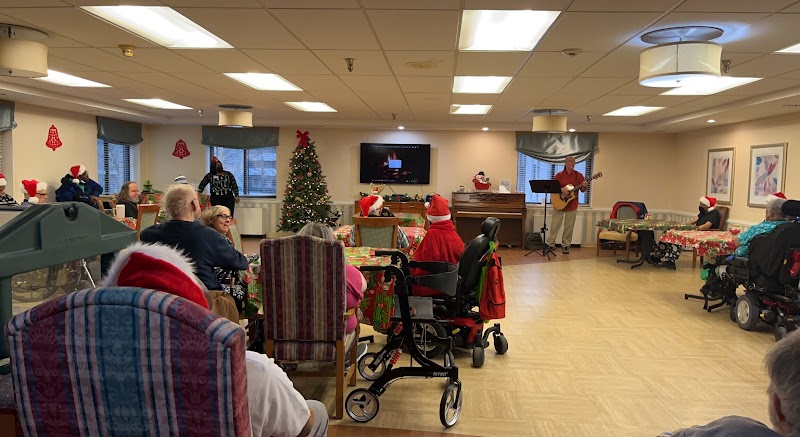
How is Gardens Of Mayfield Village Staffed?

CMS rates GARDENS OF MAYFIELD VILLAGE's staffing level at 2 out of 5 stars, which is below average compared to other nursing homes. Staff turnover is 65%, which is 18 percentage points above the Ohio average of 46%. High turnover can affect care consistency as new staff learn residents' individual needs.

What Have Inspectors Found at Gardens Of Mayfield Village?

State health inspectors documented 106 deficiencies at GARDENS OF MAYFIELD VILLAGE during 2019 to 2025. These included: 5 that caused actual resident harm, 97 with potential for harm, and 4 minor or isolated issues. Deficiencies causing actual harm indicate documented cases where residents experienced negative health consequences.

Who Owns and Operates Gardens Of Mayfield Village?

GARDENS OF MAYFIELD VILLAGE is owned by a for-profit company. For-profit facilities operate as businesses with obligations to shareholders or private owners. The facility operates independently rather than as part of a larger chain. With 99 certified beds and approximately 61 residents (about 62% occupancy), it is a smaller facility located in MAYFIELD HEIGHTS, Ohio.
How Does Gardens Of Mayfield Village Compare to Other Ohio Nursing Homes?

Compared to the 100 nursing homes in Ohio, GARDENS OF MAYFIELD VILLAGE's overall rating (2 stars) is below the state average of 3.2, staff turnover (65%) is significantly higher than the state average of 46%, and health inspection rating (1 stars) is much below the national benchmark.

What Should Families Ask When Visiting Gardens Of Mayfield Village?

Based on this facility's data, families visiting should ask: "How do you ensure continuity of care given staff turnover, and what is your staff retention strategy?" "Can you walk me through typical staffing levels on day, evening, and night shifts?" "Can I visit during a mealtime to observe dining assistance and food quality?" "How do you handle medical emergencies, and what is your hospital transfer rate?" These questions are particularly relevant given the facility's high staff turnover rate and the below-average staffing rating.

Is Gardens Of Mayfield Village Safe?

Based on CMS inspection data, GARDENS OF MAYFIELD VILLAGE has documented safety concerns. The facility is currently on the Special Focus Facility watch list (a federal program monitoring the lowest-performing 1% of nursing homes nationwide). The facility has a 2-star overall rating and ranks #100 of 100 nursing homes in Ohio. Families considering this facility should ask detailed questions about what corrective actions have been taken since these incidents.

Do Nurses at Gardens Of Mayfield Village Stick Around?

Staff turnover at GARDENS OF MAYFIELD VILLAGE is high. At 65%, the facility is 18 percentage points above the Ohio average of 46%. High turnover means new staff may not know residents' individual needs, medications, or preferences. It can also be disorienting for residents, especially those with dementia who rely on familiar faces. Families should ask: What is causing the turnover? What retention programs are in place? How do you ensure care continuity during staff transitions?

Was Gardens Of Mayfield Village Ever Fined?

GARDENS OF MAYFIELD VILLAGE has been fined $40,462 across 1 penalty action. The Ohio average is $33,483. While any fine indicates a compliance issue, fines under $50,000 are relatively common and typically reflect isolated problems that were subsequently corrected. Families should ask what specific issues led to these fines and confirm they've been resolved.

Is Gardens Of Mayfield Village on Any Federal Watch List?

GARDENS OF MAYFIELD VILLAGE is currently an SFF Candidate, meaning CMS has identified it as potentially qualifying for the Special Focus Facility watch list. SFF Candidates have a history of serious deficiencies but haven't yet reached the threshold for full SFF designation. The facility is being monitored more closely — if problems continue, it may be added to the official watch list. Families should ask what the facility is doing to address the issues that led to this status.