ALTERCARE OF MAYFIELD VILLAGE, INC
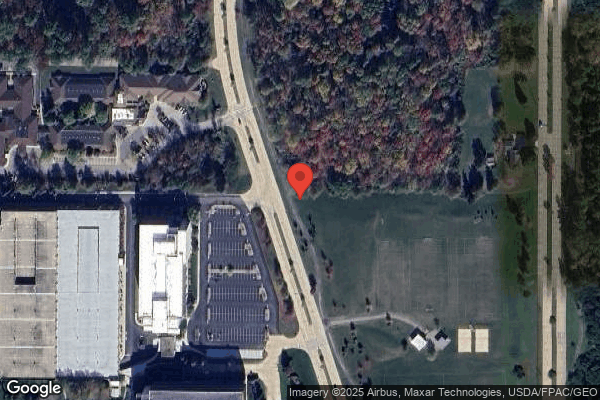
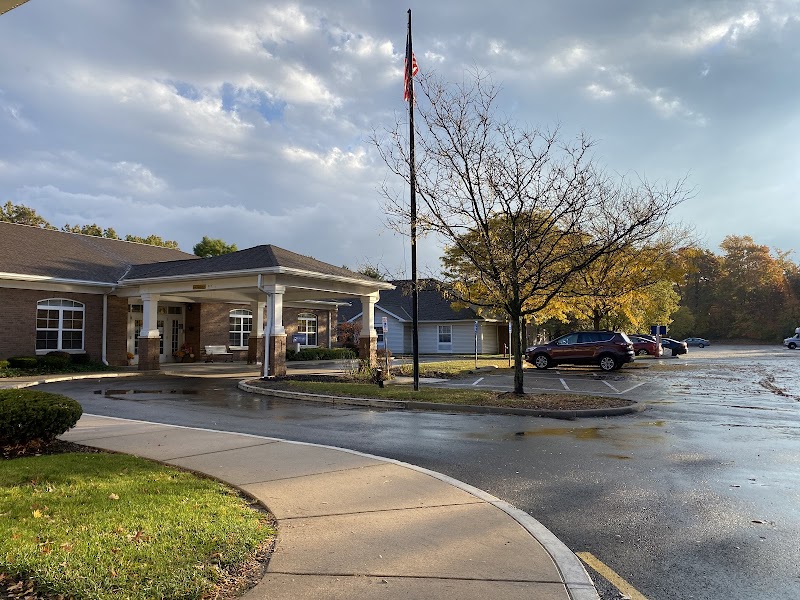
290 NORTH COMMONS BLVD, MAYFIELD VILLAGE, OH 44143 (440) 473-9411
For profit - Corporation 52 Beds ALTERCARE Data: November 2025
Trust Grade
65/100
#209 of 913 in OH
Last Inspection: November 2023

Within standard 12-15 month inspection cycle. Federal law requires annual inspections.

Overview

Altercare of Mayfield Village, Inc has a Trust Grade of C+, indicating it is slightly above average but not without concerns. It ranks #209 out of 913 nursing homes in Ohio, placing it in the top half of facilities in the state, and #20 of 92 in Cuyahoga County, meaning there are only 19 local options that are better. The facility is improving, as it decreased from 11 issues in 2023 to 4 in 2024. However, staffing is a concern with a turnover rate of 68%, which is significantly higher than the state average of 49%. On the positive side, there have been no fines reported, and overall RN coverage is average, meaning there is adequate nursing support. Specific incidents noted include a staff member failing to complete required training hours, which could impact the care provided to residents, and a lack of appropriate staffing data submitted to regulatory agencies, potentially affecting all residents. Additionally, there was an issue with a resident not receiving necessary lab tests for managing their health conditions, highlighting potential gaps in care. Overall, while there are strengths in some areas, families should be aware of the staffing challenges and care inconsistencies when considering this facility.

Trust Score
C+
65/100
In Ohio
#209/913
Top 22%
Safety Record
Low Risk
No red flags
Inspections
Getting Better
11 → 4 violations
Staff Stability
⚠ Watch
68% turnover. Above average. Higher turnover means staff may not know residents' routines.
Penalties
✓ Good
No fines on record. Clean compliance history, better than most Ohio facilities.
Skilled Nurses
○ Average
Each resident gets 38 minutes of Registered Nurse (RN) attention daily — about average for Ohio. RNs are the most trained staff who monitor for health changes.
Violations
⚠ Watch
22 deficiencies on record. Higher than average. Multiple issues found across inspections.
★★★★☆
4.0
Overall Rating
★★★☆☆
3.0
Staff Levels
★★★★★
5.0
Care Quality
★★★☆☆
3.0
Inspection Score
Stable
2023: 11 issues
2024: 4 issues

The Good

  • 5-Star Quality Measures · Strong clinical quality outcomes
  • Full Sprinkler Coverage · Fire safety systems throughout facility
  • No fines on record

Facility shows strength in quality measures, fire safety.

The Bad

Staff Turnover: 68%

22pts above Ohio avg (46%)

Frequent staff changes - ask about care continuity

Chain: ALTERCARE

Part of a multi-facility chain

Ask about local staffing decisions and management

Staff turnover is elevated (68%)

20 points above Ohio average of 48%

The Ugly 22 deficiencies on record

Dec 2024 1 deficiency
CONCERN (D) 📢 Someone Reported This

A family member, employee, or ombudsman was alarmed enough to file a formal complaint

Potential for Harm - no one hurt, but risky conditions existed

Pharmacy Services (Tag F0755)

Could have caused harm · This affected 1 resident

**NOTE- TERMS IN BRACKETS HAVE BEEN EDITED TO PROTECT CONFIDENTIALITY** Based on medical record review, staff interview, resident interview, and facility procedure review, the facility failed to ensur...

Read full inspector narrative →
**NOTE- TERMS IN BRACKETS HAVE BEEN EDITED TO PROTECT CONFIDENTIALITY** Based on medical record review, staff interview, resident interview, and facility procedure review, the facility failed to ensure medications were ordered and available in a timely manner for newly admitted residents. This affected one (Resident #41) of three residents reviewed for timely medication administration. The census was 42. Findings Include: Review of the medical record for Resident #41 revealed she was admitted to the facility on [DATE]. Her diagnoses were chronic kidney disease (stage IV), spinal stenosis, weakness, need for assistance with personal care, difficulty walking, obstructive and reflux uropathy, schizophrenia, spondylosis, migraine, schizoaffective disorder, and major depressive disorder. Review of Resident #41's progress note dated 12/11/24 revealed she was admitted to the facility on [DATE] at approximately 8:14 P.M. Review of Resident #41's progress note dated 12/12/24 revealed information that some medications needed to be clarified with the physician and faxed to the pharmacy. The note also stated that the medications were drop shipped, which was expedited shipping from the pharmacy, so she could get all of her medications in the facility. Within the same note, the nurse documented that Resident #41's family was upset that the resident's medications had not been sent to the facility in a timely manner. Review of Resident #41 hospital discharge documents dated 12/11/24 revealed a comprehensive list of medications she was taking in the hospital, and then a comprehensive list of medications she was to take when she was admitted to the nursing facility. The medications listed to be ordered at the nursing facility included Tizanidine four milligrams (mg) three times daily for muscle spasms and Oxycodone five mg every six hours as needed with instructions to give one tablet for a pain level of one to four and two tablets for a pain level of five to ten (on a pain scale of zero to ten, zero indicating no pain and ten indicating the worst pain). Review of Resident #41's Medication Administration Records (MAR) for December 2024 revealed the following medications were unavailable and not included in the initial medication shipment on the morning of 12/12/24: Tizanidine four mg three times daily for muscle spasms (due at three separate ranges of time from 7:00 A.M. to 11:00 A.M., 1:00 P.M. to 2:30 P.M., and 7:00 P.M. to 11:00 P.M.) and Oxycodone five mg every six hours as needed with instructions to give one tablet for a pain level of one to four and two tablets for a pain level of five to ten. These medications were not shipped to the facility or administered to the resident until the afternoon of 12/12/24. Interview with the Administrator on 12/21/24 at 10:35 A.M. revealed she was aware of Resident #41's issue with not having medication in the facility when she was first admitted and the family not being happy with that. Based on the information she received from the floor nursing staff, Resident #41's medications (all except for two) had arrived and been administered as ordered. They were waiting for the Tizanidine and Oxycodone from the pharmacy, which with being drop shipped, those medications arrived later in the afternoon of 12/12/24 and were then administered. Interview with Licensed Practical Nurse (LPN) #101 on 12/21/24 at 12:35 P.M. confirmed she was the morning nurse on 12/12/24. She received shift change report from LPN #102, who was the admitting nurse the night before. She was told the medications could not be drop shipped the night before because there were too many, so they were going to be delivered that morning when the pharmacy could bring them. She confirmed she received all the medications except for Tizanidine and Oxycodone, which the pharmacy needed hard copy prescriptions for. She looked through the hospital discharge paperwork and found a sealed envelope with the hospital stamp on it. She stated she opened the envelope and found the hard copy prescriptions for those two medications. She sent them to the pharmacy and had those medications drop shipped, the medications arrived in the afternoon of 12/12/24 and were administered as ordered. She confirmed it was odd for the hospital to send the hard prescriptions in a sealed envelope; she had not seen that before, but as soon as she was made aware the pharmacy did not have the two medications that needed the hard copy prescriptions, she immediately started addressing it so Resident #41 could have all of her medications in the facility. Interview with LPN #102 on 12/21/24 at 1:04 P.M. confirmed Resident #41 arrived to the facility on [DATE]. She confirmed she verified all the medications and orders from the hospital documentation with the physician and the pharmacy. She stated the pharmacy could not drop ship all of the medications because there were so many, so they would get them to the facility as soon as they could. She confirmed by the time she left on 12/12/24 at around 7:00 A.M., the medications had not arrived to the facility. Also, she confirmed she did not have a hard copy prescription for the Tizanidine or Oxycodone from the hospital, so she contacted the facility physician, who had the ability to send an electronic prescription to the pharmacy for them to be filled. She confirmed she did not follow up with the physician or pharmacy to ensure the prescription for Tizanidine and Oxycodone were filled; she assumed the physician had taken care of that. Interview with Resident #41 on 12/21/24 at 1:20 P.M. confirmed she was in pain due to not getting her Oxycodone medication when she needed it. She stated she didn't understand why the facility didn't have this medication in the facility already for her. She confirmed she got her Oxycodone in the afternoon on 12/12/24 and she had received it everyday since. She stated she had constant pain. She stated she was in pain due to not having the Oxycodone after she was discharged from the hospital on [DATE] into the afternoon on 12/12/24, but she could not say she was in any more pain than normal. Review of facility Nursing admission Workflow for Admitting Nurse procedures, undated, revealed the staff tasked with a new resident admission should complete the following: print the Physician Orders Report, (located under the resident tab in the electronic medical records) for providers to sign, orders would be delivered to the pharmacy via the ePrescribe (electronic prescription) interface. Staff were to manually fax any controlled substances. This deficiency represents non-compliance investigated under Complaint Number OH00160656.
Dec 2024 2 deficiencies
CONCERN (D) 📢 Someone Reported This

A family member, employee, or ombudsman was alarmed enough to file a formal complaint

Potential for Harm - no one hurt, but risky conditions existed

Comprehensive Care Plan (Tag F0656)

Could have caused harm · This affected 1 resident

**NOTE- TERMS IN BRACKETS HAVE BEEN EDITED TO PROTECT CONFIDENTIALITY** Based on observation, interview, record review and review of the facility policy, the facility failed to ensure Resident #30 had...

Read full inspector narrative →
**NOTE- TERMS IN BRACKETS HAVE BEEN EDITED TO PROTECT CONFIDENTIALITY** Based on observation, interview, record review and review of the facility policy, the facility failed to ensure Resident #30 had a comprehensive care plan regarding interventions to maintain her peripherally inserted central catheter (PICC) (a catheter inserted through the arm vein and passed through to larger veins near the heart) line and monitor her intravenous (IV) antibiotics. This affected one resident (#30) out of three residents reviewed for care plans. The facility census was 41. Findings include: Review of the medical record for Resident #30 revealed an admission date of 11/01/24 with diagnoses including endocarditis (serious infection of the heart's inner lining), cognitive communication deficit, hypotension, and heart failure. Review of the undated comprehensive care plan revealed Resident #30's care plan only included areas related to activities and nutrition. There was nothing in her care plan related to interventions to maintain the PICC line or the IV antibiotic use due to endocarditis. Review of the November 2024 physician orders revealed Resident #30 had the following orders: an order dated 11/01/24 for ceftriaxone (antibiotic) two grams per IV every 24 hours, an order dated 11/01/24 vancomycin (antibiotic) 750 milligram (mg) IV every 12 hours, an order dated 11/08/24 to flush the PICC line before and after each dose of IV antibiotic with a normal saline flush (sodium chloride) 0.9 percent 10 cubic centimeter (cc) twice a day, an order dated 11/08/24 to check the PICC line site every shift, an order dated 11/08/24 to change intermittent IV tubing every 24 hours, and an order dated 11/08/24 to change right arm PICC line dressing every seven days. Review of the November 2024 Medication Administration Record (MAR) revealed Resident #30 received IV antibiotics beginning 11/02/24 as ordered, but she did not have documented evidence that the PICC line was flushed before and after antibiotic therapy. There also was no documented evidence that the PICC line site was assessed and the IV tubing changed prior to 11/08/24. Review of the November 2024 Treatment Administration Record (TAR) revealed an order dated 11/08/24 to change Resident #30's right arm PICC line dressing every seven days. It was documented as completed on 11/08/24 by Agency Registered Nurse (RN) #610 and on 11/15/24 by Licensed Practical Nurse (LPN) #604. Review of the admission Minimum Data Set (MDS) 3.0 assessment dated [DATE] revealed Resident #30 had intact cognition and received IV antibiotics. Interview on 12/03/24 at 8:25 A.M. with Resident #30's daughter revealed Resident #30 was displaying increased confusion on 11/17/24, and the physician ordered her to go to the hospital. While in the emergency room, it was discovered that her PICC line dressing was dated as being last changed on 10/29/24 (18 days). The hospital staff told her PICC line dressings were to be changed at least every seven days to prevent infection, and she was concerned especially since her mother already was being treated for a heart infection (endocarditis). Interview and observation on 12/03/24 at 8:31 A.M. revealed Resident #30 had a PICC line to her right upper arm with a dressing over the site dated 12/01/24. She stated that she was unsure how often she had the dressing changed and/or who changed her dressing. Interview on 12/03/24 at 10:46 A.M. and 1:07 P.M. with the Director of Nursing (DON) and Regional Nurse #603 revealed Resident #30 was admitted to the facility with a PICC line and IV antibiotics on 11/01/24. Regional Nurse #603 revealed she was in the facility on 11/08/24 and had completed a chart audit and noticed that Resident #30 did not have flush orders to flush the PICC line before and after the antibiotics, to change her IV tubing every 24 hours or to change her PICC line dressing. She brought this to the attention of the DON and the orders were obtained on 11/08/24. They verified from 11/01/24 till 11/08/24 Resident #30 did not have flush orders to flush the PICC line before and after antibiotics and did not have an order to change the IV tubing every 24 hours. The DON verified that the Administrator received a call from Resident #30's daughter concerned that when Resident #30 went to the emergency room on [DATE] they had discovered that her PICC line dressing was dated 10/29/24 (18 days). The DON revealed she educated the nurses regarding changing PICC line dressings. They also verified there was nothing in Resident #30's care plan related to interventions to maintain the PICC line or to monitor the IV antibiotics. Interview on 12/03/24 at 12:58 P.M. with MDS/RN #609 verified that the comprehensive care plan did not include anything related to the care and maintenance of Resident #30's PICC line and/or the IV antibiotics for endocarditis. Interview on 12/03/24 at 1:38 P.M. with Agency RN #610 revealed she only had worked at the facility twice and that she had never changed an IV dressing while at the facility, including Resident #30's PICC line dressing. She stated that she must have accidentally signed off that she completed the dressing change on 11/08/24 for Resident #30. She stated that she was not familiar with the electronic documentation system that the facility used as it was different than what she was used to and felt that was the reason that she signed off the dressing being changed in error. Review of the facility policy labeled; Care Planning, dated 2024, revealed the facility interdisciplinary team was responsible to develop an individualized comprehensive care plan for each resident. The policy revealed a comprehensive care plan was to be developed within 21 days of admission to the facility and would be updated by a member as changes in resident's condition occurred. There was nothing in the policy in regards what was to be included in the care plan. This deficiency represents non-compliance investigated under Master Complaint Number OH00160056.
CONCERN (D) 📢 Someone Reported This

A family member, employee, or ombudsman was alarmed enough to file a formal complaint

Potential for Harm - no one hurt, but risky conditions existed

Deficiency F0694 (Tag F0694)

Could have caused harm · This affected 1 resident

**NOTE- TERMS IN BRACKETS HAVE BEEN EDITED TO PROTECT CONFIDENTIALITY** Based on observation, interview, record review and review of the facility policy, the facility failed to ensure Resident #30's p...

Read full inspector narrative →
**NOTE- TERMS IN BRACKETS HAVE BEEN EDITED TO PROTECT CONFIDENTIALITY** Based on observation, interview, record review and review of the facility policy, the facility failed to ensure Resident #30's peripherally inserted central catheter (PICC) (a catheter inserted through the vein in the arm and passed through to larger veins near the heart) line dressing changes were changed as ordered, and failed to ensure physician's orders were obtained to maintain the PICC line, including flushing before and after intravenous (IV) antibiotic therapy and changing of IV tubing timely. This affected one resident (#30) out of one resident with an IV. The facility census was 41. Findings included: Review of the medical record for Resident #30 revealed an admission date of 11/01/24 with diagnoses including endocarditis (serious infection of the heart's inner lining), cognitive communication deficit, hypotension, and heart failure. Review of the undated comprehensive care plan revealed Resident #30's care plan only included areas related to activities and nutrition. There was nothing in her care plan related to interventions to maintain the PICC line or the IV antibiotic use due to endocarditis. Review of the November 2024 physician orders revealed Resident #30 had the following orders: an order dated 11/01/24 for ceftriaxone (antibiotic) two grams per IV every 24 hours, an order dated 11/01/24 vancomycin (antibiotic) 750 milligram (mg) IV every 12 hours, an order dated 11/08/24 to flush the PICC line before and after each dose of IV antibiotic with normal saline flush (sodium chloride) 0.9 percent 10 cubic centimeter (cc) twice a day, an order dated 11/08/24 to check the PICC line site every shift, an order dated 11/08/24 to change intermittent IV tubing every 24 hours and an order dated 11/08/24 to change the right arm PICC line dressing every seven days. Review of the November 2024 Medication Administration Record (MAR) revealed Resident #30 received IV antibiotics beginning 11/02/24 as ordered, but she did not have orders and/ or documented evidence that the PICC line was flushed before and after IV antibiotic therapy. There was also no document evidence that the PICC line site was assessed and the IV tubing changed prior to 11/08/24. Review of the November 2024 Treatment Administration Record (TAR) revealed an order dated 11/08/24 to change Resident #30's right arm PICC line dressing every seven days. It was documented as completed on 11/08/24 by Agency Registered Nurse (RN) #610 and on 11/15/24 by Licensed Practical Nurse (LPN) #604. Review of the admission Minimum Data Set (MDS) 3.0 assessment dated [DATE] revealed Resident #30 had intact cognition and received IV antibiotics. Review of the nursing note dated 11/16/24 at 11:50 P.M. and authored by LPN #800 revealed Resident #30 had a change in mental status as she had increased confusion. Physician #950 was notified and ordered Resident #30 to be evaluated at the hospital. Review of the Emergency Department Provider Note dated 11/17/24 and authored by Physician #900 revealed Resident #30 was evaluated as over the past day she felt more confused than usual. She had been receiving IV ceftriaxone and vancomycin due to endocarditis. She was discharged back to the facility without any abnormal findings on evaluation and/or lab testing. Physician #900 ordered to continue the current antibiotics. Observation of photo taken by Resident #30's daughter when Resident #30 was at the hospital revealed a PICC line to Resident #30's right upper arm with a dressing covering the PICC line site dated 10/29/24. (Resident #30's daughter stated she took the photograph 11/17/24 at 1:57 A.M. of Resident #30 right arm). Review of the grievance form dated 11/18/24 revealed Resident #30's daughter called the Administrator with a concern regarding when Resident #30 was at the hospital, it was discovered that Resident #30's PICC line dressing was outdated. The form revealed on 11/18/24 the Director of Nursing (DON) interviewed all involved staff and educated the staff on the importance of checking the dressing daily and changing the dressing according to the physician's order and as needed to ensure standard of care was provided. Interview on 12/03/24 at 8:25 A.M. with Resident #30's daughter revealed Resident #30 was displaying increased confusion on 11/17/24, and the physician ordered her to go to the hospital. While in the emergency room, it was discovered that the PICC line dressing was dated as last changed on 10/29/24 (18 days). The hospital told her PICC line dressings were to be changed at least every seven days to prevent infection, and she was concerned especially since her mother was being treated for a heart infection (endocarditis). Interview and observation on 12/03/24 at 8:31 A.M. revealed Resident #30 had a PICC line to her right upper arm with a dressing over the site dated 12/01/24. She revealed that she was unsure how often the dressing was changed and/or who changed the dressing. Interview on 12/03/24 at 10:46 A.M. and 1:07 P.M. with the Director of Nursing (DON) and Regional Nurse #603 revealed Resident #30 was admitted to the facility with a PICC line and IV antibiotics on 11/01/24. Regional Nurse #603 revealed she was in the facility on 11/08/24 and had completed a chart audit and noticed that Resident #30 did not have flush orders to flush the PICC line before and after the antibiotics, to change her IV tubing every 24 hours or to change her PICC line dressing. She brought this to the attention of the DON and the orders were obtained on 11/08/24. They verified from 11/01/24 till 11/08/24 Resident #30 did not have flush orders to flush the PICC line before and after antibiotics and did not have an order to change the IV tubing every 24 hours. The DON verified that the Administrator received a call from Resident #30's daughter concerned that when Resident #30 went to the emergency room on [DATE] they had discovered that her PICC line dressing was dated 10/29/24 (18 days). The DON revealed she educated the nurses regarding changing PICC line dressings. Interview on 12/03/24 at 12:58 P.M. with MDS/ RN #609 verified that the comprehensive care plan did not include anything related to the care and maintenance of Resident #30's PICC line and/or the IV antibiotics for endocarditis. Interview on 12/03/24 at 1:10 P.M. with the Administrator revealed she had received a call from Resident #30's daughter on 11/18/24, and she voiced a concern that when Resident #30 was at the hospital on [DATE], the hospital noticed that Resident #30's PICC line dressing was last changed on 10/29/24, and that the dressing was to be changed every seven days. She apologized to Resident #30's daughter and brought the concern to the attention of the DON who provided education to the nursing department. Interview on 12/03/24 at 1:38 P.M. with Agency RN #610 revealed she only had worked at the facility twice and that she had never changed an IV dressing while at the facility, including Resident #30's PICC line dressing. She stated that she must have accidentally signed off that she completed the dressing change on 11/08/24 for Resident #30. She stated that she was not familiar with the electronic documentation system that the facility used as it was different than what she was used to and felt that was the reason that she signed off the dressing being changed in error. Review of the undated facility policy labeled, Dressing Change and Care of PICC revealed the purpose was to reduce the risk of system infections and minimize the contamination of the catheter system. The policy revealed dressings were to be changed every seven days using a sterile technique and immediately if the integrity of the dressing was in anyway compromised. The policy revealed the dressing was to be labeled with date, time and nurse's initials and the procedure was to be documented. Review of the undated facility policy labeled, Flushing PICC Line revealed the purpose of the policy was to prevent blood clot formation in the catheter or at the tip and decrease the possibility of any drug interaction in the catheter. The PICC line was to be flushed every 24 hours with 10 cc of .9 percent sodium chloride when not in use and before and after each intermittent medication. The policy revealed the procedure included verifying the physician order and documenting the procedure. Review of the undated facility policy labeled; Tubing Set-Up revealed the purpose of the policy was to maintain sterility of the intravenous set-up. The tubing was to be set up by using an aseptic technique. The policy revealed the nurse was to verify the order and label the tubing with date, time and nurse's initials. The policy revealed the nurse was to document the procedure. This deficiency represents non-compliance investigated under Master Complaint Number OH00160056.
Apr 2024 1 deficiency
CONCERN (D) 📢 Someone Reported This

A family member, employee, or ombudsman was alarmed enough to file a formal complaint

Potential for Harm - no one hurt, but risky conditions existed

Quality of Care (Tag F0684)

Could have caused harm · This affected 1 resident

Based on observation, interview, record review, and facility policy review the facility failed to change Resident #38's PICC (peripheral inserted central catheter) line dressing as ordered. This affec...

Read full inspector narrative →
Based on observation, interview, record review, and facility policy review the facility failed to change Resident #38's PICC (peripheral inserted central catheter) line dressing as ordered. This affected one resident (#38) of three residents reviewed for PICC line dressings. The facility census was 41. Findings include: Review of the medical record for Resident #38 revealed an admission date of 03/22/24. Diagnoses included osteomyelitis of vertebra, discitis, dorsalgia, diabetes mellitus type 2, and chronic kidney disease stage 3. The admission Minimum Data Set (MDS) assessment completed 03/28/24 indicated Resident #38 had no cognitive impairment. Observation and interview on 04/17/24 at 8:39 A.M. with Resident #38 complained the facility nurses were not changing her right arm PICC line dressing as ordered. It had been about two weeks since the last change and finally it was completed the day prior, 04/16/24. The PICC dressing on Resident #38's right arm was dated 04/16/24. Review of Resident #38's physician orders revealed an order dated 03/26/24 to change PICC line dressing every seven days and an order dated 03/27/24 to change PICC line dressing to right arm as needed (PRN). Review of Resident #38's Treatment Administration Record (TAR) from 03/22/24 to 04/17/24 revealed the routine PICC line dressing change was scheduled to begin on 03/28/24 and then be completed every seven days thereafter. On 03/28/24, Resident #38's PICC line change was documented as not completed due to it being completed on 03/26/24, again on 04/04/24, it was not completed due to the previous shift, and then on 04/11/24, it was not completed due to resident care. The PRN order reflected the PICC line dressing was changed on 04/16/24. There was no documented evidence Resident #38's PICC line dressing was changed between 03/26/24 and 04/16/24. Review of the progress notes from March 2024 to April 2024 revealed no documented evidence Resident #38's PICC line dressing was changed between 03/26/24 and 04/16/24. Interview on 04/17/24 at 12:43 P.M. with Assistant Director of Nursing (ADON) #100 verified there was no documented evidence Resident #38's PICC line dressing was changed between 03/26/24 and 04/16/24, and confirmed it was not changed every seven days as ordered. Review of the undated facility policy, Dressing Change and Care of PICC revealed to reduce the risk of systemic infections and minimize contamination of the catheter system, dressings were changed every seven days or immediately if the integrity of the dressing was compromised. This deficiency represents non-compliance investigated under Complaint Number OH00152974.
Nov 2023 5 deficiencies
CONCERN (D)

Potential for Harm - no one hurt, but risky conditions existed

Deficiency F0760 (Tag F0760)

Could have caused harm · This affected 1 resident

Based on interview, observation, medical record review and policy review the facility did not ensure Resident #48 was free of a significant medication error. This affected one resident (Resident #48) ...

Read full inspector narrative →
Based on interview, observation, medical record review and policy review the facility did not ensure Resident #48 was free of a significant medication error. This affected one resident (Resident #48) out of one resident reviewed for insulin administration. This had the potential to affect eight residents (Resident #6, #10, #20, #18, #30, #33, #47, and #48) that had orders for insulin. Findings include: Review of medical record for Resident #48 revealed an admission date of 10/13/23 and diagnoses included diabetes, hypertension, and chronic kidney disease. Review of care plan dated 10/16/23 revealed Resident #48 had an alteration in blood glucose metabolism related to her diagnosis of diabetes. Interventions included to administer diabetic medications per physician orders and observe for signs of hypoglycemia/ hyperglycemia. Review of November 2023 physician orders for Resident #48 revealed she had an order for lispro (a rapid acting insulin) insulin pen to administer three units subcutaneously (SQ) with meals scheduled at 7:30 A.M. and an order for insulin lispro insulin pen to be administered SQ per sliding scale including if blood sugar was 301 to 350 to administer eight units of insulin before meals and at bedtime (the morning dose was scheduled for 7:30 A.M.) Observation on 11/01/23 at 9:02 A.M. revealed Resident #48 was lying in bed when Licensed Practical Nurse (LPN)/Assistant Director of Nursing (ADON) #600 entered her room to take her blood sugar and administer her insulin. Resident #48 did not have a breakfast tray in her room. Resident #48 stated to LPN/ADON #600 that she was upset as she did not understand why LPN/ADON #600 was taking her blood sugar so late as she had already eaten her breakfast. LPN/ADON #600 took her blood sugar, and it was 306 and LPN/ADON #600 stated that Resident #48 would require sliding scale insulin coverage with her routine insulin because the blood sugar was elevated. Resident #48 stated to LPN/ADON #600 that her blood sugar would be high since she ate almost an hour ago and stated that she should not have to get coverage just because the nurse was late on checking her blood sugar. Observation on 11/01/23 at 9:17 A.M. revealed LPN/ADON #600 administered Resident #48 her routine lispro insulin three units and eight units sliding scale lispro insulin to equal 11 units to her left deltoid (arm). Interview on 11/01/23 at 9:40 A.M. with LPN/ADON #600 verified Resident #48's routine insulin was scheduled for 7:30 A.M. and her routine lispro insulin was to be administered with meals and her sliding scale lispro insulin was also scheduled for 7:30 A.M. before breakfast. She verified she obtained her blood glucose level and administered her insulin at 9:17 A.M. after she had already eaten her breakfast. Interview on 11/01/23 at 9:55 A.M. with State Tested Nursing Assistant (STNA) #601 revealed breakfast trays arrived to Resident #48's hall approximately between 7:40 A.M. and 7:50 A.M. everyday. STNA #601 passed Resident #48's breakfast tray between 7:40 A.M. to 8:00 A.M. today, 11/01/23. Interview on 11/01/23 at 10:10 A.M. with Resident #48 revealed when she was at home, she always used to take her blood sugar and administer her insulin right before she ate her meal. She revealed she was upset as frequently the nurses did not check her blood glucose level and/or give her insulin until after she ate. She revealed on 11/01/23 she had received her breakfast tray at approximately 8:00 A.M. and ate Cheerios and a breakfast croissant sandwich before LPN/ADON #600, had come in to check her blood sugar and administer her insulin which was after 9:00 A.M. Review of the undated facility policy labeled; Insulin Administration revealed it was the facility's policy to provide guidelines for safe administration of insulin to residents with diabetes. The policy revealed to check the blood glucose per physician order. Review of facility policy labeled, Medication Administration- General Guidelines dated May 2020 revealed medications were administered in accordance with orders of the prescriber. The nurse was to follow the five rights including right time.
CONCERN (E)

Potential for Harm - no one hurt, but risky conditions existed

Drug Regimen Review (Tag F0756)

Could have caused harm · This affected multiple residents

**NOTE- TERMS IN BRACKETS HAVE BEEN EDITED TO PROTECT CONFIDENTIALITY** 2. Review of the medical record for Resident #33 revealed an admission date of 06/15/22 and diagnoses included diabetes, major d...

Read full inspector narrative →
**NOTE- TERMS IN BRACKETS HAVE BEEN EDITED TO PROTECT CONFIDENTIALITY** 2. Review of the medical record for Resident #33 revealed an admission date of 06/15/22 and diagnoses included diabetes, major depression, hypertension, gout, and dementia with behavioral disturbance. Review of lab work in the medical record revealed there was no evidence of a Hemoglobin AIC (HGAIC) (a blood test that reflects an average blood glucose level) or an uric acid level (blood test to check the level of uric acid which often causes gout). Review of pharmacy recommendation dated 11/02/22 revealed Consultant Pharmacist #606 recommended a uric acid level and HGAIC with the next lab draw and repeat both labs in six months. The recommendation had a check mark by the recommendation that Primary Care Physician (PCP) #608 was in agreement with the recommendation but with no date. Review of pharmacy recommendation dated 01/03/23 revealed Consultant Pharmacist #606 recommended Resident #33's sliding scale be discontinued and to obtain a HGAIC on the next available lab date and repeat the HGAIC in three months. The Interim Director of Nursing (DON) placed a X by the recommendation, check blood sugar twice a day times one week and call if blood sugar below 70 and/or above 250. There was no date on the form. Review of pharmacy recommendation dated 03/07/23 revealed Consultant Pharmacist #606 recommended Resident #33 to have a trial dose reduction of duloxetine (anti-depressant) 20 milligram (mg) by mouth everyday and monitor for symptoms. Nurse Practitioner (NP) #607 checked that he agreed to the trial and signed and dated the recommendation for 09/07/23 (six months after the recommendation was made by the pharmacist). Review of pharmacy recommendation dated 07/03/23 revealed Consultant Pharmacist #606 recommended Resident #33's sliding insulin be discontinued and obtain HGAIC next available lab date and repeat HGAIC in three months. The recommendation had a check mark by the recommendation and was signed by PCP #608 without a date. Review of physician order completed by PCP #608 dated 09/08/23 revealed Resident #33's duloxetine was decreased to 20 mg once a day (per pharmacy recommendation). Interview on 11/01/23 at 2:52 P.M. with the Interim Director of Nursing verified there was no evidence Resident #33 had received an HGAIC or uric acid level despite pharmacy recommendations dated 11/02/22, 01/03/23, and 07/03/23. She also verified Resident #33's pharmacy recommendation dated 03/07/23 for the duloxetine dose reduction was not addressed until 09/07/23. 4. Review of the medical record for Resident #30 revealed an admission date of 09/30/23. Diagnoses included localized edema, insomnia, glaucoma, gastro-esophageal reflux disease (GERD), muscle weakness, and type II diabetes mellitus. Review of the consultant pharmacist's medication regimen review for Resident #30, dated 10/02/23, revealed to please add an ICD-10 diagnosis to the diagnosis tab of the electronic medication administration record (eMAR) to support the use of the following medications: amitriptyline (antidepressant), Eliquis (anticoagulant), furosemide (diuretic), Januvia (antidiabetic), Lumigan (antiglaucoma), melatonin, insulin degludec (antidiabetic), and pantoprazole (reduces levels of stomach acid). Further review of the consultant pharmacist's recommendation form revealed nothing documented under the area titled Follow Through indicating the recommendation was addressed. Review of the eMAR for October 2023 revealed a blank space under the diagnosis tab for amitriptyline, Eliquis, furosemide, Januvia, Lumigan, melatonin, insulin degludec, and pantoprazole. Interview on 11/02/23 at 8:56 A.M. with Minimum Data Set (MDS) Nurse #608 verified there was diagnosis added to the diagnosis tab of the eMAR for each medication identified. Review of the facility policy titled Medication Regimen Review, dated May 2020 revealed findings and recommendations were to be reported to the Director of Nursing (DON), the attending prescriber, the Medical Director, and if appropriate, the Administrator. Responses were to be made readily available to he consultant pharmacist for follow-up. Under item G: The consultant pharmacist medication regimen review (MRR) and Nursing Documentation Review reports were to be processed as follows and were to be provided in a written or electronic format: 1) Medication Regimen Review Recommendations to Prescriber a.) the consultant pharmacist or facility was to provide the report to the responsible prescriber and DON within seven working days of the review. b.) A copy of the report was to be kept by the facility until the prescriber's signed response was returned. c.) The prescriber was to accept and act upon recommendations or reject and provide an explanation for disagreeing. d.) The facility was to maintain copies of signed reports and make them readily available for the consultant pharmacist for follow-up. 2) Nursing Documentation Review a.) The report was to be provided by the consultant pharmacist within seven working days of the review. b.) A copy of the report was to be kept by the facility until the nurse's response was returned. 3. Review of the medical record for Resident #13 revealed an admission date of 02/10/23. Diagnoses included aphasia, anxiety disorder, altered mental status, vascular dementia, and other sequela of cerebral infarction. Review of the quarterly Minimum Data Set (MDS) 3.0 assessment for Resident #13 dated 08/14/23 revealed Resident #13 had severely impaired cognition. Medication Regimen reviews with no recommendations were completed for Resident #13 on 04/23, 05/23, and 07/23. Pharmacy recommendations were provided for Resident #13 on 03/07/23, 06/06/23, and 08/02/23. No Medication Regimen reviews or Pharmacy Recommendations were provided for Resident #13 for 09/23 or 10/23. Interview on 11/02/23 at 2:30 P.M. with Licensed Practical Nurse/Assistant Director of Nursing (LPN/ADON) #600, verified there were no Medication Regimen reviews or Pharmacy Recommendations provided for Resident #13 for 09/23 or 10/23. Based on record review and interview, the facility failed to ensure the drug regimen of each resident was reviewed at least once a month by a pharmacist and ensure pharmacy recommendations were acted upon. This affected four of five residents reviewed for unnecessary medications (Resident #26, #30, #13, and #33). The total census was 36. Findings include: 1. Record review of Resident #26 revealed she was admitted to the facility on [DATE] and had diagnoses including atrial fibrillation, peripheral vascular disease, heart failure, and cardiomegaly. Record review of pharmacy communications regarding Resident #26 revealed she had a recommendation from pharmacy dated 01/03/23 for a digoxin lab with the next blood draw and every six months thereafter. The recommendation was marked as accepted, however no evidence was found of any digoxin lab draw being done until 09/05/23. Additionally, a recommendation dated 05/01/23 asked for a comprehensive metabolic panel on the next lab draw and to be repeated every 12 months thereafter. The recommendation was marked as accepted, however no evidence was found of a comprehensive metabolic panel for the resident until 09/15/23. Interview with the Interim Director of Nursing on 11/01/23 at 2:00 P.M. confirmed the above findings.
CONCERN (F)

Potential for Harm - no one hurt, but risky conditions existed

Deficiency F0730 (Tag F0730)

Could have caused harm · This affected most or all residents

Based on interview, record review and review of facility policy the facility did not ensure State Tested Nursing Assistant (STNA) #602 received 12 hours of formal in service education within the last ...

Read full inspector narrative →
Based on interview, record review and review of facility policy the facility did not ensure State Tested Nursing Assistant (STNA) #602 received 12 hours of formal in service education within the last year. This affected one STNA out of three STNAs (#602, #604, and #605) whose personnel files were reviewed for formal education/training. This had the potential to affect 36 residents. Findings include: Review of the personnel file for STNA #602 revealed a hire date of 07/15/03. Review of STNA #602's education transcript revealed in the last 12 months STNA #604 had 0.75 total hours of training. Interview on 11/02/23 at 12:20 P.M. with Regional Staff Coordinator #603 verified STNA #602 had only completed 0.75 hours of training in the last 12 months. Review of facility policy labeled, Inservice Training dated April 2013 revealed employees must complete all assigned course work and attend mandatory in-services. The policy revealed each STNA annually must complete at least 12 hours of formal in-service education.
CONCERN (F)

Potential for Harm - no one hurt, but risky conditions existed

Staffing Data (Tag F0851)

Could have caused harm · This affected most or all residents

Based on record review and interview, the facility failed to ensure staffing data was submitted appropriately to the Centers for Medicare and Medicaid Services (CMS). This had the potential to affect ...

Read full inspector narrative →
Based on record review and interview, the facility failed to ensure staffing data was submitted appropriately to the Centers for Medicare and Medicaid Services (CMS). This had the potential to affect all residents in the facility. The census was 36. Findings include: Review of the CMS staffing data report for quarter three of the 2023 fiscal year (from April 1 to June 30 2023) revealed the facility did not submit staffing data for the affected quarter. Interview with the Administrator on 10/31/23 at 8:37 A.M. confirmed the above findings.
MINOR (C)

Minor Issue - procedural, no safety impact

Deficiency F0947 (Tag F0947)

Minor procedural issue · This affected most or all residents

Based on interview, record review and review of facility policy the facility did not ensure State Tested Nursing Assistant (STNA) #602 received 12 hours of formal in service education within the last ...

Read full inspector narrative →
Based on interview, record review and review of facility policy the facility did not ensure State Tested Nursing Assistant (STNA) #602 received 12 hours of formal in service education within the last year. This affected one STNA out of three STNAs (#602, #604, and #605) whose personnel files were reviewed for formal education/training. This had the potential to affect 36 residents. Findings include: Review of the personnel file for STNA #602 revealed a hire date of 07/15/03. Review of STNA #602's education transcript revealed in the last 12 months STNA #604 had 0.75 total hours of training. Interview on 11/02/23 at 12:20 P.M. with Regional Staff Coordinator #603 verified STNA #602 had only completed 0.75 hours of training in the last 12 months. Review of facility policy labeled, Inservice Training dated April 2013 revealed employees must complete all assigned course work and attend mandatory in-services. The policy revealed each STNA annually must complete at least 12 hours of formal in-service education.
Oct 2023 1 deficiency
CONCERN (D) 📢 Someone Reported This

A family member, employee, or ombudsman was alarmed enough to file a formal complaint

Potential for Harm - no one hurt, but risky conditions existed

Deficiency F0804 (Tag F0804)

Could have caused harm · This affected 1 resident

**NOTE- TERMS IN BRACKETS HAVE BEEN EDITED TO PROTECT CONFIDENTIALITY** Based on review of the medical record, review of facility investigation, and interviews with facility staff and residents, the f...

Read full inspector narrative →
**NOTE- TERMS IN BRACKETS HAVE BEEN EDITED TO PROTECT CONFIDENTIALITY** Based on review of the medical record, review of facility investigation, and interviews with facility staff and residents, the facility failed to ensure food served to the residents was free of mold. This affected one resident (Resident #24) of three residents reviewed for palatable food. The facility census was 45. Findings included: Review of the medical record revealed Resident #24 was admitted to the facility on [DATE]. Diagnoses included right tibia fracture, chronic obstructive pulmonary disease, hemiplegia right dominant side, Hepatitis C, osteomyelitis, depression, traumatic brain injury, post-traumatic stress disorder, liver disease, alcohol abuse and cocaine abuse. Review of the admission Minimum Data Set 3.0 assessment dated [DATE] revealed Resident #24 had moderately impaired cognition. Review of the progress notes dated 09/13/23 revealed Resident #24 was upset about the food on his tray, the nurse did not see his tray because the resident had already eaten his meal. Resident #24 came out of his room, walked very hastily to the kitchen, opened the door and was yelling at the kitchen staff. Resident #24 threatened to knock out the staff member's teeth. The kitchen staff was very calm and redirected Resident #24. Resident #24 complained of a stomachache and then he went outside and threw up. His wheelchair was brought out to him and he eventually wheeled himself back to his room. He was encouraged to drink fluids. The Administrator was informed. Review of the Meal Substitution log revealed on 09/13/23 sliced ham was substituted with sliced turkey for dinner. Review of the facility alert form dated 09/14/23 revealed a family concern was called in to the facility. On 09/13/23 at 4:45 P.M. the Executive Director (ED) received a call from facility nursing staff stating the sandwiches served for dinner had mold on them (they sent a picture). The ED attempted to call the Food Service Director (FSD) to instruct the kitchen staff to take back the trays and reserve the food. The FSD returned the call and stated all trays were being returned to the kitchen to be remade. However, one resident, Resident #24, had eaten his sandwich. The resident alleged he was sick and had vomited as a result of eating the sandwich. No other resident had consumed their sandwiches. Review of the unsigned witness statement dated 09/14/23 revealed STNA #107 was passing meal trays and noticed mold on the sandwiches. She immediately removed the tray and alerted the kitchen staff. She stated none of her residents ate any of the food. The kitchen remade the food and they served it. She stated there were no more visibly moldy sandwiches. Review of the signed witness statement dated 09/18/23 revealed Dietary #102 had made the sandwiches and wraps after lunch and at the time of making the sandwiches he saw no visible mold until the nursing assistant came and showed a moldy sandwich to him. He stated he stopped the tray line and made turkey and cheese sandwiches and the dietary aide pulled all the meal carts back into the kitchen and they changed out the sandwiches on the trays. On 10/11/23 at 10:10 A.M. an interview they Resident #24 revealed he stated he received a ham sandwich that was moldy. He stated it was dark in his room, he started eating the sandwich and it had tasted funny so he took a closer look and that was when he saw the mold on it. The aide told him they were picking up all the ham sandwiches because they had mold on them. He stated he got sick and threw up once outside and once in his toilet after eating the sandwich. On 10/11/23 at 11:10 A.M. an interview with Licensed Practical Nurse #100 revealed about three weeks ago a nursing assistant brought a sandwich to her that had visible moldy green lunch meat in it. She stated she was not sure what room she got it from. On 10/11/23 at 11:50 A.M. an interview with Food Service Manager (FSM) #101 revealed she had never had any complaints of spoilage of food except about three weeks ago it was brought to their attention during the evening meal a resident stated his ham sandwich did not taste right. She stated they had just sent the first cart out so Dietary #102 made the decision to not serve the ham and replace the sandwiches with turkey. She stated all the ham sandwiches were retrieved and thrown away. She stated they never tried the ham so she does not know if it was bad or not and Resident #24 had eaten his so they were not able to see it. On 10/11/23 at 4:10 P.M. an interview with State Tested Nursing Assistant (STNA) #103 revealed she had been working the evening the residents received moldy ham and cheese sandwiches. She stated there were several residents who received them but Resident #24 was the only one who ate the sandwich before realizing it had been moldy and he was very upset. He went to the kitchen and started yelling at the kitchen staff. She stated they did take all the sandwiches back to the kitchen and threw them out and gave the resident a non-moldy sandwich. She stated she took a picture of one of the sandwiches she seen with the mold. On 10/12/23 at 12:20 P.M. an interview with STNA #107 revealed she had been working on the 100-hall and she got her meal trays first. She took the trays to Resident #19 and Resident #37 in their room. She stated Resident #37 got a bologna sandwich but Resident #19 got the ham sandwich. She stated Resident #19 liked her sandwiches cut up so she began to cut it up and noticed it had mold on it. She told the resident she could not eat it because it was moldy and took the tray away for her. She stated she went back out to the meal cart and looked at all the residents' sandwiches and all the ones with ham on them were moldy. She stated she told everyone working to check their sandwiches and took the cart to the kitchen. She stated she told Dietary #102 and he took the sandwich from her, ripped the moldy part off and said it was fine. She stated she told him she was not feeding those sandwiches to the residents. She stated he did not do anything and sent out the 200-hall meal cart with the same sandwiches. She stated the nursing assistant working on that hall passed out the trays even after she told him they had mold on them. She stated she called the ED to tell her of the situation. She added Resident #24 had already eaten his sandwich by the time they went around to pick up the sandwiches to switch them out. She stated Resident #24 was furious. On 10/12/23 at 12:40 P.M. an interview with Resident #19 revealed last month she received a moldy ham sandwich from the kitchen. She stated she had seen the mold on it. She stated the aide took the sandwich before she could eat it. This deficiency represents non-compliance investigated under Complaint Number OH00146475.
Jun 2023 1 deficiency
CONCERN (D) 📢 Someone Reported This

A family member, employee, or ombudsman was alarmed enough to file a formal complaint

Potential for Harm - no one hurt, but risky conditions existed

Deficiency F0558 (Tag F0558)

Could have caused harm · This affected 1 resident

**NOTE- TERMS IN BRACKETS HAVE BEEN EDITED TO PROTECT CONFIDENTIALITY** Based on observation, resident interview, staff interview, review of facility concern logs, review of staff in-services, and rev...

Read full inspector narrative →
**NOTE- TERMS IN BRACKETS HAVE BEEN EDITED TO PROTECT CONFIDENTIALITY** Based on observation, resident interview, staff interview, review of facility concern logs, review of staff in-services, and review of Resident Council meeting minutes, the facility failed to ensure resident call lights were answered in a timely manner. This affected two (Resident #1 and #2) of seven residents reviewed for call lights. The facility census was 36. Findings include: 1. Review of Resident #1's medical record, revealed the resident was admitted to the facility on [DATE]. Diagnoses included osteoarthritis, rheumatoid arthritis, weakness, pain in left shoulder, tremor, Charcot's joint, right ankle and foot, muscle weakness, muscle wasting and atrophy, and anxiety. Review of Resident #1's quarterly Minimum Data Set (MDS) 3.0 assessment, dated 05/15/23, revealed the resident was cognitively intact and required extensive assistance of two staff for bed mobility. No behaviors were noted within the assessment. Observation on 06/01/23 from 9:54 A.M. to 10:56 A.M. revealed Resident #1's call light had been activated for at least 62 minutes. Interview on 06/01/23 at 10:35 A.M. with Resident #1 revealed the resident was waiting on an aide to come and adjust the sheets and blankets underneath of her straightened out. The resident reported the aide was likely showering other residents and would come when she was able. Interview on 06/01/23 at 11:01 A.M. with Licensed Practical Nurse (LPN) #101 revealed LPN #101 had not realized Resident #1's call light was going off for so long. LPN #101 stated the aide who was assigned to the hall where Resident #101 resided had been on lunch break at that time, which is why LPN #101 went to check on the call lights that were activated. 2. Review of Resident #2's medical record revealed the resident was admitted to the facility on [DATE]. Diagnoses included weakness, respiratory failure, difficulty in walking, mild intellectual disabilities, cognitive communication deficit, unspecified psychosis, anxiety, need for assistance with personal care, and history of falling. Review of Resident #2's annual MDS 3.0 assessment, dated 05/10/23, revealed the resident was cognitively intact. The resident required extensive assistance of one staff for transfers and toileting. No behaviors were noted within the assessment. Observation on 06/01/23 from 10:28 A.M. to 10:50 A.M. revealed Resident #2's call light had been activated for at least 22 minutes. At approximately 10:37 A.M., Resident #2 began yelling and crying out someone please help me, ow, and help me. Resident #2 could be heard crying loudly from the nurse station located just off of the hall where the resident resided. Interview on 06/01/23 at 11:11 A.M. with Resident #2, revealed the resident had been in the bathroom waiting for assistance wiping and off of the toilet. Resident #2 reported it often took staff a long time to respond to her call light but could not relay an approximate amount of time. Interview on 06/01/23 at 11:01 A.M. with LPN #101 revealed LPN #101 had not realized how long Resident #2's call light was activated. LPN #101 reported whenever Resident #2 finished using the bathroom, she would begin crying out. LPN #101 stated the aide who was assigned to the hall Resident #101 resided on had been on lunch break at that time, which is why LPN #101 went to check on the call lights that were activated. Review of the concern logs for 03/01/23 through 05/31/23, revealed concerns regarding call lights were noted on 03/21/23, 03/29/23, 04/06/23, 04/07/23, and 04/11/23. The resolution provided for each occurrence was education and/or staff education. Review of the all-staff in-service dated 05/04/23 revealed staff were educated regarding call light response. Review of Resident Council meeting minutes dated 03/30/23, revealed a concern with call light response time was noted. This deficiency represents non-compliance investigated under Complaint Number OH00142463.
Mar 2023 4 deficiencies
CONCERN (D) 📢 Someone Reported This

A family member, employee, or ombudsman was alarmed enough to file a formal complaint

Potential for Harm - no one hurt, but risky conditions existed

Notification of Changes (Tag F0580)

Could have caused harm · This affected 1 resident

Based on record review and interview, the facility failed to notify the family when a change of condition occurred. This affected one (Resident #100) of three residents reviewed for notification of ch...

Read full inspector narrative →
Based on record review and interview, the facility failed to notify the family when a change of condition occurred. This affected one (Resident #100) of three residents reviewed for notification of change. The census was 47 residents. Findings Include: Review of the medical record for the Resident #100 revealed an admission date of 03/22/22 and discharge date of 06/01/22. Diagnoses included encephalopathy, type two diabetes and need for assistance with personal care. Review of the comprehensive Minimum Data Set (MDS) assessment, dated 03/29/22, revealed the resident had impaired cognition. Interview on 03/15/23 at 10:15 A.M., Family Member #1 of Resident #100 stated the facility did not inform her of the wound Resident #100 had on the sacrum. Family Member #1 stated her sister (Family Member #2) visited Resident #100 on 05/11/22 and observed a wound on the sacrum. Family Member #1 stated she spoke with the the social worker, Administrator and State Tested Nurse Assistant (STNA) #245 on 05/12/22 regarding the wound. Family Member #1 stated the Administrator stated he would educate the staff on wound care and reporting. Interview on 03/15/23 at 4:36 P.M., Family Member #2 stated she observed the wound on the sacrum when she provided incontinence for Resident #100. Family Member #2 stated the wound had a dressing on it. Review of the plans of care dated 03/22/22 through 06/01/22 revealed no documentation related to Resident #100 having a wound on the sacrum. Review of physician orders dated 03/22/22 through 06/01/22 revealed no documentation related to Resident #100 having a wound on the sacrum. Review of assessments dated 03/22/22 through 06/01/22 revealed no documentation related to Resident #100 having a wound on the sacrum. The assessment indicated Resident #100 had a wound on the left calf. Review of the nurse's notes dated 03/22/22 through 06/01/22 revealed no documentation related to Resident#100 having a wound on the sacrum or any notification to the family regarding a wound. Review of the treatment administration records dated 03/22/22 through 06/01/22 directed staff to cleanse the lateral buttocks with soap and water, pat dry, then apply a layer of EPC cream to prevent skin breakdown. There was not a treatment for a sacrum wound. Interview on 03/16/23 at 9:15 A.M., STNA #245 stated Resident #100 had a wound on the sacrum. STNA #245 stated family were aware of the wound when family observed it. Interview on 03/16/23 at 9:29 A.M., the Director of Nursing (DON) verified Resident #100's family was not notified timely of Resident #100's wound or the plan of care regarding the wound. This deficiency represents noncompliance investigated under Master Complaint Number OH00140897 and Complaint Number OH00132660.
CONCERN (D) 📢 Someone Reported This

A family member, employee, or ombudsman was alarmed enough to file a formal complaint

Potential for Harm - no one hurt, but risky conditions existed

Safe Environment (Tag F0584)

Could have caused harm · This affected 1 resident

Based on record review, observations and interview, the facility failed to maintain a sanitary resident environment. This affected one (Resident #15) of five residents reviewed for environment. Findi...

Read full inspector narrative →
Based on record review, observations and interview, the facility failed to maintain a sanitary resident environment. This affected one (Resident #15) of five residents reviewed for environment. Findings Include: Review of the medical record for the Resident #15 revealed an admission date of 09/13/21. Diagnoses included difficulty in walking, major depressive disorder colostomy status, and metabolic encephalopathy. Review of the comprehensive Minimum Data Set (MDS) assessment, dated 02/10/23, revealed the resident had intact cognition. The resident required extensive assistance for toileting. Observations on 03/15/23 at 8:57 A.M. of Resident #15 lying in bed revealed feces located on the resident's bed sheet, on the floor and all over the bag lining the trash bag. There was also clothing, and a bed pad covered with feces lying in a pile on the floor. Interview with Resident #15 during the observation, revealed the resident's colostomy bag had leaked the night before around 9:00 P.M. Resident #15 stated he told staff about it, but staff did not clean it up. Resident #15 stated staff had brought in his breakfast tray this morning and didn't clean the feces up. Observation and Interview on 03/15/23 at 9:00 A.M. with State Tested Nurse Assistant (STNA) #229 verified that feces was on Resident #15's bed sheet, garbage, and floor. STNA #229 stated he would get it cleaned up immediately. Interview on 03/15/23 at 9:10 A.M., Housekeeper #203 stated staff did not inform her of the feces in Resident #15's room. Interview on 03/15/23 at 9:38 A.M., STNA #257 stated she took Resident #15's breakfast tray in the room but did not observe the feces on the bed or floor. This deficiency represents non-compliance investigated under Complaint Number OH00137034.
CONCERN (D) 📢 Someone Reported This

A family member, employee, or ombudsman was alarmed enough to file a formal complaint

Potential for Harm - no one hurt, but risky conditions existed

Quality of Care (Tag F0684)

Could have caused harm · This affected 1 resident

Based on record review and interview, the facility failed to ensure Resident #100's wound was thoroughly assessed, care planned comprehensively, and treated properly. This affected one resident (Resid...

Read full inspector narrative →
Based on record review and interview, the facility failed to ensure Resident #100's wound was thoroughly assessed, care planned comprehensively, and treated properly. This affected one resident (Resident #100) of three residents reviewed for wound care. The census was 47 residents. Findings Include: Review of the medical record for the Resident #100 revealed an admission date of 03/22/22 and discharge date of 06/01/22. Diagnoses included encephalopathy, type two diabetes and need for assistance with personal care. Review of the comprehensive Minimum Data Set (MDS) assessment, dated 03/29/22, revealed the resident had impaired cognition. Interview on 03/15/23 at 10:15 A.M., Family Member #1 of Resident #100 stated the facility did not inform her of the wound Resident #100 had on the sacrum. Family Member #1 stated her sister (Family Member #2) visited Resident #100 on 05/11/22 and observed a wound on the sacrum. Family Member #1 stated she spoke with the the social worker, Administrator and State Tested Nurse Assistant (STNA) #245 on 05/12/22 regarding the wound. Family Member #1 stated the Administrator stated he would educate the staff on wound care and reporting. Interview on 03/15/23 at 4:36 P.M., Family Member #2 stated she observed the wound on the sacrum when she provided incontinence for Resident #100. Family Member #2 stated the wound had a dressing on it. Review of assessments dated 03/22/22 through 06/01/22 revealed no evidence Resident #100's sacrum wound was assessed. Review of the plans of care dated 03/22/22 through 06/01/22 revealed no evidence of a care plan was developed to address Resident #100's sacrum wound. Review of physician orders dated 03/22/22 through 06/01/22 revealed no evidence of treatment orders to Resident #100's wound on the sacrum. Review of the nurse's notes dated 03/22/22 through 06/01/22 revealed no documentation related to Resident#100 having a wound on the sacrum. Review of the treatment administration records dated 03/22/22 through 06/01/22 directed staff to cleanse the lateral buttocks with soap and water, pat dry, then apply a layer of EPC cream to prevent skin breakdown. There was not a treatment in place for a sacrum wound. Interview on 03/16/23 at 9:15 A.M., STNA #245 stated Resident #100 had a wound on the sacrum. STNA #245 stated family were aware of the wound when family observed it. Interview on 03/16/23 at 9:29 A.M., the Director of Nursing (DON) verified the lack of evidence related to assessment, care planning, and treatment of Resident #100's sacrum wound.
CONCERN (D) 📢 Someone Reported This

A family member, employee, or ombudsman was alarmed enough to file a formal complaint

Potential for Harm - no one hurt, but risky conditions existed

Pressure Ulcer Prevention (Tag F0686)

Could have caused harm · This affected 1 resident

**NOTE- TERMS IN BRACKETS HAVE BEEN EDITED TO PROTECT CONFIDENTIALITY** Based on record review and interview, the facility failed to ensure Resident #102's deep tissue pressure injury was comprehensiv...

Read full inspector narrative →
**NOTE- TERMS IN BRACKETS HAVE BEEN EDITED TO PROTECT CONFIDENTIALITY** Based on record review and interview, the facility failed to ensure Resident #102's deep tissue pressure injury was comprehensively care planned and treated as ordered. This affected one (Resident #102) of three residents reviewed for wound care. The census was 47 residents. Findings Include: Review of the medical record for Resident #102 revealed an admission date of 03/11/22 and discharge date of 04/25/22. Diagnoses included displaced comminuted fracture of shaft of right femur, dementia and need for assistance with personal care. Review of the admission nursing assessment identified the Resident #102 was admitted with a surgical wound on right hip. There was no evidence of a pressure ulcer injury to the right heel. Review of the pressure ulcer risk assessment dated [DATE] revealed the resident was at moderate risk for the development of pressure ulcers. Review of the comprehensive Minimum Data Set (MDS) assessment, dated 03/17/22, revealed the resident had impaired cognition. The resident required extensive assistance for bed mobility, transfers, ambulation. The assessment indicated the resident had no pressure wounds. Review of the plan of care dated 03/21/22 revealed the resident was at risk for pressure ulcers due to impaired immobility, cognition, and incontinence. Interventions included pressure reducing devices on wheelchair and bed, reposition frequently when in bed and chair, and float heels as tolerated. Review of the wound grid dated 03/23/22 revealed Resident #102 had a purple fluid filled intact blister (to the right heel) measuring five centimeters (cm) by eight cm by unable to determine depth (utd). Orders were for staff to cover with an abdominal bandage (ABD) and wrap with kerlix. The blister was identified as a deep tissue injury (DTI). Review of wound grid dated 03/30/22 revealed the blister had fallen off with a skin flap remaining around the perimeter of the wound, no infection was noted. New orders included to apply skin preparation to the surrounding intact skin, apply adaptic/serofoam to open area, cover with ABD and wrap with kerlix daily. The wound grid did not identify the wound type. Review of wound grid dated 04/06/22 revealed the right heel wound measured 3.3 cm by 3.2 cm by utd. The wound remained unchanged. New order was to paint wound with betadine, cover with ABD, and wrap with kerlix daily. The wound grid did not identify the wound type. Review of wound grid dated 04/13/22 revealed the right heel wound measured 2.9 cm by 3.6 cm by utd. The wound grid did not identify the wound type. Review of wound grid dated 04/20/22 revealed the right heel wound measured 3.1 cm by 3.3 cm by utd. The wound grid did not identify the wound type. Review of Resident #102's care plans revealed a comprehensive care plan was not developed to address Resident #102's right heel DTI. Review of progress notes from 03/11/22 to 04/25/22 revealed no documentation indicating Resident #102 had a DTI of the right heel. Review of the treatment administration record from 03/11/22 to 04/25/22 revealed no evidence of when and what treatment was provided to Resident #102's right heel DTI. Interview on 03/16/23 at 9:29 A.M., the Director of Nursing (DON) verified the lack of evidence a care plan was developed for Resident #100's right heel DTI and the lack of evidence of wound treatments being provided as ordered. The DON could not verify the treatments were completed as ordered. This deficiency represents noncompliance investigated under Complaint Number OH00131766.
Jun 2021 6 deficiencies
CONCERN (D)

Potential for Harm - no one hurt, but risky conditions existed

Deficiency F0558 (Tag F0558)

Could have caused harm · This affected 1 resident

**NOTE- TERMS IN BRACKETS HAVE BEEN EDITED TO PROTECT CONFIDENTIALITY** Based on observation, interview, and record review, the facility failed to ensure call lights were within residents' reach. This...

Read full inspector narrative →
**NOTE- TERMS IN BRACKETS HAVE BEEN EDITED TO PROTECT CONFIDENTIALITY** Based on observation, interview, and record review, the facility failed to ensure call lights were within residents' reach. This affected two (Residents #35 and #36) of two residents reviewed for call lights. The facility census was 27 residents. Findings include: 1. Record review of Resident #36 revealed an admission date of 03/04/21. Diagnoses included muscle weakness, abnormalities of gait and mobility, and lack of coordination. Review of the admission Minimum Data Set (MDS) dated [DATE] revealed the resident had intact cognition and required extensive assistance of one staff for bed mobility, transfers, and toilet use. Interview on 06/21/21 at 1:42 P.M. with Resident #36 revealed she wanted to ask staff about her shower. During the interview, Resident #36 attempted to reach for her call light; however, the call light was on the other side of her bed near the headboard tucked under the bed linen, and Resident #36 was sitting in her wheelchair near the foot of the bed. Interview on 06/21/21 at 1:48 P.M. with the Regional Registered Nurse (RRN) #269 verified Resident #36's call light was not in reach, who then moved the call light with reach for Resident #36. 2. Record review of Resident #35 revealed an admission date of 09/10/19. Diagnoses included dementia without behavioral disturbance, muscle weakness, and stroke. Review of the quarterly MDS dated [DATE] revealed the resident required extensive assistance of two staff for bed mobility, transfers, and toilet use. On 06/21/21 at 2:50 P.M., Resident #35 was observed laying in bed and the call light was observed attached to the wall at the end of her bed and not in reach. Interview on 06/21/21 at 2:51 P.M. with Registered Nurse (RN) #259 confirmed Resident #35's call light was not in reach. RN #259 then placed the call light near the resident, and said Resident #35 knew how to use her call light. On 06/23/21 at 8:08 A.M., Resident #35 was observed sitting up in bed eating breakfast. Her call light was observed on the nightstand located at the foot of bed against the wall. Interview at this time with Stated Tested Nurse Aide (STNA) #220, who was assisting Resident #35's roommate, confirmed the observation. STNA #220 said Resident #35 knew how to use her call light and when she did, she never wanted anything but for staff to come and hold her hand. Review of the facility's policy titled Call Light- Answering dated 06/28/10, revealed when the resident is in bed or confined to a chair be sure the call light is within easy reach of the resident.
CONCERN (D)

Potential for Harm - no one hurt, but risky conditions existed

Transfer Notice (Tag F0623)

Could have caused harm · This affected 1 resident

**NOTE- TERMS IN BRACKETS HAVE BEEN EDITED TO PROTECT CONFIDENTIALITY** Based on interview and record review, the facility failed to notify the resident in writing of the reason the reason for transfe...

Read full inspector narrative →
**NOTE- TERMS IN BRACKETS HAVE BEEN EDITED TO PROTECT CONFIDENTIALITY** Based on interview and record review, the facility failed to notify the resident in writing of the reason the reason for transfer. This affected three (Residents #3, #41 and #43) of four residents reviewed for hospitalization. The facility census was 27 residents. Findings include: 1. Record review revealed Resident #3 was admitted on [DATE]. Diagnoses included acute kidney failure, urinary tract infection, and heart failure. The quarterly Minimum Data Set (MDS) dated [DATE] revealed the resident had impaired cognition and had active diagnosis of acute respiratory failure and had a kidney transplant. Review of Resident's #3 progress notes revealed on 04/26/21 at 12:59 P.M. the resident was transported 911 the hospital for an evaluation due abnormal laboratory result. There was no documented evidence to indicate the resident was notified in writing of the reason for the transfer. 2. Record review revealed Resident #43 was admitted on [DATE]. Diagnoses included chronic kidney disease, Alzheimer's, and heart failure. The review of the baseline admission assessment dated [DATE] revealed the resident had impaired cognition and disorganized thinking and behaviors. Review of Resident's #43 progress notes revealed on 06/02/21 at 10:35 A.M. the resident was transported 911 the hospital due a change in mental status and abnormal vitals. There was no documented evidence to indicate the resident's responsible party was notified in writing of the reason for the transfer. 3. Record review revealed Resident #41 was admitted on [DATE]. Diagnoses included left knee replacement, hypertension, and obesity. The review of the baseline admission assessment dated [DATE] revealed the resident had impaired cognition, confusion, hallucination, and physically and verbal abusive behaviors. Review of Resident's #41 progress notes revealed on 05/31/21 at 7:06 P.M. the resident was transported to the hospital due to nausea and chest pain. There was no documented evidence to indicate the resident was notified in writing of the reason for transfer. Interview on 06/26/21 at 12:20 P.M. with Clinical Regional Manager #265 verified the above findings, and there was no evidence of written notification for the transfers. Clinical Regional Manager #265 revealed the facility has gone through a lot of change over with personnel and the notification process got dropped.
CONCERN (D)

Potential for Harm - no one hurt, but risky conditions existed

Deficiency F0625 (Tag F0625)

Could have caused harm · This affected 1 resident

**NOTE- TERMS IN BRACKETS HAVE BEEN EDITED TO PROTECT CONFIDENTIALITY** Based on interview and record review, the facility failed to provide bed hold notice for residents transferred to the hospital. ...

Read full inspector narrative →
**NOTE- TERMS IN BRACKETS HAVE BEEN EDITED TO PROTECT CONFIDENTIALITY** Based on interview and record review, the facility failed to provide bed hold notice for residents transferred to the hospital. This affected two (Resident #3, and #41) of four residents reviewed for hospitalization. The facility census was 27 residents. Findings include: 1. Record review revealed Resident #3 was admitted on [DATE]. Diagnoses included acute kidney failure, urinary tract infection, and heart failure. The quarterly Minimum Data Set (MDS) dated [DATE] revealed the resident had impaired cognition and had active diagnosis of acute respiratory failure and had a kidney transplant. Review of Resident's #3 progress notes revealed on 04/26/21 at 12:59 P.M. the resident was transported 911 the hospital for an evaluation due abnormal laboratory result. There was no documented evidence to indicate the resident was provided a bed hold notice. 2. Record review revealed Resident #41 was admitted on [DATE]. Diagnoses included left knee replacement, hypertension, and obesity. The review of the baseline admission assessment dated [DATE] revealed the resident had impaired cognition, confusion, hallucination, and physically and verbal abusive behaviors. Review of Resident's #41 progress notes revealed on 05/31/21 at 7:06 P.M. the resident was transported to the hospital due to nausea and chest pain. There was no documented evidence to indicate the resident was provided a bed hold notice. Interview on 06/24/21 at 2:20 P.M. with the Clinical Regional Manager #265 verified the above findings. Clinical Regional Manager #265 revealed the facility has gone through a lot of change with personnel and bed hold notification process was dropped.
CONCERN (D)

Potential for Harm - no one hurt, but risky conditions existed

Deficiency F0692 (Tag F0692)

Could have caused harm · This affected 1 resident

**NOTE- TERMS IN BRACKETS HAVE BEEN EDITED TO PROTECT CONFIDENTIALITY** Based on record review, observation, staff interview, and review of the facility policy, the facility failed to ensure Resident ...

Read full inspector narrative →
**NOTE- TERMS IN BRACKETS HAVE BEEN EDITED TO PROTECT CONFIDENTIALITY** Based on record review, observation, staff interview, and review of the facility policy, the facility failed to ensure Resident #18 received fluids in the consistency prescribed per physician's order. This affected one (Resident #18) of two residents that received thickened liquids. The facility census was 27 residents. Finding include: Review of the medical record for Resident #18 revealed an admission date of 05/14/21. Diagnoses included muscle weakness, diabetes mellitus, dysphagia, and chronic obstructive pulmonary disease. The admission Minimum Data Set (MDS) assessment dated [DATE] revealed the resident's cognition was not assessed; the resident required supervision of one staff for eating; the resident had coughing and choking with meals; and the resident had received a mechanically altered diet. Review of the physician orders for June 2021 revealed Resident #18's diet order included low concentrated sweets (LCS); texture of food: Mechanical Soft; and liquid consistency: nectar thick. Interview on 06/24/21 at 10:22 A.M. with Stated Tested Nurse Aide (STNA) #234 revealed she had passed water to Resident #18 but did not provide thickened liquids. Observation on 06/24/21 at 10:30 A.M. with STNA #234 in Resident #18's room revealed STNA #234 picked up the cup and shook it, and heard ice rattling. STNA #234 confirmed she had given Resident #18 ice water. Resident #18 stated she did not drink the water. Review of the undated facility policy titled Ice/Water Pass (Drinking Water at Bedside) revealed under procedure, item 2., verify that there is not a physician's order for NPO (nothing by mouth) or any fluid or ice restrictions before serving drinking water to the resident. This deficiency substantiates Complaint Number OH00123143.
CONCERN (D)

Potential for Harm - no one hurt, but risky conditions existed

Deficiency F0760 (Tag F0760)

Could have caused harm · This affected 1 resident

Based on record review and interview, the facility failed to ensure significant medication errors did not occur for the residents. This affected one (Resident #17) of one resident who received crushed...

Read full inspector narrative →
Based on record review and interview, the facility failed to ensure significant medication errors did not occur for the residents. This affected one (Resident #17) of one resident who received crushed medications on the 400 hallway. The facility census was 27 residents. Finding include: Review of the medical record for the Resident #17 revealed an admission date of 06/06/21. Diagnoses included fracture of cervical vertebra the neck, coronary artery disease, and GERD. Review of the Comprehensive Minimum Data Set (MDS) assessment, dated 06/15/21, revealed the resident had impaired cognition and was a risk for altered nutrition related to no natural teeth. Review of June physicians order revealed Resident #17 was ordered metoprolol succinate extended release 25 milligram (mg), a long acting blood pressure reducing medication, to be administered once daily. Observation on 06/22/21 at 7:54 A.M. of medication administration with Registered Nurse (RN) #259 for Resident #17 revealed she prepared six pill form medications and metoprolol succinate extended release tablet into a cup. RN #259 poured pills into a plastic baggie and began to crush the pills. The crushed medication was poured it into applesauce and administered to Resident #17. Review of the manufacturers instruction for metoprolol succinate extended release revealed the medication was not to be chewed or crushed. Observation 06/22/21 at 9:30 A.M. revealed of the medication card revealed the medication was extended release. There was no instruction in regard to crushing. Interview on 06/22/21 at 9:30 A.M. with RN #259 verified the medication was extended release. RN #215 did not know it is not be crushed and stated she will clarify the order with the physician. Interview on 06/22/21 at 9:55 A.M. with the Clinical Regional Manager #265 verified the above findings. Review of the facility's policy titled Medication Administration General Guidelines dated May 2020, No sustained-release, enteric coated, or unscored tables should be split or crushed. This deficiency substantitates Complaint Number OH00123096.
CONCERN (D)

Potential for Harm - no one hurt, but risky conditions existed

Deficiency F0761 (Tag F0761)

Could have caused harm · This affected 1 resident

Based on observation, staff interview, and review of the facility's medication storage procedures, the facility failed to ensure medication storage procedures were followed. This had the potential to ...

Read full inspector narrative →
Based on observation, staff interview, and review of the facility's medication storage procedures, the facility failed to ensure medication storage procedures were followed. This had the potential to affect four (Residents #9, #23, #24 and #29) who had medications stored in the 400 hallway medication cart. The facility census was 27 residents. Findings include: Observation on 06/22/21 at 11:30 A.M. with Registered Nurse (RN) #259 of medications stored in 400 hallway medication cart revealed the second drawer contained medications in punch cards for the residents. When lifting up the cards, five medication were found unsecured and laying at the bottom of the drawer. There were two small white round pills, a half of a white tablet, a pink round pill, and a large yellow tablet resembling an antacid wafer. The drawer had several open holes located in the front and in back of the drawer where the medication could fall out. Interview on 06/22/21 at 11:35 A.M. with RN #259 confirmed the five pills were found in the bottom of the drawer. Interview on 06/22/21 at 11:50 A.M. with Clinical Regional Manager #265 revealed the pills should be secured in the cart and the open holes should be covered. Review of the facility policy Storage of Medication Procedures (dated May 2020) revealed all medications dispensed by the pharmacy were to be stored in the container with the pharmacy label.
Aug 2019 1 deficiency
CONCERN (D)

Potential for Harm - no one hurt, but risky conditions existed

Deficiency F0725 (Tag F0725)

Could have caused harm · This affected 1 resident

**NOTE- TERMS IN BRACKETS HAVE BEEN EDITED TO PROTECT CONFIDENTIALITY** Based on record review and interview the facility failed to maintain sufficient levels of nursing staff to ensure Resident #6 an...

Read full inspector narrative →
**NOTE- TERMS IN BRACKETS HAVE BEEN EDITED TO PROTECT CONFIDENTIALITY** Based on record review and interview the facility failed to maintain sufficient levels of nursing staff to ensure Resident #6 and Resident #11's call lights were answered timely. This affected two residents (#6 and #11) of 15 sampled residents reviewed for staffing. Findings include: 1. Review of Resident #6's medical record revealed the resident was admitted to the facility on [DATE] with diagnoses including endometrial cancer, diabetes, obstructive sleep apnea, adult failure to thrive, nausea and generalized anxiety disorder. Review of the comprehensive Minimum Data Set (MDS) 3.0 assessment dated [DATE] revealed the resident was alert, oriented and independent in daily decision making ability. The resident was assessed to require extensive assistance of two plus staff for bed mobility and personal hygiene. Review of the activity of daily living plan of care indicated to provide assistance with all care. Interview with Resident #6 on 07/29/19 at 10:28 A.M. revealed she was weak and had no strength to walk or sit up. She said this was because she had cancer that was spreading. She said the facility was understaffed especially on the night shift. She said she required two staff for all care. She said she privately hired staff to work from 8:00 P.M. to 6:00 A.M. so she got care through the night. She said she reported this to management but nothing had changed. Review of the device activity report requested for night shift for the last week revealed she waited long periods of time for her call light to be answered. On 07/29/19 her call light was reset at 63 minutes, on 07/28/19 at 5:53 A.M. her call light was reset at 55 minutes, 07/26/19 at 4:23 A.M. reset at 45 minutes and on 07/27/19 at 4:41 A.M. her call light was reset at 13 minutes. Interview with the administrator on 07/31/19 at 1:50 P.M. reported he was aware of Resident #6's concerns related to her call light not being answered timely and aware she hired personal caregivers at night. The administrator verified the call light response times were not timely. 2. Review of the medical record for Resident #11 revealed the resident was admitted to the facility on [DATE] with diagnoses including osteoarthritis, peripheral vascular disease, contractures, fusion of cervical spine and major depressive disorder. Review of the MDS 3.0 assessments, dated 02/09/19 and 05/16/19 revealed the resident was alert, oriented and independent in daily decision making ability. She required the extensive assistance of two plus staff for bed mobility and the total assistance of two plus staff for transfer and personal hygiene. Interview with Resident #11 on 07/29/19 at 01:03 P.M. revealed she was upset having to wait to be turned and changed at 4:00 A.M. She said the staff don't come and she's wet and uncomfortable. She stated staff give excuses like they are the only ones working. The resident stated weekends were not good. She said she could not turn herself and relied on staff for all care because she had contractures on her hands and legs. Further interview with Resident #11 on 07/30/19 at 12:55 P.M. revealed it took excessively long for the staff to respond to her call light last night. She stated the aide last night was from an agency and left her wet, did not dry her off and never returned so the next shift had to provide her the care Review of the Resident #11's device activity report for night shift of the last week revealed on 07/26/19 at 1:26 A.M. the alarm was reset at 41 minutes, on 07/26/19 at 3:03 A.M. her alarm was reset at 15 minutes, on 07/27/19 at 4:52 A.M. her alarm was reset at 18 minutes, on 07/27/19 at 5:58 A.M. the alarm was reset at 96 minutes, on 07/28/19 at 3:00 A.M. the alarm was reset at 35 minutes, on 07/29/19 at 5:18 A.M. her alarm was reset at 79 minutes and on 07/30/19 at 10:00 P.M. her alarm was reset at 23 minutes. Interview with the administrator on 07/31/19 at 1:50 P.M. verified the call response for Resident #11 was not timely as noted above.
Understanding Severity Codes (click to expand)
Life-Threatening (Immediate Jeopardy)
J - Isolated K - Pattern L - Widespread
Actual Harm
G - Isolated H - Pattern I - Widespread
Potential for Harm
D - Isolated E - Pattern F - Widespread
No Harm (Minor)
A - Isolated B - Pattern C - Widespread

Questions to Ask on Your Visit

  • "Why is there high staff turnover? How do you retain staff?"
  • "Can I speak with families of current residents?"
  • "What's your RN coverage like on weekends and overnight?"

Our Honest Assessment

Strengths
  • • No major safety red flags. No abuse findings, life-threatening violations, or SFF status.
  • • No fines on record. Clean compliance history, better than most Ohio facilities.
Concerns
  • • 22 deficiencies on record. Higher than average. Multiple issues found across inspections.
  • • 68% turnover. Above average. Higher turnover means staff may not know residents' routines.
Bottom line: Mixed indicators with Trust Score of 65/100. Visit in person and ask pointed questions.

About This Facility

What is Altercare Of Mayfield Village, Inc's CMS Rating?

CMS assigns ALTERCARE OF MAYFIELD VILLAGE, INC an overall rating of 4 out of 5 stars, which is considered above average nationally. Within Ohio, this rating places the facility higher than 99% of the state's 100 nursing homes. This rating reflects solid performance across the metrics CMS uses to evaluate nursing home quality.

How is Altercare Of Mayfield Village, Inc Staffed?

CMS rates ALTERCARE OF MAYFIELD VILLAGE, INC's staffing level at 3 out of 5 stars, which is average compared to other nursing homes. Staff turnover is 68%, which is 22 percentage points above the Ohio average of 46%. High turnover can affect care consistency as new staff learn residents' individual needs. RN turnover specifically is 80%, which is notably high. RNs provide skilled clinical oversight, so turnover in this role can affect medical care quality.

What Have Inspectors Found at Altercare Of Mayfield Village, Inc?

State health inspectors documented 22 deficiencies at ALTERCARE OF MAYFIELD VILLAGE, INC during 2019 to 2024. These included: 21 with potential for harm and 1 minor or isolated issues.

Who Owns and Operates Altercare Of Mayfield Village, Inc?

ALTERCARE OF MAYFIELD VILLAGE, INC is owned by a for-profit company. For-profit facilities operate as businesses with obligations to shareholders or private owners. The facility is operated by ALTERCARE, a chain that manages multiple nursing homes. With 52 certified beds and approximately 44 residents (about 85% occupancy), it is a smaller facility located in MAYFIELD VILLAGE, Ohio.

How Does Altercare Of Mayfield Village, Inc Compare to Other Ohio Nursing Homes?

Compared to the 100 nursing homes in Ohio, ALTERCARE OF MAYFIELD VILLAGE, INC's overall rating (4 stars) is above the state average of 3.2, staff turnover (68%) is significantly higher than the state average of 46%, and health inspection rating (3 stars) is at the national benchmark.

What Should Families Ask When Visiting Altercare Of Mayfield Village, Inc?

Based on this facility's data, families visiting should ask: "How do you ensure continuity of care given staff turnover, and what is your staff retention strategy?" "Can I visit during a mealtime to observe dining assistance and food quality?" "How do you handle medical emergencies, and what is your hospital transfer rate?" "Can I speak with family members of current residents about their experience?" These questions are particularly relevant given the facility's high staff turnover rate.

Is Altercare Of Mayfield Village, Inc Safe?

Based on CMS inspection data, ALTERCARE OF MAYFIELD VILLAGE, INC has a clean safety record: no substantiated abuse findings (meaning no confirmed cases of resident harm), no Immediate Jeopardy citations (the most serious violation level indicating risk of serious injury or death), and is not on the Special Focus Facility watch list (a federal program monitoring the lowest-performing 1% of nursing homes). The facility has a 4-star overall rating and ranks #1 of 100 nursing homes in Ohio. While no facility is perfect, families should still ask about staff-to-resident ratios and recent inspection results during their visit.

Do Nurses at Altercare Of Mayfield Village, Inc Stick Around?

Staff turnover at ALTERCARE OF MAYFIELD VILLAGE, INC is high. At 68%, the facility is 22 percentage points above the Ohio average of 46%. Registered Nurse turnover is particularly concerning at 80%. RNs handle complex medical decisions and coordinate care — frequent RN changes can directly impact care quality. High turnover means new staff may not know residents' individual needs, medications, or preferences. It can also be disorienting for residents, especially those with dementia who rely on familiar faces. Families should ask: What is causing the turnover? What retention programs are in place? How do you ensure care continuity during staff transitions?

Was Altercare Of Mayfield Village, Inc Ever Fined?

ALTERCARE OF MAYFIELD VILLAGE, INC has no federal fines on record. CMS issues fines when nursing homes fail to meet care standards or don't correct problems found during inspections. The absence of fines suggests the facility has either maintained compliance or corrected any issues before penalties were assessed. This is a positive indicator, though families should still review recent inspection reports for the full picture.

Is Altercare Of Mayfield Village, Inc on Any Federal Watch List?

ALTERCARE OF MAYFIELD VILLAGE, INC is not on any federal watch list. The most significant is the Special Focus Facility (SFF) program, which identifies the bottom 1% of nursing homes nationally based on persistent, serious quality problems. Not being on this list means the facility has avoided the pattern of deficiencies that triggers enhanced federal oversight. This is a positive indicator, though families should still review the facility's inspection history directly.