KINGSTON OF MIAMISBURG
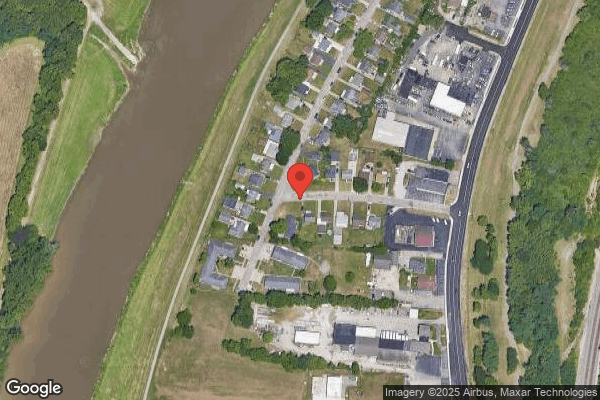
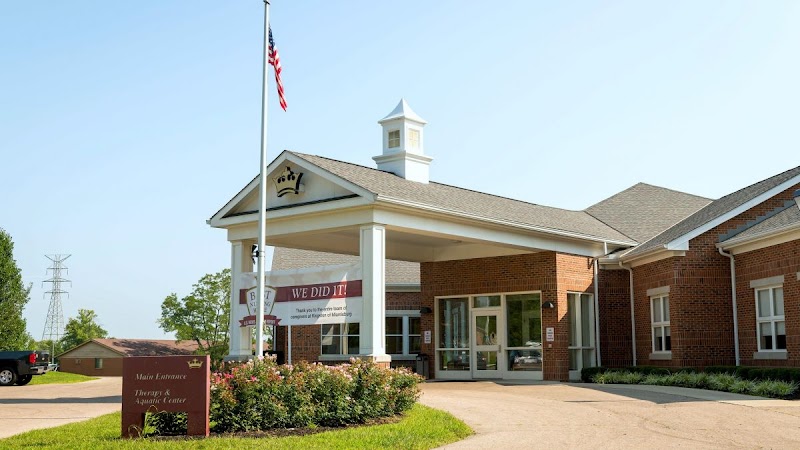
1120 SOUTH DUNAWAY STREET, MIAMISBURG, OH 45342 (937) 247-6004
For profit - Corporation 113 Beds KINGSTON HEALTHCARE Data: November 2025
Trust Grade
45/100
#708 of 913 in OH
Last Inspection: October 2023

Over 2 years since last inspection. Current conditions may differ from available data.

Overview

Kingston of Miamisburg has a Trust Grade of D, indicating below-average quality and some concerns about care. It ranks #708 out of 913 nursing homes in Ohio, placing it in the bottom half of facilities statewide, and #30 out of 40 in Montgomery County, meaning there are better local options. Although the facility is improving, reducing issues from 13 in 2023 to 6 in 2025, staffing is a significant weakness with a poor rating of 1 out of 5 stars and a high turnover rate of 66%, well above the state average. While there have been no fines recorded, the facility has reported concerning incidents such as not ensuring proper water temperature in resident rooms, which could lead to burns, and failing to deliver meal trays hygienically, risking infection. Despite these weaknesses, the facility does have average RN coverage, which helps in monitoring resident care.

Trust Score
D
45/100
In Ohio
#708/913
Bottom 23%
Safety Record
Low Risk
No red flags
Inspections
Getting Better
13 → 6 violations
Staff Stability
⚠ Watch
66% turnover. Above average. Higher turnover means staff may not know residents' routines.
Penalties
✓ Good
No fines on record. Clean compliance history, better than most Ohio facilities.
Skilled Nurses
✓ Good
Each resident gets 49 minutes of Registered Nurse (RN) attention daily — more than average for Ohio. RNs are trained to catch health problems early.
Violations
⚠ Watch
26 deficiencies on record. Higher than average. Multiple issues found across inspections.
★★☆☆☆
2.0
Overall Rating
★☆☆☆☆
1.0
Staff Levels
★★★★☆
4.0
Care Quality
★★★☆☆
3.0
Inspection Score
Stable
2023: 13 issues
2025: 6 issues

The Good

  • 4-Star Quality Measures · Strong clinical quality outcomes
  • Full Sprinkler Coverage · Fire safety systems throughout facility
  • No fines on record

Facility shows strength in quality measures, fire safety.

The Bad

2-Star Overall Rating

Below Ohio average (3.2)

Below average - review inspection findings carefully

Staff Turnover: 66%

20pts above Ohio avg (46%)

Frequent staff changes - ask about care continuity

Chain: KINGSTON HEALTHCARE

Part of a multi-facility chain

Ask about local staffing decisions and management

Staff turnover is elevated (66%)

18 points above Ohio average of 48%

The Ugly 26 deficiencies on record

Sept 2025 1 deficiency
CONCERN (D) 📢 Someone Reported This

A family member, employee, or ombudsman was alarmed enough to file a formal complaint

Potential for Harm - no one hurt, but risky conditions existed

Deficiency F0627 (Tag F0627)

Could have caused harm · This affected 1 resident

**NOTE- TERMS IN BRACKETS HAVE BEEN EDITED TO PROTECT CONFIDENTIALITY** Based on staff interview, policy review, and record review, the facility failed to ensure a resident received an adequate supply...

Read full inspector narrative →
**NOTE- TERMS IN BRACKETS HAVE BEEN EDITED TO PROTECT CONFIDENTIALITY** Based on staff interview, policy review, and record review, the facility failed to ensure a resident received an adequate supply of medications upon discharge to home. This affected one (#97) of three residents reviewed for discharge. The facility census was 95. Findings include: Review of Resident #97's medical record revealed Resident #97 admitted to the facility on [DATE]. Diagnoses included epilepsy. Resident #97 discharged from the facility on 06/28/25. The discharge Minimum Data Set (MDS) assessment dated [DATE] revealed Resident #97 was cognitively intact. Resident #97's discharge was a planned discharge to home. Review of Resident #97's discharge care plan dated 06/18/25 revealed Resident #97 was admitted to the facility for a short-term stay utilizing rehabilitation therapy. Resident #97 had a goal to discharge home and needed assistance with planning post discharge care. Interventions included acknowledge family and resident concerns, identify and coordinate discharge planning needs, obtain needed durable medical equipment, identify and discuss barriers to discharge, social services to coordinate discharge planning with the resident, family and the interdisciplinary team, and social services to provide education on services and resources in the community. The progress note dated 06/25/25 at 12:14 P.M. revealed LSW #144 notified Resident #97 and her spouse that a Notice of Medicare Non-Coverage (NOMNC) with a last covered day of 06/27/25 had been issued by insurance. LSW #144 informed Resident #97 and her spouse that they had the right to appeal. Resident #97 and her spouse stated they were not sure if they wanted to appeal and stated they would think it over. LSW #144 explained that LSW #144 could make a referral to home health if they decided not to appeal or if the appeal was denied. Review of LSW #144's email to the home health provider dated 06/25/26 at 12:28 P.M. revealed Resident #97 was discharging home on [DATE] and LSW #144 would like to make a referral for physical therapy, occupational therapy, speech therapy, nursing and a home health aide. Review of Resident #97's care conference dated 06/27/25 revealed Resident #97 and the resident representative attended the care conference. Resident #97's discharge plan was reviewed. The progress note dated 06/28/25 at 10:15 A.M. revealed Resident #97's spouse came into the building that morning and was asking about Resident #97's discharge. The information was not relayed to Registered Nurse (RN) #501 about Resident #97's discharge on that date. Resident #97's spouse became very irate and said RN #501 could discharge her or he would just take her out of the facility anyway. RN #501 made a telephone call to the unit supervisor. Resident #97's spouse was adamant about leaving. The discharge was completed and the recapitulation of the stay, medication list, medications, and paperwork for discharge were sent home with the resident. The telephone order dated 06/28/25 revealed Resident #97 could discharge home on [DATE] with stated it was okay to send Resident #97's remaining medications and it was okay to send a two-week supply of medications. Resident #97 was to follow up with her primary care physician in one week. The telephone order was signed by NP #502 on 07/24/25. Review of Resident #97's discharge summary and recapitulation of stay assessment dated [DATE] revealed medication reconciliation was completed to prepare predischarge medications, a current medication list was provided to the resident and resident representative and medications and supplies were sent home with the resident. The assessment was signed by Resident #97. The progress note dated 06/30/25 revealed Resident #97 discharged home on [DATE]. Review of Resident #97's Medication Administration Record (MAR) from 06/01/25 to 06/28/25 revealed Resident #97 was prescribed Thiamine Mononitrate 100 milligrams (mg) give one tablet by mouth in the evening for a supplement; Prevacid 30 mg give one tablet by mouth one time a day for gastroesophageal reflux disease (GERD), Melatonin (a sleep aide) five mg give two tablets by mouth at bedtime, levetiracetam 750 mg give one tablet by mouth two times a day for seizures, Fluoxetine 20 mg give one tablet by mouth one time a day for an anti-depressant, Cholestyramine oral packet four grams (gm) give one packet by mouth two times a day for hyperlipidemia, atorvastatin calcium 40 mg give one tablet by mouth at bedtime for hyperlipidemia, and Aspirin 81 mg give one tablet by mouth one time a day for a preventative. The medical record from 06/18/25 to 06/28/25 revealed no documentation that any of Resident #97's prescriptions were sent to the pharmacy upon discharge from the facility on 06/28/25.Interview with RN #501 on 09/19/25 at 10:25 A.M. revealed RN #501 was not aware that Resident #97 was discharging on 06/28/25 until Resident #97's husband came to the facility and demanded that Resident #97 be discharged . RN #501 stated she contacted the supervisor, and the supervisor stated Resident #97 and her husband informed the facility that they were debating on appealing the insurance NOMNC and they still had not decided about the appeal at the end of the day on 06/27/25. RN #501 reported Resident #97's husband must have decided that he did not want to appeal the NOMNC and that he wanted Resident #97 discharged from the facility on 06/28/25. RN #501 reported that an order was obtained to discharge Resident #97 by the physician on call and Resident #97 was sent home with all her medications except for narcotics. RN #501 was not sure how many days' worth of medications were sent with Resident #97. RN #501 reported the facility typically sent electronic prescriptions of medications to the pharmacy upon discharge. RN #501 stated she did not receive any information that Resident #97 was not able to obtain her medications or that she ran out of her medications after discharge. Interview with the Director of Nursing (DON) on 09/19/25 at 10:30 A.M. revealed Resident #97 and her husband were saying that they wanted to appeal the NOMNC on 06/27/25 but then Resident #97's husband came to the facility and wanted her discharged on 06/28/25 because he did not want to pay if the appeal was denied. The DON stated Resident #97's husband reached out to the Administrator after the discharge for some paperwork, but she was not aware of Resident #97 not having her medication upon discharge. The DON stated Resident #97's Levetiracetam 750 mgs was a medication that Resident #97 had been taking prior to her hospital admission. The DON reported Resident #97 had Levetiracetam 750 mg at home prior to the hospital admission and the prescription at the pharmacy from the neurologist. Interview with the Administrator on 09/19/25 at 11:09 A.M. revealed Resident #97 discharged from the facility on a Saturday and Resident #97's husband called her on the following Tuesday and stated Resident #97 was at the hospital. The Administrator stated Resident #97's husband wanted the facility to send a copy of Resident #97's medications to the hospital. The Administrator had the medication list sent to the hospital. The Administrator stated Resident #97's husband reported no concerns with Resident #97 receiving her medications upon discharge from the facility. Interview with the DON on 09/19/25 at 2:22 P.M. verified NP #502's telephone order on 06/28/25 stated Resident #97 was to be discharged with her remaining medications and to send Resident #97 with a two-week supply of prescriptions. The DON verified the facility did not have any documentation of any electronic prescriptions being sent and Resident #97 only discharged with the remaining amount of medications to be given on 06/28/25. Review of the facility's team discharge planning process policy dated January 2018 revealed all staff should communicate the same message with the resident and the facility regarding the goal for a safe and successful discharge. The amount of medications to be sent with the resident upon discharge from the facility was not listed in the policy. This deficiency represents non-compliance investigated under Complaint Number 2621217.
Jun 2025 5 deficiencies
CONCERN (D) 📢 Someone Reported This

A family member, employee, or ombudsman was alarmed enough to file a formal complaint

Potential for Harm - no one hurt, but risky conditions existed

Quality of Care (Tag F0684)

Could have caused harm · This affected 1 resident

Based on medical record review and staff interview, the facility failed to ensure staff completed skin treatments as ordered by the physician. This affected one (Resident #90) of six residents sampled...

Read full inspector narrative →
Based on medical record review and staff interview, the facility failed to ensure staff completed skin treatments as ordered by the physician. This affected one (Resident #90) of six residents sampled for skin treatments. The facility census was 83 residents. Findings include: Review of the medical record for Resident #90 revealed an admission date of 12/02/24 with diagnoses including chronic kidney disease and acute on chronic diastolic heart failure and a discharge date of 01/30/25. Review of the physician's orders for Resident #90 revealed an order dated 12/02/24 to 01/04/25 to wrap bilateral legs with Kerlix then compression wraps every shift related to localized swelling, mass, and lump to bilateral lower limbs. Review of the Treatment Administration Record (TAR) for Resident #90 dated December 2025 TAR revealed the treatment was not signed off as completed on dayshift on 12/08/24, 12/15/24, 12/20/24, 12/21/24, 12/24/24, 12/31/24 and the treatment was not signed off as completed on night shift 12/23/24. Interview on 06/11/25 at 11:47 A.M. with the Director of Nursing (DON) confirmed the treatments for Resident #90 were not signed off for dayshift on 12/08/24, 12/15/24, 12/20/24, 12/21/24, 12/24/24, 12/31/24 and the treatment was not signed off as completed on night shift 12/23/24. The DON confirmed she could not verify the treatments had been completed. This deficiency represents noncompliance investigated under Complaint Number OH00166071.
CONCERN (D) 📢 Someone Reported This

A family member, employee, or ombudsman was alarmed enough to file a formal complaint

Potential for Harm - no one hurt, but risky conditions existed

Pressure Ulcer Prevention (Tag F0686)

Could have caused harm · This affected 1 resident

Based on medical record review and staff interview the facility failed to ensure staff provided wound care for pressure ulcers as ordered by the physician. This affected one (Resident #85) of six resi...

Read full inspector narrative →
Based on medical record review and staff interview the facility failed to ensure staff provided wound care for pressure ulcers as ordered by the physician. This affected one (Resident #85) of six residents sampled for wound care. The facility census was 83 residents. Findings include: Review of the medical record for Resident #85 revealed an admission date of 01/07/25 with diagnoses including fibromyalgia, Alzheimer's disease, depression and anxiety disorder. Review of the Minimum Data Set (MDS) assessment for Resident #85 dated 01/14/25 revealed the resident was severely cognitively impaired, was dependent for activities of daily living (ADLs), and had two pressure ulcers. Review of the physician's orders for Resident #85 revealed an order to cleanse the sacral pressure ulcer with wound cleanser, pat dry, apply skin prep to the perimeter of the wound bed, apply crushed Flagyl to the wound bed, pack the wound calcium alginate, and cover with a foam dressing, and change daily and as needed and an order to cleanse the pressure ulcer to the coccyx with normal saline, pat dry, apply Medihoney to the wound bed, and cover with a foam dressing, change daily and as needed. Review of Treatment Administration Record (TAR) for Resident #85 dated February 2025 revealed the pressure ulcer treatments for the resident were not signed off for 02/7/25, 02/8/25, and 02/09/25. Interview on 06/11/25 at 2:19 P.M. with the Director of Nursing (DON) confirmed the pressure ulcer treatments for Resident #85 were not signed off as completed for 02/07/25, 02/08/25 and 02/09/25. The DON further confirmed she could not verify the treatments had been completed. This deficiency represents noncompliance investigated under Complaint Number OH00166071.
CONCERN (D) 📢 Someone Reported This

A family member, employee, or ombudsman was alarmed enough to file a formal complaint

Potential for Harm - no one hurt, but risky conditions existed

Pharmacy Services (Tag F0755)

Could have caused harm · This affected 1 resident

Based on medical record review, staff interview, and review of the facility failed to ensure medications were administered as ordered. This affected two (Residents #24 and #81) of six residents sample...

Read full inspector narrative →
Based on medical record review, staff interview, and review of the facility failed to ensure medications were administered as ordered. This affected two (Residents #24 and #81) of six residents sampled for medication administration. The facility census was 83. Findings include: 1.Review of the medical record for Resident #24 revealed an admission date of 12/16/23 with diagnoses including Alzheimer's disease, heart failure, and generalized anxiety disorder. Review of the Minimum Data Set (MDS) assessment for Resident #24 dated 03/31/25 revealed the resident had severely impaired cognition. Review of the physician's orders for Resident #24 revealed an order dated 08/14/24 to a apply a lidocaine 4 percent (%) topical patch to the left hip, on for 12 hours, and off for 12 hours. Further review of the orders revealed an order dated 08/14/24 to apply an Aspercreme lidocaine external patch 4% to the left hip every 12 hours for pain and remove per schedule. Review of the Medication Administration Records (MARs) for Resident #24 dated August 2024 to March 2025 revealed from 08/14/24 to 03/16/25 #24 the resident was signed off for the application of two lidocaine patches daily. Interview on 06/12/25 at 1:32 P.M. with the Director of Nursing (DON) confirmed Resident #24's physicians orders were not transcribed accurately and from 08/14/24 to 03/16/25 the resident received a lidocaine patch for 12 hours which was removed and then staff applied an Aspercreme patch for 12 hours. Resident #24 had an external patch on at all times which was not the intent of the order. 2. Review of the medical record for Resident 81 revealed an admission date of 11/19/24 with diagnoses including cerebrovascular disease, narcolepsy, chronic kidney disease, dementia, and dry eye syndrome. Review of the physician's orders for Resident #81 revealed an order dated 11/19/24 for Rocklatan ophthalmic solution instill one drop in both eyes at bedtime. Review of MARs for Resident #81 dated November 2024 to March 2025 revealed Rocklatan ophthalmic solution was documented as not administered due to not being available on the following dates: ;11/20/24, 11/23/24 through 11/28/24, 11/30/24 - 12/02/24, 12/08/24, 12/12/24, 12/14/24, 12/17/24 - 12/19/24, 12/26/24, 12/27/24, 12/29/24 - 12/31/24, 01/05/25, 01/07/25, -1/08/25, 01/11/25, 01/12/25, 01/22/25, 01/30/25, 01/31/25, 02/02/25, 02/11/25, 02/19/25, 02/21/25, 02/22/25, 02/24/25, 03/05/25, 03/06/25, and 03/12/25. Review of a progress note for Resident #81 dated 03/21/25 Licensed Practical Nurse (LPN) #106 revealed the nurse contacted the pharmacy regarding the resident's Rocklatan eye drops, and the pharmacy indicated the medication required prior authorization which had never been sent. Interview on 06/10/25 at 10:05 A.M. with LPN #106 confirmed he had looked in the medication cart and could not find Resident #81's eye drops. He looked in the emergency drug supply and Rocklatan was not available. LPN #106 stated he called the pharmacy and was told the medication required prior authorization which had never been sent. LPN #106 confirmed he reported to the DON he was concerned nurses were signing off that the med had been given when it was not available and others had been marking the medication as unavailable and failed to follow through with pharmacy to find out why. Interview on 06/11/25 at 11:47 A.M. with the DON confirmed Resident #81 did not receive multiple doses of Rocklatan eye drops. The DON confirmed nursing staff should have followed up with the pharmacy to ensure the medication was available and should have notified the provider. Review of the facility policy titled Administering Medications dated February 2023 revealed medications were to be administered in a safe and timely manner and as prescribed. If a dosage was believed to be inappropriate or excessive, the person preparing the medication should contact the Medial Director to discuss concerns. This deficiency represents noncompliance investigated under Complaint Number OH00166071.
CONCERN (D) 📢 Someone Reported This

A family member, employee, or ombudsman was alarmed enough to file a formal complaint

Potential for Harm - no one hurt, but risky conditions existed

Deficiency F0761 (Tag F0761)

Could have caused harm · This affected 1 resident

Based on medical record review, observation, staff interview, and policy review, the facility failed to ensure narcotic medications were stored properly. This affected one (Resident #60) of nine resid...

Read full inspector narrative →
Based on medical record review, observation, staff interview, and policy review, the facility failed to ensure narcotic medications were stored properly. This affected one (Resident #60) of nine residents sampled for medication administration. The facility census was 83 residents. Findings include: Review of the medical record for Resident #60 revealed an admission date of 04/29/25 with diagnoses including acute lymphadenitis, cerebral infarction, and dementia. Review of the Minimum Data Set (MDS) assessment for Resident #60 dated 05/03/25 revealed the resident had severely impaired cognition. Review of the physician's orders for Resident #60 revealed an order dated 06/10/25 for oxycodone five milligrams (mg) by mouth three times daily for pain. Observation on 06/11/25 at 8:23 A.M. of medication administration revealed revealed a narcotic card for Resident #60 containing 42 tablets of oxycodone 5 mg was stored in the medication cart on C-Hall in the drawer adjacent to the locked narcotic storage compartment. The card had a requisition sheet secured to it with a rubber band. Interview on 06/11/25 at 8:38 A.M. LPN #117 confirmed Resident #60's oxycodone was not properly stored in the C-Hall cart. LPN #117 confirmed narcotic medication such as oxycodone must be stored under double lock in the narcotic drawer. Interview on 06/11/25 at 8:39 A.M. with LPN #105 confirmed the Assistant Director of Nursing (ADON) had delivered Resident #60's oxycodone earlier in the morning. LPN #105 confirmed she did not have the keys to the narcotic compartment of the C Hall cart, and she was unable to appropriately store the medication. Review of the facility policy titled Controlled Substance Storage dated August 2014 revealed all schedule II-V medications were stored in a permanently affixed, double-locked compartment separate from all other medications per state regulation.
CONCERN (D) 📢 Someone Reported This

A family member, employee, or ombudsman was alarmed enough to file a formal complaint

Potential for Harm - no one hurt, but risky conditions existed

Deficiency F0776 (Tag F0776)

Could have caused harm · This affected 1 resident

Based on medical record review, staff interview, and policy review, the facility failed to ensure laboratory services were provided in a timely manner. This affected one (Resident #31) of five residen...

Read full inspector narrative →
Based on medical record review, staff interview, and policy review, the facility failed to ensure laboratory services were provided in a timely manner. This affected one (Resident #31) of five residents sampled for laboratory services. The facility census was 83 residents. Findings include: Review of the medical record for Resident #31 revealed an admission date of 02/07/22 with diagnoses including peripheral vascular disease, major depressive disorder, chronic kidney disease, and dry eye syndrome. Review of the physician's orders for Resident #31 revealed an order dated 02/07/25 timed at 12:47 P.M. for a stat (immediate) chest x-ray due to rales in the left lower lobe of the lungs. Review of progress note for Resident #31 dated 02/07/24 timed at 11:40 P.M. revealed Licensed Practical Nurse (LPN) #106 called the lab service to check on the status of the resident stat chest x-ray ordered on 02/07/25. The company was unable to locate an order, and LPN #106 notified the lab of the stat chest x-ray order for Resident #31. Review of the lab results revealed Resident #31 had a chest x-ray completed on 02/08/25 at 1:23 PM. Interview on 06/12/25 at 3:28 P.M. with the Director of Nursing (DON) confirmed the physician ordered a stat chest x-ray for Resident #31 on 02/07/25 but the x-ray was not done until 02/08/25. Review of the facility policy titled Lab and Diagnostic Test Results - Clinical Protocol dated 12/15/23 revealed the facility provided lab, diagnostic, and radiology services to meet the needs of its residents. The facility was responsible for quality and timeliness of services. This deficiency represents noncompliance investigated under complaint number OH00166071
Oct 2023 11 deficiencies
CONCERN (D)

Potential for Harm - no one hurt, but risky conditions existed

Notification of Changes (Tag F0580)

Could have caused harm · This affected 1 resident

**NOTE- TERMS IN BRACKETS HAVE BEEN EDITED TO PROTECT CONFIDENTIALITY** Based on medical record review, staff interviews and policy review, the facility failed to notify a resident representative when...

Read full inspector narrative →
**NOTE- TERMS IN BRACKETS HAVE BEEN EDITED TO PROTECT CONFIDENTIALITY** Based on medical record review, staff interviews and policy review, the facility failed to notify a resident representative when the resident had a change of condition. This affected one (#351) of two residents reviewed for notification of change. The facility census is 100. findings include: Medical record review for Resident #351 revealed an admission on [DATE] with diagnoses including but not limited to hypertensive heart and kidney disease with heart failure, stage four kidney disease, congestive heart failure, urinary retention, obstructive and reflux uropathy and anxiety. Review of the comprehensive Minimum Data Set (MDS) assessment dated [DATE] for Resident #351 revealed the resident had intact cognition. Resident #351 required moderate assistance from one staff member for bed mobility, transfers, and toileting. Review of the facility plan of care for Resident #351 revealed the resident is on hospice services and receiving end of life care. Interventions include: assess and treat pain as indicated, elevate head of bed (HOB) to facilitate breathing, medications as ordered and notify physician and responsible party of declines in condition. Review of the physician's orders for Resident #351 for the month of October 2023 revealed an order dated 10/16/23 for Keflex oral capsule 250 milligrams (mg) give 250 mg by mouth every 6 hours for cellulitis an order dated 10/16/23 for a venous Doppler ultrasound of the left arm to rule out deep vein thrombosis. Review of the facility's change of condition evaluation dated 10/16/23 at 4:40 A.M. revealed Resident #351 had pitting edema in bilateral upper extremities with increased warmth and redness. Urine in Foley catheter drainage bag was cloudy yellow with white casts. Further review of the evaluation revealed the hospice on call and the physician was notified, but not the resident representative. Review of the nurses progress note dated 10/15/23 at 10:30 P.M. revealed there was no notification to resident representative of the resident's change of condition. Review of the nurses progress notes dated 10/16/23 revealed there was no resident representative notification at the time of the evaluation and physician notification. Review of the nurse practitioner progress notes dated 10/19/23 at 11:42 A.M. Late Entry for 10/16/23 revealed bedside visit was completed for new chief complaint of arms red with increased edema with a duration reported of one day. Assessment notes bilateral upper extremity with redness warmth and pitting edema that is firm. Resident #351 was diagnoses with cellulitis of bilateratal upper extremities Review of the nurses progress note dated 10/17/23 at 12:44 A.M. revealed new orders received for Keflex oral capsule 250 mg every six hours for five days, florastor daily for ten days and venous Doppler ultrasound of left arm. Resident #351 aware of new orders. Review of the nurses progress note dated 10/17/23 at 2:53 P.M. revealed Resident #351 was having increased anxiety, attempting to get out of bed without assistance and confusion. Hospice staff was notified and advised to give as needed oxycodone. Review of the nurses progress note dated 10/17/23 at 5:44 P.M. revealed the venous Doppler ultrasound was negative for blood clots. Interview on 10/19/23 at 11:20 A.M. with Assistant Director of Nursing (ADON) #525 verified Resident #351's representative was not notified of the residents change of condition. Review of the facility policy titled Change in a Resident's Condition or Status, dated 11/25/19, stated the facility shall promptly notify the resident, physician and representative of changes in the residents medical condition or status.
CONCERN (D)

Potential for Harm - no one hurt, but risky conditions existed

Comprehensive Assessments (Tag F0636)

Could have caused harm · This affected 1 resident

**NOTE- TERMS IN BRACKETS HAVE BEEN EDITED TO PROTECT CONFIDENTIALITY** Based on medical record review, staff and hospice staff interviews and review of the Resident Assessment Instrument (RAI) manual...

Read full inspector narrative →
**NOTE- TERMS IN BRACKETS HAVE BEEN EDITED TO PROTECT CONFIDENTIALITY** Based on medical record review, staff and hospice staff interviews and review of the Resident Assessment Instrument (RAI) manual, the facility failed to complete a significant change Minimum Data Set (MDS) assessment when a resident elected a different hospice agency. This affected one resident (#58) of two residents reviewed for hospice benefits. The facility census was 100. Findings include: Medical record review for Resident #58 revealed an admission on [DATE] with diagnoses including but not limited to ischemic heart disease, vascular dementia without behaviors, chronic obstructive pulmonary disease, diabetes mellitus with neuropathy, atrial fibrillation, chronic respiratory failure, morbid, hypertension, anxiety disorders, schizophrenia, pain and iron deficiency anemia. Review of quarterly MDS assessment dated [DATE] for Resident #58 revealed the resident had intact cognition. Resident #58 requires extensive assistance with two staff members for bed mobility and toileting, transfers did not occur during the assessment period, and eating was limited assist with one staff member. Resident #58 required total assistance with bathing by one staff member. Resident #58 was coded as receiving hospice benefits during the assessment period. Review of the plan of care for Resident #58 dated 06/30/22 revealed Resident #58 was receiving end of life care from hospice agency. Interventions include assess and treat pain as indicated/ordered, assess respiratory system as indicated, assist with ADL's as needed, collaborate care with hospice of resident/family/significant other's choosing. Review of the hospice agency's Initial Interdisciplinary Comprehensive Hospice Care Plan dated 06/30/22 revealed Resident #58 changed hospice providers and was admitted to the the new agency for hospice services. Review of the facility Electronic Health Record (EHR) MDS tab for Resident #58 revealed a significant change of condition was not completed within fourteen days of the change in hospice providers on 06/30/22. Interview on 10/18/23 at 12:24 P.M. with Hospice Registered Nurse (RN) #498 verified the start of care for Resident #58 was 06/30/22 from another hospice agency per resident request. Interview on 10/19/23 at 10:48 A.M. with MDS Registered Nurse (RN) #608 verified a comprehensive MDS was not completed when Resident #58 changed hospice providers, stating she was unaware of the requirement. Review of the Centers of Medicare and Medicare Resident Assessment Instrument (RAI) Manual version 3.0, chapter two, page 23 revealed a significant change MDS assessment should be completed within 14 days of an admission, if a resident changes hospice providers.
CONCERN (D)

Potential for Harm - no one hurt, but risky conditions existed

Comprehensive Care Plan (Tag F0656)

Could have caused harm · This affected 1 resident

**NOTE- TERMS IN BRACKETS HAVE BEEN EDITED TO PROTECT CONFIDENTIALITY** Based on medical record review, staff interviews, and policy review, the facility failed to complete a resident-centered compreh...

Read full inspector narrative →
**NOTE- TERMS IN BRACKETS HAVE BEEN EDITED TO PROTECT CONFIDENTIALITY** Based on medical record review, staff interviews, and policy review, the facility failed to complete a resident-centered comprehensive care plan to address the use of antidepressant and antipsychotic medications. This affected one (#15) out of 25 residents reviewed for comprehensive care plans. The facility census was 100. Findings include: Review of the medical record for Resident #15 revealed an admission date of 06/20/19 with medical diagnoses of inflammatory polyarthropathy, Parkinson's disease, hypertension, psychotic disorder with delusions, adjustment disorder with anxiety, dementia, and Depression. Review of the medical record for Resident #15 revealed a quarterly Minimum Data Set (MDS), dated [DATE], which indicated Resident #15 moderate cognitive impairment and required moderate staff assist with toileting, bathing, dressing and transfers. The MDS indicated Resident #15 received an antipsychotic, antianxiety, antidepressant, and anticoagulant medication. Review of the medical record for Resident #15 revealed a physician order dated 10/31/21 for Nuplazid (antipsychotic medication) 34 milligram (mg) one tab by mouth daily for Parkinson's disease and an order dated 09/15/22 for Lexapro 20 mg one tab by mouth daily for anxiety. Review of the medical record for Resident #15 revealed no documentation to support a resident-centered comprehensive care plan was implemented for the use of antidepressant or antipsychotic medications including measurable goals and timeframe's to meet the residents medical, nursing, mental, and psychosocial needs. Interview on 10/19/23 at 9:44 A.M. with Director of Nursing (DON) confirmed the medical record for Resident #15 did not contain a resident-centered comprehensive care plan to address the use of antidepressant and antipsychotic medication use which included measurable goals and timeframe's to meet the residents medical, nursing, mental, and psychosocial needs. Review of policy titled, Resident-Centered Care Plan, dated July 2022 stated a comprehensive resident-centered care plan will be developed and implemented for each resident, consistent with their resident rights, that includes measurable goals and timeframe's to meet the residents medical, nursing, mental and psychosocial needs, and will contain any services to be furnished to the resident to attain or maintain their highest practicable physical, mental, and psychosocial well-being.
CONCERN (D)

Potential for Harm - no one hurt, but risky conditions existed

ADL Care (Tag F0677)

Could have caused harm · This affected 1 resident

**NOTE- TERMS IN BRACKETS HAVE BEEN EDITED TO PROTECT CONFIDENTIALITY** Based on medical record review, observation, and staff interviews, the facility failed to follow physician orders regarding numb...

Read full inspector narrative →
**NOTE- TERMS IN BRACKETS HAVE BEEN EDITED TO PROTECT CONFIDENTIALITY** Based on medical record review, observation, and staff interviews, the facility failed to follow physician orders regarding number of staff members ordered for the completion of activities of daily living (ADL'S). This affected one (#2) of two residents reviewed for ADL's for dependent residents. The facility census was 100. Findings include: Medical record review for Resident #2 revealed an admission of 11/17/14 with diagnoses including but not limited to multiple sclerosis, psychotic disorder with hallucinations, neuromuscular dysfunction, bipolar disorder, major depressive disorder, low back pain, schizoaffective disorder, hypertension, anxiety disorder, obsessive compulsive disorder, diabetes mellitus, and chronic pain. Review of the quarterly Minimum Data Set (MDS) assessment dated [DATE] for Resident #2 revealed the resident had intact cognition. Resident #2 required total assist with two staff members for bed mobility, transfers, toileting. Resident #58 required extensive assist for eating. Resident #2 was incontinent of bowel and bladder. Review of the plan of care dated 11/18/14 for Resident #2 revealed the resident is dependent on staff for all ADL's related to weakness and limited mobility due to multiple sclerosis. Interventions include two person assist for all ADL's. Review of the physicians orders for the month of October 2023 for Resident #2 reveal an order dated 12/24/22 two person assistance for all ADL's. Observation on 10/17/23 at 3:37 P.M. of incontinent care with Agency State Tested Nursing Assistant (STNA) #499 revealed the staff member gathered supplies and placed them on the bedside table. STNA #499 explained to the resident what she was going to do and provided privacy. STNA #499 attempted to turn Resident #2 and the resident asked her if she was going to get some one else to help. STNA #499 explained that she was able to complete the task without assistance from another staff member. Resident #2 voiced concerns repeatedly and asked to be pulled up in bed so that he was able to hold the side rail. STNA #499 covered resident up and went into hallway to get another staff member. STNA #497 entered the room and pulled the resident up and then exited the room. STNA #499 turned the resident to expose perineal area and completed incontinent care independently. STNA #499 turned resident three times without the assist of a second staff member. Interview on 10/17/23 at 3:55 P.M. with STNA #499 verified incontinent care was completed without assistance from a second staff member. STNA #499 stated she received report from facility STNA and was not advised that Resident #499 required two assist for all ADL tasks. Interview on 10/17/23 at 4:01 P.M. with Registered Nurse (RN) #615 stated the facility has a sheet of paper that staff use to inform them of diet, transfers and how many staff it takes to complete the task. Surveyor requested to review the document and RN #615 attempted to retrieve the document from the nurses station desk drawer. RN #615 stated they were out of them right now and would have the Unit Supervisor print more. RN #615 provided a document from another hall and stated each resident was identified on the list and how the staff should care for them. Surveyor visualized document revealing resident's names, room numbers, diet, transfers instructions, incontinent status and individual needs of each resident. RN #615 verified Resident #2 should have two staff members assist with all ADL according to physician orders. Interview on 10/17/23 at 4:15 P.M. with Clinical Manager/LPN #616 stated the facility does not have to provide the surveyor with the document as it is not a part of the medical record. Interview on 10/17/23 at 5:09 P.M. with STNA #499 stated she received a copy of the resident cheat sheet from the supervisor and was educated not to give the document to the surveyor.
CONCERN (D)

Potential for Harm - no one hurt, but risky conditions existed

Quality of Care (Tag F0684)

Could have caused harm · This affected 1 resident

**NOTE- TERMS IN BRACKETS HAVE BEEN EDITED TO PROTECT CONFIDENTIALITY** Based on medical record review, observation, staff interview, and review of facility policy, the facility failed to assess and m...

Read full inspector narrative →
**NOTE- TERMS IN BRACKETS HAVE BEEN EDITED TO PROTECT CONFIDENTIALITY** Based on medical record review, observation, staff interview, and review of facility policy, the facility failed to assess and monitor a resident's bruising. This affected one (#56) of four residents reviewed for skin alterations. The census was 100. Findings include: Review of Resident #56's medical record revealed an admission date of 04/26/21. Diagnoses listed included bone cancer, prostate cancer, type two diabetes mellitus, morbid obesity, asthma, heart failure, major depressive disorder, and anxiety. Review of an annual Minimum Data Set (MDS) assessment dated [DATE] revealed Resident #56 was severely moderately impaired. Resident #56 was receiving Hospice services. Review of non-pressure injury assessments revealed no documentation of bruising to Resident #56's bilateral forearms. Review of treatment administration records (TAR's) for September 2023 and October 2023 revealed no documentation of any bruise monitoring for Resident #56's bilateral forearms bruises. Further review of Resident #56's medical record revealed there was no documentation regarding bruising. Observation of Resident #56 on 10/16/23 at 2:11 P.M. and on 10/18/23 at 2:16 P.M. revealed multiple bruises to his bilateral forearms. During an interview on 10/19/21 at 11:15 A.M. with Assisted Director of Nursing (ADON) #525 confirmed that Resident #56 had multiple bruises to bilateral arms. ADON #525 confirmed Resident #525 bruises were not documented as being assessed or monitored. Review of the facility's undated policy titled Wound and Skin Management Guidelines revealed a bruise will be either identified either on admission or in-house. An initial assessment of each bruise will be completed on Non-pressure use-defined assessments (UDA) in the electronic health record. An order will be obtained to monitor the bruise every shift until resolved and document in the electronic TAR. Any abnormalities will be monitored in the medical record.
CONCERN (D)

Potential for Harm - no one hurt, but risky conditions existed

Deficiency F0688 (Tag F0688)

Could have caused harm · This affected 1 resident

**NOTE- TERMS IN BRACKETS HAVE BEEN EDITED TO PROTECT CONFIDENTIALITY** Based on medical record review, observation, staff interview and policy review, the facility failed to apply a residents restora...

Read full inspector narrative →
**NOTE- TERMS IN BRACKETS HAVE BEEN EDITED TO PROTECT CONFIDENTIALITY** Based on medical record review, observation, staff interview and policy review, the facility failed to apply a residents restorative devices as ordered. This affected one (#58) of two residents reviewed for restorative devices. The facility census was 100. Findings include: Medical record review for Resident #58 revealed an admission on [DATE] with diagnoses including but not limited to ischemic heart disease, vascular dementia without behaviors, chronic obstructive pulmonary disease, diabetes mellitus with neuropathy, atrial fibrillation, chronic respiratory failure, schizophrenia, pain and iron deficiency anemia. Review of quarterly Minimum Data Set (MDS) assessment dated [DATE] for Resident #58 revealed the resident had intact cognition. No behaviors were coded for Resident #58. Resident #58 requires extensive assistance with two staff members for bed mobility and toileting, transfers did not occur during the assessment period, and eating was limited assist with one staff member. Review of the plan of care for Resident #58 dated 09/24/21 with revisions on 02/10/22 revealed the resident required activities of daily living (ADL's) assistance related to weakness. Interventions include one on one assistance for all meals; splint: apply SoftPro splint to right hand from 7:00 P.M. to 6:00 A.M. and for two hours between 9:00 A.M. and 12:00 P.M., and 2:00 P.M. to 5:00 P.M. as tolerated for improve positioning of hand. Please wash and dry hand and provide gentle range of motion to right hand/finger prior to application and after removal and utilize edema glove to right hand at all times. Remove for hygiene and skin checks. Keep right upper extremity elevated when in bed. Additionally the plan of care revealed staff to utilize edema glove to right hand at all times. Remove for hygiene and skin checks and keep right upper extremity elevated when in bed. Review of the Occupational Therapy (OT) Discharge summary dated [DATE] for Resident #58 revealed custom palm protector was recommended. Review of the active physician orders for the month of October 2023 for Resident #58 revealed an order dated 08/27/23 for staff to please use fabricated palm protector (yellow heelbo with blue straps) to right hand at all times except for hygiene and range of motion (ROM). Please wash and dry hand and provide gentle ROM to right hand and fingers prior to application and after removal. Please assess for pressure areas, numbness, swelling, skin irritation, or pain. Contact therapy department if have questions or concerns. Observation on 10/18/23 at 11:34 A.M. of Resident #58 revealed the splint to right hand and edema glove was not in place Interview on 10/18/23 at 11:36 A.M. with State Tested Nursing Assistant (STNA) #645 verified that she did not put the splint on Resident #58 today and was unable to locate the splint in her room. Interview on 10/18/23 at 11:41 A.M. with Licensed Practical Nurse (LPN) #531 verified Resident #58 did not have a splint or a glove on per plan of care and physician orders. LPN #531 further verified Resident #58 had a foul odor coming from her right contracture hand and would have staff wash it right away. Review of the facility policy titled Restorative Program undated stated follow directions regarding the application of the splint/brace, prior to applying inspect for cleanliness and working order, apply brace as instructed in the plan of care.
CONCERN (D)

Potential for Harm - no one hurt, but risky conditions existed

Medication Errors (Tag F0758)

Could have caused harm · This affected 1 resident

**NOTE- TERMS IN BRACKETS HAVE BEEN EDITED TO PROTECT CONFIDENTIALITY** Based on record review and staff interview, the facility failed to ensure a resident was free from unnecessary psychotropic medi...

Read full inspector narrative →
**NOTE- TERMS IN BRACKETS HAVE BEEN EDITED TO PROTECT CONFIDENTIALITY** Based on record review and staff interview, the facility failed to ensure a resident was free from unnecessary psychotropic medication usage when the facility failed to monitor labs to ensure medication levels were therapeutic. This affected one (#80) out of five residents reviewed for unnecessary medication. The facility census was 100. Findings included: Review of the clinical record revealed Resident #80 was admitted to the facility on [DATE]. Diagnoses included type II diabetes mellitus, asthma, acute and chronic respiratory failure with hypoxia, type II diabetes, schizoaffective disorder, major depressive disorder, hyperlipidemia, anemia, bleeding, gastro-esophageal reflux disease, and dependence on supplemental oxygen. Review of a quarterly Minimum Data Set (MDS) assessment dated [DATE] for Resident #80 revealed she had a Brief Interview for Mental Status (BIMS) score of 14. Resident #80 needed setup or clean-up assistance for eating, oral hygiene, toileting hygiene, and walking 10 or 50 feet. Resident #80 needed partial/moderate assist for showering or bathing herself and personal hygiene bipolar disorder, osteoarthritis, dysphagia, generalized anxiety disorder, hearing loss, acne vulgaris, postmenopausal . Review of the physician orders revealed she had an order for Depakote Sprinkles 125 milligrams (mg) give two capsules twice daily related to schizoaffective disorder. Resident #80 also had an order for a Depakote level in June and December. Review of Resident #80's medical record revealed a Depakote level was taken on 12/07/22. There was no other Depakote levels in Resident #80's medical record. An interview was conducted with the Director of Nursing (DON) on 10/19/23 at 9:20 A.M. revealed the facility provided a Depakote level dated 12/07/22. The DON was not aware of any Depakote levels obtained since then.
CONCERN (D)

Potential for Harm - no one hurt, but risky conditions existed

Deficiency F0849 (Tag F0849)

Could have caused harm · This affected 1 resident

**NOTE- TERMS IN BRACKETS HAVE BEEN EDITED TO PROTECT CONFIDENTIALITY** Based on medical record review, observations, resident, staff and hospice staff interviews and policy review, the facility faile...

Read full inspector narrative →
**NOTE- TERMS IN BRACKETS HAVE BEEN EDITED TO PROTECT CONFIDENTIALITY** Based on medical record review, observations, resident, staff and hospice staff interviews and policy review, the facility failed to collaborate with hospice in the development of a resident's comprehensive plan of care. This affected one (#58) of two reviewed for hospice services. The facility census was 100. Findings include: Medical record review for Resident #58 revealed an admission on [DATE] with diagnoses including but not limited to ischemic heart disease, vascular dementia without behaviors, chronic obstructive pulmonary disease, diabetes mellitus with neuropathy, atrial fibrillation, chronic respiratory failure, major depressive disorder, morbid, hypertension, anxiety disorders, insomnia, schizophrenia, pain and iron deficiency anemia. Review of quarterly Minimum Data Set (MDS) assessment dated [DATE] for Resident #58 revealed the resident had intact cognition. Resident #58 requires extensive assistance with two staff members for bed mobility and toileting, transfers did not occur during the assessment period, and eating was limited assist with one staff member. Resident #58 required total assistance with bathing by one staff member. Resident #58 was coded as receiving hospice services during the assessment period. Review of the facility plan of care for Resident #58 dated 06/30/22 revealed the resident was receiving end of life care for diagnoses of cerebral atherosclerosis. Interventions included assess and treat pain as ordered, assess cardiovascular status as indicated, assess fall risk and implement interventions, assess respiratory system as indicated, assist with activities of daily living as needed and collaborate care with hospice. Review of the hospice plan of care for Resident #58 dated 06/30/22 revealed the resident would be receiving the following services: nurse visit one time a week, social worker one time a month, chaplain visit one time a month and hospice aide one time a week. Hospice plan of care further stated nursing would monitor and evaluate symptoms, assist with pain management, social worker would provide emotional support, financial needs and interpersonal support and advance directive assistance. Review of the hospice long term care coordinated task plan of care undated for Resident #58 revealed hospice aide visits were scheduled on Monday and Thursday. Hospice nurse visits were scheduled on Thursdays. Review of the facility shower schedule for Resident #58 dated 08/21/23 revealed Resident #58 was scheduled for baths or showers on Friday 6:00 A.M. to 6:00 P.M. Review of the shower record in the electronic health record for Resident #58 revealed bathing/showers were provided by hospice. Further review of the document revealed the facility staff documented shower bed bath was completed on 09/19/23 (Tuesday), 09/21/23 (Thursday), 09/26/23 (Tuesday), 09/28/23 (Thursday), 10/03/23 (Tuesday), 10/05/23 (Thursday), 10/10/23 (Tuesday), 10/12/23 (Thursday), 10/16/23 (Monday), 10/17/23 (Tuesday). Review of the last document nurse visit for Resident #58 dated 09/27/23 (Wednesday) revealed vital signs were obtained, weight was documented at 161 pounds, code status was do not resuscitate comfort care and hospice staff spoke with LPN at the facility. Review of the hospice binder and skin issue notification sheet dated 10/16/23 (Monday) revealed the resident refused to have her hair washed. Further review of aide visits in the hospice binder revealed visits made on the following dates: 08/02/23 (Wednesday), 08/09/23 (Wednesday), 08/21/23 (Monday), 08/23/23 (Wednesday), 08/28/23 (Monday), 09/11/23 (Wednesday), 09/18/23 (Wednesday), 09/23/23 (Saturday), 10/02/23 (Monday)and 10/09/23 (Monday). Observation on 10/16/23 at 1:43 P.M. of Resident #58 revealed resident in bed with eyes closed. Interview on 10/16/23 at 1:45 P.M. with Resident #58 complained about pain in her right hand. Resident #58 held up right hand to reveal third and forth digits were contracted. Noted foul smell on hand and resident reported the inability to extend fingers. Hospice Aide knocked and entered the resident's room and stated she was there to provide services. Interview on 10/18/23 via telephone at 12:24 P.M. with Hospice Registered Nurse (RN) #498 verified there was not a meeting with the facility to collaborate services. RN #498 verified she did not know what was on the facility plan of care regarding hospice services. RN #498 further stated staff member from marketing sends the facility notification that a meeting has been established. RN #498 stated hospice staff tries to keep the same schedule and they fax it to her, she is not sure where the schedule for the hospice visits are located at the facility. RN #498 was unaware of residents splint or orders for splint applications. Interview on 10/18/23 at 12:39 P.M. with State Tested Nursing Assistant (STNA) #715, assigned to the hall where Resident #58 resides stated she does not know where the schedule of visits for the hospice aide is posted. STNA #715 further stated she did not know when hospice was scheduled to visit but works all over the building and just knows who has hospice and when they come in. When asked specifically, STNA #715 stated that hospice comes on Tuesday and Thursday but is not sure. STNA #715 stated sometimes they write it on the board in the resident rooms, information location is different for all the residents. Interview on 10/18/23 at 12:43 P.M. with STNA #582 states she is not aware of any hospice schedule and knows that the hospice aide for Resident #58 comes in on Wednesdays. Interview on 10/18/23 at 2:19 P.M. with Licensed Practical Nurse (LPN) #531 assigned to Resident #58 stated she was unaware of the hospice schedule for the resident. Interview on 10/19/23 at 10:48 A.M. with the MDS Registered Nurse (RN) #608 verified she did not complete a comprehensive plan of care involving the hospice staff and facility staff when Resident #58 switched the hospice companies. Interview on 10/10/23 at 2:00 P.M. with Clinical Manager/LPN #616 verified the facility plan of care did not include chaplain visits, social worker visits, specific days or number of hospice aide visits, or specified care to be provided by each service provider. Review of the facility policy titled Hospice Referrals dated 07/24/18 stated develop and implement in conjunction with the hospice program a coordinated plan of care.
CONCERN (D)

Potential for Harm - no one hurt, but risky conditions existed

Infection Control (Tag F0880)

Could have caused harm · This affected 1 resident

**NOTE- TERMS IN BRACKETS HAVE BEEN EDITED TO PROTECT CONFIDENTIALITY** 3. Medical record review for Resident #2 revealed and admission on [DATE] with diagnoses including but not limited to multiple s...

Read full inspector narrative →
**NOTE- TERMS IN BRACKETS HAVE BEEN EDITED TO PROTECT CONFIDENTIALITY** 3. Medical record review for Resident #2 revealed and admission on [DATE] with diagnoses including but not limited to multiple sclerosis, psychotic disorder with hallucinations, neuromuscular dysfunction, bipolar disorder, major depressive disorder, low back pain, schizoaffective disorder, anxiety disorder insomnia, obsessive compulsive disorder, diabetes mellitus, and chronic pain. Review of the quarterly MDS assessment dated [DATE] for Resident #2 revealed intact cognition. Resident #2 required total assist with two staff members for bed mobility, transfers, toileting and extensive assist for eating. Resident #2 was incontinent of bladder and bowel. Review of the plan of care for Resident #2 dated 11/18/2014 revealed resident is dependent on staff for all activities of daily living (ADL). Resident #2 is incontinent of bowel and bladder. Interventions include two person assist for all ADL's, assist with ADL's as needed, document assistance as needed. Observation on 10/17/23 at 3:37 P.M. of incontinent care for Resident #2 revealed State Tested Nursing Assistant (STNA) #499 gathered supplies for task. STNA #499 placed clean towels, wash clothes, basin with water and perineal foam wash directly onto the over the bedside table without barrier. STNA #499 explained to the resident was she was going to do and provided privacy. STNA #499 moved the above stated supplies to the mattress on the bed without a barrier between them. STNA #499 prepared two clear plastic bags and set them on the floor beside the resident bed. STNA #499 completed Resident #2's perineal care without concerns. STNA #499 then placed the washcloths used to complete perineal care directly onto the bedside table without a barrier followed by the basin of water. STNA #499 removed the washcloths and placed them into the bags on the floor after assisting the resident to a comfortable position. STNA #499 emptied the water into the sink and removed the washcloths from the bedside table placing them into the clear bags on the floor. STNA #499 did not clean surface of bedside table before exiting the room. Interview on 10/17/23 at 4:00 P.M. with STNA #499 verified she did not have a barrier between the dirty washcloths or supplies when she placed them on Resident #2's bedside table and should have use a towel or placed them directly into the plastic bags. STNA #499 further verified she did not clean Resident #2's bedside table prior to exiting the room. Interview on 10/18/23 at 2:30 P.M. with Clinical Manager/Licensed Practical Nurse (LPN) #616 verified STNA #499 should not have placed the dirty wash clothes onto the bedside table and should have placed them directly into the plastic bags. Review of the facility policy titled Perineal Care, dated 02/12/2021 stated staff should clean the residents bedside stand during the procedure. Based on record review, policy review, observation, and staff interview, the facility failed to ensure enhanced barrier precautions were implemented as ordered. This affected two (#20 and #302) out of 24 residents reviewed for infection control. Additionally, the facility also failed to follow infection control practices during incontinence care. This affected one (#2) out of three residents reviewed for urinary tract infections and urinary catheters. The facility census was 100. Findings included: 1. Record review revealed Resident #20 was admitted to the facility on [DATE]. His diagnoses included quadriplegia, pressure ulcer stage IV of the right buttock, paroxysmal atrial fibrillation, hyperlipidemia, anxiety disorder, noninfective gastroenteritis and colitis, gastro-esophageal reflux disease, autonomic dysreflexia, presence of a cardiac pacemaker, neuromuscular dysfunction of the bladder, vitiligo, age-related osteoporosis, constipation, insomnia, lactose intolerance, dysphagia, hypotension, presence of urogenital implants, chronic pain syndrome, and elevated blood-pressure reading without diagnosis. Review of a quarterly Minimum Data Set (MDS) assessment dated [DATE] revealed Resident #20 had a Brief Interview for Mental Status (BIMS) score of 15. He needed extensive assist of one staff for bed mobility, dressing and toilet use. He was totally dependent on two staff for transfer. He needed supervision with setup help for locomotion and eating. He required limited assist of one staff for personal hygiene. He was totally dependent on one staff for bathing. He had a stage IV pressure ulcer which was present on admission. He had an indwelling urinary catheter. Review of the physician orders revealed Resident #20 had an order for Enhanced Barrier Precautions dated 05/22/23. 2. Record review revealed Resident #302 was admitted on [DATE]. His diagnoses included type II diabetes with foot ulcer, diabetic neuropathy, pressure ulcer unspecified stage, heart failure, chronic obstructive pulmonary disease, anxiety disorder, atherosclerotic heart disease of the native coronary artery, hyperlipidemia, seizures, ileus, gastro-esophageal reflux disease, hypertensive heart disease with heart failure, hypokalemia, personal history of transient ischemic attack and cerebral infarction, and retention of urine. Review of a Resident #302's record revealed the comprehensive MDS assessment was still being completed. Review of the clinical record revealed he had a stage II pressure to the left buttocks, a stage IV pressure ulcer to his right buttocks lateral, and a stage II pressure ulcer to the right buttocks distal. Review of the physician orders revealed Resident #302 had an order for Enhanced Barrier Precautions every shift dated 10/12/23. An interview was conducted with the Director of Nursing (DON) on 10/18/23 at 11:45 A.M. revealed the facility is placing all residents with a g-tube, Foley catheter, wound dressing and IV lines on enhanced barrier precautions. The DON revealed there will be an order and the personal protective equipment (PPE) will either be on a cart outside the door, or hanging inside the door. There should be a sign posted that the residents are on enhanced barrier precautions. An observation was made with Assistant Director of Nursing (ADON) #525 on 10/19/23 at 11:00 A.M. to 11:15 A.M. of Resident #20 and Resident #302's rooms. They each were observed to not have signage indicating they were on Enhanced Barrier Precautions or a supply of PPE. An interview was conducted with ADON #525 on 10/19/23 at approximately 11:15 A.M. revealed the rooms should have been set up for Enhanced Barrier Precautions if ordered. ADON #525 confirmed Resident #20 and #302 had orders for Enhanced Barrier Precautions. Review of the policy entitled Enhanced Barrier Precautions dated 10/21/22 revealed Enhanced Barrier Precautions required the use of gown and gloves only for high-contact resident care activities. It noted the precautions were recommended for residents known to be colonized or infected with a multi-drug resistant organism (MDRO) as well as those at increased risk of MDRO acquisition (for example residents with wounds or indwelling medical devices).
CONCERN (E)

Potential for Harm - no one hurt, but risky conditions existed

Accident Prevention (Tag F0689)

Could have caused harm · This affected multiple residents

**NOTE- TERMS IN BRACKETS HAVE BEEN EDITED TO PROTECT CONFIDENTIALITY** Based on medical record review, observations, staff interview, and policy review, the facility failed to ensure the ensure water...

Read full inspector narrative →
**NOTE- TERMS IN BRACKETS HAVE BEEN EDITED TO PROTECT CONFIDENTIALITY** Based on medical record review, observations, staff interview, and policy review, the facility failed to ensure the ensure water temperatures in rooms were below 120 degrees Fahrenheit (F). This had the potential to affect 16 (#61, #28, #62, #201, #56, #16, #72, #35, #43, #15, #34, #68, #69, #29, #27 and #64) residents who were observed with high hot water temperatures in their rooms. Additionally, the facility also failed to implement fall precautions for a resident. This affected one (#2), out of two reviewed for falls. The facility census was 100. Findings include: 1. Observations of water temperature checks completed by Maintenance Director (MD) #533 on 10/16/23 from 11:54 A.M. through 3:48 P.M. revealed the following water temperatures that were greater than 120 degrees Fahrenheit (F): Resident #61's room water from bathroom faucet was 138.0 degrees F; Resident #28's room hot water from bathroom faucet was 132.0 degrees F; Resident #62 and #201's room hot water from bathroom faucet was 128.0 degrees F; Resident #56's room hot water from bathroom faucet was 126.0 degrees F; Resident #16 and #72's room hot water from bathroom faucet was 129.0 degrees F; Resident #35 and #43's room hot water from bathroom faucet was 122.0 degrees F; Resident #15 and #34's room hot water from bathroom faucet was 134.3 degrees F; Resident #68 and #69's room hot water from bathroom faucet was 134.4 degrees F; Resident #29's room hot water from bathroom faucet was 121.0 degrees F; and Resident #27 and #64's room hot water from bathroom faucet was 123.0 degrees F. Interview on 10/16/23 12:23 P.M. with Maintenance Director #533 revealed he was not aware of hot water temperatures being out of the control limits of 109 to 120. Maintenance Director #533 also confirmed the water temperatures for Resident #61, #28, #62, #201, #56, #16, #72, #35, #43, #15, #34, #68, #69, #29, #27 and #64's rooms were above 120 degrees F. Review of facility policy Water Management Protocol dated April 2022 revealed the facility will maintain potable water hot water temperatures between 109 to 120 degrees F. 2. Medical record review for Resident #2 revealed and admission on [DATE] with diagnoses including but not limited to multiple sclerosis, psychotic disorder with hallucinations, neuromuscular dysfunction, bipolar disorder, major depressive disorder, low back pain, schizoaffective disorder, hypertension, anxiety disorder, obsessive compulsive disorder, diabetes mellitus, and chronic pain. Review of the quarterly Minimum Data Set (MDS) assessment dated [DATE] for Resident #2 revealed the resident had intact cognition. Resident #2 required total assist with two staff members for bed mobility, transfers, and toileting. Review of the plan of care for Resident #2 revealed resident was at risk for falls, impaired mobility related to weakness related to multiple sclerosis. Interventions include bed in low locked position, fall mat to left side of bed, two person assist for all activities of daily living, and call light within reach. Observation on 10/18/23 at 10:35 A.M. of Resident #2 revealed resident in bed watching television. Further observations revealed there was not a fall mat in place as ordered for Resident #2. Interview on 10/18/23 at 10:41 A.M. with Licensed Practical Nurse (LPN) #531 verified the bed was not in the lowest position and the fall mat was not in place and should have been. Observation on 10/18/23 at 2:19 P.M. of Resident #2 revealed resident in bed with eyes closed. Observations revealed there was no fall mat in place on the left side of Resident #2's bed. Interview on 10/18/23 at 2:23 P.M. with LPN #531 verified the fall mat was not in place and should have been. Review of the facility policy titled Managing fall and Fall Risk undated, stated based on assessments, previous evaluations and current data the staff will identify interventions related to the resident specific risks and causes to try to prevent the resident from falling.
CONCERN (E)

Potential for Harm - no one hurt, but risky conditions existed

Food Safety (Tag F0812)

Could have caused harm · This affected multiple residents

Based on observations, staff interview, and policy review, the facility failed to ensure meal tray delivery was done in a hygienic manner. This affected five (#12, #56, #201, #202 and #207) out of 11 ...

Read full inspector narrative →
Based on observations, staff interview, and policy review, the facility failed to ensure meal tray delivery was done in a hygienic manner. This affected five (#12, #56, #201, #202 and #207) out of 11 residents observed on the D-Hall for meal service. The facility census was 100. Findings include: Observation of meal tray delivery on 10/18/23 from 11:54 A.M. through 12:04 A.M. revealed the following concerns: • State Tested Nursing Assistant (STNA) #524 pulled the tray for Resident #201 and entered the room without washing or sanitizing hands prior to entering the room. Upon exiting the room, STNA #524 did not wash her hands or use hand sanitizer. • STNA #524 pulled the tray for Resident #56 and entered the room without washing her hands or using hand sanitizer. While in the room, STNA #524 opened Resident #56 utensils and cut up the resident's food. STNA #524 exited the room without washing her hands or using hand sanitizer. • STNA #524 pulled the tray for Resident #12. STNA #524 took Resident #12's tray to the kitchen due to food plate needed updated. STNA #524 did not wash her hand or use hand sanitizer. • STNA #524 took the meal tray to Resident #20 and entered the room without washing her hands or using hand sanitizer. STNA #524 exited the room without washing her hands or using hand sanitizer. • STNA #524 pulled meal tray for Resident #202. STNA #524 entered Resident #202's room with the meal tray without washing her hands or using hand sanitizer. While in the room, STNA #524 opened the resident's utensils and assisted with set up for the resident. STNA #524 exited the room without washing her hands or using hand sanitizer. Interview on 10/18/23 12:06 PM with STNA #524 revealed she confirmed she did not wash her hands or use hand sanitizer between residents during meal tray pass. Interview with STNA #524 also confirmed she should wash her hand or use hand sanitizer between each resident during meal tray pass. STNA #524 also acknowledged soap and water or hand sanitizer was available in each room that she passed a meal tray to. Review of Hand Washing/Hand Hygiene Policy dated February 2023 revealed the facility considers hand hygiene the primary means to prevent the spread of infections. Further review of the policy revealed employees must was their hands for at least twenty (20) seconds using antimicrobial or non-antimicrobial soap and water before and after assisting a resident with meals.
Jun 2023 2 deficiencies
CONCERN (D) 📢 Someone Reported This

A family member, employee, or ombudsman was alarmed enough to file a formal complaint

Potential for Harm - no one hurt, but risky conditions existed

Pharmacy Services (Tag F0755)

Could have caused harm · This affected 1 resident

**NOTE- TERMS IN BRACKETS HAVE BEEN EDITED TO PROTECT CONFIDENTIALITY** Based on record review, staff interviews and policy review, the facility failed to ensure medications were administered as order...

Read full inspector narrative →
**NOTE- TERMS IN BRACKETS HAVE BEEN EDITED TO PROTECT CONFIDENTIALITY** Based on record review, staff interviews and policy review, the facility failed to ensure medications were administered as ordered. This affected one (#11) of three residents reviewed reviewed for medication administration. The facility census was 101. Findings include: Review of medical record for Resident #11 revealed admission date of 05/04/23. Diagnoses included acute respiratory failure with hypoxia, chronic kidney disease stage three (of four) and acute on chronic congestive heart failure. The resident was hospitalized on [DATE] and did not return. The admission Minimum Data Set (MDS) dated [DATE] revealed Resident #11 had a Brief Interview Mental Status (BIMS) score of six out of 15 indicating impaired cognition. Resident #11 required extensive two-person assistance for bed mobility, transfers, toileting supervision for eating. Resident #11 was documented as frequently incontinent of urine and bowel during the lookback period. A care plan relative revealed Resident #11 had potential for alteration in nutrition and hydration status as evidenced by therapeutic diet and fluid restriction initiated 05/15/23. Interventions included to accommodate food preferences as able, heart healthy, regular texture 2000 milliliter/day fluid restriction, monitor for signs and symptoms of dehydration, ad encourage consumption of fluids within the parameters of the fluid restriction. At risk for dehydration initiated 05/15/23 related to diuretics interventions included monitor for signs and symptoms of dehydration (poor skin integrity, new onset of confusion, abnormal lab values), offer water/ice chips every shift within the parameters of the fluid restrictions and monitor lab work. Review of Resident #11's physician order revealed the staff received orders for the resident to receive Molnupiravir (antiviral) Oral Capsule 200 milligrams twice a day for five days, with a start date of 05/10/23 to treat Coronavirus Disease 2019 (COVID-19). Further review of Resident #11's May 2023 Medication Administration Record (MAR) revealed the first dose on 05/10/23 for the 6:00 A.M. to 11:00 A.M. time had an H documented. The review revealed Resident #11 received nine doses of the Molnupiravir rather than the full 10 doses. Interview on 06/13/23 at 1:32 P.M. with the Director of Nursing (DON) revealed Resident #11's Molnupiravir was marked as held on 05/10/23 because the resident was sent to the emergency room. The DON confirmed Resident #11 did not receive the medication upon returning later in the day. The DON confirmed Resident #11's Molnupiravir end date was not extended; therefore, the resident did not receive the full five days of medication. Record review of the facility policy for Administering Medications approved 02/23 revealed medications must be offered in accordance with orders. This deficiency represents non-compliance investigated under Complaint Number OH00143114.
CONCERN (D) 📢 Someone Reported This

A family member, employee, or ombudsman was alarmed enough to file a formal complaint

Potential for Harm - no one hurt, but risky conditions existed

Deficiency F0808 (Tag F0808)

Could have caused harm · This affected 1 resident

**NOTE- TERMS IN BRACKETS HAVE BEEN EDITED TO PROTECT CONFIDENTIALITY** Based on record review, staff interviews and policy review, the facility failed to ensure a residents physician ordered diet was...

Read full inspector narrative →
**NOTE- TERMS IN BRACKETS HAVE BEEN EDITED TO PROTECT CONFIDENTIALITY** Based on record review, staff interviews and policy review, the facility failed to ensure a residents physician ordered diet was implemented as prescribed. This affected one (#11) of three residents reviewed for therapeutic diets. The facility census was 101. Findings include: Review of medical record for Resident #11 revealed admission date of 05/04/23. Diagnoses include acute respiratory failure with hypoxia, chronic kidney disease stage three (of four), acute on chronic congestive heart failure. The resident was hospitalized on [DATE] and did not return. The admission Minimum Data Set (MDS) dated [DATE] revealed Resident #11's had a Brief Interview Mental Status (BIMS) score of six out of 15 indicating impaired cognition. Resident #11 required extensive two-person assistance for bed mobility, transfers, toileting supervision for eating. Resident #11 was documented as frequently incontinent of urine and bowel during the lookback period. A care plan relative revealed Resident #11 had potential for alteration in nutrition and hydration status as evidenced by therapeutic diet and fluid restriction initiated 05/15/23. Interventions included to accommodate food preferences as able, heart healthy, regular texture 2000 milliliter/day fluid restriction, monitor for signs and symptoms of dehydration, ad encourage consumption of fluids within the parameters of the fluid restriction. At risk for dehydration initiated 05/15/23 related to diuretics interventions included monitor for signs and symptoms of dehydration (poor skin integrity, new onset of confusion, abnormal lab values), offer water/ice chips every shift within the parameters of the fluid restrictions and monitor lab work Review of the admission orders for Resident #11 revealed an order for a low sodium/salt diet. Fluid intake no more than 2000 milliliters (ml) a day. Further record review of the physician orders dated 05/07/23 revealed an order for Resident #11 to be on a regular diet with a 2000 ml fluid restriction. Interview on 06/13/22 at 1:32 P.M. with the Director of Nursing (DON) verified Resident #11 admission orders were for a heart healthy diet or a low sodium/salt diet. The DON shared the dietician was off at the time of Resident #11's admission and the diet tech and nurse did not catch the order. The DON confirmed Resident #11 received a regular diet versus a low sodium/salt diet as physician ordered. Review of the facility policy for Diet approved on 08/19/21 revealed diets will be offered as ordered by the physician. This deficiency represents non-compliance investigated under Complaint Number OH00143114.
Mar 2020 5 deficiencies
CONCERN (D)

Potential for Harm - no one hurt, but risky conditions existed

Resident Rights (Tag F0550)

Could have caused harm · This affected 1 resident

**NOTE- TERMS IN BRACKETS HAVE BEEN EDITED TO PROTECT CONFIDENTIALITY** Based on medical record review, observation, staff interview, and review of facility policy, the facility failed to maintain dig...

Read full inspector narrative →
**NOTE- TERMS IN BRACKETS HAVE BEEN EDITED TO PROTECT CONFIDENTIALITY** Based on medical record review, observation, staff interview, and review of facility policy, the facility failed to maintain dignity while feeding residents in the dining room. This affected one Resident (#33) of two observed during dining. The facility census was 103. Findings include: Medical record review revealed Resident #33 was admitted to the facility on [DATE] with diagnoses including dementia, and hemiplegia and hemiparesis following nontraumatic intracerebral hemorrhage. The resident was noted with severe cognitive impairment and required extensive one to two staff assistance for eating. Observation 03/04/20 at 12:08 P.M. revealed State Tested Nursing Assistant (STNA) #262 was standing while feeding Resident #33 lunch. Interview with STNA #262 at the time of the observation confirmed she was standing to feed Resident #33. Review of facility policy titled Assistance with Meals dated December 2019 revealed residents who cannot feed themselves will be fed with attention to safety, comfort, and dignity.
CONCERN (D)

Potential for Harm - no one hurt, but risky conditions existed

Deficiency F0657 (Tag F0657)

Could have caused harm · This affected 1 resident

**NOTE- TERMS IN BRACKETS HAVE BEEN EDITED TO PROTECT CONFIDENTIALITY** Based on medical record review, family and staff interviews, the facility failed to provide quarterly care plan meeting for one ...

Read full inspector narrative →
**NOTE- TERMS IN BRACKETS HAVE BEEN EDITED TO PROTECT CONFIDENTIALITY** Based on medical record review, family and staff interviews, the facility failed to provide quarterly care plan meeting for one Resident (#46) of two reveiwed for care plans. The facility census was 103. Findings include: Medical record review revealed Resident #46 was admitted to the facility on [DATE] with diagnoses including hemiplegia and hemiparesis of the right side, and chronic kidney disease stage 3. The last documented care conference was on 10/24/20 with family in attendance. Review of the quarterly minimum data set (MDS) assessment dated [DATE] revealed the resident was moderately cognitively impaired. Interview on 03/02/20 at 2:49 P.M. with Resident #46's spouse revealed she had not been invited to attend a care plan meeting for Resident #46 in a long time. She revealed she was very involved in the resident's care and liked to stay up to date on care/services provided to him. Interview on 03/03/20 at 12:39 P.M. with Social Services Designee (SSD) #214 confirmed the last care conference was held in October 2019 for Resident #46. SSD #214 revealed Resident #46 should have had a care conference within the last quarter, however with the changes in social services staff he must have been missed.
CONCERN (D)

Potential for Harm - no one hurt, but risky conditions existed

ADL Care (Tag F0677)

Could have caused harm · This affected 1 resident

**NOTE- TERMS IN BRACKETS HAVE BEEN EDITED TO PROTECT CONFIDENTIALITY** Based on medical record review, observation, staff interview, resident interview, and review of facility policy, the facility fa...

Read full inspector narrative →
**NOTE- TERMS IN BRACKETS HAVE BEEN EDITED TO PROTECT CONFIDENTIALITY** Based on medical record review, observation, staff interview, resident interview, and review of facility policy, the facility failed assist dependent residents with keeping fingernails and toenails maintained. This affected two Residents (#3 and #49) of two reviewed for Activities of Daily Living (ADLs). The facility census was 103. Findings include: 1. Medical record review revealed Resident #3 was admitted to the on 01/07/17 with diagnoses including dementia, heart failure, osteoarthritis, and flexion deformity of finger joints. Review of the quarterly Minimum Data Set (MDS) assessment dated [DATE] revealed the resident was severely cognitively impaired. The resident required extensive one-person assistance with personal hygiene. Observation on 03/02/20 at 1:29 P.M. and again on 03/04/20 at 11:15 A.M., revealed Resident #3's left hand was observed with fingernails approximately one-half inch in length above fingertip, with three fingers contracted into the palm of his hand with deep indentation noted into the palm. The resident's right hand was observed with the middle finger contractured underneath of the right ring finger, with deep indentation noted to right palm. Observation and interview on 03/02/20 at 1:29 P.M. with Licensed Practical Nurse (LPN) #312 verified Resident #3's fingernails were overgrown and needed trimmed. Observation and interview on 03/04/20 at 11:15 A.M., with the Director of Nursing (DON) confirmed Resident #3's fingernails were digging into his left hand leaving deep indentations in palm. 2. Medical record review revealed Resident #49 was admitted to the facility on [DATE] with diagnoses including chronic obstructive pulmonary disease, schizoaffective disorder, and obsessive compulsive disorder. Review of the quarterly MDS assessment dated [DATE] revealed the resident was moderately cognitively impaired. The resident required extensive one-person assistance with hygiene. Observation and interview on 03/02/20 at 2:16 P.M., and 8:10 A.M. revealed Resident #49 was observed with fingernails about one-half inch in length on her left hand and toenails about one-quarter in length on both feet, some were noted to be curling around over her toes. Resident #49 revealed she did not like her nails to be that long and no one had came in and offered to trim her fingernails or toenails. Interview on 03/04/20 at 8:10 A.M. with the Administrator verified Resident #49's fingernails and toenails were overgrown. Interview on 03/04/20 at 12:30 P.M. with State Tested Nursing Assistant (STNA) #252 revealed nails were observed on shower days twice a week and nail care was performed as needed. Review of the facility policy titled Care of Fingernails/Toenails dated 01/20 revealed the facility would provide nail care including daily cleaning and regular trimming, with documentation recorded in the medical record.
CONCERN (D)

Potential for Harm - no one hurt, but risky conditions existed

Deficiency F0730 (Tag F0730)

Could have caused harm · This affected 1 resident

Based on review of personnel files and staff interview, the facility failed to provide 12 hours of nurse aide in-service for two State Tested Nursing Assistants (#86 and #158) of two reviewed for in-s...

Read full inspector narrative →
Based on review of personnel files and staff interview, the facility failed to provide 12 hours of nurse aide in-service for two State Tested Nursing Assistants (#86 and #158) of two reviewed for in-service training. The facility census was 103. Findings include: Review of personnel files revealed State Tested Nursing Assistants (STNAs) #86 and #158 did not have the required 12 hours of yearly in-service hours of education. Interview on 03/05/20 at 11:18 A.M. with the Licensed Nursing Home Administrator (LNHA) verified STNA #86 only had 8.25 hours of inservice and STNA #158 only had 7.25 hours. The LNHA verified the facility had not met the yearly requirement.
CONCERN (D)

Potential for Harm - no one hurt, but risky conditions existed

Dental Services (Tag F0791)

Could have caused harm · This affected 1 resident

**NOTE- TERMS IN BRACKETS HAVE BEEN EDITED TO PROTECT CONFIDENTIALITY** Based on medical record review, staff and resident interviews, the facility failed to provide dental services for one Resident (...

Read full inspector narrative →
**NOTE- TERMS IN BRACKETS HAVE BEEN EDITED TO PROTECT CONFIDENTIALITY** Based on medical record review, staff and resident interviews, the facility failed to provide dental services for one Resident (#49) of two reviewed for dental services. The facility census was 103. Findings include: Medical record review revealed Resident #49 was admitted to the facility on [DATE] with diagnoses including chronic obstructive pulmonary disease, obsessive compulsive disorder, and history of falls. Review of the quarterly Minimum Data Set (MDS) assessment dated [DATE] revealed the resident was moderately cognitively impaired. The resident was noted with no dental issues. There was no evidence the resident was provided any dental services. Observation and interview on 03/02/20 at 2:11 P.M., with Resident #49 revealed she had not been offered to see the dentist since admission, and needed to be seen for a broken tooth. Resident #49 was observed with a broken tooth located on upper left side. Interview on 03/03/20 at 1:17 P.M., with Social Services Designee (SSD) #214 revealed Resident #49 was informed the facility provided ancillary services on admission, however had not been offered to be seen. SSD #214 verified the residents would have no way of knowing when services are coming into the facility, to request to be added to the visit, since they do not notify resident's of upcoming ancillary service visits.
Feb 2019 2 deficiencies
CONCERN (D)

Potential for Harm - no one hurt, but risky conditions existed

Safe Environment (Tag F0584)

Could have caused harm · This affected 1 resident

**NOTE- TERMS IN BRACKETS HAVE BEEN EDITED TO PROTECT CONFIDENTIALITY** Based on record review, staff interview and facility policy review the facility failed to ensure residents had a safe environmen...

Read full inspector narrative →
**NOTE- TERMS IN BRACKETS HAVE BEEN EDITED TO PROTECT CONFIDENTIALITY** Based on record review, staff interview and facility policy review the facility failed to ensure residents had a safe environment when they failed to complete a thorough investigation into an allegation of missing personal property. This affected one Resident (#99) of one reviewed for missing items. The facility census was 102. Findings include: Review of the medical record revealed Resident #99 was admitted on [DATE] with diagnoses to include unspecified fracture of upper end of left tibia, subsequent encounter for closed fracture with routine healing, hypotension, hypertensive chronic kidney disease, chronic obstructive pulmonary disease, adult failure to thrive, gastro-esophageal reflux disease without esophagitis, rheumatoid arthritis, age related osteoporosis, and personal history of malignant neoplasm of cervix uteri. Review of the 30-day Minimum Data Set (MDS) dated [DATE] revealed Resident #99 had moderately impaired deficits, and required extensive assist with activities of daily living. Interview on 02/04/19 at 10:05 A.M., Resident #99 reported she was missing four pairs of black pants. She indicated she had only paid $150 for them. Resident #99 indicated she reported the missing pants to housekeeping staff. Interview on 02/07/19 at 1:30 P.M., Laundry #157 reported Resident #99 had reported missing pants and she had returned some of the missing clothes. Laundry #157 stated she had placed Resident #99's name on the items but Resident #99 was still missing one pair of pants. Laundry #157 denied completing the missing item form and turning it into social services. Interview on 02/07/19 at 1:40 P.M., Laundry #155 reported Resident #99 had reported missing garments to her. Laundry #155 denied completing the missing item form and turning it into social services. Interview on 02/07/19 at 1:50 P.M., Housekeeper (HS) #161 reported Resident #99 had informed her of missing items. HS #161 had returned some of the items but not all of them according to Resident #99. HS #161 denied completing the missing item form and turning it into social services. Interview on 02/07/19 at 2:30 P.M., Social Services Director (SSD) #132 and SSD #131 denied any staff reported missing items from Resident #99 or turning in a missing item form. Review of facility policy titled, Missing Item Policy dated 01/12/18 revealed facility staff is responsible for completing the Missing Item Form and forwarding it to the Social Service department. If Social Services department is unavailable the facility staff should fill out the form and begin by gathering statements from staff/resident and family as appropriate.
CONCERN (F)

Potential for Harm - no one hurt, but risky conditions existed

Food Safety (Tag F0812)

Could have caused harm · This affected most or all residents

Based on observation, staff interview and review of the facility policy, the facility failed to dispose of out dated/expired food and properly store foods in containers with tight fitting lids. This h...

Read full inspector narrative →
Based on observation, staff interview and review of the facility policy, the facility failed to dispose of out dated/expired food and properly store foods in containers with tight fitting lids. This had the potential to affect 99 of the 102 residents residing in the facility. The facility identified three Resident's (#5, #76, and #78) whom did not eat from the kitchen. Findings include: Observation and interview was conducted on 02/04/19 at 9:15 A.M. with Dietary Manager (DM) #144. A small storage refrigerator contained two packages of tortillas with the use by date of 01/19/19, and a container of hot dogs with the use by date of 01/22/19. DM #144 verified the food was past the use by date. Observation of the large walk-in refrigerator revealed a pan of meatballs with the use by date of 02/02/19, three bags of lettuce with the use by date 01/26/19, a package of chopped ham with no use by date, and a plastic container of Ketchup with the lid not properly secured on the top. DM #144 verified the foods were still in stock and past the use by date. DM #144 also verified the chopped ham should have a labeled with use by date and the lid on the Ketchup was not secure. Review of the facility policy titled Food Storage dated May 2018 revealed the facility will store foods in a method to prevent contamination and foods stored in plastic containers will have tight-fitting covers. Leftover food is used with three days or discarded.
Understanding Severity Codes (click to expand)
Life-Threatening (Immediate Jeopardy)
J - Isolated K - Pattern L - Widespread
Actual Harm
G - Isolated H - Pattern I - Widespread
Potential for Harm
D - Isolated E - Pattern F - Widespread
No Harm (Minor)
A - Isolated B - Pattern C - Widespread

Questions to Ask on Your Visit

  • "Why is there high staff turnover? How do you retain staff?"
  • "Can I speak with families of current residents?"
  • "What's your RN coverage like on weekends and overnight?"

Our Honest Assessment

Strengths
  • • No major safety red flags. No abuse findings, life-threatening violations, or SFF status.
  • • No fines on record. Clean compliance history, better than most Ohio facilities.
Concerns
  • • 26 deficiencies on record. Higher than average. Multiple issues found across inspections.
  • • Grade D (45/100). Below average facility with significant concerns.
  • • 66% turnover. Above average. Higher turnover means staff may not know residents' routines.
Bottom line: Trust Score of 45/100 indicates significant concerns. Thoroughly evaluate alternatives.

About This Facility

What is Kingston Of Miamisburg's CMS Rating?

CMS assigns KINGSTON OF MIAMISBURG an overall rating of 2 out of 5 stars, which is considered below average nationally. Within Ohio, this rating places the facility higher than 0% of the state's 100 nursing homes. A rating at this level reflects concerns identified through health inspections, staffing assessments, or quality measures that families should carefully consider.
How is Kingston Of Miamisburg Staffed?

CMS rates KINGSTON OF MIAMISBURG's staffing level at 1 out of 5 stars, which is much below average compared to other nursing homes. Staff turnover is 66%, which is 20 percentage points above the Ohio average of 46%. High turnover can affect care consistency as new staff learn residents' individual needs. RN turnover specifically is 81%, which is notably high. RNs provide skilled clinical oversight, so turnover in this role can affect medical care quality.

What Have Inspectors Found at Kingston Of Miamisburg?

State health inspectors documented 26 deficiencies at KINGSTON OF MIAMISBURG during 2019 to 2025. These included: 26 with potential for harm.

Who Owns and Operates Kingston Of Miamisburg?

KINGSTON OF MIAMISBURG is owned by a for-profit company. For-profit facilities operate as businesses with obligations to shareholders or private owners. The facility is operated by KINGSTON HEALTHCARE, a chain that manages multiple nursing homes. With 113 certified beds and approximately 82 residents (about 73% occupancy), it is a mid-sized facility located in MIAMISBURG, Ohio.
How Does Kingston Of Miamisburg Compare to Other Ohio Nursing Homes?

Compared to the 100 nursing homes in Ohio, KINGSTON OF MIAMISBURG's overall rating (2 stars) is below the state average of 3.2, staff turnover (66%) is significantly higher than the state average of 46%, and health inspection rating (3 stars) is at the national benchmark.

What Should Families Ask When Visiting Kingston Of Miamisburg?

Based on this facility's data, families visiting should ask: "How do you ensure continuity of care given staff turnover, and what is your staff retention strategy?" "Can you walk me through typical staffing levels on day, evening, and night shifts?" "Can I visit during a mealtime to observe dining assistance and food quality?" "How do you handle medical emergencies, and what is your hospital transfer rate?" These questions are particularly relevant given the facility's high staff turnover rate and the below-average staffing rating.

Is Kingston Of Miamisburg Safe?

Based on CMS inspection data, KINGSTON OF MIAMISBURG has a clean safety record: no substantiated abuse findings (meaning no confirmed cases of resident harm), no Immediate Jeopardy citations (the most serious violation level indicating risk of serious injury or death), and is not on the Special Focus Facility watch list (a federal program monitoring the lowest-performing 1% of nursing homes). The facility has a 2-star overall rating and ranks #100 of 100 nursing homes in Ohio. While no facility is perfect, families should still ask about staff-to-resident ratios and recent inspection results during their visit.

Do Nurses at Kingston Of Miamisburg Stick Around?

Staff turnover at KINGSTON OF MIAMISBURG is high. At 66%, the facility is 20 percentage points above the Ohio average of 46%. Registered Nurse turnover is particularly concerning at 81%. RNs handle complex medical decisions and coordinate care — frequent RN changes can directly impact care quality. High turnover means new staff may not know residents' individual needs, medications, or preferences. It can also be disorienting for residents, especially those with dementia who rely on familiar faces. Families should ask: What is causing the turnover? What retention programs are in place? How do you ensure care continuity during staff transitions?

Was Kingston Of Miamisburg Ever Fined?

KINGSTON OF MIAMISBURG has no federal fines on record. CMS issues fines when nursing homes fail to meet care standards or don't correct problems found during inspections. The absence of fines suggests the facility has either maintained compliance or corrected any issues before penalties were assessed. This is a positive indicator, though families should still review recent inspection reports for the full picture.

Is Kingston Of Miamisburg on Any Federal Watch List?

KINGSTON OF MIAMISBURG is not on any federal watch list. The most significant is the Special Focus Facility (SFF) program, which identifies the bottom 1% of nursing homes nationally based on persistent, serious quality problems. Not being on this list means the facility has avoided the pattern of deficiencies that triggers enhanced federal oversight. This is a positive indicator, though families should still review the facility's inspection history directly.