SYCAMORE TRAILS POST ACUTE
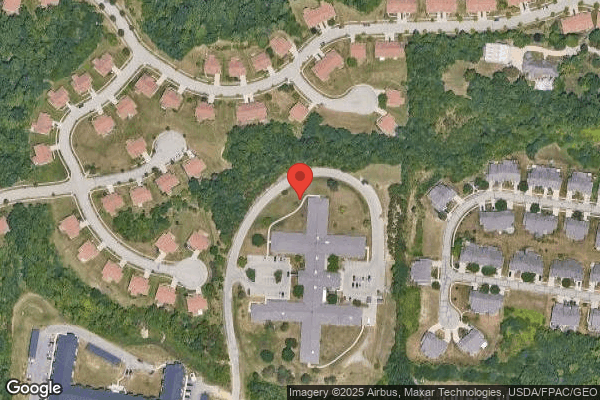
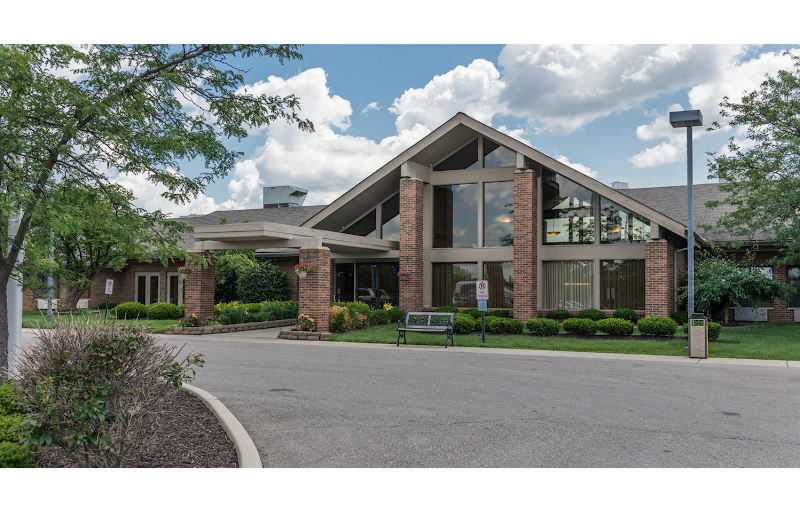
450 OAK RIDGE BOULEVARD, MIAMISBURG, OH 45342 (937) 866-8885
Non profit - Corporation 102 Beds PACS GROUP Data: November 2025
Trust Grade
28/100
#792 of 913 in OH
Last Inspection: August 2022

Over 2 years since last inspection. Current conditions may differ from available data.

Overview

Sycamore Trails Post Acute in Miamisburg, Ohio, has received a Trust Grade of F, indicating significant concerns about the quality of care provided. They rank #792 out of 913 facilities in Ohio, placing them in the bottom half, and #33 out of 40 in Montgomery County, meaning there are only a few local options that perform better. The facility is worsening, with issues increasing from 5 in 2023 to 19 in 2024. While they have good RN coverage, exceeding that of 91% of Ohio facilities, staffing is a major weakness with a low rating of 1/5 stars and a concerning turnover rate of 76%, significantly higher than the state average. Specific incidents include a resident who suffered a fall during a bed bath due to inadequate staff assistance, requiring emergency treatment, and another resident who was hospitalized due to a failure to schedule a necessary blood transfusion after critical lab results, which demonstrates severe lapses in care.

Trust Score
F
28/100
In Ohio
#792/913
Bottom 14%
Safety Record
Moderate
Needs review
Inspections
Getting Worse
5 → 19 violations
Staff Stability
⚠ Watch
76% turnover. Very high, 28 points above average. Constant new faces learning your loved one's needs.
Penalties
✓ Good
$11,037 in fines. Lower than most Ohio facilities. Relatively clean record.
Skilled Nurses
✓ Good
Each resident gets 49 minutes of Registered Nurse (RN) attention daily — more than average for Ohio. RNs are trained to catch health problems early.
Violations
⚠ Watch
51 deficiencies on record. Higher than average. Multiple issues found across inspections.
★★☆☆☆
2.0
Overall Rating
★☆☆☆☆
1.0
Staff Levels
★★★★★
5.0
Care Quality
★★☆☆☆
2.0
Inspection Score
Stable
2023: 5 issues
2024: 19 issues

The Good

  • 5-Star Quality Measures · Strong clinical quality outcomes
  • No fines on record

Facility shows strength in quality measures.

The Bad

2-Star Overall Rating

Below Ohio average (3.2)

Below average - review inspection findings carefully

Staff Turnover: 76%

29pts above Ohio avg (46%)

Frequent staff changes - ask about care continuity

Federal Fines: $11,037

Below median ($33,413)

Minor penalties assessed

Chain: PACS GROUP

Part of a multi-facility chain

Ask about local staffing decisions and management

Staff turnover is very high (76%)

28 points above Ohio average of 48%

The Ugly 51 deficiencies on record

2 actual harm
Dec 2024 2 deficiencies
CONCERN (D) 📢 Someone Reported This

A family member, employee, or ombudsman was alarmed enough to file a formal complaint

Potential for Harm - no one hurt, but risky conditions existed

Unnecessary Medications (Tag F0759)

Could have caused harm · This affected 1 resident

**NOTE- TERMS IN BRACKETS HAVE BEEN EDITED TO PROTECT CONFIDENTIALITY** Based on review of the medical record, observations, interviews, and policy review, the facility failed to ensure medications we...

Read full inspector narrative →
**NOTE- TERMS IN BRACKETS HAVE BEEN EDITED TO PROTECT CONFIDENTIALITY** Based on review of the medical record, observations, interviews, and policy review, the facility failed to ensure medications were administered per physician orders. There were two medication errors out of 37 opportunities resulting in a 5.4 percent medication error rate. This affected one (Resident #14) of three residents observed for medication administration. The facility census was 73. Findings include: 1. Review of the medical record for Resident #14 revealed an admission date of 02/27/24. Diagnoses included Alzheimer's disease, type two Diabetes Mellitus (DM II), and atrial fibrillation. Review of the quarterly Minimum Data Set (MDS) assessment dated [DATE] revealed Resident #14 had severe cognitive impairment as evidenced by a Brief Interview for Mental Status (BIMS) score of three. The resident was assessed to require setup with eating, toileting, bathing, dressing, and independent with transfers. Review of the physician order dated 09/13/24 revealed Resident #14 was ordered K-Phos Oral tablet 500 milligrams (mg), give 250 mg by mouth three times a day for supplement. Review of the physician order dated 09/13/24 revealed Resident #14 was ordered Potassium Chloride 20 milliequivalents (mEq) Extended-Release (ER), give 20 mEq by mouth one time a day for hypokalemia. Observation on 12/23/24 at 9:20 A.M. revealed Licensed Practical Nurse (LPN) #21 crushed Potassium Chloride ER 20 mEq and administered to Resident #14. Observation also revealed K-phosphate was not administered because the packaging did not have a dose present. Interview on 12/23/24 at 9:25 A.M. with Licensed Practical Nurse (LPN) #21 verified she crushed Potassium Chloride ER for medication administration to Resident #14. LPN #21 also verified she did not administer K-Phosphate because there was not a dose present on the packaging. Interview on 12/30/24 at 9:30 A.M. with the Regional Nurse (RN) #80 verified potassium extended release should not be crushed. Review of Medscape revealed do not crush or chew extended release capsules or tablets due to release of all the drug at once, which increases the risk of side effects. This deficiency represents non-compliance investigated under Complaint Number OH00160232.
CONCERN (E) 📢 Someone Reported This

A family member, employee, or ombudsman was alarmed enough to file a formal complaint

Potential for Harm - no one hurt, but risky conditions existed

Pharmacy Services (Tag F0755)

Could have caused harm · This affected multiple residents

**NOTE- TERMS IN BRACKETS HAVE BEEN EDITED TO PROTECT CONFIDENTIALITY** Based on observation, medical record review, staff interviews, resident interview, and review of facility policy, the facility f...

Read full inspector narrative →
**NOTE- TERMS IN BRACKETS HAVE BEEN EDITED TO PROTECT CONFIDENTIALITY** Based on observation, medical record review, staff interviews, resident interview, and review of facility policy, the facility failed to administer medications in a timely manner. This affected four (Residents #29, #73, #10, and #44) of four residents reviewed for medication administration. The facility census was 73. Findings include: 1. Review of the medical record for Resident #29 revealed an admission date of 11/11/24. Diagnoses included Alzheimer's disease, Chronic Obstructive Pulmonary Disease (COPD), and DM II. Review of the admission MDS assessment dated [DATE] revealed Resident #29 had intact cognition as evidenced by a BIMS score of 13. The resident was assessed to require supervision with eating, partial assistance with toileting, bathing, dressing, and transfers. Review of the Medication Administration Record (MAR) revealed medications ordered for the morning. Observation on 12/23/24 at 12:14 P.M. revealed Registered Nurse (RN) #30 administered morning medications to Resident #29. Interview on 12/23/24 at 12:20 P.M. with Registered Nurse (RN) #30 revealed she was administering Resident #29's morning medications after 12:00 P.M. 2. Review of the medical record for Resident #73 revealed an admission date of 09/25/24 with a readmission on [DATE]. Diagnoses included DM II, Congestive Heart Failure (CHF), and chronic kidney disease stage four. Review of the MDS assessment dated [DATE] revealed Resident #73 had intact cognition as evidenced by a BIMS score of 14. This resident was assessed to require setup with eating, partial assistance with toileting and transfers, dependent with bathing, and substantial assistance with dressing. Review of the MAR revealed medications ordered for the morning. Interview on 12/24/24 at 11:37 A.M. with Resident #73 revealed he had not received his morning medications yet. Interview on 12/24/24 at 12:03 P.M. with Assistant Director of Nursing (ADON) verified she was still administering morning medications related to staffing issues and had not administered morning medications to Resident #73. Observation on 12/24/24 at 12:07 P.M. revealed ADON administered medications to Resident #73. 3. Review of the medical record for Resident #10 revealed an admission date of 12/20/23. Diagnoses included Chronic Obstructive Pulmonary Disease (COPD), generalized anxiety disorder, major depressive disorder, and convulsions. Review of the annual MDS assessment dated [DATE] revealed Resident #10 had intact cognition as evidenced by a BIMS score of 13. The resident was assessed to require setup with eating, dependent with toileting and dressing, and substantial assistance with bathing. Review of the physician order dated 07/13/24 revealed Resident #10 was ordered Morphine Sulfate Extended-Release (ER) Oral tablet 30 milligrams (mg), give one tablet by mouth two times a day for pain. Review of the MAR dated December 2024 revealed Resident #10 was not given Morphine Sulfate 30 mg as ordered per physician orders on 12/14/24 through 12/16/24. Review of the controlled drug record dated December 2024 revealed Resident #10 was not given the following doses of Morphine ER 30 mg per physician orders: evening dose on 12/14/24, morning dose on 12/15/24, and morning and evening dose on 12/16/24. Interview on 12/24/24 with Resident #10 revealed she was not getting her medications as ordered. Resident #10 reported they are always out of one of her medications. Interview on 12/30/24 with Regional Nurse (RN) #80 verified Resident #10 was not given Morphine ER 30 mg from 12/14/24 through 12/16/24 as ordered. 4. Review of the medical record for Resident #44 revealed an admission date of 07/08/23. Diagnoses included bipolar disorder, Attention Deficit Hyperactivity Disorder (ADHD), and peripheral vascular disease. Review of the quarterly MDS assessment dated [DATE] revealed Resident #44 had intact cognition as evidenced by a BIMS score of 13. The resident was assessed to be independent with eating and required supervision with toileting, bathing, dressing, and transfers. Review of the physician order dated 08/22/24 revealed Resident #44 was ordered Oxycodone oral tablet 10 mg, give one tablet by mouth every six hours as needed. Review of the MAR dated November and December 2024 revealed Resident #44 did not receive Oxycodone from 11/28/24 through 12/06/24. Review of the controlled drug record dated November and December 2024 revealed Resident #44 received a dose of Oxycodone 11/28/24 at 9:30 P.M. and did not receive another dose until 12/07/24 at 9:30 P.M. Interview on 12/23/24 at 11:51 A.M. with Resident #44 reported the facility did not have her Oxycodone available for about a week about three weeks ago. Interview on 12/30/24 with RN #80 verified Resident #44 did not receive any Oxycodone from the pharmacy from 11/28/24 through 12/06/24. RN #80 verified Oxycodone was not pulled from the Pyxis (facility supply of medication) to be given to Resident #44 during that time frame. Review of the facility policy titled, Administering Medications, revised April 2019 revealed medications were administered in a safe and timely manner, and as prescribed. Medications were administered in accordance with the prescriber orders, including any required time frame. This deficiency represents non-compliance investigated under Complaint Number OH00160232.
Nov 2024 2 deficiencies
CONCERN (D) 📢 Someone Reported This

A family member, employee, or ombudsman was alarmed enough to file a formal complaint

Potential for Harm - no one hurt, but risky conditions existed

Pharmacy Services (Tag F0755)

Could have caused harm · This affected 1 resident

Based on medical record review, staff interview and review of facility policy, the facility failed to administer medications per physician orders and further failed to ensure Controlled Drug Records (...

Read full inspector narrative →
Based on medical record review, staff interview and review of facility policy, the facility failed to administer medications per physician orders and further failed to ensure Controlled Drug Records (CDR) were maintained. This affected one resident (#10) of three residents reviewed for medication administration. The facility census was 74. Findings include: Review of the medical record for Resident #10 revealed an admission date of 12/20/23 with diagnoses of chronic obstructive pulmonary disease, malignant neoplasm of upper-outer quadrant of right female breast, major depressive disorder and secondary malignant neoplasm of bone. Review of the annual Minimum Data Set (MDS) assessment, dated 11/8/24, revealed Resident #10 was cognitively intact. Resident #10 required set-up assistance for eating, required substantial assistance for bathing and bed mobility and was dependent on staff assistance for toileting hygiene, dressing and personal hygiene. Review of the Medication Administration Record (MAR) from 10/01/24 through 10/31/24 revealed Ativan oral tablet one milligram (mg) (Lorazepam), one mg every six hours for anxiety was not administered on 10/07/24 at 6:00 A.M., 10/08/24 at 6:00 P.M., 10/10/24 at 6:00 A.M., 10/13/24 at 6:00 A.M., 10/13/24 at 6:00 P.M. and 10/22/24 at 6:00 P.M. Further review of the MAR revealed Clindamycin HCl oral capsule 150 mg, one capsule four times daily for infection was not administered on 10/07/24 at 6:00 A.M., 10/08/24 at 6:00 P.M., 10/10/24 at 6:00 A.M., 10/13/24 at 6:00 A.M. and 10/22/24 at 6:00 P.M. Additionally, Methocarbamol oral tablet 1000 mg, give 1000 mg by mouth every six hours for pain was not administered on 10/07/24 at 6:00 A.M., 10/08/24 at 6:00 P.M., 10/10/24 at 6:00 A.M., 10/13/24 at 6:00 A.M., 10/13/24 at 6:00 P.M. and 10/22/24 at 6:00 P.M. Lastly, Dilaudid oral tablet two mg (Hydromorphone HCl), one tablet by mouth four times a day for pain was not administered on 10/07/24 at 6:00 A.M., 10/08/24 at 6:00 P.M., 10/10/24 at 6:00 A.M., 10/13/24 at 6:00 A.M., 10/13/24 at 6:00 P.M. and 10/22/24 at 6:00 P.M. Review of the CDR revealed Lorazaepam oral tablet one mg was signed out for the 10/07/24 6:00 A.M. dose, 10/10/24 6:00 A.M. dose, 10/13/24 6:00 A.M. dose and 10/22/24 6:00 A.M dose. There was no evidence of a CDR for Dilaudid oral tablet. Interview on 11/18/24 at 4:00 P.M. with the Director of Nursing (DON) confirmed the facility had no evidence the medications identified above were adminstered as ordered, further stating the nurse who worked those shifts was no longer employed with the facility so she was unable to gather any additional information. Additionally, the DON verified the CDR for Lorazepam indicated the 10/07/24 6:00 A.M. dose, 10/10/24 6:00 A.M. dose, 10/13/24 6:00 A.M. dose and 10/22/24 6:00 A.M dose were signed out but the MAR did not reflect the medication was administered. Lastly, the DON confirmed the facility was unable to locate a CDR for Dilaudid. Review of the facility policy titled Medication Administration General Guidelines, dated November 2021, revealed the individual who administers the medication dose records the administration on the resident's MAR/electronic MAR (eMAR) directly after the medication is given. At the end of each medication pass, the person administering the medications reviews the MAR/eMAR to ensure necessary doses were administered and documented. In no case should the individual who administered the medications report off-duty without first recording the administration of any medications. This deficiency represents non-compliance investigated under Master Complaint Number OH00159209 and Complaint Numbers OH00159082 and OH00159031.
CONCERN (D) 📢 Someone Reported This

A family member, employee, or ombudsman was alarmed enough to file a formal complaint

Potential for Harm - no one hurt, but risky conditions existed

Infection Control (Tag F0880)

Could have caused harm · This affected 1 resident

Based on observation, medical record review, staff interview and review of facility policy, the facility failed to ensure appropriate hand hygiene was performed following incontinence care. This affec...

Read full inspector narrative →
Based on observation, medical record review, staff interview and review of facility policy, the facility failed to ensure appropriate hand hygiene was performed following incontinence care. This affected one resident (#20) of four residents reviewed for incontinence care. The facility census was 74. Findings include: Review of the medical record for Resident #20 revealed an admission date of 12/27/20 with diagnoses of idiopathic aseptic necrosis of right femur, obstructive and reflux uropathy, and major depressive disorder. Review of the quarterly Minimum Data Set (MDS) assessment, dated 9/20/24, revealed Resident #20 had moderate cognitive impairment. Resident #20 required partial assistance with personal hygiene and was dependent on staff assistance with toileting hygiene, dressing, bed mobility and transfers. Observation on 11/18/24 at 9:55 A.M. of incontinence care for Resident #20 and completed by Certified Nursing Assistant (CNA) #190, revealed CNA #190 knocked on the door when entering the room, explained the procedure to the resident, closed the door to the room, gathered the equipment, washed her hands and applied gloves. Resident #20 was positioned by her back. CNA #190 loosened Resident #20's incontinence brief, which was soiled with urine and feces, and tucked it between the resident's legs. CNA #190 used a clean wipe for each swipe down the residents peri-area, ensuring to not cross-contaminate, and used to same process to rinse and dry the peri area. CNA #190 repositioned Resident #20 onto her right side and cleansed the resident's sacrum/coccyx area, using a clean wipe with each swipe, ensuring not to cross-contaminate, and used the same process to rinse and dry the sacrum/coccyx area. CNA #190 continued, with her gloves intact, to change out the bath blanket Resident #20 was laying on with a clean one, per the resident's request. CNA #190 then reapplied Resident #20's top sheet, causing the resident's television (TV) remote to fall into the bed. CNA #190 picked up the TV remote with her gloved hands and handed it to Resident #20. With her gloves still intact, CNA #190 proceeded to place a clean blanket on top of the sheet for the resident. CNA #190 used her gloved hands to use the bed remote to lower Resident #20's bed to the appropriate height. CNA #190 removed her gloves, washed her hands, gathered the dirty linen bag and exited the room. Interview on 11/18/24 at 10:10 A.M. with CNA #190 verified she did not remove her gloves or perform hand hygiene after providing incontinence care for Resident #20, which included a bowel movement, and proceeded to use her soiled gloves while providing the resident clean linen, touching the resident's TV remote and using the bed remote to adjust the resident's bed height. CNA #190 revealed that she feels she completed incontinence care without getting bowel movement on her gloves, so she did not feel there was cross-contamination requiring her to remove her soiled gloves. Review of the facility policy titled Incontinence Care, dated 06/08/22, revealed the purpose was to keep skin clean, dry, free of irritation and odor; identify skin problems as soon as possible so treatment can be started; prevent skin breakdown; and to prevent infection. The procedure included hand hygiene and apply gloves; lower the head and foot of the bed; hand hygiene and apply gloves; drape resident for privacy; wash all soiled skin areas and dry very well; remove gloves and wash hands; and change linen as needed. This deficiency was an incidental finding discovered during the complaint investigation.
Sept 2024 2 deficiencies
CONCERN (D) 📢 Someone Reported This

A family member, employee, or ombudsman was alarmed enough to file a formal complaint

Potential for Harm - no one hurt, but risky conditions existed

Medication Errors (Tag F0758)

Could have caused harm · This affected 1 resident

**NOTE- TERMS IN BRACKETS HAVE BEEN EDITED TO PROTECT CONFIDENTIALITY** Based on medical record review, staff interview, and review of facility policy, the facility failed to ensure a resident was fre...

Read full inspector narrative →
**NOTE- TERMS IN BRACKETS HAVE BEEN EDITED TO PROTECT CONFIDENTIALITY** Based on medical record review, staff interview, and review of facility policy, the facility failed to ensure a resident was free from unnecessary psychotropic medications by ensuring the resident was on the lowest ordered dose of an antipsychotic. This affected one (#4) of three residents reviewed for psychoactive medications. The census was 82. Findings include: Review of Resident #4's medical record revealed an admission date of 01/23/24. Diagnoses listed included cerebral palsy, schizoid disorder, anxiety disorder, depression, and pseudobulbar affect. Review of a quarterly Minimum Data Set (MDS) dated [DATE] revealed Resident #4 was cognitively intact. Review of physician orders revealed an order dated 07/25/24 for Olanzapine (antipsychotic) 10 milligrams (mg) give one tablet by mouth at bedtime for Schizoaffective disorder. An order dated 09/05/24 was for Olanzapine 10 mg give one tablet by mouth at bedtime. Review of outpatient psychiatry notes revealed Olanzapine was increased to 20 mg at bedtime for auditory verbal hallucinations. Review of written physician orders revealed and order transcribed dated 09/04/24 for Olanzapine 20 mg give one tablet by mouth at bedtime. Review of medication administration records (MAR) revealed Resident #4 had received both Olanzapine 10 mg and Olanzapine 20 mg at bedtime since 09/05/24 for a total of 30 mg dose. Interview with Clinical Services Manager (CSM) #220 on 09/26/24 at 11:03 A.M. confirmed Olanzapine was ordered to be increased to 20 mg on 09/04/24 for Resident #4. CSM #220 confirmed Resident #4 had received Olanzapine 10 mg and Olanzapine 20 mg for a total of 30 mg at bedtime since 09/05/24. CSM #220 confirmed Olanzapine 10 mg should have been discontinued when Olanzapine 20 mg was ordered. Review of the facility's policy titled Chemical Restraint Use dated 11/30/23 revealed psychotropic medications will be prescribed at the lowest possible dosage for the shortest period of time and are subject to gradual dose reduction and re-review. This deficiency represents non-compliance investigated under Complaint Number OH00157578.
CONCERN (D) 📢 Someone Reported This

A family member, employee, or ombudsman was alarmed enough to file a formal complaint

Potential for Harm - no one hurt, but risky conditions existed

Deficiency F0761 (Tag F0761)

Could have caused harm · This affected 1 resident

**NOTE- TERMS IN BRACKETS HAVE BEEN EDITED TO PROTECT CONFIDENTIALITY** Based on medical record review, observation, resident and staff interviews, and review of facility policy, the facility failed t...

Read full inspector narrative →
**NOTE- TERMS IN BRACKETS HAVE BEEN EDITED TO PROTECT CONFIDENTIALITY** Based on medical record review, observation, resident and staff interviews, and review of facility policy, the facility failed to ensure medications were observed taken by residents and not left at the beside. This affected one (#3) of three residents reviewed for medication administration. The census was 82. Findings include: Review of Resident #3's medical record reviewed an admission date of 08/09/24. Diagnoses listed included displaced comminuted fracture of the left tibia, injury of the popliteal artery, comminuted fracture of the left fibula, and asthma. Review of an admission Minimum Data Set (MDS) assessment dated [DATE] revealed Resident #3 was cognitively intact. Observation on 09/25/24 at 1:58 P.M. revealed five pills in a medication cup sitting on a bedside table. Interview with Resident #3 during the observation revealed his nurse had left them for home to take. Interview with Registered Nurse (RN) #100 on 09/25/24 at 2:01 P.M. confirmed she had left pills at Resident #3 bedside to take. RN #100 confirmed she did not observe Resident #3 take the medications. RN #100 identified the medications as Tylenol (two tablets), gabapentin, Clindamycin (antibiotic), and Oxycodone (narcotic pain medication). Review of medication administration records (MAR) revealed Tylenol 500 milligrams (mg) two tablets, gabapentin 300 mg on tablet, Clindamycin 300 mg one tablet, and Oxycodone 10 mg one tablet were documented as being administered by RN #100 on 09/25/24. Further review of Resident #3's medical record revealed there was no physician order, care plan, or other documentation permitting the resident to self administer medications. Interview with Clinical Services Manager (CSM) #220 and CSM #200 on 09/25/24 at 2:35 P.M. confirmed that RN #100 left medications including Oxycodone. CSM #220 and CSM #200 confirmed nurse should watch residents take there medications and not leave them at the bedside. Review of the facility policy dated Medication Administration-General Guidelines dated revised December 2019 revealed medications are administered without unnecessary interruptions. The resident is always observed after administration to ensure the dose completely ingested. If a partial dose is ingested, this is noted on the MAR, and action is taken as appropriate. This deficiency represents non-compliance investigated under Complaint Number OH00157578.
Sept 2024 1 deficiency
CONCERN (D) 📢 Someone Reported This

A family member, employee, or ombudsman was alarmed enough to file a formal complaint

Potential for Harm - no one hurt, but risky conditions existed

Deficiency F0760 (Tag F0760)

Could have caused harm · This affected 1 resident

**NOTE- TERMS IN BRACKETS HAVE BEEN EDITED TO PROTECT CONFIDENTIALITY** Based on medical record review and staff and pharmacist interviews, the facility failed to ensure antibiotics were provided as p...

Read full inspector narrative →
**NOTE- TERMS IN BRACKETS HAVE BEEN EDITED TO PROTECT CONFIDENTIALITY** Based on medical record review and staff and pharmacist interviews, the facility failed to ensure antibiotics were provided as physician ordered resulting in a significant medication error. This affected one (#12) of three residents reviewed for medication administration. Facility census was 78 Findings include: Review of medical record for Resident #12 revealed an admission date of 03/22/24. Diagnoses include bipolar, anxiety, hypertension and chronic obstructive pulmonary disease (COPD). The quarterly Minimum Data Set (MDS) dated [DATE] revealed Resident #12 had a Brief Interview Mental Status (BIMS) score of 15 indicating intact cognition. Resident #12 required supervision for bed mobility, transfers, toileting and eating. Review of physician records for Resident #12 revealed an order for Imipenem-Cilastatin (antibiotic) intravenous solution reconstituted 500 milligrams (mg)-give intramuscularly four times daily with a start date of 09/02/24. Review of the September 2024 Medication Administration Record (MAR) for Resident #12 revealed Imipenem-Cilastatin (antibiotic) was scheduled four times a day at midnight, 6:00 A.M., 12:00 P.M. and 6:00 P.M. starting on 09/02/24. Further review revealed OT was documented on 09/02/24 at midnight through 6:00 A.M. (with the exception of 09/02/24 6:00 P.M. which was blank). Review of the chart code revealed OT was other. Review of the progress note dated 09/04/24 at 5:40 A.M. revealed Imipenem-Cilastatin was awaiting delivery from the pharmacy. Interview on 09/04/24 at 2:02 P.M. with Registered Nurse (RN) #104 revealed she discovered on 09/03/24 that Resident #12's Imipenem-Cilastatin had not been received from the pharmacy and called them to inquire of the status. RN #104 shared the pharmacy informed her the prescription had been profiled at the pharmacy but the order was not filled/sent out, and she was awaiting further clarification. RN #104 verified the medication had not been given as ordered and clarification had not been received at the time of the interview. Interview on 09/04/24 at 2:20 P.M. with Pharmacist #105 revealed the route Resident #12's Imipenem-Cilastatin was ordered was no longer available. The medication could be given intravenously. Pharmacist 3105 further shared Resident #12 had a previous order for the same medication ordered intravenously which had been filled prior to her recent hospitalization. The readmission orders contained the same medication, ordered intramuscularly and the system deemed the most recent prescription as a duplicate order so the prescription was profiled (kept on file). This deficiency represents non-compliance investigated under Complaint Number OH00157637.
Jun 2024 3 deficiencies 1 Harm
SERIOUS (G) 📢 Someone Reported This

A family member, employee, or ombudsman was alarmed enough to file a formal complaint

Actual Harm - a resident was hurt due to facility failures

Accident Prevention (Tag F0689)

A resident was harmed · This affected 1 resident

**NOTE- TERMS IN BRACKETS HAVE BEEN EDITED TO PROTECT CONFIDENTIALITY** Based on medical record review, review of hospital documentation, review of written statements, staff interviews, and policy rev...

Read full inspector narrative →
**NOTE- TERMS IN BRACKETS HAVE BEEN EDITED TO PROTECT CONFIDENTIALITY** Based on medical record review, review of hospital documentation, review of written statements, staff interviews, and policy review, the facility failed to provide adequate staff assistance during a bed bath resulting in an avoidable fall. This resulted in Actual Harm on 05/31/24 when State Tested Nursing Assistant (STNA) #275 rolled Resident #70 away from her during a bed bath and the resident rolled out of bed onto the floor. Subsequently, Resident #70 was transferred to the Emergency Department (ED) for evaluation and treatment and required a suture to close a forehead laceration. This affected one (#70) of three residents reviewed for falls. The facility census was 79. Findings include: Review of the medical record for Resident #70 revealed an admission date of 03/15/24. Diagnoses included diabetes mellitus, malignant neoplasm of the brain, left hemiplegia, depression, and obesity. Review of a significant change Minimum Data Set (MDS) assessment dated [DATE] indicated Resident #70 was cognitively intact. Resident #70 was dependent upon staff for bathing, toileting, hygiene, and transfers and required substantial staff assistance for bed mobility. No falls were indicated on the MDS. Review of the quarterly Fall Risk assessment completed 05/02/24 indicated Resident #70 was at high risk for falls. Review of a nurse progress note dated 05/31/24 at 9:01 A.M. documented STNA #275 notified Licensed Practical Nurse (LPN) #205 that Resident #70 had rolled out of bed during a bed bath. The note further documented LPN #205 entered Resident #70's room and he was lying prone with his head turned towards the left and a puddle of bright red drainage was pooling under his face and head. The note indicated Resident #70 had a laceration to the left eyebrow and ice was applied. Staff called nine-one-one (911) and Resident #70 was transported out of the facility. Further review of the nurses' progress notes revealed an Interdisciplinary Team (IDT) note dated 06/03/24 at 11:43 A.M. indicated the IDT met to review Resident #70's fall on 05/31/24. The IDT note indicated the STNA alerted the nurse that Resident #70 had rolled out of bed during a bed bath, nurse entered Resident #70's room to see that he was lying prone on left side of bed with face towards the window. The note documented Resident #70 had no clothing on and no undergarment. Resident #70 was noted to have a nosebleed and small laceration to his forehead. Vital signs were assessed and neurological checks were initiated. The note stated the environment was well lit, and floor clean, dry, and free from debris prior to fall. The note continued to document Resident #70 reported he reached his arm around to scratch his back and accidentally rolled himself out of bed. Resident #70 was immobilized at bedside and 911 called. Resident #70 was transported to the ED for treatment. The physician and family were notified. The IDT note stated all scans completed in ED were negative for additional fall related injury. Review of the medical record for Resident #70 revealed an ED note dated 05/31/24 which indicated Resident #70 was seen in the ED for a fall with closed head injury and facial laceration. Further review of Resident #70's medical record revealed the resident required a suture for the head laceration. Review of a written statement by STNA #275 dated 05/31/24 stated she had rolled Resident #70 onto his left side to wash his back. STNA #275's statement indicated Resident #70 attempted to scratch his back while on his left side and he started to move forward. STNA #275's statement stated she tried to roll Resident #70 on his back, but she was unable to prevent the fall from the bed. Interview on 06/25/24 at 11:10 A.M. with the Director of Nursing (DON) stated Resident #70 informed her he was scratching his back during a bed bath, and he lost his balance and rolled off the bed onto the floor. The DON confirmed one STNA (#275) had completed Resident #70's bed bath. The DON stated Resident #70 had brain cancer and the level of care he required for bathing, transfers, and toileting would vary from day to day. The DON confirmed Resident #70 was sent to the ED for a laceration to his forehead and received one suture. Interview on 06/25/24 at 2:45 P.M. with STNA #275 confirmed she was the STNA who gave Resident #70 a bed bath on 05/31/24 when he fell out of bed. STNA #275 stated Resident #70 was rolled onto his left side in the bed, and she was standing on the opposite side of the bed to wash his back. STNA #275 confirmed Resident #70 was facing away from her and that she was the only STNA who completed the bed bath. STNA #275 stated Resident #70's bed did not have grab bars. STNA #275 stated Resident #70 used his right hand to hold onto the mattress and bedframe while she washed his back. STNA #275 stated Resident #70 let go of the mattress and used his right hand to scratch an area on his back which caused Resident #70 to lose his balance and his shoulders fell off the bed. STNA #275 confirmed Resident #70 had left hemiplegia and was not able to use his left upper extremity to assist with bed mobility. STNA #275 stated she attempted to grab Resident #70's shoulders to prevent him from falling but she was not able to do so, and Resident #70 fell off the bed onto the floor. STNA #275 stated she immediately went to get nursing assistance for Resident #70 after the fall. STNA #275 stated she believed Resident #70 required two-person assistance for his bathing due to balance difficulties, confusion at times, and recent decline in health. STNA #275 stated she resigned and was no longer employed by the facility. Review of the facility policy titled, Fall-Clinical Protocol, review date of 06/08/22, revealed the facility would attempt to identify individuals with history of falls and risk factors for subsequent falls. The policy also stated based on the assessment, the staff and physician would identify pertinent interventions to try to prevent subsequent falls and address risks of serious consequences of falling. This deficiency represents non-compliance investigated under Complaint Numbers OH00154867 and OH00154371.
CONCERN (D) 📢 Someone Reported This

A family member, employee, or ombudsman was alarmed enough to file a formal complaint

Potential for Harm - no one hurt, but risky conditions existed

Deficiency F0761 (Tag F0761)

Could have caused harm · This affected 1 resident

**NOTE- TERMS IN BRACKETS HAVE BEEN EDITED TO PROTECT CONFIDENTIALITY** Based on medical record review, observations, staff and resident interviews, and policy review, the facility failed to ensure st...

Read full inspector narrative →
**NOTE- TERMS IN BRACKETS HAVE BEEN EDITED TO PROTECT CONFIDENTIALITY** Based on medical record review, observations, staff and resident interviews, and policy review, the facility failed to ensure staff observed resident consume medications. This affected one (#20) out of four residents reviewed for medication administration. The facility census was 79. Findings include: Review of the medical record for Resident #20 revealed an admission date of 04/26/24 with medical diagnoses of urinary tract infection, sepsis, diabetes mellitus, diabetes mellitus, hypothyroidism, and congestive heart failure. Review of the medical record for Resident #20 revealed an admission Minimum Data Set (MDS) assessment dated [DATE] which indicated Resident #20 was cognitively intact. The MDS indicated Resident #20 was dependent upon staff for toilet hygiene and bathing and required substantial staff assistance with bed mobility. Review of the medical record for Resident #20 revealed physician orders dated 06/19/24 for hydralazine 50 milligram (mg) one tablet by mouth three times per day and levothyroxine 200 microgram one tablet daily. Further review of Resident #20's medical record revealed there were no orders, assessment or further instructions allowing the resident to self-administer medications. Observation with interview on 06/25/24 at 8:16 A.M. of Resident #20 revealed a medication cup with two medication tablets inside sitting on Resident #20's bedside table. Resident #20 stated the nurse brought the medications in his room earlier that morning and he hadn't taken them yet. Resident #20 stated he did not know what medications were in the cup. Observation with interview on 06/25/24 at 8:20 A.M. with Assistant Director of Nursing (ADON) #268 confirmed there were two medication tablets sitting in a medication cup on Resident #20's bedside table. ADON #268 brought the medication cup to the medication cart and reviewed Resident #20's list of medications. ADON #268 stated the medications in the cup were levothyroxine and hydralazine which were to be administered at 6:00 A.M. Review of the facility policy titled, Preparation and Guidelines for Medication Administration, revised November 2021, stated medications are to be administered as prescribed in accordance with good nursing principles and practices and only by persons legally authorized to do so. The policy also stated the resident is always observed after the administration of medication to ensure that the dose was completely ingested. This deficiency was based on incidental findings discovered during the course of this complaint investigation.
MINOR (C) 📢 Someone Reported This

A family member, employee, or ombudsman was alarmed enough to file a formal complaint

Minor Issue - procedural, no safety impact

Deficiency F0680 (Tag F0680)

Minor procedural issue · This affected most or all residents

Based on personnel record review and staff interviews, the facility failed to ensure the activities program was directed by a qualified professional. This had the potential to affect all 79 residents ...

Read full inspector narrative →
Based on personnel record review and staff interviews, the facility failed to ensure the activities program was directed by a qualified professional. This had the potential to affect all 79 residents residing in the facility. The facility census was 79. Findings include: Review of the personnel record for Activity Director (AD) #250 revealed a hire date of 06/20/23 as a housekeeper. The personnel record indicated AD #250 was promoted to Activity Director on 02/05/24. Review of AD #250's personnel record revealed no documentation to verify AD #250 had the appropriate training and/or education to hold the position of Activity Director. Interview on 06/24/24 at 4:09 P.M. with AD #250 confirmed she had been promoted from a housekeeper position to the Activity Director in February 2024. AD #250 stated worked as a nurse aide at an Assisted Living facility prior to her employment at the facility and assisted the residents at that facility with activities. AD #250 confirmed she had not received any education and/or training to be a qualified Activity Director. AD #250 stated she worked full time and completed resident assessments, care plans, attended care conferences, conducted Resident Council meetings, and completed monthly activity calendar. Interview on 06/25/24 at 2:54 P.M. with Senior Social Worker (SSW) #278 stated she was a regional employee who assisted AD #250. SSW #278 stated she had monthly calls with AD #250 to discuss the monthly activity calendar expectations, completed random audits of resident activity documentation to ensure the facility had captured activity participation, and completed random audits of resident charts to ensure admission and quarterly assessments were accurate. SSW #278 stated AD #250 would call her for guidance or suggestions for activities at the facility. SSW #278 stated she had worked as an Activity Assistant for two years in the past five years. SSW #278 stated AD #250 completed all resident activity assessments, MDS assessments, and updated the care plans. SSW #278 confirmed AD #250 was not a qualified Activity Director. This deficiency was based on incidental findings discovered during the course of this complaint investigation.
May 2024 5 deficiencies
CONCERN (D) 📢 Someone Reported This

A family member, employee, or ombudsman was alarmed enough to file a formal complaint

Potential for Harm - no one hurt, but risky conditions existed

Comprehensive Care Plan (Tag F0656)

Could have caused harm · This affected 1 resident

**NOTE- TERMS IN BRACKETS HAVE BEEN EDITED TO PROTECT CONFIDENTIALITY** Based on record review and staff interviews, the facility failed to update resident care plan to include a resident's possession...

Read full inspector narrative →
**NOTE- TERMS IN BRACKETS HAVE BEEN EDITED TO PROTECT CONFIDENTIALITY** Based on record review and staff interviews, the facility failed to update resident care plan to include a resident's possession and suspected use of illegal substances. This affected one (#54) of three residents reviewed for care planning. The facility census was 80. Findings include: Review of medical record for Resident #54 revealed admission date of 10/23/24 admitted to hospice on 11/22/23. Diagnoses including cirrhosis of the liver, chronic obstructive pulmonary disease, anemia, depression and history of cocaine abuse. The quarterly Minimum Data Set (MDS) dated [DATE] revealed Resident #54 required extensive one person assistance for toileting and supervision for bed mobility, eating and transfers. A brief Interview Mental Status (BIMS) score of 15 indicating intact cognition. Review of the progress note dated 03/10/24 revealed staff had found a plastic baggie with an unknown substance lying on the floor next to the bed. The Director of Nursing (DON) was informed. Review of the progress notes revealed on 04/05/24, Resident #54 was found unresponsive with periods of apnea and agonal breathing. Narcan was given and Resident #54 became alert and oriented within 15 minutes. Further review of Resident #54's care plan revealed there was no care plan related to illegal drug use and/or interventions staff should implement. Interview on 05/16/24 at 12:16 P.M. with Clinical Registered Nurse (CRN) #121 revealed the police were called after the substance was found in Resident #54's room on 03/10/24. CRN #121 stated the facility was not informed until 05/05/24 the substance found in Resident #54's room tested positive for fentanyl. A second interview with CRN #121 at 4:42 P.M. verified there was not a care plan regarding possession of and/or risk of substance abuse. This deficiency represents non-compliance investigated under Complaint Number OH00153893.
CONCERN (D) 📢 Someone Reported This

A family member, employee, or ombudsman was alarmed enough to file a formal complaint

Potential for Harm - no one hurt, but risky conditions existed

Quality of Care (Tag F0684)

Could have caused harm · This affected 1 resident

**NOTE- TERMS IN BRACKETS HAVE BEEN EDITED TO PROTECT CONFIDENTIALITY** Based on record review, observation, staff and resident interviews, the facility failed to ensure treatments orders were complet...

Read full inspector narrative →
**NOTE- TERMS IN BRACKETS HAVE BEEN EDITED TO PROTECT CONFIDENTIALITY** Based on record review, observation, staff and resident interviews, the facility failed to ensure treatments orders were completed as ordered. This affected one (#55) of three residents reviewed for implementation of treatments. The facility census was 80. Findings include: Review of medical record for Resident #55 revealed admission date of 01/16/24. Diagnoses include congestive heart failure, type two diabetes mellitus, and depression. Additional diagnosis added on 04/25/24 of aftercare following surgical amputation, left below the knee amputation and history of Methicillin Resistant Staphylococcus Aureus. The resident remained in the facility. Review of Resident #55's admission Minimum Data Set (MDS) dated [DATE] revealed the resident had a Brief Interview Mental Status (BIMS) score of 15 indicating intact cognition. Resident #55 required extensive two-person assistance for bed mobility, transfers, toileting and supervision for eating. A care plan for an alteration in skin integrity to the left below knee surgical site documented interventions which included to provide treatments as ordered. Review of the physician orders revealed an order to cleanse left below knee amputation site with wound cleanser, pat dry, apply hydrogel moistened collagen to wound bed, cover with abdominal pad (ABD), secure with kerlix and compress with wrap. Treatment was ordered daily with a start date of 05/01/24. Interview on 05/13/24 at 9:28 A.M. with Resident #55 revealed a concern his dressing was not changed the day prior. Observation on 05/13/24 at 10:19 A.M. of the dressing change for Resident #55 by Assistant Director of Nursing (ADON) #100 revealed when she removed the kerlix and exposed the Abdominal (ABD) Pad, it was dated 05/11/24. ADON #100 confirmed Resident #55's dressing was not changed daily as ordered. This deficiency represents non-compliance investigated under Complaint Numbers OH00153893 and OH00153743.
CONCERN (D) 📢 Someone Reported This

A family member, employee, or ombudsman was alarmed enough to file a formal complaint

Potential for Harm - no one hurt, but risky conditions existed

Pharmacy Services (Tag F0755)

Could have caused harm · This affected 1 resident

**NOTE- TERMS IN BRACKETS HAVE BEEN EDITED TO PROTECT CONFIDENTIALITY** Based on record review, staff, physician and pharmacy staff interviews, the facility failed to ensure medications were administe...

Read full inspector narrative →
**NOTE- TERMS IN BRACKETS HAVE BEEN EDITED TO PROTECT CONFIDENTIALITY** Based on record review, staff, physician and pharmacy staff interviews, the facility failed to ensure medications were administered as physician ordered. This affected two (#134 and #55) of three residents reviewed for medication administration. The facility census was 80. Findings include: 1. Review of medical record for Resident #134 revealed admission date of 11/23/23. Diagnoses include paraplegia and schizophrenia, depression and anxiety. Resident #134 remains in the facility. Review of Resident #134's annual Minimum Data Set (MDS) dated [DATE] revealed the resident had a Brief Interview Mental Status (BIMS) score of 15 indicating intact cognition. Resident #134 required extensive two-person assistance for bed mobility, transfers and supervision for eating. Review of the physician orders revealed an order for Estrogens Conjugated Vaginal Cream 0.625 Milligrams/Gram. Insert 0.5 Grams vaginally one time a day for vaginal dryness. Review of medication administration record (MAR) and the progress note dated 04/14/24, 04/23/24, 04/25/24 and 05/13/24 documented Estrogens Conjugated Vaginal Cream was not given/administered to Resident #134 because it was unavailable. Interview on 05/16/24 at 12:42 P.M. with Pharmacy Staff #120 revealed a 30 day supply of Estrogens Conjugated Vaginal Cream was delivered to the facility on [DATE], 04/16/24 and 05/13/24. Interview on 05/16/24 at 1:54 P.M. with the Director of Nursing (DON) revealed Resident #134's Estrogen Conjugated Vaginal Cream was on the treatment cart and acknowledged agency staff may be unaware of its location so it was not administered as ordered. 2. Review of medical record for Resident #55 revealed admission date of 01/16/24. The resident was admitted with diagnoses including congestive heart failure, type two diabetes mellitus, and depression. Additional diagnosis added on 04/25/24 of aftercare following surgical amputation, left below the knee amputation and history of Methicillin Resistant Staphylococcus Aureus. Resident #55 remains in the facility. Review of Resident #55's admission MDS dated [DATE] revealed the resident had a BIMS score of 15 indicating intact cognition. Resident #55 required extensive two-person assistance for bed mobility, transfers, toileting and supervision for eating. Review of the progress note dated 02/26/24 at 1:02 P.M. revealed the visiting Nurse Practitioner was in during the morning and prescribed a new order for Doxycycline (antibiotic) 100 milligrams (mg) one capsule by mouth two times a day for left heel wound with foul odor, necrotic tissue for ten days. Record review of Resident #55's February Medication Administration Record (MAR) revealed the Doxycycline was not given on 02/26/24 until the evening shift. Review of Resident #55's physician orders revealed an order for Doxycycline (antibiotic) 100 milligrams (mg) one capsule by mouth two times a day for left heel wound with foul odor, necrotic tissue for ten days. The documentation revealed the medication was listed as on hand. Interview on 05/15/24 at 9:51 A.M. Physician #117 acknowledged an antibiotic (Doxycycline 100 mg) had been ordered on 02/26/24. Physician #117 stated it would be his expectation the medication would be given if it was readily available at the facility or as soon as it came from the pharmacy. Interview on 05/15/24 at 12:38 P.M. with Pharmacist #118 revealed Doxycycline was readily available in the pyxis on 02/26/24 when it was ordered for Resident #55. Interview on 05/14/24 at approximately 3:12 P.M. with Clinical Registered Nurse (CRN) #121 revealed the evening time slot on the MAR for Resident #55 on 02/26/24 encompassed a 7:00 P.M. to 11:00 P.M. time block. CRN #121 further shared when reviewing Resident #55's MAR, the Doxycycline was given at 12:08 A.M. on 02/27/24. CRN #121 confirmed the Doxycycline was available in the facilities pyxis and could have been administered to Resident #55 sooner. This deficiency represents non-compliance investigated under Complaint Numbers OH00153893 and OH00153743. This deficiency represents ongoing noncompliance from the survey dated 04/25/24.
CONCERN (E) 📢 Someone Reported This

A family member, employee, or ombudsman was alarmed enough to file a formal complaint

Potential for Harm - no one hurt, but risky conditions existed

Accident Prevention (Tag F0689)

Could have caused harm · This affected multiple residents

**NOTE- TERMS IN BRACKETS HAVE BEEN EDITED TO PROTECT CONFIDENTIALITY** Based on medical record review, observations and resident and staff interviews, the facility failed to provide adequate interven...

Read full inspector narrative →
**NOTE- TERMS IN BRACKETS HAVE BEEN EDITED TO PROTECT CONFIDENTIALITY** Based on medical record review, observations and resident and staff interviews, the facility failed to provide adequate intervention and/or supervision to ensure residents did not possess illegal drugs and/or drugs not prescribed to the resident. Additionally, the facility failed to implement a resident's care plan to ensure adequate supervision was provided during a meal. This affected three (#54, #47 and #74) of three residents reviewed for supervision related to illegal drug usage and one (#27) of three residents reviewed for supervision with meals. The facility census was 80. Findings include: 1. Review of medical record for Resident #54 revealed admission date of 10/23/24 admitted to hospice on 11/22/23. Diagnoses include cirrhosis of the liver, chronic obstructive pulmonary disease, anemia, depression and history of cocaine abuse. The quarterly Minimum Data Set (MDS) dated [DATE] revealed Resident #54 required extensive one person assistance for toileting and supervision for bed mobility, eating and transfers. A brief Interview Mental Status (BIMS) score of 15 indicating intact cognition. Review of Resident #54's progress notes dated 01/01/24 revealed an unnamed State Tested Nursing Assistant (STNA) alerted the nurse that Resident #54's behavior was not normal. An assessment revealed extreme lethargy, and the bed was urine soaked. A vape pen was discovered and given to the Director of Nursing (DON), hospice was contacted, and hospice was notified. A second note revealed hospice staff instructed to hold narcotic medication and obtain a urine sample for drug screen. Results of the 01/02/24 drug screen revealed a positive result for Benzodiazepine (resident had an order for Ativan). Amphetamines, Barbiturates, Cocaine, Cannabinoids, Opiates, Phencyclidine, Propoxyphene, Methadone and Methaqualone were all negative. Review of Resident #54's progress note dated 03/10/24 revealed staff found a plastic baggie with an unknown substance lying on the floor next to the bed. The DON was informed. Review of the drug screening for 03/11/24 and 04/05/24 were negative for Amphetamines, Barbiturates, Cocaine, Cannabinoids, Opiates, Benzodiazepine, Oxycodone and Methadone were all negative. Further review of the progress notes revealed on 04/05/24 revealed Resident #54 was found unresponsive with periods of apnea and agonal breathing. Narcan was given and Resident #54 became alert and oriented within 15 minutes. Resident #27 refused three times to have his room checked. Resident #27 was educated on the facility policy that no illicit substances could brought into the facility and he was educated on the importance of refraining from using illegal drugs. The physician was notified and updated. Further review of Resident #54's care plan revealed there was no care plan related to illegal drug use and/or interventions staff should implement. Interview on 05/16/24 at 12:16 P.M. with Clinical Registered Nurse (CRN) #121 revealed the police were contacted on 03/10/24 when the baggie was found in Resident #54's room. CRN #121 stated it was almost two months later on 05/04/24 the police returned to the facility and confirmed the substance found in Resident #54's room was fentanyl. CRN #121 shared Resident #54 had the right to refuse to have his room and person searched and to leave the facility. CRN #121 stated the facility was looking at alternative placement for Resident #54 but was unaware if the Ombudsman had been contacted for assistance for interventions and/or alternative placement. A joint interview on 05/16/24 at 1:54 P.M. with the Administrator and DON revealed Resident #54 had the right to refuse a room search and they were unable to restrict his right to leave the facility. It was shared referrals had been sent but all had been refused, they were unsure of the Ombudsman had been contacted for assistance. A second interview with CRN #121 at 4:42 P.M. verified there was not a care plan regarding Resident #54's possession of and/or risk of substance abuse. 2. Review of medical record for Resident #47 revealed admission date of 03/13/24. Diagnoses include Bipolar Disorder, anxiety and post-traumatic stress disorder. The resident remained. The quarterly MDS dated [DATE] revealed Resident #47 had a BIMS score of 13 indicating intact cognition. Resident #47 required one person assistance for toileting and supervision for eating. Review of medical record for Resident #74 revealed admission date of 05/02/24. Diagnoses include COPD and encephalopathy. The resident was discharged to the hospital on [DATE] and did not return to the facility. Review of Resident #47's progress notes dated 05/07/24 revealed the resident was placed on two hour vital checks after self-administering medication given by another resident. Interview on 05/16/24 at 9:39 A.M. with Resident #47 revealed he had been offered a breath mint by another resident (Resident #74) and he did take it. Resident #47 stated later the staff came into his room and informed him it was not breath mint, it was a pain pill. Resident #47 denied any effects or outcome from taking the medication. Resident #47 further shared staff came in and checked his vitals often for one day following the incident. A joint interview on 05/16/24 at 1:54 P.M. with the Administrator and DON revealed staff had informed the DON that Resident #74 had passed out medication to residents during a smoke break. They shared they confronted Resident #74 who consented to a search of her purse. The DON shared Percocet (pain) five milligram (mg) tablets were found along with other loose pills in the bottom of her purse. The Administrator and DON verified Percocet five mg that was found in Resident #74's purse were not prescribed by the facility. The police were contacted, and the medication was confiscated from Resident #74. The Administrator and DON confirmed Resident #47 was identified by Resident #74 as receiving the medication. The physician was notified, and orders were received to monitor him for effects and monitor his vitals every two hours for 24 hours. No outcome was noted. 3. Review of medical record for Resident #27 revealed admission date of 01/10/14. Diagnoses include epilepsy, dystonia, anxiety, and dementia. The resident remained in the facility. Review of Resident #27's quarterly Minimum Data Set (MDS) dated [DATE] revealed she/he required extensive two person assistance for bed mobility, transfers, and supervision for eating. A brief Interview Mental Status (BIMS) score of seven indicating severely impaired cognition. A care plan for risk of aspiration/pneumonia initiated 05/06/24 revealed interventions which included to monitor for signs and symptoms of aspiration: coughing, drooling, pocketing of food, food residual in mouth after meals, trouble chewing and or swallowing. Observation on 05/14/24 at 8:19 A.M. revealed Resident #27 was in bed with his breakfast tray in front of him. He was observed feeding himself, staff was observed passing trays at the opposite end of the hall. Observation on 05/14/24 at 12:24 P.M. revealed Resident #27 in his room, in bed with his lunch tray in front of him on the bedside table. Resident #27 was feeding himself, no spillage observed on his clothes. No staff were present in his room or in the hall. Interview on 05/14/24 at 2:26 P.M. with Therapy Director #111 revealed Resident #27 was able to feed himself but required supervision for safety due to dystonia (movement disorder causing muscles to involuntarily contract). Interview on 05/14/24 at 4:12 P.M. with State Tested Nursing Assistant (STNA) #103 revealed there was miscommunication for room assignment on 05/14/24. Each of the two aids on the hall providing care for Resident #27 thought the other had been assigned to him. This deficiency represents non-compliance investigated under Complaint Numbers OH00153893, OH00153382 and OH00153743.
CONCERN (F) 📢 Someone Reported This

A family member, employee, or ombudsman was alarmed enough to file a formal complaint

Potential for Harm - no one hurt, but risky conditions existed

Menu Adequacy (Tag F0803)

Could have caused harm · This affected most or all residents

Based on record review, observations and staff and resident interviews, the facility failed to provide meals per resident choice and per the facility planned menu. This affected three (#33, #55 and #7...

Read full inspector narrative →
Based on record review, observations and staff and resident interviews, the facility failed to provide meals per resident choice and per the facility planned menu. This affected three (#33, #55 and #70) out of three residents reviewed for meals and had the potential to affected 78 residents residing in the facility who receive their meals from the facility, the facility identified two residents (#47, #65) who receive nothing by mouth (NPO). Facility census was 80. Findings include: Review of the May 2024 Menu revealed the posted breakfast for 05/13/24 was cold cereal, hard boiled egg, bagel, fruit cup and two percent milk. Observation on 05/13/24 from 9:06 A.M. to 9:28 A.M. of three residents (#33, #55 and #70) breakfast trays revealed their tickets did not match what was served. Observation and interview on 05/13/24 at 9:06 A.M. revealed the breakfast ticket for Resident #70 was cold cereal, two hard boiled eggs, half bagel and half cup of fruit. Observation of the breakfast meal served was bacon, toast, two hard boiled eggs and a fruit cup. Observation and interview on 05/13/24 at 9:11 A.M. revealed the breakfast ticket for Resident #33 was for two cold cereals, two hard boiled eggs, a half of a bagel and a half cup of fruit. Observation of the breakfast served was bacon, two hard boiled eggs and toast. Resident #33 voiced concern she did not receive her cereal for breakfast and voiced frustration to the staff. Interview on 05/13/24 at 9:17 A.M. with State Tested Nursing Assistant (STNA) #102 revealed a concern the meals provided often did not match the menus. STNA #102 stated the facility was out of milk that morning so the menu had to be changed. Observation and interview on 05/13/24 at 9:28 A.M. revealed the breakfast ticket for Resident #55 was for cold cereal, yogurt, cottage cheese, two hard boiled eggs, ½ bagel and a fruit cup. Observation of the breakfast served was two hard boiled eggs, bacon, oatmeal, yogurt and a fruit cup. Resident #33 voiced concern he often did not get what was on the menu or what he ordered. Interview on 05/14/24 at 10:24 A.M. with the Dietary Manager (DM) #108 verified the facility was out of milk on the morning of 05/13/24. DM #108 stated there was a delay with the delivery which was scheduled that morning. Observation and interview on 05/14/23 at 12:34 P.M. of the lunch tray for Resident #55 revealed a cheeseburger, extra lemonade and vegetable soup on the meal ticket had not been delivered. Resident #55 also acknowledged she did not contact the dietician prior to the substitutions of the breakfast meal. Observation and interview was made with DM #108 on 05/14/34 at 12:34 P.M. of the lunch ticket and meal of Resident #55. DM #108 shared the kitchen was out of vegetable soup and acknowledged staff did not inform her that Resident #55 wanted an alternative. DM #108 also verified the cheeseburger and extra lemonade was not provided as Resident #55 requested. The facility confirmed there are 78 residents residing in the facility that receive their meals from the facility, the facility identified two residents (#47, #65) who are NPO. This deficiency represents non-compliance investigated under Complaint Number OH00153743.
Apr 2024 1 deficiency
CONCERN (E) 📢 Someone Reported This

A family member, employee, or ombudsman was alarmed enough to file a formal complaint

Potential for Harm - no one hurt, but risky conditions existed

Pharmacy Services (Tag F0755)

Could have caused harm · This affected multiple residents

**NOTE- TERMS IN BRACKETS HAVE BEEN EDITED TO PROTECT CONFIDENTIALITY** Based on medical record review, staff interview, medication administration time review, and policy review, the facility failed t...

Read full inspector narrative →
**NOTE- TERMS IN BRACKETS HAVE BEEN EDITED TO PROTECT CONFIDENTIALITY** Based on medical record review, staff interview, medication administration time review, and policy review, the facility failed to administer physician ordered medications and ensure medications were timely order to have available for administration. This affected four #21, #41, #58 and #63 of eight residents reviewed for medication administration. The facility census was 79. Findings include: 1. Review of medical record for Resident #21 revealed an admission date of 11/23/18, with diagnoses of other seizures, epilepsy, intractable, without status epilepticus, and hemiplegia, chronic obstructive pulmonary disease and unspecified affecting left nondominant side. Review of the quarterly Minimum Data Set (MDS) assessment dated [DATE], revealed Resident #21 was cognitively intact. Review of physician orders dated 11/14/23, to administer Oxcarbazepine tablet, 300 milligrams (mg), give 2 tablets by mouth at bedtime for epilepsy and give 1 tablet by mouth, one time a day for epilepsy; Pepcid tablet (famotidine) 20 mg, give 1 tablet, by mouth two times a day for gastroesophageal reflux disorder; and ferrous sulfate tablet (65 Fe) 325 mg, give 325 mg by mouth two times a day for low hemoglobin and hematocrit. Review of physician orders dated 11/15/23, to administer umeclidinium bromide aerosol powder breath activated 62.5 microgram/inhalation, one puff, inhale orally one time a day for chronic obstructive pulmonary disease (COPD); aspirin low dose tablet chewable, 81 mg, give 1 tablet by mouth one time a day for heart health; Colace capsule, (docusate sodium)100 mg, give 1 capsule by mouth one time a day for constipation; Claritin oral tablet (Loratadine), 10 mg, give 10 mg by mouth one time a day for nasal drainage; doxycycline monohydrate capsule, 100 mg, give 1 capsule by mouth one time a day for recurrent urinary tract infection (UTI); potassium chloride Extended Release (ER) tablet, 10 milliequivalent (mEq), give 10 mEq, by mouth one time a day for hypokalemia; and Multivitamin/Zinc Stress tablet (multiple vitamins-minerals), give 1 tablet by mouth one time a day for supplement. Review of a physician order dated 11/17/23, to administer calcium carbonate-vitamin D tablet, 500-200 mg/unit give 1 tablet by mouth two times a day for supplement. Review of a physician order dated 02/02/24, to administer guaifenesin ER tablet-12 Hour, 600 mg, give 1 tablet by mouth two times a day for cough. Review of the Medication Administration Record (MAR) dated March 2024 revealed on 03/17/24, morning medication administration the following medications were not signed off as administered: aspirin 81 mg, Claritin 10 mg, Colace 100 mg, doxycycline monohydrate 100 mg, Multivitamin with Zinc tablet, oxcarbazepine 300 mg, potassium chloride ER 90 mg, umeclidinium bromide 62.5 mg, calcium carbonate - vitamin D tablet, ferrous sulfate 325 mg, guaifenesin ER 600 mg and Pepcid 20 mg. On 03/31/24, doxycycline monohydrate 100 mg was not administered due to not available. Review of the MAR dated April 2024 revealed on 04/06/24 at 9:16 A.M., the oxcarbazepine 300 mg was not administered due to on order; on 04/07/24 at 10:53 A.M., Pepcid 20 mg was not administered due to awaiting delivery; on 04/24/24 at 10:49 A.M., meclizine MCI 12.5 mg was not administered. 2. Review of medical record for Resident #41 revealed an admission date of 03/13/24, with diagnoses of paraplegia, unspecified, urinary tract infection, absence epileptic syndrome, intractable, and without status epilepticus. Review of the quarterly MDS assessment dated [DATE] revealed Resident #41 was cognitively intact. Review of physician orders dated 03/14/24, to administer buspirone HCl oral tablet 15 mg, give 1 tablet by mouth three times a day; Insulin Lispro (1 Unit Dial) Subcutaneous Solution Pen-injector 100 unit/ml (Insulin Lispro) inject as per sliding scale: if 150 - 200 = 4unit (u); 201 - 250 = 6u; 251 - 300 = 8u; 301 - 350 = 10u; 351 - 400 = 12u; 401 - 500 = 14u, Notify physician (MD) if <70 or >500, subcutaneously before meals and at bedtime; Nucynta oral tablet (tapentadol HCl), 50 mg, give 1 tablet by mouth three times a day for pain management; Pregabalin oral capsule 75 mg, give 75 mg by mouth three times a day for pain - take 1 capsule (75 mg total) by mouth in the morning and 1 capsule (75 mg total) at noon and 1 capsule (75 mg total) in the evening; methocarbamol oral tablet, 500 mg, give 1 tablet by mouth three times a day for muscle spasms; levothyroxine sodium oral tablet 50 mcg, give 50 mcg by mouth in the morning for hypothyroidism, polyethylene glycol powder, give 17 gram orally two times a day for constipation, Theragran-M oral tablet (multiple vitamins w/ minerals) give 1 tablet by mouth one time a day for vitamin supplement, Desitin External Paste 40 % (zinc oxide) apply to bilateral buttocks topically, one time a day for skin condition; and Estrogens Conjugated Vaginal Cream, 0.625 mg/gram, insert 0.5 gram vaginally one time a day for vaginal dryness. Review of physician orders dated 03/15/24, to administer midodrine HCl oral tablet 10 mg, give 1 tablet by mouth three times a day for low blood pressure hold for systolic blood pressure (SBP) >120 and chlorhexidine gluconate external liquid 4 %, apply to rash topically one time a day every Tuesday, Friday for Skin condition. Review of a physician order dated 03/19/24, to administer Pyridium oral tablet (phenazopyridine HCl) 100 mg, give 1 tablet by mouth three times a day for dysuria. Review of a physician order dated 03/24/24, to administer Pentosan Polysulfate Sodium oral capsule 100 mg, give 1 capsule by mouth three times a day for behavior problems. Review of a physician order dated 04/01/24, to administer Cephalexin capsule 500 mg, give 1 capsule by mouth three times a day for infection/urinary tract infection (UTI) for 7 days. Review of the MAR for March 2024 revealed on 03/14/24, Pentosan Polysulfate Sodium 100 mg was not documented as not given and documented as OT, and buspirone 15 mg afternoon dose not documented as given. On 03/15/24, Pentosan Polysulfate Sodium 100 mg, afternoon dose was documented as OT and not given; Insulin Lispro 100 unit / ml was not documented as given; and Nucynta 50 mg documented as 2:00 P.M., dose OT and not given. On 03/16/24, Pentosan Polysulfate Sodium 100 mg, evening dose was documented as OT and not given. On 03/19/24, Pregabalin Oral Capsule 75 mg was not documented as given; Nucynta 50 mg was not documented as given; Methocarbamol 500 mg was not documented as given; and Levothyroxine Sodium 50 mcg not documented as given. On 03/24/24, Pentsan Polysulfate Sodium 100 mg morning and afternoon dose documented as drug not available and not given; and on 03/27/24, Pentsan Polysulfate Sodium 100 mg morning and afternoon dose documented as OT and drug not given. Review of the MAR for April 2024 revealed on 04/04/24, Levothyroxine Sodium 50 mcg not documented as given; and Cephalexin 500 mg, 8:00 A.M. dose not documented as given. On 04/12/24, Midodrine HCI 10 mg afternoon dose not documented as given. On 04/20/24, Insulin Lispro 100 units / 1 ml , 7:30 A.M. and 5:30 P.M. dose not documented as given; Pyridium 100 mg, morning dose not documented as given; Midodrine HCI 10 mg, morning and afternoon dose not documented as given; Buspirone 15 mg not documented as given; Polyethylene Glycol 17 gram documented as drug not available and not given; Theragram-M not documented as given; Desitin External Paste 40% not documented as given; and Extrogens Conjugated Vaginal Cream 0.625 mg / gm Insert 0.5 gram not documented as given; and on 04/23/24, Chlorhexidine Gluconate External Liquid 4% was documented as drug not available and not given. 3. Review of medical record for Resident #62 revealed an admission date of 03/22/24, with diagnoses of hemiplegia and hemiparesis following nontraumatic intracerebral hemorrhage affecting left non-dominant side, and epilepsy, not intractable, without status epilepticus. Review of the quarterly MDS assessment dated [DATE], revealed Resident #63 with moderate cognitive impairment. Review of physician orders dated 03/23/24, to administer Depakote oral tablet delayed release (divalproex sodium) 250 mg, 3 times daily for seizures and levetiracetams oral tablet 1000 mg, 2 times daily for seizures. Review of the Electronic Medical Record (EMAR) Resident Detail report for April 2024, revealed Resident #58 received the Depakote Oral Tablet Delayed Release 250 mg (Divalprox Sodium) on 04/22/24 at 1:34 A.M., 9:58 A.M. and 11:30 P.M.; on 04/11/24 at 1:18 A.M.; on 04/10/24 at 12:38 A.M.; on 04/08/24 at 4:23 P.M. and 12:54 A.M.; on 04/05/24 at 5:44 A.M.; on 04/04/24 at 1:47 A.M.; on 04/02/24 at 3:24 A.M.; and on 04/01/24 at 1:20 P.M. The times were not consistent, or the medication was not administered 3 times a day or at all. Review of the EMAR Resident Detail report for March and April 2024, revealed Resident #58 received the levetiracetam oral tablet 1000 mg on 03/29/24 at 12:33 P.M.; on 03/30/24 at 2:22 A.M.; on 04/01/24 at 1:20 A.M.; on 04/02/24 at 3:24 A.M. and 1:18 P.M., on 04/04/24 at 1:48 A.M., on 04/05/24 at 5:44 A.M., on 04/08/24 at 12:54 A.M. and 1:48 P.M.; on 04/10/24 at 12:39 A.M. and 12:46 A.M.; on 04/11/24 at 1:19 A.M.; on 04/15/24 at 11:42 A.M.; on 04/21/22 at 11:22 A.M.; and 04/22/24 at 1:34 A.M. and 11:30 P.M. The times were not consistent, or the medication was not administered 2 times a day or at all. 4. Review of medical record for Resident #63 revealed an admission date of 03/14/24, with diagnoses unspecified convulsions, Crohn's disease, irritable bowel syndrome without diarrhea, and constipation. Review of the physician orders dated 03/15/24, to administer MiraLax Oral Packet (polyethylene glycol 3350) give 17 grams by mouth two times a day for constipation; Nifedipine Extended Release (ER) 90 mg oral tablet 24 hour, give 1 tablet one time a day for hypertension; and Lunesta oral tablet 2mg (eszopiclone) give 1 tablet one time a day for sleep. Review of the physician order dated 03/16/24, to administer Lidocaine External Patch 4 %, apply to lower back topically one time a day for pain. Review of the physician order dated 03/20/24, to administer Hydrocortisone external cream 2.5%, apply to inner thighs and groin for chaffing. Review of the physician order dated 03/23/24, to administer Zofran 4 mg, give 1 tablet by mouth before meals for nausea. Review of the MAR for March 2024 for Resident #63 revealed on 03/23/24, Hydrocortisone external cream 2.5%, apply to inner thighs and groin documented as OT (other and not administered in the morning). On 03/28/24, Zofran 4 mg, documented as OT (other) and not administered for 7:30 A.M. dose. Review of the MAR for April 2024, for Resident #63 revealed on 04/10/24, Lidocaine 4% Patch documented as OT (other) and not administered in the morning. On 04/12/24, Miralax 17 grams documented as OT (other) and not administered in the morning. On 04/14/24, Miralax 17 grams documented as not available and not administered in the morning. On 04/19/24, Nifedipine ER 90 mg documented as not available and not given in the morning. On 04/20/24, Nifedipine ER 90 mg documented as OT (other) and not given in the morning. On 04/21/24 and 04/22/24, Lunesta 2 mg documented as OT (other) and not administered in the evening. Interview on 04/24/24 at 10:35 A.M., with Licensed Practical Nurse (LPN) #325 revealed medications are administered if available, and the facility runs out of stock medications frequently. LPN #325 stated when medications are not available nurses will chart DN for drug not available or OT for other and sometimes the nurses will document in the nurses notes about this. Interview on 04/24/24 at 11:29 A.M., with Registered Nurse (RN) #336 revealed if it is documented on the MAR as DN, it means drug is not available and not given; if OT is documented on the MAR, it also means the drug was not given. RN #336 stated it is just for another reason other than drug not available and should be documented in the notes as to why, but that never happens. RN #336 stated it is the nurses responsibility to reorder drugs and supplies timely, but that does not always happen. RN #336 stated it is a weekly problem that medications are not available and there is not a backup supply of over-the-counter medications available when the supply runs out. Interview on 04/24/24 at 4:25 P.M., with Director of Nursing (DON) revealed there were no concerns reported related to medications not available. DON reported if it is an over-the-counter medication, the facility will go to Walmart or the local pharmacy and pick it up. DON verified the medications were not documented as being administered per physician orders for Resident #21, #41, #58 and #63. Review of the facility provided Medication Pass Times scheduled revealed pass times for 2 times daily are 7:00 A.M. - 11:00 A.M. and 7:00 A.M. - 11:00 P.M. Review of the facility provided Medication Pass Times schedule revealed the pass times for 3 times daily are 7:00 A.M. - 11:00 A.M. and 1:00 P.M. - 2:30 P.M. and 7:00 P.M. - 11:00 P.M. Review of the policy titled, Specific Medication Administration Procedures, dated November 2021, revealed it is the policy to administer medications in a safe and effective manner. Review 5 rights 3 times, check Medication Administration Record (MAR) / Treatment Administration Record (TAR) for order. This deficiency represents non-compliance investigated under Master Complaint Number OH00153130 and Complaint Number OH00152823
Mar 2024 3 deficiencies
CONCERN (D) 📢 Someone Reported This

A family member, employee, or ombudsman was alarmed enough to file a formal complaint

Potential for Harm - no one hurt, but risky conditions existed

Infection Control (Tag F0880)

Could have caused harm · This affected 1 resident

**NOTE- TERMS IN BRACKETS HAVE BEEN EDITED TO PROTECT CONFIDENTIALITY** Based on record review, observations, staff interviews and policy review, the facility failed to ensure infection control proced...

Read full inspector narrative →
**NOTE- TERMS IN BRACKETS HAVE BEEN EDITED TO PROTECT CONFIDENTIALITY** Based on record review, observations, staff interviews and policy review, the facility failed to ensure infection control procedures were followed during wound care. This affected one (#14) of three residents reviewed for wound care. Facility census was 82. Findings include: Review of medical record for Resident #14 revealed admission date of 03/10/24. Diagnoses include diabetes mellitus type two, necrotizing fasciitis, acute osteomyelitis left ankle and foot. The resident remains at the facility. The admission Minimum Data Set (MDS) dated [DATE] revealed Resident #14 had a Brief Interview Mental Status (BIMS) score of 15 indicating intact cognition. Resident #14 required extensive one person assistance for toileting and supervision for eating, bed mobility and transfers. Review of Resident #14's physician orders revealed an order to cleanse wound with normal saline, pat dry with non-sterile gauze and reapply wound vacuum negative pressure on Mondays, Wednesdays and Fridays with a start date of 03/25/24. A second order to cleanse external fixator pins with normal saline, pat dry and apply split sponge every sift with a start date of 03/16/24. Observation on 03/17/24 at 3:35 P.M. of wound care by Registered Nurse (RN) #105 for Resident #14 revealed RN #105 removed the old sponge and dressing from the left lateral ankle of Resident #14 and disposed of it in the trash can. Without removing her gloves, she applied normal saline to the wound and patted it dry. RN #105 then opened a new dressing kit, removed and cut the sponge to fit the wound and secured it with tape. A small hole was cut into the tape and the wound vacuum was reapplied and restarted. RN #105 then removed her gloves and grabbed another pair of gloves and applied them without performing hand hygiene. RN #105 then proceeded to clean the external fixator pins. RN #105 cleansed the top two pins with normal saline on a four by four, and patted the area dry. RN #105 then repeated the same procedure to the bottom pins, using the same pair of gloves. After care was completed, RN #105 removed her gloves and washed her hands using soap and water. Interview on 03/17/24 at 4:11 P.M. with RN #105 verified she did not change her gloves after removing the old dressing, or in between the care of two separate wound sites. Review of the facility policy titled, Dressing Change dated 11/30/23 documented after removing and disposing of soiled dressing, dispose of gloves. Also documented was to cleanse wound as prescribed, remove gloves and wash hands or use hand sanitizer. This deficiency represents non-compliance investigated under Complaint Numbers OH00152243 and OH00152091.
CONCERN (E) 📢 Someone Reported This

A family member, employee, or ombudsman was alarmed enough to file a formal complaint

Potential for Harm - no one hurt, but risky conditions existed

ADL Care (Tag F0677)

Could have caused harm · This affected multiple residents

**NOTE- TERMS IN BRACKETS HAVE BEEN EDITED TO PROTECT CONFIDENTIALITY** Based on record review, staff and resident interviews, review of staffing records/schedules and policy review, the facility fail...

Read full inspector narrative →
**NOTE- TERMS IN BRACKETS HAVE BEEN EDITED TO PROTECT CONFIDENTIALITY** Based on record review, staff and resident interviews, review of staffing records/schedules and policy review, the facility failed to provide timely Activities of Daily Living (ADL's) assistance. This affected one (#11) out of three residents reviewed for ADL assistance and had the potential to affect 21 (#11, #15, #16, #17, #18, #19, #20, #21, #22, #23, #24, #25, #26, #27, #28, #29, #30, #31, #32, #33, #34) residents on the 300 and top of the 100 hallway assignment. The facility census was 82. Findings include: Review of medical record for Resident #11 revealed admission date of 05/27/22 with a Brief Interview Mental Status (BIMS) score of 15 indicating intact cognition on The resident was admitted with diagnoses including anxiety, depression, sleep apnea and stage three kidney disease. The resident remains in the facility. The quarterly Minimum Data Set (MDS) dated [DATE] revealed she required extensive two-person assistance for transfers, toileting, one person assistance for bed mobility and supervision for eating. Review of the progress note dated 03/07/24 by Assistant Director of Nursing (ADON) #106 revealed documentation that Resident #11 had requested to take the sit to stand transfer device to her room. Resident #11 was educated she was not able to use the standby herself and the device required two staff members to operate. Interview on 03/28/24 with ADON #106 revealed Resident #11 was upset on 03/07/24 because she needed to use the bathroom and unfortunately each aid was occupied in a room. ADON #106 stated she was unable to assist Resident #11 by herself as the sit to stand device required two staff. ADON #106 stated it took an additional thirty minutes for Resident #11 to be assisted to the bathroom. Interview on 03/28/24 at 1:48 P.M. with Resident #11 revealed she had waited two hours to be provided care on the evening of 03/27/24. Resident #11 stated her State Tested Nursing Assistant (STNA) #111 came into her room around 9:00 P.M. Resident #11 stated she was upset because no one acknowledged her call light was on and at least told her they would be back in to assist her when they were free. Resident #11 stated she also voiced her concern to Human Resource #110. Interview on 03/28/24 at 1:59 P.M. with Human Resource #110 acknowledged he had been informed by Resident #11 that she had her call light on for two hours before STNA #111 entered the room to provide care. Human Resource #110 did not refute her statement, and stated education would be provided to STNA #111. Interview on 03/28/24 at 2:29 P.M. with STNA #111 revealed she did not arrive for her 7:00 P.M. shift until 8:00 P.M., and stated she had previously informed the facility she would be late. STNA #111 stated there was no STNA to receive report from upon her arrival. STNA #111 also revealed she was upset her assignment had the top of the 100-hall added to her 300-hall assignment. STNA #111 verified Resident #11 was on her added assignment. STNA #111 acknowledged Resident #11's call light had been on when she arrived and once she figured out her assignment, she answered it. STNA #111 said Resident #11 had informed her the call light had been on for two hours. STNA #111 stated Resident #11 was incontinent and needed to be taken to the bathroom to be cleaned. Interview on 03/28/24 at 3:24 P.M. with Licensed Practical Nurse (LPN) #112 revealed she worked the evening of 03/27/24. LPN #112 stated Resident #11 was being assisted by staff in the bathroom in getting cleaned up. LPN #112 stated Resident #11 informed her she had her call light on for two hours. LPN #112 shared she did not doubt Resident #11's call light was on for an extended amount of time. LPN #112 shared STNA #111 was late for her shift and upset with her assignment when she did come in, and there was a nurse who was a no call no show and adjustments in the schedule had to be made. The facility confirmed STNA #111 was assigned to 21 (#11, #15, #16, #17, #18, #19, #20, #21, #22, #23, #24, #25, #26, #27, #28, #29, #30, #31, #32, #33, #34) residents on the 300 hall and top of the 100 hallway assignment. Interview on 03/28/24 at 5:18 P.M. with LPN #114 revealed she worked day shift on 03/27/24 and stayed until about 8:30 P.M. because her replacement nurse was late. LPN #114 shared STNA #111 came into work late and was upset with her assignment, called management and walked off the unit. LPN #114 stated she did not see her return, and she left at 8:30 P.M. LPN #114 acknowledged Resident #11's call light was going off during that time period, but she could not say for how long. Review of the nursing clock in times provided by the facility revealed STNA #111 punched in for her on 03/27/24 at 8:00 P.M. Review of the staffing sheet for STNA #111 revealed STNA #111 was assigned to 21 (#11, #15, #16, #17, #18, #19, #20, #21, #22, #23, #24, #25, #26, #27, #28, #29, #30, #31, #32, #33, #34) residents on the 300 hall and top of the 100 hallway assignment. Review of the facility policy, Call Light, Use of, last reviewed 11/30/23 documented to answer call lights whether or not you are assigned to the area. This deficiency represents non-compliance investigated under Complaint Numbers OH00152381, OH00152091 and OH00151819
CONCERN (E) 📢 Someone Reported This

A family member, employee, or ombudsman was alarmed enough to file a formal complaint

Potential for Harm - no one hurt, but risky conditions existed

Deficiency F0725 (Tag F0725)

Could have caused harm · This affected multiple residents

**NOTE- TERMS IN BRACKETS HAVE BEEN EDITED TO PROTECT CONFIDENTIALITY** Based on record review, staff and resident interviews, review of staffing records/schedules and policy review, the facility fail...

Read full inspector narrative →
**NOTE- TERMS IN BRACKETS HAVE BEEN EDITED TO PROTECT CONFIDENTIALITY** Based on record review, staff and resident interviews, review of staffing records/schedules and policy review, the facility failed to ensure there was sufficient staffing to provide timely assistance with Activities of Daily Living (ADL's). This affected one (#11) out of three residents reviewed for ADL assistance and had the potential to affect 21 (#11, #15, #16, #17, #18, #19, #20, #21, #22, #23, #24, #25, #26, #27, #28, #29, #30, #31, #32, #33, #34) residents on the 300 and top of the 100 hallway assignment. The facility census was 82. Findings include: Review of medical record for Resident #11 revealed admission date of 05/27/22 with a Brief Interview Mental Status (BIMS) score of 15 indicating intact cognition on The resident was admitted with diagnoses including anxiety, depression, sleep apnea and stage three kidney disease. The resident remains in the facility. The quarterly Minimum Data Set (MDS) dated [DATE] revealed she required extensive two-person assistance for transfers, toileting, one person assistance for bed mobility and supervision for eating. Review of the progress note dated 03/07/24 by Assistant Director of Nursing (ADON) #106 revealed documentation that Resident #11 had requested to take the sit to stand transfer device to her room. Resident #11 was educated she was not able to use the standby herself and the device required two staff members to operate. Interview on 03/28/24 with ADON #106 revealed Resident #11 was upset on 03/07/24 because she needed to use the bathroom and unfortunately each aid was occupied in a room. ADON #106 stated she was unable to assist Resident #11 by herself as the sit to stand device required two staff. ADON #106 stated it took an additional thirty minutes for Resident #11 to be assisted to the bathroom. Interview on 03/28/24 at 1:48 P.M. with Resident #11 revealed she had waited two hours to be provided care on the evening of 03/27/24. Resident #11 stated her State Tested Nursing Assistant (STNA) #111 came into her room around 9:00 P.M. Resident #11 stated she was upset because no one acknowledged her call light was on and at least told her they would be back in to assist her when they were free. Resident #11 stated she also voiced her concern to Human Resource #110. Interview on 03/28/24 at 1:59 P.M. with Human Resource #110 acknowledged he had been informed by Resident #11 that she had her call light on for two hours before STNA #111 entered the room to provide care. Human Resource #110 did not refute her statement, and stated education would be provided to STNA #111. Interview on 03/28/24 at 2:29 P.M. with STNA #111 revealed she did not arrive for her 7:00 P.M. shift until 8:00 P.M., and stated she had previously informed the facility she would be late. STNA #111 stated there was no STNA to receive report from upon her arrival. STNA #111 also revealed she was upset her assignment had the top of the 100-hall added to her 300-hall assignment. STNA #111 verified Resident #11 was on her added assignment. STNA #111 acknowledged Resident #11's call light had been on when she arrived and once she figured out her assignment, she answered it. STNA #111 said Resident #11 had informed her the call light had been on for two hours. STNA #111 stated Resident #11 was incontinent and needed to be taken to the bathroom to be cleaned. Interview on 03/28/24 at 3:24 P.M. with Licensed Practical Nurse (LPN) #112 revealed she worked the evening of 03/27/24. LPN #112 stated Resident #11 was being assisted by staff in the bathroom in getting cleaned up. LPN #112 stated Resident #11 informed her she had her call light on for two hours. LPN #112 shared she did not doubt Resident #11's call light was on for an extended amount of time. LPN #112 shared STNA #111 was late for her shift and upset with her assignment when she did come in, and there was a nurse who was a no call no show and adjustments in the schedule had to be made. The facility confirmed STNA #111 was assigned to 21 (#11, #15, #16, #17, #18, #19, #20, #21, #22, #23, #24, #25, #26, #27, #28, #29, #30, #31, #32, #33, #34) residents on the 300 hall and top of the 100 hallway assignment. Interview on 03/28/24 at 5:18 P.M. with LPN #114 revealed she worked day shift on 03/27/24 and stayed until about 8:30 P.M. because her replacement nurse was late. LPN #114 shared STNA #111 came into work late and was upset with her assignment, called management and walked off the unit. LPN #114 stated she did not see her return, and she left at 8:30 P.M. LPN #114 acknowledged Resident #11's call light was going off during that time period, but she could not say for how long. Review of the nursing clock in times provided by the facility revealed STNA #111 punched in for her on 03/27/24 at 8:00 P.M. Review of the staffing sheet for STNA #111 revealed STNA #111 was assigned to 21 (#11, #15, #16, #17, #18, #19, #20, #21, #22, #23, #24, #25, #26, #27, #28, #29, #30, #31, #32, #33, #34) residents on the 300 hall and top of the 100 hallway assignment. Review of the facility policy, Call Light, Use of, last reviewed 11/30/23 documented to answer call lights whether or not you are assigned to the area. This deficiency represents non-compliance investigated under Complaint Numbers OH00152381, OH00152091 and OH00151819
Dec 2023 1 deficiency
CONCERN (D) 📢 Someone Reported This

A family member, employee, or ombudsman was alarmed enough to file a formal complaint

Potential for Harm - no one hurt, but risky conditions existed

Medical Records (Tag F0842)

Could have caused harm · This affected 1 resident

**NOTE- TERMS IN BRACKETS HAVE BEEN EDITED TO PROTECT CONFIDENTIALITY** Based on medical record review, review of controlled substance records, staff interview, and review of facility policy, the faci...

Read full inspector narrative →
**NOTE- TERMS IN BRACKETS HAVE BEEN EDITED TO PROTECT CONFIDENTIALITY** Based on medical record review, review of controlled substance records, staff interview, and review of facility policy, the facility failed to ensure a resident's narcotic medication administration was accurately documented in the medical record. This affected #81 of three residents reviewed. The census was 78. Findings include: Review of Resident #59's medical record revealed an admission date of 09/19/23. Diagnoses included end stage renal disease, hypertensive heart failure, hemiplegia, type two diabetes mellitus, and chronic leg ulcer. Review of a quarterly Minimum data Set (MDS) assessment dated [DATE] revealed Resident #59 was severely cognitively impaired. Review of physician orders revealed an order dated 11/02/23 for Percocet (narcotic pain medication oxycodone and acetaminophen) five and 325 milligrams (5-325 mg) give 5-325 every four hour as needed (PRN) for pain. Give every four hours PRN for general discomfort repositioning, relaxation, distraction and comfort measures provided and ineffective. Review of the facility's Controlled Drug Record revealed one tablet of Percocet 5-325 mg was documented as being withdrawn on 12/14/23 at 10:00 A.M. and on 12/14/23 at 4:00 P.M. Review of medication administration records (MAR's) revealed no documentation of Percocet 5-325 mg being administered on 12/14/23 at 10:00 A.M. and on 12/14/23 at 4:00 P.M. During a phone interview on 12/18/23 at 10:00 Registered Nurse (RN) #200 stated she administered Percocet 5-325 mg to Resident #59 on 12/14/23 at 10:00 A.M. and on 12/14/23 at 4:00 P.M. RN #200 was unable to explain why the Percocet administrations were not documented in Resident #59's MAR. During an interview on 12/18/23 at 11:07 A.M. A.M. the Director of Nursing (DON) confirmed the missing and inaccurate documentation in Resident #59's MAR for Percocet 5-325 mg. Review of the facility's policy titled Medication Administration-General Guidelines dated November 2021 revealed the individual who administers the medication dose records the administration on the resident's medication administration record (MAR) and or electronic medication administration record (eMar) directly after the medication is given. At the end of each medication pass the person administering the medications reviews the MAR/eMAR to ensure necessary doses were administered and documented. In no case should the individual who administers the medications report off-duty without first recording the administration of medications. This deficiency represents non-compliance investigated under Complaint Number OH00148990.
Aug 2023 3 deficiencies
CONCERN (D) 📢 Someone Reported This

A family member, employee, or ombudsman was alarmed enough to file a formal complaint

Potential for Harm - no one hurt, but risky conditions existed

Tube Feeding (Tag F0693)

Could have caused harm · This affected 1 resident

Based on medical record review, observation, and staff interview, the facility failed to ensure residents received enteral feeding as ordered. This affected one (#28) out of three residents reviewed f...

Read full inspector narrative →
Based on medical record review, observation, and staff interview, the facility failed to ensure residents received enteral feeding as ordered. This affected one (#28) out of three residents reviewed for enteral feeding. The facility identified a total of three residents who required enteral feeding. The census was 57. Findings include: Review of medical record for Resident #28 revealed an admission date of 03/05/20. Resident #28's medical diagnoses included lymphoma, atrial fibrillation, diabetes, and cerebrovascular accident. Review of Resident #28's annual Minimum Data Set (MDS) assessment, dated 07/12/23, revealed Resident #28 was severely cognitively impaired. Resident #28's functional status was extensive assistance for bed mobility and total dependence for transfers and eating. Resident #28 was coded as having a feeding tube. Review of Resident #28's physician orders, dated 08/25/23, revealed an order for Jevity 1.2 calories to infuse at 60 milliliters (ml) an hour (hr) times 24 hours via G-tube (feeding tube). Observation of the G-tube for Resident #28 on 08/30/23 at 11:02 A.M. revealed the G-tube was infusing Jevity 1.2 calories at 55 ml/hr. Interview with Licensed Practical Nurse (LPN) #135 on 08/30/23 at 11:28 A.M. revealed she had checked the tube feeding this morning when administering medication. She confirmed the tube feeding for Resident #28 was infusing at the wrong rate. She said there was a clarification with the dietitian this morning that the rate should have been running at 60 ml/hr however no one told her.
CONCERN (D) 📢 Someone Reported This

A family member, employee, or ombudsman was alarmed enough to file a formal complaint

Potential for Harm - no one hurt, but risky conditions existed

Deficiency F0806 (Tag F0806)

Could have caused harm · This affected 1 resident

Based on medical record review, observation, staff and resident interview, and policy review, the facility failed to ensure residents received meals as preferred and requested. This affected three (#2...

Read full inspector narrative →
Based on medical record review, observation, staff and resident interview, and policy review, the facility failed to ensure residents received meals as preferred and requested. This affected three (#24, #25, and #48) out of three residents reviewed for meal preferences. The census was 57. Findings include: 1. Medical record review for Resident #24 revealed an admission date of 01/10/14. Resident #24's medical diagnoses included epilepsy and non-Alzheimer's dementia. Review of Resident #24's quarterly Minimum Data Set (MDS) assessment, dated 08/09/23, revealed Resident #24 was moderately cognitively impaired. He required supervision for eating. Review of the menu for 08/30/23 revealed breakfast was to consist of a westem omelet, hash browns, wheat toast, margarine, and jelly. The lunch meal was to consist of baked tilapia, buttered noodles, peas and carrots, wheat bread, margarine, banana and strawberries. Review of the breakfast meal ticket for Resident #24 on 08/30/23 at 8:10 A.M. revealed it said one salt, one pepper, 3/4 cup of cold cereal, four ounces of assorted juice, eight ounces of Lactaid, one ounce of sausage, one slice of wheat bread, margarine and jelly. Observation of Resident #24's breakfast tray on 08/30/23 at 8:20 A.M. revealed his breakfast tray consisted of oatmeal, a ham and cheese omelet, hash browns, and apple juice. Interview with Licensed Practical Nurse (LPN) #135 on 08/30/23 at 8:25 A.M. confirmed Resident #24's meal ticket did not match what he received on his meal tray. Observation of Resident #24's lunch tray on 08/30/23 at 11:41 A.M. revealed his lunch tray consisted of grilled cheese, apple juice, greens, and pineapple. Resident #24's lunch meal ticket indicated Resident #24 was to receive salt, pepper, eight ounces of lemonade, a half serving of ice cream when available, half cup of strawberries and bananas, one slice of wheat bread, and a half cup of peas and carrots. Interview with State Tested Nursing Aide (STNA) #137 on 08/30/23 at 11:44 A.M. confirmed Resident #24's lunch meal ticket did not match what Resident #24 received on his lunch tray. Interview with STNA #70 who was helping in the kitchen on 08/30/23 at 12:06 P.M. revealed she went back to the freezer and pulled out the cups of ice cream and said it wasn't placed on the lunch trays because the staff didn't know they had it. The ice cream was delivered in a different box then it usually came in. 2. Medical record review for Resident #48 revealed an admission date of 01/13/19. Resident #48's medical diagnoses included non-traumatic brain dysfunction, renal insufficiency, and diabetes. Review of Resident #48's quarterly MDS assessment, dated 06/21/23, revealed Resident #48 was severely cognitively impaired and was very hard of hearing. She required supervision for eating. Observation of Resident #48's lunch tray on 08/30/23 at 11:50 A.M. revealed her ticket indicated Resident #48 was to receive eight ounces of two percent milk, six ounces of diet hot chocolate, ice cream if available, a half cup of bananas and strawberries, one slice of wheat bread, three ounces ground deli meat with two slices of bread, a half cup of mashed potatoes, margarine, and a diet health shake. Resident #48's lunch meal tray consisted of greens, pineapple, grilled cheese, and chocolate milk. Interview with Resident #48 at the time of the observation revealed she did not like the greens or her chocolate milk. Interview with STNA #137 on 08/30/23 at 11:55 A.M. confirmed Resident #48's meal on her plate did not match what was printed on the meal ticket. Interview with STNA #70 who was helping in the kitchen on 08/30/23 at 12:06 P.M. revealed she went back to the freezer and pulled out the cups of ice cream and said it wasn't placed on the lunch trays because the staff didn't know they had it. The ice cream was delivered in a different box then it usually came in. 3. Medical record review for Resident #25 revealed an admission date of 02/15/19. Resident #25's medical diagnosis included a stroke. Review of Resident #25's quarterly MDS assessment, dated 07/12/23, revealed she was cognitively intact. She required extensive assistance with eating. Observation of the lunch meal tray for Resident #25 on 08/30/23 at 12:30 P.M. revealed her ticket indicated Resident #25 was to receive salt, pepper, eight ounces of lemonade, six ounces of black coffee, a half cup of bananas and strawberries, a slice of wheat bread, margarine, ground tilapia with two ounces of cream sauce, a half cup of buttered noodles, and a half cup of peas and carrots. Resident #25's lunch meal tray consisted of greens, fish, wheat bread, hush puppies, and a fruit cocktail. Resident #25 refused her meal tray, because she didn't like anything on the tray. Interview with STNA #99 on 08/30/23 at 12:35 P.M. confirmed Resident #25's lunch meal ticket did not match what was on her lunch tray tray. She revealed she didn't know what was wrong and that maybe the kitchen was out of something. Interview with Dietary Manager (DM) #95 on 08/30/23 at 12:50 P.M. revealed the residents (#24, #25, and #48) did not receive their meal according to their choices/preferences on their meal ticket. He stated he was new to the facility and had told the staff to make sure the menu spreadsheet matched the meal tickets. He stated the menus are not passed out to the resident's in their rooms and he would like to change that process. He stated the kitchen didn't have any Lactaid and he didn't know what Lactaid was. Review of the policy titled Dietary Selective Menus, dated 2017, revealed selective menus will be provided to all individuals who choose to make their own menu selections. Assistance from family or staff is encouraged for those who cannot make their own choices. Food and nutrition services staff will label menus with the individual's name, room number and diet and deliver to the resident's room. This deficiency represents non-compliance investigated under Complaint Number OH00144673.
CONCERN (E) 📢 Someone Reported This

A family member, employee, or ombudsman was alarmed enough to file a formal complaint

Potential for Harm - no one hurt, but risky conditions existed

Pharmacy Services (Tag F0755)

Could have caused harm · This affected multiple residents

Based on observation, staff interview, and policy review, the facility failed to properly prepare medications for administration. This affected six (#9, #14, #47, #26, #51, #44) out of six residents r...

Read full inspector narrative →
Based on observation, staff interview, and policy review, the facility failed to properly prepare medications for administration. This affected six (#9, #14, #47, #26, #51, #44) out of six residents reviewed for medication administration. The census was 57. Findings include: Observation of Licensed Practical Nurse (LPN) #136's medication cart on 08/31/23 at 6:42 A.M. revealed there were six medication cups stacked on top of each other with names on each cup (Resident 9, #14, #47, #26, #51, and #44). Each of the medication cups contained pre-poured medications. Interview with LPN #136 on 08/31/23 at 6:45 A.M. confirmed she had pre-poured the six resident's (#9, #14, #47, #26, #51, #44) medications. She indicated she was not aware she shouldn't pre-pour the medications for the residents. Review of the policy titled Medication Administration, dated 11/01/21, revealed when medications are administered by mobile cart taken to the resident's location (room, dining area, etc.) medications are administered at the time they are prepared. Medications are not pre poured either in advance of the medication pass or for more than one resident at a time.
Apr 2023 1 deficiency
CONCERN (D) 📢 Someone Reported This

A family member, employee, or ombudsman was alarmed enough to file a formal complaint

Potential for Harm - no one hurt, but risky conditions existed

Pressure Ulcer Prevention (Tag F0686)

Could have caused harm · This affected 1 resident

**NOTE- TERMS IN BRACKETS HAVE BEEN EDITED TO PROTECT CONFIDENTIALITY** Based on record reviews, observations, staff and resident interviews and policy review, the facility failed to provide care and ...

Read full inspector narrative →
**NOTE- TERMS IN BRACKETS HAVE BEEN EDITED TO PROTECT CONFIDENTIALITY** Based on record reviews, observations, staff and resident interviews and policy review, the facility failed to provide care and services, as per the facility policy, to promote prevention of pressure ulcer development. Additionally, the facility failed to implement appropriate infection control procedures by not conducting proper hand hygiene when completing wound care. This affected three (#45, #38 and #60) out of the three residents reviewed for pressure ulcer care. The facility census was 62. Findings include: 1. Review of the medical record for the Resident #45 revealed an admission date of 03/06/23 with medical diagnoses of occlusion and stenosis of right carotid artery, congestive heart failure (CHF), hypertension (HTN), and diabetes mellitus. Review of the medical record for Resident #45 revealed an admission Minimum Data Set (MDS) which indicated Resident #45 was cognitively intact and required extensive assist with bed mobility, transfers, toileting, dressing, and bathing. The MDS stated Resident #45 was frequently incontinence of bladder and always incontinent of bowel. The MDS did not indicate Resident #45 had any pressure ulcers upon admission. Review of the medical record for Resident #45 revealed an admission nursing assessment, dated 03/06/23, which indicated Resident #45 admitted with Stage II pressure ulcer to the sacrum. Review of the medical record did not contain documentation to support a treatment order was obtained or weekly skin audits/assessments were initiated. Review of the medical record for Resident #45 revealed Braden assessment, dated 03/06/23, which indicated Resident #45 was at risk for pressure ulcer development. Review of the medical record for Resident #45 revealed a hospital Discharge summary, dated [DATE], which stated Resident #45 had moisture associated skin damage (MASD) to sacrococcygeal region. Review of the medical record for Resident #45 revealed a risk for skin breakdown care plan dated, 03/13/23, with an intervention to apply skin barrier cream as needed. Review of the medical record for Resident #45 revealed no documentation to support physician orders related to wound care or preventive measures. Review of the medical record for Resident #45 nurses' notes for March 2023 revealed no documentation to support Resident #45's skin was assessed by facility nursing staff. Review of the nurses' notes for Resident #45 revealed no documentation pertaining to the application of barrier cream after incontinence episodes. Review of the medical record for Resident #45 for March 2023 revealed no documentation to support weekly skin audits/assessments were completed by the facility nursing staff since Resident #45's admission date of 03/06/23. Interview on 03/30/23 at 9:54 A.M. with Resident #45 revealed he currently did not have any open skin issues but stated his bottom gets sore at times after he is incontinent of bowel. Resident #45 stated the staff did not always apply barrier cream to his bottom after incontinence episodes. Interview on 04/03/23 at 3:30 P.M. with the Director of Nursing (DON) stated Resident #45 admitted to the facility on [DATE] with MASD to coccyx and not a pressure ulcer. DON stated the nurse admission assessment completed 03/06/23 which indicated Resident #45 admitted with a Stage II pressure ulcer was incorrect and should have stated MASD. DON confirmed the facility did not initiate weekly skin audits for Resident #45 as per facility policy. DON confirmed a licensed nurse had not completed a skin assessment on Resident #45 since admission. DON continued to state the facility does not write an order for barrier cream with incontinence care as that is their standard of practice, but the intervention would be added to the resident's care plans and [NAME]. 2. Review of the medical record for Resident #38 revealed an admission date of 03/17/23 with medical diagnoses of alcoholic cirrhosis of liver without ascites, esophageal varices, diabetes mellitus, venous insufficiency, and borderline personality disorder. Review of the medical record for Resident #38 revealed an admission MDS, dated [DATE], which indicated Resident #38 was cognitively intact and required extensive assistance with bed mobility, transfers, dressing, toileting, and was dependent on staff for bathing. The MDS indicated Resident #38 was frequently incontinent of bowel and admitted to the facility with one Stage II pressure ulcer and two unstageable pressure ulcers. Review of the medical record for Resident #38 revealed a nursing admission assessment, dated 03/17/23, which stated Resident #38 had an open area to his left heel. The assessment did not have documentation to support any other skin integrity issues. Review of the medical record for Resident #38 revealed a Braden assessment, dated 03/21/23, which indicated Resident #28 was at risk for pressure ulcers. Review of the medical record for Resident #38 revealed a hospital transfer sheet, dated 03/16/23, which stated Resident #38 had MASD and an open area to his scrotum and a Stage III pressure ulcer to his left heel. The hospital transfer sheet did not contain documentation to support Resident #38 had any skin issues to the buttocks. Review of the medical record for Resident #38 revealed no documentation to support the facility nursing staff completed a daily or weekly skin audit/assessment since admission evaluation on 03/17/23. Review of the medical record for Resident #38 revealed a nurse practitioner wound progress note dated 03/24/23 which stated Resident #38 had an unstageable pressure ulcer to left heel, unstageable pressure ulcer to scrotum and Stage II pressure ulcer to left buttock. The progress note stated all wounds were present upon admission. The note stated the left heel pressure ulcer measured 0.5 centimeters (cm) by 0.5 cm with 100% slough, the ulcer to scrotum measured 0.5 cm by 0.5 cm with 100% slough and the left buttock pressure ulcer measured 0.5 cm by 0.8 cm x 0.1 cm. Further review of the medical record revealed a nurse practitioner wound progress note dated 03/31/23 which stated Resident #38 continued with unstageable pressure ulcer to left heel and left scrotum. The note stated the pressure ulcer to left buttock had healed. Review of the medical record for Resident #38 revealed a physician order dated 03/17/23 to apply opticell silver to small wound to left heel, cover with ABD, then wrap the feet to legs with kerlix and change three times per week, an order dated 03/20/23 for a nutritional supplement for wound healing support, an order dated 03/25/23 to cleanse pressure ulcer to scrotum with soap and water and apply z-guard two times per day and to cleanse pressure ulcer to left heel with facility wound cleanser, cover with foam dressing and change three times per week. Review of the medical record for Resident #38 revealed a care plan, dated 04/03/23, which stated Resident #38 had unstageable pressure ulcer to scrotum and left heel. The interventions included to administer treatment as ordered. Review of the medical record for Resident #38's treatment administration record (TAR) for March 2023 revealed treatments to pressure ulcers were completed as ordered. Interview on 04/03/23 at 2:15 P.M. with DON confirmed the facility had not initiated daily or weekly skin audits for Resident #38 as per the facility policy. DON stated the pressure ulcer to the left buttock had healed. DON stated Resident #38 admitted to the facility with the pressure ulcers to the scrotum, left buttock and left heel and the nursing admission assessment dated [DATE] was inaccurate. 3. Review of the medical record for Resident #60 revealed an admission date of 04/16/21 with medical diagnoses of chronic obstructive pulmonary disease (COPD), adult failure to thrive, left above the knee amputation, and heart failure. The medical record revealed Resident #60 discharged to the hospital on [DATE] and readmitted to the facility on [DATE]. Review of the medical record for Resident #60 revealed a significant change MDS, dated [DATE], which indicated Resident #60 was cognitively intact and required extensive assistance for bed mobility, toileting dressing, and was dependent for eating. The MDS indicated Resident #60 was always incontinent of bladder and bowel and had two unstageable pressure ulcer which were present upon readmission to the facility. Review of the medical record for Resident #60 revealed physician order dated 03/31/23 to cleanse pressure ulcer to left and right buttock with Vashe, loosely pack with Vashe moistened gauze and cover with bordered gauze two times per day. Review of the medical record for Resident #60 revealed a medical practitioner note, dated 03/24/23, which stated Resident #60 had an unstageable pressure ulcer to left buttock measuring 1.5 cm by 0.5 cm with 25% slough and a Stage III to right buttock measuring 4.5 cm by 5.5 cm by 0.1 cm. The note stated both wounds had improved from last review on 03/17/23. Review of the medical record for Resident #60 revealed no documentation to support the facility nursing staff completed daily or weekly skin assessments since Resident #60 readmitted on [DATE]. Observation on 04/03/23 at 1:45 P.M. revealed Licensed Practical Nurse (LPN) #54 provide wound care to Resident #60 along with the assistance of State Tested Nursing Assistant (STNA) #62. LPN #54 obtained supplies needed for the dressing change and closed the door to Resident #60's room. LPN #54 wiped Resident #60's bedside table off with a disinfectant wipe then covered the table with a hand towel and placed all the wound care supplies on the bedside table. LPN #54 proceeded to wash her hands with soap and water and to donn gloves after drying her hands. STNA #62 assisted LPN #54 with positioning Resident #60 on her left side to complete the dressing change. LPN #54 was observed removing the old gauze dressing that was covering Resident #60's pressure ulcers to right and left buttock. LPN #54 threw old gauze away in the trash and removed gloves. LPN #54 then applied new gloves and removed the packing from both left and right buttock, which was noted to have no drainage on either packing. After removing the packing, LPN #54 moistened a gauze with wound cleanser and cleansed each wound. LPN #54 proceeded to pack each pressure ulcer with moistened gauze and cover each wound with bordered gauze as ordered. LPN #54 then labeled both dressings with 04/03/23 and her initials. Interview on 04/03/23 at 1:50 P.M. with LPN #54 confirmed she removed Resident #60's old, bordered gauze dressing and removed her gloves but did not wash her hands prior to donning a new pair of gloves. LPN #54 confirmed she did not change gloves after removing the old packing from the ulcers to left and right buttock prior to applying the new treatment. Interview on 04/03/23 at 2:15 P.M. interview with DON confirmed the facility had not initiated daily or weekly skin audits as per the facility policy for Resident #60. Review of facility policy titled Pressure Injury Prevention Pathway, dated 02/2022, stated if a resident admitted with a pressure ulcer the facility would initiate daily body audits and if a resident admitted with a non-pressure skin issue, the facility would initiate weekly body audits. The policy also stated if a resident admitted with a skin integrity issue the facility was to complete a second skin check within 24 hours of admission. Review of the facility policy titled, Dressing Change, non-sterile, stated the procedures to be followed when completing a non-sterile dressing change to a wound. The policy stated to remove soiled gloves, discard, and perform hand hygiene after removing soiled dressing. This deficiency represents non-compliance investigated under Complaint Number OH00141233.
Aug 2022 13 deficiencies 1 Harm
SERIOUS (G)

Actual Harm - a resident was hurt due to facility failures

Quality of Care (Tag F0684)

A resident was harmed · This affected 1 resident

**NOTE- TERMS IN BRACKETS HAVE BEEN EDITED TO PROTECT CONFIDENTIALITY** Based on medical record review, resident interview, and staff interview, the facility failed to schedule a blood transfusion as ...

Read full inspector narrative →
**NOTE- TERMS IN BRACKETS HAVE BEEN EDITED TO PROTECT CONFIDENTIALITY** Based on medical record review, resident interview, and staff interview, the facility failed to schedule a blood transfusion as ordered for Resident #273 after critical laboratory (lab) results were received. This resulted in actual harm when Resident #273 was hospitalized due to symptoms of chest pain and shortness of breath and required blood transfusions. This affected one (Resident #273) of three residents reviewed for hospitalization. Additionally, the facility failed to ensure Resident #24's wound dressing was applied as ordered. This affected one (Resident #24) of one resident reviewed for wound care. The facility failed to ensure Resident #34 received timely antibiotic treatment for a Urinary Tract Infection (UTI). This affected one (Resident #34) of three residents reviewed for UTIs. The facility failed to ensure a resident received timely treatment following a fall. This affected one (Resident #62) four residents reviewed for falls. The facility census was 72. Findings include: 1. Medical record review for Resident #273 revealed an admission date of 07/29/22. Diagnoses included anemia, chest pain, unspecified injury of the hip, edema, infection of left hip, depression, anxiety, and sepsis. Review of Resident #237's Minimum Data Set 3.0 (MDS) assessment dated [DATE] revealed the resident was cognitively intact and required extensive assistance of two staff members for Activities of Daily Living (ADLs). Review of Resident #273's lab results dated 08/01/22 revealed a hemoglobin level at 6.2, critically low. Lab results dated 08/08/22 revealed a hemoglobin level at 6.4, critically low. Both lab results indicated the labs were verified by repeat analysis. Review of Resident #273's physician orders revealed an order dated 08/03/22 for the facility to arrange for the resident to have a blood transfusion at the hospital on [DATE] (date discrepancy). Once scheduled, arrange for transportation, and add to the calendar. Review of the progress note dated 08/08/22 at 8:27 A.M. revealed Resident #273 had a hemoglobin level of 6.4. The resident reported he was not feeling well and was very cold and requested to be transferred to the hospital. Review of the progress note dated 08/08/22 at 8:08 P.M. revealed Resident #273 had critical lab results of a 6.4 hemoglobin level and was ordered to be sent to the emergency room (ER) for blood transfusions. Continued review of progress notes revealed no documented regarding the lab results on 08/01/22, including subsequent treatment plans. Review of the acute care transfer report dated 08/08/22 revealed Resident #273 was transferred to the hospital due to hemoglobin concerns. Review of the hospital ER documentation dated 08/08/22 revealed Resident #273 was admitted to the hospital on [DATE] with a hemoglobin of 5.8 and was diagnosed with symptomatic anemia and chest pain, with a plan for blood transfusions and orthopedic surgery consult. Review of the history and physical revealed the physician reported Resident #273 admitted with symptomatic low hemoglobin with recent blood loss and shortness of breath. The resident reported his wound vac was removed due to low output, but since removal, output had increased with blood loss. It was reported the resident's hemoglobin was low and Resident #273 was supposed to receive blood transfusions, but never did. Blood pressure in the emergency department was in the 145 to 150's (high). Review of the physician progress note dated 08/09/22 revealed Resident #273's hemoglobin increased to 6.9 after transfusion. Review of the physician note dated 08/12/22 revealed Resident #273 was having shortness of breath with increasing oxygen needs in the ER with a hemoglobin level of 5.8. The resident was admitted to the intensive care unit (ICU). Interview on 08/15/22 at 1:37 P.M. with Resident #273 revealed the resident had labs completed weekly. The resident reported he was told by nursing staff he was supposed to get a blood transfusion from an outpatient clinic, due to having a low hemoglobin level, but the appointment was never scheduled. Resident #273 stated his family wrote a message on a dry erase board to remind staff to schedule the blood transfusion by 08/05/22. Observation revealed the note was still present. Interview on 08/17/22 at 9:39 A.M. with the Director of Nursing (DON) revealed she had been working on getting Resident #273 an appointment for the blood transfusions and reported the physician was also assisting in getting the appointment and communicating with the transfusion clinic. The DON stated they had a tentative appointment for 08/05/22 but was unable to secure transportation services. The DON verified there was no evidence of these appointments being scheduled and no referral information, fax results, etc. The DON reported she was off work on 08/08/22 and 08/09/22 and when she returned, she planned to continue to set up the resident's appointment, but he had already been transferred to the hospital. The DON further verified the discrepancy in dates for the resident's blood transfusion order. The order was dated 08/03/22 for the resident to have a blood transfusion on 08/02/22. The DON was thinking the order could have been obtained verbally and documented late however, she was not sure. Interview on 08/17/22 at 2:36 P.M. with Physician #226 revealed she was informed of Resident #273's critical lab results via text on 08/01/22. Physician #226 reported she wrote an order for the resident to be sent to a clinic in town, for a blood transfusion. Physician #226 verified she did not assist the DON in coordinating the appointment and thought the facility would have scheduled the appointment in a timely manner. On 08/05/22 Physician #226 was notified the resident had not received the transfusion, and she was planning to follow up on 08/08/22, when the infusion clinic was open, but the resident had gone out to the hospital. Physician #226 reported she did not have time to schedule follow-up appointments for residents and thought the facility would have followed her order. 2. Review of the medical record for the Resident #24 revealed an admission date of 06/10/22. Diagnoses included osteomyelitis, type II diabetes, and hypertension. Review of the MDS assessment dated [DATE] revealed Resident #24 was cognitively intact and required supervision and limited assistance of one staff for mobility. Resident #24 had a diabetic foot ulcer with infection in the foot Review of Resident #24's care plan dated 06/10/22 revealed no mention of wound treatments. Review of Resident #24's physician orders revealed an order dated 08/15/22 to cleanse the wound to the right lateral ankle with soap and water, pat dry, and apply collagen and calcium alginate and cover with ABD and change three times per week (Monday, Wednesday, and Friday, and as needed). Observation and interview on 08/16/22 at 9:35 A.M. with Resident #24 revealed he had a wound on his ankle. Resident #24 revealed staff completed treatments and he should have a bandage on his wound. Resident #24 reported the dressing must have come off when he was sleeping and stated he wanted the nurse to apply a new dressing because the wound was draining on the bed sheets. Observation revealed there was no dressing applied to the resident's ankle wound. Observation on 08/16/22 at 4:45 P.M. revealed Resident #24 still did not have any bandage or dressing applied to his ankle wound. Interview on 08/16/22 at 4:48 P.M. with Registered Nurse (RN) #225 verified Resident #24 did not have a wound dressing applied to his right ankle. RN #225 looked at her paperwork and reported the resident did not have any dressing changes ordered/scheduled. RN #225 reviewed the resident's medical record and found Resident #24 had a wound treatment ordered for his right ankle and she was not aware of the order. 3. Review of the medical record for the Resident #34 revealed an admission date of 01/27/22. Diagnoses include intracerebral hemorrhage, schizoaffective disorder, muscle weakness, dysphagia, hemiplegia, peripheral vascular disease, and cognitive communication deficit. Review of the MDS assessment dated [DATE] revealed Resident #34 had significant cognitive impairment and required extensive assistance of two staff members for transfers and mobility. Review of the lab results collected on 08/11/22 and resulted on 08/13/22 revealed Resident #34 had a urinary tract infection (UTI) positive for E. coli in the urine. Review of the progress note dated 08/15/22 revealed the physician was contacted regarding Resident #34's urinalysis result and ordered an antibiotic for a seven-day course. Review of physician orders revealed an order dated 08/15/22 for Augmentin (antibiotic) 875 milligrams (mg), twice daily (BID) for seven days for UTI. Interview on 08/17/22 at 9:39 A.M. with the DON revealed staff should check for lab results each shift and should inform the physician and family after review. The DON reported the physician and nurse practitioner (NP) were available to call on evenings and weekends to discuss irregular lab results and treatments. The DON reported the expectation was for staff to have called the physician or NP on 08/13/22 when they received Resident #34's urinalysis results. Interview on 08/17/22 at 2:36 P.M. with Physician #226 revealed staff could get in touch with her by an electronic chat system or by text messaging. Physician #226 reported she expected staff to get in touch with her the same day of receiving lab results. Physician #226 indicated she would have started antibiotic treatment for Resident #34 on 08/13/22 when the lab results were received, had she been notified. Antibiotic treatment was started on 08/15/22. Review of facility policy titled Lab, dated 03/2022 revealed lab results would be forwarded to or communicated with the ordering physician before the end of the shift during which the lab resulted. Review of facility policy titled, Change in Status, Identifying and Communicating, Long Term Care, dated 08/20/21 revealed the facility was responsible for communicating a change in condition to the appropriate practitioner. 4. Record review revealed Resident #62 was admitted to the facility in 2013. Diagnoses included epilepsy, chronic respiratory failure, cardiac arrest, and dysphagia. Review of the care plan dated 01/11/22 revealed Resident #62 had urinary incontinence related to impaired mobility, urinary retention, anoxic brain injury, and encephalopathy. Interventions included to provide assistance with toileting at routine intervals. Review of the care plan dated 01/11/22 revealed Resident #62 was at risk for falls due to sensory deficit related to a brain injury and safety awareness loss due to brain injury, recent falls, and difficulty walking. Interventions were to assist and instruct resident to move himself back in wheelchair, assist resident to position in center of the bed while sleeping, leave door open when resident was alone, provide a dump wheelchair to assist with maintaining sitting balance, education to staff for toileting, encourage to be in common area while in chair for increased supervision, have commonly used items within easy reach, non-skid material to seat of wheelchair, offer toileting before and after each meal and at bedtime, reinforce use of call light for transfer to the toilet, remind and reinforce use of call light assistance, remind resident to keep seatbelt in place, and to remind him to lift his feet when being transferred into the wheelchair. Provide a scoop mattress to the bed. The resident required assistance for transferring from one position to another as evidenced by impaired mobility. Make sure to use a gait belt with one-person assistance to facilitate safe transfers. Review of annual Minimum Data Set (MDS) dated [DATE] revealed Resident #62 was moderately cognitively impaired. He required extensive assistance for bed mobility and transfers. He required the assistance of one person for toilet use. Review of the most recent fall assessment, date 07/29/22, documented Resident #62 had difficulty maintaining balance and impaired balance during transitions. The internal risk factors were loss of arm or leg movement and cognitive impairment. The resident triggered for fall deficit related to recurring falls without injury. Resident had falls in the past, but has had no falls since the prior assessment or during the look back period. The resident was educated and care planned for fall risk and interventions. There were no referrals needed at the time of the assessment and precautions were in place. Review of the progress notes dated 08/08/22 at 4:04 P.M. revealed the resident was found on the floor in his bathroom, attempting to transfer himself from the toilet to the wheelchair. Vital signs were within normal limits, but he complained of pain to his right elbow. The physician was texted and awaiting reply. Neurological checks were initiated. Review of the facility's fall investigation, dated 08/08/22, revealed Resident #62 was assisted to the toilet by staff and reminded to use the call light when finished. The resident did not use the call light and attempted to transfer back into the wheelchair by himself. He was found on the bathroom floor. Vital signs were taken, skin was assessed and the resident was placed back into the wheelchair. The resident denied hitting his head but complained of elbow pain. Review of a witness statement written by LPN #120 on 08/08/22 revealed after the resident's fall, his range of motion was within normal limits. He was ambulating in his wheelchair. He complained of pain here and there. The physician was notified and an X-ray was ordered. Review of Radiology Report, dated 08/09/22 at 11:08 A.M. revealed the right hand had radiolucency (transparency) within the distal radius and was suspicious for a non-displaced fracture. The right elbow did not have any fracture or dislocation. Review of the progress note dated 08/10/22 at 10:50 A.M. revealed Registered Nurse (RN) #174 notified the physician of the x-ray results for the right hand fracture, 24 hours after the results were received by the facility. The resident was having pain and swelling to the right hand. The physician gave the order to send to the emergency room for arm to be set. Review of the pain evaluation on 08/09/22 and 08/10/22 revealed no concerns for pain. Review of the progress note dated 08/10/22 at 4:30 P.M. revealed the resident returned to the facility with a splint to the right arm. The diagnosis was a fracture of the distal end of right radius. During an interview on 08/17/22 at 11:15 A.M., Registered Nurse (RN) RN #174 stated she sent Resident #62 to the hospital on [DATE]. RN #174 verified the X-ray results were received on 08/09/22 but the physician wasn't notified until the next day, 08/10/22. During an interview on 08/17/22 at 3:14 P.M., LPN #109 stated he lab faxed x-ray results to the facility and it was the nurses' responsibility to review incoming faxes and follow-up with the physician. This deficiency substantiates Complaint Number OH00134967.
CONCERN (D)

Potential for Harm - no one hurt, but risky conditions existed

Deficiency F0558 (Tag F0558)

Could have caused harm · This affected 1 resident

**NOTE- TERMS IN BRACKETS HAVE BEEN EDITED TO PROTECT CONFIDENTIALITY** 2. Interview on 08/15/22 at 9:24 A.M. with contract Administrator #224 revealed the dining room had been closed since he started...

Read full inspector narrative →
**NOTE- TERMS IN BRACKETS HAVE BEEN EDITED TO PROTECT CONFIDENTIALITY** 2. Interview on 08/15/22 at 9:24 A.M. with contract Administrator #224 revealed the dining room had been closed since he started at the facility about three weeks prior. He revealed the dining room had closed due to COVID and was unsure the last time food was served in the kitchen. Interviews on 08/15/22 at 10:40 A.M. to 08/18/22 at 2:00 P.M. with Resident's #55, #57, #68, and #273 revealed they would like to eat in the dining room. Interview on 08/17/22 at 1:30 P.M. with contracted dietary manager #227 revealed the dining room had been closed for the few weeks she has been working at the facility. Observation on 08/15/22, 08/16/22, 08/17/22, 08/18/22, and 08/22/22 lunch meals revealed no meals were served in the dining room. All resident meals were taken to resident rooms. Review of resident council meeting minutes dated 12/21/21 and 05/24/22 revealed residents requested communal dining to be brought back. Review of food council meeting minutes dated 12/14/21 and 04/12/22 revealed residents wanted communal dining back. Review of facility policy titled Communal Dining and activities, dated 03/29/22, revealed the facility failed to implement the policy in regards to the allegation. The policy revealed communal dining should be provided while ensuring safety factors are addressed to reduce risk of exposure and spread of COVID-19 with the purpose of permitting a safe dining experience while increasing socialization and quality of life. Considerations should include the COVID case census at the facility, personal protective equipment supplies and vaccination status. The policy also provides steps and examples to limit added risk and exposures including table setup and clearing patterns. Based on medical record review, observation, staff interview, and resident interview, the facility failed to timely respond to a resident's request to return to bed and use the bed pan. This affected one (Resident #46) of two residents reviewed for accommodations of needs and dignity. Additionally, facility failed to ensure residents were able to eat meals in the dining room. This affected all residents accept Residents #51, #60 and #63 who did not eat food from the kitchen. The census was 72. Findings include: Medical record review for Resident #46 revealed an admission date of 12/19/20. Medical diagnoses included arthritis due to bacteria in the right hip, diabetes, osteomyelitis unspecified site and chronic respiratory failure. Review of the quarterly Minimum Data Set (MDS) assessment dated [DATE] revealed Resident #46 was cognitively intact and required extensive assistance with bed mobility, transfers, and personal hygiene. The resident was occasionally incontinent of urine and always continent of bowel. Interview on 08/18/22 at 2:35 P.M. revealed Resident #46 was seated in her wheelchair and reported she got out of bed around 11:30 A.M. Resident #46 said she initially told her aide she could wait until after 3:00 P.M. to get back into bed, but she had to use the bedpan. Resident #46 reported she told her aide she needed to use the bed pan and the aide told her she would need to wait her turn because there were other residents needing to get back into bed before her. Resident #46 confirmed she was unable to use the bathroom by herself. Interview on 08/18/22 at 2:38 P.M. with State Tested Nurse Aide (STNA) #146 revealed she got Resident #46 out of bed right before lunch and there was a discussion on whether the resident could wait for second shift to arrive before lying back down and the resident was in agreement. STNA #146 reported she told Resident #46 she would need to wait to get back in bed and use the bed pan because there were so many other residents up who also wanted to return back to bed at the same time. STNA #146 reported there were not enough staff to get everyone back to bed and the residents who were up first, were being put back to bed first. STNA #146 stated Resident #46 would have to wait for assistance until 3:00 P.M. STNA #146 also stated if day shift staff put all residents back to bed, then second shift staff did not have anything to do when they arrived. STNA #146 said she did not have time to get Resident #46 back to bed and said, If you want to get help, we can put her back to bed. Observation on 08/18/22 at 2:40 P.M. revealed Resident #46 was in her room. At 2:50 P.M. an aide passed by her room. At 2:52 P.M. STNA #500 entered the resident's room and took the Hoyer lift into the hall. At 2:54 P.M. an aide walked by the resident's room and down the hall. At 3:03 P.M. two aides came into Resident #46's room to assist her in getting back into bed and using the bed pan.
CONCERN (D)

Potential for Harm - no one hurt, but risky conditions existed

Notification of Changes (Tag F0580)

Could have caused harm · This affected 1 resident

**NOTE- TERMS IN BRACKETS HAVE BEEN EDITED TO PROTECT CONFIDENTIALITY** 2. Record review revealed Resident #34 was admitted on [DATE]. Diagnoses include intercerebral hemorrhage, schizoaffective disor...

Read full inspector narrative →
**NOTE- TERMS IN BRACKETS HAVE BEEN EDITED TO PROTECT CONFIDENTIALITY** 2. Record review revealed Resident #34 was admitted on [DATE]. Diagnoses include intercerebral hemorrhage, schizoaffective disorder, muscle weakness, dysphagia, hemiplegia, peripheral vascular disease and cognitive communication deficit. A urinalysis was performed for Resident #34 on 08/11/22. laboratory results dated [DATE] revealed Resident #34 had a urinary tract infection with E.coli in the urine. Review of the progress notes dated 08/15/22 revealed Resident #34's physician was contacted regarding the urinalysis result and the ordered an antibiotic (Augmentin) for a seven-day course. The progress note dated 08/17/22 revealed resident's representative was informed of the new order for antibiotics and diagnosis of urinary tract infection. During interview on 08/17/22 at 9:39 A.M., the DON stated staff should check for lab results each shift and should informed the physician and family of the lab results during that same shift. Review of facility policy titled Lab, dated March 2022, revealed lab results would be forward to or communicated with the ordering physician before the end of the shift during which the lab resulted. Review of facility policy titled Change in status, identifying and communicating, long term care, dated 08/20/21, revealed the facility should assess resident for a change in condition or clinical complications. The facility was responsible for communicating a change in condition to the appropriate practitioner. The facility must notify the family regarding change in condition and subsequent treatment plan. The facility must document the acute change in status, behavioral changes, vital signs, and other assessment findings in the medical record. Documentation of communication with healthcare providers as well as practitioners orders and diagnostic tests and results. Communication with residents family should be documented in the resident's medical record. This deficiency substantiates Complaint Number OH00134967. Based on record review, interview and policy review, the facility failed to notify a resident's representative of changes in condition that required physician intervention. This affected two (Residents #62 and #34) of two residents reviewed for notification for change in condition. The census was 72. Findings include: 1. Record review revealed Resident #62 was admitted on [DATE]. Medical diagnoses included epilepsy, chronic respiratory failure, cardiac arrest, and dysphagia. Review of progress notes dated 08/08/22 revealed Resident #62 was found on the floor in his bathroom attempting to transfer himself from the toilet to the wheelchair. Vital signs were within normal limits but he complained of pain to his right elbow. The physician was texted and awaiting reply. Neurological checks were initiated. There was no documentation the resident's representative was notified. Review of fall investigation dated 08/08/22 revealed Resident #62 was assisted to the toilet by staff and reminded to use the call light when finished. The resident did not use the call light and attempted to transfer back into the wheelchair by himself. He was found on the bathroom floor. Vital signs were taken and skin was assessed and the resident was placed back into the wheelchair. The resident denied hitting his head, but complained of elbow pain. The doctor was notified and neurological checks were started. There was a section on the form to document notification of the resident's representative. This was blank. During interview on 08/18/22 at 9:19 A.M., the Director of Nursing (DON) confirmed the resident's representative was not notified of the fall.
CONCERN (D)

Potential for Harm - no one hurt, but risky conditions existed

Deficiency F0604 (Tag F0604)

Could have caused harm · This affected 1 resident

**NOTE- TERMS IN BRACKETS HAVE BEEN EDITED TO PROTECT CONFIDENTIALITY** Based on medical record review, observation, staff interview, and review of facility policy, the facility failed to provide ongo...

Read full inspector narrative →
**NOTE- TERMS IN BRACKETS HAVE BEEN EDITED TO PROTECT CONFIDENTIALITY** Based on medical record review, observation, staff interview, and review of facility policy, the facility failed to provide ongoing re-evaluation for the need of a seatbelt/restraint and failed to initiate a care plan with interventions for the use of a seatbelt/restraint. This affected one (Resident #62) of one resident reviewed for physical restraints. The facility census was 72. Findings included: Medical record review for Resident #62 revealed an admission date 12/17/13. Medical diagnoses included epilepsy, chronic respiratory failure, cardiac arrest, and dysphagia. Review of the Minimum Data Set (MDS) assessment dated [DATE] revealed Resident #62 was moderately cognitively impaired and required extensive assistance with bed mobility, transfers, and toileting. Review of Resident #62's physician orders revealed an order dated 01/23/21 to place a seatbelt when seated in wheelchair. Review of Resident #62's care plan dated 01/22/22 revealed the resident was at risk for falls with an intervention in place to monitor seatbelt placement frequently. Further review of the care plan revealed no medical symptoms were identified to warrant the use of a seatbelt/restraint and no interventions in place specific to seatbelt/restraint use. Review of the physical restraint assessment dated [DATE] revealed Resident #62 had medical symptoms which require the use of a restraint. Symptoms included dystonia (involuntary muscle contractions that cause slow repetitive movements or abnormal postures), temors, muscle spasms, acute renal failure, and muscle weakness. The resident had cognitive communication deficits. The risk factors identified before the use of a restraint included cognitive status, incontinence, history of falls, behaviors, medications, and sensory impairment. Alternative interventions attempted included sleep/rest, toileting, patient specific needs, mobility, restorative care, referral to rehabilitation team, medical evaluation and medication evaluation. The seatbelt was to assist with keeping the resident in the wheelchair safely when having muscle spasms. The resident demonstrated how to buckle and unbuckle the seatbelt in a correct manner. Further review of the medical record revealed no additional assessments were completed to monitor the on-going use of the seatbelt/restraint, including if the resident was able to buckle and unbuckle the seatbelt. Additional review of Resident #62's progress notes and Treatment Administration Records (TAR) from 05/01/22 through 08/15/22 revealed no evidence of on-going monitoring for the use of the seatbelt/restraint. Observation on 08/16/22 at 2:58 P.M. revealed Resident #62 was seated in his wheelchair with the seatbelt fastened over his lap. The resident did not appear to be in any distress. Interview on 08/17/22 at 3:14 P.M. with Licensed Practical Nurse (LPN) #109 verified there were no assessments completed within the last year for Resident #62's seatbelt. LPN #109 further verified the resident's care plan had no specific interventions in place for the seatbelt use. Interview on 08/24/22 at 11:57 A.M. with the Administrator revealed there was no documentation of on-going monitoring for Resident #62's seatbelt. The Administrator reported the resident was located in a high-traffic area of the facility and staff were able to monitor him when they passed by. Review of the facility policy titled, Restraint Use, Long-Term Care, dated 02/18/22 revealed the facility would complete the following: document the type of restraint used and how it was applied, record the results of your assessments of skin integrity, circulation, and skin temperature before and after restraint application, describe the signs and symptoms of why the restraint was needed to control and whether the restraint was effective in achieving control, record in the care plan and note the frequency of release, repositioning, and toileting; passive and active range-of-motion exercises; assistance with toileting; psychosocial support; and how you met the resident's other basic needs, document the facility's approach to reducing or eliminating physical restraint use, attempts to reduce or eliminate physical restraint use, and the results of those attempts, and record teaching provided to the resident and family (if applicable), their understanding of that teaching, and any need for follow-up teaching.
CONCERN (D)

Potential for Harm - no one hurt, but risky conditions existed

Deficiency F0685 (Tag F0685)

Could have caused harm · This affected 1 resident

**NOTE- TERMS IN BRACKETS HAVE BEEN EDITED TO PROTECT CONFIDENTIALITY** Based on interview and record review, facility failed to ensure residents received requested vision services. This affected one ...

Read full inspector narrative →
**NOTE- TERMS IN BRACKETS HAVE BEEN EDITED TO PROTECT CONFIDENTIALITY** Based on interview and record review, facility failed to ensure residents received requested vision services. This affected one (Resident #55) of two residents reviewed for vision services. Facility census was 72. Findings include: Record review revealed Resident #55 was admitted on [DATE]. Diagnoses included heart failure, diabetes type two, end stage renal disease on dialysis, anemia and hypertension. Review of the Quarterly Minimum Data Set (MDS) assessment dated [DATE] revealed Resident #55 was cognitively intact and was independent with set up assistance. The resident did not wear corrective lenses. During interview on 08/15/22 at 4:33 P.M., Resident #55 revealed he had not seen the eye doctor and would like to see someone about getting glasses. He said he had asked several nurses and spoke with the social worker about getting an appointment but had not heard an update. During interview on 08/17/22 at 10:33 A.M., the Administrator and Social Services Staff (SS) #118 confirmed Resident's #55 had requested to see the eye doctor and the podiatrist. SS #118 stated Resident #55 was seen by the podiatrist but was unaware the resident was not seen by the eye doctor. SS #188 and the Administrator said Resident #55 must have been at dialysis when they eye doctor was in the facility. They were not able to provide information about a follow up appointment. Review of facility policy titled Social Service Guidelines for Referrals, dated August 2021, revealed residents would be linked to services not available by facility staff including vision services. Linking and coordinated services should include input from the resident and or representative. Referral activities should be documented in the medical record.
CONCERN (D)

Potential for Harm - no one hurt, but risky conditions existed

Deficiency F0761 (Tag F0761)

Could have caused harm · This affected 1 resident

**NOTE- TERMS IN BRACKETS HAVE BEEN EDITED TO PROTECT CONFIDENTIALITY** 2. Record review revealed Resident #25 was admitted on [DATE] and discharged on 08/06/22. Review of the progress notes dated 08...

Read full inspector narrative →
**NOTE- TERMS IN BRACKETS HAVE BEEN EDITED TO PROTECT CONFIDENTIALITY** 2. Record review revealed Resident #25 was admitted on [DATE] and discharged on 08/06/22. Review of the progress notes dated 08/06/22 revealed a buspirone pill was found in residents bedding by a State Tested Nursing Assistant (STNA). The nurse informed the Director of Nursing and the physician. The physician ordered staff to waste the medication that was found and monitor the resident. Review of the progress note dated 08/06/22 revealed Resident #25 was found lying face down on the floor and had slurred speech. Resident #25 was transported to the hospital for evaluation. The resident's bedside table drawer was open and staff observed a bag of 13 pills which were determined to be Xanax two milligrams. The DON and Physician were notified of the Xanax pills. During interview on 08/18/22 at 1:20 P.M., the DON stated she was informed of the pill found in the bedding and the bag of Xanax in the bedside drawer. She instructed the nurse to count them with another nurse and document the number of pills found. Resident #25's sister said she thought the pills were being brought in by visitors. The DON said she was unsure where the pills were placed after they were found and thought the resident's sister picked up the pills. During interview on 08/18/22 at 2:29 P.M., with LPN #120 stated she spoke with the DON after the single pill was found in residents bedding. LPN #120 said she counted the Xanax pills and stored them in the 400 hall cart and completed an entry on the narcotic book. During interview on 08/18/22 at 2:50 P.M., the DON stated she found the Xanax pills were still in the medication cart. She said they should have been destroyed. During observation on 08/18/22 at 2:55 P.M. with Registered Nurse (RN) #207 and the DON, the bag of Xanax was in the medication cart. The bag was stapled shut and had Resident #25's last name and the word Xanax written on it with sharpie marker. There were 13 pills in the bag. During observation on 08/22/22 at 9:20 A.M., the bag of Xanax remained in the medication cart. This was verified by RN #207. Review of the policy titled Storage and Expiration Dating of Drugs, Biological, Syringes and Needles, dated 08/01/18, revealed the nursing center should ensure all drugs and biological's, including treatment items are securely stored in a locked cabinet/cart or locked medication room, inaccessible to residents or visitors. This deficiency is an example of continued non-compliance from the survey dated 07/22/22. Based on medical record review, observation, staff interview, review of facility policy, and review of manufacturer's guidelines, the facility failed to ensure medications were stored and labeled properly. This affected two (Residents #6 and #25) of five residents reviewed for medications. The census was 72. Findings included: 1. Record review revealed Resident #6 was admitted on [DATE]. During observation 08/15/22 at 10:32 A.M., revealed there was a cup of medication pills sitting on Resident #6's bedside table. During interview on 08/15/22 at 10:36 A.M., Licensed Practical Nurse (LPN) #109 confirmed the medicine cup of pills for Resident #6 was sitting on the bedside table. She stated the resident was slow to take her medications and that was why she left them at the bedside. She stated the resident had been assessed to take her own medications. Review of the medical record revealed no assessments stating Resident #6 could self administer medications. During interview on 08/15/22 at 10:40 A.M., Infection Control Nurse (ICN) #145 confirmed Resident #6 had not been assessed to self administer medications.
CONCERN (D)

Potential for Harm - no one hurt, but risky conditions existed

Deficiency F0810 (Tag F0810)

Could have caused harm · This affected 1 resident

**NOTE- TERMS IN BRACKETS HAVE BEEN EDITED TO PROTECT CONFIDENTIALITY** Based on record review, observation and interview, the facility failed to provide adaptive equipment during meal service. This a...

Read full inspector narrative →
**NOTE- TERMS IN BRACKETS HAVE BEEN EDITED TO PROTECT CONFIDENTIALITY** Based on record review, observation and interview, the facility failed to provide adaptive equipment during meal service. This affected one (Resident #62) of one resident reviewed for adaptive equipment. The census was 72. Findings included: Record review revealed Resident #62 was admitted on [DATE]. Medical diagnoses included epilepsy, chronic respiratory failure, cardiac arrest, and dysphagia. Review of the care plan dated 01/11/22 revealed Resident #62 was at risk for altered nutritional status including but not limited to respiratory failure, cardiac arrest, history of anoxic brain injury. He needed adaptive equipment, and assistance at meals. Interventions were for adaptive equipment with elevated lip and suction bowels, built up silverware and sippy cup. Encourage and assist as needed to consume foods and no straws. Review of annual Minimum Data Set (MDS) assessment, dated 07/27/22 revealed Resident #62 was moderately cognitively impaired. He required supervision for eating with one person physical assistance. Review of the meal ticket for Resident #62, dated 08/15/22, revealed to provide sippy cups, built up spoon, fork, knife, suction plate and bowl and no straws. During observation on 08/15/22 at 12:05 P.M., Resident #62 was lying in bed and was attempting to eat his lunch. He was eating very slow, but was able to get the food to his mouth. He had a straw in his sippy cup. He did not have built-up silverware, or a suction plate or bowl. During interview on 08/15/22 at 12:09 P.M., State Tested Nursing Assistant (STNA) #190 confirmed the resident had a straw, no built up utensils, and didn't have suction bowls or plates. She said she got him set up for his meal and comes back to help him finish his meal. She said he finished all of his breakfast with her assistance. During observation on 08/17/22 at 12:30 P.M., a staff member came to the kitchen window to ensure Resident #62 had his weighted silverware and suction plate and bowl. Dietary manager #228 and Dietary Staff #227 stated the facility did not have any suction plates or bowls to give him. Dietary Staff #227 stated whoever recommended these devices should have spoken with dietary so the correct equipment could be ordered. Review of policy titled Weight Management dated 01/02/22 revealed weight management strategies that can be implemented upon admission or added at anytime during the resident's stay may include provision of appropriate assistive devices needed to self-feed. This deficiency substantiates Complaint Number OH00134967.
CONCERN (E)

Potential for Harm - no one hurt, but risky conditions existed

Deficiency F0657 (Tag F0657)

Could have caused harm · This affected multiple residents

**NOTE- TERMS IN BRACKETS HAVE BEEN EDITED TO PROTECT CONFIDENTIALITY** Based on medical record review, resident interview, staff interview, and review of facility policy, the facility failed to condu...

Read full inspector narrative →
**NOTE- TERMS IN BRACKETS HAVE BEEN EDITED TO PROTECT CONFIDENTIALITY** Based on medical record review, resident interview, staff interview, and review of facility policy, the facility failed to conduct initial and quarterly care conferences. This affected four (Residents #173, #174, #33, and #14) of six residents reviewed for care conferences. Additionally, the facility failed to update residents care plans. This affected two (Residents #24 and #34) of six residents reviewed for care planning. The facility census was 72. Findings include: 1. Review of Resident #173's medical record revealed an admission date of 07/26/22. Diagnoses included type II diabetes mellitus, schizophrenia, bipolar disorder, and pneumonia. Review of the admission Minimum Data Set (MDS) assessment dated [DATE] revealed Resident #172 was cognitively intact. Further review revealed no documentation of Resident #173 having an initial care conference with staff members. A comprehensive care plan was initiated on 08/09/22. 2. Review of Resident #174's medical record revealed an admission date of 08/02/22. Diagnoses included hypertension, bipolar disorder, ileostomy, and hepatomegaly. Review of the admission MDS assessment dated [DATE] revealed Resident #174 was cognitively intact. Further review revealed no documentation of Resident #174 having an initial care conference with staff members. A comprehensive care plan was initiated on 08/03/22. During an interview on 08/15/22 at 2:32 P.M. Resident #174 stated she had not been given a copy of a baseline care plan and had not had an initial care conference with staff upon admission. During an interview on 08/18/22 at 8:47 A.M. Quality Consultant (QC) #230 confirmed staff members did not have initial care conferences with Residents #173 and #174. 3. Medical record review for Resident #33 revealed an admission date of 02/16/22. Medical diagnoses included traumatic spinal cord dysfunction and paraplegia. Review of the quarterly MDS assessment dated [DATE] revealed Resident #33 was cognitively intact. Further review of the medical record revealed no evidence a care conference was completed upon admission. Review of the care conference dated 05/27/22 Resident #33 was invited but didn't attend. Licensed Social Worker (LSW) #118 was the only person in attendance. Interview on 08/16/22 at 9:06 A.M. with Resident #33 revealed she has only had one care conference. Interview on 08/18/22 at 8:54 A.M. with LSW #118 revealed when Resident #33 admitted to the facility, she resided on the COVID-19 unit, so an initial care conference was not completed. LSW #118 stated she had not completed any care conferences with Resident #33 and has only stopped by the resident's room to talk with her. LSW #118 verified care conference should be conducted upon admission and quarterly and the Interdisciplinary Team (IDT) was supposed to be in attendance, which did not happen. Further review of Resident #33's medical record revealed no evidence the resident was positive for COVID-19 or resided on the COVID-19 unit upon admission in February 2022. 4. Medical record review for Resident #14 revealed an admission date of 10/16/21. Medical diagnoses included orthopedic conditions, unilateral primary osteoarthritis of the left knee, diabetes, and morbid obesity. Review of the quarterly MDS assessment dated [DATE] revealed Resident #14 was cognitively intact. Further review of the medical record revealed no evidence a care conference was completed upon admission. Care conferences were completed on 04/14/22 and 05/27/22. There was no further documentation showing any other care conferences had been completed. Interview on 08/15/22 at 11:30 A.M. Resident #14 reported he has not had a care conference. Interview on 08/18/22 at 8:54 A.M. with LSW #118 revealed care conferences should be conducted upon admission and quarterly. LSW #118 verified an initial care conference nor quarterly care conferences were completed for Resident #14. 5. Review of the medical record for the Resident #24 revealed an admission date of 06/10/22. Diagnoses included osteomyelitis, need for assistance, diabetes type two, and hypertension. Review of the MDS assessment dated [DATE] revealed Resident #24 was cognitively intact. The resident had a diabetic foot ulcer with an infection in the foot. Review of the care plan dated 06/10/22 revealed no goals or interventions in place for the resident's diabetic foot ulcer including no mention of wound treatments or dressing changes. Review of Resident #24's physician orders revealed an order dated 08/15/22 for wound care as following: cleanse right lateral ankle with soap and water, pat dry and apply collagen and calcium alignate and cover with ABD and change three times weekly (Monday, Wednesday, and Friday, and as needed). Interview on 08/17/22 at 5:15 P.M. with the Administrator verified wound treatments and dressing changes were not included in Resident #24's care plan. 6. Review of the medical record for Resident #34 revealed an admission date of 01/27/22. Diagnoses include intracerebral hemorrhage, schizoaffective disorder, muscle weakness, dysphagia, hemiplegia, peripheral vascular disease and cognitive communication deficit. Review of the MDS assessment dated [DATE] revealed Resident #34 was cognitively impaired and required extensive assistance of two staff members for transfers and mobility. Review of the care plan dated 06/17/22 revealed Resident #34 was at risk for alteration in nutritional status with interventions for tube feedings, to provide supplements as ordered, encourage, and assist in eating, and the dietician to evaluate and make changes as recommended. There was documentation in the care plan regarding obtaining or monitoring the resident's weight. Review of the dietician progress note dated 05/17/22 revealed recommendations to weigh Resident #34 weekly. Review of the dietician progress note dated 07/11/22 revealed Resident #34 should have weekly weights completed for four weeks to monitor for weight loss. Interview on 08/17/22 at 5:15 P.M. with the Administrator verified Resident #34's care plan did not include weekly weight monitoring (as recommended by the dietician). Review of facility policy titled, Interdisciplinary care planning, dated 03/01/18, revealed the residents plan of care is a communication tool that guides members of the IDT in how to meet each resident's needs. It also identifies the types of methods of care a resident should receive. Each resident has the right to participate in the development and implementation of his or her own person-centered plan of care.
CONCERN (E)

Potential for Harm - no one hurt, but risky conditions existed

ADL Care (Tag F0677)

Could have caused harm · This affected multiple residents

**NOTE- TERMS IN BRACKETS HAVE BEEN EDITED TO PROTECT CONFIDENTIALITY** Based on medical record review, observation, staff interview, resident interview, and review of facility policy, the facility fa...

Read full inspector narrative →
**NOTE- TERMS IN BRACKETS HAVE BEEN EDITED TO PROTECT CONFIDENTIALITY** Based on medical record review, observation, staff interview, resident interview, and review of facility policy, the facility failed to provide adequate grooming services for two (Residents #60 and #2) of two reviewed for grooming. Additionally, the facility failed to ensure residents received scheduled/preferred showers. This affected three (Residents #33, #14, and #46) of three residents review for bathing. The census was 72. Findings included: 1. Medical record review for Resident #60 revealed an admission date of 05/31/19. Medical diagnoses included cerebrovascular attack (CVA), seizure disorder, and respiratory failure. Review of the quarterly Minimum Data Set (MDS) assessment dated [DATE] revealed Resident #60 was rarely or never understood and required extensive assistance with bed mobility, transfers, personal hygiene, and toileting. Resident #60 was totally dependent upon staff for bathing and was frequently incontinent of urine and stool. Review of Resident #60's care plan dated 05/09/22 revealed the resident had a self-care deficit with interventions in place to assist with daily hygiene, grooming, and oral care. Resident #60 required total care for all activities of daily living (ADLs). Review of Resident #60's bathing record from 05/01/22 through 08/15/22 revealed the resident received 16 showers/bed baths. Further review of the medical record revealed no documentation of Resident #60 refusing bathing or oral care. Observation on 08/15/22 at 11:00 A.M. revealed Resident #60 had a significant amount of dry skin on his face and neck. His mouth was dry and there was a yellow-pasty substance built-up on his lips, teeth and tongue. Resident #60's hair was also disheveled. The resident was not interviewable and was unable to provide any information about his care. Interview on 08/15/22 at 11:02 A.M. with State Tested Nurse Aide (STNA) #152 verified Resident #60's mouth had a yellow-pasty substance built up on his lips, teeth, and tongue, his hair was disheveled, and he had a significant amount of dry skin on his face and neck. STNA #152 verified Resident #60 needed his hair washed and needed to be provided with oral care. Review of the facility policy titled, Oral Hygiene, dated 03/01/17 revealed the purpose of the policy was to remove plaque and food debris from the teeth and mouth, decrease mouth odor, massage gums, clean tongue, and promote moist lips and tongue. Oral hygiene should be offered as needed. 2. Medical record review for Resident #2 revealed an admission date of 05/06/22. Medical diagnoses included heart failure and psychiatric disorder. Review of the admission MDS assessment dated [DATE] revealed Resident #2 was not assessed for cognitive status due to memory problems. Resident #2 required extensive assistance with bed mobility and limited assistance with toileting and transfers. Resident #2 required supervision for eating and personal hygiene, which included shaving. Observation and interview on 08/15/22 at 10:23 A.M. with Resident #2 revealed she had whiskers on her chin and neck that were about an inch long. Resident #2 reported she would like for staff to shave her whiskers during her showers, which did not happen. Resident #2 verified she did not like when staff failed to shave her neck and chin. Interview on 08/15/22 at 10:29 A.M. with STNA #190 verified residents were supposed to be shaved during each shower, if they wanted to be shaved. STNA #190 further verified it looked like there was approximately one-months' worth of whisker growth on Resident #2's chin and neck. 3. Medical record review for Resident #33 revealed an admission date of 02/16/22. Medical diagnoses included traumatic spinal cord dysfunction and paraplegia. Review of the quarterly MDS assessment dated [DATE] revealed Resident #33 was cognitively intact. Resident #33 required extensive assistance with bed mobility, transfers, and toileting, and required assistance of one staff member for bathing. Review of Resident #33's care plan dated 02/16/22 revealed the resident had a self-care deficit and required assistance with bathing and showers as needed. Review of Resident #33's bathing record revealed she preferred to have showers on Monday, Wednesday, and Friday evenings. Further review revealed from 05/01/22 through 08/15/22 the resident was provided 33 showers out of 45 opportunities, indicating the resident did not receive three showers per week as preferred. Review of progress notes dated 05/01/22 through 08/15/22 revealed Resident #33 refused a shower on 05/05/22. There was not further documentation showing the resident refused showers or was out of the facility. Interview on 08/17/22 at 10:13 A.M. with the Director of Nursing (DON) revealed she thought Resident #33 refused showers and facility staff were not documenting the refusals. The DON verified there was no evidence in Resident #33's medical record of the resident refusing showers consistently. The DON reported staff had been educated to document refusals, but also verified if showers were not document, than they were not completed. Interview on 08/17/22 at 3:25 P.M. with Resident #33 revealed she was supposed to get three showers per week, which rarely happened. Resident #33 reported she was paralyzed from the waist down, perspires a lot and still had menstrual cycles. Resident #33 reported she did not feel clean if she didn't get three showers a week. 4. Medical record review for Resident #14 revealed an admission date of 10/16/21. Medical diagnoses included orthopedic conditions, unilateral primary osteoarthritis of the left knee, diabetes, and morbid obesity. Review of the quarterly MDS assessment dated [DATE] revealed the resident was cognitively intact. Resident #14 required extensive assistance with bed mobility, transfers, and toileting and required assistance of two staff member for bathing. Review of Resident #14's care plan dated 05/02/22 revealed the resident had a self-care deficit with an intervention to assist the resident with bathing/showering as needed. Review of Resident #14's bathing record from 05/01/22 through 08/15/22 revealed the resident preferred bathing on Mondays and Thursday. Further review revealed the resident received 21 showers/bed baths out of 30 opportunities, indicating the resident did not receive showers as preferred. Review of progress notes from 05/01/22 through 08/15/22 revealed on 06/06/22, Resident #14 refused a shower due to his wife visiting. Further review revealed no additional documentation show the resident refused showers or was out of the facility. Interview on 08/15/22 at 11:13 A.M. with Resident #14 revealed he was not recieving bed baths on a regular basis. Resident #14 reported he has been told by staff they could not provide his scheduled bath and it would have to wait until the following day. Resident #14 stated he reported his concerns to the head nurse. Interview on 08/17/22 at 10:13 A.M. with the Director of Nursing (DON) revealed she thought Resident #14 refused showers and facility staff were not documenting the refusals. The DON verified there was no evidence in Resident #14's medical record of the resident refusing showers consistently. The DON reported staff had been educated to document refusals, but also verified if showers were not document, then they were not completed. 5. Medical record review for Resident #46 revealed an admission date of 12/19/20. Medical diagnoses included arthritis due to bacteria in the right hip, diabetes, osteomyelitis unspecified site and chronic respiratory failure. Review of the quarterly MDS assessment dated [DATE] revealed Resident #46 was cognitively intact. Resident #46 required extensive assistance with bed mobility, transfers, and personal hygiene. The resident was not assessment for bathing self-performance or if the resident required assistance with bathing. Review of Resident #46's care plan dated revealed the resident had a self-care deficit with an intervention to assist the resident with bathing/showers as needed. Review of Resident #46's bathing record from 05/01/22 through 08/15/22 revealed showers were scheduled on Sundays and Thursdays. Further review revealed the resident was provided with 25 showers out of 30 opportunities, indicating the resident was not provided showers as scheduled. Further review of the medical record revealed no documentation indicating Resident #46 refused showers or was out of the facility and unavailable for showers. Interview on 08/16/22 at 9:29 A.M. with Resident #46 revealed she was not getting scheduled showers for the past couple of weeks. Resident #46 reported she refused one shower one time because she did not feel good. Interview on 08/17/22 at 10:13 A.M. with the Director of Nursing (DON) revealed she thought Resident #46 refused showers and facility staff were not documenting the refusals. The DON verified there was no evidence in Resident #46's medical record of the resident refusing showers consistently. The DON reported staff had been educated to document refusals, but also verified if showers were not document, then they were not completed.
CONCERN (E)

Potential for Harm - no one hurt, but risky conditions existed

Accident Prevention (Tag F0689)

Could have caused harm · This affected multiple residents

**NOTE- TERMS IN BRACKETS HAVE BEEN EDITED TO PROTECT CONFIDENTIALITY** 2. Observations of water temperatures checks completed by Maintenance Director (MD) #128 on 08/15/22 from 10:27 A.M. through 10:...

Read full inspector narrative →
**NOTE- TERMS IN BRACKETS HAVE BEEN EDITED TO PROTECT CONFIDENTIALITY** 2. Observations of water temperatures checks completed by Maintenance Director (MD) #128 on 08/15/22 from 10:27 A.M. through 10:45 A.M. revealed the following: • 08/15/22 at 10:27 A.M. room [ROOM NUMBER] hot water from bathroom faucet was 128.5 degrees Fahrenheit (F) • 08/15/22 at 10:29 A.M. room [ROOM NUMBER] hot water from the bathroom faucet was 130 degrees F • 08/15/22 at 10:30 A.M. room [ROOM NUMBER] hot water from the bathroom faucet was 135 degrees F • 08/15/22 at 10:31 A.M. room [ROOM NUMBER] hot water from the bathroom faucet was 130 degrees F • 08/15/22 at 10:32 A.M. room [ROOM NUMBER] hot water from the bathroom faucet was 123 degrees F • 08/15/22 at 10:35 A.M. room [ROOM NUMBER] hot water from the bathroom faucet was 125.6 degrees F • 08/15/22 at 10:37 A.M. room [ROOM NUMBER] hot water from the bathroom faucet was 125.8 degrees F • 08/15/22 at 10:39 A.M. shower room [ROOM NUMBER] hall hot water from the faucet was 123 degrees F • 08/15/22 at 10:42 A.M. room [ROOM NUMBER] hot water from the bathroom faucet was 130 degrees F During interview on 08/15/22 at 12:05 P.M. MD #128 stated he informed his regional maintenance director on 08/08/22 about the hot water temperatures being out of control limits and she said to have the problem fixed. MD #128 also informed Contracted Administrator (CA) #224, but did not give any specific temperatures. MD #128 stated the problem was from a bad water check valve that was letting hot water spill back into the system. The Director of Nursing (DON) was not informed. MD #128 confirmed the hot water being out of ranges could affect any resident residing in the 100, 200, and 300 halls of the facility. During an interview on 08/05/22 at 11:51 A.M., CA #224 stated he was made aware on 08/08/22 by MD #230 about the hot water temperatures out of range. He was unaware of how high the hot water temperatures were and felt if they were super high, MD #230 would have informed him. Review of water temperature logs revealed on 08/08/22 water temperatures recorded in the 100, 200, and 300 halls ranged from 125 F to 132 F. The last check previous to 08/08/22 was completed on 06/24/22 with water temperatures within control limits. Review of the facility census list dated 08/08/22 revealed the 57 resided in the 100, 200, and 300 halls. Review of the policy titled Water Management Program, dated 01/26/18, revealed resident room faucet temperatures should be check weekly. Control limits were from 105 F to 120 F. Central shower rooms should be checked weekly. Control limits were from 105 degrees F to 120 degrees F. Based on record review, observation, interview and policy review, the facility failed to ensure a root cause analysis was completed on a resident who suffered a fall with a fracture. This affected one (Resident #62) of four residents reviewed for falls. The facility also failed to ensure water temperatures in resident rooms were below 120 degrees Fahrenheit (F). This had the potential to affect 57 (Residents #2, #3, #4, #5, #6, #7, #8, #9, #10, #12, #14, #15, #16, #17, #18, #19, #21, #22, #23, #24, #26, #27, #29, #31, #32, #33, #34, #35, #36, #37, #38, #39, #40, #41, #43, #44, #45, #46, #47, #48, #50, #51, #52, #53, #54, #55, #56, #57, #59, #60, #61, #62, #63, #64, #65, #67 and #68) residents who resided on the 100, 200 and 300 halls. The census was 72. Findings include: 1. Record review revealed Resident #62 was admitted to the facility in 2013. Diagnoses included epilepsy, chronic respiratory failure, cardiac arrest, and dysphagia. Review of the care plan dated 01/11/22 revealed Resident #62 had urinary incontinence related to impaired mobility, urinary retention, anoxic brain injury, and encephalopathy. Interventions included to provide assistance with toileting at routine intervals. Review of the care plan dated 01/11/22 revealed Resident #62 was at risk for falls due to sensory deficit related to a brain injury and safety awareness loss due to brain injury, recent falls, and difficulty walking. Interventions were to assist and instruct resident to move himself back in wheelchair, assist resident to position in center of the bed while sleeping, leave door open when resident was alone, provide a dump wheelchair to assist with maintaining sitting balance, education to staff for toileting, encourage to be in common area while in chair for increased supervision, have commonly used items within easy reach, non-skid material to seat of wheelchair, offer toileting before and after each meal and at bedtime, reinforce use of call light for transfer to the toilet, remind and reinforce use of call light assistance, remind resident to keep seatbelt in place, and to remind him to lift his feet when being transferred into the wheelchair. Provide a scoop mattress to the bed. The resident required assistance for transferring from one position to another as evidenced by impaired mobility. Make sure to use a gait belt with one-person assistance to facilitate safe transfers. Review of annual Minimum Data Set (MDS) dated [DATE] revealed Resident #62 was moderately cognitively impaired. He required extensive assistance for bed mobility and transfers. He required the assistance of one person for toilet use. Review of the most recent fall assessment, date 07/29/22, documented Resident #62 had difficulty maintaining balance and impaired balance during transitions. The internal risk factors were loss of arm or leg movement and cognitive impairment. The resident triggered for fall deficit related to recurring falls without injury. Resident had falls in the past, but has had no falls since the prior assessment or during the look back period. The resident was educated and care planned for fall risk and interventions. There were no referrals needed at the time of the assessment and precautions were in place. Review of the progress notes dated 08/08/22 4:04 P.M. revealed the resident was found on the floor in his bathroom, attempting to transfer himself from the toilet to the wheelchair. Vital signs were within normal limits, but he complained of pain to his right elbow. The physician was texted and awaiting reply. Neurological checks were initiated. Review of fall investigation dated 08/08/22 revealed Resident #62 was assisted to the toilet by staff and reminded to use the call light when finished. The resident did not use the call light and attempted to transfer back into the wheelchair by himself. He was found on the bathroom floor. Vital signs were taken, skin was assessed and the resident was placed back into the wheelchair. The resident denied hitting his head but complained of elbow pain. There was no root cause analysis to determine why Resident #62 did not use the call light while in the bathroom. Review of a witness statement written by Licensed Practical Nurse (LPN) #170 on 08/08/22 revealed the resident came up to the nursing station and requested to be taken to the bathroom and he was assisted into the bathroom. The resident was instructed to pull the call light when he was finished. LPN #70 left the room and went down the hall. On the way back up the hall, LPN #70 heard the resident fall. The resident complained of elbow pain. The resident had good range of motion. The resident was assisted back into the wheelchair with a gait belt and put his seatbelt on. LPN #70 documented it was normal for the resident to use the bathroom alone and he always pulled the call light. Review of witness statement written by LPN #120 on 08/08/22 revealed after the resident's fall, his range of motion was within normal limits. He was ambulating in his wheelchair. He complained of pain here and there. The physician was notified and an X-ray was ordered. Review of the X-ray report, dated 08/09/22 at 11:08 A.M., documented radiolucency (transparency) within distal radius that was suspicious for a fracture. There was no fracture to the right elbow. Review of progress note dated 08/10/22 at 10:50 A.M. revealed Registered Nurse (RN) #174 notified the physician of the X-ray results. The resident was now having swelling to the right hand. The physician gave the order to send to the emergency room for evaluation. Review of progress note dated 08/10/22 at 4:30 P.M. revealed the resident returned back to the facility with a splint to the right arm. The diagnoses was a fracture of the distal end of right radius. During interview on 08/18/22 at 9:19 A.M., the Director of Nursing stated Resident #62 has lived at the facility for many years and has always used the bathroom alone. She said Resident #62 has never not used the call light to get up from the toilet.
CONCERN (E)

Potential for Harm - no one hurt, but risky conditions existed

Food Safety (Tag F0812)

Could have caused harm · This affected multiple residents

Based on interview, observation and record review, the facility failed to ensure food was properly stored in the refrigerator, freezer, and dry storage areas. This affected all residents except Reside...

Read full inspector narrative →
Based on interview, observation and record review, the facility failed to ensure food was properly stored in the refrigerator, freezer, and dry storage areas. This affected all residents except Residents #51 #60 and #63 who do not eat food from the kitchen. The census was 72. Findings include During observation of the dry storage area on 08/15/22 at 8:44 A.M., there was a bag of gravy and a bag of oats in that had expiration dates of 07/30/22. Bags of dry pasta (spiral, macaroni and bowtie) was left open to air and undated. In the freezer, a bag filled with balls of raw cookie dough was left open to air and undated and a bag of breakfast sausage patties was left undated. In the refrigerator, a sheet cake of carrot cake and a sheet cake of yellow cake were not fully covered, chicken in what appeared to be barbeque sauce in Tupperware was left undated, sliced cucumber and lunch meat were found to be undated. During interview on 08/15/22 at 8:44 A.M., Kitchen Manager #228 confirmed all above findings regarding food storage. Review of facility policy titled Food Storage, dated November 2020, revealed the facility failed to implement the policy in regards to the allegation. The policy revealed food should be stored in containers with lids or in plastic bags or other air-tight containers. All food should have a clearly labeled date. Discard food that had exceeded the expiration date or use by date.
MINOR (B)

Minor Issue - procedural, no safety impact

Transfer Notice (Tag F0623)

Minor procedural issue · This affected multiple residents

**NOTE- TERMS IN BRACKETS HAVE BEEN EDITED TO PROTECT CONFIDENTIALITY** 4. Review of the medical record for the Resident #273 revealed an admission date of 07/29/22. Diagnoses included anemia, chest p...

Read full inspector narrative →
**NOTE- TERMS IN BRACKETS HAVE BEEN EDITED TO PROTECT CONFIDENTIALITY** 4. Review of the medical record for the Resident #273 revealed an admission date of 07/29/22. Diagnoses included anemia, chest pain, unspecified injury of the hip, edema, infection of left hip, depression, anxiety, and sepsis. Resident #273 was sent to the ER on [DATE] due to critical laboratory values. Further review revealed no documentation of a written notice of transfer/discharge being provided to Resident #273 and/or their representative. 5. Review of the medical record for the Resident #73 revealed an admission date of 12/04/15. Diagnoses included osteomyelitis of vertebra and sacral region, heart failure, depression, urine retention, chronic pain, tachycardia, pulmonary embolism, and muscle weakness. Resident #73 was sent to the hospital on [DATE] for weeping edema and not feeling well. Further review revealed no documentation of a written notice of transfer/discharge being provided to Resident #73 and/or their representative. Interview on 08/08/22 at 2:10 P.M. with Quality Consultant (QC) #230 verified there was no evidence Residents #3, #31, #66, #273, and #73 were provided with transfer notices. QC #230 stated notices were sent by the nurse with the transfer paperwork when the resident was sent to the hospital. Notices were not provided to resident representatives. Based on medical record review and staff interview, the facility failed to provide written notice of transfer to residents or their representatives. This affected five (Residents #3, #31, #66, #273, and #73) of five residents reviewed for transfer to the hospital. The census was 72. Findings include: 1. Review of Resident #3's medical record revealed an admission date of 04/16/21. Diagnoses include anemia, hypertension, muscle weakness, and heart failure. Resident #31 was sent to the emergency room (ER) on 07/09/22 for low blood pressure and elevated temperature. Further review revealed no documentation of a written notice of transfer/discharge being provided to Resident #3 and/or their representative. 2. Review of Resident #31's medical record revealed an admission date of 11/23/18. Diagnoses listed included epilepsy, anxiety disorder, aphasia, ataxia, and major depressive disorder. Resident #31 was sent to the ER on [DATE] for a change in condition. Further review revealed no documentation of a written notice of transfer/discharge being provided to Resident #31 and/or their representative. 3. Review of Resident #66's medical record revealed an admission date of 11/28/20. Diagnoses listed included chronic respiratory failure, malnutrition, muscle weakness, and major depressive disorder. Resident #66 was sent the ER on [DATE] for critical laboratory values. Further review revealed no documentation of a written notice of transfer/discharge being provided to Resident #66 and/or their representative.
MINOR (B)

Minor Issue - procedural, no safety impact

Deficiency F0625 (Tag F0625)

Minor procedural issue · This affected multiple residents

**NOTE- TERMS IN BRACKETS HAVE BEEN EDITED TO PROTECT CONFIDENTIALITY** Based on medical record review and staff interview, the facility failed to provide bed hold notices to residents or their repres...

Read full inspector narrative →
**NOTE- TERMS IN BRACKETS HAVE BEEN EDITED TO PROTECT CONFIDENTIALITY** Based on medical record review and staff interview, the facility failed to provide bed hold notices to residents or their representatives. This affected five (Residents #3, #31, #66, #273, and #73) of five residents reviewed for transfer to the hospital. The census was 72. Findings include: 1. Review of Resident #3's medical record revealed an admission date of 04/16/21. Diagnoses include anemia, hypertension, muscle weakness, and heart failure. Resident #31 was sent to the emergency room (ER) on 07/09/22 for low blood pressure and elevated temperature. Further review revealed no documentation of a bed hold notice being provided to Resident #3 and/or their representative. 2. Review of Resident #31's medical record revealed an admission date of 11/23/18. Diagnoses listed included epilepsy, anxiety disorder, aphasia, ataxia, and major depressive disorder. Resident #31 was sent to the ER on [DATE] for a change in condition. Further review revealed no documentation of a bed hold notice being provided to Resident #31 and/or their representative. 3. Review of Resident #66's medical record revealed an admission date of 11/28/20. Diagnoses listed included chronic respiratory failure, malnutrition, muscle weakness, and major depressive disorder. Resident #66 was sent the ER on [DATE] for critical laboratory values. Further review revealed no documentation of a bed hold notice being provided to Resident #66 and/or their representative. 4. Review of the medical record for the Resident #273 revealed an admission date of 07/29/22. Diagnoses included anemia, chest pain, unspecified injury of the hip, edema, infection of left hip, depression, anxiety, and sepsis. Resident #273 was sent to the ER on [DATE] due to critical laboratory values. Further review revealed no documentation of a bed hold notice being provided to Resident #273 and/or their representative. 5. Review of the medical record for the Resident #73 revealed an admission date of 12/04/15. Diagnoses included osteomyelitis of vertebra and sacral region, heart failure, depression, urine retention, chronic pain, tachycardia, pulmonary embolism, and muscle weakness. Resident #73 was sent to the hospital on [DATE] for weeping edema and not feeling well. Further review revealed no documentation of a bed hold notice being provided to Resident #73 and/or their representative. Interview on 08/08/22 at 2:10 P.M. with Quality Consultant (QC) #230 verified there was no evidence Residents #3, #31, #66, #273, and #73 were provided bed hold notices. QC #230 stated bed hold notices were sent by the nurse with the transfer paperwork when the resident was sent to the hospital.
Jul 2019 14 deficiencies
CONCERN (D)

Potential for Harm - no one hurt, but risky conditions existed

Resident Rights (Tag F0550)

Could have caused harm · This affected 1 resident

**NOTE- TERMS IN BRACKETS HAVE BEEN EDITED TO PROTECT CONFIDENTIALITY** Based on observation, medical record review, staff and resident interview, the facility failed to ensure a resident was provided...

Read full inspector narrative →
**NOTE- TERMS IN BRACKETS HAVE BEEN EDITED TO PROTECT CONFIDENTIALITY** Based on observation, medical record review, staff and resident interview, the facility failed to ensure a resident was provided dignity when staff placed her name on the front of her shirt. This affected one (#33) of one resident reviewed for dignity. The census was 104. Findings included: Medical record review for Resident #33 revealed an admission date of 08/10/18. Medical diagnoses included heart failure, peripheral vascular disease, and dementia. Review of quarterly Minimum Data Set (MDS) dated [DATE] revealed Resident #33 was cognitively intact. Her functional status was extensive assistance for bed mobility, transfers, toileting use and she was supervision for eating. Observation of Resident #33 in the hallway, in her wheelchair, on 07/09/19 at 3:35 P.M. revealed she had a pink shirt on, with her first name printed in big black letters on the front of the shirt. Interview on 07/09/19 at 3:39 P.M. with Resident #33 revealed she didn't like her name printed on the front of shirt, but said what am I going to do about it? She stated laundry put her name on her shirt that way. Interview on 07/09/19 at 4:15 P.M. with State Tested Nursing Aide (STNA) #56 verified the name of the resident should not be on the front of her shirt.
CONCERN (D)

Potential for Harm - no one hurt, but risky conditions existed

PASARR Coordination (Tag F0644)

Could have caused harm · This affected 1 resident

**NOTE- TERMS IN BRACKETS HAVE BEEN EDITED TO PROTECT CONFIDENTIALITY** Based on record review and interview, the facility failed to complete a Pre admission Screen and Record Review (PASARR) when a r...

Read full inspector narrative →
**NOTE- TERMS IN BRACKETS HAVE BEEN EDITED TO PROTECT CONFIDENTIALITY** Based on record review and interview, the facility failed to complete a Pre admission Screen and Record Review (PASARR) when a resident was diagnosed with a mental illness. This affected one (#2) of one resident reviewed for PASARR. The facility census was 104. Findings include: Review of Resident #2's medical record revealed the resident had a PASARR screening completed on 02/18/16 indicating the resident had no indication of serious mental illness nor a developmental disability. The resident was admitted to the facility on [DATE]. On 03/14/18 the resident was diagnosed with unspecified psychosis not due to a substance or known physiological condition, and on 12/11/18 the resident was diagnosed with anxiety disorder. Review of most recent quarterly Minimum Data Set (MDS) assessment revealed the resident was not cognitively intact, had hallucinations, but no other behaviors. The resident was coded as receiving seven days of anti-psychotic and anti-depressant medication and one day of anti-anxiety medication. Anti-psychotics were only used on a routine basis. Diagnoses on the MDS included dementia, depression, anxiety and psychotic disorder. During an interview with Licensed Social Worker #121 on 07/12/19 at 9:46 A.M., confirmed an updated PASARR was not completed when the resident had the change in condition and acquired a new mental illness diagnosis.
CONCERN (D)

Potential for Harm - no one hurt, but risky conditions existed

Deficiency F0655 (Tag F0655)

Could have caused harm · This affected 1 resident

**NOTE- TERMS IN BRACKETS HAVE BEEN EDITED TO PROTECT CONFIDENTIALITY** Based on medical record review and staff interview, the facility failed to timely provide baseline care plans to resident's and/...

Read full inspector narrative →
**NOTE- TERMS IN BRACKETS HAVE BEEN EDITED TO PROTECT CONFIDENTIALITY** Based on medical record review and staff interview, the facility failed to timely provide baseline care plans to resident's and/or their responsible party. This affected one (#43) of 13 residents reviewed for baseline care plans. The total facility census was 104. Findings include: Review of Resident #43's medical record revealed the resident was admitted to the facility on [DATE]. Diagnoses include hemiplegia, dysphagia, anxiety, depression, insomnia, weakness, hypertension, gastro esophageal reflux disease, hyperlipidemia, chronic obstructive pulmonary disease, alcoholic hepatitis without ascities, iron deficiency anemia, history of falling and history of transient ischemic attack. Review of the most recent quarterly Minimum Data Set (MDS) assessment dated [DATE] revealed the resident was cognitively intact, vision and hearing were adequate without assistive devices, had no dental problems. The resident had no behaviors, delusions or hallucinations during the review period. The medical record contained no evidence that the resident or responsible party was provided a copy of the baseline care plans or of the resident having a care plan meeting. During an interview with the Director of Nursing (DON) on 07/11/19 at 5:27 P.M. it was verified Resident #43 and/or the resident's representative were not provided with the baseline care plan.
CONCERN (D)

Potential for Harm - no one hurt, but risky conditions existed

Deficiency F0657 (Tag F0657)

Could have caused harm · This affected 1 resident

**NOTE- TERMS IN BRACKETS HAVE BEEN EDITED TO PROTECT CONFIDENTIALITY** Based on medical record review and staff interview, the facility failed to timely review and revise a resident's comprehensive c...

Read full inspector narrative →
**NOTE- TERMS IN BRACKETS HAVE BEEN EDITED TO PROTECT CONFIDENTIALITY** Based on medical record review and staff interview, the facility failed to timely review and revise a resident's comprehensive care plans to ensure the care plan accurately reflected the residents status and care needs. This affected one (#12) of 28 resident care plans reviewed during the survey. The total facility census was 104. Findings include: Review of Resident #12's medical record revealed the resident was admitted to the facility on [DATE]. Diagnoses included chronic obstructive pulmonary disease, hypokalemia, aphasia, falls, partial traumatic amputation of left lower leg, hypoxemia, weakness, hypertension, hyperlipidemia, anemia, chronic ischemic heart disease, peripheral vascular disease, history of transient ischemic attack, nicotine dependence, vitamin D deficiency, hemiplegia and hemiparesis following cerebral infarction, and visual loss. Review of the most recent Minimum Data Set (MDS) assessment dated [DATE] revealed the resident was alert and oriented, had no delusions, hallucinations, or behaviors. Required limited assist for dressing and was supervision for the other activities of daily living except bed mobility which was independent. The resident was always continent of bowel and bladder. Resident was coded as feeling down and depressed or hopeless 12-14 days. Review of the urinary incontinence care plan dated 07/26/18, had no revision date. Care plan for risk of complications related to the flu vaccine dated 10/29/18 had no revision dated. Further review of all care plans revealed no interventions for the resident being at risk for depression. During an interview with Licensed Practical Nurse #79 on 07/11/19 at 12:27 P.M. it was confirmed the resident was continent of bowel and bladder. During an interview with Resident Assessment Coordinator #120 on 07/11/19 at 1:09 P.M. it was verified the resident was continent of urine and the care plan was not updated timely, and the resident no longer needed to be monitored for adverse effects of the influenza vaccine. It was confirmed the resident care plan was not updated to reflect the residents current status.
CONCERN (D)

Potential for Harm - no one hurt, but risky conditions existed

Accident Prevention (Tag F0689)

Could have caused harm · This affected 1 resident

**NOTE- TERMS IN BRACKETS HAVE BEEN EDITED TO PROTECT CONFIDENTIALITY** Based on medical record review, observation and staff and resident interview the facility failed to ensure water that was access...

Read full inspector narrative →
**NOTE- TERMS IN BRACKETS HAVE BEEN EDITED TO PROTECT CONFIDENTIALITY** Based on medical record review, observation and staff and resident interview the facility failed to ensure water that was accessible to residents was at an acceptable temperature. This affected one (#11) of one resident reviewed for accidents. The total facility census was 104. Findings include: Review of Resident #11's medical record revealed the resident was admitted to the facility on [DATE]. Diagnoses included diabetes mellitus, anemia, irritable bowel syndrome, heart failure, gout, depression, hypertension, obesity, hereditary idiopathic neuropathy, atrial fibrillation, depression, dementia, lack of coordination, and age related debility. Review of the significant change Minimum Data Set (MDS) dated [DATE] revealed the resident was severely cognitively impaired, had no delusions, hallucinations or behaviors including rejection of care. The resident required extensive assist for all care from staff including eating. The resident was frequently incontinent of both bowel and bladder. The resident was coded as having adequate hearing and not using an hearing appliance. The resident had glasses for impaired vision. The resident was coded as being on a therapeutic mechanically altered diet. Review of progress note revealed on 07/02/19 at 3:30 P.M. revealed the staff was called to the resident's room. The resident reported she was in the cafe, she was stirring a cup of tea and it spilled on the resident's lap. The progress note indicated the resident was assisted to bed and was assessed for injury to the skin on bilateral inner thighs. The skin was noted to be pink warm to touch and not blistered or open. The progress note indicated the facility made the proper notifications of family and physician. A new order was obtained for silvadene cream to the area twice daily. Subsequent progress note dated 07/03/19 at 6:27 P.M. revealed the resident had blisters to bilateral thighs. The note indicated the resident tolerated her treatment well and denied pain to the area. During an interview with the resident on 07/09/19 at 12:12 P.M. she revealed she sustained burns in the cafe about eight days ago when she spilled hot tea on herself by accident. The resident stated the staff were very helpful in treating her burned areas. The resident stood and lifted her shirt to reveal multiple reddened areas to the lower abdomen with a blistered area on the left lower abdomen. The resident then lowered her pants and revealed her bilateral upper thighs also had reddened areas and the left thigh had an area that fluid filled. Resident #11 verified she did not need to go to the hospital for treatment, however the facility did provide treatment to her areas after the incident. The resident stated the staff assisted her to bed and separated her legs to to provide more comfort to the area. The staff notified the physician who ordered cream to be applied to the areas. Resident # 11 obtained a tube of cream from the dresser and stated this is what the staff used. It was noted it was silvadene cream (antimicrobial cream). The resident additionally indicated she spent a couple of days in bed due to the burns. When asked what the coffee and tea set up in the cafe was like, the resident stated it was like at the gas station there was a coffee maker set out for anyone to use and everyone had access to. The resident stated it happened so quickly, she was stirring her tea and it spilled on the front of her. Observation of the cafe on 07/09/19 at 12:20 P.M. revealed there were three carafes out for use by anyone and a BUNN commercial coffee maker that was out for resident use. There was no staff supervision in the cafe room and it was open to anyone to enter and obtain drinks. Hot liquid temperatures were tested from the carafe's in the cafe with another surveyor on 07/09/19 at 1:41 P.M. and it was found the carafe with hot water tested at 125 degrees Fahrenheit (F), the carafe with decaffeinated coffee was 145.5 degrees F. At 2:14 P.M. it was noted there was another carafe of regular coffee in the cafe the temperature of the liquid was tested to be 174 degrees F. During an interview with the Director of Nursing (DON) on 07/09/19 at 2:44 P.M. it was confirmed Resident #11 did receive burns from the hot water in the cafe when another resident got the water for her in the café. The DON stated the other resident got the water for the resident to make tea with and the resident knocked the tea onto her lap while stirring the tea. The DON stated the café is opened all the time, but the water and coffee is made in the BUNN coffee maker out in the café and facility staff are the ones who operate the BUNN machine. During an observation of the café on 07/09/19 at 4:35 P.M., Resident #43 was observed behind the counter getting hot water directly out of the BUNN coffee machine with no staff present assisting the resident or supervising the resident. The resident smiled and greeted the surveyor as the surveyor walked past the cafe. During an observation and temperature testing of the hot water spout that comes directly out of the BUNN coffee maker with Unit Manager #125 on 07/09/19 at 4:40 P.M. it was revealed the water was 167 degrees F. The unit manager confirmed the temperature was 167 F and the facility did not like for residents to come behind the counter in the cafe to obtain water directly out of the BUNN coffee maker. Unit Manger #125 verified residents do come behind the counter and get water directly out of the coffee maker. Progress note from 07/10/19 at 10:15 A.M. revealed the resident continued with three blistered areas on to the left lower quadrant on the abdomen 1.5 centimeter (cm) x 0.4 cm x 0.1 cm, one on the right inner thigh 2.0 cm x 0.8 cm x 0.1 cm and one on the left inner thigh 1.5 cm x 1.0 cm, all blisters were noted with scant serous drainage and the resident denied pain to the areas.
CONCERN (D)

Potential for Harm - no one hurt, but risky conditions existed

Deficiency F0697 (Tag F0697)

Could have caused harm · This affected 1 resident

**NOTE- TERMS IN BRACKETS HAVE BEEN EDITED TO PROTECT CONFIDENTIALITY** Based on observations, medical record review, staff and resident interview and policy review, the facility failed to properly ma...

Read full inspector narrative →
**NOTE- TERMS IN BRACKETS HAVE BEEN EDITED TO PROTECT CONFIDENTIALITY** Based on observations, medical record review, staff and resident interview and policy review, the facility failed to properly manage Resident #41's pain while providing tracheostomy care. This affected one (#41) of four residents reviewed for pain management program. The facility identified 74 residents who were on a pain management program. Facility census was 104. Findings included: Medical record review for Resident #41 revealed an admission of 05/16/19. Her medical diagnoses included heart failure, neurogenic bladder, quadriplegia, and respiratory failure. Review of admission Minimum Data Assessment (MDS) dated [DATE] revealed Resident #41 was cognitively intact. Her functional status was extensive assistance for bed mobility, eating and toilet use and transfers only occurred once or twice. She was coded for the use of oxygen, suctioning, and tracheostomy care. Review of physician orders for Resident #41 dated 05/17/19 revealed orders for Tylenol Tablet 325 milligram (mg) give every six hours as needed for pain and Norco 5-325 mg give one tablet every six hours for pain. Further review of the Medication Administration Record (MAR) for 07/2019 revealed it was silent for administration of Tylenol, Norco, or for any ointment for a braided area to Resident #41's neck on 07/09/19. Observation on 07/09/19 at 10:54 A.M. with Licensed Practical Nurse (LPN) #78 revealed she was providing suctioning care for the resident. When she removed the sponge from underneath the tracheotomy tube the resident experienced pain. When LPN #78 cleansed under the tracheotomy tube the resident stated that hurts and it feels like you are peeling off the skin. During the observation, there was a reddened area where the tracheotomy tube rested on the resident's skin. An interview with LPN #78 on 07/09/19 at 11:12 A.M. verified there was a reddened area underneath Resident #41's trachea area. A subsequent interview with LPN #78 at 2:58 P.M. revealed she was going to wait until the nurse practitioner came into the facility later in the day to address the reddened area under the trachea. At this time LPN #78 went into the resident's room and removed the sponge from under the trachea and when she did the resident winced when the sponge moved across the area. LPN #78 verified it was a reddened area. Interview with Resident #41 on 07/09/19 at 1:15 P.M. revealed when the nursing staff do her suctioning or trachea care it hurts and feels like her skin is being ripped off. Resident #41 stated she rated her pain a five out 10 when they provided the care. Observation of tracheal care with Registered Nurse (RN) #92 on 07/09/19 at 5:07 P.M. revealed when the RN moved the sponge over the reddened area the resident said ow and continued to say ow throughout the care. At one time during the care the resident flinched when the area underneath the trachea was being cleaned. Interview with RN #92 on 07/09/19 at 5:15 P.M. verified the tracheotomy tube had been lying on the resident's skin and caused a breakdown on her skin. RN #92 stated the nurse practitioner had not been into look at the area on the resident's neck. Review of progress note dated 07/09/19 at 9:33 P.M. revealed a new order for Resident #41 for Nystatin cream to the neck fold every shift times seven days. Review policy entitled Pain Practice Guide Flowchart dated 2011 revealed if the resident had pain or a condition that would likely cause pain the intervention was to contact the physician for orders.
CONCERN (D)

Potential for Harm - no one hurt, but risky conditions existed

Pharmacy Services (Tag F0755)

Could have caused harm · This affected 1 resident

**NOTE- TERMS IN BRACKETS HAVE BEEN EDITED TO PROTECT CONFIDENTIALITY** Based on medical record review and staff interview, the facility failed to ensure a residents narcotic pain medication was reord...

Read full inspector narrative →
**NOTE- TERMS IN BRACKETS HAVE BEEN EDITED TO PROTECT CONFIDENTIALITY** Based on medical record review and staff interview, the facility failed to ensure a residents narcotic pain medication was reordered timely. This affected one (#54) of four residents reviewed for pain management program. The facility identified 74 residents who were on a pain management program. Facility census was 104. Findings include: Review of Resident #54's medical record revealed the resident was admitted to the facility on [DATE]. Diagnoses included acute respiratory failure with hypercapnia, idiopathic peripheral autonomic neuropathy, end stage renal disease, congestive heart failure, diabetes mellitus, and dependence on renal dialysis. Review of Resident #54's Minimum Data Set (MDS) assessment dated [DATE] revealed Resident #54 was cognitively intact. Her functional status was listed as extensive one person assists for activities of daily living. Review of the physician orders dated 05/27/19 revealed an order for: Hydrocodone- Acetaminophen tablet 5-325 milligrams (mg) give one tablet by mouth every 12 hours, as needed for pain. Resident #54 also had an order for Tramadol 50 mg give a half tablet every six hours as needed for pain. Review of the care plan dated 06/14/19 revealed a plan in place for the resident being at risk for adverse reaction to pain medication. The resident was on pain medication therapy related to complaints of generalized pain. Pain generalized more frequently in the shoulder, back and lower extremities and coccyx evidenced by her verbalization of pain, facial expression, body language related to edema, muscular deconditioning, neuropathy, muscle spasms. Review of the Medical Administration Record (MAR) for 06/2019 and 07/2019 revealed Resident #54 did not receive her Hydrocodone-Acetaminophen as requested on 06/29/19 for the evening dose through 07/05/19. Tramadol was administered for pain on 07/01/19, 07/03/19, and 07/05/19. Interview with the Director of Nursing (DON) on 07/11/19 at 4:15 P.M. revealed Registered Nurse (RN) #99 had been suspended while the facility looked into the allegations. The DON revealed RN #99 stated she did give Resident #54 her pain medication, but it was Tramadol and not Hydrocodone. She revealed when Resident #54 asked if her pain medication was in the cup RN #99 replied, yes. RN #99 revealed Resident #54 did not specify which pain medication. She also revealed she was not aware Resident #54 was out of Hydrocodone and when she realized it, she reordered it. The DON also revealed the e-box contained the Hydrocodone and RN #99 could have obtained the medication out of there. The nurse was suspended until an investigation was completed and education was given to all nurses about the e-box and using it for medications it they run out of. Interview with the Administrator on 07/12/19 at 8:45 A.M. confirmed the investigation concerning the pain medication was not complete yet. His statement from RN #99 was she was not asked specifically for Hydrocodone from Resident #54. She revealed she thought the Hydrocodone was discontinued due to not being in her medication cart. She also revealed she had given Resident #54 her Tramadol pain medication when asked. The Administrator revealed he disciplined RN #99 for not reordering the medication when she noticed it was out. The Administrator confirmed the last dose of Resident #54's Hydrocodone was administered on the morning of 06/29/19 and was reordered on 07/04/19 and Resident #54 received her doses beginning on 07/05/19.
CONCERN (D)

Potential for Harm - no one hurt, but risky conditions existed

Drug Regimen Review (Tag F0756)

Could have caused harm · This affected 1 resident

**NOTE- TERMS IN BRACKETS HAVE BEEN EDITED TO PROTECT CONFIDENTIALITY** Based on record review, and facility staff interview the facility failed to timely respond to pharmacy recommendations, this aff...

Read full inspector narrative →
**NOTE- TERMS IN BRACKETS HAVE BEEN EDITED TO PROTECT CONFIDENTIALITY** Based on record review, and facility staff interview the facility failed to timely respond to pharmacy recommendations, this affected one (#2) of five residents reviewed for unnecessary medications. The total facility census was 104. Findings Include: Review of Resident #2's medical record revealed the resident was admitted to the facility on [DATE] with diagnoses of weakness, shortness of breath, dyspnea, idiopathic peripheral autonomic neuropathy, hypertension, osteoarthritis, depression, constipation, chronic obstructive pulmonary disease, glaucoma repeated falls and hyperlipidemia. Review of the most recent quarterly Minimum Data Set revealed the resident was cognitively impaired, had hallucinations, but no other behaviors. The resident required extensive assist for bed mobility, transfers, dressing, toileting and was supervision for eating. The resident was always incontinent of bowel and bladder. The resident was on a mechanically altered therapeutic diet. Resident #2 was coded as receiving seven days of antipsychotic, and antidepressant medications, and one day of antianxiety medication. Antipsychotic's were only used on a routine basis. The resident was coded as using oxygen and as having hospice services. Diagnoses on the MDS included dementia, depression, anxiety, psychotic disorder, diabetes, asthma and weakness. Review of the pharmacy recommendation written on 03/21/19 revealed the resident was prescribed Seroquel 50 milligram (mg) give by mouth at bedtime for dementia and 25 mg in the morning for dementia. The recommendation was please provide a supportive diagnosis to include target behaviors that were continuously occurring. The family nurse practitioner replied to accept the recommendation with the following modification for agitation/anxiety, no supporting diagnosis was given, only the targeted behaviors. The recommendation was addressed and accepted with the modification to include: for agitation/anxiety dated 04/09/19. Review of the pharmacy recommendation written on 05/09/19 included there were irregularities noted in the resident's record and the resident received Seroquel tablet 100 mg give one tablet by mouth at bedtime for dementia. The recommendation indicated to provide a supportive diagnosis in the body of the order for the medicinal need of this therapy. The pharmacy recommendation was addressed with a diagnosis of major depressive disorder and signed on 05/14/19. The facility had not addressed the recommendation for an appropriate diagnosis for the use of Seroquel. During an interview with the Director of Nursing (DON) on 07/12/19 at 11:05 A.M. it was revealed the resident received Seroquel for behavior of anxiety and agitation and the diagnosis was for dementia with behaviors. It was explained to the DON dementia with behaviors was not an acceptable diagnosis. Examination of the two pharmacy recommendations with the DON confirmed the facility had not addressed both parts of the recommendation made in March 2019 written by the pharmacist and the resident did not have the correct supporting diagnosis for the use of the antipsychotic medication.
CONCERN (D)

Potential for Harm - no one hurt, but risky conditions existed

Deficiency F0761 (Tag F0761)

Could have caused harm · This affected 1 resident

Based on observation, record review and staff interview, the facility failed to store medications as per manufacturer recommendation for Resident #32. This affected one of four medication carts observ...

Read full inspector narrative →
Based on observation, record review and staff interview, the facility failed to store medications as per manufacturer recommendation for Resident #32. This affected one of four medication carts observed. The facility has seven medication carts. Findings Include: Observation of 200-1 medication cart with Licensed Practical Nurse (LPN) #79 on 07/12/19 at 1:41 P.M. revealed Latanoprost 125 micrograms (mcg.)/25 milliliters (ml.) ophthalmic solution was undated. LPN #79 confirmed there was no date on the bottle and the resident was ordered to have the medication at bedtime with the dose for administration being one drop to each eye. LPN #79 confirmed the medication was initially ordered in April 2019 and the facility re-ordered the medication in May 2019 and no medication had been ordered since May 2019. The LPN verified there was no way to determine how long the bottle of ophthalmic solution had been in use, and should be discarded. Review of the package insert for Latanoprost ophthalmic solution revealed under storage: protect from light, once a bottle is opened for use, it may be stored at room temperature up to 77 degrees Fahrenheit for six weeks after a bottle is opened. Review of the policy titled storage and expiration dating of drugs, biologicals, syringes and needles, dated 01/01/08 with a last revision date of 08/2018, revealed the nursing centers should ensure that drugs and biologicals have an expiration date on the label or medication container and to ensure they have not been retained longer than recommended by manufacturer or supplier guidelines. Once any drug or biological package is opened, the nursing center should follow manufacturer guidelines with respect to expiration dates for opened medications. Nursing center staff should record the date opened on the medication container the medication has a shortened expiration date once opened.
CONCERN (D)

Potential for Harm - no one hurt, but risky conditions existed

Deficiency F0790 (Tag F0790)

Could have caused harm · This affected 1 resident

**NOTE- TERMS IN BRACKETS HAVE BEEN EDITED TO PROTECT CONFIDENTIALITY** Based on observation, record review and interview, the facility to ensure a resident with missing dentures was referred to a den...

Read full inspector narrative →
**NOTE- TERMS IN BRACKETS HAVE BEEN EDITED TO PROTECT CONFIDENTIALITY** Based on observation, record review and interview, the facility to ensure a resident with missing dentures was referred to a dentist for treatment. This affected one (Resident #41) of three reviewed for personal property. The census was 104. Findings include: Medical record review for Resident #41 revealed an admission of 05/16/19. Review of the admission Minimum Data Assessment (MDS) assessment dated [DATE] revealed Resident #41 was cognitively intact. Review of progress notes from 06/09/19 through 07/09/19 for Resident #41 revealed no documentation the resident had missing dentures. Interview with the resident's family on 07/09/19 at 10:38 A.M. revealed the resident's dentures had been missing for about three weeks and he reported it to Licensed Social Worker (LSW) #12. LSW #121 went on vacation and whoever was filling in for him couldn't find anything in the medical record he had spoken to anyone about the missing dentures. Interview with LSW #121 on 07/10/19 at 1:38 P.M. revealed the family did speak to him about the missing dentures about three weeks ago and then he went on vacation from 06/24/19 through 07/02/19 and he totally forgot about them. He also stated he had not placed the resident on the list to see the dentist to try to get new dentures.
CONCERN (D)

Potential for Harm - no one hurt, but risky conditions existed

Infection Control (Tag F0880)

Could have caused harm · This affected 1 resident

Based on medical record review, observation, staff interview and policy review, the facility failed to ensure staff washed their hands after providing care to a resident who was in isolation for Clost...

Read full inspector narrative →
Based on medical record review, observation, staff interview and policy review, the facility failed to ensure staff washed their hands after providing care to a resident who was in isolation for Clostridium difficile (C-diff). This affected one (#41) of one resident reviewed for handwashing in C-diff isolation. The facility identified only one resident (#41) in C-diff isolation. The census was 104 Findings include: Medical record review for Resident #41 revealed an admission of 05/16/19. Diagnoses included heart failure, neurogenic bladder, C-diff and respiratory failure. Review of admission Minimum Data Assessment (MDS) assessment, dated 05/23/19, revealed Resident #41 was cognitively intact and had a tracheostomy. Observation of suctioning for Resident #41 on 07/09/19 at 11:01 A.M. revealed Licensed Practical Nurse (LPN) #78 was performing suctioning care and after she completed it she used the hand sanitizer that was on the wall and left the room. Interview with LPN #78 on 07/09/19 at 11:39 A.M. verified she should have washed her hands with soap and water since the resident was in isolation for C-diff. Review of policy entitled Clostridium Difficile, dated 11/01/18, revealed precautions were to perform hand hygiene with soap and water.
CONCERN (E)

Potential for Harm - no one hurt, but risky conditions existed

Deficiency F0570 (Tag F0570)

Could have caused harm · This affected multiple residents

Based on review of personal funds account balances, facility surety bond, and interview, the facility failed to ensure the surety bond was sufficient to cover account balances. This had the potential ...

Read full inspector narrative →
Based on review of personal funds account balances, facility surety bond, and interview, the facility failed to ensure the surety bond was sufficient to cover account balances. This had the potential to affect 38 Residents (#2, #5, #8, #11, #16, #18, #19, #20, #22, #25, #27, #28, #30, #32, #33, #35, #36, #37, #38, #39, #43, #46, #48, #50, #57, #62, #63, #64, #66, #67, #70, #71, #73, #77, #81, #87, #90, and #92) whom had a personal funds account managed by the facility. Facility census was 104. Findings include: Review of trial balance of all residents personal fund accounts managed by the facility revealed a total balance of $24,706.83 on 07/11/19. Review of facility surety bond dated 09/01/18 revealed a bond amount of $20,000.00 to cover resident trust funds. Interview on 07/12/19 at 11:27 A.M. with business office manager (BOM) #30 confirmed the surety bond was not sufficient to cover resident personal fund accounts as the account balances exceeded the amount of the surety bond. The facility confirmed the insufficient surety bond had the potential to affect 38 Residents (#2, #5, #8, #11, #16, #18, #19, #20, #22, #25, #27, #28, #30, #32, #33, #35, #36, #37, #38, #39, #43, #46, #48, #50, #57, #62, #63, #64, #66, #67, #70, #71, #73, #77, #81, #87, #90, and #92) whom had a personal funds account managed by the facility.
CONCERN (E)

Potential for Harm - no one hurt, but risky conditions existed

Transfer Notice (Tag F0623)

Could have caused harm · This affected multiple residents

**NOTE- TERMS IN BRACKETS HAVE BEEN EDITED TO PROTECT CONFIDENTIALITY** 3. Record review revealed Resident #92 was admitted on [DATE]. Review of progress notes dated [DATE] revealed the resident retur...

Read full inspector narrative →
**NOTE- TERMS IN BRACKETS HAVE BEEN EDITED TO PROTECT CONFIDENTIALITY** 3. Record review revealed Resident #92 was admitted on [DATE]. Review of progress notes dated [DATE] revealed the resident returned from the hospital at 10:29 A.M., but was transferred to the hospital again at 10:48 P.M. Further review of the medical record revealed there was a a transfer/discharge form but it didn't have the correct components documented on the form as required by the state agency. These items were reason for transfer, date of transfer, location of the transfer, statement of appeal rights, and name, address and phone number for the long term care Ombudsman. Based on record review and interview, the facility failed to ensure the ombudsman, residents and/or their representatives were notified of transfer or discharge in writing. This affected five (#3, #22, #68, #92 and #100) of five residents reviewed. The facility census was 104. Findings include: 1. Resident #3 was admitted to the facility [DATE]. Review of the progress notes dated [DATE] revealed Resident #3 was being sent to a local hospital for suicidal ideations. 2. Resident #100 was admitted to the facility on [DATE]. The resident was sent out to local hospital on [DATE] for a blood transfusion from a gastrointestinal bleed and expired on [DATE] at the hospital. 4. Medical record review revealed Resident #22 was admitted to the facility on [DATE]. Review of census revealed Resident #22 was hospitalized [DATE] to [DATE]. Review of nursing progress note dated [DATE] at 11:26 A.M. revealed Resident #22 was sent to the hospital. There wasn't any record of the resident and resident's representative being notified in writing of the reasons for transfer to the hospital. 5. Medical record review revealed Resident #68 was admitted to the facility on [DATE]. Review of census revealed Resident #68 was hospitalized from [DATE] to [DATE]; [DATE] to [DATE]; and [DATE] to [DATE]. Review of nursing progress note dated [DATE] at 4:00 A.M., [DATE] at 6:00 A.M. and [DATE] at 11:00 P.M. revealed Resident #68 was transferred to the hospital. There wasn't any record of the resident and resident's representative being notified in writing of the reasons for transfer to the hospital on any date. Interview with Staff #30 and the Administrator on [DATE] at 4:00 P.M. confirmed the facility did not send a transfer notice to the resident or the resident's representative, when residents were sent to the hospital.
CONCERN (E)

Potential for Harm - no one hurt, but risky conditions existed

Food Safety (Tag F0812)

Could have caused harm · This affected multiple residents

Based on observation, staff interview, record review, and review of Food From Outside Sources and In-Room Refrigerators Policy, the facility failed to ensure food items were properly labeled, covered,...

Read full inspector narrative →
Based on observation, staff interview, record review, and review of Food From Outside Sources and In-Room Refrigerators Policy, the facility failed to ensure food items were properly labeled, covered, discarded and the pantry refrigerator was maintained at an acceptable temperature. This had the potential to affect 68 residents (#2, #3, #4, #5, #7, #8, #9, #10, #11, #12, #13, #14, #15, #16, #17, #18, #19, #20, #22, #23, #24, #25, #27, #28, #29, #31, #32, #33, #34, #35, #36, #37, #38, #39, #40, #42, #43, #44, #46, #47, #48, #50, #51, #54, #56, #58, #59, #62, #64, #65, #66, #67, #68, #69, #71, #73, #74, #77, #79, #81, #82, #85, #90, #95, #96, #97, #150, #250) whom resided on the 100, 200, and 300 halls. The facility census was 104. Findings include: Observation on 07/11/19 at 3:02 P.M. of the refrigerator located on the 300 hall for residents whom resided on the 100, 200, and 300 halls revealed a temperature of 54 degrees Fahrenheit (F), a plastic bag of deli sliced meat dated 05/15/19 for Resident #24, a lunch tray with an uncovered dessert dated 07/11/19 for Resident #23, one unlabeled undated sandwich from a fast food restaurant, six nourishment shakes, one of which was not dated or labeled, with instructions on the carton to use within 14 days of thawing. Interview with Registered Nurse (RN) #124, at the time of the observation, verified all of the above findings. Review of 300 hall pantry Refrigerator Temperature Log for July 2019 posted on the front of the refrigerator revealed temperatures were obtained and documented daily. On 07/01/19 at 8:19 A.M. the temperature was documented as 49 degrees F. On 07/02/19 at 8:00 A.M. the temperature was 50 degrees F. The temperature was 42 degrees F on 07/03/19 at 9:00 A.M., 40 degrees F on 07/04/19 at 7:30 A.M., and 40 degrees F on 07/05/19 at 8:09 A.M. On 07/06/19, the temperature was 41 degrees F, 40 degrees F on 07/07/19 at 8:15 A.M., 48 degrees F on 07/08/19 at 11:46 A.M., 48 degrees F on 07/09/19 at 8:30 A.M., 46 degrees F on 07/10/19 at 8:10 A.M., and 45 degrees F on 07/11/19 at 8:20 A.M. There wasn't anything documented for any days in the corrective action column. Instructions on the top of the temperature log revealed to maintain refrigerator temperature at 40 degrees F or below during stable times. Check and record the temperature once a day, at the opening of the operation or during other stable time and complete corrective action column if temperatures are not in proper ranges. Interview on 07/12/19 at 9:47 A.M. with Maintenance Director (MD) #41 reported no knowledge about any problems with the 300 pantry refrigerator. Interview on 07/12/19 at 10:18 A.M. with the Administrator reported all food in the pantry refrigerator should be labeled, dated and covered. He was unsure when food items were out of date and should be discarded. The Administrator acknowledged food was uncovered in the refrigerator and refrigerator temperatures on the log were too high and not within acceptable range for several days in July. He reported the housekeepers obtained and documented the temperatures daily on the log and should have notified maintenance when the refrigerator temperature was above 41 degrees F, in order to address the problem. Review of the facility's list of residents who resided on 100, 200 and 300 halls revealed Resident #2, #3, #4, #5, #7, #8, #9, #10, #11, #12, #13, #14, #15, #16, #17, #18, #19, #20, #22, #23, #24, #25, #27, #28, #29, #31, #32, #33, #34, #35, #36, #37, #38, #39, #40, #42, #43, #44, #46, #47, #48, #50, #51, #54, #56, #58, #59, #62, #64, #65, #66, #67, #68, #69, #71, #73, #74, #77, #79, #81, #82, #85, #90, #95, #96, #97, #150, #250 resided on the three halls. Review of the facility's Food From Outside Sources and In-Room Refrigerators policy, last updated November 2017, revealed foods requiring refrigeration and non-perishable items were restored and labeled (name and date) with closed containers. The administrator determines responsibility for monitoring of the designated refrigerator and discarding of out of date foods.
Understanding Severity Codes (click to expand)
Life-Threatening (Immediate Jeopardy)
J - Isolated K - Pattern L - Widespread
Actual Harm
G - Isolated H - Pattern I - Widespread
Potential for Harm
D - Isolated E - Pattern F - Widespread
No Harm (Minor)
A - Isolated B - Pattern C - Widespread

Questions to Ask on Your Visit

  • "Why is there high staff turnover? How do you retain staff?"
  • "Can I speak with families of current residents?"
  • "What's your RN coverage like on weekends and overnight?"

Our Honest Assessment

Strengths
  • • Licensed and certified facility. Meets minimum state requirements.
Concerns
  • • 51 deficiencies on record, including 2 serious (caused harm) violations. Ask about corrective actions taken.
  • • $11,037 in fines. Above average for Ohio. Some compliance problems on record.
  • • Grade F (28/100). Below average facility with significant concerns.
  • • 76% turnover. Very high, 28 points above average. Constant new faces learning your loved one's needs.
Bottom line: Trust Score of 28/100 indicates significant concerns. Thoroughly evaluate alternatives.

About This Facility

What is Sycamore Trails Post Acute's CMS Rating?

CMS assigns SYCAMORE TRAILS POST ACUTE an overall rating of 2 out of 5 stars, which is considered below average nationally. Within Ohio, this rating places the facility higher than 0% of the state's 100 nursing homes. A rating at this level reflects concerns identified through health inspections, staffing assessments, or quality measures that families should carefully consider.
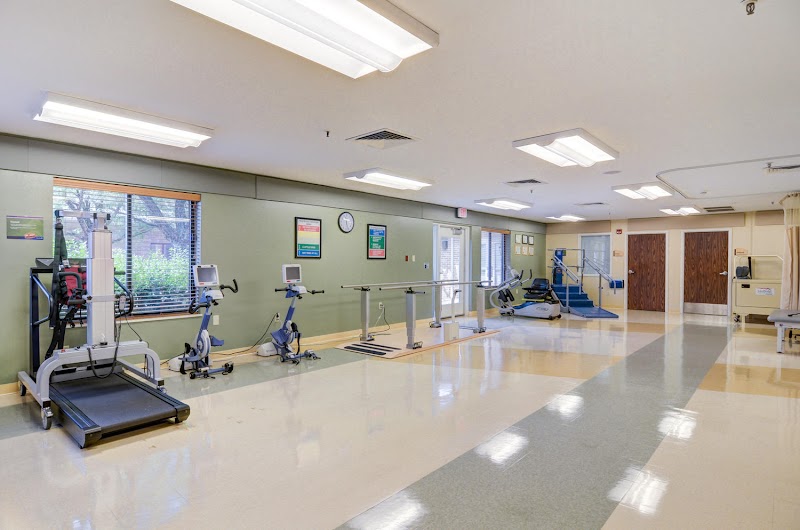
How is Sycamore Trails Post Acute Staffed?

CMS rates SYCAMORE TRAILS POST ACUTE's staffing level at 1 out of 5 stars, which is much below average compared to other nursing homes. Staff turnover is 76%, which is 29 percentage points above the Ohio average of 46%. High turnover can affect care consistency as new staff learn residents' individual needs. RN turnover specifically is 65%, which is notably high. RNs provide skilled clinical oversight, so turnover in this role can affect medical care quality.

What Have Inspectors Found at Sycamore Trails Post Acute?

State health inspectors documented 51 deficiencies at SYCAMORE TRAILS POST ACUTE during 2019 to 2024. These included: 2 that caused actual resident harm, 46 with potential for harm, and 3 minor or isolated issues. Deficiencies causing actual harm indicate documented cases where residents experienced negative health consequences.
Who Owns and Operates Sycamore Trails Post Acute?

SYCAMORE TRAILS POST ACUTE is owned by a non-profit organization. Non-profit facilities reinvest revenue into operations rather than distributing to shareholders. The facility is operated by PACS GROUP, a chain that manages multiple nursing homes. With 102 certified beds and approximately 71 residents (about 70% occupancy), it is a mid-sized facility located in MIAMISBURG, Ohio.
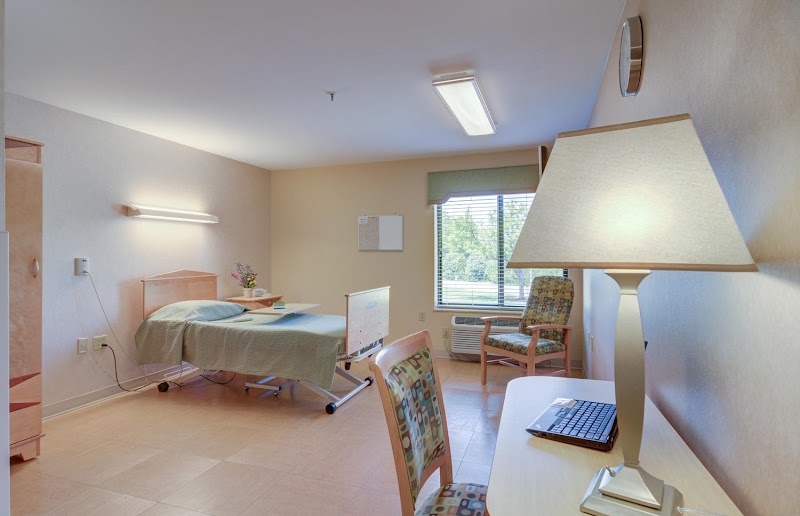
How Does Sycamore Trails Post Acute Compare to Other Ohio Nursing Homes?

Compared to the 100 nursing homes in Ohio, SYCAMORE TRAILS POST ACUTE's overall rating (2 stars) is below the state average of 3.2, staff turnover (76%) is significantly higher than the state average of 46%, and health inspection rating (2 stars) is below the national benchmark.

What Should Families Ask When Visiting Sycamore Trails Post Acute?

Based on this facility's data, families visiting should ask: "How do you ensure continuity of care given staff turnover, and what is your staff retention strategy?" "Can you walk me through typical staffing levels on day, evening, and night shifts?" "Can I visit during a mealtime to observe dining assistance and food quality?" "How do you handle medical emergencies, and what is your hospital transfer rate?" These questions are particularly relevant given the facility's high staff turnover rate and the below-average staffing rating.

Is Sycamore Trails Post Acute Safe?

Based on CMS inspection data, SYCAMORE TRAILS POST ACUTE has a clean safety record: no substantiated abuse findings (meaning no confirmed cases of resident harm), no Immediate Jeopardy citations (the most serious violation level indicating risk of serious injury or death), and is not on the Special Focus Facility watch list (a federal program monitoring the lowest-performing 1% of nursing homes). The facility has a 2-star overall rating and ranks #100 of 100 nursing homes in Ohio. While no facility is perfect, families should still ask about staff-to-resident ratios and recent inspection results during their visit.

Do Nurses at Sycamore Trails Post Acute Stick Around?

Staff turnover at SYCAMORE TRAILS POST ACUTE is high. At 76%, the facility is 29 percentage points above the Ohio average of 46%. Registered Nurse turnover is particularly concerning at 65%. RNs handle complex medical decisions and coordinate care — frequent RN changes can directly impact care quality. High turnover means new staff may not know residents' individual needs, medications, or preferences. It can also be disorienting for residents, especially those with dementia who rely on familiar faces. Families should ask: What is causing the turnover? What retention programs are in place? How do you ensure care continuity during staff transitions?

Was Sycamore Trails Post Acute Ever Fined?

SYCAMORE TRAILS POST ACUTE has been fined $11,037 across 1 penalty action. This is below the Ohio average of $33,189. While any fine indicates a compliance issue, fines under $50,000 are relatively common and typically reflect isolated problems that were subsequently corrected. Families should ask what specific issues led to these fines and confirm they've been resolved.

Is Sycamore Trails Post Acute on Any Federal Watch List?

SYCAMORE TRAILS POST ACUTE is not on any federal watch list. The most significant is the Special Focus Facility (SFF) program, which identifies the bottom 1% of nursing homes nationally based on persistent, serious quality problems. Not being on this list means the facility has avoided the pattern of deficiencies that triggers enhanced federal oversight. This is a positive indicator, though families should still review the facility's inspection history directly.