SYCAMORESPRING OF MIAMISBURG
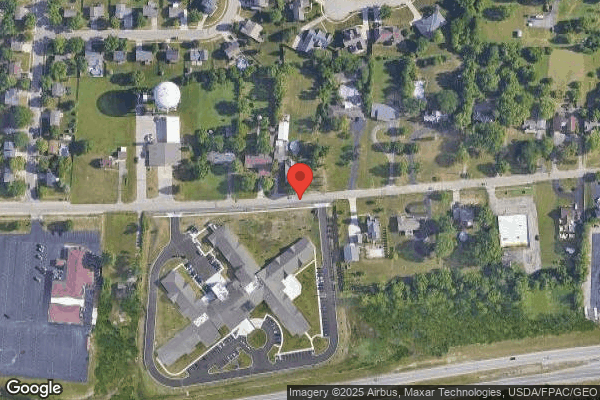

2164 E CENTRAL AVE, MIAMISBURG, OH 45342 (937) 384-4308
For profit - Limited Liability company 99 Beds CARESPRING Data: November 2025 1 Immediate Jeopardy citation
Trust Grade
68/100
#173 of 913 in OH
Last Inspection: February 2024

Within standard 12-15 month inspection cycle. Federal law requires annual inspections.

Overview

Sycamoresspring of Miamisburg has a Trust Grade of C+, which means it is slightly above average but not exceptional. It ranks #173 out of 913 facilities in Ohio, placing it in the top half, and #7 out of 40 in Montgomery County, indicating only six local options are better. The facility is improving, with issues decreasing from four in 2024 to one in 2025. Staffing is rated average at 3 out of 5 stars, with a turnover rate of 53%, which is close to the state average of 49%, and there is good RN coverage, exceeding 77% of Ohio facilities, ensuring better care. While there have been no fines, which is a positive sign, there have been concerning incidents in the past, including a critical failure to monitor a resident on anticoagulant medication, leading to life-threatening harm, and a serious incident where a resident fell during transfer due to inadequate assistance, resulting in a fractured femur. Overall, while Sycamoresspring shows strengths in RN coverage and a lack of fines, families should be aware of past incidents that reflect areas needing improvement.

Trust Score
C+
68/100
In Ohio
#173/913
Top 18%
Safety Record
High Risk
Review needed
Inspections
Getting Better
4 → 1 violations
Staff Stability
⚠ Watch
53% turnover. Above average. Higher turnover means staff may not know residents' routines.
Penalties
✓ Good
No fines on record. Clean compliance history, better than most Ohio facilities.
Skilled Nurses
✓ Good
Each resident gets 52 minutes of Registered Nurse (RN) attention daily — more than average for Ohio. RNs are trained to catch health problems early.
Violations
⚠ Watch
19 deficiencies on record. Higher than average. Multiple issues found across inspections.
★★★★★
5.0
Overall Rating
★★★☆☆
3.0
Staff Levels
★★★★★
5.0
Care Quality
★★★★☆
4.0
Inspection Score
Stable
2024: 4 issues
2025: 1 issues

The Good

  • 5-Star Quality Measures · Strong clinical quality outcomes
  • Full Sprinkler Coverage · Fire safety systems throughout facility
  • No fines on record

Facility shows strength in quality measures, fire safety.

The Bad

Staff Turnover: 53%

Near Ohio avg (46%)

Higher turnover may affect care consistency

Chain: CARESPRING

Part of a multi-facility chain

Ask about local staffing decisions and management

The Ugly 19 deficiencies on record

1 life-threatening 1 actual harm
Sept 2025 1 deficiency 1 Harm
SERIOUS (G) 📢 Someone Reported This

A family member, employee, or ombudsman was alarmed enough to file a formal complaint

Actual Harm - a resident was hurt due to facility failures

Accident Prevention (Tag F0689)

A resident was harmed · This affected 1 resident

**NOTE- TERMS IN BRACKETS HAVE BEEN EDITED TO PROTECT CONFIDENTIALITY** THE FOLLOWING DEFICIENCY REPRESENTS AN INCIDENT OF PAST NON-COMPLIANCE THAT WAS SUBSEQUENTLY CORRECTED PRIOR TO THIS SURVEY. Bas...

Read full inspector narrative →
**NOTE- TERMS IN BRACKETS HAVE BEEN EDITED TO PROTECT CONFIDENTIALITY** THE FOLLOWING DEFICIENCY REPRESENTS AN INCIDENT OF PAST NON-COMPLIANCE THAT WAS SUBSEQUENTLY CORRECTED PRIOR TO THIS SURVEY. Based on medical record review, review of hospital records, review of a facility investigation, staff and family interviews, review of a video recording, and review of the facility policy, the facility failed to provide adequate assistance while transferring a resident resulting in an avoidable fall and failed to ensure staff timely report a fall when it occurred. This resulted in Actual Harm to Resident #78 on 08/25/25 when staff failed to provide adequate assistance when transferring the resident from a wheelchair to the bed which resulted in the resident falling to the floor, then staff assisted the resident back to bed without reporting the fall. Resident #78 was subsequently transferred to the hospital on [DATE] for treatment of a fractured femur to the left leg. This affected one (#78) of three residents reviewed for accidents. The facility census was 93. Findings include: Review of the medical record for Resident #78 revealed an admission date of 04/01/23 with diagnoses including vascular dementia, with other behavioral disturbance, unspecified fracture of left femur, subsequent encounter for closed fracture with routine healing, and major depressive disorder. Review of the Discharge Return Anticipated Minimum Data Set (MDS) assessment dated [DATE] for Resident #78 revealed the resident had severe cognitive impairment, and was dependent on staff assistance with all transfers. Review of the care plan for Resident #78 dated 09/01/25 revealed the resident is at risk for falls related to impaired mobility with interventions to assist resident with transfers, repositioning, and mobility. The care plan also revealed the physician and responsible party are to be notified of all falls. Review of the Radiology report dated 09/01/25 at 8:33 A.M. for Resident #78 revealed there Is a fracture Involving left distal femur with minimal displacement. Review of the progress note for Resident #78, with a created date of 09/02/25 at 5:45 P.M., late entry for 08/25/25 at 10:39 P.M. from Registered Nurse (RN) #301, revealed two Certified Nursing Assistants (CNA's) were transferring Resident #78 from the wheelchair to the bed. Once the resident was on the edge of the bed, she slipped off the edge of the bed onto the floor. Review of the emergency room notes dated 09/01/25 revealed Resident #78 had pain on movement of left hip because of femur fracture, brace on place. Resident #78 placed on intravenous (IV) fluids and IV blood pressure medications. Review of the hospital note dated 09/04/25 revealed surgeon spoke with Resident #78 ' s daughter and decided on nonoperative management. Review of an Incident Inter-Disciplinary Team (IDT) note for Resident #78 dated 09/04/25, completed by the Assistant Director of Nursing (ADON) #343 revealed staff were transferring Resident #78 on 08/25/25 at 10:05 P.M. when staff lost gait control and lowered her to the floor. X-rays were completed on 09/01/25 and the results showed a fracture to the left femur and resident was sent to the emergency room. Review of the witness statement dated 09/02/25 from CNA #473 revealed Resident #78 was successfully transferred then skid off the bed onto the floor. Review of the witness statement dated 09/02/25 from CNA #483 revealed while pivoting Resident #78 to bed, resident slid down and was lowered to the floor. Review of the witness statement undated from CNA #369 revealed when entering the room, Resident #78 was on the floor, sitting by the bed. CNA #369 stated he provided lifting assistance with CNA #483 to lift Resident #78 off the floor and onto the bed. Once in bed Resident #78 was maneuvered to a proper position with a draw sheet. Review of the witness statement dated 09/02/25 from Registered Nurse (RN) #301 revealed she worked with Resident #78 on 08/25/25 and she was not notified of any incidents involving the resident. Interview on 09/16/25 at 9:24 A.M. with Resident #78's family member stated Resident #78 was having increased pain the week of 08/25/25 and it kept getting worse. Resident #78's family member stated the resident's left knee was swelling up, she didn't know why because she didn't receive any reports of any incidents or accidents involving the resident. Resident #78's family stated the resident had a camera in the resident's room so she went back through and watched the videos. Resident #78's family member stated she found on 08/25/25 at around 10:05 P.M. Resident #78 was transferring herself while staff stood by and the resident was supposed to have assistance. Resident #78's family member stated the resident fell on the floor in front of the bed. Resident #78's family member revealed the facility had not reported any incidents to her. Resident #78's family member stated she called the facility and reported the fall and requested x-rays of Resident #78's left leg. When the x-rays came back with a fracture, Resident #7 was sent to the ER. Interview on 09/17/25 at 7:49 A.M. with ADON #343 revealed Resident #78 experienced a fall on 08/25/25 but the incident was not reported until 09/01/25. ADON #343 confirmed she completed the investigation of the fall involving Resident #78. ADON #343 confirmed Resident #78 was assessed on 09/01/25, the physician was notified and the resident was sent to the hospital related to a fractured left femur. Interview on 09/17/25 at 8:35 A.M. with Director of Nursing (DON) and Administrator confirmed staff did not report a fall for Resident #78 until they received a call from the resident's family member on 09/01/25 reporting Resident #78 was having increased pain and she watched the videos and seen the resident fall on 08/25/25. The DON and Administrator stated Resident #78's family member had notified the facility about the fall due to the resident's complaints of pain. The DON and Administrator reported Resident #78's family member observed a fall on the video recording device on 08/25/25 at 10:05 P.M. The DON and Administrator confirmed the facility immediately began the investigation and two CNA's (#473 and #483) were terminated due to failing to follow facility protocol of reporting a fall when it happened. The DON and Administrator confirmed the facility investigated and had witness statements competed from all the CNA's involved the night of the incident on 09/02/25. Review of the video recording dated 08/25/25 at 10:05 P.M. revealed Resident #78 was in her room with one male and one female employee. The female employee had her hands on the wheelchair handles, while the male employee is to the right of the resident approximately three feet away. Resident #78 was in a sitting position at the edge of the of the wheelchair seat, close to the bed. Resident #78 is noted with her left arm on the bed, with her elbow bent as if she is pushing, trying to transfer herself. At 10:05:26 P.M. Resident #78 asks what's that then you hear a noise and the resident slips down between the bed and the wheelchair. At no time before this did the staff in the room attempt to assist Resident #78. At 10:05:27 P.M. the male employee leaned over, reaches for the resident under her arms. Resident #78 screams, the male employee steps away from the resident and the female employee leaves the room. The video continues until 10:07:21 P.M. with the male employee standing by the back wall behind the resident observing the resident. Another male employee was observed entering Resident #78's room and assisting with transferring the resident back to bed. Review of the facility policy titled Fall and Accident Management dated 08/2019 revealed after a fall the physician and the responsible party will be notified. Nursing completes documentation related to the occurrence. The deficient practice was corrected on 09/05/25 when the facility implemented the following corrective actions: On 09/01/25, Resident #78 was assessed by RN #301, the physician was notified, and the resident was sent to the hospital for evaluation and treatment. The Administrator and DON began an investigation regarding Resident #78's fall. On 09/02/25, the DON or designee reviewed Resident #78's medical record including but not limited to medication administration records, progress notes and care plans. Resident #78's care plan was updated as needed by the DON. On 09/02/25 through 09/04/25, the DON or designee interviewed current interviewable residents to determine if there were any falls or incidents that occurred that were not documented in the medical record. No issues were noted. On 09/02/25 through 09/04/25, the DON or designee completed head to toe assessments on current non-interviewable residents to determine if there were any concerns for bruising, abrasions, swelling, complaints of pain that could be the result of an undocumented fall. No issues were noted. On 09/02/25, the DON or designee reviewed current residents' progress notes from the last 14 days to review for any possible injuries that may be related to an undocumented fall. No issues were noted. On 09/02/25, the DON or designee reviewed fall documentation from current residents experiencing a fall in the last 14 days to ensure an adequate assessment and documentation was completed, intervention implemented post fall, and notifications of responsible party and physician timely after a fall. No issues were noted. On 09/02/25, the DON, Director of Rehab and/or designee reviewed current residents' care plans to reflect accurate transfer assistance. On 09/02/25, the DON or designee provided in-service training to all nursing staff. This in-service included ensuring residents experiencing a fall and/or that have been lowered to the floor are reported to the nurse, ensuring the resident is adequately assessed by the nurse following incidents, ensuring the fall is documented in the medical record, and that the physician and responsible party are notified timely of a resident fall. Additionally, the in-service training included ensuring residents are provided with transfer assistance according to the care plan. The in-service training was completed by 09/05/25. A Quality Assurance (QA) meeting was held on 09/03/25 at 12:30 P.M. with the Administrator, Medical Director, Regional Director of Operations, DON, [NAME] President of Nursing, and Corporate QA Nurse. This deficiency represents non-compliance investigated under Complaint Number 2609393.
Nov 2024 2 deficiencies
CONCERN (D) 📢 Someone Reported This

A family member, employee, or ombudsman was alarmed enough to file a formal complaint

Potential for Harm - no one hurt, but risky conditions existed

Transfer Requirements (Tag F0622)

Could have caused harm · This affected 1 resident

Based on medical record review, staff interviews, and policy review, the facility failed to ensure a resident was permitted to stay in the facility once payer source changed from Medicare Part A to pr...

Read full inspector narrative →
Based on medical record review, staff interviews, and policy review, the facility failed to ensure a resident was permitted to stay in the facility once payer source changed from Medicare Part A to private pay. This affected one (#100) out of the three residents reviewed for discharges. The facility census was 98. Finding includes: Review of the medical record for the Resident #100 revealed an admission date of 09/15/24 with medical diagnoses of nontraumatic subarachnoid hemorrhage, cirrhosis, hepatic encephalopathy, anorexia, and congestive heart failure. Review of the medical record for Resident #100 revealed a discharge date of 11/10/24. Review of the medical record for Resident #100 revealed an admission Minimum Data Set (MDS) assessment, dated 09/21/24, indicated Resident #100 had moderately impaired cognition and required partial/moderate staff assistance with eating, bed mobility, and transfers, was dependent upon staff for toilet hygiene, and required substantial/maximum staff assistance for bathing. Review of the medical resident #100 revealed a Social Service note dated 11/05/24 which stated Resident #100's daughter was notified the Medicare services would be exhausted on 11/06/24 and Resident #100 would be private pay. The note stated Resident #100's daughter asked the facility to begin the Medicaid process. The note stated Social Service notified Resident #100's daughter that Resident #100 did not have a power of attorney (POA) and because Resident #100 was severely cognitively impaired the facility would ask for a statement of expert evaluation from the physician prior to starting the Medicaid process. Review of the medical record for Resident #100 revealed no documentation to support the facility issued Resident #100 a 30-day discharge notice. Interview on 11/12/24 at 1:42 P.M. with Social Service Director (SSD) #202 stated she spoke with Resident #100's daughter on 11/06/24 about starting the Medicaid process and informed the daughter that Resident #100 did not have a POA, so the facility needed to get guardianship before the Medicaid application process started. SSD #202 stated she completed the paperwork for Resident #100's expert evaluation and placed the paperwork into the physician's mailbox to review and sign. SSD #202 stated before the physician could review the paperwork, Resident #100's family took Resident #100 with home health. SSD #202 confirmed Resident #100 would have been private pay until Medicaid application was approved but Medicaid would pay the Resident #100's balance from the date of the Medicaid application. Interview on 11/12/24 at 2:45 P.M. with Administrator stated Resident #100 had exhausted her Medicare A days and she would become private pay on 11/07/24. Administrator stated she informed Resident #100's daughter that the facility did not have a long-term care bed available, so the facility would assist with transferring Resident #100 to another facility. Administrator confirmed all facility beds were dually certified Medicare and Medicaid. Administrator stated the facility had not issued any 30- day discharge notices in the past six months. Administrator confirmed the family chose to take Resident #100 home instead of transferring to another facility. Review of the facility policy titled. Resident Transfer-Discharge Rights from the Facility, revised October 2022, stated the facility shall permit each resident to remain in the facility, and not transfer or discharge the resident from the facility unless transfer or discharge was necessary for the resident's welfare and the resident's needs could not be met in the facility, the transfer or discharge was appropriate because the resident's health has improved sufficiently so the resident on longer needs the services provided at the facility, the resident's urgent medical needs necessitated an immediate transfer, the safety or health of individuals in the facility was endangered due to the clinical or behavioral status of the resident, the resident has failed, after reasonable and appropriate notice, to pay for (or to have paid under Medicare or Medicaid) a stay at the facility or the facility ceases to operate. The policy stated transfers and discharges are permitted to take place even if a Medicaid application is pending, if the application is similar to a previous one, which was denied. This deficiency represents non-compliance investigated under Complaint Number OH00159674.
CONCERN (D) 📢 Someone Reported This

A family member, employee, or ombudsman was alarmed enough to file a formal complaint

Potential for Harm - no one hurt, but risky conditions existed

Medical Records (Tag F0842)

Could have caused harm · This affected 1 resident

Based on medical record review, resident and staff interviews, and policy review, the facility failed to ensure wound care was documented in medical record. This affected one (#80) out of the three re...

Read full inspector narrative →
Based on medical record review, resident and staff interviews, and policy review, the facility failed to ensure wound care was documented in medical record. This affected one (#80) out of the three residents reviewed for wound care. The facility census was 98. Findings include: Review of the medical record for Resident #80 revealed an admission date of 08/19/23 with medical diagnoses of respiratory failure, diabetes mellitus with chronic kidney disease, chronic venous hypertension, congestive heart failure, and schizoaffective disorder. Review of the medical record for Resident #80 revealed a quarterly Minimum Data Set (MDS) assessment, dated 10/30/24, which indicated Resident #80 had moderately impaired cognition and was dependent for bathing, toileting hygiene, and transfers. The MDS indicated Resident #80 was always incontinent of bladder and bowel. Review of the medical record for Resident #80 revealed a weekly wound progress note, dated 11/04/24, which stated Resident #80 had moisture associated skin damage (MASD) to right buttock and unstageable pressure ulcer to right distal buttock which was acquired 09/02/24. Review of the medical record revealed weekly skin assessments were completed and treatment orders were in place. Review of the medical record for Resident #80 revealed a physician order dated 05/01/24 to cleanse, pat dry and to apply remedy skin cream 1.5% to bilateral buttocks two times per day, an order dated 05/13/24 for low air loss mattress, and an order dated 10/31/24 to cleanse right distal buttock with normal saline, pat dry, apply calcium alginate, apply gauze, and cover with island bordered dressing daily and as needed. Review of the medical record for Resident #80 revealed the November 2024 Medication Administration Record (MAR) and/or Treatment Administration Record (TAR) did not contain documentation to support the facility completed wound care to right distal buttock wound as ordered from 11/01/24 to 11/11/24. Interview on 11/12/24 at 1:07 P.M. with Resident #80 confirmed he received wound care to his right buttock daily but stated at times he would refuse cares. Interview on 11/12/24 at 2:16 P.M. with Director of Nursing (DON) confirmed Resident #80's medical record did not contain documentation to support wound care to right distal wound was completed as ordered 11/01/24 to 11/11/24. DON stated the order for the treatment was not entered into the electronic health record (EHR) correctly but stated the staff had completed the wound care as ordered because Resident #80 had the wound for a long time and staff was aware that the wound care needed completed daily. Interview on 11/12/24 at 3:25 P.M. with Licensed Practical Nurse (LPN) #210 confirmed she provided care for Resident #80 and performed wound care on 11/06/24 and 11/07/24. LPN #210 stated Resident #80 would require multiple dressing changes in one day due to incontinence. LPN #210 denied any concern that Resident #80's wound care to right distal buttock was not changed at least daily from 11/01/24 to 11/11/24. Interview on 11/12/24 at 3:28 P.M. with LPN #211 confirmed she worked 11/08/24 and 11/09/24 on night shifts and completed wound care to Resident #80's right distal buttock. LPN #211 stated Resident #80 had the wound for a while and she knew that treatment needed to be done. LPN #211 stated she was not aware the order was entered into the EHR incorrectly or that staff had not been documenting wound care completion. LPN #211 stated Resident #80's dressing to right distal buttock would be changed more than one time per shift because of bowel incontinence. LPN #211 denied any concern that Resident #80 wound care to right distal buttock was not changed daily from 11/01/24 to 11/11/24. Interview on 11/12/24 at 3:41 P.M. with Registered Nurse (RN) #212 stated she provided care for Resident #80 between 11/01/24 and 11/11/24. RN #212 stated she was not aware the order for treatment to the right distal buttock was not entered into the EHR correctly but stated staff knew Resident #80 had the wound to his right buttock and completed the treatment as ordered. RN #212 denied any concern that Resident #80's wound care to right distal buttock was not completed daily. Review of the facility policy titled, Skin Preventive Measures, stated staff would verify treatment orders after evaluation and documentation of wound. This deficiency represents non-compliance investigated under Complaint Number OH00159674.
Oct 2024 1 deficiency
CONCERN (D) 📢 Someone Reported This

A family member, employee, or ombudsman was alarmed enough to file a formal complaint

Potential for Harm - no one hurt, but risky conditions existed

Infection Control (Tag F0880)

Could have caused harm · This affected 1 resident

Based on medical record review observation, staff interview, and review of the facility policy, the facility failed to ensure proper hand hygiene and enhanced barrier precautions were followed during ...

Read full inspector narrative →
Based on medical record review observation, staff interview, and review of the facility policy, the facility failed to ensure proper hand hygiene and enhanced barrier precautions were followed during incontinence care. This affected one (Resident #28) of three residents reviewed for incontinence care. The facility census was 93 residents. Findings include: Review of the medical record for Resident #28 revealed an admission date of 09/13/24 with diagnoses including chronic bronchitis, depression, and traumatic ischemia of muscle. Review of the Minimum Data Set (MDS) assessment for Resident #28 dated 09/19/24 revealed the resident had intact cognition and required setup assistance with eating, was dependent with toileting and bathing, had a urinary catheter and was always incontinent of bowel. Review of the care plan for Resident #28 dated 09/13/24 revealed the resident had an indwelling catheter related to obstructive uropathy. Interventions included the following: perform catheter care every shift and as needed, empty catheter bag every shift and as needed, maintain enhanced barrier precautions (EBP) due to indwelling catheter, staff to check catheter tubing for kinks. Observation on 10/09/24 at 11:33 A.M. of incontinence care for Resident #28 per State Tested Nurse Aide (STNA) #10 revealed the resident was in EBP related to the urinary catheter. STNA #10 did not don a gown before or during care. STNA #10 performed hand hygiene and applied gloves. Resident #28 had a large bowel movement which STNA #10 cleaned with gloved hands. STNA #10 then applied clean linens and a dry incontinence brief and adjust the resident's bed wearing the same soiled gloves. Interview on 10/09/24 at 11:55 A.M. with STNA #10 confirmed Resident #28 was in EBP due to having an indwelling urinary catheter but he did not don a gown before or during care. Further interview with STNA #10 confirmed he cleaned bowel movement from Resident #28 with his gloved hands and then applied clean linens to the bed and a dry incontinence brief to the resident and adjust the resident's bed wearing the same soiled gloves. Review of the facility policy titled Hand Hygiene dated August 2024 revealed all team members of the facility would follow hand hygiene guidelines to reduce the incidence of health care associated infections. Staff should wear gloves when contact with blood or other potentially infectious materials (body fluids, secretions, and excretions) was likely. Staff should change gloves during patient care if moving from a contaminated body site to a clean body site. Staff should remove gloves promptly after use, before touching non-contaminated items and environmental surfaces. Review of the facility policy titled Infection Control - Transmission Based Precautions dated April 2024 revealed transmission-based precautions should be used when caring for residents who were documented or suspected to have communicable diseases or infections that could be transmitted to others. EBP was an infection control intervention designed to reduce the transmission of specific multi-drug resistance organisms (MDROs) that employed the use of gowns and gloves high contact resident care activities. This deficiency represents noncompliance investigated under Complaint Number OH00157481.
Feb 2024 1 deficiency
CONCERN (D)

Potential for Harm - no one hurt, but risky conditions existed

Deficiency F0761 (Tag F0761)

Could have caused harm · This affected 1 resident

2. Review of the medical record for Resident #22 revealed an admission date of 10/04/23 with diagnoses including end stage renal disease, acute osteomyelitis right foot and ankle, type two diabetes me...

Read full inspector narrative →
2. Review of the medical record for Resident #22 revealed an admission date of 10/04/23 with diagnoses including end stage renal disease, acute osteomyelitis right foot and ankle, type two diabetes mellitus, cerebral infarction, Crohn's disease, multiple sclerosis, and peripheral vascular disease. Review of physician orders for Resident #22 revealed orders dated 10/06/23 for sevelamer carbonate 800 milligrams (mg) give four tablets by mouth with meals for end stage renal disease- may keep at bedside and PhosLo capsule give one capsule by mouth with meals-may keep at bedside. Review of the MDS assessment for Resident #22 dated 01/08/24 revealed the resident was cognitively intact. Observation on 02/13/24 11:04 A.M. revealed a bottle of sevelamer carbonate and a bottle of PhosLo were sitting on Resident #22's bed side table, and the resident was in the room. Interview on 02/13/24 at 11:04 A.M. with Resident #22 confirmed she self-administered sevelamer carbonate and PhosLo because she needed to take the medications when she ate. Review of the medication self-administration evaluation for Resident #22 dated 01/06/24 revealed the resident was able to self-administer PhosLo and sevelamer carbonate. Resident #22 was cognitively intact and was able to demonstrate secure storage of the medications in her room. The physician gave an order for the resident to self-administer PhosLo and sevelamer carbonate. Observation on 02/14/24 at 1:48 P.M. revealed Resident #22's room door was open, and resident was not in the room. There was a bottle of PhosLo and a bottle of sevelamer carbonate sitting on the resident's bedside table. Interview on 02/14/24 at 1:49 P.M. with the Director of Nursing (DON) confirmed Resident#22 was not in the room and there was a bottle of PhosLo and a bottle of sevelamer carbonate sitting on the resident's bedside table. The DON confirmed the resident was supposed to lock up her medications in her bedside dresser when she was not in the room. Interview on 02/14/24 at 1:59 P.M. with Licensed Practical Nurse (LPN) #200 confirmed Resident #22 had left her medications unattended on prior occasions and she had spoken to Resident #22 about the need to ensure her medications were locked up when she was not in the room. Review of the facility policy titled Medication Storage dated December 2012 revealed the facility would ensure medications were securely stored in a locked cabinet/cart or locked medication room. Review of the facility policy titled Self Administration of Medication dated February 2022 revealed residents had the right to self-administer medications if the Interdisciplinary Team (IDT) had determined it was clinically appropriate. If a resident requested to self-administer medications the IDT was responsible for determining if it was safe for the resident to do so. Based on medical record review, observation, staff interview, resident interview and review of the facility policy, the facility failed to ensure all medications were stored securely. This affected two (Residents #11 and #22) of seven residents reviewed for medication storage and had the potential to affect four residents (#41, #48, #68, #72) identified by the facility as being independently ambulatory and cognitively impaired. The facility census was 97. Findings include: 1.Review of the medical record for Resident #11 revealed an admission date of 12/14/23 with diagnoses including displaced fracture of right lower leg and protein calorie malnutrition. Review of the admission orders for Resident #11 dated 12/14/23 revealed the resident did not want to self-administer medications. Review of the Minimum Data Set (MDS) assessment for Resident #11 dated 12/20/23 revealed the resident had intact cognition. Review of the physician orders for Resident #11 revealed an order dated 02/07/24 carboxymethylcellulose sodium one drop per eye two times a day for dry eyes. Observation of medication administration for Resident #11 on 02/15/24 at 8:24 A.M. per Licensed Practical Nurse (LPN) #176 revealed the nurse could not locate the resident's eye drops in the medication cart. LPN #176 asked Resident #11 if he knew where his eye drops were located. Resident #11 reached for his personal bag on the floor next to his bed and told LPN #176 that someone had given him the eye drops last night and he had kept them in his bag. Interview on 02/15/24 at 8:30 A.M. with LPN #176 confirmed Resident #11 did not have an order for self-administration, and the eye drops should be stored in the medication cart.
Mar 2020 3 deficiencies
CONCERN (D)

Potential for Harm - no one hurt, but risky conditions existed

Notification of Changes (Tag F0580)

Could have caused harm · This affected 1 resident

**NOTE- TERMS IN BRACKETS HAVE BEEN EDITED TO PROTECT CONFIDENTIALITY** Based on medical record review and resident representative and staff interview, the facility failed to notify the resident's rep...

Read full inspector narrative →
**NOTE- TERMS IN BRACKETS HAVE BEEN EDITED TO PROTECT CONFIDENTIALITY** Based on medical record review and resident representative and staff interview, the facility failed to notify the resident's representative when medications were not available for administration. This affected one (#17) of five residents review for unnecessary medication. The census was 88. Findings include: Review of the medical record for Resident #17 revealed the resident was admitted to the facility on [DATE] at 5:07 P.M. Diagnoses include seizures, idiopathic epilepsy, venous thrombosis, protein calorie malnutrition, chronic respiratory failure, dysphagia, malformation of brain, disorder of psychological development, repeated falls, hypertension, and, ataxia. Review of an admission minimum data set (MDS) assessment dated [DATE] revealed Resident #17 required extensive assist of one person for bed mobility, locomotion, and walking. The resident required extensive assistance of two for transfers and was dependent upon staff for dressing and eating. A brief interview of mental status was not completed because the resident was rarely/never understood. The assessment revealed the resident had long term memory problems and was not able to recall the current season, location of own room, staff names/faces, or the he/she was in a nursing home. Review of a medication administration record (MAR) dated 02/20 revealed the medications prescribed to be administered to Resident #17 on 02/19/20 at 9:00 P.M. were unavailable. The medication identified as unavailable for administration included lacosamide tablet (anticonvulsant) 200 milligram (mg); ativan (anticonvulsant/antianxiety) one mg, Phenobarbital tablet (anticonvulsant) 64.8 mg; phenytoin sodium (anticonvulsant) 100 mg with 30 mg give two capsules (total of 160 mg); Eliquis (anticoagulant) five mg; Losartan potassium (antihypertensive) 25 mg; and Mucinex (expectorant) 600 mg. Continued review of the MAR revealed ativan one mg was not available to be administered on 02/20/20 at 9:00 P.M. Review of the medical record for Resident #17 revealed there was no evidence of the representative for Resident #17 being notified of medications that were not administered on 02/19/20 or 02/20/20. Interview on 03/03/20 at 11:37 A.M. with two of Resident #17's representatives revealed the facility did not notify the representatives of the medications which were unavailable for administration on 02/19/20 and 02/20/20. Interview on 03/05/20 at 2:42 P.M. with the Director of Nursing (DON) verified the medical record for Resident #17 contained no evidence the resident's representatives were notified of the medication not administered to the resident on 02/19/20 and 02/20/20.
CONCERN (D)

Potential for Harm - no one hurt, but risky conditions existed

Deficiency F0757 (Tag F0757)

Could have caused harm · This affected 1 resident

**NOTE- TERMS IN BRACKETS HAVE BEEN EDITED TO PROTECT CONFIDENTIALITY** Based on medical record review, staff interview, policy review and review of medication information from Medscape, the facility ...

Read full inspector narrative →
**NOTE- TERMS IN BRACKETS HAVE BEEN EDITED TO PROTECT CONFIDENTIALITY** Based on medical record review, staff interview, policy review and review of medication information from Medscape, the facility failed to ensure a resident was free from unnecessary medications when the staff failed to follow physician ordered parameters regarding the administration of a cardiac medication. This affected one (#29) of five residents reviewed for unnecessary medications. The facility census was 88. Findings included: Medical record review for Resident #29 revealed an admission date of 08/30/19. Medical diagnoses included hypertension and cerebrovascular accident with impairment to left side. Review of quarterly Minimum Data Set (MDS) dated [DATE] revealed she cognitively intact. Functional status was total dependence for bed mobility and transfers with two-person assistance. She was total dependence for toilet use with one-person assistance and supervision for eating with set-up help. Review of physician orders dated 08/31/19 revealed Cardizem 24-hour to give 240 milligrams (mg) by mouth in the morning for hypertension and hold if pulse was less than 70 beats per minute (bpm). Review of Medication Administration Record (MAR) from 12/01/19 through 12/31/19 for Resident #29 revealed there were nine dates the Cardizem was administered where the pulse was less than 70 bpm. Those dates were 12/10/19, 12/11/19, 12/14/19, 12/15/19, 12/16/19, 12/24/19, 12/27/19, 12/28/19 and 12/29/19. Further review of the MAR from 01/01/20 through 01/31/20 revealed there were ten dates the medication was administered with a pulse documented less than 70 bpm. Those dates were 01/01/20, 01/02/20, 01/04/20 ,01/06/20, 01/07/20, 01/10/20, 01/11/20, 01/12/20, 01/14/20, and 01/31/20. Review of the MAR from 02/01/20 through 02/29/20 revealed there was ten times the medication was given with a pulse less than 70. Those dates were 02/02/20, 02/06/20, 02/08/20, 02/12/20, 02/15/20, 02/19/20, 02/20/20, 02/22/20, 02/26/20 and 02/27/20. Interview with the Director of Nursing (DON) on 03/05/20 at 10:28 A.M. verified the above mentioned dates the Cardizem was given during the time frame to the resident with a pulse of less than 70. Review of policy entitled Change of Condition revised 06/01/15 revealed the facility staff will reported identified significant changes in resident's status. Documentation of the condition will be noted in the nursing notes or interdisciplinary charting. The resident's physician will be notified of significant changes in the resident's condition. Review of medication information from Medscape revealed Cardizem is a cardiac medication used to treat angina (chest pain), hypertension, paroxysmal supraventricular tachycardia (fast heart beat) and atrial fibrillation/flutter
CONCERN (D)

Potential for Harm - no one hurt, but risky conditions existed

Deficiency F0760 (Tag F0760)

Could have caused harm · This affected 1 resident

**NOTE- TERMS IN BRACKETS HAVE BEEN EDITED TO PROTECT CONFIDENTIALITY** Based on medical record review, cubex (emergency medication box) supply list review, staff, Nurse Practitioner and physician int...

Read full inspector narrative →
**NOTE- TERMS IN BRACKETS HAVE BEEN EDITED TO PROTECT CONFIDENTIALITY** Based on medical record review, cubex (emergency medication box) supply list review, staff, Nurse Practitioner and physician interviews, policy review and review of medication information from Medscape, the facility failed administer medications as ordered by the physician resulting in significant medication errors. This affected one (#17) of five residents review for unnecessary medication. The census was 88. Findings include: Review of the medical record for Resident #17 revealed the resident was admitted to the facility on [DATE] at 5:07 P.M. Diagnoses include seizures, idiopathic epilepsy, venous thrombosis, protein calorie malnutrition, chronic respiratory failure, dysphagia, malformation of brain, disorder of psychological development, repeated falls, hypertension, and, ataxia. Review of an admission minimum data set (MDS) assessment dated [DATE] revealed Resident #17 required extensive assist of one person for bed mobility, locomotion, and walking. The resident required extensive assistance of two for transfers and was dependent upon staff for dressing and eating. A brief interview of mental status was not completed because the resident was rarely/never understood. The assessment revealed the resident had long term memory problems and was not able to recall the current season, location of own room, staff names/faces, or the he/she was in a nursing home. Review of a medication administration record (MAR) dated 02/20 revealed the medications prescribed to be administered to Resident #17 on 02/19/20 at 9:00 P.M. were unavailable. The medication identified as unavailable for administration included lacosamide tablet (anticonvulsant) 200 milligram (mg); ativan (anticonvulsant/antianxiety) one mg, Phenobarbital tablet (anticonvulsant) 64.8 mg; phenytoin sodium (anticonvulsant) 100 mg with 30 mg give two capsules (total of 160 mg); Eliquis (anticoagulant) five mg; Losartan potassium (antihypertensive) 25 mg; and Mucinex (expectorant) 600 mg. Continued review of the MAR revealed ativan one mg was not available to be administered on 02/20/20 at 9:00 P.M. Review of a document titled, Cubex Formulary undated revealed the medications Eliquis 2.5 mg (supply of eight), Mucinex 600 mg (supply of 10), Phenobarbital 32.4 mg (supply of 10), phenytoin 100 mg (supply of six), phenytoin 50 mg chew tablet (supply of five), ativan one mg (supply of two), Losartan 25 mg (supply of 10) where listed as available for resident use in the facilities emergency medication supply. The only medication not listed as available in the emergency medication supply was lacosamide. Interview on 03/04/20 at 8:33 A.M. with the Director of Nursing (DON) revealed when a resident was admitted to the facility and had physician ordered medication due for administration, the medications could be obtained from the facilities emergency medication supply. The DON further revealed if a medication was not available in the emergency box supply then the physician would be notified for further direction. Continued interview with the DON revealed the code 16, when documented on a residents MAR, indicated the medication was not available from pharmacy. The DON verified documentation on the MAR dated 02/20 for Resident #17 revealed medications scheduled at 9:00 P.M. on 02/19/20, which included ativan one mg; Phenobarbital 64.8 mg; phenytoin sodium 160 mg; lacosamide 200 mg; Eliquis 5 mg; Losartan potassium 25 mg; and Mucinex 600 mg was not not available from pharmacy. The DON further verified the ativan scheduled on 02/20/20 at 9:00 P.M. was documented as unavailable. The DON confirmed the medications that were documented as unavailable on 02/19/20 and 02/20/20 were not administered to Resident #17. Continued interview with the DON verified six of the seven medications that were documented on the resident MAR as unavailable, were identified on the cubex formulary and available in the emergency medication supply. Interview on 03/04/20 at 8:58 A.M. with Physician #239 (Resident #17 primary care physician) revealed when medication were available in the facilities emergency supply and there was a valid prescription, it would be expect that the medications would be administered. Interview with the physician revealed the only medication that should have been held for Resident #17 on 02/19/20 at 9:00 P.M. was the lacosamide, because it was not available in the emergency box. Continued interview with Physician #239 revealed on this day, 03/04/20, the facility spoke with this physician in regards to the medications that were placed on hold on 02/19/20 by the on call nurse practitioner. The interview revealed it was this physician's professional opinion that the available medications should have been administered as ordered. Interview with the physician revealed the physician was made aware of the 02/19/20 medications being placed on hold on 03/04/20 and the physician was asked to sign the telephone ordered for the held medication on 03/04/20, even though the telephone order indicated the order was signed by this physician on 02/19/20. The physician did not know who documented the sign date as 02/19/20. Interview 03/04/20 at 10:37 A.M. with Nurse Practitioner (NP) #238 (on call for Physician #239 on 02/19/20) revealed facility staff called the NP on 02/19/20, and a verbal order was given to hold unavailable medications until they were available the next morning. Interview with NP #238 revealed the NP was not aware of the facility having an emergency medication supply. Further interview with the NP revealed it was the NP's expectation that any medications which had a valid order and was available in the emergency supply would be administered to Resident #17 and not be held until the next morning. Review of a policy titles, Emergency Boxes and On-Site Stores, dated 06/21/17, revealed the pharmacy supplies an emergency box and other on-site stores of medications to be utilized by he facility in the case of new admissions, urgent new orders received after hours, or when immediate medication administration was required. When receiving a new medication order that needs to be administered prior to the next pharmacy delivery, the nurse obtaining the order should check the on-site store list prior to accepting the order from the physician to see if that medication is available in the facility. If not, the physician should be informed of the available medications to determine if an alternative can be ordered. Review of medication information from Medscape revealed the following: Ativan is used as an antianxiety; Phenobarbital is an anticonvulsant (anti-seizure); Phenytoin sodium is an anticonvulsant; Eliquis is an anticoagulant; Losartan is used to treat hypertension and Mucinex is used to treat a cough.
Feb 2019 11 deficiencies 1 IJ
CRITICAL (J)

Immediate Jeopardy (IJ) - the most serious Medicare violation

Deficiency F0757 (Tag F0757)

Someone could have died · This affected 1 resident

**NOTE- TERMS IN BRACKETS HAVE BEEN EDITED TO PROTECT CONFIDENTIALITY** Based on medical record review, review of hospital records, interview with facility staff, the attending physician and a nurse p...

Read full inspector narrative →
**NOTE- TERMS IN BRACKETS HAVE BEEN EDITED TO PROTECT CONFIDENTIALITY** Based on medical record review, review of hospital records, interview with facility staff, the attending physician and a nurse practitioner, review of laboratory (lab) testing results, review of the facility policy titled Laboratory Services and Reporting, and review of the Medscape Guidelines 2019, the facility failed to ensure adequate monitoring was completed for one resident (Resident #43) who received the oral anticoagulant (blood thinning) medication, Coumadin. The failure to monitor the anticoagulant therapy resulted in Immediate Jeopardy and serious-life threatening harm to Resident #43 when the resident required transportation to the local emergency room (ER) with a critically elevated International Normalized Ratio (INR) level (used to monitor therapeutic levels of blood clotting) of 16.3 with urethral bleeding noted. This affected one (#43) of four residents who received anticoagulant medication. The facility identified three residents currently receiving anticoagulant medication at the time of the survey. The facility census was 81. On 02/07/19 at 1:30 P.M., the Administrator, Regional Consultant #142, and Director of Nursing (DON) were notified Immediate Jeopardy began on 11/16/18 when the facility failed to obtain a physician ordered lab (INR) test to monitor Resident #43's Coumadin level. The resident continued to receive Coumadin five milligrams (mg) without any INR monitoring until 11/27/18 when Licensed Practical Nurse (LPN) #64 discovered no lab monitoring had been done. LPN #64 obtained orders for the labs for the INR to be done the morning of 11/27/18. The lab results on 11/27/18 at 7:31 A.M. revealed Resident #43 had a critically elevated INR level of 16.3 (normal therapeutic range 2.0 to 3.0). The resident was sent to the local ER on [DATE] with a repeat INR level of 18.6 and received three doses of 2.5 mg of Vitamin K in an attempt to reverse the effects of the Coumadin medication. The ER nursing staff member also found signs and symptoms of Coumadin toxicity with blood in the resident's ureter. The Immediate Jeopardy was removed on 11/27/18 when the medical records of the remaining two residents receiving anticoagulant medications (#189 and #192) revealed the residents had INR levels within acceptable therapeutic ranges, were receiving appropriate laboratory monitoring, and no signs and symptoms of bleeding were noted. Although the Immediate Jeopardy was removed, the facility remained out of compliance at a Severity Level 2 (no actual harm with potential for more than minimal harm that is not Immediate Jeopardy) until it was corrected on 02/20/19, when the facility implemented the following corrective actions: • On 11/27/18, Resident #43 was sent to the hospital ER for evaluation and treatment. • On 11/27/18, the DON reviewed the medical records of the two other residents (#189 and #192), who were currently receiving anticoagulant medications, in the facility to ensure their INR levels were within acceptable therapeutic ranges and laboratory monitoring was being completed as ordered by the physician. There were no further issues identified. • On 11/28/18, Resident #43 returned from the hospital with a physician order to discontinue the anticoagulant medication, Coumadin. • On 02/07/19, Residents #58, #68 and #346 were identified by the facility as receiving Coumadin. The DON audited all three resident's medical records and verified physician ordered INR lab tests were being completed as ordered. • On 02/07/19 at 1:15 P.M., in-service education was initiated by the DON, Registered Nurse (RN) Unit Managers #04, #69, #188 and RN Minimum Data Set (MDS) #04 for licensed facility nurses to reinforce the facility's lab policy and ensure physician ordered lab tests including Coumadin monitoring labs were completed as ordered. All education was completed for all licensed nurses working in the facility on this date at 2:18 P.M. Starting on 02/07/19 at 1:15 P.M., any licensed nurse or agency nurse who was not working or on leave will complete the in-service education prior to starting their next shift. • On 02/07/19 at 2:00 P.M., a Quality/Continuity of Care Worksheet was completed for all three residents on Coumadin in the facility (Residents #58, #68, and #346). All residents in the facility have current monitoring per physician orders. The worksheet will be completed by the DON or designee daily for four weeks, then twice a week for four weeks then weekly for four weeks. If issues are noted, the DON or designee will take appropriate action at the time the concern is noted. Results of the worksheet will be reported to the Quality Assurance (QA) committee for a determination of the need for further on-going formal monitoring. • On 02/07/19 at 2:15 P.M., a QA meeting was held with Medical Director #450, the DON, Administrator, Licensed Nurses, Activity Director, Dietary Manager, and Dietician to review the facility's Coumadin policy, Coumadin Monitoring, and to discuss the plan of correction. Action plans to address the deficiency as well as review the policy and overall system were reviewed and approved by the QA committee. On 02/08/19, a second full QA meeting will be held to review the plan of correction and to review initial audit findings. At that time, the committee will determine if the plan implemented is effective. The QA committee will continue to monitor through the usual committee process and make recommendations if indicated. • On 02/07/19 from 3:00 P.M. to 4:00 P.M., nursing staff interviews were conducted with LPN #01, LPN #03, LPN #19 and RN #04, RN #26, and RN #69 who were employed by the facility. All LPN's and RN's interviewed verified recent education on anticoagulants including Coumadin, using the monitoring tool to track Protime (PT)/INR levels, Coumadin orders and lab orders. • On 02/07/19, review of current medical records of the three residents (#58, #68 and #346) currently receiving anticoagulant medications, and five closed medical records of residents (#188, #189, #190, #191 and #192) who received anticoagulants while in the facility were conducted to ensure the residents were receiving the accurate dosage of the medication and had INR monitoring as ordered by the physician from 11/16/18 through 02/07/19. There were no other issues identified with these eight records. • On 02/20/19, review of medical records for two residents (#58 and #68) revealed there was evidence the residents were receiving the accurate dosage of the medication and the INR was completed as ordered by the physician. • On 02/20/19, the facility had completed all Coumadin administration and INR level audits on a daily basis and there were no issues identified. Findings include: Review of Resident #43's medical record revealed the resident was admitted to the facility on [DATE]. Diagnoses included fracture of unspecified part of right femur, subsequent encounter for closed fracture with healing, difficulty walking, unsteadiness on feet, altered mental status, unspecified dementia with behavioral disturbance, Alzheimer's disease, type two diabetes mellitus and metabolic encephalopathy. Review of the comprehensive Minimum Data Set (MDS) assessment dated [DATE] revealed Resident #43 had moderate cognitive impairment and was totally dependent on staff for bed mobility and transfers. Review of the anticoagulant plan of care, dated 11/01/18, revealed interventions to give medications as ordered and to monitor and document for side effects and effectiveness. Additional interventions included to monitor laboratory values to monitor and document the effect of anticoagulant therapy, and report values outside desired range. Review of the medical progress notes revealed on 11/14/18 at 1:00 P.M., LPN #12 documented the resident was seen by the wound nurse and ordered a venous Doppler (an ultrasound examination of the veins) for his right lower extremity due to increased swelling. Review of the results of the Venous Doppler dated 11/14/18 revealed the resident had an acute nonocclusive Deep Vein Thrombosis (DVT) in the right lower extremity. Review of the physician orders revealed an order dated 11/15/18 for the anticoagulant Coumadin five mg once a day for DVT to right lower extremity. A PT/INR value to be drawn on Friday, 11/16/18. There was no evidence the PT/INR lab value was completed as ordered by the physician from 11/16/18 through 11/26/18. Review of the physician orders, dated 11/27/18, revealed Nurse Practitioner (NP) #800 ordered a PT/INR lab value to be completed. Review of laboratory results dated [DATE] at 7:30 A.M. revealed the resident's INR level was critically high at 16.3. NP #800 was notified and ordered Resident #43 to be sent to the hospital for evaluation and treatment. Review of the nursing progress notes from 11/15/18 to 11/27/18 revealed no negative findings of the effects of the anticoagulant medication. Review of the Medication Administration Record (MAR) from November 2018 for Resident #43 revealed the resident received five mg of Coumadin as ordered at 5:00 P.M. daily from 11/15/18 to 11/26/18 until the resident was sent to the hospital for evaluation and treatment on 11/27/18. Review of the hospital discharge summary revealed Resident #43 was admitted on [DATE] due to significant, elevated INR level of 16.3., repeat blood work was done in the hospital ER and revealed an elevated INR level of 18.6. The assessment and plan revealed the resident had severe coagulopathy secondary to Coumadin with an INR level of 18.6 status post Vitamin K 2.5 mg oral for three doses. Hemoglobin and Hematocrit were stable at 12.1 and a repeat INR level of 4.7. Resident #43 was given three doses of Vitamin K 2.5 mg orally to reverse the effects of Coumadin and the INR improved to the level of 4.7. There were no active signs of bleeding noted except for mild urethral bleeding. The hospital discharged the resident back to the facility on [DATE]. The physician ordered to discontinue Coumadin and continue Lovenox (blood thinner) 40 mg injection daily for DVT prophylaxis. Interview on 02/07/19 at 9:59 A.M., with the DON and RN Unit Manager #69 verified the physician ordered PT/INR level for 11/16/18 was not completed. The order was put into the electronic system, but the lab order was missed. RN #69 stated she was notified by LPN #64 the morning of 11/27/18 when she discovered it and obtained orders for the PT/INR to be drawn that morning. Telephone interview on 02/07/19 at 2:00 P.M. with the attending Physician #680 revealed he recalled being notified by NP #800 that Resident #43 had critically elevated PT/INR lab results and was sent to the hospital for evaluation and treatment. Telephone interview on 02/07/19 at 3:00 P.M. with NP #800 revealed the facility notified her of the critical lab results on 11/27/18, and she ordered the facility to send the resident to the hospital for evaluation and treatment. An attempt to interview LPN #64 during the survey was unsuccessful. Review of the facility policy titled, Laboratory Services and Reporting, dated November 2017, revealed the facility must provide or obtain laboratory services when ordered by a physician, physician assistant, nurse practitioner, or clinical nurse specialist in accordance with the state law. Review of the medication information titled Medscape Guidelines 2019 revealed Coumadin was an anticoagulant and used as treatment of deep vein thrombosis, myocardial infarction, pulmonary embolism, rheumatic heart disease with heart valve damage, prosthetic heart valves and chronic atrial fibrillation. Under black box warning it indicated Coumadin can cause major or fatal bleeding; bleeding is more likely to occur during the starting period and with a higher dose (resulting in a higher INR). Risk factors for bleeding include high intensity of anticoagulation (INR greater that 4), and age sixty-five years or older. Regular INR monitoring of INR should be performed on all treated patients; those at high risk for bleeding may benefit from more frequent INR monitoring, careful dose adjustment to desired INR and a shorter duration of therapy is recommended.
CONCERN (D)

Potential for Harm - no one hurt, but risky conditions existed

Safe Environment (Tag F0584)

Could have caused harm · This affected 1 resident

**NOTE- TERMS IN BRACKETS HAVE BEEN EDITED TO PROTECT CONFIDENTIALITY** Based on record review, observation, staff interview, and review of facility policy, the facility failed to serve resident meals...

Read full inspector narrative →
**NOTE- TERMS IN BRACKETS HAVE BEEN EDITED TO PROTECT CONFIDENTIALITY** Based on record review, observation, staff interview, and review of facility policy, the facility failed to serve resident meals in a homelike environment. This affected four residents (#3, #5, #35 and #40) who dine in the assisted dining room. The census was 81. Findings include: 1. Review of record for Resident #3 revealed an admission date of 08/03/18 with diagnoses which included dementia with behavioral disturbance. Review of the Minimum Data Set (MDS) assessment dated [DATE] revealed the resident was cognitively impaired and required limited assistance with eating. 2. Review of record for Resident #5 revealed an admission date of 10/11/16 with diagnoses which included dementia without behavioral disturbance and depression. Review of the MDS assessment dated [DATE] the revealed resident was cognitively impaired and totally dependent on staff for eating. 3. Review of record for Resident #35 revealed an admission date of 08/10/17 with diagnoses which included dementia and dysphagia. Review of the MDS assessment, dated 12/13/18, revealed the resident was cognitively impaired and was totally dependent on staff for eating. 4. Review of record for Resident #40 revealed an admission date of 12/08/15 with diagnoses which included dementia and dysphagia. Review of the MDS assessment dated [DATE] revealed the resident was cognitively impaired and required staff supervision with eating. Observation of lunch on 02/04/19 at 12:30 P.M. and of breakfast on 02/05/19 at 8:30 A.M. in the assisted dining room revealed Residents #3, #5, #35 and #40 were served their meals on large trays. The staff had not removed the plates from the trays for the meal service. The television in the dining room was playing throughout the meals. Interview with Activities Director (AD) #101 and State Tested Nursing Assistant (STNA) #31 on 02/04/19 at 12:35 P.M. confirmed meals were always served on trays without removing the plates from the trays for the meal service, and the television was usually playing throughout meals. AD and STNA were not sure why the meals were served on trays in the assisted dining room. Interview with STNA #9 on 02/05/19 at 12:30 P.M. confirmed meals were always served on trays without removing the plates from the trays for the meal service, and the television was usually playing throughout meals. STNA #9 confirmed the plates were not removed from the trays for meal service in the assisted dining room for the convenience of the staff. Interview with the Director of Nursing (DON) and Administrator on 02/07/19 at 5:00 P.M. confirmed the findings. Review of facility policy dated 12/28/18 titled Resident Dining Meal Service Program revealed the facility would endeavor to increase resident satisfaction with meal service and that the assisted dining room was in place to provide increased attention to meet the residents' needs.
CONCERN (D)

Potential for Harm - no one hurt, but risky conditions existed

Transfer Notice (Tag F0623)

Could have caused harm · This affected 1 resident

**NOTE- TERMS IN BRACKETS HAVE BEEN EDITED TO PROTECT CONFIDENTIALITY** 2. Review of Resident #43's medical record revealed the resident was admitted to the facility on [DATE] and readmitted to the fa...

Read full inspector narrative →
**NOTE- TERMS IN BRACKETS HAVE BEEN EDITED TO PROTECT CONFIDENTIALITY** 2. Review of Resident #43's medical record revealed the resident was admitted to the facility on [DATE] and readmitted to the facility on [DATE]. Diagnoses included fracture of unspecified part of right femur, subsequent encounter for closed fracture with healing, altered mental status, unspecified dementia with behavioral disturbance, Alzheimer's disease, and metabolic encephalopathy. Further review of Resident #43's medical record revealed on 11/27/18 the resident was sent to the hospital for evaluation. The medical record was silent of verification, that a notification of transfer was provided in writing to Resident #43 and/or representative. The facility was unable to provide any documentation of the State Long-Term Care Ombudsman office was being notified of Resident #83 and #43 transfers to the hospital. During an interview on 02/06/19 at 3:50 P.M. Administrative Coordinator (AC) #137 confirmed that written notices of discharges were not given to Resident #43 and #83 or their representatives and that the State Long-Term Care Ombudsman Office was not notified of their discharge/transfers. Review of the facility's policy titled Transfer and Discharge, dated 2018, revealed that transfer notices would be provided to the resident and representative as soon as practicable. Notices of resident transfers/discharges would be provided to the State Long-Term Care Ombudsman Office via a monthly list. Based on medical record review, staff interview, and review of the facility's transfer and discharge policy, the facility failed to give written notification of transfer and failed to notify the State Long-Term Care Ombudsman Office when a resident was transferred to the hospital. This affected two (#43 and #83) of two residents reviewed for hospitalization. The facility census was 81. Findings include: 1. Review of Resident #83's closed medical record revealed an admission dated of 11/08/18. Diagnoses included jaundice, altered mental status and chronic obstructive pulmonary disease. Further review revealed Resident #83 was discharged to the hospital on [DATE], 12/15/18, and 01/02/19. The record was silent for any written notification of the resident's transfer to the hospital to the resident and/or resident's representative on these three dates.
CONCERN (D)

Potential for Harm - no one hurt, but risky conditions existed

Deficiency F0625 (Tag F0625)

Could have caused harm · This affected 1 resident

**NOTE- TERMS IN BRACKETS HAVE BEEN EDITED TO PROTECT CONFIDENTIALITY** 2. Review of Resident #43's medical record revealed the resident was admitted to the facility on [DATE] and readmitted to the fa...

Read full inspector narrative →
**NOTE- TERMS IN BRACKETS HAVE BEEN EDITED TO PROTECT CONFIDENTIALITY** 2. Review of Resident #43's medical record revealed the resident was admitted to the facility on [DATE] and readmitted to the facility on [DATE]. Diagnoses included fracture of unspecified part of right femur, subsequent encounter for closed fracture with healing, altered mental status, unspecified dementia with behavioral disturbance, Alzheimer's disease, and metabolic encephalopathy. Further review of Resident #43's medical record revealed on 11/27/18 the resident was sent to the hospital for evaluation. The record was silent for any documentation of the resident or resident's representative was provided a written notice of the facilities bed hold policies for transfers on 11/27/18. During an interview on 02/06/19 at 3:50 P.M., Administrative Coordinator (AC) #137 confirmed that bed hold policies were not given to Resident #43 and #83 or their representatives when they were transferred to the hospital. Review of the facility's policy titled Bed Hold Notice Upon Transfer dated 2017 revealed that in the event of emergency transfers of a resident, the facility would provide written notice of the facility's bed hold policies to the resident and representative within 24 hours after the transfer. Based on medical record review, staff interview and review of the facility's bed hold policy, the facility failed to give written notice of the facility's hold policies to two residents when they were transferred to to the hospital. This affected two (#43 and #83) of two residents reviewed for hospitalization. The facility census was 81. Findings include: 1. Review of Resident #83's closed medical record revealed an admission dated of 11/08/18. Diagnoses included jaundice, altered mental status and chronic obstructive pulmonary disease. Further review revealed Resident #83 was discharged to the hospital on [DATE], 12/15/18, and 01/02/19. The record was silent for any documentation of the resident or resident's representative was provided a written notice of the facilities bed hold policies for transfers on 12/01/18, 12/15/18 and 01/02/19.
CONCERN (D)

Potential for Harm - no one hurt, but risky conditions existed

Assessment Accuracy (Tag F0641)

Could have caused harm · This affected 1 resident

**NOTE- TERMS IN BRACKETS HAVE BEEN EDITED TO PROTECT CONFIDENTIALITY** Based on medical record review and staff interview, the facility failed to accurately assess the use of side rails as a restrain...

Read full inspector narrative →
**NOTE- TERMS IN BRACKETS HAVE BEEN EDITED TO PROTECT CONFIDENTIALITY** Based on medical record review and staff interview, the facility failed to accurately assess the use of side rails as a restraint. This affected one (#14) of one resident reviewed for physical restraints. The facility census was 81. Findings include: Review of the medical record review for Resident #14 revealed the resident was admitted to the facility on [DATE]. Diagnoses included unspecified lack of coordination, muscle weakness and Alzheimer's disease. Review of physician orders, dated 05/22/18, revealed Resident #12 was to have two transfer assist bars to assist with bed mobility and function. Review of the quarterly Minimum Data Set Assessment (MDS) dated [DATE], revealed the resident had a physical restraints as indicated she used the bed rail daily. On 02/06/19 at 10:02 A.M., interview with MDS Coordinator Registered Nurse (RN) #39 revealed Resident #14 should not have had her bed rails coded as a physical restraint. The RN confirmed the bed rail was for used the resident's bed mobility and function.
CONCERN (D)

Potential for Harm - no one hurt, but risky conditions existed

Deficiency F0657 (Tag F0657)

Could have caused harm · This affected 1 resident

**NOTE- TERMS IN BRACKETS HAVE BEEN EDITED TO PROTECT CONFIDENTIALITY** Based on record review, staff interview, and review of facility policy, the facility failed to ensure resident care plans reflec...

Read full inspector narrative →
**NOTE- TERMS IN BRACKETS HAVE BEEN EDITED TO PROTECT CONFIDENTIALITY** Based on record review, staff interview, and review of facility policy, the facility failed to ensure resident care plans reflected the residents' advanced directives regarding code status. This affected two (Resident #5 and #16) of three residents reviewed for advanced directives. The census was 81. Findings include: 1. Review of the record revealed Resident #5 was admitted on [DATE] with diagnoses which included dementia without behavioral disturbance and depression. Review of Minimum Data Set (MDS) assessment dated [DATE] revealed the resident was severely cognitively impaired Review of code status form in the front of the chart for Resident #5 revealed resident's code status was Do Not Resuscitate/Comfort Care (DNRCC). Review of care plan for Resident #5 initiated 11/10/16 revealed the care plan was silent regarding resident's code status. Interview on 02/07/19 at 10:58 A.M. with Social Services Designee #147 confirmed Resident #5's care plan was silent regarding resident's code status and that the nursing department usually initiated care plans regarding advanced directives. Interview on 02/07/19 at 11:18 A.M. with Registered Nurse #39 confirmed Resident #5's care plan was silent regarding resident's code status and that the social services department usually initiated care plans regarding advanced directives. Review of facility policy dated 2018 titled Care Plan Revisions Upon Status Change revealed resident care plans will be reviewed and revised as necessary to reflect resident's current status. 2. Review of Resident #16's medical record revealed an admission date of 04/04/15. Diagnoses included Parkinson's disease. Review of a quarterly Minimum Data Set (MDS) assessment dated [DATE] revealed Resident #16 was moderately cognitively impaired. Review of physician orders revealed an order dated 08/07/18 to discontinue full code status and change it to Do Not Resuscitate Comfort Care (DNRCC). Review of the care plan with a target date of 02/05/19 revealed it stated Resident #16 desired to be a full code. During an interview on 02/06/19 at 12:54 P.M., Registered Nurse (RN) #39 confirmed Resident #16's care plan stated she was a full code and Resident #16 had been a DNRCC since ordered by physician 08/07/18.
CONCERN (D)

Potential for Harm - no one hurt, but risky conditions existed

ADL Care (Tag F0677)

Could have caused harm · This affected 1 resident

**NOTE- TERMS IN BRACKETS HAVE BEEN EDITED TO PROTECT CONFIDENTIALITY** Based on record review, observation, staff and resident interview, and review of facility policy, the failed failed to assist re...

Read full inspector narrative →
**NOTE- TERMS IN BRACKETS HAVE BEEN EDITED TO PROTECT CONFIDENTIALITY** Based on record review, observation, staff and resident interview, and review of facility policy, the failed failed to assist residents with grooming. This affected one (Resident #50) of one residents reviewed for activities of daily living. The facility identified 72 residents who require assistance from staff or dependent on staff with dressing. The facility census was 81. Findings include: Review of the record revealed Resident #50 was admitted on [DATE] with diagnoses which included diabetes mellitus and hypothyroidism. Review of the Minimum Data Set (MDS) assessment, dated 01/02/19, revealed the resident was cognitively impaired and required extensive assistance of one staff with personal hygiene including shaving. The MDS also revealed Resident #50 was coded negative for behavioral concerns, including refusal of care. Review of care plan, dated 10/12/18, revealed Resident #50 had a self care deficit related to obesity and impaired cognition. Interventions included the staff will assist with hygiene as needed and will encourage resident to do as much for herself as she can. Observation of Resident #50 on 02/04/19 at 12:30 P.M. and on 02/05/19 at 9:27 A.M. revealed the resident had multiple hairs growing from her chin. Observation and interview with Resident #50 on 02/05/19 at 9:27 A.M. confirmed the staff shave her facial hair sometimes when it needs it, but that it doesn't always happen as often as she would like. Resident #50 further confirmed she would like to be shaved daily so that she does not have hairs growing from her chin. The resident was observed to have multiple hairs growing from her chin at this time. Observation and interview with Resident #50 on 02/05/19 at 4:00 P.M. confirmed the staff shaved her facial hair at approximately 3:00 P.M. on 02/05/19. Interview with State Tested Nursing Assistant (STNA) #9 on 02/05/19 at 4:32 P.M. confirmed she had shaved Resident #50's facial hair at approximately 3:00 P.M. on 02/05/19. STNA further confirmed that female residents with facial hair should be shaved daily as needed and that Resident #50 was not able to shave herself. Review of policy dated 2019 titled Grooming a Resident's Facial Hair revealed the facility would assist residents with grooming facial hair to help maintain hair to help maintain proper hygiene
CONCERN (D)

Potential for Harm - no one hurt, but risky conditions existed

Accident Prevention (Tag F0689)

Could have caused harm · This affected 1 resident

**NOTE- TERMS IN BRACKETS HAVE BEEN EDITED TO PROTECT CONFIDENTIALITY** Based on record review, observation, resident and staff interview, and policy review, the facility failed to ensure adequate sup...

Read full inspector narrative →
**NOTE- TERMS IN BRACKETS HAVE BEEN EDITED TO PROTECT CONFIDENTIALITY** Based on record review, observation, resident and staff interview, and policy review, the facility failed to ensure adequate supervision and resident education to prevent accidents related to resident operation of motorized wheelchairs. This affected one (Resident #59) of five residents reviewed for accidents. The facility identified three residents who utilize a motorized wheelchair. The facility census was 81. Findings include: 1. Review of the record revealed Resident #59 was admitted on [DATE] with diagnoses which included end stage renal disease and aftercare following surgical amputation. Review of Minimum Data Set (MDS) assessment, dated 01/09/19, revealed the resident was cognitively intact and was totally dependent on staff for activities of daily living and used a wheelchair for mobility. Review of care plan for Resident #59, dated 01/12/19, revealed the resident had bilateral above the knee amputations and the resident used a power wheelchair for mobility. Review of physical therapy evaluation for Resident #59, dated 06/21/17, revealed the resident used a power wheelchair and the resident demonstrate functional mobility with powered wheelchair within facility at supervision level. Review of therapy screening for Resident #59 dated 01/17/18 revealed the resident uses a power wheelchair independently. Review of record for Resident #59 revealed record does not include a motorized wheelchair assessment. 2. Review of record revealed Resident #21 was admitted [DATE] with diagnoses which included cerebral infarction and hemiplegia. Review of the MDS assessment, dated 11/15/18, revealed the resident was cognitively intact, required extensive assistance with activities of daily living and used a manual wheelchair for mobility. Observation on 02/05/19 at 9:28 A.M. revealed Resident #59 maneuvered his power wheelchair down the hall to his room. Resident #21 was seated in his manual wheelchair and was holding onto to the back of Resident #59's power wheelchair and was pulled down the hallway by Resident #59. Resident #59 pulled Resident #21 from the dining room to their room, a distance of approximately one hundred feet. Interview on 02/05/19 at 9:30 A.M. with Residents #59 and #21 confirmed Resident #59 used his motorized wheelchair to pull Resident #21 in his manual wheelchair down the hallway and said they do this almost daily. They stated that neither resident had sustained any accidents or injuries related to the practice. Both residents also confirmed they had not been educated of the possible hazards related to the practice. Interview with Licensed Practical Nurse (LPN) #135 on 02/05/19 at 9:45 A.M. confirmed he had witnessed Resident #59 pulling Resident #21 down the hallway. Interview also confirmed that he had not witnessed this behavior before 02/05/19, and that the practice of a resident in a motorized wheelchair pulling another resident in a manual wheelchair was unsafe. Interviews with Registered Nurse (RN) #69 on 02/07/19 at 11:09 A.M. and with RN #4 at 11:11 A.M. confirmed they had witnessed Resident #59 pulling Resident #21 down the hallway multiple times, although they could not give specific dates and times. Both RNs confirmed they felt this practice was safe for the residents, provided Resident #59 didn't propel the motorized wheelchair with excessive speed. Interview with Rehab Manager #80 on 02/07/19 at 12:22 P.M. stated she had not witnessed Resident #59 pulling Resident #21 down the hallway on 02/05/19 at 9:28 A.M., but that she had witnessed Resident #59 pulling Resident #21 down the hallway multiple times in the past. The Rehab Manager confirmed the practice of a resident in a motorized wheelchair pulling another resident in a manual wheelchair was unsafe. The Rehab Manager confirmed Resident #59's record did not include a motorized wheelchair assessment and/or documentation of resident education on safe operation of a motorized wheelchair. Interview with the Administrator and Director of Nursing on 02/07/19 at 5:00 P.M. confirmed the findings. Review of facility policy titled Electric or Motorized Wheelchair Policy undated revealed the residents using motorized wheelchairs should be assessed annually for safety and that staff would monitor the resident for safety when using the motorized wheelchair.
CONCERN (D)

Potential for Harm - no one hurt, but risky conditions existed

Medical Records (Tag F0842)

Could have caused harm · This affected 1 resident

**NOTE- TERMS IN BRACKETS HAVE BEEN EDITED TO PROTECT CONFIDENTIALITY** Based on record review, staff interview, and review of facility policy, the facility failed to maintain accurate medical records...

Read full inspector narrative →
**NOTE- TERMS IN BRACKETS HAVE BEEN EDITED TO PROTECT CONFIDENTIALITY** Based on record review, staff interview, and review of facility policy, the facility failed to maintain accurate medical records regarding resident code status. This affected two (Resident #5 and #43) of three residents reviewed for advanced directives. The facility census was 81. Findings included: 1. Review of record revealed Resident #5 was admitted on [DATE] with diagnoses which included dementia without behavioral disturbance and depression. Review of code status form in the front of the chart for Resident #5 revealed resident's code status was Do Not Resuscitate/Comfort Care (DNRCC). Review of Medication Administration Record (MAR) for Resident #5 for February 2019 for Resident #5 revealed resident's code status was full code. Review of monthly physician order summary for Resident #5 for February 2019 revealed resident was listed both as a full code and as DNRCC. Review of telephone order dated 01/15/19 for Resident #5 revealed resident was a DNRCC. Review of the face sheet for Resident #5 revealed resident was a full code. Review of care plan for Resident #5 initiated 11/10/16 revealed the care plan was silent regarding resident's code status. Interviews with Licensed Practical Nurse (LPN) #19 on 02/05/19 at 4:13 P.M., with LPN #6 at 4:14 P.M., and LPN #28 confirmed resident code status can be found under the advanced directive tab in the resident's hard chart and that it also can be found on the face sheet, the MAR, the monthly physician orders, and the resident's care plan. LPN interviews further confirmed that the code status listed in multiple places of the residents' records should always match. LPN #28 confirmed that DNRCC was the correct code status for Resident #5. Interview with the Administrator and the Director of Nursing (DON) on 02/07/18 at 5:00 P.M. confirmed the findings. 2. Review of Resident #43's medical record revealed the resident was admitted to the facility on [DATE] and readmitted to the facility on [DATE]. Diagnoses included fracture of unspecified part of right femur, subsequent encounter for closed fracture with healing, altered mental status, unspecified dementia with behavioral disturbance, Alzheimer's disease and metabolic encephalopathy. Review of the comprehensive Minimum Data Set (MDS) 3.0 assessment dated [DATE] revealed Resident #43 had moderate cognitive impairment, and was totally dependent on staff for bed mobility and transfers. Review of the residents medical record revealed physician orders dated November 2018 with Resident #43's advanced directive code status listed as Full Code. Further review of Resident #43's medical record revealed resident had a signed DNR identification form indicating his wished to be Do Not Resuscitate Comfort Care (DNRCC) dated 07/18/17. On 02/05/19 at 4:41 P.M., during an interview with Registered Nurse (RN) Unit Manager #28 confirmed Resident #43's February 2019 physician orders did not match the DNR identification form indicating his wishes to be Do Not Resuscitate Comfort Care (DNRCC) dated 07/18/17. Review of facility policy dated 2018 titled Communication of Code Status revealed that the resident's code status should be included in the hard copy of the record under the tab titled advanced directives and also in the electronic medical record. Review of policy also revealed that the purpose of the policy is to accurately communicate the resident's code status to the staff.
CONCERN (F)

Potential for Harm - no one hurt, but risky conditions existed

Safe Environment (Tag F0921)

Could have caused harm · This affected most or all residents

Based on observation, staff interview, and review of facility checklist, the facility failed to ensure the dryers used for resident clothing were maintained in safe operating condition. This had the p...

Read full inspector narrative →
Based on observation, staff interview, and review of facility checklist, the facility failed to ensure the dryers used for resident clothing were maintained in safe operating condition. This had the potential to affect all 81 residents residing in the facility. Findings include: Observation on 02/07/19 at 11:24 A.M. revealed there was a heavy buildup of lint accumulated in the lint traps for both dryers in the facility laundry. One dryer was running and the other dryer was empty and not running at the time of the observation. Observation on 02/07/19 at 11:26 A.M. revealed Laundry Aide #130 removed the heavy accumulation of lint from both dryers using a dust pan and broom. Interviews on 02/07/19 at 11:26 A.M. with Laundry Aide #123 and at 11:28 A.M. with Laundry Aide #130 confirmed there was a heavy accumulation of lint in the traps for both dryers and that the lint traps were supposed to be cleaned at the end of each shift. Interviews also confirmed that the lint traps should have been cleaned at the end of second shift at approximately 10:30 P.M. on 02/06/19. Interview on 02/07/19 at 11: 35 A.M. with Maintenance Director #133 confirmed that the lint traps to the dryers should be cleaned at the end of every shift. Interview further confirmed that the laundry aides did not utilize the laundry checklist to track and document cleaning of the lint traps and that he had no record of the last time the lint traps to the dryer had been cleaned. Review of checklist undated titled Laundry Checklist revealed the lint traps to the dryers should be cleaned at the end of every shift. The checklist had a box for staff to document the cleaning of the lint traps.
MINOR (C)

Minor Issue - procedural, no safety impact

Staffing Information (Tag F0732)

Minor procedural issue · This affected most or all residents

Based on record review, staff interview, and policy review, the facility failed to ensure nurse staffing information was posted daily. This had the potential to affect all 81 residents residing in the...

Read full inspector narrative →
Based on record review, staff interview, and policy review, the facility failed to ensure nurse staffing information was posted daily. This had the potential to affect all 81 residents residing in the facility. Findings include: Review of posted daily staffing information on 02/04/19 at 1:10 P.M. revealed form was dated 02/01/19. Interview with the Administrator on 02/04/19 at 1:15 P.M. confirmed daily staffing information posted in facility on 02/04/19 was dated 02/01/19. Administrator confirmed that daily staffing should be posted daily at the beginning of each day. Review of facility policy titled Nurse Staffing Posting Information dated 2018 revealed nurse staffing information will be posted on a daily basis at the beginning of each day.
Understanding Severity Codes (click to expand)
Life-Threatening (Immediate Jeopardy)
J - Isolated K - Pattern L - Widespread
Actual Harm
G - Isolated H - Pattern I - Widespread
Potential for Harm
D - Isolated E - Pattern F - Widespread
No Harm (Minor)
A - Isolated B - Pattern C - Widespread

Questions to Ask on Your Visit

  • "What changes have you made since the serious inspection findings?"
  • "Can I speak with families of current residents?"
  • "What's your RN coverage like on weekends and overnight?"

Our Honest Assessment

Strengths
  • • No fines on record. Clean compliance history, better than most Ohio facilities.
Concerns
  • • Multiple safety concerns identified: 1 life-threatening violation(s), 1 harm violation(s). Review inspection reports carefully.
  • • 19 deficiencies on record, including 1 critical (life-threatening) violation. These warrant careful review before choosing this facility.
Bottom line: Mixed indicators with Trust Score of 68/100. Visit in person and ask pointed questions.

About This Facility

What is Sycamorespring Of Miamisburg's CMS Rating?

CMS assigns SYCAMORESPRING OF MIAMISBURG an overall rating of 5 out of 5 stars, which is considered much above average nationally. Within Ohio, this rating places the facility higher than 99% of the state's 100 nursing homes. This rating reflects solid performance across the metrics CMS uses to evaluate nursing home quality.
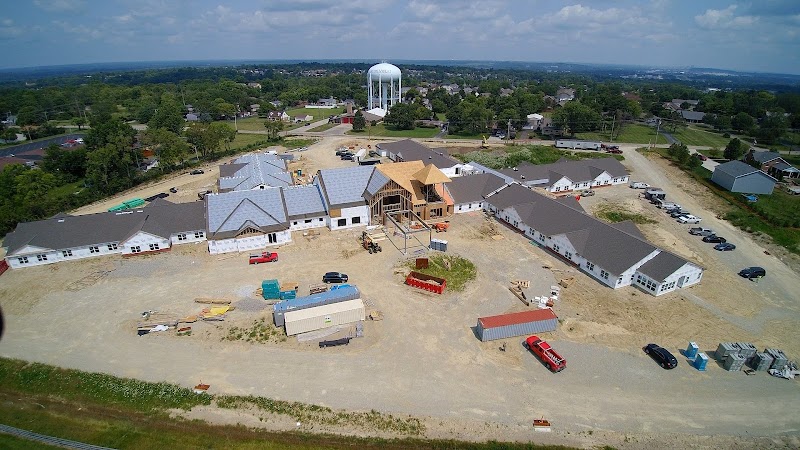
How is Sycamorespring Of Miamisburg Staffed?

CMS rates SYCAMORESPRING OF MIAMISBURG's staffing level at 3 out of 5 stars, which is average compared to other nursing homes. Staff turnover is 53%, compared to the Ohio average of 46%.

What Have Inspectors Found at Sycamorespring Of Miamisburg?

State health inspectors documented 19 deficiencies at SYCAMORESPRING OF MIAMISBURG during 2019 to 2025. These included: 1 Immediate Jeopardy (the most serious level, indicating potential for serious harm or death), 1 that caused actual resident harm, 16 with potential for harm, and 1 minor or isolated issues. Immediate Jeopardy findings are rare and represent the most serious regulatory concerns. They require immediate corrective action.

Who Owns and Operates Sycamorespring Of Miamisburg?

SYCAMORESPRING OF MIAMISBURG is owned by a for-profit company. For-profit facilities operate as businesses with obligations to shareholders or private owners. The facility is operated by CARESPRING, a chain that manages multiple nursing homes. With 99 certified beds and approximately 93 residents (about 94% occupancy), it is a smaller facility located in MIAMISBURG, Ohio.

How Does Sycamorespring Of Miamisburg Compare to Other Ohio Nursing Homes?

Compared to the 100 nursing homes in Ohio, SYCAMORESPRING OF MIAMISBURG's overall rating (5 stars) is above the state average of 3.2, staff turnover (53%) is near the state average of 46%, and health inspection rating (4 stars) is above the national benchmark.

What Should Families Ask When Visiting Sycamorespring Of Miamisburg?

Based on this facility's data, families visiting should ask: "What changes have been made since the serious inspection findings, and how are you preventing similar issues?" "Can I visit during a mealtime to observe dining assistance and food quality?" "How do you handle medical emergencies, and what is your hospital transfer rate?" "Can I speak with family members of current residents about their experience?" These questions are particularly relevant given the facility's Immediate Jeopardy citations.

Is Sycamorespring Of Miamisburg Safe?

Based on CMS inspection data, SYCAMORESPRING OF MIAMISBURG has documented safety concerns. Inspectors have issued 1 Immediate Jeopardy citation (the most serious violation level indicating risk of serious injury or death). The facility has a 5-star overall rating and ranks #1 of 100 nursing homes in Ohio. Families considering this facility should ask detailed questions about what corrective actions have been taken since these incidents.

Do Nurses at Sycamorespring Of Miamisburg Stick Around?

SYCAMORESPRING OF MIAMISBURG has a staff turnover rate of 53%, which is 7 percentage points above the Ohio average of 46%. Moderate turnover is common in nursing homes, but families should still ask about staff tenure and how the facility maintains care continuity when employees leave.

Was Sycamorespring Of Miamisburg Ever Fined?

SYCAMORESPRING OF MIAMISBURG has no federal fines on record. CMS issues fines when nursing homes fail to meet care standards or don't correct problems found during inspections. The absence of fines suggests the facility has either maintained compliance or corrected any issues before penalties were assessed. This is a positive indicator, though families should still review recent inspection reports for the full picture.

Is Sycamorespring Of Miamisburg on Any Federal Watch List?

SYCAMORESPRING OF MIAMISBURG is not on any federal watch list. The most significant is the Special Focus Facility (SFF) program, which identifies the bottom 1% of nursing homes nationally based on persistent, serious quality problems. Not being on this list means the facility has avoided the pattern of deficiencies that triggers enhanced federal oversight. This is a positive indicator, though families should still review the facility's inspection history directly.