O'NEILL HEALTHCARE MIDDLEBURG HEIGHTS

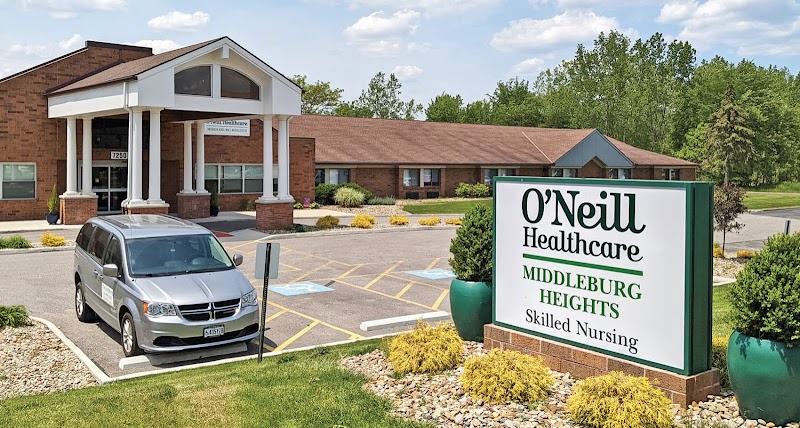
7250 OLD OAK BLVD, MIDDLEBURG HEIGHTS, OH 44130 (440) 243-7888
For profit - Corporation 82 Beds O'NEILL HEALTHCARE Data: November 2025 1 Immediate Jeopardy citation
Trust Grade
48/100
#307 of 913 in OH
Last Inspection: December 2022

Over 2 years since last inspection. Current conditions may differ from available data.

Overview

O'Neill Healthcare Middleburg Heights has a Trust Grade of D, indicating below-average care with some concerning issues. It ranks #307 out of 913 nursing homes in Ohio, placing it in the top half, and #27 out of 92 in Cuyahoga County, meaning there are only a few local options that are better. The facility's trend is stable, with the same number of issues reported in both 2023 and 2024. Staffing is rated 2 out of 5 stars, which is below average, with a turnover rate of 46%, slightly better than the state average. However, the facility has been fined $170,014, which is higher than 96% of other Ohio facilities, indicating serious compliance problems. Notably, there was a critical incident where a resident's significant change in condition related to a urinary catheter was not monitored properly, leading to harm and eventual death. Additionally, there was a concern about fall prevention, where a resident was left on the floor after multiple falls, and there was a day when no registered nurse was present in the facility, which raises questions about adequate care. While the quality measures are rated 5 out of 5 stars, the facility needs to address these serious deficiencies to improve overall care and safety for residents.

Trust Score
D
48/100
In Ohio
#307/913
Top 33%
Safety Record
High Risk
Review needed
Inspections
Holding Steady
1 → 1 violations
Staff Stability
⚠ Watch
46% turnover. Above average. Higher turnover means staff may not know residents' routines.
Penalties
✓ Good
$170,014 in fines. Lower than most Ohio facilities. Relatively clean record.
Skilled Nurses
○ Average
Each resident gets 31 minutes of Registered Nurse (RN) attention daily — about average for Ohio. RNs are the most trained staff who monitor for health changes.
Violations
⚠ Watch
13 deficiencies on record. Higher than average. Multiple issues found across inspections.
★★★★☆
4.0
Overall Rating
★★☆☆☆
2.0
Staff Levels
★★★★★
5.0
Care Quality
★★★☆☆
3.0
Inspection Score
Stable
2023: 1 issues
2024: 1 issues

The Good

  • 5-Star Quality Measures · Strong clinical quality outcomes
  • Full Sprinkler Coverage · Fire safety systems throughout facility
  • No fines on record

Facility shows strength in quality measures, fire safety.

The Bad

Staff Turnover: 46%

Near Ohio avg (46%)

Higher turnover may affect care consistency

Federal Fines: $170,014

Well above median ($33,413)

Significant penalties indicating serious issues

Chain: O'NEILL HEALTHCARE

Part of a multi-facility chain

Ask about local staffing decisions and management

The Ugly 13 deficiencies on record

1 life-threatening
Oct 2024 1 deficiency 1 IJ
CRITICAL (J) 📢 Someone Reported This

A family member, employee, or ombudsman was alarmed enough to file a formal complaint

Immediate Jeopardy (IJ) - the most serious Medicare violation

Incontinence Care (Tag F0690)

Someone could have died · This affected 1 resident

**NOTE- TERMS IN BRACKETS HAVE BEEN EDITED TO PROTECT CONFIDENTIALITY** Based on closed medical record review, Emergency Medical Service (EMS) run sheet review, hospital record review, review of Medsc...

Read full inspector narrative →
**NOTE- TERMS IN BRACKETS HAVE BEEN EDITED TO PROTECT CONFIDENTIALITY** Based on closed medical record review, Emergency Medical Service (EMS) run sheet review, hospital record review, review of Medscape guidance, facility policy review and interview, the facility failed to ensure comprehensive monitoring and timely identification of a change in Resident #80's condition related to the use of an indwelling urinary catheter. This resulted in Immediate Jeopardy, actual harm and subsequent death beginning on [DATE] at approximately 7:00 A.M. when Resident #80 had decreased urine output with only a total of 200 milliliters (ml) over three nursing shifts. However, the nursing staff did not follow up to comprehensively assess the resident during this time period or follow up with State Tested Nursing Assistant (STNA) staff to inquire about the resident's urine output during their shifts. The nursing staff did not notify the physician Resident #80 had zero to 100 ml of urine output each nursing shift. On [DATE] at 11:25 P.M., the resident's family requested the resident be transferred to the emergency room. Upon arrival at the hospital, the resident was assessed to have a firm abdomen, abdominal distension and pain in the lower stomach region with the resident moaning and wincing in pain on palpitation of lower abdomen. The resident's indwelling catheter was replaced and began draining dark, thick, purulent urine. The resident had 2000 ml of urine output after the indwelling catheter was replaced. The resident was diagnosed with altered mental status, a urinary tract infection (UTI) and septic shock. Resident #80 was subsequently discharged to an inpatient hospice center and expired on [DATE]. The resident's death certificate noted cause of death was bacteremia due to septic shock and heart disease. This affected one resident (#80) of three residents reviewed for catheter care. The facility identified seven additional residents (#17, #42, #45, #47, #55, #57, and #62) with urinary catheters. On [DATE] at 2:18 P.M., the Administrator, Director of Nursing (DON) and Regional Director of Clinical Services (RDCS) #325 were notified the Immediate Jeopardy began on [DATE] at approximately 7:00 A.M. when Resident #80 had decreased urine output with only a total of 200 ml over three nursing shifts. However, the nursing staff did not follow up to comprehensively assess the resident or follow up with STNA staff to inquire about the resident's urine output during their shifts. The nursing staff did not notify the physician Resident #80 had zero to 100 ml of urine output each nursing shift. On [DATE] at 11:25 P.M., the resident's family requested the resident be transferred to the emergency room. Upon arrival at the hospital, the resident was assessed to have a firm abdomen, abdominal distension and pain in the lower stomach region with moaning and wincing in pain on palpitation of lower abdomen. The resident was diagnosed with a UTI and septic shock. The Immediate Jeopardy was removed on [DATE] when the facility implemented the following corrective action: • On [DATE], the facility identified two charge nurses, LPN #307 and LPN #308 who failed to identify the resident's condition and assess Resident #80 appropriately and timely. LPN #307 and LPN #308 received disciplinary action and education regarding urinary devices, output monitoring, resident assessments, interventions, notification to family and physician, and documentation. STNA #315 and STNA #312 were identified as the STNAs involved in Resident #80's care on [DATE] and [DATE]. STNA #315 and STNA #312 were educated on notification of change in resident urine output including amount, color, odor, or complaints of pain from resident. • On [DATE], RDCS #325 provided education to the DON regarding urinary devices, output monitoring, resident assessments, interventions, notifications to family and physician/nurse practitioner (NP) and documentation. Education was completed to include monitoring of resident with urinary devices related to change in urinary output (decreased ml out, change in characteristics such as color/odor), completing focused urinary assessment (obtaining vital signs, checking abdomen for distention/tenderness, asking resident if any complaints of pain in abdomen, flank, or back, checking condition of catheter drainage for tubing for clot, kinks, sediment, and initiating interventions as needed. The DON educated the two Unit Managers (LPN #301 and #309) on the same above topics. The DON and Unit Managers educated all 26-nursing staff on the above topics. • On [DATE], the facility identified seven residents (#17, #42, #45, #47, #55, #57, and #62) with urinary devices. The DON assessed the seven residents for signs and symptoms of dehydration, urine output outside of resident baseline parameters, and complaints related to urinary status, and reviewed their medical records. Residents #17, # 42, #57, and #62 were stable and no interventions were indicated. Residents #45, #47, and #55 had no urine output documented, and a physician order was obtained to document urine output on each shift. Residents #45, #47, and #55 had sufficient urine output and no other interventions were indicated. • On [DATE], the DON/Unit Mangers educated all 31 STNAs on urinary devices, output monitoring, and notification to the charge nurse of any observed change in resident's baseline status. • On [DATE], an ad hoc Quality Assurance and Performance Improvement (QAPI) was held to review the findings of Resident #80's change in condition and decreased urine output. • Beginning [DATE], the DON/designee would review all new physician orders and notes to ensure any change in condition or potential risk of infection were addressed appropriately and notifications were completed. Audits would be completed daily for four weeks and randomly thereafter for a total of four months to ensure appropriate assessment, documentation, and notification. • Beginning [DATE], the DON/designee would complete audits on all residents with an indwelling urinary catheter weekly for a period of four weeks and randomly thereafter for a total of four months to ensure appropriate assessment, documentation and notification. This audit would include physical assessment of catheter, documentation review of urine output, monitoring of signs and symptoms of infection including urine color being collected. All findings will be reviewed by the QAPI committee with the Medical Director weekly (if necessary) or on a monthly basis. Although the Immediate Jeopardy was removed on [DATE], the facility remains out of compliance at Severity Level 2 (no actual harm with potential for more than minimal harm that is not Immediate Jeopardy) as the facility is still in the process of implementing their corrective action plan and monitoring to ensure on-going compliance. Findings include: Review of the closed medical record for Resident #80 revealed an admission date of [DATE] with diagnoses including history of UTIs, low back pain, hematuria, retention of urine, and heart disease. Review of the Minimum Data Set (MDS) assessment dated [DATE] revealed Resident #80 had intact cognition and had an indwelling urinary catheter. Resident #80 required one assistance from staff for toileting. Review of the plan of care dated [DATE] revealed Resident #80 was at risk for infection and/or trauma related to the use of Foley (indwelling urinary) catheter related to urinary retention. Interventions included to assess the resident for pain/discomfort every shift, check Foley catheter for patency, kinks in tubing, urinary output every shift, monitor and record output every shift and notify nurse if no output noted and monitor for signs and symptoms of UTI (burning on urination, flank pain, hematuria, decreased urinary output, change in mental status, change in behavior, fever, change in color, clarity and odor of urine). Review of Resident #80's physician orders dated [DATE] revealed an order for Foley catheter care every shift, monitor Foley patency every shift, may irrigate Foley catheter per house protocol, as needed if leaking or obstructed. Review of the Medication Administration Record (MAR) for [DATE] revealed Resident #80 refused his lidocaine patches (pain patch) to his bilateral hips on [DATE] and [DATE]. Record review revealed the resident also had physician orders for Tramadol 50 milligrams (mg) every 12 hours as needed for pain and Acetaminophen 325 mg (for mild pain) two tablets every four hours as needed for pain. Neither medication was documented as being administered to Resident #80 on [DATE] or [DATE]. Review of the meal and supplement intake for [DATE] and [DATE] revealed Resident #80 consumed 100 percent (%) of a magic cup supplement (high calorie supplement) four ounces (oz) at lunch on [DATE] and [DATE]; 100% of Boost glucose control (high calorie nutritional supplement) eight oz on [DATE] and [DATE] in the morning and 50% in the evening on [DATE] and 25% in the evening on [DATE]. Resident #80 was to receive a four oz house nutritional supplement if he consumed less than 50% of his meal. Resident #80 consumed the following meals: on [DATE], breakfast was zero % of meal and supplement, lunch was zero % meal and 100% of the four oz supplement and for dinner was 50% meal intake and 100% of the four oz supplement. On [DATE], breakfast was 100% meal intake and 100% four oz supplement, lunch was 50% meal intake and zero % supplement, and dinner was 25% meal intake and 100% of the four oz supplement. Review of Resident #80's Treatment Administration Record (TAR) for [DATE] revealed on [DATE] from 7:00 A.M. to 7:00 P.M., there was zero urine output documented under catheter care. On [DATE] from 7:00 P.M. to ([DATE]) 7:00 A.M., the record included the resident had 100 ml urine output for the shift. On [DATE] from 7:00 A.M. to 7:00 P.M., there was 100 ml of urine from the Foley catheter documented. On [DATE] from 7 P.M. to 7 A.M., it was marked with an X, and no urine output was noted. This was a total of 200 ml urine output in approximately 36 hours. Monitoring of the catheter's patency was documented as completed. Review of the progress note dated [DATE] at 11:25 P.M. revealed the nurse noticed a blue tint to the resident's outer extremities. The nurse assessed Resident #80's pulse ox (pulse oximetry is to monitor blood oxygen saturation) and it was unobtainable. After applying warm towels to the resident's hands and applying oxygen, his pulse ox was low at 67% at three liters per minute (LPM) via nasal cannula. Residents #80 was shivering, temperature was 98.3 Fahrenheit (F), blood pressure had been elevated 179/83 and started to come down after applying oxygen to 130/80. The nurse contacted the primary care physician and was told if the family wished to send the resident to the hospital, follow their wishes. After speaking with the resident's grandson, Resident #80 would be sent to the hospital. On [DATE] at 1:00 A.M., Resident #80 was sent to the hospital via 911 due to all other transportation companies being unavailable until morning. Resident #80 was unresponsive to conversation or stimulation when leaving the facility, pulse ox was 88% on three LPM via nasal cannula, blood pressure was 106/96, heart rate was 96 beats per minute and respirations were 20. There was no documentation of issues with the Foley catheter or decreased urine output reflected in the documents reviewed. Review of the Emergency Medical Service (EMS) run sheet dated [DATE] at 1:30 A.M. revealed per staff, Resident #80 was normally alert and oriented times two with baseline confusion but starting yesterday evening, his mental status became more altered than normal with drops in his pulse ox saturation. Staff stated Resident #80 has also been refusing to eat or allow staff to care for him properly for several days. Staff stated the resident's family wished for him to be sent to the emergency room for evaluation. Staff stated they attempted to contact multiple private ambulance agencies prior to calling the fire department EMS. Review of the hospital records dated [DATE] revealed Resident #80 was brought into the hospital for altered mental status and low blood pressure. Chief complaint was sepsis/blood culture gram negative bacillus, acute kidney injury, leukocytosis (increase white blood cells), urinalysis showing pyuria (puss in urine) likely indication UTI and altered mental status. No fever, blood pressure was 90/50 (hypotensive) and pulse ox at 68% (low). Hospital diagnoses included altered mental status, UTI, and septic shock (when a bacterial infection causes low blood pressure and organ failure). On exam, Resident #80's abdomen was distended and firm below the umbilicus. Resident #80 moaned and winced in pain to palpation of lower abdomen. Resident #80 had an indwelling Foley catheter which was noted to be dry with no drainage. The nurse replaced the Foley catheter and Resident #80 began to drain dark, thick, purulent urine; 2,000 ml urinary output was obtained. Resident #80 became slightly more alert, and he said he felt better. Sepsis alert was called. Resident #80 was started on Zosyn (intravenous (IV) antibiotic) and IV fluids bolus. Resident #80's blood pressure initially responded to fluids and his blood pressure went up but once the fluids were finished, his blood pressure dropped again. Due to Resident #80 being comfort care (advance directive), status pressors (blood pressure medications) were not started. On re-examination, systolic blood pressure was critical (70/45) (hypotensive), temperature 99.7 F (elevated), respirations 39 breaths per minute (elevated), pulse ox was 95% on four LPM. Resident #80 has persistent high lactate levels (body tissues are not getting enough oxygen), hypotension (low blood pressure), and remained obtunded (diminished responsiveness to stimuli). Prognosis was poor. On [DATE], Resident #80 was discharged to an inpatient hospice care center. Review of the death certificate dated [DATE] revealed Resident #80 passed away on [DATE] at 9:30 P.M. The cause of death was bacteremia (bacteria in the blood) due to septic shock and due to heart failure. The death certificate was signed by Physician #320 on [DATE]. Interview on [DATE] at 12:11 P.M. with Resident #80's daughter denied knowledge of any family member or friend emptying Resident #80's Foley catheter while he was at the facility. Interview on [DATE] at 12:28 P.M. with Resident #80's grandson verified the cause of death on the resident's death certificate was bacteremia, septic shock and heart disease. Resident #80's grandson denied knowledge of any family member or family friend of emptying Resident #80's Foley catheter at any time. Interview on [DATE] at 2:57 P.M. with the DON revealed there was no facility protocol on what the nurse should do if a resident had no urinary output or low output through the catheter. However, there were orders as needed to flush the Foley catheter, change the catheter and notifying the physician that there were concerns with the Foley catheter. The DON stated LPN #307 told her the family was in and that they emptied the catheter bag. The DON verified LPN #307 and #308 should have assessed Resident #80's Foley catheter due to low urine output and not assumed he did not have any output because he was not drinking water. The DON verified LPN #307 and #308 should have notified the physician of Resident #80's decreased urine output. The DON also revealed the facility had a bladder scanner (device) at the nurse's station and it was working properly, and it could have been used for Resident #80 although nurses have to call the physician to get an order to use the bladder scanner. Interview via telephone on [DATE] at 3:00 P.M. with LPN #307 revealed when she went in to empty Resident #80's Foley catheter on [DATE], it was approximately 6:45 P.M. and his catheter bag was empty. She stated she thought it looked like it had been emptied and thought that the family or STNA had emptied the Foley catheter. LPN #307 stated had it been in the middle of her shift when she went to empty the catheter bag, she would have flushed his catheter or called the physician to do a bladder scan. No one was in the room to ask if someone had emptied the catheter bag. LPN #307 stated Resident #80 appeared to be at his baseline and did not have any more abdominal distention than normal. LPN #307 stated she told LPN #308 that Resident #80 had no output. On [DATE], LPN #307 worked her nursing shift from 7 A.M. to 7 P.M. Resident #80 had 100 ml of urine output but the LPN did not know what the urine looked like. LPN #307 felt this was accurate urine output because Resident #80 was not drinking much. The LPN stated Resident #80 was alert and oriented with confusion, did not show signs or symptoms of infection and did not have any complaints. LPN #307 stated she does not recall if LPN #308 told her about Resident #80 having a decrease in urine output. LPN #307 verified she did not call the physician related to Resident #80's decreased urinary output. Interview on [DATE] at 3:19 P.M. with LPN #308 revealed she worked the night shift on [DATE], [DATE], and [DATE] from 7 P.M. to 7 A.M. LPN #308 confirmed Resident #80 was on her assignment during these shifts. She stated Resident #80 was fine, asking about candy. The LPN stated Resident #80 did not like to drink water and would only drink water when he took his medications, and he would not drink his supplement drinks. LPN #308 stated she spoke to the STNAs regarding Resident #80's low urine output and to encourage fluids. The LPN stated the 100 ml urine output on [DATE] was accurate, but she could not remember what the urine looked like in appearance. The LPN also stated staff did encourage him to drink more water. LPN #308 stated on [DATE], Resident #80 did complain of back pain, but stated he always complained that his back was hurting all the time. On [DATE], LPN #308 did not remember what time he started with a change of condition, or his outer extremities started turning blue. She stated she seen him early in the shift, he was confused and did not want his candy. LPN #308 stated she called the physician related to Resident #80's mental status change but verified she did not inform the physician of any decreased urinary output. Interview via telephone on [DATE] at 9:40 A.M. with STNA #312 revealed she was assigned to Resident #80 on her night shift assignments on [DATE] and [DATE]. STNA #312 stated it was normal for Resident #80 to have 100 to 200 ml urine output on nights. When she did her check and change and repositioned him, he would complain of back pain. She does not recall any abnormal pain. STNA #312 stated the family did not come in much and denied knowledge of anyone other than staff emptying his Foley catheter. STNA #312 stated she told the nurse that Resident #80 only had 100 ml out and did not tell her anything about what the urine looked like. STNA #312 stated she does not remember the appearance of his urine output. Interview on [DATE] at 12:34 P.M. with STNA #315 revealed she was assigned to Resident #80 on her day shift assignments on [DATE] and [DATE]. The STNA revealed Resident #80 was not acting different, but he was not putting out urine. STNA #315 stated she overheard the night shift nurse say Resident #80 was not putting out urine, so she was offering him fluids throughout the night. STNA #315 stated she offered fluids throughout the day. STNA #315 stated Resident #80 was a little agitated for the whole shift, more than usual. He said his back was hurting, but that was his usual. STNA #315 stated she told the nurse that he was complaining of pain. Resident #80 had no urine output on Saturday ([DATE]). STNA #315 stated she did not see any other family members. Interview on [DATE] at 3:40 P.M. with Physician #320 revealed he reviewed Resident #80's hospital record and tried to figure out how long the resident had been sick for. Physician #320 stated it was only an estimate of two weeks that Resident #80 was sick with bacteremia and sepsis. Bacteremia usually comes on slowly and is not identified until outward symptoms show. Review of the facility's undated policy titled Catheter Care, Urinary, revealed under general guidelines to observe the resident's urine level for noticeable increases or decreases, check the urine for unusual appearance (color, blood, sediment). Maintain an accurate record of the resident's daily output. Observe the resident for signs and symptoms of UTI and urinary retention. Under the area of documentation revealed the date and time that catheter care was given, all assessment data obtained when giving catheter care, character of urine such as color, clarity and odor. If the resident refuses the procedure, the reason why and the interventions are taken. Under reporting stated notify the supervisor if the resident refuses the procedure and reports other information in accordance with facility policy and professional standards of practice. Review of Medscape guidance titled Septic Shock dated [DATE] revealed sepsis was defined as life-threatening organ dysfunction due to dysregulated host response to infection. In sepsis, symptoms may include decreased urine output. This deficiency represents non-compliance investigated under Control Number OH00158291.
Jul 2023 1 deficiency
CONCERN (D) 📢 Someone Reported This

A family member, employee, or ombudsman was alarmed enough to file a formal complaint

Potential for Harm - no one hurt, but risky conditions existed

Accident Prevention (Tag F0689)

Could have caused harm · This affected 1 resident

**NOTE- TERMS IN BRACKETS HAVE BEEN EDITED TO PROTECT CONFIDENTIALITY** Based on interview and record review, the facility failed to ensure appropriate fall interventions were used for Resident #100. ...

Read full inspector narrative →
**NOTE- TERMS IN BRACKETS HAVE BEEN EDITED TO PROTECT CONFIDENTIALITY** Based on interview and record review, the facility failed to ensure appropriate fall interventions were used for Resident #100. This affected one of one resident reviewed for neglect. The facility census was 69 Findings include: A record review for Resident #100 revealed he was admitted on [DATE] with diagnoses of dementia, metabolic encephalopathy, history of urinary tract infections (UTI), and hypotension. His care plan dated 04/20/23 revealed he was at increased risk of falls. Interventions included moving his bed against the wall, a pillow wedge to the bed, and for staff to increase safety monitoring. Review of Self-Reported Incident (SRI) dated 04/25/23 revealed on 04/20/23, it was reported to the Director of Nursing (DON) that Licensed Practical Nurse (LPN) #583 left Resident #100 to lie on the floor after several repeated falls throughout the night. It was Resident #100's first evening at the facility and he was restless and fidgety all evening. The Resident was found on the floor several times throughout the night and placed back in bed by the aides. The interventions were not effective, so the resident was placed in a wheelchair and taken to the common area to be monitored more closely. LPN #583 witnessed Resident #100 lift himself out of the chair and fall on the floor. The intervention initiated at that time was to let him lie on the floor until he calmed enough to be moved back to bed. He was given a blanket and pillow for comfort and monitored by LPN #583. The Resident did calm down and was able to be transferred to the couch in the common area. An interview on 07/06/23 at 12:45 P.M. with the DON revealed the intervention of leaving Resident #100 was not an approved or appropriate intervention. LPN #583 was interviewed multiple times for consistency during the investigation. The nurse thought it was the best solution and would prevent Resident #100 from hurting himself. LPN #583 and the two State Tested Nurse Aides (STNA)'s involved were terminated. Review of Fall Prevention and Intervention training for nursing staff on 04/25/23 revealed all nursing staff attended. Review of Falls/Incidences from 04/01/23 through 06/30/23 revealed no other trends or patterns. A record review of the falls policy revised on 10/2021 revealed all fall and safety interventions must be approved and appropriate for each resident.
Dec 2022 4 deficiencies
CONCERN (D)

Potential for Harm - no one hurt, but risky conditions existed

Deficiency F0761 (Tag F0761)

Could have caused harm · This affected 1 resident

**NOTE- TERMS IN BRACKETS HAVE BEEN EDITED TO PROTECT CONFIDENTIALITY** Based on observation, record review, interview, and policy review the facility to ensure medications were always secure from una...

Read full inspector narrative →
**NOTE- TERMS IN BRACKETS HAVE BEEN EDITED TO PROTECT CONFIDENTIALITY** Based on observation, record review, interview, and policy review the facility to ensure medications were always secure from unauthorized access. This affected one (Resident #26) of four (Residents #1, #26, #35 and #58) observed for medication administration. The facility census was 70. Findings include: Review of the medical record for Resident #26 revealed an admission date of 09/01/21 with diagnoses including major depressive disorder, pulmonary fibrosis, chronic obstructive pulmonary disease, and hypotension. Review of the quarterly Minimum Data Set (MDS) 3.0 assessment dated [DATE] revealed Resident #26 was severely cognitively impaired. Review of the December 2022 physician's orders revealed orders for Depakote (Divalproex Sodium) 125 milligrams (mg) three times a day for depression. Observation on 12/18/22 at 9:40 A.M. revealed an orange oblong pill with a plastic cup with water in Resident #26's room. Resident #26 could not state what date the pill was from. Observation and interview on 12/18/2 at 9:50 A.M. with Licensed Practical Nurse (LPN) #289 revealed an orange oblong pill with UL-125 on it sitting on Resident #26's nightstand. LPN #289 stated she was passing medications and had not been into Resident #26's room yet, and the pill was probably from last night. Review of the website titled, Medscape (https://reference.medscape.com/drug/depakote) revealed UL-125 was identified as Divalproex Sodium, a mood stabilizer. Review of the facility policy titled Oral Solid Medication Administration, dated 08/11/14, revealed residents should be observed taking medications to ensure the resident swallows all medications given.
CONCERN (D)

Potential for Harm - no one hurt, but risky conditions existed

Deficiency F0807 (Tag F0807)

Could have caused harm · This affected 1 resident

Based on observations, medical record review, and staff interviews, the facility failed to ensure a resident received the correct thickened consistency of fluids per physician orders. This affected tw...

Read full inspector narrative →
Based on observations, medical record review, and staff interviews, the facility failed to ensure a resident received the correct thickened consistency of fluids per physician orders. This affected two Residents (#124 and #129) of two residents reviewed for thickened liquids. The facility identified four Residents (#45, #124, #129 and #130) who received thickened liquids. The facility census was 70. Findings include: 1. Review of Resident #124's medical record revealed and admission date of 12/07/22 with diagnoses including pneumonia, multiple sclerosis, and atrial fibrillation. Review of the admission Minimum Data Set (MDS) 3.0 assessment revealed the assessment was in progress. Review of the physician's orders for December 2022 revealed Resident #124's diet order was a no added salt, mechanical soft with ground meat texture, and nectar thickened liquids consistency. Observation on 12/20/22 at 7:26 A.M. revealed a 16-ounce (oz) Styrofoam cup filled halfway filled with thin liquids on the Resident #124's nightstand. This was verified at the time of the observation by Central Supply #233. 2. Review of Resident #129's medical record revealed and admission date of 12/03/22 with diagnoses including COVID-19, dementia, and depression. Review of the admission MDS 3.0 assessment revealed the assessment was in progress. Review of the physician's orders for December 2022 revealed Resident #129's diet order was two-gram sodium low concentrated sweets, mechanical soft texture, and nectar thickened liquids consistency. Observation on 12/20/22 at 7:34 A.M. revealed regular (thin) water in a plastic mug sitting on Resident #129's nightstand with straw. This was verified at the time of the observation by Licensed Practical Nurse (LPN) #291. Review of the facility's diet list revealed that Resident #124 and Resident #129 were on nectar consistency liquids.
CONCERN (D)

Potential for Harm - no one hurt, but risky conditions existed

Infection Control (Tag F0880)

Could have caused harm · This affected 1 resident

**NOTE- TERMS IN BRACKETS HAVE BEEN EDITED TO PROTECT CONFIDENTIALITY** Based on observation, staff interview, review of resident records, review of infection control policy and procedures, review of ...

Read full inspector narrative →
**NOTE- TERMS IN BRACKETS HAVE BEEN EDITED TO PROTECT CONFIDENTIALITY** Based on observation, staff interview, review of resident records, review of infection control policy and procedures, review of the facilities Influenza timeline for December 2022, the Center for Disease Control (CDC) Interim Guidance for Influenza Outbreak Management in Long Term Care Facilities, dated 11/21/22, the facility failed to maintain acceptable infection control practices in the area of isolation procedures for influenza outbreaks after Resident #24 tested positive for Influenza A (highly contagious respiratory infection) by placing her in the dining room at the table with Resident #45. This affected two (Residents #24 and #45) and had the potential to affect all 70 residents residing in the facility. Findings include 1. Review of the medical record for Resident #24 revealed an admission date of 09/09/22. Diagnosis included dementia, acute kidney failure, and heart failure. Review of the Minimum Data Set (MDS) 3.0 assessment dated [DATE] revealed Resident #24 was severely impaired cognitively. Resident #24 required one to two staff assistance for activities of daily living (ADL). Further review of the MDS assessment revealed Resident #24 was totally dependent for locomotion, eating, and toileting. Resident #24 required a mechanical lift for all transfers. Review of the physician orders dated 12/18/22 revealed an order to swab for Respiratory Syncytial Virus (RSV) and/or influenza due to cough. Review of the progress note dated 12/18/22 at 5:49 P.M. revealed Resident #24 was placed on isolation precautions pending results of the Influenza/RSV swab. Review of the progress notes dated 12/19/22 at 3:44 P.M. revealed Resident #24's swab returned positive for Influenza A. Review of the physician orders dated 12/19/22 revealed an order to maintain droplet isolation for Influenza A every shift until 24-hours symptom free. Review of the physician orders dated 12/20/22 revealed an order for Resident #24 to receive one capsule by mouth, one time a day, of Tamiflu capsule 75 milligrams (mg) for Influenza A, for five days. 2. Review of the medical record for Resident #45 revealed an admission date of 04/27/20. Diagnosis included acute kidney failure, Alzheimer's, and vascular dementia. Review of the MDS 3.0 assessment dated [DATE] revealed Resident #45 was severely impaired cognitively. Resident #45 required one to two staff assistance for ADL. Further review of the MDS assessment revealed Resident #45 was a totally dependent for locomotion. Review of the progress notes dated 12/20/22 at 3:04 P.M. revealed Resident #45 was swabbed for Influenza/RSV due to cough. Further review revealed Resident #45's results were negative. Observation on 12/18/22 to 12/20/22 from 8:00 A.M. to 5:00 P.M. revealed Resident #24 was observed in her room on isolation precautions. On 12/21/22 at 9:10 A.M., Resident #24 was observed in the dining room sitting across from Resident #45 for the breakfast meal. Resident #24 was observed to be yelling loudly without a protective face covering. Resident #45 was observed to be sitting at the table without a protective face covering. Resident #45 was previously swabbed for RSV and Influenza A on 12/20/22 at 3:04 P.M. and the results were reported as negative. Resident #45 was on oral antibiotics for pneumonia. Interview on 12/21/22 at 9:11 A.M. with Licensed Practical Nurse (LPN) #266 stated she was involved in a medical emergency and did not realize Resident #24 was sitting in the dining area located on the southwest unit. LPN #266 was unaware how Resident #24 had been transported to the location. Interview on 12/21/22 at 9:12 A.M., with State Tested Nurse Aide (STNA) #286 revealed she walked into the dining room and found Resident #24 sitting at the table and stated she was unaware of her isolation status and how she got to the dinging area. On 12/21/22 at 9:15 A.M., Resident #24 was observed to be transported back to her room by STNA #286. Interview on 12/21/22 at 9:23 A.M., with STNA #287 stated she did not transport Resident #24 to the dining room. STNA #287 stated it was her first day and she was instructed to feed Resident #24. STNA #287 denied bringing Resident #24 to the dining room. Interview on 12/21/22 at 9:26 A.M., with LPN #228 revealed Resident #24 was not on her assignment but she was aware that she was positive for the Influenza A. LPN #228 stated Resident #24 was seated in the dining area across from Resident #45. LPN #228 was not aware how she was transported there. On 12/21/22 at 9:25 A.M., the Director of Nursing (DON) was informed of infection control concerns. The DON stated residents on isolation precautions who require feeding assistance, are to be fed inside their rooms. Review of the undated facility policy titled Policy for Isolation revealed the policy was to prevent the spread of infection within the facility using isolation precautions. The facility failed to implement this policy for compliance. Review of the CDC guidelines for Interim Guidance for Influenza Outbreak Management in Long-Term Care Facilities, dated 2017, revealed droplet precautions should be implemented to prevent further exposure to other residents and should continue for seven days after illness onset or until 24 hours after the resolution of fever and respiratory symptoms, whichever is longer.
CONCERN (F)

Potential for Harm - no one hurt, but risky conditions existed

Deficiency F0727 (Tag F0727)

Could have caused harm · This affected most or all residents

Based on record review and staff interview the facility failed to maintain the services of a registered nurse for at least eight consecutive hours a day, seven days a week as required. This had the po...

Read full inspector narrative →
Based on record review and staff interview the facility failed to maintain the services of a registered nurse for at least eight consecutive hours a day, seven days a week as required. This had the potential to affect all 70 residents currently residing in the facility. Findings include: Review of the nursing staff information and staff schedule for 11/10/22 revealed no registered nurse (RN) was present working in the facility on 11/10/22. Interview on 12/20/22 at 2:30 P.M. with the Director of Nursing (DON) verified no RN was scheduled on 11/10/22. Interview on 12/21/22 at 10:04 A.M. with Scheduler #229 revealed staffing is based on census and uses agency when there is not enough facility staff. Scheduler #229 stated she just learned from the survey, that a RN must be scheduled daily.
Feb 2020 4 deficiencies
CONCERN (D)

Potential for Harm - no one hurt, but risky conditions existed

Resident Rights (Tag F0550)

Could have caused harm · This affected 1 resident

Based on record review, observation and interview the facility failed to ensure Resident #68's dignity was maintained. This affected one resident (#68) of one reviewed for dignity. Findings include: ...

Read full inspector narrative →
Based on record review, observation and interview the facility failed to ensure Resident #68's dignity was maintained. This affected one resident (#68) of one reviewed for dignity. Findings include: Review of Resident #68's medical record revealed an admission date of 02/16/20. Diagnoses included acute renal (kidney) failure, disorientation, and hemiplegia (paralysis on one side of the body) affecting the left non-dominant side. The admission Minimum Data Set (MDS) assessment was in progress. Observation on 02/18/20 at 10:59 A.M. revealed Resident #68 in a wheelchair in the common area wearing a hospital gown, with a blanket laid across his lap, with his feet bare, and his catheter bag, not in a privacy bag. Observation on 02/18/20 at 11:03 A.M. revealed Licensed Practical Nurse (LPN) #430 wheeling Resident #68 from the common area to his room. Interview at that time with LPN #430 revealed Resident #68 was alert to name, but not alert to time. LPN #68 verified the observation and the dignity concerns and stated Resident #68 should have been taken to his room and assisted.
CONCERN (D)

Potential for Harm - no one hurt, but risky conditions existed

Comprehensive Care Plan (Tag F0656)

Could have caused harm · This affected 1 resident

**NOTE- TERMS IN BRACKETS HAVE BEEN EDITED TO PROTECT CONFIDENTIALITY** Based on observation, interview, and record review the facility failed to develop comprehensive care plans for Resident #34 rela...

Read full inspector narrative →
**NOTE- TERMS IN BRACKETS HAVE BEEN EDITED TO PROTECT CONFIDENTIALITY** Based on observation, interview, and record review the facility failed to develop comprehensive care plans for Resident #34 related to transmission-based precautions and for Resident #54 related to a wanderguard. This affected two of 18 residents reviewed for care plans. Findings include: 1. Record review of Resident #34 revealed a re-entry date of 01/04/20. Diagnoses included congestive heart failure and amputation of right toes. The admission Minimum Data Set (MDS) assessment dated [DATE] revealed the resident had impaired cognition, required extensive assistance of two staff for bed mobility and transfers, and was totally dependent on two staff for toilet use. Resident #34 was always incontinent of bowel and bladder and was not on isolation precautions. Review of the nursing notes dated 01/19/20 at 4:19 P.M. revealed Resident #34 was acting slightly sluggish and eating little. The physician was notified of his condition and tests were ordered including a stool sample. Review of the laboratory results for a stool sample collected on 01/19/20 revealed results dated 01/20/20 indicating Resident #34 was positive for Clostridium difficile (C. diff). An inflammation of the colon caused by C. diff bacteria. A physician order dated 1/20/20 at 7:27 P.M. revealed Vancomycin HCl solution (an antibiotic), 25 milligrams (mg) per milliliter (ml), 125 mg by mouth four times a day was ordered as an antibiotic for 10 days for the C. diff. Review of the physician orders for February 2020 revealed no orders for transmission base precautions, but revealed orders for Vancomycin HCl capsule, 125 milligrams (mg) by mouth, two times a day for diarrhea for seven days until 02/24/20. And a physician order for Vancomycin HCl capsule, 125 mg by mouth, once a day for seven days for diarrhea until 03/02/20. Review of Resident #34's current care plan contained no information related to the need for transmission-based precautions for C. diff. Interview of 02/18/20 at 11:06 A.M. with Licensed Practical Nurse (LPN) #430 revealed Resident #34 was on transmission-based precautions for C. diff. Observation at that time revealed a cart with drawers outside of Resident #34's room but no sign indicating transmission-based precautions. Review of Resident #34's care plan on 02/19/20 at 3:25 P.M. with the Director of Nursing verified there was no care plan in place for Resident #34 related to transmission-based precautions for C. diff. 2. Record review of Resident #54 revealed an admission date of 04/29/19. Diagnoses included dementia without behavioral disturbance, vascular dementia without behavioral disturbance, and mixed receptive-expressive language disorder. The quarterly Minimum Data Set (MDS) assessment dated [DATE] revealed the resident had impaired cognition, required staff supervision with set-up help only for bed mobility, transfers, and toilet use and used a wander guard alarm daily. Review of the Elopement Data Tool assessment dated [DATE] revealed Resident #54 had a history of wandering per family and history, a diagnosis of dementia, and a wanderguard was put in place. Review of the nursing notes dated 4/29/19 at 3:21 P.M. revealed Resident #54 was admitted to the facility after being found wandering into her neighbors' yards and was admitted to the hospital for change in mental status and alcohol abuse. Resident #54 was alert and oriented to herself only and very pleasant. Resident #54 has a wander guard in placed to the right ankle to prevent her from leaving the facility unassisted. Review of Resident #54's February 2020 physician orders were silent for the use of a wanderguard. Review of the current care plan revealed no information related to the use of a wanderguard. Observation on 02/18/20 at 2:14 P.M. revealed Resident #54 walking around the facility wearing a wanderguard to her right ankle. Interview on 02/19/20 at 2:50 P.M. with Registered Nurse (RN) #342 revealed he checked to ensure Resident #54's wanderguard was in place and working. RN #342 stated Resident #54 wandered around the facility but did not have exit seeking behaviors. Interview and review of the Resident #54's care plan on 02/19/20 at 3:25 P.M. with the Director of Nursing verified there were no physician orders or care plan for Resident #54's wanderguard.
CONCERN (D)

Potential for Harm - no one hurt, but risky conditions existed

Medical Records (Tag F0842)

Could have caused harm · This affected 1 resident

**NOTE- TERMS IN BRACKETS HAVE BEEN EDITED TO PROTECT CONFIDENTIALITY** Based on observation, record review and interview, the facility failed to ensure accurate and complete documentation in the medi...

Read full inspector narrative →
**NOTE- TERMS IN BRACKETS HAVE BEEN EDITED TO PROTECT CONFIDENTIALITY** Based on observation, record review and interview, the facility failed to ensure accurate and complete documentation in the medical records for Residents #34 and Resident #680. This affected two residents (#34 and #680) of 18 residents whose medical records were reviewed. Findings include: 1. Record review of Resident #34 revealed a re-entry date of [DATE]. Diagnoses included (congestive) heart failure, amputation of right toes, and infectious disease. The admission Minimum Data Set (MDS) assessment dated [DATE] revealed the resident had impaired cognition, required extensive assistance of two staff for bed mobility and transfers, and was totally dependent on two staff for toilet use. Resident #34 was always incontinent of bowel and bladder and was not on isolation precautions. Review of the nursing notes dated [DATE] at 4:19 P.M. revealed Resident #34 was acting slightly sluggish and eating little. The physician was notified of his condition and tests were ordered including a stool sample. Review of the laboratory results for a stool sample collected on [DATE] revealed results dated [DATE] indicating Resident #34 was positive for Clostridium difficile (C. diff). An inflammation of the colon caused by C. diff bacteria. A physician order dated [DATE] at 7:27 P.M. revealed Vancomycin HCl solution (an antibiotic), 25 milligrams (mg) per milliliter (ml), 125 mg by mouth four times a day was ordered as an antibiotic for 10 days for the C. diff. Review of notes written by Nurse Practitioner (NP) #454, dated [DATE], revealed Resident #34 was positive for C. diff and the plan was to start oral Vancomycin for a of 10 days, contact precautions per facility protocol, and monitor closely for resolution of diarrhea. The note dated [DATE] revealed Resident #34 continued on oral Vancomycin for C. difficile and nursing reported the diarrhea was resolved. The plan for C. diff was to continue oral Vancomycin. Review of the physician orders for February 2020 revealed no orders for transmission base precautions, but revealed orders for Vancomycin HCl capsule, 125 milligrams (mg) by mouth, two times a day for diarrhea for seven days until [DATE]. And a physician order for Vancomycin HCl capsule, 125 mg by mouth, once a day for seven days for diarrhea until [DATE]. Review of Resident #34's current care plan contained no information related to the need for transmission-based precautions for C. diff. Interview of [DATE] at 11:06 A.M. with Licensed Practical Nurse (LPN) #430 revealed Resident #34 was on transmission-based precautions for C. diff. Observation at that time revealed a cart with drawers outside of Resident #34's room but no sign indicating transmission-based precautions. Review of Resident #34's care plan on [DATE] at 3:25 P.M. with the Director of Nursing verified there was no care plan in place for Resident #34 related to transmission-based precautions for C. diff. Interview of [DATE] at 11:06 A.M. with Licensed Practical Nurse (LPN) #430 revealed Resident #34 was on transmission-based precautions for C. diff. Observation at that time revealed a cart with drawers outside of Resident #34's room, but no sign indicating transmission-based isolation precautions were in place for Resident #34. Interview on [DATE] at 4:00 P.M. with the Director of Nursing (DON), stated the nurses were to complete skilled nursing assessments under the assessments tab in the electronic medical record in relation to Resident #34 being on transmission-based precautions for C. diff. Review of the skilled nursing assessments dated [DATE], [DATE], and [DATE] indicated Resident #34 was not on antibiotics or on any isolation precautions. There were no other skilled assessments dated after [DATE]. Review of the note by NP #454 dated [DATE] revealed Resident #34 had recently completed treatment for C. diff and staff reported some persistent diarrhea. The plan for C. diff with return of diarrhea was to resume the antibiotics and then go for tapering dose over the next 4 weeks and continue isolation precautions for now. Interview on [DATE] at 9:00 A.M. with NP #454 revealed she could not remember when Resident #54 was first diagnosed with C. diff, but he did not clear after the first round of antibiotics and they had to start him on a longer treatment of Vancomycin Interview on [DATE] at 3:46 P.M. with the DON verified the skill nursing assessments noted above were inaccurate and no further assessments were completed after [DATE]. 2. Review of the closed medical record for Resident #680 revealed an admission date of [DATE] with diagnoses of acute respiratory failure, acute and chronic kidney failure, atrial fibrillation (rapid/irregular heart rate), and kidney dialysis. The care plan dated [DATE] revealed an advance directive for a full code status to be implemented and communicated to staff. Review of the nurse's note dated [DATE] at 7:30 P.M. revealed Resident #680 was found unresponsive by a State Tested Nursing Assistant (STNA). The nurse was unable to get a pulse, heart rate and vitals. A note at 7:45 P.M. indicated the Administrator, physician, Power of Attorney and family were notified. The funeral home was contacted to come for Resident #680. The nursing notes lacked pertinent information regarding all care and treatment provided to Resident #680, including if cardiopulmonary resuscitation (CPR) was initiated, as the resident was a full code. Review of the Physician Discharge summary dated [DATE] revealed Resident #680 had sepsis, multiple hospitalizations and a complicated pressure ulcer. The cause of death was cardiopulmonary arrest (heart stopped) and the resident was discharged to the funeral home. The summary contained no information to indicate resuscitation measures, including CPR, were attempted. Interview with Licensed Practical Nurse #451 on [DATE] at 4:44 P.M. revealed the nurse aide notified him that Resident #680 was unresponsive. LPN #451 stated he went into the room and immediately started CPR and 911 was called. He said emergency responders took over CPR and care when they arrived at the facility. Interview with the Director of Nursing on [DATE] at 4:54 P.M. verified the above findings and verified the medical record did not accurately reflect all care and treatment provided to Resident #680, including CPR.
CONCERN (D)

Potential for Harm - no one hurt, but risky conditions existed

Infection Control (Tag F0880)

Could have caused harm · This affected 1 resident

**NOTE- TERMS IN BRACKETS HAVE BEEN EDITED TO PROTECT CONFIDENTIALITY** Based on observation and interview and record review the facility failed properly alert staff, visitors and other residents to s...

Read full inspector narrative →
**NOTE- TERMS IN BRACKETS HAVE BEEN EDITED TO PROTECT CONFIDENTIALITY** Based on observation and interview and record review the facility failed properly alert staff, visitors and other residents to see nursing staff prior to entering the room of Resident #117, who was on isolation precautions. This affected one of two residents reviewed for isolation precautions. Finding include: Record review for Resident #117 revealed an admission date of 01/28/20 with diagnosis of a dementia, depression, high blood pressure and malnutrition. The admission Minimum Date Set (MDS) assessment dated [DATE] revealed Resident #117 was cognitively impaired and required extensive assistance from staff for bed mobility, transfers and toileting. The resident was incontinent of bowel and bladder. Review of February 2020 physician orders revealed an order dated 02/17/20 for Vancomycin, an antibiotic, for clostridium difficile (C. diff) infection, a highly contagious infection which causes diarrhea and inflammation of the colon. Observation on 02/18/20 at 9:30 A.M. of Resident #117's room revealed a cart sitting outside the room containing person protective equipment (PPE), such as gloves, gowns and face masks, used for isolation precautions. There was no sign posted on the doorway or outside the door to alert all staff, visitors or other residents to see the nurse prior to entering the room. Observation of Resident #117's room on 02/19/20 at 10:22 A.M. and 4:30 P.M. revealed sign posted to alert people to see the nurse before entering the room. Interview with License Practical Nurse (LPN) #448 on 2/20/20 at 10:22 A.M. confirmed Resident #117 was in isolation for C. diff infection and was on contact isolation precautions. These are precautions used for residents with infections/diseases which are spread to others by touching the person or objects in their room. LPN #448 was unaware there was no sign posted on Resident #117's door to alert visitors, all staff and other residents to see the nurse before entering. LPN #448 verified this concern at that time. Interview with the Director on Nursing (DON) on 02/20/20 at 3:30 P.M. revealed she was unaware the isolation rooms did not have proper signs posted. The DON verified they have signs that are posted on the resident's door to see the nurse before entering the room. The DON said the bottom half of the signs they use identify the type of precautions in effect and the person protective equipment (PPE) needed before entering the room. The DON said they were getting more signs made because housekeeping had been disposing of the signs when cleaning the rooms. Review of the undated facility policy titled, Isolation-Categories of Transmission-Based Precautions, revealed under the category of Contact Precautions, step 8 Signs, the facility will implement a system to alert staff to the type of precaution the resident requires. The facility utilized the following system for identification of Contact Precautions for staff and visitors; there were to two lines left blank for the facility to fill in the type of alert system before entering the room.
Jan 2019 3 deficiencies
CONCERN (D)

Potential for Harm - no one hurt, but risky conditions existed

Assessment Accuracy (Tag F0641)

Could have caused harm · This affected 1 resident

**NOTE- TERMS IN BRACKETS HAVE BEEN EDITED TO PROTECT CONFIDENTIALITY** Based on record review and staff interview, the facility failed to ensure the Minimum Data Set (MDS) 3.0 assessment was coded co...

Read full inspector narrative →
**NOTE- TERMS IN BRACKETS HAVE BEEN EDITED TO PROTECT CONFIDENTIALITY** Based on record review and staff interview, the facility failed to ensure the Minimum Data Set (MDS) 3.0 assessment was coded correctly for three residents (Resident's #11, #55, and #57). This affected three of eighteen residents reviewed for accuracy of assessments. The facility census was 57. Findings Include: 1. Resident #11 was admitted to the facility on [DATE] with diagnoses including diabetes mellitus, end stage renal disease, hypertension, atrial fibrillation, and chronic obstructive pulmonary disease (COPD). Review of Treatment Administration Record (TAR) for October 2018, Resident #11 revealed that the received dialysis on 10/08/18 and 10/10/18 related to a diagnosis of end stage renal disease. Review of section O of the MDS 3.0 assessment, dated 10/11/18, revealed the facility answered no to the question is the resident receiving dialysis? MDS Coordinator #258 verified the inaccuracies in an interview on 01/03/19 at 2:05 P.M. 2. Resident #55 was admitted to the facility on [DATE] with diagnoses including paranoid schizophrenia, anti-social personality disorder, and bipolar disorder. Review of the Pre-admission Screen and Resident Review (PASRR) level two evaluation from the State Department of Mental Health, dated 05/11/11, revealed Resident #55 had a level two mental illness. Review of section A of the MDS 3.0 assessment, dated 12/06/18, revealed the facility answered no to the question Is the resident currently considered by the state level II PASRR process to have serious mental illness and/or intellectual disability (mental retardation in federal regulation) or a related condition?. Social Service Designee #300 verified the inaccurate MDS in an interview on 01/03/18 at 12:44 P.M. 3. Resident #57 was admitted to the facility on [DATE] with diagnoses including paranoid schizophrenia, major depressive disorder, and bipolar disorder. Review of the PASRR level two evaluation from the State Department of Mental Health, dated 03/14/16, revealed Resident #57 had a level two mental illness. Review of section A of the MDS 3.0 assessment, dated 12/06/18, revealed the facility answered no to the question Is the resident currently considered by the state level II PASRR process to have serious mental illness and/or intellectual disability (mental retardation in federal regulation) or a related condition?. Social Service Designee #300 verified the inaccurate MDS in an interview on 01/03/18 at 12:44 P.M.
CONCERN (D)

Potential for Harm - no one hurt, but risky conditions existed

Incontinence Care (Tag F0690)

Could have caused harm · This affected 1 resident

**NOTE- TERMS IN BRACKETS HAVE BEEN EDITED TO PROTECT CONFIDENTIALITY** Based on record review and interview, the facility failed to assess one resident's (Resident #19) decline in urinary continence ...

Read full inspector narrative →
**NOTE- TERMS IN BRACKETS HAVE BEEN EDITED TO PROTECT CONFIDENTIALITY** Based on record review and interview, the facility failed to assess one resident's (Resident #19) decline in urinary continence and implement a training program to restore continency. This affected one of three residents (Resident #19, Resident #16, Resident #51) reviewed for urinary incontinence. The facility census was 57. Findings include: Resident #19 was admitted to the facility on [DATE] with diagnoses including osteoarthritis, atrial fibrillation, cognitive communication deficit, cellulitis of left lower limb, muscle weakness, major depression, venous insufficiency, dysphagia, vascular dementia, hemiplegia, lack of coordination, hyperlipidemia, and cerebrovascular disease. An interview with Resident #19 on 01/02/18 at 9:41 A.M. indicated she was sometimes incontinent of bladder due to having to wait too long for assistance to the toilet. Resident #19 indicated there was no set routine for toileting and she pushed the call light when she needed assistance to the toilet to void. A review of Resident #19's Minimum Data Set (MDS) 3.0 assessment, dated 01/08/18, indicated no trial of a toileting program had been attempted on admission/entry or reentry or since urinary incontinence was noted in the facility. The MDS assessment indicated Resident #19 was frequently incontinent of urine. The quarterly MDS assessment, dated 10/16/18, indicated no trial of a toileting program had been attempted on admission/entry or reentry or since urinary incontinence was noted in the facility. The MDS assessment indicated a decline in Resident #19's urinary incontinence, and she was now always incontinent of urine. A review of the state tested nursing assistant (STNA) documentation dated 12/06/18 to 12/30/18 indicated Resident #19 was incontinent of urine with no continent episodes. An interview with STNA #1 on 01/03/19 at 2:43 P.M. indicated she was consistently assigned to care for Resident #19 and knew her routine well. STNA #1 indicated Resident #19 needed extensive assistance to use the toilet. STNA #1 indicated Resident #19 used to feel the urge to void but now was rarely continent. STNA #1 indicated Resident #19 was not on a toileting program and was checked on frequently throughout the day and provided incontinence care when needed. An interview with Director of Nursing (DON) on 01/03/19 at 3:30 P.M. indicated the current electronic system didn't allow the staff to track Resident #19's incontinence episodes to determine if there was a pattern of incontinence in order to implement a scheduled toileting program. The DON indicated the facility was unable to produce a voiding log or tracking log of Resident #19's urinary incontinence for review of a voiding pattern.
CONCERN (D)

Potential for Harm - no one hurt, but risky conditions existed

Medical Records (Tag F0842)

Could have caused harm · This affected 1 resident

Based on record review and staff interview, the facility failed to ensure a complete and accurate medical record was maintained for Resident #51 related to bowel movements. This affected one resident ...

Read full inspector narrative →
Based on record review and staff interview, the facility failed to ensure a complete and accurate medical record was maintained for Resident #51 related to bowel movements. This affected one resident of three residents reviewed for bowel and bladder concerns. The facility census was 57. Findings Include: Review of the bowel and bladder tracking for the previous month for Resident #51 revealed no documented bowel movements. Review of nursing progress notes for the previous month and related documentation revealed no concerns related to lack of bowel movements. Interview with the Registered Nurse (RN) #500 on 01/04/18 at 7:55 A.M. verified Resident #51 had bowel movements over the past thirty days and that Resident #51's medical record should have documented Resident #51's bowel movements accordingly in the medical record.
Understanding Severity Codes (click to expand)
Life-Threatening (Immediate Jeopardy)
J - Isolated K - Pattern L - Widespread
Actual Harm
G - Isolated H - Pattern I - Widespread
Potential for Harm
D - Isolated E - Pattern F - Widespread
No Harm (Minor)
A - Isolated B - Pattern C - Widespread

Questions to Ask on Your Visit

  • "What changes have you made since the serious inspection findings?"
  • "Can I speak with families of current residents?"
  • "What's your RN coverage like on weekends and overnight?"

Our Honest Assessment

Strengths
  • • Licensed and certified facility. Meets minimum state requirements.
Concerns
  • • Multiple safety concerns identified: 1 life-threatening violation(s), $170,014 in fines. Review inspection reports carefully.
  • • 13 deficiencies on record, including 1 critical (life-threatening) violation. These warrant careful review before choosing this facility.
  • • $170,014 in fines. Extremely high, among the most fined facilities in Ohio. Major compliance failures.
  • • Grade D (48/100). Below average facility with significant concerns.
Bottom line: Trust Score of 48/100 indicates significant concerns. Thoroughly evaluate alternatives.

About This Facility

What is O'Neill Healthcare Middleburg Heights's CMS Rating?

CMS assigns O'NEILL HEALTHCARE MIDDLEBURG HEIGHTS an overall rating of 4 out of 5 stars, which is considered above average nationally. Within Ohio, this rating places the facility higher than 99% of the state's 100 nursing homes. This rating reflects solid performance across the metrics CMS uses to evaluate nursing home quality.
How is O'Neill Healthcare Middleburg Heights Staffed?

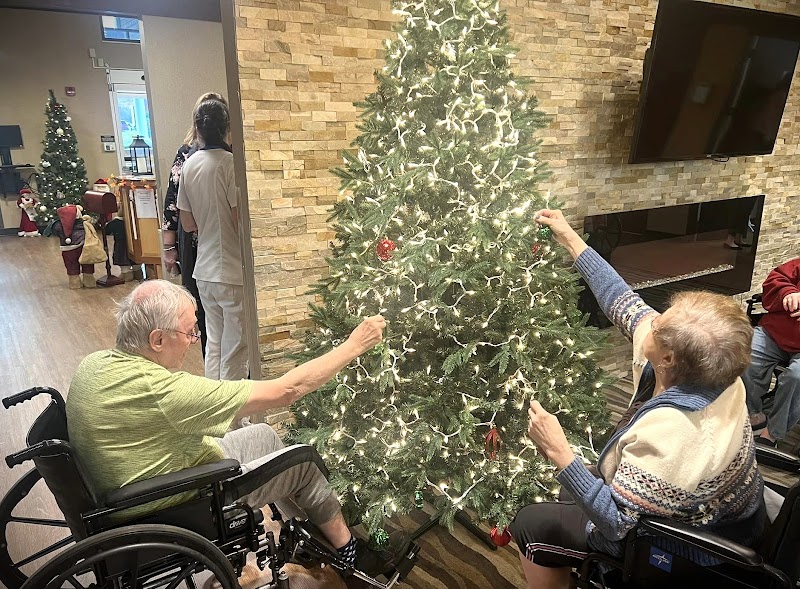
CMS rates O'NEILL HEALTHCARE MIDDLEBURG HEIGHTS's staffing level at 2 out of 5 stars, which is below average compared to other nursing homes. Staff turnover is 46%, compared to the Ohio average of 46%. This relatively stable workforce can support continuity of care.

What Have Inspectors Found at O'Neill Healthcare Middleburg Heights?

State health inspectors documented 13 deficiencies at O'NEILL HEALTHCARE MIDDLEBURG HEIGHTS during 2019 to 2024. These included: 1 Immediate Jeopardy (the most serious level, indicating potential for serious harm or death) and 12 with potential for harm. Immediate Jeopardy findings are rare and represent the most serious regulatory concerns. They require immediate corrective action.

Who Owns and Operates O'Neill Healthcare Middleburg Heights?

O'NEILL HEALTHCARE MIDDLEBURG HEIGHTS is owned by a for-profit company. For-profit facilities operate as businesses with obligations to shareholders or private owners. The facility is operated by O'NEILL HEALTHCARE, a chain that manages multiple nursing homes. With 82 certified beds and approximately 59 residents (about 72% occupancy), it is a smaller facility located in MIDDLEBURG HEIGHTS, Ohio.

How Does O'Neill Healthcare Middleburg Heights Compare to Other Ohio Nursing Homes?

Compared to the 100 nursing homes in Ohio, O'NEILL HEALTHCARE MIDDLEBURG HEIGHTS's overall rating (4 stars) is above the state average of 3.2, staff turnover (46%) is near the state average of 46%, and health inspection rating (3 stars) is at the national benchmark.

What Should Families Ask When Visiting O'Neill Healthcare Middleburg Heights?

Based on this facility's data, families visiting should ask: "What changes have been made since the serious inspection findings, and how are you preventing similar issues?" "Can you walk me through typical staffing levels on day, evening, and night shifts?" "Can I visit during a mealtime to observe dining assistance and food quality?" "How do you handle medical emergencies, and what is your hospital transfer rate?" These questions are particularly relevant given the facility's Immediate Jeopardy citations and the below-average staffing rating.

Is O'Neill Healthcare Middleburg Heights Safe?

Based on CMS inspection data, O'NEILL HEALTHCARE MIDDLEBURG HEIGHTS has documented safety concerns. Inspectors have issued 1 Immediate Jeopardy citation (the most serious violation level indicating risk of serious injury or death). The facility has a 4-star overall rating and ranks #1 of 100 nursing homes in Ohio. Families considering this facility should ask detailed questions about what corrective actions have been taken since these incidents.

Do Nurses at O'Neill Healthcare Middleburg Heights Stick Around?

O'NEILL HEALTHCARE MIDDLEBURG HEIGHTS has a staff turnover rate of 46%, which is about average for Ohio nursing homes (state average: 46%). Moderate turnover is common in nursing homes, but families should still ask about staff tenure and how the facility maintains care continuity when employees leave.

Was O'Neill Healthcare Middleburg Heights Ever Fined?

O'NEILL HEALTHCARE MIDDLEBURG HEIGHTS has been fined $170,014 across 2 penalty actions. This is 4.9x the Ohio average of $34,779. Fines at this level are uncommon and typically indicate a pattern of serious deficiencies, repeated violations, or failure to correct problems promptly. CMS reserves penalties of this magnitude for facilities that pose significant, documented risk to resident health or safety. Families should request specific documentation of what issues led to these fines and what systemic changes have been implemented.

Is O'Neill Healthcare Middleburg Heights on Any Federal Watch List?

O'NEILL HEALTHCARE MIDDLEBURG HEIGHTS is not on any federal watch list. The most significant is the Special Focus Facility (SFF) program, which identifies the bottom 1% of nursing homes nationally based on persistent, serious quality problems. Not being on this list means the facility has avoided the pattern of deficiencies that triggers enhanced federal oversight. This is a positive indicator, though families should still review the facility's inspection history directly.