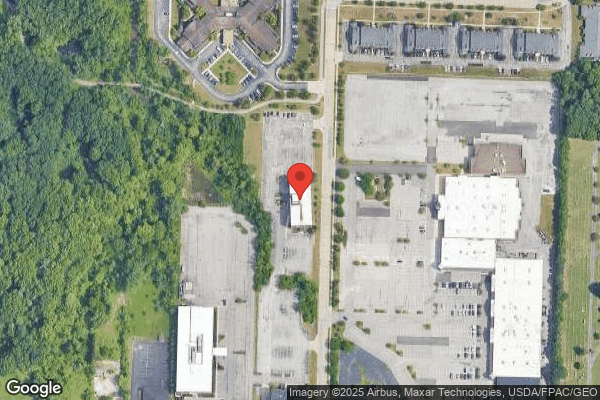
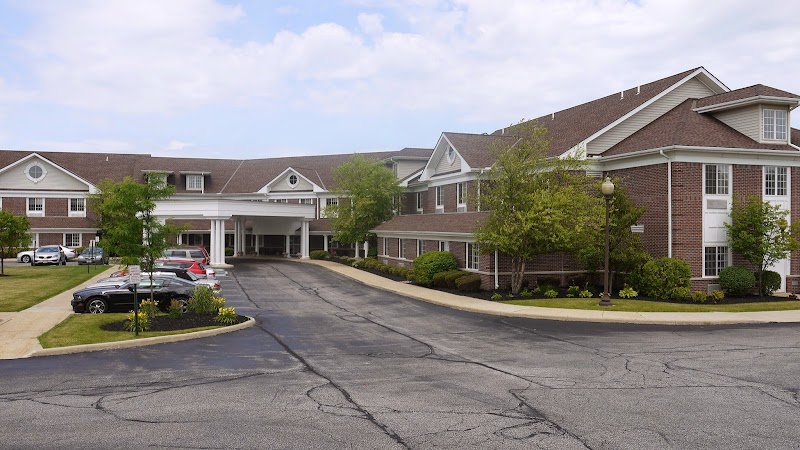
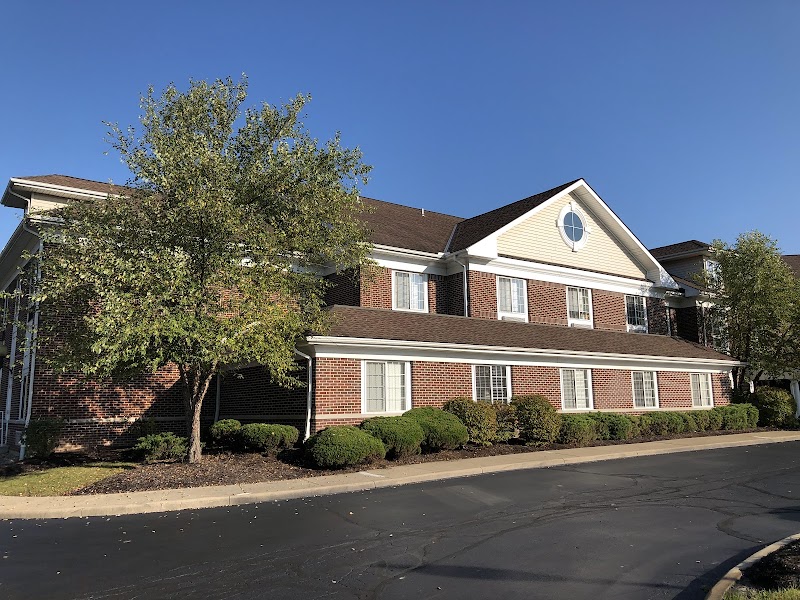
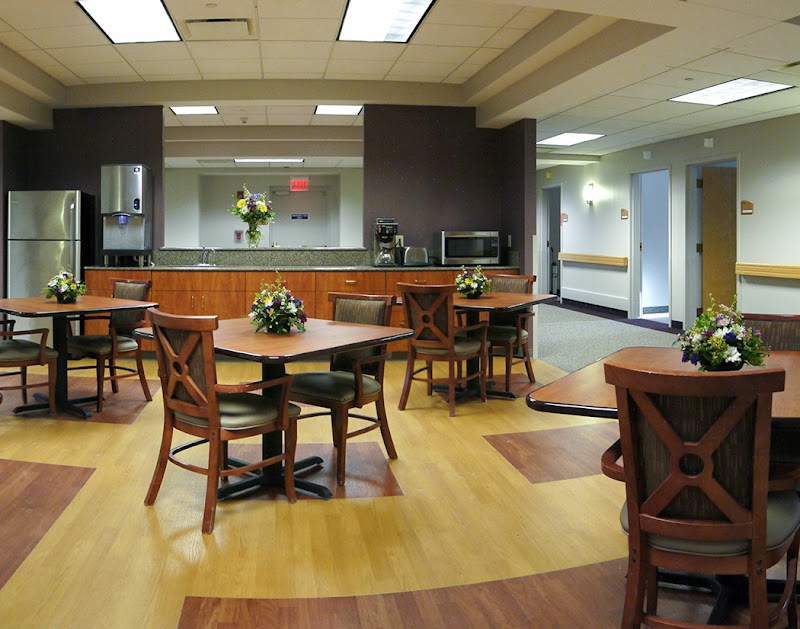
PARKSIDE VILLA

7040 HEPBURN ROAD, MIDDLEBURG HEIGHTS, OH 44130 (440) 260-7626
For profit - Corporation 178 Beds LEGACY HEALTH SERVICES Data: November 2025
Trust Grade
70/100
#317 of 913 in OH
Last Inspection: April 2025

Within standard 12-15 month inspection cycle. Federal law requires annual inspections.

Overview

Parkside Villa in Middleburg Heights, Ohio, has a Trust Grade of B, which means it is considered a good choice among nursing homes, indicating solid performance in various areas. It ranks #317 out of 913 facilities in Ohio, placing it in the top half, and #29 out of 92 in Cuyahoga County, signifying that only a few local options are better. The facility's trend is stable, with a consistent number of issues reported in recent years, but it does have 25 identified concerns, though none are critical or serious. Staffing is a significant weak point, with a rating of 2 out of 5 stars and a 52% turnover rate, suggesting that staffing levels may not always meet resident needs, as highlighted by reports of insufficient aides for the census. On a positive note, there are no fines on record, and the facility boasts more RN coverage than 82% of Ohio facilities, which can help catch potential issues early. However, specific incidents, such as inadequate staff levels impacting resident care and failure to maintain proper food temperature monitoring, raise concerns about the overall quality of care provided.

Trust Score
B
70/100
In Ohio
#317/913
Top 34%
Safety Record
Low Risk
No red flags
Inspections
Holding Steady
9 → 9 violations
Staff Stability
⚠ Watch
52% turnover. Above average. Higher turnover means staff may not know residents' routines.
Penalties
✓ Good
No fines on record. Clean compliance history, better than most Ohio facilities.
Skilled Nurses
✓ Good
Each resident gets 51 minutes of Registered Nurse (RN) attention daily — more than average for Ohio. RNs are trained to catch health problems early.
Violations
⚠ Watch
25 deficiencies on record. Higher than average. Multiple issues found across inspections.
★★★★☆
4.0
Overall Rating
★★☆☆☆
2.0
Staff Levels
★★★★★
5.0
Care Quality
★★★☆☆
3.0
Inspection Score
Stable
2024: 9 issues
2025: 9 issues

The Good

  • 5-Star Quality Measures · Strong clinical quality outcomes
  • Full Sprinkler Coverage · Fire safety systems throughout facility
  • No fines on record

Facility shows strength in quality measures, fire safety.

The Bad

Staff Turnover: 52%

Near Ohio avg (46%)

Higher turnover may affect care consistency

Chain: LEGACY HEALTH SERVICES

Part of a multi-facility chain

Ask about local staffing decisions and management

The Ugly 25 deficiencies on record

Apr 2025 9 deficiencies
CONCERN (D) 📢 Someone Reported This

A family member, employee, or ombudsman was alarmed enough to file a formal complaint

Potential for Harm - no one hurt, but risky conditions existed

Deficiency F0558 (Tag F0558)

Could have caused harm · This affected 1 resident

**NOTE- TERMS IN BRACKETS HAVE BEEN EDITED TO PROTECT CONFIDENTIALITY** Based on observation, record review, interview, and facility policy review, the facility failed to ensure call lights were withi...

Read full inspector narrative →
**NOTE- TERMS IN BRACKETS HAVE BEEN EDITED TO PROTECT CONFIDENTIALITY** Based on observation, record review, interview, and facility policy review, the facility failed to ensure call lights were within reach and accessible. This affected one resident (#4) of one resident reviewed for call light placement. The facility census was 142. Findings include: Review of the medical record for Resident #4 revealed she was admitted to the facility on [DATE] with diagnoses that included chronic respiratory failure, type 2 diabetes, and cellulitis of the right lower limb. Review of the Minimum Data Set (MDS) assessment dated [DATE] revealed Resident #4 was alert and oriented with cognition impairment, impaired on one side, and was dependent on staff for activities of daily living (ADLs). Review of the care plan dated 03/25/25 revealed Resident #4 was at risk for falls and had impaired mobility with interventions that included, but not limited to, call light accessible when in room. Observation on 04/22/25 at 3:00 P.M. revealed Licensed Practical Nurse (LPN) #858, Registered Nurse (RN) #879 and Certified Nurse Assistant (CNA) #881 seated at the nursing station located on the locked unit, Cypress. Observation and interview on 04/22/25 at 3:09 P.M. revealed Resident #4 yelling out for help. Resident #4 stated Help please, I want to get out of bed and dressed. Resident #4 was observed in bed with her gown on and call light not in reach. Resident #4's call light was located to her right side and hanging down to the floor. Resident #4 was observed trying to locate and reach her call light for staff assistance, but was unsuccessful. Resident #4 stated she did not know where her call light was and was trying to feel around and find it. Resident #4 stated she had been trying to find help for a while. Interview on 04/22/25 at 3:12 P.M. with LPN #858 revealed Resident #4 was alert to self and had a new diagnosis of dementia, unable to care for herself, and had difficulty with ADLs. LPN #858 revealed she had just arrived for her shift and was not sure who was assigned to Resident #4. LPN #858 revealed she was not aware of Resident #4 needing assistance and she would not being able to hear her yell out due to her room being so far away from the nurse's station. Observation on 04/22/25 at 3:17 P.M. with LPN #858 revealed Resident #4 was laying in bed, yelling out for help, and attempting to reach call light. LPN #858 was observed asking Resident #4 if she needed assistance and Resident #4 stated she wanted to get dressed and out of bed. Resident #4 was also observed yelling at LPN #858 that she could find or reach her call light. LPN #858 picked up Resident #4 call light and stated the call light should be attached to your clothes, so that you could reach it and Resident #4 stated I know. LPN #858 confirmed and verified Resident #4 call light was out of reach. Review of the facility document titled Use of Call Light reviewed 01/06/25 revealed the facility had a policy in place that call lights were to always be placed within reach of the resident. Review of the documents revealed the facility did not implement the policy.
CONCERN (D) 📢 Someone Reported This

A family member, employee, or ombudsman was alarmed enough to file a formal complaint

Potential for Harm - no one hurt, but risky conditions existed

Deficiency F0676 (Tag F0676)

Could have caused harm · This affected 1 resident

Based on record review and interview the facility failed to ensure residents received restorative therapy as ordered. This affected one (Resident #138) of three residents reviewed for therapy. The fac...

Read full inspector narrative →
Based on record review and interview the facility failed to ensure residents received restorative therapy as ordered. This affected one (Resident #138) of three residents reviewed for therapy. The facility census was 142. Findings include: Review of medical record for Resident #138 noted an admission date of 10/03/24. Diagnoses included chronic respiratory failure with hypoxia, acute kidney failure, encounter for attention to tracheostomy, and unspecified protein-calorie malnutrition. Review of the quarterly Minimum Data Set (MDS) assessment, dated 01/09/25, revealed the resident had impaired cognition. The resident was dependent for all activities of daily living. Review of plan of care dated 10/28/24 noted Resident #138 was at risk for impaired functional range of motion related to inability to move extremities independently. The plan of care included passive range of motion to bilateral to ankles and slow gentle pace holding at end range for 10 seconds. Additional instructions included to provide 10 repetitions for two to three sets over all joints including shoulder, elbow, wrists and digits. The plan of care stated to provide range of motion program (passive) six-seven days a week at least 15 minutes a day to upper and lower extremities. Review of physician order dated 04/04/25 noted Resident #138 was to receive passive range of motion to upper and lower extremities three to six times a week. Review of the facility task option for completing restorative therapy noted Resident #138 received therapy on 03/25/25, 04/10/25 04/14/25, 04/15/25, and 04/17/25. Interview on 04/23/25 at 12:09 P.M. with Certified Nurse Aide #991 stated residents were not receiving restorative therapy as scheduled because the restorative aides get pulled to work the floor all the time. Interview on 04/23/25 at 12:15 P.M., Registered Nurse (RN) #803 stated residents are scheduled to receive restorative therapy three to six times a week. RN #803 verified Resident #138 received therapy five times in a 30-day period due to lack of staffing in the restorative therapy department. Review of the facility policy titled Restorative Nursing Policy and Procedure, dated 01/06/25 noted each resident will be screened for restorative nursing upon admission, annually and quarterly. Licensed nursing personnel will supervise the restorative nursing programs. This deficiency represents non-compliance investigated under Complaint Number OH00163918.
CONCERN (D) 📢 Someone Reported This

A family member, employee, or ombudsman was alarmed enough to file a formal complaint

Potential for Harm - no one hurt, but risky conditions existed

Deficiency F0698 (Tag F0698)

Could have caused harm · This affected 1 resident

**NOTE- TERMS IN BRACKETS HAVE BEEN EDITED TO PROTECT CONFIDENTIALITY** Based on resident record review, resident interview, staff interviews, dialysis staff interviews, and facility policy review, th...

Read full inspector narrative →
**NOTE- TERMS IN BRACKETS HAVE BEEN EDITED TO PROTECT CONFIDENTIALITY** Based on resident record review, resident interview, staff interviews, dialysis staff interviews, and facility policy review, the facility failed to ensure residents requiring dialysis attended scheduled appointments. This affected one (#84) of one resident reviewed for dialysis. The facility identified 13 total residents who received dialysis treatments. The facility census was 142. Findings include: Review of the medical record for Resident #84 revealed she was admitted to the facility on [DATE] with diagnoses that included polyneuropathy, respiratory failure, dependence on dialysis, and hypertensive heart and chronic kidney disease. Review of the MDS assessment dated [DATE] revealed Resident #84 was alert and oriented to person, place, and time, was dependent on staff for ADLs and required dialysis. Review of the physician order dated 01/15/25 revealed an order to complete dialysis communication form before dialysis and send with patient to dialysis one time a day every Monday, Wednesday, and Friday. Review of the care plan dated 03/25/25 revealed Resident #84 had renal failure related to end stage renal disease, required hemodialysis on Monday, Wednesday, and Fridays. Review of the progress notes dated 03/12/25 revealed no indication that Resident #84 received dialysis. Review of the paper chart for Resident #84 revealed no pre- and post- dialysis treatment forms dated for 03/12/25. Review of the physician order dated 04/09/25 revealed an order for dialysis Monday, Wednesday, and Friday at to be performed at the facility's in-house dialysis unit with a chair time of 6:45 A.M. Transportation arrangements were to be performed by staff once a day every Monday, Wednesday, and Friday. Observation on 04/21/25 at 10:10 A.M. revealed Resident #84 was at dialysis, which was located on the 2nd floor of the facility. Resident #84 room was also located on the 2nd floor of the facility. Observation and interview on 04/21/25 at 10:41 A.M. with Resident #84 revealed she was seated at the nursing station in her wheelchair and had just returned from dialysis. Resident #84 revealed dialysis was located onsite in the facility right down the hall from her room. Resident #84 revealed her main concern with the facility was staffing. Resident #84 revealed the facility never had enough staff to meet her needs. Resident #84 revealed she was unable to attend dialysis on 03/12/25 due to not having enough staff in the building to get her out of bed and transport her down the hall to her dialysis appointment. Interview on 04/22/25 at 3:32 P.M. with Licensed Practical Nurse (LPN) #906 revealed Resident #84 went to dialysis three times a week on Monday, Wednesday and Fridays. LPN #906 revealed the facility utilized a form that both facility staff and dialysis staff completed for pre- and post- dialysis treatments. LPN #906 revealed the night shift was responsible for completing the form, provided it to dialysis staff, and after completion placed in the hard chart. LPN #906 revealed staffing had been a little challenging lately. LPN #906 revealed staff completing the form must sign and date it before placing it in the chart. LPN #906 revealed the night shift was responsible for getting Resident #84 out of bed and transported to dialysis. Interview on 04/23/25 at 9:38 A.M. with Dialysis Registered Nurse (DRN) #500 revealed Resident #84 was on dialysis and was to attend every Monday, Wednesday, and Friday. DRN #500 revealed she was very familiar with Resident #84 and distinctly remembered her not attending dialysis on 03/12/25 due to not having enough staff. DRN #500 revealed the Certified Nurse Assistant (CNA) assigned to Resident #48 stated she was not going to get Resident #84 up for her dialysis appointment due to having a migraine. DRN #500 revealed she attempted multiple times to get staff to bring Resident #84 to dialysis because it was a very big deal, but staff did not comply. DRN #500 revealed Resident #84 chair time was 6:45 A.M. Review of the Dialysis patient note dated 03/12/25 at 9:02 A.M. revealed per facility staff, Resident #84 was unable to be transported on time due to facility staff stating she had a migraine and was unable to get Resident #84 into her chair. Dialysis staff questioned if any other facility staff would be able to get Resident #84 to her treatment but was informed there wasn't anyone else to complete the transport. Review of the patient note revealed facility staff stated Resident #84 would not be able to attend dialysis until after 1st shift arrived. Dialysis staff attempted to check with facility staff for 45 minutes after first shift arrived and Resident #84 could not attend due to transportation issues. Interview on 04/23/25 at 9:43 A.M. with DRN #500 revealed Resident #84 appointment time was at 6:45 A.M. DRN #500 confirmed and verified Resident #84 did not attend dialysis on 03/12/25 due to not having enough staff. Interview on 04/23/25 at 3:30 P.M. with the Director of Nursing (DON) revealed she was unaware of Resident #84 missing any dialysis appointments. DON provided Resident #84 Medication and Treatment Administration Record (MAR/TAR) that indicated Resident #84 attended dialysis on 03/12/25. DON reviewed Resident #84 MAR/TAR and confirmed and verified LPN #842 signed and dated that Resident #84 attended dialysis, when in fact she did not. DON confirmed and verified, after review of the dialysis patient note, Resident #84 did not attend dialysis appointment due to staff not getting her up. Follow-up interview on 04/23/25 at 4:13 P.M. with the DON revealed LPN #842 was the nurse on duty and she reported she was not aware of any residents missing their scheduled dialysis appointments. DON provided unsigned dialysis sheets located in Resident #84 paper chart that were already reviewed, confirmed, and verified prior by the state surveyor and DRN #500 as invalid. DON was unable to identify the CNA on duty at the time of Resident #84 missed appointment. DON confirmed and verified the above findings during the interview. Interview on 04/23/25 at 4:30 P.M. was attempted with LPN #842 but was unsuccessful. Review of the Dialysis agreement dated 04/01/21, revealed the facility had the sole responsibility for transporting dialysis patients to and from the dialysis treatment den within the nursing facility at the scheduled times. Review of the Dialysis agreement revealed if a patient was more than 30 minutes late for an appointment or missed an appointment due to lack of transportation, Davita staff would determine if it was safe to treat at that time or required to reschedule due to safety concerns. This deficiency represents noncompliance investigated under Complaint Number OH00163704.
CONCERN (D)

Potential for Harm - no one hurt, but risky conditions existed

Laboratory Services (Tag F0770)

Could have caused harm · This affected 1 resident

**NOTE- TERMS IN BRACKETS HAVE BEEN EDITED TO PROTECT CONFIDENTIALITY** Based on interview, closed medical record review and review of laboratory testing results, the facility failed to ensure physici...

Read full inspector narrative →
**NOTE- TERMS IN BRACKETS HAVE BEEN EDITED TO PROTECT CONFIDENTIALITY** Based on interview, closed medical record review and review of laboratory testing results, the facility failed to ensure physician ordered testing was completed timely as required. This affected one (Resident #147) of three reviewed for timely completion of physician orders. This had the potential to affect all 142 residents residing at the facility. Findings include: Review of the closed medical record for Resident #147 revealed an admission date of 11/14/24 and a discharge date of 03/27/25. Diagnoses included but were not limited to anoxic brain damage, type II diabetes mellitus with chronic kidney disease, dependence on renal dialysis, anemia, unspecified protein-calorie malnutrition, and gastrostomy. Review of Resident #147's care plan initiated on 12/06/24 indicated bowel incontinence related to impaired mobility, loss of sphincter control, and physical limitations. Interventions were to record bowel movement, note size and consistency. Report any abnormalities to the charge nurse. Resident #147 was also noted to require total assistance for toileting and required a mechanical lift for toileting and transfers. Review of the 01/02/25 Nurse Practitioner note revealed Resident #147 was being seen for hypotension, anemia and hypoglycemia. Resident #147 was noted to still have low blood pressures and was noted to have received intravenous fluids (IVF) for hypotension with suspected hemodilution from IVF. Laboratory testing to evaluate for occult stool (blood in the stool) was ordered. Review of the physician order dated 01/03/25 timed at 12:42 P.M. revealed an order for Resident #147 to perform Hemoccult (to test for blood in the stool) with next bowel movement. Notify the physician or certified nurse practitioner when completed. To be completed every shift. Discontinue when complete. Order was discontinued on 01/19/25. Review of the 01/04/25 nursing med pass note timed at 12:04 P.M. noted for Resident #147 revealed a medication pass note to perform hemoccult with next bowel movement. Notify the physician when completed. Discontinue when complete. No bowel movement was noted. Review of the 01/04/25 nursing med pass note timed at 10:07 P.M. for Resident #147's occult stool gave no indication if occult stool was obtained. Review of the 01/05/25 nursing med pass note timed at 2:39 A.M. for Resident #147's occult stool indicated occult stool not applicable. Review of the 01/05/25 nursing med pass note timed at 2:50 P.M. for Resident #147's occult stool indicated no bowel movement. Review of the 01/06/25 nursing med pass note timed at 7:01 A.M. for Resident #147's occult stool indicated no bowel movement. Review of the 01/06/25 Nurse Practitioner note timed at 1:00 P.M. for Resident #147 revealed a follow up visit related to hypotension and anemia. No noted results for occult stools. Review of the 01/07/25 nursing med pass note timed at 5:45 A.M. for Resident #147's occult stool gave no indication of whether sample was obtained. Review of the 01/07/25 Nurse Practitioner note for Resident timed a 1:02 P.M. revealed follow up for request of percutaneous endoscopic gastrostomy (PEG) removal. No result was available for the result of the occult stool sample. Review of the 01/08/25 nursing med pass note timed at 5:24 A.M. for Resident #147's occult stool gave no indication if sample was obtained. Review of the 01/08/25 Nurse Practitioner note timed at 9:00 A.M. for Resident #147 revealed a follow up visit for dysphagia and removal of feeding tube. No noted results for occult stools. Review of the 01/08/25 nursing med pass note timed at 8:40 A.M. for Resident #147 indicated no bowel movement. Review of the 01/09/25 nursing med pas note timed at 9:56 P.M. for Resident #147's occult stool order gave no indication of whether a sample was obtained. Review of the 01/10/25 nursing med pass note timed at 8:37 P.M. for Resident #147's occult stool order gave no indication whether a sample was obtained. Review of the 01/11/25 nursing med pass note timed at 5:50 A.M. for Resident #147's occult stool order stated no bowel movement during shift. Review of the 01/11/25 nursing med pass note timed at 12:45 P.M. for Resident #147's occult stool order revealed no bowel movement during shift. Review of the 01/11/25 nursing med pass noted timed at 7:22 P.M. for Resident #147's occult stool order revealed no bowel movement during shift. Review of the 01/13/25 nursing med pass note timed at 10:36 P.M. for Resident #147's occult stool order gave no indication if a sample was obtained. Review of the 01/15/25 nursing med pass note timed at 3:06 A.M. for Resident #147's occult stool order indicated no bowel movement during shift. Review of the 01/17/25 nursing med pass note timed at 3:44 A.M. for Resident #147's occult stool order gave no indication if a sample was obtained. Review of the January 2025 Medication Administration Record (MAR) for Resident #147 revealed following the 01/03/25 order for a Hemoccult stool sample there were nine shifts where no response was recorded, 20 shifts that indicated not applicable, 15 shifts indicating other and a negative result recorded on the 01/18/25 day shift. Review of the 01/21/25 Nurse Practitioner note timed at 3:11 P.M. for Resident #147 revealed a follow up for weakness and deep vein thrombosis (DVT). No noted results were indicated for occult stools. Review of the 01/23/25 Nurse Practitioner noted timed at 2:24 P.M. for Resident #147 revealed lab results reviewed were within normal limits. Review of the Minimum Data Set (MDS) 3.0 quarterly assessment dated [DATE] revealed Resident #147 had intact cognition, was noted to be incontinent of bowel and bladder, used a wheelchair, and required maximum assistance of two staff for toileting hygiene. Interview on 04/29/25 at 8:35 A.M. with Registered Nurse (RN) #927 confirmed she was unable to provide evidence of an occult stool test being obtained or resulted for Resident #147 until 01/18/25 which was indicated as negative on the MAR. RN #927 was also unable to provide evidence of when the physician was notified of the results. RN #927 confirmed a 01/18/25 occult stool result was not timely for the 01/03/25 physician order. Interview on 04/29/25 at 8:41 A.M. with Nurse Practitioner (NP) #510 revealed she saw Resident #147 on 01/03/25 and had stopped her hypertension medications and had ordered an occult stool sample to be obtained related to potential anemia. NP #510 confirmed a timely result would be within 24 hours of obtaining an occult stool and confirmed a result on 01/18/25 was not considered timely.
CONCERN (D)

Potential for Harm - no one hurt, but risky conditions existed

Smoking Policies (Tag F0926)

Could have caused harm · This affected 1 resident

**NOTE- TERMS IN BRACKETS HAVE BEEN EDITED TO PROTECT CONFIDENTIALITY** Based on record review, interview and review of the facility policy the facility failed to effectively implement the facility sm...

Read full inspector narrative →
**NOTE- TERMS IN BRACKETS HAVE BEEN EDITED TO PROTECT CONFIDENTIALITY** Based on record review, interview and review of the facility policy the facility failed to effectively implement the facility smoking policy. This affected one (Resident #108) of one resident reviewed for smoking. The facility census was 142. Findings include: Review of medical record for Resident #108 noted an admission date of 06/26/24. Diagnoses included respiratory failure, unspecified whether with hypoxia or hypercapnia, metabolic encephalopathy, delusional disorder, and visual hallucinations. Review of Social Services smoking assessment dated [DATE] noted Resident #108 exhibited knowledge of facility smoking rules and policies, does not smoke in designated areas only, does not know correct smoke time, does know where smoking materials are to be properly stored/kept. Resident #108 could use a lighter safely, could hold smoking materials safely, could extinguish smoking materials, and does not demonstrate compliance with facility smoking rules. Resident #108 was safe to smoke independently/unsupervised. Review of the quarterly Minimum Data Set (MDS) assessment, dated 01/09/25, revealed the resident had intact cognition. The resident was dependent for all activities of daily living. Review of Social Services progress note dated 04/21/25 noted Resident #108 was displaying unsafe smoking practices and is refusing to smoke off campus. Resident #108 received re-education related to smoking policy and safe smoking practices. Resident #108 stated she would think about it. Review of plan of care dated 04/22/25 noted Resident #108 had the potential for tobacco use related injuries of infection control issues related to cognitive impairment, impulse control, and poor safety awareness. Interventions included to review smoking policy with Resident #108 if non-compliant with the smoking policy and ensure that family is aware that they are not to give Resident #108 cigarettes or lighters. Observations on 04/23/25 at 3:00 P.M. noted Resident #108 in her wheelchair sitting outside next to the facility. The survey team observed Resident #108 pull out a pack of cigarettes and lighter from her purse, and light a cigarette. The survey team informed Maintenance Director #905 who was in the conference room with the survey team. Maintenance Director #906 went outside to educate Resident #108. Observations on 04/23/25 at 3:30 P.M. noted Resident #108 located on her unit, Resident #108 was asked by Registered Nurse (RN) #772 to remove smoking materials from her purse. Resident #108 then went into the dining room and started to mess with her purse. Resident #108 observed the state surveyor and went her room and closed the door stating she needed to make a call. Continued observations noted Social Worker (SW) #834 was called to the unit to speak with Resident #108 about smoking materials . SW#834 asked Resident #108 for the smoking materials, Resident #108 denied having any materials. Interview on 04/24/25 at 10:55 A.M., SW #834 stated the facility smoking assessments were supposed to be completed annually and quarterly. SW #834 verified that an initial assessment was completed when Resident #108 was admitted and then on 04/21/25 when Resident #108 was observed smoking on facility grounds. Review of the policy Non-Smoking Policy dated 01/06/25 revealed the facility is a non-smoking facility and informs all prospective residents and/or their responsible party of the non-smoking policy prior to admission. The procedure included residents and/or their responsible party are informed of the non-smoking policy prior to admission, the facility's smoking policy will be posted in the facility, and the admissions coordinator will maintain a current list of area facilities that can accommodate residents who smoke and will direct prospective residents to these facilities as needed.
CONCERN (E)

Potential for Harm - no one hurt, but risky conditions existed

Respiratory Care (Tag F0695)

Could have caused harm · This affected multiple residents

**NOTE- TERMS IN BRACKETS HAVE BEEN EDITED TO PROTECT CONFIDENTIALITY** Based on observations, resident record reviews, resident interviews, staff interviews, and facility policy review, the facility ...

Read full inspector narrative →
**NOTE- TERMS IN BRACKETS HAVE BEEN EDITED TO PROTECT CONFIDENTIALITY** Based on observations, resident record reviews, resident interviews, staff interviews, and facility policy review, the facility failed to ensure oxygen tubing labeled and changed routinely. This affected six (#84, #91, #114, #118, #160, #367) of six residents reviewed for respiratory services. The facility census was 142. Findings include:1. Review of the medical record for Resident #114 revealed she was admitted to the facility on [DATE] with diagnoses that included type 2 diabetes, chronic obstructive pulmonary disease, and dependence on supplemental oxygen. Review of the physician orders dated 03/27/25 revealed Resident #114 had an order in place for oxygen at 2-4 liters per minute via nasal canula every shift to keep pulse oximetry readings equal or greater than 92 percent.Review of the Minimum Data Set (MDS) assessment dated [DATE] revealed Resident #114 was alert and oriented, required assistance from staff for activities of daily living (ADLs), had shortness of breath or trouble breathing when lying flat, and required oxygen.Review of the care plan dated 04/18/25 revealed Resident #114 was dependent on supplemental oxygen.Observation and interview on 04/21/25 at 10:10 A.M, revealed Resident #114 was laying in bed with her nasal canula on with no dated tubing. Resident #114 revealed she was unsure of the last time it was changed, and it was never dated. 2. Review of the medical record for Resident #84 revealed she was admitted to the facility on [DATE] with diagnoses that included polyneuropathy, respiratory failure, and dependence on supplemental oxygen.Review of the physician orders dated 01/10/25 revealed an order for oxygen at 4 liters via nasal canula every shift and 2 liters every 4 hours for shortness of breath.Review of the MDS assessment dated [DATE] revealed Resident #84 was alert and oriented to person, place, and time, was dependent on staff for ADLs and required oxygen. Review of the care plan dated 03/25/25 revealed Resident #84 required oxygen. Observation and interview on 04/21/25 at 10:10 A.M, revealed Resident #84 was currently out of the room with her oxygen tubing still attached to the concentrator. Resident #84 oxygen tubing was undated.Interview and observation on 04/21/25 at 10:32 A.M. with Certified Nurse Assistant (CNA) #717 revealed the nurses were responsible for changing and dating oxygen tubing. CNA #717 confirmed and verified the oxygen tubing belonging to Resident #114 and #84 was not dated and she could not verify the last time it was changed. Interview on 04/21/25 at 10:51 A.M. with Resident #84 revealed she had just returned from dialysis. Resident #84 revealed her oxygen tubing was not dated and not changed. Interview on 04/22/25 at 3:32 P.M. with Licensed Practical Nurse (LPN) #906 revealed the respiratory department were responsible for changing tubing and the nurses were responsible for dating the tubing. LPN #906 revealed all oxygen tubing were to be changed once a week. LPN #906 revealed it was the facility policy to change and date oxygen tubing weekly. LPN #906 was unable to confirm when the oxygen tubing for Resident #114 and #84 was changed. 3. Review of the medical record for Resident #91 revealed an admission date of 04/07/25 and readmission date of 04/20/25 and a discharge date of 04/23/25 and diagnoses including unspecified atrial fibrillation, acute and chronic respiratory failure with hypoxia, end stage renal disease, dependence on renal dialysis, lung transplant, acute pulmonary edema, dependence on respirator ventilator, encounter for attention to tracheostomy, atelectasis, long-term (current) use of inhaled steroids, dependence on supplemental oxygen, personal history of COVID-19, personal history of nicotine dependence, personal history of other diseases of the respiratory system and personal history of pneumonia (recurrent).Review of Resident #91's orders dated 04/07/25 revealed oxygen at two liters (L) via nasal canula (NC) every four hours as needed for shortness of breath. The order specified may titrate to keep pulse oximetry equal or greater than 92%. Observation on 04/22/25 at 8:53 A.M. revealed Resident #91's oxygen tubing was not dated.Interview on 04/22/25 at 8:53 A.M. with Respiratory Therapist (RT) #816 verified Resident #91's oxygen tubing was not dated. 4. Review of the medical record for Resident #118 revealed an admission date of 04/04/25. Diagnoses included chronic obstructive pulmonary disease (COPD), chronic respiratory failure with hypoxia and long-term (current) use of inhaled steroids. Review of Resident #118's orders dated 04/21/25 revealed orders for oxygen at 4L via NC, keep head of bed elevated, as tolerated, due to shortness of breath while lying flat related to COPD and change tubing and rinse concentrator filter weekly, every night shift on Thursdays for routine care. Observation on 04/22/25 at 3:10 P.M. revealed Resident #118's oxygen tubing was not dated.Interview on 04/21/25 at 3:10 P.M. with LPN #735 verified Resident #118's oxygen tubing was not dated. 5. Review of the medical record for Resident #160 revealed an admission date of 03/22/25. Diagnoses included acute and chronic respiratory failure unspecified whether with hypoxia or hypercapnia, dependence on supplemental oxygen and personal history of pneumonia (recurrent).Review of Resident #160's orders dated 03/24/25 revealed an order for oxygen at 3L per minute via NC. Resident #160 also had an order to change oxygen tubing and concentrator filter weekly every night shift every Thursday for routine care. Observation on 04/21/25 at 10:30 A.M. revealed Resident #160's oxygen tubing was not dated. Interview on 04/21/25 at 2:59 P.M. Certified Nursing Assistant (CNA) #875 verified Resident #160's oxygen tubing was not dated.6. Review of the medical record for Resident #367 revealed an admission date of 04/16/25 and a discharge date of 04/23/25. Diagnoses included pulmonary hypertension, peripheral vascular disease and venous insufficiency (chronic and peripheral). Review of Resident #367's orders dated 04/16/25 revealed orders for oxygen at 3L per minute via NC and change oxygen tubing and concentrator filter weekly every night shift every Thursday for routine care.Observation on 04/21/25 at 10:30 A.M. revealed Resident #367's oxygen tubing was not dated.Interview on 04/21/25 at 10:30 A.M. CNA #979 verified Resident #367's oxygen tubing was not dated. Review of the facility document titled Oxygen Administration reviewed 01/06/25 revealed the facility had a policy in place that equipment utilized to administer oxygen, including tubing, was to be changed and dated. Review of the document revealed the facility did not implement the policy.
CONCERN (E)

Potential for Harm - no one hurt, but risky conditions existed

Deficiency F0761 (Tag F0761)

Could have caused harm · This affected multiple residents

Based on observation, staff interview, and facility policy review, the facility failed to ensure medications were stored in a safe, secured and proper manner. This had the potential to affect 101 resi...

Read full inspector narrative →
Based on observation, staff interview, and facility policy review, the facility failed to ensure medications were stored in a safe, secured and proper manner. This had the potential to affect 101 residents who were identified by the facility to be independently mobile. The census was 142. Findings include: Observation on 04/22/25 at 1:00 P.M. revealed the staff development room was full of unreturned resident prescription medications. There were seven large boxes filled with cards of medications, and a table full of prescription medication cards for residents who had discharged . Additional medications were stacked on the floor of the room. There were three large purple bags of medications that were ready to be returned. There were creams, injectables, breathing treatments, cards (blister packs) and cards of unused pills, tablets, and capsules. There were at least 200 separate medications that were unsecured in the room. On 04/22/25 at 1:00 P.M. the Maintenance Supervisor verified the room was unlocked and a whole lot of medications were stored in the Staff Development room. On 04/22/25 at 1:09 P.M. the Director of Nursing verified the room containing discharged residents' medications should have been locked. She also stated all the medications in that room were going to be returned to the pharmacy for resident credit. The medications were collected weekly and eventually returned to pharmacy. Review of the facility policy, Medication Storage in the Facility, dated 11/21 revealed the facility will ensure medication and biological's were stored safely, securely nor properly following manufacturer's recommendations or those of the supplier. The medication supply was to be accessible only to licensed nursing personnel, pharmacy personnel, or staff members lawfully authorized to administer medications.
CONCERN (F) 📢 Someone Reported This

A family member, employee, or ombudsman was alarmed enough to file a formal complaint

Potential for Harm - no one hurt, but risky conditions existed

Deficiency F0725 (Tag F0725)

Could have caused harm · This affected most or all residents

**NOTE- TERMS IN BRACKETS HAVE BEEN EDITED TO PROTECT CONFIDENTIALITY** Based on observations, resident record review, resident interviews, and staff interviews. The facility failed to ensure adequate...

Read full inspector narrative →
**NOTE- TERMS IN BRACKETS HAVE BEEN EDITED TO PROTECT CONFIDENTIALITY** Based on observations, resident record review, resident interviews, and staff interviews. The facility failed to ensure adequate staff levels to meet the needs of the residents. This affected three (#4, #79, #104) of three residents reviewed and had the potential to affect all residents residing in the facility. The facility census was 142.Findings include:1. Interview on 04/21/25 at 10:46 A.M. with Certified Nurse Assistant #CNA) #953 revealed there were not enough aides. CNA #953 revealed there were only two aides covering the secured unit and it wasn't enough for the census and acuity level. Interview on 04/21/25 at 10:51 A.M. with Licensed Practical Nurse (LPN) #939 revealed there were not enough staff to manage the census and acuity levels. LPN #939 revealed there were multiple residents that required hoyer lift, hands-on feedings, showers, and frequent check and changes and monitoring. 2. Review of the medical record for Resident #4 revealed she was admitted to the facility on [DATE] with diagnoses that included chronic respiratory failure, type 2 diabetes, and cellulitis of the right lower limb.Review of the Minimum Data Set (MDS) assessment dated [DATE] revealed Resident #4 was alert and oriented with cognition impairment, impaired on one side, and was dependent on staff for Activities of Daily Living (ADLs). Review of the care plan dated 03/25/25 revealed Resident #4 was at risk for falls and had impaired mobility with interventions that included, but not limited to, call light accessible when in room.Observation and interview on 04/22/25 at 3:09 P.M. revealed Resident #4 yelling out for help. Resident #4 stated Help please, I want to get out of bed and dressed. Resident #4 was observed in bed with her gown on and call light not in reach. Resident #4 call light was located to her right side and hanging down to the floor. Resident #4 was observed trying to locate and reach her call light for staff assistance, but it was unsuccessful. Resident #4 stated she did not know where her call light was and was trying to feel around and find it. Resident #4 stated she had been trying to find help for a while. Interview on 04/22/25 at 3:12 P.M. with LPN #858 revealed Resident #4 was alert to self and had a new diagnosis of dementia, unable to care for herself, and had difficulty with ADLs. LPN #858 revealed she had just arrived for her shift and was not sure who was assigned to Resident #4. LPN #858 revealed she was not aware of Resident #4 needing assistance and she would not be able to hear her yell out due to her room being so far away from the nurse's station. Observation on 04/22/25 at 3:17 P.M. with LPN #858 revealed Resident #4 was laying in bed, yelling out for help, and attempting to reach call light. LPN #858 was observed asking Resident #4 if she needed assistance and Resident #4 stated she wanted to get dressed and out of bed. Resident #4 was also observed yelling at LPN #858 that she could not find or reach her call light. LPN #858 picked up Resident #4 call light and stated the call light should be attached to your clothes, so that you could reach it and Resident #4 stated I know. LPN #858 confirmed and verified Resident #4 call light was out of reach. Interview on 04/22/25 at 3:19 P.M. with Registered Nurse (RN) #879 revealed the CNA assigned to Resident #4 had left at 3:00 P.M. and there weren't any coverage for her at this time. RN #879 revealed without staff coverage or Resident #4 call light within reach, no one would have known she required assistance. RN #879 revealed she preferred to be dressed and out of bed. RN #879 confirmed and verified lack of staffing. 3. Review of medical record for Resident #79 noted an admission date of 07/13/22. Diagnoses included malignant neoplasm of endometrium and genital organs, morbid obesity, and foot drop of left foot. Review of the quarterly Minimum Data Set (MDS) assessment, dated 03/12/25, revealed the resident had intact cognition. The resident required moderate assistance for activities of daily living. Review of plan of care dated 03/20/25 noted Resident #79 had impaired mobility and required assistance with activities of daily living. Interventions included the use of mechanical lift, and extensive assistance with toilet use. Interview on 04/22/25 at 10:36 A.M., Resident #79 was observed lying in bed. Resident #79 stated she wanted to be out of bed by 9:00 A.M. every day, but staff were unable to assist her in a timely manner due to lack of staffing. Interview on 04/22/25 at 10:43 A.M., Certified Nurse Assistant (CNA) #979 stated the facility was short staffed all the time causing longer wait times for care and getting residents out of bed in a timely manner. 4. Review of medical record for Resident #104 noted an admission date of 09/26/23. Diagnoses included anxiety disorder, depression, and muscle weakness. Review of the quarterly Minimum Data Set (MDS) assessment, dated 03/07/25, revealed the resident had intact cognition. The resident required maximum assistance for activities of daily living. Review of plan of care dated 05/02/24 noted Resident #104 had activity of daily living self-care performance deficit related to activity intolerance, fatigue, impaired imbalance, and limited mobility. Interventions included to provide extensive assistance while in bed, for mobility and transfers. Interview on 04/22/25 at 10:44 A.M., Resident #104 was observed lying in bed. Resident #104 stated he wanted to be out of bed by 10:00 A.M. every morning. Additional interview and observation at 2:50 P.M. noted Resident #104 still lying in bed. Resident #104 stated he asked staff around 10:00 A.M. that morning. Interview on 04/22/25 at 3:00 P.M., Certified Nurse Assistant (CNA) #991 stated Resident #104 had been asking to get out of bed all day, but confirmed no staff had assisted him. This deficiency represents noncompliance investigated under Master Complaint Number OH00165209 and Complaint Numbers OH00164386, OH00164301, OH00163918, OH00163704, OH00163225, OH00162452, OH00162142, and OH00161942.
CONCERN (F)

Potential for Harm - no one hurt, but risky conditions existed

Food Safety (Tag F0812)

Could have caused harm · This affected most or all residents

**NOTE- TERMS IN BRACKETS HAVE BEEN EDITED TO PROTECT CONFIDENTIALITY** Based on observation, interview, review of the facility policy and review of facility temperature monitoring logs, the facility ...

Read full inspector narrative →
**NOTE- TERMS IN BRACKETS HAVE BEEN EDITED TO PROTECT CONFIDENTIALITY** Based on observation, interview, review of the facility policy and review of facility temperature monitoring logs, the facility failed to ensure unit refrigerators temperature monitoring logs were completed as required. This had the potential to affect all 115 residents receiving food from the facility kitchen. The facility identified twelve residents who received nothing by mouth (NPO). The facility census was 142. Findings include: Observation and interview on 04/24/25 at 3:00 P.M. with Registered Dietitian (RD) #852 of the facility unit refrigerators used for outside foods brought in for residents revealed no temperature monitoring logs were on the facility refrigerators. RD #852 stated the temperatures are to be taken for each unit refrigerator twice daily and are kept at the nurses' stations. Upon searching each nurse's station, it was revealed the temperature monitoring log for the Cypress unit refrigerator and freezer were only completed from 04/01/25 through 04/04/25, 04/07/25 and 04/08/25. Observation of the temperatures log for Juniper unit revealed it was only completed from 04/01/25 to 04/08/25. Observation of the Woods unit temperature log was only completed from 04/01/25 through 04/16/25. Observation of the temperature log for Redwood revealed no temperatures were recorded for 04/01/25 through 04/23/25. Observation of the personal refrigerator and freezer for room [ROOM NUMBER] revealed no temperatures recorded for the month of April, the personal refrigerator and freezer for room [ROOM NUMBER] revealed temperatures were only recorded for 04/01/25 through 04/08/25, and the personal refrigerator and freezer in room [ROOM NUMBER] revealed temperatures were recorded for 04/01/25 through 04/04/25, 04/07/25 and 04/08/25. At the time of the observations, RD #852 confirmed the unit refrigerator and freezer temperature monitoring logs were not completed as required at the time of the observation. Review of the 02/2023 revised facility policy called; Food Storage: Cold Foods revealed a written record of daily temperatures will be recorded.
Nov 2024 1 deficiency
CONCERN (D) 📢 Someone Reported This

A family member, employee, or ombudsman was alarmed enough to file a formal complaint

Potential for Harm - no one hurt, but risky conditions existed

Deficiency F0625 (Tag F0625)

Could have caused harm · This affected 1 resident

**NOTE- TERMS IN BRACKETS HAVE BEEN EDITED TO PROTECT CONFIDENTIALITY** Based on record review, policy review, and interviews with facility and hospital staff, the facility failed to ensure Resident #...

Read full inspector narrative →
**NOTE- TERMS IN BRACKETS HAVE BEEN EDITED TO PROTECT CONFIDENTIALITY** Based on record review, policy review, and interviews with facility and hospital staff, the facility failed to ensure Resident #170 was provided a bed hold notice when discharged to the hospital. This affected one resident (Resident #170) of three residents reviewed for bed hold notices. Findings include: Review of the closed medical record for Resident #170 revealed an initial admission date of [DATE] then a readmission on [DATE]. He was discharged to the hospital on [DATE]. He expired on [DATE] at the hospital. Resident #170's diagnoses included heart transplant recipient, end stage renal disease and congestive heart failure. Review of the progress note dated [DATE] at 4:24 A.M. revealed a transfer and bed hold notice signed by the nurse. There was no evidence Resident #170 signed the notice or was given a written copy of the notice. Interview on [DATE] at 2:46 P.M. with Registered Nurse (RN) #201 revealed she did not have Resident #170 sign the bed hold notice nor have other evidence he received a copy in writing. Interview on [DATE] with the Hospital Social Worker (HSW) revealed the facility stated they could not take him back upon being ready for discharge. The first reason the facility sent via the electronic referral system at 11:30 A.M. was the facility was not able to meet his needs. The second response at 2:20 P.M. stated the resident went to the hospital for a procedure and chose to not hold the bed and they did not have any beds available. Interview on [DATE] at 12:44 P.M. with Transplant SW (TSW), who was working in conjunction with HSW, revealed Resident #170 would not have wanted to give up his bed because he would have lost his housing voucher and he also left his belongings at the facility with the intention of returning. Interview on [DATE] at 3:11 P.M. with HSW revealed Resident #170 said to her at one point I was joking with the staff that they better not give up my bed. He denied receiving anything in writing about discharge or bed hold. Review of the facility policy titled Notice of Bed Hold When Leaving the Facility, dated [DATE] revealed there may be situations, after one has left the facility when one may not be eligible for return/readmission to the facility. This deficiency represents non-compliance investigated under Master Complaint Number OH00159334 and Complaint Number OH00159283.
Apr 2024 4 deficiencies
CONCERN (D) 📢 Someone Reported This

A family member, employee, or ombudsman was alarmed enough to file a formal complaint

Potential for Harm - no one hurt, but risky conditions existed

Quality of Care (Tag F0684)

Could have caused harm · This affected 1 resident

Based on record review, observation, interview, policy review, and review of the Centers for Disease Control and Prevention guidance, the facility failed to test blood glucose levels appropriately. Th...

Read full inspector narrative →
Based on record review, observation, interview, policy review, and review of the Centers for Disease Control and Prevention guidance, the facility failed to test blood glucose levels appropriately. This affected one (#12) of six residents reviewed for blood glucose testing. Findings include: Review of the medical record for Resident #12 revealed an admission date of 04/16/24. Diagnoses included type two diabetes, joint replacement surgery, and peripheral vascular disease. Review of the Minimum Data Set (MDS) assessment, dated 04/23/24, revealed Resident #12 had intact cognition. Review of the physician order dated 04/17/24 revealed an order to administer insulin with meals and at bedtime per sliding scale based on blood glucose levels. Observations of medication administration on 04/29/24 at 8:37 A.M. revealed Licensed Practical Nurse (LPN) #200 checking a blood glucose level for Resident #12. Resident #12 had already consumed breakfast. Resident #12's blood sugar level was 206 which indicated the resident was to receive four units of insulin per sliding scale. LPN #200 confirmed the blood glucose was obtained after Resident #12 consumed his breakfast; she stated she was late getting to the floor. LPN #200 stated blood glucose levels were to be obtained before meals. Interview on 04/30/24 at 4:16 P.M. with the Director of Nursing confirmed blood glucose levels were to be obtained before meals were consumed. Review of the facility policy titled Blood Glucose Testing, dated 2023, revealed to test glucose levels as ordered. The policy did not indicate to check blood glucose levels before meals. Review of the CDC guidance obtained from https://www.cdc.gov/diabetes/managing/manage-blood-sugar.html revealed how often you check your blood sugar depends on the type of diabetes you have and if you take any diabetes medicines. Typical times to check your blood sugar included: • When you first wake up, before you eat or drink anything. • Before a meal. • Two hours after a meal. • At bedtime. This deficiency represents non-compliance investigated under Complaint Number OH00152656.
CONCERN (D) 📢 Someone Reported This

A family member, employee, or ombudsman was alarmed enough to file a formal complaint

Potential for Harm - no one hurt, but risky conditions existed

Deficiency F0760 (Tag F0760)

Could have caused harm · This affected 1 resident

Based on record review, observation, interview, and review of manufacturer guidelines for use of KwikPen, the facility failed to residents were free of significant medication errors. This affected one...

Read full inspector narrative →
Based on record review, observation, interview, and review of manufacturer guidelines for use of KwikPen, the facility failed to residents were free of significant medication errors. This affected one (#12) of one resident observed for insulin administration. Findings include: Review of the medical record for Resident #12 revealed an admission date of 04/16/24. Diagnoses included type two diabetes, aftercare following joint replacement surgery, peripheral vascular disease, and need for assistance with personal care. Review of the comprehensive Minimum Data Set (MDS) assessment, dated 04/23/24, revealed Resident #12 had intact cognition, required maximal assistance for toileting and showering, and was occasionally incontinent of bladder and frequently incontinent of bowel. Review of Resident #12's plan of care dated 04/17/24 revealed plans to monitor and provide care for hyper/hypoglycemia. Observations of medication administration on 04/29/24 at 8:37 A.M. revealed Licensed Practical Nurse (LPN) #200 checking blood glucose levels for Resident #12. Resident #12 had already consumed breakfast. Resident #12's blood sugar level was 206 which indicated the resident was to receive four units of insulin per sliding scale. LPN #200 drew up the insulin using a clean syringe and a KwikPen. LPN #200 inserted the syringe into the top of the KwikPen to extract the insulin. LPN#200 stated the facility had no needles for the KwikPens so she used a syringe. Observation of the general supply room on 04/29/24 at 2:30 P.M. revealed a box filled with needles to use with the Kwikpens. Interview during the observation with the supply clerk revealed the facility had a sufficient amount of needles and staff needed to ask or come and get them when they ran out. Review of the manufacturer safety summary for use of KwikPens revised July 2023 revealed Do not use a syringe to remove Humalog from your prefilled pen. This can cause you to take too much insulin. Taking too much insulin can lead to severe low blood sugar. This may result in seizures or death. This deficiency represents non-compliance investigated under Complaint Number OH00152893 and OH00152656.
CONCERN (D) 📢 Someone Reported This

A family member, employee, or ombudsman was alarmed enough to file a formal complaint

Potential for Harm - no one hurt, but risky conditions existed

Infection Control (Tag F0880)

Could have caused harm · This affected 1 resident

Based on observation and interview the facility failed to ensure appropriate infection control standards were maintained during medication administration. This affected one (Resident #23) of three res...

Read full inspector narrative →
Based on observation and interview the facility failed to ensure appropriate infection control standards were maintained during medication administration. This affected one (Resident #23) of three residents observed for medication administration. Findings include: Observations of medication administration on 04/29/24 at 10:32 A.M. revealed Licensed Practical Nurse (LPN) #208 sanitizing hands, opening the drawers in the medication cart, and removing the bubble packs of medications. LPN #208 popped seven medications for Resident #23 into a bare hand. Interview immediately after observation with LPN #208 revealed the pills should have been popped into the medication cup or a gloved hand. The facility did not provide a policy regarding hand hygiene during medication administration as requested. This deficiency represents non-compliance investigated under Complaint Number OH00152656.
CONCERN (E) 📢 Someone Reported This

A family member, employee, or ombudsman was alarmed enough to file a formal complaint

Potential for Harm - no one hurt, but risky conditions existed

Deficiency F0761 (Tag F0761)

Could have caused harm · This affected multiple residents

**NOTE- TERMS IN BRACKETS HAVE BEEN EDITED TO PROTECT CONFIDENTIALITY** Based on observations and interviews the facility failed to name and date open insulin and discard expired and unused insulin fr...

Read full inspector narrative →
**NOTE- TERMS IN BRACKETS HAVE BEEN EDITED TO PROTECT CONFIDENTIALITY** Based on observations and interviews the facility failed to name and date open insulin and discard expired and unused insulin from the medication cart. This affected five (#18, #27, #85, #105, and #115) of 21 residents that required insulin. Findings include: Observation on [DATE] at 9:29 A.M. of Medication cart #1 revealed an open vial of insulin for Resident #105, the vial was not dated as to when it was opened; an open vial of insulin with no name or date as to when the insulin vial had been opened, and six additional opened insulin vials for residents that were either discharged or moved to another unit. Interview during the observation with Licensed Practical Nurse (LPN) #200 revealed staff were to write the resident's name and date the insulin vial was opened and remove all insulin vials non longer in use from the cart. Observation on [DATE] at 9:51 A.M. of Medication cart #2 revealed open vials of insulin that were not dated as to when opened for Resident #18 and Resident #27, and one opened vial of insulin for a resident that was moved to another unit. Interview during the observation with LPN #201 revealed staff were to write the resident's name and date the insulin vials were opened on the insulin vials and remove all vials no currently in use from the cart. Observation on [DATE] at 10:20 A.M. of Medication cart #3 revealed three open vials of insulin that were not dated as to when opened for Resident #85; one opened vial for Resident #115 that was not dated as to when opened, and opened vials of insulin for a resident that was moved to another unit and one resident who was discharged . Interview during the observation with LPN #206 revealed staff were to write the resident's name and date the insulin was opened on the vials and remove all unused vials from the cart. Observation on [DATE] at 10:50 A.M. of Medication cart #4 revealed two opened vials of insulin for two residents who were discharged . Interview during the observation with LPN #214 revealed staff were to remove all unused insulin vials from the cart. Review of the facility policy titled Medication Storage in the Facility, dated 2018 revealed staff were to place the date opened sticker on the vial when initially opened. This deficiency represents non-compliance investigated under Complaint Number OH00152893.
Feb 2024 4 deficiencies
CONCERN (D)

Potential for Harm - no one hurt, but risky conditions existed

Tube Feeding (Tag F0693)

Could have caused harm · This affected 1 resident

**NOTE- TERMS IN BRACKETS HAVE BEEN EDITED TO PROTECT CONFIDENTIALITY** Based on observation, interview, and record review, the facility failed to label and date Resident #92's continuous tube feed ba...

Read full inspector narrative →
**NOTE- TERMS IN BRACKETS HAVE BEEN EDITED TO PROTECT CONFIDENTIALITY** Based on observation, interview, and record review, the facility failed to label and date Resident #92's continuous tube feed bag to ensure proper administration of enteral formula over extended periods of time. This affected one resident (Resident #92) out of four residents reviewed for tube feedings. Findings include: Review of medical record for Resident #92 revealed an admission date of 11/01/23 and her diagnoses included diabetes malignant neoplasm of esophagus, gastrostomy, and hypertension. Review of care plan last revised on 01/07/24 revealed Resident #92 required a feeding tube to maintain and/ or improve her nutritional status related to dysphagia, weight loss, and esophageal cancer. Interventions included tube feedings per dietitian and physician recommendations. Review of quarterly Minimum Data Set (MDS) dated [DATE] revealed Resident #92 had intact cognition and had a feeding tube. Review of February 2024 Physician Orders revealed Resident #92 had the following tube feeding order: Diabeta Source 65 milliliters (ml) per hour continuous every shift. Observation on 02/13/24 at 9:04 A.M. Resident #92 was lying in bed with an unlabeled and undated feeding tube bag connected running at 65 ml per hour. The bag had approximately 200 ml of formula left in the bag. Interview on 02/13/24 at 9:09 A.M. with Registered Nurse (RN)/ Minimum Data Set (MDS) #350 verified Resident #92 feeding bag was unlabeled and undated. She verified the bag did not contain the name of the formula on the bag, and/ or when the bag was hung including date and time. She proceeded to walk out of Resident #92's room to the medication cart and asked LPN #280 what tube feeding was hung and when it was last hung. LPN #280 revealed she had not been in Resident #92's room yet as her tube feeding was hung by the previous shift, and she was unsure when. Both RN/ MDS #350 and LPN #280 verified the tube feeding bag should have been dated of when it was hung and what product was inside the bag. Review of facility policy labeled, Enteral Tube Feeding- Bolus and Continuous dated 06/08/22 revealed the policy was to assure safe and effective administration of enteral feeding. The policy did not include any information regarding ensuring the tube feeding bag was labeled with the product it contained and/ or the date/ time when it was hung.
CONCERN (D)

Potential for Harm - no one hurt, but risky conditions existed

Deficiency F0761 (Tag F0761)

Could have caused harm · This affected 1 resident

**NOTE- TERMS IN BRACKETS HAVE BEEN EDITED TO PROTECT CONFIDENTIALITY** Based on interview, observation, policy review and review of medical record, the facility failed to ensure medications were secu...

Read full inspector narrative →
**NOTE- TERMS IN BRACKETS HAVE BEEN EDITED TO PROTECT CONFIDENTIALITY** Based on interview, observation, policy review and review of medical record, the facility failed to ensure medications were secured and not left at bedside unsecured. This affected one resident (Resident #94) out of one resident reviewed for unsecured medication. Findings include: Review of medical record for Resident #94 revealed an admission date of 12/26/23 and diagnoses included diabetes, heart failure, depression, anxiety, anemia, and chronic kidney disease. There was nothing in her medical record that she was assessed to be able to self-administer her medications. Review of Medicare five-day Minimum Data Set (MDS) dated [DATE] revealed Resident #94 had intact cognition. Review of care plan dated 01/17/24 revealed Resident #94 had impaired mobility and required assistance with activities of daily living due to decreased mobility. Interventions included setting up meals, cutting up food and assist as needed, toe touch only weight bearing to right lower extremity, and assist as needed with all aspects of mobility including transfers, and ambulation. There was nothing in her care plan regarding Resident #94 being able to self-administer her medications. Review of February 2024 Medication Administration Record (MAR) revealed Resident #94 was ordered the following medications at 9:00 A.M.: Allopurinol tablet 300 milligram (mg) by mouth for gout, Citalopram Hydrobromide tablet 40 mg by mouth for depression, Farxiga oral tablet 5 mg by mouth for diabetes, Ferrous Sulfate 325 mg by mouth for anemia, and Metoprolol Tartrate 50 mg half tablet by mouth for hypertension. The MAR revealed Licensed Practical Nurse (LPN) #280 had signed off the medications as administered. Observation on 02/13/24 at 7:35 A.M. revealed Resident #94 was laying in her bed with an over the bed side table next to her. On the over the bed table was a plastic medication cup that contained five pills: one yellow, one white, one oblong orange/ red, one orange and one-half pink tablet. Interview on 02/13/24 at 7:35 A.M. with Resident #94 revealed the nurse had brought in the pills and she did not have fresh water to take the pills with. She revealed she had told LPN #280 this, but she had walked out of her room and did not bring back any fresh water, so she was waiting for her breakfast tray to come with something to drink on it. Observation on 2/13/24 at 7:35 A.M. to 7:46 A.M. observed LPN #280 at her medication cart preparing and administering medications to other residents. Interview on 02/13/24 at 7:46 A.M. with LPN #280 verified she had left Resident #94's medications at her bedside. She verified Resident #94 was not able to self-administer and stated, I know I was not supposed to leave them at bedside as I should have observed the resident take the medication. She revealed she was not aware Resident #94 did not take her medication because she did not have fresh water. She verified she had documented on the MAR that Resident #94 had taken the medication. Review of undated facility policy labeled, Administration Procedures for All Medications revealed medications were to be administered in a safe and effective manner. The policy revealed if a resident refused medication research refusals for possibility of dry mouth, and resident reluctance. The policy revealed once removed from the package or container unused or partial doses should be disposed of.
CONCERN (E)

Potential for Harm - no one hurt, but risky conditions existed

Deficiency F0805 (Tag F0805)

Could have caused harm · This affected multiple residents

Based on observation, interview, and record review, the facility failed to prepare pureed food in a smooth consistency for safe consumption. This had the potential to affect 10 residents (Resident #5,...

Read full inspector narrative →
Based on observation, interview, and record review, the facility failed to prepare pureed food in a smooth consistency for safe consumption. This had the potential to affect 10 residents (Resident #5, #68, #91, #94, #106, #128, #135, #141, #213, #215) of 10 resident who received a puree diet. Findings include: Observation on 02/13/24 at 4:30 P.M. of [NAME] #212 preparing puree skillet lasagna revealed an unmeasured amount of hot water was added into the noodle mixture. The mixture was a thin nectar consistency that dripped off the spoon. Dietary Manager #217 and [NAME] # 212 verified the puree constituency was too thin for safe service. [NAME] #212 then added an unmeasured amount of food thickener to the mixture that altered the taste of the skillet lasagna. Observation on 02/13/24 at 6:05 P.M. of the dinner tray line with Food Service Manager #217 revealed the served puree peas were of a thin consistency that ran into other food items on the dinner plate. Interview on 02/20/24 at 12:45 with the Food Service Manager #217 revealed the facility did not have a puree diet recipe for skillet lasagna that staff could follow. Interview on 02/15/24 at 8:26 A.M. with Speech Licensed Therapist #432 revealed they had not provided inservice education to the dietary staff regarding puree diet consistency. Interview on 02/20/24 at 11:25 A.M. with Registered Dietitian # 233 ( RD) revealed speech was involved with diet consistency. RD # 233 could not remember a date the food service staff was educated on preparation of diet consistency. Review of skillet lasagna recipe provided by the food service manager on 02/21/24 at 9:30 A.M. revealed no recipe preparation directions were listed for pureed skillet lasagna. Review of the facility list of resident diets revealed Resident #5, #68, #91, #94, #106, #128, #135, #141, #213, #215 received a pureed diet. Review of facility policy titled, Consistency Alteration of Food and Fluid with no revision date, revealed puree consistency should be smooth and the consistency of pudding or mashed potatoes and to refer to facility spreadsheets.
CONCERN (E)

Potential for Harm - no one hurt, but risky conditions existed

Food Safety (Tag F0812)

Could have caused harm · This affected multiple residents

Based on observation, interview, and facility policy review the facility failed to ensure food was stored and served properly and in a sanitary manner. This had the potential to affect all 147 residen...

Read full inspector narrative →
Based on observation, interview, and facility policy review the facility failed to ensure food was stored and served properly and in a sanitary manner. This had the potential to affect all 147 residents who consumed food from the kitchen as 12 residents (Resident #28, #34, #57, #58, #67, #76, #77, #86, #92, #112, #155, #431) received nothing by mouth (NPO). Findings include: Observation on 02/12/24 at 6:32 P.M. of the facility dry storage room revealed an unsealed open egg noodle plastic bag open to air and undated, an open bag and undated raisin bran cereal, an open box of saltine crackers packages with no expiration date for resident consumption, an all-purpose four bag was open to air and undated, and an opened sugar bag was open to air that was undated. There was also a dried puddle of tube feeding on the floor under the tube feeding storage shelf. Interview with Dietary Staff #221 at the time verified the findings. Interview on 02/13/24 at 9:55 A.M. with Food Service Manager #217 verified tube feeding was spilled on the dry storage room floor and the sugar and flour packages were not sealed or dated and open to air. Food service manager verified saltine cracker packages did not have expiration dates for resident consumption and the egg noodle package was not sealed shut or dated. Observation on 02/13/24 at 6:05 P.M. of dinner tray line revealed [NAME] # 212 touched ready to eat garlic bread with gloved hands after touching serving utensils with the same gloves. Food Service Manager # 217 verified service tongs should be used instead of gloved hands for service of resident ready to eat food. Observation on 02/14/24 at 4:49 P.M. of nurse unit refrigeration on the Woods unit for resident food storage revealed a plastic cup of iced coffee with a straw in place that was undated, and no resident name was labeled on the drinking cup. State Tested Nursing Assistant (STNA) #438 verified the findings and stated they were not sure if the cup belonged to a resident. Observation on 02/14/24 at 5:18 P.M. of nurse unit refrigeration on The Woods low side unit revealed blue cheese salad dressing stored in the resident refrigerator with no resident name or date on the bottle. STNA # 391 verified the findings and did not know which resident the salad dressing was for. Review of a facility list of resident diets revealed Resident #28, #34, #57, #58, #67, #76, #77, #86, #92, #112, #155, #431 were NPO. Review of the facility policy, Food Preparation and Storage, no revision date, revealed food items would be prepared to conserve maximum nutritive value, develop and enhance flavor and keep free from harmful organism and substances. Review of facility policy titled, Food Brought in from the Community revised 06/22/22 revealed food or beverage brought in from the outside will be labeled with the resident's name, room number and dated by staff with the current date the item was brought into the facility for storage.
Jul 2023 1 deficiency
CONCERN (D) 📢 Someone Reported This

A family member, employee, or ombudsman was alarmed enough to file a formal complaint

Potential for Harm - no one hurt, but risky conditions existed

Deficiency F0697 (Tag F0697)

Could have caused harm · This affected 1 resident

**NOTE- TERMS IN BRACKETS HAVE BEEN EDITED TO PROTECT CONFIDENTIALITY** Based on record review and interview, the facility failed to ensure Resident #156's Lyrica pain medication was available for adm...

Read full inspector narrative →
**NOTE- TERMS IN BRACKETS HAVE BEEN EDITED TO PROTECT CONFIDENTIALITY** Based on record review and interview, the facility failed to ensure Resident #156's Lyrica pain medication was available for administration to meet the needs of the resident and the medical record accurately reflected the pain medication administered. This finding affected one (Resident #156) of four residents reviewed for medication administration. Findings include: Review of Resident #156's medical record revealed the resident was admitted on [DATE] and discharged home on [DATE] with diagnoses including diabetes, spinal stenosis and Guillain-Barre syndrome (a rare disorder in which your body's immune system attacks your nerves). Review of Resident #156's Minimum Data Set (MDS) 3.0 assessment revealed the resident exhibited intact cognition. Review of Resident #156's physician orders revealed an order dated [DATE] for Lyrica (used to treat pain caused by nerve damage) 225 mg (milligrams) give one capsule every twelve hours for pain due at 09:00 A.M. and 9:00 P.M. Review of Resident #156's Lyrica 225 mg Controlled Drug Administration Record form with administration dates from [DATE] to [DATE] revealed 30 tablets were delivered to the facility and the last dose was administered on [DATE] at 9:48 P.M. Review of Resident #156's medication administration records (MARS) from [DATE] to [DATE] revealed Lyrica pain medication due on [DATE] at 9:00 A.M. was documented as administered and the dose due on [DATE] at 9:00 P.M. was documented as OT. The MARS indicated OT was the documentation code for other. Review of Resident #156's medication pass progress note dated [DATE] at 8:33 PM. revealed Lyrica 225 mg give one capsule by mouth every twelve hours was on hold and waiting on pharmacy. Review of Resident #156's certified nurse practitioner (CNP) progress note dated [DATE] at 9:23 A.M. revealed the patient was seen at the request of nursing for complaints of numbness and tingling. On exam, the patient was concerned about worsening numbness and tingling to the upper and lower extremities. He stated he had been taking Lyrica for 7.5 years and never missed a dose. The prescription was renewed per a discussion with nursing and the medication was delivered to the unit while the CNP was on the unit. Review of the pharmacy delivery manifest form dated [DATE] at 9:48 A.M. revealed 30 capsules of Resident #156's Lyrica pain medication were delivered to the facility. Review of Resident #156's Lyrica 225 mg Controlled Drug Administration Record form with administration dates from [DATE] to [DATE] revealed the first dose was administered on [DATE] at 10:00 A.M. Interview on [DATE] at 12:50 P.M. with the Director of Nursing (DON) revealed Resident #156 was admitted on [DATE] and on [DATE], the resident required another prescription for Lyrica as the previous prescription had expired and Lyrica 225 mg was not available in their starter box of medications. The DON confirmed Resident #156 was not administered the Lyrica pain medication on [DATE] at 9:00 P.M. because the medication was not available to administer to the resident. An email was sent on [DATE] at 4:01 P.M. to the Administrator to clarify the documentation on Resident #156's MAR which indicated the resident was administered a dose of Lyrica on [DATE] at 9:00 A.M.; however, the medication was not available in the facility to administer to the resident. She confirmed the concern would be investigated and she would respond promptly. Telephone interview on [DATE] at 10:03 A.M. with the DON confirmed Registered Nurse (RN) #823 mistakenly documented Resident #156's Lyrica 225 mg as administered on [DATE] at 9:00 A.M. when the medication was not available in the facility for the resident's use. Review of the undated Administration Procedures for All Medications indicated to administer medications in a safe and effective manner. Review of the Unavailable Medications policy dated 09/18 indicated medications used by residents in the nursing facility may be unavailable for dispensing from the pharmacy on occasion. This may be due to the pharmacy being temporarily out of stock, a drug recall, manufacturer shortage or the medication may no longer be produced. The facility must make every effort to ensure that medications were available to meet the needs of each resident. This deficiency represents non-compliance investigated under Complaint Number OH00144424.
Dec 2022 2 deficiencies
CONCERN (D) 📢 Someone Reported This

A family member, employee, or ombudsman was alarmed enough to file a formal complaint

Potential for Harm - no one hurt, but risky conditions existed

Free from Abuse/Neglect (Tag F0600)

Could have caused harm · This affected 1 resident

**NOTE- TERMS IN BRACKETS HAVE BEEN EDITED TO PROTECT CONFIDENTIALITY** Based on observation, interview, and record review the facility failed to ensure Residents #27 was free from verbal abuse from a...

Read full inspector narrative →
**NOTE- TERMS IN BRACKETS HAVE BEEN EDITED TO PROTECT CONFIDENTIALITY** Based on observation, interview, and record review the facility failed to ensure Residents #27 was free from verbal abuse from a roommate (Resident #94). This affected two residents (Residents #27 and #94) of three residents reviewed for abuse, neglect, and exploitation. The facility census was 150. Findings include: Review of the medical record for Resident #27 revealed an admission date of 03/16/17. Diagnoses included congestive heart failure, diabetes mellitus type 2 with diabetic chronic kidney disease, end stage renal disease, dependence on renal dialysis, chronic obstructive pulmonary disease, and anxiety disorder. Review of the Quarterly Minimum Data Set (MDS) 3.0 assessment, dated 11/09/22, revealed Resident #27 had intact cognition. Resident #27 required extensive two staff assistance for transfers and toileting. Review of the plan of care dated 01/06/21 revealed Resident #27 had an activities of daily living (ADL) self-care performance deficit related to fatigue, decreased strength/endurance, and chronic health conditions. Interventions included to provide ADL assistance as needed; and conduct nursing restorative programs for range of motion and ambulation. Review of the medical record for Resident #94 revealed an admission date of 03/30/22. Diagnoses included diabetes mellitus type 2 with diabetic chronic kidney disease, diabetic neuropathy, and hypoglycemia, end stage renal disease, congestive heart failure, anxiety disorder, dependence on renal dialysis, and alcohol abuse in remission. Review of the Quarterly MDS 3.0 assessment, dated 10/02/22, revealed Resident #94 had intact cognition. Resident #94 required extensive one staff assistance for transfers and toileting. Review of the plan of care dated 04/01/22 revealed Resident #94 had an ADL self-care performance deficit related to impaired balance, limited mobility, musculoskeletal impairment, and pain. Interventions included to provide ADL assistance as needed. Review of Resident #94's social services progress note dated 11/16/2022 at 12:59 P.M. revealed Licensed Social Worker (LSW) #704 met with Resident #94 who voiced complaints about her roommate (Resident #27) and asked for a change of rooms. The social worker explained there were no open rooms. Resident #94 expressed incompatibility with her roommate and the social worker offered a referral to another nursing facility. Resident #94 was agreeable to remain in the room with roommate throughout the referral process stating she felt safe in her current room. Review of Resident #27 social services progress note dated 11/16/2022 at 1:19 P.M. revealed LSW #707 met with Resident #27 regarding complaints of new roommate (Resident #94), and voiced concerns regarding incompatibility with roommate and asked for roommate to be moved to another room. The social worker explained there was no open beds in long-term care, so she offered Resident #27 a referral for psych services for adjustment to having a new roommate, but Resident #27 resident declined. Review of Resident #94's social services progress note dated 11/18/22 revealed the social worker met with Resident #94 to inform there was another facility willing to accept her, but Resident #94 refused to transfer stating she did not want to move because the staff wanted her to go. The social worker offered Resident #94 referral to another facility and Resident #94 agreed if it was closer to family. Resident #94 also was agreeable to stay in her current room. The social worker offered Resident #94 a referral for psych services regarding the roommate issues, but Resident #94 denied the offer, stating it was not needed and the social worker requested Resident #94 contact her if she changed her mind. Review of Resident #94's nursing progress note dated 11/20/22 revealed Resident #94 continuously fighting and threatening roommate (Resident #27) stated she's going to [expletive] that [expletive] up and threw an empty cup at her. Resident #94 stated she better hope I don't have hot coffee cause next time I will throw that too. The supervisor was made aware, and a call was placed to the social worker. Review of the incident report dated 11/20/22 revealed it was reported to the charge nurse that Residents #94 and #27 were not getting along. The supervisor interviewed the resident (not designated which resident), asked about the coffee cup, and indicated it did not hit her. No concerns were voiced when interviewed, was offered a room change and declined. Resident #27 was asked if felt safe, and she indicated yes. Follow-up check on Residents #94 and #27 revealed both were fine. Resident #94 apologized to Resident #27. Both feel safe and refused a room change. There were no documented witness statements. There was no self-report incident (SRI) created for the incident between Residents #94 and #27 on 11/20/22. Review of Resident #94's social services progress note dated 11/22/22 revealed a student intern made referrals to several nursing facilities in the area per Resident #94's request with no response. Review of Resident #94's nursing progress note dated 11/23/22 at 5:34 A.M. revealed the nurse went into the room to see Resident #94's roommate (Resident #27) and Resident #94 stated, you coming in here to see that white trash? and threw a coffee cup at the nurse. Review of Resident #94's nursing progress note dated 11/23/22 at 10:49 A.M. revealed staff reported Resident #94 continued to throw cups, dinner plates, and silverware at staff when they entered the room. Redirection was not effective. Resident #94 was using foul language to staff and calling her roommate white trash. The Director of Nursing (DON) was notified, and dietary was informed to use paper products and plastic silverware on meal trays. Review of the incident report dated 11/23/22 revealed on 11/23/22 (no time noted) the charge nurse stated when entering Resident #27 and #94's room to visually check on the residents, as the nurse passed by Resident #94's bed, Resident #94 sat up and said, you [expletive] taking care of the white [expletive] and threw a coffee cup at her and hit her in the knee. The charge nurse indicated Resident #27 was sleeping during the altercation. Review of the witness statement, undated, written by State Tested Nursing Assistant (STNA) #761 indicated Resident #94 threw a coffee cup at her, called the roommate (Resident #27) white trash, white [expletive] and pervert, banged cups and brushes on the table or wall, and swore at her multiple times. Review of the witness statement, undated, written by STNA #613 indicated Resident #94 banged on the walls, banged coffee cups on the table, and threw food trays across the floor. Review of the witness statement, dated 11/23/22, written by Licensed Practical Nurse (LPN) #745 revealed Resident #94 threw a cup at LPN #745 when the room was entered to see Resident #27 and stated, you going to see that white trash. Review of the witness statement, dated 11/28/22, written by Registered Nurse (RN) #569 indicated on 11/23/22 a charge nurse approached RN #569 and reported entering Resident #27's room to check on her and when passing by Resident #94's bed, Resident #94 sat up and stated, you [expletive], taking care of white trash, and threw a coffee cup which hit her in the knee. There was no witness statement or documented interview conducted with Resident #27 related to the incident on 11/23/22. Observation and interview on 11/28/22 at 12:28 P.M. with Resident #94 sitting upright in bed adjacent to the wall closest to the door complained it was cold in her room and it was her roommate's fault, Resident #27, because the window was left open and complaints to the social worker were made but nothing was done about it. Resident #94 admitted calling Resident #27 names and accused Resident #27 of watching her while staff provided personal care and would go into the bathroom, turn on the call light and leave it on just to annoy her. Resident #94 loudly shouted Resident #27 was a [expletive] and a [expletive] and a pervert while looking directly toward Resident #27 who was seated in a wheelchair watching television by closed caption in the far center of the room closest to the window. Resident #27 was observed with her head resting in her right hand while rubbing her forehead. Resident #94 stated she called Resident #27 names because she made her angry, then stated angrily Resident #27 accused her of being a racist and for every action there is a reaction. Interview on 11/28/22 at 1:06 P.M. with Resident #27 complained of ongoing problems with her roommate, Resident #94, who moved into the room about two weeks ago and she has not slept well since. Resident #94 played her television loud purposely which caused Resident #27 to use closed caption, and Resident #94 used her universal remote control to change Resident #27's television channels and volume. Resident #94 called Resident #27 names including white trash, queen, and [expletive], said [expletive] you to her and threw a coffee cup at her but it did not hit her. Resident #27 admitted opening the window to make it colder because she felt like it was her only defense. Resident #27 described reporting the problems to the nurses, the DON, and the social worker but nothing had changed. Interview on 11/28/22 at 1:08 P.M. with LPN #636 verified Residents #94 and #27 were not good roommates together, there was frequent name calling by Resident #94 to Resident #27 of pervert, white trash and [expletive] and indicated social services was aware. Interview on 11/28/22 at 1:18 P.M. with STNA #685 revealed Resident #94 was mean, swore, yelled, played the television loud, and punched the wall. STNA #685 stated Resident #94 was especially mean to her roommate, Resident #27, by calling her names and throwing a coffee cup at her, and she threw knives at her previous roommate. Interview on 11/28/22 at 1:21 P.M. with STNA #761 revealed Resident #94 screamed, complained about everything, and called Resident #27 a white [expletive] and pervert because Resident #94 believed Resident #27 would watch when incontinence care was performed even though she did not. Resident #94 threw a cup of hot coffee at her, and she threw knives at a dementia resident once. Resident #94 won't use the headphones and will [NAME] the television loud. STNA #761 indicated writing witness statements for some of these incidents. Interview on 11/28/22 at 1:37 P.M. with the DON revealed Residents #94 and #27 did not like each other. The DON stated uncertainty if Resident #94 threw a coffee cup at Resident #27 but verified Resident #94 swore a lot, and indicated it was Resident #94's third or fourth roommate. The DON verified not speaking to Resident #27 and indicated Resident #27 had not called her. Interview on 11/28/22 at 1:56 P.M. with LSW #704 with Administrator present revealed Resident #94 previously received skilled services in a private room on the first floor then moved to the second floor for long-term care services. Recently, LSW #704 made a referral to another facility because of issues with her roommate (Resident #27). LSW #704 verified both Residents #94 and #27 expressed there were conflicts. Resident #94 stated liking it warmer in the room and Resident #27 liked it cooler. Both had complaints about each other mostly about the television. Resident #27 said the television was loud, so headphones were offered to Resident #94, but she did not like them which was about one week ago. LSW #704 confirmed hearing Residents #94 and #27 were saying things about each other. Resident #94 called #27 a [expletive] to me about one- and one-half weeks ago. LSW #704 verified not interviewing Resident #27 or investigating about the name calling. LSW #704 stated Resident #27 just requested I get Resident #94 out of her room because she was mean. Interview on 11/28/22 at 3:54 P.M. with the DON denied knowledge of Resident #94 throwing a cup of coffee at Resident #27 but stated knowing it was thrown at a nurse. The DON stated Residents #94 and #27 were informed it cannot continue and Resident #27 was moved to a private room to sleep. The DON verified Resident #27 told her she was not sleeping at night. Resident #94 stated she would not move rooms but move [expletive] buildings. Review of the social services progress note dated 11/28/22 at 5:15 P.M. revealed the social worker and DON met with Resident #94 and offered a move to a private room. Resident #94 declined the offer and stated a preference to move to another nursing facility. The social worker assured Resident #94 other referrals would be made. Review of Resident #27 social services progress note dated 11/28/22 at 5:55 P.M. revealed the social worker met with Resident #27 who agreed to move to a private room and reported eating well, continued participation in activities, and socialization. Resident #27 was given notice of transfer to another room due to roommate incompatibility. Interview on 11/29/22 at 2:37 P.M. with RN Case Manager (RNCM) #726 revealed Resident #94 did not like having a roommate. A previous roommate was moved because the facility was making space. RNCM #726 denied knowledge of Resident #94 throwing anything at Resident #27, of name calling or of threatening behavior. RNCM #726 verified the incident on 11/20/22 should have been reported to the State agency and acted upon per the abuse policy but denied it was reported to her as the supervisor. Interview on 11/29/22 at 3:52 P.M. with LSW #704 indicated Resident #94's behaviors toward a previous roommate involved Resident #94 being loud and shouting and did not involve name calling or threatening behavior. Interview on 11/30/22 at 12:41 P.M. with STNA #587 revealed Resident #94 swore often and was mean and rude to a lot of people but was mainly rude to staff. When Resident #94 had a roommate, she would talk about the roommate to staff very mean and would swear about the roommate. STNA #587 verified Resident #94 called Resident #27 a [expletive] almost daily, and Resident #27 would have to leave her room and stay in the common areas to avoid being called names. Resident #94 would also crank up the television sound purposely so Resident #27 could not hear her television. STNA #587 verified reporting these events to both the nurses and the DON and indicated writing statements. Review of SRI tracking number #229572, filed 11/28/22, revealed an allegation of resident to resident emotional/verbal abuse Resident #94 and #27. The facility became aware of the incident on 11/28/22 at 3:20 P.M. by the DON who notified the Administrator. Resident #27 alleged her roommate, Resident #94, was the perpetrator. The incident occurred on 11/28/22 in Resident #27's room. Resident #27 agreed to move to a private room and Resident #94 refused to change rooms but requested alternative facility placement. Review of Resident #94's care plan initiated 11/28/22 revealed socially inappropriate behavior/language when communicating with others, verbally insulting to staff, socially inappropriate in conversation and behaviors, foul language, poor impulse, and anger control, yelling and getting into arguments for attention seeking behaviors, being impulsive and throwing objects, banging on walls, and refusing psych services. Interventions included to provide diversional activities as appropriate; assess for causes of behavior; and alter environment as needed. Review of the facility policy titled Abuse, Mistreatment, Neglect, Exploitation and Misappropriation of Resident Property, reviewed 10/24/22, revealed prevention included completing ongoing assessments and care planning for appropriate interventions and monitoring of residents with behaviors, including verbally aggressive behaviors (e.g., screaming, cursing, demanding, insulting, etc.). This deficiency represents non-compliance investigated under Complaint Number OH00137704.
CONCERN (D) 📢 Someone Reported This

A family member, employee, or ombudsman was alarmed enough to file a formal complaint

Potential for Harm - no one hurt, but risky conditions existed

Report Alleged Abuse (Tag F0609)

Could have caused harm · This affected 1 resident

**NOTE- TERMS IN BRACKETS HAVE BEEN EDITED TO PROTECT CONFIDENTIALITY** Based on observation, interview, and record review the facility failed to report resident to resident altercations involving thr...

Read full inspector narrative →
**NOTE- TERMS IN BRACKETS HAVE BEEN EDITED TO PROTECT CONFIDENTIALITY** Based on observation, interview, and record review the facility failed to report resident to resident altercations involving threats, bullying, and aggressive behavior by Resident #94 against Resident #27 to the State agency. This affected two residents (Residents #27 and #94) of three residents reviewed for abuse, neglect, and exploitation. The facility census was 150. Findings include: Review of the medical record for Resident #27 revealed an admission date of 03/16/17. Diagnoses included congestive heart failure, diabetes mellitus type 2 with diabetic chronic kidney disease, end stage renal disease, dependence on renal dialysis, chronic obstructive pulmonary disease, and anxiety disorder. Review of the Quarterly Minimum Data Set (MDS) 3.0 assessment, dated 11/09/22, revealed Resident #27 had intact cognition. Resident #27 required extensive two staff assistance for transfers and toileting. Review of the plan of care dated 01/06/21 revealed Resident #27 had an activities of daily living (ADL) self-care performance deficit related to fatigue, decreased strength/endurance, and chronic health conditions. Interventions included to provide ADL assistance as needed; and conduct nursing restorative programs for range of motion and ambulation. Review of the medical record for Resident #94 revealed an admission date of 03/30/22. Diagnoses included diabetes mellitus type 2 with diabetic chronic kidney disease, diabetic neuropathy, and hypoglycemia, end stage renal disease, congestive heart failure, anxiety disorder, dependence on renal dialysis, and alcohol abuse in remission. Review of the Quarterly MDS 3.0 assessment, dated 10/02/22, revealed Resident #94 had intact cognition. Resident #94 required extensive one staff assistance for transfers and toileting. Review of the plan of care dated 04/01/22 revealed Resident #94 had an ADL self-care performance deficit related to impaired balance, limited mobility, musculoskeletal impairment, and pain. Interventions included to provide ADL assistance as needed. Review of Resident #94's social services progress note dated 11/16/2022 at 12:59 P.M. revealed Licensed Social Worker (LSW) #704 met with Resident #94 who voiced complaints about her roommate (Resident #27) and asked for a change of rooms. The social worker explained there were no open rooms. Resident #94 expressed incompatibility with her roommate and the social worker offered a referral to another nursing facility. Resident #94 was agreeable to remain in the room with roommate throughout the referral process stating she felt safe in her current room. Review of Resident #27 social services progress note dated 11/16/2022 at 1:19 P.M. revealed LSW #707 met with Resident #27 regarding complaints of new roommate (Resident #94), and voiced concerns regarding incompatibility with roommate and asked for roommate to be moved to another room. The social worker explained there was no open beds in long-term care, so she offered Resident #27 a referral for psych services for adjustment to having a new roommate, but Resident #27 resident declined. Review of Resident #94's social services progress note dated 11/18/22 revealed the social worker met with Resident #94 to inform there was another facility willing to accept her, but Resident #94 refused to transfer stating she did not want to move because the staff wanted her to go. The social worker offered Resident #94 referral to another facility and Resident #94 agreed if it was closer to family. Resident #94 also was agreeable to stay in her current room. The social worker offered Resident #94 a referral for psych services regarding the roommate issues, but Resident #94 denied the offer, stating it was not needed and the social worker requested Resident #94 contact her if she changed her mind. Review of Resident #94's nursing progress note dated 11/20/22 revealed Resident #94 continuously fighting and threatening roommate (Resident #27) stated she's going to [expletive] that [expletive] up and threw an empty cup at her. Resident #94 stated she better hope I don't have hot coffee cause next time I will throw that too. The supervisor was made aware, and a call was placed to the social worker. Review of the incident report dated 11/20/22 revealed it was reported to the charge nurse that Residents #94 and #27 were not getting along. The supervisor interviewed the resident (not designated which resident), asked about the coffee cup, and indicated it did not hit her. No concerns were voiced when interviewed, was offered a room change and declined. Resident #27 was asked if felt safe, and she indicated yes. Follow-up check on Residents #94 and #27 revealed both were fine. Resident #94 apologized to Resident #27. Both feel safe and refused a room change. There were no documented witness statements. There was no self-report incident (SRI) was created for the incident between Residents #94 and #27 on 11/20/22. Review of Resident #94's social services progress note dated 11/22/22 revealed a student intern made referrals to several nursing facilities in the area per Resident #94's request with no response. Review of Resident #94's nursing progress note dated 11/23/22 at 5:34 A.M. revealed the nurse went into the room to see Resident #94's roommate (Resident #27) and Resident #94 stated, you coming in here to see that white trash? and threw a coffee cup at the nurse. Review of Resident #94's nursing progress note dated 11/23/22 at 10:49 A.M. revealed staff reported Resident #94 continued to throw cups, dinner plates, and silverware at staff when they entered the room. Redirection was not effective. Resident #94 was using foul language to staff and calling her roommate white trash. The Director of Nursing (DON) was notified, and dietary was informed to use paper products and plastic silverware on meal trays. Review of the incident report dated 11/23/22 revealed on 11/23/22 (no time noted) the charge nurse stated when entering Resident #27 and #94's room to visually check on the residents, as the nurse passed by Resident #94's bed, Resident #94 sat up and said, you [expletive] taking care of the white [expletive] and threw a coffee cup at her and hit her in the knee. The charge nurse indicated Resident #27 was sleeping during the altercation. Review of the witness statement, undated, written by State Tested Nursing Assistant (STNA) #761 indicated Resident #94 threw a coffee cup at her, called the roommate (Resident #27) white trash, white [expletive] and pervert, banged cups and brushes on the table or wall, and swore at her multiple times. Review of the witness statement, undated, written by STNA #613 indicated Resident #94 banged on the walls, banged coffee cups on the table, and threw food trays across the floor. Review of the witness statement, dated 11/23/22, written by Licensed Practical Nurse (LPN) #745 revealed Resident #94 threw a cup at LPN #745 when the room was entered to see Resident #27 and stated, you going to see that white trash. Review of the witness statement, dated 11/28/22, written by Registered Nurse (RN) #569 indicated on 11/23/22 a charge nurse approached RN #569 and reported entering Resident #27's room to check on her and when passing by Resident #94's bed, Resident #94 sat up and stated, you [expletive], taking care of white trash, and threw a coffee cup which hit her in the knee. There was no witness statement or documented interview conducted with Resident #27 related to the incident on 11/23/22. Observation and interview on 11/28/22 at 12:28 P.M. with Resident #94 sitting upright in bed adjacent to the wall closest to the door complained it was cold in her room and it was her roommate's fault, Resident #27, because the window was left open and complaints to the social worker were made but nothing was done about it. Resident #94 admitted calling Resident #27 names and accused Resident #27 of watching her while staff provided personal care and would go into the bathroom, turn on the call light and leave it on just to annoy her. Resident #94 loudly shouted Resident #27 was a [expletive] and a [expletive] and a pervert while looking directly toward Resident #27 who was seated in a wheelchair watching television by closed caption in the far center of the room closest to the window. Resident #27 was observed with her head resting in her right hand while rubbing her forehead. Resident #94 stated she called Resident #27 names because she made her angry, then stated angrily Resident #27 accused her of being a racist and for every action there is a reaction. Interview on 11/28/22 at 1:06 P.M. with Resident #27 complained of ongoing problems with her roommate, Resident #94, who moved into the room about two weeks ago and she has not slept well since. Resident #94 played her television loud purposely which caused Resident #27 to use closed caption, and Resident #94 used her universal remote control to change Resident #27's television channels and volume. Resident #94 called Resident #27 names including white trash, queen, and [expletive], said [expletive] you to her and threw a coffee cup at her but it did not hit her. Resident #27 admitted opening the window to make it colder because she felt like it was her only defense. Resident #27 described reporting the problems to the nurses, the DON, and the social worker but nothing had changed. Interview on 11/28/22 at 1:08 P.M. with LPN #636 verified Residents #94 and #27 were not good roommates together, there was frequent name calling by Resident #94 to Resident #27 of pervert, white trash and [expletive] and indicated social services was aware. Interview on 11/28/22 at 1:18 P.M. with STNA #685 revealed Resident #94 was mean, swore, yelled, played the television loud, and punched the wall. STNA #685 stated Resident #94 was especially mean to her roommate, Resident #27, by calling her names and throwing a coffee cup at her, and she threw knives at her previous roommate. Interview on 11/28/22 at 1:21 P.M. with STNA #761 revealed Resident #94 screamed, complained about everything, and called Resident #27 a white [expletive] and pervert because Resident #94 believed Resident #27 would watch when incontinence care was performed even though she did not. Resident #94 threw a cup of hot coffee at her, and she threw knives at a dementia resident once. Resident #94 won't use the headphones and will [NAME] the television loud. STNA #761 indicated writing witness statements for some of these incidents. Interview on 11/28/22 at 1:37 P.M. with the DON revealed Residents #94 and #27 did not like each other. The DON stated uncertainty if Resident #94 threw a coffee cup at Resident #27 but verified Resident #94 swore a lot, and indicated it was Resident #94's third or fourth roommate. The DON verified not speaking to Resident #27 and indicated Resident #27 had not called her. Interview on 11/28/22 at 1:56 P.M. with LSW #704 with Administrator present revealed Resident #94 previously received skilled services in a private room on the first floor then moved to the second floor for long-term care services. Recently, LSW #704 made a referral to another facility because of issues with her roommate (Resident #27). LSW #704 verified both Residents #94 and #27 expressed there were conflicts. Resident #94 stated liking it warmer in the room and Resident #27 liked it cooler. Both had complaints about each other mostly about the television. Resident #27 said the television was loud, so headphones were offered to Resident #94, but she did not like them which was about one week ago. LSW #704 confirmed hearing Residents #94 and #27 were saying things about each other. Resident #94 called #27 a [expletive] to me about one- and one-half weeks ago. LSW #704 verified not interviewing Resident #27 or investigating about the name calling. LSW #704 stated Resident #27 just requested I get Resident #94 out of her room because she was mean. Interview on 11/28/22 at 3:54 P.M. with the DON denied knowledge of Resident #94 throwing a cup of coffee at Resident #27 but stated knowing it was thrown at a nurse. The DON stated Residents #94 and #27 were informed it cannot continue and Resident #27 was moved to a private room to sleep. The DON verified Resident #27 told her she was not sleeping at night. Resident #94 stated she would not move rooms but move [expletive] buildings. Review of the social services progress note dated 11/28/22 at 5:15 P.M. revealed the social worker and DON met with Resident #94 and offered a move to a private room. Resident #94 declined the offer and stated a preference to move to another nursing facility. The social worker assured Resident #94 other referrals would be made. Review of Resident #27 social services progress note dated 11/28/22 at 5:55 P.M. revealed the social worker met with Resident #27 who agreed to move to a private room and reported eating well, continued participation in activities, and socialization. Resident #27 was given notice of transfer to another room due to roommate incompatibility. Interview on 11/29/22 at 2:37 P.M. with RN Case Manager (RNCM) #726 revealed Resident #94 did not like having a roommate. A previous roommate was moved because the facility was making space. RNCM #726 denied knowledge of Resident #94 throwing anything at Resident #27, of name calling or of threatening behavior. RNCM #726 verified the incident on 11/20/22 should have been reported to the State agency and acted upon per the abuse policy but denied it was reported to her as the supervisor. Interview on 11/29/22 at 3:52 P.M. with LSW #704 indicated Resident #94's behaviors toward her previous roommates only involved Resident #94 being loud and shouting and did not involve name calling or threatening behavior. Interview on 11/30/22 at 12:41 P.M. with STNA #587 revealed Resident #94 swore often and was mean and rude to a lot of people but was mainly rude to staff. When Resident #94 had a roommate, she would talk about the roommate to staff very mean and would swear about the roommate. STNA #587 verified Resident #94 called Resident #27 a [expletive] almost daily, and Resident #27 would have to leave her room and stay in the common areas to avoid being called names. Resident #94 would also crank up the television sound purposely so Resident #27 could not hear her television. STNA #587 verified reporting these events to both the nurses and the DON and indicated writing statements. Review of facility policy, Abuse, Mistreatment, Neglect, Exploitation and Misappropriation of Resident Property, reviewed 10/24/22, revealed all incidents and allegations of abuse, neglect, exploitation, mistreatment, and misappropriation of resident property must be reported immediately to the Administrator of designee. The Administrator or designee will notify the State agency as appropriate and will submit an online self-reported incident form in accordance with the Stage agency's instructions. This deficiency represents non-compliance investigated under Complaint Number OH00137704.
Nov 2021 4 deficiencies
CONCERN (D)

Potential for Harm - no one hurt, but risky conditions existed

Deficiency F0578 (Tag F0578)

Could have caused harm · This affected 1 resident

Based on interviews and record review, the facility failed to ensure advance directives were in place as per the resident's wishes. This affected one (Resident #14) of seven (Resident's #1, #14, #78, ...

Read full inspector narrative →
Based on interviews and record review, the facility failed to ensure advance directives were in place as per the resident's wishes. This affected one (Resident #14) of seven (Resident's #1, #14, #78, #95, #462, #464 and #468) residents reviewed for advance directives. The facility census was 133. Findings include: Record review of Resident #14 revealed an admission date of 10/13/21 with diagnoses including malignant neoplasm of the ovary and brain (cancer). Review of the physician order in the electronic system dated 10/13/21 revealed Resident #14 was a Do Not Resuscitate Comfort Care Arrest (DNRCCA). No signed Do Not Resuscitate (DNR) order form was completed in the resident's chart. Interview on 11/01/21 at 3:10 P.M. with Resident #14 revealed she told staff she wanted to be a DNRCCA when she was admitted . Interview on 11/01/21 at 3:16 P.M. with Licensed Practical Nurse (LPN) #184 verified there was a blank DNR order form in the chart. Interview on 11/01/21 at 3:22 P.M. with Registered Nurse (RN) #249 revealed the facility's procedure with obtaining a resident's advance directives was completed on admission. The staff would ask the resident what their wishes were and then update the physician. RN #249 stated the form would then be filled out, and the physician would sign it and it would be placed in the resident's chart. RN #249 verified the DNR order form for Resident #14 was not filled out.
CONCERN (D)

Potential for Harm - no one hurt, but risky conditions existed

Infection Control (Tag F0880)

Could have caused harm · This affected 1 resident

Based on observations, interviews, record review and policy review, the facility failed to ensure staff disinfected the glucometer between residents. This affected one (Resident #95) of two (Resident ...

Read full inspector narrative →
Based on observations, interviews, record review and policy review, the facility failed to ensure staff disinfected the glucometer between residents. This affected one (Resident #95) of two (Resident #95 and #456) residents receiving glucometer checks on the unit. The facility census was 133. Findings include: Record review of Resident #95 revealed an admission date of 09/24/21 with diagnoses including diabetes mellitus, heart failure, and difficulty walking. Review of the physician order dated 10/22/21 revealed Resident #95 had an order to check her blood sugar before each meal. Observation on 11/02/21 at 7:54 A.M. revealed Licensed Practical Nurse (LPN) #187 go into Resident #456's room with the glucometer and check the resident's blood sugar. Once LPN #187 was finished with the blood sugar check he came out of the room, laid the glucometer on the medication cart, removed his gloves, and used hand sanitizer. LPN #187 then placed new gloves on, gathered supplies and picked up the glucometer off the medication cart and went into Resident #95's room without disinfecting the glucometer between residents. Interview on 11/02/21 at 8:01 A.M. with LPN #187 verified he did not disinfect the glucometer between residents. Review of the facility policy titled Blood Glucose Testing Policy, reviewed on 11/13/19, revealed the facility staff was to disinfect the glucometer with bleach wipes and allow to dry three to five minutes per the manufacturer's instructions. This deficiency substantiates Complaint Number OH00111715.
CONCERN (E)

Potential for Harm - no one hurt, but risky conditions existed

Deficiency F0558 (Tag F0558)

Could have caused harm · This affected multiple residents

**NOTE- TERMS IN BRACKETS HAVE BEEN EDITED TO PROTECT CONFIDENTIALITY** Based on observation, record review, interview and policy review, the facility failed to ensure call lights were within reach an...

Read full inspector narrative →
**NOTE- TERMS IN BRACKETS HAVE BEEN EDITED TO PROTECT CONFIDENTIALITY** Based on observation, record review, interview and policy review, the facility failed to ensure call lights were within reach and accessible for Resident's #12, #19, #81 and #59. This affected four residents (#12, #19, #81 and #59) of 133 residents reviewed for call light placement. Findings include: 1. Record review revealed Resident #12 was admitted to the facility on [DATE] with diagnoses including hemiplegia and hemiparesis following cerebral infarction affecting left side, dementia, diabetes mellitus, and bipolar. Review of the most recent Minimum Data Set (MDS) 3.0 assessment dated [DATE] revealed Resident #12 had intact cognition and required extensive assistance of activities of daily living. Observation and interview on 11/01/21 at 9:26 A.M. revealed Resident #12's call light was dangling on the left side of bed. Resident #12 did not know where it was and couldn't reach it. Resident #12 stated she uses the call light when she can get to it. Interview with State Tested Nursing Assistant (STNA) #118 at time of observation verified the call light was out of reach, and Resident #12 would be able to use the call light if it was within reach. 2. Record review revealed Resident #19 was admitted to the facility on [DATE] with diagnoses including dementia, progressive supranuclear ophthalmoplegia dysarthria and anarthria. Review of the most recent MDS 3.0 assessment dated [DATE] revealed Resident #19 had intact cognition and required extensive assistance of activities of daily living. Observation on 11/01/21 at 9:33 A.M. revealed Resident #19's call light was on the floor. Interview with Registered Nurse (RN) #247 at time of observation verified the call light was out of reach. 3. Record review revealed Resident #59 was admitted to the facility on [DATE] with diagnoses including chromic kidney disease, diabetes mellitus, dementia, and major depressive disorder. Review of the most recent MDS 3.0 assessment dated [DATE] revealed Resident #59 had severe cognitive impairment and required extensive assistance of activities of daily living. Observation on 11/01/21 at 9:29 A.M. revealed Resident #59's call light was on the floor. Interview with Registered Dietitian (RD) #146 at time of observation verified the call light was out of reach. 4. Record review revealed Resident #81 was admitted to the facility on [DATE] with diagnoses including convulsions, anxiety, and dementia with behavioral disturbance. Review of the most recent MDS 3.0 assessment dated [DATE] revealed Resident #81 had severe cognitive impairment and required extensive assistance of activities of daily living. Observation and interview on 11/01/21 at 9:33 A.M. revealed Resident #81's call light was on the floor. Resident #81 was yelling for help because she wanted her glasses on her face so she could see her breakfast to eat. Resident #12 stated she uses the call light when she can get to it. Interview with RD #146 at time of observation verified the call light was out of reach. Interview on 11/04/21 at 11:40 A.M. with RN #347 revealed that Residents #12, #19, #81 and #59 can use their call lights. Review of the facility policy dated 11/13/19 titled, Call Light, Use Of stated call lights are always placed within reach of the resident. This deficiency substantiates Complaint Number OH00114584.
CONCERN (E)

Potential for Harm - no one hurt, but risky conditions existed

Deficiency F0805 (Tag F0805)

Could have caused harm · This affected multiple residents

Based on observation, record review and taste test, the facility failed to serve pureed foods at a smooth consistency for safe swallowing. This affected ten of 10 residents (Resident's #12, #32, #93, ...

Read full inspector narrative →
Based on observation, record review and taste test, the facility failed to serve pureed foods at a smooth consistency for safe swallowing. This affected ten of 10 residents (Resident's #12, #32, #93, #128, #153, #355 and #55) were prescribed a pureed diet and (Residents #60, #83 and #554) who were prescribed a mechanical diet with pureed meats. The facility census was 133. Findings include: Observation on 11/02/21 at 3:45 P.M. with Dietary Manager #128 and [NAME] #127 revealed the pureed food was not the proper consistency. Taste test revealed it was not a smooth consistency. Dietary Manager #128 verified the consistency of the pureed meatloaf at the time of observation. Observation on 11/03/21 at 3:45 P.M. with Dietary Manager #128 and [NAME] #127 revealed that the pureed peaches were not smooth in texture like pudding or mashed potatoes. Dietary Manager #128 verified the consistency of the pureed peaches at the time of observation. Review of the resident diet list revealed Resident's #12, #32, #93, #128, #153, #355 and #55 were prescribed a pureed diet, and Resident's #60, #83 and #554 were prescribed a mechanical diet with pureed meats. This was verified by Registered Dietitian #146 on 10/03/21 at 1:45 P.M. Interview on 11/04/21 at 10:25 A.M. with Dietary Manager #128 and Registered Dietitian #146 revealed the facility's food processor was being serviced at the time of the puree preparation process and will be returned to the facility today. Review of the undated dietary orientation revealed the consistency of pureed foods should resemble that of pudding or mashed potatoes.
Understanding Severity Codes (click to expand)
Life-Threatening (Immediate Jeopardy)
J - Isolated K - Pattern L - Widespread
Actual Harm
G - Isolated H - Pattern I - Widespread
Potential for Harm
D - Isolated E - Pattern F - Widespread
No Harm (Minor)
A - Isolated B - Pattern C - Widespread

Questions to Ask on Your Visit

  • "Can I speak with families of current residents?"
  • "What's your RN coverage like on weekends and overnight?"

Our Honest Assessment

Strengths
  • • No major safety red flags. No abuse findings, life-threatening violations, or SFF status.
  • • No fines on record. Clean compliance history, better than most Ohio facilities.
Concerns
  • • 25 deficiencies on record. Higher than average. Multiple issues found across inspections.
Bottom line: Mixed indicators with Trust Score of 70/100. Visit in person and ask pointed questions.

About This Facility

What is Parkside Villa's CMS Rating?

CMS assigns PARKSIDE VILLA an overall rating of 4 out of 5 stars, which is considered above average nationally. Within Ohio, this rating places the facility higher than 99% of the state's 100 nursing homes. This rating reflects solid performance across the metrics CMS uses to evaluate nursing home quality.

How is Parkside Villa Staffed?

CMS rates PARKSIDE VILLA's staffing level at 2 out of 5 stars, which is below average compared to other nursing homes. Staff turnover is 52%, compared to the Ohio average of 46%.

What Have Inspectors Found at Parkside Villa?

State health inspectors documented 25 deficiencies at PARKSIDE VILLA during 2021 to 2025. These included: 25 with potential for harm.

Who Owns and Operates Parkside Villa?

PARKSIDE VILLA is owned by a for-profit company. For-profit facilities operate as businesses with obligations to shareholders or private owners. The facility is operated by LEGACY HEALTH SERVICES, a chain that manages multiple nursing homes. With 178 certified beds and approximately 142 residents (about 80% occupancy), it is a mid-sized facility located in MIDDLEBURG HEIGHTS, Ohio.

How Does Parkside Villa Compare to Other Ohio Nursing Homes?

Compared to the 100 nursing homes in Ohio, PARKSIDE VILLA's overall rating (4 stars) is above the state average of 3.2, staff turnover (52%) is near the state average of 46%, and health inspection rating (3 stars) is at the national benchmark.

What Should Families Ask When Visiting Parkside Villa?

Based on this facility's data, families visiting should ask: "Can you walk me through typical staffing levels on day, evening, and night shifts?" "Can I visit during a mealtime to observe dining assistance and food quality?" "How do you handle medical emergencies, and what is your hospital transfer rate?" "Can I speak with family members of current residents about their experience?" These questions are particularly relevant given the below-average staffing rating.

Is Parkside Villa Safe?

Based on CMS inspection data, PARKSIDE VILLA has a clean safety record: no substantiated abuse findings (meaning no confirmed cases of resident harm), no Immediate Jeopardy citations (the most serious violation level indicating risk of serious injury or death), and is not on the Special Focus Facility watch list (a federal program monitoring the lowest-performing 1% of nursing homes). The facility has a 4-star overall rating and ranks #1 of 100 nursing homes in Ohio. While no facility is perfect, families should still ask about staff-to-resident ratios and recent inspection results during their visit.

Do Nurses at Parkside Villa Stick Around?

PARKSIDE VILLA has a staff turnover rate of 52%, which is 6 percentage points above the Ohio average of 46%. Moderate turnover is common in nursing homes, but families should still ask about staff tenure and how the facility maintains care continuity when employees leave.

Was Parkside Villa Ever Fined?

PARKSIDE VILLA has no federal fines on record. CMS issues fines when nursing homes fail to meet care standards or don't correct problems found during inspections. The absence of fines suggests the facility has either maintained compliance or corrected any issues before penalties were assessed. This is a positive indicator, though families should still review recent inspection reports for the full picture.

Is Parkside Villa on Any Federal Watch List?

PARKSIDE VILLA is not on any federal watch list. The most significant is the Special Focus Facility (SFF) program, which identifies the bottom 1% of nursing homes nationally based on persistent, serious quality problems. Not being on this list means the facility has avoided the pattern of deficiencies that triggers enhanced federal oversight. This is a positive indicator, though families should still review the facility's inspection history directly.