ROYAL OAK NURSING & REHAB CTR
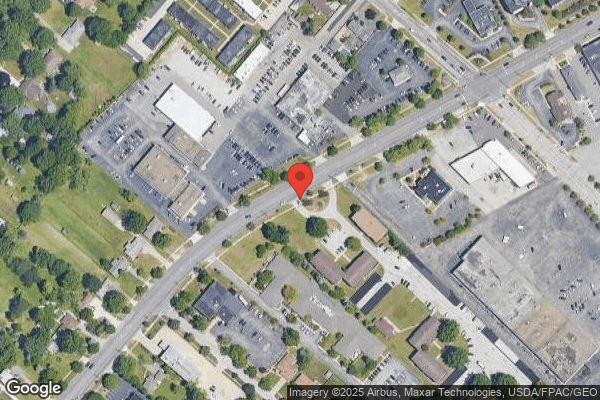

6973 PEARL RD, MIDDLEBURG HEIGHTS, OH 44130 (440) 884-9191
For profit - Corporation 99 Beds EMBASSY HEALTHCARE Data: November 2025
Trust Grade
48/100
#536 of 913 in OH
Last Inspection: March 2024

Within standard 12-15 month inspection cycle. Federal law requires annual inspections.

Overview

Royal Oak Nursing & Rehab Center has a Trust Grade of D, which indicates below-average performance with some concerns about care quality. Ranking #536 out of 913 in Ohio places it in the bottom half of facilities, and at #48 out of 92 in Cuyahoga County, it shows that there are better local options available. The facility is improving, having reduced its issues from 4 in 2024 to 2 in 2025. However, staffing is a significant concern with a low rating of 1 out of 5 stars, and while their turnover is around 49%, it is still at the state average. Specific incidents of concern include a serious medication error that led to an emergency room visit for a resident, and another resident suffered a neck fracture from a fall due to equipment issues during care. Overall, families should weigh the improving trend and excellent quality measures against the serious staffing and care concerns.

Trust Score
D
48/100
In Ohio
#536/913
Bottom 42%
Safety Record
Moderate
Needs review
Inspections
Getting Better
4 → 2 violations
Staff Stability
⚠ Watch
49% turnover. Above average. Higher turnover means staff may not know residents' routines.
Penalties
✓ Good
$8,970 in fines. Lower than most Ohio facilities. Relatively clean record.
Skilled Nurses
⚠ Watch
Each resident gets only 20 minutes of Registered Nurse (RN) attention daily — below average for Ohio. Fewer RN minutes means fewer trained eyes watching for problems.
Violations
⚠ Watch
21 deficiencies on record. Higher than average. Multiple issues found across inspections.
★★★☆☆
3.0
Overall Rating
★☆☆☆☆
1.0
Staff Levels
★★★★★
5.0
Care Quality
★★★☆☆
3.0
Inspection Score
Stable
2024: 4 issues
2025: 2 issues

The Good

  • 5-Star Quality Measures · Strong clinical quality outcomes
  • Full Sprinkler Coverage · Fire safety systems throughout facility
  • No fines on record

Facility shows strength in quality measures, fire safety.

The Bad

3-Star Overall Rating

Near Ohio average (3.2)

Meets federal standards, typical of most facilities

Staff Turnover: 49%

Near Ohio avg (46%)

Higher turnover may affect care consistency

Federal Fines: $8,970

Below median ($33,413)

Minor penalties assessed

Chain: EMBASSY HEALTHCARE

Part of a multi-facility chain

Ask about local staffing decisions and management

The Ugly 21 deficiencies on record

2 actual harm
Aug 2025 2 deficiencies
CONCERN (D) 📢 Someone Reported This

A family member, employee, or ombudsman was alarmed enough to file a formal complaint

Potential for Harm - no one hurt, but risky conditions existed

Quality of Care (Tag F0684)

Could have caused harm · This affected 1 resident

**NOTE- TERMS IN BRACKETS HAVE BEEN EDITED TO PROTECT CONFIDENTIALITY** Based on observation, interview, record review and facility policy review, the facility failed to ensure Resident #43's wound tr...

Read full inspector narrative →
**NOTE- TERMS IN BRACKETS HAVE BEEN EDITED TO PROTECT CONFIDENTIALITY** Based on observation, interview, record review and facility policy review, the facility failed to ensure Resident #43's wound treatment was performed as ordered by the physician. This affected one resident (#43) out of three residents reviewed for wound care. The facility census was 77.Findings include:A review of Resident #43's clinical record revealed an admission date of 07/14/25 with diagnoses including high blood pressure, heart arrhythmias, heart failure with a cardiac pacemaker, hypothyroidism, osteoarthritis, atherosclerotic heart disease, and high cholesterol.A review of Resident #43's wound assessment dated [DATE] indicated the left shin wound measured 0.80 centimeters (cm) long by 2.40 cm wide by 0.1 cm deep. The wound was draining a slight amount of serosanguinous fluid with attached wound edges and intact surrounding tissue. The wound was classified as a skin tear.A review of Resident #43's physician orders revealed an order dated 08/02/25 to perform the left shin wound treatment every Tuesday, Thursday and Saturday. Cleanse the left shin with normal saline, apply xeroform and cover with border gauze every night shift every Tuesday, Thursday, and Saturday.An observation on 08/06/25 at 12:44 P.M. of Resident #43's wound treatment with Licensed Practical Nurse (LPN) #808 revealed the wound treatment located on Resident #43's shin was dated 08/03/25 with the initials of the nurse who had completed the wound treatment. LPN #808 verified the wound treatment had not been changed as ordered on 08/05/25. Review of the facility's policy and procedure titled Wound Treatment Management dated 12/01/2021 indicated the policy was to promote wound healing of various types of wounds, it was the policy of the facility to provide evidence-based treatments in accordance with current standards of practice and physician orders. Wound treatments would be provided in accordance with physician orders, including the cleansing method, type of dressing, and frequency of dressing change.This deficiency represents non-compliance investigated under Complaint Number 1289786 (OH00166311).
CONCERN (D) 📢 Someone Reported This

A family member, employee, or ombudsman was alarmed enough to file a formal complaint

Potential for Harm - no one hurt, but risky conditions existed

Infection Control (Tag F0880)

Could have caused harm · This affected 1 resident

**NOTE- TERMS IN BRACKETS HAVE BEEN EDITED TO PROTECT CONFIDENTIALITY** Based on observation, record review, interview, and facility policy review, the facility failed to ensure enhanced barrier preca...

Read full inspector narrative →
**NOTE- TERMS IN BRACKETS HAVE BEEN EDITED TO PROTECT CONFIDENTIALITY** Based on observation, record review, interview, and facility policy review, the facility failed to ensure enhanced barrier precautions (EBP) were implemented during Resident #22's incontinence and wound care care and Resident #43's wound care. This affected two residents (#22 and #43) of three residents reviewed for EBP. The facility identified 16 residents who required EBP. The facility census was 77.Findings include: 1. A review of Resident #22's clinical record revealed an admission date of 02/11/25 with diagnoses including fracture of the right patella and upper end of humerus, atherosclerotic heart disease, pulmonary hypertension, morbid obesity, anxiety, gastroesophageal reflux disease, high blood pressure, diverticulosis, cardiomegaly, kidney stones with hypertensive kidney failure, benign prostatic hyperplasia, encephalopathy, and obstructive reflex uropathy.A review of Resident #22's physician's orders revealed an order dated 03/11/25 for gloves and gown to be worn when providing dressing, bathing/showering, transferring, providing hygiene, changing linens, changing briefs or assisting with toileting, device care or use, and wound care. Resident #22 had an additional order dated 07/24/25 which stated to cleanse the right buttock with normal saline, apply hydrogel and calcium alginate to the wound and cover the wound with a foam dressing once a day on the night shift.A review of Resident #22's wound assessment dated [DATE] revealed a left buttock wound measured 1 centimeter (cm) long by 2 cm wide by 0.1 cm deep. The wound was draining a moderate amount of serosanguinous fluid with dry red skin surrounding the wound edges. There were no changes in the wound treatment, and the wound was improving.An observation on 08/06/25 at 10:30 A.M. of Licensed Practical Nurse (LPN) #808 perform Resident #22's wound care revealed a failure to implement the enhanced barrier precautions (EBP) to prevent cross contamination of germs during the task. LPN #808 entered Resident #22's room and donned a pair of disposable gloves, but did not don a gown. LPN #808 proceeded to assist with turning Resident #22 to perform his wound care. When Resident #22 was turned on to his side he was incontinent with a large soft bowel movement and LPN #808 performed the incontinence care. LPN #808 then proceeded to apply the physician ordered wound treatment to Resident #22's right buttock cheek. After cleaning Resident #22's perineal area and performing the wound care Resident #22's draw sheet was soiled with blood and feces. Resident #22 was turned side to side and the draw sheet was removed and LPN #808 placed the soiled draw sheet directly on the floor.An interview with LPN #808 on 08/06/25 at 12:31 P.M. verified the above findings and was unsure what the facility's policy was for handling soiled linens to prevent cross contamination of germs. LPN #808 agreed there was no signage on Resident #22's door to indicate EBP should be implemented and there was no personal protective equipment placed outside Resident #22's door. LPN #808 agreed he should have worn a gown during Resident #22's incontinence and wound care.2. A review of Resident #43's clinical record revealed an admission date of 07/14/25 with diagnoses including high blood pressure, heart arrhythmias, heart failure with a cardiac pacemaker, hypothyroidism, osteoarthritis, atherosclerotic heart disease, and high cholesterol.A review of Resident #43's physician orders revealed an order dated 08/02/25 to perform the left shin wound treatment every Tuesday, Thursday and Saturday. Cleanse the left shin with normal saline, apply xeroform and cover with border gauze every night shift every Tuesday, Thursday, and Saturday.An interview with Resident #43 on 08/06/25 at 12:30 P.M. revealed the staff did not wear a gown when assisting her with wound care and other direct care needs, including her bath and personal hygiene tasks.An observation on 08/06/25 at 12:44 P.M. with LPN #808 verified there was no signage outside of Resident #43's room to indicate EBP should be implemented and there was no personal protective equipment located outside of Resident #22's room door.Review of the facility policy and procedure titled Enhanced Barrier Precautions revised on 07/13/22 revealed it was the policy of the facility to implement enhanced barrier precautions for preventing transmission of novel or targeted multidrug-resistant organisms. Enhanced barrier precautions referred to the use of gowns and gloves for certain residents during specific high-contact resident care activities that have been found to increase risk for transmission of multidrug-resistant organisms. Clear signage will be posted on the door or wall outside of the resident room indicating the type of precautions, required personal protective equipment (PPE), and the high-contact resident care activities that require the use of gown and gloves. An order for enhanced barrier precautions will be obtained for residents with wounds and/or indwelling medical devices (e.g., central line, urinary catheter, feeding tube, tracheostomy/ventilator) regardless of multidrug-resistant organisms colonization status. High-contact resident care activities included dressing, bathing, transferring, providing hygiene, changing linens, changing briefs or assisting with toileting, device care or use of central lines, urinary catheters, feeding tubes, and tracheostomy/ventilators, and wound care for any skin opening requiring a dressing. Review of the facility's policy titled Infection Prevention and Control Program revised 01/01/25 indicated soiled linen shall be collected at the bedside and placed in a linen bag. When the task is complete, the bag shall be closed securely and placed in the soiled utility room. Soiled linen shall not be kept in the resident's room or bathroom.
Oct 2024 1 deficiency
CONCERN (D) 📢 Someone Reported This

A family member, employee, or ombudsman was alarmed enough to file a formal complaint

Potential for Harm - no one hurt, but risky conditions existed

Notification of Changes (Tag F0580)

Could have caused harm · This affected 1 resident

**NOTE- TERMS IN BRACKETS HAVE BEEN EDITED TO PROTECT CONFIDENTIALITY** Based on interview, medical record review, and policy review, the facility failed to notify the resident's emergency contact reg...

Read full inspector narrative →
**NOTE- TERMS IN BRACKETS HAVE BEEN EDITED TO PROTECT CONFIDENTIALITY** Based on interview, medical record review, and policy review, the facility failed to notify the resident's emergency contact regarding a change in condition. This affected one resident (Resident #100) of three residents reviewed for a change in condition. The facility census was 69. Findings Include: Medical record review revealed Resident #100 was admitted to the facility on [DATE] for skilled therapy after having a hip replacement. Resident #100 was discharged home on [DATE]. Admitting diagnoses include diabetes, high blood pressure, heart disease, congestive heart failure, and osteoporosis. Review of the physician's orders for Resident #100 revealed the resident was taking Eliquis (an anticoagulant) 5 milligrams (mg) twice a day for blood clot prevention. Review of the admission Minimum Data Set (MDS) 3.0 comprehensive assessment for Resident #100, dated 10/14/24, revealed the resident was cognitively intact, was in need of supervision for toileting, and was receiving speech therapy, occupational therapy, and physical therapy. Review of the progress note dated 10/06/24 timed at 7:37 A.M. for Resident #100 revealed Registered Nurse (RN) #449 heard the resident yelling for help. RN #449 found the resident lying on her stomach on the floor with her walker under her legs. After assessing the resident, RN #449 assisted Resident #100 into the recliner. Resident #100 had a large hematoma on the left side of her forehead. The resident's call light was in place at the time of the fall. Resident #100 said she tripped on her oxygen tubing and fell. The nurse practitioner (NP) was notified and ordered the resident be evaluated in the emergency room (ER) and to have a Computed Tomography (CT) scan of her head. The Assistant Director of Nursing (ADON) was also notified of the fall and the transfer to the ER for an evaluation. There was no documentation regarding Resident #100's daughter being notified of the fall or of the transfer to the ER for evaluation. Review of the progress note dated 10/06/24 timed at 5:10 P.M. revealed Resident #100 returned from the ER. Her CT scan was negative, her blood sugar was high at 498, and the resident had three plus pitting edema to both of her legs. Licensed Practical Nurse (LPN) #414 educated the resident about keeping her legs elevated due to the edema, if she needed to get up to use her call light and ask for assistance, and administered Humalog (a type of insulin) 4 units subcutaneously as well as the sliding scale order for Humalog. LPN #414 placed a call to the resident's daughter at 5:39 P.M. and left a voicemail message regarding Resident #100. Interview with Human Resources Director #427 on 10/21/24 at 11:20 A.M. revealed Resident #100's daughter called the facility on 10/07/24 to report a concern that she was not notified of her mother's fall or transfer to the ER for evaluation. The daughter said the nurse she spoke with on the phone the evening of 10/06/24 was rude. The concern was investigated by the Director of Nursing (DON). Interview with the DON on 10/23/24 at 4:00 P.M. confirmed the facility should have notified Resident #100's emergency contact of the resident's fall and transfer to the ER. Review of the facility's Notification of Change policy, last reviewed on 06/01/24, revealed the responsible party/emergency contact should be notified regarding any accident that results in an injury or has the potential to require physician intervention. This deficiency represents noncompliance investigated under Complaint Number OH00158694.
Sept 2024 1 deficiency 1 Harm
SERIOUS (G) 📢 Someone Reported This

A family member, employee, or ombudsman was alarmed enough to file a formal complaint

Actual Harm - a resident was hurt due to facility failures

Deficiency F0760 (Tag F0760)

A resident was harmed · This affected 1 resident

**NOTE- TERMS IN BRACKETS HAVE BEEN EDITED TO PROTECT CONFIDENTIALITY** THE FOLLOWING DEFICIENCY REPRESENTS AN INCIDENT OF PAST NON-COMPLIANCE THAT WAS SUBSEQUENTLY CORRECTED PRIOR TO THIS SURVEY. Bas...

Read full inspector narrative →
**NOTE- TERMS IN BRACKETS HAVE BEEN EDITED TO PROTECT CONFIDENTIALITY** THE FOLLOWING DEFICIENCY REPRESENTS AN INCIDENT OF PAST NON-COMPLIANCE THAT WAS SUBSEQUENTLY CORRECTED PRIOR TO THIS SURVEY. Based on record review, manufacturer medication information, and interview the facility failed to ensure Resident #69 was free from significant medication error. Actual harm occurred on 07/29/24 when Resident #69 required evaluation and treatment in the emergency room due to a significant medication error of the resident's Topiramate (anti-epileptic/seizure medication). The resident had been administered, per the nurse practitioner, greater than three times the recommended dose of the medication (ordered 100 mg twice a day and received 625 mg twice a day) from 07/24/24 until 07/29/24 when the error was discovered. This affected one resident (#69) of five residents reviewed for medication administration. Findings include: Review of Resident #69's admission orders provided by the family per the Director of Nursing (DON) revealed a hospital After Visit Summary report dated 09/25/23. The report indicated the resident was ordered Topiramate 25 milligrams (mg)/milliliter (ml) solution, four ml by mouth two times a day for seizures (100 mg of Topiramate twice daily). Review of Resident #69's admission Notice form dated 07/24/24 at 5:00 P.M. revealed the resident was a respite stay from home and was admitted with spastic cerebral palsy with epilepsy. Review of Resident #69's medical record revealed the resident was admitted on [DATE] and discharged on 07/30/24 with diagnoses including epilepsy, gastrostomy status and scoliosis. Review of Resident #69's Discharge Minimum Data Set (MDS) 3.0 assessment dated [DATE] revealed the resident was rarely/never understood. Review of Resident #69's physician orders revealed an order dated 07/24/24 (discontinued 07/29/24) for Topiramate oral solution 25 mg/ml give 25 ml via percutaneous endoscopic gastrostomy (PEG) tube (tube inserted through the abdominal wall and into the stomach for nutrition, fluids and medications to be delivered directly into the stomach) two times a day to prevent seizures (625 mg of Topiramate twice daily). Review of Resident #69's Physician/Nurse Practitioner (NP) Progress Note dated 07/27/24 at 12:04 P.M. authored by NP #889 revealed Resident #69 had severe developmental delay and was not alert and oriented. The resident was nonverbal and could not make his needs known. The resident appeared comfortable. The resident's past medial history (PMH) included seizures, scoliosis, PEG tube, asthma, and unspecified lack of expected normal physiological development in childhood. Review of Resident #69's medication administration records (MARS) and treatment administration records (TARS) revealed the Topiramate 25 ml via the PEG tube twice daily due at rise and bedtime were administered at bedtime on 07/24/24, rise and bedtime on 07/25/24, rise and bedtime on 07/26/24, rise and bedtime on 07/27/24, rise and bedtime on 07/28/24 and rise on 07/29/24 for a total of 10 doses. Review of Resident #69's progress note dated 07/29/24 at 5:01 P.M. authored by the DON revealed the resident was sent to the emergency department (ED) for evaluation due to a mediation error regarding the Topiramate seizure medication. Several attempts were made to contact the resident's mother with the phone going to voicemail. Review of Resident #69's After Visit Summary form dated 07/29/24 revealed the resident's reason for visit was drug overdose and the diagnosis was poisoning by mixed antiepileptics accidental initial encounter. Review of Resident #69's physician orders revealed an order dated 07/29/24 for Topiramate oral solution 25 mg/ml give four ml via PEG tube two times a day to prevent seizures (100 mg twice daily). Review of Resident #69's physician orders revealed a new order dated 07/30/24 to hold the Topiramate for four doses then resume Topiramate 25 mg/ml four ml per PEG tube twice daily. Review of Resident #69's progress noted dated 07/30/24 at 1:50 A.M. authored by Licensed Practical Nurse (LPN) #802 revealed the resident returned from the hospital via an ambulance and on a stretcher. The aunt was notified and the pharmacy stated they would send the new order for the Topiramate seizure mediation in the night's medication tote. Review of Resident #69's progress note dated 07/30/24 at 2:16 P.M. authored by LPN #838 revealed a phone call was received from the NP inquiring on the status of the resident. A new order was received to hold the Topiramate times four doses then resume at 25 mg/ml give 4 ml per PEG tube twice daily. Review of Resident #69's progress note dated 07/30/24 at 10:30 P.M. authored by Registered Nurse (RN) #833 revealed the resident was discharged (home) and a copy of the paperwork was provided to the mother per request. Interview on 09/12/24 at 8:21 A.M. with LPN #821 revealed Resident #69 was an evening admission and she accidentally mixed up the Topiramate order. When questioned, she stated Resident #69's Topiramate seizure medication was put in the electronic health record (EHR) as the wrong dose and another nurse caught the error. Interview on 09/12/24 at 9:28 A.M. with the DON confirmed the significant medication error was identified on 07/29/24. The DON stated Resident #69's physician order for the Topiramate seizure medication was put in wrong during the admission process on 07/24/24 and the error was corrected on 07/29/24. The resident was assessed immediately following discovery of the significant medication error on 07/29/24 with no adverse outcome including increased seizure activity, convulsions and a change in the resident's vital signs. The NP was notified who sent the resident to the hospital following discovery of the significant medication error and the resident's family members were notified of the significant medication error. The DON stated all other residents were then assessed for significant medication errors. LPN #821 was immediately provided education on significant medication errors and putting in orders for new admissions during the admission process. All other nurses were educated on significant medication errors and putting in orders during the admission process. The DON stated audits for new admissions were completed daily five times a week to ensure significant medication errors did not occur again. Telephone interview on 09/12/24 at 12:39 P.M. with NP #889 indicated she was made aware of Resident #69's accidental overdose of Topiramate seizure medication. She confirmed the maximum dosage of the medication was 400 mg per day and the resident received greater than three times the recommended dosage on the dates noted above. NP #889 stated she had assessed Resident #69 in person on 07/27/24 and denied the resident had a change in condition because of the overdose of the seizure medication including changes in the resident's vital signs, changes in mentation and increased seizure activity but the resident was sent to the hospital for monitoring because he had received such a high dose. The NP confirmed she ordered Topiramate 25 mg/ml four ml twice per day and the facility put in 25 mg/4 ml 25 ml twice per day in error. NP #889 stated she believed the resident tolerated the overdose because he had been on the medication for an extended length of time, but the outcome could have been different with a far more severe outcome including death. NP #889 confirmed she did not catch the inaccurate dose of Topiramate in the resident's EHR during her visit on 07/27/24 but immediately addressed the overdose on 07/29/24 when she was called by the facility staff. Review of the manufacturer directions for Topiramate dated 10/2012 revealed the medication was used for epilepsy with the recommended dose of 400 mg/day in two divided doses. Further review revealed overdoses of Topiramate had been reported. Signs and symptoms included convulsions, drowsiness, speech disturbance, blurred vision,, mentation impaired, lethargy, abnormal coordination, stupor, hypotension, abdominal pain, agitation, dizziness and depression. The clinical consequences were not severe in most cases, but deaths had been reported after poly/drug overdoses involving Topiramate. In acute Topiramate overdose, if the ingestion was recent, the stomach should be emptied immediately by lavage or by induction of emesis. Treatment should be appropriately supportive. Hemodialysis was an effective means of removing Topiramate from the body. The deficient practice was corrected on 07/30/24 when the facility implemented the following corrective actions: • On 07/29/24 at approximately 3:00 P.M., Resident #69 was immediately assessed following discovery of the significant medication error and subsequent overdose of the Topiramate anti-seizure medication. • On 07/29/24 at approximately 3:08 P.M., the DON notified NP #889 of Resident #69's Topiramate significant medication error. • On 07/29/24 at 3:45 P.M., NP #889 and LPN #822 sent Resident #69 to the hospital for further evaluation. • On 07/29/24 at approximately 5:01 P.M., the DON notified Resident #69's family members of the Topiramate significant medication error. • On 07/29/24 at approximately 5:00 P.M., the DON provided education to LPN #821 regarding the admission Order Procedure policy (revised 11/2016), Admission/readmission Chart Review Process policy (revised 03/01/22) and Medication Errors inservice. • On 07/29/24 at approximately 6:00 P.M., the DON completed a whole house audit on resident medications to determine if any other residents had medication errors. No outcomes were identified. • On 07/29/24 at 6:00 P.M., the DON implemented a new 24-Hour Admission/Re-Admit Chart Review form to be completed by all nurses which states once the follow-up had been completed, the audit form would be maintained in a binder for review by the regional nurse. • From 07/29/24 at 4:20 P.M. to 07/30/24 at 8:25 A.M., the DON provided inservice education to LPN #822 regarding the 24-Hour Admission/Re-Admit Chart Review form to be completed by all nurses. The DON also provided inservice education to an additional 15 LPNs including LPNs #801, #804, #812, #814, #820, #838, #844, #861, #870, #872, #873, #892, #893, #894, #895 and 3 RN's including RNs #833, #841 and #875 on on the admission Order policy, Admission/readmission Chart Review Process policy and Medication Errors Inservice as well as the new 24-Hour Admission/Re-Admit Chart Review form. • Beginning 07/30/24, the DON initiated daily audits five times per week (Monday through Friday) of the 24-Hour Admission/Re-Admit Chart Review form to ensure accuracy of medication administration orders. This deficiency represents non-compliance investigated under Complaint Number OH00156422.
Mar 2024 2 deficiencies
CONCERN (D)

Potential for Harm - no one hurt, but risky conditions existed

Deficiency F0561 (Tag F0561)

Could have caused harm · This affected 1 resident

**NOTE- TERMS IN BRACKETS HAVE BEEN EDITED TO PROTECT CONFIDENTIALITY** Based on interview, record review, and facility policy review the facility failed to honor Resident #72's preferences for shower...

Read full inspector narrative →
**NOTE- TERMS IN BRACKETS HAVE BEEN EDITED TO PROTECT CONFIDENTIALITY** Based on interview, record review, and facility policy review the facility failed to honor Resident #72's preferences for showers. This affected one resident (#72) of two residents reviewed for showers. The facility census was 67. Findings include: Review of the medical record for Resident #72 revealed she was admitted on [DATE] with diagnoses including hypertension (high blood pressure), diabetes mellitus, and muscle weakness. Review of the undated shower schedule revealed Resident #72 received her showers on Wednesdays and Saturdays from 3:00 P.M. to 11:00 P.M. Review of the shower sheet dated 03/09/24 revealed Resident #72 refused her shower on afternoons and wanted her showers in the mornings. Review of the nursing progress note dated 03/12/24 revealed Resident #72 wanted to change her shower times from the evenings to the mornings. Interview on 03/25/24 at 9:44 A.M. with Resident #72 revealed she wanted her showers earlier in the day. She stated she had asked the facility staff, and they told her she had to take them later in the day. Interview on 03/26/24 at 3:30 P.M. with Registered Nurse (RN) #331 verified Resident #72's showers were scheduled on Wednesdays and Saturdays on the evening shift. Review of the shower sheet dated 03/09/24 and nursing progress note dated 03/12/24 with RN #331 verified Resident #72 wanted her showers in the mornings. Review of the facility policy titled, Resident Care, revised June 2018, revealed the facility staff would provide general care as necessary for each resident per their preferences when able and per physician orders. The policy stated residents would be bathed or assisted to shower or bathe routinely and as needed per their preference.
CONCERN (D)

Potential for Harm - no one hurt, but risky conditions existed

Medical Records (Tag F0842)

Could have caused harm · This affected 1 resident

**NOTE- TERMS IN BRACKETS HAVE BEEN EDITED TO PROTECT CONFIDENTIALITY** Based on interview, medical record review, and facility policy review, the facility failed to document weekly weights in the med...

Read full inspector narrative →
**NOTE- TERMS IN BRACKETS HAVE BEEN EDITED TO PROTECT CONFIDENTIALITY** Based on interview, medical record review, and facility policy review, the facility failed to document weekly weights in the medical record for Resident #9. This affected one resident (#9) of four residents reviewed for nutrition services. The facility census was 67. Findings include: Review of the medical record for Resident #9 revealed an admission date of 08/30/06 with diagnoses including aphasia, right non-dominant side hemiplegia, hypokalemia, and diabetes mellitus. Review of the physician's orders revealed an order dated 02/28/24 Resident #9 was to have weekly weights on Wednesdays. Review the Weight Summary revealed on 02/28/24 Resident #9 weighed 162.4 pounds and on 03/06/24 Resident #9 weighed 147.3 pounds. There were no additional weights recorded for 03/13/24 and 03/20/24. Review of the Treatment Administration Record (TAR) for March 2024 revealed missing weight documentation for 03/13/24 and 03/20/24. Review of the Medical Nutrition and Hydration assessment dated [DATE] revealed Resident #9 had significant weight loss over one month and six months. The dietitian noted Resident #9 needed a re-weight to confirm weight loss and was on weekly weights for monitoring. Interview on 03/27/24 at 2:43 P.M. with Registered Dietitian (RD) #340 confirmed there were no weekly weights completed for Resident #9 on 03/13/24 and 03/20/24 as ordered. RD #340 indicated he was unsure why the weights were not completed. Interview on 03/28/24 at 1:20 P.M. with Regional Director of Clinical Services #331 revealed the staff reported they had completed the weights but were unable to locate the actual documentation. Interview on 03/28/24 at 2:22 P.M. with Licensed Practical Nurse (LPN) #287 revealed she was the unit manager for Resident #9's unit. LPN #287 indicated on 03/20/24 Resident #9 refused to be weighed; however, indicated the refusal was not documented in the medical record. Follow up interview on 03/28/24 at 2:35 P.M. with LPN #287 revealed she had contacted the nurse's aide who obtained Resident #9's weight on 03/13/24. LPN #9 indicated the aide reported Resident #9 weighed between 148 and 149 pounds. The aide was unable to remember the exact weight. LPN #287 confirmed the weight was documented in the medical record. LPN #287 indicated she was responsible for ensuring weights were completed and documented as ordered. Review of the facility policy Weight Policy, dated 03/01/22, revealed weights would be obtained in a timely and accurate manner, documented and responded to appropriately.
Feb 2022 8 deficiencies 1 Harm
SERIOUS (G)

Actual Harm - a resident was hurt due to facility failures

Accident Prevention (Tag F0689)

A resident was harmed · This affected 1 resident

**NOTE- TERMS IN BRACKETS HAVE BEEN EDITED TO PROTECT CONFIDENTIALITY** Based on observation, record review, interview, and policy review the facility failed to ensure equipment was maintained and in ...

Read full inspector narrative →
**NOTE- TERMS IN BRACKETS HAVE BEEN EDITED TO PROTECT CONFIDENTIALITY** Based on observation, record review, interview, and policy review the facility failed to ensure equipment was maintained and in good working condition to prevent a fall with injury for Resident #13. This affected one resident, Resident #13, of two residents reviewed for falls. The facility census was 78. Actual harm occurred on 01/28/21 when Resident #13 sustained a fall resulting in a neck fracture while being assisted by one State Tested Nurse Assistant (STNA) during a shower in a shower bed. Findings include: Review of Resident #13's medical record revealed an admission date of 10/01/13 with diagnoses including dementia without behavioral disturbance, major depressive disorder, hypertension, contracture, cerebral infarction, and hemiplegia and hemiparesis following unspecified cerebrovascular disease affecting left non-dominant side. Review of the plan of care dated 10/08/19 revealed Resident #13 required assistance for activities of daily living (ADL) related to cognitive impairment, hemiparesis immobility and hemiplegia. Resident #13 was also at risk for impaired communication related to dementia, and at risk for falls and injury related to cognitive function and decreased physician function. Interventions included keep call light within reach while in bed, total dependence for bathing, staff assist as needed with daily hygiene and with showering per facility policy, anticipate resident needs, and assist with transfers as needed. Review of the Fall Risk Evaluation dated 12/24/21, revealed Resident #13 had a fall risk score of nine indicating the resident was a fall risk and interventions should be initiated. Review of the quarterly Minimum Data Set (MDS) 3.0 assessment dated [DATE] revealed Resident #13 had a Brief Interview for Mental Status (BIMS) score of five indicating severe cognitive impairment. Further review of the MDS assessment revealed Resident #13 was a two-person physical extensive assist for bed mobility, two-person physical total dependence for transfers, one-person physical total dependence for locomotion on and off the unit, dressing, toileting, personal hygiene, and one-person physical total dependence for bathing. Review of the progress note dated 01/28/22 at 9:05 A.M. revealed Licensed Practical Nurse (LPN) #762 was called into the shower room located on the 200 unit by nursing staff. LPN #762 observed blood and Resident #13 on the floor. Resident #13 was assessed and appeared to have a head injury with a laceration on the left side of his head. LPN #762 informed STNA #904 to call 911 (emergency medical services) and to get the other nurse. LPN #762 held pressure to Resident #13's head and applied a bandage to the head while awaiting the ambulance. Resident #13 was covered and dried off while LPN #762 kept him talking. Nurse Practitioner (NP) #915 and Power of Attorney (POA) #920 were notified that Resident #13 was alert and aware of going to the hospital with an immediate intervention of staff education of two State Tested Nurse Aides (STNAs) while showering resident in the shower bed. Review of the progress note dated 01/28/22 at 9:07 A.M. revealed Resident #13 was admitted to the local hospital with a subdural hematoma and a fractured neck. Review of the fall investigation for the fall that occurred on 01/28/22 at 6:46 A.M. revealed STNA #904 was assigned to Resident #13 and witnessed the fall. STNA #904 was bathing Resident #13 in the chair/table and turned him on his right side to wash his bottom and back. STNA #904 washed his backside for about 15 minutes, walked around to wash his left side and to rinse with water, and as he was turned, she heard a snap. The right side bar broke or came loose and Resident #13 fell. STNA #904 attempted to reach for Resident #13 but was unable to prevent the fall. Resident #13 fell straight down with his knees and his head hitting the ground with a loud thump. STNA #904 yelled for the nurse. Review of the progress note dated 01/29/22 at 11:00 P.M. revealed Resident #13 returned from the local hospital via ambulance on stretcher with a cervical collar. Review of the hospital discharge instructions dated 01/29/22 revealed Resident #13 had a diagnosis of acute subdural hematoma and closed C3 fracture (fracture of an upper cervical vertebra). Review of the physician orders dated 01/30/22 revealed Resident #13 had an order to have left resting hand splint on after morning ADLs and remove at night for range of motion and hygiene, mat to the floor next to bed while occupied, may be up in tilt-in-space wheelchair with customized seating system when out of bed, and bilateral grab bars to bed for positioning and mobility. Review of the physician orders dated 02/01/22 revealed an order for shower every Tuesday and Friday 11:00 A.M. to 7:00 P.M. and to document any refusals. Review of the physician orders dated 02/02/22 revealed an order to have two STNAs when using shower bed. Review of the physician orders dated 02/03/22 revealed an order for Hoyer (mechanical) lift with two-person assistance to transfer, cleanse scabbed area scalp injury with betadine every shift as needed and leave open to air, may remove hard neck brace for small periods of time while eating only with supervision, and staff to assess neck under brace every shift. Review of the physician orders dated 02/05/22 revealed an order for follow-up computerized tomography (CT) scan on 02/21/22. Review of the incident log dated 02/07/21 to 02/07/22, revealed Resident #13 had a history of falls with one fall sustained on 12/24/21. During initial tour of the facility on 02/07/22 from 8:30 A.M. to 10:30 A.M. Resident #13 was observed at 9:29 A.M. lying in bed with his head facing the wall. Resident #13 was observed to have a neck brace around his neck and grimaced in pain when making slight movements. STNA #884 was observed assisting Resident #13 with repositioning. Interview on 02/07/22 at 9:29 A.M. with STNA #884 revealed Resident #13 sustained a fall and broke his neck. STNA #884 revealed Resident #13 was using the shower bed in the shower room when it broke and he fell. Interview on 02/09/22 at 8:46 A.M. with the Director of Nursing (DON) revealed Resident #13 was getting a shower at approximately 6:00 A.M. The STNA had Resident #13 on the shower bed, washing him up, rolled him over to one side, washed his back, when he rolled out of the shower bed. The DON revealed the shower bed snapped near the prongs, leaving the top side moveable. The STNA was giving Resident #13 a shower alone and because she was an agency aide the facility could not provide disciplinary action. Staff were in-serviced on providing showers using the shower bed with two-person assist. The DON was unaware if there was a policy related to maintaining shower and bath equipment. Interview on 02/09/22 at 9:38 A.M. with Maintenance Director (MD) #595 revealed he was made aware of Resident #13's fall related to the broken shower bed. MD #595 revealed the shower bed had four corners that were held together using pins. One of the pins was not properly seated in the hole which resulted in one of the corners coming off and breaking. MD #595 removed the shower bed immediately and a new shower bed was ordered. MD #595 revealed he was a recent hire and was responsible for making sure the facility equipment was in working order. MD #595 used paper forms and lists to keep track of maintenance upkeep in the facility and was trying to become acclimated to the facility and systems. MD #595 revealed he had not provided any maintenance to the shower bed. Review of the facility document titled Facility/Non-Facility Equipment/Appliances Guidelines revised September 2018, revealed the facility was responsible for equipment, appliances, or other items used by residents whether they were provided by the facility, vendors, hospice, or families. Review of the policy revealed staff should be alert for equipment such as wheelchairs, Geri-chairs, walkers, etc. with loose parts, torn or cracked materials, squeaky items, or other issues and if found, should be brought to the attention of the maintenance department or the vendor, resident, representative for repair and/or replacement. Review of the facility document titled Preventative Maintenance Program undated, revealed the purpose of the policy was to ensure the provision of a safe, functional, sanitary, and comfortable environment for residents, staff, and the public. The policy indicated MD #595 was responsible for developing and maintaining a schedule of maintenance services to ensure the buildings, grounds, and equipment was maintained in a safe and operable manner.
CONCERN (D)

Potential for Harm - no one hurt, but risky conditions existed

Medical Records (Tag F0842)

Could have caused harm · This affected 1 resident

**NOTE- TERMS IN BRACKETS HAVE BEEN EDITED TO PROTECT CONFIDENTIALITY** Based on record review and staff interview, the facility failed to ensure the resident record contained current and accurate inf...

Read full inspector narrative →
**NOTE- TERMS IN BRACKETS HAVE BEEN EDITED TO PROTECT CONFIDENTIALITY** Based on record review and staff interview, the facility failed to ensure the resident record contained current and accurate information for Residents #67 and #82. This affected two residents (#67 and #82) of two reviewed for accurate medical records. The facility census was 78. Findings include: 1. Review of the medical record revealed Resident #67 was admitted to the facility on [DATE] with diagnoses that included type 2 diabetes mellitus with chronic kidney disease, chronic obstructive pulmonary disease, and dysphagia. Review of the most recent Minimum Data Set (MDS) 3.0 assessment dated [DATE] revealed Resident #67 was alert with cognitive impairment and required assistance of at least two persons for activities of daily living. Observation on 02/07/22 at 9:06 A.M. revealed no operational call light designated for Resident #67. Review of the progress note dated 02/07/22 at 12:25 A.M. revealed Resident #67's call light was within reach. Review of the progress note dated 02/07/22 at 11:41 A.M. revealed Resident #67's call light was within reach and safety maintained. Review of the progress note dated 02/08/22 at 2:23 A.M. revealed Resident #67's call light was within reach and all safety measures maintained. Interview on 02/08/22 at 8:30 A.M. with Licensed Practical Nurse (LPN) #762 revealed Resident #67 did not use a call light and would not use it, if she had one in place. Resident #67 would yell out if she needed anything. LPN #762 revealed the call light designated for Resident #67 was attached to her roommate's (Resident #57) bed. Observation and interview on 02/08/22 at 8:35 A.M. with the Director of Nursing (DON) and Maintenance Director (MD) #595 confirmed there was no call light in place for Resident #67. Interview on 02/08/22 at 2:30 P.M. with the DON revealed she was unsure why Resident #67's progress notes indicated she had a call light in place. 2. Review of the medical record for Resident #82 revealed an admission date of 12/23/21. Diagnoses included weakness, hypertension, and dementia without behavioral disturbances. Review of the nurses' note dated 12/23/21 at 11:15 P.M. revealed Resident #82 arrived at facility via emergency medical services (EMS) on a stretcher. Vital signs were obtained, head to toe assessment completed, orders verified with certified nurse practitioner (CNP). Resident noted with area to right thumb, treated with Ciclopirox. Further review of the medical record revealed no further nurses' notes documenting Resident #82's fungal infection to the right thumb. Review of the skin observation sheets dated 01/01/22, 01/11/22, 01/18/22, 01/25/22, and 02/01/22 revealed no documentation of the resident's fungal infection on her right thumb. Review of the CNP's progress note dated 01/24/22 revealed, under plan and assessment, Resident #82 had thickened, yellow, flaky nails with no drainage or discharge. The progress note further indicated to ensure Resident #82 was on the podiatry list to have nail care. There was no documentation regarding the fungal infection to Resident #82's right thumb. Review of the podiatrist note dated 01/28/22 revealed the podiatrist provided care to Resident #82's toenails. There was no documentation regarding the fungal infection to Resident #82's right thumb. Review of Resident #82's physician orders for February 2022 revealed an order for Ciclopirox Solution 8% (topical antifungal), to apply to right thumb topically at bedtime for fungal infection. Remove with alcohol every seven days with a start date of 12/24/21. Observation on 02/07/22 at 11:44 A.M. of Resident #82 reveal a large growth on her right thumb. Interview at this time with Resident #82 revealed the growth was somewhat painful and that she was supposed to have it removed on 01/14/22 but the appointment was canceled due to insurance. Interview on 02/09/22 at 4:23 P.M. with Wound Nurse (WN) #721 revealed Resident #82 had a fungal infection that was being treated with a topical antifungal solution. WN #721 stated Resident #82 was admitted with the fungal infection and because it wasn't a wound it was not documented on the skin assessments. WN #721 stated Resident #82 was on the list for the podiatrist to look at the right thumb. Interview on 02/10/22 at 9:43 A.M. with the Director of Nursing (DON) revealed Resident #82 was seen by the CNP who wrote an order for Resident #82 to see the podiatrist, but a treatment was in place. The DON stated because the thumb nail was still intact, and the growth had not fallen off staff would only document if there were changes. The DON stated the podiatrist had seen the resident on 01/28/22 but only for her toenail. Review of the plan of care initiated on 12/24/21 for potential for alteration in skin integrity revealed a revision dated 02/10/22 which included chronic fungal area to right thumb. Interview on 02/10/22 at 9:48 A.M. with Regional MDS Nurse #657 verified the care plan was revised on 02/10/22 because the fungal infection to the right thumb was missed. Review of the facility document titled Charting and Documentation revised July 2017, revealed that all services provided to the resident, progress toward the care plan goals, or any changes in the resident medical, physical, functional, or psychosocial condition, shall be documented in the resident medical record. Further review revealed the documentation in the medical record would be objective, complete, and accurate.
CONCERN (D)

Potential for Harm - no one hurt, but risky conditions existed

Deficiency F0919 (Tag F0919)

Could have caused harm · This affected 1 resident

**NOTE- TERMS IN BRACKETS HAVE BEEN EDITED TO PROTECT CONFIDENTIALITY** Based on observation and staff interview the facility failed to ensure it had a functional and accessible call light in place. T...

Read full inspector narrative →
**NOTE- TERMS IN BRACKETS HAVE BEEN EDITED TO PROTECT CONFIDENTIALITY** Based on observation and staff interview the facility failed to ensure it had a functional and accessible call light in place. This affected two (Resident #42 and #67) of two residents reviewed for call light function. The facility census was 78. Findings Include: 1. Review of the medical record revealed Resident #67 was admitted to the facility on [DATE] with diagnoses that included type 2 diabetes mellitus with chronic kidney disease, chronic obstructive pulmonary disease, and dysphagia. Review of the most recent Minimum Data Set (MDS) 3.0 assessment dated [DATE] revealed Resident #67 was alert with cognitive impairment and required assistance of at least two persons for activities of daily living. Observation on 02/07/22 at 9:06 A.M. revealed no operational call light designated for Resident #67. Interview on 02/07/22 at 9:06 A.M. with Resident #67 revealed she had no call light. Interview on 02/07/22 at 9:07 A.M. with Licensed Practical Nurse (LPN) #762 confirmed Resident #67 did not have a call light. LPN #762 revealed she would inform the Director of Nursing (DON). Observation on 02/08/22 at 8:30 A.M. revealed no operational call light designated for Resident #67. Interview on 02/08/22 at 8:30 A.M. with LPN #762 revealed Resident #67 did not use a call light and would not use it, if she had one in place. LPN #762 revealed Resident #67 would yell out if she needed anything. LPN #762 revealed the call light designated for Resident #67 was attached to her roommate's (Resident #57) bed. Observation and interview on 02/08/22 at 8:35 A.M. with the DON and Maintenance Director (MD) #595 confirmed Resident #67 did not have a call light. 2. Review of the medical record for Resident #82 revealed an admission date of 12/23/21. Diagnoses included weakness, hypertension, and dementia without behavioral disturbances. Review of the admission Minimum Data Set (MDS) assessment dated [DATE] revealed Resident #82 had intact cognition, required extensive assistance of one staff for bed mobility, transfers, and toilet use. Interview on 02/07/22 at 11:36 A.M. with Resident #82 revealed she did not have a call light and that her roommate used her call light for her. Observation at the time of the interview revealed Resident #82's call light was on the floor behind her bed and not in reach. Interview on 02/07/22 at 12:30 P.M. with Hydration Aide (HA) #836 verified Resident #82's call light was on the floor behind her bed. HA #836 said the call light fell behind her bed because of the placement of Resident #82's phone Review of the facility document titled Call Lights revised October 2018, revealed the facility would provide an operational call light system for residents. This deficiency substantiates Complaint number OH00129862.
CONCERN (D)

Potential for Harm - no one hurt, but risky conditions existed

Safe Environment (Tag F0921)

Could have caused harm · This affected 1 resident

Based on observation, staff interview, and policy review the facility failed to ensure Resident #67's and #75's walls were maintained in good repair. This affected two of three residents (#67, #75 and...

Read full inspector narrative →
Based on observation, staff interview, and policy review the facility failed to ensure Resident #67's and #75's walls were maintained in good repair. This affected two of three residents (#67, #75 and #82) reviewed for environment. The facility census was 78. Findings include: 1. Observation on 02/07/22 at 9:06 A.M. revealed a large significant hole with scrapes, chipped paint, furniture markings, and scratches located on the wall directly behind the headboard of Resident #67's bed. Interview on 02/07/22 at 9:07 A.M. with Licensed Practical Nurse (LPN) #762 revealed the hole had been in the wall for a while and was related to the furniture being moved around in the room. Interview on 02/08/22 at 8:35 A.M. with Maintenance Director (MD) #595 confirmed the hole, scrapes, and chipped paint in Resident #67's room. MD #595 said he was aware of the hole in the wall but had just started his role a few months ago and was trying to catch up on the needs of the facility. 2. Observation on 02/07/22 at 12:13 P.M. revealed a large hole in the wall behind Resident #75's bed. Interview on 02/08/22 at 11:52 A.M. with Resident #75 revealed he wasn't sure how long the hole was there and wasn't sure if it was there when he arrived in the room. Resident #75 stated no one had been in his room to look at the hole. Observation on 02/08/22 at 11:57 A.M. with Maintenance Assistant (MA) #573 confirmed the hole behind Resident #75's bed. Interview on 02/08/22 at 12:09 P.M. with Maintenance Supervisor (MS) #595 revealed he was aware of some of the residents' rooms where the walls behind the beds needed to be repaired. MS #595 stated he had not started an audit yet to see which rooms were affected. Review of the facility document titled Preventative Maintenance Program undated, revealed the policy was to ensure the provision of a safe, functional, sanitary, and comfortable environment for residents, staff, and the public. Further review of the policy revealed MD #595 was responsible for developing and maintaining a schedule of maintenance services to ensure that the buildings, grounds, and equipment was maintained in a safe and operable manner. This deficiency substantiates Complaint Number OH00129862 and is a recite to the complaint survey completed 01/19/22.
CONCERN (F)

Potential for Harm - no one hurt, but risky conditions existed

Deficiency F0801 (Tag F0801)

Could have caused harm · This affected most or all residents

Based on record review and interview, the facility failed to ensure the dietary manager completed qualifications in a timely manner. This had the potential to affect all residents. The facility census...

Read full inspector narrative →
Based on record review and interview, the facility failed to ensure the dietary manager completed qualifications in a timely manner. This had the potential to affect all residents. The facility census was 78. Findings include: Review of the key personnel revealed Dietary Manager (DM) #610 as the kitchen director. Interview on 02/08/22 at 11:14 A.M. with DM #610 revealed she had worked for the facility for 16 years, seven as the dietary manager. DM #610 stated she was in the process of obtaining her certification as a dietary manager but had not started the classes. Interview on 02/08/22 at 12:24 P.M. with the Administrator verified DM #610 did not have the required qualifications and the Administrator was going to enroll DM #610 into classes to become a certified dietary manager. Review of the Dietary Director Job description under education included must possess a minimum of a high school diploma, be a graduate of an accredited course of dietetic training approved by the American Dietetic Association or have certifications as a certified dietary manager from an approved organization.
CONCERN (F)

Potential for Harm - no one hurt, but risky conditions existed

Menu Adequacy (Tag F0803)

Could have caused harm · This affected most or all residents

Based on review of the meal sheets, staff interview, resident interview, and review of the facility policy, the facility failed to ensure there were alternative menu choices with variety to meet resid...

Read full inspector narrative →
Based on review of the meal sheets, staff interview, resident interview, and review of the facility policy, the facility failed to ensure there were alternative menu choices with variety to meet resident preferences. This affected three residents (#16, #49, and #83) of four residents (#16, #49, #71, and #83) reviewed for food and had the potential to affect all residents. The facility census was 78. Findings include: Review of the medical record for Resident #83 revealed an admission date of 06/03/21 and discharge date of 06/25/21. Diagnoses included morbid obesity, hypertension (HTN), mild protein-calorie malnutrition, and gastro-esophageal reflux disease (GERD). Review of physician orders for June 2021 identified orders for regular diet, regular texture, and regular consistency. Review of the medical record for Resident #16 revealed an admission date of 06/24/19. Diagnoses included HTN, diabetes mellitus (DM), and GERD. Review of physician orders for February 2022 identified orders for regular, no added salt diet, regular texture, and regular consistency. Review of the medical record for Resident #49 revealed an admission date of 10/15/21. Diagnoses included recurrent depressive disorder, anxiety disorder, and mild cognitive impairment. Review of physician's orders for February 2022 identified orders for regular diet, regular texture, and regular consistency. Interviews on 02/07/22 at 1:22 P.M. and 2:19 P.M. with Residents #16 and #49 revealed they felt the menu was repetitive and lacked choices or alternatives. Resident #49 stated they had a meal one day and the next day it would be some combination of yesterday's meal. Interview on 02/08/22 at 5:15 P.M. with Dietary Manager (DM) #610 revealed there were three items listed on the always available menu but stated if residents wanted a side salad or soup those were also available. DM #610 stated the dietary staff went around to the residents every morning to obtain their choice for lunch and dinner and they chose between the main meal or the alternative. The dietary staff marked the menu sheet with the resident's choice. Review of the dinner meal sheet dated 02/08/22 revealed the resident name and room number. At the top was the main meal which included barbeque chicken, fries, coleslaw and listed as the alternative was hot dog, fries, coleslaw. DM #610 stated the staff would mark a H which indicated the resident chose the main meal and an A to indicate the alternate. Review of the meal sheets dated 02/01/22 through 02/08/22 revealed the following. * Sloppy joes were offered as the main meal on 02/01/22 and as an alternative on 02/05/22. * Meatballs in some form (meatballs, sweet and sour meatballs, meatball sub, spaghetti and meatballs) were offered on 02/01/22, 02/02/22, 02/03/22 as the alternative for dinner and on 02/06/21 as the alternative for lunch, and on 02/07/22 as the main meal. * Ham was offered on 02/01/22 as the main meal at lunch, on 02/03/22 the main meal for dinner, and on 02/08/22 as the main meal for lunch. * Chicken patty was offered on 02/04/22 as the alternate meal for dinner, on 02/05/22 as the main meal for lunch, and 02/07/22 as the alternate for lunch meal. * Pork patty was offered on 02/04/22 as the alternate on lunch and on 02/06/22 as the main meal for dinner. Interview on 02/09/22 at 9:32 A.M. with DM #610 verified the repetitiveness of the menu options and alternatives. DM #610 stated the cooks decided the alternate meal. The cooks utilized the leftovers and food orders were based on the menu. The always available menu had been that way for a while and she rarely heard complaints regarding the repetitiveness of the menu. Interview on 02/09/22 at 9:43 A.M. with Registered Dietitian (RD) #950 stated he and DM #610 worked together and RD #950's duties included monthly kitchen inspections, relaying resident preferences or dislikes to DM #610, and tray ticket audits. RD #950 stated the menu recently switched to the new food supplier's menu but was not sure how the alternates were created. During review of the menu sheets with RD #950 he verified the receptiveness of the offered options. RD #950 stated he had heard resident complaints regarding the receptiveness of the options. Interview on 02/09/22 at 12:04 P.M. with Resident #70 revealed he was the resident council president. Resident #70 stated he felt the menu was repetitive. Resident #70 said one week they had stuffed peppers multiple times and he thought the facility must have gotten a good deal on them. Review of facility policy titled Resident Selective Menus, dated 02/09/22, revealed a planned four week menu plan was used along with always available menu items for selecting and providing alternates. the policy indicated the facility could choose the always available options or could use the following standards. For breakfast - hard-boiled egg, scrambled egg, cold cereal variety, yogurt, and peanut butter. For lunch and dinner- chef salad, cottage cheese and fruit plate, hamburger, cheeseburger, hot dog, grilled cheese, deli sandwich with or without cheese, soup of the day, alternative hot vegetable, canned or fresh fruit (seasonal), peanut butter and jelly sandwich, and yogurt. This deficiency substantiates Complaint numbers OH001129862 and OH00111655.
CONCERN (F)

Potential for Harm - no one hurt, but risky conditions existed

Food Safety (Tag F0812)

Could have caused harm · This affected most or all residents

**NOTE- TERMS IN BRACKETS HAVE BEEN EDITED TO PROTECT CONFIDENTIALITY** Based on observation, interview, and record review, the facility failed to ensure staff wore hair nets while in the kitchen and ...

Read full inspector narrative →
**NOTE- TERMS IN BRACKETS HAVE BEEN EDITED TO PROTECT CONFIDENTIALITY** Based on observation, interview, and record review, the facility failed to ensure staff wore hair nets while in the kitchen and the 100 hall nursing unit refrigerator was maintained in a clean and sanitary manner. This had the potential to affect all residents. The facility census was 78. Findings include: 1. Observation on 02/07/22 at 8:51 A.M. revealed Dietary Aide (DA) #796 scooping cooked ground beef out of a pot and into a steam table pan. DA #796 was not wearing a hairnet. Interview at the time of the observation with DA #796 verified DA #796 was not wearing a hair net. Observation on 02/08/22 at 2:02 P.M. revealed DA #904 washing her hands then retrieving serving utensils to puree food for the dinner meal. DA #904 was not wearing a hairnet. Interview at the time of the observation with DA #904 verified DA #904 was not wearing a hair net. Review of the undated facility policy titled Hair Restraints revealed hair restraints shall be worn by all employees while in the kitchen to cover all hair. 2. Observation on 02/08/22 at 2:27 P.M. with Dietary Manager #610 of the 100 hall nursing unit refrigerator revealed the freezer portion had various food stains and on the top shelf and inside of the door there was a strand of hair. The refrigerator portion had various food stains, the seal at the bottom of the inside of the refrigerator door was in disrepair, and stained with a yellowish dark brownish [NAME] as well as on the floor underneath the door of the refrigerator. Interview at the time of the observation with DM #610 verified the observations. DM #610 said the nurses on the unit were responsible for maintaining the cleanliness of the refrigerator. This deficiency substantiates Complaint number OH00113336.
CONCERN (F)

Potential for Harm - no one hurt, but risky conditions existed

Garbage Disposal (Tag F0814)

Could have caused harm · This affected most or all residents

Based on observation and interview, the facility failed to maintain a clean and uncluttered area surrounding the outside dumpster. This had the potential to affect all residents. The facility census w...

Read full inspector narrative →
Based on observation and interview, the facility failed to maintain a clean and uncluttered area surrounding the outside dumpster. This had the potential to affect all residents. The facility census was 78. Findings include: Observation on 02/07/22 at 8:56 A.M. with Dietary Aide (DA) #796 of the outside dumpsters revealed garbage bags piled high and a moderate amount of debris and empty cardboard boxes in the snow surrounding the dumpsters. Interview at the time of the observation with DA #796 verified the observations. DA #796 stated the dumpsters always looked like this and the nursing aides threw trash around the dumpsters instead of putting trash inside of them. DA #796 stated the maintenance department was responsible for keeping the dumpster area clean.
Jul 2019 7 deficiencies
CONCERN (D)

Potential for Harm - no one hurt, but risky conditions existed

Deficiency F0637 (Tag F0637)

Could have caused harm · This affected 1 resident

**NOTE- TERMS IN BRACKETS HAVE BEEN EDITED TO PROTECT CONFIDENTIALITY** Based upon interview and record review the facility failed to initiate and complete a significant change assessment as required....

Read full inspector narrative →
**NOTE- TERMS IN BRACKETS HAVE BEEN EDITED TO PROTECT CONFIDENTIALITY** Based upon interview and record review the facility failed to initiate and complete a significant change assessment as required. This affected one (Resident #32) of two resident reviewed with significant changes. Findings include: Review of the medical record for Resident #32 revealed an admission date of 07/06/15. Diagnoses included peripheral vascular disease, heart failure, diabetes, depression and anxiety. Review of the assessments titled Skin Grid Pressure revealed the first assessment was dated 05/24/19 and documented a stage II left buttock pressure area (partial-thickness skin loss with exposed dermis) measuring 1.4 centimeters by 1.3 centimeters by 0.2 centimeters with serosanguineous drainage. Review of the Skin Pressure Grid dated 06/13/19 revealed the resident continued to have an open pressure area on the buttock. Review of the weights revealed on 11/23/18 the resident weighed 157.4 pounds, and on 11/30/18 the resident weighed 154 pounds. On 05/24/19 the resident weighed 140 pounds, creating an alert in the electronic record noting the resident had a significant weight loss over the previous three months and over the previous six months. The resident continued to lose weight and created weight alerts again on 05/31/19, 06/13/19, 06/21/19 and 07/02/19. Review of the Minimum Data Set (MDS) 3.0 assessments revealed quarterly assessments were completed on 04/10/19 and 06/18/19. Review of the MDS dated [DATE] revealed the resident had a Brief Interview for Mental Status (BIMS) score of 8, indicating moderate cognitive impairment, felt tired or had little energy two to six days during the prior two weeks, required extensive assistance for bed mobility or transfers, weighed 148 pounds, had no significant weight loss, and had no open areas. Review of the MDS 3.0 assessment dated [DATE] revealed the resident had a BIMS score of 5, indicating severe cognitive impairment, felt tired or had little energy on 12 to 14 days during the prior two weeks, was totally dependent for bed mobility and transfers, weighed 138 pounds and had significant weight loss. The MDS documented conflicting responses to questions indicating whether or not the resident had a pressure ulcer but indicated she had a stage two pressure ulcer which had not been present on the previous assessment. Interview on 07/10/19 at 3:54 P.M. with MDS Nurse #24 revealed the MDS had been incorrectly coded under M0100A and should have indicated the resident had a pressure area, she modified the 06/18/19 quarterly MDS to correct the response to M0100A. A subsequent interview on 07/11/19 at 10:46 A.M. with MDS Nurse #24 revealed she was uncertain of the the indications for completing a significant change assessment except for the addition of hospice services or a decline in activities of daily living and when asked if a significant weight loss and a new stage II pressure area were indications, she stated she did not know. Further interview with MDS Nurse #24 revealed the family of Resident #32 had been approached about considering hospice services. Interview on 07/11/19 at 1:30 P.M. with the Director of Nursing revealed the facility did not have any evidence that the facility had recognized the significant change for Resident #32, and the Interdisciplinary Team discussed the declines in cognition, mood, bed mobility, transfers, weight and the development of a pressure ulcer with relation to a significant change in the resident. Review of the MDS 3.0 Resident Assessment Instrument manual revealed a significant change occurred when declines in two or more areas of the following occurred: the emergence of unplanned weight loss of five percent in 30 days or ten percent in 180 days, decline in physical function where total dependence is coded, an increase in frequency in mood symptoms, the presence of a stage II pressure ulcer, or an overall decline in condition.
CONCERN (D)

Potential for Harm - no one hurt, but risky conditions existed

Assessment Accuracy (Tag F0641)

Could have caused harm · This affected 1 resident

**NOTE- TERMS IN BRACKETS HAVE BEEN EDITED TO PROTECT CONFIDENTIALITY** Based on interview and record review, the facility failed to accurately record the medical status of three residents (Resident #...

Read full inspector narrative →
**NOTE- TERMS IN BRACKETS HAVE BEEN EDITED TO PROTECT CONFIDENTIALITY** Based on interview and record review, the facility failed to accurately record the medical status of three residents (Resident #70, Resident #72 and Resident #32). This affected three of 28 records reviewed for accurate assessments. The facility census was 66. Findings include: 1. Review of the medical record for Resident #72 revealed he was admitted to the facility on [DATE]. His diagnoses included impulse disorder, unspecified open wound of the scrotum and testes and dementia with behavioral disturbance. Review of the admission Minimum Data Set (MDS) 3.0 assessment with an Assessment Reference Date (ARD) of 06/25/19, section M, indicated conflicting information. The assessment indicated Resident #72 did not have a surgical wound but was receiving surgical wound care. Registered Nurse (RN) #24 was interviewed on 07/10/19 at 2:26 P.M. and was asked if Resident #72 had a surgical wound. RN #24 verified on 07/10/19 at 3:52 P.M. that Resident #72 did have a surgical wound from a biopsy site, and that the MDS data on the admission assessment was incorrect. 2. Review of the medical record for Resident #70 revealed he was admitted to the facility on [DATE]. His diagnoses included alcohol dependence with withdrawal delirium, chronic Hepatitis C, dermatitis with Methyl-Resistant Staphylococcus Aureus (MRSA), a bacterial infection of the skin. Review of the admission MDS 3.0 assessment with an ARD of 07/02/19, section M, indicated Resident #70 had a pressure ulcer. RN #23 was interviewed on 07/09/19 at 2:43 P.M. and stated Resident #70 did not have a pressure ulcer. RN #24 was interviewed on 07/10/19 at 2:26 P.M. and was asked if Resident #70 had a pressure ulcer. RN #24 verified on 07/10/19 at 3:52 P.M. that Resident #70 did not have a pressure ulcer, and the MDS data on the admission assessment was incorrect. 3. Review of the medical record for Resident #32 revealed an admission date of 07/06/15. Diagnoses included peripheral vascular disease, heart failure, diabetes, depression and anxiety. Review of the assessments titled Skin Grid Pressure revealed the first assessment was dated 05/24/19 and documented a stage II left buttock pressure area (partial-thickness skin loss with exposed dermis) measuring 1.4 centimeters by 1.3 centimeters by 0.2 centimeters with serosanguineous drainage. Review of the Skin Pressure Grid dated 06/13/19 revealed the resident continued to have an open pressure area on the buttock. Review of the quarterly MDS 3.0 assessment dated [DATE] revealed question M0100A had been answered no indicating the resident did hot have a pressure ulcer, injury, scar or non-removable dressing. Interview on 07/10/19 at 3:54 P.M. with MDS Nurse #24 revealed the MDS had been incorrectly coded under M0100A and should have indicated the resident had a pressure area. She modified the 06/18/19 quarterly MDS to correct the response to M0100A. Review of the MDS 3.0 Resident Assessment Instrument (RAI) manual indicated the items in Section M document the risk, presence and appearance of pressure ulcers.
CONCERN (D)

Potential for Harm - no one hurt, but risky conditions existed

Pressure Ulcer Prevention (Tag F0686)

Could have caused harm · This affected 1 resident

**NOTE- TERMS IN BRACKETS HAVE BEEN EDITED TO PROTECT CONFIDENTIALITY** Based on observation, interview, record review and policy review, the facility failed to implement pressure relieving measures a...

Read full inspector narrative →
**NOTE- TERMS IN BRACKETS HAVE BEEN EDITED TO PROTECT CONFIDENTIALITY** Based on observation, interview, record review and policy review, the facility failed to implement pressure relieving measures and communicate, follow-up and implement podiatry recommendations of Resident #72's pressure ulcers. This affected one Resident (#67) of two residents reviewed for pressure ulcers. Findings include: Review of the medical record revealed Resident #72 was admitted to the facility on [DATE] with diagnoses including impulse control disorder, atrial fibrillation, benign prostatic hypertrophy with lower urinary tract symptoms, hyperlipidemia, open wound of scrotum and testes and dementia with behavioral disturbance. Review of the comprehensive assessment (MDS 3.0) dated 06/25/19 indicated he was severely cognitively impaired and displayed physical abuse, verbal abuse and rejected care during the assessment period. He was identified to have an unstageable pressure ulcer with slough and/or eschar that was present on admission. He was also noted to have an open lesion on the foot. He was identified as moderate risk for the development of pressure sores per the Braden scale dated 06/18/19 despite having one. Review of the plan of care regarding the potential for skin alteration initiated on 06/19/19 revealed the interventions to include educate resident/family on skin breakdown risk factors and preventative measures, encourage to float heels while in bed, encourage to turn and position every two hours and as needed, pressure reducing cushion to chair, pressure reducing mattress, assist with hygiene including peri care as needed, record meal intake percentages, use barrier cream with showers and with incontinent episodes. Review of the physician order dated 06/18/19 indicated to cleanse the left heel with normal saline, pat dry, apply pad and protect dressing every other day, and cleanse the top of his left foot with normal saline, apply Calcium Alginate (Calcium Alginate is a highly absorbent, biodegradable alginate dressing derived from seaweed. Alginate dressings maintain a physiologically moist microenvironment that promotes healing and the formation of granulation tissue.), covered with an ABD (abdominal) pad and wrap with stretch gauze. Review of the podiatry note dated 06/21/19 indicated he was seen for a sore on the top of his left foot and also on his left heel that were present on admission. He relayed some pain on palpation. The left heel measured 5.5 centimeters (cm) by 4.5 cm unstageable with 100% eschar. The dorsal left foot measured 3.9 cm by 3.5 cm by 0.1 cm blister secondary to edema that was 100% granular. He had 2+ pitting edema. The plan identified a change in the treatment to the top of the foot. The podiatrist indicated to cleanse dorsal foot with saline, apply Xeroform (occlusive petrolatum gauze) to the dorsal foot covered with an ABD pad and stretch gauze, apply offloading heading to the left heel with an ABD pad and stretch gauze. Change the dressing three times a week. Continue to offload heels. Follow up in one week. There was no evidence the podiatrist note was reviewed and the order written for the recommended treatment and no evidence the facility added the intervention to offload the heels. Resident #72 was observed on 07/08/19 at 10:00 A.M. and 4:06 P.M. sitting in a Broda chair (comfort tension seating) had a bandage on the left heel with a regular sock over the bandage all day. The foot was resting on the foot rest of the chair. On 07/08/19 at 4:25 P.M., he was observed with the left foot directly on the foot rest. Interview with Registered Nurse #23 on 07/08/19 at 4:25 P.M. verified his left foot was directly on the foot rest with no pressure prevention in place. Interview with the Assistant Director of Nursing on 07/10/19 at 09:06 A.M. verified the current treatment did not include the podiatrist recommendations. The Assistant Director of Nursing indicated offload meant the heel would not come in contact with a surface. She said this information was not communicated to the team. She said normally the podiatrist writes her own orders. She was unable to say who would review specialist documentation to see if orders or recommendations were imbedded in the documentation. Interview with the Director of Nursing on 07/11/19 at 9:00 A.M. said she contacted the podiatrist on 07/10/19 and confirmed an order was not written for the treatment identified in the note. She said the podiatrist decided to not change the treatment from the existing treatment since the resident was healing. The Director of Nursing stated the podiatrist was responsible for writing the order. She was asked who was responsible for reviewing the notes after a specialists visit and replied it was the podiatrist's responsibility to write the order. Review of the wound care policy and procedure, revised November 2018, indicated wounds were to be evaluated when they were noted and weekly until resolved. Wounds would be monitored for location, size (measure, length, width and depth) undermining, tunneling, exudates, necrotic tissue and the presence or absence of granulation tissue and epitheliazation. Only pressure ulcers need to be staged. Procedure: notify physician upon discovery of a new skin area or when a delay in healing was noted; obtain a treatment, notify the resident/representative of the skin area and treatment; notify the dietitian to complete a nutrition risk assessment, notify the wound nurse for routine evaluation of skin area until resolved, review/revise the care plan for skin treatment and prevention, document the assessment, care and treatments, the residents response to the care and treatment and document the notification of the physician, resident and representative. Review of the skin care policy and procedure, revised November 2018, indicated the skin would be observed upon admission and routinely throughout the resident's stay, a Braden Score would be completed upon admission, routinely and as needed with change in condition, preventative care plans would be developed and implemented for each resident, residents identified would be encouraged/assisted to turn and reposition, nutrition risk assessments would be completed on admission, routinely and as needed with a change in condition and notify the wound nurse, physician and resident representative upon observation of new skin area.
CONCERN (D)

Potential for Harm - no one hurt, but risky conditions existed

Deficiency F0761 (Tag F0761)

Could have caused harm · This affected 1 resident

Based upon observation, interview and record review, the facility failed to ensure solution used for tuberculin testing was stored according to manufacturer's recommendations. This affected three resi...

Read full inspector narrative →
Based upon observation, interview and record review, the facility failed to ensure solution used for tuberculin testing was stored according to manufacturer's recommendations. This affected three residents (Residents #70, #71 and #72) admitted to the facility between 06/11/19 and 07/11/19. Findings include: Observation on 07/11/19 at 10:10 A.M. of the medication room on the [NAME] wing with Licensed Practical Nurse (LPN) #26 revealed an open, partially used vial of purified protein derivative solution for tuberculin testing which was undated when opened. The label indicated the pharmacy had dispensed the vial on 01/23/19. Interview on 07/11/19 at 10:11 A.M. with LPN #26 confirmed the vial of tuberculin was undated and she did not know when it had been opened. Review of the Medication Storage policy, dated 06/21/17, revealed the facility was to discard outdated, contaminated, deteriorated medications were to be removed from stock. Review of the manufacturer's package insert for tuberculin purified protein derivative revealed a vial that had been entered and in use for 30 days was to be discarded.
CONCERN (D)

Potential for Harm - no one hurt, but risky conditions existed

Infection Control (Tag F0880)

Could have caused harm · This affected 1 resident

**NOTE- TERMS IN BRACKETS HAVE BEEN EDITED TO PROTECT CONFIDENTIALITY** Based on observation, interview and record review, the facility failed to maintain proper infection control for two residents (R...

Read full inspector narrative →
**NOTE- TERMS IN BRACKETS HAVE BEEN EDITED TO PROTECT CONFIDENTIALITY** Based on observation, interview and record review, the facility failed to maintain proper infection control for two residents (Resident #70 and Resident #72). This affected one of one resident on isolation precautions and one of one resident observed for wound dressing changes. The facility census was 66. Findings include: 1. Review of the medical record for Resident #70 revealed he was admitted to the facility on [DATE]. His diagnoses included alcohol dependence with withdrawal delirium, chronic Hepatitis C, dermatitis with Methyl-Resistant Staphylococcus Aureus (MRSA), a bacterial infection. Further review of the medical record for Resident #70 revealed a physician order dated 06/25/19. The order stated the resident was to be on contact isolation (contact precautions). Observation on 07/09/19 at 2:40 P.M., revealed an isolation cart in the hallway near Resident #70's door and a sign on the door with instructions to see nurse before entering the room. During an observation on 07/10/19 at 9:55 A.M., Registered Nurse (RN) #25 was observed administering intravenous (IV) antibiotics to Resident #70. RN #25 removed supplies from the medication cart at the nurse's station. The supplies included the antibiotic, alcohol wipes and a syringe of normal saline to flush the IV line. At the nursing cart, RN #25 sanitized her hands, donned gloves and walked down the hall to Resident #70's room. RN #25 knocked on the door and entered the room, without donning an isolation gown. RN #25 then set the supplies on the bedside table without placing a barrier on the table. RN #25 proceeded to flush the IV line with 10 milliliters of normal saline and connected the antibiotic. After completing the connection, RN #25 removed the glove of one hand and placed the wadded removed glove in the same hand holding the empty flush syringe. RN #25 then removed the final glove, pulling it over the syringe and the soiled glove from the other hand, encapsulating both. RN #25 then walked from the room to discard the syringe in the puncture proof container located on the medication cart at the nurse's station. RN #25 did not wash her hands as she left the room. RN #25 was interviewed immediately following the procedure and confirmed she did not don a gown and did not wash her hands prior to leaving the room. RN #25 stated she always threw syringes and needles away in puncture proof containers. RN #25 further verified there was no needle or medication in the syringe and that it could have been discarded in the hazardous waste trash in Resident #70's room. RN #25 further stated at that time that she did not put on a gown unless she was planning to touch Resident #70. Review of the facility policy titled Isolation Precautions, revised February 2019, stated transmission-based precautions, which included contact precautions, were based on specific clinical symptoms and conditions that pose a risk to others. Review of the facility Infection Prevention and Control Program, revised February 2019, revealed standard and transmission-based precautions will be implemented and followed to prevent spread of infections. The policy further stated, the facility will maintain hand hygiene procedures to be followed by staff involved in direct resident contact. Review of the facility policy titled Handwashing/Hand Hygiene, revised August 2015, stated all personnel shall follow the handwashing/hand hygiene procedures to help prevent the spread of infections to other personnel, residents, and visitors. The policy further stated use of an alcohol-based hand rub or soap and water should be used before and after direct contact with residents, before and after handling IV access sites, after removing gloves, and before and after entering isolation precaution settings. Review of the facility policy titled Hand Washing Guidelines, revised 01/2019, specified hands should be washed when leaving a resident's room. 2. Review of the medical record revealed Resident #72 was admitted to the facility on [DATE] with diagnoses including impulse control disorder, atrial fibrillation, benign prostatic hypertrophy with lower urinary tract symptoms, hyperlipidemia, open wound of scrotum and testes and dementia with behavioral disturbance. Review of the comprehensive assessment (MDS 3.0) dated 06/25/19 indicated he was severely cognitively impaired and displayed physical abuse, verbal abuse and rejected care during the assessment period. He was identified to have an unstageable pressure ulcer with slough and/or eschar that was present on admission. He was also noted to have an open lesion on the foot. He was identified as moderate risk for the development of pressure sores per the Braden scale dated 06/18/19, despite having one. Review of the plan of care regarding the potential for skin alteration initiated on 06/19/19 revealed the interventions to include educate resident/family on skin breakdown risk factors and preventative measures, encourage to float heels while in bed, encourage to turn and position every two hours and as needed, pressure reducing cushion to chair, mattress, assist with hygiene including peri care as needed, record meal intake percentages, use barrier cream with showers and with incontinent episodes. Review of the physician order dated 06/18/19 indicated to cleanse the left heel with normal saline, pat dry, apply pad and protect dressing every other day, and cleanse the top of his left foot with normal saline, apply Calcium Alginate (Calcium Alginate is a highly absorbent, biodegradable alginate dressing derived from seaweed. Alginate dressings maintain a physiologically moist microenvironment that promotes healing and the formation of granulation tissue.), covered with an ABD (abdominal) pad and wrap with stretch gauze. Review of the podiatry note dated 06/21/19 indicated he was seen for a sore on the top of his left foot and also on his left heel that were present on admission. He relayed some pain on palpation. The left heel measured 5.5 centimeters (cm) by 4.5 cm unstageable with 100% eschar. The dorsal left foot measured 3.9 cm by 3.5 cm by 0.1 cm blister secondary to edema that was 100% granular. He had 2+ pitting edema. The plan identified a change in the treatment to the top of the foot. The podiatrist indicated to cleanse dorsal foot with saline, apply Xeroform (occlusive petrolatum gauze) to the dorsal foot covered with an ABD pad and stretch gauze, apply offloading heading to the left heel with an ABD pad and stretch gauze. Change the dressing three times a week. Continue to offload heels. Follow-up in one week. There was no evidence the podiatrist note was reviewed and the order written for the recommended treatment and no evidence the facility added the intervention to offload the heels. Resident #72 was observed on 07/08/19 at 10:00 A.M. and 4:06 P.M. sitting in a Broda chair (comfort tension seating) had a bandage on the left heel with a regular sock over the bandage all day. The foot was resting on the foot rest of the chair. On 07/08/19 at 4:25 P.M., he was observed with the left foot directly on the foot rest. On 07/11/19 at 8:30 A.M., RN #25 and the Assistant Director of Nursing (ADON) were observed to do the treatment change. The ADON washed her hands and donned gloves to remove his non-skid sock and boot. She elevated his leg on the wheelchair with the rest on the back of his calf. The dressing was dated 07/10/19 at 3:00 A.M., RN #25 washed her hands but turned off the faucet with her wet hands then dried them with a paper towel. She placed a clean blanket on the floor under his foot. She cleansed the scissors with an alcohol pad. She donned gloves and cut off the existing dressing. She said there was no drainage and no odor. She washed her hands but turned off the faucet with her wet hands then dried them with a paper towel. She donned gloves and measured the wound on the top of his foot. She said it was 2.5 cm long by 2.0 cm wide with no depth. She removed her gloves and rinsed her hands with water at the sink but did not wash them with soap. She turned off the faucet with her wet hands then dried them. She went out to the treatment cart to obtain additional supplies. She washed her hands but turned off the faucet with her wet hands then dried them. She described the left heel as having dried, slough and scab. She donned gloves to measure the heel ulcer. She said there were two areas measuring 1.2 cm by 2.5 cm and 0.5 cm by 2.5 cm of peeling necrotic tissue. She washed her hands and turned off the faucet with her wet hands. She squeezed normal saline onto a small stack of gauze. She cleansed the ulcer on the top of his foot with saline soaked gauze then used another piece to cleanse the skin surrounding the area. She removed her gloves and cleansed her scissors. She washed her hands but turned off the faucet with her wet hands. She donned gloves and cleansed the heel ulcer in the same fashion as described above. She washed her hands but turned off the faucet with her wet hands. She opened packages of ABD pads and stretch gauze laying them inside the packaging. She donned gloves and placed a pre-cut piece of Calcium Alginate (a dressing to maintain a physiologically moist microenvironment that promotes healing and the formation of granulation tissue) in the ulcer on the top of his foot and covered it with an ABD pad. She then placed an ABD pad over the heel and wrapped the entire foot with stretch gauze. She removed her gloves and used pre-dated tape to secure the dressing. She washed her hands and turned the faucet off with paper towels. Interview with RN on 07/11/19 at 8:58 A.M. verified she should have used a paper towel to turn off the faucet to not contaminate her hands after cleansing. Interview with RN #23 on 07/08/19 at 4:25 P.M. verified his left foot was directly on the foot rest with no pressure prevention in place. Interview with the Assistant Director of Nursing on 07/10/19 at 9:06 A.M. verified the current treatment did not include the podiatrist recommendations. The Assistant Director of Nursing indicated offload meant the heel would not come in contact with a surface. She said this information was not communicated to the team. She said normally the podiatrist writes her own orders. She was unable to say who would review specialist documentation to see if orders or recommendations were imbedded in the documentation. Interview with the Director of Nursing on 07/11/19 at 9:00 A.M. said she contacted the podiatrist on 07/10/19 and confirmed an order was not written for the treatment identified in the note. She said the podiatrist decided to not change the treatment from the existing treatment since the resident was healing. The director of nursing stated the podiatrist was responsible for writing the order. She was asked who was responsible for reviewing the notes after a specialists visit and replied it was the podiatrist's responsibility to write the order. Interview with the Director of Nursing on 07/11/19 at 9:00 A.M. said she contacted the podiatrist on 07/10/19 and confirmed an order was not written for the treatment identified in the note. She said the podiatrist decided to not change the treatment from the existing treatment since the resident was healing. The director of nursing stated the podiatrist was responsible for writing the order. She was asked who was responsible for reviewing the notes after a specialists visit and replied it was the podiatrist's responsibility to write the order. Review of the hand washing guidelines, revised January 2019, indicated hands should be washed with soap and water or antiseptic agent after removing gloves. When a procedure called for changing gloves (such as during wound care) hands should be washed after removing the dirty gloves and before putting on the clean gloves. Review of the hand washing/hand hygiene policy, revised August 2015, indicated after washing the hands dry them thoroughly with paper towels and then turn off the faucets with a clean, dry paper towel.
CONCERN (E)

Potential for Harm - no one hurt, but risky conditions existed

Deficiency F0569 (Tag F0569)

Could have caused harm · This affected multiple residents

Based on interview and review of personal needs accounts, the facility failed to ensure the resident/responsible party was notified within $200.00 of the Medicaid resource limit in order to spend down...

Read full inspector narrative →
Based on interview and review of personal needs accounts, the facility failed to ensure the resident/responsible party was notified within $200.00 of the Medicaid resource limit in order to spend down funds in order to maintain Medicaid status. This affected three Residents (#8, #16 and #67) of 48 Residents with accounts (#3, #4, #6, #7, #10, #11, #12, #14, #15, #17, #19, #20, #21 (x2), #22, #23, #24, #26, #27, #28, #31, #32, #34, #35 (x2), #36, #38, #40, #41, #45, #46, #47, #48, #50, #54, #55, #56, #57 (x2), #61, #63, #64, #65, #71 and #371). The facility census was 66. Findings include: Review of Resident #16's personal needs account revealed she had a current balance of $6053.52 as of 07/08/19. The resident was using Medicaid funds to pay for her stay. Review of the last quarterly statement for the first quarter of 2019 revealed she was above the resource limit since 03/15/19 when she had $4026.00 in her account. Interview with the Administrative Assistant, Accounts Payable and Business Office Manager #21 on 07/08/19 at at 3:29 P.M. indicated it was her first time being in this type of role. She said the computer automatically sends a letter twice a month to residents/responsible parties when the account was $200.00 less than the resource limit. She said she had no documented evidence the letters were sent to the families. She said Resident #16 had dementia and no family involved. She informed corporate who was getting on the Licensed Social Worker (LSW) #22 to find someone or get the court involved. She also confirmed Resident's #8 and #67 should have been send spend down letters and have family to assist in spending their monies. Interview with the Administrator on 07/08/19 at 3:39 P.M. said the LSW #22 had been working to get Resident #16 a legal guardian and confirmed no attempts had been made to spend down the money on the resident to retain her Medicaid status. Interview with LSW #22 on 07/08/19 at 3:41 P.M. confirmed she worked on getting the Resident #16 a legal guardian for a while. She confirmed she made no attempts at assisting the resident in spending down her monies to retain her Medicaid status.
CONCERN (E)

Potential for Harm - no one hurt, but risky conditions existed

Deficiency F0570 (Tag F0570)

Could have caused harm · This affected multiple residents

Based on review of interview, review of personal needs accounts and surety bond, the facility failed to ensure the surety bond was enough to cover the amount of money in the resident accounts. This af...

Read full inspector narrative →
Based on review of interview, review of personal needs accounts and surety bond, the facility failed to ensure the surety bond was enough to cover the amount of money in the resident accounts. This affected all 48 residents with personal needs accounts (#3, #4, #6, #7, #8, #10, #11, #12, #14, #15, #16, #17, #19, #20, #21 (x2), #22, #23, #24, #26, #27, #28, #31, #32, #34, #35 (x2), #36, #38, #40, #41, #45, #46, #47, #48, #50, #54, #55, #56, #57 (x2), #61, #63, #64, #65, #67, #71 and #371) with a total of $30,705.20 as of 07/08/19. Findings include: Review of the trial balance report with Resident's #3, #4, #6, #7, #8, #10, #11, #12, #14, #15, #16, #17, #19, #20, #21 (x2), #22, #23, #24, #26, #27, #28, #31, #32, #34, #35 (x2), #36, #38, #40, #41, #45, #46, #47, #48, #50, #54, #55, #56, #57 (x2), #61, #63, #64, #65, #67, #71 and #371 current balances revealed the balance of the accounts was $30,705.20. Review of the surety bond dated 10/01/18 and good through 10/01/19 indicated the account was covered for $30,000.00. Interview with the Administrative Assistant, Accounts Payable and Business Office Manager #21 on 07/08/19 at at 3:29 P.M. indicated it was her first time being in this type of role. She said the surety bond was just mailed to her from corporate, and she had never seen it before. She verified the amount of the bond was less that the amount in the personal needs account. Interview with the Administrator on 07/08/19 at 3:39 P.M. also verified the surety bond was not enough to cover the amount in the personal needs account.
Understanding Severity Codes (click to expand)
Life-Threatening (Immediate Jeopardy)
J - Isolated K - Pattern L - Widespread
Actual Harm
G - Isolated H - Pattern I - Widespread
Potential for Harm
D - Isolated E - Pattern F - Widespread
No Harm (Minor)
A - Isolated B - Pattern C - Widespread

Questions to Ask on Your Visit

  • "Can I speak with families of current residents?"
  • "What's your RN coverage like on weekends and overnight?"

Our Honest Assessment

Strengths
  • • Licensed and certified facility. Meets minimum state requirements.
Concerns
  • • 21 deficiencies on record, including 2 serious (caused harm) violations. Ask about corrective actions taken.
  • • Grade D (48/100). Below average facility with significant concerns.
Bottom line: Trust Score of 48/100 indicates significant concerns. Thoroughly evaluate alternatives.

About This Facility

What is Royal Oak Nursing & Rehab Ctr's CMS Rating?

CMS assigns ROYAL OAK NURSING & REHAB CTR an overall rating of 3 out of 5 stars, which is considered average nationally. Within Ohio, this rating places the facility higher than 0% of the state's 100 nursing homes. This mid-range rating indicates the facility meets federal standards but may have areas for improvement.
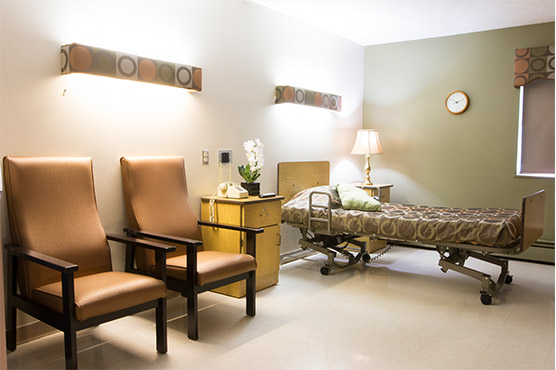
How is Royal Oak Nursing & Rehab Ctr Staffed?

CMS rates ROYAL OAK NURSING & REHAB CTR's staffing level at 1 out of 5 stars, which is much below average compared to other nursing homes. Staff turnover is 49%, compared to the Ohio average of 46%. RN turnover specifically is 71%, which is notably high. RNs provide skilled clinical oversight, so turnover in this role can affect medical care quality.

What Have Inspectors Found at Royal Oak Nursing & Rehab Ctr?

State health inspectors documented 21 deficiencies at ROYAL OAK NURSING & REHAB CTR during 2019 to 2025. These included: 2 that caused actual resident harm and 19 with potential for harm. Deficiencies causing actual harm indicate documented cases where residents experienced negative health consequences.
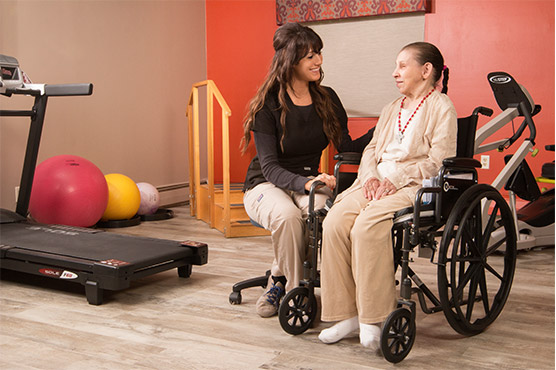
Who Owns and Operates Royal Oak Nursing & Rehab Ctr?

ROYAL OAK NURSING & REHAB CTR is owned by a for-profit company. For-profit facilities operate as businesses with obligations to shareholders or private owners. The facility is operated by EMBASSY HEALTHCARE, a chain that manages multiple nursing homes. With 99 certified beds and approximately 71 residents (about 72% occupancy), it is a smaller facility located in MIDDLEBURG HEIGHTS, Ohio.

How Does Royal Oak Nursing & Rehab Ctr Compare to Other Ohio Nursing Homes?

Compared to the 100 nursing homes in Ohio, ROYAL OAK NURSING & REHAB CTR's overall rating (3 stars) is below the state average of 3.2, staff turnover (49%) is near the state average of 46%, and health inspection rating (3 stars) is at the national benchmark.

What Should Families Ask When Visiting Royal Oak Nursing & Rehab Ctr?

Based on this facility's data, families visiting should ask: "Can you walk me through typical staffing levels on day, evening, and night shifts?" "Can I visit during a mealtime to observe dining assistance and food quality?" "How do you handle medical emergencies, and what is your hospital transfer rate?" "Can I speak with family members of current residents about their experience?" These questions are particularly relevant given the below-average staffing rating.

Is Royal Oak Nursing & Rehab Ctr Safe?

Based on CMS inspection data, ROYAL OAK NURSING & REHAB CTR has a clean safety record: no substantiated abuse findings (meaning no confirmed cases of resident harm), no Immediate Jeopardy citations (the most serious violation level indicating risk of serious injury or death), and is not on the Special Focus Facility watch list (a federal program monitoring the lowest-performing 1% of nursing homes). The facility has a 3-star overall rating and ranks #100 of 100 nursing homes in Ohio. While no facility is perfect, families should still ask about staff-to-resident ratios and recent inspection results during their visit.

Do Nurses at Royal Oak Nursing & Rehab Ctr Stick Around?

ROYAL OAK NURSING & REHAB CTR has a staff turnover rate of 49%, which is about average for Ohio nursing homes (state average: 46%). Moderate turnover is common in nursing homes, but families should still ask about staff tenure and how the facility maintains care continuity when employees leave.

Was Royal Oak Nursing & Rehab Ctr Ever Fined?

ROYAL OAK NURSING & REHAB CTR has been fined $8,970 across 1 penalty action. This is below the Ohio average of $33,169. While any fine indicates a compliance issue, fines under $50,000 are relatively common and typically reflect isolated problems that were subsequently corrected. Families should ask what specific issues led to these fines and confirm they've been resolved.

Is Royal Oak Nursing & Rehab Ctr on Any Federal Watch List?

ROYAL OAK NURSING & REHAB CTR is not on any federal watch list. The most significant is the Special Focus Facility (SFF) program, which identifies the bottom 1% of nursing homes nationally based on persistent, serious quality problems. Not being on this list means the facility has avoided the pattern of deficiencies that triggers enhanced federal oversight. This is a positive indicator, though families should still review the facility's inspection history directly.