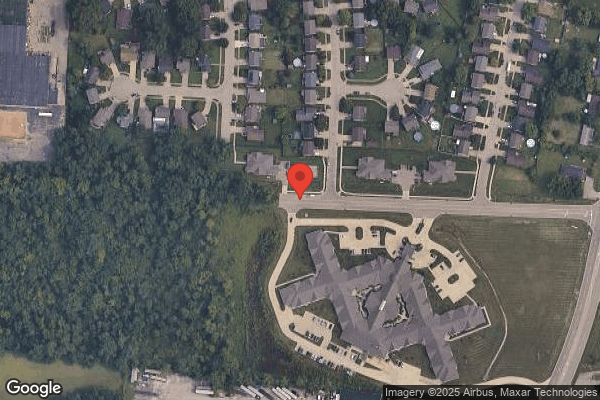
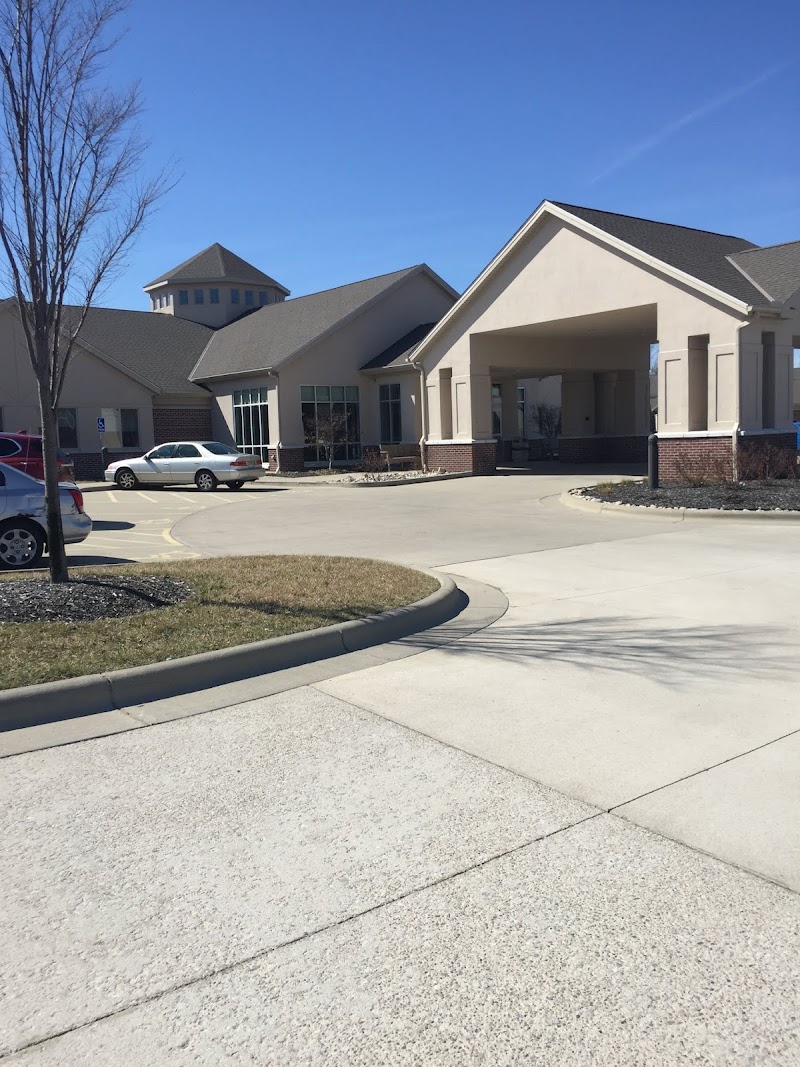
ARLINGTON POINTE

4900 HENDRICKSON ROAD, MIDDLETOWN, OH 45044 (513) 605-2700
For profit - Corporation 107 Beds HEALTH CARE MANAGEMENT GROUP Data: November 2025
Trust Grade
70/100
#402 of 913 in OH
Last Inspection: July 2022

Over 2 years since last inspection. Current conditions may differ from available data.

Overview

Arlington Pointe in Middletown, Ohio, has a Trust Grade of B, indicating it is a good choice among nursing homes. It ranks #402 out of 913 in Ohio, placing it in the top half of facilities statewide, and #16 out of 24 in Butler County, where only one local option is better. The facility is improving, with the number of issues decreasing from 4 in 2022 to 3 in 2024. However, the staffing rating is concerning, with only 1 out of 5 stars and a turnover rate of 50%, which is average for Ohio. The facility has received no fines, which is a positive sign, but it has less RN coverage than 95% of facilities in the state, which may affect the quality of care. Recent inspector findings reveal some weaknesses, including a failure to ensure proper personal protective equipment for a resident in COVID-19 quarantine, which could have endangered all residents. Additionally, the facility did not provide timely emergency dental care for a resident who requested it, and there were issues with food safety in the kitchen, including expired items and unsealed containers. While there are some strengths, families should weigh these concerns carefully when considering Arlington Pointe for their loved ones.

Trust Score
B
70/100
In Ohio
#402/913
Top 44%
Safety Record
Low Risk
No red flags
Inspections
Getting Better
4 → 3 violations
Staff Stability
⚠ Watch
50% turnover. Above average. Higher turnover means staff may not know residents' routines.
Penalties
✓ Good
No fines on record. Clean compliance history, better than most Ohio facilities.
Skilled Nurses
⚠ Watch
Each resident gets only 19 minutes of Registered Nurse (RN) attention daily — below average for Ohio. Fewer RN minutes means fewer trained eyes watching for problems.
Violations
⚠ Watch
12 deficiencies on record. Higher than average. Multiple issues found across inspections.
★★★☆☆
3.0
Overall Rating
★☆☆☆☆
1.0
Staff Levels
★★★★☆
4.0
Care Quality
★★★★☆
4.0
Inspection Score
Stable
2022: 4 issues
2024: 3 issues

The Good

  • 4-Star Quality Measures · Strong clinical quality outcomes
  • Full Sprinkler Coverage · Fire safety systems throughout facility
  • No fines on record

Facility shows strength in quality measures, fire safety.

The Bad

3-Star Overall Rating

Near Ohio average (3.2)

Meets federal standards, typical of most facilities

Staff Turnover: 50%

Near Ohio avg (46%)

Higher turnover may affect care consistency

Chain: HEALTH CARE MANAGEMENT GROUP

Part of a multi-facility chain

Ask about local staffing decisions and management

The Ugly 12 deficiencies on record

Dec 2024 1 deficiency
CONCERN (D) 📢 Someone Reported This

A family member, employee, or ombudsman was alarmed enough to file a formal complaint

Potential for Harm - no one hurt, but risky conditions existed

Deficiency F0790 (Tag F0790)

Could have caused harm · This affected 1 resident

Based on record review, resident interview, and staff interview, the facility failed to provide emergency dental care for a resident. This affected one resident (#55) of three residents (#55, #75, and...

Read full inspector narrative →
Based on record review, resident interview, and staff interview, the facility failed to provide emergency dental care for a resident. This affected one resident (#55) of three residents (#55, #75, and #98) reviewed for dental services. The facility census was 100. Findings include: Record review for Resident #55 revealed an admission date of 03/26/20. Diagnoses included gastro-esophageal reflux disease (GERD), major depressive disorder, anxiety disorder, obesity, osteoarthritis, dysphagia, essential primary hypertension, and diabetes mellitus. Review of Resident #55's Minimum Data Set (MDS) assessment, dated 10/25/24, revealed the resident was severely cognitively impaired. Further review of the MDS assessment confirmed Resident #55 required moderate assistance from staff with eating. Review of Resident #55's progress notes revealed on 08/23/24 Resident #55 requested to be seen by the dentist. Further review of the progress notes revealed on 08/28/24, the facility contacted Resident #55's responsible party and notified of the dentist recommendation for dental surgery. The facility stated they will have Resident #55's family sign the consent for dental surgery and the forms will be left at the front desk. Nothing else was documented related to the emergency dental surgery. Review of Resident #55's dental visit note, dated 08/27/24, revealed Resident #55 had an emergency dental consult on 08/27/24 at the facility. Further review of the dental note revealed Resident #55 requested lower dentures following the extraction of the broken teeth. The contracted facility dentist stated Resident #55 had a broken tooth recommended extraction of the broken tooth. Interview on 12/26/24 at 4:13 P.M. with the Director of Nursing (DON) confirmed Resident #55 had a recommendation from the dentist to have her broken tooth extracted. The visit and recommendation from the Dentist was written on 08/27/24. The DON confirmed the facility failed to document any follow up related to Resident #55's tooth extraction. The DON confirmed the facility failed to ensure the emergency visit extraction recommendation for Resident #55 was completed. Interview on 12/26/24 at 4:50 P.M. with Resident #55 confirmed she has a broken tooth that has not been removed. Resident #55 confirmed the broken tooth causes pain at times. This deficiency represents non-compliance investigated under Complaint Number OH00159744.
May 2024 2 deficiencies
CONCERN (D) 📢 Someone Reported This

A family member, employee, or ombudsman was alarmed enough to file a formal complaint

Potential for Harm - no one hurt, but risky conditions existed

Notification of Changes (Tag F0580)

Could have caused harm · This affected 1 resident

**NOTE- TERMS IN BRACKETS HAVE BEEN EDITED TO PROTECT CONFIDENTIALITY** Based on record review, interviews and policy review, the facility failed to notify a resident's family of a change in condition...

Read full inspector narrative →
**NOTE- TERMS IN BRACKETS HAVE BEEN EDITED TO PROTECT CONFIDENTIALITY** Based on record review, interviews and policy review, the facility failed to notify a resident's family of a change in condition requiring a resident to go to the hospital. This affected one (Resident #8) of four residents reviewed for change in condition. The facility census was 95. Findings include: Review of the medical record revealed Resident #8 admitted to the facility on [DATE] with diagnoses of elevated white blood cell count, other specified abnormal findings of blood chemistry, cerebral infarction, and post hemorrhagic anemia. Review of the Minimum Data Set (MDS) assessment dated [DATE] revealed Resident #8 was cognitively intact. Review of lab results collected on 04/22/24 at 4:50 A.M. and received on 04/22/24 at 9:32 A.M. revealed Resident #8 had a hemoglobin of 6.9 grams per deciliter (G/DL) Reference range is 11.2-15.7. Review of physician orders dated 04/22/24 at 12:09 P.M. revealed an order for Resident #8 to get a Blood Transfusion at 8:30 A.M. on 04/23/24. Review of Resident #8's nurse's progress notes revealed no documentation on new physician order received for the blood transfusion. There was no documentation the family was notified of the resident being sent out for a blood transfusion. Interview on 05/06/24 at 10:20 A.M. with Licensed Practical Nurse (LPN) #733 confirmed there was a recent incident where Resident #8 was sent out to have a blood transfusion on 04/23/22 and the family was not notified. Interview on 05/06/24 at 2:16 P.M. with Director of Nursing (DON) confirmed Resident #8 was sent out for a blood transfusion on 04/23/24, but she thought family had been notified. Review of the policy for Change in Condition dated 11/23 revealed the facility will promptly notify the resident, his/her attending physician, and the resident's sponsor/responsible party in an event of a change in condition or status. This deficiency represents non-compliance investigated under Complaint Number OH00153318
CONCERN (D) 📢 Someone Reported This

A family member, employee, or ombudsman was alarmed enough to file a formal complaint

Potential for Harm - no one hurt, but risky conditions existed

Deficiency F0773 (Tag F0773)

Could have caused harm · This affected 1 resident

**NOTE- TERMS IN BRACKETS HAVE BEEN EDITED TO PROTECT CONFIDENTIALITY** Based on record review and staff interviews the facility failed notify the ordering physician of lab results on a urinalysis wit...

Read full inspector narrative →
**NOTE- TERMS IN BRACKETS HAVE BEEN EDITED TO PROTECT CONFIDENTIALITY** Based on record review and staff interviews the facility failed notify the ordering physician of lab results on a urinalysis with culture that fell outside of the clinical reference range. This affected one (Resident #101) of four residents reviewed for lab services. The facility census was 95. Findings include: Review of the medical record revealed Resident #101 admitted to the facility on [DATE] and discharged from the facility on 04/13/24 with diagnoses of spinal stenosis, lumbar region without neurogenic claudication, and interstitial cystitis (chronic) with hematuria. Review of the Minimum Data Set (MDS) assessment completed on 04/13/24 revealed Resident #101 was cognitively intact. Review of Resident #10's care plan revealed the residnet was at risk for for infection due to immobility, incontinence and surgical site with intervention to monitor lab work. Review of physician orders for Resident #101 revealed an order for a urinalysis with culture dated 03/20/24. Review of laboratory results dated [DATE] revealed Resident #101's urine culture was positive for a Urinary Tract Infection (UTI). The organism identified was enterococcus faecium (VRE) was susceptible to the antibiotics Linezolid and Nitrofurantoin. Review of physician orders revealed an order dated 04/13/24 for Macrobid oral capsule 100 milligrams (mg) (Nitrofurantoin Monohyd Macro) Give 100 mg by mouth two times a day for UTI Vancomycin-resistant Enterococcus VRE for 7 Days. Review of Resident #101 nurse's progress notes revealed on 04/13/24 at 9:43 A.M. the physician was notified Resident #101 had a change in mental status and increased weakness with moderate confusion and was notified urinalysis sensitivity results. Interview on 05/06/24 at 11:56 A.M. with Registered Nurse (RN) #732 confirmed Resident #101 recently had a UTI and she failed to notify the physician of the results of the urinalysis and culture when they came back. Interview confirmed it was approximately 10 days after the results the physician was notified and an antibiotic was initiated on 04/13/24. Interview confirmed the process was to notify the physician immediately if critical or by the end of the day if lab results are out of range. Interview on 05/06/24 at 12:55 P.M. with Licensed Practical Nurse (LPN) #776 confirmed the physician was not notified of the urinalysis until almost 10 days later on 04/13/24 when an antibiotic was initiated. Interview confirmed the physician should be contacted on the day lab results are received if out of range. Interview on 05/06/24 at 2:16 P.M. with the Director of Nursing (DON) confirmed Resident #101 was not started on an antibiotic until 04/13/24 and confirmed there was no documentation showing the physician was aware of the results of the urinalysis until 04/13/24 when the resident had a change in mental status. This deficiency represents non-compliance investigated under Complaint Number OH00153318.
Jul 2022 4 deficiencies
CONCERN (D)

Potential for Harm - no one hurt, but risky conditions existed

Notification of Changes (Tag F0580)

Could have caused harm · This affected 1 resident

**NOTE- TERMS IN BRACKETS HAVE BEEN EDITED TO PROTECT CONFIDENTIALITY** 2. Review of the medical record for Resident #62 revealed an admission date of 10/02/21. Diagnoses included acute kidney failure...

Read full inspector narrative →
**NOTE- TERMS IN BRACKETS HAVE BEEN EDITED TO PROTECT CONFIDENTIALITY** 2. Review of the medical record for Resident #62 revealed an admission date of 10/02/21. Diagnoses included acute kidney failure, type two diabetes mellitus, hyperlipidemia, atrial flutter. Review of the quarterly Minimum Data Set (MDS) assessment for Resident #62 dated 07/01/22 revealed the resident had impaired cognition. Review of the plan of care for Resident #62 dated 10/06/21 revealed the resident had the potential for an alteration in cardiac function related to hypertension and atrial fibrillation. Interventions included administer medications as ordered, assess for edema, and monitor vital signs and weights as ordered. Review of the active physician orders for Resident #62 revealed an order with a start date of 10/27/21 for daily weights. The order stated to obtain daily weights and call the doctor with a weight gain of three pounds in one day or more than five pounds in one week. Review of the medical record for Resident #62 revealed no weights were obtained on 07/14/22 and 07/15/22. The weight recorded on 07/13/22 was 149.4 pounds (lbs.) and on 07/16/22 was 159 lbs. Resident #62 experienced a weight gain of 9.6 lbs. from 07/13/22 to 07/16/22. Review of the progress notes for Resident #62 revealed there was no evidence the facility notified the physician regarding Resident #62's weight gain of 9.6 lbs. from 07/13/22 to 07/16/22. Interview on 07/21/22 at 9:05 A.M. with the Director of Nursing (DON) confirmed no daily weights were obtained on 07/14/22 and 07/15/22 for Resident #62. The DON also confirmed the order for daily weights was current and that the order specified to notify the doctor with a three-pound weight gain in a day or five pounds in a week. The DON also confirmed there was no notification to the physician regarding Resident #62's weight gain of 9.6 lbs. from 07/13/22 to 07/16/22. Based on medical record review, staff interview, and review of facility policy, the facility failed to ensure the physician was notified of a weight gains as ordered. This affected two (Resident #26 and #62) out of six residents reviewed for notification of change. The facility census was 92. Findings include: 1. Review of the medical record for Resident #26 revealed Resident #26 was admitted to the facility on [DATE]. Her diagnoses included kidney failure, diastolic (congestive) heart failure, and peripheral vascular disease. Review of the quarterly Minimum Data Set (MDS) assessment dated [DATE] revealed Resident #26 had moderate cognitive impairment. Review of the care plan for Resident #26 revealed Resident #26 had potential for or alteration in cardiac output/arrhythmia/cardiorespiratory distress related to her coronary artery disease, hyperlipidemia, hypertension, congestive heart failure, and peripheral vascular disease. The interventions included monitoring vital signs and weights as ordered. Review of the physician orders revealed Resident #26 had an order dated 04/24/22, which was discontinued on 07/20/22, for daily weights. The order indicated staff were to notify the physician if Resident #26's weight gain was greater than five pounds in three days. Resident #26's weight was to be obtained in the morning. Review of Resident #26's weight records revealed Resident #26 weighed 167.5 pounds on 06/27/22 and weighed 176.6 pounds on 06/30/22 which reflected a 9.1 pound weight gain from 06/27/22 to 06/30/22. Further review of the weight records revealed Resident #26 weighed 167.4 pounds on 07/07/22 and weighed 177 pounds on 07/09/22 which reflected a 9.6 pound weight gain from 07/07/22 to 07/09/22. Interview with the Director of Nursing (DON) on 07/21/22 at 2:31 P.M. verified the physician was not notified of Resident #26's weight gains on 06/30/22 (9.1 pounds) and 07/09/22 (9.6 pounds). Review of the policy titled Procedure for Weight Loss/Gain Monitoring, reviewed 11/2021, revealed weight changes were monitored by nursing and the dietitian or diet tech. It indicated the resident, the resident's physician and the resident's sponsor/responsible party are notified of significant weight change.
CONCERN (D)

Potential for Harm - no one hurt, but risky conditions existed

Deficiency F0646 (Tag F0646)

Could have caused harm · This affected 1 resident

Based on medical record review and staff interview, the facility failed to complete a Preadmission Screening and Resident Review (PASSAR) and notify the state mental health authority for residents wit...

Read full inspector narrative →
Based on medical record review and staff interview, the facility failed to complete a Preadmission Screening and Resident Review (PASSAR) and notify the state mental health authority for residents with new mental health diagnoses. This affected two residents (#35 and #83) out of three residents reviewed for PASSAR's. The facility census was 92. Findings include: 1. Review of the medical record for Resident #35 revealed an admission date of 02/18/19. Diagnoses included dementia with behaviors, shortness of breath, chest pain, anxiety disorder, dysphagia, and psychotic disorder (08/21/20). Review of the PASSAR for Resident #35 dated 02/18/19, revealed psychotic disorder was not included in the assessment. Review of the medical record for Resident #35 revealed the diagnosis of psychotic disorder was added on 08/21/20. Review of the medical record for Resident #35 revealed the facility did not complete a significant change PASSAR for Resident #35 following Resident #35's new diagnosis of psychotic disorder on 08/21/20. Interview on 07/19/22 at 2:47 P.M. with Admissions Director (AD) #37 confirmed no significant change PASSAR was completed for Resident #35 after the new diagnosis of psychotic disorder on 08/21/20. 2. Review of the medical record for Resident #83 revealed an admission date of 08/30/19. Diagnoses included hemiplegia, hemiparesis, sepsis, type two diabetes mellitus, obesity, pneumonia, dysphagia, major depressive disorder (01/16/20), and schizoaffective disorder (12/03/19). Review of the PASSAR for Resident #83 dated 08/29/19, revealed no psychiatric diagnoses were selected on the assessment. Review of the medical record for Resident #83 revealed a diagnosis of schizoaffective disorder was added on 12/03/19 and a diagnosis of major depressive disorder was added on 01/16/20. Review of the medical record for Resident #83 revealed the facility did not complete a significant change PASSAR for Resident #83 following Resident #83's new diagnosis of schizoaffective disorder on 12/03/19 and/or new diagnosis of major depressive disorder on 01/16/20. Interview on 07/19/22 at 2:47 P.M. with Admissions Director #37 confirmed no significant change PASSAR was completed for Resident #83 after Resident #83 had a new diagnosis of schizoaffective disorder on 12/03/19 and new diagnosis of major depressive disorder on 01/16/20.
CONCERN (D)

Potential for Harm - no one hurt, but risky conditions existed

Deficiency F0692 (Tag F0692)

Could have caused harm · This affected 1 resident

Based on medical record review, staff interview, and review of facility policy, the facility failed to ensure daily weights were completed as ordered. Additionally, the facility failed to timely imple...

Read full inspector narrative →
Based on medical record review, staff interview, and review of facility policy, the facility failed to ensure daily weights were completed as ordered. Additionally, the facility failed to timely implement interventions and reassess a resident with severe weight loss. This affected two (Resident #62 and #83) out of three residents reviewed for nutrition. The facility census was 92. 1. Review of the medical record for Resident #62 revealed an admission date of 10/02/21. Diagnoses included acute kidney failure, type two diabetes mellitus, hyperlipidemia, atrial flutter. Review of the quarterly Minimum Data Set (MDS) assessment for Resident #62 dated 07/01/22 revealed the resident had impaired cognition. Review of the plan of care for Resident #62 dated 10/06/21 revealed the resident had the potential for an alteration in cardiac function related to hypertension and atrial fibrillation. Interventions included administer medications as ordered, assess for edema, and monitor vital signs and weights as ordered. Review of the active physician orders for Resident #62 revealed an order with a start date of 10/27/21 for daily weights. The order stated to obtain daily weights and call the doctor with a weight gain of three pounds in one day or more than five pounds in one week. Review of the medical record for Resident #62 revealed no weights were obtained on 07/14/22 and 07/15/22. The weight recorded on 07/13/22 was 149.4 pounds (lbs.) and on 07/16/22 was 159 lbs. Resident #62 experienced a weight gain of 9.6 lbs. from 07/13/22 to 07/16/22. Review of the progress notes for Resident #62 revealed no documented reason regarding why Resident #62's weight was not obtained on 07/14/22 and 07/15/22. There was no evidence the facility notified the physician regarding Resident #62's weight gain of 9.6 lbs. from 07/13/22 to 07/16/22. Resident #62 did not experience any distress or negative outcome related to the failure to weigh the resident daily and report the weights. Review of the medication administration record (MAR) for Resident #62 revealed the order for daily weights was not signed off as completed on 07/14/22 and 07/15/22. Interview on 07/21/22 at 9:05 A.M. with the Director of Nursing (DON) confirmed no daily weights were obtained on 07/14/22 and 07/15/22 for Resident #62. The DON also confirmed the order for daily weights was current and that the order specified to notify the doctor with a three-pound weight gain in a day or five pounds in a week. The DON also confirmed there was no notification to the physician regarding Resident #62's weight gain of 9.6 lbs. from 07/13/22 to 07/16/22. 2. Review of the medical record for Resident #83 revealed an admission date of 08/30/19. Diagnoses included hemiplegia, hemiparesis, sepsis, type two diabetes mellitus, obesity, and dysphagia. Review of the quarterly Minimum Data Set assessment for Resident #83 dated 07/05/22 revealed the resident had an impaired cognition. No significant weight loss or gain was noted for Resident #83 on the assessment. Review of the plan of care for Resident #83 dated 01/27/22 revealed Resident #83 was at risk for potential nutritional problems related to therapeutic diet. Interventions included providing diet as ordered, monitoring weight monthly and as needed, and providing and serving supplements as ordered. Review of the medical record for Resident #83 revealed a weight on 06/08/22 of 210 lbs. A weight of 194.3 lbs. was obtained on 07/11/22. Review of the physician orders for Resident #83 from 07/11/22 to 07/19/22 revealed no orders to monitor Resident #83's weight more frequently or to obtain a reweigh for Resident #83. Review of the medical record for Resident #83 revealed a weight of 199 lbs. was obtained on 07/19/22. Review of the dietary notes for Resident #83 dated 07/20/22 revealed Resident #83 would be started on a nutritional supplement twice daily to help with weight gain. Review of the medical record for Resident #83 revealed no nutritional interventions were implemented after Resident #83 was found to have experienced a severe weight loss on 07/11/22 until 07/20/22 when Resident #83 was started on a nutritional supplement twice daily to help with weight gain. Interview on 07/19/22 at 4:20 P.M. with Registered Dietitian (RD) #121 confirmed no reweigh had been completed on Resident #83 after identifying that he experienced a severe 15.7 lb. (7.47 percent) weight loss from 06/08/22 to 07/11/22. RD #121 stated that she would have typically recommended Resident #83 be reweighed to determine the accuracy of the weight and had no explanation as to why Resident #83 was not reweighed. RD #121 also stated that she had not made the recommendation or requested an order be put in to reweigh Resident #83. Review of the facility policy titled Procedure for Weight loss/gain monitoring dated 11/2021, revealed the facility failed to implement their policy. The dietician or dietician technician, in coordination with the interdisciplinary team evaluate the weight change and make appropriate recommendations for unplanned weight changes as necessary to meet resident's goals for care.
CONCERN (F)

Potential for Harm - no one hurt, but risky conditions existed

Infection Control (Tag F0880)

Could have caused harm · This affected most or all residents

Based on medical record review, observations, staff interviews, review of a facility policy, and review of guidance from the Centers for Disease Control and Prevention (CDC), the facility failed to en...

Read full inspector narrative →
Based on medical record review, observations, staff interviews, review of a facility policy, and review of guidance from the Centers for Disease Control and Prevention (CDC), the facility failed to ensure staff wore the proper personal protective equipment when entering the room of a resident who was in quarantine for COVID-19. This affected one (Resident #188) and had the potential to to affect all 92 residents in the facility. The facility census was 92. Findings include: Review of Resident #188's medical record revealed an admission date of 07/12/22. Diagnoses included heart failure, kidney disease, and high blood pressure. Review of Resident #188's admission assessment, dated 07/19/22, revealed Resident #188 was not cognitively impaired and required assistance of one staff with care. Resident #188 was placed in quarantine (transmission based precautions) due to a recent hospital stay and possible exposure to COVID-19. Observation on 07/18/22 at 10:00 A.M. revealed Housekeeper #53 entered Resident #188's room while wearing a surgical mask which was pulled below her nose. Housekeeper #53 went in and out of Resident #188's room twice. Observation on 07/18/22 at 12:14 P.M. revealed State Tested Nursing Assistant (STNA) #16 was delivering meal trays and went in Resident #188's room while only wearing a surgical mask and without donning an isolation gown. Interview with Housekeeper #53 on 07/18/22 at 10:05 A.M. verified Resident #188 was in quarantine and she did not wear the correct personal protective equipment (PPE) while in Resident #188's room. Housekeeper #53 verified her mask was not in the correct position. Interview on 07/18/22 at 12:20 P.M., with STNA #16 verified he/she was not wearing proper PPE while entering Resident #188's room. Review of the facility policy titled COVID-19, revised 02/2022, revealed residents in quarantine require transmission based precautions and should be cared for by staff wearing full PPE. Review of the CDC guidelines, found at https://www.cdc.gov/coronavirus/2019-ncov/hcp/long-term-care.html, titled Interim Infection Prevention and Control Recommendations to Prevent SARS-CoV-2 Spread in Nursing Homes, dated 02/02/22, revealed healthcare personnel caring for residents with suspected or confirmed SARS-CoV-2 infection should use full PPE (gowns, gloves, eye protection, and a NIOSH-approved N95 or equivalent or higher-level respirator).
Jun 2018 5 deficiencies
CONCERN (D)

Potential for Harm - no one hurt, but risky conditions existed

Quality of Care (Tag F0684)

Could have caused harm · This affected 1 resident

**NOTE- TERMS IN BRACKETS HAVE BEEN EDITED TO PROTECT CONFIDENTIALITY** Based on record review and facility staff interview, the facility failed to follow physician recommendations for one (#31) of fi...

Read full inspector narrative →
**NOTE- TERMS IN BRACKETS HAVE BEEN EDITED TO PROTECT CONFIDENTIALITY** Based on record review and facility staff interview, the facility failed to follow physician recommendations for one (#31) of five residents reviewed for unnecessary medications. The facility census was 93. Findings included: Record review revealed Resident #31 was admitted to the facility on [DATE] with the following diagnoses; Alzheimer's disease, cancer of the ovary, depressive disorder, dementia with behavioral disturbance,and anxiety disorder. Further review of the record revealed the resident was moderately cognitively impaired. Review of Resident #31's history and physical dated 03/27/18, revealed the resident was currently prescribed Celexa (anti-depressant) and Seroquel (Anti- psychotic). A recommendation was made to consult with psychiatry. There was no evidence in the resident's record an appointment had ever been made, or that the resident had ever been seen by psychiatry. Interview with Unit Manager #35 on 06/20/18 at 2:55 P.M., confirmed Resident #31 had not been seen by psychiatry, or was she on the current list to be seen. The Unit Manager further revealed the physician probably just missed seeing the resident, as he had been at the facility in April.
CONCERN (D)

Potential for Harm - no one hurt, but risky conditions existed

Accident Prevention (Tag F0689)

Could have caused harm · This affected 1 resident

**NOTE- TERMS IN BRACKETS HAVE BEEN EDITED TO PROTECT CONFIDENTIALITY** Based on medical record review, observation, resident and facility policy review, staff interviews, the facility failed to provi...

Read full inspector narrative →
**NOTE- TERMS IN BRACKETS HAVE BEEN EDITED TO PROTECT CONFIDENTIALITY** Based on medical record review, observation, resident and facility policy review, staff interviews, the facility failed to provide safe storage of self administered medications for one (#80) of one residents reviewed for self administration of medications. This had the potential to affect two (#343 and #77) residents on the 400 hall who the facility identified as being independently mobile and cognitively impaired. Findings included: Review of resident #80 medical record revealed the resident was admitted to the facility on [DATE] with diagnoses of chronic right heart failure, type 2 diabetes mellitus, and typical atrial flutter. Review of the comprehensive assessment dated [DATE] revealed the resident was cognitively intact. Review of Resident #80's medication orders dated 06/03/18 revealed the resident had an order for a Proventil inhaler. On 06/19/18 Resident #80 was assessed as being able to self-administer medications, and order was written for the resident to keep his inhaler at the bedside. Interview and observation with Resident #80 on 06/20/18 at 11:50 A.M., confirmed the resident's inhaler was on the bedside table, and the resident confirmed his inhaler was always kept on his bedside table. During an interview on 06/21/18 at 9:45 A.M., with Registered Nurse (RN) #25 confirmed Resident #80 kept his inhaler on his bedside table, or sometimes in the bed side drawer. RN #25 confirmed the resident did not have access to a secured locking drawer to keep the inhaler in. Review of the Self-Administration of Medications Policy, (undated) revealed, self-administered medications must be stored in a safe manner. If safe storage is not possible in the resident's room, the medication will be stored with the nursing staff in a medication cart or medication room, and nursing will transfer the unopened medication to the resident when the resident requests them.
CONCERN (D)

Potential for Harm - no one hurt, but risky conditions existed

Dental Services (Tag F0791)

Could have caused harm · This affected 1 resident

**NOTE- TERMS IN BRACKETS HAVE BEEN EDITED TO PROTECT CONFIDENTIALITY** Based on medical record review, observation, and staff interview, the facility failed to provide dental services for one (#3) of...

Read full inspector narrative →
**NOTE- TERMS IN BRACKETS HAVE BEEN EDITED TO PROTECT CONFIDENTIALITY** Based on medical record review, observation, and staff interview, the facility failed to provide dental services for one (#3) of two residents reviewed for dental services. The facility census was 93. Findings included: Medical record review revealed Resident #3 was admitted to the facility on [DATE] with diagnoses including dementia with behavioral disturbances, and chronic obstructive pulmonary disease. Review of the Minimum Data Set (MDS) assessment completed on 06/18/18 revealed Resident #3 was cognitively impaired. Observation and interview on 06/18/18 at 9:14 A.M., revealed Resident #3 did not have any teeth visible. Resident #3 revealed she did not have teeth. She stated she used to have dentures, however they did not fit her anymore. She further revealed she had never seen a dentist since being admitted to the facility and would like to have dentures. Interview on 06/21/18 at 10:09 A.M., with Registered Nurse Case Manager (RNCM) #16 revealed residents were supposed to be set up on admission with a dental visit. RNCM #16 verified Resident #3 had not seen a dentist since admission to the facility.
CONCERN (D)

Potential for Harm - no one hurt, but risky conditions existed

Room Equipment (Tag F0908)

Could have caused harm · This affected 1 resident

**NOTE- TERMS IN BRACKETS HAVE BEEN EDITED TO PROTECT CONFIDENTIALITY** Based on medical record review, observation, resident and staff interview, the facility failed to maintain one resident's wheelc...

Read full inspector narrative →
**NOTE- TERMS IN BRACKETS HAVE BEEN EDITED TO PROTECT CONFIDENTIALITY** Based on medical record review, observation, resident and staff interview, the facility failed to maintain one resident's wheelchairs in a safe working condition. This affected one (#57) of four residents reviewed for environmental concerns. The facility census was 93. Findings included: Medical record review revealed Resident #57 was admitted to the facility on [DATE] with diagnoses of sepsis and atherosclerotic heart disease. Observation of Resident #57 on 06/19/18 at 10:20 A.M., revealed the armrest of resident's wheelchair was ripped, exposing a portion of foam insulation, approximately eight inches in length. Interview with State Tested Nurse Aide (STNA) #10 on 06/19/18 at 10:25 A.M., confirmed the armrest of Resident #57's wheelchair was ripped, exposing the foam insulation underneath, and it needed repaired. Interview with Maintenance Director #52 confirmed the maintenance department had received no requests regarding repairs to Resident #57's wheelchair.
CONCERN (F)

Potential for Harm - no one hurt, but risky conditions existed

Food Safety (Tag F0812)

Could have caused harm · This affected most or all residents

Based on observation, staff interview and policy review, the facility failed to ensure foods in the coolers and freezer were dated, were not expired, and stored in closed containers. This had the pote...

Read full inspector narrative →
Based on observation, staff interview and policy review, the facility failed to ensure foods in the coolers and freezer were dated, were not expired, and stored in closed containers. This had the potential to affect all 93 residents of the facility who were identified as receiving meals from the kitchen. Findings included: Observations of the kitchen on 06/18/18 at 6:31 P.M., revealed the following areas of concern: 1. The walk in cooler contained undated side salads, and bowls of cottage cheese. 2. The walk in cooler had a bag of tortillas with a use by date of 09/18/17, and a plastic container of shredded carrots with a use by date of 06/14/18. 3. The walk in freezer had unsealed bags left open to air, of hamburger patties, chicken breasts, and breaded steaks. 4. The dry storage room had two racks of rolls with use by dates of 06/11/18, two racks of rolls with use by dates of 06/14/18, a box of individual servings of thickened orange juice, with a use by date of 05/22/18, and two boxes of individual cartons of thickened dairy beverage, with a use by date of 05/11/18. All the areas of concern were verified with Dietary [NAME] #27 on 06/18/18 at 7:00 P.M. Review of policy titled Food Storage dated 01/20/18, revealed all foods stored in the refrigerator should be dated, all foods stored in the freezer should be covered, and the date of preparation for food may not exceed the use by date.
Understanding Severity Codes (click to expand)
Life-Threatening (Immediate Jeopardy)
J - Isolated K - Pattern L - Widespread
Actual Harm
G - Isolated H - Pattern I - Widespread
Potential for Harm
D - Isolated E - Pattern F - Widespread
No Harm (Minor)
A - Isolated B - Pattern C - Widespread

Questions to Ask on Your Visit

  • "Can I speak with families of current residents?"
  • "What's your RN coverage like on weekends and overnight?"

Our Honest Assessment

Strengths
  • • No major safety red flags. No abuse findings, life-threatening violations, or SFF status.
  • • No fines on record. Clean compliance history, better than most Ohio facilities.
Concerns
  • • 12 deficiencies on record. Higher than average. Multiple issues found across inspections.
Bottom line: Mixed indicators with Trust Score of 70/100. Visit in person and ask pointed questions.

About This Facility

What is Arlington Pointe's CMS Rating?

CMS assigns ARLINGTON POINTE an overall rating of 3 out of 5 stars, which is considered average nationally. Within Ohio, this rating places the facility higher than 0% of the state's 100 nursing homes. This mid-range rating indicates the facility meets federal standards but may have areas for improvement.

How is Arlington Pointe Staffed?

CMS rates ARLINGTON POINTE's staffing level at 1 out of 5 stars, which is much below average compared to other nursing homes. Staff turnover is 50%, compared to the Ohio average of 46%.

What Have Inspectors Found at Arlington Pointe?

State health inspectors documented 12 deficiencies at ARLINGTON POINTE during 2018 to 2024. These included: 12 with potential for harm.

Who Owns and Operates Arlington Pointe?

ARLINGTON POINTE is owned by a for-profit company. For-profit facilities operate as businesses with obligations to shareholders or private owners. The facility is operated by HEALTH CARE MANAGEMENT GROUP, a chain that manages multiple nursing homes. With 107 certified beds and approximately 100 residents (about 93% occupancy), it is a mid-sized facility located in MIDDLETOWN, Ohio.

How Does Arlington Pointe Compare to Other Ohio Nursing Homes?

Compared to the 100 nursing homes in Ohio, ARLINGTON POINTE's overall rating (3 stars) is below the state average of 3.2, staff turnover (50%) is near the state average of 46%, and health inspection rating (4 stars) is above the national benchmark.

What Should Families Ask When Visiting Arlington Pointe?

Based on this facility's data, families visiting should ask: "Can you walk me through typical staffing levels on day, evening, and night shifts?" "Can I visit during a mealtime to observe dining assistance and food quality?" "How do you handle medical emergencies, and what is your hospital transfer rate?" "Can I speak with family members of current residents about their experience?" These questions are particularly relevant given the below-average staffing rating.

Is Arlington Pointe Safe?

Based on CMS inspection data, ARLINGTON POINTE has a clean safety record: no substantiated abuse findings (meaning no confirmed cases of resident harm), no Immediate Jeopardy citations (the most serious violation level indicating risk of serious injury or death), and is not on the Special Focus Facility watch list (a federal program monitoring the lowest-performing 1% of nursing homes). The facility has a 3-star overall rating and ranks #100 of 100 nursing homes in Ohio. While no facility is perfect, families should still ask about staff-to-resident ratios and recent inspection results during their visit.

Do Nurses at Arlington Pointe Stick Around?

ARLINGTON POINTE has a staff turnover rate of 50%, which is about average for Ohio nursing homes (state average: 46%). Moderate turnover is common in nursing homes, but families should still ask about staff tenure and how the facility maintains care continuity when employees leave.

Was Arlington Pointe Ever Fined?

ARLINGTON POINTE has no federal fines on record. CMS issues fines when nursing homes fail to meet care standards or don't correct problems found during inspections. The absence of fines suggests the facility has either maintained compliance or corrected any issues before penalties were assessed. This is a positive indicator, though families should still review recent inspection reports for the full picture.

Is Arlington Pointe on Any Federal Watch List?

ARLINGTON POINTE is not on any federal watch list. The most significant is the Special Focus Facility (SFF) program, which identifies the bottom 1% of nursing homes nationally based on persistent, serious quality problems. Not being on this list means the facility has avoided the pattern of deficiencies that triggers enhanced federal oversight. This is a positive indicator, though families should still review the facility's inspection history directly.