HAWTHORN GLEN NURSING CENTER
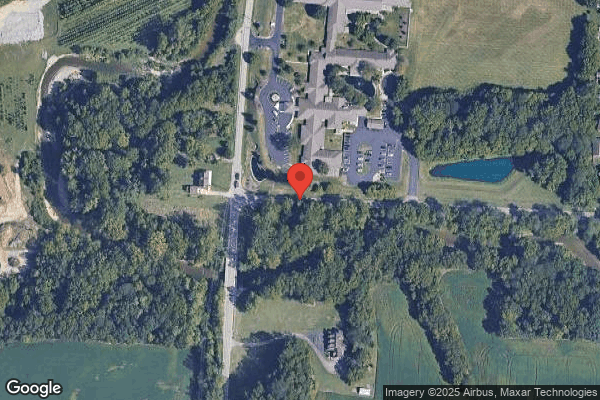
5414 HANKINS ROAD, MIDDLETOWN, OH 45044 (513) 863-7775
For profit - Corporation 74 Beds LIONSTONE CARE Data: November 2025
Trust Grade
48/100
#477 of 913 in OH
Last Inspection: July 2025

Inspected within the last 6 months. Data reflects current conditions.

Overview

Hawthorn Glen Nursing Center has received a Trust Grade of D, indicating below average performance with notable concerns. Ranking #477 out of 913 facilities in Ohio places it in the bottom half, and at #17 of 24 in Butler County, only a few local options are better. The overall trend is worsening, with issues increasing from 2 in 2024 to 13 in 2025. Staffing is average with a 3/5 rating; however, the turnover rate is concerning at 73%, which is significantly higher than the state average. The facility has also faced $20,265 in fines, indicating compliance issues, and while it boasts more RN coverage than 96% of Ohio facilities, there have been serious concerns such as unsafe food storage practices and failures to maintain proper RN presence during critical hours. Strengths include good RN coverage, which is essential for catching potential problems, and a high quality measures rating of 5/5. However, families should be aware of the concerning inspection findings, such as food being stored unsafely, including outdated and moldy items, and the lack of RN presence for extended periods, which raises alarms about overall care quality.

Trust Score
D
48/100
In Ohio
#477/913
Bottom 48%
Safety Record
Low Risk
No red flags
Inspections
Getting Worse
2 → 13 violations
Staff Stability
⚠ Watch
73% turnover. Very high, 25 points above average. Constant new faces learning your loved one's needs.
Penalties
✓ Good
$20,265 in fines. Lower than most Ohio facilities. Relatively clean record.
Skilled Nurses
✓ Good
Each resident gets 57 minutes of Registered Nurse (RN) attention daily — more than average for Ohio. RNs are trained to catch health problems early.
Violations
⚠ Watch
50 deficiencies on record. Higher than average. Multiple issues found across inspections.
★★★☆☆
3.0
Overall Rating
★★★☆☆
3.0
Staff Levels
★★★★★
5.0
Care Quality
★★☆☆☆
2.0
Inspection Score
Stable
2024: 2 issues
2025: 13 issues

The Good

  • 5-Star Quality Measures · Strong clinical quality outcomes
  • Full Sprinkler Coverage · Fire safety systems throughout facility
  • No fines on record

Facility shows strength in quality measures, fire safety.

The Bad

3-Star Overall Rating

Near Ohio average (3.2)

Meets federal standards, typical of most facilities

Staff Turnover: 73%

27pts above Ohio avg (46%)

Frequent staff changes - ask about care continuity

Federal Fines: $20,265

Below median ($33,413)

Minor penalties assessed

Chain: LIONSTONE CARE

Part of a multi-facility chain

Ask about local staffing decisions and management

Staff turnover is very high (73%)

25 points above Ohio average of 48%

The Ugly 50 deficiencies on record

Jul 2025 13 deficiencies
CONCERN (D)

Potential for Harm - no one hurt, but risky conditions existed

Deficiency F0569 (Tag F0569)

Could have caused harm · This affected 1 resident

**NOTE- TERMS IN BRACKETS HAVE BEEN EDITED TO PROTECT CONFIDENTIALITY** Based on interview, record review, and facility policy review, the facility failed to ensure resident funds were disbursed to th...

Read full inspector narrative →
**NOTE- TERMS IN BRACKETS HAVE BEEN EDITED TO PROTECT CONFIDENTIALITY** Based on interview, record review, and facility policy review, the facility failed to ensure resident funds were disbursed to the resident's estate within 30 days as required. This affected one (Resident #75) of six residents reviewed for funds. The facility census was 61.Findings include:Review of the medical record for Resident #75 revealed an admissions date of 06/21/24 with diagnoses including congestive heart failure, hypertension, and dementia. Resident #75 discharged from the facility on 04/30/25.Review of the Minimum Data Set (MDS) assessment dated [DATE] revealed Resident #75 was severely cognitively impaired.Review of a Resident Funds Authorization, for Resident #75 dated 08/03/24, revealed the authorization was signed by Resident 75's responsible party. The authorization was also signed by two witnesses.Review of a check dated 07/29/25, revealed a check was written to Resident #75's estate for $35.12.Review of the Resident Funds Statement, for Resident #75 revealed the resident had a balance of $35.12 on 07/29/25 when the account was closed.Interview on 07/31/25 at 8:30 A.M. with Administrator #50 verified Resident #75 was discharged to the hospital on [DATE] and Resident #75's funds were not conveyed to the estate until 07/29/25.Review of the facility policy titled, Management of Personal Funds dated 08/01/23, revealed the facility will reconcile and close all accounts within thirty days of discharge.
CONCERN (D)

Potential for Harm - no one hurt, but risky conditions existed

Deficiency F0572 (Tag F0572)

Could have caused harm · This affected 1 resident

Based on resident interview, staff interview, and policy review the facility failed to ensure residents know their Resident Rights. This had the potential to affect 12 (Resident #20, Resident #23, Res...

Read full inspector narrative →
Based on resident interview, staff interview, and policy review the facility failed to ensure residents know their Resident Rights. This had the potential to affect 12 (Resident #20, Resident #23, Resident #13, Resident #55, Resident #42, Resident #14, Resident #60, Resident #57, Resident #39, Resident #63, Resident #5, and Resident #77) residents who attend the Resident Council meetings out of 61 residents. The facility census was 61.Findings include:Review of Resident Council Meeting monthly minutes from 08/24/24 to 07/25/25 revealed Resident Rights were not reviewed during Resident Council.Interview on 07/29/25 at 3:08 P.M with Resident #46, Resident #60, and Resident #13 confirmed Resident Rights were not reviewed during Resident Council and that they do not know where to find the resident rights.Interview on 07/29/25 at 3:30 P.M with Activities Director # 59 confirmed Resident Rights were not reviewed during resident council due to switching the resident council agenda forms.Review of policy titled Resident Council revealed the facility is designed to review resident rights.
CONCERN (D)

Potential for Harm - no one hurt, but risky conditions existed

Report Alleged Abuse (Tag F0609)

Could have caused harm · This affected 1 resident

**NOTE- TERMS IN BRACKETS HAVE BEEN EDITED TO PROTECT CONFIDENTIALITY** Based on interview, record review and facility policy review, the facility failed to timely complete and submit a Self-Reported ...

Read full inspector narrative →
**NOTE- TERMS IN BRACKETS HAVE BEEN EDITED TO PROTECT CONFIDENTIALITY** Based on interview, record review and facility policy review, the facility failed to timely complete and submit a Self-Reported Incident (SRI) as required by the Ohio Department of Health, (ODH). This affected one resident (Resident #18) of five residents reviewed for SRI reporting. The facility total census was 61. Findings Include:Record review of Resident #18 revealed the resident was admitted to the facility on [DATE]. Diagnoses for Resident #18 include breast cancer, depressive disorder, and dysphagia. Review of the Minimum Data Set, (MDS) comprehensive assessment dated [DATE] revealed the resident had intact cognition and required moderate assistance for Activity of Daily Living skills.Review of the SRI reported on 04/11/25 to ODH, revealed the incident occurred on 04/11/25, and submitted as completed on 06/05/25. Review of the SRI investigation revealed the police were contacted on 06/05/25. Interview on 07/30/25 at 10:06 A.M., the Administrator and Director of Nursing, (DON) verified an occurrence, discovery date of 04/11/ 25, was reported as an SRI on 04/11/25. On 06/05/25, it was discovered by the DON that the completion date was not submitted to ODH. Additionally, the Administrator verified the police were contacted on 06/05/25, as there had been no police notification at the time of the investigation. The Administrator verified the final report should have been within five working days of the discovery of the incident. Review of the facility policy, Abuse, Mistreatment, Neglect, Exploitation and Misappropriation of Resident Property dated October 2024, revealed the facility will submit an on SRI in accordance with ODH instruction. The investigation will be completed within five working days and submitted to the ODH no later than five working days after discovery of the incident.
CONCERN (D)

Potential for Harm - no one hurt, but risky conditions existed

Investigate Abuse (Tag F0610)

Could have caused harm · This affected 1 resident

**NOTE- TERMS IN BRACKETS HAVE BEEN EDITED TO PROTECT CONFIDENTIALITY** Based on interview, record review , and facility policy review, the facility failed to thoroughly investigate a Self-Reported In...

Read full inspector narrative →
**NOTE- TERMS IN BRACKETS HAVE BEEN EDITED TO PROTECT CONFIDENTIALITY** Based on interview, record review , and facility policy review, the facility failed to thoroughly investigate a Self-Reported Incidents (SRI). This affected two residents (Residents #18 and #32) of five residents reviewed for SRI investigations. The facility total census was 61. Findings Include: 1. Record review of Resident #18 revealed the resident was admitted to the facility on [DATE]. Diagnoses for Resident #18 include breast cancer, depressive disorder, and dysphagia. Review of the Minimum Data Set, (MDS) comprehensive assessment dated [DATE] revealed the resident had intact cognition and required moderate assistance for Activity of Daily Living skills. Review of SRI dated 05/05/25 revealed the resident was found to have a bruise of unknown origin on her thumb. Review of staff investigations revealed no written staff statements of the incident. There were no resident interviews and non- verbal resident skin assessments. Review of SRI dated 06/29/25 revealed the resident alleged a staff person held down her hand. Review of staff investigations revealed no written staff statements of the incident. There were no resident interviews and non- verbal resident skin assessments. The investigation documentation included a staff education sign in sheet which was undated with no presenter and no topic listed.2. Record review of Resident #32 revealed the resident was admitted to the facility on [DATE]. Diagnoses for Resident #32 include metabolic encephalopathy, repeated falls. sepsis, Chronic Obstructive Pulmonary disease and hypertension. Review of the Minimum Data Set, (MDS) comprehensive assessment dated [DATE] revealed the resident had intact cognition and required extensive assistance for Activity of Daily Living skills.Review of SRI dated 05/20/25 revealed Resident #32 family representative reported an allegation of unknown origin bruises to the resident's torso. Review of the facility SRI investigation documents revealed there were no written staff and resident interviews. There were no nonverbal resident skin assessments. Interview on 07/31/25 at 1:30 P.M. the Administrator and Director of Nursing , (DON) verified the SRI investigations of Resident #18 dated 05/05/25 and 06/29/25, and Resident #32 SRI dated 05/20/25 did not show documented evidence of thoroughly investigated allegations of abuse. Review of the facility policy, Abuse, Mistreatment, Neglect, Exploitation and Misappropriation of Resident Property dated October 2024, revealed the facility will interview the residents, and all witnesses, including anyone who may have come in close contact with the resident or the accused employee. If allegation is injury of unknow source, the investigation will involve interviewing staff on shift when injury is discovered and prior shifts. Interviews include interviews of other residents to determine if they have been affected.
CONCERN (D) 📢 Someone Reported This

A family member, employee, or ombudsman was alarmed enough to file a formal complaint

Potential for Harm - no one hurt, but risky conditions existed

Deficiency F0657 (Tag F0657)

Could have caused harm · This affected 1 resident

**NOTE- TERMS IN BRACKETS HAVE BEEN EDITED TO PROTECT CONFIDENTIALITY** Based on record review, staff interview, and policy review the facility failed to ensure care conferences were completed quarter...

Read full inspector narrative →
**NOTE- TERMS IN BRACKETS HAVE BEEN EDITED TO PROTECT CONFIDENTIALITY** Based on record review, staff interview, and policy review the facility failed to ensure care conferences were completed quarterly for Resident #43. The facility census was 61.Findings include:Review of the medical record for Resident #43 revealed an admissions date of 07/31/23 with diagnoses including dysphagia, chronic obstructive pulmonary disease, major depressive disorder, and seizures.Review of the Minimum Data Set (MDS) assessment dated [DATE] revealed Resident #43 is cognitively impaired.Review Resident #43's care conferences since admission revealed one was completed on 04/16/25.Interview on 07/31/25 at 11:26 A.M. with Director of Nursing (DON) # 96 verified that the only care conference completed for Resident #43 was on 04/16/25.Review of the facility policy titled Care Conferences, dated 01/2020 revealed care conferences will be scheduled as soon as possible after admission, routinely, and with a change in condition.This deficiency represents non-compliance investigated under Complaint Number 1388204.
CONCERN (D) 📢 Someone Reported This

A family member, employee, or ombudsman was alarmed enough to file a formal complaint

Potential for Harm - no one hurt, but risky conditions existed

Respiratory Care (Tag F0695)

Could have caused harm · This affected 1 resident

**NOTE- TERMS IN BRACKETS HAVE BEEN EDITED TO PROTECT CONFIDENTIALITY** Based on record review, staff interview, and policy review the facility failed to obtain an order for oxygen therapy. This affec...

Read full inspector narrative →
**NOTE- TERMS IN BRACKETS HAVE BEEN EDITED TO PROTECT CONFIDENTIALITY** Based on record review, staff interview, and policy review the facility failed to obtain an order for oxygen therapy. This affected two residents (Resident #25 and Resident #51) out of three reviewed for oxygen therapy. The facility census was 61.Findings Include:1. Review of the medical record for Resident #25, revealed an admission date of 06/27/25. Diagnoses included but were not limited to acute kidney failure, sleep apnea, and asthma.Review of the most recent Minimum Data Set (MDS) 3.0 assessment dated revealed a Brief Interview for Mental Status (BIMS) of 15 indicates intact cognition. The resident was assessed to be independent for eating, oral hygiene, toileting, shower/bath independent, partial/moderate assistance dressing, and supervision or touching assistance for personal hygiene.2. Review of the medical record for Resident #51, revealed an admission date of 04/24/25. Diagnoses included but were not limited to acute respiratory failure, chronic obstructive pulmonary disease, and sepsis.Review of the most recent Quarterly Minimum Data Set (MDS) 3.0 assessment dated 06/1725 revealed a Brief Interview for Mental Status (BIMS) of 15 which indicates intact cognition. The resident was assessed to require setup or cleanup assistance for eating, supervision or touching assistance for oral hygiene, dependent on staff for toileting, dependent on staff for showering/bathing, dependent on staff for dressing, and substantial/maximal assistance for personal hygiene.Observation on 07/29/25 at 1:25 P.M. revealed Resident #25 and Resident #51 to on 2 liters of oxygen via nasal cannula.Review of facility oxygen tubing list revealed Resident #25 and Resident #51 to be missing from the oxygen tubing list.Interview on 07/29/25 at 1:25 P.M. with Resident #25 confirmed she had oxygen since she was admitted to the facility on [DATE].Interview on 07/29/25 at 1:30 P.M. with Resident #51 confirmed she had oxygen since she was admitted to the facility on [DATE].Interview on 07/29/25 at 1:50 P.M. with the Director of Nursing (DON) confirmed the residents were receiving oxygen without an order. DON contacted the physician for Resident #51 and stated that she did not need to receive oxygen.Review of facility policy titled Oxygen Administration dated on April 2023 revealed oxygen is to be administered under orders of a physician, except in the case of an emergency. In such case, oxygen is administered and orders for oxygen are obtained as soon as practicable when the situation is under control.This deficiency represents non-compliance investigated under Complaint Number 1388206.
CONCERN (D)

Potential for Harm - no one hurt, but risky conditions existed

Deficiency F0740 (Tag F0740)

Could have caused harm · This affected 1 resident

**NOTE- TERMS IN BRACKETS HAVE BEEN EDITED TO PROTECT CONFIDENTIALITY** Based on record review, interview, and policy review the facility failed to provide behavioral health services to one (Resident ...

Read full inspector narrative →
**NOTE- TERMS IN BRACKETS HAVE BEEN EDITED TO PROTECT CONFIDENTIALITY** Based on record review, interview, and policy review the facility failed to provide behavioral health services to one (Resident #2) of three residents reviewed for behavior health. The facility census was 61.Findings include:Review of the medical record for Resident #2 revealed an admissions date of 11/10/21 with diagnoses including major depressive disorder, post-traumatic stress disorder, and anxiety disorder. Review of Resident #2's Minimum Data Set (MDS) assessment dated [DATE] revealed Resident #2 was cognitively intact. Review of Resident #2's orders revealed the resident has a physician order on 06/23/25 for a psychiatric evaluation and treatment. Review of Resident #2's medical record revealed the resident was receiving psychiatric services in 2024 for treatment of major depressive disorder and post-traumatic stress disorder. The last time Resident #2 received these services was on 05/07/24. Interview on 07/31/25 at 9:29 AM with Director of Nursing (DON) #96 verified that Resident #2 has current orders for psychiatric evaluation and treatment. DON #96 also verified that the last time Resident #2 received these services was on 05/07/24. Review of the facility policy titled, Behavioral Assessment, Intervention and Monitoring, dated December 2016, revealed that the facility will provide individualized care that supports the resident's physical, functional, and psychosocial needs.
CONCERN (D)

Potential for Harm - no one hurt, but risky conditions existed

Deficiency F0742 (Tag F0742)

Could have caused harm · This affected 1 resident

**NOTE- TERMS IN BRACKETS HAVE BEEN EDITED TO PROTECT CONFIDENTIALITY** Based on observation, interviews and record review , the facility failed to provide social services to maintain the resident's m...

Read full inspector narrative →
**NOTE- TERMS IN BRACKETS HAVE BEEN EDITED TO PROTECT CONFIDENTIALITY** Based on observation, interviews and record review , the facility failed to provide social services to maintain the resident's mental health after a traumatic incident. This affected three residents, (Residents # 18, #32 and #38) of five residents reviewed following a traumatic incident. The facility total census was 61. Findings Include: 1.Record review of Resident #18 revealed the resident was admitted to the facility on [DATE]. Diagnoses for Resident #18 include breast cancer, depressive disorder, and dysphagia. Review of the Minimum Data Set, (MDS) comprehensive assessment dated [DATE] revealed the resident had intact cognition and required moderate assistance for Activity of Daily Living skills. Review of Resident #18 State Reported Incident (SRI) dated 04/11/25 revealed the resident alleged a man came into her room and tried to remove her outer wear pants. He ran his hand down her leg. Review of Resident #18 SRI dated 06/29/25 revealed the resident alleged a staff person held down her hand. Review of social service notes of 4/11/25 through 07/28/25 revealed no social service documentation regarding counseling or providing follow-up psychosocial services for Resident #18 after the incident of 04/11/25 and 06/29/25. Interview on 07/30/25 at 12:56 P.M. Resident #18 stated she was very upset and fearful after the incidents. She stated she did not have a counselor or any staff visit her for counseling after the incidents. 2. Record review of Resident #32 revealed the resident was admitted to the facility on [DATE]. Diagnoses for Resident #32 include metabolic encephalopathy, repeated falls. sepsis, Chronic Obstructive Pulmonary disease and hypertension. Review of the Minimum Data Set, (MDS) comprehensive assessment dated [DATE] revealed the resident had intact cognition and required extensive assistance for Activity of Daily Living skills.Review of SRI dated 05/20/25 revealed Resident #32 family representative reported an allegation of unknown origin bruises to the resident's torso. Review of social service notes of 05/20/25 through 07/28/25 revealed no social service documentation regarding counseling or providing follow-up psychosocial services for Resident #32 after the incident of 05/20/25. Interview on 07/30/25 at 1:31 P.M. revealed the Resident #32 stated no staff had checked on her after the incident to see if she needed psychosocial support. 3. Record review of Resident #38 revealed the resident was admitted to the facility on [DATE]. Diagnoses for Resident #38 include end stage renal disease, depressive disorder, diabetes, anxiety disorders, mood disorder, morbid obesity, and embolism. The resident received out of facility dialysis treatment three times a week. Review of the Minimum Data Set, (MDS) comprehensive assessment dated [DATE] revealed the resident had intact cognition and required substantial assistance for Activity of Daily Living skills.Review of SRI dated 07/13/25 revealed Resident #38 reported an allegation of stolen gaming box device while he was admitted to the hospital from [DATE] through 07/13/25. The allegation was investigated and substantiated for missing gaming box. Review of social service notes of 07/20/25 through 07/28/25 revealed no social service documentation regarding counseling or assessment documentation for follow-up psychosocial services for Resident #38 after the incident of 07/13/25. Interview on 07/28/25 at 11:31 A.M revealed the Resident #38 stated no staff had checked on him after the incident to see if he needed psychosocial support. He stated he felt violated that someone came into his room and took his gaming box when he was at the hospital. He verified he was not visited by any staff or offered counseling services for his feelings following the gaming box theft. Interview on 07/31/25 at 11:40 A.M Social Service Designee, (SSD) # 6 verified after a traumatic occurrence, such as a allegation of abuse, the resident should be visited and assessed for need of psych service or counselor support. The SSD #6 verified there had been no psychosocial visits after alleged abuse occurrences of Residents # 18, #32 and #38. Review of the facility policy, Abuse, Mistreatment, Neglect, Exploitation and Misappropriation of Resident Property dated October 2024, revealed the facility will notify the social service department after the incident so that appropriate interventions to care for the psychosocial needs of any involved residents are met.
CONCERN (D) 📢 Someone Reported This

A family member, employee, or ombudsman was alarmed enough to file a formal complaint

Potential for Harm - no one hurt, but risky conditions existed

Menu Adequacy (Tag F0803)

Could have caused harm · This affected 1 resident

Based on observation, staff interview, review of planned menu, substitution log, and policy review, the facility failed to follow the menu for residents ordered a puree diet. This affected five (Resid...

Read full inspector narrative →
Based on observation, staff interview, review of planned menu, substitution log, and policy review, the facility failed to follow the menu for residents ordered a puree diet. This affected five (Residents #8, 26, 43, and 55) of five residents ordered a puree diet. The facility also failed to have a dietician sign off on meal substitutions. This had the potential to affect all residents residing in the facility. The facility census was 61.Review of the puree menu for lunch on 07/30/25 revealed beef enchiladas, seasoned black beans, corn, Mexican street cornbread, snickerdoodle cookie, and coffee/tea.Observation on 07/30/25 at 11:13 A.M. revealed puree food being served was enchiladas, corn, black beans, and pie.Interview 07/30/25 at 11:17 A.M. with Dietary Director (DD) #101 verified that the residents with an order for a puree diet were being served enchiladas, corn, black beans, and pie. DD #101 verified that the Mexican street cornbread was not prepared for puree diets but was listed on the menu. DD #101 also verified that pie was substituted for the snickerdoodle cookie.Review of the substitution log on 07/31/25 revealed that eleven items had been substituted between 05/10/25 and 07/20/25. Further review revealed that a dietician had not signed off on the substitutions. Interview on 07/31/25 at 11:10 A.M. with Registered Dietician (RD) #150 verified that she had not signed off on the substitution log.Review of the facility policy titled Menu Planning, dated 2021 revealed that residents nutritional needs will be provided through nourishing well balance diets.This deficiency represents non-compliance investigated under Complaint Number 1388204.Review of the facility policy titled, Menu Substitutions, dated 2021, revealed the registered dietician will evaluate menu changes.
CONCERN (D)

Potential for Harm - no one hurt, but risky conditions existed

Deficiency F0808 (Tag F0808)

Could have caused harm · This affected 1 resident

**NOTE- TERMS IN BRACKETS HAVE BEEN EDITED TO PROTECT CONFIDENTIALITY** Based on observation, interviews and record review, the facility failed to provide a therapeutic diet as ordered by the physicia...

Read full inspector narrative →
**NOTE- TERMS IN BRACKETS HAVE BEEN EDITED TO PROTECT CONFIDENTIALITY** Based on observation, interviews and record review, the facility failed to provide a therapeutic diet as ordered by the physician. This affected one resident (Resident # 26) of one resident reviewed for therapeutic diets. The facility total census was 61. Findings Include: Record review of Resident #26 revealed the resident was admitted to the facility on [DATE]. The resident received hospices services. Diagnoses for Resident #26 include hypertension, dementia, obesity, and cancer antigen. Review of the Minimum Data Set, (MDS) comprehensive assessment dated [DATE] revealed the resident had severely impaired cognition and was totally dependent on staff for dressing and hygiene, transfers and eating. The resident received a regular puree nectar thick liquids diet and nutritional supplement three times a day. Additionally, the resident had a physician order, the Resident may have thin liquids and pleasure food with staff supervision only. With the resident positioned upright, small sips from cup, without supervision. The Resident is to be on nectar thick liquids and puree diet. Reviews of Registered Dietitian nutritional assessment dated [DATE], revealed the Resident #26 diet included nectar thick liquids. Pleasure foods were ordered of thin liquids when supervised by staff. Observation 07/28/25 at 11:35 A.M. revealed Resident #26 family representative feeding the resident the lunch meal. The milk on the meal tray was in the closed milk carton. The Family representative opened the milk carton and gave the resident a drink of the milk through a straw. The resident had a slight cough. There were two other glasses of thicken juices on the meal tray. There was no staff assisting with feeding the resident the meal. Observation on 07/30/25 at 11:45 A.M revealed family representative feeding the Resident #26 lunch meal. The milk was in original carton on the meal tray. There was one glass of thickened juice on the meal tray. The resident had a slight cough when given the milk through a straw by the family representative. There was no staff assisting with feeding the resident the meal.Interview on 07/28/25 at 11:35 A.M. the Resident #26 family representative verified the milk in the carton was not thickened milk and could be sipped through a straw. The other liquids on the meal trays were thickened, at times needing a spoon. The family representative stated he fed the resident lunch and dinner meal on most days. The family representative verified the resident had a slight cough after drinking the thin milk. Interview on 07/30/25 at 11:40 A.M. Licensed Practical Nurse, (LPN) # 16 verified the milk in Resident #26 lunch tray was in the original carton and was not thicken. Fluids from the kitchen are thickened into serving glasses. Interview on 07/31/25 at 12:24 P.M. Registered Dietitian, (RD) #150 verified Resident #26 should have received nectar thickened milk, as ordered, unless thin milk was given and supervised by staff. Nectar thickened milk would not have been served in the original carton. Thickened milk would be served from the kitchen in a glass, purchased already thickened. Regular milk is considered thin and would need to thicken to be considered a nectar consistency. The RD #150 was unable to provide a facility policy regarding therapeutic diets and fluid consistencies.
CONCERN (E)

Potential for Harm - no one hurt, but risky conditions existed

Deficiency F0645 (Tag F0645)

Could have caused harm · This affected multiple residents

**NOTE- TERMS IN BRACKETS HAVE BEEN EDITED TO PROTECT CONFIDENTIALITY** Based on interviews and record review, the facility failed to timely initiate and complete Preadmission Screening and Resident R...

Read full inspector narrative →
**NOTE- TERMS IN BRACKETS HAVE BEEN EDITED TO PROTECT CONFIDENTIALITY** Based on interviews and record review, the facility failed to timely initiate and complete Preadmission Screening and Resident Review, (PASRR). This affected four residents (Resident #57, # 74, 35 and #5) of six residents reviewed for preadmission screening. The facility total census was 61. Findings Include: 1.Record review of Resident #57 revealed the resident was admitted to the facility on [DATE]. Diagnoses for Resident #57 include hypertension, morbid obesity, diabetes, schizophrenia, depressive disorder and anxiety. Review of the Minimum Data Set, (MDS) comprehensive assessment dated [DATE] revealed the resident had intact cognition and required set up assistance with Activity of Daily Living skills. Review of PASRR documentation revealed no documenting of a PASRR screen prior to admission. A Level I PASRR was not completed and signed until 06/23/23. There was a Level II directed from the results of a 07/29 /25 PASRR submission due to a new diagnosis of schizoaffective and sexual behaviors on 02/22/22. 2. Record review of Resident #35 revealed the resident was admitted to the facility on [DATE]. Diagnoses for Resident #35 include cerebral atherosclerosis, chronic obstructive pulmonary disease, dementia, chronic kidney disease, hypertension, reflux, dysphagia, and abnormal weight loss. Review of the Minimum Data Set, (MDS) comprehensive assessment dated [DATE] revealed the resident had moderately impaired cognition and required moderate assistance with Activity of Daily Living skills. The resident received hospice services beginning on 12/01/24.Review of Resident #35 records revealed no PASRR hospice condition change submission and results. 3. Record Review of Resident #5 revealed the resident was admitted to the facility on [DATE]. Diagnoses for Resident # 5 include dementia, and anxiety. Review of the Minimum Data Set, (MDS) comprehensive assessment dated [DATE] revealed the resident had severely impaired cognition and required extensive assistance with Activity of Daily Living skills. The resident received hospice services starting on 10/26/24.Review of Resident #5 records revealed no PASRR hospice condition change submission and results. 4. Review of the medical record for Resident #74, revealed an admission date of 04/21/2018. Diagnoses included but were not limited to hemiplegia, type 2 diabetes, and dysphagia.Review of the most recent Minimum Data Set (MDS) 3.0 assessment dated [DATE] revealed a Brief Interview for Mental Status (BIMS) of 0 which indicates resident has severe cognitive impairment. The resident was assessed to require to be dependent for eating, dependent on staff for toileting, dependent on staff for showering and bathing, dependent on staff for dressing, and personal hygiene. The resident received hospice services beginning on 08/12/24. Review of Resident #74 records revealed no PASRR hospice condition change submission and results. Interview on 07/31/25 at 11:40 A.M. The Social Service Designee, SSD#6 verified Resident #57 had no PASRR prior to admission, and was it first filed on 06/23/23. SSD #6 verified there were no hospice change of status PASRRs completed timely for Residents # 35, #5 and #74. SSD #6 stated she completed a new PASRR on 07/29/25 for Resident #57 due to a PASRR audit and Resident #57 had diagnosis changes, which had not been submitted timely. The SSD #6 verified there were many PASRRs which were incomplete and/or missing from the previous SSD. SSD #6 stated diagnosis changes, hospice status and other declines in condition should be submitted within couple days of the change. Newly admitted residents should have PASRRs completed prior to admission or within 30 days of admission.
CONCERN (E)

Potential for Harm - no one hurt, but risky conditions existed

Deficiency F0761 (Tag F0761)

Could have caused harm · This affected multiple residents

**NOTE- TERMS IN BRACKETS HAVE BEEN EDITED TO PROTECT CONFIDENTIALITY** Based on observation, staff interview, and policy review the facility failed to ensure medications were dated, labeled, and not ...

Read full inspector narrative →
**NOTE- TERMS IN BRACKETS HAVE BEEN EDITED TO PROTECT CONFIDENTIALITY** Based on observation, staff interview, and policy review the facility failed to ensure medications were dated, labeled, and not expired. This had the potential to affect 36 (Resident #25, Resident #32, Resident #3, Resident #19, Resident #29, Resident #1, Resident #62, Resident #18, Resident #51, Resident #63, Resident #34, Resident #9, Resident #52, Resident #45, Resident #54, Resident #50, Resident #56, Resident #71, Resident #72, Resident #39, Resident #28, Resident #73, Resident #55, Resident #76, Resident #46, Resident #20, Resident #40, Resident #41, Resident #10, Resident #11, Resident #8, Resident #30, Resident #61, Resident #17, Resident #36, and Resident #63) residents. The facility also failed to ensure medications were disposed of properly. This had the potential to affect 24 (Resident #25, Resident #32, Resident #3, Resident #19, Resident #29, Resident #1, Resident #62, Resident #18, Resident #51, Resident #63, Resident #34, Resident #9, Resident #52, Resident #45, Resident #54, Resident #50, Resident #56, Resident #71, Resident #72, Resident #39, Resident #28, Resident #73, Resident #55, and Resident #76) residents. The facility census was 61.Findings include:Findings Include: Observation on [DATE] at 6:20 A.M of the medication cart revealed Resident #73 and Resident #1 had NovoLog insulin undated.Interview on [DATE] at 6:25 A.M with Registered Nurse (RN) #30 confirmed Resident #73 and Resident #1 NovoLog insulin was undated.Observation on [DATE] at 9:00 A.M of Medication Storage room [ROOM NUMBER] revealed 14 Intravenous (IV) tubing bags dated on 06/2024, covid vaccine vial dated on [DATE], Tuberculin vial dated on [DATE], and 8 flu vaccines dated on 06/2025.Interview on [DATE] at 9:02 A.M with the Director of Nursing (DON) confirmed there was 14 IV tubing bags dated on 06/2024, covid vaccine vial dated on [DATE], Tuberculin vial dated on [DATE], and 8 flu vaccines dated on 06/2025 in medication storage room [ROOM NUMBER].Observation on [DATE] at 9:03 A.M of the IV cart revealed one bag of lactated ringers & 5% dextrose (D5) dated on [DATE], one bag D5 and 0.9% Normal Saline (NS) dated on [DATE], one bag dated on D5 & 0.45 NS dated on [DATE], and two bags of D5 & 0.45 NS dated on [DATE].Interview on [DATE] at 9:10 A.M with the DON confirmed the IV cart contained one bag of lactated ringers & 5% dextrose (D5) dated on [DATE], one bag D5 and 0.9% Normal Saline (NS) dated on [DATE], one bag dated on D5 & 0.45 NS dated on [DATE], and two bags of D5 & 0.45 NS dated on [DATE].Observation on [DATE] at 9:11 A.M revealed the DON disposing the flu vaccine vials into the lidless trash can on the side of the medication cart.Interview on [DATE] at 9:15 A.M with LPN #30 confirmed that flu vaccine vials into the lidless trash can is an inappropriate place to dispose the flu vaccine vials.Observation on [DATE] at 9:17 A.M revealed LPN #30 removing the flu vaccines from the trashcan and disposing them correctly.Observation on [DATE] at 4:11 P.M of Medication Cart #3 had undated Lantus for Resident #46, Expired Lantus dated on [DATE] for Resident #46, and Undated Lantus for Resident #20.Interview on [DATE] at 4:15 P.M with RN #73 confirmed Medication Cart #3 had undated Lantus for Resident #46, Expired Lantus dated on [DATE] for Resident #46, and Undated Lantus for Resident #20.Review of facility policy titled Medication Administration dated on [DATE] revealed the expiration date should be checked, and an open date shall be placed on multi dose vials.
CONCERN (F)

Potential for Harm - no one hurt, but risky conditions existed

Food Safety (Tag F0812)

Could have caused harm · This affected most or all residents

Based observation, staff interview, record review, and facility policy review, the facility failed to ensure food was stored in a safe and sanitary manner. This had the potential to affect all residen...

Read full inspector narrative →
Based observation, staff interview, record review, and facility policy review, the facility failed to ensure food was stored in a safe and sanitary manner. This had the potential to affect all residents. The facility census was 61.Findings include:Observation of the nourishment room on 07/30/25 starting at 3:08 P.M. revealed six packages of fruit, one container of cheese and a Styrofoam takeout container with unidentified food unlabeled and undated stored in the refrigerator. Interview with Director of Nursing (DON) #96 verified that the food was unlabeled and undated. Further observations in the bottom drawer of the fridge revealed two packages of raspberries, a package of cheese, and a package of bologna that were covered in a grey, fuzzy substance. The two packages of raspberries were dated 06/25. The cheese and bologna were undated. Interview with DON #96 verified the date of the raspberries and other items were undated. DON #96 also verified that the food was covered in a grey fuzzy substance. Further observations revealed five cartons of milk stored in the refrigerator door with an expiration date of 07/28/25. Interview with DON #96 verified that the milk was expired. Review of the facility policy titled, Dietary Policy and Procedure, dated 08/2021 revealed that food brought into the facility by visitors and family will be labeled with the name of the resident and the date. Dietary staff will monitor the dates and discard the food item after the third day.
Dec 2024 1 deficiency
CONCERN (D) 📢 Someone Reported This

A family member, employee, or ombudsman was alarmed enough to file a formal complaint

Potential for Harm - no one hurt, but risky conditions existed

Accident Prevention (Tag F0689)

Could have caused harm · This affected 1 resident

**NOTE- TERMS IN BRACKETS HAVE BEEN EDITED TO PROTECT CONFIDENTIALITY** Based on observations, record review, review of Emergency Medical Services (EMS) report, review of emergency room (ER) records, ...

Read full inspector narrative →
**NOTE- TERMS IN BRACKETS HAVE BEEN EDITED TO PROTECT CONFIDENTIALITY** Based on observations, record review, review of Emergency Medical Services (EMS) report, review of emergency room (ER) records, review of hospital records, staff interviews, review of personnel record, review of job descriptions, and review of facility policy, the facility failed to ensure residents were free from accidents while being transported by the facility's bus. This affected one (#25) of the three residents reviewed for accidents. The facility census was 64. Findings include: Review of the medical record for Resident # 25 revealed the resident was admitted to the facility on [DATE] and discharged to the hospital on [DATE]. Diagnoses included major depressive disorder, cerebral infarction (stroke), dementia, anxiety, chronic kidney disease, morbid obesity, congestive heart failure (CHF), essential primary hypertension, pneumonia, and diabetes mellitus. Review of the Minimum Data Set (MDS) assessment dated [DATE] revealed Resident #25 had impaired cognition and was dependent on staff for activities of daily living (ADLs). Review of the care plan dated 04/27/24 for Resident #25, revealed the resident was at risk for falls due impaired cognition, vertigo and prior falls. Her interventions included assisting with toilet use, bariatric bed, Dycem to wheelchair, call light in reach, and monitor medications. The care plan revealed no documented evidence of being updated when the resident fell on [DATE] while being transported on the facility bus. Review of the cardiologist visit note dated 10/24/24 at 11:15 A.M. for Resident #25, revealed the resident was seen in the office for a follow-up and evaluation on her biventricular implantable cardioverter defibrillator (BiV ICD) (a small, battery-powered device that helps treat heart failure by improving heart function and preventing dangerous heart rhythms), nonrheumatic tricuspid valve regurgitation, primary hypertension and paroxysmal atrial fibrillation. The resident's vital signs were normal and the resident was scheduled for transesophageal echocardiogram on 11/15/24. follow up visit on 11/15/24 for a transesophageal echocardiogram (a non-invasive ultrasound procedure that allows a doctor to see the heart's structure and function) and was to follow-up with the heart failure clinic on 11/26/24. Review of a nurse's progress note dated 10/24/24 at 1:15 P.M. and recorded as a late entry on 10/25/24, for Resident #25, revealed the resident was being transported back to the facility from a medical appointment in the facility owned transport bus. Maintenance Supervisor (MS) #204 was driving bus and Certified Nurse Assistant (CNA) #202 accompanied the resident for the transport. During the return transport, MS #204 had to slam on the brakes to avoid hitting a car that pulled in front of them. This caused Resident #25 to fall from her wheelchair into the floor landing on her knees and then onto her stomach with her legs under her wheelchair. MS #204 immediately pulled over and CNA #202 checked the resident for any signs of trauma. MS #204 and CNA #202 assisted Resident #25 from the floor and back into her wheelchair. Upon return to the facility, the Director of Nursing (DON), two staff nurses, and two CNAs took Resident #25 to her room to assess her. Resident #25 stated a truck hit them, and she fell out of her chair. Resident #25 was assessed and there were no new skin injuries, no obvious swelling or trauma, range of motion (ROM) was within normal limits and blood pressure was 101/55 millimeters of mercury (mmHg), pulse 62 beats per minute, oxygen saturation was 84 percent (%) on two liters per minute (LPM) of oxygen. Review of the facility's investigation dated 10/24/24 at 1:15 P.M. for Resident #25 and authored by the DON, revealed the resident was being transported back to the facility from an appointment via the facility owned transport bus and being driven by MS #204 and CNA #202 was accompanying the resident. During the journey back to the facility, MS #204 had to slam on the brakes to avoid a car turning in front of them which caused the resident to fall from her wheelchair onto her knees and then onto her stomach with her legs under the wheelchair. Resident #25 stated a truck hit them and she fell out of her chair. MS #204 pulled over immediately and they checked on the resident for any signs of trauma and none were found. MS #204 and CNA #202 lifted the resident from the floor of bus, back into her wheelchair and drove back to the facility. Upon returning to the facility, the DON, two nurses and two CNAs took the resident to her room and put her in the bed to assess her. The assessment revealed there were no new skin injuries, no obvious swelling or trauma and range of motion was within normal limits. The resident's vital signs were as follows: blood pressure 101/55 mmHg, pulse 62 beats a minute, oxygen saturation of 84 % on two LPM of oxygen via nasal cannula The immediate intervention was to send Resident #25 to the hospital for an evaluation for possible injuries. The investigation revealed the resident's wheelchair was secured to the bus; however, the resident was not secured in the wheelchair with the vehicle's seat belt. Review of a nurse progress noted dated 10/24/24 at 2:00 P.M. and recorded as a late entry on 10/25/24 for Resident #25, revealed the resident had a brief period of unresponsiveness and staff performed a sternal rub which was effective. Blood pressure was 52/39 mm/Hg (very low), pulse was 61 beats per minute, temperature was 98.3 degrees Fahrenheit (F), and oxygen saturation was 62 % (very low) . A non-breather mask (a mask that delivers a high concentration of oxygen) was applied with five liters per minute (LPM) of oxygen and a breathing treatment was administered. The staff notified the nurse practitioner (NP) who ordered the resident to be sent to the emergency room (ER). The team called 911 and EMS arrived at 2:00 P.M. The head of bed was raised to 45 degrees and the crash cart was at bedside. Resident #25 was admitted to the hospital with a diagnosis of hypotension related to cardiovascular disease. Review of the EMS report dated 10/24/24, revealed EMS arrived at the facility at 2:02 P.M. for Resident #25 complaining of head pain related to injuries after a fall from her chair and shortness of breath. EMS found Resident #25 sitting up in her bed and appeared to be in respiratory distress with a nasal cannula in place. The staff reported the resident was being transported in the bus when she fell out of her wheelchair when the driver hit the brakes. The driver returned the resident to the nursing home and the staff got the resident back in bed when the resident became unresponsive. The staff reported the resident's oxygen saturation dropped to the 60's and the resident was hypotensive. EMS found the resident alert, oriented and stated she fell out of her wheelchair and hit her head and knee. The resident complained of pain at a six (pain scale from zero [no pain] to ten [extreme pain] on top of her head with a small hematoma noted to the top of head. The resident's blood pressure was 107/42 mmHg upon arrival and dropped to 86/57 mmHg during transport to the hospital. The resident was transported to the ER with no additional concerns. Review of the ER note dated 10/24/24 at 2:36 P.M., revealed Resident #25 arrived in the ER related to a motor vehicle accident (MVA) and shortness of breath. The resident was being transported back to her nursing facility in the facility van, when it suddenly slammed on its brakes and may or may not have hit another vehicle and the resident was thrown from the wheelchair in the van. The transporters got her back into her seat, but when she arrived back at the nursing facility she was unresponsive and did not have a pulse. Information was being relayed to the ER staff by the daughter of the resident who was not on scene. The resident arrived awake and answered questions but confused (baseline). An assessment revealed atraumatic without any gross deformity and no hematomas. The resident had no acute fractures or injuries after multiple radiographic images were completed. The resident initially arrived with a normal blood pressure but declined quickly and had to be upgraded to a trauma. The resident was admitted to the hospital for ascites, cardiogenic shock, acute on chronic respiratory failure with hypoxia and no evidence of traumatic abnormalities. The resident discharged back to the facility on [DATE] Review of the hospital's admission History and Physical dated 10/24/24 at 5:36 P.M., revealed Resident #25 was at her cardiologist's office earlier in the day when she was returning with medical transport, and they got in a motor vehicle accident and the resident was thrown from her wheelchair and hit the wall. The transporters put her back in the wheelchair and continued to her extended care facility (ECF) where the patient was found unresponsive and hypotensive. The resident remained hypotensive and unresponsive until a bilevel positive airway pressure (BIPAP) was placed and the resident woke up but remained hypotensive. A trauma workup was performed, and resident was fond to have no fractures, injuries or other causes for her sudden hypotension and cardiac which appeared to be cardiogenic shock. Resident #25 had a history of severe tricuspid regurgitation and having right sided heart failure and the resident was admitted to the intensive care unit. Resident #25 had a large volume overload with significant ascites. The resident had recent paracentesis at the end of September 2024 and would benefit from another procedure. The resident was at her cardiologist's officer earlier in the day and was noted to have significant volume overload but was not in any acute distress and unclear if the accident precipitated cardiogenic shock The resident was cleared by trauma and will be monitored closely as she denied any pain and unclear if thrown during the accident. Review of a witness statement dated 10/24/24 and authored by MS #204, revealed he was driving the bus on State Route 63 heading towards the facility when a car cut in front of the bus and then emergency braked for a traffic light that turned yellow and to avoid a collision with the vehicle, the bus came to abrupt stop. The resident slid out her wheelchair and onto the floor of the bus. The right leg was bent under her and the left was out front but bent at the knee. MS #204 put on the emergency hazard lights and helped the aide in getting the resident back into the wheelchair. MS #204 continued driving to the nursing home and made a report to the DON and the Administrator. Review of an updated witness statement by CNA #202 and narrated by the DON and Administrator, revealed MS #204 appeared to be driving too fast, when he had to stop hard for a red light, and when CNA #202 looked back, Resident #25 had fallen out her wheelchair. CNA #202 indicated the wheelchair was buckled in but the over-the-shoulder belt for the resident was never attached. The resident landed in front of her chair with her legs under the wheelchair and her head close to the seat in front of her and face down in the floor. CNA #202 and MS #204 helped the resident back into the wheelchair and we started talking about lunch. Resident #25 stated she was hungry and denied any pain. CNA #202 stated they did not hit another vehicle. CNA #202 noted she had the resident's daughter's phone number and was messaging her to ask how the resident was doing when she went to the hospital. Review of an Inter Disciplinary Team (IDT) note dated 10/28/24 at 11:24 A.M. and recorded as a late entry for Resident #25, revealed the IDT met to discuss the resident's fall. The resident was sent to the hospital to be evaluated. The hospital reported all scans were clear with no injuries or trauma. The resident was admitted for hypotension related to cardiovascular disease and was still out of the facility. All staff involved in facility transportation were re-educated and checked off for competency in bus safety policy and procedure. Review of a nurse's progress note dated 11/08/24 at 10:47 A.M. for Resident #25, revealed the resident returned to the facility by stretcher. The nurse went to the room and oriented the resident to the room and the family was present. The resident's oxygen concentrator was set up and applied to the resident, vitals were obtained and range of motion was normal for resident. Interview on 11/27/24 at 10:54 A.M. with the Director of Nursing (DON) revealed Resident #25 had an appointment on 10/24/24 with her cardiologist and was being transported in the facility bus by MS #204 and CNA #202. The DON stated she was in her office with CNA #203 when she heard the facility bus was out front and Resident #25 had a fall from her wheelchair while being transported. The DON stated MS #204 told her Resident #25 had a fall from her wheelchair onto the van floor. The DON stated Resident #25 required a Hoyer lift for all transfers and she questioned MS #204 and CNA #202 on how they got Resident #25 from the floor of the van and back into her wheelchair. The DON relayed the staff lifted the resident up by her arms and legs and placed her back in the wheelchair. The DON stated she would have expected for the resident to be properly assessed for any injuries prior to the staff putting the resident back in the chair and driving her back to the facility. The DON stated nursing and CNA staff got Resident #25 in her bed to be assessed when she went unresponsive. The DON stated the team called 911 and the resident was discharged to the hospital and remained in the hospital due to cardiac issues until she was readmitted on [DATE]. Interview with MS #204 on 11/27/24 at 11:15 A.M. revealed he transported Resident #25 to a medical appointment on the facility's bus along with CNA #202 on 10/24/24. MS #204 stated on the return trip, he had to stop suddenly, and Resident #25 fell out of her wheelchair. MS #204 stated he secured Resident #25's wheelchair to the bus; however, he didn't secure Resident #25 in the wheelchair. MS #204 stated Resident #25 slid from her wheelchair, and she landed in a praying position leaning on the seat in front of her. MS #204 stated CNA #202 asked the resident if she was hurt and when she reported she was not hurt, he and CNA #202 lifted the resident from the floor and placed her back in the wheelchair. MS #204 stated he continued on driving back to the facility. MS #204 when he got back to the facility, he was wheeling the resident inside when the DON was at the front desk, and he told her about the incident. MS #204 stated he was never been trained in how to secure a resident on the bus prior to this incident. Observation of the facility bus on 11/27/24 at 11:30 A.M. with MS #204, revealed Resident #25 was in a wheelchair and when he placed her in the bus, she was placed behind the last affixed row of seats on the driver's side of the bus. MS #204 demonstrated how he secured the resident's wheelchair to the bus by using four tie-down straps which hooked into the wheelchair and into anchors permanently affixed to the floor of the bus. MS #204 also demonstrated how he should have secured the resident to her wheelchair by using the shoulder and lap system designed for their bus. MS #204 stated he forgot to secure the seat-belt strap which went over the resident's shoulder and lap and secured into the tie-downs. MS #204 verified resident was not properly secured in her wheelchair when the incident occurred. Interview with CNA #202 on 11/27/24 at 1:30 P.M. revealed she was accompanying Resident # 25 while being transported to a medical appointment on 10/24/24. CNA #202 stated the bus suddenly stopped and when she looked back, the resident slid out of her wheelchair and her legs were under her and her cheek was against the seat in front of her. CNA #202 stated she had never accompanied a resident while being transported to an appointment and MS #204 was responsible for securing Resident #25 in the bus. CNA #202 verified Resident #25 was not properly secured in her wheelchair with a seat belt. CNA #202 stated she and MS #204 grabbed an arm and a leg of Resident #25 and placed her back into her wheelchair. CNA #202 stated she had told MS #204 to slow down while exiting the highway on the off ramp prior to the incident. CNA #202 stated she did not receive any prior training related to how to transport or secure a resident on the transport bus. Interview with the Administrator on 11/27/24 at 3:21 P.M., revealed he was not the Administrator when this incident happened. The Administrator stated he was reviewing files on the desk when he discovered the bus incident involving Resident #25. The Administrator stated he asked MS #204 to demonstrate exactly what happened when Resident #25 fell on the bus on 10/24/24. The Administrator stated he discovered Resident #25 was not properly secured in her wheelchair when the incident occurred. The Administrator verified MS #204 and CNA #202 placed the resident back in her wheelchair and drove the resident back to facility. The Administrator stated the staff made a judgement call. Review of the personnel file for MS #204 revealed a final written warning dated 11/14/24 for failure to obey safety rules. The personnel file revealed no documented evidence that MS #204 received any prior training related to transporting residents in the facility vehicles. Review of the job description dated and signed by MS #204 on 10/06/22 revealed no documentation related to transporting residents in the facility vehicles. Review of the personnel file for CNA #202 revealed a final written warning dated 11/14/24 for failure to obey safety rules. The personnel file revealed no documented evidence CNA #202 received any prior training related to transporting residents in the facility vehicles. Review of the job description dated and signed by CNA #202 on 08/23/24 revealed no documentation related to transporting residents in the facility vehicles. Review of the facility policy titled, Transportation, dated 08/02/24, confirmed it is the policy of the facility to arrange and ensure transportation is provided for doctors and specialist appointments if the resident does not have family, friend, or responsible party available for transport. Residents will be evaluated for cognitive impairment and the need to be escorted by staff to the appointment. Staff providing transpiration for residents will receive bus/van competency training. This deficiency represents non-compliance investigated under Complaint Number OH00160174.
Aug 2024 1 deficiency
CONCERN (D) 📢 Someone Reported This

A family member, employee, or ombudsman was alarmed enough to file a formal complaint

Potential for Harm - no one hurt, but risky conditions existed

Accident Prevention (Tag F0689)

Could have caused harm · This affected 1 resident

**NOTE- TERMS IN BRACKETS HAVE BEEN EDITED TO PROTECT CONFIDENTIALITY** Based on medical record review, staff interview, and policy review, the facility failed to ensure fall interventions were implem...

Read full inspector narrative →
**NOTE- TERMS IN BRACKETS HAVE BEEN EDITED TO PROTECT CONFIDENTIALITY** Based on medical record review, staff interview, and policy review, the facility failed to ensure fall interventions were implemented to address the root cause of resident's falls. This affected one (#7) of three residents reviewed for falls. The census was 57. Findings included: Medical record review for Resident #7 revealed an admission date of 05/01/23. Diagnoses included stroke, aphasic, non-Alzheimer's dementia, hemiplegia, and seizure disorder. Review of the quarterly Minimum Data Set (MDS) dated [DATE] revealed Resident #7 was rarely or never understood. His functional status was a setup or clean-up assistance for eating, partial/moderate assistance for toileting and transfers, and the resident was independent for bed mobility. Review of the care plan updated 07/01/24 for Resident #7 revealed an intervention dated 05/23/23 to review information on past falls and attempt to determine the root cause of the falls. Review of an unwitnessed fall note on 07/25/24 at 5:46 A.M. revealed Resident #7 was attempting to self-toilet at the time of the fall. The note revealed the reason for the fall was evident. A new intervention was implemented to encourage the resident to change positions slowly. Review of an unwitnessed post fall note on 07/26/24 at 3:41 P.M. revealed Resident #7 was found in his room with feces around him on the floor and no non-skid socks on. The new intervention was to wear non-skid socks in the room and initiate neurological checks. Review of an unwitnessed fall note dated 07/31/24 at 7:00 A.M. revealed a fall occurred in the bathroom. Resident #7 was attempting to self-toilet in bare feet at time of the fall. The resident could not communicate what happened but pointed at the toilet. The resident was re-educated on the use of his call light for assistance, provided a non-skid sock, and staff transferred him to his recliner. Interview with the Assistant Director of Nursing (ADON) on 08/13/24 at 1:30 P.M. confirmed the fall interventions implemented for Resident #7's falls on 07/25/24, 07/26/24, and 0731/24 did not address the root cause of the resident's falls involving the resident attempting to self-toilet. Review of the policy titled, Falls Policy, dated 02/01/22, revealed it is the policy of the facility to identify residents at risk of falls and to implement a fall prevention approach to reduce the risk of falls and possible injury. This deficiency represents non-compliance investigated under Complaint Number OH00155954.
May 2023 2 deficiencies
CONCERN (D) 📢 Someone Reported This

A family member, employee, or ombudsman was alarmed enough to file a formal complaint

Potential for Harm - no one hurt, but risky conditions existed

Accident Prevention (Tag F0689)

Could have caused harm · This affected 1 resident

**NOTE- TERMS IN BRACKETS HAVE BEEN EDITED TO PROTECT CONFIDENTIALITY** Based on medical record review, observation, and staff interview, the facility failed to ensure fall prevention interventions we...

Read full inspector narrative →
**NOTE- TERMS IN BRACKETS HAVE BEEN EDITED TO PROTECT CONFIDENTIALITY** Based on medical record review, observation, and staff interview, the facility failed to ensure fall prevention interventions were in place. This affected one (#20) of three residents reviewed falls. The facility census was 60. Findings included: Medical record review for Resident #20 revealed an admission date of 09/19/21. Diagnoses include dementia with behaviors, atrial fibrillation, depression, hypotension, intraabdominal pelvis mass, elevated cancer antigens, Alzheimer's disease with early onset, hypertension, myocardial infarction, fibromyalgia, insomnia, retention of urine, restless and agitation. Review of the quarterly Minimum Data Set (MDS) assessment dated [DATE] for Resident #20 revealed had severe cognitive impairment. Resident #20 required extensive assistance from two staff members for bed mobility, transfers, and toileting. Resident #20 was incontinent of bladder and bowel. Resident #20 had two or more falls without injury since the last MDS. Review of the plan of care for Resident #20 dated 04/16/21 with revisions on 05/19/23 revealed the resident is at risk of injury due to: behavior of putting self on the floor in room to sit related to poor cognition. Interventions include consider pain, discomfort, hunger, boredom, and personal needs that the resident is unable to communicate as possible causes of behavior, anticipate and meet needs to attempt to control behavior problems, encourage activities and socialization, provide calm reassurance, redirection or distractions and assess effectiveness and provide positive reinforcement for appropriate behavior. Reveal of the plan of care for Resident #20 dated 04/16/21 with revisions on 05/01/2023 revealed the resident is at risk for fall's and fall related injury. Interventions include assess fall potential on admit, quarterly, and change of condition, assist with and monitor positioning when in bed and chair, assure safe, proper body alignment, assist with toileting needs and incontinence care on routine rounds, resident request, bed put on lowest position, ensure dycem in chair at all times, scoop mattress at all times, involve resident and/or responsible party in treatment plan, update as needed regarding change in condition, keep call light within reach, encourage use, and answer calls promptly, keep fluids and frequently used items within easy reach, bed in lowest position while occupied, and proper footwear. Review of the fall risk assessment dated [DATE] revealed the resident was at high risk for falls. Review of the physician orders for Resident #20 revealed an order dated 11/28/23 for ensure dycem to chair at all times, and an order dated 03/05/22 for fall mats to side of bed for fall prevention. Observation on 05/22/23 at 2:45 P.M. of Resident #20 being transferred to bed with State Tested Nursing Assistant (STNA) #66 and #38. Observation of Geri-recliner seat revealed no dycem was in place. Interview on 05/22/23 at 2:50 P.M. with STNA #66 and #38 verified dycem was not present as it should have been. Further stated they would have to find a piece of dycem and put it in her chair. Observation on 05/23/23 at 5:29 A.M. of Resident #20 resting in bed revealed no fall mat in place beside bed as ordered. Interview on 05/23/23 at 5:31 A.M. with Licensed Practical Nurse (LPN) #62 verified fall mat was not in place and should have been per Resident #20's physicians' order. Interview on 05/23/23 at 2:45 P.M. with Director of Nursing (DON) stated fall mat and dycem for Resident #20 are orders from the physician and included on the plan of care. Interventions should have been in place as ordered. This deficiency represents non-compliance investigated under Complaint Number OH00142678.
CONCERN (D) 📢 Someone Reported This

A family member, employee, or ombudsman was alarmed enough to file a formal complaint

Potential for Harm - no one hurt, but risky conditions existed

Incontinence Care (Tag F0690)

Could have caused harm · This affected 1 resident

**NOTE- TERMS IN BRACKETS HAVE BEEN EDITED TO PROTECT CONFIDENTIALITY** Based on medical record review, observation and staff interview, the facility failed to provide a resident with appropriate urin...

Read full inspector narrative →
**NOTE- TERMS IN BRACKETS HAVE BEEN EDITED TO PROTECT CONFIDENTIALITY** Based on medical record review, observation and staff interview, the facility failed to provide a resident with appropriate urinary incontinent care. This affected one (#20) of three residents reviewed for urinary incontinence care. The facility census was 60. Findings include: Medical record review for Resident #20 revealed an admission date of 09/19/21. Diagnoses include dementia with behaviors, atrial fibrillation, depression, hypotension, intraabdominal pelvis mass, elevated cancer antigens, Alzheimer's disease with early onset, hypertension, myocardial infarction, fibromyalgia, insomnia, retention of urine, restless and agitation. Review of the quarterly Minimum Data Set (MDS) assessment dated [DATE] for Resident #20 revealed the resident had severe cognitive impairment. Resident #20 required extensive assistance from two staff members for bed mobility, transfers, and toileting. Resident #20 was extensive assist for eating. Resident #20 was incontinent of bladder and bowel. Review of the plan of care dated 05/12/23 revealed the resident was incontinent of bladder due to dementia, behaviors, and Alzheimer's disease. Interventions include checking resident every two hours and as needed, observe for pattern of incontinence, provide pericare after incontinent episodes. Observation on 05/22/23 at 2:55 P.M. of Resident #20 revealed State Tested Nursing Assistant (STNA) #66 gathered supplies for incontinent care and laid two washcloths on the bedside table without utilizing a barrier or cleaning the table off. STNA #66 and #38 assisted Resident #20 from Geri-chair into her bed without concerns. STNA #66 donned plastic gloves and removed Resident #20's outer clothing and then removed incontinent brief. STNA #38 assisted Resident #20 into position for perineal care. STNA #66 removed gloves and preformed hand hygiene, donning clean gloves. STNA #66 proceeded to pick up washcloths prepared prior to the Hoyer lift transfer (eleven minutes had passed) and cleansed residents perineal area. Resident #20 became agitated and began hitting and pinching both STNA's. STNA #66 completed perineal care using a different area of the washcloth for each swipe of the area, front to back. Resident #20 continued to be combative with staff. STNA #66 then tossed the washcloth into the trash bin next to the bed and picked up the second washcloth laying on the bedside table that was prepared prior to the transfer of Resident #20 into bed. STNA #66 wiped Resident #20' s perineal area using a clean area with each swipe. Resident #20's aggression and combativeness increased, swinging at both STNA's, grabbing and pinching arms. Perineal care was completed, and Resident #20 was redressed with incontinent brief and pants before leaving the room and disposing of the trash. Interview on 05/22/23 at 3:17 P.M. with STNA #66 verified she did not use a basin for Resident #20's incontinence care because the resident did not have one in her bathroom. Further verified she did not have a barrier on the bedside table or cleaned the area before placing supplies on the surface. STNA #66 verified she should have had a towel or plastic bag to contain washcloths. STNA #66 verified the washcloths were cool to the touch and stated she should have transferred the resident and then gathered the washcloths to ensure they were warm. Interview on 05/22/23 at 4:45 P.M. with the Director of Nursing (DON) verified STNA should have used basin to ensure warm water was used for perineal care and further verified the STNA should have used a barrier on the bedside table to maintain infection control practices. The DON stated it was the expectation that staff use a water basin at the bedside for perineal care to provide washcloths at appropriate and comfortable temperature; however, the facility does not have a policy regarding this expectation. This deficiency represents non-compliance investigated under Complaint Number OH00142678.
Apr 2023 3 deficiencies
CONCERN (D) 📢 Someone Reported This

A family member, employee, or ombudsman was alarmed enough to file a formal complaint

Potential for Harm - no one hurt, but risky conditions existed

ADL Care (Tag F0677)

Could have caused harm · This affected 1 resident

**NOTE- TERMS IN BRACKETS HAVE BEEN EDITED TO PROTECT CONFIDENTIALITY** Based on medical record review, observation, and staff interview, the facility failed to ensure residents received timely and ap...

Read full inspector narrative →
**NOTE- TERMS IN BRACKETS HAVE BEEN EDITED TO PROTECT CONFIDENTIALITY** Based on medical record review, observation, and staff interview, the facility failed to ensure residents received timely and appropriate feeding assistance and supervision with meals. This affected two (Residents #39 and #46) of nine residents reviewed. The census was 53. Findings include: 1. Review of the medical record revealed Resident #39 admitted to the facility on [DATE] and had diagnoses that included but were not limited to unspecified dementia, unspecified anxiety disorder, and unspecified bipolar disorder. Review of the Minimum Data Set (MDS) assessment dated [DATE] revealed Resident #39 had severely impaired cognition, required extensive two-person staff assistance with bed mobility, transfers, dressing, toileting, and personal hygiene, and required extensive one-person staff assistance with eating and locomotion. 2. Review of the medical record revealed Resident #46 admitted to the facility on [DATE] and had diagnoses that included but were not limited to non-traumatic brain dysfunction, unspecified Alzheimer's disease, and unspecified anxiety disorder. Review of the MDS assessment dated [DATE] revealed Resident #46 had severely impaired cognition, required extensive two-person assistance with bed mobility, transfers, dressing, toileting, locomotion, and personal hygiene, and required limited (staff provide guided maneuvering of limbs) one-person assistance with eating. Review of an undated list of residents who required feeding assistance provided by the facility revealed the facility identified Residents #54, #46, and #38 needed supervision and setup assistance. In addition to setup, Resident #37 needed cueing assistance, and Resident #55 needed feeding assistance. No other residents on the [NAME] Unit were identified on the list. During an interview on 04/10/2023 at 11:05 A.M., STNA #128 stated one (#46) resident on [NAME] Unit needed feeding assistance and two (#39 and #55) residents needed cueing assistance for eating. Observation on 04/10/2023 11:19 A.M. revealed State Tested Nurse Aide (STNA) #128 set up trays for residents, directed Resident #55 to sit, and began feeding Resident #55 at 11:35 A.M. The lunch meal consisted of lasagna, steamed broccoli, a breadstick, and a dessert of diced peaches, ice cream, or both. Resident #39 began feeding herself diced peaches with her fingers, and Resident #46 began feeding himself broccoli with his fingers. Observation on 04/10/23 at 11:37 A.M. revealed Resident #39 had no food remaining on her plate or tray, and approximately half of the portions of broccoli, lasagna, and peaches were scattered across the resident's lap and floor surrounding her wheelchair. During an interview on 04/10/23 at 11:37 A.M., STNA #128 stated when she finished feeding Resident #55, she would go to the hallway to get Resident #38 out of bed and bring her to the dining room for lunch before assisting Residents #39 and #46 with eating. STNA #128 stated she often had to leave the residents unsupervised in the dining room to attend to other residents on the hall. Observation on 04/10/23 at 11:47 A.M., STNA #128 continued feeding Resident #55 while Resident #39 struggled to remove the lid of her water cup and Resident #46 fed himself a breadstick and attempted to eat ice cream. From 11:57 A.M. to 12:05 P.M., STNA #128 fed Resident #46 a few bites of lasagna, broccoli, and peaches. During an interview on 04/10/23 at 12:14 P.M., STNA #128 verified she provided set-up assistance only to Resident #39 and it appeared that half of her food ended up in her lap or on the floor. STNA #128 verified over 30 minutes had passed between the time she had set up Resident #46's meal tray and the time she sat down and provided feeding assistance to Resident #46. During an interview on 04/11/23 at 8:39 A.M., STNA #266 stated she worked alone on the [NAME] Unit up to four days per week. STNA #266 stated she did not feel it was safe for the residents or the caregiver to have only one aide on the unit and she had expressed these concerns to management, and the concerns were not addressed. STNA #266 stated there was no extra supervision provided during mealtimes, and stated she often had to leave residents unsupervised on the unit to get help with care. Observation on 04/11/23 from 11:27 A.M. to 12:03 P.M., STNA #266 was the only staff providing feeding assistance to residents for lunch on [NAME] Unit. Registered Nurse (RN) #164 was on the hall with the medication cart around the corner from the dining room and was unable to see residents eating while passing medications to residents in their rooms from 11:27 A.M. to 11:45 A.M. STNA #266 set up trays for Residents #37, #39, and #46 who were already seated at tables in the dining room. At 11:49 A.M., STNA#266 obtained gloves and sat down to assist Resident #46 to eat his fish sandwich. Resident #39 tore off pieces of the fish patty and bun and fed herself with her fingers. Resident #39 threw the top of the bun on the floor and attempted eating cake with her hands. At 11:57 A.M., Resident #39 pushed Resident #43's water cup off the table into Resident #43's lap. STNA#266 propelled Resident #39 away from the table and cleaned up the water while Resident #39 clapped repeatedly, grit her teeth, pulled at the miniature blinds, and shook Resident #37's table. STNA #266 offered Resident #39 a sip of water and Resident #39 refused. STNA #266 began cleaning tables and returning trays to meal cart. Resident #39 had consumed approximately half of her fish sandwich and potato chips, one fourth of her cake slice, and none of her soup and crackers or milk. The dining room floor was scattered with bits of cake, potato chips, and remnants of Resident #39's fish sandwich. At 12:02 P.M., STNA #266 redirected Resident #46 from attempting to eat his napkin and began to sit and feed Resident #46 cake. At 12:03 P.M., Resident #39 began pulling at the miniature blinds, continued manic clapping, wringing hands, taking deep breaths, and making repetitive statements. STNA #266 propelled Resident #39 in her wheelchair to the lounge area and finished clearing lunch trays from the dining room. This deficiency represents non-compliance investigated under Complaint Number OH 00141362.
CONCERN (E) 📢 Someone Reported This

A family member, employee, or ombudsman was alarmed enough to file a formal complaint

Potential for Harm - no one hurt, but risky conditions existed

Incontinence Care (Tag F0690)

Could have caused harm · This affected multiple residents

**NOTE- TERMS IN BRACKETS HAVE BEEN EDITED TO PROTECT CONFIDENTIALITY** Based on medical record review, observation and staff interview, and policy review, the facility failed to ensure residents rece...

Read full inspector narrative →
**NOTE- TERMS IN BRACKETS HAVE BEEN EDITED TO PROTECT CONFIDENTIALITY** Based on medical record review, observation and staff interview, and policy review, the facility failed to ensure residents received timely assistance with toileting and incontinence care. This affected four (#43, #44, #45, and #54) of nine residents reviewed for toileting assistance. The census was 53. Findings include: 1. Review of the medical record for Resident #43 revealed an admission date of 08/10/22. Diagnoses included but were not limited to unspecified cerebral infarction, unspecified anxiety disorder, and unspecified dementia without behavioral disturbance. Review of the Minimum Data Set (MDS) assessment dated [DATE] revealed Resident #43 had severely impaired cognition. Resident #43 was always incontinent of bowel and bladder and required extensive two-person assistance with toileting. Review of a care plan dated 08/23/22 revealed Resident #43 had an activities of daily living (ADL) self-care deficit and required staff intervention to complete ADLs related to dementia and a simple pelvic fracture. Interventions included but were not limited to assisting with meal intake, assisting with toileting needs, incontinence care on routine rounds and as needed, and use two caregivers as needed to provide safe care. Review of a care plan revealed Resident #43 was incontinent of bowel and bladder related to dementia and decreased awareness of urge. Interventions included but were not limited to assisting with toileting needs and incontinence care on routine rounds and as needed, assist as needed with toileting hygiene, and assist with using incontinence undergarments to maintain social continence. 2. Review of the medical record revealed Resident #44 revealed an admission date of 07/14/21 and had diagnoses that included but were not limited to unspecified dementia with behaviors, unspecified major depressive disorder, and hypothyroidism. Review of the MDS assessments dated 01/12/23 revealed Resident #44 had severely impaired cognition, was occasionally incontinent of bladder, was frequently incontinent of bowel, and required extensive one-person assistance with toileting. 3. Review of the medical record revealed Resident #45 was admitted to the facility on [DATE] and had diagnoses that included but were not limited to unspecified Alzheimer's disease, diabetes mellitus type II, and stage three chronic kidney disease. Review of the MDS assessment dated [DATE] revealed Resident #45 had severely impaired cognition, was always incontinence of bladder, was occasionally incontinent of bowel, and required extensive one-person assistance with toileting. 4. Review of the medical record revealed Resident #54 was admitted to the facility on [DATE] and had diagnoses that included but were not limited to unspecified dementia, mild protein-calorie malnutrition, and unspecified anxiety disorder. Review of the MDS assessment dated [DATE] revealed Resident #54 had severely impaired cognition, was occasionally incontinent of bowel and bladder, and required one-person supervision with toileting. Observation on 04/10/23 from 11:05 A.M. to 3:13 P.M., revealed State Tested Nurse Aide (STNA) #128 did not provide toileting assistance, incontinence care, or check four (#43, #44, #45, and #54) of nine residents observed on the [NAME] Unit for incontinence and toileting assistance. Observation on 04/10/23 from 12:24 P.M. to 12:47 P.M., revealed STNA #128 laid Resident #44 down in bed without checking for incontinence or offering to toilet, but toileted Resident #55, assisted her to bed, and provided toileting and dressing assistance to Resident #39. Observation on 04/10/23 at 12:51 P.M., revealed the Director of Nursing (DON) entered the [NAME] Unit and propelled Resident #46 away for the unit door. Resident #46 stated to the DON he needed to go to the bathroom. At 12:55 P.M., Licensed Practical Nurse (LPN) #208 and STNA #128 propelled Resident #46 into the bathroom while the DON left the unit in search of a gait belt. At 12:57 P.M., the DON returned with a gait belt and left the room while LPN #208 and STNA #128 toileted Resident #46 who was incontinent of bowel and had stool stuck to his buttocks. LPN #208 left the bathroom to get towels and washcloths and returned at 1:03 P.M. to finish providing incontinence care. Observation on 04/10/23 from 2:16 P.M. to 2:44 P.M., revealed Resident Care Assistant (RCA) #130 supervised the [NAME] Unit while STNA #128 ambulated Resident #38 to the shower room on [NAME] Unit and provided a shower. During an interview on 04/10/23 at 2:44 P.M., RCA #130 verified she did not provide any toileting assistance or check any residents for incontinence while she supervised the unit from 2:16 P.M. to 2:44 P.M. because she was unlicensed. During an interview on 04/10/23 at 2:53 P.M., STNA #128 stated rounds to check residents for incontinence were to be completed every two hours. STNA #128 stated it took longer than two hours to complete a round with the residents sometimes because some of the residents fought staff. STNA #28 verified she had not checked for incontinence or offered toileting to Residents #43, #44, #45, and #54 since 11:00 A.M. Review of policy titled, Care of Incontinent Resident Policy and Procedure, revised 01/20, revealed all residents who were identified as being incontinent had incontinent care provided every two hours with a half-hour leeway to rounds.
CONCERN (E) 📢 Someone Reported This

A family member, employee, or ombudsman was alarmed enough to file a formal complaint

Potential for Harm - no one hurt, but risky conditions existed

Deficiency F0725 (Tag F0725)

Could have caused harm · This affected multiple residents

**NOTE- TERMS IN BRACKETS HAVE BEEN EDITED TO PROTECT CONFIDENTIALITY** Based on medical record review, observation, staff interview, and policy review, the facility failed to provide sufficient staff...

Read full inspector narrative →
**NOTE- TERMS IN BRACKETS HAVE BEEN EDITED TO PROTECT CONFIDENTIALITY** Based on medical record review, observation, staff interview, and policy review, the facility failed to provide sufficient staffing to ensure residents received timely assistance with toileting, incontinence care, feeding assistance, and supervision with meals. This affected four (#43, #44, #45, and #54) of nine residents reviewed for toileting assistance and two (Residents #39 and #46) of nine residents reviewed for feeding assistance. The census was 53. Findings include: 1. Review of the medical record for Resident #43 revealed an admission date of 08/10/22. Diagnoses included but were not limited to unspecified cerebral infarction, unspecified anxiety disorder, and unspecified dementia without behavioral disturbance. Review of the Minimum Data Set (MDS) assessment dated [DATE] revealed Resident #43 had severely impaired cognition. Resident #43 was always incontinent of bowel and bladder and required extensive two-person assistance with toileting. Review of a care plan dated 08/23/22 revealed Resident #43 had an activities of daily living (ADL) self-care deficit and required staff intervention to complete ADLs related to dementia and a simple pelvic fracture. Interventions included but were not limited to assisting with meal intake, assisting with toileting needs, incontinence care on routine rounds and as needed, and use two caregivers as needed to provide safe care. Review of a care plan revealed Resident #43 was incontinent of bowel and bladder related to dementia and decreased awareness of urge. Interventions included but were not limited to assisting with toileting needs and incontinence care on routine rounds and as needed, assist as needed with toileting hygiene, and assist with using incontinence undergarments to maintain social continence. 2. Review of the medical record revealed Resident #44 revealed an admission date of 07/14/21 and had diagnoses that included but were not limited to unspecified dementia with behaviors, unspecified major depressive disorder, and hypothyroidism. Review of the MDS assessments dated 01/12/23 revealed Resident #44 had severely impaired cognition, was occasionally incontinent of bladder, was frequently incontinent of bowel, and required extensive one-person assistance with toileting. 3. Review of the medical record revealed Resident #45 was admitted to the facility on [DATE] and had diagnoses that included but were not limited to unspecified Alzheimer's disease, diabetes mellitus type II, and stage three chronic kidney disease. Review of the MDS assessment dated [DATE] revealed Resident #45 had severely impaired cognition, was always incontinence of bladder, was occasionally incontinent of bowel, and required extensive one-person assistance with toileting. 4. Review of the medical record revealed Resident #54 was admitted to the facility on [DATE] and had diagnoses that included but were not limited to unspecified dementia, mild protein-calorie malnutrition, and unspecified anxiety disorder. Review of the MDS assessment dated [DATE] revealed Resident #54 had severely impaired cognition, was occasionally incontinent of bowel and bladder, and required one-person supervision with toileting. Observation on 04/10/23 from 11:05 A.M. to 3:13 P.M., revealed State Tested Nurse Aide (STNA) #128 did not provide toileting assistance, incontinence care, or check four (#43, #44, #45, and #54) of nine residents observed on the [NAME] Unit for incontinence and toileting assistance. Observation on 04/10/23 from 12:24 P.M. to 12:47 P.M., revealed STNA #128 laid Resident #44 down in bed without checking for incontinence or offering to toilet, but toileted Resident #55, assisted her to bed, and provided toileting and dressing assistance to Resident #39. Observation on 04/10/23 at 12:51 P.M., revealed the Director of Nursing (DON) entered the [NAME] Unit and propelled Resident #46 away for the unit door. Resident #46 stated to the DON he needed to go to the bathroom. At 12:55 P.M., Licensed Practical Nurse (LPN) #208 and STNA #128 propelled Resident #46 into the bathroom while the DON left the unit in search of a gait belt. At 12:57 P.M., the DON returned with a gait belt and left the room while LPN #208 and STNA #128 toileted Resident #46 who was incontinent of bowel and had stool stuck to his buttocks. LPN #208 left the bathroom to get towels and washcloths and returned at 1:03 P.M. to finish providing incontinence care. During an interview on 04/10/23 at 2:05 P.M., STNA #128 stated she had completed incontinence rounds before 11:00 A.M. and had toileted all the residents except two (#44 and #54) who could toilet themselves. STNA #128 stated she usually completed a round after lunch, but she needed assistance with Resident #43 because she fought and would try to bite staff. Observation on 04/10/23 from 2:16 P.M. to 2:44 P.M., revealed Resident Care Assistant (RCA) #130 supervised the [NAME] Unit while STNA #128 ambulated Resident #38 to the shower room on [NAME] Unit and provided a shower. During an interview on 04/10/23 at 2:44 P.M., RCA #130 verified she did not provide any toileting assistance or check any residents for incontinence while she supervised the unit from 2:16 P.M. to 2:44 P.M. because she was unlicensed. During an interview on 04/10/23 at 2:53 P.M., STNA #128 stated rounds to check residents for incontinence were to be completed every two hours. STNA #128 stated it took longer than two hours to complete a round with the residents sometimes because some of the residents fought staff and one staff member could not do it all. STNA #28 verified she had not checked for incontinence or offered toileting to Residents #43, #44, #45, and #54 since 11:00 A.M. Review of policy titled, Care of Incontinent Resident Policy and Procedure, revised 01/20, revealed all residents who were identified as being incontinent had incontinent care provided every two hours with a half-hour leeway to rounds. 5. Review of the medical record revealed Resident #39 admitted to the facility on [DATE] and had diagnoses that included but were not limited to unspecified dementia, unspecified anxiety disorder, and unspecified bipolar disorder. Review of the Minimum Data Set (MDS) assessment dated [DATE] revealed Resident #39 had severely impaired cognition, required extensive two-person staff assistance with bed mobility, transfers, dressing, toileting, and personal hygiene, and required extensive one-person staff assistance with eating and locomotion. 6. Review of the medical record revealed Resident #46 admitted to the facility on [DATE] and had diagnoses that included but were not limited to non-traumatic brain dysfunction, unspecified Alzheimer's disease, and unspecified anxiety disorder. Review of the MDS assessment dated [DATE] revealed Resident #46 had severely impaired cognition, required extensive two-person assistance with bed mobility, transfers, dressing, toileting, locomotion, and personal hygiene, and required limited (staff provide guided maneuvering of limbs) one-person assistance with eating. Review of an undated list of residents who required feeding assistance provided by the facility revealed the facility identified Residents #54, #46, and #38 needed supervision and setup assistance. In addition to setup, Resident #37 needed cueing assistance, and Resident #55 needed feeding assistance. No other residents on the [NAME] Unit were identified on the list. During an interview on 04/10/2023 at 11:05 A.M., STNA #128 stated one (#46) resident on [NAME] Unit needed feeding assistance and two (#39 and #55) residents needed cueing assistance for eating. Observation on 04/10/2023 11:19 A.M. revealed State Tested Nurse Aide (STNA) #128 set up trays for residents, directed Resident #55 to sit, and began feeding Resident #55 at 11:35 A.M. The lunch meal consisted of lasagna, steamed broccoli, a breadstick, and a dessert of diced peaches, ice cream, or both. Resident #39 began feeding herself diced peaches with her fingers, and Resident #46 began feeding himself broccoli with his fingers. Observation on 04/10/23 at 11:37 A.M. revealed Resident #39 had no food remaining on her plate or tray, and approximately half of the portions of broccoli, lasagna, and peaches were scattered across the resident's lap and floor surrounding her wheelchair. During an interview on 04/10/23 at 11:37 A.M., STNA #128 stated when she finished feeding Resident #55, she would go to the hallway to get Resident #38 out of bed and bring her to the dining room for lunch before assisting Residents #39 and #46 with eating. STNA #128 stated she often had to leave the residents unsupervised in the dining room to attend to other residents on the hall. Observation on 04/10/23 at 11:47 A.M., STNA #128 continued feeding Resident #55 while Resident #39 struggled to remove the lid of her water cup and Resident #46 fed himself a breadstick and attempted to eat ice cream. From 11:57 A.M. to 12:05 P.M., STNA #128 fed Resident #46 a few bites of lasagna, broccoli, and peaches. During an interview on 04/10/23 at 12:14 P.M., STNA #128 verified she provided set-up assistance only to Resident #39 and it appeared that half of her food ended up in her lap or on the floor. STNA #128 verified over 30 minutes had passed between the time she had set up Resident #46's meal tray and the time she sat down and provided feeding assistance to Resident #46. During an interview on 04/10/23 at 3:23 P.M. Licensed Practical Nurse (LPN) #208 stated the [NAME] Unit was always staffed with one nurse aide, and it was difficult to get staff coverage for breaks. LPN #208 stated incontinence and toileting rounds were to be completed every two hours. LPN #208 stated the nurse was responsible for supervising lunch, and verified she did not go back on the unit on 04/10/23 while residents were eating. LPN #208 verified she had not provided any assistance with toileting or incontinence checks while STNA #128 was off the unit. During an interview on 04/11/23 at 8:39 A.M., STNA #266 stated she worked alone on the [NAME] Unit up to four days per week. STNA #266 stated she did not feel it was safe for the residents or the caregiver to have only one aide on the unit and she had expressed these concerns to management, and the concerns were not addressed. STNA #266 stated there was no extra supervision provided during mealtimes, and stated she often had to leave residents unsupervised on the unit to get help with care. Observation on 04/11/23 from 11:27 A.M. to 12:03 P.M., STNA #266 was the only staff providing feeding assistance to residents for lunch on [NAME] Unit. Registered Nurse (RN) #164 was on the hall with the medication cart around the corner from the dining room and was unable to see residents eating while passing medications to residents in their rooms from 11:27 A.M. to 11:45 A.M. STNA #266 set up trays for Residents #37, #39, and #46 who were already seated at tables in the dining room. At 11:49 A.M., STNA#266 obtained gloves and sat down to assist Resident #46 to eat his fish sandwich. Resident #39 tore off pieces of the fish patty and bun and fed herself with her fingers. Resident #39 threw the top of the bun on the floor and attempted eating cake with her hands. At 11:57 A.M., Resident #39 pushed Resident #43's water cup off the table into Resident #43's lap. STNA#266 propelled Resident #39 away from the table and cleaned up the water while Resident #39 clapped repeatedly, grit her teeth, pulled at the miniature blinds, and shook Resident #37's table. STNA #266 offered Resident #39 a sip of water and Resident #39 refused. STNA #266 began cleaning tables and returning trays to meal cart. Resident #39 had consumed approximately half of her fish sandwich and potato chips, one fourth of her cake slice, and none of her soup and crackers or milk. The dining room floor was scattered with bits of cake, potato chips, and remnants of Resident #39's fish sandwich. At 12:02 P.M., STNA #266 redirected Resident #46 from attempting to eat his napkin and began to sit and feed Resident #46 cake. At 12:03 P.M., Resident #39 began pulling at the miniature blinds, continued manic clapping, wringing hands, taking deep breaths, and making repetitive statements. STNA #266 propelled Resident #39 in her wheelchair to the lounge area and finished clearing lunch trays from the dining room. Interview on 04/11/23 at a random time with RN #164 stated on some days staffing was not enough. RN #164 stated she went to the [NAME] Unit to administer medications at lunch time but did not stay to supervise residents during the meal. During an interview on 04/11/23 at 3:20 P.M. the Director of Nursing (DON) stated there was only one nurse aide staffed on the [NAME] Unit per shift since the acuity on the unit was not as high as it used to be. The DON verified there were a couple of unidentified residents that required two-staff assistance with care, and stated the nurse aide could use her cellular telephone to call for help. The DON verified there was no additional staff person assigned to supervise residents on the [NAME] Unit during lunch. This deficiency represents non-compliance investigated under Complaint Number OH00141362.
Mar 2023 4 deficiencies
CONCERN (D) 📢 Someone Reported This

A family member, employee, or ombudsman was alarmed enough to file a formal complaint

Potential for Harm - no one hurt, but risky conditions existed

Deficiency F0561 (Tag F0561)

Could have caused harm · This affected 1 resident

**NOTE- TERMS IN BRACKETS HAVE BEEN EDITED TO PROTECT CONFIDENTIALITY** Based on record review, resident interview, staff interview, and review of a facility policy, the facility failed to ensure resi...

Read full inspector narrative →
**NOTE- TERMS IN BRACKETS HAVE BEEN EDITED TO PROTECT CONFIDENTIALITY** Based on record review, resident interview, staff interview, and review of a facility policy, the facility failed to ensure residents were bathed per their preference. This affected one (#3) of three residents reviewed for bathing. The facility census was 57. Findings include: Review of the medical record for Resident #3 revealed an admission date of 02/08/23 with diagnoses including acute respiratory failure, pneumonia, asthma, and end stage renal disease (ESRD.) Review of the Minimum Data Set (MDS) assessment for Resident #3 dated 02/14/23 revealed the resident was cognitively intact and required extensive assistance with activities of daily living (ADLs) including physical help with bathing. Further review of the MDS assessment, in section F, revealed it was very important for the resident to choose between a tub bath, shower, bed bath, or sponge bath. Review of the bathing records for Resident #3 since her admission to the facility on [DATE] revealed Resident #3 was bathed three times including a shower on 02/16/23, a bed bath on 03/04/23, and a shower on 03/07/23. Review of the nursing progress notes for Resident #3 dated 02/08/23 to 03/12/23 revealed there were no documented refusals of bathing. Review of a nursing progress note for Resident #3 dated 03/13/23 at 5:16 P.M. revealed the resident requested a tub bath on this date but decided she wanted to wait until 03/15/23 because it was cold outside. Interview on 03/13/23 at 11:02 A.M. with Resident #3 confirmed her preference was to receive a tub bath twice weekly. Resident #3 confirmed she was only bathed three times since admission and she had not received a tub bath since admission. Interview on 03/14/:23 at 10:06 A.M. with the Administrator confirmed Resident #3 expressed in a care conference on 03/08/23 that she preferred a whirlpool tub bath. Interview on 03/14/23 at 12:40 P.M. with the Director of Nursing (DON) confirmed the facility recorded three baths for Resident #3 since her admission on [DATE]. DON confirmed residents should be bathed twice weekly at a minimum or per resident preference and in accordance with the resident's care plan. Review of the facility policy titled, Shower Schedule, dated June 2009, revealed the facility had a standard two shower a week schedule based on room assignment. This was for generalized purpose only should the resident not have a preference. If a resident is in a room with showers scheduled on night shift but prefers to have them during the day, staff is to notify the Unit Manager, who will change this on resident's care plan and on shower list to reflect their preference. There are no limits to showers; if a resident would like to shower daily this will also be communicated to Unit Manager, who will then make necessary changes to care plan and shower list. The facility would provide residents with a shower schedule to allow for proper skin care while taking personal choices in to account.
CONCERN (D) 📢 Someone Reported This

A family member, employee, or ombudsman was alarmed enough to file a formal complaint

Potential for Harm - no one hurt, but risky conditions existed

ADL Care (Tag F0677)

Could have caused harm · This affected 1 resident

Based on medical record review, observation, staff interview, and review of a facility policy the facility failed to provide timely feeding assistance for residents who required assistance with eating...

Read full inspector narrative →
Based on medical record review, observation, staff interview, and review of a facility policy the facility failed to provide timely feeding assistance for residents who required assistance with eating. This affected one (#20) of three residents reviewed for assistance with eating. The facility identified nine residents who required assistance with eating. The census was 57. Findings include: Review of the medical record for Resident #20 revealed an admission date of 04/20/18 with a diagnoses including hemiplegia, diabetes mellitus, dysphagia, anxiety disorder, major depressive disorder, and atrial fibrillation. Review of the Minimum Data Set (MDS) assessment for Resident #20 dated 01/12/23 revealed the resident was cognitively impaired and required staff supervision and set up help with eating. Review of an occupational therapy note for Resident #20 dated 09/14/22 revealed a therapist completed self-feeding with stand by assist with Resident #20, and noted the resident required increased verbal and physical cues for initiation and completion of tasks. Resident #20 scooped food onto the spoon and requested the therapist to feed her and put the food in her mouth. Resident #20 required constant verbal cues to complete the task. Review of the nutrition progress note for Resident #20 dated 02/10/23 revealed the resident needed cues during meals and for staff assist to feed at times. Review of the care plan for Resident #20 dated 02/19/19 revealed the resident had an activities of daily living (ADLs) self-care deficit and required staff intervention to complete ADLs. Interventions included to adjust the amount of assist given as the resident progresses with therapy, encourage self-care and monitor ability, and assist with meal intake. Review of the care plan for Resident #20 dated 01/03/23 revealed the resident had a potential for a decline in nutrition or hydration due to hemiplegia, osteoarthritis, and anxiety. Interventions included for staff to set up meals and assist as needed, monitor and document signs of dysphagia, and a dietitian to evaluate the resident and make recommendations as needed. Observation on 03/13/23 at 11:45 A.M. revealed State Tested Nurse Aide (STNA) #175 entered Resident #20's room with a lunch tray and exited the room. Observation on 03/13/23 at 12:00 P.M. with Licensed Practical Nurse (LPN) #150 revealed Resident #20 was in bed with her lunch tray uncovered on overbed table in front of the resident. The food was untouched and the silverware was still wrapped up in a napkin. The head of Resident #20's bed was slightly elevated. There was a nutritional supplement on Resident #20's overbed table with a straw in it. LPN #150 raised the head of Resident #20's bed and administered medication whole in applesauce. LPN #150 then took the supplement and gave the resident a sip of the supplement and left the room. Interview on 03/13/23 at 12:01 P.M. with LPN #150 confirmed Resident #20's meal tray was not touched and the silverware was still wrapped. LPN #150 stated Resident #20 was able to feed herself and did not require staff assistance. Observation on 03/13/23 at 12:15 P.M. revealed STNA #175 was sitting next to Resident #20 and was encouraging the resident to eat. Resident #20 told STNA #175 she wanted the aide to feed her and that she could not feed herself. STNA #175 then began to feed the resident. Interview on 03/13/23 at 12:15 P.M. with STNA #175 confirmed he delivered Resident #20's tray to her room at approximately 11:45 A.M. and he uncovered the tray but he did not stay to assist the resident because he had other trays to deliver. STNA #175 confirmed he was told by one of the other staff to come in and see if he could get Resident #20 to eat. STNA #175 confirmed he entered Resident #20's room again at approximately 12:14 P.M. and noticed she had not touched her food, so he fed her a few bites and tried to encourage the resident to feed herself. Interview on 03/14/23 at 12:40 P.M. with the Director of Nursing (DON) confirmed Resident #20 required assistance with eating which included encouraging the resident to self-feed and feeding the resident if needed. Review of the facility policy titled, Assisting Residents in the Dining Room at Meals, dated June 2011, revealed staff will provide assistance as needed for each resident at meals. Staff would provide tray preparation as needed for residents such as uncovering dishes, opening packages, pouring of liquids. Nursing staff would assist those residents that require assistance with spoon feeding. This deficiency represents non-compliance investigated under Master Complaint Number OH00140746 and Complaint Number OH00140355.
CONCERN (D) 📢 Someone Reported This

A family member, employee, or ombudsman was alarmed enough to file a formal complaint

Potential for Harm - no one hurt, but risky conditions existed

Pharmacy Services (Tag F0755)

Could have caused harm · This affected 1 resident

Based on medical record review, observation, resident and staff interview, and review of a facility policy, the facility failed to ensure residents received medications as ordered. This affected two (...

Read full inspector narrative →
Based on medical record review, observation, resident and staff interview, and review of a facility policy, the facility failed to ensure residents received medications as ordered. This affected two (#11 and #17) of three residents reviewed for medication administration. The census was 57. Findings include: 1. Review of the medical record for Resident #11 revealed an admission date of 06/06/21 with diagnoses including dysphagia, diabetes mellitus, chronic obstructive pulmonary disease (COPD), lymphedema, osteoarthritis, and major depressive disorder Review of the March 2023 monthly physician orders for Resident #11 revealed an order dated 07/27/22 for the resident to receive the narcotic pain medication Norco 5-325 milligrams (mg) by mouth four times daily for pain scheduled at 12:00 A.M., 6:00 A.M., 12:00 P.M., and 6:00 P.M. Review of controlled substance sheets for Resident #11 revealed doses of Norco were not administered on 02/17/23 at 6:00 A.M. and 12:00 P.M. Review of a progress note for Resident #11 dated 02/17/23 revealed the resident's Norco was not available for administration and the facility was awaiting delivery from pharmacy. Interview on 03/13/23 at 8:44 A.M. with Resident #11 confirmed the facility ran out of his Norco sometime in mid-February 2023 and he missed a few doses. Interview on 03/13/23 at 12:40 P.M. with the Director of Nursing (DON) confirmed Resident #11 did not receive his 6:00 A.M. and 12:00 P.M. doses of Norco on 02/17/23. 2. Review of the medical record for Resident #17 revealed an admission date of 02/24/23 with diagnosis including peripheral vascular disease (PVD), acquired absence right leg above the knee, and diabetes mellitus. Review of the MDS assessment for Resident #17 dated 03/03/23 revealed the resident was cognitively intact and required extensive assistance of two staff with ADLs. Review of the March 2023 monthly physician orders for Resident #17 revealed orders dated 02/24/23 for the resident to receive the pain medication gabapentin 300 milligrams (mg) by mouth three times daily scheduled for 8:00 A.M., 12:00 P.M., and 8:00 P.M. for peripheral vascular disease and Norco 10-325 mg by mouth every eight hours as needed for pain. Review of the March 2023 medication administration record (MAR) for Resident #17 revealed the resident received Norco on 03/13/23 at 1:17 P.M. for pain and the medication was noted as effective. The 12:00 P.M. dose of gabapentin for 03/13/23 was signed off as administered. Observation of medication administration on 03/13/23 at 11:58 P.M. with Licensed Practical Nurse (LPN) #150 revealed nurse started to pull the 12:00 P.M. dose of gabapentin for Resident #17 but left medication in the cart. Interview on 03/13/23 at 11:58 A.M. with LPN #150 confirmed Resident #17 was out of the facility at a doctor's appointment so she could not administer the gabapentin and would await the resident's return. Observation of medication administration on 03/13/23 at 1:14 P.M. with LPN #150 revealed the nurse pulled a Norco tablet for administration to Resident #17 as the resident returned to the facility. Gabapentin was available for administration, but nurse the did not pull the medication. Interview on 03/13/23 at 1:14 P.M. with LPN #150 confirmed she signed off gabapentin in the MAR as administered but she had not administered the medication. LPN #150 further confirmed Resident #17's gabapentin was available for administration but she was not going to give the medication because it was due at 12:00 P.M. and the time was 1:14 P.M. Observation on 03/13/23 at 1:17 P.M. revealed Resident #17 was in her bed. Resident #17 had a right above the knee amputation and displayed signs of pain. LPN #150 administered Norco to the resident at that time. Interview on 03/13/23 at 1:17 P.M. with Resident #17 confirmed she had pain and just returned from the doctor's office, and the surgeon had removed staples from her stump incision. Review of the nurse progress note for Resident #17 dated 03/13/23 timed at 1:17 P.M. revealed the resident received Norco for pain. The notes did not include documentation regarding administration or withholding of gabapentin ordered three times daily with doses scheduled for 8:00 A.M., 12:00 P.M., and 8:00 P.M. Review of the facility policy titled, Medication Administration, dated 04/02/13, revealed staff would assess, monitor, and evaluate the effectiveness of the therapeutic medication regimen including all drugs (prescription and non-prescription) in order to enhance the resident's quality of life. When clinically indicated nursing staff would administer medications ordered by the physician. This deficiency represents non-compliance investigated under Complaint Number OH00140659.
CONCERN (D) 📢 Someone Reported This

A family member, employee, or ombudsman was alarmed enough to file a formal complaint

Potential for Harm - no one hurt, but risky conditions existed

Infection Control (Tag F0880)

Could have caused harm · This affected 1 resident

Based on medical record review, observation, staff interview, review of the facility policy, and review of the Centers for Disease Control (CDC) website, the facility failed to wear appropriate person...

Read full inspector narrative →
Based on medical record review, observation, staff interview, review of the facility policy, and review of the Centers for Disease Control (CDC) website, the facility failed to wear appropriate personal protective equipment (PPE) when providing care for residents isolation due to a COVID-19 positive status. This affected one (#15) of three reviewed for infection control. The facility identified one resident who was COVID-19 positive in the facility. The census was 57. Findings include: Review of the medical record for Resident #15 revealed a readmission date of 03/07/22 with a diagnoses including epilepsy and atherosclerotic heart disease. A diagnosis of COVID-19 was added on 03/09/23. Review of the Minimum Data Set (MDS) assessment for Resident #15 dated 01/02/23 revealed the resident was cognitively intact and required supervision and physical assistance of one staff with activities of daily living (ADLs.) Review of the nurse progress note for Resident #15 dated 03/09/23 revealed the resident tested positive for COVID-19 and the physician gave an order for the resident to be in droplet isolation for 10 days due to a COVID-19 positive diagnosis. Review of the March 2023 treatment administration record (TAR) for Resident #15 revealed the resident was signed off as being in droplet isolation from 03/09/23 to 03/13/23. Observation on 03/13/23 at 8:25 A.M. revealed Resident #15 resided in a private room with the door closed. There was a sign on the door which read, Droplet Isolation-Everyone must clean hands before entering and leaving room. Make sure eyes, nose, and mouth are fully covered before room entry. There was an isolation cart outside the resident's room which included hand sanitizer, gloves, gowns, N-95 masks, and face shield. Observation on 03/13/23 at 8:27 A.M. of State Tested Nurses Aide (STNA) #100 revealed, prior to entering Resident #15's room with a breakfast tray, the nurse aide sanitized her hands and put on a gown and gloves. STNA #100 was wearing a surgical mask and she took an N-95 mask from the isolation cart outside the resident's room and placed the N-95 mask on top of the surgical mask. STNA #100 did not put on eye protection before entering the room. STNA #100 exited the resident's room at 8:33 A.M. Interview on 03/13/23 at 8:33 A.M. with STNA #100 confirmed Resident #15 was COVID-19 positive and was in droplet isolation. STNA #100 confirmed she put on an N-95 mask on top of her surgical mask and wore it into Resident #15's room while serving the resident breakfast and setting up the resident's breakfast tray. STNA #100 confirmed she did not wear eye protection prior to entering or while inside Resident #15's room. Interview on 03/14/23 at 11:03 A.M. with the Director of Nursing (DON), who was also the facility's Infection Preventionist (IP), confirmed Resident #15 tested positive for COVID 19 on 03/09/23 and had an order to be in droplet precautions for 10 days. DON confirmed, prior to entering Resident #15's room, staff should wash their hands, put on a gown, gloves, an N-95 mask, and a face shield. DON confirmed that putting on an N-95 mask on top of a surgical mask would defeat the purpose of the N-95 mask because there would not be an adequate seal, and the N-95 mask would not fit securely on the individual's face. Review of the facility policy titled, Transmission-Based Isolation Precaution, dated July 2022, revealed transmission-based precautions are initiated when a resident develops signs and symptoms of a transmissible infection, arrives for admission with symptoms of an infection, or has a laboratory confirmed infection and is at risk of transmitting the infection to other residents. When a resident is placed on transmission-based precautions, appropriate notification is placed on the room entrance door and on the front of the chart so that personnel and visitors are aware of the need for and the type of precaution. Masks will be worn when entering the room. Gloves, gown and goggles should be worn if there is risk of spraying respiratory secretions. Review of the Centers for Disease Control and Prevention (CDC) website at, https://www.cdc.gov/coronavirus/2019-ncov/hcp/infection-control-recommendations.html CDC_AA_refVal=https%3A%2F%2Fwww.cdc.gov%2Fcoronavirus%2F2019-ncov%2Fhcp%2Fnursing-home-long-term-care.html#anchor_1604360721943, titled, Interim Infection Prevention and Control Recommendations for Healthcare Personnel (HCP) During the COVID-19 Pandemic, updated 09/27/22, revealed HCP who enter the room of a patient with suspected or confirmed SARS-CoV-2 infection should adhere to standard precautions and use a National Institute for Occupational Safety and Health (NIOSH)-approved particulate respirator with N95 filters or higher, gown, gloves, and eye protection (i.e., goggles or a face shield that covers the front and sides of the face). This deficiency represents non-compliance investigated under Complaint Number OH00140355.
Jan 2023 4 deficiencies
CONCERN (D) 📢 Someone Reported This

A family member, employee, or ombudsman was alarmed enough to file a formal complaint

Potential for Harm - no one hurt, but risky conditions existed

Unnecessary Medications (Tag F0759)

Could have caused harm · This affected 1 resident

Based on record review, observation, staff interview, and review of the facility policy, the facility failed to ensure medication error rate was below five percent (%). Medication error rate was 7.4 %...

Read full inspector narrative →
Based on record review, observation, staff interview, and review of the facility policy, the facility failed to ensure medication error rate was below five percent (%). Medication error rate was 7.4 %. This affected one (Resident #34) of two residents observed for medication administration. The census was 57. Findings include: Review of the medical record for Resident #34 revealed an admission date of 11/18/22 with diagnoses including congestive heart failure (CHF), chronic obstructive pulmonary disease (COPD), hypertension (HTN), and polyneuropathy. Review of the Minimum Data Set (MDS) assessment for Resident #34 dated 12/02/22, revealed resident was cognitively intact and required extensive assistance of one to two staff with activities of daily living (ADLs.) Review of January 2023 monthly physician orders for Resident #34 revealed an order dated 11/18/22 for Lasix 20 milligrams (mg) by mouth once daily for CHF and an order for Isosorbide extended release (ER) 30 mg once daily for CHF. There were no parameters for withholding either medication. Review of the January 2023 Medication Administration Record (MAR) for Resident #34 revealed Lasix was noted as withheld for the 9:00 A.M. dose on 01/06/23 due to being outside of parameters for administration. Review of the MAR revealed the Isosorbide was signed off as given. Review of the nurse's progress note for Resident #34 dated 01/06/22 timed at 8:54 A.M. revealed Lasix was not given because blood pressure was low. The nurse's progress note did not include documentation regarding the Isosorbide, nor did they include documentation of physician notification of medications being withheld. Observation on 01/06/23 at 8:43 A.M. revealed Registered Nurse (RN) #175 took Resident #34's blood pressure using a battery-operated wrist cuff to resident's right wrist. Blood pressure read 98/54 millimeters per mercury (mmHg) (normal less than 120/80). RN #34 did not administer resident's Lasix or Isosorbide when she administered resident's 9:00 A.M. medications. RN #175 told Resident #34 she was withholding resident's Lasix and Isosorbide because she thought resident's blood pressure was too low. Interview with RN #175 as nurse was preparing medications confirmed Resident #34's physician orders on 01/06/23 at 9:00 A.M. for Lasix and Isosorbide did not include parameters for withholding the medication. RN #175 confirmed she was withholding the medications based on her judgment because she thought the resident's blood pressure was too low. Interview on 01/06/23 at 12:02 P.M. with RN #175 confirmed she had not given Resident #34's Lasix and had not given her Isosorbide for the 9:00 A.M. dose on 01/06/23. RN #175 confirmed she had documented in the MAR in error that the Isosorbide was given, because she had withheld both medications. Interview on 01/06/23 at 1:52 P.M. with the Assistant Director of Nursing (ADON), RN #100 confirmed medications should be given as ordered by the physician. RN #100 confirmed Resident #34's Lasix and Isosorbide did not include parameters for withholding. Observation of medication administration on 01/06/23 from 8:30 A.M. to 9:13 A.M. per RN #100 revealed nurse administered medications to two residents (#7 and #34) with a total of 27 medication opportunities with two errors for Resident #34 which was a medication error rate of 7.4%. Review of the facility policy titled Medication Administration dated 04/20/13 revealed medications should be administered as ordered by the physician. This deficiency represents non-compliance investigated under Complaint Number OH00138556.
CONCERN (D) 📢 Someone Reported This

A family member, employee, or ombudsman was alarmed enough to file a formal complaint

Potential for Harm - no one hurt, but risky conditions existed

Deficiency F0760 (Tag F0760)

Could have caused harm · This affected 1 resident

Based on record review, observation, staff interview, and review of the facility policy, the facility failed to ensure residents were free of significant medication errors. This affected one (Resident...

Read full inspector narrative →
Based on record review, observation, staff interview, and review of the facility policy, the facility failed to ensure residents were free of significant medication errors. This affected one (Resident #34) of three residents reviewed for medications. The census was 57. Findings include: Review of the medical record for Resident #34 revealed an admission date of 11/18/22 with diagnoses including congestive heart failure (CHF), chronic obstructive pulmonary disease (COPD), hypertension (HTN), and polyneuropathy. Review of the Minimum Data Set (MDS) assessment for Resident #34 dated 12/02/22 revealed resident was cognitively intact and required extensive assistance of one to two staff with activities of daily living (ADLs.) Review of January 2023 monthly physician orders for Resident #34, revealed an order dated 11/18/22 for Lasix 20 milligrams (mg) by mouth once daily for CHF and an order for Isosorbide extended release (ER) 30 mg once daily for CHF. There were no parameters for withholding either medication. Review of the January 2023 Medication Administration Record (MAR) for Resident #34, revealed Lasix was noted as withheld for the 9:00 A.M. dose on 01/06/23 due to being outside of parameters for administration. Review of the MAR revealed the Isosorbide was signed off as given. Review of the nurse's progress note for Resident #34 dated 01/06/22 timed at 8:54 A.M., revealed Lasix was not given because blood pressure was low. The nurse's progress note did not include documentation regarding the Isosorbide nor did they include documentation of physician notification of medications being withheld. Observation on 01/06/23 at 8:43 A.M. revealed Registered Nurse (RN) #175 took Resident #34's blood pressure using a battery-operated wrist cuff to resident's right wrist. Blood pressure read 98/54 millimeters per mercury (mmHg) (normal less than 120/80). RN #34 did not administer resident's Lasix or Isosorbide when she administered resident's 9:00 A.M. medications. RN #175 told Resident #34 she was withholding resident's Lasix and Isosorbide because she thought resident's blood pressure was too low. Interview on 01/06/23 at 9:00 A.M. with RN #175 as nurse was preparing medications confirmed Resident #34's physician orders for Lasix and Isosorbide did not include parameters for withholding the medication. RN #175 confirmed she was withholding the medications based on her judgment because she thought the resident's blood pressure was too low. Interview on 01/06/23 at 12:02 P.M. with RN #175 confirmed she had not given Resident #34's Lasix and had not given her Isosorbide for the 9:00 A.M. dose on 01/06/23. RN #175 confirmed she had documented in the MAR in error that the Isosorbide was given, because she had withheld both medications. Interview on 01/06/23 at 1:52 P.M. with the Assistant Director of Nursing (ADON), RN #100 confirmed medications should be given as ordered by the physician. RN #100 confirmed Resident #34's Lasix and Isosorbide did not include parameters for withholding. Review of the facility policy titled Medication Administration dated 04/20/13 revealed medications should be administered as ordered by the physician. This deficiency represents non-compliance investigated under Complaint Number OH00138556.
CONCERN (D) 📢 Someone Reported This

A family member, employee, or ombudsman was alarmed enough to file a formal complaint

Potential for Harm - no one hurt, but risky conditions existed

Infection Control (Tag F0880)

Could have caused harm · This affected 1 resident

**NOTE- TERMS IN BRACKETS HAVE BEEN EDITED TO PROTECT CONFIDENTIALITY** Based on record review, observation, staff interview, review of manufacturer's recommendations, and review of the facility polic...

Read full inspector narrative →
**NOTE- TERMS IN BRACKETS HAVE BEEN EDITED TO PROTECT CONFIDENTIALITY** Based on record review, observation, staff interview, review of manufacturer's recommendations, and review of the facility policy, the facility failed to ensure nurses cleaned glucometers after use. This affected two (Resident #7 and #43) of two residents with orders for glucometer checks who received medications from the [NAME] cart. The census was 57. Findings include: Review of the medical record for Resident #43 revealed an admission date of 11/11/21 with a diagnosis of diabetes mellitus (DM.) Review of the Minimum Data Set (MDS) assessment for Resident #43 dated 11/07/22, revealed resident was cognitively impaired and required limited assistance of one staff with activities of daily living (ADLs.) Review of the January 2023 monthly physician orders for Resident #43, revealed an order dated 01/12/22 for resident to have blood sugar checked twice daily. Review of the medical record for Resident #7 revealed an admission date of 06/06/21 with a diagnosis of DM. Review of the MDS assessment for Resident #7 dated 12/19/22, revealed resident was cognitively intact and required extensive assistance of two staff with ADLs. Review of the January 2023 monthly physician orders for Resident #7 revealed, an order dated 10/16/22 for resident to receive Insulin twice daily based upon a sliding scale contingent on blood sugar test results. Observation on 01/06/23 at 8:30 A.M. of medication administration per Registered Nurse (RN) #175 revealed the glucometer was resting directly on top of the [NAME] Unit cart. Nurse took glucometer into Resident #7's room and took his blood sugar which was 184 milligrams per deciliter (mg/dL). Resident did not receive any insulin coverage based upon the sliding scale order which did not call for any insulin administration until the blood sugar was 200 mg/dL or higher. RN #175 then returned to the [NAME] unit medication cart and placed the glucometer inside the medication cart. She did not clean or sanitize the glucometer. RN #175 then prepared Resident #7's medications and administered them at 8:40 A.M. RN #175 prepared medications for Resident #34 and completed the medication pass at 9:13 A.M. The glucometer was still inside the medication cart. There were no disinfectant wipes observed on or in the cart. Interview on 01/06/23 at 9:13 A.M. with RN #175 confirmed she had checked Resident #43's blood sugar prior to medication administration observation. RN #175 confirmed Residents #43 and #7 were the only residents who received medications from the [NAME] unit cart with orders to check blood sugars. RN #175 confirmed she had cleaned the glucometer with an alcohol prep pad prior to checking Resident #43's blood sugar. RN #175 confirmed she had not cleaned the glucometer after checking Resident #43's blood sugar and before checking Resident #7's blood sugar. Interview on 01/06/23 at 1:52 P.M. with the Assistant Director of Nursing (ADON), RN #100 confirmed glucometers should be cleaned immediately after use with a disinfectant (bleach) wipe. RN #100 confirmed alcohol prep pads were not appropriate for properly cleaning and sanitizing the glucometer. Review of the manufacturer's recommendations for the glucometer used for Residents #7 and #43 undated revealed nurses should clean and disinfect the glucometer after each use with appropriate bleach disinfectant wipes. Review of the facility policy titled Blood Glucose Meters dated March 2012 revealed the facility should decontaminate blood glucose meters before and after each use. Facility staff would use disinfectant wipe for cleaning and sanitizing. This deficiency is based on incidental findings discovered during the course of this complaint investigation.
CONCERN (D) 📢 Someone Reported This

A family member, employee, or ombudsman was alarmed enough to file a formal complaint

Potential for Harm - no one hurt, but risky conditions existed

Room Equipment (Tag F0908)

Could have caused harm · This affected 1 resident

**NOTE- TERMS IN BRACKETS HAVE BEEN EDITED TO PROTECT CONFIDENTIALITY** Based on record review, observation, resident interview, staff interview, review of hospital records, and review of the facility...

Read full inspector narrative →
**NOTE- TERMS IN BRACKETS HAVE BEEN EDITED TO PROTECT CONFIDENTIALITY** Based on record review, observation, resident interview, staff interview, review of hospital records, and review of the facility policy the facility failed to ensure resident care equipment was in safe working order. This affected one (Resident #11) of three residents reviewed for accidents. The census was 57. Findings include: Review of the medical record for Resident #11 revealed an admission date of 08/17/22 with diagnoses including transient ischemic attack (TIA), dislocation of the left hip, chronic kidney disease (CKD), diabetes mellitus (DM), anxiety disorder, unspecified dementia without behavioral disturbance. Review of the Minimum Data Set (MDS) for Resident #11 dated 10/02/22, revealed resident's cognitive status was not assessed, and resident required extensive assistance of one staff with transfers and with toilet use. Review of the fall risk assessments for Resident #11 dated 12/15/22 and 12/23/22, revealed resident was at high risk for falls. Review of the care plan for Resident #11 updated 12/23/22, revealed resident was at risk for falls and fall related injury related to history of falls. Interventions included the following: assess fall potential on admission, quarterly, and change of condition, assist with and monitor positioning when in bed and chair, assure safe, proper body alignment, assist with toileting needs and incontinence care on routine rounds, encourage resident to ask for assistance with transfers, involve resident and/or responsible party in treatment plan, update as needed regarding change in condition/treatment, keep call light within reach, encourage use, and answer calls promptly, keep fluids and frequently used items within easy reach of resident, cue to placement, reorient to change in environment, maintain bed in lowest position while occupied, monitor and assist with wearing glasses, monitor for, anticipate, and intervene for factors causing prior falls, or risk factors that may cause falls, monitor medication use for side effects that may increase fall risk, orient to facility and environment on admit, reorient resident as needed, provide and assist resident with wearing proper footwear, provide verbal reminders to not transfer or ambulate without assistance unless appropriate for level of care, monitor transfer and ambulation ability and provide assistance with transfers and ambulation as appropriate. The care plan did not include documentation regarding use of a raised toilet seat. Review of the January 2023 monthly physician orders for Resident #11, revealed an order dated 08/17/22 for resident to wear a left hip abduction brace when out of bed as tolerated and monitor skin for breakdown every shift. There were no physician orders for use of a raised toilet seat. Review of nurse progress note dated 12/22/22 for Resident #11, revealed resident called for help from the bathroom and aides found her on the floor. Resident stated she was trying to get into her wheelchair after toileting herself. Resident stated she missed her seat and landed on the floor. Resident complained of severe pain to her left hip and an order was obtained for a stat x-ray and resident was administered Oxycodone for pain. Resident #11 initially did not want to go to the hospital and preferred to receive an x-ray at the facility. When resident and resident's representative realized the x-ray might not be completed until 12/23/22, resident chose to go to the hospital and facility arranged for medical transport for evaluation of severe left hip pain. Review of hospital progress notes for Resident #11 dated 12/22/22, revealed resident had x-rays at the hospital which were negative for fracture. Further review of the notes revealed resident was on the toilet at the facility and the riser was not on correctly and fell off. Staff heard her yelling. Review of the facility fall investigation for Resident #11 dated 12/22/22, revealed the facility updated the resident's care plan to include the new intervention encourage resident to ask for assistance with transfers. The fall investigation did not note whether the raised toilet seat was on the toilet at the time of the fall or not and f the raised toilet seat was in place if it was in good repair or not. Observation on 01/06/23 at 12:05 P.M. of Resident #11's bathroom revealed there was a raised toilet seat in the bathroom which was not firmly affixed to the actual toilet seat and the toilet seat could be easily pulled off. In addition, the padding to the left arm bar was ripped and presented a possible additional hazard. Interview on 01/06/23 at 12:05 P.M. of Resident #11 confirmed she brought the raised toilet seat to the facility upon admission, and she needed to use it because her hip was dislocated, and they could not do surgery. Resident #11 also confirmed she wore a left hip brace when she was out of bed. Resident #11 confirmed she fell on [DATE] when she was transferring herself off the toilet and onto the wheelchair because her raised toilet seat was not on right and it fell off the actual toilet seat and she fell too. Resident #11 confirmed she thought she had broken her hip, so she went to the hospital and had x-rays, but they were negative. Interview on 01/06/22 at 12:35 P.M. with State Tested Nursing Assistant (STNA) #300, confirmed the raised toilet seat in Resident #11's room was not safe because it was loose and could easily fall off. STNA #300 further confirmed the padding on the left grab bar of the raised toilet seat was badly ripped and resident could possibly get her hand stuck or not be able to properly and safely hold onto the grab bar on the left side. STNA #300 confirmed staff were supposed to assist resident with toileting, but the resident often took herself to the toilet and did not ask for staff assistance. Observation on 01/06/22 at 1:30 P.M. of toileting and assistance with transfer off the commode for Resident #11 per STNAs #300 and #350, revealed STNAs used a gait belt for safety when transferring resident off the toilet. Resident #11 was wearing a brace to her left hip. The raised toilet seat was in place but was still loose and started to come off the toilet when aides were assisting the resident from toilet to wheelchair. The padding to the left grab bar had a large tear in it and exposed the metal grab bar. Interview on 01/06/22 at 1:35 P.M. with STNA #300 confirmed she had not reported her concerns about the raised toilet seat for Resident #11 to management. Observation and interview on 01/06/22 at 1:40 P.M. with Occupational Therapist (OT) #325 confirmed Resident #11 had brought the raised toilet seat with her upon admission and the facility therapy department had not been involved with any recommendations for its use. OT #325 further confirmed the raised toilet seat in Resident #11's bathroom was not in good working order as it was loose and the large tear in the padding on the grab bar presented an additional hazard. OT #325 confirmed the raised toilet seat was possibly too high and might not be at a safe and appropriate height for the resident. OT #325 confirmed the raised toilet seat should be removed or replaced to prevent further falls. Interview on 01/06/23 at 1:52 P.M. with Assistant Director of Nursing (ADON), Registered Nurse (RN) #100 confirmed Resident #11 did not have a physician's order for the raised toilet seat and resident had brought it from home, and it had been on her commode since admission. RN #100 further confirmed Resident #11's care plan did not include documentation regarding the raised toilet seat. RN #100 confirmed the facility's investigation of the fall on 12/22/22 did not whether the raised toilet seat was in place at the time of the resident's fall while self-transferring from the toilet to the floor. Review of the facility policy titled Falls dated February 2021 revealed the facility would assess all residents for fall risks and would implement interventions to prevent falls. This deficiency represents non-compliance investigated under Complaint Number OH00138556.
Jun 2022 11 deficiencies
CONCERN (D)

Potential for Harm - no one hurt, but risky conditions existed

Resident Rights (Tag F0550)

Could have caused harm · This affected 1 resident

Based on record review, observation, staff interview, review of the facility policy and review of the employee handbook, the facility failed to provide feeding assistance to residents in a dignified a...

Read full inspector narrative →
Based on record review, observation, staff interview, review of the facility policy and review of the employee handbook, the facility failed to provide feeding assistance to residents in a dignified and respectful manner. This affected one (#13) of five facility-identified residents who were dependent on staff for assistance with eating. The census was 51. Findings include: Review of the medical record for Resident #13 revealed an admission date of 03/05/22 with a diagnosis of unspecified dementia with behavioral disturbance. Review of the Minimum Data Set (MDS) for Resident #13 dated 03/11/22 revealed the resident had severe cognitive impairment and was totally dependent on the assistance of one staff with eating. Review of the care plan for Resident #13 dated 05/19/22 revealed the resident has an activities of daily living (ADL) self-care performance deficit related to dementia with behaviors, fibromyalgia, Alzheimer's, convulsions, restlessness and agitation and falls. The resident required extensive assistance by staff to eat. Observation on 06/09/22 at 8:12 A.M. revealed State Tested Nursing Assistant (STNA) #231 was seated next to Resident #13's bed and was feeding her breakfast with one hand while looking at the internet on her personal cell phone. Interview on 06/09/22 at 8:12 A.M. with STNA #231 confirmed she was feeding Resident #13 and was checking a website on her personal cell phone at the same time. Interview on 06/09/22 at 1:00 P.M. with the Administrator the facility did not have a policy specific to the use of cell phones, but it was addressed in the employee handbook. Administrator confirmed it was not appropriate for staff to look at their personal cell phones while providing resident care. Review of the facility policy titled Resident Rights dated May 2020 revealed the residents had the right to be treated with dignity and respect. Review of the facility Employee Handbook dated 11/01/12 revealed employees are prohibited from using personal cellular telephones and electronic devices anytime during the work day unless they were on a lunch break.
CONCERN (D)

Potential for Harm - no one hurt, but risky conditions existed

Deficiency F0578 (Tag F0578)

Could have caused harm · This affected 1 resident

**NOTE- TERMS IN BRACKETS HAVE BEEN EDITED TO PROTECT CONFIDENTIALITY** Based on record review, staff interview and policy review, the facility failed to ensure the residents code status was accuratel...

Read full inspector narrative →
**NOTE- TERMS IN BRACKETS HAVE BEEN EDITED TO PROTECT CONFIDENTIALITY** Based on record review, staff interview and policy review, the facility failed to ensure the residents code status was accurately documented on the resident's chart. This affected one (#19) out of three residents reviewed for advance directives. The facility census was 51. Findings included: Record review for Resident #19 revealed she was admitted to the facility on [DATE]. Diagnosis included atrial fibrillation, dementia, gastroesophageal reflux disease, transient ischemic attack, muscle weakness, asthma, kidney disease stage three, anemia, hypotension, and Alzheimer's disease. Review of the quarterly minimum data set (MDS) assessment, dated 04/01/22, revealed Resident #19 had impaired cognition as evidenced by her brief interview for mental status (BIMS) score of 10. Further review of the MDS assessment revealed she required extensive assistance from staff with bed mobility, transfers, dressing, toilet use, personal hygiene, and supervision from staff with eating. Further review of the hard chart for Resident #19 revealed she was marked as a full code advance directive on chart located at the nurse's station on the resident unit. Review of the nursing progress notes for Resident #19 revealed a progress note, dated 05/25/22, indicating nurse practitioner (NP) in with new order: do-not-resuscitate (DNRCC). Review of Resident #19 physician orders revealed an order for a DNRCC advanced directive ordered on 05/25/22. Review of the form titled, DNR Comfort Care, dated 06/01/22, revealed Resident #19 was a DNRCC comfort care effective 06/01/22 along with a physician signature dated 06/01/22. Interview on 06/07/22 at 8:39 A.M. with registered nurse (RN) #526 confirmed Resident #19's medical chart at the nurse's station indicated Resident #19 was a full code. However, RN #526 confirmed the progress notes revealed Resident #19 was a DNRCC effective 05/25/22 and the DNR form was dated 06/01/22. Review of the facility policy titled, DNR Protocol, dated 01/26/13, revealed a DNR order change should be updated in the resident's chart. If a DNR order is changed from one of three types of DNR orders to a different type, the residents medical record should be revised.
CONCERN (D)

Potential for Harm - no one hurt, but risky conditions existed

Comprehensive Care Plan (Tag F0656)

Could have caused harm · This affected 1 resident

**NOTE- TERMS IN BRACKETS HAVE BEEN EDITED TO PROTECT CONFIDENTIALITY** Based on medical record review, observation and staff interview, the facility failed to ensure the facility developed care plans...

Read full inspector narrative →
**NOTE- TERMS IN BRACKETS HAVE BEEN EDITED TO PROTECT CONFIDENTIALITY** Based on medical record review, observation and staff interview, the facility failed to ensure the facility developed care plans for resident care needs regarding resting hand splints and oxygen therapy. This affected two (#26 and #152) of 13 residents reviewed for care plans. The facility census was 51. Findings include: 1. Resident #26 admitted to the facility on [DATE] with diagnoses that included but were not limited to unspecified hemiplegia affecting non-dominant left side, history of traumatic brain injury, unspecified cerebrovascular disease, type II diabetes, unspecified anxiety disorder, unspecified major depressive disorder, and chronic pain syndrome. Review of the most recent Minimum Data Set (MDS) assessment dated [DATE] revealed Resident #26 was cognitively intact, no behaviors, no wandering, and did not reject care. Resident #26 was a two-person assist and required extensive assist with all ADL's. Resident #26 had functional limitation in range of motion to one side. Review of the medical record revealed Resident #26 had physician orders on 04/07/2022 for resting hand splint to left hand for six hours per day every day shift. Review of care plan dated 05/25/2022 revealed Resident #26 did not have a care plan for contracture care with resting hand splints. Observation on 06/06/2022 at 2:11 P.M. revealed Resident #26 was unable to move his left arm and the left had rested on the bed with fingers curled inward towards the resident's palm. Resident #26 not wearing his resting hand splint, and the splint visible in top drawer of the clear plastic chest of drawers. Interview on 06/08/22 at 12:26 P.M. the Director of Nursing (DON) confirmed Resident #26's care plan did not address his contracture or resting left hand splint. 2. Resident #152 admitted to the facility on [DATE] with diagnoses that included but were not limited to unspecified systolic heart failure, acute respiratory failure with hypoxia, hypertension, type II diabetes, unspecified depression, unspecified anxiety disorder, and chronic pulmonary edema. Review of most recent MDS assessment dated [DATE] revealed the resident had severely impaired cognition, had no behaviors, did not wander, and did not reject care. Resident #152 was on oxygen and received Hospice Care services. The resident was a two-person physical assist and required extensive assistance with all Activities of Daily Living (ADL's). Review of Care plan dated 06/07/2022 revealed Resident #152's care plan did not address oxygen administration. Observation on 06/06/22 10:37 A.M. revealed Resident #152 was seated in bed with head elevated and wore oxygen at three Liters per minute per nasal cannula. Interview on 06/08/22 at 12:10 P.M. the DON verified Residents #152's care plan did not include oxygen administration.
CONCERN (D)

Potential for Harm - no one hurt, but risky conditions existed

Accident Prevention (Tag F0689)

Could have caused harm · This affected 1 resident

Based on record review, staff interview, and facility policy, the facility failed to complete a thorough and accurate fall investigation. This affected one (#40) out of three residents reviewed for fa...

Read full inspector narrative →
Based on record review, staff interview, and facility policy, the facility failed to complete a thorough and accurate fall investigation. This affected one (#40) out of three residents reviewed for falls. The facility census was 51. Findings include: Review of the medical record for Resident #40 revealed an admission date of 06/17/21. Diagnoses included dementia, Coronavirus Disease 2019 (COVID-19), amnesia, generalized anxiety disorder, and schizoaffective. Review of the quarterly Minimum Data Set (MDS) assessment for Resident #40, dated 01/21/22, revealed the resident had impaired cognition. Resident #40 had a brief interview of mental status (BIMS) score of 99, indicating the resident chose not to respond. The resident required extensive assistance for hygiene, toileting, dressing, transfer, and bed mobility. Resident #40 required supervision for walking in the room/corridor, locomotion on/off the unit, and eating. No hallucination, delusions, or rejection of care were noted on the assessment. Review of the Morse Fall Scale Assessment for Resident #40 dated 09/01/21 revealed the resident was at a moderate risk for falls. Review of the plan of care for Resident #40 dated 09/02/21 revealed the resident was at risk for falls and fall related injuries due to dementia, amnesia, anxiety disorder, and schizoaffective disorder. Interventions included maintaining bed in lowest position when occupied, assisting with toileting needs and incontinence care on routine rounds, and providing and assisting resident with wearing appropriate footwear. Review of the nursing note for Resident #40 dated 02/06/22 at 9:17 A.M. revealed at about 11:18 P.M. on 02/05/22, the aide reported to the writer she heard a loud noise and was not sure of the room it came from at the time. Writer went with the aide, and we found this resident on the floor on her left side with head raised but facing down. Resident #40 was holding her forehead and leaning on her left elbow in another resident's room. Resident #40 busted into tears and unable to explain how she fell. Aide assisted writer in getting resident off the floor to her chair. Upon raising her head, Resident #40 was bleeding from her nose and mouth. A huge swelling was noted on resident's forehead. Writer tried applying ice and wiping resident's nose and mouth but resident uncooperative. Vital signs taken: blood pressure 165/113; pulse 78; temperature 98.1 degrees Fahrenheit; oxygen saturation 98%. Resident #40 was offered her favorite drink and continued to sip her drink. Also, resident continued to be uncooperative. Physician and family notified, and resident was sent to local hospital on a stretcher after 1:00 A.M. on 02/06/22. Resident #40 was returned to the facility at 5:48 A.M. on 02/06/22. Hospital staff called and reported resident had some blood clots from fall and middle broken bone. Treating with antibiotic. Review of the hospital paperwork for Resident #40 dated 02/06/22 revealed the resident had a fracture to the left third toe and a small hairline fracture to the maxillary sinus and sphenoid sinus. Resident #40 also had a left frontal hematoma. The hospital paperwork revealed orders to buddy tape the left third toe for approximately two weeks. The facility was to start the resident on Augmentin twice daily for seven days related to the fractures noted to the face. Resident #40 required a pressure dressing to the head daily for the next five to seven days to assist with wound healing related to the left frontal hematoma. Review of the physician orders for Resident #40 in February 2022 revealed orders for the buddy taping of the toes and the Augmentin for one week. No order was noted related to the pressure dressing to the head for 5 to 7 days. Review of the facility assessments for Resident #40 revealed no fall assessment was completed after the fall on 02/05/22. Review of the facility incident report for Resident #40 dated 02/06/22, revealed no fall interventions put into place. Interview on 06/08/22 at 10:00 A.M. with the Director of Nursing (DON) confirmed there was no fall assessment completed for Resident #40 following her fall on 02/05/22. The DON also confirmed there was no order for a pressure dressing to the head as indicated by the hospital paperwork on 02/06/22. The facility did not complete a thorough investigation and there was no explanation of what occurred to Resident #40 to cause the fall on the night of 02/05/22. Review of the facility policy titled Falls Policy dated 03/2016 revealed the facility failed to follow the policy. According to the policy a fall risk assessment will be completed upon admission, quarterly, and with each fall. Immediate interventions will be initiated. This deficiency substantiates Complaint Number OH00112705.
CONCERN (D)

Potential for Harm - no one hurt, but risky conditions existed

Respiratory Care (Tag F0695)

Could have caused harm · This affected 1 resident

**NOTE- TERMS IN BRACKETS HAVE BEEN EDITED TO PROTECT CONFIDENTIALITY** 3. Review of the medical record for Resident #252 revealed an admission date of 03/25/22. Diagnoses included gastroesophageal re...

Read full inspector narrative →
**NOTE- TERMS IN BRACKETS HAVE BEEN EDITED TO PROTECT CONFIDENTIALITY** 3. Review of the medical record for Resident #252 revealed an admission date of 03/25/22. Diagnoses included gastroesophageal reflux disease, retention of urine, pneumonia, pressure ulcer to sacrum and right heel, hyperglycemia, weakness, anemia, and type II diabetes mellitus. Review of the significant change MDS assessment for Resident #252, dated 05/26/22, revealed the resident had an impaired cognition. Resident #252 had a brief interview of mental status (BIMS) score of five. The resident required total dependence for toileting, eating, and locomotion on/off the unit. Resident #252 required extensive assistance from staff for bed mobility, transfers, dressing, and hygiene. No hallucination, delusions, or rejection of care were noted on the assessment. The assessment indicated the usage of oxygen while a resident. Review of the plan of care for Resident #252 dated 06/06/22 revealed the resident had oxygen therapy related to ineffective gas exchange. No interventions were listed by the facility. Observations on 06/06/22 at 11:00 A.M. of Resident #252 revealed the resident was laying in bed with her nasal cannula in both nostrils of her nose. The oxygen was set at two liters/minute and flowing from the oxygen concentrator which was turned on. Review of the readmission assessment dated [DATE] for Resident #252 revealed the resident was on oxygen coming from the hospital. Review of the physician orders for Resident #252 in May 2022 revealed no current orders for oxygen therapy. Review of vital signs for Resident #252 in May 2022 revealed oxygen saturation within normal limits. Interview on 06/08/22 at 2:00 P.M. with the Administrator confirmed that Resident #252 did not have any current orders for oxygen therapy. Review of the facility policy titled Oxygen Administration dated 08/01/19 revealed the facility failed to follow their policy. Oxygen is administered under orders of a physician, except in the case of an emergency. In such case, oxygen is administered and orders for oxygen are obtained as soon as practicable when the situation is under control. Based on medical record review, observations, staff interview, and policy review, the facility failed to ensure residents had active physician orders to receive oxygen therapy and to ensure residents oxygen tubing was labeled and dated. This affected three (#152, #30, and #252) out of eight residents residing in the facility who received oxygen therapy. The facility census was 51. Findings include: 1. Resident #30 admitted to the facility on [DATE] with diagnoses that included but were not limited to chronic obstructive pulmonary disease (COPD), acute diastolic congestive heart failure, d unspecified acute kidney failure. Review of the most recent Minimum Data Set (MDS) assessment dated [DATE] revealed the resident was cognitively intact, had no behaviors, did not wander, and did not reject care. Resident #30 received oxygen therapy. Resident #30 required supervision and setup assistance for eating and extensive two-staff assistance with all other Activities of Daily Living (ADL's). Review of care plan dated 05/03/22 revealed Resident #30 had COPD related to physiological atrophy. Interventions included keep the head of bed elevated and Oxygen at 2.5 Liters per minute per nasal cannula. Review of the medical record revealed Resident #30 had no current physician orders for oxygen use. Resident #30 had physician orders for oxygen at two liter per minute per nasal cannula with padded ear protection written on 04/21/2022 and discontinued on 06/02/22 and an order to change and date tubing every Tuesday on day shift written 05/17/22 and discontinued on 06/02/22. The medical record review for Resident #30 revealed there was no current or active order for oxygen administration. Observation on 06/06/22 at 10:49 A.M. revealed Resident #30 wore a nasal cannula and oxygen was set at 2.5 Liters per minute. The oxygen tubing was not labeled or dated. Interview on 06/06/22 at 10:57 A.M. State Tested Nurse Aide (STNA) #238 verified Resident #30's oxygen tubing was not labeled or dated. Interview on 06/06/22 at 11:00 A.M. Licensed Practical Nurse (LPN) #126 stated night shift was assigned to change oxygen tubing once weekly and tubing was supposed to be labeled and dated. Interview on 06/08/22 10:20 AM Administrator and Director of Nursing (DON) verified there were no active physician orders for oxygen for Residents #30. The order for Resident #30's oxygen was discontinued when she was sent to the hospital on [DATE] and was not restarted when she returned to facility. 2. Resident #152 admitted to the facility on [DATE] with diagnoses that included but were not limited to unspecified systolic heart failure, acute respiratory failure with hypoxia, hypertension, type II diabetes, unspecified depression, unspecified anxiety disorder, and chronic pulmonary edema. Review of most recent MDS assessment dated [DATE] revealed the resident had severely impaired cognition, had no behaviors, did not wander, and did not reject care. Resident #152 was on oxygen and received Hospice Care services. The resident was a two-person physical assist and required extensive assistance with all Activities of Daily Living (ADL's). Review of the medical record revealed Resident #152 had no active physician orders for oxygen. Review of the medical record revealed Baseline Care Plan dated 05/26/22 indicated Resident #152 was not receiving oxygen therapy while a resident. Review of Care plan dated 06/07/22 revealed Resident #152 had no care plan for oxygen therapy. Observation on 06/06/22 10:37 A.M. revealed Resident #152 was seated in bed with head elevated and wore oxygen at three Liters per minute per nasal cannula. The oxygen tubing tubing was not labeled or dated. Interview on 06/06/2022 at 10:57 A.M. STNA #238 verified Resident #152's oxygen tubing was not labeled or dated. Interview on 06/08/22 at 10:20 A.M. the Administrator and DON verified there were no active physician orders for oxygen for Resident #152. Resident #152 was ordered oxygen from Hospice on 05/25/2022 and the order was not transcribed. Interview on 06/08/22 at 12:27 P.M. the DON stated oxygen tubing was to be changed weekly and should be initialed and labeled with the date applied.
CONCERN (D)

Potential for Harm - no one hurt, but risky conditions existed

Medication Errors (Tag F0758)

Could have caused harm · This affected 1 resident

**NOTE- TERMS IN BRACKETS HAVE BEEN EDITED TO PROTECT CONFIDENTIALITY** Based on medical record review and staff interview, the facility failed to ensure residents were free from unnecessary psychotro...

Read full inspector narrative →
**NOTE- TERMS IN BRACKETS HAVE BEEN EDITED TO PROTECT CONFIDENTIALITY** Based on medical record review and staff interview, the facility failed to ensure residents were free from unnecessary psychotropic medications by ensuring there was an end date for as needed (PRN) antianxiety (lorazepam) medication. This affected one (#9) of five residents reviewed for psychotropic medications. The facility census was 51. Findings include: Review of Resident #9 admitted on [DATE] with diagnoses that included but were not limited to Pick's disease, nondisplaced fractures of third and fifth metatarsal bones, unspecified convulsions, type II diabetes, and unspecified dementia. Review of most recent Minimum Data Set (MDS) assessment dated [DATE] revealed Resident #9 had severely-impaired cognition, had no behaviors, rejected care one to three days per week, and did not wander. Resident #9 was a two person assist and required extensive assistance for ADL's. Review of care plan dated 05/03/2022 revealed Resident #9 used anti-depressant and anti-anxiety medications related to depression and anxiety. Interventions included administer anti-depressant/anti-anxiety medications as ordered, monitor/document side effects, and monitor for resident safety. Review of the medical record revealed Resident #9 had physician orders for lorazepam 0.5 milligrams (mg) by mouth every six hours as needed for anxiety written on 03/24/22 with no end date. Review of the medical record revealed Resident #9 had Medication Regimen Reviews performed monthly. On 04/13/2022 and 05/13/2022 Pharmacist #425 noted Resident #9 had an order for lorazepam 0.5 mg by mouth every six hours as needed with no stop date. There was no documented response from the physician and the order remained indefinite. Interview on 06/09/2022 at 10:19 A.M. the Administrator verified Resident #9's order for lorazepam dated 03/24/2022 had no stop date.
CONCERN (D)

Potential for Harm - no one hurt, but risky conditions existed

Deficiency F0888 (Tag F0888)

Could have caused harm · This affected 1 resident

Based on the unprecedented global pandemic that resulted in the Presidential declaration of a State of National Emergency dated 03/13/20, review of Centers for Medicare and Medicaid Services (CMS) mem...

Read full inspector narrative →
Based on the unprecedented global pandemic that resulted in the Presidential declaration of a State of National Emergency dated 03/13/20, review of Centers for Medicare and Medicaid Services (CMS) memorandum QSO-22-09-ALL , review of the staff Coronavirus Disease 2019 (COVID-19) vaccination list/matrix, review of the facility policy and staff interview, the facility failed to implement their vaccination policy and monitor staff members to ensure that 100% (percent) of staff received the COVID-19 vaccine, have a pending request for exemption, or have been identified as appropriate for a temporary delay per Centers for Disease Control (CDC) guidance. The vaccination rate for the facility was calculated at 98.75%. The facility's census was 51. Findings include: Review of the facility staff COVID-19 vaccination matrix revealed the facility had a total of 80 employees. Further review of the COVID-19 vaccination matrix revealed the facility had 40 employees fully vaccinated for COVID-19, 1 employee (Dietary Aide #360) partially vaccinated for COVID-19, and 39 employees who had not received any doses of the COVID-19 vaccination, however, they had a granted non-medical exemption in place. Review of the Verification of National Health Care Safety Network (NHSN) data dated 05/29/22 revealed the facility had 62.5% percentage rate of staff who were fully or partially vaccinated. Review of the facility policy regarding COVID-19 vaccinations titled, COVID-19 Vaccination, dated 01/01/21, revealed the facility follows the guidelines according to CDC and CMS. It is the policy of this facility, in collaboration with the medical director, to have an immunization program against COVID-19 disease in accordance with national standards of practice. Interview on 06/09/22 at 10:27 A.M. with the Human Resource Manager (HR) #204 confirmed the hire date for dietary aide (DA) #360 was 03/29/21. HR #204 stated DA#360 told her DA #360 wanted to complete an exemption form but was unable to obtain one. HR #204 stated DA #360 explained to HR #204 that is when decided she would take the COVID-19 vaccine and received her first dose on 08/30/21, however, she failed to complete the second dose. Interview on 06/13/22 at 12:25 P.M. with the Administrator revealed the staff must have the COVID-19 vaccination or a medical/religious wavier in place to work at the facility. The Administrator stated if they do not have this, they are not eligible to work. The Administrator confirmed DA #360 continued to work at the facility without completing an exemption form or completing the second dose of COVID-19. Review of Centers for Medicare & Medicaid Services (CMS) memorandum, QSO-22-09-ALL regarding COVID-19 health care staff vaccination, dated 01/14/22, revealed CMS expected all providers' and suppliers' staff to have received the appropriate number of doses by the time frames specified in the QSO-22-07 unless exempted as required by law, or delayed as recommended by the Centers for Disease Control (CDC). Facility staff vaccination rates under 100% constitute non-compliance under this rule. Within 30 days after issuance of this memorandum, less than 100% of all staff have received at least one dose of COVID-19 vaccine, or have a pending request for, or have been granted a qualifying exemption, or identified as having a temporary delay as recommended by the CDC, the facility is non-compliant under the rule.
CONCERN (E)

Potential for Harm - no one hurt, but risky conditions existed

Pharmacy Services (Tag F0755)

Could have caused harm · This affected multiple residents

Based on medical record review, review of staffing schedules, staff interview, and review of the facility policy, the facility failed to ensure medications were administered as ordered by the attendin...

Read full inspector narrative →
Based on medical record review, review of staffing schedules, staff interview, and review of the facility policy, the facility failed to ensure medications were administered as ordered by the attending physician. This affected four (#11, #21, #26 and #13) of six residents reviewed for medications. The facility census was 51. Findings include: 1. Review of the medical record for Resident #11 revealed an admission date of 03/20/18 with diagnoses including spinal stenosis and schizoaffective disorder. Review of the Minimum Data Set (MDS) for Resident #11 dated 02/27/22 revealed resident was cognitively impaired and required supervision and physical assistance of one staff with activities of daily living (ADL's.). Review of the April 2022 Medication Administration Record (MAR) for Resident #11 revealed the following medications were left blank in the MAR on 04/30/22: Ativan one milligram (mg) due at 10:00 P.M., Gabapentin 100 mg due at 8:00 P.M. Review of the nurse progress notes for Resident #11 dated 04/30/22 and 05/01/22 revealed the notes contained no documentation regarding omission of evening medications for resident on 04/30/22. 2. Review of the medical record for Resident #21 revealed an admission date of 09/15/20 with a diagnosis of chronic obstructive pulmonary disease (COPD.) Review of the MDS for Resident #21 dated 04/01/22 revealed resident was cognitively impaired and required supervision with ADL's. Review of the April 2022 Medication Administration Record (MAR) for Resident #21 revealed the following medications were left blank in the MAR on 04/30/22: Remeron 30 mg due at 8:00 P.M., Seroquel 12.5 mg due at 8:00 P.M., Tylenol 1000 mg due at 8:00 P.M., Ativan 0.5 mg due at 8:00 P.M. Review of the nurse progress notes for Resident #21 dated 04/30/22 and 05/01/22 revealed the notes contained documentation regarding omission of evening medications for resident on 04/30/22. 3. Review of the medical record for Resident #26 revealed an admission date of 03/02/11 with a diagnosis of hemiplegia. Review of the MDS for Resident #26 dated 04/04/22 revealed resident was cognitively impaired and required extensive assistance of two staff with ADL's. Review of the April 2022 Medication Administration Record (MAR) for Resident #26 revealed the following medications due at 8:00 P.M. were left blank in the MAR on 04/30/22: Atorvastatin 10 mg, Baclofen 10 mg, Gabapentin 500 mg, Keppra 500 mg, Latanoprost eye drops, Lyrica 75 mg, Metformin 1000 mg, oxycodone five mg. Review of the nurse progress notes for Resident #26 dated 04/30/22 and 05/01/22 revealed the notes contained no documentation regarding omission of evening medications for resident on 04/30/22. Review of the staffing schedule for 04/30/22 revealed there was one nurse working in the facility for the shift beginning at 6:00 P.M. on 04/30/22 and ending at 6:00 A.M. on 05/01/22, Licensed Practical Nurse (LPN) # 126. Interview on 06/08/22 at 3:22 P.M. with LPN #126 confirmed he was called in to work from 6:00 P.M. on 04/30/22 to 6:00 A.M. on 05/01/22. LPN # 126 further confirmed he usually worked day shift and he was the only nurse working in the facility that caring for 48 residents. LPN #126 confirmed he tried his best to get all the medications administered but where there were blanks in the MAR it was because he wasn't able to administer the medication. LPN #126 confirmed he noted when giving report to the oncoming shift that not all medications were administered. LPN #126 confirmed he did not document which residents did not receive their medications, and he only documented in the MAR's for the medications he actually administered. Interview on 06/08/22 at 4:20 P.M. with the Administrator confirmed LPN #126 worked in the facility by himself from 6:00 P.M. on 04/30/22 until 6:00 A.M. on 05/01/22. Administrator further confirmed the facility usually staffed three nurses on nightshift, but they had call offs and were unable to get anyone to come in to assist LPN #126. Administrator confirmed the facility did not have a written policy regarding staffing. Review of the facility policy titled Medication Administration undated revealed licensed staff would administer medications as ordered by the physician. 4. Review of the medical record for Resident #13 revealed an admission date of 03/05/22 with a diagnosis of unspecified dementia with behavioral disturbance. Review of the MDS for Resident #13 dated 03/11/22 revealed resident had severe cognitive impairment and was totally dependent on the assistance of one staff with eating. Further review of the MDS assessment revealed Resident #13 required extensive assistance from staff with bed mobility, transfers, dressing, personal hygiene and toilet use. Review of Resident #13's medication administration record (MAR) for March 2022 and April 2022 revealed Resident #13 received 7.5 mg of Mirtazapine for appetite stimulant from 03/06/22 through 04/25/22. Further review of the MAR for March/April 2022 revealed Resident #13 received 15 mg of Mirtazapine at bedtime for appetite stimulant beginning 04/06/22. Review of pharmacy recommendation form for Resident #13 titled, Medical Director's Report, review period 04/01/22 through 04/23/22, revealed a note from the pharmacists to the physician. The note read, Resident has two orders for -Mirtazapine 7.5 mg at bedtime started 03/06/22 -Mirtazapine 15 mg at bedtime started 04/08/22, Please clarify if the Mirtazapine 7.5 mg at bedtime should be discontinued. Interview on 06/07/22 at 11:28 A.M. with the Administrator revealed the facility identified an issue with gradual dose reductions or pharmacy recommendations for the past year has not been given or reviewed by the physician. Interview on 06/08/22 at 1:38 P.M. with the Director of Nursing (DON) confirmed Resident #13 was receiving Mirtazapine 7.5 mg at bedtime and Mirtazapine 15 mg at bedtime. The DON confirmed Resident #13's family was never notified of the oversight and the physician was never notified of the pharmacy recommendation review. This deficiency substantiates Complaint Number OH00132613.
CONCERN (E)

Potential for Harm - no one hurt, but risky conditions existed

Drug Regimen Review (Tag F0756)

Could have caused harm · This affected multiple residents

**NOTE- TERMS IN BRACKETS HAVE BEEN EDITED TO PROTECT CONFIDENTIALITY** 2. Review of the medical record for Resident #21 revealed an admission date of 09/15/20. Diagnoses included chronic obstructive ...

Read full inspector narrative →
**NOTE- TERMS IN BRACKETS HAVE BEEN EDITED TO PROTECT CONFIDENTIALITY** 2. Review of the medical record for Resident #21 revealed an admission date of 09/15/20. Diagnoses included chronic obstructive pulmonary disease, hypertension, Alzheimer's disease, hyperlipidemia, anxiety disorder, gastroesophageal reflux disease, dementia, history of falling, psychotic disorder, and major depressive disorder. Review of the quarterly MDS assessment for Resident #21, dated 04/01/22, revealed the resident had an impaired cognition. Resident #21 had a brief interview of mental status (BIMS) score of three. The resident required extensive assistance with hygiene, toileting, dressing, walking in corridor/room, and transfers. Resident #21 required a limited amount of assistance from staff with locomotion on/off the unit. Resident #21 supervision with eating and bed mobility. No hallucination, delusions, or rejection of care were noted on the assessment. Review of the physician orders for Resident #21 in May 2022 revealed orders for Seroquel, Ativan, and Remeron. Review of the history of the Ativan order revealed that Resident #21 had been ordered Ativan 0.5 milligrams three times daily since 11/07/20. Review of the pharmacy recommendation reports for Resident #21 revealed in April and May 2022 the pharmacy recommended a gradual dose reduction for Ativan 0.5 mg three times daily. Interview on 06/07/22 with the Administrator confirmed the MRR for Resident #21 has not been timely addressed by the physician. 3. Record review for Resident #32 revealed an admission date of 11/10/21. Diagnoses included post -traumatic stress disorder, benign prostatic hyperplasia, essential primary hypertension, cerebral infarction due to thrombosis, Coronavirus Disease 2019 (COVID-19), hemiplegia and hemiparesis, chronic obstructive pulmonary disease, paroxysmal atrial fibrillation, rheumatoid arthritis, major depressive disorder, dysphagia, and attention deficit hyperactivity disorder. Review of the quarterly MDS assessment, dated 04/13/22, revealed Resident #32 had intact cognition as evidenced by his brief interview for mental status (BIMS) score of 14. Further review of the MDS assessment revealed Resident #32 required extensive assistance from staff with bed mobility, transfers, walking, dressing, toilet use, and personal hygiene. Resident #32 required supervision from staff with eating. Review of the of the pharmacy recommendation form for Resident #32 titled, Medical Director's Report, review period 11/01/21 through 11/22/21 revealed pharmacy recommendation to review if Atorvastatin, Alendronate, Calcium and Acetaminophen should be restarted? Review of the, Medical Director's Report, review period 01/01/22 through 01/14/22 revealed pharmacy recommendation to please review if Atorvastatin, Alendronate, Calcium and Acetaminophen should be restarted. Review of the Medical Director's Report, review date 05/01/22 through 05/13/22 revealed pharmacy recommendation, Resident was on Atorvastatin prior to admission. Please review and clarify if needs to be restarted. 4. Review of the medical record for Resident #13 revealed an admission date of 03/05/22 with a diagnosis of unspecified dementia with behavioral disturbance. Review of the MDS for Resident #13 dated 03/11/22 revealed resident had severe cognitive impairment and was totally dependent on the assistance of one staff with eating. Further review of the MDS assessment revealed Resident #13 required extensive assistance from staff with bed mobility, transfers, dressing, personal hygiene and toilet use. Review of Resident #13's medication administration record (MAR) for March 2022 and April 2022 revealed Resident #13 received 7.5 mg of Mirtazapine for appetite stimulant from 03/06/22 through 04/25/22. Further review of the MAR for March/April 2022 revealed Resident #13 received 15 mg of Mirtazapine at bedtime for appetite stimulant beginning 04/06/22. Review of pharmacy recommendation form for Resident #13 titled, Medical Director's Report, review period 04/01/22 through 04/23/22, revealed a note from the pharmacists to the physician. The note read, Resident has two orders for -Mirtazapine 7.5 mg at bedtime started 03/06/22 -Mirtazapine 15 mg at bedtime started 04/08/22, Please clarify if the Mirtazapine 7.5 mg at bedtime should be discontinued. Interview on 06/07/22 at 11:28 A.M. with the Administrator revealed the facility identified an issue with gradual dose reductions or pharmacy recommendations for the past year has not been given or reviewed by the physician. Interview on 06/08/22 at 1:38 P.M. with the Director of Nursing (DON) confirmed Resident #13 was receiving Mirtazapine 7.5 mg at bedtime and Mirtazapine 15 mg at bedtime. The DON confirmed Resident #13's family was never notified of the oversight and the physician was never notified of the pharmacy recommendation review. Review of the facility policy titled, Medication Administration, undated, revealed the facility, will implement a medication administration program that incorporates systems with established goals to meet each residents needs as well as our regulatory requirements. Based on medical record review and staff interview, the facility failed to timely act on pharmacy recommendations following the monthly Medication Regimen Reviews (MRR's). This affected four (#11, #21, #32, and #13) out of five residents reviewed for MRR's. The facility census was 50. Findings include: 1. Review of Resident #11's medical record revealed the resident was admitted on [DATE] with diagnoses that included but were not limited to spinal stenosis of the cervical region, bipolar disorder (depressed, severe with psychotic features), chronic obstructive pulmonary disease, and unspecified anxiety disorder. Review of most recent Minimum Data Set (MDS) assessment dated [DATE] revealed the resident had moderately impaired cognition, had no behaviors, did not wander, and did not refuse care. Review of the medical record revealed Resident #11 had physician orders for hydroxychloroquine 200 milligrams (mg) by mouth daily, esomeprazole 40 mg by mouth daily, multi-vitamin by mouth once daily, vitamin D 3 1000 units by mouth daily, aspirin 81 mg by mouth daily, Fentanyl 12 micrograms (mcg)/hour patch applied transdermally every 72 hours, fluticasone propionate suspension 50 mcg/actuation two sprays to both nostrils daily, Abilify 20 mg tablet by mouth once daily, gabapentin 100 mg by mouth three times daily, cyanocobalamin 500 mcg by mouth once daily, Ativan one mg by mouth every eight hours, propranolol 10 mg by mouth once daily, trazodone 25 mg by mouth once daily at bedtime, and Prozac 40 mg by mouth once daily. Review of the medical record revealed Resident #11 received monthly Medication Regimen Reviews. On 04/13/22 and 05/13/22 Pharmacist #425 recommended Gradual Dose Reduction for Abilify (aripiprazole) 20 mg taken by mouth once daily. On 05/13/22 Pharmacist #425 noted AIMS test was last completed on 09/2021 and recommended Resident #11 be re-assessed for involuntary movement. There was no documentation which indicated the physician had been notified and no documented response from the physician. Review of the medical record revealed Resident #11 last AIMS assessment occurred on 09/03/2021. Interview on 06/07/22 at 11:09 A.M. the Administrator stated she took over as interim Administrator of the building on 05/09/22. The Administrator audited medical charts last week and discovered monthly pharmacy recommendations had not been addressed for any resident including Resident #11, for the past six months to one year. The Administrator clarified that the pharmacy completed monthly medication reviews but the recommendations were unaddressed because nursing staff did not notify the physician of the recommendations.
CONCERN (E)

Potential for Harm - no one hurt, but risky conditions existed

Infection Control (Tag F0880)

Could have caused harm · This affected multiple residents

Based on observation, staff interview, and policy review, the facility failed to ensure hand hygiene was completed during meal services for residents. This affected five (#12, #30, #15, #17 and #9) ra...

Read full inspector narrative →
Based on observation, staff interview, and policy review, the facility failed to ensure hand hygiene was completed during meal services for residents. This affected five (#12, #30, #15, #17 and #9) randomly observed residents observed during meal service. The facility census was 51. Findings include: Observation on 06/06/2022 from 12:06 P.M. to 12:12 P.M. revealed dietary delivered meal cart to 100-Hall. State Tested Nursing Assistant (STNA) #238 delivered a lunch tray to Resident #15 and did not sanitize hands before she retrieved the next tray from food cart. STNA #238 delivered tray to Resident #12, removed lids from dishes, opened the resident's milkshake, and left room without sanitizing her hands. STNA #238 returned to the food cart, retrieved the next tray, and delivered tray to Resident #30, and left the room without sanitizing her hands. Interview on 06/06/2022 at 12:12 P.M. with STNA #238 verified she did not sanitize or wash her hands after she delivered meal trays to Residents #15, #12, and #30. STNA #238 stated she was supposed to sanitize her hands after every tray. Observation on 06/06/2022 from 12:12 P.M. to 12:18 P.M. revealed STNA #228 delivered and set up a lunch tray for Resident #17 and did not wash or sanitize her hands before or after leaving the room. STNA #228 walked to the 200-hall, pulled a tray off the open meal cart, carried it back to the 100-hall, and delivered the tray to Resident #12. STNA #228 removed the lunch tray STNA #238 had delivered to Resident #12 by mistake, setting the old tray on top of a clothing hamper, and set up the new tray for Resident #12. STNA #228 did perform hand hygiene before she left the room. STNA #238 walked to the end of 200-Hall to retrieve open food cart and propelled the cart to 100-Hall. STNA #238 removed a tray from the open cart, delivered it to Resident #9, asked Resident #9 if she was hungry, and sat down to begin feeding Resident #9 without performing hand hygiene. Interview on 06/06/2022 at 12:19 P.M. STNA #228 verified she had not performed hand hygiene between meal tray delivered to Residents #17, #12 and #9 and before starting to assist Resident #9 with the meal. STNA #228 stated she understood was supposed to sanitize hands after every tray and both before and after feeding a resident. Review of policy titled Hand Hygiene dated 08/01/2018 revealed staff performed proper hand hygiene procedures to prevent the spread of infection to other personnel, residents, and visitors.
CONCERN (F)

Potential for Harm - no one hurt, but risky conditions existed

Deficiency F0727 (Tag F0727)

Could have caused harm · This affected most or all residents

Based on record review and staff interview, the facility failed to ensure a Registered Nurse (RN) was present for eight consecutive hours on 04/30/22, 05/08/22, 05/27/22, 05/28/22, 06/04/22, and 06/05...

Read full inspector narrative →
Based on record review and staff interview, the facility failed to ensure a Registered Nurse (RN) was present for eight consecutive hours on 04/30/22, 05/08/22, 05/27/22, 05/28/22, 06/04/22, and 06/05/22. This had the potential to affect all 51 residents residing in the facility. The census was 51. Findings include: Review of staffing sheets dated 04/30/22, 05/08/22, 05/28/22, and 06/04/22 revealed there was not an RN scheduled on any of the dates. Review of the staffing sheet for 05/27/22 revealed an RN was scheduled for only three consecutive hours. Review of the staffing sheet for 06/05/22 revealed there was not an RN scheduled on 06/05/22. Review of signed statement per the Director of Nursing (DON) dated 06/09/22 revealed the DON was present in the facility for six consecutive hours on 06/05/22. Interview on 06/09/22 at 11:00 A.M. with the DON confirmed she was present in the facility for six consecutive hours on 06/05/22 and the facility did not have an RN present for eight hours on this date. Interview on 06/08/22 at 4:20 P.M. with the Administrator confirmed the facility did not have a RN working in the facility for eight consecutive hours on 04/30/22, 05/08/22, 05/27/22, 05/28/22, 06/04/22, and 06/05/22. Administrator further confirmed the facility did not have a written policy regarding staffing. This deficiency substantiates Complaint Number OH00132613 and OH00112705.
Nov 2019 11 deficiencies
CONCERN (D)

Potential for Harm - no one hurt, but risky conditions existed

Deficiency F0655 (Tag F0655)

Could have caused harm · This affected 1 resident

**NOTE- TERMS IN BRACKETS HAVE BEEN EDITED TO PROTECT CONFIDENTIALITY** Based on record review and staff interview, the facility failed to provide residents and their representatives with a summary of...

Read full inspector narrative →
**NOTE- TERMS IN BRACKETS HAVE BEEN EDITED TO PROTECT CONFIDENTIALITY** Based on record review and staff interview, the facility failed to provide residents and their representatives with a summary of the baseline care plan. This affected two (Resident #26 and #155) of four residents reviewed for baseline care plans that were admitted within the past year. The facility census was 54. Findings include: 1. Record review for Resident #26 revealed the resident was admitted to the facility on [DATE]. Diagnoses included dementia without behavioral disturbance, cognitively communication deficit, major depressive disorder, muscle weakness, hypertensive heart disease without heart failure, acute bronchitis, apraxia, contracture of muscle, type two diabetes mellitus, psychotic disorder with delusions due to known physiological condition, vitamin deficiency and history of falling. Review of the baseline care plan revealed the resident's baseline care plan was completed on 12/22/18. There was no documentation that a written summary of Resident #26's baseline care plan was provided to the resident or resident's representative. Interview with the Director of Nursing (DON) on 11/04/19 at 2:57 P.M. verified Resident #26's medical record contained no documentation that Resident #26 or Resident #26's representative was given a written summary of the baseline care plan. 2. Record review for Resident #155 revealed the resident was admitted to the facility on [DATE]. Diagnoses included hyperlipidemia, dysphagia, occlusion and stenosis of unspecified carotid artery, other abnormalities of gait and mobility, essential hypertension, muscle weakness, atherosclerotic heart disease of native coronary artery with angina pectoris, conductive and sensorineural hearing loss, chronic kidney disease, type two diabetes mellitus and personal history of other malignant neoplasm of skin. Resident #155 discharged from the facility to the hospital on [DATE]. Review of the baseline care plan revealed the resident's baseline care plan was completed on 08/20/19. There was no documentation that a written summary of Resident #155's baseline care plan was provided to the resident or resident's representative. Interview with the Director of Nursing (DON) on 11/04/19 at 2:57 P.M. verified Resident #155's medical record contained no documentation that Resident #155 or Resident #155's representative was given a written summary of Resident #155's baseline care plan.
CONCERN (D)

Potential for Harm - no one hurt, but risky conditions existed

Accident Prevention (Tag F0689)

Could have caused harm · This affected 1 resident

**NOTE- TERMS IN BRACKETS HAVE BEEN EDITED TO PROTECT CONFIDENTIALITY** Based on record review, review of the facility's policy and staff interview, the facility failed to ensure a resident's fall ris...

Read full inspector narrative →
**NOTE- TERMS IN BRACKETS HAVE BEEN EDITED TO PROTECT CONFIDENTIALITY** Based on record review, review of the facility's policy and staff interview, the facility failed to ensure a resident's fall risk was assessed and fall interventions were in place to prevent falls. This affected one (Resident #43) of two residents reviewed for accidents. The facility census was 54. Findings include: Record review for Resident #43 revealed the resident was admitted to the facility on [DATE]. Diagnoses included idiopathic gout, Parkinson's disease, dementia with behavioral disturbance, muscle wasting and atrophy, difficulty in walking, cognitive communication deficit and anxiety disorder. Review of the quarterly Minimum Data Set (MDS) assessment, dated 10/05/19, revealed the resident to be severely cognitively impaired and required extensive assistance from staff with bed mobility, transfers and toileting. Resident #43 was reported to have two or more falls with no injury and two or more falls with injury. Review of Resident #43's chart revealed no fall risk assessments completed to assess the resident's risk for falls. Review of the fall care plan, initiated on 04/18/19, revealed the resident to be at risk for falls and fall related injuries due to the resident having a history of falls. Interventions included placing a dycem to the resident's wheelchair. On 05/06/18, a dycem to the resident's recliner was added as an intervention to the plan of care. Review of Resident #43's chart revealed resident fell on [DATE], 05/06/19, 06/12/19, 06/22/19, 07/08/19, 07/11/19, 07/31/19, 08/15/19, 10/04/19 and 10/05/19. Review of Resident #43's progress notes revealed the resident fell on [DATE] and was noted to be kneeling with his forehead on the floor in the dining room. A head-to-toe assessment and vital signs were completed. Resident #43 was observed with bruising and redness to the forehead that was a size of a silver dollar. It was noted the resident's dycem to his wheelchair was not in place at the time of the fall and staff were educated on the importance of proper use of dycem for fall prevention. The progress note, dated 10/05/19, revealed the resident fell and was noted to be laying on his left side with his forehead on the floor on the secured unit. A head-to-toe assessment and vital signs were completed. Resident #43 was observed to have redness, swelling and bleeding noted to his forehead. Resident #43 also had a quarter size lump on the left side of his forehead with a small cut. Resident #43's cut was cleaned and steri strips were applied. It was noted Resident #43's dycem was not in place at the time of the fall and staff were educated on the importance of proper use of dycem for fall prevention. Interview with the Director of Nursing (DON) on 11/06/19 at 10:35 A.M. revealed Resident #43 fell on [DATE] in the dining room. Resident was observed to have bruising to his forehead. The DON verified Resident #43 did not have dycem in his wheelchair at the time of the fall. The DON also reported Resident #43 fell on [DATE] and was found on his left side. The DON also verified Resident #43's dycem was not in place in the recliner at the time of the fall. Subsequent interview with the DON on 11/06/19 at 4:00 P.M. verified the facility did not have any fall risk assessments completed for Resident #43. Review of the facility's Falls policy, dated November 2013, revealed fall risk assessments were to be completed upon admission, quarterly and with each fall.
CONCERN (D)

Potential for Harm - no one hurt, but risky conditions existed

Drug Regimen Review (Tag F0756)

Could have caused harm · This affected 1 resident

**NOTE- TERMS IN BRACKETS HAVE BEEN EDITED TO PROTECT CONFIDENTIALITY** Based on record review, review of facility policy and staff interview, the facility failed to ensure the drug regimen review rec...

Read full inspector narrative →
**NOTE- TERMS IN BRACKETS HAVE BEEN EDITED TO PROTECT CONFIDENTIALITY** Based on record review, review of facility policy and staff interview, the facility failed to ensure the drug regimen review recommendations were appropriately addressed by the attending physician in a timely manner and failed to ensure the physician documented their rationale for not changing a resident's medications as indicated in a pharmacy recommendation. This affected one (Resident #44) of five residents reviewed for unnecessary medications. The facility census was 54. Findings include: Record review for Resident #44 revealed the resident was admitted to the facility on [DATE]. Diagnoses included cognitive communication deficit, major depressive disorder, dementia in other diseases classified elsewhere and insomnia. Review of the annual Minimum Data Set (MDS) assessment, dated 10/10/19, revealed the resident to be severely cognitively impaired. Review of the physician orders revealed the resident was prescribed Seroquel 100 milligrams (mg.) at bedtime for dementia in other diseases classified elsewhere with behavioral disturbance on 11/12/18, Seroquel 50 mg. two times per day for dementia in other diseases classified elsewhere with behavioral disturbance on 11/28/19, and Zoloft 50 mg. one time per day for major depressive disorder on 11/28/18. Review of the pharmacy recommendation, dated 04/02/19, revealed Resident #44 to be prescribed Seroquel 50 mg. two times per day, Seroquel 100 mg. at bedtime and Zoloft 50 mg. per day. The pharmacy recommendation stated the physician should consider a trial reduction or document if the medications were clinically contraindicated. Further review of the pharmacy recommendation revealed Resident #44's physician marked that the physician disagreed with the recommendation and indicated no changes in the comments section of the pharmacy recommendation form on 05/06/19. The pharmacy recommendation did not include a rationale for not changing Resident #44's Seroquel 50 mg. two times per day, Seroquel 100 mg. at bedtime and Zoloft 50 mg. per day. Review of the pharmacy recommendation, dated 10/01/1,9 revealed Resident #44 to be prescribed Seroquel 50 mg. two times per day, Seroquel 100 mg. at bedtime and Zoloft 50 mg. per day. The pharmacy recommendation stated the physician should consider a trial reduction or document if the medications were clinically contraindicated. Further review of the pharmacy recommendation revealed Resident #44's physician marked that the physician disagreed with the recommendation and indicated resident to be under psychiatric care in the comments section of the pharmacy recommendation form. The pharmacy recommendation was signed by Resident #44's physician on 10/07/19. Record review revealed there was no documentation in regarding the resident being seen by a psychiatrist. There was no documentation from the resident's physician to indicate a gradual dose reduction of the Seroquel 50 mg. two times per day, Seroquel 100 mg. at bedtime and Zoloft 50 mg. per day were contraindicated. Interview with the Director of Nursing (DON) on 11/04/19 at 2:57 P.M. verified Resident #44's pharmacy recommendation dated 04/02/19 was not addressed by the physician until 05/06/19. The DON also verified Resident #44's pharmacy recommendation dated 04/02/19 did not include a rationale for not changing Resident #44's Seroquel 50 mg. two times per day, Seroquel 100 mg. at bedtime and Zoloft 50 mg. per day. The DON verified the facility did not have a policy regarding the timeframes of the different steps in the medication regimen review process. Interview with Consultant Pharmacist #600 on 11/05/19 at 2:44 P.M. verified Resident #44 was not seen by a psychiatrist. Review of the Tapering Medications and Gradual Drug Reduction policy, dated 11/05/19, revealed residents who use antipsychotic drugs shall receive gradual dose reductions unless clinically contraindicated. The physician must document the clinical rationale for why any additional attempted dose reduction would likely impair the resident's function or increase distress behavior.
CONCERN (D)

Potential for Harm - no one hurt, but risky conditions existed

Unnecessary Medications (Tag F0759)

Could have caused harm · This affected 1 resident

Based on observation, medical record review, and staff interview, the facility failed to ensure medication error rate was less than five percent. There were 29 opportunities with two medication errors...

Read full inspector narrative →
Based on observation, medical record review, and staff interview, the facility failed to ensure medication error rate was less than five percent. There were 29 opportunities with two medication errors for an error rate of 6.9 percent (%). This affected one (#15) of six residents reviewed for observation of medication administration. The facility census was 54. Findings include: Medical record review for Resident #15 revealed an admission date of 05/01/18. Diagnoses included heart failure. Review of the physician orders for Resident #15 revealed there were not any current orders dated 10/01/19 through 11/05/19 for Cymbalta or Potassium. Observation of medication administration to Resident #15 on 11/05/19 at 8:35 A.M. revealed Licensed Practical Nurse (LPN) #22 administered Cymbalta 60 milligram (mg.) and Potassium 10 milliequivalent (meq.). This was observed on the computer screen the LPN was looking at for the resident and the drugs were also included in the packet from the pharmacy which was labeled for Tuesday at 8:00 A.M. A total of 29 opportunities was observed for medication administration. Interview with LPN #22 on 11/05/19 at 10:45 A.M. verified there wasn't an order for Cymbalta and Potassium for Resident #15 and didn't know why they were on her Medication Administration Record or on the packages from the pharmacy.
CONCERN (D)

Potential for Harm - no one hurt, but risky conditions existed

Deficiency F0761 (Tag F0761)

Could have caused harm · This affected 1 resident

**NOTE- TERMS IN BRACKETS HAVE BEEN EDITED TO PROTECT CONFIDENTIALITY** Based on observation, staff interview and policy review, the facility failed to ensure insulin vials were not expired. This affe...

Read full inspector narrative →
**NOTE- TERMS IN BRACKETS HAVE BEEN EDITED TO PROTECT CONFIDENTIALITY** Based on observation, staff interview and policy review, the facility failed to ensure insulin vials were not expired. This affected one (Resident #1) of six residents reviewed for medication administration. The facility identified there were four residents who received insulin and resided on the 200 hallway. The facility census was 54. Findings include: Observation of administration of Novolog on [DATE] at 10:41 A.M. to Resident #1 revealed Registered Nurse (RN)) #26 took the Novolog vial out of the drawer of the medication cart to draw up insulin and upon checking the date, it said the opening date was [DATE]. The RN went to the refrigerator to pull Novolog to administer it to Resident #1 and the open date was [DATE] and the RN went to get another one which was Novolin R out of the refrigerator and it was dated [DATE]. Interview with RN #26 on [DATE] at 11:18 A.M. verified the above vials were out of date and should have been discarded after 28 or 42 days of open date. Review of the facility's policy titled Expiration Dates of Common Medications, dated [DATE], revealed Novolog vial should be dated at the time of opening and discarded within 28 days. Further review revealed Novolin R vial should be dated at the time of opening and discarded within 42 days.
CONCERN (D)

Potential for Harm - no one hurt, but risky conditions existed

Medical Records (Tag F0842)

Could have caused harm · This affected 1 resident

**NOTE- TERMS IN BRACKETS HAVE BEEN EDITED TO PROTECT CONFIDENTIALITY** Based on record review and staff interview, the facility failed to ensure the resident code statuses documented in physician pro...

Read full inspector narrative →
**NOTE- TERMS IN BRACKETS HAVE BEEN EDITED TO PROTECT CONFIDENTIALITY** Based on record review and staff interview, the facility failed to ensure the resident code statuses documented in physician progress notes were accurate. The facility also failed to document a resident's transfer to the hospital in the medical record. This affected three (Resident #26, #32 and #44) of 16 residents reviewed for complete and accurate medical records. The facility census was 54. Findings include: 1. Record review for Resident #26 revealed the resident was admitted to the facility on [DATE]. Diagnoses included dementia without behavioral disturbance, hypertensive heart disease without heart failure, type two diabetes mellitus and psychotic disorder with delusions due to known physiological condition. Review of the annual Minimum Data Set (MDS) assessment, dated 10/26/19, revealed the resident to be severely cognitively impaired. Review of the resident's chart revealed the resident to have an appendix A form indicating her code status to be a Do Not Resuscitate Comfort Care (DNRCC). Resident #26's DNRCC appendix A form was signed by Resident #26's physician on 12/24/18. Review of Resident #26's physician's progress notes dated 09/23/19, 08/19/19, 07/17/19, 07/03/19, 06/17/19, 05/01/19, 03/25/19, 02/18/19 and 02/11/19 revealed the physician to document Resident #26's code status to be a full code. Interview with the Director of Nursing (DON) on 11/04/19 at 2:57 P.M. verified Resident #26's physician's progress notes dated 09/23/19, 08/19/19, 07/17/19, 07/03/19, 06/17/19, 05/01/19, 03/25/19, 02/18/19 and 02/11/19 inaccurately documented Resident #26's code status to be a full code. 2. Record review for Resident #44 revealed the resident was admitted to the facility on [DATE]. Diagnoses included acute respiratory failure, dementia in other diseases classified elsewhere, type two diabetes mellitus and personal history of pulmonary embolism. Review of the annual Minimum Data Sets (MDS) assessment, dated 10/10/19, revealed the resident to be severely cognitively impaired. Review of the resident's chart revealed the resident to have an appendix A form indicating her code status to be a Do Not Resuscitate Comfort Care (DNRCC). Resident #26's DNRCC appendix A form was signed by Resident 44's physician on 10/17/18. Review of Resident #44's physician's progress notes dated 01/21/19, 03/27/19, 04/17/19, 05/08/19, 05/20/19, 07/01/19, 07/10/19 and 09/11/19 revealed the physician to document Resident #44's code status to be a full code. Interview with the Director of Nursing (DON) on 11/04/19 at 2:57 P.M. verified Resident #44's physician's progress notes dated 01/21/19, 03/27/19, 04/17/19, 05/08/19, 05/20/19, 07/01/19, 07/10/19 and 09/11/19 inaccurately documented Resident #44's code status to be a full code. 3. Medical record review for Resident #32 revealed an admission date of 09/28/18. Diagnoses included end stage renal failure. Review of the census revealed Resident #32 went out to the hospital on [DATE]. Review of the progress notes, dated 10/25/19, revealed they were silent for the reason why the resident went to the hospital on this date. Interview with Licensed Practical Nurse (LPN) #14 on 11/04/19 at 2:56 P.M. revealed he took care of Resident #32 on 10/25/19. He stated she left at 5:00 A.M. for dialysis and didn't return. He stated at the end of his shift at 6:30 P.M. he called the dialysis center and they reported they had sent her to the hospital. He verified he didn't put a note in the charting, because it was the end of his shift.
CONCERN (E)

Potential for Harm - no one hurt, but risky conditions existed

Transfer Notice (Tag F0623)

Could have caused harm · This affected multiple residents

**NOTE- TERMS IN BRACKETS HAVE BEEN EDITED TO PROTECT CONFIDENTIALITY** Based on record review and staff interview, the facility failed to provide a copy of the transfer or discharge notification to t...

Read full inspector narrative →
**NOTE- TERMS IN BRACKETS HAVE BEEN EDITED TO PROTECT CONFIDENTIALITY** Based on record review and staff interview, the facility failed to provide a copy of the transfer or discharge notification to the Office of the State Long-Term Care Ombudsman for resident's discharges from the facility. This affected four (Resident #12, #32, #50 and #52) of four residents reviewed for discharge notification. The facility census was 54. Findings include: 1. Record review revealed Resident #12 was admitted to the facility on [DATE]. Diagnoses included hypoxemia, Alzheimer's disease, dementia in other diseases classified elsewhere and generalized anxiety disorder. Review of the quarterly Minimum Data Sets (MDS) assessment, dated 08/26/19, revealed the resident to be severely cognitively impaired. Review of the progress notes revealed the resident was discharged to the hospital for a mental status change on 05/14/19. Resident #12 was readmitted to the facility on [DATE]. There was no evidence the Office of the State Long-Term Care Ombudsman was notified of Resident #12's discharge to the hospital on [DATE]. Interview with the Director of Nursing (DON) on 11/04/19 at 2:57 P.M. verified the Ombudsman was not notified of Resident #12's discharge to the hospital on [DATE]. 2. Record review revealed Resident #50 was admitted to the facility on [DATE]. Diagnoses included cellulitis/chronic ulcer with necrosis of muscle to the right lower extremity and osteomyelitis. Review of the nursing note, dated 10/02/19 at 10:17 P.M., revealed Resident #50 went out for an appointment for an anesthesia consult, and from his appointment Resident #50 was sent to hospital, due to a right lower extremity wound infection. There was no evidence the Office of the State Long-Term Care Ombudsman was notified of Resident #50's hospitalization. Interview with the DON on 11/04/19 at 3:57 P.M. verified the Ombudsman was not notified regarding the hospital stays. 3. Medical record review for Resident #32 revealed an admission date of 09/28/18. Diagnoses included end stage renal failure. Review of the facility's census revealed Resident #32 went out to the hospital on [DATE]. There was no evidence the Office of the State Long-Term Care Ombudsman was notified of Resident #32's hospitalization. Interview with the DON on 11/04/19 at 3:57 P.M. verified the Ombudsman was not contacted regarding the hospital stays. 4. Medical record review for Resident #52 revealed an admission date of 06/17/19. Diagnoses included acute and chronic respiratory failure with hypoxia. Review of the progress notes, dated 09/19/19 and 09/22/19, revealed Resident #52 went out to the hospital. There was no evidence the Office of the State Long-Term Care Ombudsman was notified of Resident #52's hospitalization. Interview with the DON on 11/04/19 at 3:57 P.M. verified the Ombudsman was not contacted regarding the hospital stays. The DON stated the facility did not have a policy on notifying the Office of the State Long-Term Care Ombudsman when a resident was transferred from the facility.
CONCERN (E)

Potential for Harm - no one hurt, but risky conditions existed

Deficiency F0625 (Tag F0625)

Could have caused harm · This affected multiple residents

**NOTE- TERMS IN BRACKETS HAVE BEEN EDITED TO PROTECT CONFIDENTIALITY** Based on record review and staff interview, the facility failed to ensure residents received written bed hold notifications with...

Read full inspector narrative →
**NOTE- TERMS IN BRACKETS HAVE BEEN EDITED TO PROTECT CONFIDENTIALITY** Based on record review and staff interview, the facility failed to ensure residents received written bed hold notifications within 24 hours of their discharges from the facility. This affected four (Resident #12, #32, #50 and #52) of four residents reviewed for discharge notification. The facility census was 54. Findings include: 1. Record review revealed Resident #12 was admitted to the facility on [DATE]. Diagnoses included hypoxemia, Alzheimer's disease, dementia in other diseases classified elsewhere and generalized anxiety disorder. Review of the quarterly Minimum Data Sets (MDS) assessment, dated 08/26/19, revealed the resident to be severely cognitively impaired. Review of the progress notes revealed the resident was discharged to the hospital for a mental status change on 05/14/19. Resident #12 was readmitted to the facility on [DATE]. Review of Resident #12's record revealed there was no documentation that Resident #12 or Resident #12's representative were provided a written bed hold notification upon Resident #12's discharge to the hospital on [DATE]. Interview with the Director of Nursing (DON) on 11/04/19 at 2:57 P.M. verified Resident #12 or Resident #12's representative did not receive a written bed hold notifications within 24 hours of Resident #12's discharge to the hospital on [DATE]. 2. Record review revealed Resident #50 was admitted to the facility on [DATE]. Diagnoses included cellulitis/chronic ulcer with necrosis of muscle to the right lower extremity and osteomyelitis. Review of the nursing note, dated 10/02/19 at 10:17 P.M., revealed Resident #50 went out for an appointment for an anesthesia consult, and from his appointment Resident #50 was sent to hospital, due to a right lower extremity wound infection. Further review of the resident's record revealed there was no evident the resident and/or resident's representative were given a bed hold notice within 24 hours of the resident's discharge to the hospital on [DATE]. Interview with the DON on 11/04/19 at 3:57 P.M. verified the facility did not send a notification of a bed hold to the resident and/or resident's representative. 3. Medical record review for Resident #32 revealed an admission date of 09/28/18. Diagnoses included end stage renal failure. Review of the facility's census revealed Resident #32 went out to the hospital on [DATE]. Further review of the resident's record revealed there was no evident the resident and/or resident's representative were given a bed hold notice within 24 hours of the resident's discharge to the hospital on [DATE]. Interview with the DON on 11/04/19 at 3:57 P.M. verified the facility did not send a notification of a bed hold notice to the resident and/or resident's representative when discharged to the hospital. 4. Medical record review for Resident #52 revealed an admission date of 06/17/19. Diagnoses included acute and chronic respiratory failure with hypoxia. Review of the progress notes, dated 09/19/19 and 09/22/19, revealed Resident #52 went out to the hospital. Further review of the resident's record revealed there was no evident the resident and/or resident's representative were given a bed hold notice within 24 hours of the resident's discharge to the hospital on [DATE] and 09/22/19. Interview with the DON on 11/04/19 at 3:57 P.M. verified the facility did not send a notification of a bed hold to the resident and/or resident's representative. The interview further revealed she didn't have a policy for bed holds and followed the regulation.
CONCERN (E)

Potential for Harm - no one hurt, but risky conditions existed

Medication Errors (Tag F0758)

Could have caused harm · This affected multiple residents

**NOTE- TERMS IN BRACKETS HAVE BEEN EDITED TO PROTECT CONFIDENTIALITY** Based on record review and staff interview, the facility failed to ensure residents on psychotropic medications received gradual...

Read full inspector narrative →
**NOTE- TERMS IN BRACKETS HAVE BEEN EDITED TO PROTECT CONFIDENTIALITY** Based on record review and staff interview, the facility failed to ensure residents on psychotropic medications received gradual dose reductions unless contraindicated. The facility also failed to ensure as needed psychotropic medication orders were limited to 14 days or that a rationale and duration of the as needed psychotropic medication was indicated in the medical record. This affected three (Resident #2, #15 and #43) of five residents reviewed for unnecessary medications. The facility census was 54. Findings include: 1. Record review for Resident #43 revealed the resident was admitted to the facility on [DATE]. Diagnoses included dementia with behavioral disturbance and anxiety disorder. Review of the quarterly Minimum Data Sets (MDS) assessment, dated 10/05/19, revealed the resident to be severely cognitively impaired. Review of the physician orders, dated 07/23/19, revealed the resident was prescribed Ativan 0.5 milligrams (mg.) every 12 hours as needed for anxiety and agitation related to generalized anxiety disorder. There was no documentation of a rationale and duration of Resident #43's Ativan 0.5 mg. every 12 hours as needed for anxiety and agitation related to generalized anxiety disorder prescribed after 07/23/19. Interview with Consultant Pharmacist #600 on 11/05/19 at 2:34 P.M. verified Resident #43's Ativan 0.5 mg. every 12 hours as needed for anxiety and agitation related to generalized anxiety disorder prescribed on 07/23/19 was not limited to 14 days and Resident #43's chart did not have a rationale and duration of the as needed Ativan documented in the medical record. 2. Record review for Resident #15 revealed the resident was admitted to the facility on [DATE]. Diagnoses included depression. Review of the quarterly MDS assessment, dated 09/03/19, revealed the resident #15 had severe cognitive deficits. Review of the physician orders, dated 10/07/19, revealed an order to administer Ativan 0.5 mg. every four hours as needed with no stop date for review. Review of Medication Administration Record, dated 10/07/19 through 11/06/19, revealed Resident #15 received only two doses of Ativan 0.5 mg. on 10/10/19 and 10/16/19. Interview with the Director of Nursing (DON) on 11/05/19 at 9:48 A.M. confirmed the Ativan for Resident #15 should have a stop date within the 14 days or the physician was supposed to evaluate it and continue if needed. She stated she has only been at the facility for six weeks and knew this was a problem that needed fixed. The interview further revealed there wasn't a policy for unnecessary medications that the regulation was followed. 3. Record review for Resident #2 revealed the resident was admitted on [DATE]. Diagnoses included anxiety. Review of the quarterly MDS assessment, dated 08/02/19, revealed the resident was moderately cognitively impaired. Review of the physician orders, dated 10/31/18, revealed the resident was to receive Ativan 0.5 mg. sublingually every four hours as needed for anxiety disorder. Review of the resident's physician notes from 01/21/19 through 11/05/19 revealed the Ativan was not addressed. Interview with the Director of Nursing (DON) on 11/05/19 at 9:48 A.M. confirmed the Ativan for Resident #2 should have a stop date within the 14 days or the physician was supposed to evaluate it and continue if needed. She stated she has only been at the facility for six weeks and knew this was a problem that needed fixed. The interview further revealed there wasn't a policy for unnecessary medications that the regulation was followed.
CONCERN (F)

Potential for Harm - no one hurt, but risky conditions existed

Infection Control (Tag F0880)

Could have caused harm · This affected most or all residents

Based on record review, staff interview and policy review, the facility failed to have maintain accurate infection control tracking and logging. This affected nine residents ((#10, #12, #20, #34, #41,...

Read full inspector narrative →
Based on record review, staff interview and policy review, the facility failed to have maintain accurate infection control tracking and logging. This affected nine residents ((#10, #12, #20, #34, #41, #42, #49, #50 and #152) and the had the potential to affect all 54 residents residing in the facility. Findings include: Record review of the facility's Minimum Data Set Matrix revealed nine residents (#10, #12, #20, #34, #41, #42, #49, #50 and #152) were identified by the facility as having an active infection. Review of the facility's infection control log for the last 12 months revealed there was no evidence of tracking or logging infections for the months of 09/2019 and 10/2019. Interview on 11/06/19 at 1:46 P.M. with the Administrator and the Director of Nursing (DON) verified that the facility has not been appropriately tracking and logging infections for the months of 09/2019 and 10/2019. Review of the facility's undated policy titled Infection Control Policy revealed the Unit Managers are to review the yellow order duplicates daily for infection control concerns, then log the information on the Infection Control Screening Tool, and any infection issue that meets the given criteria will be logged into an Infection Control spreadsheet for analysis.
CONCERN (F)

Potential for Harm - no one hurt, but risky conditions existed

Antibiotic Stewardship (Tag F0881)

Could have caused harm · This affected most or all residents

Based on record review, staff interview and policy review, the facility failed to have an Antibiotic Stewardship Program in place. This affected ten residents (#10, #17, #21, #28, #32, #34, #45, #48, ...

Read full inspector narrative →
Based on record review, staff interview and policy review, the facility failed to have an Antibiotic Stewardship Program in place. This affected ten residents (#10, #17, #21, #28, #32, #34, #45, #48, #50 and #152) and had the potential to affect all 54 residents residing in the facility. Findings include: Record review of the facility's Minimum Data Set Matrix revealed ten residents (#10, #17, #21, #28, #32, #34, #45, #48, #50 and #152) were identified by the facility as receiving antibiotics. Review of the facility's infection control binder revealed there was no antibiotic tracking. Interview on 11/06/19 at 1:46 P.M. with the Administrator and the Director of Nursing (DON) verified they were supposed to be using McGreer's Definitions of Infections for Long Term Care Facilities. However, they verified there was no evidence of the program. Review of the facility's undated Antibiotic Stewardship Program policy revealed the facility is committed to improving the use of antibiotics to optimize the treatment of infections while reducing the danger of antibiotic resistance.
Understanding Severity Codes (click to expand)
Life-Threatening (Immediate Jeopardy)
J - Isolated K - Pattern L - Widespread
Actual Harm
G - Isolated H - Pattern I - Widespread
Potential for Harm
D - Isolated E - Pattern F - Widespread
No Harm (Minor)
A - Isolated B - Pattern C - Widespread

Questions to Ask on Your Visit

  • "Why is there high staff turnover? How do you retain staff?"
  • "Can I speak with families of current residents?"
  • "What's your RN coverage like on weekends and overnight?"

Our Honest Assessment

Strengths
  • • No major safety red flags. No abuse findings, life-threatening violations, or SFF status.
Concerns
  • • 50 deficiencies on record. Higher than average. Multiple issues found across inspections.
  • • $20,265 in fines. Higher than 94% of Ohio facilities, suggesting repeated compliance issues.
  • • Grade D (48/100). Below average facility with significant concerns.
  • • 73% turnover. Very high, 25 points above average. Constant new faces learning your loved one's needs.
Bottom line: Trust Score of 48/100 indicates significant concerns. Thoroughly evaluate alternatives.

About This Facility

What is Hawthorn Glen Nursing Center's CMS Rating?

CMS assigns HAWTHORN GLEN NURSING CENTER an overall rating of 3 out of 5 stars, which is considered average nationally. Within Ohio, this rating places the facility higher than 0% of the state's 100 nursing homes. This mid-range rating indicates the facility meets federal standards but may have areas for improvement.
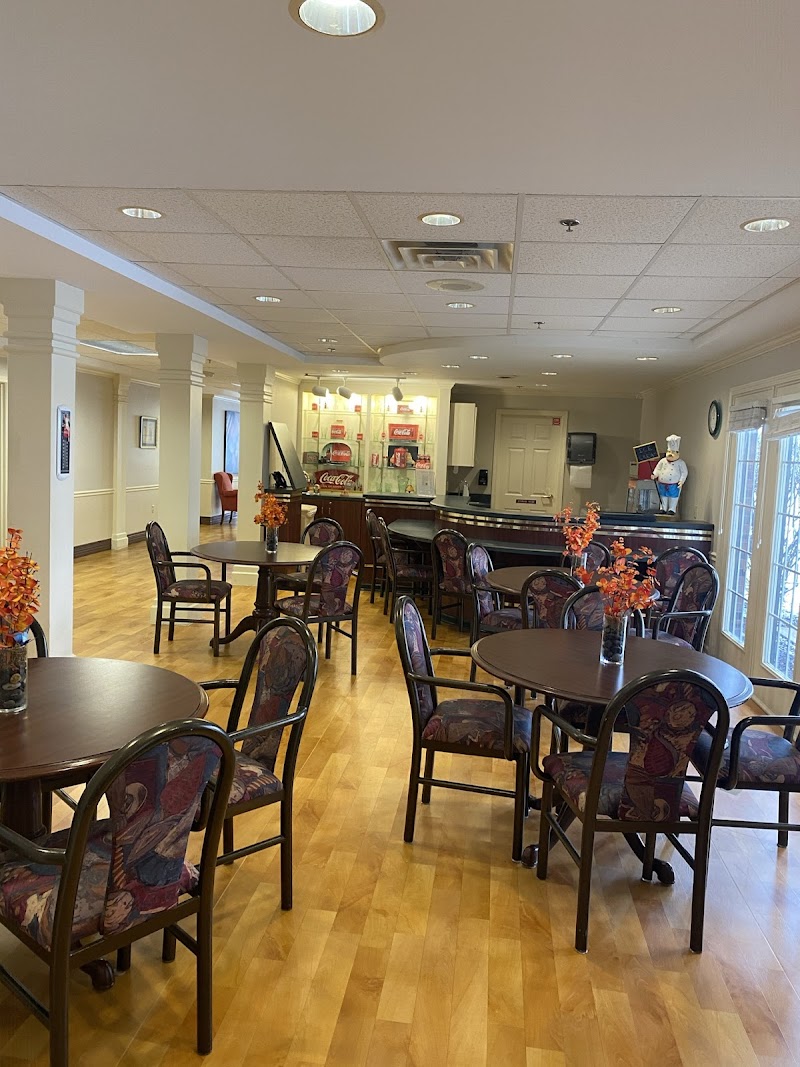
How is Hawthorn Glen Nursing Center Staffed?

CMS rates HAWTHORN GLEN NURSING CENTER's staffing level at 3 out of 5 stars, which is average compared to other nursing homes. Staff turnover is 73%, which is 27 percentage points above the Ohio average of 46%. High turnover can affect care consistency as new staff learn residents' individual needs. RN turnover specifically is 67%, which is notably high. RNs provide skilled clinical oversight, so turnover in this role can affect medical care quality.

What Have Inspectors Found at Hawthorn Glen Nursing Center?

State health inspectors documented 50 deficiencies at HAWTHORN GLEN NURSING CENTER during 2019 to 2025. These included: 50 with potential for harm.
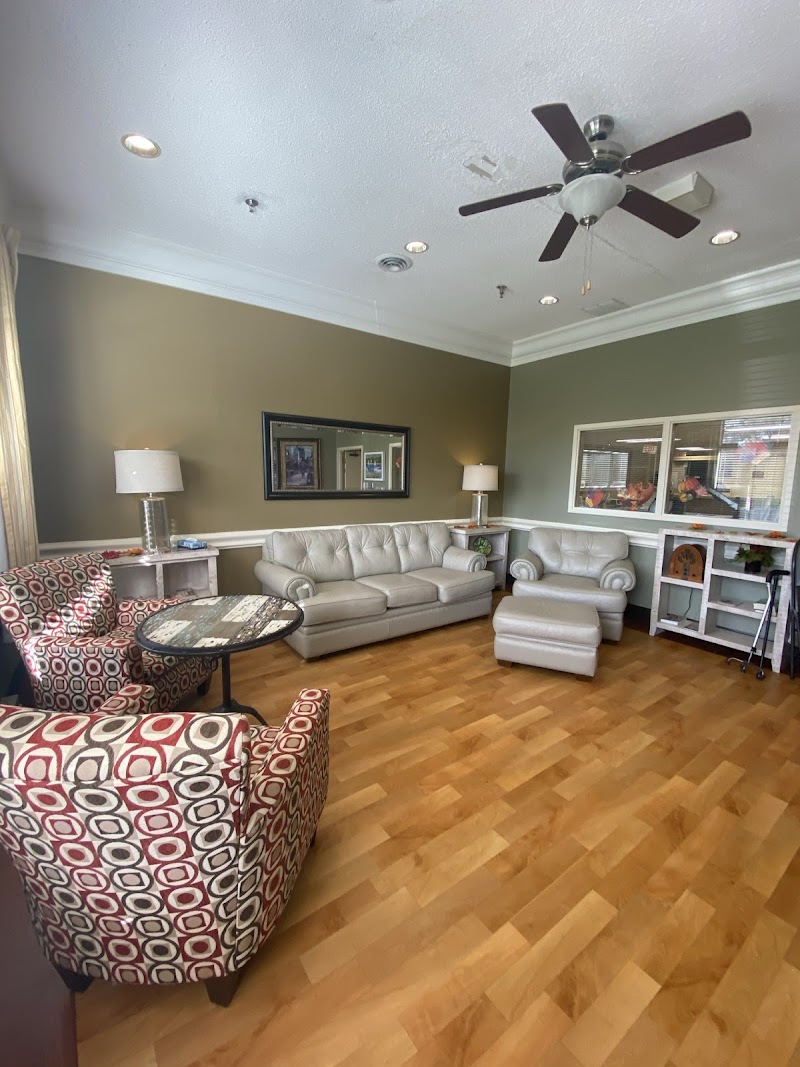
Who Owns and Operates Hawthorn Glen Nursing Center?

HAWTHORN GLEN NURSING CENTER is owned by a for-profit company. For-profit facilities operate as businesses with obligations to shareholders or private owners. The facility is operated by LIONSTONE CARE, a chain that manages multiple nursing homes. With 74 certified beds and approximately 58 residents (about 78% occupancy), it is a smaller facility located in MIDDLETOWN, Ohio.
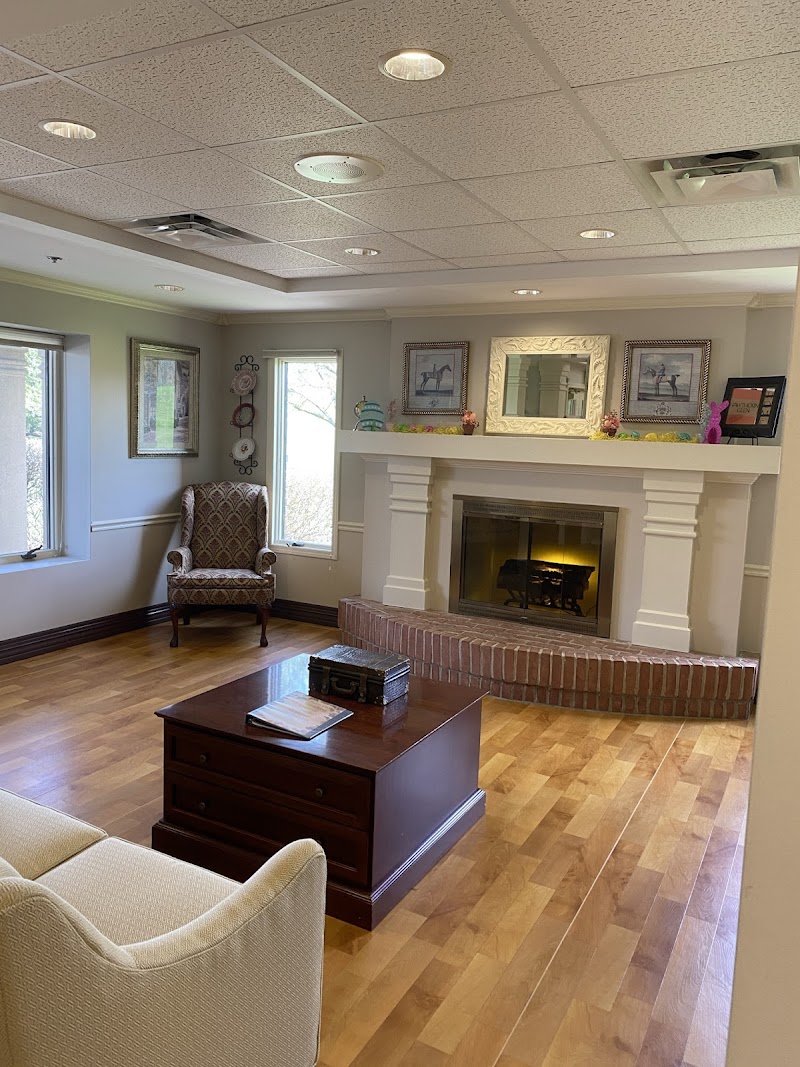
How Does Hawthorn Glen Nursing Center Compare to Other Ohio Nursing Homes?

Compared to the 100 nursing homes in Ohio, HAWTHORN GLEN NURSING CENTER's overall rating (3 stars) is below the state average of 3.2, staff turnover (73%) is significantly higher than the state average of 46%, and health inspection rating (2 stars) is below the national benchmark.

What Should Families Ask When Visiting Hawthorn Glen Nursing Center?

Based on this facility's data, families visiting should ask: "How do you ensure continuity of care given staff turnover, and what is your staff retention strategy?" "Can I visit during a mealtime to observe dining assistance and food quality?" "How do you handle medical emergencies, and what is your hospital transfer rate?" "Can I speak with family members of current residents about their experience?" These questions are particularly relevant given the facility's high staff turnover rate.

Is Hawthorn Glen Nursing Center Safe?

Based on CMS inspection data, HAWTHORN GLEN NURSING CENTER has a clean safety record: no substantiated abuse findings (meaning no confirmed cases of resident harm), no Immediate Jeopardy citations (the most serious violation level indicating risk of serious injury or death), and is not on the Special Focus Facility watch list (a federal program monitoring the lowest-performing 1% of nursing homes). The facility has a 3-star overall rating and ranks #100 of 100 nursing homes in Ohio. While no facility is perfect, families should still ask about staff-to-resident ratios and recent inspection results during their visit.

Do Nurses at Hawthorn Glen Nursing Center Stick Around?

Staff turnover at HAWTHORN GLEN NURSING CENTER is high. At 73%, the facility is 27 percentage points above the Ohio average of 46%. Registered Nurse turnover is particularly concerning at 67%. RNs handle complex medical decisions and coordinate care — frequent RN changes can directly impact care quality. High turnover means new staff may not know residents' individual needs, medications, or preferences. It can also be disorienting for residents, especially those with dementia who rely on familiar faces. Families should ask: What is causing the turnover? What retention programs are in place? How do you ensure care continuity during staff transitions?

Was Hawthorn Glen Nursing Center Ever Fined?

HAWTHORN GLEN NURSING CENTER has been fined $20,265 across 2 penalty actions. This is below the Ohio average of $33,282. While any fine indicates a compliance issue, fines under $50,000 are relatively common and typically reflect isolated problems that were subsequently corrected. Families should ask what specific issues led to these fines and confirm they've been resolved.

Is Hawthorn Glen Nursing Center on Any Federal Watch List?

HAWTHORN GLEN NURSING CENTER is not on any federal watch list. The most significant is the Special Focus Facility (SFF) program, which identifies the bottom 1% of nursing homes nationally based on persistent, serious quality problems. Not being on this list means the facility has avoided the pattern of deficiencies that triggers enhanced federal oversight. This is a positive indicator, though families should still review the facility's inspection history directly.