MAJESTIC CARE OF MIDDLETOWN LLC
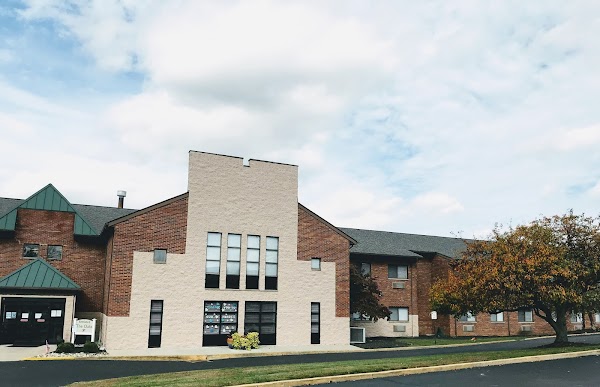
6898 HAMILTON MIDDLETOWN ROAD, MIDDLETOWN, OH 45044 (513) 424-5321
For profit - Corporation 200 Beds MAJESTIC CARE Data: November 2025 1 Immediate Jeopardy citation
Trust Grade
13/100
#722 of 913 in OH
Last Inspection: March 2023

Over 2 years since last inspection. Current conditions may differ from available data.

Overview

Majestic Care of Middletown LLC has received a Trust Grade of F, indicating significant concerns about its quality of care. Ranking #722 out of 913 facilities in Ohio places it in the bottom half, while its position of #22 out of 24 in Butler County shows that only one local option is better. Although the facility is improving, reducing issues from 18 in 2024 to 7 in 2025, it still faces serious challenges, including a critical incident where a resident died after missing scheduled dialysis treatments. Staffing levels are concerning, with only 1 out of 5 stars, and a high turnover rate of 58%, which is above average for the state. Additionally, the facility has incurred $108,164 in fines, indicating compliance problems, and has less RN coverage than 95% of Ohio facilities, which is worrisome since RNs can often catch issues that CNAs might miss.

Trust Score
F
13/100
In Ohio
#722/913
Bottom 21%
Safety Record
High Risk
Review needed
Inspections
Getting Better
18 → 7 violations
Staff Stability
⚠ Watch
58% turnover. Above average. Higher turnover means staff may not know residents' routines.
Penalties
✓ Good
$108,164 in fines. Lower than most Ohio facilities. Relatively clean record.
Skilled Nurses
⚠ Watch
Each resident gets only 17 minutes of Registered Nurse (RN) attention daily — below average for Ohio. Fewer RN minutes means fewer trained eyes watching for problems.
Violations
⚠ Watch
63 deficiencies on record. Higher than average. Multiple issues found across inspections.
★★☆☆☆
2.0
Overall Rating
★☆☆☆☆
1.0
Staff Levels
★★★★★
5.0
Care Quality
★☆☆☆☆
1.0
Inspection Score
Stable
2024: 18 issues
2025: 7 issues

The Good

  • 5-Star Quality Measures · Strong clinical quality outcomes
  • Full Sprinkler Coverage · Fire safety systems throughout facility
  • No fines on record

Facility shows strength in quality measures, fire safety.

The Bad

2-Star Overall Rating

Below Ohio average (3.2)

Below average - review inspection findings carefully

Staff Turnover: 58%

12pts above Ohio avg (46%)

Frequent staff changes - ask about care continuity

Federal Fines: $108,164

Well above median ($33,413)

Significant penalties indicating serious issues

Chain: MAJESTIC CARE

Part of a multi-facility chain

Ask about local staffing decisions and management

Staff turnover is elevated (58%)

10 points above Ohio average of 48%

The Ugly 63 deficiencies on record

1 life-threatening 1 actual harm
Jun 2025 1 deficiency
CONCERN (F) 📢 Someone Reported This

A family member, employee, or ombudsman was alarmed enough to file a formal complaint

Potential for Harm - no one hurt, but risky conditions existed

Infection Control (Tag F0880)

Could have caused harm · This affected most or all residents

**NOTE- TERMS IN BRACKETS HAVE BEEN EDITED TO PROTECT CONFIDENTIALITY** Based on record review, observation, interview and policy review, the facility failed to have a Legionella prevention program. T...

Read full inspector narrative →
**NOTE- TERMS IN BRACKETS HAVE BEEN EDITED TO PROTECT CONFIDENTIALITY** Based on record review, observation, interview and policy review, the facility failed to have a Legionella prevention program. This had the potential to affect all residents of the facility. The facility also failed to to ensure staff changed gloves and washed their hands appropriately during incontinence care. This affected one (Resident #97) of three residents reviewed for incontinence. The census was 148. Findings include: 1. Review of the facility's water management documentation revealed no evidence of an implemented Legionella prevention plan. There was no documentation of any members designated to manage a Legionella prevention plan. There was no documentation of any control measures being put in place to prevent Legionella. During an interview on 06/04/25 at 3:35 P.M., Maintenance Supervisor (MS) #496 and the Administrator stated there was not an implemented Legionella prevention plan. MS #496 confirmed there was no documentation of any control measures in place to prevent Legionella. Review of the facility's policy titled Water Management Program, dated 05/15/25, revealed the water management program (WMP) is-a multi-faceted process designed to reduce the growth and spread of opportunistic bacteria. The WMP includes developing a team, describing building water systems, identifying areas or devices where opportunistic bacteria such as Legionella might grow or spread to people, control measures, and remediation interventions when control measures are not met. 2. Review of the medical record revealed Resident #19 was admitted to the facility on [DATE] with diagnoses of intracerebral hemorrhage, hemiplegia and hemiparesis, morbid (severe) obesity, encephalopathy and depression. Review of the Minimum Data Set (MDS) quarterly assessment dated [DATE] revealed Resident #19 had no cognitive impairment, range of motion impairments on one side, upper and lower extremities and was always incontinent of bowel and bladder. The resident required set up assistance for eating, dependent for dressing and maximal assistance for oral and personal hygiene, toileting, bathing, bed mobility and transfers. Review of physician orders for Resident #97 revealed an order dated 01/01/25 to cleanse the suprapubic catheter site with soap and water and apply a drain sponge every shift. During an observation on 06/03/25 at 4:25 P.M., Resident #97, who was under Enhanced Barrier Precautions (EBP), received catheter care and incontinence care in bed from Certified Nursing Assistant (CNA) #541. The resident was provided with catheter care and then bowel incontinence care. After catheter care and bowel incontinence care was provided, CNA #541, still wearing the gloves to provide catheter and incontinence care, touched the bathroom doorknob, bathroom sink faucet, applied a clean brief, pulled the resident's pajama bottoms up, and touched the wheelchair handles to move the wheelchair to the resident's bedside. CNA #541 doffed the gown and dirty gloves and left the room without washing and/or sanitizing her hands. Review of the EBP signage posted near the door to the room of Resident #97 revealed everyone must clean their hands, including before entering and when leaving the room. During an interview on 01/22/25 at 2:55 P.M., CNA #541 verified she did not change her gloves after completing incontinence care and before she touched the bathroom doorknob, bathroom sink faucet handle, application of clean brief on resident, pulling the resident's pajama bottoms up and touching the resident's wheelchair handles. She also verified she did not sanitize and/or wash her hands before leaving the resident's room. Review of the policy titled, Enhanced Barrier Precautions, dated 03/20/24, revealed it is the policy of this facility to implement enhanced barrier precautions for the prevention of transmission of multidrug-resistant organisms. Review of the policy titled, Handwashing-Hand Hygiene, revised 03/05/25, revealed the purpose of the policy and procedure was to prevent the spread of infections through proper hand hygiene. Care team members must wash their hands for twenty (20) seconds using antimicrobial or non-microbial soap and water or use of an alcohol-based hand rub before and after direct contact with residents and after removing gloves. This deficiency represents non-compliance investigated under Complaint Number OH00164818.
Feb 2025 1 deficiency
CONCERN (D) 📢 Someone Reported This

A family member, employee, or ombudsman was alarmed enough to file a formal complaint

Potential for Harm - no one hurt, but risky conditions existed

Deficiency F0691 (Tag F0691)

Could have caused harm · This affected 1 resident

**NOTE- TERMS IN BRACKETS HAVE BEEN EDITED TO PROTECT CONFIDENTIALITY** Based on observation, medical record review, resident and staff interview, and policy review, the facility failed to ensure a re...

Read full inspector narrative →
**NOTE- TERMS IN BRACKETS HAVE BEEN EDITED TO PROTECT CONFIDENTIALITY** Based on observation, medical record review, resident and staff interview, and policy review, the facility failed to ensure a resident with a colostomy was provided appropriate and adequate care. This affected one (#10) of three residents reviewed for ostomies. The census was 128. Findings include: Review of the medical record for Resident #10 revealed a most recent admission date of 01/04/25. Diagnoses included malignant carcinoid of the stomach, severe protein calorie malnutrition, chronic obstructive pulmonary disease (COPD), and colostomy. Review of Resident #10's annual Minimum Data Set (MDS) assessment dated [DATE] revealed the resident was assessed with intact cognition, required set up for eating, and was dependent for toileting hygiene and transfers. Review of a physician order for Resident #10 dated 01/05/23 revealed colostomy care orders to clean the colostomy with soap and water, pat dry, apply skin prep around the stoma site, and apply the pouch every shift. Further review of the physician order revealed for staff to change the pouch when it was one-third to one-half full and as needed. Review of a care plan dated 03/15/23 revealed Resident #10 had an alteration in gastro-intestinal status related to colostomy with an intervention to provide colostomy care as ordered and as needed. Review of a physician order dated 03/19/24 revealed Resident #10 was ordered Miralax (a laxative) 17 grams oral powder once daily by mouth for constipation. Review of a progress note dated 11/18/24 revealed Resident #10 was noted with a rash on the left side of his abdomen with a new order for a combination topical treatment of one part Mylanta and triad paste, mixed well, and applied to the rash every shift. Review of Resident #10's bowel elimination documentation between 01/06/25 and 02/04/25 revealed 18 days that were documented the resident had loose stool or diarrhea. Interview on 02/03/25 at 12:55 P.M. with Resident #10 revealed staff did not always replace his colostomy timely when it leaked and it caused a rash. Interview and observation on 02/03/25 at 2:46 P.M. with Licensed Practical Nurse (LPN) #17 revealed she had a concern the night shift did not always empty Resident #10's colostomy pouch timely, and stated the pouch leaked once or twice a week. Observation of the resident's colostomy appliance revealed liquid stool was contained in the bag. Further observation revealed an approximately five millimeter (mm) circular raised area under the left side of the stoma covering an approximately one inch linear area. There was another patch of similar-looking raised circular areas on the resident's left side covering an approximate five inch long by three inch wide area. LPN #17 confirmed Resident #10's rash and stated the rash had shown improvement since her last observation. Interview on 02/03/25 at 3:25 P.M. with Certified Nurse Aide (CNA) #20 revealed she gave Resident #10 a bath earlier in the day, acknowledged the resident had a rash, and indicated it was not a new finding. CNA #20 stated Resident #10's colostomy bag leaked often and he would frequently need cleaned when she arrived at the facility. Interview and observation on 02/04/25 at 8:33 A.M. with the Director of Nursing (DON) revealed Resident #10 was lying in bed on his back and pulled back his bed covers to reveal his colostomy appliance. The colostomy bag was approximately one quarter full of liquid stool with no leaking observed. Continued observation revealed Resident #10 rolled to his right side to show a bath towel was placed under him and was saturated in a brown liquid. The DON acknowledged a towel should not be placed under a resident, and added she would expect to see a Chux pad (absorbent pad) used. The DON stated one side of Resident #10's colostomy stoma was almost flush with his abdomen which caused an issue with a proper fit for the appliance. Interview on 02/04/25 at 8:53 A.M. with Wound Nurse (WN) #22 revealed she was aware Resident #10 had a rash and stated it was caused by the gastric juices which would come into contact with his skin. WN #22 stated he has had the rash in the past, but it resolved and had just been informed it had reappeared the previous night. Observation of Resident #10 with WN #22 on 02/04/25 at 11:50 A.M. revealed the resident had just returned from an appointment and was seated in his wheelchair. WN #22 pulled back the resident's gown and asked him to shift to his right side in order to reveal the rash on his left side. As Resident #10 shifted in the seat, the colostomy came loose and liquid stool poured out. WN #22 used a towel to absorb the liquid and then removed the appliance in preparation of replacing it. As she did, she indicated the hole cut into the old wafer (piece of the pouching system which provides a skin barrier and sticks to the body) was cut too big. WN #22 also noted paste was used to secure the wafer and she explained the paste was not needed as the wafer adhesive was heat activated. WN #22 stated the nurse that worked the previous evening was Resident #10's usual nurse. Interview on 02/04/25 at 12:40 P.M. with LPN #26 revealed Resident #10's colostomy leaking was an ongoing issue and she had to change the appliance every day or two. LPN #26 acknowledged the resident had a rash for months which would come and go, and WN #22 had been aware of it. Interview on 02/04/25 at 3:12 P.M. with the DON verified there was no documentation of a rash on Resident #10's admission skin assessment and confirmed the first documentation of the rash in the resident's medical record was 11/18/24. The DON acknowledged, despite her own conversations with staff regarding the rash, and the confirmations that the rash came and went, there was no further documentation of it. The DON stated a different appliance may be beneficial for Resident #10 to prevent leaking. Review of the facility policy titled, Ostomy Care, dated 01/02/24, revealed the surrounding skin of the ostomy will be monitored for excoriation, abrasion, and breakdown. Changes with the pouching system will be made as appropriate, and for ongoing pouching problems appropriate referrals such as ostomy nurses would be made. This deficiency represents non-compliance investigated under Complaint Number OH00161868.
Jan 2025 1 deficiency
CONCERN (E) 📢 Someone Reported This

A family member, employee, or ombudsman was alarmed enough to file a formal complaint

Potential for Harm - no one hurt, but risky conditions existed

Deficiency F0558 (Tag F0558)

Could have caused harm · This affected multiple residents

**NOTE- TERMS IN BRACKETS HAVE BEEN EDITED TO PROTECT CONFIDENTIALITY** Based on observation, record review, resident interviews, staff interviews, and policy review, the facility failed to ensure the...

Read full inspector narrative →
**NOTE- TERMS IN BRACKETS HAVE BEEN EDITED TO PROTECT CONFIDENTIALITY** Based on observation, record review, resident interviews, staff interviews, and policy review, the facility failed to ensure the outdoor smoking area was reasonably accessible to residents and had protection from weather. This directly affected one (#110) of three residents reviewed for accommodation of needs while smoking, with the potential to affect 26 unsupervised residents who smoke. The facility identified a total of 33 residents smoking. The facility census was 134. Findings include: Review of the medical record for Resident #110 revealed an admission date of 08/15/24. Diagnoses included acute respiratory failure with hypoxia, cardiomyopathy, chronic obstructive pulmonary disease, congestive heart failure, hypotension, anemia, hyperlipidemia, and unspecified dementia, and unspecified severity with other behavioral disturbances. Review of the significant change Minimum Data Set (MDS) assessment dated [DATE] revealed Resident #110 was cognitively intact. Resident #110 was assessed to require setup assistance for eating, oral hygiene, upper body dressing, and personal hygiene, partial/moderate assistance for toileting, bathing, lower body dressing, and transfer, and supervision for bed mobility. Interview on 01/17/25 at 9:51 A.M., with the Administrator and Director of Nursing (DON) revealed the door to the smoking area was manual door that required physical opening and did not have an automatic opener. The DON stated most residents went out in groups and staff would assist as needed. Both staff verified there is no means of communication devices for residents to request assistance back into the facility. Interviews on 01/17/25 from 10:56 A.M. to 2:18 P.M., with Residents #69, #117, and #136 revealed the door to the smoking area was heavy and challenging for residents to pass through. Observation on 01/17/25 at 11:01 A.M., of the outdoor smoking area, revealed Resident #110 was having difficulty opening the door to enter the facility, while trying to maneuver his manual wheelchair through the threshold. There was no doorbell or communication device observed that would allow residents to call for assistance if they needed assistance with the door to come back into the facility. The smoking area was an enclosed courtyard with a canopy area without the canopy on. Interview on 01/17/25 at 11:03 A.M., with Resident #110 revealed the door was not equipped with an accessible button to automatically open the door, which caused difficulty with entering and exiting the smoking area. Interview on 01/17/25 at 1:00 P.M., with the Administrator and DON revealed there is no means of communication devices for residents to request assistance back into the facility and the facility has not had any residents caught outside. Both staff revealed the canopy was taken down for the colder months and would be put back up and there is not an area to protect residents from weather. Review of the policy titled Physical Environment, dated 12/12/23, revealed it was the policy of the facility to be equipped to provide a safe and functional environment for residents. This deficiency represents non-compliance investigated under Master Complaint Number OH00161683.
Jan 2025 4 deficiencies
CONCERN (D) 📢 Someone Reported This

A family member, employee, or ombudsman was alarmed enough to file a formal complaint

Potential for Harm - no one hurt, but risky conditions existed

Notification of Changes (Tag F0580)

Could have caused harm · This affected 1 resident

**NOTE- TERMS IN BRACKETS HAVE BEEN EDITED TO PROTECT CONFIDENTIALITY** Based on medical record review, staff interviews and policy review, the facility failed to notify a resident representative of c...

Read full inspector narrative →
**NOTE- TERMS IN BRACKETS HAVE BEEN EDITED TO PROTECT CONFIDENTIALITY** Based on medical record review, staff interviews and policy review, the facility failed to notify a resident representative of change in health care status. This affected one (#137) of three residents reviewed for change in condition. The facility census was 35. Findings include: Medical record review for Resident #137 revealed an admission on [DATE] and a discharge on [DATE] to hospital. Resident #137 expired on [DATE] under hospice care. Diagnoses including acute diastolic (congestive) heart failure, venous insufficiency (chronic) (peripheral), vascular dementia, unspecified severity, without behavioral disturbance, psychotic disturbance, mood disturbance, and anxiety. Review of the Minimum Data Set (MDS) assessment dated [DATE] for Resident #137 revealed an impaired cognition. Resident #137 required supervision for eating and total staff dependence for bed mobility, transfers and toileting. Review of the plan of care for Resident #137 revealed the resident exhibits behaviors including refusing care, showers, turning and repositioning, medications and wound care. Interventions include encourage family involvement, approach in a friendly manner, maintain a safe environment, and positive feedback for good behavior. Review of the physicians orders for Resident #137 revealed an order dated [DATE] for STAT (urgent) complete blood count (CBC) with differentials, complete metabolic profile (CMP) and an ammonia level for one time only for change in condition, an order for stat chest x-rays one time only for increased confusion dated [DATE]. Review of the progress notes for Resident #137 dated [DATE] at 3:50 P.M. revealed the resident noted to have increased confusion stating he is seeing things that he knows are not there. Vital signs were obtained, and nurse practitioner was notified on changes regarding hallucinations, increased confusion and refusing to eat breakfast and lunch. Further record review revealed there was no documentation Resident #137's representative was notified of the residents change of condition or new orders. Review of the progress note for Resident #137 dated [DATE] at 4:32 P.M. revealed nurse practitioner was made aware of changes in condition, confusion, hallucinations, and vital signs. New orders received for stat CBC with differentials, CMP, ammonia levels, an electromagnetic radiation (X-ray) of the chest and a urinalysis with culture and sensitivity. Further record review revealed there was no documentation Resident #137's representative was notified of the residents change of condition or new orders. Review of the progress notes for Resident #137 dated [DATE] at 8:00 A.M. revealed nursing staff was alerted that the resident did not look good. Pulse oximeter was 82 percent on room air. Resident #137 blood pressure was 88/38. Head of bed was elevated and oxygen initiated. Oxygen saturation levels increase to 90 percent only to fall again. A rebreather mask was applied with oxygen saturation rate increasing to 96 percent. Nurse practitioner was notified with orders to call 911. Family was notified of change in condition at 8:08 A.M. and Resident #137 was transferred to the hospital at 8:20 A.M. Interview on [DATE] at 1:20 P.M. with the Assistant Director of Nursing (ADON) verified the family should have been notified when the change in condition occurred on [DATE] and was not. ADON verified the documentation was silent for family notification until transfer to the hospital on [DATE]. Review of the facility policy titled Change in Condition/Physician Notification, dated [DATE] revealed the nurse will notify the physician and the resident/representative when a significant change in the resident's physical, mental, or psychosocial status occurs. This deficiency represents non-compliance investigated under Complaint Number OH00160511.
CONCERN (D) 📢 Someone Reported This

A family member, employee, or ombudsman was alarmed enough to file a formal complaint

Potential for Harm - no one hurt, but risky conditions existed

Deficiency F0657 (Tag F0657)

Could have caused harm · This affected 1 resident

**NOTE- TERMS IN BRACKETS HAVE BEEN EDITED TO PROTECT CONFIDENTIALITY** Based on medical record review, staff interview and policy review, the facility failed to ensure care conferences were completed...

Read full inspector narrative →
**NOTE- TERMS IN BRACKETS HAVE BEEN EDITED TO PROTECT CONFIDENTIALITY** Based on medical record review, staff interview and policy review, the facility failed to ensure care conferences were completed as required. This affected one (#137) of three residents reviewed for care conferences. The facility census was 135. Findings included Medical record review for Resident #137 revealed an admission on [DATE] and a discharge on [DATE]. Diagnoses including acute diastolic (congestive) heart failure, venous insufficiency (chronic) (peripheral), vascular dementia, unspecified severity, without behavioral disturbance, psychotic disturbance, mood disturbance, and anxiety. Review of the Minimum Data Set (MDS) assessment dated [DATE] for Resident #137 revealed an impaired cognition. Resident #137 required supervision for eating and total staff dependence for bed mobility, transfers and toileting. Review of the plan of care for Resident #137 revealed the resident exhibits behaviors including refusing care, showers, turning and repositioning, medications and wound care. Interventions include encourage family involvement, approach in a friendly manner, maintain a safe environment, and positive feedback for good behavior. Review of Resident #137's progress notes dated 02/21/24 to 12/31/24 revealed only one care conference meeting between facility staff and resident which was held on 02/21/24. Interview on 12/31/24 with the Director of Nursing (DON) verified the medical record was silent for any care conference since 02/21/24 for Resident #137. The DON verified the residents should have had a care conference quarterly and aligning with the completion of the MDS assessment. Review of the facility policy titled Care Conference dated 12/12/23, stated care conferences will be scheduled to include the resident, resident representative and interdisciplinary team as soon as possible after admission, routinely and with a change in condition. Additionally the facility will provide the resident and resident representative advance notice of care conferences. This deficiency is based on incidental findings discovered during the course of this complaint investigation.
CONCERN (D) 📢 Someone Reported This

A family member, employee, or ombudsman was alarmed enough to file a formal complaint

Potential for Harm - no one hurt, but risky conditions existed

Deficiency F0760 (Tag F0760)

Could have caused harm · This affected 1 resident

**NOTE- TERMS IN BRACKETS HAVE BEEN EDITED TO PROTECT CONFIDENTIALITY** Based on medical record review, staff interview and policy review, the facility failed to follow physicians' orders for medicati...

Read full inspector narrative →
**NOTE- TERMS IN BRACKETS HAVE BEEN EDITED TO PROTECT CONFIDENTIALITY** Based on medical record review, staff interview and policy review, the facility failed to follow physicians' orders for medication administration with blood pressure parameters which resulted in significant medication errors. This affected one (#37) of three residents reviewed for medication administration. The facility census was 135. Finding include: Medical record review for Resident #37 revealed an admission on [DATE] with diagnoses including but not limited to chronic respiratory failure, hypotension, hypertension and dependence of respirator with tracheostomy status. Review of the Minimum Data Set (MDS) assessment for Resident #37 revealed an intact cognition. Resident #37 required staff assistance for toileting, bed mobility and eating. Transfers not attempted for safety reasons. Review of the plan of care for Resident #37 revealed resident is at risk for impaired cardiac output related to diagnosis of hypertension and hypotension. Interventions include vital signs as ordered, observe for cardiac dysfunction, and administer medications as ordered. Review of the active physician orders for Resident #37 revealed an order for Midodrine oral tablet 5 milligrams giver one tablet by mouth three times a day for hypotension hold for systolic blood pressure over 120. Review of the medication administration record for Resident #37 for the month of December 2024 revealed a blood pressure recording of 121/55 on 12/01/24, a blood pressure of 125/66 on 12/10/24, a blood pressure of 149/79 on 12/14/24, a blood pressure of 125/80 on 12/15/24, a blood pressure of 127/69 on 12/20/24, a blood pressure reading on 12/20/24 of 128/66, a blood pressure of 149/83 on 12/24/24, a blood pressure of 132/78 on 12/28/24, a blood pressure of 124/77 on 12/29/24 with documentation of Resident #37's Midodrine being administered by nurse. Interview on 12/30/24 at 3:00 P.M. with Director of Nursing (DON) verified the documentation for Resident #37 revealed medication (Midodrine) was signed for as administered on days when documented blood pressure was out of the ordered parameters and should have been held. The DON confirmed Resident #37's Midodrine is order to increase the residents blood pressure. Review of the facility policy titled Medication Administration dated 01/02/24 revealed obtain and record vital signs, when applicable or per physicians order when applicable hold the medication for those vital signs outside of the physicians prescribed parameters. This deficiency represents non-compliance investigated under Complaint Numbers OH00160511 and OH00161077.
CONCERN (D) 📢 Someone Reported This

A family member, employee, or ombudsman was alarmed enough to file a formal complaint

Potential for Harm - no one hurt, but risky conditions existed

Infection Control (Tag F0880)

Could have caused harm · This affected 1 resident

**NOTE- TERMS IN BRACKETS HAVE BEEN EDITED TO PROTECT CONFIDENTIALITY** Based on medical record review, observation, staff interview and policy review, the facility failed to implement their infection...

Read full inspector narrative →
**NOTE- TERMS IN BRACKETS HAVE BEEN EDITED TO PROTECT CONFIDENTIALITY** Based on medical record review, observation, staff interview and policy review, the facility failed to implement their infection control policy during medication administration. This affected one (#114) of three residents observed for medication administration. The facility census was 135. Findings include Review of the medical record for Resident #114 revealed an admission on [DATE]. Diagnoses include Coronavirus Disease 2019 (COVID-19), infection following surgical procedure, type two diabetes mellitus, depression and hypertension. Review of the quarterly Minimum Data Set (MDS) assessment dated [DATE] revealed Resident #114 was cognitively intact. Resident #114 required staff assistance for completion of toileting, transfers, and bed mobility tasks. Review of the active physician orders for Resident #114 for the month of December 2024 revealed and order for cholecalciferol tablet 1000 units one tablet one time a day dated 11/13/24, ferrous sulfate tablet 325 milligrams (mg) one tablet daily dated 10/27/24, famotidine tablet 20 mg one tablet daily dated 10/05/24, multivitamin one tablet by mouth daily dated 10/10/24, multivitamin with minerals one tablet by mouth daily dated 11/14/24, transdermal scop 1.5 mg transdermal patch apply one patch transdermally one time a day every three days dated 10/05/24, duloxetine capsule 60 mg give one tablet daily dated 10/05/24, sitagliptin phosphate 100 mg one tablet daily dated 10/05/24, Jardiance 25 mg tablet give one tablet daily dated 10/05/24, and oxybutynin chloride extended release 10 mg give one tablet daily dated 11/15/24. Observation on 12/31/24 at 10:52 A.M. of Licensed Practical Nurse (LPN) #129 administering medications to Resident #114 revealed LPN #129 dropped one pill onto the floor, picked the pill up and handed it to Resident #114 for administration. Resident #114 accepted the medication and put it into her mouth and swallowed it. Interview on 12/31/24 at 10:57 A.M. with LPN #129 verified she dropped one pill (duloxetine) onto the residents' floor, picked it up and administered it to Resident #114. Interview on 12/31/23 at 11:27 A.M. with Director of Nursing (DON) verified the nurse should not have administered the medication that was dropped onto the floor. The DON verified the medication should have be destroyed and a replacement tablet offered to the resident. Review of the facility policy titled Medication Administration dated 01/02/24, revealed medication will be administered in accordance with professional standards of practice and in a manner to prevent contamination or infection. This deficiency is based on incidental findings discovered during the course of this complaint investigation.
May 2024 3 deficiencies
CONCERN (D) 📢 Someone Reported This

A family member, employee, or ombudsman was alarmed enough to file a formal complaint

Potential for Harm - no one hurt, but risky conditions existed

Notification of Changes (Tag F0580)

Could have caused harm · This affected 1 resident

**NOTE- TERMS IN BRACKETS HAVE BEEN EDITED TO PROTECT CONFIDENTIALITY** Based on medical record review, staff interview, and policy review, the facility failed to notify the physician or nurse practit...

Read full inspector narrative →
**NOTE- TERMS IN BRACKETS HAVE BEEN EDITED TO PROTECT CONFIDENTIALITY** Based on medical record review, staff interview, and policy review, the facility failed to notify the physician or nurse practitioner of significant weight changes and wound treatment refusals. This affected one (#26) of three residents reviewed for nutrition and one (#108) of three residents reviewed for wounds. The facility census was 142. Findings include: 1. Review of the medical record for Resident #26 revealed an admission date of 07/14/21 with diagnoses of unspecified dementia with other behavioral disturbance and psychotic disorder with delusions due to known physiological condition. Review of the Minimum Data Set (MDS) assessment dated [DATE] revealed Resident #26 had severe cognitive impairment and required supervision assistance with eating. Review of the care plan dated 03/29/24 revealed Resident #26 had a potential for nutritional risk with interventions to obtain weights as ordered/indicated and notify the physician of significant weight changes. Review of Resident #26's weight record revealed the resident weighed 223.0 pounds (lbs.) on 10/04/23 and weighed 182.0 lbs. on 05/01/24 which represented an 18.39 percent (%) weight loss over approximately six months. Review of Resident #26's progress notes revealed no charting present of notification to the physician of the significant weight loss. Interview on 05/29/24 at 3:01 P.M. with Regional Nurse Consultant #320 confirmed the physician was not notified of the weight loss for Resident #26 as care planned. 2. Review of the medical record for Resident #108 revealed an admission date of 01/07/23 with diagnoses of chronic obstructive pulmonary disease, vascular dementia, and anxiety . Review of the MDS assessment dated [DATE] revealed Resident #108 had severe cognitive impairment, required partial assistance for oral hygiene and personal hygiene, required substantial assistance for toileting and dressing, and was dependent on staff for bathing, bed mobility, and transfers. Further review of the MDS assessment revealed Resident #108 was assessed with one stage four pressure ulcer (full-thickness skin and tissue loss). Review of physician orders for Resident #108 revealed an order dated 04/26/24 for treatment to the right buttocks wound to be cleansed with normal saline, pat dry, apply calcium alginate ag rope (be sure to loosely pack into undermining and tunnels), cover with dry dressing, and change daily and as needed. The order further identified to notify the nurse practitioner (NP) personally with every refusal of treatments. Review of Resident #108's progress notes revealed progress notes on 05/22/24 at 4:58 A.M. and on 05/26/24 at 10:15 P.M. that wound treatments were refused due to pain. Further review of the progress notes revealed no documentation of the physician or nurse practitioner being notified of the refusal of treatments. Interview on 05/29/24 at 2:21 P.M. with Licensed Practical Nurse (LPN) #306 confirmed Resident #108 refused her treatments to her right buttocks on 05/22/24 and 05/26/24 when the calcium alginate treatment was applied. LPN #306 also confirmed the physician or nurse practitioner was not notified when the Resident #108 refused, and verified there was a physician order dated 04/26/24 for the NP to be personally notified of every wound treatment refusal. Interview on 05/29/24 at 2:24 P.M. with Unit Manager LPN #335 confirmed the NP was not notified of Resident #108's wound treatment refusals as ordered. Review of the change in condition policy dated 10/19 revealed the charge nurse was responsible for notification of physician and responsible party prior to end of the shift. If the physician has not returned the call by the end of the shift, the oncoming nurse will be notified for follow up. This deficiency represents continued non-compliance from the survey dated 02/14/24 and 04/29/24.
CONCERN (D) 📢 Someone Reported This

A family member, employee, or ombudsman was alarmed enough to file a formal complaint

Potential for Harm - no one hurt, but risky conditions existed

Deficiency F0804 (Tag F0804)

Could have caused harm · This affected 1 resident

**NOTE- TERMS IN BRACKETS HAVE BEEN EDITED TO PROTECT CONFIDENTIALITY** Based on observation, resident and staff interview, medical record review, and policy review, the facility failed to provide res...

Read full inspector narrative →
**NOTE- TERMS IN BRACKETS HAVE BEEN EDITED TO PROTECT CONFIDENTIALITY** Based on observation, resident and staff interview, medical record review, and policy review, the facility failed to provide residents with a palatable meal with appetizing temperatures. This affected two (#69 and #113) of three residents reviewed for meals. The facility census was 142. Findings include: 1. Review of the medical record for Resident #69 revealed an admission date of 08/02/23 with diagnoses of acquired clubfoot to the right foot, hemiplegia and hemiparesis following unspecified cerebrovascular disease affecting the right dominant side, and mild protein-calorie malnutrition. Review of the Minimum Data Set (MDS) assessment dated [DATE] revealed Resident #69 was cognitively intact and required supervision assistance with eating. Interview on 05/23/24 at 11:28 A.M. with Resident #69 revealed the food was not favorable and it was usually cold when it should be hot. 2. Review of the medical record for Resident #113 revealed an admission date of 05/01/24 with diagnoses of heart failure, and unspecified and chronic obstructive pulmonary disease. Review of the MDS assessment dated [DATE] revealed Resident #113 was cognitively intact and had no functional impairment to bilateral upper and lower extremities. Observation on 05/28/24 at 1:24 P.M. revealed a sample food test tray was placed on the cart, and at 1:42 P.M. the test tray was removed from cart and food temperatures were obtained by Account Manager Healthcare Services (AMHS) #401. Further observation revealed the temperature of the barbequed meat was 121.0 degree Fahrenheit (F), baked beans were 110 degrees F, spinach was 60.2 degrees F, fruit was 60.3 degree F, and milk was 43.3 degrees F. A sampling of the food revealed the food items were cold to taste, the milk was luke warm, and food items were not palatable. Interview on 05/28/24 at 1:25 P.M. with AMHS #401 confirmed the food and milk temperatures from the test tray where not at an appropriate level to serve. Interview on 05/28/24 at 2:46 P.M. with Resident #69 confirmed she did not eat much of her lunch today because it was cold. Resident #69 reported she did not ask for anything else and that staff did not ask her if she wanted something else. Interview on 05/28/24 at 2:49 P.M. with Resident #113 confirmed the food was cold at lunch today and he did not eat much. Resident #113 stated he received his food tray last during meals and it was always cold. Review of the undated food and nutrition services policy revealed each resident is provided with a nourishing, palatable, well-balanced diet that meets his or her daily nutritional and special dietary needs, taking into consideration the preferences of each resident. This deficiency represents non-compliance investigated under Master Complaint Number OH00154225.
CONCERN (E) 📢 Someone Reported This

A family member, employee, or ombudsman was alarmed enough to file a formal complaint

Potential for Harm - no one hurt, but risky conditions existed

Incontinence Care (Tag F0690)

Could have caused harm · This affected multiple residents

**NOTE- TERMS IN BRACKETS HAVE BEEN EDITED TO PROTECT CONFIDENTIALITY** Based on observation, medical record review, staff interview, and policy review, the facility failed to perform timely and adequ...

Read full inspector narrative →
**NOTE- TERMS IN BRACKETS HAVE BEEN EDITED TO PROTECT CONFIDENTIALITY** Based on observation, medical record review, staff interview, and policy review, the facility failed to perform timely and adequate incontinence care and failed to ensure physician orders were followed for use of incontinence products. This affected four (#14, #43, #108 and #116) out of five residents reviewed for incontinence. The facility census was 142. Findings include: 1. Review of Resident #14's medical record revealed an admission date of 12/28/22 with a diagnosis of hemiplegia and hemiparesis following cerebral infarction affecting the right dominant side. Review of the Minimum Date Set (MDS) assessment dated [DATE] revealed Resident #14 was cognitively intact and required substantial assistance with toileting. Review of the care plan dated 01/02/24 revealed Resident #14 required assistance from staff for incontinence care with an intervention to check routinely for incontinence and provide incontinence care as needed. 2. Review of Resident #43's medical record revealed an admission date of 05/11/23 with a diagnosis of unspecified chronic obstructive pulmonary disease. Review of the MDS assessment dated [DATE] revealed Resident #43 was cognitively intact and was dependent on staff for toileting. Review of the care plan dated 01/03/24 revealed Resident #43 had episodes of bowel and bladder incontinence with an intervention to check routinely for incontinence and provide incontinence care as needed. 3. Review of Resident #116's medical record revealed an admission date of 11/01/18 with diagnoses of acute and chronic respiratory failure and anoxic brain damage. Review of the MDS assessment dated [DATE] revealed Resident #116 had a memory problem and was dependent on staff for all care. Review of the care plan dated 03/15/23 revealed Resident #116 had episodes of incontinence of bladder and bowel with an intervention to check routinely for incontinence and provide incontinence care as needed. 4. Review of Resident #108's medical record revealed an admission date of 01/07/23 with diagnoses of unspecified chronic obstructive pulmonary disease, vascular dementia, and anxiety. Review of the MDS assessment dated [DATE] revealed Resident #108 was assessed with severe cognitive impairment and required substantial assistance for toileting. Review of the care plan dated 09/22/23 revealed Resident #108 had episodes of incontinence of bladder and bowel with an intervention to check routinely for incontinence and provide incontinence care as needed. Review of Resident #108's physician orders revealed an order dated 01/04/24 for the resident to not have any briefs on while in bed every shift but may use disposable absorbent pads (Chux). Observation on 05/28/24 at 8:22 A.M. revealed Resident #14, Resident #43, Resident #108, and Resident #116's incontinence briefs were noted with heavy moisture present. Interview on 05/28/24 at 9:22 A.M. with State Tested Nurse Aide (STNA) #342 revealed incontinence care should be done every two hours, but was not always able to get it done that soon. Observation on 05/28/24 at 9:34 A.M. revealed Resident #14, Resident #43, Resident #108, and Resident #116's incontinence briefs revealed each resident remained wet with heavy moisture present and the briefs were bulging. Interview on 05/28/24 at 9:34 A.M. with STNA #342 confirmed she had not changed or completed peri-care on Resident #108 at all that shift and confirmed she began her shift at 7:00 A.M. STNA #342 also confirmed Resident #108 had an incontinence brief on. Interview on 05/28/24 at 9:35 A.M with Licensed Practical Nurse (LPN) #340 stated residents need incontinence care every two hours at a minimum. LPN #340 stated STNA #342 was told twice that shift to change Resident #108 due to the resident being wet and confirmed it had not been completed. Interview with LPN #340 confirmed Resident #108's incontinence brief was wet, bulging, and full of urine. LPN #340 also confirmed Resident #108 was wearing a brief and had a physician order not to wear a brief in bed. Interview on 05/28/24 at 9:44 A.M. with LPN #355 confirmed Resident #14, Resident #43, and Resident #116 remain wet and peri-care was not completed since the start of the shift at 7:00 A.M. Interview on 05/28/24 at 9:45 A.M. with STNA #321 confirmed incontinence care had not been done that shift for Resident #14, Resident #43, and Resident #116. Interview on 05/23/24 at 10:39 A.M. with STNA #321 confirmed she completes incontinence rounds every four hours. Interview on 05/29/24 at 2:21 P.M. with LPN #306 confirmed Resident #108 did wear an incontinence brief while in bed and confirmed the resident had a physician order for no incontinence briefs while in bed. LPN #306 confirmed staff did not follow the resident's physician order by putting the brief on Resident #108 while in bed. Interview on 05/29/24 at 2:24 P.M. with Unit Manager LPN #335 confirmed staff put a hypoallergenic brief while in bed on Resident #108 due to the resident having heavy urinary incontinence and confirmed there was a physician order dated 01/04/24 for no briefs while in bed and staff may use a disposable chux. Review of the perineal care policy dated 02/18 revealed the purpose of the procedure was to provide cleanliness and comfort to the resident, to prevent infections and skin irritation, and to observe the resident's skin condition. This deficiency represents non-compliance investigated under Master Complaint Number OH00154225 and Complaint Number OH00153635, and represents continued non-compliance from the survey dated 02/14/24.
Apr 2024 3 deficiencies 1 IJ
CRITICAL (J) 📢 Someone Reported This

A family member, employee, or ombudsman was alarmed enough to file a formal complaint

Immediate Jeopardy (IJ) - the most serious Medicare violation

Deficiency F0698 (Tag F0698)

Someone could have died · This affected 1 resident

**NOTE- TERMS IN BRACKETS HAVE BEEN EDITED TO PROTECT CONFIDENTIALITY** Based on medical record review, death certificate review, policy review, dialysis center record review, physician interview, sta...

Read full inspector narrative →
**NOTE- TERMS IN BRACKETS HAVE BEEN EDITED TO PROTECT CONFIDENTIALITY** Based on medical record review, death certificate review, policy review, dialysis center record review, physician interview, staff interview, and dialysis center staff interview, the facility failed to ensure Resident #06, with a diagnosis of end-stage renal disease (ESRD), received scheduled hemodialysis treatments as ordered by the physician. This resulted in Immediate Jeopardy and the potential for serious life-threatening harm, injuries, and/or death when Resident #06 went four days without hemodialysis treatments due to the facility's failure to communicate and coordinate continuity of care with the dialysis center, failure to transport the resident to hemodialysis treatments and failure to notify the physician of the resident not receiving ordered treatments. Resident #06 suffered cardiopulmonary arrest and expired in the facility on 01/21/24. This affected one (Resident #06) of five residents (#06, #07, #08 #139 and #162) reviewed for hemodialysis services in an outpatient setting. The facility also failed to ensure communication was maintained with the dialysis center concerning pre- and post-dialysis treatments for three additional residents (#07, #08, #139) receiving hemodialysis that placed the residents at risk for the potential for more than minimal harm that was not Immediate Jeopardy. The facility census was 138. On 04/18/24 at 4:59 P.M., the Director of Nursing (DON) and Regional Nurse Consultant (RNC) #200 were notified Immediate Jeopardy began on 01/19/24 when Resident #06 did not attend scheduled dialysis on 01/19/24 and 01/20/24. The facility staff were not aware of the appointments or that he did not receive his scheduled dialysis treatments. The facility staff were unaware of the dialysis schedule for 01/19/24 and were unaware transportation did not arrive on 01/20/24 to take Resident #06 to dialysis. The physician was never notified Resident #06 missed two dialysis appointments. The Immediate Jeopardy was removed on 04/21/24 when the facility implemented the following corrective actions: • On 01/25/24 through 01/30/24, the DON and RNC #200 completed a chart review of Residents #07 and #139. • The facility reviewed the process and protocol for dialysis on 01/25/24. See the following: Infection Preventionist Support Staff (IPSS) #215 designee re-educated all licensed nurses on 01/30/24 to communicate to the dialysis facility via telephonic communication or written format, such as a dialysis communication form or other form, that will include, but not limit itself to: a. Physician/treatment orders, laboratory values, and vital signs. b. Advance Directives and code status; specific directives about treatment choices; and any changes or need for further discussion with the resident/representative, and practitioners. c. Nutritional/fluid management including documentation of weights, resident compliance with food/fluid restrictions or the provision of meals before, during and/or after dialysis and monitoring intake and output measurements as ordered. d. Dialysis treatment provided and resident's response, including declines in functional status, falls, and the identification of symptoms that may interfere with treatments. e. Dialysis adverse reactions/complications and/or recommendations for follow up observations and monitoring, and/or concerns related to the vascular access site. f. Changes and/or declines in condition unrelated to dialysis. g. The occurrence or risk of falls and any concerns related to transportation to and from the dialysis facility. • On 01/26/24, the DON completed a review of Residents #07 and #139 who were receiving dialysis services to ensure transportation was set with details, the appointment is listed on the shared calendar, and there were no barriers to receiving services. The facility noted Residents #07 and #139 were in compliance on 01/26/24. • On 01/26/24, the facility will immediately contact and communicate with the attending physician, resident/representative, and designated dialysis staff (i.e., nephrologist, registered nurse) any significant changes in the resident's status related to clinical complications or emergent situations that may impact the dialysis portion of the care plan. • On 01/26/24, IPSS #215 and Clinical Leadership which included Registered Nurses (RN) #150 and #235, Licensed Practical Nurses (LPN) #220, #225, #230, and #235 educated licensed nurses on their responsibility to ensure that residents appointments are arranged, to review the calendar and communicate appointment needs to staff on duty, transport is set up, transport is monitored to ensure arrival at scheduled time, and secondary plan is in place and initiated immediately if transport is not on time. The education was expected to be completed by 1/30/24. Any staff who are not educated will be educated prior to the start of their next scheduled shift. • On 01/26/24, IPSD #215 and Clinical Leadership team RNs #150 and #235 and LPN #220, #225, #230, and #235 will educate licensed nurses on conducting risk benefit conversations for the following protocol: In the event of resident refusal, the nurse on duty will re-educate on the importance of obtaining the treatment, if the resident continues to make the same choice-the nurse will notify the unit manager and DON. The resident will be re-encouraged-the nurse will conduct a risk conversation with the resident which includes, continued kidney failure, organ failure, heart attack, inability for the body to filter toxins, and imminent death. The risk/benefit conversation will be documented in the medical record. • On 01/26/24, IPSD #215 and Clinical Leadership team RN #150 and #235, LPN #220, #225, #230, and #235 will educate licensed nurses on notification: Any and all changes of condition including missing a dialysis treatment must be communicated to the provider, the response of the provider must all be documented. All new orders will be notified to the resident and/or responsible party. • On 01/26/24, IPSD #215 and Clinical Leadership team RN #150 and #235, LPN #220, #225, #230, and #235 will educate licensed nurses on dialysis documentation: Pre and Post dialysis Evaluation to be completed with assessment of the resident dialysis access site listed on the form-completed prior to and after each dialysis session by the nurse. Nurses will utilize a dialysis communication binder to communicate these reports to the respective dialysis clinic. • The DON will review residents on dialysis weekly to ensure the resident received dialysis, transport secured, evaluations completed, and dialysis procedure compliant with policy, to be completed three times per week times four weeks, then monthly times two months. • Quality Assurance and Performance Improvement (QAPI) was implemented to gather and process information from the audits. Audit findings will be completed and reported at the monthly Quality Assessment and Assurance (QAA) meeting for two months. • On 03/27/24 through 04/15/24, Clinical Leadership RNs #150 and #235 and LPNs #220, #225, #230, and #235 completed hemodialysis competencies on all licensed nurses. Any licensed nurses who were not educated on the competency will receive competency prior to their next scheduled shift. • On 04/18/24, the DON audited Residents #07, #08, #139 and #162 currently residing in the facility to ensure that residents received scheduled dialysis services, or if the resident did not receive dialysis services the physician/dialysis were notified; a risk benefit conversation was conducted regarding the risk of not receiving dialysis services, and there was communication between the facility, physician, and dialysis to ensure that dialysis provisions were provided. • On 04/19/24 through 4/22/24, the DON and Clinical Leadership team RN #150 and #235 and LPN #220, #225, #230, and #235 obtained proof of dialysis visits from dialysis centers (Fresenius/DaVita) to validate compliance with dialysis provisions and services, with continued compliance validated. • On 04/21/24, the DON and Clinical Leadership RN #150 and #235 and LPN #220, #225, #230, and #235 will re-educate the staff on dialysis protocol, communication process by 04/21/24. Any staff not educated prior to 04/21/24 will be educated prior to their next scheduled shift. • On 04/23/24, the DON and Clinical Leadership RN #150 and #235 and LPN #220, #225, #230, and #235 educated the medical records staff on obtaining dialysis documentation if the clinic does not send the visit notes. • Ongoing Monitoring: Clinical Leadership RN #150 and #235 and LPN #220, #225, #230, and #235/designees will audit all current dialysis residents to ensure dialysis communication, and documentation, are completed for residents receiving dialysis weekly times four weeks, then monthly times two months. • On 04/23/24, the QAPI committee reviewed the plan for education and ongoing monitoring for Dialysis Services in accordance with policy and regulations. • During interviews on 04/18/24 at 4:30 P.M. with RN #160, 04/22/24 at 2:00 P.M. with LPN #250 and 04/18/24 at 12:49 P.M. with LPN #255, revealed they were educated on dialysis communication. Although the Immediate Jeopardy was removed on 04/21/24, the facility remained out of compliance at Severity Level 2 (no actual harm with potential for more than minimal harm that is not Immediate Jeopardy) as the facility is still in the process of implementing their corrective action plan including monitoring to ensure on-going compliance. Findings include: 1. Medical record review for Resident #06 revealed an admission date of 03/17/23. Medical diagnoses included end stage renal disease, heart failure, orthostatic hypotension, hemiplegia, seizure disorder, chronic embolism, and thrombosis of unspecified veins. Review of the care plan dated 03/21/23 revealed Resident #06 required hemodialysis on Tuesday, Thursday, and Saturday at 7:45 A.M. Interventions were to administer medications as ordered, assess bruit, and thrill every shift, diet as ordered, dressing changed per physician order, notify dialysis of any changes to resident's condition or abnormal findings related to access site, and vital signs as ordered and indicated and notify the physician of significant abnormalities. Review of the quarterly Minimum Data Set (MDS) assessment, dated 12/17/23, revealed Resident #06 was cognitively intact. Review of last visit with Nephrologist Nurse Practitioner (NNP) #300 dated 12/21/23 revealed Resident #06 was seen and examined. The resident had edema, shortness of breath which was stable, respirations were unlabored, and the resident stated he was overall doing well and denied any needs. There was a discussion about the need for hemodialysis as prescribed and a low potassium diet. His potassium was 5.6 milliequivalents per liter (mEq/L) which was high (Normal for an adult is 3.5-5.2 mEq/L). Review of progress notes dated 01/13/24 revealed Resident #06 went out to the hospital with complaints of pain in the dialysis port area of the chest. He had his port changed and came back to the facility on [DATE] with orders to see the surgeon in two days for a follow-up appointment. Resident #06's medical record contained no documentation from the appointment with the surgeon. Review of the dialysis calendar for Resident #06 revealed his dialysis appointments were missed on 01/19/24 and on 01/20/24. There was no physician order for dialysis to be performed on 01/19/24. Review of the progress notes dated 01/19/24 and 01/20/24 revealed no documentation regarding dialysis appointments or physician notification. Review of the progress notes dated 01/20/24 at 7:31 P.M. revealed vital signs were taken, and they were normal. At 10:45 P.M., Resident #06 was moved up in bed and repositioned. He requested ice and this was given. At 11:39 P.M., medication was taken to the room by LPN #255 and Resident #06 was found unresponsive. The code was called at 11:40 P.M. Cardiopulmonary resuscitation (CPR) was started and 911 was called. On 01/21/24 at 12:17 A.M., Resident #06 was pronounced dead. Review of the facility's investigation into Resident #06's missed dialysis appointments, dated 01/23/24, documented on 01/18/24 Resident #06 went to the surgeon's appointment at 11:30 A.M. His dialysis was canceled on 01/18/24 and rescheduled for 01/19/24. Transport Scheduler (TS) #301 stated she reported this schedule change to Resident #06 and Unit Manager (UM) #302. On 01/19/24 there was an 8:00 A.M. pickup time for the dialysis and LPN #303 was not aware of the makeup appointment. An interview with the transport company revealed they were at the facility on 01/19/24 and no one was waiting up front. The transport company called three times to the facility and there wasn't an answer and the driver waited for 15 minutes and left. The receptionist wasn't aware of any calls on 01/19/24 and turned the phones on at 8:00 A.M. and sometimes 7:45 A.M. On 01/20/24 at 6:55 A.M., Resident #06 was noticed sitting in the lobby waiting for dialysis transport and at approximately 07:45 A.M. the night shift nurse took the call from dialysis and told them she thought he was already gone. At 8:30 A.M., the night shift left through the front lobby and noticed Resident #06 in the front of the facility and notified LPN #303 to call dialysis. At 10:30 A.M., LPN #303 discovered Resident #06 laying in his bed and stated transport didn't pick him up. Review of the written statement dated 01/26/24 from LPN #303 revealed she worked on 01/19/24 and didn't know Resident #06 had a makeup day for dialysis. She didn't receive any calls from dialysis on 01/20/24. She stated she saw him in the lobby on 01/20/24 at 6:50 A.M. when she came to work. She was not sure when he was normally picked up for dialysis. She found him in his bed at 10:30 A.M. and she asked him if he had gone to dialysis, and he said no. Review of the written statement dated 01/26/24 from State Tested Nursing Aide (STNA) #304 revealed she worked the night of 01/19/24. She took a call from the dialysis center and told them he was already gone to dialysis. She documented when she was leaving her shift on the morning of 01/20/24 she saw Resident #06 sitting in the lobby and she told LPN #303 to call dialysis and let them know he was still in the facility. During an interview on 04/18/24 at 11:12 A.M., Social Worker (SW) #305 from the dialysis center confirmed Resident #06 missed his appointments on 01/19/24 and 01/20/24. During an interview on 04/18/24 at 12:49 P.M., LPN #255 stated Resident #06 told her the evening of 01/20/24 he didn't feel well. She took his vital signs with no concerns. She said she went back to check on him and he wanted to be pulled up in the bed, so she pulled him up and gave him ice water. She stated the aide went in again and provided ice water and he was ok. She said he coded shortly after and was pronounced dead. She wasn't aware he missed two dialysis appointments that week. During an interview on 04/18/24 at 1:47 P.M., RN #235 stated she was the former unit manager. She stated she was the only supervisor on duty the night of 01/20/24 when Resident #06 coded. She stated she didn't know the resident had missed two dialysis appointments. During an interview on 04/18/24 at 4:25 P.M., TS #301 stated she took Resident #06 to the surgeon's appointment on 01/18/24. The surgeon stated he wanted the resident to have dialysis on 01/19/24. She told UM #302 what the doctor's order was as soon as she returned to the facility with the resident on 01/18/24. She said the UM said, all right. During an interview on 04/18/24 at 4:30 P.M., RDCS #200 and the DON confirmed there wasn't an order for dialysis for 01/19/24 put into the computer. UM #302 didn't tell LPN #303 about the rescheduled dialysis appointment for 01/19/24. They confirmed transportation didn't pick up Resident #06 on 01/20/24 due to insurance problems even though the resident had been using the transportation company the insurance wanted him to use. They confirmed the physician wasn't notified concerning missing these two dialysis treatments. UM #302 was terminated, and LPN #303 resigned from the facility. During an interview on 04/22/24 at 9:37 A.M., NNP #300 stated Resident #06 didn't seem unstable when she saw him on 12/21/23. She said the dangers of missing dialysis appointments were elevated potassium which could cause his heart to stop without any warning. She stated his potassium ran on the high side at times. The other danger was fluid overload which can cause pulmonary edema and elevated creatinine levels. All the levels of toxins in his body would rise. She stated the expectation of the facility would be to notify the dialysis center if he couldn't make it to the appointment so it could be rescheduled. During an interview on 04/22/24 at 9:48 A.M., RDCS #200 confirmed UM #302 knew about the appointment for 01/19/24 and didn't put the order into the computer. She confirmed UM #302 didn't know about the resident's chair time at the dialysis center and being a unit manager should have known about this. During an interview on 04/23/24 at 2:04 P.M., NP #307 stated she wasn't notified Resident #06 had missed dialysis appointments on 01/19/24 and 01/20/24. She stated it would be the expectation staff would notify her of missed treatments. Attempts were made to contact LPN #303, UM #302 and STNA #304 via telephone. All phone numbers provided had been disconnected. 2. Medical record review for Resident #139 revealed an admission date of 02/03/23. Medical diagnoses included end stage renal disease. Review of the care plan dated 02/02/24 revealed he required hemodialysis, and it was scheduled for Monday, Wednesdays, and Fridays. Interventions included to assess bruit, diet as ordered, do not draw blood, or take blood pressure in arm with graft, enhanced barrier precautions, change dressing change per physician orders, labs as ordered and report to doctor and dialysis as needed and notify dialysis of changes in resident condition or abnormal findings related to access site. Review of the dialysis calendar revealed Resident #139 went to dialysis on 04/01/24. Record review revealed no documentation regarding the dialysis treatment on 04/01/24. The communication binder for dialysis contained no pre or post dialysis form for the treatment on 04/01/24. 3. Medical record review for Resident #07 revealed an admission date of 11/01/22. Medical diagnoses included renal insufficiency. Review of the care plan dated 03/05/24 revealed she required hemodialysis, and it was scheduled for Monday, Wednesdays, and Fridays. Interventions included to assess bruit, diet as ordered, do not draw blood, or take blood pressure in arm with graft, change dressing change per physician orders, labs as ordered and report to doctor and dialysis as needed and notify dialysis of changes in resident condition or abnormal findings related to access site. Review of the dialysis calendar revealed Resident #07 had dialysis on 03/29/24, 04/01/24 and 04/03/24. The communication binder for dialysis contained no pre or post dialysis form for the treatment dates listed above. 4. Medical record review for Resident #08 revealed an admission date of 03/31/24. His medical diagnoses included renal insufficiency. Review of the care plan dated 04/04/24 revealed Resident #08 required hemodialysis three times a week on Tuesday, Thursday, and Saturday. Interventions included to assess bruit, diet as ordered, do not draw blood, or take blood pressure in arm with graft, change dressing change per physician orders, Enhanced Barrier Precautions, labs as ordered and report to doctor and dialysis as needed and notify dialysis of changes in resident condition or abnormal findings related to access site. Review of the dialysis calendar revealed Resident #08 had dialysis on 04/16/24. The communication binder for dialysis contained no pre or post dialysis form for the treatment on 04/16/24. During an interview on 04/22/24 at 3:00 P.M., RDCS #200 verified there was missing documentation in the chart and in the dialysis binders for the residents but said all these residents did go to the dialysis center for their treatments. Review of the policy titled Dialysis Care, dated 07/01/20, revealed the facility will assure that each resident that requires dialysis services, receives such services that are consistent with professional standards. Including: Continued assessment of the resident's condition and monitoring for complications before and after dialysis treatments received at an off-site dialysis center. Assessment of the resident before, during, and after dialysis treatments. Collaboration with the dialysis facility's plan of care. The facility will assist in transportation arrangements to and from the dialysis center. This deficiency represents non-compliance investigated under Complaint Number OH00152921.
CONCERN (D) 📢 Someone Reported This

A family member, employee, or ombudsman was alarmed enough to file a formal complaint

Potential for Harm - no one hurt, but risky conditions existed

Notification of Changes (Tag F0580)

Could have caused harm · This affected 1 resident

Based on medical record review, resident interview, staff interview, the facility failed to ensure the physician was notified when medications were not available due to a national shortage. This affec...

Read full inspector narrative →
Based on medical record review, resident interview, staff interview, the facility failed to ensure the physician was notified when medications were not available due to a national shortage. This affected one (Resident #65) of three residents reviewed. The census was 138. Findings include: Review of Resident #65's medical record revealed an admission date of 12/28/22. Diagnoses included type II diabetes. Review of physician orders revealed an order dated 03/01/24 for Mounjaro subcutaneous pen-injector (diabetic medication) five milligrams (mg) per 0.5 milliliter (ml) inject one time day every Friday for four weeks. Review of medication administration records revealed Mounjaro was not administered due to not being available on 03/15/24, 03/22/24, and 03/29/24. Review of progress revealed no documentation of Resident #65's physician being notified of Mounjaro not being available on 03/15/24, 03/22/24, and 03/29/24. During an interview on 04/17/24 at 3:26 P.M. the Director of Nursing (DON) and Regional Nurse Consultant (RNC) #200 confirmed Resident #65 missed Mounjaro administrations on 03/15/24, 03/22/24, and 03/29/24 due to a national shortage. Both confirmed there was no documentation of Resident #65's physician being notified of the shortage of the medication. This deficiency represents non-compliance investigated under OH000152641 and is an example of continued noncompliance from the survey dated 02/14/24.
CONCERN (D) 📢 Someone Reported This

A family member, employee, or ombudsman was alarmed enough to file a formal complaint

Potential for Harm - no one hurt, but risky conditions existed

Free from Abuse/Neglect (Tag F0600)

Could have caused harm · This affected 1 resident

**NOTE- TERMS IN BRACKETS HAVE BEEN EDITED TO PROTECT CONFIDENTIALITY** Based on medical record review, resident interview, staff interview, review of facility self-reported incidents (SRI), and revie...

Read full inspector narrative →
**NOTE- TERMS IN BRACKETS HAVE BEEN EDITED TO PROTECT CONFIDENTIALITY** Based on medical record review, resident interview, staff interview, review of facility self-reported incidents (SRI), and review of facility policy, the facility failed to prevent physical abuse. This affected one (Resident #65) of three residents reviewed. The census was 138. Findings include: Review of Resident #65's medical record revealed an admission date of 12/28/22. Diagnoses listed included depressive mood disorder, anxiety disorder, hypertension, dependence of respiratory ventilator, type two diabetes mellitus, morbid obesity, and respiratory failure. Review of a quarterly Minimum Data Set (MDS) assessment dated [DATE] revealed Resident #65 was cognitively intact. Review of a care plan initiated 02/13/23 revealed Resident #65 exhibits behavior symptoms of abusive language and physical aggression directed towards Care Team Members, also makes false accusations of staff, has manipulative behaviors, refuses care, and refuses bed baths and showers. Resident #65 has diagnoses of of mood disorder and anxiety disorder. Interventions listed included administer medications as ordered, allow resident to vent (express) feelings/needs, approach resident in a calm and friendly manner, assess resident's needs: food, thirst, toileting needs, comfort level, body positioning, pain etc. treat as indicated, document behaviors per behavior management program, explain to resident what you are going to do before initiating task, if resident becomes combative or resistive, postpone care/activity and allow resident to regain their composure, re-approach as needed, maintain a safe environment for resident, pay attention to Resident #65's non-verbal cues, such as her facial expressions, body language, and tone of voice, to better understand their emotions and experiences, provide resident personal space, and remain calm and create a reassuring environment for Resident #65. Review of a facility self-reported incident (SRI) dated 04/03/24 revealed Resident #65 stated she feels unsafe due a verbal altercation with a staff member, Registered Nurse (RN) #100). Resident #65 was interviewed. Resident #65 stated she was at the nurse's station with headphones in RN #100 said you can ' t be up here at the nurse ' s station due to HIPAA (Health Insurance Portability and Accountability Act). Resident #65 stated that an aide assisted her by the door of her room per RN #100's request. Resident #65 reported that her and RN #100 were arguing back and forth. Resident #65 reported RN #100 was walking away and she called the RN #100 a expletive. Resident #65 reported that RN #100 attempted to assist her into her room after she yelled the expletive. Resident #65 stated she held onto to the door frame to prevent RN #100 from getting her into the room. Resident #65 reported that RN #100 stated I ' m going to get your fat expletive in here one way or another. Resident #65 then stated she grabbed her thermal cup, unscrewed the lid, and dumped water on Resident #65. Resident #65 reported that after she dumped water Resident #100 left the room. Interview with RN #100 revealed that Resident #65 was at nurses station and she was concerned with HIPAA. RN #100 had asked about moving Resident #65 to the lounge or by her room. RN #100 reported that Resident #65 began cursing and yelling at her calling her profanities. RN #100 reported she Resident #65 to her room, during this Resident #65 poured water on her and hit her with a cup. RN #100 denied calling the resident any profanities. STNA #130 was interviewed and reported that Resident #65 by the nurses station. The unit manager (RN #100) came to the nurses station and had asked if Resident #65 could go to the lounge area or by her room. Resident #65 started yelling and cussing. RN #100 stated this was disrupting resident peace and asked for Resident #65 to be moved into her room. Resident #65 proceeded to speak louder and RN #100 started to speak louder STNA #130 stated she could not make out what they were saying. STNA #130 stated that RN #100 assisted Resident #65 into her room and Resident #65 was applying resistance with the wall/doorframe with her hands and feet. Resident #65 foot was X-rayed due to reporting pain after potentially hitting it on her doorframe. A report was filed with local police on 04/08/24. RN #100 was suspended and resigned on 04/03/24. Review of progress notes dated 04/03/24 at 5:21 P.M. revealed the social worker engaged with Resident #65 following an incident that occurred. The social worker provided support to Resident #65 resident and allowed Resident #65 to vent (express feelings) openly without interruption. Resident #65 reported she was feeling better and has calmed down. The social worker reported to Resident #65 that's he would come check in with her again tomorrow. Review of progress notes dated 04/04/224 at 6:35 P.M. Resident #65 asked nurse to look at her right foot. Resident #65 stated that during an altercation with RN #100 that her foot was hit on the door frame. Resident #65 reported outer foot and toe pain. Redness and swelling was noted. Review of right foot X-ray results dated 04/05/24 revealed no acute findings. Review of progress notes dated 04/08/24 revealed the social worker contacted the local police department to file a police report about the incident between Resident #65 and an employee that occurred on 04/03/24. During an interview on 04/17/24 at 11:55 A.M. Resident #65 stated she was involved in an altercation with RN #100 on 04/03/24. Resident #65 was sitting in her wheelchair across from the nursing station by a mirror. RN #100 told her she couldn't sit there do to hearing other patient information. RN #100 had State Tested Nursing Assistant (STNA) #130 move Resident #65 by her room. While being wheeled by STNA #130 Resident #65 told RN #100 I know what you did to that girl two weeks ago, referring to an altercation RN #100 had with another staff member. RN #100 said to Resident #65 you are going to your room now and took the wheelchair from STNA #130. RN #100 then tried to pull Resident #65 backwards through her doorway. Resident #65's legs were banging against the doorway an she was trying to hold on to prevent entering her room. RN #100 called her a fat expletive and that's when Resident #65 throw her water container at RN #100. During a phone interview on 04/17/24 at 2:37 P.M. STNA #130 stated on 04/03/24 Resident #65 was sitting across form the nursing station. RN #100 asked STNA #130 to move Resident #65 from the nursing station due to being able to hear other patient information. STNA #130 moved Resident #65 to her doorway. On the way Resident #65 told RN #100 I know what you did to that girl and called her a expletive. RN #100 then said she now wanted Resident #65 in her room and they both were yelling at each other. RN #100 tried to pull Resident #65 through her doorway. Resident #65 was holding on to the doorway with her hands and feet. STNA #130 tried to calm Resident #65 down. Scheduler #170 came up and said to STNA #130 asked her to get someone to report too. Scheduler #170 told STNA #130 to not get anyone right now. STNA #130 did not agree and went and reported the incident. During an interview on 04/17/24 at 3:36 P.M. the Director of Nursing (DON) and Regional Nurse Consultant (RNC) #200 confirmed Resident #65 reported concerns with an altercation with RN #100. Both the DON and RNC #200 confirmed STNA #130 reported that Resident #65 resisted being put in her room by RN #100 by holding on to her doorway. Resident #65 foot was X-rayed due to soreness reported after the altercation with RN #100. Both the DON and RNC #200 confirmed RN #100 did not Resident #65's care plan interventions by not letting postponing care and letting Resident #65 regain her composure after being verbally aggressive on 04/03/24. During a phone interview on 04/18/24 at 12:08 P.M. RN #100 denied abusing Resident #65. RN #100 that Resident #65 was sitting by the nursing station on 04/03/24 and told her she couldn't sit up there due to HIPAA concerns, there were other places to sit. RN #100 wheeled Resident #65 to her room. Resident #65's wheelchair is same size as doorway and had to roll her backwards into the room to get out of the doorway. RN #100 confirmed Resident #65 did not want to be in her room, but was being disruptive to other residents by yelling. Resident #65 threw a metal water cup an hit her. RN #100 denied seeing Resident #65 resist by holding on to the doorway with her hands and feet. Resident #65 had hit other staff recently. RN #100 resigned due to facility not doing enough to protect staff. Review of the facility policy titled Abuse Prevention Program dated revised March 2021 revealed residents have the right to be free from abuse, neglect, misappropriation of resident property, exploitation, corporal punishment, involuntary seclusion, and any physical or chemical restraint not required to treat the resident's symptoms. Abuse was defined as the willful infliction of injury, unreasonable confinement, intimidation, or punishment with resulting physical harm, pain or mental anguish. Abuse also includes the deprivation by an individual, including a caretaker, of goods or services that are necessary to attain or maintain physical, mental, and psychosocial well-being. Instances of abuse of all residents, irrespective of any mental or physical condition, cause physical harm, pain or mental anguish. It includes verbal abuse, sexual abuse, physical abuse, and mental abuse including abuse facilitated or enabled through the use of technology. Willful, as used in this definition of abuse, means the individual must have acted deliberately, not that the individual must have intended to inflict injury or harm. This deficiency represents non-compliance investigated under Complaint Number OH00152641.
Mar 2024 8 deficiencies 1 Harm
SERIOUS (G) 📢 Someone Reported This

A family member, employee, or ombudsman was alarmed enough to file a formal complaint

Actual Harm - a resident was hurt due to facility failures

Accident Prevention (Tag F0689)

A resident was harmed · This affected 1 resident

**NOTE- TERMS IN BRACKETS HAVE BEEN EDITED TO PROTECT CONFIDENTIALITY** 2. Review of the medical record revealed Resident #91 was admitted to the facility on [DATE] with diagnosis of chronic obstructi...

Read full inspector narrative →
**NOTE- TERMS IN BRACKETS HAVE BEEN EDITED TO PROTECT CONFIDENTIALITY** 2. Review of the medical record revealed Resident #91 was admitted to the facility on [DATE] with diagnosis of chronic obstructive pulmonary disease, type 2 diabetes mellitus, centrilobular emphysema, major depressive disorder, nicotine dependence, disorganized schizophrenia, and vascular dementia with other behavioral disturbance. Review of the quarterly Minimum Data Set (MDS) 3.0 assessment, dated 01/11/24, revealed Resident #91 had memory problems, with staff interview completed. The assessment revealed the resident's cognitive skills for daily decision making was moderately impaired with decisions poor, cues/supervision required. The resident required moderate/partial assistance with one staff assistance for bed mobility, dressing, toileting and transfers. Review of Care Plan revealed Resident #91 is a smoker and staff to assist/supervise resident who going out to smoke. Observation on 03/07/24 at 4:28 P.M. revealed eight residents, including Resident #91, outside smoking without supervision, no staff member present. Observations of the facility Smoking Policy hanging on exit door to smoking area revealed all residents will be monitored while smoking. Interview on 03/07/24 at 4:32 P.M. with Memory Care Coordinator (MCC) #19 confirmed there were eight residents outside smoking without supervision. MCC #19 stated there are some residents who can smoke independently. MCC #19 confirmed Resident #91 was outside smoking without supervision and that he requires supervision while smoking. Interview with MCC #19 confirmed nurses give Resident #91 his cigarettes when asked even though he is a supervised smoker. Review of Smoking Policy dated September 2022 revealed residents that meet the criteria to smoke independently will be allowed to do so within the guidelines. Residents that require supervision to smoke: C. Supervision must be provided to residents during smoking times. Smoking materials (cigarettes and lighter) are kept and distributed by staff. This deficiency represents non-compliance investigated under Complaint Number OH00151871. Based on medical record review, review of hospital documentation, review of a fall investigation, observations, staff interviews, and policy review, the facility failed to provide adequate assistance and supervision while a resident was sitting on the side of the bed, to prevent the resident from falling. This resulted in Actual Harm when Resident #06 was left unassisted on the side of the bed and the resident had an avoidable fall off the bed. Resident #06 sustained fractures of the femur and humerus which required surgical intervention. The affected one (#06) out of three residents reviewed for falls. Additionally, the facility failed to provide adequate supervision to Resident #91 while he smoked, which placed the resident at risk for more than minimal harm. This affected one (#91) of three resident reviewed for smoking. The facility census was 145. Findings included: 1. Review of the medical record for Resident #06 revealed an admission date of 08/29/22 with medical diagnoses of depression, congestive heart failure, anxiety, and dementia. Review of the medical record for Resident #06 revealed a quarterly Minimum Data Set (MDS) assessment, dated 02/06/24 which indicated Resident #06 was severely cognitively impaired and was dependent for toilet hygiene, oral care and bathing and required substantial/maximum staff assistance with transfers and going from lying to sitting on the side of the bed. Review of the medical record for Resident #06 revealed Fall Risk assessments, dated 12/21/23 and 02/13/24 which indicated Resident #06 was at high risk for falls. Review of the medical record for Resident #06 revealed an Activities of Daily Living (ADL) care plan which indicated Resident #06 needs assistance with ADL's due to weakness, impaired cognition, and impaired mobility. Interventions included provide staff assistance with bed mobility. Further review revealed Resident #06 was at risk for falls related to dementia with poor safety awareness, agitation, anxiety, and weakness. The interventions included to provide staff assistance with bed mobility as needed and elevated perimeter mattress. Review of the medical record for Resident #06 revealed a nurse progress note dated 02/13/24 at 9:30 A.M. which indicated the nurse was notified by State Tested Nursing Assistant (STNA) #03 that Resident #06 was lying on the floor next to the bed and complained of bilateral knee pain and left shoulder pain. The note stated STNA #03 reported Resident #06 was sitting on the side of the bed for morning care and the STNA turned to reach for Resident #06's dentures when she fell off the side of the bed. Further review of the medical record revealed a nurse progress note, dated 02/14/24 at 3:43 A.M. which stated Resident #06 was admitted to the hospital for a distal femoral fracture. Review of the facility fall investigation for Resident #06 revealed on 02/13/24 the nurse was notified by STNA #03 that while performing morning care, Resident #06 fell off the side of the bed when the STNA went to reach for Resident #06's dentures. Review of the medical record revealed a hospital physician progress note, dated 02/19/24, which documented Resident #06 was admitted to hospital on [DATE] after having an unwitnessed fall. The note stated Resident #06 had a left periprosthetic distal femur fracture and nondisplaced fracture of the left medial humerus. The note documented Resident #06 underwent open reduction internal fixation of left femur on 02/15/24. Interview on 03/14/24 at 1:05 P.M. with STNA #31 stated she routinely provided care to Resident #06 prior to her fall when Resident #06 resided on the dementia unit. STNA #31 stated Resident #06 required two persons assistance with bed mobility because of poor stability and lack of safety awareness prior to her fall on 02/13/24. Interview on 03/14/24 at 1:35 P.M. with STNA #03 confirmed she was the STNA providing care for Resident #06 on 02/13/24 when Resident #06 fell off the side of the bed. STNA #03 stated she left Resident #06 sitting on the side of the bed without any physical support while she turned and took a few steps away from the bed to wash Resident #06's dentures in the sink. STNA #03 stated she left Resident #06 on the side of the bed for just a few seconds before she fell. Review of the facility policy titled, Fall Management, revised June 2023, revealed the purpose of the policy was to prevent injuries related to falls and a care plan would be developed at the time of admission with specific care plan interventions to address each resident's risk factors.
CONCERN (D) 📢 Someone Reported This

A family member, employee, or ombudsman was alarmed enough to file a formal complaint

Potential for Harm - no one hurt, but risky conditions existed

Deficiency F0645 (Tag F0645)

Could have caused harm · This affected 1 resident

**NOTE- TERMS IN BRACKETS HAVE BEEN EDITED TO PROTECT CONFIDENTIALITY** Based on medical record review, staff interview, and policy review, the facility failed to ensure preadmission screening was com...

Read full inspector narrative →
**NOTE- TERMS IN BRACKETS HAVE BEEN EDITED TO PROTECT CONFIDENTIALITY** Based on medical record review, staff interview, and policy review, the facility failed to ensure preadmission screening was completed for a resident prior to admission to the facility. This affected one (#98) out of five residents reviewed for preadmission screening. The facility census was 145. Findings included: Review of the medical record for Resident #98 revealed an admission date of 10/18/23 with medical diagnoses of diabetes mellitus, anxiety, hypertension, and schizophrenia. Review of the medical record for Resident #98 revealed a quarterly Minimum Data Set (MDS) assessment, dated 01/29/24, which indicated Resident #98 was cognitively intact and required supervision with toilet hygiene, bed mobility, and moderate staff assistance with bathing. Review of the medical record for Resident #98 revealed a form titled, Preadmission Screening and Resident Review Results (PASRR) Notice, dated 10/20/23, which indicated Resident #98 had indications of serious mental illness and/or developmental disability and required a Level II evaluation. Further review of the medical record revealed a form titled, Notice of PASRR Level II Outcome, dated 11/03/23, which stated Resident #98 was denied nursing facility services and must remain in the community or return to the community. Interview with Admissions Director #74 confirmed the facility had not completed a PASRR for Resident #98 prior to admission to the facility on [DATE]. Admissions Director #74 also confirmed the Resident #98 required a Level II evaluation which resulted in a denial of stay in the nursing facility. admission Director #74 stated Resident #98 remained in the facility at the time of the denial because he did not have a safe discharge plan. Review of the policy titled, Resident Assessment- Coordination with PASARR program, revised 09/18/23, stated the facility coordinates assessments with PASARR program under Medicaid to ensure that individuals with a mental disorder, intellectual disability, or a related condition receives care and services in the most integrated setting appropriate to their needs. The policy stated a PASARR Level I was the initial pre-screening that was to be completed prior to admission. The policy also stated the facility would only admit individuals with a mental disorder or intellectual disability who the State mental health or intellectual disability authority had determined appropriate for admission. This deficiency represents non-compliance investigated under Complaint Numbers OH00151161 and OH00151159.
CONCERN (D) 📢 Someone Reported This

A family member, employee, or ombudsman was alarmed enough to file a formal complaint

Potential for Harm - no one hurt, but risky conditions existed

Pharmacy Services (Tag F0755)

Could have caused harm · This affected 1 resident

**NOTE- TERMS IN BRACKETS HAVE BEEN EDITED TO PROTECT CONFIDENTIALITY** Based on medical record review, review of Hospice documentation, interviews with facility staff, Hospice provider and pharmacy r...

Read full inspector narrative →
**NOTE- TERMS IN BRACKETS HAVE BEEN EDITED TO PROTECT CONFIDENTIALITY** Based on medical record review, review of Hospice documentation, interviews with facility staff, Hospice provider and pharmacy representative, and policy review, the facility failed to ensure staff were able to access medications from the facility's electronic medication dispenser (Ebox). This affected one (#203) out of four reviewed for medication administration. Facility census was 145. Findings included: Review of the medical record for Resident #203 revealed an admission date of [DATE] with medical diagnoses of Alzheimer's disease, chronic obstructive pulmonary disease (COPD), diabetes mellitus, and spinal stenosis. Review of the medical record revealed Resident #203 enrolled into Hospice care on [DATE] and expired on [DATE]. Review of the medical record for Resident #203 revealed an annual Minimum Data Set (MDS) assessment, dated [DATE], which indicated Resident #203 had severely impaired cognition and required substantial staff assistance for eating and bathing and was dependent for toileting hygiene, bed mobility, and transfers. Review of the medical record for Resident #203 revealed a nurse progress note, dated [DATE] at 11:30 P.M., which stated nurse was unable to get blood pressure reading on resident and heart rate was 48. The note indicated that the Hospice nurse was contacted, and the Hospice nurse advised the nurse to administer evening medications (crushed/diluted with water, use syringe) and that she was on the way to assess the resident. Further review revealed a nurse's note, dated [DATE] at 1:23 A.M., which stated the on-call Nurse Practitioner was contacted for an order for comfort medications (morphine sulfate and Ativan) for the resident. Further review revealed a progress note, dated [DATE] at 3:58 A.M. that Resident #203 had expired. Review of the medical record for Resident #203 revealed physician orders, dated [DATE] for lorazepam intensol oral concentrate 2 milligram (mg) per milliliter (ml), give 0.5 ml by mouth every two hours as needed, an order for morphine sulfate 100 mg per 5 ml by mouth every 2 hours as needed. Review of the Medication Administration Record (MAR) for February 2024 revealed neither medication was administered. Review of Hospice documentation for Resident #203 revealed the Hospice nurse was contacted by the facility nurse on [DATE] at 11:22 P.M. notifying her of Resident #203's decline in health status. Review of the Hospice notes revealed the Hospice nurse notified the facility nurse to obtain orders for morphine sulfate and lorazepam for Resident #203. Further review of the notes revealed on [DATE] at 12:29 A.M. the Hospice nurse arrived at the facility and assessed Resident #203. A Hospice note dated [DATE] at 1:10 A.M. stated the facility nurse was not able to obtain the medications from the Ebox and were awaiting a code from the facility pharmacy to access the Ebox. The documentation revealed the Hospice nurse contacted the Hospice Medical Director and requested an order for the medications be sent to the local pharmacy so the Hospice nurse could pick the medications up and deliver to the facility for faster patient intervention. The note continued to indicate the Director of Nursing (DON) was contacted and gave approval for medications to be picked up by Hospice nurse at the local pharmacy. Further review of the Hospice documentation revealed a note, dated [DATE] at 2:53 A.M. stated a text was received from facility DON which stated the medications had been retrieved from the Ebox. The hospice documentation indicated the DON informed the Hospice Clinical Director (CD) #195 that the Ebox spring gets stuck and facility staff needed education. Interview via phone on [DATE] at 1:00 P.M. with Hospice Clinical Director (CD) #195 confirmed Resident #203 received their Hospice services and stated an internal investigation was completed into the events that occurred on [DATE] and [DATE] regarding Resident #203. CD #195 confirmed the Hospice nurse for Resident #203 was contacted on [DATE] at 11:22 P.M. by facility staff because of a decline in Resident #203's health status. CD #195 stated the Hospice nurse recommended the facility obtain an order for morphine sulfate and lorazepam from the facility physician. CD #195 stated the order for the medications were obtained but the facility was not able to obtain the medications from the Ebox. CD #195 confirmed the facility had requested two different access codes to the Ebox on [DATE]. CD #195 stated the pharmacy was not provided with a reason for the need for the second code. CD #195 stated the facility were not able to access the morphine sulfate or lorazepam medication for Resident #203 as recommended by Hospice nurse from the facility Ebox so the medications had to be sent stat by the pharmacy to the facility. CD #195 stated she had communicated with the facility DON via text messages which stated the facility staff had trouble getting into the Ebox due to the spring gets stuck and staff needed education on how to properly open the Ebox. Interview on [DATE] at 2:00 P.M. with the facility pharmacy's Director of Quality #190 stated the pharmacy received a call on [DATE] around midnight requesting authorization codes for the Ebox so the nurse could obtain medications for Resident #203. Director of Quality #190 stated the pharmacist received a call on [DATE] at 2:29 A.M. requesting a different authorization code to access the Ebox and then another call on [DATE] at 3:02 P.M. to cancel the codes and to send the medications stat. Director of Quality #190 state the pharmacy documentation did not contain information related to why the second access code was requested and were not aware of any issues with the Ebox not opening properly. Interview on [DATE] at 3:00 P.M. with DON stated she received a call on [DATE] in the middle of the night from the Hospice nurse who stated the facility staff could not get the morphine sulfate or lorazepam medication for Resident #203 out of the Ebox and the staff needed a new access code. DON stated the pharmacy provided the facility with another access code and the nurse was eventually able to the medications from the Ebox. DON stated the Ebox drawers get stuck at times and staff just need to press on the shelf or move it around a little bit to get the shelf to open. DON confirmed Resident #203 expired prior to receiving any comfort medications recommended by the Hospice nurse or as ordered by the physician on [DATE]. Review of the facility policy titled, Medication Administration, revised [DATE], stated medications are to be administered by licensed nurses, or other staff who are legally authorized to do so in this state, as ordered by the physician and in accordance with profession standards of practice, in a manner to prevent contamination or infection. This deficiency represents non-compliance investigated under Complaint Number OH00151159.
CONCERN (D) 📢 Someone Reported This

A family member, employee, or ombudsman was alarmed enough to file a formal complaint

Potential for Harm - no one hurt, but risky conditions existed

Infection Control (Tag F0880)

Could have caused harm · This affected 1 resident

**NOTE- TERMS IN BRACKETS HAVE BEEN EDITED TO PROTECT CONFIDENTIALITY** Based on record review, observations, staff interview and review of a facility policy, the facility failed to ensure staff used ...

Read full inspector narrative →
**NOTE- TERMS IN BRACKETS HAVE BEEN EDITED TO PROTECT CONFIDENTIALITY** Based on record review, observations, staff interview and review of a facility policy, the facility failed to ensure staff used the appropriate personal protective equipment (PPE) while in a residents room who was in isolation. This affected one (#43) of three residents reviewed for infection control. The facility census was 145. Findings include: Review of the medical record revealed Resident #43 was admitted to the facility on [DATE] with diagnosis acute and chronic respiratory failure with hypoxia, chronic respiratory failure with hypercapnia, dependence on respirator (ventilator), carrier or suspected carrier of methicillin resistant staphylococcus aureus (MRSA), and anxiety. Review of the quarterly Minimum Data Set (MDS) 3.0 assessment, dated 12/19/23, revealed Resident #43 cognition is intact. Review of the quarterly MDS 3.0 assessment, dated 09/27/23, revealed Resident #43 required extensive assistance for bed mobility, dressing, toileting, personal hygiene, and bathing and total dependence for transfers. Review of Care Plan revealed Resident #43 revealed resident has MRSA in Sputum, and in contact isolation. Observation on 03/05/24 at 2:41 P.M. revealed Respiratory Therapist #306, revealed the staff member was in Resident #43's room. RT #306 was observed standing up next to Resident #43's head of the bed, without any PPE on talking to Resident #43. The signage outside of Resident #43's room indicated the resident was to be on contact isolation and that a gown and gloves must be worn in the room. A cart was available right outside of the room with clean gowns and gloves. Observation also revealed RT #306 did not wash or sanitize her hands prior to exiting the room. Interview on 03/05/24 at 2:43 P.M. with RT #306, confirmed she was in Resident #43's room which was an isolation room without any PPE on. Interview with RT #306 confirmed she removed her PPE and continued to stay in the room and just talk to the resident. Interview with RT #306 also confirmed the sign outside the room was for contact isolation and that a gown and gloves were required while in the room. Interview with RT #306 also confirmed she did not wash or sanitize her hands when exiting the room. Review of the Isolation - Initiating Transmission-Based Precautions Policy dated February 2018 revealed Transmission-Based Precautions will be initiated when there is a reason to believe that a resident has a communicable infectious disease. Transmission-Based precautions may include Contract Precautions, Droplet Precautions, or Airborne Precautions. Protective equipment (i.e. gloves, gowns, masks, etc.) is maintained near the resident's room so that everyone entering the room can access what they need. Post the appropriate notice on the room entrance door, or be aware that they must first see the nurse to obtain additional information about the situation before entering the room. Be sure that an adequate supply of antiseptic soap and paper towels are maintained din the room during the isolation period.
CONCERN (D) 📢 Someone Reported This

A family member, employee, or ombudsman was alarmed enough to file a formal complaint

Potential for Harm - no one hurt, but risky conditions existed

Deficiency F0883 (Tag F0883)

Could have caused harm · This affected 1 resident

**NOTE- TERMS IN BRACKETS HAVE BEEN EDITED TO PROTECT CONFIDENTIALITY** Based on medical record review, staff interview, and facility policy review, the facility failed to administer influenza vaccine...

Read full inspector narrative →
**NOTE- TERMS IN BRACKETS HAVE BEEN EDITED TO PROTECT CONFIDENTIALITY** Based on medical record review, staff interview, and facility policy review, the facility failed to administer influenza vaccine timely. This affected one (#122) out of five residents reviewed for vaccinations. The facility census was 145. Findings included: Review of the medical record for Resident #122 revealed an admission date of 03/31/23 with medical diagnoses of diabetes mellitus, dementia, hypertension, anxiety, and depression. Review of the medical record for Resident #122 revealed a quarterly Minimum Data Set (MDS), dated [DATE], which indicated Resident #122 had moderately impaired cognition and required moderate staff assistance with bathing, supervision with toileting hygiene, and was independent with transfers. Review of the medical record for Resident #122 revealed a consent to administer the influenza vaccine, dated and signed on 09/13/23. Review of the medical record for Resident #122 revealed a nurse's progress note, dated 03/12/24 at 12:08 P.M. stated Resident #122 verbally consented to receive the flu vaccine, administered in right arm with no adverse reactions. The nurse practitioner and floor nurse aware. Review of the medical record for Resident #122 revealed the March 2024 Medication Administration Record (MAR) which indicated Resident #122 received the influenza vaccine on 03/12/24. Interview on 03/18/24 at 2:35 P.M. with Infection Preventionist #91 confirmed Resident #122 did not receive her influenza vaccine until 03/12/24 even though she signed the consent in September 2023. Infection Preventionist #91 stated the facility identified the error after reviewing Resident #122's medical record and administered vaccine promptly. Review of the facility policy titled, Influenza Vaccine stated all residents and employees who have direct contact with residents would be offered the influenza vaccine annually to encourage and promote the benefits associated with vaccinations against influenza. This deficiency represents non-compliance investigated under Complaint Number OH00151159.
CONCERN (E) 📢 Someone Reported This

A family member, employee, or ombudsman was alarmed enough to file a formal complaint

Potential for Harm - no one hurt, but risky conditions existed

Deficiency F0657 (Tag F0657)

Could have caused harm · This affected multiple residents

**NOTE- TERMS IN BRACKETS HAVE BEEN EDITED TO PROTECT CONFIDENTIALITY** Based on medical record reviews, staff interview, and policy review, the facility failed to ensure quarterly care conferences we...

Read full inspector narrative →
**NOTE- TERMS IN BRACKETS HAVE BEEN EDITED TO PROTECT CONFIDENTIALITY** Based on medical record reviews, staff interview, and policy review, the facility failed to ensure quarterly care conferences were completed. This affected five (#36, #76, #80, #87, and #122) out of five residents reviewed for care conferences. The facility census was 145. Findings included: 1. Review of the medical record for Resident #36 revealed an admission date of 12/07/22 with medical diagnoses of chronic respiratory failure, emphysema, Guillain-Barre syndrome, dementia, and paraplegic. Review of the medical record for Resident #36 revealed a quarterly Minimum Data Set (MDS) assessment, dated 01/03/24, which indicated Resident #36 had moderately impaired cognition and required moderate staff assistance for bed mobility, substantial staff assistance with toilet hygiene and was dependent upon staff for bathing and transfers. Review of the medical record for Resident #36 revealed documentation to support the facility conducted a quarterly care conference on 01/09/23 and 03/12/24. The medical record did not contain documentation to support the facility conducted a quarterly care conference between 01/09/23 to 03/12/24. 2. Review of the medical record for Resident #76 revealed an admission date of 08/17/22 with medical diagnoses of dementia, diabetes mellitus (DM), psychotic disorder with delusions, and atherosclerotic heart disease (ASHD). Review of the medical record for Resident #76 revealed a quarterly MDS, dated [DATE], which indicated Resident #76 had severely impaired cognition and required substantial staff assistance with toilet hygiene and bed mobility, and was dependent upon staff for bathing and transfers. Review of the medical record for Resident #76 revealed documentation to support the facility conducted a quarterly care conference on 04/28/23 and 12/13/23. The medical record did not contain documentation to support the facility conducted a quarterly care conference between 04/23/23 to 12/13/23. 3. Review of the medical record for Resident #80 revealed an admission date of 08/30/23 with medical diagnoses of end stage renal disease (ESRD), chronic obstructive pulmonary disease (COPD), alcoholic cirrhosis of liver, and ulcerative colitis. Further review revealed a discharge date of 03/04/24. Review of the medical record for Resident #80 revealed a quarterly MDS assessment, dated 12/01/23, which indicated Resident #80 was cognitively intact and required supervision with eating, toilet hygiene, bathing, bed mobility, and transfers. Review of the medical record for Resident #80 revealed documentation to support the facility conducted a quarterly care conference on 09/20/23. Further review of the medical record revealed no documentation to support the facility conducted a quarterly care conference since 09/20/23. 4. Review of the medical record for Resident #87 revealed an admission date of 01/04/23 with medical diagnoses of stage IV pressure ulcer, severe protein calorie malnutrition, chronic obstructive pulmonary disease, malignant tumor of stomach and status post colostomy. Review of the medical record for Resident #87 revealed a significant change Minimum Data Set (MDS), dated [DATE], which indicated Resident #87 was cognitively intact and was dependent upon staff for toilet hygiene and transfers, required substantial assistance for bathing and moderate assistance for bed mobility. Review of the medical record for Resident #87 revealed documentation to support the facility conducted a quarterly care conference on 02/07/23 and 02/21/24. Review of medical record contained no documentation to support the facility conducted a care conference between 02/07/23 to 02/21/24. 5. Review of the medical record for Resident #122 revealed an admission date of 03/31/23 with medical diagnoses of DM, dementia, HTN, anxiety, and depression. Review of the medical record for Resident #122 revealed a quarterly MDS, dated [DATE], which indicated Resident #122 had moderately impaired cognition and required moderate staff assistance with bathing, supervision with toileting hygiene, and was independent with transfers. Review of the medical record for Resident #122 revealed documentation to support the facility conducted a quarterly care conference 05/31/23 and 12/13/23. Review of the medical record revealed no documentation to support the facility conducted a quarterly care conference from 05/31/23 to 12/13/23. Interview on 03/18/24 at 8:00 A.M. with Social Service Director (SSD) #86 confirmed the medical records for Residents #36, #76, #80, #87, and #122 did not contain documentation to support the facility conducted or offered to conduct quarterly care conferences. Review of the facility policy titled, Comprehensive Care Plans, revised 09/18/23, stated the comprehensive care plans would be prepared by the interdisciplinary team (IDT) which would include, but not limited to Social Service designee, a registered nurse, a nurse aide, member of the food and nutrition service staff, and the resident and the resident's representative. The policy stated the comprehensive care plans would be reviewed and revised by the interdisciplinary team (IDT) after each comprehensive and quarterly MDS assessment. This deficiency represents non-compliance investigated under Complaint Number OH00151159 and OH00151161.
CONCERN (E) 📢 Someone Reported This

A family member, employee, or ombudsman was alarmed enough to file a formal complaint

Potential for Harm - no one hurt, but risky conditions existed

Deficiency F0692 (Tag F0692)

Could have caused harm · This affected multiple residents

Based on medical record review, staff interview, and policy review, the facility failed to ensure resident's nutritional needs were met as care planned. This affected five (#9, #43, #87, #201 and #202...

Read full inspector narrative →
Based on medical record review, staff interview, and policy review, the facility failed to ensure resident's nutritional needs were met as care planned. This affected five (#9, #43, #87, #201 and #202) of eight residents reviewed for weight changes. The facility census were 145. Findings include: 1. Review of the medical record review for Resident #9 revealed an admission date of 05/11/23 with diagnosis of type 2 diabetes mellitus with ketoacidosis without coma, asthma, chronic obstructive pulmonary disease, unspecified, bipolar disorder, current episode depressed, severe, with psychotic features, difficulty in walking, and major depressive disorder severe with psychotic symptoms. Review of the quarterly Minimum Data Set (MDS) 3.0 assessment, dated 02/08/24 revealed Resident #9 was cognitively intact and was dependent with all activities of daily living (ADL's). Review of the Care Plan for Resident #9 revealed resident is at risk for complications related to hypoglycemia or hyperglycemia, hypothyroidism, fluid imbalance. Resident #9 also presents with potential for nutritional risk. Registered Dietician to follow and make diet changes, weights as ordered/indicated, notify physician of significant weight changes. Review of Resident #9 weights revealed on 08/03/23 a weight of 123.0 and on 02/06/24 a weight of 104.8 = 14.80% loss in six months. There was no documentation the physician or resident contact was notified of the significant weight change. There was also no new interventions implemented. 2. Review of the medical record review for Resident #43 revealed an admission date of 12/28/22 with diagnoses of acute and chronic respiratory failure with hypoxia, chronic respiratory failure with hypercapnia, dependence on respirator [ventilator] status, shortness of breath, other abnormalities of breathing, carrier or suspected carrier of methicillin resistant staphylococcus aureus, personal history of other diseases of the respiratory system, and anxiety. Review of the quarterly MDS 3.0 assessment, dated 12/19/23 revealed Resident #43 is cognitively intact and requires extensive assistance for bed mobility, dressing, toileting, personal hygiene, and bathing. Resident requires total dependence for transfers. Review of the Care Plan for Resident #43 revealed resident presents with potential for nutritional risk related to diet as ordered. Resident will not exhibit significant weight change. Registered dietician to evaluate and make diet change recommendations. Weight as ordered / indicated, notify the physician of significant weight changes. Review of Resident #43's weights revealed on 04/27/23 a weight of 826.5 and on 10/04/23 a weight of 661.0, a 20.02 % weight loss. Review of the progress notes revealed no documentation that physician or Resident #43's contact was notified of the significant weight change. There was no documentation of any assessment/interventions. 3. Review of the medical record review for Resident #87 revealed an admission date of 01/04/23 with diagnosis pressure ulcer of sacral region, stage 4, unspecified severe protein-calorie malnutrition, chronic obstructive pulmonary disease, malignant carcinoid tumor of the stomach, paroxysmal atrial fibrillation, and acquired absence of left leg above knee. Review of the quarterly MDS 3.0 assessment, dated 02/01/24 revealed Resident #87 cognition intact. Resident with multiple pressure areas. Resident with impairment to lower extremity on one side. Resident dependent for toileting hygiene, dressing lower extremities, transfers, and personal hygiene. Review of the Care Plan for Resident #87 revealed resident presents with potential for nutritional risk related to diet as ordered. Resident refuses weights at times. Registered dietician to evaluate and make diet change recommendations. Weight as ordered / indicated, notify the physician of significant weight changes. Review of weights in medical record revealed the last weight on Resident #87 was on 12/02/23. Review of progress notes revealed no documentation on resident refusal of being weighed. Review of the Weight Entry logs revealed resident was not weighed for January, February or through March 13, 2024. Weight on 03/14/24 revealed a weight of 225.6 and 223.6, which resulted in a 28.6 pound weight gain or 14.67% weight gain. Interview on 03/13/24 at 2:12 P.M. with the Registered Dietician (RD) #12 revealed all residents are to be weighed monthly and any residents who are on a physician's order to be weighed should be weighed per physician's orders. Interview with RD #12 confirmed Resident #87 has not been weighed since December 2023 and had not refused according to the weight logs. Interview also confirmed the physician and family had not been notified. Interview also confirmed the nurses are responsible for contacting the physician for weight changes. 4. Review of the medical record review for Resident #201 revealed an admission date of 04/20/23 with diagnosis anoxic brain damage, acute and chronic respiratory failure with hypoxia, chronic obstructive pulmonary disease, type 2 diabetes mellitus with hyperglycemia, dependence on respirator [ventilator] status, and tracheostomy status. Review of the quarterly MDS 3.0 assessment, dated 01/26/24 revealed Resident #201 cognitive skills for daily decision making was moderately impaired. Resident was dependent for toileting hygiene, shower/bathing, personal hygiene and transfers. Review of the Care Plan for Resident #201 revealed resident presents with potential for nutritional risk related to diet as ordered. Registered dietician to evaluate and make diet change recommendations. Weight as ordered / indicated, notify the physician of significant weight changes. Resident has impaired skin integrity with multiple wounds. Supplements as ordered. Review of weights for Resident #201 revealed a weight on 06/09/23 of 189.0 and on 01/16/24 163.0, a 13.76% weight loss. Interview on 03/13/24 at 2:12 P.M. with the RD #12 revealed all residents are to be weighed monthly and any residents who are on a physician's order to be weighed should be weighed per physician's orders. Interview with RD #12 also confirmed Resident #201 had a weight loss, her tube feed had been attempted to be adjusted up and resident was not able to tolerate it. Interview with RD #12 also confirmed there was no recommendation for IV parental nutrition, she was on protein two times daily and the family was refusing hospice services. Interview with RD #12 also confirmed the nurses are responsible for contacting the physician for weight changes and there was no documentation that that occurred. 5. Review of the medical record review for Resident #202 revealed an admission date of 11/30/22 with diagnosis acute metabolic acidosis, adult failure to thrive, hypo-osmolality and hyponatremia, type 2 diabetes mellitus with diabetic neuropathy, unspecified, dysphagia, oropharyngeal phase, vitamin d deficiency, unspecified, polyneuropathy, unspecified, essential (primary) hypertension, pure hypercholesterolemia, unspecified, major depressive disorder, single episode, unspecified, hyperlipidemia, unspecified, suicidal ideation's, muscle weakness (generalized), repeated falls, unspecified dementia, unspecified severity, without behavioral disturbance, psychotic disturbance, mood disturbance, and anxiety. Review of the quarterly MDS 3.0 assessment, dated 11/19/23 revealed FR #202 was cognitively impaired, cognitive skills for daily decision making was moderately impaired. Resident was dependent for toileting hygiene, shower/bathing, personal hygiene and required substantial / maximal assistance for transfers. Review of the Care Plan for Resident #202 revealed resident presents with potential for nutritional risk related to diet as ordered. Registered dietician to evaluate and make diet change recommendations. Weight as ordered / indicated, notify the physician of significant weight changes. Review of weights on Resident #202 revealed a weight on 07/05/23 of 121.0 and on 01/02/24 94.0 which is a 21.31% weight loss. Review of progress notes for Resident #202 revealed no documentation present that family or physician was notified of a significant weight change. Interview on 03/13/24 at 2:12 P.M. with the RD #12 confirmed there is no documentation that the physician and resident representative was notified on Resident #202 was notified of the significant weight change. Review of the Resident Weight Monitoring Policy dated September 2022 revealed all residents will be weighed at admission and routinely thereafter. A weight report will be generated monthly and reviewed by the DM, RD, DNS and MDS for significant changes. A significant weight change is defined as 5% in 30 days, 7.5% in 90 days, and 10% in 180 days. The resident's physician and family / guardian will be notified of any verified significant weight change. Resident's with verified significant weight change will be followed by the IDT in the Risk Nutrition meeting. If the resident declines to be weighed, documentation will be made in the EMR that the weight was not taken. This deficiency represents non-compliance investigated under Complaint Numbers OH00151871 and OH00151239.
CONCERN (E) 📢 Someone Reported This

A family member, employee, or ombudsman was alarmed enough to file a formal complaint

Potential for Harm - no one hurt, but risky conditions existed

Deficiency F0726 (Tag F0726)

Could have caused harm · This affected multiple residents

Based on review of personnel records, review of training documents and staff interviews, the facility failed to ensure that nursing staff had the competencies and skill set to perform their job regard...

Read full inspector narrative →
Based on review of personnel records, review of training documents and staff interviews, the facility failed to ensure that nursing staff had the competencies and skill set to perform their job regarding care for residents with ventilators. This had the potential to affect four (#39, #43, #45 and #48) residents on ventilators. Facility census was 145. Findings include: Review of employee chart for Licensed Practical Nurse (LPN) #77 LPN revealed a hire date of 02/05/24. A pre-employment background check was completed. LPN #77's nursing license was active. Review of training record for LPN #77 revealed a Relias training record showed she completed Infection Control, Respecting Diversity in the Workplace, and Teepa Snow: PAC Skills Make a Difference. No other training documentation available. Review of employee chart for LPN #17 revealed a hire date of 12/20/23. A pre-employment background check was completed. LPN #17's nursing license was active. Review of training record for LPN #17 revealed a Relias training record showed training complete for Communication and Conflict Skills, Electrical Safety the Basics, Ethics and Corporate Compliance, Fire Safety for Ohio Healthcare Facilities, HIPPA: Basic Self-Paced, Infection Control: Basic Concepts Self-Paced, Liquid Oxygen Safety, Lockout/Tagout Procedures, Preventing Hospital readmission: What Wound You Do, Respecting Diversity in the Workplace Self-Paced, Respiratory Protection Program, Safe Guarding Resident Rights in Nursing Facilities Self-Paced, Teepa Snow: PAC Skills Make a Difference - Chapter 1: Positive Approach Techniques and Medication Administration: Nebulizer. No other training documentation available. Review of employee chart for LPN #115 revealed a hire date of 07/14/21 as an State Tested Nursing Assistant (STNA( then transitioned to an LPN 12/08/23. A pre-employment background check was completed. STNA registry is still active and LPN #115's nursing license was active. Review of training completed for LPN #115 revealed all the new hire orientation courses were complete except Communication and People with Dementia, Electrical Safety: The Basics, Hazardous Chemicals: SDS and Labels Self-Paced, Lockout / Tagout Procedures, Preventing Adverse Reactions to Dementia Care, Teppa Snow: Dementia Care Provisions: Chapter 5 The Brain Tour, Teppa Snow: PAC Skills Make a Difference - Chapter Three - Skills Practice Demonstrations, and Medication Administration: Nebulizer. No other training documentation available. Interview on 03/05/24 at 1:55 P.M. with, LPN #17 revealed she has worked at the facility approximately four to five months. LPN #17 reports she works all units if needed including the vent unit but has not had any documented formal training to work on the vent unit. LPN #17 reports her training consisted of just following another nurse to learn vents and the unit. Interview with LPN #17 also revealed she has not had any on the floor skills checkoff list since hired. Interview on 03/05/24 at 2:14 P.M. with LPN #115 revealed she worked here as an STNA, then was hired as a nurse. Interview with LPN #115 revealed she had two or three days training as a nurse before being placed on the floor alone. LPN #115 reports she was also sent to the vent unit to work. LPN #115 reports she has not received enough training and that she is not comfortable working on the vent unit due to lack of training and has not any on the floor skills checkoff list since hired. LPN #115 reports she has asked for more training but has not received it. Interview on 03/18/24 at 2:28 P.M. with Infection Preventionist #91 revealed all new hires have three courses to complete within the first two weeks of employment and another 17 that must be completed within their 1st thirty days. Interview with Infection Preventionist #91 also confirmed the courses are listed on the Assignments list in Relias. Interview with Infection Preventionist #91 also confirmed there is no documentation showing any staff has been trained on any other training in the building, including training for care of residents on ventilators. Interview with Infection Preventionist #91 also confirmed that newly hired nurses follow another nurse, and that nurse would train the new nurse on any processes or procedures completed while on that hall or unit that day, there is no documented proof of what they are trained on and if they are competent. Interview on 03/18/24 at 2:39 P.M. with Regional Nurse Consultant #59 confirmed there is not a policy for training new employees or expectations for training employees when new treatment or care protocols arise. The facility confirmed there are currently four (#39, #43, #45 and #48) residents on ventilators. This deficiency represents non-compliance investigated under Complaint Number OH00151871 and OH00151329.
Feb 2024 4 deficiencies
CONCERN (D) 📢 Someone Reported This

A family member, employee, or ombudsman was alarmed enough to file a formal complaint

Potential for Harm - no one hurt, but risky conditions existed

Notification of Changes (Tag F0580)

Could have caused harm · This affected 1 resident

**NOTE- TERMS IN BRACKETS HAVE BEEN EDITED TO PROTECT CONFIDENTIALITY** Based on record review and staff and physician interviews, the facility failed to notify the physician of abnormal laboratory (l...

Read full inspector narrative →
**NOTE- TERMS IN BRACKETS HAVE BEEN EDITED TO PROTECT CONFIDENTIALITY** Based on record review and staff and physician interviews, the facility failed to notify the physician of abnormal laboratory (lab) results in a timely manner which resulted in a delay of treatment. This affected two (#84 and #162) of four residents reviewed for timely care and treatment. The facility census was 147. Findings include: 1. Review of medical record for Resident #84 revealed admission date of [DATE]. The resident was admitted with diagnoses including contracture of right ankle and foot, hemiparesis following stroke, and stroke, depression and anxiety. The resident remains in the facility. The quarterly Minimum Data Set (MDS) dated [DATE] Resident #84 had a Brief Interview Mental Status (BIMS) score of 13 indicating intact cognition. Resident #84 required supervision for eating, maximum assistance for bed mobility bed mobility and toileting transfers were not documented. Record review revealed a positive urinalysis result was collected on [DATE], reported on [DATE] and reviewed by staff on [DATE]. Record review of the progress notes revealed no notification of the urinalysis result to a medical provider. Record review of the progress note dated [DATE] was for a new order from the on-call nurse practitioner for Macrobid (antibiotic) 100 milligrams twice daily for five days for a urinary tract infection. Interview on [DATE] at 9:15 A.M. with Regional Clinical Nurse (RCN) #128 acknowledged the late notification of the positive urinalysis result which resulted in delayed treatment of Resident #84's UTI. RCN #128 shared the missed notification was discovered during chart audits for lab notifications, and noted there was no negative outcome. 2. Review of medical record for Resident #162 revealed admission date of [DATE]. Diagnoses include stroke, hemi paresis affecting right dominant side, and depression. The was sent to the emergency room and expired on [DATE]. The significant change MDS dated [DATE] revealed Resident #162 had a BIMS score of 11 indicating impaired cognition. Resident #162 required supervision for eating, maximum assistance for bed mobility, toileting hygiene and no documentation for transfers. Review of Resident #162's provider progress note dated [DATE] revealed the resident had continued loose stools. An abdominal x-ray on [DATE] documented mild to moderate colonic stool burden with a nonobstructive bowel gas pattern. The plan was to check for fecal calprotecting, ova/parasites and fecal leukocytes and discontinue Bisacodyl (laxative) and Docusate (stool softener). Review of the medical records for Resident #162 revealed a positive C-diff result which was collected on [DATE], resulted on [DATE], reported on [DATE] and reviewed by staff on [DATE]. Further review of Resident #162's medical record revealed no documentation of the positive C-diff results were provided to any medical provider and no treatment for the C-diff was initiated. Interview on [DATE] at 10:11 A.M. with the Director of Nursing and Regional Clinical Nurse (RCN) #128 revealed the Certified Nurse Practitioner was doing a chart review after Resident #162 was sent to the hospital and discovered the positive C-diff result. An investigation revealed the unit manager had marked the lab as reviewed but did not notify the provider. Interview on [DATE] at 2:32 P.M. with Physician #119 revealed no provider in the physician's practice was notified by the facility of Resident #162's positive C-diff results which resulted in the resident's C-diff going untreated. This deficiency represents non-compliance under the Complaint Number OH00150450.
CONCERN (D) 📢 Someone Reported This

A family member, employee, or ombudsman was alarmed enough to file a formal complaint

Potential for Harm - no one hurt, but risky conditions existed

ADL Care (Tag F0677)

Could have caused harm · This affected 1 resident

**NOTE- TERMS IN BRACKETS HAVE BEEN EDITED TO PROTECT CONFIDENTIALITY** Based on medical record review, observations, resident and staff interviews the facility failed to ensure residents received tim...

Read full inspector narrative →
**NOTE- TERMS IN BRACKETS HAVE BEEN EDITED TO PROTECT CONFIDENTIALITY** Based on medical record review, observations, resident and staff interviews the facility failed to ensure residents received timely incontinence care. This affected two (#20 and #154) of three residents reviewed for incontinence care. The facility census was 147. Findings include: 1. Review of medical record for Resident #20 revealed admission date of 01/10/21. Diagnoses include late onset Alzheimer's Disease, diabetes mellitus type two, bipolar disease and Parkinson's disease. The quarterly Minimum Data Set (MDS) dated [DATE] revealed Resident #20 had a Brief Interview Mental Status (BIMS) score of 12 indicating impaired cognition. Resident #20 was dependent for toileting hygiene and transfers. Documentation revealed she was frequently incontinent of bowel and bladder. 2. Review of medical record for Resident #154 revealed admission date of 01/7/23. Diagnoses including chronic obstructive pulmonary disease (COPD), anxiety and congestive heart failure. The annual Minimum Data Set (MDS) dated [DATE] revealed she required supervision for eating and dependent for mobility, transfers, and toileting hygiene. She was documented as always incontinent of bowel and bladder. Observation on 02/08/24 at 9:30 A.M. revealed Resident #20 requested assistance transferring from her wheelchair to her bed. Licensed Practical Nurse (LPN) #105 entered Resident #20's room to assist her and upon standing her up her incontinence brief was noted to be saturated and a strong urine odor filled the room. LPN #105 assisted Resident #20 into the bathroom where she removed her brief, provided peri care and dressed her in clean pants and a shirt. Interview on 02/08/24 at 9:43 A.M. with Resident #20 revealed she had not been checked for incontinence, yet that morning and she was unsure when she had been checked the evening prior. Interview on 02/08/24 at 9:45 A.M. with LPN #105 verified Resident #20's incontinence brief was saturated with a strong urine smell and she was unsure the last time incontinence care had been provided. Interview on 02/08/24 at 9:48 A.M. with State Tested Nursing Assistant (STNA) #129 revealed she had checked Resident #20 just prior to breakfast and she was only slightly wet, and she had not checked on her since. Observation on 02/08/24 at 10:30 A.M. revealed STNA #109 leaving Resident #154's room with a clear bag full of soiled linens. Interview with STNA #109 at the time of observation revealed this was her first time on the unit and she verified this was the first time she had checked and changed Resident #154 since starting her shift at 7:00 A.M. This deficiency represents non-compliance investigated under Complaint Number OH00150126.
CONCERN (D) 📢 Someone Reported This

A family member, employee, or ombudsman was alarmed enough to file a formal complaint

Potential for Harm - no one hurt, but risky conditions existed

Quality of Care (Tag F0684)

Could have caused harm · This affected 1 resident

**NOTE- TERMS IN BRACKETS HAVE BEEN EDITED TO PROTECT CONFIDENTIALITY** Based on record review and staff and physician interviews, the facility failed to timely notify the physician of abnormal labora...

Read full inspector narrative →
**NOTE- TERMS IN BRACKETS HAVE BEEN EDITED TO PROTECT CONFIDENTIALITY** Based on record review and staff and physician interviews, the facility failed to timely notify the physician of abnormal laboratory (lab) results which resulted in a delay of treatment for a resident's positive Clostridioides difficile (C-diff) results. This affected one (#162) of four residents reviewed for timely care and treatment. The facility census was 147. Findings include: Review of medical record for Resident #162 revealed admission date of [DATE]. Diagnoses include stroke, hemi paresis affecting right dominant side, and depression. The was sent to the emergency room and expired on [DATE]. The significant change Minimum Data Set (MDS) dated [DATE] revealed Resident #162 had a Brief Interview Mental Status (BIMS) score of 11 indicating impaired cognition. Resident #162 required supervision for eating, maximum assistance for bed mobility, toileting hygiene and no documentation for transfers. Review of Resident #162's provider progress note dated [DATE] revealed the resident had continued loose stools. An abdominal x-ray on [DATE] documented mild to moderate colonic stool burden with a nonobstructive bowel gas pattern. The plan was to check for fecal calprotecting, ova/parasites and fecal leukocytes and discontinue Bisacodyl (laxative) and Docusate (stool softener). Review of the medical records for Resident #162 revealed a positive C-diff result which was collected on [DATE], resulted on [DATE], reported on [DATE] and reviewed by staff on [DATE]. Further review of Resident #162's medical record revealed no documentation of the positive C-diff results were provided to any medical provider and no treatment for the C-diff was initiated. Interview on [DATE] at 10:11 A.M. with the Director of Nursing and Regional Clinical Nurse (RCN) #128 revealed the Certified Nurse Practitioner was doing a chart review after Resident #162 was sent to the hospital and discovered the positive C-diff result. An investigation revealed the unit manager had marked the lab as reviewed but did not notify the provider. Interview on [DATE] at 2:32 P.M. with Physician #119 revealed no provider in the physician's practice was notified by the facility of Resident #162's positive C-diff results which resulted in the resident's C-diff going untreated. This deficiency represents non-compliance under the Complaint Number OH00150450.
CONCERN (D) 📢 Someone Reported This

A family member, employee, or ombudsman was alarmed enough to file a formal complaint

Potential for Harm - no one hurt, but risky conditions existed

Incontinence Care (Tag F0690)

Could have caused harm · This affected 1 resident

**NOTE- TERMS IN BRACKETS HAVE BEEN EDITED TO PROTECT CONFIDENTIALITY** Based on record review and staff interviews, the facility failed to notify the physician of abnormal laboratory (lab) results in...

Read full inspector narrative →
**NOTE- TERMS IN BRACKETS HAVE BEEN EDITED TO PROTECT CONFIDENTIALITY** Based on record review and staff interviews, the facility failed to notify the physician of abnormal laboratory (lab) results in a timely manner which resulted in a delay of treatment for a resident's urinary tract infection (UTI). This affected one (#84) of four residents reviewed for timely care and treatment. The facility census was 147. Findings include: Review of medical record for Resident #84 revealed admission date of 08/02/23. The resident was admitted with diagnoses including contracture of right ankle and foot, hemiparesis following stroke, and stroke, depression and anxiety. The resident remains in the facility. The quarterly Minimum Data Set (MDS) dated [DATE] Resident #84 had a Brief Interview Mental Status (BIMS) score of 13 indicating intact cognition. Resident #84 required supervision for eating, maximum assistance for bed mobility bed mobility and toileting transfers were not documented. Record review revealed a positive urinalysis result was collected on 01/08/24, reported on 01/11/24 and reviewed by staff on 01/12/24. Record review of the progress notes revealed no notification of the urinalysis result to a medical provider. Record review of the progress note dated 01/14/24 was for a new order from the on-call nurse practitioner for Macrobid (antibiotic) 100 milligrams twice daily for five days for a urinary tract infection. Interview on 02/12/24 at 9:15 A.M. with Regional Clinical Nurse (RCN) #128 acknowledged the late notification of the positive urinalysis result which resulted in delayed treatment of Resident #84's UTI. RCN #128 shared the missed notification was discovered during chart audits for lab notifications, and noted there was no negative outcome. This deficiency represents non-compliance under the Complaint Number OH00150450.
Nov 2023 4 deficiencies
CONCERN (D) 📢 Someone Reported This

A family member, employee, or ombudsman was alarmed enough to file a formal complaint

Potential for Harm - no one hurt, but risky conditions existed

Medical Records (Tag F0842)

Could have caused harm · This affected 1 resident

Based on record review, staff interviews, and review of facility policy, the facility failed to ensure medication administration was signed off by appropriate staff. This affected two (Residents #27 a...

Read full inspector narrative →
Based on record review, staff interviews, and review of facility policy, the facility failed to ensure medication administration was signed off by appropriate staff. This affected two (Residents #27 and #85) of four reviewed for Intravenous (IV) administration of medications. The census was 160. Findings include: 1. Review of the medical record for Resident #27 revealed an admission date 04/06/23. Diagnoses included chronic respiratory failure with hypercapnia, chronic obstructive pulmonary disease (COPD), major depressive disorder, morbid obesity, malignant neoplasm, Diabetes Mellitus Type 2 (DM2), dependence of respirator, obstructive sleep apnea, and colostomy status. Review of the Medication Administration Record (MAR) for July 2023 revealed facility Licensed Practical Nurse (LPN) #313 signed off an IV medication on 07/06/23. The medication was to have been infused by a contracted Registered Nurse (RN) from the ancillary provider. Interview on 11/15/23 at 4:02 P.M. with the Director of Nursing (DON) verified she spoke with LPN #313 on 11/15/23 at 10:00 A.M. by phone and the LPN reported she did not administer the medication and admitted to signing off. The DON stated she provided education. 2. Review of the medical record for Resident #85 revealed admission date 10/19/17. Diagnoses included DM2 with diabetic polyneuropathy, aphasia, acquired absence of right leg below knee, COPD, acquired absence of left leg above the knee, hemiplegia and hemiparesis following cerebral infarction affecting right dominant side, cutaneous abscess of right and left foot, and vitamin deficiency. Review of the MAR for August 2023 revealed facility LPN #411 signed off on an IV medication on 08/04/23. The medication was to have been infused by a contracted Registered Nurse (RN) from the ancillary provider. Interview on 11/15/23 at 4:02 P.M. with the Director of Nursing (DON) verified LPN #411 no longer worked for the facility. Interview on 11/16/23 at 11:48 A.M. contracted Registered Nurse (RN) #409 revealed facility staff did not administer the IV medications contracted to be administered by the ancillary provider. She provided education to facility nurses and with one time orders, the order dropped off the MAR with no ability for them to sign the order. Interview on 11/16/23 at 11:59 A.M. with contracted RN #410 stated facility staff did not administer the IV medications ordered to be administered by the contracted staff. She stated once the order was signed there was no opportunity to strike out the sign off. She stated she educated facility nurses. Review of the facility policy titled, Medication Administration, dated 10/20/20, revealed medications are administered by licensed nurses, or other staff who are legally authorized to do so in this state, as ordered by the physician and in accordance with professional standards of practice, in a manner to prevent contamination or infection. 17. Sign MAR after administered. For those medications requiring vital signs, record the vital signs onto the MAR. 19. Report and document any adverse side effects or refusals.
CONCERN (E) 📢 Someone Reported This

A family member, employee, or ombudsman was alarmed enough to file a formal complaint

Potential for Harm - no one hurt, but risky conditions existed

Deficiency F0694 (Tag F0694)

Could have caused harm · This affected multiple residents

**NOTE- TERMS IN BRACKETS HAVE BEEN EDITED TO PROTECT CONFIDENTIALITY** Based on record review, review of the State of Ohio Board of Pharmacy Terminal Distributor Licensure of Prescriber Practices, an...

Read full inspector narrative →
**NOTE- TERMS IN BRACKETS HAVE BEEN EDITED TO PROTECT CONFIDENTIALITY** Based on record review, review of the State of Ohio Board of Pharmacy Terminal Distributor Licensure of Prescriber Practices, and interviews, the facility failed to ensure medications administered Intravenously (IV) were obtained from a source with a Terminal Distributor of Dangerous Drugs (TDDD) license (which allows a business entity to purchase, possess, and/or distribute dangerous drugs at a specific location) specific to the State of Ohio. This deficiency affected four (Residents #27, #89, #85, and #30) of four reviewed for IV administration. This affected had the potential to 23 (Residents #146, #64, #38, #23, #65, #96, #70, #13, #8, #27, #89, #66, #75, #85, #30, #88, #87, #55, #61, #63, #16, #67, and #145) and 18 discharged Residents (#180, #181, #182, #183, #184, #185, #186, #187, #188, #189, #190, #191, #192, #193, #194, #195, #196, and #197) identified by the facility who received IV fluids from the unlicensed source. The census was 160. Findings include: 1. Review of the medical record for Resident #27 revealed an admission date of 04/06/23. Diagnoses included chronic respiratory failure with hypercapnia, Chronic Obstructive Pulmonary Disease (COPD), major depressive disorder, morbid obesity, malignant neoplasm, Diabetes Mellitus Type 2 (DM2), dependence of respirator, obstructive sleep apnea, and colostomy status. Review of the quarterly Minimum Data Set (MDS) Assessment revealed Resident #27 had intact cognition. The resident required supervision setup only for bed mobility, transfers, and personal hygiene. The resident was at risk for pressure ulcers. Review of the plan of care dated 12/21/22 revealed the resident had potential for nutritional risk related to therapeutic diet, diabetes, diet as ordered, cancer, wounds, refuses weights at times, morbid obesity, and abnormal labs. Interventions included to honor food/fluid preferences as possible. At risk for nutrition or hydration problems with an intervention to provide diet as ordered and provide assistance with meals and hydration. At risk for complications related to medical conditions, medications and treatments, with interventions to document and notify physician (MD) of abnormal findings, labs as ordered, medications and treatment per physician orders. Review of physician orders dated 07/06/23 revealed Infection and Derma infusion protocol for Dript intravenous (IV) Nurse-Dript IV therapy infusion one time 1000 milliliters (ml) normal saline (0.9) at 1000 ml/hour (hr), total additive volume, 24 ml. Additive formula: Ascorbic acid 5 gram (gm), B complex {B1 Thiamine (Thia)} 100 milligram (mg), B2 Riboflavin (Ribo) 2 mg, B3 Niacin (Nia) 100 mg, B5 Dexpanthenol (Dex) 2 mg, B6 Pyridoxine (Pyr) 2 mg} B5 (Dexpanthenol) 250 mg, B7 Biotin 20 mg, Zinc 10 mg, Amino Blend?, Glutamine 150 mg, Arginine 500 mg, Ornithine 150 mg, Lysine 250 mg, Citrulline 250 mg, Glutathione 600 mg, 3 ml given intravenous push (IVP) at the end of infusion, one time only for micronutrient hydration therapy for one day one time only for hydration and nutritional wellness secondary to intake/falls/decline and acute/chronic infection/Urinary Tract Infection (UTI) and frequent infections for one day infusion administration time may very based on clinic. Start 07/06/23. Review of physician orders dated 09/07/23 revealed infection infusion protocol-for Dript IV nurse-Dript IV therapy infusion-one time (1000 ml) 0.9% NS at 1000ml/hr (Total additive volume, 22 ml) additive formula: Ascorbic acid 5 gm, B complex- {B1 Thia 100 mg, B2 Ribo 2 mg, B3 Nia 100 mg, B5 Dex 2 mg, B6 Pyr 2 mg} B5 (Dexpanthenol) 250 mg, Zinc 10mg-1 ml Amino Blend? Glutamine 150 mg, Arginine 500 mg, Ornithine 150 mg, Lysine 250 mg, Citrulline 250 mg, Glutathione 600 mg, 3ml given intravenous IVP at the end of infusion one time only for infection, for one day, end date is the date of infusion Micronutrient hydration therapy. 2. Review of the medical record for Resident #89 revealed an admission date of 12/31/19. Diagnoses included COPD, hemiplegia and hemiparesis, cognitive communication deficit, acute and chronic respiratory failure, hypertension, and gastroesophageal reflux disease (GERD). Review of the quarterly MDS assessment dated [DATE] revealed Resident #89 had impaired cognition. The resident required extensive assistance of two persons for bed mobility, and personal hygiene. The resident required extensive assistance of one person for transfers. The resident had impairment to both sides of upper and lower extremities. Review of the plan of care dated 12/31/23 revealed the resident had potential for nutritional risk related to history of dementia, depression, obese, no significant changes in weight, and diet as ordered. Interventions included honor food/fluid preferences as possible and document food/fluid intakes. Review of physician orders dated 07/05/23 and 08/04/23 revealed hydration infusion protocol-for Dript IV nurse-Dript IV therapy infusion one time (1000ml) 0.9% normal saline at 1000 ml/hr. (Total additive volume, 19.4 ml) Additive formula: Ascorbic acid 5 mg, B complex- {B1 Thia 100 mg, B2 Ribo 2 mg, B3 Nia 100 mg, B5 Dex 2 mg, B6 Pyr 2 mg} 1ml, B5 (Dexpanthenol) 250 mg, Methylcobalamin 2 mg, Magnesium Chloride 900 mg, Calcium Gluconate 200 mg, Zinc 10 mg. 3. Review of the medical record for Resident #85 revealed an admission date of 10/19/17. Diagnoses included DM2 with diabetic polyneuropathy, aphasia, acquired absence of right leg below knee, COPD, acquired absence of left leg above the knee, hemiplegia and hemiparesis following cerebral infarction affecting right dominant side, cutaneous abscess of right and left foot, and vitamin deficiency. Review of the quarterly MDS assessment dated [DATE] revealed Resident #85 had impaired cognition. The resident required substantial/maximal assistance for bed mobility, was dependent for chair to bed transfer and personal hygiene. Review of the plan of care dated 10/18/23 revealed the resident had potential for nutritional risk related to diabetes, renal disease, dysphasia, diet as ordered, and weight loss due to amputation. Intervention included to provide and serve supplements as ordered. Review of physician orders dated 07/06/23, 08/04/23, and 09/07/23 revealed Nutrition infusion protocol-Dript IV therapy infusion-one time-1000ml 0.9% normal saline at 1000ml/hr. (Total Additive volume 27.4ml) Ascorbic Acid 5 mg, B complex- {B1 [NAME] 100 mg, B2 Ribo 2 mg, B3 Nia 100 mg, B5 Dex 2 mg, B6 Pyr 2 mg} B5 (Dexpanthenol) 250 mg, Methylcobalamin 2 mg, Magnesium Chloride 900 mg, Calcium Chloride 200 mg, Zinc 10 mg, Amino Blend?, glutamine 150 mg, Arginine 500 mg, Ornithine 150 mg, Lysine 250 mg, Citrulline 250 mg- branched-chain amino acid (BCAA), essential nutrients that help support muscle metabolism and are important for building muscle tissue protein, {Leucine (Leu) 20 mg/ISO 30 mg/[NAME] 80mg}. One time only for nutrition for one day. End date is date of infusion Micronutrient hydration therapy. 4. Review of the medical record for Resident #30 revealed an admission date of 04/20/23. Diagnoses included anoxic brain damage, acute and chronic respiratory failure, COPD, and gastrostomy status. Review of the admission MDS assessment dated [DATE] revealed Resident #30 was non-responsive with memory problem. The resident had impairment to both sides of upper and lower extremities and required extensive assistance of two persons for bed mobility. The resident required total assistance of two persons for hygiene. Resident #30 was at risk for pressure ulcers, and required invasive mechanical ventilation and tube feeds. Review of the plan of care dated 04/21/23 revealed the resident had potential for nutritional risk related to enteral feeding, nothing by mouth (NPO), brain injury, trach collar and vent support, tube feed dependent, supplement and tube feed as ordered, abnormal labs, and multiple pressure wounds with goal to not exhibit significant weight change. Interventions included provide and serve supplements as ordered. The resident had impaired skin integrity related to anoxic brain injury and tracheostomy status with an intervention for supplements as ordered. Review of physician orders dated 07/06/23, 08/04/23, and 09/07/23 revealed Derma Infusion protocol-for Dript IV nurse-Dript IV therapy infusion-one time-1000ml 0.9% normal saline at 1000ml/hr (total additive volume, 20 ml) Additive formula: ascorbic acid 5 mg, B Complex-{B1 Thia 100 mg, B2 Ribo 2 mg, B3 Nia 100 mg, B5 Dex 2 mg, B6 Pyr 2 mg}B7 Biotin 20 mg, Amino Blend?, glutamine 150 mg, Arginine 500 mg, ornithine 150 mg, Lysine 250 mg, Citrulline 250 mg, zinc 10 mg one time only for Derma for one day end date is date of infusion, micronutrient hydration therapy. Interview on 11/14/23 at 9:13 A.M. with the Director of Nursing (DON) revealed the representative for the ancillary provider notified the facility either the last week of September or first week of October they would no longer provide the IV services. The DON stated the representative did not inform the facility of concerns related to TDDD Ohio licensure. Interview on 11/14/23 at 10:16 A.M. with the Administrator revealed he was unaware of adverse outcomes related to the infusion of the medications. He was not aware of concerns related to TDDD licensure and stated the initial service agreement would have been initiated at the corporate level. Interview on 11/14/23 at 3:53 P.M. the DON confirmed the above listed residents received IV infusions of medications supplied by an unlicensed ancillary provider. Review of the State of Ohio Terminal Distributor Licensure of Prescriber Practices https://www.pharmacy.ohio.gov/, dated 08/24/23, revealed a TDDD license allows a business entity to purchase, possess, and/or distribute dangerous drugs at specific locations. Terminal distributors of dangerous drugs include, but are not limited to, hospitals, pharmacies, Emergency Medical Services (EMS) organizations, laboratories, nursing homes, and prescriber practices. Distribution includes the administration of drugs on-site to patients as well as providing medications to patients to take away from the facility for later use. Dangerous drugs are defined in the Ohio Revised Code as any drug that meets any of the following: 1. Requires a subscription; 2. Bears on the label a Federal Legend (Rx Only or Caution: Federal law prohibits dispensing without a prescription); 3. Is intended for injection into the human body; or 4. Any drug that is a biological product as defined in section 3715.01 of the Revised Code. Ohio Revised Code (ORC) 4729.51 states that no licensed manufacturer, outsourcing facility, third-party logistics provider, repackager, or wholesale distributor shall sell dangerous drugs to anyone other than the following: (1) a licensed terminal distributor of dangerous drugs; (2) Any person exempt from licensure as a terminal distributor of dangerous drugs under section 4729.541 of the Revised Code (3) a licensed manufacturer, outsourcing facility, third-party logistics provider, repackager, or wholesale distributor; or (4) A terminal distributor, manufacturer, outsourcing facility, third-party logistics provider, repackager, or wholesale distributor that is located in another state, is not engaged in the sale of dangerous drugs within this state, and is actively licensed to engage in the sale of dangerous drugs by the state in which the distributor conducts business. In general, the exemptions to Ohio's TDDD licensure requirements do not apply if the prescriber practice is engaged in drug compounding. Compounding is defined as the preparation, mixing, assembling, packaging, and labeling of one or more drugs. Compounding includes the combining, admixing, diluting, reconstituting, or otherwise altering of a drug or bulk drug substance. This deficiency represents non-compliance investigated under Complaint Number OH00148164.
CONCERN (E) 📢 Someone Reported This

A family member, employee, or ombudsman was alarmed enough to file a formal complaint

Potential for Harm - no one hurt, but risky conditions existed

Pharmacy Services (Tag F0755)

Could have caused harm · This affected multiple residents

**NOTE- TERMS IN BRACKETS HAVE BEEN EDITED TO PROTECT CONFIDENTIALITY** Based on medical record review, review of the State of Ohio Board of Pharmacy Terminal Distributor Licensure of Prescriber Pract...

Read full inspector narrative →
**NOTE- TERMS IN BRACKETS HAVE BEEN EDITED TO PROTECT CONFIDENTIALITY** Based on medical record review, review of the State of Ohio Board of Pharmacy Terminal Distributor Licensure of Prescriber Practices, and interview the facility failed to ensure medications were obtained from a source with a Terminal Distributor of Dangerous Drugs (TDDD) license (which allows a business entity to purchase, possess, and/or distribute dangerous drugs at a specific location) specific to the State of Ohio. This deficiency affected four of four Residents (#27, #89, #85, and #30) reviewed for medications administered by a contracted ancillary provider. This affected 23 current Residents (#146, #64, #38, #23, #65, #96, #70, #13, #8, #27, #89, #66, #75, #85, #30, #88, #87, #55, #61, #63, #16, #67, and #145) and 18 discharged Residents (#180, #181, #182, #183, #184, #185, #186, #187, #188, #189, #190, #191, #192, #193, #194, #195, #196, and #197). The census was 160. Findings include: 1. Review of the medical record for Resident #27 revealed an admission date of 04/06/23. Diagnoses included chronic respiratory failure with hypercapnia, Chronic Obstructive Pulmonary Disease (COPD), major depressive disorder, morbid obesity, malignant neoplasm, Diabetes Mellitus Type 2 (DM2), dependence of respirator, obstructive sleep apnea, and colostomy status. Review of the quarterly Minimum Data Set (MDS) Assessment revealed Resident #27 had intact cognition. The resident required supervision setup only for bed mobility, transfers, and personal hygiene. The resident was at risk for pressure ulcers. Review of the plan of care dated 12/21/22 revealed the resident had potential for nutritional risk related to therapeutic diet, diabetes, diet as ordered, cancer, wounds, refuses weights at times, morbid obesity, and abnormal labs. Interventions included to honor food/fluid preferences as possible. At risk for nutrition or hydration problems with an intervention to provide diet as ordered and provide assistance with meals and hydration. At risk for complications related to medical conditions, medications and treatments, with interventions to document and notify physician (MD) of abnormal findings, labs as ordered, medications and treatment per physician orders. Review of physician orders dated 07/06/23 revealed Infection and Derma infusion protocol for Dript intravenous (IV) Nurse-Dript IV therapy infusion one time 1000 milliliters (ml) normal saline (0.9) at 1000 ml/hour (hr), total additive volume, 24 ml. Additive formula: Ascorbic acid 5 gram (gm), B complex {B1 Thiamine (Thia)} 100 milligram (mg), B2 Riboflavin (Ribo) 2 mg, B3 Niacin (Nia) 100 mg, B5 Dexpanthenol (Dex) 2 mg, B6 Pyridoxine (Pyr) 2 mg} B5 (Dexpanthenol) 250 mg, B7 Biotin 20 mg, Zinc 10 mg, Amino Blend?, Glutamine 150 mg, Arginine 500 mg, Ornithine 150 mg, Lysine 250 mg, Citrulline 250 mg, Glutathione 600 mg, 3 ml given intravenous push (IVP) at the end of infusion, one time only for micronutrient hydration therapy for one day one time only for hydration and nutritional wellness secondary to intake/falls/decline and acute/chronic infection/Urinary Tract Infection (UTI) and frequent infections for one day infusion administration time may very based on clinic. Start 07/06/23. Review of physician orders dated 09/07/23 revealed infection infusion protocol-for Dript IV nurse-Dript IV therapy infusion-one time (1000 ml) 0.9% NS at 1000ml/hr (Total additive volume, 22 ml) additive formula: Ascorbic acid 5 gm, B complex- {B1 Thia 100 mg, B2 Ribo 2 mg, B3 Nia 100 mg, B5 Dex 2 mg, B6 Pyr 2 mg} B5 (Dexpanthenol) 250 mg, Zinc 10mg-1 ml Amino Blend? Glutamine 150 mg, Arginine 500 mg, Ornithine 150 mg, Lysine 250 mg, Citrulline 250 mg, Glutathione 600 mg, 3ml given intravenous IVP at the end of infusion one time only for infection, for one day, end date is the date of infusion Micronutrient hydration therapy. 2. Review of the medical record for Resident #89 revealed an admission date of 12/31/19. Diagnoses included COPD, hemiplegia and hemiparesis, cognitive communication deficit, acute and chronic respiratory failure, hypertension, and gastroesophageal reflux disease (GERD). Review of the quarterly MDS assessment dated [DATE] revealed Resident #89 had impaired cognition. The resident required extensive assistance of two persons for bed mobility, and personal hygiene. The resident required extensive assistance of one person for transfers. The resident had impairment to both sides of upper and lower extremities. Review of the plan of care dated 12/31/23 revealed the resident had potential for nutritional risk related to history of dementia, depression, obese, no significant changes in weight, and diet as ordered. Interventions included honor food/fluid preferences as possible and document food/fluid intakes. Review of physician orders dated 07/05/23 and 08/04/23 revealed hydration infusion protocol-for Dript IV nurse-Dript IV therapy infusion one time (1000ml) 0.9% normal saline at 1000 ml/hr. (Total additive volume, 19.4 ml) Additive formula: Ascorbic acid 5 mg, B complex- {B1 Thia 100 mg, B2 Ribo 2 mg, B3 Nia 100 mg, B5 Dex 2 mg, B6 Pyr 2 mg} 1ml, B5 (Dexpanthenol) 250 mg, Methylcobalamin 2 mg, Magnesium Chloride 900 mg, Calcium Gluconate 200 mg, Zinc 10 mg. 3. Review of the medical record for Resident #85 revealed an admission date of 10/19/17. Diagnoses included DM2 with diabetic polyneuropathy, aphasia, acquired absence of right leg below knee, COPD, acquired absence of left leg above the knee, hemiplegia and hemiparesis following cerebral infarction affecting right dominant side, cutaneous abscess of right and left foot, and vitamin deficiency. Review of the quarterly MDS assessment dated [DATE] revealed Resident #85 had impaired cognition. The resident required substantial/maximal assistance for bed mobility, was dependent for chair to bed transfer and personal hygiene. Review of the plan of care dated 10/18/23 revealed the resident had potential for nutritional risk related to diabetes, renal disease, dysphasia, diet as ordered, and weight loss due to amputation. Intervention included to provide and serve supplements as ordered. Review of physician orders dated 07/06/23, 08/04/23, and 09/07/23 revealed Nutrition infusion protocol-Dript IV therapy infusion-one time-1000ml 0.9% normal saline at 1000ml/hr. (Total Additive volume 27.4ml) Ascorbic Acid 5 mg, B complex- {B1 [NAME] 100 mg, B2 Ribo 2 mg, B3 Nia 100 mg, B5 Dex 2 mg, B6 Pyr 2 mg} B5 (Dexpanthenol) 250 mg, Methylcobalamin 2 mg, Magnesium Chloride 900 mg, Calcium Chloride 200 mg, Zinc 10 mg, Amino Blend?, glutamine 150 mg, Arginine 500 mg, Ornithine 150 mg, Lysine 250 mg, Citrulline 250 mg- branched-chain amino acid (BCAA), essential nutrients that help support muscle metabolism and are important for building muscle tissue protein, {Leucine (Leu) 20 mg/ISO 30 mg/[NAME] 80mg}. One time only for nutrition for one day. End date is date of infusion Micronutrient hydration therapy. 4. Review of the medical record for Resident #30 revealed an admission date of 04/20/23. Diagnoses included anoxic brain damage, acute and chronic respiratory failure, COPD, and gastrostomy status. Review of the admission MDS assessment dated [DATE] revealed Resident #30 was non-responsive with memory problem. The resident had impairment to both sides of upper and lower extremities and required extensive assistance of two persons for bed mobility. The resident required total assistance of two persons for hygiene. Resident #30 was at risk for pressure ulcers, and required invasive mechanical ventilation and tube feeds. Review of the plan of care dated 04/21/23 revealed the resident had potential for nutritional risk related to enteral feeding, nothing by mouth (NPO), brain injury, trach collar and vent support, tube feed dependent, supplement and tube feed as ordered, abnormal labs, and multiple pressure wounds with goal to not exhibit significant weight change. Interventions included provide and serve supplements as ordered. The resident had impaired skin integrity related to anoxic brain injury and tracheostomy status with an intervention for supplements as ordered. Review of physician orders dated 07/06/23, 08/04/23, and 09/07/23 revealed Derma Infusion protocol-for Dript IV nurse-Dript IV therapy infusion-one time-1000ml 0.9% normal saline at 1000ml/hr (total additive volume, 20 ml) Additive formula: ascorbic acid 5 mg, B Complex-{B1 Thia 100 mg, B2 Ribo 2 mg, B3 Nia 100 mg, B5 Dex 2 mg, B6 Pyr 2 mg}B7 Biotin 20 mg, Amino Blend?, glutamine 150 mg, Arginine 500 mg, ornithine 150 mg, Lysine 250 mg, Citrulline 250 mg, zinc 10 mg one time only for Derma for one day end date is date of infusion, micronutrient hydration therapy. Interview on 11/14/23 at 9:13 A.M. with the Director of Nursing (DON) revealed the representative for the ancillary provider notified the facility either the last week of September or first week of October they would no longer provide the IV services. The DON stated the representative did not inform the facility of concerns related to TDDD Ohio licensure. Interview on 11/14/23 at 10:16 A.M. with the Administrator revealed he was unaware of adverse outcomes related to the infusion of the medications. He was not aware of concerns related to TDDD licensure and stated the initial service agreement would have been initiated at the corporate level. Interview on 11/14/23 at 3:53 P.M. the DON confirmed the above listed residents received IV infusions of medications supplied by an unlicensed ancillary provider. Interview on 11/15/23 at 9:13 A.M. with Representative #405 for the ancillary provider stated they did not have State of Ohio TDDD licensure. He stated they were a Medical Entity, with a Medical Director licensed in the State of Ohio. Every other state in which they provided services did not require a special TDDD license and about three months of providing services in the Ohio area, they learned Ohio was an exception. He stated they applied for the license and were told they could continue providing services, license approval would take days. He stated an audit was conducted, and the Board of Pharmacy reported them. Simultaneously, the group had decided to stop providing services in Ohio unrelated to the licensure concerns. They rescinded their application for licensure. He stated they provided five specialized infusions that could be specialized based on resident needs. The intervention was created a couple of years ago and found to be beneficial for residents with chronic urinary tract infections (UTI), residents who did not eat or drink well, and/or weight loss concerns. He stated they presented the program to facility ownership. Interview on 11/15/23 at 12:44 P.M. the Medical Director stated the company was introduced as an ancillary service. She stated they welcomed the idea as it would benefit residents with wounds and risks for dehydration. The intravenous infusion contained vitamins, minerals, and zinc additives. She stated the therapy was introduced from corporate, it was not experimental, and a service not typically provided through the contracted pharmacy. She stated she was not involved in the provider agreement, it was auxiliary, and a flyer was presented that informed of potential benefits. She stated when a service was brought on board, she assumed it had been reviewed. She stated the facility had several ancillary providers, dental, wound, and podiatry. Review of the State of Ohio Terminal Distributor Licensure of Prescriber Practices https://www.pharmacy.ohio.gov/, dated 08/24/23, revealed a TDDD license allows a business entity to purchase, possess, and/or distribute dangerous drugs at specific locations. Terminal distributors of dangerous drugs include, but are not limited to, hospitals, pharmacies, Emergency Medical Services (EMS) organizations, laboratories, nursing homes, and prescriber practices. Distribution includes the administration of drugs on-site to patients as well as providing medications to patients to take away from the facility for later use. Dangerous drugs are defined in the Ohio Revised Code as any drug that meets any of the following: 1. Requires a subscription; 2. Bears on the label a Federal Legend (Rx Only or Caution: Federal law prohibits dispensing without a prescription); 3. Is intended for injection into the human body; or 4. Any drug that is a biological product as defined in section 3715.01 of the Revised Code. Ohio Revised Code (ORC) 4729.51 states that no licensed manufacturer, outsourcing facility, third-party logistics provider, repackager, or wholesale distributor shall sell dangerous drugs to anyone other than the following: (1) a licensed terminal distributor of dangerous drugs; (2) Any person exempt from licensure as a terminal distributor of dangerous drugs under section 4729.541 of the Revised Code (3) a licensed manufacturer, outsourcing facility, third-party logistics provider, repackager, or wholesale distributor; or (4) A terminal distributor, manufacturer, outsourcing facility, third-party logistics provider, repackager, or wholesale distributor that is located in another state, is not engaged in the sale of dangerous drugs within this state, and is actively licensed to engage in the sale of dangerous drugs by the state in which the distributor conducts business. In general, the exemptions to Ohio's TDDD licensure requirements do not apply if the prescriber practice is engaged in drug compounding. Compounding is defined as the preparation, mixing, assembling, packaging, and labeling of one or more drugs. Compounding includes the combining, admixing, diluting, reconstituting, or otherwise altering of a drug or bulk drug substance. This deficiency represents non-compliance investigated under Complaint Number OH00148164.
CONCERN (E) 📢 Someone Reported This

A family member, employee, or ombudsman was alarmed enough to file a formal complaint

Potential for Harm - no one hurt, but risky conditions existed

Deficiency F0837 (Tag F0837)

Could have caused harm · This affected multiple residents

**NOTE- TERMS IN BRACKETS HAVE BEEN EDITED TO PROTECT CONFIDENTIALITY** Based on medical record review, review of the State of Ohio Board of Pharmacy Terminal Distributor Licensure of Prescriber Pract...

Read full inspector narrative →
**NOTE- TERMS IN BRACKETS HAVE BEEN EDITED TO PROTECT CONFIDENTIALITY** Based on medical record review, review of the State of Ohio Board of Pharmacy Terminal Distributor Licensure of Prescriber Practices, review of facility policy, and interview the facility failed to ensure a contracted entity had appropriate State of Ohio required credentials for provision of services for residents. This deficiency affected four of four Residents (#27, #89, #85, and #30) reviewed for medications administered by a contracted ancillary provider. This affected 23 current Residents (#146, #64, #38, #23, #65, #96, #70, #13, #8, #27, #89, #66, #75, #85, #30, #88, #87, #55, #61, #63, #16, #67, and #145) and 18 discharged Residents (#180, #181, #182, #183, #184, #185, #186, #187, #188, #189, #190, #191, #192, #193, #194, #195, #196, and #197). The census was 160. Findings include: 1. Review of the medical record for Resident #27 revealed an admission date of 04/06/23. Diagnoses included chronic respiratory failure with hypercapnia, Chronic Obstructive Pulmonary Disease (COPD), major depressive disorder, morbid obesity, malignant neoplasm, Diabetes Mellitus Type 2 (DM2), dependence of respirator, obstructive sleep apnea, and colostomy status. Review of the quarterly Minimum Data Set (MDS) Assessment revealed Resident #27 had intact cognition. The resident required supervision setup only for bed mobility, transfers, and personal hygiene. The resident was at risk for pressure ulcers. Review of the plan of care dated 12/21/22 revealed the resident had potential for nutritional risk related to therapeutic diet, diabetes, diet as ordered, cancer, wounds, refuses weights at times, morbid obesity, and abnormal labs. Interventions included to honor food/fluid preferences as possible. At risk for nutrition or hydration problems with an intervention to provide diet as ordered and provide assistance with meals and hydration. At risk for complications related to medical conditions, medications and treatments, with interventions to document and notify physician (MD) of abnormal findings, labs as ordered, medications and treatment per physician orders. Review of physician orders dated 07/06/23 revealed Infection and Derma infusion protocol for Dript intravenous (IV) Nurse-Dript IV therapy infusion one time 1000 milliliters (ml) normal saline (0.9) at 1000 ml/hour (hr), total additive volume, 24 ml. Additive formula: Ascorbic acid 5 gram (gm), B complex {B1 Thiamine (Thia)} 100 milligram (mg), B2 Riboflavin (Ribo) 2 mg, B3 Niacin (Nia) 100 mg, B5 Dexpanthenol (Dex) 2 mg, B6 Pyridoxine (Pyr) 2 mg} B5 (Dexpanthenol) 250 mg, B7 Biotin 20 mg, Zinc 10 mg, Amino Blend?, Glutamine 150 mg, Arginine 500 mg, Ornithine 150 mg, Lysine 250 mg, Citrulline 250 mg, Glutathione 600 mg, 3 ml given intravenous push (IVP) at the end of infusion, one time only for micronutrient hydration therapy for one day one time only for hydration and nutritional wellness secondary to intake/falls/decline and acute/chronic infection/Urinary Tract Infection (UTI) and frequent infections for one day infusion administration time may very based on clinic. Start 07/06/23. Review of physician orders dated 09/07/23 revealed infection infusion protocol-for Dript IV nurse-Dript IV therapy infusion-one time (1000 ml) 0.9% NS at 1000ml/hr (Total additive volume, 22 ml) additive formula: Ascorbic acid 5 gm, B complex- {B1 Thia 100 mg, B2 Ribo 2 mg, B3 Nia 100 mg, B5 Dex 2 mg, B6 Pyr 2 mg} B5 (Dexpanthenol) 250 mg, Zinc 10mg-1 ml Amino Blend? Glutamine 150 mg, Arginine 500 mg, Ornithine 150 mg, Lysine 250 mg, Citrulline 250 mg, Glutathione 600 mg, 3ml given intravenous IVP at the end of infusion one time only for infection, for one day, end date is the date of infusion Micronutrient hydration therapy. 2. Review of the medical record for Resident #89 revealed an admission date of 12/31/19. Diagnoses included COPD, hemiplegia and hemiparesis, cognitive communication deficit, acute and chronic respiratory failure, hypertension, and gastroesophageal reflux disease (GERD). Review of the quarterly MDS assessment dated [DATE] revealed Resident #89 had impaired cognition. The resident required extensive assistance of two persons for bed mobility, and personal hygiene. The resident required extensive assistance of one person for transfers. The resident had impairment to both sides of upper and lower extremities. Review of the plan of care dated 12/31/23 revealed the resident had potential for nutritional risk related to history of dementia, depression, obese, no significant changes in weight, and diet as ordered. Interventions included honor food/fluid preferences as possible and document food/fluid intakes. Review of physician orders dated 07/05/23 and 08/04/23 revealed hydration infusion protocol-for Dript IV nurse-Dript IV therapy infusion one time (1000ml) 0.9% normal saline at 1000 ml/hr. (Total additive volume, 19.4 ml) Additive formula: Ascorbic acid 5 mg, B complex- {B1 Thia 100 mg, B2 Ribo 2 mg, B3 Nia 100 mg, B5 Dex 2 mg, B6 Pyr 2 mg} 1ml, B5 (Dexpanthenol) 250 mg, Methylcobalamin 2 mg, Magnesium Chloride 900 mg, Calcium Gluconate 200 mg, Zinc 10 mg. 3. Review of the medical record for Resident #85 revealed an admission date of 10/19/17. Diagnoses included DM2 with diabetic polyneuropathy, aphasia, acquired absence of right leg below knee, COPD, acquired absence of left leg above the knee, hemiplegia and hemiparesis following cerebral infarction affecting right dominant side, cutaneous abscess of right and left foot, and vitamin deficiency. Review of the quarterly MDS assessment dated [DATE] revealed Resident #85 had impaired cognition. The resident required substantial/maximal assistance for bed mobility, was dependent for chair to bed transfer and personal hygiene. Review of the plan of care dated 10/18/23 revealed the resident had potential for nutritional risk related to diabetes, renal disease, dysphasia, diet as ordered, and weight loss due to amputation. Intervention included to provide and serve supplements as ordered. Review of physician orders dated 07/06/23, 08/04/23, and 09/07/23 revealed Nutrition infusion protocol-Dript IV therapy infusion-one time-1000ml 0.9% normal saline at 1000ml/hr. (Total Additive volume 27.4ml) Ascorbic Acid 5 mg, B complex- {B1 [NAME] 100 mg, B2 Ribo 2 mg, B3 Nia 100 mg, B5 Dex 2 mg, B6 Pyr 2 mg} B5 (Dexpanthenol) 250 mg, Methylcobalamin 2 mg, Magnesium Chloride 900 mg, Calcium Chloride 200 mg, Zinc 10 mg, Amino Blend?, glutamine 150 mg, Arginine 500 mg, Ornithine 150 mg, Lysine 250 mg, Citrulline 250 mg- branched-chain amino acid (BCAA), essential nutrients that help support muscle metabolism and are important for building muscle tissue protein, {Leucine (Leu) 20 mg/ISO 30 mg/[NAME] 80mg}. One time only for nutrition for one day. End date is date of infusion Micronutrient hydration therapy. 4. Review of the medical record for Resident #30 revealed an admission date of 04/20/23. Diagnoses included anoxic brain damage, acute and chronic respiratory failure, COPD, and gastrostomy status. Review of the admission MDS assessment dated [DATE] revealed Resident #30 was non-responsive with memory problem. The resident had impairment to both sides of upper and lower extremities and required extensive assistance of two persons for bed mobility. The resident required total assistance of two persons for hygiene. Resident #30 was at risk for pressure ulcers, and required invasive mechanical ventilation and tube feeds. Review of the plan of care dated 04/21/23 revealed the resident had potential for nutritional risk related to enteral feeding, nothing by mouth (NPO), brain injury, trach collar and vent support, tube feed dependent, supplement and tube feed as ordered, abnormal labs, and multiple pressure wounds with goal to not exhibit significant weight change. Interventions included provide and serve supplements as ordered. The resident had impaired skin integrity related to anoxic brain injury and tracheostomy status with an intervention for supplements as ordered. Review of physician orders dated 07/06/23, 08/04/23, and 09/07/23 revealed Derma Infusion protocol-for Dript IV nurse-Dript IV therapy infusion-one time-1000ml 0.9% normal saline at 1000ml/hr (total additive volume, 20 ml) Additive formula: ascorbic acid 5 mg, B Complex-{B1 Thia 100 mg, B2 Ribo 2 mg, B3 Nia 100 mg, B5 Dex 2 mg, B6 Pyr 2 mg}B7 Biotin 20 mg, Amino Blend?, glutamine 150 mg, Arginine 500 mg, ornithine 150 mg, Lysine 250 mg, Citrulline 250 mg, zinc 10 mg one time only for Derma for one day end date is date of infusion, micronutrient hydration therapy. Interview on 11/14/23 at 9:13 A.M. with the Director of Nursing (DON) revealed the representative for the ancillary provider notified the facility either the last week of September or first week of October they would no longer provide the IV services. The DON stated the representative did not inform the facility of concerns related to TDDD Ohio licensure. Interview on 11/14/23 at 10:16 A.M. with the Administrator revealed he was unaware of adverse outcomes related to the infusion of the medications. He was not aware of concerns related to TDDD licensure and stated the initial service agreement would have been initiated at the corporate level. Interview on 11/14/23 at 3:53 P.M. the DON confirmed the above listed residents received IV infusions of medications supplied by an unlicensed ancillary provider. Interview on 11/15/23 at 9:13 A.M. with Representative #405 for the ancillary provider stated they did not have State of Ohio TDDD licensure. He stated they were a Medical Entity, with a Medical Director licensed in the State of Ohio. Every other state in which they provided services did not require a special TDDD license and about three months of providing services in the Ohio area, they learned Ohio was an exception. He stated they applied for the license and were told they could continue providing services, license approval would take days. He stated an audit was conducted, and the Board of Pharmacy reported them. Simultaneously, the group had decided to stop providing services in Ohio unrelated to the licensure concerns. They rescinded their application for licensure. He stated they provided five specialized infusions that could be specialized based on resident needs. The intervention was created a couple of years ago and found to be beneficial for residents with chronic urinary tract infections (UTI), residents who did not eat or drink well, and/or weight loss concerns. He stated they presented the program to facility ownership. Interview on 11/15/23 at 11:02 A.M. General Counsel #406 stated studies had shown hydration therapy improved and reduced risk of dehydration and rehospitalization. She stated she learned of this licensing concern on 11/14/23 and had contacted the General Counsel for the ancillary provider who reported when they started the process in Ohio they had been told they did not require TDDD license for Ohio. They reported they were initially told by the Board of Pharmacy they did not require an Ohio license, there were a ton of exemptions. They reported they applied for the license. General Counsel #406 stated the provider did not explain concerns with licensure when they announced they were no longer providing services. It was explained as a decrease in services related to rate freezes. She was not involved with the initial vetting process and could not provide specific information as to the steps involved in the approval. The corporation had started a compliance investigation on this with a compliance officer specific to this incident. At 12:25 P.M. General Counsel #406 revealed the contract had been signed on 12/09/22 by their Chief Financial Officer (CFO). The General Counsel at that time would have gone through a legal review with a multi-layered vetting process before it was presented to the CFO. She was in the process of investigating everything involved in the process and was still gathering information. Interview on 11/15/23 at 12:44 P.M. the Medical Director stated the company was introduced as an ancillary service. She stated they welcomed the idea as it would benefit residents with wounds and risks for dehydration. The intravenous infusion contained vitamins, minerals, and zinc additives. She stated the therapy was introduced from corporate, it was not experimental, and a service not typically provided through the contracted pharmacy. She stated she was not involved in the provider agreement, it was auxiliary, and a flyer was presented that informed of potential benefits. She stated when a service was brought on board, she assumed it had been reviewed. She stated the facility had several ancillary providers, dental, wound, and podiatry. Review of the State of Ohio Terminal Distributor Licensure of Prescriber Practices https://www.pharmacy.ohio.gov/, dated 08/24/23, revealed a TDDD license allows a business entity to purchase, possess, and/or distribute dangerous drugs at specific locations. Terminal distributors of dangerous drugs include, but are not limited to, hospitals, pharmacies, Emergency Medical Services (EMS) organizations, laboratories, nursing homes, and prescriber practices. Distribution includes the administration of drugs on-site to patients as well as providing medications to patients to take away from the facility for later use. Dangerous drugs are defined in the Ohio Revised Code as any drug that meets any of the following: 1. Requires a subscription; 2. Bears on the label a Federal Legend (Rx Only or Caution: Federal law prohibits dispensing without a prescription); 3. Is intended for injection into the human body; or 4. Any drug that is a biological product as defined in section 3715.01 of the Revised Code. Ohio Revised Code (ORC) 4729.51 states that no licensed manufacturer, outsourcing facility, third-party logistics provider, repackager, or wholesale distributor shall sell dangerous drugs to anyone other than the following: (1) a licensed terminal distributor of dangerous drugs; (2) Any person exempt from licensure as a terminal distributor of dangerous drugs under section 4729.541 of the Revised Code (3) a licensed manufacturer, outsourcing facility, third-party logistics provider, repackager, or wholesale distributor; or (4) A terminal distributor, manufacturer, outsourcing facility, third-party logistics provider, repackager, or wholesale distributor that is located in another state, is not engaged in the sale of dangerous drugs within this state, and is actively licensed to engage in the sale of dangerous drugs by the state in which the distributor conducts business. In general, the exemptions to Ohio's TDDD licensure requirements do not apply if the prescriber practice is engaged in drug compounding. Compounding is defined as the preparation, mixing, assembling, packaging, and labeling of one or more drugs. Compounding includes the combining, admixing, diluting, reconstituting, or otherwise altering of a drug or bulk drug substance. Review of facility policy titled, Governing Body, dated 07/13/23, revealed the facility will have a governing body, or designated persons functioning as a governing body, that is legally responsible for establishing and implementing policies regarding the management and operation of the facility. The governing body refers to individuals such as facility owner(s), Chief Executive Officer(s), or other individuals who are legally responsible to establish and implement policies regarding the management and operations of the facility. This deficiency represents non-compliance investigated under Complaint Number OH00148164.
Aug 2023 2 deficiencies
CONCERN (D) 📢 Someone Reported This

A family member, employee, or ombudsman was alarmed enough to file a formal complaint

Potential for Harm - no one hurt, but risky conditions existed

Accident Prevention (Tag F0689)

Could have caused harm · This affected 1 resident

**NOTE- TERMS IN BRACKETS HAVE BEEN EDITED TO PROTECT CONFIDENTIALITY** Based on observations, medical record review, and staff interview, the facility failed to ensure care planned fall interventions...

Read full inspector narrative →
**NOTE- TERMS IN BRACKETS HAVE BEEN EDITED TO PROTECT CONFIDENTIALITY** Based on observations, medical record review, and staff interview, the facility failed to ensure care planned fall interventions were in place to prevent falls for residents at risk for falls. This affected two (#72 and #81) of three residents reviewed for falls. The census was 177. Findings included: 1. Review of the medical record for Resident #72 revealed an admission date of 01/28/02, with diagnoses including: peripheral vascular disease, diabetes, non-Alzheimer's dementia, depression, and Schizophrenia. Review of care plan dated and revised on 03/05/21 revealed Resident #72 was at risk for injuries/falls related to cataract, glaucoma, legal blindness, diabetes, macular degeneration, dementia, displacement of lumbar disc, peripheral vascular disease, schizophrenia, and medication use. Intervention of the plan revealed on 08/04/23 was to place an elevated perimeter mattress. Review of the quarterly Minimum Data Set (MDS) assessment dated [DATE] revealed Resident #72 was moderately cognitively impaired. His functional status was extensive assistance for bed mobility, transfers, and toilet use. He was limited assistance for eating. He was always incontinent for bladder and frequently incontinent for bowel. Observation of the Resident #72's room on 08/23/23 at 10:30 A.M., revealed there was not a perimeter mattress on the bed. Further observation on 08/24/23 at 8:45 A.M., revealed there was no elevated perimeter mattress on the bed. Interview with State Tested Nursing Aide (STNA) #185 on 08/24/23 at 8:55 A.M., confirmed Resident #72 should have had on an elevated perimeter mattress to his bed and it wasn't there. 2. Review of the medical record review for Resident #81 revealed an admission date of 08/17/22, with diagnoses including acute and chronic respiratory failure with hypoxia, coronary artery disease, diabetes, and Alzheimer's. Review of the annual MDS assessment dated [DATE] revealed Resident #185 was moderately cognitively impaired. His functional status was extensive assistance for bed mobility, transfers, and toileting. He was supervision for eating. He was always incontinent for bowel and bladder. Review of care plan dated 03/15/23 revealed Resident #81 was at risk for falls related to impaired safety awareness and attempt to safe transfers/ambulation. Interventions were to push bed up against the wall, nonskid strips to the open side of the bed, call light to be kept within reach, and keep bedside table close to the resident and the bed. Observation on 08/23/23 at 11:25 A.M., revealed the resident was not in the room, there was not any non-skid strips on the open side of the bed and the bed was not pushed up against the wall. Further observation of Resident #81 on 08/24/23 at 8:18 A.M., revealed Resident #81was in bed, with no call light within reach, bedside table wasn't within reach, no non-skid strips to the open side of the bed and the bed wasn't up against the wall. Interview with Licensed Practical Nurse (LPN) #266 on 08/24/23 at 8:22 A.M., confirmed the interventions were not in place and didn't know why. This deficiency represents non-compliance investigated under Complaint Number OH00145592.
CONCERN (D) 📢 Someone Reported This

A family member, employee, or ombudsman was alarmed enough to file a formal complaint

Potential for Harm - no one hurt, but risky conditions existed

Incontinence Care (Tag F0690)

Could have caused harm · This affected 1 resident

**NOTE- TERMS IN BRACKETS HAVE BEEN EDITED TO PROTECT CONFIDENTIALITY** Based on observations, medical record review, staff interview and policy review, the facility failed to ensure a resident was pr...

Read full inspector narrative →
**NOTE- TERMS IN BRACKETS HAVE BEEN EDITED TO PROTECT CONFIDENTIALITY** Based on observations, medical record review, staff interview and policy review, the facility failed to ensure a resident was provided incontinence care in a timely manner. This affected one (#72) of three residents reviewed for timeliness incontinence care. The census was 177. Findings included: Review of the medical record for Resident #72 revealed an admission date of 01/28/02, diagnoses including: peripheral vascular disease, diabetes, non-Alzheimer's dementia, depression, and Schizophrenia. Review of care plan dated 03/15/23 for Resident #72 revealed he had episodes of incontinence of bladder and bowels. Interventions were to check routinely for incontinence and provide incontinence care as needed. Review of the quarterly Minimum Data Set (MDS) assessment dated [DATE] revealed he was moderately cognitively impaired. His functional status was extensive assistance for bed mobility, transfers, and toilet use. He was limited assistance or eating. He was always incontinent for urinary and frequently incontinent for bowel. Review of the aide documentation for Resident #72 for bowel and bladder dated 08/24/23 at 3:54 A.M., revealed he was changed and was incontinent for bowel and bladder. Observation on 08/24/23 at 8:45 A.M., Resident #72 observed saturated, and the top sheet was wet with yellow substance. Interview on 08/24/23 at 8:45 A.M., with State Tested Nurse Aide (STNA) #185 confirmed Resident #72 was saturated and the top sheet was wet with a yellow substance. STNA #185 stated the resident should have been changed before now but in report the resident was changed at 6:00 A.M. STNA #185 verified the aide documentation documented the resident was last changed at 3:54 A.M. Review of the policy titled Incontinence dated 01/18/23, revealed based on the resident's comprehensive assessment, all residents that are incontinent will receive appropriate treatment and services. This deficiency represents non-compliance investigated under Complaint Number OH00145592.
Mar 2023 15 deficiencies
CONCERN (D)

Potential for Harm - no one hurt, but risky conditions existed

Deficiency F0567 (Tag F0567)

Could have caused harm · This affected 1 resident

**NOTE- TERMS IN BRACKETS HAVE BEEN EDITED TO PROTECT CONFIDENTIALITY** Based on interview, record review and policy review, the facility failed ensure residents had written authorizations for the fac...

Read full inspector narrative →
**NOTE- TERMS IN BRACKETS HAVE BEEN EDITED TO PROTECT CONFIDENTIALITY** Based on interview, record review and policy review, the facility failed ensure residents had written authorizations for the facility to manage their personal funds. This affected two (Residents #45 and #81) of five residents reviewed for personal funds. 173 residents had personal funds accounts. The facility census was 173. Findings include: 1. Record review revealed Resident #45 was admitted to the facility on [DATE]. Review of Resident #45's written authorization for resident funds revealed the authorization that was signed on 03/21/23. During an interview on 03/21/23, Assistant Business Office Manager (ABOM) #169 verified Resident #45 did not have an authorization for resident funds prior to 03/21/23 and the facility had been managing the resident's personal funds. 2. Record review revealed Resident #81 was admitted to the facility on [DATE]. Review of Resident #81's written authorization for resident funds revealed Resident #81 did not have a signed resident funds authorization. During an interview on 03/21/23, ABOM #169 on 03/21/23 verified Resident #81 did not have an authorization for the facility to manage their funds. Review of the policy titled Resident Funds, undated, revealed upon written authorization of the resident the facility will act as a fiduciary of the resident funds and hold, safeguard, manage and account of the personal funds of the resident deposited with the facility.
CONCERN (D)

Potential for Harm - no one hurt, but risky conditions existed

Deficiency F0569 (Tag F0569)

Could have caused harm · This affected 1 resident

**NOTE- TERMS IN BRACKETS HAVE BEEN EDITED TO PROTECT CONFIDENTIALITY** Based on interview and record review, the facility failed to notify residents that the amount of funds in their accounts was 200...

Read full inspector narrative →
**NOTE- TERMS IN BRACKETS HAVE BEEN EDITED TO PROTECT CONFIDENTIALITY** Based on interview and record review, the facility failed to notify residents that the amount of funds in their accounts was 200 dollars less than the social security income resource limit and that the residents may lose eligibility for Medicaid or social security income. This affected two (Residents #45 and #81) of five residents reviewed for personal funds. The facility census was 173. Findings include: 1. Record review revealed Resident #45 was admitted to the facility on [DATE]. Review of Resident #45's quarterly statement from 07/01/22 to 09/30/22 revealed Resident #45 had an ending balance of $3036.29. Review of Resident #45's quarterly statement from 10/01/22 to 12/30/22 revealed Resident #45 had an ending balance of $1758.37. There was no evidence Resident #45 was given notice their account balance 200 dollars less than the social security income resource limit and Resident #45 may lose eligibility for Medicaid or social security income. 2. Record review revealed Resident #81 was admitted [DATE]. Review of Resident #81's quarterly statement from 07/01/22 to 09/30/22 revealed Resident #81 had an ending balance of $4317.23. Review of Resident #81's quarterly statement from 10/01/22 to 12/30/22 revealed Resident #81 had an ending balance of $4407.34. There was no evidence Resident #81 was given notice their account balance 200 dollars less than the social security income resource limit and Resident #81 may lose eligibility for Medicaid or social security income. During interview on 03/21/23, Assistant Business Office Manager (ABOM) #169 on 03/21/23 verified both residents did not receive any notifications their funds balance was over the resource income limit. Review of the policy titled Personal Funds, undated, revealed the facility must notify each resident that receives Medicaid benefits when the amount in the resident's account reaches 200 dollars less than the social security income resource limit for one person and the resident may lose their eligibility for Medicaid or social security income.
CONCERN (D)

Potential for Harm - no one hurt, but risky conditions existed

Report Alleged Abuse (Tag F0609)

Could have caused harm · This affected 1 resident

**NOTE- TERMS IN BRACKETS HAVE BEEN EDITED TO PROTECT CONFIDENTIALITY** Based on record review, interview and policy review, the facility failed to ensure a potential incident of misappropriation of r...

Read full inspector narrative →
**NOTE- TERMS IN BRACKETS HAVE BEEN EDITED TO PROTECT CONFIDENTIALITY** Based on record review, interview and policy review, the facility failed to ensure a potential incident of misappropriation of resident property was reported to the State Agency (SA). This affected one (Resident#145) of two residents reviewed for abuse. The facility census was 173. Findings include: Record review revealed Resident #145 was admitted to the facility on [DATE]. Review of the Minimum Data Set (MDS) assessment, dated 02/14/23, revealed the resident had severely impaired cognition. Review of nursing notes dated 02/15/23 at 1:49 P.M. revealed Licensed Practical Nurse (LPN) #29 documented Resident #145's family member was visiting and noticed the resident's wedding ring was missing. LPN #29 noted the staff would be on the lookout for the ring and LPN Unit Manager #64 was notified of the missing wedding ring. During interview on 03/22/23 at 11:43 A.M., the Administrator revealed no knowledge of Resident #145's missing wedding ring. During interview on 03/20/23 at 2:37 P.M. 10:56 A.M. with Resident #145 family member revealed Resident #145 had a wedding band on his finger when he was admitted on [DATE]. In February 2023, she reported the to a nurse during a daily visit that the resident's wedding ring was missing. The family member sated she visits nearly every day and he wore the ring up until the day she reported the missing ring. With Resident #145's dementia diagnosis, the family member stated she reported it because anything could have happened to it, including someone picking it up. The family member of Resident #145 denied any further questions or investigation being conducted, updates or outcome of any investigation from Unit Manager #64 or any other staff member. The family member stated she gave her wedding band to the resident to wear to decrease his anxiety of the missing ring. During interview on 03/22/23 at 3:33 P.M., LPN #29 stated Resident #145's family member reported the resident's wedding band was missing. After a brief search of the resident room, LPN #29 reported the missing ring allegation to LPN Unit Manager #64. LPN #29 had no further involvement in the investigation after reporting to the unit manager. LPN #29 had no further knowledge of the results of the whereabouts of the missing ring. During interview on 03/22/23 at 4:21 P.M., LPN Unit Manger #64 revealed she received report of the Resident #145's missing ring on 02/15/23 from LPN #29 during morning meeting, of which several managers attended. The therapy department had reportedly a ring found in the therapy room, but was it was dismissed by Resident #145's family member. LPN Unit Manager #64 denied an inventory sheet was available to her to determine if the resident admitted with the wedding ring. She searched the facility departments and the ring was not found. After the search, no other investigation was conducted and no update was communicated with the family member. LPN Unit manager #64 stated she had no documentation regarding the wedding ring search timeline or details of the investigation. She was unsure if the Administrator had been notified of the allegation of the missing ring. During interview on 03/22/23 at 5:15 P.M. the Administrator revealed he had just completed an interview of the family member of Resident #145 regarding the missing wedding ring. He stated he did not know of the missing ring until 03/22/23 at 11:43 A.M. The allegation was not reported to the State Agency. He stated he would not have reported the missing ring as the family member had not reported the ring as stolen. Review of the policy titled Abuse Prevention Program, dated March 2021, revealed the Administrator must be immediately notified of alleged abuse incidents. When a suspected case of mistreatment or abuse is reported, the Administrator will immediately report within 24 hours to the State certification agency. When there is reasonable suspicion that a crime occurred, the Administrator will notify law enforcement. The appointed person to investigate the allegation will consult with the Administrator and the Administrator will keep the resident and the representative informed of the progress of the investigation. The results of the investigation will recorded in a report form.
CONCERN (D)

Potential for Harm - no one hurt, but risky conditions existed

Investigate Abuse (Tag F0610)

Could have caused harm · This affected 1 resident

**NOTE- TERMS IN BRACKETS HAVE BEEN EDITED TO PROTECT CONFIDENTIALITY** Based on record review, interview and policy review, the facility failed to ensure a potential incident of misappropriation of r...

Read full inspector narrative →
**NOTE- TERMS IN BRACKETS HAVE BEEN EDITED TO PROTECT CONFIDENTIALITY** Based on record review, interview and policy review, the facility failed to ensure a potential incident of misappropriation of resident property was thoroughly investigated. This affected one (Resident#145) of two residents reviewed for abuse. The facility census was 173. Findings include: Record review revealed Resident #145 was admitted to the facility on [DATE]. Review of the Minimum Data Set (MDS) assessment, dated 02/14/23, revealed the resident had severely impaired cognition. Review of nursing notes dated 02/15/23 at 1:49 P.M. revealed Licensed Practical Nurse (LPN) #29 documented Resident #145's family member was visiting and noticed the resident's wedding ring was missing. LPN #29 noted the staff would be on the lookout for the ring and LPN Unit Manager #64 was notified of the missing wedding ring. During interview on 03/22/23 at 11:43 A.M., the Administrator revealed no knowledge of Resident #145's missing wedding ring. During interview on 03/20/23 at 2:37 P.M. 10:56 A.M. with Resident #145 family member revealed Resident #145 had a wedding band on his finger when he was admitted on [DATE]. In February 2023, she reported the to a nurse during a daily visit that the resident's wedding ring was missing. The family member sated she visits nearly every day and he wore the ring up until the day she reported the missing ring. With Resident #145's dementia diagnosis, the family member stated she reported it because anything could have happened to it, including someone picking it up. The family member of Resident #145 denied any further questions or investigation being conducted, updates or outcome of any investigation from Unit Manager #64 or any other staff member. The family member stated she gave her wedding band to the resident to wear to decrease his anxiety of the missing ring. During interview on 03/22/23 at 3:33 P.M., LPN #29 stated Resident #145's family member reported the resident's wedding band was missing. After a brief search of the resident room, LPN #29 reported the missing ring allegation to LPN Unit Manager #64. LPN #29 had no further involvement in the investigation after reporting to the unit manager. LPN #29 had no further knowledge of the results of the whereabouts of the missing ring. During interview on 03/22/23 at 4:21 P.M., LPN Unit Manger #64 revealed she received report of the Resident #145's missing ring on 02/15/23 from LPN #29 during morning meeting, of which several managers attended. The therapy department had reportedly a ring found in the therapy room, but was it was dismissed by Resident #145's family member. LPN Unit Manager #64 denied an inventory sheet was available to her to determine if the resident admitted with the wedding ring. She searched the facility departments and the ring was not found. After the search, no other investigation was conducted and no update was communicated with the family member. LPN Unit manager #64 stated she had no documentation regarding the wedding ring search timeline or details of the investigation. She was unsure if the Administrator had been notified of the allegation of the missing ring. During interview on 03/22/23 at 5:15 P.M., the Administrator stated he had just completed an interview of the family member of Resident #145 regarding the missing wedding ring. He stated he did not know of the missing ring until 03/22/23 at 11:43 A.M. There was no documented investigation. The Administrator stated he would not have reported the missing ring as the family member had not reported the ring as stolen. Review of the policy titled Abuse Prevention Program, dated March 2021, revealed the Administrator must be immediately notified of alleged abuse incidents. When a suspected case of mistreatment or abuse is reported, the Administrator will immediately report within 24 hours to the State certification agency. When there is reasonable suspicion that a crime occurred, the Administrator will notify law enforcement. The appointed person to investigate the allegation will consult with the Administrator and the Administrator will keep the resident and the representative informed of the progress of the investigation. The results of the investigation will recorded in a report form.
CONCERN (D)

Potential for Harm - no one hurt, but risky conditions existed

Deficiency F0645 (Tag F0645)

Could have caused harm · This affected 1 resident

**NOTE- TERMS IN BRACKETS HAVE BEEN EDITED TO PROTECT CONFIDENTIALITY** Based on record review and interview, the facility failed to complete a preadmission screening resident review (PASARR) on a new...

Read full inspector narrative →
**NOTE- TERMS IN BRACKETS HAVE BEEN EDITED TO PROTECT CONFIDENTIALITY** Based on record review and interview, the facility failed to complete a preadmission screening resident review (PASARR) on a newly admitted residents that had an expired hospital exemption and a history of mental illness. This affected one (Resident #136) of five residents reviewed for preadmission screening resident review (PASARR). The facility census was 173. Findings include: 1. Record review revealed Resident #136 was admitted to the facility on [DATE] with diagnoses including chronic obstructive pulmonary disease, hypertension, hyperlipidemia, Parkinson's disease, type two diabetes mellitus with hyperglycemia, bipolar disorder, fusion of spine and gastro esophageal reflux disease without esophagitis. Review of Resident #136's hospital exemption from preadmission screening notification dated [DATE] revealed the nursing facility accepts responsibility for electronically initiating a resident review if required prior to the 30th day following the admission from the hospital. Review of Resident #136's preadmission screening resident review (PASARR) dated [DATE] revealed Resident #136 did not have indications of serious mental illness. Review of Resident #136's preadmission screening resident reviews (PASARRs) from [DATE] dated [DATE] revealed Resident #136 the facility did not have a PASARR completed from [DATE] when the hospital exemption expired to [DATE] when a PASARR was requested from the facility. Interview on [DATE] at 2:50 P.M. with the Director of Nursing (DON) verified Resident #136 did not have a PASARR from [DATE] to [DATE].
CONCERN (D)

Potential for Harm - no one hurt, but risky conditions existed

Deficiency F0661 (Tag F0661)

Could have caused harm · This affected 1 resident

**NOTE- TERMS IN BRACKETS HAVE BEEN EDITED TO PROTECT CONFIDENTIALITY** Based on record review and interview, the facility failed to ensure a discharge summary was completed and provided to the reside...

Read full inspector narrative →
**NOTE- TERMS IN BRACKETS HAVE BEEN EDITED TO PROTECT CONFIDENTIALITY** Based on record review and interview, the facility failed to ensure a discharge summary was completed and provided to the resident upon a resident's discharge home. This affected one (Resident #175) of three residents reviewed for discharges. The facility census was 173. Findings include: Record review revealed Resident #175 was admitted to the facility on [DATE] with and discharged from the facility 02/01/23. Review of Resident #175's quarterly Minimum Data Set (MDS) assessment dated [DATE] revealed the resident's cognition was not assessed and Resident #175 required extensive assistance with bed mobility, personal hygiene, transfers, dressing, and toileting. Resident #175 required limited assistance with eating. Review of Resident #175's progress notes from 01/09/23 to 02/01/23 revealed no documentation regarding Resident #175's discharge plans or discharge. Resident #175's progress notes did not list a discharge time or location. Review of Resident #175's physician order dated 01/30/23 revealed Resident #175 may discharge from the facility on 02/01/23 with home health care. Review of Resident #175's chart from 01/09/23 to 02/01/23 revealed Resident #175 did not have a discharge summary or recapitulation of the resident's stay in the chart. During interview on 03/22/23 at 2:33 P.M., the Director of Nursing (DON) revealed Resident #175 discharged home on [DATE]. The DON verified there was no documentation as referenced above pertaining to the resident's discharge. Review of the policy titled Discharge Summary, undated, revealed the facility will provide a discharge summary upon a resident's discharge which addresses each resident's discharge goals, and needs including caregiver support and referrals to local contacts.
CONCERN (D)

Potential for Harm - no one hurt, but risky conditions existed

ADL Care (Tag F0677)

Could have caused harm · This affected 1 resident

**NOTE- TERMS IN BRACKETS HAVE BEEN EDITED TO PROTECT CONFIDENTIALITY** 2. Record review revealed Resident #63 was admitted to the facility on [DATE]. Diagnoses for Resident #63 include Alzheimer's di...

Read full inspector narrative →
**NOTE- TERMS IN BRACKETS HAVE BEEN EDITED TO PROTECT CONFIDENTIALITY** 2. Record review revealed Resident #63 was admitted to the facility on [DATE]. Diagnoses for Resident #63 include Alzheimer's disease, osteoporosis, and cataracts. Review of the MDS comprehensive assessment dated [DATE] revealed the resident had impaired cognition and required extensive assistance of one staff for personal hygiene. During observation on 03/23/23 a 9:05 A.M., Resident #63 had heavy hair growth above her upper lip. During interview at the time of the observation, Resident #63 stated she did not like the hair above her lip had been waiting two days for the hair to be removed. During interview on 03/23/23 at 9:09 A.M., STNA #250 verified Resident #63 had hair growth above her upper lip and the STNA assignment included removal of facial hair. Review of the policy titled Activities of Daily Living, dated October 2022, revealed a resident who could not carry out activities of daily living would receive necessary services to maintain grooming and personal hygiene. Based on record review, obseration and interview, the facility failed to ensure chin hairs on female residents were shaved on a regular basis. This affected two (Residents #2 and #67) of two reviewed for care of dependent residents. The census was 180. Findings included: Medical record review for Resident #2 revealed an admission date of 08/03/21. Medical diagnoses included heart failure, hypertension, and renal insufficiency. Review of quarterly Minimum Data Set (MDS) dated [DATE] revealed Resident #2 was cognitively intact. She required extensive assistance for bed mobility, transfers and toilet use. She required one person physical assistance for bathing. During observation on 03/20/23 at 11:19 A.M., Resident #2 had chin hairs about an inch long. Resident #2 stated at the time of the observation she didn't like the chin hairs and would like them shaved off. During interview on 03/20/23 at 11:20 A.M., State Tested Nursing Assistant (STNA) #146 confirmed the chin hairs were about an inch long. He didn't ask Resident #2 if she wanted the chin hairs cut off but if she asked, the would shave the chin. He stated the hair on chin would need to be shaved on shower days which is at least twice a week. Review of the policy titled Activities of Daily Living, dated October 2022, revealed a resident who could not carry out the ADL's will receive necessary services to maintain grooming and personal hygiene.
CONCERN (D)

Potential for Harm - no one hurt, but risky conditions existed

Deficiency F0679 (Tag F0679)

Could have caused harm · This affected 1 resident

**NOTE- TERMS IN BRACKETS HAVE BEEN EDITED TO PROTECT CONFIDENTIALITY** Based on observation, record review and interview, the facility failed to ensure activities were provided to residents consisten...

Read full inspector narrative →
**NOTE- TERMS IN BRACKETS HAVE BEEN EDITED TO PROTECT CONFIDENTIALITY** Based on observation, record review and interview, the facility failed to ensure activities were provided to residents consistent with their interests. This affected two (Residents #120 and #13) of four residents reviewed for activities. The census was 180. Findings included: Medical record review for Resident #120 revealed an admission date of 09/12/21. Review of the annual Minimum Data Set (MDS) assessment, dated 09/19/22, revealed it was somewhat important to listen to music, be around animals, to do her favorite activities, and to go outside for fresh air. Review of the care plan dated 09/19/22 revealed the resident preferred to be involved in individual, leisure and one on one based activities. The goal was the resident would participate in one on one activities three times per week. Review of activity log from 02/22/23 to 03/22/23 revealed there was no documentation any one on one activity was provided to Resident #120. During observations on 03/20/23 at 1:40 P.M., 03/21/23 at 3:30 P.M., 03/22/23 at 1:45 P.M., there were no activities were provided to Resident #120. During interview on 03/20/23 at 1:40 P.M., Resident #120 said she had broken her leg and it would be nice if someone from activities came into see her. She stated she had not received one on one visits for activities. 2. Medical record review for Resident #13 revealed an admission date of 08/20/21. Review of the annual MDS dated [DATE] for Resident #13 revealed it was somewhat important to be around animals, keep up with the news, and do things with groups of people. It was very important to do her favorite activities and get fresh air. Review of care plan dated 03/02/23 for Resident #13 revealed she preferred individual and one on one based activities. The goal was the resident would participate in one on one activities three times per week. Review of activity log from 02/22/23 to 03/22/23 revealed was no documentation any activities were provided to Resident #13. During observations on 03/20/23 at 1:40 P.M., 03/21/23 at 3:30 P.M., 03/22/23 at 1:45 P.M., there were no activities provided for the resident. During interview on 03/20/23 at 10:40 A.M., Resident #13 stated she didn't have anyone come into her room and wished someone from activities would come into see her. During interview on 03/21/23 at 3:43 P.M., Activity Director (AD) #152 stated she had three activity aides (AA) and one took care of the memory care unit. She stated she has been short staffed for about two years now and didn't have the staff to complete the one on ones. She said Activity Assistant (AA) #171 had the hall Residents #120 and #13 resided on. AA #171 was supposed to invite those residents to activities and complete the one on one visits. During interview on 03/21/23 at 3:50 P.M., AA #171 stated she did have Resident #13 and #120. Since they were bed bound, she was supposed to invite them to activities and do one on one activities, but had not. Review of the policy titled Activities, dated 10/01/20, revealed it was the policy of the facility to provide an ongoing program to support residents in their choice of activities based on their comprehensive assessment, care plan, and preferences. Facility-sponsored group, individual, and independent activities will be designed to meet the interests of each resident, as well as support their physical, mental, and psychosocial well-being. Activities will encourage both independence and interaction within the community. Activities may be conducted one on one.
CONCERN (D)

Potential for Harm - no one hurt, but risky conditions existed

Deficiency F0687 (Tag F0687)

Could have caused harm · This affected 1 resident

**NOTE- TERMS IN BRACKETS HAVE BEEN EDITED TO PROTECT CONFIDENTIALITY** Based on record review and interview, the facility failed to ensure podiatry services were provided as ordered. This affected on...

Read full inspector narrative →
**NOTE- TERMS IN BRACKETS HAVE BEEN EDITED TO PROTECT CONFIDENTIALITY** Based on record review and interview, the facility failed to ensure podiatry services were provided as ordered. This affected one (Resident #10) of 24 sampled residents. The census was 173. Findings include: Record review revealed Resident #10 was admitted to the facility on [DATE] with diagnoses including diabetes. Record review revealed a physician order dated 02/19/18 for podiatry to be consulted and for podiatry to follow the resident. Record review revealed no documentation of any podiatry follow up. The podiatrist had been to the facility 04/22/22 and 11/22/22, but Resident #10 was not seen. During observation on 03/22/23 at 10:34 AM, Resident #10's left foot was very dry with crusty and flaky skin falling off. Resident #10 had long, black overgrown toenails on both feet. During interview on 03/22/23 at 10:38 AM, Social Services Director (SSD) #110 stated the podiatrist visits the facility quarterly. The next visit is scheduled April 2023. During interview on 03/24/23 at 12:22 P.M., Resident #10 stated no one had been in to see her about her feet and she was unaware of any new orders for her care.
CONCERN (D)

Potential for Harm - no one hurt, but risky conditions existed

Deficiency F0692 (Tag F0692)

Could have caused harm · This affected 1 resident

**NOTE- TERMS IN BRACKETS HAVE BEEN EDITED TO PROTECT CONFIDENTIALITY** 2. Record review revealed Resident #177 was admitted to the facility on [DATE]. Diagnoses included dementia, heart failure, and ...

Read full inspector narrative →
**NOTE- TERMS IN BRACKETS HAVE BEEN EDITED TO PROTECT CONFIDENTIALITY** 2. Record review revealed Resident #177 was admitted to the facility on [DATE]. Diagnoses included dementia, heart failure, and chronic obstructive pulmonary disease. The resident had a pacemaker. Review of the admission Minimum Data Set (MDS) assessment dated [DATE] revealed the resident had impaired cognition. Physician orders included fluid restriction 2000 milliliters per day, 2-gram sodium restricted diet and obtain daily weight starting 03/11/23 through 03/18/23, notify the physical if weight gain is greater than three pounds in a day or five pounds in a week. Review of Medication Administration Record, (MAR) dated March 2023, revealed Resident #177's weights were not obtained and were not recorded on 03/11/23, 03/12/23, 03/14/23, 03/15/23 and 03/18/23. On dates 03/13/23, 03/16/23, and 03/17/23, the MAR was signed by nurses as weights were obtained, but no actual weight was recorded. During interview on 03/22/23 at 12:47 P.M., Registered Dietitian (RD) #138 verified Resident #177 had no daily weights recorded from 03/11/23 through 03/18/23. During interview on 03/23/23 at 11:43 A.M., the Director of Nursing (DON) verified Resident #177 had physician orders to obtain daily weights from 03/11/23 through 03/18/23 and verified the weights were not obtained as ordered. 3. Record review revealed Resident #145 was admitted to the facility on [DATE]. Diagnoses included Alzheimer's disease, diabetes, and hypertension. Review of the MDS assessment dated [DATE] revealed the resident had severely impaired cognition. Review of weight log revealed Resident #145 was weighed on 11/10/23 and the next weight on 01/06/23. There were no weekly weights after admission. During interview on 03/22/23 at 12:47 P.M., RD #138 verified Resident #145 did not receive weekly weighs for four weeks after admission. She stated all newly admitted residents should receive weekly weights for four weeks per the facility policy. During interview on 03/23/23 at 11:43 A.M., the DON verified Resident #145 should have received weekly weights for four weeks after admission per the facility policy. Review of facility policy titled Weight Monitoring, undated, revealed newly admitted residents are to be weighed weekly for four weeks. If clinically indicated, residents should be weighed daily. This is a recite from the survey dated 02/22/23. Based on record review, interview and policy review, the facility failed to obtain daily and weekly weights upon admission and as ordered. This affected three (Residents #110, #145 and #177) of four residents reviewed for nutrition. The facility census was 173. 1. Review of the medical record for Resident #110 revealed an admission date of 11/21/22. Diagnoses included type 2 diabetes mellitus, cerebral infarction, legal blindness, generalized anxiety disorder, weakness, COVID-19, hyperlipidemia, and depression. Review of the quarterly Minimum Data Set (MDS) assessment for Resident #110, dated 01/23/23, revealed the resident had an impaired cognition. Resident #110 required extensive assistance with hygiene, toileting, dressing, locomotion on/off unit, and walking in room/corridor. The resident required limited assistance from staff for bed mobility, transfers, and eating. No swallowing concerns were noted in the assessment. Resident #110 was on a therapeutic diet according to the assessment. The assessment listed the resident as 148 pounds. Review of the plan of care for Resident #110 revealed the resident had a potential for nutritional risk related to therapeutic diet, diet as ordered, legally blind, variable intake at times. Interventions included documenting food/fluids intakes, lab work as ordered, and weights as ordered/indicated, notifying the doctor of significant weight changes. Review of facility documentation for Resident #110 revealed weights of 155.8 pounds (lbs.) on 11/23/22, 152 lbs. on 12/05/22, 148 lbs. on 01/04/23, 143 lbs. on 02/02/23, and 138 lbs. on 03/03/23. During interview on 03/22/23 at 10:41 A.M., Registered Dietician (RD) #138 confirmed the facility did not weigh the resident weekly for four weeks upon admission.
CONCERN (D)

Potential for Harm - no one hurt, but risky conditions existed

Dental Services (Tag F0791)

Could have caused harm · This affected 1 resident

**NOTE- TERMS IN BRACKETS HAVE BEEN EDITED TO PROTECT CONFIDENTIALITY** Based on record review and interview, the facility failed to ensure a dental appointment was scheduled for tooth extractions. Th...

Read full inspector narrative →
**NOTE- TERMS IN BRACKETS HAVE BEEN EDITED TO PROTECT CONFIDENTIALITY** Based on record review and interview, the facility failed to ensure a dental appointment was scheduled for tooth extractions. This affected one (Resident #13) of two residents reviewed for dental services. Findings include: Record review revealed Resident #13 was admitted on [DATE]. Medical diagnoses included chronic obstructive pulmonary disease. Review of the quarterly Minimum Data Set (MDS) assessment, dated 12/31/22, revealed Resident #13 was she was cognitively intact. Review of the dental consultation dated 06/09/22 revealed Resident #13 only wanted to see an oral surgeon for tooth extractions. Review of the dental consultation dated 01/05/23 revealed an oral surgeon referral was recorded on the paperwork from the dentist. Review of progress notes from 01/05/23 to present revealed there were no referrals made to the oral surgeon for tooth extractions. During interview on 03/20/23 at 10:53 A.M., Resident #13 stated she had seen the dentist twice since she was in the facility. She wanted to go to an oral surgeon to have her teeth pulled because they were breaking off. She has heard nothing further about an appointment to get her teeth pulled. During interview on 03/21/23 at 3:34 P.M., .Licensed Social Worker (LSW) #110 stated she did not know anything about a referral to an oral surgeon for Resident #13.
CONCERN (D)

Potential for Harm - no one hurt, but risky conditions existed

Deficiency F0825 (Tag F0825)

Could have caused harm · This affected 1 resident

Based on record review, interview and policy review, the d facility policy the facility failed to accurately document a resident's weight bearing status and accurately assess a resident's need for the...

Read full inspector narrative →
Based on record review, interview and policy review, the d facility policy the facility failed to accurately document a resident's weight bearing status and accurately assess a resident's need for therapy services. This affected one (Resident #15) of two residents reviewed for therapy services. The facility census was 173. Findings include: Review of the medical record for Resident #15 revealed an admission date of 02/04/23. Diagnoses included fracture of the lower end of the right femur, type 2 diabetes mellitus, bipolar disorder, congestive heart failure, major depressive disorder, anxiety disorder, chronic kidney disease, and hypertension. Review of the admission Minimum Data Set (MDS) assessment, dated 02/11/23, revealed the resident had impaired cognition. The resident required extensive assistance for all activities of daily living except eating, which required limited assistance. Review of the plan of care for Resident #15, dated 02/04/23, revealed the resident received rehabilitation/special services. Interventions included offering pain medications as ordered, physical therapy as ordered, and occupational therapy as ordered. During interview on 03/20/23 at 9:42 A.M., Resident #15 stated she had received therapy services upon admission in February 2023 and then the therapy stopped. Resident #15 stated that she had an orthopedic appointment in early March and thought she was supposed to start receiving therapy services again. Review of the therapy notes for Resident #15 revealed the resident started therapy at the facility on 02/06/23 and was discharged from therapy services on 02/20/23. Review of the nursing progress notes for Resident #15 in March 2023 revealed no documentation about her orthopedic appointment on 03/08/23. Review of the orders for Resident #15 in March 2023 revealed no change in weight bearing status, and no orders for therapy evaluation/treatment. Review of the paperwork from the orthopedic consult for Resident #15, dated 03/08/23, revealed the resident was able to be weight bearing through her rod but not quite yet with her ankle. I am providing her a boot. She can start some light toe touch weight bearing with the boot on and increase over the next week. She will need assistive devices due to weakness. I would like them to continue home exercises for strengthening and range of motion (ROM). During interview on 03/22/23 at 1:38 P.M., the Director of Rehab (DOR) #750 revealed they had not been notified that the weight bearing status for Resident #15 had changed. DOR #750 was aware last week that Resident #15 had an orthopedic appointment last week, but stated that the team told her nothing came back with the resident from the appointment regarding directives or new orders. Based on the notes from the orthopedic appointment on 03/08/23, Resident #15 had a change in weight bearing status which should have triggered screening and evaluation from therapy. Review of the facility policy titled Evaluations, dated 09/05/17, revealed evaluations will be initiated within a reasonable amount of time of receipt of physician's order or authorization, or according to facility policy.
CONCERN (E) 📢 Someone Reported This

A family member, employee, or ombudsman was alarmed enough to file a formal complaint

Potential for Harm - no one hurt, but risky conditions existed

Safe Environment (Tag F0584)

Could have caused harm · This affected multiple residents

**NOTE- TERMS IN BRACKETS HAVE BEEN EDITED TO PROTECT CONFIDENTIALITY** 2. During observation 03/20/23 at 11:14 A.M., Resident #10's room had a dirty floor. There was trash in the room, dirty linens o...

Read full inspector narrative →
**NOTE- TERMS IN BRACKETS HAVE BEEN EDITED TO PROTECT CONFIDENTIALITY** 2. During observation 03/20/23 at 11:14 A.M., Resident #10's room had a dirty floor. There was trash in the room, dirty linens on the bed, trash in plastic bags on the dresser, dirty clothes laying in the floor, a full trash can and trash on the floor. During interview at the time of the observation, State Tested Nursing Assistant (STNA) #33 verified the condition of the room. 3. During observation 03/20/23 at 11:17 A.M., Resident #144's room had a dirty floor with multiple stains on the floor. There was trash in bags on the floor in front of the bathroom door, dirty clothes lying on the floor and a full trash can. During interview at the time of the observation, STNA #33 verified the condition of the room. 4. During observation 03/20/23 at 11:20 A.M., Resident #163's room had a dirty floor, strong smell of urine, trash on the floor, dirty linens on the bed, trash in bags on the dresser and open food items on the dresser. During interview at the time of the observation, STNA #33 verified the condition of the room. 5. During observation 03/20/23 at 11:23 A.M., Resident #21's room had a dirty floor, dirty linens on the bed, trash in bags on the dresser, dirty clothes laying on the he floor, trash on the floor and a full trash can. The resident had a personal refrigerator that contained foul smelling food with white fuzz growing on it. During interview at the time of the observation, Licensed Practical Nurse (LPN) #81 verified the condition of the room. 6. During observation 03/22/23 at 11:18 A.M., Resident #131's room had a dirty floor with large yellow stains under the bed. During interview at the time of the observation, STNA #37 verified the condition of the room. 7. During observation 03/22/23 at 11:28 A.M., Resident #151's room had a a dirty floor, clutter on supply stand in the corner of room, trash in the room and dirty linens on the bed. During interview at the time of the observation, STNA #37 verified the condition of the room. 8. During observation 03/24/23 at 9:11 A.M, the ceiling in the dining room was leaking water. There were wet floor signs surrounding a large puddle of water approximately 2 feet round. During interview at the time of the observation, the Activity Director verified the ceiling was leaking. During interview on 03/24/23 at 10:30 A.M., Housekeeping Supervisor (HS) #1 stated housekeeping staff work on a six person routine weekday schedule and a five person weekend schedule. This is broken down into seven areas. All areas are to be cleaned daily and deep cleaned at least once weekly. HS #1 was unsure of why the rooms were is disarray. HS #1 stated that they had been having issues with the leaky ceiling in the dining room for months and that the Maintenance Supervisor had been off work and unavailable. This deficiency substantiates Complaint Number OH00141421. Based on observation, interview and record review, the facility failed to maintain a clean and safe homelike environment in the main dining room and in resident rooms. This affected six (Residents # 21, #151, #10, #131 #163 and #145) residents. This had the potential to affect all residents. The facility census was 173. Findings include: 1. During observation on 03/20/23 at 10:56 A.M., Resident #145 was sitting on his bed. The bed footboard was cracked for the length of 18 inches from the right side of the footboard running towards the left side. There was a 4 inch by 2-inch hole along the crack line with jagged edges of foot board material exposed. The edges were rough. There was heavy duty tape residue near the edges of the hole. There was a nightstand with no lower door with hinges exposed. There was a six by one inch hole in the wall near the bathroom. During interview on 03/20/23 at 10:56 A.M., Resident #145's family member revealed the broken and exposed hole in the bed footboard had been present since the resident's admission on [DATE]. The family member stated no staff had replaced the bed footboard, the nightstand door or repaired the hole in the wall. During interview on 03/22/23 at 2:44 P.M., Licensed Practical Nurse, (LPN) #84 verified the above observations. Observations on 03/20/23, 03/21/23, and 03/22/23 at random times revealed the bed footboard, nightstand door and wall hole remained unchanged. During interview on 03/23/23 at 8:39 A.M. , Maintenance Assistant #142 verified the bed board, nightstand and wall hole were not reported by the staff. Maintenance Assistant #142 verified the bed board jagged edges and hole appeared to had been previously taped over, which were not sufficient repairs. He stated the nightstand door needed replaced and the wall hole needed repaired.
CONCERN (E)

Potential for Harm - no one hurt, but risky conditions existed

Menu Adequacy (Tag F0803)

Could have caused harm · This affected multiple residents

Based on record review, observation and interview, the facility failed to provide food portions as planned by a Registered Dietitian. This affected four (Residents #115, #6, #7 and #172) who received ...

Read full inspector narrative →
Based on record review, observation and interview, the facility failed to provide food portions as planned by a Registered Dietitian. This affected four (Residents #115, #6, #7 and #172) who received a puree diet, and one (Resident #177) of 11 residents reviewed for fluid restrictions. 167 residents received food from the kitchen. The census was 173. Findings include: Record review revealed Residents #115, #6, #7 and #172 were on pureed diets. Review of breakfast menu spreadsheet for 03/21/23 revealed the puree diet meal consisted of one #16 (two ounce) portion of pureed eggs and cheese, #16 portion of pureed meat and a #16 scoop of pureed bread. During observation on 03/21/23 at 8:04 A.M. there were no pureed eggs prepared and no resident on a puree diet received the pureed scrambled eggs with cheese. There was no substitution for the pureed scrambled eggs. During interview on 03/21/23 at 8:04 A.M., Account Manager #208 revealed no resident who received a pureed diet received a pureed scrambled egg with cheese because he was told the resident could choke on it. He stated the pureed diet was served consisting of #16 scoop of pureed meat, #16 scoop pureed bread and #8 scoop of cereal. He verified the cereal was not a like substitution for egg protein. Review of the lunch spreadsheet for 03/21 23 revealed the pureed lunch meal consisted of a #10 (2.75 ounces) portion of pureed vegetables and a #16 portion of pureed bread. The alternate was a #6 (4.5 ounces) portion size. During observation on 03/21/23 at 11:27 A.M. the lunch tray line servings consisted of puree vegetable #8 (3.7 ounces) portion and pureed bread #8 portion. The alternate was a #8 portion size. During interview on 03/21/223 at 12:49 P.M. at the end of lunch meal service, AC #208 verified the puree food portion of vegetable, bread and alternate food item were the incorrect portions as planned on the spreadsheet. 2. Review of Resident #177 physician orders included a fluid restriction of 2000 milliliters per day and a two gram sodium restricted diet. The fluid distribution was 1377 milliliters from dietary and 623 milliliters from nursing. Review of Resident's #177 printed meal ticket on 03/21/23 at 1:48 P.M. revealed Resident #177 was to have four ounces of juice on his meal tray at lunch. On the meal tray, the resident had a plastic tumbler with eight ounces of juice. During interview on 03/22/23 at 12:47 P.M., Registered Dietitian (RD) #138 verified Resident #177 was planned to receive four ounces of juice at breakfast and four ounces at lunch due to the daily dietary fluid calculation. During observation on 03/23/23 at 8:45 A.M., Resident #177's breakfast tray revealed the meal ticket listed four ounces of juice. The meal tray contained a plastic tumbler with eight ounces of juice. During interview on 03/23/23 at 8:45 A.M., Licensed Practical Nurse, (LPN), #84 measured the cup of juice and it was eight ounces. LPN #84 verified Resident #177 should have received four ounces of juice per the meal ticket. During interview on 03/23/23 at 9:27 A.M., Dietary Aide #209 verified she did not prepare any four ounce cups of juice at the breakfast meal. She did not realize the plastic tumbler was an eight ounce portion.
CONCERN (F)

Potential for Harm - no one hurt, but risky conditions existed

Food Safety (Tag F0812)

Could have caused harm · This affected most or all residents

Based on record review, observation and interview, the facility failed to store, serve, and prepare food in a sanitary manner and monitor refrigerator and dishwasher temperatures. This had the potenti...

Read full inspector narrative →
Based on record review, observation and interview, the facility failed to store, serve, and prepare food in a sanitary manner and monitor refrigerator and dishwasher temperatures. This had the potential to affect 167 residents who received food from the kitchen. The facility census was 173. Findings include: Observation on 03/20/23 at 9:18 A.M. revealed following: 1. There was a buildup of food debris on the ovens and stoves and on the floor surrounding the stoves. 2. There were undated and unlabeled foods in the dry storage area including pasta and bread. 3. There were multiple foods in the walk-in refrigerator with undecipherable black markings. A container of rice was unlabeled and dated 03/14/23. 4. The ice machine had the ice scoop laying with the contact surface on top of the ice machine. 5. In the food preparation area, there were two coats stored under the counter of the food preparation table. During interview on 03/20/23 at 9:18 A.M., Account Manager, (AC) #208 stated he needed to purchase food stickers so the markings did not rub off. He stated the food prep area should not have employees coats stored around food preparation. AC #208 stated the ice machine scoop holder needed to be re-mounted onto the ice machine, and kitchen equipment and surfaces needed cleaned. Observation on 03/21/23 8:04 A.M. revealed the following: 1. Food Server (FS) # 216, while wearing gloves, touched the tray line, touched his mask, and picked up a resident plate with the entire length of his thumb touching the interior of the plate. He placed toast on the plate, readjusted his mask and then repositioned the bread without changing his gloves during the entire sequence. 2. Two coats were under food prep area counter. The shelves had food debris on them. During observation on 03/21/23 at 2:57 P.M., the dishwasher log had rinse and wash temperatures documented for supper. During observation on 03/21/23 at 3:03 P.M., [NAME] #231, wearing gloves during puree food preparation, touched the food counter, blender and bread bag and then removed bread from the bag without changing her gloves. During interview on 03/21/23 at 08:16 AM, FS #216 verified he should have changed his gloves after repositioning his mask and should have touched the outside edges of the plate. He stated he had no device to pick up hot plates. During interview on 03/21 23 at 8:25 A.M. , AC #275 revealed the employee coasts were again stored in the food prep area and should not have been. AC #275 stated a regular cleaning program had not been implemented. During interview on 03/21/23 at 3:05 P.M., AC #208 verified the dishwasher log was inaccurate and should not have been completed until supper dishes were washed. AC #208 verified [NAME] #231 should have removed the bread with a utensil or changed gloves before touching the bread. Observation on 03/23/23 at 1:13 PM revealed the following: 1. There was no sanitation bucket testing log for sanitation concentration solution testing for the month of March 2023. 2. Observation of the Aspen Unit resident refrigerator with Licensed Practical Nurse(LPN) # 124 revealed there was no refrigerator thermometer and no refrigerator temperature log for 03/21/23 and 03/22/23. There were three large, insulated food containers with no name or date. There were three plastic zipped bags of unidentified and undated foods. There was a large, opened container of applesauce with no open or use by date. During interview at the time of the observation, LPN #124 verified the refrigerator was to be for residents only foods items, and stated the insulated containers were most likely employees meal containers. She stated items were to be labeled and dated. She verified there was no thermometer in the refrigerator and undocumented temperatures on 03/21/23 and 03/22/23. Review of the policy titled Food Safety Requirements, undated, revealed food will be stored, prepared and served in accordance with professional standards for food service safety.
Feb 2023 3 deficiencies
CONCERN (D) 📢 Someone Reported This

A family member, employee, or ombudsman was alarmed enough to file a formal complaint

Potential for Harm - no one hurt, but risky conditions existed

Quality of Care (Tag F0684)

Could have caused harm · This affected 1 resident

**NOTE- TERMS IN BRACKETS HAVE BEEN EDITED TO PROTECT CONFIDENTIALITY** Based on medical record review, staff interview and policy review, the facility failed to ensure the practitioner responded time...

Read full inspector narrative →
**NOTE- TERMS IN BRACKETS HAVE BEEN EDITED TO PROTECT CONFIDENTIALITY** Based on medical record review, staff interview and policy review, the facility failed to ensure the practitioner responded timely to pharmacy clarifications to ensure medications were available for residents. This affected one resident (#46) out of three residents reviewed for medication. The facility census was 175. Findings include: Review of the medical record for Resident #46 revealed an admission date of 01/16/23. Diagnoses included cellulitis right lower leg, Chronic Obstructive Pulmonary Disease, Parkinson's disease, stroke and depression with severe psychotic symptoms. Review of the admission Minimum Data Set (MDS) assessment dated [DATE] revealed Resident #46 had impaired cognition. She had scheduled pain medication, as needed (prn) pain medication, frequent pain in the last five days limiting sleep and activities and pain rated at a six was documented in the look back period. A care plan for rehabilitation was initiated on 01/16/23 with interventions to give pain medication as ordered and to observe for nonverbal signs of pain and notify the physician of unrelieved or worsening pain. Review of the physician orders for Resident #46 revealed on order for Oxycodone (narcotic pain medication) five milligrams every six hours for pain with a start date of 01/31/23. Review of a progress note dated 01/31/23 revealed a script for oxycodone (pain) five milligrams was faxed to the nurse practitioner for signature. Review of a progress note dated 02/01/23 revealed oxycodone had not arrived. Review of a progress note dated 02/02/23 revealed the pharmacy was called regarding oxycodone. The script was not filled out, and pharmacy sent a fax to the physician with no response. A second note revealed the pharmacy had still not received the signed script. The on call nurse practitioner was contacted and informed the facility she could not send a script. Review of a progress note dated 02/03/23 revealed the pharmacy had still not received the script. The Director of Nursing was notified. Review of the February 2023 Medication Administration Record (MAR) for Resident #46 revealed Oxycodone five milligrams was first given on 02/03/23 at 12:00 P.M. Further review of the MAR revealed no documentation for missed doses because the medication was not available. Interview on 02/22/23 at 1:10 P.M. with the DON revealed Resident #46 Oxycodone script did not get filled timely due to script errors of the Nurse Practitioner. She stated the script was sent to the pharmacy several times with errors, which delayed the medication. She further shared the nurse practitioner would no longer be coming back to the facility. Review of the policy titled Administering Medication revised April 2019 revealed medications are administered in accordance with prescriber orders, including any scheduled time frames. This deficiency represents non-compliance discovered during Master Complaint Number OH00140353.
CONCERN (D) 📢 Someone Reported This

A family member, employee, or ombudsman was alarmed enough to file a formal complaint

Potential for Harm - no one hurt, but risky conditions existed

Deficiency F0692 (Tag F0692)

Could have caused harm · This affected 1 resident

**NOTE- TERMS IN BRACKETS HAVE BEEN EDITED TO PROTECT CONFIDENTIALITY** Based on medical record review, observation and resident and staff interview, the facility failed to ensure dietary preferences ...

Read full inspector narrative →
**NOTE- TERMS IN BRACKETS HAVE BEEN EDITED TO PROTECT CONFIDENTIALITY** Based on medical record review, observation and resident and staff interview, the facility failed to ensure dietary preferences were provided as recommended for weight loss prevention. This affected one resident (#114) out of three residents reviewed for nutrition. The facility census was 175. Findings include: Review of medical record for Resident #114 revealed admission date of 01/5/18. Diagnoses included schizoaffective disorder, bipolar type, dementia without behaviors, depression and anxiety. Review of the quarterly Minimum Data Set (MDS) assessment dated [DATE] revealed Resident #114 had intact cognition. She required supervision/set up for activities of daily living and had a weight loss of five percent or more in last month or 10 percent in the last 6 and not on weight loss regimen. Review of a care plan initiated on 01/11/21 and revised on 01/31/23 revealed Resident #114 had a nutritional risk related to dementia, edentulous, depression triggers for weight loss, and variable meal intake. Interventions included weekly weights, honor food/fluid intakes, provide and serve diet and supplements as ordered. Interview and observation on 02/16/23 at 1:41 P.M., with Resident #114 revealed the food at the facility was decent but she would like yogurt. Observation of her lunch tray and meal ticket revealed scheduled meal items were present. The bottom of the ticket included assorted yogurt cup and deli meat and cheese (bologna/cheese) sandwich which were not present. Resident #114 stated she would like to have yogurt with her meals. Interview on 02/16/23 at 1:51 P.M., with the Dietician #14 revealed the kitchen management had changed two months ago, and with the change came a change in the ticket system. Preferences were automatically printed on the ticket and replaced disliked foods with an alternative item. There had been a learning curve to understand the new system. When shown the meal ticket for Resident #114 she verified yogurt, and a bologna and cheese sandwich should have been provided. The extra items were to be provided after recent interviews of Resident #114's food preferences in light of her weight loss. Interview on 02/21/23 at 9:14 A.M., with the Dietician #14 and the District Kitchen Manager (DKM) #15 revealed the facility had been out of yogurt for one and a half weeks. The DKM #15 stated when his company took over the facility they had no access to the previous company's ordering system, and it had taken time to ensure proper quantities had been ordered. Dietician #14 and DKM #15 shared they spent the weekend going over the ticket system to ensure the meal tickets were correct. DKM #15 verified he was unaware the items listed on Resident #114's ticket was to be delivered with each meal, and not just a preference as an alternative to the scheduled meal. This deficiency represents non-compliance was discovered in Complaint Number OH00139873.
CONCERN (D) 📢 Someone Reported This

A family member, employee, or ombudsman was alarmed enough to file a formal complaint

Potential for Harm - no one hurt, but risky conditions existed

Deficiency F0694 (Tag F0694)

Could have caused harm · This affected 1 resident

**NOTE- TERMS IN BRACKETS HAVE BEEN EDITED TO PROTECT CONFIDENTIALITY** Based on medical record review, staff interview and policy review, the facility failed to ensure parental fluids were given time...

Read full inspector narrative →
**NOTE- TERMS IN BRACKETS HAVE BEEN EDITED TO PROTECT CONFIDENTIALITY** Based on medical record review, staff interview and policy review, the facility failed to ensure parental fluids were given timely as ordered. This affected one resident (#93) out of three residents reviewed. The facility census was 175. Findings include: Review of the medical record for Resident #93 revealed admission date of 07/14/22. Diagnoses included chronic kidney disease, hypertension, abnormal weight loss and anorexia 10/7/22. Review of the quarterly Minimum Data Set (MDS) assessment dated [DATE] revealed Resident #93 had impaired cognition. He required extensive two-person assistance for bed mobility, transfers, one person assistance for eating, dressing and total dependence for toilet use. Review of the care plan last revised on 08/06/22 revealed Resident #93 had complications related to multiple medical conditions of chronic kidney disease, hypertension, anemia, medications and treatments. Interventions included to provide medications and treatments as ordered. Interview on 02/22/23 at 11:50 A.M., with the Licensed Practical Nurse (LPN) #18 revealed she had cared for Resident #93 on 02/19/22 when she noted he had increased confusion, so she contacted the nurse practitioner and received an order for clysis (subcutaneous hydration) and a urine analysis. She put the order in as clysis with normal saline 55 milliliters an hour times two bags at 6:15 P.M. She shared she and the weekend supervisor were unable to find the clysis equipment in the medication room. When the second shift nurse came in, she gave the information in report and the oncoming nurse stated she would take care of it. On Monday she was contacted by the unit manager about the clysis, informing her it was not started because the saline did not have a percentage in the order. Interview on 02/22/23 at 12:22 P.M., with Unit Manager #19 revealed LPN #18 took an order for clysis and the equipment was not available in the medication room, the night shift nurse wanted clarification on the solution prior to starting. The supplies were found in the morning, The Unit Manager #19 was unable to answer if they were present on 02/19/22 of not being in the facility. The order was updated the morning of 02/20/23. Interview on 02/22/23 at 1:10 P.M., with the Director of Nursing (DON) revealed LPN #18 was not aware of extra supplies being stored in central supply. She was provided education. The evening nurse wanted clarification normal saline was 0.9%. The error was not discovered until the 02/20/22 morning meeting and the DON verified the 02/19/22 order was not completed until 10:10 A.M. on 02/20/22. Review of the policy titled Administering Medications, revised April 2019 revealed medications were to be administered in a safe and timely manner, and as prescribed. This deficiency represents non-compliance discovered in Master Complaint Number OH00140353.
Jan 2023 2 deficiencies
CONCERN (D) 📢 Someone Reported This

A family member, employee, or ombudsman was alarmed enough to file a formal complaint

Potential for Harm - no one hurt, but risky conditions existed

ADL Care (Tag F0677)

Could have caused harm · This affected 1 resident

Based on record review, observation, resident interview, staff interview, and review of the facility policy, the facility failed to ensure residents received adequate nail care. This affected one (Res...

Read full inspector narrative →
Based on record review, observation, resident interview, staff interview, and review of the facility policy, the facility failed to ensure residents received adequate nail care. This affected one (Resident #124) of three residents reviewed for prevention of skin breakdown. The census was 170. Findings include: Review of the medical record for Resident #124 revealed an admission date of 11/22/22 with diagnoses including diabetes mellitus (DM), atherosclerotic heart disease, pancreatitis, acute kidney failure (AKF), and chronic obstructive pulmonary disease (COPD.) Review of the Minimum Data Set (MDS) for Resident #124 dated 11/29/22 revealed resident was cognitively impaired and required extensive assistance of one to two staff with activities of daily living (ADLs.) Review of admission orders for Resident #124 revealed an order dated 11/22/22 which read resident may see podiatrist. Review of the care plan for Resident #124 dated 11/24/22 revealed resident was at risk for complications and symptoms of hypoglycemia or hyperglycemia due to diagnosis of diabetes. Interventions included the following: observe skin for redness, irritation, or open areas during care, pay particular attention to feet, notify nurse of any abnormal findings, podiatrist for routine and as needed foot care, skin inspection weekly and as needed, paying particular attention to feet. Review of visit note per Physician's Assistant (PA) for Resident #124 dated 12/05/22 revealed resident stated she has overgrown toenails which are digging into the adjacent toes. Review of wound visit notes per Nurse Practitioner (NP) dated 11/23/22, 12/14/22, and 01/18/23 revealed resident's toenails are long, and resident should be seen by a podiatrist. Observation on 01/20/23 at 9:50 A.M. of Resident #124 revealed resident's toenails were thick and long, extending approximately one-half inch beyond the end of the toe. The second toenails on the right and left feet were growing into the right and left great toes and digging into the skin of the adjacent toe. The nails were growing so long they were starting to curl. Interview on 01/20/23 at 9:50 A.M. of Resident #124 confirmed she had not had her toenails cut since admission to the facility in November 2022. Resident #124 confirmed some of the toenails were starting to dig into her skin and she was experiencing pain and discomfort related to the long toenails. Interview on 01/20/23 at 9:54 A.M. with State Tested Nursing Assistant (STNA) #300 confirmed Resident #124's toenails were extremely long and were starting to curl and dig into resident's skin. STNA #300 confirmed resident was a diabetic and she thought only a nurse or podiatrist were permitted to trim the resident's nails. Interview on 01/20/23 at 12:44 P.M. with Licensed Practical Nurse (LPN) #325 confirmed if a resident was diabetic or had thick toenails, they should be referred to the podiatrist. LPN #325 confirmed Resident #124's toenails were very thick and extremely long. LPN #325 confirmed some of the toenails were growing in such a way that they were digging into the resident's skin. Interview on 01/20/23 at 1:47 P.M. with the Administrator confirmed Resident #124 had not been seen by a podiatrist since her admission to the facility. The facility did not have a policy regarding nail care. Review of the facility policy titled Skin Management dated October 2019 revealed residents will have a skin assessment completed upon admission and no less than weekly by the licensed nurse in an effort to assess overall skin condition, skin integrity, and skin impairment. This deficiency represents non-compliance investigated under Complaint Number OH00139114.
CONCERN (D) 📢 Someone Reported This

A family member, employee, or ombudsman was alarmed enough to file a formal complaint

Potential for Harm - no one hurt, but risky conditions existed

Pharmacy Services (Tag F0755)

Could have caused harm · This affected 1 resident

Based on record review, staff interview, and review of the facility policy, the facility failed to ensure residents received medications as ordered by the physician. This affected one (Resident #23) o...

Read full inspector narrative →
Based on record review, staff interview, and review of the facility policy, the facility failed to ensure residents received medications as ordered by the physician. This affected one (Resident #23) of three residents reviewed for medications. The census was 170. Findings include: Review of the medical record for Resident #23 revealed an admission date of 05/12/14 with diagnoses including quadriplegia and respiratory failure. Review of the Minimum Data Set (MDS) for Resident #23 dated 12/02/22 revealed resident was cognitively intact and was totally dependent on the assistance of one to two staff with activities of daily living. Review of the January 2023 monthly physician's orders for Resident #23 revealed an order dated 09/21/22 for Fentanyl patch apply to skin every 72 hours for pain and remove per schedule. Review of the nurse progress note for Resident #23 dated 01/10/23 revealed Fentanyl patch was due to be placed on this date but was not available for administration. Review of the nurse progress note for Resident #23 dated 01/11/23 revealed Fentanyl patch was not placed due to patch was not available for administration. Review of January 2023 Medication Administration Record (MAR) for Resident #23 revealed Fentanyl patch was blocked off to be administered on 01/10/23 but it was documented as not administered. Fentanyl patch was documented as administered on 01/07/23 and the next dose/patch was administered on 01/12/23. Review of the controlled substance sheets for Resident #23's Fentanyl patch revealed patches were signed out for 01/07/23 and then the next patch signed out was for 01/12/23. Interview on 01/20/23 at 1:28 P.M. with the Director of Nursing (DON) confirmed Resident #23 did not receive his Fentanyl patch as ordered on 01/10/23. DON confirmed resident received patch on 01/07/23 and did not receive his next dose until 5 days later on 01/12/23. DON confirmed medication was ordered every 72 hours. Review of the facility policy titled Administering Medications dated April 2019 revealed medications should be administered in a safe and timely manner and as prescribed. This deficiency represents non-compliance investigated under Complaint Number OH00139344.
Jan 2023 1 deficiency
CONCERN (D) 📢 Someone Reported This

A family member, employee, or ombudsman was alarmed enough to file a formal complaint

Potential for Harm - no one hurt, but risky conditions existed

Deficiency F0657 (Tag F0657)

Could have caused harm · This affected 1 resident

**NOTE- TERMS IN BRACKETS HAVE BEEN EDITED TO PROTECT CONFIDENTIALITY** Based on medical record review, staff interview and policy review, the facility failed to ensure care conferences were provided....

Read full inspector narrative →
**NOTE- TERMS IN BRACKETS HAVE BEEN EDITED TO PROTECT CONFIDENTIALITY** Based on medical record review, staff interview and policy review, the facility failed to ensure care conferences were provided. This affected two residents (#01 and #314) out of three residents reviewed for care conferences. The facility census was 166. Findings included: 1. Medical record review for Resident #01 revealed an admission date of 09/04/20. Diagnoses included Alzheimer's disease, diabetes, and dementia. Review of the quarterly Minimum Data Set (MDS) dated [DATE] revealed Resident #01 was severely cognitively impaired. Her functional status was supervision for bed mobility, transfers, eating and toilet use. She needed supervision for bathing with setup help only. Review of the care conferences for Resident #01 from 01/01/22 through 12/28/22 revealed there was no evidence of a care conference completed for this resident. 2. Medical record review for Resident #314 revealed an admission date of 07/12/22. Diagnoses included non-traumatic brain dysfunction, and Alzheimer's disease. Review of the quarterly MDS dated [DATE] revealed Resident #314 was severely cognitively impaired. Her functional status was supervision for bed mobility, transfers, eating and toilet use. Review of the care conferences since 07/12/22 revealed there was not a care conference completed on admission and no subsequent care conferences completed. Interview with the Social Worker Designee (SWD) #200 on 12/28/22 at 1:18 P.M., revealed she had been working in the facility since 08/09/22 and she had to take care of a lot of problems in the facility when she came. The facility had five social workers before her. She verified there were no care conferences completed for Resident #01 and Resident #314. Review of the policy titled Care Planning-Interdisciplinary Team (IDT) dated 09/28/17 revealed Care Planning/IDT is responsible for the development of the individualized comprehensive care plan for each resident. The Interdisciplinary team completes the care plan and may consist of: a. The resident's Attending Physician b. The Registered Nurse who has responsibility for the resident c. The Dietary Manager/Dietician d. The Social Services Worker responsible for the resident e. The Activity Director/Coordinator f. Therapists (speech, occupational, recreational, etc.), as applicable g. Consultants (as appropriate) h. The Director of Nursing (as applicable) i. The Charge Nurse responsible for resident care j. Nursing Assistant(s) familiar with the resident's care; and k. Others as appropriate or necessary to meet the needs of the resident The resident, the resident's family and/or the resident's legal representative/guardian or surrogate are encouraged to participate in the development of and revisions to the resident's care plan. The care plan will be printed and reviewed for accuracy prior to Care Conference. The care plan will be read aloud to the resident, family, and IDT team. Every effort will be made to schedule care plan meetings at the best time of the day for the resident and family. The mechanics of how the Interdisciplinary Team meets its responsibilities in the development of the interdisciplinary care plan (e.g., face-to-face, teleconference, written communication, etc.) is at the discretion of the Care Planning Committee and the resident. All attendees will sign in. This deficiency represents non-compliance investigated under Complaint Number OH00138266.
Dec 2022 1 deficiency
CONCERN (D) 📢 Someone Reported This

A family member, employee, or ombudsman was alarmed enough to file a formal complaint

Potential for Harm - no one hurt, but risky conditions existed

Quality of Care (Tag F0684)

Could have caused harm · This affected 1 resident

**NOTE- TERMS IN BRACKETS HAVE BEEN EDITED TO PROTECT CONFIDENTIALITY** Based on staff and family interview and record review the facility failed to provide documentation that wound care was completed...

Read full inspector narrative →
**NOTE- TERMS IN BRACKETS HAVE BEEN EDITED TO PROTECT CONFIDENTIALITY** Based on staff and family interview and record review the facility failed to provide documentation that wound care was completed as physician ordered. This affected one (#37) resident of three reviewed. The facility census was 157. Findings include: Review of medical record for Resident #37 revealed an admission date of 04/17/21 with significantly impaired cognition. The resident was admitted with diagnoses including traumatic brain injury, necrotizing hemorrhagic encephalopathy, and presence of a tracheostomy. Review of the quarterly Minimum Data Set (MDS) dated [DATE] revealed he is rarely/never understood, required extensive total dependence two-person assistance for bed mobility, transfers, dressing, toileting, hygiene and total one person assistance for eating. Record review of the October Treatment Administration Record (TAR) for Resident #37 revealed no documentation Interdry (an antibacterial cloth designed to wick away moisture) apply to right groin every shift was applied as ordered nightshift on 10/09/22. Record review of the November TAR for Resident #37 revealed no documentation gastrostomy- jejunum site cleansed with warm soapy water, rinsed and apply split gauze nightly was applied as ordered on 11/08/22 or 11/25/22. An order for barrier cream to buttocks, coccyx and peri area every shift with incontinent episodes was not documented as applied as ordered night shift on 11/08/22 or 11/25/22. An order for the area around the gastrostomy tube cleansed with normal saline, pat dry and antifungal cream and split gauze every shift was not documented as completed on night shift on 11/08/22 and 11/25/22. An order for Interdry applied to right groin every shift was not documented on night shift on 11/08/22 and 11/25/22. An order for to cleanse right abdominal fold with normal saline pat dry and apply calcium alginate to wound bed two times a day was not documented as completed on night shift on 11/08/22. An order to cleanse right groin with normal saline, pat dry and pack with Calcium Alginate twice daily was not documented as completed for night shift on 11/08/22. Interview on 12/05/22 at 10:03 A.M. with Licensed Practical Nurse (LPN) #30 and LPN #31 revealed Resident #37's father had voiced concern dressings were not completed at night. LPN #31 shared she works Monday through Thursday and has come in to find her same dressing, initialed and dated on Resident #37. When questioned LPN #30 stated she was aware dressings did not appear to have been changed and she did provide a verbal warning to LPN #34 and #35. Interview on 12/05/22 at 12:12 P.M. with Resident #37's father revealed he had come into the facility and looked at the dressing and it was the same initials as when he left the day prior. Interview on 12/05/22 at 3:45 P.M. with Director of Nursing (DON) verified there was no documentation to support wound care was done for Resident #37 as prescribed. This deficiency represents non-compliance investigated under Complaint Number OH00137583.
Jul 2019 7 deficiencies
CONCERN (D)

Potential for Harm - no one hurt, but risky conditions existed

Deficiency F0582 (Tag F0582)

Could have caused harm · This affected 1 resident

**NOTE- TERMS IN BRACKETS HAVE BEEN EDITED TO PROTECT CONFIDENTIALITY** Based on closed medical record review, and staff interview, the facility failed to provide the required Notice of Medicare Non-C...

Read full inspector narrative →
**NOTE- TERMS IN BRACKETS HAVE BEEN EDITED TO PROTECT CONFIDENTIALITY** Based on closed medical record review, and staff interview, the facility failed to provide the required Notice of Medicare Non-Coverage (NOMNC) when Medicare Part A residents were discharged from the facility to home with skilled days remaining. This affected two (#327 and #328) of four residents reviewed for beneficiary protection notification. The facility census was 171. Findings include: 1. Review of the closed medical record for Resident #327 revealed a progress note dated 02/21/19 noting the Interdisciplinary Team (IDT) met and felt that Resident #327 was able to return home. Review of the facility completed Beneficiary Notice form revealed Resident #327 received Medicare Part A services and was discharged home on [DATE] with skilled days remaining. Further review of the information was silent of verification that the resident was provided the required NOMNC forms prior to discharge 2. Review of the close medical record for Resident #328 revealed a progress note dated 04/25/19 from Social Services noting the resident would be discharging home on [DATE] and needed all medication. The progress note also indicated social services reviewed the residents discharge plan and discharge notice. Review of the facility completed Beneficiary Notice form revealed Resident #328 received Medicare Part A services and was discharged home on [DATE] with skilled days remaining. Further review of the information was silent of verification either resident was provided the required NOMNC forms prior to discharge Interview conducted on 07/10/19 at 4:24 P.M., Assistant Administrator (AA) #6 stated none of the residents that discharged home with skilled days remaining were provided the NOMNC because they initiate their discharge on admission. They plan and decide their goals for when they go home. AA #6 verified discharges are reviewed with the IDT and agreed upon for safety, then residents are discharged . AA #6 was unable to provide verification either resident initiated their discharges and verified neither resident left the facility against medical advice (AMA) and/or requested with the physician to go home and left the facility the same day. Both residents were planned discharges.
CONCERN (D)

Potential for Harm - no one hurt, but risky conditions existed

Abuse Prevention Policies (Tag F0607)

Could have caused harm · This affected 1 resident

**NOTE- TERMS IN BRACKETS HAVE BEEN EDITED TO PROTECT CONFIDENTIALITY** Based on record review, staff interview and review of facility policy, the facility failed to implement their abuse policy in re...

Read full inspector narrative →
**NOTE- TERMS IN BRACKETS HAVE BEEN EDITED TO PROTECT CONFIDENTIALITY** Based on record review, staff interview and review of facility policy, the facility failed to implement their abuse policy in regards to an allegation of sexual abuse. This affected two (#16 and #35) of 34 resident's records reviewed during the initial pool stage. Facility census was 171. Findings include: 1. Review of the medical record for Resident #16 revealed an admission date of 12/25/18. Diagnoses included altered mental status, cerebral infarction, major depressive disorder, Parkinson's disease and dementia without behavioral disturbances. Review of the quarterly Minimum Data Set (MDS) assessment dated [DATE] revealed the resident had impaired cognition. Resident #16 had no behaviors, did not reject care, did not wander and required extensive assistance with activities of daily living (ADLs). 2. Review of the medical record for Resident #35 revealed an admission date of 06/26/16. Diagnoses included dementia without behavioral disturbances, muscle weakness, major depressive disorder, schizophrenia and anxiety. Review of the quarterly MDS assessment dated [DATE] revealed the resident had severely impaired cognition. Resident #35 had no behaviors, did not reject care, did not wander and required extensive and/or limited assistance with ADLs. Review of nurse's progress notes dated 04/25/19 at 3:30 P.M. for Resident #35, revealed another resident was sexually inappropriate with Resident #35. Registered Nurse (RN) #218 indicated that Resident #16 was noted to have his hand down Resident #35's shirt. Nurse's progress notes also indicated the residents were immediately separated and Resident #35 was not upset and had no complaints or concerns. Review of nurse's progress dated 04/25/19 at 5:50 P.M. for Resident #16 revealed the resident had his head on Resident #35's shoulder with his arms around her shoulders. RN #218 noted when she approached the resident, his hand was down Resident #35's shirt. The residents were separated and Resident #16 was started on a monitoring tool for 24-hours. Interview with Unit Manager/Licensed Practical Nurse (LPN) # 119 on 07/10/19 at 8:55 A.M., revealed she was aware of the progress notes dated 04/25/19 which indicated Resident #16 was sexually inappropriate with Resident #35. Unit Manager/LPN #119 indicated she only interviewed RN #218 about the incident and did not consider the incident to be sexual abuse. Unit Manager/LPN #119 stated the incident was not investigated any further and no self-reported incident (SRI) was created. Phone interview with RN #218 on 07/10/19 at 9:02 A.M., revealed she was the nurse assigned the memory impaired unit on 04/25/19. RN #218 stated when she walked into the dining room she witnessed Residents (#16 and #35) sitting at the table closest to the nurses station and Resident #16 had his head lying on Resident #35's shoulder. RN #218 indicated when she got closer to the residents, she noticed that Resident #16 had his hand down the top and front of Resident #35's shirt. RN #218 stated both residents were immediately separated and provided one-on-one observation. RN #218 noted both residents had dementia and neither resident recalled any part of the incident. RN #218 stated Resident #35 was not upset or harmed. Interview with Assistant Administrator (AA) #6 on 07/11/19 at 7:30 A.M. verified the facility did not submit a self-reported incident (SRI) for the sexual abuse allegation. During interview with Director of Nursing (DON) on 07/11/19 at 9:40 A.M. indicated she investigated the incident and determined it was not a sexual abuse in nature. The DON indicated she only reviewed the nurses progress notes and Unit Manager/LPN #119's notes about the incident and determined the incident was not sexual abuse. The DON indicated she did not interview the other staff assigned to the memory impaired unit or residents regarding the incident. The DON verified the Abuse policy indicated the facility was to investigate all alleged violations involving abuse and the facility should immediately report all such allegations to the Administrator and to the Ohio Department of Health. The DON verified the allegation of sexual abuse was not thoroughly investigated and no SRI was created. Review of an undated facility policy titled Abuse, Neglect, Exploitation & Misappropriation of Resident Property, revealed the facility will investigate all alleged violations involving abuse. The policy defined sexual abuse as non-consensual sexual conduct of any type with resident. The policy also noted the facility should immediately report all such allegations to the Administrator and to the Ohio Department of Health.
CONCERN (D)

Potential for Harm - no one hurt, but risky conditions existed

Report Alleged Abuse (Tag F0609)

Could have caused harm · This affected 1 resident

**NOTE- TERMS IN BRACKETS HAVE BEEN EDITED TO PROTECT CONFIDENTIALITY** Based on record review, staff interview and review of facility policy, the facility failed to report an allegation of sexual abu...

Read full inspector narrative →
**NOTE- TERMS IN BRACKETS HAVE BEEN EDITED TO PROTECT CONFIDENTIALITY** Based on record review, staff interview and review of facility policy, the facility failed to report an allegation of sexual abuse to the Ohio Department of Health. This affected two (#16 and #35) of 34 resident's records reviewed during the initial pool stage. Facility census was 171. Findings include: 1. Review of the medical record for Resident #16 revealed an admission date of 12/25/18. Diagnoses included altered mental status, cerebral infarction, major depressive disorder, Parkinson's disease and dementia without behavioral disturbances. Review of the quarterly Minimum Data Set (MDS) assessment dated [DATE] revealed the resident had impaired cognition. Resident #16 had no behaviors, did not reject care, did not wander and required extensive assistance with activities of daily living (ADLs). 2. Review of the medical record for Resident #35 revealed an admission date of 06/26/16. Diagnoses included dementia without behavioral disturbances, muscle weakness, major depressive disorder, schizophrenia and anxiety. Review of the quarterly MDS assessment dated [DATE] revealed the resident had severely impaired cognition. Resident #35 had no behaviors, did not reject care, did not wander and required extensive and/or limited assistance with ADLs. Review of nurse's progress notes dated 04/25/19 at 3:30 P.M. for Resident #35, revealed another resident was sexually inappropriate with Resident #35. Registered Nurse (RN) #218 indicated that Resident #16 was noted to have his hand down Resident #35's shirt. Nurse's progress notes also indicated the residents were immediately separated and Resident #35 was not upset and had no complaints or concerns. Review of nurse's progress dated 04/25/19 at 5:50 P.M. for Resident #16 revealed the resident had his head on Resident #35's shoulder with his arms around her shoulders. RN #218 noted when she approached the resident, his hand was down Resident #35's shirt. The residents were separated and Resident #16 was started on a monitoring tool for 24-hours. Interview with Unit Manager/Licensed Practical Nurse (LPN) # 119 on 07/10/19 at 8:55 A.M., revealed she was aware of the progress notes dated 04/25/19 which indicated Resident #16 was sexually inappropriate with Resident #35. Unit Manager/LPN #119 indicated she only interviewed RN #218 about the incident and did not consider the incident to be sexual abuse. Unit Manager/LPN #119 stated the incident was not investigated any further and no self-reported incident (SRI) was created. Phone interview with RN #218 on 07/10/19 at 9:02 A.M., revealed she was the nurse assigned the memory impaired unit on 04/25/19. RN #218 stated when she walked into the dining room she witnessed Residents (#16 and #35) sitting at the table closest to the nurses station and Resident #16 had his head lying on Resident #35's shoulder. RN #218 indicated when she got closer to the residents, she noticed that Resident #16 had his hand down the top and front of Resident #35's shirt. RN #218 stated both residents were immediately separated and provided one-on-one observation. RN #218 noted both residents had dementia and neither resident recalled any part of the incident. RN #218 stated Resident #35 was not upset or harmed. Interview with Assistant Administrator (AA) #6 on 07/11/19 at 7:30 A.M. verified the facility did not submit a self-reported incident (SRI) for the sexual abuse allegation. During interview with Director of Nursing (DON) on 07/11/19 at 9:40 A.M. indicated she investigated the incident and determined it was not a sexual abuse in nature. The DON indicated she only reviewed the nurses progress notes and Unit Manager/LPN #119's notes about the incident and determined the incident was not sexual abuse. The DON indicated she did not interview the other staff assigned to the memory impaired unit or residents regarding the incident. The DON verified the Abuse policy indicated the facility was to investigate all alleged violations involving abuse and the facility should immediately report all such allegations to the Administrator and to the Ohio Department of Health. The DON verified the allegation of sexual abuse was not thoroughly investigated and no SRI was created. Review of an undated facility policy titled Abuse, Neglect, Exploitation & Misappropriation of Resident Property, revealed the facility will investigate all alleged violations involving abuse. The policy defined sexual abuse as non-consensual sexual conduct of any type with resident. The policy also noted the facility should immediately report all such allegations to the Administrator and to the Ohio Department of Health.
CONCERN (D)

Potential for Harm - no one hurt, but risky conditions existed

Investigate Abuse (Tag F0610)

Could have caused harm · This affected 1 resident

**NOTE- TERMS IN BRACKETS HAVE BEEN EDITED TO PROTECT CONFIDENTIALITY** Based on record review, staff interview and review of facility policy, the facility failed to thoroughly investigate an allegati...

Read full inspector narrative →
**NOTE- TERMS IN BRACKETS HAVE BEEN EDITED TO PROTECT CONFIDENTIALITY** Based on record review, staff interview and review of facility policy, the facility failed to thoroughly investigate an allegation of sexual abuse. This affected two (#16 and #35) of 34 resident's records reviewed during the initial pool stage. Facility census was 171. Findings include: 1. Review of the medical record for Resident #16 revealed an admission date of 12/25/18. Diagnoses included altered mental status, cerebral infarction, major depressive disorder, Parkinson's disease and dementia without behavioral disturbances. Review of the quarterly Minimum Data Set (MDS) assessment dated [DATE] revealed the resident had impaired cognition. Resident #16 had no behaviors, did not reject care, did not wander and required extensive assistance with activities of daily living (ADLs). 2. Review of the medical record for Resident #35 revealed an admission date of 06/26/16. Diagnoses included dementia without behavioral disturbances, muscle weakness, major depressive disorder, schizophrenia and anxiety. Review of the quarterly MDS assessment dated [DATE] revealed the resident had severely impaired cognition. Resident #35 had no behaviors, did not reject care, did not wander and required extensive and/or limited assistance with ADLs. Review of nurse's progress notes dated 04/25/19 at 3:30 P.M. for Resident #35, revealed another resident was sexually inappropriate with Resident #35. Registered Nurse (RN) #218 indicated that Resident #16 was noted to have his hand down Resident #35's shirt. Nurse's progress notes also indicated the residents were immediately separated and Resident #35 was not upset and had no complaints or concerns. Review of nurse's progress dated 04/25/19 at 5:50 P.M. for Resident #16 revealed the resident had his head on Resident #35's shoulder with his arms around her shoulders. RN #218 noted when she approached the resident, his hand was down Resident #35's shirt. The residents were separated and Resident #16 was started on a monitoring tool for 24-hours. Interview with Unit Manager/Licensed Practical Nurse (LPN) # 119 on 07/10/19 at 8:55 A.M., revealed she was aware of the progress notes dated 04/25/19 which indicated Resident #16 was sexually inappropriate with Resident #35. Unit Manager/LPN #119 indicated she only interviewed RN #218 about the incident and did not consider the incident to be sexual abuse. Unit Manager/LPN #119 stated the incident was not investigated any further and no self-reported incident (SRI) was created. Phone interview with RN #218 on 07/10/19 at 9:02 A.M., revealed she was the nurse assigned the memory impaired unit on 04/25/19. RN #218 stated when she walked into the dining room she witnessed Residents (#16 and #35) sitting at the table closest to the nurses station and Resident #16 had his head lying on Resident #35's shoulder. RN #218 indicated when she got closer to the residents, she noticed that Resident #16 had his hand down the top and front of Resident #35's shirt. RN #218 stated both residents were immediately separated and provided one-on-one observation. RN #218 noted both residents had dementia and neither resident recalled any part of the incident. RN #218 stated Resident #35 was not upset or harmed. Interview with Assistant Administrator (AA) #6 on 07/11/19 at 7:30 A.M. verified the facility did not submit a self-reported incident (SRI) for the sexual abuse allegation. During interview with Director of Nursing (DON) on 07/11/19 at 9:40 A.M. indicated she investigated the incident and determined it was not a sexual abuse in nature. The DON indicated she only reviewed the nurses progress notes and Unit Manager/LPN #119's notes about the incident and determined the incident was not sexual abuse. The DON indicated she did not interview the other staff assigned to the memory impaired unit or residents regarding the incident. The DON verified the Abuse policy indicated the facility was to investigate all alleged violations involving abuse and the facility should immediately report all such allegations to the Administrator and to the Ohio Department of Health. The DON verified the allegation of sexual abuse was not thoroughly investigated and no SRI was created. Review of an undated facility policy titled Abuse, Neglect, Exploitation & Misappropriation of Resident Property, revealed the facility will investigate all alleged violations involving abuse. The policy defined sexual abuse as non-consensual sexual conduct of any type with resident. The policy also noted the facility should immediately report all such allegations to the Administrator and to the Ohio Department of Health.
CONCERN (D)

Potential for Harm - no one hurt, but risky conditions existed

ADL Care (Tag F0677)

Could have caused harm · This affected 1 resident

**NOTE- TERMS IN BRACKETS HAVE BEEN EDITED TO PROTECT CONFIDENTIALITY** Based on medical record review, observation, resident and staff interviews, and review of the facility policy, the facility fail...

Read full inspector narrative →
**NOTE- TERMS IN BRACKETS HAVE BEEN EDITED TO PROTECT CONFIDENTIALITY** Based on medical record review, observation, resident and staff interviews, and review of the facility policy, the facility failed to provide residents assistance with Activities of Daily Living (ADLs) this affected two Residents (#75 and #173) of four reviewed for dignity and/or ADLs. The facility census was 171. Findings include: 1. Review of the medical record revealed Resident #173 was admitted to the facility on [DATE] with diagnoses including congestive heart failure, major depressive disorder, type two diabetes, cellulitis, shortness of breath, anxiety disorder, polyosteoarthritis, obesity, chronic pain, and nontoxic goiter. Review of the admission Minimum Data Set (MDS) dated [DATE] revealed the resident was cognitively intact with no noted behaviors. Review of Section G- functional status revealed the resident required extensive two-person assistance with bed mobility, toileting, transfer, extensive one-person assistance with locomotion, dressing, personal hygiene, and supervision with eating. Resident #173 required physical one-person assistance with bathing. Further review of the medical record revealed progress notes dated 07/01/19 to 07/09/19 documented Resident #173 had no noted behaviors. No documentation of any concerns related to refusal of showers. Interview conducted on 07/09/19 at 11:12 A.M., Resident #173 stated she was not being provided showers. Resident #173 stated she was supposed to receive showers on Tuesday's and Friday's; however, she had not received a shower in a week and a half. Resident #173 stated she was supposed to get a shower later. Observation and follow up interview conducted on 07/10/19 at 11:02 A.M., Resident #173 was observed to be wearing the same clothes she was wearing when interviewed the previous day. Resident #173 stated she was not provided her shower the day before. Resident #173 stated she informed Licensed Practical Nurse (LPN) #151 around 7:30 A.M. she had not gotten a shower in over a week, had missed three showers, and wanted to know when someone would be providing her shower. Resident #173 stated LPN #151 told her she would look into it, and still no one had been in. Interview conducted on 07/10/19 at 10:54 A.M., LPN #151 verified Resident #173 had come to her that morning and complained about not getting her scheduled showers. LPN #151 stated she had reviewed her Point of Care (POC) documentation and the aids had charted she refused her last two baths. LPN #151 stated when residents refuse their baths, they should be reapproached three times before charting refused. After that, the aids are to inform the resident's nurse of the refusal of care, so the nurse can talk to the resident. If the resident continues to refuse, the nurse should document in the medical record. LPN #151 stated alerts are triggered if they do not get a bath for five days. LPN #151 stated she printed Resident #173's report and provided it to the unit manager. LPN #151 stated she was unsure if the resident had received a shower yet that morning as requested. LPN #151 stated the resident was scheduled to receive showers on Tuesday and Fridays. LPN #151 verified the resident's chart was silent of documentation that nursing staff had been notified and/or followed up on the aids documentation of the resident refusing showers. Interview conducted on 07/10/19 at 3:53 P.M., Assistant Administrator (AA) #6 stated resident showers are discussed on admissions and should be given per resident preference. AA #6 stated she would expect for staff to reapproach residents and let the charge nurse know if a resident is refusing a shower. AA #6 stated if the nurse talks with the resident they are usually more compliant. AA #6 stated the facility would like to see the nurse document refusal of care and update the care plan. Review of the facility undated policy Shower/Tub Bath revealed residents are provided baths to promote cleanliness, provide comfort, and assess skin. If a resident refuses a shower, the supervisor should be notified and the refusal should be documented in the medical record along with why the resident refused and intervention taken at that time. 2. Review of the medical record revealed Resident #75 was admitted to the facility on [DATE]. Diagnoses included displaced intertrochanteric fracture of left femur, abnormalities of gait and mobility, hypertension, chronic obstructive pulmonary disease, major depressive disorder, repeated falls, peripheral vascular disease and diabetes mellitus. Review of the quarterly MDS assessment, dated 05/01/19, revealed Resident #75 had severe cognitive deficits, required extensive assist with ADLs and was incontinent of bladder and bowels. Review of the plan of care dated 04/26/19 revealed the resident was to be showered every Monday and Thursday night. Review of the nursing notes dated 06/22/19 to 07/10/19 revealed no refusals of showers, being shaved or refusing care. Observations on 07/09/19 from 12:55 P.M. revealed Resident #75 had hair on her chin, even though she was care planned to receive showers the night before. Observation on 07/10/19 at 10:50 A.M. revealed Resident #75 had the same sweat shirt on from the previous day. Interview with the resident, at the time of the observation, she reported she had slept in her sweat shirt. Resident #75 reported she had been sitting in urine since 6:30 A.M. Resident #75 stated staff took her roommate to the beauty salon and said they would be back to get her up. She stated her bed was wet and it had been that way when she ate breakfast. She further stated she didn't want to each lunch until she got cleaned up. Resident #75 reported she did not like hair on her chin and staff normally shave her during her shower days. Interview on 07/10/19 at 10:54 A.M., STNA #87 reported Resident #75 was a heavy wetter and that she had provided care to her at 7:30 A.M. STNA #87 verified Resident #75's bed pad was wet. She also verified the resident had hair on her chin and was wearing the same shirt as the day before. Interview on 07/10/19 at 3:53 P.M., AA #6 reported residents are shaved on their shower days and in between shower days if they need it.
CONCERN (D)

Potential for Harm - no one hurt, but risky conditions existed

Deficiency F0685 (Tag F0685)

Could have caused harm · This affected 1 resident

**NOTE- TERMS IN BRACKETS HAVE BEEN EDITED TO PROTECT CONFIDENTIALITY** Based on medical record review, resident and staff interview, the facility failed to timely obtain hearing services for resident...

Read full inspector narrative →
**NOTE- TERMS IN BRACKETS HAVE BEEN EDITED TO PROTECT CONFIDENTIALITY** Based on medical record review, resident and staff interview, the facility failed to timely obtain hearing services for residents. This affected one (#80) of one resident reviewed for hearing services. The census was 171. Finding include: Review of Resident #80's medical record revealed the resident was admitted to the facility on [DATE] with diagnoses of cerebral infarction, dementia, psychosis, ataxia, chronic obstructive pulmonary disease, hemiplegia, anxiety, and hypertension. Review of the quarterly Minimum Data Set (MDS) dated on 05/05/19 revealed the resident had moderately impaired cognition, no hallucinations but there were verbal behaviors expressed. The resident was extensive assistance with activities of daily living and incontinent of bowels and bladder. Review of the plan of care dated 07/12/15, revealed Resident #80 was hard of hearing. An intervention included to arrange consult with audiologist as desired by family/resident and assist with care and insertion of head phones as needed, check battery every week. Review of nurses note from 01/03/19 to 07/11/19 revealed no notes of Resident #80 or family member refusing to visit an audiologist. Interview on 07/08/19 at 4:08 P.M., revealed Resident #80 reported she was hard of hearing and someone had came into her room and took her hearing aide. Observations on 07/08/19 at 4:11 P.M., revealed Resident #80 was sitting in her room in a wheelchair with the television turned up loud. She did not have any head phones. Observations on 07/09/19 at 11:55 A.M., revealed Resident #80 was sitting in her room with no head phones on. The television was turned up loud. The resident reported she could not answer questions because she could not hear. Observation on 07/10/19 at 11:59 A.M., revealed Resident #80 was sitting in the dining room eating lunch. Resident #80 reported she could not hear anything when asked what she was drinking. Interview on 07/10/19 at 3:49 P.M., revealed [NAME] Clerk (WC) #13 reported the residents daughter did not give consent for the resident to see an audiologist. WC #13 was unable to provide a copy of the refused service. Interview on 07/10/19 at 3:53 P.M., revealed Registered Nurse (RN) #213 reported staff communicated to Resident #80 by getting close to her and talking in her ear. Observation on 07/10/19 at 3:57 P.M., revealed Resident #80 was watching television and had the volume turned up loud. The resident was not wearing any headphones. The resident could not answer questions and stated she did not understand what was being said to her. Interview on 07/10/19 at 3:59 P.M., State Tested Nursing Assistant (STNA) #87 reported she speaks very loud in the resident's left ear. STNA #87 verified there were no head phones and reported the resident had not had any head phones for at least two months. Interview on 07/10/19 at 4:02 P.M., RN #213 verified Resident #80 did not have any headphones on, Review of facility policy titled, Hearing Impaired Resident, undated revealed the facility will assess if resident has the ability to hear with hearing aids or appliances, if regularly used. The facility will assess if resident can make self-understood and has the ability to under others. Review the resident's care plan to assess for any special needs of the resident. .
CONCERN (E)

Potential for Harm - no one hurt, but risky conditions existed

Deficiency F0761 (Tag F0761)

Could have caused harm · This affected multiple residents

Based on medical record review, observation, staff interview and review of medication storage policy, the facility failed to properly label drugs and biologicals used in the facility. One vial of Tube...

Read full inspector narrative →
Based on medical record review, observation, staff interview and review of medication storage policy, the facility failed to properly label drugs and biologicals used in the facility. One vial of Tuberculin purified protein derivative (PPD) was opened and undated. This had the potential to affect all residents. There were also four inhalers stored in medication carts that were opened and undated. This directly affected four (#39, #80, #97, and #115) of four residents medications that were observed. Facility census was 171. Findings include: 1. Observation of medication storage refrigerator inside the nursing supervisors office on 07/09/19 at 9:00 A.M. revealed an opened and undated five milliliter (ml) vial of Tuberculin PPD solution. Interview with Registered Nurse (RN) #213 on 07/09/19 at 9:01 A.M. verified the 5 ml vial of PPD used for tuberculin skin tests was opened and undated. RN #213 stated the vial of PPD should have been dated when it was opened. Review of facility policy titled Recommended Medication Storageand dated 01/09/18 revealed the vial of PPD should be dated when opened and discarded per manufactures recommendations. 2. Review of the medical record for the Resident #39, revealed an admission date of 05/04/12. Diagnoses included chronic obstructive pulmonary disease (COPD), dementia, dysphagia, pneumonia, acute respiratory failure, and Parkinson's disease. Review of the quarterly Minimum Data Set (MDS) assessment, dated 04/10/19, revealed the resident had severely impaired cognition. Resident #39 had verbal behavioral directed towards staff, no physical behaviors, did not reject care, and did not wander. Resident #39 was dependent on staff to receive medications and required extensive or limited assistance with activities of daily living (ADLs). Physician orders dated 06/28/19 for Resident #39, revealed the resident was ordered Symbicort aerosol 160-4.5 milligrams (mg) inhaler two puffs orally two times a day related to COPD. Review of the 07/2019 medication administration record (MAR) for Resident #39, revealed the resident received all her prescribed doses of Symbicort aerosol 160-4.5 mg. Observation of the Aspen medication cart on 07/09/19 at 9:13 A.M. revealed an opened and undated Symbicort 160-4.5 mg inhaler for Resident #39. Interview with RN #213 on 07/09/19 at 9:14 A.M. verified Resident #39's Symbicort 160 - 4.5 mg inhaler was opened and undated. RN #213 stated the Symbicort inhaler should have been dated when it was opened. 3. Review of the medical record for the Resident #80, revealed an admission date of 02/03/14. Diagnoses included cerebral infarction, unspecified dementia, COPD, hemiplegia, acute bronchitis, dysphagia and lack of coordination. Review of the quarterly MDS assessment, dated 05/05/19, revealed the resident had impaired cognition. Resident #80 had no behaviors, did not reject care, and did not wander. Resident #80 was dependent on staff to receive medications and required extensive or limited assistance with ADLs. Physician orders dated 11/01/18 for Resident #80, revealed the resident was to receive Advair diskus aerosol 250-50 mg powder inhaler one puff orally two times a day related to COPD. Review of the 07/2019 MAR for Resident #80, revealed the resident received all prescribed doses of her prescribed Advair diskus aerosol 250-50 mg powder inhaler as ordered. Observation of the Aspen medication cart on 07/09/19 at 9:13 A.M. revealed an opened and undated Advair diskus aerosol 250-50 mg powder inhaler for Resident #80 Interview with RN #213 on 07/09/19 at 9:14 A.M. verified Resident #80's Advair diskus aerosol 250-50 mg powder inhaler was opened and undated. RN #213 stated the Advair diskus inhaler should have been dated when it was opened. 4. Review of the medical record for the Resident #97, revealed an admission date of 10/06/16. Diagnoses included, but not limited to, asthma, Parkinson's Disease, muscle weakness, acute respiratory failure and pneumonia. Review of the quarterly MDS assessment, dated 05/15/19, revealed the resident was cognitively intact. Resident #97 had no behaviors, did not reject care, and did not wander. Resident #97 was dependent on staff for medications and required extensive assistance for ADLs. Physician orders dated 04/04/19 for Resident #97 revealed the resident was to receive Symbicort 80-4.5 mg inhaler one puff orally two times daily for asthma. Review of 07/2019 MAR revealed the resident received all prescribed doses of her Symbicort 80-4.5 mg inhaler. Observation of the Cypress medication cart on 07/09/19 at 9:17 A.M. revealed an opened and undated Symbicort 80-4.5 mg inhaler for Resident #97. Interview with Licensed Practical Nurse (LPN) #171 on 07/09/19 at 9:18 A.M. verified Resident #97's Symbicort 80-4.5 mg inhaler was opened and undated. LPN #171 stated the Symbicort inhaler should have been dated when it was opened. 5. Review of the medical record for the Resident #115, revealed an admission date of 04/20/18. Diagnoses included hemiplegia, muscle weakness, COPD and pneumonia, Review of the quarterly MDS assessment, dated 06/24/19, revealed the resident was cognitively intact. Resident #115 had no behaviors, did not reject care, and did not wander. Resident was dependent on staff to receive medication and was independent for ADLs. Physician orders dated 11/01/18 for Resident #115, revealed the resident was to receive Advair diskus aerosol 250-50 mg powder inhaler one puff orally two times a day related to COPD. Review of 07/2019 MAR for Resident #115, revealed the resident received all prescribed doses of his Advair diskus aerosol 250-50 mg powder inhaler. Observation of Cedar Park medication cart on 07/09/19 at 9:35 A.M. revealed an opened and undated Advair diskus aerosol 250-50 mg powder inhaler for Resident #115. Interview with LPN #151 on 07/09/19 at 9:36 A.M. verified Resident #115's Advair diskus aerosol 250-50 mg powder inhaler was opened and undated. LPN #151 stated the Advair diskus inhaler should have been dated when it was opened. Review of facility policy titled Recommended Medication Storage and dated of 01/09/18 revealed medications are to be stored properly, in a secure manner and under proper temperatures.
Jun 2018 3 deficiencies
CONCERN (D)

Potential for Harm - no one hurt, but risky conditions existed

Pharmacy Services (Tag F0755)

Could have caused harm · This affected 1 resident

**NOTE- TERMS IN BRACKETS HAVE BEEN EDITED TO PROTECT CONFIDENTIALITY** Based on record review, observation, resident interview, and staff interview, the facility failed to ensure Resident #48 receive...

Read full inspector narrative →
**NOTE- TERMS IN BRACKETS HAVE BEEN EDITED TO PROTECT CONFIDENTIALITY** Based on record review, observation, resident interview, and staff interview, the facility failed to ensure Resident #48 received the correct dosage of an immunosuppression medication, Methotrexate. This affected one (#48) of six residents reviewed for unnecessary medications. The facility census was 159. Findings include: Review of Resident #48's record revealed the resident was admitted on [DATE] with diagnoses including polymyositis, rheumatoid arthritis, and fracture of the left femur. Review of the quarterly Minimum Data Set (MDS) assessment, dated 03/30/18, revealed the resident had intact cognition. Review of the care plan, initiated on 12/21/17, revealed the resident had impaired physical mobility related to pain/discomfort, post-op status, and weakness/fatigue related to rheumatoid arthritis, depression, anemia, failure to thrive, and left hip repair. Interventions included observing for pain, medicating the resident per physician orders, observing for effectiveness of medications, and treat the resident per physician orders. Review of the physician order sheet, dated 06/01/18, revealed the resident was to receive Methotrexate (immunosuppression medication to treat joint damage and pain) 40 milligrams (mg.) week to treat her polymyositis and rheumatoid arthritis. The resident was to receive two tablets of 20 milligrams of Methotrexate at 8:00 A.M., once weekly every Tuesday. The Methotrexate had the effect of reducing joint pain and joint damage. During interview with Resident #48 on 06/05/18 at 9:45 A.M., she stated she was not receiving all of her Methotrexate dose. She stated she took multiple pills of a 2.5 milligram dosage per pill. She stated she had been taking these pills for years and they helped control her myositis and rheumatoid arthritis. On 06/06/18 at 9:15 A.M., during another interview, she started to cry and stated she had not received her Methotrexate dosage on Tuesday this week. She stated they only gave her one pill. She stated she needed these pills to keep her myositis and rheumatoid arthritis under control. On 06/06/18 at 9:30 A.M., an observation of the medication cart on the resident's unit was checked for the Methotrexate. There was no Methotrexate in the medication cart. On 06/06/18 at 10:15 A.M., during an interview with the Assistant Administrator, she stated the nurse who administered the medications on 06/05/18 told her she gave two Methotrexate pills to the resident on Tuesday, 06/05/18. On 06/06/18 at 10:50 A.M., the Assistant Administrator was in the resident's room speaking with the resident. She stated the pharmacy told her they were delivering the Methotrexate in 2.5 milligram doses and the resident had only received Methotrexate 2.5 milligrams (two tablets) and was only receiving a total of five milligrams of the physician ordered 40 milligram dose on 06/05/18. The Administrator stated the nurse who administered the wrong dose would be educated. The resident stated that she knew she was not getting the right dose and said she had been on this medication for years.
CONCERN (D)

Potential for Harm - no one hurt, but risky conditions existed

Deficiency F0757 (Tag F0757)

Could have caused harm · This affected 1 resident

**NOTE- TERMS IN BRACKETS HAVE BEEN EDITED TO PROTECT CONFIDENTIALITY** Based on record review and interview, the facility failed to ensure Resident #145 was administered an anti-hypertensive medicati...

Read full inspector narrative →
**NOTE- TERMS IN BRACKETS HAVE BEEN EDITED TO PROTECT CONFIDENTIALITY** Based on record review and interview, the facility failed to ensure Resident #145 was administered an anti-hypertensive medication within the physician ordered parameters. This affected one (#145) of six residents reviewed for unnecessary medications. The facility census was 159. Findings include: Review of Resident #145's record revealed he was admitted to the facility on [DATE] with diagnoses including vascular dementia with a behavioral disturbance and hypertension. Review of the quarterly Minimum Data Set (MDS) assessment, dated 05/09/18, revealed the resident had impaired cognition. Review of the care plan, initiated on 10/27/15, revealed the resident had a diagnosis of hypertension. The goal was the resident would have no signs of complication daily related to hypertension. Interventions included staff to administer medications as ordered, observe for side effects and effects of the medication, notify the physician as needed, monitor lab results, conduct a cardiac assessment as needed, monitor his blood pressure, conduct a postural hypertension check as needed, observe resident for edema, and report dizziness and complaint of headaches as needed. Review of the physician orders for 06/2018 revealed the resident was to receive Metoprolol (anti-hypertensive) 25 milligrams (mg.) twice daily at 8:00 A.M. and 8:00 P.M. The physician gave orders to hold the medication if the resident's atypical pulse was less than 60 beats per minute. Review of the 05/2018 Medication Administration Record (MAR) revealed on 05/18/18 at 8:00 A.M., his pulse was listed on the MAR as 58; on 05/19/18 at 8:00 A.M., his pulse on the MAR was listed as 59; on 05/23/18 at 8:00 A.M., his pulse on the MAR was listed as 57; on 05/25/18 at 8:00 A.M., his pulse on the MAR was listed as 56; on 05/26/18 at 8:00 A.M., his pulse on the MAR was listed as 54; on 05/27/18 at 8:00 A.M., his pulse on the MAR was listed as 54 and at 8:00 P.M. his pulse was 56; and on 05/30/18 his pulse on the MAR at 8:00 A.M. was listed as 52. Despite these low pulses, the nurses documented they administered the medication on the above dates and times and did not follow the physician orders. During interview with the Director of Nursing on 06/07/18 at 8:50 A.M., she confirmed the medication was signed off on the MAR as administered despite the low pulses.
CONCERN (E)

Potential for Harm - no one hurt, but risky conditions existed

Food Safety (Tag F0812)

Could have caused harm · This affected multiple residents

Based upon observation, interview, review of facility policy, and review of manufacturer's guidelines, the facility failed to maintain a sanitary kitchen. This had the potential to affect the all of t...

Read full inspector narrative →
Based upon observation, interview, review of facility policy, and review of manufacturer's guidelines, the facility failed to maintain a sanitary kitchen. This had the potential to affect the all of the residents in the facility who receive food prepared in the kitchen with the exception of Resident #44 who does not receive food by mouth. The census was 159. Findings included: During the initial tour of the kitchen on 06/04/18 at 8:50 A.M. revealed the following areas of concern: • The reach in cooler had a tray of undated assorted beverages in plastic cups. • The walk in cooler had two bins of undated cups of juices and a tray of undated sandwiches. • The walk in freezer had an undated bag of biscuits and a bag of biscuits with an illegible date. • Staff #27 and Staff #65 walked through the kitchen without wearing hairnets. During an interview on 06/04/18 at 9:20 A.M., Staff #27 and Staff #65 confirmed that they had not worn hairnets when they walked through the kitchen. During an interview on 06/04/18 at 9:26 A.M., Dietary Manager #30 verified all areas of concern with undated food and juices, and biscuits. An observation of the kitchen on 06/04/18 at 10:30 A.M. revealed the testing strips used to test the pH of the sanitizing solution used to wash pots and pans had an expiration date of 10/30/15. During an interview on 06/04/18 at 10:40 A.M., Dietary Manager #30 confirmed the testing strips being used had an expiration date of 10/30/15. Review of manufacturer's guidelines for the Hydrion brand pH testing strips revealed they would remain accurate until the expiration date listed. Review of facility policy titled Purchasing and Storage, dated 02/2014, revealed all foods open were to be dated with the date open and discarded seven days later. Review of facility policy titled Dietary Uniform and Personal Hygiene, dated 02/2014, revealed a hairnet should be used to restrain the hair.
Understanding Severity Codes (click to expand)
Life-Threatening (Immediate Jeopardy)
J - Isolated K - Pattern L - Widespread
Actual Harm
G - Isolated H - Pattern I - Widespread
Potential for Harm
D - Isolated E - Pattern F - Widespread
No Harm (Minor)
A - Isolated B - Pattern C - Widespread

Questions to Ask on Your Visit

  • "What changes have you made since the serious inspection findings?"
  • "Why is there high staff turnover? How do you retain staff?"
  • "Can I speak with families of current residents?"
  • "What's your RN coverage like on weekends and overnight?"

Our Honest Assessment

Strengths
  • • Licensed and certified facility. Meets minimum state requirements.
Concerns
  • • Multiple safety concerns identified: 1 life-threatening violation(s), 1 harm violation(s), $108,164 in fines, Payment denial on record. Review inspection reports carefully.
  • • 63 deficiencies on record, including 1 critical (life-threatening) violation. These warrant careful review before choosing this facility.
  • • $108,164 in fines. Extremely high, among the most fined facilities in Ohio. Major compliance failures.
  • • Grade F (13/100). Below average facility with significant concerns.
Bottom line: Trust Score of 13/100 indicates significant concerns. Thoroughly evaluate alternatives.

About This Facility

What is Majestic Care Of Middletown Llc's CMS Rating?

CMS assigns MAJESTIC CARE OF MIDDLETOWN LLC an overall rating of 2 out of 5 stars, which is considered below average nationally. Within Ohio, this rating places the facility higher than 0% of the state's 100 nursing homes. A rating at this level reflects concerns identified through health inspections, staffing assessments, or quality measures that families should carefully consider.
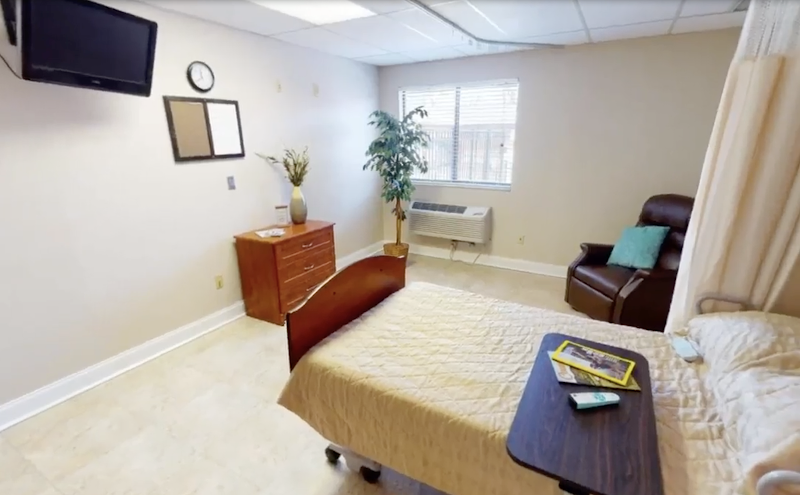
How is Majestic Care Of Middletown Llc Staffed?

CMS rates MAJESTIC CARE OF MIDDLETOWN LLC's staffing level at 1 out of 5 stars, which is much below average compared to other nursing homes. Staff turnover is 58%, which is 12 percentage points above the Ohio average of 46%. High turnover can affect care consistency as new staff learn residents' individual needs. RN turnover specifically is 76%, which is notably high. RNs provide skilled clinical oversight, so turnover in this role can affect medical care quality.

What Have Inspectors Found at Majestic Care Of Middletown Llc?

State health inspectors documented 63 deficiencies at MAJESTIC CARE OF MIDDLETOWN LLC during 2018 to 2025. These included: 1 Immediate Jeopardy (the most serious level, indicating potential for serious harm or death), 1 that caused actual resident harm, and 61 with potential for harm. Immediate Jeopardy findings are rare and represent the most serious regulatory concerns. They require immediate corrective action.
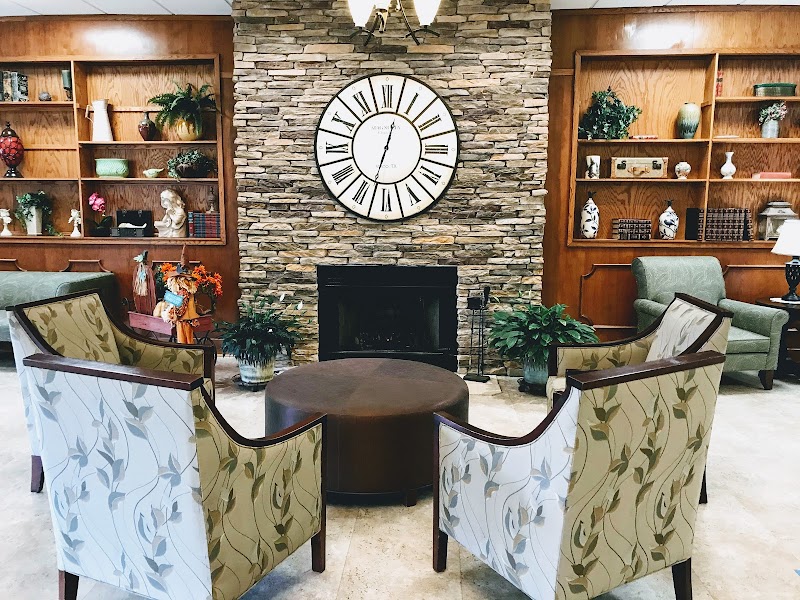
Who Owns and Operates Majestic Care Of Middletown Llc?

MAJESTIC CARE OF MIDDLETOWN LLC is owned by a for-profit company. For-profit facilities operate as businesses with obligations to shareholders or private owners. The facility is operated by MAJESTIC CARE, a chain that manages multiple nursing homes. With 200 certified beds and approximately 142 residents (about 71% occupancy), it is a large facility located in MIDDLETOWN, Ohio.

How Does Majestic Care Of Middletown Llc Compare to Other Ohio Nursing Homes?

Compared to the 100 nursing homes in Ohio, MAJESTIC CARE OF MIDDLETOWN LLC's overall rating (2 stars) is below the state average of 3.2, staff turnover (58%) is significantly higher than the state average of 46%, and health inspection rating (1 stars) is much below the national benchmark.

What Should Families Ask When Visiting Majestic Care Of Middletown Llc?

Based on this facility's data, families visiting should ask: "What changes have been made since the serious inspection findings, and how are you preventing similar issues?" "How do you ensure continuity of care given staff turnover, and what is your staff retention strategy?" "Can you walk me through typical staffing levels on day, evening, and night shifts?" "Can I visit during a mealtime to observe dining assistance and food quality?" These questions are particularly relevant given the facility's Immediate Jeopardy citations, the facility's high staff turnover rate, and the below-average staffing rating.

Is Majestic Care Of Middletown Llc Safe?

Based on CMS inspection data, MAJESTIC CARE OF MIDDLETOWN LLC has documented safety concerns. Inspectors have issued 1 Immediate Jeopardy citation (the most serious violation level indicating risk of serious injury or death). The facility has a 2-star overall rating and ranks #100 of 100 nursing homes in Ohio. Families considering this facility should ask detailed questions about what corrective actions have been taken since these incidents.

Do Nurses at Majestic Care Of Middletown Llc Stick Around?

Staff turnover at MAJESTIC CARE OF MIDDLETOWN LLC is high. At 58%, the facility is 12 percentage points above the Ohio average of 46%. Registered Nurse turnover is particularly concerning at 76%. RNs handle complex medical decisions and coordinate care — frequent RN changes can directly impact care quality. High turnover means new staff may not know residents' individual needs, medications, or preferences. It can also be disorienting for residents, especially those with dementia who rely on familiar faces. Families should ask: What is causing the turnover? What retention programs are in place? How do you ensure care continuity during staff transitions?

Was Majestic Care Of Middletown Llc Ever Fined?

MAJESTIC CARE OF MIDDLETOWN LLC has been fined $108,164 across 1 penalty action. This is 3.2x the Ohio average of $34,161. Fines at this level are uncommon and typically indicate a pattern of serious deficiencies, repeated violations, or failure to correct problems promptly. CMS reserves penalties of this magnitude for facilities that pose significant, documented risk to resident health or safety. Families should request specific documentation of what issues led to these fines and what systemic changes have been implemented.

Is Majestic Care Of Middletown Llc on Any Federal Watch List?

MAJESTIC CARE OF MIDDLETOWN LLC is not on any federal watch list. The most significant is the Special Focus Facility (SFF) program, which identifies the bottom 1% of nursing homes nationally based on persistent, serious quality problems. Not being on this list means the facility has avoided the pattern of deficiencies that triggers enhanced federal oversight. This is a positive indicator, though families should still review the facility's inspection history directly.