THE LAURELS OF MIDDLETOWN
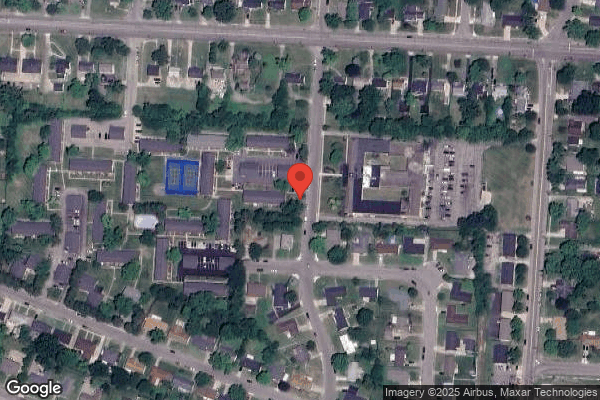

751 KENSINGTON STREET, MIDDLETOWN, OH 45044 (513) 424-3511
For profit - Corporation 109 Beds CIENA HEALTHCARE/LAUREL HEALTH CARE Data: November 2025
Trust Grade
60/100
#349 of 913 in OH
Last Inspection: May 2024

Within standard 12-15 month inspection cycle. Federal law requires annual inspections.

Overview

The Laurels of Middletown has a Trust Grade of C+, indicating it is slightly above average but still has room for improvement. It ranks #349 out of 913 nursing homes in Ohio, placing it in the top half of facilities in the state, and #13 out of 24 in Butler County, meaning only a few local options are better. However, the facility is experiencing a concerning trend, with issues increasing from 1 in 2023 to 13 in 2024. While staffing has a below-average rating of 2 out of 5 stars, turnover is 46%, which is slightly better than the state average, suggesting some staff stability. Notably, there have been serious concerns including a failure to properly manage a resident's pain, leading to actual harm, and issues with food sanitation in the kitchen, which could affect all residents. On a positive note, the facility has no fines recorded, indicating no significant compliance issues. However, the low RN coverage, which is less than 97% of other facilities in Ohio, raises concerns about adequate medical oversight.

Trust Score
C+
60/100
In Ohio
#349/913
Top 38%
Safety Record
Moderate
Needs review
Inspections
Getting Worse
1 → 13 violations
Staff Stability
⚠ Watch
46% turnover. Above average. Higher turnover means staff may not know residents' routines.
Penalties
✓ Good
No fines on record. Clean compliance history, better than most Ohio facilities.
Skilled Nurses
⚠ Watch
Each resident gets only 15 minutes of Registered Nurse (RN) attention daily — below average for Ohio. Fewer RN minutes means fewer trained eyes watching for problems.
Violations
⚠ Watch
40 deficiencies on record. Higher than average. Multiple issues found across inspections.
★★★★☆
4.0
Overall Rating
★★☆☆☆
2.0
Staff Levels
★★★★★
5.0
Care Quality
★★★☆☆
3.0
Inspection Score
Stable
2023: 1 issues
2024: 13 issues

The Good

  • 5-Star Quality Measures · Strong clinical quality outcomes
  • Full Sprinkler Coverage · Fire safety systems throughout facility
  • No fines on record

Facility shows strength in quality measures, fire safety.

The Bad

Staff Turnover: 46%

Near Ohio avg (46%)

Higher turnover may affect care consistency

Chain: CIENA HEALTHCARE/LAUREL HEALTH CARE

Part of a multi-facility chain

Ask about local staffing decisions and management

The Ugly 40 deficiencies on record

2 actual harm
May 2024 12 deficiencies
CONCERN (D)

Potential for Harm - no one hurt, but risky conditions existed

Deficiency F0645 (Tag F0645)

Could have caused harm · This affected 1 resident

**NOTE- TERMS IN BRACKETS HAVE BEEN EDITED TO PROTECT CONFIDENTIALITY** Based on medical record review, staff interview, and policy review, the facility failed to ensure a Pre-admission Screening and ...

Read full inspector narrative →
**NOTE- TERMS IN BRACKETS HAVE BEEN EDITED TO PROTECT CONFIDENTIALITY** Based on medical record review, staff interview, and policy review, the facility failed to ensure a Pre-admission Screening and Resident Review (PASRR) was completed upon admission. This affected one (#25) out of the two residents reviewed for PASRR completion. The facility census was 97. Findings include: Review of the medical record for Resident #25 revealed an admission date of 08/05/22 with medical diagnoses of anoxic brain injury, depression, bipolar disorder, schizoaffective disorder, functional quadriplegia, and convulsions. Review of the medical record for Resident #25 revealed an annual Minimum Data Set (MDS) dated [DATE] which indicated Resident #25 was cognitively intact and was dependent for toilet hygiene, bed mobility, and transfers. Review of the medical record for Resident #25 revealed a Review Results letter, dated 07/22/16, which stated the Pre-admission Screen determination was not applicable and level of care determination was Intermediate. Further review of the medical record revealed no documentation of a PASRR for the Review Results letter dated 07/22/16. Interview on 05/23/24 at 10:03 A.M. with Administrator confirmed the medical record for Resident #25 did not contain documentation to support the PASRR for the 07/22/16 Review Results letter. Administrator stated she was unable to confirmed Resident #25's PASRR was completed accurately upon admission. Review of the policy titled Review of Pre-admission Screening and Guest/Resident Review, revised 12/15/22, stated all persons seeing admission to a nursing facility, who are seriously mentally ill and/or have an intellectual/developmental disability, are required to be evaluated to determine if a nursing facility is the appropriate place to receive services. The policy stated the process begins with the completion of the screening, Level 1.
CONCERN (D)

Potential for Harm - no one hurt, but risky conditions existed

Comprehensive Care Plan (Tag F0656)

Could have caused harm · This affected 1 resident

**NOTE- TERMS IN BRACKETS HAVE BEEN EDITED TO PROTECT CONFIDENTIALITY** Based on record review, observations, resident and staff interviews, the facility failed to develop a comprehensive care plan to...

Read full inspector narrative →
**NOTE- TERMS IN BRACKETS HAVE BEEN EDITED TO PROTECT CONFIDENTIALITY** Based on record review, observations, resident and staff interviews, the facility failed to develop a comprehensive care plan to address resident's dental status. This affected two (#82 and #92) of 25 resident care plans reviewed. The facility census was 97. Findings include: 1. Review of medical record for Resident #92 revealed admission date of 04/26/24. The resident was admitted with diagnoses including osteomyelitis, anxiety, Chronic Obstructive Pulmonary Disease (COPD), Congestive Heart Failure (CHF) and psychoactive substance abuse. The resident remained in the facility. Review of Resident #92's admission Minimum Data Set (MDS) dated [DATE] revealed she had a Brief Interview Mental Status (BIMS) score of 15 indicating intact cognition. She required supervision for her activities of daily living. Record review of the care plan of Resident #92 revealed no dental plan of care. Interview on 05/20/24 at 10:32 A. M. with Resident #92 revealed she had a concern for care of her broken lower teeth. Observation at the time of interview revealed several dental carries at the gum level on her lower teeth and broken teeth on her left lower left. Interview and observation with Registered Nurse (RN) #245 on 05/22/24 at 11:38 A.M. verified Resident #92 had several dental carries on her lower teeth. Interview on 05/23/24 at 2:05 P.M. with Clinical Coordinator RN #324 verified there was no specific dental care plan and no care plan which contained interventions for dental carries. 2. Review of medical record for Resident #82 revealed admission date of 3/23/24. The resident was admitted with diagnoses including local skin infection, cellulitis of the right and left upper arm, sepsis and bipolar disorder. The resident remained in the facility. Review of Resident #82's admission Minimum Data Set (MDS) dated [DATE] revealed he had a Brief Interview Mental Status (BIMS) score of 15 indicating intact cognition. He required extensive one person assistance for bed mobility, transfers, toileting and eating. Review of Resident #82's care plan revealed there was no dental plan of care. Interview on 05/20/20 at 10:10 A.M. with Resident #82 revealed he had concerns for dental carries. Observation revealed multiple blackened, and fragmented teeth. Interview and observation with RN #245 on 05/22/24 at 11:52 A.M. verified Resident #82 had multiple broken/fragmented and blackened teeth. Interview on 05/23/24 at 2:07 P.M. with the Director of Nursing (DON) verified there was no specific dental care plan and/or no care plan which contained interventions for Resident #82's dental carries.
CONCERN (D)

Potential for Harm - no one hurt, but risky conditions existed

Deficiency F0657 (Tag F0657)

Could have caused harm · This affected 1 resident

Based on medical record reviews, resident and staff interviews, and policy review, the facility failed to conduct resident care conferences. This affected three (#24, #54 and #79) residents out of the...

Read full inspector narrative →
Based on medical record reviews, resident and staff interviews, and policy review, the facility failed to conduct resident care conferences. This affected three (#24, #54 and #79) residents out of the five residents reviewed for care conferences. The facility census was 97. Findings include: 1. Review of the medical record Resident #24 revealed an admission date of 08/02/19 with medical diagnoses of atrial fibrillation, anxiety, right sided hemiparesis related to cerebral infarction, hypertensive heart disease, and congestive heart failure. Review of the medical record for Resident #24 revealed a quarterly Minimum Data Set (MDS) assessment, dated 03/20/24, which indicated Resident #24 was cognitively intact. Review of the medical record for Resident #24 revealed the facility conducted a quarterly care conference on 03/25/24. Review of the medical record revealed no documentation to support the facility conducted any other care conferences in the past 12 months. Interview on 05/21/24 at 9:28 A.M. with Resident #24 stated he recently had a care conference but that was the first care conference in over a year. 2. Review of the medical record for Resident #54 revealed an admission date of 04/19/23 with medical diagnoses of chronic obstructive pulmonary disease, left above the knee amputation, diabetes mellitus, and end stage renal disease. Review of the medical record for Resident #54 revealed an annual MDS assessment, dated 03/18/24, which indicated Resident #54 was cognitively intact and required maximum staff assistance for bathing and was dependent on staff for toilet hygiene, transfers, and bed mobility. Review of the medical record for Resident #54 revealed the facility conducted a quarterly care conference on 03/12/24. Review of the medical record revealed no documentation to support the facility conducted any other care conferences in the past 12 months. Interview on 05/20/24 at 2:51 P.M. with Resident #54 stated the facility does not offer care conferences to her quarterly. 3. Review of the medical record for Resident #79 revealed an admission date of 02/17/23 with medical diagnoses of chronic respiratory failure, cerebral infarction, left hemiparesis, heart failure and diabetes mellitus. Review of the medical record for Resident #79 revealed a quarterly MDS assessment, dated 04/25/24, which indicated Resident #79 was cognitively intact and was dependent upon staff for bed mobility, transfers, and toilet hygiene. Review of the medical record for Resident #79 revealed the facility conducted a quarterly care conference on 10/30/23. Review of the medical record revealed no documentation to support the facility conducted any other care conferences in the past 12 months. Interview on 05/20/24 at 10:45 A.M. with Resident #79 stated he had not attended a care conference for a very long time. Interview on 05/22/24 at 3:30 P.M. with Administrator confirmed the medical records for Residents #24, #54, and #79 did not contain documentation to support the facility conducted care conferences or offered to hold care conferences. Administrator stated the facility did not have a Social Service designee for a while and care conferences were not done as per policy. Review of the policy titled, 72 Hour admission Conference, revised 04/19/22, stated the care conference is to be with the resident, family, and members of Interdisciplinary Team (IDT). The policy stated the purpose was to align expectations of service and care and include the resident and family in the care planning process. The process allows the IDT to communicate nursing and therapy goals, and expectations for discharge as indicated. The policy continued to state the first meeting, upon admission, would occur within 72 hours of admission for all residents. The policy stated ongoing meetings would be individually scheduled with residents and family based on their needs, and for the residents that were long term they would have a care conference to coincide with the admission and quarterly assessments.
CONCERN (D)

Potential for Harm - no one hurt, but risky conditions existed

ADL Care (Tag F0677)

Could have caused harm · This affected 1 resident

**NOTE- TERMS IN BRACKETS HAVE BEEN EDITED TO PROTECT CONFIDENTIALITY** Based on medical record review, observations, resident and staff interviews and policy review, the facility failed to ensure a r...

Read full inspector narrative →
**NOTE- TERMS IN BRACKETS HAVE BEEN EDITED TO PROTECT CONFIDENTIALITY** Based on medical record review, observations, resident and staff interviews and policy review, the facility failed to ensure a resident was provided with hand hygiene. This affected one (#49) out of four residents reviewed for personal hygiene. The facility census was 97. Findings include: Resident #49 was admitted to the facility on [DATE] with a diagnosis of functional quadriplegia, injury of unspecified level of cervical spinal cord, muscle spasms, muscle weakness, anxiety, and depressive disorders. Review of the Minimum Data Set (MDS) dated [DATE] revealed Resident #49 is cognitively intact. His functional status is listed as set up to dependent on staff for all activities of daily living. For showering the resident is dependent but for toileting he is substantial/maximal assistance. For eating and hygiene he is just set up only. Review of the care plan revealed Resident #49 has a functional ability deficit and requires assistance with self-care/mobility related to impaired mobility, muscle weakness, pain, bowel and bladder incontinence, psychoactive medication usage, right hand splint, Hoyer lift for transfers. Interventions included half side rails for bed mobility, Hoyer lift for transfers, right hand splint as ordered. Keep fingernails trimmed and clean. Provide assistance as needed for each activity until the resident performs skill competently and is safe with level of care; re-evaluate regularly to be certain that the skill level is maintained, and the resident remains safe in the environment. Hand splint to be used Tuesday and Thursday only. Review of the physician orders dated 09/19/23 revealed apply hand splint to right hand twice a week as tolerated. May remove for hand hygiene. Guest may wear hand splint as tolerated and needed. One time a day, every Tuesday and Thursday, for contracture's to right hand. Review of the Treatment Administration Record (TAR) for 03/2024, 04/2024, and 05/2024, revealed Resident #49's hand splint was signed off as completed. Interview on 05/21/24 at 8:30 A.M. with Resident #49 revealed the staff never place his hand splint on his contracture right hand. Resident #49 revealed the last time staff applied the hand splint was months ago. Resident #49 also revealed they never try to wash the contracted hand or fingers. Observation on 05/21/24 at 8:30 A.M., 1:00 P.M., revealed Resident #49 did not have the hand splint applied. On 05/21/24 at 4:40 P.M. observation of Resident #49 revealed the hand splint was still not applied. Observation on 05/22/24 at 10:50 A.M. revealed the hand splint was still not applied. Observation on 05/21/24 and 05/22/24 revealed a sour odor in Resident #49's room that the resident stated was caused by his unattended/foul smelling contracted hand. Observation and interview on 05/22/24 at 10:50 A.M. with Resident #49 revealed the staff did not place the splint on his right contracted hand on 05/21/24 as physician ordered. Resident #49 revealed staff have not placed his splint or washcloth in his hand in months. Resident #49 also revealed the staff had not cleaned his contracted hand in months. Interview with Registered Nurse (RN) #316 at 10:50 A.M. revealed she applied a washcloth to the contracted hand of the Resident on 05/21/24. When asked how she did this she was not able to demonstrate this task. Review of the facility policy titled, Braces and Splints dated 04/05/24 revealed staff will a scheduled program of applying and removing the appliance. Schedule hours to be worn and when skin will be inspected for signs and symptoms of pressure areas, irritations, rashes, etc. and will be reported to charge nurse and attending physician.
CONCERN (D)

Potential for Harm - no one hurt, but risky conditions existed

Deficiency F0688 (Tag F0688)

Could have caused harm · This affected 1 resident

**NOTE- TERMS IN BRACKETS HAVE BEEN EDITED TO PROTECT CONFIDENTIALITY** Based on medical record review, observations, resident and staff interviews and policy review, the facility failed to ensure a r...

Read full inspector narrative →
**NOTE- TERMS IN BRACKETS HAVE BEEN EDITED TO PROTECT CONFIDENTIALITY** Based on medical record review, observations, resident and staff interviews and policy review, the facility failed to ensure a resident's hand splint was applied as physician ordered. This affected one (#49) out of four residents reviewed for range of motion. The facility census was 97. Findings include: Resident #49 was admitted to the facility on [DATE] with a diagnosis of functional quadriplegia, injury of unspecified level of cervical spinal cord, muscle spasms, muscle weakness, anxiety, and depressive disorders. Review of the Minimum Data Set (MDS) dated [DATE] revealed Resident #49 is cognitively intact. His functional status is listed as set up to dependent on staff for all activities of daily living. For showering the resident is dependent but for toileting he is substantial/maximal assistance. For eating and hygiene he is just set up only. Review of the care plan revealed Resident #49 has a functional ability deficit and requires assistance with self-care/mobility related to impaired mobility, muscle weakness, pain, bowel and bladder incontinence, psychoactive medication usage, right hand splint, Hoyer lift for transfers. Interventions included half side rails for bed mobility, Hoyer lift for transfers, right hand splint as ordered. Keep fingernails trimmed and clean. Provide assistance as needed for each activity until the resident performs skill competently and is safe with level of care; re-evaluate regularly to be certain that the skill level is maintained, and the resident remains safe in the environment. Hand splint to be used Tuesday and Thursday only. Review of the physician orders dated 09/19/23 revealed apply hand splint to right hand twice a week as tolerated. May remove for hand hygiene. Guest may wear hand splint as tolerated and needed. One time a day, every Tuesday and Thursday, for contracture's to right hand. Review of the Treatment Administration Record (TAR) for 03/2024, 04/2024, and 05/2024, revealed Resident #49's hand splint was signed off as completed. Interview on 05/21/24 at 8:30 A.M. with Resident #49 revealed the staff never place his hand splint on his contracture right hand. Resident #49 revealed the last time staff applied the hand splint was months ago. Resident #49 also revealed they never try to wash the contracted hand or fingers. Observation on 05/21/24 at 8:30 A.M., 1:00 P.M., revealed Resident #49 did not have the hand splint applied. On 05/21/24 at 4:40 P.M. observation of Resident #49 revealed the hand splint was still not applied. Observation on 05/22/24 at 10:50 A.M. revealed the hand splint was still not applied. Observation on 05/21/24 and 05/22/24 revealed a sour odor in Resident #49's room that the resident stated was caused by his unattended/foul smelling contracted hand. Observation and interview on 05/22/24 at 10:50 A.M. with Resident #49 revealed the staff did not place the splint on his right contracted hand on 05/21/24 as physician ordered. Resident #49 revealed staff have not placed his splint or washcloth in his hand in months. Resident #49 also revealed the staff had not cleaned his contracted hand in months. Interview with Registered Nurse (RN) #316 at 10:50 A.M. revealed she applied a washcloth to the contracted hand of the Resident on 05/21/24. When asked how she did this she was not able to demonstrate this task. Review of the facility policy titled, Braces and Splints dated 04/05/24 revealed staff will a scheduled program of applying and removing the appliance. Schedule hours to be worn and when skin will be inspected for signs and symptoms of pressure areas, irritations, rashes, etc. and will be reported to charge nurse and attending physician.
CONCERN (D) 📢 Someone Reported This

A family member, employee, or ombudsman was alarmed enough to file a formal complaint

Potential for Harm - no one hurt, but risky conditions existed

Incontinence Care (Tag F0690)

Could have caused harm · This affected 1 resident

**NOTE- TERMS IN BRACKETS HAVE BEEN EDITED TO PROTECT CONFIDENTIALITY** Based on medical record review, staff interview and review of the facility policy, the facility failed to provide timely care an...

Read full inspector narrative →
**NOTE- TERMS IN BRACKETS HAVE BEEN EDITED TO PROTECT CONFIDENTIALITY** Based on medical record review, staff interview and review of the facility policy, the facility failed to provide timely care and services to treat a urinary tract infection. This affected one (#298) out of three residents reviewed for change of condition. The facility census was 97. Findings include: Review of the medical record for Resident #298 revealed an admission date of [DATE] with medical diagnoses of pneumonia, chronic obstructive pulmonary disease, atrial fibrillation, hypertension, and neuromuscular dysfunction of the bladder. Further review of the medical record revealed Resident #298 was discharged to the hospital on [DATE] and expired at the hospital. Review of the medical record for Resident #298 revealed an admission Minimum Data Set (MDS) assessment, dated [DATE], which indicated Resident #298 had moderate cognitive impairment and required maximum staff assistance for bed mobility and transfers and was dependent for toilet hygiene and bathing. Review of the medical record for Resident #298 revealed physician orders dated [DATE] for 16 French indwelling catheter for neuromuscular dysfunction of bladder and an order dated [DATE] for repeat urinalysis with culture for dysuria one time only. Review of the medical record for Resident #298 revealed a nurse progress note, dated [DATE] at 5:15 P.M. which stated resident complained of pain with urination, dark colored urine, dysuria, and burning with urination. The note stated the nurse notified the physician and an order to obtain a urinalysis with culture was given. Further review of the medical record revealed a nurse's progress note dated [DATE] at 7:13 A.M. which stated the resident refused any attempt to collect urine specimen as ordered. A nurse's progress note dated [DATE] at 12:16 P.M. stated the urine specimen was obtained as ordered and placed in refrigerator for lab pick up. Review of the medical record revealed no documentation to support the facility attempted to collect the urine specimen on [DATE] or [DATE] or that the resident refused to allow staff to obtain the urine specimen on [DATE] or [DATE]. Further review of the medical record revealed no documentation to support the facility notified the physician of the delay in obtaining the urine specimen. Interview on [DATE] at 10:16 A.M. with Director of Nursing (DON) confirmed the medical record for Resident #298 did not contain documentation to support the facility attempted to obtain the urinalysis with culture from Resident #298 on [DATE] or [DATE]. DON also confirmed the medical record did not contain documentation to support the facility notified the physician of the delay in the order being carried out. Review of the facility policy titled, Physician Order, revised [DATE], stated the physician orders are obtained to provide a clear direction in the care of the resident. This deficiency represents non-compliance investigated under Complaint Number OH00153951.
CONCERN (D)

Potential for Harm - no one hurt, but risky conditions existed

Deficiency F0761 (Tag F0761)

Could have caused harm · This affected 1 resident

**NOTE- TERMS IN BRACKETS HAVE BEEN EDITED TO PROTECT CONFIDENTIALITY** Based on record review, observations, resident and staff interviews and policy review, the facility failed to ensure a resident ...

Read full inspector narrative →
**NOTE- TERMS IN BRACKETS HAVE BEEN EDITED TO PROTECT CONFIDENTIALITY** Based on record review, observations, resident and staff interviews and policy review, the facility failed to ensure a resident was observed to take their medications at the time of administration. This affected one (#74) of five residents reviewed medication administration. The facility census was 97. Findings include: Review of medical record for Resident #74 revealed admission date of 04/09/24. The resident was admitted with diagnoses including alcohol dependence, epilepsy, dementia without behavior, anxiety and metabolic encephalopathy. The admission Minimum Data Set (MDS) dated [DATE] revealed Resident #74 had a Brief Interview Mental Status (BIMS) score of 10 indicating impaired cognition. The activities of daily living were not assessed. Review of Resident #74's medical record revealed a physician orders for 500 micrograms of Vitamin B daily, 50000 of Vitamin D daily, 125 milligrams of Depakote twice daily, 81 milligrams aspirin daily and 500 milligrams Keppra twice daily. Review for Resident #74's medical record revealed there was no order or assessment that permitted the resident to self-administer medications. Observation and interview on 05/20/24 at approximately 9:49 A.M. with Resident #74 revealed he presented a medicine cup which he said contained the pills he needed to take. Interview and observation on 05/20/24 at 9:54 A.M. with Registered Nurse (RN) #268 verified Resident #74 was in possession of eight pills in a medicine cup. RN #268 stated he observed Resident #74 take the pills he administered that morning and was unsure where the pills had come from. RN #268 verified there were eight pills in the medicine cup. RN #268 stated the pills were two Depakote (anti-seizure), two Keppra (anti-convulsant), two vitamin B (supplement), one vitamin D (supplement) and one aspirin (non-steroidal anti-inflammatory drug). Review of the facility policy, Medication Administration last revised 10/17/23 revealed to observe the resident swallow the medication.
CONCERN (D) 📢 Someone Reported This

A family member, employee, or ombudsman was alarmed enough to file a formal complaint

Potential for Harm - no one hurt, but risky conditions existed

Laboratory Services (Tag F0770)

Could have caused harm · This affected 1 resident

**NOTE- TERMS IN BRACKETS HAVE BEEN EDITED TO PROTECT CONFIDENTIALITY** 2. Review of the medical record for Resident #298 revealed an admission date of [DATE] with medical diagnoses of pneumonia, chro...

Read full inspector narrative →
**NOTE- TERMS IN BRACKETS HAVE BEEN EDITED TO PROTECT CONFIDENTIALITY** 2. Review of the medical record for Resident #298 revealed an admission date of [DATE] with medical diagnoses of pneumonia, chronic obstructive pulmonary disease, atrial fibrillation, hypertension, and neuromuscular dysfunction of the bladder. Further review of the medical record revealed Resident #298 was discharged to the hospital on [DATE] and expired at the hospital. Review of the medical record for Resident #298 revealed an admission Minimum Data Set (MDS) assessment, dated [DATE], which indicated Resident #298 had moderate cognitive impairment and required maximum staff assistance for bed mobility and transfers and was dependent for toilet hygiene and bathing. Review of the medical record for Resident #298 revealed physician orders dated [DATE] for 16 French indwelling catheter for neuromuscular dysfunction of bladder and an order dated [DATE] for repeat urinalysis with culture for dysuria one time only. Review of the medical record for Resident #298 revealed a nurse progress note, dated [DATE] at 5:15 P.M. which stated resident complained of pain with urination, dark colored urine, dysuria, and burning with urination. The note stated the nurse notified the physician and an order to obtain a urinalysis with culture was given. Further review of the medical record revealed a nurse's progress note dated [DATE] at 7:13 A.M. which stated the resident refused any attempt to collect urine specimen as ordered. A nurse's progress note dated [DATE] at 12:16 P.M. stated the urine specimen was obtained as ordered and placed in refrigerator for lab pick up. Review of the medical record revealed no documentation to support the facility attempted to collect the urine specimen on [DATE] or [DATE] or that the resident refused to allow staff to obtain the urine specimen on [DATE] or [DATE]. Further review of the medical record revealed no documentation to support the facility notified the physician of the delay in obtaining the urine specimen. Interview on [DATE] at 10:16 A.M. with Director of Nursing (DON) confirmed the medical record for Resident #298 did not contain documentation to support the facility attempted to obtain the urinalysis with culture from Resident #298 on [DATE] or [DATE]. DON also confirmed the medical record did not contain documentation to support the facility notified the physician of the delay in the order being carried out. Review of the facility policy titled, Physician Order, revised [DATE], stated the physician orders are obtained to provide a clear direction in the care of the resident. This deficiency represents non-compliance investigated under Complaint Number OH00153951. Based on medical record review, staff interview and policy review, the facility failed to ensure physician ordered laboratory (lab) work was completed/drawn in a timely manner. This affected two (#52 and #298) out of six residents reviewed for lab services. The facility census was 97. Findings include: 1. Review of Resident #52's medical record revealed he was admitted to the facility on [DATE] with a diagnosis of blindness, urine retention, hemiplegia following cerebrovascular accident, obstructive and reflux uropathy, seizures, diabetes type II, bipolar disorder, depression, and anxiety disorders. Review of the Minimum Data Set (MDS) dated [DATE] revealed Resident #52 was cognitively intact. His functional status is listed as partial to moderate assistance for all activities of daily living. Review of the physician orders dated [DATE] revealed renal, magnesium, complete blood count (CBC), Thyroid-stimulating hormone (TSH), liver function test (LFT), lipid panel, hemoglobin A1,C iron, vitamin b12, vitamin D, level Depakote, to be drawn every three months. Review of the pharmacy recommendations dated [DATE], [DATE], and [DATE] revealed Resident #52's lab work was recommended. Further review of Resident #52's medical record revealed the labs had not been drawn as of [DATE]. Interview with the Director of Nursing on [DATE] at 10:00 A.M. confirmed the lab work had been missed for Resident #52.
CONCERN (D)

Potential for Harm - no one hurt, but risky conditions existed

Infection Control (Tag F0880)

Could have caused harm · This affected 1 resident

**NOTE- TERMS IN BRACKETS HAVE BEEN EDITED TO PROTECT CONFIDENTIALITY** Based on record review, observations, staff interview and policy review, the facility failed to ensure staff followed proper inf...

Read full inspector narrative →
**NOTE- TERMS IN BRACKETS HAVE BEEN EDITED TO PROTECT CONFIDENTIALITY** Based on record review, observations, staff interview and policy review, the facility failed to ensure staff followed proper infection control procedure when administering intravenous medication. This affected one (#50) out of five residents observed for medication administration. Facility census was 97. Findings include: Review of medical record for Resident #20 revealed admission date of 04/22/24. Diagnoses include osteomyelitis, anxiety, and heart failure. Review of Resident #20's admission Minimum Data Set (MDS) dated [DATE] revealed she had a Brief Interview Mental Status (BIMS) score of 15 indicating intact cognition. She was independent with activities of daily living. Observation on 05/21/24 at 9:23 A.M. with Licensed Practical Nurse (LPN) #309 of the Peripherally Inserted Central Catheter (PICC) line medication administration for Resident #20 revealed LPN #309 cleansed the tip of the needleless connector of the PICC line with an alcohol swab and then intentionally dropped the line and it landed on the Resident #20's arm. LPN #309 was prepared to administer the saline flush without recleaning the potentially contaminated tip until the surveyor interviewed LPN #309. LPN #309 verified the tip was no longer sterile after intentionally dropping the line down. Review of the facility policy, Medication Administration last revised 10/17/23 revealed injections should be prepared using aseptic technique in a clean area.
CONCERN (E)

Potential for Harm - no one hurt, but risky conditions existed

Safe Environment (Tag F0584)

Could have caused harm · This affected multiple residents

Based on observations and resident and staff interviews, the facility failed to provide a clean, comfortable, and sanitary environment for the residents. This affected four (#25, #36, #46 and #51) out...

Read full inspector narrative →
Based on observations and resident and staff interviews, the facility failed to provide a clean, comfortable, and sanitary environment for the residents. This affected four (#25, #36, #46 and #51) out of four residents reviewed for the physical environment. The facility census was 97. Findings include: Interview on 05/20/24 at 2:48 P.M. with Resident #46 revealed he was upset that his bed was not comfortable and felt as though it was broken. Resident #46 confirmed his mattress was not lying on the bed correctly. Resident #46 stated his bed does not face the television in his room and he must turn his head to the left to watch television. Resident #46 stated the brown wall beside his bed had a large white drywall substance on it for several months. Interview on 05/21/24 at 8:33 A.M. with Resident #51 revealed he can feel the bed rails on the frame pushing through his mattress. Resident #51 pointed to a large, rounded area on his mattress and the bed rails underneath it. Resident #51 stated he was told by staff he will have a replacement mattress; however, he was never given one. Resident #51 stated he was the paint would be corrected pointing toward several colors of uneven paint behind the head of his bed, however nothing has been done. Observation with interview on 05/21/24 at 9:02 A.M. revealed three walls with multiple black scratches on the walls lightly covered with plaster. The observation revealed the areas had not been painted. Interview with Resident #25 stated her room had looked that way for quite a while. Observation with interview on 05/21/23 at 9:39 A.M. revealed three walls in Resident #36's room to have several areas with plaster but no paint. Interview with Resident #36 stated his room looked that way when he arrived on 04/18/24. Interview on 05/21/24 at 1:45 P.M. with State Tested Nurse Aide (STNA) #254 confirmed the large white patched drywall area on the wall next to Resident #46's bed. STNA #254 attempted to fix the footboard of Resident #46 and confirmed the mattress was lying on the bed uneven. STNA #254 confirmed the mattress was curled up into the air on the left side at the top corner and the bottom corner. STNA #254 confirmed the large gap approximately eleven inches wide at the head of the bed between the headboard and mattress because the mattress did not fit on the bed frame appropriately. STNA #254 confirmed Resident #254's bed was placed against the wall and his head must be turned to the left to watch his television in bed. STNA #254 confirmed the importance of television to Resident #46's quality of life. Interview on 05/21/24 at 2:10 P.M. with the Housekeeping Manager (HM) #291 confirmed Resident #51 had a large, rounded area in his mattress that stood up over the bed frame rails. HM #291 confirmed the facility has mattresses downstairs and it could easily be replaced. HM #291 verified the two different colors on the wall in no paint pattern behind Resident #51's bed. On 05/22/24 at 2:31 P.M. interview with Housekeeper #227 confirmed the walls in Resident #25 and #36 rooms had many scratches on the walls which were lightly covered with plaster and had not been painted. Housekeeper #227 stated the walls for both rooms had been that way for several months.
CONCERN (E)

Potential for Harm - no one hurt, but risky conditions existed

Assessment Accuracy (Tag F0641)

Could have caused harm · This affected multiple residents

**NOTE- TERMS IN BRACKETS HAVE BEEN EDITED TO PROTECT CONFIDENTIALITY** Based on record review, observations, resident and staff interviews, and review of the Resident Assessment Instrument (RAI) Manu...

Read full inspector narrative →
**NOTE- TERMS IN BRACKETS HAVE BEEN EDITED TO PROTECT CONFIDENTIALITY** Based on record review, observations, resident and staff interviews, and review of the Resident Assessment Instrument (RAI) Manual 3.0, the facility failed to accurately code Minimum Data Set (MDS) assessments. This affected six (#01, #24, #41, #74, #82, and #92) residents out of the 25 residents reviewed for MDS accuracy. The facility census was 97. Findings include: 1. Review of the medical record for Resident #01 revealed an admission date of 07/25/04 with medical diagnoses of traumatic brain injury, paranoid schizophrenia, psychotic disorder with delusions and seizures. Review of the medical record for Resident #01 revealed an annual MDS assessment, dated 03/28/24, revealed Resident #01 had severe cognitive impairment. The MDS did not have any documentation to support Resident #01's functional status was assessed. Review of section GG of Resident #01's MDS was dashed, and all areas were blank. 2. Review of the medical record Resident #24 revealed an admission date of 08/02/19 with medical diagnoses of atrial fibrillation, anxiety, right sided hemiparesis related to cerebral infarction, hypertensive heart disease, and congestive heart failure. Review of the medical record for Resident #24 revealed a quarterly MDS assessment, dated 03/20/24, which indicated Resident #24 was cognitively intact. The MDS did not have any documentation to support Resident #24's functional status was assessed. Review of section GG of Resident #24's MDS was dashed, and all areas were blank. On 05/23/24 at 10:52 A.M. interview with Administrator confirmed the facility did not have a MDS completion policy but stated the facility followed the procedures and guidelines in the RAI manual to ensure accurate completion of MDS assessments. 5. Review of medical record for Resident #92 revealed admission date of 04/26/24. The resident was admitted with diagnoses including osteomyelitis, anxiety, chronic obstructive pulmonary disease (COPD), congestive heart failure (CHF) and psychoactive substance abuse. The resident remained in the facility. The admission MDS dated [DATE] revealed she had a Brief Interview Mental Status (BIMS) score of 15 indicating intact cognition. She required supervision for her activities of daily living. Section L (oral) revealed the obvious or likely cavity or broken teeth was marked no. Interview on 05/20/24 at 10:32 A.M. with Resident #92 revealed she had a concern for care of her broken lower teeth. Observation at the time of interview revealed she was edentulous on top with several dental carries at the gum level on her lower teeth and broken teeth on her left lower left. Interview and observation with Registered Nurse (RN) #245 on 05/22/24 at 11:38 A.M. verified Resident #92 had several dental carries on her lower teeth and a broken tooth on her lower left. 6. Review of medical record for Resident #82 revealed admission date of 3/23/24. The resident was admitted with diagnoses including local skin infection, cellulitis of the right and left upper arm, sepsis and bipolar disorder. The resident remained in the facility. The admission MDS dated [DATE] revealed he had a Brief Interview Mental Status (BIMS) score of 15 indicating intact cognition. He required extensive one person assistance for bed mobility, transfers, toileting and eating. Section L of the MDS revealed no documentation of broken or loose teeth, and no obvious cavities or broken natural teeth. Interview on 05/20/20 at 10:10 A.M. with Resident #82 revealed he had concerns for dental carries. Observation revealed multiple blackened, and fragmented teeth on both the upper and lower teeth. On 05/22/24 at 11:38 A.M. interview with Regional MDS Nurse #320 confirmed the MDS assessment for Residents #01, #24, #41, #74, #82, and #92 were not coded accurately as per the RAI manual guidelines. Interview and observation with RN #245 on 05/22/24 at 11:52 A.M. verified Resident #82 had multiple broken/fragmented and blackened teeth. Review of the RAI 3.0 manual, Version 1.18.11 dated October 2023 revealed the MDS assessments are a core set of screening, clinical and functional status data elements which form the foundation of the comprehensive assessment for all residents. The RAI manual stated the MDS assessments should accurately reflect the resident's status. 3. Record review for Resident #41 revealed he was admitted to the facility on [DATE]. His diagnoses included, essential primary hypertension, bradycardia, orthostatic hypertension, hyperlipidemia, anemia, Parkinson's Disease, insomnia, cognitive impairment, and abdominal aortic aneurysm. Review of the most recent MDS assessment for Resident #41, dated 03/23/24, revealed he had impaired cognition. The facility failed provide an assessment related to the level of care he required. 4. Record review for Resident #74 revealed he was admitted to the facility on [DATE]. His diagnoses included, alcohol, epilepsy, seizures, hyperlipidemia, heart failure, anxiety disorder, alcohol abuse, and metabolic encephalopathy. Review of the most recent MDS assessment dated , 04/15/24, revealed he had impaired cognition. Further review of the MDS assessment revealed he was dependent on staff for medication administration. The facility failed to assess his functioning level according to the assessment. On 05/22/24 at 11:38 AM interview Regional MDS Nurse #320 confirmed the activity of daily living (ADL's) sections were not assessed for Resident #74's MDS dated [DATE], and for Resident #41's MDS dated [DATE].
CONCERN (F)

Potential for Harm - no one hurt, but risky conditions existed

Food Safety (Tag F0812)

Could have caused harm · This affected most or all residents

Based on observations, staff interviews and policy review, the facility failed to store, prepare, and distribute food in a sanitary manner. This had the potential to affect all 97 residents residing a...

Read full inspector narrative →
Based on observations, staff interviews and policy review, the facility failed to store, prepare, and distribute food in a sanitary manner. This had the potential to affect all 97 residents residing at the facility who receive their meals from the facility kitchen. The facility census was 97. Findings include: 1. During the initial tour of the facility kitchen with the Administration Aide (AA) #266 on 05/20/24 at 7:44 A.M., a trash can located underneath the kitchen hand washing sink which was soiled with splatter running down the sides. Observations revealed a pile of soiled and dirty dishtowels with multiple live gnats flying on and around the dishtowels. The kitchen floor appeared dirty with debris throughout. The dishwasher had food debris all over the top and along the bottom of the dishwasher. Further review of the kitchen revealed a walk-in refrigerator and AA #266 confirmed a large plastic container of sweet potatoes marked 05/16/24 -05/18/24. AA #266 confirmed a large metal container with boiled eggs and water dated 05/11/24. A large metal container of precooked scrambled eggs was dated 05/08/24. AA #266 confirmed the large brown box located directly on the floor of the dry storage area. AA #266 confirmed the large rolling rack of bread with multiple loaves of white bread with an expiration date of 04/17/24. The multiple bags of white bread buns were dated 03/17/24. AA #266 confirmed the identified concerns. Interview on 05/22/24 at 7:51 A.M. with the Dietary Manager (DM) #294 confirmed the large rolling rack of bread and buns arrived from the supplier outdated but frozen. DM #294 stated she spoke with her supplier and the supplier told her to place a sign over the bread that it is edible for seven days passed the thaw date. DM #294 stated she removes the bread from the boxes and placed on the rolling rack and allows it to thaw while on the rack. Interview on 05/22/24 at 8:45 A.M. interview with the Administrator revealed the facility utilizes bread from a vender that is frozen. The Administrator stated the information provided about the bread to be used within seven days of thaw was given to the facility team by the corporate dietician not the vendor. Interview on 05/22/24 at 10:13 A.M. with DM #294 confirmed the facility receives the frozen outdated bread on Tuesday and Thursday. DM #294 stated the staff place the frozen bread and buns on the rolling rack in the dry storage area and allow it to thaw. DM #294 stated the facility updated their policy to show they receive this frozen bread out of date. DM #294 stated the corporate dietician told her the frozen bread was good for seven days after it thaws. DM #294 stated the corporate dietitian obtained this information by a Google search. Review of the facility policy titled, Pest Control, dated 08/27/21, stated the facility pest control program will have an emphasis on the kitchens and areas prone to infestation. The purpose of the policy was to provide an environment free of pests. Review of the facility pest control visits revealed the kitchen was treated on 02/26/24 and 05/07/24, however, could not confirm the treatment was for gnats. 2. Observation and interview with DM #294 and Dietary [NAME] (DC) #230 on 05/22/24 at 11:38 P.M. during the lunch time tray line revealed the DC #230 picked up the food thermometer and placed it into the pureed brats without cleansing/sanitizing the thermometer to obtain a temperature. Observations revealed DC #230 took the food thermometer and placed it directly into the mechanical soft brats and failed to sanitize the food thermometer. DC #230 was interviewed before he continued to obtain more food temperatures and he stated he did not have to sanitize the food thermometer because he was told not to use alcohol wipes on the food thermometer. DM #294 was standing next to DC #230 and confirmed the facility was advised to no longer sanitize the food thermometers and handed DC #230 a dry paper towel. DC #230 wiped the food thermometer and placed it in the brat sausage to obtain a temperature. DC #230 removed the food thermometer from the brat and wiped with a dry paper towel and obtained a macaroni salad temperature. Once more, DC #230 wiped the thermometer with the dry paper towel and obtained a food temperature from the cucumber and tomato salad. 3. Observation and interview of the facility ice machine on 05/22/24 at 11:53 A.M. with Dietary Aide (DA) #218 confirmed the facility ice machine had a brown substance splattered all along the front of the machine. DA #218 lifted the door to the ice machine and revealed a white plastic cover over the ice. DA #218 confirmed the white plastic cover over the ice had an unknown black spotted substance all along the white plastic tray. DA #218 stated the unknown black substance appeared to be mold. Observation and interview on 05/22/24 at 12:17 P.M. with the DM #294 confirmed the ice machine had brown splatter across the front of the machine. DM #294 pointed to the sticker on the ice machine and stated this ice machine was cleaned in December 2023 and is due to be cleaned in June 2024. DM #294 confirmed inside the ice machine an unknown black substance was spotted all along the top of the white plastic tray. Review of the facility policy titled, Ice Chest and Ice Machine, dated 08/17/21, revealed the facility will clean, disinfect, and maintain ice-storage chests on a regular basis. 4. Observation of the facility lunch tray line on 05/22/24 from 11:50 A.M. to 12:27 P.M. with DM #230 revealed DC #230 donned plastic clear gloves and used his hands to place the brats in the buns instead of tongs. Interview on 05/22/24 at 12:17 P.M. with the DM #294 confirmed DC #230 had used his gloved hands to place the brats into the buns instead of tongs. DM #294 confirmed DC #230 should have used tongs instead of DC #230's gloved hand and also confirmed tongs were available for use. The facility confirmed all 97 residents receive their meals from the kitchen.
Apr 2024 1 deficiency
CONCERN (D) 📢 Someone Reported This

A family member, employee, or ombudsman was alarmed enough to file a formal complaint

Potential for Harm - no one hurt, but risky conditions existed

Quality of Care (Tag F0684)

Could have caused harm · This affected 1 resident

**NOTE- TERMS IN BRACKETS HAVE BEEN EDITED TO PROTECT CONFIDENTIALITY** Based on medical record review, staff interview, and policy review, the facility failed to complete weekly wound evaluations of ...

Read full inspector narrative →
**NOTE- TERMS IN BRACKETS HAVE BEEN EDITED TO PROTECT CONFIDENTIALITY** Based on medical record review, staff interview, and policy review, the facility failed to complete weekly wound evaluations of a surgical wound. This affected one (#105) out of three residents reviewed for wound care. The facility census was 101. Findings include: Review of the medical record for Resident #105 revealed an admission date of 02/20/24 with medical diagnoses of status post left below the knee amputation (BKA), diabetes mellitus with neuropathy, depression, bipolar disorder, anemia, and hypertension. Review of the medical record revealed Resident #105 discharged to the hospital on [DATE]. Review of the medical record for Resident #105 revealed an admission Minimum Data Set (MDS) assessment, dated 02/27/24, which indicated Resident #105 was cognitively intact and required supervision with bed mobility and moderate staff assistance with toilet hygiene, transfers, and bathing. The MDS indicated Resident #105 admitted with a surgical wound and treatment was in place. Review of the medical record for Resident #105 revealed a Nursing Comprehensive Evaluation, dated 02/21/24, which indicated Resident #105 admitted with a surgical wound to left lower extremity status post BKA. The evaluation stated the surgical wound had 20 staples but did not state a measurement or describe the wound characteristics. The evaluation also noted Resident #105 admitted with diabetic ulcers to right plantar foot and to the 3rd digit on right foot and both areas were noted to have measurements. Further review of the medical record revealed a wound evaluation completed 03/19/24 for the surgical wound to the left BKA. The surgical wound measured 0.57 centimeters (cm) in length by 1.97 cm in width and 1.6 cm in depth. The evaluation stated the surgical wound had deteriorated. Review of the medical record for Resident #105 revealed it did not contain documentation to support the facility completed wound evaluations, which included wound measurements and description for Resident #105's left BKA surgical site from 02/20/24 until 03/19/24. Review of the medical record for Resident #105 revealed a Certified Nurse Practitioner (CNP) wound note, dated 03/19/24, which stated Resident #105 had injured the left BKA stump in the bathroom the day before and the incision had opened, had drainage, and increased pain to the area. The note included measurements and a description of Resident #105's wound and the treatment plan. Interview on 04/12/24 at 2:45 P.M. with Licensed Practical Nurse (LPN) #221 confirmed the medical record for Resident #105 did not contain documentation to support the facility completed wound evaluation for the left BKA from 02/20/24 until 03/19/24. Review of the facility policy titled, Skin Management, revised 07/14/21, stated residents admitted with any skin impairment would have the wound location, measurements and characteristics documented in the electronic health record. The policy stated the facility would document weekly on the area until resolved. This deficiency represents non-compliance investigated under Complaint Number OH00152531.
Sept 2023 1 deficiency
CONCERN (D) 📢 Someone Reported This

A family member, employee, or ombudsman was alarmed enough to file a formal complaint

Potential for Harm - no one hurt, but risky conditions existed

Transfer Notice (Tag F0623)

Could have caused harm · This affected 1 resident

**NOTE- TERMS IN BRACKETS HAVE BEEN EDITED TO PROTECT CONFIDENTIALITY** Based on medical record review, staff and guardian interviews, and policy review, the facility failed to provide the correct loc...

Read full inspector narrative →
**NOTE- TERMS IN BRACKETS HAVE BEEN EDITED TO PROTECT CONFIDENTIALITY** Based on medical record review, staff and guardian interviews, and policy review, the facility failed to provide the correct location for discharge on a discharge notice. This affected one (Resident #204) of three residents reviewed for proper discharges. The facility census was 101. Findings include: Review of the medical record for Resident #204 revealed an admission date of 07/23/22 with medical diagnoses of paranoid schizophrenia, end stage renal disease, and anxiety. Resident #204 was discharged to an acute care hospital on [DATE] for increased behaviors and agitation. Review of the annual Minimum Data Set (MDS) assessment dated [DATE], revealed Resident #204 was cognitively intact and required supervision at times with bed mobility, toileting, and transfers. Review of the nursing progress note dated 09/01/23, revealed the dialysis center would no longer provide dialysis to Resident #204 because of his increased behaviors and an episode where Resident #204 pulled out his dialysis tubing and experienced bleeding. Further review revealed a note dated 09/02/23, which stated Resident #204 had a change in condition with altered mental status and behavioral symptoms. Review of the progress note revealed Resident #204 pulled items off walls and was throwing them, went into other resident rooms and was throwing their clothes and exposed his penis to a female resident on the unit. Further review of the medical record revealed an immediate discharge from facility letter dated 09/06/23, showing Resident #204 would be discharged due to the facility not being able to meet the needs of the resident and the resident was a danger to himself and other residents. The location of discharge was documented as a behavioral hospital. The letter continued to state upon discharge from the behavioral hospital, the resident would return to the facility. Interview on 09/29/23 at 12:02 P.M. with Resident #204's guardian revealed Resident #204 was transferred to an acute hospital setting, not a behavioral unit, on 09/02/23. Resident #204's guardian stated the facility contacted her on 09/06/23 via phone to notify her Resident #204 was issued an immediate discharge from the facility because he was a harm to himself, and other residents and the facility was not able to meet his needs. Resident #204's guardian stated the facility informed her the immediate discharge notice would be sent to her via certified mail. Resident #204's guardian stated she never received the notice in the mail, so she went to the facility, and they provided her with a copy of the letter. Resident #204's guardian stated the discharge locations on the immediate discharge letter were incorrect and Resident #204 had not been discharged to a behavioral hospital but an acute care hospital. Interview on 09/29/23 at 1:43 P.M. with the Administrator confirmed the immediate discharge letter for Resident #204 stated Resident #204 would be discharged to a behavioral hospital and upon discharge from the behavioral hospital, would return the facility. The Administrator confirmed the information regarding discharge locations stated in the letter were incorrect. The Administrator confirmed Resident #204 discharged from the facility to an acute care hospital and Resident #204 was not to return to the facility. The Administrator also confirmed Resident #204 was sent to the acute hospital setting on 09/02/23 and the immediate discharge letter was sent on 09/06/23. Review of the policy titled, Transfer and Discharge, revised 09/09/22, stated notice of transfer or discharge must be made by the facility in writing at least 30 days before the guest/resident is transferred or discharged and in a manner they can understand. The policy also stated the contents of the notice must include the specific location to which the guest/resident is transferred or discharged (if a change in the destination indicates that the original basis has changed, a new notice is required). This deficiency represents non-compliance investigated under Complaint Number OH00146564.
Apr 2021 6 deficiencies
CONCERN (D)

Potential for Harm - no one hurt, but risky conditions existed

ADL Care (Tag F0677)

Could have caused harm · This affected 1 resident

**NOTE- TERMS IN BRACKETS HAVE BEEN EDITED TO PROTECT CONFIDENTIALITY** Based on observations, medical record reviews, resident and staff interviews, and review of facility's resident care guidelines,...

Read full inspector narrative →
**NOTE- TERMS IN BRACKETS HAVE BEEN EDITED TO PROTECT CONFIDENTIALITY** Based on observations, medical record reviews, resident and staff interviews, and review of facility's resident care guidelines, the facility failed to ensure that residents who were unable to carry out activities of daily living received the necessary services to maintain good nutrition, and personal and oral hygiene. This affected two (#16 and #22) of four residents reviewed for Activities of Daily Living (ADLs). The facility census was 81. Findings include: 1. Review of Resident #16's medical record revealed an admission dated of 05/02/19, with diagnoses including; dementia with behavioral disturbance, altered mental status, aphasia, anxiety disorder, heart failure, major depressive disorder, need for assistance with personal care, and COVID-19 on 12/10/20. Review of a quarterly Minimum Data Set (MDS) assessment dated [DATE], revealed the resident had severe cognitive impairment, requesting two staff persons for bed mobility and transfer, and the limited assistance of one staff to eat. The assessment also identified the resident as having unplanned significant weight loss, and not being on a prescribed weight-loss regimen. At the time of the assessment the resident stood 62 tall, and weight 91#. Review of the resident's comprehensive plan of care revealed a problem/need related to the resident having a self care performance deficit and requiring assistance with Activities of Daily Living (ADLs) and mobility related to confusion, and impaired balance. The goal was for the resident to maintain her current level of function through the review date. Interventions specified the resident required total assistance to eat. Review of the resident's current physician orders revealed the resident had an order for a regular diet, and reduced sugar med pass supplement 180 milliliters four times a day. The supplement was added on 01/18/21. Review of the resident's weight history revealed the resident lost 9 pounds after contracting COVID-19 in December going from 100.2 pounds on 12/02/20 to 91 pounds on 01/09/21. As of 4/09/21, the resident's weight had increased to 93 pounds. Review of the resident's nursing progress notes revealed entries by Licensed Practical Nurse (LPN) #61 on 02/20/21 and 03/30/21, specifying the resident was consuming her supplement four times a day and needed one on one assistance to eat. Review of an annual nutrition note by Registered Dietitian (RD) #110 dated 04/19/21, revealed the dietitian was aware of the resident's weight loss over the past 180 days and noted the resident was on a regular diet with fortified cereal with breakfast, was taking 25% - 50% of her meals, was assisted at her meals as needed/tolerated, and was accepting of her supplements. RD #110 noted the resident's current diet was appropriate to meet her estimated nutritional needs. She documented the resident's advancing dementia could impact her appetite and thus her weights, and the resident was offered supplements in between her meals to help meet her needs. Observation of the resident on 04/19/21 at 5:27 P.M. through 5:40 P.M., revealed the resident sitting up in bed with a meal tray in front of her. No staff were present in the room, or observed to offer feeding assistance or cueing during the meal period. The resident was drinking her lemonade, and eating a few lima beans and diced pears with her fingers. At some point during the meal the resident stirred her pat of margarine into her pears and was trying to stab at the pears with the wrong end of the fork. By the end of the meal period the resident had consumed a few lima beans, most of the diced pears, and her lemonade. At 5:45 P.M., State Tested Nurse Aide (STNA) #23 removed the resident's tray from the room without offering to assist the resident. Interview on 04/19/21 at 5:45 P.M., with STNA #23 verified the resident consumed less than 25% of her meal, and stated the resident prefers sweets, and the resident's family brings her in snack cakes to eat. Observation of the resident during the the evening meal on 04/20/21 at 5:36 P.M., revealed the resident sitting up in bed with her meal tray sitting on her over bed table. The resident was not eating anything on her main plate, but was eating part of a piece of cake, her water and lemonade. No feeding assistance or cueing was observed offered to the resident during the meal period. Interview with STNA #23 on 04/20/21 at 5:38 P.M., revealed he was assigned to care for the resident. STNA #23 was asked if the resident would allow staff to assist her with eating. The nurse aide reported that she would a little. When asked if he had tried to feed her recently, he stated that he had not tried to feed her this week, but did last week and she let him feed her a little bit. Observation of the resident's meal tray on 04/20/21 at 5:46 P.M., revealed the resident had consumed only about 1/2 the cake and her fluids. STNA #23 affirmed the resident ate less that 25% of the meal served. Observation of the resident on 04/21/21 at 8:33 A.M., revealed that Social Services staff (SS) #93 was feeding Resident #16 her breakfast. She shared she was also an STNA and helps with the resident's when needed. She reported the resident ate pretty well when she assisted her with eating, and the resident was eating well this morning, that she was really hungry. Interview with LPN #80 on 04/21/21 at 4:40 P.M., revealed the resident did need to be fed. She explained that sometimes the resident will feed herself more than other times but assistance is needed for the resident to finish her meals. LPN #80 stated some days the resident does better than others with eating, and will let you know when she is finished. Interview with STNA #30 on 04/22/21 at 10:28 A.M., regarding the resident's self-feeding abilities and level of assistance/supervision needed revealed the resident need her tray setup and you needed to get her started. She explained that you then need to come back during the meal to redirect the resident to eating, and encourage and cue her to eat but then will eat well. STNA #30 stated the resident gets distracted during the meal and starts doing other things, and needs reminders to eat during the meal. 2. Review of Resident #22's medical record revealed an admission date of 08/21/19, with diagnoses including: malignant neoplasm of unspecified part of right bronchus 02/22/21, dysphagia oropharyngeal phase, schizoaffective disorders, major depressive disorder, muscle wasting and atrophy, and COVID-19 12/18/20, during stay. Review of a quarterly MDS assessment for the resident dated 01/19/21 revealed the resident had severe cognitive impairment, and required the extensive assistance of one staff for bed mobility, transfer, toilet use, and personal hygiene. The resident was assessed as having no behaviors, including rejection of care. Review of a comparison MDS assessment for the resident dated 12/23/20 revealed identified the resident's self-performance of personal hygiene as requiring only supervision with the assistance of one staff person. The assessment indicated the resident's ability to self-perform personal hygiene tasks changed from requiring supervision, to extensive assistance from the 12/23/20 MDS to the 01/19/21 MDS. Review of the resident's current comprehensive plan of care revealed a plan of care to address the resident's problem/need of being at risk for infection, pain or bleeding in the oral cavity as the resident had oral/dental health problems likely related to some carious, and missing teeth. The goal was for the resident to be free of infection, pain or bleeding in the oral cavity through the next review date. Interventions included, but were no limited to, providing/assisting/encouraging oral hygiene per protocol. In addition, the resident had a current comprehensive plan of care related to the resident's ADL self care performance deficit and requiring assistance with ADLs and mobility. The goal was for the resident to maintain his current level of function with ADLs including person hygiene. Interventions included, but were not limited to, observed/document/report to nurse as needed any changes in ADL ability, any potential for improvement, or reasons for inability to perform ADLs, keep finger nails trimmed an clean. There was no care plan evident for Resident #22 refusing care. Observation of the resident on 04/20/21 at 8:59 A.M., revealed the resident lying in bed with his eyes crusted in matter, his beard had food in it, his glasses were dirty, and his nails jagged with sharp edges. There was dark matter under his nails. Observation of the resident on 04/20/21 at 3:27 P.M., revealed the resident lying in bed. His beard and mouth were soiled, and when asked if got a shower today or was wanting a shower he stated no. The resident's glasses were clean at this time, and the resident verified someone cleaned them this morning but could not recall who. Interview with STNA #16 on 04/20/21 at 3:57 P.M., revealed she was the nurse aide who was assigned to care for the resident during the day shift. When observing the resident with the surveyor she affirmed the resident's nails were jagged and dirty and needed trimmed. STNA #16 reported nails are usually trimmed on shower days which for the resident with Tuesdays and Fridays during the night shift of duty. Regarding the resident's beard she shared the resident would let you wash it with a wash cloth but not let you trim it. STNA #16 affirmed the resident's eyes were crusted with matter and his eyeglasses were soiled but he let her clean his eyes and glasses this morning. She stated she could not get the resident to brush his own teeth, or let her brush his teeth. Interview with Registered Nurse (RN) #69 on 04/26/21 at 10:54 A.M., revealed he has worked with Resident #22 for a while. He stated the resident was not accepting of ADLs and had a history of refusing showers. RN #69 affirmed the resident's oral care was less than acceptable, and verified the resident mouth emitted an unpleasant odor. When questioned if the the resident would accept a toothbrush or toothette in lieu of a toothbrush he was unsure, and stated he would ask one of the nurse aides. Interview with STNA #19 on 04/26/21 at 11:05 A.M., reported she was familiar with the resident, but was assigned to the opposite end of the hall that day, but would check and change the resident's incontinence brief when needed. She asked if the resident had a toothbrush in his room, the nurse aide asked the resident if it was okay if she looked. STNA #19 checked the resident's bathroom, and drawers and found an empty toothbrush container and a small tube of toothpaste but no toothbrush. She affirmed she looked in all the places where the toothbrush might be kept/stored and found none. Interview with STNA #34 on 04/26/21 at 11:08 A.M., regarding the resident's ADLs acceptance and if she had brushed his teeth this morning, or set the resident up to brush his own teeth. She stated she has offered the resident toothbrush before but he declines, but he did let her washing his face and clean him up last week. When asked is she had offered to brush his teeth, or assist him in brushing his own teeth this morning, she stated she did not that there were things that she needed to catch upon this morning from last night. Review of the resident's electronic health record regarding ADLs care documentation from 03/28/21 through 04/26/21 indicated the resident was provided with all ADL care, with no refusals. Review of the electronic health record documentation for ADLs for 04/20/21 at 6:40 A.M. and 6:59 P.M., and 04/26/21 at 9:26 A.M., indicated the resident received/participated in all routine ADL care including shaving and nail care as needed, oral care, washing face and hands, and hair care. Review of the facility's guidelines titled Resident Care guidelines revised on 10/2019 revealed the daily personal hygiene minimally included assisting or encouraging the resident with washing their face and hands, shaving, nail care, combing their hair each morning, and brushing their teeth and/or providing denture care. The guidelines specified that any concerns would be reported to the nurse. This deficiency substantiates Complaint Number OH00112580.
CONCERN (D)

Potential for Harm - no one hurt, but risky conditions existed

Deficiency F0679 (Tag F0679)

Could have caused harm · This affected 1 resident

**NOTE- TERMS IN BRACKETS HAVE BEEN EDITED TO PROTECT CONFIDENTIALITY** Based on observations, record review, and staff and resident interviews, the facility failed to provide each resident with an on...

Read full inspector narrative →
**NOTE- TERMS IN BRACKETS HAVE BEEN EDITED TO PROTECT CONFIDENTIALITY** Based on observations, record review, and staff and resident interviews, the facility failed to provide each resident with an ongoing program of individual activities, consistent with the comprehensive assessment, designed to meet their specific interests in order to promote psychosocial well-being. This affected one (#83) of four residents reviewed for activities. The facility census was 81. Findings include: Review of Resident #83's medical record revealed an admission date of 03/18/21, with diagnoses including: diabetes mellitus type 2 with diabetic neuropathy, morbid obesity, injury of kidney, hypertension, chronic embolism and thrombosis, anxiety disorder, and major depressive disorder. Review of an admission minimum data set (MDS) assessment dated [DATE] revealed the resident was alert and oriented, with good memory and recall. The resident required the physical assistance of two staff for bed mobility and transfer, and did not walk. Review of the resident's physician orders dated 03/18/21 revealed an order for the resident to participate in recreational activities as tolerated. Review of an activity assessment dated [DATE], completed by Activity Director (AD) #84, revealed AD #84 documented the resident enjoyed working on word puzzles as well as doing jig saw puzzles. Review of the resident's current comprehensive plan of care for Activities developed on 03/19/21 revealed an activity problem/need of the resident preferring to engage in activities independently in her room, but willing to attend programs as interested. The goal was for the resident to express satisfaction with levels/choices of independent and/or group activity programs upon interview by the next review date of 06/16/2. Interventions included, but were not limited to, providing the resident with materials for independent activities as desired. Observation of Resident #83 on 04/19/21 at 2:15 P.M., revealed the resident was laying in bed watching television in her room. There were no individual activity items noted in the room at the time. Interview at this time, revealed when asked if any staff had provided her with in room activities of interest, the resident responded that no activities had been offered to her that she could do on her own in her room. She shared that currently she was mostly bed bound and was being treated for pressure sores. The resident then stated she liked to work puzzle books like word find puzzles, and jig saw puzzles. She again denied that anyone had brought her any books, magazines, word find or other puzzles books since she arrived at the facility, and stated she has just been watching television since admission. Observation of the resident on 04/20/21 at 3:24 P.M., revealed the resident laying in bed on her back working on a word search puzzle book. She had an additional work search puzzle book lying on her over bed table. The resident explained that her family brought the puzzle books that day, along with her glasses. The resident then stated now I have something to do. She affirmed she had not had any puzzle books until today, and that she enjoys working the puzzles. Observations of the resident intermittently throughout the remainder of the afternoon revealed the resident continuously working on the word search puzzle book when not eating or sleeping. Observation of the resident intermittently throughout the day on 04/21/21 revealed the resident was working on the word find puzzles books when not eating or sleeping. Interview with AD #84 on 04/21/21 at 3:38 P.M., verified she was aware that a family member dropped some activity books off to the resident on 04/20/21. When asked if the facility had any word find or other puzzle books AD #84 stated they did and did have word search books and adult coloring pages available for residents. AD #84 reviewed the resident's activity participation logs in the electronic health records and affirmed there was no documentation of participation related to word searches in the past 30 days. AD #84 stated activities could have done a better job in getting her word search puzzles to work in her room. Observation of the resident during interview on 04/22/21 at 10:19 A.M., revealed the resident was in her room, lying in bed, working on adult coloring pages. She stated that a lady that worked here brought them to her. Observation of the resident during interview on 04/26/21 at 10:44 A.M., revealed the resident was in her room in, lying in bed, coloring in a coloring book. There was a box of crayons and a box of colored pencils on her over bed table. The resident was highly involved in the activity. The resident again verified she did not have any work puzzles or coloring pages/books until last week (04/20/21) when her family first brought in the word find puzzle books.
CONCERN (D)

Potential for Harm - no one hurt, but risky conditions existed

Pressure Ulcer Prevention (Tag F0686)

Could have caused harm · This affected 1 resident

**NOTE- TERMS IN BRACKETS HAVE BEEN EDITED TO PROTECT CONFIDENTIALITY** Based on medical record reviews, observations, staff interviews, review of facility policy, the facility failed to accurately do...

Read full inspector narrative →
**NOTE- TERMS IN BRACKETS HAVE BEEN EDITED TO PROTECT CONFIDENTIALITY** Based on medical record reviews, observations, staff interviews, review of facility policy, the facility failed to accurately document pressure ulcer treatments and accurately document resident's pressure ulcers. This affected two (#16 and #21) of five residents reviewed for pressure ulcers. The census was 81. Findings include: 1. Review of Resident #16's medical record revealed an admission date of 05/02/19. Diagnoses listed included altered mental status, aphasia, anxiety disorder, hypertension, hyperlipidemia, insomnia, muscle weakness, and major depressive disorder. Resident #16 was assessed as requiring extensive of assistance of two staff members for activities of daily living (ADL), not having a pressure ulcer, and being cognitively intact. Review of wound evaluation notes dated 02/16/21 revealed Resident #16 had a new in-house acquired stage III pressure ulcer to the coccyx measuring 1.02 centimeters (cm) x 0.87 cm x 0.1 cm. Review of physician orders revealed an order dated 02/19/21 for cleanse buttocks with normal saline, pat dry, apply calcium alginate (absorbent wound dressing), and cover with bordered gauze every day shift for wounds. Review of wound care nurse practitioner (NP) progress notes dated 02/23/21 revealed Resident #16's stage III had resolved. Review of treatment administration records (TAR) from 02/01/21 through 04/20/21 revealed pressure ulcer treatment had been completed as ordered since 02/20/21. Treatment was last documented as being completed on 04/20/21. Further review of weekly skin assessments and nurses progress notes from 02/23/21 through 04/20/21 revealed no documentation of any new pressure ulcer concerns. Interview with Registered Nurse (RN) #60 on 04/21/21 at 8:02 A.M., revealed Resident #16 no longer had a pressure ulcer. Resident #16 had a pressure ulcer for about week, then it resolved. RN #60 rounds with the wound care Nurse Practitioner (NP). Follow-up interview with RN #60 on 04/21/21 at 8:55 A.M., revealed he had observed Resident #16's coccyx and a treatment was found in place. A bordered gauze was removed. There was not any calcium alginate in place. When the treatment was removed, no open areas were discovered. RN #60 stated he must have forgotten to discontinue Resident #16's pressure ulcer treatment. Observation of Resident #16's sacrum on 04/21/21 at 10:34 A.M., revealed an open area with a dark wound base. A wound treatment was not in place. Observation of wound treatment to Resident #16 on 04/21/21 at 10:52 A.M., revealed a circular pressure ulcer to the sacrum measuring 1.0 centimeters (cm) x 0.5 cm x unable to be determined (UTD). RN #60 stated during the observation that Resident #16's wound would be staged by the wound care NP during her rounds the next week. RN #60 confirmed Resident #16's coccyx pressure ulcer was present when he removed a treatment he found in place the morning of 04/21/21. Review of a progress note dated 04/21/21 at 11:20 A.M., revealed the wound team was into review Resident #16. Resident #16 was noted with area to sacrum measuring 1 cm x 0.5 cm x UTD. Wound NP was contacted and an order for cleanse with normal saline (NS), pat dry, apply wound gel, and cover with foam every day and as needed (PRN). Family was notified. 2. Review of Resident #21's medical record revealed an admission date of 08/02/19. Diagnoses listed included atrial fibrillation, hyperlipidemia, hypertension, generalized anxiety disorder, weakness, major depressive disorders, and coronary artery disease. Resident #21 was assessed requiring assistance of two staff members for activities of daily living (ADL), having one unhealed stage II pressure ulcer, and being cognitively intact in a quarterly Minimum Data Set (MDS) assessment dated [DATE]. Review of skin/wound progress notes and weekly skin and wound evaluation form 12/01/20 through 04/20/21 revealed a stage II pressure ulcer to Resident #21's sacrum was first discovered on 12/31/20. Review of a skin/wound progress noted dates 12/30/20 at 3:30 A.M., revealed Resident #21 was noticed with red, superficial open area to sacrum, surrounding skin is very dry. Area with scant-red drainage. Area measured 2 cm x 0.9 cm x less than 0.1 cm. Resident #21 also noticed with heels to be fragile and red. New order to apply skin prep (preventative barrier liquid) every shift to heels, and keep off bed. Patient informed. Further review of weekly skin and wound evaluations dated 01/05/21, 01/12/21, 01/19/21, 01/26/21, 02/02/21, 02/09/21, 02/16/21, 02/23/21, 03/09/21, and 03/23/21 revealed Resident #21's stage II pressure ulcer was documented as being present for one week on all the evaluations. An exact date of of when the pressure ulcer was discovered was not given. Review of nurses noted dated 03/23/21 at 4:37 P.M., revealed the wound team observed Resident #21 to review coccyx wound. Coccyx wound is stable a 1 cm x 0.5 cm x 0.1 cm, and a second wound on the left buttocks of 1.4 cm x 1.1 cm x 0.1 cm, continue treatment of cleansing with normal saline, apply calcium alginate, and cover with border foam. Family and physician updated on status of wounds. Review of physician orders revealed an order dated 03/23/21 for cleanse left buttock area with normal saline, apply calcium alginate, and cover with border gauze daily and every shift PRN (as needed). Review or Treatment Administration Record (TAR) revealed a treatment to left buttock area had been documented as being completed from 03/24/21 through 04/20/21. Review of nurses notes and wound care NP notes dated 03/30/21 revealed Resident #21 coccyx wound was stable and measured 0.3 cm x 1 cm x 0.1 cm and second wound on left buttocks had resolved. Wound treatment of of cleansing with normal saline, apply calcium alginate, and cover with border foam. Family and physician were updated on status of wounds. Review of wound care NP notes dated 04/20/21 revealed wound team observed Resident #21 to review coccyx wound. Coccyx wound is stable at 0.35 cm x 0.1 cm x 0.1 cm. Continue treatment of cleansing with normal saline, apply calcium alginate and cover with border foam. Further review revealed no documentation of a left buttocks wound. Observation of Resident #21's pressure ulcer treatment on 04/21/21 at 10:15 A.M. revealed one bordered foam gauze with calcium alginate was in place to the coccyx. Further observation revealed one unhealed superficial pressure ulcer to coccyx. There was not a treatment in place to left buttocks and a left buttocks pressure ulcer was not observed. Interview with RN #60 on 04/21/21 at 10:30 A.M., revealed Resident #21 had one pressure ulcer that had an area that healed in the middle that made two pressure ulcer areas. The second area then healed to one pressure ulcer area. RN #60 confirmed that two different pressure ulcer treatments were being documented as being completed. RN #60 confirmed the treatment to the left buttocks was not in place and that Resident #21 no longer had the left buttocks pressure ulcer. Interview with the Director of Nursing (DON) and Licensed Practical Nurse (LPN) #98 on 04/21/21 at 4:00 P.M. confirmed the the concerns with in accurate wound treatment and wound assessment documentation for both Resident #16 and Resident #21. Review of the facility's policy titled Skin Management dated revised October 2019 revealed residents with wounds and/or pressure injury and those at risk for compromise are identified, evaluated, and provided appropriate treatment to promote prevention and healing. Ongoing monitoring and evaluation are provided to ensure optimal resident outcomes. The licensed nurse will monitor, evaluate, and document changes regarding skin condition (to include: dressing, surrounding skin, possible complications and pain) in the medical records.
CONCERN (D)

Potential for Harm - no one hurt, but risky conditions existed

Unnecessary Medications (Tag F0759)

Could have caused harm · This affected 1 resident

Based on medical record reviews, observations and staff interviews, the facility failed to ensure the medication error rate was below five percent. A total of 26 medications were observed administered...

Read full inspector narrative →
Based on medical record reviews, observations and staff interviews, the facility failed to ensure the medication error rate was below five percent. A total of 26 medications were observed administered with two medication errors, resulting in error rate of 7.69 percent. This affected two (#136 and #1) of two residents observed for medication administration. The facility census was 81. Findings included: Observations on 04/21/21 at 9:35 A.M., of Licensed Practical Nurse (LPN) #80 administering medication to Resident #136, revealed LPN #80 administered Calcium 500 milligrams (mg) one tablet by mouth. Review of Resident #136's physician's orders revealed an order for Oscal 500/200 mg (Calcium Carbonate and Vitamin D) once daily. Observation was made on 04/21/21 at 10:10 A.M., of LPN #80 administering medication to Resident #1, revealed LPN #80 administered Calcium Citrate 200 mg. Review of Resident #1's physician's orders revealed an order for Calcium Citrate and D3, 315-250 mg (Calcium Citrate with Vitamin D) to give one tablet twice daily. Interview on 04/21/21 04:33 P.M., with the Assistant Director of Nursing (ADON) and LPN #80, verified the medications were not Administered as ordered.
CONCERN (D)

Potential for Harm - no one hurt, but risky conditions existed

Dental Services (Tag F0791)

Could have caused harm · This affected 1 resident

Based on observations, medical record review, staff and resident interviews, the facility failed to assist a resident in obtaining routine dental care. This affected one (#26) of four residents review...

Read full inspector narrative →
Based on observations, medical record review, staff and resident interviews, the facility failed to assist a resident in obtaining routine dental care. This affected one (#26) of four residents reviewed for dental services. The facility census was 81. Findings include: Review of Resident #26's medical record revealed an admission date of 01/03/20, with diagnoses including acute kidney failure, chronic obstructive pulmonary disease, diabetes mellitus type 2, obesity, iron deficiency anemia, congestive heart failure, and dementia without behavioral disturbances. The resident was receiving Medicaid benefits. Review of a quarterly minimum data set assessment for the resident dated 01/21/21 revealed he had good memory and recall. He was not identified as having any oral/dental problems at that time. Review of the resident's current comprehensive plan of care revealed a problem/need which specified the resident was at risk for infection, pain or bleeding in the oral cavity. The goal for the resident was to be be free of infection, pain or bleeding in the oral cavity. Interventions included, but were no limited to, coordinating arrangements for dental care and transportation as needed/ordered, and obtaining a dental consult as needed. Review of of a consent form for ancillary services signed by the resident on 02/03/20 revealed the resident gave consent to receive all ancillary care services available to the resident including dental, vision, podiatry, and audiology. Review of the resident's electronic health record including nursing and social services progress notes failed to reveal any mention of the resident receiving any dental services since admission to the facility. Observation of the resident during interview on 04/19/21 at 4:51 P.M., revealed the resident had some missing and broken teeth. The resident stated I have pretty bad teeth and that he would like to see the dentist, and has not seen a dentist in years. He shared that he had asked the facility about seeing the dentist, but could not recall who he talked to about getting an appointment. The resident denied any oral/dental pain at that time. Interview with Receptionist #96 on 04/20/21 at 3:49 P.M., revealed that she was the staff person responsible for making appointments for residents needing to see the dentist, as well as other ancillary care services. She reported that nursing and other staff report to her what residents are requesting/needing to be seen and she puts them on the list for the next scheduled visit, unless it was an emergency. Interview with Receptionist #96 on 04/22/21 at 10:59 A.M., and 12:01 P.M., revealed the dentist was at the facility on 03/11/20, the 05/27/20 visit to the facility was canceled due to COVID-19, and the dentist returned to seeing residents at the facility on 04/09/21. She reported there were residents sent out for emergency dental services on 10/01/21 and 12/01/20. Receptionist #96 stated she checked with the dental service provider and affirmed Resident #26 was not on the list to be seen on either 03/11/20 or 04/09/21. She communicated she spoke with the coordinator for the contracted ancillary service provider who stated the dentist did not get the resident's physician order in time to be seen by the dentist. Receptionist #96 reported that did not make sense as the resident was seen by the audiologist on 04/06/21 from the contracted ancillary care service provider.
CONCERN (F)

Potential for Harm - no one hurt, but risky conditions existed

Infection Control (Tag F0880)

Could have caused harm · This affected most or all residents

Based on medical record reviews, observations, staff interview, review of facility policies, and review of the facility legionella water prevention program, the facility failed to implement transmissi...

Read full inspector narrative →
Based on medical record reviews, observations, staff interview, review of facility policies, and review of the facility legionella water prevention program, the facility failed to implement transmission based precautions for residents with Coronavirus (COVID-19) like symptoms. This affected four Residents (#8, #24, #46, and #72) and had the potential to affect all residents of the facility. The facility also failed to have a sufficient legionella prevention plan. This had the potential to affect all the residents of the facility. The facility also failed to ensure staff washed their hands when distributing meals to residents. This affected two (#1 and #37) residents observed during meals. The census was 81. Findings include: 1. Review of Resident #8's medical record revealed an admission date of 08/14/14. Diagnoses listed included schizophrenia, aphasia, anxiety disorder, and hypertension. Further review revealed a physician order for contact and droplet precautions (transmission-based precautions) related to COVID-19 dated 04/16/21. Review of Resident #24's medical record revealed an admission date of 06/03/14. Diagnoses listed included bipolar disorder, schizophrenia, type II, diabetes mellitus, and hypertension. Further review revealed an order for contact and droplet precautions (transmission-based precautions) related to COVID-19 dated 04/16/21. Review of Resident #46's medical record revealed an admission date of 02/05/21. Diagnoses listed included psychotic disorder, schizophrenia, and hypertension. Further review revealed an order for contact and droplet precautions (transmission-based precautions) related to COVID-19 dated 04/16/21. Review of Resident #72's medical record revealed an admission date of 08/14/14. Diagnoses listed included schizophrenia, anxiety disorder, heart failure, and hypertension. Further review revealed an order for contact and droplet precautions (transmission-based precautions) related to COVID-19 dated 04/16/21. Observation of during tour on 04/20/21 at 7:58 A.M. through 9:00 A.M., revealed Resident #8, Resident #24, Resident #46, and Resident #72's room doors were marked with a sign to see nurse before entering. By each resident doorway was plastic drawer bin containing personal protective equipment (PPE). Observation of State Tested Nursing Assistant (STNA) #37 and STNA #40 on 04/20/21 from 8:00 A.M. to 8:50 A.M., revealed the staff entered the rooms of Resident #8 and Resident #46 to deliver breakfast trays and passed breakfast trays to Resident #8 and Resident #72 in the dining room. STNA #37 and STNA #40 did not don a gown, wear gloves, or have on a N95 respiratory mask when delivering trays to Resident #8, Resident #24, Resident #46, and Resident #72. Observation of Resident #24 and Resident #72 on 04/20/21 at 8:10 A.M. revealed they were eating breakfast together at a table in the common dining area in the secure behavioral unit. Observation at 04/20/21 at 8:34 A.M., revealed Licensed Practical Nurse (LPN) #70 checked Resident #24's blood pressure (BP) and oxygen saturation (SATS) in the hallway. LPN #70 was not wearing a gown or gloves. LPN #70 was wearing an earloops surgical mask and clear face shield. LPN #70 was not wearing a N95 respirator mask. Observation at 4/20/21 at 8:40 A.M., revealed LPN #70 administered medications to Resident #72 in the hallway. LPN #70 was not wearing a gown or gloves. LPN #70 was wearing an earloops surgical mask and clear face shield. LPN #70 was not wearing a N95 respirator mask. Observation at 4/20/21 at 8:43 A.M. revealed LPN #70 checked SATS, checked BP, and checked Resident #72's finger stick blood sugar (FSBS) in the hallway. LPN #70 administered medications to Resident #72. LPN #70 was not wearing a gown. LPN #70 was wearing an earloops surgical mask and clear face shield. LPN #70 was not wearing a N95 respirator mask. Interview with Licensed Practical Nurse (LPN) #70 confirmed she had administered medications, checked BP, checked SATS, for Resident #24 and Resident #72, and checked FSBS for Resident #72 while in they were in they hallway. LPN #70 confirmed both Resident #72 and Resident #24 were currently in transmission-based precautions for COVID-19 like symptoms. LPN #70 confirmed she had not worn gown or a N95 respirator mask. Interview with STNA #37 and STNA #40 on 04/20/21 at 8:55 A.M., confirmed Resident #8, Resident #24, Resident #46, and Resident #72 were in transmission-based precautions. STNA #37 and STNA #40 confirmed they had not worn N95 respirator masks when delivering breakfast trays to Resident #8, Resident #24, Resident #46, and Resident #72. STNA #37 and STNA #40 confirmed Resident #24 and Resident #72 had eaten breakfast together in the dining room. Interview with LPN #98 on 04/22/21 at 9:10 A.M., confirmed Residents #8, Resident #24, Resident #46, and Resident #72 were in transmission-based precautions for COVID-19 like symptoms on 04/20/21. LPN #98 confirmed LPN #70 should not have checked BP, SATS, and administered medications to Resident #24 and Resident #72 while they were in the hallway on 04/20/21. LPN #98 confirmed LPN #70, STNA #37, and STNA #40 should have been wearing PPE required for transmission-based precautions for COVID-19. LPN #98 confirmed Resident #24 and Resident #72 should not have eaten breakfast in the dining room on 04/20/21. Review of the facility's policy titled Coronavirus (COVID 19) dated revised 03/31/21, revealed all recommended COVID-19 PPE should be worn during care of residents under observation, which includes use of an N95 or higher-level respirator (or surgical if a respirator is not available), eye protection (i.e., goggles or a face shield that covers the front and side of the face), gloves, and gown. 2. Review of the facility's Legionella Water Management Plan revealed water quality would be measured in different areas of the building. Water temperatures would be maintained and documented at the boiler and in the building. Shower heads and faucets would be kept clean and free of build-up. Ice machines would been cleaned and sanitized on a schedule on a schedule and documented. Further review revealed no documented parameters or schedule for water quality measurements or water temperatures. There was not a documented schedule for shower head and faucet cleaning or ice machine cleaning and sanitation. Review of facility legionella prevention plan documentation from 03/31/21 through 04/22/21 revealed no documentation of water quality measurements of any kind, no documented water temperature values or parameters, no documentation of shower head or faucet cleaning, and no documentation of ice machine cleaning or sanitation. Interview with Environmental Director (ED) #99 on 04/22/21 at 8:20 A.M., confirmed the legionella prevention plan was not sufficient. ED #99 confirmed there was no documentation of water quality measurements, water temperature values or parameters, shower head or faucet cleaning, and ice machine cleaning or sanitation. 3. Meal tray pass was observed on 04/19/21, at 12:16 P.M., on the 200 hall. Due to the COVID-19 pandemic status resident's were being served their trays in their respective room. Observations on 04/19/21, at 12:21 P.M., State Tested Nurse Aide (STNA) #23 was observed to take a meal tray into the room occupied by Residents #1 and #37. STNA #23 set Resident #1's meal tray down on his over bed table, cranked up his bed, and set-up the resident's meal tray by cutting food with the utensils and opening cartons. The STNA then left the room, and without washing hands or using alcohol based hand sanitizer, removed Resident #37's tray from the cart and took it into the room and set in on his over bed table on which the resident's urinal was also sitting. STNA #23 took a paper towel and picked the urinal up and moved it to the edge of the over bed table, cranked up the resident's bed, then set-up the tray for the resident and opening cartons/packages, left the room and went to the tray cart took another tray and headed down the hall to serve a resident. At no time during the observation was the STNA #23 observed to wash their hands or use an alcohol based hand sanitizer. Interview with STNA #23 on 04/19/21, at 12:32 P.M., verified the he did not use hand sanitizer or wash his hands when serving meal trays to the first few residents on the hall, and that there was no hand sanitizer in his pocket for quick use. He stated that staff were supposed to use hand sanitizer between each resident and wash his hands every few trays/rooms when passing out meal trays. The STNA then sanitized his hands with alcohol based hand sanitizer installed in the corridor. Interview with the Assistant Director of Nursing, Licensed Practical Nurse (LPN) #98 on 04/21/21 at 5:49 P.M., revealed that staff are instructed to be use hand sanitizer between serving each resident their meal tray, and then they are to wash their hands every third room. Review of the facility policy titled Hand Hygiene revised 09/2019 specified that if hands are not visibly soiled , use an alcohol-based hand rub for routinely decontaminating hands in all clinical situations other then those described in the handwashing section.
Jan 2019 20 deficiencies 2 Harm
SERIOUS (G)

Actual Harm - a resident was hurt due to facility failures

Accident Prevention (Tag F0689)

A resident was harmed · This affected 1 resident

**NOTE- TERMS IN BRACKETS HAVE BEEN EDITED TO PROTECT CONFIDENTIALITY** 2. Record review revealed Resident #84 was admitted to the facility on [DATE] with the following diagnoses; acute kidney failure...

Read full inspector narrative →
**NOTE- TERMS IN BRACKETS HAVE BEEN EDITED TO PROTECT CONFIDENTIALITY** 2. Record review revealed Resident #84 was admitted to the facility on [DATE] with the following diagnoses; acute kidney failure, ataxic gait, muscle wasting and atrophy, essential hypertension, lower back pain, generalized anxiety disorder and cocaine abuse. Review of Resident #84's quarterly MDS assessment dated [DATE] revealed the resident's cognition was not assessed. Resident #84 was reported to be independent with toileting and required supervision with bed mobility, transfer, dressing, eating and personal hygiene. Further review of Resident #84's record revealed the resident signed the smoking policy on 12/21/18. Review of Resident #84's smoking assessment dated [DATE] revealed the resident required supervision while smoking. Review of Resident #84's care plan dated 01/12/19 revealed the resident should be supervised while smoking and all smoking materials should be kept by staff members. Observation of Resident #84 on 01/14/19 at 7:45 A.M. revealed the resident was smoking unsupervised in the back of the facility by the ash trays. At the time of the observation, Licensed Practical Nurse (LPN) #74 was interviewed and verified Resident #84 was smoking without supervision in the back of the building. LPN #74 reported residents were not permitted to smoke without supervision. Review of Resident #84's progress note dated 1/14/19 at 9:58 A.M. revealed the resident was note smoking out in the back of the facility towards the parking lot. Observation of Resident #84 on 01/14/19 at 6:00 P.M. revealed the resident was smoking outside in front of the building. Review of Resident #84's Brief Interview for Mental Statues (BIMS) dated 01/15/19 revealed the resident was cognitively intact. Review of the facility's undated Guest Smoking policy revealed residents should be supervised while smoking and all smoking materials should be kept at the nurse's station. 3. Record review revealed Resident #13 was admitted to the facility on [DATE] with the following diagnoses; vascular dementia with behavioral disturbance, hemiplegia affecting right dominant side, muscle wasting and atrophy, stiffness of unspecified joint, cognitive communication deficit, restlessness and agitation, restlessness and agitation, psychotic disorder with delusions, hyperlipidemia, alcohol abuse and major depressive disorder. Review of Resident #13's quarterly MDS assessment dated [DATE] revealed the resident was severely cognitively impaired. The resident required extensive assistance with bed mobility, dressing, eating and personal hygiene. Resident #13 also required total dependence with transfers and toileting. Review of Resident #13's care plan dated revealed interventions included fall mat to the side of the bed and a personal alarm to the bed as ordered. Further review of Resident #13's care plan revealed the fall mat and the personal alarm were added to the care plan on 10/03/18. Review of Resident #13's physicians orders (PO) dated 08/17/17 revealed an order for fall mat to the side of her bed. Review of PO dated 11/10/18 revealed an order for clip alarm while in bed. The clip alarm was to be checked for placement and functioning every shift. Observation on 01/15/19 at 8:35 A.M. revealed Resident #13 was laying in bed. Resident #13 did not have a fall mat to the side of her bed or a clip alarm on at the time of the observation. Observation on 01/15/19 at 9:44 A.M. revealed Resident #13 to be laying in bed. Resident #13 did not have a fall mat to the side of her bed or a clip alarm on at the time of the observation. Observation on 01/15/19 at 10:47 A.M. revealed Resident #13 was laying in bed with a family member and staff member in her room. Resident #13 did not have a fall mat to the side of her bed or a clip alarm on at the time of the observation. Observation on 01/15/19 at 5:39 P.M. revealed Resident #13 was laying in bed with a family member sitting at her bedside. Resident #13 did not have a fall mat to the side of her bed or a clip alarm on at the time of the observation. Observation on 01/16/19 at 9:08 A.M. revealed Resident #13 was laying in bed. Resident #13 did not have a fall mat to the side of her bed or a clip alarm on at the time of the observation. Observation on 01/16/19 at 9:51 A.M. revealed Resident #13 was laying in bed. Resident #13 did not have a fall mat to the side of her bed or a clip alarm on at the time of the observation. Interview with the DON on 01/16/19 at 9:52 A.M. verified Resident #13 was laying in bed without a clip alarm or fall mat to the side of her bed. The DON confirmed Resident #13 had a order and was care planned for a clip alarm while in bed and a fall mat to the side of the bed. Based on record review, observation, interview, review of Self Reported Incident (SRI) and review of facility policy the facility failed to ensure residents received adequate supervision. This resulted in actual harm to Resident #25 when the resident entered another residents room, the other resident shoved Resident #25 and caused her to fall. Resident #25 sustained a fractured hip and was admitted to the hospital. The facility also failed to ensure fall devices were in place and residents received adequate supervision with smoking. This affected three Residents (#13, #25, and #84) of four reviewed for supervison to prevent accidents and hazards. The facility census was 101. Findings include: 1. Record review revealed Resident #25 was originally admitted on [DATE]. The resident was sent to the hospital on [DATE] related to a fractured hip. The resident was readmitted on [DATE]. Diagnosis included fracture of the right hip, pain in the left knee, contracture of the left hip, diabetes mellitus, muscle weakness, heart disease, major depressive disorder, psychosis, Alzheimer's disease, and anxiety. Review of the significant change Minimum Data Set (MDS) dated [DATE] revealed Resident #25 was readmitted to the facility on [DATE] after repair of her hip fracture. The resident was cognitively impaired and totally dependent on one to two staff for all activities of daily living except for eating which she required extensive assist of one. Review of Resident #25's care plans revealed the resident resided on a locked secure unit due to poor safety awareness, sexually inappropriateness, physical and verbal aggression. The care plan addressed hypersexuality as evidenced by writing inappropriate comments on items, sexual ideations of inappropriate contact with staff, frequent verbalizations sexual in nature, and aggressively patting staff on the cheek. Review of progress note dated 07/11/18 revealed Resident #25 was transferred to a psychiatric facility on 07/02/18 and returned to the facility 07/11/18. Review of progress note dated 07/18/18 at 12:43 P.M. by social service staff indicated Resident #25 was unable to have a roommate due to behaviors and history of throwing hot liquids at others. A subsequent progress note on 07/18/18 indicated the resident was transferred to a psychiatric facility. Review of a progress notes dated 07/31/18 revealed the resident returned to the facility and was placed on the secure unit for safety or herself and others. Review of progress note dated 08/08/18 at 11:46 A.M. indicated Resident #25's sister was advised of an incident (no details were documented in the medical record) from last night and of a fall that occurred. Review of progress note dated 08/08/18 at 3:22 P.M. indicated Resident #25 complained of right hip pain. The resident declined pain medications, but accepted ice cream. Review of progress note dated 08/08/18 at 4:29 P.M. indicated x-ray results revealed right hip fracture and the resident was sent to the hospital for an evaluation. Review of a SRI dated 08/08/18 revealed Resident #308 complained of Resident #25 touching her inappropriately the night before, specifically touching her breast and between her legs. The other resident was dressed and the touching occurred over top of her clothing. Further review of the SRI revealed staff had observed Resident #25 sitting with Resident #308. Resident #25 did have her hand on Resident #308's leg, directly above her knee. Resident #308 requested for staff to remove Resident #25 as she did not want anyone to think she was gay and she did not want anyone rubbing on her. Interview with Regional Corporate Compliance (RCC) #300 on 01/17/19 at 9:20 A.M. revealed Resident #25 had a severe decline in her abilities since the hip fracture. RCC #300 indicated the resident was nonambulatory after the incident on 08/08/18. RCC #300 revealed Resident #25 touched Resident #308 inappropriately, so Resident #308 shoved Resident #25 and caused her to fall,. Resident #25 sustained a fractured hip and was admitted to the hospital. RCC #300 stated she did not feel Resident #308 intentionally hurt Resident #25 and Resident #308 had voiced remorse after the incident. Interview on 01/17/19 at 10:05 A.M. with the Administrator and RCC #300 revealed the SRI was completed by the previous Director of Nursing (DON) and they were unaware of what was submitted. RCC #300 verified the SRI should have been submitted as a resident to resident abuse. The SRI should have contained information about Resident #25 being shoved and sustaining a fractured hip. Review of former Resident #308's medical record revealed an admit date of 09/22/17 and discharge of 09/05/18. Resident #308's diagnosis included chronic pain, cognitive communication deficit, alcoholic cirrhosis, anxiety disorder, major depressive disorder, atrial fibrillation, chronic obstructive pulmonary disease and seizures. Review of a MDS assessment dated [DATE] indicated supervision only was required for activities of daily living. Review of Resident #308's care plan dated 10/04/17 indicated alteration in mood and behaviors with history of instigating altercations. Interventions included attempts to determine what may trigger behaviors.
SERIOUS (G)

Actual Harm - a resident was hurt due to facility failures

Deficiency F0697 (Tag F0697)

A resident was harmed · This affected 1 resident

**NOTE- TERMS IN BRACKETS HAVE BEEN EDITED TO PROTECT CONFIDENTIALITY** Based on medical record review, staff and resident interviews and policy review the facility failed to ensure residents pain was...

Read full inspector narrative →
**NOTE- TERMS IN BRACKETS HAVE BEEN EDITED TO PROTECT CONFIDENTIALITY** Based on medical record review, staff and resident interviews and policy review the facility failed to ensure residents pain was properly managed and failed to ensure a speciality appointment for pain was scheduled in a timely manner. This resulted in actual harm to Resident #5 who had uncontrolled pain and difficulty sleeping. This affected one (#5)of one resident reviewed for pain management. The facility identified 53 residents on a pain management program. The facility census was 101. Findings include: Medical record review for Resident #5 revealed an admission date of 12/28/15. Diagnoses included benign prostatic hyperplasia, urinary tract infection, and chronic lung disease. Review of the annual Minimum Data Set (MDS) dated [DATE], revealed the resident was cognitively intact. The functional status was extensive assistance for bed mobility, transfers, toilet use and he was independent for eating. Further review of the MDS revealed Resident #5 was on a scheduled pain medication regimen. Review of the physician orders (PO) dated 08/04/17 revealed routine Percocet 5-325 milligrams (mg) one tablet every 12 hours for pain. Review of PO dated 10/03/17 revealed routine Hydorxcholorquine Sulfate 200 mg one tablet routine twice a day and routine Aspercreme with Lidocaine 4%, apply to neck and back every 12 hours for pain. Review of PO dated 11/30/17 revealed routine Neurotin 600 mg three times a day for multiple tender points. Review of PO dated 11/24/18 revealed Prednisone one mg daily for pain. Review of PO dated 11/27/18 revealed routine Naprosyn 500 mg one tablet every 12 hours for rheumatoid arthritis. Review of physician history and physical dated 11/27/18 revealed the resident was seen for increase in pain to lower back and knees and for inability to sleep at night. Resident was started on Naprosyn 500 mg twice a day and explained to resident once the pain was under control it should help with him sleeping. Resident voiced understanding. Review of the nurses progress notes dated 11/27/18 at 6:16 P.M. written by Licensed Practical Nurse (LPN) #74, revealed the physician assessed the resident. The physician ordered Naposyn 500 mg every 12 hours routine and to follow up with the rheumatoid arthritis physician. Review of the Medication Administration Record (MAR) from 01/01/19 through 01/16/19 revealed the resident rated his pain at 9:00 A.M. as a eight three times, as a seven 10 times and as a five two times. Further review of the MAR revealed at 9:00 P.M. the resident rated his pain as a eight, three times, as a seven, 10 times, as a six and five once. Review of the care plan dated 01/10/19, revealed the resident was at risk for pain related to rheumatoid arthritis. Interventions included routine pain medications, which offered a good short term relief, monitor for effectiveness of the interventions, monitor for increased level of pain and notify the physician. Interview with Resident #5 on 01/13/19 at 2:39 P.M., revealed his pain was not under control. He stated he had rheumatoid arthritis and none of his medications helped Interview with LPN #74 on 01/16/19 at 3:46 P.M., revealed she placed the referral for the rheumatoid arthritis physician on this day. When asked why she didn't make the referral on 11/27/18, she stated she tried to call the office, but did not have time to sit around on hold or wait for a return phone call from the physician's office. She stated there was no evidence in the record to indicate she had attempted to call and make the referral. Review of facility policy titled, Pain Management Program dated March 2005, revealed the pain management program will be used by nursing staff to evaluate, provide appropriate interventions, and monitor the effectiveness of the pain regimen for residents experiencing chronic pain in order to promote comfort and the ability to reach the residents highest functional level.
CONCERN (D)

Potential for Harm - no one hurt, but risky conditions existed

Deficiency F0637 (Tag F0637)

Could have caused harm · This affected 1 resident

**NOTE- TERMS IN BRACKETS HAVE BEEN EDITED TO PROTECT CONFIDENTIALITY** Based on record review, staff interview and review of the Resident Assessment Instrument (RAI) the facility failed to identify a...

Read full inspector narrative →
**NOTE- TERMS IN BRACKETS HAVE BEEN EDITED TO PROTECT CONFIDENTIALITY** Based on record review, staff interview and review of the Resident Assessment Instrument (RAI) the facility failed to identify and complete a significant change assessment. This affected two Residents (#21 and #25) of 27 reviewed for resident assessments. The facility census was 101. Findings include: 1. Record review for Resident #25 revealed an original admission date of 01/11/18. The resident was sent to the hospital on [DATE] due to a fractured hip from a fall. The resident was readmitted on [DATE]. Diagnosis included fracture of right hip, pain in left knee, contracture of left hip, diabetes mellitus, muscle weakness, heart disease, major depressive disorder, psychosis, Alzheimer's disease, and anxiety. Review of significant change assessment Minimum Data Set (MDS) dated [DATE] revealed Resident #25 had moderately impaired cognition. The MDS did not indicate a fall with major injury even thought the resident had a fall on 08/08/18 that resulted in a fractured hip. The resident had a weight of 148 pounds. Further review of the MDS revealed the resident had no pressure or vascular ulcers. Review of plan of care for Resident #25 for actual impaired skin integrity with an initiation date of 08/07/18 and a revision date of 10/02/18 revealed a stage 2 pressure ulcer was added to the problem list. Review of nutritional plan of care for Resident #25 revealed an initiation date of 08/07/18 and a revision date of 10/09/18 indicated a significant weight loss at the 30 day, 90 day and 180 day look back period. Review of the nurses note on 08/08/18 at 11:46 A.M. indicated Resident #25's sister was advised of incident (no details present in medical record) from last night and fall today, facility reaching out to psychiatric facility for possible evaluation. A progress note of 08/08/18 at 3:22 P.M. indicated Resident #25 complained of right hip pain, declined medications, and accepted ice cream. Then a progress note at 4:29 P.M. indicated a x-ray revealed right hip fracture and resident was sent to the hospital for evaluation. Review of physician orders (PO) dated 10/04/18 revealed to cleanse the left ankle with normal saline and pat dry. Apply hydrocolloid (type of dressing to absorb drainage from a wound) dressing to cover and change every other day and PRN (as needed) for prevention. Review of PO dated 01/09/19 revealed to cleanse the right heel with betadine (disinfectant), allow to air dry, apply a betadine soaked 4 x 4 (gauze dressing), cover with abdominal (ABD) pad (thick absorbent dressing), wrap with kerlix daily and as needed (PRN). Review of the Certified Nurse Practitioner progress notes dated 10/23/18 revealed Resident #25 was being treated for venous wound to the right heel, a stage two (measurement of depth) located on the left lateral ankle, and a stage three located on the left medial knee. Review of quarterly MDS assessment dated [DATE] revealed the fall from 08/08/18 was not documented. The resident had a weight of 129, a decline of 14.73 percent. The resident had developed one stage two pressure ulcer, one stage 3 pressure ulcer and one venous ulcer during the look back period. Review of the Long Term Care Facility Care Resident Assessment Instrument (RAI) 3.0 version 1.16 (instruction to complete the MDS) revealed a significant change should be completed when a major decline or improvement in a resident's status that: will not normally resolve itself without intervention by staff or by implementing standard disease-related clinical interventions, impacts more than one area (sections of the MDS) of the resident's health status; and requires interdisciplinary review and/or revision of the care plan. Additionally the RAI manual instructs the coordinator to complete a significant change assessment when there is an emergence of a new pressure ulcer at a Stage two or higher. Interview with MDS Coordinator #84 on 01/15/19 at 2:30 P.M. verified a significant assessment was not completed as required. MDS Coordinator #84 verified the resident had a fall with a major injury, had developed venous and pressure ulcers and had a significant weight loss. 2. Review of the medical record for Resident #21 revealed an original admission date of 10/24/18. Resident was discharged on 11/27/18 to the hospital for G-tube placement and abnormal labs. He was readmitted on [DATE]. Diagnosis included sepsis, muscle weakness, dysphagia, cognitive communication deficit, vascular dementia with behavioral disturbances, sepsis with shock, hypertensive, diabetes and G-tube (tube place thru the skin into the stomach for nutritional administration) placement Review of the admission MDS dated [DATE] revealed the resident had severe cognitive impairment. The resident required supervision with eating and extensive assist for dressing, toileting and personal hygiene. The resident had a weight recorded as 166 pounds. Review of most recent quarterly MDS dated [DATE] revealed Resident #21 had severe cognitive impairment. The resident required extensive assist for eating, dressing, toileting and personal hygiene. The resident had a decline in eating ability. The resident had a weight recorded as 151.2. Review of Resident #21 recorded weights revealed on 11/26/18 the resident weighed 184 pounds. On 12/07/18 the resident's weight was 150, a loss of 18.48 percent. Review of nursing progress notes on 12/07/18 at 3:44 P.M. revealed new orders to discontinue continuous G-tube feeding and start bolus of Glucerna 1.5 carb steady 300 ml every six hours, flush with 240 ml of water every six hour. Review of the dietary progress notes dated 12/11/18 at 3:35 P.M. for Resident #21 revealed the resident had a significant weight loss and the physician was notified. Dietary recommendation for new bolus feedings of 375 milliliters (ml) of Glucerna 1.2 every six hours with 240 ml flush every six hours. Review of the Plan of Care for Resident #21 for the focus area of altered nutritional hydration status revealed an initiation date of 12/12/18 with interventions including obtain weekly weights, obtain and monitor labs as ordered, observe and report weight changes of three percent in one week, greater than five percent in one month and greater than seven point five percent in three months, offer an alternate when fifty percent or less of the meal is consumed, provide supplement as ordered, assist resident with meals, administer tube feedings as ordered, and registered dietitian to evaluate monthly and PRN. Interview with MDS Coordinator #84 on 01/16/19 at 03:52 P.M., verified she did not complete a significant change assessment when the resident returned from the hospital. The resident had a newly placed G-tube, weight loss and a decline in eating ability.
CONCERN (D)

Potential for Harm - no one hurt, but risky conditions existed

Assessment Accuracy (Tag F0641)

Could have caused harm · This affected 1 resident

**NOTE- TERMS IN BRACKETS HAVE BEEN EDITED TO PROTECT CONFIDENTIALITY** Based on record review and interview the facility failed to accurately code an injectable medication on the Minimum Data Set (MD...

Read full inspector narrative →
**NOTE- TERMS IN BRACKETS HAVE BEEN EDITED TO PROTECT CONFIDENTIALITY** Based on record review and interview the facility failed to accurately code an injectable medication on the Minimum Data Set (MDS). This affected one Resident (#72) of five reviewed for unnecessary medications. The facility census was 101. Findings include: Record review for Resident #72 revealed an admission date of 12/19/18 with diagnosis including fracture of left hip, muscle weakness, communication deficit, chronic obstructive pulmonary disease, stroke, hypertension and seizures. Review of the MDS dated [DATE] revealed the residents cognition was not assessed. The resident required extensive assist for bed mobility, dressing, toileting and personal hygiene with staff support. The number of medications the resident received as injections in the last seven days was coded as zero. Review of physician orders for the month of December 2018 revealed an order for Enoxaparin injectable (brand name anti clotting medication) 30 milligrams (mg)/0.3 milliliters (ml) administer 0.3 ml (30 mg) subcutaneously (injection) two times a day with no stop date. Interview with MDS Coordinator #84 on 01/15/19 at 1:19 P.M. revealed the MDS was coded inaccurately in regards to the number of medications the resident received as injections.
CONCERN (D)

Potential for Harm - no one hurt, but risky conditions existed

Deficiency F0655 (Tag F0655)

Could have caused harm · This affected 1 resident

**NOTE- TERMS IN BRACKETS HAVE BEEN EDITED TO PROTECT CONFIDENTIALITY** Based on record review and interview the facility failed to accurately complete a baseline plan of care within 48 hours of admis...

Read full inspector narrative →
**NOTE- TERMS IN BRACKETS HAVE BEEN EDITED TO PROTECT CONFIDENTIALITY** Based on record review and interview the facility failed to accurately complete a baseline plan of care within 48 hours of admission. This affected two Residents (#21 and #72) of 27 reviewed for baseline plan of care. The facility census was 101. Findings include: 1. Record review for Resident #72 revealed an admission date of 12/19/18 with diagnosis including fracture of left hip, muscle weakness, communication deficit, chronic obstructive pulmonary disease, stroke, hypertension and seizures. Review of Minimum Data Set (MDS) dated [DATE] revealed the resident's cognition was was not assessed. The resident required extensive assist for bed mobility, dressing, toileting and personal hygiene with staff support. Review of baseline plan of care revealed the medical record was silent for this document. Interview with Registered Nurse (RN) #27 on 01/15/19 at 12:19 P.M. revealed she was unable to locate the baseline plan of care. Interview with the Corporate RN #300 on 01/16/19 at 1:30 P.M., revealed the base line plan of care for Resident #72 was not completed and not given to the resident or resident representative. 2. Medical record review for Resident #21 revealed an admission date of 10/24/18 and a readmission on [DATE]. Diagnosis included sepsis, muscle weakness, dysphagia, cognitive communication deficit, dementia with behavioral disturbances, sepsis with shock, hypertensive, diabetes and G-tube placement (tube placed into the stomach for nutritional support). Review of the most recent quarterly MDS dated [DATE] revealed Resident #21 had impaired cognition. He required extensive assist for bed mobility, dressing, eating, tolieting and personal hygiene. Review of baseline plan of care for Resident #21 dated 10/24/18 revealed the recently placed feeding tube was not addressed. Interview with the Director of Nursing (DON) on 01/16/19 at 4:40 P.M., revealed the baseline plan of care was not complete and that the feeding tube section should have been included.
CONCERN (D)

Potential for Harm - no one hurt, but risky conditions existed

Deficiency F0676 (Tag F0676)

Could have caused harm · This affected 1 resident

**NOTE- TERMS IN BRACKETS HAVE BEEN EDITED TO PROTECT CONFIDENTIALITY** Based on medical record review, family and staff interview and policy review the facility failed to ensure restorative therapy w...

Read full inspector narrative →
**NOTE- TERMS IN BRACKETS HAVE BEEN EDITED TO PROTECT CONFIDENTIALITY** Based on medical record review, family and staff interview and policy review the facility failed to ensure restorative therapy was provided to residents. This affected one (#55) of one resident reviewed for rehabilitation and restorative care. The facility identified 23 residents who received rehabilitative services. The census was 101. Findings include: Medical record review for Resident #55 revealed an admission date of 11/16/18. Medical diagnoses included traumatic brain injury. Review of the quarterly Minimum Data Set (MDS) dated [DATE] revealed the resident was rarely or never understood. He was totally dependent for bed mobility, transfers, eating and toileting. Further review of the MDS revealed there were functional limitations in range of motion (ROM) for the upper and lower extremities impairment for both sides. Review of Physical Therapy (PT) discharge notes dated 12/17/18 for Resident #55 revealed to provide bilateral extremities ROM while in bed. Review of Occupational Therapy (OT) discharge notes dated 01/01/19 revealed for the restorative aide to perform ROM for resident before applying splints and brace to upper extremities. Review of documentation for restorative care under tasks from 12/17/18 through 01/15/19 revealed the record was silent for ROM services. Interview with Resident #55's family on 01/13/19 at 12:19 P.M. revealed the resident had previously received ROM therapy for his hands and legs, but it stopped. The family member indicated she didn't know why. She stated Restorative Aide (RA) #70 was working as an aide on the floor and the facility was supposed to be hiring someone else to do the therapy. Interview with RA #70 on 01/16/19 at 2:26 P.M. revealed Resident #55 was supposed to receive ROM, three times a week, for 15 minutes for both upper and lower extremities. RA #70 indicated she had been trained to perform the ROM. She verified she had only been doing the ROM, once a week, because she gets pulled to the floor to work as an aide. Review of policy entitled Passive Range of Motion revised 05/18/18 revealed ROM exercises refer to movement of a joint through partial or complete range of activity with the assistance of a health care provider. The staff is to document the joints that were exercised.
CONCERN (D)

Potential for Harm - no one hurt, but risky conditions existed

Pressure Ulcer Prevention (Tag F0686)

Could have caused harm · This affected 1 resident

**NOTE- TERMS IN BRACKETS HAVE BEEN EDITED TO PROTECT CONFIDENTIALITY** Based on record review observation, and interview and the facility failed to ensure a pressure reducing device was monitored and...

Read full inspector narrative →
**NOTE- TERMS IN BRACKETS HAVE BEEN EDITED TO PROTECT CONFIDENTIALITY** Based on record review observation, and interview and the facility failed to ensure a pressure reducing device was monitored and had the correct settings. his affected one Resident (#25) of six reviewed for pressure. The facility identified two residents who utilized alternating pressure mattress. The facility census was 101. Findings include: Record review revealed Resident #25 was admitted on [DATE]. The resident was sent to the hospital on [DATE] due to a fractured hip. The resident was readmitted on [DATE]. Diagnoses included fracture of the right hip, pain in the left knee, contracture of the left hip, diabetes mellitus, muscle weakness, heart disease, major depressive disorder, psychosis, Alzheimer's disease, and anxiety. Review of physician orders for the month of January 2019 revealed an order for an air mattress with concave side to the bed at all times to help define bed boundaries. This order had a start date of 10/04/18. Review of the plan of care for actual impaired skin integrity with an initiation date of 08/07/18 and a revision date of 10/02/18 revealed an intervention for air mattress to bed at all times. Review of the Certified Nurse Practitioner progress notes dated 01/09/2019 revealed Resident #25 was being treated for venous wound to right heel Review of nutrition at risk monitoring record Resident #25 dated 01/11/19 revealed a weight of 131 pounds. Observation of Resident #25 on 01/15/19 at 3:51 P.M., revealed the resident was in bed with the air mattress control unit set at a weight of 450 pounds. On 01/15/19 at 3:58 P.M., Licensed Practical Nurse (LPN) #63 was interviewed and revealed she did know who was responsible for setting the control unit for the bed operations and would have to ask the nurse manager. Interview with Nurse Manager #66 on 01/15/19 at 4:09 P.M. revealed the facility rented some of the alternating air mattresses and the mattresses came preset with the setting. She indicated she was not sure if Resident #25's mattress was a rental. She also stated she was unsure if the lights on the control unit indicated a correct weight of 450 pounds. Review of the Treatment Administration Record (TAR) for the months of 10/2018, 11/2018. 12/2018 and 01/2019 had no evidence the settings for the air mattress were monitored for the correct weight settings. Follow up interview with LPN #63 on 01/15/19 at 4:10 P.M. revealed the nurses documented on the TAR that the speciality bed was in place but that did not include monitoring the settings of the control unit. Interview with Nurse Manager #66 on 01/15/19 at 4:29 P.M. revealed she changed the digital control unit to Resident #25's air mattress to the correct setting of 150 pounds. Nurse Manager #66 verified the bed was not setting correctly when it was set at 450 pounds. She revealed she did not know how long the bed had been incorrectly set.
CONCERN (D)

Potential for Harm - no one hurt, but risky conditions existed

Deficiency F0692 (Tag F0692)

Could have caused harm · This affected 1 resident

**NOTE- TERMS IN BRACKETS HAVE BEEN EDITED TO PROTECT CONFIDENTIALITY** Based on record review, observation and interview the facility failed to ensure a resident with a history of weight loss and who...

Read full inspector narrative →
**NOTE- TERMS IN BRACKETS HAVE BEEN EDITED TO PROTECT CONFIDENTIALITY** Based on record review, observation and interview the facility failed to ensure a resident with a history of weight loss and who was pocketing food received a speech evaluation. This affected one Resident (#27) of one reviewed for nutritional status. The facility census was 101. Findings include: Medical record review for Resident #27 revealed an admission date of 05/07/15 with diagnosis of mood disorders, hearing loss, dementia without behaviors, abnormal heart beats with pacemaker placement, arthritis, muscle weakness, mental disorder, depressive disorder, anemia, hypertension, and chronic kidney disease. Review of the most recent quarterly assessment dated [DATE] revealed the resident was not assessed for cognition. The resident required extensive assist with eating and had weight loss in the last month or six month. The resident had no identified dental or chewing problems. Review of the plan of care with an initiation date of 08/10/18 and revision on 09/25/18, 10/02/18, and 01/04/19 revealed an identified problem of nutritional and/or dehydration risk related to dementia, depression, chronic kidney disease stage three, hypertension, and iron deficiency anemia. Interventions included administering medication as ordered (Remeron, appetite stimulant), monitor for ineffectiveness and side effects, labs as ordered, monthly weights, food in individual bowls, assistance with eating or drinking as needed and refer to occupational and speech therapy as needed. Review of progress notes dated 11/12/18 at 4:44 P.M. documented that the resident was pocketing some food and diet was downgraded to puree. Will consult speech therapy. Review of physician orders dated 11/13/18 revealed a dietary order for a regular diet, pureed texture, regular consistency finger foods and food to be placed in individual bowls. Nutritional juice drink two times a day at breakfast and lunch for supplemental nutrition related to weight loss. Review of progress notes dated 12/04/18 at 11:24 P.M. documenting significant weight loss in the past 180 days. The medical doctor was notified of the weight loss. Review of progress notes dated 01/04/19 at 12:16 P.M. documenting significant weight loss in the past 180 days. The medical doctor was notified of the weight loss. Review of the weight recorded in the electronic health record revealed on 01/04/19 the resident #27 had a weight of 103.3 pounds. Further review revealed the weights were recorded as 10/29/18 at 107.0 pounds, on 11/26/18 at 104.3 pounds, and on 12/24/18 as 104.0. Observation of Resident #27 on 01/15/19 12:39 P.M. revealed the resident was being cued to come to the dining room for the lunch meal. The food was being served in individual bowls and staff was assisting the resident with meal consumption. The food was pureed, and a supplement juice was present on tray. Interview with Licensed Practical Nurse (LPN) #63 on 01/16/19 at 10:03 A.M. revealed Resident #27 required total assist with meals. LPN #63 further revealed the resident at times will refuse to eat , but staff can encourage her to eat something else. Staff will also offer her a supplement if she refuses to eat. LPN #63 revealed the resident had lost weight in the past but her weight had stabilized with the diet change and therapy. Interview with Therapy Director #305 on 01/16/19 at 10:38 A.M., revealed quarterly screening was completed on all residents to monitor for changes. Therapy Director #305 indicated being unsure why a screening was not completed on Resident #27 for speech therapy. Interview with Corporate Regional Clinical Coordinator (CRCC) #300 on 01/16/19 at 12:01 P.M., verified speech therapy was not contacted regarding the pocketing of food or the diet downgrade. Observation of Resident #27 on 01/16/19 at 12:37 P.M., revealed the resident ambulated to the dining room. Interview with State Tested Nursing Assistant (STNA) #10 on 01/16/19 at 12:46 P.M., reported the resident continues to pocket food in her mouth when she eats. STNA #10 indicated she will stroke the resident's chin and remind her to swallow. STNA #10 further indicate the resident always has someone with her when she was eating because she was choking with regular food. The resident did better with the pureed food and just needed needs reminders for swallowing.
CONCERN (D)

Potential for Harm - no one hurt, but risky conditions existed

Medication Errors (Tag F0758)

Could have caused harm · This affected 1 resident

**NOTE- TERMS IN BRACKETS HAVE BEEN EDITED TO PROTECT CONFIDENTIALITY** Based on record reviews and staff interviews, the facility failed to ensure residents who were receiving psychotropic medication...

Read full inspector narrative →
**NOTE- TERMS IN BRACKETS HAVE BEEN EDITED TO PROTECT CONFIDENTIALITY** Based on record reviews and staff interviews, the facility failed to ensure residents who were receiving psychotropic medications were assessed for non pharmaceutical interventions prior to receiving the medications and also failed to ensure gradual dose reductions were attempted for the use of psychotropic medications. This affected three (#30, #33, and #88) of three residents reviewed for unnecessary medications. The facility census was 101. Finds include: 1. Review of Resident #88's medical record revealed an admission date of 10/14/15. Diagnosis included hypertension, diabetes, schizophrenia, coronary artery disease anxiety disorder, chronic gout, major depressive disorder, insomnia, renal impairment, diverticulitis, acquired coagulation factor deficiency, and heart failure. Review of a Minimum Data Set (MDS) assessment dated [DATE], indicated Resident #88 was cognitively intact and was supervision only for all activities of daily living. The MDS indicated no symptoms of depression. Review of a care plan dated 10/29/13, revealed problems of mood, behaviors, non-compliance, and psychotropic medication use. Review of physician orders revealed Fluoxetine 20 milligram (mg) daily, Ativan 1 mg at bedtime, Quetiapine 50 mg twice a day, and Bupropion 300 mg daily. Review of pharmacy recommendations dated 02/01/18, recommended consideration of a Trazadone reduction, a Quetiapine reduction, and a Bupropion reduction. All recommendations were declined by the physician. No recommendations were found for Fluoxetine or Ativan. Interview on 01/16/19 at 3:08 P.M. with the Director of Nursing reported no other pharmacy recommendations were available, verifying Ativan and Fluoxetine medications, had not been addressed for greater than one year. 2. Resident #30 was admitted to the facility on [DATE]. Diagnosis included chronic obstructive pulmonary disease, muscle wasting and atrophy, major depressive disorder, combined systolic and diastolic congestive heart failure, encephalopathy, psychosis, diabetes Type II, anxiety and Alzheimer's disease. Review of the Minimal Data Set (MDS) dated [DATE], revealed a Brief Interview of Mental Status (BIMS) score of 10, indicating moderate cognitive impairment. His functional status was listed as extensive one to two person assist to totally dependent on staff for activities of daily living. The MDS also revealed Resident #30 was frequently incontinent of urine and bowel. Review of the care plan dated 11/12/18, revealed Resident #30 received antipsychotic medications related to unspecified psychosis and depression. Resident #30 was at risk for adverse effects of medication use. Review of the physician orders on 01/2019, revealed Resident #30 was ordered and being administered Oxycodone-Acetaminophen 5-325 milligrams (MG) every six hours as needed for pain. The resident was also ordered Cloanzepam 0.5 mg every 12 hours as needed for anxiety. Further review of the medical record revealed the physician had not addressed the as needed medication every 14 days as required. The review of the medical records also revealed the nursing staff had not implemented non-pharmacological interventions before administering the medication. Interview with Corporate Regional Clinical Coordinator (CRCC) #300 on 01/15/19 at 4:30 P.M. confirmed the physician had not been addressing the as needed medication as required. She also confirmed the facility nursing staff had not been doing non-pharmacological interventions prior to administering the medication. 3. Record review for Resident #33 revealed an admission date of 10/31/10. Diagnosis included stroke, hemiplegia, muscle wasting, difficulty with speaking, anemia, dementia with behaviors, high cholesterol, insomnia, muscle weakness, overactive bladder, allergies, hearing loss, anxiety and major depressive disorder. Review of most recent quarterly Minimum Data Set (MDS) dated [DATE], revealed Resident #33 had impaired cognition. She required extensive assist with bed mobility, transfer, dressing, toileting and personal hygiene. Resident #33 had no hallucinations or delusions recorded for the look back period. No behaviors were coded in Section F for Resident #33. Review Section N (monitors drug types) revealed the resident received antianxiety, antipsychotic and antidepressants medication daily during the look back period. Review of the physician orders for the month of January 2018 for Resident #33, revealed an order date of 02/13/18 for Clonazepam (name brand) tablet 0.5 milligrams (mg), give 1 tablet by mouth every 12 hours for anxiety; Trazodone (name brand) tablet 75 mg, give 1.5 tablet by mouth one time a day for insomnia with a start date of 01/29/18; Risperidone (antipsychotic) 2 mg by mouth daily for dementia with a start date of 01/27/18; and Sertraline (antidepressant) 25 mg one tablet daily for major depressive disorder with a start date of 02/12/16. Review of Psychiatric Progress notes dated 12/28/18 for Resident #33, revealed a diagnosis of anxiety and depression. Review of the progress notes for Resident #33 from 01/16/19 through 03/16/18, revealed there was no documentation that gradual dose reductions were attempted for the Trazadone, Risperidone and Clonazepam medications. Review of the consultant pharmacist recommendation document dated 03/16/18 for Resident #33, revealed the resident has been receiving the antipsychotic medication Risperidone and the antidepressant Sertraline for greater than six months without a gradual dose reduction. Interview with Corporate Nurse #300 on 01/16/19 at 3:30 P.M., verified gradual dose reductions had not been attempted for the above medications.
CONCERN (D)

Potential for Harm - no one hurt, but risky conditions existed

Deficiency F0761 (Tag F0761)

Could have caused harm · This affected 1 resident

Based on observations and staff interview, the facility failed to ensure expired medications and laboratory supplies were discarded appropriately and medications were secure and inaccessible to unauth...

Read full inspector narrative →
Based on observations and staff interview, the facility failed to ensure expired medications and laboratory supplies were discarded appropriately and medications were secure and inaccessible to unauthorized staff. This affected two of two medication carts and an undetermined number of residents who utilize the medications and supplies from the storage rooms. The facility census was 101. Findings include: 1. Observations of the nurses station storage area on the South unit on 01/15/19 at 10:49 A.M., revealed five intravenous solution bags labeled 0.45% Normal Saline with an expiration date of 12/13/18 an two select silicone cure catheter for suction with expiration dates of 08/08/18 were being stored in this area during the survey. All other injectable medications and medical supplies being stored was not expired. Interview with Regional Support Registered Nurse #310, immediately following the observation on 01/15/19 at 10:49 A.M., verified there were expired injectable's, food items and medical supplies stored in the nurses stations supply areas. She further stated the drugs should be returned to pharmacy for a credit or stored in a secured cabinet until destruction. 2. Observation of the nurses station refrigerator on the East unit on 01/15/19 at 11:09 A.M., revealed five insulin pens that were sealed in a clear bag with a pharmacy label dated 01/14/19, was found in the refrigerator that was used to store food and drinks for the residents and staff. All other medications being stored in the locked medication refrigerator was not expired. Interview with Regional Support Registered Nurse #310, immediately following observation on 01/15/19 at 11:09 A.M., verified there were medications being stored in a refrigerator that was unlocked and accessible to unlicensed staff. Interview with Licensed Practical Nurse #74 on 01/15/19 at 11:12 A.M., revealed the insulin was delivered last night and was not correctly stored in the locked refrigerator used for medications.
CONCERN (D)

Potential for Harm - no one hurt, but risky conditions existed

Deficiency F0773 (Tag F0773)

Could have caused harm · This affected 1 resident

Based on record review and staff interview, the facility failed to ensure laboratory tests were completed as ordered by the physician. This affected one (#33) of five residents reviewed for laboratory...

Read full inspector narrative →
Based on record review and staff interview, the facility failed to ensure laboratory tests were completed as ordered by the physician. This affected one (#33) of five residents reviewed for laboratory services. The facility census was 101. Findings include: Record review for Resident #33 revealed an admission date of 10/31/10. Diagnoses included stroke, hemiplegia, muscle wasting, difficulty with speaking, anemia, dementia with behaviors, high cholesterol, insomnia, muscle weakness, overactive bladder, allergies, hearing loss, anxiety and major depressive disorder. Review of the physician orders for Resident #33, revealed laboratory orders with a start date of 09/28/16, for a Basic Metabolic Profile (BMP) every three months; a Complete Blood Count (broad screening to test for anemia and infections), Magnesium ( test for abnormal levels) and Renal Panel (kidney function) every four months with a start date of 01/25/17; a Hepatic Panel (liver functions) every six months with a start date of 10/11/16; a HgBA1C ( average sugar levels in blood over two to three months) every six months with a start date of 01/26/17; and a Lipid Panel (cholesterol level) every six months with a start date of 09/28/16. Review of the progress notes for Resident #33 from 01/16/19 through 03/16/18, revealed there was no evidence the laboratory tests were completed. Interview with the Director of Nursing on 01/16/19 at 2:13 P.M., verified the laboratory tests were not completed as ordered by the physician.
CONCERN (D)

Potential for Harm - no one hurt, but risky conditions existed

Medical Records (Tag F0842)

Could have caused harm · This affected 1 resident

**NOTE- TERMS IN BRACKETS HAVE BEEN EDITED TO PROTECT CONFIDENTIALITY** Based on observations, record review, staff interview and review of facility policy, the facility failed to ensure medical recor...

Read full inspector narrative →
**NOTE- TERMS IN BRACKETS HAVE BEEN EDITED TO PROTECT CONFIDENTIALITY** Based on observations, record review, staff interview and review of facility policy, the facility failed to ensure medical records were complete, accurate and protected. This affected three (#5, #35 and #20) 27 of residents reviewed during the investigation portion of the survey. The facility census was 101. Findings include: 1. Review of Resident #20's medical record revealed an admission date of 04/09/15. Diagnosis included kidney failure anxiety disorder, major depressive disorder, bipolar disorder, paranoid schizophrenia, and hypertension. Review of a Minimum Data Set (MDS) assessment dated [DATE], indicated Resident #20 was cognitively intact and required extensive assist of one for activities of daily living. Review of the skin risk assessment dated [DATE], indicated the resident was at risk for skin disturbance. Review of a care plan with a revised date of 01/03/19, revealed an intervention of treatments as ordered. Review of a Certified Nurse Practitioner (CNP) note dated 01/02/19, revealed a diagnosis of abrasion to the left upper buttock that had just reopened. The area measured 0.5 centimeters (cm) x 6 cm without a depth, linear in appearance without warmth, odor, or drainage. An order was written by the CNP on 01/02/19, to apply wound gel and a foam dressing daily with a referral to a wound center. Review of the wound physician orders dated 01/07/19, indicated the buttock abrasion was to be cleansed with soap and water, Bactroban ointment applied, then a dry dressing twice a day, and return visit in one week. Review of the physician orders for January 2019, failed to reveal any orders for cleansing or applying a dressing for the left buttock. The January orders included an order for Mupirocin ointment (Bactroban), apply to wound left buttock topically two times per day dated 01/07/19. Interview on 01/15/19 at 4:41 P.M. with Resident #20, revealed she reported she had visited the wound physician earlier in the day. Resident #20 complained the facility nurses had stopped washing her buttock wound a week prior and was not putting a dressing on the wound. She reported the wound physician had updated the wound orders today. Interview on 01/15/19 at 5:23 P.M. with Licensed Practical Nurse (LPN) #74, reported Resident #20 had a wound center visit earlier in the day and indicated wound care orders received indicated a dressing was to be applied. LPN #74 stated previous orders were for ointment only, that a dressing had not been applied since wound center visit on 01/17/19. Interview on 01/15/19 at 7:08 P.M. with the Director of Nursing (DON), verified the wound center had ordered on 01/07/19, cleansing Resident #20's buttock wound, then applying ointment and a dressing. The DON verified the 01/07/19 orders, were not present on the Medication and Treatment Administration record, and Resident #20 had not received the ordered treatments. 2. Observations on 01/16/19 at 9:57 A.M., revealed a computer sitting on top of the medication cart, opened and turned on to the Point of Care software in the memory care unit. The screen was exposing Resident #35's medication administration record with current medications and a photo of the resident . Observation of a clip board with work assignment document was attached to the clip board and exposed with a listing of Rooms #100 through #109's and included vital signs, appointments and bowel movements that was left uncovered on the top of the medication cart. Observation of two nurses were behind a locked door across the hallway from the medication cart. Interview on 01/16/19 at 10:00 A.M. with Licensed Practical Nurse #62, verified the computer was open and turned on, exposing confidential information of the Resident #35. She further verified the clip board contained vital signs, appointments, and bowel movements of the resident's located in the memory care unit. Review of the facility policy titled, Medication Administration, dated 07/09, revealed the medication administration record (MAR) was to be closed on top of the medication cart between administering medications to each resident. 3. Medical record review for Resident #5 revealed an admission date of 12/28/15. Diagnoses included benign prostatic hyperplasia, urinary tract infection, and chronic lung disease. Review of the annual Minimum Data Set (MDS) dated [DATE], revealed he was cognitively intact. The functional status was extensive assistance for bed mobility, transfers, toilet use and was independent for eating. Review of the physician orders for laxative medications included Dulcolax Suppository 10 milligram (mg) dated 11/14/16, to insert 10 mg rectally every 24 hours as needed for constipation; Milk of Magnesia 400 mg/ml oral suspension dated 10/18/16, give 30 ml orally every 24 hours as needed for constipation; and Senexon-S 8.6 mg-50 mg tablet dated 10/26/16, give one tablet orally every 12 hours as needed for constipation. Review of the bowel records for Resident #5, revealed from 01/06/19 at 8:13 P.M. to 01/12/19 at 6:43 P.M., there was no documentation of a bowel movement. Review of the progress notes dated 01/06/19 through 01/12/19, revealed there was no mention of constipation or the resident refused laxative medications. Review of the Medication Administration Record from 01/06/19 through 01/12/19, revealed laxative medication mentioned above were not given or refused. Interview with Resident #5 on 01/13/19 at 2:42 P.M., revealed he was constipated and said he didn't know if it was his medication that was causing him to become constipated. Interview on 01/16/19 at 11:46 A.M. with Corporate Regional Clinical Coordinator #300, revealed the resident stated for a long time he didn't want laxative medications. She verified there wasn't any documentation in the record of refusals by the resident for a laxative.
CONCERN (D)

Potential for Harm - no one hurt, but risky conditions existed

Smoking Policies (Tag F0926)

Could have caused harm · This affected 1 resident

**NOTE- TERMS IN BRACKETS HAVE BEEN EDITED TO PROTECT CONFIDENTIALITY** Based on observations, staff interview, record review and review of the facility policy, the facility failed to implement their ...

Read full inspector narrative →
**NOTE- TERMS IN BRACKETS HAVE BEEN EDITED TO PROTECT CONFIDENTIALITY** Based on observations, staff interview, record review and review of the facility policy, the facility failed to implement their smoking policy in regards to supervising residents with smoking and smoking materials. This affected one (#84) of one resident reviewed for smoking. The facility census was 101. Findings include: 1. Record review revealed Resident #84 was admitted to the facility on [DATE]. Diagnoses included acute kidney failure, ataxic gait, muscle wasting and atrophy, essential hypertension, lower back pain, generalized anxiety disorder and cocaine abuse. Review of Resident #84's quarterly Minimum Data Set (MDS) assessment dated [DATE], revealed the resident's cognition was not assessed. Resident #84 was reported to be independent with toileting and required supervision with bed mobility, transfer, dressing, eating and personal hygiene. Further review of Resident #84's record revealed the resident signed the smoking policy on 12/21/18. Review of Resident #84's smoking assessment dated [DATE], revealed the resident required supervision while smoking. Review of Resident #84's care plan dated 01/12/19, revealed the resident should be supervised while smoking and all smoking materials should be kept by staff members. Review of Resident #84's progress note dated 1/14/19 at 9:58 A.M., revealed the resident was noted smoking out in the back of the facility towards the parking lot. Review of Resident #84's Brief Interview for Mental Status (BIMS) dated 01/15/19, revealed the resident was cognitively intact. Observation of Resident #84 on 01/14/19 at 7:45 A.M., revealed the resident was smoking unsupervised in the back of the facility by the ash trays. At the time of the observation, Licensed Practical Nurse (LPN) #74 was interviewed and verified Resident #84 was smoking without supervision in the back of the building. LPN #74 reported residents were not permitted to smoke without supervision and verified the policy was not followed. Observation of Resident #84 on 01/14/19 at 6:00 P.M., revealed the resident was smoking outside in front of the building. Review of the undated facility policy titled, Guest Smoking, revealed residents should be supervised while smoking and all smoking materials should be kept at the nurse's station.
CONCERN (E)

Potential for Harm - no one hurt, but risky conditions existed

Transfer Notice (Tag F0623)

Could have caused harm · This affected multiple residents

**NOTE- TERMS IN BRACKETS HAVE BEEN EDITED TO PROTECT CONFIDENTIALITY** Based on record review, interview, and policy review the facility failed to provide a copy of the transfer and discharge notific...

Read full inspector narrative →
**NOTE- TERMS IN BRACKETS HAVE BEEN EDITED TO PROTECT CONFIDENTIALITY** Based on record review, interview, and policy review the facility failed to provide a copy of the transfer and discharge notification to the Ombudsman. The facility also failed to provide residents with notifications that included the reasons for their discharges. This affected four (#6, #19, #21 and #38) of eight residents reviewed for discharge notification. The facility census was 101. Findings include: 1. Record review revealed Resident #6 was admitted to the facility on [DATE] with the following diagnoses; muscle wasting and atrophy, unspecified injury at unspecified level of cervical spinal cord, hypotension, concussion without loss of consciousness, vitamin D deficiency, other psychotic disorder, insomnia, gangrene, acquired absence of left leg above knee, type two diabetes and muscle weakness. Review of Resident #6's quarterly Minimum Data Sets (MDS) assessment dated [DATE] revealed the resident was cognitively intact and required extensive assistance with bed mobility, dressing, toileting and personal hygiene. Resident #6 also required supervision with eating and total dependence with transfers. Further review of Resident #6's record revealed the resident discharged to the hospital on [DATE] with urosepsis and returned to the facility on [DATE]. Resident #6 was also discharged to the hospital on [DATE] with respiratory failure and returned to the facility on [DATE]. Resident #6 was discharged to the hospital on [DATE] with increased confusion, an increased temperature and no urine output. Resident #6 returned to the facility from the hospital on [DATE]. Further review of Resident #6's chart revealed no Ombudsman notification or notifications to the resident of the reason for his discharges for the hospitalizations on 01/05/18, 07/09/18 and/or 08/31/18. Interview with Corporate Regional Clinical Coordinator (CRCC) #300 on 01/15/19 at 3:13 P.M. revealed Resident #6 did not receive a bed hold notice or notification of the reason for his discharge when the resident was discharged to the hospital on [DATE], 07/09/18 and 08/31/18. Follow up interview with CRCC #300 on 01/16/19 at 10:11 A.M. revealed the Ombudsman was not notified that Resident #6 was discharged to the hospital on [DATE], 07/09/18 and 08/31/18. Follow up interview with CRCC #300 on 01/16/19 at 4:22 P.M. verified the facility did not have a policy on notifying the Ombudsman of transfers and discharges from the facility. 3. Review of the medical record for Resident #21 revealed an admission date of 10/24/18 and a readmission on [DATE]. Diagnosis included sepsis, muscle weakness, dysphagia, cognitive communication deficit, vascular dementia with behavioral disturbances, sepsis with shock, hypertensive and diabetes. Review of most recent quarterly MDS assessment dated [DATE] revealed Resident #21 had severe cognitive impairment. The resident required extensive assist for bed mobility, eating, toileting and personal hygiene. Review of the progress note dated 11/28/18 revealed the resident was transferred to the hospital and admitted for critical lab values. Further review revealed a transfer form was given to the emergency medical technician (EMT) at the time of transfer to the hospital. Review of the facility documentation titled Transfer Notice-Ohio dated 11/28/18 revealed Resident #21 was given a transfer notice on 11/28/18 at the time of discharge to the hospital, but the document was silent for the reason of the transfer. Review of progress notes for dated 11/28/18 thru 12/07/18 were silent for documentation of written transfer notice provided to the resident representative. Interview with CRCC #300 on 01/16/19 at 3:19 P.M. verified a written transfer notice was given to the Resident #21, who was cognitively impaired, and not the resident representative CRCC #300 further verified the transfer notice did not include the reason for the transfer. 2. Medical record review for Resident #19 revealed admission date of 09/22/17. Medical diagnoses included atrial fibrillation, heart failure, and deaf nonspeaking. Review of the annual MDS dated [DATE] revealed Resident #19 was cognitively intact. Functional status was independent for bed mobility, transfers, eating and toilet use. She was always continent for bowel and bladder. Review of progress notes dated 10/01/18 revealed Resident #19 went to a physician's appointment and was sent to the hospital for admission related to edema from her congestive heart failure. The resident returned to the facility on [DATE]. Further review of the record revealed no notice of transfer or no notice to the Ombudsmen. Interview with CRCC #300 on 01/16/19 at 3:45 P.M. revealed the facility failed to notify Ombudsmen in a timely manner. Notice to the Ombudsman was made on 01/16/19. 4. Resident #38 was admitted to the facility on [DATE] with a diagnosis of cerebral infarction, retention of urine, paraplegia, dysphagia oropharyngeal phase, major depressive disorder, paranoid schizophrenia, anxiety disorder, neuromuscular dysfunction of bladder, diabetes type II, heart failure, hypertension and chronic obstructive pulmonary disease. Review of the MDS dated [DATE] revealed the resident had moderate cognitive impairment. Her functional status was listed as extensive two-person assist to totally dependent on staff for all activities of daily living. Further review of the medical record revealed Resident #38 was sent out to the local hospital on two occasions (07/11/18 and 11/06/18). There was no evidence of notice of transfer was given to the resident or to their representative. Interview with CRCC #300 on 01/15/19 at 6:30 P.M. confirmed the facility did not give Resident #38 or their representative a notice of transfer giving the reason for the transfer. Review of the facility Bed Hold and Return to Facility policy dated December 2016 revealed the facility will provide written information of the bed hold policy to the resident or resident's representative upon leaving for hospitalization. The bed hold policy did not provide any information regarding the Ombudsman being notified of transfers and discharges from the facility.
CONCERN (E)

Potential for Harm - no one hurt, but risky conditions existed

Deficiency F0625 (Tag F0625)

Could have caused harm · This affected multiple residents

**NOTE- TERMS IN BRACKETS HAVE BEEN EDITED TO PROTECT CONFIDENTIALITY** Based on record review, interview, and policy review the facility failed to ensure residents received bed hold notification. Thi...

Read full inspector narrative →
**NOTE- TERMS IN BRACKETS HAVE BEEN EDITED TO PROTECT CONFIDENTIALITY** Based on record review, interview, and policy review the facility failed to ensure residents received bed hold notification. This affected four (#6, #19, #21 and #38) of eight residents reviewed for discharge notification. The facility census was 101. Findings include: 1. Record review revealed Resident #6 was admitted to the facility on [DATE] with the following diagnoses; muscle wasting and atrophy, unspecified injury at unspecified level of cervical spinal cord, hypotension, concussion without loss of consciousness, vitamin D deficiency, other psychotic disorder, insomnia, gangrene, acquired absence of left leg above knee, type two diabetes and muscle weakness. Review of Resident #6's quarterly Minimum Data Sets (MDS) assessment dated [DATE] revealed the resident was cognitively intact and required extensive assistance with bed mobility, dressing, toileting and personal hygiene. Resident #6 also required supervision with eating and total dependence with transfers. Further review of Resident #6's record revealed the resident discharged to the hospital on [DATE] with urosepsis and returned to the facility on [DATE]. Resident #6 was also discharged to the hospital on [DATE] with respiratory failure and returned to the facility on [DATE]. Resident #6 was discharged to the hospital on [DATE] with increased confusion, an increased temperature and no urine output. Resident #6 returned to the facility from the hospital on [DATE]. Further review of Resident #6's chart revealed no bed hold notice was provided for the hospitalizations on 01/05/18, 07/09/18 and/or 08/31/18. Interview with Corporate Regional Clinical Coordinator (CRCC) #300 on 01/15/19 at 3:13 P.M. revealed Resident #6 did not receive a bed hold notice when resident was discharged to the hospital on [DATE], 07/09/18 and 08/31/18. 3. Review of the medical record for Resident #21 revealed an admission date of 10/24/18 and a readmission on [DATE]. Diagnosis included sepsis, muscle weakness, dysphagia, cognitive communication deficit, vascular dementia with behavioral disturbances, sepsis with shock, hypertensive and diabetes. Review of most recent quarterly MDS assessment dated [DATE] revealed Resident #21 had severe cognitive impairment. The resident required extensive assist for bed mobility, eating, toileting and personal hygiene. Review of the progress note dated 11/28/18 revealed the resident was transferred to the hospital and admitted for critical lab values. Further review revealed no evidence of a bed hold notice was given to the resident or to the resident's representative. Interview with CRCC #300 on 01/16/19 at 3:19 P.M. verified that the bed hold policy was given to the resident on admission, but was not given to Resident #21 on 11/28/18 when a transfer to the hospital occurred. 2. Medical record review for Resident #19 revealed admission date of 09/22/17. Medical diagnoses included atrial fibrillation, heart failure, and deaf nonspeaking. Review of the annual MDS dated [DATE] revealed Resident #19 was cognitively intact. Functional status was independent for bed mobility, transfers, eating and toilet use. She was always continent for bowel and bladder. Review of progress notes dated 10/01/18 revealed Resident #19 went to a physician's appointment and was sent to the hospital for admission related to edema from her congestive heart failure. The resident returned to the facility on [DATE]. Further review of the record revealed no evidence of bed hold notice was given. Interview with CRCC #300 on 01/16/19 at 3:45 P.M. revealed there was no notification of bed hold given to the resident 4. Resident #38 was admitted to the facility on [DATE] with a diagnosis of cerebral infarction, retention of urine, paraplegia, dysphagia oropharyngeal phase, major depressive disorder, paranoid schizophrenia, anxiety disorder, neuromuscular dysfunction of bladder, diabetes type II, heart failure, hypertension and chronic obstructive pulmonary disease. Review of the MDS dated [DATE] revealed the resident had moderate cognitive impairment. Her functional status was listed as extensive two-person assist to totally dependent on staff for all activities of daily living. Further review of the medical record revealed Resident #38 was sent out to the local hospital on two occasions (07/11/18 and 11/06/18). There was no evidence of a bed hold notice was given to the resident or to their representative. Interview with CRCC #300 on 01/15/19 at 6:30 P.M. confirmed the facility did not give Resident #38 or their representative a bed hold notice. Review of the facility Bed Hold and Return to Facility policy dated December 2016 revealed the facility will provide written information of the bed hold policy to the resident or resident's representative upon leaving for hospitalization.
CONCERN (E)

Potential for Harm - no one hurt, but risky conditions existed

Comprehensive Assessments (Tag F0636)

Could have caused harm · This affected multiple residents

**NOTE- TERMS IN BRACKETS HAVE BEEN EDITED TO PROTECT CONFIDENTIALITY** Based on record review, and interview the facility failed to ensure resident's Minimum Data Sets (MDS) assessments assessed the ...

Read full inspector narrative →
**NOTE- TERMS IN BRACKETS HAVE BEEN EDITED TO PROTECT CONFIDENTIALITY** Based on record review, and interview the facility failed to ensure resident's Minimum Data Sets (MDS) assessments assessed the resident's cognition, mood and pain. This affected four Resident's (#5, #84, #105 and #303) of 27 reviewed for MDS. The facility census was 101. Findings include: 1. Record review revealed Resident #84 was admitted to the facility on [DATE] with the following diagnoses; acute kidney failure, ataxic gait, muscle wasting and atrophy, essential hypertension, lower back pain, generalized anxiety disorder and cocaine abuse. Review of Resident #84's quarterly Minimum Data Sets (MDS) assessment dated [DATE] revealed the resident's cognition and mood were marked as not assessed. Resident #84 was reported as independent with toileting and required supervision with bed mobility, transfer, dressing, eating and personal hygiene. Review of Resident #84's Brief Interview for Mental Statues (BIMS) dated 01/15/19 revealed the resident was cognitively intact. Interview with MDS Coordinator #84 on 01/15/19 at 4:35 P.M. verified Resident #84's mood and cognition were not assessed for the MDS assessment dated [DATE]. 2. Record review revealed Resident #105 was admitted to the facility on [DATE] with the following diagnoses; cellulitis of the right finger, chronic viral hepatitis C, osteomyelitis, muscle weakness, cognitive communication deficit and opioid abuse. Further review of Resident #105's record revealed the resident discharged from the facility on 12/20/18. Review of Resident #105's discharge MDS assessment dated [DATE] revealed resident's cognition and mood were marked as not assessed. Resident #105 was independent with bed mobility, transfers, dressing, toileting and personal hygiene and required supervision with eating. Review of Resident #105's BIMS dated 12/10/18 revealed the resident was cognitively intact. Interview with MDS Coordinator #84 on 01/15/19 at 4:35 P.M. verified Resident #105's mood and cognition were not assessed during the resident's MDS assessment dated [DATE]. 3. Record review revealed Resident #303 was admitted to the facility on [DATE] with the following diagnoses; type two diabetes mellitus without complications, hyperlipidemia, obesity, unspecified atrial fibrillation, chronic obstructive pulmonary disease, heart failure, other abnormalities of gait and mobility, repeated falls and muscle wasting and atrophy. Further review of Resident #303's record revealed the resident was discharged to another skilled nursing facility on 11/19/18. Review of Resident #303's discharge MDS assessment dated [DATE] revealed the resident's cognition and mood were marked as not assessed. Resident #303 was reported to require supervision with transfers, dressing and eating and was independent with bed mobility, toileting and personal hygiene. Further review of Resident #303's record revealed the resident did not to have any additional MDS assessments that assessed her activities of daily living or cognition prior to her discharge MDS on 11/09/18. Interview with MDS Coordinator #84 on 01/15/19 at 4:35 P.M. verified Resident #303's mood and cognition were not assessed during the resident's MDS assessment dated [DATE]. 4. Medical record review for Resident #5 revealed an admission date of 12/28/15. Medical diagnoses included benign prostatic hyperplasia, urinary tract infection, and chronic lung disease. Review of the annual MDS dated [DATE] revealed the resident was was cognitively intact. Functional status was extensive assistance for bed mobility, transfers, toilet use and he was independent for eating. Further review of the MDS revealed pain was not assessed. Interview with MDS Coordinator #84 on 01/16/19 at 2:36 P.M. verified the resident had pain frequently. She indicated she locked the MDS on 10/04/18 and had to dash out the rest of the assessment for Section J (pain management section) which caused the pain to not show as being assessed. She further verified the assessment was not completed in a timely manner.
CONCERN (E)

Potential for Harm - no one hurt, but risky conditions existed

Comprehensive Care Plan (Tag F0656)

Could have caused harm · This affected multiple residents

**NOTE- TERMS IN BRACKETS HAVE BEEN EDITED TO PROTECT CONFIDENTIALITY** Based on record review, observation, interview and policy review the facility failed to ensure residents had care plans develope...

Read full inspector narrative →
**NOTE- TERMS IN BRACKETS HAVE BEEN EDITED TO PROTECT CONFIDENTIALITY** Based on record review, observation, interview and policy review the facility failed to ensure residents had care plans developed and implemented for smoking, falls, activities, psychotropic medications, and range of motion. This affected five Resident's (#13, #43, #55, #58 and #84) of 27 residents reviewed for care planning. The facility census was 101. Findings include: 1. Record review revealed Resident #84 was admitted to the facility on [DATE] with the following diagnoses; acute kidney failure, ataxic gait, muscle wasting and atrophy, essential hypertension, lower back pain, generalized anxiety disorder and cocaine abuse. Review of Resident #84's quarterly Minimum Data Sets (MDS) assessment dated [DATE] revealed the resident's cognition was not assessed. Resident #84 was reported to be independent with toileting and required supervision with bed mobility, transfer, dressing, eating and personal hygiene. Review of Resident #84's record revealed the resident signed the smoking policy upon admission to the facility on [DATE]. Review of Resident #84's care plan dated 01/12/19 revealed the resident should be supervised while smoking and all smoking materials should be kept by staff members. Review of Resident #84's smoking assessment dated [DATE] revealed resident to require supervision while smoking. Resident #84's chart did not contain any additional smoking assessments. Observation of Resident #84 on 01/14/19 at 7:45 A.M. revealed resident was smoking unsupervised in the back of the facility by the ash trays. Interview with Licensed Practical Nurse (LPN) #74 at the time of the observation verified Resident #84 was smoking without supervision in the back of the building. LPN #74 reported residents were not permitted to smoke without supervision. Review of Resident #84's progress notes dated 1/14/2019 at 9:58 A.M. revealed the resident was noted smoking out in the back of the facility towards the parking lot. Observation of Resident #84 on 01/14/18 at 6:00 P.M. revealed the resident was smoking outside in front of the building. Review of Resident #84's Brief Interview for Mental Statues (BIMS) dated 01/15/19 revealed the resident was cognitively intact. Review of the facility's undated Guest Smoking policy revealed residents should be supervised while smoking and all smoking materials should be kept at the nurse's station. 2. Record review revealed Resident #13 was admitted to the facility on [DATE] with the following diagnoses; vascular dementia with behavioral disturbance, hemiplegia affecting right dominant side, muscle wasting and atrophy, stiffness of unspecified joint, cognitive communication deficit, restlessness and agitation, restlessness and agitation, psychotic disorder with delusions, hyperlipidemia, alcohol abuse and major depressive disorder. Review of Resident #13's quarterly MDS assessment dated [DATE] revealed the resident was severely cognitively impaired. The resident required extensive assistance with bed mobility, dressing, eating and personal hygiene. Resident #13 also required total dependence with transfers and toileting. Review of Resident #13's care plan dated revealed interventions included fall mat to the side of the bed and a personal alarm to the bed as ordered. Further review of Resident #13's care plan revealed the fall mat and the personal alarm were added to the care plan on 10/03/18. Review of Resident #13's physicians orders (PO) dated 08/17/17 revealed an order for fall mat to the side of her bed. Review of PO dated 11/10/18 revealed an order for clip alarm while in bed. The clip alarm was to be checked for placement and functioning every shift. Observation on 01/15/19 at 8:35 A.M. revealed Resident #13 was laying in bed. Resident #13 did not have a fall mat to the side of her bed or a clip alarm on at the time of the observation. Observation on 01/15/19 at 9:44 A.M. revealed Resident #13 to be laying in bed. Resident #13 did not have a fall mat to the side of her bed or a clip alarm on at the time of the observation. Observation on 01/15/19 at 10:47 A.M. revealed Resident #13 was laying in bed with a family member and staff member in her room. Resident #13 did not have a fall mat to the side of her bed or a clip alarm on at the time of the observation. Observation on 01/15/19 at 5:39 P.M. revealed Resident #13 was laying in bed with a family member sitting at her bedside. Resident #13 did not have a fall mat to the side of her bed or a clip alarm on at the time of the observation. Observation on 01/16/19 at 9:08 A.M. revealed Resident #13 was laying in bed. Resident #13 did not have a fall mat to the side of her bed or a clip alarm on at the time of the observation. Observation on 01/16/19 at 9:51 A.M. revealed Resident #13 was laying in bed. Resident #13 did not have a fall mat to the side of her bed or a clip alarm on at the time of the observation. Interview with the Director of Nursing (DON) on 01/16/19 at 9:52 A.M. verified Resident #13 was laying in bed without a clip alarm or fall mat to the side of her bed. The DON confirmed Resident #13 had a order and was care planned for a clip alarm while in bed and a fall mat to the side of the bed. 3. Medical record review for Resident #55 revealed an admission date of 11/16/18. Medical diagnoses included traumatic brain injury. Review of the quarterly MDS dated [DATE] revealed he was rarely or never understood. He was totally dependent for bed mobility, transfers, eating and toileting. Review of care plans for Resident #55 revealed there was no care plan developed for activities or range of motion. Interview with Activities Director #57 on 01/15/19 at 12:15 P.M. verified there was no care plan developed for activities. Interview with Corporate Regional Clinical Coordinator (CRCC) #300 on 01/16/19 at 4:00 P.M. verified there wasn not a care plan developed for range of motion. Review of policy entitled Interdisciplinary Care Plan revised April 2015 revealed it was the policy of the facility to develop an care plan for each guest that included measurable goals and time frames directed toward achieving and maintaining each resident's optimal medical, physical, mental and psychosocial needs. 4. Review of the record revealed Resident #43 was admitted to the facility on [DATE] with diagnoses of dementia with behavioral disturbance, metabolic encephalopathy, back pain, hypokalemia, hypertension, major depressive disorder and recurrent insomnia. Review of the MDS dated [DATE] revealed the resident had moderate cognitive impairment. Her functional status was listed as supervision to extensive assistance with grooming and hygiene. The MDS also listed Resident #43 as being frequently incontinent of urine and bowel. Further review of Resident #43's medical record revealed she was being administered the antipsychotic medication, Risperdal for dementia with behavioral disturbances. The resident was also prescribed Memantine for dementia with behavioral disturbances, Donpezil for memory loss, Zoloft for depression, and Depakote tablet for behaviors. Interview with the DON on 01/16/19 at 4:30 P.M. confirmed Resident #43 did not have a plan of care for psychotropic medications. 5. Review of the record revealed Resident #58 was admitted to the facility on [DATE] with diagnoses of [NAME] disease, seizures, neuromuscular dysfunction of bladder, transient cerebral ischemic attacks, pressure ulcer of sacral region stage IV, bipolar disorder, aphasia, dysphasic, diabetes type II, hypertension, and quadriplegia. Review of the MDS revealed Resident #58 had significant cognitive impairment. Her functional status was listed as totally dependent on staff for all ADL. Resident #58 had an indwelling Foley catheter. Review of the care plan dated 12/29/18 revealed Resident #58 had the potential for alteration in activities. Resident #58 received one to one social visits from activity staff due to low participation. She enjoyed doing exercises, listening to music, and having people talk to her. Resident #58's family was in daily to visit with her and she enjoyed spending time with them. Interview with the Staff #57 on 01/15/19 at 4:00 P.M. confirmed the activity staff did not implement one to one activities as stated on Resident #58's plan of care.
CONCERN (E)

Potential for Harm - no one hurt, but risky conditions existed

Deficiency F0657 (Tag F0657)

Could have caused harm · This affected multiple residents

**NOTE- TERMS IN BRACKETS HAVE BEEN EDITED TO PROTECT CONFIDENTIALITY** Based on record review, and interview the facility failed to ensure a resident's care plan was revised. The facility also failed...

Read full inspector narrative →
**NOTE- TERMS IN BRACKETS HAVE BEEN EDITED TO PROTECT CONFIDENTIALITY** Based on record review, and interview the facility failed to ensure a resident's care plan was revised. The facility also failed to provide residents with the ability to participate in the implementation and development of their care plans. This affected five (#5, #6, #19, #67 and #76) of 27 residents reviewed for care planning. The facility census was 101. Findings include: 1. Record review revealed Resident #67 was admitted to the facility on [DATE] with the following diagnoses; other symbolic dysfunctions, unspecified abnormalities of gait and mobility, muscle weakness, type two diabetes mellitus without complications, polyarthritis, mood disorder, anxiety disorder, major depressive disorder, hypertension, and intracranial injury without loss of consciousness. Review of Resident #67's annual Minimum Data Sets (MDS) assessment dated [DATE] revealed the resident was cognitively intact and required supervision with bed mobility, transfers, dressing, eating, personal hygiene. Resident #67 was independent with toileting. Further review of Resident #67's record revealed no care conferences were noted in the record since 06/01/18. Review of Resident #67's care plan dated 09/14/8 revealed the resident was fitted for dentures. Review of Resident #67's dental visit dated 10/06/18 revealed the resident was not a good candidate for dentures. Interview with Resident #67 on 01/14/19 at 9:51 A.M. revealed he had not been invited to any care conferences. Resident #67 also reported he wanted dentures but had not received them. Interview with Corporate Regional Clinical Coordinator (CRCC) #300 on 01/15/19 at 3:03 P.M. revealed Resident #67 had not had any care conferences since 06/01/18. Interview with MDS Coordinator #84 on 01/15/19 at 4:35 P.M. verified Resident #67 had reported he had been fitted for dentures and that is why it was added to the care plan. MDS Coordinator #84 reported she was not aware of the dental visit on 10/06/18 that indicated Resident #67 was not a good candidate for dentures. 2. Record review revealed Resident #6 was admitted to the facility on [DATE] with the following diagnoses; muscle wasting and atrophy, unspecified injury at unspecified level of cervical spinal cord, hypotension, concussion without loss of consciousness, vitamin D deficiency, other psychotic disorder, insomnia, gangrene, acquired absence of left leg above knee, type two diabetes and muscle weakness. Review of Resident #6's quarterly MDS assessment dated [DATE] revealed the resident was cognitively intact and required extensive assistance with bed mobility, dressing, toileting and personal hygiene. Resident #6 also required supervision with eating and total dependence with transfers. Further review of Resident #6's record revealed no care conferences noted in the chart since 06/01/18. Interview with Resident #6 on 01/13/19 at 11:46 A.M. revealed the resident had not been invited to any care conferences. Interview with CRCC #300 on 01/15/19 at 3:03 P.M. revealed Resident #6 had not had any care conferences since 06/01/18. 3. Medical record review for Resident #5 revealed an admission date of 12/28/15. Medical diagnoses included benign prostatic hyperplasia, urinary tract infection, and chronic lung disease. Review of annual MDS dated [DATE] revealed he was cognitively intact. Functional status was extensive assistance for bed mobility, transfers, toilet use and he was independent for eating. Review of care conferences from 06/01/18 through 01/15/19 revealed the most recent care conference was conducted 01/15/19. Interview with Resident #5 on 01/13/19 at 2:33 P.M. revealed he never had a care conference. Interview with CRCC #300 on 01/15/19 at 4:00 P.M. verified there wasn't any care conferences that could be found. 4. Medical record review for Resident #19 revealed admission date of 09/22/17. Medical diagnoses included atrial fibrillation, heart failure, and deaf nonspeaking. Review of the annual MDS dated [DATE] revealed Resident #19 was cognitively intact. Functional status was independent for bed mobility, transfers, eating and toilet use. she was always continent for bowel and bladder. Review of care conferences for Resident #19 from 06/01/18 through 01/15/19 revealed there was no care conferences in the record. Interview with Resident #19 on 01/14/19 at 8:51 A.M. revealed she couldn't remember if she had a care conference. Interview with CRCC #300 on 01/15/19 at 4:00 P.M. verified there wasn't any care conferences that could be found. 5. Medical record review for Resident #76 revealed he was admitted on [DATE]. Medical diagnoses included diabetes and chronic kidney disease. Review of the quarterly MDS dated [DATE] revealed the resident was cognitively intact. Functional status was limited assistance for bed mobility and transfer. He was supervision for eating and independent for toilet use. Review of care conferences from 06/01/18 through 01/15/19 revealed Resident #76's only care conference was dated 12/20/18. Interview with Resident #76 on 01/15/19 at 2:00 P.M. revealed he has only had three care conferences since admission and stated the staff who are supposed attend are not in the meeting. Interview with CRCC #300 on 01/15/19 at 4:00 P.M. verified the only documented care conference was on 12/20/18. Review of the Care Conference Minutes policy dated April 2015 revealed care conferences will be held initially, annually, upon a significant change and quarterly.
CONCERN (E)

Potential for Harm - no one hurt, but risky conditions existed

Deficiency F0679 (Tag F0679)

Could have caused harm · This affected multiple residents

**NOTE- TERMS IN BRACKETS HAVE BEEN EDITED TO PROTECT CONFIDENTIALITY** Based on medical record review, observation, and resident and staff interview, the facility failed to ensure activities were pro...

Read full inspector narrative →
**NOTE- TERMS IN BRACKETS HAVE BEEN EDITED TO PROTECT CONFIDENTIALITY** Based on medical record review, observation, and resident and staff interview, the facility failed to ensure activities were provided for a resident who was deaf , failed to ensure residents were assessed and that the activities met the residents interests. This affected four (#5, #19, #55 and #58) of seven reviewed for activities. The census was 101. Findings include: 1. Medical record review for Resident #19 revealed admission date of 09/22/17. Medical diagnoses included atrial fibrillation, heart failure, and deaf nonspeaking. Review of the annual Minimum Data Set (MDS) dated [DATE] revealed Resident #19 was cognitively intact. Functional status was independent for bed mobility, transfers, eating and toilet use. she was always continent for bowel and bladder. Interview with Resident #19 on 01/14/19 at 8:47 A.M. revealed she was able to communicate by reading lips. She indicated she doesn't participate in activities because she does not know what everyone was saying. She stated she very rarely received an interpreter. Observations on 01/15/19 at 7:52 A.M. revealed the residents door was closed. At 8:58 A.M., the residents door remained closed. At 10:30 A.M. the resident was out of her room and in her wheelchair. Interview with Activities Director (AD) #57 on 01/15/19 at 12:20 P.M. revealed on 01/02/19, she added Resident #19 to the list to be seen daily. She stated she had visited the resident before and Resident #19 told her she didn't like to go to activities because she couldn't hear what everyone was saying. She stated she didn't have any documentation she was visiting the room or that her assistants had seen the resident. A subsequent interview on 01/15/19 at 4:00 P.M., AD #57 stated the resident refused to socialize in her room. 2. Medical record review for Resident #55 revealed an admission date of 11/16/18. Medical diagnoses included traumatic brain injury. Review of the quarterly MDS dated [DATE] revealed he was rarely or never understood. He was totally dependent for bed mobility, transfers, eating and toileting. Interview with family of Resident #55 on 01/13/19 at 12:05 P.M. revealed she would like the facility to read to the resident. At the time of the family interview, the resident was lying in bed. Observation on 01/15/19 at 7:53 A.M. the resident was seated in a wheelchair in his room. At 8:58 A.M., he was in his room with family. Staff was observed in his room providing care. Interview with AD #57 on 01/15/19 at 12:14 P.M. verified she had not approached Resident #55 as the facility was always in the room. She also verified she had not discussed activities with the family. 3. Medical record review for Resident #5 revealed an admission date of 12/28/15. Medical diagnoses included benign prostatic hyperplasia, urinary tract infection, and chronic lung disease. Review of the annual MDS dated [DATE] revealed he was cognitively intact. Functional status was extensive assistance for bed mobility, transfers, toilet use and he was independent for eating. Review of Resident #5's care plan revealed the resident received one on one social visits from activity staff. Review of activity participation log from 12/01/18 through 12/31/18 revealed there was independent socialization and independent television and movies which were checked everyday. There was no evidence of one to one social visits. Interview with Resident #5 on 01/13/19 at 2:26 P.M. revealed he didn't participate in activities because he didn't like anything that was offered. He indicated he would if there was things he liked to do but staff would have to transport him in his wheelchair. He stated he didn't think the staff had time to take him to activities. Observations on 01/15/19 at 7:50 A.M. revealed the door to the residents room was closed. On 01/15/19 at 7:50 A.M., the nurse was administering a breathing treatment and assessing blood pressure. On 01/15/19 at 11:20 A.M. the resident was sitting in his room in a chair. Interview with AD #57 on 01/15/19 at 12:18 P.M. revealed the activities staff did not do one on ones with the resident anymore because he refused. AD #57 stated there was no documentation of the refusals. She stated she had not seen him out of his room or met him. She stated activities went into his room monthly to get a list for shopping. She verified there were no other activities provided. 4. Resident #58 was admitted to the facility on [DATE] with diagnoses of [NAME] disease, seizures, neuromuscular dysfunction of bladder, transient cerebral ischemic attacks, pressure ulcer of sacral region stage IV, bipolar disorder, aphasia, dysphasic, diabetes type II, hypertension, and quadriplegia. Review of the MDS revealed Resident #58 had significant cognitive impairment. Her functional status is listed as totally dependent on staff for all activities of daily living. Resident #58 had an indwelling Foley catheter. Review of the care plan dated 12/29/18 revealed Resident #58 had the potential for alteration in activities. Resident #58 was to receives one to one social visits from activity staff due to low participation. She enjoyed doing exercises, listening to music, and having people talk to her. Resident #58's family was in daily to visit with her and she enjoyed spending time with them. Interview with the Staff #57 on 01/15/19 at 4:00 P.M. confirmed the activity staff did not implement the one to one activities as indicated on Resident #58's plan of care. Review of policy entitled Recreation Service Objectives revised November 2016 revealed Recreation Services will provide an ongoing recreation program based on the comprehensive assessment, care plan, and preferences of the resident. The recreation program is to support guests in their choice of activities to include group, individual, and independent captivities that empowers, maintains, and supports all residents in the facility through utilization of treatment approaches, leisure education and opportunities for guest participation.
CONCERN (F)

Potential for Harm - no one hurt, but risky conditions existed

Food Safety (Tag F0812)

Could have caused harm · This affected most or all residents

Based on observations, staff interview and review of the facility policy, the facility failed to ensure the dishwasher and food items were being properly maintained to prevent contamination and spoila...

Read full inspector narrative →
Based on observations, staff interview and review of the facility policy, the facility failed to ensure the dishwasher and food items were being properly maintained to prevent contamination and spoilage. This affected 99 of 99 residents who receive meals from the facility kitchen. The facility identified for two (#55 and #58) residents who receive nothing by mouth (NPO). The facility census was 101. Findings include: Observations of the facility's kitchen on 01/13/19 at 9:25 A.M., revealed Dietary Aide #99 and Dietary Aide #112, to be actively washing dishes from breakfast. Observation of the dishwasher temperature revealed the dishwasher to be running at 100 degrees Fahrenheit during the wash and 110 degrees Fahrenheit during the rinse. The metal plate on the side of the dishwasher revealed the dishwasher to require a minimum temperature of 120 degrees Fahrenheit during the wash and rinse. Observation of Dietary Aide #99 testing the chemicals in the dishwasher, revealed the chemical to be at 0 parts per million (ppm). Interview with Dietary Aide #99 on 01/13/19 at 9:25 A.M., verified the dishwasher was not up to temperature and the chemical in the dishwasher was not at the appropriate ppm. Observations of the walk-in refrigerator on 01/13/19 at 9:30 A.M., revealed there to be an undated and unlabeled lunch meat sandwich in a bag and an undated and unlabeled salad. Further observation of the kitchen on 01/13/19 at 9:30 A.M., revealed Dietary Aide #99 and Dietary Aide #112 continued to run breakfast dishes through the dishwasher, despite the dishwasher not being at the appropriate temperature or have the appropriate ppm of chemical. Interview with [NAME] #75 on 01/13/19 at 9:30 A.M., verified there to be undated and unlabeled lunch meat sandwich in a bag and an undated and unlabeled salad in the walk-in refrigerator. [NAME] #75 also confirmed Dietary Aide #99 and Dietary Aide #112, were continuing to run breakfast dishes through the dishwasher despite the dishwasher not being at the appropriate temperature or have the appropriate ppm of chemical. Review of the facility policy titled, Dish Machine Temperature and Sanitizer Records, dated April 2010, revealed staff were responsible for checking dish machine temperatures. The policy also revealed dishwashers that use chemical sanitization should have a wash of at least 120 degrees Fahrenheit and a final rinse of 50 ppm. The policy also indicated, The flow of the fresh water sanitizing rinse shall be within the range on the manufactures data plate. Review of the facility policy titled, Date Marking, dated April 2011, revealed an established procedure for date marking shall be used by the facility.
Understanding Severity Codes (click to expand)
Life-Threatening (Immediate Jeopardy)
J - Isolated K - Pattern L - Widespread
Actual Harm
G - Isolated H - Pattern I - Widespread
Potential for Harm
D - Isolated E - Pattern F - Widespread
No Harm (Minor)
A - Isolated B - Pattern C - Widespread

Questions to Ask on Your Visit

  • "Can I speak with families of current residents?"
  • "What's your RN coverage like on weekends and overnight?"

Our Honest Assessment

Strengths
  • • No fines on record. Clean compliance history, better than most Ohio facilities.
Concerns
  • • 40 deficiencies on record, including 2 serious (caused harm) violations. Ask about corrective actions taken.
Bottom line: Mixed indicators with Trust Score of 60/100. Visit in person and ask pointed questions.

About This Facility

What is The Laurels Of Middletown's CMS Rating?

CMS assigns THE LAURELS OF MIDDLETOWN an overall rating of 4 out of 5 stars, which is considered above average nationally. Within Ohio, this rating places the facility higher than 99% of the state's 100 nursing homes. This rating reflects solid performance across the metrics CMS uses to evaluate nursing home quality.
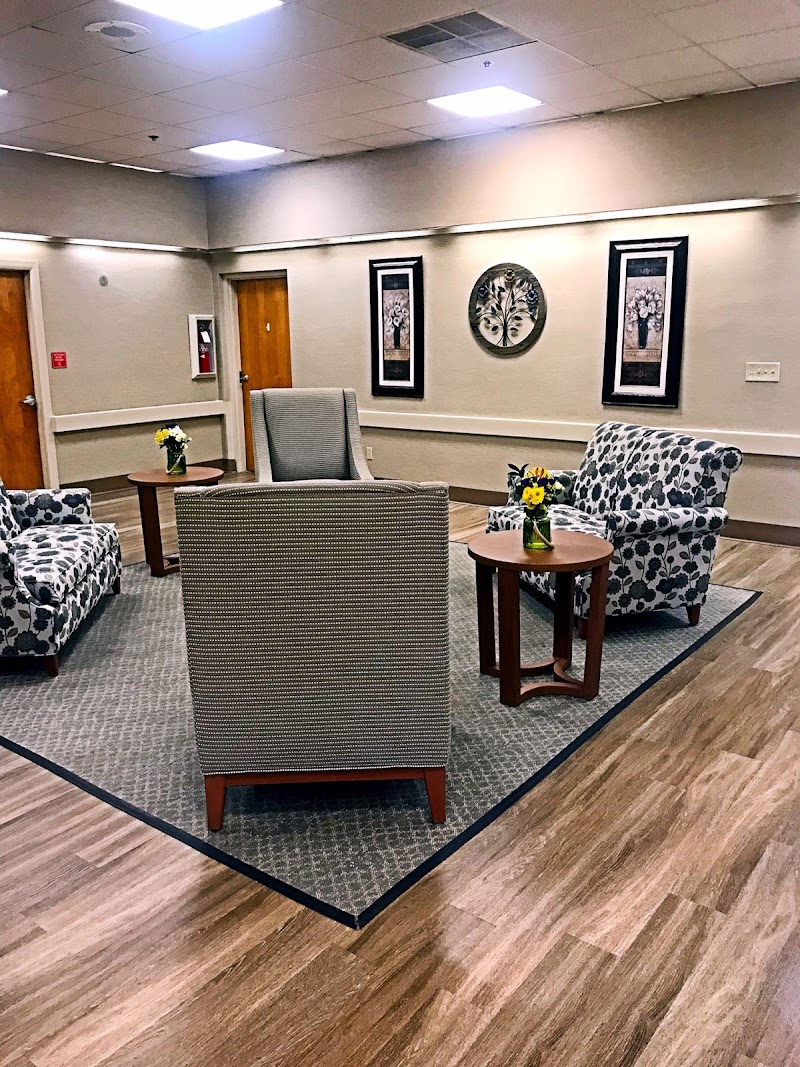
How is The Laurels Of Middletown Staffed?

CMS rates THE LAURELS OF MIDDLETOWN's staffing level at 2 out of 5 stars, which is below average compared to other nursing homes. Staff turnover is 46%, compared to the Ohio average of 46%. RN turnover specifically is 64%, which is notably high. RNs provide skilled clinical oversight, so turnover in this role can affect medical care quality.

What Have Inspectors Found at The Laurels Of Middletown?

State health inspectors documented 40 deficiencies at THE LAURELS OF MIDDLETOWN during 2019 to 2024. These included: 2 that caused actual resident harm and 38 with potential for harm. Deficiencies causing actual harm indicate documented cases where residents experienced negative health consequences.
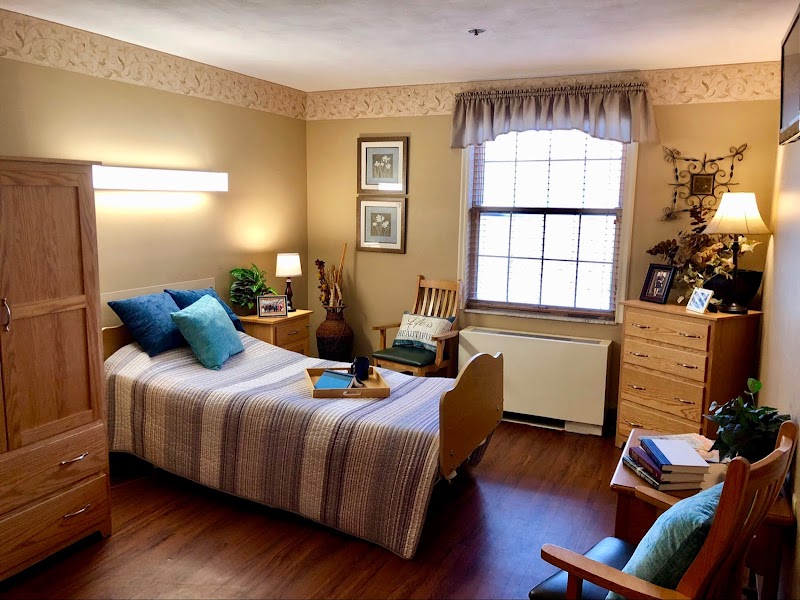
Who Owns and Operates The Laurels Of Middletown?

THE LAURELS OF MIDDLETOWN is owned by a for-profit company. For-profit facilities operate as businesses with obligations to shareholders or private owners. The facility is operated by CIENA HEALTHCARE/LAUREL HEALTH CARE, a chain that manages multiple nursing homes. With 109 certified beds and approximately 97 residents (about 89% occupancy), it is a mid-sized facility located in MIDDLETOWN, Ohio.
How Does The Laurels Of Middletown Compare to Other Ohio Nursing Homes?

Compared to the 100 nursing homes in Ohio, THE LAURELS OF MIDDLETOWN's overall rating (4 stars) is above the state average of 3.2, staff turnover (46%) is near the state average of 46%, and health inspection rating (3 stars) is at the national benchmark.

What Should Families Ask When Visiting The Laurels Of Middletown?

Based on this facility's data, families visiting should ask: "Can you walk me through typical staffing levels on day, evening, and night shifts?" "Can I visit during a mealtime to observe dining assistance and food quality?" "How do you handle medical emergencies, and what is your hospital transfer rate?" "Can I speak with family members of current residents about their experience?" These questions are particularly relevant given the below-average staffing rating.

Is The Laurels Of Middletown Safe?

Based on CMS inspection data, THE LAURELS OF MIDDLETOWN has a clean safety record: no substantiated abuse findings (meaning no confirmed cases of resident harm), no Immediate Jeopardy citations (the most serious violation level indicating risk of serious injury or death), and is not on the Special Focus Facility watch list (a federal program monitoring the lowest-performing 1% of nursing homes). The facility has a 4-star overall rating and ranks #1 of 100 nursing homes in Ohio. While no facility is perfect, families should still ask about staff-to-resident ratios and recent inspection results during their visit.

Do Nurses at The Laurels Of Middletown Stick Around?

THE LAURELS OF MIDDLETOWN has a staff turnover rate of 46%, which is about average for Ohio nursing homes (state average: 46%). Moderate turnover is common in nursing homes, but families should still ask about staff tenure and how the facility maintains care continuity when employees leave.

Was The Laurels Of Middletown Ever Fined?

THE LAURELS OF MIDDLETOWN has no federal fines on record. CMS issues fines when nursing homes fail to meet care standards or don't correct problems found during inspections. The absence of fines suggests the facility has either maintained compliance or corrected any issues before penalties were assessed. This is a positive indicator, though families should still review recent inspection reports for the full picture.

Is The Laurels Of Middletown on Any Federal Watch List?

THE LAURELS OF MIDDLETOWN is not on any federal watch list. The most significant is the Special Focus Facility (SFF) program, which identifies the bottom 1% of nursing homes nationally based on persistent, serious quality problems. Not being on this list means the facility has avoided the pattern of deficiencies that triggers enhanced federal oversight. This is a positive indicator, though families should still review the facility's inspection history directly.