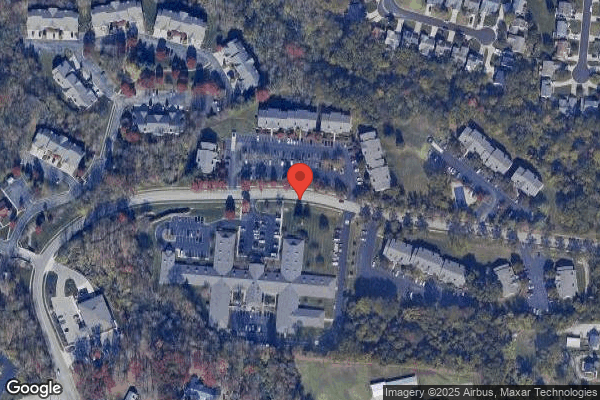
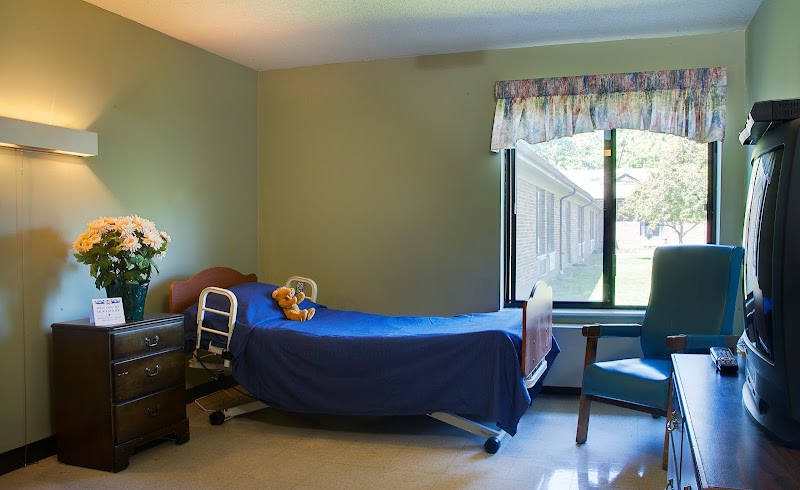
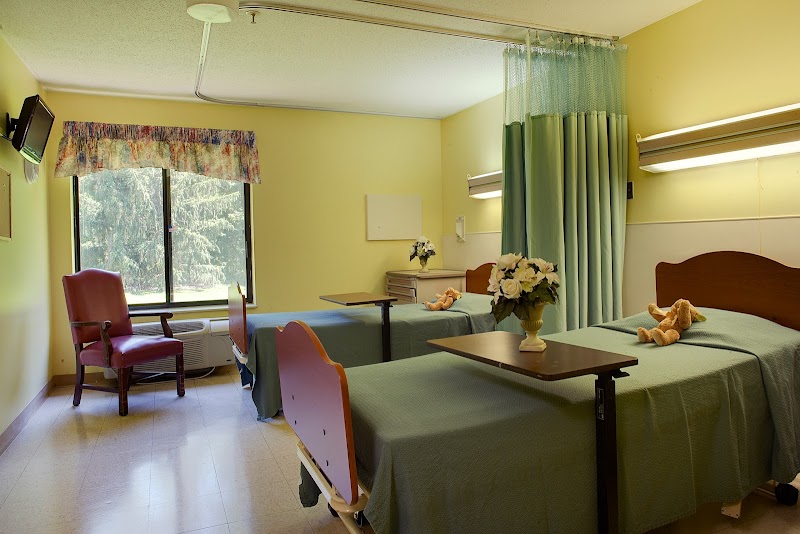
ARBORS AT MILFORD

5900 MEADOWCREEK DRIVE, MILFORD, OH 45150 (513) 248-1655
For profit - Corporation 90 Beds ARBORS AT OHIO Data: November 2025 4 Immediate Jeopardy citations
Trust Grade
0/100
#827 of 913 in OH
Last Inspection: April 2025

Within standard 12-15 month inspection cycle. Federal law requires annual inspections.

Overview

The Arbors at Milford has received a Trust Grade of F, indicating significant concerns about the facility's care and operations. Ranking #827 out of 913 in Ohio and #15 out of 15 in Clermont County, they are in the bottom half, suggesting limited options for improvement compared to local facilities. The situation seems to be worsening, with issues increasing from 8 in 2024 to 16 in 2025. Staffing is a concern with a rating of 2 out of 5 stars and a high turnover rate of 63%, much above the state average, meaning residents may not receive consistent care from familiar staff. Additionally, the facility has accumulated $151,363 in fines, indicating serious compliance problems, and has reported incidents where critical health issues were not promptly addressed, resulting in potential harm to residents. For example, staff failed to follow proper infection control practices during COVID-19, and a resident's critical health condition was not communicated in a timely manner, leading to life-threatening consequences. While the facility does have average RN coverage, the overall picture suggests families should proceed with caution.

Trust Score
F
0/100
In Ohio
#827/913
Bottom 10%
Safety Record
High Risk
Review needed
Inspections
Getting Worse
8 → 16 violations
Staff Stability
⚠ Watch
63% turnover. Above average. Higher turnover means staff may not know residents' routines.
Penalties
✓ Good
$151,363 in fines. Lower than most Ohio facilities. Relatively clean record.
Skilled Nurses
○ Average
Each resident gets 40 minutes of Registered Nurse (RN) attention daily — about average for Ohio. RNs are the most trained staff who monitor for health changes.
Violations
⚠ Watch
60 deficiencies on record. Higher than average. Multiple issues found across inspections.
★☆☆☆☆
1.0
Overall Rating
★★☆☆☆
2.0
Staff Levels
★★★☆☆
3.0
Care Quality
★☆☆☆☆
1.0
Inspection Score
Stable
2024: 8 issues
2025: 16 issues

The Good

  • Full Sprinkler Coverage · Fire safety systems throughout facility
  • No fines on record

Facility shows strength in fire safety.

The Bad

1-Star Overall Rating

Below Ohio average (3.2)

Significant quality concerns identified by CMS

Staff Turnover: 63%

17pts above Ohio avg (46%)

Frequent staff changes - ask about care continuity

Federal Fines: $151,363

Well above median ($33,413)

Significant penalties indicating serious issues

Chain: ARBORS AT OHIO

Part of a multi-facility chain

Ask about local staffing decisions and management

Staff turnover is elevated (63%)

15 points above Ohio average of 48%

The Ugly 60 deficiencies on record

4 life-threatening 5 actual harm
Apr 2025 16 deficiencies 2 IJ
CRITICAL (J)

Immediate Jeopardy (IJ) - the most serious Medicare violation

Notification of Changes (Tag F0580)

Someone could have died · This affected 1 resident

**NOTE- TERMS IN BRACKETS HAVE BEEN EDITED TO PROTECT CONFIDENTIALITY** THE FOLLOWING DEFICIENCY REPRESENTS AN INCIDENT OF PAST NONCOMPLIANCE THAT WAS SUBSEQUENTLY CORRECTED PRIOR TO THIS SURVEY. Base...

Read full inspector narrative →
**NOTE- TERMS IN BRACKETS HAVE BEEN EDITED TO PROTECT CONFIDENTIALITY** THE FOLLOWING DEFICIENCY REPRESENTS AN INCIDENT OF PAST NONCOMPLIANCE THAT WAS SUBSEQUENTLY CORRECTED PRIOR TO THIS SURVEY. Based on medical record review, review of a hospital record, staff interview, review of the facility investigation, and policy review, the facility failed to ensure the physician or nurse practitioner was notified timely of a significant change in condition for a resident (#70). This resulted in Immediate Jeopardy and serious life-threatening harm, injuries, and/or death when on [DATE] at 7:46 P.M., Resident #70 was found to have elevated blood glucose levels by a nurse and after notification to the nurse practitioner, additional insulin was ordered, which the resident refused. The nurse did not make notification to the nurse practitioner or physician of the resident's refusal of additional insulin and no additional checks of the resident's blood glucose level were attempted. Resident #70 was later found on the floor, was not answering questions, but was able to move all extremities, and the right side of the resident's face was slightly swollen. Furthermore, the nurse did not complete a neurological assessment of the resident, and no notifications were made to the physician or nurse practitioner of the resident's change in condition. Resident #70 was found later the next morning on [DATE] at 2:42 A.M. with bluish-colored skin tone, abdominal breathing, an extremely edematous head, and was not responding to verbal or physical stimuli. The lack of notification to the physician or nurse practitioner contributed to Resident #70's untimely death when the resident was taken to the emergency department, was found to have a further elevated blood glucose level, was diagnosed with acute encephalopathy, with multiple metabolic/infectious abnormalities, acute metabolic acidosis, and ultimately died. This affected one (#70) of three residents reviewed for change in condition and notification. The facility census was 72. On [DATE] at 9:03 A.M., Regional Director of Operations #199 and Regional Director of Clinical Operations (RDCO) #595 were notified that Immediate Jeopardy began on [DATE] at 7:46 P.M. when Resident #70's blood glucose level measured 583 milligrams per deciliter (mg/dL) and previous Director of Nursing (DON) #395 notified the nurse practitioner of the elevated blood glucose level. The nurse practitioner ordered additional insulin which the resident refused, and previous DON #395 did not make notification to the nurse practitioner or physician of the resident's refusal of additional insulin and no additional checks of the resident's blood glucose level were attempted or documented in the medical record. Resident #70 was found on the floor on [DATE] at 2:42 A.M. and was not answering questions, but was able to move all extremities, and the right side of the resident's face was slightly swollen. Previous DON #395 did not complete a neurological assessment of the resident, and no notifications were made to the physician or nurse practitioner of the change in condition. On [DATE] at 7:15 A.M., Licensed Practical Nurse (LPN) #155 entered Resident #70's room to check the resident's blood glucose level and administer insulin and found Resident #70 in bed with bluish-colored skin tone, abdominal breathing, an extremely edematous head, and the resident was not responding to verbal or physical stimuli. A medical code was initiated by facility and emergency medical services (EMS) arrived at the facility and transported the resident to the hospital. At the hospital, Resident #70 was noted to have a blood glucose level greater than 784 mg/dL and had diagnoses of acute encephalopathy, with multiple metabolic/infectious abnormalities, and acute metabolic acidosis. Resident #70 ultimately died on [DATE]. The Immediate Jeopardy was removed on [DATE] at 4:00 P.M., when the facility sent Resident #70 to the ED for treatment following a change in condition, notification was made to the physician, the facility began an investigation, previous DON #395 was suspended, all residents were assessed for change in condition with all concerns addressed immediately, all staff members were educated, and all medical records were reviewed for change in condition and blood glucose levels with no concerns identified. The deficiency remained at a Severity Level 2 (no actual harm with potential for more than minimal harm that is not Immediate Jeopardy) until it was corrected on [DATE] when the facility implemented the following corrective actions: • On [DATE] at 7:32 A.M., Resident #70 was sent to the ED with notification made to the physician. • On [DATE] beginning at 10:00 A.M., Previous Administrator #495 and Minimum Data Set (MDS) Nurse #146 reviewed the 24-hour report and self-identified a concern with Resident #70's refusal of an order for 16 units of insulin on [DATE] at 7:46 A.M. and failure to notify the physician/nurse practitioner during morning clinical meeting. This concluded at 12:00 P.M. • On [DATE] at 12:00 P.M., Previous Administrator #495 and RDCO #595 obtained statements and conducted interviews with LPN Unit Manager #600, Medication Technician #127, LPN #130, LPN #155, Respiratory Therapist (RT) #82, Certified Nurse Aide (CNA) #605, RT #124, CNA (#610), and previous DON #395. This concluded at 9:00 P.M. • On [DATE] at 2:30 P.M., RDCO #595 was notified by Previous Administrator #495 of the situation that involved Resident #70 and arrived at the facility at approximately 5:00 P.M. to assist with the investigation. • On [DATE] at 8:00 P.M., Registered Nurse (RN)/Staff Development Coordinator (SDC) #375 assessed all residents who had a recent fall and completed a neurological check. There were no residents found with a neurological change in condition. • On [DATE] at 9:00 P.M., LPN #116, LPN #146, RDCO #595, and LPN #600 assessed all residents for a change in condition. There were no residents found with a change in condition. • On [DATE] at 9:30 P.M., Previous Administrator #495 suspended previous DON #395 pending investigation for his failure to notify Nurse Practitioner (NP) #195 of Resident #70's refusal to be administered insulin as ordered by the nurse practitioner and subsequent change in condition. Previous DON #395 was terminated from employment on [DATE]. • On [DATE], RN/SDC #375 provided all nurses, medication technicians, and CNAs with education related to fall assessment protocols, notification of physicians for resident change of condition, the importance of initiating treatment, the importance of rounding every two hours, the importance of obtaining neurological checks when it was suspected the resident had a head injury and/or was on blood thinners, and the importance of initiating the risk management application in the electronic medical record. All staff were educated by [DATE]. • On [DATE] at 10:00 A.M., RDCO #595 and previous Administrator #495 notified facility Medical Director #995 of the incident and reviewed the policy and procedure for change in condition/notification of change. There were no revisions made to the policy. The root cause analysis identified failure to follow facility policy for notification to a physician by previous DON #395 as the primary cause for Resident #70's deteriorating change in condition. • On [DATE] at 10:00 A.M., a Quality Assurance and Performance Improvement (QAPI) meeting was held with previous Administrator #495, RDCO #595, and Medical Director #995. The policy for change in condition/physician notification was reviewed with no recommended revisions. The result of the facility's root cause analysis (RCA) was reviewed and the staff completed education was reviewed. • On [DATE] at 10:00 A.M., RN #122, LPN #155, and LPN #800 completed walking rounds for resident change in condition. One resident was found with a change in condition, and it was addressed immediately. • On [DATE] at 12:00 P.M., RDCO #595 reviewed all resident blood sugars to ensure notification of variances was made to the physician. There were no variances noted and was completed by 4:00 P.M. • Beginning on [DATE], RDCO #595/designee provided education on resident change in condition and notification to the physician/nurse practitioner to all newly hired nurses and CNAs. • Beginning on [DATE], RDCO #595/designee conducted a daily clinical meeting Monday through Friday, excluding holidays, to review residents with a change in condition and/or transfer to the hospital to ensure proper physician notification was made timely. The clinical meetings continue indefinitely with no concerns identified through the review period. • Beginning on [DATE], RDCO #595/designee monitored the results of the daily clinical meeting for residents with a change in condition and notification to the physician and submitted the findings to the QAPI committee for review and recommendations. This continued monthly with QAPI meetings held on [DATE] and [DATE] and then as needed. There were no concerns noted in the QAPI meeting minutes. • On [DATE], two (#1 and #19) additional resident medical records were reviewed for change in condition and notification of change with no concerns identified. • Interviews on [DATE] from 9:35 A.M. to 10:05 A.M. with RN #98, RN #122, CNA #96, CNA #80, CNA #119, CNA #127, CNA #99, CNA #105, and CNA #144 verified they received education from the facility regarding a resident change in condition or mental status change from the resident's baseline. CNAs interviewed verified they would immediately notify the nurse of the change in condition and nurses interviewed indicated the physician would be notified immediately. All staff members were able to recall the training and demonstrated proficiency of the education provided. Findings include: Review of the medical record revealed Resident #70 was admitted to the facility on [DATE] with diagnoses of acute and chronic respiratory failure with hypoxia, tracheostomy, end-stage renal disease (ESRD) with dependence on hemodialysis, diabetes mellitus Type I, hypertension, chronic obstructive pulmonary disease, and chronic viral Hepatitis C. Review of the Minimum Data Set (MDS) Discharge-return not anticipated assessment dated [DATE] revealed Resident #70 had no cognitive deficit and was always continent of bowel and occasionally incontinent of urine. The resident required set up assistance for eating, oral and personal hygiene, toileting and transfers, moderate assistance for bathing, supervision for dressing, and was independent with bed mobility. Review of a fall risk evaluation dated [DATE] revealed Resident #70 was a low risk for falls. Review of physician orders revealed an order dated [DATE] for Resident #70 to be administered aspart insulin with niacinamide 100 units per milliliter per sliding scale subcutaneously (SQ) before meals related to diabetes mellitus Type I. The sliding scale was as follows: for blood glucose levels between zero (0) and 59 mg/dL, implement hypoglycemia protocol; for blood glucose levels between 60 and 150 mg/dL, give 0 units; for blood glucose levels between 151 and 200 mg/dL, give two (2) units; for blood glucose levels between 201 and 250 mg/dL, give four (4) units; for blood glucose levels between 251 and 300 mg/dL, give six (6) units; for blood glucose levels between 301 and 350 mg/dL, give eight (8) units; for blood glucose levels between 351 and 400 mg/dL, give 10 units; for blood glucose levels between 401 and 450, give 12 units; and for blood glucose levels greater than 451 mg/dL, notify the physician. Review of Resident #70's [DATE] medication administration record (MAR) revealed Resident #70 refused aspart insulin with niacinamide 100 units per milliliter as per sliding scale SQ before meals related to diabetes mellitus type I doses on [DATE] at 11:00 A.M. when the blood glucose levels was 170 mg/dL and at 4:00 P.M. when blood sugar level was 400 mg/dL, on [DATE] at 7:00 A.M. when the blood glucose level was 465 mg/dL and at 4:00 P.M. when blood glucose level was 450 mg/dL, on [DATE] at 11:00 A.M. when the blood glucose level was 220 mg/dL, and on [DATE] at 11:00 A.M. when the blood glucose level was 587 mg/dL. Review of a nursing progress note dated [DATE] at 7:46 P.M., written by LPN #150, revealed Resident #70's glucose reading was 583 mg/dL. The nurse practitioner was notified, and an order was received to administer 16 units of insulin which Resident #70 refused. The resident had a history of non-compliance with the medication regimen. The resident was educated on the risks, up to and including death, of refusing physician orders. The resident was alert and oriented and repeated back understanding of the risks. Review of a nursing progress note dated [DATE] at 2:42 A.M., written by previous DON #395, revealed Resident #70 was found on the floor by a certified nurse aide. The resident was not answering questions but was able to move all extremities. The right side of the resident's face was slightly swollen. A neurologic examination was unable to be completed due to the resident not opening her eyes upon command. Review of a nursing progress note dated [DATE] at 2:43 A.M., written by previous DON #395, revealed Resident #70 was assessed and the resident continued to move all extremities and her bilateral lower extremities which were over the side of the bed. The resident's respirations were easy yet unlabored and the resident continued to not follow commands. Review of a nursing progress note dated [DATE] at 7:15 A.M., written by LPN #155, revealed LPN #155 entered Resident #70's room to administer morning medications and obtain a fingerstick to check the resident's blood sugar and found the resident laying sideways across the bed with her legs dangling off the bed. The resident was noted with a bluish-colored skin tone and abdominal breathing. The resident's head was extremely edematous. The resident's cool air mist tubing was laying on her chest and not connected to the tracheostomy. A thick brown and blood-tinged sputum was noted in and around the tracheostomy. Resident #70 was unresponsive to verbal stimuli and sternal rub. LPN #155 called an emergency medical code at that time and two respiratory therapists immediately responded and initiated suctioning and providing breaths to the resident via a resuscitation (Ambu) bag. The resident's oxygen saturation was 94 percent (%) on the tracheostomy, the heart rate was 144 beats per minute, and the blood pressure could not be obtained. The respiratory therapists continued to provide respirations to Resident #70. At 7:24 A.M., emergency medical transport (EMT) personnel arrived on the scene and care was transitioned to them. At 7:27 A.M., EMT personnel remained on the scene providing first aid to the resident who continued to be unresponsive and with abdominal breathing. The resident's skin tone returned to a natural color. At 7:32 A.M., EMT personnel transported the resident from the facility to the hospital. A report was called to the receiving hospital emergency department (ED), and notifications were made to the physician and the resident's family. At 12:52 P.M., the resident was admitted to the hospital with a diagnosis of acute metabolic encephalopathy. Review of hospital documents dated [DATE] at 1:09 P.M. revealed Resident #70 had a blood glucose level greater than 784 mg/dL and was admitted unresponsive on mechanical ventilation to the medical intensive care unit (MICU) with a concern for volume overload and flash pulmonary edema. The resident's temperature was 102.6 degrees Fahrenheit. The physician noted the resident was critically ill due to acute encephalopathy and comatose state and if untreated, there was a high risk of imminent or life-threatening deterioration of the resident's condition due to worsening hypoxic-ischemic brain injury, cerebral edema, seizures, brain compression and brain death. Further review of the hospital document revealed on [DATE] at 2:11 P.M., Resident #70 was also assigned a diagnosis of acute metabolic acidosis. Review of a nursing progress note dated [DATE] revealed the family reported Resident #70 expired in the hospital today. Interview on [DATE] at 12:41 P.M. with Registered Nurse (RN) #390 verified there was no documentation that indicated neurological checks were performed on Resident #70 from the time she was found on the floor at [DATE] at 2:42 A.M. until she was transported to the hospital on [DATE] at 7:32 A.M. by EMT personnel or that the physician was notified of the resident's change in condition until transport to the hospital on [DATE] at 7:32 A.M. Telephone interview on [DATE] at 1:12 P.M. with previous DON #395 verified neurological checks were not performed on Resident #70 after finding her on the floor on [DATE] at 2:42 A.M. through the time she was transported to the hospital on [DATE] at 7:32 A.M. Previous DON #395 also verified neither the physician, physician extender, nor family were notified of the resident's change in condition until after the resident was transported to the hospital. He was unable to provide rationale as to why neither neurological checks were obtained nor why the physician and family were not notified. Telephone interview on [DATE] at 8:32 A.M. with Nurse Practitioner (NP) #195 verified it was the expectation for the facility to make immediate notification to the physician or physician extender for any resident who was experiencing or who had experienced a change in condition. NP #195 verified the facility did not make notification for Resident #70's change in condition until the resident was transported to the hospital on [DATE] at 7:32 A.M. NP #195 stated she should have been called immediately after the resident was found on the floor on [DATE] at 2:42 A.M., especially when it was noted the resident had swelling noted to the face and was on an anticoagulant medication. Interview on [DATE] at 8:40 A.M. with the current DON revealed the findings of the facility's investigation were inconclusive as to how Resident #70 became to be on the floor in the early morning hours of [DATE]. The DON stated Resident #70 had a blanket on the floor and her oxygen tubing remained connected to her tracheostomy. The DON stated it was a strong possibility the resident placed herself on the floor and laid down. The DON did verify neurological checks were not completed on Resident #70 nor was the physician notified of the resident's change in condition until after transport to the hospital on [DATE] at 7:32 A.M. Interview on [DATE] at 11:55 P.M. with NP #195 verified Resident #70 had a history of erratic blood glucose levels and stated the resident was afraid of being administered greater than 8 units of insulin for fear of it stacking up due to her diagnosis of type I diabetes mellitus. NP #195 verified the facility, and specifically previous DON #395, should have notified her immediately of the resident refusing the order for the 16 units of insulin on [DATE] at 7:46 P.M. and the resident should have been reassessed between [DATE] at 7:46 P.M. and [DATE] at 2:42 A.M. with an update provided. NP #195 also verified she would have definitely ordered the resident be sent to the hospital on [DATE] at 2:42 A.M. had she been notified by previous DON #395. Review of the policy titled, Notification of Changes, revised [DATE], revealed the purpose of this policy was to ensure the facility promptly informs the resident, consults the resident's physician, and notifies, consistent with his or her authority, resident's representative when there was a change requiring notification. Circumstances requiring notification include a significant change in the resident's physical, mental, or psychosocial condition such as deterioration in health, mental, or psychosocial status that may include life-threatening conditions or clinical complications.
CRITICAL (J) 📢 Someone Reported This

A family member, employee, or ombudsman was alarmed enough to file a formal complaint

Immediate Jeopardy (IJ) - the most serious Medicare violation

Free from Abuse/Neglect (Tag F0600)

Someone could have died · This affected 1 resident

**NOTE- TERMS IN BRACKETS HAVE BEEN EDITED TO PROTECT CONFIDENTIALITY** THE FOLLOWING DEFICIENCY REPRESENTS AN INCIDENT OF PAST NONCOMPLIANCE THAT WAS SUBSEQUENTLY CORRECTED PRIOR TO THIS SURVEY. Base...

Read full inspector narrative →
**NOTE- TERMS IN BRACKETS HAVE BEEN EDITED TO PROTECT CONFIDENTIALITY** THE FOLLOWING DEFICIENCY REPRESENTS AN INCIDENT OF PAST NONCOMPLIANCE THAT WAS SUBSEQUENTLY CORRECTED PRIOR TO THIS SURVEY. Based on medical record review, review of a hospital record, staff interview, review of the facility investigation, and policy review, the facility failed to ensure a resident (#70) was free from neglect when the facility failed to provide appropriate and timely assessment, treatment, service, and notification to the physician or nurse practitioner. This resulted in Immediate Jeopardy and serious life-threatening harm, injuries, and/or death when on [DATE] at 7:46 P.M., Resident #70 was found to have elevated blood glucose levels by a nurse and after notification to the nurse practitioner, additional insulin was ordered, which the resident refused. The nurse did not make notification to the nurse practitioner or physician of the resident's refusal of additional insulin and no additional checks of the resident's blood glucose level were attempted. Resident #70 was later found on the floor, was not answering questions, but was able to move all extremities, and the right side of the resident's face was slightly swollen. Furthermore, the nurse did not complete a neurological assessment of the resident, and no notifications were made to the physician or nurse practitioner of the resident's change in condition. Resident #70 was found later the next morning on [DATE] at 2:42 A.M. with bluish-colored skin tone, abdominal breathing, an extremely edematous head, and was not responding to verbal or physical stimuli. The lack of timely assessments, treatments, services, and notification to the physician or nurse practitioner contributed to Resident #70's untimely death when the resident was taken to the emergency department, was found to have a further elevated blood glucose level, was diagnoses with acute encephalopathy, with multiple metabolic/infectious abnormalities, acute metabolic acidosis, and ultimately died. This affected one (#70) of three residents reviewed for abuse and neglect. The facility census was 72. On [DATE] at 9:03 A.M., Regional Director of Operations #199 and Regional Director of Clinical Operations (RDCO) #595 were notified that Immediate Jeopardy began on [DATE] at 7:46 P.M. when Resident #70's blood glucose level measured 583 milligrams per deciliter (mg/dL) and previous Director of Nursing (DON) #395 notified the nurse practitioner of the elevated blood glucose level. The nurse practitioner ordered additional insulin which the resident refused, and previous DON #395 did not make notification to the nurse practitioner or physician of the resident's refusal of additional insulin and no additional checks of the resident's blood glucose level were attempted or documented in the medical record. Resident #70 was found on the floor on [DATE] at 2:42 A.M. and was not answering questions, but was able to move all extremities, and the right side of the resident's face was slightly swollen. Previous DON #395 did not complete a neurological assessment of the resident, and no notifications were made to the physician or nurse practitioner of the change in condition. On [DATE] at 7:15 A.M., Licensed Practical Nurse (LPN) #155 entered Resident #70's room to check the resident's blood glucose level and administer insulin and found Resident #70 in bed with bluish-colored skin tone, abdominal breathing, an extremely edematous head, and the resident was not responding to verbal or physical stimuli. A medical code was initiated by facility and emergency medical services (EMS) arrived at the facility and transported the resident to the hospital. At the hospital, Resident #70 was noted to have a blood glucose level greater than 784 mg/dL and had diagnoses of acute encephalopathy, with multiple metabolic/infectious abnormalities, and acute metabolic acidosis. Resident #70 ultimately died on [DATE]. The Immediate Jeopardy was removed on [DATE] at 4:00 P.M., when the facility sent Resident #70 to the ED for treatment following a change in condition, notification was made to the physician, the facility began an investigation, previous DON #395 was suspended, all residents were assessed for change in condition with all concerns addressed immediately, all staff members were educated, and all medical records were reviewed for change in condition and blood glucose levels with no concerns identified. The deficiency remained at a Severity Level 2 (no actual harm with potential for more than minimal harm that is not Immediate Jeopardy) until it was corrected on [DATE] when the facility implemented the following corrective actions: • On [DATE] at 7:32 A.M., Resident #70 was sent to the ED with notification made to the physician. • On [DATE] beginning at 10:00 A.M., Previous Administrator #495 and Minimum Data Set (MDS) Nurse #146 reviewed the 24-hour report and self-identified a concern with Resident #70's refusal of an order for 16 units of insulin on [DATE] at 7:46 A.M. and failure to notify the physician/nurse practitioner during morning clinical meeting. This concluded at 12:00 P.M. • On [DATE] at 12:00 P.M., Previous Administrator #495 and RDCO #595 obtained statements and conducted interviews with LPN Unit Manager #600, Medication Technician #127, LPN #130, LPN #155, Respiratory Therapist (RT) #82, Certified Nurse Aide (CNA) #605, RT #124, CNA (#610), and previous DON #395. This concluded at 9:00 P.M. • On [DATE] at 2:30 P.M., RDCO #595 was notified by Previous Administrator #495 of the situation that involved Resident #70 and arrived at the facility at approximately 5:00 P.M. to assist with the investigation. • On [DATE] at 8:00 P.M., Registered Nurse (RN)/Staff Development Coordinator (SDC) #375 assessed all residents who had a recent fall and completed a neurological check. There were no residents found with a neurological change in condition. • On [DATE] at 9:00 P.M., LPN #116, LPN #146, RDCO #595, and LPN #600 assessed all residents for a change in condition. There were no residents found with a change in condition. • On [DATE] at 9:30 P.M., Previous Administrator #495 suspended previous DON #395 pending investigation for his failure to notify Nurse Practitioner (NP) #195 of Resident #70's refusal to be administered insulin as ordered by the nurse practitioner and subsequent change in condition. Previous DON #395 was terminated from employment on [DATE]. • On [DATE], RN/SDC #375 provided all nurses, medication technicians, and CNAs with education related to fall assessment protocols, notification of physicians for resident change of condition, the importance of initiating treatment, the importance of rounding every two hours, the importance of obtaining neurological checks when it was suspected the resident had a head injury and/or was on blood thinners, and the importance of initiating the risk management application in the electronic medical record. All staff were educated by [DATE]. • On [DATE] at 10:00 A.M., RDCO #595 and previous Administrator #495 notified facility Medical Director #995 of the incident and reviewed the policy and procedure for change in condition/notification of change. There were no revisions made to the policy. The root cause analysis identified failure to follow facility policy for notification to a physician by previous DON #395 as the primary cause for Resident #70's deteriorating change in condition. • On [DATE] at 10:00 A.M., a Quality Assurance and Performance Improvement (QAPI) meeting was held with previous Administrator #495, RDCO #595, and Medical Director #995. The policy for change in condition/physician notification was reviewed with no recommended revisions. The result of the facility's root cause analysis (RCA) was reviewed and the staff completed education was reviewed. • On [DATE] at 10:00 A.M., RN #122, LPN #155, and LPN #800 completed walking rounds for resident change in condition. One resident was found with a change in condition, and it was addressed immediately. • On [DATE] at 12:00 P.M., RDCO #595 reviewed all resident blood sugars to ensure notification of variances was made to the physician. There were no variances noted and was completed by 4:00 P.M. • Beginning on [DATE], RDCO #595/designee provided education on resident change in condition and notification to the physician/nurse practitioner to all newly hired nurses and CNAs. • Beginning on [DATE], RDCO #595/designee conducted a daily clinical meeting Monday through Friday, excluding holidays, to review residents with a change in condition and/or transfer to the hospital to ensure proper physician notification was made timely. The clinical meetings continue indefinitely with no concerns identified through the review period. • Beginning on [DATE], RDCO #595/designee monitored the results of the daily clinical meeting for residents with a change in condition and notification to the physician and submitted the findings to the QAPI committee for review and recommendations. This continued monthly with QAPI meetings held on [DATE] and [DATE] and then as needed. There were no concerns noted in the QAPI meeting minutes. • On [DATE], two (#1 and #19) additional resident medical records were reviewed for abuse and neglect with no concerns identified. • Interviews on [DATE] from 9:35 A.M. to 10:05 A.M. with RN #98, RN #122, CNA #96, CNA #80, CNA #119, CNA #127, CNA #99, CNA #105, and CNA #144 verified they received education from the facility regarding a resident change in condition or mental status change from the resident's baseline. CNAs interviewed verified they would immediately notify the nurse of the change in condition and nurses interviewed indicated the physician would be notified immediately. All staff members were able to recall the training and demonstrated proficiency of the education provided. Findings include: Review of the medical record revealed Resident #70 was admitted to the facility on [DATE] with diagnoses of acute and chronic respiratory failure with hypoxia, tracheostomy, end-stage renal disease (ESRD) with dependence on hemodialysis, diabetes mellitus Type I, hypertension, chronic obstructive pulmonary disease, and chronic viral Hepatitis C. Review of the Minimum Data Set (MDS) Discharge-return not anticipated assessment dated [DATE] revealed Resident #70 had no cognitive deficit and was always continent of bowel and occasionally incontinent of urine. The resident required set up assistance for eating, oral and personal hygiene, toileting and transfers, moderate assistance for bathing, supervision for dressing, and was independent with bed mobility. Review of physician orders revealed Resident #70 had an order dated [DATE] to be administered the anticoagulant medication Eliquis 2.5 milligrams (mg) by mouth with instructions to give one tablet every morning and at bedtime. Review of a fall risk evaluation dated [DATE] revealed Resident #70 was a low risk for falls. Review of physician orders revealed an order dated [DATE] for Resident #70 to be administered aspart insulin with niacinamide 100 units per milliliter per sliding scale subcutaneously (SQ) before meals related to diabetes mellitus Type I. The sliding scale was as follows: for blood glucose levels between zero (0) and 59 mg/dL, implement hypoglycemia protocol; for blood glucose levels between 60 and 150 mg/dL, give 0 units; for blood glucose levels between 151 and 200 mg/dL, give two (2) units; for blood glucose levels between 201 and 250 mg/dL, give four (4) units; for blood glucose levels between 251 and 300 mg/dL, give six (6) units; for blood glucose levels between 301 and 350 mg/dL, give eight (8) units; for blood glucose levels between 351 and 400 mg/dL, give 10 units; for blood glucose levels between 401 and 450, give 12 units; and for blood glucose levels greater than 451 mg/dL, notify the physician. Review of Resident #70's [DATE] medication administration record (MAR) revealed Resident #70 refused aspart insulin with niacinamide 100 units per milliliter as per sliding scale SQ before meals related to diabetes mellitus type I doses on [DATE] at 11:00 A.M. when the blood glucose levels was 170 mg/dL and at 4:00 P.M. when blood sugar level was 400 mg/dL, on [DATE] at 7:00 A.M. when the blood glucose level was 465 mg/dL and at 4:00 P.M. when blood glucose level was 450 mg/dL, on [DATE] at 11:00 A.M. when the blood glucose level was 220 mg/dL, and on [DATE] at 11:00 A.M. when the blood glucose level was 587 mg/dL. Review of a nursing progress note dated [DATE] at 7:46 P.M., written by Licensed Practical Nurse (LPN) #150, revealed Resident #70's glucose reading was 583 mg/dL. The nurse practitioner was notified, and an order was received to administer 16 units of insulin which Resident #70 refused. The resident had a history of non-compliance with the medication regimen. The resident was educated on the risks, up to and including death, of refusing physician orders. The resident was alert and oriented and repeated back understanding of the risks. Review of a nursing progress note dated [DATE] at 2:42 A.M., written by previous DON #395, revealed Resident #70 was found on the floor by a certified nurse aide. The resident was not answering questions but was able to move all extremities. The right side of the resident's face was slightly swollen. A neurologic examination was unable to be completed due to the resident not opening her eyes upon command. Review of a nursing progress note dated [DATE] at 2:43 A.M., written by previous DON #395, revealed Resident #70 was assessed and the resident continued to move all extremities and her bilateral lower extremities which were over the side of the bed. The resident's respirations were easy yet unlabored and the resident continued to not follow commands. Review of a nursing progress note dated [DATE] at 7:15 A.M., written by LPN #155, revealed LPN #155 entered Resident #70's room to administer morning medications and obtain a fingerstick to check the resident's blood sugar and found the resident laying sideways across the bed with her legs dangling off the bed. The resident was noted with a bluish-colored skin tone and abdominal breathing. The resident's head was extremely edematous. The resident's cool air mist tubing was laying on her chest and not connected to the tracheostomy. A thick brown and blood-tinged sputum was noted in and around the tracheostomy. Resident #70 was unresponsive to verbal stimuli and sternal rub. LPN #155 called an emergency medical code at that time and two respiratory therapists immediately responded and initiated suctioning and providing breaths to the resident via a resuscitation (Ambu) bag. The resident's oxygen saturation was 94 percent (%) on the tracheostomy, the heart rate was 144 beats per minute, and the blood pressure could not be obtained. The respiratory therapists continued to provide respirations to Resident #70. At 7:24 A.M., emergency medical transport (EMT) personnel arrived on the scene and care was transitioned to them. At 7:27 A.M., EMT personnel remained on the scene providing first aid to the resident who continued to be unresponsive and with abdominal breathing. The resident's skin tone returned to a natural color. At 7:32 A.M., EMT personnel transported the resident from the facility to the hospital. A report was called to the receiving hospital emergency department (ED) and notifications were made to the physician and the resident's family. At 12:52 P.M., the resident was admitted to the hospital with a diagnosis of acute metabolic encephalopathy. Review of hospital documents dated [DATE] at 1:09 P.M. revealed Resident #70 had a blood glucose level greater than 784 mg/dL and was admitted unresponsive on mechanical ventilation to the medical intensive care unit (MICU) with a concern for volume overload and flash pulmonary edema. The resident's temperature was 102.6 degrees Fahrenheit. The physician noted the resident was critically ill due to acute encephalopathy and comatose state and if untreated, there was a high risk of imminent or life-threatening deterioration of the resident's condition due to worsening hypoxic-ischemic brain injury, cerebral edema, seizures, brain compression and brain death. Further review of the hospital document revealed on [DATE] at 2:11 P.M., Resident #70 was also assigned a diagnosis of acute metabolic acidosis. Review of a nursing progress note dated [DATE] revealed the family reported Resident #70 expired in the hospital today. Interview on [DATE] at 12:41 P.M. with RN #390 verified there was no documentation that indicated neurological checks were performed on Resident #70 from the time she was found on the floor at [DATE] at 2:42 A.M. until she was transported to the hospital on [DATE] at 7:32 A.M. by EMT personnel or that the physician was notified of the resident's change in condition until transport to the hospital on [DATE] at 7:32 A.M. Telephone interview on [DATE] at 1:12 P.M. with previous DON #395 verified neurological checks were not performed on Resident #70 after finding her on the floor on [DATE] at 2:42 A.M. through the time she was transported to the hospital on [DATE] at 7:32 A.M. Previous DON #395 also verified neither the physician, physician extender, nor family were notified of the resident's change in condition until after the resident was transported to the hospital. He was unable to provide rationale as to why neither neurological checks were obtained nor why the physician and family were not notified. Telephone interview on [DATE] at 8:32 A.M. with NP #195 verified it was the expectation for the facility to make immediate notification to the physician or physician extender for any resident who was experiencing or who had experienced a change in condition. NP #195 verified the facility did not make notification for Resident #70's change in condition until the resident was transported to the hospital on [DATE] at 7:32 A.M. NP #195 stated she should have been called immediately after the resident was found on the floor on [DATE] at 2:42 A.M., especially when it was noted the resident had swelling noted to the face and was on an anticoagulant medication. Interview on [DATE] at 8:40 A.M. with the current DON revealed the findings of the facility's investigation were inconclusive as to how Resident #70 became to be on the floor in the early morning hours of [DATE]. The DON stated Resident #70 had a blanket on the floor and her oxygen tubing remained connected to her tracheostomy. The DON stated it was a strong possibility the resident placed herself on the floor and laid down. The DON did verify neurological checks were not completed on Resident #70 nor was the physician notified of the resident's change in condition until after transport to the hospital on [DATE] at 7:32 A.M. Interview on [DATE] at 11:55 P.M. with NP #195 verified Resident #70 had a history of erratic blood glucose levels and stated the resident was afraid of being administered greater than 8 units of insulin for fear of it stacking up due to her diagnosis of type I diabetes mellitus. NP #195 verified the facility, and specifically previous DON #395, should have notified her immediately of the resident refusing the order for the 16 units of insulin on [DATE] at 7:46 P.M. and the resident should have been reassessed between [DATE] at 7:46 P.M. and [DATE] at 2:42 A.M. with an update provided. NP #195 also verified she would have definitely ordered the resident be sent to the hospital on [DATE] at 2:42 A.M. had she been notified by previous DON #395. Review of the policy titled, Abuse, Neglect, and Exploitation, revised [DATE], revealed it was the policy for the facility to provide protections for health, welfare, and rights of each resident by developing and implementing written policies and procedures that prohibit and prevent abuse, neglect, exploitation, and misappropriation of resident property. Neglect was defined in the policy as failure of the facility, its employees, or service providers to provide goods and services to a resident that are necessary to avoid physical harm, pain, mental anguish, or emotional distress. The facility will develop and implement written policies and procedures that: prohibit and prevent abuse, neglect, and exploitation of residents and misappropriation of resident property. This deficiency represents non-compliance investigated under Complaint Number OH00162132.
SERIOUS (G)

Actual Harm - a resident was hurt due to facility failures

Pressure Ulcer Prevention (Tag F0686)

A resident was harmed · This affected 1 resident

Based on medical record review, observation, staff interview, interview with the outside wound nurse practitioner (NP), review of the facility policy, and review of online guidelines per the National ...

Read full inspector narrative →
Based on medical record review, observation, staff interview, interview with the outside wound nurse practitioner (NP), review of the facility policy, and review of online guidelines per the National Pressure Ulcer Advisory Panel (NPUAP), the facility failed to thoroughly assess residents' skin and failed to identify pressure ulcers until they reached an advanced stage. This resulted in Actual Harm for Resident #123 who was admitted to the facility with a pressure ulcer to his sacrum and developed an additional pressure ulcer to his right scapula which was not identified until it was an unstageable ulcer with slough (nonviable tissue which could impede wound healing) and necrotic (dead) tissue. This affected one (Resident #123) of five residents reviewed for pressure ulcers. The facility identified five residents with in-house acquired pressure ulcers. The facility census was 72 residents. Findings include: Review of the medical record for Resident #123 revealed an admission date of 02/21/25 with diagnoses including acute and chronic respiratory failure with hypoxia, major depressive disorder, essential primary hypertension, pulmonary embolism, cerebral infarction, diabetes mellitus, and sacral pressure ulcer. Review of the admission skin assessment for Resident #123 dated 02/21/25 revealed the resident was admitted to the facility with a stage IV pressure ulcer to his sacrum. Review of the shower sheet for Resident #123 completed by the Certified Nursing Assistant (CNA) dated 02/26/25 revealed the resident had no new skin issues. Review of the progress note for Resident #123 dated 02/27/25 per Wound Nurse Practitioner (WNP) #250 revealed the resident had no wounds on his right shoulder. Review of the Minimum Data Set (MDS) assessment for Resident #123 dated 02/28/25 revealed the resident had impaired cognition and was dependent on staff for activities of daily living (ADLs). Review of the online bathing documentation for Resident #123 per the CNAs dated 03/01/25 to 03/06/25 revealed the resident had a bed bath on the following dates: 03/01/25, 03/02/25, 03/05/25. Review of the pressure ulcer risk assessment for Resident #123 dated 03/06/25 revealed the resident was at high risk for the development of pressure ulcers. Review of the care plan for Resident #123 updated 03/06/25 revealed the resident had impaired skin integrity and was at risk for impaired skin integrity related to being confined to a bed all or most of the time, history of pressure ulcers, the need for assistance with ADLs, the need for repositioning, status post cerebral vascular accident (CVA), and ventilator use. Interventions included the following: apply protective barrier cream after in continent episodes, assist resident with turning and reposition as needed, complete skin inspection weekly and as needed, consult dietician as needed, elevate heels off the mattress, notify nurse of any new areas of skin impairment noted during bathing or daily care, notify physician of any new skin areas of skin impairment, pressure redistribution mattress, preventative treatments per orders, provide incontinence care as needed, provide a non-irritating surface to reduce friction or shearing forces. Review of the nurse progress note for Resident #123 dated 03/06/25 per the facility wound nurse, Licensed Practical Nurse (LPN) #150, revealed during wound rounds the nurse and Wound Nurse Practitioner (WNP) #250 noted a Xeroform gauze dressing to the resident's right shoulder which was covering a pressure ulcer. Neither LPN #150 nor WNP #250 were able to determine how long the wound to the resident's right shoulder had been present. Review of the progress note for Resident #123 dated 03/06/25 per WNP #250 revealed the resident had an unstageable pressure area to the right shoulder which measured 1.5 centimeters (cm) in length by 1.0 cm in width by 0.3 cm in depth. There was a medium amount of serosanguineous drainage from the wound with no granulation tissue within the wound bed. There was a large area of 67 percent (%) to 100 % of necrotic tissue and adherent slough tissue within the wound bed. Review of the medical record for Resident #123 dated 02/21/25 to 03/06/25 revealed there were no skin checks completed by licensed nurses during this time frame. Interview on 03/13/25 at 9:06 A.M with the facility wound nurse, LPN#150 confirmed the facility had not completed a pressure ulcer risk assessment for Resident #123 until 03/06/25 and determined the resident was at high risk for development of pressure ulcers. LPN #150 confirmed she completed wound rounds every Thursday with WNP #250, and facility nurses were expected to complete resident skin assessments on shower days twice weekly and notify her if they identified a new wound on a resident. LPN #150 confirmed the facility nurses had not completed skin assessments for Resident #123 from 02/21/25 to 03/06/25 and the CNA documentation dated 02/21/25 to 03/06/25 indicated the resident had no new skin issues. LPN #150 confirmed during wound rounds with WNP #250 on 03/06/25 they identified a pressure ulcer to Resident #123's right shoulder which was covered with an undated Xeroform gauze dressing. LPN #150 further confirmed when she completed wound rounds with WNP #250 on 02/27/25 there was no pressure ulcer or dressing present to Resident #123's right shoulder. LPN #150 confirmed the facility was unable to determine who had placed the dressing to Resident #123's right shoulder, and the facility had not identified the resident's pressure ulcer until 03/06/25 when the pressure ulcer to the resident's right shoulder presented as an unstageable ulcer due to slough and necrotic tissue within the wound bed. Observation on 03/13/25 at 1:45 P.M. of wound care for Resident #123 per LPN #150 revealed the resident had a nickel-sized pressure ulcer to his right shoulder with yellow slough present in the wound bed. Interview on 03/13/24 at 2:38 P.M. with WNP #250 confirmed the facility identified a new unstageable pressure ulcer to Resident#123's right shoulder during wound rounds completed on 03/06/25. WNP #250 confirmed the wound on Resident #123's right scapula was not present during wound rounds on 02/27/25 and was not identified by the facility until it had reached an advanced stage with slough and necrotic tissue present in the wound bed. Review of the facility policy titled Pressure Injury Prevention Guidelines dated 10/30/20 revealed a resident at risk could develop a pressure ulcer within hours of the onset of pressure the at-risk resident needed to be identified and have interventions implemented promptly to attempt to prevent pressure ulcers. Residents with pressure ulcers should receive necessary treatment and services consistent with professional standards of practice to promote healing, prevent infection, and prevent new pressure ulcers from forming. Review of the NPUAP guidelines, dated 2014, pages 70-71 and located at, https://npiap.com/general/custom.asp?page=2014Guidelines, revealed facilities should educate health professionals on how to undertake a comprehensive skin assessment that includes the techniques for identifying blanching response, localized heat, edema, and induration. Further review of the guidelines revealed ongoing assessment of the skin was necessary in order to detect early signs of pressure damage. Visual assessment for erythema (redness of the skin) was the first component of every skin inspection. Skin redness and tissue edema resulting from capillary occlusion was a response to pressure, especially over bony prominences. Staff should conduct a head-to-toe assessment with particular focus on skin overlying bony prominences including the sacrum, ischial tuberosities, greater trochanters and heels and each time the patient was repositioned was an opportunity to conduct a brief skin assessment.
CONCERN (D)

Potential for Harm - no one hurt, but risky conditions existed

Deficiency F0578 (Tag F0578)

Could have caused harm · This affected 1 resident

**NOTE- TERMS IN BRACKETS HAVE BEEN EDITED TO PROTECT CONFIDENTIALITY** Based on medical record review and staff interview, the facility failed to ensure a resident's advance directive was fully compl...

Read full inspector narrative →
**NOTE- TERMS IN BRACKETS HAVE BEEN EDITED TO PROTECT CONFIDENTIALITY** Based on medical record review and staff interview, the facility failed to ensure a resident's advance directive was fully completed and dated by the physician. This affected one (#65) of three residents reviewed for advanced directives. The facility census was 72. Findings include: Medical record review revealed Resident #65 was admitted to the facility on [DATE]. Diagnoses included chronic obstructive pulmonary disease, end stage renal disease, cutaneous abscess of the abdominal wall, renal dialysis, essential primary hypertension, heart failure, dysphagia, and hyperlipidemia. Review of the Minimum Data Set (MDS) assessment, dated 02/04/25, revealed Resident #65 had impaired cognition. Resident #65 was dependent on staff for medication administration, eating, dressing, bathing, and personal hygiene. Review of the undated form titled, DNR Comfort Care, revealed Resident #65 was indicated to have a DNR Comfort Care (DNRCC) advanced directive selected; however, there was no selection made under the section titled Certification of DNR Comfort Care Status, with an indication that it was to be completed by a physician. The choices to select included Do-Not-Resuscitate-Order or Living Will (Declaration) and Qualifying Condition with instructions to check only one box, and neither were marked. Further review of the form revealed the physician signed the form but did not date it. Review of the physician orders for Resident #65 dated 02/07/25 revealed an order for a DNRCC advanced directive. Interview with Licensed Practical Nurse (LPN) #122 on 03/11/25 at 11:55 A.M. confirmed Resident #65's DNR Comfort Care form was signed by the physician; however, it was not dated. LPN #122 also confirmed the boxes were left blank related to Do Not Resuscitate Order and Living Will (Declaration) and Qualifying Condition. LPN #122 confirmed the physician's date was required.
CONCERN (D)

Potential for Harm - no one hurt, but risky conditions existed

Assessment Accuracy (Tag F0641)

Could have caused harm · This affected 1 resident

**NOTE- TERMS IN BRACKETS HAVE BEEN EDITED TO PROTECT CONFIDENTIALITY** Based on observation, resident and staff interview, medical record review, review of the Long-Term Care Facility Resident Assess...

Read full inspector narrative →
**NOTE- TERMS IN BRACKETS HAVE BEEN EDITED TO PROTECT CONFIDENTIALITY** Based on observation, resident and staff interview, medical record review, review of the Long-Term Care Facility Resident Assessment Instrument (RAI) 3.0 User's Manual, and review of a government website, the facility failed to accurately code the status of a non-invasive mechanical ventilation on Minimum Data Set (MDS) assessments. This affected one (#60) of four residents reviewed for ventilators. The facility census was 72. Findings include: Medical record review for Resident #60 revealed she was admitted to the facility on [DATE]. Diagnoses included acute respiratory failure with hypoxia, pulmonary hypertension, congestive heart failure, asthma, essential primary hypertension, chronic kidney disease, anemia, dysphagia, and diabetes mellitus. Review of the MDS assessment, dated 02/18/25, for Resident #60 revealed she was cognitively intact. Resident #60 was dependent on staff for medication administration, toilet use, and lower body dressing. Resident #60 required maximum assistance from staff with showers. Further review of the MDS assessment revealed Resident #60 required an invasive mechanical ventilator. Review of the physician order summary for Resident #60 revealed an order, dated 02/14/25, for an Average Volume Pressure Support (AVAPS) Ventilator (VT) as needed with ordered settings every evening and night shift revealed to acute respiratory failure with hypoxia. Resident #60's also had an order dated 02/11/25 for staff to visually check ventilator dependent residents per the care plan and as needed every evening shift for resident status with instructions to check every two hours. Interview and observation on 03/12/25 at 2:30 P.M. with Resident #60 revealed a Trilogy AVAP (non- invasive ventilator) on a rolling pole the resident stated she was connected to nightly via a continuous positive airway pressure (CPAP)/bilevel positive airway pressure (BiPAP) mask. At the time of the observation and interview, the resident was not connected to the Trilogy AVAP and not wearing the CPAP/BIPAP mask. Interview with MDS Nurse #104 on 03/11/25 at 8:55 A.M. confirmed Resident #60 was coded on the MDS assessment dated [DATE] that the resident required an invasive mechanical ventilator. MDS Nurse #104 confirmed that was incorrect and Resident #60 should have been coded as a non- invasive mechanical ventilator. MDS Nurse #104 confirmed the AVAP ventilator was a non-invasive mechanical ventilator. Review of a government website at, https://www.ncbi.nlm.nih.gov/books/NBK560600/#:~:text=Average%20volume%2Dassured%20pressure%20support%20(AVAPS)%20is%20a%20relatively,modality%20of%20non%2Dinvasive%20ventilation, under the title of, Average Volume-Assured Pressure Support, dated 08/08/23, revealed different modalities of non-invasive ventilation exist, with CPAP and BiPAP being the most commonly used modes. Average volume-assured pressure support (AVAPS) is a relatively newer modality of non-invasive ventilation that integrates the characteristics of both volume and pressure-controlled non-invasive ventilation. Review of the Long-Term Care Facility RAI 3.0 User's Manual, version 1.19.1, dated October 2024, revealed, in section O0110F1, under Invasive Mechanical Ventilator (ventilator or respirator), staff are to code any type of electrically or pneumatically powered closed-system mechanical ventilator support device that ensures adequate ventilation in the resident who is or who may become (such as during weaning attempts) unable to support their own respiration in this item. During invasive mechanical ventilation the resident's breathing is controlled by the ventilator. Residents receiving closed-system ventilation include those residents receiving ventilation via an endotracheal tube (e.g., nasally or orally intubated) or tracheostomy. A resident who has been weaned off a respirator or ventilator in the last 14 days or is currently being weaned off a respirator or ventilator, should also be coded here. Do not code this item when the ventilator or respirator is used only as a substitute for BiPAP or continuous positive airway pressure (CPAP). Further review of the Long-Term Care Facility RAI 3.0 User's Manual, revealed, in section O0110G1, under Non-invasive Mechanical Ventilator, staff are to code any type of CPAP or BiPAP respiratory support devices that prevent airways from closing by delivering slightly pressurized air through a mask or other device continuously or via electronic cycling throughout the breathing cycle. The BiPAP/CPAP mask/device enables the individual to support their own spontaneous respiration by providing enough pressure when the individual inhales to keep their airways open, unlike ventilators that breathe for the individual. If a ventilator or respirator is being used as a substitute for BiPAP/CPAP, code here. This item may be coded if the resident places or removes their own BiPAP/CPAP mask/device.
CONCERN (D)

Potential for Harm - no one hurt, but risky conditions existed

Deficiency F0645 (Tag F0645)

Could have caused harm · This affected 1 resident

**NOTE- TERMS IN BRACKETS HAVE BEEN EDITED TO PROTECT CONFIDENTIALITY** Based on medical record review, staff interview, and policy review, the facility failed to ensure a resident's Preadmission Scre...

Read full inspector narrative →
**NOTE- TERMS IN BRACKETS HAVE BEEN EDITED TO PROTECT CONFIDENTIALITY** Based on medical record review, staff interview, and policy review, the facility failed to ensure a resident's Preadmission Screening and Resident Review (PASRR) was accurately completed. This affected one (#25) of two residents reviewed for PASRR. The facility census was 72. Findings Include: Medical record review for Resident #25 revealed she was admitted to the facility on [DATE] with hospice services. Diagnoses included morbid obesity, acute and chronic respiratory failure, obstructive sleep apnea, hypothyroidism, bipolar disorder, diabetes mellitus, peripheral vascular disease, anxiety disorder, major depressive disorder, and alcohol dependence. Review of the Minimum Data Set (MDS) assessment for Resident #25, dated 02/15/25, revealed the resident was cognitively intact. Resident #25 was dependent on staff for medication administration, toilet use, bathing, lower body dressing, sit to lying position, chair to bed transfer, and tub transfer. Resident #25 required moderate assistance from staff with oral hygiene and set up assistance from staff with eating. Resident #25 required maximum assistance with upper body dressing and personal hygiene. Review of the document titled, Preadmission Screening and Resident Result Notice, dated 02/19/22, confirmed Resident #25's diagnoses of anxiety disorder and bipolar disorder was not marked. The resident indicator of a serious mental health condition was only marked for mood disorder. Interview on 03/11/25 at 2:39 P.M. with Director of Social Services (DSS) #191 confirmed Resident #25 admitted to the facility from another facility on 11/08/24. DSS #191 confirmed the PASRR dated, 02/18/22, was completed incorrectly and did not identify Resident #25's mental health diagnoses. DSS #191 confirmed the facility does not have a corrected PASRR on file. Review of the facility policy titled, PASARR, Preadmission Screen and Resident Review, dated 10/30/23, confirmed a facility must coordinate with the pre-admission screening and resident review program under Medicaid. A nursing facility must not admit on or before January 1, 1989, new Residents with mental health diagnoses. All residents are required to have a Level 1 PASRR screen upon admission to the facility. If a Level II screen is required the facility will complete notification on the State's PASRR program notice for the Level II screen prior to or upon admission to the facility.
CONCERN (D)

Potential for Harm - no one hurt, but risky conditions existed

Comprehensive Care Plan (Tag F0656)

Could have caused harm · This affected 1 resident

**NOTE- TERMS IN BRACKETS HAVE BEEN EDITED TO PROTECT CONFIDENTIALITY** Based on observations, resident and staff interviews, medical record review, and policy review, the facility failed to develop c...

Read full inspector narrative →
**NOTE- TERMS IN BRACKETS HAVE BEEN EDITED TO PROTECT CONFIDENTIALITY** Based on observations, resident and staff interviews, medical record review, and policy review, the facility failed to develop care plans for dental care for residents with dental concerns. This affected one (#49) of three residents reviewed for dental care. The facility census was 72. Findings Include: Review of the medical record revealed Resident #49 was admitted to the facility on [DATE]. Diagnoses included end stage renal disease with dependence on renal dialysis, combined congestive heart failure, and oropharyngeal dysphagia. Review of the most recent Minimum Data Set (MDS) assessment dated [DATE] revealed Resident #49 had moderately impaired cognition, had no behaviors, did not wander, and did not reject care. Resident #49 had no natural teeth and was not assessed as having loose fitting dentures. Review of the care plan dated 02/24/24 revealed Resident #49 had no care plan for dental care. During an interview on 03/10/25 at 1:01 P.M. Resident #49 stated his dentures did not fit due to recent gradual weight loss. During an interview on 03/12/25 at 12:57 P.M. Social Worker #91 stated she had a care conference earlier this month to discuss concerns with weight loss. Resident #49 stated his gums hurt because his dentures were loose. During an interview on 03/12/25 at 1:34 P.M. Registered Nurse (RN) #390 verified Resident #49 did not have an active care plan for dental care to address concerns with dental pain and loose-fitting dentures.
CONCERN (D) 📢 Someone Reported This

A family member, employee, or ombudsman was alarmed enough to file a formal complaint

Potential for Harm - no one hurt, but risky conditions existed

Accident Prevention (Tag F0689)

Could have caused harm · This affected 1 resident

**NOTE- TERMS IN BRACKETS HAVE BEEN EDITED TO PROTECT CONFIDENTIALITY** Based on observation, staff interview, and medical record review, the facility failed to ensure fall interventions were implemen...

Read full inspector narrative →
**NOTE- TERMS IN BRACKETS HAVE BEEN EDITED TO PROTECT CONFIDENTIALITY** Based on observation, staff interview, and medical record review, the facility failed to ensure fall interventions were implemented as care planned. This affected one (#55) of five residents reviewed for falls. The facility census was 72. Findings Include: Review of the medical record revealed Resident #55 was admitted to the facility on [DATE]. Diagnoses included chronic obstructive pulmonary disease, epilepsy, type II diabetes, major depressive disorder, and stage III chronic kidney disease. Review of the most recent Minimum Data Set (MDS) assessment dated [DATE] revealed Resident #55 had moderately impaired cognition, had no behaviors, did not wander, and did not reject care. Review of care plan dated 04/29/24 revealed Resident # 55 was at risk for falls related to generalized weakness, poor balance, decreased strength and endurance, and need for assistance with activities of daily living (ADLs). Interventions included to encourage to rest in the afternoon, encourage to lay in the center of the bed, frequently monitor for infection, grab bars to the bed for repositioning, educate on safety interventions, encourage to use the call light, fall mats on floor to bilateral sides of bed, perimeter mattress, observe and report changes in activity levels, call light within reach, encourage the resident to be in common areas when awake, therapy screens as needed, and provide visual cues to assist with transfers. Observation on 03/12/25 at 10:39 A.M. revealed Resident #55 had only one fall mat on floor located on the resident's right side of the bed. There were no other fall mats visible in the room, closet, or bathroom. Observation on 03/12/25 at 3:09 P.M. revealed Resident #55 had only one fall mat on floor located on the resident's right side of bed. There were no other fall mats visible in the room, closet, or bathroom. During an interview on 03/12/25 at 2:09 P.M. Registered Nurse (RN) #98 verified Resident #55 only had one mat on the floor in his room. RN #98 verified there were no other fall mats stored in the room and Resident #55 was care-planned for two fall mats. This deficiency represents non-compliance identified under Complaint Number OH00162508.
CONCERN (D)

Potential for Harm - no one hurt, but risky conditions existed

Deficiency F0712 (Tag F0712)

Could have caused harm · This affected 1 resident

**NOTE- TERMS IN BRACKETS HAVE BEEN EDITED TO PROTECT CONFIDENTIALITY** Based on medical record review, staff interview, and physician interview, the facility failed to ensure a resident was assessed ...

Read full inspector narrative →
**NOTE- TERMS IN BRACKETS HAVE BEEN EDITED TO PROTECT CONFIDENTIALITY** Based on medical record review, staff interview, and physician interview, the facility failed to ensure a resident was assessed timely by the physician after admission. This affected one (#25) of three residents reviewed for physician visits. The facility census was 72. Findings Include: Medical record review for Resident #25 revealed she was admitted to the facility on [DATE] with hospice services. Diagnoses included morbid obesity, acute and chronic respiratory failure, obstructive sleep apnea, hypothyroidism, bipolar disorder, diabetes mellitus, peripheral vascular disease, anxiety disorder, major depressive disorder, and alcohol dependence. Resident #25 was discharged to the hospital on [DATE] and readmitted to the facility on [DATE]. Review of the Minimum Data Set (MDS) assessment for Resident #25, dated 02/15/25, revealed Resident #25 was cognitively intact. Resident #25 was dependent on staff for medication administration, toilet use, bathing, lower body dressing, sit to lying position, chair to bed transfer, and tub transfer. Resident #25 required moderate assistance from staff with oral hygiene and set up assistance from staff with eating. Resident #25 required maximum assistance with upper body dressing and personal hygiene. Review of the physician visit progress notes revealed Resident #25 was assessed by the physician on 11/11/24 and 12/16/24. Interview on 03/13/25 at 3:28 P.M. with Medical Director (MD) #500 confirmed Resident #25 had not been assessed by a facility physician since 12/16/24. MD #500 confirmed Resident #25 readmitted to the facility on [DATE] from the hospital and had not been assessed since her readmission. MD #500 confirmed Resident #25 should have been assessed within thirty days of her admission.
CONCERN (D)

Potential for Harm - no one hurt, but risky conditions existed

Infection Control (Tag F0880)

Could have caused harm · This affected 1 resident

**NOTE- TERMS IN BRACKETS HAVE BEEN EDITED TO PROTECT CONFIDENTIALITY** Based on observation, staff interview, medical record review, and policy review, the facility failed to ensure proper personal p...

Read full inspector narrative →
**NOTE- TERMS IN BRACKETS HAVE BEEN EDITED TO PROTECT CONFIDENTIALITY** Based on observation, staff interview, medical record review, and policy review, the facility failed to ensure proper personal protective equipment was worn while providing care and services for a resident on enhanced barrier precautions, failed to perform adequate hand hygiene between resident contact, and failed to ensure blood-contaminated materials were properly disposed of. This affected one (#47) of five residents reviewed for enhanced barrier precautions, one (#324) of two residents reviewed for laboratory services, one (#37) of one residents reviewed for blood glucose monitoring. The facility census was 72. Findings include: 1. Review of the medical record revealed Resident #47 was admitted to the facility on [DATE]. Diagnoses included type II diabetes, end stage renal disease with dependence on renal dialysis, morbid obesity, and generalized anxiety disorder. Review of the most recent Minimum Data Set (MDS) assessment dated [DATE] revealed Resident #47 was cognitively intact, had no behaviors, did not wander, and did not reject care. Review of the medical record revealed Resident #47 had physician orders dated 01/24/25 to use enhanced barrier precautions while performing high-contact activities with the resident every day and night shift. Review of care plan dated 06/26/24 revealed Resident #47 required enhanced barrier precautions related to dialysis and an enteral tube. Interventions included staff using gown and gloves when providing direct care and high contact activities and reviewing policies with visitors and family. Review of the medical record revealed Resident #324 was admitted to the facility on [DATE]. Diagnoses included rheumatic disorders of the mitral and aortic valves, chronic diastolic heart failure, generalized anxiety disorder, and major depressive disorder. Review of the most recent MDS assessment dated [DATE] revealed Resident #324 was cognitively intact, had no behaviors, did not wander, and did not reject care. Observation on 03/11/25 at 9:03 A.M. revealed Laboratory Technician (LT) #400 entered Resident #47 and Resident #324's room wearing a face mask. LT #400 stated to Resident #47 she was taking a blood sample to check her hemoglobin A1C level. LT #400 donned gloves, set up supplies on the resident's bed, and placed the laboratory requisition on Resident #47's bedside table. LT #47 performed venipuncture, labeled the specimen tubes, placed used supplies in a sharp's container in her bag, filled out the paperwork, and doffed her gloves. LT #400 did not wash or sanitize her hands before she moved her bag from Resident #47 to Resident #324's bed, doffed clean gloves, drew blood from Resident #324's left antecubital space, bandaged the puncture site, placed sharps and medical waste in the container in her bag, filled out papers, and placed specimen tubes in a side pocket. LT #400 secured the paper in her bag, doffed her gloves, and did not wash or sanitize her hands before leaving the room. During an interview on 03/11/25 at 9:19 A.M. LT #400 verified she did not wear a gown while providing venipuncture to Resident #47. LT #400 stated she did not work for the facility or provide care for the residents. LT #400 verified she did not have sanitizer in her bag, and she did not use resident bathrooms to wash her hands before leaving the room. 2. Review of the medical record revealed Resident #37 was admitted to the facility on [DATE]. Diagnoses included chronic systolic heart failure, type II diabetes, unspecified schizophrenia, and unspecified anxiety disorder. Review of the most recent MDS assessment dated [DATE] revealed Resident #37 was cognitively intact, had no behaviors, did not wander, and did not reject care. Observation on 03/13/25 at 8:48 A.M. revealed Licensed Practical Nurse (LPN) #130 entered Resident #37's room wearing gloves and carrying supplies to assess the resident's blood glucose level. LPN #130 performed the test and placed the soiled glucometer strip and gloves in the resident's trash can, washed her hands in sink, and left room with glucometer and used lancet. During an interview on 03/13/25 at 8:57 A.M. with LPN #130 stated she threw used lancets in the trash can on nurse's cart and verified she placed the soiled glucometer strip in Resident #37's trash can after blood was obtained from the resident to check her blood glucose level. LPN #130 stated she was never trained to put used glucometer strips in the sharp's container but stated it made sense because the lancet had blood on it. LPN #130 stated she knew lancets needed to be disposed of in the sharp's container. Review of policy titled, Contaminated Materials, revised 12/13/23 revealed materials contaminated with blood or body fluids were discarded appropriately in biohazard containers.
CONCERN (D) 📢 Someone Reported This

A family member, employee, or ombudsman was alarmed enough to file a formal complaint

Potential for Harm - no one hurt, but risky conditions existed

Safe Environment (Tag F0921)

Could have caused harm · This affected 1 resident

**NOTE- TERMS IN BRACKETS HAVE BEEN EDITED TO PROTECT CONFIDENTIALITY** Based on medical record review, observation, and staff interview, the facility failed to maintain a safe and clean environment. ...

Read full inspector narrative →
**NOTE- TERMS IN BRACKETS HAVE BEEN EDITED TO PROTECT CONFIDENTIALITY** Based on medical record review, observation, and staff interview, the facility failed to maintain a safe and clean environment. This affected three (#12, #14, and #46) of 12 residents reviewed for environment. The facility census was 72. Findings include: 1. Review of the medical record revealed Resident #46 was admitted to the facility on [DATE] with diagnoses of atrial fibrillation, congestive heart failure, hypertension, diabetes mellitus type II, and dementia. Observation on 03/10/24 at 10:15 A.M. revealed Resident #46's room had an area of the wall located below heating ventilation and air conditioning (HVAC) unit that was unpainted drywall was stained with a black substance. 2. Review of the medical record revealed Resident #14 was admitted to the facility on [DATE] with diagnoses of cerebrovascular accident with right (dominant) side hemiplegia and hemiparesis, chronic obstructive pulmonary disease, diabetes mellitus type II, morbid obesity, alcoholic cirrhosis, and congestive heart failure. Observation on 03/10/25 at 9:38 A.M. revealed Resident #14's room had a hole in the wall to the right of the television that measured approximately seven inches long and three inches wide at the widest point. Observation and interview on 03/12/25 from 9:30 A.M. to 9:37 A.M. with Maintenance Director (MD) #103 verified the area of Resident #46's wall below the HVAC unit which was unpainted drywall with a black substance on it and verified the hole in the wall to the right of Resident #14's television. 3. Review of Resident #12's medical record revealed the resident was admitted to the facility on [DATE]. Diagnoses included hemiplegia and hemiparesis following cerebral infarction affecting left non-dominant side, chronic obstructive pulmonary disease with exacerbation, and contracture of the left hand. Observation of Resident #12's room on 03/10/25 at 11:31 A.M. revealed a hole in the wall behind the door that had a towel in the hole. Interview on 03/10/25 at 11:32 A.M. with the Assistant Director of Nursing (ADON) verified there was a towel stuffed in the hole in the wall behind Resident #12's door. This deficiency represents non-compliance investigated under Complaint Number OH00162132.
CONCERN (E)

Potential for Harm - no one hurt, but risky conditions existed

Report Alleged Abuse (Tag F0609)

Could have caused harm · This affected multiple residents

**NOTE- TERMS IN BRACKETS HAVE BEEN EDITED TO PROTECT CONFIDENTIALITY** Based on medical record review, hospital documentation, personnel file review, review of self-reported incidents (SRIs), staff i...

Read full inspector narrative →
**NOTE- TERMS IN BRACKETS HAVE BEEN EDITED TO PROTECT CONFIDENTIALITY** Based on medical record review, hospital documentation, personnel file review, review of self-reported incidents (SRIs), staff interview, and policy review, the facility failed to report allegations of neglect to the Administrator and State Survey Agency. This affected four (#59, #70, #122, and #123) of five residents reviewed for neglect. The facility census was 72. Findings include: 1. Review of the medical record revealed Resident #70 was admitted to the facility on [DATE] with diagnoses of acute and chronic respiratory failure with hypoxia, tracheostomy, end-stage renal disease (ESRD) with dependence on hemodialysis, diabetes mellitus Type I, hypertension, chronic obstructive pulmonary disease, and chronic viral Hepatitis C. Review of the Minimum Data Set (MDS) Discharge-return not anticipated assessment dated [DATE] revealed Resident #70 had no cognitive deficit and was always continent of bowel and occasionally incontinent of urine. The resident required set up assistance for eating, oral and personal hygiene, toileting and transfers, moderate assistance for bathing, supervision for dressing, and was independent with bed mobility. Review of physician orders revealed Resident #70 had an order dated [DATE] to be administered the anticoagulant medication Eliquis 2.5 milligrams (mg) by mouth with instructions to give one tablet every morning and at bedtime. Review of a fall risk evaluation dated [DATE] revealed Resident #70 was a low risk for falls. Review of physician orders revealed an order dated [DATE] for Resident #70 to be administered aspart insulin with niacinamide 100 units per milliliter per sliding scale subcutaneously (SQ) before meals related to diabetes mellitus Type I. The sliding scale was as follows: for blood glucose levels between zero (0) and 59 milligrams per deciliter (mg/dL), implement hypoglycemia protocol; for blood glucose levels between 60 and 150 mg/dL, give 0 units; for blood glucose levels between 151 and 200 mg/dL, give two (2) units; for blood glucose levels between 201 and 250 mg/dL, give four (4) units; for blood glucose levels between 251 and 300 mg/dL, give six (6) units; for blood glucose levels between 301 and 350 mg/dL, give eight (8) units; for blood glucose levels between 351 and 400 mg/dL, give 10 units; for blood glucose levels between 401 and 450, give 12 units; and for blood glucose levels greater than 451 mg/dL, notify the physician. Review of Resident #70's [DATE] medication administration record (MAR) revealed Resident #70 refused aspart insulin with niacinamide 100 units per milliliter as per sliding scale SQ before meals related to diabetes mellitus type I doses on [DATE] at 11:00 A.M. when the blood glucose levels was 170 mg/dL and at 4:00 P.M. when blood sugar level was 400 mg/dL, on [DATE] at 7:00 A.M. when the blood glucose level was 465 mg/dL and at 4:00 P.M. when blood glucose level was 450 mg/dL, on [DATE] at 11:00 A.M. when the blood glucose level was 220 mg/dL, and on [DATE] at 11:00 A.M. when the blood glucose level was 587 mg/dL. Review of a nursing progress note dated [DATE] at 7:46 P.M., written by Licensed Practical Nurse (LPN) #150, revealed Resident #70's glucose reading was 583 mg/dL. The nurse practitioner was notified, and an order was received to administer 16 units of insulin which Resident #70 refused. The resident had a history of non-compliance with the medication regimen. The resident was educated on the risks, up to and including death, of refusing physician orders. The resident was alert and oriented and repeated back understanding of the risks. Review of a nursing progress note dated [DATE] at 2:42 A.M., written by previous Director of Nursing (DON) #395, revealed Resident #70 was found on the floor by a certified nurse aide. The resident was not answering questions but was able to move all extremities. The right side of the resident's face was slightly swollen. A neurologic examination was unable to be completed due to the resident not opening her eyes upon command. Review of a nursing progress note dated [DATE] at 2:43 A.M., written by previous DON #395, revealed Resident #70 was assessed and the resident continued to move all extremities and her bilateral lower extremities which were over the side of the bed. The resident's respirations were easy yet unlabored and the resident continued to not follow commands. Review of a nursing progress note dated [DATE] at 7:15 A.M., written by Licensed Practical Nurse (LPN) #155, revealed LPN #155 entered Resident #70's room to administer morning medications and obtain a fingerstick to check the resident's blood sugar and found the resident laying sideways across the bed with her legs dangling off the bed. The resident was noted with a bluish-colored skin tone and abdominal breathing. The resident's head was extremely edematous. The resident's cool air mist tubing was laying on her chest and not connected to the tracheostomy. A thick brown and blood-tinged sputum was noted in and around the tracheostomy. Resident #70 was unresponsive to verbal stimuli and sternal rub. LPN #155 called an emergency medical code at that time and two respiratory therapists immediately responded and initiated suctioning and providing breaths to the resident via a resuscitation (Ambu) bag. The resident's oxygen saturation was 94 percent (%) on the tracheostomy, the heart rate was 144 beats per minute, and the blood pressure could not be obtained. The respiratory therapists continued to provide respirations to Resident #70. At 7:24 A.M., emergency medical transport (EMT) personnel arrived on the scene and care was transitioned to them. At 7:27 A.M., EMT personnel remained on the scene providing first aid to the resident who continued to be unresponsive and with abdominal breathing. The resident's skin tone returned to a natural color. At 7:32 A.M., EMT personnel transported the resident from the facility to the hospital. A report was called to the receiving hospital emergency department (ED) and notifications were made to the physician and the resident's family. At 12:52 P.M., the resident was admitted to the hospital with a diagnosis of acute metabolic encephalopathy. Review of hospital documents dated [DATE] at 1:09 P.M. revealed Resident #70 had a blood glucose level greater than 784 mg/dL and was admitted unresponsive on mechanical ventilation to the medical intensive care unit (MICU) with a concern for volume overload and flash pulmonary edema. The resident's temperature was 102.6 degrees Fahrenheit. The physician noted the resident was critically ill due to acute encephalopathy and comatose state and if untreated, there was a high risk of imminent or life-threatening deterioration of the resident's condition due to worsening hypoxic-ischemic brain injury, cerebral edema, seizures, brain compression and brain death. Further review of the hospital document revealed on [DATE] at 2:11 P.M., Resident #70 was also assigned a diagnosis of acute metabolic acidosis. Review of a nursing progress note dated [DATE] revealed the family reported Resident #70 expired in the hospital today. Interview on [DATE] at 12:41 P.M. with Registered Nurse (RN) #390 verified there was no documentation that indicated neurological checks were performed on Resident #70 from the time she was found on the floor at [DATE] at 2:42 A.M. until she was transported to the hospital on [DATE] at 7:32 A.M. by EMT personnel or that the physician was notified of the resident's change in condition until transport to the hospital on [DATE] at 7:32 A.M. Telephone interview on [DATE] at 1:12 P.M. with previous DON #395 verified neurological checks were not performed on Resident #70 after finding her on the floor on [DATE] at 2:42 A.M. through the time she was transported to the hospital on [DATE] at 7:32 A.M. Previous DON #395 also verified neither the physician, physician extender, nor family were notified of the resident's change in condition until after the resident was transported to the hospital. He was unable to provide rationale as to why neither neurological checks were obtained nor why the physician and family were not notified. Telephone interview on [DATE] at 8:32 A.M. with Nurse Practitioner (NP) #195 verified it was the expectation for the facility to make immediate notification to the physician or physician extender for any resident who was experiencing or who had experienced a change in condition. NP #195 verified the facility did not make notification for Resident #70's change in condition until the resident was transported to the hospital on [DATE] at 7:32 A.M. NP #195 stated she should have been called immediately after the resident was found on the floor on [DATE] at 2:42 A.M., especially when it was noted the resident had swelling noted to the face and was on an anticoagulant medication. Interview on [DATE] at 8:40 A.M. with the current DON revealed the findings of the facility's investigation were inconclusive as to how Resident #70 became to be on the floor in the early morning hours of [DATE]. The DON stated Resident #70 had a blanket on the floor and her oxygen tubing remained connected to her tracheostomy. The DON stated it was a strong possibility the resident placed herself on the floor and laid down. The DON did verify neurological checks were not completed on Resident #70 nor was the physician notified of the resident's change in condition until after transport to the hospital on [DATE] at 7:32 A.M. Interview on [DATE] at 11:55 P.M. with NP #195 verified Resident #70 had a history of erratic blood glucose levels and stated the resident was afraid of being administered greater than 8 units of insulin for fear of it stacking up due to her diagnosis of type I diabetes mellitus. NP #195 verified the facility, and specifically previous DON #395, should have notified her immediately of the resident refusing the order for the 16 units of insulin on [DATE] at 7:46 P.M. and the resident should have been reassessed between [DATE] at 7:46 P.M. and [DATE] at 2:42 A.M. with an update provided. NP #195 also verified she would have definitely ordered the resident be sent to the hospital on [DATE] at 2:42 A.M. had she been notified by previous DON #395. Review of facility self-reported incidents from [DATE] revealed no evidence the facility notified the State Survey Agency of a situation of neglect involving Resident #70's lack of assessment, treatment, and notification of change to the physician or nurse practitioner. Interview on [DATE] at 6:46 P.M. with Regional Director of Clinical Operations (RDCO) #199 verified the facility did not report the situation of neglect involving Resident #70 to the State Survey Agency. 2. Medical record review for Resident#59 revealed he admitted to the facility on [DATE]. Diagnoses included orthostatic hypertension, cerebral vascular accident, depression, hypertension, hyperlipidemia, diabetes mellitus (DM), and respiratory failure. Review of the MDS assessment for Resident #59, dated [DATE], revealed he had impaired cognition. Resident #59 was dependent on staff for oral hygiene, medication administration, toilet use, personal hygiene, bathing, dressing, transfers, and bed mobility. Resident #59 required a tube feed for nutrition and had an invasive mechanical ventilator. 3. Medical record review for Resident #122 revealed he was admitted to the facility on [DATE]. Diagnoses included acute respiratory failure, osteomyelitis, dependence on respiratory ventilator, major depressive disorder, atrial fibrillation, acute kidney failure, dysphasia, and anxiety disorder. Review of the MDS assessment, dated [DATE], revealed Resident #122 was cognitively intact. Further review of the MDS assessment confirmed Resident #122 was dependent on staff for medication administration, toilet use, lower body dressing, and putting on shoes. Resident #122 required assistance with meals and oral hygiene. He required maximum assistance with showering and required an invasive mechanical ventilator. 4. Medical record review for Resident #123 revealed he was admitted to the facility on [DATE]. Diagnoses included acute and chronic respiratory failure with hypoxia, major depressive disorder, essential primary hypertension, pulmonary embolism, cerebral infarction, and DM. Review of the MDS assessment, dated [DATE], revealed Resident #123 had impaired cognition. Resident #123 was dependent on staff for medication administration, oral hygiene, toilet use, bathing, personal hygiene, dressing, and transfers. Resident #123 required the use of oxygen, tracheostomy care, and required an invasive mechanical ventilator. Resident #123 was assessed at risk for the development of pressure ulcers. Review of Certified Nurse Aide (CNA) #145's personnel file revealed she was hired at the facility on [DATE]. Review of a disciplinary action document dated [DATE] revealed, upon doing wound rounds, it was noted several residents were soiled and not changed timely, not turned, and were not repositioned timely. The disciplinary action was marked as verbal counseling and was dated [DATE]. Interview with the Director of Nursing (DON) on [DATE] at 10:54 A.M. confirmed she was aware of an incident related to CNA #145 getting behind on her work and failing to change her assigned residents within the past two weeks. The DON stated she disciplined CNA #145 for leaving her residents soiled. The DON confirmed the facility failed to report an allegation of neglect when CNA #145 failed to provide care and services for Resident #59, Resident #122, and Resident #123 on [DATE]. The DON confirmed she did not complete a thorough investigation of the incident because she felt CNA #145 was a good aide and the DON did not receive complaints about CNA #145's care. The DON stated CNA #145 told her the reason she was behind on resident care on [DATE] was because she had a bad day. Interview on [DATE] at 11:18 A.M. with CNA #145 confirmed she got very behind on her assignments on [DATE]. CNA #145 confirmed she failed to change the soiled sheets for Resident #59, Resident #122, and Resident #123 and confirmed she did not notify anyone that day of the care and services not being provided for those residents. CNA #145 confirmed did not ask the nurses or other CNAs for assistance with her residents because they were behind with care as well. Interview on [DATE] at 9:06 A.M. with Wound Nurse (WN) #150 confirmed three (#59, #122, and #123) residents were found lying on soiled sheets on [DATE] during her wound rounds. WN #150 stated on [DATE] at 5:00 P.M. she started her wound rounds down the 200 hallway. WN #150 confirmed Resident #59, Resident #122, and Resident #123 were all under the care of CNA #145 on [DATE]. WN #150 confirmed she found Resident #59 with very soiled and wet sheets, and Resident #123 was found with a dislodged tube feeding and had wet and dried tube feeding supplement all over his sheets. WN #150 stated Resident #123 had extremely compromised skin and should not lay in wet and soiled sheets. WN #150 also confirmed Resident #122 was found with his sheets soiled and saturated from his wounds. WN #150 explained how fragile Resident #122's skin was and the importance of keeping the resident's sheets clean and dry. Review of the facility policy titled, Abuse, Neglect, and Exploitation, dated [DATE], revealed an immediate investigation was warranted when suspicion of abuse, neglect, or exploitation, or report of abuse, neglect, or exploitation occur. The facility will identify the staff responsible for the investigation, identify and interview all involved persons, and provide complete and through documentation of the investigation. The facility will have written procedures for reporting alleged abuse, neglect, or exploitation. The procedures include reporting of alleged violations, immediately but no later than two hours after the allegation was made, if the events involve abuse or result in serious bodily injury, and no later than 24 hours if the events that cause the allegation do not involve abuse or result in bodily injury.
CONCERN (E)

Potential for Harm - no one hurt, but risky conditions existed

Investigate Abuse (Tag F0610)

Could have caused harm · This affected multiple residents

**NOTE- TERMS IN BRACKETS HAVE BEEN EDITED TO PROTECT CONFIDENTIALITY** Based on medical record review, hospital documentation, personnel file review, review of self-reported incidents (SRIs), staff i...

Read full inspector narrative →
**NOTE- TERMS IN BRACKETS HAVE BEEN EDITED TO PROTECT CONFIDENTIALITY** Based on medical record review, hospital documentation, personnel file review, review of self-reported incidents (SRIs), staff interview, and policy review, the facility failed to report the results of an investigation regarding resident neglect to the State Survey Agency in a timely manner and failed to thoroughly investigate allegations of neglect. This affected four (#59, #70, #122, and #123) of five residents reviewed for neglect. The facility census was 72. Findings include: 1. Review of the medical record revealed Resident #70 was admitted to the facility on [DATE] with diagnoses of acute and chronic respiratory failure with hypoxia, tracheostomy, end-stage renal disease (ESRD) with dependence on hemodialysis, diabetes mellitus Type I, hypertension, chronic obstructive pulmonary disease, and chronic viral Hepatitis C. Review of the Minimum Data Set (MDS) Discharge-return not anticipated assessment dated [DATE] revealed Resident #70 had no cognitive deficit and was always continent of bowel and occasionally incontinent of urine. The resident required set up assistance for eating, oral and personal hygiene, toileting and transfers, moderate assistance for bathing, supervision for dressing, and was independent with bed mobility. Review of physician orders revealed Resident #70 had an order dated [DATE] to be administered the anticoagulant medication Eliquis 2.5 milligrams (mg) by mouth with instructions to give one tablet every morning and at bedtime. Review of a fall risk evaluation dated [DATE] revealed Resident #70 was a low risk for falls. Review of physician orders revealed an order dated [DATE] for Resident #70 to be administered aspart insulin with niacinamide 100 units per milliliter per sliding scale subcutaneously (SQ) before meals related to diabetes mellitus Type I. The sliding scale was as follows: for blood glucose levels between zero (0) and 59 milligrams per deciliter (mg/dL), implement hypoglycemia protocol; for blood glucose levels between 60 and 150 mg/dL, give 0 units; for blood glucose levels between 151 and 200 mg/dL, give two (2) units; for blood glucose levels between 201 and 250 mg/dL, give four (4) units; for blood glucose levels between 251 and 300 mg/dL, give six (6) units; for blood glucose levels between 301 and 350 mg/dL, give eight (8) units; for blood glucose levels between 351 and 400 mg/dL, give 10 units; for blood glucose levels between 401 and 450, give 12 units; and for blood glucose levels greater than 451 mg/dL, notify the physician. Review of Resident #70's [DATE] medication administration record (MAR) revealed Resident #70 refused aspart insulin with niacinamide 100 units per milliliter as per sliding scale SQ before meals related to diabetes mellitus type I doses on [DATE] at 11:00 A.M. when the blood glucose levels was 170 mg/dL and at 4:00 P.M. when blood sugar level was 400 mg/dL, on [DATE] at 7:00 A.M. when the blood glucose level was 465 mg/dL and at 4:00 P.M. when blood glucose level was 450 mg/dL, on [DATE] at 11:00 A.M. when the blood glucose level was 220 mg/dL, and on [DATE] at 11:00 A.M. when the blood glucose level was 587 mg/dL. Review of a nursing progress note dated [DATE] at 7:46 P.M., written by Licensed Practical Nurse (LPN) #150, revealed Resident #70's glucose reading was 583 mg/dL. The nurse practitioner was notified, and an order was received to administer 16 units of insulin which Resident #70 refused. The resident had a history of non-compliance with the medication regimen. The resident was educated on the risks, up to and including death, of refusing physician orders. The resident was alert and oriented and repeated back understanding of the risks. Review of a nursing progress note dated [DATE] at 2:42 A.M., written by previous Director of Nursing (DON) #395, revealed Resident #70 was found on the floor by a certified nurse aide. The resident was not answering questions but was able to move all extremities. The right side of the resident's face was slightly swollen. A neurologic examination was unable to be completed due to the resident not opening her eyes upon command. Review of a nursing progress note dated [DATE] at 2:43 A.M., written by previous DON #395, revealed Resident #70 was assessed and the resident continued to move all extremities and her bilateral lower extremities which were over the side of the bed. The resident's respirations were easy yet unlabored and the resident continued to not follow commands. Review of a nursing progress note dated [DATE] at 7:15 A.M., written by Licensed Practical Nurse (LPN) #155, revealed LPN #155 entered Resident #70's room to administer morning medications and obtain a fingerstick to check the resident's blood sugar and found the resident laying sideways across the bed with her legs dangling off the bed. The resident was noted with a bluish-colored skin tone and abdominal breathing. The resident's head was extremely edematous. The resident's cool air mist tubing was laying on her chest and not connected to the tracheostomy. A thick brown and blood-tinged sputum was noted in and around the tracheostomy. Resident #70 was unresponsive to verbal stimuli and sternal rub. LPN #155 called an emergency medical code at that time and two respiratory therapists immediately responded and initiated suctioning and providing breaths to the resident via a resuscitation (Ambu) bag. The resident's oxygen saturation was 94 percent (%) on the tracheostomy, the heart rate was 144 beats per minute, and the blood pressure could not be obtained. The respiratory therapists continued to provide respirations to Resident #70. At 7:24 A.M., emergency medical transport (EMT) personnel arrived on the scene and care was transitioned to them. At 7:27 A.M., EMT personnel remained on the scene providing first aid to the resident who continued to be unresponsive and with abdominal breathing. The resident's skin tone returned to a natural color. At 7:32 A.M., EMT personnel transported the resident from the facility to the hospital. A report was called to the receiving hospital emergency department (ED) and notifications were made to the physician and the resident's family. At 12:52 P.M., the resident was admitted to the hospital with a diagnosis of acute metabolic encephalopathy. Review of hospital documents dated [DATE] at 1:09 P.M. revealed Resident #70 had a blood glucose level greater than 784 mg/dL and was admitted unresponsive on mechanical ventilation to the medical intensive care unit (MICU) with a concern for volume overload and flash pulmonary edema. The resident's temperature was 102.6 degrees Fahrenheit. The physician noted the resident was critically ill due to acute encephalopathy and comatose state and if untreated, there was a high risk of imminent or life-threatening deterioration of the resident's condition due to worsening hypoxic-ischemic brain injury, cerebral edema, seizures, brain compression and brain death. Further review of the hospital document revealed on [DATE] at 2:11 P.M., Resident #70 was also assigned a diagnosis of acute metabolic acidosis. Review of a nursing progress note dated [DATE] revealed the family reported Resident #70 expired in the hospital today. Interview on [DATE] at 12:41 P.M. with Registered Nurse (RN) #390 verified there was no documentation that indicated neurological checks were performed on Resident #70 from the time she was found on the floor at [DATE] at 2:42 A.M. until she was transported to the hospital on [DATE] at 7:32 A.M. by EMT personnel or that the physician was notified of the resident's change in condition until transport to the hospital on [DATE] at 7:32 A.M. Telephone interview on [DATE] at 1:12 P.M. with previous DON #395 verified neurological checks were not performed on Resident #70 after finding her on the floor on [DATE] at 2:42 A.M. through the time she was transported to the hospital on [DATE] at 7:32 A.M. Previous DON #395 also verified neither the physician, physician extender, nor family were notified of the resident's change in condition until after the resident was transported to the hospital. He was unable to provide rationale as to why neither neurological checks were obtained nor why the physician and family were not notified. Telephone interview on [DATE] at 8:32 A.M. with Nurse Practitioner (NP) #195 verified it was the expectation for the facility to make immediate notification to the physician or physician extender for any resident who was experiencing or who had experienced a change in condition. NP #195 verified the facility did not make notification for Resident #70's change in condition until the resident was transported to the hospital on [DATE] at 7:32 A.M. NP #195 stated she should have been called immediately after the resident was found on the floor on [DATE] at 2:42 A.M., especially when it was noted the resident had swelling noted to the face and was on an anticoagulant medication. Interview on [DATE] at 8:40 A.M. with the current DON revealed the findings of the facility's investigation were inconclusive as to how Resident #70 became to be on the floor in the early morning hours of [DATE]. The DON stated Resident #70 had a blanket on the floor and her oxygen tubing remained connected to her tracheostomy. The DON stated it was a strong possibility the resident placed herself on the floor and laid down. The DON did verify neurological checks were not completed on Resident #70 nor was the physician notified of the resident's change in condition until after transport to the hospital on [DATE] at 7:32 A.M. Interview on [DATE] at 11:55 P.M. with NP #195 verified Resident #70 had a history of erratic blood glucose levels and stated the resident was afraid of being administered greater than 8 units of insulin for fear of it stacking up due to her diagnosis of type I diabetes mellitus. NP #195 verified the facility, and specifically previous DON #395, should have notified her immediately of the resident refusing the order for the 16 units of insulin on [DATE] at 7:46 P.M. and the resident should have been reassessed between [DATE] at 7:46 P.M. and [DATE] at 2:42 A.M. with an update provided. NP #195 also verified she would have definitely ordered the resident be sent to the hospital on [DATE] at 2:42 A.M. had she been notified by previous DON #395. Review of facility self-reported incidents from [DATE] revealed no evidence the facility notified the State Survey Agency of a situation of neglect involving Resident #70's lack of assessment, treatment, and notification of change to the physician or nurse practitioner. Interview on [DATE] at 6:46 P.M. with Regional Director of Clinical Operations (RDCO) #199 verified the facility did not submit their results of the investigation regarding the incident with Resident #70 in [DATE] to the State Survey Agency within five working days of the incident. 2. Medical record review for Resident#59 revealed he admitted to the facility on [DATE]. Diagnoses included orthostatic hypertension, cerebral vascular accident, depression, hypertension, hyperlipidemia, diabetes mellitus (DM), and respiratory failure. Review of the MDS assessment for Resident #59, dated [DATE], revealed he had impaired cognition. Resident #59 was dependent on staff for oral hygiene, medication administration, toilet use, personal hygiene, bathing, dressing, transfers, and bed mobility. Resident #59 required a tube feed for nutrition and had an invasive mechanical ventilator. 3. Medical record review for Resident #122 revealed he was admitted to the facility on [DATE]. Diagnoses included acute respiratory failure, osteomyelitis, dependence on respiratory ventilator, major depressive disorder, atrial fibrillation, acute kidney failure, dysphasia, and anxiety disorder. Review of the MDS assessment, dated [DATE], revealed Resident #122 was cognitively intact. Further review of the MDS assessment confirmed Resident #122 was dependent on staff for medication administration, toilet use, lower body dressing, and putting on shoes. Resident #122 required assistance with meals and oral hygiene. He required maximum assistance with showering and required an invasive mechanical ventilator. 4. Medical record review for Resident #123 revealed he was admitted to the facility on [DATE]. Diagnoses included acute and chronic respiratory failure with hypoxia, major depressive disorder, essential primary hypertension, pulmonary embolism, cerebral infarction, and DM. Review of the MDS assessment, dated [DATE], revealed Resident #123 had impaired cognition. Resident #123 was dependent on staff for medication administration, oral hygiene, toilet use, bathing, personal hygiene, dressing, and transfers. Resident #123 required the use of oxygen, tracheostomy care, and required an invasive mechanical ventilator. Resident #123 was assessed at risk for the development of pressure ulcers. Review of Certified Nurse Aide (CNA) #145's personnel file revealed she was hired at the facility on [DATE]. Review of a disciplinary action document dated [DATE] revealed, upon doing wound rounds, it was noted several residents were soiled and not changed timely, not turned, and were not repositioned timely. The disciplinary action was marked as verbal counseling and was dated [DATE]. Interview with the Director of Nursing (DON) on [DATE] at 10:54 A.M. confirmed she was aware of an incident related to CNA #145 getting behind on her work and failing to change her assigned residents within the past two weeks. The DON stated she disciplined CNA #145 for leaving her residents soiled. The DON confirmed the facility failed to report an allegation of neglect when CNA #145 failed to provide care and services for Resident #59, Resident #122, and Resident #123 on [DATE]. The DON confirmed she did not complete a thorough investigation of the incident because she felt CNA #145 was a good aide and the DON did not receive complaints about CNA #145's care. The DON stated CNA #145 told her the reason she was behind on resident care on [DATE] was because she had a bad day. Interview on [DATE] at 11:18 A.M. with CNA #145 confirmed she got very behind on her assignments on [DATE]. CNA #145 confirmed she failed to change the soiled sheets for Resident #59, Resident #122, and Resident #123 and confirmed she did not notify anyone that day of the care and services not being provided for those residents. CNA #145 confirmed did not ask the nurses or other CNAs for assistance with her residents because they were behind with care as well. Interview on [DATE] at 9:06 A.M. with Wound Nurse (WN) #150 confirmed three (#59, #122, and #123) residents were found lying on soiled sheets on [DATE] during her wound rounds. WN #150 stated on [DATE] at 5:00 P.M. she started her wound rounds down the 200 hallway. WN #150 confirmed Resident #59, Resident #122, and Resident #123 were all under the care of CNA #145 on [DATE]. WN #150 confirmed she found Resident #59 with very soiled and wet sheets, and Resident #123 was found with a dislodged tube feeding and had wet and dried tube feeding supplement all over his sheets. WN #150 stated Resident #123 had extremely compromised skin and should not lay in wet and soiled sheets. WN #150 also confirmed Resident #122 was found with his sheets soiled and saturated from his wounds. WN #150 explained how fragile Resident #122's skin was and the importance of keeping the resident's sheets clean and dry. Review of the facility policy titled, Abuse, Neglect, and Exploitation, dated [DATE], revealed an immediate investigation was warranted when suspicion of abuse, neglect, or exploitation, or report of abuse, neglect, or exploitation occur. The facility will identify the staff responsible for the investigation, identify and interview all involved persons, and provide complete and through documentation of the investigation. The facility will have written procedures for reporting alleged abuse, neglect, or exploitation. The procedures include reporting of alleged violations, immediately but no later than two hours after the allegation was made, if the events involve abuse or result in serious bodily injury, and no later than 24 hours if the events that cause the allegation do not involve abuse or result in bodily injury. The Administrator will follow up with government agencies, during business hours, to confirm initial report was received, and to report the results of the investigation when final within five working days of the incident, as required by state agencies.
CONCERN (E)

Potential for Harm - no one hurt, but risky conditions existed

Deficiency F0761 (Tag F0761)

Could have caused harm · This affected multiple residents

**NOTE- TERMS IN BRACKETS HAVE BEEN EDITED TO PROTECT CONFIDENTIALITY** Based on medical record review, observation, staff interview, pharmacist interview, and review of a facility policy, the facilit...

Read full inspector narrative →
**NOTE- TERMS IN BRACKETS HAVE BEEN EDITED TO PROTECT CONFIDENTIALITY** Based on medical record review, observation, staff interview, pharmacist interview, and review of a facility policy, the facility failed to ensure insulin was properly dated and stored. This affected 10 (#2, #21, #23, #30, #49, #55, #62, #121, #124, and #321) of 26 residents the facility identified as receiving insulin. The facility census was 72. Findings include: 1. Review of the medical record revealed Resident #23 was admitted to the facility on [DATE] with diagnoses of diabetes mellitus type II, end-stage renal disease with dependence on hemodialysis, and congestive heart failure. Review of the quarterly Minimum Data Set (MDS) assessment dated [DATE] revealed Resident #23 had severe cognitive impairment and was always incontinent of bowel and bladder. The resident received nutrition through an enteral feeding tube and was dependent for oral and personal hygiene, toileting, bathing, dressing, bed mobility, and transfers. Review of physician orders revealed Resident #23 had an order dated [DATE] for Lispro insulin with meals per sliding scale and an order dated [DATE] for Basaglar insulin pen-injector 25 units subcutaneously at bedtime for diabetes mellitus type II. Observation and interview on [DATE] at approximately 8:20 A.M. of the 900 nursing unit medication cart with Licensed Practical Nurse (LPN) #155 confirmed Resident #23's Basaglar insulin and Lispro insulin pen-injectors were not dated when removed from refrigerated storage and placed in the medication cart. 2. Review of the medical record revealed Resident #55 was admitted to the facility on [DATE] with diagnoses of diabetes mellitus type II, acute respiratory failure with hypoxia, tracheostomy, and hypertension. Review of the quarterly MDS assessment dated [DATE] revealed Resident #55 had moderate cognitive impairment and was frequently incontinent of bowel and bladder. The resident required set up assistance for eating, supervision for oral hygiene and bed mobility, and moderate assistance for toileting, bathing, dressing, personal hygiene, and transfers. Review of physician orders revealed Resident #55 had an order dated [DATE] for Novolog insulin pen injector via sliding scale before meals. Observation and interview on [DATE] at approximately 8:20 A.M. of the 900 nursing unit medication cart with LPN #155 confirmed Resident #55 had two Novolog insulin pen-injectors in the medication cart. One was dated [DATE] as being removed from refrigerated storage and placed in the medication cart and should have been discarded on [DATE]. The other Novolog insulin pen-injector was undated. 3. Review of the medical record revealed Resident #321 was admitted to the facility on [DATE] with diagnoses of diabetes mellitus type II, malignant neoplasm of the brain, and hypertension. Review of the MDS assessment dated [DATE] revealed Resident #321 had no cognitive deficit and was always continent of bowel and bladder. The resident received nutrition through an enteral feeding tube and required set up assistance with oral hygiene, supervision with bed mobility and transfers, moderate assistance for toileting and dressing and maximal assistance with personal hygiene. Review of physician orders revealed Resident #321 had an order dated [DATE] to be administered Glargine (Semglee) insulin pen-injector 46 units subcutaneously at bedtime for diabetes mellitus type II. Observation and interview on [DATE] at approximately 8:20 A.M. of the 900 nursing unit medication cart with LPN #155 revealed Resident #321's Glargine (Semglee) insulin pen-injector was not dated when removed from refrigerated storage and placed in the medication cart. 4. Review of the medical record revealed Resident #30 was admitted to the facility on [DATE] with diagnoses of diabetes mellitus type II, end-stage renal disease with dependence on hemodialysis, and congestive heart failure. Review of the annual MDS assessment dated [DATE] revealed Resident #30 had no cognitive deficit and was always incontinent of bowel and frequently incontinent of bladder. The resident required set up assistance with eating, supervision with oral hygiene and bed mobility, dependent for toileting and transfers, moderate assistance for bathing and personal hygiene, and maximal assistance for dressing. Review of physician orders revealed Resident #30 had an order dated [DATE] for Glargine insulin pen-injector 11 units subcutaneously at bedtime for diabetes mellitus type II. Observation and interview on [DATE] at approximately 8:20 A.M. of the 900 nursing unit medication cart with LPN #155 confirmed Resident #30's Glargine insulin pen-injector was not dated when removed from refrigerated storage and placed in the medication cart. 5. Review of the medical record revealed Resident #2 was admitted to the facility on [DATE] with diagnoses of diabetes mellitus type II, cerebrovascular accident with right (dominant) side hemiplegia and hemiparesis, and atrial fibrillation. Review of the quarterly MDS assessment dated [DATE] revealed Resident #2 had no cognitive deficit and was always incontinent of bowel and occasionally incontinent of bladder. The resident required set up assistance for eating, moderate assistance for oral hygiene and bed mobility, and was dependent for toileting, bathing, dressing, personal hygiene, and transfers. Review of physician orders revealed Resident #2 had an order dated [DATE] for Glargine insulin pen-injector 24 units subcutaneously at bedtime for diabetes mellitus. This physician order was discontinued on [DATE]. Observation and interview on [DATE] at approximately 8:20 A.M. of the 900 nursing unit medication cart with LPN #155 revealed Resident #2's Glargine insulin pen-injector was not dated when removed from refrigerated storage and placed in the medication cart. In addition, the resident's Glargine insulin pen-injector remained in the medication cart since the physician discontinued the order on [DATE]. 6. Review of the medical record revealed Resident #49 was admitted to the facility on [DATE] with diagnoses of diabetes mellitus type II, end-stage renal disease with dependence on hemodialysis, and congestive heart failure. Review of the significant change MDS assessment dated [DATE] revealed Resident #49 had no cognitive impairment and was frequently incontinent of bowel and always incontinent of bladder. The resident required moderate assistance for eating and oral hygiene, was dependent for toileting, bathing, dressing, and transfers, and maximal assistance for personal hygiene and bed mobility. Review of physician orders revealed Resident #49 had an order dated [DATE] for Humalog insulin pen-injector subcutaneously one time a day for diabetes mellitus via sliding scale. Resident #49 was also ordered Glargine insulin insulin pen-injector 30 units subcutaneously at bedtime on [DATE] for diabetes mellitus type II. Observation and interview on [DATE] at approximately 8:20 A.M. of the 900 nursing unit medication cart with LPN #155 confirmed Resident #49 had two Glargine insulin pen-injectors in the medication cart. One was dated [DATE] as being removed from refrigerated storage and placed in the medication cart and should have been discarded on [DATE]. The other Glargine insulin pen-injector and Humalog insulin pen-injectors were not dated. Interview on [DATE] at 8:20 A.M. with LPN #155 verified the insulin pen-injectors for Resident #23, Resident #55, Resident #321, Resident #30, Resident #2, and Resident #49 were not dated when removed from refrigerated storage and placed in the medication cart. LPN #155 also confirmed Resident #55 and Resident #49 had insulin pen-injectors exceeded the 28 day use by date. 7. Review of the medical record revealed Resident #121 was admitted to the facility on [DATE] with diagnoses of diabetes mellitus type II, acute respiratory failure with hypoxia, and tracheostomy. Review of the MDS assessment dated [DATE] revealed Resident #121 had severe cognitive impairment and was always incontinent of bowel and bladder. The resident required an enteral feeding tube for nutrition and was dependent for oral and personal hygiene, toileting, bathing, dressing, bed mobility, and transfers. Review of physician orders revealed Resident #121 had an order dated [DATE] for Glargine insulin pen-injector 35 units subcutaneously at bedtime for diabetes mellitus type II and an order dated [DATE] for Lispro insulin pen-injector six (6) units subcutaneously four times a day for diabetes mellitus type II. Observation on [DATE] at approximately 8:29 A.M. of the 200 (top) nursing unit medication cart with LPN #122 revealed Resident #121's Glargine insulin pen-injector and Lispro insulin pen-injector were not dated when removed from refrigerated storage and placed in the medication cart. 8. Review of the medical record revealed Resident #124 was admitted to the facility on [DATE] with diagnoses of diabetes mellitus type II, acute respiratory failure with hypoxia, tracheostomy, and cerebrovascular accident with right (dominant) side hemiplegia and hemiparesis. Review of physician orders revealed Resident #124 had an order dated [DATE] for Lispro insulin pen-injector with meals via sliding scale for diabetes mellitus type II. Observation on [DATE] at approximately 8:29 A.M. of the 200 (top) nursing unit medication cart with LPN #122 revealed Resident #124's Lispro insulin pen-injector was not dated when removed from refrigerated storage and placed in the medication cart. Interview on [DATE] at 8:29 A.M. with LPN #122 verified the pen-injectors for Resident #121 and Resident #124 were not dated when removed from refrigerated storage and placed in the medication cart. 9. Review of the medical record revealed Resident #21 was admitted to the facility on [DATE] with diagnoses of diabetes mellitus type II, chronic kidney disease, and heart failure. Review of the annual MDS assessment dated [DATE] revealed Resident #21 had no cognitive deficit and was always incontinent of bowel and always incontinent of bladder. The resident required assistance with eating, partial to moderate assistance with oral hygiene and bed mobility, was dependent for toileting and transfers, require moderate assistance for bathing and personal hygiene, and required maximal assistance for dressing. Review of physician orders revealed Resident #21 had an order dated [DATE] for Glargine insulin pen-injector 15 units subcutaneously at bedtime for diabetes mellitus type II. Observation on [DATE] at approximately 8:35 A.M. of the 300 nursing unit medication cart with LPN #130 revealed Resident #21's Lispro insulin pen-injector was not dated when removed from refrigerated storage and placed in the medication cart. 10. Review of the medical record revealed Resident #62 was admitted to the facility on [DATE] with diagnoses of diabetes mellitus type II with diabetic neuropathy, chronic obstructive pulmonary disease with (acute) exacerbation, and peripheral vascular disease. Review of the annual MDS assessment dated [DATE] revealed Resident #62 had no cognitive deficit and was always incontinent of bowel and always incontinent of bladder. The resident required setup or clean-up assistance with eating, oral hygiene, and bed mobility, partial to moderate assistance for toileting and transfers, substantial to maximal assistance for bathing and personal hygiene, and maximal assistance for dressing. Review of physician orders revealed Resident #62 had an order dated [DATE] for Glargine insulin pen-injector five (5) units subcutaneously at bedtime for diabetes mellitus type II. Observation on [DATE] at approximately 8:35 A.M. of the 300 nursing unit medication cart with LPN #130 revealed Resident #62's Lispro insulin pen-injector was not dated when removed from refrigerated storage and placed in the medication cart. Interview on [DATE] at 8:35 A.M. with LPN #130 verified the insulin pen-injectors for Resident #21 and Resident #62 were not dated when removed from refrigerated storage and placed in the medication cart. Interview on [DATE] at 1:57 P.M. with Consulting Pharmacist #385 verified insulin vials and/or pen-injectors must be dated when removed from refrigerated storage and that Glargine, Basaglar, Lantus, Lispro, Humalog, and Novolog insulins had an expiration date of 28 days after removal from refrigerated storage and placement in the medication cart. Interview on [DATE] at 1:45 P.M. with the Director of Nursing (DON) verified insulin pen-injectors must be dated when removed from refrigerated storage and expired 28 days after removed from refrigerated storage. Review of the policy titled, Storage of Medication, dated 01/25, revealed medications and biologicals are stored properly, following manufacturers or provider pharmacy recommendations, to keep their integrity and to support safe, effective drug administration. Insulin products should be stored in the refrigerator until they are opened and note the date on the label for insulin vials and pens when first used. The opened insulin pens should be stored at room temperature.
CONCERN (E)

Potential for Harm - no one hurt, but risky conditions existed

Menu Adequacy (Tag F0803)

Could have caused harm · This affected multiple residents

Based on observation, staff interview, review of a planned menu, and policy review, revealed the faciity failed to follow the menu for residents ordered a regular diet. This affected 47 (#26, #21, #8,...

Read full inspector narrative →
Based on observation, staff interview, review of a planned menu, and policy review, revealed the faciity failed to follow the menu for residents ordered a regular diet. This affected 47 (#26, #21, #8, #28, #40, #58, #51, #49, #19, #31, #323, #44, #62, #56, #43, #30, #272, #37, #63, #24, #7, #48, #45, #271, #60, #57, #35, #3, #18, #32, #41, #10, #14, #324, #25, #33, #122, #15, #2, #50, #47, #64, #27, #38, #322, #39, and #54) of 47 residents ordered a regular diet. The facility census was 72. Findings include: Review of the menu for breakfast on 03/12/25 revealed assorted juice, choice of hot or cold cereal, scrambled eggs, bacon, hash browns, and milk/beverage. Observation on 03/12/25 at 7:15 A.M revealed food to be served included hot or cold cereal, scrambled eggs, and hashbrowns, but no bacon was observed on the steam table. Interview on 03/12/25 at 7:15 A.M with Dietary [NAME] #161 stated the kitchen did not have enough bacon for everyone, so they did not put any out and they were also out of sausage, so they did not prepare a substitute. Review of the facility policy titled, Menus and Adequate Nutrition, revised on 01/01/22, revealed menus will be followed as posted. Notification of any deviations from the menu shall be made as soon as practicable and substitutions shall comprise of foods with comparable nutritive value.
CONCERN (E)

Potential for Harm - no one hurt, but risky conditions existed

Food Safety (Tag F0812)

Could have caused harm · This affected multiple residents

Based on observation, staff interview, and policy review, the facility failed to store and prepare foods in a manner to prevent spoilage and contamination. This had the potential to affect all 62 resi...

Read full inspector narrative →
Based on observation, staff interview, and policy review, the facility failed to store and prepare foods in a manner to prevent spoilage and contamination. This had the potential to affect all 62 residents who received food from the facility kitchen. The facility identified 10 (#1, #5, #23, #29, #59, #65, #121, #123, #124, and #321) who received no food from the kitchen. The facility census was 72. Findings include: 1. Observation of the kitchen on 03/10/25 between 7:12 A.M. and 9:30 A.M., with Food Service Director (FSD) #157 revealed two packages of pie crusts undated and unlabeled in the dry food storage area. There were two packages of English muffins and six packages of rolls that were not dated. Observation of a garbage can located by the primary preparation station and a garbage can in the dishwashing room revealed neither garbage can had lids on them. Further observation of the kitchen revealed four ceiling air ventilator covers had black spots around the ventilators and a black substance built up on them. Interview with FSD #157 verified the two packages of pie crusts were undated and unlabeled, verified the garbage cans by the preparation station and in the dishwashing room had no lids on them, the undated packages of English muffins and rolls, and the four ceiling air ventilators with black spots around them and build up on the ventilator at the time of the observations. FSD #157 further stated the maintenance department was responsible for cleaning the air ventilators. Review of the facility policy titled, Food & Nutrition Services: QRT Food Storage, dated 09/01/21, revealed all food should be stored wrapped or in covered containers, labeled and dated, arranged in a manner to prevent cross contamination. Review of the facility policy titled, Kitchen Sanitation, revised on 01/01/22, revealed kitchens, kitchen areas, and dining areas shall be kept clean and free from litter. 2. Observation on 03/11/25 at 7:20 A.M. revealed Dietary [NAME] (DC) #161 had gloves on while serving food on the tray line using serving scoops. DC #161 grabbed bread to put in the toaster using the same gloves he used while handling the serving scoops. Interview on 03/11/25 at 9:00 AM with DC #161 stated he forgot to change his gloves and confirmed he touched food with his gloved hands without changing them. Review of a facility policy titled, Hand Hygiene, revised 12/13/23, revealed all staff will perform hand hygiene procedure to prevent the spread of infection to other personnel, residents, and visitors. This applies to all staff working in all locations within the facility.
Dec 2024 1 deficiency 1 IJ
CRITICAL (J) 📢 Someone Reported This

A family member, employee, or ombudsman was alarmed enough to file a formal complaint

Immediate Jeopardy (IJ) - the most serious Medicare violation

Respiratory Care (Tag F0695)

Someone could have died · This affected 1 resident

**NOTE- TERMS IN BRACKETS HAVE BEEN EDITED TO PROTECT CONFIDENTIALITY** Based on a closed medical record review, staff interviews, and review of the facility policy, the facility failed to administer ...

Read full inspector narrative →
**NOTE- TERMS IN BRACKETS HAVE BEEN EDITED TO PROTECT CONFIDENTIALITY** Based on a closed medical record review, staff interviews, and review of the facility policy, the facility failed to administer appropriate respiratory care, administration of a ventilator at night, as ordered for Resident #10, who had a compromised respiratory status. This resulted in Immediate Jeopardy when the ventilator was not applied, and Resident #10 was found unresponsive, and required cardiopulmonary resuscitation (CPR) and hospitalization. This affected one (Resident #10) of five residents reviewed for ventilator use in the last three months. The census was 62 residents. On [DATE] at 11:06 A.M., the Administrator, Director of Nursing (DON), [NAME] President of Clinical (VPC) #900 and Regional Director of Operations (RDO) #901 were notified the Immediate Jeopardy began on [DATE] at bedtime when Resident #10 was not placed on a ventilator as ordered by physician from the hospital to apply a vent at hour of sleep and to wean as tolerated. On [DATE] at 6:04 P.M., Respiratory Therapist (RT) #400 transcribed the order for the ventilator at night to the resident's electronic medical record (EMR). Staff did not apply the ventilator to Resident #10 on [DATE] at bedtime and the resident was found unresponsive on [DATE] at 8:07 A.M. Staff initiated cardiopulmonary resuscitation (CPR) until emergency medical services (EMS) personnel arrived and took over CPR. The EMS personnel stopped CPR on [DATE] at 8:28 A.M. when Resident #10 regained a pulse and was transported to the hospital and was admitted with a diagnosis of acute respiratory failure. The Immediate Jeopardy was removed on [DATE] when the facility implemented the following corrective actions: • On [DATE], the DON or designee(s) evaluated all residents with ventilators to ensure the residents with ventilators had proper orders and ventilator settings and care plans in place. No issues were identified at that time. The facility identified two residents with ventilators (Residents #16 and #20). • On [DATE], the DON or designee reviewed all physician's orders for all residents residing in the facility to ensure that there were no orders in queue or pending confirmation status. The review revealed Resident #21 had an order for physical therapy/occupational (PT/OT) which was pending confirmation, and the DON confirmed the order. • On [DATE], the DON/designee visually observed all residents in house with ventilators (Residents #16 and #20) to ensure the ventilators were in place and functioning per physician's orders. • On [DATE], the DON/designee reviewed new/readmission resident charts for residents admitted on [DATE] to [DATE] (Residents #10, #22, #23) to ensure all orders were transcribed appropriately. No concerns were identified. • On [DATE], the DON/designee began education of licensed nurses and respiratory therapists (RTs) on ensuring orders were transcribed correctly and confirmed with the physician and were not left in queue or pending confirmation status. Education also included that all changes in condition were reported to the nurse, responsible party and physician, that assessments were to be completed and documented in the EMR, and if there was a change in condition to complete a change in condition assessment in the EMR. On [DATE] three of six RTs on staff were educated, 14 of 14 Licensed Practical Nurses (LPNs) on staff were educated, and seven of seven Registered Nurses (RNs) on staff were educated. On [DATE] the DON/designee completed education of the other three RTs which completed education for all staff. The facility does not use agency staff, and none of the staff are currently on leave. • On [DATE], the DON/designee began audits of all new physician's orders for residents on ventilators. On [DATE] the audits continued to be completed five times per week to ensure all orders were transcribed appropriately and confirmed by the physician. The audits will continue for four weeks. Upon identification, the DON or designee will immediately address and remedy any audit deficiencies with the licensed nursing staff. • On [DATE], the facility had an ad hoc Quality Assurance and Performance Improvement (QAPI) meeting to discuss the incident involving Resident #10. The facility will forward all audits to the QAPI Committee to determine the need for further monitoring. The Administrator, the DON and the Medical Director were in attendance. • On [DATE], the DON/designee will audit ventilator/tracheostomy assessment/documentation for up to five residents weekly for four weeks. Upon identification, the DON or designee will immediately address and remedy any audit deficiencies with the licensed nursing staff. • On [DATE], the DON/designee will review all new admission/readmission orders Monday through Friday to ensure that all ventilator orders are in place and transcribed appropriately for four weeks. • On [DATE], the DON/designee began to observe for completion of walking rounds at the change of shift between RTs to be completed three times per week for four weeks. • On [DATE], the oncoming RT will audit the previous shift to ensure all ventilator settings are accurate for four weeks. • On [DATE] at 11:30 A.M., LPN #250 verified she was educated on policies and procedures for Code Blue, admission orders, and reporting change in condition, refusal of care, and assessments. • Interviews on [DATE] at 10:25 A.M. with RN #100, at 10:30 A.M. with LPN #220, and at 11:00 A.M. with RN #110 confirmed they received education on [DATE] on physician orders, change in condition, and ventilators. • Interview on [DATE] at 12:40 P.M. with RT #430 confirmed he received education on [DATE] on physician's orders, change in condition, and ventilators. Although the Immediate Jeopardy was removed, the facility remained out of compliance at Severity Level 2 (no actual harm with potential for more than minimal harm that is not Immediate Jeopardy) as the facility is in the process of implementing their corrective action plan and monitoring to ensure on-going compliance. Findings include: Review of the closed medical record for Resident #10 revealed an initial admission date of [DATE] and a readmission date of [DATE] with diagnoses including respiratory disorder, dependence on respiratory, chronic obstructive pulmonary disease (COPD), diabetes mellitus type two, and congestive heart failure. Review of the care plan for Resident #10 dated [DATE] revealed the resident was ventilator dependent related to respiratory failure with interventions which included the following: maintain ventilator settings as ordered, observed or report to the physician as needed any signs or symptoms of upper respiratory infection or pneumonia, suction per orders and as needed. Review of the Minimum Data Set (MDS) assessment for Resident #10 dated [DATE] revealed the resident was cognitively intact and required staff assistance with activities of daily living (ADLs). Review of the hospital continuity of care orders for Resident #10 dated [DATE] revealed an order to apply a ventilator to the resident at the hour of sleep. Review of the progress note for Resident #10 dated [DATE] timed at 5:18 P.M. revealed the resident was admitted to the facility from a local hospital. Resident #10 was placed on continuous aerosol tracheostomy collar (CATC) with oxygen running at eight liters per minute (LPM). Review of the admission physician's orders for Resident #10 dated [DATE] revealed the order for the ventilator at night was not confirmed by the physician and had not been placed in the resident's Medication Administration Record (MAR.) Review of the MAR for Resident #10 dated [DATE] revealed the order for the ventilator at night was not included in the MAR. Review of the progress note for Resident #10 dated [DATE] timed at 8:20 P.M. per RT #410 revealed the resident had the tracheostomy with oxygen in place. There was no documentation regarding application of the ventilator for the resident. Review of the progress note for Resident #10 dated [DATE] timed at 8:20 A.M. per RT #400 revealed the resident had no pulse, staff called a code blue, and initiated CPR. Review of the physician's orders for Resident #10 revealed the order for the ventilator at night for the resident was confirmed with the physician and entered into the resident's MAR on [DATE] per LPN #200. Interview on [DATE] at 1:38 P.M. with RT #410 confirmed she cared for Resident #10 on the night of [DATE]. RT #410 confirmed she did not place or offer to place the ventilator on the resident at any time during the shift. RT #410 confirmed prior to Resident #10's readmission from the hospital on [DATE] the resident had been on a ventilator continuously. RT #410 confirmed there was no order entered into Resident #10's MAR for application of a ventilator at hour of sleep. RT #410 confirmed the last time she saw Resident #10 was on [DATE] at 5:30 A.M., and the resident was wearing a tracheostomy with oxygen in place and was breathing normally. RT #410 confirmed when she arrived home after work the morning of [DATE], RT #400 called her home and notified her Resident #10 had coded and been taken to the hospital. RT #410 confirmed RT #400 questioned if RT #410 had seen an order for a ventilator at night and RT #410 confirmed she told RT #400 she had not seen a valid order for the ventilator at night. Interview on [DATE] at 10:40 A.M. with the DON and the Administrator confirmed Resident #10 had been on a ventilator continuously prior to her readmission to the facility on [DATE]. Further interview confirmed the hospital COC form ordered Resident #10 to have a ventilator placed at night and RT #400 had entered the order in the EMR. The DON confirmed Registered Nurse (RN) #100 had confirmed the admitting medication orders with the physician on [DATE] but had not confirmed the order for the ventilator at night with the physician or entered the order into the MAR. The Administrator confirmed the facility began implementing corrective action on [DATE] after Resident #10 had coded and was transferred to the hospital after not having the ventilator placed at night as ordered. The DON and the Administrator confirmed staff should have placed a ventilator on Resident #10 at night on [DATE]. Review of the facility policy titled Ventilator Unit-Mechanical Ventilation: Setup and Monitoring dated [DATE], revealed staff should verify that there was a physician's order for use of a mechanical ventilator and should review the physician's orders and care plan for any special needs of the resident. This deficiency represents noncompliance investigated under Complaint Number OH00159870.
Mar 2024 7 deficiencies 1 Harm
SERIOUS (G) 📢 Someone Reported This

A family member, employee, or ombudsman was alarmed enough to file a formal complaint

Actual Harm - a resident was hurt due to facility failures

Quality of Care (Tag F0684)

A resident was harmed · This affected 1 resident

**NOTE- TERMS IN BRACKETS HAVE BEEN EDITED TO PROTECT CONFIDENTIALITY** Based on medical record review, staff interview, and review of the facility policy, the facility failed to ensure a resident rec...

Read full inspector narrative →
**NOTE- TERMS IN BRACKETS HAVE BEEN EDITED TO PROTECT CONFIDENTIALITY** Based on medical record review, staff interview, and review of the facility policy, the facility failed to ensure a resident received the appropriate care and services for a treatment change to a nephrostomy tube. This resulted in Actual Harm to Resident #42 when a registered nurse utilized scissors to cut a dressing off and accidentally cut Resident #42's nephrostomy tube. Resident #42 had to undergo a surgical procedure to put the nephrostomy tube back into the right kidney and be monitored at the hospital for seven days. This affected one of three residents reviewed for an ostomy tube. Findings include: Review of Resident #42's medical record revealed an admission date of 02/14/24. Diagnoses included neurogenic bladder disorder and depression. Review of the Minimum Data Set (MDS) assessment dated [DATE] revealed Resident #42 was severely cognitively impaired. Resident #42 was dependent on staff for transfers, personal care, and bed mobility. Review of the plan of care dated 02/17/24 revealed Resident #42 had bilateral nephrostomy tubes related to neurogenic bladder. Interventions were to observe signs and symptoms of urinary tract infection, change in mental status, fever, and blood in urine. Keep tubing free of kinks and twists. Maintain the drainage bag below the bladder level. Notify and report signs of peri-area redness, irritation, skin excoriation, and skin breakdown to the physician. Review of the physician order dated 02/22/24 for Resident #42 revealed to cleanse the right and left nephrostomy sites with soap and water, then apply four by four split gauze every night shift. Review of the progress note dated 03/03/24 documented by Registered Nurse (RN) #140 revealed RN #140 notified Nurse Practitioner (NP) #118 and received a new order to send Resident #42 to the local hospital due to right side nephrostomy tube disconnected. Review of the hospital document dated 03/03/24 through 03/09/24 revealed Resident #42 was admitted to the hospital due to an accidental cutting of nephrostomy tube. The urology department was consulted and recommended Interventional Radiology replacement of right nephrostomy tube. Resident #42 was admitted to hospital for the procedure, and to the telemetry unit for monitoring. Interview on 03/12/24 at 1:41 P.M. with RN #140 stated Resident #42's nephrostomy tube was tangled with tape and she could not get to the four-by-four gauze dressing to observe the skin and clean at the tubing site. RN #140 stated she cut the tape off the right nephrostomy tube accidentally when she was trying to cut the tape free from the tangled tubing, to get to the four-by-four gauze taken off and to cleanse the peri wound area at the external tubing of right abdomen. RN #140 stated she did tape the cut tubing back together to assist in closing off the open tubing. RN #140 stated she called the nurse practitioner. RN #140 stated she got an order to send Resident #42 to the hospital for evaluation of the right side nephrostomy. Interview on 03/12/24 at 1:45 P.M. with the Director of Nursing (DON) stated she was never notified about Resident #42's nephrostomy tube being cut and retaped back. Interview on 03/12/24 at 5:14 P.M. with NP #118 stated RN #140 should not have used scissors to remove the tape off of Resident #42's dressing and the injury was preventable to Resident #42. NP #118 verified Resident #42 had to be sent to the emergency room and did have a procedure for guided nephrostomy to place back into the right kidney. NP #118 stated there was no complication, but Resident #42 was admitted to the hospital for monitoring. Review of the facility policy titled Nephrostomy and Cystostomy Tube Care and Maintenance, dated 10/20/20, revealed the nurses were to monitor resident for discomfort associated with the tube, record output from each tube, specify location of output, document abnormalities, and report to physician immediately. This deficiency represents non-compliance investigated under Complaint Number OH00151795.
CONCERN (D) 📢 Someone Reported This

A family member, employee, or ombudsman was alarmed enough to file a formal complaint

Potential for Harm - no one hurt, but risky conditions existed

Resident Rights (Tag F0550)

Could have caused harm · This affected 1 resident

**NOTE- TERMS IN BRACKETS HAVE BEEN EDITED TO PROTECT CONFIDENTIALITY** Based on record review, observation, resident and staff interview, and review of the facility policy, the facility failed to ens...

Read full inspector narrative →
**NOTE- TERMS IN BRACKETS HAVE BEEN EDITED TO PROTECT CONFIDENTIALITY** Based on record review, observation, resident and staff interview, and review of the facility policy, the facility failed to ensure a resident was treated with respect and dignity. This affected one (Resident #1) of three residents reviewed for dignity and respect. The facility census was 76. Findings include: Review of the medical record for Resident #1 revealed an admission date 02/19/24. Diagnoses included chronic pulmonary disease, morbid obesity, cognitive communication deficit, and major depressive disorder. Review of the Minimum Data Set (MDS) assessment dated [DATE] revealed Resident #1 was cognitively intact. Resident #1 was dependent with maximum assistance from staff for transferring, ambulating by wheelchair with staff, upper and lower body dressing, and personal hygiene. Interview on 03/06/24 at 2:00 P.M. with Resident #1 stated the staff were nasty and did not respect her or provide appropriate care and privacy. Observation on 03/07/24 from 11:00 A.M. through 11:19 A.M. revealed Resident #1 was playing BINGO with five other residents in the dining room. Resident #1 was sitting in the main dining room with her wheelchair back facing the double doors from the hall into the dining room. Resident #1 had a smaller size hospital gown that gapped open on her back. Resident #1 would move to fix her BINGO chips that exposed all of her back, her right side, and her incontinence brief was partially exposed. Interview on 03/07/24 at 11:19 A.M. with Stated Tested Nursing Aide (STNA) #114 confirmed Resident #1's entire back and right side were exposed, and the incontinent brief was partially exposed. STNA #114 verified these three areas that were exposed on Resident #1 could be seen by anyone in the dining room or main hallway. STNA #114 stated the other week Resident #1 had a hospital gown on the front and back to provide dignity. STNA #114 stated she would take Resident #1 back to her room to put a second hospital gown on her back to cover her entirely. Interview on 03/07/24 at 12:38 P.M. with Activity Director (AD) #399 verified Resident #1 was in the activity room from 11:00 A.M. to 11:19 A.M. with her back and incontinent brief exposed. AD #399 stated Resident #1 had come from therapy room. Review of the facility policy titled Promoting and Maintaining Resident Dignity, dated 10/26/23, revealed it is the practice of the facility to protect and promote residents rights and to treat each other with dignity and respect as well as care for each resident in a manner and in an environment or enhances residents quality of life. This deficiency represents non-compliance investigated under Complaint Number OH00150936.
CONCERN (D) 📢 Someone Reported This

A family member, employee, or ombudsman was alarmed enough to file a formal complaint

Potential for Harm - no one hurt, but risky conditions existed

Deficiency F0679 (Tag F0679)

Could have caused harm · This affected 1 resident

**NOTE- TERMS IN BRACKETS HAVE BEEN EDITED TO PROTECT CONFIDENTIALITY** Based on record review, resident and staff interviews, observations, and review of the facility policy, the facility failed to p...

Read full inspector narrative →
**NOTE- TERMS IN BRACKETS HAVE BEEN EDITED TO PROTECT CONFIDENTIALITY** Based on record review, resident and staff interviews, observations, and review of the facility policy, the facility failed to provide activities to the residents. This affected two (#73 and #74) of five residents reviewed for activities. The facility census was 76. Findings include: 1. Review of the medical record for Resident #73 revealed an admission date 02/14/23. Diagnoses included pressure ulcer, paraplegia, chronic obstructive pulmonary disease, and bipolar disorder. Review of the Minimum Data Set (MDS) assessment dated [DATE] revealed Resident #73 was cognitively intact. Resident #73 was dependent on staff for bed mobility and transfers. Resident #73 used a wheelchair with staff at the facility to get to room or activities. Review of the plan of care dated 03/01/24 revealed Resident #73 had risks for altered activity patterns or pursuits related to her current medical condition. Interventions included to allow resident to make choices or decisions about their preferred activity pursuits, encourage to attend and participate in activity programs at highest function, and offer supplies for independent activities as needed. Review of the activity documentation date 03/06/24 revealed Resident #73 watched television and had salon appointment. Review of the facility monthly activity calendar revealed on 03/06/24, the activities scheduled were as follows: 11:00 A.M. new and views, 12:00 P.M. pre-meal activity, Saint [NAME] Day craft, 2:00 P.M. popsicle pass, 4:00 P.M. music and dinning, and 5:30 P.M. movie and a snack. Interview on 03/06/24 at 4:54 P.M. with Resident #73 who stated she had not played BINGO for weeks. Resident #73 stated she was not offered activities today. Resident #73 stated she did not get offered a popsicle today or the Saint [NAME]'s Day craft. Resident #73 stated she was unable to be up longer than two hours a day and had told a facility employee she wanted to play BINGO in her room over the telephone. Resident #73 had stated the last time she had played BINGO at the facility was on 02/22/24. Resident #73 stated Activity Director (AD) #399 never asked her to play BINGO. Interview on 03/06/24 at 5:00 P.M. with AD #399 stated that she had no help with activities at the facility. The last activity aide resigned on 12/20/23. AD #399 stated she did do the Saint [NAME] Day craft earlier that day (03/06/24) and also asked residents if they wanted a popsicle for afternoon snack. AD #399 stated she did not ask all residents at the facility to participate in the craft today or receive a popsicle. AD #399 stated she had never asked Residents' #73 if they wanted to get up out of their bed, go to activities, or have a popsicle in their room. AD #399 stated she did not run out of popsicles and had stock in freezer. Observation on 03/06/24 at 5:05 P.M. of the AD #399 freezer in her room with 50 or more popsicles in freezer. AD #399 stated she had not been asking Resident #73 to BINGO because she did not have a telephone that worked to call her in her Resident #73's room, when she was hosting BINGO in dining room with other residents. Interview on 03/07/24 at 11:00 A.M. with the Administrator stated the facility did have a portable phone at all the nursing stations. The Administrator stated AD #399 could have used the portable telephone to ensure Resident #73 was able to participate in BINGO. The Administrator stated she was in the process of hiring someone to help with activities at the facility. 2. Review of the medical record for Resident #74 revealed an admission dated 01/16/20. Diagnoses included acute and chronic respiratory failure, cerebral palsy, morbid obesity, and acute kidney failure. Review of the MDS assessment dated [DATE] revealed Resident #74 was severely cognitively impaired. Resident #74 was dependent on staff for bed mobility and transfers. Review of the plan of care dated 02/28/24 revealed that Resident #74 was at risk for altered activity patterns and pursuits related to anxiety, bedbound, confusion, depression, disinterest, frequent naps or sleeping during the day, and impaired mobility. Interventions included friendly visits from staff and volunteers as resident will allow, involve resident in simple or structured activities with cues and adaptation, observe for impact of medical problems on activity participation, and provide resident with an activity calendar. Review of the facility's monthly activity calendar revealed on 03/06/24, the activities scheduled were as follows: 11:00 A.M. new and views, 12:00 P.M. pre-meal activity, Saint [NAME] Day craft, 2:00 P.M. popsicle pass, 4:00 P.M. music and dinning, and 5:30 P.M. movie and a snack. Review of the activity documentation date 03/06/24 revealed Resident #74 watched movies. Observation on 03/06/24 revealed Resident #74 had been watching television at 9:09 A.M., 10:20 A.M., 1:40 P.M., and 4:30 P.M. Interview on 03/06/24 at 4:42 P.M. with State Tested Nursing Aide (STNA) #234 stated she did not see Activity Director (AD) #399 in her hall today. STNA #234 stated sometimes the residents on her hall do not get offered activities, the entire day. Interview on 03/06/24 at 4:48 P.M. with Resident #74 stated she did not get offered to participate in activities for the Saint [NAME] Day craft or get offered a popsicle today. Resident #74 stated she wanted to get out of bed and participate in activities. Resident #74 stated she mostly does watch television. Interview on 03/06/24 at 5:00 P.M. with AD #399 stated that she had no help at the facility. The last activity aide resigned on 12/2023. AD #399 stated she did do the Saint [NAME] Day craft earlier that day (03/06/24), and also asked residents if they wanted a popsicle for afternoon snack. AD #399 stated she did not ask all residents at the facility to participate in craft today or receive a popsicle. AD #399 verified she had never asked Resident #74 if they wanted to get up out of their bed, go to activities, or have a popsicle in their room. AD #399 stated she did not run out of popsicles and had stock in freezer. Review of the facility policy titled Resident Self Determination and Participation in Activities dated 10/30/23 revealed resident preferences and interests shall be accommodated. Strategies to make accommodations shall be documented in the resident's care plan that included scheduling therapy sessions around resident's favorite television show, getting resident out of bed in time for preferred activities, allowing resident to stay in bed longer in order to preserve energy for activity participation. The resident had the right to choose activities, schedules, health care, and providers of health care services consistent with his or her interests, assessments, and plan of care. This deficiency represents non-compliance investigated under Complaint Number OH00151120.
CONCERN (D) 📢 Someone Reported This

A family member, employee, or ombudsman was alarmed enough to file a formal complaint

Potential for Harm - no one hurt, but risky conditions existed

Accident Prevention (Tag F0689)

Could have caused harm · This affected 1 resident

**NOTE- TERMS IN BRACKETS HAVE BEEN EDITED TO PROTECT CONFIDENTIALITY** Based on observation, record review, staff interview, and policy review, the facility failed to ensure a resident was transferre...

Read full inspector narrative →
**NOTE- TERMS IN BRACKETS HAVE BEEN EDITED TO PROTECT CONFIDENTIALITY** Based on observation, record review, staff interview, and policy review, the facility failed to ensure a resident was transferred safely using a mechanical lift with two-person assistance as specified in the care plan. This affected one (#26) of three residents reviewed for accident hazards. The facility identified 26 residents that utilize mechanical lifts for transfers. The facility census was 72. Findings include: Review of the Resident #26's medical record revealed an admission date of 02/09/24, with diagnoses including: generalized idiopathic epilepsy and epileptic syndromes, dependence on renal dialysis, end stage renal disease, dependence on wheelchair, cognitive communication deficit, major depressive disorder, and generalized anxiety disorder. Review of Resident #26's admission change Minimum Data Set (MDS) assessment dated [DATE] revealed the resident to be cognitively intact and Resident #26 was independent with eating. Resident #26 also required set up assistance with oral hygiene, personal hygiene, upper body dressing, and moderate assistance with toileting, rolling left and right, sitting to lying, lying to sitting, sitting to standing, chair or chair or bed to chair transfers, and toilet transfers. Resident #26 required maximal assistance with showering, and lower body dressing, and was dependent with putting on and taking off footwear. Review of Resident #26's activities of daily living care plan revised on 04/09/24 revealed Resident #26 required two-person assistance and the use of a mechanical lift with transfers. Observation of the facility on 04/17/24 at 11:53 A.M., revealed State Tested Nurse Aide (STNA) #59 was in Resident #26's room. Resident #26 was observed raised up in a mechanical lift and STNA #59 was observed pushing Resident #26 in the mechanical lift towards his bed. STNA #59 was the only staff member present in Resident #26's room, when STNA #59 was pushing Resident #26, while he was raised up in the mechanical lift. Interview on 04/17/24 at 11:53 A.M., with Licensed Practical Nurse (LPN) #26 verified STNA #59 was pushing Resident #26 in a mechanical lift while Resident #26 was raised up in the lift, alone with the assistance of no other staff. LPN #26 verified Resident #26 required two-person assistance with mechanical lift transfers and that two staff members were required during the use of mechanical lifts with all residents. Review of the policy titled, Safe Lifting and Movement of Residents, dated 10/30/20 revealed two staff shall be present to assist during all patient lifts utilizing mechanical lifts. This deficiency is a to then incidental finding discovered during the post survey revisit.
CONCERN (D) 📢 Someone Reported This

A family member, employee, or ombudsman was alarmed enough to file a formal complaint

Potential for Harm - no one hurt, but risky conditions existed

Respiratory Care (Tag F0695)

Could have caused harm · This affected 1 resident

**NOTE- TERMS IN BRACKETS HAVE BEEN EDITED TO PROTECT CONFIDENTIALITY** THE FOLLOWING DEFICIENCY REPRESENTS AN INCIDENT OF PAST NON-COMPLIANCE THAT WAS SUBSEQUENTLY CORRECTED PRIOR TO THIS SURVEY. Bas...

Read full inspector narrative →
**NOTE- TERMS IN BRACKETS HAVE BEEN EDITED TO PROTECT CONFIDENTIALITY** THE FOLLOWING DEFICIENCY REPRESENTS AN INCIDENT OF PAST NON-COMPLIANCE THAT WAS SUBSEQUENTLY CORRECTED PRIOR TO THIS SURVEY. Based on medical record review, review of video camera footage, review of the ventilator manual, family and staff interview, and review of the facility policy, the facility failed to timely respond to a resident's ventilator alarm. This affected one (Resident #34) of three residents reviewed for ventilators. The facility identified five residents who were on a ventilator. The facility census was 76. Findings include: Review of the medical record for Resident #34 revealed an admission date 02/06/24. Diagnoses included acute and chronic respiratory failure with hypercapnia, acute pulmonary insufficiency, and dependence on respirator (ventilator). Review of the Minimum Data Set (MDS) assessment date 02/13/24 revealed Resident #34 was cognitively intact. Resident #34 was dependent on staff for personal care dependent on a ventilator. Review of the plan of care dated 02/06/24 revealed Resident #34 was ventilator dependent related to acute on chronic respiratory failure, acute pulmonary insufficiency, and emphysema. The vent settings were 400 mode Assist Control (A/C) respiratory rate (RR), 16 Positive End-Expiratory Pressure (PEEP) five, with tracheostomy [NAME] number six. Interventions included keep head of the bed elevated above 30 degrees unless providing care, maintain a spare trach at bedside, observe for changes in respiratory status that included signs and symptoms of upper respiratory infection, observe for changes in respiratory rate or depth and use of accessory muscles. Review of the physician order dated 02/07/24 revealed Resident #34 had an order for oxygen to run at one to 10 liters per minute via tracheostomy everyday continuous. Resident #34 also had an order for setting of the ventilator at 400 Mode A/C RR: 16 PEEP: 5 F102: Adjust oxygen to maintain oxygen saturation of above 89% every day, and every shift. Review of the progress note dated 02/29/24 documented by Respiratory Therapist (RT) #144 stated Resident #34 was reconnected to vent to the tracheostomy two times during the shift; the second time the vent disconnected. RT #144 stated manual bagging was needed, due to low oxygenation of 75%, heart rate 42 beats per minute, easily arousal occurred, and increase of oxygenation was given quickly. Resident #34's saturation oxygen level came to 100%, heart rate 75 beats per minute before paramedics arrived. The family called the paramedics, and the family arrived 10 minutes following. Review of the progress note dated 02/29/24 documented by Licensed Practical Nurse (LPN) #187 revealed around 10:45 P.M. on 02/28/24, RT #144 had called out for help. LPN #187 had entered Resident #34's room and RT #144 placed ambu bag onto tracheostomy site, that gave a couple of breaths and stated Resident #34 was fine, and her oxygen saturation was in the 90s at that time. The emergency medical team arrived shortly after stating that the resident's family had placed a call and then began to assess Resident #34. The family arrived minutes later. The family wanted Resident #34 to go to the emergency room, but Resident #34 refused. Emergency medical team and family discussed with Resident #34 who continued to refuse to go. The progress note dated 02/29/24 revealed on 02/29/24 at 1:00 A.M., the family requested to obtain Resident #34's vital signs which the results were: blood pressure 84/48, heart rate 82 beats per minute, respiration was 20 beats per minute, and saturation of oxygen was 98%. Family requested Resident #34 go out to hospital due to being confused. Resident #34 was sent to local hospital. Review of the video footage in Resident #34's room, provided by Resident #34's family, with the Administrator and Director of Nursing revealed on 02/28/24 at 11:00 P.M., Resident #34 was laying in her bed on her back, elevated, and moving and the tracheostomy tube end was disconnected. The ventilator detached sounding the ventilator alarm in a loud continuous beeping for staff to address. The ventilator sounded for 11 minutes until 11:11 P.M. Resident #34 was still moving and had difficulty in taking breaths. Resident #34 used accessory muscles to breathe deeper. There was no staff in the room during the 11 minutes when the ventilator alarm was sounding. RT #144 came into the room at 11:11 P.M. to Resident #34's left side bed. RT #144 was in between the resident and the vent. Resident #34 was not moving, and eyes were shut. RT #144 immediately hooked tracheostomy tube back up. RT #144 set up the nonrebreather oxygen tank in the room. RT #144 shouted for help. LPN #187 came into Resident #34's room at 11:12 P.M. Interview on 03/11/24 at 10:00 A.M. with the family member of Resident #34 stated the video started recording the night of 02/28/24 at 11:00 P.M. The camera in the room was sound activated. The family member stated she tried to call the facility at the nursing station, and no one answered, so she called 911 emergency and sent the squad to check on her. Interview on 03/11/24 at 1:50 P.M. with the Administrator and Director of Nursing (DON) verified Resident #34's ventilator alarmed for 11 minutes before the staff responded to the alarm. The Administrator and DON verified Resident #34's ventilator alarm should have been responded to immediately and Resident #34 should not have been detatched for 11 minutes. Interview on 03/11/24 at 5:12 P.M. with RT #111 stated most residents who were on ventilators were weaned off during the day at the facility. RT #111 stated after three minutes a resident being off the ventilator, the resident starts suffering brain anoxia. RT #111 stated the beeping ventilator should have been assessed immediately to keep breathing patent. Interview on 03/11/24 at 5:48 P.M. with RT #144 stated when she was told to come to Resident #34 room, RT #144 stated Resident #34's oxygen saturation was 75%. RT #144 stated Resident #144 was unarousable and still had a pulse. RT #144 stated she used the ambu bag with oxygen from an oxygen tank that filled the ambu bag with oxygen. RT #144 stated Resident #34 had disconnected again at tracheostomy with ventilator tubing that came off again. RT #144 stated Resident #34's ventilator tubing had come off several times that night. RT #144 stated she did not see any other staff on the floor. Resident #34 was doing good the first time the vent tubing came off; She was talking and awake. RT #144 stated that she had placed an additional connector piece at the tracheostomy to help keep the tubing from popping off. RT #144 stated the family had called the police due to the facility not answering the phone. RT #144 stated the floor had many vents that night and she was in another room with a vent resident assessing her with her breathing. Review of the ventilator manual dated 03/10/11 revealed the [NAME] Trilogy 100 Ventilator manual stated to respond immediately to any alarm it may indicate a potentially life-threatening condition. Review of the facility policy titled Ventilator Unit-General dated 06/27/16 revealed the policy established the minimum guidelines for respiratory and licensed nursing care for residents who are on ventilator and tracheostomy care dependent. While the resident was on mechanical ventilation, assess and document the following every four to six hours or as ordered by physician the following: pulse rate, respiration rate, breath sounds, color, and consistency of secretions (if suctioning was indicated), oxygen saturation, ventilator settings, and alarms. Visual checks are done every two hours and documented. If the resident was off the mechanical ventilator, assess and document a tracheostomy assessment every four to six hours in its place with the following: oxygen delivery device and liter flow, oxygen saturation, breath sounds, pulse rate, respiratory rate, color, and consistency of secretions (if suctioned). Ventilators alarms are the priority and are responded to immediately. The deficient practice was corrected on 03/07/24 when the facility implemented the following corrective actions: • On 02/29/24, the Director of Nursing (DON) assessed the five residents who were on a ventilator to ensure the care plans, physician orders, RT notes, and assessments were correct. No issues were found. • On 02/29/24, the DON/designee educated all staff on responding to ventilator alarms and call lights. The DON/designee educated all staff on communicating expectations prior to leaving the floor and/or taking a break. • On 02/29/24, an Ad Hoc Quality Assurance and Process Improvement was held with the Administrator, DON and Medical Director #500 regarding the incident with Resident #34 and to discuss the facility's corrective action plan. • On 03/01/24, the respiratory therapist assessed all five residents on a ventilator to ensure they were properly connected to the ventilator. • On 03/01/24, the DON/designee will complete ventilator alarm drills every day for one week. Then randomly three times a week for four weeks. • Beginning on 03/01/24, the DON/Designee will complete ventilator audits on any new admissions weekly for four weeks. • On 03/01/24, the RT/designee will audit ventilators to ensure they are properly connected three times a week for four weeks. • Review of the facility's ventilator alarm drills for the first week from 03/01/24 to 03/07/24 revealed the staff timely responded to the ventilator alarms. This deficiency represents non-compliance investigated under Complaint Number OH00151795 and Complaint Number OH00151796.
CONCERN (D) 📢 Someone Reported This

A family member, employee, or ombudsman was alarmed enough to file a formal complaint

Potential for Harm - no one hurt, but risky conditions existed

Deficiency F0698 (Tag F0698)

Could have caused harm · This affected 1 resident

Based on medical record review, review of video footage, family and staff interview, and review of the facility policy, the facility failed to provide timely assessment and pressure to a resident's di...

Read full inspector narrative →
Based on medical record review, review of video footage, family and staff interview, and review of the facility policy, the facility failed to provide timely assessment and pressure to a resident's dialysis access site that was actively bleeding. This affected one (Resident #34) of three residents reviewed for dialysis. The facility census was 69. Findings include: Review of the medical record for Resident #34 revealed an admission date 02/06/24. Diagnoses included end stage renal disease and acute pulmonary insufficiency. Review of the Minimum Data Set (MDS) assessment date 02/13/24 revealed Resident #34 was cognitively intact. Resident #34 was dependent on staff for transfers, personal care, toileting, upper and lower dressing, and bathing. Review of the plan of care dated 02/07/24 revealed Resident #34 was at risk of abnormal bleeding or hemorrhage related to anticoagulant therapy, recent surgery, and medication. Interventions included avoiding activities that could result in injury, observe for and report to physician of bleeding, blood tinged or frank blood in urine, blood in stools, and significant sudden changes. The plan of care, dated 02/11/24, revealed the focus area for impaired genitourinary status related to end stage renal disease and received dialysis. Interventions included observing dialysis access sites and reporting to physician for signs and symptoms of bleeding or signs of infection, redness, swelling, local warmth, and tenderness. Review of the physician order dated 02/20/24 for Resident #34 revealed an order to get to dialysis every Monday, Wednesday, and Friday and to monitor the thrill (a rumbling sensation that you can feel) and bruit (a rumbling sound that can hear) arteriovenous (AV) shunt site (access type that is created by connecting an artery to a vein under the skin, usually in the upper or lower arm and can monitor to see how well the dialysis access is functioning). every shift. Review of the video footage of Resident #34 in her room, provided by the family, with the Administrator and Director of Nursing revealed on 02/20/24, Resident #34 was laying in her bed on her back and had two-one areas of bright red blood areas on the front of her gown at 5:19 A.M. Registered Nurse (RN) #119 had come into the room to visit Resident #34 and spoke to her. Resident #34 was moving and trying to tell him something. The video does not give you what exactly had been said due to the sounds of the ventilator and gastric tube running in the room. On 02/20/24 at 6:25 A.M. Respiratory Therapist #104 came into Resident #34's room to her left side to look at her and ventilator. RT #104 had checked ventilator. Resident #34's gown was more saturated with blood doubling in size on her left side of her gown near her fistula site on her left lower arm. At 7:20 A.M., RT #104 came back into the room and performed tracheostomy care. At 7:49 A.M., State Tested Nursing Aide (STNA) #175 came into the room and Resident #34 had stated something to her that needed suction and the nurse. At 8:10 A.M., RT #111 came into Resident #34's room to Resident #34's left side of bed. Resident #34 had a large area of blood size of five inches irregular diameter. At 7:49 A.M., STNA #175 came into Resident #34's room to assist in care, then left the room. From 5:19 A.M. to 8:32 A.M., there were no staff assessing to see where the blood was coming from when the blood stains were visible on Resident #34's gown. At 8:33 A.M., Licensed Practical Nurse (LPN) #111 came into the room to assess the left arm and applied pressure to Resident #34's left lower arm at fistula cite. Interview on 03/07/24 at 2:07 P.M. with the family of Resident #34 stated there were several times that Resident #34's dressing had fallen off her left forearm at fistula site. The family stated she remembered 'fighting' with a nurse, who could not remember name, to address Resident #34's fistula on left arm that was bleeding. Interview on 03/11/24 at 2:00 P.M. with the Director of Nursing (DON) verified the staff took too long to assess and apply pressure to Resident #34's left lower arm at fistula on 02/20/24. Review of the facility policy titled Care Planning and Special Needs Dialysis revealed the facility will provide the necessary care and treatment, consistent with professional standards of practice, physician orders, the comprehensive person-centered care plan, and the resident's goals and preferences to meet the special medical, nursing, mental and psychosocial needs of residents receiving dialysis. This deficiency represents non-compliance investigated under Complaint Number OH00151796.
CONCERN (E) 📢 Someone Reported This

A family member, employee, or ombudsman was alarmed enough to file a formal complaint

Potential for Harm - no one hurt, but risky conditions existed

Infection Control (Tag F0880)

Could have caused harm · This affected multiple residents

**NOTE- TERMS IN BRACKETS HAVE BEEN EDITED TO PROTECT CONFIDENTIALITY** Based on record review, observations, review of the guidance from Centers for Disease Control and Prevention (CDC). staff interv...

Read full inspector narrative →
**NOTE- TERMS IN BRACKETS HAVE BEEN EDITED TO PROTECT CONFIDENTIALITY** Based on record review, observations, review of the guidance from Centers for Disease Control and Prevention (CDC). staff interviews, and review of the facility policy, the facility failed to implement recommended infection control practices to prevent the spread of COVID-19 and failed to perform appropriate hand hygiene and sterile practices during a resident's wound treatment. This affected (#2, #9, #14, #19, #20, #21, #22, #23, #24, #25, #26, #27, #28, #29, #30, #31, #33, #34, #35, #36, #37, #38, #40, #42, #43, #44, #46, #47, #48, #49, #50, #51, #52, #53, #54, #55, #56, #57, and #73). The facility census was 76. Findings include: 1. Review of the medical record for Resident #14 revealed an admission date 03/02/24. Diagnoses included COVID-19 on 03/05/24, acute diastolic heart failure, pulmonary fibrosis, nonrheumatic mitral valve insufficiency, Alzheimer's disease, and dementia. Resident #14 was transferred to the local hospital on [DATE]. Review of the medical record for Resident #2 revealed an admission date of 01/25/24. Diagnoses included end stage renal disease, chronic obstructive pulmonary disease, and acute chronic systolic and diastolic heart failure. Resident was tested for COVID-19 on 03/04/24 and 03/11/24 and tested negative. Observation on 03/06/24 at 12:07 P.M. revealed Medication Technician (MT) #780 entered Resident #14's room, who was positive for COVID-19, wearing an N-95 mask, gown, and gloves. MT #780 was not wearing eye protection. Resident #14 had a sign that was posted on the outside of the wall by the door, and the sign stated droplet precautions included wearing N-95, gown, gloves, and face protection. A personal protective box was located on the right side of the door for use of personal protective equipment. The box had adequate supplies. MT #780 came out of Resident #14's room, had taken all personal protective equipment (PPE) except her N-95 and other mask under that was still on her face. MT #780 performed hand hygiene, then took the N-95 off her face and moved it to the top of her head. MT #780 had left the second mask on her face, and still had the N-95 on top of her head when she entered Resident #2's room to provide care. MT #780 was standing at the side of Resident #2's bed assisting Resident #2, who was lying in bed. Interview on 03/06/24 at 12:10 P.M. through 12:20 P.M. with MT #780 confirmed she still had the old N-95 on the top of her head in Resident #2's room. MT #780 confirmed she did not wear eye protection in Resident #14's room who was COVID-19 positive. Interview on 03/06/24 at 1:00 P.M. with the Director of Nursing (DON) and Administrator confirmed the staff were to wear eye protection in resident rooms who were positive for COVID-19. Review of the CDC guidance titled Viral Respiratory Pathogens Toolkit for Nursing Homes, dated 09/28/23, revealed healthcare professionals who enter the room of a resident with signs or symptoms of an unknown respiratory viral infection that is consistent with SARS-CoV-2 infection should adhere to Standard Precautions and use a NIOSH-approved particulate respirator with N95 filters or higher, gown, gloves, and eye protection. Review of the facility policy titled Transmission-Based Precautions, dated 12/27/23, revealed based upon the pathogen or clinical syndrome, if there was a risk of exposure of mucous membranes or substance spraying of respiratory secretions was anticipated, gloves and gown, as well as goggles or face shield should be worn. This policy was intended for droplet precautions to try and prevent transmission of pathogens spreading through close respiratory or mucous membrane contact with respiratory secretions that were generated by resident who was coughing, sneezing, or talking. 2. Review of the employee punch time sheet dated 02/19/24 through 02/20/24 revealed Registered Nurse (RN) #119 had worked at the facility. Review of the facility's document for staff who tested positive for COVID-19 revealed RN #119 tested positive for COVID-19 on 02/20/24. Interview on 03/07/24 at 11:00 A.M. with RN #119 verified he worked on 02/19/24 when he had symptoms of COVID-19 when starting his night shift on 02/19/24. RN #119 did not state his specific symptoms. RN #119 stated he had come to work for his night shift, feeling unwell, and had COVID-19 symptoms. RN #119 stated he had tried to call the Administrator to explain, and she never answered her phone. Subsequent interview on 03/11/24 at 5:23 P.M. with RN #119 confirmed he had taken a rapid test on 02/20/24 at 5:00 A.M. while working at the facility as a nurse. RN #119 stated that he took care of the residents residing on 300-hall and half the residents on the 200-hall. RN #119 stated he wore an N-95 face mask during the entire shift to protect the residents. Interview on 03/11/24 at 11:00 A.M. with the Administrator stated employees who have symptoms of COVID-19 were to be tested at the facility. The employee who comes down with symptoms was to notify staff to perform a rapid test at the facility. The Administrator stated during the after hours, she was on call to answer telephone calls to address employee's needs. The Administrator stated she may not have answered her telephone during the night of 02/19/24. Review of the facility's list of residents who RN #119 was assigned to for his night shift on 02/19/24 revealed 37 residents (#9, #19, #20, #21, #22, #23, #24, #25, #26, #27, #28, #29, #30, #31, #33, #34, #35, #36, #37, #38, #40, #42, #43, #44, #45, #46, #47, #48, #49, #50, #51, #52, #53, #54, #55, #56, and #57) were assigned to RN #119 on 02/19/24. Review of the CDC guidance titled Viral Respiratory Pathogens Toolkit for Nursing Homes, dated 09/28/23, revealed there should be sick leave policies for healthcare professionals (HCP) that are non-punitive, flexible, and consistent with public health guidance to discourage presenteeism and allow HCP with respiratory infection to stay home for the recommended duration of work restriction. 3. Review of the medical record for Resident #73 revealed an admission date 02/14/23. Diagnosis included Stage IV pressure ulcer (Full thickness tissue loss with exposed bone, tendon, or muscle. Slough or eschar may be present on some parts of the wound bed) of the sacral region. Review of the Minimum Data Set (MDS) assessment dated [DATE] revealed Resident #73 was cognitively intact. Review of plan of care dated 08/23/23 revealed that Resident #73 was at risk for impaired skin integrity related to wound currently on sacrum. Interventions included to administer treatments as ordered, complete wound evaluation to observe the progress of the resident's skin condition, and notify the physician of signs and symptoms of infection or change in wound in type, amount, color of drainage, bleeding or foul odor. Observation on 03/12/24 at 3:44 P.M. revealed Wound Nurse (WN) #125 and Registered Nurse (RN) #140 performed wound care to Resident #73's coccyx. RN #140 performed hand hygiene then placed gloves on hands. RN #140 had positioned Resident #73 to her left side with coccyx area exposed. RN #140 took off dirty gloves, then applied a new pair of gloves to take old dirty dressing off Resident #73's coccyx. RN #140 did not perform hand hygiene when she changed her gloves. At 3:49 P.M., RN #140 took off dirty gloves, then applied a new pair of gloves to cleanse the coccyx wound with four by four dressing and normal saline. RN #140 did not perform hand hygiene when she changed her gloves. At 3:53 P.M., RN #140 changed her gloves then reached her dirty hands into her left pocket scrub pants to get the hand sanitizer. RN #140 confirmed it was the first time she was hand hygiene. RN #140 used the hand sanitizer from her pocket and confirmed it was the first time she had used the hand sanitizer. RN #140 applied new gloves, then applied cream to Resident #73's peri wound on buttocks. At 3:54 P.M., RN #140 took the abdominal dressing with calcium alginate silver that was laying on the towel on Resident #73's mattress to the wound bed. At 3:59 P.M., WN #125 verified RN #73 should not have placed the clean dressing on Resident #73's towel on her mattress. WN #125 stated RN #140 should have kept the dressing sterile until it was time to apply to the wound. Review of the facility policy titled Clean Dressing Change dated 12/28/23 revealed the staff were to wash hands before wound care, after touching dirty surfaces, before applying gloves, after cleaning or apply barrier cream, after treatments, and before leaving a resident's room. Review of the facility policy titled Hand Hygiene, dated 12/13/23, revealed the use of gloves does not replace hand hygiene. If your task requires gloves, perform hand hygiene prior to applying gloves, and immediately after removing gloves. This deficiency represents non-compliance investigated under Master Complaint Number OH00152047, Complaint Number OH00151842, Complaint Number OH00151506, and Complaint Number OH00151053.
Mar 2023 1 deficiency
CONCERN (D) 📢 Someone Reported This

A family member, employee, or ombudsman was alarmed enough to file a formal complaint

Potential for Harm - no one hurt, but risky conditions existed

Pharmacy Services (Tag F0755)

Could have caused harm · This affected 1 resident

**NOTE- TERMS IN BRACKETS HAVE BEEN EDITED TO PROTECT CONFIDENTIALITY** Based on record review, observation, resident and staff interviews, review of facility policy, and review of online medication r...

Read full inspector narrative →
**NOTE- TERMS IN BRACKETS HAVE BEEN EDITED TO PROTECT CONFIDENTIALITY** Based on record review, observation, resident and staff interviews, review of facility policy, and review of online medication resources, the facility failed to ensure transdermal medication patches were administered properly. This affected two (#17 and #61) of three residents reviewed for transdermal medications. The facility census was 72. Findings include: 1. Review of the medical record for Resident #17 revealed an admission date of 01/12/22 with a diagnosis of acute and chronic respiratory failure with hypercapnia, diabetes mellitus, colostomy status, cerebral palsy, and Munchausen syndrome. Review of the Minimum Data Set (MDS) for Resident #17 dated 01/06/23 revealed the resident was cognitively intact, and required extensive assistance of one to two staff with activities of daily living (ADL's). Resident #17 was coded for verbal and other behavioral symptoms including rejection of care. Review of the March 2023 monthly physician orders for Resident #17 revealed an order dated 10/18/22 to apply Fentanyl patch 100 micrograms (mcg) per hour every 72 hours remove old patch and apply a new patch, rotate sites. The order was discontinued on 03/17/23. Review of the March 2023 Medication Administration Record (MAR) for Resident #17 revealed resident had a new Fentanyl patch applied on night shift on the following dates: 03/02/23, 03/05/23, 03/08/23, 03/11/23, 03/14/23 and 03/17/23. Review of the controlled substance count sheets for Resident #17 revealed Fentanyl patch was applied with old patch removed and destroyed per two nurses on the following dates: 03/02/23, 03/05/23, 03/08/23, 03/11/23, 03/14/23 and 03/17/23. Review of the MAR and the count sheets for Resident #17 revealed they did not include monitoring of the placement and presence of the patch on resident's body except on every third day when a new patch was applied. Review of the nurse progress note for Resident #17 dated 03/17/23 timed at 6:45 P.M. revealed nurse was unable to find Fentanyl patch on resident's body and notified the Director of Nursing (DON) and the nurse practitioner (NP) who discontinued the order for Fentanyl. Interview on 03/27/23 at 2:00 P.M. with the DON confirmed the standard of care was for placement of Fentanyl patch to be verified every shift. DON further confirmed the facility had no documentation of verification of placement of Fentanyl patch every shift for Resident #17. Review of online medication resource Medscape at https://reference.medscape.com/drug/duragesic-fentanyl-transdermal-999646#11 revealed in young children and persons with cognitive impairment application to the upper back was the preferred location for the patch to minimize the potential of inappropriate patch removal. Staff should monitor adhesion of the patch. 2. Further review of the March 2023 monthly physician orders for Resident #17 revealed an order dated 09/29/22 for a scopolamine patch to be applied every three days. Review of the March 2023 MAR for Resident #17 revealed a scopolamine patch was applied on 03/16/23. The patch was to be removed with a new patch applied on 03/19/23, but resident was in the hospital. The MAR noted resident was not available. Review of the MAR revealed a new patch was placed behind residents' left ear on 03/20/23. Further review of the MAR revealed it did not include documentation regarding monitoring of the placement and presence of the patch on resident's body except on every third day when a new patch was applied. Observation on 03/23/23 at 12:38 P.M. of Resident #17 revealed he did not have a scopolamine patch in place behind his left ear or his right ear. Interview on 03/23/23 at 12:38 P.M. of Resident #17 confirmed he was in the hospital from [DATE] to 03/20/23 and the last time anyone had placed a scopolamine patch on him was on 03/16/23 before he went to the hospital. Interview on 03/23/23 at 12:45 P.M. with Licensed Practical Nurse (LPN) #435 confirmed Resident #17's MAR indicated a scopolamine patch had been placed on night shift on 03/20/23 behind resident's left ear. LPN #435 further confirmed the scopolamine patch was not in place. LPN #435 confirmed the MAR did not include documentation regarding the monitoring of placement and presence of the patch on the resident's body except on the third day when a new patch was applied. 3. Review of the medical record for Resident #61 revealed an admission date of 01/30/20 with diagnoses including congestive heart failure, chronic obstructive pulmonary disease, and diabetes mellitus. Review of the MDS for Resident #61 revealed resident was cognitively intact and required extensive assistance of two staff with ADL's. Review of the March 2023 monthly physician's orders for Resident #61 revealed an order dated 03/16/23 to apply lidocaine patches five percent (%) to resident's upper and lower back every morning. The MAR did not include documentation of removal of the patches. Review of the MAR revealed the order was changed on 03/23/23 to include removal of the lidocaine patches at 9:00 P.M. after discussion with the surveyor. Interview on 03/23/23 at 8:33 A.M. with LPN #490 confirmed Resident #61 should have lidocaine patches applied to her back every morning at 9:00 A.M., and the patches should be removed by night shift at 9:00 P.M. because lidocaine patches should not stay on for over 12 hours. Observation on 03/23/23 at 8:35 A.M. of Resident #61 with LPN #490 revealed patches applied on 03/22/23 at 9:00 A.M. were still on the resident's back. LPN #490 removed the old patches and applied new lidocaine patches to resident's upper and lower back. Interview on 03/23/23 at 8:35 A.M. of Resident #61 confirmed staff did not take the patches off at night; staff removed patches when new ones were applied. Interview on 03/23/23 at 8:40 A.M. of LPN #490 confirmed Resident #61's order did not include directions for removing the patches at night. LPN #490 confirmed she would notify the physician and get the order updated. Interview on 03/27/23 at 3:00 P.M. with Regional Director of Clinical Operations (RDCO) #600 confirmed lidocaine patches should not stay in place for over 12 hours and orders should indicate when patches are to be removed. Review of online medication resource Medscape at https://reference.medscape.com/drug/lidoderm-ztlido-lidocaine-transdermal-1000223 revealed the following instructions regarding administration of lidocaine transdermal patches: apply up to three patches at a time only once for up to 12 hours within a 24 hour period. Review of the facility policy titled Transdermal Delivery Systems (Patches) dated 01/2023 revealed the facility would use transdermal patches as ordered to administer medication through the skin by continuous absorption while the patch was in place and would maintaining proper placement of the patch and care of the application sites. For patches applied less frequently than daily, the nurse should check placement and document that patch is in place at least daily. This deficiency represents non-compliance investigated under Complaint Number OH00141340.
Jan 2023 4 deficiencies
CONCERN (D) 📢 Someone Reported This

A family member, employee, or ombudsman was alarmed enough to file a formal complaint

Potential for Harm - no one hurt, but risky conditions existed

Deficiency F0558 (Tag F0558)

Could have caused harm · This affected 1 resident

Based on record review, observation, resident interview, staff interview, and review of the facility policy, the facility failed to ensure resident call lights were in reach. This affected two (#23 an...

Read full inspector narrative →
Based on record review, observation, resident interview, staff interview, and review of the facility policy, the facility failed to ensure resident call lights were in reach. This affected two (#23 and #67) of three residents reviewed for call lights. The census was 66. Findings include: 1. Review of the medical record for Resident #23 revealed an admission date of 01/02/23 with diagnoses including chronic obstructive pulmonary disease, acute respiratory failure with hypoxia, diabetes mellitus (DM), congestive heart failure (CHF), chronic kidney disease, dependence on ventilator and anxiety disorder. Review of the Minimum Data Set (MDS) for Resident #23 dated 01/13/23 revealed the resident was cognitively impaired and required extensive assistance of one to two staff with activities of daily living (ADL's). Review of the care plan for Resident #23 dated 01/24/23 revealed resident is at risk for falls related to increased weakness secondary to extended hospitalization. Interventions included be sure the resident's call light is within reach and encourage the resident to use it for assistance as needed and place a sign in room to use call light. Observation on 01/27/23 at 7:46 A.M. with Licensed Practical Nurse (LPN) #145 of Resident #23 revealed there was a typed sign hanging on resident's cabinet which read, Call, don't fall. Please use the call light before getting up. Resident #23 was in bed and her call light was out of her reach. Interview on 01/27/23 at 7:46 A.M. with Resident #23 confirmed she was unable to reach her call light and she was unsure how long the call light had been out of reach. Interview on 01/27/23 at 7:56 A.M. with LPN #145 confirmed Resident #23 was able to use her call light for assistance, and resident was a high risk for falls. LPN #145 further confirmed Resident #23's call light was out of reach upon entering the room at 7:46 A.M. and she was unsure how long the light had been out of reach. 2. Review of the medical record for Resident #67 revealed an admission date of 01/12/23 with diagnoses including acute respiratory failure with hypercapnia, DM, asthma, cerebral palsy, dependence on respirator, and colostomy status. Review of the MDS for Resident #67 dated 01/06/23 revealed the resident was cognitively impaired and required extensive assistance of one to two staff with bed mobility and transfer. Review of the care plan for Resident #67 dated 08/01/22 revealed the resident was at risk for falls related to tracheostomy and ventilator. Interventions included be sure the resident's call light is within reach and encourage the resident to use it for assistance as needed. Observation on 01/27/23 at 11:27 A.M. of Resident #67 revealed the resident was up in his chair and his call light was tied to pole with his respiratory monitors and it was too low for him to reach. Interview on 01/27/23 at 11:27 A.M. with Resident #67 confirmed he was unable to reach his call light and he was afraid if he bent over to try to reach it, he would fall. Resident #67 confirmed the light had been that way for a couple hours and he was going to ask the next person who came into his room to hand him his call light. Interview on 01/27/23 at 11:30 A.M. with LPN #125 confirmed Resident #67 was able to use his call light for assistance. LPN #125 further confirmed Resident #67's call light was out of reach upon entering the room at 11:30 A.M., and she was unsure how long the light had been out of reach. Review of the facility policy titled Call Lights Accessibility and Timely Response dated 01/01/22 revealed the facility would ensure a call light was available at each resident's bedside to allow residents to call for assistance. This deficiency represents non-compliance investigated under Complaint Number OH00139153.
CONCERN (D) 📢 Someone Reported This

A family member, employee, or ombudsman was alarmed enough to file a formal complaint

Potential for Harm - no one hurt, but risky conditions existed

Medication Errors (Tag F0758)

Could have caused harm · This affected 1 resident

**NOTE- TERMS IN BRACKETS HAVE BEEN EDITED TO PROTECT CONFIDENTIALITY** Based on record review, staff interview, and review of the facility policy, the facility failed to ensure a resident was free fr...

Read full inspector narrative →
**NOTE- TERMS IN BRACKETS HAVE BEEN EDITED TO PROTECT CONFIDENTIALITY** Based on record review, staff interview, and review of the facility policy, the facility failed to ensure a resident was free from unnecessary psychotropic medications by failing to ensure the resident had an adequate clinical indication for use regarding an antipsychotic medication, by failing to ensure an as needed antipsychotic medication orders included a stop date and by failing to have evidence of non-pharmacological interventions attempted prior to administration of an antipsychotic medication. This affected one (#23) of three residents reviewed for medication administration. The census was 66. Findings include: Review of the medical record for Resident #23 revealed an admission date of 01/02/23 with diagnoses including chronic obstructive pulmonary disease, acute respiratory failure with hypoxia, diabetes mellitus (DM), congestive heart failure (CHF), chronic kidney disease, dependence on ventilator and anxiety disorder. Review of the Minimum Data Set (MDS) for Resident #23 dated 01/13/23 revealed the resident was cognitively impaired and required extensive assistance of one to two staff with activities of daily living (ADL's). Resident #23 was coded as negative for the presence of behaviors. Review of the January 2023 monthly physician orders for Resident #23 revealed an order dated 01/17/23 for Haldol, an antipsychotic medication to be given by intramuscular injection as needed for anxiety. Review of the care plan for Resident #23 revealed it did not include information regarding the use of antipsychotic medication and/or behaviors to justify the use of such medication. Review of the nurse progress note for Resident #23 dated 01/18/23 revealed the resident was readmitted to the facility on [DATE] following a fall. Resident #23 was trying to get out of bed and was medicated with an as needed dose of Haldol. Resident #23's record did not include documentation of nonpharmacological interventions implemented prior to administration of Haldol. Review of the January 2023 Medication Administration Record (MAR) for Resident #23 revealed it did not include target behaviors for Haldol nor did it include documentation of nonpharmacological interventions implemented prior to administration of Haldol. Interview on 01/27/23 at 2:10 P.M. with the Director of Nursing (DON) confirmed Haldol is an antipsychotic. The DON confirmed Resident #23 did not have an appropriate clinical diagnosis to justify the use of Haldol administration and that it was ordered for anxiety and agitation. DON confirmed the as needed Haldol order did not include a stop date and there was no documentation in the resident's record regarding target behaviors and/or nonpharmacological interventions attempted prior to Haldol administration on 01/18/23. Review of the facility policy titled Psychotropic Medications dated 01/01/22 revealed residents are not given psychotropic drugs unless the medication is necessary to treat a specific condition, as diagnosed and documented in the clinical record. Psychotropic medications shall be initiated only after medical, physical, functional, psychosocial, and environmental causes have been identified and addressed. Non-pharmacological interventions that have been attempted, and the target symptoms for monitoring shall be included in the documentation. As needed orders for antipsychotic drugs are limited to 14 days and cannot be renewed unless the attending physician or prescribing practitioner evaluates the resident for the appropriateness of that medication. This deficiency is based on incidental findings discovered during the course of this complaint investigation.
CONCERN (D) 📢 Someone Reported This

A family member, employee, or ombudsman was alarmed enough to file a formal complaint

Potential for Harm - no one hurt, but risky conditions existed

Deficiency F0760 (Tag F0760)

Could have caused harm · This affected 1 resident

Based on record review, observation, staff interview, and review of the facility policy, the facility failed to ensure a residents antifungal medication was administered as ordered resulting in a sign...

Read full inspector narrative →
Based on record review, observation, staff interview, and review of the facility policy, the facility failed to ensure a residents antifungal medication was administered as ordered resulting in a significant medication error. This affected one (#23) of three residents observed for medication administration. The census was 66. Findings include: Review of the medical record for Resident #23 revealed an admission date of 01/02/23 with diagnoses including chronic obstructive pulmonary disease, acute respiratory failure with hypoxia, diabetes mellitus (DM), congestive heart failure (CHF), chronic kidney disease, dependence on ventilator and anxiety disorder. Review of the Minimum Data Set (MDS) for Resident #23 dated 01/13/23 revealed the resident was cognitively impaired and required extensive assistance of one to two staff with activities of daily living (ADL's). Review of the January 2023 monthly physician orders for Resident #23 revealed an order dated 01/17/23 for Diflucan 100 milligrams (mg) once daily for indigestion. Review of the January 2023 Medication Administration Record (MAR) for Resident #23 revealed Diflucan was signed off as administered on 01/18/23 through 01/27/23. The resident's electronic MAR did not list an indication for use of the medication Review of the emergency box records revealed Licensed Practical Nurse (LPN) #145 signed out two 50 mg Diflucan tablets on 01/27/23 for Resident #23. Observation on 01/27/23 at 7:57 A.M. of medication administration for Resident #23 per LPN #145 revealed Diflucan was not available in the medication cart for administration. Interview on 01/27/23 at 7:57 A.M. of LPN #145 confirmed Resident #23's Diflucan order did not have a stop date and she was unsure why resident was receiving the medication. Observation on 01/27/23 at 8:00 A.M. revealed LPN #145 retrieved two 50 mg Diflucan tablets from the emergency supply and gave them to Resident #23. LPN #145 did not check the physician's order for the indication for giving the medication prior to administration. Interview on 01/27/23 at 2:10 P.M. with the Director of Nursing (DON) confirmed Diflucan is an antifungal. The DON confirmed she had spoken with the prescriber and the Diflucan was supposed to be ordered for a yeast infection, not for indigestion, and was to be for a duration of seven days from 01/18/23 to 01/25/23. DON confirmed the physician, resident, and resident's responsible party were made aware of the medication error and the order had been discontinued. DON confirmed the dose of Diflucan given on 01/27/23 at 8:00 A.M. to Resident #23 was given in error as there was no valid physician's order for the medication. Review of the facility policy titled Medication Administration dated 01/01/22 revealed the facility would ensure staff administered medications in accordance with professional standards of practice and as ordered by physician. This deficiency represents non-compliance investigated under Complaint Number OH00139153.
CONCERN (D) 📢 Someone Reported This

A family member, employee, or ombudsman was alarmed enough to file a formal complaint

Potential for Harm - no one hurt, but risky conditions existed

Medical Records (Tag F0842)

Could have caused harm · This affected 1 resident

Based on record review, staff interview, and review of the facility policy, the facility failed to ensure the residents' medical records included documentation regarding resident incidents such as fal...

Read full inspector narrative →
Based on record review, staff interview, and review of the facility policy, the facility failed to ensure the residents' medical records included documentation regarding resident incidents such as falls and burns. This affected two (#23 and #66) of three residents reviewed for staffing. The census was 66. Findings include: 1. Review of the medical record for Resident #23 revealed an admission date of 01/02/23 with diagnoses including chronic obstructive pulmonary disease, acute respiratory failure with hypoxia, diabetes mellitus (DM), congestive heart failure (CHF), chronic kidney disease, dependence on ventilator and anxiety disorder. Review of the Minimum Data Set (MDS) for Resident #23 dated 01/13/23 revealed resident was cognitively impaired and required extensive assistance of one to two staff with activities of daily living (ADL's). Review of the nurse progress note for Resident #23 dated 01/23/23 revealed resident returned to the facility via ambulance. Review of the incident log for the facility for 10/27/22 to 01/27/23 revealed Resident #23 had a fall on 01/23/23. Review of the hospital records for Resident #23 dated 01/23/23 revealed resident was evaluated in the emergency room for a facial contusion sustained during a fall at the facility on 01/23/23. Review of the medical record for Resident #23 revealed it did not include any information regarding the circumstances of the resident's fall on 01/23/23 and the facility's assessment and response to the fall. Interview on 01/27/23 at 1:00 P.M. with the Director of Nursing (DON) confirmed Resident #23 had a fall out of bed on 01/23/23 in which resident hit her head and sustained a facial contusion. Resident #23 was sent to the hospital for an evaluation and returned to the facility. DON further confirmed Resident #23's record did not include information regarding how resident fell and/or the facility's assessment and response to the fall. 2. Review of the medical record for Resident #66 revealed an admission date of 06/02/21 with a diagnosis of spina bifida. Review of the MDS for Resident #66 dated 12/01/22 revealed resident was cognitively intact and required extensive assistance of one to two staff with ADL's. Review of the nurse progress note for Resident #66 dated 12/14/22 revealed there was an order dated 12/13/22 for silver sulfadiazine cream, apply to left arm topically every shift for burn. Review of the incident log for the facility for 10/27/22 to 01/27/23 revealed Resident #66 had a burn on 12/13/22. Review of the medical record for Resident #66 revealed it did not include any information regarding the circumstances of the resident's burn on 12/14/23 and the facility's assessment and response to the burn. Interview on 01/27/23 at 1:00 P.M. with the Director of Nursing (DON) confirmed Resident #66 had a burn to her left arm in her room sustained while drinking coffee. Resident #66 did not require treatment outside the facility but did require a topical treatment to her arm related to the incident. DON further confirmed Resident #66's record did not include information regarding how resident sustained the burn to her arm and/or the facility's assessment and response to the incident. DON further confirmed the facility had information regarding resident incidents, but it was kept in a separate risk management system which was not part of the residents' medical records. Review of the facility policy titled Incidents and Accidents Reporting dated 08/11/22 revealed the nurse would enter incident and accident information in the resident's record which would include the date, time, nature of the incident, location, initial findings, immediate interventions, notifications and orders obtained or follow-up interventions. This deficiency is based on incidental findings discovered during the course of this complaint investigation.
Nov 2022 4 deficiencies 1 IJ (1 facility-wide)
CRITICAL (L) 📢 Someone Reported This

A family member, employee, or ombudsman was alarmed enough to file a formal complaint

Immediate Jeopardy (IJ) - the most serious Medicare violation

Infection Control (Tag F0880)

Someone could have died · This affected most or all residents

⚠️ Facility-wide issue

**NOTE- TERMS IN BRACKETS HAVE BEEN EDITED TO PROTECT CONFIDENTIALITY** Based on the unprecedented global pandemic that resulted in the Presidential declaration of a State of National Emergency dated ...

Read full inspector narrative →
**NOTE- TERMS IN BRACKETS HAVE BEEN EDITED TO PROTECT CONFIDENTIALITY** Based on the unprecedented global pandemic that resulted in the Presidential declaration of a State of National Emergency dated 03/13/20, review of the Centers for Disease Control and Prevention (CDC) COVID Data tracker and guidance, observations, review of the facility policies and procedures, review of the facility's COVID-19 testing records, and staff interviews, the facility failed to implement effective and recommended infection control practices, including a system to ensure the appropriate use of Personal Protective Equipment (PPE) by staff to prevent the spread of COVID-19 in the building, a system to ensure staff were donning and doffing PPE when required, ensure residents who tested positive for COVID-19 remained in their room or were wearing appropriate PPE outside of the room, a system in place for when to utilize appropriate hand hygiene and appropriate cough etiquette, and a system in place to ensure contaminated surgical gloves were disposed of properly. This resulted in Immediate Jeopardy and the potential for serious negative health outcomes and/or life-threatening harm when 41 residents (#01, #03, #04, #05, #09, #11, #13, #14, #15, #16, #17, #20, #23, #26, #27, #29, #30, #31, #33, #34, #35, #36, #37, #38, #39, #40, #41, #42, #43, #45, #47, #53, #54, #55, #56, #59, #60, #63, #340, #350, and #355) and 17 staff including: Licensed Practical Nurse (LPN) #212, State Tested Nurse Aide (STNA) #271, STNA #229, Registered Nurse (RN) #220, Speech Therapist (ST) #317, Maintenance Director #275, Medical Records Staff #268, Unit Manager RN #259, Respiratory Therapist (RT) #257, Housekeeping Aide #308, LPN #264, Kitchen Aide #314, STNA #283, STNA #205, Maintenance Assistant #236, Occupational Therapist (OT) #305, and STNA #239 tested positive for COVID-19 without the aforementioned systems in place to prevent the spread of COVID-19 to vulnerable residents in the facility. The lack of current effective infection control practices during a COVID-19 outbreak in the facility placed all 66 residents at potential risk for the likelihood of harm, negative health complications and/or death. The facility census was 66 residents. On 11/09/22 at 3:56 P.M., the Administrator, Director of Nursing (DON) and Regional Director of Clinical Services #320, were notified that Immediate Jeopardy began on 10/17/22 when Resident #350 tested positive for COVID-19 and the facility failed to implement appropriate and recommended infection control practices during a COVID-19 outbreak at the facility including inappropriate usage of PPE, inappropriate donning and doffing of PPE when entering and exiting a COVID-19 isolation room, allowing residents diagnosed with COVID-19 to walk through the facility without any PPE, not performing hand hygiene after coughing, and inappropriate use of gloves and disposal to prevent the transmission and spread of COVID-19 to the vulnerable residents in the facility. Upon entrance to the facility on [DATE], a total of 41 residents had tested positive since 10/17/22. The Immediate Jeopardy was removed on 11/09/22 when the facility implemented the following corrective actions: • On 11/09/22 at 3:56 P.M., the DON, Staff Development Coordinator (SDC) #204, and Minimum Data Set (MDS) Nurse #225 identified that all residents have the potential to be affected. • On 11/09/22 at 5:30 P.M., all 126-facility staff and ancillary personnel were educated by the DON and/or designee on appropriate usage of PPE per facility policy to include gloves, gown, eye protection, and face masks by the facility nurse management. Staff must wear PPE appropriately and this included: N-95 mask must cover nose and mouth, both straps must be always secured to the head, N-95 masks straps cannot be altered in any way, eye protection must be worn during outbreak in resident care areas, staff must adhere to cough etiquette and prompt hand hygiene is to be completed after coughing, gloves are to be worn for single use, not to be worn in hallways, hand hygiene is to be completed when gloves are removed; residents who are COVID-19 positive, doors to their rooms should be closed, if safe to do so. If unable to close the door, the curtain should be pulled closest to the door and the resident's care plan updated to reflect the reason the door is unable to be closed; and residents who are COVID-19 positive should be encouraged to stay in their rooms and to wear a face mask if they come out of their room. If having difficulty redirecting residents back to their room or the resident does not want to wear a face mask, inform the DON to conduct risk versus benefit discussion with those residents that have the mental capacity. No staff will work and/or return to work without first receiving education as outlined above. This includes ancillary staff and new hires and staff from sister facilities that come to work in the facility. • On 11/09/22, the Administrator, DON and Medical Director #500 reviewed all the facility's Infection Prevention and Control Policies and were found to follow the CDC guidelines/recommendations. • On 11/09/22, all residents who were cognitively intact were educated by Social Service Director #209 and Social Service Worker #260 on the importance of wearing a face mask as tolerated and the importance of staying in their room if COVID-19 positive as well as keeping their door closed if COVID-19 positive. Education also included adhering to the core principles of Infection Prevention and Control. • On 11/09/22 at 7:30 P.M., all residents were assessed for signs and symptoms of COVID-19 by the nurse assigned to the hall; no new residents currently residing in the facility were identified as having the aforementioned. All residents will continue to be monitored and assessed every eight hours, by the nurse assigned to each hall, for signs and symptoms for the duration of outbreak testing. • On 11/09/22 at 8:00 P.M., the State Survey Agency findings were reviewed by the DON, Administrator, and Medical Director #500 during an ad-hoc Quality Assurance and Performance Improvement (QAPI) meeting and agreed with plans, education, and audits. . • Beginning 11/09/22, audits to be completed by the Administrator/designee five times per week for four weeks, then reviewed by the QAPI committee for compliance and further recommendations. The audits will include monitoring staff donning and doffing of proper PPE, proper usage of PPE including eye protection, face masks, and glove use. Residents who are COVID-19 positive will be monitored for being encouraged to stay in their room and keep the room door closed. Staff will be observed for following proper cough etiquette. Observation of staff with gloves to ensure that they are appropriately changing out of their gloves between use and hand hygiene after gloves were removed. Although the Immediate Jeopardy was removed on 11/09/22, the facility remained out of compliance at Severity Level 2 (no actual harm with potential for more than minimal harm that is not Immediate Jeopardy) as the facility was still in the process of implementing their corrective actions and monitoring to ensure ongoing compliance. Findings include: Observations on 11/08/22 between 10:00 A.M. to 10:30 AM. revealed residents diagnosed with COVID-19 were spread throughout the facility, and the facility did not have a designated COVID-19 unit. Review of the CDC's County Transmission rate dated 11/02/22 revealed the facility was in a red county indicating a high county transmission rate. Observation on 11/08/22 at 11:25 A.M. with RN #295 revealed RN #295 took her N-95 mask down to her chin to expose her mouth and nose, her goggles were on the top of her head and not covering her eyes and began coughing into her hand at her medication cart at the nursing station. RN #295 did not perform hand hygiene after coughing into her hand. RN #295 proceeded to put her N-95 mask back on her face and covered her mouth and nose and walked over to a resident hallway to talk to an unidentified STNA. RN #295 and the unidentified STNA were less than four feet from Resident #10. RN #295 took her N-95 mask down to her chin to expose her mouth and nose again, and her goggles remained on the top of her head and coughed into her hand again. RN #295 did not perform hand hygiene after coughing into her hand. RN #295 then put the N-95 mask back on her face. Resident #10 was sitting in her wheelchair with a surgical mask at her chin and was not covering her mouth and remained near RN #295. Resident #10 was not diagnosed with COVID-19 and was not in isolation. Interview on 11/08/22 at 11:27 A.M. with RN #295 stated she didn't think she took her N-95 mask down to her chin but verified she coughed into her hand. RN #295 verified she did not perform hand hygiene after coughing into her hands. RN #295 verified she did have her goggles on her head, and they were not protecting her eyes. Observation on 11/08/22 at 11:29 A.M. of Housekeeping Aide #309 revealed the housekeeping aide was standing outside room [ROOM NUMBER], which was not a positive COVID-19 room, and entered room [ROOM NUMBER] to begin to clean the room. Housekeeping Aide #309 did not have her N-95 mask on correctly. The N-95 second loop was hanging in the front of Housekeeping Aide's neck. Interview on 11/08/22 at the time of the observation with Housekeeping Aide #309 verified she did not have her second loop on correctly and verified it was hanging in the front of her neck. Observation on 11/08/22 at 11:31 A.M. revealed Resident #37 was sitting in her wheelchair at her isolation room door with no surgical mask on. Resident #37 was asked by STNA #288 to come down the hallway to the shower room to have a shower. Resident #37 left her isolation room and propelled her wheelchair by herself out of her room and headed down the resident hallway to follow STNA #288 to the shower room. Resident #37 was observed not wearing any PPE. STNA #288 was observed not to provide any guidance to Resident #37 at that time regarding the usage of PPE when out of her room. During an interview on 11/08/22 at 11:33 A.M. with Resident #37 she stated no one asked her to wear a surgical mask to go to the shower room. Interview on 11/08/22 at 11:35 A.M. with STNA #288 verified Resident #37 was currently diagnosed with COVID-19, Resident #37 was not wearing any PPE and was not encouraged to don PPE, and she encouraged Resident #37 to leave her isolation room. Interview on 11/08/22 at 11:37 A.M. with the DON verified STNA #288 should have directed Resident #37 to wear a face mask. Observation on 11/08/22 at 11:54 A.M. with Housekeeping Aide #301 revealed her goggles were on her head and not covering her eyes and her N-95 mask was placed at her chin and not covering her mouth and nose. Housekeeping Aide #301 was mopping the floor on the long-term care resident hallway. Housekeeping Aide #301 mopped in front of Resident #53's room, who was in isolation for being COVID-19 positive. Resident #53 was in her room with the door opened. During an interview on 11/08/22 at 12:00 P.M. with Housekeeping Aide #301 she stated she was hot (referring to her body temperature) mopping the floor, so she didn't want to wear her PPE. Housekeeping Aide #301 verified she did have her N-95 mask placed at her chin and not covering her mouth and nose and her goggles were on top of her head. Observation on 11/08/22 at 12:07 P.M. with Activity Aide #232 revealed she had her N-95 mask down at her chin and not covering her mouth and nose and was serving food to Residents #32, #44, and #48 who were in the dining room. Residents #32, #44, and #48 were not diagnosed with COVID-19 and were not in isolation. Interview on 11/08/22 at 12:09 P.M. with Activity Aide #232 verified she did not have her N-95 mask on correctly and it was at her chin. Interview on 11/08/22 at 1:30 P.M. with the DON revealed the facility's COVID-19 outbreak began on 10/17/22 when Resident #350 and OT #305 tested positive. The facility began twice weekly testing of staff and residents. Resident #14 tested positive for COVID-19 on 10/19/22, LPN #212 tested positive on 10/24/22, and Resident #09 tested positive on 10/26/22. On 10/27/22, four more residents (#33, #36, #39, and #55) tested positive. On 10/28/22, one resident (#38) and one employee (STNA #271) tested positive for COVID-19. On 10/29/22, six residents (#01, #13, #35, #37, #42, and #43) tested positive. On 10/31/22, eleven residents (#04, #05, #20, #26, #27, #34, #45, #47, #59, #340, and #355) and three employees (RN #220, STNA #229, and ST #317) had tested positive. On 11/01/22, two residents (#15 and #30) and one employee (Maintenance Director #275) tested positive. On 11/02/22, two residents (#17 and #41) and three employees (RT #257, Unit Manager RN #259, and Medical Records Staff #268) tested positive. On 11/03/22, eight residents (#23, #29, #40, #53, #54, #56, #60, and #63) tested positive. On 11/04/22, no additional residents tested positive but four employees (LPN #264, STNA #283, Housekeeping Aide #308, and Kitchen Aide #314) tested positive. On 11/05/22, one resident (#11) and one employee (STNA #205) tested positive. On 11/06/22, two residents (#16 and #31) tested positive and on 11/07/22, one resident (#03) and two employees (Maintenance Assistant #236, and STNA #239) tested positive. Observation on 11/08/22 at 1:58 P.M. of Resident #45 revealed Resident #45's door was open. Resident #45 came out of his isolation room and brought his two water pitchers for the staff to fill with ice. Resident #45 was without his face mask but was directed by LPN #269 to go back to his room and she will send a staff person to fill his water pitchers for him. Observation on 11/08/22 at 2:00 P.M. revealed STNA #273 entered Resident #45's room and was wearing a N-95 mask and goggles over her eyes. STNA #273 left Resident #45's room with two water pitchers and was wearing surgical gloves on both hands and walked down to the middle of the hall to retrieve ice from an ice chest to put in both Resident #45's water pitchers. STNA #273 did not doff her gloves and perform hand hygiene. STNA #273 came back with two full water pitchers with ice, and only had one plastic surgical glove on her left hand. Interview on 11/08/22 with STNA #273 at the time of the observation verified she left Resident #45's room with surgical gloves on both hands, she did not perform hand hygiene prior to the use of the ice chest, and she returned to Resident #45's room with one surgical glove on her left hand. STNA #273 was unable to state where the right surgical glove was. Subsequent observation of the ice chest with the Administrator verified a surgical glove was turned inside out and sitting in front of the ice chest ledge outside the cooler. The Administrator verified Resident #45 was currently diagnosed with COVID-19. Observation on 11/08/22 at 2:03 P.M. with LPN #269 revealed she had an N-95 mask on her face and there was only one strap secured to her head. There was no second strap on the N-95 mask. Interview with LPN #269 at the time of the observation stated she did not realize the N-95 mask she was wearing only had one strap to it and was not aware the second strap was missing. Observations on 11/08/22 from 2:00 P.M. through 2:08 P.M. revealed Resident #35 was walking in the hallway with her walker with no face mask on, less than two feet from LPN #269. Review of the facility's COVID-19 testing records revealed Resident #35 was currently positive for COVID-19. Observation on 11/08/22 at 2:05 P.M. revealed Resident #37 was propelling herself past the long-term care nursing station with no face mask on her face. Resident #37 had food in her hand. There was no observation of staff encouraging Resident #37 to go back to her room or place a face mask on while in the hallway. Interview on 11/08/22 at the time of the observation with Resident #37 stated she just wheeled herself down to the kitchen to ask for a burger. Resident #37 stated she opened it up and was eating on the way back to her room. Resident #37 stated that she was hungry, and the burger was good. Review of the facility's COVID-19 testing records revealed Resident #37 was currently positive for COVID-19. Observation on 11/08/22 at 2:20 P.M. of ST #317 revealed she had her goggles on her head and not protecting her eyes and was in Resident #48's room. ST #317 was standing at the foot of Resident #48's bed talking to the resident who was laying down. Resident #48 was not diagnosed with COVID-19 and was not in isolation. Interview on 11/08/22 at 2:25 P.M. with ST #317 verified she was not wearing eye protection and her goggles were on her head. ST #317 was unaware if she was to be wearing eye protection. Observation on 11/08/22 at 2:28 P.M. with ST #317 revealed she proceeded to enter Resident #50's room to speak to the resident. ST #317 continued to have no eye protection. Resident #50 was not diagnosed with COVID-19 and was not in isolation. Interview on 11/08/22 at 3:47 P.M. with the DON revealed in the facility's COVID-19 Prevention and Response Policy, it does not state that residents at the facility must wear a face mask. The DON verified the policy does state on page four the facility staff were to limit resident transport and movement of the resident outside the room to medically essential purposes when possible. Review of the CDC guidance for Interim Infection Prevention and Control Recommendations for Healthcare Personnel During the Coronavirus Disease 2019 (COVID-19) Pandemic, at https://www.cdc.gov/coronavirus/2019-ncov/hcp/infection-control-recommendations.html, updated 09/23/22, revealed under Implement Source Control Measures: Source control refers to use of respirators or well-fitting facemasks or cloth masks to cover a person's mouth and nose to prevent spread of respiratory secretions when they are breathing, talking, sneezing, or coughing. Community Transmission levels are high, source control is recommended for everyone in a healthcare setting when they are in areas of the healthcare facility where they could encounter patients. As community transmission levels increase, the potential for encountering asymptomatic or pre-symptomatic patients with SARS-CoV-2 infection also likely increases. In these circumstances, healthcare facilities should consider implementing broader use of respirators and eye protection by HCP during patient care encounters. NIOSH-approved particulate respirators with N95 filters or higher can also be used by HCP working in other situations where additional risk factors for transmission are present, such as the patient is unable to use source control and the area is poorly ventilated. They may also be considered if healthcare-associated SARS-CoV-2 transmission is identified and universal respirator use by HCP working in affected areas is not already in place. To simplify implementation, facilities in counties with high transmission may consider implementing universal use of NIOSH-approved particulate respirators with N95 filters or higher for HCP during all patient care encounters or in specific units or areas of the facility at higher risk for SARS-CoV-2 transmission. Eye protection (i.e., goggles or a face shield that covers the front and sides of the face) worn during all patient care encounters. Patient Placement: Place a patient with suspected or confirmed SARS-CoV-2 infection in a single-person room. The door should be kept closed (if safe to do so). Ideally, the patient should have a dedicated bathroom. If cohorting, only patients with the same respiratory pathogen should be housed in the same room. Multidrug resistant organism (MDRO) colonization status and/or presence of other communicable disease should also be taken into consideration during the cohorting process. Facilities could consider designating entire units within the facility, with dedicated HCP, to care for patients with SARS-CoV-2 infection when the number of patients with SARS-CoV-2 infection is high. Dedicated means that HCP are assigned to care only for these patients during their shifts. Dedicated units and/or HCP might not be feasible due to staffing crises or a small number of patients with SARS-CoV-2 infection. Limit transport and movement of the patient outside of the room to medically essential purposes. Personal Protective Equipment: HCP who enter the room of a patient with suspected or confirmed SARS-CoV-2 infection should adhere to Standard Precautions and use a NIOSH-approved particulate respirator with N95 filters or higher, gown, gloves, and eye protection (i.e., goggles or a face shield that covers the front and sides of the face). Respirators should be used in the context of a comprehensive respiratory protection program, which includes medical evaluations, fit testing and training in accordance with the Occupational Safety and Health Administration's (OSHA) Respiratory Protection standard (29 CFR 1910.134). If additional cases are identified, strong consideration should be given to shifting to the broad-based approach if not already being performed and implementing quarantine for residents in affected areas of the facility. As part of the broad-based approach, testing should continue affected unit(s) or facility-wide every three to seven days until there are no new cases for 14 days. Review of the CDC guidance titled How to Use Your N95 Respirator, last updated on 03/16/22, at https://www.cdc.gov/coronavirus/2019-ncov/prevent-getting-sick/use-n95-respirator.html revealed N95s must form a seal to the face to work properly. This is especially important for people at increased risk for severe disease. Your N95 mask has two head straps (not ear loops). The instructions state to wash your hands, then always inspect your N95 mask for damage before use. If it appears damaged, dirty, or damp, do not use it. Place N95 mask under your chin with the nose piece at the top. Put the top strap over your head, placing it near the crown. Then, pull the bottom strap over and place it at the back of your neck, below your ears. Do not crisscross the straps. Make sure the straps lay flat and not twisted. Review of the facility's policy titled COVID-19 Prevention and Response, dated 10/13/22, revealed in counties where community transmission level is high, the facility should use PPE as follows: 1. NIOSH-approved particulate respirators with N95 filters or higher used for: a. All aerosol-generating procedures. b. In other situations, where additional risk factors for transmission are present, such as the resident is unable to use source control and the area is poorly ventilated. c. Resident care encounters or in specific units or area of the facility at higher-risk for SARS-CoV-2 transmission. 2. Limit transport and movement of the resident outside the room to medically essential purposes, when possible. 3. Health Care Providers who enter the room of a resident with suspected or confirmed SARS-CoV-2 infection should adhere to standard precautions and use a NIOSH-approved particulate respirator with N95 filters or higher, gown, gloves, and eye protection. Review of the facility's policy titled Personal Protective Equipment, dated 01/01/22 revealed the facility promoted appropriate use of personal protective equipment to prevent the transmission of pathogens to residents, visitors, and other staff. All staff who have contact with residents and or their environments must wear personal protective equipment. The change of gloves and performing hand hygiene between clean and dirty tasks, when moving from one body part to another, when heavily contaminated or when torn. Dispose of gloves in appropriate waste receptable. Review of the facility's policy titled Hand Hygiene, dated 01/01/22, revealed all staff will perform the proper hand hygiene procedure to prevent the spread of infection to other personnel, residents, and visitors. This applies to all staff working in all locations within the facility with the exception to food prep areas. Conditions when to perform hand hygiene include when hands are visibly soiled with blood or other body fluids, after sneezing, coughing, and/or blowing, or wiping nose, between resident contacts, after handling contaminated objects, and before applying and after removing PPE, including gloves. Review of the facility's policy titled Respiratory Hygiene and Cough Etiquette, dated 01/01/22, revealed source control measures are actions that contain respiratory secretion in persons who have signs and symptoms of a respiratory infections: to wear facemask during symptoms of respiratory infections, covering the mouth and nose with tissue when coughing or sneezing, prompt disposal of tissues, or coughing and sneezing into elbow or upper arm, and not hands and performing hand hygiene. This deficiency represents the noncompliance investigated under Complaint Number OH00137332 and Complaint Number OH00137260.
CONCERN (D) 📢 Someone Reported This

A family member, employee, or ombudsman was alarmed enough to file a formal complaint

Potential for Harm - no one hurt, but risky conditions existed

Unnecessary Medications (Tag F0759)

Could have caused harm · This affected 1 resident

Based on medical record review, observation, staff interview, and review of the facility policy, the facility failed to ensure medications were administered as physician ordered, resulting in two medi...

Read full inspector narrative →
Based on medical record review, observation, staff interview, and review of the facility policy, the facility failed to ensure medications were administered as physician ordered, resulting in two medication errors out of 29 opportunities or a 6.9 percent (%) medication error rate. This affected two (#14 and #45) of four residents observed for medication administration. The facility census was 66. Findings include: 1. Medical record review for Resident #14 revealed an admission date of 06/01/21. Diagnoses included zinc deficiency, immunodeficiency, and sacral Spina Bifida with hydrocephalus. Review of the October 2022 monthly physician order for Resident #14 revealed an order dated 08/25/22 for Zinc (vitamin) 220 milligram (mg) to be administered daily. Observation of medication administration on 11/15/22 at 8:30 A.M. with Unit Manager Registered Nurse (RN) #263 revealed Unit Manager RN #263 administered Zinc 50 mg one tablet to Resident #14. Interview on 11/15/22 at 11:25 A.M. with Unit Manager RN #263 verified Resident #14 received only 50 mg at 8:30 A.M. and Resident #14 did not have a physician order for Zinc 50 mg. Unit Manager RN #263 verified Resident #14 had a physician order of Zinc 220 mg to be administered daily. 2. Medical record review for Resident #45 revealed an admission date of 12/02/21. Diagnoses included acute kidney failure, iron deficiency anemia, and diarrhea. Review of the October 2022 monthly physician order for Resident #45 revealed an order dated 03/02/22 for Lactate Enzyme (a dairy relief medication) 9,000 units two tablets to be administered daily. Observation of medication administration on 11/15/22 at 8:44 A.M. with RN #220 revealed RN #220 administered three Lactate Enzyme 9,000 units tablets to Resident #45. Interview on 11/15/22 at 11:28 A.M. with RN #220 verified she administered three tablets of 9,000 units of Lactate Enzyme to Resident #45. RN #220 verified the physician order was to administer two tablets of Lactate Enzyme 9,000 units daily. Review of the facility's policy titled Medication Administration Policy, with a revised date of 01/01/22, revealed medications are administered by licensed nurses, or other staff who are legally authorized to do so in this state, as ordered by the physician in accordance with professional standards of practice, in a manner to prevent contamination or infection. This deficiency represents non-compliance investigated under Complaint Numbers OH00137222 and OH00137145.
CONCERN (D) 📢 Someone Reported This

A family member, employee, or ombudsman was alarmed enough to file a formal complaint

Potential for Harm - no one hurt, but risky conditions existed

Deficiency F0760 (Tag F0760)

Could have caused harm · This affected 1 resident

**NOTE- TERMS IN BRACKETS HAVE BEEN EDITED TO PROTECT CONFIDENTIALITY** Based on medical record review, resident and staff interview, and review of the facility policy, the facility failed to ensure r...

Read full inspector narrative →
**NOTE- TERMS IN BRACKETS HAVE BEEN EDITED TO PROTECT CONFIDENTIALITY** Based on medical record review, resident and staff interview, and review of the facility policy, the facility failed to ensure residents were free of significant medication errors when staff failed to administer an insulin medication as physician ordered. This affected one (Resident #2) of five residents reviewed for medication administration. The facility census was 66. Findings include: Medical record review for Resident #2 revealed an admission date of 12/03/20. Diagnoses included diabetes mellitus. Review of the Minimum Data Set assessment dated [DATE] revealed Resident #2 had intact cognition. Review of the physician orders dated 09/09/20 revealed Resident #2 had an order for Levemir (insulin) 100 units per milliliter two times daily at 8:00 A.M. and 8:00 P.M. An order dated 05/05/21 for Novolog (insulin) 100 units per milliliter to inject 35 units subcutaneously three times a day at 8:00 A.M., 12:00 P.M., and 5:00 P.M. Review of the November 2022 monthly Medication Administration Record (MAR) for Resident #2 revealed Levemir 100 units and Novolog 100 units was documented as administered on 11/01/22 at 8:38 A.M. by Registered Nurse (RN) #220. Interview on 11/15/22 at 1:10 P.M. with Resident #2 stated on 11/01/22, Unit Manager (UM) #263 administered his insulin after he convinced UM #263 that he was asleep when Registered Nurse (RN) #220 was passing medication during morning medication administration. Resident #2 stated he woke up and got upset because he never received his insulin prior to breakfast. Resident #2 went out on the floor and found only UM #263 and found out RN #220 went home for the day. Interview on 11/15/22 at 1:17 P.M. with UM #263 stated she took RN #220's medication keys at 10:00 A.M. when RN #220 was sent home on [DATE]. UM #263 was now working on the floor from 10:00 A.M. to 2:00 P.M. on 11/01/22. On 11/01/22, sometime after 10:00 A.M., Resident #2 told UM #263 that he did not receive his insulin in the morning from RN #220. UM #263 checked Resident #2's blood sugar which was normal and made sure no one else administered the insulin to Resident #2. UM #263 proceeded to administer his Levemir and Novolog around 10:00 A.M. UM #263 stated she held Resident #2's Novolog at noon and administered it around 2:00 P.M. Subsequent review of Resident #2's MAR for 11/01/22 revealed there was no documentation UM #263 administered Levemir and Novolog to Resident #2 in the morning of 11/01/22. There was no documentation in the medical record to reflect the change in Levemir and Novolog administration times on 11/01/22, no documentation of the blood sugar being checked by UM #263, and no documentation the physician was notified of Resident #2's Insulin Levemir was not administered as physician ordered. Interview on 11/15/22 at 1:18 P.M. with the Director of Nursing (DON) stated RN #220 went home early in the morning on 11/01/22 and didn't finish her work assignment. The DON stated UM #263 took over RN #220's work assignment. Interview on 11/15/22 at 1:40 P.M. with RN #220 verified she did not administer Resident #2's Levemir and Novolog on the morning of 11/01/22. RN #220 verified she signed off in the MAR that she had administered the Levemir and Novolog on 11/01/22 at 8:38 A.M. RN #220 stated she had delegated two other nurses to administer the Levemir and Novolog to Resident #2 but went ahead and signed off she administered the Levemir and Novolog to Resident #2. Review of the facility's policy titled Medication Administration Policy, with a revised date of 01/01/22, revealed that medications are administered by licensed nurses, or other staff who are legally authorized to do so in this state, as ordered by the physician in accordance with professional standards of practice, in a manner to prevent contamination or infection. This deficiency represents non-compliance investigated under Complaint Numbers OH00137222 and OH00137145.
CONCERN (D) 📢 Someone Reported This

A family member, employee, or ombudsman was alarmed enough to file a formal complaint

Potential for Harm - no one hurt, but risky conditions existed

Medical Records (Tag F0842)

Could have caused harm · This affected 1 resident

**NOTE- TERMS IN BRACKETS HAVE BEEN EDITED TO PROTECT CONFIDENTIALITY** Based on medical record review and staff interview, the facility failed to ensure the resident's medical record was accurate ref...

Read full inspector narrative →
**NOTE- TERMS IN BRACKETS HAVE BEEN EDITED TO PROTECT CONFIDENTIALITY** Based on medical record review and staff interview, the facility failed to ensure the resident's medical record was accurate reflecting who administered the medication and the time it was administered. This affected one (Resident #2) of five residents reviewed for medications. The facility census was 66. Findings include: Medical record review for Resident #2 revealed an admission date of 12/03/20. Diagnoses included diabetes mellitus. Review of the physician orders dated 09/09/20 revealed Resident #2 had an order for Levemir (insulin) 100 units per milliliter two times daily at 8:00 A.M. and 8:00 P.M. An order dated 05/05/21 for Novolog (insulin) 100 units per milliliter to inject 35 units subcutaneously three times a day at 8:00 A.M., 12:00 P.M., and 5:00 P.M. Review of the November 2022 monthly Medication Administration Record (MAR) for Resident #2 revealed Levemir 100 units and Novolog 100 units was documented as administered on 11/01/22 at 8:38 A.M. by Registered Nurse (RN) #220. Interview on 11/15/22 at 1:17 P.M. with UM #263 stated she took RN #220's medication keys at 10:00 A.M. when RN #220 was sent home on [DATE]. On 11/01/22, sometime after 10:00 A.M., Resident #2 told UM #263 that he did not receive his insulin in the morning from RN #220. UM #263 checked Resident #2's blood sugar which was normal and made sure no one else administered the insulin to Resident #2. UM #263 proceeded to administer his Levemir and Novolog around 10:00 A.M. Subsequent review of Resident #2's MAR for 11/01/22 revealed there was no documentation UM #263 administered Levemir and Novolog to Resident #2 in the morning of 11/01/22. There was no documentation in the medical record to reflect the change in Levemir and Novolog administration times on 11/01/22, no documentation of the blood sugar being checked by UM #263, and no documentation the physician was notified of Resident #2's Insulin Levemir was not administered as physician ordered. Interview on 11/15/22 at 1:40 P.M. with RN #220 verified she did not administer Resident #2's Levemir and Novolog on the morning of 11/01/22. RN #220 verified she signed off in the MAR that she had administered the Levemir and Novolog on 11/01/22 at 8:38 A.M. RN #220 stated she had delegated two other nurses to administer the Levemir and Novolog to Resident #2 but went ahead and signed off she administered the Levemir and Novolog to Resident #2. This deficiency represents non-compliance investigated under Complaint Number OH00137222.
May 2022 17 deficiencies 2 Harm
SERIOUS (G)

Actual Harm - a resident was hurt due to facility failures

Pressure Ulcer Prevention (Tag F0686)

A resident was harmed · This affected 1 resident

**NOTE- TERMS IN BRACKETS HAVE BEEN EDITED TO PROTECT CONFIDENTIALITY** Based on record review, interview and policy review, the facility failed to ensure residents were assessed for alterations in sk...

Read full inspector narrative →
**NOTE- TERMS IN BRACKETS HAVE BEEN EDITED TO PROTECT CONFIDENTIALITY** Based on record review, interview and policy review, the facility failed to ensure residents were assessed for alterations in skin integrity weekly and failed to ensure a treatment was ordered for a pressure ulcer. This resulted in Actual Harm when Resident #55 was admitted with a stage II pressure ulcer. No assessment or treatment was initiated on admission and the ulcer progressed to a stage III. This affected one (Resident #55) of ten residents reviewed for pressure ulcers. The census was 78. Findings include: Medical record review revealed Resident #55 was admitted on [DATE]. Diagnoses included acute kidney failure, colostomy, neuromuscular dysfunction of bladder, diabetes, reduced mobility, muscle weakness, dysphagia, hypertension, and altered mental status. Review of the Minimum Data Set (MDS) assessment dated [DATE] revealed Resident #55 had severe cognitive impairment and required extensive assistance of two staff with activities of daily living (ADL). Review of the pressure ulcer risk assessment for Resident #55 dated 02/15/22 revealed resident was at high risk for the development of pressure ulcers. Review of the care plan for Resident #55, dated 02/16/22 revealed the resident was at risk for skin integrity impairments and pressure ulcers related to mobility deficits, medical diagnosed, decreased ADL self-performance and overall medical condition. Interventions included administer medications and treatments as ordered and monitor for effectiveness. Review of physician orders for February 2022 for Resident #55 revealed an order to complete skin assessment one day a week and document any skin issues and provide bathing two times a week. Review of the hospital discharge documentation date 03/27/22 reveal Resident #55 had a pressure injury on the right buttocks beginning on 03/24/22. There was no treatment ordered. Review of the nurses noted dated 03/27/22 at 8:00 P.M. revealed Resident #55 readmitted from the hospital. Orders were verified by the physician. Review of the nursing admission evaluation for Resident #55, dated 03/27/22, revealed the resident readmitted from the hospital on [DATE] with a right buttock pressure area stage II, measuring 2 centimeters (cm) by 1 cm by 0.1 cm. Interventions included administer treatment as ordered and evaluate for effectiveness and skin inspections by caregivers during care and showers and report changes to the licensed nurse immediately. Review of shower sheets and bathing document from 03/27/22 through 04/11/22 revealed caregivers completed three showers with no documentation of skin issues. Review of the skin assessment dated [DATE] revealed no skin area on the right buttock. Review of the wound evaluation dated 04/12/22 revealed a new pressure stage III area to the right buttock measuring 6.5 cm x 4.18 cm x 0.3 cm. Review of physician order for Resident #55 dated 04/12/22 revealed an order to cleanse coccyx with normal saline, a dry and apply two by two gauze with calcium alginate and cover with a silicone foam border dressing every day. Review of the care plan for Resident #55, revised on 04/13/22, revealed the resident had a stage III pressure area on the coccyx and a low air loss mattress was added as a new intervention. During an interview on 05/04/22 at 2:12 PM, Registered Nurse (RN) #328, the wound nurse, stated 04/12/22, a charge nurse reported Resident #55 had a new stage III pressure ulcer to the coccyx area. RN #328 stated the physician orders upon initial admission, 02/15/22, were for preventative barrier cream treatment to buttocks, and weekly skin assessment. During an interview on 05/04/22 at 4:33 P.M. RN #328 stated on 03/27/22 RN #354 documented a stage II pressure ulcer to the right buttock measuring 2 cm by 1 cm by 0.1 cm. RN #354 did not notify the physician of the right buttock area and did not obtain a treatment order. RN #328 verified the physician should have been notified and a treatment order should have been obtained. RN #328 verified Resident #55 had no treatment to the right buttock and coccyx area from 03/27/22 through 04/12/2. The air mattress was new intervention beginning 04/13/22. The initial stage II right buttock area had increased in size to a stage III coccyx area. RN #328 stated the stage III pressure ulcer to the coccyx was avoidable. During interview on 04/05/22 at 1:30 P.M., the Director of Nursing, (DON), verified Resident #55's physician had not been notified of the new coccyx area on 03/27/22 and had no treatment to the coccyx ulcer from 03/27/22 through 04/11/22. The DON verified shower documentation sheets from 03/27/22 through 04/11/22 revealed no skin areas to the right buttocks and coccyx. During interview on 05/09/22 10:00 A.M., RN #354 verified she completed Resident #55 readmission documentation on 03/27/22. She verified a right buttocks pressure area that was noted in the hospital discharge documentation and removed the hospital wound treatment. The area measured 2 cm by 1 cm by 0.1 cm. RN #354 verified the physician was not notified of the hospital acquired right buttock pressure area. RN #354 stated RN #328 reviews the wound assessments, measures the wounds and notifies the physician to obtain treatment orders. RN #354 revealed on 04/12/22 she notified the Wound Nurse #328 the right buttock area had increased in size and required an air mattress. RN #354 verified no treatment was provided to the right buttock wound from 03/27/22 to 04/12/22. During observation on 05/10/22 at 9:45 A.M., Resident #55's wound treatment was observed with Licensed Practical Nurse (LPN) #346 and RN #328. The dressing was dated 05/09/22. The wound had a touch of slough, small amount of serosanguinous drainage, granulation, and measured approximately 2.5 cm by 3 cm. The wound was cleaned with normal saline and gauze. Santyl was placed in the wound bed and covered with calcium alginate and then covered with a Mepliex per physician orders. Review of the facility policy titled Pressure Ulcer/Skin Breakdown-Clinical Protocol, dated 01/01/22 revealed the physician was to be notified of all changes in condition and new skin alterations. This deficiency substantiates Complaint Number OH00131420.
SERIOUS (G)

Actual Harm - a resident was hurt due to facility failures

Deficiency F0697 (Tag F0697)

A resident was harmed · This affected 1 resident

Based on record review, interview and policy review, the facility failed to ensure a resident experiencing chronic pain received as needed (PRN) pain medication in a timely manner. This resulted in ac...

Read full inspector narrative →
Based on record review, interview and policy review, the facility failed to ensure a resident experiencing chronic pain received as needed (PRN) pain medication in a timely manner. This resulted in actual harm when staff failed to ensure Resident #277 received PRN pain medication in a timely manner, when she reported pain. This affected one (#277) of three residents reviewed for pain. The facility identified 68 residents who received pain medication. The facility census was 78. Findings include: Review of the medical record of Resident #277 revealed an admission date of 04/23/22. Diagnoses included acute respiratory failure with hypoxia, moderate persistent asthma, cellulitis of right and left lower limbs, stage 3 chronic kidney disease, pneumonia, muscle weakness, oral phase dysphagia, reduced mobility, anemia, and hypothyroidism. Review of the nursing admission evaluation dated 04/23/22 revealed the resident reported occasional pain during the last five days, which limited her day-to-day activities. The resident described the pain as intermittent and dull pain to her legs. Dressing changes made pain worse. Pain was managed by medication and decreasing movement helped to reduce pain. Review of the care plan contained in the nursing admission evaluation revealed an intervention of administering pain medications as ordered and give 30 minutes prior to treatments or care. Review of the comprehensive Minimum Data Set (MDS) assessment, dated 04/30/22, revealed the resident had intact cognition. The resident did not exhibit any behaviors during the assessment period. The resident required extensive assistance of two staff for bed mobility and toileting, dependent on two assist for transfers. The resident was receiving PRN pain medications having occasional pain during the past five days, which had made it difficult to sleep at night but did not limit her daily activities. The resident was assessed as having a pain rating as high as six on a one to ten scale during the prior five days. Review of the plan of care dated 05/01/22 revealed the resident was at risk for chronic pain related to acute respiratory failure and cellulitis. Interventions included to administer pain medications as ordered and provide a half hour before treatments or care, anticipate the resident's need for pain relief and respond immediately to any complaint of pain. Review of the physician orders revealed an order dated 04/23/22 for hydrocodone-acetaminophen tablet 5-325 milligrams (mg), give one tablet every six hours as needed for pain. During observation on 05/02/22 at 10:15 A.M., Resident #277 informed State Tested Nursing Assistant (STNA) #392 she was in pain. During observation on 05/02/22 at 10:17 A.M., Resident #277 was sitting on the edge of her bed with Physical Therapist (PT) #501 and an additional unidentified therapist at her bedside. Resident #277 complained of pain in her knees and was moaning. Resident #277 rated the pain a ten on on a one to ten scale. During interview at this time, Resident #277 stated she last received pain medication around 4:30 A.M. During observation on 05/02/22 at 12:07 P.M., Resident #277 was laying in bed, moaning. During interview at this time, Resident #277 rated her pain a ten and stated she had not received any pain medication. Observation on 05/02/22 at 12:48 P.M., Resident #277's call light was activated. Licensed Practical Nurse (LPN) #373 entered the room and Resident #277 requested to be repositioned in bed and to see the nurse. Resident #277 continued to moan. At 12:53 P.M., STNA #392 and LPN #373 entered Resident #277's room and pulled her up in bed. Resident #277 let out a groan following being pulled up in bed. During an interview on 05/02/22 at 12:56 P.M., STNA #392 stated she informed LPN #502 earlier of Resident #277's pain and LPN #502 told her she would go peek at Resident #277. During interview on 05/02/22 at 12:59 P.M., LPN #502 affirmed STNA #392 came and told her Resident #277 was complaining of pain at approximately 10:15 A.M. LPN #502 stated Resident #277 last had pain medication at 4:45 A.M. and could not have it again until 10:45 A.M LPN #502 stated she did not return to give Resident #277 after 10:45 A.M. LPN #502 stated she was in Resident #277's room two or three more times after that and she did not complain of pain again. LPN #502 stated she did not specifically ask Resident #277 about her pain again after talking with her at 10:15 A.M. During interview on 05/02/22 at 1:18 P.M., Resident #277 stated she had just received pain medication. During observation on 05/04/22 at 10:52 A.M., Resident #277 was laying in bed, moaning, and had tears streaming down her face. Resident #277 stated her pain level was a ten . She stated she told an STNA at 7:45 A.M. she needed pain medication but had not receive anything. Resident #277 stated her pain was in her legs and knees and attributed it to her cellulitis and arthritis. Resident #277 stated she had not seen the nurse since telling the nursing assistant she needed pain medication. During observation on 05/04/22 at 10:56 A.M., STNA #403 entered Resident #277's room to answer her call light. Resident #277 informed STNA #403 she needed pain medication. At 11:00 A.M., STNA #403 affirmed Resident #277 appeared to be in pain. During an interview on 05/04/22 at 11:00 A.M., RN #328 stated she was notified earlier of Resident #277's pain and STNA #403 had reminded her again, just prior to the interview, of Resident #277's complaint of pain. RN #328 stated she went to take a break after being notified of Resident #277's pain and had not yet provided her with pain medication. Review of nursing progress notes dated 05/02/22 through 05/04/22 revealed no evidence of the physician being provided any update on Resident #277's pain not being controlled. During interview on 05/05/22 at 8:51 A.M., Resident #277 stated she asked for a pain pill before 7:00 A.M. and the nurse informed her she was taking care of other residents. Resident #277 rated pain a ten at this time and stated she hurt in her legs. Review of the medication administration record (MAR) revealed Resident #277 received hydrocodone on 05/05/22 at 12:57 A.M. and 8:54 A.M. During an interview on 05/05/22 at 9:03 A.M., LPN #345 stated she was notified of Resident #277's pain at approximately 8:50 A.M. LPN #345 stated Resident #277 was crying and whining and rated her pain a five. LPN #345 stated she had just provided Resident #277 with pain medication. During an interview on 05/05/22 at 11:05 A.M., PT #501 stated she worked with Resident #277 for 25 minutes on the morning of 05/02/22 and she whimpered and cried during the whole treatment. PT #501 stated Resident #277 rated the pain a ten and the resident told her she was always in pain. During observation 05/05/22 at 11:14 A.M., Resident #277 stated her pain was improved, however still rated her pain as a ten. During interview on 05/05/22 at 11:17 A.M., Rehab Coordinator (RC) #420 stated Resident #277's pain in her legs was limiting her progress in therapy. RC #420 stated on 05/04/22, he came to treat Resident #277 an hour after she received her pain medication and she continued to complain of pain. RC #420 stated he informed the nurse on duty. During interview on 05/05/22 at 3:34 P.M., Physician #500 stated she had not been notified of Resident #277's pain with her current regimen. During interview on 05/05/22 at 3:49 P.M. Physician #500 stated she spoke with facility staff regarding Resident #277's pain and changed Resident #277's hydrocodone to routine due to breakthrough pain. Review of the facility policy titled, Pain Management, dated 01/01/21 revealed the facility is to ensure pain management is provided to residents who require such services, residents with pain should be reassessed regularly and, if the resident's pain is not controlled by the current treatment regimen, the practitioner should be notified.
CONCERN (D)

Potential for Harm - no one hurt, but risky conditions existed

Deficiency F0558 (Tag F0558)

Could have caused harm · This affected 1 resident

Based on record review, observation, interview and policy review, the facility failed to answer call lights in a timely manner. This affected seven (Residents #10, #24, #34, #42, #45, #64, and #68) of...

Read full inspector narrative →
Based on record review, observation, interview and policy review, the facility failed to answer call lights in a timely manner. This affected seven (Residents #10, #24, #34, #42, #45, #64, and #68) of 25 residents reviewed for call lights. The census was 78. Findings include: 1. During interview on 05/02/22 and 05/03/22, Residents #45, #34, #42, and #24 stated the response time for call lights was long. 2. During observation on 05/03/22 at 7:44 A.M., the call lights for Residents #10, #64 and #68 were on. During observation on 05/03/22 at 8:03 A.M., an unidentified State Tested Nursing Assistant (STNA) said there was no STNA assigned to these resident's hall. She did not stop to answer any of the three call lights. AT 8:13 A.M., Unit Manager UM) #328 came down the hall but did not answer any of the three call lights. Resident #38's call light. Resident #10's call light was answered at 8:21 A.M. Resident #64's light was answered at 8:23 A.M. and Resident #68's light was finally answered at 8:30 A.M. During interview on 05/03/22 at 8:34 A.M., Resident #68 stated it can take up to an hour for staff to answer call lights. Review of policy titled Call Lights: Accessibility and Timely Response, dated 01/02/21, revealed call lights would be directly relayed to a staff member or centralized location to ensure appropriate response. All staff members who see or hear an activated call light are responsible for responding. If a staff member cannot provide what the resident desires, the appropriate staff should be notified. This citation substantiates Complaint Numbers OH00131752 and OH00131761.
CONCERN (D)

Potential for Harm - no one hurt, but risky conditions existed

Assessment Accuracy (Tag F0641)

Could have caused harm · This affected 1 resident

**NOTE- TERMS IN BRACKETS HAVE BEEN EDITED TO PROTECT CONFIDENTIALITY** Based on record review and interview, the facility failed to complete accurate comprehensive and quarterly assessments. This aff...

Read full inspector narrative →
**NOTE- TERMS IN BRACKETS HAVE BEEN EDITED TO PROTECT CONFIDENTIALITY** Based on record review and interview, the facility failed to complete accurate comprehensive and quarterly assessments. This affected two (Residents #46 and #60) of 28 residents reviewed for accuracy of assessments. The facility census was 78. Findings include: 1. Review of the medical record for Resident #46 revealed the resident was admitted to the facility on [DATE] with diagnoses including Chronic Obstructive Pulmonary Disease (COPD), Diabetes Mellitus with Diabetic Neuropathy, and Osteoarthritis. Review of the comprehensive Minimum Data Set (MDS) assessment dated [DATE] revealed the resident had no cognitive impairment and requires extensive assistance with all Activities of Daily Living (ADL). The MDS indicated Resident #46 was receiving hospice services. During an interview on 05/04/22 at 9:09 A.M., Resident #46's assigned nurse, Registered Nurse (RN) # 334 revealed the resident does not receive hospice services. During an interview on 05/04/22 at 9:18 A.M., the MDS nurse, RN #400, revealed resident #46 did not receive hospice services, and section O part K of the MDS indicating the resident received hospice services had been selected in error. Review of the facility policy titled, Resident Assessment-RAI, revised 09/03/2020 revealed the facility makes a comprehensive assessment of each resident's needs, strengths goals, life history and preferences using the resident assessment instrument (RAI) specified by Centers for Medicare and Medicaid Services (CMS). 2. Review of the medical record for Resident #60 revealed a readmission date of 01/22/22 with diagnoses including end stage renal disease, dependence on renal dialysis, type two diabetes mellitus with diabetic chronic kidney disease. Review of the Comprehensive Minimum Data Set (MDS) assessment dated [DATE] and the quarterly MDS assessment dated [DATE], revealed the resident had no cognitive impairment and required limited assistance with Activities of Daily Living (ADL). Further review of the MDS's Section O part J, indicated the resident did not receive dialysis services. Review of Resident #60's May 2022 physician orders revealed orders for Hemodialysis every Monday, Wednesday, and Friday, at 9:00 A.M. with a dialysis center located at the facility. During an interview on 05/04/22 at 9:09 A.M., Resident #60's assigned nurse, Registered Nurse (RN) # 334 revealed the resident received dialysis treatments every week on Monday, Wednesday, and Friday. During an interview on 05/04/22 at 9:18 A.M., the MDS nurse, RN #400, revealed resident #60 did receive dialysis treatments weekly, and section O part J of the MDS indicating the resident did not receive dialysis services was omitted in error, for the MDS assessments completed on 01/22/22 and 04/01/22. Review of the facility policy titled, Resident Assessment-RAI, revised 09/03/2020 revealed the facility makes a comprehensive assessment of each resident's needs, strengths goals, life history and preferences using the resident assessment instrument (RAI) specified by Centers for Medicare and Medicaid Services (CMS).
CONCERN (D)

Potential for Harm - no one hurt, but risky conditions existed

Deficiency F0657 (Tag F0657)

Could have caused harm · This affected 1 resident

**NOTE- TERMS IN BRACKETS HAVE BEEN EDITED TO PROTECT CONFIDENTIALITY** Based on record review, interview and policy review, the facility failed to ensure routine care conferences were completed. This...

Read full inspector narrative →
**NOTE- TERMS IN BRACKETS HAVE BEEN EDITED TO PROTECT CONFIDENTIALITY** Based on record review, interview and policy review, the facility failed to ensure routine care conferences were completed. This affected three (Residents #33, #51, and #53) of three residents reviewed for care conferences. The facility census was 78. Findings include: 1. Review of the medical record revealed Resident #51 admitted to the facility on [DATE]. Diagnoses included undisclosed fracture of cervical vertebra, type II diabetes, and chronic diastolic heart failure. Review of the Minimum Data Set (MDS) quarterly assessment dated [DATE] revealed Resident #51 had moderately impaired cognition, no behaviors, did not refuse care, and did not wander. Review of the medical record revealed Resident #51 had documentation for care conferences on 06/25/21 attended by speech therapy, the social worker, the dietitian, the nursing staff and the healthcare Power of Attorney/daughter, and on 05/03/22 attended by the nursing staff, the social worker, and two daughters. Interview on 05/04/22 at 1:02 P.M., the Social Worker (SW) #465 stated Resident #51 was her own person, could communicate her needs to a certain extent, but needed family to be involved. The SW #465 stated she was the only social worker for 18 months, from March 2020 to [DATE], and had issues getting hold of the local daughter. The SW #465 verified during that time care conferences were not performed routinely with the interdisciplinary team, though she still met with families over the phone and spoke with residents routinely. 2. Review of the medical record revealed Resident #53 admitted to the facility on [DATE]. Diagnoses included acute respiratory failure with hypoxia, unspecified right ankle fracture, Congestive Heart Failure, type II diabetes, hypertension, and morbid obesity. Review of most recent quarterly MDS assessment dated [DATE] revealed Resident #53 was cognitively intact, had no behavior, did not wander, and occasionally rejected care. Review of the medical record revealed Resident #53 had care conferences on 02/24/2021 and 05/03/2022. Interview on 05/02/22 at 11:15 A.M., Resident #53 stated he was supposed to have somebody come in to review his care plan however no one ever came in and went over a care plan with him. Resident #53 stated he had a sister who was his medical POA but only if he was unable to make his own decisions. Interview on 05/04/22 at 1:06 P.M., the SW #465 stated she had problems getting a hold of Resident #53's sister. The SW #465 verified there was not any care conference documentation for Resident #53 between June 2021 and May 2022, and stated during that period there was no institutional support to complete the care conferences. 3. Review of the medical record for Resident #33 revealed an admission date of 07/28/18. Diagnoses included diabetes, fibromyalgia, depression, pain, hypertension, dementia without behavioral disturbances. Review of the quarterly MDS dated [DATE] revealed Resident #33 was cognitively intact. Resident #33 required extensive assistance for bed mobility, transfers, and toilet use. She needed supervision for eating. Review of the care conferences for Resident #33 revealed the last one documented was 05/19/21. Interview with Resident #33 on 05/02/22 at 12:04 P.M., revealed she had not had a care conference in awhile. Interview with the SW #348 on 05/04/22 at 4:02 P.M., verified the last care conference held for Resident #33 was on 05/19/21. Review of policy titled Patient/Family Initial Care Conference dated 09/03/20, revealed the Comprehensive Care Conference was scheduled after the completion of the Comprehensive Care plan, seven-day advance notice was given to family via mail or telephone, and the Social Services Director/Designee was responsible for contacting family and maintaining documentation of notices.
CONCERN (D)

Potential for Harm - no one hurt, but risky conditions existed

Quality of Care (Tag F0684)

Could have caused harm · This affected 1 resident

**NOTE- TERMS IN BRACKETS HAVE BEEN EDITED TO PROTECT CONFIDENTIALITY** 2. Record review revealed Resident #31 was admitted to the facility on [DATE]. Diagnoses included congestive heart failure, cere...

Read full inspector narrative →
**NOTE- TERMS IN BRACKETS HAVE BEEN EDITED TO PROTECT CONFIDENTIALITY** 2. Record review revealed Resident #31 was admitted to the facility on [DATE]. Diagnoses included congestive heart failure, cerebrovascular disease, anxiety disorder, diabetes, and weight loss. Review of the Minimum Data Set, (MDS) comprehensive assessment dated [DATE] revealed the resident had severely impaired cognition. Review of physician orders revealed Resident #31 had a new physician order dated 04/20/22 for hospice services. Review of the medical record revealed no hospice provider documentation, including the hospice plan of care and hospice progress notes. Review of the Plan of Care dated 04/20/22, revealed Resident #31 was identified to receive hospice services. The interventions included to coordinate facility care with the hospice provider. Review of Licensed Social Worker (LSW) #348's progress notes dated 04/25/22 and review of Care Conference dated 04/25/22 revealed LSW #348, the physician, Resident #31's Power of Attorney and a facility nurse attended the care conference. During interview 05/05/22 8:53 A.M., Medical Records Staff #399 revealed no hospice records have been sent to be loaded into the computer for Resident #31, including plan of care, or hospice visiting records to communicate with facility staff providing care. Medical Records Staff #399 verified no written information is kept at the nurse station for caregivers to review for coordination of care. During interview on 05/05/22 8:55 A.M., Licensed Practical Nurse, (LPN) #349 verified visiting hospice staff provide only verbal reporting after providing care for Resident #31. LPN # 349 was unaware of how to access written hospice care and the hospice care plan. Review of the policy titled Hospice, dated 01/01/22, revealed the facility maintains a written hospice agreement that specify the process for hospice and facility communication of necessary information regarding the resident's care. Based on observation, record review, interview and policy review, the failed to ensure residents received treatments as per physician orders. This affected one (Resident #63) of one resident reviewed for edema. The facility identified three residents who had orders non-pharmacological treatments for edema. The facility also failed to coordinate hospice services. This affected one (Resident #31) of three residents reviewed for hospice services. The facility identified three residents who receive hospice services. The facility census was 78. Findings include: 1. Record review revealed Resident #63 was admitted on [DATE]. Diagnoses included acute respiratory failure with hypoxia, epilepsy, lymphedema, weakness, essential hypertension, amyotrophic lateral sclerosis, morbid obesity, chronic peripheral venous insufficiency. Review of the care plan dated 06/14/21 revealed the resident had lymphedema to lower extremities. Interventions included to complete treatments as ordered to lower extremities. Review of the physician orders revealed an order dated 09/02/21 to wrap ace bandages around left leg up to the knee every day shift due to swelling and lymphedema. Review of the quarterly Minimum Data Set (MDS) assessment, dated 04/07/22, revealed the resident had intact cognition. The resident did not refuse care. The resident required extensive assistance of two staff for bed mobility, dressing, toileting, and personal hygiene and was totally dependent on two staff for transfers During interview on 05/02/22 at 11:49 A.M., Resident #63 stated nobody wraps his left leg as ordered. Resident #63 stated his legs had not been wrapped in at least three weeks. Concurrent observation revealed edema on both legs and the left leg had more edema. The left leg was not wrapped and no treatment was observed on the leg. During observation on 05/03/22 at 2:05 P.M., Resident #63's left leg was not wrapped. Concurrent interview with the resident and State Tested Nursing Assistant (STNA) #379 verified there were no wraps on Resident #63's left leg. During interview on 05/03/22 at 2:19 P.M., Registered Nurse (RN) #330 stated she thought Resident #63's wraps were supposed to be done on night shift because it is too hard to get to it during day shift because she is too busy. During observation on 05/04/22 at 10:33 A.M., Resident #63's leg was not wrapped. Concurrent interview with Resident #63 confirmed his legs were not wrapped. Resident #63 stated nobody had offered to wrap his legs during the last three days. Resident #63 stated he experiences discomfort in his leg more when it is not wrapped. Resident #63 denied pain in his leg at the time of the observation. Review of progress notes dated 05/02/22 through 05/04/22 revealed no evidence of Resident #63 refusing for his legs to be wrapped. Review of the Treatment Administration Record (TAR) revealed Licensed Practical Nurse (LPN) #346 signed the order for Resident #63's left leg ace wraps as complete on 05/04/22. The TAR was not signed off on 05/02/22 or 05/03/22. During observation on 05/05/22 at 9:08 A.M., Resident #63's left leg was not wrapped. Resident #63 affirmed his leg had not been wrapped at any time since observations started on 05/02/22. Resident #63 stated his nurse (LPN #346) yesterday told him she would do it but never got around to doing it. During interview on 05/05/22 at 2:10 P.M., LPN #346 stated she did not wrap Resident #63's legs on 05/04/22. LPN #346 affirmed she signed the TAR off as completed when it was not completed. LPN #346 further affirmed she did not document the rationale for not wrapping Resident #63's legs.
CONCERN (D)

Potential for Harm - no one hurt, but risky conditions existed

Incontinence Care (Tag F0690)

Could have caused harm · This affected 1 resident

**NOTE- TERMS IN BRACKETS HAVE BEEN EDITED TO PROTECT CONFIDENTIALITY** Based on observation, interview and policy review, the facility failed to ensure incontinence care was provided to residents. Th...

Read full inspector narrative →
**NOTE- TERMS IN BRACKETS HAVE BEEN EDITED TO PROTECT CONFIDENTIALITY** Based on observation, interview and policy review, the facility failed to ensure incontinence care was provided to residents. This affected two (Residents #33 and #26) of two residents reviewed for incontinent care. The facility identified there were 46 residents who were incontinent. The census was 78. Findings include: 1. Record review revealed Resident #33 was admitted on [DATE]. Medical diagnoses included diabetes, fibromyalgia, depression, pain, hypertension, dementia without behavioral disturbances. Review of care plan, dated 06/23/21, for Resident #33 revealed she needed activities of daily living (ADL) assistance related to hip replacement. her interventions were to check and change every two hours, change briefs and provide incontinence care. Review of quarterly MDS assessment, dated 04/27/22, revealed Resident #33 was cognitively intact. She required extensive assistance for bed mobility, transfers, and toilet use. She was frequently incontinent of bladder and always incontinent of bowel. Review of the incontinence documentation dated 05/02/22 revealed Resident #33 was changed at 12:31 A.M. During interview on 05/02/22 at 9:55 A.M., Resident #33 stated soaked with urine in her brief and on her sheets. She said the last time she was changed was at 5:00 A.M. She said this happens all the time. During observation on on 05/02/22 at 10:00 A.M. with State Tested Nursing Assistant (STNA) #392, Resident #33's brief was soaked with urine and the draw sheet and bed sheets were soaked with urine. STNA #392 stated she had not provided incontinent care to Resident #33 since she had come on shift at 7:00 A.M. 2. Record review revealed Resident #26 was admitted on [DATE]. Medical diagnoses included Spina Bifida with hydrocephalus. Review of care plan, dated 02/02/22, revealed Resident #26 needed assistance with ADL care related to Spina Bifida. Interventions were to check for bowel incontinence, change as needed and provide peri-care after elimination. Review of quarterly MDS assessment, dated 03/14/22, revealed Resident #26 was cognitively intact. She required extensive assistance for bed mobility, total dependence for transfers, extensive assistance for toilet use and independent for eating. She used an indwelling urinary catheter and was always incontinent of bowel. Review of incontinence care documentation for Resident #26 revealed she had a bowel movement on 05/02/22 at 12:32 A.M. During observation on 05/02/22 at 10:03 A.M. with STNA #392, Resident #26 was sitting up on the side of the bed and her draw sheet and bed was soaked with urine and stool. Resident #26 stated she doesn't like to wait this long to get changed and said she hadn't been changed since last night and rang her call light sometime ago. During interview on 05/02/22 at 10:10 A.M., STNA #392 confirmed Resident #26 was soiled and the bed was soaked. STNA #392 said Resident #26 had rang her call light light but she was busy. Review of the policy titled Incontinence, dated 01/01/21, revealed based on resident's comprehensive assessment, all residents that are incontinent will receive appropriate treatment and services. Residents that incontinent of bladder and bowel will receive appropriate treatment to prevent infections and to restore continence to the extent possible. This deficiency substantiates Complaint Number OH00131752.
CONCERN (D)

Potential for Harm - no one hurt, but risky conditions existed

Deficiency F0711 (Tag F0711)

Could have caused harm · This affected 1 resident

**NOTE- TERMS IN BRACKETS HAVE BEEN EDITED TO PROTECT CONFIDENTIALITY** 2. Review of the medical record of Resident #5 revealed an admission date of 12/19/16. Diagnoses included respiratory failure, d...

Read full inspector narrative →
**NOTE- TERMS IN BRACKETS HAVE BEEN EDITED TO PROTECT CONFIDENTIALITY** 2. Review of the medical record of Resident #5 revealed an admission date of 12/19/16. Diagnoses included respiratory failure, dysphagia, alcoholic cirrhosis of liver with ascites, heart failure, end-stage renal disease, dementia with behavioral disturbance, unspecified psychosis, essential hypertension, hypothyroidism, anxiety disorder, feeding difficulties, and major depressive disorder. Review of the quarterly MDS assessment, dated 04/18/22, revealed the resident had a severe cognitive impairment. The resident was assessed as exhibiting fluctuating inattention, disorganized thinking, and altered level of consciousness during the assessment period. The resident was assessed as not rejecting care during the assessment period. The resident was dependent on two staff for bed mobility, transfers, and toileting, and dependent on one staff for eating. Review of physicians orders revealed an order dated 05/22/20 for lipid, depakote, and Thyroid Stimulating Hormone (TSH) level every 6 months. The order was discontinued 10/20/21 and an order was placed the same date for lipid, depakote and TSH level every 6 months. Review of laboratory results dated 04/2020 through 05/04/22 revealed the resident had lipid, TSH, and valproic acid levels completed 08/27/20 and 04/04/22. Interview on 05/04/22 at 11:20 A.M., the DON verified labs were not completed every six months as per the physician's order. Based on observation, interviews, and record reviews the facility failed to ensure physician orders were accurate and implemented. This affected two (Residents #5 and #60) of 28 residents reviewed for accuracy of physician orders. The facility census was 78. Findings include: 1. Review of the medical record for Resident #60 revealed a readmission date of 01/22/22 with diagnoses including end stage renal disease, dependence on renal dialysis, type two diabetes mellitus with diabetic chronic kidney disease. Review of the quarterly Minimum Data Set (MDS) assessment, dated 04/01/22, revealed the resident had no cognitive impairment and required limited assistance with Activities of Daily Living (ADL). The MDS indicated the resident had one stage two pressure ulcer and the treatments included a pressure reducing device for her bed. Review of Resident #60's May 2022 physician orders revealed an order for a low loss air mattress, dated 12/29/21 and an order dated 04/29/22 to cleanse buttocks with peri wash, pat dry, apply Zinc Oxide cream every night shift for wound care, and every two hours as needed if soiled. Review of Resident #60's weekly skin assessment dated [DATE] revealed the resident had a healed stage two pressure wound to her left buttock measuring 0 centimeter (cm) in length (L), 0 cm in width (W) and 0 cm in depth (D). During interview on 05/03/22 at 12:18 P.M., Registered Nurse #328, the wound nurse, stated residents with less than a stage three pressure wound do not require a low loss air mattress. Resident #60's air mattress was discontinued on 04/26/22 when the residents pressure wound was assessed as healed. RN #328 stated the physician order should have been discontinued on 04/26/22. On 05/02/22 at 1:39 P.M., during an interview, Resident #60 revealed the facility removed the low loss air mattress from her bed last week. The resident stated she was informed by the wound nurse Registered Nurse (RN) #328 she no longer needed the air mattress because her wound had healed. On 05/04/22 at 8:47 A.M., during an interview the Director of Nursing (DON) stated Resident #60's order for the low loss air mattress had been discontinued on 04/26/22 and the resident's physician orders had not been updated to reflect the discontinued order. The DON stated the order should have been discontinued on 04/26/22.
CONCERN (D)

Potential for Harm - no one hurt, but risky conditions existed

Deficiency F0760 (Tag F0760)

Could have caused harm · This affected 1 resident

Based on medical record review, observation, staff interview and policy review the facility failed to ensure insulin was administered without error. This affected one (Resident #31) of three residents...

Read full inspector narrative →
Based on medical record review, observation, staff interview and policy review the facility failed to ensure insulin was administered without error. This affected one (Resident #31) of three residents observed for medication administration. The facility census was 78. Findings included Review of the medical record review for Resident #31 revealed an admission date of 10/17/19. Diagnoses included diabetes. Review of the physician orders dated 09/15/21 revealed Novolog Solution 100 unit milliliters (ml) (Insulin Aspart) to inject five units subcutaneously before meals related to diabetes. Observation of the medication administration on 05/04/22 at 12:10 P.M. revealed Licensed Practical Nurse (LPN) #345 pulled out the Novolog pen and placed a needle on the end of the pen and dialed up five units of the insulin and administered the insulin to Resident #31. Interview with LPN #345 on 05/04/22 at 12:15 P.M. revealed she was not aware she was supposed to expel two units from the insulin pen to ensure the pen was working correctly. She she verified she had not expelled two units of insulin before administering it to Resident #31. Review of policy titled Subcutaneous Insulin dated 01/22/22 revealed to perform a safety test first before each injection. Performing the safety test ensures that you get the accurate dose by ensuring the pen and needle work properly. Select two dose units on the dosage selector and hold the pen with the needle pointing upward and tap the insulin reservoir to ensure any air bubbles rise to the top of the needle, push the insulin button in all the way and check to see if the insulin comes out and if so you may dial to the the physician ordered dosage.
CONCERN (D)

Potential for Harm - no one hurt, but risky conditions existed

Deficiency F0790 (Tag F0790)

Could have caused harm · This affected 1 resident

**NOTE- TERMS IN BRACKETS HAVE BEEN EDITED TO PROTECT CONFIDENTIALITY** Based on observation, record review, staff and resident interview and policy review, the facility failed to ensure a resident re...

Read full inspector narrative →
**NOTE- TERMS IN BRACKETS HAVE BEEN EDITED TO PROTECT CONFIDENTIALITY** Based on observation, record review, staff and resident interview and policy review, the facility failed to ensure a resident received routine dental services. This affected one (Resident #45) of three residents reviewed for dental services. The facility census was 78. Findings include: Review of the medical record revealed Resident #45 was admitted to the facility on [DATE]. Diagnoses included acute and chronic respiratory failure, with hypoxia, dependence on respirator ventilation status, chronic obstructive pulmonary disease, muscle weakness, major depressive disorder, anxiety disorder, insomnia, post traumatic stress disorder, and neuromuscular dysfunction of bladder. Review of Resident #45's quarterly Minimum Data Set (MDS) assessment dated [DATE] revealed the resident was cognitively intact and required extensive assistance with bed mobility, transfers, dressing, toilet use, and personal hygiene. Resident #45 was not reported to have a broken or loosely fitting full or partial denture. Review of Resident #45's dental visits from 06/04/20 to 05/05/22 revealed Resident #45 had not had any dental visits while at the facility. Review of Resident #45's dental care plan dated 03/19/22 revealed Resident #45 had an oral or dental health problem and Resident #45 had upper dentures. Interventions included coordinate arrangements for dental care and transportation as needed and as ordered. Observation of Resident #45 on 05/02/22 at 10:00 A.M. revealed Resident #45 was missing her bottom front teeth. Resident #45's remaining bottom teeth were brown in color. Interview with Resident #45 on 05/02/22 at 10:00 A.M. revealed Resident #45 had not been seen by the dentist since she was admitted to the facility. Interview with the Administrator on 05/04/22 at 2:44 P.M. verified Resident #45 did not have any dental visits since she was admitted to the facility on [DATE]. Observation on 05/05/22 at 11:43 A.M. revealed Resident #45 showed Registered Nurse (RN) #334 her upper dentures and her natural bottom teeth. Resident #45 told RN #334 she had cracked bottom teeth in addition to missing bottom teeth. Interview on 05/05/22 at 11:43 A.M. with RN #334 verified Resident #45 had upper dentures and had missing bottom teeth. RN #334 was unaware of Resident #45 receiving any dental visits while at the facility. Review of the facility policy titled Dental Services, dated 01/01/22 revealed routine dental services were available at the facility.
CONCERN (D)

Potential for Harm - no one hurt, but risky conditions existed

Menu Adequacy (Tag F0803)

Could have caused harm · This affected 1 resident

**NOTE- TERMS IN BRACKETS HAVE BEEN EDITED TO PROTECT CONFIDENTIALITY** Based on record review, observation, interview and policy review, the facility failed to ensure the menu was followed and provid...

Read full inspector narrative →
**NOTE- TERMS IN BRACKETS HAVE BEEN EDITED TO PROTECT CONFIDENTIALITY** Based on record review, observation, interview and policy review, the facility failed to ensure the menu was followed and provide the correct puree diet food portion. This affected one (Resident #31) of three residents who received a physician ordered puree diet. The facility census was 78. Findings include: Review of the medical record revealed Resident #31 was admitted to the facility on [DATE]. Diagnoses included congestive heart failure, cerebrovascular disease, anxiety disorder, diabetes, and weight loss. Review of the Minimum Data Set (MDS) comprehensive assessment dated [DATE] revealed the resident had severely impaired cognition. Review of the physician orders dated May 2022 revealed Resident #31 had a puree consistency diet order. Observation on 05/04/22 at 11:55 A.M. during lunch tray line, revealed Resident #31 received three ounces of meat instead of the menu planned four ounces of meat. The portion of puree bread was an approximate served from an incorrect sized scoop. Interview on 05/04/22 at 12:00 P.M., with [NAME] #10 verified the served puree meat portion was one ounce less than the puree meat planned on the spreadsheet and the served puree bread portion was an estimate. [NAME] #10 stated she did not have the correct sizes of scoops for the puree meat or the puree bread. Interview on 05/04/22 at 12:05 P.M., the Regional Diet Manger (RDM) # 422 verified [NAME] #10 used the incorrect scoops for puree meat and puree bread, as listed on spreadsheet for Resident #31. RDM #422 provided an additional one ounce of puree meat for Resident #31. Review of the facility policy titled Spreadsheets and Portion Control, undated, revealed spreadsheets need to be read and followed for every meal. The proper serving utensil must be used to ensure adequate portion control.
CONCERN (E)

Potential for Harm - no one hurt, but risky conditions existed

ADL Care (Tag F0677)

Could have caused harm · This affected multiple residents

**NOTE- TERMS IN BRACKETS HAVE BEEN EDITED TO PROTECT CONFIDENTIALITY** Based on observation, record review, interview and policy review, the facility failed to provide timely feeding assistance to a ...

Read full inspector narrative →
**NOTE- TERMS IN BRACKETS HAVE BEEN EDITED TO PROTECT CONFIDENTIALITY** Based on observation, record review, interview and policy review, the facility failed to provide timely feeding assistance to a dependent resident. This affected one (Resident #5) of three residents reviewed for feeding assistance. The facility identified nine residents that required assistance with feeding. The facility also failed to ensure residents were provided with routine showers and/or bathing. This affected four (Residents #5, #33, #53, and #63) of five residents reviewed for hygiene. The facility census was 78. Findings include: 1a. Review of the medical record of Resident #5 revealed an admission date of 12/19/16. Diagnoses included respiratory failure, dysphagia following unspecified cerebrovascular disease, alcoholic cirrhosis of liver with ascites, heart failure, end-stage renal disease, dementia with behavioral disturbance, unspecified psychosis, essential hypertension, hypothyroidism, anxiety disorder, feeding difficulties, and major depressive disorder. Review of the quarterly Minimum Data Set (MDS) assessment, dated 04/18/22, revealed the resident had severe cognitive impairment. The resident was dependent on two staff for bed mobility, transfers, and toilet use, and was dependent on one staff for eating. Review of the plan of care, dated 08/21/21, revealed Resident #5 had an activities of daily living (ADL) self-care performance deficit related to diagnosis of dementia and stroke. Interventions included to provide extensive assistance of one staff for eating. Review of the care plan dated 02/22/22 revealed Resident #5 had the potential for nutritional deficits related to dysphagia and feeding difficulties. Interventions included to provide one-on-one assist with feeding at all meals. Review of the physician orders dated 04/13/22 revealed the Resident #5 was ordered one-to-one assistance with meals. During observation on 05/03/22 at 2:13 P.M., Resident #5 laying in bed with his eyes closed. His meal tray was observed on his bedside table. The tray was covered and uneaten and the silverware remained clean and wrapped in a napkin. During interview on 05/03/22 at 2:19 P.M., Registered Nurse (RN) #330 verified Resident #5 had not yet received assistance with his meal. RN #330 stated his tray had been delivered approximately an hour ago and he was dependent on staff for eating. RN #330 stated there were four residents on this hall who were dependent on staff for eating and there was not enough staff available to feed all of them timely. RN #330 verified Resident #5 had not received timely assistance with his meal. During observation on 5/03/22 at 2:25 P.M., an unidentified State Tested Nursing Assistant (STNA) entered Resident #5's room and began to assist him with eating. 1b. Review of shower sheets revealed Resident #5 was scheduled on Wednesdays and Saturdays for bathing. The shower sheets showed he received bathing on 04/07/22, 04/14/22, 04/17/22, 04/21/22, 04/24/22, and 5/01/22 which was once a week for the past three weeks. During observation on 05/05/22 at 8:43 A.M., Resident #5 was up in his wheelchair and dressed for the day. His hair was greasy and he smelled of urine. During interview on on 05/05/22 at 8:45 A.M., Licensed Practical Nurse (LPN) #345 verified Resident #5's hair was greasy, but couldn't smell anything through her N-95 mask. She said she didn't know when the last time the resident was bathed. During interview on 05/05/22 at 1:55 P.M., the Director of Nursing (DON) verified Resident #5 had not received two showers a week as scheduled. 2. Review of the record of Resident #63 revealed an admission date of 10/18/17. Diagnoses included acute respiratory failure with hypoxia, epilepsy, lymphedema, weakness, essential hypertension, amyotrophic lateral sclerosis, morbid obesity, chronic peripheral venous insufficiency. Review of the quarterly MDS assessment, dated 04/07/22, revealed the resident had intact cognition. Resident #63 required the extensive assistance of two staff for bed mobility, dressing, toilet use, and personal hygiene and was dependent on two staff for transfers and bathing. During interview on 05/04/22 at 10:33 A.M., Resident #63 stated he had not had a bath since 04/25/22. Resident #63 stated he normally received bed baths, which he preferred. Review of the shower documentation revealed Resident #63 had not received showers as scheduled on 04/28/22 and 05/02/22. During interview on 05/04/22 at 1:00 P.M., the DON verified Resident #63 had not received showers as scheduled on 04/28/22 and 05/02/22. 4. Review of the medical record for the Resident #53 revealed an admission date of 07/13/20. Diagnoses included acute respiratory with hypoxia, right ankle fracture, congestive heart failure, type II diabetes, hypertension, and morbid obesity. Review of the most recent MDS assessment dated [DATE] revealed the resident was cognitively intact, had no behaviors, occasionally rejected care, and did not wander. Resident #53 was a one to two-person physical assist and required limited assistance for bed mobility and locomotion, extensive assistance for transfers, dressing, toilet use, and personal hygiene. Review of the care plan dated 04/08/22 revealed Resident #53 needed activities of daily living assistance related to compromised respiratory and cardiac conditions. Resident #53 became upset and refused care if certain staff were not available to provide care. Resident #53 asked for care (bathing) during meal time and shift changes. Interventions included extensive one staff assistance with showers, short/simple instructions to promote independence, encourage the resident to participate to the fullest extent possible, praise all efforts at self-care, explain all procedures, monitor/report/document any changed in abilities. Review of the task documentation dated April 2022 revealed Resident #53 received one of nine showers scheduled. There was no documentation for showers scheduled on 04/01/22, 04/5/22, 04/08/22, 04/12/22, 04/15/22, 04/19/22, 04/26/22, and 04/29/22. Review of the shower sheets revealed Resident #53 received bathing assistance on 04/15/22, 04/26/22, 04/28/22. During interview on 05/05/22 at 1:55 P.M., the DON verified Resident #53 only had four showers and one refusal to shower out of nine scheduled showers documented for April 2022. Review of policy titled Activities of Daily Living, dated 01/01/21 revealed the facility will ensure a resident's abilities in ADLs do not deteriorate unless deterioration is unavoidable. This includes the resident's ability to bathe, dress, and groom. A resident who is unable to carry out activities of daily living will receive the necessary services to maintain good nutrition, grooming, and personal and oral hygiene. This deficiency substantiates Complaint Number OH00131752. 3. Medical record review for Resident #33 revealed an admission date of 07/28/18. Diagnoses included diabetes, fibromyalgia, depression, pain, hypertension, dementia without behavioral disturbances. Review of care plan, dated 06/23/21, revealed Resident #33 needed assistance with ADL related to hip replacement. Interventions were for staff to assist resident with bathing routinely and as needed. Review of quarterly MDS assessment, dated 04/27/22, revealed Resident #33 was cognitively intact. She required extensive assistance for bed mobility, transfers, and toilet use. Review of the shower documentation revealed Resident #33 had a shower on 04/12/22, 04/19/22 and 04/26/22. The shower schedule revealed Resident #33 was scheduled for showers on Tuesday and Friday. During interview on 05/02/22 at 11:59 A.M., Resident #33 stated she had not had any showers for the past two weeks and said there wasn't enough staff. During interview on 05/05/22 at 7:53 A.M., the DON verified Resident #33 only received three showers in the last three weeks and was supposed to receive two a week.
CONCERN (E)

Potential for Harm - no one hurt, but risky conditions existed

Deficiency F0725 (Tag F0725)

Could have caused harm · This affected multiple residents

**NOTE- TERMS IN BRACKETS HAVE BEEN EDITED TO PROTECT CONFIDENTIALITY** Based on record review, observation, and interview, the facility failed to ensure there was enough staff to respond to call ligh...

Read full inspector narrative →
**NOTE- TERMS IN BRACKETS HAVE BEEN EDITED TO PROTECT CONFIDENTIALITY** Based on record review, observation, and interview, the facility failed to ensure there was enough staff to respond to call lights, provide timely incontinence care, provide assistance with meals and provide treatments. This affected 11 (Residents #45, #34, #42, #33, #24, #68, #10, #64, #26, #5, #63, ) of 25 residents reviewed for staffing. The census was 78. Findings included: 1. During interview on 05/02/22 and 05/03/22, Residents #45, #34, #42, and #24 stated the response time for call lights was long. 2. During observation on 05/03/22 at 7:44 A.M., the call lights for Residents #10, #64 and #68 were on. During observation on 05/03/22 at 8:03 A.M., an unidentified State Tested Nursing Assistant (STNA) said there was no STNA assigned to these resident's hall. She did not stop to answer any of the three call lights. AT 8:13 A.M., Unit Manager UM) #328 came down the hall but did not answer any of the three call lights. Resident #38's call light. Resident #10's call light was answered at 8:21 A.M. Resident #64's light was answered at 8:23 A.M. and Resident #68's light was finally answered at 8:30 A.M. During interview on 05/03/22 at 8:34 A.M., Resident #68 stated it can take up to an hour for staff to answer call lights. Review of policy titled Call Lights: Accessibility and Timely Response, dated 01/02/21, revealed call lights would be directly relayed to a staff member or centralized location to ensure appropriate response. All staff members who see or hear an activated call light are responsible for responding. If a staff member cannot provide what the resident desires, the appropriate staff should be notified. 3. Record review revealed Resident #33 was admitted on [DATE]. Medical diagnoses included diabetes, fibromyalgia, depression, pain, hypertension, dementia without behavioral disturbances. Review of care plan, dated 06/23/21, for Resident #33 revealed she needed activities of daily living (ADL) assistance related to hip replacement. her interventions were to check and change every two hours, change briefs and provide incontinence care. Review of quarterly MDS assessment, dated 04/27/22, revealed Resident #33 was cognitively intact. She required extensive assistance for bed mobility, transfers, and toilet use. She was frequently incontinent of bladder and always incontinent of bowel. Review of the incontinence documentation dated 05/02/22 revealed Resident #33 was changed at 12:31 A.M. During interview on 05/02/22 at 9:55 A.M., Resident #33 stated soaked with urine in her brief and on her sheets. She said the last time she was changed was at 5:00 A.M. She said this happens all the time. During observation on on 05/02/22 at 10:00 A.M. with State Tested Nursing Assistant (STNA) #392, Resident #33's brief was soaked with urine and the draw sheet and bed sheets were soaked with urine. STNA #392 stated she had not provided incontinent care to Resident #33 since she had come on shift at 7:00 A.M. 4. Record review revealed Resident #26 was admitted on [DATE]. Medical diagnoses included Spina Bifida with hydrocephalus. Review of care plan, dated 02/02/22, revealed Resident #26 needed assistance with ADL care related to Spina Bifida. Interventions were to check for bowel incontinence, change as needed and provide peri-care after elimination. Review of quarterly MDS assessment, dated 03/14/22, revealed Resident #26 was cognitively intact. She required extensive assistance for bed mobility, total dependence for transfers, extensive assistance for toilet use and independent for eating. She used an indwelling urinary catheter and was always incontinent of bowel. Review of incontinence care documentation for Resident #26 revealed she had a bowel movement on 05/02/22 at 12:32 A.M. During observation on 05/02/22 at 10:03 A.M. with STNA #392, Resident #26 was sitting up on the side of the bed and her draw sheet and bed was soaked with urine and stool. Resident #26 stated she doesn't like to wait this long to get changed and said she hadn't been changed since last night and rang her call light sometime ago. During interview on 05/02/22 at 10:10 A.M., STNA #392 confirmed Resident #26 was soiled and the bed was soaked. STNA #392 said Resident #26 had rang her call light light but she was busy. STNA #392 stated she had 26 residents to care for and she had to pass breakfast trays and no one was helping take care of the residents but her. She said this happens all the time where the facility was short staffed and they don't replace the help. Review of the policy titled Incontinence, dated 01/01/21, revealed based on resident's comprehensive assessment, all residents that are incontinent will receive appropriate treatment and services. Residents that incontinent of bladder and bowel will receive appropriate treatment to prevent infections and to restore continence to the extent possible. 5. Review of the medical record of Resident #5 revealed an admission date of 12/19/16. Diagnoses included respiratory failure, dysphasia following unspecified cerebrovascular disease, alcoholic cirrhosis of liver with ascites, heart failure, end-stage renal disease, dementia with behavioral disturbance, unspecified psychosis, essential hypertension, hypothyroidism, anxiety disorder, feeding difficulties, and major depressive disorder. Review of the quarterly MDS assessment, dated 04/18/22, revealed the resident had a severe cognitive impairment. The resident was assessed as exhibiting fluctuating inattention, disorganized thinking, and altered level of consciousness during the assessment period. The resident was assessed as not rejecting care during the assessment period. The resident was dependent on two staff for bed mobility, transfers, and toileting, and dependent on one staff for eating. Review of the plan of care dated 08/21/21 revealed Resident #5 had an ADL self-care performance deficit related to diagnosis of dementia and CVA. Interventions included to provide extensive assistance of one staff for eating. Review of the care plan dated 02/22/22 revealed Resident #5 had the potential for nutritional deficits related to dysphagia and feeding difficulties. Interventions included to provide one-on-one assist with feeding at all meals. Review of physician orders revealed an order dated 04/13/22 for the resident to have one-to-one assistance with meals. During observation on 05/03/22 at 2:13 P.M., Resident #5 was laying in bed with his eyes closed. His meal tray was observed on his bedside table. The tray was covered and uneaten and the silverware remained clean and wrapped in a napkin. During interview on 05/03/22 at 2:19 P.M., Registered Nurse (RN) #330 verified Resident #5 had not yet received assistance with his meal. RN #330stated his tray had been delivered approximately an hour ago and he was dependent on staff for feeding. RN #330 stated there were four residents on this hall who were dependent on staff for feeding and there was not enough staff available to feed all of them timely. RN #330 further affirmed Resident #5 had not received timely assistance with his meal. During observation on 05/03/22 at 2:25 P.M., an unidentified STNA entered Resident #5's room and began to assist him with eating. 6. Record review revealed Resident #63 was admitted on [DATE]. Diagnoses included acute respiratory failure with hypoxia, epilepsy, lymphedema, weakness, essential hypertension, amyotrophic lateral sclerosis, morbid obesity, chronic peripheral venous insufficiency. Review of the care plan dated 06/14/21 revealed the resident had lymphedema to lower extremities. Interventions included to complete treatments as ordered to lower extremities. Review of the physician orders revealed an order dated 09/02/21 to wrap ace bandages around left leg up to the knee every day shift due to swelling and lymphedema. Review of the quarterly Minimum Data Set (MDS) assessment, dated 04/07/22, revealed the resident had intact cognition. The resident did not refuse care. The resident required extensive assistance of two staff for bed mobility, dressing, toileting, and personal hygiene and was totally dependent on two staff for transfers During interview on 05/02/22 at 11:49 A.M., Resident #63 stated nobody wraps his left leg as ordered. Resident #63 stated his legs had not been wrapped in at least three weeks. Concurrent observation revealed edema on both legs and the left leg had more edema. The left leg was not wrapped and no treatment was observed on the leg. During observation on 05/03/22 at 2:05 P.M., Resident #63's left leg was not wrapped. Concurrent interview with the resident and State Tested Nursing Assistant (STNA) #379 verified there were no wraps on Resident #63's left leg. During interview on 05/03/22 at 2:19 P.M., Registered Nurse (RN) #330 stated she thought Resident #63's wraps were supposed to be done on night shift because it is too hard to get to it during day shift because she is too busy. During observation on 05/04/22 at 10:33 A.M., Resident #63's leg was not wrapped. Concurrent interview with Resident #63 confirmed his legs were not wrapped. Resident #63 stated nobody had offered to wrap his legs during the last three days. Resident #63 stated he experiences discomfort in his leg more when it is not wrapped. Resident #63 denied pain in his leg at the time of the observation. Review of progress notes dated 05/02/22 through 05/04/22 revealed no evidence of Resident #63 refusing for his legs to be wrapped. Review of the Treatment Administration Record (TAR) revealed Licensed Practical Nurse (LPN) #346 signed the order for Resident #63's left leg ace wraps as complete on 05/04/22. The TAR was not signed off on 05/02/22 or 05/03/22. During observation on 05/05/22 at 9:08 A.M., Resident #63's left leg was not wrapped. Resident #63 affirmed his leg had not been wrapped at any time since observations started on 05/02/22. Resident #63 stated his nurse (LPN #346) yesterday told him she would do it but never got around to doing it. During interview on 05/05/22 at 2:10 P.M., LPN #346 stated she did not wrap Resident #63's legs on 05/04/22. LPN #346 affirmed she signed the TAR off as completed when it was not completed. LPN #346 further affirmed she did not document the rationale for not wrapping Resident #63's legs. Review of the Treatment Administration Record (TAR) revealed Licensed Practical Nurse (LPN) #346 signed the order for Resident #63's left leg ace wraps as complete on 05/04/22. The TAR was not signed off on 05/02/22 nor 05/03/22. Observation and interview on 05/05/22 at 9:08 A.M. revealed Resident #63's left leg was not wrapped. Resident #63 affirmed his leg had not been wrapped at any time since observations started on 05/02/22. Resident #63 stated his nurse (LPN #346) yesterday told him she would do it but never got around to doing it. Interview on 05/05/22 at 2:10 P.M., LPN #346 stated she did not wrap Resident #63's legs on 05/04/22. LPN #346 affirmed she signed the TAR off as completed when it was not completed. LPN #346 further affirmed she did not document the rationale for not wrapping Resident #63's legs. This deficiency substantiates Complaint Numbers OH00131752, OH00131761, OH00131479, OH00114337 and OH00113490.
CONCERN (E)

Potential for Harm - no one hurt, but risky conditions existed

Drug Regimen Review (Tag F0756)

Could have caused harm · This affected multiple residents

**NOTE- TERMS IN BRACKETS HAVE BEEN EDITED TO PROTECT CONFIDENTIALITY** 4. Review of the medical record revealed Resident #31 was admitted to the facility on [DATE]. Diagnoses included congestive hear...

Read full inspector narrative →
**NOTE- TERMS IN BRACKETS HAVE BEEN EDITED TO PROTECT CONFIDENTIALITY** 4. Review of the medical record revealed Resident #31 was admitted to the facility on [DATE]. Diagnoses included congestive heart failure, cerebrovascular disease, anxiety disorder, diabetes, and weight loss. Review of the comprehensive MDS assessment dated [DATE] revealed the resident had severely impaired cognition. Review of physician orders revealed Resident #31 received Abilify (an antipsychotic medication), and Sertraline (antidepressant medication) for a diagnosis of anxiety disorder. Review of the pharmacy recommendations dated 11/04/21 and 05/02/22, revealed the pharmacist reviewed medications for Resident #31 and made new recommendations. Review of the documentation provided by the DON revealed no pharmacy recommendation sheets for 11/04/22 and 05/02/22 and no physician response to a a pharmacy recommendation of 11/04/22 and 05/02/22. Review of the facility policy titled, Medication Regimen Review and Reporting, dated 09/2018 revealed pharmacy recommendations shall be acted upon within 30 calendar days and the rationale for accepting or rejecting the recommendation shall be documented in the medical record. 2. Review of the medical record of Resident #05 revealed an admission date of 12/19/16. Diagnoses included respiratory failure, dysphagia, alcoholic cirrhosis of liver with ascites, heart failure, end-stage renal disease, dementia with behavioral disturbance, unspecified psychosis, essential hypertension, hypothyroidism, anxiety disorder, feeding difficulties, and major depressive disorder. Review of the quarterly MDS assessment dated [DATE] revealed the resident had a severe cognitive impairment. The resident was assessed as exhibiting fluctuating inattention, disorganized thinking, and altered level of consciousness during the assessment period. The resident was assessed as not rejecting care during the assessment period. The resident was dependent on two staff for bed mobility, transfers, and toilet use, and dependent on one staff for eating. Review of a pharmacy recommendation note to the Attending Physician/Prescriber dated 09/01/21 revealed Resident #05 was receiving a multi-vitamin with minerals since 06/24/17. Recommendations were made to evaluate the need to continued use and consider discontinuing the multi-vitamin with minerals. The physician/prescriber response was blank. Review of the physician orders revealed the multi-vitamin with minerals was discontinued on 01/28/22. Interview on 05/04/22 at 1:00 P.M., the Director of Nursing (DON) verified the pharmacy recommendation made on 09/01/21 were not addressed timely. 3. Review of the medical record of Resident #52 revealed an admission date of 12/23/20. Diagnoses included paroxysmal atrial fibrillation, chronic obstructive pulmonary disease, acute respiratory failure, NSTEMI, reduced mobility, hypothyroidism, gastro-esophageal reflux disease, anxiety disorder, nicotine dependence, bipolar disorder, atherosclerotic heart disease, and essential hypertension. Review of the quarterly MDS assessment dated [DATE] revealed the resident had intact cognition. Review of the pharmacy recommendation notes to Attending Physician/Prescriber dated 06/02/21 revealed Resident #52 was taking Lorazepam (anxiolytic) 0.5 milligrams (mg) three times per day for anxiety disorder, Depakote 125 mg two times per day for bipolar disorder, and Celexa (antidepressant) 20 mg daily for depression. Recommendations were made to evaluate the current doses and consider a dose reductions. The physician/prescriber responses were blank. Review of the pharmacy recommendations notes to Attending Physician/Prescriber dated 08/09/21 revealed Resident #52 was taking Lorazepam (anxiolytic) 0.5 milligrams (mg) three times per day for anxiety disorder, Depakote 125 mg two times per day for bipolar disorder, and Celexa (antidepressant) 20 mg daily for depression. Recommendations were made to evaluate the current doses and consider a dose reductions. The physician/Prescriber responses were blank. Review of the pharmacy recommendations notes to Attending Physician/Prescriber dated 09/02/21 revealed Resident #52 was taking Lorazepam (anxiolytic) 0.5 milligrams (mg) three times per day for anxiety disorder, Depakote 125 mg two times per day for bipolar disorder, and Celexa (antidepressant) 20 mg daily for depression. Recommendations were made to evaluate the current doses and consider a dose reductions. The physician responded on 09/08/21. Interview on 05/04/22 at 8:45 A.M., the DON verified there was no evidence of the pharmacy recommendations dated 06/02/21 and 08/09/21 until 09/08/21. Review of the pharmacy recommendations note to Attending Physician/Prescriber dated 10/04/21 revealed Resident #52 had orders for a Daily vite (vitamin supplement) since 01/08/21. Recommendations were made to evaluate the need for continued use and consider discontinuing the medication. The physician/Prescriber response was blank. Review of the physician orders revealed an order for Daily vite tablet (multiple vitamin) one tablet was discontinued 12/13/21. Interview on 05/04/22 at 1:00 P.M., the DON verified the physician/Prescriber response to the pharmacy recommendation dated 10/04/21 was blank and the Daily vite tablet was not discontinued until 12/13/21. Based on medical record review, review of pharmacy recommendations, staff interview and policy review, the facility failed to ensure pharmacy recommendations were timely addressed by the physician and timely implemented pharmacy recommendations agreed by the physician. This affected four (Residents #5, #31, #45, and #52) of five residents reviewed for unnecessary medications. The facility census was 78. Findings include: 1. Review of the medical record revealed Resident #45 admitted to the facility on [DATE]. Diagnoses included acute and chronic respiratory failure, with hypoxia, dependence on respirator ventilation status, chronic obstructive pulmonary disease, muscle weakness, major depressive disorder, anxiety disorder, insomnia, post traumatic stress disorder, and neuromuscular dysfunction of bladder. Review of Resident #45's quarterly Minimum Data Set (MDS) assessment dated [DATE] revealed the resident was cognitively intact and required extensive assistance with bed mobility, transfers, dressing, toilet use, and personal hygiene. Resident #45 also required supervision with eating and received anti-anxiety, antidepressant, anticoagulant, antibiotic, diuretic and opioid medications. Review of Resident #45's pharmacy recommendation dated 06/03/21 revealed Resident #45's sertraline 100 milligrams (mg) for depression should be evaluated for a dose reduction. Further review of the pharmacy recommendation dated 06/03/21 revealed the pharmacy recommendation was not addressed or signed by the physician. Review of Resident #45's pharmacy recommendation dated 06/03/21 revealed Resident #45's lorazepam 0.5 mg three times a day for anxiety disorder should be evaluated for a dose reduction. Further review of the pharmacy recommendation dated 06/03/21 revealed the pharmacy recommendation was not addressed or signed by the physician. Review of Resident #45's pharmacy recommendation dated 08/06/21 revealed Resident #45 had been on pantoprazole 40 mg twice a day which was increased to 40 mg. Consider whether to taper a histamine (H2) blocker such as famotidine 20 mg every night or maintenance dose of pantoprazole 40 mg daily. Further review of the pharmacy recommendation dated 08/06/21 revealed the pharmacy recommendation was not addressed or signed by the physician. Review of Resident #45's pharmacy recommendation dated 08/06/21 revealed Resident #45's sertraline 100 mg for depression should be evaluated for a dose reduction. Further review of the pharmacy recommendation dated 08/06/21 revealed the pharmacy recommendation was not addressed or signed by the physician. Review of Resident #45's pharmacy recommendation dated 08/06/21 revealed Resident #45's lorazepam 0.5 mg three times a day for anxiety disorder should be evaluated for a dose reduction. Further review of the pharmacy recommendation dated 08/06/21 revealed the pharmacy recommendation was not addressed or signed by the physician. Review of Resident #45's pharmacy recommendation dated 03/01/22 revealed Resident #45 had been on famotidine 20 mg twice a day since 10/20/21. Consider decreasing to a maintenance dose of famotidine 20 mg at night. Further review of the pharmacy recommendation revealed the physician agreed with the recommendation to decrease famotidine to 20 mg every day on 03/07/22. Review of Resident #45's physician's order from 10/20/21 to 03/08/22 revealed Resident #45 was ordered famotidine 20 mg give one tablet by mouth two times a day for gastro esophageal reflux disease without esophagitis. Review of Resident #45's physician's order dated 03/17/22 revealed Resident #45 was ordered famotidine 20 mg give one tablet by mouth two times a day for gastro esophageal reflux disease without esophagitis. Interview with the Administrator on 05/04/22 at 8:18 A.M. verified Resident #45's pharmacy recommendations dated 06/03/21, and 08/06/21 were not addressed by the physician. The Administrator also verified Resident #45's famotidine 20 milligrams two times a day was not reduced per the physician's agreement on 03/07/22.
CONCERN (F)

Potential for Harm - no one hurt, but risky conditions existed

Food Safety (Tag F0812)

Could have caused harm · This affected most or all residents

Based on observation, interview and policy review the facility failed to maintain a sanitary kitchen and acceptable food storge practices. This had the potential to affect 72 out of 72 residents who r...

Read full inspector narrative →
Based on observation, interview and policy review the facility failed to maintain a sanitary kitchen and acceptable food storge practices. This had the potential to affect 72 out of 72 residents who received food from the kitchen. The facility census was 78. Findings include: Tour of kitchen on 05/02/22 at 8:50 A.M. revealed there were no towels at the employee hand washing sink and there was a 12 inch by six inch hole in the wall behind the hand washing sink. There was thawing wrapped meat in a pan of water. The reach in refrigerator and freezer had no temperature log completed after the date of 04/28/22 and had no inside thermometers. There were approximately 10 to 15 containers of covered food bowls without labels and dates. The dry storage shelving and pan storage shelves in the tray line contained debris of dried food. Two trash containers, on carts, had dried food debris on the wheels and up the sides of the trash containers. The walk-in refrigerator and the walk in freezer had no inside thermometer, and a last date of 04/30/22 of logged temperatures on the outside door. An unidentifiable meat was in a bag, unlabeled and undated. There were 10 pitchers of some type of liquid unlabeled and undated. In the walk-in refrigerator, a crate of individual milk cartons were stored directly on the floor. In the walk-in freezer, a 50-pound sealed bag of ice was stored directly on the floor. Interview on 05/02/22 at 9:05 A.M., the Diet Manger (DM) #418 verified the hand washing area should have hand towels, food should be labeled and dated, the meat should be thawed under running water, and the food in the walk-in refrigerator and freezer should be stored off the floor. Diet Manger #418 verified the kitchen equipment and storage areas needed cleaned. Observation on 05/05/22 at 7:58 A.M. with the Director of Nursing (DON) revealed Unit 300 resident pantry ice machine had an orange, slimy appearing substance on the interior ice bin dispenser. Approximately 10 cups of ice were in the bottom of the ice machine. The DON stated the ice machine was not working, and the ice had been stored in the nonfunctioning ice machine for resident ice water pass. The DON verified the ice should not be stored in the soiled ice machine. There were 10 unlabeled and undated food containers in the resident refrigerator. There were two containers of chicken salad, dated 04/31/22 and 03/16/22. The DON verified the chicken salad was expired and should not be consumed. Review of policy titled Ice Storage dated, 01/01/21, revealed the ice machine will be maintained to assure a safe and sanitary supply of ice. Review of the policy titled Food Receiving and Storage dated 01/01/22 revealed foods will be received and stored in a manner to comply with safe food handling practices including food kept off the floor, refrigeration will have inside thermometers, and food stored will be labeled and dated.
CONCERN (F)

Potential for Harm - no one hurt, but risky conditions existed

Infection Control (Tag F0880)

Could have caused harm · This affected most or all residents

**NOTE- TERMS IN BRACKETS HAVE BEEN EDITED TO PROTECT CONFIDENTIALITY** Based on observation, record review, review of personnel files, staff interview, and policy review the facility failed to ensure...

Read full inspector narrative →
**NOTE- TERMS IN BRACKETS HAVE BEEN EDITED TO PROTECT CONFIDENTIALITY** Based on observation, record review, review of personnel files, staff interview, and policy review the facility failed to ensure the facility implemented contact precautions for a resident with methicillin resistant staphylococcus aureus (MRSA). This affected one resident (#42) out of two residents reviewed for transmission based precautions. The facility identified 12 residents that were assisted by respiratory therapists. In addition, the facility failed to implement their tuberculosis control plan and ensure all newly hired employees were tested for tuberculosis. This had the potential to affect all 78 residents who resided in the facility. The facility census was 78. Findings include: 1. Review of the medical record revealed Resident #42 was admitted to the facility on [DATE]. Diagnoses included acute and chronic respiratory failure, dependence on respirator ventilator status, tracheostomy status, type two diabetes mellitus, major depressive disorder, aphonia, other dysphagia, weakness, and atopic dermatitis. Review of Resident #42's quarterly Minimum Data Set (MDS) assessment dated [DATE] revealed the resident was cognitively intact and required extensive assistance with bed mobility, dressing and personal hygiene. Resident #42 required supervision with eating and transfers did not occur. Resident #42 required total dependence with toilet use. Review of Resident #42's physician's order dated 03/29/22 and discontinued on 05/03/22 revealed Resident #42 was on contact precautions every day and night shift for methicillin-resistant staphylococcus aureus (MRSA). Observation of the facility on 05/02/22 at 9:37 A.M. revealed Resident #42 had a sign on the door to her room that stated Resident #42 was on contact precautions and a gown, gloves and mask should be worn. Further observation of the facility revealed Respiratory Therapist (RT) #358 was in Resident #42's room while wearing a KN95 mask, a face shield and gloves. RT #358 was not wearing a gown. RT #358 was observed giving Resident #42 a spoon and took her coffee cup and washed it out in the bathroom. RT #358 then removed her gloves and washed her hands in Resident #42's bathroom. RT #358 then proceeded to go back into Resident #42's room without a gown and gloves on and give Resident #42 a bag of her personal belongings that was in her room. Interview with RT #358 on 05/02/22 at 9:37 A.M. verified she was in Resident #42's room and was not wearing a gown. RT #358 also verified she took her gloves off in Resident #42's room and then proceeded to give Resident #42 a bag of items while she was not wearing gloves. RT #358 also verified Resident #42 was on contact precautions for a wound infection on her foot. Review of the facility's undated list of residents that were assisted by respiratory therapists revealed 12 residents (#01, #12, #16, #20, #30, #36, #44, #45, #50, #56, #322 and #323) that were assisted by respiratory therapists. Review of the facility policy titled Transmission Based Precautions, dated 08/13/20 revealed an order for isolation will be obtained for residents who are known or suspected to be infected or colonized with infectious agent that requires additional controls to prevent transmission immediately. The order for isolation will specify the type of isolation and the reason for isolation. 2. Review of State Tested Nurse Aide (STNA) #390's personnel file revealed STNA #390 was hired on 09/01/21. Further review of STNA #390's personnel file revealed STNA #390 had not received a first or second step tuberculosis (TB) test upon hire. Review of State Tested Nurse Aide (STNA) #394's personnel file revealed STNA #394 was hired on 10/13/21. Further review of STNA #394's personnel file revealed STNA #394 had not received a first or second step tuberculosis (TB) test upon hire. Review of Maintenance Director #304's personnel file revealed Maintenance Director #304 was hired on 10/04/21. Further review of Maintenance Director #304's personnel file revealed Maintenance Director #304 had not received a first or second step tuberculosis (TB) test upon hire. Review of Licensed Practical Nurse (LPN) #375's personnel file revealed LPN #375 was hired on 09/07/21. Further review of LPN #375's personnel file revealed LPN #375 had not received a first or second step tuberculosis (TB) test upon hire. Review of Respiratory Therapist (RT) #351's personnel file revealed RT #351 was hired on 10/27/21. Further review of RT #351's personnel file revealed RT #351 had not received a first or second step tuberculosis (TB) test upon hire. Review of Registered Nurse (RN) #325's personnel file revealed RN #325 was hired on 06/30/21. Further review of RN #325's personnel file revealed RN #325 had not received a first or second step tuberculosis (TB) test upon hire. Review of Registered Nurse (RN) #328's personnel file revealed RN #328 was hired on 06/30/21. Further review of RN #328's personnel file revealed RN #328 had not received a first or second step tuberculosis (TB) test upon hire. Interview with the Administrator on 05/05/22 at 12:38 P.M. verified State Tested Nurse Aide (STNA) #390, STNA #394, Maintenance Director #304, Licensed Practical Nurse (LPN) #375, Respiratory Therapist #351, Registered Nurse (RN) #325 and RN #328 had not received two step tuberculosis tests upon hire. Review of the facility policy titled Tuberculosis Program, dated 01/01/21 revealed all staff should have baseline tuberculosis screening. A tuberculosis test will be conducted using a mantoux tuberculin skin test in a series of two given one to two weeks apart.
MINOR (C)

Minor Issue - procedural, no safety impact

Deficiency F0730 (Tag F0730)

Minor procedural issue · This affected most or all residents

Based on personnel file review and staff interview, the facility failed to ensure State Tested Nurse Aide (STNAs) received annual performance review evaluations. This had the potential to affect all 7...

Read full inspector narrative →
Based on personnel file review and staff interview, the facility failed to ensure State Tested Nurse Aide (STNAs) received annual performance review evaluations. This had the potential to affect all 78 residents who reside in the facility. The facility census was 78. Findings include: Review of State Tested Nurse (STNA) #302's personnel file revealed STNA #302 was hired on 07/08/20. Further review of STNA #302's personnel file reviewed STNA #302 had not received an annual performance review evaluation from 07/08/20 to 07/08/21. Review of State Tested Nurse (STNA) #380's personnel file revealed STNA #380 was hired on 01/07/20. Further review of STNA #380's personnel file reviewed STNA #380 had not received an annual performance review evaluation from 01/07/21 to 01/07/22. Review of State Tested Nurse (STNA) #396's personnel file revealed STNA #396 was hired on 04/25/06. Further review of STNA #396's personnel file reviewed STNA #396 had not received an annual performance review evaluation from 04/21/21 to 04/25/22. Review of State Tested Nurse (STNA) #406's personnel file revealed STNA #406 was hired on 01/30/19. Further review of STNA #406's personnel file reviewed STNA #406 had not received an annual performance review evaluation from 01/30/21 to 01/30/22. Interview with the Administrator on 05/05/22 at 12:38 P.M. verified STNA #302, STNA #380, STNA #396 and STNA #406 had not had annual performance evaluations.
Sept 2019 10 deficiencies 1 Harm
SERIOUS (G)

Actual Harm - a resident was hurt due to facility failures

Accident Prevention (Tag F0689)

A resident was harmed · This affected 1 resident

**NOTE- TERMS IN BRACKETS HAVE BEEN EDITED TO PROTECT CONFIDENTIALITY** Based on medical record review and staff interview, the facility failed to ensure an alarm was in place on a resident's wheelcha...

Read full inspector narrative →
**NOTE- TERMS IN BRACKETS HAVE BEEN EDITED TO PROTECT CONFIDENTIALITY** Based on medical record review and staff interview, the facility failed to ensure an alarm was in place on a resident's wheelchair as care planned to prevent a fall. Resident #63 suffered actual harm when she fell face first from her wheelchair, sustaining fractures to her face. This affected one (Resident #63) of three residents reviewed for falls. The facility census was 87. Findings include: Medical record review revealed Resident #63 was admitted to the facility on [DATE] with diagnoses including feeding difficulties, gastroesophageal reflux disease, essential hypertension, muscle weakness difficulty in walking, hyperlipidemia, major depressive disorder, type two diabetes mellitus, psychosis not due to substance or known physiological condition, bullous pemphigoid and osteoporosis. Review of Resident #63's quarterly Minimum Data Set (MDS) assessment dated [DATE] revealed the resident was severely cognitively impaired and require extensive assistance with bed mobility, eating, transfer, dressing, toileting and personal hygiene. Review of Resident #63's physician's orders dated 01/04/19 revealed the resident was to have a pull tab alarm to her wheelchair to alert staff of unassisted transfers. Review of the care plan for falls, revised 08/08/19, indicated the resident was to have an alarm to her wheelchair to alert staff of unassisted transfers. Review of Resident #63's progress notes dated 08/18/19 revealed the resident was found on the floor by staff at 11:45 A.M. Resident #63 fell out of her wheelchair face first in the hallway. The resident had a big knot on the right front forehead, a cut on her nose and small cuts on both her hands. Resident #63's family and physician were notified and the resident was sent out to the hospital. Resident #63 had swelling and bruising to her nose, face and right hand upon return from the hospital on [DATE]. There were no new orders. Review of the facility's fall investigation dated 08/18/19 revealed Resident #63 was sitting in her wheelchair and fell out face first on the hallway floor. The chair alarm was not in place at the time of the fall. Review of Resident #63's progress note dated 08/19/19 revealed the resident fell on [DATE]. Resident #63 was last seen in the hallway in front of the social services and scheduler's office in her wheelchair using her feet to propel herself. Scheduler #01 heard Resident #63 fall and immediately went out and got the nurse to assess the resident and assist her back into her wheelchair. Resident #63 used a chair alarm, but the alarm was not in place at the time of the fall. Interview with the Administrator on 09/25/19 at 9:24 A.M. verified the resident fell in the hallway on 08/18/19 and she sustained facial fractures as a result of the incident. The Administrator confirmed the resident did not have her chair alarm in place at the time of the incident. Review of the facility policy titled Falls, dated June 2018, revealed the facility fall interventions should be developed and implemented for falls. The policy also stated a care plan will be developed and implemented to address identified fall risks. This deficiency substantiates compliant number OH00107171.
CONCERN (D)

Potential for Harm - no one hurt, but risky conditions existed

Resident Rights (Tag F0550)

Could have caused harm · This affected 1 resident

**NOTE- TERMS IN BRACKETS HAVE BEEN EDITED TO PROTECT CONFIDENTIALITY** Based on observation and interview, the facility failed to ensure privacy was maintained for a resident during incontinent care....

Read full inspector narrative →
**NOTE- TERMS IN BRACKETS HAVE BEEN EDITED TO PROTECT CONFIDENTIALITY** Based on observation and interview, the facility failed to ensure privacy was maintained for a resident during incontinent care. This affected one (Resident #58) of two residents reviewed for dignity. The facility census was 87. Findings include: Medical record review revealed Resident #58 was admitted to the facility on [DATE]. Diagnoses included Alzheimer's Disease, pain in right knee, abnormalities of gait and mobility, dysphagia, cognitive communication deficit, dementia, chronic obstructive pulmonary disease, hypertensive heart disease and lack of coordination. Review of the annual Minimum Data Set (MDS) assessment, dated 08/10/19, revealed Resident #58 had severely impaired cognitive deficits and required total dependence with activities of daily living. Observation on 09/26/19 at 2:05 P.M., revealed Resident #58 standing in the bathroom with the door open while State Tested Nursing Assistant (STNA) #30 was providing incontinent care. Resident #58's buttocks were exposed to the public as they walked by his room. During interview on 09/26/19 at 2:30 P.M., STNA #58 stated he was in a rush get Resident #58 cleaned up due to feces coming out of the incontinent brief. STNA #58 stated he should have shut the door for privacy. Review of the facility policy titled Resident Rights Protocol for All Nursing Procedures, dated 02/08/11, stated to provide general guidelines for resident rights while caring for the resident close the room entrance door and provide for the resident's privacy.
CONCERN (D)

Potential for Harm - no one hurt, but risky conditions existed

Comprehensive Care Plan (Tag F0656)

Could have caused harm · This affected 1 resident

**NOTE- TERMS IN BRACKETS HAVE BEEN EDITED TO PROTECT CONFIDENTIALITY** Based on record review and interview, the facility failed to develop care plans for a resident's stoma care and a resident's vis...

Read full inspector narrative →
**NOTE- TERMS IN BRACKETS HAVE BEEN EDITED TO PROTECT CONFIDENTIALITY** Based on record review and interview, the facility failed to develop care plans for a resident's stoma care and a resident's vision needs and failed to implement a resident's fall care plan and interventions. This affected three (Residents #62, #63 and #75) of 19 residents reviewed for care planning. The facility census was 87. Findings include: 1. Record review revealed Resident #63 was admitted to the facility on [DATE] with diagnoses including feeding difficulties, gastro esophageal reflux disease, essential hypertension, muscle weakness difficulty in walking, hyperlipidemia, major depressive disorder, type two diabetes mellitus, psychosis not due to substance or known physiological condition, bullous pemphigoid and osteoporosis. Review of Resident #63's physician's orders dated 01/04/19 revealed resident was to have a pull tab alarm to her wheelchair to alert staff of unassisted transfers. Review of Resident #63's quarterly Minimum Data Set (MDS) assessment dated [DATE] revealed the resident was severely cognitively impaired and required extensive assistance with bed mobility, eating, transfer, dressing, toileting and personal hygiene. Review of Resident #63's progress notes dated 08/18/19 revealed the resident was found on the floor by staff at 11:45 A.M. Resident #63 fell out of her wheelchair face first in the hallway. Resident #63 had a knot of the right front forehead and a cut on her nose and a few small cuts on both hands. Resident #63's family and physician were notified and the resident was sent out to the hospital. Resident #63 had swelling and bruising to her nose, face and right hand upon return from the hospital on [DATE] with no new orders. Review of Resident #63's care plan revealed resident was to have an alarm to her wheelchair to alert staff of unassisted transfers at the time of her fall on 08/18/19. Review of Resident #63's fall investigation dated 08/18/19 revealed Resident #63 was sitting in her wheelchair and fell out face first on the hallway floor. The resident had a chair alarm listed on her care plan prior to the fall and resident's alarm was not in place at the time of the fall. Review of Resident #63's progress note dated 08/19/19 revealed resident fell on [DATE]. She was was last seen in the hallway in front of the social services and scheduler's office in her wheelchair using her feet to propel herself. The Scheduler heard Resident #63 fall and immediately went out and got the nurse to assess the resident and assist her back into her wheelchair. Resident #63 used a chair alarm, but the alarm was not in place at the time of the fall. Interview with the Administrator on 09/25/19 at 9:24 A.M. verified resident fell in the hallway on 08/18/19 and she sustained facial fractures as a result of the incident. The Administrator confirmed resident did not her chair alarm in place at the time of the incident. Review of the facility policy titled Falls, dated June 2018, revealed the facility revealed fall interventions should be developed and implemented for falls. The policy also stated a care plan will be developed and implemented to address identified fall risks. 2. Record review revealed Resident #62 was admitted to the facility on [DATE] with diagnoses including congestive heart failure, insomnia, presence of cardiac pacemaker, sleep apnea, type two diabetes mellitus, major depressive disorder, hypothyroidism and cardiomyopathy. Review of Resident #62's optometry note dated 01/09/19 revealed resident was seen for a decrease in his near vision. Resident #62 was recommended to use over the counter reading glasses to assist with near vision. Review of Resident #62's care plan revealed no information regarding a vision care plan for Resident #62's vision needs. Interview with the Director of Nursing (DON) on 09/24/19 at 6:17 A.M. verified resident did not have a care plan to address his vision needs. 3. Review of the Resident #75's medical record revealed and admission date of 08/28/19 with diagnoses including recent decannulation of tracheostomy. Review of Resident #75's plan of care dated 08/28/19 revealed no interventions related to the resident's recent decannulation of the tracheostomy and the care for the stoma. Review of Resident #75's Interdisciplinary Team (IDT) progress note dated 09/24/19 revealed resident had a recent decannulation of the tracheostomy. The stoma was open and healing. Interview on 09/24/19 at 9:28 A.M. with the Director of Nursing confirmed Resident #75's plan of care did not include interventions related to the resident's stoma or respiratory status. The facility did not provide a policy related to tracheostomy care. This deficiency substantiates Compliant Number OH00107171.
CONCERN (D)

Potential for Harm - no one hurt, but risky conditions existed

Deficiency F0730 (Tag F0730)

Could have caused harm · This affected 1 resident

Based on record review and interview, the facility failed to provide 90 day and annual performance reviews for State Tested Nursing Assistants (STNA). This affected four (STNA's #182, #162, #155 and #...

Read full inspector narrative →
Based on record review and interview, the facility failed to provide 90 day and annual performance reviews for State Tested Nursing Assistants (STNA). This affected four (STNA's #182, #162, #155 and #75) of four files reviewed. This had the potential to affect all the residents at the facility. The facility census was 87. Findings include: 1. Review of STNA #182's personnel file revealed a hire date of 03/27/19. Documentation did not reveal a ninety-day performance evaluation was completed. 2. Review of STNA #162's personnel file revealed a hire date of 01/30/19. Documentation did not reveal a ninety-day performance evaluation was completed. 3. Review of STNA #155's personnel file revealed a hire date of 06/08/10. Documentation did not reveal an annual performance evaluation was completed. 4. Review of STNA #75's personnel file revealed a hire date of 09/18/13. Documentation did not reveal an annual performance evaluation was completed. Interview on 09/24/19 at 5:50 P.M. with Payroll Coordinator (PC) #77 revealed ninety-day and annual performance evaluations were not completed on the above STNA's. The facility did not provide a policy related to staffing and annual performance reviews.
CONCERN (D)

Potential for Harm - no one hurt, but risky conditions existed

Medication Errors (Tag F0758)

Could have caused harm · This affected 1 resident

**NOTE- TERMS IN BRACKETS HAVE BEEN EDITED TO PROTECT CONFIDENTIALITY** Based on record review and interview, the facility failed to ensure a resident's as needed psychotropic medication was limited t...

Read full inspector narrative →
**NOTE- TERMS IN BRACKETS HAVE BEEN EDITED TO PROTECT CONFIDENTIALITY** Based on record review and interview, the facility failed to ensure a resident's as needed psychotropic medication was limited to 14 days and failed to ensure a resident's psychotropic drugs receive gradual dose reductions. This affected one (Resident #17) of five residents reviewed for unnecessary medications. The facility census was 87. Findings include: Record review of Resident #17's chart revealed the resident was admitted to the facility on [DATE] with diagnoses including chronic obstructive pulmonary disease, vascular parkinsonism, epilepsy dysphagia, weakness, vascular dementia with behavioral disturbance, chronic kidney disease, anemia, anxiety disorder, major depressive disorder, altered mental status and other abnormalities of gait. Review of Resident #17's physician orders revealed on 12/02/18, the resident was ordered Escitalopram oxalate 10 milligrams (mg) by mouth in the morning for depression; on 01/24/19, Abilify 2 mg by mouth every morning and bedtime for major depressive disorder; and on 08/07/19, Haldol 2.5 mg intramuscularly every four hours as needed for hallucinations. Review of Resident #17's Medication Administration Record (MAR) for August 2019 revealed the resident received Haldol 2.5 mg intramuscularly every four hours as needed for hallucinations on 08/07/19, 08/14/19, 08/15/19, 08/21/19 and 8/26/19. Review of Resident #17's MAR for September 2019 revealed resident received her Haldol 2.5 mg intramuscularly every four hours as needed for hallucinations on 09/04/19, 09/05/19, 09/07/19, 09/15/19, 09/18/19 and 09/21/19. Review of Resident #17's medical record revealed no documentation a gradual dose reduction or contraindications to a gradual dose reduction was attempted for either the Escitalopram or the Abilify. Review of Resident #17's significant change Minimum Data Set (MDS) assessment dated [DATE] revealed resident to be severely cognitively impaired and the resident received antipsychotics, anti-anxiety and anti-depressants daily with no gradual dose reductions being completed. Interview with the Director of Nursing (DON) on 09/26/19 at 4:00 P.M. verified the as needed Haldol was not limited to 14 days and that no gradual dose reduction had been attempted for either the Escitalopram or the Abilify. Review of the facility policy titled Antipsychotic Medication Use, dated November 2012, revealed no information regarding gradual dose reductions or time limitations to as needed psychotropic medications.
CONCERN (D)

Potential for Harm - no one hurt, but risky conditions existed

Medical Records (Tag F0842)

Could have caused harm · This affected 1 resident

**NOTE- TERMS IN BRACKETS HAVE BEEN EDITED TO PROTECT CONFIDENTIALITY** Based on record review and interview, the facility failed to ensure a resident's discharge to the hospital and fall documentatio...

Read full inspector narrative →
**NOTE- TERMS IN BRACKETS HAVE BEEN EDITED TO PROTECT CONFIDENTIALITY** Based on record review and interview, the facility failed to ensure a resident's discharge to the hospital and fall documentation and assessments were documented in the medical record. This affected one (Resident #63) of 19 residents reviewed for complete medical records. The facility census was 87. Findings include: Record review revealed Resident #63 was admitted to the facility on [DATE] with diagnoses including feeding difficulties, gastro esophageal reflux disease, essential hypertension, muscle weakness difficulty in walking, hyperlipidemia, major depressive disorder, type two diabetes mellitus, psychosis not due to substance or known physiological condition, bullous pemphigoid and osteoporosis. Review of Resident #63's chart revealed resident discharged to the hospital on [DATE] readmitted to the facility on [DATE]. No information regarding the reason for Resident #63's discharge to the hospital was found in the chart. Review of Resident #63's progress notes dated 04/06/19 revealed Resident #63's roommate reported resident fell on [DATE]. No apparent injuries were noted. Review of the facility's fall investigation, dated 04/06/19, revealed Resident #63's fall was reported to Licensed Practical Nurse (LPN) #92 on 04/06/19. Resident #63's roommate informed LPN #92 that the resident fell out of her bed on 04/04/19. Review of State Tested Nursing Assistant (STNA) #300's witness statement, dated 04/06/19, revealed resident fell on [DATE]. STNA #300's statement reported she was walking to the linen room to get linens and upon passing Resident #63's room she heard Resident #63 calling for help. Resident #300 entered Resident #63's room and found Resident #63 on the floor. STNA #300 reported she immediately informed Registered Nurse (RN) #181 of the fall. STNA #300 was told by RN #181 that she was very busy doing her medication pass and had to hang an intravenous bag and was informed to get Resident #63's vitals and to get her up. STNA #300 got assistance from STNA #71 to get Resident #63 off the floor. STNA #300 documented Resident #63 had no injuries and that she changed her after she put her back in bed. Review of LPN #92's witness statement dated 04/06/19 revealed Resident #63's roommate stated that Resident #63 fell out of bed on 04/04/19. Resident #63's roommate stated she heard Resident #63 yelling for help and when she found her, she was on the floor. Resident #63's roommate stated she got STNA's to help get Resident #63 back in bed. Review of STNA #71's witness statement, dated 04/08/19, revealed STNA #300 went to check on Resident #63 while doing rounds on 04/05/19. STNA #300 came out of Resident #63's room and informed staff that resident was on her fall mat on the floor. STNA #71 reported he helped assist Resident #63 back into bed. Interview with the Director of Nursing (DON) on 09/26/19 at 10:00 A.M. verified Resident #63's hospitalization on 01/01/19 was not documented in the chart. The DON reported she did not have any information regarding the reason Resident #63 was discharged to the hospital on [DATE]. Interview with LPN #92 on 09/25/19 at 10:09 A.M. revealed Resident #63's roommate informed her that Resident #63 had fallen on 04/04/19. LPN #92 stated she immediately informed the Director of Nursing (DON) of the fall and assessed Resident #63. She stated the fall on 04/04/19 was not previously reported or documented in the chart. LPN #92 also confirmed there were no nursing assessments or monitoring of Resident #63 after the fall until 04/06/19 when she was informed of the incident from Resident #63's roommate. Review of Resident #63's chart revealed no information regarding any documentation or nursing assessments of the fall until 04/06/19. Review of the facility policy titled Falls, dated June 2018, revealed the facility should attempt to define the possible causes of the fall within 24 hours. Staff should also observe the resident for evident trauma, provide emergency care and assessments as indicated, neuro checks should be completed for all unwitnessed falls, the physician and responsible party should be notified as soon as the resident is stabilized and findings should be documented in the resident's medical record.
CONCERN (E)

Potential for Harm - no one hurt, but risky conditions existed

Abuse Prevention Policies (Tag F0607)

Could have caused harm · This affected multiple residents

Based on record review, facility policy review and staff interview the facility failed to complete a Bureau of Criminal Investigation (BCI) background check on one staff (Business Office Manager (BOM)...

Read full inspector narrative →
Based on record review, facility policy review and staff interview the facility failed to complete a Bureau of Criminal Investigation (BCI) background check on one staff (Business Office Manager (BOM) #46) of seven personnel files reviewed. This had the potential to affect forty-seven residents (Resident #52, #34, #3, #24, ##49, #18, #37, #56, #66, #80, #45, #26, #31, #77, #47, #27, #36 ,#8, #55,#73, #68, #62, #30, #74, #61, #51, #25, #58, #42, #13, #35, #5, #17, #69, #50, #57, #9, #28, #20, #48, #63, #67, #15 and #53) with personal funds accounts at the facility. The facility census was 87. Findings include: Review of Business Office Manager (BOM) #46's personnel file revealed no evidence a BCI background check was completed. Review of the facility's BCI log revealed the facility did not have the BCI background check completed for BOM #46 During interview on 09/24/19 at 5:32 P.M., Payroll/Human Resources Director (HR) #77 revealed the Bureau of Criminal Investigations (BCI) background check was not completed for one staff, Business Office Manager (BOM) #46. During interview on 09/24/19 at 5:59 P.M., BOM #46 revealed she did not go to have her BCI (fingerprints) background check completed as she was never directed to. BOM #46 stated her date of hire was 08/14/19. Review of the facility's policy titled Abuse Prevention Program, dated 02/22/18, revealed the facility will conduct employee background checks per state and federal regulations.
CONCERN (E)

Potential for Harm - no one hurt, but risky conditions existed

Food Safety (Tag F0812)

Could have caused harm · This affected multiple residents

Based on observation, record review and interview, the facility failed to ensure the ice machine was maintained in a sanitary manner. This affected 80 residents. Seven residents (Resident #6, Resident...

Read full inspector narrative →
Based on observation, record review and interview, the facility failed to ensure the ice machine was maintained in a sanitary manner. This affected 80 residents. Seven residents (Resident #6, Resident #10, Resident #41, Resident #65, Resident #75, Resident #237 and Resident #238) that were identified in the facility as being no food by mouth (NPO). The facility census was 87. Findings include: Observation of the ice machine on 09/23/19 at 11:01 A.M. revealed a black substance on the interior plate of the ice machine. Interview with Maintenance Director #52 on 09/23/19 at 11:01 A.M. verified the black substance and said he cleans the ice machine monthly. Review of the facility's Ice Machine Service Log from 12/31/19 to 09/22/19 revealed the ice machine was last cleaned between 08/26/19 and 09/08/19. Review of the facility policy titled Ice, dated September 2017, revealed the ice will be prepared and distributed in a safe and sanitary manner.
CONCERN (E)

Potential for Harm - no one hurt, but risky conditions existed

Deficiency F0925 (Tag F0925)

Could have caused harm · This affected multiple residents

Based on observation, record review and interview, the facility failed to ensure the facility had an effective pest control program to ensure the kitchen and food storage areas were free of gnats. Thi...

Read full inspector narrative →
Based on observation, record review and interview, the facility failed to ensure the facility had an effective pest control program to ensure the kitchen and food storage areas were free of gnats. This affected all residents residing in the facility except seven residents (Resident #6, Resident #10, Resident #41, Resident #65, Resident #75, Resident #237 and Resident #238) that were identified in the facility as being no food by mouth (NPO). The facility census was 87. Findings include: Observation of the kitchen on 09/23/19 at 8:59 A.M. revealed approximately 10 gnats in the area outside the kitchen door in which ice and bread were stored. There were also approximately six gnats in the dry storage room located inside the kitchen and 20 gnats inside the dish room and cooking area of the kitchen. Observation of the kitchen on 09/25/19 at 11:59 A.M. revealed approximately five gnats in the kitchen around the serving area while [NAME] #900 was serving residents food. Interview with Dietary Manager #800 on 09/23/19 at 8:59 A.M. verified the facility had gnats in the kitchen and food storage areas. Review of the facility's pest control records revealed general pest control treatments were completed on 06/26/19, 07/25/19, 08/26/19 and 09/23/19. There was no documented concern of gnats in the kitchen and other food storage areas. The records did not include in specific treatments of the kitchen for gnats.
CONCERN (F)

Potential for Harm - no one hurt, but risky conditions existed

Infection Control (Tag F0880)

Could have caused harm · This affected most or all residents

**NOTE- TERMS IN BRACKETS HAVE BEEN EDITED TO PROTECT CONFIDENTIALITY** Based on observation, record review and interview, the facility failed to ensure staff followed isolation precautions. This affe...

Read full inspector narrative →
**NOTE- TERMS IN BRACKETS HAVE BEEN EDITED TO PROTECT CONFIDENTIALITY** Based on observation, record review and interview, the facility failed to ensure staff followed isolation precautions. This affected one (Resident #51) of six residents reviewed for infections; and failed to ensure Mantoux two-step testing was completed on newly hired staff. This affected five (State Tested Nursing Assistant (STNA) #182, STNA #155, STNA #75, Registered Nurse (RN) #81 and Business Office Manager (BOM) #46 of seven staff reviewed for personnel files. This had the potential to affect all of the residents at the facility. The facility census was 87. Findings include: 1. Record review revealed Resident #51 was admitted to the facility on [DATE]. Review of Resident #51's physician's orders revealed resident was ordered on isolation precautions on 09/12/19 for Clostridium Difficile (Cdiff). Observation of Resident #51's room on 09/23/19 at 10:37 A.M. revealed there were two trash cans lined with red bags, but no receptacle for soiled laundry. Observation of Resident #51's room on 09/26/19 at 4:22 P.M. revealed a sign on the door frame indicating that visitors should talk to the nurse before entering the room. There was also infection control equipment such as gowns, masks and gloves hanging on the door. State Tested Nurse Aide (STNA) #76 was observed in the resident's room, without personal protective equipment, making the bed while the resident was in the room. There was no receptacle for soiled laundry. Interview with Licensed Practical Nurse (LPN) #920 at the time of the observation verified STNA #76 was not wearing personal protective equipment in the room and there was no receptacle for soiled laundry. Review of the facility policy titled Isolation and Initiating Transmission Based Precautions, dated 03/01/11, revealed transmission based precautions will be initiated when there is a reason to believe that a resident has a communicable infectious disease. Infection control coordination shall ensure protective equipment such as gloves, gowns and masks are maintained near the resident's room so that everyone entering the room can access them and a laundry hamper and appropriate waste containers are placed in or near the resident's room and that each is lined with a red plastic liner. Transmission-based precautions shall remain in effect until the attending physician discontinues them. 2. Review of STNA #182's personnel file revealed no documentation to support any Mantoux testing was completed upon hire. 3. Review of STNA #155's personnel file revealed she received a step one Mantoux skin tests, however the second step skin test was not completed upon hire. 4. Review of STNA #75's personnel file revealed only a step one Mantoux skin test was administered upon hire. 5. Review of RN #81's personnel file revealed she received the first step Mantoux skin test, however the second step skin test was not completed upon hire. 6. Review of Business Office Manager #46's personnel file revealed she received a step one Mantoux skin test, however the second step skin test was not completed upon hire. Interview and record review of the personnel files on 09/24/19 at 5:50 P.M. with Payroll Coordinator #77 revealed the above staff did not have Mantoux test for tuberculosis as required. Review of the facility's policy titled, Tuberculosis Employee Screening, dated November 2016, revealed the initial tuberculosis (TB) testing will be a two-step injection.
Understanding Severity Codes (click to expand)
Life-Threatening (Immediate Jeopardy)
J - Isolated K - Pattern L - Widespread
Actual Harm
G - Isolated H - Pattern I - Widespread
Potential for Harm
D - Isolated E - Pattern F - Widespread
No Harm (Minor)
A - Isolated B - Pattern C - Widespread

Questions to Ask on Your Visit

  • "What changes have you made since the serious inspection findings?"
  • "What safeguards are in place to prevent abuse and neglect?"
  • "Why is there high staff turnover? How do you retain staff?"
  • "Can I speak with families of current residents?"
  • "What's your RN coverage like on weekends and overnight?"

Our Honest Assessment

Strengths
  • • Licensed and certified facility. Meets minimum state requirements.
Concerns
  • • Multiple safety concerns identified: Federal abuse finding, 4 life-threatening violation(s), 5 harm violation(s), $151,363 in fines, Payment denial on record. Review inspection reports carefully.
  • • 60 deficiencies on record, including 4 critical (life-threatening) violations. These warrant careful review before choosing this facility.
  • • $151,363 in fines. Extremely high, among the most fined facilities in Ohio. Major compliance failures.
  • • Grade F (0/100). Below average facility with significant concerns.
Bottom line: This facility has a substantiated abuse finding. Extreme caution advised. Explore alternatives.

About This Facility

What is Arbors At Milford's CMS Rating?

CMS assigns ARBORS AT MILFORD an overall rating of 1 out of 5 stars, which is considered much below average nationally. Within Ohio, this rating places the facility higher than 0% of the state's 100 nursing homes. A rating at this level reflects concerns identified through health inspections, staffing assessments, or quality measures that families should carefully consider.

How is Arbors At Milford Staffed?

CMS rates ARBORS AT MILFORD's staffing level at 2 out of 5 stars, which is below average compared to other nursing homes. Staff turnover is 63%, which is 17 percentage points above the Ohio average of 46%. High turnover can affect care consistency as new staff learn residents' individual needs. RN turnover specifically is 75%, which is notably high. RNs provide skilled clinical oversight, so turnover in this role can affect medical care quality.

What Have Inspectors Found at Arbors At Milford?

State health inspectors documented 60 deficiencies at ARBORS AT MILFORD during 2019 to 2025. These included: 4 Immediate Jeopardy (the most serious level, indicating potential for serious harm or death), 5 that caused actual resident harm, 50 with potential for harm, and 1 minor or isolated issues. Immediate Jeopardy findings are rare and represent the most serious regulatory concerns. They require immediate corrective action.

Who Owns and Operates Arbors At Milford?

ARBORS AT MILFORD is owned by a for-profit company. For-profit facilities operate as businesses with obligations to shareholders or private owners. The facility is operated by ARBORS AT OHIO, a chain that manages multiple nursing homes. With 90 certified beds and approximately 70 residents (about 78% occupancy), it is a smaller facility located in MILFORD, Ohio.

How Does Arbors At Milford Compare to Other Ohio Nursing Homes?

Compared to the 100 nursing homes in Ohio, ARBORS AT MILFORD's overall rating (1 stars) is below the state average of 3.2, staff turnover (63%) is significantly higher than the state average of 46%, and health inspection rating (1 stars) is much below the national benchmark.

What Should Families Ask When Visiting Arbors At Milford?

Based on this facility's data, families visiting should ask: "What changes have been made since the serious inspection findings, and how are you preventing similar issues?" "What safeguards and monitoring systems are in place to protect residents from abuse or neglect?" "How do you ensure continuity of care given staff turnover, and what is your staff retention strategy?" "Can you walk me through typical staffing levels on day, evening, and night shifts?" These questions are particularly relevant given the facility's Immediate Jeopardy citations, the substantiated abuse finding on record, the facility's high staff turnover rate, and the below-average staffing rating.

Is Arbors At Milford Safe?

Based on CMS inspection data, ARBORS AT MILFORD has documented safety concerns. The facility has 1 substantiated abuse finding (meaning confirmed case of resident harm by staff or other residents). Inspectors have issued 4 Immediate Jeopardy citations (the most serious violation level indicating risk of serious injury or death). The facility has a 1-star overall rating and ranks #100 of 100 nursing homes in Ohio. Families considering this facility should ask detailed questions about what corrective actions have been taken since these incidents.

Do Nurses at Arbors At Milford Stick Around?

Staff turnover at ARBORS AT MILFORD is high. At 63%, the facility is 17 percentage points above the Ohio average of 46%. Registered Nurse turnover is particularly concerning at 75%. RNs handle complex medical decisions and coordinate care — frequent RN changes can directly impact care quality. High turnover means new staff may not know residents' individual needs, medications, or preferences. It can also be disorienting for residents, especially those with dementia who rely on familiar faces. Families should ask: What is causing the turnover? What retention programs are in place? How do you ensure care continuity during staff transitions?

Was Arbors At Milford Ever Fined?

ARBORS AT MILFORD has been fined $151,363 across 5 penalty actions. This is 4.4x the Ohio average of $34,592. Fines at this level are uncommon and typically indicate a pattern of serious deficiencies, repeated violations, or failure to correct problems promptly. CMS reserves penalties of this magnitude for facilities that pose significant, documented risk to resident health or safety. Families should request specific documentation of what issues led to these fines and what systemic changes have been implemented.

Is Arbors At Milford on Any Federal Watch List?

ARBORS AT MILFORD is not on any federal watch list. The most significant is the Special Focus Facility (SFF) program, which identifies the bottom 1% of nursing homes nationally based on persistent, serious quality problems. Not being on this list means the facility has avoided the pattern of deficiencies that triggers enhanced federal oversight. This is a positive indicator, though families should still review the facility's inspection history directly.