S.E.M. HAVEN HEALTH CARE CENTER
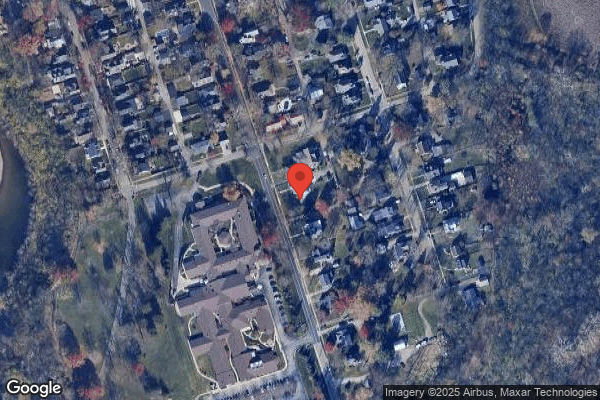

225 CLEVELAND AVENUE, MILFORD, OH 45150 (513) 248-1270
Non profit - Corporation 95 Beds Independent Data: November 2025
Trust Grade
90/100
#159 of 913 in OH
Last Inspection: December 2022

Over 2 years since last inspection. Current conditions may differ from available data.

Overview

S.E.M. Haven Health Care Center in Milford, Ohio, has a Trust Grade of A, which means it is considered excellent and highly recommended for care. It ranks #159 out of 913 facilities in Ohio, placing it in the top half, and #6 out of 15 in Clermont County, indicating limited local competition. However, the facility is experiencing a worsening trend, with the number of issues increasing from 3 in 2019 to 6 in 2022. Staffing is a relative strength, with a 4/5 star rating and a turnover rate of 34%, which is below the state average, suggesting that employees are fairly stable and familiar with residents. On the downside, while there are no fines recorded, there have been concerning incidents, such as failing to properly label opened medications, which affected multiple residents, and not updating mental health screenings for residents with significant changes in their conditions.

Trust Score
A
90/100
In Ohio
#159/913
Top 17%
Safety Record
Low Risk
No red flags
Inspections
Getting Worse
3 → 6 violations
Staff Stability
○ Average
34% turnover. Near Ohio's 48% average. Typical for the industry.
Penalties
✓ Good
No fines on record. Clean compliance history, better than most Ohio facilities.
Skilled Nurses
✓ Good
Each resident gets 43 minutes of Registered Nurse (RN) attention daily — more than average for Ohio. RNs are trained to catch health problems early.
Violations
○ Average
10 deficiencies on record. Average for a facility this size. Mostly minor or procedural issues.
★★★★★
5.0
Overall Rating
★★★★☆
4.0
Staff Levels
★★★★★
5.0
Care Quality
★★★★☆
4.0
Inspection Score
Stable
2019: 3 issues
2022: 6 issues

The Good

  • 4-Star Staffing Rating · Above-average nurse staffing levels
  • 5-Star Quality Measures · Strong clinical quality outcomes
  • Full Sprinkler Coverage · Fire safety systems throughout facility
  • No fines on record
  • Staff turnover below average (34%)

    14 points below Ohio average of 48%

Facility shows strength in staffing levels, quality measures, fire safety.

The Bad

Staff Turnover: 34%

12pts below Ohio avg (46%)

Typical for the industry

The Ugly 10 deficiencies on record

Dec 2022 6 deficiencies
CONCERN (D)

Potential for Harm - no one hurt, but risky conditions existed

PASARR Coordination (Tag F0644)

Could have caused harm · This affected 1 resident

**NOTE- TERMS IN BRACKETS HAVE BEEN EDITED TO PROTECT CONFIDENTIALITY** Based on record review and interview, the facility failed to accurately complete pre-admission screening and resident review (PA...

Read full inspector narrative →
**NOTE- TERMS IN BRACKETS HAVE BEEN EDITED TO PROTECT CONFIDENTIALITY** Based on record review and interview, the facility failed to accurately complete pre-admission screening and resident review (PASARR) screening for residents. This affected two (Residents #36 and #56) of five residents reviewed for PASARR screening. The facility census was 92. Findings include: 1. Record review revealed Resident #36 was admitted on [DATE]. Diagnoses included major depressive disorder, insomnia, anxiety disorder and unspecified psychosis. Review of the PASARR screening, dated 01/29/21, revealed there was no diagnoses of anxiety or psychosis diagnoses listed for Resident #36. During interview on 12/07/21 at 12:14 P.M., admission Marketing Staff #213 verified Resident #36 most recent PASARR was completed on 01/29/21 and the anxiety and psychosis diagnosis was not coded on the PASARR. 2. Record review revealed Resident #56 was admitted on [DATE]. Diagnoses included behavioral disturbance, generalized anxiety disorder, psychosis, major depressive disorder, dementia and insomnia. and hyperlipidemia. Review of the PASARR screening revealed the diagnoses of anxiety and psychosis were not identified. Review of the 12/05/22 PASARR on 12/05/22 revealed there was no diagnosis of anxiety or psychosis documented for Resident #56. During interview on 12/07/22 at 12:11 P.M., admission Marketing Staff #213 verified the diagnoses of anxiety and psychosis was not coded on the PASARR.
CONCERN (D)

Potential for Harm - no one hurt, but risky conditions existed

Deficiency F0646 (Tag F0646)

Could have caused harm · This affected 1 resident

**NOTE- TERMS IN BRACKETS HAVE BEEN EDITED TO PROTECT CONFIDENTIALITY** Based on record review and interview, the facility failed to ensure a resident with a significant change in mental status had th...

Read full inspector narrative →
**NOTE- TERMS IN BRACKETS HAVE BEEN EDITED TO PROTECT CONFIDENTIALITY** Based on record review and interview, the facility failed to ensure a resident with a significant change in mental status had the pre-admission screening and resident review (PASARR) screening revised. This affected one (Resident #48) of five residents reviewed for PASARR screening. The facility census was 92. Record review of Resident #48 revealed the resident was admitted to the facility on [DATE]. Diagnoses included for Resident #48 included dementia and Parkinson's disease. Review of PASARR screening, dated 02/07/19, revealed the resident did not have indications of a serious mental illness and did not required a level two mental health screening. Record review revealed new diagnosis of psychotic disorder with delusions on 11/10/21 and frontotemporal neurocognitive disorder on 12/08/21. Record review revealed no new PASARR was completed after the resident was newly diagnosed with a mental illness. During interview on 12/07/22 at 3:30 P.M., the Director of Nursing verified Resident #48 had new psychiatric diagnosis after the original PASRR had been completed and a revision should have been submitted to the Ohio Department of Job and Family Services.
CONCERN (D)

Potential for Harm - no one hurt, but risky conditions existed

Deficiency F0661 (Tag F0661)

Could have caused harm · This affected 1 resident

**NOTE- TERMS IN BRACKETS HAVE BEEN EDITED TO PROTECT CONFIDENTIALITY** Based on record review and interview, the facility failed to complete a discharge summary for a resident. This affected one (Res...

Read full inspector narrative →
**NOTE- TERMS IN BRACKETS HAVE BEEN EDITED TO PROTECT CONFIDENTIALITY** Based on record review and interview, the facility failed to complete a discharge summary for a resident. This affected one (Resident #87) of two residents reviewed for discharge. The facility census was 92. Findings include: Record review revealed Resident #87 was admitted to the facility on [DATE] and discharged on 11/08/22 to home. Review of the closed record for Resident #87 revealed no documentation of the recapitulation of the resident's stay from admission date of 10/25/20 through 11/08/22 including the resident's clinical status, and care instructions to ensure coordination of transition from the facility to home. During interview on 12/06/22 at 10:36 A.M., the Director of Nursing verified a discharge summary had not been completed by the interdisciplinary clinical team employees for Resident #87 after discharge.
CONCERN (D)

Potential for Harm - no one hurt, but risky conditions existed

ADL Care (Tag F0677)

Could have caused harm · This affected 1 resident

Based on record review, observation, interview and policy review, the facility failed to ensure a resident was changed into night clothing. This affected one (Resident #71) of two residents reviewed f...

Read full inspector narrative →
Based on record review, observation, interview and policy review, the facility failed to ensure a resident was changed into night clothing. This affected one (Resident #71) of two residents reviewed for dignity. The facility census was 92. Findings include: Review of the medical record for the Resident #71 revealed an admission date of 08/25/22. Diagnoses included cognitive communication deficit, mood disturbance, anxiety, unspecified dementia, and emphysema. Review of the plan of care dated 08/26/22 revealed the resident have an activity of daily living self-care performance deficit. Interventions includes dressing: set up assist shirt while assisting. Pants when supine in bed and footwear. Review of the quarterly Minimum Data Set (MDS) assessment, dated 11/18/22, revealed the resident had impaired cognition. The resident required extensive assistance with one person assist for dressing. During observation on 12/04/22 at 10:35 A.M., Resident #71 stated she was wearing the same clothing as the day before. She was wearing a floral shirt. Resident stated she preferred to be in her night clothes. During observation and verified by State Tested Nursing Assistant (STNA ) #133, Resident #71 had several pairs of pajamas in her dresser drawer. During interview on 12/04/22 at 10:45 A.M., STNAs #131, #188 and #250 stated they had not changed Resident #71's clothing today on day shift and night shift had not changed her clothing. Review communication sheet from night staff to day staff; revealed Resident #71 did not get dressed from night shift. During observation on 12/05/22 at 10:30 A.M., Resident #71 was sitting in her room watching television wearing an orange T-shirt. During observation on 12/05/22 at 5:20 P.M.,Resident #71 was in bed. Resident #71 was still wearing the orange T-shirt. Resident #71 stated she was in bed for the night and was waiting on staff to change her into her evening clothes. During observation on 12/06/22 at 9:12 A.M., Resident #71 was lying in bed, still dressed in the same orange T-shirt as the day prior. Resident #71 stated no one changed her into her evening clothes again. During interview at the time of the observation, STNA #252 stated she had not changed Resident #71's clothing nor was her clothing changed on night shift. Review of the facility policy titled Resident Rights, dated October 2019, revealed residents have autonomy and choice, to maximum extent possible, about how they wish to live their lives and receive care, subject to the SEM Haven Resident and Family Information booklet and that describes nursing and personal care issues and daily life at our home.
CONCERN (D)

Potential for Harm - no one hurt, but risky conditions existed

Pressure Ulcer Prevention (Tag F0686)

Could have caused harm · This affected 1 resident

**NOTE- TERMS IN BRACKETS HAVE BEEN EDITED TO PROTECT CONFIDENTIALITY** Based on observation, record review, and interview the facility failed to maintain adequate infection control practices during w...

Read full inspector narrative →
**NOTE- TERMS IN BRACKETS HAVE BEEN EDITED TO PROTECT CONFIDENTIALITY** Based on observation, record review, and interview the facility failed to maintain adequate infection control practices during wound care. This affected one (Resident #39) out of one resident reviewed for wound care. The facility census was 92. Findings include: Record review revealed Resident #39 was admitted on [DATE]. His diagnoses included urinary tract infection, hypotension, rhabdomyolysis, bacterial pneumonia, syncope, visual hallucinations, chronic kidney disease, constipation, dysphasia, anemia, vascular dementia, anxiety, and hyphenate. Review of the physician orders for Resident #39 revealed an order dated 10/04/22 to apply betadine moist gauze to bilateral buttocks pressure ulcer and cover with army battle dressing (ABD) pad twice daily every 12 hours for wound care and every 1 hours as needed for wound care. During observation on 12/06/22 at 1:37 PM, Licensed Practical Nurse (LPN) #146 completed wound care. LPN #146 washed her hands, donned gloves and removed the old dressing from Resident #39's wound. She then cleaned the wound with saline and gauze. Without washing her hands, LPN #146 donned clean gloves and completed the treatment. During interview at the time of the observation, LPN#146 confirmed she failed to wash her hands after removing the soiled dressings and prior to applying the clean dressings to Resident #39. Review of the facility policy titled Dressing Change-Clean, dated May 2011, documented Procedure- 10. Put on gloves. Remove old dressings carefully, touching only edges and place in plastic bag. 11. Assess the area for signs of infection, drainage and/or signs and symptoms of healing. 13. Change gloves and wash hands. 14. Apply treatment/dressings. Review of the facility policy titled Hand Washing/Hand Hygiene, dated June 2011, documented Handwashing and use of hand sanitizer shall be regarded by this organization as the most important means of preventing the spread of infections. Appropriate thirty 15-20 second handwashing must be preformed under the following conditions: After handling items potentially contaminated with blood, body fluids, excretions, or secretions.
CONCERN (D)

Potential for Harm - no one hurt, but risky conditions existed

Deficiency F0760 (Tag F0760)

Could have caused harm · This affected 1 resident

**NOTE- TERMS IN BRACKETS HAVE BEEN EDITED TO PROTECT CONFIDENTIALITY** Based on observation, staff interview, record review and manufacturer's instruction review, the facility failed to ensure an ins...

Read full inspector narrative →
**NOTE- TERMS IN BRACKETS HAVE BEEN EDITED TO PROTECT CONFIDENTIALITY** Based on observation, staff interview, record review and manufacturer's instruction review, the facility failed to ensure an insulin pen was primed prior to administration. This resulted in a significant medication error. This affected one (Resident #21) of five residents reviewed for medication administration. The facility census was 22. Findings include: Record review revealed Resident #21 was admitted on [DATE] with diagnoses including type two diabetes mellitus. During observation on 12/06/22 at 9:22 A.M., Licensed Practical Nurse (LPN) #183 prepared a Levimir insulin pen for Resident #21. She dialed up 10 units and administered the insulin to Resident #21. She did not prime the pen prior to administering the dose. During interview on 12/06/22 at 9:35 A.M., LPN #183 verified she did not prime the insulin pen prior to administering Resident #21 insulin. LPN #183 stated she does not know how to prime an insulin pen. Review of the Levemir flextouch pen-injector medication insert, dated 07/01/22, revealed priming your Levemir Flextouch Pen Turn the dose selector to select two units. Hold your pen with the needle pointing up. Tap the top of the pen gently a few times to let any air bubbles rise to the top. Hold the Pen with the needle pointing up. Press and hold in the dose button until the dose counter shows zero. A drop of insulin should be seen at the needle tip. If not change the needle and repeat the procedure no more than six times.
Aug 2019 3 deficiencies
CONCERN (D)

Potential for Harm - no one hurt, but risky conditions existed

Assessment Accuracy (Tag F0641)

Could have caused harm · This affected 1 resident

**NOTE- TERMS IN BRACKETS HAVE BEEN EDITED TO PROTECT CONFIDENTIALITY** Based on record review and interviews, the facility failed to ensure a resident's discharge status or location was accurately do...

Read full inspector narrative →
**NOTE- TERMS IN BRACKETS HAVE BEEN EDITED TO PROTECT CONFIDENTIALITY** Based on record review and interviews, the facility failed to ensure a resident's discharge status or location was accurately documented the discharge assessment. This affected one (Resident #86) of 21 residents reviewed for accuracy of assessments. The facility census was 89. Findings include: Record review revealed Resident #86 was admitted to the facility on [DATE] with the following diagnoses; encounter for other specified after care, presence of right artificial hip join, unilateral primary osteoarthritis, benign prostatic hyperplasia with lower urinary tract symptoms, retention of urine, hypertension, diverticulosis, anxiety disorder, hyperlipidemia, elevated white blood cell count, muscle wasting and atrophy and anemia. Further review of Resident #86's chart revealed resident discharged from the facility to an assisted living on 07/29/19. Review of Resident #86's discharge Minimum Data Sets (MDS) assessment dated [DATE] revealed the resident was cognitively intact and required supervision with bed mobility. transfer, dressing, eating and personal hygiene. Further review of the MDS revealed the resident discharged to an acute hospital. Review of Resident #86's progress note dated 07/29/19 revealed the resident was discharged to an assisted living on 07/29/19. Review of Resident #86's social services note dated 07/29/19 revealed the resident discharged to an assisted living on 07/29/19. Interview with Registered Nurse (RN) #340 on 08/21/19 at 2:29 P.M. verified Resident #86 discharged to an assisted living on 07/29/19. RN #340 confirmed Resident #86's discharge MDS dated [DATE] did not accurately reflect Resident #86's discharge status or location.
CONCERN (D)

Potential for Harm - no one hurt, but risky conditions existed

Deficiency F0646 (Tag F0646)

Could have caused harm · This affected 1 resident

**NOTE- TERMS IN BRACKETS HAVE BEEN EDITED TO PROTECT CONFIDENTIALITY** Based on record review, and staff interviews, the facility failed to notify the state mental health authority with a significant...

Read full inspector narrative →
**NOTE- TERMS IN BRACKETS HAVE BEEN EDITED TO PROTECT CONFIDENTIALITY** Based on record review, and staff interviews, the facility failed to notify the state mental health authority with a significant change pre-admission screening and resident review (PASARR) for a resident with a mental illness that admitted to hospice services. This affected one (Resident #48) of one resident reviewed for significant change PASARR. The facility census was 89. Findings include: Record review revealed Resident #48 was admitted to the facility on [DATE] with the following diagnoses; unspecified dementia without behavioral disturbance, chronic obstructive pulmonary disease, anxiety disorder, major depressive disorder, disorder of lipoprotein metabolism, heart failure, hypertension, atherosclerotic heart disease of native coronary artery with unspecified angina pectoris, heart failure, hypothyroidism, obstructive sleep apnea, anemia, psychotic disorder with delusions due to known physiological condition and dementia in other diseases classified elsewhere with behavioral disturbance. Review of Resident #48's quarterly Minimum Data Set (MDS) assessment dated [DATE] revealed the resident was severely cognitively impaired and required supervision with bed mobility, transfers, eating and toileting. Resident #48 was also independent with personal hygiene and dressing on the 08/16/19 MDS. Further review of Resident #48's MDS assessments revealed the resident had a significant change MDS completed on 05/17/19. Review of Resident #48's progress notes revealed the resident was discharged to the psychiatric hospital on [DATE] due to an escalation of behavior related to her grieving a relative. Resident #48 readmitted to the facility from the psychiatric hospital on [DATE]. Review of Resident #48's PASARR dated 03/16/18 revealed the PASARR was obtained upon Resident #48's initial admission to the facility on [DATE]. Resident #48's chart did not contain a significant change PASARR or notification to the state mental health agency upon Resident #48's psychiatric hospitalization on 10/25/19 or Resident #48's significant improvement in activities of daily living on 05/17/19. Interview with Registered Nurse (RN) #340 on 08/21/19 at 2:29 P.M. verified Resident #48 had a significant change MDS assessment completed on 05/17/19 due to a significant improvement in activities of daily living. Interview the Director of Nursing (DON) on 08/22/19 at 9:26 A.M. verified notification to the state mental health authority of the significant change PASARR was not completed upon Resident #48's psychiatric hospitalization on 10/25/19 or Resident #48's significant improvement in activities of daily living on 05/17/19.
CONCERN (E)

Potential for Harm - no one hurt, but risky conditions existed

Deficiency F0761 (Tag F0761)

Could have caused harm · This affected multiple residents

Based on medical record review, observation, interview, review of manufacturer guidelines, review of International Pharmacopeia 2017 and review of facility policy the facility failed to discard medica...

Read full inspector narrative →
Based on medical record review, observation, interview, review of manufacturer guidelines, review of International Pharmacopeia 2017 and review of facility policy the facility failed to discard medications after the recommend date and failed to label medications when opened. This directly affected one Resident (#238) whose insulin pen was not dated. The facility identified seven residents who received insulin with pens. This also directly affected three Residents (#22, #63, #68) who had eye medications that were dated beyond 30 days. The facility identified 61 residents who received eye drops. The census was 89 residents. Findings include: 1. Review of Resident #22's medical record revealed an admit date of 02/16/10 and diagnoses of dementia, depressive disorder, anxiety, and osteoarthritis. Review of August 2109 physician orders revealed an order for Akwa tears/Liquifilm Tears one drop to each eye every four hours as needed for dryness. 2. Review of Resident #63's medical record revealed an admit date of 10/06/18 and diagnoses of dementia, chronic respiratory failure, depressive disorder, diabetes, and osteoarthritis. Review of August 2019 physician orders revealed an order for Artificial Tears one drop to each eye three times a day. 3. Review of Resident #68's medical record revealed an admit date of 04/24/19 with diagnoses of heart failure, chronic kidney disease, anemia, and hypertension. Review of August 2019 physician orders revealed an order for Refresh Optive Gel one drop to each eye three times a day. Artificial Tears one drop to each eye three times a day. 4. Review of Resident #238's medical record revealed an admit date of 07/26/19 with diagnoses of coronary graft, deep vein thrombosis, diabetes, and malignant neoplasm of esophagus. Review of August 2019 physician orders revealed an order for Basaglar insulin pen 15 units at bedtime Observation on 08/21/19 from 11:00 A.M. to 11:35 A.M. of resident room medication storage areas revealed Resident # 22 had a bottle of artificial tears with a handwritten date of 04/17/19, Resident #63 had a bottle of artificial tears with a handwritten date of 01/15/19, Resident #68 had a bottle of Refresh Optive Gel with a handwritten open date of 07/18/19, and Resident #238 had an Basaglar insulin pen without any date written on the affixed label, there was a blank open date line. Interview during the observations with the facility Director of Nursing (DON) verified the above findings. She also stated she expected all insulin pens to be dated when removed from the refrigerator. Interview on 08/21/19 at 11:19 A.M. with Licensed Practical Nurse (LPN) #422 reported the Basaglar insulin pen for Resident #238 was undated, currently in use, and should be discarded 28 days after usage began. Review of Lilly Pharmaceutical online instructions for Basaglar usage indicated - once you begin injecting with a Pen throw it away after 28 days. Review of International Pharmacopeia, Seventh Edition, dated 2017 revealed ophthalmic drop preparations may be used for up to four weeks after the container is initially opened. Review of facility policy titled Medication Storage, undated, revealed medications are stored under necessary conditions to ensure stability.
Jun 2018 1 deficiency
CONCERN (D)

Potential for Harm - no one hurt, but risky conditions existed

Deficiency F0679 (Tag F0679)

Could have caused harm · This affected 1 resident

**NOTE- TERMS IN BRACKETS HAVE BEEN EDITED TO PROTECT CONFIDENTIALITY** Based on observation, record review and staff interview, the facility failed to develop and implement a comprehensive and indivi...

Read full inspector narrative →
**NOTE- TERMS IN BRACKETS HAVE BEEN EDITED TO PROTECT CONFIDENTIALITY** Based on observation, record review and staff interview, the facility failed to develop and implement a comprehensive and individualized activities program designed to meet the needs and the interests of residents, who were cognitively impaired. This affected three residents (#26, #31, and #44) of six residents reviewed for activities. The facility census was 96. Findings include: 1. Record review revealed Resident #26 was admitted to the facility on [DATE] with diagnoses including acute kidney failure, heart disease, absence of kidney, and cellulitis. Resident #26's comprehensive Minimum Data Set (MDS) 3.0 assessment, dated 03/23/18, revealed the resident's cognition was severely impaired. Review of Resident #26's comprehensive plan of care, dated 03/21/18, revealed Resident #26 will visit with staff weekly and the resident will visit with buddy weekly. Review of Resident #26's Participation Sheet revealed in March 2018 revealed Resident #26 received no buddy visit or 1:1 visit with staff. In April 2018, Resident #26 received two buddy visits. In May 2018, Resident #26 received no buddy visits or any 1:1 visits with staff. As of 06/14/18, Resident #26 received no weekly buddy visits or any 1:1 visits with staff. Observation on 06/11/18 at 3:30 P.M., revealed Resident #26 was laying in the recliner chair in the family room. Observation on 06/12/18 at 11:00 A.M., revealed Resident #26 was sitting in the recliner in the family room sleeping. Observation on 06/13/18 at 10:00 A.M., revealed Resident #26 was sitting in family room sleeping. Observation on 06/14/18 at 9:30 P.M., revealed Resident #26 was sitting in recliner in family room sleeping. Interview on 06/13/18 at 12:30 P. M. with Activities Director (AD) #133 verified buddy visits were not documented on the monthly participation sheet and Resident #26's interventions were not received according to the care plan, dated 04/19/2018. 2. Review of the medical record revealed Resident #31 was admitted to the facility on [DATE]. Diagnoses included chronic kidney disease, depressive episodes, and adult failure to thrive. Review of the MDS assessment, dated 06/12/18, identified Resident #31 as having short and long-term memory problems with moderately impaired cognitive skills, having clear speech, usually understanding others, sometimes understood by others and requiring the physical assistance of one staff persons to complete all activities of daily living except for eating. Review of Resident #31's initial activities assessment, dated 03/27/18, revealed the resident enjoyed one-on-one (1:1) visits from family and staff. Review of Resident #31's comprehensive plan of care, dated 06/10/18, revealed Resident #31 to go to family room and watch TV daily and the resident will have staff buddy visit weekly. Review of Resident #31's 1:1 activity participation records in April 2018 revealed five 1:1 visits with resident for the entire month. In May of 2018, 1:1 activity participation records for Resident #31 revealed no 1:1 visits from staff. As of 06/14/18, Resident #31 received no 1:1 visits with staff. Observation on 06/11/18 at 11:23 A.M. revealed Resident #31 was lying in bed facing the window on his right side. Observation on 06/12/18 at 9:32 A.M. revealed Resident #31 was lying in bed. Observation on 06/12/18 at 12:30 P.M. revealed Resident #31 was sitting in the dining room eating lunch. Observation on 06/12/18 at 3:00 P. M. revealed Resident #31 was lying in bed. Observation on 06/13/18 at 11:00 A. M. revealed Resident #31 was lying in bed. Interview on 06/13/18 at 12:45 P. M., revealed AD #133 stated that resident enjoys being by himself and in his room. AD #133 stated resident was alert and oriented. The AD verified the resident' plan of care was not updated to reflect the resident enjoys to be alone in his room. 3. Review of the medical record for Resident #44 revealed admission on [DATE]. Diagnoses included major depressive disorder, kidney failure, arthritis and dementia. A review of the quarterly MDS assessment, dated 04/20/18, revealed Resident #44 was moderately cognitively impaired. Review of the activity's assessment plan of care, dated 01/20/18, revealed the resident had interests in music, gardening, plants, talking or conversing. Resident #44 also enjoyed staff 1:1 visits. Review of plan of care, dated on 03/06/18, revealed Resident #44 will have 1:1 visits in his room daily with staff and visit with his buddy. Review of Resident #44's daily activity participation records in March 2018 revealed seven daily visits with resident for the entire month and no buddy visits. In April 2018, Resident #44 received six daily visits from staff and one buddy visit. In May of 2018, Resident #44 received one daily visit and no buddy visits. As of 06/14/18, Resident #44 received no weekly buddy visits or any daily staff visits. Review of nursing notes and activity notes, on 06/13/18 at 5:10 P.M., revealed no refusals for daily visits or buddy refusal of a buddy visit. On 06/11/18 at 2:41 P.M., observations of Resident #44 revealed the resident sitting on in bed in room. The television was off. On 06/12/18 at 2:24 P.M., observations revealed Resident #44 lying in bed on his back with her eyes closed. The room was quiet. On 06/13/18 at 3:00 P.M., observation revealed Resident #44 was sitting on the edge of his bed in his room with television turned off. On 06/12/18 at 2:48 P.M., an interview with AD #33 stated Resident #44 was almost [AGE] years old and does not feel like participating with activities much. The AD verified the resident did not receive activities per the resident's plan of care. Interview on 06/13/18 at 2:00 P.M. with Registered Nurse Supervisor (RNS) #20 revealed all buddy visits were charted in the activity folder as a buddy visit. RNS #20 stated every employee was assigned to a resident and that resident is their buddy. Buddy visits were mandatory and was documented as they occur.
Understanding Severity Codes (click to expand)
Life-Threatening (Immediate Jeopardy)
J - Isolated K - Pattern L - Widespread
Actual Harm
G - Isolated H - Pattern I - Widespread
Potential for Harm
D - Isolated E - Pattern F - Widespread
No Harm (Minor)
A - Isolated B - Pattern C - Widespread

Questions to Ask on Your Visit

  • "Can I speak with families of current residents?"
  • "What's your RN coverage like on weekends and overnight?"

Our Honest Assessment

Strengths
  • • Grade A (90/100). Above average facility, better than most options in Ohio.
  • • No major safety red flags. No abuse findings, life-threatening violations, or SFF status.
  • • No fines on record. Clean compliance history, better than most Ohio facilities.
  • • 34% turnover. Below Ohio's 48% average. Good staff retention means consistent care.
Concerns
  • • No significant concerns identified. This facility shows no red flags across CMS ratings, staff turnover, or federal penalties.
Bottom line: Generally positive indicators. Standard due diligence and a personal visit recommended.

About This Facility

What is S.E.M. Haven Health's CMS Rating?

CMS assigns S.E.M. HAVEN HEALTH CARE CENTER an overall rating of 5 out of 5 stars, which is considered much above average nationally. Within Ohio, this rating places the facility higher than 99% of the state's 100 nursing homes. This rating reflects solid performance across the metrics CMS uses to evaluate nursing home quality.
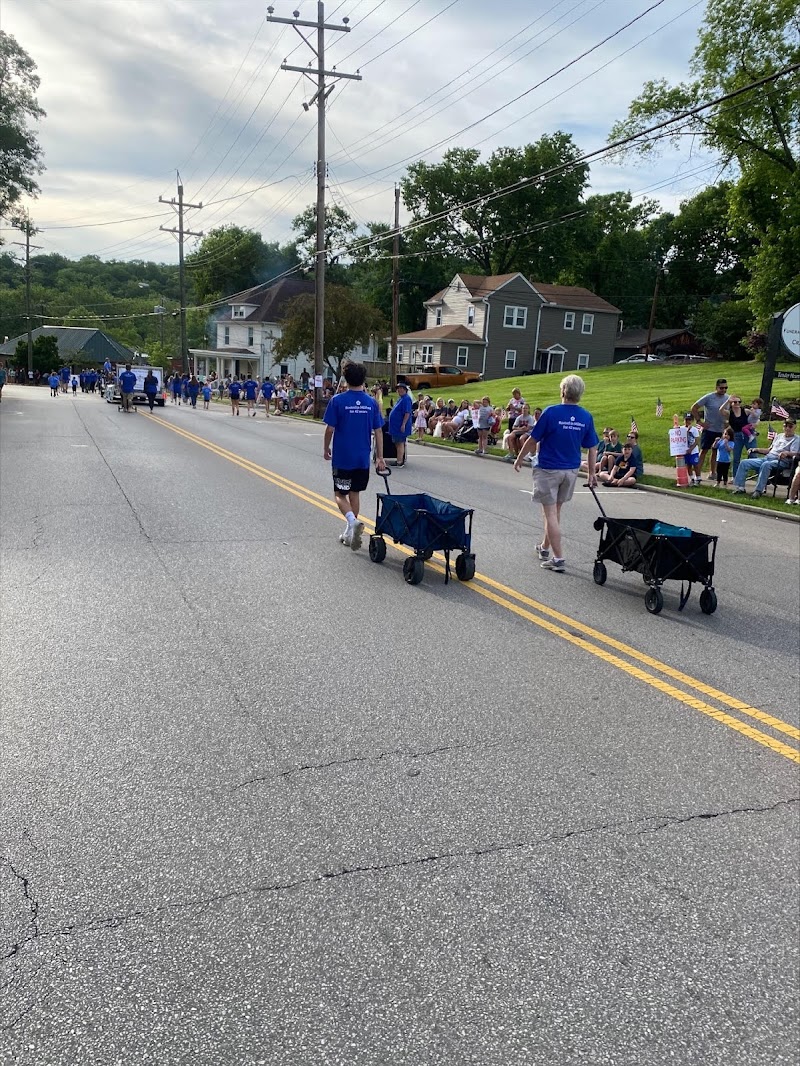
How is S.E.M. Haven Health Staffed?

CMS rates S.E.M. HAVEN HEALTH CARE CENTER's staffing level at 4 out of 5 stars, which is above average compared to other nursing homes. Staff turnover is 34%, compared to the Ohio average of 46%. This relatively stable workforce can support continuity of care.

What Have Inspectors Found at S.E.M. Haven Health?

State health inspectors documented 10 deficiencies at S.E.M. HAVEN HEALTH CARE CENTER during 2018 to 2022. These included: 10 with potential for harm.
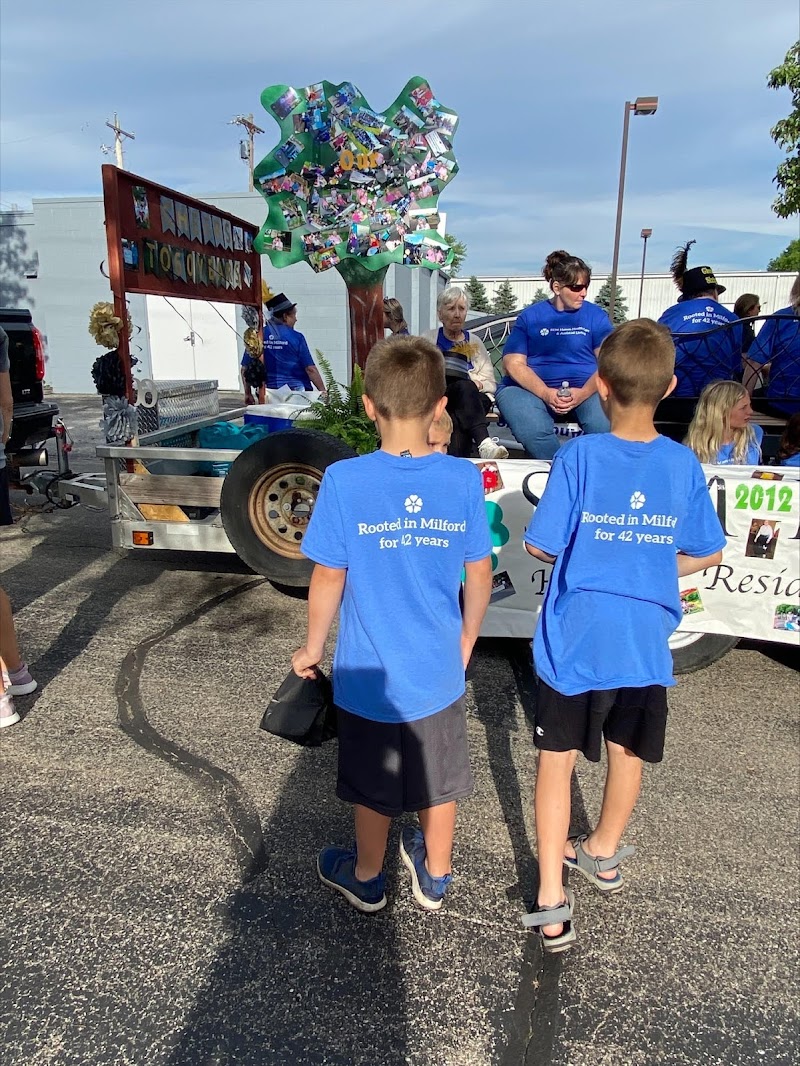
Who Owns and Operates S.E.M. Haven Health?

S.E.M. HAVEN HEALTH CARE CENTER is owned by a non-profit organization. Non-profit facilities reinvest revenue into operations rather than distributing to shareholders. The facility operates independently rather than as part of a larger chain. With 95 certified beds and approximately 75 residents (about 79% occupancy), it is a smaller facility located in MILFORD, Ohio.
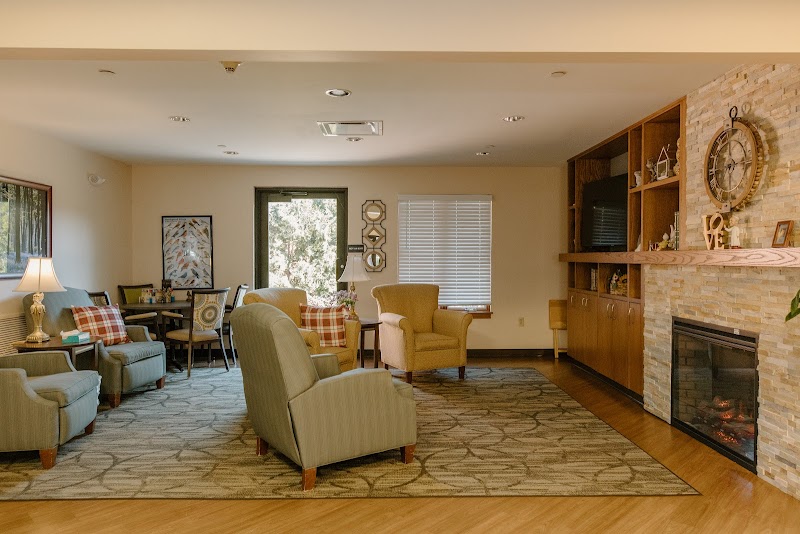
How Does S.E.M. Haven Health Compare to Other Ohio Nursing Homes?

Compared to the 100 nursing homes in Ohio, S.E.M. HAVEN HEALTH CARE CENTER's overall rating (5 stars) is above the state average of 3.2, staff turnover (34%) is significantly lower than the state average of 46%, and health inspection rating (4 stars) is above the national benchmark.

What Should Families Ask When Visiting S.E.M. Haven Health?

Based on this facility's data, families visiting should ask: "Can I visit during a mealtime to observe dining assistance and food quality?" "How do you handle medical emergencies, and what is your hospital transfer rate?" "Can I speak with family members of current residents about their experience?"

Is S.E.M. Haven Health Safe?

Based on CMS inspection data, S.E.M. HAVEN HEALTH CARE CENTER has a clean safety record: no substantiated abuse findings (meaning no confirmed cases of resident harm), no Immediate Jeopardy citations (the most serious violation level indicating risk of serious injury or death), and is not on the Special Focus Facility watch list (a federal program monitoring the lowest-performing 1% of nursing homes). The facility has a 5-star overall rating and ranks #1 of 100 nursing homes in Ohio. While no facility is perfect, families should still ask about staff-to-resident ratios and recent inspection results during their visit.

Do Nurses at S.E.M. Haven Health Stick Around?

S.E.M. HAVEN HEALTH CARE CENTER has a staff turnover rate of 34%, which is about average for Ohio nursing homes (state average: 46%). Moderate turnover is common in nursing homes, but families should still ask about staff tenure and how the facility maintains care continuity when employees leave.

Was S.E.M. Haven Health Ever Fined?

S.E.M. HAVEN HEALTH CARE CENTER has no federal fines on record. CMS issues fines when nursing homes fail to meet care standards or don't correct problems found during inspections. The absence of fines suggests the facility has either maintained compliance or corrected any issues before penalties were assessed. This is a positive indicator, though families should still review recent inspection reports for the full picture.

Is S.E.M. Haven Health on Any Federal Watch List?

S.E.M. HAVEN HEALTH CARE CENTER is not on any federal watch list. The most significant is the Special Focus Facility (SFF) program, which identifies the bottom 1% of nursing homes nationally based on persistent, serious quality problems. Not being on this list means the facility has avoided the pattern of deficiencies that triggers enhanced federal oversight. This is a positive indicator, though families should still review the facility's inspection history directly.