THE LAURELS OF MILFORD
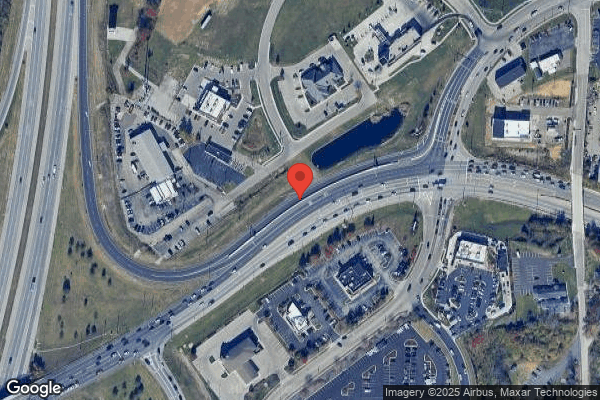
934 STATE ROUTE 28, MILFORD, OH 45150 (513) 831-1770
For profit - Corporation 136 Beds CIENA HEALTHCARE/LAUREL HEALTH CARE Data: November 2025
Trust Grade
75/100
#350 of 913 in OH
Last Inspection: February 2023

Over 2 years since last inspection. Current conditions may differ from available data.

Overview

The Laurels of Milford has a Trust Grade of B, indicating it is a good, solid choice for families looking for care. Ranked #350 out of 913 facilities in Ohio, it is in the top half of the state, but it is #10 out of 15 in Clermont County, meaning there are only a few local options that are better. The facility is improving, as it reduced its issues from three in 2024 to one in 2025. Staffing is average with a 3 out of 5 star rating and a turnover rate of 50%, which is close to the state average. Although the facility has no fines on record, some recent concerns include staff not providing scheduled activities for residents and a nurse leaving medication unattended in a room, which could pose risks to residents. Overall, while there are strengths in its good grades and no fines, families should be aware of the recent issues regarding activities and medication management.

Trust Score
B
75/100
In Ohio
#350/913
Top 38%
Safety Record
Low Risk
No red flags
Inspections
Getting Better
3 → 1 violations
Staff Stability
⚠ Watch
50% turnover. Above average. Higher turnover means staff may not know residents' routines.
Penalties
✓ Good
No fines on record. Clean compliance history, better than most Ohio facilities.
Skilled Nurses
○ Average
Each resident gets 37 minutes of Registered Nurse (RN) attention daily — about average for Ohio. RNs are the most trained staff who monitor for health changes.
Violations
⚠ Watch
18 deficiencies on record. Higher than average. Multiple issues found across inspections.
★★★★☆
4.0
Overall Rating
★★★☆☆
3.0
Staff Levels
★★★★☆
4.0
Care Quality
★★★★☆
4.0
Inspection Score
Stable
2024: 3 issues
2025: 1 issues

The Good

  • 4-Star Quality Measures · Strong clinical quality outcomes
  • Full Sprinkler Coverage · Fire safety systems throughout facility
  • No fines on record

Facility shows strength in quality measures, fire safety.

The Bad

Staff Turnover: 50%

Near Ohio avg (46%)

Higher turnover may affect care consistency

Chain: CIENA HEALTHCARE/LAUREL HEALTH CARE

Part of a multi-facility chain

Ask about local staffing decisions and management

The Ugly 18 deficiencies on record

Jan 2025 1 deficiency
CONCERN (D) 📢 Someone Reported This

A family member, employee, or ombudsman was alarmed enough to file a formal complaint

Potential for Harm - no one hurt, but risky conditions existed

Infection Control (Tag F0880)

Could have caused harm · This affected 1 resident

**NOTE- TERMS IN BRACKETS HAVE BEEN EDITED TO PROTECT CONFIDENTIALITY** Based on medical record reviews, review of the facility census, review of the facility bed-board, staff and resident interviews,...

Read full inspector narrative →
**NOTE- TERMS IN BRACKETS HAVE BEEN EDITED TO PROTECT CONFIDENTIALITY** Based on medical record reviews, review of the facility census, review of the facility bed-board, staff and resident interviews, review of the facility policy, and review of Center for Disease Control and Prevention (CDC) guidance, the facility failed to implement their infection control policy to separate a positive Coronavirus Disease 2019 (COVID-19) resident from a negative COVID-19 resident to potentially prevent the spread of COVID-19. This affected two (Residents #110 and #111) of three residents reviewed for COVID-19 precautions. The facility census was 123. Findings include: 1. Record review for Resident #111 revealed the resident was admitted to the facility on [DATE] and had diagnoses which included atrial fibrillation, depression, and dementia. Review of the annual Minimum Data Set (MDS) assessment dated [DATE] revealed the resident was assessed to have intact cognition. 2. Record review for Resident #110 revealed the resident was admitted to the facility on [DATE] and had diagnoses which included diabetes mellitus, need for assistance with personal care, and chronic kidney disease. Review of the quarterly MDS assessment dated [DATE] revealed the resident was assessed to have intact cognition. Review of the physicians order dated 01/08/25 revealed Resident #110 was placed in isolation precautions due to testing positive for COVID-19. Review of the facility census for Resident #110 and Resident #111 revealed the residents remained together in the same room from 01/08/25 through 01/21/25, despite Resident #110 having an active COVID-19 infection. Resident #111 remained free from an active infection or symptoms of COVID-19 through the survey date of 01/24/25. Review of the facility bed-board from 01/08/25 revealed there were seven private rooms were available. Interview with Resident #111 on 01/24/25 at 12:10 P.M. confirmed the resident had remained in the same room with Resident #110 while the resident had an active COVID-19 infection. Resident #111 confirmed he remained free from symptoms of COVID-19 and never tested positive. Interview with the Administrator on 01/24/25 at 1:45 P.M. confirmed Resident #111 tested negative for COVID-19 but had remained in the same room as Resident #111 while the resident had an active COVID-19 infection. The Administrator stated Resident #111 had been exposed to COVID-19 and was not moved to a different room due to concerns additional residents would be exposed. Telephone interview with the Administrator on 02/03/25 at 10:11 A.M. confirmed the facility did not contact the Local Health Department (LHD) to discuss the placement of Resident #111 after the resident's roommate tested positive for infection with COVID-19. Review of the facility policy titled, Coronavirus (COVID-19), last revised 02/15/24, revealed the facility should place a resident with suspected or confirmed SARS-CoV-2 infection in a single person room. The door should be kept closed (if safe to do so). Ideally, the resident should have a dedicated bathroom. When a private room is not available, cohort with a similar resident. Review of CDC guidance titled, Infection Control Guidance: SARS-CoV-2, revealed this guidance applies to all healthcare settings including nursing homes. If a patient tests positive for COVID-19, place the patient in a private room. If cohorting, only patients with the same respiratory pathogen should be housed in the same room. Facilities should consider designating entire units within the facility with dedicated health care professionals to care for COVID-19 patients. This deficiency represents non-compliance investigated under Complaint Number OH00161474.
Sept 2024 1 deficiency
CONCERN (D) 📢 Someone Reported This

A family member, employee, or ombudsman was alarmed enough to file a formal complaint

Potential for Harm - no one hurt, but risky conditions existed

Report Alleged Abuse (Tag F0609)

Could have caused harm · This affected 1 resident

Based on observation, record review, staff interview, and review of facility policy, the facility failed to report an allegation of resident-to-resident abuse to the state agency. This affected one (R...

Read full inspector narrative →
Based on observation, record review, staff interview, and review of facility policy, the facility failed to report an allegation of resident-to-resident abuse to the state agency. This affected one (Resident #26) of three residents reviewed for abuse. The facility census was 118. Findings include: Record review of Resident #26 revealed an admission date of 07/30/24 with diagnoses of cerebral infarction, type two diabetes mellitus, dementia without behaviors, hyperlipidemia, and anxiety disorder. Review of the 08/05/24 admission Minimum Data Set (MDS) assessment revealed Resident #26 utilized a wheelchair to aid in mobility and required partial/moderate assistance with Activities of Daily Living (ADLs). Review of the progress note dated 09/17/24 at 11:50 A.M. revealed the nurse was informed by a State Tested Nurse Aide (STNA) Resident #26 received four scratches to her face and a small bruise to her right cheek from another resident. Residents were separated and first aid was provided. The Administrator, physician, and resident's son were notified. Record review of the progress note dated 09/17/24 at 6:46 P.M. revealed Resident #26 continued to roam in her wheelchair bumping into others. Resident #26 bumped into another resident causing an argument where Resident #26 was scratched in the face. Both residents were separated. Observation of Resident #26 on 09/25/24 at 9:34 A.M. revealed she had an approximately five centimeter (cm) scratch on the left side of her face from above her eye down to her cheek. The resident also had a scratch on the right side of her face that was barely visible and a small bruise. The resident was unable to voice what happened and was unable to be interviewed. Interview with the Director of Nursing (DON) on 09/25/24 at 12:34 P.M. revealed Resident #26 had a scratch and a bruise on her face from Resident #27, and the family didn't think it was intentional so the facility did not file a Self- Reported Incident (SRI). The DON revealed State Tested Nurse Aide (STNA) #10 witnessed the incident. Interview with the DON on 09/25/24 at 1:34 P.M. verified Resident #26 still had two visible scratches and a bruise to her face. Interview with STNA #10 on 09/25/24 at 1:50 P.M. revealed she witnessed Resident #27 scratch Resident #26 on 09/17/24. STNA #10 revealed around lunch time, Resident #27 was sitting in the hallway in her wheelchair. Resident #26 attempted to roll by Resident #27 and ran into her wheelchair. Resident #27 talked to Resident #26 for about five seconds and said you are bumping into my wheelchair then swatted at Residents #26's face. STNA #10 said she was was probably 50 feet away when the incident occurred and she was the only staff witness. STNA #10 revealed Resident #26 had four scratches on her face and a bruise after the incident and she did not have any of those marks prior to the altercation. Review of SRIs on 09/25/24 revealed no SRI completed regarding the incident between Resident #26 and Resident #27. Review of the 09/09/22 abuse prohibition policy revealed the facility will notify any state of federal agencies of allegations per state guidelines. This deficiency represents non-compliance investigated under Complaint Number OH00158040.
Apr 2024 2 deficiencies
CONCERN (D) 📢 Someone Reported This

A family member, employee, or ombudsman was alarmed enough to file a formal complaint

Potential for Harm - no one hurt, but risky conditions existed

Pressure Ulcer Prevention (Tag F0686)

Could have caused harm · This affected 1 resident

**NOTE- TERMS IN BRACKETS HAVE BEEN EDITED TO PROTECT CONFIDENTIALITY** Based on medical record review, observation, staff interview, and policy review, the facility failed to ensure a resident's pres...

Read full inspector narrative →
**NOTE- TERMS IN BRACKETS HAVE BEEN EDITED TO PROTECT CONFIDENTIALITY** Based on medical record review, observation, staff interview, and policy review, the facility failed to ensure a resident's pressure ulcer received the necessary treatment, consistent with professional standards of practice, to prevent infection. This affected one (#88) of three residents reviewed for pressure ulcers. The facility identified there were four residents with pressure ulcers. The facility census was 113. Findings include: Medical record review for Resident #88 revealed an admission date of 01/01/24. Diagnoses included coronary artery disease, cardiovascular attack (CVA) with hemiplegia and hemiparesis, and diabetes mellitus. Review of the admission Minimum Data Set (MDS) assessment dated [DATE] revealed Resident #88 was severely cognitively impaired. Her functional status was dependent on staff for eating, toileting, bed mobility. and transfers. Review of the care plan dated 04/03/24 revealed Resident #88 has an actual impairment related to stage three pressure ulcer (Full thickness tissue loss. Subcutaneous fat may be visible but bone, tendon, or muscle is not exposed.) to her right gluteus. Observation of a dressing change for Resident #88 on 04/25/24 at 9:00 A.M. revealed Licensed Practical Nurse (LPN) #143 washed her hands and applied gloves and removed the bandage from the resident's bottom. LPN #143 washed her hands and placed on a new pair of gloves. She proceeded to clean the wound with wound cleanser and with the same gloves she took the package of the calcium alginate and opened it and tore off a piece of the calcium alginate and placed it on the wound and then placed a foam dressing over the alginate. She went to the bathroom and removed her gloves and washed her hands. Interview with the LPN #143 on 04/25/24 at 9:20 A.M. confirmed she didn't remove her gloves after cleaning the wound for Resident #88 and verified she should have changed her gloves after cleaning the wound. Review of the facility policy titled Clean Dressing Change dated 09/18/23 revealed the nurse should remove old dressing and discard in the appropriate disposal bag. Remove gloves. Perform hand hygiene. Apply clean gloves. Cleanse the wound/site gently with solution ordered. Wash from the center of the wound/site to the periphery. Observe the wound/site for size, color, appearance, and amount of drainage. Remove gloves, perform hand hygiene (alcohol based hand rub may be used at this point). Apply clean gloves. This deficiency represents non-compliance investigated under Complaint Number OH00153094.
CONCERN (D) 📢 Someone Reported This

A family member, employee, or ombudsman was alarmed enough to file a formal complaint

Potential for Harm - no one hurt, but risky conditions existed

Incontinence Care (Tag F0690)

Could have caused harm · This affected 1 resident

**NOTE- TERMS IN BRACKETS HAVE BEEN EDITED TO PROTECT CONFIDENTIALITY** Based on medical record review, observation, staff interview, and policy review, the facility failed to ensure the residents rec...

Read full inspector narrative →
**NOTE- TERMS IN BRACKETS HAVE BEEN EDITED TO PROTECT CONFIDENTIALITY** Based on medical record review, observation, staff interview, and policy review, the facility failed to ensure the residents received proper and thorough incontinence care. The affected two (#54 and #88) of three residents reviewed for incontinence care. The facility census was 113. Findings include: 1. Medical record review for Resident #88 revealed an admission date of 03/01/24. Diagnoses included coronary artery disease, cardiovascular attack (CVA) with hemiplegia and hemiparesis, and diabetes mellitus. Review of the care plan dated 03/01/24 revealed Resident #88 was incontinent for bowel and bladder. Interventions included she used disposable briefs and change with each incontinence episode. Change every two hours and as needed. Wash, rinse and dry after each incontinence episode. Review of the admission Minimum Data Set (MDS) assessment dated [DATE] revealed Resident #88 was severely cognitively impaired. Resident #88 was dependent on staff for toileting and was incontinent for bladder and bowel. Observation of incontinence care on 04/25/24 at 9:25 A.M. with Licence Practical Nurse (LPN) #143 and Registered Nurse (RN) #231 revealed Resident #88 was on her back and the brief was taken down in the front of the resident and it was saturated with urine up to the bottom of the resident's stomach. The back of the brief was saturated with urine soaked all the way up the buttocks to the lower back. LPN #143 took a soapy cloth and wiped in a downward motion the right and left side of the leg and proceeded to fold the washcloth and wipe down the middle of the labia. She didn't clean the mons pubis and turned the resident over towards RN #231 and used a soapy washcloth and cleaned the anus, put the brief on the resident, and rolled the resident to herself and RN #231 pulled the brief up and fastened it and there wasn't any cleaning of the buttocks. Interview with RN #231 on 04/25/24 at 9:30 A.M. revealed she thought the incontinence care went alright and confirmed she didn't cleanse the buttocks of the resident on the left side when the resident was rolled for her to place the brief on the resident. Interview with the LPN #143 on 04/25/24 at 9:35 A.M. revealed she had been a LPN for many years and hasn't performed incontinence care for many years. She confirmed she didn't wash down each side of the labia and didn't cleanse the mons pubis or the buttocks. She said this wasn't her practice. 2. Medical record review for Resident #54 revealed an admission date of 03/31/23. Diagnoses included schizophrenia, dementia, and non-traumatic brain injury. Review of the care plan dated 02/24/24 revealed Resident #54 was incontinent for bowel and bladder. Interventions included she used disposable briefs and change with each incontinence episode. Change every two hours and as needed. Wash, rinse and dry after each incontinence episode. Review of the quarterly Minimum Data Set (MDS) assessment dated [DATE] revealed Resident #54 was moderately cognitively impaired. Resident #54 was dependent on staff for toileting and was incontinent for bowel and bladder. Observation of incontinence care for Resident #54 with State Tested Nursing Aide (STNA) #133 and STNA #234 on 04/24/24 at 1:11 P.M. revealed the resident had a bowel movement, so the STNAs rolled her to STNA #234. STNA #133 used a wet soapy washcloth and wiped in an upward motion to remove the stool and one could see visible stool on the washcloth. The STNA took the soapy washcloth and folded it over and over and wiped the labia from the back of the resident. The resident was turned over on her back and STNA #234 started wiping the stool in an upward motion towards the labia. The resident was turned on her side again and STNA #133 used dry washcloths removing stool from the anus until they came out clean. Interview with the STNAs #133 and #234 on 04/24/24 at 1:30 P.M. revealed it wasn't there normal practice to clean a resident starting with the back of her but since she had a bowel movement they decided to start that way. STNA #133 confirmed she used a dry cloth to remove stool instead of a soapy cloth to remove it and confirmed she wiped the labia when the resident was on her side. STNA #234 confirmed she wiped the stool in the wrong motion and this could potentially infect the resident. Review of the policy titled Perineal Care of a Patient Assigned as a Female at Birth dated 06/01/23 revealed perineal care, which includes care of the external genitalia and the anal area, should occur during the daily bath and if the patient is incontinent of urine or stool. The procedure promotes cleanliness and prevents infection. It also removes irritating and odorous secretions, such as smegma, a cheeselike substance that collects on the inner surface of the labia. • Wet a washcloth with warm water from a running spigot (or from a bath basin) and apply mild soap. • Separate the patient's labia with one hand. • Using gentle downward strokes, clean the perineal area from the front to the back of the perineum to prevent intestinal organisms from contaminating the urethra or vagina. Avoid the area around the anus, and use a clean section of the washcloth for each stroke by folding each used section inward to prevent contamination with secretions or discharge. • Wet a clean washcloth and rinse thoroughly from front to back because soap residue can cause skin irritation. Pat the area dry with a bath towel because moisture can also cause skin irritation and discomfort. • Turn the patient onto the side to the Sims position, if possible, to expose the anal area. • Clean, rinse, and dry the anal area, starting at the posterior vaginal opening and wiping from front to back. This deficiency represents non-compliance investigated under Complaint Number OH00153094.
Aug 2023 1 deficiency
CONCERN (E) 📢 Someone Reported This

A family member, employee, or ombudsman was alarmed enough to file a formal complaint

Potential for Harm - no one hurt, but risky conditions existed

Deficiency F0679 (Tag F0679)

Could have caused harm · This affected multiple residents

Based on observations, review of staff schedules, review of facility resident census, review of activity calendars, review of activity attendance sheets, policy review, resident and staff interviews, ...

Read full inspector narrative →
Based on observations, review of staff schedules, review of facility resident census, review of activity calendars, review of activity attendance sheets, policy review, resident and staff interviews, the facility failed to ensure staff was providing scheduled activities during the months of July and August 2023. This affected 81 (Resident #26-#92) of 81 residents residing on the A, B, F G, H and J Units of the facility. The total facility census was 106. Findings include: Review of the activity staff schedule for July 2023 revealed one to three staff were scheduled per day and no staff were scheduled after 4:00 P.M. on Mondays through Fridays. On the weekends staff was limited hours or not at all. On 07/01/23 (Saturday), one staff member was scheduled from 9 A.M. to 2 P.M. On 07/02/23 (Sunday), one staff member was scheduled 9 A.M. to 3 P.M. On 07/08/23 (Saturday), one staff member was scheduled from 10 A.M. to 3 P.M. On 07/09/23 (Sunday), on 07/15/16 (Saturday), on 07/16/23 (Sunday), on 07/29/23 (Saturday), and on 07/30/23 (Sunday), no activity staff was scheduled to work. On 07/22/23 (Saturday) and 07/23/23 (Sunday), a staff member was scheduled as MC (might come). Review of the activity staff schedule for August 2023 revealed one to three staff were scheduled per day and no staff were scheduled after 4:00 P.M. on Mondays through Fridays. On the weekends staff was limited hours or not at all. On 008/05/23 (Saturday), one staff member was scheduled from 9 A.M. to 2 P.M. On 08/06/23 (Sunday), one staff member was scheduled 9 A.M. to 3 P.M. On 08/19/20 (Saturday), on 08/20/23 (Sunday), and on 08/26/23 (Saturday), no activity staff was scheduled to work. On 08/27/23 (Sunday), a staff member was scheduled as MC (might come). On 08/12/23 (Saturday) and on 08/13/23 (Sunday), a staff member was scheduled MOD and one additional staff member was scheduled on 08/13/23, from 10 A.M. to 3 P.M. Review of scheduled activity calendar of July and August 2023 for the A, B, F G, H and J Units, revealed there were 15 days (07/01/23, 07/02/23, 07/09/23, 07/15/23, 07/16/23, 07/22/23, 07/23/23, 07/26/23, 07/27/23, 07/28/23, 07/29/23, 07/30/23, 08/12/23, 08/16/23 and 08/17/23) of non-provided and undocumented resident attended scheduled activities. Review of the August 2023 activity calander for the A, B, F G, H and J Units revealed on 08/16/23 and 08/17/23 at 3:00 P.M. was 15-minute stretch; 4:00 P.M. was scheduled Table Talk; and at 7:00 P.M. was scheduled Shoot the Breeze. Review of the resident census sheet revealed 81 (Resident #26-#92) residents residing on the A, B, F G, H and J Units of the facility. Observation on 08/16/23 at 3:00 P.M. and 4:00 P.M., revealed the scheduled activities on did not occur. Observations on 08/17/23, at 3:00 P.M. and 4:00 P.M., revealed the scheduled activities did not occur. Interview on 08/16/23 at 3:50 P.M., Activity Aide, (AA) # 73 verified the weekend activities were offered only three weekends a month, as there were only three staff to rotate the weekends. AA #73 verified schedule activities after 3:00P.M., were not offered as organized activities and had no staff to lead. No residents were documented as attending activities. AA #73 stated activities listed on the activity calendar after 3:00 P.M. were resident self-directed. Interview on 08/17/23 at 10:15 A.M., the Activity Director, (AD) #150 verified the 15 days of scheduled activities were not documented and could not verify activities were offered on those days. AD #150 verified the activity department had been short of staff and the planned activities on the third weekend could not be an offered, as posted on the activity calendar, as well as planned activities after 3:00 P.M. AD #150 verified not all activities are offered due to activity staff are off on vacation, as was during the week of 07/26/23, 07/27/23, 07/28/23, 07/29/23, and 07/30/23. Interviews of on 08/17/23 from 9:50 A.M through 1:00 P.M., of Residents #95, #97 ad #104 stated activities were not provided as listed on the calendar. The residents stated activities were changed due to staffing and not resident requested. Interviews on 08/17/23 at 4:00 P.M., with Residents #41, #61 and #102 stated after 3:00 P.M., there were no staff to lead the scheduled activities. All three residents stated only one weekend of the month were activities provided. The residents stated they wanted group activities on the weekend and denied scheduled weekend activities had been refused. Review of the facility policy titled, Activities Scheduling dated 08/16/21, revealed Monday through Sunday, four to seven activity programs were offered daily. This deficiency represents non-compliance investigated under Complaint Number OH00145063.
Feb 2023 2 deficiencies
CONCERN (D)

Potential for Harm - no one hurt, but risky conditions existed

Tube Feeding (Tag F0693)

Could have caused harm · This affected 1 resident

**NOTE- TERMS IN BRACKETS HAVE BEEN EDITED TO PROTECT CONFIDENTIALITY** Based on record review, observations, staff interviews, and review of facility policies, the facility failed to ensure tube feed...

Read full inspector narrative →
**NOTE- TERMS IN BRACKETS HAVE BEEN EDITED TO PROTECT CONFIDENTIALITY** Based on record review, observations, staff interviews, and review of facility policies, the facility failed to ensure tube feedings were administered as ordered. This affected two (#49 and #81) out of the three residents reviewed for tube feedings during the annual survey. The facility census was 110. Findings include: 1. Record review for Resident #49 revealed this resident was admitted to the facility on [DATE] and had diagnoses including neuronal ceroid lipofuscinosis, dysphagia, generalized idiopathic epilepsy, constipation, dyspnea, increased secretion of gastrin, dementia, acute respiratory failure with hypoxia, and gastrostomy status. Review of the annual Minimum Data Set (MDS) assessment, dated 12/06/22, revealed this resident was rarely/never understood. This resident was assessed to be dependent upon two staff members for bed mobility and transfers, to be dependent upon one staff member for eating, and to require extensive assistance from two staff members for toileting. This resident was assessed to have a feeding tube and to have not had significant weight loss. Review of the care plan, most recently revised on 04/14/22, revealed Resident #49 was unable to tolerate nutritionally adequate food and/or fluids by mouth and required use of a feeding tube. Interventions included administer tube feeding as ordered, notify physician if tube becomes dislodged, and provide care to tube site as ordered. Review of the care plan, most recently revised on 01/12/23, revealed Resident #49 had a nutritional risk. Interventions included tube feeding regimen as ordered. Review of the physicians order, dated 11/30/22 and discontinued on 02/12/23, revealed an order to administer Osmolite 1.2 Cal at 60 milliliters (ml) per hour. Review of the active physicians order, dated 02/13/23, revealed an order to administer Isosource 1.5 Cal at 50 ml per hour. Review of the Medication Administration Record (MAR) for 02/2023 revealed on 02/12/23 Osmolite 1.2 Cal had been documented as being administered at 60 ml per hour on night and day shift. On day shift on 2/14/23 Isosource 1.5 was documented as being administered at 50 ml per hour as ordered. Review of the nurses progress note, dated 02/12/23 and timed 9:10 P.M. revealed Osmolite unavailable. Nurse practitioner contacted with new order for Isosource 1.5. Family aware. Observation on 02/12/23 at 7:10 P.M. revealed Resident #49 was receiving the tube feeding solution Osmolite 1.2 Cal at a rate of 38 ml per hour. Interview with Licensed Practical Nurse (LPN) #33 at the time of the observation verified the tube feeding solution was infusing at a rate of 38 ml per hour despite being ordered to be infused at 60 ml per hour. Observation on 02/14/23 at 12:41 P.M. revealed Resident #49 was receiving the tube feeding solution Isosource 1.5 Cal at a rate of 60 ml per hour. Interview with Registered Nurse (RN) #7 at the time of the observation verified the tube feeding solution was infusing at a rate of 60 ml per hour despite being ordered to be infused at 50 ml per hour. 2. Review of the medial record revealed Resident #81 was admitted to the facility on [DATE] with diagnoses that included surgical aftercare following surgery on genitourinary system, conversion disorder, hemiplegia and hemiparesis following cerebral infarction, type II diabetes, unspecified anxiety disorder, and other disorders affecting eyelid function. Review of the most recent MDS assessment dated [DATE] revealed Resident #81 had moderately impaired cognition, had self-directed behaviors, did not wander, and did not reject care. Resident #81 was a two-person assist, required total assistance with transfers, dressing, and locomotion, and required extensive assistance with bed mobility, toileting, and eating. Review of the care plan dated 01/02/23 revealed Resident #81 was at risk for alteration in nutrition/hydration related to multiple diagnoses, chronic disease, need for altered diet, need for enteral nutrition to meet dietary needs, and increased metabolic requirements. Interventions included tube feeding as ordered, Juven 1.5 at 60 ml continuous with 175 ml water flushes every three hours, cater to food preferences within dietary parameters, observe/report signs of malnutrition/dehydration, observe/report intolerance to tube feed, labs as ordered, monthly weights, report significant weight changes, and provide diet as ordered. Review of the medical record revealed Resident #81 had physician orders dated 09/20/22 for Glucerna 1.5 every shift for supplement continuously at 60 ml per hour. Observation on 02/12/23 at 8:31 P.M. revealed Resident #81 lay in bed with eyes closed making sonorous sounds. Tube feed Diabetisource was attached and running at 60 cc per hour with 175 cc water flushed every three hours. Observation 02/13/23 at 10:13 A.M. revealed Resident #81 had bag of Diabetisource tube feeding dated 02/13/23 running at 60 ml per hour with 175 ml waster flushed every three hours. Observation on 02/14/23 at 12:23 P.M. revealed Resident #81 had Diabetisource AC bag hanging and running at 60 ml per hour with 175 ml water flushed every three hours dated 02/14/23 at 12:00 A.M. During an interview on 02/14/23 12:32 P.M. with Licensed Practical Nurse (LPN) #13 stated it used to say on the dashboard in electronic medical record that the Diabetisource was comparable to the Glucerna. LPN #13 verified Resident #81 had orders for Glucerna tube feeding and had Diabetisource tube feeding hanging and running in her room. During an interview on 02/14/23 at 12:34 P.M. Registered Nurse (RN) #7 stated the facility had supply issues and could not always get the Glucerna in. RN #7 stated nurses were supposed to notify the dietitian, and a new order when switching from the Glucerna to the Diabetisource, let the doctor know, and change the order in the electronic medical record. Review of the facility policy titled Enteral Feeding Ready to Hang, effective 01/17/22, revealed the procedure included to verify the physician's order and to administer enteral feeding as ordered.
CONCERN (D)

Potential for Harm - no one hurt, but risky conditions existed

Respiratory Care (Tag F0695)

Could have caused harm · This affected 1 resident

**NOTE- TERMS IN BRACKETS HAVE BEEN EDITED TO PROTECT CONFIDENTIALITY** Based on record review, observations, staff interview, and policy review, the facility failed to implement their policy to ensur...

Read full inspector narrative →
**NOTE- TERMS IN BRACKETS HAVE BEEN EDITED TO PROTECT CONFIDENTIALITY** Based on record review, observations, staff interview, and policy review, the facility failed to implement their policy to ensure oxygen tubing was changed weekly. This affected two residents (#33 and #81) of three residents reviewed for respiratory care. The facility census was 110. Findings include: 1. Review of the medical record for the Resident #33 revealed an admission date of 08/06/21. Diagnoses included multiple myeloma, chronic diastolic heart failure, unspecified heart failure, Stage III chronic kidney disease, pressure ulcer of the sacral region, unspecified dementia, generalized anxiety disorder, pseudobulbar effect, unspecified depression, and unspecified schizophrenia. Review of the most recent Minimum Data Set (MDS) 3.0 assessment dated [DATE] revealed Resident #33 had severely impaired cognition, had verbal and self-directed behaviors, did not reject care, and did not wander. Resident #33 was a two-person physical assist, required extensive assistance for transfers, dressing, toileting, and personal hygiene, and eating, and total assistance for bed mobility and locomotion. Review of the care plan dated 01/23/23 revealed Resident #33 had potential for difficulty breathing and risk for complications related to shortness of breath. Interventions included meds as ordered, oxygen as ordered, encourage cough/deep breathing, observe/report difficulty breathing, and observe/report signs of respiratory distress/anxiety/respiratory infection. Review of the medical record revealed Resident # 33 had physician orders dated 01/21/2023 for Oxygen per nasal cannula to maintain saturation levels greater than 90% Observation on 02/13/23 at 10:02 A.M. revealed Resident #33 wore oxygen per nasal cannula at two liters per minute dated 02/05/23. Observation on 02/14/23 at 12:25 P.M. revealed Resident #33 wore oxygen per nasal cannula at two liters per minute dated 02/05/23. 2. Review of the medial record revealed Resident #81 was admitted to the facility on [DATE] with diagnoses that included surgical aftercare following surgery on genitourinary system, conversion disorder, hemiplegia and hemiparesis following cerebral infarction, type II diabetes, unspecified anxiety disorder, and other disorders affecting eyelid function. Review of the most recent MDS assessment dated [DATE] revealed Resident #81 had moderately impaired cognition, had self-directed behaviors, did not wander, and did not reject care. Resident # 81 was a two-person assist, required total assistance with transfers, dressing, and locomotion, and required extensive assistance with bed mobility, toileting, and eating. Review of care plan dated 01/13/23 revealed Resident #81 was at risk for cardiac complications related to multiple cardiovascular diseases. Interventions included meds as ordered, monitor/report signs of cardiac distress, and give oxygen as ordered. Observation on 02/13/23 at 10:07 A.M. revealed Resident #81 wore oxygen per nasal cannula at two liters per minute dated 02/05/23. Observation on 02/14/23 at 12:26 P.M. revealed Resident #81 wore oxygen per nasal cannula at two liters per minute dated 02/05/23. During an interview on 02/14/23 at 12:27 P.M. Licensed Practical Nurse (LPN) #13 stated oxygen tubing is changed weekly on all units on Sunday night shift. LPN #13 verified oxygen tubing for Residents #33 and #81 were outdated and should have been changed on 02/12/23. Interview with the Administrator on 02/14/23 at 5:30 P.M. revealed there were no physicians orders in place to change oxygen tubing, however, staff were aware oxygen tubing was to be changed every Sunday. Review of policy titled Use of Oxygen dated 08/17/2021 revealed the oxygen cannula should be changed weekly and dated.
Dec 2019 4 deficiencies
CONCERN (D)

Potential for Harm - no one hurt, but risky conditions existed

Safe Environment (Tag F0584)

Could have caused harm · This affected 1 resident

**NOTE- TERMS IN BRACKETS HAVE BEEN EDITED TO PROTECT CONFIDENTIALITY** Based on record review, observations, and interview, the facility failed to ensure a residents wall, ceiling, and fan were clean...

Read full inspector narrative →
**NOTE- TERMS IN BRACKETS HAVE BEEN EDITED TO PROTECT CONFIDENTIALITY** Based on record review, observations, and interview, the facility failed to ensure a residents wall, ceiling, and fan were clean. This affected one (Resident #77) of one reviewed for respiratory care. The facility census was 125. Findings include: Medical record review revealed Resident #77 was admitted to the facility on [DATE] with a re-entry date of 03/13/18. Diagnoses included traumatic brain injury, acute and chronic respiratory failure. Review of quarterly minimum data set (MDS) dated [DATE] revealed Resident #77 was rarely/never understood, had severely impaired cognitive skills for daily decision making, and was totally dependent upon staff for all activities of daily living (ADLs). Review of physician order dated 12/02/19 revealed Resident #77 had a tracheostomy, a surgical placed tube in the front of the neck for breathing, and oxygen was ordered as needed to maintain oxygen saturation levels above 90 percent. Observation on 12/03/19 at 9:15 A.M. revealed Resident #77 was asleep in bed with oxygen being administered via tracheostomy. A pedestal fan was located directly beside Resident #77's bed, next to oxygen equipment, and was blowing air directly towards resident's face. The fan guard was covered in dust with one inch dust strings blowing straight out from the front of the fan. [NAME] splatters were observed on the ceiling above the resident and on the upper wall at the head of the bed. During interview on 12/05/19 at 10:01 A.M., with Licensed Practical Nurse (LPN) #395 following tracheostomy care to Resident #77, acknowledged the fan was covered in dust and was blowing directly on Resident #77. LPN #395 reported the fan was utilized by the resident continuously and maintenance cleaned the fan monthly. LPN #395 also verified the brown splatters on the wall and ceiling, was unsure what the brown substance was, and reported housekeeping would be notified to see if the brown splatters were able to be removed. During interview on 12/05/19 at 10:18 A.M. Registered Nurse (RN) #500 reported the brown splatters were most likely secretions expelled from Resident #77's tracheostomy upon coughing.
CONCERN (D)

Potential for Harm - no one hurt, but risky conditions existed

Unnecessary Medications (Tag F0759)

Could have caused harm · This affected 1 resident

Based on observation, record review, interview, review of drug manufacturer instructions and policy review, the facility failed to ensure the medication error rate was less than five percent (%). A to...

Read full inspector narrative →
Based on observation, record review, interview, review of drug manufacturer instructions and policy review, the facility failed to ensure the medication error rate was less than five percent (%). A total of 29 medications were observed administered with two errors for a error rate of 6.9%. This affected one Resident (#113) of six observed for medication administration. The facility census was 125. Findings include: Observation on 12/05/19 at 8:02 A.M. revealed Licensed Practical Nurse (LPN) #380 administered medications by mouth to Resident #113 including cholestyramine four grams mixed with four ounces of water, one multivitamin with minerals, finasteride five milligrams (mg), Sertraline 75 mg, Hydroxyzine 50 mg, tamsulosin 0.4 mg, and Lorazepam one mg. The pharmacy label on the package of tamsulosin instructed to take the medication one half hour after the same meal each day. Medical record review for Resident #113 revealed a physician order for cholestyramine four gram packet, give one packet orally three times a day for diarrhea. Administer at least one hour prior to routine medications or four hours after. Interview on 12/05/19 at 8:48 A.M. with Resident #113 reported he had not received or eaten a meal yet but breakfast should be delivered soon. Interview on 12/05/19 at 8:51 A.M. with LPN #380 verified the physician order for Resident #113's cholestyramine instructed the medication should have been administered one hour prior to other medications and acknowledged this medication was administered with morning routine medications in error. LPN #380 confirmed the label on the package of tamsulosin instructed to administer the medication one half hour after the same meal each day and reported Resident #113 had not yet received a meal. Review of drug manufacturer instructions for tamsulosin revealed the medication should be administered approximately one half hour following the same meal each day. Review of the facility policy titled Medication Administration, revised July 2009, revealed all medications and treatments shall be initiated, administered, and/or discontinued in accordance with written physician orders. Medications with specific established timeframes from the manufacturer will be administered within the manufacturer's guidelines.
CONCERN (E)

Potential for Harm - no one hurt, but risky conditions existed

Pharmacy Services (Tag F0755)

Could have caused harm · This affected multiple residents

2. During observation on 12/04/19 at 10:19 A.M., a medication cup with pills was on the resident's over bed table. The resident was not in the room at the time of the observation. Interview at that t...

Read full inspector narrative →
2. During observation on 12/04/19 at 10:19 A.M., a medication cup with pills was on the resident's over bed table. The resident was not in the room at the time of the observation. Interview at that time with Licensed Practical Nurse (LPN) #376 revealed she had left his morning medication in his room on the table, unattended. The resident did not have an order to self-administer medications. Review of the facility policy titled, Medication Administration, dated July 2009, revealed the staff is to remain with the guest while administering oral medication to verify the medication consumption. Based on observations, interview, review of the controlled substance log and policy review, the facility failed to ensure the nurse observed residents during medication administration and failed to ensure controlled substances were accounted for each shift. This affected one Resident (#276) and had the potential to affect any resident prescribed a controlled substance. This affected one of one emergency box controlled substances located in one of two medication rooms reviewed during the survey and had the potential to affect any resident prescribed controlled substances. The facility census was 125. Findings include: 1. Observation on 12/04/19 at 2:22 P.M. of the A/B medication room revealed a emergency medication box of controlled substances secured with a numbered breakaway lock. Review of shift change emergency box controlled substance log revealed on 11/15/19 at 7:00 A.M. only the off going nurse signed the log and documented the controlled box lock number at 16117600. The oncoming signature box remained blank. On 11/16/19, the same nurse signed oncoming and then off going without the time noted or another nurse witness signature, as these spaces remained blank. The box lock number remained 16117600. There weren't any nurse signatures for 11/17/19. On 11/18/19, one nurse signed as oncoming at 7:00 A.M. without another nurse witness signature and documented the box lock number as 16117620. On 12/04/19 at 7:00 A.M., one nurse signed as oncoming without another nurse signing as a witness or off going. Interview on 12/05/19 at 10:58 A.M. with the Director of Nursing reported the facility had one emergency box for controlled substances. A numbered, break away lock was utilized to secure the box. Every time the keys to the medication room were exchanged, both nurses were to verify the box had not been opened by ensuring the same numbered breakaway lock was securely in place. The controlled substance log was then signed by both nurses which indicated the emergency box of controlled substances was secured. If the box was accessed, two nurses reconciled the contents of the box, placed a new numbered breakaway lock on the box, signed and noted the new lock number on the controlled substance log to maintain an accurate reconciled inventory. The DON confirmed the emergency box controlled substance log was not signed every shift, as required, by both the oncoming and off going nurses. Review of the facility policy titled Inventory Control of Controlled Substances, dated 12/01/07, revealed facility should ensure that the incoming and outgoing nurses count all Schedule two controlled substances and other medications with a risk of abuse or diversion at the change of each shift or at least once daily.
CONCERN (E)

Potential for Harm - no one hurt, but risky conditions existed

Deficiency F0804 (Tag F0804)

Could have caused harm · This affected multiple residents

Based on observation, staff interview and record review, the facility failed to prepare pureed food according to the recipe and failed to serve palatable food. This had the potential to affect all fac...

Read full inspector narrative →
Based on observation, staff interview and record review, the facility failed to prepare pureed food according to the recipe and failed to serve palatable food. This had the potential to affect all facility residents except Resident #77 and Resident #85, who consumed nothing by mouth. The facility census was 125. Findings include: Observation on 12/04/19 at 11:00 A.M. of preparation of pureed mixed vegetables revealed staff did not follow the approved recipe. Dietary [NAME] (DC) #355 placed mixed vegetables, with the two cups of water in which they were steamed, in the food processor. When DC #355 determined an agent was needed for thickening, she stated they were out of thickener, so she substituted three one-pound boxes of corn starch. Observation of lunch tray line service on 12/04/19 at 11:40 P.M. revealed pureed mixed vegetables on the steam table with visible clumps of corn starch and a very thick consistency that could not be stirred with a whisk. Dietary Manager #360 instructed staff serving the food to add hot water to the mixture to attempt to get the vegetables to the correct texture to serve to the residents requiring a pureed diet. During an interview with Dietary Aide #700 on 12/04/19 at 12:00 P.M., she stated the pureed vegetables were more of a pudding texture, had lumps and had a texture similar to glue. She reported to Dietary Manager #360 the texture was not correct for serving, she was not able to get it to the right texture by adding water and questioned if she was required to serve this item. Dietary Manager #360 responded the entire tray line would be held while another vegetable was prepared for residents who required a pureed texture. On 12/04/19 at 12:50 P.M. a test tray was sampled. The temperatures for the food were sweet potatoes at 154.2 degrees Fahrenheit, cabbage at 126.5 degrees F, ham at 105.4 degrees F, milk at 43.5 degrees F and juice at 45.9 degrees F. The Dietary Manager reported hot food should be above 131 degrees F and under 41 degrees F for cold food. She stated the temperatures for this food service were not adequate to provide to residents. Food items were tested with the Dietary Manager and the food was not palatable. Dietary Manager #360 stated the cabbage was not seasoned or crisp and the sweet potatoes had a bad taste. During an interview with Dietician #701 on 12/04/19 at 2:46 P.M., she stated there was a recipe for the preparation for pureed mixed vegetable that should have been followed. The texture should be smooth with no chunks and not gummy and should be a consistency similar to mashed potatoes. On 12/04/19 at 3:35 P.M. Dietician #701 reported there was no policy in place to substitute corn starch for thickener and corn starch was not recommended for use as a thickener for pureed food.
Nov 2018 7 deficiencies
CONCERN (D)

Potential for Harm - no one hurt, but risky conditions existed

Abuse Prevention Policies (Tag F0607)

Could have caused harm · This affected 1 resident

**NOTE- TERMS IN BRACKETS HAVE BEEN EDITED TO PROTECT CONFIDENTIALITY** Based on record review, interviews, review of facility Self-Reported Incidents (SRI's) and review of facility policy the facilit...

Read full inspector narrative →
**NOTE- TERMS IN BRACKETS HAVE BEEN EDITED TO PROTECT CONFIDENTIALITY** Based on record review, interviews, review of facility Self-Reported Incidents (SRI's) and review of facility policy the facility failed to implement their abuse policy after receiving an allegation of resident to resident physical abuse. This affected four Residents (#28, #54, #92 and #110) of four reviewed for abuse. The facility census was 124. Findings include: 1. Record review revealed Resident #92 was admitted to the facility on [DATE] with the following diagnoses; hypertension, dysphagia, muscle weakness, vascular dementia with behavioral disturbance, irritable bowel syndrome without diarrhea, and abnormal findings of blood chemistry. Review of Resident #92's quarterly Minimum Data Sets (MDS) assessment dated [DATE] revealed the resident was cognitively impaired and require extensive assistance with bed mobility, transfers, dressing, eating, toileting and personal hygiene. Resident #92 was reported to exhibit behaviors not directed towards others. Review of Resident #92's progress note dated 09/13/18 revealed the resident received physical aggression from another resident at lunch. Further review of the progress note revealed the residents were separated and Resident #92's physician and resident representative were notified of the incident. Resident #92 did not have any visible injuries as a result of the incident and the facility's supervisor was notified. 2. Record review revealed Resident #110 was admitted to the facility on [DATE] with the following diagnoses; muscle weakness, malignant neoplasm of frontal lobe, type one diabetes mellitus, epilepsy, mood disorder and hypothyroidism. Review of Resident #110's annual (MDS) assessment dated [DATE] revealed the resident was cognitively impaired and required limited assistance with bed mobility. Resident #110 also required extensive assistance with transfers, dressing, toileting and personal hygiene and supervision with eating on the 09/14/18 MDS. Resident #110 was reported to have behaviors directed towards others, verbal behaviors and behaviors not directed towards others on the 09/14/18 MDS. Review of Resident #110's progress note dated 09/13/18 revealed the resident pulled another resident's hair with her hands at lunch. Further review of the progress note revealed the residents were separated and Resident #110's physician and the facility's supervisor were notified of the incident Review of the facility's SRI's on 10/30/18 revealed there was no SRI completed for the incident between Resident #110 and Resident #92 on 09/13/18. Interview with Licensed Practical Nurse (LPN) #183 on 10/31/18 at 10:30 A.M. revealed she did not remember the altercation between Resident #110 and #92 on 09/13/18. LPN #183 stated the incident happened because she documented it in the medical record. LPN #183 also reported residents that have altercations were immediately separated and redirected. Interview with the Director of Nursing (DON) on 10/31/18 at 1:46 P.M. revealed the DON was made aware of the incident when Resident #110 pulled Resident #92's hair on 09/13/18. The DON reported she notified the Administrator of the incident and the residents were immediately separated. Interview with the Administrator on 11/01/18 at 7:32 A.M. verified that a SRI and an investigation were not completed after Resident #110 pulled Resident #92's hair on 09/13/18. The Administrator stated he did not do a SRI or an investigation of the incident on 09/13/18 due to the incident being witnessed, a history of both residents having dementia and no injuries resulted from the incident. 3. Review of the medical record revealed Resident #54 was admitted on [DATE] with diagnoses of dementia with behavioral disturbance and anxiety disorder. Review of the MDS dated [DATE] revealed Resident #54 was cognitively intact and required assistance with activities of daily living. Review of nurse progress note dated 10/22/18 at 4:30 P.M. for revealed staff witnessed another resident (Resident #28) punch Resident #54 in the face. Further review of the nurse progress revealed Resident #54 was assessed for injuries with none noted and that the resident's representative and attending physician were contacted regarding the incident. 4. Review of the medical record revealed Resident #28 was admitted on [DATE] with diagnoses of paranoid schizophrenia and bipolar disorder. Review of the MDS dated [DATE] revealed Resident #28 was moderately cognitively impaired and independent with activities of daily living. Review of nurse progress note dated 10/22/18 at 4:30 P.M. revealed staff witnessed Resident #28 punch another resident (Resident #54) in the face. Further review of the nurse progress revealed Resident #28 was assessed for injuries with none noted and that the resident's representative and attending physician were contacted regarding the incident. Further review of the progress note indicated Resident #28 reported she punched Resident #54 because she felt like it. Review of SRI's for the month of 10/2018 revealed no allegations of physical abuse were reported involving Residents #28 or #54. Interview with LPN #65 on 10/31/18 at 10:29 A.M. confirmed LPN #65 witnessed Resident #28 punch Resident #54 in the right side of the face on 10/22/18 at approximately 4:30 P.M. LPN #65 confirmed both residents were assessed for injuries with none noted, both residents' attending physicians and representatives were notified of the incident, and Resident #28 was placed on one on one supervision immediately following the incident. LPN #65 also confirmed Resident #28 told her she had punched Resident #54 because she felt like it. LPN #65 confirmed she notified the DON of the incident immediately thereafter. Interview with the DON on 10/31/18 at 10:34 A.M. confirmed LPN #65 had provided notification on 10/22/18 of Resident #28 punching Resident #54 in the face. The DON also confirmed she notified the Administrator of the incident on 10/22/18. Interview with the Administrator on 10/31/18 at 11:19 A.M. confirmed the DON had notified him on 10/22/18 that Resident #28 had punched Resident #54. The Administrator confirmed the incident involving possible physical abuse between Residents #28 and #54 had not been investigated or reported to the state agency, because the residents involved were not injured and he didn't believe that Resident #28 had an intent to injure Resident #54. Review of the facility's Abuse Prohibition, Investigation and Reporting policy dated 12/2017 revealed reports of alleged abuse will be immediately reported to the Administrator and thoroughly invested. Further review of the policy revealed allegations of abuse will be reported to the state regulatory agency as required by state and federal law.
CONCERN (D)

Potential for Harm - no one hurt, but risky conditions existed

Report Alleged Abuse (Tag F0609)

Could have caused harm · This affected 1 resident

**NOTE- TERMS IN BRACKETS HAVE BEEN EDITED TO PROTECT CONFIDENTIALITY** Based on record review, interviews, review of facility Self-Reported Incidents (SRI's) and review of facility policy the facilit...

Read full inspector narrative →
**NOTE- TERMS IN BRACKETS HAVE BEEN EDITED TO PROTECT CONFIDENTIALITY** Based on record review, interviews, review of facility Self-Reported Incidents (SRI's) and review of facility policy the facility failed to ensure allegations of resident to resident physical abuse were reported to the State Survey Agency within 24 hours after the allegation was discovered. This affected four Residents (#28, #54, #92 and #110) of four reviewed for abuse. The facility census was 124. Findings include: 1. Record review revealed Resident #92 was admitted to the facility on [DATE] with the following diagnoses; hypertension, dysphagia, muscle weakness, vascular dementia with behavioral disturbance, irritable bowel syndrome without diarrhea, and abnormal findings of blood chemistry. Review of Resident #92's quarterly Minimum Data Sets (MDS) assessment dated [DATE] revealed the resident was cognitively impaired and require extensive assistance with bed mobility, transfers, dressing, eating, toileting and personal hygiene. Resident #92 was reported to exhibit behaviors not directed towards others. Review of Resident #92's progress note dated 09/13/18 revealed the resident received physical aggression from another resident at lunch. Further review of the progress note revealed the residents were separated and Resident #92's physician and resident representative were notified of the incident. Resident #92 did not have any visible injuries as a result of the incident and the facility's supervisor was notified. 2. Record review revealed Resident #110 was admitted to the facility on [DATE] with the following diagnoses; muscle weakness, malignant neoplasm of frontal lobe, type one diabetes mellitus, epilepsy, mood disorder and hypothyroidism. Review of Resident #110's annual (MDS) assessment dated [DATE] revealed the resident was cognitively impaired and required limited assistance with bed mobility. Resident #110 also required extensive assistance with transfers, dressing, toileting and personal hygiene and supervision with eating on the 09/14/18 MDS. Resident #110 was reported to have behaviors directed towards others, verbal behaviors and behaviors not directed towards others on the 09/14/18 MDS. Review of Resident #110's progress note dated 09/13/18 revealed the resident pulled another resident's hair with her hands at lunch. Further review of the progress note revealed the residents were separated and Resident #110's physician and the facility's supervisor were notified of the incident Review of the facility's SRI's on 10/30/18 revealed there was no SRI completed for the incident between Resident #110 and Resident #92 on 09/13/18. Interview with Licensed Practical Nurse (LPN) #183 on 10/31/18 at 10:30 A.M. revealed she did not remember the altercation between Resident #110 and #92 on 09/13/18. LPN #183 stated the incident happened because she documented it in the medical record. LPN #183 also reported residents that have altercations were immediately separated and redirected. Interview with the Director of Nursing (DON) on 10/31/18 at 1:46 P.M. revealed the DON was made aware of the incident when Resident #110 pulled Resident #92's hair on 09/13/18. The DON reported she notified the Administrator of the incident and the residents were immediately separated. Interview with the Administrator on 11/01/18 at 7:32 A.M. verified that a SRI and an investigation were not completed after Resident #110 pulled Resident #92's hair on 09/13/18. The Administrator stated he did not do a SRI or an investigation of the incident on 09/13/18 due to the incident being witnessed, a history of both residents having dementia and no injuries resulted from the incident. 3. Review of the medical record revealed Resident #54 was admitted on [DATE] with diagnoses of dementia with behavioral disturbance and anxiety disorder. Review of the MDS dated [DATE] revealed Resident #54 was cognitively intact and required assistance with activities of daily living. Review of nurse progress note dated 10/22/18 at 4:30 P.M. for revealed staff witnessed another resident (Resident #28) punch Resident #54 in the face. Further review of the nurse progress revealed Resident #54 was assessed for injuries with none noted and that the resident's representative and attending physician were contacted regarding the incident. 4. Review of the medical record revealed Resident #28 was admitted on [DATE] with diagnoses of paranoid schizophrenia and bipolar disorder. Review of the MDS dated [DATE] revealed Resident #28 was moderately cognitively impaired and independent with activities of daily living. Review of nurse progress note dated 10/22/18 at 4:30 P.M. revealed staff witnessed Resident #28 punch another resident (Resident #54) in the face. Further review of the nurse progress revealed Resident #28 was assessed for injuries with none noted and that the resident's representative and attending physician were contacted regarding the incident. Further review of the progress note indicated Resident #28 reported she punched Resident #54 because she felt like it. Review of SRI's for the month of 10/2018 revealed no allegations of physical abuse were reported involving Residents #28 or #54. Interview with LPN #65 on 10/31/18 at 10:29 A.M. confirmed LPN #65 witnessed Resident #28 punch Resident #54 in the right side of the face on 10/22/18 at approximately 4:30 P.M. LPN #65 confirmed both residents were assessed for injuries with none noted, both residents' attending physicians and representatives were notified of the incident, and Resident #28 was placed on one on one supervision immediately following the incident. LPN #65 also confirmed Resident #28 told her she had punched Resident #54 because she felt like it. LPN #65 confirmed she notified the DON of the incident immediately thereafter. Interview with the DON on 10/31/18 at 10:34 A.M. confirmed LPN #65 had provided notification on 10/22/18 of Resident #28 punching Resident #54 in the face. The DON also confirmed she notified the Administrator of the incident on 10/22/18. Interview with the Administrator on 10/31/18 at 11:19 A.M. confirmed the DON had notified him on 10/22/18 that Resident #28 had punched Resident #54. The Administrator confirmed the incident involving possible physical abuse between Residents #28 and #54 had not been investigated or reported to the state agency, because the residents involved were not injured and he didn't believe that Resident #28 had an intent to injure Resident #54. Review of the facility's Abuse Prohibition, Investigation and Reporting policy dated 12/2017 revealed reports of alleged abuse will be immediately reported to the Administrator and thoroughly invested. Further review of the policy revealed allegations of abuse will be reported to the state regulatory agency as required by state and federal law.
CONCERN (D)

Potential for Harm - no one hurt, but risky conditions existed

Investigate Abuse (Tag F0610)

Could have caused harm · This affected 1 resident

**NOTE- TERMS IN BRACKETS HAVE BEEN EDITED TO PROTECT CONFIDENTIALITY** Based on record review, interviews, review of facility Self-Reported Incidents (SRI's) and review of facility policy the facilit...

Read full inspector narrative →
**NOTE- TERMS IN BRACKETS HAVE BEEN EDITED TO PROTECT CONFIDENTIALITY** Based on record review, interviews, review of facility Self-Reported Incidents (SRI's) and review of facility policy the facility failed to ensure allegations of resident to resident physical abuse were thoroughly investigated . This affected four Residents (#28, #54, #92 and #110) of four reviewed for abuse. The facility census was 124. Findings include: 1. Record review revealed Resident #92 was admitted to the facility on [DATE] with the following diagnoses; hypertension, dysphagia, muscle weakness, vascular dementia with behavioral disturbance, irritable bowel syndrome without diarrhea, and abnormal findings of blood chemistry. Review of Resident #92's quarterly Minimum Data Sets (MDS) assessment dated [DATE] revealed the resident was cognitively impaired and require extensive assistance with bed mobility, transfers, dressing, eating, toileting and personal hygiene. Resident #92 was reported to exhibit behaviors not directed towards others. Review of Resident #92's progress note dated 09/13/18 revealed the resident received physical aggression from another resident at lunch. Further review of the progress note revealed the residents were separated and Resident #92's physician and resident representative were notified of the incident. Resident #92 did not have any visible injuries as a result of the incident and the facility's supervisor was notified. 2. Record review revealed Resident #110 was admitted to the facility on [DATE] with the following diagnoses; muscle weakness, malignant neoplasm of frontal lobe, type one diabetes mellitus, epilepsy, mood disorder and hypothyroidism. Review of Resident #110's annual (MDS) assessment dated [DATE] revealed the resident was cognitively impaired and required limited assistance with bed mobility. Resident #110 also required extensive assistance with transfers, dressing, toileting and personal hygiene and supervision with eating on the 09/14/18 MDS. Resident #110 was reported to have behaviors directed towards others, verbal behaviors and behaviors not directed towards others on the 09/14/18 MDS. Review of Resident #110's progress note dated 09/13/18 revealed the resident pulled another resident's hair with her hands at lunch. Further review of the progress note revealed the residents were separated and Resident #110's physician and the facility's supervisor were notified of the incident Review of the facility's SRI's on 10/30/18 revealed there was no SRI completed for the incident between Resident #110 and Resident #92 on 09/13/18. Interview with Licensed Practical Nurse (LPN) #183 on 10/31/18 at 10:30 A.M. revealed she did not remember the altercation between Resident #110 and #92 on 09/13/18. LPN #183 stated the incident happened because she documented it in the medical record. LPN #183 also reported residents that have altercations were immediately separated and redirected. Interview with the Director of Nursing (DON) on 10/31/18 at 1:46 P.M. revealed the DON was made aware of the incident when Resident #110 pulled Resident #92's hair on 09/13/18. The DON reported she notified the Administrator of the incident and the residents were immediately separated. Interview with the Administrator on 11/01/18 at 7:32 A.M. verified that a SRI and an investigation were not completed after Resident #110 pulled Resident #92's hair on 09/13/18. The Administrator stated he did not do a SRI or an investigation of the incident on 09/13/18 due to the incident being witnessed, a history of both residents having dementia and no injuries resulted from the incident. 3. Review of the medical record revealed Resident #54 was admitted on [DATE] with diagnoses of dementia with behavioral disturbance and anxiety disorder. Review of the MDS dated [DATE] revealed Resident #54 was cognitively intact and required assistance with activities of daily living. Review of nurse progress note dated 10/22/18 at 4:30 P.M. for revealed staff witnessed another resident (Resident #28) punch Resident #54 in the face. Further review of the nurse progress revealed Resident #54 was assessed for injuries with none noted and that the resident's representative and attending physician were contacted regarding the incident. 4. Review of the medical record revealed Resident #28 was admitted on [DATE] with diagnoses of paranoid schizophrenia and bipolar disorder. Review of the MDS dated [DATE] revealed Resident #28 was moderately cognitively impaired and independent with activities of daily living. Review of nurse progress note dated 10/22/18 at 4:30 P.M. revealed staff witnessed Resident #28 punch another resident (Resident #54) in the face. Further review of the nurse progress revealed Resident #28 was assessed for injuries with none noted and that the resident's representative and attending physician were contacted regarding the incident. Further review of the progress note indicated Resident #28 reported she punched Resident #54 because she felt like it. Review of SRI's for the month of 10/2018 revealed no allegations of physical abuse were reported involving Residents #28 or #54. Interview with LPN #65 on 10/31/18 at 10:29 A.M. confirmed LPN #65 witnessed Resident #28 punch Resident #54 in the right side of the face on 10/22/18 at approximately 4:30 P.M. LPN #65 confirmed both residents were assessed for injuries with none noted, both residents' attending physicians and representatives were notified of the incident, and Resident #28 was placed on one on one supervision immediately following the incident. LPN #65 also confirmed Resident #28 told her she had punched Resident #54 because she felt like it. LPN #65 confirmed she notified the DON of the incident immediately thereafter. Interview with the DON on 10/31/18 at 10:34 A.M. confirmed LPN #65 had provided notification on 10/22/18 of Resident #28 punching Resident #54 in the face. The DON also confirmed she notified the Administrator of the incident on 10/22/18. Interview with the Administrator on 10/31/18 at 11:19 A.M. confirmed the DON had notified him on 10/22/18 that Resident #28 had punched Resident #54. The Administrator confirmed the incident involving possible physical abuse between Residents #28 and #54 had not been investigated or reported to the state agency, because the residents involved were not injured and he didn't believe that Resident #28 had an intent to injure Resident #54. Review of the facility's Abuse Prohibition, Investigation and Reporting policy dated 12/2017 revealed reports of alleged abuse will be immediately reported to the Administrator and thoroughly invested. Further review of the policy revealed allegations of abuse will be reported to the state regulatory agency as required by state and federal law.
CONCERN (D)

Potential for Harm - no one hurt, but risky conditions existed

Deficiency F0625 (Tag F0625)

Could have caused harm · This affected 1 resident

**NOTE- TERMS IN BRACKETS HAVE BEEN EDITED TO PROTECT CONFIDENTIALITY** Based on record review, staff interview, and policy review the facility failed to provide written notification of the facility b...

Read full inspector narrative →
**NOTE- TERMS IN BRACKETS HAVE BEEN EDITED TO PROTECT CONFIDENTIALITY** Based on record review, staff interview, and policy review the facility failed to provide written notification of the facility bed hold policy to the resident or resident's representative upon transfer to the hospital. This affected three (#22, #83, #127) of five residents reviewed for hospitalizations. The facility census was 125. Findings include: 1. Review of the medical record revealed Resident #83 was admitted on [DATE] and readmitted on [DATE]. Diagnoses included malignant neoplasm of upper lobe left lung, acute respiratory failure, and hypertension. Review of the Minimum Data Set (MDS) dated [DATE] revealed Resident #83 was cognitively intact and required supervision with activities of daily living. Review of the nurse progress notes dated 09/09/18 through 09/15/18 revealed Resident #83 was sent out to the hospital on [DATE] with respiratory distress and was admitted to the hospital with hyponatremia and hypokalemia. The resident was readmitted to the facility on [DATE]. Further review of the medical record revealed a notice of the bed hold hold policy signed by the resident on 09/17/18 for the hospital transfer that occurred on 09/09/18. Interview with the Director of Nurse (DON) on 10/31/18 at 10:21 A.M. confirmed the notice of the bed hold policy for Resident #83's hospital transfer on 09/09/18 was not provided timely. 2. Review of medical record for Resident #127 revealed an admission date of 07/23/18 with a readmission dated of 09/12/18. Diagnoses included fistula of the intestine and anxiety disorder. Review of the MDS dated [DATE] revealed Resident #127 was cognitively intact and required supervision with activities of daily living. Review of nurse progress notes dated 09/11/18 through 09/12/18 revealed Resident #127 was sent out to the hospital on [DATE] and was admitted to the hospital with a diagnosis of pulmonary embolism. The resident was readmitted to the facility on [DATE]. Further review of the medical record revealed there was no written notice of the bed hold hold policy provided to the resident for the hospital transfer that occurred on 09/11/18. Interview with the DON on 11/01/18 at 11:00 A.M. confirmed the notice of the bed hold policy for Resident #127's hospital transfer on 09/11/18 was not provided upon transfer to the hospital. 3. Medical record review revealed Resident #22 was admitted on [DATE] and readmitted on [DATE]. Diagnoses of atherosclerotic heart disease, seborrheic dermatitis, seizures, type 2 diabetes, hypertension, abnormalities of gait and mobility, muscle weakness, dysphagia, major depressive disorder, benign prostatic hyperplasia, Alzheimer's disease, hyperlipidemia obstructive sleep apnea and gastro-esophageal reflux disease. Review of the MDS) dated [DATE] revealed Resident #22 had severe cognitive impairment and required extensive assistance with eating, toileting and bed mobility and total dependence for personal hygiene, dressing and transfers, always incontinent of bowel and bladder. Further review of the medical record revealed Resident #22 was sent to the hospital on [DATE] due to hypoglycemia and was readmitted to the facility on [DATE]. During an interview with the DON on 11/01/18 at 10:52 A.M., she stated no bed hold notice was given Resident #22 since he was private pay. She verified the bed hold notice was not provided to this resident when he went to the hospital on [DATE]. Review of the policy titled Bed Hold and Return to Facility dated 12/2016 revealed the facility would provide written information to the resident or the resident's representative of the bed hold policy upon leaving for hospitalization or a therapeutic leave.
CONCERN (D)

Potential for Harm - no one hurt, but risky conditions existed

Comprehensive Assessments (Tag F0636)

Could have caused harm · This affected 1 resident

**NOTE- TERMS IN BRACKETS HAVE BEEN EDITED TO PROTECT CONFIDENTIALITY** Based on record review and staff interview the facility failed to timely complete an admission minimum data set (MDS) within fou...

Read full inspector narrative →
**NOTE- TERMS IN BRACKETS HAVE BEEN EDITED TO PROTECT CONFIDENTIALITY** Based on record review and staff interview the facility failed to timely complete an admission minimum data set (MDS) within fourteen days of admission. This affected one resident (Resident #120) of twenty-five resident's reviewed for timeliness of completion of MDS. The facility census was 124. Findings include: Review of Resident #120's medical record revealed the resident was admitted on [DATE]. Diagnoses included spinal stenosis, chronic pain syndrome, major depressive disorder, and anxiety disorder. Review of the admission MDS dated [DATE] revealed Resident #120 was cognitively intact and was independent with transfer, bed mobility, dressing, toileting and eating. Further review of the admission MDS dated [DATE] revealed it was actually completed on 10/16/18 and transmitted on 10/19/18. Resident #120 was admitted on [DATE] and the MDS should have been completed on 10/14/18. Interview with MDS Coordinator #90 on 11/01/18 at 10:54 A.M. confirmed the MDS for Resident #120 was completed late. Interview with the Director of Nursing (DON) on 11/01/18 at 3:30 P.M. confirmed the expectation of the facility was the admission MDS was to be completed within 14 days of admission.
CONCERN (E)

Potential for Harm - no one hurt, but risky conditions existed

Food Safety (Tag F0812)

Could have caused harm · This affected multiple residents

Based on observation, staff interview, and policy review the facility failed to serve food without touching it with bare hands. This directly affected three Resident's (#27, #327 and #65) of three obs...

Read full inspector narrative →
Based on observation, staff interview, and policy review the facility failed to serve food without touching it with bare hands. This directly affected three Resident's (#27, #327 and #65) of three observed. It had the potential to affect 122 residents who received food prepared by the kitchen. The facility identified two Residents (#19 and #37) who did not receive food prepared by the kitchen. The facility census was 124. Findings include: Observation of the dining room in C and D hallway on 10/29/18 at 12:45 P.M. revealed Licensed Practical Nurse (LPN) #157 touched resident's food with her bare hands while assisting with set up for lunch. LPN #157 washed her hands, then she picked up a roll with her bare hands, applied butter to the roll and handed it to Resident #27. LPN #157 again washed her hands, picked up a second roll and handed the roll to Resident #327. LPN #157 washed her hands again, picked up a roll with her bare hands a third time, buttered the roll and handed the roll to Resident #65. Interview with LPN #157 on 10/29/18 at 1:10 P.M. confirmed touching the rolls for Residents #27, #65 and #327 with her bare hands. Interview with the Director of Nursing (DON) on 10/30/18 at 1:58 P.M. identified two Residents (#91 and #37) who do not receive food at the facility. The DON confirmed at no time should resident food be handled with bare hands. Review of food handling policy (no date) revealed no instruction related to touching resident food with bare hands.
CONCERN (E)

Potential for Harm - no one hurt, but risky conditions existed

Deficiency F0917 (Tag F0917)

Could have caused harm · This affected multiple residents

**NOTE- TERMS IN BRACKETS HAVE BEEN EDITED TO PROTECT CONFIDENTIALITY** Based on record review, observation and interview the facility failed to ensure residents in semi-private rooms had private clos...

Read full inspector narrative →
**NOTE- TERMS IN BRACKETS HAVE BEEN EDITED TO PROTECT CONFIDENTIALITY** Based on record review, observation and interview the facility failed to ensure residents in semi-private rooms had private closet space. This affected 97 (Resident #1, #2, #3, #4, #5, #6, #8, #9, #10, #11, #12, #13, #15, #16, #17, #18, #19, #21, #22, #23, #24, #25, #26, #27, #29, #30, #31, #33, #34, #36, #37, #38, #42, #44, #45, #47, #48, #49, #50, #52, #53, #54, #55, #58, #60, #61, #62, #64, #65, #66, #67, #69, #70, #71, #73, #75, #76, #77, #79, #80, #81, #82, #84, #85, #86, #88, #89, #90, #91, #93, #94, #95, #96, #97, #98, #99, #100, #103, #104, #107, #108, #110, #111, #112, #113, #114, #115, #116, #117, #120, #121, #123, #124, #125, #143, #228 and #327) of 97 residents residing in semi-private rooms, identified by the facility. The census was 124. Findings include: Record review revealed Resident #53 was admitted to the facility on [DATE] with the following diagnoses; type 2 diabetes mellitus, hypothyroidism, chronic embolism and thrombosis of other specified veins, major depressive disorder, shortness of breath, generalized anxiety disorder, constipation and other muscle spasm. Review of Resident #53's quarterly Minimum Data Sets (MDS) assessment dated [DATE] revealed the resident was cognitively intact and required extensive assistance with bed mobility, transfer, dressing, toileting and personal hygiene. Resident #53 also required supervision with eating. Interview with Resident #53 on 10/29/18 at 12:16 P.M. revealed the resident did not like her closet because it was too small and she had to share the closet with her roommate. Observation of Resident #53's room at the time of the interviews revealed there was only one closet in the resident's room. Resident #53's closet contained Resident #53 and Resident #2's clothing and personal items. Resident #53 and Resident #2's clothing was observed to be separated by a plastic ring connected to the clothes rack in the closet that was approximately 3.5 inches in diameter. The plastic ring was observed to be easily moved from side to side on the clothes rack. Resident #53's clothing was also observed to be taking up approximately 75 percent of the space on the clothing rack with Resident #2's clothing taking up approximately 25 percent of the space on the clothing rack. Resident #53 and Resident #2's clothing was observed to be in direct contact. The room did not contain a wardrobe or any additional type of closet space. Interview with the Administrator on 10/31/18 at 8:15 A.M. verified Resident #53 and Resident #2's room only had one shared closet. The Administrator also reported all semi private rooms in the facility had one closet for two residents to share and store their clothing. The Administrator also confirmed the facility did not have wardrobes or other forms of private closet space for residents. The Administrator reported he was not aware that residents were required to have private closet space with their clothing being kept separate from their roommates. The Administrator also stated clothing was separated in the shared closet using a plastic ring connected to the clothes rack. The Administrator verified the plastic ring could be easily moved and did not keep the resident's clothing from touching. The Administrator also confirmed the facility did not have a variance to allow the facility to have one shared closet per semi-private resident room. Review of the facility census revealed the facility to have 97 Residents (#1, #2, #3, #4, #5, #6, #8, #9, #10, #11, #12, #13, #15, #16, #17, #18, #19, #21, #22, #23, #24, #25, #26, #27, #29, #30, #31, #33, #34, #36, #37, #38, #42, #44, #45, #47, #48, #49, #50, #52, #53, #54, #55, #58, #60, #61, #62, #64, #65, #66, #67, #69, #70, #71, #73, #75, #76, #77, #79, #80, #81, #82, #84, #85, #86, #88, #89, #90, #91, #93, #94, #95, #96, #97, #98, #99, #100, #103, #104, #107, #108, #110, #111, #112, #113, #114, #115, #116, #117, #120, #121, #123, #124, #125, #143, #228 and #327) residing in semi-private rooms.
Understanding Severity Codes (click to expand)
Life-Threatening (Immediate Jeopardy)
J - Isolated K - Pattern L - Widespread
Actual Harm
G - Isolated H - Pattern I - Widespread
Potential for Harm
D - Isolated E - Pattern F - Widespread
No Harm (Minor)
A - Isolated B - Pattern C - Widespread

Questions to Ask on Your Visit

  • "Can I speak with families of current residents?"
  • "What's your RN coverage like on weekends and overnight?"

Our Honest Assessment

Strengths
  • • No major safety red flags. No abuse findings, life-threatening violations, or SFF status.
  • • No fines on record. Clean compliance history, better than most Ohio facilities.
Concerns
  • • 18 deficiencies on record. Higher than average. Multiple issues found across inspections.
Bottom line: Generally positive indicators. Standard due diligence and a personal visit recommended.

About This Facility

What is The Laurels Of Milford's CMS Rating?

CMS assigns THE LAURELS OF MILFORD an overall rating of 4 out of 5 stars, which is considered above average nationally. Within Ohio, this rating places the facility higher than 99% of the state's 100 nursing homes. This rating reflects solid performance across the metrics CMS uses to evaluate nursing home quality.

How is The Laurels Of Milford Staffed?

CMS rates THE LAURELS OF MILFORD's staffing level at 3 out of 5 stars, which is average compared to other nursing homes. Staff turnover is 50%, compared to the Ohio average of 46%.

What Have Inspectors Found at The Laurels Of Milford?

State health inspectors documented 18 deficiencies at THE LAURELS OF MILFORD during 2018 to 2025. These included: 18 with potential for harm.

Who Owns and Operates The Laurels Of Milford?

THE LAURELS OF MILFORD is owned by a for-profit company. For-profit facilities operate as businesses with obligations to shareholders or private owners. The facility is operated by CIENA HEALTHCARE/LAUREL HEALTH CARE, a chain that manages multiple nursing homes. With 136 certified beds and approximately 123 residents (about 90% occupancy), it is a mid-sized facility located in MILFORD, Ohio.

How Does The Laurels Of Milford Compare to Other Ohio Nursing Homes?

Compared to the 100 nursing homes in Ohio, THE LAURELS OF MILFORD's overall rating (4 stars) is above the state average of 3.2, staff turnover (50%) is near the state average of 46%, and health inspection rating (4 stars) is above the national benchmark.

What Should Families Ask When Visiting The Laurels Of Milford?

Based on this facility's data, families visiting should ask: "Can I visit during a mealtime to observe dining assistance and food quality?" "How do you handle medical emergencies, and what is your hospital transfer rate?" "Can I speak with family members of current residents about their experience?"

Is The Laurels Of Milford Safe?

Based on CMS inspection data, THE LAURELS OF MILFORD has a clean safety record: no substantiated abuse findings (meaning no confirmed cases of resident harm), no Immediate Jeopardy citations (the most serious violation level indicating risk of serious injury or death), and is not on the Special Focus Facility watch list (a federal program monitoring the lowest-performing 1% of nursing homes). The facility has a 4-star overall rating and ranks #1 of 100 nursing homes in Ohio. While no facility is perfect, families should still ask about staff-to-resident ratios and recent inspection results during their visit.

Do Nurses at The Laurels Of Milford Stick Around?

THE LAURELS OF MILFORD has a staff turnover rate of 50%, which is about average for Ohio nursing homes (state average: 46%). Moderate turnover is common in nursing homes, but families should still ask about staff tenure and how the facility maintains care continuity when employees leave.

Was The Laurels Of Milford Ever Fined?

THE LAURELS OF MILFORD has no federal fines on record. CMS issues fines when nursing homes fail to meet care standards or don't correct problems found during inspections. The absence of fines suggests the facility has either maintained compliance or corrected any issues before penalties were assessed. This is a positive indicator, though families should still review recent inspection reports for the full picture.

Is The Laurels Of Milford on Any Federal Watch List?

THE LAURELS OF MILFORD is not on any federal watch list. The most significant is the Special Focus Facility (SFF) program, which identifies the bottom 1% of nursing homes nationally based on persistent, serious quality problems. Not being on this list means the facility has avoided the pattern of deficiencies that triggers enhanced federal oversight. This is a positive indicator, though families should still review the facility's inspection history directly.