VISTA CENTER AT THE RIDGE
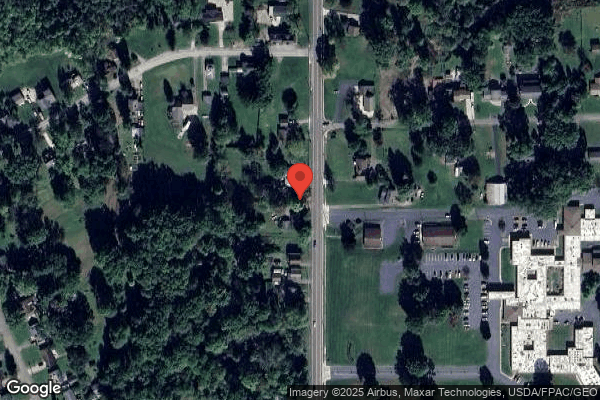
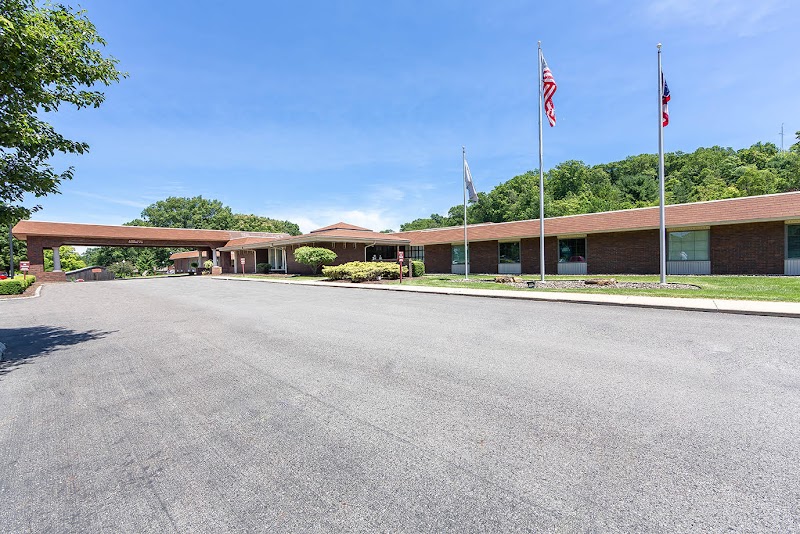
3379 MAIN STREET, MINERAL RIDGE, OH 44440 (330) 652-9901
For profit - Corporation 155 Beds CONTINUING HEALTHCARE SOLUTIONS Data: November 2025
Trust Grade
50/100
#569 of 913 in OH
Last Inspection: February 2025

Within standard 12-15 month inspection cycle. Federal law requires annual inspections.

Overview

Vista Center at the Ridge has a Trust Grade of C, which means it is average and sits in the middle of the pack among nursing homes. It ranks #569 out of 913 facilities in Ohio, placing it in the bottom half, and #9 out of 17 in Trumbull County, indicating that there are only a few local options that are better. Unfortunately, the facility is worsening, with issues increasing from 5 in 2024 to 16 in 2025. Staffing is a relative strength, with a turnover rate of 39%, which is lower than the Ohio average, but the overall staffing rating is just average. While there have been no fines, which is a positive sign, there have been concerning incidents, including a failure to monitor and treat skin impairments that led to serious harm for residents, and a lack of proper food labeling in the kitchen that could affect many residents.

Trust Score
C
50/100
In Ohio
#569/913
Bottom 38%
Safety Record
Moderate
Needs review
Inspections
Getting Worse
5 → 16 violations
Staff Stability
○ Average
39% turnover. Near Ohio's 48% average. Typical for the industry.
Penalties
✓ Good
No fines on record. Clean compliance history, better than most Ohio facilities.
Skilled Nurses
○ Average
Each resident gets 34 minutes of Registered Nurse (RN) attention daily — about average for Ohio. RNs are the most trained staff who monitor for health changes.
Violations
⚠ Watch
34 deficiencies on record. Higher than average. Multiple issues found across inspections.
★★★☆☆
3.0
Overall Rating
★★★☆☆
3.0
Staff Levels
★★★★★
5.0
Care Quality
★★☆☆☆
2.0
Inspection Score
Stable
2024: 5 issues
2025: 16 issues

The Good

  • 5-Star Quality Measures · Strong clinical quality outcomes
  • Full Sprinkler Coverage · Fire safety systems throughout facility
  • No fines on record
  • Staff turnover below average (39%)

    9 points below Ohio average of 48%

Facility shows strength in quality measures, fire safety.

The Bad

3-Star Overall Rating

Near Ohio average (3.2)

Meets federal standards, typical of most facilities

Staff Turnover: 39%

Near Ohio avg (46%)

Typical for the industry

Chain: CONTINUING HEALTHCARE SOLUTIONS

Part of a multi-facility chain

Ask about local staffing decisions and management

The Ugly 34 deficiencies on record

2 actual harm
Sept 2025 1 deficiency
CONCERN (E) 📢 Someone Reported This

A family member, employee, or ombudsman was alarmed enough to file a formal complaint

Potential for Harm - no one hurt, but risky conditions existed

Safe Environment (Tag F0584)

Could have caused harm · This affected multiple residents

**NOTE- TERMS IN BRACKETS HAVE BEEN EDITED TO PROTECT CONFIDENTIALITY** Based on record review, observations, review of the housekeeping cleaning schedule, interviews and facility policy review, the f...

Read full inspector narrative →
**NOTE- TERMS IN BRACKETS HAVE BEEN EDITED TO PROTECT CONFIDENTIALITY** Based on record review, observations, review of the housekeeping cleaning schedule, interviews and facility policy review, the facility failed to maintain a clean and sanity environment for residents. This affected six (Residents #1, #2, #3, #4, #5, and #11) of 21 residents residing on the 400 unit and had the potential to affect all residents residing in the facility. The facility census was 144. Findings include:1. Review of the medical record for Resident #1 revealed an admission date of 12/18/18. Diagnoses included schizophrenia and unspecified intellectual disabilities. Review of the quarterly Minimum Data Set (MDS) assessment dated [DATE] revealed Resident #1 had impaired cognition. 2. Review of the medical record for Resident #2 revealed an admission date of 10/07/21. Diagnoses included schizophrenia and catatonic disorder. Review of the quarterly MDS assessment dated [DATE] revealed Resident #2 had impaired cognition. 3. Review of the medical record for Resident #3 revealed an admission date of 04/03/14. Diagnoses included schizophrenia and Alzheimer's disease. Review of the quarterly MDS assessment dated [DATE] revealed Resident #3 had impaired cognition. 4. Review of the medical record for Resident #4 revealed an admission date of 07/23/18. Diagnoses included schizophrenia and bipolar disorder. Review of the quarterly MDS assessment dated [DATE] revealed Resident #4 had impaired cognition. 5. Review of the medical record for Resident #5 revealed an admission date of 08/12/20. Diagnoses included dementia and anxiety disorder. Review of the quarterly MDS assessment dated [DATE] revealed Resident #5 had impaired cognition. 6. Review of the medical record for Resident #11 revealed an admission date of 08/09/24. Diagnoses included schizophrenia and unspecified psychosis. Review of the quarterly MDS assessment dated [DATE] revealed Resident #11 had intact cognition. Observations on 09/06/25 from 8:14 A.M. to 9:00 A.M. of the west 400 unit noted the following: Dried coffee stains and miscellaneous food and paper debris on the floor throughout the unit. Resident #11's room noted the trash can was heaped over with garbage, and there was food on the floor and ground in dry brownish/blackish marks on the floor. Resident #1's room noted five serving bowls with food stored in the dresser drawers and several butter knives stored in the nightstand. Resident #1's linens were stained with brownish debris. Resident #2, who also resides with Resident #1, had a pillow that was without a cover that was heavily stained with orange/brown substances. Resident #3 and Resident #4 noted several (plus ten) gnats sitting and flying around the sink and countertop. Resident #5's room noted a strong smell of urine; the bathroom floor was wet and rusted where Resident #5 would urinate. The toilet seat was covered with dried feces. Interview on 09/06/25 from 8:39 A.M. to 8:50 A.M. Certified Nursing Assistant (CNA) #200 was the only staff working on the unit at the time of observations. CNA #200 stated housekeeping services do not clean this unit daily. CNA #200 stated that the mess was a daily thing, and she had brought her own cleaning supplies in to clean the unit. CNA#200 stated the unit needed to be cleaned daily due to the acuity and behaviors of the residents. Interview and observations with Housekeeping Director #201 verified the findings. She would get staff to clean the unit; no other comments were provided regarding the condition of the unit. Interview on 09/06/25 at 10:00 A.M., Housekeeper #208 stated she was able to complete her cleaning tasks daily. Housekeeper #208 did not work on the west 400 unit and was pulled from another unit to clean the west 400 unit. Review of housekeeping cleaning schedule signoff sheet for the month of September 2025 noted cleaning services were not signoff for 09/01/25, 09/03/25, and 09/04/25. Review of the facility policy titled Housekeeping Policy/Procedure, dated 2019, noted the facility will be maintained and cleaned to meet a home like environment for our residents. This deficiency represents noncompliance investigated under Complaint Number 1290111 (OH00167443).
May 2025 1 deficiency
CONCERN (D) 📢 Someone Reported This

A family member, employee, or ombudsman was alarmed enough to file a formal complaint

Potential for Harm - no one hurt, but risky conditions existed

Deficiency F0628 (Tag F0628)

Could have caused harm · This affected 1 resident

**NOTE- TERMS IN BRACKETS HAVE BEEN EDITED TO PROTECT CONFIDENTIALITY** Based on record review and interview, the facility failed to ensure Resident #128 was provided a 30-day notice at discharge and ...

Read full inspector narrative →
**NOTE- TERMS IN BRACKETS HAVE BEEN EDITED TO PROTECT CONFIDENTIALITY** Based on record review and interview, the facility failed to ensure Resident #128 was provided a 30-day notice at discharge and appropriate discharge planning to secure safe discharge placement. This finding affected one (Resident #128) of three residents reviewed for discharge planning. Findings include: Review of submitted concerns to the state agency on 04/08/25 revealed the facility attempted to send Resident #128 to a group home, but the resident did not want to live in the area due to distance from friends and local stores. The facility did not offer any other places for the resident to be discharge to. Resident #128 was approached about being discharged on 04/03/25 and he reported to the facility he did not have anywhere to go. Resident #128 was discharged from the facility on 04/04/25 with no place to go other than a hotel. Resident #128 was discharged to a hotel and was not provided a 30-day notice. Review of Resident #128's medical record revealed the resident was admitted on [DATE] and discharged on 04/04/25 with diagnoses including morbid obesity, difficulty in walking and epilepsy. Review of Resident #128's Social History Evaluation dated 12/13/24 revealed the resident lived in a hotel and was not able to return due to trashing the place. Review of Resident #128's Quarterly Minimum Data Set (MDS) 3.0 assessment dated [DATE] revealed the resident exhibited intact cognition. Review of Resident #128's Multidisciplinary Care Conference form dated 03/20/25 at 8:33 A.M. revealed the resident was present for the meeting and did not have family involvement. The resident's medications were reviewed and the resident stated he cannot go back to his prior living arrangements due to being evicted from his hotel room. The resident was homeless. Review of Resident #128's Notice of Adverse Decision form dated 04/02/25 revealed that the request for continued stay at the nursing facility cannot be approved. The dates of service from 04/02/25 to 04/03/25 had been approved but starting on 04/04/25 the stay was denied. The resident was [AGE] years old and had been in the facility since 12/13/24. The resident did not need skilled nursing daily and no longer needed therapy five days a week. The therapy notes showed the resident was able to do all his own daily needs like taking a bath, moving in bed, walking, using the restroom, eating and getting dressed. The resident did not need 24-hour care for memory impairment and the resident's needs can be managed at a lower level. Review of Resident #128's social service progress note dated 04/03/25 at 2:30 P.M. authored by Social Service Designee (SSD) #814 revealed the resident's last covered day was 04/03/25 and the resident stated he had been looking for housing due to being evicted from the motel he lived in for the last year. He had not been able to locate anything. SSD #814 called the Budget Inn hotel, and they had rooms available at a weekly rate of $270.00. SSD #814 made the resident an appointment to establish a primary care provider (PCP) and the resident had an appointment on 04/24/25 at 3:00 P.M. A referral was sent to home health services, and the therapy department had provided the resident with home exercises. Review of Resident #128's medical record revealed no evidence Resident #128 was issued a 30-day discharge notice, evidence the facility coordinated discharge services with the Ombudsman, or assisted the resident in seeking resources to secure safe housing and alternative discharge placement other than a hotel. The medical record did not contain evidence Resident #128 was in agreement to be discharged to a hotel. Review of Resident #128's Resident Fund Management Service (RFMS) statement dated 04/03/25 revealed the resident withdrew $1,190.00 (one thousand one hundred and ninety dollars) from the account prior to discharge. Review of Resident #128's Discharge Review dated 04/03/24 at 3:48 P.M. revealed the resident was discharged home with prescriptions. Review of Resident #128's progress note dated 04/04/25 at 1:15 P.M. authored by Registered Nurse (RN) #817 revealed the discharge instructions were explained and provided to the resident. Medication cards and an inhaler with instructions were provided and the resident verbalized and signed understanding. The resident was transported via a wheelchair in the facility transport van. Review of Resident #128's progress note authored by the Director of Nursing (DON) dated 04/05/25 at 4:41 P.M. revealed a courtesy call was made to the resident and he stated he was adjusting well and had enough food/medication to be comfortable to the next week. The resident wanted information on the group home and was inquiring if that was still an option for him. The DON documented she would inquire and follow-up with the resident on 04/06/25. Interview on 05/27/25 at 7:20 A.M. with Assistant DON #808 revealed Resident #128 came from a hotel and was admitted with a fungal rash. Assistant DON #808 stated the resident was cut from therapy, appealed and lost the appeal. She confirmed the resident did not want to turn over his check and pay for an additional stay at this facility and was discharged to a hotel. She stated the facility transported the resident using the facility transport bus. Interview on 05/27/25 at 7:37 A.M. with RN #810 revealed Resident #128 came from a hotel and she discharged the resident to a hotel per the resident's request. Interview on 05/27/25 at 9:10 A.M. with the Administrator revealed Resident #128 chose to be discharged from the facility to a hotel. The Administrator revealed the resident did not want to pay patient liability to stay in the facility and the facility closed the resident's RFMS account and gave the resident the $1,190.00 that was in the account. The Administrator also confirmed the Ombudsman's office was not involved in the resident's discharge from the facility. A telephone call was placed to the hotel on 05/27/25 at 10:15 A.M. and Resident #128 was no longer living at the hotel. A second interview on 05/27/25 at 10:08 A.M. with the Administrator indicated Resident #128 did not want to pay the liability for the facility and chose to discharge. She stated the resident was having a hard time finding a place to go and the facility assisted the resident to find a hotel in which the resident could afford. The Administrator denied the facility had kicked the resident out at any point and that was why a 30-day discharge notice was not initiated. Telephone interview on 05/27/25 at 10:14 A.M. with the Ombudsman revealed their department had a history with Resident #128 and the facility did not inform them of the resident's discharge on [DATE] to a hotel. An interview on 05/27/25 at 12:23 P.M. with the DON indicated she attempted to call Resident #128 on 04/07/25 and the phone just rang. She stated the Administrator called the group home and gave them the resident's phone number. She was unsure of the date and time. The DON confirmed she did not document the follow up in the resident's medical record. A second interview on 05/27/25 at 12:27 P.M. with the Administrator confirmed she called the group home on [DATE] at 3:05 P.M. and gave them Resident #128's phone number for them to call the resident for admission. Review of the undated Discharge Planning and Managing Length of Stay policy revealed it was recommended that the facility's Administrator and/or Admission's Coordinator communicate to the hospital representatives the information that would be needed upon admission. This would allow the facility to provide an optimal plan of care throughout the resident's stay. A final discharge summary would be completed upon discharge that can be provided to the resident or an authorized person including a reconciliation of medications with post discharge medication orders and post discharge plan of care. The post discharge plan of care would include where the individual plans to reside, any arrangements that have been made for the residents' follow up care, and any post discharge medical and/or non-medical services. The Ombudsman must be notified in writing of all transfers and discharges. This deficiency represents non-compliance investigated under Complaint Number OH00164484.
Feb 2025 14 deficiencies
CONCERN (D)

Potential for Harm - no one hurt, but risky conditions existed

Assessment Accuracy (Tag F0641)

Could have caused harm · This affected 1 resident

**NOTE- TERMS IN BRACKETS HAVE BEEN EDITED TO PROTECT CONFIDENTIALITY** Based on observation, medical record review, interview and review of the NSO (Nurses Services Organization) guidelines, the faci...

Read full inspector narrative →
**NOTE- TERMS IN BRACKETS HAVE BEEN EDITED TO PROTECT CONFIDENTIALITY** Based on observation, medical record review, interview and review of the NSO (Nurses Services Organization) guidelines, the facility failed to ensure Resident #13's bowel and bladder assessment was accurately documented in Resident #13's medical record. This affected one resident (#13) out of three residents reviewed for incontinence care. The facility census was 144. Findings include: Resident #13 was admitted on [DATE] with diagnoses including acute cystitis (urinary bladder infection), encephalopathy, morbid obesity, diabetes mellitus, obstructive sleep apnea, anxiety, cognitive decline, arthritis, scoliosis, diverticulitis, vitamin D deficiency, Raynaud's Syndrome, depression, insomnia, thyrotoxicosis (excessive thyroid hormone) with goiter, fibromyalgia (wide-spread pain), hypothyroidism (underactive thyroid), and meninges (membranes covering the brain) tumor. A review of Resident #13's clinical record revealed a Minimum Data Set (MDS) admission assessment dated [DATE] which indicated Resident #13 had an indwelling urinary catheter. Review of Resident #13's certified nursing assistant (CNA) documentation dated 01/10/25 to 01/30/25 indicated Resident #13 had frequent urinary incontinence with occasional urinary continence. There was no plan of care or interventions implemented to provide care for an indwelling urinary catheter. Further review of Resident #13's clinical record revealed no physician orders to discontinue an indwelling urinary catheter. Resident #13's nursing progress notes dated 01/10/25 to 02/06/25 indicated no documentation of the presence of an indwelling urinary catheter or that the indwelling urinary catheter was discontinued. Resident #13's progress note dated 01/10/25 indicated she had a Brief Interview Mental Status (BIMS) score of 10 which indicated she had moderate cognitive impairment. Resident #13 was alert, oriented, and pleasant. An observation of Resident #13 on 02/03/25 at 9:45 A.M. revealed there was no indwelling urinary catheter tubing or urine drainage bag observed hanging from Resident #13's bed frame. An interview with Resident #13 on 02/05/25 at 12:05 P.M. revealed she had never had an indwelling urinary catheter on admission to the facility. An interview with Director of Nursing (DON) #1241 on 02/05/25 at 10:29 A.M. verified the above findings and agreed there was inconsistent documentation of the presence and/or absence of an indwelling urinary catheter for Resident #13. Interviews with CNA #1294 and CNA #1420 on 02/06/25 between 11:30 A.M. and 12:00 P.M. they had provided care for Resident #13 upon admission to the facility. Both staff indicated Resident #13 did not have an indwelling urinary catheter upon admission to the facility. A review of the NSO (Nurses Services Organization) guidelines dated 2024 for nursing documentation indicated a complete and accurate clinical record presents the strongest defense against any malpractice or licensing board action. While some specialized settings, practice [NAME], regulations and other areas may require additional types or components of documentation, the following principles may lessen nurses' liability exposures: • Chart in the correct record. Ensure that key patient identifiers are accurate, including the spelling of the patient's name and their date of birth , to ensure effective linking of patient healthcare information records within and across systems. • Chart promptly. As soon as possible after you make an observation or provide care, document your actions for more detailed notes. If you wait until the end of your shift, you could forget to include important information. • Be accurate, objective, and complete. Document what you see, hear, and do. Include data relating to all aspects of patient care and the nursing process.
CONCERN (D)

Potential for Harm - no one hurt, but risky conditions existed

Quality of Care (Tag F0684)

Could have caused harm · This affected 1 resident

Based on record review, interview, review of employee corrective action and facility policy review, the facility failed to complete wound treatments as ordered by the physician for Resident #15. This ...

Read full inspector narrative →
Based on record review, interview, review of employee corrective action and facility policy review, the facility failed to complete wound treatments as ordered by the physician for Resident #15. This affected one resident (#15) of three residents reviewed for treatments. The facility census was 144. Findings include: Review of the medical record for Resident #15 revealed an admission date of 10/28/24 with diagnoses including disorders of veins, peripheral vascular disease, congestive heart failure and diabetes mellitus type two. The admission Minimum Data Set (MDS) assessment, dated 11/03/24, revealed the resident had no cognitive impairment. The weekly nurse practitioner (NP) wound assessments from 12/05/24 to 01/23/25 indicated Resident #15 had chronic left lower extremity (LLE) vascular ulcers, one medial and one lateral, which required daily wound dressing changes. Review of Resident #15's treatment administration record (TAR) from December 2024 to January 2025 revealed a daily dressing change ordered to begin 12/06/24 for the LLE medial and lateral wounds. On 12/20/24, 01/09/25, 01/11/25, 01/12/25, 01/13/25, 01/19/25 and 01/23/25, the daily dressing changes were not documented as completed. Interview on 02/06/25 at 10:18 A.M. with Wound Nurse (WN) #1217 verified the daily dressing changes for Resident #15's LLE vascular ulcers were not documented as being completed on 12/20/24, 01/09/25, 01/11/25, 01/12/25, 01/13/25, 01/19/25 and 01/23/25. WN #1217 explained on 01/09/25 and 01/23/25 the NP was in the facility and would have completed the dressing changes, and on 01/13/25 and 01/20/25, she remembered being in the facility so the treatments would have been done but just not signed off. WN #1217 continued to explain if any treatments were found not being done then a corrective action form was completed so it was believed the 01/12/25 and 01/19/25 dressings were probably done. However, WN #1217 confirmed there was no documented evidence Resident #15's dressing changes were completed as ordered on 12/20/24 and 01/11/25, and in addition recalled a corrective action form being completed for an additional two times in December 2024 when a nurse had signed off doing Resident #15's treatment but did not. Review of the employee notice of corrective action form signed by Registered Nurse (RN) #1287 on 12/17/24 revealed a verbal warning for not completing treatments on 12/14/24 and 12/15/24 as ordered, yet documenting it was done. Review of the undated facility policy, Dressing Change - Clean revealed to document the completion of treatments in the TAR.
CONCERN (D)

Potential for Harm - no one hurt, but risky conditions existed

Incontinence Care (Tag F0690)

Could have caused harm · This affected 1 resident

**NOTE- TERMS IN BRACKETS HAVE BEEN EDITED TO PROTECT CONFIDENTIALITY** Based on observation, record review, interview and facility policy review, the facility failed to ensure Resident #56 and Reside...

Read full inspector narrative →
**NOTE- TERMS IN BRACKETS HAVE BEEN EDITED TO PROTECT CONFIDENTIALITY** Based on observation, record review, interview and facility policy review, the facility failed to ensure Resident #56 and Resident #63 were assisted with toileting and/or incontinence care and failed to provide a toileting program for Resident #63. This affected two residents (#56 and #63) out of three residents reviewed for incontinence care. The facility census was 144. Findings include: 1. Resident #56 was admitted on [DATE] with diagnoses including high blood pressure, atherosclerotic heart disease, hyperlipidemia (high cholesterol), Gilbert Syndrome (A syndrome in which the liver of affected individuals processes bilirubin more slowly than the majority.), senile degeneration of the brain, adjustment disorder, diabetes mellitus, and malnutrition. Resident #56's care plan initiated on 04/02/24 indicated Resident #56 had bladder incontinence. The goal of the care plan was Resident #56 would remain clean and odor free through review date. Interventions on the care plan included providing perineal care as needed, assisting with toileting and incontinence care as needed and encouraging Resident #56 to ask for assistance with incontinent care. Resident #56's Minimum Data Set (MDS) 3.0 assessment dated [DATE] indicated Resident #56 had moderate cognitive impairment, bowel and bladder incontinence and he needed partial/moderate assistance with toileting/perineal hygiene, adjusting clothes before and after voiding or having a bowel movement. An observation and interview with Resident #56 on 02/03/25 at 9:25 A.M. revealed Resident #56 was lying in bed in his room. There was a strong, foul odor of urine present in the room. An observation of Resident #56's restroom revealed a pair of blue jeans hanging on the towel bar which had a large wet area located on the seat of the pants. The foul odor of urine was stronger in the restroom. Resident #56 stated he was incontinent during the nighttime hours and had removed his blue jeans and hung them on the towel rack. Resident #56 was unable to remember what time it was when he woke up from sleeping and was incontinent, but stated it was still dark outside. Resident #56 stated he was not provided with an incontinence brief and had donned a pair of pajama pants after he removed his blue jeans. Resident #56 stated the staff had not been in his room to check him yet this morning. An interview with Certified Nursing Assistant (CNA) #1234 on 02/03/25 at 9:25 A.M. verified the above findings and stated the CNA assigned to care for Resident #56 was currently on her break. CNA #1234 stated the CNA staff arrived in the morning for the start of their shift at 6:30 A.M. and should have made rounds on all the residents to ensure their care needs were met. CNA #1234 stated she had not seen Resident #56 since she arrived at the facility at 6:30 A.M. Review of the undated facility policy titled Incontinence Care indicated the purpose of the policy was to maintain skin integrity, prevent skin breakdown, control odor and provide comfort and self-esteem for the residents. This protocol is to be utilized on residents who are incontinent of bowel and/or bladder. After each episode of incontinence, greet the residents and explain procedure, provide incontinence care, change linens and clothing as needed, and provide an absorbent under pad and/or incontinence brief. 2. Record review for Resident #63 revealed an admission date of 03/29/19 with diagnoses including dementia, altered mental status, aphasia, anxiety disorder, and hypertension. Review of the care plan last revised 05/21/24 revealed Resident #63 was at risk for impaired skin integrity related to fragile skin, incontinence, and he preferred to urinate in various inappropriate places. Interventions included inspecting skin during routine daily care, medications as ordered, and incontinent care after each episode. There were no interventions regarding the prevention of urinating in inappropriate places. Review of the care plan last revised 08/24/24 revealed Resident #63 was on diuretic therapy related to hypertension. Intervention included obtaining and monitoring vital signs as needed. There was nothing in the care plan regarding interventions due to increased urination, especially after administration of medication. Review of the care plan last revised 08/28/24 revealed Resident #63 was at risk for alteration in elimination related to incontinence, decreased mobility and need for staff assist with toileting needs. Interventions including checking and changing the resident every two hours and providing incontinence care as needed. Review of the Continence Assessment dated 11/22/24 revealed Resident #63 was continent as well as incontinent, utilized a toilet, had confusion and memory loss. He was on diuretic therapy which affected his continence. He was frequently incontinent of bowel, and there was not a bowel toileting program in place. He also was frequently incontinent of urine and per the assessment, a trial of a toileting program such as scheduled toileting, prompted toileting, or bladder training had not been attempted since admission. He also was not identified as on a current toileting program and/or trial. There was no documentation explaining why Resident #63 would not be appropriate for a program. Review of the quarterly MDS 3.0 assessment dated [DATE] revealed Resident #63 had impaired cognition. He had no behaviors identified and required partial to moderate assistance with toileting. He was able to transfer and ambulate independently. He was frequently incontinent of urine and always incontinent of bowel. Observation and interview on 02/04/25 at 8:18 A.M. revealed Resident #63's room had a large puddle in the upper left corner of his room with brown stained tiles. The closet by the door also had a large puddle, and the inside of the closet had brown, black staining where it appeared the tiles were lifting, and the liquid was seeping underneath the tiles. There were two puddles on the floor by the closet near the window that also contained brown tiles. The baseboards in each of the closets were black covering the length of each closet. There was a strong pervasive urine smell coming from the room that could be smelled from the hallway. Resident #63 was unable to provide any details of the condition of his room. Interview on 02/04/25 at 8:18 A.M. with Registered Nurse (RN) #1273 verified the above findings. She verified all the puddles were urine, and the staining on the baseboards and tiles were also caused by Resident #63 urinating on the floor continuously. She revealed, he just urinates all over his room. She also verified that the tiles were lifting, and the urine was seeping underneath the tiles, and the floor was sticky. She revealed the room had been like that for some time, but housekeeping cleans the room daily and tried to clean the best that they could. She stated all the puddles observed were most likely from the last time housekeeping had cleaned his room yesterday, 02/03/25. She verified that housekeeping or staff do not clean more than once a day because it was an ongoing issue with him continuously urinating on the floor. She stated, yes, it is pretty bad but not sure what else to do for him except his whole room needed to be redone but then he would just continue to urinate on the floor. She was not aware of any toileting program that Resident #63 was on. Observation and interview on 02/04/25 at 8:21 A.M. with Director of Nursing (DON) #1238 and Maintenance Director #1256 of Resident #63 room verified the above findings. They both stated that they had no knowledge of the condition of his room. DON #1238 stated, oh my yes this is unacceptable and not good. They both also verified the multiple puddles of urine throughout the room and strong urine smell that was smelled in the room as well as from the hallway. DON #1238 verified staff should be cleaning after each episode, not waiting for an accumulation of puddles. Maintenance Director #1256 verified the tiles, and the baseboards needed to be replaced. DON #1238 verified there was no urinal present in his room as well as she was not aware if he was on a toileting program and/or what interventions were in place. Observation on 02/04/25 at 11:23 A.M. revealed there was a wet floor sign on the outside of Resident #63's room, but a strong urine smell continued coming from the room into the hallway. The floor was sticky; when this surveyor walked on it, shoes could be heard sticking to the floor, and the stains to the floor and baseboards continued. The puddles of liquid were no longer present. Resident #63 was sitting in the lounge in a recliner. Observation on 02/04/25 at 12:11 P.M. revealed Resident #63 got up from the recliner in the lounge and ambulated down the hallway past RN #1273 and CNA #1403 into his room where he urinated in the closet by the window leaving a puddle of urine. Interview on 02/04/25 at 12:14 P.M. with CNA #1403 revealed she observed Resident #63 get up from the recliner but thought he went into the dining room. She revealed they try to catch him before he urinates in his room, but they get busy with things and do not see when he goes. She verified there was a puddle of urine in the closet by the window and that the floor had not been thoroughly cleaned as it continued to be sticky. She also verified the strong urine smell, and stated, I know, his room is bad; it always was. Interview on 02/04/25 at 2:40 P.M. with Housekeeping #1244 revealed he usually was assigned to Resident #63's unit and stated when he gets to his room there were multiple puddles of urine everyday as well as the stained black substance on the baseboard and brown stained tiles. He revealed no matter how well he tried to clean; the stains do not come off, and the urine had seeped under the tiles causing most all the tiles to lift. He verified the condition of his room had been like that for a long time. He revealed he usually waited to the end of his shift to clean his room because if he did it at the beginning Resident #63 just messed it up by urinating on the floor so that was why he waited till the end of the shift. He verified he usually only cleaned his room once a shift. Interview on 02/04/25 at 2:54 P.M. with Housekeeping/Laundry Supervisor #1253 revealed Housekeeper #1244 was the housekeeping staff on the unit Resident #63 resided. She verified Housekeeper #1244 should be cleaning Resident #63's room at least twice a day. She revealed, often when she comes in, there were multiple puddles of urine throughout his room. She had been working at the facility for over three years and that the urine was embedded into the floor tiles and baseboards causing the tiles to heave up and pull away from the floor. She revealed she knew Maintenance Director #1256 was aware of the condition of his room for quite a while because she had communicated it to him. She verified no matter how much they cleaned the room; the strong urine smell was still present as the urine had seeped under the stained tiles and baseboards. Interview on 02/05/25 at 7:59 A.M. with CNA #1203 revealed Resident #63 had urinated for years on the floor. She revealed they attempted to take him to the bathroom as often as they could, but Resident #63 was not on a specific toileting schedule and did not have any other interventions that she was aware of. Interview on 02/05/25 at 8:56 A.M. with the DON verified she did not have any documentation regarding where a toileting program had been attempted in the past for Resident #63. She was going to investigate what interventions could be attempted. She verified staff (nursing and housekeeping) should be intervening after each time Resident #63 urinated inappropriately in his room not just leaving the puddles of urine. She also verified she had observed his room and that it needed addressed because the tiles and baseboards were stained, tiles were lifting because urine had accumulated underneath, and there was a strong continuous smell of urine in his room as well as in the hallway. Review of the facility policy labeled, Incontinence Care revealed the purpose of the policy was to maintain skin integrity, prevent skin breakdown, control, odor, and provide comfort and self-esteem for the resident. The policy revealed the facility would assess and document the following regarding the resident: elevation status, pattern tracking when indicated, and urine and bowel elimination. The policy revealed after each episode incontinence care would be provided. There was nothing in the policy regarding toileting programs.
CONCERN (D)

Potential for Harm - no one hurt, but risky conditions existed

Deficiency F0692 (Tag F0692)

Could have caused harm · This affected 1 resident

**NOTE- TERMS IN BRACKETS HAVE BEEN EDITED TO PROTECT CONFIDENTIALITY** Based on record review, interview and facility policy review, the facility failed to ensure Resident #36 was reweighed according...

Read full inspector narrative →
**NOTE- TERMS IN BRACKETS HAVE BEEN EDITED TO PROTECT CONFIDENTIALITY** Based on record review, interview and facility policy review, the facility failed to ensure Resident #36 was reweighed according to facility policy and failed to have documented evidence the physician was notified of after an 8.7% weight loss in 30 days and failed to ensure Resident #37's weekly weights were obtained as ordered. This affected two residents (#36 and #37) of three residents reviewed for nutrition and had the potential to affect all 144 residents in the facility. Findings include: 1. Review of the medical record for Resident #36 revealed an admission date of 06/04/20. Diagnoses included malnutrition, muscle weakness, prostate disorder, depression and diabetes. Review of Resident #36's weight record revealed on 12/04/24 Resident #36 weighed 322 pounds and on 01/03/2025 Resident #36 weighed 294 pounds which was a 8.70% weight loss in 30 days. There was no documented evidence the physician was notified of the weight loss and no documented evidence a reweight was obtained. Review of the care plan dated 12/30/24 revealed Resident #36 was at risk for alteration in nutritional status. Interventions included assisting with meals as needed, encouraging healthy choices, providing diets as ordered and monitoring weights as ordered. Review of the comprehensive Minimum Data Set (MDS) 3.0 assessment dated [DATE] revealed Resident #36 was cognitively intact. He required set-up help for eating, supervision for oral hygiene, substantial or maximum assistance for personal hygiene and was dependent for toileting and showering. He had weight loss and was not in a prescribed weight loss regimen. Review of the dietary assessment note dated 01/09/25 revealed Resident #36 had a significant weight loss of 8.70% in 30 days. The note indicated a reweight would be requested to verify accuracy. Interview on 02/05/25 at 3:18 P.M. with Registered Dietitian (RD) #1239 confirmed there was no reweigh for Resident #36, based on the progress note dated 01/09/25. 2. Review of the medical record for Resident #37 revealed an admission date of 12/13/24. Diagnoses included congestive heart failure, diabetes, morbid obesity, kidney disease, dysphagia, anemia and vitamin D deficiency. Review of the care plan dated 12/16/24 revealed Resident #37 was at risk for alterations in nutrition and hydration. Interventions included communicating with the dialysis dietitian, maintaining weight without a significant unplanned weight change, assisting with meals as needed, monitoring intake and output as needed and obtaining weights as ordered. Review of the comprehensive MDS 3.0 assessment dated [DATE] revealed Resident #37 was moderately cognitively impaired. She required supervision for eating and was dependent for toileting, showering, dressing and hygiene. She had weight loss and was not on a prescribed weight loss regimen. Review of the physician's orders for January 2025 revealed an order for weekly weights, which began on 12/13/24. Review of Resident #37's weight record revealed she weighed 181 pounds on 12/14/24 and 174 pounds on 01/08/25, a 3.86% weight loss. No other weights were available to review. Interview on 02/05/25 at 3:18 P.M. with RD #1239 confirmed weekly weights for Resident #37 were not obtained as ordered. Review of the undated facility policy titled Weight Policy and Procedure revealed all new admissions would be weighed weekly for the first four weeks after admission and any weight variance of three pounds in one week or three pounds in one month would be reweighed within 24 hours.
CONCERN (D)

Potential for Harm - no one hurt, but risky conditions existed

Respiratory Care (Tag F0695)

Could have caused harm · This affected 1 resident

**NOTE- TERMS IN BRACKETS HAVE BEEN EDITED TO PROTECT CONFIDENTIALITY** Based on observation, record review, interview and facility policy review, the facility failed to ensure Resident #128's oxygen ...

Read full inspector narrative →
**NOTE- TERMS IN BRACKETS HAVE BEEN EDITED TO PROTECT CONFIDENTIALITY** Based on observation, record review, interview and facility policy review, the facility failed to ensure Resident #128's oxygen was administered as ordered by the physician and failed to ensure Resident #128's oxygen tubing was changed as ordered. This affected one resident (#128) of three residents reviewed for oxygen administration and had the potential to affect four additional residents (#36, #60, #95, #128 and #443) identified by the facility as receiving oxygen therapy. The facility census was 144. Findings include: Review of the medical record for Resident #128 revealed an admission date of 09/26/24. Diagnoses included left rib fracture, chronic obstructive pulmonary disease (COPD), kidney disease, and history of stroke. Review of the quarterly Minimum Data Set (MDS) 3.0 assessment dated [DATE] revealed Resident #128 was cognitively intact. She required supervision for eating and oral hygiene, partial to moderate assistance for personal hygiene and was dependent on staff for showering and toileting hygiene. Review of the care plan dated 12/20/24 revealed Resident #128 had an alteration in breathing patterns due to COPD. Interventions included assessing lung sounds and providing oxygen per the physician's orders. Review of the physician's orders for January 2025 revealed an order for three liters per minute of oxygen via nasal cannula continuously which began on 09/27/24 and an order to change oxygen tubing, cannula and/or mask every week on Thursday which began on 10/24/24. Observation on 2/04/25 at 9:30 A.M. revealed Resident #128's oxygen tubing was dated 01/23/25 and the oxygen administration was set at four liters per minute. Interview at the time of the observation with Licensed Practical Nurse (LPN) #1231 confirmed oxygen tubing was dated 01/23/25 and should be changed weekly, and Resident #128's oxygen was set at four liters per minute. Review of the undated facility policy titled Oxygen Therapy revealed oxygen would be administered in accordance with the physician's orders and tubing, nasal cannulas and humidifiers would be changed according to the physician's orders.
CONCERN (D)

Potential for Harm - no one hurt, but risky conditions existed

Deficiency F0698 (Tag F0698)

Could have caused harm · This affected 1 resident

**NOTE- TERMS IN BRACKETS HAVE BEEN EDITED TO PROTECT CONFIDENTIALITY** Based on record review, interview and facility policy review, the facility failed to ensure pre and post dialysis assessments we...

Read full inspector narrative →
**NOTE- TERMS IN BRACKETS HAVE BEEN EDITED TO PROTECT CONFIDENTIALITY** Based on record review, interview and facility policy review, the facility failed to ensure pre and post dialysis assessments were accurate and complete. This affected two residents (#37 and #83) of three residents reviewed for dialysis. The facility census was 144. Findings include: 1. Review of the medical record for Resident #37 revealed an admission date of 12/13/24. Diagnoses included congestive heart failure, diabetes, morbid obesity, kidney disease, dysphagia, anemia, and vitamin D deficiency. Review of the care plan dated 12/16/24 revealed Resident #37 received dialysis three days per week. Interventions included assisting with transfers to dialysis, checking for new orders upon return from dialysis, maintaining communication with dialysis staff and physicians, and monitoring the shunt for signs and symptoms of infection. Review of the comprehensive Minimum Data Set (MDS) 3.0 assessment dated [DATE] revealed Resident #37 was moderately cognitively impaired. She required supervision for eating and was dependent upon staff for toileting, showering, dressing and hygiene. She was receiving dialysis. Review of the physician's orders for February 2024 revealed an order for hemodialysis Tuesday, Thursday and Saturday. The order began 12/19/24. Review of the pre and post dialysis assessment history revealed no pre post assessments were completed on 12/14/24, 12/17/24, 12/21/24, 12/24/24, 12/31/24, 01/04/25, 01/18/25 or 01/28/25. Completed pre and post assessments revealed not all assessments contained all of the necessary relevant information. 2. Review of the medical record for Resident #83 revealed an admission date of 07/11/23. Diagnoses included diabetes, depression, end stage renal disease, anemia, arthritis, and heart failure. Review of the quarterly MDS 3.0 assessment dated [DATE] revealed Resident #83 cognitively intact. She required supervision for eating, set up help for oral hygiene, substantial assistance for personal hygiene and was dependent upon staff for toileting and showering. She was on dialysis. Review of the care plan dated 11/29/24 revealed Resident #38 received dialysis Three days per week. Interventions included receiving treatments as scheduled with monitoring of the disease process, assistance with transfers when going to dialysis, checking for new orders upon return from dialysis and maintaining communication with the dialysis staff and physician. Review of the physician's orders for February 2025 revealed an order for dialysis every Tuesday, Thursday and Saturday. The order began 11/14/24. Review of the pre and post dialysis assessment history revealed no pre or post assessments were completed on 11/21/24, 12/03/24, 12/07/24, 12/12/24, 12/14/24, 12/21/24, 12/24/24, 12/31/24, 01/11/25, 01/14/25, 01/21/25, 01/23/25, 01/25/25, 01/29/25 and 01/30/25. Completed pre and post assessments revealed not all assessments contained all of the necessary relevant information. Interview on 02/05/25 at 10:40 A.M. with Licensed Practical Nurse (LPN) #1240 revealed she was aware of inconsistencies and incomplete pre and post dialysis assessments and was not surprised. Review of the undated facility policy titled Dialysis revealed that for residents receiving hemodialysis, the nurse would obtain vital signs and weight prior to receiving dialysis treatment and upon the resident's return. The nurse would also assess the hemodialysis site for signs and symptoms of infection, monitor for a thrill or bruit.
CONCERN (D)

Potential for Harm - no one hurt, but risky conditions existed

Deficiency F0699 (Tag F0699)

Could have caused harm · This affected 1 resident

**NOTE- TERMS IN BRACKETS HAVE BEEN EDITED TO PROTECT CONFIDENTIALITY** Based on interview, record review and review of the facility policy, the facility did not have an individualized care plan with ...

Read full inspector narrative →
**NOTE- TERMS IN BRACKETS HAVE BEEN EDITED TO PROTECT CONFIDENTIALITY** Based on interview, record review and review of the facility policy, the facility did not have an individualized care plan with interventions regarding Resident #76's post-traumatic stress disorder (PTSD). This affected one resident (#76) of two residents reviewed for PTSD and had the potential to affect six residents (#15, #21, #38, #76, #194, and #293) that were identified by the facility diagnosed with PTSD. The facility census was 144. Findings include: Review of the medical record for Resident #76 revealed an admission date of 12/04/24 with diagnoses including PTSD, Bipolar disorder, major depression, congestive heart failure, and diabetes. Review of the admission packet dated 12/05/24 and completed by Registered Nurse (RN) #1288 revealed Resident #76 had experienced trauma in his life, but he did not have any triggers identified. Review of the care plan dated 12/10/24 revealed Resident #76 required assistance with activities of daily living (ADL) related to alcoholic cirrhosis of the liver, PTSD, and diabetes. There was nothing in the care plan regarding triggers and/or interventions related to the PTSD. Review of the care plan dated 12/11/24 revealed Resident #76 had an alteration in health maintenance related to alcoholic cirrhosis of the liver, PTSD, and diabetes. There was nothing in the care plan regarding triggers and/or interventions related to the PTSD. There was no other mention of PTSD in the comprehensive care plan. Review of the progress note dated 12/11/24 and completed by Psychiatric Nurse Practitioner (NP) #1240 revealed Resident #76 had a history of abuse as he reported a family friend did some things to young girls and would stare at him inappropriately. He also stated his mother was never happy with anything he did, and she was verbally abusive. The note revealed he had a history of trauma as he stated he had seen people die and he had killed people as he was a veteran of the armed forces. Review of the readmission admission packet dated 12/31/24 and completed by RN #1273 revealed under the area of trauma that Resident #76 had experienced trauma in his life, and he did have triggers that he felt reminded him of his trauma. In the comments section it listed the diagnosis of PTSD but did not list anything regarding specific triggers. Review of Medicare five-day Minimum Data Set (MDS) 3.0 assessment dated [DATE] revealed Resident #76 had impaired cognition as his Brief Interview for Mental Status (BIMS) score was a ten. Interview on 02/05/25 at 11:29 A.M. with Resident #76 revealed he would start a conversation and lose the train of thought and start another conversation as it was difficult to follow. He was unable to provide any information regarding his PTSD and/or any triggers. Interview on 02/05/25 at 7:59 A.M. with Certified Nursing Assistant (CNA) #1411 revealed she frequently worked on the unit that Resident #76 resided and was not aware of what his past trauma was and/or any triggers that he may have that may re-traumatize in relation to his diagnosis of PTSD. Interview on 02/05/25 at 8:04 A.M. with RN #1273 revealed she frequently worked on the unit Resident #76 resided and was aware that he had a diagnosis of PTSD but was not aware of what his past trauma was as well as any triggers that he may have that may re-traumatize. Interview on 02/05/25 at 8:49 A.M. with MDS/Licensed Practical Nurse (LPN) #1224 verified Resident #76 had a diagnosis of PTSD and that on his re-admission assessment dated [DATE] revealed that he had triggers. She verified there was nothing in his care plan regarding his triggers and interventions to prevent re-traumatization related to his PTSD. Interview on 02/05/25 at 9:09 A.M. with the Director of Nursing (DON) verified Resident #76 had a diagnosis of PTSD and verified on Psychiatric/NP #1240 progress note dated 12/11/24 identified Resident #76 had a history of abuse as well as history of trauma with triggers identified. She also verified on his readmission assessment dated [DATE], under the area of trauma, Resident #76 experienced trauma in his life and that he did have triggers that he felt reminded him of his trauma. She verified Resident #76's care plan did not identify his triggers and/or interventions to prevent re-traumatization related to his PTSD. Review of the facility policy labeled, Trauma Informed Care, dated October 2022, revealed the facility recognizes that residents have had past experiences that have resulted in trauma including veterans, holocaust survivors, crime survivors and victims of sexual, physical and mental abuse. The facility defines trauma: results from an event, series of events, or set of circumstances that was experienced by the individual that had lasting adverse effects. The policy revealed the licensed nurse would assess the resident for potential trauma related to past or current experiences upon admission, quarterly, and with significant changes. Any identified triggers to re-traumatize would be documented and care planned .
CONCERN (D)

Potential for Harm - no one hurt, but risky conditions existed

Drug Regimen Review (Tag F0756)

Could have caused harm · This affected 1 resident

**NOTE- TERMS IN BRACKETS HAVE BEEN EDITED TO PROTECT CONFIDENTIALITY** Based on record review, interview and facility policy review, the facility failed to ensure pharmacist recommendations for Resid...

Read full inspector narrative →
**NOTE- TERMS IN BRACKETS HAVE BEEN EDITED TO PROTECT CONFIDENTIALITY** Based on record review, interview and facility policy review, the facility failed to ensure pharmacist recommendations for Resident #36 were addressed by the physician. This affected one resident (#36) of three residents reviewed for unnecessary medication. The facility census was 144. Findings include: Review of the medical record for Resident #36 revealed an admission date of 06/04/20. Diagnoses included hypertension, anxiety, malnutrition, muscle weakness, prostate disorder, depression, and diabetes. Review of the comprehensive Minimum Data Set (MDS) assessment dated [DATE] revealed Resident #36 was cognitively intact. He required set-up help for eating, supervision for oral hygiene, substantial or maximum assistance for personal hygiene and was dependent for toileting and showering. Review of the physician's orders for February 2025 revealed an order for Lasix 20 milligrams (mg) (diuretic) once per day which began on 09/18/23 and an order for Hydroxyzine 50 mg (antihistamine) three times per day which began on 06/26/22. Review of the medication regime review (MRR) dated 05/28/24 revealed Doctor of Pharmacy #1241 recommended monitoring for signs and symptoms of dehydration, kidney injury, edema, congestion and weight changes due to the use of Lasix. There was no documented evidence the physician addressed this recommendation. Review of the MRR dated 10/15/24 revealed Doctor of Pharmacy #1241 indicated hydroxyzine should be avoided in the elderly and recommended discontinuing the order. The physician responded to the recommendation 11/15/24 and indicated to continue use, but did not provide any rationale for the continued use. Interview on 02/05/25 at 2:29 P.M. with the Director of Nursing (DON) confirmed both MRR's for Resident #36 had not been addressed appropriately by the physician. Review of the facility policy titled Medication Monitoring; Medication Regimen, Review and Reporting, dated January 2024, revealed the consultant pharmacist would review the medication regimen and medical chart of each resident at least monthly to ensure appropriate monitoring of the medication regimen and to ensure medications received were clinically indicated. The findings were communicated to the DON and acted upon by the nursing staff or physician. The physician would act on the report or reject the recommendations, documenting the rationale of why the recommendation was rejected.
CONCERN (D)

Potential for Harm - no one hurt, but risky conditions existed

Deficiency F0761 (Tag F0761)

Could have caused harm · This affected 1 resident

**NOTE- TERMS IN BRACKETS HAVE BEEN EDITED TO PROTECT CONFIDENTIALITY** Based on observation, staff interviews and record review, the facility failed to ensure all medications were secured and stored ...

Read full inspector narrative →
**NOTE- TERMS IN BRACKETS HAVE BEEN EDITED TO PROTECT CONFIDENTIALITY** Based on observation, staff interviews and record review, the facility failed to ensure all medications were secured and stored in locked compartments that would limit access only to authorized personnel. This affected three residents (Residents #13, Resident #16 and Resident #95) out of 31 who residents resided on the 200-nursing unit. The facility census was 144. Findings include: 1. Resident #13 admitted on [DATE] with diagnoses including acute cystitis with hematuria, encephalopathy, morbid obesity with status post gastric sleeve, diabetes mellitus, methicillin susceptible staphylococcus aureus infection, and anxiety. Review of Resident #13's medical record dated 01/01/25 to 02/03/25 showed no physician order for self-medication or an assessment of ability to provide self-medication included in the care plan and Minimum Data Set (MDS) 3.0 assessment. Resident #13's clinical record indicated he had moderate cognitive impairment with a Brief Interview for Mental Status (BIMS) assessment score of ten, indicating moderate cognitive impairment. An observation on 02/03/25 at 8:17 A.M. revealed multiple oral medications in a medicine cup on the over-the-bed table and unsecured in Resident #13's room. Medications included: Amitriptyline 10 milligrams (mg) (antidepressant), calcium carbonate 500 mg (supplement), Colace 100 mg (stool softener), Levothyroxine 150 micrograms (mcg) (hormone), Mirtazapine 15 mg (antidepressant), multivitamin 1 tablet (supplement), omeprazole 20 mg (proton pump inhibitor to decrease stomach acid), Venlafaxine 300 mg (antidepressant), vitamin B12 100 mcg (supplement), buprenorphine 1.0 mg (schedule III pain medication), Hydroxychloroquine sulfate 200 mg (antirheumatic and antimalarial), and potassium chloride 20 milliequivalent (mEq) (supplement) dissolved in separate cups of water. Interview with Registered Nurse (RN) #1206 on 02/03/24 at 08:25 A.M. confirmed medications were left unattended in Resident #13's room. 2. Resident #16 admitted on [DATE] with diagnoses including muscular dystrophy, above the left knee amputation, type II diabetes mellitus, neurogenic bladder, anemia, congestive heart failure, and major depressive disorder. Review of Resident #16's medical record dated 05/17/24 through 1/31/25 showed no provider order for self-administration of any medications nor does the MDS 3.0 assessment or care plan indicate the ability to self-administer medications. Resident #16's BIMS score was 13, indicating the resident was cognitively intact. An observation on 02/03/25 at 9:17 A.M. revealed unsecured medications in Resident #16's room on the computer desk. Medications observed included: Fluticasone nasal spray (corticosteroid), Timolol ophthalmic solution (treatment for glaucoma), artificial tears ophthalmic solution (eye lubricant), Systane nighttime ophthalmic ointment (eye lubricant), Brimonidine 0.2% ophthalmic solution (lowers eye pressure), and Latanoprost ophthalmic solution (treatment for glaucoma). Interview on 02/05/25 at 8:32 A.M with Licensed Practical Nurse (LPN) #1204 verified Systane ophthalmic ointment, artificial tears, Fluticasone nasal spray, Timolol ophthalmic solution Latanoprost ophthalmic solution and Brimonidine tartrate ophthalmic solution 0.2 % were present and unsecured on the resident's computer desk. 3. Resident #95 was admitted on [DATE] with diagnoses of acute and chronic respiratory failure, chronic obstructive pulmonary disease (COPD), type II diabetes mellitus, and schizoaffective disorder. An observation on 02/04/25 at 9:26 A.M. in Resident #95's room revealed two unsecured medications on the bedside table. Medications included: Flonase nasal spray (antihistamine) and Azelastine nasal spray (antihistamine). Record review of Resident's #95's medical record dating 01/18/25 to 02/04/25 found no order for self-administration of medication or the assessment of ability for self-administration in the MDS 3.0 assessment or the care plan. Interview at 02/06/25 at 9:20 A.M. with Medication Technician #1415 confirmed both medications Flonase and Azelastine were present and unsecured on Resident #95's over the bed table.
CONCERN (D)

Potential for Harm - no one hurt, but risky conditions existed

Deficiency F0883 (Tag F0883)

Could have caused harm · This affected 1 resident

**NOTE- TERMS IN BRACKETS HAVE BEEN EDITED TO PROTECT CONFIDENTIALITY** Based on record review, interview and facility policy review, the facility failed to administer the pneumonia and Coronavirus-19...

Read full inspector narrative →
**NOTE- TERMS IN BRACKETS HAVE BEEN EDITED TO PROTECT CONFIDENTIALITY** Based on record review, interview and facility policy review, the facility failed to administer the pneumonia and Coronavirus-19 (Covid-19) vaccine to Resident #125. This affected one resident (#125) out of five residents reviewed for immunizations. The facility census was 144. Findings include: Resident #125 was admitted on [DATE] with diagnoses of malignant neoplasm of stomach, bipolar disorder, and feeding difficulties with gastrostomy, dysphagia, protein calorie malnutrition, and urinary incontinence. A review of Resident #125's medical record revealed Resident #125's signed request dated 11/11/24 revealed Resident #125 wanted to receive the pneumococcal and Covid-19 vaccinations. Review Resident #125's electronic medical record dated 11/08/24 through 02/04/25 revealed no provider orders for the pneumococcal or Covid-19 vaccination. Review of Minimal Data Set (MDS) 3.0 assessment for Resident #125 completed on 12/19/24 showed the pneumococcal vaccine was not offered, and Resident #125 was not up to date with the vaccine. Additionally, there was no documentation of the status of the Covid-19 vaccination in the MDS assessment. Interview with Resident #125 on 02/04/25 at 11:05 A.M. stated she had not received the Covid-19 vaccine, and she requested the pneumonia vaccine upon admission in the facility. Review of the undated facility policy titled Influenza, Pneumococcal, Shingles, and Covid 19 Immunizations indicated resident will be offered the influenza and pneumococcal vaccine upon admission and the influenza and pneumococcal consent/declination form will be completed at that time. The facility will obtain a physician order for the vaccine at time of consent. Additionally, the policy indicated The nursing facility will offer the vaccine for Covid-19 per the manufacturer guidelines via the authorized provider.
CONCERN (E)

Potential for Harm - no one hurt, but risky conditions existed

Infection Control (Tag F0880)

Could have caused harm · This affected multiple residents

**NOTE- TERMS IN BRACKETS HAVE BEEN EDITED TO PROTECT CONFIDENTIALITY** Based on observation, record review, interview, review of the centers for Disease Control and Prevention (CDC) guidelines and fa...

Read full inspector narrative →
**NOTE- TERMS IN BRACKETS HAVE BEEN EDITED TO PROTECT CONFIDENTIALITY** Based on observation, record review, interview, review of the centers for Disease Control and Prevention (CDC) guidelines and facility policy review, the facility failed to ensure staff donned the appropriate personal protective equipment (PPE) when providing direct care to Resident #13, Resident #16, Resident #36, Resident #50 and Resident #119. This affected five residents (#13, #16, #36, #50, and #119) out of five residents reviewed for enhanced barrier precautions (EBP) and/or transmission based precautions (TBP) and had the potential to affect and additional 19 residents (#4, #7, #15, #23, #31, #33, #60, #81, #91, #93, #96, #106, #111, #114, #125, #127, #135, #196, and #444) identified by the facility with orders for EBP. The facility census was 144. Findings include: 1. Resident #50 was admitted on [DATE] with diagnoses including respiratory failure, senile degeneration of the brain, gastronomy and colostomy status, diabetes mellitus, depression, bone density disorder, anxiety, gastroesophageal reflux disease, hemiplegia and hemiparesis, kidney failure, plasma-protein disorder, hyperosmolality, polyneuropathy, vitamin D deficiency, anemia, high blood pressure, and high cholesterol. Resident #50's physician order revised 11/22/24 indicated to implement EBP related to tube feedings. Resident #50's care plan revised on 05/29/24 indicated Resident #50 was at risk for infection related to an ostomy. Interventions on the care plan indicated to maintain EBP with care as indicated and provide education on EBP to family as needed. An observation on 02/05/24 at 7:19 A.M. of Certified Nursing Assistant (CNA) #1261 and CNA #1421 provide incontinence care for Resident #50 revealed a failure to wear the appropriate PPE. A sign outside of Resident #50's doorway indicated implementing EBP when providing care for Resident #50 as needed during direct care tasks. CNA #1261 and CNA #1421 entered Resident #50's room and proceeded to provide incontinence care. Both staff donned a pair of gloves but did not wear a gown while providing the incontinence care for Resident #50. The staff assisted Resident #50 with changing the soiled incontinence brief and linens, cleaned Resident #50's perineal area and repositioned Resident #50 for comfort during the incontinence care. An interview with CNA #1261 and CNA #1421 on 02/05/25 at 7:27 A.M. verified they did not wear the appropriate PPE during Resident #50's incontinence care. Both of the staff stated they thought they were only supposed to wear gloves during the task and stated they didn't know where to find the disposable gowns because there was no supply cart located outside of Resident #50's room with PPE supplies. An interview with Director of Nursing (DON) #1241 on 02/05/25 at 7:27 A.M. verified the staff were supposed to wear the appropriate PPE for EBP during Resident #50's incontinence care and proceeded to provide education to CNA #1261 and CNA #1421 on the policy and procedure for EBP implementation. 2. Resident #16 was re-admitted on [DATE] with diagnoses including muscular dystrophy, below the right knee amputation, diabetes mellitus, neuromuscular bladder, polyneuropathy, anemia, high blood pressure, malnutrition, optic atrophy, heart failure, atherosclerotic heart disease and atherosclerotic lower extremity arteries, high cholesterol, encephalopathy, and chronic pain. Resident #16's physician order dated 09/16/24 indicated to implement EBP related to the presence of an indwelling urinary catheter. Resident #16's plan of care initiated on 06/15/20 indicated Resident #16 was at risk for infection related to the presence of an indwelling urinary catheter (Foley), diabetes mellitus, malnutrition, multiple co-morbidities, and communal living. Intervention on the care plan initiated on 12/20/24 indicated to maintain EBP related to Foley catheter. An observation of CNA #1234 on 02/04/25 at 9:35 A.M. assist Resident #16 with bathing and dressing and personal hygiene revealed a failure to wear appropriate PPE during the task. A sign located outside of Resident #16's room revealed EBP during direct care tasks. The sign indicated the staff should don a gown and gloves when providing direct care tasks including bathing, dressing, and personal hygiene. CNA #1234 entered Resident #16's room and donned a pair of gloves but did not wear a gown during the task. On 02/04/25 between 9:30 A.M. and 10:00 A.M. an interview with CNA #1234 stated she forgot to wear the appropriate PPE while assisting Resident #16 with dressing, bathing, and personal hygiene. CNA #1234 stated the PPE was located on the linen cart located in the hallway and she should have worn a gown in addition to the disposable gloves while assisting Resident #16. Review of the undated facility policy and procedure titled Enhanced Barrier Precautions indicated the purpose of the policy was to reduce the transmission of multidrug resistant organism (MDROs) when high contact resident care activities for residents with known to be colonized or infected with MDRO as well as those at increased risk to acquire MDRO. Residents with the following triggers will receive Enhanced Barrier Precautions (EBP) and indicate they should be followed for any resident in the facility with: • Infection or colonization with a CDC-targeted MDRO when Contact Precautions do not otherwise apply; or • Wounds and/or indwelling medical devices even if the resident is not known to be infected or colonized with a MDRO. Indwelling medical devices may include central lines, urinary catheters, feeding tubes, and tracheostomies. Chronic wounds include pressure ulcers, diabetic foot ulcers, unhealed surgical wounds, and venous status ulcers. EBP is to be used in conjunction with standard precautions and requires use of gown and gloves during high-contact resident care activities that provide opportunities for transfer of MDROs to staff hands and clothing. Use of eye protection may be necessary when splash or spray may occur but is not necessary in other situations. Examples of high-contact resident care activities requiring gown and glove use among residents that trigger EBP use include: • Dressing • Bathing/Showering • Transferring • Providing hygiene • Changing linens • Changing briefs or assisting with toileting • Device care or use; central line, urinary catheter, feeding tube, tracheostomy/ventilator 3. Review of the medical record for Resident #13 revealed an admission date of 01/10/25 with diagnoses including acute cystitis (inflammation of the bladder) with hematuria, diabetes, and altered mental status. Review of the admission Minimum Data Set (MDS) 3.0 assessment dated [DATE] revealed Resident #13 had impaired cognition and was on antibiotic therapy. Review of the care plan dated 01/20/25 revealed Resident #13 received intravenous therapy through a peripherally inserted central catheter (PICC) (a thin flexible tube inserted into a vein in the upper arm and threaded into larger vein near the heart). Interventions included administering medications per physician orders, assessing intravenous site daily for signs of infection, assessing intravenous site daily for signs of infection and change dressing to insertion site per facility policy. Review of February 2025 physician orders revealed Resident #13 had a physician order dated 01/10/25 for EBP every shift due to intravenous therapy and wound care and an order dated 01/11/25 for vancomycin (antibiotic) hydrochloride intravenous solution 1000 milligram (mg) intravenously two times a day for 28 days. Review of the care plan dated 02/04/25 revealed Resident #13 was at risk for infection or worsening of related to PICC line. Interventions included administering medications as ordered, encourage frequent hand washing, and maintain EBP with care as indicated. Observation on 02/04/25 at 3:57 P.M. revealed Registered Nurse (RN) #1206 walked into Resident #13's room that had signage on the outside of her door indicating she was on EBP. There was no bin outside of Resident #13's room that contained PPE, including a gown. RN #1206 who already had a mask donned proceeded to wash her hands and donned gloves. RN #1206 then lifted Resident #13's left arm and leaned up against her bed as she administered her intravenous vancomycin. She was not wearing a gown as ordered. RN #1206 then doffed her gloves and washed her hands, exiting the room. Interview on 02/04/25 at 4:09 P.M. with RN #1206 verified she did not don a gown during the administration of Resident #13's intravenous antibiotic. She revealed she had forgotten as there was no PPE sitting on the outside of the door in a bin as she was used to instead of just a sign. She revealed when barriers out of sight then out of mind. She verified Resident #13 had an order for EBP and that she should have had a gown on during the administration. Interview on 02/05/25 at 9:09 A.M. with the DON verified Resident #13 was on EBP, and RN #1206 was to wear a gown during the administration of her intravenous antibiotic. Review of the facility policy labeled, Enhanced Barrier Precautions, last revised March 2024, revealed residents with the following triggers would receive EBP including residents with indwelling medical devices. The policy revealed medical devices may include central lines. EBP was to be used in conjunction with standard precautions and required use of gown and gloves during high- contact resident care activities that provided opportunities for the transfer of MDRO. 4. Observation on 02/04/25 at 8:36 A.M. revealed Resident #119's room had an EBP sign posted at the entrance. There was no PPE including gowns and gloves located nearby. RN #1310 then entered Resident #36's room to administer medications wearing only gloves and no gown. Resident #119 had an enteral tube which RN #1310 used to administer the medications without wearing a gown. Interview at the time of the observation with RN #1310 verified not using the appropriate PPE for EBP which included wearing both gloves and a gown. Review of the medical record for Resident #119 revealed an admission date of 04/18/24. Diagnoses included hemiplegia and hemiparesis following cerebrovascular disease affecting the right dominant side, and gastrostomy status. The physician orders effective February 2025 indicated Resident #119 received medications via an enteral tube. Interview on 02/04/25 at 09:17 A.M. with Infection Preventionist (IP) #1240 confirmed staff were to use both gloves and a gown with EBP. The gloves were located inside resident rooms and gowns were located on clean linen carts. Review of facility policy, Enhanced Barrier Precautions, revised March 2024, revealed residents with an indwelling medical device including feeding tubes will receive EBP which required use of a gown and gloves during device care or use. 5. Observation on 02/04/25 at 8:07 A.M. revealed Resident #36's room had a TBP sign posted at the entrance. The sign was a CDC droplet precautions sign which indicated everyone must fully cover their eyes, nose and mouth before room entry and remove face protection before room exit. The sign included a picture which showed the use of a mask and either goggles or a face shield. There was no PPE including masks and goggles or face shields located nearby. CNA #1225 then entered Resident #36's room to deliver a breakfast meal tray wearing only a surgical mask. Afterwards, CNA #1225 exited the room without removing or changing the surgical mask. Interview at the time of the observation with CNA #1225 verified not wearing goggles or a face shield for droplet precautions and not changing or removing the mask upon the room exit. Observation on 02/04/25 at 8:09 A.M. revealed RN #1310 entered Resident #36's room to administer medications wearing only a surgical mask. Afterwards, RN #1310 exited the room without removing or changing the surgical mask and returned to the medication storage cart to prepare additional medications. RN #1310 then re-entered Resident #36's room to administer the additional medications wearing the same surgical mask and no eye protection. After that, RN #1310 exited the room without removing or changing the surgical mask. Interview at the time of the observation with RN #1310 verified not wearing goggles or a face shield for droplet precautions and not changing or removing the mask upon the room exit. Review of the medical record for Resident #36 revealed an admission date of 06/04/20. Diagnoses included chronic obstructive pulmonary disease, diabetes mellitus type two and heart failure. The laboratory test dated 01/28/25 indicated Resident #36 was positive for influenza A. Interview on 02/04/25 at 09:17 A.M. with IP #1240 confirmed with droplet precautions the staff were to use masks and eyewear either goggles or a face shield which would be washed or disposed of after use. The masks would be disposed of or changed when staff exited the room, and PPE placed outside the door for staff use. Review of Infection Prevention and Control Strategies for Seasonal Influenza in Healthcare Settings, dated 05/13/21, from the CDC's Influenza (Flu), located at https://www.cdc.gov/flu/hcp/infection-control/healthcare-settings.html revealed droplet precautions were to be used for any residents with suspected or confirmed influenza for seven days after illness onset or 24 hours after the resolution of fever and respiratory symptoms whichever is longer. Review of the facility policy, Transmission-Based Precautions, dated September 2024, revealed droplet precautions included use of a well fitted mask and eyewear in resident care areas at the discretion of the facility. Review of the undated facility policy, Policy Isolation Precautions revealed isolation procedures remained in effect until being discontinued by the physician and the Infection Control Nurse or Designee. Precaution signs were posted on residents' doors to alert staff or visitors.
CONCERN (E)

Potential for Harm - no one hurt, but risky conditions existed

Safe Environment (Tag F0921)

Could have caused harm · This affected multiple residents

**NOTE- TERMS IN BRACKETS HAVE BEEN EDITED TO PROTECT CONFIDENTIALITY** Based on observation, interview, record review and facility policy review, the facility failed to adequately clean and maintain ...

Read full inspector narrative →
**NOTE- TERMS IN BRACKETS HAVE BEEN EDITED TO PROTECT CONFIDENTIALITY** Based on observation, interview, record review and facility policy review, the facility failed to adequately clean and maintain Resident #63's room, Resident #23's wheelchair, the laundry room and the resident common areas for [NAME] unit and 200-hall. This affected two residents (#23 and #63) and had the potential to affect all 144 residents residing in the facility. Findings include: 1. Observation on 02/03/25 at 9:38 A.M. of the 200-hall common area revealed a two-person fabric couch located to the right of the television across from room [ROOM NUMBER]. The couch armrests and seats were heavily soiled with the seat fabric torn open from the far-right of the cushion across toward the far-left of the cushion. The large tear was moderately wide which exposed the yellow-colored foam-like material underneath the fabric. Nearby, to the right of the couch was one non-reclining fabric chair with an ottoman placed in front of it which was located across from room [ROOM NUMBER]. Both the chair and the ottoman were heavily soiled with multiple scattered dark colored stains. The fabric of both armrests and the upper rear portion of the chair was worn away which revealed multiple open holes exposing the wood and metal framing beneath. The right armrest had torn fabric which exposed seven large metal nail heads from the wood frame underneath, and the left armrest also had exposed the wood framing from fabric torn away. There were six dining chairs located within the vicinity of the non-reclining chair. Each chair was heavily soiled with dark colored stains on both the seats and upper backs of the chairs. Each wooden chair leg had excessive damage including multiple deep marks, dents and gashes which were unsightly. To the left of the television was a door frame leading from the 200-hall resident care area towards the facility front entrance. There was a large crack in the wall from the right mid to the upper portion of the wall surrounding the door frame. This was adjacent to room [ROOM NUMBER]. There were small areas of missing plaster alongside the cracks and the word crack was written in black onto the lower portion of the cracked wall. The metal framing underneath the damaged wall was visible through the cracked areas on the lower portion of the damage. An interview at the time of the observation with the Director of Nursing (DON) verified the findings. 2. Record review for Resident #63 revealed an admission date of 03/29/19 and diagnoses included dementia, altered mental status, aphasia, anxiety disorder, and hypertension. Review of care plan last revised 05/21/24 revealed Resident #63 was at risk for impaired skin integrity related to fragile skin, incontinence and that he preferred to urinate in various inappropriate places. Interventions included inspecting skin during routine daily care, medications as ordered, and incontinent care after each incontinence episode. There were no interventions regarding the prevention of urinating in inappropriate places. Observation and interview on 02/04/25 at 8:18 A.M. revealed Resident #63's room had a large puddle in the upper left corner of his room with brown stained tiles. The closet by the door also had a large puddle, and the inside of the closet had brown, black staining where it appeared the tiles were lifting, and the liquid was seeping underneath the tiles. There were two puddles on the floor by the closet near the window that also contained brown tiles. The baseboards in each of the closets were black covering the length of each closet. There was a strong pervasive urine smell coming from the room that could be smelled from the hallway. Resident #63 was unable to provide any details of the condition of his room. Interview on 02/04/25 at 8:18 A.M. with Registered Nurse (RN) #1273 verified the above findings. She verified all the puddles were urine, and the staining on the baseboards and tiles were also caused by Resident #63 urinating on the floor continuously. She revealed, he just urinates all over his room. She also verified that the tiles were lifting, and the urine was seeping underneath the tiles, and the floor was sticky. She revealed the room had been like that for some time, but housekeeping cleans the room daily and tried to clean the best that they could. She stated all the puddles observed were most likely from the last time housekeeping had cleaned his room yesterday, 02/03/25. She verified that housekeeping or staff do not clean more than once a day because it was an ongoing issue with him continuously urinating on the floor. She stated, yes, it is pretty bad but not sure what else to do for him except his whole room needed to be redone but then he would just continue to urinate on the floor. She was not aware of any toileting program that Resident #63 was on. Observation and interview on 02/04/25 at 8:21 A.M. with the DON #1238 and Maintenance Director #1256 of Resident #63 room verified the above findings. They both stated that they had no knowledge of the condition of his room. DON #1238 stated, oh my yes this is unacceptable and not good. They both also verified the multiple puddles of urine throughout the room and strong urine smell that was smelled in the room as well as from the hallway. DON #1238 verified staff should be cleaning after each episode, not waiting for an accumulation of puddles. Maintenance Director #1256 verified the tiles, and the baseboards needed to be replaced. DON #1238 verified there was no urinal present in his room as well as she was not aware if he was on a toileting program and/or what interventions were in place. Observation on 02/04/25 at 11:23 A.M. revealed there was a wet floor sign on the outside of Resident #63's room, but a strong urine smell continued coming from the room into the hallway. The floor was sticky; when this surveyor walked on it, shoes could be heard sticking to the floor, and the stains to the floor and baseboards continued. The puddles of liquid were no longer present. Resident #63 was sitting in the lounge in a recliner. Observation on 02/04/25 at 12:11 P.M. revealed Resident #63 got up from the recliner in the lounge and ambulated down the hallway past RN #1273 and CNA #1403 into his room where he urinated in the closet by the window leaving a puddle of urine. Interview on 02/04/25 at 2:54 P.M. with Housekeeping/Laundry Supervisor #1253 revealed Housekeeper #1244 was the housekeeping staff on the unit Resident #63 resided. She verified Housekeeper #1244 should be cleaning Resident #63's room at least twice a day. She revealed, often when she comes in, there were multiple puddles of urine throughout his room. She had been working at the facility for over three years and that the urine was embedded into the floor tiles and baseboards causing the tiles to heave up and pull away from the floor. She revealed she knew Maintenance Director #1256 was aware of the condition of his room for quite a while because she had communicated it to him. She verified no matter how much they cleaned the room; the strong urine smell was still present as the urine had seeped under the stained tiles and baseboards. 3. Observation on 02/03/25 at 9:04 A.M. on [NAME] unit revealed a couch in the lounge area with multiple brown stains covering the seat cushions and arm rests. The couch seat cushions also contained brownish circular stains appearing to be from urine. Interview on 02/03/25 at 9:04 A.M. with Certified Nursing Assistant (CNA) #1200 verified the couch in the lounge area contained stains. She revealed several of the residents were incontinent on the unit and frequently urinated on the couch causing the brown circular stains, and the couch had been in that condition for quite a while. Observation on 02/04/25 at 7:38 A.M. revealed the couch on [NAME] unit continued to be in the same condition. Interview on 02/04/25 at 7:38 A.M. with the DON verified the couch had multiple brown stains covering the seat cushions and arm rests. She stated, yes it looks like dried urine stains on the seat cushions. 4. Observation on 02/03/25 at 8:27 A.M. revealed Resident #23 was up in her wheelchair and dried food and a white substance was on the side of the chair as well as on her wheelchair seat. There was an accumulation of brown/black substance on her wheelchair seat and brakes. Interview on 02/03/25 at 10:57 A.M. with Licensed Practical Nurse (LPN) #1303 verified the above condition of Resident #23's wheelchair. She revealed that Resident #23's wheelchair needed cleaned as it looks like it had not been cleaned recently. She was not aware of the schedule of how often wheelchairs were cleaned, and who was assigned to clean them. Interview on 02/05/25 at 4:41 P.M. with Administrator revealed the facility did not have a policy in regards to cleaning of wheelchair or a schedule of who or when they were cleaned. She revealed there was nothing formal in place regarding who was assigned to clean the wheelchairs. 5. An observation of the laundry room on 02/04/25 at 8:06 A.M. revealed a thick coating of dust and debris behind the two washing machines. There was a small cardboard box covered in dust and a metal container covered with dust behind the washing machines. An interview with Laundry Aide (LA) #1216 on 02/04/25 between 8:00 A.M. and 8:15 A.M. verified there was an excessive amount of dust and debris behind the washing machines. LA #1216 stated the maintenance department was responsible for cleaning behind the washing machines. An interview with Maintenance Director (MD) #1256 on 02/04/254 at 9:30 A.M. revealed he was responsible for dusting the top of the washing machines, dryers and high areas in the laundry room. MD #1256 stated he was not responsible for cleaning behind the washing machines.
CONCERN (F)

Potential for Harm - no one hurt, but risky conditions existed

Food Safety (Tag F0812)

Could have caused harm · This affected most or all residents

Based on observation, staff interview and facility policy review, the facility failed to ensure food was labeled and dated appropriately. This had the potential to affect 143 of 144 residents who rece...

Read full inspector narrative →
Based on observation, staff interview and facility policy review, the facility failed to ensure food was labeled and dated appropriately. This had the potential to affect 143 of 144 residents who received meals from the facility kitchen. The facility identified one resident (#50) who received no food by mouth. The facility census was 144. Findings include: Observations during of the main initial kitchen tour conducted on 02/03/25 between 8:27 A.M. and 9:10 A.M. with [NAME] #1238 revealed the following concerns: • The main walk-in refrigerator contained one pork loin in a metal container that was undated and unlabeled. • The reach in refrigerator revealed one undated metal container of 12 quartered hard-boiled eggs which was undated and unlabeled, one metal container of ham which was undated and unlabeled, one Chef salad that was undated, and one metal container of a gelatinous brown-green substance which [NAME] #1238 could not identify, which was unlabeled and undated. Interview on 02/03/25 at 8:50 A.M. with [NAME] #1238 verified all the above items were unlabeled and undated and that she did not know when they were placed in the refrigerators. Review of the undated facility policy titled, Policy and Procedure Manual: Food Storage stated under Refrigerated food storage: All foods shall be covered, labeled, and routinely monitored, to assure that food (including leftovers) will be consumed by their use dates, or frozen (where applicable) or discarded.
CONCERN (F)

Potential for Harm - no one hurt, but risky conditions existed

Deficiency F0887 (Tag F0887)

Could have caused harm · This affected most or all residents

Based on review of personnel records and interview the facility failed to maintain documentation the COVID-19 vaccine was offered to the staff, and the staff were provided education regarding the bene...

Read full inspector narrative →
Based on review of personnel records and interview the facility failed to maintain documentation the COVID-19 vaccine was offered to the staff, and the staff were provided education regarding the benefits and risks associated with COVID-19 vaccine annually. This had the potential to affect all 144 residents in the facility. Findings include: A review of Certified Nursing Assistant (CNA) #1234's, CNA #1274's, CNA #1226's, CNA #1315's and Licensed Practical Nurse (LPN) #1231's personnel records revealed there was no documentation the facility had provided education and/or offered the information/consent regarding the COVID-19 vaccine. An interview with Infection Control Preventionist (ICP) #1240 on 02/06/25 at 10:50 A.M. stated she did not file the employee's consent and/or education regarding the COVID-19 vaccine in the employees' personnel files. ICP #1240 stated the Human Resources Manager (HRM) filed the consents and education in the employees' personnel files. An interview with the HRM #1267 on 02/06/25 at 11:00 A.M. verified the facility failed to maintain documentation the COVID-19 vaccine was offered to the staff, and the staff were provided education regarding the benefits and risks associated with COVID-19 vaccine for staff. Only the newly employed staff with a hire date from 02/06/24 to 02/06/25 had the required documentation in their personnel record. The facility policy titled COVID 19 Vaccination, revised 12/2021, indicated: • Prior to offering the COVID-19 immunization to the staff, the nursing facility will provide education regarding the benefits and potential side effects of the immunization. • The nursing facility will offer the vaccine for COVID-19 series or booster per the manufacturer guidelines via the authorized provider, unless the immunization is medically contraindicated, the staff refuses the immunization, or if the staff have already been immunized during the time period. The staff would be observed for 15 minutes post vaccination by the authorized administering provider and/or facility licensed nursing staff to monitor for anaphylactic reaction and deliver emergency response care, as needed. • The staff had the right to refuse the COVID-19 immunization. The refusal and the reason for the refusal should be documented within the staff member's personnel file. If a staff member refuses to receive the vaccine, they must present evidence from their physician as to why the vaccine would be contraindicated for them. If they cannot do so, they would be removed from the schedule until they provide evidence of vaccination to the facility. Failure to do so may result in disciplinary action to include termination. • The human resource coordinator/designee will document in the staff member's personnel file:That the staff member was provided education regarding the benefits and potential side effects of the COVID-19 immunization. That the staff member either received the COVID-19 Immunization or did not receive the COVID-19 immunization due to medical contraindications or refusal. The facility would record the COVID-19 vaccine receipt, refusal, or contraindications within the staff member's personnel file.
Jul 2024 1 deficiency
CONCERN (D) 📢 Someone Reported This

A family member, employee, or ombudsman was alarmed enough to file a formal complaint

Potential for Harm - no one hurt, but risky conditions existed

Accident Prevention (Tag F0689)

Could have caused harm · This affected 1 resident

**NOTE- TERMS IN BRACKETS HAVE BEEN EDITED TO PROTECT CONFIDENTIALITY** Based on observation, interview, record review, and review of the facility policy, the facility failed to maintain fall preventi...

Read full inspector narrative →
**NOTE- TERMS IN BRACKETS HAVE BEEN EDITED TO PROTECT CONFIDENTIALITY** Based on observation, interview, record review, and review of the facility policy, the facility failed to maintain fall prevention interventions as ordered by the physician for Resident #112 to prevent further falls. This affected one resident (#112) of three residents reviewed for accidents. The facility census was 125. Findings include: Record review for Resident #112 revealed an admission date of 03/01/21. Diagnoses included encephalopathy, unspecified dementia with other behavioral disturbances, spinal stenosis, muscle weakness, difficulty in walking, unspecified psychosis, and Alzheimer's disease. Review of the quarterly Minimum Data Set (MDS) assessment dated [DATE] revealed Resident #112 was rarely or never understood. Resident #112 had no impairment to the upper or lower extremities and used no mobility devices. Resident #112 required setup or cleanup assistance with meals, substantial/max assistance for toileting, and partial/moderate assistance for transfers. Resident #112 had no falls since admission. Record review of the fall history for Resident #112 revealed Resident #112 had falls on 05/20/24, 05/30/24, and 06/13/24. Review of the fall risk evaluation dated 05/17/24 at 1:18 P.M. completed by Registered Nurse (RN) #254 revealed a score of 19 (high risk). Review of the progress notes dated 05/20/24 at 8:09 P.M. for Resident #112 completed by RN #266 revealed at 7:15 P.M. staff found Resident #112 on his right side on the floor of the right side of his bed and reported to this nurse. Cleansed four centimeters (cm) by four cm abrasion on the right elbow and applied a bordered gauze dressing. Resident was to walk with a walker, but the resident's walker was nowhere to be found. Every shift, staff was to ensure Resident #112 had his walker within reach. Review of the progress note dated 05/30/24 at 6:55 A.M. completed by Registered Nurse (RN) #271 revealed Resident #112 was found on the floor in his room by the state tested nursing assistant (STNA). This nurse was notified and went to assess the resident. Resident #112 was on the floor supine next to his bed. There was a very noticeable bump to the right side of his forehead. He was conscious and responded to us accordingly. Pain and discomfort were displayed by moaning and facial grimacing. A new intervention was to keep a light on in his room at night. Review of the progress note dated 06/13/24 at 4:52 P.M. completed by Licensed Practical Nurse (LPN) #237 revealed Resident #112 was found on floor in the dining room lying on his back. Staff reported that Resident #112 was sitting in a stationary chair prior to the fall. The intervention included staff will redirect Resident #112 back to the wheelchair until he builds up his strength. Review of the care plan for Resident #112 dated 03/01/21 and updated on 05/20/24, 05/30/24, and 06/13/24 revealed Resident #112 was at risk for falls and potential injury related to dementia, incontinence, impaired physical mobility, and osteoarthritis in the right hip. Added interventions included: • Attempt to keep the resident's walker within reach of the resident, dated 05/20/24. • Keep the light on at night, dated 05/30/24. • Redirect from the stationary chair to the wheelchair until the resident regains his strength, dated 06/13/24. Review of the physician orders for Resident #112 revealed on 06/12/24 Resident #112 received an order to ensure the resident's walker is within the resident's reach. On 06/13/24 Resident #112 received an order to redirect the resident back to the wheelchair until he builds back up strength, and transfer with two assists with a wheeled walker. Observation on 07/02/24 at 10:41 A.M. revealed Resident #112 was sitting in a stationary chair in the lounge/dining area working on workboard's. Resident #112 rambled incoherently when spoken to. Observation revealed there was no wheelchair or walker present. Medication Aid #255 also observed Resident #112 and confirmed he had recent falls. Medication Aid #255 walked away and did not offer a wheelchair or walker to Resident #112. Interview on 07/02/24 at 11:10 A.M. with RN #266 revealed Resident #112 was confused but did follow directions. Resident #112 had recent falls, interventions were in place, and Resident #112 was supposed to use a walker for ambulation. Observation on 07/02/24 at 11:45 A.M. revealed Resident #112 was now sitting in a stationary chair located in the television (TV) lounge. STNA #297 verified Resident #112 walked independently from the lounge/dining area to the TV lounge. STNA #297 confirmed Resident #112 did not use his walker when he walked to the TV lounge and confirmed she did not know where it was. STNA #297 revealed, [Resident #112] should have his walker and we did not get it for him, but we should have. Interview on 07/02/24 at 12:47 P.M. with the Director of Nursing (DON) confirmed Resident #112 had three recent falls. The DON revealed on 06/13/24, Resident #112 flipped out of his stationary chair onto the floor. The intervention on 06/13/24, after the fall, was to redirect Resident #112 from the stationary chair to a wheelchair until he regained strength. The DON revealed Resident #112 should be sitting in a wheelchair at all times unless he ambulated with staff using his walker. The DON confirmed the walker should be within Resident #112's reach per the physician orders. Observation on 07/02/24 at 1:52 P.M. with the DON, verified Resident #112 was sitting in a stationary chair in the TV lounge. Observation and interview on 07/02/24 between 1:53 P.M. and 1:58 P.M. with DON, STNAs #297 and #331 (Resident #112's assigned STNA's) revealed both STNAs #297 and #331 confirmed Resident #112 ambulated independently. Both STNAs #297 and #331 confirmed they did not know Resident #112 required two assists with ambulation and should sit in a wheelchair rather than a stationary chair. Review of the undated facility policy titled, Fall Management revealed the facility will identify each resident who is at risk for falls and will develop a plan of care and implement interventions to manage falls. This deficiency represents non-compliance investigated under Complaint Number OH00154608.
May 2024 1 deficiency
CONCERN (E) 📢 Someone Reported This

A family member, employee, or ombudsman was alarmed enough to file a formal complaint

Potential for Harm - no one hurt, but risky conditions existed

Deficiency F0925 (Tag F0925)

Could have caused harm · This affected multiple residents

Based on observation and interview, the facility failed to ensure an effective pest control program. This finding had the potential to affect 122 residents of 125 who eat meals from the kitchen as thr...

Read full inspector narrative →
Based on observation and interview, the facility failed to ensure an effective pest control program. This finding had the potential to affect 122 residents of 125 who eat meals from the kitchen as three residents (Residents #99, #103 and #108) received nothing by mouth. Findings include: Interview on 05/03/24 at 9:18 A.M. with Resident #73 revealed he had concerns with flying ants which were all over the place. Interview on 05/03/24 at 9:33 A.M. with Kitchen Aide #808 revealed the facility used a green liquid in the mop water for gnats in the kitchen but the facility still had a lot of gnats flying around the kitchen. Observation on 05/03/24 at 9:35 A.M. with Kitchen Aide #808 of the food cart located right outside of the kitchen doors revealed five to six black gnats flying around inside the food cart. Observation on 05/03/24 at 9:38 A.M. with Kitchen Aide #808 of the kitchen area revealed multiple gnats flying around the dishwasher and sink area of the kitchen. Interview on 05/03/24 at 9:47 A.M. with Maintenance Director #809 confirmed the facility had a gnat problem and he was aware of the gnats in the kitchen. Review of a list of resident diets revealed Residents #99, #103 and #108 received nothing by mouth. Review of the undated Pest Control policy revealed the purpose of the policy was to attempt to prevent and control the entrance of pests and predators and eradicate infestations in the facility. This deficiency represents non-compliance investigated under Complaint Number OH00152338.
Jan 2024 3 deficiencies 2 Harm
SERIOUS (G) 📢 Someone Reported This

A family member, employee, or ombudsman was alarmed enough to file a formal complaint

Actual Harm - a resident was hurt due to facility failures

Quality of Care (Tag F0684)

A resident was harmed · This affected 1 resident

**NOTE- TERMS IN BRACKETS HAVE BEEN EDITED TO PROTECT CONFIDENTIALITY** Based on closed medical record review, hospital record review, review of facility policy and interview the facility failed to en...

Read full inspector narrative →
**NOTE- TERMS IN BRACKETS HAVE BEEN EDITED TO PROTECT CONFIDENTIALITY** Based on closed medical record review, hospital record review, review of facility policy and interview the facility failed to ensure effective and timely ongoing monitoring and assessments were completed for a non-pressure related skin impairment to Resident #132's right forearm. Actual Harm occurred on 01/02/24 at 1:14 P.M. when Registered Nurse (RN) #612 identified a previous open area to Resident #132's right forearm contained thick black necrotic eschar (dead tissue) and was significantly larger in size measuring 12 centimeters (cm) in length by ten cm width. The resident was transferred to the hospital where she required surgical debridement to the fascia (layer of connective tissue that surrounds the cells, nerves, joints, and tendons) and treatment for a venous thrombosis (blood clot) at the lateral ventral aspect of the arm. Prior to 01/02/24 there was no previous documentation Resident #132's right forearm open area was being assessed/monitored and/or measured except on the admission assessment dated [DATE] (almost three weeks) when the area measured 3.0 cm in length by 4.5 cm in width and was described as cyanotic (bluish/ purplish) in color around the open area. This affected one resident (#132) of three residents reviewed for non-pressure skin impairment. The facility identified six current residents (#4, #18, #33, #66, #71, and #79) who had non-pressure skin impairments. The facility census was 125. Findings Include: Review of the closed medical record for Resident #132 revealed an admission date of 12/13/23 with diagnoses including left femur fracture, diabetes, and dementia. Record review revealed the resident was discharged to the hospital on [DATE] and did not return to the facility. Review of the admission Packet-V12 dated 12/13/23 and completed by Registered Nurse (RN) #612 revealed Resident #132 had an open area to her right forearm that measured 3.0 cm in length by 4.5 cm in width. The area was cyanotic around the open area. She also had a laceration to her left elbow and surgical area to her left hip. Review of the physician's order dated 12/13/23 revealed Resident #132 had an order to cleanse her right forearm with normal saline, apply oil emulsion, abdominal (ABD) pad and secure with Kerlix gauze every day and as needed. Review of the care plan dated 12/14/23 revealed Resident #132 had actual impaired skin integrity related to surgical incision to her left hip, open area to right forearm, and laceration to her left elbow. Interventions included complete skin documentation per facility policy, monitor for signs of infection, notify physician of deterioration of wound, provide wound care per orders, refer to wound physician as needed, and skin assessment per policy. Review of the admission Minimum Data Set (MDS) assessment dated [DATE] revealed Resident #132 had impaired cognition as her brief interview for mental status (BIMS) score was a one of 15. She was dependent on her activities of daily living (ADL) including toileting, dressing, and showers. Review of the Skin Assessment Weekly/ Return/ ER/ LOA dated 12/26/23 and completed by RN #610 revealed Resident #132's skin was assessed. The assessment revealed she had a surgical wound, and that there were no new areas identified. There was no follow up documentation of the open area to her right forearm including assessment and/ or measurements. Review of the nursing notes dated from 12/13/23 to 01/02/24 revealed there was no documentation regarding any follow up assessment, and/or measurements of Resident #132's open area to the right forearm until it was found to be black and necrotic with significant increase in size as it measured 12 cm in length and 10 cm in width on 01/02/24. Review of the Skin Assessment Weekly/ Return/ ER/ LOA dated 01/02/24 and completed by Wound Licensed Practical Nurse (LPN) #600 revealed Resident #132's right forearm had thick black eschar that was firmly adhered, and the area measured 12 cm in length by 10 cm in width. Review of the nursing note dated 01/02/24 at 1:14 P.M. and completed by RN #612 revealed she noticed the dressing on Resident #132's right forearm became loose. During the assessment she noticed the area was black and necrotic. She was able to obtain a pulse under the resident's armpit but not the wrist area. Resident #132 had no complaints of pain. She notified Primary Care Physician (PCP)/ Medical Director #606 who ordered to send the resident to the hospital. Review of Emergency Physician #622's progress note dated 01/02/24 revealed Resident #132 was evaluated in the emergency room with a right arm wound which she stated started several days ago and progressively worsened. The note revealed she had necrosis on her right forearm and was admitted with diagnoses that included skin necrosis and right arm wound. Review of the Hospital History and Physical dated 01/03/24 and completed by Physician #623 revealed Resident #132 presented to the emergency room with a right black necrotic lesion to her forearm. The note revealed initially the wound was small (at the facility) and now was getting larger. The area was necrotic with surrounding cellulitis displayed. There were no signs of an insect bit and/ or she was not on anticoagulant medications. She started on intravenous antibiotics and a surgical wound care consult was ordered for wound debridement. Review of the general surgery progress note dated 01/04/24 and completed by Surgeon #621 revealed Resident #132 while in the hospital had her right extremity debrided due to necrotizing soft tissue infection. He performed a sharp debridement of the necrotic tissue until viable tissue was seen. The wound was down to fascia (layer of connective tissue that surrounds the cells, nerves, joints, and tendons) and there was a venous thrombosis at the lateral ventral aspect that was tied off. After the procedure the area measured 18 cm in length by 10 cm in width. Interview on 01/24/24 at 9:03 A.M. with Resident #132's daughter revealed she was upset as did not understand how her mother's skin tear/ open area to her right forearm got so bad without anyone noticing. She revealed she had spoken with Assistant Director of Nursing (ADON)/ LPN #608 regarding her concern and was told she would investigate the issue and get back to her. She revealed ADON/ LPN #608 had left her a message that Resident #132's dressing was changed on night shift and the nurses that had worked the few days prior to 01/02/24 when it was found to be black and necrotic were not the nurses who usually worked the 100-unit. She revealed the nurses had not seen Resident #132's right forearm previously; therefore, did not know what her baseline was. She revealed she felt this was an unacceptable response so did not call her back as any nurse should know that the resident's arm did not look good and needed to be addressed. Interview on 01/24/24 at 9:12 A.M. with Wound LPN #600 revealed Resident #132 was admitted to the facility with a skin tear like open area to her right forearm. She revealed she saw the area on admission, 12/13/23, and then not again until the day the resident was sent to the hospital on [DATE]. She revealed on admission it looked red with granulating healthy tissue, no signs of infection and with no necrosis. She revealed she did not follow skin tears unless there was a concern as they usually healed right up. She revealed as far as she knew the facility did not measure or document weekly on skin tears and/or other open areas that were not pressure related. She verified she did not have any documentation regarding the status of the skin tear (open area) while Resident #132 was at the facility including appearance and measurements except what was on admission, 12/13/23 and on the assessment completed the day the resident was sent out on 01/02/24. Interview on 01/24/24 at 2:46 P.M. with Assistant Director of Nursing (ADON)/ LPN #608 revealed Resident #132 had a skin tear/open area to her right forearm when she was admitted on [DATE] and on 01/02/24 RN #612 changed the dressing and noticed it was significantly larger in size, black, and necrotic. She revealed they sent Resident #132 to the hospital for evaluation. She revealed Resident #132's daughter was upset about the significant change, and she had told the daughter that she would investigate the issue. She revealed the dressing was changed on night shift, and the nurses who were on the previous days before RN #612 discovered it were not usually assigned to the 100 unit. She revealed the nurses had never seen Resident #132's forearm prior to know what her baseline was. She revealed it was possible the nurses would not know that it had declined. She revealed she had left Resident #132's daughter a message regarding her findings but had not received a call back. Interview on 01/25/24 at 9:33 A.M. with RN #610 revealed he worked 7:00 P.M. to 7:30 A.M. on 12/28/23 and had completed Resident #132's dressing change to her right forearm. He revealed he had seen her arm throughout her stay at the facility and on 12/28/23 he did not feel it looked any different. Interview on 01/25/24 at 9:39 A.M. with LPN #611 revealed she was assigned the 100 unit on 12/31/23 from 7:00 P.M. to 7:30 A.M. and completed Resident #132's right forearm treatment. She revealed she could not remember what her arm looked like when she changed her wound dressing. She revealed she could not say if the wound was necrotic or not. She revealed she had never seen her wound before as that was the first time she cared for Resident #132, so she was unable to say if there was any change. Interview on 01/25/24 at 9:45 A.M. with RN #612 revealed she admitted Resident #132 to the facility on [DATE] and stated the resident had an open area to her right forearm. She revealed the area measured 3.0 cm in length by 4.5 cm in width, was red, beefy, with no signs of infection and/or signs of necrosis. She revealed the resident's treatment was scheduled on night shift, so she had not seen the open area to her right forearm until 01/02/24 when she noticed her dressing partially coming off. She revealed she had then noted a significant change as the area was large, necrotic, and completely covered with dry eschar. She stated, How that happened crazy to me as it was a small skin tear/open area on admission that turned to a large black area. She stated that there was no way, in her opinion, that it happened overnight and could not understand if the dressing was being done every night how someone did not notice the significant change. Interview on 01/25/24 at 10:27 A.M. with RN #614 revealed she worked on 01/01/24 from 7:00 P.M. to 7:30 A.M. and was assigned the 100 unit. She revealed she also had two other units (700-unit and [NAME] Court Unit) as there were only two nurses in the facility. She revealed there were medication technicians on these units as well, but they could do treatments and/or assessments. She revealed it was a hectic night trying to get everything done and stated, the whole night was a blur. She revealed if she signed off the treatment then she did the treatment but honestly could not remember anything about what the resident's right forearm looked like, including if it was necrotic. She revealed she had never seen Resident #132's arm previously as she had never taken care of her, so would not know what her arm had looked like before to compare to. Interview on 01/25/24 at 11:54 A.M. and 12:29 P.M. with the Director of Nursing (DON) verified Resident #132 was admitted on [DATE] with an open area to her right forearm that was measured on admission as 3.0 cm in length by 4.5 cm in width. She verified there was no other documentation that the open area was assessed and measured until it was documented on 01/02/24 as 12 cm in length by ten cm in width and was described as black and necrotic. She revealed Wound LPN #600 should have been tracking all open areas not just pressure ulcers and documenting at least weekly on the open area by utilizing a skin grid non-pressure form so that Wound LPN #600 would identify if there was a change as well as a nurse could reference when they were doing a treatment if there was any change in the appearance and/or measurement. Interview on 01/25/24 at 12:38 P.M. with LPN #613 revealed she was assigned the 100 unit on 12/30/23. She revealed she usually worked (Nora's Unit) and only occasionally worked the 100 unit. She revealed Resident #132 she had a large area on her right arm that was dark in color, and it was dry. She revealed she could not remember exactly as she had a lot of treatments that night and that she had never seen Resident #132's arm previously, so could not say if it had declined as she was unsure what her arm had looked like on admission. Interview on 01/25/24 at 1:53 P.M. with Primary Care Physician/ Medical Director #606 revealed he was aware Resident #132 had a fractured leg but was not aware of any open area on her right forearm. He revealed that he was not aware that she had a necrotic area to her arm and stated, I just do not recall. Review of the undated facility policy labeled, Skin Measurement/ Skin Grid revealed the facility would maintain an active record as upon admission or identification of a skin condition the licensed nurse would complete a wound treatment progress record. The policy revealed once the treatment was initiated the licensed nurse would monitor for progress of healing and it was expected that healing should be noticeably visible within two weeks. The policy revealed if there were no visible signs of healing the physician would be contacted and treatment re-evaluated. The policy noted that examples of types of wounds that would receive a skin measurement/ skin grid included pressure ulcers, burn injuries, skin tears, and surgical wounds. The policy revealed every seven days assessments would be completed. This deficiency represents non-compliance investigated under Master Complaint Number OH00150274 and Complaint Number OH00150145.
SERIOUS (G) 📢 Someone Reported This

A family member, employee, or ombudsman was alarmed enough to file a formal complaint

Actual Harm - a resident was hurt due to facility failures

Pressure Ulcer Prevention (Tag F0686)

A resident was harmed · This affected 1 resident

**NOTE- TERMS IN BRACKETS HAVE BEEN EDITED TO PROTECT CONFIDENTIALITY** Based on observation, record review, facility policy review and interview, the facility failed to ensure timely assessments were...

Read full inspector narrative →
**NOTE- TERMS IN BRACKETS HAVE BEEN EDITED TO PROTECT CONFIDENTIALITY** Based on observation, record review, facility policy review and interview, the facility failed to ensure timely assessments were completed and adequate interventions were implemented to prevent the development of pressure ulcers for Resident #79 and Resident #124. Actual Harm occurred on 11/30/23 (six days after admission) when Resident #79, who was cognitively impaired and required total dependence from staff for activities of daily living (ADL) including bed mobility, toileting, and transfers was found to have a Stage III (full thickness loss of skin where adipose (fat) was visible in the ulcer) pressure ulcer to her right buttock. The pressure ulcer was assessed to deteriorate to an unstageable pressure ulcer on 12/07/23. Actual Harm occurred on 12/14/23 when Resident #124, who was a paraplegic and was dependent on staff assistance with bed mobility and transfers was found to have a Stage III pressure ulcer to his right buttock extending to his sacral area. There was no evidence adequate interventions and monitoring were in place to prevent the development of Resident #79 and Resident #124's pressure ulcers or to ensure the wounds were identified prior to being assessed to be Stage III pressure ulcers. This affected two residents (#79 and #124) of three residents reviewed for pressure ulcers. The facility identified five residents (Resident #10, #71, #77, #79, and #124) who currently had facility acquired pressure ulcers. Findings Include: 1. Review of the medical record for Resident #79 revealed an admission date of 11/24/23 with diagnoses including fracture to her right humerus (arm), chronic obstructive pulmonary disease, and hypertension. Review of the admission Packet- V12 dated 11/24/23 and completed by Registered Nurse (RN) #612 revealed Resident #79 was confused and disoriented. RN #612 completed a skin assessment and noted skin tears to her right knee, left knee, and left toe. There was no documentation Resident #79 had any pressure ulcer or skin breakdown to her right buttock. The admission packet included a Braden Scale for Predicting Pressure Sore Risk that revealed Resident #79 was at risk for developing pressure ulcers as she was occasionally moist, bedfast, limited with mobility, her nutrition was probably inadequate, and she had a potential problem with friction and shearing. Review of the undated care plan revealed Resident #79 required (staff) assistance with activities of daily living (ADL) related to cognitive impairment and weakness. Interventions included transfer with mechanical lift, weight bearing assistance including holding lifting and supporting of trunk and limbs for dressing, personal hygiene, bed mobility, and she was totally dependent of staff assist with transfers, bathing, and toileting. Review of the undated care plan revealed Resident #79 was at risk for impaired skin integrity and pressure ulcers related to failure to thrive, malignant neoplasm of the skin and dermatitis. Interventions included elevate heels off mattress, inspect skin during routine daily care, lift sheet for positioning, lotion to skin, pillows for positioning, pressure reduction devices, turn and reposition as ordered and skin assessment and treatments as ordered. Review of the nursing note dated 11/30/23 at 10:15 A.M. and completed by RN #619 revealed the treatment nurse was notified Resident #79 had an area to her right buttock. Resident #79 was encouraged to reposition self every two hours to prevent skin breakdown and she verbalized understanding. Review of the Skin Grid Pressure 3.0- V2 dated 12/01/23 and completed by Wound Licensed Practical Nurse (LPN) #600 revealed on 11/30/23 Resident #79 was noted to have a Stage III right buttock pressure ulcer that measured 4.0 centimeter (cm) in length by 2.0 cm in width by 0.2 cm in depth. She described the area: full thickness dark red wound bed with moderate serous (clear to yellow) drainage. Review of the initial Wound Evaluation dated 12/07/23 and completed by Wound Nurse Practitioner (NP) #609 revealed Resident #79 had an unstageable (full thickness tissue loss in which the actual depth of the ulcer was obscured by slough/ dead skin) pressure ulcer to her right buttock that measured a 3.5 cm in length by 1.5 cm in width by the depth was unable to be determined. The wound contained 30 percent granulation tissue and 70 percent slough. (The note incorrectly identified this area was present on admission). Review of the Medicare five-day Minimum Data Set (MDS) assessment dated [DATE] revealed Resident #79 has impaired cognition as her Brief Interview for Mental Status (BIMS) revealed she was rarely and/or never able to understand. She was dependent on staff assistance for toileting, dressing, rolling left and right, and transfers. She was always incontinent of bowel and bladder. She was at risk for pressure ulcers and had one unstageable pressure ulcer that was not present on admission. Review of the Wound Evaluation dated 01/18/24 and completed by Wound NP #609 revealed Resident #79's right buttock pressure ulcer was now a Stage III and measured 0.4 cm in length by 0.6 cm in width by 0.2 cm in depth. The wound responded well to debridement and had a smaller wound bed of 100 percent granulation tissue. An attempted interview on 01/24/24 at 9:27 A.M. with Resident #79 revealed she was cognitively impaired and unable to provide any information regarding her pressure ulcer. Interview on 01/25/24 at 8:19 A.M. with Wound LPN #600 revealed Resident #79 was not admitted to the facility with any pressure areas including to her right buttock. She verified on 11/30/23 Resident #79 was found to have a Stage III pressure ulcer to her right buttock measuring 4.0 cm in length by 2.0 cm in width by depth of 0.2 cm. She verified Resident #79 was dependent on staff assistance with bed mobility, transfers, and toileting. She revealed she could not say why the pressure area was found at Stage III just that it was. Observation of wound care on 01/25/24 at 9:51 A.M. for Resident #79 and completed by Wound NP #609 and Wound LPN #600 revealed Resident #79 was completely dependent on staff to roll her to her side during the wound care. She continued to have a pressure ulcer to her right buttock that measured 2.6 in length by 1.8 cm in width by 0.1 cm in depth. The wound bed contained pink- red moist granulated tissue. 2. Review of the medical record for Resident #124 revealed an admission date of 01/10/22 with diagnoses including spina bifida, chronic kidney disease, seizures, and paraplegia. Review of the undated care plan revealed Resident #124 required assistance with his ADL care related to spina bifida, paraplegia, impaired mobility, and muscle weakness. Interventions included a mechanical lift with all transfers, he was totally dependent and does not participate in any aspect of transferring, and he required weight bearing assistance including holding lifting or supporting trunk and limbs with bed mobility, dressing, toileting, personal hygiene, and bathing. Review of the undated care plan revealed Resident #124 had actual impaired skin integrity as he had Stage III pressure areas to his bilateral buttocks. Interventions included custom built cushion to his wheelchair, low air loss mattress to his bed, turn and reposition in routine intervals, wound physician as needed, and notify the physician of deterioration of wounds. Review of the quarterly Braden Scale for Predicting Pressure Sore Risk dated 09/22/23 revealed Resident #124 was at risk for pressure ulcers as he was very limited with his sensory perception, was chair fast, very limited with his mobility, and he had a potential problem with friction and shearing. Review of the quarterly MDS dated [DATE] revealed Resident #124 had intact cognition. He required partial to moderate assistance with toileting. He was dependent on staff to roll left and right, and transfers. He was unable to go from a sitting position to lying or lying to a sitting position and he was unable to ambulate. He was at risk for pressure ulcers but had no pressure ulcers. Review of the Treatment Administration Record (TAR) for December 2023 revealed Resident #124 had an order to clean his bilateral buttocks with normal saline, pat dry, and place calcium alginate on the wound bed and cover every day. Review of the TAR revealed no evidence the treatment was completed as ordered on 12/21/23, 12/22/23, and 12/27/23. Review of the nursing note dated 12/14/23 at 9:54 A.M. and completed by Wound/ LPN #600 revealed a new open area was noted to Resident #124's right buttock during routine dressing change with Wound NP #609 and new orders were received. Review of the Wound Evaluation dated 12/14/23 and completed by Wound NP #609 revealed Resident #124 had a Stage III pressure wound to his right buttock extending to his sacral area. The area was 5.0 cm in length by 2.9 cm in width by 0.2 cm in depth. He was also seen for his pressure ulcer to his left buttock. Review of the Skin Grid Pressure 3.0-V2 dated 12/15/23 and completed by Wound Nurse/ LPN #600 revealed on 12/14/23 a Stage III pressure ulcer was found on Resident #124's right buttock that measured 5.0 cm in length by 2.9 cm in width by 0.2 cm in depth. Review of the Wound Evaluation dated 01/18/24 and completed by Wound NP #609 revealed Resident #124 continued to have a Stage III pressure area to his right buttock as she noted per the progress note larger measurements with two areas measured as one wound. The area was 3.1 cm in length by 4.5 cm in width by 0.2 cm in depth. The wound bed was composed of 60 percent granulation tissue and 40 percent scar tissue. Interview on 01/24/24 at 8:19 A.M. with Wound/ LPN #600 revealed they had been treating a pressure ulcer to Resident #124's left buttock and during wound rounds with Wound NP #609 they had found Resident #124 to have a Stage III pressure ulcer to his right buttock. She revealed she was not sure why the pressure ulcer was not found and/or reported at an earlier stage. She revealed staff responded thought you knew about it especially since we were already treating the area to his left buttock. She verified Resident #124 was dependent on staff assistance on most all his ADL including bed mobility and transfers. Interview on 01/24/24 at 11:13 A.M. with Resident #124 revealed he had a pressure ulcer to his bottom. He revealed since he had the pressure ulcers, he was trying to work hard on healing the area by making sure he turned every two hours as well as have staff assist with placing a wedge under him which had been helping. He revealed his dressing was to be changed once a day and occasionally the nurse did not complete the dressing change daily. Observation of wound care on 01/25/24 at 8:53 A.M. completed by Wound NP #609 and Wound LPN #600 revealed the resident's left buttock pressure ulcer was now considered healed and his right buttock pressure ulcer had improved measuring 0.4 cm in length by 0.9 cm in width by 0.1 cm in depth. Interview on 1/25/24 at 9:04 A.M. with Wound NP #609 revealed on 12/14/23 when she was in evaluating the pressure ulcer to Resident #124's left buttock they had found a Stage III pressure ulcer to his right buttock. She verified on 12/14/23 the pressure ulcer to the right buttock measured 5.0 cm in length by 2.9 cm in width by 0.2 cm in depth when it was found. Review of the undated facility policy labeled, Pressure Ulcer Prevention and Risk Identification revealed the facility would assess each resident for the risk of pressure ulcer development to establish measures to prevent the development of pressure ulcers. The policy revealed interventions would be implemented as indicated by the physician and as determined by the interdisciplinary team. This deficiency represents non-compliance investigated under Complaint Number OH00150145.
CONCERN (D) 📢 Someone Reported This

A family member, employee, or ombudsman was alarmed enough to file a formal complaint

Potential for Harm - no one hurt, but risky conditions existed

Deficiency F0694 (Tag F0694)

Could have caused harm · This affected 1 resident

**NOTE- TERMS IN BRACKETS HAVE BEEN EDITED TO PROTECT CONFIDENTIALITY** Based on interview, review of the schedule and time clock punch report, record review, and review of facility policy revealed th...

Read full inspector narrative →
**NOTE- TERMS IN BRACKETS HAVE BEEN EDITED TO PROTECT CONFIDENTIALITY** Based on interview, review of the schedule and time clock punch report, record review, and review of facility policy revealed the facility did not ensure Resident #14's total parental nutrition (TPN) was administered in a safe manner including having a register nurse (RN) in the facility while it was infusing. This affected one resident (#14) out of one resident with an order for TPN. The facility census was 125. Findings Include: Review of the medical record for Resident #14 revealed an admission date of 01/4/24. He was discharged to the hospital on [DATE]. He was re-admitted on [DATE] (no longer on TPN). His diagnoses included sepsis, protein-calorie malnutrition, ileostomy status, acute kidney failure, and plasma-protein metabolism disorder. Review of the physician's order dated 01/05/24 revealed Resident #14 had the following TPN order: Amino acids (clinisol 15 percent) 110 gram (gm) per day, dextrose 330 milligram (mg) per day, Lipids (Intralipids 20 percent) 50 mg per day, sodium chloride 60 milliequivalents (meq) per day, sodium acetate 50 meq per day, sodium phosphate 20 thousand of a mole (mmol) per day, potassium chloride 12 meq per day, magnesium sulfate 12 meq per day, calcium gluconate ten meq per day, and trace element solution one milliliter (ml) per day seven days a week. The order revealed the total volume was 2200 ml per day and was to be administered over 12 hours with a one-hour taper up and a one-hour taper down at 100 ml per hour and increase to 200 ml per hour for ten hours. Review of the admission Minimum Data Set (MDS) assessment dated [DATE] revealed Resident #14 was cognitively intact as his Brief Interview for Mental Status (BIMS) score was 13 out of 15. Review of the time punch detailed report for Registered Nurse (RN) #615 revealed on 01/06/24 she worked 6:50 A.M. to 7:35 P.M. Review of the Master Assignment Sheet for 01/06/24 from 7:00 P.M. to 7:30 A.M. revealed there was no RN scheduled. Licensed Practical Nurse (LPN) #620 was assigned to unit-one where Resident #14 resided. Review of the nursing note dated 01/06/24 at 9:15 P.M. and completed by LPN #620 revealed Resident #14's ostomy fluids kept leaking around the dressing and bag. He had several changes and had two episodes of hematuria. Primary Care Physician (PCP)/ Medical Director #606 was contacted and ordered to send Resident #14 to the hospital. Review of the nursing note dated 01/07/24 at 1:22 A.M. completed by LPN #620 revealed Resident #14's TPN order was to be administered per specific orders and the note revealed it was out of the scope of her practice as there was no RN available in the building. Review of the nursing note dated 01/07/24 at 3:28 P.M. and completed by RN #615 revealed Resident #14 was admitted to the hospital with abdominal pain. Interview on 01/24/24 at 8:52 A.M. with LPN #620 revealed she came on duty on 01/06/24 at 7:00 P.M. and that she was assigned Resident #14. She revealed he had TPN already running and that she was assigned to monitor it as there was no RN in the facility. She stated, it is not in my scope of practice as she revealed an LPN cannot initiate, monitor and/or discontinue TPN. She revealed she felt it was a safety concern as she had no training regarding TPN care for Resident #14. She revealed she had contacted Assistant Director of Nursing (ADON)/ LPN #608 of her concern, but she did not do anything regarding ensuring a RN was in the building. She revealed later that evening Resident #14 was having issues with his ileostomy site unrelated to the TPN that required that he be sent to the emergency room (ER) for evaluation. She revealed at first the paramedics did not want to disconnect his TPN as they stated it was up to the facility, but after she explained that she was unable to disconnect as she was an LPN and there was no RN in the facility, they proceeded to disconnect prior to taking him to the ER. Interview on 01/24/24 at 12:10 P.M. with Resident #14 revealed no concerns regarding his TPN when he had received it at the facility. Interview on 01/24/24 at 1:37 P.M. with the Director of Nursing verified Resident #14 had an order for TPN. She revealed if a resident had TPN at the facility they usually had the order clarified to infuse from 7:00 A.M. to 7:30 P.M. when a RN was in the facility but if not then she would come in and disconnect the TPN. She revealed she was on vacation on 01/06/24 and was not aware the TPN did not get hung on time by RN #615 and that she had not disconnected it prior to leaving her shift. She revealed she was never contacted by LPN #620. Interview on 01/24/24 at 2:46 P.M. with ADON/LPN #608 revealed she received a call from LPN #620 that she had changed his ileostomy bag, and it was still leaking. She revealed she had asked LPN #620 to get another nurse to try to get a better seal on the ileostomy bag which she did but was unsuccessful. She revealed Resident #14 was sent to the hospital since his site was leaking. She revealed LPN #620 stated Resident #14's TPN was running and there was no RN in the facility but that the paramedics disconnected the TPN. Interview on 01/25/24 at 10:36 A.M. with RN #615 revealed she had worked on 01/06/24 from 7:00 A.M. to 7:30 P.M. She revealed she hung Resident #14's TPN late on 01/06/24 as the previous nurse did not remove the TPN from the refrigerator and she had to wait until it was at room temperature prior to initiating. She revealed she had hung the TPN sometime mid-morning and had last checked on Resident #14 on 01/06/24 at approximately 6:30 P.M. and he was having no adverse effects from the TPN. She revealed the TPN continued to run and still had approximately half of the solution left to infuse. She revealed she had given report to LPN #620 and stated, I totally forgot when I left that it was still running and verified there was no RN in the facility after she had left. Interview on 01/25/24 at 11:54 A.M. and 12:29 P.M. with the Director of Nursing revealed she did not realize an RN had to be in the facility while TPN was infusing to monitor. She verified RN #615 had left the faciity on [DATE] at 7:35 P.M. while Resident #14's TPN was infusing, and there were no RN in the facility to monitor. Review of the Ohio Administrative Code 4723-17-3 Intravenous Therapy Procedures dated 02/01/20 revealed an LPN shall not perform any of the following intravenous therapy procedures including initiating or maintaining TPN. Review of the facility policy labeled, TPN dated 2020 revealed nothing in the policy regarding initiating, monitoring and/ or discontinuation of TPN including ensuring this was performed by an RN and/ or other staff permitted within their scope of practice. This deficiency represents non-compliance investigated under Complaint Number OH00149895.
Dec 2023 1 deficiency
CONCERN (D) 📢 Someone Reported This

A family member, employee, or ombudsman was alarmed enough to file a formal complaint

Potential for Harm - no one hurt, but risky conditions existed

Notification of Changes (Tag F0580)

Could have caused harm · This affected 1 resident

Based on record review and interview, the facility failed to notify Resident #99's responsible party of the presence of bed bugs and subsequent room change. This affected one (#99) of three residents ...

Read full inspector narrative →
Based on record review and interview, the facility failed to notify Resident #99's responsible party of the presence of bed bugs and subsequent room change. This affected one (#99) of three residents reviewed. The census was 133. Findings include: Review of the medical record for Resident #99 revealed an admission date of 08/21/14 with diagnoses including schizoaffective disorder, major depressive disorder, hypothyroidism, and lymphedema. Review of the resident contacts revealed Resident #99 was not her own responsible party. Further review of the medical record revealed there was no documentation of Resident #99's Responsible Party being notified of a room change due to bed bug treatments on 11/03/23. On 12/01/23 at 2:05 P.M., interview with Resident #99's Responsible Party stated he was never notified of anything related to bed bug treatments. On 12/01/23 at 2:40 P.M., interview with the Administrator verified Resident #99 was moved to another room on 11/03/23 due to bed bug treatment. He also confirmed that Resident #99's Responsible Party was not notified of the room change or the bed bug treatments. This deficiency represents non-compliance investigated under Complaint Number OH00148345.
Feb 2023 1 deficiency
CONCERN (D) 📢 Someone Reported This

A family member, employee, or ombudsman was alarmed enough to file a formal complaint

Potential for Harm - no one hurt, but risky conditions existed

Deficiency F0691 (Tag F0691)

Could have caused harm · This affected 1 resident

**NOTE- TERMS IN BRACKETS HAVE BEEN EDITED TO PROTECT CONFIDENTIALITY** Based on observation, interview, record review, and facility policy review the facility failed to provide timely ostomy care to ...

Read full inspector narrative →
**NOTE- TERMS IN BRACKETS HAVE BEEN EDITED TO PROTECT CONFIDENTIALITY** Based on observation, interview, record review, and facility policy review the facility failed to provide timely ostomy care to Resident #35 resulting in skin excoriation. This affected to one resident (#35) of four residents (#7, #29, #35, and #71) identified by the facility as having an ostomy. The facility census was 128. Findings include: Review of the medical record for Resident #35 revealed an admission date of 02/04/22. Diagnoses included chronic kidney disease stage three, colostomy status, vesicointestinal fistula, and hypothyroidism. Review of physician's orders dated 11/01/22 for Resident #35 revealed to provide colostomy care every shift and apply triad (protective cream) to groin and upper inner thighs every shift. Also, an order to empty the colostomy bag after meals, at bedtime, and as needed. Review of the care plan dated 11/18/22 revealed Resident #35 was at risk for impaired skin integrity related to decrease in mobility, colostomy, fistula, and surgical area. Interventions included to provide treatments as ordered and skin assessments as ordered. The care plan also had a focus of alteration in elimination related to colostomy. Interventions included to change appliance as ordered and monitor skin for redness and irritation. Review of the quarterly Minimum Data Set (MDS) 3.0 assessment dated [DATE] revealed Resident #35 had intact cognition. Resident #35 required extensive one-staff physical assistance for bed mobility, dressing, toilet use, and personal hygiene; total dependence of two-staff for transfers, and independent with set-up help only for eating. Resident #35 was always incontinent of urine and had an ostomy for bowel elimination. Resident #35 was admitted with a surgical incision and was at risk for developing pressure ulcers. Review of a physician's progress note dated 01/12/23 for Resident #35 revealed step-by-step instructions to apply dressings to the surgical incision, ostomy site, and fistula site due to high output. Interview on 02/09/23 at 9:25 A.M. of Resident #35 reported she had been asking for the nurse since the night shift because her ostomy bag had been leaking. Observation during the interview revealed Resident #35's mid abdomen ostomy site was leaking a copious amount of stool and it was laying across her abdomen and spilling onto the bed. The skin on her abdomen and surrounding her stoma appeared reddened. Resident #35 reported her stomach was burning, stating it hurt so bad. Interview on 02/09/23 at 9:30 A.M. with State Tested Nursing Assistant (STNA) #502 confirmed she arrived for her shift at 7:00 A.M. and Resident #35 had been complaining of her leaking ostomy bag. She reported she had cleaned her abdomen twice and did report it to the nurse on duty. Interview on 02/09/23 at 9:35 A.M. with Licensed Practical Nurse (LPN) #503 confirmed she started her shift at 7:00 A.M. and STNA #502 did inform her that Resident #35's ostomy bag was leaking. She reported Resident #35 was waiting for the wound care nurse to assess her ostomy. Interview on 02/09/23 at 9:45 A.M. with LPN #505, wound care nurse, reported she did come on shift at 7:00 A.M. that day. She reported no one informed her that Resident #35 was requesting to see her for ostomy care and reported she did not even know Resident #35 was having trouble with her ostomy that morning. LPN #505 reported all floor nurses are trained on ostomy care and are responsible for changing ostomy appliances as ordered and as needed. Observation during the interview of Resident #35's ostomy bag and abdomen LPN #505 confirmed her surrounding skin was reddened with a copious amount of stool on her abdomen. Review of a nursing progress note dated 02/09/23 at 11:10 A.M. authored by LPN #505, wound care nurse revealed entire ostomy appliance was changed and skin surrounding the stoma was reddened without any open areas. Stoma powder and stoma paste were applied along with triad cream for protection. Interview on 02/09/23 at 11:55 A.M. with the Director of Nursing (DON) confirmed all floor nursing staff are trained in ostomy care and Resident #35 does have step-by-step instructions to have her appliance fit properly. The DON confirmed that Resident #35 did not receive timely ostomy care resulting in an excoriated abdomen due to lack of staff communication. Review of the undated facility policy titled pressure ulcer prevention intervention revealed for staff to keep local areas of skin clean, dry, and free from body waste at the time of soiling and at routine intervals. It also stated to inspect the resident's skin routinely and report any changes and administer treatments as ordered and evaluate efficacy of the treatment. Review of the undated facility policy titled ostomy care revealed presence of blisters, a rash, or excoriated skin in the peristomal area is abnormal. This deficiency represents non-compliance investigated under Complaint Number OH00139617.
Jan 2023 11 deficiencies
CONCERN (D) 📢 Someone Reported This

A family member, employee, or ombudsman was alarmed enough to file a formal complaint

Potential for Harm - no one hurt, but risky conditions existed

Deficiency F0578 (Tag F0578)

Could have caused harm · This affected 1 resident

**NOTE- TERMS IN BRACKETS HAVE BEEN EDITED TO PROTECT CONFIDENTIALITY** Based on observation, interview, record review and review of the facility policy the facility failed to ensure Resident #23's ad...

Read full inspector narrative →
**NOTE- TERMS IN BRACKETS HAVE BEEN EDITED TO PROTECT CONFIDENTIALITY** Based on observation, interview, record review and review of the facility policy the facility failed to ensure Resident #23's advance directive was ordered per his preference. This affected one resident (#23) out of three residents reviewed for advance directives. The facility census was 126. Findings include: Review of Resident #23's medical record revealed an admission date of 03/21/18 with diagnoses including hepatic failure, encephalopathy, and chronic obstructive pulmonary disease. Review of Resident #23's Quarterly Minimum Data Set (MDS) 3.0 assessment dated [DATE] revealed Resident #23 was cognitively intact and required supervision of one staff member for transfers and supervision with locomotion on unit. Resident #23 used a wheelchair. Review of Resident #23's DNR (Do Not Resuscitate) Identification Form, signed by Resident #23 and dated 10/26/18, revealed Resident #23's advance directive order was Do Not Resuscitate Comfort Care (DNRCC) indicating the resident would receive care that eases pain and suffering and would not receive resuscitative medications, cardiopulmonary resuscitation, ventilator care, continuous cardiac monitoring, or defibrillation. Review of Resident #23's care plan dated 10/26/18 included Resident #23's advance directive was DNR-CC per his wish. Resident #23's advance directive would be honored per his choice. Interventions included Resident #23 wished to change his advance directive to DNR-CC and his request would be honored. Review of Resident #23's electronic physician orders dated 11/10/22 revealed Resident #23's advance directive was DNR-CCA (Do Not Resuscitate Comfort Care Arrest, which permits the use of life-saving treatments before the heart or breathing stops; however, only comfort care was provided after the heart or breathing stopped. Review of Resident #23's hard chart revealed Resident #23's advance directive was DNR-CC and was signed and dated 10/26/18. Observation on 01/10/23 at 9:00 A.M. of Resident #23 revealed he was sitting in a wheelchair in his room and was eating his breakfast meal. Resident #23 was pleasant and answered questions appropriately. Interview on 01/10/23 at 10:10 A.M. with Licensed Practical Nurse (LPN) #697 confirmed Resident #23's hard chart had a signed DNR-CC order and his electronic record revealed physician orders for DNR-CCA. LPN #697 stated the Social Worker took care of the residents' code status. Interview on 01/10/23 at 2:22 P.M. with Licensed Social Worker (LSW) #611 revealed Resident #23's advance directive should be DNR-CC, and the physician order dated 11/10/22 for DNR-CCA was not correct. Review of the undated facility policy titled Advanced Directives included the facility staff would document in the clinical record whether or not the resident had executed an advance directive. The physician would write an appropriate order for the resident relating to their advance directive.
CONCERN (D)

Potential for Harm - no one hurt, but risky conditions existed

Abuse Prevention Policies (Tag F0607)

Could have caused harm · This affected 1 resident

**NOTE- TERMS IN BRACKETS HAVE BEEN EDITED TO PROTECT CONFIDENTIALITY** Based on record review, interview, policy review and review facility Self-Reported Incidents (SRIs), the facility failed to impl...

Read full inspector narrative →
**NOTE- TERMS IN BRACKETS HAVE BEEN EDITED TO PROTECT CONFIDENTIALITY** Based on record review, interview, policy review and review facility Self-Reported Incidents (SRIs), the facility failed to implement its policy to thoroughly investigate one incident of neglect and one incident of resident to resident abuse. This affected three residents (#50, #116 and #283) out of nine reviewed for abuse. The facility census was 126. Findings include: 1. Review of the medical record for Resident #50 revealed an admission date of 06/04/20 with diagnoses including diabetes, pancreatitis, obesity, and kidney failure. Review of the comprehensive Minimum Data Set (MDS) 3.0 assessment dated [DATE] revealed Resident #50 had intact cognition. He required extensive assistance of two staff for bed mobility, toilet use and transfers, extensive assistance of one staff for hygiene, and was totally dependent on two staff for dressing. 2. Review of the medical record for Resident #116 revealed an admission date of 10/20/22 with diagnoses including dementia and heart disease. Review of the comprehensive MDS 3.0 assessment dated [DATE] revealed Resident #116 had intact cognition. He required supervision of one staff for bed mobility, transfers, and hygiene, extensive assistance of one staff for toilet use, and limited assistance of one staff for dressing. 3. Review of the medical record for Resident #283 revealed and admission date of 11/18/22 and a discharge date of 12/04/22. Diagnoses included acute respiratory failure, diabetes, sleep apnea, and arthritis. Review of the comprehensive MDS 3.0 assessment dated [DATE] revealed Resident #283 had moderately impaired cognition. She required extensive assistance of two staff for bed mobility and transfers and extensive assistance of one staff for dressing and hygiene. Review of the facility self-reported incident (SRI) dated 12/30/22 revealed Resident's #50 and #116 got into a physical altercation in the dining room after dinner. The investigation revealed assessments were completed for both residents and both residents were to be placed on 15-minute checks for the next 72 hours. Upon review of the investigative file, there was no evidence Resident #116 was checked on every 15 minutes, all witnesses were interviewed, other residents were assessed, or education was provided. Review of the facility SRI dated 12/09/22 revealed Resident #283's family had various concerns regarding her care. The investigation revealed staff was educated on neglect but revealed no evidence other residents or families were interviewed about their care. Interview on 01/12/23 at 2:06 P.M. with the Administrator confirmed was no evidence Resident #116 was checked on every 15 minutes, all witnesses were interviewed, other residents were assessed, or education was provided for the SRI involving Residents #50 and #116, and there were no interviews or assessments of other residents for the SRI involving Resident #283. Review of the facility policy for abuse, dated August 2019, revealed all investigations would be thorough.
CONCERN (D)

Potential for Harm - no one hurt, but risky conditions existed

Investigate Abuse (Tag F0610)

Could have caused harm · This affected 1 resident

**NOTE- TERMS IN BRACKETS HAVE BEEN EDITED TO PROTECT CONFIDENTIALITY** Based on record review, interview, policy review and review facility Self-Reported Incidents (SRIs), the facility failed to thor...

Read full inspector narrative →
**NOTE- TERMS IN BRACKETS HAVE BEEN EDITED TO PROTECT CONFIDENTIALITY** Based on record review, interview, policy review and review facility Self-Reported Incidents (SRIs), the facility failed to thoroughly investigate one incident of neglect and one incident of resident to resident abuse. This affected three residents (#50, #116 and #283) out of nine reviewed for abuse. The facility census was 126. Findings include: 1. Review of the medical record for Resident #50 revealed an admission date of 06/04/20 with diagnoses including diabetes, pancreatitis, obesity, and kidney failure. Review of the comprehensive Minimum Data Set (MDS) 3.0 assessment dated [DATE] revealed Resident #50 had intact cognition. He required extensive assistance of two staff for bed mobility, toilet use and transfers, extensive assistance of one staff for hygiene, and was totally dependent on two staff for dressing. 2. Review of the medical record for Resident #116 revealed an admission date of 10/20/22 with diagnoses including dementia and heart disease. Review of the comprehensive MDS 3.0 assessment dated [DATE] revealed Resident #116 had intact cognition. He required supervision of one staff for bed mobility, transfers, and hygiene, extensive assistance of one staff for toilet use, and limited assistance of one staff for dressing. 3. Review of the medical record for Resident #283 revealed and admission date of 11/18/22 and a discharge date of 12/04/22. Diagnoses included acute respiratory failure, diabetes, sleep apnea, and arthritis. Review of the comprehensive MDS 3.0 assessment dated [DATE] revealed Resident #283 had moderately impaired cognition. She required extensive assistance of two staff for bed mobility and transfers and extensive assistance of one staff for dressing and hygiene. Review of the facility self-reported incident (SRI) dated 12/30/22 revealed Resident's #50 and #116 got into a physical altercation in the dining room after dinner. The investigation revealed assessments were completed for both residents and both residents were to be placed on 15-minute checks for the next 72 hours. Upon review of the investigative file, there was no evidence Resident #116 was checked on every 15 minutes, all witnesses were interviewed, other residents were assessed, or education was provided. Review of the facility SRI dated 12/09/22 revealed Resident #283's family had various concerns regarding her care. The investigation revealed staff was educated on neglect but revealed no evidence other residents or families were interviewed about their care. Interview on 01/12/23 at 2:06 P.M. with the Administrator confirmed was no evidence Resident #116 was checked on every 15 minutes, all witnesses were interviewed, other residents were assessed, or education was provided for the SRI involving Residents #50 and #116, and there were no interviews or assessments of other residents for the SRI involving Resident #283. Review of the facility policy for abuse, dated August 2019, revealed all investigations would be thorough.
CONCERN (D) 📢 Someone Reported This

A family member, employee, or ombudsman was alarmed enough to file a formal complaint

Potential for Harm - no one hurt, but risky conditions existed

Transfer Requirements (Tag F0622)

Could have caused harm · This affected 1 resident

Based on record review, interview, and facility policy review the facility failed to ensure a safe and complete discharge for Resident #123. This affected one resident (#123) of three reviewed for dis...

Read full inspector narrative →
Based on record review, interview, and facility policy review the facility failed to ensure a safe and complete discharge for Resident #123. This affected one resident (#123) of three reviewed for discharge. The facility census was 126. Findings include: Review of the medical record for Resident #123 revealed an admission date of 11/03/22 and a discharge date of 11/10/22. Diagnoses included a fracture of the left shoulder and gastro esophageal reflux disease (GERD). Review of a progress note dated 11/08/22 revealed Resident #123 told the facility she would not be returning to the facility after the appointment she had scheduled for the following day. The social worker was notified. Review of the medical record revealed no evidence of a physician's order for discharge, the resident received a discharge summary, or follow-up instructions. Interview on 01/12/23 at 9:48 A.M. with Social Services Designee (SSD) #622 confirmed there was no physician's order for discharge or discharge follow-up for Resident #123 once they were informed she would not be returning. Review of the undated facility policy titled Admission, discharge and transfer revealed all discharges would be safe and orderly regardless of where the resident discharged to, and all discharges would be documented in the medical record including a physician's order and notification to the resident. This deficiency represents non-compliance investigated under Complaint Number OH00139045.
CONCERN (D) 📢 Someone Reported This

A family member, employee, or ombudsman was alarmed enough to file a formal complaint

Potential for Harm - no one hurt, but risky conditions existed

Deficiency F0660 (Tag F0660)

Could have caused harm · This affected 1 resident

**NOTE- TERMS IN BRACKETS HAVE BEEN EDITED TO PROTECT CONFIDENTIALITY** Based on record review, interview, and facility policy review the facility failed to ensure Resident #125 was given all his medi...

Read full inspector narrative →
**NOTE- TERMS IN BRACKETS HAVE BEEN EDITED TO PROTECT CONFIDENTIALITY** Based on record review, interview, and facility policy review the facility failed to ensure Resident #125 was given all his medications upon discharge. This affected one resident (#125) of three residents reviewed for discharge. The facility census was 126. Findings include: Review of the medical record for Resident #125 revealed an admission date of 09/20/22 and a discharge date of 10/05/22. Diagnoses included diabetes, hyperglycemia, chronic kidney disease, hypercholesterolemia, and atrial fibrillation. Review of the comprehensive Minimum Data Set (MDS) 3.0 assessment dated [DATE] revealed Resident #125 had moderately impaired cognition. Review of the physician's orders for October 2022 revealed Resident #125 was taking Vitamin D3 (supplement), Lasix (diuretic) 20 milligrams (mg), Acetaminophen (pain reliever) 650 mg, Ferrous Sulfate (iron supplement) 325 mg, Apixaban (anticoagulant) 2.5 mg, Pravastatin (medication to treat high cholesterol) 80 mg, Potassium Chloride extended release (ER) (supplement) 20 milliequivalents (mEq), Ipratropium-Albuterol solution (bronchodilator) 0.5-2.5 mg, Aspirin 81 (blood thinner) mg and Insulin Glargine solution 100 units. Review of the Discharge summary dated [DATE] revealed Resident #125 was given a two-week supply of Apixaban 2.5 mg, Pravastatin 80 mg, and Potassium Chloride ER 20 mEq. There was no evidence the resident received the rest of his prescribed medication or prescriptions to fill the medication upon discharge. Interview on 01/12/23 at 8:59 A.M. with the Director of Nursing (DON) revealed the nurses were to review the medications prior to a resident being discharged to ensure accuracy. She confirmed there was no evidence Resident #125 was sent home with all his prescribed medications or prescriptions to fill the medication upon discharge. Review of the undated facility policy titled Admission, discharge and transfer revealed all aspects of the resident's discharge would be documented in the medical record. This deficiency represents non-compliance investigated under Complaint Number OH00139045.
CONCERN (D)

Potential for Harm - no one hurt, but risky conditions existed

Incontinence Care (Tag F0690)

Could have caused harm · This affected 1 resident

**NOTE- TERMS IN BRACKETS HAVE BEEN EDITED TO PROTECT CONFIDENTIALITY** Based on observation, interview, and record review the facility failed to ensure Resident #275 received physician ordered cathet...

Read full inspector narrative →
**NOTE- TERMS IN BRACKETS HAVE BEEN EDITED TO PROTECT CONFIDENTIALITY** Based on observation, interview, and record review the facility failed to ensure Resident #275 received physician ordered catheter care. This affected one resident (#275) out of one resident reviewed for catheter care. The facility census was 126. Findings include: Review of Resident #275's medical record revealed an admission date of 12/30/22. Diagnoses included hypotension, kidney failure, obstructive reflex uropathy, and benign prostatic hyperplasia (BPH) with lower tract symptoms. Continued review of the medical record revealed the resident was admitted with a Foley catheter (a flexible tube that passes through the urethra and into the bladder to drain urine), but there was no documented evidence the resident was receiving Foley catheter care. Review of Resident #275's admission Minimum Data Set (MDS) 3.0 assessment dated [DATE] revealed the resident had intact cognition. Review of Resident #275's January 2023 Physician orders revealed an order for Foley catheter care per policy twice daily and as needed. Review of Resident #275's care plan dated 12/30/22 revealed it did not indicate that the resident had a Foley catheter. Observation on 01/10/23 at 1:29 P.M. revealed Resent #275 resting in bed. Attached to his bed frame was a Foley catheter bag draining clear liquid. Interview on 01/10/23 at 4:45 PM the Director of Nursing (DON) confirmed that although the facility has an order for Foley catheter care for Resident #275, the order did not get transcribed to the treatment record. She confirmed that there was no documented evidence of Foley catheter care being completed for the resident. She stated it was her expectation for catheter care to be completed twice daily and as needed.
CONCERN (D) 📢 Someone Reported This

A family member, employee, or ombudsman was alarmed enough to file a formal complaint

Potential for Harm - no one hurt, but risky conditions existed

Respiratory Care (Tag F0695)

Could have caused harm · This affected 1 resident

**NOTE- TERMS IN BRACKETS HAVE BEEN EDITED TO PROTECT CONFIDENTIALITY** Based on observation, interview, record review, and review of the facility policy the facility failed to ensure Resident #427 wa...

Read full inspector narrative →
**NOTE- TERMS IN BRACKETS HAVE BEEN EDITED TO PROTECT CONFIDENTIALITY** Based on observation, interview, record review, and review of the facility policy the facility failed to ensure Resident #427 was administered oxygen per physician orders. This affected one resident (#427) out of three residents reviewed for oxygen administration. The facility census was 126. Findings include: Review of Resident #427's medical record revealed an admission date of 08/28/15 with diagnoses including congestive heart failure, acute respiratory failure with hypoxia, and atrial fibrillation. Review of Resident #427's physician orders dated 10/13/22 revealed an order to discontinue oxygen at one to six liters per minute via nasal cannula to maintain oxygen saturation levels above 92 percent. Further review of Resident #427's physician orders from 10/13/22 through 01/04/23 did not reveal orders for oxygen administration. Review of Resident #427's Quarterly Minimum Data Set (MDS) 3.0 assessment dated [DATE] revealed Resident #427 was cognitively intact and did not use oxygen. Review of Resident #427's care plan dated 12/30/22 included Resident #427 had an alteration in health maintenance related to acute respiratory failure with hypoxia and other diagnoses. Resident #427's needs would be met, and she would function at optimal level within limitations imposed by the disease process. Interventions included to administer oxygen as ordered and as needed to relieve shortness of breath. Review of Resident #427's physician orders dated 01/05/23 revealed may use oxygen to keep saturation levels above 92 percent. There were no parameters documented for administration of oxygen liters per minute. Review of Resident #427's electronic medical record dated 12/29/22 through 01/10/23 did not reveal documentation of oxygen saturation levels. Review of Resident #427's Medication Administration Record (MAR) and Treatment Administration Record (TAR) from 01/01/23 through 01/10/23 did not reveal documentation of oxygen saturation levels. Review of Resident #427's progress notes on 01/05/23 at 10:47 A.M. included Resident #427 had a moist non-productive cough and oxygen was administered at two liters per minute via nasal cannula. Resident #427's temperature was 97.6 Fahrenheit and lungs were clear. Resident #427 remained in bed and refused to get up to the chair. Resident #427's appetite was fair. There was no documentation of Resident #427's oxygen saturation levels. Further review of Resident #427's progress notes from 12/29/22 through 01/09/23 revealed no documentation Resident #427 had a cough. Observation on 01/09/23 at 2:05 P.M. revealed Resident # 427 lying in bed with oxygen being administered at two liters per minute via nasal cannula. Resident #427 stated she used oxygen about a year ago after a hospitalization but had not needed it in a while. Resident #427 indicated she was having respiratory issues in the last few days and felt like she needed oxygen again. Resident #427 stated she asked an unidentified nurse to give her oxygen and the nurse replied, sure you can wear it again, it won't hurt. Interview on 01/10/23 at 3:25 P.M. with Registered Nurse (RN) #609 revealed she was on vacation and when she returned to work on 01/05/23 she observed Resident #427 had a non-productive cough, was otherwise asymptomatic, and had oxygen at two liters per minute via nasal canula. RN #609 indicated she did not know what nurse initiated Resident #427's oxygen. RN #609 checked Resident #427's medical record and did not find an order for oxygen administration. RN #609 stated the unknown nurse who initiated the oxygen did not obtain a physician order. RN #609 stated it was not out of the norm for residents to have coughs and colds at this time of year and she did not test Resident #427 for COVID-19 on 01/05/23. RN #609 indicated she tried to titrate Resident #427 off the oxygen, but her saturations kept dropping and she was not able to discontinue the oxygen. RN #609 stated she obtained an order to administer oxygen to keep Resident #427's oxygen saturation levels above 92 percent and confirmed there were no parameters for oxygen administration. RN #609 indicated Resident #427 did not remember the nurse who initiated the oxygen. Observation on 01/10/23 at 3:53 P.M. of Resident #427 revealed she was lying on her back in bed, sleeping, and wearing oxygen at two liters per minute via nasal cannula. Interview on 01/12/23 at 3:00 P.M. with the Director of Nursing (DON) revealed she asked Resident #427 if she remembered who gave her the oxygen and Resident #427 stated it was a blond-haired nurse. Resident #427 stated the nurse gave her the oxygen because she asked for it and thought the oxygen would make her feel better. Resident #427 did not know the nurse's name. The DON stated having a cough was not unusual for Resident #427. Review of the undated facility policy titled Oxygen Therapy included a physician must order oxygen therapy. Once verified a credentialed Respiratory Care Practitioner (RRT or CRT) or other licensed, credentialed personnel, with documented equivalent ability and training, would perform the tasks of initiating and monitoring of oxygen delivery systems.
CONCERN (D)

Potential for Harm - no one hurt, but risky conditions existed

Medication Errors (Tag F0758)

Could have caused harm · This affected 1 resident

**NOTE- TERMS IN BRACKETS HAVE BEEN EDITED TO PROTECT CONFIDENTIALITY** 2. Review of the medical record for Resident #124 revealed an admission date of 11/16/22 and a discharge date of 11/21/22. Diagn...

Read full inspector narrative →
**NOTE- TERMS IN BRACKETS HAVE BEEN EDITED TO PROTECT CONFIDENTIALITY** 2. Review of the medical record for Resident #124 revealed an admission date of 11/16/22 and a discharge date of 11/21/22. Diagnoses included acute kidney failure, muscle weakness, anemia, and human immunodeficiency virus (HIV). Review of the comprehensive MDS 3.0 assessment dated [DATE] revealed Resident #124 had moderately impaired cognition. Review of the physician's orders for November 2022 revealed an order for Prochlorperazine (antipsychotic) 10 mg every morning. Interview on 01/12/23 at 9:32 A.M. with the Director or Nursing (DON) revealed the medication was supposed to be used for nausea and vomiting due to the resident's diagnosis of HIV but was entered incorrectly and being used as an antipsychotic, which the resident did not have a diagnosis for. Review of the undated facility policy titled Psychotropic Drug Use revealed the facility would ensure psychotropic drugs were used for the correct reason, and with the appropriate diagnosis. Based on observation, interview, record review, and review of the facility policy the facility failed to ensure Resident #115's psychotropic medication was administered as ordered. In addition, the facility failed to ensure Resident #124 had a diagnosis for a prescribed antipsychotic medication. This affected two residents (#115 and #124) of five residents reviewed for unnecessary psychotropic medications. The facility census was 126. Findings include: 1. Review of Resident #115's medical record revealed an admission date of 10/09/22 with diagnoses including fracture of the neck of the left femur, end stage renal disease, and dementia. Review of Resident #115's Quarterly Minimum Data Set (MDS) 3.0 assessment dated [DATE] revealed Resident #115 was cognitively intact and required extensive assistance of two staff members for bed mobility and transfers and required the assistance of one staff member for toilet use. Review of Resident #115's physician orders dated 10/21/22 revealed an order for Risperidone tablet (antipsychotic) 0.5 milligrams (mg), give 0.5 mg at bedtime for delirium. Review of Resident #115's psychiatric evaluation dated 10/21/22 included Resident #115 had a history of dementia, end stage renal disease, and went to dialysis three times a week. Current medications included Risperidone and Sertraline (Selective Serotonin Reuptake Inhibitor (SSRI) used to treat depression). According to staff, Resident #115 was verbally aggressive towards staff, using profanity, was demanding, refused medications, but currently the nurse reported no aggressive behavior, stating, Resident #115 was just grouchy. During the evaluation, Resident #115 was irritable and sarcastic at times. The recommendation was to increase Sertraline to 50 mg every morning and decrease Risperidone to 0.25 mg every at bedtime. Review of Resident #115's Medication Administration Record (MAR) from 10/21/22 through 01/12/23 revealed risperidone 0.5 mg was given at bedtime daily. Observation on 01/11/23 at 8:55 A.M. revealed Resident #115 sitting in a wheelchair in his room, his head was down, and he appeared to be taking a nap. Resident #115 raised his head when a knock sounded on the door. Resident #115 stated he was waiting to go to dialysis. Resident #115 indicated he didn't leave until after 10:00 A.M. but didn't want to lay down because he started to think sad thoughts when he was in bed. Resident #115 was pleasant and answered questions appropriately. Interview on 01/12/23 at 12:38 P.M. with the Director of Nursing (DON) revealed she spoke to an unidentified nurse and stated the nurse thought Nurse Practitioner (NP) #800 said she would talk to Resident #115 and might not decrease the Risperidone. The DON stated she spoke to NP #800 and was told the Risperidone should have been decreased to 0.25 mg back in October 2022, and Resident #115 should have been receiving Risperidone 0.25 mg and not 0.5 mg.
CONCERN (D)

Potential for Harm - no one hurt, but risky conditions existed

Unnecessary Medications (Tag F0759)

Could have caused harm · This affected 1 resident

Based on observation, interview, and record review the facility failed to maintain a medication error rate of less than five (5) percent (%). The medication error rate was calculated to be 8% and incl...

Read full inspector narrative →
Based on observation, interview, and record review the facility failed to maintain a medication error rate of less than five (5) percent (%). The medication error rate was calculated to be 8% and included two medication errors of 25 medication administration opportunities. This affected two residents (#46 and #31) of five residents observed during medication administration. The facility census was 126. Findings include: 1. Review of the medical record for Resident #46 revealed an admission date of 01/08/15. Diagnoses included schizoaffective disorder, anxiety disorder, and major depressive disorder. Review of Resident #46's January 2023 physician's orders revealed Resident #46 had an order to receive Deplin 15-90.314 milligram (mg) capsule by mouth in the morning for hormone replacement. Observation on 01/11/23 at 7:40 A.M. of Registered Nurse (RN) #620 passing medications to Resident #46 revealed, RN #620 was unable to administer Resident #46's Deplin 15-90.314 mg. Interview on 01/11/23 at 8:07 A.M. RN #620 confirmed that the facility has not reordered Resident #46's Deplin 15-90.314 mg making it unavailable. She stated that she will reorder it today. 2. Review of the medical record for Resident #31 revealed an admission date of 01/07/22. Diagnoses included hypertension, dysphasia, and acute kidney failure. Review of Resident #31's January 2023 physician's orders revealed an order for Flonase (corticosteroid) 50 micrograms (mcg) two sprays in each nostril daily. Observation on 01/11/23 at 7:50 A.M. of RN #620 revealed, while administering Resident #31's Flonase 50 mcg, she only administered one spray in each nostril. Interview on 01/11/23 at 8:07 A.M. RN #620 confirmed that she only administered one spray of Resident #31's Flonase in each nostril.
CONCERN (D) 📢 Someone Reported This

A family member, employee, or ombudsman was alarmed enough to file a formal complaint

Potential for Harm - no one hurt, but risky conditions existed

Deficiency F0886 (Tag F0886)

Could have caused harm · This affected 1 resident

**NOTE- TERMS IN BRACKETS HAVE BEEN EDITED TO PROTECT CONFIDENTIALITY** Based on observation, interview, record review, and review of the facility policy the facility failed to ensure Resident #427 wi...

Read full inspector narrative →
**NOTE- TERMS IN BRACKETS HAVE BEEN EDITED TO PROTECT CONFIDENTIALITY** Based on observation, interview, record review, and review of the facility policy the facility failed to ensure Resident #427 with symptoms of COVID-19 was tested timely. This affected one resident (#427) out of three residents reviewed for oxygen administration. The facility census was 126. Findings include: Review of Resident #427's medical record revealed an admission date of 08/28/15 with diagnoses including congestive heart failure, acute respiratory failure with hypoxia, and atrial fibrillation. Review of Resident #427's physician orders dated 10/13/22 revealed an order to discontinue oxygen at one to six liters per minute via nasal cannula to maintain oxygen saturation levels above 92 percent. Further review of Resident #427's physician orders from 10/13/22 through 01/04/23 did not reveal orders for oxygen administration. Review of Resident #427's Quarterly Minimum Data Set (MDS) 3.0 assessment dated [DATE] revealed Resident #427 was cognitively intact and did not use oxygen. Review of Resident #427's care plan dated 12/30/22 included Resident #427 had an alteration in health maintenance related to acute respiratory failure with hypoxia and other diagnoses. Resident #427's needs would be met, and she would function at optimal level within limitations imposed by the disease process. Interventions included to administer oxygen as ordered and as needed to relieve shortness of breath. Review of Resident #427's physician orders dated 01/05/23 revealed an order stating may use oxygen to keep saturation levels above 92 percent. There were no parameters documented for administration of oxygen liters per minute. Review of Resident #427's electronic medical record dated 12/29/22 through 01/10/23 did not reveal documentation of oxygen saturation levels. Review of Resident #427's Medication Administration Record (MAR) and Treatment Administration Record (TAR) from 01/01/23 through 01/10/23 did not reveal documentation of oxygen saturation levels. Review of the facility Long Term Care Respiratory Surveillance Line List dated 01/06/23 revealed State Tested Nursing Assistant (STNA) #680 tested positive for COVID-19. On 01/05/23 STNA #680's primary floor assignment was the nursing unit Resident #427 resided on. STNA #680 experienced a cough, chills, and body aches. Review of Resident #427's progress notes on 01/05/23 at 10:47 A.M. included Resident #427 had a moist non-productive cough and oxygen was administered at two liters per minute via nasal cannula. Resident #427's temperature was 97.6 Fahrenheit and lungs were clear. Resident #427 remained in bed and refused to get up to the chair. Resident #427's appetite was fair. There was no documentation of Resident #427's oxygen saturation levels. Further review of Resident #427's progress notes from 12/29/22 through 01/09/23 did not reveal documentation stating Resident #427 had a cough. Observation on 01/09/23 at 2:05 P.M. revealed Resident # 427 lying in bed with oxygen being administered at two liters per minute via nasal cannula. Resident #427 stated she used oxygen about a year ago after a hospitalization but had not needed it in a while. Resident #427 indicated she was having respiratory issues in the last few days and felt like she needed oxygen again. Resident #427 stated she asked an unidentified nurse to give her oxygen and the nurse replied, sure you can wear it again, it won't hurt. Review of Resident #427's progress notes dated 01/09/23 at 2:17 P.M. revealed COVID-19 testing was completed per CDC (Center for Disease Prevention and Control) guidelines with positive results. Isolation precautions in place. Interview on 01/10/23 at 2:17 P.M. with the Director of Nursing (DON) revealed residents were tested on ce a week for COVID-19 during an outbreak and twice a week if they were unvaccinated. The DON indicated if a resident had symptoms the nurse would obtain an order from the nurse practitioner or physician to test for COVID-19 and additional orders if needed. The information would be documented in the resident's progress notes. Interview on 01/10/23 at 2:31 P.M. with Assistant Director of Nursing/Licensed Practical Nurse/Infection Preventionist (ADON/LPN/IP) #718 revealed residents were tested on ce a week for COVID-19 while the facility was in outbreak. ADON/LPN/IP #718 stated if a resident had symptoms on other days they were tested for COVID-19 regardless, and usually complained of a cough or congestion, might have a low grade temperature, and residents with upper respiratory symptoms were tested. Interview on 01/10/23 at 3:25 P.M. with Registered Nurse (RN) #609 revealed she was on vacation and when she returned to work on 01/05/23 she observed Resident #427 had a non-productive cough, was otherwise asymptomatic and had a nasal cannula with oxygen being administered at two liters per minute. RN #609 indicated she did not know what nurse initiated Resident #427's oxygen administration. RN #609 checked Resident #427's medical record and did not find an order for oxygen administration. RN #609 stated the unknown nurse who initiated the oxygen did not obtain a physician order. RN #609 stated it was not out of the norm for residents to have coughs and colds at this time of year and she did not test Resident #427 for COVID-19 on 01/05/23. RN #609 indicated she tried to titrate Resident #427 off the oxygen, but her saturations kept dropping and she was not able to discontinue the oxygen. RN #609 stated she obtained an order to administer oxygen to keep Resident #427's oxygen saturation levels above 92 percent, and confirmed there were no parameters for oxygen administration. RN #609 indicated Resident #427 did not remember the nurse who initiated the oxygen. Observation on 01/10/23 at 3:53 P.M. of Resident #427 revealed she was lying on her back in bed, sleeping, and wearing oxygen at two liters per minute via nasal cannula. Interview on 01/11/23 at 10:19 A.M. with ADON/LPN/IP #718 confirmed Resident #427 was not tested on [DATE] for COVID-19 when she had a moist, non-productive cough. ADON/LPN/IP #718 stated the physician saw Resident #427 on 01/05/23 and she was feeling fine (there was no documentation of this in Resident #427's medical record and the facility could not provide documentation this occurred). ADON/LPN/IP #718 indicated if the facility was in outbreak and a staff member tested positive for COVID-19, contact tracing would identify where the staff member last worked and if any residents were showing signs and symptoms of COVID-19. ADON/LPN/IP #718 confirmed an unidentified nurse put Resident #427 on oxygen, did not document why, chart oxygen saturation levels, or get a physician order for oxygen. Interview on 01/12/23 at 3:00 P.M. with the Director of Nursing (DON) revealed she asked Resident #427 if she remembered who gave her the oxygen, and Resident #427 stated it was a blond-haired nurse. Resident #427 stated the nurse gave her the oxygen because she asked for it, and she thought the oxygen would make her feel better. Resident #427 did not know the nurse's name. The DON stated having a cough was not unusual for Resident #427. The DON stated she did not feel Resident #427 needed to be tested on [DATE] because she had been tested on [DATE] and had negative results. Review of the facility policy titled COVID-19 Testing of Staff and Residents, revised 03/2022, included the facility would conduct COVID-19 testing in accordance with the standards of practice as followed: residents who were symptomatic should be tested and placed on transmission-based precautions in accordance with CDC guidelines while awaiting results. The facility would take appropriate actions based on results.
CONCERN (D)

Potential for Harm - no one hurt, but risky conditions existed

Deficiency F0919 (Tag F0919)

Could have caused harm · This affected 1 resident

**NOTE- TERMS IN BRACKETS HAVE BEEN EDITED TO PROTECT CONFIDENTIALITY** Based on observation, interview, and record review the facility failed to ensure Resident #1 and Resident #119's call lights wer...

Read full inspector narrative →
**NOTE- TERMS IN BRACKETS HAVE BEEN EDITED TO PROTECT CONFIDENTIALITY** Based on observation, interview, and record review the facility failed to ensure Resident #1 and Resident #119's call lights were within reach. This affected two residents (#1 and #119) of three residents reviewed for call lights. The facility census was 126. Findings include: 1. Review of Resident #1's medical record revealed an admission date of 02/15/18. Diagnoses included frontal lobe and executive function deficit, impulsiveness, and impulse control disorder. Review of Resident #1's quarterly Minimum Data Set (MDS) 3.0 assessment dated [DATE] revealed the resident had impaired cognition and needed extensive assistance for bed mobility and transfers. Observation on 01/10/23 at 9:06 A.M. revealed Resident #1 lying in bed with his call light device located out of his reach under his bed. The resident was yelling out for staff requesting more food. Observation on 01/10/23 at 4:30 P.M. Resident #1 was observed again lying in his bed. His call light remained in the same position under his bed. Interview on 01/10/23 at 4:35 P.M. Licensed Practical Nurse (LPN) #697 confirmed Resident #1's call light device was placed out of his reach. 2. Review of Resident #119's record revealed an admission date of 11/04/22. Diagnoses included intellectual disabilities, pervasive developmental disorder, and muscle weakness. Review of Resident #119's admission MDS 3.0 assessment dated [DATE] revealed the resident had impaired cogitation and needed extensive assistance for bed mobility and transfers. Observation on 01/11/23 at 8:21 A.M. revealed LPN #621 administer medication to Resident #119. At this time, it was noted that Resident #119's call light device was located out of his reach on the floor. The nurse left room without placing the call light within his reach. Observation on 01/11/23 at 11:17 A.M. of Resident #119 revealed he was lying in his bed with his call light device in the same place on the floor out of his reach. Interview on 01/11/23 at 11:17 A.M. Registered Nurse (RN) #620 confirmed Resident #119's call light device was on the floor out of his reach.
Understanding Severity Codes (click to expand)
Life-Threatening (Immediate Jeopardy)
J - Isolated K - Pattern L - Widespread
Actual Harm
G - Isolated H - Pattern I - Widespread
Potential for Harm
D - Isolated E - Pattern F - Widespread
No Harm (Minor)
A - Isolated B - Pattern C - Widespread

Questions to Ask on Your Visit

  • "Can I speak with families of current residents?"
  • "What's your RN coverage like on weekends and overnight?"

Our Honest Assessment

Strengths
  • • No fines on record. Clean compliance history, better than most Ohio facilities.
  • • 39% turnover. Below Ohio's 48% average. Good staff retention means consistent care.
Concerns
  • • 34 deficiencies on record, including 2 serious (caused harm) violations. Ask about corrective actions taken.
  • • Grade C (50/100). Below average facility with significant concerns.
Bottom line: Mixed indicators with Trust Score of 50/100. Visit in person and ask pointed questions.

About This Facility

What is Vista Center At The Ridge's CMS Rating?

CMS assigns VISTA CENTER AT THE RIDGE an overall rating of 3 out of 5 stars, which is considered average nationally. Within Ohio, this rating places the facility higher than 0% of the state's 100 nursing homes. This mid-range rating indicates the facility meets federal standards but may have areas for improvement.
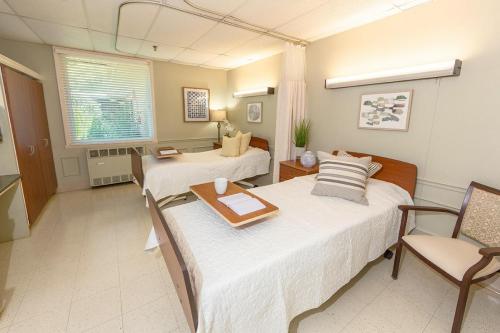
How is Vista Center At The Ridge Staffed?

CMS rates VISTA CENTER AT THE RIDGE's staffing level at 3 out of 5 stars, which is average compared to other nursing homes. Staff turnover is 39%, compared to the Ohio average of 46%. This relatively stable workforce can support continuity of care.

What Have Inspectors Found at Vista Center At The Ridge?

State health inspectors documented 34 deficiencies at VISTA CENTER AT THE RIDGE during 2023 to 2025. These included: 2 that caused actual resident harm and 32 with potential for harm. Deficiencies causing actual harm indicate documented cases where residents experienced negative health consequences.
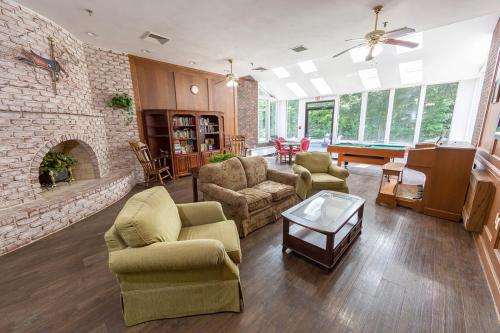
Who Owns and Operates Vista Center At The Ridge?

VISTA CENTER AT THE RIDGE is owned by a for-profit company. For-profit facilities operate as businesses with obligations to shareholders or private owners. The facility is operated by CONTINUING HEALTHCARE SOLUTIONS, a chain that manages multiple nursing homes. With 155 certified beds and approximately 134 residents (about 86% occupancy), it is a mid-sized facility located in MINERAL RIDGE, Ohio.
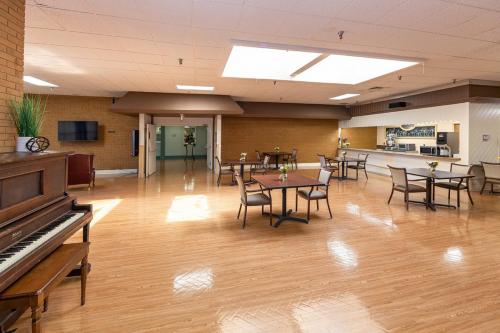
How Does Vista Center At The Ridge Compare to Other Ohio Nursing Homes?

Compared to the 100 nursing homes in Ohio, VISTA CENTER AT THE RIDGE's overall rating (3 stars) is below the state average of 3.2, staff turnover (39%) is near the state average of 46%, and health inspection rating (2 stars) is below the national benchmark.

What Should Families Ask When Visiting Vista Center At The Ridge?

Based on this facility's data, families visiting should ask: "Can I visit during a mealtime to observe dining assistance and food quality?" "How do you handle medical emergencies, and what is your hospital transfer rate?" "Can I speak with family members of current residents about their experience?"

Is Vista Center At The Ridge Safe?

Based on CMS inspection data, VISTA CENTER AT THE RIDGE has a clean safety record: no substantiated abuse findings (meaning no confirmed cases of resident harm), no Immediate Jeopardy citations (the most serious violation level indicating risk of serious injury or death), and is not on the Special Focus Facility watch list (a federal program monitoring the lowest-performing 1% of nursing homes). The facility has a 3-star overall rating and ranks #100 of 100 nursing homes in Ohio. While no facility is perfect, families should still ask about staff-to-resident ratios and recent inspection results during their visit.

Do Nurses at Vista Center At The Ridge Stick Around?

VISTA CENTER AT THE RIDGE has a staff turnover rate of 39%, which is about average for Ohio nursing homes (state average: 46%). Moderate turnover is common in nursing homes, but families should still ask about staff tenure and how the facility maintains care continuity when employees leave.

Was Vista Center At The Ridge Ever Fined?

VISTA CENTER AT THE RIDGE has no federal fines on record. CMS issues fines when nursing homes fail to meet care standards or don't correct problems found during inspections. The absence of fines suggests the facility has either maintained compliance or corrected any issues before penalties were assessed. This is a positive indicator, though families should still review recent inspection reports for the full picture.

Is Vista Center At The Ridge on Any Federal Watch List?

VISTA CENTER AT THE RIDGE is not on any federal watch list. The most significant is the Special Focus Facility (SFF) program, which identifies the bottom 1% of nursing homes nationally based on persistent, serious quality problems. Not being on this list means the facility has avoided the pattern of deficiencies that triggers enhanced federal oversight. This is a positive indicator, though families should still review the facility's inspection history directly.