MINERVA REHABILITATION AND NURSING CENTER
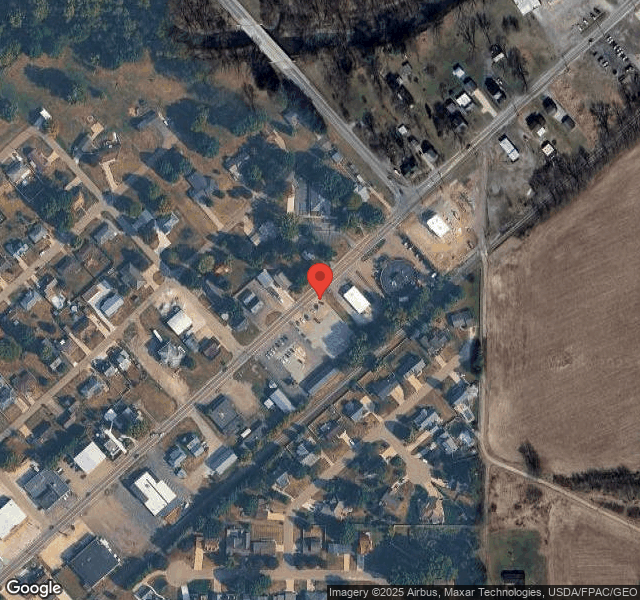
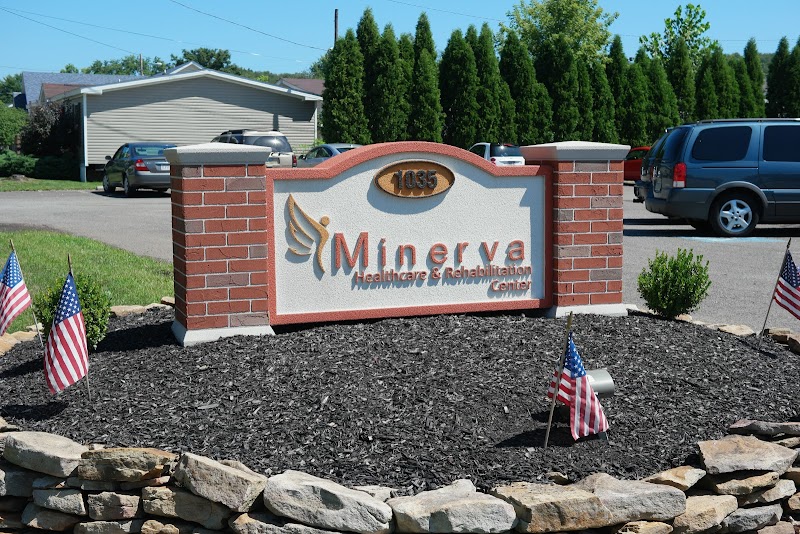
1035 EAST LINCOLNWAY, MINERVA, OH 44657 (330) 868-4147
For profit - Corporation 32 Beds EPHRAM LAHASKY Data: November 2025
Trust Grade
65/100
#508 of 913 in OH
Last Inspection: July 2024

Within standard 12-15 month inspection cycle. Federal law requires annual inspections.

Overview

Minerva Rehabilitation and Nursing Center has a Trust Grade of C+, indicating it is slightly above average but not exceptional. It ranks #508 out of 913 facilities in Ohio, placing it in the bottom half, and #20 of 33 in Stark County, meaning there are better local options available. The facility is improving, as it reduced issues from six in 2024 to just one in 2025. Staffing is a strong point here, with a 4 out of 5 star rating and a 35% turnover rate, which is well below the state average. However, there are concerns, including incidents where the Activities Director was not qualified, and the facility failed to conduct an annual review of its assessment, potentially impacting all residents.

Trust Score
C+
65/100
In Ohio
#508/913
Bottom 45%
Safety Record
Low Risk
No red flags
Inspections
Getting Better
6 → 1 violations
Staff Stability
○ Average
35% turnover. Near Ohio's 48% average. Typical for the industry.
Penalties
✓ Good
No fines on record. Clean compliance history, better than most Ohio facilities.
Skilled Nurses
○ Average
Each resident gets 40 minutes of Registered Nurse (RN) attention daily — about average for Ohio. RNs are the most trained staff who monitor for health changes.
Violations
⚠ Watch
15 deficiencies on record. Higher than average. Multiple issues found across inspections.
★★★☆☆
3.0
Overall Rating
★★★★☆
4.0
Staff Levels
★★★★★
5.0
Care Quality
★★☆☆☆
2.0
Inspection Score
Stable
2024: 6 issues
2025: 1 issues

The Good

  • 4-Star Staffing Rating · Above-average nurse staffing levels
  • 5-Star Quality Measures · Strong clinical quality outcomes
  • Full Sprinkler Coverage · Fire safety systems throughout facility
  • No fines on record
  • Staff turnover below average (35%)

    13 points below Ohio average of 48%

Facility shows strength in staffing levels, quality measures, fire safety.

The Bad

3-Star Overall Rating

Near Ohio average (3.2)

Meets federal standards, typical of most facilities

Staff Turnover: 35%

11pts below Ohio avg (46%)

Typical for the industry

Chain: EPHRAM LAHASKY

Part of a multi-facility chain

Ask about local staffing decisions and management

The Ugly 15 deficiencies on record

Jun 2025 1 deficiency
CONCERN (D) 📢 Someone Reported This

A family member, employee, or ombudsman was alarmed enough to file a formal complaint

Potential for Harm - no one hurt, but risky conditions existed

Pharmacy Services (Tag F0755)

Could have caused harm · This affected 1 resident

**NOTE- TERMS IN BRACKETS HAVE BEEN EDITED TO PROTECT CONFIDENTIALITY** Based on record review and interview, the facility failed to ensure Resident #27's Gabapentin medication was not administered to...

Read full inspector narrative →
**NOTE- TERMS IN BRACKETS HAVE BEEN EDITED TO PROTECT CONFIDENTIALITY** Based on record review and interview, the facility failed to ensure Resident #27's Gabapentin medication was not administered to Resident #21. This finding affected two (Residents #21 and #27) of six residents reviewed for medication administration. Findings include: Review of Resident #21's medical record revealed the resident was admitted on [DATE] and discharged on [DATE] with diagnoses including encounter for orthopedic aftercare, cerebral palsy and anxiety disorder. Review of Resident #21's admission Minimum Data Set (MDS) 3.0 assessment dated [DATE] revealed the resident exhibited intact cognition. Review of Resident #21's physician orders revealed an order dated [DATE] for Gabapentin oral tablet 800 mg (milligrams) give one tablet by mouth four times a day for 120 days due at 12:00 A.M., 6:00 A.M., 12:00 P.M. and 6:00 P.M.; and an order dated [DATE] to give Gabapentin 600 mg one time only for nerve pain for one day. Review of Resident #21's progress note dated [DATE] at 3:03 P.M. authored by Licensed Practical Nurse (LPN) #809 revealed it was okay to give a one-time dose of 600 mg of Gabapentin as ordered by the physician. Review of Resident #21's progress note dated [DATE] at 3:13 P.M. authored by LPN #809 revealed the Gabapentin oral tablet 800 mg due at 12:00 P.M. was held and a one-time only dose of 600 mg was administered to the resident. The physician was aware. Review of Resident #21's medication administration records (MARS) from [DATE] to [DATE] revealed the medications were administered as ordered. Review of Resident #27's medical record revealed the resident was admitted on [DATE] and expired in the facility on [DATE] with diagnoses including hemiplegia, chronic obstructive pulmonary disease and bipolar disorder. Review of Resident #27's physician orders revealed an order dated [DATE] (discontinued [DATE]) for Gabapentin 600 mg give one tablet by mouth three times a day; and an order dated [DATE] for Gabapentin 600 mg give one tablet by mouth four times a day. Interview on [DATE] at 9:16 A.M. with Licensed Practical Nurse (LPN) #809 revealed she administered 600 mg of Gabapentin to Resident #21 on [DATE] at 12:00 P.M. and the dose should have been 800 mg. LPN #809 confirmed she called the physician and obtained a one-time order for the 600 mg of Gabapentin for the resident's nerve pain. A second interview on [DATE] at 10:16 A.M. with Director of Nursing (DON) #830 and LPN #809 confirmed LPN #809 administered Resident #27's Gabapentin to Resident #21 on [DATE]. The nurse stated this was done in error. This violation represents non-compliance investigated under Complaint Number OH00164228.
Jul 2024 6 deficiencies
CONCERN (D)

Potential for Harm - no one hurt, but risky conditions existed

Unnecessary Medications (Tag F0759)

Could have caused harm · This affected 1 resident

Based on observations, review of physician orders/medication administration records, policy review, and interview, the facility failed to ensure a medication rate of less than 5 percent (%). Two error...

Read full inspector narrative →
Based on observations, review of physician orders/medication administration records, policy review, and interview, the facility failed to ensure a medication rate of less than 5 percent (%). Two errors were identified out of 25 opportunities for error resulting in a 8% medication error rate. This affected one resident (Resident #7) of six residents observed for medication administration Findings include: On 07/24/24 at 7:43 A.M., Licensed Practical Nurse (LPN) #131 was observed administering medication to Resident #7. Among medications administered were two tablets of Senna (laxative-stimulant) 8.6 milligrams (mg). No Glycolax (laxative) was administered. However, it was signed off as administered. Review of physician orders and the Medication Administration Record (MAR) revealed among medications ordered for administration at 8:00 A.M. were two tablets of Senna docusate (used to treat constipation) 8.6/50 mg and Glycolax powder 17 grams. On 07/24/24 at 8:33 A.M., LPN #131 verified she administered Senna instead of Senna docusate and she had not administered Glycolax. Review of the facility's Administering Medications policy (revised December 2012) revealed medications must be administered in accordance with the orders. The individual administering the medication must check the label three times to verify the right resident, right medication, right dosage, right time and right route of administration before giving the medication. The individual administering the medication must initial the resident's MAR on the appropriate line after giving each medication and before administering the next ones.
CONCERN (E)

Potential for Harm - no one hurt, but risky conditions existed

Deficiency F0679 (Tag F0679)

Could have caused harm · This affected multiple residents

**NOTE- TERMS IN BRACKETS HAVE BEEN EDITED TO PROTECT CONFIDENTIALITY** Based on medical record review, policy review, observations, and interviews, the facility failed to ensure activities were provi...

Read full inspector narrative →
**NOTE- TERMS IN BRACKETS HAVE BEEN EDITED TO PROTECT CONFIDENTIALITY** Based on medical record review, policy review, observations, and interviews, the facility failed to ensure activities were provided in accordance with resident preferences. This affected one (Resident #21) of 15 residents interviewed and/or observed for activity participation. This also had the potential to affect 20 of 23 residents who resided at the facility when scheduled activities were known to be of no interests to any of the residents and/or were placed on the activity schedule with the knowledge the activity was an individual and not group based activity. (Residents #10, family of Resident #19 and Resident #77 indicated they were not interested in group activities regardless of what might be offered. Findings include: 1. Review of Resident #21's medical record revealed diagnoses including chronic obstructive pulmonary disease, severe protein-calorie malnutrition, generalized muscle weakness, hypertension, anxiety disorder, and major depressive disorder. An annual Minimum Data Set Assessment (MDS) dated [DATE] revealed Resident #21 was able to make herself understood, was able to understand others and was cognitively intact. The activities portion of the MDS indicated it was somewhat important for Resident #21 to be around animals such as pets. It was very important for Resident #21 to do things with groups of people, do her favorite activities, and go outside to get fresh air when the weather was good. Review of Resident #21's activities annual participation review dated 06/06/24 indicated Resident #21 enjoyed both independent and group activities. Resident #21 enjoyed playing bingo, watching television, spending time with family and friends, socializing with other residents, having special treats, sitting outside and doing puzzles. The review indicated activity-related focuses remained appropriate. Review of Resident #21's activity participation log for May 2024 revealed active participation in bingo up to three times a week, two visits with family/friends, watching television and socializing, participation with treats/eating activities five times and passive participation in a sing along once. Review of Resident #21's June activity participation log revealed participation in bingo three times a week, going to the beauty shop once, two family/friend visits, attending resident council, watching television and socializing every day, participating in yard games once and treats three times. During an interview on 07/22/24 at 8:51 A.M., Resident #21 stated she participated in bingo which was offered three times a week but that was the only group activities the facility had scheduled. Once in while she would go outside and sit on the patio. Resident #21 stated she believed the facility was trying to find someone to do activities. Resident #21 stated she would like more activities offered. Resident #21 was observed actively participating in bingo on 07/22/24 at 2:57 P.M. playing bingo with three other residents and on 07/24/24 at 2:15 P.M. Observations on 07/23/24 at 7:55 A.M. and 07/24/24 at 7:36 A.M., 10:46 A.M., and 12:37 P.M. revealed Resident #21 was in her room with the television on but sometimes watching the hallway. No facility initiated activities were observed during those times. On 07/25/24 at 7:43 A.M., Resident #21 was noted sitting in her bed feeding herself. Her face became more animated while talking about playing bingo the previous day. During an interview on 07/24/24 beginning at 9:53 A.M., Activity Director #112 reviewed Resident #21's activity preferences from the MDS, activity calendars and activity participation logs with the surveyor. Activity Director #112 acknowledged Resident #21 had reported it was somewhat important for her to be around animals such as pets. Activity Director #112 stated there had been on animal related activities since April when somebody had taken pet pigs to the facility to visit residents. When discussing that Resident #21 had indicated it was very important to do things with groups of people, Activity Director #112 reviewed the activity calendar and verified multiple activities were either not pertinent because no residents had expressed interest, pertained to only one or two residents, or were available for residents to do as individual activities. Activity Director #112 stated Resident #21's favorite activity was bingo. Activity Director #112 stated although there was only documentation of activity of yard games once in the past three months (July activity participation logs were requested but not provided because they were not filled out) Resident #21 would sit outside on the patio at times. 2. Review of resident council meeting minutes from January 2024 to June 2024 revealed on 02/15/24 residents reported they would like more movie nights and exercise activities. The 04/18/24 meeting notes revealed notes that the facility would be doing movie night around 3 P.M. instead of later in the evening. (The July 2024 activity calendar had Exercise Saturday and walking Wednesday scheduled each week no movie nights.) On 07/22/24 at 9:22 A.M. Resident #77 stated he was not at all interested in participating in activities. He was admitted for short term therapy and administration of intravenous medications. On 07/22/24 at 9:37 A.M., Resident #10 stated the only activities the facility offered was bingo. However, she was not interested in participating in any activities and had no suggestions as to activities she might be interested in if offered. 07/22/24 2:12 P.M. Resident #19's daughter reported Resident #19 had difficulty hearing even with hearing aids and difficulty seeing even with glasses. Attempts to participate in group activities increased anxiety and overwhelmed Resident #19 who preferred not to participate On 07/24/24 starting at 9:53 A.M., the July 2024 activity calendar was reviewed with Activity Director #112. The activity calendar indicated three to four activities were scheduled each day with bingo scheduled at 2:00 P.M. every Monday, Wednesday and Friday. Some of the activities scheduled included one on one visits, leisure time, puzzles and activity packets. Activity Director #112 stated she started her position at the end of February 2024 and followed the activity patterns from the previous calendars. Activity Director #112 stated one person had requested movie nights but she was the only one who participated and one resident had requested an open therapy gym. No other residents had made suggestions. When asked about the puzzles on the activity calendar, Activity Director #112 stated there were two residents with puzzle tables in their rooms and once in a while a few residents would gather and work on the puzzles. Activity Director #112 stated the leisure time on the activity calendar was for residents to obtain papers which she left up front on a bulletin board and do independently. The brain teasers activity was also papers available up front and can be obtained for residents to do individually. The board games activity was also a resident generated activity. There were board games in the activity room which residents could use. Exercise Saturday was supposed to be provided by nursing. Activity Director #112 indicated she did was not aware what the activity consisted of and was not 100% sure it was provided. The Walking Wednesdays activity was provided by a person from psychiatric services who did laps around the facility with residents. The music hour activity consisted of a radio in the dining room which sometimes would be turned on but one of the residents did not care for it so it was not consistent. Group activities that were included in the calendar were bingo, resident council meetings and snacks/treats. During a meeting between a state surveyor and resident council on 07/24/24 at 1:29 P.M., three (Residents #3, #14, and #21) indicated they would like to have more activities offered but did not wish to pursue the matter because it would take away from Activity Director #112's other duties. Resident #17, who also attended, indicated she preferred individual activities. On 07/24/24 at 2:01 P.M., Therapeutic Behavioral Support (TBS) Specialist #200 (identified as the person from the psychiatric services who provided the Walking Wednesday activity) stated she worked with 15 residents at the facility to provide coping skills and mental health services. TBS Specialist #200 stated she only ambulated around the facility with Resident #14 because walking was one of her coping skills and helped promote body self image for her. TBS Specialist #200 stated while she visited she would try to engage residents in activities to help with coping skills. TBS Specialist #200 stated Activity Director #112 did not always have time to do both social service responsibilities and activities and the facility's budget did not really allow for more activities or staff. TBS Specialist #200 stated she did believe residents could benefit from more activities. Review of the facility's Activity Programs policy (revised August 2006) indicated the activity programs were designed to encourage maximum individual participation and were geared to the individual resident's needs. The activity programs consisted of individual and small and large group activities that were designed to meet the needs and interests of each resident and include, at a minimum: 1. activities that stimulated the cardiovascular system and assisted with range of motion offered five to seven times a week 2. intellectual activities that were mentally stimulating five to seven times a week 3. weather permitting, at least one activity a month is head away from the facility 4. weather permitting, outdoor activities were held on a regular basis 5. At least one evening activity was offered per week depending on population needs 6. spiritual programming was scheduled to meet the religious needs of the residents 7. at least two group activities per day were to be offered on Saturday, Sunday and holidays 8. At least four group activities were offered per day Monday through Friday 9. Creative and expressive activities, such as arts and crafts, ceramics, painting, drama, creative writing, poetry and music were available on a regular basis to meet the needs of residents 10. Social activities were scheduled to increase self esteem, to stimulate interest and friendships and to provide fun and enjoyment. Activities, included, but were not limited to, daily coffee social, birthday and holiday parties, entertainment, candlelight dinner, country breakfast, cultural and theme events) 11. Participation in community groups and religious organizations were encouraged based on the needs of the resident population. The activity programs policy further explained activities were not necessarily limited to formal activities being provided only by activities staff. Other facility staff, volunteers, visitors, residents and family members could also provide the activities. Activity schedules were posted on the resident bulletin board and provided individually to residents who could not access the bulletin board. Individual and group activities were provided that reflected the schedules, choices and rights of the residents, were offered at hours convenient to the residents (including evenings, holidays and weekends), reflect the cultural and religious interests, hobbies, life experiences and personal preferences of the residents and appeal to men and women as well as those of various age groups residing in the facility. On 07/25/24 at 11:22 A.M., Activity Director #112 stated she had never read and was not sure she had access to the activity program policy.
CONCERN (F)

Potential for Harm - no one hurt, but risky conditions existed

Deficiency F0680 (Tag F0680)

Could have caused harm · This affected most or all residents

Based on review of personnel files and staff interview, the facility failed to ensure Activities Director #112 was qualified to direct the facility activities program. This had the potential to affect...

Read full inspector narrative →
Based on review of personnel files and staff interview, the facility failed to ensure Activities Director #112 was qualified to direct the facility activities program. This had the potential to affect all 23 residents in the facility. Findings include: Review of the personnel file for Activities Director #112, who also served as the facility's Social Services Designee, revealed a hire date of 10/29/22. There was no evidence of completion of a certification or training program for leading activities programs in long term care centers. On 07/23/24 at 1:20 P.M., an interview with the Administrator stated Activities Director #112 was the only activities staff for the facility. On 07/23/24 at 2:17 P.M., an interview with Human Resources Director #114 stated Activities Director #112 began her role as the facility's Activities Director on 02/15/24 and she was unsure what training was provided. The Administrator, who was standing nearby, stated Activities Director #112 was trained by the former staff member who previously filled that role. On 07/23/24 at 2:37 P.M., an interview with the Administrator stated the only training Activities Director #112 had prior to taking over the role of Activities Director was a one week training led by the former staff member who previously filled that role. On 07/23/24 at 3:08 P.M., an interview with the Administrator stated Activities Director #112 had not yet been enrolled in a activities professional training program because the facility was looking for the cheapest option for completing the training. On 07/23/24 at 3:34 P.M., an interview with the Administrator stated she was unaware that Activities Director #112 was hired with the contingency that oversight would be provided by a qualified activities professional until Activities Director #112 had completed the required trainings. She verified Activities Director #112 had not received the required oversight for the activities programs at the facility.
CONCERN (F)

Potential for Harm - no one hurt, but risky conditions existed

Administration (Tag F0835)

Could have caused harm · This affected most or all residents

Based on review of personnel files, staff interview, and review of the job description and performance standards for the Administrator, the facility's Administrator failed to provide adequate oversigh...

Read full inspector narrative →
Based on review of personnel files, staff interview, and review of the job description and performance standards for the Administrator, the facility's Administrator failed to provide adequate oversight of hiring and promotion of facility staff to ensure minimum qualifications were met for their assigned duties in providing activities to meet resident needs/preferences This had the potential to affect all 23 residents in the facility. Findings include: Review of resident council meeting minutes from January 2024 to June 2024 revealed on 02/15/24 residents reported they would like more movie nights and exercise activities. The 04/18/24 meeting notes revealed notes that the facility would be doing movie night around 3 P.M. instead of later in the evening. (The July 2024 activity calendar had Exercise Saturday and walking Wednesday scheduled each week no movie nights.) Review of the personnel file for Activities Director #112, who also served as the facility's Social Services Designee, revealed a hire date of 10/29/22. There was no evidence of completion of a certification or training program for leading activities programs in long term care centers. On 07/22/24 at 9:22 A.M. Resident #77 stated he was not at all interested in participating in activities. He was admitted for short term therapy and administration of intravenous medications. On 07/22/24 at 9:37 A.M., Resident #10 stated the only activities the facility offered was bingo. However, she was not interested in participating in any activities and had no suggestions as to activities she might be interested in if offered. 07/22/24 2:12 P.M. Resident #19's daughter reported Resident #19 had difficulty hearing even with hearing aids and difficulty seeing even with glasses. Attempts to participate in group activities increased anxiety and overwhelmed Resident #19 who preferred not to participate On 07/23/24 at 2:17 P.M., an interview with Human Resources Director #114 stated Activities Director #112 began her role as the facility's Activities Director on 02/15/24 and she was unsure what training was provided. The Administrator, who was standing nearby, stated Activities Director #112 was trained by the staff member who previously filled that role. On 07/23/24 at 3:08 P.M., an interview with the Administrator stated Activities Director #112 had not yet been enrolled in a activities professional training program because the facility was looking for the cheapest option for completing the training. On 07/23/24 at 3:34 P.M., an interview with the Administrator stated she was unaware that Activities Director #112 was hired with the contingency that oversight would be provided by a qualified activities professional until Activities Director #112 had completed the required trainings. The Administrator further stated the reason she was unaware of this contingency was because she only worked part-time as the Administrator for this facility. She verified Activities Director #112 had not received the required oversight for the activities programs at the facility. On 07/24/24 starting at 9:53 A.M., the July 2024 activity calendar was reviewed with Activity Director #112. The activity calendar indicated three to four activities were scheduled each day with bingo scheduled at 2:00 P.M. every Monday, Wednesday and Friday. Some of the activities scheduled included one on one visits, leisure time, puzzles and activity packets. Activity Director #112 stated she started her position at the end of February 2024 and followed the activity patterns from the previous calendars. Activity Director #112 stated one person had requested movie nights but she was the only one who participated and one resident had requested an open therapy gym. No other residents had made suggestions. When asked about the puzzles on the activity calendar, Activity Director #112 stated there were two residents with puzzle tables in their rooms and once in a while a few residents would gather and work on the puzzles. Activity Director #112 stated the leisure time on the activity calendar was for residents to obtain papers which she left up front on a bulletin board and do independently. The brain teasers activity was also papers available up front and can be obtained for residents to do individually. The board games activity was also a resident generated activity. There were board games in the activity room which residents could use. Exercise Saturday was supposed to be provided by nursing. Activity Director #112 indicated she did was not aware what the activity consisted of and was not 100% sure it was provided. The Walking Wednesdays activity was provided by a person from psychiatric services who did laps around the facility with residents. The music hour activity consisted of a radio in the dining room which sometimes would be turned on but one of the residents did not care for it so it was not consistent. Group activities that were included in the calendar were bingo, resident council meetings and snacks/treats. During a meeting between a state surveyor and resident council on 07/24/24 at 1:29 P.M., three (Residents #3, #14, and #21) indicated they would like to have more activities offered but did not wish to pursue the matter because it would take away from Activity Director #112's other duties. Resident #17, who also attended, indicated she preferred individual activities. On 07/24/24 at 2:01 P.M., Therapeutic Behavioral Support (TBS) Specialist #200 (identified as the person from the psychiatric services who provided the Walking Wednesday activity) stated she worked with 15 residents at the facility to provide coping skills and mental health services. TBS Specialist #200 stated she only ambulated around the facility with Resident #14 because walking was one of her coping skills and helped promote body self image for her. TBS Specialist #200 stated while she visited she would try to engage residents in activities to help with coping skills. TBS Specialist #200 stated Activity Director #112 did not always have time to do both social service responsibilities and activities and the facility's budget did not really allow for more activities or staff. TBS Specialist #200 stated she did believe residents could benefit from more activities. Review of the facility's Activity Programs policy (revised August 2006) indicated the activity programs were designed to encourage maximum individual participation and were geared to the individual resident's needs. The activity programs consisted of individual and small and large group activities that were designed to meet the needs and interests of each resident and include, at a minimum: 1. activities that stimulated the cardiovascular system and assisted with range of motion offered five to seven times a week 2. intellectual activities that were mentally stimulating five to seven times a week 3. weather permitting, at least one activity a month is head away from the facility 4. weather permitting, outdoor activities were held on a regular basis 5. At least one evening activity was offered per week depending on population needs 6. spiritual programming was scheduled to meet the religious needs of the residents 7. at least two group activities per day were to be offered on Saturday, Sunday and holidays 8. At least four group activities were offered per day Monday through Friday 9. Creative and expressive activities, such as arts and crafts, ceramics, painting, drama, creative writing, poetry and music were available on a regular basis to meet the needs of residents 10. Social activities were scheduled to increase self esteem, to stimulate interest and friendships and to provide fun and enjoyment. Activities, included, but were not limited to, daily coffee social, birthday and holiday parties, entertainment, candlelight dinner, country breakfast, cultural and theme events) 11. Participation in community groups and religious organizations were encouraged based on the needs of the resident population. The activity programs policy further explained activities were not necessarily limited to formal activities being provided only by activities staff. Other facility staff, volunteers, visitors, residents and family members could also provide the activities. Activity schedules were posted on the resident bulletin board and provided individually to residents who could not access the bulletin board. Individual and group activities were provided that reflected the schedules, choices and rights of the residents, were offered at hours convenient to the residents (including evenings, holidays and weekends), reflect the cultural and religious interests, hobbies, life experiences and personal preferences of the residents and appeal to men and women as well as those of various age groups residing in the facility. On 07/25/24 at 11:22 A.M., Activity Director #112 stated she had never read and was not sure she had access to the activity program policy.
CONCERN (F)

Potential for Harm - no one hurt, but risky conditions existed

Deficiency F0838 (Tag F0838)

Could have caused harm · This affected most or all residents

Based on record review and interview, the facility failed to conduct an annual review of the facility assessment between January 2023 and July 2024. This had the potential to affect all 23 residents i...

Read full inspector narrative →
Based on record review and interview, the facility failed to conduct an annual review of the facility assessment between January 2023 and July 2024. This had the potential to affect all 23 residents in the facility. Findings include: Review of the facility assessment revealed it was last reviewed on 01/26/23, indicating it had not been reviewed in 18 months. In addition, the facility assessment indicated the facility's social worker would be licensed by the State of Ohio. On 07/24/24 at 9:45 A.M., an interview with the Administrator verified the facility assessment had not been reviewed since 01/26/23 and stated she was working on the new format for the 2024 facility assessment. She also verified that the list of people responsible for reviewing the assessment annually was inaccurate because the listed Administrator, Director of Nursing (DON), Minimum Data Set (MDS) Coordinator, and resident representative were no longer at the facility.
CONCERN (F)

Potential for Harm - no one hurt, but risky conditions existed

Infection Control (Tag F0880)

Could have caused harm · This affected most or all residents

6. Review of Resident #23's active physician orders revealed the resident was on protective isolation starting 02/09/24 related to chronic lymphocytic leukemia of B-cell type not having achieved remis...

Read full inspector narrative →
6. Review of Resident #23's active physician orders revealed the resident was on protective isolation starting 02/09/24 related to chronic lymphocytic leukemia of B-cell type not having achieved remission. Observation on 07/22/24 at 9:41 A.M. revealed there was a three-drawer plastic bin of personal protective equipment (PPE) inside Resident #23's room upon entering however there was no signage indicating Resident #23 was on enhance barrier precautions (EBP). Interview on 07/22/24 at 9:58 A.M. with LPN #110 revealed that residents only have the three-drawer plastic bins of PPE in their room when they are on EBP or isolation precautions. LPN #110 explained that Resident #23 was on protective isolation, also known as reverse isolation, because he was immunocompromised due to receiving chemotherapy. Anyone entering Resident #23's room was required to wear a mask, gloves, and a gown to protect him. LPN #110 stated Resident #23 should have a sign on his door that instructed visitors and staff what his precautions were. Upon notification that Resident #23 did not have any door signage LPN revealed she was unaware the resident didn't have signage on the door. She provided the surveyor a copy of the sign that should have been hanging on his door that said please stop at the nurse's station before entering. Thank you and then was observed hanging the sign on the door. Based on record review, observations, interviews, and review of facility policies, the facility failed to record tuberculin skin test results for all new employees upon hire, ensure staff perform hand hygiene during medication administration, and to have signage indicating Resident #23 required reverse isolation protocol. This had the potential to affect all 23 residents residing in the facility. Findings include: 1. Review of the personnel file for State Tested Nurse Aide (STNA) #101 revealed a hire date of 07/02/24. Review of the Tuberculin Skin Test Record Form, dated 07/02/24, indicated a skin test was administered to STNA #101 on 07/02/24 at 6:50 A.M. and there were no results documented on the form. Review of the Tuberculin Skin Test Record Form, dated 07/09/24, indicated a skin test was administered to STNA #101 on 07/09/24 at 8:00 A.M. and there were no results documented on the form. On 07/25/24 at 10:30 A.M., an interview with Licensed Practical Nurse (LPN) #115 verified the tuberculin skin tests were administered to STNA #101 on 07/02/24 and 07/09/24 and the results of the skin tests were not recorded. Review of the facility policy titled Guidelines for Skin Testing for Potential New Employees, not dated, revealed all new employees would be screened for tuberculosis, new employees who did not have results of a two-step tuberculin skin test completed within the past one year would undergo the first step skin test before beginning employment and a second step seven to 10 days after the first step was administered, and a written report of test results would be maintained in the employee file. 2. Review of the personnel file for State Tested Nurse Aide (STNA) #118 revealed a hire date of 06/24/24. Review of the Tuberculin Skin Test Record Form, dated 06/25/24, indicated a skin test was administered to STNA #118 on 06/25/24 at an unspecified time and there were no results documented on the form. Review of the Tuberculin Skin Test Record Form, dated 07/02/24, indicated a skin test was administered to STNA #118 on 07/02/24 at 8:00 A.M. and there were no results documented on the form. On 07/25/24 at 10:30 A.M., an interview with LPN #115 verified the tuberculin skin tests were administered to STNA #118 on 06/25/24 and 07/02/24 and the results of the skin tests were not recorded. Review of the facility policy titled Guidelines for Skin Testing for Potential New Employees, not dated, revealed all new employees would be screened for tuberculosis, new employees who did not have results of a two-step tuberculin skin test completed within the past one year would undergo the first step skin test before beginning employment and a second step seven to 10 days after the first step was administered, and a written report of test results would be maintained in the employee file. 3. Review of the personnel file for State Tested Nurse Aide (STNA) #126 revealed a hire date of 07/08/24. Review of the Tuberculin Skin Test Record Form, dated 07/09/24, indicated a skin test was administered to STNA #126 on 07/09/24 at an unspecified time and there were no results documented on the form. Review of the Tuberculin Skin Test Record Form, dated 07/16/24, indicated a skin test was administered to STNA #126 on 07/16/24 at 8:10 A.M. and there were no results documented on the form. On 07/25/24 at 10:30 A.M., an interview with LPN #115 verified the tuberculin skin tests were administered to STNA #126 on 07/09/24 and 07/16/24 and the results of the skin tests were not recorded. Review of the facility policy titled Guidelines for Skin Testing for Potential New Employees, not dated, revealed all new employees would be screened for tuberculosis, new employees who did not have results of a two-step tuberculin skin test completed within the past one year would undergo the first step skin test before beginning employment and a second step seven to 10 days after the first step was administered, and a written report of test results would be maintained in the employee file. 4. Review of the personnel file for STNA #128 revealed a hire date of 07/09/24. Review of the Tuberculin Skin Test Record Form, dated 07/09/24, indicated a skin test was administered to STNA #128 on 07/09/24 at 2:25 P.M. and there were no results documented on the form. Review of the Tuberculin Skin Test Record Form, dated 07/16/24, indicated a skin test was administered to STNA #128 on 07/16/24 at 8:00 A.M. and there were no results documented on the form. On 07/25/24 at 8:39 A.M., an interview with the Director of Nursing (DON) verified the tuberculin skin tests were administered to STNA #128 on 07/09/24 and 07/16/24 and the results of the skin tests were not recorded. On 07/25/24 at 8:45 A.M., an interview with LPN #115 stated she administered the skin tests for STNA #128 and she read the results two days later. She stated she forgot to document the results of the skin tests on the forms. Review of the facility policy titled Guidelines for Skin Testing for Potential New Employees, not dated, revealed all new employees would be screened for tuberculosis, new employees who did not have results of a two-step tuberculin skin test completed within the past one year would undergo the first step skin test before beginning employment and a second step seven to 10 days after the first step was administered, and a written report of test results would be maintained in the employee file. 5. On 07/24/24 at 7:43 A.M., LPN #131 was observed administering medication to Resident #7. During the medication administration, LPN #131 was observed touching items in the environment such as the over bed table. LPN #131 returned to the medication cart and obtained a medication cup to prepare medication for Resident #10 without performing hand hygiene. LPN #131 verified she had not performed hand hygiene but continued to prepare and administer medication to Resident #10 including an inhaler and medications by mouth prior to washing her hands. Review of the facility's Administering Medications policy (revised December 2012) revealed staff were required to follow established facility infection control procedures (e.g. handwashing, antiseptic technique, gloves, isolation precautions, etc) for the administration of medications. Review of the facility's Handwashing/Hand Hygiene policy (revised August 2015) revealed all personnel shall follow the handwashing/hand hygiene procedures to help prevent the spread of infections to other personnel, residents and visitors. Staff were instructed to use an alcohol-based hand rub containing at least 62% alcohol, or, alternatively, soap and water for situations such as before and after direct contact with resident and after contact with objects in the immediate vicinity of the resident.
Apr 2022 7 deficiencies
CONCERN (D)

Potential for Harm - no one hurt, but risky conditions existed

MDS Data Transmission (Tag F0640)

Could have caused harm · This affected 1 resident

Based on record review and interview the facility failed to ensure a discharge Minimum Data Set (MDS) 3.0 assessment was completed for Resident #1. This affected one resident (#1) of 20 residents whos...

Read full inspector narrative →
Based on record review and interview the facility failed to ensure a discharge Minimum Data Set (MDS) 3.0 assessment was completed for Resident #1. This affected one resident (#1) of 20 residents whose MDS assessments were reviewed. Findings include: Review of the medical record for Resident #1 revealed an admission date of 10/04/21 and a discharge date of 10/24/21. Review of the list of Minimum Data Set (MDS) 3.0 assessments completed for Resident #1 revealed no discharge MDS 3.0 assessment was completed. On 04/07/22 at 9:18 A.M. interview with Registered Nurse (RN) #214 verified no discharge MDS 3.0 assessment was completed for Resident #1. Review of the Long Term Care Facility Resident Assessment Instrument (RAI) 3.0 User's Manual dated October 2019 revealed a discharge assessment should have been completed within 14 days of discharge.
CONCERN (D)

Potential for Harm - no one hurt, but risky conditions existed

Comprehensive Care Plan (Tag F0656)

Could have caused harm · This affected 1 resident

**NOTE- TERMS IN BRACKETS HAVE BEEN EDITED TO PROTECT CONFIDENTIALITY** Based on record review and interview the facility failed to develop an individualized and comprehensive care plan related to Res...

Read full inspector narrative →
**NOTE- TERMS IN BRACKETS HAVE BEEN EDITED TO PROTECT CONFIDENTIALITY** Based on record review and interview the facility failed to develop an individualized and comprehensive care plan related to Resident #16's diagnosis of anxiety. This affected one resident (#16) of five residents reviewed for unnecessary medication use. Findings include: Review of the medical record revealed Resident #16 was admitted to the facility on [DATE] with diagnoses including anxiety disorder, major depressive disorder, heart failure and muscle weakness. Review of the physician's orders for Resident #16 revealed an order for Hydroxyzine 10 milligrams at bedtime (HS) and A.M. and as needed (PRN) every four hours between scheduled and as needed doses for anxiety. Hydroxyzine is classified as an antiemetic and antihistamine medication and not an anti-anxiety medication. The resident was not ordered any medications that were in the anti-anxiety drug classification. Review of the resident's care plans revealed a plan of care related to monitoring side effects of anti-anxiety medication. However, there was no individualized or comprehensive plan of care to address the resident's diagnosis of anxiety or to identify the source/cause of the anxiety. There was no goal developed specific to anxiety and no interventions to resolve/address situations of anxiety including the use of any appropriate non-pharmacological interventions or situations when PRN Hydroxyzine should be administered. On 04/06/22 at 4:00 P.M. interview with Registered Nurse (RN) #214 verified the facility had not developed an individualized and comprehensive plan of care related to the resident's diagnosis of anxiety.
CONCERN (D)

Potential for Harm - no one hurt, but risky conditions existed

Deficiency F0657 (Tag F0657)

Could have caused harm · This affected 1 resident

**NOTE- TERMS IN BRACKETS HAVE BEEN EDITED TO PROTECT CONFIDENTIALITY** Based on record review, facility policy and procedure review and interview the facility failed to ensure care conference meeting...

Read full inspector narrative →
**NOTE- TERMS IN BRACKETS HAVE BEEN EDITED TO PROTECT CONFIDENTIALITY** Based on record review, facility policy and procedure review and interview the facility failed to ensure care conference meetings included Resident #21 and/or the resident's family. This affected one resident (#21) of one resident reviewed for care conferences. Findings include: Review of the medical record revealed Resident #21 was admitted to the facility on [DATE] with diagnoses including respiratory failure, low back pain, osteoporosis, anemia, wedge compression fracture lumbar vertebra, atrial fibrillation, anxiety disorder, pulmonary embolism, dysphagia, major depressive disorder, hypertension and chronic obstructive pulmonary disease. Review of the face sheet reveled Family Member #200 was the responsible party for Resident #21. On 04/04/22 at 8:49 P.M. interview with Resident #21 revealed she had never been to or invited to a care conference meeting to discuss her plan of care. On 04/06/22 at 9:45 A.M. interview with Licensed Social Worker/Activity Director #203 revealed resident care conferences were done within the first 72 hours of admission and then every three months. She indicated she would send out an invitation to the residents families and they would be able to attend in person or by phone. On 04/06/22 at 10:22 A.M. a follow up interview with Licensed Social Worker/Activity Director #203 revealed she could not find any evidence of a care conference for Resident #21 since the resident's admission. On 04/07/22 at 10:19 A.M. interview Family Member #200 revealed he was Resident #21's responsible party and had never been invited to a care conference meeting or had never received a letter in the mail inviting him to a care conference meeting to discuss his mother's plan of care. Review of the facility policy titled Resident Participation-Assessment/Care Plans, dated 12/2016 revealed the resident and representative were encouraged to participate in the resident's assessment and in the development and implementation of the resident's care plan. The Social Service Director or designee was responsible for notifying the resident/representative and for maintaining records of such notices. The notices should include the date, time, location of conference, the name of each person contacted and the dated they were contacted, the method of contact, input from the resident or representative if they were not able to attend, refusal of participation and the date and signature of the individual making the contact.
CONCERN (D)

Potential for Harm - no one hurt, but risky conditions existed

Deficiency F0761 (Tag F0761)

Could have caused harm · This affected 1 resident

**NOTE- TERMS IN BRACKETS HAVE BEEN EDITED TO PROTECT CONFIDENTIALITY** Based on observation, record review, facility policy and procedure review and interview the facility failed to ensure medication...

Read full inspector narrative →
**NOTE- TERMS IN BRACKETS HAVE BEEN EDITED TO PROTECT CONFIDENTIALITY** Based on observation, record review, facility policy and procedure review and interview the facility failed to ensure medications were not left unattended at the bedside for Resident #9 without being administered to the resident by a licensed nurse. This affected one resident (#9) randomly observed during the initial tour of the facility of 20 residents residing in the facility. Findings include: Review of the medical record revealed Resident #9 was admitted to the facility on [DATE] with diagnoses including atherosclerotic heart disease, repeated falls, abnormal posture, dysphagia, chronic embolism, hypertension, osteoarthritis, major depressive disorder and spinal stenosis. Review of the significant change Minimum Data Set (MDS) 3.0 assessment, dated 01/05/22 revealed Resident #9 had intact cognition. On 04/04/22 at 7:35 P.M. Resident #9 was observed to have a medication cup on his bedside stand with two 500 milligrams (mg) Acetaminophen tablets in the medication cup. At the time of the observation, interview with the Director of Nursing verified Resident #9 was not assessed to be capable of self administration of medications and indicated the nurse should not have left the medications at the resident's bedside. Review of a progress note, dated 04/04/22 at 8:14 P.M. revealed Resident #9 refused to take his scheduled 2:00 P.M. 1000 mg Acetaminophen The nurse asked Resident #9 why he had not taken the medication and he stated he was not ready to take them. Review of the facility policy titled, Storage of Medication, dated 04/2007 revealed the facility should store all drugs and biologicals in a safe, secure and orderly manner. Review of the facility policy titled, Administrating Medications, dated 12/2012 revealed residents may self administer their own medications only if the attending physician, in conjunction with the interdisciplinary care planning team, had determined the resident had the decision-making capacity to do so safety.
CONCERN (E)

Potential for Harm - no one hurt, but risky conditions existed

Assessment Accuracy (Tag F0641)

Could have caused harm · This affected multiple residents

**NOTE- TERMS IN BRACKETS HAVE BEEN EDITED TO PROTECT CONFIDENTIALITY** Based on observation, record review and interview the facility failed to ensure Minimum Data Set (MDS) 3.0 assessments were accu...

Read full inspector narrative →
**NOTE- TERMS IN BRACKETS HAVE BEEN EDITED TO PROTECT CONFIDENTIALITY** Based on observation, record review and interview the facility failed to ensure Minimum Data Set (MDS) 3.0 assessments were accurate for Resident #9 related to oral/teeth status, Resident #12 related to pre-admission screening and resident review (PASARR), Resident #13 related to Hospice, Resident #16 related to medications, Resident #17 related to nutrition and Resident #19 related to pressure ulcers. This affected six residents (#9, #12, #13, #16, #17 and #19) of 20 residents whose MDS 3.0 assessments were reviewed. Findings include: 1. Review of the medical record for Resident #9 revealed an admission date of 10/31/21 with diagnoses including abnormal posture, repeated falls, hypokalemia, hypertension, osteoarthritis and gastroesophageal reflux disease (GERD). Review of the comprehensive Minimum Data Set (MDS) 3.0 assessment, dated 01/05/22 and the comprehensive MDS 3.0 assessment, dated 11/03/22 for Resident #9 revealed the resident did not have his natural teeth. On 04/06/22 at 8:00 A.M. observation and interview with Resident #9 revealed the resident had his own teeth. On 04/06/22 at 4:00 P.M. interview with Registered Nurse (RN) #214 confirmed both MDS 3.0 assessments reviewed above were coded incorrectly as Resident #9 did have his own teeth. 2. Review of the medical record for Resident #16 revealed an admission date of 01/25/22 with diagnoses including anxiety disorder, major depressive disorder, heart failure and muscle weakness. Review of the physician's orders for Resident #16 revealed an order for Hydroxyzine 10 milligrams at bedtime and in the A.M. and as needed every four hours between scheduled and as needed doses. The resident had no orders for any medication(s) in the drug classification of an anti-anxiety. Review of the MDS 3.0 assessment, dated 01/29/22 revealed Resident #16 received an anti-anxiety medication during the assessment reference period. Review of the drug classification for Hydroxyzine according to Medscape revealed it was an antihistamine (relief for allergies) and antiemetic (relief for nausea). On 04/06/22 at 4:00 P.M. interview with RN #214 confirmed the MDS 3.0 assessment, dated 01/29/22 was coded incorrectly as staff had coded the Hydroxyzine as an anti-anxiety medication however, it was an antihistamine and antiemetic and not an antianxiety medication. 3. Review of the medical record for Resident #19 revealed an admission date of 02/05/22 with diagnoses of Alzheimer's Disease, need for assistance with personal care, rheumatoid arthritis, osteoporosis and muscle weakness. Review of the MDS 3.0 assessment, dated 02/09/22 for Resident #19 revealed the resident had a pressure ulcer, scar over a bony protrusion or a non removable dressing or device. Review of progress notes, assessments and orders from 02/09/22 revealed no evidence of any skin related issues for Resident #19. On 04/06/22 at 4:00 P.M. interview with RN #214 confirmed the MDS 3.0 assessment, dated 02/09/22 was coded incorrectly as Resident #19 did not have any skin related issues at the time of assessment. 6. Review of the medical record for Resident #13 revealed an admission date of 09/29/21. Resident #13 had diagnoses including hypertension, need for assistance with personal care, osteoarthritis, major depressive disorder and personal history of malignant neoplasm of the breast. Review of the physician's orders for April 2022 revealed the resident had an order for Hospice services. Review of the quarterly MDS 3.0 assessment, dated 03/20/22 for Resident #13 revealed no evidence the resident was receiving Hospice services. On 04/06/22 at 12:11 P.M. interview with RN #214 verified the quarterly MDS 3.0 assessment dated [DATE] was inaccurate as it should have coded Resident #13 received Hospice services. 4. Review of Resident #12's medical record revealed diagnoses including profound intellectual disabilities and cognitive communication deficit. A Preadmission Screening/Resident Review (PASARR) Identification Screen, signed 02/20/18 indicated Resident #12 had a diagnosis of developmental disability and was receiving services from a County Board of Developmental Disabilities. Review results indicated Resident #12 had indications of a developmental disability and referral to the local Developmental Board evaluation for Level II evaluation had been received. An in-person assessment was performed. Review of the Minimum Data Set (MDS) 3.0 assessment, dated 01/16/22 indicated Resident #12 was not considered by the State Level II PASARR process to have serious mental illness and/or intellectual disability. On 04/07/22 at 10:55 A.M. interview with RN #214 verified the MDS 3.0 assessment, dated 01/16/22 was inaccurate regarding PASARR information and intellectual disabilities. 5. Review of Resident #17's medical record revealed diagnoses including dysphagia, type 2 diabetes mellitus and morbid obesity. Review of the December 2021 Medication Administration Record (MAR) revealed Resident #17 was provided the enteral feeding, Jevity 1.2 continuously between 12/07/21 and 12/11/21. An admission MDS 3.0 assessment, assessment dated [DATE] indicated Resident #17 ate once or twice. Review of the January 2022 MAR revealed nutrition was provided to Resident #17 through a feeding tube every day since his readmission to the facility 01/14/22. On 01/16/22 a weight of 312 pounds was recorded. On 01/25/22 a weight of 295 pounds was recorded. Review of the quarterly MDS 3.0 assessment, dated 01/25/22 revealed Resident #17 only ate once or twice and had no significant weight change. On 04/07/22 at 10:55 A.M. interview with RN #214 verified the MDS assessments dated 12/11/21 and 01/25/22 were coded incorrectly for eating as Resident #17 had received enteral (tube) feeding only during those time frames. RN #214 also verified the MDS 3.0 assessment, dated 01/25/22 should have reflected Resident #17 had a significant loss.
CONCERN (F)

Potential for Harm - no one hurt, but risky conditions existed

Employment Screening (Tag F0606)

Could have caused harm · This affected most or all residents

Based on review of personnel files, review of the facility new hire list, review of the facility abuse policy and staff interview the facility failed to ensure all new staff hires were checked against...

Read full inspector narrative →
Based on review of personnel files, review of the facility new hire list, review of the facility abuse policy and staff interview the facility failed to ensure all new staff hires were checked against the Nurse Aide Registry (NAR) prior to employment to ensure the employee did not have a finding entered into the State Nurse Aide Registry concerning abuse, neglect, exploitation, mistreatment of residents or misappropriation of property. This affected one Licensed Social Worker (LSW), two housekeeping staff, one dietary staff, one Maintenance Director and one Licensed Practical Nurse (LPN) and had the potential to affect all 20 residents residing in the facility. Findings include: Review of the Bureau of Criminal Identification and Investigation log, dated 2021 to 2022 and review of employee personnel files revealed the following employees had been hired within this time period: Licensed Social Worker/Activity Director #203, Housekeeping Supervisor #220, Housekeeper #222, Maintenance Director #221, Licensed Practical Nurse #225 and [NAME] #223. Licensed Social Worker/Activity Director #203 had a date of hire of 07/05/21 Housekeeping Supervisor #220 had a date of hire of 07/19/21 Housekeeper #222 had a date of hire of 07/14/21 Maintenance Director #221 had a date of hire of 07/21/21 Licensed Practical Nurse #225 had a date of hire of 07/26/21 Cook #223 had a date of hire of 03/31/22 Record review revealed no evidence any of these employees had been checked against the NAR to ensure none of the employees had a finding entered into the NAR concerning abuse, neglect, exploitation, mistreatment of residents or misappropriation of their property prior to or at the time of hire. On 04/07/22 at 3:55 P.M. interview with the Administrator verified Licensed Social Worker/Activity Director #203, Housekeeping Supervisor #220, Housekeeper #222, Maintenance Director #221, LPN #225 and [NAME] #223 had not been checked against the NAR prior to hire. Review of the undated facility policy titled Abuse, Neglect, Exploitation and Misappropriation of Resident Property revealed it was the facility policy to undertake background checks of all employees and to retain on file prior to hiring a new employee of the Ohio Nurse Assistant Registry and any other nurse assistant registries the facility had reason to believe contain information on an individual prior to using the individual as a nurse assistant.
CONCERN (F)

Potential for Harm - no one hurt, but risky conditions existed

Deficiency F0838 (Tag F0838)

Could have caused harm · This affected most or all residents

Based on review of the facility assessment and interview the facility failed to ensure the development of an accurate assessment to determine what resources were necessary to care for its residents co...

Read full inspector narrative →
Based on review of the facility assessment and interview the facility failed to ensure the development of an accurate assessment to determine what resources were necessary to care for its residents competently during both day-to-day operations and emergencies. This had the potential to affect all 20 residents. Findings include: Review of the facility assessment, dated 2022 revealed the following: a. A minimum of five times the assessment referred to a facility by another name when determining its capabilities and needs. On 04/06/22 at 4:25 P.M. interview with the Director of Nursing (DON) verified the facility assessment did refer to the names of other facilities which were used as a template for this facility's assessment. b. The facility assessment indicated the number of residents licensed for the facility by another name was 91. On 04/06/22 at 4:25 P.M. interview with the DON verified the capacity was not 91. This facility's capacity was 34. c. One area of the assessment indicated employment of a full time Administrator and another area indicated a part time Administrator was required. d. The facility assessment indicated a separate social service worker, activity director and two activity assistants were employed. On 04/06/22 at 4:25 P.M. interview with the DON verified the facility employed one person to work as the social worker/activity director and had no activity assistants which differed from information in the facility assessment. e. The facility assessment indicated the Minimum Data Set (MDS) nurse ran a census and condition report each morning and provided it to the DON so she could assess staffing needs. On 04/06/22 at 4:25 P.M. interview with the DON revealed the MDS nurse did not run a census and condition report each morning and provide it to her. f. The assessment indicated the Dietary Manager's licensure/certification requirements was a high school diploma or equivalent and was silent to requirements for the Activity Director. On 04/06/22 at 4:25 P.M. interview with the DON verified the facility assessment was silent as to the qualifications of the Activity Director and that the Dietary Manager was required to have training in food safety and management.
Apr 2019 1 deficiency
CONCERN (F)

Potential for Harm - no one hurt, but risky conditions existed

Infection Control (Tag F0880)

Could have caused harm · This affected most or all residents

Based on interview and review of water maintenance logs, the facility did not ensure a Legionella risk assessment and subsequent monitoring was completed as required. This had the potential to affect ...

Read full inspector narrative →
Based on interview and review of water maintenance logs, the facility did not ensure a Legionella risk assessment and subsequent monitoring was completed as required. This had the potential to affect all 22 residents residing in the facility. Findings include: Review of the document, Water Management Plan, dated 10/25/17 revealed information related to the water management program and included identifying risks, strategies for prevention, control measures, control points, measuring, monitoring and testing for Legionella and the associated risks. No evidence or documentation was provided to indicate the facility had completed a Legionella risk assessment. The policy and procedure stated complete visual inspections and monitoring for the presence of the Legionella bacteria was to be completed by collecting readings monthly on all control points and documenting the results. No information or documentation was provided to evidence these inspections had been completed. The policy and procedure further stated the water management team would complete quarterly bacteria testing on arbitrary control points and yearly testing of Legionella bacteria on an arbitrary control point. The team would also complete a one-page yearly summary report of the water management plan activities and results for the prior year and make it available to employees and patients. No documentation was provided to evidence the monitoring of control points and laboratory water test results for the presence of Legionella bacteria as having been completed. Interview with the Administrator on 04/11/19 at 2:05 P.M. verified they were not able to provide evidence of completion of a Legionella risk assessment or that water samples had been sent for testing. The Administrator believed the documentation was not available due to a change in the personnel.
Understanding Severity Codes (click to expand)
Life-Threatening (Immediate Jeopardy)
J - Isolated K - Pattern L - Widespread
Actual Harm
G - Isolated H - Pattern I - Widespread
Potential for Harm
D - Isolated E - Pattern F - Widespread
No Harm (Minor)
A - Isolated B - Pattern C - Widespread

Questions to Ask on Your Visit

  • "Can I speak with families of current residents?"
  • "What's your RN coverage like on weekends and overnight?"

Our Honest Assessment

Strengths
  • • No major safety red flags. No abuse findings, life-threatening violations, or SFF status.
  • • No fines on record. Clean compliance history, better than most Ohio facilities.
  • • 35% turnover. Below Ohio's 48% average. Good staff retention means consistent care.
Concerns
  • • 15 deficiencies on record. Higher than average. Multiple issues found across inspections.
Bottom line: Mixed indicators with Trust Score of 65/100. Visit in person and ask pointed questions.

About This Facility

What is Minerva Rehabilitation And Nursing Center's CMS Rating?

CMS assigns MINERVA REHABILITATION AND NURSING CENTER an overall rating of 3 out of 5 stars, which is considered average nationally. Within Ohio, this rating places the facility higher than 0% of the state's 100 nursing homes. This mid-range rating indicates the facility meets federal standards but may have areas for improvement.
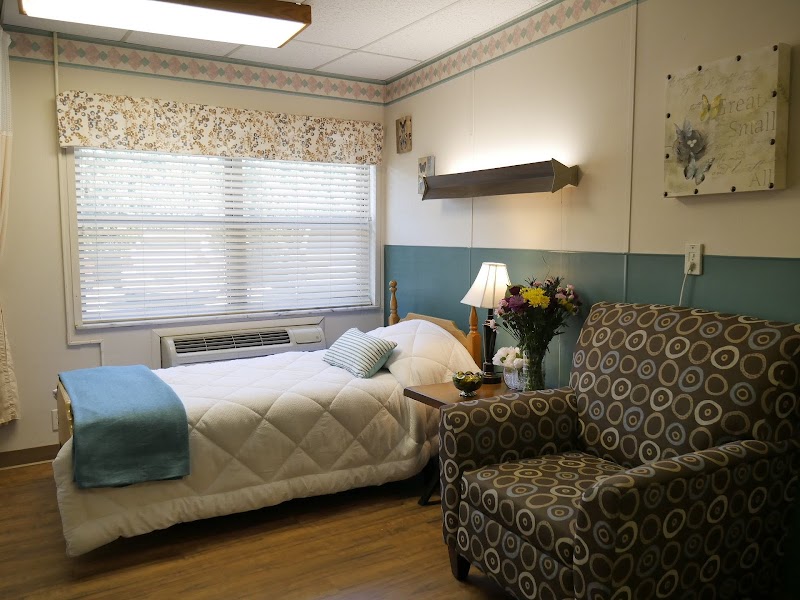
How is Minerva Rehabilitation And Nursing Center Staffed?

CMS rates MINERVA REHABILITATION AND NURSING CENTER's staffing level at 4 out of 5 stars, which is above average compared to other nursing homes. Staff turnover is 35%, compared to the Ohio average of 46%. This relatively stable workforce can support continuity of care.

What Have Inspectors Found at Minerva Rehabilitation And Nursing Center?

State health inspectors documented 15 deficiencies at MINERVA REHABILITATION AND NURSING CENTER during 2019 to 2025. These included: 15 with potential for harm.
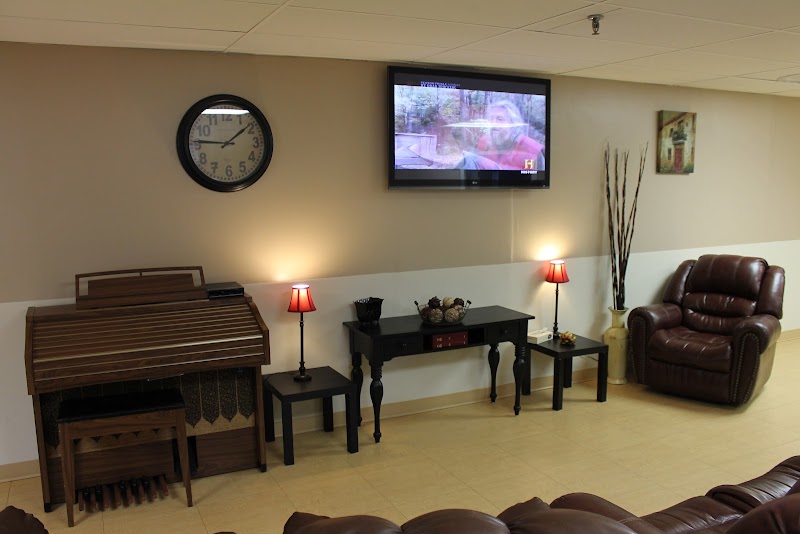
Who Owns and Operates Minerva Rehabilitation And Nursing Center?

MINERVA REHABILITATION AND NURSING CENTER is owned by a for-profit company. For-profit facilities operate as businesses with obligations to shareholders or private owners. The facility is operated by EPHRAM LAHASKY, a chain that manages multiple nursing homes. With 32 certified beds and approximately 18 residents (about 56% occupancy), it is a smaller facility located in MINERVA, Ohio.
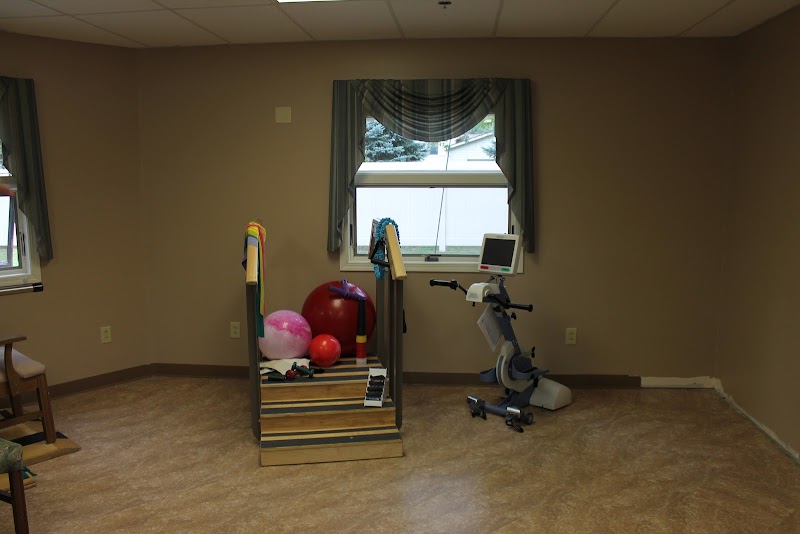
How Does Minerva Rehabilitation And Nursing Center Compare to Other Ohio Nursing Homes?

Compared to the 100 nursing homes in Ohio, MINERVA REHABILITATION AND NURSING CENTER's overall rating (3 stars) is below the state average of 3.2, staff turnover (35%) is significantly lower than the state average of 46%, and health inspection rating (2 stars) is below the national benchmark.

What Should Families Ask When Visiting Minerva Rehabilitation And Nursing Center?

Based on this facility's data, families visiting should ask: "Can I visit during a mealtime to observe dining assistance and food quality?" "How do you handle medical emergencies, and what is your hospital transfer rate?" "Can I speak with family members of current residents about their experience?"

Is Minerva Rehabilitation And Nursing Center Safe?

Based on CMS inspection data, MINERVA REHABILITATION AND NURSING CENTER has a clean safety record: no substantiated abuse findings (meaning no confirmed cases of resident harm), no Immediate Jeopardy citations (the most serious violation level indicating risk of serious injury or death), and is not on the Special Focus Facility watch list (a federal program monitoring the lowest-performing 1% of nursing homes). The facility has a 3-star overall rating and ranks #100 of 100 nursing homes in Ohio. While no facility is perfect, families should still ask about staff-to-resident ratios and recent inspection results during their visit.

Do Nurses at Minerva Rehabilitation And Nursing Center Stick Around?

MINERVA REHABILITATION AND NURSING CENTER has a staff turnover rate of 35%, which is about average for Ohio nursing homes (state average: 46%). Moderate turnover is common in nursing homes, but families should still ask about staff tenure and how the facility maintains care continuity when employees leave.

Was Minerva Rehabilitation And Nursing Center Ever Fined?

MINERVA REHABILITATION AND NURSING CENTER has no federal fines on record. CMS issues fines when nursing homes fail to meet care standards or don't correct problems found during inspections. The absence of fines suggests the facility has either maintained compliance or corrected any issues before penalties were assessed. This is a positive indicator, though families should still review recent inspection reports for the full picture.

Is Minerva Rehabilitation And Nursing Center on Any Federal Watch List?

MINERVA REHABILITATION AND NURSING CENTER is not on any federal watch list. The most significant is the Special Focus Facility (SFF) program, which identifies the bottom 1% of nursing homes nationally based on persistent, serious quality problems. Not being on this list means the facility has avoided the pattern of deficiencies that triggers enhanced federal oversight. This is a positive indicator, though families should still review the facility's inspection history directly.