HERITAGE CENTER FOR REHAB AND SPECIALITY CARE
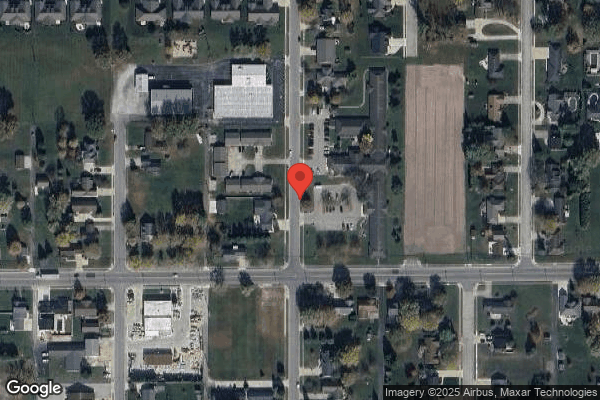
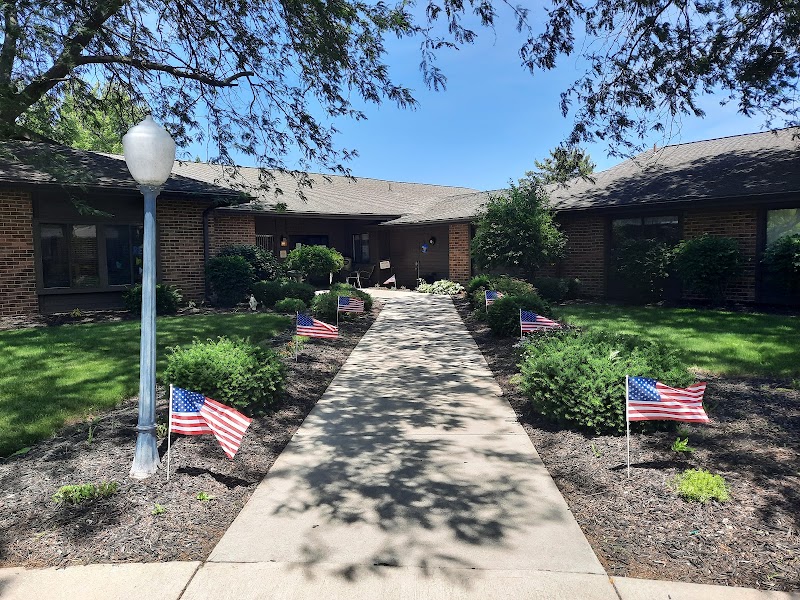
24 NORTH HAMILTON STREET, MINSTER, OH 45865 (419) 628-2396
For profit - Partnership 83 Beds HILLSTONE HEALTHCARE Data: November 2025
Trust Grade
13/100
#699 of 913 in OH
Last Inspection: January 2023

Over 2 years since last inspection. Current conditions may differ from available data.

Overview

Heritage Center for Rehab and Specialty Care in Minster, Ohio, has received a Trust Grade of F, which means it has significant concerns and is performing poorly compared to other facilities. It ranks #699 out of 913 in Ohio, placing it in the bottom half of nursing homes in the state, and #7 out of 8 in Auglaize County, with only one local option performing worse. The trend is worsening, with issues increasing from 2 in 2024 to 3 in 2025. Although staffing is a strength with a rating of 4 out of 5 stars and a turnover rate of 36%, which is better than the state average, there are serious concerns about RN coverage, which is lower than 80% of Ohio facilities. Several serious incidents were reported, including a case where a resident was physically harmed by staff and another where a resident's diabetes management was neglected, resulting in hospitalization. Additionally, a resident experienced significant weight loss due to improperly managed feeding needs. Overall, while there are some staffing strengths, the facility has critical safety and care issues that families should consider.

Trust Score
F
13/100
In Ohio
#699/913
Bottom 24%
Safety Record
High Risk
Review needed
Inspections
Getting Worse
2 → 3 violations
Staff Stability
○ Average
36% turnover. Near Ohio's 48% average. Typical for the industry.
Penalties
✓ Good
$16,101 in fines. Lower than most Ohio facilities. Relatively clean record.
Skilled Nurses
○ Average
Each resident gets 32 minutes of Registered Nurse (RN) attention daily — about average for Ohio. RNs are the most trained staff who monitor for health changes.
Violations
⚠ Watch
27 deficiencies on record. Higher than average. Multiple issues found across inspections.
★★☆☆☆
2.0
Overall Rating
★★★★☆
4.0
Staff Levels
★★★★☆
4.0
Care Quality
★★☆☆☆
2.0
Inspection Score
Stable
2024: 2 issues
2025: 3 issues

The Good

  • 4-Star Staffing Rating · Above-average nurse staffing levels
  • 4-Star Quality Measures · Strong clinical quality outcomes
  • Full Sprinkler Coverage · Fire safety systems throughout facility
  • No fines on record
  • Staff turnover below average (36%)

    12 points below Ohio average of 48%

Facility shows strength in staffing levels, quality measures, fire safety.

The Bad

2-Star Overall Rating

Below Ohio average (3.2)

Below average - review inspection findings carefully

Staff Turnover: 36%

10pts below Ohio avg (46%)

Typical for the industry

Federal Fines: $16,101

Below median ($33,413)

Minor penalties assessed

Chain: HILLSTONE HEALTHCARE

Part of a multi-facility chain

Ask about local staffing decisions and management

The Ugly 27 deficiencies on record

4 actual harm
Jul 2025 1 deficiency 1 Harm
SERIOUS (G) 📢 Someone Reported This

A family member, employee, or ombudsman was alarmed enough to file a formal complaint

Actual Harm - a resident was hurt due to facility failures

Free from Abuse/Neglect (Tag F0600)

A resident was harmed · This affected 1 resident

**NOTE- TERMS IN BRACKETS HAVE BEEN EDITED TO PROTECT CONFIDENTIALITY** Based on medical record review, staff interview, review of a Facility Reported Incident, review of police report, review of hosp...

Read full inspector narrative →
**NOTE- TERMS IN BRACKETS HAVE BEEN EDITED TO PROTECT CONFIDENTIALITY** Based on medical record review, staff interview, review of a Facility Reported Incident, review of police report, review of hospital records, and review of policy, the facility failed to ensure a cognitively impaired resident was free from physical abuse by a facility staff member. This resulted in physical harm when Resident #01 was forcefully pushed down on to a bed by Certified Nursing Assistant (CNA) #200 causing physical injuries of bruising, skin impairments and pain. During the incident, Licensed Practical Nurse (LPN) #202 observed and failed to intervene to protect Resident #01 from abuse. This affected one (#01) of three residents reviewed for abuse. The facility census was 55. Findings include:Review of the medical record of Resident #01 revealed an admission date of 11/26/24. Diagnoses include unspecified psychosis, depressive disorder, Alzheimer's disease, and dementia.Review of the quarterly Minimum Data Set assessment dated [DATE] revealed Resident #01 was cognitively impaired and required set-up or clean-up assistance for transfers and personal care. Resident #01 was self-ambulatory.Review of the care plan revealed a focus, initiated 12/09/24, of delirium, or an acute confusion episode related to acute disease process, dementia, and Alzheimer's disease with interventions to include engage resident in simple, structured activities, make eye contact when speaking with him, and if becomes agitated, stop and return. Another focus, initiated 12/09/24, of impaired cognition related to dementia with interventions to keep routine consistent as possible and cue and re-orient as able. A third focus of potential for behavior problems, initiated 12/09/24, with interventions to medicate as ordered, approach and speak in a calm voice, and psych/counseling services as needed. A focus, initiated 04/17/25, revealed Resident #01 resides on the secure unit related to elopement risk and aggressive behavior. Review of the Facility Reported Incident (262612) dated 07/10/25 revealed an alleged incident occurred on 07/10/25 at approximately 2:00 A.M. involving Resident #01 and Certified Nursing Assistant (CNA) #200. The alleged incident was reported to the local police by a neighbor. The police arrived at the facility and conducted an interview with Licensed Practical Nurse (LPN) #202 and CNA #200. Resident #01 was taken to the emergency room for an evaluation. The report revealed the neighbor, who lived approximately 500 feet from the facility, witnessed Resident #01 stumbling and a staff member, with arms extended towards the resident. The report indicated the neighbor was interviewed by the Administrator and the Regional Director of Clinical Operations #900 and stated he had witnessed Resident #01 stumble and one staff member (identified by the facility as CNA #200) extend out their arms. This was taken directly from the FRI. The facility did not substantiate the allegation.Review of the police report #25-005782 revealed the incident occurred on 07/10/25 between 1:30 A.M. and 2:10 A.M. The report revealed a phone call was received at approximately 2:14 A.M., from a male. The male (neighbor) reported witnessing two nurses acting violently towards a resident at the facility. The officer first made contact with the male, a neighbor, who reported seeing nurses throw the patient onto the bed in an aggressive manner. The officer arrived at the facility and informed LPN #202 of the purpose of his visit. LPN #202 reported CNA #200 had been in the room with Resident #01. LPN #202 stated she had entered the room to observe Resident #01 standing behind the bathroom door. CNA #200 forcefully placed both hands onto Resident #01's shoulders and threw him onto the bed. CNA #200 then lifted Resident #01's legs and forcefully positioned them on the bed. The report indicated LPN #202 expressed concern of CNA #200's handling of Resident #01 appeared rough. The officer interviewed CNA #200 who denied any use of force. The officer observed bruises on the right and left pectoral muscles, the left triceps, and a large bruise on the right buttock. The report further indicated Resident #01 exhibited pain when the left rib cage area was touched, without any visible injuries or markings. Resident #01 was sent to the local emergency room for potential internal injuries. At this point in time, no charges have been filed.Review of the hospital record dated 07/10/25 at 5:20 A.M. revealed Resident #01 was evaluated for alleged assault in the emergency room at the local hospital. The report revealed a physical examination documented an induration between the webspace of digits one and two of the right foot, erythema extending upwards from the toe on the dorsal aspect, and the area was warm to the touch. Resident #01 had four small areas of excoriation located on the right anterior shin without active bleeding. The areas almost look like insect bites. Resident #01 had a half centimeter circumferential eschar on the left proximal tibia, anteriorly. Resident #01 had area of ecchymosis in the left lower quadrant, just lateral to the umbilicus, (without description of color) and two areas of ecchymosis one the anterior chest. One of the areas was above the nipple and medial, the other was four to six inches above and medial to the right nipple. An area of ecchymosis was noted to the right buttocks the size of a hand but did not appear to in the shape of a hand. It is in various stages of healing. Resident #01 appeared to be in no distress, resting comfortably and hemodynamically stable. Resident #01 was discharged back to the facility with a new order for an antibiotic for cellulitis in the toe (previously diagnosed and was being treated). Review of the Skin Assessment dated 07/10/25 at 11:40 A.M. revealed Resident #01 exhibited a right pectoral bruise measuring three centimeters (cm.) by two cm., a bruise to the left pectoral bruise measuring 10 cm. by 12 cm., a bruise on the right forearm measuring one cm. by half cm., a bruise to right shoulder/top of arm measuring half cm. round, a bruise on the right antecubital area (inner elbow) measuring two point five cm. by one point five cm., a skin tear on the left wrist measuring two cm. by one cm., a bruise to the left posterior upper arm measuring three point five cm. by four cm., a bruise to the right buttock measuring seven point five cm. by 14 cm., a bruise to the right knee (rear) measuring one cm. by two cm., a skin tear to the front right thigh measuring half cm. round, a skin tear to the front right upper shin measuring zero point two cm. round, and a skin tear to the right lower shin measuring one cm. by zero point seven cm. The report indicated no sign or symptoms of pain during the assessment and medication was available if needed. During a phone interview on 07/14/25 at 1:00 P.M. with CNA #200 revealed, on 07/10/25 at approximately 2:00 A.M. Resident #01's call light was activated. As CNA #200 entered his room, Resident #01 was noted to have the call light in his hand, pulled from the wall, and was urinating on the wall. CNA # 200 allowed him to finish and asked him if he needed the toilet. CNA # 200 opened the bathroom door and Resident #01 slammed it shut and raised a fist. CNA #200 stated, Resident #01's name, please do not hit me. At which time the nurse arrived. Resident #01 sat on the bed and CNA #200 bent down to assist with his legs as they were swollen. Once he was laid down, CNA #200 covered him, turned the lights out and left the room. During a phone interview on 07/16/25 at 2:08 P.M. with LPN #202 revealed she had been at the nurses' station at approximately 2:00 A.M. on 07/10/25 and heard CNA #200 and Resident #01 getting loud. LPN #202 stated she entered Resident #01's room to discover him standing in the room with a puddle of urine around him. CNA #200 was trying to get him into the bathroom, and he was resisting. LPN #202 reported CNA #200 forced Resident #01 onto the bed, with more force than she felt was necessary, and swung his legs up quickly. LPN #202 stated she went to the head of the bed to prevent him from falling. LPN #202 reported having told CNA #200 she had been rough and had man-handled Resident #01. LPN #202 reported the incident to the Administrator upon the police arrival. Review of the undated policy titled Abuse, Neglect, Exploitation and Misappropriation Prevention, revealed the facility will protect residents from abuse by anyone. The facility will develop policies and protocols to prevent and identify abuse of residents by ensuring adequate staffing and oversight/support and conduct background checks on employees.This deficiency represents the noncompliance investigated under Complaint Number 2560552.
Feb 2025 1 deficiency
CONCERN (E) 📢 Someone Reported This

A family member, employee, or ombudsman was alarmed enough to file a formal complaint

Potential for Harm - no one hurt, but risky conditions existed

Deficiency F0680 (Tag F0680)

Could have caused harm · This affected multiple residents

Based on employee file review and staff interview, the facility failed to ensure the Activity Director was qualified. This had the potential to affected 28 residents (#1, #2, #3, #4, #5, #7, #12, #14,...

Read full inspector narrative →
Based on employee file review and staff interview, the facility failed to ensure the Activity Director was qualified. This had the potential to affected 28 residents (#1, #2, #3, #4, #5, #7, #12, #14, #16, #18, #20, #25, #26, #28, #29, #31, #33, #34, #35, #36, #37, #39, #41, #46, #47, #48, #52 and #53) who regularly attend activities. The facility census was 53. Findings include: Review of the employee file for Activities Director (AD) #340 revealed a hire date of 07/25/21 to the activity department as a part time activities assistant. Review of application revealed no previous activities experience. No documentation located regarding when AD #340 went full-time or was promoted to Activities Director. Interview on 02/18/25 at 12:59 P.M. with AD #340 revealed she believed she was promoted approximately a year ago to Activities Director and went full-time approximately three months after hire. AD #340 stated she was taking the certification program through a sister facility. AD #340 verified she did not have a certificate for Activities Director. The facility confirmed there were 28 residents (#1, #2, #3, #4, #5, #7, #12, #14, #16, #18, #20, #25, #26, #28, #29, #31, #33, #34, #35, #36, #37, #39, #41, #46, #47, #48, #52 and #53) who regularly attend activities. This deficiency represents noncompliance investigated under Complaint Number OH00162380.
Jan 2025 1 deficiency
CONCERN (D) 📢 Someone Reported This

A family member, employee, or ombudsman was alarmed enough to file a formal complaint

Potential for Harm - no one hurt, but risky conditions existed

Deficiency F0568 (Tag F0568)

Could have caused harm · This affected 1 resident

Based on medical record review, review of resident trust accounts, resident interview, staff interview, resident representative interview and review of facility policy, the facility failed to maintain...

Read full inspector narrative →
Based on medical record review, review of resident trust accounts, resident interview, staff interview, resident representative interview and review of facility policy, the facility failed to maintain a complete, accurate and accessible accounting of resident trust accounts and further failed to provide quarterly statements to residents for those accounts. This affected three (#1, #2 and #3) of three residents reviewed for personal funds. The facility identified 35 residents who had resident trust accounts. The facility census was 57. Findings include: 1. Review of Resident #1's medical record revealed an admission date of 05/14/24. Diagnoses included epilepsy, anxiety disorder, post-traumatic stress disorder, major depressive disorder, and dementia. Review of the Minimum Data Set (MDS) assessment, dated 12/31/24, revealed Resident #1 had a Brief Interview for Mental Status (BIMS) score of nine, indicating the resident was moderately cognitively impaired. Review of the care plan, revised 01/17/25, revealed Resident #1 had supports and interventions for pain, communication problems, limited physical mobility, impaired cognition and a self-care deficit. Review of Resident #1's profile information revealed the resident's daughter was his responsible party and guarantor. Review of Resident #1's Management of Personal Funds consent form, dated 09/26/22, revealed Resident #1 and his representative signed the consent for the facility to manage his resident funds. Review of the last available quarterly statement for Resident #1's resident trust account, dated 09/30/24, revealed accounting was kept from 07/10/24 to 09/30/24. There was no evidence of a quarterly statement, including transactions and account balance, for the quarter from 10/01/24 to 12/30/24. Review of the last accounting of Resident #1's resident trust account, dated 11/30/24, revealed a balance of $995.10, which was transferred to the new facility owner. Review of the facility's Petty Cash Withdrawal Record from 11/30/25 to 01/17/25 revealed Resident #1 withdrew $10.00 on 12/09/24, $20.00 on 12/13/24, $15.00 on 12/27/24, $10.00 on 01/03/25, and $10.00 on 01/16/25. There was no accounting for Resident #1's resident trust balance following each withdrawal. Review of the facility's resident trust fund balances, requested on 01/17/25 and provided on a word document, revealed Resident #1 had $995.10 in his resident trust account. No itemization of deposits and/or withdrawals was provided. Reconciliation of Resident #1's petty cash withdrawals from 11/30/24 through 01/17/25 with the account balance from 11/30/24 and the balance provided on 01/17/25 revealed a balance of $930.10, indicating a discrepancy of $65.00. Interview on 01/17/25 at 11:50 A.M. with Resident #1 revealed the resident was alert and orientated. Resident #1 reported he was able to get out money from his account at the facility but had not been told how much was in his account. Resident #1 reported his daughter was in charge of his money and she would get any statements. Interview on 01/17/25 at 12:20 P.M. with Resident #1's daughter verified she was the resident's responsible party when it came to finances. Resident #1's daughter confirmed she had not received a quarterly statement or any updates of any kind regarding Resident #1's account at the facility and she should be provided that information. Review of Resident #1's current account balance detail, provided by the facility's corporate staff on 01/17/25 at 3:45 P.M., revealed a balance on 01/07/25 of $1,025.19. The Trust Balance log indicated Resident #1 had $995.10 in his account. The accounting was inaccurate and not accessible in a timely manner. 2. Review of Resident #2's medical record revealed an admission date of 03/14/22. Diagnoses included mild cognitive impairment, anemia, cellulitis, major depressive disorder, anxiety disorder, lymphedema, morbid obesity, and type II diabetes. Review of Resident #2's MDS assessment, dated 12/26/24, revealed a BIMS score of 14, indicating the resident was cognitively intact. Resident #2 displayed no behaviors at the time of the review. Review of Resident #2's care plan, revised 01/16/25, revealed supports and interventions for psychosocial well-being, behavior of picking skin related to anxiety, potential for pain, and self-care deficit. Review of Resident #2's profile information revealed the resident was her own responsible party. Review of Resident #2's Management of Personal Funds consent form, dated 12/11/23, revealed the resident signed the consent for the facility to manage her resident funds. Review of the last available quarterly statement for Resident #2's resident trust account, dated 09/30/24, revealed accounting was kept from 07/10/24 to 09/30/24. There was no evidence of a quarterly statement, including transactions and account balance, for the quarter from 10/01/24 to 12/30/24. Review of the last accounting of Resident #2's resident trust account, dated 11/30/24, revealed a balance of $1592.93, which was transferred to the facility's new owner. Review of the facility's Petty Cash Withdrawal Record from 11/30/24 to 01/17/25 revealed Resident #2 withdrew $50.00 on 12/04/24 and $50.00 on 01/03/25. There was no accounting for Resident #2's personal funds balance found following each withdrawal. Review of the facility's trust fund balances, requested on 01/17/25 and provided on a word document, revealed Resident #2 had $1592.93 in her resident trust account. No itemization of deposits and/or withdrawals was provided. Reconciliation of Resident #2's petty cash withdrawals from 11/30/24 through 01/17/25 against the account balance on 11/30/24 and the balance provided on 01/17/25 revealed a balance of $1492.93, a discrepancy of $100.00. Interview on 01/17/25 at 10:48 A.M. with Resident #2 revealed she was alert and aware. Resident #2 reported the facility managed her money for her and she used to get quarterly statements with her balances, but she had not received one in a while. Resident #2 reported she was not aware of what her account balance was. Review of Resident #2's current account balance detail, provided by the facility's corporate staff on 01/17/25 at 3:45 P.M., revealed a balance on 01/03/25 of $1,592.97. The Trust Balance log indicated Resident #2 had $1,592.93 in her account. The accounting was inaccurate and not accessible in a timely manner. 3. Review of Resident #3's medical record revealed an admission date of 10/31/24. Diagnoses included paranoid schizophrenia, schizoaffective disorder, chronic pain, major depressive disorder, suicidal ideation, paranoid personality disorder, and anxiety disorder. Review of Resident #3's MDS assessment, dated 11/05/24, revealed a BIMS score of 15, indicating the resident was cognitively intact. Resident #3 had delusions and displayed other behavioral symptoms not directed toward others, rejection of care, and wandering behaviors one to three days during the review period. Review of Resident #3's profile information revealed the resident had a Power of Attorney (POA). Review of Resident #3's Management of Personal Funds consent form dated 10/30/24 revealed the resident's POA signed the consent for the facility to manage her resident funds. Review of Resident #3's accounting record revealed no evidence of a quarterly statement or accounting of her resident trust funds, including deposits, withdrawals or account balance. Review of the last accounting of Resident #3's resident trust account, dated 11/30/24, revealed a balance of $1,850.57, which was transferred to the facility's new owner. Review of the facility's Petty Cash Withdrawal Record from 11/30/24 to 01/17/25 revealed Resident #3 withdrew $10.00 on 12/04/24 and $10.00 on 01/16/25. There was no accounting for Resident #3's personal funds balance found following each withdrawal. Review of the facility's trust fund balances, requested on 01/17/25 and provided on a word document, revealed Resident #3 had $1,820.57 in her resident trust account. No itemization of deposits and/or withdrawals was provided. Reconciliation of Resident #3's petty cash withdrawals and the resident trust fund balance provided on 01/17/25 revealed a discrepancy of $10.00. Interview on 01/17/25 at 1:24 P.M. with Resident #3 revealed she was not aware of what her resident trust balance was. Attempts to contact Resident #3's POA were unsuccessful. Review of Resident #3's current account balance detail, provided by the facility's corporate staff on 01/17/25 at 3:45 P.M., revealed the resident had a resident trust balance on 01/08/25 of $1,835.62. The Trust Balance log indicated Resident #3 had $1,820.57 in her account. The accounting was inaccurate and not accessible in a timely manner. Interview on 01/17/25 at 10:24 A.M. with Business Office Manager (BOM) #256 revealed a new company took over ownership of the facility on 12/01/24. Since that time, BOM #256 reported she was no longer able to access the system to log accounting and was unable to run quarterly statements. BOM #256 verified quarterly statements had not been provided to residents or their representatives for the quarter of 10/01/24 to 12/30/24. BOM #256 showed a written log of petty cash withdrawals and reported residents still had access to their funds, but the clip board with the sign out amounts (petty cash withdrawals) was all the documentation she had. BOM #256 confirmed there were no account balances, record of deposits, or interest tracked. BOM #256 stated her ability to log transactions and balances ended 11/30/24 when the accounts were closed and transferred to the new company for management. Interview on 01/17/25 at 1:26 P.M. with the Administrator verified account statements were not provided to the residents or their representatives when their accounts were closed 11/30/24. The new company took over 12/01/24 and quarterly statements would be provided with a start date of 12/01/24. Review of the corporate provided accounting for all resident trust accounts, viewed with the Administrator on the Administrator's computer, revealed the accounting for all residents that had been done by the new company. The surveyor requested clarification as only the transactions and accounting for Resident #1, Resident #2 and Resident #3 was requested and unable to be determined from the information provided. The Administrator was unable to provide clarifying information related to the accounting of Resident #1, Resident #2 or Resident #3's resident trust accounts. A follow-up interview on 01/17/25 at 3:40 P.M. with the Administrator revealed the current accounting was not yet available for Residents #1, #2, or #3 as the information was not accessible onsite and had to be sent from the corporate office. The information was subsequently provided on 01/17/25 at 3:45 P.M. Review of the facility policy titled, Management of Residents' Personal Funds, revised March 2021 revealed the facility would manage the personal funds of residents who requested the facility to do so. Funds were to be managed in accordance with established policies and federal/state requirements. Copies of all financial transactions were filed in the resident's permanent record. Funds would be placed in an interest-bearing account, separate from the facility's accounts, quarterly accounting statements would be provided, resource limit notices would be provided, personal funds would be returned to appropriate sources within 30 days of discharge, and no charges would be assessed against the personal funds account unless the items were requested by the resident. Review of the facility policy titled, Accounting and Records of Resident Funds, revised April 2021 revealed the facility's business office was to maintain accounting records of all financial transactions involving the resident's personal fund. Individual accounting records were made available through quarterly statements and upon request. Quarterly statements were to include the resident's balance at the beginning and end of the statement period, the total deposits and withdrawals by the resident for the quarter, interest earned on the resident's funds, resident funds available through the petty cash, and the total amount of petty cash on hand. This deficiency represents non-compliance investigated under Complaint Number OH00160687.
Jul 2024 1 deficiency
CONCERN (D) 📢 Someone Reported This

A family member, employee, or ombudsman was alarmed enough to file a formal complaint

Potential for Harm - no one hurt, but risky conditions existed

Free from Abuse/Neglect (Tag F0600)

Could have caused harm · This affected 1 resident

**NOTE- TERMS IN BRACKETS HAVE BEEN EDITED TO PROTECT CONFIDENTIALITY** Based on record review, staff interview, and policy review, the facility failed to prevent resident to resident abuse. This affe...

Read full inspector narrative →
**NOTE- TERMS IN BRACKETS HAVE BEEN EDITED TO PROTECT CONFIDENTIALITY** Based on record review, staff interview, and policy review, the facility failed to prevent resident to resident abuse. This affected two (Residents #52 and #45) of four reviewed for abuse. The facility census was 63. Findings include: 1. Review of the medical record for Resident #52 revealed an admission date of 07/26/23 with a diagnosis of Alzheimer's disease. Review of the Quarterly Minimum Data Set (MDS) assessment dated [DATE] revealed Resident #52 had moderate cognitive impairment, required set-up assistance with eating and personal hygiene, required supervision with oral hygiene. Resident was independent with dressing, bed mobility, transfers, and ambulation. Review of the Care Plan dated 04/09/24 revealed Resident #52 required a secured unit. Review of progress notes revealed on 07/11/24 at 8:17 P.M., Resident #52 was walking towards the nurse's station when a male resident turned and put his arm around her head from behind and shoved a pudding cup into her face. 2. Review of the medical record for Resident #45 revealed an admission date of 05/08/24 with diagnoses of unspecified dementia, moderate, without behavioral disturbance, psychotic disturbance, mood disturbance, and anxiety. Review of the admission MDS assessment dated [DATE] revealed Resident #45 had severe cognitive impairment and required supervision assistance with eating, oral hygiene, toileting hygiene, bed mobility, transfers, and ambulation. Review of Resident #45's care plan revealed no goals or interventions in place for Resident #45 having behaviors. Review of the progress note dated 7/11/24 at 8:05 P.M. revealed Resident #45 came to the nurse's station and picked up a pudding. While the nurse went to get a spoon for Resident#45, the resident turned to another resident (Resident #52), wrapped his arm around the other resident's head from behind, and pushed the pudding into the resident's face. Resident #45 was visibly agitated with fist raised. A State Tested Nurse Aide (STNA) attempted to calm Resident #45 down, with the resident attempting to strike the STNA. Interview on 07/23/24 at 2:20 P.M. with the Director of Nursing (DON) confirmed Resident #45 had behaviors prior to the incident that occurred on 07/11/24. Interview confirmed that on 07/08/24, Resident #45 had a butter knife and attempted to attack staff and it took two staff members to get the knife away from the resident. Resident #45's care plan was not updated after the butter knife incident for behaviors. Interview also confirmed on 07/11/24, Resident #45 grabbed Resident #52 from behind, wrapped his arms around her head and shoved a pudding cup in her face. Interview confirmed Resident #45's care plan did not include behaviors or interventions for behaviors and did not include his use of psychotropic medications. Resident #45's care plan did not include any interventions for behaviors since his admission on [DATE]. Interview also confirmed Resident #45's care plan has not been updated with any behaviors and that staff had no way of knowing what interventions were to be used with the resident. Interview on 07/23/24 at 2:36 P.M. with the Administrator revealed an incident occurred between Resident #45 and Resident #52 where, Resident #45 grabbed Resident #52 from behind and shoved a pudding cup into her face. Interview confirmed the incident did occur, but the facility unsubstantiated the incident due to Resident #45 having dementia and that the facility thought if an incident occurs with a resident with dementia, it is not substantiated due to the diagnosis. Interview also confirmed Resident #45's care plan did not have any interventions implemented for behaviors and that the care plan had not been updated with behaviors since admission on [DATE]. Review of the, Abuse, Neglect, Exploitation & Misappropriation of Residents Property, policy dated 08/10/23 revealed the facility will not tolerate abuse, neglect, exploitation of its residents or the misappropriation of resident property. It is the facility's policy to investigate all alleged violations involving Abuse, Neglect, exploitation, mistreatment of a resident, or misappropriation of resident property, including injuries of unknown source, in accordance with this policy. Review of the policy also revealed facility procedures will include the assessment, care planning, and monitoring of residents with needs and behaviors which might lead to conflict or neglect, such as residents with a history of aggressive behaviors, residents who have behaviors such as entering other residents rooms, residents with self-injurious behaviors, residents with communication disorders, and those that require heavy nursing care and / or totally dependent on staff. This deficiency represents non-compliance investigated under Complaint Number OH00155796.
Apr 2024 1 deficiency
CONCERN (E) 📢 Someone Reported This

A family member, employee, or ombudsman was alarmed enough to file a formal complaint

Potential for Harm - no one hurt, but risky conditions existed

Safe Environment (Tag F0921)

Could have caused harm · This affected multiple residents

Based on observations and staff interviews, the facility failed to ensure the laundry room wall was in good repair without missing drywall or black substance on wall and around the window. This had th...

Read full inspector narrative →
Based on observations and staff interviews, the facility failed to ensure the laundry room wall was in good repair without missing drywall or black substance on wall and around the window. This had the potential to affect 55 residents who have their laundry washed at the facility, the facility identified three (#20, #21 and #25) residents who do not have their laundry washed by the facility. The facility census was 58. Findings include: Interview on 04/19/24 at 8:50 A.M. with Laundry Aide #123 stated the wall near the folding table in the laundry room had several areas of black substance on the wall below the window, around the window and under the air conditioning (AC) unit which was above the window. Laundry Aide #123 stated the wall had been missing part of the drywall for over one year and there had not been a change in the appearance of the black substance around the window and AC unit. Observation on 04/19/24 at 9:05 A.M. revealed a window and wall near the folding table in the laundry room to be missing part of the drywall under the window, window ledge deteriorated with part of the ledge missing, and black substance noted on several areas of the wall below the window, around the window, and around the air conditioning unit above the window. Interview on 04/19/24 at 9:10 A.M. with Administrator confirmed the wall located in the laundry room near the folding table had drywall missing from below the window and there was black substance noted on several areas on wall below the window, around the window and under the AC unit above the window. Administrator denied any recent concerns with water or roof issues in that area. Interview on 04/19/24 at 9:15 A.M. with Laundry Aide #117 stated she had worked in the laundry room for over one year. Laundry Aide #117 confirmed the wall under the window near the folding table in the laundry room was missing part of the drywall, the window ledge was deteriorated and missing part of the ledge, and the wall under the window, around the window, and under the AC unit above the window had several areas of black substance. Laundry Aide #117 stated the wall had looked like that for over one year and had not changed. Interview on 04/19/24 at 9:25 A.M. with Maintenance Director #121 confirmed the wall located near the folding table in the laundry room was missing part of the drywall, the window ledge was deteriorated and missing part of the ledge, and the wall below the window, around the window, and under the AC unit located above the window had several areas of black substance. Maintenance Director #121 stated he was not aware of any leaks around the window or roof in that area. Maintenance Director #121 stated he has had to replace the AC unit above the window two times because of water leaking down the wall. The facility confirmed there are 55 residents who have their laundry washed in the laundry room, the facility identified three (#20, #21 and #25) residents who do not have their laundry washed by the facility. This deficiency represents non-compliance investigated under Complaint Number OH00151864.
Dec 2023 4 deficiencies 1 Harm
SERIOUS (G) 📢 Someone Reported This

A family member, employee, or ombudsman was alarmed enough to file a formal complaint

Actual Harm - a resident was hurt due to facility failures

Quality of Care (Tag F0684)

A resident was harmed · This affected 1 resident

**NOTE- TERMS IN BRACKETS HAVE BEEN EDITED TO PROTECT CONFIDENTIALITY** Based on medical record review, review of hospital records, and staff and Physician #850 interviews, the facility failed to ensu...

Read full inspector narrative →
**NOTE- TERMS IN BRACKETS HAVE BEEN EDITED TO PROTECT CONFIDENTIALITY** Based on medical record review, review of hospital records, and staff and Physician #850 interviews, the facility failed to ensure a newly admitted resident received appropriate diabetes care when the facility staff failed to clarify a resident's diabetes diagnosis and the need for blood sugar monitoring and insulin administration. This resulted in Actual Harm when staff failed to monitor Resident #04's blood sugars and the resident subsequently had a change in condition resulting in hospitalization and a diagnosis of hyperglycemia requiring intravenous (IV) and subcutaneous (SQ) insulin administration and (IV) fluids. Additionally, the facility failed to have blood glucose monitoring and insulin in place for Resident #38, which placed the resident at risk for more than minimal harm. This affected two (Residents #04 and #38) of three residents reviewed for diabetes management. The facility census was 50. Findings include: 1. Review of the medical record of Resident #04 revealed an admission date of 08/17/23. Diagnoses included type two diabetes mellitus with hyperglycemia (11/02/23), encephalopathy, bipolar disorder, impulse disorder, and transient ischemic attack and cerebral infarction without residual deficits. Review of the admission Minimum Data Set (MDS) assessment dated [DATE] revealed Resident #04 was cognitively impaired and was dependent on staff for all aspects of daily living. The assessment identified a diagnosis of diabetes mellitus. The assessment did not indicate the use of insulin. Review of the paperwork from the sending facility (Long-Term Care Acute Hospital [LTACH]) revealed Resident #04 had a diagnosis of diabetes. The documents revealed discharge medications of acetaminophen 650 milligrams (mg) by mouth every six hours as needed for fever greater than 100.4 degrees Fahrenheit and all levels of pain. Review of the LTACH Patient Care Summary dated 08/06/23 revealed Resident #04 had a history of diabetes with insulin use. Review of the laboratory results revealed on 08/25/23, 08/28/23, 10/06/23, and 11/03/23 Resident #04 refused laboratory (lab) draws. Review of Resident #04's admission orders dated 08/17/23 revealed the only medication ordered was acetaminophen 650 mg orally every six hours as needed for pain. Further review of physician orders from August 2023 to October 2023 revealed no orders for blood sugar monitoring or insulin. Further review of the medical record revealed no documentation the physician was notified of Resident #04 having diabetes and/or clarification regarding the need for blood sugar monitoring or insulin administration. Review of the hospital records dated 10/30/23 revealed Resident #04 presented to the emergency department for lethargy that began that morning. The note indicated Resident #04 was started on an antibiotic on 10/29/23 for symptoms of a Urinary Tract Infection (UTI) and was his usual self until this morning when found lethargic and less responsive. Laboratory tests revealed a blood glucose level of greater than 1,000 milligrams per deciliter (mg/dL). Per staff at the nursing home, Resident #04 had not been receiving treatment for diabetes as they said he had no history of diabetes. The assessment revealed diagnoses of sepsis, acute kidney injury, acute UTI, and hyperglycemia. The note indicated Resident #04 was not in DKA (diabetic ketoacidosis). Resident #04 received IV insulin and SQ insulin in the emergency room and will start a sliding scale insulin and a long-acting insulin. Upon return to the nursing facility will continue with sliding scale and long-acting insulin. Interview on 12/04/23 at 2:52 P.M. with Licensed Practical Nurse (LPN) #100 revealed Resident #04 did not have an order for blood sugar monitoring or insulin from his admission on [DATE] until he was hospitalized on [DATE]. LPN #100 stated when a resident admits with a diagnosis of diabetes mellitus with no order for blood sugar monitoring, the doctor should be contacted to obtain an order for blood sugar monitoring, at a minimum. Interview on 12/04/23 at 3:05 P.M. with Clinical Director of Operations (CDO) #800 revealed Resident #04 had been on insulin at the hospital, but the discharge orders lacked documentation for insulin or blood sugar monitoring. The list of diagnoses included diabetes mellitus type II. It would be assumed nurses would clarify if a diagnosis of diabetes was found. CDO #800 confirmed prior to Resident #04's admission to the facility he had a history of being diabetic and required insulin administration. CDO #880 further verified Resident #04 was hospitalized due to being hyperglycemic and required insulin administration on a regular basis when the resident returned from the hospital. Interview on 12/04/23 at 3:27 P.M. with LPN #102 revealed when a diagnosis of diabetes is noted in the medical record with no order for blood sugar monitoring or insulin, the doctor should be notified to clarify. Interview on 12/04/23 at 3:32 P.M. with LPN #103 revealed the doctor or an assistant should be notified when a resident admits with a diagnosis of diabetes without any blood sugar monitoring or insulin. Interview on 12/04/23 at 4:47 P.M. with CDO #800 revealed the facility is to follow the admission Review checklist upon admissions. The checklist indicated physician orders will be clarified with a doctor or nurse practitioner within one hour and all medications will be clarified, and any concerns clarified. A baseline care plan will then be completed. Interview on 12/04/23 at 4:55 P.M. with Physician #850 confirmed the lack of diabetes care upon Resident #04's admission was a miscommunication issue. Physician #850 stated going forward, all residents with a history of diabetes will receive a minimum of blood glucose checks daily. 2. Review of the medical record of Resident #38 revealed an admission date of 09/28/23. Diagnoses include vascular dementia, unspecified mood disorder, and diabetes mellitus type II. Review of the admission MDS assessment dated [DATE] revealed Resident #38 was cognitively impaired and required supervision with bed mobility, transfers, and personal hygiene. The assessment further indicated the use of antipsychotic medication but no insulin. Review of physician orders revealed no insulin ordered at the facility. Review of the discharge paperwork from the hospital revealed Resident #38 had been receiving insulin Human Lispro per sliding scale while at the hospital; however, the discharge orders revealed no documentation for insulin, either discontinued, changed, or continued. Review of the medical record revealed blood glucose results dated 10/09/23 at 6:28 A.M. to read 90 mg/dL (low), 10/23/23 at 6:04 A.M. to read as 102 mg/dL (low), and 12/04/23 at 7:03 A.M. revealed a blood glucose of 108 mg/dL (low). Hemoglobin A1C (blood sugar test) drawn on 12/04/23 was 6.2% with normal range of 4.1 to 6.1%. Interview on 12/04/23 at 3:27 P.M. with LPN #102 revealed when a diagnosis of diabetes is noted in the medical record, but no order for blood sugar monitoring or insulin, the doctor should be notified to clarify. LPN #102 verified Resident #38 had blood glucose monitoring and no insulin ordered. Interview on 12/04/23 at 3:35 P.M. with CDO #800 revealed Resident #38's current blood sugar read 288 mg/dL after having recently drank a large glass of cranberry juice. CDO #800 stated the physician would be notified of the lack of blood glucose monitoring and would obtain an order. The facility did not provide a policy related to diabetic care. This deficiency represents non-compliance investigated under Complaint Number OH00148261.
CONCERN (D) 📢 Someone Reported This

A family member, employee, or ombudsman was alarmed enough to file a formal complaint

Potential for Harm - no one hurt, but risky conditions existed

Notification of Changes (Tag F0580)

Could have caused harm · This affected 1 resident

**NOTE- TERMS IN BRACKETS HAVE BEEN EDITED TO PROTECT CONFIDENTIALITY** Based on record review, staff interview and review of information from Medscape, the facility failed to ensure the physician was...

Read full inspector narrative →
**NOTE- TERMS IN BRACKETS HAVE BEEN EDITED TO PROTECT CONFIDENTIALITY** Based on record review, staff interview and review of information from Medscape, the facility failed to ensure the physician was notified regarding a residents low blood glucose reading. This affected one (#14) of three residents reviewed for notification of change. The facility census was 45. Findings include: Review of medical record for Resident #14 revealed admission date of 08/17/23. Diagnoses included acute kidney failure, sepsis, type two diabetes mellitus with hyperglycemia, and bipolar disorder. The quarterly Minimum Data Set (MDS) dated [DATE] revealed the resident had severe cognitive impairment and he required moderate assistance with eating, maximum assistance for bed mobility and dependence for transfers. Review of the physician orders for Resident #14 revealed an order for Lantus (long-acting insulin) 20 units subcutaneously two times daily. Hold medication for a blood sugar of less then 80 and contact physician for further instructions. This was scheduled for 8:00 A.M. and 8:00 P.M. with a start date of 12/12/23. Review of Resident #14's Electronic Medication Administration Record (EMAR) note revealed on 12/20/23 at 5:00 A.M. the residents blood glucose was 48, and his Lantus was held. There was no documentation that Resident #14's physician was notified of the low blood sugar reading. Interview on 12/28/23 at 11:44 A.M. with Licensed Practical Nurse (LPN) #102 revealed when he checked the blood glucose of Resident #14 around 6:00 A.M. on 12/20/23 it was 48. LPN #102 confirmed Resident #14 did not have an order for glucose monitoring at 6:00 A.M. and that the residents blood sugar was checked out of habit as the resident previously had an order to check it at 6:00 A.M. but it was changed to 8:00 A.M. LPN #102 stated Resident #14 was alert, oriented and was given apple juice on 12/20/23 at 6:00 A.M. A recheck about ten minutes later revealed a blood glucose of 90. LPN #102 verified he did not contact the physician as ordered. LPN #102 also confirmed the assessment, monitoring and/or intervention provided to Resident #14 for the low blood sugar reading of 48 was not documented. Review of information from Medscape at https://emedicine.medscape.com/article/2087913-overview?form=fpf revealed the normal glucose levels for an adult are between 74-106 milligrams (mg) per(/) deciliter (dl) with possible critical values for an adult male as less than 50 mg/dl. This is a new deficiency based on the post survey revisit for the complaint survey completed on 12/04/23.
CONCERN (D) 📢 Someone Reported This

A family member, employee, or ombudsman was alarmed enough to file a formal complaint

Potential for Harm - no one hurt, but risky conditions existed

Pharmacy Services (Tag F0755)

Could have caused harm · This affected 1 resident

Based on record review and staff interviews, the facility failed to ensure a residents admission physician orders were implemented. This affected one (#11) of three residents reviewed. The facility ce...

Read full inspector narrative →
Based on record review and staff interviews, the facility failed to ensure a residents admission physician orders were implemented. This affected one (#11) of three residents reviewed. The facility census was 45. Findings include: Review of medical record for Resident #11 revealed admission date of 12/22/23. Medical diagnoses included dementia without behaviors, chronic pain, non-pressure chronic ulcer, and atrial fibrillation. Review of the transfer admission orders for Resident #11 revealed an order for Milk of Magnesia (laxative) 30 milliliters (ml) every 24 hours as needed. Further review of the physician orders and December 2023 Medication Administration Record (MAR) for Resident #11 revealed no order for Milk of Magnesia. Interview on 12/27/23 at 10:54 A.M. with the Director of Nursing (DON) verified an admission order for Milk of Magnesia 30 ml every 24 hours as needed for Resident #11 was not ordered and not placed on the MAR upon the residents admission. This is a new deficiency based on the post survey revisit for the complaint survey completed on 12/04/23.
CONCERN (D) 📢 Someone Reported This

A family member, employee, or ombudsman was alarmed enough to file a formal complaint

Potential for Harm - no one hurt, but risky conditions existed

Deficiency F0761 (Tag F0761)

Could have caused harm · This affected 1 resident

**NOTE- TERMS IN BRACKETS HAVE BEEN EDITED TO PROTECT CONFIDENTIALITY** Based on record review, staff interview and review of information from Medscape, the facility failed to ensure insulin was admin...

Read full inspector narrative →
**NOTE- TERMS IN BRACKETS HAVE BEEN EDITED TO PROTECT CONFIDENTIALITY** Based on record review, staff interview and review of information from Medscape, the facility failed to ensure insulin was administered as ordered resulting in significant medication errors. This affected one (#14) of three residents reviewed for blood glucose monitoring. The facility census was 45. Findings include: Review of medical record for Resident #14 revealed admission date of 08/17/23. Diagnoses included acute kidney failure, sepsis, type two diabetes mellitus with hyperglycemia, and bipolar disorder. The quarterly Minimum Data Set (MDS) dated [DATE] revealed the resident had severe cognitive impairment and he required moderate assistance with eating, maximum assistance for bed mobility and dependence for transfers. Review of the physician orders for Resident #14 revealed an order for Lantus (long-acting insulin) 20 units subcutaneously two times daily. Hold medication for a blood sugar of less then 80 and contact physician for further instructions. This was scheduled for 8:00 A.M. and 8:00 P.M. with a start date of 12/12/23. Review of Resident #14's December 2023 Medication Administration Record (MAR) revealed an the order for the 8:00 A.M. and 8:00 P.M. Lantus order had two boxes for each time slot, one for the blood sugar result, and the second for signature the medication was given. There was no record of the blood sugar monitoring until 12/20/23. Further record review of the December 2023 MAR revealed on 12/20/23 and again on 12/22/23 the 8:00 A.M. Lantus dose was coded as a nine indicating a coinciding nursing note. Review of Resident #14's Electronic Medication Administration Record (EMAR) note revealed on 12/20/23 at 5:00 A.M. the residents blood glucose was 48, and his Lantus was held. There was no documentation that Resident #14's physician was notified of the low blood sugar reading. Additionally, there was no documentation of what care was provided for Resident #14's blood sugar reading of 48 other than holding holding the Lantus. Review of Resident #14's EMAR note dated 12/22/23 at 8:00 A.M. revealed the residents Lantus insulin was not administered as ordered due to a blood sugar of 94. Interview on 12/28/23 at 10:33 A.M. with the Director of Nursing (DON) revealed the accuchecks for Resident #14 were ordered twice daily. Upon a review it was discovered the accucheck times of 8:00 A.M. and 4:00 P.M. did not coincide with his Lantus order times of 8:00 A.M. and 8:00 P.M., so the original accucheck order was discontinued. The DON verified this change was needed to ensure the accuchecks were completed at 8:00 A.M. and 8:00 P.M. so ordered parameters to hold Lantus of glucose was under 80 were followed. Interview on 12/28/23 at 11:34 A.M. with Licensed Practical Nurse (LPN) #100 verified she held the Lantus for Resident #14 on 12/22/23 for a blood glucose of 94 in error. LPN #100 stated she misread the parameters and the Lantus should have been given. Interview on 12/28/23 at 11:44 A.M. with LPN #102 revealed when he checked the blood glucose of Resident #14 around 6:00 A.M. on 12/20/23 it was 48. LPN #102 confirmed Resident #14 did not have an order for glucose monitoring at 6:00 A.M. and that the residents blood sugar was checked out of habit as the resident previously had an order to check it at 6:00 A.M. but it was changed to 8:00 A.M. LPN #102 stated Resident #14 was alert, oriented and was given apple juice on 12/20/23 at 6:00 A.M. A recheck about ten minutes later revealed a blood glucose of 90. LPN #102 verified he did not contact the physician as ordered. LPN #102 also confirmed the care provided to Resident #14 for the low blood sugar reading of 48 was not documented. Interview on 12/28/23 at 12:19 P.M. with LPN #103 revealed on 12/20/23 she received in report Resident #14's blood glucose had been 48 prior to the start of her shift on 12/20/23 at 7:00 A.M. LPN #103 shared she did recheck Resident #14's blood glucose around 8:00 A.M. as ordered and it was 198. LPN #103 stated she did not feel comfortable giving the medication (Lantus) because Resident #14's glucose had been running low in the morning. LPN #103 did confirm Lantus was a long-acting insulin. LPN #103 alleged she did contact the physician on 12/20/23 for further instructions but nothing was documented. Review of information from Medscape at https://emedicine.medscape.com/article/2087913-overview?form=fpf revealed the normal glucose levels for an adult are between 74-106 milligrams (mg) per(/) deciliter (dl) with possible critical values for an adult male as less than 50 mg/dl. This is a new deficiency based on the post survey revisit for the complaint survey completed on 12/04/23.
Jan 2023 7 deficiencies
CONCERN (D)

Potential for Harm - no one hurt, but risky conditions existed

Deficiency F0655 (Tag F0655)

Could have caused harm · This affected 1 resident

**NOTE- TERMS IN BRACKETS HAVE BEEN EDITED TO PROTECT CONFIDENTIALITY** 2. Review of the medical record for Resident #4 revealed admission date of 12/07/22 with diagnoses including but not limited to ...

Read full inspector narrative →
**NOTE- TERMS IN BRACKETS HAVE BEEN EDITED TO PROTECT CONFIDENTIALITY** 2. Review of the medical record for Resident #4 revealed admission date of 12/07/22 with diagnoses including but not limited to chronic respiratory failure with hypoxia, pneumonia due to Coronavirus Disease 2019 (COVID-19), chronic obstructive pulmonary disease, atrial fibrillation, anemia, insomnia, depression, anxiety, and hypertension. Review of admission MDS dated [DATE] for Resident #4 revealed a BIMS score of 13 which indicated cognitively intact. Resident #4 required extensive assistance of two for bed mobility, transfers, and toileting. Resident #4 required extensive assist of one for dressing and personal hygiene. Further review of medical record for Resident #4 revealed no evidence of baseline care plan. Review of Care Plan for Resident #4 revealed comprehensive care plan was initiated on 12/19/22. Interview on 01/11/23 at 3:27 P.M. with Social Service Director (SSD) #160 verified Resident #4 did not have a baseline care plan. Based on medical record review, staff and resident interviews, and review of facility policy, the facility failed to complete baseline care plans for residents. This affected three (#4, #193, and #243) of 14 residents in the sample. The census was 39. Findings include: 1. Review of Resident #243's medical record revealed an admission date of 01/05/23. Diagnoses listed included fracture of the left femur, cerebral ataxia, chronic obstructive pulmonary disease, epilepsy, and osteoarthritis. A comprehensive Minimum Data Set (MDS) assessment had not yet been completed. Further of Resident #243's revealed no documentation of a baseline care plan being completed. The Director of Nursing (DON) confirmed during an interview on 01/11/23 at 1:55 P.M. that a baseline care plan was not completed for Resident #243. During an interview on 01/11/23 at 2:00 P.M. Resident #243 stated he did not remember receiving any baseline care plan upon admission to the facility. 3. Review of the medical record for Resident #193 revealed admission date 12/30/22. Diagnoses include malignant neoplasm of esophagus, severe-protein calorie malnutrition, dysphagia, atrial fibrillation, hypertension, bradycardia, abnormal weight loss, dementia, adult failure to thrive, anxiety disorder, renal insufficiency, and slow transit constipation. Review of the admission minimum data set (MDS) dated [DATE] revealed Resident #193 Brief Interview for Mental Status (BIMS) scored 99 which indicated the resident was unable to complete the interview. Staff assessed Resident #193 with long and short term memory problem. Physical behavioral symptoms directed towards others occurred one to three days. Verbal behavioral symptoms directed towards others occurred one to three days. Behaviors significantly interfere with the resident's participation in activities or social interactions. Rejection of care occurred one to three days and wandering occurred four to six days. Resident #193 required extensive two plus person assistance for bed mobility, transfers, dressing, and toilet use. The resident required extensive one person assistance for walk in room, and locomotion off unit, personal hygiene and eating. Resident #193 was frequently incontinent of bladder and occasionally incontinent of bowel. Resident #193 had a condition or chronic disease that may result in a life expectancy of less than six months. The resident had recent surgery requiring skilled nursing facility care, involving the gastrointestinal or abdominal contents from the esophagus to the anus, (including creation or removal of ostomies). The resident had a feeding tube. Review of the plan of care for Resident #193 revealed the care plan was initiated on 01/09/23. Interview on 01/11/23 at 1:37 P.M. SSD #160 stated Resident #193 did not have a baseline care plan when she conducted the care conference dated 01/03/23. Interview on 01/11/23 at 1:41 P.M. MDS Nurse/Licensed Practical Nurse (LPN) #170 stated the 48 hour/baseline care plan should be completed by the unit nurse, unit manager, or nurse that does the admission. Review of the facility's policy titled Care Plan Policy and Procedure dated revised 2019 revealed the facility will develop and implement a baseline care plan within 48 hours. The baseline care plan will be developed within 40 hours of a resident's admission and a copy should be provided to the resident within the first 72 hours of admission.
CONCERN (D)

Potential for Harm - no one hurt, but risky conditions existed

Comprehensive Care Plan (Tag F0656)

Could have caused harm · This affected 1 resident

Based on record review, staff and resident interviews and policy review, the facility failed to initiate a comprehensive care plan for smoking. This affected two (#34 and #9) of two residents reviewed...

Read full inspector narrative →
Based on record review, staff and resident interviews and policy review, the facility failed to initiate a comprehensive care plan for smoking. This affected two (#34 and #9) of two residents reviewed for smoking. Facility census was 39. Findings include: 1. Review of medical record for Resident #34 revealed admission date of 09/06/22 with diagnoses including but not limited to dementia, cannabis abuse, major depressive disorder, post-traumatic stress disorder, and anxiety. Review of Quarterly Minimum Data Set (MDS) for Resident #34 dated 11/11/22 revealed Brief Interview of Mental Status (BIMS) score of 13 which indicated cognitively intact. Resident required supervision with set up help for activities of daily living (ADL's). Review of smoking assessment for Resident #34 dated 09/26/22 revealed the resident had cognitive loss, visual deficit, and no dexterity problem. Smoked two to five cigarettes daily in the morning, afternoon, and evenings. Resident can light own cigarette, required supervision, and facility to store lighter and cigarettes. Plan of care is used to assure resident is safe with smoking. Review of care plan for Resident #34 revealed resident at risk for injury related to smoking was initiated on 01/10/23. Interview on 01/09/23 at 9:40 A.M. with Resident #34 stated the residents who smoke at the facility go out to smoke at specific times. Resident #34 stated the facility holds their cigarettes, lighters, and supervised smoking in the smoking area. Resident #34 confirmed he/she smokes. Interview on 01/10/23 at 1:53 P.M. with Administrator verified Resident #34's care plan for smoking was completed on 01/10/23. Interview on 01/11/23 at 1:45 P.M. with MDS Nurse #170 verified she added a smoking care plan on 01/10/23. MDS Nurse #170 stated she was made aware on 01/10/23 that Resident #34 needed a care plan for smoking. 2. Review of medical record for Resident #9 revealed admission date of 11/28/22 with diagnoses including but not limited to nicotine dependence cigarettes, cognitive communication deficit, hypertension, hyperlipidemia, paranoid schizophrenia, bipolar disorder, and unspecified psychosis not due to substance or known physiological condition. Review of Quarterly MDS for Resident #9 dated 12/13/22 revealed BIMS score of 13 which indicated cognitively intact. Resident #9 required supervision for bed mobility, transfers, ambulation, and eating. Resident #9 required extensive assist of one for toileting and limited assistance of one for personal hygiene. Review of smoking assessment for Resident #9 dated 10/29/22 revealed resident did not have cognitive loss, visual impairment, or dexterity problem. Resident smoked two to five cigarettes per day in the morning, afternoon, evenings, and nights. Resident can light own cigarettes and required one on one assistance. Facility to store lighter and cigarettes. Plan of care used to assure resident is safe while smoking. Review of care plan revealed Resident #9 at risk for injury related to smoking was initiated on 01/10/23. Interview on 01/10/23 at 10:18 A.M. with Resident #9 stated the residents who smoke at the facility go out to smoke once in awhile. Resident #9 confirmed he/she is smokes. Interview on 01/10/23 at 1:53 P.M. with Administrator verified care plan for smoking was completed on 01/10/23. Interview on 01/11/23 at 1:45 PM with MDS #170 verified she added Resident #9's smoking care plan on 01/10/23. MDS Nurse #170 stated she was made aware on 01/10/23 that Resident #9 needed a care plan for smoking. Review of policy titled Smoking Policy- Residents revised July 2017 revealed any smoking-related privileges, restrictions, and concerns (for example, need for close monitoring) shall be noted on the care plan, and all personnel caring for the resident shall be alerted to these issues.
CONCERN (D)

Potential for Harm - no one hurt, but risky conditions existed

Medication Errors (Tag F0758)

Could have caused harm · This affected 1 resident

**NOTE- TERMS IN BRACKETS HAVE BEEN EDITED TO PROTECT CONFIDENTIALITY** Based on medical record review, staff interview, and review of facility policy, the facility failed to ensure residents were fre...

Read full inspector narrative →
**NOTE- TERMS IN BRACKETS HAVE BEEN EDITED TO PROTECT CONFIDENTIALITY** Based on medical record review, staff interview, and review of facility policy, the facility failed to ensure residents were free from unnecessary psychotropic medications when the facility failed to ensure as needed (PRN) antipsychotic medications was not ordered for longer than 14 days. This affected one (#14) of six residents reviewed for unnecessary medications. The census was 39. Findings include: Review of Resident #14's medical record revealed an admission dated of 08/24/21. Diagnoses listed included dementia without psychotic disturbance, atrial fibrillation, tachycardia, and dorsalgia. Review of a quarterly Minimum Data Set (MDS) assessment dated [DATE] revealed Resident #8 was moderately cognitively impaired and required supervision to limited assistance with activities of daily living (ADL's). Review of physician orders revealed an order dated 11/07/22 for Haloperidol (antipsychotic medication) tablet 0.5 milligrams (mg), give one tablet by mouth every four hours PRN for nausea/vomiting/agitation/delirium and give two tablets by mouth every four hours PRN for nausea/vomiting/agitation/delirium per Hospice order. The order for Haloperidol did not have and end date. During an interview on 01/10/23 at 4:35 P.M. the Director of Nursing (DON) confirmed that Resident #14's PRN Haloperidol was ordered for longer than 14 days and did not have an end date. Review of the facility's policy titled Antipsychotic Medication Use dated revised December 2016 revealed PRN orders for antipsychotic medications will not be renewed beyond 14 days unless the healthcare practitioner has evaluated the resident for the appropriateness of that medication.
CONCERN (D)

Potential for Harm - no one hurt, but risky conditions existed

Deficiency F0760 (Tag F0760)

Could have caused harm · This affected 1 resident

**NOTE- TERMS IN BRACKETS HAVE BEEN EDITED TO PROTECT CONFIDENTIALITY** Based on medical record review, observation, staff interview, review of facility policy, and review of manufacturer guidelines, ...

Read full inspector narrative →
**NOTE- TERMS IN BRACKETS HAVE BEEN EDITED TO PROTECT CONFIDENTIALITY** Based on medical record review, observation, staff interview, review of facility policy, and review of manufacturer guidelines, the facility failed to ensure staff primed insulin pen devices (insulin pens) before insulin administration resulting in a significant medication error. This affected one (#18) of five residents observed for medication administration. The census was 39. Findings include: Review of Resident #18 medical record revealed an admission date of 03/14/22. Diagnoses listed included chronic kidney disease, osteoarthritis, morbid obesity, and type two diabetes mellitus. Review of a quarterly Minimum Data Set (MDS) assessment dated [DATE] revealed Resident #18 was cognitively intact with a brief interview for mental status (BIMS) score of 14 and required extensive assistance with activities of daily living (ADL's). Review of physician orders revealed an order dated 03/14/22 for Novolog Flexpen (insulin pen) 100 units per milliliter (units/ml). Inject 16 units subcutaneously (SQ) two times a day for diabetes mellitus. Observation on 01/10/23 at 7:48 A.M. revealed Licensed Practical Nurse (LPN) #109 preparing an insulin pen for Resident #18. LPN #109 prepared a Novolog FlexPen 100 units/ml by connecting a new needle and dialing the insulin pen to 16 units. LPN #109 did not prime the insulin pen/needle. Observation on 01/10/23 at 7:50 A.M. revealed LPN #109 administered the Novolog Flexpen 16 units to Resident #18. Observations revealed LPN #109 did not prime the insulin pen/needle. Interview with LPN #16 on 01/10/23 at 7:53 A.M. confirmed she had not primed Resident #18's Novolog Flexpen needle before dialing up the required dose of insulin. Review of the facility's undated policy titled How to Use an Insulin Pen revealed it is important to do a safety test (prime the pen) before every injection. The safety test makes sure the insulin pen and needle are working correctly. It also removes air bubbles and fills the needle with insulin so you get your full dose. Review of manufacturer instructions for the Novolog Flexpen before each injection small amounts of air may collect in the cartridge during normal use. To avoid injecting air and to ensure proper dosing, turn the dose selector to select 2. Hold your NovoLog FlexPen with the needle pointing up. Tap the cartridge gently with your finger a few times to make any air bubbles collect at the top of the cartridge. Keep the needle pointing upwards, press the push-button all the way in. The dose selector returns to 0. A drop of insulin should appear at the needle tip. If not, change the needle and repeat the procedure no more than six times. If you do not see a drop of insulin after six times, do not use the NovoLog FlexPen and contact the manufacturer. A small air bubble may remain at the needle tip, but it will not be injected.
CONCERN (D)

Potential for Harm - no one hurt, but risky conditions existed

Infection Control (Tag F0880)

Could have caused harm · This affected 1 resident

**NOTE- TERMS IN BRACKETS HAVE BEEN EDITED TO PROTECT CONFIDENTIALITY** Based on record review, observations, staff interview, and review of facility policy, the facility failed to ensure staff approp...

Read full inspector narrative →
**NOTE- TERMS IN BRACKETS HAVE BEEN EDITED TO PROTECT CONFIDENTIALITY** Based on record review, observations, staff interview, and review of facility policy, the facility failed to ensure staff appropriately disinfected a glucometer device after use. This affected one (#13) of one residents observed for blood sugar checks. The census was 39. Findings include: Review of Resident #13's medical record revealed an admission date of 05/17/21. Diagnoses listed included convulsions, major depressive disorder, chronic kidney disease, overactive bladder, and type two diabetes mellitus. Review of a quarterly Minimum Data Set (MDS) assessment dated [DATE] revealed Resident #13 was cognitively intact with a Brief Interview for Mental Status (BIMS) score of 13 and required extensive assistance with activities of daily living (ADL's). Review of physician orders revealed an order dated 09/27/22 to obtain and record Accu-check blood sugar (finger stick blood glucose) before meals and at bedtime without insulin coverage. On 01/10/23 at 6:37 A.M. Licensed Practical Nurse (LPN) #107 was observed obtaining an Accu-check on Resident #13 using a glucometer from the medication cart. After obtaining the Accu-check LPN #107 returned to the cart with the glucometer. LPN #107 wiped down the glucometer with a small square alcohol pad and place in back in a top drawer of the medication cart. Observations revealed the top drawer of the medication cart was a general storage area and was not assigned to Resident #13. During an interview on 01/10/23 at 6:39 P.M. LPN #107 confirmed she had wiped the glucometer with an alcohol pad. LPN #107 stated alcohol pads are what is used to sanitize glucometer's after use in the facility. LPN #107 confirmed the glucometer was stored in the top drawer of the medication cart which was a general storage area and was not specifically for Resident #13. LPN #107 confirmed the glucometer could be retrieved from the top drawer of the medication cart and used on any resident requiring a blood sugar. Review of a facility provided list revealed Resident #13 was the only resident currently using the glucometer in the medication cart. Review of the facility's untitled and undated policy about glucometer sanitation revealed it is the policy of the facility that glucometer's are cleaned and disinfected between each use per manufacture's instruction to maintain infection control. If no visible soiling is present, or after cleaning off visible soiling, the surfaces will be disinfected by wiping with a bleach product such as the PDU Super Sani Cloth: Germicidal Disposable Wipes, or a product recommended by the manufacturer. Alcohol is not an acceptable product for this purpose and should not be used to disinfect glucometer's.
CONCERN (E)

Potential for Harm - no one hurt, but risky conditions existed

Food Safety (Tag F0812)

Could have caused harm · This affected multiple residents

Based on observation, staff interview, and policy review, the facility failed to ensure open food products in the refrigerator and/or freezer were dated after opening. This had the potential to affect...

Read full inspector narrative →
Based on observation, staff interview, and policy review, the facility failed to ensure open food products in the refrigerator and/or freezer were dated after opening. This had the potential to affect 37 out of 39 residents residing in the facility who receive their meals from the kitchen, the facility identified two (#22 and #193) resident who did not receive meals from the kitchen. Facility census was 39. Findings include: Observation on 01/09/23 from 8:30 A.M. to 8:45 A.M. of the kitchen revealed reach-in refrigerator had one package of Canadian ham in Ziploc bag, one ranch dressing tub, and two bowls of food which were not dated. Observations in the walk-in freezer revealed one Ziploc bag of mixed vegetables undated. Observations in the walk-in refrigerator revealed seven pureed meats in individual Styrofoam bowls were undated. Interview on 01/09/23 at 8:43 A.M. with [NAME] #146 verified pureed meat, mixed vegetables, ham, ranch dressing, and bowls were not dated. [NAME] #146 verified food was to be dated when opened. The facility confirmed 37 out of 39 residents residing in the facility receive their meals from the kitchen and there were currently two (#22 and #193) residents who did not receive meals from the kitchen. Review of policy titled Dietary: Food Storage not dated revealed facility to date food items when they are opened.
CONCERN (E)

Potential for Harm - no one hurt, but risky conditions existed

Deficiency F0883 (Tag F0883)

Could have caused harm · This affected multiple residents

**NOTE- TERMS IN BRACKETS HAVE BEEN EDITED TO PROTECT CONFIDENTIALITY** Based on medical record review, staff interviews, review of facility policy and review of Centers for Disease Control and Preven...

Read full inspector narrative →
**NOTE- TERMS IN BRACKETS HAVE BEEN EDITED TO PROTECT CONFIDENTIALITY** Based on medical record review, staff interviews, review of facility policy and review of Centers for Disease Control and Prevention (CDC) Guidelines, the facility failed to offer residents the pneumonia vaccinations per CDC Guidelines. This affected four (#16, #12, #35, and #39) of five residents reviewed for immunizations. The census was 39. Findings include: 1. Review of the medical record for Resident #12 revealed admission date 01/26/22. Diagnoses included, but not limited to, Diabetes Mellitus Type 2 (DM 2), chronic ischemic heart disease, and essential hypertension. Resident #12 was [AGE] years old or older. Further review of Resident #12's medical record revealed there was no evidence the Pneumococcal immunization was offered or administered. 2. Review of the medical record for Resident #16 revealed admission date 03/24/22. Diagnoses included, but not limited to, chronic systolic heart failure and DM 2. Resident #16 was adult 19 through 64 with certain medical conditions. Further review of Resident #16's medical record revealed there was no evidence the Pneumococcal immunization was offered or administered. 3. Review of the medical record for Resident #35 revealed admission date 08/11/22. Diagnoses included, but not limited to, dysphagia, pulmonary fibrosis, chronic respiratory failure, and dependence on supplemental oxygen. Resident #35 was [AGE] years old or older. Further review of Resident #35's medical record revealed there was no evidence the Pneumococcal immunization was offered or administered. 4. Review of the medical record for Resident #39 revealed admission date 09/16/22. Diagnoses included, but not limited to, atherosclerosis of aorta and chronic kidney disease. Resident #39 was [AGE] years old or older. Further review of Resident #39's medical record revealed there was no evidence the Pneumococcal immunization was offered or administered. Interview on 01/11/23 at 12:35 P.M. the Administrator stated they were unable to provide/locate pneumonia vaccination documentation. On 01/12/23 at 10:36 A.M. the Administrator stated the Director of Nursing (DON) had been here seven weeks and she had been here four months. Interview on 01/12/23 at 11:16 A.M. the DON stated he was not sure what the process for offering or documenting pneumonia vaccination prior to his employment. The DON revealed there was a folder with influenza and Pneumococcal consent forms from the annual influenza vaccinations provided during the fall of 2022. The DON confirmed there was no evidence Resident #12, #16, #35 or #39 was offered or received the Pneumococcal immunization. Review of the of the Centers for Disease Control and Prevention (CDC) Guidelines, https://www.cdc.gov/vaccines/vpd/pneumo/hcp/who-when-to-vaccinate.html#adults-19-64, revealed risk factors for adults 19 through 64 included, but not limited to, chronic heart disease, including congestive heart failure and cardiomyopathies and diabetes mellitus. The CDC recommends for those who have not previously received any Pneumococcal vaccine, give one dose of Pneumococcal conjugate vaccine (PVC) 15 or PVC20. If PVC15 is used, this should be followed by a dose of Pneumococcal polysaccharide vaccine (PPSV) 23 at least one year later. The minimum interval is eight weeks and can be considered in adults with an immunocompromising condition, cochlear implant, or cerebrospinal fluid leak. If PCV20 is used, a dose of PPSV23 in not indicated. For those who have received PPSV23, CDC recommends you: May give one dose of PCV15 or OCV20. The PCV15 or PCV20 dose should be administered at least one year after the most recent PPSV23 vaccinations. Regardless of it PCV15 or PCV20 is given, an additional dose of PPSV23 is not recommended since they already received it. For those who have received PVC13 with or without PPSV23, CDC recommends one dose PPSV23 as previously recommended. For adults 65 years and older CDC recommends Pneumococcal vaccination for all adults 65 years or older. For adults 65 year or older who have not previously received any Pneumococcal vaccine, give one dose of PCV15 or PCV20. If PVC15 is used, this should be followed by a dose of PPSV23 at least one year later. The minimum interval is eight weeks and can be considered in adults with an immunocompromising condition, cochlear implant, or cerebrospinal fluid leak. If PCV20 is used, a dose of PPSV23 is not indicated. For adults 65 years or older who have only received PPSV23, CDC recommends one dose of PCV15 or PCV20. The PCV15 or PCV20 should be administered at least one year after the most recent PPSV23 vaccination. Regardless of if PCV15 or PCV20 is given, an additional dose of PPSV23 is not recommended since they already received it. For Adults 65 years or older who have only received PVC13, CDC recommends give PPSV23 as previously recommended. For adults who have received PCV13 but have not completed their recommended Pneumococcal vaccine series with PPSV23, one dose of PCV20 may be used if PPSV23 is not available. If PCV20 is used, their Pneumococcal vaccinations are complete. Review of facility policy titled Pneumococcal Vaccine, undated, revealed prior to or upon admission, residents will be assessed for eligibility to receive the Pneumococcal vaccine series, and when indicated, will be offered the vaccine series within thirty (30) days of admission to the facility unless medically contraindicated or the resident has already been vaccinated. Assessments of Pneumococcal vaccination status will be conducted within five (5) working days of the resident's admission if not conducted prior to admission. Before receiving a Pneumococcal vaccine, the resident or legal representative shall receive information and education regarding the benefits and potential side effects of the Pneumococcal vaccine. Provision of such education shall be documented in the resident's medical record. Residents/representatives have the right to refuse vaccination. If refused, appropriate entries will be documented in each resident's medical record indicating the date of refusal of the Pneumococcal vaccination.
Aug 2019 3 deficiencies
CONCERN (D)

Potential for Harm - no one hurt, but risky conditions existed

Deficiency F0582 (Tag F0582)

Could have caused harm · This affected 1 resident

Based on medical record review and staff interview, the facility failed to ensure residents received a Skilled Nursing Facility Advanced Beneficiary Notice of NON-coverage (SNF/ABN) when cut from Medi...

Read full inspector narrative →
Based on medical record review and staff interview, the facility failed to ensure residents received a Skilled Nursing Facility Advanced Beneficiary Notice of NON-coverage (SNF/ABN) when cut from Medicare Part A services as required. This affected three residents (#11, #29 and #38) of three reviewed for Notice of Medicare Non-coverage (NOMNC). The facility census was 58. Findings include: 1. Review of the medical record for Resident #11 revealed an admission date of 06/04/17 with diagnoses including cognitive communication deficit, Alzheimer's Disease, and major depressive disorder. Review of notification of discharge from therapy form dated 05/29/19 documented Resident #11 would be discharged for Medicare Part A services on 05/31/19 due to the resident meeting their maximum potential. Review of NOMNC dated 05/31/19 documented a copy was mailed to the Resident #11 representative with no return signature. The review also revealed the resident was not given a SNF/ABN when the resident remained in the facility after being discharged from Medicare Part A services. 2. Review of medical record for Resident #29 revealed an admission date of 02/13/19 with diagnoses including muscle weakness, hypocalcemia, repeated falls, hydrocephalus and malignant neoplasm of the brain. Review of notification of discharge from therapy form dated 05/08/19 documented Resident #29 would be discharged for Medicare Part A services on 05/11/19 due to the resident meeting their maximum potential. Review of NOMNC dated 05/11/19 documented a copy was mailed to the Resident #29 representative with no return signature. The review also revealed the resident was not given a SNF/ABN when the resident remained in the facility after being discharged from Medicare Part A services. 3. Review of medical record for Resident #38 medical record documented an admission date of 12/22/16 with diagnoses including muscle weakness, constipation, bipolar disorder, insomnia, anxiety disorder, hypertension, major depressive disorder, muscle spasms and chronic pain. Review of notification of discharge from therapy form dated 04/08/19 documented Resident #38 would be discharged for Medicare Part A services on 04/12/19 due to the resident meeting their maximum potential. Review of NOMNC dated 04/08/19 documented a copy was mailed to the Resident #38 representative with no return signature. The review also revealed the resident was not given a SNF/ABN when the resident remained in the facility after being discharged from Medicare Part A services. On 08/26/19 at 11:55 A.M. interview with Minimum Data Set (MDS) Nurse #200 verified the SNF/ABN was not issued to Residents #11, #29 and #38 when they were discharged from Medicare Part A services and remained in the facility.
CONCERN (F)

Potential for Harm - no one hurt, but risky conditions existed

Deficiency F0868 (Tag F0868)

Could have caused harm · This affected most or all residents

Based on review of the Quality Assessment and Assurance (QAA) minutes, and staff interview, the facility failed to ensure QAA meetings were conducted on a quarterly basis. This had the potential to af...

Read full inspector narrative →
Based on review of the Quality Assessment and Assurance (QAA) minutes, and staff interview, the facility failed to ensure QAA meetings were conducted on a quarterly basis. This had the potential to affect all 58 residents of the facility. Findings include: Review of the quarterly QAA committee meeting minutes revealed a meeting was conducted on 04/06/18. The next meeting was not conducted until 08/09/19. On 08/28/19 at 9:38 A.M. interview with Administrator verified there had not been a QAA committee meeting for over a year per his QAA committee meeting records.
CONCERN (F)

Potential for Harm - no one hurt, but risky conditions existed

Infection Control (Tag F0880)

Could have caused harm · This affected most or all residents

Based on policy review and staff interview, the facility failed to ensure adequate monitoring was completed regarding Legionella. This had the potential to affect all 58 residents of the facility. Fi...

Read full inspector narrative →
Based on policy review and staff interview, the facility failed to ensure adequate monitoring was completed regarding Legionella. This had the potential to affect all 58 residents of the facility. Findings include: Review of the facility policy and procedure titled, Legionella Policy, dated 07/01/18 revealed the following inspection/services will be performed and documented according to schedule: 1. Weekly: Flushing of little used outlets 2. Monthly: Hot and cold water temperature monitoring 3. Quarterly: Showerhead descaling and disinfection 4. Six monthly: Potable (drinking) water TVC inspection 5. Yearly: Legionella Risk Assessment Review of the Legionella documentation revealed water temperatures were monitored in 08/2019. Interview with Staff #205 on 08/28/19 at 10:10 A.M. confirmed the facility was not completing all the monitoring for Legionella per the facility policy.
Jul 2018 8 deficiencies 2 Harm
SERIOUS (G)

Actual Harm - a resident was hurt due to facility failures

Deficiency F0692 (Tag F0692)

A resident was harmed · This affected 1 resident

**NOTE- TERMS IN BRACKETS HAVE BEEN EDITED TO PROTECT CONFIDENTIALITY** Based on medical record review, staff interview, and review of facility policy, it was determined the facility failed to adminis...

Read full inspector narrative →
**NOTE- TERMS IN BRACKETS HAVE BEEN EDITED TO PROTECT CONFIDENTIALITY** Based on medical record review, staff interview, and review of facility policy, it was determined the facility failed to administer an enteral tube feeding per physician orders. This resulted in actual harm for Resident #46 who experienced a 11.3 percent (%) severe weight loss in three months when enteral feedings were not administered as ordered by the physician upon a resident refusal of meal intakes or when the meal intakes were less than 50%. This affected one (#46) of two residents reviewed for nutrition/weight loss. The facility identified three residents with enteral feedings. The facility census was 60. Findings Include: Review of Resident #46's medical record revealed the resident was admitted on [DATE]. Diagnoses included hemiplegia and hemiparesis following other cerebrovascular disease affecting right dominant side muscles, dysphagia, oropharyngeal phase, dysphonia specified lack of coordination, major depressive disorder, heart failure unspecified and chronic obstructive pulmonary disease. A stage two pressure ulcer to the coccyx was present since 07/20/18. Review of admission orders, from hospital discharge documents dated 04/29/16, revealed Resident #46 had placement of percutaneous endoscopic gastrostomy tube (g-tube) for the administration of nutrition. Review of the plan of care dated 05/09/16 revealed the resident was at nutritional risk related to her oral diet was not meeting her estimated needs. The goal was for the resident to be free from significant weight changes. Interventions included to administer the enteral feeding Jevity per the physician's order. Review of physician orders revealed Resident #46 had a diet order for pureed texture with honey consistency liquids. The resident also had an order dated 01/12/18 to administer the tube feeding solution of Jevity 1.2 Cal 160 milliliters (ml) per the g-tube tube three times a day at 12:00 A.M., 6:00 A.M. and 6:00 P.M. There was also an order dated 02/21/18 to administer 160 mls of Jevity 1.2 Cal per the g-tube as needed (PRN) if the resident refused breakfast or lunch with 200 ml flush (solution unspecified) as needed for supplement when the resident refuses meals. Review of the State Tested Nurse Aide (STNA) documentation of Resident #46's meal consumption for April 2018 revealed the resident refused her meal on 04/02/18 at breakfast, 04/11/18 and 04/23/18 at dinner, and on 04/30/18 at lunch. Review of the medication administration record (MAR) for April 2018 revealed no PRN Jevity 1.2 Cal was administered for these meal refusals. Review of the STNA documentation of Resident #46's meal consumption for May 2018 revealed the resident refused the evening meal on 13 occasions, 05/05/18, 05/06/18, 05/07/18, 05/13/18, 05/15/18, 05/16/18, 05/18/18/, 05/19/18, 05/20/18, 05/21/18, 05/22/18, 05/23/18, and 05/27/18. The resident refused breakfast on 05/16/18 and 05/19/18, and refused lunch on 05/18/18. Review of Resident #46's MAR for May 2018 revealed the PRN Jevity 1.2 Cal was not administered on these occasions for meal refusals. Review of the STNA documentation of Resident #46's meal consumption for June 2018 revealed the resident refused the lunch meal on 06/05/18, 06/11/18, and 06/21/18. The resident refused the evening meal on 06/04/18, 0/605/18, 06/06/18, 06/07/18, 06/11/18, 06/12/18, 06/13/18 and 06/28/18. Review of Resident #46's MAR for June 2018 revealed the PRN Jevity 1.2 Cal was not administered on these occasions for meal refusal. Review of Resident #46's weight documentation revealed the resident weighed 97.2 pounds (lbs) on 04/08/18 and weighed 86.7 lbs on 07/05/18. This represented a severe weight loss of 11 pounds or 11.3 % weight loss in three months. Review of dietary note, dated 07/12/18, revealed Resident #46's goal for body mass index (BMI) to be 20.9. The dietitian noted the resident receives extra g-tube feedings when she eats less than 50% of meals due to weight loss. Review of Resident #46's physician order dated 07/13/18 revealed the as needed Jevity 1.2 Cal order was changed to 160 mls if the resident consumed less than 50% of her meals followed by a 200 ml flush (solution not specified) for supplement as needed when the resident refuses meals. Review of the STNA documentation of Resident #46's meal consumption for July 2018 revealed on 07/17/18 the resident refused breakfast. On 07/18/18 the resident refused the breakfast meal, the lunch meal , and consumed less than 50% of the evening meal. On 07/21/18 the resident refused the lunch meal. On 07/22/18 the resident consumed less than 50% of the lunch meal Review of Resident #46's MAR for July 2018 revealed the Jevity 1.2 Cal was not administered on 07/17/18 at breakfast, was only administered twice on 07/218/18, and was not administered on the 07/21/18 or 07/22/18 lunch meal. Review of Resident #46's weight on 07/25/18 revealed the resident weighed 88 pounds. Interview with Licensed Practical Nurse (LPN) #400 on 07/24/18 at 4:48 P.M. verified Resident #46 has an order to administer a tube feed if she eats fifty percent or less of her meal. When asked how the nurses know how much the resident has eaten, she stated the STNAs report the intake percentage and the nurses then administer Jevity 1.2 Cal if needed. Interview with LPN #10 on 07/24/18 at 4:50 P.M. revealed there was a nurse in the dining room during meals and the STNAs let the nurses know how much of the meal Resident #46 has consumed to determine if the Jevity 1.2 Cal needs to be administered. Interview on 07/26/18 at 10:45 A.M., the Registered Dietician verified if Resident #46's meal consumption was coded as 25% to 50% of her meals, the resident was to be administered Jevity 1.2 Cal 160 ml per the g-tube. Review of the facility's undated policy titled Nutritional Status-Management Improvement revealed the percentage of food and fluid intake should be recorded at each meal unless an alternative process has been implemented to determine if nutrition is adequate to meet resident/patient's needs (i.e., weighed weekly or appetite documented with each meal).
SERIOUS (G)

Actual Harm - a resident was hurt due to facility failures

Tube Feeding (Tag F0693)

A resident was harmed · This affected 1 resident

**NOTE- TERMS IN BRACKETS HAVE BEEN EDITED TO PROTECT CONFIDENTIALITY** Based on medical record review, staff interview, and review of facility policy, it was determined the facility failed to adminis...

Read full inspector narrative →
**NOTE- TERMS IN BRACKETS HAVE BEEN EDITED TO PROTECT CONFIDENTIALITY** Based on medical record review, staff interview, and review of facility policy, it was determined the facility failed to administer an enteral tube feeding per physician orders. This resulted in actual harm for Resident #46 who experienced a 11.3 percent (%) severe weight loss in three months when enteral feedings were not administered as ordered by the physician upon a resident refusal of meal intakes or when the meal intakes were less than 50%. This affected one (#46) of two residents reviewed for nutrition/weight loss. The facility identified three residents with enteral feedings. The facility census was 60. Findings Include: Review of Resident #46's medical record revealed the resident was admitted on [DATE]. Diagnoses included hemiplegia and hemiparesis following other cerebrovascular disease affecting right dominant side muscles, dysphagia, oropharyngeal phase, dysphonia specified lack of coordination, major depressive disorder, heart failure unspecified and chronic obstructive pulmonary disease. A stage two pressure ulcer to the coccyx was present since 07/20/18. Review of admission orders, from hospital discharge documents dated 04/29/16, revealed Resident #46 had placement of percutaneous endoscopic gastrostomy tube (g-tube) for the administration of nutrition. Review of the plan of care dated 05/09/16 revealed the resident was at nutritional risk related to her oral diet was not meeting her estimated needs. The goal was for the resident to be free from significant weight changes. Interventions included to administer the enteral feeding Jevity per the physician's order. Review of physician orders revealed Resident #46 had a diet order for pureed texture with honey consistency liquids. The resident also had an order dated 01/12/18 to administer the tube feeding solution of Jevity 1.2 Cal 160 milliliters (ml) per the g-tube tube three times a day at 12:00 A.M., 6:00 A.M. and 6:00 P.M. There was also an order dated 02/21/18 to administer 160 mls of Jevity 1.2 Cal per the g-tube as needed (PRN) if the resident refused breakfast or lunch with 200 ml flush (solution unspecified) as needed for supplement when the resident refuses meals. Review of the State Tested Nurse Aide (STNA) documentation of Resident #46's meal consumption for April 2018 revealed the resident refused her meal on 04/02/18 at breakfast, 04/11/18 and 04/23/18 at dinner, and on 04/30/18 at lunch. Review of the medication administration record (MAR) for April 2018 revealed no PRN Jevity 1.2 Cal was administered for these meal refusals. Review of the STNA documentation of Resident #46's meal consumption for May 2018 revealed the resident refused the evening meal on 13 occasions, 05/05/18, 05/06/18, 05/07/18, 05/13/18, 05/15/18, 05/16/18, 05/18/18/, 05/19/18, 05/20/18, 05/21/18, 05/22/18, 05/23/18, and 05/27/18. The resident refused breakfast on 05/16/18 and 05/19/18, and refused lunch on 05/18/18. Review of Resident #46's MAR for May 2018 revealed the PRN Jevity 1.2 Cal was not administered on these occasions for meal refusals. Review of the STNA documentation of Resident #46's meal consumption for June 2018 revealed the resident refused the lunch meal on 06/05/18, 06/11/18, and 06/21/18. The resident refused the evening meal on 06/04/18, 0/605/18, 06/06/18, 06/07/18, 06/11/18, 06/12/18, 06/13/18 and 06/28/18. Review of Resident #46's MAR for June 2018 revealed the PRN Jevity 1.2 Cal was not administered on these occasions for meal refusal. Review of Resident #46's weight documentation revealed the resident weighed 97.2 pounds (lbs) on 04/08/18 and weighed 86.7 lbs on 07/05/18. This represented a severe weight loss of 11 pounds or 11.3 % weight loss in three months. Review of dietary note, dated 07/12/18, revealed Resident #46's goal for body mass index (BMI) to be 20.9. The dietitian noted the resident receives extra g-tube feedings when she eats less than 50% of meals due to weight loss. Review of Resident #46's physician order dated 07/13/18 revealed the as needed Jevity 1.2 Cal order was changed to 160 mls if the resident consumed less than 50% of her meals followed by a 200 ml flush (solution not specified) for supplement as needed when the resident refuses meals. Review of the STNA documentation of Resident #46's meal consumption for July 2018 revealed on 07/17/18 the resident refused breakfast. On 07/18/18 the resident refused the breakfast meal, the lunch meal , and consumed less than 50% of the evening meal. On 07/21/18 the resident refused the lunch meal. On 07/22/18 the resident consumed less than 50% of the lunch meal Review of Resident #46's MAR for July 2018 revealed the Jevity 1.2 Cal was not administered on 07/17/18 at breakfast, was only administered twice on 07/218/18, and was not administered on the 07/21/18 or 07/22/18 lunch meal. Review of Resident #46's weight on 07/25/18 revealed the resident weighed 88 pounds. Interview with Licensed Practical Nurse (LPN) #400 on 07/24/18 at 4:48 P.M. verified Resident #46 has an order to administer a tube feed if she eats fifty percent or less of her meal. When asked how the nurses know how much the resident has eaten, she stated the STNAs report the intake percentage and the nurses then administer Jevity 1.2 Cal if needed. Interview with LPN #10 on 07/24/18 at 4:50 P.M. revealed there was a nurse in the dining room during meals and the STNAs let the nurses know how much of the meal Resident #46 has consumed to determine if the Jevity 1.2 Cal needs to be administered. Interview on 07/26/18 at 10:45 A.M., the Registered Dietician verified if Resident #46's meal consumption was coded as 25% to 50% of her meals, the resident was to be administered Jevity 1.2 Cal 160 ml per the g-tube. Review of the facility's undated policy titled Nutritional Status-Management Improvement revealed the percentage of food and fluid intake should be recorded at each meal unless an alternative process has been implemented to determine if nutrition is adequate to meet resident/patient's needs (i.e., weighed weekly or appetite documented with each meal).
CONCERN (D)

Potential for Harm - no one hurt, but risky conditions existed

Transfer Notice (Tag F0623)

Could have caused harm · This affected 1 resident

**NOTE- TERMS IN BRACKETS HAVE BEEN EDITED TO PROTECT CONFIDENTIALITY** Based on medical record review and staff interview, the facility failed to issue written notice of the reasoning for transfer to...

Read full inspector narrative →
**NOTE- TERMS IN BRACKETS HAVE BEEN EDITED TO PROTECT CONFIDENTIALITY** Based on medical record review and staff interview, the facility failed to issue written notice of the reasoning for transfer to the hospital to the resident and/or resident representative. This affected one (#50) of two residents reviewed for hospitalizations. The facility census was 60. Findings include: Review of the medical record for Resident #50 revealed the resident was admitted to the facility on [DATE]. Diagnoses included altered mental status, cerebrovascular disease, type II diabetes mellitus, tremors, chronic cluster headaches and major depressive disorder. Review of the quarterly Minimum Data Set (MDS) assessment, dated 07/04/18, revealed the resident had severe cognitive impairment. Review of the medical record for Resident #50 revealed the resident was transferred to the hospital by ambulance on 07/16/18 at 10:53 P.M. Progress notes indicated the resident's son was made aware of the transport on 07/17/18 at 5:26 P.M. after numerous attempts to contact him had been unsuccessful. Further review of the medical record revealed Resident #50 returned to the facility on [DATE] at 4:20 P.M. Review of the medical record revealed the record was silent to the resident representative being notified in writing of the reasoning for transfer to the hospital. Interview with the Administrator on 07/24/18 at 4:30 P.M. confirmed the facility did not issue a written notice to the resident/resident's representative regarding the transfer of Resident #50 to the hospital on [DATE].
CONCERN (D)

Potential for Harm - no one hurt, but risky conditions existed

Deficiency F0625 (Tag F0625)

Could have caused harm · This affected 1 resident

**NOTE- TERMS IN BRACKETS HAVE BEEN EDITED TO PROTECT CONFIDENTIALITY** Based on medical record review, staff interview, and policy review, the facility failed to issue written notice of the bed hold ...

Read full inspector narrative →
**NOTE- TERMS IN BRACKETS HAVE BEEN EDITED TO PROTECT CONFIDENTIALITY** Based on medical record review, staff interview, and policy review, the facility failed to issue written notice of the bed hold policy to a resident/resident's representative. This affected two (#18 and #50) of two residents reviewed for hospitalizations. The total facility census was 60. Findings include: 1. Review of the medical record for Resident #50 revealed the resident was admitted to the facility on [DATE]. Diagnoses included altered mental status, cerebrovascular disease, type II diabetes mellitus, tremors, chronic cluster headaches and major depressive disorder. Review of the quarterly Minimum Data Set (MDS) assessment, dated 07/04/18, revealed the resident had severe cognitive impairment. Review of the medical record for Resident #50 revealed the resident was transferred to the hospital by ambulance on 07/16/18 at 10:53 P.M. Progress notes indicated the resident's son was made aware of the transport on 07/17/18 at 5:26 P.M. after numerous attempts to contact him had been unsuccessful. Further review of the medical record revealed Resident #50 returned to the facility on [DATE] at 4:20 P.M. Review of the medical record revealed the record was silent to the resident representative being notified in writing of the bed hold policy or bed hold days. Interview with the Administrator on 07/24/18 at 4:30 P.M., confirmed the facility did not issue a written notice of bed hold to the resident/resident's representative regarding the transfer of Resident #50 to the hospital on [DATE]. 2. Review of the medical record for Resident #18 revealed the resident was admitted to the facility on [DATE]. Diagnoses included convulsions, combined systolic and diastolic heart failure, aphasia following cerebral infarction, type II diabetes mellitus, mixed receptive-expressive aphasia language disorder, hypertensive chronic kidney disease with stage I, neuromuscular dysfunction of bladder, atrial fibrillation, hydronephrosis, acute cystitis with hematuria, retention of urine and hypertension. Review of the quarterly Minimum Data Set (MDS) assessment, dated 05/08/18, revealed the resident had severe cognitive impairment. Review of the medical record for Resident #18 revealed the resident was transferred to the hospital by ambulance on 07/10/18 at 9:13 P.M. Progress notes indicated the resident's wife was present and requested the transport. Further review of the medical record revealed Resident #18 has not returned to the facility. Review of the medical record revealed the record was silent to the resident representative being notified in writing of the bed hold policy or bed hold days. Interview with the Administrator on 07/24/18 at 4:30 P.M. confirmed the facility did not issue a written notice of bed hold to the resident/resident's representative regarding the transfer of Resident #18 to the hospital on [DATE].
CONCERN (D)

Potential for Harm - no one hurt, but risky conditions existed

Assessment Accuracy (Tag F0641)

Could have caused harm · This affected 1 resident

**NOTE- TERMS IN BRACKETS HAVE BEEN EDITED TO PROTECT CONFIDENTIALITY** Based on medical record review and staff interview, the facility failed to accurately code the use of an enteral tube feeding an...

Read full inspector narrative →
**NOTE- TERMS IN BRACKETS HAVE BEEN EDITED TO PROTECT CONFIDENTIALITY** Based on medical record review and staff interview, the facility failed to accurately code the use of an enteral tube feeding and the use of a mechanically altered diet on the Minimum Data Set (MDS) assessment for one (#46) of sixteen residents reviewed in the final sample. Facility census was 60. Findings include: Review of the medical record revealed Resident #46 was admitted on [DATE]. Diagnoses included hemiplegia and hemiparesis following other cerebrovascular disease affecting right dominant side muscles, dysphagia oropharyngeal phase, major depressive disorder, recurrent mild cerebral infarction, cardiac arrhythmias, heart failure, chronic obstructive pulmonary disease, and primary generalized osteoarthritis. Review of admission orders from hospital discharge documents dated 04/29/16 revealed Resident #46 had placement of percutaneous endoscopic gastrostomy tube (PEG) for the administration of nutrition. Diet orders included pureed foods with honey thick liquids. Review of physician orders dated 01/12/18 revealed the resident was receiving Jevity 1.2Cal 160 milliliters via a bolus feeding three times a day. Review of annual MDS assessment, dated 4/10/18, revealed under Section K: Swallowing/Nutritional Status, item number K0150B was not coded to indicate the present of a PEG tube. Additionally, Section K: Swallowing/Nutritional Status, item number K0150C was not accurately coded to indicate that a mechanically altered diet was currently prescribed. Review of the medication administration records for April 2018 revealed Resident #46 received the tube feeding Jevity three times a day via the PEG. Interview with Director or Nursing on 07/26/18 at 10:15 A.M. verified the 04/10/18 MDS assessment was inaccurately coded in Section K for the use of a feeding tube and a mechanically altered diet.
CONCERN (D)

Potential for Harm - no one hurt, but risky conditions existed

Deficiency F0757 (Tag F0757)

Could have caused harm · This affected 1 resident

**NOTE- TERMS IN BRACKETS HAVE BEEN EDITED TO PROTECT CONFIDENTIALITY** Based on medical record review and staff interview, the facility failed to follow physician orders to hold blood pressure medica...

Read full inspector narrative →
**NOTE- TERMS IN BRACKETS HAVE BEEN EDITED TO PROTECT CONFIDENTIALITY** Based on medical record review and staff interview, the facility failed to follow physician orders to hold blood pressure medications when a systolic blood pressure was under 120 millimeters of mercury (mm Hg) for one (#54) of five residents reviewed for unnecessary medications. The census was 60. Findings include: Review of the medical record of Resident #54 revealed an admission date of 03/15/18. Diagnoses include hypertension, unilateral primary osteoarthritis of the right knee, long term use of anticoagulants, hereditary deficiency of other clotting factors, unspecified combined systolic and diastolic heart failure, non-rheumatic aortic stenosis with insufficiency, and acquired coagulation factor deficiency. Review of the quarterly Minimal Data Set (MDS) dated [DATE] revealed Resident #54 was cognitively intact. Review of the physician order dated 05/03/18, revealed an order for the blood pressure lowering medication benazepril hydrochlorothiazide (hctz) 10 milligrams (mg) daily for hypertension, hold if systolic blood pressure (SBP) is under 120 millimeters mm Hg. An order for the antihypertensive medication Norvasc 10 mg daily for hypertension, hold if SBP is under 120 mm Hg. There was also an order for the antihypertensive medication Toprol extended release (XL) 200 mg once daily for hypertension, hold if SBP is under 120 mm Hg. Review of the May 2018 medication administration record (MAR) revealed on 05/14/18 benazepril hydrochlorothiazide 10 mg was administered with a blood pressure (BP) of 118/76 mm Hg. Review of the June 2018 MAR revealed on 06/02/18 Toprol XL 200 mg was administered with a BP of 118/70 mm Hg. On 06/03/18 Toprol XL 200 mg, Norvasc 10 mg, and benazepril hctz 10 mg were administered with a BP of 112/75 mm Hg. On 06/09/18 the Toprol XL 200 mg was administered with a BP of 103/66 mm Hg. On 06/20/18 the benazepril hctz 10 mg was administered with a BP of 83/60 mm Hg. The benazepril hctz 10 mg was administered on 06/21/18 with a BP of 107/68 mm Hg. Interview on 07/25/18 at 6:20 P.M., the Director of Nursing verified the blood pressure medications were administered when the blood pressure was under the physician ordered parameter.
CONCERN (D)

Potential for Harm - no one hurt, but risky conditions existed

Laboratory Services (Tag F0770)

Could have caused harm · This affected 1 resident

Based on medical record review and staff interview, the facility failed to obtain a physician ordered urinalysis for one (#54) of five residents reviewed for unnecessary medications. The census was 60...

Read full inspector narrative →
Based on medical record review and staff interview, the facility failed to obtain a physician ordered urinalysis for one (#54) of five residents reviewed for unnecessary medications. The census was 60. Findings include: Review of the medical record of Resident #54 revealed an admission date of 03/15/18. Diagnoses include hypertension, unilateral primary osteoarthritis of the right knee, long term use of anticoagulants, hereditary deficiency of other clotting factors, unspecified combined systolic and diastolic heart failure, non-rheumatic aortic stenosis with insufficiency, and acquired coagulation factor deficiency. Review of the urinalysis results dated 06/29/18 from the hospital revealed one plus bacteria and large amounts of leukocytes. Review of the culture and sensitivity from the hospital results on the urine collected 06/26/18 with the final results reflecting greater than 100,000 colony forming units per milliliter of Escherichia coli being susceptible to ciprofloxacin. Review of the physician orders revealed an order dated 06/29/18 for the antibiotic ciprofloxacin 500 milligrams (mg) twice daily for seven days for a urinary tract infection. An order dated 07/05/18 indicated to send urine for culture and sensitivity. Review of the medical record was silent for the results of the urine culture and sensitivity that had been ordered on 07/05/18. Interview on 07/26/18 at 8:40 A.M., the Director of Nursing verified the lack of the results of the urine culture and sensitivity that had been ordered on 07/05/18 at 10:45 A.M.
CONCERN (F)

Potential for Harm - no one hurt, but risky conditions existed

Deficiency F0761 (Tag F0761)

Could have caused harm · This affected most or all residents

Based on observation, staff interview, facility policy review and review of the manufacturer's recommendations, the facility failed to ensure medications were dated when opened. This affected two (EF ...

Read full inspector narrative →
Based on observation, staff interview, facility policy review and review of the manufacturer's recommendations, the facility failed to ensure medications were dated when opened. This affected two (EF cart and locked unit cart) of two medication's cart reviewed and one (Unit 2) of two medication storage rooms. The facility was 60. Findings include: Observation on 07/26/18 from 10:45 A.M. until 10:56 A.M., with Licensed Practical Nurse (LPN) #200, of the EF medication cart revealed there were two open and undated bottles of the nasal spray fluticasone propionate 50 micrograms (mcg)/ACT. Observation at this time of the Unit 2 medication storage room medication refrigerator revealed there were two bottles of opened and undated Tuberculin Purified Protein Derivative. Interview on 07/26/18 at 10:56 A.M., LPN #200 confirmed the two bottles of fluticasone propionate 50 mcg/ACT were opened and undated. LPN #200 confirmed there were two bottles of Tuberculin Purified Protein Derivative that were opened and undated. Observation on 07/26/18 from 11:35 A.M. until 11:39 A.M. of the locked unit medication cart revealed an opened and undated bottle of Timolol 0.5% eye drops. Interview with LPN #205 on 07/26/18 at 11:39 A.M. confirmed they are suppose to date the eye drops when they are opened. LPN #205 confirmed these eyes drops were not dated and the nurse was unsure when they were opened. Review of the manufacturer recommendations for the Tuberculin Purified Protein Derivative indicated a vial which has been entered and in use for 30 days should be discarded. Review of the facility policy titled Medication Storage In The Facility, dated 01/2017, revealed when the original seal of a manufacturer's container or vial is initially broken, the container or vial will be dated.
Understanding Severity Codes (click to expand)
Life-Threatening (Immediate Jeopardy)
J - Isolated K - Pattern L - Widespread
Actual Harm
G - Isolated H - Pattern I - Widespread
Potential for Harm
D - Isolated E - Pattern F - Widespread
No Harm (Minor)
A - Isolated B - Pattern C - Widespread

Questions to Ask on Your Visit

  • "What safeguards are in place to prevent abuse and neglect?"
  • "Can I speak with families of current residents?"
  • "What's your RN coverage like on weekends and overnight?"

Our Honest Assessment

Strengths
  • • 36% turnover. Below Ohio's 48% average. Good staff retention means consistent care.
Concerns
  • • Multiple safety concerns identified: Federal abuse finding, 4 harm violation(s), Payment denial on record. Review inspection reports carefully.
  • • 27 deficiencies on record, including 4 serious (caused harm) violations. Ask about corrective actions taken.
  • • $16,101 in fines. Above average for Ohio. Some compliance problems on record.
  • • Grade F (13/100). Below average facility with significant concerns.
Bottom line: This facility has a substantiated abuse finding. Extreme caution advised. Explore alternatives.

About This Facility

What is Heritage Center For Rehab And Speciality Care's CMS Rating?

CMS assigns HERITAGE CENTER FOR REHAB AND SPECIALITY CARE an overall rating of 2 out of 5 stars, which is considered below average nationally. Within Ohio, this rating places the facility higher than 0% of the state's 100 nursing homes. A rating at this level reflects concerns identified through health inspections, staffing assessments, or quality measures that families should carefully consider.
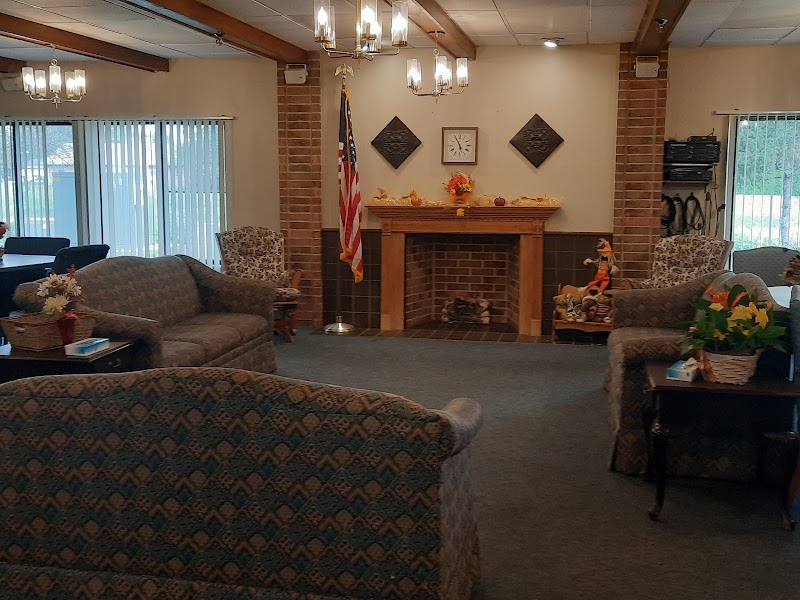
How is Heritage Center For Rehab And Speciality Care Staffed?

CMS rates HERITAGE CENTER FOR REHAB AND SPECIALITY CARE's staffing level at 4 out of 5 stars, which is above average compared to other nursing homes. Staff turnover is 36%, compared to the Ohio average of 46%. This relatively stable workforce can support continuity of care.

What Have Inspectors Found at Heritage Center For Rehab And Speciality Care?

State health inspectors documented 27 deficiencies at HERITAGE CENTER FOR REHAB AND SPECIALITY CARE during 2018 to 2025. These included: 4 that caused actual resident harm and 23 with potential for harm. Deficiencies causing actual harm indicate documented cases where residents experienced negative health consequences.
Who Owns and Operates Heritage Center For Rehab And Speciality Care?

HERITAGE CENTER FOR REHAB AND SPECIALITY CARE is owned by a for-profit company. For-profit facilities operate as businesses with obligations to shareholders or private owners. The facility is operated by HILLSTONE HEALTHCARE, a chain that manages multiple nursing homes. With 83 certified beds and approximately 56 residents (about 67% occupancy), it is a smaller facility located in MINSTER, Ohio.
How Does Heritage Center For Rehab And Speciality Care Compare to Other Ohio Nursing Homes?

Compared to the 100 nursing homes in Ohio, HERITAGE CENTER FOR REHAB AND SPECIALITY CARE's overall rating (2 stars) is below the state average of 3.2, staff turnover (36%) is significantly lower than the state average of 46%, and health inspection rating (2 stars) is below the national benchmark.

What Should Families Ask When Visiting Heritage Center For Rehab And Speciality Care?

Based on this facility's data, families visiting should ask: "What safeguards and monitoring systems are in place to protect residents from abuse or neglect?" "Can I visit during a mealtime to observe dining assistance and food quality?" "How do you handle medical emergencies, and what is your hospital transfer rate?" "Can I speak with family members of current residents about their experience?" These questions are particularly relevant given the substantiated abuse finding on record.

Is Heritage Center For Rehab And Speciality Care Safe?

Based on CMS inspection data, HERITAGE CENTER FOR REHAB AND SPECIALITY CARE has documented safety concerns. The facility has 1 substantiated abuse finding (meaning confirmed case of resident harm by staff or other residents). The facility has a 2-star overall rating and ranks #100 of 100 nursing homes in Ohio. Families considering this facility should ask detailed questions about what corrective actions have been taken since these incidents.

Do Nurses at Heritage Center For Rehab And Speciality Care Stick Around?

HERITAGE CENTER FOR REHAB AND SPECIALITY CARE has a staff turnover rate of 36%, which is about average for Ohio nursing homes (state average: 46%). Moderate turnover is common in nursing homes, but families should still ask about staff tenure and how the facility maintains care continuity when employees leave.

Was Heritage Center For Rehab And Speciality Care Ever Fined?

HERITAGE CENTER FOR REHAB AND SPECIALITY CARE has been fined $16,101 across 1 penalty action. This is below the Ohio average of $33,240. While any fine indicates a compliance issue, fines under $50,000 are relatively common and typically reflect isolated problems that were subsequently corrected. Families should ask what specific issues led to these fines and confirm they've been resolved.

Is Heritage Center For Rehab And Speciality Care on Any Federal Watch List?

HERITAGE CENTER FOR REHAB AND SPECIALITY CARE is not on any federal watch list. The most significant is the Special Focus Facility (SFF) program, which identifies the bottom 1% of nursing homes nationally based on persistent, serious quality problems. Not being on this list means the facility has avoided the pattern of deficiencies that triggers enhanced federal oversight. This is a positive indicator, though families should still review the facility's inspection history directly.