

OTTERBEIN MONCLOVA

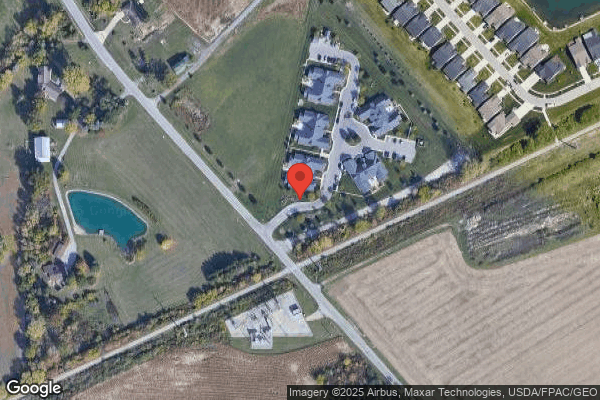
5069 OTTERBEIN WAY, MONCLOVA, OH 43542 (419) 878-0550
Government - Federal 60 Beds OTTERBEIN SENIORLIFE Data: November 2025
Trust Grade
30/100
#525 of 913 in OH
Last Inspection: March 2025

Within standard 12-15 month inspection cycle. Federal law requires annual inspections.

Overview

Otterbein Monclova has received a Trust Grade of F, indicating significant concerns about the care provided at this facility. It ranks #525 out of 913 nursing homes in Ohio, placing it in the bottom half, and #12 out of 33 in Lucas County, meaning there are only 11 nearby facilities that are better. Unfortunately, the situation appears to be worsening, with the number of issues increasing from 2 in 2024 to 12 in 2025. Staffing levels are average with a 3/5 rating, but the turnover rate is 48%, which is concerning as it is higher than the state average. Additionally, the facility has been fined $102,404, which is alarming and suggests repeated compliance issues. There are serious incidents that highlight specific areas of concern. For example, the facility failed to notify a physician about a resident's infected wound, leading to severe complications that required emergency treatment. Another incident involved a resident developing a stage four pressure ulcer due to inadequate monitoring of their wheelchair position. Additionally, one resident experienced significant weight loss due to the facility's failure to monitor and assess their nutritional needs as required. While some aspects of care, like quality measures, are rated excellent, these severe deficiencies reveal important areas that families should consider when researching this nursing home.

Trust Score
F
30/100
In Ohio
#525/913
Bottom 43%
Safety Record
High Risk
Review needed
Inspections
Getting Worse
2 → 12 violations
Staff Stability
⚠ Watch
48% turnover. Above average. Higher turnover means staff may not know residents' routines.
Penalties
⚠ Watch
$102,404 in fines. Higher than 86% of Ohio facilities, suggesting repeated compliance issues.
Skilled Nurses
⚠ Watch
Each resident gets only 23 minutes of Registered Nurse (RN) attention daily — below average for Ohio. Fewer RN minutes means fewer trained eyes watching for problems.
Violations
⚠ Watch
54 deficiencies on record. Higher than average. Multiple issues found across inspections.
★★★☆☆
3.0
Overall Rating
★★★☆☆
3.0
Staff Levels
★★★★★
5.0
Care Quality
★★☆☆☆
2.0
Inspection Score
Stable
2024: 2 issues
2025: 12 issues

The Good

  • 5-Star Quality Measures · Strong clinical quality outcomes
  • Full Sprinkler Coverage · Fire safety systems throughout facility
  • No fines on record

Facility shows strength in quality measures, fire safety.

The Bad

3-Star Overall Rating

Near Ohio average (3.2)

Meets federal standards, typical of most facilities

Staff Turnover: 48%

Near Ohio avg (46%)

Higher turnover may affect care consistency

Federal Fines: $102,404

Well above median ($33,413)

Significant penalties indicating serious issues

Chain: OTTERBEIN SENIORLIFE

Part of a multi-facility chain

Ask about local staffing decisions and management

The Ugly 54 deficiencies on record

3 actual harm
Mar 2025 12 deficiencies
CONCERN (D)

Potential for Harm - no one hurt, but risky conditions existed

Deficiency F0561 (Tag F0561)

Could have caused harm · This affected 1 resident

**NOTE- TERMS IN BRACKETS HAVE BEEN EDITED TO PROTECT CONFIDENTIALITY** Based on review of the medical record, resident interview, staff interview, the facility failed to ensure resident bathing prefe...

Read full inspector narrative →
**NOTE- TERMS IN BRACKETS HAVE BEEN EDITED TO PROTECT CONFIDENTIALITY** Based on review of the medical record, resident interview, staff interview, the facility failed to ensure resident bathing preferences were honored. This affected one (#32) of one resident reviewed for choices. The facility census was 54. Findings include: Review of the medical record for Resident #32 revealed an admission date of 06/21/24. Diagnoses included chronic obstructive pulmonary disease, type two diabetes mellitus, hypertension, and depressive disorder. Review of the quarterly Minimum Data Set (MDS) assessment dated [DATE] revealed the resident had intact cognition. The resident was dependent on staff for bathing. Review of the shower schedule revealed Resident #32 was scheduled for showers on Wednesdays and Saturdays on second shift. Review of the task bathing documentation from 01/01/25 through 03/25/25 revealed the resident was not provided a bath or shower on her preferred days on 01/08/25, 01/18/25, 01/29/25, 03/08/25, and 03/15/25. Further review of the task documentation revealed the type of bathing provided on other days when received was unknown as the staff do not document if the resident received a shower or bath in tasks in the electronic medical record. Review of the nurses progress notes dated 01/01/25 through 03/25/25 revealed the resident had not refused her showers on 01/08/25, 01/18/25, 01/29/25, 03/08/25, and 03/15/25. Interview on 03/24/25 at 10:07 A.M., Resident #32 revealed she preferred showers and had not received her showers as scheduled because the aides would tell her the shower chair was not available. Interview on 03/25/25 at 10:14 A.M., Certified Nursing Assistant (CNA) #292 revealed paper shower sheets were used to document whether a resident received a shower or a bed bath. CNA #292 revealed bathing was documented in the electronic medical record but not the type of bathing provided. Interview on 03/26/25 at 12:51 P.M., the Administrator revealed she was unable to provide the paper shower forms because they were not required and were not part of the medical record. Interview on 03/26/25 at 3:04 P.M., the Director of Nursing (DON) revealed the resident's bathing preference was listed at the top of the bathing task. The DON revealed the type of bathing received was not documented in the electronic medical record. The DON revealed when the nursing assistant signed the task as completed it also meant the resident's preference was honored. Interview on 03/26/25 at 3:26 P.M., CNA #211 revealed if a resident received a bedbath instead of a shower then it would be documented on the shower sheet but not in the electronic medical record. Interview on 03/26/25 at 6:36 P.M., CNA #347 revealed in the past the shower chair was not available and the resident was provided a bed bath instead of a shower. CNA #347 revealed bathing was documented in the medical record but not the type of bathing. CNA #347 revealed bed baths and showers were documented on paper shower forms. Interview on 03/26/25 at 3:26 P.M., CNA #211 revealed if a resident received a bedbath instead of a shower then it would be documented on the shower sheet but not in the electronic medical record. Interview on 03/27/25 at 7:32 A.M., the Administrator revealed the facility had no policy regarding resident choices but followed resident rights. Interview on 03/27/25 at 8:32 A.M., Licensed Practical Nurse (LPN) #227 verified there was no documentation showers were given on 01/08/25, 01/18/25, 01/29/25, 03/08/25, and 03/15/25 and stated the resident had a bed bath or shower on other days. LPN #227 revealed it could not be determined by the bathing documentation in the electronic medical record if the resident had received a bed bath or shower.
CONCERN (D)

Potential for Harm - no one hurt, but risky conditions existed

Notification of Changes (Tag F0580)

Could have caused harm · This affected 1 resident

**NOTE- TERMS IN BRACKETS HAVE BEEN EDITED TO PROTECT CONFIDENTIALITY** Based on review of the medical record, staff interview, and policy review, the facility failed to ensure a resident's representa...

Read full inspector narrative →
**NOTE- TERMS IN BRACKETS HAVE BEEN EDITED TO PROTECT CONFIDENTIALITY** Based on review of the medical record, staff interview, and policy review, the facility failed to ensure a resident's representative was notified of a change in condition. This affected one (#10) of one resident reviewed for notification of change of condition. The facility census was 54. Findings include: Review of the medical record for Resident #10 revealed an admission date of 01/24/24. Diagnoses included acute kidney failure, atrial fibrillation, and hypertensive heart disease. Review of the annual Minimum Data Set (MDS) assessment dated [DATE] revealed the resident had intact cognition. Review of a nurses note dated 03/25/25 at 3:04 P.M., Resident #10 requested to transfer to the emergency room for increased pain. The resident was offered alternative measures such as pain medication, repositioning, distraction but resident was adamant on going to the emergency room for further evaluation. Review of a nurses note dated 03/26/25 at 12:17 P.M. revealed no documentation the resident's power of attorney/family member was notified of the transfer to the hospital. Interview on 03/27/25 at 8:58 A.M., the Director of Nursing (DON) revealed the resident was his own responsible party. The DON stated in the last couple of years the resident had not been speaking to his family member. The DON verified there was no documentation of attempts to reach the resident's family member and no documentation the resident had requested for his family member not to be contacted. Review of the facility policy Notification of Change of Condition, revised 11/22/21, revealed the facility would notify the resident's representative when there was a need to alter treatment significantly or a decision to transfer or discharge the resident from the facility.
CONCERN (D)

Potential for Harm - no one hurt, but risky conditions existed

Comprehensive Care Plan (Tag F0656)

Could have caused harm · This affected 1 resident

**NOTE- TERMS IN BRACKETS HAVE BEEN EDITED TO PROTECT CONFIDENTIALITY** Based on observation, medical record review, and staff interview, the facility failed to ensure a nursing plan of care was imple...

Read full inspector narrative →
**NOTE- TERMS IN BRACKETS HAVE BEEN EDITED TO PROTECT CONFIDENTIALITY** Based on observation, medical record review, and staff interview, the facility failed to ensure a nursing plan of care was implemented to address a dependent resident need for assistance with activities of daily living including grooming. This affected one (#53) of 24 residents reviewed for the provision of hygiene and grooming in a facility census of 54. Findings include: Resident #53 admitted to the facility on [DATE] with the diagnoses including, cerebral infarction, type 2 diabetes mellitus, expressive language disorder, gastrostomy, and hypertension. According to the most current minimum data set assessment dated [DATE] noted Resident #53 assessed with severe cognitive impairment, limitation in range of motion to one side upper and lower extremity, dependent on staff for the completion of activities of daily living (ADL), incontinent of bowel and bladder, receives all nutrition via feeding tube, at risk for pressure ulcer development with no current skin breakdown. Observation on 03/24/25 at 9:43 A.M., and 03/25/25 at 6:08 A.M., 8:22 A.M., 11:39 A.M. 12:56 P.M. noted Resident #53 with long jagged fingernails with black/brown debris under the surface. On 03/25/25 at 2:05 P.M. interview with Certified Nurse Aide (CNA) #313 and CNA #274 verified Resident #53 was dependent for bathing and hygiene. Both CNA #313 and CNA #274 confirmed Resident #53 long jagged fingernails with black/brown debris under the surface and were unaware when his fingernails were most recently trimmed. On 03/26/25 at 2:45 P.M. interview with the Director of Nursing verified a nursing plan of care was not developed or contained in the medical record to address Resident #53 dependence on staff for the provision of ADL's.
CONCERN (D)

Potential for Harm - no one hurt, but risky conditions existed

ADL Care (Tag F0677)

Could have caused harm · This affected 1 resident

**NOTE- TERMS IN BRACKETS HAVE BEEN EDITED TO PROTECT CONFIDENTIALITY** Based on observation, medical record review, and staff interview, the facility failed to ensure dependent residents were provide...

Read full inspector narrative →
**NOTE- TERMS IN BRACKETS HAVE BEEN EDITED TO PROTECT CONFIDENTIALITY** Based on observation, medical record review, and staff interview, the facility failed to ensure dependent residents were provided with effective or sufficient assistance with activities of daily living including grooming. This affected two (#53 and #11) of 24 residents reviewed for the provision of hygiene and grooming. The facility census was 54. Findings include: 1. Resident #53 admitted to the facility on [DATE] with the diagnosis including, cerebral infarction, type 2 diabetes mellitus, expressive language disorder, gastrostomy, and hypertension. According to the most current minimum data set assessment dated [DATE] noted Resident #53 assessed with severe cognitive impairment, limitation in range of motion to one side upper and lower extremity, dependent on staff for the completion of activities of daily living, incontinent of bowel and bladder, receives all nutrition via feeding tube, at risk for pressure ulcer development with no current skin breakdown. Observation on 03/24/25 at 9:43 A.M., and 03/25/25 at 6:08 A.M., 8:22 A.M., 11:39 A.M. 12:56 P.M. noted Resident #53 with long jagged fingernails with black/brown debris under the surface. On 03/25/25 at 2:05 P.M. interview with Certified Nurse Aide (CNA) #313 and CNA #274 verified Resident #53 was dependent for bathing and hygiene. Both CNA #313 and CNA #274 confirmed Resident #53 long jagged fingernails with black/brown debris under the surface and were unaware when his fingernails were most recently trimmed. 2. Resident #11 admitted to the facility on [DATE] with the diagnoses including, muscular dystrophy, tortcollis ([NAME] neck), scoliosis, protein calorie malnutrition, morbid obesity, major depressive disorder, anxiety disorder, chronic peripheral venous insufficiency, and anemia. According to the most current minimum data set assessment dated [DATE] assessed Resident #11 with intact cognition, no behavior indicating resistance of care, dependent on staff for the completion of activities of daily living, incontinent of bowel and bladder, at risk for pressure ulcer development with two stage 4 pressure ulcers. On 07/01/22 a plan of care was revised to address Resident #11 activity of daily living self care and/or physical mobility performance deficit. Interventions included; use of medicated shampoo, requires one person assistance with bathing, total assistance with dressing, requires two staff for personal hygiene. Observation on 03/24/25 at 9:33 A.M., and on 03/25/25 at 6:11 A.M. and 11:17 A.M. noted Resident #11 with the same soiled shirt with food debris, heavy beard growth, unkept and matted hair, and long jagged finger nails. On 03/25/25 at 6:11 A.M. interview with Resident #11 revealed the resident would prefer to be clean shaven, but did not want staff to use a straight razor when shaving him. Interview on 03/25/25 at 11:45 A.M. with Licensed Practical Nurse (LPN) #352 verified Resident #11 lack of grooming, including bathing, shaving, and clean clothing.
CONCERN (D) 📢 Someone Reported This

A family member, employee, or ombudsman was alarmed enough to file a formal complaint

Potential for Harm - no one hurt, but risky conditions existed

Pressure Ulcer Prevention (Tag F0686)

Could have caused harm · This affected 1 resident

**NOTE- TERMS IN BRACKETS HAVE BEEN EDITED TO PROTECT CONFIDENTIALITY** 2. Resident #11 admitted to the facility on [DATE] with the diagnoses including, muscular dystrophy, tortcollis ([NAME] neck), s...

Read full inspector narrative →
**NOTE- TERMS IN BRACKETS HAVE BEEN EDITED TO PROTECT CONFIDENTIALITY** 2. Resident #11 admitted to the facility on [DATE] with the diagnoses including, muscular dystrophy, tortcollis ([NAME] neck), scoliosis, protein calorie malnutrition, morbid obesity, major depressive disorder, anxiety disorder, chronic peripheral venous insufficiency, and anemia. According to the most current minimum data set assessment dated [DATE] assessed Resident #11 with intact cognition, no behavior indicating resistance of care, dependent on staff for the completion of activities of daily living, incontinent of bowel and bladder, at risk for pressure ulcer development with two stage 4 pressure ulcers. On 10/09/24 a nursing plan of care was revised to address Resident #11 actual skin impairment related to immobility. Interventions included the following; administer treatments as ordered and monitor for effectiveness. Follow policies/protocols for prevention and treatment of skin breakdown. If resident refuses treatment confer with resident, interdisciplinary team, and family to determine why and try alternative methods to gain compliance. Document alternative methods. According to the medical record on 10/25/24 a physician order was implemented to Resident #11 stage four (IV) pressure ulcers to his lower back and right upper back. The order directed to cleanse with house wound cleanser, then apply Hydrofera Blue (wet with normal saline if hard foam) and apply to wound bed, cover with silicone bordered foam. Complete every two days in the morning. Review of wound physician evaluation dated 03/20/25 noted Resident #11 assessed with a Stage 4 pressure wound to the right medial upper back with full thickness. Duration was greater than 1089 days, healing potential poor, cluster measurements included; 2.0 centimeters (cm) long by (x) 6.0 cm wide x 0.2 cm deep with moderate serosanguinous drainage. Additionally, a Stage 4 pressure wound to right lower back with full thickness. Duration was greater than 628 days, healing potential poor, cluster measurements included; 6.0 cm x 4.0 cm x 0.1 cm with moderate serosanguinous drainage. Observation on 03/25/25 at 11:17 A.M. noted Licensed Practical Nurse (LPN) #352 attempt to complete skin impairment dressing changes. LPN #352 completed a non-pressure wound dressing change to Resident #11 right arm. Following the dressing change Resident #11 refused to have the stage IV pressure ulcers changed due to anxiety and pain. Review of the medical record lacked documentation or attempts to re-approach Resident #11 to complete the stage IV pressure ulcer wound dressing changes. No documentation indicated the physician was notified of the wound dressing change refusal. On 03/26/25 at 9:40 A.M. interview with LPN #305 revealed she assumed care of Resident #11 at 6:30 A.M. LPN #305 indicated she was unaware Resident #11 had refused the pressure ulcer wound dressing change the previous day or if the dressing had been changed following the refusal. Review of medical record at the time verified no documentation indicating the physician was notified or the refusal or attempts to re-approach resident to change the wound dressing. Observation on 03/26/25 at 11:07 A.M. with LPN #305, Certified Nurse Aide (CNA) #274, and CNA #266 noted Resident #11 to transfer from recliner to bed. Resident #11 shirt was noted with a large amount of drainage clinging to his back. The dressings applied to Resident #11 back were dated 03/23 with yellow green drainage penetrating to dressings. LPN #305 proceeded to obtain wound cleansing solution and moistened the existing dressing, which was clinging to the wound. As LPN #305 pealed the dressing away from the wound a moderate amount of yellow/green drainage was observed on the dressings and caused fresh bleeding. LPN #305 proceeded to discard the existing dressings, cleanse the wounds and applied a new dressing. On 03/26/25 immediately following the wound dressing change LPN #305 confirmed the dressing had not been changed since 03/23/25 as documented in the medical record. Review of facility Skin Care Management Procedure dated revised 12/09/22. Staff should remain alert to potential changes in the skin condition and should evaluate and document identified changes. An evaluation of the dressing if present, is it intact, is there drainage or leakage. Determination of the need for a dressing for an ulcer is based upon the individual practitioner ' s clinical judgment and facility protocols based upon current professional standards of practice. The physician will be notified of all skin areas of concern and consulted for treatment orders. The physician will be notified of risk factors and the development of any area of concerns and consulted for treatment orders. This deficiency represents non-compliance investigated under Complaint Number OH00162263. Based on observation, resident interview, staff interview, review of medical record, and review of facility policy, the facility failed to ensure interventions were in place to promote healing of pressure ulcers. This affected two residents (#8 and #11) of four residents (#8, #10, #11, and #30) reviewed for pressure ulcers. The facility census was 54. Findings include: 1. Review of the medical record for Resident #8 revealed an admission date of 03/15/25 with diagnoses including stage four sacral pressure ulcer, multiple sclerosis (MS), type two diabetes mellitus (DM2), paraplegia, depression, gastro-esophageal reflux disease (GERD), colostomy, neuromuscular dysfunction of bladder, insomnia, anemia, hypertension (HTN), hyperlipidemia, chronic pain syndrome, morbid obesity, non-pressure chronic ulcer of part of left lower leg with unspecified severity, non-pressure chronic ulcer of right ankle with unspecified severity, non-pressure chronic ulcer of buttock with unspecified severity, bullous pemphigoid, urinary tract infection (UTI), unspecified open wound of left ankle, and need for assistance with personal care. Review of the most Medicare Five Day Minimum Data Set (MDS) assessment, dated 03/20/25, revealed a Brief Interview of Mental Status (BIMS) score of 15, indicating Resident #8's cognition was intact. Concurrent review of the MDS assessment revealed Resident #8 revealed she was dependent for all of her functional abilities, including rolling left and right. Observation on 03/24/25 at 11:43 A.M. revealed Resident #8 was laying on her back in her bed. Observation on 03/25/25 at 7:44 A.M. revealed Resident #8 was laying on her back in her bed. Observation on 03/25/25 at 9:53 A.M. revealed Resident #8 was laying on her back in her bed. Observation on 03/25/25 at 11:27 A.M. revealed Resident #8 was laying on her back in her bed. Observation on 03/25/25 at 1:05 P.M. revealed Resident #8 was laying on her back in her bed. Observation on 03/25/25 at 3:09 P.M. revealed Resident #8 was laying on her back in her bed. Observation on 03/26/25 at 6:58 A.M. revealed Resident #8 was laying on her back in her bed. Observation on 03/26/25 beginning at 7:00 A.M. and continuing until 9:30 A.M. revealed Resident #8 was in her room laying on her back and no staff entered her room to turn and reposition the resident. Observation on 03/26/25 at 10:04 A.M. revealed Resident #8 was laying on her back in her bed. Observation on 03/27/25 at 7:10 A.M. revealed Resident #8 was laying on her back in her bed. Interview on 03/25/25 at 3:09 P.M. with Resident #8 revealed staff does not turn and reposition her every two hours. Interview on 03/25/26 at 3:44 P.M. with Certified Nursing Assistant (CNA) #304 revealed she offers to turn and reposition Resident #8 two to three times in her eight-hour shift. Interview on 03/26/25 at 10:31 A.M. with Licensed Practical Nurse (LPN) #350 revealed no aides have reported to her that Resident #8 is refusing to be turned and repositioned. Review of Resident #8's most recent Braden Scale (a tool to evaluate a resident's risk of developing pressure ulcers) Assessment, dated 03/16/25, revealed a score of 14, indicating she was at moderate risk for developing pressure ulcers. Review of the care plan for Resident #8 revealed she has actual skim impairments/pressure ulcer and at risk for additional breakdown related to decreased mobility, a sacrum: stage IV pressure and a stage 3 pressure to right buttock and thigh. The outcome listed for this care area is pressures ulcers will show signs of healing and remain free from infection by the next review date. An intervention dated 06/07/22 revealed the resident needed monitoring, reminding, and assistance to turn and reposition at least every two hours, and more often as needed or requested. Further review of the medical record for the previous three months revealed no documentation that Resident #8 refused to be turned and repositioned. Review of the facility policy titled Skin Care Management, dated 12/09/22, revealed staff should remain alert to potential changes in the skin condition and should evaluate and document identified changes.
CONCERN (D)

Potential for Harm - no one hurt, but risky conditions existed

Deficiency F0688 (Tag F0688)

Could have caused harm · This affected 1 resident

**NOTE- TERMS IN BRACKETS HAVE BEEN EDITED TO PROTECT CONFIDENTIALITY** Based on observation, medical record review, and staff interview, the facility failed to ensure devices to prevent contractures ...

Read full inspector narrative →
**NOTE- TERMS IN BRACKETS HAVE BEEN EDITED TO PROTECT CONFIDENTIALITY** Based on observation, medical record review, and staff interview, the facility failed to ensure devices to prevent contractures were applied in accordance with physician orders. This affected one resident (#53) reviewed for the application of range of motion interventions. The facility census was 54. Findings include: Resident #53 admitted to the facility on [DATE] with the diagnoses including, cerebral infarction, type 2 diabetes mellitus, expressive language disorder, gastrostomy, and hypertension. According to the most current minimum data set assessment dated [DATE] noted Resident #53 assessed with severe cognitive impairment, limitation in range of motion to one side upper and lower extremity, dependent on staff for the completion of activities of daily living, incontinent of bowel and bladder, receives all nutrition via feeding tube, at risk for pressure ulcer development with no current skin breakdown. On 03/02/25 a physician order was initiated for the application of a right hand splint to be on during the day and off at bed time (HS). Review of the medical record lacked documentation indicating the right hand splint was applied as ordered. Observations on 03/24/25 at 2:24 P.M., and 03/25/25 at 6:08 A.M., 8:22 A.M., 11:39 A.M., 12:56 P.M. noted Resident #53 in bed without the right hand splint applied. On 03/25/25 at 2:05 P.M. interview with Certified Nurse Aide (CNA) #313 and CNA #274 stated they were unaware of Resident #53 splint, an application schedule, or what staff was to apply the splint. CNA #274 verified the splint was not applied during the shift. Interview on 03/25/25 at 2:08 PM with Licensed Practical Nurse (LPN) #352 confirmed assigned to Resident #53 care on 03/25/25 between 6:30 A.M. and 6:30 P.M. LPN #352 verified the splint was not applied during her shift and was unaware the splint was to be applied. Observation on 03/26/25 at 6:02 A.M. noted Resident #53 in bed with the right hand splint applied. On 03/26/25 at 6:13 A.M. interview with CNA #346 revealed CNA #346 assumed care of Resident #53 between 10:30 P.M. on 03/25/25, and 6:30 A.M. on 03/26/25. CNA #346 was unaware of Resident #53's splint and that it was to be applied through the night. Review of the electronic care card with CNA #346 lacked evidence of Resident #53 having a splint or instructions regarding the application of the splint.
CONCERN (D)

Potential for Harm - no one hurt, but risky conditions existed

Accident Prevention (Tag F0689)

Could have caused harm · This affected 1 resident

**NOTE- TERMS IN BRACKETS HAVE BEEN EDITED TO PROTECT CONFIDENTIALITY** Based on review of the medical record, observation, resident interview, staff interview, and policy review, the facility failed ...

Read full inspector narrative →
**NOTE- TERMS IN BRACKETS HAVE BEEN EDITED TO PROTECT CONFIDENTIALITY** Based on review of the medical record, observation, resident interview, staff interview, and policy review, the facility failed to ensure medications were secured and not left at the bedside. This affected one (#19) of seven residents reviewed for medications and had the potential to affect two residents the facility identified as cognitively impaired and independently mobile. The facility census was 54. Findings include: Review of the medical record for Resident #19 revealed an admission date of 06/21/24. Diagnoses included dysphagia following cerebrovascular disease, heart failure, chronic respiratory failure, chronic kidney disease, and dementia. Review of the quarterly Minimum Data Set (MDS) assessment dated [DATE] revealed the resident had impaired cognition. The resident required substantial/maximal assistance with eating. Review of the malnutrition risk care plan last revised 02/14/25 revealed to provide one to one supervision with meals/snacks/fluids. Review of a physician order dated 03/24/25 revealed the resident's medication could be combined, crushed, and administered together. The resident had no orders to self-administer medications. Observation on 03/24/25 at 9:10 A.M. revealed the resident was lying in bed. On the bedside table was a medication cup with a spoon containing medications mixed in pudding. Interview on 03/24/25 at 9:10 A.M., the resident revealed the night nurse had left his medications and had not returned. Interview on 03/24/25 at 9:11 A.M., Licensed Practical Nurse (LPN) #305 revealed she had not yet administered medication to the resident this morning. LPN #305 revealed the medications were left by the previous shift nurse. Interview on 03/26/25 at 7:56 A.M., with LPN #215 verified leaving the medication unattended with the resident. LPN #215 revealed she usually left the medications with the resident and would go back later to check if the resident took the medication but on this day she forgot to go back and check. Review of the policy Medication Administration Procedure, revised 11/09/21, revealed the resident would be observed after administration to ensure the dose was completely ingested.
CONCERN (D)

Potential for Harm - no one hurt, but risky conditions existed

Incontinence Care (Tag F0690)

Could have caused harm · This affected 1 resident

**NOTE- TERMS IN BRACKETS HAVE BEEN EDITED TO PROTECT CONFIDENTIALITY** Based on review of the medical record, observation, staff interview, resident interview, and review of a skills procedure, the f...

Read full inspector narrative →
**NOTE- TERMS IN BRACKETS HAVE BEEN EDITED TO PROTECT CONFIDENTIALITY** Based on review of the medical record, observation, staff interview, resident interview, and review of a skills procedure, the facility failed to ensure an appropriate diagnosis for the continued use of an indwelling urinary catheter and failed to ensure catheter tubing was secured. This affected one (#48) of two residents reviewed for urinary catheters. The facility identified seven residents with indwelling urinary catheters. The facility census was 54. Findings include: Review of the medical record for Resident #48 revealed an admission date of 02/13/25. Diagnoses included acute and chronic respiratory failure, depressive disorder, urinary tract infection, anxiety, chronic kidney disease stage three, and chronic obstructive pulmonary disease. Review of the admission Minimum Data Set (MDS) assessment dated [DATE] revealed the resident had intact cognition. The resident was dependent for toileting hygiene and occasionally incontinent of bowel and bladder. The resident had an indwelling urinary catheter. Review of the physician orders dated 02/14/25 revealed the resident had a 16 French urinary catheter change as needed. There were no orders for securing the urinary catheter tubing. There was no diagnosis to support the catheter use. Review of the care plan initiated 02/14/25 revealed the resident had a urinary catheter. There were no guidelines for securing the catheter tubing. Interview on 03/25/25 at 9:53 A.M., with Resident #48 and her family member revealed the resident could not stand to be wet from incontinence and needed the catheter because she frequently had to go to the bathroom and was concerned about skin breakdown. The resident revealed not wanting the catheter removed. Observation on 03/25/25 at 11:16 A.M. of Resident #48 revealed Certified Nursing Assistant (CNA) #351 and CNA #271 provided catheter care for the resident. The resident had no device to secure the catheter tubing. Interview on 03/25/25 at 11:16 A.M., CNA #351 and CNA #271 verified the resident's indwelling catheter tubing was not secured. Interview on 03/26/25 at 9:32 A.M., the Director of Nursing (DON) revealed the resident had a diagnoses of urinary retention from the hospital. The DON revealed the physician wanted the resident's catheter removed but the resident continued to refuse the removal of the catheter. The DON revealed the resident had been educated on the risks of not removing the catheter. Review of the undated facility 2025 Skills Checklist Indwelling Urinary Catheter Care and Management, revealed to ensure the catheter was secured properly.
CONCERN (D)

Potential for Harm - no one hurt, but risky conditions existed

Infection Control (Tag F0880)

Could have caused harm · This affected 1 resident

**NOTE- TERMS IN BRACKETS HAVE BEEN EDITED TO PROTECT CONFIDENTIALITY** Based on review of the medical record, observation, staff interview, review of facility skills checklist and policy review, the ...

Read full inspector narrative →
**NOTE- TERMS IN BRACKETS HAVE BEEN EDITED TO PROTECT CONFIDENTIALITY** Based on review of the medical record, observation, staff interview, review of facility skills checklist and policy review, the facility failed to ensure infection control standards were in place. This affected one (#48) of two residents reviewed for indwelling catheters. The facility identified seven residents with indwelling urinary catheters. The facility census was 54. Findings include: Review of the medical record for Resident #48 revealed an admission date of 02/13/25. Diagnoses included acute and chronic respiratory failure, depressive disorder, urinary tract infection, anxiety, chronic kidney disease stage three, and chronic obstructive pulmonary disease. Review of the admission Minimum Data Set (MDS) assessment dated [DATE] revealed the resident had intact cognition. The resident was dependent for toileting hygiene and occasionally incontinent of bowel and bladder. The resident had an indwelling urinary catheter. Review of the physician orders dated 02/14/25 revealed the resident had a 16 French urinary catheter change as needed. There were no orders for placement of the drainage bag. Further review of the physician orders revealed the resident had orders for enhanced barrier precautions (EBP). Observation on 03/24/25 at 9:27 A.M. revealed the resident's catheter drainage bag was lying on the floor beneath the recliner chair. Interview on 03/24/25 at 9:29 A.M., Licensed Practical Nurse (LPN) #221 verified the resident's urinary catheter drainage bag was on the floor underneath the resident's recliner chair. Observation on 03/25/25 at 11:16 A.M. of Resident #48 revealed the resident had a enhanced barrier precaution sign on the entry door frame. Certified Nursing Assistant (CNA) #351 and CNA #271 provided catheter care for the resident wearing gloves but no other personal protective equipment including a gown. Interviews on 03/25/25 at 11:21 A.M. with CNA #351 and CNA #271 verified they were not wearing gowns while providing catheter care. Review of the undated facility 2025 Skills Checklist Indwelling Urinary Catheter Care and Management, revealed to ensure the drainage bag was below the left of the resident's bladder but off of the floor. Review of the facility policy Isolation Precautions Process, dated 12/2009 revealed enhanced barrier precautions (EBP) were used for residents with wounds and/or indwelling medical devices including catheters. EBP included the use of gloves and gowns during high-contact resident care including dressing, bathing/showering, changing linens, transferring, providing hygiene, toileting, device care, and wound care.
CONCERN (D) 📢 Someone Reported This

A family member, employee, or ombudsman was alarmed enough to file a formal complaint

Potential for Harm - no one hurt, but risky conditions existed

Safe Environment (Tag F0921)

Could have caused harm · This affected 1 resident

Based on observation, review of the facility electronic medical record (EMR), resident interview, and staff interview, the facility failed to provide a sanitary and comfortable environment. This affec...

Read full inspector narrative →
Based on observation, review of the facility electronic medical record (EMR), resident interview, and staff interview, the facility failed to provide a sanitary and comfortable environment. This affected two (#33 and #212) residents of five (#11, #18, #33, #35, and #212) residents reviewed for environment. The facility census was 54. Findings include: 1. Review of the EMR for resident #33 revealed an admission date of 06/12/22 with diagnoses including congestive heart failure (CHF), type two diabetes mellitus (DM2), hypertension (HTN), hyperlipidemia, paranoid schizophrenia, atherosclerotic heart disease of native coronary arteries, gastro-esophageal reflux disease (GERD), neuromuscular dysfunction of bladder, and constipation. Review of the most recent Quarterly Minimum Data Set (MDS) assessment, dated 02/12/25, revealed a Brief Interview of Mental Status (BIMS) score of 15, indicating Resident #33 was cognitively intact. Observation on 03/24/25 at 9:12 A.M. of Resident #33's room revealed the windowsill on the bottom of her window was missing and the wind could be heard and felt blowing in, damaged door trim, damaged paint, and an unidentified brown substance splattered and dried onto the doorframe entering the restroom as well as the waste receptacle in the resident restroom. Concurrent observation also revealed debris (hair, food crumbs, and trash) on the floor throughout Resident #33's room. Interview on 03/24/25 at 9:25 A.M. with Licensed Practical Nurse (LPN) #221 verified these findings. 2. Review of the EMR for Resident #212 revealed an admission date of 03/03/25 with diagnoses including aftercare following joint replacement surgery, hyperlipidemia, hypertensive heart disease and chronic kidney disease (CKD), atherosclerotic heart disease, atrial fibrillation (a. fib), vitamin B deficiency, other specified disorders of bone density and structure, depression, hypertension (HTN), gastro-esophageal reflux disease (GERD). Review of the most recent Medicare Five Day Minimum Data Set (MDS) assessment, 03/17/25, revealed a Brief Interview of Mental Status (BIMS) score of 12, indicating Resident #212's cognitive was moderately impaired. Observation on 03/24/25 at 9:39 A.M. revealed damaged paint on the entryway into Resident #212's restroom. Concurrent observation revealed Resident #212's restroom was unkept, with two cups on the restroom floor, a towel on the restroom floor, a towel sitting on a shower chair in the shower, and generalized debris (paper and hair) on the restroom floor. Interview at the time of observation with Resident #212 revealed she took a shower the night prior, on 03/23/25, and the towels remained in the restroom from that time. Interview on 03/24/25 at 9:47 A.M. with Certified Nursing Assistant (CNA) #308 verified these findings. This deficiency represents non-compliance investigated under Complaint Number OH00162138.
CONCERN (E)

Potential for Harm - no one hurt, but risky conditions existed

Menu Adequacy (Tag F0803)

Could have caused harm · This affected multiple residents

Based on observation, staff interview, and review of facility menu, the facility failed to ensure the approved menu was followed as indicated. This affected 12 residents ( #1, #6, #9, #15, #16, #18, #...

Read full inspector narrative →
Based on observation, staff interview, and review of facility menu, the facility failed to ensure the approved menu was followed as indicated. This affected 12 residents ( #1, #6, #9, #15, #16, #18, #21, #29, #30, #37, #47, #52) residing in home number 85. The facility census was 54. Findings include: Observation on 03/24/25 at 12:30 P.M. noted Certified Nurse Aides (CNA) #285 and CNA #351 providing the lunch meal to residents residing in the home. CNA #351 stated the previous weeks menu was posted and those meal items listed were not available. CNA #351 stated no current menu was available and the CNA's were serving residents various items available in the kitchen. CNA #351 and CNA #285 stated they were giving residents the following items; choice of one fish filet, hand full tater (potato) tots, if residents did not want tater tots residents were provided an extra fish filet. Residents were also given, some, potato salad and cut up strawberries. For residents not getting fish the were getting either turkey cold cut sandwich, or a peanut butter and jelly sandwich. Review of facility menu for 03/24/25 lunch noted the following items to be served; three ounce cheeseburger on bun with lettuce, tomato, onion, pickle, four ounces potato salad, four ounces strawberries with whipped cream. On 03/24/25 at 12:46 P.M. interview with Dietetic Technician (DT) #265 verified the home was not following a menu or dietitian calculated portion sizes. Additional interview on 03/25/25 at 09:00 A.M. interview with DT #265 identified 12 of 12 residents ( #1, #6, #9, #15, #16, #18, #21, #29, #30, #37, #47, #52) residing in the home that received meals from the facility kitchen.
CONCERN (E)

Potential for Harm - no one hurt, but risky conditions existed

Food Safety (Tag F0812)

Could have caused harm · This affected multiple residents

**NOTE- TERMS IN BRACKETS HAVE BEEN EDITED TO PROTECT CONFIDENTIALITY** Based on observation, staff interview, and review of facility policy, the facility failed to follow proper sanitation and food s...

Read full inspector narrative →
**NOTE- TERMS IN BRACKETS HAVE BEEN EDITED TO PROTECT CONFIDENTIALITY** Based on observation, staff interview, and review of facility policy, the facility failed to follow proper sanitation and food storage practices. This had the potential to affect all residents who eat food from the facility kitchens. The facility identified that all residents receive food from the facility kitchens. The facility census is 54. Findings include: 1. Observation of the kitchen in house 5069 on 03/24/25 between 7:51 A.M. and 8:05 A.M. revealed the built-in oven under the microwave was dirty with generalized grime and dirt covering the sides and bottom of the oven, butter stored on the counter by the stove, 15 strips of cooked bacon on a plate on the stove-top on a plate, and approximately two cups of scrambled eggs in a bowl. Neither the butter, cooked bacon, or scrambled eggs were stored in a manner to ensure appropriate holding temperatures were maintained to ensure food safety, two packages of Egg-O waffles, one containing five waffles and the other containing six waffles, were both open, unsealed, and undated in the side-by-side freezer in the kitchen, a 64-ounce bag of French fries, approximately two-thirds used, was open, unsealed, and undated, the electronic freezer thermometer in the side-by-side freezer in the kitchen revealed it was not registering a temperature due to low battery, a dirty bottom shelf in the refrigerator in the storage room, one 20-ounce can of [NAME] brand apple pie filling with a dent on the top ring and a dent on the bottom ring, a foul odor was emanating from the dishwasher in the kitchen. Interview with Certified Nursing Assistant (CNA) #276 at the time of observation verified these findings. 2. Observation of the kitchen in house 5076 on 03/24/25 between 9:49 A.M. and 10:03 A.M. revealed the bottom of the in the storage area was dirty, the floor of the refrigerator in the kitchen is dirty, the built-in oven under the microwave was dirty with generalized grime and dirt covering the sides and bottom of the oven, the free-standing standard stove and oven had a dirty oven, and cabinet door faces are dirty throughout the kitchen. Interview with Licensed Practical Nurse (LPN) #221 at the time of observation verified these findings. 3. Observation of the kitchen in house 5090 on 03/24/25 between 10:13 A.M. and 10:21 A.M. revealed the bottom of the refrigerator in the storage area was dirty, bottom shelf in the stand up freezer is dirty, floor in kitchen storage room was dirty (paper and food), one 15-ounce can of beets with a dent in bottom ring, one 19-ounce can of red enchilada sauce with a dent in the side of the can, the built-in oven under the microwave was dirty with generalized grime and dirt covering the sides and bottom of the oven, the free-standing standard stove and oven had a dirty oven. Interview with CNA #298 at the time of discovery verified these findings. Review of the facility policy titled, Food Storage Policy & Procedure, dated 10/01/09 revealed all food is to be stored, labeled, and dated properly to assure stock rotation and prevent food illness.
Dec 2024 2 deficiencies
CONCERN (E) 📢 Someone Reported This

A family member, employee, or ombudsman was alarmed enough to file a formal complaint

Potential for Harm - no one hurt, but risky conditions existed

Safe Environment (Tag F0921)

Could have caused harm · This affected multiple residents

Based on observation and staff interview, the facility failed to maintain a clean and sanitary environment. This had the potential to affect all residents except 12 (#13, #58, #59, #60, #61, #62, #63,...

Read full inspector narrative →
Based on observation and staff interview, the facility failed to maintain a clean and sanitary environment. This had the potential to affect all residents except 12 (#13, #58, #59, #60, #61, #62, #63, #64, #65, #66, #67, and #68) residents residing in House #5. The facility census was 57. Findings include: 1. Observation and interview on 12/24/24 at 1:36 P.M. with Maintenance Director (MD) #301 in House #1 revealed a kitchen cabinet under the sink. Further observation revealed the floor of the cabinet was collapsed and the veneer was separated from the particle board on the floor of the cabinet. The cabinet measured approximately three feet and 10 inches wide. MD #301 confirmed the back wall of the cabinet was modified to allow for plumbing and therefore the back wall did not touch the base or side walls of the cabinet. MD #301 confirmed approximately three inches of drywall were visible between the cabinet floor and the bottom of the back wall. MD #301 confirmed a black and dark brown substance was visible on the drywall across the three feet and 10 inch width of the cabinet. In some areas the substance fully coated the drywall and no white of the drywall was visible. In other areas the black and dark brown substance appeared spotted. The black and dark brown substance appeared flat to the wall and did not appear to be raised. There was a musty odor which came from the cabinet. MD #301 stated he believed the musty odor came from the collapsed base of the cabinet and stated he believed the base collapsed due to excessive weight, although MD #301 further confirmed the veneer was separated from the particle board. The cabinet contained two plungers and a bottle of dish soap. 2. Observation and interview on 12/24/24 at 2:08 P.M. with MD #301 in House #4 confirmed the cabinet under the kitchen sink was built to reveal drywall between the base and the back of the cabinet spanning the width of the cabinet and was approximately two inches high. Further observation revealed a light brown substance on the drywall covering approximately six inches wide and one inch high. Observed on the light brown substance were white, black, and gray pinpoint-sized spots. MD #301 peeled the brown off the wall, revealing white drywall beneath. MD #301 stated the brown color was the drywall discolored and peeling. 3. Observation and interview on 12/24/24 at 2:15 P.M. with MD #301 in House #3 confirmed the cabinet under the kitchen sink was built to reveal drywall between the base and the back of the cabinet spanning the width of the cabinet and was approximately two inches high. Further observation revealed an area approximately 12 inches wide and two inches high with light brown discoloration on the drywall. On the light brown areas were grey and black pinpoint spots. MD #301 confirmed the brown spotted areas and stated the drywall had been wet at some point but was dry during the current observation. Inside the cabinet were towels, scrub pads, and dishwasher soap. 4. Observation and interview on 12/24/24 at approximately 2:20 P.M. with MD #301 in House #2 confirmed the cabinet under the kitchen sink was built to reveal drywall between the base and the back of the cabinet spanning the width of the cabinet and was approximately two inches high. Further observation revealed an area approximately two feet wide and two inches high with light brown discoloration on the drywall. On the light brown areas were gray and black pinpoint spots. MD #301 confirmed the brown spotted areas on the drywall. MD #301 further confirmed pieces of drywall, approximately one to two inches in diameter, were at the back of the cabinet. The cabinet contained several bottles of dishwashing liquid. This deficiency represents non-compliance investigated under Complaint Number OH00160297.
CONCERN (F) 📢 Someone Reported This

A family member, employee, or ombudsman was alarmed enough to file a formal complaint

Potential for Harm - no one hurt, but risky conditions existed

Food Safety (Tag F0812)

Could have caused harm · This affected most or all residents

Based on observation, staff interview, and review of the facility policy, the facility failed to ensure food was stored in a safe and sanitary manner. This had the potential to affect all 57 residents...

Read full inspector narrative →
Based on observation, staff interview, and review of the facility policy, the facility failed to ensure food was stored in a safe and sanitary manner. This had the potential to affect all 57 residents in the facility. The census was 57. Findings include: 1. Observation on 12/24/24 at 8:15 A.M. in House #4 revealed a refrigerator with an opened and undated carton of broccoli soup, an opened and undated carton of potato soup, and a plastic reusable bag of food without a label or date. Further observation of a second refrigerator revealed what appeared to be several paper towels lying flat underneath the bottom drawer with a pinkish/red tint to them. Interview and observation on 12/24/24 at approximately 8:20 A.M. with Certified Nurse Aide (CNA) #101 confirmed the food items were opened, unlabeled, and undated. CNA #101 further confirmed the item under the bottom drawer of the refrigerator appeared to be paper towels and were pink/red in color. 2. Observation on 12/24/24 at 8:30 A.M. in House #2 revealed a refrigerator in the kitchen area with an opened and undated container of commercial macaroni salad with a puffed-up lid, an opened container of chicken tortilla soup dated 12/08/24, a container of cream cheese with a green substance growing on it, and a gallon milk container with an expiration date of 12/07/24. Continued observation of the refrigerator in the pantry of House #2 revealed a large reusable container of food without a label or date, and a black plastic container (similar to a restaurant take-home container) without a label or date. Additionally, the bottom drawer of the refrigerator had a dried substance that was pink in color. Interview and observation on 12/24/24 at 8:36 A.M. with CNA #102 confirmed the refrigerated items were unlabeled and expired, and further confirmed the dried substance in the bottom drawer appeared to have possibly been dried blood from leaking meat. 3. Observation and interview on 12/24/24 at 8:55 A.M. with CNA #103 in House #5 revealed a refrigerator in the kitchen area with an opened and undated bottle of apple juice, an opened container of sliced roast beef lunch meat with a tear in the seal and with a best if used by date of 09/24/24, a re-sealable bag containing food without a label or date, and a large undated metal bowl covered with aluminum foil containing chocolate pudding. Further observation of a refrigerator in the pantry area revealed a dried pink substance in the bottom drawer with a container of grapes, and an undated and opened container of apple juice. CNA #103 stated she just opened the apple juice in the first refrigerator for breakfast and confirmed it was undated. CNA #103 further confirmed the additional undated and expired items in both refrigerators. 4. Observation and interview on 12/24/24 at 9:15 A.M. with CNA #104 in House #1 revealed a refrigerator in the kitchen area containing a sipper cup containing an off-white liquid. The sipper cup was unlabeled. Further observation and interview confirmed an opened and undated container of potato soup, a bowl of ground meat covered in plastic wrap without a label or date, and an opened container of commercial potato salad dated 12/08/24. CNA #104 stated she believe the sipper cup contained a nutrition supplement and confirmed it was undated and unlabeled. 5. Observation and interview on 12/24/24 at 9:49 A.M. with Life Enrichment Coordinator (LEC) #302 in House #3 confirmed the refrigerator in the kitchen area contained apple juice dated 11/01/24, and contained an opened and undated container of chicken broth. Further interview and observation with LEC #302 confirmed the refrigerator in the pantry area contained actual liquid at the bottom of the bottom drawer along with a wrapped ham. LEC #302 further confirmed the pantry contained a plastic tub of flour that was open to air, a scoop inside a container of oatmeal, and a bag of hamburger buns was open to air. Interview on 12/24/24 at 11:38 A.M. with Dietetic Technician (DT) #303 revealed each food item should have a delivery date and an opened date. Additionally, leftover food should be thrown out after four days and opened packaged food should be thrown out after four to seven days. Interview on 12/24/24 at approximately 3:00 P.M. with the Administrator revealed all 57 residents in the facility received food from the kitchen. Review of the policy titled, Food Storage Policy & Procedure, revised 05/2013, revealed bulk foods, such as flour, may be stored in a clean, covered container. Further review revealed prepared food should be should be covered, labeled and dated and should be used within four to seven days after the food was prepared. This deficiency represents non-compliance investigated under Complaint Number OH00160297.
Nov 2023 4 deficiencies 2 Harm
SERIOUS (G) 📢 Someone Reported This

A family member, employee, or ombudsman was alarmed enough to file a formal complaint

Actual Harm - a resident was hurt due to facility failures

Quality of Care (Tag F0684)

A resident was harmed · This affected 1 resident

**NOTE- TERMS IN BRACKETS HAVE BEEN EDITED TO PROTECT CONFIDENTIALITY** Based on review of the medical record, staff interviews and policy review, the facility failed to timely notify the physician of...

Read full inspector narrative →
**NOTE- TERMS IN BRACKETS HAVE BEEN EDITED TO PROTECT CONFIDENTIALITY** Based on review of the medical record, staff interviews and policy review, the facility failed to timely notify the physician of signs and symptoms of a wound infection leading to a delay in treatment. This resulted in actual harm when Resident #23's toe wound began to show signs and symptoms of infection and the facility staff had not notified the physician. Resident #23 required care from the emergency room for treatment of osteomyelitis (severe wound infection). Additionally, the facility failed to correctly implement wound treatments per physician orders and timely administer antibiotics per physician orders. This affected one (Resident #23) of three residents reviewed for wound care. The facility census was 48. Findings include: Review of the medical record revealed Resident #23 had an admission date of 01/21/22. Diagnoses included end stage renal disease, type two diabetes mellitus, cerebral infarction, and hypertension. Review of the annual Minimum Data Set (MDS) assessment completed 10/05/23 revealed the resident had intact cognition. Review of the care plan initiated 06/07/23 for Resident #23 revealed actual skin breakdown related to diabetes. The resident had a diabetic ulcer to the left first toe. Interventions included to administer treatment as ordered; encourage to wear an open toe diabetic shoe for the left foot and closed toe diabetic shoe for right foot, may wear alternative footwear as requested or preferred, enhanced barrier precautions; monitor effectiveness of treatment and notify physician or nurse practitioner as needed if area worsens or does not respond, monitor for infection at site as evidenced by redness, edema, and a weekly skin screening of body. Review of the medical record revealed the resident had a diabetic wound of the left first toe beginning 06/07/23. The wound developed osteomyelitis and the resident was appropriately treated for the infection from 06/07/23 through 08/09/23. Review of a physician wound note dated 09/13/23 revealed the diabetic wound had improved and was scabbed over. The wound measured 0.5 centimeter (cm) in length, one cm in width with no measurable depth. There was no drainage. Review of a physician order dated 09/15/23 revealed to apply skin prep daily to the left first toe. Review of a nurse's note date 09/17/23 at 9:30 P.M. revealed the resident hit left great toe with wound on it while getting out of the shower. Wound opened slightly, and a small amount of pus and blood drained from wound. The wound was treated with betadine, triple antibiotic ointment was applied with a dry dressing, per standing physician orders. There was no documentation the physician was notified the wound had reopened. Review of a physician wound assessment dated [DATE] revealed the wound to the left first toe measured 0.3 cm by 0.4 cm 0.1 cm in depth with moderate serous drainage. The wound was noted as improved. The physician discontinued the daily skin prep and ordered alginate calcium with silver and to cover with composite dressing with border daily. Review of the Treatment Administration Record (TAR) revealed no documentation the calcium alginate with silver treatment was completed on 09/21/23, 09/22/23, 09/23/23, 09/24/23, and 09/25/23. The facility never entered the new treatment orders into the electronic medical record. Further review of the TAR revealed on 09/22/23, 09/23/23, and 09/24/23 the skin prep treatment was administered incorrectly as this treatment had been discontinued on 09/20/23. Review of a weekly skin observation tool dated 09/24/23 at 12:45 P.M. revealed the wound to the left first toe measured 0.3 cm in length, 0.4 cm in width, and 0.1 cm in depth. The wound was described as bleeding medium and mal odor. There was no documentation the physician was notified of the signs of infection. Review of a nurses note dated 09/26/23 at 5:00 P.M. revealed the resident had treatment changed on left great toe, resident had extra skin that was sloughing off with a moderate amount of purulent drainage. Discoloration was noted to the left first toe area, with swelling surround the medial foot area. Wound care to follow and treat on 09/27/23. There was no documentation the physician was notified of the purulent drainage and swelling of the foot. Review of a wound care note dated 09/27/23 revealed the resident's wound was exacerbated due to infection. The wound measured 3 cm in length, 3 cm in width, with a depth of 0.1 cm with moderate serous drainage. The wound had 30% necrotic tissue, 30% granulation tissue and 40% other tissue. The physician ordered to apply dakins solution with a gauze roll daily for 30 days. The physician recommended an intravenous (IV) antibiotic ancef 500 milligrams (mg) every eight hours for three days then when the IV antibiotic was completed start an oral antibiotic ciprofloxacin 500 mg twice a day for four weeks. Review of a nurse's note dated 09/27/23 at 1:50 P.M. revealed the resident was seen by wound care with new orders for the left great toe wound. The resident would need intravenous (IV) antibiotics. Orders were received for an osteomyelitis work up. Resident #23 originally refused IV antibiotic for infection in toe. The resident was educated it was for three days then could have oral antibiotic for four weeks and the resident then agreed. The area to the toe was debrided by the physician and an open toe boot was applied. The resident was encouraged not to wear tight socks to prevent any pressure damage. Review of a nurse's note on 09/27/23 at 7:29 P.M. noted the resident was not able to have a peripheral inserted central catheter (PICC) line inserted due to arm contraction and would need interventional radiology (IR) to get PICC line in. The wound physician was notified. Review of the x-ray dated 09/27/23 revealed the resident had subtle bone loss at the first tuft with swelling and the finding suggested osteomyelitis. Review of a physician order dated 09/28/23 revealed to apply quarter strength dakins solution to left great toe topically once daily. The order was entered incorrectly into the electronic medical record as cleanse with quarter strength dakins, apply calcium alginate and wrap with kerlix daily. Review of the TAR revealed the treatment was completed per the incorrectly entered orders until discontinued on 10/05/23. Review of a nurse's note dated 09/28/23 at 7:29 P.M. revealed the resident would receive the IV antibiotic at dialysis. Review of the Medication Administration Record (MAR) dated 09/01/23 through 09/30/23 revealed no documentation the resident received the IV antibiotic. There was no documentation in the medical record the resident was administered the antibiotic at dialysis. Review of a nurse's note dated 09/29/23 at 1:47 P.M. revealed the resident was ordered ciprofloxacin 500 milligrams by mouth twice a day for six weeks. Review of a physician order dated 09/29/23 revealed the resident was ordered ciprofloxacin 500 mg by mouth two times a day for osteomyelitis. Review of the MAR revealed the resident was administered the medication on 09/29/23. Review of a nurse's note dated 09/30/23 at 9:12 A.M. revealed the resident and Power of Attorney (POA) decided to go to the emergency room (ER). Review of nurses note dated 09/30/23 at 3:19 P.M. revealed the resident returned from the ER with new orders to discontinue the ciprofloxacin and start doxycycline 100 mg twice daily for ten days. POA stated she would make an appointment for vascular follow up. Review of an ER after visit summary note dated 09/30/23 revealed the resident was ordered doxycycline 100 mg twice a day by mouth for ten days for chronic osteomyelitis of toe of left foot. Review of a physician order dated 09/30/23 revealed the resident was ordered doxycycline 100 mg by mouth twice daily for ten days for osteomyelitis. Review of the MAR revealed the resident received the medication per physician orders until the resident was admitted to the hospital on [DATE]. Review of a physician wound note dated 10/04/23 revealed the wound had improved. The wound measured two cm in length, three cm in width by 0.1 cm in depth, with moderate serous drainage. The wound had 30% necrotic tissue, with 30% granulation tissue and 40% other tissue. Review of a physician order dated 10/16/23 revealed to cleanse the left great toe with normal saline, apply betadine, put Neosporin/bacitracin cream on toe, apply adaptic or xeroform gauze on top, apply four by four gauze on top of adaptic, wrap with kling or kerlix then wrap with coban strip or ace wrap daily. Review of the TAR revealed no documentation the treatment was completed on 10/20/23 or 10/23/23. Review of a weekly skin observation dated 10/22/23 at 1:53 P.M. revealed the diabetic ulcer to the left great toe had pink tissue, no drainage and no odor. Interview on 10/25/23 at 1:30 P.M. with Resident #23 revealed the treatments for the left toe were not getting done. Resident #23 revealed a nursing assistant bumped her left toe and later the left toe later got infected again and she had to go to the emergency room. Observation on 10/25/23 at 1:44 P.M. of wound care with Licensed Practical Nurse (LPN) #103 revealed the resident had an undated wound dressing on the left first toe. LPN #103 removed the undated dressing. The resident had no toenail on the left great toe. The wound was 90% granulation tissue and 10% slough, red and swollen. There was no wound odor. LPN #103 completed the wound treatment and dated the wound dressing per physician orders. Interview on 10/25/23 at 1:53 P.M. with Licensed Practical Nurse (LPN) #103 verified the removed wound dressing was undated and should have been dated when applied. LPN #103 also verified there was no documentation the wound dressing was completed on 10/20/23 and 10/23/23. Interview on 10/25/23 at 4:49 P.M. with the Director of Nursing (DON) revealed a service was called to insert a PICC line to administer the resident's antibiotic. The PICC line could not be inserted due to a contracture in the resident's arm. The other arm had a fistula for dialysis. The DON revealed a recommendation was received to call Interventional Radiology but could not be completed. Then the plan was to have dialysis administer the antibiotic but they would only be able to administer once a day. The DON revealed the IV antibiotic was never administered. The DON revealed the physician was contacted and ordered the resident to start receiving the oral antibiotic. Subsequent interview with DON revealed the resident went to the emergency room on [DATE]. The ER switched to a different antibiotic for osteomyelitis. The DON revealed the resident's toe was bumped during a transfer with a sit to stand lift. The DON revealed there was no documentation the treatments on 10/20/23 and 10/23/23 were completed but the nurse stated she completed the treatments. Interview on 11/01/23 at 2:11 P.M. with the Administrator revealed there was no documentation the physician was notified on 09/17/23 of the resident bumping the first left toe. The Administrator also verified there was no documentation the physician was notified of the signs of infection to the wound on 09/24/23 when the wound had an odor, and on 09/26/23 when the wound had purulent drainage. The Administrator revealed there was no documentation the wound was monitored on 09/25/23. The Administrator verified there was no documentation wound treatments were completed as ordered by the physician. The Administrator also revealed new physician orders were once not entered into the electronic medical record and on a second occasion were entered incorrectly resulting in treatments not completed as ordered. Review of the policy, Skin Care Management Procedure, revised 12/09/22, revealed staff would monitor and remain alert to potential changes in the skin condition and evaluate and document identified changes. The physician would be notified all skin areas of concern and consulted for treatment orders. The policy had no guidelines for administering wound treatments per physician orders. This deficiency represents non-compliance investigated under Complaint Number OH00147024.
SERIOUS (G) 📢 Someone Reported This

A family member, employee, or ombudsman was alarmed enough to file a formal complaint

Actual Harm - a resident was hurt due to facility failures

Pressure Ulcer Prevention (Tag F0686)

A resident was harmed · This affected 1 resident

**NOTE- TERMS IN BRACKETS HAVE BEEN EDITED TO PROTECT CONFIDENTIALITY** Based on medical record review, staff interview, resident interview, policy review, and review of manufacturer guidelines, the f...

Read full inspector narrative →
**NOTE- TERMS IN BRACKETS HAVE BEEN EDITED TO PROTECT CONFIDENTIALITY** Based on medical record review, staff interview, resident interview, policy review, and review of manufacturer guidelines, the facility failed to monitor the position and inflation of a wheelchair back support cushion, resulting in avoidable skin breakdown. Additionally, the facility failed to effectively monitor and assess skin breakdown. This resulted in Actual Harm when Resident #08 developed a stage four pressure ulcer (full thickness tissue loss with exposed bone, tendon, or muscle) to the sacrum. This affected one (Resident #08) of three residents reviewed for wound care. The facility census was 48. Findings include: Review of the medical record for Resident #08 revealed an admission date of 06/13/08. Diagnoses included quadriplegia, osteoarthritis, and chronic pain syndrome. Review of the Minimum Data Set (MDS) assessment dated [DATE] revealed the resident had intact cognition. The resident was dependent on staff for bed mobility, transfers, toileting, and lower body dressing. Review of the care plan initiated 06/01/19 revealed potential for pressure ulcer development related to immobility due to quadriplegia and history of pressure ulcer. The resident was noted with a stage four pressure ulcer to the sacrum. Preferred position in wheelchair during day naps is reclined, causing increased pressure to sacral area. Interventions included enhanced barrier precautions; follow facility policies/protocols for the prevention/treatment of skin breakdown; report redness, open areas, bruises, skin tears, and rashes; encourage small frequent position changes, and a weekly skin assessment; monitor during routine care and bathing. Review of a skin risk assessment dated [DATE] revealed the resident was at risk for skin breakdown. Review of a weekly skin observation tool dated 09/13/23 revealed the resident had no skin impairment noted. Review of a skin/wound progress note dated 09/14/23 at 11:45 P.M., revealed the nurse was notified, after completion of a bath, the resident was noted with red and broken skin on the coccyx. The nursing assistant stated the skin was not broken when she bathed the resident two days prior and barrier cream was being applied due to redness and irritation. The nurse assessed the coccyx and determined the provider would be informed of the skin tear the following morning. Review of a late entry nursing note dated 09/15/23 at 4:58 P.M. revealed the area to the resident's coccyx was not open on observation, barrier cream would continue, wound care to observe as well during wound rounds. Review of a late entry nursing note dated 09/20/23 at 5:15 P.M. revealed wound rounds were completed, and Moisture Associated Skin Damage (MASD) was observed to Resident #08's right thigh, no open area to coccyx. Barrier cream to continue. Review of a weekly skin observation tool dated 09/20/23 revealed the resident had skin impairment, an area of redness was noted to the sacrum. Review of physician wound evaluations dated 09/20/23 and 09/27/23 revealed the physician assessed the MASD on the resident's thigh. There was no documentation the physician assessed the resident's sacrum. Review of a weekly skin observation tool dated 09/27/23 revealed Resident #08 was noted with MASD to the thigh. No other areas of skin impairment were noted. Review of a physician wound evaluation dated 10/04/23 revealed the resident refused the assessment. Review of a weekly skin observation tool dated 10/07/23 revealed Resident #08 had no documented areas of skin impairment. Review of a weekly skin observation dated 10/11/23 revealed Resident #08 was noted with a stage four pressure ulcer to the sacrum. The area measured 0.6 centimeters (cm) by 4 cm in width by 0.2 cm in depth. The area was noted as two separate wounds measured in cluster. Muscle tissue was visible. Observation on 10/25/23 at 11:04 A.M. with Licensed Practical Nurse (LPN) #100 of wound care revealed the resident had a stage four pressure ulcer to the sacrum. The area measured one centimeter (cm) in length, 4.5 cm in width, with a depth of 0.1 cm. The wound was 60% granulation tissue, 10% slough and 30% dermis and subcutaneous tissue with moderate serous exudate. Further observations revealed the horizontal shape of the wound was similar in size and shape to the horizontal row of air bubbles on the resident's back cushion on the wheelchair. Interview on 10/25/23 at 11:04 A.M. with Wound Physician (WP) #108 revealed the resident's wound was found at a stage four pressure ulcer. WP #108 revealed the wound was improving. Due to the horizontal nature of the wound, WP #108 thought something fell behind the resident's back and, due to no feeling in her back, the resident was unaware. Interview on 10/25/23 at 3:28 P.M. with Resident #08 revealed nothing fell behind her back to cause the wound. Resident #08 revealed the nursing assistants had told her for a few weeks the area was red. Resident #08 revealed the nurses were also aware. Resident #08 thought the redness would just go away. Resident #08 revealed the nurse explained she needed to see the wound physician and she was seen about a week later. Interview on 10/26/23 at 8:51 A.M. with the Director of Nursing (DON) revealed the inflation was off on the back cushion of the resident's wheelchair, the resident had the technician come out in July, and a new cushion was ordered. The DON revealed the new cushion was delivered on 09/09/23, a week or two before the resident got the area on her sacrum. The DON revealed she had no knowledge of this prior to yesterday. The DON stated she let some of the air out of the resident's back cushion today. The DON revealed she requested a visit by the service provider to check the amount of inflation and complete a pressure test. The DON revealed the nursing assistants were responsible to report to nurse if there was an observed skin condition. Interview on 10/26/23 at 10:03 A.M. with State Tested Nursing Assistant (STNA) #115 revealed she first saw the area of the resident's back the first week in October. STNA #115 revealed she had a red circle by the tailbone. STNA #115 revealed the resident reported the area had not started until she got her new cushion for her chair. STNA #115 revealed not reporting the area as the resident told her everyone was aware of the area on her back. Interview on 10/26/23 at 11:26 A.M. with the DON confirmed Resident #08's stage four pressure ulcer could potentially have been caused by the back cushion on the wheelchair, especially since the resident had no pressure before the cushion was installed. The DON revealed when the pressure ulcer was first investigated, she had no knowledge of the new cushion. The DON revealed she thought the pressure was caused by the positioning of the back cushion, which could go up and down depending on the tightness of the Velcro. The DON revealed she thought the Velcro was not attached correctly and the cushion moved up and down and side to side until she looped the cushion over the headrest of the wheelchair. The DON revealed she noticed the positioning of the cushion when the resident developed the pressure ulcer. The DON confirmed there were no monitoring interventions in place for the cushion. The DON verified when the redness to the resident's back was first noticed, there was no documentation the physician was notified. The DON revealed the nurse called the physician the next morning and was told to continue the barrier cream. The DON revealed the nurse should document characteristics of skin breakdown, if applicable, and measure and describe wound, if applicable. Interview on 11/01/23 at 7:45 A.M. with Resident #08 revealed the service provider for the wheelchair cushion completed a pressure mapping test on 10/26/23 or 10/27/23 and there was only blue color, indicating no pressure points. The provider thought the cushion was over inflated and took a fair bit of air out in the lumbar (lower back) area. Interview on 11/01/23 at 10:46 A.M. with the Administrator revealed the resident made her own arrangements for the wheelchair cushion and staff would not necessarily need to inform management if a wheelchair vendor was in the building. The Administrator verified there were no prescriber recommended inflation level for the cushion as it was based on the resident's preference. Subsequent interview with the Administrator verified there was no documented wound assessment for the resident prior to 10/11/23. Interview on 11/01/23 at 4:29 P.M. with LPN #109 revealed she rounded with the wound physician on 09/20/23. LPN #109 revealed the resident's sacrum was irritated and red but there were no open areas. LPN #109 revealed the physician told her to have the nurses continue the barrier cream. Review of the manufacturer instructions for the custom back support supplement revealed a warning to check inflation. Make sure there was at least one-half inch (1.5 cm) of air supporting the individual's bony prominences. Follow the prescriber's recommended inflation levels. Review of the policy, Skin Care Management Procedure, revised 12/09/22, revealed a stage four pressure ulcer was full thickness skin and tissue loss with exposed or directly palpable fascia, muscle, tendon, ligament, cartilage, or bone in the ulcer. Slough and/or eschar may be visible on some parts of the wound bed. Epibole (rolled edges), undermining and/or tunneling often occur. A medical device related pressure ulcer/injury generally conforms to the pattern or shape of the device. The injury should be staged using the staging system. Staff would monitor and remain alert to potential changes in the skin condition and should evaluate and document identified changes. Documentation should include the date observed, location and staging, size, drainage and amount, color, odor, pain, a description of the wound bed and type and percentage of tissue present along with a description of the wound edges. The physician would be notified of all skin areas of concern and consulted for treatment orders. This deficiency represents non-compliance investigated under Complaint Number OH00147024.
CONCERN (D) 📢 Someone Reported This

A family member, employee, or ombudsman was alarmed enough to file a formal complaint

Potential for Harm - no one hurt, but risky conditions existed

Notification of Changes (Tag F0580)

Could have caused harm · This affected 1 resident

**NOTE- TERMS IN BRACKETS HAVE BEEN EDITED TO PROTECT CONFIDENTIALITY** Based on medical record review, staff interview and policy review, the facility failed to notify the physician of changes in res...

Read full inspector narrative →
**NOTE- TERMS IN BRACKETS HAVE BEEN EDITED TO PROTECT CONFIDENTIALITY** Based on medical record review, staff interview and policy review, the facility failed to notify the physician of changes in resident condition. This affected two (Residents #23 and' #8) of three residents reviewed for changes in condition. The facility census was 48. Findings include 1. Review of medical record revealed Resident #23 had an admission date of 01/21/22. Diagnoses included end stage renal disease, type two diabetes mellitus, cerebral infarction, and hypertension. Review of the annual Minimum Data Set (MDS) assessment completed 10/05/23 revealed the resident had intact cognition. Review of the care plan initiated 06/07/23 for Resident #23 revealed actual skin breakdown related to diabetes. The resident had a diabetic ulcer to the left first toe. Interventions included monitoring effectiveness of treatment and notify physician or nurse practitioner as needed if area worsens or does not respond; and monitor for infection at site as evidenced by redness, edema. Review of a nurse's note date 09/17/23 at 9:30 P.M. revealed the resident hit left great toe with the wound on it while getting out of the shower. Wound opened slightly, and a small amount of pus and blood drained from wound. The wound was treated with betadine, triple antibiotic ointment was applied with a dry dressing, per standing physician orders. There was no documentation the physician was notified the wound had reopened. Review of a weekly skin observation tool dated 09/24/23 at 12:45 P.M. revealed the wound to the left first toe measured 0.3 cm in length, 0.4 cm in width, and 0.1 cm in depth. The wound was described as bleeding medium and mal odor. There was no documentation the physician was notified of the signs of infection. Review of a nurses note dated 09/26/23 at 5:00 P.M. revealed the resident had treatment changed on left great toe, resident had extra skin that was sloughing off with a moderate amount of purulent drainage. Discoloration was noted to the left first toe area, with swelling surround the medial foot area. Wound care to follow and treat on 09/27/23. There was no documentation the physician was notified of the purulent drainage and swelling of the foot. Review of a wound care note dated 09/27/23 revealed the resident's wound was exacerbated due to infection. The physician recommended an intravenous (IV) antibiotic ancef 500 milligrams (mg) every eight hours for three days then when the IV antibiotic was completed start an oral antibiotic ciprofloxacin 500 mg twice a day for four weeks. Interview on 11/01/23 at 2:11 P.M., the Administrator revealed there was no documentation the physician was notified on 09/17/23 of the resident bumping the first left toe. The Administrator also verified there was no documentation the physician was notified of the signs of infection to the wound on 09/24/23 when the wound had an odor, and on 09/26/23 when the wound had purulent drainage. 2. Review of the medical record for Resident #08 revealed an admission date of 06/13/08. Diagnoses included quadriplegia, osteoarthritis, and chronic pain syndrome. Review of the Minimum Data Set (MDS) assessment dated [DATE] revealed the resident had intact cognition. The resident was dependent on staff for bed mobility, transfers, toileting, and lower body dressing. Review of the care plan initiated 06/01/19 revealed potential for pressure ulcer development related to immobility due to quadriplegia, history of pressure ulcer. Interventions included to report redness, open areas, bruises, skin tears, and rashes. Review of a skin/wound progress note dated 09/14/23 at 11:45 P.M., revealed the nurse was notified after completion of a bath the resident was noted with skin on the coccyx which was red and broken. The nursing assistant stated the skin was not broken when she bathed the resident two days prior and barrier cream was being applied due to redness and irritation. The nurses assessed the coccyx and determined the provider would be informed of the skin tear the following morning. There was no documentation the provider was notified of the skin breakdown. Interview on 10/26/23 at 11:26 A.M., the Director of Nursing (DON) verified when the redness to the resident's back was first noticed there was no documentation the physician was notified. Review of the policy, Notification of Change in Condition, revised 11/22/21, revealed the facility would consult with the resident's physician or nurse practitioner when there was an accident involving the resident which results with or without injury and had the potential for requiring physician intervention. Also, when there was a significant change in resident physical status, and when there was a need to alter treatment significantly, discontinue an existing treatment or commence a new form of treatment.
CONCERN (D) 📢 Someone Reported This

A family member, employee, or ombudsman was alarmed enough to file a formal complaint

Potential for Harm - no one hurt, but risky conditions existed

Deficiency F0760 (Tag F0760)

Could have caused harm · This affected 1 resident

Based on review of a physician wound note, review of physician orders, review of the medication administration record, staff interview, and policy review, the facility failed to ensure intravenous (IV...

Read full inspector narrative →
Based on review of a physician wound note, review of physician orders, review of the medication administration record, staff interview, and policy review, the facility failed to ensure intravenous (IV) medications were administered per physician orders. This affected one (Resident #23) of one resident reviewed for medication administration. The facility census was 48. Findings include Review of medical record revealed Resident #23 had an admission date of 01/21/22. Diagnoses included end stage renal disease, type two diabetes mellitus, cerebral infarction, and hypertension. Review of the annual Minimum Data Set (MDS) assessment completed 10/05/23 revealed the resident had intact cognition. Review of a wound care note dated 09/27/23 revealed the resident had a diabetic wound to the left first toe. The physician noted the wound was exacerbated due to infection. A subsequent x-ray on 09/27/23 suggested osteomyelitis. The physician recommended an Intravenous (IV) antibiotic ancef 500 milligrams (mg) every eight hours for three days, then when the IV antibiotic was completed, start an oral antibiotic ciprofloxacin 500 mg twice a day for four weeks. Review of physician orders dated 09/27/23 revealed the resident was ordered cefazolin sodium injection solution reconstituted 500 mg; use 500 mg intravenously every eight hours for left toe infection for three days. Review of the Medication Administration Record (MAR) dated 09/01/23 through 09/30/23 revealed the IV antibiotic cefazolin was never administered. Interview on 10/25/23 at 4:49 P.M., the Director of Nursing (DON) revealed a service was called to insert a PICC line to administer the antibiotic. The PICC line could not be inserted due to a contracture in the resident's arm. The other arm had a fistula for dialysis. The DON revealed a recommendation was received to call Interventional Radiology but could not be completed. The facility was going to have dialysis administer the antibiotic but they would only be able to administer once a day. The DON revealed the IV antibiotic was never administered. The DON revealed the physician was contacted and ordered the resident to start receiving the oral antibiotic. Review of the policy, Medication Administration Procedure, revised 11/09/21, revealed medications were administered in accordance with written orders of the attending physician.
Sept 2023 1 deficiency
CONCERN (D) 📢 Someone Reported This

A family member, employee, or ombudsman was alarmed enough to file a formal complaint

Potential for Harm - no one hurt, but risky conditions existed

Pharmacy Services (Tag F0755)

Could have caused harm · This affected 1 resident

**NOTE- TERMS IN BRACKETS HAVE BEEN EDITED TO PROTECT CONFIDENTIALITY** Based on observation, medical record review, and policy review, the facility failed to ensure residents rinsed and swished out t...

Read full inspector narrative →
**NOTE- TERMS IN BRACKETS HAVE BEEN EDITED TO PROTECT CONFIDENTIALITY** Based on observation, medical record review, and policy review, the facility failed to ensure residents rinsed and swished out their mouths following the administration of an inhaled medication. This affected one resident (#13) of two residents observed for medication administration. The facility census was 55. Findings included: Review of Resident #13's medical record revealed an admission date of 08/20/22. Diagnoses included chronic respiratory failure, pulmonary fibrosis, epilepsy, and chronic obstructive pulmonary disease. Review of Resident #13's annual Minimum Data Set (MDS) assessment dated [DATE] revealed the resident had intact cognition. The resident required supervision and set up help for eating. Review of Resident #13's current care plan revealed he had an alteration in respiratory status related to pulmonary fibrosis. Interventions were to monitor respiratory status. Review of Resident #13's physician's orders revealed an order dated 08/01/23 for Advair Diskus aerosol powder breath activated 500-50 micrograms/actuation (Fluticasone-Salmeterol). One blister inhale orally two times a day for shortness of breath. Rinse mouth after each use. Observation of medication administration on 09/12/23 at 8:00 A.M. revealed Licensed Practical Nurse (LPN) #262 assisted Resident #13 by providing him with the Fluticasone Salmeterol disc inhaler. The resident inhaled per order and gave the nurse the inhaler. LPN #262 failed to have Resident #13 rinse and swish his mouth with water after the inhalation of the steroid medication. Interview with LPN #262 on 09/12/23 at 8:06 A.M. verified she failed to instruct Resident #262 to rinse his mouth after administering the steroid inhaler. Review of the Fluticasone Salmeterol Disc inhaler package insert instructed patient to rinse their mouth with water after breathing in the medication. Spit out the water. Do not swallow it. Review of the facility policy titled, Medication Administration Procedure, revised 11/09/21 revealed medications are administered in accordance with written orders of the attending physician or physician extender. This deficiency represents non-compliance investigated under Complaint Number OH00146030.
Jul 2023 6 deficiencies
CONCERN (D) 📢 Someone Reported This

A family member, employee, or ombudsman was alarmed enough to file a formal complaint

Potential for Harm - no one hurt, but risky conditions existed

Deficiency F0557 (Tag F0557)

Could have caused harm · This affected 1 resident

**NOTE- TERMS IN BRACKETS HAVE BEEN EDITED TO PROTECT CONFIDENTIALITY** Based on medical record review, staff interview, review of the State Tested Nurse Aide job description, and observation, the fac...

Read full inspector narrative →
**NOTE- TERMS IN BRACKETS HAVE BEEN EDITED TO PROTECT CONFIDENTIALITY** Based on medical record review, staff interview, review of the State Tested Nurse Aide job description, and observation, the facility failed to ensure residents were dressed in a dignified manner. This affected one resident (#2) of three residents observed for dignified care and provision of clean clothing. The facility census was 55. Findings include: Review of the medical record for Resident #2 revealed Resident #2 admitted to the facility on [DATE] with the diagnoses including but not limited to cerebral infarction with hemiplegia and hemiparesis affecting right side, type two diabetes mellitus, dysphagia, and major depression. Review of Resident #2's Minimum Data Set assessment, dated 06/30/23, revealed Resident #2 had intact cognition, was dependent on staff for completion of activities of daily living, and required extensive physical assistance of two or more staff with bed mobility, transfer, toileting and dressing. Resident #2 was incontinent of bladder and continent of bowel. Review of Resident #2's Care Plan, dated 06/23/23 and revised on 07/21/23, revealed a nursing plan of care was developed to address Resident #2's cerebral infarction and related right sided hemiplegia. Interventions included assist with care as needed and dress weak side first. The care plan further revealed on 06/23/23 and revised on 07/07/23, a nursing plan of care was revised addressing Resident #2's history of urinary tract infection. Interventions included provide Resident #2 with peri-care as needed. No frequency of incontinence monitoring was documented. In addition a second plan of care was developed on the same dates addressing the residents urinary incontinence. Interventions included change disposable brief frequently and as needed, and clean peri-area with each incontinence episode. Interview with State Tested Nurse Aide #305 on 07/25/23 at 6:32 A.M., revealed she was unable to wash Resident #2's clothes due to there being no detergent available. STNA #305 further stated she worked in the 12 bed home alone during the night and was unable to obtain detergent from another home on the campus. STNA #305 indicated due to additional job duties including resident care, housekeeping, and laundry. The laundry does not get completed at times. Review of the STNA job description, revised November 2016, revealed principle duties and responsibilities included the administration of personal care, activities, and environment including cooking, housekeeping and laundry. Observation on 07/25/23 at 6:35 A.M. revealed Resident #2 up in a wheelchair with brown/yellow stained shorts. The brown/yellow stains were located in the perineal area. STNA #305 stated she dressed the resident in clothing he picked out and saw the stain on the shorts. However, she did not offer to change Resident #2's shorts when she discovered the stain. STNA #305 indicated the stain appeared to be from urinary or bowel incontinence. STNA #305 also stated there was no stain remover available in home. Observation on 07/25/23 at 6:40 A.M. in laundry room revealed Resident #2's laundry hamper was full and sitting in front of the washer. There was no detergent or stain remover identified. Interview on 07/25/23 at 7:11 A.M. with the Director of Nursing verified Resident #2 was dressed in soiled and stained clothing. This deficiency represents non-compliance investigated under Master Complaint Number OH00144903 and Complaint Number OH00144402. This is an example of continued non-compliance from the survey dated 06/01/23.
CONCERN (D) 📢 Someone Reported This

A family member, employee, or ombudsman was alarmed enough to file a formal complaint

Potential for Harm - no one hurt, but risky conditions existed

Quality of Care (Tag F0684)

Could have caused harm · This affected 1 resident

Based on medical record review, observation, resident interview, staff interview, and facility policy review, the facility failed to ensure off loading boots were applied as ordered to promote healing...

Read full inspector narrative →
Based on medical record review, observation, resident interview, staff interview, and facility policy review, the facility failed to ensure off loading boots were applied as ordered to promote healing of a diabetic foot ulcer. This affected one resident (#1) of three residents reviewed for foot care. The facility identified five current residents with wounds. The facility census was 55. Findings include: Review of the medical record for Resident #1 revealed an admission date of 01/21/22 with diagnoses including but not limited to end stage renal disease, type two diabetes mellitus, cerebral infarction, coronary artery disease, and muscle weakness. Review of Resident #1's Minimum Data Set assessment, dated 05/05/23, revealed Resident #1 had intact cognition, was dependent on staff for activities of daily living, and was at risk for pressure ulcer development with no skin breakdown. Review of Resident #1's nurses notes on 06/06/23 at 11:57 A.M., revealed Resident #1 returned from an outpatient appointment and reported foot pain. An assessment noted Resident #1's right big toe had dried blood near the nail and very dry skin layers on the big toe. A dressing was applied and Resident #1 was encouraged to offload heels when in bed. Review of the physician wound specialist note on 06/07/23 revealed Resident #1's right big toe was assessed and was a diabetic ulcer. The right big toe wound measured one centimeter (cm) long by 1.5 cm wide by 0.1 cm deep. Physician orders included the application of off loading boots. Review of the physician wound specialist assessment and associated orders, dated 07/19/23, revealed the diabetic toe wound measured 0.7 cm long by 1.0 cm wide by 0.1 cm deep. Off-loading boots were continued and surgical excisional debridement was performed with the addition of antibiotic therapy, Cipro 500 milligrams (mg) twice daily for six weeks. Review of the physician order dated 07/21/23 revealed Resident #1 was ordered for off-loading boots to be worn at all times except on dialysis days on Tuesday, Thursday and Saturday, and could wear own footwear. Observation on 07/24/23 (Monday) at 1:04 P.M., 2:05 P.M., 5:50 P.M., 8:15 P.M. revealed Resident #1 was seated at the bedside with shoes applied to both feet and Resident #1's feet were resting on the floor. Heel protectors (off-loading boots) were observed to be sitting in a chair in the corner of the room. Interview on 07/24/23 at 8:15 A.M. with Resident #1 revealed a State Tested Nurse Aide (STNA) put shoes on Resident #1 in order to transfer the resident from the bed to the chair in the morning and did not remove or place off-loading boots on at any time during the day. Interview on 07/24/23 at 8:25 P.M. with STNA #301 revealed there was no information indicating Resident #1 was not to be wearing shoes available to STNA #301. STNA #301 indicated the nurses are to instruct STNA's on resident interventions. Interview on 07/24/23 at 8:42 P.M. with the Director of Nursing verified STNA's were unaware of pressure relief interventions for Resident #1 and confirmed Resident #1 wore shoes during the entire day on 07/24/23. Review of Skin Care Management policy, revised 11/17/22, revealed nursing staff were to implement, monitor and modify if needed appropriate strategies to attain or maintain intact skin; prevent complications; promptly identify and manage complications; and involve resident and caregiver in skin care management. This deficiency represents non-compliance investigated under Complaint Number OH00144472. This is an example of continued non-compliance from the survey dated 06/01/23.
CONCERN (D) 📢 Someone Reported This

A family member, employee, or ombudsman was alarmed enough to file a formal complaint

Potential for Harm - no one hurt, but risky conditions existed

Pressure Ulcer Prevention (Tag F0686)

Could have caused harm · This affected 1 resident

Based on medical record review, observation, staff interview, and facility policy review, the facility failed to timely reposition one resident who was at risk for pressure ulcers. This affected one r...

Read full inspector narrative →
Based on medical record review, observation, staff interview, and facility policy review, the facility failed to timely reposition one resident who was at risk for pressure ulcers. This affected one resident (#2) of three residents reviewed for the provision of repositioning assistance and pressure ulcer prevention interventions. The facility identified five current residents with pressure ulcers. The facility census was 55. Findings include: Review of the medical record for Resident #2 revealed an admission date of 06/22/23 with diagnoses including but not limited to cerebral infarction with hemiplegia and hemiparesis affecting right side, type two diabetes mellitus, and hypertension Review of Resident #2's Minimum Data Set assessment, dated 06/30/23, revealed Resident #2 had intact cognition, was dependent on staff for completion of activities of daily living, and required extensive physical assistance of two or more staff with bed mobility, transfer, toileting and dressing. Resident #2 utilized a wheelchair for mobility with supervision and was at risk for pressure ulcer development with no skin breakdown. Review of Resident #2's nursing plan of care revealed on 06/23/23, the nursing plan of care was initiated to address Resident #2's actual/potential for skin breakdown related to decreased mobility and moisture associated skin damage to scrotum. Interventions included enhanced barrier precautions, pressure reduction mattress to bed, and turn and reposition frequently and as needed. There was no time frequency indicated for turning and repositioning Resident #2. Review of Resident #2's pressure sore risk assessment, completed on 07/15/23, revealed Resident #2 was at risk for pressure sores. Further review of the scale revealed Resident #2's risk factors included slightly limited sensory perception, skin occasionally moist, chairfast, and friction/shear problem. Observations on 07/24/23 at 4:17 P.M., 5:16 P.M., 5:30 P.M., and 7:05 P.M., revealed Resident #2 was seated in the same position in the wheelchair. Interview on 07/24/23 at 4:43 P.M., with State Tested Nurse Aide (STNA) #300 revealed Resident #2 was provided with incontinence care and repositioning at 11:00 A.M. STNA #300 indicated there had been no attempts made to check on or reposition Resident #2 since 11:00 A.M. Observation on 07/24/23 at 7:05 P.M. revealed STNA #303 assisted Resident #2 with activities of daily living. At 7:12 P.M. Resident #2's skin was observed to be intact. Interview on 07/24/23 at 7:26 P.M. with STNA #303 revealed she reported to the facility and assumed Resident #2's care at 4:30 P.M. STNA #303 indicated no report was provided regarding Resident #2 including when he was last repositioned in the wheelchair. STNA #303 was unable to provide information regarding Resident #2's repositioning schedule or habits. STNA #303 indicated all residents should be checked and repositioned at least every two hours. Review of the Skin Care Management policy, revised 11/17/22, revealed nursing staff were to implement, monitor and modify if needed appropriate strategies to attain or maintain intact skin; prevent complications; promptly identify and manage complications; and involve the resident and caregiver in skin care management. This deficiency represents non-compliance investigated under Complaint Number OH00144472.
CONCERN (D) 📢 Someone Reported This

A family member, employee, or ombudsman was alarmed enough to file a formal complaint

Potential for Harm - no one hurt, but risky conditions existed

Incontinence Care (Tag F0690)

Could have caused harm · This affected 1 resident

Based on medical record review, staff interview, and observation, the facility failed to ensure incontinence care was provided in a timely manner. This affected one resident (#2) of three residents re...

Read full inspector narrative →
Based on medical record review, staff interview, and observation, the facility failed to ensure incontinence care was provided in a timely manner. This affected one resident (#2) of three residents reviewed for incontinence care. The facility census was 55. Findings include: Review of the medical record for Resident #2 revealed an admission date of 06/22/23 with diagnoses including but not limited to cerebral infarction with hemiplegia and hemiparesis affecting right side, type two diabetes mellitus, and benign prostatic hyperplasia. Review of Resident #2's Minimum Data Set assessment, dated 06/30/23, revealed Resident #2 had intact cognition, was dependent on staff for completion of activities of daily living, and required extensive physical assistance of two or more staff with bed mobility, transfer, toileting and dressing. Resident #2 was incontinent of bladder and continent of bowel. Review of Resident #2's nursing plan of care, revealed on 07/07/23 the nursing plan of care was revised to address Resident #2's history of urinary tract infection. Interventions included provide with peri-care as needed. No frequency of incontinence monitoring was documented. In addition, a second plan of care was developed on the same date and addressed Resident #2's urinary incontinence. Interventions included change disposable brief frequently and as needed, and clean peri-area with each incontinence episode. Interview on 07/24/23 at 4:43 P.M. with State Tested Nurse Aide (STNA) #300 revealed Resident #2 was provided incontinence care at 11:00 A.M. however no attempts had been made to check on Resident #2 to see if Resident #2 required incontinence care since 11:00 A.M. Observation on 07/24/23 at 7:05 P.M. revealed STNA #303 went to assist Resident #2 with activities of daily living. At 7:12 P.M., STNA #303 placed Resident #2 in a stand up lift and stood the resident and removed his pants. The observation revealed Resident #2's brief and pants were soaked with urine. The wheelchair cushion was observed to be wet and a strong urine odor was detected. STNA #303 proceeded to place Resident #2 in bed, obtained one wet wash cloth with soap, one wet wash cloth with water and a dry towel. STNA #303 removed the front of Resident #2's brief and cleansed Resident #2's perineal area in a circular motion STNA #303 used the same portion of the wash cloth to cleanse the entire peri area which cross contaminated Resident #2's anterior perineal area with the posterior perineum. Interview on 07/24/23 at 7:26 P.M. with STNA #303 revealed she reported to the facility and assumed care of Resident #2 at 4:30 P.M. STNA #303 revealed no report was provided regarding Resident #2 including when he was last checked for incontinence. STNA #303 was unable to provide information regarding Resident #2's incontinence schedule or habits. STNA #303 confirmed cross contamination of Resident #2's perineal area occurred during incontinence care. STNA #303 revealed residents should be checked at least every two hours. Interview on 07/25/23 at 8:25 P.M. with the Director of Nursing revealed the facility did not have a policy or procedure directing staff on how to perform incontinence care. This deficiency represents non-compliance investigated under Complaint Number OH00144402.
CONCERN (E) 📢 Someone Reported This

A family member, employee, or ombudsman was alarmed enough to file a formal complaint

Potential for Harm - no one hurt, but risky conditions existed

Safe Environment (Tag F0584)

Could have caused harm · This affected multiple residents

Based on observation, staff interview, and review of the State Tested Nurse Aide job description, the facility failed to maintain the facility carpeting in rooms and common areas in a clean and sanita...

Read full inspector narrative →
Based on observation, staff interview, and review of the State Tested Nurse Aide job description, the facility failed to maintain the facility carpeting in rooms and common areas in a clean and sanitary manner. This affected all 24 residents (#1, #2, #3, #4, #5, #6, #7, #8, #9, #10, #11, #12, #13, #14, #15, #16, #17, #18, #19, #20, #21, #22, #23, #24) who resided in House 5060 and House 5085. The facility census was 55. Findings include: Observation on 07/24/23 at 3:18 P.M. and on 07/25/23 at 6:45 A.M. of Resident #2's room revealed the carpet next to the bed was covered with multiple dark/black stains. The stains covered an area which was approximately six feet by six feet on the carpet. Interview on 07/26/23 at 6:30 A.M. with State Tested Nurse Aide (STNA) #306 and STNA #307 verified the stains to Resident #2's carpets and stated they did not have time to spot clean carpets and stains. The STNA's stated job duties include resident care, cooking meals, washing laundry, and housekeeping six days a week. A housekeeper cleaned all resident rooms and common areas once weekly. Observation on 07/26/23 between 8:15 A.M. and 9:05 A.M. with the Administrator revealed the following; 1. Resident #6's room had multiple black stains next to the bed and dresser. 2. Resident #8's room had scattered debris and stains on the floor next to the bed. Additionally, there was a used surgical glove on the floor in the bathroom. 3. The common area of home 5060 had black stains on the floor in the common area near the television and behind the recliners 4. Resident #16's room had paper debris on the floor next to the bed and recliner. 5. Resident #10's room had large black stains next to the bed as well as debris on the floor. Interview on 07/26/23 at 8:35 A.M. with Resident #10 confirmed the stains on the floor. Resident #10 stated STNA's were supposed to complete housekeeping of the resident rooms. Resident #10 stated STNA's do not clean the rooms daily or clean the carpets. 6. Resident #18's room was noted with small scattered stains on the floor and a six inch by six inch stain next to the bed. 7. The common corridor floor near the cross corridor door outside of Resident #5's room had two large black stains and additional carpet stains near the television area. 8. Resident #3's room had multiple stains on the floor next to the bed and near the chair. 9. Resident #24's room had brown stains on the carpet at the entry to the room as well as multiple dark stains next to the bed. Interview on 07/26/23 at 8:33 A.M. with Housekeeper #1 revealed the facility had five homes on the campus. Each home is cleaned by a housekeeper once weekly and STNA's are supposed to maintain resident rooms and common areas the other six days a week. Housekeeper #1 stated when she cleans the homes they are noted to have an extreme (large) amount of debris on the floors including carpet stains. Interview on 07/26/23 at 9:10 A.M. with the Administrator confirmed the stained and soiled flooring. The Administrator verified each of the five homes were cleaned by a housekeeper once weekly and the remaining six days, the STNA's were to complete housekeeping services. Review of the STNA job description, revised November 2016, revealed STNA's are responsible for the administration of personal care, activities, and environment including cooking, housekeeping and laundry. This deficiency represents non-compliance investigated under Complaint Number OH00144402.
CONCERN (E) 📢 Someone Reported This

A family member, employee, or ombudsman was alarmed enough to file a formal complaint

Potential for Harm - no one hurt, but risky conditions existed

Menu Adequacy (Tag F0803)

Could have caused harm · This affected multiple residents

Based on review of the menu, observation, and staff interview, the facility failed to ensure meals were served according to the menu. This affected all twelve residents (#2, #6, #7, #8, #10, #12, #13,...

Read full inspector narrative →
Based on review of the menu, observation, and staff interview, the facility failed to ensure meals were served according to the menu. This affected all twelve residents (#2, #6, #7, #8, #10, #12, #13, #14, #15, #16, #17, and #18) who resided in House 5060. The facility census was 55. Findings include: Review of the facility dietitian approved menu revealed the evening meal on 07/24/23 was baked fish, butter noodles, sliced carrots, and a tossed salad. Observation on 07/24/23 at 4:55 P.M. revealed State Tested Nurse Aide (STNA) #300 was preparing and plating the evening meal. The meals included fish, butter noodles, and sliced carrots. At 5:08 P.M., STNA #300 began serving the meal to the residents. The meal did not include a tossed salad. Interview on 07/24/23 at 5:34 P.M. with STNA #300 verified all 12 residents (#2, #6, #7, #8, #10, #12, #13, #14, #15, #16, #17, and #18) in the home had been provided the evening meal and all residents received food by mouth. STNA #300 stated she did not provide any of the residents with a tossed salad due to not having enough salad for all of the residents in the home. Interview on 07/24/23 at 5:37 P.M. with Diet Technician (DT) #1 confirmed the evening meal on 07/24/23 was supposed to include a tossed salad which was not provided. DT #1 also verified no additional food item was provided to replace the nutritional value of the tossed salad.
Jul 2023 2 deficiencies
CONCERN (D) 📢 Someone Reported This

A family member, employee, or ombudsman was alarmed enough to file a formal complaint

Potential for Harm - no one hurt, but risky conditions existed

ADL Care (Tag F0677)

Could have caused harm · This affected 1 resident

**NOTE- TERMS IN BRACKETS HAVE BEEN EDITED TO PROTECT CONFIDENTIALITY** Based on medical record review, resident interview, and staff interview, the facility failed to ensure residents were provided a...

Read full inspector narrative →
**NOTE- TERMS IN BRACKETS HAVE BEEN EDITED TO PROTECT CONFIDENTIALITY** Based on medical record review, resident interview, and staff interview, the facility failed to ensure residents were provided assistance with showers or bathing as scheduled. This affected two (#7 and #25) of three residents reviewed for bathing assistance. The facility census was 54. Findings include: 1. Review of the medical record for Resident #7 revealed an admission date of 05/29/20. Diagnoses included hypertension, heart disease, dementia, lymphedema and polyneuropathy. Review of the Minimum Data Set (MDS) assessment dated [DATE] revealed Resident #7 was cognitively impaired and required the physical assistance of one for bathing/showering. Review of the care plan dated 06/01/23 for Resident #7 revealed an activities of daily living self-care deficit with interventions that included assistance as needed and one assist for bathing/showering. Review of Resident #7's activity of daily living documentation noted the resident to be scheduled for shows each Monday and Thursday on first shift. According to the shower documentation from 06/08/23 to 07/06/23 Resident #7 was assisted with a shower on 06/08/23 and 06/26/23. There was no evidence of any other showers/bathing being provided. 2. Review of the medical record for Resident #25 revealed an admission date of 06/22/23. Diagnoses included type 2 diabetes mellitus, major depressive disorder, hypertension, hemiplegia, and hemiparesis status post cerebral infarction. Review of the comprehensive MDS assessment dated [DATE] revealed Resident #25 was cognitively intact and required the physical assistance of two staff for bed mobility, transfers, toilet use and personal hygiene, including two-person physical assist in part of bathing. Review of the bathing schedule for Resident #25, showers per the resident preference were scheduled each Tuesday and Saturday in the evening. Review of the activities of daily living for bathing from 06/22/23 to 07/07/23 the activity itself had not occurred. There was no evidence of the showers/bathing being documented during this time. Interview on 07/07/23 at 2:47 P.M., with Resident #25 verified showers are not occurring and the resident had requested a shower none had been provided. Interview on 07/07/23 at 4:39 P.M., with the Administrator confirmed no additional documentation was available indicating Resident #7 and Resident #25 received showers/bathing twice weekly as scheduled. This deficiency represents the continued non-compliance from the survey dated 06/01/23 and under Complaint Number OH00143812.
CONCERN (D) 📢 Someone Reported This

A family member, employee, or ombudsman was alarmed enough to file a formal complaint

Potential for Harm - no one hurt, but risky conditions existed

Deficiency F0760 (Tag F0760)

Could have caused harm · This affected 1 resident

Based on observation, staff interview and review of policy, the facility failed to ensure residents were free from significant medication errors. This affected two (#28 and #7) of two residents observ...

Read full inspector narrative →
Based on observation, staff interview and review of policy, the facility failed to ensure residents were free from significant medication errors. This affected two (#28 and #7) of two residents observed for medication administration. The facility census was 54. Findings include: 1. Review of the medical record for Resident #28 revealed an admission date of 01/28/22. Diagnoses included congestive heart failure, atrial fibrillation, hypothyroidism, protein calorie malnutrition, kidney disease, and chronic obstructive pulmonary disease. Review of the physician orders for Resident #28 revealed orders written on 12/19/22 for Aspirin 81 milligrams (mg), one tablet by mouth in the morning every Monday, Wednesday and Friday, Levothyroxine Sodium 150 micrograms (mcg), one tablet once daily, Digoxin 125 mcg, one tablet daily by mouth in the morning, Ferrous Sulfate 325 mg, one tablet daily in the morning, Claritin 10 mg, one tablet by mouth in the morning, Toprol extended release 100 mg, one tablet by mouth each morning, multiple vitamin with minerals, one tablet by mouth daily in the morning. Observation on 07/07/23 at 8:05 A.M., of medication administration for Resident #28, completed by Licensed Practical Nurse (LPN) #110 revealed the following medications: Synthroid 150 micrograms (mcg), one tablet, Aspirin 81 milligrams (mg), one tablet, Digoxin 0.125 mg, one tablet, Feosol 325 mg,one tablet, Claritin 10 mg, one tablet, Toprol, extended release 100 mg, one tablet, and Multivitamin, one tablet, were removed the pharmacy pill pack. The medications were removed from the individually sealed package and placed into a medicine cup. A Perservision Ared2 capsule was removed from the packaging and placed in a second and separate medicine cup, LPN #110 stated the capsule cannot be crushed. LPN #110 proceed to pour the medications from the first medicine cup into a plastic sleeve, placed the sleeve into the pill crusher and crushed the pills all together, poured the medications back into the medication cup and added a spoonful of applesauce, stirred the medications in the applesauce, secured a glass of water and the second medication cup and proceeded to the Resident #28's room. LPN #110 knocked on the door, entered, placed the two medication cups and the water on the overbed table, positioned the resident and proceeded to assist feeding the applesauce with the medications to the resident in three separate bites, provided water and then the Perservision capsule. Interview on 07/07/23 at 8:11 A.M., with LPN #110 verified all medications except for the Perservision were crushed together and placed in applesauce and administered to Resident #28 and further verified the pill pack identified the Feosol and Toprol extended release were label do not crush. 2. Review of the medical record for Resident #7 revealed an admission date of 05/29/20. Diagnoses included hypertension, heart disease, dementia, lymphedema, and polyneuropathy. Review of the current physician orders revealed an order written on 08/15/22 for natural balance tears solution 0.1 - 0.3%, instill one drop in both eyes four times a day for dry eyes. Observation on 07/07/23 at 8:24 A.M., of medication administration for Resident #7, completed by LPN #100 revealed one drop of lubricating eye drops 0.3% were placed in each eye of Resident #7, the bottle of lubricating eye drops was labeled for Resident #10. Interview on 07/07/23 at 8:26 A.M., with LPN #100 verified the eye drops administered to Resident #7 belonged to another resident. Review of the policy titled, Medication Administration, dated 11/09/21, stated if safe to do so, medications tablets may be crushed. Tablets which can be appropriately crushed may be ground coarsely and mixed with appropriate vehicle so that the resident receives the entire dose ordered. Crushed medications should not be combined and given all at once. Medications are administered on accordance with the written order of the physician. Prior to administration, the medication and the dosage schedule on the medication administration record is compared with the medication label and residents are identified before medication is administered. This deficiency represents the continued non-compliance from the survey dated 06/01/23 and under Complaint Number OH00143812.
Jun 2023 6 deficiencies
CONCERN (D) 📢 Someone Reported This

A family member, employee, or ombudsman was alarmed enough to file a formal complaint

Potential for Harm - no one hurt, but risky conditions existed

Deficiency F0557 (Tag F0557)

Could have caused harm · This affected 1 resident

**NOTE- TERMS IN BRACKETS HAVE BEEN EDITED TO PROTECT CONFIDENTIALITY** Based on observation, medical record review, and staff interview, the facility failed to ensure dignity was maintained during di...

Read full inspector narrative →
**NOTE- TERMS IN BRACKETS HAVE BEEN EDITED TO PROTECT CONFIDENTIALITY** Based on observation, medical record review, and staff interview, the facility failed to ensure dignity was maintained during dining. This affected one (Resident #2) of three residents observed during the provision of meals. Facility census 56. Findings include: Medical record review revealed Resident #2 admitted to the facility on [DATE] with the diagnoses including, coronary artery disease, atrial fibrillation, hypertension, depression, hypothyroidism, depression, malnutrition, chronic kidney disease stage 3, Alzheimer's disease, and metabolic encephalopathy. Review of the Minimum Data Set assessment dated [DATE] revealed Resident #2 was assessed with severely impaired cognition, dependent on staff for the provision of activities of daily living including eating, and received a modified texture diet. Review of the care plan revised 05/26/22 revealed Resident #2 had a deficit with activities of daily living (ADLs) related to self-care and physical mobility. Interventions included supervision with set up assistance of one staff for eating. Observation on 05/30/23 at 12:35 P.M. noted Resident #2 seated in a wheelchair at the dining room table. The resident was without a meal. At 12:40 P.M. Resident #4, seated across the table from Resident #2, was served a meal. Resident #2 was watching Resident #4 eating and at times Resident #2 was placing fingers to their mouth in an eating motion. At 1:15 P.M. State Tested Nurse Aide (STNA) #202 cleared Resident #4's place setting as the meal was consumed. Resident #2 remained seated at the table. On 05/30/23 at 1:22 P.M. interview with Dietary Technician #502 and Home Manager #101 confirmed Resident #2 was not given a meal while other residents ate at the same table. Observation on 05/30/23 at 1:30 P.M., approximately an hour after other residents were served meals, revealed STNA #202 provided Resident #2 with a pureed meal and assisted the resident with eating the lunch meal.
CONCERN (D) 📢 Someone Reported This

A family member, employee, or ombudsman was alarmed enough to file a formal complaint

Potential for Harm - no one hurt, but risky conditions existed

Notification of Changes (Tag F0580)

Could have caused harm · This affected 1 resident

**NOTE- TERMS IN BRACKETS HAVE BEEN EDITED TO PROTECT CONFIDENTIALITY** Based on medical record review, staff interview, and review of facility policy, the facility failed to notify a resident's repre...

Read full inspector narrative →
**NOTE- TERMS IN BRACKETS HAVE BEEN EDITED TO PROTECT CONFIDENTIALITY** Based on medical record review, staff interview, and review of facility policy, the facility failed to notify a resident's representative of a change in condition. This affected one (Resident #2) of three residents reviewed for notification. The facility census was 56. Findings include: Medical record review revealed Resident #2 admitted to the facility on [DATE] with diagnoses including, coronary artery disease, atrial fibrillation, hypertension, depression, hypothyroidism, depression, malnutrition, chronic kidney disease stage 3, alzheimer's disease, and metabolic encephalopathy. Review of the Minimum Data Set assessment dated [DATE] revealed Resident #2 was assessed with severely impaired cognition, dependent on staff for the provision of activities of daily living including eating, incontinent of bowel and bladder, received a modified texture diet, at risk for pressure ulcer development with no skin breakdown. Review of nurses progress notes revealed on 04/01/23 at 3:30 P.M. a state tested nurse aide and therapist notified the nurse Resident #2 did not eat breakfast or lunch and was not acting like her usual self. The resident was documented to be staring off into space, not talking as much. The resident was alert when name was called or when touched. The physician on call was notified. The physician ordered to continue to monitor the resident, if further decline, call the on-call physician. No documentation indicated the resident's representative was notified of the change in condition. On 04/02/23 at 8:48 A.M. progress notes documented by the Director of Nursing revealed a new order for a laboratory blood test to be obtained STAT, including a complete blood count (CBC) with differential and comprehensive metabolic profile (CMP). The resident representative was noted as notified. On 05/31/23 at 9:00 A.M. interview with the Director of Nursing confirmed Resident #2's medical record lacked documentation indicating Resident #2's responsible party was notified on 04/02/23, when the resident experienced a change in condition. According to the facility's notification of change of condition policy revised November 22, 2021 noted the facility will immediately notify the resident representative when there is a significant change in the residents physical, mental, psychosocial status. This deficiency represents non-compliance investigated under Complaint Number OH00141682.
CONCERN (D) 📢 Someone Reported This

A family member, employee, or ombudsman was alarmed enough to file a formal complaint

Potential for Harm - no one hurt, but risky conditions existed

ADL Care (Tag F0677)

Could have caused harm · This affected 1 resident

**NOTE- TERMS IN BRACKETS HAVE BEEN EDITED TO PROTECT CONFIDENTIALITY** Based on medical record review, resident interview, and staff interview, the facility failed to ensure residents were provided w...

Read full inspector narrative →
**NOTE- TERMS IN BRACKETS HAVE BEEN EDITED TO PROTECT CONFIDENTIALITY** Based on medical record review, resident interview, and staff interview, the facility failed to ensure residents were provided with showers or bathing as scheduled. This affected two (Residents #2 and #3) of three residents reviewed for bathing assistance. Facility census 56. Findings include: 1. Medical record review revealed Resident #2 admitted to the facility on [DATE] with the diagnoses including, coronary artery disease, atrial fibrillation, hypertension, depression, hypothyroidism, depression, malnutrition, chronic kidney disease stage 3, alzheimer's disease, and metabolic encephalopathy. According to the Minimum Data Set assessment dated [DATE], Resident #2 was assessed with severely impaired cognition, dependent on staff for the provision of activities of daily living including eating, was incontinent of bowel and bladder, and at risk for pressure ulcer development. Review of the care plan revised 05/26/22 revealed Resident #2 had a activity of daily living self-care and/or physical mobility performance deficit related to Alzheimer's disease, confusion, and impaired balance. Resident #2 was dependent upon staff for showers and required extensive assistance of one staff with personal hygiene and oral care. Review of Resident #2's activity of daily living documentation noted the resident was scheduled for showers each Wednesday and Saturday on second shift. According to the shower documentation the resident received showers during the month of May 2023 on 05/03/23, 05/10/23, 05/17/23, and 05/27/23. Further review revealed no shower was documented as provided on 05/06/23, 05/13/23, 05/16/23, 05/20/23, 05/24/23, indicating Resident #2 did not receive twice weekly showers as scheduled. 2. Medical record review revealed Resident #3 admitted to the facility on [DATE] with diagnoses including, acute kidney failure, end stage renal disease, chronic respiratory failure, pulmonary fibrosis, type II diabetes mellitus, epilepsy, major depression, anxiety disorder, atrial fibrillation, hypertension, and anemia. According to the Minimum Data Set assessment dated [DATE], Resident #3 was assessed with intact cognition, completes activities of daily living with set-up help, independently mobile utilizing a walker or wheelchair, continent of bowel and bladder, and was at risk for pressure ulcer development. Review of the care plan revised 04/19/23 revealed Resident #3 had activity of daily living self-care and/or physical mobility performance deficit related to dementia and weakness. Resident #3 required staff assistance with bathing/showering and required staff assistance with personal hygiene and oral care. Review of Resident #3's activity of daily living documentation noted the resident to be scheduled for showers each Tuesday and Friday on second shift. According to the shower documentation the resident received showers during the month of May 2023 as indicated on 05/02/23, 05/09/23, and 05/30/23. Further review revealed no shower was documented on 05/05/23, 05/12/23, 05/16/23, 05/19/23, 05/23/23, 05/26/23, indicating the resident only received three showers for the whole month, and did not receive twice weekly showers as scheduled. Interview with Resident #3 on 05/31/23 at 7:50 A.M. revealed showers were given by their guardian at times due to requiring assistance. Interview on 05/31/23 at 11:43 A.M. with the Director of Nursing confirmed no additional documentation was available indicating Resident #2 and Resident #3 received twice weekly showers as scheduled. This deficiency represents non-compliance investigated under Complaint Number OH00140638.
CONCERN (D) 📢 Someone Reported This

A family member, employee, or ombudsman was alarmed enough to file a formal complaint

Potential for Harm - no one hurt, but risky conditions existed

Quality of Care (Tag F0684)

Could have caused harm · This affected 1 resident

**NOTE- TERMS IN BRACKETS HAVE BEEN EDITED TO PROTECT CONFIDENTIALITY** Based on medical record review, staff interview, and review of facility policy, the facility failed to ensure a resident admitte...

Read full inspector narrative →
**NOTE- TERMS IN BRACKETS HAVE BEEN EDITED TO PROTECT CONFIDENTIALITY** Based on medical record review, staff interview, and review of facility policy, the facility failed to ensure a resident admitted with a surgical incision was provided with a physician ordered treatment application and wound monitoring. This affected one (Resident #1) of five residents identified with wounds in a facility census of 56. Findings include: Medical record review revealed Resident #1 admitted to the facility on [DATE] with the diagnoses including, spinal stenosis, status post cervical spine surgery, coronary artery disease, left foot drop, and syncope. Review of the Minimum Data Set assessment dated [DATE] revealed Resident #1 was assessed with intact cognition, required extensive assistance with bed mobility, transfers, dressing, personal hygiene, and toilet use. Review of the hospital community referral physician orders dated 05/12/23 noted the following: change dressing daily for seven days and then can leave open to air. Documentation indicated the resident was discharged with a aquacel dressing to a cervical lumbar surgical wound. Review of the admission Screen and Baseline Care Plan dated 05/12/13 revealed Resident #1 with an incision to the upper back cervical (c) vertebra c3-c6 measuring 8.5 centimeters (cm) long. Further review revealed no documentation indicating a dressing was in place or applied to the incision. Review of the Treatment Administration Records (TARs) and associated medical record documentation between 05/12/23 and 05/19/23 revealed no documentation indicating if Resident #1 had a cervical incision dressing in place or if it was changed as ordered. Additionally, there was no assessment of the incision or monitoring after the 05/12/23 admission assessment. According to facility's skin care management policy revised November 17, 2022, revealed staff are to implement, monitor and modify, if needed, appropriate strategies to attain or maintain intact skin; prevent complications; promptly identify and manage complications; and involve resident and caregiver in skin care management. Identify and manage potential for infection. Interview on 06/01/23 at 11:35 A.M. with the Director of Nursing verified there was no documentation indicating Resident #1's surgical wound had a dressing applied, changed, or monitored as ordered by the physician. This deficiency represents non-compliance investigated under Complaint Number OH00140638.
CONCERN (D) 📢 Someone Reported This

A family member, employee, or ombudsman was alarmed enough to file a formal complaint

Potential for Harm - no one hurt, but risky conditions existed

Deficiency F0692 (Tag F0692)

Could have caused harm · This affected 1 resident

**NOTE- TERMS IN BRACKETS HAVE BEEN EDITED TO PROTECT CONFIDENTIALITY** Based on observation, medical record review, and staff interview, the facility failed to ensure residents received adequate hydr...

Read full inspector narrative →
**NOTE- TERMS IN BRACKETS HAVE BEEN EDITED TO PROTECT CONFIDENTIALITY** Based on observation, medical record review, and staff interview, the facility failed to ensure residents received adequate hydration in accordance with dietary recommendations. This affected two (Residents #1 and #2) of three residents reviewed for fluids and hydration. The facility identified five residents as dependent on staff for the provision of eating and drinking. The facility census was 56. Findings include: 1. Medical record review revealed Resident #1 admitted to the facility on [DATE] with diagnoses including, spinal stenosis, coronary artery disease, left foot drop, and syncope. According to the Minimum Data Set assessment dated [DATE], Resident #1 was assessed with intact cognition, required extensive assistance with activities of daily living. Review of the comprehensive nutritional screen dated 05/25/23 revealed Resident #1's estimated fluid needs to be between 1898-2370 milliliters of fluid per day. It was recommended to encourage fluid intake. Observation on 05/30/23 at 10:52 A.M. noted Resident #1 seated in his room with no water accessible. At 10:54 A.M. State Tested Nurse Aide (STNA) #202 entered the room and provided a stainless steel lidded coffee cup containing ice and poured red gatorade into the cup. On 05/30/23 at 2:40 P.M. interview with State Tested Nurse Aide (STNA) #202 and STNA #203 verified no water pitcher or water was provided to Resident #1. Further interview revealed STNA #202 and STNA #203 worked together during the first shift between 6:30 A.M. and 2:30 P.M. and were unable to report any knowledge of Resident #1's fluid intake or encouragement of fluid intake. The STNA's indicated they were unaware of a facility hydration or fluid provision policy. On 05/30/23 at 2:54 P.M. interview with Licensed Practical Nurse (LPN) #300 verified no knowledge of Resident #1's fluid intake or encouragement of hydration during the shift between 6:30 A.M. and 2:30 P.M. On 05/31/23 at 6:00 A.M. interview with STNA #204 revealed working in the facility and assigned to Resident #1 between 10:30 P.M. and 6:30 A.M. STNA #204 verified no water was provided to residents in the facility during the shift unless the resident requested. STNA #204 was unaware fluid intake was to be encouraged with Resident #1 and confirmed no specific directive or policy was in place to ensure residents received fluids as recommended by the dietitian or physician. Observation on 05/31/23 at 6:13 A.M. noted Resident #1 in bed with no water accessible at bedside. 2. Medical record review revealed Resident #2 admitted to the facility on [DATE] with diagnoses including, coronary artery disease, atrial fibrillation, hypertension, depression, hypothyroidism, depression, malnutrition, chronic kidney disease stage 3, alzheimer's disease, and metabolic encephalopathy. According to the Minimum Data Set assessment dated [DATE], Resident #2 was assessed with severely impaired cognition and was dependent on staff for the provision of activities of daily living including eating. Review of the care plan initiated 02/24/22 revealed Resident #2 was at risk for constipation related to decreased mobility and medication regimen. Interventions included to encourage the resident to drink fluids. Review of the comprehensive nutritional screen dated 01/25/23 revealed Resident #2's calculated estimated fluid needs were to range between 1122-1530 milliliters fluid per day. Observation on 05/30/23 at 9:54 A.M. revealed Resident #2 was in bed with no water accessible at bedside, nor were staff observed offering Resident #2 a drink. On 05/30/23 at 2:40 P.M. interview and observation with State Tested Nurse Aide (STNA) #202 and STNA #203 verified no water pitcher was accessible inside Resident #2's room and the resident was dependent on staff for eating and drinking. STNA #202 indicated giving Resident #2 a 120 milliliter health drink at approximately 8:30 A.M. and at lunch, however confirmed no water had been provided to the resident between 6:30 A.M. and 2:30 P.M. The STNA's were unaware of Resident #2's fluid requirements or provision of fluids to be encouraged when working with the resident. On 05/30/23 at 2:54 P.M. interview with Licensed Practical Nurse (LPN) #300 verified Resident #2 was dependent on staff. LPN #300 confirmed no access to water was provided to the resident other than two 120 milliliter health drinks during the shift between 6:30 A.M. and 2:30 P.M. LPN #300 indicated she was unaware of Resident #2's daily fluid recommendations. On 05/30/23 at 3:17 P.M. interview with the Administrator revealed the facility does no utilize a hydration protocol or policy directing staff to provide residents with access to fresh water or to ensure hydration is maintained as recommended by the dietitian and physician. The Administrator identified five total residents (#2, #16, #17, #18, #19) were dependent on staff for eating and drinking. This deficiency represents non-compliance investigated under Complaint Number OH00142916.
CONCERN (D) 📢 Someone Reported This

A family member, employee, or ombudsman was alarmed enough to file a formal complaint

Potential for Harm - no one hurt, but risky conditions existed

Deficiency F0760 (Tag F0760)

Could have caused harm · This affected 1 resident

**NOTE- TERMS IN BRACKETS HAVE BEEN EDITED TO PROTECT CONFIDENTIALITY** Based on medical record review, staff interview, and review of facility policy, the facility failed to ensure medications were g...

Read full inspector narrative →
**NOTE- TERMS IN BRACKETS HAVE BEEN EDITED TO PROTECT CONFIDENTIALITY** Based on medical record review, staff interview, and review of facility policy, the facility failed to ensure medications were given in accordance with approved physician orders within prescribed parameters resulting in significant medication errors. This affected one (Resident #3) of four residents review of medication administration. The facility's census was 56. Findings include: Medical record review revealed Resident #3 admitted to the facility on [DATE] with diagnoses including, acute kidney failure, end stage renal disease, chronic respiratory failure, pulmonary fibrosis, type II diabetes mellitus, epilepsy, major depression, anxiety disorder, atrial fibrillation, hypertension, and anemia. According to the Minimum Data Set (MDS) assessment dated [DATE], Resident #3 was assessed with intact cognition with the ability to make needs known and completed activities of daily living with set-up help. Review of Resident #3's physician orders revealed an order dated 11/19/22 for hydralazine (blood pressure medication) 50 milligrams (mg) every eight hours to control hypertension (high blood pressure). The physician also prescribed the following parameters: If the residents systolic blood pressure was less than 110 or pulse rate was less than 60, the medication was to be held. Review of the Medication Administration Record (MAR) between 05/01/23 and 05/30/23 noted the hydralazine 50 mg with administration times of 12:00 A.M., 8:00 A.M., and 4:00 P.M. Further review revealed the hydralazine was given when the resident's blood pressure or pulse rate were outside the physician's prescribed parameters. On the following dates and times, the medication was given when the pulse rate (pr) was less than 60 beats per minute: 05/04/23 at 12:00 A.M. pr-51, 05/08/23 at 4:00 P.M. pr-58, 05/10/23 at 8:00 A.M. pr-59, 05/18/23 at 12:00 A.M. pr-55, 05/19/23 at 12:00 A.M. pr-58, and 05/20/23 at 12:00 A.M. pr-55. On the following dates and times, the residents systolic blood pressure (sbp) was outside of parameters and the medication was still administered: 05/07/23 at 4:00 P.M. sbp-97 and 05/19/23 at 12:00 A.M. sbp-98. Lastly, on the following dates no vital signs were documented and the medical record lacked entries indicating the resident's status and it was unclear if the medication was even administered: 05/06/23 at 4:00 P.M., 05/07/23 at 12:00 A.M., 05/12/23 at 4:00 P.M., 05/13/23 at 4:00 P.M., 05/19/23 at 4:00 P.M., 05/26/23 at 12:00 A.M., 05/27/23 at 4:00 P.M. Coinciding interview on 06/01/23 at 9:40 A.M. with the Director of Nursing verified Resident #3 received hydralazine 50 milligrams (mg) outside of physician ordered parameters and at times was not given the medication as prescribed. Review of the facility's Medication Administration Procedure revised 11/09/21 revealed medications were to be administered in accordance with written orders of the attending physician or physician extender. This deficiency represents non-compliance investigated under Complaint Number OH00140638.
Jan 2023 2 deficiencies
CONCERN (D) 📢 Someone Reported This

A family member, employee, or ombudsman was alarmed enough to file a formal complaint

Potential for Harm - no one hurt, but risky conditions existed

Resident Rights (Tag F0550)

Could have caused harm · This affected 1 resident

**NOTE- TERMS IN BRACKETS HAVE BEEN EDITED TO PROTECT CONFIDENTIALITY** Based on observation, staff and resident interviews, and review of the Resident's [NAME] of Rights, the facility failed to ensur...

Read full inspector narrative →
**NOTE- TERMS IN BRACKETS HAVE BEEN EDITED TO PROTECT CONFIDENTIALITY** Based on observation, staff and resident interviews, and review of the Resident's [NAME] of Rights, the facility failed to ensure residents were treated with respect and dignity. This affected one (Resident #14) of six residents reviewed for dignity and respect. The facility census was 53. Findings include: Review of the medical record for Resident #14 revealed an admission date of 10/16/21 with diagnoses of paraplegia, neuromuscular dysfunction of bladder and dependence on hemodialysis. Review of the quarterly Minimum Data Set (MDS) assessment dated [DATE], revealed Resident #14 had intact cognition and was totally dependent on two people for transfers, required extensive assistance of two people for bed mobility and toileting, required extensive assistance of one person for dressing and hygiene, and was able to eat with supervision and setup help. Observation on 01/11/23 at 4:38 P.M., revealed the Elder Assistant (EA) #104 was standing in the kitchen and talking loudly, stating, She's not here, I already told you that the last time you asked with an annoyed tone. Resident #14 looked at EA #104 and said quietly, mostly under her breath, that was rude, I wasn't even talking to you and turned around to put her back to EA #104. Interview at that time with Licensed Practical Nurse (LPN) #205 confirmed the way EA #104 spoke to Resident #14 was inappropriate. Subsequent interview on 01/11/23 at 4:43 P.M. with Resident #14, revealed she was speaking to another resident to determine the whereabouts of a different EA when EA #104 butted into the conversation. Resident #14 appeared unhappy. Interview with the Administrator on 01/11/23 at 5:05 P.M., revealed the facility did not have a policy regarding respect and dignity. Review of the Resident [NAME] of Rights, undated revealed residents have the right to be treated with courtesy and respect and full recognition of dignity and individuality. This deficiency represents non-compliance investigated under Complaint Number OH00138339.
CONCERN (D) 📢 Someone Reported This

A family member, employee, or ombudsman was alarmed enough to file a formal complaint

Potential for Harm - no one hurt, but risky conditions existed

Pharmacy Services (Tag F0755)

Could have caused harm · This affected 1 resident

**NOTE- TERMS IN BRACKETS HAVE BEEN EDITED TO PROTECT CONFIDENTIALITY** Based on staff interview, medical record review, review of resources from Center for Medicaid and Medicare Services (CMS), revie...

Read full inspector narrative →
**NOTE- TERMS IN BRACKETS HAVE BEEN EDITED TO PROTECT CONFIDENTIALITY** Based on staff interview, medical record review, review of resources from Center for Medicaid and Medicare Services (CMS), review of online resources from Medscape, and review of the facility policy, the facility failed to ensure medications were administered per physician's order. This affected two residents (#15 and #18) of five residents reviewed for medication administration. The facility census was 53. Findings Included: 1. Review of Resident #15's medical record revealed an admission date of 08/16/22. Diagnoses included, but were not limited to, multiple sclerosis, osteomyelitis of the vertebra, sacral and sacrococcygeal region, diabetes mellitus, paraplegia, and chronic kidney disease. Review of the comprehensive Minimum Data Set (MDS) assessment dated [DATE], revealed Resident #15 had a moderate loss of cognition. She required an extensive assist of two staff for bed mobility, transfer, dressing, toileting, and hygiene. Supervision with set up was needed for eating. Review of Resident #15's physician's order dated 01/09/23, revealed resident was ordered to receive Glatopa (relapsing forms of multiple sclerosis) 40 milligram (mg) per milliliters (mL) prefilled syringe via subcutaneously injection at bedtime three times weekly every Monday, Wednesday, and Friday for multiple sclerosis. Review of Resident #15's medication administration record (MAR) dated 01/09/23 revealed Glatopa 40 mg/ml solution prefilled syringe was marked as 9 which indicated other/see progress notes. Review of nurses progress notes dated 01/09/22 for Resident #15, revealed no documented evidence resident received Glatopa 40 mg/ml solution as ordered on 01/09/23. Interview with the Director of Health Services (DHS) on 01/11/22 at 1:45 P.M. verified Resident #15 did not receive Glatopa 40 mg/ml as ordered on 01/09/23. DHS indicated she was unsure of why Resident #15's Glatopa was not administered. 2. Review of the medical record for Resident #18 revealed an admission date of 07/22/22 with medical diagnoses of Coronavirus (COVID-19), hypertension, chronic pain, and peripheral vascular disease. Review of the quarterly MDS assessment dated [DATE], revealed resident had impaired cognition and required extensive assistance of one person for toileting and limited assistance of one person for hygiene. Review of a physician's order dated 12/14/22 for Resident #18, revealed an order for Eliquis (a blood thinner) tablet 5 mg, give one tablet by mouth twice daily. Review of the physician's orders dated 12/29/22 for Resident #18, revealed an order for Fluticasone Furoate Suspension (allergy spray) 27.5 micrograms (mcgs) per spray, one spray in both nostrils twice daily for 14-days related to COVID-19. Review of a physician's order dated 12/29/22 and discontinued on 01/02/23, for Resident #18, revealed an order for Molnupiravir (antiviral for COVID-19) Capsule 200 mg, give four capsules by mouth every 12 hours (8:00 A.M. and 8:00 P.M.) for five days related to COVID-19. Review of the December 2022 MARs revealed no documented evidence Resident #18 received Molnupiravir 200 mg on 12/29/22, 12/30/22, and 12/31/22 (8:00 A.M. and 8:00 P.M.) as ordered. Review of a physician's order dated 01/02/23, reveled Resident #18 was ordered to receive Molnupiravir Capsule 200 mg, give four capsules by mouth every 12 hours (8:00 A.M. and 8:00 P.M.) for five days related to COVID-19. Review of the progress notes for Resident #18 dated 01/08/23 revealed Eliquis was not available. Progress notes dated 01/07/23 and 01/08/23 revealed Fluticasone Furoate was not available. Progress notes dated 01/01/23, 01/02/23, and 01/03/23 revealed Molnupiravir was not available. Review of January 2023 MARs revealed no documented evidence Resident #18 received Molnupiravir 200 mg on 01/01/23, 01/03/23, 01/04/23, 01/05/23, 01/06/23 for 8:00 A.M. and 8:00 P.M., and no documented evidence resident received Molnupiravir 200 mg on 01/02/23 at 8:00 A.M. January MARs also revealed no documented evidence Resident #18 received Fluticasone Furoate as ordered on 01/03/23 (Morning and bedtime), 01/07/23 (bedtime), and 01/08/23 (morning), and MAR reveled no documented evidence Eliquis 5 mg was administered on 01/08/22 (bedtime). Interview on 01/11/23 at 1:46 P.M. with the DHS confirmed Resident #18 did not receive Fluticasone Furoate as ordered on 01/03/23, 01/07/23, and 01/08/23. Subsequent interview on 01/11/23 at 3:25 P.M. with the DHS confirmed Resident #18 did not receive Molnupiravir as ordered. Further interview revealed the MAR indicated the order for Molnupiravir was entered in such a way that the nurse was not prompted to give the medication. The DHS further confirmed Resident #18 only received two of the ten doses ordered. Interview on 01/11/23 at 4:38 P.M. with Licensed Practical Nurse (LPN) #205 confirmed she did not give Resident #18 his Eliquis as ordered on 01/08/23. Review of the facility policy Medication Administration Procedure, revised 11/09/21, revealed medications are administered in accordance with written orders of the attending physician or physician extender. Review of the 11/22/22 CMS QSO Memo 23-03-All titled The Importance of Timely Use of COVID-19 Therapeutics indicated the importance of providing timely access to available COVID-19 therapeutics to patients who tested positive for the virus. Treatment including both monoclonal antibodies and oral antiviral drugs can prevent serious illness and save the lives of high-risk individuals who would otherwise be at risk of severe complications. Review of undated, online resources from Medscape (https://reference.medscape.com/drug/lagevrio-molnupiravir-4000252) titled Molnupiravir / Lagevrio revealed medication was issued for treatment of mild-to-moderate coronavirus disease 2019 (COVID-19) in adults testing positive for severe acute respiratory syndrome coronavirus 2 (SARS-CoV-2) virus, and who are at high risk for progression to severe COVID-19, including hospitalization or death, Initiate as soon as possible after COVID-19 diagnosis and within 5 days of symptom onset completing the full 5-day treatment course and continuing to isolate in accordance with public health recommendations are important to maximize viral clearance and minimize viral transmission. This deficiency represents non-compliance investigated under Complaint Number OH00138490 and Complaint Number OH00138339 and is an example of continued noncompliance from the survey dated 11/21/22.
Nov 2022 12 deficiencies 1 Harm
SERIOUS (G)

Actual Harm - a resident was hurt due to facility failures

Deficiency F0692 (Tag F0692)

A resident was harmed · This affected 1 resident

**NOTE- TERMS IN BRACKETS HAVE BEEN EDITED TO PROTECT CONFIDENTIALITY** Based on medical record review, resident and staff interview, and policy review, the facility failed to ensure weights were obta...

Read full inspector narrative →
**NOTE- TERMS IN BRACKETS HAVE BEEN EDITED TO PROTECT CONFIDENTIALITY** Based on medical record review, resident and staff interview, and policy review, the facility failed to ensure weights were obtained per physician order, and ongoing monitoring was provided for residents identified at nutritional risk and sustaining weight loss. This resulted in Actual Harm when Resident #39 experienced a severe weight loss of 9.33 percent from 08/18/22 to 11/15/22 and a severe weight loss of 12.76 percent from 06/06/22 to 11/15/22. There was no evidence weekly weights were obtained per physician order or subsequent monitoring or interventions were considered or implemented during this time. This affected one resident (#39) out of six residents reviewed for nutrition. The facility census was 53. Findings include: Review of Resident #39's medical record revealed an admission date of 04/22/21. Diagnoses included multiple sclerosis, osteoarthritis, gastroesophageal reflux, seborrheic dermatitis, paraplegia, mild protein calorie malnutrition, and major depressive disorder. Review of the annual Minimum Data Set (MDS) dated [DATE] revealed Resident #39 was moderately cognitively impaired, required total dependence for bed mobility, transfers, dressing, toilet use and personal hygiene and required extensive assistance with locomotion and eating. In addition, Resident #39 had significant weight loss and was not on a prescribed weight loss program. Review of a plan of care focus area initiated 04/26/21 revealed Resident #39 was at risk for altered nutrition. Interventions included activities to promote additional intake, monitor for signs and symptoms of dehydration, monitor for signs of dysphagia, encourage fluids, honor food preferences, monitor labs and diagnostics ordered, monitor skin, and wound, monitor weight as ordered. Revision of the care plan on 11/09/22 included the additional interventions for Resident #39 to provided total assistance with each meal, and the Registered Dietician (RD) was to evaluate and make recommended diet changes. Review of the physician orders revealed Resident #39 received Ensure three times a day, changed to a fortified house milkshake three times daily with ice cream on 10/25/22, vitamin D3 25 micrograms (mcg) daily, potassium chloride extended release 10 milliequivalent (MEQ) once daily, ascorbic acid 500 milligrams (mg) once daily, and an order written on 11/03/22 for weekly weights every seven days. Review of the weights revealed on 11/15/22 Resident #39 weighed 80.0 pounds (lbs.) and on 08/18/22 Resident #39 weighted 89.2 lbs., indicating a 9.43 percent severe weight loss over three months. Additional review of weights from 06/06/22 through 11/15/22 revealed a weight of 92.5 lbs. on 06/06/22, indicating a severe weight loss of 12.76 percent over six months. Review of a nutrition screen dated 5/25/22 revealed Resident #39 had a 27.3 percent significant weight loss in 30 days, which was thought to be an error. A repeat weight was requested and not completed. Review of a nutrition screen dated 06/27/22 revealed Resident #39 had a significant weight loss of 16.6 percent in 90 days. Added to weekly weight monitoring. Review of a nutritional screen dated 10/03/22 revealed Resident #39 had a significant weight loss of 11.3 percent in 90 days and 16.8 percent in 180 days. Note revealed ongoing monitoring of weekly weeks. Review of a nutritional screen dated 11/09/22 revealed Resident #39 had an 8.0 percent significant weight loss in 30 days, a 9.8 percent significant weight loss in 90 days and a 25 percent significant weight loss in 180 days. Review of a dietary progress note dated 10/25/22 revealed a significant weight loss of 7.9 percent in 30 days. Fortified milkshakes three times a day were started. Review of the electronic treatment record for Resident #39 had no documentation of weekly weights. Review of the documentation for November 2022 that Resident #39 received the fortified milkshake three times a day as ordered revealed the supplement was documented as provided once on 11/01/22, 11/02/22, 11/03/22, 11/04/22, 11/07/22, 11/10/22, 11/11/22, 11/12/22, and 11/15/22. The supplement was documented as provided twice on 11/09/22 and did not have documentation of the supplement provided on 11/05/22, 11/06/22, 11/08/22, 11/13/22, 11/14/22 and 11/16/22. Interview on 11/16/22 at 7:46 A.M., with State Tested Nursing Assistant (STNA) #01 stated Resident #39 does not refuse care, adding Resident #39 does not call out but will allow staff to complete whatever care was needed. Interview on 11/17/22 at 9:08 A.M., with Household Assistant (HA) #60 revealed the supplement was provided to Resident #39 when the resident asked for it. The HA #60 verified she had not provided the fortified shake as ordered. Interview with HA #41 on 11/17/22 at 9:10 A.M., revealed no knowledge Resident #39 was to receive the supplement with each meal. Interview on 11/17/22 at 10:00 A.M., with Resident #39 revealed she has never refused to be weighed. Interview on 11/17/22 at 12:09 P.M., the Diet Technician (DT) #53 verified Resident #39 had a significant weight loss and further verified weekly weights were not ordered, obtained, or documented from 06/27/22 to 11/03/22. The DT #53 verified a weekly weight order was entered on 11/03/22 and verified weekly weights were not completed as ordered on 11/03/22 and 11/10/22. Review of the policy titled Weights, dated 04/08/21 revealed the reweighs will be requested for residents with significant weight changes. Significant weight changes were defined as a 5 percent change in 30 days and/or a 10 percent weight change in 180 days and or a fluctuation of three to five pounds. Reweighs will be completed by the tenth of the month. Additionally, if a significant weight change is noted weekly weights are to be requested and documented in the electronic treatment administration record.
CONCERN (D)

Potential for Harm - no one hurt, but risky conditions existed

Notification of Changes (Tag F0580)

Could have caused harm · This affected 1 resident

**NOTE- TERMS IN BRACKETS HAVE BEEN EDITED TO PROTECT CONFIDENTIALITY** Based on medical record review, staff interview and policy review, the facility failed to ensure timely physician and representa...

Read full inspector narrative →
**NOTE- TERMS IN BRACKETS HAVE BEEN EDITED TO PROTECT CONFIDENTIALITY** Based on medical record review, staff interview and policy review, the facility failed to ensure timely physician and representative notification of a significant and severe weight loss. This affected two residents (#20 and #39) out of six residents reviewed for nutrition. The facility census was 53. Findings include: 1. Review of Resident #20's medical record revealed an admission date of 02/05/22 and a readmission date of 03/07/22. Diagnoses included multiple sclerosis (MS), neuromuscular dysfunction of bladder, major depressive disorder, polyneuropathy, contracture left ankle, contracture right ankle, contracture right knee and cognitive communication deficit. Review of the quarterly Minimum Data Set (MDS) dated [DATE] revealed Resident #20 was moderately cognitively impaired, required extensive assistance with eating, transfers, bed mobility, toilet use, dressing and personal hygiene. In addition, Resident #20 had significant weight loss and was not on a prescribed weight loss program. Review of a plan of care focus area initiated 09/29/22 revealed Resident #20 had significant weight loss. Interventions included assist as needed at meal and snack times, encourage to eat and drink, encourage foods high in protein, encourage family and friends to bring in food and fluids that resident likes, observe intakes, weights, labs and skin routinely and report as needed, offer substitute if resident eats less than 50 percent, provide diet ordered and weekly weights. Review of a plan of care focus area revised 10/25/22 revealed Resident #20 was at possible risk for decline in nutrition status and weight fluctuations due to diagnoses of MS, depression, hypothyroid, oral intakes, refusing to be weighed as physician ordered and significant weight loss. Interventions included diet as ordered, encourage and monitor weight, medications as ordered, monitor po intake and document negative findings, monitor for signs/symptoms of dehydration, monitor skin and wound report, provide supplements as ordered and document intake. Review of the physician orders revealed Resident #20 received juven packet two times daily; fortified house milkshake three times daily with ice cream and a remeron tablet 15 milligrams (mg) 0.5 tablet by mouth one time daily for weight loss. Additionally, review of a physician order dated 11/15/22 revealed Resident #20 was admitted to hospice services. Review of the weights revealed on 09/12/22 Resident #20 weighed 120.7 pounds (lbs.) and on 09/29/22 the resident weighed 109.5 lbs., indicating a 9.28 percent significant weight loss. Additional review of the weights from 09/29/22 through 10/24/22 revealed no further weight loss. No weights were recorded after 10/24/22. Review of a nutrition progress note dated 09/12/22 revealed Resident #20 had a significant weight loss of 10.4% in 180 days. Additionally, the note indicated the physician and family would be notified. Further review of a nutrition progress note dated 09/29/22 revealed Resident #20 had a significant weight loss of 11.9 percent in 180 days, with a notation that the physician and family would be notified of the significant weight loss. Review of a Nutritional Screen dated 10/24/22 revealed Resident #20 had a 6.7 percent weight loss in 30 days and a 13.3 percent weight loss in 180 days. Additional interventions were implemented and it was noted the physician and family would be notified of the weight loss. Further review of Resident #20's electronic medical record (EMR) from 09/10/22 through 10/25/22 revealed no documentation of when Resident #20's physician or family was notified of the significant weight loss. Interview on 11/15/22 at 7:44 A.M., Resident #20 revealed he had not been weighed recently. Resident #20 stated he preferred to stay in bed and refused to be weighed. Interview on 11/16/22 at 8:38 A.M., with the Diet Tech (DT) #53 verified Resident #20 had a significant weight loss and elected hospice services on 11/15/22. The DT #53 stated Resident #20 refused to be weighed to monitor for additional weight loss. DT #53 stated she typically made all phone calls to resident families on one day each week. For physician notification, DT #53 stated she documented the weight loss on a communication form to the physician and placed it in a binder for the physician to review during the next on site visit. DT #53 verified there was no documentation to if or verify when Resident #20's physician or family were notified of the significant weight loss. 2. Review of Resident #39's medical record revealed an admission date of 04/22/21. Diagnoses included multiple sclerosis, osteoarthritis, gastroesophageal reflux, seborrheic dermatitis, paraplegia, mild protein calorie malnutrition, and major depressive disorder. Review of the annual Minimum Data Set (MDS) dated [DATE] revealed Resident #39 was moderately cognitively impaired, required total dependence bed mobility, transfers, dressing, toilet use and personal hygiene and required extensive assistance with locomotion and eating. In addition, Resident #39 had significant weight loss and was not on a prescribed weight loss program. Review of a plan of care focus area initiated 04/26/21 revealed Resident #39 was at risk for altered nutrition. Interventions included activities to promote additional intake, monitor for signs and symptoms of dehydration, monitor for signs of dysphagia, encourage fluids, honor food preferences, monitor labs and diagnostic ordered, monitor skin, and wound, monitor weight as ordered. Revision of the care plan on 11/09/22 included the additional interventions for Resident #39 to provided total assistance with each meal, and the Registered Dietician (RD) was to evaluate and make recommended diet changes. Review of the physician orders revealed Resident #39 received fortified house milkshake three times daily with ice cream, vitamin D3 25 micrograms (mcg) daily, potassium chloride extended release 10 milliequivalent (MEQ) once daily, ascorbic acid 500 milligrams (mg) once daily, and weekly weights every seven days. Review of the weights revealed on 11/15/22 Resident #39 weighed 80.0 pounds (lbs.) and on 08/18/22 Resident #39 weighted 89.2 lbs., indicating a 9.33 percent severe weight loss. Additional review of weights from 06/06/22 through 11/15/22 revealed a weight of 92.5 lbs. on 06/06/22, indicating a severe weight loss of 12.76 percent over six months. Review of a nutrition progress note dated 10/25/22 revealed Resident #39 had a significant weight loss of 7.9 percent in 30 days. Additionally, the note indicated the physician and family would be notified. Further review of a nutrition progress note dated 08/11/22 revealed Resident #39 had a significant weight loss of 12.5 percent in 90 days, with a notation that the physician and family would be notified of the significant weight loss. Review of a Nutritional Screen dated 11/09/22 revealed Resident #39 had an 8.0 percent weight loss in 30 days and a 25 percent weight loss in 180 days. Additional interventions were implemented, and it was noted the physician and family would be notified of the weight loss. Further review of Resident #39's electronic medical record (EMR) from 08/11/22 through 11/17/22 revealed no documentation of when Resident #39's physician or family was notified of the significant weight loss. Interview on 11/17/22 at 12:09 P.M. of Diet Technician (DT) #53 confirmed Resident #39 had a significant weight loss. DT #53 stated she typically made all phone calls to resident families on one day each week. For physician notification, DT #53 stated she documented the weight loss on a communication form to the physician and placed it in a binder for the physician to review during the next on-site visit. DT #53 verified there was no documentation to verify if or when Resident #39's physician or family were notified of the significant weight loss. Review of facility policy titled Notification of Change of Condition, revised 11/22/21 revealed the facility would immediately inform the resident, consult with the resident's physician, nurse practitioner or clinical nurse specialist; and notify the resident's representative when there was a significant change in the resident's physical, mental or psychosocial status ( i.e. deterioration in health, mental or psychosocial status) and/or a need to alter treatment significantly (i.e., a need to discontinue an existing form of treatment or to commence a new form of treatment).
CONCERN (D)

Potential for Harm - no one hurt, but risky conditions existed

Deficiency F0657 (Tag F0657)

Could have caused harm · This affected 1 resident

Based on medical record review, staff interview, and policy review, the facility failed to ensure a comprehensive care plan was updated to include interventions related to fluid restrictions. This aff...

Read full inspector narrative →
Based on medical record review, staff interview, and policy review, the facility failed to ensure a comprehensive care plan was updated to include interventions related to fluid restrictions. This affected one resident (#50) out of six resident care plans reviewed for nutrition. The facility identified Resident #50 as the only resident with orders for a fluid restriction. The facility census was 53. Findings include: Review of Resident #50's medical record revealed an original admission date of 06/05/20 and a re-admission date of 10/16/21. Diagnoses included acute transverse myelitis in demyelinating disease of the central nervous system, diabetes mellitus type II with diabetic chronic kidney disease, end stage renal disease, paraplegia, hyperkalemia, and essential hypertension. Review of the Minimum Data Set (MDS) assessment completed 10/24/22 revealed Resident #50 was assessed with intact cognition and required supervision only with set up assistance for eating. Review of a physician order dated 04/08/22 revealed Resident #50 was ordered a no added salt, regular texture, thin consistency diet with no oranges, bananas, beans, or apricots. Further instructions of the physician order revealed Resident #50 was placed on a 1500 milliliter (mL) a day fluid restriction with 360 mL determined for nursing and 1140 mL determined for meals. Review of Resident #50's comprehensive care plan dated 06/05/20, revealed a risk for altered nutrition care plan was developed on 06/10/20. The care plan was last revised on 06/07/22 and had not indicated Resident #50 was on a 1500 mL per day fluid restriction. Further review of the care plan interventions contained an intervention dated 06/10/22 to encourage Resident #50 to drink fluids. Further review of the comprehensive care plan revealed a care plan dated 06/09/20 which indicated Resident #50 required hemodialysis. The hemodialysis care plan was last revised on 11/16/22 and contained no interventions related to Resident #50's 1500 mL daily fluid restriction. Interview on 11/16/22 at 2:08 P.M., with Licensed Practical Nurse (LPN) #15 verified Resident #50 had a physician ordered diet that included a 1500 mL per day fluid restriction. LPN #15 verified Resident #50's 1500 mL fluid restriction was not reflected in the comprehensive care plan. Review of a facility policy titled Comprehensive Care Planning Procedure, dated 11/13/17 revealed an interdisciplinary team is responsible for developing, implementing, and evaluating the comprehensive, person-centered plan of care. The care plan is updated on a quarterly basis and with any significant change in resident status. The resident comprehensive care plan will include measurable objectives and timetables to meet a resident's medical, nursing, and mental/psychosocial needs. All care plan focuses will have an accompanying resident-centered, measurable, objective outcome. Each care plan focus will also list individualized specific interventions and approaches to be utilized for the focus listed.
CONCERN (D)

Potential for Harm - no one hurt, but risky conditions existed

ADL Care (Tag F0677)

Could have caused harm · This affected 1 resident

**NOTE- TERMS IN BRACKETS HAVE BEEN EDITED TO PROTECT CONFIDENTIALITY** 2. Review of Resident #06's medical record revealed an admission date of 02/27/17 and a readmission date of 01/21/22. Diagnoses ...

Read full inspector narrative →
**NOTE- TERMS IN BRACKETS HAVE BEEN EDITED TO PROTECT CONFIDENTIALITY** 2. Review of Resident #06's medical record revealed an admission date of 02/27/17 and a readmission date of 01/21/22. Diagnoses included chronic obstructive pulmonary disease (COPD), congestive heart failure, stage III chronic kidney disease, generalized anxiety disorder, major depressive disorder, Alzheimer's disease, osteoporosis and hypertension. Review of the quarterly Minimum Data Set (MDS) assessment dated [DATE] revealed Resident #06 was cognitively intact, required limited one person assistance with personal hygiene, physical assistance with part of bathing activity and had no rejection of care. Review of a plan of care focus area revised 04/22/22 revealed Resident #06 had an ADLs self-care performance deficit related to fatigue, shortness of breath, generalized weakness and difficulty walking due to pain. Interventions included extensive one staff assistance with showers. Review of the STNA shower documentation for October 2022 revealed Resident #06 received a shower on 10/25/22. There was no documentation of any other showers or refusals of care for the month. Further review of STNA shower documentation for November 2022 revealed Resident #06 received a shower on 11/14/22. There was no documentation of any other showers or refusals of care for the month. Interview on 11/14/22 at 1:48 P.M., with Resident #06 revealed she was scheduled to receive showers twice per week on Wednesday and Saturday evenings. Resident #06 stated she was unsure of when she last received a shower but would like to have one. Interview on 11/15/22 at 10:45 A.M., with the STNA #29 revealed STNAs were to document showers in the electronic medical record (EMR) and complete a paper shower sheet, which was then given to nursing for review. STNA #29 stated refusals of care were to be documented on the paper shower sheet. Interview on 11/16/22 at 10:47 A.M., the DON verified there was no additional documentation of Resident #06 receiving showers in October and November and no refusals of care documented. Based on medical record review and resident and staff interview, the facility failed to ensure residents that required assistance with bathing were provided adequate care and services. This affected two residents (#29 and #6) out of four residents reviewed for activities of daily living. The facility identified 52 residents that required staff assistance with bathing. The census was 53. Findings include: 1. Review of Resident #29's medical record revealed an admission date of 01/24/22. Diagnoses included acute and chronic respiratory failure, chronic obstructive pulmonary disease, diabetes mellitus type II, atrial fibrillation, congestive heart failure, major depressive disorder, and difficulty walking. Review of the annual Minimum Data Set (MDS) dated [DATE] revealed Resident #29 was assessed with moderately impaired cognitive skills for daily decision making and required one person physical assistance with part of the bathing activity. The activities of daily living (ADLs) Care Area Assessment (CAA) as part of the annual MDS assessment revealed Resident #29 required limited to extensive assistance with ADLs and the facility will proceed to a care plan to monitor ADLs and ensure the needs are met. Review of an ADLs self-care and physical mobility performance deficit care plan dated 02/04/22 revealed an intervention that Resident #29 required staff assistance with bathing and showering. Interview on 11/14/22 at 1:39 P.M., with Resident #29 stated the staff do not bathe him like they are supposed to and he would go over week sometimes without being bathed. Review of the nurse aide documentation for showers from October and November 2022 revealed Resident #29 was bathed on 10/07/22, 10/08/22, 10/14/22, 10/19/22, 10/20/22, 10/29/22, 11/02/22, 11/03/22, 11/12/22, and 11/16/22. Resident #29 was documented to receive no bathing for six days (between 10/01/22 and 10/06/22) and eight days (between 10/21/22 and 10/28/22) spans in October 2022 and an eight day (between 11/04/22 and 11/11/22) span in November 2022. Further review of the nursing aide documentation for behavior symptoms revealed no documentation of Resident #29 refusing any care. Interview on 11/16/22 at 12:16 P.M., with the Director of Nursing (DON) stated Resident #29 refused a shower on 11/15/22 and the nurse aide providing care for Resident #29 did not document the refusal. The DON #47 stated Resident #29 would be bathed on 11/16/22. Interview on 11/17/22 at 2:24 P.M., with the State Tested Nurse Aide (STNA) #42 stated when a resident refused care in the electronic medical record the nurse aide documented the ADL activity did not occur and they would follow that with documenting under the behavior section the the resident rejected care. STNA #42 verified the nurse aide documentation for October and November 2022 revealed Resident #29 was bathed on bathed on 10/07/22, 10/08/22, 10/14/22, 10/19/22, 10/20/22, 10/29/22, 11/02/22, 11/03/22, 11/12/22, and 11/16/22 with no rejection of care documented for the other dates. Interview on 11/17/22 at 2:51 P.M., with the Administrator verified there was no documentation of Resident #29 rejecting any care in the nurse aide documentation in October and November 2022.
CONCERN (D)

Potential for Harm - no one hurt, but risky conditions existed

Quality of Care (Tag F0684)

Could have caused harm · This affected 1 resident

**NOTE- TERMS IN BRACKETS HAVE BEEN EDITED TO PROTECT CONFIDENTIALITY** 2. Review of Resident #13's medical record revealed an admission date of 02/18/21. Diagnoses included cerebral palsy (CP), menta...

Read full inspector narrative →
**NOTE- TERMS IN BRACKETS HAVE BEEN EDITED TO PROTECT CONFIDENTIALITY** 2. Review of Resident #13's medical record revealed an admission date of 02/18/21. Diagnoses included cerebral palsy (CP), mental disorder, not otherwise specified, seizures, hypertension, osteoarthritis, morbid (severe) obesity, retention of urine and muscle weakness. Review of the quarterly Minimum Data Set (MDS) assessment dated [DATE] revealed Resident #13 was severely cognitively impaired and required extensive assistance with bed mobility, dressing, toilet use and personal hygiene. Review of a plan of care focus area initiated 02/21/21 revealed Resident #13 had an activities of daily living (ADLs) self-care performance deficit related activity intolerance. Interventions included total one staff assistance with bathing, extensive two staff assistance with dressing, extensive one person staff assistance with personal hygiene and extensive two staff assistance with toilet use. Review of a plan of care focus area revised 06/02/22 revealed Resident #13 was at risk for pain related to diagnosis of osteoarthritis. Interventions included administer analgesia per orders and compression stockings on in the morning and off in the evening. Further review of a plan of care focus area revised 06/02/22 revealed Resident #13 was at risk for pressure ulcers. Interventions included compression stockings as ordered. Review of Resident #13's current physician orders revealed compression stockings on in the morning and off at night. Review of Resident #13's Treatment Administration Record (TAR) for November 2022 revealed compression stockings were documented as being on 11/14/22 and 11/15/22. Observation on 11/14/22 at 12:23 P.M. revealed Resident #13 sitting at the dining room table. Resident #13 was observed wearing shorts, blue non-skid socks and no compression stockings. Resident #13 appeared to have bilateral lower extremity edema. Additional observations on 11/14/22 at 12:43 P.M., 11/14/22 at 5:22 P.M. and 11/15/22 at 8:55 A.M. revealed Resident #13 was not wearing compression stockings. Further observation on 11/15/22 at 10:43 A.M. revealed Resident #13 was preparing to leave the facility for an activity outing and was not wearing compression stockings. Interview at the time of the observation with State Tested Nurse Aide (STNA) #59 verified Resident #13 was not wearing compression stockings as physician ordered. STNA #59 stated she was unaware Resident #59 had an order for them. Continued observation of Resident #59's room, with STNA #59, revealed the Resident did not have compression stockings available in his room for application. STNA #59 confirmed Resident #13 required extensive assistance with dressing and had not refused care. Interview on 11/15/22 at 1:03 P.M., with LPN #68 verified she documented on the TAR Resident #13's compression stockings were on, as physician ordered, but did not confirm they had been applied. LPN #68 stated she typically verified the stockings were on before documenting on the TAR, but a nurse had called off and she was busy and had not checked. LPN #68 stated she would have to check with the Director of Nursing (DON) to see if the facility had compression stockings available for Resident #13. Based on observation, medical record review, resident and staff interview, and policy review, the facility failed to ensure wound care supplies were available to provide treatments as ordered. This affected one resident (#50) out of three residents reviewed with wounds. The facility identified six residents with non-pressure related skin wounds. Additionally, the facility failed to ensure compression stockings were applied per physician order. This affected one resident (#13) out of one resident reviewed for edema. The facility census was 53. Findings include: 1. Review of Resident #50's medical record revealed an original admission date of 06/05/20 and a re-admission date of 10/16/21. Diagnoses included acute transverse myelitis in demyelinating disease of the central nervous system, diabetes mellitus type II with diabetic chronic kidney disease, end stage renal disease, paraplegia, hyperkalemia, and essential hypertension. Review of the Minimum Data Set (MDS) assessment completed 10/24/22 revealed Resident #50 was assessed with intact cognition. Review of a physician order dated 11/11/22 revealed Resident #50 was ordered the topical wound wash benzoyl peroxide liquid 2.5 percent applied to the groin topically one time a day for wound care to wash bilateral groin with dressing changes. Staff are to leave the benzoyl peroxide liquid on for five minutes then wash off. Review of the November 2022 treatment administration record revealed Resident #50 did not receive the ordered benzoyl peroxide liquid on 11/11/22, 11/12/22, 11/13/22, 11/14/22, and 11/16/22. Review of the treatment administration record noted on the corresponding days revealed the benzoyl peroxide liquid was not available and on order from the pharmacy. Interview on 11/16/22 at 2:16 P.M., with Licensed Practical Nurse (LPN) #15 and LPN #57 both verified Resident #50's benzoyl peroxide liquid had not come in from the pharmacy and they were not able to provide the ordered treatment. LPN #57 stated she contacted the pharmacy about the benzoyl peroxide and they told her it would be in the overnight shipment but it never came. Interview on 11/16/22 at 3:26 P.M., with Resident #50 stated the facility does not always have the supplies they need to complete her wound treatment. Resident #50 stated the wounds in her groin were from her brief but not from it being left wet. Resident #50 refused to allow an observation of the wounds in her groin. Resident #50 stated the wounds did not cause her any pain. Review of a facility policy titled Skin Care Management, dated 11/02/18 revealed the physician will be notified upon admission of all areas of concern and consulted for treatment orders.
CONCERN (D)

Potential for Harm - no one hurt, but risky conditions existed

Pressure Ulcer Prevention (Tag F0686)

Could have caused harm · This affected 1 resident

**NOTE- TERMS IN BRACKETS HAVE BEEN EDITED TO PROTECT CONFIDENTIALITY** Based on record review, staff interview, observation, and policy review, the facility failed to ensure treatments were provided ...

Read full inspector narrative →
**NOTE- TERMS IN BRACKETS HAVE BEEN EDITED TO PROTECT CONFIDENTIALITY** Based on record review, staff interview, observation, and policy review, the facility failed to ensure treatments were provided as ordered to promote wound healing. This affected one resident (#12) out of three residents reviewed for pressure ulcers. The facility census was 53. Findings include: Review of Resident #12's medical record revealed an admission date of 11/06/09. Diagnoses included muscular dystrophy, torticollis, idiopathic scoliosis, protein calorie malnutrition, morbid obesity, depressive disorder, anxiety, chronic peripheral venous insufficiency, hyperlipidemia, osteoarthritis, gastroesophageal reflux, and Barrett's esophagus with dysplasia. Review of the quarterly Minimum Data Set (MDS) dated [DATE] revealed Resident #12 was cognitively intact, required extensive assistance for bed mobility, locomotion, dressing, toilet use and personal hygiene with total dependence needed for transfers. Supervision for eating. Two-person physical assist required for bathing. Resident #12 was always incontinent of bowel and bladder and was impaired on both sides and used a wheelchair for mobility. Resident #12 had two stage III facility acquired pressure ulcers. Review of the plan of care initiated 05/20/21 and revised 07/21/22 revealed Resident #12 had two Stage III pressure ulcers, one on the right medial upper back and the second, right lateral lower back with the goals to show signs of healing and for Resident #12 to remain free from infection. Interventions included the administration of treatments as ordered, assessments and document the status of wound healing, low air loss cushion for chair and low air loss mattress. Dressing were to be monitored to ensure intact and wound monitored for healing. Review of the physician orders for Resident #12 revealed an order dated 11/07/22 for the lower back to be cleansed with Dakin's solution then calcium alginate applied and cover with border gauze and an order dated 11/09/22 stated Resident #12's medial upper back was to be cleansed with Dakin's solution, calcium alginate applied and cover with border gauze, three days a week on Monday, Wednesday and Friday and as needed. Review of the wound progress note dated 10/24/22 revealed a stage IV pressure ulcer to the right medial upper back that measured 8.0 centimeters (cm) long by 4.9 cm wide by 0.2 cm deep and a stage IV pressure ulcer to the right lateral lower back measuring 6.4 cm by 6.2 cm by 0.2 cm. Review of the wound progress note dated 10/31/22 revealed a stage IV pressure ulcer to the right medial upper back that measured 8.4 cm long by 4.2 cm wide by 0.2 cm deep and a stage IV pressure ulcer to the right lateral lower back with measurements of 6.2 cm long by 5.8 cm wide by 0.5 cm deep. Review of the wound progress note dated 11/7/22 revealed a stage IV pressure ulcer to the right medial upper back that measured 8.5 cm long by 6.4 cm wide by 0.2 cm deep and a stage IV pressure ulcer to the right lateral lower back measuring 7.5 cm long by 6.2 cm wide by 0.5 cm deep. Review of the wound progress note dated 11/14/22 revealed a stage IV pressure ulcer to the right medial upper back that measured 7.6 cm long by 6.2 cm wide by 0.2 cm deep and a stage IV pressure ulcer to the right lateral lower back measuring 5.4 cm by 6.6 cm by 0.3 cm. Observation on 11/16/22 at 12:44 P.M. of the dressing changes for Resident #12's right medial upper back and right lateral lower back revealed both wounds were cleansed with normal saline by Licensed Practical Nurse (LPN) #34. Interview with LPN #34 at 12:50 P.M. verified the wounds were cleansed with normal saline and Dakin's solution should have been used. Review of facility policy titled Skin Care Management, dated 11/02/18 revealed wound dressings and treatments are to be completed per physician order.
CONCERN (D)

Potential for Harm - no one hurt, but risky conditions existed

Respiratory Care (Tag F0695)

Could have caused harm · This affected 1 resident

**NOTE- TERMS IN BRACKETS HAVE BEEN EDITED TO PROTECT CONFIDENTIALITY** Based on record review, observation, staff interview, and policy review, the facility failed to provide adequate services for th...

Read full inspector narrative →
**NOTE- TERMS IN BRACKETS HAVE BEEN EDITED TO PROTECT CONFIDENTIALITY** Based on record review, observation, staff interview, and policy review, the facility failed to provide adequate services for the respiratory care needs. This affected one resident (#11) out of two residents reviewed for respiratory care. The facility census was 53. Findings include: Review of Resident #11's medical record revealed an admission date of 07/06/22. Diagnoses included cerebral infarct, dysphagia, gastro-esophageal reflux, dementia, hemiplegia, schizophrenia, diabetes mellitus, type II, hypertension, major depressive disorder, anxiety disorder, and seizures. Review of the quarterly Minimum Data Set (MDS) dated [DATE] revealed Resident #11 was severely cognitively impaired, required extensive assistance with bed mobility, dressing, eating, and personal hygiene and was totally dependent for transfers, locomotion, toilet use and bathing with one physical assist. Review of the plan of care initiated 07/11/22 revealed an alteration in oxygenation status. Interventions included head of the bed to be elevated and continuous oxygen administration at two liters per minute per nasal cannula Review of the physician orders for Resident #11 revealed an order written on 08/15/22 for continuous oxygen at two liters per minute per nasal cannula. Observations of Resident #11 on 11/14/22 at 10:30 A.M. and 3:51 P.M. and on 11/15/22 at 8:26 A.M., 12:37 P.M. and 4:56 P.M. and additional observations on 11/16/22 at 7:30 A.M. revealed the oxygen tubing was not dated and oxygen in use, no smoking signs were absent. Interview with the Director of Nursing (DON) on 11/16/22 at 12:19 P.M., stated oxygen tubing should be dated and changed every week on Sunday on the third shift per the physician order and no smoking sign should be outside the resident's room. Additionally, the DON verified Resident #11 had no orders to change oxygen tubing weekly. Interview on 11/16/22 at 1:00 P.M., with Licensed Practical Nurse (LPN) #34 verified oxygen tubing should be changed weekly on Sunday and further verified the oxygen tubing for Resident #11 contained no date for which the oxygen tubing had last been changed and further verified a no smoking sign was not posted as required. Review of facility policy titled Oxygen Therapy, date 01/04/22 stated a no smoking sign is required on the room door and oxygen tubing is to be dated.
CONCERN (D)

Potential for Harm - no one hurt, but risky conditions existed

Pharmacy Services (Tag F0755)

Could have caused harm · This affected 1 resident

**NOTE- TERMS IN BRACKETS HAVE BEEN EDITED TO PROTECT CONFIDENTIALITY** Based on medical record review, staff interview, and policy review, the facility failed to ensure medications were available fro...

Read full inspector narrative →
**NOTE- TERMS IN BRACKETS HAVE BEEN EDITED TO PROTECT CONFIDENTIALITY** Based on medical record review, staff interview, and policy review, the facility failed to ensure medications were available from the pharmacy for administration as ordered. This affected one resident (#06) out of one resident reviewed for pharmacy services. The facility census was 53. Findings include: Review of Resident #06's medical record revealed an admission date of 02/27/17 and a readmission date of 01/21/22. Diagnoses included chronic obstructive pulmonary disease (COPD), congestive heart failure, stage III chronic kidney disease, generalized anxiety disorder, major depressive disorder, Alzheimer's disease, osteoporosis, hypertension and COVID-19. Review of the quarterly Minimum Data Set (MDS) dated [DATE] revealed Resident #06 was cognitively intact. Review of a plan of care focus area initiated 11/06/22 revealed Resident #06 was positive for COVID-19 and was on droplet and contact precautions in a private room to prevent the spread of the virus. Interventions included all medications, meals, therapy and activities in the resident's private room. Review of a physician order dated 11/07/22 revealed Resident #06 was ordered Paxlovid (used to treat mild to moderate COVID-19 in adults who are at high risk for progression to severe COVID-19) 300/100 tablet therapy pack, three tablets by mouth two times a day for five days for COVID. Further review of a physician order dated 11/10/22 revealed Resident #06 was ordered Lagevrio (used to treat mild to moderate COVID-19 in adults at risk for progression to severe COVID-19) 200 milligram (mg) one capsule two times daily. Review of Resident #06's November Medication Administration Record (MAR) revealed Paxlovid was not administered on 11/07/22 and 11/08/22. The MAR indicated the morning dose of Paxlovid was administered on 11/09/22. Further review of the MAR revealed Lagevrio was not administered on 11/10/22. Review of a nursing progress note dated 11/07/22 at 6:48 P.M. revealed Paxlovid was on order. Further review of nursing progress notes dated 11/08/22 at 10:20 A.M. and 7:07 P.M. revealed Paxlovid was not available. Finally, review of a nursing progress note dated 11/10/22 at 7:04 P.M. revealed Lagevrio was not available. Interview on 11/17/22 at 11:37 A.M., the Director of Nursing (DON) verified Paxlovid and Lagevrio were not started as ordered. The DON stated there were issues with the pharmacy not wanting to fill the order for Paxlovid due to kidney functioning concerns and paperwork that needed to be completed. The DON stated the nurse practitioner changed the medication to Lagevrio. Additionally, the DON verified Paxlovid was never delivered to the facility, therefore Resident #06 had not received a dose on 11/09/22 as the MAR indicated. In total, the DON verified Resident #06 had not received four doses of Paxlovid and one dose of Lagevrio and there was no documentation of communication with the pharmacy or physician related to the delay. Review of facility policy titled Routine Medication Orders, dated 06/21/17 revealed the pharmacy would dispense medications in accordance with a delivery schedule agreed upon by the facility and pharmacy. Additionally, if a medication was needed before the next scheduled delivery, nursing should call the pharmacy before submitting the order and specify the exact date and time the first dose of medication should be delivered from the pharmacy.
CONCERN (D)

Potential for Harm - no one hurt, but risky conditions existed

Deficiency F0808 (Tag F0808)

Could have caused harm · This affected 1 resident

**NOTE- TERMS IN BRACKETS HAVE BEEN EDITED TO PROTECT CONFIDENTIALITY** Based on medical record review, observation, family and staff interview, and policy review, the facility failed to ensure reside...

Read full inspector narrative →
**NOTE- TERMS IN BRACKETS HAVE BEEN EDITED TO PROTECT CONFIDENTIALITY** Based on medical record review, observation, family and staff interview, and policy review, the facility failed to ensure resident meal textures were served as physician ordered. This affected one resident (#01) out of six residents reviewed for nutrition. The facility identified one resident (#01) received a physician ordered puree texture diet. The facility census was 53. Findings include: Review of Resident #01's medical record revealed an admission date of 05/08/19. Diagnoses included Alzheimer's disease, atherosclerotic heart disease, unspecified atrial fibrillation, hypertension, overactive bladder, unspecified severe protein-calorie malnutrition and stage three chronic kidney disease. Review of the quarterly Minimum Data Set (MDS) assessment dated [DATE] revealed Resident #01 was severely cognitively impaired, required supervision for eating and had a mechanically altered diet. Review of a plan of care focus area revised 10/13/22 revealed Resident #01 was at possible risk for altered nutritional status related to multiple diagnoses including Alzheimer's disease, refusals to be weighed, required supervision, extensive assistance and encouragement with meals and required a mechanically altered diet. Interventions included pureed diet and provide and serve diet as ordered. Review of the current physician orders revealed Resident #01 was on a regular, pureed texture, thin consistency diet. Interview on 11/14/22 at 2:32 P.M., of a family member revealed Resident #01 was on a pureed diet. The family member stated he had visited the Resident during meal times and staff were not always aware of Resident #01's diet texture order and had served the resident chopped food instead of pureed. Observation on 11/15/22 at 4:58 P.M. of dinner service revealed State Tested Nurse Aide (STNA) #35 prepared Resident #01's dinner, consisting of a breaded fish fillet, french fries and watermelon. STNA #35 was observed to process each food item separately and placed the processed food in a divided dish. The watermelon was observed as thin liquid with intact watermelon pieces. STNA #35 used a spoon to remove larger chunks of unprocessed watermelon, leaving smaller pieces in the liquefied watermelon. Continued observation of the fish and french fries revealed the food items were dry and chopped in texture. STNA #35 served the meal to Resident #01. Interview at the time of the observation of STNA #35 confirmed the fish fillet and french fries were not pureed to a smooth texture. STNA #35 stated Resident #01 was on a mechanically soft diet. When the surveyor noted Resident #01 had an order for a pureed diet, STNA #35 asked if she should mix it up some more and make it more watery. STNA #35 stated she was provided a small training during orientation on how to properly puree foods. STNA #35 took the divided plate back to the kitchen and prepared another meal for Resident #01. Interview on 11/16/22 at 8:19 A.M., the Registered Dietitian (RD) #74 revealed staff received training on diet textures during orientation but he was organizing additional training that would occur two times per year. RD #74 confirmed puree textured foods should be smooth, be a consistency similar to mashed potatoes or pudding and contain no lumps. Interview on 11/17/22 at 8:01 A.M., the Diet Tech (DT) #53 revealed she provided re-education to STNA #35 on how to prepare a pureed diet texture. DT #53 stated STNA #35 was new to the facility and was not familiar with how to properly prepare diet textures. Review of facility policy titled Neighborhood Diets Policy, revised May 2013 revealed pureed texture diets were altered to accommodate those with difficulty swallowing and/or chewing. Additionally, the texture varied from thin (applesauce) to thick (mashed potatoes).
CONCERN (E)

Potential for Harm - no one hurt, but risky conditions existed

Safe Environment (Tag F0584)

Could have caused harm · This affected multiple residents

4. Observation on 11/14/22 at 9:44 A.M. of Resident #12's room revealed a hole in the wall above a recliner, approximately five inches in length and two inches in width with crumbling and missing piec...

Read full inspector narrative →
4. Observation on 11/14/22 at 9:44 A.M. of Resident #12's room revealed a hole in the wall above a recliner, approximately five inches in length and two inches in width with crumbling and missing pieces of plaster. Interview on 11/16/22 at 12:40 P.M., with Licensed Practical Nurse (LPN) #34 verified the hole in the wall behind Resident #12's recliner. Additional observation on 11/16/22 at 1:30 P.M. revealed a large black, brown ring in the toilet bowl at and roughly one quarter of an inch above the water line. Maintenance Director (MD) #05 verified the black, brown ring in the toilet bowl at the time of the observation. Interview on 11/16/22 at 1:30 P.M., with the MD #05 verified he was unaware of the hole in the wall behind Resident #12's recliner and denied having a report of the wall damage. 5. Observation on 11/14/22 at 1:31 P.M. of Resident #24's room revealed a thick groove in the plaster of the wall on the left of the hallway, with the corner edge of wall with metal corner wrap exposed. [NAME] door and the white trim of bathroom door and door frame with thick black splintering grooves. Interview on 11/14/22 at 1:31 P.M., with Resident #24 verified the walls and bathroom door and trim had been damaged for some time and stated no idea of when it would be repaired. Interview on 11/16/22 at 1:43 P.M. with MD #05 verified the damage to Resident #24's wall in the hallway, the bathroom door and bathroom door frame. The MD #05 verified no knowledge of the damage in Resident #24's room. 6. Observation on 11/15/22 at 8:42 A.M. of Resident #39's room revealed the door handle missing on left closet door. Interview on 11/16/22 at 1:38 P.M., with MD #05 verified the door handle was missing from the left closet door. The MD #05 verified no knowledge of the handle being missing from Resident #39's closet door. 2. Observation on 11/14/22 at 1:48 P.M. of Resident #06's room revealed the wall from the entrance of the room to the bathroom had several scrapes. Near the corner of the wall, next to the bathroom, the paint was chipped and a scant amount of chipped drywall pieces were laying on the floor. Interview with Resident #06 at the time of the observation revealed her walls had been damaged for some time and she preferred to have her room look nice like she did her own home. Interview on 11/16/22 at 1:38 P.M., of Maintenance Director (MD) #05 revealed he was uncertain if he had been made aware of the damaged walls in Resident #06's room. The MD #05 stated staff could verbally tell him, text him, or call with any maintenance needs. Once he became aware of a concern, MD #05 stated he would generally write it down on a piece of paper and check it off as he completed the task, but there was no formal work order system. MD #05 stated he believed he had made some repairs to the walls in Resident #06's room but could not be certain. Interview on 11/17/22 at 9:24 A.M., with State Tested Nurse Aide (STNA) #29 verified the damage to the wall and drywall pieces on the floor in Resident #06's room. STNA #29 stated staff just had to tell maintenance if something needed fixed. STNA #06 was unaware if maintenance had been informed of the wall damage. 3. Observation on 11/14/22 at 4:56 P.M. of Resident #20's room revealed a patched area on the wall, located on the lower left corner of the closet wall directly in front of the entrance to the room. The area was approximately 10 inches long and three inches wide. The patch had been left unfinished and unpainted, leaving exposed plaster like material. Additional observations on 11/15/22 at 7:44 A.M., 11/15/22 at 1:15 P.M. and 11/16/22 at 7:14 A.M. revealed the wall damage had not been repaired. Interview on 11/16/22 at 1:38 P.M., with MD #05 revealed he was uncertain if he had been made aware of the damaged wall in Resident #20's room. The MD #05 stated staff could verbally tell him, text him, or call with any maintenance needs. Once he became aware of a concern, MD #05 stated he would generally write it down on a piece of paper and check it off as he completed the task but there was no formal work order system. Interview on 11/17/22 at 8:03 A.M., with STNA #73 verified the wall damage in Resident #20's room. STNA #73 stated staff could just verbally tell maintenance if there was a maintenance need and he generally responded quickly to make repairs. STNA #73 was uncertain if maintenance had been made aware of the damage. Based on observation and staff and resident interview, the facility failed to maintain a clean and well-maintained environment. This affected six residents (#06, #12, #20, #24, #30, and #39) and had the potential to affect all 53 residents residing in the facility. Finding include: 1. Observation of Resident #30's bedroom on 11/14/22 at 12:46 P.M. revealed a large red stain and food debris on the carpet beside Resident #30's bed underneath Resident #30's feet as he was sitting at the side of the bed. Interview on 11/14/22 at 12:48 P.M., with Resident #30 stated he was not sure what the red stain was from or how long it had been on the carpet. Observation of Resident #30's bedroom on 11/15/22 at 1:54 P.M. and on 11/16/22 at 3:12 P.M. revealed the red stain on the carpet in Resident #30's bedroom remained unchanged. A follow-up interview on 11/16/22 at 3:12 P.M., with Resident #30 stated no one had been in to clean his carpet over the last two days and stated he did not like that the stain was on the carpet where he could see it. Interview on 11/16/22 at 3:16 P.M., with State Tested Nurse Aide (STNA) #18 stated she was aware of the red stain on Resident #30's carpet but was not sure how long it was there. Observation with STNA #18 of Resident #30's carpet at that time verified the red stain and food debris on the carpet. STNA #18 stated the resident's rooms are cleaned daily so she was unsure why the stain was not cleaned, and stated the red stain was most likely from juice and Jell-O spilled on the carpet.
CONCERN (E)

Potential for Harm - no one hurt, but risky conditions existed

Accident Prevention (Tag F0689)

Could have caused harm · This affected multiple residents

Based on observation, staff interview, review of the safety data sheets, and policy review, the facility failed to ensure potentially hazardous chemicals were properly stored. This had the potential t...

Read full inspector narrative →
Based on observation, staff interview, review of the safety data sheets, and policy review, the facility failed to ensure potentially hazardous chemicals were properly stored. This had the potential to affect four residents (#01, #27, #36 and #52) out of 11 residents residing in building 5060 identified by the facility as being cognitively impaired and independently mobile. The facility census was 53. Findings include: Observation on 11/14/22 at 9:11 A.M. of the laundry room in building 5060 revealed the door was unlocked. Upon entrance to the room, an unlocked, uncovered cart containing cleaning supplies was observed. The cart was holding the following visible and accessible cleaning supplies: a half-full 32 ounce bottle of bathroom foam cleaner, a three-quarter full 24 ounce bottle of glass cleaner, a three-quarter full 24 ounce bottle of disinfectant bathroom cleaner, a half-full 24 ounce bottle of food surface sanitizer, a one-third full 24 ounce bottle of odor eliminator and a full bottle of toilet bowel cleaner. Sitting in front of the washing maching was a full one gallon bottle, with the cap off and laying on the floor, of low temperature detergent. Additional observations on 11/14/22 at 9:34 A.M., 10:01 A.M., 2:27 P.M. and 2:46 P.M. and on 11/15/22 at 7:20 A.M. and 8:15 A.M. revealed the laundry room door remained unlocked with the cart of cleaning supplies and laundry detergent accessible. Interview on 11/14/22 at 10:32 A.M., with the Household Aide (HA) #41 verified the laundry room door was unlocked and the cleaning supplies and laundry detergent were unsecured and accessible to residents. HA #41 stated staff usually kept one of the laundry room doors locked and the other door was left unlocked for staff. HA #41 verified both doors to the laundry room were located next to each other. Interview on 11/15/22 at 8:18 A.M., the agency Stated Tested Nurse Aide (STNA) #75 verified the laundry room door remained unlocked with the unsecured cart of cleaning supplies and laundry detergent accessible to residents. Review of the Safety Data Sheet (SDS) for the concentrated low temperature detergent, undated, revealed hazard statements including causes severe skin burns and serious eye damage and harmful if swallowed. Precautionary statements included wear chemical-splash safety goggles, chemical resistant protective gloves and protective footwear. Finally, the SDS stated the detergent should be stored tightly closed, stored locked up and keep out of reach. Review of the SDS for the toilet bowel cleaner, issue date 04/16/20 revealed hazard statements including harmful if swallowed and causes severe skin burns and eye damage. Additionally, store locked up. Review of the SDS for the odor eliminator, revised 11/01/18 revealed to store the product out of reach. Review of the SDS for the food service surface sanitizer, revised 06/25/20 revealed hazard statements including flammable, avoid contact with eyes and, if swallowed, do not induce vomiting and obtain medical attention. Review of the SDS for the foam bathroom cleaner, issued 08/20/20 revealed hazard statements including causes skin and eye irritation and keep out of reach. Review of the SDS for the glass cleaner, undated revealed hazard statements including may be harmful if swallowed and keep out of reach. Review of the SDS for the disinfectant bathroom cleaner, revised 09/10/19 revealed hazard statements including causes eye irritation and store out of reach. Review of the facility policy titled Storage and Use of Poisonous Substances Policy and Procedure (Cleaning Supplies, Pesticides, Etc.), revised May 2013 revealed cleaning supplies were stored in locked cabinets in the dirty utility room.
CONCERN (F)

Potential for Harm - no one hurt, but risky conditions existed

Food Safety (Tag F0812)

Could have caused harm · This affected most or all residents

Based on observation, staff interview, and policy review, the facility failed to ensure foods were properly stored in accordance with safe food handling procedures. This had the potential to affect al...

Read full inspector narrative →
Based on observation, staff interview, and policy review, the facility failed to ensure foods were properly stored in accordance with safe food handling procedures. This had the potential to affect all 52 residents who ate meals from the facility kitchen. The facility identified one resident (#04) received no food from the kitchen. The facility census was 53. Findings include: Observation on 11/14/22 at 8:14 A.M. of the kitchen in building 5085 revealed a reach in refrigerator and freezer combination unit in the back storage area. Further observation of the refrigerator revealed an opened package of uncured salami deli meat dated 10/20/22, an opened package of hot dogs dated 10/27/22 and an opened package of sliced pepperoni dated 10/20/22. Observation of the reach in freezer in the back storage room revealed an opened, undated and unsealed package of cauliflower and an opened, undated and unsealed package of french fries. Further observation of the reach in refrigerator and freezer combination unit located in the kitchen area revealed an opened, undated and unsealed package of turkey bacon, a second opened package of turkey bacon dated 10/21/22 and, in the bottom drawer of the reach in refrigerator, was a plastic freezer bag dated 08/02/22 containing six pork chops with a package of fresh asparagus laying in the same drawer, under the pork chops. Interview on 11/14/22 at 8:22 A.M., the Household Assistant (HA) #30 verified the above findings. HA #30 stated the date on the packages was the date the food items were purchased, and staff were supposed to date the food items when they were opened. EA #30 stated it was unknown when the food items were actually opened. Observation on 11/14/22 at 8:38 A.M. of the kitchen area in building 5069 revealed a reach in refrigerator and freezer combination unit in the back storage area. The refrigerator contained a package of opened and undated sliced pepperoni and an opened and undated package of turkey bacon. Observation of the freezer revealed an opened, undated and unsealed bag of tater bites. Further observation of the reach in refrigerator and freezer unit located in the kitchen area revealed an opened package of turkey deli meat dated 11/03/22, an opened package of sliced pepperoni dated 10/20/22, an opened package of uncured hard salami dated 10/22/22 and an opened package of deli ham dated 10/31/22. The freezer unit contained an opened, unsealed, and undated package of brown and serve sausage. Interview on 11/14/22 at 8:49 A.M., the HA #60 verified above findings in building 5069. In addition, HA #60 stated she was uncertain how long foods should be kept in the refrigerator after they were opened. Observation on 11/14/22 at 8:57 A.M. of the kitchen area in building 5060 revealed a back storage area with a reach in refrigerator and freezer unit and storage shelves. Observation of the storage shelves revealed a round plastic container of brown sugar and a round plastic container of sugar, each with a scoop stored inside of the containers. Observation of the refrigerator and freezer unit revealed an opened package of turkey deli meat dated 11/03/22, a second package of opened and undated turkey deli meat, an opened package of deli ham dated 11/03/22 and a package of opened and undated hard salami. Observation of the freezer revealed an opened and undated package containing three hamburgers. Observation of the freezer in the kitchen area revealed an unsealed and undated package of meatballs. Interview on 11/14/22 at 9:05 A.M., the State Tested Nurse Aide (STNA) #73 verified the above findings in building 5060. STNA #73 stated lunch meats should be thrown away after a week and scoops were not to be stored with food. Observation on 11/14/22 at 10:36 A.M. of the kitchen area in building 5076 revealed a reach in refrigerator and freezer unit. Additional observation of the refrigerator revealed an opened package of deli ham dated 11/03/22, an opened package of turkey breast luncheon meat dated 10/31/22, an opened package of sliced pepperoni dated 10/20/22, a plastic freezer bag containing an opened package of turkey bacon dated 10/13/22 and an opened 16-ounce plastic container of cole slaw dated 10/31/22. Interview on 11/14/22 at 10:44 A.M., the STNA #40 verified the above findings. STNA #40 stated the date on the packages was the date the food item was purchased and, once the package was opened, staff were supposed to put the opened date on the package. STNA #40 verified there was no way of knowing when the packages of food items in the refrigerator were opened for proper disposal. Interview on 11/16/22 at 8:03 A.M., the Diet Tech (DT) #53 confirmed she was aware of concerns related to proper dating and storage of food items and had been working with the staff on how to correctly store food to prevent foodborne illness. Interview on 11/16/22 at 8:19 A.M., the Registered Dietitian (RD) #74 revealed all foods were to be dated upon purchase and dated again with the date the package was opened. Since most packages only had one date, it was likely the dates observed by the surveyor were the purchase date and not the package opened date. RD #74 stated foods stored in the refrigerator, with the exception of condiments, likely had a shelf life of four to seven days and it would not be possible to know the date the food needed to be disposed of without proper dating of the food items. Additionally, RD #74 stated foods stored in the refrigerators and freezers should be stored as indicated in the facility policy for prepared foods. Review of facility policy titled Food Storage Policy and Procedure, revised May 2013 revealed prepared food was to be covered, dated and labeled with the month and day on which it was prepared. In addition, the label should also indicate the use by date, which was four to seven days after the food was prepared.
Sept 2019 7 deficiencies
CONCERN (D)

Potential for Harm - no one hurt, but risky conditions existed

Safe Environment (Tag F0584)

Could have caused harm · This affected 1 resident

**NOTE- TERMS IN BRACKETS HAVE BEEN EDITED TO PROTECT CONFIDENTIALITY** Based on observations, resident interviews, staff interviews, review of weekly cleaning schedules, review of resident council me...

Read full inspector narrative →
**NOTE- TERMS IN BRACKETS HAVE BEEN EDITED TO PROTECT CONFIDENTIALITY** Based on observations, resident interviews, staff interviews, review of weekly cleaning schedules, review of resident council meeting minutes, review of work request forms, and review of facility policy, the facility failed to ensure resident rooms were clean and sanitary. Additionally the facility failed to ensure adequate room temperatures. This affected three (#16, #29, #37) of four residents reviewed for environment. The facility census 47. Findings include: 1. Review of the medical record for Resident #29 revealed an admission date of 06/13/08. Diagnoses included quadriplegia, neuromuscular dysfunction of bladder, anxiety disorder, major depressive disorder, primary osteoarthritis, pneumonia, and muscle weakness. Review of the last Minimum Data Set (MDS) assessment, dated 07/17/19, revealed the resident had intact cognition. Observation on 09/03/19 at 9:45 A.M. revealed a shelving unit estimated ten feet long and six feet high cluttered with electronics, books, picture frames, and other miscellaneous items. The shelving unit displayed dust on the shelves and personal items. Interview on 09/04/19 at 8:12 A.M. with Resident #29 revealed his/her room was cleaned on Wednesdays. The cleaning routine includes cleaning the bathroom, sweeping, and wiping down the electronics. The resident stated he/she would like it if everything was dusted. Interview on 09/04/19 at 9:53 A.M. with Coach #101 verified State Tested Nurse Aides (STNA) clean resident rooms. The facility employs a housekeeper to deep clean resident rooms which includes washing the bed, deep clean the bathrooms, baseboards, and cupboards. Interview on 09/04/19 at 3:08 P.M. with STNA #111 verified STNAs clean resident rooms weekly and the weekly cleaning includes dusting. Review of the weekly cleaning schedule revealed Resident #29's room was cleaned on 08/21/19 and 08/28/19. The task room dusted was checked off. Interview on 09/05/19 at 8:16 A.M. with Resident #29 verified the housekeeper deep cleaned the resident's room on 09/04/19. Interview on 09/05/19 at 8:46 A.M. with STNA #111 verified the presence of dust in Resident 29's room on the shelving unit and additional cabinet near doorway. Review of monthly Resident Council meeting minutes revealed on 06/25/19 residents complaint staff needed to be reminded to clean rooms. On 07/25/19 residents expressed concerns of resident rooms not being cleaned on a regular basis. On 08/26/19 residents expressed concerns of staff needed reminded of cleaning rooms. 2. Review of the medical record for Resident #37 revealed an admission date of 07/02/16. Diagnoses included vascular dementia without behavioral disturbances, anxiety disorder, cerebrovascular disease, essential hypertension, Alzheimer's Disease, and muscle weakness. Review of the last MDS assessment dated [DATE] revealed the resident was severely cognitively impaired. Review of a progress note dated 09/01/19 at 9:59 P.M. by Licensed Practical Nurse (LPN) #109 documented Resident #37 was found by staff with feces tracked across the room from the restroom to the main area of the bedroom. In addition, the progress note documented a request had been placed to have the resident's room carpet cleaned as soon as possible. Observation on 09/03/19 at 9:58 A.M. revealed Resident #37's room had an estimated seven spots of brown color with additional smaller spots present on the carpet. The discoloration was in front of the recliner chair and in the path between the resident's bed and bathroom. Interview on 09/03/19 at 10:07 A.M. with STNA #111 revealed the spots on the carpet of Resident #37's room were feces. Review of work request form dated 09/01/19 at 8:47 P.M. revealed a work request for Resident #37's room due to the carpet is soiled spots of bm. Interview on 09/04/19 at 9:53 A.M. with Coach #101 verified there are two household carpet cleaners at the facility and if there were feces on the carpet staff would be expected to use the carpet cleaner immediately. Interview on 09/04/19 at 9:56 A.M. with Director of Maintenance (DOM) #110 revealed they were aware of the feces on 09/03/19 at approximately 5:00 P.M. DOM #110 verified cleaning Resident #37's room on 09/04/19 at approximately 5:00 P.M. with the facility carpet cleaner and at that time they also scheduled a professional carpet cleaner. Observation on 09/04/19 at 9:07 A.M. revealed a professional carpet cleaner working in Resident #37's room. 3. Medical record review revealed Resident #16 was admitted to the facility on [DATE]. Diagnoses included Alzheimer's disease and hypothyroidism. Review of the quarterly MDS assessment, dated 07/02/19, revealed Resident #16 had severe cognitive impairment. Observation and interview on 09/03/19 at 9:07 A.M. revealed the air temperature in Resident #16's room felt cold. Resident #16 was sitting on her bed wearing a winter coat. The resident revealed she was cold and was unable to adjust the thermostat. Interview on 09/03/19 at 9:10 A.M. with STNA #115 revealed Resident #16 was always cold. STNA #115 stated she would shut off the air conditioner in Resident #16's room. Observation and interview on 09/04/19 at 9:06 A.M. revealed the air temperature in Resident #16's room felt cold. The resident was sitting in a chair in her room with her winter coat on. Resident #16 stated she was very cold. Observations of three air temperature readings taken on 09/04/19 at 9:14 A.M. with DOM #110 revealed the room air temperature readings of Resident #16's room were 67 degrees Fahrenheit. Interview on 09/04/19 at 9:20 A.M. with DOM #110 revealed the air temperatures should be between 71 to 78 degrees Fahrenheit. Review of the policy titled Air Temperature Testing Procedure, dated 12/28/08, revealed the facility would ensure air temperatures were within state guidelines of 71 to 81 degrees Fahrenheit. This deficiency substantiates Complaint Number OH00106819.
CONCERN (D)

Potential for Harm - no one hurt, but risky conditions existed

Pressure Ulcer Prevention (Tag F0686)

Could have caused harm · This affected 1 resident

**NOTE- TERMS IN BRACKETS HAVE BEEN EDITED TO PROTECT CONFIDENTIALITY** Based on record review, staff interview, and facility policy review, the facility failed to notify the physician of a new pressu...

Read full inspector narrative →
**NOTE- TERMS IN BRACKETS HAVE BEEN EDITED TO PROTECT CONFIDENTIALITY** Based on record review, staff interview, and facility policy review, the facility failed to notify the physician of a new pressure ulcer, failed to perform treatments only upon order of physician, failed to update the care plan and interventions when a pressure ulcer was present, and failed to provide weekly monitoring and assessment of the pressure ulcer which included assessment of wound bed, staging of the area, and documentation of any drainage. This affected one (#29) of one resident reviewed for pressure ulcers. The facility identified one resident with pressure ulcers. The facility census was 47. Findings include: Review of the medical record for Resident #29 revealed an admission date of 06/13/08. Diagnoses included quadriplegia, neuromuscular dysfunction of bladder, anxiety disorder, major depressive disorder, primary osteoarthritis, pneumonia, and muscle weakness. The resident readmitted to the facility on [DATE] following a hospitalization for pneumonia. Review of Resident #29's quarterly Minimum Data Set (MDS) assessment, dated 07/21/19, revealed the resident had a high cognitive function and required an extensive assistance in bed mobility. Review of Resident #29's current care plan revealed the resident had a self-care and/or physical mobility performance deficit related to quadriplegia from a motor vehicle accident. Resident #29 had a potential for impairment to skin integrity related to being non ambulatory and used a motorized scooter for mobility. The plan of care did not indicate the presence of any current or recent pressure ulcers. Review of Resident #29's nursing note dated 04/14/19, revealed an in-house acquired wound to the right heel was identified on 04/14/2019. The heel wound was an open area which measured 0.1 centimeters (cm) by 0.2 cm by 0.1 cm with dry edges, a pinkish wound bed, without drainage or odor noted. The record contained no evidence the area was staged, the physician was notified of the area for a treatment, or the plan of care was updated. Review of the record for 04/14/19 through 05/07/19 revealed no evidence the facility provided any further monitoring or assessment of Resident #29's wound on the right heel. Review of Resident #29's nursing note dated 05/07/19 revealed the resident reported an open area on the right heel. Staff cleansed the area with skin prep and covered the wound with a comfort boarder. The area was described as open with a 3 millimeter (mm) scab intact. There was no evidence the area was staged, the physician was notified of the area for a treatment, or the plan of care was updated. Review of the physician orders revealed no order to cleanse the area with sin prep and cover the wound with a comfort border. Review of wound measurements on 05/15/19 revealed Resident #29's right heel wound had enlarged to 0.43 cm by 1.15 cm by 0.67 cm deep. There was no documentation of the wound's stage, presence of any drainage, or an assessment of the wound bed. Review of medical record revealed on 05/19/19 the wound enlarged to 0.48 cm by 0.53 cm by 1.08 cm deep. Review of the nursing notes dated 05/19/19 at 2:57 P.M. revealed the facility obtained results for a culture and sensitivity of the right heel wound. The facility paged the on call nurse practitioner. Review of the record revealed there was no physician order for a culture and sensitivity of Resident #29's right heel prior to 05/19/19. Review of the physician's orders revealed on 05/19/19 a treatment was ordered to Resident #29's right heel, a wound culture of the area was ordered, and an oral antibiotic was ordered due to a positive infection result on the same day. Review of the wound measurements on 05/30/19 revealed the right heel wound measured 0.48 cm by 0.53 cm by 1.08 cm. There was no staging of the wound, no assessment of the wound bed, and no documentation of any drainage. Review of the physician orders dated 06/14/19 revealed an order to cleanse the right heel daily with normal saline, pat dry, apply MediHoney gel to the wound base, and cover the area with a foam dressing. The record revealed no further documentation of Resident #29's right heel until 07/04/19 when the area measured 0.43 cm by 0.6 cm by 0.99 cm. There was no staging of the wound, no assessment of the wound bed, and no documentation of any drainage. The plan of care continued not to be updated. The next measurements of Resident #29's right heel wound was not obtained until 08/01/19 when the area measured 1.66 cm by 1.03 cm by 1.86 cm. There was no staging of the wound, no assessment of the wound bed, and no documentation of any drainage. The plan of care continued not to be updated. There were no further measurements in the record of Resident #29's right heel. Observation of Resident #29's right heel on 09/05/19 at 2:43 P.M. revealed the pressure ulcer was healed. The right heel had an area of reddened scar tissue approximately 2 cm around. Interview on 09/05/19 at 2:54 P.M., the Director of Nursing (DON) verified the facility identified Resident #29's right heel wound on 04/14/19. The DON verified the physician was not notified of the area until 05/19/19. The DON verified the nursing staff were treating the wound without physician orders and did not monitor and assess the wound, stage the wound and document any drainage present weekly. Review of the facility policy titled Skin Care Management, dated 11/02/18, revealed the physician will be notified of risk factors and the development of any area of concerns and consulted for treatment orders. With each dressing change or at least weekly at a minimum documentation of the area should include date observed, location and staging, size and exudates if present. Review of the facility policy titled Comprehensive Care Plan Procedure, dated 11/13/17, revealed the care plan was updated on a quarterly basis and with and significant change in resident status. This deficiency substantiates Complaint Number OH00106819.
CONCERN (D)

Potential for Harm - no one hurt, but risky conditions existed

Tube Feeding (Tag F0693)

Could have caused harm · This affected 1 resident

Based on medical record review, observation, staff interviews and review of facility policy, the facility failed to implement a verbal physician order to schedule a resident's gastrostomy tube replace...

Read full inspector narrative →
Based on medical record review, observation, staff interviews and review of facility policy, the facility failed to implement a verbal physician order to schedule a resident's gastrostomy tube replacement after the feeding tube dislodged. This affected one (#41) of one resident reviewed for tube feedings. The facility had two residents with tube feedings. The facility census was 47. Findings include Medical record review revealed Resident #41 had an admission date of 04/27/09. Diagnoses included hemiplegia of the right dominant side, aphasia following cerebral infarction, and dysphagia. Review of a nurse's note dated 08/26/19 at 11:52 P.M. revealed Resident #41's feeding tube was lying on the bed. The nurse used a 16 French Foley catheter to replace the feeding tube. The nurse notified the Director of Nursing (DON). The nurse documented the nurse practitioner would be at the facility in the morning and updated on the situation. Further review of the nurses' notes from 08/26/19 through 09/03/19 revealed no documentation the physician or nurse practitioner was notified regarding the dislodged feeding tube. There was also no documentation the facility followed-up with the nurse practitioner regarding the resident's gastrostomy (G) tube replacement. Review of the physician orders from 08/26/19 through 09/03/19 revealed no documented physician orders to replace the feeding tube with a Foley catheter or for the resident to be sent out for a G-tube replacement. Observation on 09/04/19 at 9:00 A.M. revealed Resident #41's enteral tube feeding was administering through a Foley catheter tubing into the gastrostomy site. Interview on 09/04/19 at 10:02 A.M. with the DON revealed Registered Nurse (RN) #300 notified her regarding Resident #41's dislodged feeding tube. The DON revealed she instructed RN #300 to call the nurse practitioner. Further interview on 09/04/19 at 1:49 P.M. with the DON revealed Nurse Practitioner (NP) #400 was aware of the dislodged feeding tube and gave an order to use a Foley catheter. The DON verified at the time of the interview there was no documentation of the physician order or of the physician notification. Interview on 09/04/19 at 4:49 P.M. with the DON revealed she was not sure of any recommendations of how long the Foley catheter should remain in place for the resident's enteral feedings. Interview on 09/05/19 at 8:23 A.M. with the DON revealed NP #400 indicated the nurse had called for an order to replace the G-tube with a Foley catheter. The DON revealed the nurse had not documented the order. The DON revealed NP #400 indicated the Foley catheter was okay to be in place for one week. Interview on 09/05/19 at 10:08 A.M. with NP #400 revealed on 08/26/19 she gave RN #300 a verbal order to replace Resident #41's dislodged feeding tube with a Foley catheter. NP #400 revealed she also ordered for the resident to be sent out for a G-tube replacement, but it was not emergent to send him out that night. NP #400 revealed she had expected the G-tube replacement to have occurred within a week. Review of the policy titled Gastrostomy Tube Replacement, last revised 03/16, revealed no guidelines regarding the temporary use of a Foley catheter as a feeding tube replacement.
CONCERN (D)

Potential for Harm - no one hurt, but risky conditions existed

Deficiency F0698 (Tag F0698)

Could have caused harm · This affected 1 resident

Based on record review, staff interview, and review of the dialysis center transfer agreement, the facility failed to document ongoing communication with the dialysis center. This affected one (Reside...

Read full inspector narrative →
Based on record review, staff interview, and review of the dialysis center transfer agreement, the facility failed to document ongoing communication with the dialysis center. This affected one (Resident #40) of one dialysis residents in the facility. The census was 47. Findings include: Review of the medical record for Resident #40 revealed an admission date of 05/08/19. Diagnoses included vascular dementia without behavioral disturbance, hypertension, hyperlipidemia, chronic kidney disease, dependence on renal dialysis, type 2 diabetes, and major depressive disorder. Review of the Minimum Data Set (MDS) assessment, dated 08/08/19, revealed the resident had intact cognition. Review of Resident #40's physician orders revealed Resident #40 received dialysis Monday, Wednesday, and Friday outside the facility. Review of Resident #40's medical record revealed there was no evidence of communication with the dialysis center. Interview on 09/05/19 at 9:13 A.M. with the Director of Nursing (DON) #102 verified the facility did not have communication with the dialysis center. Review of the nursing home dialysis transfer agreement between the facility and the dialysis center dated 08/27/07, indicated the facility will provide for the interchange of information useful or necessary for the care of the designated resident.
CONCERN (D)

Potential for Harm - no one hurt, but risky conditions existed

Deficiency F0925 (Tag F0925)

Could have caused harm · This affected 1 resident

Based on observations, resident interviews, staff interviews, review of work request forms, and review of facility policy, the facility failed to take steps to eradicate ants from the room of one (#29...

Read full inspector narrative →
Based on observations, resident interviews, staff interviews, review of work request forms, and review of facility policy, the facility failed to take steps to eradicate ants from the room of one (#29) of one residents reviewed for pest control. The facility census was 47. Findings include: Review of the medical record for Resident #29 revealed an admission date of 06/13/08. Diagnoses included quadriplegia, neuromuscular dysfunction of bladder, anxiety disorder, major depressive disorder, primary osteoarthritis, pneumonia, and muscle weakness. Review of the most current Minimum Data Set (MDS) assessment, dated 07/17/19, revealed the resident had intact cognition. Interview on 09/03/19 at 9:38 A.M. with Resident #29 revealed a can of soda had spilled five to six days ago in his/her room. Resident #29 stated his/her visitor and a facility staff member helped clean up the soda but ants appeared a couple of days ago. Resident #29 reported a loaf of bread needed to be thrown away because of ants. Resident #29 stated facility staff were aware and an ant was found in her bed. Observation on 09/03/19 at 9:45 A.M. in Resident #29's room revealed more than 50 ants present on the white shelving unit. Interview on 09/05/19 at 9:41 A.M., Registered Nurse (RN) #112 verified he/she observed ants on the white shelving unit. RN #112 stated the week before he/she observed ants on the floor of the room. RN #112 verified he/she did not complete a work order for pest control and does not know if any other staff did. Review of facility work orders since 08/01/19 revealed there were no work orders for ants/pest control for Resident #29's room. Review of facility policy titled Pest Control, dated 04/03/15, revealed the facility seeks to remain pest free and any suspected pest outbreak will be reported immediately to the maintenance coordinator. There was no facility policy for housekeeping. This deficiency substantiates Complaint Number OH00106819.
CONCERN (E)

Potential for Harm - no one hurt, but risky conditions existed

Food Safety (Tag F0812)

Could have caused harm · This affected multiple residents

Based on observation, staff interview and policy review revealed the facility failed to date mark and label food stored in the freezer. This had the ability to affect 10 residents (#1, #7, #8, #9, #18...

Read full inspector narrative →
Based on observation, staff interview and policy review revealed the facility failed to date mark and label food stored in the freezer. This had the ability to affect 10 residents (#1, #7, #8, #9, #18, #20, #22, #24, #28 and #36) residing in House 5069. The facility census was 47. Findings include: Observation of House 5069's kitchen was completed on 09/03/19 at 10:24 A.M. with Elder Assistant (EA) #114. Inspection of the chest freezer revealed a clear, zip lock package of two chicken breasts were not labeled nor dated. In addition, a clear, zip lock package of three hamburger patties were found to not be labeled nor dated. Interview with EA #114 on 09/03/19 at 10:33 A.M. verified the facility failed to label and date the frozen food items. Review of the facility policy titled Food Storage Policy and Procedure, dated 10/01/09, revealed staff assure all food is stored, labeled and dated properly to assure stock rotation and prevent food illness. The facility identified 10 residents (#1, #7, #8, #9, #18, #20, #22, #24, #28 and #36) residing in House 5069.
CONCERN (F)

Potential for Harm - no one hurt, but risky conditions existed

Infection Control (Tag F0880)

Could have caused harm · This affected most or all residents

**NOTE- TERMS IN BRACKETS HAVE BEEN EDITED TO PROTECT CONFIDENTIALITY** Based on observation, staff interview, and policy review, the facility failed to ensure appropriate hand hygiene between residen...

Read full inspector narrative →
**NOTE- TERMS IN BRACKETS HAVE BEEN EDITED TO PROTECT CONFIDENTIALITY** Based on observation, staff interview, and policy review, the facility failed to ensure appropriate hand hygiene between resident contacts during medication administration. This affected four (Resident #10, #23, #33, #37) of five residents observed for medication administration. In addition, the facility failed to implement their policy for water management to reduce the risk of Legionella in the facility water. This had the ability to affect all 47 residents residing in the facility. Findings include 1. Observation of medication administration on 09/04/19 at 10:07 A.M. revealed Licensed Practical Nurse (LPN) #109 prepared and administered medications for Resident #10, returned to the medication cart, and placed the used medications supplies into the garbage receptacle on the side of the cart. LPN #109 continued to administer medications to Resident #23, #33, #37 without washing hands or using sanitizing gel between resident medication administration. Interview on 09/04/19 at 10:25 A.M., LPN #109 verified he/she did not wash hands or use sanitizing gel before or after medication administration with Resident #10, #23, #33, and #37. Review of facility policy titled Hand Hygiene Procedure, dated 11/29/17, revealed to reduce the spread of infection hand hygiene means cleaning your hands by either hand washing (washing hands with soap and water), antiseptic hand wash, antiseptic hand rub i.e.(alcohol based hand sanitizer including foam or gel), or surgical hand antisepsis. hand hygiene should occur at the beginning of the shift after, returning from break, after using the restroom and during routine patient care. 2. Review of the facility policy titled Water Management Program for Legionella Risk Reduction, dated 08/01/18, revealed the program had been developed to implement measures to reduce risk of Legionella in the [NAME] neighborhood water system. The water management team is responsible for implementing policies and procedure presented in the document. The facility was unable to provide documentation of the water management program. Interview with the Maintenance Director on 09/05/19 at 1:26 P.M. verified the facility failed to complete a water management program for Legionella risks.
Understanding Severity Codes (click to expand)
Life-Threatening (Immediate Jeopardy)
J - Isolated K - Pattern L - Widespread
Actual Harm
G - Isolated H - Pattern I - Widespread
Potential for Harm
D - Isolated E - Pattern F - Widespread
No Harm (Minor)
A - Isolated B - Pattern C - Widespread

Questions to Ask on Your Visit

  • "Can I speak with families of current residents?"
  • "What's your RN coverage like on weekends and overnight?"

Our Honest Assessment

Strengths
  • • Licensed and certified facility. Meets minimum state requirements.
Concerns
  • • Multiple safety concerns identified: 3 harm violation(s), $102,404 in fines, Payment denial on record. Review inspection reports carefully.
  • • 54 deficiencies on record, including 3 serious (caused harm) violations. Ask about corrective actions taken.
  • • $102,404 in fines. Extremely high, among the most fined facilities in Ohio. Major compliance failures.
  • • Grade F (30/100). Below average facility with significant concerns.
Bottom line: Trust Score of 30/100 indicates significant concerns. Thoroughly evaluate alternatives.

About This Facility

What is Otterbein Monclova's CMS Rating?

CMS assigns OTTERBEIN MONCLOVA an overall rating of 3 out of 5 stars, which is considered average nationally. Within Ohio, this rating places the facility higher than 0% of the state's 100 nursing homes. This mid-range rating indicates the facility meets federal standards but may have areas for improvement.

How is Otterbein Monclova Staffed?

CMS rates OTTERBEIN MONCLOVA's staffing level at 3 out of 5 stars, which is average compared to other nursing homes. Staff turnover is 48%, compared to the Ohio average of 46%. RN turnover specifically is 70%, which is notably high. RNs provide skilled clinical oversight, so turnover in this role can affect medical care quality.

What Have Inspectors Found at Otterbein Monclova?

State health inspectors documented 54 deficiencies at OTTERBEIN MONCLOVA during 2019 to 2025. These included: 3 that caused actual resident harm and 51 with potential for harm. Deficiencies causing actual harm indicate documented cases where residents experienced negative health consequences.

Who Owns and Operates Otterbein Monclova?

OTTERBEIN MONCLOVA is owned by a government entity. Government-operated facilities are typically run by state, county, or municipal agencies. The facility is operated by OTTERBEIN SENIORLIFE, a chain that manages multiple nursing homes. With 60 certified beds and approximately 56 residents (about 93% occupancy), it is a smaller facility located in MONCLOVA, Ohio.

How Does Otterbein Monclova Compare to Other Ohio Nursing Homes?

Compared to the 100 nursing homes in Ohio, OTTERBEIN MONCLOVA's overall rating (3 stars) is below the state average of 3.2, staff turnover (48%) is near the state average of 46%, and health inspection rating (2 stars) is below the national benchmark.

What Should Families Ask When Visiting Otterbein Monclova?

Based on this facility's data, families visiting should ask: "Can I visit during a mealtime to observe dining assistance and food quality?" "How do you handle medical emergencies, and what is your hospital transfer rate?" "Can I speak with family members of current residents about their experience?"

Is Otterbein Monclova Safe?

Based on CMS inspection data, OTTERBEIN MONCLOVA has a clean safety record: no substantiated abuse findings (meaning no confirmed cases of resident harm), no Immediate Jeopardy citations (the most serious violation level indicating risk of serious injury or death), and is not on the Special Focus Facility watch list (a federal program monitoring the lowest-performing 1% of nursing homes). The facility has a 3-star overall rating and ranks #100 of 100 nursing homes in Ohio. While no facility is perfect, families should still ask about staff-to-resident ratios and recent inspection results during their visit.

Do Nurses at Otterbein Monclova Stick Around?

OTTERBEIN MONCLOVA has a staff turnover rate of 48%, which is about average for Ohio nursing homes (state average: 46%). Moderate turnover is common in nursing homes, but families should still ask about staff tenure and how the facility maintains care continuity when employees leave.

Was Otterbein Monclova Ever Fined?

OTTERBEIN MONCLOVA has been fined $102,404 across 2 penalty actions. This is 3.0x the Ohio average of $34,103. Fines at this level are uncommon and typically indicate a pattern of serious deficiencies, repeated violations, or failure to correct problems promptly. CMS reserves penalties of this magnitude for facilities that pose significant, documented risk to resident health or safety. Families should request specific documentation of what issues led to these fines and what systemic changes have been implemented.

Is Otterbein Monclova on Any Federal Watch List?

OTTERBEIN MONCLOVA is not on any federal watch list. The most significant is the Special Focus Facility (SFF) program, which identifies the bottom 1% of nursing homes nationally based on persistent, serious quality problems. Not being on this list means the facility has avoided the pattern of deficiencies that triggers enhanced federal oversight. This is a positive indicator, though families should still review the facility's inspection history directly.