OHIO LIVING MOUNT PLEASANT
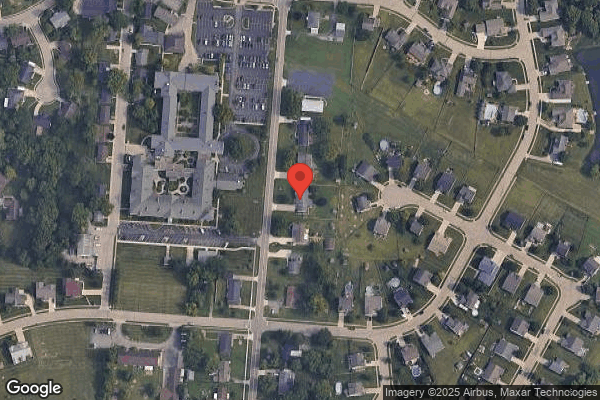
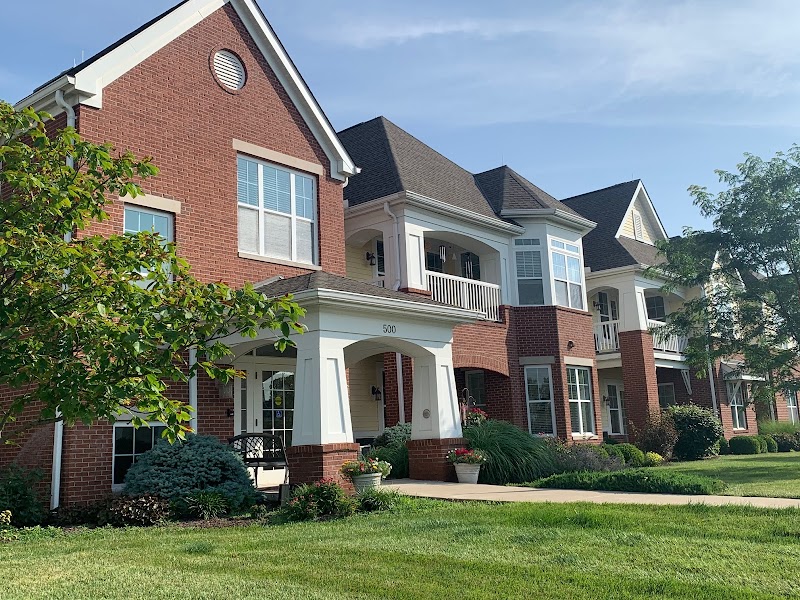
225 BRITTON LANE, MONROE, OH 45050 (513) 539-7391
For profit - Corporation 32 Beds OHIO LIVING COMMUNITIES Data: November 2025
Trust Grade
55/100
#750 of 913 in OH
Last Inspection: August 2022

Over 2 years since last inspection. Current conditions may differ from available data.

Overview

Ohio Living Mount Pleasant in Monroe has a Trust Grade of C, meaning it is average among nursing homes, sitting in the middle of the pack. It ranks #750 out of 913 facilities in Ohio, placing it in the bottom half, and #23 out of 24 in Butler County, indicating that only one local option is better. The facility is new and has not shown any trends over time yet since this is its first inspection. Staffing is a relative strength, with a 3/5 star rating and a turnover rate of 36%, which is better than the Ohio average of 49%. However, there have been serious concerns, such as a resident who experienced pain after a fall and did not receive timely pain management, and instances of expired medications being found, which could potentially affect all residents. While there are some positive aspects like good RN coverage and no fines, the facility still has notable weaknesses that families should consider.

Trust Score
C
55/100
In Ohio
#750/913
Bottom 18%
Safety Record
Moderate
Needs review
Inspections
Too New
0 → 10 violations
Staff Stability
○ Average
36% turnover. Near Ohio's 48% average. Typical for the industry.
Penalties
✓ Good
No fines on record. Clean compliance history, better than most Ohio facilities.
Skilled Nurses
✓ Good
Each resident gets 58 minutes of Registered Nurse (RN) attention daily — more than average for Ohio. RNs are trained to catch health problems early.
Violations
○ Average
10 deficiencies on record. Average for a facility this size. Mostly minor or procedural issues.
★★☆☆☆
2.0
Overall Rating
★★★☆☆
3.0
Staff Levels
★★★★☆
4.0
Care Quality
★★☆☆☆
2.0
Inspection Score
Stable
: 0 issues
2022: 10 issues

The Good

  • 4-Star Quality Measures · Strong clinical quality outcomes
  • Full Sprinkler Coverage · Fire safety systems throughout facility
  • No fines on record
  • Staff turnover below average (36%)

    12 points below Ohio average of 48%

Facility shows strength in quality measures, fire safety.

The Bad

2-Star Overall Rating

Below Ohio average (3.2)

Below average - review inspection findings carefully

Staff Turnover: 36%

Near Ohio avg (46%)

Typical for the industry

Chain: OHIO LIVING COMMUNITIES

Part of a multi-facility chain

Ask about local staffing decisions and management

The Ugly 10 deficiencies on record

1 actual harm
Dec 2022 2 deficiencies
CONCERN (D) 📢 Someone Reported This

A family member, employee, or ombudsman was alarmed enough to file a formal complaint

Potential for Harm - no one hurt, but risky conditions existed

Transfer Notice (Tag F0623)

Could have caused harm · This affected 1 resident

**NOTE- TERMS IN BRACKETS HAVE BEEN EDITED TO PROTECT CONFIDENTIALITY** Based on medical record review, review of discharge notes, staff and resident interviews and policy review, the facility failed ...

Read full inspector narrative →
**NOTE- TERMS IN BRACKETS HAVE BEEN EDITED TO PROTECT CONFIDENTIALITY** Based on medical record review, review of discharge notes, staff and resident interviews and policy review, the facility failed to notify residents of a transfer or discharge and the reasons for the move in writing. This affected three (#10, #115 and #150) out of seven residents reviewed for transfer or discharge. The facility census was 45. Findings include: 1. Review of the Resident #10's medical record revealed the resident was admitted to the facility on [DATE] with diagnoses including Alzheimer's disease with late onset, dementia in other diseases classified elsewhere unspecified severity with anxiety, acute embolism and thrombosis of unspecified deep veins of left lower extremity, cellulitis of left lower limb, major depressive disorder, muscle weakness, generalized anxiety disorder and insomnia. Review of Resident #10's quarterly Minimum Data Set (MDS) assessment dated [DATE] revealed the resident was severely cognitively impaired and Resident #10 required limited assistance with bed mobility. Resident #10 also required supervision with transfers, and eating and extensive assistance with dressing, toileting, and personal hygiene. Review of Resident #10's progress note dated 11/11/22 at 3:34 P.M. revealed Resident #10's family was notified by telephone of a 30 day notice. Resident #10's durable health care power of attorney preferred it not be delivered to the resident. Review of the 30 day discharge notice addressed to Resident #10's power of attorney dated 11/11/22 revealed pursuant to Ohio Revised Code 3721.16 please be advised that Resident #10 would be discharged and transferred from the facility on 12/11/22 because the facility was ceasing to operate several of its licensed skilled nursing beds. Further review of the discharge notice revealed three facilities were listed on the notice. Appeal rights information, advocacy information for mentally ill individuals and the Ombudsman's information was listed on the notice. There was no documentation that a copy of the notice was provided to Resident #10. Interview on 11/29/22 at 8:26 A.M. with Assisted Living Director #501 verified Resident #10 was not provided a copy of the discharge notice dated 11/11/22. Interview on 11/29/22 at 9:53 A.M. with Resident #10 revealed Resident #10 was not aware of a discharge notice and Resident #10 had no plans to discharge from or leave the facility. 2. Review of the Resident #115's medical record revealed the resident was admitted to the facility on [DATE] with diagnoses including unspecified dementia unspecified severity with mood disturbance, full incontinence of feces, hypokalemia, diarrhea, dysuria, insomnia, benign prostatic hyperplasia without lower urinary tract symptoms, muscle weakness, cellulitis of left lower limb, delirium due to known physiological condition, hallucinations, altered mental status, pain, anxiety disorder, edema and osteoarthritis of knee. Review of Resident #115's quarterly MDS assessment dated [DATE] revealed the resident was cognitively intact and Resident #115 required limited assistance with bed mobility. Resident #115 also required supervision with transfers, and eating and extensive assistance with dressing, toileting, and personal hygiene. Review of Resident #115's progress note dated 11/11/22 at 3:30 P.M. revealed Resident #115's family was notified by telephone of a 30 day notice. Resident #115's durable health care power of attorney preferred it not be delivered to the resident. Review of the 30 day discharge notice addressed to Resident #115's power of attorney dated 11/11/22 revealed pursuant to Ohio Revised Code 3721.16 please be advised that Resident #115 would be discharged and transferred from the facility on 12/11/22 because the facility was ceasing to operate several of its licensed skilled nursing beds. Further review of the discharge notice revealed three facilities were listed on the notice. Appeal rights information, advocacy information for mentally ill individuals and the Ombudsman's information was listed on the notice. There was no documentation that a copy of the notice was provided to Resident #115. Interview on 11/28/22 at 10:00 A.M. with Resident #115 revealed the resident was not aware of a discharge notice and the resident had no plans to discharge from or leave the facility. Interview on 11/28/22 at 1:39 P.M. with Social Service Designee (SSD) #103 and the Administrator verified Resident #115's power of attorney's was provided a copy of Resident #115's discharge notices on 11/11/22 but Resident #115 was not provided a copy of the discharge notice due to the power of attorney's preferring that the residents were not notified of the discharges. The Administrator and SSD #103 both verified Resident #115 had brief interview for mental status (BIMS) score which indicated the resident was cognitively intact and the facility did not have any documentation from the physician indicating Resident #115 deemed incompetent. 3. Review of the Resident #150's medical record revealed the resident was admitted to the facility on [DATE] with diagnoses including cerebral infarction, unspecified dementia unspecified severity with psychotic disturbance, personal history of other venous thrombosis and embolism, acute cough, depression, visual hallucinations, auditory hallucinations, delusional disorder, other specified peripheral vascular diseases, Parkinson's disease, mixed hyperlipidemia, hypertension, and anxiety disorder. Review of Resident #150's annual MDS assessment dated [DATE] revealed the resident was cognitively intact and Resident #150 required extensive assistance with bed mobility, transfers, dressing, toileting, and personal hygiene. Resident #150 also required supervision with eating. Review of Resident #150's progress note dated 11/11/22 at 3:33 P.M. revealed Resident #150's family was notified by telephone of a 30 day notice. Resident #150's durable health care power of attorney preferred it not be delivered to the resident. Review of the 30 day discharge notice addressed to Resident #150's power of attorney dated 11/11/22 revealed pursuant to Ohio Revised Code 3721.16 please be advised that Resident #150 would be discharged and transferred from the facility on 12/11/22 because the facility was ceasing to operate several of its licensed skilled nursing beds. Further review of the discharge notice revealed three facilities were listed on the notice. Appeal rights information, advocacy information for mentally ill individuals and the Ombudsman's information was listed on the notice. There was no documentation that a copy of the notice was provided to Resident #150. Interview on 11/28/22 at 10:11 A.M. with Resident #150 revealed the resident was not aware of a discharge notice and Resident #150 had no plans to discharge from or leave the facility. Interview on 11/28/22 at 1:39 P.M. with SSD #103 and the Administrator verified Resident #150's power of attorney's was provided a copy of Resident #150's discharge notices on 11/11/22 but Resident #150 was not provided a copy of the discharge notice due to the power of attorney's preferring that the residents were not notified of the discharges. The Administrator and SSD #103 both verified Resident #150 had BIMS score indicated the resident was cognitively intact and the facility did not have any documentation from the physician indicating Resident #150 deemed incompetent. Review of the discharge and transfer of a resident policy dated 10/24/22 revealed the facility must provide a notice of discharge to the resident and the resident representative along with a copy of the notice to the office of the state long term care ombudsman at least 30 days prior to the discharge or as soon as possible. The copy of the notice to the ombudsman must be sent at the same time notice is provided to the resident and resident representative. This deficiency represents non-compliance investigated under Complaint Number OH00137690 and Complaint Number OH00137508.
CONCERN (E) 📢 Someone Reported This

A family member, employee, or ombudsman was alarmed enough to file a formal complaint

Potential for Harm - no one hurt, but risky conditions existed

Transfer Requirements (Tag F0622)

Could have caused harm · This affected multiple residents

Based on review of discharge notes, review of facility documentation, review of a facility letter, staff interviews and policy review, the facility failed to issue an appropriate discharge related to ...

Read full inspector narrative →
Based on review of discharge notes, review of facility documentation, review of a facility letter, staff interviews and policy review, the facility failed to issue an appropriate discharge related to corporate decisions to de-certify beds prior to issuing proper notification to the State Agency of plans to decrease capacity including quantity and location of certified beds to be affected and the date upon which the new capacity was to be implemented. This affected 25 (#5, #10, #25, #40, #60, #75, #115, #125, #150, #205, #215, #245, #250, #255, #256, #257, #258, #259, #260, #261, #262, #263, #264, #265, and #266) out of 26 residents that received discharge notices from the facility in the past six months. The facility census was 45. Findings include: Review of the 30 day discharge notices for Resident #5, #10, #25, #40, #60, #75, #115, #125, #150, #205, #215, #245, #250, #255, #256, #257, #258, #259, #260, #261, #262, #263, #264, #265, and #266 dated 11/11/22 revealed pursuant to Ohio Revised Code 3721.16 please be advised that residents would be discharged and transferred from the facility on 12/11/22 because the facility was ceasing to operate several of its licensed skilled nursing beds. Further review of the discharge notice revealed three facilities were listed on the notice. Appeal rights information, advocacy information for mentally ill individuals and the Ombudsman's information was listed on the notice. Review of the facility's bed decrease documentation from 12/01/21 to 12/01/22 revealed the facility had provided no formal, tentative notice or plan for when the facility planned to notify the state surveying agency of the capacity decrease or the date of the tentative decrease. Interview on 11/28/22 at 8:33 A.M. with the Administrator revealed the facility was decreasing their bed capacity from 89 beds to 32 beds due to the use of agency staff. The Administrator stated the facility wanted to remove agency staff from the facility and get back to providing the care and services that they previously provided to residents. The Administrator stated that the corporation was supposed to be working on officially decreasing the bed capacity. The Administrator stated that 25 residents were given 30 day discharge notices and several residents had already discharged from the facility. The Administrator verified the facility's current bed capacity remained at 89 residents. Telephone interview on 11/29/22 at 2:13 P.M. with Chief Executive Officer (CEO) #550 revealed the facility had the intent to decertify the beds at the facility prior to 01/01/23. CEO #550 stated that he could not provide the state survey agency a date of when the facility would send the formal notification of the bed decrease or when the facility would decrease the beds because they were working strategically with the residents and families. CEO #550 stated that the facility had no intent to discharge and readmit residents and that the facility had integrity. CEO #550 reported the company spent 11 million dollars last year on agency staffing and there were concerns about the level of care for residents. The surveyor discussed that the facility's discharge notice stated the facility was ceasing to operate licensed beds and the state survey agency had no evidence that the facility had put plans in place to cease operating the beds. The surveyor again asked for the plans and dates of when the facility plans to notify the state survey agency of the capacity decrease and the date the tentative decrease would occur, but CEO #550 stated he did not have dates. Review of a letter to the state surveying agency dated 11/29/22 from CEO #550 revealed As a result of significant financial pressures resulting from escalating operating expenses due to cost prohibitive reliance of agency clinical staffing and continued underfunding from the Medicaid program, the facility is in the process of strategically positioning the available number of skilled nursing beds on campus. In order to protect the safety of those who we serve, we have and will continue to work directly with all residents and their responsible parties in order to coordinate a safe transition plan of their choosing. Further review of the letter revealed no plans or dates of when the facility was going to notify the state surveying agency of the plan to decrease capacity or when the decrease in capacity would be in effect. Review of the discharge and transfer of a resident policy dated 10/24/22 revealed the facility must permit each resident to remain in the facility and not transfer or discharge the resident from the facility unless the discharge is necessary. This deficiency represents non-compliance investigated under Complaint Number OH00137690 and Complaint Number OH00137508.
Aug 2022 8 deficiencies 1 Harm
SERIOUS (G)

Actual Harm - a resident was hurt due to facility failures

Deficiency F0697 (Tag F0697)

A resident was harmed · This affected 1 resident

**NOTE- TERMS IN BRACKETS HAVE BEEN EDITED TO PROTECT CONFIDENTIALITY** Based on observation, record review and interview, the facility failed to ensure acute pain was adequately monitored for a resid...

Read full inspector narrative →
**NOTE- TERMS IN BRACKETS HAVE BEEN EDITED TO PROTECT CONFIDENTIALITY** Based on observation, record review and interview, the facility failed to ensure acute pain was adequately monitored for a resident experiencing pain following a fall. Actual harm occurred when Resident #44 complained of pain on 07/26/22 at 7:00 A.M and was not assessed by a nurse and did not receive pain medication until 10:44 A.M. Resident #44 continued to complain of pain until the nurse reassessed for the pain at 2:36 P.M. This affected one (Resident #44) of one resident reviewed for pain management. The facility census was 73. Findings include: Record review revealed Resident #44 was admitted on [DATE]. Diagnoses included dementia with lewy bodies, parkinson's disease, type two diabetes mellitus, dysuria, difficulty in walking, generalized anxiety disorder, unspecified pain, orthostatic hypotension, insomnia, and chronic atrial fibrillation. Review of the plan of care dated 06/21/19 revealed the resident was at risk for pain due to a history of multilevel spondylosis and osteoarthritis. Interventions included to administer medications as ordered/monitor for effectiveness and notify the physician if pain increases in severity/frequency or is not relieved with ordered medications. Review of the quarterly Minimum Data Set (MDS) assessment, dated 06/10/22, revealed the resident had a severe cognitive impairment. The resident required supervision for bed mobility, transfers, and toileting. Resident #44 had a physician order dated 03/29/21 for acetaminophen (Tylenol) 1000 milligrams (mg) twice a day, pre-breakfast and early evening and an order dated 04/26/22 for hydrocodone-acetaminophen (Norco) 5-325 mg-1/2 tab twice a day, mid-morning and late evening. Review of a progress note dated 07/25/22 at 9:22 P.M. documented Resident #44 was found on the floor in his room. Resident #44 denied pain. No injuries were identified. Review of the physician progress note dated 07/26/22 at 4:44 A.M. revealed the nurse reported Resident #44 fell earlier in the shift without signs of injury at that time, however started complaining of left wrist and left lower extremity pain. The note indicated, when trying to perform ROM to the left wrist and left hip/knee/ankle, the resident yelled out in pain. Resident #44 was diagnosed with acute pain due to trauma. Orders were given for stat X-rays, continue Tylenol and Norco as directed and notify the physician of any change in condition. Review of the medication administration record (MAR) dated 07/26/22 revealed no documentation of assessment of Resident #44's pain upon administering Tylenol or Norco, nor any follow-up assessment on the effectiveness of the medication administration. Review of the progress notes dated 07/26/22 revealed no documentation indicating Resident #44's pain was assessed following administration of the pre-breakfast administration of Tylenol nor the mid-morning Norco administration. During interview on 07/26/22 at 12:31 P.M., State Tested Nursing Assistant (STNA) #96 stated Resident #44 had a fall the prior evening and she was told not to move him until results of the X-rays were received. During observation on 07/26/22 at 12:42 P.M., Resident #44 was lying in bed wearing only an incontinent brief. He was calling out, Help me! Oh, please help me! and moaning. Resident #44's call light was on the floor beside the bed, not in reach of the resident. During observation on 07/26/22 at 1:17 P.M., STNA #96 delivered Resident #44's lunch to his room. STNA #96 informed Resident #44 she had his lunch and began to assist Resident #44 with sitting up to eat. Resident #44 was screaming out and moaning as STNA #96 gently attempted to move him in bed. Resident #44 screamed, No! I don't want it! and informed STNA #96 he did not want to eat and needed to urinate. STNA #96 immediately stopped and told Resident #44 she would get him a urinal. During observation on 07/26/22 at 1:36 P.M., STNA #96 told Resident #44 that Licensed Practical Nurse (LPN) #10 was on her way to the unit to help move him and provide a urinal and bed pain. During interview on 07/26/22 at 1:42 P.M., STNA #96 stated Resident #44 had been complaining of pain since the start of her shift at 7:00 A.M. STNA #96 stated she tried to reach a nurse when she came in after 7:00 A.M. but could not reach anyone. STNA #96 stated she called the nurse for help following the delivery of Resident #44's lunch tray and stated she last told LPN #10 about Resident #44's pain when she arrived to the unit at approximately 10:00 A.M. Continuous observation on 07/26/22 between 1:36 P.M. and 2:27 P.M. revealed neither LPN #10 nor any other staff member came to the unit to assist STNA #96 with Resident #44. On 07/26/22 at 2:28 P.M., LPN #10 finally arrived. During interview at 2:29 P.M., LPN #10 stated Resident #44 received routine pain medication and she had last given him Norco at 10:44 A.M. When queried, LPN #10 stated she did not return to assess Resident #44's pain and was unsure if it was effective. LPN #10 stated she did not have a chance to assess the effectiveness of Resident #44's pain medication administration as she is responsible for units on multiple floor and had not yet made it back. During observation on 07/26/22 at 2:34 P.M., LPN #10 asked STNA #96 if Resident #44 was still in a lot of pain. STNA #96 replied that he was still in pain. LPN #10 then entered Resident #44's room. During interview on 07/26/22 at 2:36 P.M., LPN #10 stated Resident #44 exhibited pain with movement and Resident #44 affirmed pain, however he could not rate his pain on a one to ten scale. LPN #10 phoned the physician. On 07/26/22 at 2:52 P.M., the physician returned the call. LPN #10 informed the physician Resident #44 had a left hip fracture and requested a one-time dose of pain medication. Orders were given for a one-time dose of pain medication and to send to the hospital for evaluation. During observation on 07/26/22 at 3:06 P.M., LPN #10 medicated Resident #44 for pain. At 3:20 P.M., Emergency Medical Services (EMS) personnel arrived to transport Resident #44 to the hospital. During a telephone interview on 07/27/22 at 6:17 P.M., Registered Nurse (RN) #114 stated she worked the Rehab unit the night of 07/26/22 and LPN #305 called her at approximately 4:00 A.M. and asked her to come assess Resident #44 due to a new onset of pain following an earlier fall. RN #114 stated she immediately went to assess the resident, who complained of left wrist and left lower extremity pain. RN #114 stated she contacted the on-call physician, who completed a video assessment of Resident #44. RN# 114 affirmed Resident #44 showed signs of pain during the video assessment with the on-call physician. RN #114 stated Resident #44 was due for his routine Tylenol at that time, so the physician ordered X-X-rays and to continue with the routine pain medication. RN #114 stated she did not see Resident #44 for the rest of her shift. During a telephone interview on 07/28/22 at 4:04 P.M., STNA #41 stated she worked night shift on 07/26/22 and, at approximately 4:30 A.M., Resident #44 began hollering out, saying he was sore in his leg, arm, and wrist. STNA #41 stated she alerted the nurse on duty, who came and assessed him. STNA #41 stated she last checked on Resident #44 at 6:00 A.M. and he said he was still sore and yelled out when she tried to roll him over to use the urinal. STNA #41 stated her shift ended on 07/27/22 at 7:00 A.M. During interview on 07/27/22 at 4:52 P.M., STNA #96 stated on 07/26/22, Resident #44 told her he did not want breakfast because he was in a lot of pain. STNA #96 stated she tried calling the nurse on the [NAME] unit a few times between 7:00 A.M. and 9:00 A.M. to inform of Resident #44's pain and could not get reach anyone. STNA #96 stated not being able to get reach anyone was normal and attributed it to them passing medications during that time. STNA #96 stated she also tried to call the nurse on the [NAME] unit (LPN #10) when she came on duty at 9:00 A.M., but did not get an answer. During telephone interview on 08/01/22 at 10:14 A.M., LPN #124 affirmed she worked day shift on 07/26/22 and had the keys to the medication cart from 7:00 A.M. to 9:00 A.M. LPN #124 stated she took report from LPN #305, who informed her Resident #44 had a fall the previous night and later complained of pain. LPN #124 stated she was unable to recall if LPN #305 said she had given any pain medication, however stated she assumed, if the resident was complaining of pain, he would have received something. LPN #124 stated she did not go onto the unit during the two hours she held the keys to the medication cart and did not recall anyone from the resident's unit calling her about Resident #44's pain. LPN #124 stated during report, she let LPN #10 know Resident #44 had fallen and later complained of pain. During a telephone interview on 07/27/22 at 5:29 P.M., LPN #10 stated on 07/26/22, upon starting her shift, at 9:00 A.M., she received report from LPN #124, however was unable to recall if LPN #124 told her Resident #44 had pain. LPN #10 stated STNA #96 called her while she was passing medications on the [NAME] unit, however she was unsure if STNA #96 told her Resident #44 was in pain. LPN #10 stated she went to the Special Care Unit after passing medications on the [NAME] unit. LPN #10 stated she was unsure what time she arrived on the SCU, however she stated she administered the routine Norco to Resident #44 during the medication pass she completed at that time. LPN #10 stated routine pain medication is given to maintain comfort level and stated Resident #44 complained of pain when she took him his Norco. LPN #10 stated Resident #44 was unable to state where his pain was located, however pointed to his left hip. LPN #10 stated she was unsure if STNA #96 told her Resident #44 was not eating, however she was aware he did not eat breakfast. Review of the facility policy titled, Pain Management, updated 09/30/20, revealed residents will be assessed as needed for new, worsening, and unresolved pain. The policy further stated, once pain has been identified, the resident's response to pain medications, interventions, and treatment will be tracked and monitored in the electronic medication administration record.
CONCERN (D)

Potential for Harm - no one hurt, but risky conditions existed

Resident Rights (Tag F0550)

Could have caused harm · This affected 1 resident

**NOTE- TERMS IN BRACKETS HAVE BEEN EDITED TO PROTECT CONFIDENTIALITY** Based on observation and interview, the facility failed to provide a dignified dining service for residents. This affected four ...

Read full inspector narrative →
**NOTE- TERMS IN BRACKETS HAVE BEEN EDITED TO PROTECT CONFIDENTIALITY** Based on observation and interview, the facility failed to provide a dignified dining service for residents. This affected four (Residents #66, #64, #14 and #37) of seven resident reviewed for dining service dignity. The census was 73. Findings include: During observation on 07/25/22 at 12:22 P.M., State Tested Nursing Assistant (STNA) # 22 was standing over Resident #64 in the [NAME]/[NAME] dining room, feeding the resident the lunch meal. During interview on 07/25/22 at 12:25 P.M., STNA #22 verified she was standing and feeding the resident. She stated she was to sit beside the resident when feeding the resident. During observation on 07/25/22 at 12:35 P. M., STNA #129 was standing over Resident #14 while the resident was sitting upright in bed. During interview on 07/25/22 at 12:40 P.M., STNA #129 verified she stood beside the bed and fed Resident #14. She stated there was no chair in the room. During observation on 07/27/22 at 8:49 A.M., STNA #165 was looking at her phone while standing and feeding Resident #66. A stool was observed about 10 feet from Resident #66. During interview on 07/27/22 at 8:50 A.M., STNA #165 verified she had been looking at her phone while feeding Resident #66. STNA #165 verified she was standing and feeding Resident #66. She stated she usually feeds the resident while sitting on a stool. During observation on 07/27/22 at 8:55 A.M in the [NAME] dining room, Resident #37 loudly requested STNA #165 to provide coffee as it was not delivered to him on his lunch meal tray. STNA #165 stated she would go to the kitchen after she finished assisting Resident #66. During interview on 07/27/22 at 3:10 P.M., Resident #37 verified he did not receive eight ounces of coffee on his meal tray until he requested coffee. He stated he rarely receives coffee on his meal tray unless he requests it and it is listed on his meal ticket. He stated the STNAs often looking at and tapping on their cell phones while feeding residents in the dining room. He stated he did not receive his coffee until after the meal was completed. Review of the policy titled Dining and Meal Service, dated 2013, revealed the dining experience will be person centered with the purpose of enhancing each individual quality of life.
CONCERN (D)

Potential for Harm - no one hurt, but risky conditions existed

Unnecessary Medications (Tag F0759)

Could have caused harm · This affected 1 resident

Based on observation, record review and policy review, the facility failed to ensure the medication error rate was less than five percent. 33 medications were ordered with two errors, for a medication...

Read full inspector narrative →
Based on observation, record review and policy review, the facility failed to ensure the medication error rate was less than five percent. 33 medications were ordered with two errors, for a medication error rate of 6.06 percent. This affected two (Residents # 59 and #64) of four residents reviewed for medications. The facility census was 73. Findings include: During observation on 07/27/22 at 9:47 A.M, Registered Nurse (RN) #137 held Resident #64's scheduled polysaccharide-iron complex 150 mg capsule because she was unable to locate the medication in the medication cart. During observation of medication administration on 07/27/22 at 10:34 A.M., RN #137 held Resident #59's scheduled Lisinopril 20 mg because she was unable to locate the medication in the medication cart. Review of the medical record revealed Resident #59 had physician orders for lisinopril 20 mg by mouth once daily. Resident #64 had physician orders for polysaccharide complex 150 mg by mouth twice daily. During interview on 07/27/22 at 9:58 A.M. and 10:34 A.M. RN #137 verified medications were not given to Residents #59 and #64 as ordered because they were not available in the medication cart. Review of policy titled Medication Administration General Guidelines dated 2007 revealed medications were administered in accordance with written orders of the prescriber.
CONCERN (E)

Potential for Harm - no one hurt, but risky conditions existed

Deficiency F0725 (Tag F0725)

Could have caused harm · This affected multiple residents

**NOTE- TERMS IN BRACKETS HAVE BEEN EDITED TO PROTECT CONFIDENTIALITY** Based on observation and interview, the facility failed to ensure adequate staffing on the Special Care Unit (SCU). This had the...

Read full inspector narrative →
**NOTE- TERMS IN BRACKETS HAVE BEEN EDITED TO PROTECT CONFIDENTIALITY** Based on observation and interview, the facility failed to ensure adequate staffing on the Special Care Unit (SCU). This had the potential to affect all nine residents on the SCU. The facility census was 73. Findings include: Review of the medical record of Resident #44 revealed an admission date of 12/29/18. Diagnoses included dementia with lewy bodies, parkinson's disease, type two diabetes mellitus, dysuria, difficulty in walking, generalized anxiety disorder, unspecified pain, orthostatic hypotension, insomnia, and chronic atrial fibrillation. Review of the plan of care, dated 06/21/19, revealed the resident was at risk for pain due to a history of multilevel spondylosis and osteoarthritis. Interventions included to administer medications as ordered/monitor for effectiveness and notify the physician if pain increases in severity/frequency or is not relieved with ordered medications. Review of the quarterly Minimum Data Set (MDS) assessment, dated 06/10/22, revealed the resident had a severe cognitive impairment. The resident required supervision for bed mobility, transfers and toileting. Review of a progress note dated 07/25/22 at 9:22 P.M. revealed Resident #44 was found on the floor. Resident #44 denied pain. No injuries were identified. Review of a progress note dated 07/26/22 at 4:54 A.M. revealed Resident complained of pain with left wrist range of motion (ROM) and left lower extremity ROM to hip/knee/ankle. A physician was contacted and gave orders for stat (immediate) X-rays and to continue Tylenol and Norco as ordered for pain control. During observation on 07/26/22 at 12:42 P.M., Resident #44 was lying in bed calling out, Help me! Oh, please help me! and moaning. At 1:17 P.M., STNA #96 delivered Resident #44's lunch to his room. STNA #96 informed Resident #44 she had his lunch and began to assist Resident #44 with sitting up to eat. Resident #44 was screaming out and moaning as STNA #96 gently attempted to move him in bed. Resident #44 screamed, No! I don't want it! and informed STNA #96 he did not want to eat, that he needed to urinate. STNA #96 immediately stopped and told Resident #44 she would get him a urinal. At 1:24 P.M., STNA #96 called the nurse to assist. At 1:36 P.M., STNA #96 entered Resident #44's room and told him Licensed Practical Nurse (LPN) #10 was on her way to the unit to help move him and provide a urinal and bed pain. During interview at 1:53 P.M., STNA #96 stated she came in after 7:00 A.M. and found Resident #44 was still in pain. She tried to reach a nurse but no one answered. At 2:28 P.M. revealed LPN #10 arrived on the SCU to assist STNA #96 with Resident #44, an hour after STNA #96 had called her. During interview at 2:29 P.M., LPN #10 stated Resident #44 receives routine pain medication and she had last given him Norco at 10:44 A.M. When queried, LPN #10 stated she did not return to assess Resident #44's pain and was unsure if it was affective. LPN #10 stated she did not have a chance to assess the effectiveness of Resident #44's pain medication administration as she is responsible for units on multiple floors and had not yet made it back. At 2:34 P.M., LPN #10 asked STNA #96 if Resident #44 was still in a lot of pain and STNA #96 said yes. LPN #10 then went to assess Resident #44. During interview at 2:36 P.M., LPN #10 stated Resident #44 exhibited pain with movement and Resident #44 affirmed pain, however could not rate his pain on a one to ten scale. At 2:42 P.M., LPN #10 received a phone call informing her Resident #44 had a left hip fracture. At 3:06 P.M. revealed LPN #10 provided Resident #44 pain medication. During interview on 07/26/22 at 4:52 P.M., STNA #96 stated she tried calling the nurse on the [NAME] unit a few times between 7:00 A.M. and 9:00 A.M. to inform of Resident #44's pain and could not get reach anyone. STNA #96 stated not being able to get reach anyone was normal and attributed it to them passing medications during that time. STNA #96 stated she also tried to call the nurse on the [NAME] unit (LPN #10) when she came on duty at 9:00 A.M., but did not get an answer. This deficiency substantiates Complaint Number OH00132640.
CONCERN (E)

Potential for Harm - no one hurt, but risky conditions existed

Deficiency F0806 (Tag F0806)

Could have caused harm · This affected multiple residents

**NOTE- TERMS IN BRACKETS HAVE BEEN EDITED TO PROTECT CONFIDENTIALITY** Based on observation, interview and record review, the facility failed to provide food preferences and food items listed on the ...

Read full inspector narrative →
**NOTE- TERMS IN BRACKETS HAVE BEEN EDITED TO PROTECT CONFIDENTIALITY** Based on observation, interview and record review, the facility failed to provide food preferences and food items listed on the meal tray for three (Residents #19, # 38 and #37) of five residents reviewed for meal accuracy and food preferences. The facility census was 73. Findings include: 1. During interview on 07/25/22 at 10:37 A.M., Resident #38 stated she selects food preferences for each meal and writes the preferences on the meal ticket because she had intolerances to many foods. She stated she does not get the foods she selects. Review of the spreadsheet dated 07/25/22 revealed the No Added Salt diet included peanut butter sandwich, perfection salad and orange wedges. Review of the meal ticket for Resident #38 on 07/25/22 revealed the resident selected foods of a peanut butter sandwich with mayonnaise, perfection salad and orange wedges. During observation on 07/2522 at 12:40 P.M. Resident #38 received a peanut butter sandwich with no mayonnaise, no perfection salad and no orange wedges. Review of the spreadsheet dated 07/26/22 revealed No Added Salt diet lunch meal included four ounces of coleslaw. Review of meal ticket on 07/26/22 at 12:37 P.M. of Resident #38 had selected four ounces of coleslaw as part of the meal selection. Observation on 07/26/22 at 12:37 P.M. revealed Resident #38 did not receive four ounces of coleslaw with her meal. Review of spreadsheet on 07/27/22 revealed No Added Salt diet at breakfast meal included a banana. Review of the meal ticket on 07/27/22 of Resident #38 breakfast meal revealed four ounces of applesauce had been selected. Observation on 07/27/22 at 8:55 A.M of Resident #38 breakfast tray revealed no applesauce had been served. 2. Review of meal ticket o 07/27/22 at 9:19 A.M. of Resident #19 breakfast tray revealed eight ounces of milk was listed. During observation on 07/27/22 at 9:19 A.M, Resident #19's meal tray contained no milk. During interview on 07/27/22 at 9:19 A.M., Resident #19 stated eight ounces of milk is listed on her tray ticket and she never receives milk on her breakfast tray. She has to ask for it each breakfast meal and it upsets her to have to ask each day when it is listed on the meal ticket. 3. Review of meal ticket of Resident #37 dated 07/27/22 at 8:55 A.M. revealed the resident was to receive eight ounces of coffee. During observation on 07/27/22 at 8:55 A.M in the [NAME] dining room, revealed Resident #37 loudly requested STNA # 165 to provide coffee as it was not delivered on his lunch meal tray. During interview on 07/27/22 at 3:10 P.M. Resident #37 verified he did not receive eight ounces of coffee on his meal tray until he requested coffee. He stated he rarely receives coffee on his meal tray unless he requests it and it should be delivered since it is on his meal ticket. Interview on 07/27/22 at 9:20 A.M., Food Server #173 verified Resident #19 should have received the eight ounces of milk listed on the meal ticket and Resident # 38 should have received the food items selected on the meal ticket. Review of the policy titled Selective Menus, dated 2013, revealed selective menus are provided to resident who choose to make their own menu selections, and selections of foods will be provided.
CONCERN (F)

Potential for Harm - no one hurt, but risky conditions existed

Deficiency F0761 (Tag F0761)

Could have caused harm · This affected most or all residents

Based on observation, interview, and policy review, the facility failed to ensure insulin and over-the-counter medications were not stored beyond their expiration date. This affected Resident #71 and ...

Read full inspector narrative →
Based on observation, interview, and policy review, the facility failed to ensure insulin and over-the-counter medications were not stored beyond their expiration date. This affected Resident #71 and potentially all residents. The facility census was 73. Findings include: 1. Observation on 07/27/22 at 1:52 P.M. revealed the Skilled Care Unit (SCU) had two opened bottles of insulin that were stored beyond their expiration date. Resident #71 had one bottle of Humalog (aspart insulin) opened 06/19/22 and Lantus (glargine insulin) dated 06/18/22. During an interview at 1:55 P.M. Licensed Practical Nurse (LPN) # 120 verified the SCU med cart held two bottles of insulin for Resident #71 that were stored beyond their expiration date. LPN #120 stated insulin was good for 28 days after opened. 2. During observation on 07/27/22 at 1:39 P.M., revealed the main storage room located in the basement contained multiple bottles of expired medications including four boxes Tagamet 200 milligrams (mg) expired 04/22; five bottles of fish oil 500 mg softgels dated 06/22 and one bottle dated 03/21; one box arthritis pain acetaminophen 650 mg ER expired 02/22; three bottles bisacodyl EC five mg, expired 01/22; four bottles of bisacodyl five mg tablets, expired 03/22 and four bottles expired 05/22; and one bottle of sore throat spray, expired 01/22. During an interview on 07/27/22 at 1:41 P.M. Registered Nurse (RN) #119 verified multiple bottles of medications found in the main storage room were stored beyond their expiration date. Review of the policy titled Medication Storage, dated 08/30/20 revealed the nursing home assured safe storage of medications.
CONCERN (F)

Potential for Harm - no one hurt, but risky conditions existed

Menu Adequacy (Tag F0803)

Could have caused harm · This affected most or all residents

**NOTE- TERMS IN BRACKETS HAVE BEEN EDITED TO PROTECT CONFIDENTIALITY** Based on record review, observation and interview, the facility failed to provide food portions and prepare foods as planned by ...

Read full inspector narrative →
**NOTE- TERMS IN BRACKETS HAVE BEEN EDITED TO PROTECT CONFIDENTIALITY** Based on record review, observation and interview, the facility failed to provide food portions and prepare foods as planned by a Registered Dietitian. This directly affected one (Resident #33) but had the potential to affect all 73 residents who received food from the kitchen. The facility census was 73. Findings include: 1. Record review revealed Resident #33 revealed the resident was admitted to the facility on [DATE]. Diagnoses included protein-calorie malnutrition, dementia and cerebral infarction. Review of the Minimum Data Set, (MDS) comprehensive assessment dated [DATE] revealed the resident had severely impaired cognition and was receiving eight ounces of supplement twice a day and pureed diet. Resident #33 was receiving hospice care and had 14 percent weight loss in past 90 days. Review of the breakfast menu spreadsheet, dated 07/26/22, revealed the pureed diet meal consisted of one slice of french toast. Review of the recipe for bread slurry revealed a bread slice is saturated with a food thickener. Review of diet definition of puree revealed all foods will be of a mashed potato consistency. During observation on 07/26/22 at 9:30 A.M., Resident #33 was being fed breakfast in dining room by State Tested Nurse Aide, (STNA)# 22. There was 100 percent of the crust from the bread of the french toast on the tray that was not pureed or mashed potato consistency. During interview on 07/26/22 at the time of the observation, STNA #22 stated Resident #33 was not fed the bread crust because it was not pureed and STNA #22 did not want the resident to have swallowing difficulty. STNA #22 stated the puree diets often are served with the bread crust. She stated the resident would most likely would have eaten the entire bread portion if it was entirely pureed. During interview on 07/27/22, [NAME] #173 stated on 07/26/22 the bread for the french toast was served to all residents on the pureed diet with crust on the bread. The crust should have been removed. [NAME] #173 stated she prepares and portions out the puree foods prior to meal service. She stated she does not use a recipe to prepare puree foods or use a spreadsheet to portion the puree food items. During interview on 07/27/22 at 1:40 P.M., Diet Manager (DM) #2 stated the bread crust should not been served to residents on the pureed diets. DM #2 stated spreadsheets and recipes are not readily available for cooks to review when preparing or portioning foods for all diets. 2. Review of the menu spreadsheet for lunch meal on 07/27/22 revealed Regular, No Added Salt, (NAS) Limited Concentrated Sweets, (LCS) and Mechanical Soft, (MS) diets were to receive three ounces of egg salad on two slices of bread. Review of list of residents and the diets, provided by the facility, revealed there were 26 resident receiving regular diets, 17 residents receiving NAS diets, 15 receiving LCS diets and eight residents receiving MS diets. During observation on 07/27/22 at 12:10 P.M. the lunch meal of the [NAME], [NAME] and [NAME] Units received four ounces of egg salad on two slices of bread for residents on Regular, NAS, LCS and MS diets. There was no spreadsheet available in the food service area. During interview on 07/27/22 at 12:20 P.M., [NAME] #170 sated he does not use a spreadsheet for any of the meals he serves. He stated he was trained to always serve four ounces of meat, and vegetables, and three ounces of starch for each meal for Regular, NAS, LCS and MS diets. During interview on 07/27/22 at 12:10 P.M., DM #2 verified the egg salad scoop size was incorrect for diets of Regular, NAS, LCS and MS. Review of the policy titled Portion Control, dated 2013, revealed residents will receive the appropriate portions of food as planned on the menu. Menus should list the specific portion size for each food item. Menus should be posted at the tray line for staff to refer to for proper portions of each diet.
CONCERN (F)

Potential for Harm - no one hurt, but risky conditions existed

Food Safety (Tag F0812)

Could have caused harm · This affected most or all residents

**NOTE- TERMS IN BRACKETS HAVE BEEN EDITED TO PROTECT CONFIDENTIALITY** 4. Observation on 07/25/22 at 8:45 A.M. revealed the following in the main kitchen and storage areas: a. An uncovered, unlabele...

Read full inspector narrative →
**NOTE- TERMS IN BRACKETS HAVE BEEN EDITED TO PROTECT CONFIDENTIALITY** 4. Observation on 07/25/22 at 8:45 A.M. revealed the following in the main kitchen and storage areas: a. An uncovered, unlabeled, and undated pizza on a tray cart in the storage room. b. A bag of hot dogs undated in the reach in refrigerator. c. A bag of cheese undated in the reach in refrigerator. d. Two loaves of wrapped bread on the tray cart with expiration date of 7/22/22. e. Two uncovered trash cans, containing trash, not in active use, in the kitchen food prep area. f. Bagged bulk rice undated and unlabeled in the dry storage at room. During an interview on 07/25/22 at 9:05 A.M., Diet Manager, (DM) # 2 verified the foods should have been labeled, dated and expired foods should have been discarded. DM #2 verified the trash cans were uncovered and should have been covered when not in use. Review of policy titled Food Storage, dated 2013, revealed food is to be wrapped, labeled and dated. Leftover food is to be discarded within three days. 5. Observation on 07/26/22 at 12:20 P.M. through 12:30 P.M. revealed DA #173 and #43 were collecting soiled breakfast trays onto cart above lunch trays to be served. The cart of mixed soiled breakfast trays and lunch trays was rolled down the hallway. DA #173 and #43 delivered meal trays throughout the [NAME] Unit hallway with eight residents being served (#35, #14, #23, #41, #19, #38, #36 and #26). DA #173 and #43 did not use hand sanitizer between collecting soiled breakfast trays and delivering lunch trays. During observation on 07/26/22 at 12:25 P.M., DA #173 opened a bag of chips for Resident #19 and pulled the chips out of the bag with her bare hand and put the chips onto the plate. DA #173 did not use hand sanitizer before serving the next tray for Resident #23. During interview on 07/26/22 at 12:30 P.M., DA #173 verified she touched Resident #19 chips with her bare hands and should have used hand sanitizer after providing Resident #19 with assistance. DA #173 verified collection of soiled breakfast trays onto cart above lunch trays to be served. Food Servers #173 and #43 verified potential soiled food debris from the breakfast trays could fall onto the clean trays and should not be collected on the same cart. Review of the policy titled General Food Preparation and Handling, dated 2013, revealed tongs or other serving utensils are to be used serve food items; never touch foods directly with bare hands. 6. Observation on 07/27/22 at 1:50 P.M. in the [NAME] and [NAME] Unit food service room revealed the ice machine scoop holder was lying on top of the ice machine and unattached to wall, preventing water drainage. During interview on 07/27/22 at 1:50 P.M., Licensed Practical Nurse (LPN) #137 verified the ice scoop was in a scoop holder on top of the ice machine and was not attached to the wall to ensure proper drainage. LPN #137 verified the ice scoop holder had been attached to the wall and needed repaired. Review of the policy titled Food Storage, dated 2013, revealed ice scoops are to kept covered in a protected area near the container. Based on observation, interview and policy review, the facility failed to deliver food to residents in a sanitary manner. The facility identified all residents received food from the kitchen. The facility census was 73. Findings include: 1. During observations on 07/25/22 from 12:03 P.M. to 12:26 P.M., Dietary Aides (DA) #173 and #176 passed lunch trays to residents located on the [NAME] Unit. DA #173 wheeled cart to the [NAME] dining room and delivered lunch trays to Residents #7, #11, #12, #21, #52, #66, and #73. DA #173 did not sanitize her hands or perform hand hygiene. DA #176 delivered a tray to Resident #25 and did not sanitize his hands or perform hand hygiene. DA #173 removed a breakfast tray from Resident #63's room and placed the dirty tray in the top row of the lunch cart above clean lunch trays, asked if that was ok, then handed the dirty tray to DA #176 to return to kitchen. DA #173 delivered a food tray to Resident #41, placed the tray on the bedside table, and moved table in front of the resident. DA #173 adjusted the height of bedside table per resident request and left the room without performing hand hygiene. During concurrent interviews on 07/25/22 at 12:15 P.M., DA #173 verified she had put a dirty breakfast tray onto the cart with the lunch trays, and stated she was unaware that could cause cross-contamination. Both Dietary Aides #173 and #176 stated they washed their hands before they started passing trays and after they were finished with the entire meal pass. Dietary Aide #176 stated he may sanitize his hands occasionally, but did not sanitize hands after every tray. Both stated they were not trained to wash hands after every tray because they were only delivering trays and taking off the top lid, and they did not touch any of the other lids on the trays or handle the food. 2. During observation on 07/25/22 at 12:46 P.M., Resident #64 was seated at table in [NAME] dining room, sleeping with her head at awkward angle. State Tested Nursing Assistant (STNA) #300 awakened the resident and asked if she wanted help. STNA #300 sanitized her hands, adjusted the resident's napkin across her chest and fed the resident. STNA #300 sanitized her hands with hand sanitizer and picked up Resident #64's sandwich with her bare hands. STNA #300 first attempted to place the sandwich in Resident #64's hands, but her hands too shaky to hold it herself. STNA #300 held the sandwich up to resident's mouth and Resident #64 took a bite. STNA #300 paced the sandwich back on the plate and sanitized her hands. During an interview on 07/25/22 at 12:55 P.M. STNA#300 verified she assisted she handled Resident #64's sandwich with her hands and stated she was trained she could touch the food directly as long as she sanitized her hands. 3. During observations 07/26/22 from 9:02 A.M. to 9:06 A.M., DA #173 delivered breakfast trays to two residents on [NAME] Hall. DA #173 delivered a breakfast tray to Resident #61, removed the lid, opened the orange juice container, and poured the juice into a tumbler. DA #173 did not sanitize her hands before leaving the room and placed the insulated lid she had removed from Resident #61's tray on the floor the hallway in front of the meal cart. DA #173 did not sanitize her hands prior to delivering a meal tray to Resident #34. She placed the tray on the bedside table, placed the insulated lid on resident's bed, unwrapped utensils from the napkin, placed the napkin across Resident #34's chest, placed the silverware on the tray, and carried lid out of room. DA #173 left the room without sanitizing her hands, picked up the insulated lid off the floor in front of dining cart, and carried both lids to [NAME]/[NAME] dining room. During an interview on 07/26/22 at 9:07 A.M., DA #173 verified sh had delivered and set up breakfast trays to Residents #34 and #61, placed items on the floor, and picked up items off the floor without sanitizing her hands.
Understanding Severity Codes (click to expand)
Life-Threatening (Immediate Jeopardy)
J - Isolated K - Pattern L - Widespread
Actual Harm
G - Isolated H - Pattern I - Widespread
Potential for Harm
D - Isolated E - Pattern F - Widespread
No Harm (Minor)
A - Isolated B - Pattern C - Widespread

Questions to Ask on Your Visit

  • "Can I speak with families of current residents?"
  • "What's your RN coverage like on weekends and overnight?"

Our Honest Assessment

Strengths
  • • No fines on record. Clean compliance history, better than most Ohio facilities.
  • • 36% turnover. Below Ohio's 48% average. Good staff retention means consistent care.
Concerns
  • • 10 deficiencies on record, including 1 serious (caused harm) violation. Ask about corrective actions taken.
  • • Grade C (55/100). Below average facility with significant concerns.
Bottom line: Mixed indicators with Trust Score of 55/100. Visit in person and ask pointed questions.

About This Facility

What is Ohio Living Mount Pleasant's CMS Rating?

CMS assigns OHIO LIVING MOUNT PLEASANT an overall rating of 2 out of 5 stars, which is considered below average nationally. Within Ohio, this rating places the facility higher than 0% of the state's 100 nursing homes. A rating at this level reflects concerns identified through health inspections, staffing assessments, or quality measures that families should carefully consider.

How is Ohio Living Mount Pleasant Staffed?

CMS rates OHIO LIVING MOUNT PLEASANT's staffing level at 3 out of 5 stars, which is average compared to other nursing homes. Staff turnover is 36%, compared to the Ohio average of 46%. This relatively stable workforce can support continuity of care.

What Have Inspectors Found at Ohio Living Mount Pleasant?

State health inspectors documented 10 deficiencies at OHIO LIVING MOUNT PLEASANT during 2022. These included: 1 that caused actual resident harm and 9 with potential for harm. Deficiencies causing actual harm indicate documented cases where residents experienced negative health consequences.
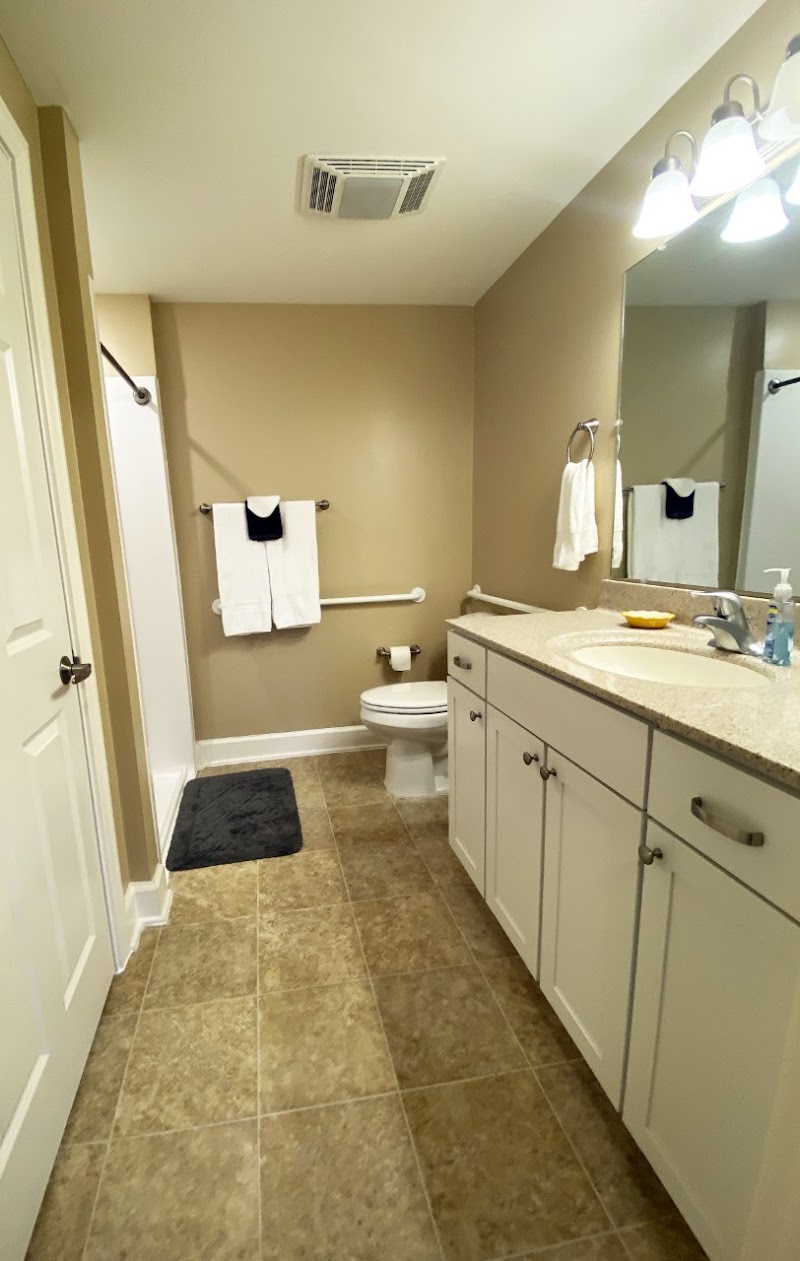
Who Owns and Operates Ohio Living Mount Pleasant?

OHIO LIVING MOUNT PLEASANT is owned by a for-profit company. For-profit facilities operate as businesses with obligations to shareholders or private owners. The facility is operated by OHIO LIVING COMMUNITIES, a chain that manages multiple nursing homes. With 32 certified beds and approximately 28 residents (about 88% occupancy), it is a smaller facility located in MONROE, Ohio.
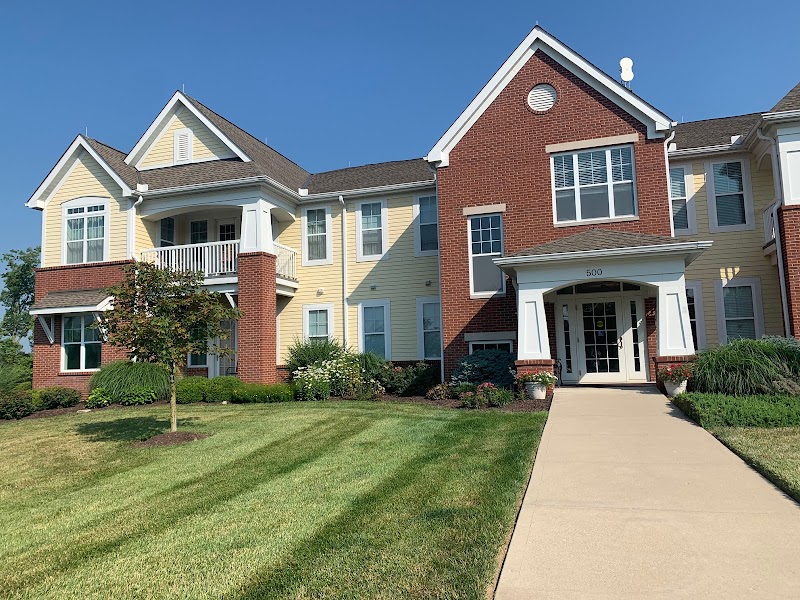
How Does Ohio Living Mount Pleasant Compare to Other Ohio Nursing Homes?

Compared to the 100 nursing homes in Ohio, OHIO LIVING MOUNT PLEASANT's overall rating (2 stars) is below the state average of 3.2, staff turnover (36%) is near the state average of 46%, and health inspection rating (2 stars) is below the national benchmark.

What Should Families Ask When Visiting Ohio Living Mount Pleasant?

Based on this facility's data, families visiting should ask: "Can I visit during a mealtime to observe dining assistance and food quality?" "How do you handle medical emergencies, and what is your hospital transfer rate?" "Can I speak with family members of current residents about their experience?"

Is Ohio Living Mount Pleasant Safe?

Based on CMS inspection data, OHIO LIVING MOUNT PLEASANT has a clean safety record: no substantiated abuse findings (meaning no confirmed cases of resident harm), no Immediate Jeopardy citations (the most serious violation level indicating risk of serious injury or death), and is not on the Special Focus Facility watch list (a federal program monitoring the lowest-performing 1% of nursing homes). The facility has a 2-star overall rating and ranks #100 of 100 nursing homes in Ohio. While no facility is perfect, families should still ask about staff-to-resident ratios and recent inspection results during their visit.

Do Nurses at Ohio Living Mount Pleasant Stick Around?

OHIO LIVING MOUNT PLEASANT has a staff turnover rate of 36%, which is about average for Ohio nursing homes (state average: 46%). Moderate turnover is common in nursing homes, but families should still ask about staff tenure and how the facility maintains care continuity when employees leave.

Was Ohio Living Mount Pleasant Ever Fined?

OHIO LIVING MOUNT PLEASANT has no federal fines on record. CMS issues fines when nursing homes fail to meet care standards or don't correct problems found during inspections. The absence of fines suggests the facility has either maintained compliance or corrected any issues before penalties were assessed. This is a positive indicator, though families should still review recent inspection reports for the full picture.

Is Ohio Living Mount Pleasant on Any Federal Watch List?

OHIO LIVING MOUNT PLEASANT is not on any federal watch list. The most significant is the Special Focus Facility (SFF) program, which identifies the bottom 1% of nursing homes nationally based on persistent, serious quality problems. Not being on this list means the facility has avoided the pattern of deficiencies that triggers enhanced federal oversight. This is a positive indicator, though families should still review the facility's inspection history directly.