RESPIRATORY AND NURSING CENTER OF DAYTON
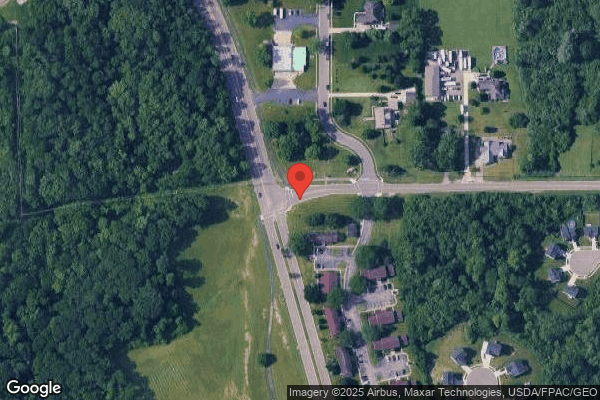
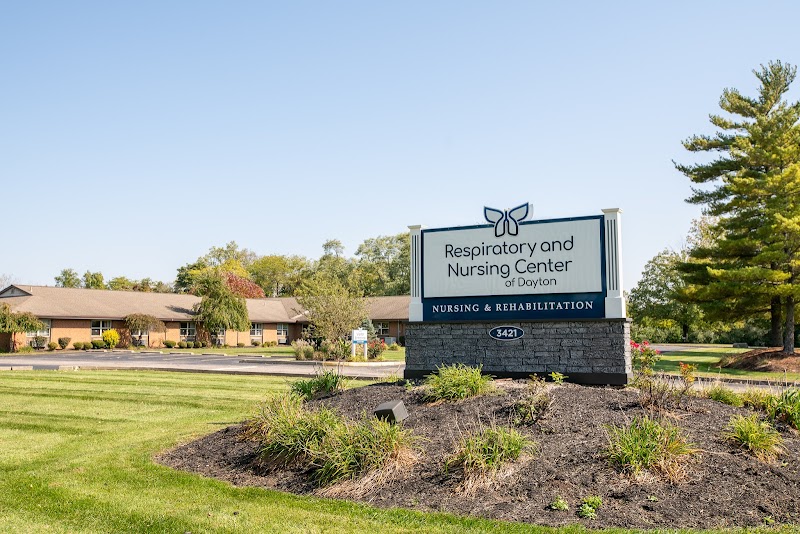
3421 PINNACLE ROAD, MORAINE, OH 45439 (937) 268-3488
For profit - Corporation 82 Beds FOUNDATIONS HEALTH SOLUTIONS Data: November 2025
Trust Grade
60/100
#534 of 913 in OH
Last Inspection: September 2024

Within standard 12-15 month inspection cycle. Federal law requires annual inspections.

Overview

The Respiratory and Nursing Center of Dayton has a Trust Grade of C+, which means it is slightly above average but not particularly strong. It ranks #534 out of 913 nursing facilities in Ohio, placing it in the bottom half for the state, and #20 out of 40 in Montgomery County, indicating there are better local options available. The trend is worsening, with the number of issues reported increasing from 5 in 2023 to 12 in 2024. Staffing is a weakness, rated at 1 out of 5 stars, but turnover is relatively low at 40%, which is better than the state average. Although the facility has no fines, several concerning incidents were noted, including failures to complete quarterly assessments for residents on time and inadequate hand hygiene practices during tracheostomy care, both of which could jeopardize resident safety. Overall, while there are some strengths, such as no fines and a good turnover rate, the increasing number of issues and staffing concerns may be cause for caution.

Trust Score
C+
60/100
In Ohio
#534/913
Bottom 42%
Safety Record
Low Risk
No red flags
Inspections
Getting Worse
5 → 12 violations
Staff Stability
○ Average
40% turnover. Near Ohio's 48% average. Typical for the industry.
Penalties
✓ Good
No fines on record. Clean compliance history, better than most Ohio facilities.
Skilled Nurses
○ Average
Each resident gets 35 minutes of Registered Nurse (RN) attention daily — about average for Ohio. RNs are the most trained staff who monitor for health changes.
Violations
⚠ Watch
25 deficiencies on record. Higher than average. Multiple issues found across inspections.
★★★☆☆
3.0
Overall Rating
★☆☆☆☆
1.0
Staff Levels
★★★★★
5.0
Care Quality
★★★☆☆
3.0
Inspection Score
Stable
2023: 5 issues
2024: 12 issues

The Good

  • 5-Star Quality Measures · Strong clinical quality outcomes
  • Full Sprinkler Coverage · Fire safety systems throughout facility
  • No fines on record
  • Staff turnover below average (40%)

    8 points below Ohio average of 48%

Facility shows strength in quality measures, fire safety.

The Bad

3-Star Overall Rating

Near Ohio average (3.2)

Meets federal standards, typical of most facilities

Staff Turnover: 40%

Near Ohio avg (46%)

Typical for the industry

Chain: FOUNDATIONS HEALTH SOLUTIONS

Part of a multi-facility chain

Ask about local staffing decisions and management

The Ugly 25 deficiencies on record

Sept 2024 12 deficiencies
CONCERN (D)

Potential for Harm - no one hurt, but risky conditions existed

Deficiency F0558 (Tag F0558)

Could have caused harm · This affected 1 resident

Based on medical record review, observation, resident representative interview, and staff interviews, the facility failed to ensure resident representative preferences were honored. This affected one ...

Read full inspector narrative →
Based on medical record review, observation, resident representative interview, and staff interviews, the facility failed to ensure resident representative preferences were honored. This affected one (Residents #54) of six residents reviewed for activities of daily living (ADL) assistance. The facility also failed to honor resident needs and preferences regarding bathroom accomodations. This affected one (Resident #49) of six residents reviewed for ADL assistance. The facility census was 75 residents. Findings include: Review of the medical record for Resident #54 revealed an admission date of 10/21/22 diagnoses including chronic respiratory failure, end stage renal disease, dependence on renal dialysis, atrial fibrillation, diabetes mellitus, and atherosclerotic heart disease. Review of the Minimum Data Set (MDS) assessment for Resident #54 dated 06/27/24 revealed the resident had severe cognitive impairment, was dependent upon staff for toileting hygiene, bathing, and bed mobility, and did not transfer out of bed during the review window. Review of the social service note for Resident #54 dated 08/13/24 revealed the facility held a care conference was held with Resident #54's representative, the unit nurse, the dietician, and social service staff. Resident #54's representative requested staff transfer Resident #54 out of bed to a chair on Tuesday and Thursdays. Review of the ADL records for Resident #54 dated 07/30/24 to 08/28/24 revealed staff transferred the resident out of bed on 08/02/24 (Friday), 08/14/24 (Wednesday), and 08/30/24 (Friday). The record did not include documentation of staff transferring Resident #54 out of bed twice weekly on Tuesdays and Thursday per the resident representative's request. Interview on 08/25/24 at 12:25 P.M. with Resident #54's representative confirmed the staff had agreed to get Resident #54 out of bed and up into a chair on Tuesdays and Thursdays, but the staff had not accommodated the request. Resident #54's representative further confirmed the resident attended dialysis on Monday, Wednesday, and Fridays. Observation on 08/27/24 at 1:08 P.M. revealed Resident #54 was lying in bed. Interview on 08/28/24 at 10:40 A.M. with State Tested Nursing Assistant (STNA) #43 stated she provided care for Resident #54 and had never seen the resident sitting in a chair. STNA #43 stated she was never informed of Resident #54's representative's request for the resident to be up in chair on Tuesdays and Thursday. Interview on 08/28/24 at 2:04 P.M. with Licensed Practical Nurse (LPN) #50 confirmed staff did not get Resident #54 out of bed and into a chair on Tuesdays or Thursdays, and she was not aware of the request to get the resident up made by Resident #54's representative. Interview on 09/03/24 at 10:53 A.M. with Director of Nursing (DON) confirmed Resident #54 was dependent on staff to transfer him out of bed. The DON confirmed Resident #54's record did not include documentation of staff transferring the resident out of bed to a chair on Tuesdays and Thursday per the resident representative's request. 2. Review of the medical record for Resident #49 revealed an admission date of 06/13/23 with diagnoses including chronic obstructive pulmonary disease, asthma, heart failure and depression. Review of the physician's orders for Resident #49 dated August 2024 revealed there were no orders for the resident to have a toilet riser to the commode. Interview on 08/25/24 at 10:35 A. M. with Resident #49 confirmed he was unhappy with his room. He recently returned to the facility from the hospital, and they changed his room upon his return. Resident #49 confirmed he had to use the restroom in the shower room to go to the bathroom because the commode in his room had a toilet riser. Resident #49 confirmed he was unable to sit on the commode with the toilet riser in place. Observation on 08/26 /24 at 11:00 A. M. of Resident #49's bathroom revealed there was a toilet riser on the commode in the resident's room. Interview on 08/26/24 at 11:00 A.M. with State Tested Nurse Aide (STNA) #101 confirmed there was a toilet riser on the commode of Resident #49's bathroom. Interview on 08/27/24 at 02:44 P. M. with STNA #95 confirmed Resident #49 was able to go to the restroom independently but he did not use the commode in his room because there was a toilet riser on it.
CONCERN (D)

Potential for Harm - no one hurt, but risky conditions existed

Comprehensive Assessments (Tag F0636)

Could have caused harm · This affected 1 resident

Based on record review, staff interview, and review of the Resident Assessment Instrument (RAI) Manual 3.0, the facility failed to ensure comprehensive admission Minimum Data Set (MDS) assessments wer...

Read full inspector narrative →
Based on record review, staff interview, and review of the Resident Assessment Instrument (RAI) Manual 3.0, the facility failed to ensure comprehensive admission Minimum Data Set (MDS) assessments were completed timely. This affected one (Resident #56) of eight residents reviewed for timely assessments. The facility census was 75 residents. Findings include: Review of the medical record for Resident #56 revealed an admission date of 06/11/24 with diagnoses including chronic respiratory failure with hypoxia, sepsis, end stage renal disease, anoxic brain injury, and tracheostomy. Review of the admission MDS assessment for Resident #56 with an assessment reference date (ARD) of 06/20/24 revealed the resident had severe cognitive impairment and was dependent upon staff for all activities of daily living. Review of the MDS revealed a completion date of 07/15/24. Interview with Regional MDS Nurse #110 confirmed Resident #56's comprehensive admission assessment was not completed as per RAI manual guidelines. Regional MDS Nurse #110 confirmed the facility utilized the RAI manual for guidelines and instructions on how and when to complete the MDS assessments. Review of RAI User's Manual dated October 2023, on pages two through 22 revealed an admission assessment was the comprehensive assessment for a new resident and that it must be completed by the end of day 14, counting the date of admission to the nursing home as day one.
CONCERN (D)

Potential for Harm - no one hurt, but risky conditions existed

Deficiency F0657 (Tag F0657)

Could have caused harm · This affected 1 resident

Based on medical record review and staff interview, the facility failed to update resident care plans regarding changes in condition. This affected one (Resident #68) of two residents for hospitalizat...

Read full inspector narrative →
Based on medical record review and staff interview, the facility failed to update resident care plans regarding changes in condition. This affected one (Resident #68) of two residents for hospitalizations. The facility census was 75 residents. Findings include: Review of the medical record for the Resident #68 revealed an admission date of 10/16/23 with diagnoses including chronic respiratory failure with hypoxia, dependence on respirator, non-traumatic intracerebral hemorrhage, embolism and thrombosis of thoracic aorta. Review of the care plan for Resident #68 last updated 04/19/24 revealed it was not updated to include the resident's behavior of pulling out her tracheostomy tube. Review of the nurse progress note for Resident #68 dated 07/11/24 revealed the respiratory therapist (RT) entered the resident's room in response to a pulse oximetry alarm and found the resident's tracheostomy tube had been pulled out and the resident was unresponsive. The RT replaced the tracheostomy tube, and the nurse and RT started cardiopulmonary resuscitation and called 911. The resident was transported to the hospital for an evaluation. Interview on 09/03/24 at 9:30 A.M. with Minimum Data Set (MDS) Coordinator #84 confirmed the care plan for Resident #68 had not been updated to include the resident's behavior of pulling out her tracheostomy tube and interventions and steps for staff to take in response to the behavior. Interview on 09/03/24 at 9:45 A. M. with the Director of Nursing (DON) confirmed Resident #68 had a history of pulling out her tracheostomy tube, and the behavior should be care planned. The DON confirmed the facility did not have a policy regarding care planning.
CONCERN (D)

Potential for Harm - no one hurt, but risky conditions existed

ADL Care (Tag F0677)

Could have caused harm · This affected 1 resident

Based on medical record reviews, observations, and staff interviews, the facility failed to ensure activity of daily living (ADL) care and services were provided for dependent residents. This affected...

Read full inspector narrative →
Based on medical record reviews, observations, and staff interviews, the facility failed to ensure activity of daily living (ADL) care and services were provided for dependent residents. This affected two (Residents #50 and #46) of six residents reviewed for ADL assistance. The facility census was 75. Findings include: 1. Review of the medical record for Resident #50 revealed an admission date of 03/31/21 with diagnoses including chronic respiratory failure, dependence upon a ventilator, tracheostomy, anoxic brain injury and hypertension. Review of the quarterly Minimum Data Set (MDS) assessment for Resident #50 dated 07/03/24 revealed the resident had severely impaired cognition and was dependent upon staff for all ADLs and had limited range of motion (ROM) to bilateral upper and lower extremities. Review of the body assessment forms for Resident #50 dated 07/27/24, 07/31/24, 08/03/24, 08/07/24, 08/10/24, 08/14/24, 08/17/24, 08/21/24, and 08/24/24 were completed by State Tested Nursing Assistants (STNAs) and signed by the nurse. Further review of the forms revealed Resident #50 received a bath on those days, but staff did not perform nail care. Observation on 08/26/24 at 8:10 A.M. of Resident #50 revealed the resident was in bed with contractures to bilateral hands and her fingernails were long and jagged. Observation on 08/27/24 at 1:19 P.M. with Licensed Practical Nurse (LPN) #42 revealed Resident #50's hands were contracted with long and jagged fingernails. Further observation revealed when LPN #42 opened the Resident #50's right hand there was dark brown debris and dirt on the resident's right hand. Interview on 08/27/24 at 1:19 P.M. with Licensed Practical Nurse (LPN) #42 confirmed Resident #50's hands were contracted, and her fingernails were long and jagged. LPN #42 further confirmed when she opened the resident's contracted hands there was dark brown debris and dirt on the resident's right hand. 2.Review of the medical record for Resident #46 revealed an admission date of 01/26/21 with diagnoses including acute respiratory failure, liver cirrhosis, chronic hepatitis C, heart failure, and anxiety. Review of the Minimum Data Set (MDS) assessment for Resident #46 dated 07/24/24 revealed the resident was cognitively intactand required extensive assistance of two staff for toileting. Review of the plan of care for Resident #46 dated dated 08/08/24 revealed the resident required assistance with ADLs and was at risk of developing complications associated with decreased ADL self performance. Interventions included two staff should use a Hoyer lift for all transfers and the resident required total care for toileting. Interview on 08/25/24 at 2:20 P.M. with Resident #46 confirmed the facility staffing was low and at times call lights took awhile to be answered. Resident #46 confirmed she needed assistance after using the bathroom and she would activate her call light on. Observation on 08/25/24 at 2:51 P.M. revealed Resident #46's call light remained activated since the resident had turned on the light at 2:20 P.M. Interview on 08/25/24 at 2:51 P.M. with Resident #46 confirmed the resident had been incontinent and staff had not provided incontinence care. Resident #46 confirmed the nurse came in and said an aide would be back to provide care. Observation on 08/25/24 at 2:54 P.M. revealed State Tested Nursing Aide (STNA) #60 went into Resident #46's room, deactivated the call light and asked resident for the reason of her call light being on. Resident #46 told STNA #60 she needed help in getting cleaned up. STNA #60 informed Resident #46 she would let the assigned STNA know. Observation on 08/25/24 at 2:58 P.M. revealed STNA #60 returned to inform resident the assigned STNA would come back in five minutes. Interview on 08/25/24 at 3:01 P.M. with STNA #60 confirmed she turned Resident #46's call light off without preforming care and revealed she informed the assigned aide, STNA #43 that the resident needed assistance. Interview on 08/25/24 at 3:09 P.M. with STNA #43 confirmed she did not know Resident #46 had been waiting for approximately 49 minutes to receive incontinence care. STNA #43 further confirmed Resident #46 was incontinent and needed care. STNA #43 confirmed staff should be assisting each other and should not make a resident wait until their assigned aide was available. Interview on 08/27/24 from 3:00 P.M. with Administrator and the Director of Nursing (DON) confirmed the facility had no written policy regarding time frames for answering call lights.
CONCERN (D)

Potential for Harm - no one hurt, but risky conditions existed

Quality of Care (Tag F0684)

Could have caused harm · This affected 1 resident

Based on medical record review, observation, and staff interview, the facility failed to ensure staff properly positioned dependent residents in bed. This affected one (Resident #50) resident of four ...

Read full inspector narrative →
Based on medical record review, observation, and staff interview, the facility failed to ensure staff properly positioned dependent residents in bed. This affected one (Resident #50) resident of four residents reviewed for positioning. The facility census was 75 residents. Findings include: Review of the medical record for Resident #50 revealed an admission date of 03/31/21 with diagnoses including chronic respiratory failure, dependence upon a ventilator, tracheostomy, anoxic brain injury and hypertension. Review of the quarterly Minimum Data Set (MDS) assessment for Resident #50 dated 07/03/24 revealed the resident had severely impaired cognition and was dependent upon staff for all activities of daily living (ADLs) and had limited range of motion (ROM) to the bilateral upper and lower extremities. Review of the physician's orders for Resident #50 revealed an order dated 10/17/22 to place a pillow between resident's hands and face to offload pressure. Observation on 08/26/24 at 8:10 A.M. of Resident #50 revealed the resident was lying in bed on her side without a pillow placed between her hands and face. Resident #50's chin was pressed against her oxygen tubing to ventilator. Observation on 08/27/24 at 1:19 P.M. of Resident #50 revealed the resident was in bed and did not have a pillow placed between her face and hands as ordered. Interview on 08/27/24 at 1:19 P.M. with Licensed Practical Nurse (LPN) #42 confirmed Resident #50's body was contracted, and the resident had a physician's order to have a pillow placed between her hands and face. LPN #42 confirmed the pillow was not in place as ordered.
CONCERN (D)

Potential for Harm - no one hurt, but risky conditions existed

Deficiency F0688 (Tag F0688)

Could have caused harm · This affected 1 resident

Based on medical record review, observation, staff interview, and policy review, the facility failed to provide care and services to prevent worsening of contractures and to prevent limited range of m...

Read full inspector narrative →
Based on medical record review, observation, staff interview, and policy review, the facility failed to provide care and services to prevent worsening of contractures and to prevent limited range of motion (ROM). This affected one (Resident #50) of four residents reviewed for ROM. The facility census was 75 residents. Findings include: Review of the medical record for Resident #50 revealed an admission date of 03/31/21 with diagnoses including chronic respiratory failure, dependence upon a ventilator, tracheostomy, anoxic brain injury and hypertension. Review of the quarterly Minimum Data Set (MDS) assessment for Resident #50 dated 07/03/24 revealed the resident had severely impaired cognition, was dependent upon staff assistance with all activities of daily living (ADLs) and had limited ROM to the bilateral upper and lower extremities. Review of the care plan for Resident #50 revealed the resident was at risk for alteration in skin integrity care plan related to incontinence, impaired mobility, and joint contractures. Review of the occupational therapy (OT) discharge summary for Resident #50 dated 10/02/23 revealed the resident received treatment from 09/05/23 to 10/02/23 to maximize functional ROM to bilateral upper extremities for splint wear and to reduce risk of skin breakdown and contractures. Further review of the summary revealed the resident had good tolerance to ROM exercises and splint wearing and staff had a good understanding of splint wearing schedule. Review of the restorative flow records for Resident #50 dated October 2023 to December 2023 revealed the resident had a restorative splint program but the records did not indicate where the splints were to be applied, for how long the splints were to be applied, how the resident tolerated the program, or if any instructions were provided to staff upon discharge from the restorative program related to the splint/brace placement or maintenance. Review of the medical record for Resident #50 revealed it did not include documentation regarding the application of splints to the resident's bilateral upper extremities. Observation on 08/26/24 at 8:10 A.M. of Resident #50 revealed the resident was lying in bed with contractures to bilateral hands and had no splints in place. Further observation revealed Resident #50's bilateral hands were almost closed into a fist due to contractures to the bilateral hands. Observation on 08/27/24 at 1:19 P.M. revealed Resident #50 was lying in bed with no splints in place to the resident's bilateral hands. Interview on 08/27/24 at 1:19 P.M. with Licensed Practical Nurse (LPN) #42 confirmed Resident #50 had contractures to both hands and was not wearing splints. LPN #42 further confirmed Resident #50's record did not include documentation of splint application. Interview on 08/28/24 at 2:49 A.M. with Rehab Manager (RM)#126 confirmed upon Resident #50's discharge from OT services on 10/02/23, therapy had recommended staff to apply bilateral hand splints daily for up to four hours as tolerated. Interview on 09/03/24 at 9:51 A.M. with State Tested Nursing Assistant (STNA) #61 confirmed Resident #50 was on a passive ROM restorative program to bilateral hands from October 2023 to December 2023. STNA #61 stated upon discharge from the restorative program the floor staff was told to place a carrot or splint into each of Resident #50 hands for three to four hours per day and to complete passive ROM daily with care. STNA #61 confirmed the facility had no record of placement of a carrot or splint to Resident #50's hands for 2024. Interview on 09/03/24 at 10:32 A.M. with Registered Nurse (RN) #38 confirmed he has taken care of Resident #50 for a long time and had never seen a splint/brace in place to bilateral hands. RN #38 confirmed Resident #50 did not have an order for a splint/brace to bilateral hands. RN #38 confirmed Resident #50 had carrots placed in bilateral hands today. Review of the facility polity titled Restorative Nursing Program revised August 2016 revealed residents would be provided with maintenance and restorative services designed to maintain or improve their highest practicable level.
CONCERN (D)

Potential for Harm - no one hurt, but risky conditions existed

Deficiency F0699 (Tag F0699)

Could have caused harm · This affected 1 resident

Based on medical record review and staff interview, the facility failed to properly inform the staff of interventions and approaches for care of residents with Post Traumatic Stress Disorder (PTSD.) T...

Read full inspector narrative →
Based on medical record review and staff interview, the facility failed to properly inform the staff of interventions and approaches for care of residents with Post Traumatic Stress Disorder (PTSD.) This had the potential to effect one (Resident #27) of one resident reviewed for trauma-informed care. The census was 75 residents. Findings include: Review of the medical record for Resident #27 revealed an admission date of 06/09/23 with diagnoses including stroke, anemia, hypertension and post-traumatic stress disorder (PTSD). Review of the trauma assessment for Resident #27 dated 8/25/24 completed per Social Services Designee (SSD) #104 revealed the resident had served in the military during a war, had a history of a heart attack, and prior to the age of 18 had been physically punished and or beaten by someone he knew and had received bruises, cuts welts, lumps and other injuries as a result of the assault. Additionally Resident #27 he had been pressured into having unwanted sexual contact. No additional information was documented on the assessment other than loud noises and music could be triggering for the resident's PTSD. Review of the care plan for Resident #27 last updated 06/12/24 revealed the resident's diagnosis of PTSD was included, but the care plan did not include interventions to eliminate or mitigate triggers of the PTSD. Interview on 08/28/24 at 3:17 P. M. with SSD #104 confirmed she completed trauma assessment for Resident #27, but she had not asked the resident for details regarding his PTSD in order to identify what staff should do or not do related to triggering the resident's PTSD symptoms. Interview on 08/28/24 at 3:20 P.M. with Minimum Data Set Nurse (MDSM) # 84 and Regional MDS Coordinator #110 confirmed Resident #27's care plan did not include approaches to care for Resident #27 related to his PTSD diagnosis and did not include triggers to PTSD symptoms. Further interview confirmed the facility did not have a policy regarding trauma-informed care. Interview on 08/28/24 at 04:05 P.M. with Licensed Practical Nurse (LPN) #76 confirmed she worked on Resident #27's unit full time. LPN #76 confirmed she had no knowledge of interventions or ways to work with the resident if he should experience triggers of his PTSD. LPN #76 confirmed Resident #27 routinely got upset and angry with staff during incontinence care. Interview on 08/28/24 at 4:06 P.M. with State Tested Nurse Aide (STNA) #95 confirmed she worked on Resident #27 full time, but she was not familiar with what the symptoms would be if the resident was experiencing episodes related to his PTSD diagnosis. STNA #95 confirmed the resident routinely refused incontinence care.
CONCERN (D)

Potential for Harm - no one hurt, but risky conditions existed

Deficiency F0761 (Tag F0761)

Could have caused harm · This affected 1 resident

Based on medical record review, observation, staff interview, and policy review, the facility failed to ensure open vials of insulin were properly dated after opened and used. This had the potential t...

Read full inspector narrative →
Based on medical record review, observation, staff interview, and policy review, the facility failed to ensure open vials of insulin were properly dated after opened and used. This had the potential to affect two (Residents #44 and #60) residents of four residents observed for medication administration. The facility also failed to ensure tuberculin (TB) testing solution was properly dated after opening. This had the potential to affect all of the residents residing in the facility. The facility census was 75 residents. Findings include: 1. Review of the medical record for Resident #44 revealed an admission date of 09/12/19 with diagnoses including left femur fracture, diabetes mellitus (DM), atrial fibrillation, and congestive heart failure. Review of the Minimum Data Set (MDS) assessment for Resident #44 dated 06/08/24 revealed the resident was cognitively intact, required staff assistance with activities of daily living (ADLs), and received insulin for seven days of the review period. Review of the physician's orders for Resident #44 revealed an order dated 04/24/24 for Admelog insulin inject 10 units subcutaneously before meals. Review of the Medication Administration Record (MAR) for Resident #44 dated August 2024 revealed Resident #44 received Admelog insulin as ordered. Observation on 08/27/24 at 8:35 A.M. with Licensed Practical Nurse (LPN) #69 revealed the vial of Admelog insulin for Resident #44 was opened and neither the vial nor the box holding the vial was marked with date of opening. Manufacturer's instructions on the Admelog vial indicated the vial should be discarded 31 days after vial was opened. Interview on 08/27/24 at 8:36 A.M. with LPN #69 confirmed the Admelog insulin vial for Resident #44 was opened, and neither the vial nor the box containing the vial were marked with date opened. LPN #44 further confirmed the written instructions printed on the Admelog insulin vial indicated the vial should be discarded 31 days after opening. LPN #44 was unable to determine the date the vial had been opened. 2. Review of the medical record for Resident #60 revealed an admission date of 05/26/23 with diagnoses including of encephalopathy, DM, chronic obstructive pulmonary disease, and respiratory failure with hypoxia. Review of the MDS assessment for Resident #60 dated 05/29/24 revealed the resident was cognitively intact required supervision with ADLS and received insulin for seven days during the review period. Review of the physician's orders for Resident #60 revealed an order dated 02/28/24 for Insulin Lispro 100 units inject per sliding scale subcutaneously before meals. Review of the MAR for Resident #60 revealed the resident received Insulin Lispro subcutaneously as ordered. Observation on 08/27/24 at 8:40 A.M. with LPN #69 revealed the Insulin Lispro vial for Resident #60 was opened and neither the vial nor the box containing the vial was marked with the date opened. Review of the Lispro vial revealed there were instructions to discard the vial 31 days after vial was opened. LPN #69 confirmed the Lispro vial for Resident #60 did not contain the date when the vial was opened and could not determine the date the vial had been opened. Interview on 08/27/24 at 8:42 A.M. with LPN #69 of the medication storage room on the South Unit revealed Mantoux TB skin test solution vial in the refrigerator which was opened and not dated. LPN #69 confirmed the Mantoux TB skin solution vial was opened and not dated and was unable to determine when the vial was opened. 3. Observation on 08/27/24 at 8:53 A.M. with LPN #69 of the medication storage room on the Central Unit revealed the TB skin test solution vial was in the refrigerator and had been opened but was not dated. Interview on 08/27/24 with LPN #69 confirmed the TB skin test solution vial was opened but was not dated. LPN #69 was unable to determine when the vial was opened. Review of the facility polity titled Medication Storage dated 07/03/19 revealed medications and biologicals were to be stored safely, securely, and properly following manufacturer's recommendations or those of the supplier. Review of the policy revealed outdated should be immediately removed from stock and disposed of according to procedures for medication destruction, and reordered from the pharmacy, if replacements were needed.
CONCERN (E)

Potential for Harm - no one hurt, but risky conditions existed

Deficiency F0638 (Tag F0638)

Could have caused harm · This affected multiple residents

Based on medical record reviews, staff interview, and review of the Resident Assessment Instrument (RAI) User's Manual 3.0, the facility failed to ensure quarterly Minimum Data Set (MDS) assessments w...

Read full inspector narrative →
Based on medical record reviews, staff interview, and review of the Resident Assessment Instrument (RAI) User's Manual 3.0, the facility failed to ensure quarterly Minimum Data Set (MDS) assessments were completed timely. This affected four (Residents #06, #08, #22, and #50) of 23 residents reviewed for timely MDS assessments. The facility census was 75 residents. Findings include: 1. Review of the medical record for Resident #06 revealed an admission date of 04/06/21 with diagnoses including chronic respiratory failure, dependence on ventilator, multiple sclerosis (MS), spastic paraplegia, schizoaffective disorder, dementia, and diabetes mellitus (DM). Review of the quarterly MDS assessment for Resident #06 with an assessment reference date (ARD) of 07/03/24 revealed the resident had severely impaired cognition and was dependent upon staff for all activities of daily living (ADLs). Review of the MDS revealed a completion date of 08/05/24. 2. Review of the medical record for Resident #08 revealed an admission date of 10/24/23 with diagnoses including chronic respiratory failure, DM, seizures, chronic obstructive pulmonary disease (COPD), and hypertension. Review of the quarterly MDS assessment for Resident #08 with ARD of 05/31/24 revealed the resident had severely impaired cognition and was dependent upon staff for all ADLs. Review of the MDS revealed a completion date of 06/24/24. 3. Review the medical record for Resident #22 revealed an admission date of 01/14/22 with diagnoses including MS, chronic respiratory failure, hypothyroidism, and hypertension. Review of the medical record for Resident #22 revealed a quarterly MDS assessment with ARD of 06/21/24 which indicated Resident #22 had moderate cognitive impairment and was dependent upon staff for all ADLs. The MDS revealed a completion date of 07/15/24. 4. Review of the medical record for Resident #50 revealed an admission date of 03/31/21 with medical diagnoses of chronic respiratory failure, dependence upon a ventilator, tracheostomy, anoxic brain injury and hypertension. Review of the quarterly MDS assessment for Resident #50 with an ARD of 07/03/24 revealed the resident had severely impaired cognition and was dependent upon staff for all ADLs. Review of the MDS revealed a completion date of 08/05/24. Interview on 08/27/24 at 1:00 P.M. with Regional MDS Nurse #110 confirmed the quarterly MDS assessments for Residents #06, #08, #22, and #50 were not completed timely per RAI Manual guidelines. Regional MDS Nurse #110 further confirmed the facility utilized the RAI Manual for guidelines and instructions on how and when to complete the MDS assessments. Review of MDS RAI 3.0 User's Manual dated October 2023, pages two through35 revealed the quarterly MDS completion date must be no later than 14 days after the ARD.
CONCERN (E)

Potential for Harm - no one hurt, but risky conditions existed

Food Safety (Tag F0812)

Could have caused harm · This affected multiple residents

Based on observation and staff interview, the facility failed to practice food service safety and maintain a sanitary environment to prevent food and beverage contamination. This had the potential to ...

Read full inspector narrative →
Based on observation and staff interview, the facility failed to practice food service safety and maintain a sanitary environment to prevent food and beverage contamination. This had the potential to effect 63 residents who received food from the facility kitchen. The facility census was 75 residents. Findings include: 1.Observation on 08/27/24 at 10:05 A.M. with [NAME] #44 revealed Dietary Supervisor (DS) #52 placed a small bin of cooked carrots on prep table and did not cover the carrots. A ledge directly above the uncovered bin of carrots was covered with crumbs and debris. Above the ledge to the right was a window that housed a working air conditioner which blew cold air into the kitchen. On the right side of air conditioner there was a plastic accordion-style casing which sealed the unit to the window. The casing was covered with dust and black specks. The left side of the running air conditioner was smaller than the window and allowed for an approximately four-inch opening from the window directly to the outside. Interview on 08/27/24 at 10:05 A.M. with DS #52 confirmed the cooked carrots were uncovered and sitting directly below the ledge which was covered with crumbs and debris. The carrots were also adjacent to air conditioner casing which was covered with dust and to the window which was open to the outside. 2. Observation on 8/27/24 at 10:10 A.M. of food preparation revealed [NAME] #44 removed her gloves, discarded them, and donned new gloves without performing hand hygiene. Interview on 08/27/24 at 10:11 A.M. with [NAME] #44 confirmed staff are to wash their hands after removing gloves and prior to donning new gloves. 3. Observation on 08/27/24 at 10:20 A. M. of food preparation revealed DS #52 removed his gloves, lifted the lid to the garbage can, discarded the gloves, and walked to the stove and stirred the gravy. DS #52 did not perform hand hygiene after lifting the garbage can lid and discarding his gloves. Interview on 08/27/24 at 10:22 A.M. with Regional Dietitian (RD) #120 confirmed DS #52 should have washed his hands immediately after discarding his gloves and prior to continuing with food preparation. 4. Observation on 08/27/24 at 10:25 A.M. with RD #120 revealed the ice machine in the dining room had a scoop being stored directly in the ice. RD #120 removed the scoop. Interview on 08/27/24 at 10:26 A.M. with RD #120 confirmed the ice scoop should not be stored directly in the bin of ice.
CONCERN (E)

Potential for Harm - no one hurt, but risky conditions existed

Infection Control (Tag F0880)

Could have caused harm · This affected multiple residents

Based on medical record review, observation, staff interviews, and review of the facility policy, the facility failed to ensure the staff utilized proper hand hygiene and infection control practices d...

Read full inspector narrative →
Based on medical record review, observation, staff interviews, and review of the facility policy, the facility failed to ensure the staff utilized proper hand hygiene and infection control practices during tracheostomy care. This affected one (Resident #56) of 18 residents with tracheostomies. The facility also failed to ensure staff donned appropriate personal protective equipment (PPE) to prevent the spread of Coronavirus (COVID-19). This affected one (Resident #10) of two facility-identified COVID-19 positive residents. The facility census was 75 residents. Findings include: 1. Review of the medical record for Resident #56 revealed an admission date of 06/11/24 with diagnoses including chronic respiratory failure with hypoxia, sepsis, end stage renal disease, anoxic brain injury, and tracheostomy. Review of the admission Minimum Data Set (MDS) assessment for Resident #56 dated 06/20/24 revealed the resident had severe cognitive impairment and was dependent upon staff for all activities of daily living (ADLs). Review of the physician's orders for Resident #56 revealed an order dated 06/11/24 to complete tracheostomy care every shift and as needed. Observation on 08/28/24 at 10:41 A.M. of tracheostomy care for Resident #56 per Respiratory Therapist (RT) #96 revealed the RT suctioned the resident which caused the resident to have a productive cough. After suctioning was completed, RT #96 then removed the old dressing covered with dried mucus from around Resident #56's tracheostomy site. RT #96 used the old dressing to wipe around Resident #56's tracheostomy site and discarded the dressing in the trash. RT #96 unlocked and removed Resident #56's disposable inner cannula and discarded it in the trash. RT #96 then inserted a new disposable inner cannula touching the outer locking portion of the cannula and locking it into place. RT #96 applied a new dressing around the tracheostomy site, connected the resident back to oxygen, removed gown and gloves, and performed hand hygiene. Interview on 08/28/24 at 10:49 A.M. with RT #96 confirmed she removed the soiled dressing from Resident #56's tracheostomy site and used it to wipe around Resident #56's tracheostomy. RT #96 confirmed she did not change gloves or perform hand hygiene after removing the soiled dressing and prior to insertion of new disposable inner cannula or new dressing applied. Review of the facility policy titled Infection control revised 11/28/17 revealed all staff should perform hand hygiene when coming on duty, between resident contacts, after handling contaminated objects, after personal protective equipment (PPE) removal, before/after toileting, and before going off duty. Review of the policy revealed gloves were changed and hand hygiene was performed before moving from a contaminated body site to a clean body site during resident care. 2. Review of the medical record for Resident #10 revealed an admission date of 01/23/13 with diagnoses including sepsis, bipolar disorder, other psychotic disorder, autism, heart failure encephalopathy and paranoid schizophrenia. Review of the MDS assessment for Resident #10 dated 07/01/24 revealed the resident was cognitively impaired. Review of the care plan for Resident #10 dated 08/26/24 revealed the resident was COVID-19 positive with interventions including contact and droplet precautions and update the physician with any abnormal or new findings for possible evaluation or further treatment as needed. Review of physician's orders for Resident #10 revealed an order dated 08/26/24 to maintain droplet isolation precautions till 09/04/24. Interview on 08/25/24 from 9:45 A.M. with the Administrator confirmed the facility had two residents in the facility who tested positive for COVID-19 on 08/24/24, Residents #10 and #25. see nurse before entering sign on the door and a contact and droplet isolation above the isolation cart outside of Resident #10's room. Resident #10's door was open, and the resident was walking around her room when she fell to the ground. Licensed Practical Nurse (LPN) #106 observed the resident on the ground and informed LPN #113 and State Tested Nurse Aide (STNA) #61 of the fall. LPN #113 and STNA #61 were wearing surgical masks and then donned gowns and gloves prior to entering Resident #10's room. Neither LPN #113 nor STNA #61 donned N-95 (respirator masks) and eye protection when they entered Resident #10's room. Interviews on 08/25/24 at 11:00 A.M. with LPN #113 and STNA #61 confirmed they did not don N-95 masks or eye protection prior to entering a COVID positive environment. They confirmed an N-95 mask and face shield along with a gown and gloves should have been donned prior to entering Resident #10's room. Interview on 08/25/24 at 11:19 A.M. with Infection Preventionist (IP) #105 confirmed staff should wear N-95, eye protection, gown and gloves when entering a COVID-19 positive resident room. Review of facility policy titled Infection Prevention and Control Program dated 11/28/17 revealed the facility shall maintain and establish infection prevention and control to ensure safe, sanitary and comfortable environment and prevent the transmission of communicable diseases. Review of facility policy titled COVID-19 Prevention, Response, and Reporting dated 05/11/23 revealed the facility should ensure appropriate interventions were implemented to prevent the spread of COVID-19. Source control measures included use of an N-95 filter mask or higher. When caring for residents with COVID-19 facility should initiate transmission-based precautions.
MINOR (C)

Minor Issue - procedural, no safety impact

Staffing Information (Tag F0732)

Minor procedural issue · This affected most or all residents

Based on observation and staff interview, the facility failed to ensure staffing was posted daily including date, census and total numbers of actual hours worked per staff. This had the potential to a...

Read full inspector narrative →
Based on observation and staff interview, the facility failed to ensure staffing was posted daily including date, census and total numbers of actual hours worked per staff. This had the potential to affect all facility residents. The facility census was 75 residents. Findings include Observation on 08/25/24 at 10:20 A.M. revealed the daily staffing posting was dated 08/20/24. Interviews on 08/05/24 at 10:20 A.M. with the Administrator confirmed the staff posting at the front desk was dated 08/20/24. The Administrator confirmed the daily staffing posting should be updated daily, and the facility had no written policy regarding the staffing posting.
Dec 2023 2 deficiencies
CONCERN (D) 📢 Someone Reported This

A family member, employee, or ombudsman was alarmed enough to file a formal complaint

Potential for Harm - no one hurt, but risky conditions existed

Incontinence Care (Tag F0690)

Could have caused harm · This affected 1 resident

**NOTE- TERMS IN BRACKETS HAVE BEEN EDITED TO PROTECT CONFIDENTIALITY** Based on record review, review of hospital records, and staff and laboratory (lab) technician interviews, the facility failed to...

Read full inspector narrative →
**NOTE- TERMS IN BRACKETS HAVE BEEN EDITED TO PROTECT CONFIDENTIALITY** Based on record review, review of hospital records, and staff and laboratory (lab) technician interviews, the facility failed to timely treat a residents urinary tract infection (UTI). This affected one (#70) of three residents reviewed for change in condition. Facility census was 78. Findings include: Review of medical record for Resident #70 revealed an admission date of 02/18/10. Diagnoses included hemiplegia following unspecified cerebrovascular disease affecting left non dominant side, depression, chronic respiratory failure and anxiety. Review of Resident #70's quarterly Minimum Data Set (MDS) assessment dated [DATE] revealed a Brief Interview Mental Status (BIMS) score of 15 out of 15, indicating intact cognition. Resident #70 required moderate assistance for eating, dependent for bathing, bed mobility, toileting, hygiene and resident refused transfer. Review of Resident #70's care plan relative to an alteration in elimination related to indwelling urinary (Foley) catheter with interventions to provide Foley catheter care every shift and as needed, monitor for signs and symptoms of a urinary tract infection (UTI), elevated temperature, dysuria, contact the physician to seek diagnosis and treatment immediately, and to monitor lab values as ordered and report to physician. Review of the progress note dated 09/14/23 revealed Resident #70 complained of not being able to urinate and complained of burning. An attempt to irrigate Resident #70's Foley was unsuccessful, and the catheter was removed. Once removed, Resident #70 refused to have it replaced. Certified Nurse Practitioner (CNP) #17 was documented as notified. Review of a progress note dated 09/15/23 revealed Resident #70 complained of burning upon urination. CNP #17 was notified and an order for a urinalysis was received. Review of Resident #70's physician progress notes revealed on 09/17/23 the physician documented a positive UTI, awaiting culture and sensitivity. Review of Resident #70's urine analysis (UA) results faxed to the facility on [DATE] at 5:01 A.M. revealed the result was initialed by CNP #17 with a handwritten note of culture pending dated 09/19/23. Review of the electronic charting for Resident #70 revealed a UA was collected on 09/15/23, received on 09/16/23, reported on 09/18/23, and marked as reviewed on 09/20/23 at 9:08 A.M. by the Director of Nursing (DON). The UA documented culture results were positive for greater than 100,000 colonies/milliliter for Proteus Mirabilis (gram-negative bacterium). Review of Resident #70's physician orders revealed no orders for an antibiotic for a positive urine culture. Review of Resident #70's progress notes revealed no documentation a provider had been informed of the UA results reviewed by the DON on 09/20/23. Review of Resident #70's nursing progress notes dated 09/20/23 at 8:01 P.M. revealed respiratory therapy informed the nurse of a decrease in oxygen levels of 80 percent (%) on room air and 90% on the ventilator. Resident #70 was assessed as alert, diaphoretic, abdomen distended with hypoactive bowels sounds. The CNP was updated, and the rescue squad was called for a change in condition. Resident #70 was transferred to the hospital. Review of the hospitalization record of Resident #70 for 09/20/23 through 09/30/23 revealed the resident had diagnoses which included acute hypoxic respiratory failure subsequent to subsegmental pulmonary embolism, and bilateral pleural effusions, Proteus Mirabella's bacteremia secondary to complicated UTI in the setting of left hydronephrosis and left ureteral calculus; urinary retention secondary to left hydronephrosis due to left ureteral calculus status post cystoscopy, left ureteral stent placement 07/23 with sepsis on admission. Further review revealed a Computed Tomography (CT) scan revealed a left nine-millimeter proximal ureteral stone. On 09/23/23, Resident #70 was taken to the operating room for a cystoscopy left retrograde pyelogram and left ureteral stent placement. Interview on 12/19/23 at 3:50 P.M. with Lab Technician #19 revealed Resident #70's UA was finalized on 09/19/23 at 12:19 P.M. and results were faxed to the facility and uploaded into the electronic charting system. Interview on 12/19/23 at 4:03 P.M. with the DON explained the reason Resident #70's electronic charting documented her review of the urine culture result was due to her usual morning routine. The DON stated it was her morning routine to check the electronic charting system for residents who had lab results returned for review, she then clicked reviewed although she did not actually look at the results. The DON stated she would document the resident, and the type of lab containing result on the morning report sheet for the primary nurse to follow up with. The DON confirmed Resident #70's UA results on 09/20/23 showing a UTI were not provided to the physician and the resident subsequently was hospitalized later that evening. Interview on 12/20/23 at 10:30 A.M. with LPN #10 verified she worked on 09/20/23 but did not recall receiving notification of UA results for Resident #70. LPN #10 was able to check SIGNAL (secure messaging system) on 09/20/23 and verified no notification of UA results were messaged to a provider. LPN #10 confirmed Resident #70's UTI was not timely treated and the resident was admitted to the hospital on [DATE]. This deficiency represents non-compliance investigated under Complaint Number OH00149219.
CONCERN (D) 📢 Someone Reported This

A family member, employee, or ombudsman was alarmed enough to file a formal complaint

Potential for Harm - no one hurt, but risky conditions existed

Pharmacy Services (Tag F0755)

Could have caused harm · This affected 1 resident

**NOTE- TERMS IN BRACKETS HAVE BEEN EDITED TO PROTECT CONFIDENTIALITY** Based on record review and staff interviews, the facility failed to ensure physician orders for antibiotics were administered as...

Read full inspector narrative →
**NOTE- TERMS IN BRACKETS HAVE BEEN EDITED TO PROTECT CONFIDENTIALITY** Based on record review and staff interviews, the facility failed to ensure physician orders for antibiotics were administered as ordered. This affected one (#70) of three reviewed for medication administration. Facility census was 78. Findings include: Review of medical record for Resident #70 revealed admission date of 02/18/10. Diagnoses include hemiplegia following unspecified cerebrovascular disease affecting left non dominant side, depression, chronic respiratory failure, anxiety. Review of Resident #70's quarterly Minimum Data Set (MDS) dated [DATE] revealed a Brief Interview Mental Status (BIMS) score of 15 out of 15, indicating intact cognition. Resident #70 required moderate assistance for eating, dependent for bathing, bed mobility, toileting hygiene and resident refused transfer. Review of Resident #70's hospitalization record dated 09/20/23 through 09/30/23 revealed a discharge order for Amoxicillin (antibiotic) 500 milligrams (mg) take two capsules by mouth in the morning and two capsules before bedtime. Do all this for four days. Review of the physician orders for Resident #70 revealed an order for Amoxicillin (antibiotic) 500 milligrams (mg) take two capsules by mouth, two times a day with a start date of 10/01/23 and an end date of 10/03/23. Review of the October 2023 Medication Administration Record (MAR) for Resident #70 revealed documentation Amoxicillin 500 mg was given twice daily for three days, from 10/01/23 through 10/03/23. The review revealed Resident #70's Amoxicillin was not given for the fourth day per the hospital discharge orders. Interview on 12/20/23 at 11:15 A.M. with Licensed Practical Nurse (LPN) #21 revealed she had gotten in report from the hospital and verified on the discharge paperwork that Resident #70 had received the morning dose of the four day order of Amoxicillin prior at the hospital. LPN #21 verified Resident #70 did not receive the second dose of Amoxicillin on September 30th and instead obtained and entered an order for three days in error. LPN #21 confirmed Resident #70 did not receive the Amoxicillin as per the hospital discharge orders. This deficiency represents non-compliance investigated under Complaint Number OH00149219.
May 2023 2 deficiencies
CONCERN (D) 📢 Someone Reported This

A family member, employee, or ombudsman was alarmed enough to file a formal complaint

Potential for Harm - no one hurt, but risky conditions existed

Quality of Care (Tag F0684)

Could have caused harm · This affected 1 resident

Based on record review, staff interview, and review of the facility policy, the facility failed to ensure staff completed appropriate neurological checks for a resident with an unwitnessed fall. This ...

Read full inspector narrative →
Based on record review, staff interview, and review of the facility policy, the facility failed to ensure staff completed appropriate neurological checks for a resident with an unwitnessed fall. This affected one resident (#73) of three residents reviewed for falls. The facility census was 72. Findings include: Review of the closed medical record for Resident #73 revealed an admission date of 03/31/23 with diagnoses including chronic respiratory failure with hypoxia, moderate protein calorie malnutrition, major depressive disorder, gastroparesis, anxiety disorder, anemia, history of infrarenal abdominal aortic aneurysm, atherosclerotic heart disease, Barrett's esophagus, hypertension (HTN), and a discharge date of 04/25/23. Review of the Minimum Data Set (MDS) 3.0 assessment for Resident #73 dated 04/13/23 revealed the resident was cognitively intact and required extensive assistance of one staff member with activities of daily living (ADLs.) Review of nurse progress notes for Resident #73 dated 04/24/23 timed at 4:12 P.M., revealed the resident was assessed following a fall from the bed and had no injuries. Staff assisted resident back to bed and initiated neurological checks per protocol. Review of the facility fall investigation for Resident #73 dated 04/24/23, revealed the resident had an unwitnessed fall from bed on 04/24/23 at approximately 3:00 P.M. The resident was found on the floor next to her bed and staff reported the resident was on the floor because it was cooler on the floor. Review of the facility document titled Neurological Check Worksheet for Resident #73 revealed the staff completed checks per protocol which included the following information: level of consciousness, pupil response, strength of hand grasps, motor function of extremities, blood pressure, pulse, respirations, temperature. Further review of the worksheet initiated on 04/24/23 revealed an incomplete neurological (neuro) check was conducted at 10:00 P.M. on 04/24/23 which did not include pupil response or motor function. A neurological check was due to be completed on 04/25/23 at 3:00 A.M.; however, there was no documented evidence the neuro check for Resident #73 was completed. Interview on 05/12/23 at 12:33 P.M. with the Director of Nursing (DON) confirmed the neuro checks for Resident #73 were not fully completed after the resident had a recorded fall on 04/24/23. DON confirmed the neuro check due at 10:00 P.M on 04/24/23 was not completed and the neuro check due on 04/25/23 at 3:00 A.M. was not completed. Review of the facility policy titled Neurological Checks dated 10/18/21 revealed neurological checks should be completed after each fall in which there could have been a head injury. The checks should be done at the following intervals following the fall: every 15 minutes times four, every 30 minutes times four, every one-hour times four, every four hours times four, then every eight hours times four.
CONCERN (D) 📢 Someone Reported This

A family member, employee, or ombudsman was alarmed enough to file a formal complaint

Potential for Harm - no one hurt, but risky conditions existed

Accident Prevention (Tag F0689)

Could have caused harm · This affected 1 resident

**NOTE- TERMS IN BRACKETS HAVE BEEN EDITED TO PROTECT CONFIDENTIALITY** Based on record review, observation, resident interview, resident's representative interview, staff interview, and review of the...

Read full inspector narrative →
**NOTE- TERMS IN BRACKETS HAVE BEEN EDITED TO PROTECT CONFIDENTIALITY** Based on record review, observation, resident interview, resident's representative interview, staff interview, and review of the facility policy, the facility failed to ensure assistive devices were in place per physician's orders and a resident's care plan to prevent falls. This affected one resident (#60) of three residents reviewed for falls. The facility census was 72. Findings include: Review of the medical record for Resident #60 revealed an admission date 05/02/23 with diagnoses including fracture of femur, end stage renal disease (ESRD), congestive heart failure (CHF), and diabetes mellitus (DM). Review of the Minimum Data Set (MDS) 3.0 assessment for Resident #60 dated 05/09/23 revealed resident was cognitively impaired and required extensive assistance of two staff with bed mobility and was totally dependent on the assistance of staff with transfers. Review of the care plan for Resident #60 dated 05/03/23 revealed resident was at risk for falls due to right fracture, reduced mobility, cognitive impairment, obesity, noncompliance with care, and history of falls. Interventions included the following: bed in lowest position, encourage and remind to ask for assistance, have commonly used articles within easy reach, maintain clear pathway, bilateral assistance (assist)/grab bars to assist in bed mobility. Review of the fall risk assessment for Resident #60 dated 05/06/23 revealed the resident was at risk for falls. Review of the admitting physician's orders for Resident #60 revealed an order dated 05/02/23 for the resident to have bilateral assist/grab bars to enhance bed mobility. Review of nurse progress note for Resident #60 dated 05/05/23 revealed the resident was found in his room laying on his left side parallel to the bed. The resident reported he was trying to retrieve something from the bedside table and rolled onto the floor. There was a knot visible over resident's right eyebrow and right side of his head. Resident was sent to the hospital for evaluation. Review of the hospital notes for Resident #60 dated 05/05/23 revealed the resident presented with a large hematoma in right orbital and supraorbital area. The X-ray and Computerized Tomography (CT) scan of the resident's head and face were negative for any fractures. Review of nurse progress note for Resident #60 dated 05/06/23 revealed the resident returned from the hospital with no new orders. His right eye remained swollen from the fall. Review of the facility's fall investigation for Resident #60's fall dated 05/05/23 revealed the resident fell out of the bed while trying to retrieve items from the bedside table next to the bed. The investigation did not include any documentation regarding the presence or absence of bilateral assist/grab bars. Observation on 05/12/23 at 12:20 P.M. revealed Resident #60 was in his room with his representative. The resident was seated in wheelchair with a large knot on the right side of his forehead. Observation revealed the resident's bed had an assist/grab bar on the left side but there was no assist/grab bar on the right side of the bed. Interview on 05/12/23 at 12:20 P.M. with Resident #60 and the resident's representative confirmed resident fell out of bed on 05/05/23 and sustained a hematoma to his right forehead and had to go to the hospital to be checked out. Resident #60 confirmed he fell out of the right side of the bed and onto the floor while reaching for an item on his nightstand. Resident #60 confirmed the assist/grab bar was not on his bed at the time of the fall, and resident's representative confirmed she believed the absence of a right assist/grab bar contributed to resident's fall. Interview on 05/12/23 at 12:33 P.M. with the Director of Nursing (DON) confirmed Resident #60 was admitted on [DATE] with orders for bilateral assist/grab bars to his bed. DON confirmed she was unaware there was no assist/grab bar on the right side of resident's bed, and he was supposed to have assist/grab bars on both sides to assist with mobility. DON confirmed the facility's fall investigation did not address the presence or absence of the assist/grab bars at the time of the fall. DON confirmed the absence of a right-side assist/grab bar could have been a contributing factor to resident's fall with injury on 05/05/23. Observation on 05/12/23 at 1:19 P.M. with the DON of Resident #60's room revealed resident and representative were in room with resident still seated upright in a wheelchair, but there were now assist/grab bars to both sides of the bed. Interview on 05/12/23 at 1:19 P.M. with Resident #60 and his representative confirmed staff had installed an assist/grab bar to the right side of resident's bed at about fifteen minutes prior to this observation. Interview on 05/12/23 at 1:38 P.M. with Licensed Practical Nurse (LPN) #105 confirmed she noticed there was no assist/grab bar to the right side of Resident #60's bed, so she installed one in accordance with the physician's order and resident's care plan. Review of the facility policy titled Falls Management dated 10/17/16 revealed each resident would be assessed for fall risk and an interdisciplinary care plan would be developed, implemented, reviewed, and updated to reflect the resident's current safety needs and fall reduction interventions. This deficiency represents non-compliance investigated under Complaint Number OH00142772.
Apr 2023 1 deficiency
CONCERN (D) 📢 Someone Reported This

A family member, employee, or ombudsman was alarmed enough to file a formal complaint

Potential for Harm - no one hurt, but risky conditions existed

Quality of Care (Tag F0684)

Could have caused harm · This affected 1 resident

**NOTE- TERMS IN BRACKETS HAVE BEEN EDITED TO PROTECT CONFIDENTIALITY** Based medical record, staff interview, and facility policy, revealed facility failed to obtain clarifying orders for a wound vac...

Read full inspector narrative →
**NOTE- TERMS IN BRACKETS HAVE BEEN EDITED TO PROTECT CONFIDENTIALITY** Based medical record, staff interview, and facility policy, revealed facility failed to obtain clarifying orders for a wound vacuum and provide care and treatment to a wound. This affected one (#74) of three residents reviewed for wounds. Facility census was 72. Findings included: Review of Resident #74's medical record revealed an admission date on 03/31/23 and discharged [DATE] to the hospital. Resident #74's diagnoses included surgical infection, type two diabetes, end stage renal disease, sepsis, and acquired absence of left toes. Review of Minimum Data Set assessment dated [DATE] revealed Resident #74 had no Brief Interview of Mental Status (BIMS) finished. Resident #74 required for assistance extensive one-person for bed mobility and toilet use. Review of plan of care dated 03/31/23 revealed Resident #74 was at risk for infection related to chronic disease, dialysis port, history of infections, and wound. Interventions included administering oxygen as ordered, aerosols as ordered, isolation per order, pulse oximetry as ordered, report signs and symptoms of infection, and treatments as ordered. Review of hospital Discharge summary dated [DATE] for Resident #74 revealed there was a discharge order stating needs wound vacuum (vac) placement at the facility. The order did not have the suction setting stated for the wound vac. Review of physician orders date from 03/31/23 through 04/01/23 revealed no physician order for the wound vac. Review of progress notes and assessment from 03/31/23 through 04/01/21 revealed there was no evidence of a wet to dry dressing to the left foot or mention of wound vac till 04/02/23 with physician order. Review of physician orders date from 03/31/23 through 04/03/23 revealed Resident #74 had no physician order for wet to dry dressing treatment to left foot if wound vac was not placed or not intact. Review of physician order dated 04/02/23, documented by Licensed Practical Nurse (LPN) #300, revealed Resident #74 had an order to have a wound vac at the suction rate of 125 pressure applied to left foot every Monday, Wednesday, and Friday. Review of progress noted dated 04/02/23, documented by LPN #300, stated Resident #74 asked this nurse to remove wound vac this morning after placing at 12:00 A.M. on 04/02/23. Resident #74 was educated in the importance of wound vac use with healing process and he agreed to keep it on. Interview on 04/17/23 at 1:23 P.M., with Director of Nursing (DON) verified the facility had wound vac supplies in house for Resident #74 on 03/31/23. Interview on 04/17/23 at 2:55 P.M., with LPN #300 stated she put the wound vac order in Resident #74's electronic chart, that was comparable to another current resident wound vac order at the facility. LPN #300 stated she did not verify the suction rate with the physician. LPN #300 stated she thought all wound vac orders had 125 suction rate. Interview on 04/17/23 at 3:13 P.M., with Unit Manager (UM) #450 stated she did not have enough time to call and verify with hospital of wound vac suction for Resident #74 hospital discharge order. UM #450 stated she knew the nurses were unable to place the wound vac on Resident #74's left foot the weekend of 03/31/23 through 04/02/23. UM #450 stated nurses on the floor were told to put wet to dry dressing on Resident #74 foot, per facility protocol. UM #450 verified there was no physician order for wet to dry dressing for Resident #74 left foot when wound vac was off. UM #450 stated she did assist in putting wound vac on Resident #74 on 04/03/23 with Wound Nurse #210. Interview on 04/17/23 at 3:30 P.M., with Wound Nurse #210 stated she did not verify the physician order for Resident #74 wound vac suction to left foot. Wound Nurse #210 stated she did put the wound vac on Resident #74 left foot on 04/03/23. Review of policy titled Treatment Orders dated 09/29/17, revealed the physician order for treatment may include the following site of wound, name of cleanser, name of ointment, type of dressing, and number of times to perform treatment. The physician order was followed as are the manufacturer's instructions. The treatment was to be documented on the treatment administration record. The deficiency represents the noncompliance related to the allegations in Complaint Number OH00141824.
May 2022 7 deficiencies
CONCERN (D)

Potential for Harm - no one hurt, but risky conditions existed

Safe Environment (Tag F0584)

Could have caused harm · This affected 1 resident

**NOTE- TERMS IN BRACKETS HAVE BEEN EDITED TO PROTECT CONFIDENTIALITY** Based on resident and staff interview and observation, the facility failed to maintain all areas and equipment in good repair. T...

Read full inspector narrative →
**NOTE- TERMS IN BRACKETS HAVE BEEN EDITED TO PROTECT CONFIDENTIALITY** Based on resident and staff interview and observation, the facility failed to maintain all areas and equipment in good repair. This affected one resident (#55) of one resident reviewed for environment. The facility censes was 71. Findings include: Review of the medical record for the Resident #55 revealed an admission date of 07/13/20. Diagnoses included paraplegia, intracranial injury, spinal cord injury, immobility, depression, psychosis, schizophrenia, bipolar disorder, and muscle wasting. Review of the Annual Minimum Data Set (MDS) assessment dated [DATE] revealed Resident #55 was cognitively intact and required limited assist of one staff member. Observation and interview on 05/09/22 at 9:36 A.M. with Resident #55 revealed his bed remote cord rubber protectant was frayed exposing the wiring with intact rubber protectors. Resident also revealed large sections measuring about 3-6 inches by 2-3 feet across both the inside of the residents room and outside of the resident's bathroom. The residents bathroom door had a hole about the size of a quarter. Observations on 05/10/22 and 05/11/22 revealed the bed remote, main door and bathroom door remained in poor condition. Interview and observation on 05/12/22 on 9:47 A.M. with Maintenance Director (MD) #186 confirmed Resident #55's bed remote was frayed and confirmed damage to both the main door and bathroom door in residents room. MD stuck his finger in the hole in the bathroom door and it was about two inches deep. MD revealed bedroom door could likely be covered with paint but the bathroom door would need replaced.
CONCERN (D)

Potential for Harm - no one hurt, but risky conditions existed

Investigate Abuse (Tag F0610)

Could have caused harm · This affected 1 resident

**NOTE- TERMS IN BRACKETS HAVE BEEN EDITED TO PROTECT CONFIDENTIALITY** Based on interviews, record review and review of facility policy the facility failed to investigate and timely report an allegat...

Read full inspector narrative →
**NOTE- TERMS IN BRACKETS HAVE BEEN EDITED TO PROTECT CONFIDENTIALITY** Based on interviews, record review and review of facility policy the facility failed to investigate and timely report an allegation of abuse. This affected one Resident (#06) of two residents reviewed for abuse. The facility census was 71. Findings include: Review of medical record for Resident #06 revealed admission date of 01/17/21 with diagnoses including paralytic syndrome, type 2 Diabetes Mellitus, dementia, schizoaffective disorders, adjustment disorder, depression, anxiety. The resident remains at the facility. The quarterly Minimum Data Set (MDS) dated [DATE] revealed resident is cognitively intact, required extensive one assist for bed mobility, total dependence for dressing, toileting,transfer and supervision for eating. Interview on 05/09/22 at 11:45 A.M. with Resident #06 revealed a staff member had hit her on the right shoulder. She stated she had informed the nurse and was not sure what happened about it. Interview on 05/09/22 at 2:33 P.M. with the Administrator revealed she had not been informed by Resident #06 or any staff member of Resident #06's abuse allegation, but would speak to her. Interview on 05/11/22 at 12:45 P.M. with Social Services (SS) #177 revealed Resident #06 had informed her of a concern with an aid a couple weeks ago prior. SS #177 stated Resident #06 had informed her an aid had been physical with her, and recalled it had something to do with an aid hitting her on the shoulder. Resident #06 was unable to give aid name of the aid and her description was very broad, she was unable to recall the day or the shift. SS #177 stated she reported the information to the director of nursing for her to investigate. When asked, she stated there had been no follow up communication between herself and the director of nursing. Interview on 05/11/12 at 1:10 P.M. with Director of Nursing (DON) #186 revealed she had not been informed prior to the annual survey of any abuse allegation by Resident #06. Record review of the facility self-reported incidents revealed no documentation of physical abuse investigation since 10/18/21. Record review of the facility's abuse policy dated 11/21/16 revealed all alleged violations involving abuse should be investigated and reported immediately to the Administrator and to the Ohio Department of Health.
CONCERN (D)

Potential for Harm - no one hurt, but risky conditions existed

ADL Care (Tag F0677)

Could have caused harm · This affected 1 resident

**NOTE- TERMS IN BRACKETS HAVE BEEN EDITED TO PROTECT CONFIDENTIALITY** Based on interview, observation, and record review, the facility failed to provide activity of daily living (ADL) care for one r...

Read full inspector narrative →
**NOTE- TERMS IN BRACKETS HAVE BEEN EDITED TO PROTECT CONFIDENTIALITY** Based on interview, observation, and record review, the facility failed to provide activity of daily living (ADL) care for one resident (#66) of five residents reviewed for ADL care. The facility census was 71. Findings include Review of the medical record for the Resident #66 revealed an admission date of 03/18/22. Diagnoses included end stage renal disease, type two diabetes, anemia, opioid dependence, anxiety, heart failure, back pain, intervertebral disc degeneration, compression fracture, viral hepatitis, and chronic pain. Review of the admission Minimum Data Set (MDS) assessment dated [DATE] revealed Resident #66 was cognitively intact and required limited assistance of one staff member for bed mobility, transfers and personal hygiene. Review of the plan of care dated 03/31/22 revealed Resident #66 may require assistance with activities of daily living (ADL's) and may be at risk of developing complications associated with decreased ADL self performance with interventions including diabetic nail care, and groom (nails, shave, hair) himself with total assist. The care plan revealed resident was at risk with past behaviors of non-compliance with refusing nails being trimmed with interventions to document educational attempts related to compliance, educate resident and family on the negative outcomes of non-compliance, notify physician of non-compliance. Review of the progress notes revealed no mention of staff offering to provide ADL care and resident refusing. Observation and interview on 05/10/22 at 12:20 P.M. with Resident #66 revealed nails long over 1/2 inch to 3/4 inch past the nailbed. Resident also had a beard that appeared untrimmed and over a month of growth. Resident revealed he has not had his nails trimmed or beard shaved or trimmed since his admission. Resident revealed he would like his nails trimmed and also revealed he did not have a beard prior to his admission and reported I am waiting for my family to bring in my razor and some nail clippers since the staff do not provide that care. Interview on 05/11/22 at 9:40 A.M. with State Tested Nursing Assistant (STNA) #123 revealed the podiatrist will trim toenails for residents with diabetes and STNA's are responsible for providing fingernail care and trimming and shaving resident facial care. Interview on 05/11/22 at 11:13 A.M. with STNA #182 confirmed resident had long finger nails and beard is long and un trimmed. STNA revealed typically aides will ask residents on shower days whether they would like hygiene care provided. STNA revealed she will check with resident and provide care this shift. Interview on 05/11/22 at 1:16 P.M. with Licensed Practical Nurse (LPN) #172 revealed Resident #66 had a history of refusals for care including nails, dialysis, and repositioning. LPN confirmed history of refusals and attempts from staff are not consistently documented in the medical record. LPN revealed staff only have two recording refusals for care with no reasoning submitted and no evidence that education was provided as per the care plan. Observations on 05/11/22 and 05/12/22 revealed resident nails remained long and his beard remained untrimmed. Administrator was updated and was unaware Resident's ADL care was not provided yesterday as requested and discussed. No documentation of attempts was also confirmed.
CONCERN (D)

Potential for Harm - no one hurt, but risky conditions existed

Quality of Care (Tag F0684)

Could have caused harm · This affected 1 resident

**NOTE- TERMS IN BRACKETS HAVE BEEN EDITED TO PROTECT CONFIDENTIALITY** Based on observation, interviews, record review and review of the facility policy, the facility failed to measure and document a...

Read full inspector narrative →
**NOTE- TERMS IN BRACKETS HAVE BEEN EDITED TO PROTECT CONFIDENTIALITY** Based on observation, interviews, record review and review of the facility policy, the facility failed to measure and document a new skin alteration. This affected one resident (#06) of four residents reviewed for wounds. The facility census was 71. Findings include: Review of medical record for Resident #06 revealed admission date of 01/17/21 with diagnoses including paralytic syndrome, type 2 Diabetes Mellitus, dementia, schizoaffective disorders, adjustment disorder, depression, and anxiety. The resident remains at the facility. The quarterly Minimum Data Set (MDS) dated [DATE] revealed resident was cognitively intact, required extensive one assist for bed mobility, total dependence for dressing, toileting,transfer and supervision for eating. Observation on 5/11/22 at 4:01 P.M. with Licensed Practical Nurse (LPN) #132 of Resident #06's dressing changed revealed an additional wound noted to her right lower leg. The wound was an approximately one-inch by one quarter inch, scabbed area. There was an unknown, uncovered treatment adhered to the area. Several reddened circle areas were also noted. Resident #06 unable to answer questions regarding the source of the area. Record review on 05/11/22 at 4:22 P.M. of the electronic charting for Resident #06 with LPN #132 revealed no wound documentation for right lower leg area and no treatment order. Record review of progress noted dated 05/11/22 at 7:12 P.M. for Resident #06 revealed documentation of new area of concern to right lower leg, the certified nurse practitioner was notified. A diagnosis and treatment were received. Interview on 05/12/22 at 10:10 A.M. with LPN #101 revealed she had been informed of the area to Resident #06's right lower leg by an unidentified state tested nursing assistant the early morning of 05/09/22 just prior to the end of her shift. She stated she did measure the area, however, did not document it and did not provide the measurements by the end of the survey. LPN #101 stated she did contact the facility physician to update and send a secure picture for a diagnosis. She verified she did not document the wound measurements, communication with the physician, enter the treatment order or report the wound to the oncoming nurse. A care plan for Resident #06 revealed she was at risk for alteration in skin integrity with interventions which included to complete a skin assessment per the facility policy and inspect the skin during routine care. Review of facility policy for skin assessment dated [DATE] revealed areas of skin alterations which develop subsequently to admission are conscientiously followed on a weekly basis, an assessment of the area is performed and recorded in the residents medical record; Factors placing the resident at risk for non-healing or delayed healing are assessed; interventions for treatment are implemented in accordance to the residents needs and the residents responses are monitored.
CONCERN (D)

Potential for Harm - no one hurt, but risky conditions existed

Deficiency F0685 (Tag F0685)

Could have caused harm · This affected 1 resident

**NOTE- TERMS IN BRACKETS HAVE BEEN EDITED TO PROTECT CONFIDENTIALITY** Based on interviews and record review the facility failed to provide glasses to assist the residents vision in a timely manner. ...

Read full inspector narrative →
**NOTE- TERMS IN BRACKETS HAVE BEEN EDITED TO PROTECT CONFIDENTIALITY** Based on interviews and record review the facility failed to provide glasses to assist the residents vision in a timely manner. This affected one resident (#71) of four residents reviewed for hearing and vision. The facility census was 71. Findings include: Review of the medical record for Resident #71 revealed an admission date of 04/13/22 with diagnoses including chronic obstructive pulmonary disease, type 2 Diabetes Mellitus, heart failure, and age related nuclear cataract bilateral. The resident remains in the facility. The annual Minimum Data Set (MDS) dated [DATE] revealed resident was cognitively intact, required extensive one assist for bed mobility, dressing, and personal hygiene. Resident required extensive two person assist for total dependence for toileting, and transfers, and limited assist with eating. Review of care plan revealed individualized inability to focus on objects, adjust to light and dark changes related to impaired vision with intervention that included to encourage glasses to be worn as needed. Interview on 05/09/22 at 2:22 P.M. with Resident#71 revealed she had an eye appointment and needed new glasses. She believed it was two months ago and she had not heard anything since. Review of progress notes and the electronic chart for Resident#71 revealed no information regarding her glasses. Review of documentation provided by Activity Director#136 for Resident#71 revealed an eye appointment on 12/28/21 with a new prescription order. Interview on 05/10/22 at 12:32 P.M. with Activity Director#136 revealed she had contacted the eye care company for Resident#71 on previous occasions and was informed the glasses were on order. She further shared she had contacted them today and was informed the eye care company did not submit approval with Medicaid, and the glasses had not been ordered. She verified she did not document any attempts to contact the eye care company.
CONCERN (D)

Potential for Harm - no one hurt, but risky conditions existed

Deficiency F0692 (Tag F0692)

Could have caused harm · This affected 1 resident

**NOTE- TERMS IN BRACKETS HAVE BEEN EDITED TO PROTECT CONFIDENTIALITY** Based on interview and record review, the facility failed to obtain weights as ordered for one resident (#42) of six residents r...

Read full inspector narrative →
**NOTE- TERMS IN BRACKETS HAVE BEEN EDITED TO PROTECT CONFIDENTIALITY** Based on interview and record review, the facility failed to obtain weights as ordered for one resident (#42) of six residents reviewed for nutrition. The facility census was 71. Findings include Review of the medical record for the Resident #42 revealed an admission date of 03/22/21. Diagnoses included diabetes type two, cerebral infarction, hemiplegia, osteomyelitis, metabolic encephalopathy, peripheral vascular disease, convulsions, kidney failure, muscle weakness, hallucinations, and a below the knee amputation. Review of the admission Minimum Data Set (MDS) assessment dated [DATE] revealed Resident #42 was not assessed for mobility and cognition, Discharge MDS dated [DATE] revealed cognition was not assessed and resident required extensive assistance from staff and was totally dependent for transfers. Review of Physician orders for 04/19/22 revealed an order for daily weights for 14 days. Review of weights and vitals dated 04/19/22 revealed a weight of 86.2 pounds (lbs). Review of weights dated 04/25/22 revealed a weight of 86.6 lbs. Review of weights dated 05/04/22 revealed a weight of 76.8 lbs. No other weights were recorded under weights and vitals section of the medical record. Review of the treatment administration record (TAR) revealed resident weights were not recording on 04/21/22, 04/22/22, 04/23/22, 04/24/22, and 04/26/22. Observation on 05/09/22 at 2:23 P.M. of Resident #42 revealed he appeared thin and frail and was on tube feeding. Interview on 05/11/22 at 9:40 A.M. with State Tested Nursing Assistant (STNA) #123 revealed STNAs take weights but do not have access to know if orders are placed for weekly or daily weights and rely on the nurse to inform them of these changes and orders. Interview on 05/11/22 at 11:17 A.M. with Dietician #117 revealed she was not aware of daily weights being ordered but revealed the staff do not always get ordered weights like they should and it was a known problem to her. Dietician revealed she was not following for daily weights and did not realizes they were not being done. Dietician revealed once resident had a weight loss of about 10 lbs, she spoke with the physician about increasing the tube feed rate. Interview on 05/12/22 at 2:40 P.M. with Dietician #117 confirmed staff did not document daily weight as ordered in either the TAR or the weights and vitals section. It was confirmed facility has no evidence the order was followed.
CONCERN (E)

Potential for Harm - no one hurt, but risky conditions existed

Resident Rights (Tag F0550)

Could have caused harm · This affected multiple residents

Based on record review, interview, and observation, the facility failed to have a dignified smoking experience for 18 Residents (#09, #10, #14, #19, #31, #36, #37, #39, #55, #45, #46, #62, #63, #68, #...

Read full inspector narrative →
Based on record review, interview, and observation, the facility failed to have a dignified smoking experience for 18 Residents (#09, #10, #14, #19, #31, #36, #37, #39, #55, #45, #46, #62, #63, #68, #70, #73, #76, and #278) who smoke. The facility census was 71. Findings include: Review of the smoking times revealed the facility offered at 11:00 A.M. and 1:15 P.M. for one group of residents and 1:30 P.M. for another group of residents. Review of a sign posted in the hallway dated 11/15/19 near the nurses station revealed an update from winter revealing due to cold weather, residents would only be able to smoke one cigarette during smoke breaks and if weather reached 0 degrees with or without wind chill, all smoking breaks would be canceled. Interviews on 05/09/22 from 8:30 A.M. to 4:00 P.M. with Residents #45, #55, and #66, #68 revealed facility only allows resident on the south halls to have one smoking break and during each smoking break they are only allowed one cigarette. Resident revealed they have a right to smoke and want to smoke. Observation on 05/09/22 at 1:00 P.M. to 1:45 P.M. revealed residents asking staff and passers by about when they can go smoke. Staff informed the residents the smoke break was in a little bit and once we have time, someone can go out with you. Observation on 05/09/22 at 1:50 P.M. revealed residents on the south unit were taken outside for their smoke break. Observation on 05/10/22 at 10:14 A.M., 11:20 A.M., 11:48 A.M. , 12:10 P.M., and 12:50 P.M. revealed residents in the common areas requesting for various staff members to take them out to smoke. Residents were told they have to wait until the smoking break time at 1:30 P.M. Observation on 05/10/22 at 1:52 P.M. revealed male residents were taken outside to smoke with the Director of Nursing (DON) and when aide brought out smoking materials at 1:56 P.M. residents were informed by STNA #182 that each resident can smoke only one cigarette during the smoke break. Male resident returned to the unit at 2:11 P.M. and female residents went out at 2:14 P.M. for their 1:30 P.M. smoking break. Interview on 05/10/22 at 2:08 P.M. with State Tested Nursing Assistant (STNA) #182 revealed residents are only allowed one cigarette per day, but could not clarify why residents only get one smoke break and only one cigarette daily. Interview on 05/11/22 at 9:40 A.M. with STNA #123 revealed residents get one smoke break daily and get one cigarette. STNA revealed the south unit residents had been restricted since COVID started. Interview on 05/11/22 at 9:58 A.M. with Registered Nurse (RN) #106 revealed majority of the smokers are on the south unit of the facility. Interview on 05/12/22 at 9:50 A.M. with Resident #45 and #68 revealed they would like three smoke breaks daily one in the morning, afternoon, and evening. Residents revealed previous smoking history of smoking 1 to 3 packs per day and now they are only allowed one cigarette once daily. Interview on 05/12/22 at 9:52 A.M. with the Administrator revealed the south unit recently opened their doors from being a locked unit and residents can move freely around the facility. The Administrator revealed residents should be able to all go outside multiple times daily to smoke. Administrator revealed the sign posted was old and stipulated residents on south unit could only smoke one cigarette at all times. The Administrator revealed the schedule allowing south hall residents to only smoke once daily was old, and revealed being unaware residents on the south hall were not given equal smoking privilege's as other residents. Interview on 05/12/22 at 10:15 A.M. with DON revealed a plan to change the smoking schedule. DON revealed being unaware of when the provided schedule for smoking was created and how long it has been in effect.
Apr 2019 1 deficiency
CONCERN (D)

Potential for Harm - no one hurt, but risky conditions existed

Deficiency F0757 (Tag F0757)

Could have caused harm · This affected 1 resident

**NOTE- TERMS IN BRACKETS HAVE BEEN EDITED TO PROTECT CONFIDENTIALITY** Based on medical record review, staff interview and Medscape medication review, the facility failed to ensure a medication used ...

Read full inspector narrative →
**NOTE- TERMS IN BRACKETS HAVE BEEN EDITED TO PROTECT CONFIDENTIALITY** Based on medical record review, staff interview and Medscape medication review, the facility failed to ensure a medication used to elevate blood pressure was necessary for a resident. This affected one resident (Resident #83) of six reviewed for unnecessary medications. The facility census was 86. Findings include: Review of Resident #83's medical record revealed an admission date of 03/29/19 with diagnoses including acute respiratory failure and essential hypertension. Review of the minimum data set (MDS) dated [DATE] revealed resident required total assist for all activities of daily living, with one person assist. A brief interview mental status (BIMS) was unable to be completed. Review of the resident's plan of care dated 04/19/19 revealed interventions related to monitoring for side effects of anti-hypertensive and hypotensive medications. Review of Resident #83's physician's order dated 03/29/19 revealed an order for Midodrine five milligrams (mg.), give one tablet via gastric (G)-tube every six hours as needed for low blood pressure. The physician order did not identify any parameters for the administration of the medication. Review of Resident #83's medical record revealed no evidence of blood pressure documentation on 03/30/19, 03/31/19, 04/01/19, 04/02/19, 04/03/19, 04/08/19, 04/13/19, 04/14/19, 04/15/19, 04/16/19, 04/17/19, 04/18/19 and 04/23/19 to determine whether the medication, Midodrine was needed. Interview on 04/23/19 at 4:50 P.M. with Director of Nursing (DON) confirmed Midodrine was administered on 04/07/19 (blood pressure 80/50), 04/09/19 (blood pressure 83/51) and 04/11/19 (blood pressure 80/55) for low blood pressures. The DON confirmed the physician order for Midodrine was to be given for low blood pressure. The DON stated her expectation for residents receiving Midodrine was that blood pressures should be obtained on each shift. The DON confirmed Resident #83's blood pressure was not obtained on 03/30/19, 03/31/19, 04/01/19, 04/02/19, 04/03/19, 04/08/19, 04/13/19, 04/14/19, 04/15/19, 04/16/19, 04/17/19, 04/18/19 and 04/23/19 to determine whether the medication, Midodrine was needed for low blood pressure. Interview on 04/24/19 at 9:25 A.M. with Medical Doctor #200, the resident's physician, revealed his expectation was blood pressures should be obtained every shift or at minimum, daily when a resident is on Midodrine. Review of the pharmacy resource, Medscape, revealed a black box warning for Midodrine. Midodrine may cause elevation of supine blood pressure. Reserve use for patients whose lives are considerably impaired despite standard clinical care for orthostatic hypotension. It is essential to monitor supine and sitting blood pressure in patients receiving therapy. Uncontrolled hypertension increases the risk of cardiovascular events, particularly stroke.
Understanding Severity Codes (click to expand)
Life-Threatening (Immediate Jeopardy)
J - Isolated K - Pattern L - Widespread
Actual Harm
G - Isolated H - Pattern I - Widespread
Potential for Harm
D - Isolated E - Pattern F - Widespread
No Harm (Minor)
A - Isolated B - Pattern C - Widespread

Questions to Ask on Your Visit

  • "Can I speak with families of current residents?"
  • "What's your RN coverage like on weekends and overnight?"

Our Honest Assessment

Strengths
  • • No major safety red flags. No abuse findings, life-threatening violations, or SFF status.
  • • No fines on record. Clean compliance history, better than most Ohio facilities.
  • • 40% turnover. Below Ohio's 48% average. Good staff retention means consistent care.
Concerns
  • • 25 deficiencies on record. Higher than average. Multiple issues found across inspections.
Bottom line: Mixed indicators with Trust Score of 60/100. Visit in person and ask pointed questions.

About This Facility

What is Respiratory And Nursing Center Of Dayton's CMS Rating?

CMS assigns RESPIRATORY AND NURSING CENTER OF DAYTON an overall rating of 3 out of 5 stars, which is considered average nationally. Within Ohio, this rating places the facility higher than 0% of the state's 100 nursing homes. This mid-range rating indicates the facility meets federal standards but may have areas for improvement.
How is Respiratory And Nursing Center Of Dayton Staffed?

CMS rates RESPIRATORY AND NURSING CENTER OF DAYTON's staffing level at 1 out of 5 stars, which is much below average compared to other nursing homes. Staff turnover is 40%, compared to the Ohio average of 46%. This relatively stable workforce can support continuity of care.

What Have Inspectors Found at Respiratory And Nursing Center Of Dayton?

State health inspectors documented 25 deficiencies at RESPIRATORY AND NURSING CENTER OF DAYTON during 2019 to 2024. These included: 24 with potential for harm and 1 minor or isolated issues.

Who Owns and Operates Respiratory And Nursing Center Of Dayton?

RESPIRATORY AND NURSING CENTER OF DAYTON is owned by a for-profit company. For-profit facilities operate as businesses with obligations to shareholders or private owners. The facility is operated by FOUNDATIONS HEALTH SOLUTIONS, a chain that manages multiple nursing homes. With 82 certified beds and approximately 70 residents (about 85% occupancy), it is a smaller facility located in MORAINE, Ohio.
How Does Respiratory And Nursing Center Of Dayton Compare to Other Ohio Nursing Homes?

Compared to the 100 nursing homes in Ohio, RESPIRATORY AND NURSING CENTER OF DAYTON's overall rating (3 stars) is below the state average of 3.2, staff turnover (40%) is near the state average of 46%, and health inspection rating (3 stars) is at the national benchmark.

What Should Families Ask When Visiting Respiratory And Nursing Center Of Dayton?

Based on this facility's data, families visiting should ask: "Can you walk me through typical staffing levels on day, evening, and night shifts?" "Can I visit during a mealtime to observe dining assistance and food quality?" "How do you handle medical emergencies, and what is your hospital transfer rate?" "Can I speak with family members of current residents about their experience?" These questions are particularly relevant given the below-average staffing rating.

Is Respiratory And Nursing Center Of Dayton Safe?

Based on CMS inspection data, RESPIRATORY AND NURSING CENTER OF DAYTON has a clean safety record: no substantiated abuse findings (meaning no confirmed cases of resident harm), no Immediate Jeopardy citations (the most serious violation level indicating risk of serious injury or death), and is not on the Special Focus Facility watch list (a federal program monitoring the lowest-performing 1% of nursing homes). The facility has a 3-star overall rating and ranks #100 of 100 nursing homes in Ohio. While no facility is perfect, families should still ask about staff-to-resident ratios and recent inspection results during their visit.

Do Nurses at Respiratory And Nursing Center Of Dayton Stick Around?

RESPIRATORY AND NURSING CENTER OF DAYTON has a staff turnover rate of 40%, which is about average for Ohio nursing homes (state average: 46%). Moderate turnover is common in nursing homes, but families should still ask about staff tenure and how the facility maintains care continuity when employees leave.

Was Respiratory And Nursing Center Of Dayton Ever Fined?

RESPIRATORY AND NURSING CENTER OF DAYTON has no federal fines on record. CMS issues fines when nursing homes fail to meet care standards or don't correct problems found during inspections. The absence of fines suggests the facility has either maintained compliance or corrected any issues before penalties were assessed. This is a positive indicator, though families should still review recent inspection reports for the full picture.

Is Respiratory And Nursing Center Of Dayton on Any Federal Watch List?

RESPIRATORY AND NURSING CENTER OF DAYTON is not on any federal watch list. The most significant is the Special Focus Facility (SFF) program, which identifies the bottom 1% of nursing homes nationally based on persistent, serious quality problems. Not being on this list means the facility has avoided the pattern of deficiencies that triggers enhanced federal oversight. This is a positive indicator, though families should still review the facility's inspection history directly.