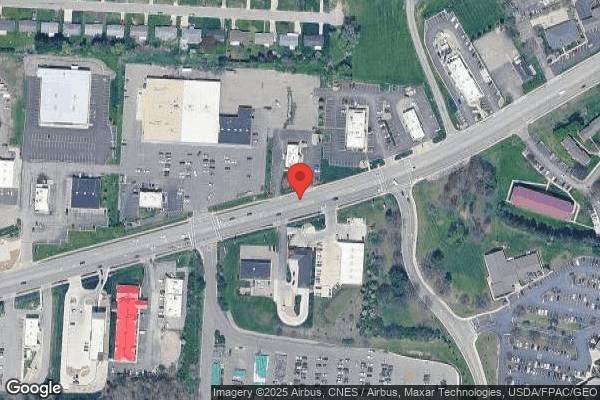
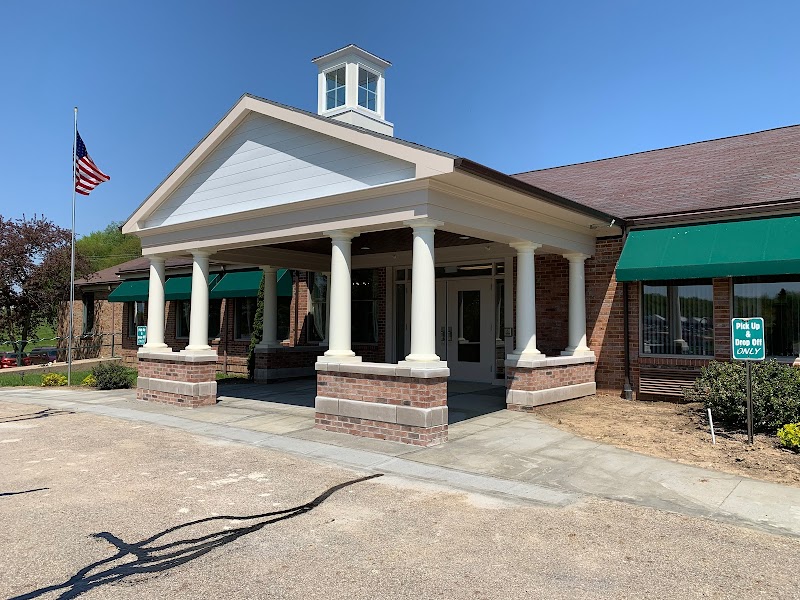
COUNTRY COURT

1076 COSHOCTON AVE, MOUNT VERNON, OH 43050 (740) 397-4125
For profit - Corporation 92 Beds Independent Data: November 2025 1 Immediate Jeopardy citation
Trust Grade
31/100
#648 of 913 in OH
Last Inspection: February 2025

Within standard 12-15 month inspection cycle. Federal law requires annual inspections.

Overview

Country Court in Mount Vernon, Ohio, has a Trust Grade of F, indicating significant concerns about the quality of care provided, which is among the poorest ratings available. With a state rank of #648 out of 913, they are in the bottom half of Ohio facilities, and #5 out of 7 in Knox County means there is only one local option rated lower. The facility's trend is worsening, with issues increasing from 4 in 2023 to 7 in 2025. Staffing is rated average with a turnover rate of 47%, which is slightly below the state average. However, the facility has faced serious incidents, including a critical situation where a resident was left unattended in a wheelchair, leading to a fall and injury, and another incident where a resident's wound care was neglected, resulting in a hospital admission for severe complications. While the facility shows some strengths in staffing stability, the overall safety and care quality raise significant concerns for prospective residents and their families.

Trust Score
F
31/100
In Ohio
#648/913
Bottom 30%
Safety Record
High Risk
Review needed
Inspections
Getting Worse
4 → 7 violations
Staff Stability
⚠ Watch
47% turnover. Above average. Higher turnover means staff may not know residents' routines.
Penalties
✓ Good
$15,593 in fines. Lower than most Ohio facilities. Relatively clean record.
Skilled Nurses
○ Average
Each resident gets 40 minutes of Registered Nurse (RN) attention daily — about average for Ohio. RNs are the most trained staff who monitor for health changes.
Violations
⚠ Watch
45 deficiencies on record. Higher than average. Multiple issues found across inspections.
★★☆☆☆
2.0
Overall Rating
★★★☆☆
3.0
Staff Levels
★★★★☆
4.0
Care Quality
★★☆☆☆
2.0
Inspection Score
Stable
2023: 4 issues
2025: 7 issues

The Good

  • 4-Star Quality Measures · Strong clinical quality outcomes
  • Full Sprinkler Coverage · Fire safety systems throughout facility
  • No fines on record

Facility shows strength in quality measures, fire safety.

The Bad

2-Star Overall Rating

Below Ohio average (3.2)

Below average - review inspection findings carefully

Staff Turnover: 47%

Near Ohio avg (46%)

Higher turnover may affect care consistency

Federal Fines: $15,593

Below median ($33,413)

Minor penalties assessed

The Ugly 45 deficiencies on record

1 life-threatening 1 actual harm
Feb 2025 7 deficiencies
CONCERN (D)

Potential for Harm - no one hurt, but risky conditions existed

Accident Prevention (Tag F0689)

Could have caused harm · This affected 1 resident

**NOTE- TERMS IN BRACKETS HAVE BEEN EDITED TO PROTECT CONFIDENTIALITY** Based on medical record review, observations, interviews, and facility policy review the facility failed to ensure fall/safety m...

Read full inspector narrative →
**NOTE- TERMS IN BRACKETS HAVE BEEN EDITED TO PROTECT CONFIDENTIALITY** Based on medical record review, observations, interviews, and facility policy review the facility failed to ensure fall/safety measures were in place for a high fall risk resident. This deficient practice affected one resident (Resident #19) of four residents reviewed for accidents and hazards. The facility census was 53. Findings Include: Review of Resident #19's medical record revealed admission date 12/28/23 with diagnoses including but not limited to Parkinson's Disease, hemiplegia on the left side, anxiety, depression and history of stroke. Review of Resident #19's annual Minimum Data Set (MDS) dated [DATE] revealed the resident was cognitively intact with a Brief Interview Mental Status (BIMS) score of 15 out of a possible 15 dated 01/04/25. Resident #19 required assistance from staff to complete activities of daily living (ADL) tasks including transfers, bathing/showering and personal hygiene tasks related to left side weakness and hemiplegia. Review of Section J - Health Conditions revealed two or more falls were marked as occurring since admission. Review of Resident #19's fall risk assessment dated [DATE] revealed Resident #19 score was 16 which placed him in a high risk category for falls. Review of Resident #19's self mobility care plan revised date 01/13/25 revealed fall interventions including but not limited to pad alarm to wheelchair and bed to alert (staff) of unassisted transfers, a mirror and table outside of the bathroom, and appropriate footwear in place. Review of Resident #19's signed physician orders revealed an order dated 01/14/25 for a pad alarm to the wheelchair to notify staff of unassisted transfers, every day and night shift. There was no order for the pad alarm to be used in Resident #19's bed. Review of Resident #19's Treatment Administration Record (TAR) dated 01/15/25 to 02/19/25 revealed completion of monitoring the pad alarm to Resident #19's wheelchair seat during both day and night shifts. An observation on 02/18/25 at 12:11 P.M. revealed Resident #19 was in his room, seated in his wheelchair. There was a pad alarm located on the bed but no pad alarm in the wheelchair. An observation on 02/19/25 at 11:32 A.M. revealed Resident #19 was self propelling in the wheelchair in the hallway, and there was no pad alarm in the wheelchair. An observation on 02/19/25 5:21 P.M. revealed Resident #19 was in the dining room, sitting in the wheelchair at the table waiting for the supper meal. There was no pad alarm in the wheelchair. An interview on 02/19/25 at 5:23 P.M. with Certified Nursing Assistant (CNA) #315 confirmed there was no pad alarm in Resident #19's wheelchair. CNA #315 shared they thought the pad alarm was only for the resident's bed. An interview on 02/19/25 at 5:25 P.M. with the Assistant Director of Nursing (ADON) verified the pad alarm for Resident #19 should be in both the wheelchair and the bed to alert staff of Resident #19's attempted unassisted transfers. Review of the facility's policy titled, Fall Prevention and Management Policy and Procedure revised 04/2021 revealed, The Interdisciplinary Team (IDT) will review the investigation of the fall and the preventative intervention that was put into place. The results of the review will be documented on the Post Incident Evaluation and the approved intervention will be placed on the resident's comprehensive plan of care and added to the tasks on the resident's Point of Care [NAME].
CONCERN (D)

Potential for Harm - no one hurt, but risky conditions existed

Incontinence Care (Tag F0690)

Could have caused harm · This affected 1 resident

**NOTE- TERMS IN BRACKETS HAVE BEEN EDITED TO PROTECT CONFIDENTIALITY** Based on medical record review, interview, and facility policy review the facility failed to implement indwelling urinary cathet...

Read full inspector narrative →
**NOTE- TERMS IN BRACKETS HAVE BEEN EDITED TO PROTECT CONFIDENTIALITY** Based on medical record review, interview, and facility policy review the facility failed to implement indwelling urinary catheter care orders. This deficient practice affected one resident (Resident #21) of two residents reviewed for urinary catheter care. The facility census was 53. Findings Include: Review of Resident #21's medical record revealed admission date 05/26/23 with diagnoses including but not limited to end stage renal disease, obstructive uropathy, and high blood pressure. Review of Resident #21's urinary catheter care plan dated 06/02/23 revealed Resident #21 had a suprapubic indwelling urinary catheter with interventions including catheter care every shift. Review of Resident #21's signed physician orders revealed an order dated 01/01/25 to change #20 french/10 milliliter (ML) Supraprubic catheter with plug every day shift every 29 days for maintenance, last changed on 12/01/24 and an order dated 02/14/25 to flush the catheter every day shift until clear discharge for sediment. There were no orders for daily indwelling urinary catheter care and/or monitoring the insertion site. Review of Resident #21's treatment administration record (TAR) dated 01/01/25 to 02/19/25 revealed no orders for indwelling urinary catheter care and no orders for monitoring insertion site. Review of Resident #21's Minimum Data Set (MDS) dated [DATE] revealed moderately impaired cognition with a BIMS score of 10 out of possible 15. Resident #21 required assistance with completion of activities of daily living tasks including transfers, bathing/showering, personal hygiene, and had an indwelling urinary catheter. An interview on 02/20/25 at 11:35 A.M. with the Director of Nursing (DON) confirmed there were no indwelling urinary catheter care orders implemented for Resident #21 and there were no orders to monitor the insertion site of the suprapubic indwelling urinary catheter for Resident #21. Review of the facility's policy titled, Infection Control - Indwelling Catheter Care undated revealed, It is the policy of this facility to ensure that the residents receive care and services to prevent urinary tract infections in those residents with an indwelling catheter, in accordance with standards of practice.
CONCERN (D)

Potential for Harm - no one hurt, but risky conditions existed

Antibiotic Stewardship (Tag F0881)

Could have caused harm · This affected 1 resident

Based on medical record review, interview and facility policy review the facility failed to obtain urinary testing prior to administration of an antibiotic medication for a possible urinary tract infe...

Read full inspector narrative →
Based on medical record review, interview and facility policy review the facility failed to obtain urinary testing prior to administration of an antibiotic medication for a possible urinary tract infection and failed to complete criteria for the use of an antibiotic medication. This deficient practice affected one resident (Resident #21) of two residents reviewed for antibiotic medication use. The census was 53. Findings Include: Review of Resident #21's medical record revealed admission date 05/26/23 with diagnoses including but not limited to end stage renal disease, obstructive uropathy, and high blood pressure. Resident #19 had moderately impaired cognition with a BIMS score of 10 out of possible 15 dated 01/20/25. Resident #21 required assistance with completion of ADL tasks including transfers, bathing/showering, personal hygiene, and had an indwelling urinary catheter. Review of Resident #21's signed physician orders dated 02/01/25 to 02/19/25 revealed an order dated 02/13/25 for antibiotic medication Amoxicillin oral tablet 500 milligram (MG) give one tablet by mouth three times a day for a urinary tract infection until 02/20/25. There were no orders to obtain a urine sample for urinary laboratory testing and culture/sensitivity to accurately prescribe the appropriate antibiotic based on the bacteria identified in the resident's urine specimen Review of Resident #21's medical record revealed there was no assessment to determine if the use of an antibiotic was appropriate before the antibiotic was administered. Review of Resident #21's progress notes dated 02/12/25 at 4:43 P.M. authored Licensed Practical Nurse (LPN) #244 revealed the nurse had attempted to collect a urine sample from Resident #21 due to complaints of flank pain but was unable to do so. LPN #244 flushed Resident #21's catheter with 60 milliliters (ml) of normal saline and returned a thick yellow colored discharge with a foul odor noted from the catheter. The physician was notified. Further review of Resident #21's progress notes reveal a progress note dated 02/13/25 at 12:56 P.M. authored by LPN #244 revealed the physician was in to see Resident #21 regarding his flank pain with new orders for Amoxicillin 500 mg three times per day for 7 days for UTI and flush catheter with 50 ml normal saline daily until clear. Interview on 02/20/25 at 11:15 A.M. with the Assistant Director of Nursing (ADON) confirmed there was no assessment completed to determine if Resident #21's urinary symptoms met criteria for a UTI and warranted treatment with an antibiotic. In addition, there had been only one attempt to obtain a urine sample for laboratory testing for Resident #21's reported flank pain and foul smelling discharge from the indwelling catheter. There were no further attempts to obtain a urine sample. The ADON stated there should have been a culture and sensitivy laboratory test completed so that the most effective antibiotic medication could be ordered for Resident #21. Review of the facility's policy titled, Infection Control - Indwelling Catheter Care undated revealed, It is the policy of this facility to ensure that the residents receive care and services to prevent urinary tract infections in those residents with an indwelling catheter, in accordance with standards of practice.
CONCERN (D)

Potential for Harm - no one hurt, but risky conditions existed

Deficiency F0883 (Tag F0883)

Could have caused harm · This affected 1 resident

Based on record review, staff interview, and policy review the facility failed to ensure Resident #9 and Resident #17, received education regarding the benefits and potential side effects of the the i...

Read full inspector narrative →
Based on record review, staff interview, and policy review the facility failed to ensure Resident #9 and Resident #17, received education regarding the benefits and potential side effects of the the influenza vaccination. This affected two residents (Resident #9 and #17) of five residents reviewed for vaccinations. The facility census was 52. Findings include: 1. Review of the medical record of Resident #9 revealed an admission date of 02/02/23. Diagnoses included unspecified dementia, schizophrenia, and peripheral vascular disease. Review of Resident #9's Immunization Audit Report revealed the resident refused the influenza vaccine on 02/17/23 and education was not provided. The report did not show evidence the resident was offered the vaccine in 2024 or 2025. 2. Review of the medical record for Resident #17 revealed an admission date of 12/01/24. Diagnoses included peripheral vascular disease, diabetes mellitus, and anxiety disorder. Review of Resident #17's Immunization Audit Report revealed the resident was never offered the influenza vaccine in 2024 or 2025. Interview on 02/20/25 at 3:29 P.M. with the facility's Director of Nursing verified Resident #9 and Resident #17 were not educated or offered the influenza vaccine in 2024 or 2025. She reported all residents should be offered the vaccine on admission and yearly when they become available. Review of the Influenza and Pneumococcal Vaccine policy revised 04/06/21 revealed the purpose was to ensure all residents or their representative are educated in the benefits and side effects of receiving the influenza and Pneumococcal immunizations. The influenza vaccine will be offered between 10/01 and 03/31 each year. At admission the resident or their representative will receive education on the benefits and side effects of the immunizations including but not limited to the recommendations from the Centers for Disease Control (CDC).
CONCERN (E)

Potential for Harm - no one hurt, but risky conditions existed

Deficiency F0561 (Tag F0561)

Could have caused harm · This affected multiple residents

**NOTE- TERMS IN BRACKETS HAVE BEEN EDITED TO PROTECT CONFIDENTIALITY** Based on record review, staff interview, resident interviews and policy review the facility failed to provide showers per reside...

Read full inspector narrative →
**NOTE- TERMS IN BRACKETS HAVE BEEN EDITED TO PROTECT CONFIDENTIALITY** Based on record review, staff interview, resident interviews and policy review the facility failed to provide showers per resident preference. This affected six of six residents (Resident #19, #21, #26, #30, #43, and #47) reviewed for showers. The census was 53. Findings Include: 1. Review of the medical record for Resident #47 revealed an admission date of 05/23/24. Diagnosis included chronic obstructive pulmonary disease, hemiplegia and hemiparesis affecting the right dominant side and diabetes. Review of the admission Minimum Data Set (MDS) assessment dated [DATE] revealed Resident #47 was cognitively intact and under the area of preferences Resident #47 indicated it is very important to choose between a tub bath, shower, bed bath or sponge bath. The resident's cognition, according to subsequent MDS Assessments, has remained intact. Review of the care plan dated 06/07/24 revealed Resident #47 required assistance for bathing related to physical limitation and weakness. Interventions included bathing (required) one person and is totally dependent on bathing, prefers showers and ensure hair is washed and nails are manicured on bathing day. Review of the progress notes from 01/21/25 through 02/19/25 revealed no documentation regarding the resident refusing showers. Review of the task tab in the medical record revealed Resident #47 received bathing needs with one assistance on Monday and Thursday on evening shift. Review of the shower log from 01/21/25 through 02/18/25 revealed Resident #47 received bed baths on 01/21/25, 01/22/25, 01/25/25, 01/26/25, 01/27/25, 01/29/25, 01/31/25, 02/03/25, 02/04/25, 02/06/25, 02/08/25, 02/09/25, 02/13/25, 02/14/25, 02/16/25, 02/17/25, 02/18/25. No showers were given. Interview on 02/18/25 at 12:47 P.M. with Resident #47 revealed he does not receive a shower. Resident #47 stated he would like a shower at least once a week. The staff will wash him up but he does not get a shower. Interview on 02/19/25 at 3:00 P.M. with the Director of Nursing (DON) verified Resident #47 did not receive showers according to Resident #47's preference. Residents should be receiving showers at least twice a week. The DON verified Resident #47 had not received a shower in the last 30 days. 2 Review of the medical record for Resident #30 revealed an admission date 11/30/24. Diagnosis included chronic kidney disease stage 3, atrial fibrillation and muscle weakness. Review of the admission MDS dated [DATE] revealed Resident #30 had intact cognition. Under preferences revealed choosing between a tub bath, shower, bed bath or sponge bath is very important. Review of the plan of care dated 12/30/24 revealed Resident #30 had an activity of daily living (ADL's) performance deficit. requiring assistance with bathing, hygiene and dressing. Interventions included staff to set up equipment and assist as needed for bathing, dressing and hygiene. Review of the task tab in the medical records revealed Resident #30's bathing needs were on Tuesday and Friday, on evening shift with one assist of staff. Review of the progress notes from 11/30/24 revealed no progress note on refusing showers. Review of the shower log from 01/21/25 through 02/19/25 revealed Resident #30 received bed baths on 01/21/25, 01/22/25, 01/25/25, 01/26/25, 01/27/25, 01/29/25, 01/31/25, 02/04/25, 02/06/25, 02/0825, 02/09/25, 02/13/25, 02/14/25, 02/17/25 and 02/18/25. Resident #30 received a shower once on 02/07/25. Interview on 02/18/25 at 1:04 P.M. with Resident #30 revealed he is not getting showers like he wants, once or twice a week would be nice. Staff will wash him but that is all and they want to come in at 10:30 P.M. to give him a bath and that is too late. Interview on 02/19/25 at 3:00 P.M. with the DON verified Resident #30 did not receive showers according to Resident #30's preference. Residents should be receiving showers at least twice a week. The DON verified Resident #30 only received a shower once in the last month. 3 Review of the medical record for Resident #26 revealed an admission date 06/01/24. Diagnosis included anxiety, dementia and chronic obstructive pulmonary disease. Review of the annual MDS dated [DATE] revealed Resident #26 had intact cognition. Under preferences Resident #26 showed it was very important to choose between a tub bath, shower, bed bath or sponge bath. Review of the care plan dated 06/17/24 revealed Resident #26 required assistance for bathing related to impaired mobility and weakness. Interventions included one assist for bathing. prefer showers and ensure hair is washed and nails are manicured on bathing day. Review of the shower log from 01/21/25 through 02/19/25 revealed a bed bath on 01/21/25, 01/22/25, 01/23/25, 01/26/25, 01/27/25, 01/28/25, 01/31/25, 02/04/25, 02/05/25, 02/06/25, 02/08/25, 02/09/25, 02/10/25, 02/12/25, 02/13/25, 02/14/25, 02/17/25 and 02/18/25. Showers were given on 01/22/25, 01/29/25 and 02/12/25. Shower /bath skin sheet for 01/22/25 and 01/29/25 skin check completed. Interview on 02/18/25 at 1:17 P.M. with Resident #26 revealed she gets a shower at night and would like to receive a shower at least once a week. Resident #26 stated she asked for her showers to be moved to days and this has not happened. Interview on 02/19/25 at 3:00 P.M. with the DON verified Resident #26 did not receive showers according to Resident #26's preference and some residents should be receiving showers at least twice a week. The DON verified Resident #26 received three showers in the last 30 days. 4. Review of Resident #19's medical record revealed an admission date of 12/28/23 with diagnoses including but not limited to hemiplegia on the left side, anxiety, depression and history of stroke. Resident #19 was cognitively intact with a Brief Interview Mental Status (BIMS) score of 15 out of a possible 15 dated 01/04/25. Resident #19 required assistance from staff to complete activities of daily living (ADL) tasks including transfers, bathing/showering and personal hygiene tasks related to left side weakness and hemiplegia. Review of Resident #19's ADL care plan dated 01/03/24 revealed Resident #19 required staff assistance for bathing, personal hygiene, shaving, dressing and toileting with intervention marked as bathing with shower days on Monday and Fridays during evening shift. Review of Resident #19's of Annual [NAME] Data Set (MDS) dated [DATE] revealed Section F - Preferences for Routine and Activities revealed for Resident #19 the choice of showering was very important. Further review revealed in Section GG - Functional Abilities Resident #19's assistance level for showering marked as maximum assistance from staff with personal hygiene assistance marked as supervision assistance by staff. Review of Resident #19's Point of Care (POC) task documentation dated 01/25/25 to 02/17/25 revealed there were no showers being completed during the timeframe; bed baths were marked as being completed instead and there were no refusals marked. Further review of Resident #19's shower sheets dated 01/17/25, 01/20/25, 01/24/25, 01/28/25, 01/31/25, 02/10/25, and 02/07/25 revealed bed baths were completed on these dates. An interview on 02/18/25 at 12:10 P.M. with Resident #19 revealed he had not been receiving regular showers on Monday and Friday nights. Resident #19 stated he preferred to have showers two times a week and not bed baths. An interview on 02/19/25 at 3:15 P.M. with the Director of Nursing (DON) confirmed Resident #19 was not receiving showers as he preferred. The DON stated residents should be receiving showers per their preference and not at the convenience of the staff. 5. Review of Resident #21's medical record revealed an admission date of 05/26/23 with diagnoses including but not limited to end stage renal disease, obstructive uropathy, and high blood pressure. Resident #21 had moderately impaired cognition and required assistance with completion of ADL tasks including transfers, bathing/showering, and personal hygiene. Review of Resident #21's ADL care plan dated 10/21/24 revealed Resident #21 received assistance with bathing/showering with preferred showers marked as Sunday and Thursday's during evening shift. Review of Resident #21's quarterly MDS dated [DATE] revealed Section F - Preferences for Routine and Activities revealed for Resident #21 the choice of showering was very important. Further review revealed in Section GG - Functional Abilities Resident #21's assistance level for showering and personal hygiene marked as supervision assistance from staff. Review of Resident #21's POC shower/bathing documentation dated 01/25/25 to 02/17/25 revealed showers being received on 01/25/25 and 02/08/25, bed baths being received on 01/23/25, 01/24/25, 01/31/25, 02/03/25, 02/07/25, 02/09/25, 02/21/25, 02/13/25, 02/14/25 and 02/17/25, and not applicable (NA) being marked on 01/26/25, 01/29/25, and 02/02/25. Interview on 02/18/25 at 10:55 A.M. with Resident #21 revealed their last shower was received on Saturday 02/08/25. Resident #21 stated, at best, he may get one shower a week and sometimes there is no shower offered, only a bed bath. Resident #21 preferred to have two showers per week. An interview on 02/19/25 at 3:15 P.M. with the Director of Nursing (DON) confirmed Resident #21 was not receiving showers as he preferred. The DON stated residents should be receiving showers per their preference and not at the convenience of the staff. 6. Review of Resident #43's medical record revealed an admission date of 12/06/24 with the following diagnoses including but not limited to weakness, anxiety, major depression, and high blood pressure. Resident #43 was cognitively intact dated 12/13/24. Resident #43 required assistance from staff to complete ADL tasks including bathing/showers and personal hygiene. Review of Resident #43's admission MDS dated [DATE] revealed the resident was cognitively intact and required assistance from staff to complete ADL tasks including bathing/showers and personal hygiene. Section F - Preferences for Routine and Activities revealed for Resident #43 the choice of showering was very important. Further review revealed in Section GG - Functional Abilities Resident #43's assistance level for showering and personal hygiene marked as partial to moderate assistance from staff. Review of Resident #43's ADL care plan revision date 02/01/25 revealed assistance with bathing/showering as an intervention, there were no preferences documented for Resident #43. Review of Resident #43's POC task documentation dated 01/25/5 to 02/17/25 revealed Resident #43's preference for shower days as being on Mondays and Thursdays during day shift. There was a shower marked as being completed on 01/25/25 and a tub bath as being completed on 01/26/25. The rest of the dates were marked as having a bed bath being completed. Interview on 02/18/25 at 10:53 A.M. with Resident #43 revealed she had only been receiving a shower or bed bath once a week and would prefer to have two showers per week. An interview on 02/19/25 at 3:15 P.M. with the Director of Nursing (DON) confirmed Resident #43 was not receiving showers as she preferred. The DON stated residents should be receiving showers per their preference and not at the convenience of the staff. Review of the facility's policy titled, Personal Hygiene, Bathing and Showering of the Residents undated revealed, Nursing facilities shall provide residents with the opportunity for bathing per the resident's preference. The resident, the family, or an alternate decision maker shall have the opportunity to choose a type of bathing method that is preferred. In addition, the resident has an opportunity to express how often they would like to bath as well as what time of the day they prefer (am, pm). Review of the facility policy Personal Cleanliness/hygiene, dated 02/19/25 revealed personal cleanliness/ hygiene is the foundation for health and wellness. The nursing facilities shall provide residents with the opportunity for bathing per the resident's preference. personal hygiene, bathing and showering of the residents.
CONCERN (F)

Potential for Harm - no one hurt, but risky conditions existed

Food Safety (Tag F0812)

Could have caused harm · This affected most or all residents

Based on observation, policy review and interview, the facility failed to ensure the kitchen was maintained in a clean and sanitary manner. This had the potential to affect all residents residing in t...

Read full inspector narrative →
Based on observation, policy review and interview, the facility failed to ensure the kitchen was maintained in a clean and sanitary manner. This had the potential to affect all residents residing in the facility. The census was 53. Finds Included: Observation on 02/18/25 at 8:37 A.M. of the kitchen with the Dietary Manager #300 revealed serving pans of various sizes were being stored wet. There were six serving pans stacked on the shelf that were still wet. Interview on 02/18/25 at 8:40 A.M. with the Dietary Manager #300 verified after serving dishes are washed they have to be air dried completely before being stacked and put away. Review of the facility policy Cleaning Dishes/Dish Machine, dated 2023 revealed dishes should be air dried on the dish racks, not dried with towels. Dishes are to be inspected for cleanliness and dryness and put dishes away. Dishes should not be nested unless they are completely dry.
CONCERN (F)

Potential for Harm - no one hurt, but risky conditions existed

Infection Control (Tag F0880)

Could have caused harm · This affected most or all residents

2. Observation on 02/20/25 at 2:20 P.M. revealed Housekeeper #337 cleaning a resident's room. The resident was in isolation for Clostridium Difficile (C-diff) (a very contagious infection that causes ...

Read full inspector narrative →
2. Observation on 02/20/25 at 2:20 P.M. revealed Housekeeper #337 cleaning a resident's room. The resident was in isolation for Clostridium Difficile (C-diff) (a very contagious infection that causes diarrhea and inflammation of the colon). Observed on the housekeeping cart was several cleaning supplies. Interview on 02/20/25 at 2:22 P.M. with Housekeeper #337 stated she was trained to use Clorox Clean-Up Disinfectant with Bleach to clean resident rooms with C. diff. Observation of the bottle efficacy label did not list C. diff as a bacteria that it was effective against. Interview on 02/20/25 at 3:15 P.M. with Housekeeping Supervisor #240 confirmed she investigated the product and it does not kill the bacteria C. Diff. She reported it had been awhile since they had a case but when they did she instructed staff members to use bleach or the Clorox Clean-Up Disinfectant with Bleach. She verified she would need to retrain staff and order additional cleaning supplies that will kill the bacteria. Interview on 02/20/25 at 3:20 P.M. with Registered Nurse #254, who identified herself as the infection control nurse, verified the facility did not have an outbreak of C. diff. She stated the facility would retrain the housekeeping staff on appropriate cleaning agents to use that will be effective against killing the bacteria. Based on observation, water management plan review and interview, the facility failed to maintain a comprehensive water management plan and utilize appropriate disinfectants to prevent the spread of communicable disease. This had the potential to affect all residents who reside in the facility. The facility census was 53. Findings include: 1. Review of the undated Water Management Plan revealed it was not descriptive of the facility. The plan did not detail limits or control measures. The Water Management Plan excluded the basement and fixtures such as the backflow prevention device in the Water Management Plan flow diagrams. Review of the empty room water temperature checks revealed the water temperature checks were not completed in January, March, and April of 2024. Interview on 02/20/25 at 3:15 P.M. with the Administrator revealed the Water Management Plan is a template and in development. The Administrator revealed he would have it completed in the next month. The Administrator also revealed the minimum water temperature they test for is not indicated in the Water Management Plan. The Administrator revealed the basement floor plan is not included in the Water Management Plan flow diagrams. The Administrator confirmed that empty room water checks were missed in some months last year. Review of the Worksheet to Identify Buildings at Increased Risk for Legionella Growth and Spread dated 09/26/24 revealed the facility water safety plan or Legionella prevention program was in progress.
Dec 2023 1 deficiency 1 IJ
CRITICAL (J) 📢 Someone Reported This

A family member, employee, or ombudsman was alarmed enough to file a formal complaint

Immediate Jeopardy (IJ) - the most serious Medicare violation

Accident Prevention (Tag F0689)

Someone could have died · This affected 1 resident

**NOTE- TERMS IN BRACKETS HAVE BEEN EDITED TO PROTECT CONFIDENTIALITY** Based on observation, medical record review, facility investigation review, Emergency Medical Services report review, hospital r...

Read full inspector narrative →
**NOTE- TERMS IN BRACKETS HAVE BEEN EDITED TO PROTECT CONFIDENTIALITY** Based on observation, medical record review, facility investigation review, Emergency Medical Services report review, hospital record review, staff interview and policy review, the facility failed to provide Resident #50, who was identified to have intermittent confusion, adequate supervision, and assistance to prevent a fall with injury. Immediate Jeopardy and serious harm and injury occurred on 11/07/23 when staff assisted Resident #50 to the facility front porch to be transported to an outside appointment. The resident was left unattended in a wheelchair thought to not have properly functioning brakes. After being left unattended, the resident moved her wheelchair from the facility porch/portico and began to roll approximately 50 feet across the parking lot toward six concrete steps. Once the wheelchair reached the first concrete step, the resident was ejected from the wheelchair and fell to a concrete pad, located at the bottom of the six steps, landing on her abdomen. The resident was assessed to have a large hematoma to the right side of her forehead and was unresponsive upon initial assessment. The resident was transported to a local hospital and diagnosed with a right temporal and right frontal lobe brain bleed. The resident was life-flighted to a trauma center for further evaluation. The resident subsequently suffered cerebral vascular accidents during her hospital stay and was discharged to another facility under hospice care. This affected one resident (Resident #50) of three residents reviewed for falls. The facility census was 49. On 11/22/23 at 12:01 P.M. the Administrator and Director of Nursing (DON) were notified the Immediate Jeopardy began on 11/07/23 at approximately 12:50 P.M. when the facility failed to provide appropriate supervision and assistance to Resident #50 resulting in serious injury when the resident rolled across the parking lot, was ejected from her wheelchair, and fell, causing a brain bleed, cerebral vascular accidents, and dysphasia (difficulty speaking). The Immediate Jeopardy was removed on 11/27/23 when the facility implemented the following corrective action: • On 11/07/23 at approximately 1:15 P.M. Resident #50 was transported to the hospital for evaluation and treatment. • On 11/07/23, immediately after the incident, Resident #50's wheelchair was locked in the Administrator's office, by the DON, to prevent staff use. • On 11/07/23 at 2:00 P.M. Medical Director #520 was updated by the Director of Nursing. • On 11/07/23, 3:40 P.M. State Tested Nursing Assistant (STNA) #140 was provided immediate 1:1 education by the DON regarding resident supervision levels. • On 11/08/23, the process was changed for transportation to pick up residents at the back entrance of the facility. • On 11/08/23 at 9:40 A.M. the Administrator notified the transportation company by telephone of the new process for pick-up of the residents at the facility. • On 11/08/23 and 11/09/23, AD Hoc QAPI meetings were held with the Administrator, the Director of Nursing, and Senior Living President #515 to discuss the action plan items. All items were approved. • On 11/09/23 at 10:00 A.M. Medical Director #520 was updated by the Director of Nursing of the action taken since 11/07/2023 and upcoming in-services of staff. • On 11/09/23, Maintenance Staff #420 and #530 evaluated all wheelchairs and other mobility equipment in the facility for safety and working order. No equipment was identified as not in working order, including the chair utilized by Resident #50 on 11/7/23. • By 11/10/23, [NAME] Data Set (MDS) Registered Nurse (RN) #470 reassessed all 48 residents residing in the facility at the time for updated elopement risks and need for supervision outside of the facility. Residents #17 and #16 were determined to be safe outside of the facility without supervision. • By 11/10/23, The Administrator and the Director of Nursing (DON) in-serviced all 44 staff on the new facility policy and procedure related to transfer and pick up procedures, the elopement policy and procedure and updated elopement risks and residents needing supervision, the abuse and neglect policy and procedure, and wheelchair and equipment maintenance and review of the new process for when malfunctioning equipment is identified by staff. • On 11/16/23 the Quality Assurance Committee met and reviewed the results of the in-services and the updated resident elopement assessments. • On 11/27/23 the DON and designees began random audits of resident equipment and transportation pickups to ensure all equipment was functioning properly and residents were transported and supervised in accordance with their plan of care. The audits will be conducted three times a week for four weeks and then weekly for four weeks. The results of the audits will be reviewed at the end of the month or within the first week of the following month by the Interdisciplinary Team for ongoing compliance. The results of the audits will be reviewed again at the quarterly Quality Assurance Committee meeting. Due to the audit process, equipment that is found to not be working properly will be removed from use until the equipment is working properly. Additional staff education and in-services will occur if concerns are identified with supervision and/or the new transportation process. • On 11/28/23 from 1:10 P.M. through 2:45 P.M. surveyor interviews with RN #400, LPN #395 and STNAs #55, #80, #90, and #130 revealed the staff received in-service/education and were knowledgeable of the new facility policy and procedure related to transfer and pick up, the elopement policy and procedure and updated resident elopement risks and residents needing supervision, the abuse and neglect policy and procedure, and wheelchair and equipment maintenance and review of the new process for when malfunctioning equipment is identified by staff. Although the Immediate Jeopardy was removed on 11/27/23, the facility remained out of compliance at Severity Level 2 (no actual harm with potential for more than minimal harm that is not Immediate Jeopardy) as the facility is still in the process of implementing their corrective actions and monitoring to ensure on-going compliance. Findings include: Review of the medical record revealed Resident #50 was admitted to the facility on [DATE] with diagnoses including metabolic encephalopathy (chemical imbalance in the blood that affects the brain) unspecified dementia, lung cancer, chronic obstructive pulmonary disease, anxiety, and repeated falls. Review of Resident #50's skilled nursing assessment dated [DATE] and completed by RN #490 revealed Resident #50 used a wheelchair for mobility during transport to appointments and while out of the facility with family. Review of Resident #50's care plan initiated on 10/11/23 revealed Resident #50 was at risk for falls related to the diagnoses of dementia, anxiety, fibromyalgia, and history of falls. Interventions were implemented including monitor resident for changes in ambulation and assist with bed mobility, transfers and ambulation as needed. Further review revealed Resident #50 had cognitive deficit which put Resident #50 at risk for wandering and elopement. The intervention for the use of a wander guard was implemented on 10/20/23. Review of Resident #50's quarterly [NAME] Data Set (MDS) 3.0 assessment dated [DATE] revealed Resident #50 had impaired cognition, used a walker for independent ambulation assistance, required extensive assistance from one to two staff members for transfers, bed mobility and toilet use. Resident #50 was receiving speech therapy, occupational therapy, and physical therapy to improve strength, coordination, and cognition. Review of Resident #50's fall risk screen assessment dated [DATE] completed by RN #400 revealed Resident #50 was identified as a high risk for falls with a score of 12. Review of Resident #50's wandering/elopement risk assessment dated [DATE] and completed by LPN #375 revealed Resident #50 was at high risk for wandering related to history of wandering and impaired cognition. The intervention for placement of a wander guard (a bracelet that residents wear that will alert staff if the resident approaches a monitored exit door) was implemented on 10/20/23. Review of Resident #50's physician orders listing for November 2023 revealed signed physician orders dated 10/20/23 for placement check of a wander guard to Resident #50's right ankle was to be completed every shift and to check function of the wander guard to be completed on every night shift. Review of Resident #50's nurse progress notes dated 11/07/23 at 1:00 P.M. and authored by RN #400 revealed Resident #50 was observed lying face down on the sidewalk and grass at the base of six concrete steps at the front of the facility. Resident #50 had skin tears to bilateral hands and a hematoma with abrasion was noted above the right temple. Resident #50 was alert but could not respond appropriately to questions. Review of Resident #50's nurse progress notes dated 11/07/23 at 1:51 P.M. and authored by LPN #375 revealed LPN #375 was called outside by a State Tested Nursing Assistant (STNA) (not identified in the progress note) due to Resident #50 falling out of the wheelchair and down the first flight of concrete stairs. Resident #50 was alert but could not respond appropriately to orientation questions. Resident #50's fall was witnessed by a therapy staff member leaving the facility for the day. Review of the Emergency Medical Services (EMS) Patient Care Record dated 11/07/23 at 1:05 P.M. revealed Resident #50 was observed lying on her back with facility staff securing Resident #50's head and neck. Resident #50 was noted to be looking around but was unable to answer questions appropriately or follow verbal commands. EMS notified the medical helicopter service for transport of Resident #50 due to her age and mechanism of injury. EMS transported Resident #50 to the emergency room for further evaluation. Review of Resident #50's hospital emergency room progress notes dated 11/07/23 at 1:30 P.M. revealed the results of Resident #50's head Computed Tomography (CT) of acute right frontal and temporal lobe parenchymal hemorrhage (bleeding from ruptured blood vessels into the parenchyma or functioning tissue of the brain), a small right subdural hematoma (occurs when blood vessels rupture between the skull and the brain (subdural space) is damaged. Blood escapes from the blood vessel, leading to the formation of a blood clot (hematoma) that places pressure on the brain and damages the brain) with no significant mass effect of midline shift of the brain. Resident #50 was noted to be able to follow commands, open eyes, but was confused. Resident #50's airway was intact. Resident #50 was transferred via medical helicopter to a higher-level trauma center. As part of the facility investigation, incident report, post incident evaluation, and staff statements were obtained which revealed the following: Review of the Accident/Incident Report completed by the DON dated 11/07/23 revealed Resident #50 had been leaving the facility for an appointment when she was left unattended outside the facility and fell down the front steps with the wheelchair. Resident #50 was unable to respond to the DON concerning Resident #50's activity prior to the fall. Resident #50's status and related factors were marked as confused/disoriented, the use of psychotropic, cardiac, and high blood pressure medications and the use of mobility devices including a walker and wheelchair. Notifications were completed for the responsible party, the physician, and the DON. Resident #50 was transported to the emergency room by the emergency medical services (EMS) with injuries noted as hematoma to the right temple and skin tears to bilateral hands. Review of the Post Incident Evaluation completed by the Director of Nursing (DON) on 11/07/23 revealed the location of Resident #50's fall was the front steps of the facility. The injuries sustained were hematoma to the right temple and skin tears to both hands. Physical Therapist Assistant (PTA) #525 witnessed the incident. The Medical Director #520 and responsible party were notified by Licensed Practical Nurse (LPN) #375. There were no alarms or restraints in place at the time of the fall. Review of State Tested Nursing Assistant (STNA) #140 statement dated 11/07/23 revealed STNA #140 had wheeled Resident #50 out the front doors of the facility to the porch area for transportation to an appointment. Transportation Personnel #500 requested a different wheelchair due to the brakes not locking on Resident #50's wheelchair and the need for footrests on the wheelchair for transportation of the resident. STNA #140 returned inside the facility to get a different wheelchair for the resident, leaving Resident #50 outside with Transportation Personnel #500. STNA #140 was inside the facility for approximately three to five minutes when Transportation Personnel #500 entered the facility leaving Resident #50 unattended outside of the facility. STNA #140 was exiting the facility with a different wheelchair, when Transportation Personnel #500 notified her, a nurse was needed outside. STNA #140 yelled for a nurse and then exited the facility. STNA #140 observed Resident #50 lying face down with her arms at her sides on the landing at the bottom of the first set of stairs with Physical Therapy Assistant (PTA) #525 at her side with the wheelchair sitting upright to the side of Resident #50. Review of Licensed Practical Nurse (LPN) #375 statement dated 11/07/23 revealed LPN #375 responded to the request of a nurse required outside in front of the facility. LPN #375 observed Resident #50 lying on her back with RN #400, STNA #140 and the Director of Nursing (DON) kneeling beside her. RN #400 was calling emergency medical services. At approximately 1:15 P.M. LPN #375 notified Resident #50's son concerning the incident. At 3:30 P.M. LPN #375 called [NAME] Community Hospital for an update on Resident #50. LPN #375 was notified Resident #50 was air lifted to a trauma center. Review of Registered Nurse (RN) #400 statement dated 11/07/23 revealed RN #400 heard STNA #140 shouting from the front doors that a nurse was needed out front. Upon exiting the building, RN #400 observed the transportation vehicle with the driver standing beside the van. RN #400 ran down the steps and observed Resident #50 lying face down on the landing at the bottom of the first set (of steps) with the wheelchair a few feet away. RN #400 noted Resident #50 had a pulse with her eyes rolled back and shallow, slow respirations were observed. Resident #50 did not verbally respond to RN #400. RN #400 promptly called 911 for emergency medical services (EMS). RN #400, the DON, LPN #375 and STNA #140 assisted in log rolling Resident #50 onto her back. EMS arrived and transported Resident #50 to the emergency room. Review of Physical Therapy Assistant (PTA) #525 statement dated 11/07/23 revealed PTA #525 was pulling her vehicle around to leave the facility when she noticed Resident #50 rolling across the driveway. She put her vehicle into park and got out and ran towards Resident #50 in an attempt to stop the wheelchair. PTA #525 witnessed Resident #50 being ejected from the wheelchair and flew down the steps landing face down on the concrete landing. PTA #525 removed the wheelchair from on top of Resident #50 and placed the wheelchair to the side of Resident #50 activating the brakes to secure the wheels from rolling. Transportation Personnel #500 stated he would go get help and then nursing came out and took over her care. PTA #525 assisted in log rolling Resident #50 to her back. On 11/21/23 at 2:27 P.M. an interview with Registered Nurse (RN) #400 revealed on 11/07/23 State Tested Nursing Assistant (STNA) #140 notified her there was a situation outside in the front of the facility and a nurse was required. Upon exiting the facility through the front doors, Resident #50 was observed lying face down on the landing at the bottom of the first flight of stairs, there was a manual wheelchair sitting upright to the side of where Resident #50 was lying. Physical Therapy Assistant (PTA) #525 was observed kneeling beside Resident #50. Transportation Personnel #500 was observed standing near the transportation van. RN #400 assessed Resident #50 for injuries and noted bleeding from skin tears to Resident #50's hands. RN #400 observed Resident #50 was not responding to verbal stimuli and Resident #50's eyes were noted to be rolled back. Resident #50 was log rolled to her back by the RN #400, therapy staff #525, and the Director of Nursing (DON) for further injury assessment. RN #400 observed a hematoma with abrasion located above Resident #50's right temple. Emergency medical services (EMS) were notified, arrived at the facility, and transported Resident #50 to the emergency room. LPN #375 notified Resident #50's son and notified the medical director concerning the incident. On 11/21/23 at 2:41 P.M. an interview with Licensed Practical Nurse (LPN) #375 revealed Resident #50's cognitive baseline was orientated with intermittent confusion; Resident #50 was independent with ambulation using a walker throughout the facility with impaired safety awareness. Resident #50 had recently started using a manual wheelchair for transportation and longer distance mobility. Resident #50 had been on her assigned hallway for 11/07/23 and had a cardiologist appointment requiring transportation. STNA #140 had gotten Resident #50 ready and placed in a manual wheelchair and then had taken Resident #50 to the front porch area for pick up by the transportation company. LPN #375 was notified of an accident involving Resident #50 outside in front of the facility. LPN #375 went out the front doors of the facility and observed RN #400, STNA #140, the DON, and Physical Therapy Assistant (PTA) #525 kneeling beside Resident #50 who was lying on her back on the landing at the bottom of the first flight of stairs at the front of the facility. LPN #375 observed a hematoma above the right temple and skin tears on both hands. Resident #50 was alert but not responding verbally to LPN #375. RN #400 notified the emergency medical services (EMS) for transportation of Resident #50 to the emergency room. On 11/21/23 at 3:32 P.M. an interview with State Tested Nursing Assistant (STNA) #140 revealed on 11/07/23 Resident #50 had been assisted into a manual wheelchair and escorted to the front of the facility by STNA #140 for transportation to a physician's appointment via a transportation company's van. When STNA #140 had taken Resident #50 out the front doors to the covered porch area, Transportation Personnel #500 inspected Resident #50's manual wheelchair and stated to STNA #140 the wheelchair brakes did not lock and the wheelchair needed to have footrests in place for transport. STNA #140 left Resident #50 sitting outside in the porch area and returned inside the facility to get a different wheelchair for Resident #50. STNA #140 was in the facility for approximately 3-5 minutes when Transportation Personnel #500 entered the facility to assist STNA #140 in finding a replacement wheelchair for Resident #50. Transportation Personnel #500 then went back outside, as STNA #140 was pushing the replacement wheelchair out the first set of front doors, Transportation Personnel #500 came in the first set of doors and told STNA #140 to get a nurse to come outside. STNA #140 notified Registered Nurse (RN) #400 concerning an accident outside in the front of the facility. STNA #140 and RN #400 went out the front doors and crossed the driveway where Resident #50 was observed lying face down on the landing at the bottom of the first flight of concrete stairs. PTA #525 was observed with Resident #50 and Resident #50's wheelchair was noted to be sitting upright to the side of where Resident #50 was located. On 11/22/23 at 9:02 A.M. an interview with PTA #525 revealed on 11/07/23 at approximately 1:10 P.M. she was leaving the facility for the day. As PTA #525 was driving her vehicle up and around the corner of the driveway she observed Resident #50 sitting in a manual wheelchair freewheeling across the driveway towards the first set of stairs leading down to the parking lot. PTA #525 attempted to put her vehicle in park and exit the vehicle to stop Resident #50 from falling down the stairs, but PTA #525 wasn't able to fast enough and witnessed Resident #50 front wheels of the manual wheelchair go over the edge of the first step causing Resident #50 to be ejected from the seat of the manual wheelchair and fall down the remaining set of stairs ending up face down to the right side of the concrete landing with the manual wheelchair laying on top of Resident #50. Transportation Personnel #500 was observed walking across the driveway towards the set of steps talking on his cell phone. PTA #525 requested Transportation Personnel #500 to get a nurse from inside of the facility. RN #400 and the Director of Nursing (DON) was observed exiting the building. PTA #525 removed the manual wheelchair from atop Resident #50 and placed the manual wheelchair to the side of where Resident #50 was located on the stairs landing. PTA #525 applied the brakes to the wheelchair locking the wheels in place. PTA #525 assisted RN #400 and the DON in log rolling Resident #50 onto her back for airway protection and further injury assessment. On 11/22/23 at 9:37 A.M. an interview with the Director of Nursing (DON) revealed Resident #50 was alert with periods of intermittent confusion with occasional hallucinations. Resident #50 was independent with ambulation using a walker for assistance. Resident #50 had a wander guard in place due to wandering behavior. On 11/07/23 at approximately 1:10 P.M. the DON was notified of an accident involving Resident #50 outside in front of the facility. The DON observed Resident #50 lying face down on the landing at the bottom of the first set of steps leading down to the parking lot. PTA #525 was kneeling beside Resident #50 and Resident #50's wheelchair was sitting upright to the side of where the resident was located. The DON assisted in log rolling Resident #50 onto her back for airway protection and further injury assessment. Transportation personnel #500 was observed standing near the transportation van in front of the facility. The DON observed a hematoma above the right temple area and skin tears on both hands of Resident #50. RN #400 notified EMS and requested transport to the emergency room for further evaluation of Resident #50. On 11/24/23 at 9:45 A.M. an interview with the Medical Director #520 revealed he had been notified of the accident involving Resident #50 and had given the order for transport of Resident #50 to the emergency room for further evaluation. On 11/28/23 at 11:15 A.M. an interview with the Director of Nursing (DON) revealed during the interdisciplinary team investigation, there were several factors involved with Resident #50's accident and fall. The DON stated the resident should not have been left unattended outside of the facility. On 11/30/23 at 10:05 A.M. an interview with Medical Director #520 revealed he had attended the Quality Assurance Committee meeting on 11/16/23 and reviewed the results of the in-services and the updated resident elopement assessments. The medical director did not provide any additional information related to the incident. Several calls were made to the transportation company, but no return calls were provided. Review of the facility's policy titled, Fall prevention and Management Policy and Procedure dated 04/2021 revealed Each resident will be assessed for fall risk during the admission process. A plan of care based on identified risk factors will be implemented. This deficiency represents non-compliance investigated under Complaint Number OH00148435.
Aug 2023 3 deficiencies 1 Harm
SERIOUS (G) 📢 Someone Reported This

A family member, employee, or ombudsman was alarmed enough to file a formal complaint

Actual Harm - a resident was hurt due to facility failures

Quality of Care (Tag F0684)

A resident was harmed · This affected 1 resident

**NOTE- TERMS IN BRACKETS HAVE BEEN EDITED TO PROTECT CONFIDENTIALITY** Based on closed record review and interview the facility failed to adequately monitor Resident #50 related to non-pressure skin ...

Read full inspector narrative →
**NOTE- TERMS IN BRACKETS HAVE BEEN EDITED TO PROTECT CONFIDENTIALITY** Based on closed record review and interview the facility failed to adequately monitor Resident #50 related to non-pressure skin ulcers and failed to ensure wound care was completed as ordered. Actual harm occurred on 07/04/23 when staff identified a decline in the resident's non-pressure skin ulcer to the left foot with an increase in drainage, necrosis (dead tissue) and slough (dead tissue, usually cream or yellow in color that impeded healing and increases the potential for infection) to the wound without evidence the physician or wound clinic were notified of the decline. The facility also had no evidence of wound monitoring, especially after the identified decline in the status of the wound. The resident was subsequently admitted to the hospital in serious condition on 07/16/23 with cellulitis to the left lower extremity and possible sepsis. This affected one resident (Resident #50) of four sampled residents. Findings include: Review of Resident #50's closed medical record revealed the resident was admitted to the facility on [DATE] with diagnoses including diabetes mellitus, atrial fibrillation, high blood pressure, peripheral vascular disease, end stage renal disease with hemodialysis and lower extremity wounds. The resident was discharged to the hospital on [DATE] and did not return to the facility. Review of the physician's orders revealed Resident #50 had an order for Doxycycline (antibiotic) 100 milligrams twice day for infection dated 05/10/23. He took the medication twice a day until he was admitted to the hospital on [DATE]. Review of the facility wound Nurse Practitioner (NP) #500 notes dated 05/10/23 revealed Resident #50 had a vascular wound to the left lower extremity which measured 20 centimeters (cm) in length by 13 cm in width by 0.1 cm in depth with moderate amount for serous (clear fluid drainage) drainage. A wound to the foot (left or right not documented) which measured 1.2 cm in length by 0.3 cm in width by 0.2 cm in depth with a moderate amount of serosanguinous (fluid with some blood cells noted) drainage. A diabetic wound to the right planter foot which measured 6.5 cm in length by 5.3 cm in width by 0.0 cm in depth with a moderate amount of serosanguinous drainage. The wound bed was 100 percent covered in slough and the wound had a mild odor present. The last wound documented was a diabetic wound to the left lateral foot that had full thickness loss. The wound measured 15.2 cm in length by 4.0 cm in length by 0.3 cm in depth with moderate serosanguinous drainage. The wound bed was covered by 50 percent slough and had a mild odor. The wounds to the bilateral feet needed debridement; however the resident expressed he did not want the NP to do the debridement because he had his own physician who would do it for him. He was educated on the appearance and that debridement would help heal the wounds. The resident stated he spoke to his wife, and she told him to do what he felt was best. Review of the admission Minimum Data Set (MDS) 3.0 assessment dated [DATE] revealed the resident's cognition was intact, he required extensive assistance of two or more staff for transfers, toilet use and extensive assistance of one staff member for bed mobility, dressing and personal hygiene. The resident was admitted with one venous/arterial ulcer/diabetic foot ulcer/open lesion to the foot. Review of the treatment administration records for 05/2023 revealed a treatment order for a wound to the resident's right plantar foot. The order was to cleanse with normal saline and cover with calcium alginate and apply an ABD and Kerlix. Record review revealed no evidence the wound treatment was completed as ordered on 05/12/23 or 05/18/23. Review of the 06/2023 treatment administration record revealed no evidence the treatment was completed as ordered on 06/01/23, 06/08/23, or 06/13/23. Review of the treatment administration records for 05/2023 revealed a treatment order for a wound to the fourth and fifth web space of the resident's toe/foot. The order was to cleanse with normal saline and apply silver alginate every day and when needed. Record review revealed no evidence the wound treatment was completed as ordered on 05/12/23, 0515/23, 05/18/23, 05/20/23, 05/21/23 or 05/28/23. Review of the treatment administration record for 06/2023 revealed an order for wound care to the resident's left dorsal hand. The order indicated to cleanse with normal saline, apply hydrogel to the wound, cover with bordered dressing, change daily and as needed. Record review revealed no evidence the wound treatment was completed as ordered on 06/03/23, 06/11/23, 06/13/23, 06/15/23 or 06/18/23. Review of the vascular physician's note dated 06/09/23 revealed Resident #50 was an established patient who presented to the office from the nursing home for concerns of possible need of wound debridement to bilateral lower extremities. The resident had refused to allow the facility physician to do the debridement. He was last seen on 05/16/23 with good granulating base on the left foot however the right foot continued to show some necrosis of the planter fascia. Review of the wound clinic notes dated 06/20/23 revealed the wounds for Resident #50 were improving at this time. The left planter foot measured 10.8 cm in length by 3.1 cm in width by 0.2 cm in depth with some muscle involvement, the right planter foot measured 4.6 cm in length by 2.1 cm in width by 0.3 cm in depth with muscle involvement, and the right lateral lower leg measured 1.7 cm in length by 2.4cm in width by 0.2 cm in depth with a fat layer exposed. He was to return in one week. However, there was no evidence the resident returned for the follow up appointment or any appointments after this date. Review of the July 2023 TAR revealed no documentation the treatment was completed to the resident's left foot on 07/01/23, to the medial right lower extremity on 07/01/23 and 07/07/23, or to the right foot on 07/01/23. Review of a nursing progress note, dated 07/04/23 at 11:59 P.M. revealed change in condition to left foot, prior to dressing change, an excess amount of drainage was noted to be covering the entire plantar area of Kerlix (gauze bandage used to wrap a wound), Abdominal pad (ABD pad (large gauze pad used for larger wounds or wounds with more drainage)) completely saturated. Upon careful removal of ABD, dated with the previous date, a large amount of tissue came off onto (the) ABD and hung from (the) peri wound (tissue surrounding the wound). Area of necrosis has increased in size. Amount of slough has increased as well. Open area separate from the large main wound, towards the center of the foot, has also become more open and deep. Resident had large amount of debris from the day in Hoyer (brand of mechanical lift) pad under legs, food and firework debris. Clear bugs also noted to have been under bilateral lower extremity dressings. No signs of bugs in wounds, wounds washed thoroughly. Review of this progress note revealed no evidence that the physician, nurse practitioner or wound clinic were notified of this change in condition/deterioration of wound. From 07/05/23 to 07/16/23 there were no progress notes, assessment, or evidence of monitoring of the condition of the resident's wounds, including the left foot/leg wound noted in the medical record. A progress note dated 07/11/23 at 8:04 P.M. revealed the resident's wound clinic visit for this date was canceled and rescheduled for 07/18/23. Review of the July 2023 Medication administration record revealed Resident #50 received two 325 milligram tablets of Acetaminophen on 07/15/23 at 7:46 P.M. for a fever of 100.2. There was no documentation the physician was notified. Review of a Skilled Observation Summary dated 07/16/23 at 12:38 A.M. reflected the most recent temperature of 100.2 on 07/15/23 at 7:46 P.M. and noted no new skin issues. Review of the nurse's note dated 07/16/23 at 2:01 P.M. revealed Resident #50 went to the hospital on [DATE] while on a leave of absence (LOA) with his wife. Review of hospital documentation, dated 07/16/23 at 12:04 P.M. included a history of present illness which noted the resident was a nursing home resident who was brought to the hospital by his wife on account of fevers, worsening lower extremity wounds and generalized weakness. The resident's wife had initially picked him up (from the nursing home) for church on this date. He had had a fever the last night and took some Tylenol. At church he was very weak, complained of shortness of breath and broke out in another fever so the wife brought him to the hospital. The resident was febrile with a temperature of 102.6 degrees Fahrenheit and he presented in mild distress. Assessment of his extremities revealed upon removal of his walking boots from his legs the resident was noted to have severe venous insufficiency bilaterally with a lot of skin breakdown on the volar aspects; however the left was quite deep with some black eschar and worsening redness. The resident's white blood cell count was elevated at 12.24 (normal 4.80-10.80) and sepsis alert was called source appears to be the left foot and leg. The plan was for antibiotics as well as fluid resuscitation. Hospital records noted Clinical Impression: Cellulitis left lower extremity with possible sepsis. Disposition: Admit; Patient Condition: Serious. On 07/31/23 at 2:10 P.M., an interview with the Director of Nursing (DON) verified wound care was not completed as ordered for Resident #50 during the dates noted above. On 08/09/23 at 10:55 A.M. a phone interview with Resident #50 revealed he only left the facility for dialysis, on Saturdays from 10:30 A.M. to 7:30 P.M. and on Sundays from 9:00 A.M. to 7:30 P.M. He stated the nurses changed his dressings to his legs on the midnight shift whenever they had time and sometimes, they did not get done. He stated on 07/16/23 his wife took him to the hospital because he had a fever and was weak. He also stated there was increased drainage and some odor coming from his leg and the hospital told him his legs were infected from not being taken care of properly. He stated he was in the hospital for ten days and his legs had to be debrided. He clarified he stayed out late on 07/04/23 to watch fireworks at church and there were bugs crawling on his dressings but stated they were not in his wound. On 08/09/23 at 2:20 P.M. an interview with the DON revealed the facility did not maintain or have any wound clinic notes for Resident #50, but stated she could call and get those notes. She stated staff should have been measuring his wounds, but verified facility staff weren't measuring his wounds. She stated the wound NP would come into the facility every Monday and Resident #50 was at dialysis on Mondays so she could not see him. The DON stated the resident was out of the facility so much and his wound care was hard to do while he was up in the chair, so they decided to move his dressing changes to night shift and the nurses just dropped the ball when it came to his wound assessment and measurement. She stated they were just not doing them. On 08/09/23 at 2:32 P.M. an interview with the DON revealed she spoke to the wound clinic and obtained information the resident had not been seen at the clinic in May 2023 and was only seen on 06/13/23 and 06/20/23. She stated Resident #50 refused to see their house wound NP and requested to go back to the wound clinic he had previously been going to and that was how he started going to the wound clinic to begin with. A follow-up interview at 2:41 P.M. revealed the facility had not set up any of the wound clinic appointments for Resident #50. She stated the wound clinic would give the resident an appointment card and he would set up his own transportation. She stated the facility was not tracking or coordinating care with the resident and the wound clinic to ensure a continuity of care was being provided. On 08/09/23 at 4:00 P.M. an interview with the DON revealed the expectation was when the nurse saw a decline in a wound, they were to notify the provider who was taking care of the wound. She stated she became aware of his decline in his wound on 07/05/23, but could not remember what they had done about it the resident's wound decline. The resident was subsequently taken to the hospital by his wife on 07/16/23 and admitted for medical intervention/care of his wounds. This deficiency represents non-compliance investigated under Complaint Number OH00144774.
CONCERN (D) 📢 Someone Reported This

A family member, employee, or ombudsman was alarmed enough to file a formal complaint

Potential for Harm - no one hurt, but risky conditions existed

Pressure Ulcer Prevention (Tag F0686)

Could have caused harm · This affected 1 resident

**NOTE- TERMS IN BRACKETS HAVE BEEN EDITED TO PROTECT CONFIDENTIALITY** Based on observation, record review, and interview the facility failed to ensure pressure relieving interventions, including a l...

Read full inspector narrative →
**NOTE- TERMS IN BRACKETS HAVE BEEN EDITED TO PROTECT CONFIDENTIALITY** Based on observation, record review, and interview the facility failed to ensure pressure relieving interventions, including a low air loss mattress was in place for Resident #3 as ordered to promote healing the resident's pressure ulcer. This affected one resident (#3) of three residents reviewed for pressure ulcers. The facility census was 48. Findings include: Review of Resident #3's medical record revealed the resident was admitted to the facility on [DATE] with diagnoses including Alzheimer's disease, delusional disorders, type 2 diabetes, anxiety disorder, malignant neoplasm of left breast, and protein-calorie malnutrition. Review of a wound consult note dated 06/12/23 revealed Resident #3 had an in-house acquired Stage III (full-thickness loss of skin, in which adipose (fat) is visible in the ulcer. Slough and/or eschar may be visible) pressure wound to coccyx that measured 3.4 centimeters (cm) long by 0.8 cm wide with 0.6 cm depth. Review of a nurse's note dated 07/28/23 at 5:05 P.M. revealed Resident #3 was transferred to the hospital for seizure activity. A nursing note dated 08/02/23 revealed Resident #3 returned to the facility. Review of a Braden Scale for Predicting Pressure Sore Risk assessment dated [DATE] revealed Resident #3 was at high risk for the development of pressure ulcers. Review of the 5-day Minimum Data Set (MDS) 3.0 assessment dated [DATE] revealed Resident #3 had cognitive impairment and required extensive assistance from two staff for bed mobility and transfers. The MDS also revealed Resident #3 had a Stage III pressure ulcer that was not present on admission. Review of a wound consult note dated 08/28/23 revealed Resident #3 had an in-house acquired Stage III pressure wound that measured 2.2 cm long by 2.5 cm wide with 0.4 cm depth. Review of a plan of care revised on 08/31/23 revealed Resident #3 was at risk for alteration in skin integrity. Interventions included peri care after each incontinence episode and a low air loss (LAL) mattress (dated 05/12/18). Review of physician's orders and treatment administration record (TAR) for August and September 2023 revealed no evidence of LAL air mattress being in place. On 09/05/23 at 9:51 A.M. Resident #3 was observed lying in bed on her back. An interview with Resident #3 at the time of the observation revealed the resident indicated she had a sore on her bottom and stated staff did not turn and reposition her frequently. A LAL mattress was not observed to the resident's bed. Interview on 09/05/23 at 1:39 P.M. with the Director of Nursing (DON) verified Resident #3 did not have a LAL mattress in place. The DON stated Resident #3 had a hospital stay the end of July 2023 and the LAL mattress must have been removed while Resident #3 was at the hospital. The DON also verified the use of a LAL mattress was care planned but there were no orders or documentation on the August or September 2023 administration records of the LAL being in place. The DON verified Resident #3 was identified as being a high risk for the development of pressure ulcers and had developed a Stage III pressure ulcer at the facility.
CONCERN (D) 📢 Someone Reported This

A family member, employee, or ombudsman was alarmed enough to file a formal complaint

Potential for Harm - no one hurt, but risky conditions existed

Medical Records (Tag F0842)

Could have caused harm · This affected 1 resident

**NOTE- TERMS IN BRACKETS HAVE BEEN EDITED TO PROTECT CONFIDENTIALITY** Based on closed record review and interview the facility failed to ensure Resident #50's medical record was maintained in a comp...

Read full inspector narrative →
**NOTE- TERMS IN BRACKETS HAVE BEEN EDITED TO PROTECT CONFIDENTIALITY** Based on closed record review and interview the facility failed to ensure Resident #50's medical record was maintained in a complete and accurate manner related to wounds and wound care. This affected one resident (#50) of four sampled residents. The census was 49. Findings include: Review of Resident #50's medical record revealed the resident was admitted to the facility on [DATE]. Diagnoses included diabetes, atrial fibrillation, high blood pressure, peripheral vascular disease, end stage renal disease with hemodialysis and lower extremity wounds. The resident was discharged to the hospital on [DATE] and did not return to the facility. Resident #50 had vascular/diabetic wounds, identified on admission to multiple areas of his lower extremities/feet. The resident was noted to receive wound services from an outside provider (wound clinic). Further review revealed the facility had no comprehensive documentation from the wound clinic maintained as part of the resident's medical record to ensure a continuity of care. Review of the admission Minimum Data Set (MDS) 3.0 assessment dated [DATE] revealed the resident's cognition was intact, he required extensive assistance of two or more staff for transfers, toilet use and extensive assistance of one staff member for bed mobility, dressing and personal hygiene. On 07/31/23 at 2:10 P.M. interview with the Director of Nursing (DON) verified the facility did not obtain or maintain records of care/services provided to the resident by the outside wound clinic to ensure a continuity of wound care. This deficiency represents non-compliance investigated under Complaint Number OH00144774.
Dec 2022 20 deficiencies
CONCERN (D) 📢 Someone Reported This

A family member, employee, or ombudsman was alarmed enough to file a formal complaint

Potential for Harm - no one hurt, but risky conditions existed

Deficiency F0558 (Tag F0558)

Could have caused harm · This affected 1 resident

**NOTE- TERMS IN BRACKETS HAVE BEEN EDITED TO PROTECT CONFIDENTIALITY** Based on medical record review, observation and staff interview the facility failed to ensure Resident #42 had her call light wi...

Read full inspector narrative →
**NOTE- TERMS IN BRACKETS HAVE BEEN EDITED TO PROTECT CONFIDENTIALITY** Based on medical record review, observation and staff interview the facility failed to ensure Resident #42 had her call light within reach. This affected one resident (Resident #42) of five reviewed for accidents. Findings included: Review of the medical record revealed Resident #42 was admitted to the facility on [DATE]. Diagnoses included dementia, generalized anxiety disorder, peripheral vascular disease, congestive heart failure, obsessive compulsive disorder, hypothyroidism, major depressive disorder, and osteoarthritis. Review of the quarterly Minimum Data Set assessment dated [DATE] revealed Resident #42 had severely impaired cognition. Observation on 12/12/22 at 9:15 A.M. and 10:05 A.M. revealed the call light for Resident #42 was clipped to the privacy curtain in the middle of the room out of her reach. Interview on 12/12/22 at 10:06 A.M. with the Director of Nursing verified Resident #42 could not reach her call light. This deficiency represents non-compliance investigated under Complaint Number OH00131751.
CONCERN (D)

Potential for Harm - no one hurt, but risky conditions existed

Deficiency F0561 (Tag F0561)

Could have caused harm · This affected 1 resident

**NOTE- TERMS IN BRACKETS HAVE BEEN EDITED TO PROTECT CONFIDENTIALITY** 2. Review of Resident #22's medical record revealed an admission date of 01/24/22. Diagnoses included schizoaffective disorder, ...

Read full inspector narrative →
**NOTE- TERMS IN BRACKETS HAVE BEEN EDITED TO PROTECT CONFIDENTIALITY** 2. Review of Resident #22's medical record revealed an admission date of 01/24/22. Diagnoses included schizoaffective disorder, obesity, muscle weakness, and benign prostatic hyperplasia with lower track symptoms. His admission data revealed he had a preference for showers two to three times a week in the evenings. Review of Resident #22 quarterly Minimum Data Set (MDS) 3.0, dated 10/01/22, revealed the resident had a moderate cognitive impairment, and required total dependence with one person physical assistance for bathing. Review of Resident #22's shower documentation from 11/14/22 to 12/08/22 revealed the resident was only receiving bed or towel baths, and had not received a shower in that time frame. Review of Resident #22's care plan, dated 11/16/22, revealed the resident needed extensive assistance with bathing and his shower days are on Tuesday and Saturday in the evening. Interview on 12/13/22 at 1:31 P.M. with Resident #22 revealed he has not had a shower in over a month and would like them more frequently. He confirmed that he prefers showers over bed baths but they are not being done. Interview on 12/13/22 at 2:37 P.M. the Director of Nursing (DON) confirmed Resident #22's choices for showers were not being honored. Review of facility policy titled Bathing Frequency dated 03/12, revealed residents will be placed on a bathing schedule based on their preference. 3. Review of Resident #38's medical record revealed an admission date of 01/29/20. Diagnoses included seizure disorder, COPD, asthma, obesity, and difficulty in walking. His admission data revealed he had a preference for showers in the evening three times a week. Review of Resident #38's quarterly Minimum Data Set (MDS) 3.0, dated 9/16/22, revealed the resident was cognitively intact, and required one person physical assistance for bathing. Review of Resident #38's shower documentation from 11/14/22 to 12/08/22 revealed the resident was only receiving bed or towel baths, and had not received a shower in that time frame. Review of Resident #38's care plan, dated 10/0322, revealed the resident needed extensive assistance with bathing and his shower days are on Tuesday and Saturday in the evening evening. Interview on 12/12/22 at 12:26 P.M. Resident #38 revealed he hasn't had a shower in a awhile. Interview on 12/13/22 at 2:37 P.M. The DON confirmed Resident #38's choices for showers were not being honored. Review of facility policy titled Bathing Frequency dated 03/12, revealed the resident will be placed on a bathing schedule based on their preference. Based on medical record review, resident interview, staff interview, and facility policy and procedure review, the facility failed to honor residents shower preferences. This affected three residents (#22, #38, and #103) of six residents reviewed for activities of daily living. The facility census was 51. Findings Include: 1. Review of the medical record for Resident #103 revealed an admission date of 11/22/22 and a discharge date of 12/13/22 with the diagnoses of encounter for orthopedic aftercare, osteomyelitis right ankle and foot, atrial fibrillation, dementia, peripheral autonomic neuropathy, gait abnormalities, muscle weakness, need for assist with personal care, arthritis, low back pain, benign prostatic hyperplasia and cataracts. Review of the admission Minimum Data Set (MDS) assessment dated [DATE] revealed Resident #103 required extensive two staff assistance for transfers and bed mobility and extensive one staff assistance for toileting, personal hygiene, dressing, and bathing. Review of the care plan for Resident #103 dated 11/29/22 revealed the resident had an activities of daily living self care performance deficit related to amputation of second toe on right foot, osteomyelitis, cellulitis, vertigo, dementia and low back pain, he required assistance with bathing, hygiene and dressing and he prefers to have a shower twice weekly. Interventions included staff to set up equipment and assist as needed for bathing, dressing and hygiene and encourage independence. Review of the bathing documentation revealed Resident #103 received bed baths on 11/24/22, 11/25/22, 11/29/22, 12/01/22, 12/06/22, 12/07/22, and 12/13/22. On 12/12/22 the resident received his first shower at the facility. Interview on 12/12/22 at 1:11 P.M. with Resident #103 revealed he had only had one shower since he had been at the facility, and it was completed that day, 12/12/22. Interview on 12/14/22 at 11:55 A.M. with State Tested Nurse Assistant (STNA) #150 revealed they have only completed bed baths for Resident #103 because that was what was on the schedule, they never asked him if he wanted a shower, they just would tell him he was going to get washed up. She stated 12/12/22 was the first time she asked him if he wanted a shower and he said yes, so that was his first shower. Interview on 12/14/22 at 4:54 P.M. with the Director of Nursing (DON) confirmed Resident #103's care plan stated his preference was for showers but he was receiving bed baths instead.
CONCERN (D) 📢 Someone Reported This

A family member, employee, or ombudsman was alarmed enough to file a formal complaint

Potential for Harm - no one hurt, but risky conditions existed

Deficiency F0602 (Tag F0602)

Could have caused harm · This affected 1 resident

**NOTE- TERMS IN BRACKETS HAVE BEEN EDITED TO PROTECT CONFIDENTIALITY** Based on review of the medical record, review of the Self-Reported Incident (SRI), resident interview and staff interview the fa...

Read full inspector narrative →
**NOTE- TERMS IN BRACKETS HAVE BEEN EDITED TO PROTECT CONFIDENTIALITY** Based on review of the medical record, review of the Self-Reported Incident (SRI), resident interview and staff interview the facility failed to ensure misappropriation of funds did not occur for Resident #13. This affected one resident (Resident #13) of two reviewed for misappropriation of property. Findings included: Review of the medical record revealed Resident #13 was admitted to the facility on [DATE]. Diagnoses included osteomyelitis, diabetes, diabetic foot ulcer to the left foot, chronic kidney disease, atherosclerotic heart disease, gout, hyperlipidemia, hypothyroidism, obstructive sleep apnea, and benign prostatic hyperplasia. Review of the SRI report dated 08/31/22 revealed Resident #13 reported to a staff member he had money missing from his room. The staff member informed the Administrator who began an investigation. The Administrator spoke with Resident #13 who stated it was $200.00 in a bank envelope and it was last seen the week prior. Resident #13 indicated his wallet had went through the washer and dryer so he had set the money out to dry around his room. A nurse aide came in and noticed the money lying around, put it back into the envelope and handed it to his nurse aide. The second nurse aide decided to put the envelope in a drawer in the resident's room instead of locking it up in the nurse's cart since it was after 7:00 P.M. and there was no office staff to secure it in the front office. The Administrator contacted the local police department and had an officer come out to speak with Resident #13. The officer came out and spoke with him. There were no witnesses to the money going missing and alleged misappropriation. The allegation of misappropriation was substantiated. Review of the quarterly Minimum Data Set 3.0 dated 10/14/22 revealed Resident #13 had intact cognition. Review of the progress notes from 08/20/22 to 09/10/22 revealed no documentation of the incident. On 12/14/22 at 12:05 P.M. interview with Resident #13 revealed he went to the bank and got $200.00. He stated he owed his niece $40.00 and he gave that to her which left him with $160.00. He stated a couple days later his wallet had gone through the wash and a staff member brought it back to him with all the money in it. However, he did not know who it was. He stated he laid the money out on the window sill to dry with his wallet, once it was dried he gathered it up and stacked it in a pile on his stand. He stated a staff member came in and told him he should not have his money laying out. She took it and placed it in his clothes closet. He stated about a week later he went to get his wallet because he was going out and all of his money was gone. He stated he reported it immediately to the staff. He indicated it was never replaced. On 12/14/22 at 12:30 P.M. interview with the Administrator revealed he had investigated the missing money of Resident #13 and due to staff seeing him have the money then it was missing; he substantiated the allegation of misappropriation, however he verified he did not have any documentation to support he had interviewed any of the staff or other residents concerning the incident or misappropriation of property. Review of the undated facility policy titled, Abuse, Neglect, Exploitation and Misappropriation of Resident Property, revealed it was the facility's policy to investigate all alleged violations involving abuse, neglect,exploitation, mistreatment of a resident, or misappropriation of resident property, including Injuries from an unknown source. Additionally, the facility should immediately report all such allegations to the Administrator and/or designee. In cases where a crime is suspected, staff should also report the same to local law enforcement. The Administrator or designee will report the allegations to the Ohio Department of Health. This deficiency represents non-compliance investigated under Complaint Number OH00131751.
CONCERN (D) 📢 Someone Reported This

A family member, employee, or ombudsman was alarmed enough to file a formal complaint

Potential for Harm - no one hurt, but risky conditions existed

Report Alleged Abuse (Tag F0609)

Could have caused harm · This affected 1 resident

**NOTE- TERMS IN BRACKETS HAVE BEEN EDITED TO PROTECT CONFIDENTIALITY** Based on medical record review, review of the facility's investigation, staff interview, and facility policy review, the facilit...

Read full inspector narrative →
**NOTE- TERMS IN BRACKETS HAVE BEEN EDITED TO PROTECT CONFIDENTIALITY** Based on medical record review, review of the facility's investigation, staff interview, and facility policy review, the facility failed to report an allegation of verbal abuse for one resident (Resident #102). This affected one (Resident #102) of two residents reviewed for abuse/misappropriation. The facility census was 51. Findings Include: Review of the closed medical record for former Resident #102 revealed an admission date on 04/05/22 and a discharge date on 04/08/22. Medical diagnoses included paroxysmal atrial fibrillation, type II diabetes mellitus, and weakness. Review of the admission assessment dated [DATE] revealed Resident #102 was alert to person, place, and time and was verbally appropriate. Review of the Five-Day Minimum Data Set (MDS) 3.0 assessment dated [DATE] revealed Resident #102 required limited assistance from one staff to complete Activities of Daily Living. The resident's cognition was not assessed at the time of the MDS assessment. Review of progress notes dated from 04/01/22 to date of discharge on [DATE] revealed there were not any notes related to an allegation of verbal abuse. On 04/08/22 at 4:04 A.M., Resident #102 decided to leave at 3:00 A.M. Against Medical Advice (AMA) due to what she believed to be inadequate care. The resident's family and the resident had a normal mental status and adequate capacity to make medical decisions. At 4:00 A.M., Resident #102 left the facility with the family in the family's vehicle. On 04/08/22 at 9:07 A.M., a note stated that staff reported that Resident #102 left AMA at 4:00 A.M. with family. Hand written admission paperwork was signed on 04/07/22, but was unable to get computer to connect to electronic admission paperwork after several attempts. Resident discharged prior to signing AMA paperwork. Review of the care plan dated 04/05/22 revealed Resident #102 was admitted for nursing and rehab services and her goal was to be able to return home when she felt more independent. Resident #102 was alert and oriented with a score of 15 out of 15 on the Brief Interview for Mental Status (BIMS) assessment. The resident's mood score was four out of 27. Resident #102 preferred to concentrate on therapy with the goal to return home with her spouse. Review of the facility investigation dated 04/08/22 revealed the Director of Nursing (DON) received a call from Registered Nurse (RN) #110 at 3:00 A.M. reporting Resident #102 was very upset with Temporary Nurse Aide (TNA) #180 and had called her a bitch. RN #110 stated Resident #102 called her husband and family to come and pick her up. The DON instructed RN #110 to listen to the family and Resident #102 and if the resident insisted on leaving to request a signature on AMA paperwork. The DON had also requested RN #110 and TNA #180 document statements of what had occurred to upset Resident #102. On 04/08/22 at 10:00 A.M., the DON contacted Resident #102 at her home via telephone. Resident #102 explained she had turned on her call light at 2:35 A.M. and waited for ten to 15 minutes for assistance up to the bedside commode. Resident #102 got up without assistance at that time due to no staff response and set off the mobility alarm. TNA #180 responded to the alarm and entered the room with an attitude and was disrespectful to Resident #102. TNA #180 turned off the alarm and the call light and Resident #102 thought TNA #180 said, the F word. TNA #180 left Resident #102 on the bedside commode and did not offer to assist her back to bed. RN #110 returned to the resident's room later with TNA #180 to discuss what had occurred and TNA #180 continued to be disrespectful toward her and believed the aide called her a bitch and used the F word. Resident #102 also stated TNA #180 had raised her voice and called the resident a liar. Review of the written statement from RN #110 dated 04/08/22 revealed TNA #180 had responded to a bed alarm in Resident #102's room. When RN #110 returned from lunch break, TNA #180 had just left the resident's room and informed Resident #102 wanted to see the nurse. RN #110 went to the resident's room where she was found in bed. Resident #102 informed RN #110 she had called her family to pick her up and take her home because TNA #180 came in my room with all kinds of attitude, dropped the F-bomb on me, then called me a bitch. RN #110 requested Resident #102 explain again exactly what happened and Resident #102 again stated TNA #180 dropped the F-bomb and called me a bitch. After receiving a full statement from Resident #102, RN #110 left the room to get AMA paperwork and called the DON to notify Administration of the situation. Review of the written statement from TNA #180 revealed Resident #102's bed alarm sounding and responded to the resident's room and found Resident #102 up without assistance. TNA #180 asked the resident if she was supposed to be up by herself and Resident #102 responded she had been waiting for assistance for 20-30 minutes. TNA #180 denied the resident had waited that long for assistance. TNA #180 apologized to Resident #102 for having to wait and explained she was assisting another resident. Resident #102 became upset and replied that she was a patient too and deserved just as much attention as the next person and proceeded to call TNA #180 a bitch. Interview on 12/15/22 at 9:38 A.M. with the DON confirmed she had completed an investigation but did not report the allegation of verbal abuse or opened a Facility-Reported Incident (FRI) related to the allegation. The DON confirmed RN #110 called her to report the incident and confirmed she would consider the allegation made by Resident #102 to be an allegation of verbal abuse. Review of the facility policy, Levering Management Inc. Policy and Procedure on Abuse, Neglect, Exploitation & Misappropriation of Resident Property, undated, revealed the policy stated, all incident and allegations of abuse, neglect, exploitation, mistreatment of a resident, or misappropriation of resident property and all injuries of unknown origin must be reported immediately to the Administrator or designee. In response to allegations of abuse, neglect, exploitation, or mistreatment, the Administrator and/or designee of the facility will report to Ohio Department of Health (ODH) in accordance with state law. This deficiency represents non-compliance investigated under Complaint Number OH00131751.
CONCERN (D) 📢 Someone Reported This

A family member, employee, or ombudsman was alarmed enough to file a formal complaint

Potential for Harm - no one hurt, but risky conditions existed

Investigate Abuse (Tag F0610)

Could have caused harm · This affected 1 resident

**NOTE- TERMS IN BRACKETS HAVE BEEN EDITED TO PROTECT CONFIDENTIALITY** 2. Review of the closed medical record for former Resident #102 revealed an admission date on 04/05/22 and a discharge date on 0...

Read full inspector narrative →
**NOTE- TERMS IN BRACKETS HAVE BEEN EDITED TO PROTECT CONFIDENTIALITY** 2. Review of the closed medical record for former Resident #102 revealed an admission date on 04/05/22 and a discharge date on 04/08/22. Medical diagnoses included paroxysmal atrial fibrillation, type II diabetes mellitus, and weakness. Review of the admission assessment dated [DATE] revealed Resident #102 was alert to person, place, and time and was verbally appropriate. Review of the Five-Day Minimum Data Set (MDS) 3.0 assessment dated [DATE] revealed Resident #102 required limited assistance from one staff to complete Activities of Daily Living. The resident's cognition was not assessed at the time of the MDS assessment. Review of progress notes dated from 04/01/22 to date of discharge on [DATE] revealed there were not any notes related to an allegation of verbal abuse. On 04/08/22 at 4:04 A.M., Resident #102 decided to leave at 3:00 A.M. Against Medical Advice (AMA) due to what she believed to be inadequate care. The resident's family and the resident had a normal mental status and adequate capacity to make medical decisions. At 4:00 A.M., Resident #102 left the facility with the family in the family's vehicle. On 04/08/22 at 9:07 A.M., a note stated that staff reported that Resident #102 left AMA at 4:00 A.M. with family. Hand written admission paperwork was signed on 04/07/22, but was unable to get computer to connect to electronic admission paperwork after several attempts. Resident discharged prior to signing AMA paperwork. Review of the care plan dated 04/05/22 revealed Resident #102 was admitted for nursing and rehab services and her goal was to be able to return home when she felt more independent. Resident #102 was alert and oriented with a score of 15 out of 15 on the Brief Interview for Mental Status (BIMS) assessment. The resident's mood score was four out of 27. Resident #102 preferred to concentrate on therapy with the goal to return home with her spouse. Review of the facility investigation dated 04/08/22 revealed the Director of Nursing (DON) received a call from RN #110 at 3:00 A.M. reporting Resident #102 was very upset with Temporary Nurse Aide (TNA) #180 and had called her a bitch. RN #110 stated Resident #102 called her husband and family to come and pick her up. The DON instructed RN #110 to listen to the family and Resident #102 and if the resident insisted on leaving to request a signature on AMA paperwork. Also requested RN #110 and TNA #180 document statements of what had occurred to upset Resident #102. On 04/08/22 at 10:00 A.M., the DON contacted Resident #102 at her home via telephone. Resident #102 explained she had turned on her call light at 2:35 A.M. and waited for ten to 15 minutes for assistance up to the bedside commode. Resident #102 got up without assistance at that time due to no staff response and set off the mobility alarm. TNA #180 responded to the alarm and entered the room with an attitude and was disrespectful to Resident #102. TNA #180 turned off the alarm and the call light and Resident #102 thought TNA #180 said, the F word. TNA #180 left Resident #102 on the bedside commode and did not offer to assist her back to bed. RN #110 returned to the resident's room later with TNA #180 to discuss what had occurred and TNA #180 continued to be disrespectful toward her and believed the aide called her a bitch and used the F word. Resident #102 also stated TNA #180 had raised her voice and called the resident a liar. Review of the written statement from RN #110 dated 04/08/22 revealed TNA #180 had responded to a bed alarm in Resident #102's room. When RN #110 returned from lunch break, TNA #180 had just left the resident's room and informed Resident #102 wanted to see the nurse. RN #110 went to the resident's room where she was found in bed. Resident #102 informed RN #110 she had called her family to pick her up and take her home because TNA #180 came in my room with all kinds of attitude, dropped the F-bomb on me, then called me a bitch. RN #110 requested Resident #102 explain again exactly what happened and Resident #102 again stated TNA #180 dropped the F-bomb and called me a bitch. After receiving a full statement from Resident #102, RN #110 left the room to get AMA paperwork and called the DON to notify Administration of the situation. Review of the written statement from TNA #180 revealed Resident #102's bed alarm sounding and responded to the resident's room and found Resident #102 up without assistance. TNA #180 asked the resident if she was supposed to be up by herself and Resident #102 responded she had been waiting for assistance for 20-30 minutes. TNA #180 denied the resident had waited that long for assistance. TNA #180 apologized to Resident #102 for having to wait and explained she was assisting another resident. Resident #102 became upset and replied that she was a patient too and deserved just as much attention as the next person and proceeded to call TNA #180 a bitch. Interview on 12/15/22 at 9:38 A.M. with the DON confirmed TNA #180 completed her shift on 04/08/22 after RN #110 had called to notify of her of the allegation of verbal abuse made by Resident #102. The DON also confirmed she had not interviewed any additional residents or staff about the allegation other than RN #110. Review of the facility policy, Levering Management Inc. Policy and Procedure on Abuse, Neglect, Exploitation & Misappropriation of Resident Property, undated, revealed the policy stated, If a staff member is accused or suspected of abuse, neglect exploitation, mistreatment of a resident, or misappropriation of resident property, the facility should remove the staff member from the facility and the schedule pending the outcome of the investigation. When an incident or suspected incident of abuse is reported, the Administrator or designee will investigate the incident with the assistance of the appropriate personnel. The investigation will include: resident's statements, resident's roommate statement (if applicable), involved staff and witness statements of events, a description of the resident's behavior and environment at the time of the incident, injuries present including a resident assessment, observation of resident and staff behaviors during the investigation, environmental considerations, all staff must cooperate during the investigation to assure the resident is fully protected. This deficiency represents non-compliance investigated under Complaint Number OH00131751. Based on medical record review, review of facility Self-Reported Incident (SRI), policy review, resident interview and staff interviews the facility failed to thoroughly investigate allegation of misappropriation for Resident #13 and verbal abuse for Resident #102. This affected two residents (Resident #13 and #102) of 17 reviewed for abuse. Findings included: 1. Review of the medical record revealed Resident #13 was admitted to the facility on [DATE]. Diagnoses included osteomyelitis, diabetes, diabetic foot ulcer to the left foot, chronic kidney disease, atherosclerotic heart disease, gout, hyperlipidemia, hypothyroidism, obstructive sleep apnea, and benign prostatic hyperplasia. Review of the SRI report dated 08/31/22 revealed Resident #13 reported to a staff member he had money missing from his room. The staff member informed the Administrator who began an investigation. The Administrator spoke with Resident #13 who stated it was $200.00 in a bank envelope and it was last seen the week prior. Resident #13 indicated his wallet had went through the washer and dryer so he had set the money out to dry around his room. A nurse aide came in and noticed the money lying around, put it back into the envelope and handed it to his nurse aide. The second nurse aide decided to put the envelope in a drawer in the resident's room instead of locking it up in the nurse's cart since it was after 7:00 P.M. and there was no office staff to secure it in the front office. The Administrator contacted the local police department and had an officer come out to speak with Resident #13. The officer came out and spoke with him. There were no witnesses to the money going missing and alleged misappropriation. The allegation of misappropriation was substantiated. Review of the quarterly Minimum Data Set 3.0 dated 10/14/22 revealed Resident #13 had intact cognition. Review of the progress notes from 08/20/22 to 09/10/22 revealed no documentation of the incident. On 12/14/22 at 12:05 P.M. interview with Resident #13 revealed he went to the bank and got $200.00. He stated he owed his niece $40.00 and he gave that to her which left him with $160.00. He stated a couple days later his wallet had gone through the wash and a staff member brought it back to him with all the money in it. However, he did not know who it was. He stated he laid the money out on the window sill to dry with his wallet, once it was dried he gathered it up and stacked it in a pile on his stand. He stated a staff member came in and told him he should not have his money laying out. She took it and placed it in his clothes closet. He stated about a week later he went to get his wallet because he was going out and all of his money was gone. He stated he reported it immediately to the staff. He indicated it was never replaced. On 12/14/22 at 12:30 P.M. interview with the Administrator verified he only had three hand written pages of notes from his investigation. He verified he had not interview all staff members who had been in the room of Resident #13 when his money had gone missing, he had not interviewed all the staff who had been working the time the money had gone missing, and he had not interviewed any other residents to verify they had not had any issues with missing money. Review of the undated facility policy titled, Abuse, Neglect, Exploitation and Misappropriation of Resident Property, revealed it was the facility's policy to investigate all alleged violations involving abuse, neglect,exploitation, mistreatment of a resident, or misappropriation of resident property, including Injuries from an unknown source. Additionally, the facility should immediately report all such allegations to the Administrator and/or designee. In cases where a crime is suspected, staff should also report the same to local law enforcement. The Administrator or designee will report the allegations to the Ohio Department of Health. Investigations regarding misappropriation consisted of interviews with the person or persons reporting the incident, witness to the incident and with staff who had contact with the resident during the relevant periods or shifts of the alleged incident
CONCERN (D)

Potential for Harm - no one hurt, but risky conditions existed

PASARR Coordination (Tag F0644)

Could have caused harm · This affected 1 resident

**NOTE- TERMS IN BRACKETS HAVE BEEN EDITED TO PROTECT CONFIDENTIALITY** 2. Review of Resident #31's record revealed an admission date of 03/15/22. Diagnoses dated 03/15/22 included bipolar disorder, m...

Read full inspector narrative →
**NOTE- TERMS IN BRACKETS HAVE BEEN EDITED TO PROTECT CONFIDENTIALITY** 2. Review of Resident #31's record revealed an admission date of 03/15/22. Diagnoses dated 03/15/22 included bipolar disorder, major depressive disorder, and anxiety disorder. Additionally a new diagnosis of hallucinations was added on 03/20/22. Review of Resident #31's pre-admission screening and resident review (PASARR), dated 03/14/22, indicated the resident did not have a mental health diagnosis. Interview on 12/13/22 at 11:07 A.M. Business Office Manager #100 confirmed that Resident #31's PASARR did not indicate her mental illnesses. She stated the screening was done at hospital and the facility did not get an updated one completed upon her admission to the facility. Based on medical record review, staff interview, review of Pre-admission Screening and Resident Reviews (PASARRs), and facility policy review, the facility failed to update PASARR screenings when two residents (Resident #31 and #34) had additional mental health diagnoses added. This affected two (Residents #31 and #34) of two residents reviewed for PASARR screenings. The facility census was 51. Findings Include: 1. Review of the medical record for Resident #34 revealed an admission date on 02/25/19. Medical diagnoses included unspecified dementia with agitation (10/01/22), Major Depressive Disorder-recurrent (02/25/19), delusional disorders (08/21/19), anxiety disorder (03/29/20), hallucinations (08/21/19), and cognitive communication deficit (02/25/19). Review of the quarterly Minimum Data Set (MDS) 3.0 assessment dated [DATE] revealed Resident #34 had impaired cognition and scored ten out of 15 on the Brief Interview for Mental Status (BIMS) assessment. The resident scored two out of 27 on the PHQ-9 assessment for depression. No behaviors were indicated. Resident #34 required extensive assistance from one to two staff to complete Activities of Daily Living (ADLs). Review of the Pre-admission Screening and Resident Review (PASARR) dated 02/28/19 revealed there was no indication Resident #34 had a diagnosis of dementia. The only mental health diagnosis included on the PASARR was major depressive disorder. Interview on 12/13/22 at 11:07 A.M. with the Business Office Manager (BOM) #100 confirmed there were no other mental health diagnoses or dementia included on the PASARR. Review of the facility policy, PASARRS, undated, revealed the policy stated, if a resident experiences a significant change in health (improvement or decline) a new PASARR must be completed.
CONCERN (D)

Potential for Harm - no one hurt, but risky conditions existed

Deficiency F0657 (Tag F0657)

Could have caused harm · This affected 1 resident

**NOTE- TERMS IN BRACKETS HAVE BEEN EDITED TO PROTECT CONFIDENTIALITY** Based on interview and record review the facility failed to provide quarterly care conferences for Resident#17 and failed to inv...

Read full inspector narrative →
**NOTE- TERMS IN BRACKETS HAVE BEEN EDITED TO PROTECT CONFIDENTIALITY** Based on interview and record review the facility failed to provide quarterly care conferences for Resident#17 and failed to invite Resident #5 to her care conference. This affected two (#5 and #17) of two residents reviewed for care conferences. The facility census was 51. Findings include: 1. Review of Resident #17's medical record revealed an admission date 03/25/20. Diagnoses included paraplegia, multiple sclerosis, and trigeminal neuralgia. Review of Resident #17's Minimum Data Set 3.0, dated 10/14/22, revealed the resident had intact cogitation. Interview on 12/12/22 at 10:02 A.M. Resident #17 revealed he did not recall ever being invited to a care conference meeting. Review of a yearly look back of care conferences from 12/2021 through 12/2022 revealed the resident had only had one care conference on 08/30/22. Interview on 12/14/22 at 12:54 P.M. with Licensed Practical Nurse (LPN) #105 who is in charge of setting up care conferences revealed the resident has only had one care conference this year which was on 8/30/22. LPN #105 stated she is unsure as to why so many have been missed. 2. Review of the medical record revealed Resident #5 was admitted to the facility on [DATE]. Diagnoses included multiple sclerosis, major depressive disorder, neuromuscular dysfunction of the bladder, obstructive sleep apnea, anxiety disorder, anemia, asthma, cramps and spasms. Review of the quarterly Minimum Data Set assessment dated [DATE] revealed Resident #5 had intact cognition. Review of the care conference sheet dated 08/09/22 revealed the care conference was done via phone with the daughter without the resident present. Review of the progress note dated 11/02/22 at 2:40 P.M. revealed a care conference was done with Resident #5 and she voiced no concerns. There was not a care conference sheet dated 11/02/22. On 12/12/22 at 1:46 P.M. an interview with Resident #5 revealed she did not think she had ever been invited to a care conference meeting to discuss her care. On 12/13/22 at 2:29 P.M. interview with Registered Nurse (RN) #115 verified the facility has been doing care conferences over the phone with the residents families or responsible party since the pandemic hit. RN #115 verified no other staff or the resident were in attendance for these telephone conferences. She stated they would speak to the residents separately but not with the interdisciplinary team (IDT). She verified there was no care conference sheet verifying Resident #5 had attended the meeting. On 12/13/22 at 4:20 P.M. interview with the Director of Nursing revealed the facility mostly did IDT meetings with the skilled residents and families and for the long-term care resident they have been doing the care conference over the phone with the families. She stated it was more convenient for the families that way.
CONCERN (D)

Potential for Harm - no one hurt, but risky conditions existed

ADL Care (Tag F0677)

Could have caused harm · This affected 1 resident

Based on observation, interview, and record review the facility failed to assist Resident #38 and Resident #154 with nail care. This affected two (#38, #154) of two residents reviewed for nail care. T...

Read full inspector narrative →
Based on observation, interview, and record review the facility failed to assist Resident #38 and Resident #154 with nail care. This affected two (#38, #154) of two residents reviewed for nail care. The facility census was 51. Findings include: Review of Resident #38's medical record revealed an admission date of 01/29/20. Diagnoses included seizure disorder, COPD, asthma, obesity, and difficulty in walking. Review of Resident #38's quarterly Minimum Data Set (MDS) 3.0, dated 9/16/22, revealed the resident was cognitively intact, and required one person physical assistance for bathing and set up help for personal hygiene. Observation on 12/12/22 at 12:26 P.M. revealed Resident #38 was noted to have long, dirty, jagged finger nails. Interview at this time with Resident #38 revealed no one has cut them (finger nails) in awhile, but he would like them cut. Interview on 12/13/22 at 9:57 A.M. with the Director of Nursing (DON) verified the resident had long, dirty, jagged nails that needed cut. 2. Review of Resident #154's medical record revealed an admission date of 12/06/22. Diagnoses included mild intellectual disabilities, hypertension, and metabolic encephalopathy. Observation on 12/12/22 at 10:44 A.M. revealed Resident #154 was noted to have long, dirty, jagged finger nails. Interview at this time with Resident #154 revealed he hasn't had his nails trimmed since he has been at the facility and would like them cut. Interview on 12/13/22 at 9:52 A.M. with the DON confirmed the resident's nails were long, jagged, dirty, and needed cut. Review of Resident #154 MDS 3.0 dated 12/12/22 revealed the resident had a moderate cognitive impairment, and needed one person physical assist for personal hygiene. Review of the undated facility titled STNA Nursing Assistant Duties paper revealed fingernail cleaning and trimming should be done as necessary.
CONCERN (D)

Potential for Harm - no one hurt, but risky conditions existed

Pressure Ulcer Prevention (Tag F0686)

Could have caused harm · This affected 1 resident

**NOTE- TERMS IN BRACKETS HAVE BEEN EDITED TO PROTECT CONFIDENTIALITY** Based on observation, medical record review, staff interview and facility policy and procedure, the facility failed to ensure pr...

Read full inspector narrative →
**NOTE- TERMS IN BRACKETS HAVE BEEN EDITED TO PROTECT CONFIDENTIALITY** Based on observation, medical record review, staff interview and facility policy and procedure, the facility failed to ensure pressure ulcer interventions were in place. This affected one resident (#37) out of one resident reviewed for pressure. The facility identified one resident (#37) with pressure ulcers. The census was 51. Findings Include: Review of the medical record for Resident #37 revealed an admission date of 04/10/19 and the diagnoses of paraplegia, colostomy, protein calorie malnutrition, diabetes type two, spinal stenosis, and reflex neuropathic bladder. Review of the Braden pressure ulcer risk assessment dated [DATE], revealed Resident #37 was at low risk for developing a pressure ulcer. Review of the care plan dated 04/22/19 and updated 11/23/22 revealed Resident #37 had a history of wounds with multiple dates and stages of differing wounds. Interventions included encourage 80 to 100% of diet, float heels off bed, low air loss mattress to bed, encourage turning and repositioning at two hour intervals, he has refused at times, staff to provide education on the benefits of turning and risks of not turning, and see physician orders for current treatments. Review of the wound assessments for Resident #37 revealed on 11/09/22 the resident had a Stage 3 (full-thickness loss of skin, in which subcutaneous fat may be visible in the ulcer and granulation tissue and epibole (rolled wound edges) are often present) pressure ulcer to his right buttocks measuring 3 centimeters (cm) by 1.5 cm by 0.1 cm, there was a small amount of serosanguinous exudate and no odor and this was a wound that had reopened. The physician ordered Alginate and foam daily and as needed. Weekly assessments were completed and the wound was improving until 12/13/22 the wound measured 3.8 cm by 3.5 cm by 0.1 cm, there was a moderate amount of blood, no odor, but the wound was worsening with orders to apply collagen and sacral foam daily and as needed. The interventions plan for the wound was to reposition as tolerated and an alternating pressure mattress on 200 pounds. The physician assumed the resident might have a wound infection due to the increased friability of the wound. Observation on 12/14/22 at 2:56 P.M. with Licensed Practical Nurse (LPN) #109 revealed Resident #37's low air loss bed was set for 240 pounds and confirmed that it should be 200 pounds per the wound note plan. LPN #109 stated sometimes the bed gets bumped and the pounds get changed. Review of the facility policy and procedure titled Skin Care Policy, undated, revealed it was the policy of the facility to prevent and/or treat skin breakdown through a process of identification, daily monitoring, treatment, and re-evaluation that is based on the residents individual assessment.
CONCERN (D)

Potential for Harm - no one hurt, but risky conditions existed

Deficiency F0688 (Tag F0688)

Could have caused harm · This affected 1 resident

Based on observation, interview, and record review the facility failed to ensure Resident #35's splinting program was initiated per therapy recommendations. This affected one (#35) of two residents re...

Read full inspector narrative →
Based on observation, interview, and record review the facility failed to ensure Resident #35's splinting program was initiated per therapy recommendations. This affected one (#35) of two residents reviewed for therapy recommendations. The facility census was 51. Findings include: Review of Resident #35's medical record revealed an admission date of 09/24/19. Diagnoses included Alzheimer's Disease, chronic pain syndrome, and osteoarthritis. Various observations from 12/12/22 through 12/14/22 revealed Resident #35 had a paper indicating a splinting program protocol sheet on her wall but the resident was not wearing any splints during this time. Her bilateral hands were noted to be contracted during the observations. Review of Resident #35's quarterly Mimium Data Set 3.0, dated 09/07/22, revealed she had impaired cognition and needed total dependence of one person with physical assist for personal hygiene. Review of Resident #35's Occupational Therapy Discharge Summery, dated 05/20/22, revealed the resident and staff will demonstrate 100 percent carry over of contracture management strategies for the resident's right hand to maintain skin integrity and decrease further contractions. Instructions were to wear the right hand splint for approximately four hours as tolerated during the day, and wear the left hand splint eight hours as tolerated during the night. Interview on 12/13/22 at 12:41 P.M. Therapy Manager #160 revealed Resident #35 was seen from 04/11/22 through 05/20/22 for Occupational and Physical Therapy. A recommendation was made upon discharge for hand splints. She stated she put the splints in the resident's room and informed staff about the splints. Interview on 12/13/22 at 12:39 P.M. with Licensed Practical Nurse (LPN) #109 revealed she did not know that Resident #35 had a splinting program. Review of Resident #35's medical record revealed there was not any staff documentation regarding a splint program for the resident and the resident did not have a care plan regarding contracture's or splints. Interview on 12/14/22 at 10:39 A.M. with the facility's Director of Nursing (DON) revealed the therapy director did not make her aware of the recommendation for Resident #35's splinting program. The DON stated that since she was not notified of the splinting program she will have to contact the physician for splint orders, add to the care plan, and train staff so the splinting program can be implemented. The DON confirmed an order was not obtained, the care plan was not initiated, and staff were not trained on the program for Resident #35. The DON also stated the facility does not have a policy addressing implementation of therapy recommendations.
CONCERN (D) 📢 Someone Reported This

A family member, employee, or ombudsman was alarmed enough to file a formal complaint

Potential for Harm - no one hurt, but risky conditions existed

Accident Prevention (Tag F0689)

Could have caused harm · This affected 1 resident

**NOTE- TERMS IN BRACKETS HAVE BEEN EDITED TO PROTECT CONFIDENTIALITY** 2. Review of Resident #38's medical record revealed an admission date of 01/29/20. Diagnoses included seizure disorder, COPD, di...

Read full inspector narrative →
**NOTE- TERMS IN BRACKETS HAVE BEEN EDITED TO PROTECT CONFIDENTIALITY** 2. Review of Resident #38's medical record revealed an admission date of 01/29/20. Diagnoses included seizure disorder, COPD, difficulty in walking, and osteoarthritis. Review of Resident #38's quarterly Minimum Data Set 3.0, dated 09/16/22, revealed the resident was cognitively intact and independent with a walker for in and out of room ambulation. Review of Resident #38's nursing notes, dated 12/6/22 at 1:05 P.M., revealed a State Tested Nursing Aide (STNA) notified the nurse the resident was noted to be on the bedroom floor. The nurse observed the resident laying on his left side. She obtained vital signs, a blood pressure of 140/70, pulse of 80, and oxygen saturation of 95 percent. The resident had complaints of left hip discomfort and was sent to the hospital to be evaluated related to repeat falls, change of condition, and hip pain. The Nursing note did not indicate if the resident's fall interventions were in place, if the resident hit his head, what the resident was doing prior to his fall. Continued review of the resident's medical record revealed there was not an investigation into the fall. Review of Resident #38's hospital information, dated 12/06/22, revealed the resident was seen on this date due to repeated falls. He received an CT of head and X-ray of his right knee with negative findings. He was tested and discharged with a diagnosis of influenza A. Interview on 12/14/22 at 2:58 P.M. with the DON revealed she was never made aware of the Resident #38's 12/06/22 fall. She stated that an agency nurse was working, and it did not get reported. She stated she did not have an investigation, witness statements, proper assessment, and new interventions were not put into place. Review of the facility policy, Fall Prevention and Management Policy and Procedure dated 02/2018, revealed when a fall occurs the nurse will complete an incident report, investigation reports, initiate Episodic Plan of Care, neuro checks, plan and indicate new fall prevention, if the incident is a fall with injury the Director of Nursing will be notified. The IDT will review the investigation of the fall and the preventive intervention that was put into place. The result of the review will be documented post incident evaluation and the improved intervention will be placed on the residents comprehensive plan of care and added to the tasks on the residents point of care [NAME]. This deficiency represents non-compliance investigated under Complaint Number OH00131751. Based on observation, medical record review, staff interview, resident interview, family interview, and facility policy and procedure review, the facility failed to ensure residents were not left unattended while unresponsive, resulting in a fall for Resident #103, and failed to thoroughly investigate a fall for Resident #38. This affected two residents (#38 and #103) out of four Residents reviewed for accidents. The census was 51. Findings Include: 1. Review of the medical record for Resident #103 revealed an admission date of 11/22/22 and a discharge date of 12/13/22 with the diagnoses of encounter for orthopedic aftercare, osteomyelitis right ankle and foot, atrial fibrillation, dementia, peripheral autonomic neuropathy, gait abnormalities, muscle weakness, need for assist with personal care, arthritis, low back pain, benign prostatic hyperplasia and cataracts. Review of the admission Minimum Data Set (MDS) assessment dated [DATE] revealed Resident #103 required extensive two staff assistance for transfers and bed mobility and extensive one staff assistance for toileting, personal hygiene, dressing, and bathing. Review of the care plan for Resident #103 dated 11/29/22 revealed the resident had an activities of daily living self care performance deficit related to amputation of second toe on right foot, osteomyelitis, cellulitis, vertigo, dementia and low back pain, he required assistance with bathing, hygiene and dressing and he prefers to have a shower twice weekly. Interventions included staff to set up equipment and assist as needed for bathing, dressing and hygiene and encourage independence. The care plan also stated the resident had an alteration in self mobility, he was at risk for injury from falls related to amputation of second toe on right foot, dementia and impaired balance with interventions to be sure call light is within reach and encourage its assistance, keep in good body alignment, assist with mobility, transfers and ambulation, and anticipate the residents needs. Review of the fall risk assessments dated 11/23/22 and 12/12/22 revealed Resident #103 was high risk for falls. Review of the fall investigation dated 12/12/22, revealed Resident #103 was receiving a shower when he became lethargic and non-responsive, he fell out of the shower chair, abrasions were noted to his forehead and left knee, he was placed back in bed. Related factors were incontinence, confusion/disorientation, being hearing impaired, and acute conditions. The witness statements revealed State Tested Nurse Assistant (STNA) #150 was giving Resident #103 a shower in the station three shower room, she was washing and rinsing the resident off when he went lethargic and would not respond to her. STNA #150 went to the shower room door to yell for assistance and he fell out of the shower chair. Help arrived and they returned the resident to bed, he sustained an abrasion to forehead and left knee, the physician and family were notified. The new intervention was for two staff assistance while in the shower. Review of the Director of Nursing (DON) witness statement revealed she heard STNA #150 yell for assistance in the shower room, when she arrived, the resident was on the floor in front of the shower chair. Respirations were unlabored and the resident was talking, he was rolled to his back with four staff assistance and an assessment was performed, an abrasion was noted to the forehead and left knee. He was assisted back to the shower chair. Neurological checks were initiated and the resident complained of slight discomfort in left knee but denied headache, his knee was cleansed and dressings were applied. Review of the nurses note dated 12/12/2022 at 10:28 A.M. revealed Resident #103 was receiving a shower, when he became unresponsive and fell out of the shower chair. An abrasion was noted to his forehead and left knee, and the resident denied any pain or discomfort. The resident's responsible parties and physician were notified of the incident, he will be continuously monitored and there were no further concerns at that time. Interview on 12/12/22 at 12:47 P.M. with Resident #103 revealed he was in the shower that morning and two staff dropped him in shower. He stated he received an abrasion to the top of his head and he bumped his knee. Interview on 12/14/22 at 11:47 A.M. with Licensed Practical Nurse (LPN) #109 revealed the aide (STNA #150) had Resident #103 in shower and he went unconscious/unresponsive, and went face forward out of shower chair. He received an abrasion on the top of his head and left knee. The physician just said to continue neurological checks and he wasn't too worried. LPN #109 stated STNA #150 should not have left Resident #103 while he was unconscious, but she was too far from a cord and you can't hear anything in the shower room if someone were to yell for help. Interview on 12/14/22 at 11:55 A.M. with STNA #150 revealed she took Resident #103 to the shower in station #3 shower room and he was in a shower chair. As she was washing him up, he went lethargic and he wouldn't respond. She went to the shower door and hollered for help and in the timeframe she left him to go to the door, he fell on the floor. She stated staff showed up to help and assessed him, got him off the floor and got him to his room. She stated he had never gone lethargic like that before and they were talking to him during the incident and he didn't even know or remember that he had fallen. Observation on 12/14/22 at 12:03 P.M. with STNA #150 revealed the station #3 shower room. She pointed that the resident was being showered in the far shower, away from the door, approximately five paces away from the door to the hallway, and a call light was noted on the shower wall. When asked if she could have used the call light in the shower to notify someone of the need for assistance, she stated she didn't even remember there was a call light in the shower room. When asked to see if the call light worked, STNA #150 pulled the call light cord and it was observed that the call light outside of the shower room was not lit up and the call light at the call light board at the nurses station was not lit up. STNA #150 confirmed the call light in the shower did not work. She stated she is glad she didn't try the call light knowing that now. STNA #150 also stated in the past they had used walkie talkies and that would have been helpful had they continued to use them, which they hadn ' t. Interview on 12/14/22 at 12:05 P.M. with STNA #150 and LPN #109 revealed a conversation between the two staff, neither were aware the call light in the shower didn't work and LPN #109 stated she would put in a trouble ticket for that call light. Interview on 12/14/22 at 4:48 P.M. with the Director of Nursing (DON) revealed STNA #150 panicked a little when she thought the resident was becoming unresponsive, she knew she needed help quickly and she stepped away. She revealed Resident #103 was in the shower chair without the belt on and leaning on the shower bed nearby, so she thought he was stable when she left him. The DON stated there is a belt on the shower chair and they told her she should have put the belt on him, but they are so concerned about restraints, and she asked herself, when he went forward would the chair have gone too. The new intervention for this was that he was to be a two staff assistance for shower. The DON revealed when she was in the shower with him after the fall, he was talking and a little dazed, but he was fine and didn't seem unconscious. He also did ask how he skinned his knee, he didn't realize he fell. She revealed the resident's neurological checks and vital signs were within normal limits post fall and STNA #150 received education regarding never to walk away from someone in that situation. Review of the facility policy and procedure titled, Use of Call Light, undated, revealed the purpose was to respond promptly to the residents call for assistance and to assure a call system was in place and in proper working order. It also stated the emergency call lights should be in functioning order. The policy specifically stated the emergency call lights in bathrooms and shower/tub rooms would have a light and a continuous sound that will appear over the door of the room and on the board at the nurses station.
CONCERN (D)

Potential for Harm - no one hurt, but risky conditions existed

Deficiency F0692 (Tag F0692)

Could have caused harm · This affected 1 resident

**NOTE- TERMS IN BRACKETS HAVE BEEN EDITED TO PROTECT CONFIDENTIALITY** Based on observation, review of the medical record and staff interview the facility failed to ensure Resident #42 received her n...

Read full inspector narrative →
**NOTE- TERMS IN BRACKETS HAVE BEEN EDITED TO PROTECT CONFIDENTIALITY** Based on observation, review of the medical record and staff interview the facility failed to ensure Resident #42 received her nutritional supplements as ordered. This affected one resident (Resident #42) of four revealed for nutrition. Findings included: Review of the medical record revealed Resident #42 was admitted to the facility on [DATE]. Diagnoses included dementia, generalized anxiety disorder, peripheral vascular disease, congestive heart failure, obsessive compulsive disorder, hypothyroidism, major depressive disorder, and osteoarthritis. Review of the quarterly Minimum Data Set assessment dated [DATE] revealed Resident #42 had severely impaired cognition and required extensive assistance of one staff member for eating. She did not have a weight loss. Review of the December 2022 physician orders revealed Resident #42 had an order for a magic cup twice daily with lunch and dinner dated 11/10/22. Observation on 12/13/22 at 5:05 P.M. revealed Personal Care Attendant (PCA)#135 gave Resident #42 her meal in the dining room. Resident #42 received chicken [NAME], red bliss potatoes, peaches, eight ounces of milk, and four ounces of apple juice, however she never received a magic cup with her meal. On 12/13/22 at 5:10 P.M. interview with PCA #135 verified Resident #42 had not received her ordered magic cup for supper. Observation on 12/14/22 at 5:15 P.M. revealed Resident #42 received her meal without receiving a magic cup. On 12/14/22 at 5:15 P.M. interview with State Tested Nursing Assistant #160 verified Resident #42 had not received her ordered magic cup On 12/14/22 at 5:17 P.M. interview with Dietary Aide #141 verified they had forgot to put in on her tray.
CONCERN (D)

Potential for Harm - no one hurt, but risky conditions existed

Medication Errors (Tag F0758)

Could have caused harm · This affected 1 resident

**NOTE- TERMS IN BRACKETS HAVE BEEN EDITED TO PROTECT CONFIDENTIALITY** Based on interview, and record review the facility failed to put in place an end date for Resident #31's as needed anxiety medic...

Read full inspector narrative →
**NOTE- TERMS IN BRACKETS HAVE BEEN EDITED TO PROTECT CONFIDENTIALITY** Based on interview, and record review the facility failed to put in place an end date for Resident #31's as needed anxiety medication, and failed to implement a recommendation to reduce an antidepressant for Residents #4 and #34. This affected three out of six residents reviewed for unnecessary medications (Resident #4, #31, and #34). The facility census was 51. Findings include: 1. Review of Resident #31's record revealed an admission date of 03/15/22. Diagnoses included bipolar disorder, major depressive disorder, and anxiety disorder. Additionally a new diagnosis of hallucinations was added on 03/20/22. Review of Resident #31's December 2022 physician orders revealed an order dated 03/16/22 for Hydroxyzine 25 milligrams (mg) by mouth as needed for anxiety four times daily. The order did not identify a duration for the medication. Review of Resident #31's pharmacy recommendation, dated 04/15/22, revealed a recommendation to add a stop date to the resident's Hydroxyzine 25 mg four times a day. The Physician accepted the recommendation on 4/25/22 and stated to continue for 14 days. Continued review revealed the order was never changed. Review on the recommendation, dated 07/14/22, revealed the pharmacist again recommended a stop date for Resident #31's as needed Hydroxyzine 25 mg. The physician declined the recommendation on 07/22/22 without a rational. Review of the recommendation, dated 09/15/22, revealed to add an end date for Resident #31's as needed Hydroxyzine. The recommendation was declined with a rational of it is helpful. Interview on 12/15/22 at 1:12 P.M. the facility's Director of Nursing (DON) confirmed the facility did not timely address pharmacy recommendations and provide rationales for not implementing recommendations. 2. Review of the medical record for Resident #4 revealed an admission date on 03/05/2004. Medical diagnoses included schizoaffective disorder-Bipolar type, major depressive disorder, catatonic schizophrenia, drug induced movement disorder, and Chronic Obstructive Pulmonary Disorder (COPD). Review of the physician orders dated from April 2022 to November 2022 revealed Resident #4 had the following orders: Bupropion (generic for Wellbutrin, an antidepressant) 200 milligrams orally two times a day related to major depressive disorder with a start date on 04/16/22 and a discontinue date on 11/15/22 due to Gradual Dose Reduction (GDR) and Bupropion 150 milligrams one tablet by mouth two times a day related to major depressive disorder with a start date on 11/15/22. Review of the quarterly Minimum Data Set (MDS) 3.0 assessment dated [DATE] revealed Resident #4 had intact cognition and scored 15 out of 15 on the Brief Interview for Mental Status (BIMS) assessment. The resident required supervision from one staff to complete Activities of Daily Living (ADLs). Resident #4 received daily antipsychotic and antidepressant medications with a GDR attempted on 07/26/21. Review of the pharmacy notes dated from 12/2021 to 12/2022 revealed Resident #4 had a pharmacy recommendation after review of medications for 07/2022. Review of the care plan revised on 09/30/20 revealed Resident #4 had potential for mood, psychosocial deficit related to diagnosis of depression and a history of psychiatric diagnoses. Interventions included received antidepressant medication, monitor for adverse side effects of medication, monitor and report to physician any ongoing signs and symptoms of depression unaltered by antidepressant, receives antipsychotic medication, monitor for behavior episodes and interventions attempted every shift and document on flow sheet, and psychiatric consult as indicated. On 07/14/22, there was a recommendation for Resident #4 to attempt a GDR from Bupropion SR 200 milligrams two times a day to Bupropion SR daily. The recommendation was accepted with the following modification to reduce Bupropion (Wellbutrin) SR to 150 milligrams twice a day. The recommendation was signed and dated 11/14/22 (four months after the recommendation was made). Review of the Medication Administration Record (MAR) for Resident #4 dated from July 2022 through November 2022 revealed Resident #4 continued to receive Bupropion SR 200 milligrams (mg) twice a day for depression from 07/14/22, when the pharmacy recommendation was made, until 11/15/22, when the pharmacy recommendation was accepted, signed, and dated. Interview via email on 12/20/22 at 1:46 P.M. with the Director of Nursing (DON) confirmed the pharmacy recommendation for Resident #4 dated in July 2022 was not addressed by the Certified Nurse Practitioner (CNP) until 11/14/22 (four months after the recommendation was made) and Resident #4 continued to receive the antidepressant medication in a larger than recommended dose. 3. Review of the medical record for Resident #34 revealed an admission date on 02/25/19. Medical diagnoses included unspecified dementia with agitation, major depressive disorder-recurrent, delusional disorders, anxiety disorder, and hallucinations. Review of the physician orders dated from April 2022 to November 2022 revealed Resident #34 had the following orders: Escitalopram (generic for Lexapro, an antidepressant medication) 20 milligrams (mg) give one tablet orally at bedtime for major depressive disorder with a start date on 04/16/22 and a discontinue date on 11/15/22 due to a gradual dose reduction (GDR) and Escitalopram 10 mg give one tablet by mouth one time a day related to major depressive disorder with a start date on 11/15/22. Review of the quarterly Minimum Data Set (MDS) 3.0 assessment dated [DATE] revealed Resident #34 had impaired cognition and scored a ten out of 15 on the Brief Interview for Mental Status (BIMS) assessment. Resident #34 required extensive assistance from one to two staff to complete Activities of Daily Living (ADLs). Resident #34 received daily antipsychotic and antidepressant medications with a GDR attempted on 05/20/22. Review of the pharmacy notes dated from 12/2021 to 12/2022 revealed there was a pharmacy recommendation for October 2022. Review of the care plan revised 06/23/22 revealed Resident #34 had psychosocial and behavior problems and was on an antidepressant medication. Interventions included administer antidepressant medication as ordered, monitor for adverse effects, monitor and report to physician ongoing signs and symptoms of depression unaltered by antidepressant, psychiatric consult as indicated, and document any side effects observed and mood episodes every shift. Review of the pharmacy recommendation dated 10/13/22 revealed Resident #34 received Escitalopram 20 mg daily since 04/16/22, which exceeded the maximum recommended daily dose of 10 mg daily in those [AGE] years of age and older. The recommendation was made to decrease Escitalopram to 10 mg. The recommendation was accepted, signed and dated 11/14/22 (one month after the recommendation was made). Review of the Medication Administration Record (MAR) dated October 2022 and November 2022 revealed Resident #34 received Escitalopram 20 milligrams (mg) daily from 10/13/22 to 11/14/22. Interview on 12/13/22 at 5:46 P.M. with the Director of Nursing (DON) confirmed the pharmacy recommendation for Resident #34 dated 10/13/22 was not addressed until 11/14/22, one month after the recommendation was made and Resident #34 continued to receive the antidepressant medication at a dose that exceeded the recommended daily dose. Review of the facility policy, Psychotropic Medication Use, revised 10/24/22, revealed the policy stated, all medications used to treat behaviors must have a clinical indication and be used in the lowest possible dose to achieve the desired therapeutic effect. All medications used to treat behaviors should be monitored for: efficacy, risks, benefits, and harm or adverse consequences.
CONCERN (D)

Potential for Harm - no one hurt, but risky conditions existed

Deficiency F0883 (Tag F0883)

Could have caused harm · This affected 1 resident

**NOTE- TERMS IN BRACKETS HAVE BEEN EDITED TO PROTECT CONFIDENTIALITY** Based on medical record review, policy review, and staff interview the facility failed to ensure Resident #5 was offered a pneum...

Read full inspector narrative →
**NOTE- TERMS IN BRACKETS HAVE BEEN EDITED TO PROTECT CONFIDENTIALITY** Based on medical record review, policy review, and staff interview the facility failed to ensure Resident #5 was offered a pneumonia vaccine. This affected one resident (Resident #5) out of five reviewed for immunizations. Findings include: Review of the medical record revealed Resident #5 was admitted to the facility on [DATE]. Diagnoses included multiple sclerosis, major depressive disorder, neuromuscular dysfunction of the bladder, obstructive sleep apnea, anxiety disorder, anemia, asthma, cramps and spasms. Further review of the medical record revealed no evidence the resident was offered or received the pneumonia vaccine. Review of the history and physical dated 04/03/15 revealed Resident #5 was not up to date on her immunization and did not want any vaccines. Review of the quarterly Minimum Data Set assessment dated [DATE] revealed Resident #5 had intact cognition and was offered the pneumonia vaccine and refused. On 12/14/22 at 2:41 P.M. interview with Director of Nursing verified she could not find any documentation Resident #5 had been asked if she wanted the pneumonia vaccine since she was admitted . Review of the undated facility policy, Influenza and Pneumonia Vaccine, revealed the policy ensure all residents or their legal representatives are educated as to the benefits and side effects of receiving the influenza and pneumococcus immunization.
CONCERN (D)

Potential for Harm - no one hurt, but risky conditions existed

Deficiency F0887 (Tag F0887)

Could have caused harm · This affected 1 resident

**NOTE- TERMS IN BRACKETS HAVE BEEN EDITED TO PROTECT CONFIDENTIALITY** Based on review of the medical record, resident interviews and staff interviews the facility failed to ensure Resident #153, Res...

Read full inspector narrative →
**NOTE- TERMS IN BRACKETS HAVE BEEN EDITED TO PROTECT CONFIDENTIALITY** Based on review of the medical record, resident interviews and staff interviews the facility failed to ensure Resident #153, Resident #201, and Resident #204 received COVID-19 vaccine education. This affected three residents (Resident #153, #201 and #204) of five reviewed for COVID-19 vaccinations. Findings included: 1. Review of the medical record revealed Resident #201 was admitted to the facility on [DATE]. Diagnoses included cellulitis, acute metabolic acidosis, heart failure, diabetes, atrial fibrillation, thyrotoxicois, glaucoma, osteoarthritis, and hypertension. There was no Minimum Data Set (MDS) information available, she had refused the COVID-19 vaccination and there was no documentation COVID-19 vaccination education was given. On 12/14/22 at 10:03 A.M. interview with Resident #201 revealed she had not been given education on the COVID-19 vaccine from the facility. On 12/14/22 at 9:27 A.M. interview with the Director of Nursing (DON) verified the facility did not have documentation they had given education to Resident #201 concerning the COVID-19 vaccinations and they did not have documentation of a consent form for her refusal. On 12/15/22 at 9:51 A.M. interview with the DON revealed when the facility had the COVID-19 vaccine clinic she would go around and ask the residents if they wanted the COVID-19 vaccine and provide information and education. 2. Review of the medical record revealed Resident #153 was admitted to the facility on [DATE]. Diagnoses included acute cystitis, acute bronchitis, acute respiratory failure, transient cerebral ischemic attack, monoclonal gammopathy, major depressive disorder, anxiety disorder, dementia, atrial fibrillation and hypertension. Further review of the medical record revealed she had refused the COVID-19 vaccine and there was no documentation COVID-19 vaccination education was given. Review of the admission MDS assessment dated [DATE] revealed Resident #153 had severely impaired cognition. On 12/15/22 at 9:30 A.M. interview with Resident #153's Family Member revealed he was never given education on the COVID-19 vaccine for his wife (Resident #153). On 12/14/22 at 9:27 A.M. interview with the DON verified the facility did not have documentation they had given education to Resident #153 concerning the COVID-19 vaccinations and they did not have documentation of a consent form for her refusal. On 12/15/22 at 9:51 A.M. interview with the DON revealed when the facility had the COVID-19 vaccine clinic she would go around and ask the residents if they wanted the COVID-19 vaccine and provide information and education. 3. Review of the medical record revealed Resident #204 was admitted to the facility on [DATE]. Diagnoses included cerebral atherosclerosis, Alzheimer's disease, and dementia. There was no MDS assessment information available, he had refused the COVID-19 vaccine and there was no documentation COVID-19 vaccination education was given. On 12/15/22 at 9:38 A.M. interview with Resident #204 revealed he was never given education on the COVID-19 vaccine from the facility. On 12/14/22 at 9:27 A.M. interview with the DON verified the facility did not have documentation they had given education to Resident #204 concerning the COVID-19 vaccinations and they did not have documentation of a consent form for his refusal. On 12/15/22 at 9:51 A.M. interview with the DON revealed when the facility had the COVID-19 vaccine clinic she would go around and ask the residents if they wanted the COVID -19 vaccine and provide information and education.
CONCERN (E)

Potential for Harm - no one hurt, but risky conditions existed

Drug Regimen Review (Tag F0756)

Could have caused harm · This affected multiple residents

**NOTE- TERMS IN BRACKETS HAVE BEEN EDITED TO PROTECT CONFIDENTIALITY** 4. Review of Resident #31's record revealed an admission date of 03/15/22. Diagnoses included heart failure, congestive heart fa...

Read full inspector narrative →
**NOTE- TERMS IN BRACKETS HAVE BEEN EDITED TO PROTECT CONFIDENTIALITY** 4. Review of Resident #31's record revealed an admission date of 03/15/22. Diagnoses included heart failure, congestive heart failure, and hypertension. Review of Resident #31's December 2022 physician orders, revealed an order, dated 03/16/22, for Digoxin 125 micrograms daily for hypertension. Review of Resident #31's pharmacy recommendation, dated 06/09/22, revealed a recommendation for a Digoxin level to be done. Continued reviewed revealed that the physician accepted and agreed to obtaining the level. Review of Resident #31's lab work revealed she had no evidence of a Digoxin level ever being obtained. Interview on 12/15/22 at 1:12 P.M. the Director of Nursing revealed Resident #31's Digoxin level was never obtained. She confirmed the order was missed. 2. Review of the medical record for Resident #4 revealed an admission date on 03/05/2004. Medical diagnoses included schizoaffective disorder-Bipolar type, major depressive disorder, catatonic schizophrenia, drug induced movement disorder, and Chronic Obstructive Pulmonary Disorder (COPD). Review of the physician orders dated from April 2022 to November 2022 revealed Resident #4 had the following orders: Bupropion (generic for Wellbutrin, an antidepressant) 200 milligrams orally two times a day related to major depressive disorder with a start date on 04/16/22 and a discontinue date on 11/15/22 due to Gradual Dose Reduction (GDR) and Bupropion 150 milligrams one tablet by mouth two times a day related to major depressive disorder with a start date on 11/15/22. Review of the quarterly Minimum Data Set (MDS) 3.0 assessment dated [DATE] revealed Resident #4 had intact cognition and scored 15 out of 15 on the Brief Interview for Mental Status (BIMS) assessment. The resident required supervision from one staff to complete Activities of Daily Living (ADLs). Resident #4 received daily antipsychotic and antidepressant medications with a GDR attempted on 07/26/21. Review of the pharmacy notes dated from 12/2021 to 12/2022 revealed Resident #4 had pharmacy recommendations after review of medications in 04/2022, 07/2022, and 08/2022. Review of the care plan revised on 09/30/20 revealed Resident #4 had potential for mood, psychosocial deficit related to diagnosis of depression and a history of psychiatric diagnoses. Interventions included received antidepressant medication, monitor for adverse side effects of medication, monitor and report to physician any ongoing signs and symptoms of depression unaltered by antidepressant, receives antipsychotic medication, monitor for behavior episodes and interventions attempted every shift and document on flow sheet, and psychiatric consult as indicated. Review of the pharmacy recommendations provided by the facility dated from 12/2021 to 12/2022 revealed there was no pharmacy recommendation provided for Resident #4 for the month of April 2022. On 07/14/22, there was a recommendation for Resident #4 to attempt a GDR from Bupropion SR 200 milligrams two times a day to Bupropion SR daily. The recommendation was accepted with the following modification to reduce Bupropion (Wellbutrin) SR to 150 milligrams twice a day. The recommendation was signed and dated 11/14/22 (four months after the recommendation was made). On 08/18/22, there was a recommendation for Resident #4 to attempt a GDR from Phenobarb (an antipsychotic medication) 64.8 milligrams at bedtime to Phenobarb 32.4 milligrams at night. The recommendation was contraindicated due to continued use was in accordance with the current standard of practice and a GDR attempt was likely to impair the individual's function or cause psychiatric instability. The recommendation was signed and dated 11/14/22 (three months after the recommendation was made). Interview via email on 12/20/22 at 1:46 P.M. with the Director of Nursing (DON) confirmed there was no pharmacy recommendation found for Resident #4 for the month of April 2022 as indicated in the pharmacy note. The DON also confirmed the pharmacy recommendations for Resident #4 dated in July 2022 and August 2022 were not addressed by the Certified Nurse Practitioner (CNP) until 11/14/22 (three and four months after the recommendations were made). 3. Review of the medical record for Resident #34 revealed an admission date on 02/25/19. Medical diagnoses included unspecified dementia with agitation, major depressive disorder-recurrent, delusional disorders, anxiety disorder, and hallucinations. Review of the physician orders dated from April 2022 to November 2022 revealed Resident #34 had the following orders: Escitalopram (generic for Lexapro, an antidepressant medication) 20 milligrams (mg) give one tablet orally at bedtime for major depressive disorder with a start date on 04/16/22 and a discontinue date on 11/15/22 due to a gradual dose reduction (GDR) and Escitalopram 10 mg give one tablet by mouth one time a day related to major depressive disorder with a start date on 11/15/22. Review of the quarterly Minimum Data Set (MDS) 3.0 assessment dated [DATE] revealed Resident #34 had impaired cognition and scored a ten out of 15 on the Brief Interview for Mental Status (BIMS) assessment. Resident #34 required extensive assistance from one to two staff to complete Activities of Daily Living (ADLs). Resident #34 received daily antipsychotic and antidepressant medications with a GDR attempted on 05/20/22. Review of the pharmacy notes dated from 12/2021 to 12/2022 revealed there was a pharmacy recommendation for October 2022. Review of the care plan revised 06/23/22 revealed Resident #34 had psychosocial and behavior problems and was on an antidepressant medication. Interventions included administer antidepressant medication as ordered, monitor for adverse effects, monitor and report to physician ongoing signs and symptoms of depression unaltered by antidepressant, psychiatric consult as indicated, and document any side effects observed and mood episodes every shift. Review of the pharmacy recommendation dated 10/13/22 revealed Resident #34 received Escitalopram 20 mg daily since 04/16/22, which exceeded the maximum recommended daily dose of 10 mg daily in those [AGE] years of age and older. The recommendation was made to decrease Escitalopram to 10 mg. The recommendation was accepted, signed and dated 11/14/22 (one month after the recommendation was made). Interview on 12/13/22 at 5:46 P.M. with the Director of Nursing (DON) confirmed the pharmacy recommendation for Resident #34 dated 10/13/22 was not addressed until 11/14/22, one month after the recommendation was made. Review of the facility policy, Psychotropic Medication Use, revised 10/24/22, revealed the policy stated, all medications used to treat behaviors must have a clinical indication and be used in the lowest possible dose to achieve the desired therapeutic effect. All medications used to treat behaviors should be monitored for: efficacy, risks, benefits, and harm or adverse consequences. Based on medical record review, staff interview, and facility policy and procedure review, the facility failed to ensure evidence of documented rationales for attempted gradual dose reductions for Resident #8, failed to ensure timely response to pharmacy recommendations for Residents #34 and #4's medications, failed to obtain laboratory testing as recommended for Resident #31, and failed to ensure Resident #4 received a pharmacy review every month. This affected four residents (#4, #8, #31, and #34) out of five residents reviewed for unnecessary medications. The census was 51. Findings Include: 1. Review of the medical record for Resident #8 revealed an admission date of 01/21/20 and the diagnoses of schizo-affective disorder, dementia with behavior disturbances, anxiety, and depression. Review of the quarterly Minimum Data Set (MDS) assessment dated [DATE] revealed Resident #8 had impaired cognition, no hallucinations or delusions, but had physical and verbal behaviors towards others. Review of Resident #8's physician orders from November 2021 revealed he was receiving Paxil 20mg daily, Seroquel 25 mg daily, and Seroquel 50 mg at night. Review of Resident #8's care plan dated 01/27/20 revealed the resident had a cognitive deficit, dementia with behavioral disturbances, he had increased periods of agitation and wandering in the evening and night and is not redirectable, he makes sexual remarks to nurses and has been started on antipsychotic for schizoaffective behavior disorder. Interventions included administer medications as ordered. Review of Resident #8's pharmacy recommendations for 11/02/21 revealed the resident was receiving the antidepressant Paxil 20 mg daily since 05/21/21 and to attempt a gradual dose reduction of the medication. It also stated the resident was receiving Seroquel 25 mg in the morning and 50 mg at night since 05/21/21 and to attempt a gradual dose reduction. The physician responded to both recommendations by declining them, without providing a resident specific rationale. Interview on 12/14/22 at 12:40 P.M. with the Director of Nursing (DON) confirmed the lack of rationale for the two gradual dose reduction recommendations for Resident #8.
CONCERN (E)

Potential for Harm - no one hurt, but risky conditions existed

Menu Adequacy (Tag F0803)

Could have caused harm · This affected multiple residents

Based on observations, staff interview, review of resident diets, review of the menu and dietary spreadsheet, and facility policy review, the facility failed to follow the pre-planned menu and provide...

Read full inspector narrative →
Based on observations, staff interview, review of resident diets, review of the menu and dietary spreadsheet, and facility policy review, the facility failed to follow the pre-planned menu and provide pureed bread to five residents (Residents #1, #16, #28, #33, and #154) who received a pureed diet. The deficient practice affected all five residents (Residents #1, #16, #28, #33, and #154) who received a pureed diet. The facility census was 51. Findings Include: Review of the list of resident diets provided by the facility revealed there were five residents who received a pureed diet, Residents #1, #16, #28, #33, and #154. Review of the pre-planned lunch menu dated 12/14/22 revealed country fried steak, garlic mashed potatoes, sunshine carrots, choice of roll, cinnamon maple apple cake, country gravy, margarine, and coffee or tea was to be served to residents. Review of the dietary spreadsheet dated 12/14/22 revealed for a pureed diet the following should be served: #8 scoop of pureed country fried steak, #8 scoop of garlic mashed potatoes, #10 scoop of pureed sunshine carrots, 2/3 slice of pureed bread, #8 scoop pureed cinnamon maple apple cake, a 2 fluid ounce ladle of country gravy, one margarine, and coffee or tea was to be served to those residents on a pureed diet. Interview on 12/14/22 at 11:16 A.M. with the Dietary Manager #134 confirmed there were not any substitutions for the planned meal and the residents should be served everything on the menu. Observation on 12/14/22 at 12:22 P.M. of a pureed meal being plated by [NAME] #130 revealed there was not any pureed bread placed on the plate or meal tray. Interview on 12/14/22 at 12:51 P.M. with Dietary Manager #134 confirmed [NAME] #130 did not puree any bread for the lunch meal and no pureed bread was served. Interview on 12/14/22 at 1:49 P.M. with Dietitian #201 confirmed the residents on a pureed diet should have received pureed bread or an item with an equivalent nutritional value in order to meet the nutritional needs of the residents. Review of the facility policy, Menus, undated, revealed the policy stated, menus shall be planned in advance and followed.
CONCERN (E) 📢 Someone Reported This

A family member, employee, or ombudsman was alarmed enough to file a formal complaint

Potential for Harm - no one hurt, but risky conditions existed

Deficiency F0919 (Tag F0919)

Could have caused harm · This affected multiple residents

**NOTE- TERMS IN BRACKETS HAVE BEEN EDITED TO PROTECT CONFIDENTIALITY** Based on observation, medical record review, staff interview, resident interview, and facility policy and procedure review, the ...

Read full inspector narrative →
**NOTE- TERMS IN BRACKETS HAVE BEEN EDITED TO PROTECT CONFIDENTIALITY** Based on observation, medical record review, staff interview, resident interview, and facility policy and procedure review, the facility failed to ensure call lights were in working order. This affected one Resident (#103) out of four residents reviewed for accidents, and had the potential to affect 27 residents (#1, #3, #4, #7, #8, #9, #10, #11, #14, #16, #18, #20, #21, #28, #31, #32, #33, #35, #37, #38, #41, #45, #103, #153, #154, #204, #301) who utilized the station #3 shower room. The census was 51. Findings Include: Review of the medical record for Resident #103 revealed an admission date of 11/22/22 and a discharge date of 12/13/22 with the diagnoses of encounter for orthopedic aftercare, osteomyelitis right ankle and foot, atrial fibrillation, dementia, peripheral autonomic neuropathy, gait abnormalities, muscle weakness, need for assist with personal care, arthritis, low back pain, benign prostatic hyperplasia and cataracts. Review of the admission Minimum Data Set (MDS) assessment dated [DATE] revealed Resident #103 required extensive two staff assistance for transfers and bed mobility and extensive one staff assistance for toileting, personal hygiene, dressing, and bathing. Review of the care plan for Resident #103 dated 11/29/22 revealed the resident had an activities of daily living self care performance deficit related to amputation of second toe on right foot, osteomyelitis, cellulitis, vertigo, dementia and low back pain, he required assistance with bathing, hygiene and dressing and he prefers to have a shower twice weekly. Interventions included staff to set up equipment and assist as needed for bathing, dressing and hygiene and encourage independence. The care plan also stated the resident had an alteration in self mobility, he was at risk for injury from falls related to amputation of second toe on right foot, dementia and impaired balance with interventions to be sure call light is within reach and encourage its assistance, keep in good body alignment, assist with mobility, transfers and ambulation, and anticipate the residents needs. Review of the fall risk assessments dated 11/23/22 and 12/12/22 revealed Resident #103 was high risk for falls. Review of the fall investigation dated 12/12/22, revealed Resident #103 was receiving a shower when he became lethargic and non-responsive, he fell out of the shower chair, abrasions were noted to his forehead and left knee, he was placed back in bed. Related factors were incontinence, confusion/disorientation, being hearing impaired, and acute conditions. The witness statements revealed State Tested Nurse Assistant (STNA) #150 was giving Resident #103 a shower in the station three shower room, she was washing and rinsing the resident off when he went lethargic and would not respond to her. STNA #150 went to the shower room door to yell for assistance and he fell out of the shower chair. Help arrived and they returned the resident to bed, he sustained an abrasion to forehead and left knee, the physician and family were notified. The new intervention was for two staff assistance while in the shower. Review of the Director of Nursing (DON) witness statement revealed she heard STNA #150 holler for assistance in the shower room, when she arrived, the resident was on the floor in front of the shower chair. Respirations were unlabored and the resident was talking, he was rolled to his back with four staff assistance and an assessment was performed, an abrasion was noted to the forehead and left knee. He was assisted back to the shower chair. Neurological checks were initiated and the resident complained of slight discomfort in left knee but denied headache, his knee was cleansed and dressings were applied. Review of the nurses note dated 12/12/2022 at 10:28 A.M. revealed Resident #103 was receiving a shower, when he became unresponsive and fell out of the shower chair. An abrasion was noted to his forehead and left knee, and the resident denied any pain or discomfort. The residents responsible parties and physician were notified of the incident, he will be continuously monitored and there were no further concerns at that time. Interview on 12/12/22 at 12:47 P.M. with Resident #103 revealed he was in the shower that morning and two staff dropped him in shower. He stated he received an abrasion to the top of his head and he bumped his knee. Interview on 12/14/22 at 11:47 A.M. with Licensed Practical Nurse (LPN) #109 revealed the aide (STNA #150) had Resident #103 in shower and he went unconscious/unresponsive, and went face forward out of shower chair. He received an abrasion on the top of his head and left knee. The physician just said to continue neurological checks and he wasn't too worried. LPN #109 stated STNA #150 should not have left Resident #103 while he was unconscious, but she was too far from a cord and you can't hear anything in the shower room if someone were to yell for help. Interview on 12/14/22 at 11:55 A.M. with STNA #150 revealed she took Resident #103 to the shower in station #3 shower room and he was in a shower chair. As she was washing him up, he went lethargic and he wouldn't respond. She went to the shower door and hollered for help and in the timeframe she left him to go to the door, he fell on the floor. She stated staff showed up to help and assessed him, got him off the floor and got him to his room. She stated he had never gone lethargic like that before and they were talking to him during the incident and he didn't even know or remember that he had fallen. Observation on 12/14/22 at 12:03 P.M. with STNA #150 revealed the station #3 shower room. She pointed that the resident was being showered in the far shower, away from the door, approximately five paces away from the door to the hallway, and a call light was noted on the shower wall. When asked if she could have used the call light in the shower to notify someone of the need for assistance, she stated she didn't even remember there was a call light in the shower room. When asked to see if the call light worked, STNA #150 pulled the call light cord and it was observed that the call light outside of the shower room was not lit up and the call light at the call light board at the nurses station was not lit up. STNA #150 confirmed the call light in the shower did not work. She stated she is glad she didn't try the call light knowing that now. STNA #150 also stated in the past they had used walkie talkies and that would have been helpful had they continued to use them, which they hadn ' t. Interview on 12/14/22 at 12:05 P.M. with STNA #150 and LPN #109 revealed a conversation between the two staff, neither were aware the call light in the shower didn't work and LPN #109 stated she would put in a trouble ticket for that call light. Review of the facility policy and procedure titled, Use of Call Light, undated, revealed the purpose was to respond promptly to the residents call for assistance and to assure a call system was in place and in proper working order. It also stated the emergency call lights should be in functioning order. The policy specifically stated the emergency call lights in bathrooms and shower/tub rooms would have a light and a continuous sound that will appear over the door of the room and on the board at the nurses station.
CONCERN (F)

Potential for Harm - no one hurt, but risky conditions existed

Food Safety (Tag F0812)

Could have caused harm · This affected most or all residents

**NOTE- TERMS IN BRACKETS HAVE BEEN EDITED TO PROTECT CONFIDENTIALITY** Based on observations, staff interview, and facility policy review, the facility failed to properly date opened food items in th...

Read full inspector narrative →
**NOTE- TERMS IN BRACKETS HAVE BEEN EDITED TO PROTECT CONFIDENTIALITY** Based on observations, staff interview, and facility policy review, the facility failed to properly date opened food items in the refrigerator, freezer, and dry storage areas. The facility also failed to use proper hand hygiene during lunch meal service. The deficient practices had the potential to affect all 51 residents who resided in the facility as there were not any residents who were on a nothing by mouth (NPO) diet. Findings Include: 1. During the initial tour on 12/12/22 from 10:30 A.M. to 10:39 A.M. with Dietary Manager #134, the following items were observed not properly dated: In the refrigerator: A bag of garnish lettuce, opened and not dated A bag of leaf lettuce, opened and not dated A bag of green peppers, not dated A bag of red peppers, not dated A large plastic uncovered bin of onions, not dated Interview on 12/12/22 at 10:34 A.M. with Dietary Manager #134 confirmed the above findings. In the freezer: A bag of Key [NAME] Blend frozen vegetables, opened with a tie twisted around the bag, not dated A bag of frozen sliced zucchini, opened with a tie twisted around the bag, dated 09/05/22 (three months ago). The vegetables appeared to be freezer burned with ice built up on the slices. Interview on 12/12/22 at 10:35 A.M. with Dietary Manager (DM) #134 confirmed the above findings. DM #134 stated (in reference to the frozen zucchini), that needs to be pitched. DM #134 removed the item from the freezer. In dry storage: A bag of [NAME] bow tie pasta, opened with a twist tie around it, not dated Interview on 12/12/22 at 10:40 A.M. with DM #134 confirmed the above finding. 2. Observation on 12/14/22 from 12:13 P.M. to 12:30 P.M. of [NAME] #130 during lunch meal service revealed the following: At 12:13 P.M., [NAME] #130 washed his hands and donned clean disposable blue gloves. With the gloves on, [NAME] #130 held a country fried steak patty on the plate while he cut the steak up with a knife. At 12:16 P.M., with the same gloves on, [NAME] #130 picked up a pot holder from the food prep table and used it to open the steamer. [NAME] #130 retrieved a pan of veal patties from the steamer and placed them on the steam table in a pan. At 12:17 P.M., [NAME] #130 touched another country fried steak patty with gloved hands to move it on the plate. At 12:19 P.M., [NAME] #130 grabbed a thermometer from the food prep table with gloved hands and proceeded to take the temperature of a veal patty. At 12:20 P.M., [NAME] #130 held another country fried steak patty on the plate with gloved hands. The cook's thumb was observed touching the patty. At no time during the observation, did [NAME] #130 change gloves or wash his hands. Interview on 12/14/22 at 12:30 P.M. with Dietary Manager (DM) #134 confirmed the above findings. Review of the facility policy, Date Marking, undated, revealed the policy stated, any ready-to-eat and potentially hazardous foods (PHF) prepared and held in refrigeration for over 24 hours, shall be clearly marked to indicate the date by which the food shall be consumed or discarded. The ready-to-eat PHF, if opened/used more than once, shall be date marked on the first date of use and subsequent uses shall be before the original use by date. Review of the facility policy, Dry Storage and Supplies, undated, revealed the policy stated, opened boxes or cans shall be stored in resealed containers/food bags that are labeled/dated. Review of the facility policy, Frozen Storage, undated, revealed the policy stated, all frozen products shall be labeled indicating product name and date of delivery (month, day, year). Review of the facility policy, Refrigerated Storage, undated, revealed the policy stated, refrigerated items shall bear a label indicating product name and date (month, day, year) product was received, used, or first opened. Review of the facility policy, Hand Washing, undated, revealed the policy stated, employees shall wash their hands and exposed portions of their arms: before working, after eating/drinking, after using tobacco, after touching bare human body parts other than clean hands or arms, after using the restroom, after handling soiled equipment or utensils, when switching between working with raw food and working with read-to-eat food, after using the telephone, after coughing/sneezing, using a handkerchief or disposable tissue, following contact with any unsanitary surfaces (e.g., touching trash cans, hair, opening doors), between handling soiled and clean dishes, after caring for or handling animals, before putting on disposable gloves, before distributing trays/meals to residents, before serving food to residents after collecting soiled plates and food waste. Disposable gloves shall not be substituted for proper hand washing.
CONCERN (F) 📢 Someone Reported This

A family member, employee, or ombudsman was alarmed enough to file a formal complaint

Potential for Harm - no one hurt, but risky conditions existed

Safe Environment (Tag F0921)

Could have caused harm · This affected most or all residents

**NOTE- TERMS IN BRACKETS HAVE BEEN EDITED TO PROTECT CONFIDENTIALITY** Based on observation and staff interview the facility failed to maintain a safe and comfortable environment. This affected all t...

Read full inspector narrative →
**NOTE- TERMS IN BRACKETS HAVE BEEN EDITED TO PROTECT CONFIDENTIALITY** Based on observation and staff interview the facility failed to maintain a safe and comfortable environment. This affected all the residents in the facility. The facility census was 51. Findings included: 1. Observations during the initial tour on 12/12/22 from 9:00 A.M. to 9:25 A.M. revealed; a. The carpet was torn by the 100 hall nurses station. b. The wallpaper was torn above the head of the bed in room [ROOM NUMBER]. c. A large area of the wallpaper was torn off the wall under the window. d. The paint was peeling in the corner of the ceiling and was hanging down. e. the wallpaper was torn in hallway by room [ROOM NUMBER]. f. The carpet had numerous large stains in the hallway between the Director of Nursing and Social Service offices, stains in the carpet by room [ROOM NUMBER], stains in the carpet by rooms [ROOM NUMBERS], between rooms 121 and 123, between rooms [ROOM NUMBERS], at double doors outside of room [ROOM NUMBER], outside room [ROOM NUMBER], outside room [ROOM NUMBER], between rooms [ROOM NUMBERS], outside soiled utility room by nurses station on 200 hallway, between rooms [ROOM NUMBERS] and between rooms [ROOM NUMBERS] On 12/13/22 at 9:06 A.M. interview with the Administrator verified it had been a while since the carpet was scrubbed due to their carpet scrubber had been broken and they were using a spot cleaner to scrub the carpet. 2. Observations on 12/13/22 from 4:12 P.M. to 4:23 P.M. revealed wallpaper was peeling in rooms; a. In room [ROOM NUMBER] the wallpaper was missing to the right of the door by the head of the bed. b. In room [ROOM NUMBER] the wallpaper was missing by bed to the left of the door. c. In room [ROOM NUMBER] the wallpaper was missing by sink and trim at the bottom of the wall is broken and the wallpaper was also missing next to the resident's bed. d. In room [ROOM NUMBER] the wall paper was missing by the sink. e. The wallpaper in resident hallway across from room [ROOM NUMBER] by the door that has a sign posted face shield disinfection was peeling. f. The wallpaper was missing behind the picture to the left past room [ROOM NUMBER]. 3. Observation on 12/15/22 at 8:21 A.M. revealed the wallpaper was peeling in the top right corner of the room in room [ROOM NUMBER]. On 12/15/22 at 10:51 A.M. environmental rounds with Maintenance #148, verified all the environmental concerns. He indicated he was not sure what the company's plans were for the carpet and wallpaper issues. This deficiency represents non-compliance investigated under Complaint Number OH00131751.
Dec 2019 14 deficiencies
CONCERN (D)

Potential for Harm - no one hurt, but risky conditions existed

Notification of Changes (Tag F0580)

Could have caused harm · This affected 1 resident

**NOTE- TERMS IN BRACKETS HAVE BEEN EDITED TO PROTECT CONFIDENTIALITY** Based on medical record review and staff interview, the facility failed to follow physician orders in regards to notification of...

Read full inspector narrative →
**NOTE- TERMS IN BRACKETS HAVE BEEN EDITED TO PROTECT CONFIDENTIALITY** Based on medical record review and staff interview, the facility failed to follow physician orders in regards to notification of weight gain. This affected one (Resident #67) of three residents reviewed for hospitalization. The census was 68. Findings include: Resident #67 was admitted to the facility with diagnoses including congestive heart failure, diabetes and stage IV kidney disease. Review of the quarterly minimum data set (MDS) assessment dated [DATE] revealed her cognition was intact, and she required extensive assistance of two or more staff members for bed mobility, transfers, dressing, toileting, and personal hygiene. Review of the plan of care revised 08/23/19 revealed Resident #67 was to be weighed daily and to notify the physician if three pounds were gained in one day or five ponds gained in one week. Review of the resident's recorded weights revealed on 08/20/19 she weighed 176.2 pounds and on 08/21/19 she weighed 179.4 pounds a gain of 3.2 pounds. On 09/26/19 she weighed 177 pounds and on 09/27/19 she weighed 186.6 pounds a gain of 9.4 pounds. On 10/15/19 she weighed 175 pounds and on 10/16/19 she weighed 179.4 pounds, a gain of 4.4 pounds. On 11/26/19 she weighed 168.2 pounds and on 11/27/19 she weighed 177.8, a gain of 9.6 pounds. Review of the medical record revealed no evidence the physician was notified of the weight changes on any of these days. On 12/19/19 at 10:43 A.M. interview with the Director of Nursing verified there was no evidence of physician notification of weight gain per the ordered parameters.
CONCERN (D)

Potential for Harm - no one hurt, but risky conditions existed

Deficiency F0582 (Tag F0582)

Could have caused harm · This affected 1 resident

Based on record review and staff interview, the facility failed to provide an estimated cost for services for one (Resident #56) who was discharged from Medicare part A services and remained in the fa...

Read full inspector narrative →
Based on record review and staff interview, the facility failed to provide an estimated cost for services for one (Resident #56) who was discharged from Medicare part A services and remained in the facility. The deficient practice affected one (Resident #56) of three residents reviewed for Beneficiary Notices. The facility census was 68. Findings include: Review of the Beneficiary Notices for Resident #56 revealed the resident was discharged from Medicare part A services on 09/20/19 and remained in the facility. Review of the Advanced Beneficiary Notice of Non-Coverage (ABN) for Resident #56 showed the notice did not include an estimated cost of services following discharge from Medicare part A services. Interview with the Office Manager on 12/17/19 at 4:34 P.M. confirmed the ABN did not include any estimated costs for continued services. The Office Manager stated the training she received did not accurately inform her of how to complete the form. The Office Manager stated she thought only the estimated cost of the resident's room and board needed to be included on the notice.
CONCERN (D)

Potential for Harm - no one hurt, but risky conditions existed

Comprehensive Assessments (Tag F0636)

Could have caused harm · This affected 1 resident

**NOTE- TERMS IN BRACKETS HAVE BEEN EDITED TO PROTECT CONFIDENTIALITY** Based on clinical record review, observation, staff interview and policy review, the facility failed to provide an accurate smok...

Read full inspector narrative →
**NOTE- TERMS IN BRACKETS HAVE BEEN EDITED TO PROTECT CONFIDENTIALITY** Based on clinical record review, observation, staff interview and policy review, the facility failed to provide an accurate smoking assessment with smoking materials secured safely for one (Resident #25) of one resident reviewed for safe smoking. The facility census was 68. Findings include: Resident #25 was admitted on [DATE] with diagnoses including dementia, major depression, anxiety and heart disease. Review of the Minimum Data Set (MDS) assessment dated [DATE] revealed the resident scored a four out of 15 on the Brief Interview for Mental Status (BIMS) assessment which was considered severely impaired cognition. Review of the smoking assessment dated [DATE] completed by Registered Nurse (RN) #127 revealed Resident #25 had cognitive loss, could light his own cigarettes, smoked two to five cigarettes daily, and the staff did not store his lighter and cigarettes. He was safe to smoke unsupervised outside in the enclosed shelter. Interview on 12/17/19 at 5:30 P.M. with Licensed Practical Nurse (LPN) #204 revealed Resident #25 kept his cigarettes/lighter in his room and never smoked in his room. Observation at that time with LPN #204 verified there were three packages of cigarettes and a lighter on the over bed table, unsecured and with no lock box available in Resident #25's room. Interview with RN #127 on 12/18/19 at 10:11 AM revealed when she assessed the resident on 10/07/19 she did not realize the lighter/cigarettes were unsecured in his room. RN #127 verified the smoking assessment did not identify the unsecured lighter and cigarettes. Review of the smoking policy dated 06/12 revealed the purpose was to provide a safe environment for all residents and proper assistance for those residents who smoked with five designated smoke times for resident who required smoking supervision. A smoking assessment for each smoker determined if a resident may retain cigarettes and lighter in their room. An alert and oriented resident who understood and practiced safe smoking techniques in designated areas may retain cigarettes/ lighter locked in a secured box in their room.
CONCERN (D)

Potential for Harm - no one hurt, but risky conditions existed

Comprehensive Care Plan (Tag F0656)

Could have caused harm · This affected 1 resident

**NOTE- TERMS IN BRACKETS HAVE BEEN EDITED TO PROTECT CONFIDENTIALITY** 2. Resident #16 was admitted to the facility on [DATE] with the diagnoses including dementia and a history urinary tract infecti...

Read full inspector narrative →
**NOTE- TERMS IN BRACKETS HAVE BEEN EDITED TO PROTECT CONFIDENTIALITY** 2. Resident #16 was admitted to the facility on [DATE] with the diagnoses including dementia and a history urinary tract infection. Review of the admission Minimum Data Set (MDS) assessment dated [DATE] revealed the resident had impaired cognition and mild depression. The resident required extensive assistance of one to two staff members for completion of Activities of Daily Living (ADLs). The resident received antibiotics on three of seven days prior to the assessment completion. A progress note, dated 11/10/19 revealed the resident displayed symptoms of a possible urinary tract infection and a dip stick returned positive results for a urinary tract infection. Resident #16 was started on antibiotics for treatment and the antibiotic was changed once the results from the culture for bacteria was received. Review of Resident #16's comprehensive care plan dated 09/25/19 showed the resident's history of urinary tract infections was not included in the care plan. Interview with the Director of Nursing (DON) #240 on 12/18/19 at 4:20 P.M. confirmed Resident #16 had a history of urinary tract infections which was not addressed in the resident's comprehensive care plan. DON #240 confirmed the resident should be monitored for signs and symptoms of a recurring urinary tract infection. Review of the facility policy, Plan of Care, revised on 08/16/17 stated the comprehensive plan of care will include information from all disciplines necessary or the care of resident. Based on medical record review and staff interview, the facility failed to ensure care plans included all components of care in regards to respiratory care and urinary tract infections. This affected two (Residents #15 and #16) of 19 residents whose care plans were reviewed. The facility census was 68. Findings include: 1. Resident #15 was admitted to the facility on [DATE] with diagnoses that included Alzheimer's dementia, depression and anxiety. Review of a five day minimum data set (MDS) assessment dated [DATE] revealed his cognition was severely impaired, he required extensive assistance of one staff member for bed mobility, toileting and personal hygiene and total assistance of two or more staff members for transferring. Review of the physicians orders revealed an order dated 09/24/19 for BiPap (a device that assists with breathing) at home setting at bedtime. Review of the care plan revealed it failed to include information related to use of BiPap at bedtime. This was verified during interview on 12/18/19 at 4:18 P.M. with Registered Nurse (RN) #144.
CONCERN (D)

Potential for Harm - no one hurt, but risky conditions existed

Deficiency F0657 (Tag F0657)

Could have caused harm · This affected 1 resident

**NOTE- TERMS IN BRACKETS HAVE BEEN EDITED TO PROTECT CONFIDENTIALITY** #2. Review of Resident #1's medical record revealed the resident had a re-entry admission date on 05/17/19 with diagnoses includ...

Read full inspector narrative →
**NOTE- TERMS IN BRACKETS HAVE BEEN EDITED TO PROTECT CONFIDENTIALITY** #2. Review of Resident #1's medical record revealed the resident had a re-entry admission date on 05/17/19 with diagnoses including chronic obstructive pulmonary disease (COPD) Takotsubo syndrome (a sudden form of heart failure) chronic respiratory failure with hypoxia, cachexia (weakness of the body due to severe chronic illness) cardiac arrhythmia, syncope and collapse, restless leg syndrome, anxiety disorder, unspecified diastolic congestive heart failure, osteoarthritis, and benign prostatic hyperplasia with lower urinary tract symptoms. The resident was admitted to hospice services on 05/27/19. Review of Resident #1's quarterly MDS dated [DATE] revealed the resident had intact cognition with mild depression symptoms. The resident required extensive assistance of one staff person to assist with Activities of Daily Living (ADLs). The resident received scheduled pain medications and non-medication interventions for pain. The resident reported occasional pain and daily opioid medications were administered to the resident. The resident received oxygen therapy and hospice care. Interview with Resident #1 on 12/17/19 at 1:35 P.M. revealed the resident had chronic pain in both shoulders. Interview with Licensed practical Nurse (LPN) #121 on 12/17/19 at 1:45 P.M. revealed Resident #1 received hospice care. The resident received Morphine on a routine basis, three times a day as well as Roxanol as needed for pain. LPN #121 stated the resident had not been taking the Roxanol until very recently. Resident #1 was using the as needed pain medication more frequently now. Interview with Resident #1 on 12/18/19 at 9:05 A.M. revealed the resident continued to complain of pain in his shoulders. The resident voiced a pain level of eight out of ten for pain, which indicated a moderate pain level. Review of Resident #1's comprehensive care plan dated 05/21/19 revealed the care plan did not address pain monitoring or monitoring of narcotic pain medications. Interview with the Director of Nursing (DON) #240 on 12/18/19 at 5:30 P.M. confirmed the resident received scheduled and as needed pain medications that should be monitored for side effects and included in the resident's plan of care. DON #240 confirmed Resident #1's comprehensive care plan did not address pain or monitoring narcotic pain medications. Based on observation, medical record review and staff interview, the facility failed to maintain accurate care plans related to alarms and the use of pain medications. This affected two (Resident #15 and Resident #1) of 19 residents reviewed for care plans. The facility census was 68. Findings include: 1. Resident #15's medical record revealed he was admitted to the facility on [DATE] with diagnoses that included Alzheimer's dementia, depression and anxiety. Review of a five day minimum data set (MDS) assessment dated [DATE] revealed his cognition was severely impaired, he required extensive assistance of one staff member for bed mobility, toileting and personal hygiene and total assistance of two or more staff members for transferring. Review of the plan of care dated 11/19/19 revealed the resident was to have a mobility monitor on when in bed. Observations of Resident #15 from 12/16/19 to 12/18/19 revealed he had no mobility monitor in place while he was in bed. On 12/18/19 at 10:55 A.M. interview with Registered Nurse (RN) #144 revealed Resident #15 had no physician order for a mobility alarm. RN #144 verified the resident's care plan was inaccurate.
CONCERN (D)

Potential for Harm - no one hurt, but risky conditions existed

ADL Care (Tag F0677)

Could have caused harm · This affected 1 resident

**NOTE- TERMS IN BRACKETS HAVE BEEN EDITED TO PROTECT CONFIDENTIALITY** Based on observation, record review and staff interview the facility failed to ensure residents received necessary assistance wi...

Read full inspector narrative →
**NOTE- TERMS IN BRACKETS HAVE BEEN EDITED TO PROTECT CONFIDENTIALITY** Based on observation, record review and staff interview the facility failed to ensure residents received necessary assistance with activities of daily living. This affected two (Resident #9 and #15) of two residents review for activities of daily living. The facility census was 68. Findings include: 1. Resident #9 was admitted to the facility on [DATE] with diagnoses of congestive heart failure, chronic kidney disease, respiratory failure and chronic obstructive pulmonary disease. Review of the annual minimum data set (MDS) dated [DATE] revealed his cognition was intact and he required extensive assistance of one person with bed mobility, transfers, dressing, toileting and personal hygiene. Observation on 12/16/19 at 12:18 P.M. revealed his clothes were soiled with a brown substance and a dried white substance and he had unkempt facial hair. On 12/17/19 at 7:55 A.M. Resident #9 was wearing the same soiled clothing and was still unshaven. At 1:15 P.M. observation revealed the same stained clothes and he remained unshaven. On 12/17/19 at 1:17 P.M. interview with Registered Nurse (RN) #205 revealed the resident had asked if he had been dropped from hospice services that day because his aide had not been in. RN #205 reported they hadn't realized the hospice aide was on vacation and verified Resident #9's clothing was stained and he was in need of a shave. 2. Resident #15 was admitted to the facility on [DATE] with diagnoses that included Alzheimer's dementia, depression and anxiety. Review of a five day MDS dated [DATE] revealed his cognition was severely impaired and he required extensive assistance of one staff member for bed mobility, toileting and personal hygiene and total assistance of two or more staff members for transferring. Observation on 12/16/19 3:21 P.M. revealed Resident #15 was unshaven. On 12/17/19 at 8:00 A.M. and 2:00 P.M. the resident remained unshaven. On 12/18/19 at 8:51 A.M. and 10:45 A.M. Resident #15 was still unshaven and his fingernails were long, jagged and had a build up of a brown substance under some of them. This was verified at 10:45 A.M. by Licensed Practical Nurse (LPN) #245.
CONCERN (D)

Potential for Harm - no one hurt, but risky conditions existed

Quality of Care (Tag F0684)

Could have caused harm · This affected 1 resident

**NOTE- TERMS IN BRACKETS HAVE BEEN EDITED TO PROTECT CONFIDENTIALITY** Based on record review and staff interview the facility failed to follow physician orders in regards to obtaining daily weights....

Read full inspector narrative →
**NOTE- TERMS IN BRACKETS HAVE BEEN EDITED TO PROTECT CONFIDENTIALITY** Based on record review and staff interview the facility failed to follow physician orders in regards to obtaining daily weights. This affected one (Resident #67) of three residents reviewed for hospitalization. The facility census was 68. Findings include: Resident #67 was admitted to the facility with diagnoses including congestive heart failure, diabetes and stage IV kidney disease. Review of the quarterly minimum data set (MDS) assessment dated [DATE] revealed her cognition was intact. Review of physicians orders revealed an order dated 07/30/19 to obtain weights daily and to notify the physician if three pounds were gained in one day or five pounds gained in one week. Review of Resident #67's recorded weights revealed no evidence weights were obtained on 07/31/19, 08/01/19, 08/04/19, 08/07/19, 08/14/19, 8/16/19, 08/17/19, 08/18/19, 08/23/19, 08/30/19, 09/01/19, 09/05/19, 09/14/19, 09/15/19, 09/18/19, 09/19/19, 09/20/19, 09/28/19, 10/01/19, 10/04/19, 10/05/19, 10/09/19, 10/11/19, 10/12/19, 10/17/19, 10/19/19, 10/20/19, 10/23/19 to 10/30/19, 11/01/19, 11/02/19, 11/03/19, 11/06/19, 11/08/19 to 11/11/19, 11/14/19, 11/15/19, 11/21/19, 11/22/19, 11/23/19, 11/25/19, 11/28/19, 11/30/19, 12/01/19 and 12/08/19. On 12/19/19 at 10:43 A.M. interview with the Director of Nursing verified the lack of evidence weights were obtained daily as ordered for Resident #67.
CONCERN (D)

Potential for Harm - no one hurt, but risky conditions existed

Accident Prevention (Tag F0689)

Could have caused harm · This affected 1 resident

**NOTE- TERMS IN BRACKETS HAVE BEEN EDITED TO PROTECT CONFIDENTIALITY** Based on record review, observation, staff interview and policy review the facility failed ensure smoking materials were safely ...

Read full inspector narrative →
**NOTE- TERMS IN BRACKETS HAVE BEEN EDITED TO PROTECT CONFIDENTIALITY** Based on record review, observation, staff interview and policy review the facility failed ensure smoking materials were safely secured for one (Resident #25) of one resident reviewed for safe smoking. The affected one (Resident #25) and had the potential to affect two additional residents (#36 and #7). The facility census was 68. Findings include: 1. Clinical record review revealed Resident #25 was admitted on [DATE] with diagnoses including dementia, major depression, anxiety and heart disease. Review of the Minimum Data Set (MDS) assessment dated [DATE] revealed the resident scored a four out of 15 on the Brief Interview for Mental Status (BIMS) assessment which was considered severely impaired impaired cognition. Review of the smoking assessment dated [DATE] completed by Registered Nurse (RN) #127 revealed Resident #25 had cognitive loss, could light his own cigarettes, smoked two to five cigarettes daily, and the staff did not store his lighter and cigarettes. He was safe to smoke unsupervised, outside in the enclosed shelter. Review of the care plan (revised 11/14/19) revealed Resident #25 was independent and noncompliant with supervised smoking. He was allowed to keep his smoking materials including a lighter and cigarettes in his room and refused to give the supplies to the nurse to secure. 2. Clinical record review revealed Resident #7 was admitted on [DATE] with diagnoses including dementia, depression, anxiety and heart disease. Review of the MDS assessment dated [DATE] revealed the resident had severely impaired cognition. The resident had a physician order dated 04/01/18 for as needed oxygen at three liters per minute via nasal cannula. Observations of Resident #7 revealed she lived in the room next to Resident #25. On 12/16/19 at 12:56 P.M. she was observed ambulatory/wandering around in the halls and in the vacant beauty shop across the hall from her room. The resident had an oxygen tank in her room at two liters. She was not observed attempting to enter Resident #25's room. 3. Clinical record review revealed Resident #36 was admitted to the facility on [DATE] with diagnoses including dementia, depression and anxiety. Review of the MDS assessment dated [DATE] revealed the resident had severely impaired cognition. Multiple observations of Resident #36 from 12/16/19 to 12/19/19 revealed she wore a wanderguard and pushed herself around the facility in a wheelchair wandering inappropriately at times requiring staff redirection. She was frequently observed near but was not seen attempting to enter Resident #25's room. On 12/16/19 interviews were attempted with Residents #25, #7 and #36 but they were not able to give relevant or meaningful information. Interview with the Director of Nursing (DON) on 12/17/19 at 4:47 P.M. revealed it was a battle with Resident #25 who had friends/family that supplied his cigarettes and lighter which he kept in his room. This resident had been smoking since he was a young man. Interview on 12/17/19 at 5:30 P.M. with Licensed Practical Nurse (LPN) #204 revealed Resident #25 kept his cigarettes/lighter in his room but had never smoked in his room. He did not comply with the posted smoking schedule and became angry stating he was not in prison if anyone tried to secure his cigarettes/lighter or tell him to smoke at certain times. LPN #204 verified Resident #7 used oxygen in room next door to Resident #25 room and also wandered, but to her knowledge had never gone into Resident #25's room. Observation at that time with LPN #204 verified there were three packages of cigarettes and a lighter on the over bed table unsecured with no locked box in Resident #25's room. Resident #25 was laying on the bed and the table was next to him. Interview on 12/18/19 at 9:15 A.M. with LPN #111 verified both Residents #7 and #36 sometimes wandered into other residents' rooms. Interview with the Administrator on 12/18/19 at 10:15 A.M. revealed he realized Resident #25 had cigarettes/lighter unsecured in his room. The staff were trying to honor Resident #25's wishes to manage his own cigarettes/lighter. The Administrator verified Resident #25 was the only resident in the facility who smoked. Resident #25 had never smoked in his room or anywhere else inside the facility. There had been no incidents or accidents related to Resident #25 and smoking. The Administrator verified Resident #25 was cognitively impaired and should not be permitted to retain possession of smoking materials. Review of the smoking policy dated 06/12 revealed the purpose was to provide a safe environment for all residents and proper assistance for those residents who smoked. There were five designated smoking times for resident who required smoking supervision. A smoking assessment for each smoker determined if a resident may retain cigarettes and lighter in their room. An alert and oriented resident who understood and practiced safe smoking techniques in designated areas may retain cigarettes/ lighter locked in a secured box in their room.
CONCERN (D)

Potential for Harm - no one hurt, but risky conditions existed

Respiratory Care (Tag F0695)

Could have caused harm · This affected 1 resident

**NOTE- TERMS IN BRACKETS HAVE BEEN EDITED TO PROTECT CONFIDENTIALITY** Based on record review, observation, staff interview and policy review the facility failed to provide physician ordered respirat...

Read full inspector narrative →
**NOTE- TERMS IN BRACKETS HAVE BEEN EDITED TO PROTECT CONFIDENTIALITY** Based on record review, observation, staff interview and policy review the facility failed to provide physician ordered respiratory care for Resident #7. This affected one of two residents reviewed for respiratory care. The facility census was 68. Findings include: Resident #7 was admitted to the facility on [DATE] with diagnoses including dementia, anxiety and heart disease. Review of a physician's order dated 04/01/18 revealed the resident was to use oxygen (O2) at three liters per minute (LPM) as needed to keep her O2 saturation at 90 percent per checks by pulse oximeter (a device when attached to the finger determines O2 saturation). Review of the Minimum Data Set (MDS) assessment dated [DATE] revealed the resident had severely impaired cognition. Review of the Medication Administration Record (MAR) from 10/01/19 to present revealed no evidence the resident's O2 saturation levels were monitored. Review of documentation under the vitals tab revealed the resident's oxygen level was 90 percent on 10/07/19 and 11/06/19. A progress note dated 12/06/19 indicated the resident's O2 saturation was 85 percent with no evidence additional oxygen was administered per nasal cannula. A progress note dated 12/16/19 revealed the resident's O2 level was 80 percent with oxygen provided at three liters which effectively increased the resident's level to 93 percent. There was no other evidence found in the record that O2 saturation levels were checked. Observations of Resident #7 on 12/16/19 at 12:57 P.M., 12/17/19 at 2:10 P.M., and on 12/18/19 at 9:07 A.M. revealed the resident removed her oxygen nasal cannula and tubing. The oxygen tank in the resident's room was on and set to two LPM. Interview with Registered Nurse (RN) #144 on 12/18/19 at 1:35 P.M. verified Resident #7's as needed physician's order for oxygen at three LPM to keep the O2 saturation above 90 percent. RN #144 confirmed the order did not indicate how frequently nursing should monitor the pulse oximetry but it should be checked by the nurse and documented at least daily. RN #144 verified the lack of evidence Resident #7's O2 saturation level was consistently monitored. Review of the undated policy titled Oxygen Therapy revealed for residents receiving as need oxygen, the pulse ox was obtained prior to the initiation of oxygen for levels of 90 or below, then daily on the evening shift. The pulse ox was also checked monthly on the day shift after the resident was off the oxygen for at least 20 minutes to assess the need for the oxygen therapy.
CONCERN (D)

Potential for Harm - no one hurt, but risky conditions existed

Deficiency F0698 (Tag F0698)

Could have caused harm · This affected 1 resident

**NOTE- TERMS IN BRACKETS HAVE BEEN EDITED TO PROTECT CONFIDENTIALITY** Based on staff interview and record review, the facility failed to stop administering blood pressure medication prior to dialysi...

Read full inspector narrative →
**NOTE- TERMS IN BRACKETS HAVE BEEN EDITED TO PROTECT CONFIDENTIALITY** Based on staff interview and record review, the facility failed to stop administering blood pressure medication prior to dialysis at the dialysis center's request. This affected one (Resident #49) of one resident reviewed for dialysis treatment. The facility census was 68. Findings include: Review of Resident #49's medical record revealed an admission date of 07/18/19 with the following medical diagnoses: aneurysm of artery of upper extremity, other complication of vascular dialysis catheter, aneurysm of artery of lower extremity, diabetes mellitus with diabetic chronic kidney disease, end stage renal disease, atherosclerotic heart disease of native coronary artery with unspecified angina pectoris, chronic obstructive pulmonary disease (COPD), muscle weakness, essential primary hypertension (high blood pressure), dependency on renal dialysis (a process for purification of the blood) major depressive disorder, generalized anxiety disorder, and peripheral vascular disease. Review of Resident #49's physician orders showed an order for Metoprolol (antihypertensive) 12.5 milligrams (mg) to be given daily at 6:00 A.M. Review of Resident #49's Minimum Data Set (MDS) quarterly assessment dated [DATE] showed the resident had intact cognition and received dialysis treatments. Review of the Dialysis Communication form dated 10/23/19 revealed it indicated Please do not give any blood pressure medications prior to hemodialysis on Monday, Wednesday, Friday. Review of the Dialysis Communication form dated 11/13/19 stated, Please make sure to NOT give blood pressure meds pre-dialysis. Review of Resident #49's Medication Administration Record (MAR) dated October 2019 and November 2019 revealed the resident continued to receive Metoprolol at 6:00 A.M. from 10/24/19 through 11/12/19, then the administration time was changed to 9:00 P.M. Interview with Director of Nursing (DON) #240 on 12/19/19 at 11:20 A.M. confirmed the dialysis center had requested the facility staff not administer any blood pressure medications prior to the resident's dialysis treatments. DON #240 confirmed the resident continued to receive Metoprolol (a blood pressure medication) at 6:00 A.M. prior to the resident's dialysis treatments from 10/23/19, when the first request was made, until 11/13/19, when the request was communicated again. DON #240 confirmed the medication administration time should have been changed upon the first request from the dialysis center.
CONCERN (D)

Potential for Harm - no one hurt, but risky conditions existed

Drug Regimen Review (Tag F0756)

Could have caused harm · This affected 1 resident

**NOTE- TERMS IN BRACKETS HAVE BEEN EDITED TO PROTECT CONFIDENTIALITY** Based on medical record review and staff interview, the facility failed to ensure the pharmacy identified perimeters for opioid ...

Read full inspector narrative →
**NOTE- TERMS IN BRACKETS HAVE BEEN EDITED TO PROTECT CONFIDENTIALITY** Based on medical record review and staff interview, the facility failed to ensure the pharmacy identified perimeters for opioid medications. This affected one (Resident #15) of five residents reviewed for unnecessary medications. The census was 68. Findings include: Review of Resident #15's medical record revealed he was admitted to the facility on [DATE] with diagnoses that included Alzheimer's dementia, depression and anxiety. Further review revealed a five day Minimum Data Set (MDS) 3.0 assessment dated [DATE] revealed his cognition was severely impaired, he required extensive assistance of one staff members for bed mobility, toileting and personal hygiene and total assistance of two or more staff members for transferring. Review of the physicians orders revealed orders on 09/24/19 for Tramadol HCL (opioid pain medication) 50 milligrams (mg) every six hours as needed for pain and Tramadol HCL 50 mg two tabs as needed every six hours for pain and on 11/15/19 Oxycodone Immediate (opioid pain medication) 5 mg one every four to six hours as needed for pain and Oxycodone Immediate 5 mg give two tablets every four to six hours. Review of the pharmacy notes on 11/21/2019 revealed Monthly Record Review completed. Based upon the information available at the time of the review, and assuming the accuracy and completeness of such information, it is my professional judgment that at such time, the resident's medication regimen contained no new irregularities (as defined in SOM [State Operations Manual] Appendix PP 483.60 (c)). Pharmacy failed to identify there were no perimeters set for the pain medication as when to administer one tablet or two tablets. On 12/18/19 at 10:15 A.M. interview with Director of Nursing verified there were no perimeters for the pain medication.
CONCERN (D)

Potential for Harm - no one hurt, but risky conditions existed

Deficiency F0757 (Tag F0757)

Could have caused harm · This affected 1 resident

**NOTE- TERMS IN BRACKETS HAVE BEEN EDITED TO PROTECT CONFIDENTIALITY** Based on medical record review and staff interview, the facility failed to ensure non-pharmacological interventions were attempt...

Read full inspector narrative →
**NOTE- TERMS IN BRACKETS HAVE BEEN EDITED TO PROTECT CONFIDENTIALITY** Based on medical record review and staff interview, the facility failed to ensure non-pharmacological interventions were attempted and blood pressures monitored prior to administration of medications. This affected one (Resident #15) of five residents reviewed for unnecessary medications. The census was 68. Findings include: Review of Resident #15's medical record revealed he was admitted to the facility on [DATE] with diagnoses including Alzheimer's dementia, depression and anxiety. Further review revealed a five day Minimum Data Set (MDS) 3.0 assessment dated [DATE] revealed his cognition was severely impaired, he required extensive assistance of one staff members for bed mobility, toileting and personal hygiene and total assistance of two or more staff members for transferring. Review of the physicians orders revealed orders on 09/24/19 Tramadol HCL 50 milligrams (mg) every six hours as needed for pain and Tramadol HCL 50 mg two tablets as needed every six hours for pain and on 11/15/19 Oxycodone Immediate 5 mg one every four to six hours as needed for pain and Oxycodone Immediate 5 mg give two tablets every four to six hours. Review of the medication administration record (MAR) for 09/2019 revealed he received the Oxycodone on 09/24/19, 09/25/19, 09/26/19, 09/28/19, 09/29/19 and 09/30/19. Review of the MAR for 10/2019 revealed he received the Oxycodone on 10/01/19 , 10/02/19, 10/03/19, 10/05/19, 10/06/19, 10/07/19, 10/08/19, 10/10/19, 10/11/19, 10/12/19, 10/13/19, 10/14/19, 10/15/19, 10/16/19, 10/22/19, 10/23/19, 10/24/19, 10/25/19, 10/26/19 and 10/27/19. Review of the MAR for 11/2019 revealed he received the Oxycodone on 11/03/19, 11/05/19, 11/06/19, 11/07/19, 11/08/19, 11/09/19, 11/10/19, 11/12/19, 11/13/19, 11/14/19, 11/17/19, 11/19/19, 11/20/19, 11/21/19, 11/23/19, 11/24/19, 11/26/19/11/27/19, 11/29/19 and 11/30/19. Review of the MAR for 12/2019 revealed he received the Oxycodone on 12/01/19, 12/03/19, 12/05/19, 12/06/19, 12/07/19, 12/09/19, 12/10/19 and 12/11/19. Further review revealed the facility failed to attempt any non-pharmacological interventions prior to administering the pain medication. Review of the physician's orders revealed he received Lisinopril 20 mg daily, hold if the systolic blood pressure is less than 110 and the diastolic is less than 60. Review of the MAR for 10/2019 revealed the blood pressure was not documented on 10/02/19, 10/09/19, 10/10/19, 10/11/19, 10/13/19 to 10/31/19. Review of the MAR for 11/2019 and 12/2019 revealed no blood pressures were documented for the entire month. On 12/18/19 at 10:15 A.M. interview with Director of Nursing verified no non-pharmacological interventions were attempted prior to administration of the pain medication and the blood pressure was not monitored prior to administration of the Lisinopril.
CONCERN (D)

Potential for Harm - no one hurt, but risky conditions existed

Medication Errors (Tag F0758)

Could have caused harm · This affected 1 resident

**NOTE- TERMS IN BRACKETS HAVE BEEN EDITED TO PROTECT CONFIDENTIALITY** Based on record review, observations, staff interviews and policy review, the facility failed to support the use of psychoactive...

Read full inspector narrative →
**NOTE- TERMS IN BRACKETS HAVE BEEN EDITED TO PROTECT CONFIDENTIALITY** Based on record review, observations, staff interviews and policy review, the facility failed to support the use of psychoactive medications for two (Residents #41 and #45) of five residents reviewed for unnecessary medications. The census was 68. Findings include: 1. Clinical record review revealed Resident # 41 was admitted on [DATE] with diagnosis including bipolar disorder. Review of the Minimum Data Set (MDS) 3.0 assessment dated [DATE] revealed the resident had moderately impaired cognition. The resident had a physician's order dated 05/01/19 for a psychoactive medication (Risperidone), antipsychotic, at 1.0 milligram (mg) daily which was decreased to 0.5 mg on 12/17/19. Review of the resident's behavior intervention documentation in the Medication Administration Record (MAR) since 11/01/19 revealed there was nothing specific about what behaviors were monitored or evidence the resident was having any behaviors to support the use of the psychoactive medication. Review of the resident's progress notes since 11/01/19 revealed the only behavior noted was tongue chewing on 12/17/19. Multiple observations of the resident on 12/16/19 at 2:28 P.M., 12/17/19 at 9:21 A.M., 12/18/19 at 10:04 A.M. and 12/19/19 at 9:07 A.M. revealed the resident was in bed and appeared content. The surveyor observed no evidence of any behaviors. Interview on 12/19/19 at 9:25 A.M. with Registered Nurse (RN) #144 verified the behavior intervention documentation in the MAR since 11/01/19 had no evidence of behaviors noted or what specific behaviors were monitored. RN #144 verified the only behaviors noted in the progress notes since 11/01/19 were on 12/17/19 regarding the tongue chewing resulting in the decrease of the Risperidone. 2. Review of Resident #45's medical record revealed she was admitted to the facility on [DATE] with diagnoses of Alzheimer's dementia, anxiety and delusional disorder. Review of the quarterly MDS 3.0 assessment dated [DATE] revealed her cognition was not intact. She required extensive assistance of one for bed mobility, dressing, eating, toileting and personal hygiene. Review of the Pharmacy Consultation report for 11/21/19 revealed Resident #45 is receiving Seroquel (antipsychotic) 50 mg at night time for behavioral or psychological symptoms of dementia. Please evaluate for a gradual dosage reduction attempt at this time. Response on 12/16/19 by the Certified Nurse Practioner (CNP) revealed the resident's dementia was worsening and her acting out behavior was increasing with all in contact with her. Review of Resident #45's documented behaviors revealed the only documented behaviors were one in 07/2019, 08/2019, two in 09/2019, none in 10/2019, 11/2019 and two for 12/2019. There was no documented evidence the behaviors had increased. There was no documented evidence for the justification of not attempting the gradual dose reduction. On 12/18/19 at 2:34 P.M. interview with the Director of Nursing verified the lack of documentation on behaviors and no increase in behaviors to justify not attempting the GDR with the Seroquel.
CONCERN (E)

Potential for Harm - no one hurt, but risky conditions existed

Infection Control (Tag F0880)

Could have caused harm · This affected multiple residents

Based on observation, staff interview and policy and procedure review the facility failed to follow infection control guidelines in regards to cleaning a glucometer. This had the potential to affect f...

Read full inspector narrative →
Based on observation, staff interview and policy and procedure review the facility failed to follow infection control guidelines in regards to cleaning a glucometer. This had the potential to affect four residents (Residents #21, #42, #67 and #273) who were ordered to have blood sugar checks by fingerstick on Station II. The facility census was 68. Findings include: On 12/18/19 at 3:57 P.M. observation of a finger stick blood sugar (FSBS) for Resident #273 revealed Licensed Practical nurse (LPN) #245 obtained the FSBS using a glucometer. She then went to the medicine cart, placed a barrier on top of the cart and placed the glucometer on it. Using a sani cloth germicidal wipe, she wiped the glucometer for four seconds and left it on the barrier to dry, reporting it had to dry for five minutes. Review of the manufacturers guidelines on the container revealed it was to remain visibly wet for four minutes. On 12/19/19 at 8:53 A.M. LPN #245 verified she did not follow the facility policy or the manufacturer guidelines of cleaning the glucometer. Four residents (Residents #21, #42, #67 and #273) were identified on Station II as having FSBS orders and all used the same glucometer. Review of the facility policy Glucometer Usage and Cleaning (not dated) clean glucometer using germicidal wipe (with gloves on) wrap glucometer in the wipe place testing site down in a plastic cup. Needs to stay wet for four minutes. If wipe dries before four minutes, repeat process using two wipes. After four minutes you can take out and place in the individual space for the glucometer.
Understanding Severity Codes (click to expand)
Life-Threatening (Immediate Jeopardy)
J - Isolated K - Pattern L - Widespread
Actual Harm
G - Isolated H - Pattern I - Widespread
Potential for Harm
D - Isolated E - Pattern F - Widespread
No Harm (Minor)
A - Isolated B - Pattern C - Widespread

Questions to Ask on Your Visit

  • "What changes have you made since the serious inspection findings?"
  • "Can I speak with families of current residents?"
  • "What's your RN coverage like on weekends and overnight?"

Our Honest Assessment

Strengths
  • • Licensed and certified facility. Meets minimum state requirements.
Concerns
  • • Multiple safety concerns identified: 1 life-threatening violation(s), 1 harm violation(s), Payment denial on record. Review inspection reports carefully.
  • • 45 deficiencies on record, including 1 critical (life-threatening) violation. These warrant careful review before choosing this facility.
  • • $15,593 in fines. Above average for Ohio. Some compliance problems on record.
  • • Grade F (31/100). Below average facility with significant concerns.
Bottom line: Trust Score of 31/100 indicates significant concerns. Thoroughly evaluate alternatives.

About This Facility

What is Country Court's CMS Rating?

CMS assigns COUNTRY COURT an overall rating of 2 out of 5 stars, which is considered below average nationally. Within Ohio, this rating places the facility higher than 0% of the state's 100 nursing homes. A rating at this level reflects concerns identified through health inspections, staffing assessments, or quality measures that families should carefully consider.

How is Country Court Staffed?

CMS rates COUNTRY COURT's staffing level at 3 out of 5 stars, which is average compared to other nursing homes. Staff turnover is 47%, compared to the Ohio average of 46%.

What Have Inspectors Found at Country Court?

State health inspectors documented 45 deficiencies at COUNTRY COURT during 2019 to 2025. These included: 1 Immediate Jeopardy (the most serious level, indicating potential for serious harm or death), 1 that caused actual resident harm, and 43 with potential for harm. Immediate Jeopardy findings are rare and represent the most serious regulatory concerns. They require immediate corrective action.

Who Owns and Operates Country Court?

COUNTRY COURT is owned by a for-profit company. For-profit facilities operate as businesses with obligations to shareholders or private owners. The facility operates independently rather than as part of a larger chain. With 92 certified beds and approximately 48 residents (about 52% occupancy), it is a smaller facility located in MOUNT VERNON, Ohio.

How Does Country Court Compare to Other Ohio Nursing Homes?

Compared to the 100 nursing homes in Ohio, COUNTRY COURT's overall rating (2 stars) is below the state average of 3.2, staff turnover (47%) is near the state average of 46%, and health inspection rating (2 stars) is below the national benchmark.

What Should Families Ask When Visiting Country Court?

Based on this facility's data, families visiting should ask: "What changes have been made since the serious inspection findings, and how are you preventing similar issues?" "Can I visit during a mealtime to observe dining assistance and food quality?" "How do you handle medical emergencies, and what is your hospital transfer rate?" "Can I speak with family members of current residents about their experience?" These questions are particularly relevant given the facility's Immediate Jeopardy citations.

Is Country Court Safe?

Based on CMS inspection data, COUNTRY COURT has documented safety concerns. Inspectors have issued 1 Immediate Jeopardy citation (the most serious violation level indicating risk of serious injury or death). The facility has a 2-star overall rating and ranks #100 of 100 nursing homes in Ohio. Families considering this facility should ask detailed questions about what corrective actions have been taken since these incidents.

Do Nurses at Country Court Stick Around?

COUNTRY COURT has a staff turnover rate of 47%, which is about average for Ohio nursing homes (state average: 46%). Moderate turnover is common in nursing homes, but families should still ask about staff tenure and how the facility maintains care continuity when employees leave.

Was Country Court Ever Fined?

COUNTRY COURT has been fined $15,593 across 1 penalty action. This is below the Ohio average of $33,235. While any fine indicates a compliance issue, fines under $50,000 are relatively common and typically reflect isolated problems that were subsequently corrected. Families should ask what specific issues led to these fines and confirm they've been resolved.

Is Country Court on Any Federal Watch List?

COUNTRY COURT is not on any federal watch list. The most significant is the Special Focus Facility (SFF) program, which identifies the bottom 1% of nursing homes nationally based on persistent, serious quality problems. Not being on this list means the facility has avoided the pattern of deficiencies that triggers enhanced federal oversight. This is a positive indicator, though families should still review the facility's inspection history directly.