OHIO EASTERN STAR HLTH CARE CTR THE
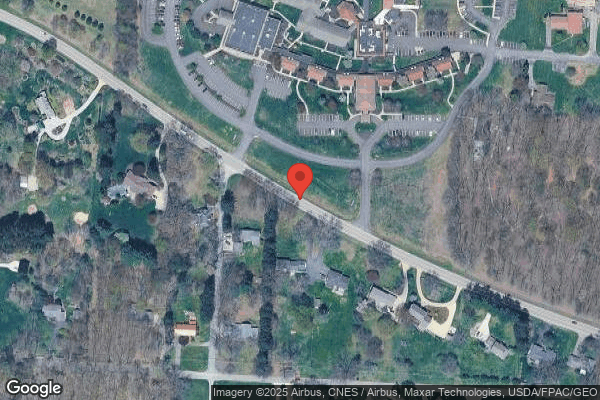
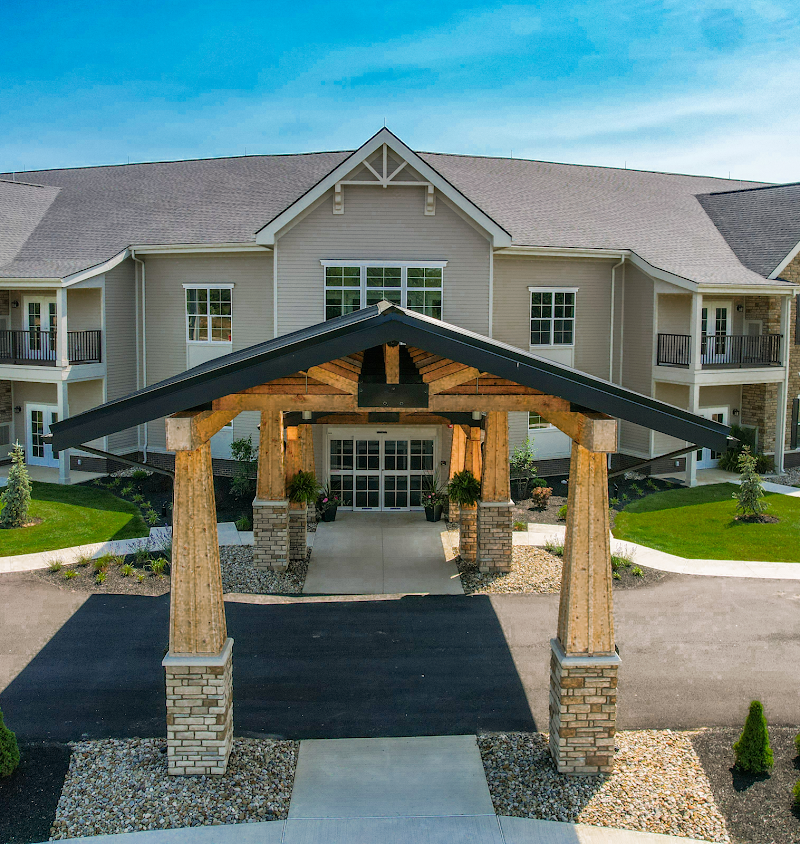
1451 GAMBIER ROAD, MOUNT VERNON, OH 43050 (740) 397-1706
Non profit - Corporation 86 Beds Independent Data: November 2025
Trust Grade
55/100
#519 of 913 in OH
Last Inspection: May 2024

Within standard 12-15 month inspection cycle. Federal law requires annual inspections.

Overview

Ohio Eastern Star Health Care Center in Mount Vernon has a Trust Grade of C, which means it is average and situated in the middle of the pack in terms of care quality. It ranks #519 out of 913 facilities in Ohio, placing it in the bottom half, but it is #2 out of 7 in Knox County, indicating that there is only one local option that is better. The facility is improving, as it reduced its issues from 3 in 2024 to 2 in 2025. Staffing is a mixed bag, with a below-average rating of 2 out of 5 stars, but a turnover rate of 31% is good compared to the state average of 49%. While there have been no fines recorded, which is a positive sign, there are some concerning incidents to note. For example, a serious medication error occurred when a resident received an overdose of morphine due to a nursing mistake, requiring immediate medical intervention. Additionally, another resident fell and suffered a fracture after being left unsupervised during a lift transfer, despite being at risk for falls. Lastly, there were cleanliness issues in the kitchen, which could pose health risks to residents. Overall, families should be aware of both the strengths and weaknesses when considering this facility for their loved ones.

Trust Score
C
55/100
In Ohio
#519/913
Bottom 44%
Safety Record
Moderate
Needs review
Inspections
Getting Better
3 → 2 violations
Staff Stability
○ Average
31% turnover. Near Ohio's 48% average. Typical for the industry.
Penalties
✓ Good
No fines on record. Clean compliance history, better than most Ohio facilities.
Skilled Nurses
⚠ Watch
Each resident gets only 19 minutes of Registered Nurse (RN) attention daily — below average for Ohio. Fewer RN minutes means fewer trained eyes watching for problems.
Violations
⚠ Watch
20 deficiencies on record. Higher than average. Multiple issues found across inspections.
★★★☆☆
3.0
Overall Rating
★★☆☆☆
2.0
Staff Levels
★★☆☆☆
2.0
Care Quality
★★★☆☆
3.0
Inspection Score
Stable
2024: 3 issues
2025: 2 issues

The Good

  • Full Sprinkler Coverage · Fire safety systems throughout facility
  • No fines on record
  • Staff turnover below average (31%)

    17 points below Ohio average of 48%

Facility shows strength in fire safety.

The Bad

3-Star Overall Rating

Near Ohio average (3.2)

Meets federal standards, typical of most facilities

Staff Turnover: 31%

15pts below Ohio avg (46%)

Typical for the industry

The Ugly 20 deficiencies on record

2 actual harm
Feb 2025 1 deficiency 1 Harm
SERIOUS (G) 📢 Someone Reported This

A family member, employee, or ombudsman was alarmed enough to file a formal complaint

Actual Harm - a resident was hurt due to facility failures

Deficiency F0760 (Tag F0760)

A resident was harmed · This affected 1 resident

**NOTE- TERMS IN BRACKETS HAVE BEEN EDITED TO PROTECT CONFIDENTIALITY** Based on closed medical record review, review of medication prescribing information, facility policy and procedure review and in...

Read full inspector narrative →
**NOTE- TERMS IN BRACKETS HAVE BEEN EDITED TO PROTECT CONFIDENTIALITY** Based on closed medical record review, review of medication prescribing information, facility policy and procedure review and interview, the facility failed to prevent a significant medication error from occurring involving Resident #75 related to the administration of prescribed narcotic pain medication. Actual Harm occurred on 01/13/25 at 12:25 A.M. when Registered Nurse (RN) #201 administered Morphine Concentrate Solution, with a concentration strength of 100 milligrams (mg) per five milliliters (ml) (100 mg/5 ml), five milliliters (100 mg) to Resident #75, who had an order to receive 15 mg every eight hours. Following the identification of the significant medication error, the on-call physician was notified and Narcan (reversal agent) nasal spray was administered. As a result of the medication overdose, Resident #75 experienced tingling to the right side of the body with random spastic movements, chills (complaints of being cold) with clammy skin and diarrhea and required increased monitoring. This affected one resident (#75) of three residents reviewed for Morphine administration. The facility census was 73. Findings Include: Review of Resident #75's closed medical record revealed an admission date 01/11/25 with diagnoses including displaced fracture of the right femur, chronic obstructive pulmonary disease (COPD), and high blood pressure. The resident was discharged home on [DATE]. Review of Resident #75's signed physician orders revealed an order dated 01/11/25 for Morphine Immediate release tablet 15 mg give one tablet every eight hours for pain. However, due to the medication being unavailable on 01/12/25 an order was obtained for Morphine (liquid) solution 10mg/5ml give 0.75 ml to equal 15 mg every eight hours. Review of the pharmacy's Authorization for Accessing Controlled Substances from Medication Starter Kit form dated 01/12/25 at 7:46 A.M. revealed Licensed Practical Nurse (LPN) #203 requested authorization to remove Morphine Sulfate solution 20mg/ml from the starter kit for Resident #75. Authorization was received from pharmacy at 8:56 A.M. and LPN #203 removed the Morphine Sulfate 20mg/ml bottle (a 15 ml bottle) for Resident #75 and implemented a narcotic count sheet for the Morphine Sulfate solution. The narcotic sheet did not include the Morphine order. Review of Resident #75's Morphine Sulfate narcotic count sheet dated 01/12/25 revealed the sheet reflected the Morphine Sulfate (20 mg/ml) with 15 ml as the beginning amount of Morphine in the bottle. The following entries were documented: a. On 01/12/25 at 9:24 A.M. RN #333 administered 0.75 ml of Morphine Sulfate to Resident #75 leaving 14.25 ml of Morphine in the bottle. b. On 01/12/25 at 4:06 P.M. RN #333 administered 0.75 ml of Morphine Sulfate to Resident #75, leaving 13.50 ml in the bottle. c. On 01/13/25 at 12:25 A.M. RN #210 administered five (5) ml of Morphine Sulfate. Review of Resident #75's progress note dated 01/13/25 at 2:45 A.M. and authored by RN #201 revealed RN #201 had administered an incorrect dose of Morphine Sulfate at 12:25 A.M. The resident's current order indicated Morphine 10mg/5ml with a dosage of 0.75 ml to be administered. However, RN #201 had given Resident #75 five (5) mls of Morphine Sulfate which equaled 100 mg of Morphine Sulfate from the bottle it was obtained from. RN #201 noted the available bottle of Morphine was 20 mg/ml which did not match the current order of Morphine 10 mg/5 ml with the administration of 0.75 mls. However, the order (10mg/5 ml give 0.75 ml to equal 15 mg) was not accurate as the administration of 0.75 ml would result in the resident receiving 1.5 mg of Morphine Sulfate and not 15 mg. The progress note included the on-call physician was notified (of the medication error/overdose). At 12:55 A.M. Resident #75 received Naloxone (Narcan) four mg intranasally. RN #201 continued to monitor Resident #75 and obtained vital signs throughout the shift. At 1:05 A.M. Resident #75 reported tingling to the right side and at 1:15 A.M. Resident #75 experienced random spastic movements. The on-call physician was notified of the observations with no new orders implemented. At 1:45 A.M. Resident #75 had a large bowel movement with clammy skin noted. Resident #75 requested more blankets due to feeling cold. Resident #75's vital signs at 4:00 A.M. included: temperature 98.2, blood pressure 154/64, pulse 93, respirations 16 and blood oxygen (SP02) level 98% at room air. Review of Resident #75's January Medication Administration Record (MAR) revealed on 01/13/25 at 1:05 A.M. LPN #232 administered one spray of Naloxone (Narcan) four mg nasally to Resident #75 with results being effective with no respiratory distress observed. Further review of the medical record revealed the Morphine Solution order was clarified on 01/13/25 to administer Morphine Solution 20mg/ml, administer 0.75 ml (15 mg) every eight hours. Review of the January 2025 MAR revealed the Morphine was administered every eight hours until 01/14/25 at 8:00 A.M. when the pharmacy delivered Morphine 15 mg Immediate Release tablets and the Morphine concentrate was discontinued. The facility did not have an investigation regarding the significant medication error involving Resident#75 and the administration of 100 mg of Morphine. Review of the admission Minimum Data Set (MDS) assessment dated [DATE] revealed Resident #75 had intact cognition with a Brief Interview of Mental Status (BIMS) score of 15 out of 15. The assessment revealed Resident #75 required assistance from staff to complete activities of daily living (ADL) tasks including transfers, dressing, and medication administration. Further review revealed Resident #75 had pain requiring daily administration of pain medication. Interview on 02/25/25 at 10:30 A.M. with RN #333 revealed on 01/12/25 Resident #75 had been administered the Morphine Sulfate concentrate 0.75 ml which equaled 15 mg of Morphine at 9:24 A.M. and at 4:06 P.M. (The Morphine bottle the medication was obtained from contained 20 mg per every one ml). Interview on 02/24/25 at 4:25 P.M. with RN #201 confirmed she administered Resident #75 100 mg of Morphine Sulfate on 01/13/25 at 12:25 A.M. RN #201 stated the only part of the order that was read was the five ml. RN #201 stated she did not check the order against the bottle of Morphine prior to administration and only questioned the order when RN #201 was signing the narcotic count sheet and realized the two prior doses had only been recorded as 0.75 ml of Morphine administered. RN #201 stated she administered the Morphine in a cup (Morphine concentrate is to be dosed with an included syringe, measured in 0.1 ml increments from 0.1 ml to1.0 ml) Once RN #201 realized the mistake she notified LPN #232 and compared the bottle of Morphine against the current order. The on-call physician was notified and LPN #232 administered Naloxone (Narcan) four mg to Resident #75. RN #201 stated she was responsible to provide one on one care with Resident #75 throughout the shift to monitor the resident's vital signs and observe for any negative outcome. During the onsite investigation, attempts to reach LPN #203 were unsuccessful and no return calls were provided. Interview on 02/24/25 at 2:06 P.M. with Pharmacist #118 revealed the facility had requested an authorization to remove Morphine from the emergency medication dispenser at 7:47 A.M. on 01/12/25. At 8:41 A.M. the pharmacy received the physician script for Morphine Concentrate Solution 100mg/ml (20mg/ml) administer 0.75 ml to equal 15 mg every eight hours for pain and granted authorization to the facility to remove the Morphine. The order for the Morphine Solution was temporary until the Morphine 15 mg (oral) tablets were delivered to the facility. Pharmacist #118 stated the administration of 5 ml of Morphine was a significant medication error resulting in Resident #75 receiving 100 mg of Morphine instead of the prescribed 15 mg. Interview on 02/24/25 at 3:15 P.M. with the Chief Executive Officer (CEO) confirmed the facility did not complete an in-depth investigation at the time the medication error occurred but were currently completing one. The CEO stated the Director of Nursing had provided education to RN #201 and LPN #203 for the importance of accuracy when implementing new orders, not practicing the 6 Rights of medication administration and to question an order if the order didn't seem correct. However, the facility was unable to provide written evidence of this education. The CEO revealed DON #500 was no longer employed by the facility and had since resigned. Review of RN #201's personnel file revealed a hire date 10/29/24 with an Employee Coaching form dated 01/13/25 issued by the previous Director of Nursing (DON #500), addressing the medication error which occurred on 01/13/25. The coachable form was issued regarding resident safety where an incorrect dose of pain medication was administered to Resident #75. Review of the facility undated policy titled, Medication Administration revealed Safely and accurately administer physician-ordered medication to each resident. Remember the six Rights of correct medication administration - Right Resident, Right Drug, Right Dose, Right Dosage Form, Right Time, and Right Route. Review of the Federal Drug Administration Highlights for Prescribing Information- Morphine Sulfate Solution revealed a warning for risk of medication errors as Morphine Sulfate Solution was available in 10 mg per five ml, 20 mg per five ml and 100 mg per five ml (20 mg/ml) concentrations. The 100 mg per five ml (20 mg per ml) concentration was indicated for use in opioid tolerant patients only. Take care to avoid dosing errors due to confusion between different concentrations and between milligrams and milliliters, which could result in accidental overdose and death. Further review under warnings and precautions revealed to use caution when prescribing, dispensing, and administering Morphine Oral Solution to avoid dosing errors due to confusion between different concentrations and between mg and mL, which could result in accidental overdose and death. Use caution to ensure the dose is communicated clearly and dispensed accurately. Always use the enclosed calibrated oral syringe when administering Morphine Oral Solution 100 mg per 5 ml (20mg/ml) to ensure the dose is measured and administered accurately. Serious adverse reactions include respiratory depression, respiratory arrest, shock and cardiac arrest. Other adverse reactions may include sweating, tremors, agitation, low blood pressure. Review of the information located on the website narcan.com revealed naloxone, the acting ingredient in Narcan nasal spray competes with opioids to bind with the same receptors in the brain, reversing the effects of an opioid overdose in two to three minutes. This deficiency represents non-compliance investigated under Complaint Number OH00162170.
Jan 2025 1 deficiency
CONCERN (D) 📢 Someone Reported This

A family member, employee, or ombudsman was alarmed enough to file a formal complaint

Potential for Harm - no one hurt, but risky conditions existed

Deficiency F0744 (Tag F0744)

Could have caused harm · This affected 1 resident

**NOTE- TERMS IN BRACKETS HAVE BEEN EDITED TO PROTECT CONFIDENTIALITY** Based on interviews, record review, and review of the facility assessment, the facility failed to appropriately revise and imple...

Read full inspector narrative →
**NOTE- TERMS IN BRACKETS HAVE BEEN EDITED TO PROTECT CONFIDENTIALITY** Based on interviews, record review, and review of the facility assessment, the facility failed to appropriately revise and implement individualized treatment and services to ensure residents, who displayed behaviors and/or were diagnosed with dementia received the appropriate treatment and services to attain or maintain their highest practicable physical, mental and psychosocial well-being. The facility failed to appropriately address Resident #73's dementia-related behaviors. This affected one (Resident #73) of three residents reviewed for dementia. The facility census was 71. Findings include: Review of the medical record revealed Resident #73 was admitted on [DATE] and expired on [DATE] with diagnoses that included vascular dementia, anxiety disorder, depression, and dysphagia. Review of the significant change Minimum Data Set (MDS) assessment dated [DATE] revealed Resident #73 had moderately impaired cognitive skills. The MDS also revealed Resident #73 had verbal behaviors directed towards others. Review of the physician orders revealed Resident #73 was ordered Ativan (antianxiety) 0.5 milligram (mg) tablet by mouth every six hours as needed and Ativan, Benadryl, Haldol (ABH) gel (for agitation) 0.5 milliliter (ml) topically as needed every six hours from [DATE] to [DATE]. Review of the medication administration record (MAR) revealed Resident #73 had been administered ABH gel on [DATE] at 7:57 P.M. and it was somewhat effective. A progress note dated [DATE] at 12:27 A.M. revealed Resident #73 was yelling at staff and making rude comments. Resident #73 was also arguing with and touching other residents. This caused increased agitation among the other residents. Review of the MAR revealed Resident #73 was not administered as needed Ativan. Review of the Facility Assessment updated on [DATE] revealed the facility accepted and provided care for mental and behavioral health residents with psychosis, impaired cognition, mental disorder depression, bipolar disorder, schizophrenia, anxiety disorder, behavior that needs interventions, and Behavioral and Psychological Symptoms of Dementia (BPSD). This included common diagnoses of Alzheimer's disease and non-Alzheimer's dementia. The number/average or range of residents over the past year with behavioral health needs was two. Those with physical behavioral symptoms directed towards others was one and those with verbal behavioral symptoms directed towards others was two. The assessment revealed education about dementia care included providing care for a person living with dementia that focused holistically on the needs of the resident living with dementia as well as the other residents in the nursing home annually and orientation. Education for caring for a person with Alzheimer's or other dementia by supporting residents through the implementation of individualized approaches to care (including direct care and activities) directed toward understanding, preventing, relieving, and/or accommodating a resident's distress or loss of abilities was ongoing and completed annually. Review of the MAR revealed Resident #73 was administered Ativan 0.5 mg as needed on [DATE] at 11:53 A.M. The Ativan was somewhat effective. A progress note dated [DATE] at 2:42 P.M. revealed Resident #73 went into another resident's room but came back out into the hallway. The MAR did not reveal as needed ABH gel was administered. Physician orders revealed Resident #73 was ordered ABH gel 0.5 ml topically every six hours as needed from [DATE] until [DATE]. A progress note dated [DATE] at 10:54 A.M. revealed Resident #73 followed an activities staff member into another resident's room. The nurse was able to redirect Resident #73 out of the room. The MAR revealed Resident #73 was administered as needed ABH gel on [DATE] at 11:34 A.M. The as needed ABH gel was effective. A plan of care dated [DATE] revealed Resident #73 demonstrated behaviors such as yelling at staff, attempting to hit staff, slamming her door, and attempting to go out the doors. Interventions included intervening or providing redirection, providing calming activities and one on one as needed. A progress note dated [DATE] at 6:39 P.M. Resident #73 followed the nurse into another resident's room. Resident #73 was able to be redirected. A progress note dated [DATE] at 3:42 P.M. revealed Resident #73 went into another resident's room and shut the door. The nurse went in and found Resident #73 attempting to open the closet door in the other resident's room. Resident # 73 eventually walked out of the other resident's room. Resident #73 went into other resident rooms at 3:56 P.M. and 4:00 P.M. Staff were able to get Resident #73 to return to her own room. A progress note dated [DATE] at 4:50 P.M. revealed the nurse called Viaquest (company that specializes in the mental and behavioral health treatment for residents at nursing facilities) and left a message. Resident #73's daughter was notified Resident #73 was attacking staff, kicking doors, attempting to leave the unit, and entering other residents' rooms. At 5:02 P.M. Resident #73's daughter arrived at the facility. A progress note dated [DATE] at 5:11 P.M. revealed a Certified Nurse Practitioner (CNP) from Viaquest called and left a message with new orders for Haloperidol Lactate (to treat acute agitation) two milligrams (mg) twice a day for 14 days and Haloperidol Decanoate (long-acting form of Haloperidol) 50 mg for four weeks with a dose to be administered immediately. At 5:16 P.M. another CNP from Viaquest called and suggested a pink slip (emergency hospitalization for a mentally ill individual who may be a harm to themselves or others) would be faxed to the facility. Review of the MAR revealed as needed ABH gel was not applied on [DATE] until 5:26 P.M. and was somewhat effective. A progress note dated [DATE] at 5:40 P.M. revealed Resident #73's daughter reported Resident #73 was in a calmer state and was sitting in recliner. Resident #73's daughter stated she was returning to work and could be called if anything else was needed. Resident #73 received the Haloperidol one ml injection prior at 5:45 P.M. prior to Resident #73's daughter leaving. Review of the Ohio Department of Mental Health and Addiction Services Application for Emergency admission form (DMHAS-0025) dated [DATE] at 5:28 P.M. revealed the name of the psychiatric hospital was left blank. The form was marked Resident #73 represented a substantial risk of physical harm to others as manifested by evidence of recent homicidal or other violent behavior, evidence of recent threats that place another in reasonable fear of violet behavior and serious physical harm, or other evidence of present dangerousness. The form was also marked that Resident #73 represented a substantial and immediate risk of serious physical impairment or injury to self as manifested by evidence that the person is unable to provide for and is not providing for the person's basic physical needs because of the person's mental illness and that appropriate provision for those needs cannot be made immediately available in the community. Resident #73 would benefit from treatment in a hospital for mental illness and is in need of such treatment as manifested by evidence of behavior that creates a grave and imminent risk to substantial rights of others or self. The Statement of Belief on the form instructed that the belief for why hospitalization was necessary had to be documented. The Statement of Belief was signed by Viaquest CNP and revealed Resident #73 had recurrent aggression amongst staff. Resident #73 was physically aggressive and attacking staff (kicking, scratching, punching, etc.). Resident #73 was unable to be consoled or redirected by staff. It is the provider's recommendation that Resident #73 be sent out for further evaluation and treatment. The next progress note dated [DATE] at 1:00 P.M. revealed Licensed Practical Nurse (LPN) #100 and the Director of Nursing (DON) pulled Resident #73's daughter aside and advised the daughter of the plan to send Resident #73 to the emergency department for a psychological evaluation and admission to psychiatric hospital to get treatment. Resident #73 would need urine analysis and blood work to rule out anything acute before the psychiatric hospital would admit Resident #73. It was explained that Resident #73 was a danger to staff and other residents. The paperwork including a pink slip, orders, code status, and face sheet was given to Resident #73's daughter. On [DATE] at 1:30 P.M. Resident #73 left the facility with the daughter to go to the emergency department for psychiatric evaluation. A progress note dated [DATE] at 9:50 P.M. revealed Resident #73 returned to the facility due to not meeting the criteria for admission to a psychiatric hospital. A progress note dated [DATE] at 12:00 P.M. revealed a meeting was held with Resident #73's daughter. Concerns with Resident #73 aggressive behavior towards staff and aggression starting to progress towards other residents were discussed. Resident #73's daughter made it clear she did not want Resident #73 sent to psychiatric hospital and wished to collaborate with Viaquest and Hospice for medication management. Resident #73 had been resting in bed with eyes closed since returning from the emergency department. Resident #73's daughter stated she would take off work to help with the transition to new medications. The resident's daughter also stated her biggest desire was communication from staff when Resident #73 was combative or staff were able to apply medication. The floor nurse was instructed to communicate with Resident #73's daughter any time Resident #73 became combative or aggressive. On [DATE] at 3:11 P.M. new orders were received from Viaquest CNP to discontinue all Haloperidol orders, increase sertraline (antidepressant) cream to 50 mg topically daily, to start Risperdal (to treat behavioral disorders) 0.5 mg topically twice a day, discontinue ABH gel for agitation once Risperdal was started, and start Ativan (to treat anxiety) one mg intramuscular (IM) twice a day for 14 days. On [DATE] at 12:13 P.M. new orders were received from hospice to discontinue sertraline, the scheduled Ativan, and Risperdal cream. A new order was received for Ativan, one mg every hour as needed. On [DATE] at 1:15 P.M. Resident #73 was absent of vital signs. Interview on [DATE] at 9:45 A.M. with daughter of Resident #73 revealed Resident #73 was not always administered the as needed medication for behaviors. The resident's daughter stated she had told the facility to notify her when Resident #73 had behaviors that could not be controlled or if Resident #73 refused medication. Resident #73's daughter felt that she could have assisted with deescalating the behaviors and get Resident #73 to agree to the as needed medication. Interview on [DATE] at 12:13 P.M. the DON revealed Resident #73 had become more aggressive with staff, and other residents could be in danger. The DON verified Resident #73 was not transported to the hospital for evaluation until [DATE] around 1:30 P.M. which was 20 hours after the pink slip was obtained. The DON stated the pink slip was obtained after the DON had left for the day and was not addressed until the next day. The DON also verified there was no documentation of behaviors after Resident #73 was given ABH gel on [DATE] at 5:26 P.M. and Haloperidol lactate on [DATE] around 5:30 P.M. The DON did not supply any documentation of additional interventions, including the intervention of one-on-one that was listed in the care plan, being put in place to keep Resident #73 and other residents safe on [DATE] and [DATE] when Resident #73 was transported to the hospital. The DON verified he was unfamiliar with how a pink slip worked. The DON verified the facility did not have a policy for pink slips or emergency discharges. Interview on [DATE] at 2:38 P.M. LPN #100 revealed Resident #73's behaviors were becoming worse on [DATE], and Resident #73 was biting staff. LPN #100 verified Resident #73 never harmed other residents but did go into other resident rooms. LPN #100 verified as needed medication was not always administered when Resident #73 had behaviors because the medication had to be gel or IM medication. LPN #100 also stated that none of the as needed medication worked anyway. LPN #100 stated the transfer to the hospital was delayed because she was unsure if the facility had to find a psychiatric hospital prior to Resident #73 being sent to the local hospital. LPN #100 verified she was unfamiliar with how a pink slip worked. Interview on [DATE] at 2:44 P.M. LPN #101 revealed she was working day shift on [DATE] and [DATE]. LPN #101 verified she had obtained a pink slip for Resident #73 on [DATE] because Resident #73 was combative and attacking the staff. Resident #73 went into other resident rooms and would kick at other residents if they walked past her. (Review of the medical record revealed no documentation of Resident #73 being aggressive towards other residents). LPN #101 stated Resident #73 would not take as needed medication, so it was not administered. LPN #101 verified as needed medication was administered on [DATE] when Resident #73's daughter came to the facility. LPN #101 stated her shift ended at 6:00 P.M. on [DATE] and she did not know if Resident #73 continued to have behaviors that evening. LPN #101 also stated she could not recall if Resident #73 had behaviors the morning of [DATE] prior to being sent to the hospital for evaluation. LPN #101 stated there was a delay in sending Resident #73 to the hospital because the facility needed to find a psychiatric hospital that would take Resident #73. LPN #101 verified they were unfamiliar with how a pink slip worked. This deficiency represents non-compliance investigated under Complaint Number OH00160152.
Sept 2024 1 deficiency
CONCERN (D) 📢 Someone Reported This

A family member, employee, or ombudsman was alarmed enough to file a formal complaint

Potential for Harm - no one hurt, but risky conditions existed

Accident Prevention (Tag F0689)

Could have caused harm · This affected 1 resident

**NOTE- TERMS IN BRACKETS HAVE BEEN EDITED TO PROTECT CONFIDENTIALITY** Based on interview and record review the facility failed to ensure Resident #67 who was elopement risk did not leave the facilit...

Read full inspector narrative →
**NOTE- TERMS IN BRACKETS HAVE BEEN EDITED TO PROTECT CONFIDENTIALITY** Based on interview and record review the facility failed to ensure Resident #67 who was elopement risk did not leave the facility unsupervised. This affected one resident (#67) of three residents reviewed for elopement. The facility census was 71. Findings include: Review of the medical record for Resident #67 revealed an admission date of 10/17/23 with diagnoses including dementia, pain, insomnia, depression, hyperlipidemia, and anxiety. Review of Resident #67's quarterly Minimum Data Set (MDS) 3.0 assessment dated [DATE] revealed she had a severe cognitive impairment and had wandered during the lookback period. Review of Resident #67's plan of care initiated 11/12/23 and revised 08/19/23 revealed the resident was at risk for elopement due to wandering off of her neighborhood (unit), diagnosis of dementia, and being found outside of the neighborhood on 08/07/24. Interventions were dated 11/12/23 and included wanderguard to the right ankle, checking the placement of the wanderguard every shift, redirecting the resident when she is seen heading towards the exit door, and checking the wanderguard system and bracelet according to policy to ensure functioning. Review of Resident #67's physician order dated 11/13/23 revealed an order for a wanderguard to the right ankle that needed checked every shift to ensure placement. Review of Resident #67's progress note dated 08/07/24 revealed Resident #67 had been found wandering outside of the neighborhood. She was brought back without incident and her vitals were assessed. Resident #67 denied pain. She was anxious that morning and had been redirected multiple times, her wanderguard was in place. Review of the facilities self-reported incidents (SRI) revealed an incident dated 08/07/24 at 2:31 P.M. of neglect or mistreatment. The initial note indicated at 2:00 P.M. the Administrator had been notified that Resident #67 had been found by the facilities general contractor walking by the construction trailer on the property. Maintenance Director #107 had received a call from the contractor at 1:29 P.M. notifying him of this. Maintenance Director #107 and Human Resources (HR) Assistant #120 went to retrieve the resident. HR Assistant #120 noted the resident to be physically fine and escorted her back to the building. She called the nursing staff on the walk back to inform them of their imminent return and the need for an assessment. The nurse had been unaware that the resident had been missing. The nurse completed the assessment and noted no injuries, she then called the power of attorney and nurse practitioner. The nurse manager initiated 15-minute checks for the resident for 24 hours following the incident. All staff were messaged and told to avoid going in and out of neighborhood doors unnecessarily for the next 24 hours. Resident #67 did not recall the incident but was dressed appropriately for the weather. The summary of the incident indicated on 08/08/24 they were able to access the camera and put together a timeline of the incident. At 1:15 P.M. the resident was observed at the back door of the [NAME] neighborhood which leads directly outside. She was observed to have turned the handle for 15 seconds to activate the alarm, and the door lock disengaged. She was observed at 1:17 P.M. walking through the north parking lot walking in the direction she was later found. At the same time (1:17 P.M.) Housekeeper #131 noted the alarm, she looked outside quickly and deactivated the alarm. Housekeeper #131 did not notify anyone of the alarm going off. Maintenance Director #107 was notified by the Contractor at 1:29 P.M. and HR Assistant #120 walked the resident back into the building at 1:33 P.M. When staff were interviewed it was discovered that nobody could hear the alarm at the front of the neighborhood. On 08/08/24 maintenance was asked to move the sound device box from the ceiling and mount it on the wall. The alarm was tested for appropriate volume along with all other door alarms in the neighborhood and it was ensured the alarms could be heard from all parts of the neighborhood. These changes were made in the other three sections of the long-term care neighborhoods. On 08/08/24 Housekeeper #131 was educated on turning off alarms without alerting nursing staff for them to do a headcount. A message was sent out by the administrator to all staff to inform nursing staff when turning off any alarm and for nursing staff to perform a headcount to ensure the safety of all residents. This information was repeated in the facility conclusion. The allegation was substantiated. Review of Resident #67's 15-minute checks dated 08/07/24 revealed the resident was observed every 15 minutes from 08/07/24 at 2:00 P.M. to 08/08/24 at 2:30 P.M. Review of the employee coaching form dated 08/08/24 revealed Housekeeper #131 was educated on an event that occurred on 08/07/24. Housekeeper #131 did not alert a nurse or aide that an alarm was going off for a fire door. She shut off the alarm, looked outside to see if she saw someone, and went about her job. Her education included the need to alert the nurse or aide of the alarm so they can evaluate the situation and make sure all residents are safe. Review of the unlabeled message to staff from the Administrator dated 08/07/24 revealed staff were not to go through the [NAME] neighborhood to get to the parking lot or dumpster due to a resident that wanted to go home. The next message (later revealed to be on 08/08/24 by the Administrator) indicated if a door was alarming nursing should be alerted. Nursing staff was then to complete a visual headcount to ensure no residents were missing. Review of the all-staff meeting dated 08/22/24 from 7:00 A.M. to 8:00 A.M. and 2:00 P.M. to 3:00 P.M. revealed the agenda included elopements there were 72 employees marked as being present by zoom without a signature and 106 had no indication that they were present or received the training. Review of the after-action report by Director of Technology #142 undated, revealed it repeated the timeline indicated in the SRI. His recommendations included a louder audible signal on access-controlled egress doors, if staff member responding to a door that alarms the nurse on the neighborhood should be alerted, and looking for newer devices that could be used for tracking and triangulation of residents wearing a device like a wanderguard. Interview on 09/04/24 at 11:10 A.M. with HR Assistant #120 revealed she had been with Maintenance Director #107 when he received a call from a construction worker. She reported she heard about the missing resident and went with him to get the resident. HR Assistant #120 reported the construction worker stayed with the resident while they were headed to her, and they were outside of the fenced in construction area when she arrived. The resident had been wearing a grey t-shirt, a zip-up sweater, long pants, and tennis shoes. HR Assistant #120 reported it had been warm that day so she asked the resident if she was hot and wanted to remove the sweater but the resident indicated she did not. She then walked the resident back into the building and the nurses and aides were informed of the incident. She reported the resident did not look injured or dirty. Interview on 09/04/24 at 11:10 A.M. and at 2:16 P.M. with Maintenance Director #107 revealed he received a call from the contractor that there was a resident near the construction trailer on their campus. He and HR Assistant #120 went to get her and the contractor stayed with her until they arrived. The contractor explained that she had not been in the construction zone. The contractor had began walking her back to the facility when they arrived. He reported they found the alarm had not been loud enough for the nursing staff to hear and it had been adjusted. Interview on 09/04/24 at 1:38 P.M. with Registered Nurse (RN) #111 revealed she had been the nurse on duty when Resident #67 eloped. She reported the alarm was not heard by nursing staff and she did not learn of the issue until they were bringing the resident back to the unit. She reported she did a complete assessment, her vitals were normal, she was uninjured and did not appear dirty or dusty. Interview on 09/04/24 at 2:05 P.M. and 3:06 P.M. and email at 2:53 P.M. with the Administrator revealed they believed Resident #67 had walked down the out of use road to the construction trailer. The initial messages sent out on 08/07/24 and 08/08/24 was via their internal messaging system and went out to 227 employees. She reported the messaging system had informed her that all but 12 people reviewed the message but she was unable to identify which 12 people. Additional reinforcing of the education was given during the all-employee meeting on 08/22/24 and various departmental meetings thereafter. This deficiency represents non-compliance investigated under Complaint Number OH00156739.
May 2024 2 deficiencies
CONCERN (D)

Potential for Harm - no one hurt, but risky conditions existed

Medication Errors (Tag F0758)

Could have caused harm · This affected 1 resident

Based on record review and staff interview the facility failed to ensure nonpharmacological interventions were attempted and/or behaviors were documented prior to the administration of as needed psych...

Read full inspector narrative →
Based on record review and staff interview the facility failed to ensure nonpharmacological interventions were attempted and/or behaviors were documented prior to the administration of as needed psychotropic medications. This affected one (Resident #37) of five residents reviewed for unnecessary medications. The facility census was 68. Findings include: Review of the medical record for Resident #37 revealed an admission date of 06/02/21 with diagnoses including unspecified dementia, muscle weakness, depression, unspecified mood disorder, anxiety disorder, and cognitive communication deficit. Review of the quarterly Minimum Data Set (MDS) assessment for Resident #37 dated 01/30/24 revealed the resident had severely impaired cognition and was coded for receiving antipsychotic, antianxiety, and antidepressant medications. Review of the care plan for Resident #37 revised 02/07/24 revealed the resident had the potential for adverse or less than effective results from psychoactive medications. The resident was on antidepressants and medication for anxiety. Interventions included the following: consult with the physician about reductions and schedule per regulations, document on mood and behavior as needed, monitor for side effects of medication, report to the physician as needed. Review of the physician's orders for Resident #37 revealed orders dated 02/28/24 to 03/12/24, 03/13/24 to 03/26/24, 03/27/24 to 04/09/24, 04/11/24 to 04/24/24, and 04/24/24 to 05/07/24, for Ativan/Benadryl/Haldol (ABH) gel to be applied topically every six hours as needed. Review of the physician's orders for Resident #37 revealed an orders dated 02/28/24 to 03/12/24, 03/13/24 to 03/26/24, 03/27/24 to 04/09/24, 04/11/24 to 04/24/24, and from 04/24/24 to 05/07/24 for Ativan 0.5 milligrams (mg) one tablet every six hours as needed. Review of the Medication Administration Record (MAR) for Resident #37 dated March 2024 revealed ABH gel was administered on 03/06/24 with no nonpharmacological intervention documented prior to administration. ABH gel was also administered on 03/15/24, 03/19/24, and 03/31/24 with no documentation indicating why the drug was needed and no nonpharmacological interventions. Ativan tablets were administered on 03/12/24, 03/18/24, and 03/26/24 with no nonpharmacological interventions documented. Ativan was also administered on 03/02/24, 03/09/24, and 03/16/24 with no documentation indicating why the drug was needed and no nonpharmacological interventions noted. Review of the progress notes for Resident #37 dated 03/02/24 to 03/31/24 revealed they did not include documentation of behaviors or nonpharmacological interventions attempted on 03/02/24, 03/06/24, 03/09/24, 03/12/24, 03/15/24, 03/16/24, 03/18/24, 03/19/24, 03/26/24, and 03/31/24. Review of the MAR for Resident #37 dated April 2024 revealed ABH gel was administered on 04/05/24 with no nonpharmacological intervention documented. ABH gel was also administered on 04/17/24 with no documentation indicating why the drug was needed and no nonpharmacological intervention documented. Ativan tablets were administered on 04/13/24 and 04/16/24 with no nonpharmacological intervention documented. Ativan was also administered on 04/05/24, 04/15/24, and 04/17/24 with no documentation indicating why the drug was needed and no nonpharmacological interventions documented. Review of the progress notes for Resident #37 dated 04/05/24 to 04/17/24 revealed there was no documentation indicating behaviors or nonpharmacological interventions on 04/05/24, 04/13/24, 04/15/24, 04/16/24, and 04/17/24. Review of the care plan for Resident #37 dated 04/22/24 revealed the resident demonstrated behaviors such as agitation and had diagnoses including mood disorder and anxiety. The resident yelled at staff during care and had agitation. Interventions included the following: call the resident's family when resident is anxious, assess and record changes in behaviors, report significant changes to staff and physician, educate and discuss with the family concerns and causal factors of behaviors. Interview on 05/02/24 at 11:06 A.M. with the Director of Nursing (DON) confirmed the facility did not have documentation for behaviors or nonpharmacological interventions in conjunction with administration of as needed ABH gel and Ativan tablets for Resident #37.
CONCERN (F)

Potential for Harm - no one hurt, but risky conditions existed

Food Safety (Tag F0812)

Could have caused harm · This affected most or all residents

**NOTE- TERMS IN BRACKETS HAVE BEEN EDITED TO PROTECT CONFIDENTIALITY** Based on observation, staff interview, review of an owner's manual, and review of the facility policy, the facility failed to ma...

Read full inspector narrative →
**NOTE- TERMS IN BRACKETS HAVE BEEN EDITED TO PROTECT CONFIDENTIALITY** Based on observation, staff interview, review of an owner's manual, and review of the facility policy, the facility failed to maintain the kitchen in a clean condition and failed to maintain kitchen equipment in proper working condition to prevent contamination and/or food borne illness. The had the potential to affect all residents in the facility. The facility census was 68. Findings include: 1.Observation on 04/29/24 at 10:47 A.M. with [NAME] #169 revealed the bottom of two hot holding units were covered in food debris. Interview on 04/29/24 at 10:47 A.M. with [NAME] #169 confirmed the bottoms of both units were not clean and they should be cleaned every two to three weeks. Observation on 04/29/24 at 10:53 A.M. with [NAME] #169 and Dietary Manager (DM) #170 revealed there was a large thick frozen puddle of a dark brown and red substance on floor of walk-in freezer. Interview on 04/29/24 10:53 A.M. with [NAME] #169 confirmed the substance on the floor of the walk-in freezer was a puddle of corned beef juice frozen to the ground. Observation on 04/29/24 at 11:13 A.M. with [NAME] #169 and DM #170 revealed there was a sticky residue and sticker paper on plastic containers on the clean drying rack. Interview on 04/29/24 at 11:13 A.M. with [NAME] #169 confirmed the presence of the sticky residue on the plastic containers and immediately took four small square containers to the dishwasher. Review of the facility policy titled Main Kitchen Cleaning Checklist undated revealed staff tasks included detailed cleaning of the warming boxes, inside and out, and detailed cleaning of the coolers and freezers to be completed monthly. 2. Interview on 04/29/24 at 11:04 A.M. with DM #170 confirmed the facility had high temperature sanitizing dishwashers and the rinse water temperature to reach was 180 degrees Fahrenheit (F) when staff completed temperature checks. DM #170 also confirmed the facility had five satellite kitchens within the neighborhoods of the facility. Observation on 04/29/24 at 12:10 P.M. of the [NAME] neighborhood dishwasher revealed DM #170 used a temperature strip to test the dishwasher hot rinse temperature. The strip was supposed to turn black when it reached 180 degrees F, but it only turned white and gray. Observation on 04/29/24 12:15 P.M. revealed DM #170 used a thermometer to test the [NAME] neighborhood dishwasher hot rinse temperature again and the high temperature measured 162 degrees F. Interview on 04/29/24 at 12:15 P.M. with DM #170 again confirmed the hot rinse temperature of the dishwasher should be 180 degrees F. Observation on 04/29/24 at 12:17 P.M. revealed DM #170 tested the temperature of the [NAME] neighborhood dishwasher hot rinse a third time using a thermometer and it tested 152 degrees F. Observation on 04/29/24 at 12:28 P.M. of the Lilly Neighborhood dishwasher revealed DM #170 tested the dishwasher hot rinse temperature with a thermometer and the high temperature read 163 degrees F. Observation on 04/29/24 at 12:31 P.M. revealed DM #170 ran the Lilly neighborhood dishwasher a second time. Server #343 read the thermometer for the dishwasher hot rinse temperature and said it tested at 156 degrees F. Observation on 04/29/24 12:36 P.M. revealed DM #170 ran the Lilly neighborhood dishwasher a third time. Server #343 read the thermometer for dishwasher hot rinse and said it tested at 147.6 degrees F. Observation on 04/29/24 at 12:39 P.M. revealed DM #170 tested the [NAME] neighborhood dishwasher hot rinse temperature with a thermometer. When DM#170 attempted to read the thermometer, it was turned off. Observation on 04/29/24 at 12:44 P.M. revealed DM #170 ran the [NAME] neighborhood dishwasher a second time. Server #341 read the thermometer and said the hot rinse temperature was 147 degrees F. Observation on 04/29/24 at 12:47 P.M. revealed DM #170 ran the [NAME] neighborhood dishwasher a third time using a heat strip which did not turn black to indicate it was heated to 180 degrees F. Interview on 04/29/24 at 12:53 P.M. with DM #170 confirmed it was the normal practice of the facility to test the dishwasher temperatures with heat strips and a thermometer. Observation on 04/29/24 at 01:03 P.M. revealed DM #170 tested the dishwasher rinse temperature of the [NAME] neighborhood with a temperature strip. The temperature did not turn a different color which meant the rinse water did not reach 180 degrees F. Observation on 04/29/24 at 01:06 P.M. revealed DM #170 ran the [NAME] neighborhood dishwasher a second time and tested the hot rinse water using a heat strip and a thermometer. The heat strip didn't change color and the thermometer read 147 degrees F. Observation on 04/29/24 at 01:08 P.M. revealed DM #170 ran the [NAME] neighborhood dishwasher a third and tested the hot rinse water using a heat strip and a thermometer. The heat strip didn't change color and the thermometer read 148 degrees F. Observation on 04/29/24 at 01:11 P.M. revealed DM #170 ran the [NAME] neighborhood dishwasher a fourth time and tested the hot rinse water using a heat strip and a thermometer. The heat strip didn't change color and the thermometer read 150 degrees F. Observation on 05/01/24 at 12:10 P.M. of the [NAME] neighborhood dishwasher with DM #170 revealed the dishwasher hot rinse temperature was checked with a thermometer and it was 170 degrees F. Observation on 05/01/24 at 12:16 P.M. of the [NAME] neighborhood dishwasher with DM #170 revealed the dishwasher hot rinse temperature was checked with a temperature heat strip and the dishwasher did not get to 180 degrees Fahrenheit. Observation on 05/01/24 at 12:43 P.M. of the [NAME] neighborhood dishwasher with DM #170 revealed the dishwasher temperature was checked with a thermometer and it was 170 degrees F. Review of the poster hanging on the wall of the [NAME] neighborhood kitchen regarding dishwasher temperature checks revealed employees should power on the thermometer, set to Fahrenheit and obtain water temperatures. Review of the owner's manual for the dishwasher dated 03/01/22 revealed the wash temperature must be 155 degrees F minimum and the rinse temperature must be 180 degrees F minimum. Review of the facility policy titled Culinary-Dishes dated March 2020 revealed the facility staff should operate dishwashers and related machinery in accordance with all manufacturers' guidelines.
Mar 2023 4 deficiencies
CONCERN (D)

Potential for Harm - no one hurt, but risky conditions existed

Pressure Ulcer Prevention (Tag F0686)

Could have caused harm · This affected 1 resident

**NOTE- TERMS IN BRACKETS HAVE BEEN EDITED TO PROTECT CONFIDENTIALITY** Based on review of the medical record, observation, and interview the facility failed to appropriately clean the wound according...

Read full inspector narrative →
**NOTE- TERMS IN BRACKETS HAVE BEEN EDITED TO PROTECT CONFIDENTIALITY** Based on review of the medical record, observation, and interview the facility failed to appropriately clean the wound according to standards of care, and failed to maintain appropriate hand hygiene during the dressing change for Resident #42. This affected one resident (#42) out of two residents observed for wound care. The facility census was 59. Findings include: Review of the medical record revealed Resident #42 was admitted to the facility on [DATE] with diagnoses including a non-ST elevation myocardial infarction, coronary angioplasty, hemiplegia, and hemiparesis following cerebral infarction (stroke) affecting the left non-dominant side, type two diabetes, major depressive disorder, and bradycardia with pauses. Review of the Minimum Data Set Assessment (MDS) 3.0 assessment dated [DATE] revealed Resident #42 was cognitively intact. Functionally, she required extensive assistance of two staff for bed mobility, dressing, toilet use, and personal hygiene. The resident had a stage II pressure ulcer (partial-thickness skin loss with exposed dermis) which was facility acquired. Review of the plan of care dated 11/29/22 revealed Resident #42 had a stage II pressure ulcer to the right lateral heel. Interventions included: Moon boots (pressure reducing boots) to be worn while in bed if the resident allows; air mattresses; treatment per physician orders; encourage adequate nutrition and hydration; monitor percent of meals eaten; supplements per the physician's orders; closely monitor labs and nutrition assessments risks and weights as ordered; turn and reposition every two hours from side to side or as appropriate for condition; and pressure ulcer risk assessment at least quarterly. Interview with Resident #42 on 02/27/23 at 8:45 A.M. revealed she did have a wound on her heel. The resident at the time denied feeling any pain in the wound and stated she does not have pain when the dressing is changed. She also stated the dressing was not changed daily but she thinks it is done on Fridays. Interview with Licensed Practical Nurse (LPN) #211 on 02/27/23 at 9:30 A.M. revealed the resident does have a wound on her right heel which is a pressure ulcer. Review of the physician's order dated 02/21/23 revealed an order for the right heel to be cleansed with wound cleanser, apply Silvercel (antimicrobial alginate dressing with silver) to the wound bed and cover with Mepilex (absorbent foam dressing), change every three days, and as needed. Monitor every shift and measure weekly. Observation on 02/27/23 at 10:30 A.M. of the dressing change for Resident #42 revealed LPN #311 donned personal protective equipment per the facility protocol for wounds that were draining. Upon observation of this dressing change, LPN #311 appropriately washed her hands prior to removing the old dressing and put on clean gloves. She then proceeded to remove the right heel Kerlix gauze that was dated 02/24/23. She then removed the Mepilex and discarded the old dressing. She then proceeded to clean the wound with two-by-two gauze sponges and wound cleanser as ordered. Upon the cleaning of the wound, LPN # was observed at first wiping the outside of the wound and then she switched the sponge to a clean side and proceeded to clean the center of the wound. LPN #311 then obtained a second gauze sponge with wound cleanser on it and wiped the wound in a downward motion down the center of the wound and then wiped the outside of the wound with the other side of the sponge. After she wiped the outside edges of the wound the second time, she proceeded to wipe down the center of the wound with the used sponge. The wound bed was healthy pink color with epithelial tissue noted. It measured approximately 0.3 centimeters (cm) length by 0.5 cm width with a scant amount of serous drainage. LPN #311 then proceeded to discard the used gauze sponges and remove her gloves. She then donned a clean pair of gloves and proceeded to finish dressing the wound with the Silvercel to the wound bed and then covered it with the Mepilex and covered the whole area with a dry sterile pad and then wrapped the heel dressing with Kerlix gauze. Interview with LPN #311 on 02/27/23 at 10:00 A.M. verified she cleansed the wound from the outside to the inside (dirty to clean) and she removed her dirty gloves during the dressing change but failed to wash her hands or use hand sanitizer prior to donning clean gloves.
CONCERN (D)

Potential for Harm - no one hurt, but risky conditions existed

Deficiency F0805 (Tag F0805)

Could have caused harm · This affected 1 resident

**NOTE- TERMS IN BRACKETS HAVE BEEN EDITED TO PROTECT CONFIDENTIALITY** Based on observation, interview, record review, and policy review, the facility failed to serve pureed foods at a smooth consist...

Read full inspector narrative →
**NOTE- TERMS IN BRACKETS HAVE BEEN EDITED TO PROTECT CONFIDENTIALITY** Based on observation, interview, record review, and policy review, the facility failed to serve pureed foods at a smooth consistency for safe swallowing. This affected one resident (#59) out of one resident who was prescribed pureed diets of 59 residents who consumed meals from the facility's kitchen. No residents were identified to receive nothing by mouth. Findings include: Review of the medical record for Resident #59 revealed an admission date of 12/15/22 with diagnoses including Alzheimer's disease, diabetes mellitus, depression, and anxiety disorder. Review of the comprehensive Minimum Data Set (MDS) 3.0 assessment dated [DATE] revealed Resident #59 had severely impaired cognition and required supervision with set-up only for eating. Review of the physician's orders for February 2023 revealed on 02/14/23 nectar consistency liquids were ordered and pureed diet with sugar substitute was ordered on 02/28/23. Interview on 03/01/23 at 11:20 A.M. Server #289 stated she already made Resident #59's tray because nursing wanted it and stated Resident #59 was on a mech soft diet. Observation on 03/01/23 at 11:24 A.M. of Resident #59's tray coming out of Resident #59's room by State Tested Nursing Assistant (STNA) #342. Observation and interview with Server #289 and STNA #342 verified there were pieces of clam that were not pureed stuck to the side of the soup bowl. Server #289 stated that she did not puree Resident #59's soup. Interview on 03/01/23 at 11:27 A.M. with Dietary Manager #265 verified the pieces of clam stuck to the side of the bowl and stated Resident #59's diet was changed last night because she pockets her food in her mouth. Interview on 03/02/23 at 7:45 A.M. with Chief Executive Officer (CEO) #252 stated Resident #59 was on a pureed diet due to pocketing her food, so Resident #59 's food doesn't have to be pureed according to policy. CEO #252 verified the order was written pureed diet with sugar substitute with no mentioned that she pockets her food. Review of the undated facility policy titled, Puree Diet Standard revealed for residents with a pureed diet as a result of a dysphagia diagnosis the diet will consist of pureed, homogenous, and cohesive foods. Food should be pudding-like; no coarse textures, raw fruits or vegetables, nuts, etc., are allowed. Any foods that require bolus fom1a1ion, controlled manipulation, or mastication are excluded. For residents with a pureed diet as a result of pocketing and who are not at risk for choking due to dysphasia can have texture to the pureed item with no larger particles of food than that as defined by the mince and moist diet. Mouth care should be performed after meal has been consumed.
CONCERN (F)

Potential for Harm - no one hurt, but risky conditions existed

Abuse Prevention Policies (Tag F0607)

Could have caused harm · This affected most or all residents

Based on interview, record review, and review of the facility abuse policy the facility failed to ensure all employees were checked against the Nurse Aide Registry (NAR) for findings concerning abuse,...

Read full inspector narrative →
Based on interview, record review, and review of the facility abuse policy the facility failed to ensure all employees were checked against the Nurse Aide Registry (NAR) for findings concerning abuse, neglect, exploitation, mistreatment of residents, or misappropriation of resident property. This affected four employees (Controller #217, Activities Assistant #234, Human Resources Director (HR) #235, and Dietary Aide (DA) #338) out of ten employees reviewed for proper screening procedures. This had the potential to affect all 59 residents residing at the facility. Findings include: Review of the personnel file for Controller #217 revealed her date of hire was 01/23/23, and there was no evidence in his personnel file that she was checked against the NAR prior to being employed at the facility. Review of the personnel file for Activities Assistant #234 revealed her date of hire was 01/05/21, and there was no evidence in his personnel file that she was checked against the NAR prior to being employed at the facility. Review of the personnel file for HR #235 revealed her date of hire was 10/26/22, and there was no evidence in his personnel file that she was checked against the NAR prior to being employed at the facility. Review of the personnel file for DA #338 revealed her date of hire was 10/08/22, and there was no evidence in his personnel file that he was checked against the NAR prior to being employed at the facility. Interview on 02/28/23 at 11:30 A.M. with HR #235 revealed she was not aware staff that were not State Tested Nursing Assistants (STNAs) or nurses were to be checked against the NAR to ensure they did not have a finding entered on the registry concerning abuse, neglect, exploitation, mistreatment of residents, or misappropriation of property as required as a screening process to prevent abuse. Interview on 02/28/23 at 11:35 A.M. with Chief Executive Officer (CEO) #252 revealed that she was not aware that all staff employed in a nursing facility must be checked against the NAR. Interview on 03/01/23 at 7:36 A.M. with HR #235 and CEO #252 revealed they just ran all staff employed in the facility against the NAR. Review of the undated facility policy titled, Abuse, Neglect, Exploitation, and Misappropriation of Resident Property revealed the facility will not knowingly hire any individual who has been found guilty of abusing, neglecting, or mistreating other persons by a court of law; or have had a finding entered into the State NAR concerning abuse, neglect, mistreatment of residents, or misappropriation of their property. This facility will conduct employment background screening checks, reference checks and criminal conviction investigation checks on individuals making application for employment with this facility.
CONCERN (F)

Potential for Harm - no one hurt, but risky conditions existed

Food Safety (Tag F0812)

Could have caused harm · This affected most or all residents

Based on observations, interview, and record review the facility failed to ensure the kitchen was clean and sanitary. This had the potential to affect all 59 residents that received meals from the fac...

Read full inspector narrative →
Based on observations, interview, and record review the facility failed to ensure the kitchen was clean and sanitary. This had the potential to affect all 59 residents that received meals from the facility. No residents were identified as receiving nothing by mouth. Findings include: A tour of the main kitchen on 02/27/23 from 8:00 A.M. through 8:30 A.M. with Dietary Manager #265 revealed the following: • The small tabletop mixer had dried food splatter on the back of it. • The reach-in refrigerator contained sliced ham, chili, and lunch meat that was not labeled or dated. • The reach-in freezer contained pie crusts and angel food cake that was taken out of the original package without a label or date. • The walk-in refrigerator contained chopped garlic in a plastic container not labeled or dated. Dieatary Manager #265 verified the above findings at the time of the observation. Observation of the [NAME] Unit Pantry with Server #352 on 02/28/23 at 7:38 A.M. revealed the microwave was dirty, and in the reach-in freezer contained frozen omelets stored in a gallon-sized Ziploc bag with no label or date. Server #352 verified the findings at the time of the observation. Observation of the [NAME] Unit Pantry with Server #421 on 02/28/23 at 7:47 A.M. revealed that microwave was dirty. Server #421 verified the findings at the time of the observation. Review of the undated kitchen daily cleaning list revealed that equipment should be cleaned at least daily. Review of the undated facility policy titled, Food Safety and Sanitation revealed the facility takes all precautions necessary in order to ensure healthy and safe dining standards. The daily cleaning task list was created and maintained by the culinary director.
Jan 2020 11 deficiencies 1 Harm
SERIOUS (G)

Actual Harm - a resident was hurt due to facility failures

Accident Prevention (Tag F0689)

A resident was harmed · This affected 1 resident

**NOTE- TERMS IN BRACKETS HAVE BEEN EDITED TO PROTECT CONFIDENTIALITY** Based on record review, equipment manufacture guidelines, policies and procedures and interview the facility failed to ensure Re...

Read full inspector narrative →
**NOTE- TERMS IN BRACKETS HAVE BEEN EDITED TO PROTECT CONFIDENTIALITY** Based on record review, equipment manufacture guidelines, policies and procedures and interview the facility failed to ensure Resident #37 received proper assistance to prevent a fall with major injury. Actual harm occurred on 12/24/19 when Resident #37 was left unsupervised in a sit to stand lift resulting in the resident falling and suffering a left clavicle fracture. This affected one of one resident reviewed for falls. Findings Include: A review of Resident #37's medical record revealed an admission date of 11/06/11 and diagnoses of cerebral vascular accident (CVA/stroke), hemiplegia affecting non-dominant left side, history of transient ischemic attacks, osteoarthritis, muscle spasms, depression, anxiety, pain, dry mouth, atrial fibrillation (a-fib), and lack of coordination. A care plan, dated 06/16/14 revealed the resident was at risk for falls and injury related to CVA with left sided hemiparesis, requiring assistance with activities of daily living, history of spasticity, occasional forgetfulness, muscle spasms, and use of antianxiety, antidepressant and antipsychotic medications. Interventions included to place all personal items in reach, call bell within reach, place non-skid pad in resident's recliner to prevent from slipping out, maintenance to check and clean the wheels and locks on sit to stand lift, and on 12/24/19 a new intervention was created for the resident to not be left in sit to stand lift unattended. A care plan, dated 08/26/14, revealed the resident had an alteration in urinary function related to urinary incontinence and she required extensive assist (from staff) for toileting. Interventions included may leave the sit to stand in place when she is on the toilet, as she prefers to use it to adjust herself when on the toilet. A care plan, dated 11/12/19 revealed the resident had a potential for abnormal bleeding/clotting related to the use of Xarelto for a diagnoses of a-fib. Interventions included use care during transfers and mobility to avoid injury. Review of the Minimum Data Set (MDS) 3.0 assessment, dated 10/30/19 revealed the resident had a Brief Interview of Mental Status (BIMS) score of 15 indicating she had intact cognition. The MDS assessment revealed the resident required extensive assistance of one staff for bed mobility, transfers, locomotion, dressing, toilet use, and personal hygiene (including brushing teeth). A review of the physician's orders from December 2019 through January 2020 revealed orders for Tylenol 325 milligrams (mg) two tablets to equal 650 mg every four hours as needed for pain, icy hot apply topically to affected areas every four hours as needed for pain, and Xarelto (a blood thinning medication) 20 mg daily for a-fib. A review of Resident #37's nursing progress notes revealed on 12/24/19 at 5:20 A.M. Resident #37 was brushing her teeth while in the sit to stand lift, when the sit to stand seat gave way and she went to the floor, hitting her back and hips on the ground (according to the resident). The resident requested to go to the emergency room due to the pain. There were no visible injuries noted. The resident was sent to the hospital. On 12/24/19 at 12:35 P.M. the resident returned from the hospital. On 12/24/19 at 5:16 P.M. Licensed Practical Nurse (LPN) #31 spoke with the local hospital emergency room nurse who stated the resident had a computed tomography (CT) scan and an x-ray and both were negative for injuries. On 12/25/19 at 2:34 P.M. the resident complained of left arm pain that was relieved by Tylenol at noon. On 12/25/19 at 9:45 P.M. the resident complained of left shoulder pain from the fall on 12/24/19. On 12/26/19 at 4:31 P.M. the resident complained of left arm pain and Tylenol was administered, right hand grasps were strong while the left was weak per her usual. On 12/27/19 at 1:33 A.M. it was charted the resident requested Tylenol at 10:30 P.M. on 12/26/19 for pain rated a five on a scale of one to ten to her left side. On 12/27/19 at 2:38 P.M. the resident complained of left shoulder pain and Tylenol was administered and effective. On 12/28/19 at 2:29 A.M. the resident requested Tylenol and icy hot for left arm pain at 2:00 A.M. On 12/29/19 at 2:47 P.M. the resident continued to complain of left arm/shoulder pain and requested Tylenol frequently. The resident's daughter stated she noticed some left shoulder swelling and the resident complained of pain to the head of her humerus. The nurse called the local hospital to clarify what the local hospital had done for the resident after her fall on 12/24/19. Radiology stated to the nurse that they had completed CT scans of her head and cervical spine but they did not complete any x-rays. The physician was called to request an x-ray. On 12/29/19 at 3:04 P.M. the Certified Nurse Practitioner (CNP) gave an order for a left shoulder x-Ray and MobileX x-ray service was called. On 12/29/19 at 11:33 P.M. the resident requested Tylenol for left shoulder pain; On 12/30/19 at 9:43 A.M. the resident's x-Ray results were received revealing a fracture involving her mid clavicle with displacement. The physician was notified and recommended a sling and an orthopedic referral. The residents responsible party was notified. A review of the fall investigation for 12/24/19 at 5:20 A.M. revealed Resident #37 had an unwitnessed fall in her bathroom. The resident complained of pain rated an eight on a scale of one to ten to her right hip/back area, but there was no injury noted though range of motion was painful and limited in her lower extremity. Her upper left extremity was weak, upper right was strong, lower left extremity was weak and lower right was unable to be checked due to pain. The sit to stand lift was in use at the time of the fall. The resident's physician and responsible party were notified and the resident was sent to the hospital for an evaluation. A review of Resident #37's transfer and discharge form to the local hospital revealed on 12/24/19 the resident was sent to the hospital after a fall while she was brushing her teeth in the sit to stand lift. A review of Resident #37's local hospital documentation from 12/24/19 revealed no evidence of any x-rays being completed. A review of Resident #37's shoulder x-ray, dated 12/29/19 revealed the resident had sustained a fracture involving the mid clavicle with displacement. A care plan, revised 01/06/20 revealed the resident had a self care deficit related to the diagnosis of CVA with left sided hemiparesis, depression, anxiety, osteoarthritis, and left mid clavicle fracture (added on 12/29/19). Interventions included brush teeth after each meal to eliminate food residue and pocketing, allow enough time for resident to complete a task or participate as fully as possible, encourage resident to do as much per self as possible, and sling to left arm/shoulder per orders (added on 12/31/19). An interview on 01/08/20 at 8:15 A.M. with LPN #31 revealed she was the nurse coming onto the unit when the incident with Resident #37 occurred. She stated the resident returned a few hours after going to the hospital. She also revealed she had educated the nursing staff that night about staying in the bathroom with the resident when she was in the sit to stand lift, and she also stated the resident was care planned to be allowed in the sit to stand alone while brushing her teeth. LPN #31 stated Resident #37 constantly complained of left shoulder pain after the fall, though she thought the local hospital had completed x-rays when they hadn't, so that was why an x-ray was completed on 12/29/19. An interview on 01/09/20 at 11:40 A.M. with Unit Manager #212 revealed she was told by the local hospital that they completed an x-ray and a CT scan, and both results were negative. She stated the resident was having pain so a few days after the fall, she called the local hospital to receive the x-ray results and they stated they had never completed an x-ray. Unit Manager #212 stated the resident was care planned to be able to be in the sit to stand lift while brushing teeth, but when the surveyor asked her to show her where that was in the care plan, she confirmed the care plan only read that staff were allowed to leave her alone on the commode while in the sit to stand, not while she was brushing her teeth. She stated on 12/24/19 she removed that intervention from the care plan so it couldn't be misinterpreted. Unit Manager #212 stated staff on the floor were educated and State Tested Nurse Assistant (STNA) #188 received a disciplinary action, but there were no documentation of any audits, monitoring or plans of correction from the incident. A review of the witness statement from STNA #188 revealed on 12/24/19 at 5:20 A.M. she found Resident #37 on the floor lying on her left side and the resident was brushing her teeth at the sink when the sit to stand lift seat gave out. A review of the Employee Coaching Form, dated 12/26/19, revealed STNA #188 was written up for leaving a resident in a sit to stand lift at the sink, causing her to fall. She was educated to never leave a resident unattended in a sit to stand. An observation and interview on 01/09/20 at 11:30 A.M. revealed STNA #140 completing a sit to stand transfer with Resident #37. STNA #140 stated he used to leave the resident in her bathroom alone while she was in the sit to stand, but now he doesn't. He stated he was told on 01/09/20 that he wasn't supposed to leave her alone anymore, and he stated he had worked with her since the fall on 12/24/19. Review of the inservice documentation, dated 12/24/19 revealed Resident #37 was no longer allowed to be left alone while in the sit to stand lift. Five STNAs signed this form. STNA #140's name was not on the attendee list. A policy titled, Using a Portable Lifting Machine, dated October 2010 revealed a portable lift can be used by one nursing assistant if the resident can participate in the lifting procedures, and the lift should be utilized according to all manufacture guidelines and recommendations. The Apexlift [NAME] Stand Assist Lift owners manual revealed the lift should be used solely for transferring a resident nt from one object (bed, bathtub, toilet, etc.) to another, not to transport the resident from one location to another location. It further stated the staff using the lift should always keep the resident centered over the base of the lift while facing the caregiver who was operating the lift. There was no evidence the owners manual contained information to allow residents to be left unattended in the lift at any time.
CONCERN (D)

Potential for Harm - no one hurt, but risky conditions existed

Resident Rights (Tag F0550)

Could have caused harm · This affected 1 resident

**NOTE- TERMS IN BRACKETS HAVE BEEN EDITED TO PROTECT CONFIDENTIALITY** Based on observation, record review and staff interview the facility failed to provide Resident #5 with dignity related to the u...

Read full inspector narrative →
**NOTE- TERMS IN BRACKETS HAVE BEEN EDITED TO PROTECT CONFIDENTIALITY** Based on observation, record review and staff interview the facility failed to provide Resident #5 with dignity related to the use of an indwelling urinary catheter. This affected one resident (#5) of two residents reviewed for catheter use. Findings Include: Review of Resident #5's medical record revealed the resident was admitted to to the facility on [DATE] with diagnoses including rheumatoid arthritis, pleural effusion, hemiplegia and hemiparesis following cerebral infarction affecting left non-dominant side, pulmonary embolism without acute cor pulmonale, chronic obstructive pulmonary disease, obstructive and reflux uropathy, retention of urine, acute kidney failure, neuromuscular dysfunction of bladder, cerebral aneurysm, vascular dementia without behavioral disturbance, migraine, irritable bowel syndrome and hematuria. Review of the quarterly Minimum Data Set (MDS) 3.0 assessment dated [DATE] revealed Resident #5 had intact cognition and required total assistance from staff for toileting, extensive assistance from staff for personal hygiene and had an indwelling catheter. Observations on 01/06/20 at 8:46 A.M. and 9:44 A.M. revealed Resident #5 was sitting in her recliner in her room with a urinary drainage bag hanging on the trash can beside her recliner without any type of cover on it. The urine in the bag was visible from the hallway. Interview on 01/06/20 at 9:50 A.M. with Licensed Practical Nurse #32 verified the urinary drainage bag for Resident #5 was not covered. She indicated they do not cover the catheter bags in the rooms just when the resident was up in her wheelchair.
CONCERN (D)

Potential for Harm - no one hurt, but risky conditions existed

Notification of Changes (Tag F0580)

Could have caused harm · This affected 1 resident

**NOTE- TERMS IN BRACKETS HAVE BEEN EDITED TO PROTECT CONFIDENTIALITY** Based on record review and staff interview the facility failed to notify Resident #5 and Resident #24's physician when medicatio...

Read full inspector narrative →
**NOTE- TERMS IN BRACKETS HAVE BEEN EDITED TO PROTECT CONFIDENTIALITY** Based on record review and staff interview the facility failed to notify Resident #5 and Resident #24's physician when medications were not available for administration. This affected two residents (#5 and #24) of six residents reviewed for unnecessary medication use. Findings Include: 1. Review of the medical record revealed Resident #5 was admitted to to the facility on [DATE] with diagnoses of rheumatoid arthritis, pleural effusion, hemiplegia and hemiparesis following cerebral infarction affecting left non-dominant side, pulmonary embolism without acute cor pulmonale, chronic obstructive pulmonary disease, obstructive and reflux uropathy, retention of urine, acute kidney failure, neuromuscular dysfunction of bladder, cerebral aneurysm, vascular dementia without behavioral disturbance, migraine, irritable bowel syndrome and hematuria. Review of the January 2020 physician's orders revealed Resident #5 had an order, dated 12/06/19 for four milligrams (mg) of the anti-coagulant medication, Coumadin once daily in the evening. Review of the progress notes, dated 01/06/20 at 3:50 A.M. revealed Resident #5 had not received her medication because the medication box would not open because the lock was stuck and a maintenance order was made. There was no documentation the physician had been notified. Review of the January 2020 medication administration record revealed Resident #5 did not receive her ordered Coumadin (anticoagulant), Buspirone (antianxiety), Hydroxychorolonequine (for rheumatoid arthritis) or Remeron (antidepressant) on this date (01/06/20). Interview on 01/09/20 at 2:43 P.M. with the Director of Nursing verified Resident #5 had not received her medication as ordered on 01/06/20. 2. Review of the medical record revealed Resident #24 was admitted to the facility on [DATE] with diagnoses of displaced intertrochanteric fracture of right femur, anemia, Alzheimer's disease and atrial fibrillation. Record review revealed the resident had a physician order, dated 10/11/19 for the anticoagulant medication, Apixaban 2.5 mg at bedtime. Review of the progress notes, dated 12/18/19 at 11:19 A.M. revealed Resident #24 was without her supply of Apixaban. There was no documentation the physician was notified. Review of the December 2019 medication administration records revealed the resident did not receive two doses of the Apixaban, on 12/18/19 and 12/19/19. Interview on 01/09/20 at 2:43 P.M. with the Director of Nursing verified Resident #24 had not received two dose of her ordered Apixaban and the physician had not been notified.
CONCERN (D)

Potential for Harm - no one hurt, but risky conditions existed

Safe Environment (Tag F0584)

Could have caused harm · This affected 1 resident

Based on observation, record review and interview the facility failed to provide a homelike environment to Resident #32. This affected one resident (#32) of one resident reviewed for environment. Fin...

Read full inspector narrative →
Based on observation, record review and interview the facility failed to provide a homelike environment to Resident #32. This affected one resident (#32) of one resident reviewed for environment. Findings Include: Review of Resident #32's medical record revealed an admission date of 01/14/18 with diagnoses of Parkinson's disease, muscle weakness, difficulty walking and mononeuropathy of right lower limb. Review of the Minimum Data Set (MDS) 3.0 assessment, dated 10/25/19 revealed the resident had a Brief Interview of Mental Status (BIMS) score of 15 indicating intact cognition. The assessment revealed the resident required extensive assistance of one staff member for bed mobility and transfers. An observation on 01/06/20 at 12:26 P.M. revealed a fist sized hole in the resident's wall next to his reclining chair in his room. A review of work orders for Resident #32's unit revealed there were no work orders in relation to the fist sized hole in his wall. An interview on 01/06/20 at 12:26 P.M. with Resident #32 revealed he thinks it would be nice to have the area fixed because it wasn't homelike. An interview on 01/09/20 at 9:13 A.M. with Maintenance #79 revealed he completes rounds on each unit every morning and periodically through the day. He checks for paint/holes/issues with walls and work orders were picked up on each unit and addressed. Maintenance #79 revealed he was aware of the hole in Resident #32's wall. He further revealed there was not a work order completed for the issue, but he stated he was planning on fixing it when staff could get the resident out of his room. He stated he wasn't sure how long the area had been there. Maintenance #79 concluded the interview by saying he could ask the resident when his next appointment was, and he would fix it on that day.
CONCERN (D)

Potential for Harm - no one hurt, but risky conditions existed

Drug Regimen Review (Tag F0756)

Could have caused harm · This affected 1 resident

**NOTE- TERMS IN BRACKETS HAVE BEEN EDITED TO PROTECT CONFIDENTIALITY** Based on medical record review and staff interview the facility failed to address a pharmacy recommendation in a timely manner f...

Read full inspector narrative →
**NOTE- TERMS IN BRACKETS HAVE BEEN EDITED TO PROTECT CONFIDENTIALITY** Based on medical record review and staff interview the facility failed to address a pharmacy recommendation in a timely manner for Resident #59. This affected one resident (#59) of six residents reviewed for unnecessary medication use. Findings Include: Review of the medical record revealed Resident #59 was admitted to the facility on [DATE] with diagnoses of dementia without behavioral disturbance, diabetes, hypertension, major depressive disorder, generalized anxiety disorder and Alzheimer's disease. Review of the quarterly Minimum Data Set (MDS) 3.0 assessment revealed Resident #59 had moderately impaired cognition, received an anti-psychotic medication, anti-depressant medication and an anti-anxiety medication. Review of the pharmacy recommendation, dated 09/30/19 revealed the pharmacist recommended a review of Resident #59's Seroquel (anti-psychotic) 12.5 milligram (mg) for a gradual dose reduction. Record review revealed the recommendation was not addressed with the physician until 11/07/19. Review of the pharmacy recommendation dated 09/30/19 revealed the pharmacist recommended a review of Resident #59's Remeron (anti-depressant) 15 mg for a gradual dose reduction. The recommendation was not addressed with the physician until 11/07/19. Interview on 01/09/20 at 10:20 A.M., with the Director of Nursing revealed the pharmacy recommendations were sent out to the unit managers for review and then to the physicians. The physicians would act on the recommendations and then the recommendations would go back out to the units for the nurse to put the orders into place. She indicated the expectation was for the pharmacy recommendation to be done within one week. She verified at this time Resident #59's pharmacy recommendations had not been addressed timely. Review of the undated facility policy, titled Nursing Home Resident Drug Regimen Review Policy revealed any required action on a pharmacy recommendation sound be completed within a timely manner of the report.
CONCERN (D)

Potential for Harm - no one hurt, but risky conditions existed

Medication Errors (Tag F0758)

Could have caused harm · This affected 1 resident

**NOTE- TERMS IN BRACKETS HAVE BEEN EDITED TO PROTECT CONFIDENTIALITY** Based on record review and interview the facility failed to ensure the physician reviewed and documented a rationale for psychot...

Read full inspector narrative →
**NOTE- TERMS IN BRACKETS HAVE BEEN EDITED TO PROTECT CONFIDENTIALITY** Based on record review and interview the facility failed to ensure the physician reviewed and documented a rationale for psychotropic medication for Resident #11 and Resident #59. This affected two residents (#11 and #59) of six residents reviewed for unnecessary medication use. Findings Include: 1. Review of the medical record for Resident #11 revealed an admission date of 02/23/19. Resident #11 was admitted with diagnoses of a fracture of the left pubis, cerebral infarction and anxiety. Review of Resident #11's physician orders revealed an order dated 10/16/2019 for the anti-anxiety medication, Ativan 0.5 milligrams once a day, as needed for anxiety. The order did not indicate a stop date and was not re-ordered every 14 days. Review of the Resident #11's nursing progress notes from through 10/16/19 to 01/11/20 revealed no behaviors to indicate a need for the psychotropic medication. Review of the Resident #11's medical record revealed no evidence the physician had evaluated the need for the medication or provided a rationale to continue prescribing the medication for longer than 14 days. The Minimum Data Set (MDS) 3.0 assessment, dated 01/04/20 revealed the resident required two person assist for activities of daily living. On 01/08/20 at 1:37 P.M. interview with the Director of Nursing (DON) revealed she was aware the doctor did not write a rationale for the use of the medication Ativan. She explained their contracted pharmacist does not review the as needed medications. Therefore, a recommendation from the pharmacist for the physician to provide a rationale did not occur. On 01/09/20 at 9:30 A.M. interview and review of Resident #11's Medication Administration Record (MAR) from 10/16/19 to 01/11/20 with the Director of Nursing revealed the medication had been administered to the resident on 11/09/19. 2. Review of the medical record for Resident #59 revealed the resident was admitted to the facility on [DATE] with diagnoses of dementia without behavioral disturbance, diabetes, hypertension, major depressive disorder, generalized anxiety disorder, and Alzheimer's disease. Review of the quarterly Minimum Data Set (MDS) 3.0 assessment dated [DATE] revealed Resident #59 had moderately impaired cognition, received an anti-psychotic medication, anti-depressive medication and an anti-anxiety medication. Review of the January 2020 physician's orders revealed Resident #59 had an order, dated 09/12/19 for 0.5 milligrams (mg) of Lorazepam (Ativan) every four hours as needed. Review of the January 2020 medication administration records revealed Resident #59 had received the medication on 01/05/2020 at 3:13 P.M. and on 01/06/2020 at 6:07 P.M. Interview on 01/08/20 at 1:03 P.M. with the Director of Nursing verified Resident #59 had been on Lorazepam as needed for longer than 14 days without the physician providing a rationale for the continued use as the medication.
CONCERN (E)

Potential for Harm - no one hurt, but risky conditions existed

Deficiency F0761 (Tag F0761)

Could have caused harm · This affected multiple residents

Based on observation, record review and interview the facility failed to ensure expired medications were properly discarded. This had the potential to affect 15 residents (#8, #10, #12, #15, #19, #27,...

Read full inspector narrative →
Based on observation, record review and interview the facility failed to ensure expired medications were properly discarded. This had the potential to affect 15 residents (#8, #10, #12, #15, #19, #27, #29, #37, #39, #43, #48, #51, #55, #62 and #67) who resided on the [NAME] Hall who used over the counter medications. The facility census was 75. Findings Include: An observation of medication storage and interview on 01/08/20 at 8:20 A.M. with Licensed Practical Nurse (LPN) #31 revealed over the counter ear drops that had expired in December 2019, over the counter eye drops that had expired in November 2019, and four vials of hepatitis-B vaccines that had expired on 02/01/19 were observed in the medication storage room on the [NAME] Hall. LPN #31 confirmed the above expired medications. An interview on 01/09/20 at 10:13 A.M. with the Director of Nursing (DON) revealed a pharmacy technician comes monthly and reviews the facility for expired medications. The facility identified 15 residents, Resident #8, #10, #12, #15, #19, #27, #29, #37, #39, #43, #48, #51, #55, #62 and #67 who resided on the [NAME] Hall who used over the counter medications. A policy titled, Medication Storage, dated January 2020 revealed the facility must store medications and biologicals in a safe, secure and orderly manner. It further stated outdated medications would be returned to the dispensing pharmacy.
CONCERN (F)

Potential for Harm - no one hurt, but risky conditions existed

Food Safety (Tag F0812)

Could have caused harm · This affected most or all residents

Based on observation, record review and interview the facility failed to ensure food items were properly stored in a safe and sanitary manner to prevent contamination and/or food borne illness. This h...

Read full inspector narrative →
Based on observation, record review and interview the facility failed to ensure food items were properly stored in a safe and sanitary manner to prevent contamination and/or food borne illness. This had the potential to affect 73 of 73 residents who received meal trays from the kitchen. Resident #2 and #36 received nothing by mouth. The facility census was 75. Findings Include: On 01/06/20 at 8:36 A.M. a tour of the kitchen with the Culinary Director #20 revealed the following: A loaf of white bread on the shelf to be used with an expiration date of 12/31/19. Several pieces of raw chicken breast on a metal sheet stored in the refrigerator on a rack not covered or dated. One block of Swiss cheese and one block of American cheese open sitting on a shelf unwrapped. The cheese was not covered with plastic wrap or placed in a sealed container. Review of the Food, Labeling, Dating, and Expiration Policy, dated August 2007 revealed perishable foods shall be used or discarded by the manufacturer's Use By date. If perishable foods are removed from the original container, the food which has been transferred to a new container shall be used or discarded within seven days, in accordance with the facility's policy.
CONCERN (F)

Potential for Harm - no one hurt, but risky conditions existed

Infection Control (Tag F0880)

Could have caused harm · This affected most or all residents

**NOTE- TERMS IN BRACKETS HAVE BEEN EDITED TO PROTECT CONFIDENTIALITY** Based on observation, record review, infection control log review and staff interview the facility failed to maintain an up-to-d...

Read full inspector narrative →
**NOTE- TERMS IN BRACKETS HAVE BEEN EDITED TO PROTECT CONFIDENTIALITY** Based on observation, record review, infection control log review and staff interview the facility failed to maintain an up-to-date infection control log and failed to maintain adequate infection control practices during a dressing change for Resident #29 to prevent the spread of infection. This affected one resident (#29) of two residents reviewed for pressure ulcers and had the potential to affected all 75 residents residing in the facility. Findings include: 1. Review of the medical record revealed Resident #29 was admitted to the facility on [DATE] with diagnoses of polyosteoarthritis, heart failure, diabetes, hypertension, dementia without behavioral disturbance, personal history of malignant neoplasm of kidney, major depressive disorder, chronic kidney disease, stage 3 and anxiety disorder. Review of the January 2020 physician's orders revealed Resident #29 had an order dated 12/20/19 to cleanse coccyx wound with wound cleanser, pack with iodiform and cover with Mepilex. Observation of the dressing change on 01/09/20 at 10:40 A.M. revealed Unit Manager #212 preformed a dressing change on Resident #29. Unit Manger #212 placed paper towels down on the over-the-bed table without first cleaning the table prior. The over the bed table had rings of a clear thick substance, a can of V8 juice, a remote control, a box of tissues, the resident's water pitcher, and the table had two foam bumper pads on the edges of the table. Unit mangers #212 proceeded to place two packs of sterile four by four dressings and the clear plastic wound measuring guide directly on the resident's incontinence pad in the bed, she opened one package of sterile four by four dressings, sprayed the resident's wound with dermaplast wound cleaner and wiped the wound with the sterile four by four then placed the soiled four by four dressing on top of the clean wound measuring guide. She removed her gloves, picked up the soiled dressing, discarded the soiled dressing and washed her hands. She proceeded to pick up the wound measuring guide from off the incontinence pad and placed it against the resident's clean coccyx wound to measure the size of her pressure ulcer. Interview on 01/09/20 at 10:50 A.M. with Unit Manger #212 verified she had not cleaned the resident's over the bed table prior to placing the paper tables and dressing change supplies on the table. She verified the table was visible soiled. The unit manager also verified she had placed the clean dressing supplies directly on the resident's bed. She verified she placed the soiled four by four on the clean measuring guide then used the measuring guide to measure the resident's wound. 2. Review of the infection control log revealed there was only data obtained from 01/01/20 to present. An interview on 01/07/20 at 3:33 P.M. with the Director of Nursing (DON) verified the facility did not have an infection control log since their last annual. She indicated they could not find the log from the previous DON, However they had started to do an infection control log on 01/01/20.
MINOR (C)

Minor Issue - procedural, no safety impact

Transfer Notice (Tag F0623)

Minor procedural issue · This affected most or all residents

**NOTE- TERMS IN BRACKETS HAVE BEEN EDITED TO PROTECT CONFIDENTIALITY** Based on record review and staff interview the facility failed to provide transfer/discharge notification to Resident #71 and/or...

Read full inspector narrative →
**NOTE- TERMS IN BRACKETS HAVE BEEN EDITED TO PROTECT CONFIDENTIALITY** Based on record review and staff interview the facility failed to provide transfer/discharge notification to Resident #71 and/or his representative after transfer to the hospital as required. This affected one resident (#71) of one resident reviewed for hospitalization and had the potential to affect all 75 residents residing in the facility. Findings Include: Review of Resident #71's medical record revealed an admission date of 11/12/19 with diagnoses of chronic kidney disease stage three, urinary retention, diabetes type two, dementia, pain, anxiety, insomnia, fecal abnormalities, dysphagia, and dehydration. Record review revealed the resident was discharged to the hospital on [DATE] and did not return to the facility. A care plan, dated 11/14/19 revealed the resident had the potential for infections due to having a Foley catheter and recent hospitalization. Interventions included observe for signs and symptoms of infection. Further review of the residents medical record revealed no documented evidence of transfer and discharge notification after a transfer to the hospital. A review of Resident #71's nurse's notes revealed on 11/24/19 at 1:29 P.M. the resident was sent to the hospital because he was not acting right. The resident was admitted to this hospital that day with the diagnoses of sepsis and increased Troponin levels. There was no documented evidence of transfer and discharge notification in the nurse's notes. An interview on 01/07/20 at 2:30 P.M. Social Services Director (SSD) #123 revealed she leaves transfer and discharge information at the nurse's station and if able, it's supposed to be given to the resident upon transfer. She stated the nursing staff were supposed to document it was given to the resident upon transfer. SSD #123 confirmed there was no documented evidence of Resident #71 receiving the transfer and discharge notification prior to discharge to the hospital. An interview on 01/07/20 at 3:31 P.M. with the Director of Nursing (DON) revealed the nursing staff were supposed to send the transfer and discharge notification form with the resident when they were transferred out during an emergency situation, then document in the nurse's notes it was given. She stated in a non-emergency situation, the forms would be signed, copied, and kept. She stated SSD #123 knew providing these forms to the residents' during discharge was an issue with the nursing staff. She further confirmed there was no documented evidence of the transfer and discharge notification provided to Resident #71.
MINOR (C)

Minor Issue - procedural, no safety impact

Deficiency F0625 (Tag F0625)

Minor procedural issue · This affected most or all residents

**NOTE- TERMS IN BRACKETS HAVE BEEN EDITED TO PROTECT CONFIDENTIALITY** Based on record review and interview the facility failed to provide bed hold notification to Resident #71 upon transfer to the h...

Read full inspector narrative →
**NOTE- TERMS IN BRACKETS HAVE BEEN EDITED TO PROTECT CONFIDENTIALITY** Based on record review and interview the facility failed to provide bed hold notification to Resident #71 upon transfer to the hospital. This affected one resident (#71) of one resident reviewed for hospitalization and had the potential to affect all 75 residents residing in the facility. Findings Include: Review of Resident #71's medical record revealed an admission date of 11/12/19 with diagnoses of chronic kidney disease stage three, urine retention, diabetes type two, dementia, pain, anxiety, insomnia, fecal abnormalities, dysphagia, and dehydration. The resident was discharged to the hospital on [DATE] and did not return to the facility. A care plan, dated 11/14/19, revealed the resident had the potential for infections due to having a Foley catheter and recent hospitalization. Interventions included observe for signs and symptoms of infection. Further review of the resident's medical record revealed no documented evidence of bed hold notification related to the transfer to the hospital. A review of Resident #71's nurse's notes revealed on 11/24/19 at 1:29 P.M. the resident was sent to the hospital because he was not acting right. The resident was admitted to this hospital that day with the diagnoses of sepsis and increased Troponin levels. There was no documented evidence of bed hold notification in the nurse's notes. An interview on 01/07/20 at 2:30 P.M. with Social Services Director (SSD) #123 revealed she leaves bed hold information at the nurse's station and if able it's suppose to be given to the resident upon transfer. She stated the nursing staff were supposed to document it was given to the resident upon transfer. SSD #123 confirmed there was no documented evidence of Resident #71 receiving bed hold notification prior to discharge to the hospital. An interview on 01/07/20 at 3:31 P.M. with the Director of Nursing (DON) revealed the nursing staff were supposed to send the bed hold notification form with the resident when they were transferred out during an emergency situation, then document in the nurse's notes that it was given. She stated in a non-emergency situation, the forms would be signed, copied, and kept. She stated SSD #123 knew providing these forms to the residents during discharge was an issue with the nursing staff. She further confirmed there was no documented evidence of the bed hold notification provided to Resident #71.
Understanding Severity Codes (click to expand)
Life-Threatening (Immediate Jeopardy)
J - Isolated K - Pattern L - Widespread
Actual Harm
G - Isolated H - Pattern I - Widespread
Potential for Harm
D - Isolated E - Pattern F - Widespread
No Harm (Minor)
A - Isolated B - Pattern C - Widespread

Questions to Ask on Your Visit

  • "Can I speak with families of current residents?"
  • "What's your RN coverage like on weekends and overnight?"

Our Honest Assessment

Strengths
  • • No fines on record. Clean compliance history, better than most Ohio facilities.
  • • 31% turnover. Below Ohio's 48% average. Good staff retention means consistent care.
Concerns
  • • 20 deficiencies on record, including 2 serious (caused harm) violations. Ask about corrective actions taken.
  • • Grade C (55/100). Below average facility with significant concerns.
Bottom line: Mixed indicators with Trust Score of 55/100. Visit in person and ask pointed questions.

About This Facility

What is Ohio Eastern Star Hlth Care Ctr The's CMS Rating?

CMS assigns OHIO EASTERN STAR HLTH CARE CTR THE an overall rating of 3 out of 5 stars, which is considered average nationally. Within Ohio, this rating places the facility higher than 0% of the state's 100 nursing homes. This mid-range rating indicates the facility meets federal standards but may have areas for improvement.
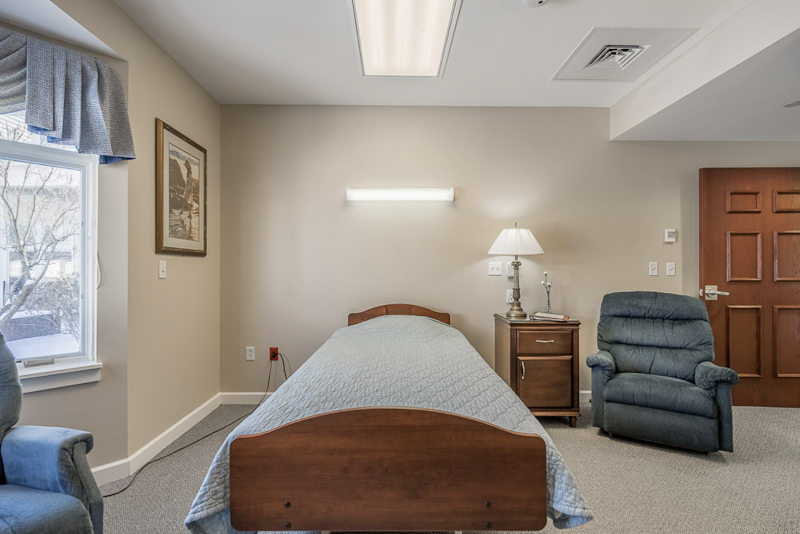
How is Ohio Eastern Star Hlth Care Ctr The Staffed?

CMS rates OHIO EASTERN STAR HLTH CARE CTR THE's staffing level at 2 out of 5 stars, which is below average compared to other nursing homes. Staff turnover is 31%, compared to the Ohio average of 46%. This relatively stable workforce can support continuity of care.

What Have Inspectors Found at Ohio Eastern Star Hlth Care Ctr The?

State health inspectors documented 20 deficiencies at OHIO EASTERN STAR HLTH CARE CTR THE during 2020 to 2025. These included: 2 that caused actual resident harm, 16 with potential for harm, and 2 minor or isolated issues. Deficiencies causing actual harm indicate documented cases where residents experienced negative health consequences.
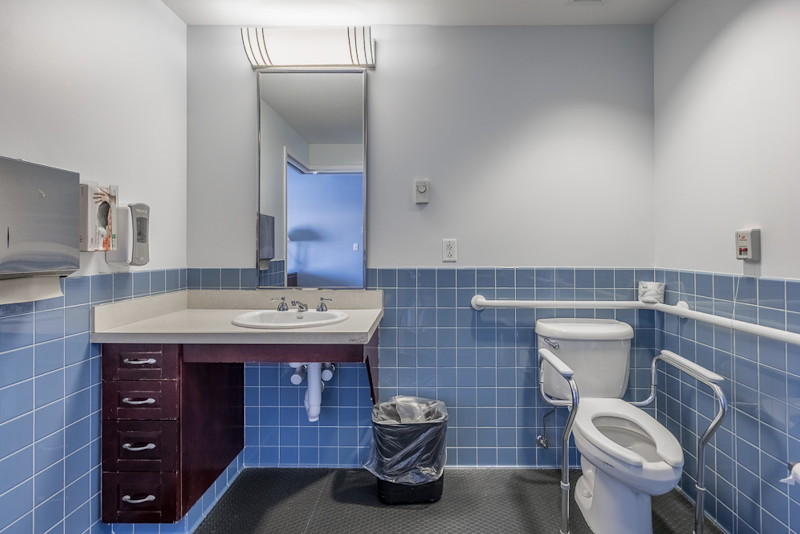
Who Owns and Operates Ohio Eastern Star Hlth Care Ctr The?

OHIO EASTERN STAR HLTH CARE CTR THE is owned by a non-profit organization. Non-profit facilities reinvest revenue into operations rather than distributing to shareholders. The facility operates independently rather than as part of a larger chain. With 86 certified beds and approximately 72 residents (about 84% occupancy), it is a smaller facility located in MOUNT VERNON, Ohio.
How Does Ohio Eastern Star Hlth Care Ctr The Compare to Other Ohio Nursing Homes?

Compared to the 100 nursing homes in Ohio, OHIO EASTERN STAR HLTH CARE CTR THE's overall rating (3 stars) is below the state average of 3.2, staff turnover (31%) is significantly lower than the state average of 46%, and health inspection rating (3 stars) is at the national benchmark.

What Should Families Ask When Visiting Ohio Eastern Star Hlth Care Ctr The?

Based on this facility's data, families visiting should ask: "Can you walk me through typical staffing levels on day, evening, and night shifts?" "Can I visit during a mealtime to observe dining assistance and food quality?" "How do you handle medical emergencies, and what is your hospital transfer rate?" "Can I speak with family members of current residents about their experience?" These questions are particularly relevant given the below-average staffing rating.

Is Ohio Eastern Star Hlth Care Ctr The Safe?

Based on CMS inspection data, OHIO EASTERN STAR HLTH CARE CTR THE has a clean safety record: no substantiated abuse findings (meaning no confirmed cases of resident harm), no Immediate Jeopardy citations (the most serious violation level indicating risk of serious injury or death), and is not on the Special Focus Facility watch list (a federal program monitoring the lowest-performing 1% of nursing homes). The facility has a 3-star overall rating and ranks #100 of 100 nursing homes in Ohio. While no facility is perfect, families should still ask about staff-to-resident ratios and recent inspection results during their visit.

Do Nurses at Ohio Eastern Star Hlth Care Ctr The Stick Around?

OHIO EASTERN STAR HLTH CARE CTR THE has a staff turnover rate of 31%, which is about average for Ohio nursing homes (state average: 46%). Moderate turnover is common in nursing homes, but families should still ask about staff tenure and how the facility maintains care continuity when employees leave.

Was Ohio Eastern Star Hlth Care Ctr The Ever Fined?

OHIO EASTERN STAR HLTH CARE CTR THE has no federal fines on record. CMS issues fines when nursing homes fail to meet care standards or don't correct problems found during inspections. The absence of fines suggests the facility has either maintained compliance or corrected any issues before penalties were assessed. This is a positive indicator, though families should still review recent inspection reports for the full picture.

Is Ohio Eastern Star Hlth Care Ctr The on Any Federal Watch List?

OHIO EASTERN STAR HLTH CARE CTR THE is not on any federal watch list. The most significant is the Special Focus Facility (SFF) program, which identifies the bottom 1% of nursing homes nationally based on persistent, serious quality problems. Not being on this list means the facility has avoided the pattern of deficiencies that triggers enhanced federal oversight. This is a positive indicator, though families should still review the facility's inspection history directly.