ALTERCARE OF NAVARRE CTR FOR REHAB & NRSG CARE
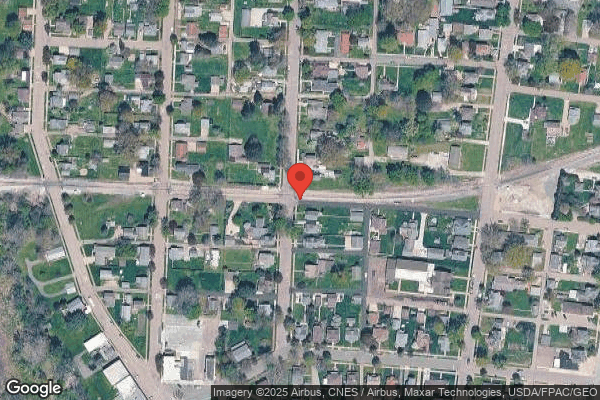
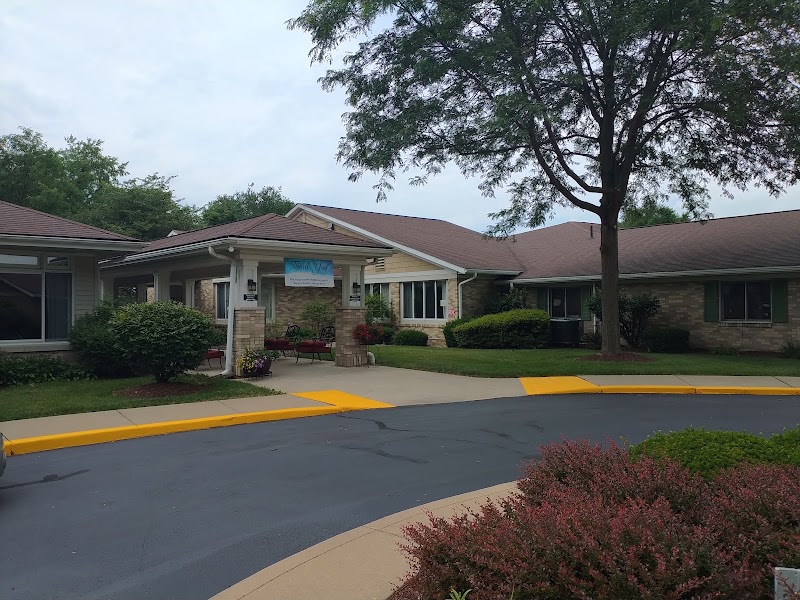
517 PARK STREET NW, NAVARRE, OH 44662 (330) 879-2765
For profit - Corporation 117 Beds ALTERCARE Data: November 2025
Trust Grade
35/100
#588 of 913 in OH
Last Inspection: July 2024

Within standard 12-15 month inspection cycle. Federal law requires annual inspections.

Overview

Altercare of Navarre Center for Rehab & Nursing Care has received a Trust Grade of F, indicating significant concerns about the quality of care provided. Ranking #588 out of 913 facilities in Ohio places it in the bottom half, and it is #22 out of 33 in Stark County, meaning there are many better options locally. While the facility is showing some improvement in reducing issues, with the number of problems decreasing from 11 in 2024 to 5 in 2025, the staffing situation is troubling, as it has a low rating of 1 out of 5 stars and a high turnover rate of 62%, which is above the state average. On a positive note, the facility has no fines on record and offers better RN coverage than 90% of Ohio facilities, which is beneficial for resident care. However, serious incidents include a resident suffering a necrotic finger that required partial amputation due to inadequate monitoring, and another resident developed multiple pressure ulcers because of a lack of individualized care. Additionally, the facility failed to inform residents and families about a COVID-19 outbreak, which raises concerns about communication and transparency. Overall, while there are some strengths, the significant weaknesses and past incidents suggest families should proceed with caution when considering this nursing home.

Trust Score
F
35/100
In Ohio
#588/913
Bottom 36%
Safety Record
Moderate
Needs review
Inspections
Getting Better
11 → 5 violations
Staff Stability
⚠ Watch
62% turnover. Above average. Higher turnover means staff may not know residents' routines.
Penalties
✓ Good
No fines on record. Clean compliance history, better than most Ohio facilities.
Skilled Nurses
✓ Good
Each resident gets 47 minutes of Registered Nurse (RN) attention daily — more than average for Ohio. RNs are trained to catch health problems early.
Violations
⚠ Watch
32 deficiencies on record. Higher than average. Multiple issues found across inspections.
★★☆☆☆
2.0
Overall Rating
★☆☆☆☆
1.0
Staff Levels
★★★★★
5.0
Care Quality
★★☆☆☆
2.0
Inspection Score
Stable
2024: 11 issues
2025: 5 issues

The Good

  • 5-Star Quality Measures · Strong clinical quality outcomes
  • Full Sprinkler Coverage · Fire safety systems throughout facility
  • No fines on record

Facility shows strength in quality measures, fire safety.

The Bad

2-Star Overall Rating

Below Ohio average (3.2)

Below average - review inspection findings carefully

Staff Turnover: 62%

16pts above Ohio avg (46%)

Frequent staff changes - ask about care continuity

Chain: ALTERCARE

Part of a multi-facility chain

Ask about local staffing decisions and management

Staff turnover is elevated (62%)

14 points above Ohio average of 48%

The Ugly 32 deficiencies on record

2 actual harm
Jul 2025 1 deficiency 1 Harm
SERIOUS (G) 📢 Someone Reported This

A family member, employee, or ombudsman was alarmed enough to file a formal complaint

Actual Harm - a resident was hurt due to facility failures

Quality of Care (Tag F0684)

A resident was harmed · This affected 1 resident

**NOTE- TERMS IN BRACKETS HAVE BEEN EDITED TO PROTECT CONFIDENTIALITY** Based on medical record review, review of hospital documentation, policy review, and interview, the facility failed to ensure on...

Read full inspector narrative →
**NOTE- TERMS IN BRACKETS HAVE BEEN EDITED TO PROTECT CONFIDENTIALITY** Based on medical record review, review of hospital documentation, policy review, and interview, the facility failed to ensure ongoing assessments and monitoring were completed for Resident #10's right ring finger skin impairment. This finding affected one (Resident #10) of three residents reviewed for skin impairments.Actual harm occurred on 07/02/25 when Resident #10, who was assessed upon admission with a right ring finger bruise and/or scab, was admitted to the hospital with the diagnosis of a necrotic finger resulting in the partial amputation of his right ring finger.Findings Include:Review of Resident #10's medical record revealed the resident was admitted to the facility on [DATE] and discharged to the hospital on [DATE] with diagnoses including necrotizing fasciitis, cutaneous abscess of the groin and end stage renal disease.Review of Resident #10's progress note dated 06/12/25 at 6:50 P.M. (recorded as a late entry on 06/13/25 at 01:19 A.M.) authored by Registered Nurse (RN) #812 revealed the resident was admitted to the facility via an ambulance service on a cot and sheet lifted onto the bed. The resident was alert and oriented to person, place, time and situation and the resident denied pain or discomfort. The resident stated he was blind in the left eye and poor vision in the right eye. The resident was on dialysis Monday, Wednesday and Friday and was diabetic. He had a right inner thigh wound, two abrasions to the left knee, a scabbed area to the right outer ankle, ulcerated area on the right great toe, scab on the second and third right digits, scabs and bruising to the left great toe and left third digit, various scabs and bruises to the right and left fingers, and an abdominal dressing to the left lower quadrant.Review of Resident #10's Illustration of Documentation and Measurements of Skin Areas form (admission skin assessment) authored by RN #812 dated 06/12/25 revealed the resident had a bruised nail bed on the right ring finger, scabs on the second digit of the left hand, a wound to the left thigh, a wound to the right thigh, abrasions to the left leg, scabbed areas to the left ankle, bruising to the third right toe, scabbed areas to the right great toe, and scabbed areas to the left great toe, first toe and fourth toe.Review of Resident #10's Pressure Ulcer/Injury care plans revealed an intervention dated 06/13/25 to observe/report any signs and symptoms of skin irritation such as lack of sensation, tingling or burning feeling, verbal/nonverbal signs of pain, discoloration, edema, excoriation, and erythema and to report to the physician as needed.Review of Resident #10's Nursing Skin Tool dated 06/13/25 revealed no new areas and no changes to the existing wounds. The skin impairment to the right ring finger was not identified on the form.Review of Resident #10's Nursing Assistant Bathing/Skin Tool dated 06/14/25 revealed the resident had a complete bed bath. Old bruising and healing scrapes on the toes were noted on the form. The skin impairment to the right ring finger was not identified on the form.Review of Resident #10's Physician History and Physical dated 06/16/25 authored by Physician #913 (the Medical Director) revealed the [AGE] year-old-male was admitted to the skilled facility following hospitalization from 06/02/25 to 06/12/25 for sepsis secondary to a groin abscess with possible necrotizing fasciitis. The resident went for multiple aggressive debridement's concerning of necrotizing fasciitis. The resident was evaluated by wound care and a wound vacuum (vac) was reapplied. The resident's skin was normal with a normal temperature and left arm fistula. The skin impairment to the right ring finger was not identified on the form.Review of Resident #10's admission Minimum Data Set (MDS) 3.0 assessment dated [DATE] revealed the resident exhibited intact cognition.Review of Resident #10's Nursing Skin Tool dated 06/20/25 revealed no changes to the previous areas and no new areas. The skin impairment to the right ring finger was not identified on the form.Review of Resident #10's Physician Note form dated 06/20/25 authored by Therapy Physician #914 revealed an initial consultation to evaluate skilled therapy services. The resident was admitted to the hospital with a three-day history of fever, weakness, and severe peritoneal pain with a fall. The resident was found to have necrotizing fasciitis of the left groin and underwent surgical debridement on 06/02/25 and again on 06/05/25. The resident's skin was thin with bruising, a fistula in the right arm with a good pulse and thrill. The skin impairment to the right ring finger was not identified on the form.Review of Resident #10's physician progress note dated 06/26/25 authored by Covering Physician #915 revealed the resident's skin had a normal temperature and a left arm fistula with no abnormal bruising.Review of Resident #10's Nursing Skin Tool dated 06/27/25 revealed no changes and no new areas noted. The skin impairment to the right ring finger was not identified on the form.Review of Resident #10's Nursing Assistant Bathing/Skin Tool dated 07/01/25 revealed the resident received a shower. Written documentation on the form indicated no new concerns were identified. The skin impairment to the right ring finger was not identified on the form.Review of Resident #10's progress note dated 07/01/25 at 2:47 P.M. revealed Resident #10 had a colonoscopy scheduled for 07/02/25 at 6:45 A.M.Review of Resident #10's hospital admission paperwork dated 07/02/25 revealed the resident was recently hospitalized from [DATE] to 06/12/25 for management of a groin abscess and the concern for necrotizing fasciitis, he was discharged to a skilled nursing facility with a wound vac. The resident presented to the emergency room (ER) today with a concern for a right fourth digit necrosis and lower extremity wounds. The resident's finger had reportedly been turning black and associated with pain with any kind of movement for the past few days. He also had several ulcerated lesions on his toes bilaterally and was supposed to be scheduled for a follow-up with podiatry, but had not been seen yet. The x-ray of the hand demonstrated lucency under the nailbed of the fourth digit likely related to an infection.Review of hospital emergency room documentation dated 07/02/25 at 4:29 P.M. revealed Resident #10's right ring finger nailbed and tip of the finger appeared black. Photos were included in the documentation which showed the tip of the right ring finger appeared black with flaking, peeling skin at the tip, with a small uneven portion of the tip of the finger missing underneath the fingernail. The hospital documentation noted on 07/02/25, the resident had a revision amputation of the right fourth finger by orthopedic surgery. Per orthopedic surgery, the distal phalanx bone was felt to be of good strength, but a large portion of the phalanx was debrided due to the level of skin necrosis.Review of Resident #10's Operative Report dated 07/03/25 at 11:28 A.M. revealed the resident presented with necrosis of the right ring finger which had worsening surrounding erythema and pain. The resident was offered formal irrigation and debridement in the operating room with revision amputation to achieve adequate soft tissue closure. The distal phalanx bone was felt to be of good strength atypical of osteomyelitis but due to the level of skin necrosis, a large portion of the phalanx was debrided and sent for specimen.Review of the hospital Nephrology Service note dated 07/03/25 at 1:57 P.M. revealed Resident #10, who received dialysis was admitted with right ring finger necrosis with worsening pain and redness. He was status post revision amputation of the finger earlier in the morning.Interview on 07/10/25 at 4:55 A.M. with RN #804 indicated staff sometimes did not do what they were supposed to do in terms of wound care, but she would not specify. RN #804 revealed (on 07/02/25) Resident #10 had gone for a colonoscopy and the hospital staff had identified the resident had a necrotic finger. The resident was then admitted to the hospital. Interview on 07/10/25 at 6:28 A.M. with Licensed Practical Nurse (LPN) Wound Nurse (WN) #809 revealed Resident #10 had a bruised, dark finger. She denied the resident had a surgical consultation for the finger and denied knowledge of the area looking necrotic. Interview on 07/10/25 at 7:40 A.M. with the Director of Nursing (DON) revealed Resident #10's right finger was bruised but stated the staff did not notice necrotic tissue.Telephone interview on 07/10/25 at 7:54 A.M. with RN #812 revealed Resident #10 was admitted to the facility with an open area to the left groin and some areas on the left and right feet as well as left and right hands. She stated she could not remember exactly what the wounds looked like, including the areas on the resident's hands.Interview on 07/10/25 at 9:44 A.M. with Dialysis RN #910 revealed she had provided care to Resident #10 on several occasions and did not observe necrosis on the resident's fingers.Interview on 07/10/25 at 9:52 A.M. with Certified Occupational Therapy Assistant (COTA) #911 revealed Resident #10 had some blackness and scaling on his right ring finger but she could not tell if it was a bruise or not. She stated that it was not within her scope of practice to assess the area. COTA #911 did not disclose if she notified any nursing staff regarding the resident's black scaly right ring finger. Interview on 07/10/25 at 9:55 A.M. with LPN #912 revealed Resident #10's right ring finger looked dark but denied knowledge of it being weeping or open. LPN #912 indicated the ring finger did not look necrotic to her knowledge.Interview on 07/10/25 at 11:25 A.M. with Physician #913 revealed he assessed Resident #10 on 06/16/25 and did not identify concerns with the resident's right ring finger or necrosis. Physician #913 also stated Physician #914 assessed the resident on 06/20/25 and Physician #915 assessed the resident on 06/26/25 and no one had identified any type of necrotic areas on the resident's hands during those visits. The resident was transported to the hospital related to the condition of his finger on 07/02/25 (six days after last being seen by a physician).Interview on 07/10/25 at 1:08 P.M. with RN Regional #909 revealed nursing staff were to complete a whole-body assessment once weekly. The Rn revealed facility staff did not document bruises on the form unless there was a change in the bruise. If the bruise worsened, it would be reassessed and reported to the physician for further orders. RN Regional #909 confirmed the documentation for Resident #10 did not have evidence the right ring finger was assessed for improving or worsening of the skin impairment.Telephone interview on 07/14/25 at 11:48 A.M. with Resident #10's family member revealed the resident's right finger started turning dark in May 2025. The family member stated the resident had been admitted to the hospital on two separate occasions and the hospital was monitoring the finger. Resident #10's family member revealed the resident had reported pain to the nursing staff during his stay (date not provided) and was told the right ring finger was just bruised. She indicated when the resident was sent to the hospital for the colonoscopy (on 07/02/25) it was determined the right ring finger was necrotic and the resident had to have surgery to remove the necrosis. Review of the undated Wound Care policy revealed it was the facility policy to provide guidelines for the care of wounds to promote healing.This deficiency represents non-compliance investigated under Complaint Number OH00167473 (1367059).
Jan 2025 2 deficiencies
CONCERN (D) 📢 Someone Reported This

A family member, employee, or ombudsman was alarmed enough to file a formal complaint

Potential for Harm - no one hurt, but risky conditions existed

Notification of Changes (Tag F0580)

Could have caused harm · This affected 1 resident

**NOTE- TERMS IN BRACKETS HAVE BEEN EDITED TO PROTECT CONFIDENTIALITY** Based on record review and interview, the facility failed to ensure Resident #8's responsible party was notified of new orders a...

Read full inspector narrative →
**NOTE- TERMS IN BRACKETS HAVE BEEN EDITED TO PROTECT CONFIDENTIALITY** Based on record review and interview, the facility failed to ensure Resident #8's responsible party was notified of new orders and changes in Resident #8's condition. This affected one (Resident #8) of three residents reviewed for notifications. The facility census was 83. Findings include: Review of the medical record revealed Resident #8 was admitted on [DATE] with diagnoses that included Alzheimer's disease, hyperlipidemia, osteoporosis, hypothyroidism, hypotension, insomnia, adult failure to thrive, major depressive disorder, anxiety disorder, and hypertension. Review of a progress note dated 12/02/24 revealed Resident #8 was in isolation for Covid positive precautions. A progress note dated 12/14/24 revealed Resident #8 was administered an oral antibiotic for a urinary tract infection. Review of the physician orders revealed cephalexin 500 milligrams (mg) twice a day from 12/14/24 through 12/21/24 for a urinary tract infection. Review of physician orders revealed on 01/04/25 Resident #8 had new orders for acetaminophen (for mild pain) 1000 milligrams (mg) every six hours as needed, albuterol sulfate (to prevent and treat difficulty breathing) inhaler two puffs every four hours as needed, amlodipine (to treat high blood pressure) five mg daily, atorvastatin (to treat high cholesterol) 40 mg daily, and azathioprine (immunosuppressive) 100 mg daily. Review of the quarterly Minimum Data Set (MDS) dated [DATE] revealed Resident #8 had severe cognitive impairment. An interview on 01/29/25 at 10:20 A.M. Regional Nurse Consultant verified Resident #8 had acetaminophen, albuterol sulfate, amlodipine, atorvastatin,and azathioprine entered as new orders on 01/04/25. The five medications entered into Resident #8's medical record were for Resident #84, who was admitted on [DATE]. Resident #8 had a fall on 01/07/25 and the nurse practitioner reviewed Resident #8's medications and found the error. On 01/29/25 at 10:20 A.M. the Regional Nurse Consultant verified Resident #8's responsible party was not notified of the new orders for medication on 01/04/25. On 01/30/25 at 8:40 A.M. the Regional Nurse Consultant verified Resident #8 tested positive for Covid on 11/28/24 and there was no documentation of Resident #8's representative being notified. The Regional Nurse Consultant also verified there was no documentation of Resident #8's representative being notified of new orders for an antibiotic on 12/14/24. This deficiency represents non-compliance investigated under Master Complaint Number OH00161501.
CONCERN (D) 📢 Someone Reported This

A family member, employee, or ombudsman was alarmed enough to file a formal complaint

Potential for Harm - no one hurt, but risky conditions existed

Deficiency F0760 (Tag F0760)

Could have caused harm · This affected 1 resident

**NOTE- TERMS IN BRACKETS HAVE BEEN EDITED TO PROTECT CONFIDENTIALITY** THE FOLLOWING DEFICIENCY REPRESENTS AN INCIDENT OF PAST NON-COMPLIANCE THAT WAS SUBSEQUENTLY CORRECTED PRIOR TO THIS SURVEY. Bas...

Read full inspector narrative →
**NOTE- TERMS IN BRACKETS HAVE BEEN EDITED TO PROTECT CONFIDENTIALITY** THE FOLLOWING DEFICIENCY REPRESENTS AN INCIDENT OF PAST NON-COMPLIANCE THAT WAS SUBSEQUENTLY CORRECTED PRIOR TO THIS SURVEY. Based on record review, interview and policy review the facility failed to prevent Resident #8 from receiving the wrong medication. This affected one (Resident #8) of three residents reviewed for medications. The facility census was 83. Findings include: Review of the medical record revealed Resident #8 was admitted on [DATE] with diagnoses that included Alzheimer's disease, hyperlipidemia, osteoporosis, hypothyroidism, hypotension, insomnia, adult failure to thrive, major depressive disorder, anxiety disorder, and hypertension. The quarterly Minimum Data Set (MDS) dated [DATE] revealed Resident #8 had severe cognitive impairment. Review of physician orders revealed on 01/04/25 Resident #8 had new orders for acetaminophen (for mild pain) 1000 milligrams (mg) every six hours as needed, albuterol sulfate (to prevent and treat difficulty breathing) inhaler two puffs every four hours as needed, amlodipine (to treat high blood pressure) five mg daily, atorvastatin (to treat high cholesterol) 40 mg daily, and azathioprine (immunosuppressive) 100 mg daily. Review of the medication administration record (MAR) revealed Resident #8 received amlodipine, atorvastatin and azathioprine on 01/04/25, 01/05/25, 01/06/25, and 01/07/25. An interview on 01/29/25 at 10:20 A.M. Regional Nurse Consultant verified Resident #8 had acetaminophen, albuterol sulfate, amlodipine, atorvastatin,and azathioprine entered as new orders on 01/04/25. The five medications entered into Resident #8's medical record were for Resident #84 who was admitted on [DATE]. Resident #8 had a fall on 01/07/25 and the nurse practitioner reviewed Resident #8's medications and found the error. Regional Nurse Consultant verified Resident #8 received four doses of amlodipine five mg, atorvastatin 40 mg, and azathioprine 100 mg before the error was discovered. Review of the facility's undated Medication Error Policy and Procedure revealed the facility strives to ensure that medications are administered to each resident without complications. The facility recognizes the potential of human /computer/ computation error with medication administration. The facility has medication administration guidelines to help reduce the risk of a medication error. However, in the event of a medication error, the safety and well-being of the resident is the highest priority for quality assurance and performance improvement. The National Coordinating Council for Medication Error and Prevention defines a Medication Error as follows: A medication error is any preventable event that may cause or lead to inappropriate medication use or patient harm while the medication is in the control of the healthcare professional, patient or consumer. Such events may be related to professional practice, procedures and systems, include prescribing; order communication; product labeling, packaging, and nomenclature; compounding; dispensing; distribution; administration; education; monitoring and use. The deficient practice was corrected on 01/14/25 when the facility implemented the following corrective actions: • On 01/07/25 at approximately 4:00 P.M., it was discovered by the Certified Nurse Practitioner (CNP) that Resident #8 had received medications amlodipine five mg, atorvastatin 40 mg, and azathioprine 100 mg. On 01/07/25 at approximately 4:10 P.M. amlodipine five mg, atorvastatin 40 mg, and azathioprine 100 mg were discontinued for Resident #8. New orders were received for Resident #8 to have vital signs checked every eight hours for the next 72 hours. • On 01/07/25 at approximately 5:00 P.M. the Regional Nurse Consultant discovered amlodipine five mg, atorvastatin 40 mg, and azathioprine 100 mg was originally ordered for Resident #84 but entered as orders for Resident #8. • On 01/07/25 at approximately 5:15 P.M. the Regional Nurse Consultant notified the Medical Director of the medication error. • On 01/08/25 the Regional Nurse Consultant began to audit all new admissions from 01/03/25. Regional Nurse Consultant reviewed the admission orders to ensure the orders were entered correctly. The Regional Nurse Consultant continued audits until 01/24/25. • On 01/08/25 the Licensed Nursing Home Administrator (LNHA) notified Resident #8's responsible party of the medication error. • On 01/08/25 the LNHA attempted to notify Resident #84's responsible party of the medication error. • On 01/08/25 the Regional Nurse Consultant educated eleven licensed practical nurses and ten registered nurses on transcribing orders from the provider and/or upon admission to ensure that the right patient, the right drug, the right time, the right dose, and the right route was followed. • On 01/09/25 an Ad Hoc (unplanned) Quality Assurance was completed and the facility alleged compliance on 01/14/25. • The Director of Nursing or designee will audit all new admission daily for four weeks and then as needed to ensure that all medications were transcribed correctly. This deficiency represents non-compliance investigated under Master Complaint Number OH00161501.
Jan 2025 2 deficiencies
CONCERN (D) 📢 Someone Reported This

A family member, employee, or ombudsman was alarmed enough to file a formal complaint

Potential for Harm - no one hurt, but risky conditions existed

Quality of Care (Tag F0684)

Could have caused harm · This affected 1 resident

**NOTE- TERMS IN BRACKETS HAVE BEEN EDITED TO PROTECT CONFIDENTIALITY** Based on observation, record review and interview, the facility failed to ensure wound care was completed as ordered for Residen...

Read full inspector narrative →
**NOTE- TERMS IN BRACKETS HAVE BEEN EDITED TO PROTECT CONFIDENTIALITY** Based on observation, record review and interview, the facility failed to ensure wound care was completed as ordered for Residents #43, #51 and #77 and timely wound assessments were completed for Resident #77. This finding affected three (Residents #43, #51 and #77) of four residents reviewed for wounds. Findings include: 1. Review of #51's medical record revealed the resident was admitted on [DATE] with diagnoses including other acute osteomyelitis of the right ankle and foot, encounter for other orthopedic aftercare and end stage renal disease. Review of Resident #51's hospital report dated 12/09/24 revealed the resident had a right lower extremity non healing wound with osteomyelitis related to advanced peripheral vascular disease and insulin dependent diabetes. Review of Resident #51's care plans revealed an intervention dated 12/10/24 indicated to note amount and characteristics of any wound drainage, and observe effectiveness of ordered treatments. Notify the physician as needed. Review of Resident ##51's physician orders revealed an order dated 12/10/24 for Ceftazidime 2 grams intravenous (IV) during dialysis for six weeks once a day on Tuesday, Thursday and Saturday; an order dated 12/10/24 for Vancomycin 750 milligrams (mg) IV during dialysis on Tuesday, Thursday and Saturdays for osteomyelitis; and an order dated 12/30/24 to cleanse the right foot wound with wound cleanser, pat dry, apply black foam and secure and place negative pressure wound therapy (NPWT or a special type of wound dressing that was used in a therapy system to help the wound heal) at 125 mmHg (millimeters of mercury or a unit of pressure that measures how high a column of mercury rises). Change every Monday, Wednesday and Friday and as needed. Review of Resident #51's Quarterly Minimum Data Set (MDS) 3.0 assessment dated [DATE] revealed the resident exhibited intact cognition. Review of Resident #51's Wound Information Observation History dated 12/30/24 at 2:18 P.M. revealed the resident had a right heel surgical incision which measured 6 cm (centimeters) length by 2 cm width. Interview on 01/02/25 at 5:59 A.M. with Resident #51 indicated she had a wound vac on her left foot and denied concerns with the treatments on her left foot wound. She did not report any other concerns. Observation at the time of the interview revealed the wound vac settings was noted at 135 mmHg. Interview on 01/02/25 at 6:02 A.M. with Registered Nurse (RN) #805 indicated she was aware the facility had an agency nurse working as the wound nurse and she had not been completing the wound care for a couple of weeks. Interview on 01/02/25 at 6:46 A.M. with Licensed Practical Nurse (LPN) #810 indicated she was an agency nurse which was hired to do wound care in the facility, but she was pulled to the floor approximately four weeks ago. She stated the floor nurses were required to do their own wound care and most of them were not doing it. Observation on 01/02/25 at 9:00 A.M. and subsequent confirmation interview with RN Regional #812 confirmed Resident #51's wound vac was set at 135 mmHg and the physician order was 125 mmHg. 2. Review of Resident #43's medical record revealed the resident was admitted on [DATE] with diagnoses including necrotizing fasciitis, polyneuropathy and muscle weakness. Review of Resident #43's care plans revealed an intervention dated 01/26/24 to perform the current treatments as orders and observe the treatment for effectiveness. Review of Resident #43's Quarterly MDS 3.0 assessment dated [DATE] revealed the resident exhibited intact cognition. Review of Resident #43's medication administration records (MARS) and treatment administration records (TARS) from 12/03/24 to 01/02/25 revealed LPN #813 documented on the TAR that she completed Resident #43's wound care on 01/01/24. Review of Resident #43's physician orders revealed an order dated 12/16/24 to cleanse the left lower extremity with normal saline, pat dry, apply Triamcinolone Acetonide cream 0.025%, collagen, an adaptic non-stick dressing, an abdominal pad (ABD) and Kerlix once daily and as needed. Review of resident #43's Wound Information Observation History form dated 12/30/24 at 11:38 P.M. revealed the resident had a venous ulcer to the left shin and left lower leg which measured 6 cm length by 14.5 cm width. Interview on 01/02/25 at 6:02 A.M. with RN #805 indicated she was aware the facility had an agency nurse working as the wound nurse and she had not been completing the wound care for a couple of weeks. Interview on 01/02/25 at 6:46 A.M. with LPN #810 indicated she was an agency nurse which was hired to do wound care in the facility, but she was pulled to the floor approximately four weeks ago. She stated the floor nurses were required to do their own wound care and most of them were not doing it. Observation on 01/02/25 at 6:59 A.M. with LPN #810 of Resident #43's left anterior (top) foot dressing revealed the dressing was completed on 12/31/24. Interview on 01/02/25 at 7:01 A.M. with LPN #810 confirmed Resident #43's left anterior foot dressing was not completed on 01/01/24 as required. 3. Review of Resident #77's medical record revealed the resident was admitted on [DATE] with diagnoses including other acute osteomyelitis of the left ankle and foot, diabetes and partial traumatic amputation of the left foot. Review of Resident #77's Quarterly MDS 3.0 assessment dated [DATE] revealed intact cognition. Resident #77 was discharged to the hospital on [DATE] and returned 11/22/24, discharged to hospital on [DATE] and returned 12/02/24. Review of Resident #77's physician orders revealed an order dated 12/02/24 (discontinued 12/23/24) to cleanse the left foot with normal saline, apply Iodoform packing and a dry dressing to the left foot, apply betadine wet to dry to left heel and silver alginate and an abdominal (ABD) dressing to the anterior ankle, wrap the leg with an ace bandage daily and as needed. Review of Resident #77's physician orders revealed an order dated 12/02/24 (discontinued 12/23/24) to cleanse the right foot with normal saline, apply Iodoform to the proximal medial calf wound followed by silver alginate and an abdominal pad to the posterior right leg wound and anterior right leg wound, wrap with an ace bandage and change daily. The facility did not have assessments of Resident #77's wounds from 12/02/24 to 12/18/24. Resident discharged to hospital from [DATE] and returned to the facility on [DATE]. Review of Resident #77's care plans revealed an intervention dated 12/31/24 to perform current treatments as ordered and observe for effectiveness. Review of Resident #77's wounds upon return from the hospital revealed the following: Wound #2: Review of Resident #77's Wound Management Detail Report dated 12/30/24 at 10:26 A.M. revealed the resident had a surgical incision of the left second toe amputation site which measured 4 cm length by 1.5 cm width by 0.3 cm depth. Review of Resident #77's physician orders revealed an order dated 12/31/24 to cleanse the left amputation site with wound cleanser, pat dry, apply calcium alginate with silver, an ABD, Kerlix and tubi grip from toes to knee once daily. Wound #3: Review of Resident #77's Wound Management Detail Report form dated 12/30/24 at 10:43 A.M. revealed the resident had a left calf venous ulcer which measured 3 cm length by 4 cm width by 0.1 cm depth. Review of resident #77's physician orders revealed an order dated 12/31/24 to cleanse the left calf with wound cleanser, pat dry, apply calcium alginate with silver, an ABD pad, Kerlix and tubi grip from toes to knee once daily. Wound #4: Review of Resident #77's Wound Management Detail Report dated 12/31/24 at 10:21 A.M. revealed the resident had an unspecified ulcer type to the right knee which measured one cm length by one cm width first identified 12/31/24. Review of Resident #77's physician orders revealed an order dated an order dated 12/31/24 to cleanse the right knee with wound cleanser, pat dry, apply calcium alginate with silver, an abdominal dressing, Kerlix and tubi grip from toes to the knee. Wound #5: Review of Resident #77's physician orders revealed an order dated 12/31/24 to cleanse the right calf wound with wound cleanser, pat dry, apply triad, an abdominal pad, Kerlix and tubi grips from toes to knees once daily Wound #6: Review of Resident #77's Wound Management Detail Report form dated 12/30/24 at 10:14 A.M. revealed the resident had a venous ulcer to the right shin which measured 1 cm length by one cm width by 0.1 cm depth which was identified on 12/30/24. Review of Resident #77's physician orders revealed an order dated 12/31/24 to cleanse the right shin with wound cleanser, pat dry, apply triad, an ABD, Kerlix and tubi grips from toes to the knee once daily. Wound #7: Review of Resident #77's physician orders revealed an order dated 12/31/24 to apply skin prep to the bilateral heels every shift. Interview on 01/02/25 at 6:02 A.M. with RN #805 indicated she was aware the facility had an agency nurse working as the wound nurse and she had not been completing the wound care for a couple of weeks. Interview on 01/02/25 at 6:46 A.M. with LPN #810 indicated she was an agency nurse which was hired to do wound care in the facility, but she was pulled to the floor approximately four weeks ago. She stated the floor nurses were required to do their own wound care and most of them were not doing it. Observation on 01/02/25 at 7:04 A.M. with LPN #810 of Resident #77's bilateral lower extremity dressings were dated 12/31/24 (one long dressing on each leg which included Kerlix and tube grips from the toes to the knee). Interview on 01/02/25 at 7:05 A.M. with LPN #810 confirmed Resident #77's wound care was not completed as ordered. Interview on 01/02/25 at 12:01 P.M. with RN Regional #812 confirmed the facility did not have evidence of wound assessments including sizing and staging if applicable for Resident #77's wounds from 12/02/24 to 12/18/24. Review of the undated Wound Care policy revealed it was the facility's policy to provide guidelines for the care of wounds to promote healing. This deficiency represents non-compliance investigated under Complaint Number OH00160611.
CONCERN (D) 📢 Someone Reported This

A family member, employee, or ombudsman was alarmed enough to file a formal complaint

Potential for Harm - no one hurt, but risky conditions existed

Pressure Ulcer Prevention (Tag F0686)

Could have caused harm · This affected 1 resident

**NOTE- TERMS IN BRACKETS HAVE BEEN EDITED TO PROTECT CONFIDENTIALITY** Based on observation, record review and interview, the facility failed to ensure Resident #77's pressure ulcer wound care was co...

Read full inspector narrative →
**NOTE- TERMS IN BRACKETS HAVE BEEN EDITED TO PROTECT CONFIDENTIALITY** Based on observation, record review and interview, the facility failed to ensure Resident #77's pressure ulcer wound care was completed as ordered. This finding affected one (Resident #77) of four residents reviewed for wound care. Findings include: Review of Resident #77's medical record revealed the resident was admitted on [DATE] with diagnoses including other acute osteomyelitis of the left ankle and foot, diabetes and partial traumatic amputation of the left foot. Review of Resident #77's Quarterly Minimum Data Set (MDS) 3.0 assessment dated [DATE] revealed intact cognition. Review of Resident #77's podiatrist note dated 11/12/24 revealed the resident had a stage three pressure ulcer of the left heel. Review of Resident #77's physician orders revealed an order dated 12/02/24 (discontinued 12/23/24) to cleanse the left foot with normal saline, apply Iodoform packing and a dry dressing to the left foot, apply betadine wet to dry to left heel and silver alginate and an abdominal (ABD) dressing to the anterior ankle, wrap the leg with an ace bandage daily and as needed. Review of Resident #77's medical record revealed no evidence the facility assessed the resident's left heel pressure ulcer. Resident #77 was discharged to the hospital on [DATE] and returned to the facility on [DATE]. Review of Resident #77's podiatrist note dated 12/22/24 (initial consult in hospital) revealed a decubitus ulcer of left heel stable with no signs or symptoms of infection. No pressure ulcer staging was noted on the form. Review of Resident #77's care plans revealed an intervention dated 12/31/24 to perform current treatments as ordered and observe for effectiveness. Review of Resident #77's physician orders revealed an order dated 12/31/24 to cleanse the left heel with wound cleanser, pat dry, apply calcium alginate with silver, an abdominal pad, Kerlix and tubi grip from toes to knee once daily. Review of Resident #77's unstageable left heel Wound Management Detail Report form dated 12/30/24 at 10:38 A.M. revealed the resident had an unstageable pressure wound which measured 3 cm length by 5 cm width by 0.3 cm depth with slough and/or eschar. Interview on 01/02/25 at 6:02 A.M. with Registered Nurse (RN) #805 indicated she was aware the facility had an agency nurse working as the wound nurse and she had not been completing the wound care for a couple of weeks. Interview on 01/02/25 at 6:46 A.M. with Licensed Practical Nurse (LPN) #810 indicated she was an agency nurse which was hired to do wound care in the facility, but she was pulled to the floor approximately four weeks ago. She stated the floor nurses were required to do their own wound care and most of them were not doing it. Observation on 01/02/25 at 7:04 A.M. with LPN #810 of Resident #77's bilateral lower extremity dressings were dated 12/31/24 (one long dressing on each leg which included Kerlix and tube grips from the toes to the knee). Interview on 01/02/25 at 7:05 A.M. with LPN #810 confirmed Resident #77's pressure wound care was not completed as ordered. Interview on 01/02/25 at 12:01 P.M. with RN Regional #812 confirmed the facility did not have wound assessments including sizing and staging if applicable for Resident #77's pressure wound from 12/02/24 to 12/18/24. Review of the undated Pressure Injuries: Assessment, Prevention and Treatment policy revealed it was the facility's policy to identify residents at risk for developing pressure injuries, implement interventions to prevent the development of pressure injuries and provide care for existing pressure injuries. This deficiency represents non-compliance investigated under Complaint Number OH00160611.
Aug 2024 2 deficiencies
CONCERN (D) 📢 Someone Reported This

A family member, employee, or ombudsman was alarmed enough to file a formal complaint

Potential for Harm - no one hurt, but risky conditions existed

Respiratory Care (Tag F0695)

Could have caused harm · This affected 1 resident

Based on observation, medical record review, and interview, the facility failed to monitor a resident's oxygen saturations in accordance with physician orders. This affected one (Resident #44) of thre...

Read full inspector narrative →
Based on observation, medical record review, and interview, the facility failed to monitor a resident's oxygen saturations in accordance with physician orders. This affected one (Resident #44) of three residents reviewed for respiratory care. The census was 87. Findings include: Review of Resident #44's medical record revealed diagnoses including chronic respiratory failure, congestive heart failure, obstructive sleep apnea, and atherosclerotic heart disease. A physician order dated 05/17/24 revealed Resident #44 had an order for continuous oxygen at two liters per minute via nasal cannula. Instructions revealed to check placement and record oxygen saturation every shift. The only oxygen saturation able to be located between 08/15/24 and 08/26/24 revealed one oxygen saturation level was recorded on 08/23/24 at 4:32 A.M. and recorded as 97%. Observations on 08/28/24 at 2:05 P.M. revealed Resident #44's oxygen saturation level was 98% with oxygen at two liters per minute via nasal cannula. During an interview on 08/27/24 at 2:24 P.M., Registered Nurse (RN) #110 verified she was unable to locate any additional evidence of oxygen saturations being monitored. RN #110 stated Resident #44 was stable on her ordered oxygen and staff would monitor if she had signs of distress. The area on the order which would have resulted in the need for monitoring oxygen saturation levels on the Medication Administration Record (MAR) had not been activated in the electronic medical record. This deficiency represents non-compliance investigated under Complaint Number OH00156489.
CONCERN (E) 📢 Someone Reported This

A family member, employee, or ombudsman was alarmed enough to file a formal complaint

Potential for Harm - no one hurt, but risky conditions existed

Menu Adequacy (Tag F0803)

Could have caused harm · This affected multiple residents

Based on observation, review of resident diet orders, review of menus/spreadsheets, and interview, the facility failed to ensure proper portion sizes of food were served to residents on a carbohydrate...

Read full inspector narrative →
Based on observation, review of resident diet orders, review of menus/spreadsheets, and interview, the facility failed to ensure proper portion sizes of food were served to residents on a carbohydrate controlled (CCHO)/low concentrated sweet (LCS) diet. This affected six (Residents #32, #35, #36, #39, #40, and #43) of 30 residents on the 200 hall who had trays served. Findings include: Review of the menu and spreadsheet for lunch on 08/27/24 revealed the only difference between the regular diets and carbohydrate controlled (low concentrated sweet) diet was the portion size. The regular diet included a #8 scoop (1/2 cup) of au gratin potatoes and four ounces of mixed vegetables. The carbohydrate controlled diet called for a #10 scoop (3/8 cup) of au gratin potatoes and a three ounce serving of mixed vegetables. On 08/27/24 between 11:22 A.M. and 11:40 A.M. observations were made of the tray line. All residents who received au gratin potatoes and mixed vegetables were provided the same amount with the same utensils utilized to measure out the food. On 08/27/24 at 11:35 A.M., Certified Dietary Manager (CDM) #100 verified staff had served ½ cup of au gratin potatoes to residents on the carbohydrate controlled diets instead of 3/8 cup as indicated on the spreadsheet. CDM #100 verified each resident was provided four ounces of mixed vegetables. After looking for a three ounce spoodle to serve the correct amount of mixed vegetables, CDM #100 stated there was no three ounce spoodle available to measure the correct portion. CDM #100 verified the trays which were observed being prepared were for service to the 200 hall residents. The facility identified residents on the 200 hall with orders for the low concentrated sweet (carbohydrate controlled) diets as Residents #32, #35, #36, #39, #40, and #43. This deficiency represents non-compliance investigated under Complaint Number OH00156489.
Jul 2024 3 deficiencies
CONCERN (D)

Potential for Harm - no one hurt, but risky conditions existed

Pressure Ulcer Prevention (Tag F0686)

Could have caused harm · This affected 1 resident

2. Review of Resident #39's medical record revealed an admission date of 01/22/20 with diagnoses that included but not limited to paraplegia, lymphedema, heart failure, and major depressive disorder. ...

Read full inspector narrative →
2. Review of Resident #39's medical record revealed an admission date of 01/22/20 with diagnoses that included but not limited to paraplegia, lymphedema, heart failure, and major depressive disorder. Review of the quarterly Minimum Data Set (MDS) assessment, dated 06/28/24, revealed the resident had intact cognition. Further review of the medical record including care plan and pressure ulcer risk assessment identified the resident as high risk for development of pressure ulcer wounds. Review of the wound grid documentation dated 04/08/24 revealed Resident #39 had an in-house acquired stage three pressure ulcer wound located on her left ischium. The wound was measured on 04/08/24 as being 3.0 centimeters (cm) length by 2.5 cm long and 0.1 cm deep with 100% granulation. Weekly wound assessment completed on 05/20/24 indicated the wound continued as a stage three wound with a 1.4 centimeters (cm) length by 1.0 cm long and less than 0.1 cm deep with 100% granulation. Review of the wound nurse practitioner's initial wound evaluation dated 04/08/24 indicated a stage three pressure ulcer located on Resident #39's left ischium. Wound measured 3.0 centimeters (cm) length by 2.5 cm long and 0.1 cm deep with 100% granulation. Interview on 07/17/24 at 10:10 A.M. with Licensed Practical Nurse (LPN) #375 revealed that a pressure ulcer was found on Resident #39's left ischium with an onset date of 04/08/24. LPN #375 indicated the area of skin breakdown happened the morning the wound nurse came to the facility for rounds. The resident was assessed by the wound nurse practitioner. LPN #375 revealed that the wound on Resident #39's left ischium was healed on 06/17/24 and it reopened on 06/24/24. Interview on 07/18/24 at 11:10 A.M., with Regional Registered Nurse (RN) #500 verified the wound to Resident #39's left ischium was inaccurately staged as a stage three pressure ulcer wound, when it should have been staged as a stage two pressure ulcer wound. Based on resident medical record review, observation and staff interview the facility failed to ensure pressure ulcer wounds were accurately staged. This affected two (Residents #47 and #39) of five residents reviewed for pressure ulcers. The facility identified six residents (Residents #5, #8, #39, #47, #53 and #245) with current pressure ulcer wounds. Findings include: 1. Review of Resident #47's medical record revealed an admission date of 10/01/23 with diagnoses that included Parkinson's disease, Alzheimer's disease with dementia and anemia. Further review of the medical record including care plan, Minimum Data Set (MDS) 3.0 assessment and pressure ulcer risk assessment identified the resident at high risk for the development of pressure ulcer wounds. MDS 3.0 assessment with a reference date of 07/11/24 indicated Resident #47 had a severely impaired cognition level. A nursing note on 07/01/24 indicated Resident #47 was evaluated by the wound nurse practitioner for a new wound which the wound nurse practitioner indicated was a stage three pressure ulcer wound (full thickness skin loss exposing subcutaneous fat). Review of wound grid documentation for Resident #47 revealed on 07/01/24 the resident was found with a stage three pressure ulcer wound to his sacrum. The wound was measured on 07/01/24 as being 2.8 centimeters (cm) long by 1.0 cm wide and 0.1 cm deep with 30% slough (dead cellular debris in a wound bed) and 70% granulation tissue (new tissue). Weekly wound assessments completed on 07/08/24 and 07/15/24 indicated the wound continued as a stage three wound with a depth of 0.1 cm and then less than 0.1 cm with 100% granulation tissue. Review of the wound nurse practitioner wound evaluation on 07/01/24 indicated the staff reported the sacrum area with erythema and blanching a few days ago but it is opening now. The wound was staged as a stage three pressure ulcer with measurements as 2.8 cm by 1.0 cm and 0.1 cm deep with 30% slough and 70% granulation tissue. Interview with Licensed Practical Nurse (LPN) #375 on 07/16/24 at 1:25 P.M. indicated the area of skin breakdown happened the morning the wound nurse came to the facility for rounds. The resident was assessed by the wound nurse practitioner. The wound was very minimal, open, but only slightly. Observation of the wound on 07/16/24 at 1:35 P.M. with LPN #375 revealed a small and shallow wound to the sacrum of Resident #47. Only partial thickness skin loss was noted at this time with a depth of 0.1 cm. Interview with LPN #375 during wound observation of Resident #47 revealed the wound has improved by getting smaller and wound presents the same as the day of onset presenting as a shallow open wound with only partial thickness skin loss, not full thickness skin loss. No visible subcutaneous fat was observed. On 07/17/24 at 9:10 A.M., LPN #375, Regional Registered Nurse (RN) #500 and the Director of Nursing verified the wound to Resident #47's sacrum was inaccurately staged as a stage three pressure ulcer wound, when it should have been staged as a stage two pressure ulcer wound (partial skin loss with no subcutaneous fat visible).
CONCERN (D)

Potential for Harm - no one hurt, but risky conditions existed

Deficiency F0761 (Tag F0761)

Could have caused harm · This affected 1 resident

**NOTE- TERMS IN BRACKETS HAVE BEEN EDITED TO PROTECT CONFIDENTIALITY** Based on observation, record review and interview, the facility failed to ensure Resident #30's expired Lantus long-acting insul...

Read full inspector narrative →
**NOTE- TERMS IN BRACKETS HAVE BEEN EDITED TO PROTECT CONFIDENTIALITY** Based on observation, record review and interview, the facility failed to ensure Resident #30's expired Lantus long-acting insulin was discarded as appropriate. This finding affected one (Resident #30) of two residents who receive insulin on the 100 A medication cart. Findings include: Review of Resident #30's medical record revealed the resident was admitted on [DATE] with diagnoses including major depressive disorder and type two diabetes. Review of Resident #30's physician orders revealed an order dated [DATE] for Lantus insulin 56 units once daily due from 7:00 A.M. to 11:00 A.M. Observation on [DATE] at 7:40 A.M. with Assistant Director of Nursing (ADON) #401 of the 100 A medication cart revealed Resident #30's Lantus long-acting insulin Kwikpen was dated [DATE]. Interview on [DATE] at 7:45 A.M. with ADON #401 confirmed Resident #30's Lantus long-acting insulin Kwikpen was expired and should have been discarded. Review of the Highlights of Prescribing Information (for Lantus) revised 06/23 revealed the Lantus Kwikpen would need to be discarded after 28 days at room temperature (when in-use or opened).
CONCERN (D)

Potential for Harm - no one hurt, but risky conditions existed

Infection Control (Tag F0880)

Could have caused harm · This affected 1 resident

**NOTE- TERMS IN BRACKETS HAVE BEEN EDITED TO PROTECT CONFIDENTIALITY** Based on observation, record review, interview and policy review, the facility failed to ensure appropriate infection control pr...

Read full inspector narrative →
**NOTE- TERMS IN BRACKETS HAVE BEEN EDITED TO PROTECT CONFIDENTIALITY** Based on observation, record review, interview and policy review, the facility failed to ensure appropriate infection control procedures were maintained while completing Resident #193's wound care. This finding affected one (Resident #193) of five residents reviewed for pressure wounds. Findings include: Review of Resident #193's medical record revealed the resident was admitted on [DATE] with diagnoses including cellulitis of the right lower limb and pressure ulcers to the right and left heels. Review of Resident #193's physician orders revealed an order dated 07/15/24 to apply liquid skin prep/barrier film to the affected area, cover with an abdominal wrap and kerlix daily and as needed; and an order dated 07/15/24 to apply liquid skin prep/barrier film to the affected area, cover with an abdominal pad and wrap with kerlix daily and as needed. Review of Resident #193's left heel pressure wound skin grid dated 07/15/24 authored by Licensed Practical Nurse (LPN) Wound Care Supervisor #375 revealed an unstageable left heel pressure wound which measured 7 cm (centimeters) length by 6.5 cm width by undetermined depth (UTA) with 90% (percent) hard eschar, 5% slough and 5% granulation tissue. Review of Resident #193's right heel pressure wound skin grid dated 07/15/24 authored by LPN Wound Care Supervisor #375 revealed an unstageable right heel pressure wound which measured 2.5 cm length by 1.8 cm width by UTA depth with 100% eschar. Observation on 07/16/24 at 10:32 A.M. with LPN Wound Care Supervisor #375 of Resident #193's bilateral heel pressure ulcers wound care revealed the nurse washed her hands, put on a pair of gloves, placed a pair of scissors on the red isolation bin located in the resident's room, setup a wound care barrier and placed the dressings on the barrier, picked up the scissors from the red isolation bin and cut the old dressings on the resident's bilateral feet which were dated 07/15/24. The nurse placed the scissors back on the red isolation bin, removed the soiled dressings on the resident's bilateral feet, placed a new dressing on her heels between the resident and the bed, removed her gloves and sanitized her hands. The nurse put on a new pair of gloves, cleansed the right heel with normal saline, used skin prep around the peri wound, used an abdominal pad and kerlix around the resident's wound. She picked up the scissors off the red isolation bin and cut the kerlix to fit the resident. She discarded the remaining kerlix. LPN Wound Care Supervisor #375 placed the scissors back on the red isolation bin, removed the soiled dressing on the left heel and placed an abdominal pad on the left heel between the heel and the bed. She removed her gloves and sanitized her hands. LPN Wound Care Supervisor #375 replaced her gloves and cleansed the left heel with normal saline, applied skin prep around the peri wound and wrapped the left heel with the abdominal pad and kerlix. She picked up the scissors off the red isolation bin and cut the kerlix to fit the resident and then discarded the remaining kerlix dressing. She removed her gloves, washed her hands and left the room with the scissors. She placed the scissors on the treatment cart, retrieved a container of bleach wipes and cleansed the scissors with a bleach wipe at the treatment cart. Interview on 07/17/24 at 10:40 A.M. with LPN Wound Care Supervisor #375 confirmed she placed the scissors on the contaminated red isolation bin, did not appropriately cleanse the scissors prior to using the scissors to complete Resident #193's bilateral heel pressure ulcer wound care. Review of the undated Pressure Injuries: Assessment, Prevention and Treatment policy revealed it was the facility's policy to identify residents at risk for developing pressure injuries, implement interventions to prevent the development of pressure injuries and provide care for existing pressure injuries.
May 2024 1 deficiency
CONCERN (D) 📢 Someone Reported This

A family member, employee, or ombudsman was alarmed enough to file a formal complaint

Potential for Harm - no one hurt, but risky conditions existed

Deficiency F0602 (Tag F0602)

Could have caused harm · This affected 1 resident

**NOTE- TERMS IN BRACKETS HAVE BEEN EDITED TO PROTECT CONFIDENTIALITY** THE FOLLOWING DEFICIENCY REPRESENTS AN INCIDENT OF PAST NON-COMPLIANCE THAT WAS SUBSEQUENTLY CORRECTED PRIOR TO THIS SURVEY. Bas...

Read full inspector narrative →
**NOTE- TERMS IN BRACKETS HAVE BEEN EDITED TO PROTECT CONFIDENTIALITY** THE FOLLOWING DEFICIENCY REPRESENTS AN INCIDENT OF PAST NON-COMPLIANCE THAT WAS SUBSEQUENTLY CORRECTED PRIOR TO THIS SURVEY. Based on record review, interview, investigation review and policy review the facility failed to prevent misappropriation of resident medication. This affected three residents (#10, #11 and #12) of three residents reviewed for misappropriation. The census was 86. Findings include: 1. Review of Resident #10's medical record revealed an admission date of 03/30/24 and a discharge date [DATE]. Diagnoses included status post triple aortic repair, peripheral vascular disease, and acute respiratory failure. Review of Resident #10's April 2024 physician orders revealed an order for Oxycodone 5 milligrams (mg) as needed for moderate pain, severe back pain, or breakthrough pain to be given every four hours. Review of the discharge Minimum Data Set (MDS) 3.0 assessment dated [DATE] revealed the resident was receiving an opioid. The assessment was not completed due to the residents' short stay in the facility. The resident was in the facility for two days. Review of the progress notes revealed the resident was admitted back to the hospital on [DATE] for infection and status post triple aortic repair. Review of Self-reported incident (SRI) # 246775 dated 04/25/24 revealed the facility received an email from Licensed Practical Nurse (LPN) #100 that stating the narcotic book was signed incorrectly during her shift change indicating that a medication was not accounted for. An audit was completed the same day, and it was discovered that Resident #10's Oxycodone 5 mg was missing from the medication cart along with the pharmacy narcotic sheet. The facility initiated an investigation but unsubstantiated the allegation stating the evidence indicated abuse, neglect or misappropriation did not occur. After a thorough investigation the facility cannot conclude misappropriation occurred. The deliberate misplacing or taking of the resident's property without the resident's consent could not be determined. LPN #100 denied any wrongdoing and her drug screen was negative. Resident discharged to hospital prior to alleged incident. Review of the monthly control drug report provided by the pharmacy revealed the facility received 24 tablets of Resident #10 Oxycodone 5 mg on 03/30/24 from the pharmacy. Review of the Control Sheet Record log revealed at the beginning of each shift, the nurse signing the count sheet accountability record is accepting responsibility for the number of count sheets present. During the shift, if a new controlled substance is added to the cart, log the entry of the new sheet onto the log; include date, count sheet added, resident's name, drug and strength, nurse signature and witness signature. During the shift, if a controlled substance is discontinued or removed from the cart, make an appropriate entry on the log to subtract from the balance; include date, count sheet removed, resident's first initial and last name, drug and strength/prescription number, number of doses, disposition of the medication, and the nurses signature. Review of the Control Sheet Record log revealed Resident #10's Oxycodone 5 mg was added to the medication cart on 03/30/24. Continued review revealed the medication was never removed from the Control Sheet Record. No witness signature was noted on the record. And no record of the Oxycodone being removed from the narcotic box was documented. The facility was unable to determine where Resident #10's Oxycodone was. Interview on 05/23/24 at with Regional Nurse Consultant (RNC) #200 revealed LPN #100 reported to her agency via email that during shift change LPN #201 stated there were 28 sheets of total narcotics in the medication cart. She believed her but at the end of her shift when she counted there were only 27 cards of narcotics. She was unable to account for the missing medication. The next day an audit was completed which revealed Resident #10's Oxycodone was not accounted for. Because the medication and the sheet were missing, the facility was unable to determine how long it had been missing, how many pills were missing, or where the medication was. She stated there were also missing pages from the Control Sheet Record log where someone had torn them from the ledger. RNC #200 confirmed that the facility was not following their policy related to adding and removing narcotics from the medication cart and cannot account for the missing medication. 2. Review of Resident #11's medical record revealed an admission date 03/12/2024 and a discharge date of 03/28/2024. Diagnoses included secondary malignant neoplasm of large intestine and rectum and encounter for surgical aftercare following surgery on the digestive system. Review of Resident #11's March 2024 physician orders revealed an order for Oxycodone 5 mg by mouth every six hours as needed. Review of the discharge Minimum Data Set (MDS) 3.0 assessment dated [DATE] revealed the resident was cognitively impaired and had occasional pain. Review of the progress notes revealed no concerns related to uncontrolled pain. Review of Self-reported incident (SRI) # 246925 dated 04/29/24 revealed during a medication audit on 04/29/24 it was discovered that a sheet for discharged resident, Resident #11, Oxycodone 5 mg was missing. After a thorough investigation the facility cannot conclude misappropriation occurred. The deliberate misplacing or taking of the resident's property without the resident's consent could not be determined. No potential wrongdoer was identified. Review of the monthly control drug reported provided by the pharmacy revealed the facility received 30 tablets of Resident #11 Oxycodone 5 mg on 03/14/24. Review of the Control Sheet Record log revealed Resident #11's Oxycodone 5 mg was added to the medication cart on 03/14/24. Continued review revealed the medication was never removed from the count. No witness signature was noted on the record. And no record of the Oxycodone being removed from the narcotic box was documented. The facility was unable to determine where the Oxycodone was. Interview on 05/23/24 at with Regional Nurse Consultant #200 revealed after the facility discovered another resident's narcotic medication missing on 04/25/24 they completed additional audits. During the addition audit it was also determined that Resident #11 medication was also removed with the pharmacy slip from the medication cart. The facility was unable to determine when the medication was removed, who removed the medication, and how much of the medication was missing due to missing narcotic log sheets and inaccurate completion of the Control Sheet Records. 3. Review of Resident #12's medical record revealed an admission date 01/09/2024 and a discharge date of 03/21/2024. Diagnoses included fracture of the second lumbar vertebra, encounter for orthopedic aftercare, and chronic kidney disease. Review of Resident #12's March 2024 physician orders revealed an order for Oxycodone 5 mg my mouth every three hours as needed. Review of Resident #12's admission Minimum Data Set (MDS) 3.0 assessment dated [DATE] revealed the resident was moderately impaired and had occasional pain. Review of Resident #12's progress notes revealed no concerns related to uncontrolled pain. Review of Self-reported incident (SRI) # 246924 dated 04/29/24 revealed during a medication audit on 04/29/24 it was discovered that two medication sheets for discharged resident, Resident #12, Oxycodone 5 mg were missing. After a thorough investigation the facility cannot conclude misappropriation occurred. The deliberate misplacing or taking of the resident's property without the resident's consent could not be determined. No potential wrongdoer was identified. Review of the monthly control drug report provided by the pharmacy revealed the facility received 26 tablets of Resident #12 Oxycodone 5 mg on 03/06/24, and 11 tablets were delivered on 03/07/24. The facility was unable to provide evidence of when the medication was added or removed from the medication cart due to inaccurate narcotic count logs and missing pages. Review of the Control Sheet Record log from 03/2024 through 04/24/24 revealed inconsistencies with adding and removing medications from the narcotic boxes, nurses witnessing narcotic removals, and whole pages missing from the logs. There was no evidence indicating that Resident #12's medication was ever removed from the narcotic box in the medication cart. Interview on 05/23/24 at 3:00 P.M. with LPN #201 revealed she had no inconsistencies with the count sheet when she counted with LPN #100 during shift change. She reported at that time the medication card was accurate. She reports she is not sure what happened during LPN #100's shift. Interview on 05/23/24 at 3:10 P.M. with Regional Nurse Consultant #200 revealed after the facility discovered another resident's narcotic medication missing on 04/25/24 they completed additional audits. During the addition audit it was also determined that Resident #12 medication was also removed with the pharmacy slip from the medication cart. The facility was unable to determine when the medication was removed, who removed the medication, and how much of the medication was missing due to missing narcotic log sheets and inaccurate completion of the Control Sheet Records. Review of the facility policy, Disposal of Medications and medication-related Supplies (dated 05/2020) revealed all controlled medications remaining in the facility after a resident has been discharged or the order is discontinued are disposed of within 10 days in the facility by two of the following individuals the DON, licensed nursing supervisor, manager, DON designee, or another pharmacy or pharmacist-approved supervisory level nurse. All discontinued controlled medications must be kept locked in the control drawer and shift to shift counts must be performed until removed by the DON or designee. Review of the undated facility policy, Abuse, Mistreatment, Neglect, Injuries of Unknown Source, and Misappropriation of Resident Property revealed misappropriation means the deliberate misplacement, exploitation, or wrongful temporary or permanent use of the resident's belongings or money without the resident's consent. The policy stated the facility will not tolerate misappropriation of resident property by anyone. The deficiency was corrected on 05/06/24 after the facility implemented the following corrective actions: • On 4/25/24 between 10:00 A.M. and 3:00 P.M., the DON and Interim ADON, went to the 100 hall to audit the shift-to-shift count log. During the audit, they could not account for discharged resident (Resident #10) one card of Oxycodone 5 mg. All other narcotics were accounted for on this cart. • On 4/25/24 at 11:30 A.M. the Administrator called the agency to remove LPN #100 from the schedule pending investigation. • On 4/25/24 at 3:30 P.M., the Administrator opened a SRI for Misappropriation. Staff education on Abuse, Neglect, and Misappropriation initiated by the Administrator and DON. • On 4/25/24 at 3:37 P.M. the Administrator requested LPN #100's information for SRI reporting purposes. • On 4/25/24 around 4:00 P.M. nurses' interviews started. Interviews were completed with nurses that have worked the 400 unit in the past 30 days. The interviews were conducted by the Administrator and Regional Nurse Consultant #200. • On 4/25/24 around 4:00 P.M., resident interviews completed with no negative findings by the Administrator. • On 4/25/24 at 5:19 P.M., information was provided from LPN #100's agency and informed the LPN #100 was going to Work, Health, and Safety for drug screen. • On 4/26/24, Regional Nurse Consultant #200 arrived to facility around 12:00 P.M. and began an audit of all medication carts for shift-to-shift count logs. Request was made to Pharmacy for record of all narcotics delivered to facility from March 1, 2024 to current. All narcotic count sheets gathered. Regional Nurse Consultant #200, the DON, and Interim ADON, began an audit of accounting for all narcotics delivered from March 1, 2024, to current by utilizing actual count sheets and destruction log. This continued through the duration of the workday. No missing medications noted at this time. • On 4/28/24 at 6:36 P.M. the Administrator, DON, and Corporate Human Resource Manager received drug screen results for LPN #100 which were negative. • On 4/29/24 at 8:00 A.M., Regional Nurse Consultant #200, the DON, and ADON, resumed auditing all medication cards. This audit concluded around 3:30 P.M. and revealed that discharged resident (Resident #11) had one card of Oxycodone 5 mg and discharged resident (Resident #12) had two cards of Oxycodone 5 mg unaccounted for. • On 4/29/24 at 3:50 P.M., Regional Nurse Consultant #200 opened SRI 246924 and SRI 246925. • On 4/29/24 at 4:00 P.M., the DON initiated education on shift-to-shift controlled medication logs with all the facility nurses and agency nurses. • On 4/29/24 around 4:00 P.M., resident interviews were completed with no negative findings by Regional Nurse Consultant #200 and the Administrator. • On 05/02/24 additional nurse interviews were completed for all nurses that have worked the 100 and 400 units in the past 30 days with no findings. • On 05/03/24 education was completed for all nurses for shift-to-shift controlled medication logs by Regional Nurse Consultant #200. • On 05/03/24 education was completed for all nurses and STNAs for Abuse, Neglect, and Misappropriation by Regional Nurse Consultant #200 and the Administrator. • On 05/06/24 audits for medication carts shift-to-shift controlled substance logs were initiated. Audits are scheduled to be completed three times a week on all medication carts for all residents by the DON or designee to ensure ongoing compliance. This deficiency represents non-compliance investigated under Complaint Number OH00153589
Jan 2024 5 deficiencies
CONCERN (D) 📢 Someone Reported This

A family member, employee, or ombudsman was alarmed enough to file a formal complaint

Potential for Harm - no one hurt, but risky conditions existed

Quality of Care (Tag F0684)

Could have caused harm · This affected 1 resident

**NOTE- TERMS IN BRACKETS HAVE BEEN EDITED TO PROTECT CONFIDENTIALITY** Based on medical record review, review of resident Matrix, policy review, and interviews the facility failed to ensure wound car...

Read full inspector narrative →
**NOTE- TERMS IN BRACKETS HAVE BEEN EDITED TO PROTECT CONFIDENTIALITY** Based on medical record review, review of resident Matrix, policy review, and interviews the facility failed to ensure wound care was provided per orders. This affected one resident (#70) of three reviewed for skin alterations. Findings included: Record review revealed Resident #70 was admitted to the facility on [DATE] with diagnoses including non-pressure chronic ulcer of other part of left lower leg with fat layer exposed, non-pressure chronic ulcer of other part of right foot with fat layer exposed, abrasion, left lower leg, heart failure, kidney failure, unstageable pressure ulcer to left, deep tissue injury to the right heel, diabetes, and weakness. Review of the Matrix dated 01/26/24 revealed Resident #70 did not have pressure ulcers. Review of Resident #70's current orders and treatment administration records (TAR) dated 12/01/23 to 01/2026 revealed: All the following treatments were supposed to be administered from 7:00 A.M. to 3:00 P.M. A. On 12/06/23 a new order to cleanse the left heel and left lateral calf with wound cleanser, pat dry, apply Prisma, adaptic and silver alginate, and cover with abdominal (ABD) pad wrapped with kerlix daily and as needed. Review of the TAR for the left heel and left lateral calf revealed the treatment was not completed on 12/09/23 (Saturday) due to the resident refused, 12/16/23 (Saturday) to the nurse was not able to complete during her shift and Saturday 12/23/23 and 12/30/23 staff charted the resident was not available. On 01/06/24 (Saturday) the resident refused, on Saturday 01/13/24 the nurse was not able to complete her shift, and 01/20/24 (Saturday) not completed due to condition. There was no evidence the as needed treatment was administered in December 2023 or January 2024. B. On 12/18/23 a new order to cleanse bilateral legs with Hibiclens daily with dressing changes. Review of the TAR revealed on 12/02/23 (Saturday) the resident refused, 12/03/23 (Sunday) the resident was not available, and 12/09/23 (Saturday) he refused. On 12/16/23 (Saturday) the nurse was not able to complete, and Saturday 12/23/23 and 12/30/23 the resident was not available. On 01/06/24 (Saturday) the resident refused, and 01/20/24 (Saturday) was not completed due to conditions. C. On 12/30/23 there was a new order to cleanse the right shin with normal saline (NS) or wound cleanser (WC), apply ABD and wrap with kerlix daily and as needed. Review of the TAR revealed on 01/06/24 (Saturday) the resident refused, on 01/13/24 (Saturday) not able to complete during the nurse's shift, and 01/20/24 (Saturday) not able to complete due to condition. There was no documented evidence the as needed order was administered. D. On 01/02/24 a new order was received to clean the right shin with NS, pat dry, cover with border foam three times a week and as needed. Review of TAR revealed the treatment was not administered on 01/20/24 (Saturday) due to condition. E. On 01/11/24 a new order was received to pad and protect bilateral dorsal feet with allevyn foam daily and to pad and protect bilateral heels and ABD and kerlix daily once daily. Review of TAR revealed on 01/20/24 (Saturday) the treatments were not completed due to conditions. F. On 01/11/24 cleanse left lateral ankle with WC, pat dry, apply Prisma, adaptic and silver alginate, cover with ABD, and wrap with kerlix. Review of TAR revealed on 01/20/24 (Saturday) the treatments were not completed due to conditions. G. On 01/19/24 a new order was received to cleanse the left great toe plantar side with soap and water and change daily until healed. Review of TAR revealed on 01/20/24 (Saturday) the treatments were not completed due to conditions. Review of Resident #70's medication administration records (MAR) dated 12/01/23 to 01/26/24 revealed the resident had received medication all day on 12/23/23, 12/30/23, and 01/20/24 when the TAR indicated the resident was not available or due to condition. Review of Resident #70's nursing notes revealed no documentation related to wound care, condition, or resident not available on 12/02/23, 12/16/23, 12/23/23, 01/06/24, 01/13/24, or 01/20/24. Further review revealed on 12/30/23 the resident had asked for the leg wraps to be removed because they were too tight, and he would have the nurse reapply them later. Interview on 01/26/24 at 10:09 A.M., with Resident #70 and his wife Resident #71 revealed they had concerns with staff not administering Resident #70's treatments on the weekends. This past week the wound nurse was off Monday, so the residents' treatments were not done Saturday 01/20/24, Sunday 01/21/24, or Monday 01/22/24. The wife confirmed her husband has not refused any treatments and spends most of his time in his room sleeping or watching TV The Resident reported the only reason they have not blown up was the wounds were improving and the wound nurse that works during the week does her job. Interview on 01/26/24 at 3:34 P.M. and 5:28 P.M., with wound nurse Licensed Practical Nurse (LPN) #184 revealed she works Monday through Friday doing wound care. The LPN confirmed she was off Monday 01/22/24 and she was not sure when Resident #70's dressing was last changed due to it not being dated. LPN #184 confirmed Resident #70's and #71's concerns were because she had come in on Monday to change his dressing and the dressing, she had applied on Friday was still in-place. Resident #70 was not the only resident that this has happened to. The weekend staff don't always change residents wound dressings. The LPN confirmed she was not aware of the resident ever refusing treatment. The LPN reviewed the TARs with the surveyor and confirmed there was no evidence the resident was not available on the above dates, and she did not know why the nurse documented treatments were not done due to condition. The LPN reported Resident #70's wife (Resident #71) was very protective of her husband and has voiced concerns about the facility regarding the wound care and that is why she had never reported her concerns to management. Interview on 01/26/24 from 10:00 A.M. to 4:22 P.M., with an anonymous staff member revealed the weekend staff were usually agency staff and there was one that will not change dressing on the weekends. Interview on 01/26/24 at 5:45 P.M., with the Administrator revealed she was not aware of Resident #71's concerns regarding her husband's wound care not been completed on the weekends and she had started an investigation. The facility had provided a policy undated titled Skin Abrasion/Skin Tears Care revealed to perform wound care per physician's orders and/or facility protocols. Document any problems or complaints made by the resident related to the procedure. If the resident refused the treatment, document the reason for refusal and the resident's response to the explanation of the risk of refusing the procedure, the benefits of accepting and available alternatives. This deficiency represents non-compliance investigated under Complaint Number OH00149967.
CONCERN (D) 📢 Someone Reported This

A family member, employee, or ombudsman was alarmed enough to file a formal complaint

Potential for Harm - no one hurt, but risky conditions existed

Incontinence Care (Tag F0690)

Could have caused harm · This affected 1 resident

**NOTE- TERMS IN BRACKETS HAVE BEEN EDITED TO PROTECT CONFIDENTIALITY** Based on record review, policy review, review of the skill competency form for catheter care, observation, and interviews the fa...

Read full inspector narrative →
**NOTE- TERMS IN BRACKETS HAVE BEEN EDITED TO PROTECT CONFIDENTIALITY** Based on record review, policy review, review of the skill competency form for catheter care, observation, and interviews the facility failed to ensure infection control practices were maintained during urinary catheter care. This affected one resident (#24) of one resident observed for urinary catheter care. Findings included: Record review revealed Resident #24 was admitted to the facility on [DATE] with diagnoses including prostatic hyperplasia, urinary retention, sepsis, and metabolic encephalopathy. Review of Resident #24's plan of care for alteration in elimination related to Foley catheter (dated 01/22/24) revealed to perform catheter care every shift and/or per policy and to maintain dignity when checking/providing incontinence care for the resident. Review of Resident #24's current order revealed an order dated 01/22/24 for catheter care every shift. Review of Resident #24's indwelling catheter assessment dated [DATE] revealed the resident had a diagnosis of urinary retention. The resident required extensive assistance from two people with toilet use. Observation of catheter care on 01/26/24 at 2:03 P.M., with State Tested Nurse's Aide (STNA) #193 and the Assistant Director of Nursing (ADON) #201 revealed the STNA was not in Resident #24's room upon the surveyor's arrival. The STNA entered the room and did not perform hand hygiene and applied gloves. The STNA had a basin of water already drawn up and was sitting in the bathroom. The STNA gathered supplies and placed them on the resident's bedside table. The STNA raised the resident's bed and lowered the head of the bed. She removed the blankets from the resident, however, did not cover the resident with the bath blanket or towel she had sitting on the bedside table. The STNA unfastened the resident's incontinence brief/depends and pulled the depends down. There was a baseball size spot of bright red blood noted on the resident's depends and on the resident's penis/catheter. The STNA took a soapy washcloth and made five strokes from the tip of the penis down the catheter, two to three inches attempting to remove the blood from the penis/catheter. She threw the washcloth on the floor and retrieved a new soapy washcloth and finished cleansing the penis and peri area. The washcloth had blood noted on it. The STNA did not rinse or dry the penis, peri area, or catheter. She threw the washcloth in the basin of water as she had the resident turn to his left. She rinsed out the bloody washcloth in the basin and applied soap and cleansed the resident's rectal area with the same washcloth. There was a bowel smear noted on the washcloth. The STNA rinsed the rectal area with a clean washcloth and dried the area with a towel. The STNA had the resident turn back so he was lying on his back. She obtained a clean washcloth and rinsed the catheter tubing by holding the tubing at the tip of the penis about two to three inches down and wiping downward motion to the hub. The STNA rinsed the penis and peri area with the same washcloth and then dried the areas. At no time did the STNA obtain clean fresh water. The STNA replaced the resident's depends with a clean incontinence brief and placed sheet/cover over the resident. The resident reported the sheets felt good as he was not covered during the observation of catheter care. The STNA emptied the blood-tinged water in the toilet and rinsed the water basin. The STNA removed her gloves. The STNA picked the washcloth up from the floor. The STNA reported she used a glove to pick up the washcloth, however this was not observed. The ADON confirmed the STNA had a glove in her hand that she used to pick up the washcloth. The STNA then touched the resident's phone, bed controller, call light, and took the soap bottle back into the bathroom. The STNA had gathered the trash and linens and exited the room without performing hand hygiene or cleaning the bedside table. Interview with the ADON and STNA after the observation confirmed the above findings. Review of the undated skilled competency form revealed to identify the resident and explain the procedure, position the resident in semi-Fowler's position, perform hand hygiene, apply clean gloves, wash perineum well with soap and warm water, ensure to wash from front to back. Cleanse the area well at catheter insertion and down the catheter tubing about three inches, ensure not to pull on catheter or advance further into urethra. All debris must be removed from the catheter at the insertion site. Rinse with warm water and pat dry gently with a clean towel. Position resident in a comfortable position with call light in reach. Remove gloves and perform hand hygiene. Review of the facility policy and procedure (undated) titled Catheter Care, Urinary revealed steps one to 11 were to place the clean equipment on the beside stand or overbed table. Wash and dry your hands thoroughly. Fill the wash basin one-half full of warm water and place on bedside stand. Position resident and put on gloves. Place a bed protector under the resident. Wash the resident's genital and perineum thoroughly with soap and water. Rinse the area well and towel dry. Pour wash water down the commode and flush. Place soiled linen into designated container. Put on clean gloves. Remove gloves and discard them into the designated container. Wash and dry hands. Then the next steps, 12-25, was to provide privacy by covering the resident with a sheet, exposing only the perineal area. With the non-dominant hand separate the labia of the female resident or retract the foreskin of uncircumcised male resident. Maintain the position of this hand throughout the procedure. Assess the urethra meatus. For the male resident use a washcloth with warm water and soap to cleanse around the meatus. Clean the glans using circular strokes from the meatus outward. Change the position of the washcloth with each cleansing stroke. With a clean washcloth, rise with warm water using the above technique. Return the foreskin to normal position. Use a clean washcloth with warm water and soap to cleans and rinse the catheter from the insertion site to approximately four inches outward. Secure the catheter, check the drainage tubing, and disposable items into designated container. Remove gloves and discard them into designated container. Wash and dry your hands thoroughly. Position the bed covers and make the resident comfortable. Place the call light with reach, cleans wash basin and return to designated storage area. Clean the bedside stand and return the overbed table to its proper position. Wash and dry your hands thoroughly. If the resident desires, return the door and curtains to the open position and if visitors are waiting tell them they may now enter the room. The policy did not address rectal area. Review of the facility undated policy titled Perineal Care revealed for a male resident wet a washcloth and apply soap or skin cleansing agent. Wash perineal area starting with urethra and working outward. If the resident has an indwelling catheter, gently wash the juncture of the tubing from the urethra down the catheter about three inches. Gently rinse and dry the area. Retract foreskin of the uncircumcised male. Wash and rinse urethral area using a circular motion. Continue to wash the perineal area including the penis, scrotum, and inner thighs. Do not reuse the same washcloth or water to clean the urethra. Thoroughly rinse the perineal in the same order, using fresh water and a clean washcloth. Gently dry perineum following same sequence. Reposition foreskin of uncircumcised male resident. Turn resident, rinse washcloth, and apply soap or skin cleansing agent. Wash and rinse the rectal area thoroughly, including the area under the scrotum, the anus, and the buttocks. Dry area thoroughly. Discard disposable items into designated container. Remove gloves and discard them into designated area. Wash and dry your hands thoroughly, reposition the bed cover, and make resident comfortable. Place call light in reach. Clean wash basin and return to the storage area. Clean beside stand, wash and dry hands thoroughly. If the resident desires, return the door and curtains to the open position and if visitors are waiting, tell them that they may now enter the room. This deficiency represents non-compliance investigated under Complaint Number OH00149967.
CONCERN (D) 📢 Someone Reported This

A family member, employee, or ombudsman was alarmed enough to file a formal complaint

Potential for Harm - no one hurt, but risky conditions existed

Infection Control (Tag F0880)

Could have caused harm · This affected 1 resident

**NOTE- TERMS IN BRACKETS HAVE BEEN EDITED TO PROTECT CONFIDENTIALITY** Based on medical record review, review of Center of Disease Control (CDC) information and guidance, review of infection control ...

Read full inspector narrative →
**NOTE- TERMS IN BRACKETS HAVE BEEN EDITED TO PROTECT CONFIDENTIALITY** Based on medical record review, review of Center of Disease Control (CDC) information and guidance, review of infection control log, review of email, policy review, observation, and interviews the facility failed to ensure isolation protocols were discontinued timely. This affected three residents (#10, #63, and #70) of four residents reviewed for isolation. Finding included: 1. Record review revealed Resident #10 was admitted to the facility on [DATE] with diagnoses including scabies, muscle weakness, urinary tract infection, aftercare following joint replacement, cellulitis, diabetes, respiratory and kidney failure, and heart disease. Review of Resident #10's order dated 01/15/24 revealed the resident was in contact isolation for scabies. Review of Resident #10's history and physical note dated 01/15/24 revealed staff reported the resident had a rash all over his back and they were concerned it was scabies. Assessment plan for the acute scabies was to treat him with permethrin 5% once now and repeat in seven days, wound team had already taken care of the hydrocortisone itching standpoint if this was not improving in seven days will need to consider an oral or ivermectin. Review of Resident #10's physician progress note dated 01/19/24 revealed the resident's treatment for scabies had been completed and to be repeated in seven days. The itching has subsided. Review of Resident #10's physician progress note dated 01/22/24 revealed staff was going to retreat the scabies with permethrin cream and the rash was showing 75% improvement. Review of Resident #10's medication/treatment administration records dated 01/2024 revealed the resident received the permethrin cream on 01/16/24 and 01/22/24. Further review of the treatment administration records indicated the resident was on contact isolation for scabies and was to be checked three times a day from 01/15/24 to 01/24/24, however there was X in the boxes except for 01/24/24 staff had signed off as administered. Review of the infection control log dated 01/2024 revealed the resident was on isolation precautions from 01/13/24 to 01/22/24 for scabies and was treated with permethrin cream. Review of Resident #10's plan of care revealed no evidence of a plan of care for scabies/isolation. Observation on 01/26/24 at 10:12 A.M., revealed outside Resident #10's room was an isolation cart and a sign was on the door indicating the resident was in contact isolation. Interview on 01/26/24 at 11:44 AM with the Director of Nursing (DON) revealed the resident should have been taken off isolation on 01/22/24 per the infection control log. Interview on 01/26/24 at 12:16 PM with the Administrator confirmed she had spoken to the DON, and they had removed the isolation sign and cart from Resident #10's room today. Interview on 01/26/24 at 4:33 PM, with Registered Nurse (RN) #200 confirmed Resident #10 did not have a plan of care for scabies/isolation but reported the facility had 21 days to develop a plan of care. Review of the facility policy titled Scabies dated 11/2019 revealed it was the facility policy to treat residents infected with and sensitized to Sarcoptes scabiei and to prevent the spread of scabies to other residents and staff. The procedure included obtaining or verifying the existence of the physician's order for this procedure. Review the resident's plan of care to assess any special needs of the resident. Affected residents should remain in contact isolation until 24 hours after the last treatment Resident #10's last treatment was 01/22/24 per the administration records. Isolation should have been discontinued on 01/23/24 per the policy. 2. Record review revealed Resident #63 was admitted to the facility 09/08/23 Methicillin resistant Staphylococcus aureus (MRSA), necrotizing fasciitis, sepsis, and need for assistance with personal care. Review of Resident #63's wound notes dated 01/15/24 revealed the resident wound culture was positive MRSA and initiated Bactrim twice a day for seven. Review of Resident #63's order dated 01/15/24 revealed contact isolation for MRSA. Review of Resident #63's infection plan of care dated 01/19/24 revealed no evidence of isolation. Review of Resident #63's medication/treatment administration records dated 01/2024 revealed the resident received 8.5 days (order was seven days) of Bactrim. The resident received one dose on 01/15/23 and two doses January 16th to 23rd, 2024. There was no evidence of isolation on the administration records. Review of the infection control log dated 01/2024 revealed Resident #63 was in isolation from 01/15/24 to 01/23/24 for MRSA in wound. Observation on 01/26/24 at 10:00 A.M., revealed Resident #63 had an isolation cart and sign on the door indicating the resident was in contact isolation. Interview on 01/26/24 at 1:37 P.M., with the Director of Nursing (DON) confirmed Resident #63 was diagnosed with MRSA and should have been off isolation precautions on 01/23/24. 3. Record review revealed Resident #70 was admitted to the facility on [DATE] with diagnoses including benign prostatic hyperplasia without lower urinary tract symptoms and use of indwelling urinary catheter. Review of the CDC facility guidance for Control of Carbapenem-resistant Enterobacteriaceae (CRE) dated 11/2015 revealed residents who are colonized or infected with CRE would be placed in contact isolation. Some facilities might choose to not place some non- CP-CRE that remain susceptible to other antimicrobials on contact precautions. There was no recommendation for discontinuing contact precautions. Consider screening others who may have contact with residents. Review of an email dated 01/05/24 from the local health department revealed the facility was questioning if Resident #70 and his wife (Resident #71) had to be placed in isolation. The health department replied that Resident #70 would need to be in isolation, however his wife (Resident #71) doesn't need it and should still need treated as though she does not have it in terms of staff changing PPE in between caring for them. Resident #70 should probably have the culture and sensitivities done since there were only nine antibiotics on the report and all were resistant, and it looks like he may have a urinary tract infection. As for the wife (Resident #71), a urinalysis/culture likely doesn't need done unless she is exhibiting symptoms. The local health department contacted the state health department for more specific advice/recommendation. Review of Resident #70's orders and medication administration records revealed Resident #70 was ordered contact isolation/enhanced carrier precaution for CRE from 01/05/24 to 01/26/24. There was a note on 01/24/24 indicating the resident refused precautions on dayshift and on 01/25/24 at 3:00 P.M. to 11:00 P.M. shift the note indicated discontinued. Review of the infection control log dated 01/2024 revealed no evidence Resident #70 had CRE. Further review of the infection control log revealed the resident had a urinary tract infection from 01/12/24 to 01/21/24 and was on precautions due to the organism being positive for Enterobacterales (ESBL). Review of Resident #70's laboratory report dated 01/16/24 revealed on 01/09/24 a swab was collected from the axilla and groin and was negative for Carbapenem resistant Acinetobacter baumannii. Observation on 01/26/24 at 10:09 A.M., of Resident #70 and #71's room revealed no evidence the residents were in isolation. Interview on 01/26/24 at 10:09 A.M. with Resident #70 and his wife (Resident #71) reported they were placed in isolation longer than required. Resident #71 reported her husband was diagnosed with CRE on 01/05/24 and they both were placed in isolation because she refused to leave their shared room. The resident reported she had no laundry and was not able to wash her hair because they were not permitted to leave the room. Resident #71 reported they were not taken off isolation until 01/23/24 and was told he did not have CRE after he was rechecked. Interview on 01/26/24 at 4:33 P.M., with the Director of Nursing (DON) and Registered Nurse (RN) #200 revealed the resident was in the hospital in December 2023 and the facility received a call from the local health department on 01/05/24 notifying the facility Resident #70 had tested positive for CRE and needed to be retested and placed on contact isolation. The DON confirmed Resident #70's CRE was not on the antibiotic log, however they may have another log since the resident was not antibiotics related to the CRE. The facility retested the resident on 01/09/24 and on 01/26/24 the test came back negative for CRE. The resident remained in isolation because he had ESBL in his urine and isolation should have been discontinued on 01/21/24. The signs and cart have been removed; however, the order was not discontinued until today 01/26/24. Interview on 01/26/24 at 4:22 P.M., with State Tested Nurse's Aide (STNA) 196 revealed she was not aware Residents #10 and #63 were not in isolation due to there were still signs and isolation carts still outside the rooms. The STNA reported if signs and isolation carts were outside a resident room, she would follow the precautions for the resident until the signs and isolation carts were removed from the room. Interview on 01/26/24 at 5:28 P.M. with wound nurse (Licensed Practical Nurse) #184 revealed she was not aware Resident #10's isolation was discontinued but she thought Resident #63's isolation was discontinued yesterday. The LPN reported she would continue to follow the precautions for the resident if there were signs posted and isolation carts outside the room. Review of the facility policy titled Isolation-Categories of Transmission-Based Precautions dated 11/2020 revealed for contact isolation signs would be used to alert staff of the implementations of airborne precautions, while respecting the residents' privacy. Place a sign on the door of the resident's room to instruct visitors of appropriate PPE to wear prior to entering the resident's room. This deficiency represents non-compliance investigated under Complaint Number OH00149967.
CONCERN (D) 📢 Someone Reported This

A family member, employee, or ombudsman was alarmed enough to file a formal complaint

Potential for Harm - no one hurt, but risky conditions existed

Safe Environment (Tag F0921)

Could have caused harm · This affected 1 resident

**NOTE- TERMS IN BRACKETS HAVE BEEN EDITED TO PROTECT CONFIDENTIALITY** Based on review of pictures, observation, and interviews the facility failed to ensure a safe path of egress on the 300 hall. Th...

Read full inspector narrative →
**NOTE- TERMS IN BRACKETS HAVE BEEN EDITED TO PROTECT CONFIDENTIALITY** Based on review of pictures, observation, and interviews the facility failed to ensure a safe path of egress on the 300 hall. This had the potential to affect 27 residents (#8, #14, #15, #18, #19, #29, #34, #38, #39, #46, #50, #52, #55, #59, #60, #62, #70, #71, #74, #82, #85, #86, #87, #89, #91, #94, and #100) of 106 residents residing in-house during the time of the survey. Findings included: Observation on 01/26/24 at 10:07 A.M. of 300 hallway from room [ROOM NUMBER] to 321 revealed there was six wheelchairs sitting along the left side of the hall, five yellow caution signs randomly placed down the hallway, and one isolation cart blocking the path of egress. Review of two pictures provided from an anonymous source on 01/26/24 at 10:09 A.M., revealed two different pictures of wheelchairs lined down the left side of the hallway facing the egress doors from rooms 307 to 321. Interviews on 01/26/24 from 10:09 A.M. to 4:22 P.M., with a resident (who would like to remain anonymous) and an anonymous staff member revealed there had been issues with the path of egress on 300 hall being blocked with wheelchairs and was a safety hazard if there was an emergency. Interview on 01/26/24 at 10:51 A.M., with the Administrator revealed she would have staff move the wheelchairs and she would educate staff not to place wheelchairs in the hallways. This deficiency represents non-compliance investigated under Complaint Number OH00149967.
CONCERN (E) 📢 Someone Reported This

A family member, employee, or ombudsman was alarmed enough to file a formal complaint

Potential for Harm - no one hurt, but risky conditions existed

Safe Environment (Tag F0584)

Could have caused harm · This affected multiple residents

Based on review of receipts, observations, and interviews, the facility failed to provide an adequate supply of supports for daily living. This affected two residents (#19 and #16) of three residents ...

Read full inspector narrative →
Based on review of receipts, observations, and interviews, the facility failed to provide an adequate supply of supports for daily living. This affected two residents (#19 and #16) of three residents reviewed for incontinence care. This had the potential to affect 37 residents in the facility who are dependent on staff for the provision of incontinence care. Findings included: Observation on 01/26/24 at 1:40 P.M. during a tour of the supply areas in the facility with Maintenance Assistant (MA) #133 revealed the supply closet on the 200 hall did not have any wipes available and the shower room had four boxes of wipes, each box contained 12 packages of 64 wipes. An additional five packages of wipes were also in the shower room. In the 300 hall supply closet there were zero wipes available but eight washcloths were available on a linen cart. On the 100 and 400 halls, there were zero washcloths or wipes available in the supply rooms. In the laundry room, there were 17 washcloths . MA #133 confirmed the findings on 01/26/24 at 1:56 P.M. MA #133 stated the facility tried to do away with wipes because staff kept flushing them down toilets causing sewage issues. The facility ordered a large supply of washcloths but the staff kept throwing the washcloths away after incontinence care so the facility is now switching back to wipes. Interview on 01/26/24 at 1:59 P.M. with Housekeeper #183 revealed in addition to the 17 washcloths available on the linen cart in the laundry room, there was a load of whites in the dryer but she was not aware of how many washcloths were in the dryer. Housekeeper #183 confirmed there were no additional loads of laundry containing washcloths. Interview on 01/26/24 at 2:15 P.M. with Scheduler #138 revealed there was a central supply room which contained seven more boxes of wipes, each box contained 12 packages of 64 wipes. Scheduler #138 stated 10 boxes (7,680 wipes) are typically ordered each week which is usually sufficient. Scheduler #138 stated when she is aware there is a stomach bug she will order extra as needed. Scheduler #138 stated wipes are distributed to the residents throughout the facility when they arrive and trucks arrive on Fridays. Interview on 01/26/24 at 2:30 P.M. with State Tested Nursing Assistant (STNA) #134 revealed there were not enough supplies to perform incontinence care and before the facility started ordering wipes again, bath blankets were cut into squares to clean the residents. STNA #134 stated approximately five to six wipes (12,432 wipes a week) are used for each episode of incontinence care which was provided every two hours (3,108 episodes of incontinence each week). Interview on 01/26/24 at 2:35 P.M. with STNA #196 revealed the facility does not provide enough supplies for incontinence. STNA #196 stated about half a pack of wipes is used for episodes of bowel incontinence and a minimum of three to four wipes are used for urine incontinence. STNA #196 stated incontinence care is scheduled for every two hours, but due to the residents on her unit having impaired cognition, it is often provided more frequently. Interview on 01/26/24 at 3:40 P.M. with Resident #19 revealed the facility does not have enough wash cloths or towels to complete care. Resident #19 stated she contracted conjunctivitis due to the staff having to use the same wash cloth to clean her body and her face. Resident #19 did have one and half packs of wipes in her room. Interview on 01/26/24 at 3:46 P.M. with STNA #121 revealed the facility does not have enough incontinence pads, sheets, or washcloths. STNA #121 stated Resident #19 had pink eye from using the washcloths for incontinence care and showering. Interview on 01/26/24 at 3:49 P.M. with Resident #16 revealed the facility is out of washcloths and wipes. He stated he has been having family bring wipes from home and the staff use toilet paper for incontinence care. Resident #16 stated it takes about six wipes to get cleaned up. Interview on 01/26/24 at 4:47 P.M. with Director of Nursing (DON) revealed some residents with a specific insurance receive their own wipes and a list would be provided. Interview on 01/26/24 at 4:58 P.M. with Housekeeping Supervisor (HS) #111 revealed 50 washcloths come in each pack and an additional 25 packs were ordered at the time of the survey. HS #111 stated he plans to order more washcloths over the next few weeks. HS #111 stated aides were flushing wipes down the toilets and every toilet on the 100 hall had to be snaked so they decided to switch to washcloths for incontinence care. HS #111 stated 100 packages of washcloths were ordered but staff started throwing them away. HS #111 stated washcloths are washed with bleach with a water temperature of 160 degrees and the machines are hooked up to ozone which is a very high bacteria killer. Review of a list provided by the facility revealed 59 residents received incontinence care in the facility, and an additional list revealed 22 residents who are incontinent receive their own incontinence supplies from their insurance provider. An additional list provided from the facility revealed washcloths are used for showers, bathing, activities of daily living, and contractures. Interview on 01/26/24 at 5:15 P.M. with Administrator confirmed findings and stated the facility is ordering more washcloths and has started using wipes again. This deficiency represents non-compliance investigated under Complaint Number OH00150186.
Dec 2023 1 deficiency 1 Harm
SERIOUS (G) 📢 Someone Reported This

A family member, employee, or ombudsman was alarmed enough to file a formal complaint

Actual Harm - a resident was hurt due to facility failures

Pressure Ulcer Prevention (Tag F0686)

A resident was harmed · This affected 1 resident

**NOTE- TERMS IN BRACKETS HAVE BEEN EDITED TO PROTECT CONFIDENTIALITY** Based on closed medical record review, hospital record review and staff interview the facility failed to implement a comprehensi...

Read full inspector narrative →
**NOTE- TERMS IN BRACKETS HAVE BEEN EDITED TO PROTECT CONFIDENTIALITY** Based on closed medical record review, hospital record review and staff interview the facility failed to implement a comprehensive and individualized pressure ulcer prevention program for Resident #95 to prevent the development and worsening of pressure ulcers. Actual harm occurred on [DATE] when Resident #95 was admitted to the facility, at risk for pressure ulcer development and with evidence of pressure ulcers present and was not provided adequate assessment/monitoring of skin, wound care or effective and individualized pressure ulcer preventative measures. On [DATE] the resident was assessed by the wound nurse practitioner to have developed new and worsening pressure ulcers including an unstageable pressure ulcer to the coccyx, a deep tissue injury (DTI) to the left heel, DTI ulcers to the left metatarsals and lateral malleolus, a DTI to the right heel and a DTI to the right lateral calf. This affected one resident (Resident #95) of three residents reviewed for pressure ulcers. The facility census was 94. Findings include: Review of Resident #95's closed medical record revealed an admission date of [DATE] with admission diagnoses that included cardiac arrest, diabetes mellitus, peripheral vascular disease, peripheral artery disease and congestive heart failure. Further review of the medical record including prior hospitalization notes and emergency services (EMS) transport notes revealed Resident #95 was admitted to the hospital on [DATE] following cardiac arrest requiring advanced cardiac life support services (ACLS) including cardio-pulmonary resuscitation (CPR). Resident #95 was admitted to the hospital from [DATE] until transfer to a skilled nursing facility on [DATE]. During the resident's hospital stay, a wound consultation note, dated [DATE] identified wounds to the resident's buttocks. On [DATE] four deep tissue injury (DTI) (purple or maroon localized area of discolored intact skin) ulcerations were noted to the resident's left middle back measuring 5.0 centimeters (cm) by 6.5 cm, left buttock measuring 7.0 cm by 5.7 cm, right buttock measuring 0.3 cm by 0.8 cm and sacrum measuring 1.0 cm by 0.5 cm. Review of the facility paper admission packet paperwork, dated [DATE] but not signed by a nurse revealed an informal skin assessment tool which identified skin issues to the resident's coccyx measuring 5.5 cm by 3.7 cm with 0.2 cm depth, left middle back with no measurement noted, left hand, right forearm and left neck. There was no evidence of any wound description or identification of wound staging completed upon admission. Upon admission to the facility a nursing progress note, dated [DATE] at 3:30 P.M. indicated the resident had multiple skin issues noted. No additional information was provided. Review of the electronic health record (EHR) revealed no evidence of a wound assessment completed at the time of admission on [DATE]. Review of Resident #95 skin breakdown assessment tool dated [DATE] indicated the resident was at high risk for development of skin breakdown and had current areas of skin breakdown. Review of the admission care plan dated [DATE] revealed wounds were present on admission, see wound notes. Interventions: encourage to turn/reposition every two hours, check skin daily with care and bathing weekly, report changes to the nurse/nurse practitioner/physician, obtain and place pressure redistribution devices as indicated, record wound measurements weekly, inform the nurse practitioner/physician of any changes in skin condition, monitor for pain, educate on disease management as needed. Further review of Resident #95's medical record revealed following admission to the facility there was no evidence of wound care orders or preventative interventions being implemented to assist in wound healing and further skin breakdown except skin prep (protects skin from friction) to bilateral heels every shift, ordered [DATE]. Review of Resident #95's admission history and physical on [DATE] completed by the facility Medical Director revealed Resident #95 had significant pressure ulcers of the sacrum and recommended to follow up with wound care team, dressings and rotation. However, there was no evidence of orders for wound care or preventative measures. Review of Resident #95's Minimum Data Set (MDS) 3.0 admission assessment with a reference date of [DATE] revealed the resident required extensive assistance to total dependence for all activities of daily living (ADL) including bed mobility, transfers, dressing, hygiene, toileting and bathing. The resident was identified as being at risk for pressure ulcer development. The MDS identified Resident #95 had no current unhealed pressure ulcers. Review of the weekly wound assessments revealed no evidence of wound assessments upon admission until [DATE] when Resident #95 was evaluated by the facility wound nurse practitioner consultant and additional pressure wounds were identified. Review of the Treatment Administration Records (TAR) for Resident #95 revealed no evidence of any wound care from admission until [DATE] after the resident was seen by the wound care nurse. Review of a wound nurse consultant evaluation on [DATE] revealed the following areas of skin breakdown were identified for Resident #95: an unstageable (slough or eschar, known but unstageable due to coverage of wound bed by slough or eschar) pressure ulcer to the coccyx/sacrum measuring 15.0 cm by 19.0 cm, a left heel DTI measuring 9.5 cm by 13.5 cm, a left lateral foot DTI measuring 1.5 cm by 2.0 cm, a left fifth lateral metatarsal DTI measuring 1.3 cm by 2.0 cm, a left lateral malleolus DTI measuring 3.0 cm by 2.2 cm, a left first metatarsal head DTI measuring 1.8 cm by 2.2 cm, a left great metatarsal DTI measuring 0.5 cm by 1.5 cm, a right heel DTI measuring 5.5 cm by 8.0 cm and an ulcer to the right lateral calf assessed to be a DTI measuring 6.5 cm by 5.5 cm. New orders were given for a low air loss mattress to the bed, protein supplements twice a day and oxy ears (padding for oxygen tubing at the ears) for prevention. Nursing was to wash the unstageable pressure ulcer to the sacrum/coccyx with wound cleanser and apply Triad (adheres to wet [NAME] and can be used on broken skin in the presence of incontinence or maceration of the peri-wound) three times a day and as needed. The remaining ulcers nursing was to apply skin prep, ABD (non-woven dressing that is thick and absorbent) and wrap with kerlix (gauze wrap) daily. Review of the facility wound assessments also completed on [DATE] revealed no evidence of a comprehensive wound assessment for the pressure ulcer to the left heel as identified by wound nurse practitioner consultant. Further review of the physician orders revealed the addition of low air loss mattress dated [DATE], ProSource (protein supplement) 30 milliliters twice a day written [DATE], and only to be up in chair for therapy dated [DATE]. Review of the wound nurse consultant evaluation on [DATE] revealed the resident was assessed to have the following pressure ulcers: a new pressure ulcer wound to the left calf that was assessed to be unstageable measuring 15.0 cm by 3.5 cm, a coccyx/sacrum unstageable pressure ulcer measuring 15.0 cm by 19.0 cm, a left heel DTI measuring 6.7 cm by 12.0 cm, a left lateral foot DTI measuring 1.3 cm by 1.9 cm, a left fifth metatarsal DTI measuring 0.9 cm by 1.7 cm, a left lateral malleolus pressure ulcer measuring 3.0 cm by 2.2 cm, a left first metatarsal head DTI measuring 1.8 cm by 1.9 cm, a left great metatarsal DTI measuring 0.5 cm by 1.5 cm, a right heel DTI measuring 5.5 cm by 6.0 cm, and a right lateral calf unstageable measuring 11.0 cm by 6.6 cm. Review of the facility wound assessments also completed on [DATE] revealed no evidence a wound assessment was completed for the ulcers to the coccyx/sacrum, left heel or left calf wounds and there was no description or staging for the ulcers to the left lateral foot, left lateral malleolus and left fifth metatarsal. Review of the progress note dated [DATE] at 2:08 P.M. revealed the patient has been confused, shaky and is running a fever of 101.8 (degrees Fahrenheit). The Nurse Practitioner (NP) was notified, and she ordered Tylenol 650 (milligrams) every six hours as needed. I administered the Tylenol at 2:05 P.M. to the patient. The patient was unpleasant not wanting to take the Tylenol. The patient ended up taking the Tylenol. He is resting in bed with his CPAP on and his wife at the bedside. Review of the progress note dated [DATE] at 8:24 P.M. revealed this nurse went to assess the resident at the beginning of her shift. Vitals blood pressure 108/53, temp 99.3 oral, pulse 126 respirations 26 and pulse ox (oxygen level) 90 (%) on four liters (of oxygen) via nasal cannula (normal 92-100%). Resident was exhibiting signs of rapid breathing, was very lethargic. Nurse Practitioner notified and explained the situation to her. Ordered a STAT (immediate) chest x-ray. Nurse Practitioner ordered to send resident to the hospital if oxygen level of 90 (%) not achieved. Resident's wife wanted resident sent to the hospital. Resident sent to (hospital name) for further evaluation. Review of the progress note dated [DATE] at 9:52 P.M. revealed update from (hospital name). Resident admitted with sepsis, urinary tract infection (UTI), ulcer and confusion. Review of the hospital records revealed a consult note dated [DATE] (unknown department) revealed the resident was an uncontrolled diabetic, obese. History of vascular reconstruction and amputation of one toe. Large pressure ulcer on the sacral area which extends from the sacral (area) to both buttocks as a large butterfly type ulcer, black necrotic very hard leather like, still adherent to the underlying tissues and is not separated. Measures 12 (cm) by 15 (cm) in size. No additional notes were in the hospital record. Further review of the hospital record revealed the resident remained hospitalized from [DATE]-[DATE] when he transferred to a skilled care facility and then to another long-term care facility on [DATE]. Interview with Registered Nurse (RN) #105 on [DATE] at 2:30 P.M. verified there were no wound care orders implemented following admission ([DATE]) until [DATE], no evidence of preventive skin interventions being implemented following admission for the resident, who was identified to have skin impairment on admission and additional risk for the development and/or worsening of current pressure wounds, an error on the MDS coding related to staff documenting the resident had no current pressure ulcers (the resident did have pressure wounds/ulcers at the time of the assessment) and errors in facility wound assessments completed on [DATE] and [DATE]. During a follow up interview with RN #105 on [DATE] at 9:30 A.M. the RN verified upon admission Resident #95 did not have a formal wound assessment completed in the EHR to identify current skin issues including wound staging, description and measurement. RN #105 indicated the admission nurse was to complete the paper admission skin assessment, then forward a copy of the admission skin assessment to the facility wound nurse for completion of the formal wound assessment. Attempts were made to reach Resident #95's spouse; however, the attempts were unsuccessful. This deficiency represents non-compliance investigated under Complaint Number OH00148601.
Mar 2023 4 deficiencies
CONCERN (D) 📢 Someone Reported This

A family member, employee, or ombudsman was alarmed enough to file a formal complaint

Potential for Harm - no one hurt, but risky conditions existed

Notification of Changes (Tag F0580)

Could have caused harm · This affected 1 resident

**NOTE- TERMS IN BRACKETS HAVE BEEN EDITED TO PROTECT CONFIDENTIALITY** Based on record review, interview and policy, the facility failed to notify a health care power of attorney of a positive COVID-...

Read full inspector narrative →
**NOTE- TERMS IN BRACKETS HAVE BEEN EDITED TO PROTECT CONFIDENTIALITY** Based on record review, interview and policy, the facility failed to notify a health care power of attorney of a positive COVID-19 test for Former Resident #114. This affected one resident (#144) of three resident records reviewed. Findings include: Review of Former Resident (FR) #114's medical record revealed an admission [DATE] with diagnoses including metabolic encephalopathy, chronic kidney disease, depressive disorder, type two diabetes, insomnia, atherosclerotic heart disease, hypertension, heart failure, anxiety, peripheral vascular disease, chronic obstructive pulmonary disease, gastro-esophageal heart disease, gastro-esophageal reflux disease, osteomyelitis of the left foot and ankle, acute respiratory failure with hypoxia, anemia, altered mental status, hypoxemia, and depressive disorder. Review of the 01/04/23 admission Minimum Data Set (MDS) 3.0 assessment revealed FR #114 was independent for daily decision making. Review of the facility COVID-19 positive log revealed the facility was in outbreak testing (a staff or resident testing positive for COVID-19 in the last 14 days) since 12/18/22. FR #114 was on the log as testing positive for COVID-19 on 01/13/23. Review of FR #114's record revealed no evidence of FR #114's daughter, healthcare power of attorney, being notified of the positive COVID-19 result. Interview 03/03/23 at 9:59 A.M. with FR #114's daughter included she did not receive a call from the facility letting her know her father was positive for COVID-19. She revealed she was informed by her father. Review of an email dated 03/03/23 at 5:01 P.M. from the facility Director of Nursing verified there was no evidence of FR #114's daughter being notified of her father testing positive for COVID-19 in the facility. Review of the facility policy titled Change in the Residents Condition or Status, updated 11/2016, included the nurses will immediately notify the resident's authorized representative or interested family member when there are laboratory, radiology or other diagnostic testing results that fall outside of clinical reference ranges. This deficiency is an example of noncompliance investigated under Complaint Number OH00140232.
CONCERN (D) 📢 Someone Reported This

A family member, employee, or ombudsman was alarmed enough to file a formal complaint

Potential for Harm - no one hurt, but risky conditions existed

Quality of Care (Tag F0684)

Could have caused harm · This affected 1 resident

Based on observation, review of manufacturer guidelines, and staff interview the facility failed to ensure an air mattress was set at the appropriate parameters for Resident #46. This affected one res...

Read full inspector narrative →
Based on observation, review of manufacturer guidelines, and staff interview the facility failed to ensure an air mattress was set at the appropriate parameters for Resident #46. This affected one resident (#46) of three residents reviewed for air mattresses. Findings include: Review of the medical record for Resident #46 revealed a 10/07/21 admission with diagnoses including congestive heart failure, difficulty walking, muscle weakness, type 2 diabetes with diabetic neuropathy, Vitamin D deficiency, hypertension, hypothyroidism, morbid obesity, gastroesophageal reflux, and hyperlipidemia. Review of the 01/09/23 quarterly Minimum Data Set Assessment (MDS) 3.0 assessment revealed Resident #46 was independent for daily decision making, extensive assist of two for bed mobility and transfers, and did not walk. The resident did not have a pressure ulcer. Review of the physician orders included no order for a special mattress. Interview 03/01/23 at 4:27 P.M. with Resident #46 revealed the resident was given a new bed and mattress. The mattress would not pump up all the way, so they gave her the mattress she was presently on. The resident included the sheets do not fit stating; look how they fall off. She included none of the beds have been comfortable. Observation 03/01/23 at the time of the interview included the mattress was a thick air bariatric mattress. A greenish/blue fitted sheet was popped off on three corners exposing the mattress. A towel was under her legs due to the mattress touching her legs since the fitted sheet popped off the corners. A motor was hanging off the footboard. The Proactive mattress was on a normal pressure set at a 490-pound weight. Review of the resident's weight revealed she weighed 367.2 pounds on 02/07/23. Review of the undated Proactive Protekt Aire manufacturer guidelines included under operating instructions, determine the resident's weight, and set the control knob to that weight setting on the control unit. Observation 03/02/23 at 7:23 P.M. with Licensed Practical Nurse (LPN) #132 of Resident #46's air mattress control verified the bed was set on 490 pounds when the resident weighed 367.2 pounds. LPN #132 verified the mattress was set at over 120 pounds more than the resident weighed. The deficiency is an incidental finding discovered during the investigation of Complaint Number OH00140563.
CONCERN (D) 📢 Someone Reported This

A family member, employee, or ombudsman was alarmed enough to file a formal complaint

Potential for Harm - no one hurt, but risky conditions existed

Deficiency F0886 (Tag F0886)

Could have caused harm · This affected 1 resident

Based on record review, staff interview, and facility policy review the facility failed to document COVID-19 test results in the resident record. This affected one (Former Resident #114) of three reco...

Read full inspector narrative →
Based on record review, staff interview, and facility policy review the facility failed to document COVID-19 test results in the resident record. This affected one (Former Resident #114) of three records reviewed for COVID-19. Findings include: Review of Former Resident (FR) #114 revealed an admission date of 12/28/22 with diagnoses including metabolic encephalopathy, chronic kidney disease, depressive disorder, type two diabetes, insomnia, atherosclerotic heart disease, hypertension, heart failure, anxiety, peripheral vascular disease, chronic obstructive pulmonary disease, gastro-esophageal heart disease, gastro-esophageal reflux disease, osteomyelitis left foot and ankle, acute respiratory failure with hypoxia, anemia, altered mental status, hypoxemia, and depressive disorder. Review of the facility COVID-19 positive log revealed the facility was in outbreak testing (a staff or resident testing positive for COVID-19 in the last 14 days) since 12/18/22. Former Resident #114 was on the log as testing positive for COVID-19 01/13/23. Review of FR #114's progress notes revealed no evidence that outbreak COVID-19 testing was offered weekly, completed, and the results of each test. There was no entry in the progress note of FR #114 being tested for COVID-19 on 01/13/23 and the positive result. Interview on 03/02/23 at 5:24 P.M. with the Director of Nursing revealed residents are tested for COVID-19 weekly when in outbreak testing. The Director of Nursing verified there was no documentation in FR #114's progress notes of having COVID-19 testing and the positive result or any negative results. The Director of Nursing verified the documentation was lacking in the record. Review of the facility policy titled COVID-19 Testing, dated 11/08/22, included document test results in the resident's medical record. The deficiency is an incidental finding during the investigation of Complaint Number OH00140232.
CONCERN (F) 📢 Someone Reported This

A family member, employee, or ombudsman was alarmed enough to file a formal complaint

Potential for Harm - no one hurt, but risky conditions existed

Deficiency F0885 (Tag F0885)

Could have caused harm · This affected most or all residents

Based on record review, staff interview, and facility policy review the facility failed to inform residents, their representatives, and families of the occurrence of confirmed infection of COVID-19 in...

Read full inspector narrative →
Based on record review, staff interview, and facility policy review the facility failed to inform residents, their representatives, and families of the occurrence of confirmed infection of COVID-19 in the facility. This affected all the residents in the facility. Findings include: An investigation of the facility on 03/01/23 revealed the facility was in outbreak testing, a staff or resident tested positive for COVID-19 in the last 14 days. Review of the facility's log of COVID-19 positive staff and residents revealed the current outbreak started 12/18/22. During review of resident records, it was noted there was no evidence of family's and resident's being notified of new positive cases of COVID-19 in the facility. An email 03/06/23 at 3:46 P.M. from the Director of Nursing confirmed the facility stopped notifying families and residents of new cases of COVID-19 in the facility. The last documented family notifications occurred on 09/20/22 when two residents in the same room tested positive for COVID-19. A new outbreak in the facility started 10/12/22 when Former Resident #116 tested positive for COVID-19 after developing symptoms. Twenty staff tested positive during the outbreak including Registered Nurse #121, Certified Occupational Therapy Assistant #128, and Staff #136, #137, #138, #139, #140, #141, #142, #143, #144, #145, 146, #147, #148, #149, #150, #151, #152, and #153. Nineteen residents tested positive including Resident's #12, #14, #37, #38, #40, #67, #77, #86, #94, #101 and Former Residents #117, #118, #120, #121, #122, #123, #124, #125 and #126. The facility came out of outbreak testing 12/13/22. Families and representatives were not notified of the 39 staff and residents testing positive for COVID-19. The last documented resident notification of new cases of COVID-19 was 10/28/22. Twelve additional staff tested positive during the outbreak after 10/28/22 including Registered Nurse #121, Certified Occupational Therapy Assistant #128, and Staff #144, #145, 146, #147, #148, #149, #150, #151, #152, and #153. Six additional residents tested positive including Resident's #12, #86 and #101 and Former Residents #124, #125 and #126. The facility came out of outbreak testing 12/13/22. Residents were not notified of the additional 18 staff and residents testing positive for COVID-19. The facility went back into outbreak on 12/18/22 when Former Resident #127 tested positive for COVID-19. Thirteen additional residents have tested positive for COVID-19 including Residents #1, #66, #79, #84, #89 and Former Residents #114, #128, #129, #130, #131, #132, #133 and #134. Twelve staff tested positive Staff #136, #137, #154, #155, #156, #157, #158, #159, #160, #161, #162, and #163. The facility remains in outbreak. An email 03/06/23 at 2:23 P.M. from the Director of Nursing confirmed the facility stopped notifying families and residents of new cases of COVID-19 in the facility. The Director of Nursing revealed on 03/03/23 the receptionist notified families of two resident's (#35 and #76) who tested positive for COVID-19 on 03/03/23. Review of the facility's COVID-19 Communications Policy, updated 05/14/21, included: The facility's policy is to promote transparency with residents and their families regarding the status of COVID-19 in the facility. Procedure: Initial positive case, distribute written communication to facility residents, establish call team comprised of departmental leaders and initiate calls to resident families. Continue weekly updates until out of outbreak status. Copy Director of Communications on FAF submission to ensure email notification indicating first outbreak case is submitted to senior management as TSG enterprise. Please Note: Per QSO-20-29 and the federal regulations quoted in the QSO, notifications are required to residents, their representatives, and families at least weekly or by 5:00 P.M. the next calendar day following the subsequent occurrence of either: each time a confirmed infection of COVID-19 is identified or whenever three or more residents or staff with new onset of respiratory symptoms occur within 72 hours of each other. Additional positive cases (three or more residents and/or staff). Continue weekly calls to families with enhanced messaging until out of outbreak status. Maintain visible signage and support regular communication with facility staff to ensure each employee is aware of COVID-19 status. This deficiency is an incidental finding discovered during the investigation of Complaint Number OH00140232.
Feb 2023 3 deficiencies
CONCERN (D) 📢 Someone Reported This

A family member, employee, or ombudsman was alarmed enough to file a formal complaint

Potential for Harm - no one hurt, but risky conditions existed

ADL Care (Tag F0677)

Could have caused harm · This affected 1 resident

**NOTE- TERMS IN BRACKETS HAVE BEEN EDITED TO PROTECT CONFIDENTIALITY** Based on record review, and interview the facility failed to ensure dependent residents were assisted with showers. This affecte...

Read full inspector narrative →
**NOTE- TERMS IN BRACKETS HAVE BEEN EDITED TO PROTECT CONFIDENTIALITY** Based on record review, and interview the facility failed to ensure dependent residents were assisted with showers. This affected one resident (Resident #108) of five residents reviewed for activities of daily living. The census was 105. Findings include: Review of Resident #108's closed medical record revealed an admission date of 10/19/22 with diagnoses including cervical fusion of the spine, pain, cognitive communication deficit and dementia. Review of the five day Minimum Data Set (MDS) 3.0 assessment dated [DATE] revealed the resident had moderate cognitive impairment and required extensive assistance of two staff for bed mobility, dressing, toilet use and personal hygiene was required. The resident was always incontinent of bowel and bladder and bathing did not occur during the assessment period. The resident received therapy services during the assessment period. Review of the Point of Care History, provided by the facility and dated 11/01/22 through 01/30/23 revealed the resident was provided a complete bed bath on 11/18/22 and 12/07/22, a partial bed bath on 12/16/22 and a shower on 12/29/22. Review of the care plan revealed appropriate care plans for identified needs. Review of the Nurse Progress Notes from 12/01/22 through 01/02/23 revealed no concerns regarding the resident being non-compliant with care. On 01/30/23 at 8:27 P.M. interview with the Director of Nursing (DON) verified there was no evidence the resident received baths and/or showers except for 11/19/22, 12/07/22, 12/16/22 and 12/29/22. The DON verified residents receive showers twice a week unless otherwise specified. The DON also verified there was no documented evidence of the resident was being resistant with care. This deficiency represents non-compliance investigated under Master Complaint Number OH00139661, Complaint Number OH00139216, OH00139180 and OH00138908.
CONCERN (E) 📢 Someone Reported This

A family member, employee, or ombudsman was alarmed enough to file a formal complaint

Potential for Harm - no one hurt, but risky conditions existed

Safe Environment (Tag F0584)

Could have caused harm · This affected multiple residents

Based on observation and interview the facility failed to maintain a safe and clean environment. This affected three of 29 residents residing on 100 hall (Resident #1, #16, and #49) but had the potent...

Read full inspector narrative →
Based on observation and interview the facility failed to maintain a safe and clean environment. This affected three of 29 residents residing on 100 hall (Resident #1, #16, and #49) but had the potential to affect all residents residing on 100 hall and affected two Residents (#84 and #102) not residing on 100 hall. The census was 105. Findings include: On 01/23/23 at 11:36 A.M. a telephone interview with an anonymous family member verified the facility is not clean and often looks as if it needs a good cleaning. The family member verified there is dust and dirt often located in the halls and resident rooms and the family member has heard the same complaint from other families in the facility. The anonymous family member did not wish to share names. On 01/23/23 at 12:53 P.M. interview with State Tested Nursing Assistant (STNA) #208 revealed residents often complain about the lack of cleanliness in the facility but did not offer resident specific concerns. On 01/23/23 at 12:59 P.M. observation of Resident #16's room revealed little pieces of paper and debris was on the floor and the floor had a gritty texture. Interview with Resident #16 at the time of the observation revealed room cleaning has gotten worse and is not like it use to be in the past. On 01/24/23 at 11:14 A.M. interview with STNA #300 revealed the cleanliness of the facility has started to decline and the floors and general environment needs cleaned better. During the staff interview, debris and paper pieces were noted in the main hallway on the 100 unit. On 01/24/23 at 11:55 A.M. interview with Resident #49 revealed less staff are available to clean the facility and this is affecting the cleanliness of the facility. On 01/24/23 at 1:35 P.M. a telephone interview with an anonymous family member revealed the housekeeping staff do not keep resident rooms or the halls in the facility clean and described the facility as filthy and not how their family member is use to having their room. On 01/24/23 at 7:30 P.M. an air mattress was observed folded and laying on the floor next to Resident #84 ' s room. LPN #311 verified the air mattress was laying there, she was unsure as to why it had been laying there and verified the air mattress should not be on the floor for sanitation and safety reasons. On 01/24/23 at 7:33 P.M. interview with Resident #84 verified the facility isn't clean and she is unable to recall the last time housekeeping was in to clean her room. The floor in the resident's room had a grit-like feeling to the floor. On 01/24/23 at 7:40 P.M. interview with STNA #307 revealed the facility is not clean. She was using disinfecting wipes on the counters of the nurses ' station and stated the facility lacks sanitary living conditions such as the floors, resident rooms not being routinely cleaned. On 01/30/23 at 11:52 A.M. pieces of alcohol prep pad packaging were noted as well as intravenous bag rubber caps and debris on 100 hall and dust balls and dust were located at the microwave area at the nurses station. On 01/30/23 at 1:55 P.M. interview with Resident #102 revealed the facility was not clean and his room has not cleaned for at least three days. The floor was grit-like and the resident verified the floor did not feel clean. There was also plastic cups, pieces of paper and alcohol prep pad packaging pieces under the resident's bed. On 01/30/23 at 3:04 P.M. interview with Housekeeping Supervisor #227 revealed the facility currently staff two housekeepers from 6:30 A.M. to 2:30 P.M. and one is responsible for 100 and 200 halls and the other 300 and 400 halls. The supervisor stated he works 8:00 A.M. to 4:30 P.M. and also assists as needed. The facility recently hired a floor tech (about two months ago) who cleans the floors with the floor scrubber but the housekeeping supervisor stated he has not been able to properly train him which included using the floor buffer since he hasn't had the time to provide the training. The Housekeeping Supervisor also verified the housekeepers are not able to clean the resident rooms like they did in the past since he had a housekeeper retire at the end of 2022 and one housekeeper currently on leave. He verified the staff were generally responsible for one hall but now they have two due to the vacant positions currently and the staff need to get through cleaning the facility instead of spending the usual 15 minutes in each room to clean. He stated they are in each room daily to stop supplies, empty the trash and disinfect the room but are only able to do the remainder of daily cleaning cleaning of each room about once per week which included dusting, sweeping and mopping. On 01/30/23 at 4:12 P.M. observation of Resident #1's room revealed debris on the floor and under the resident's bed. The floor also felt gritty when walking across it and a yellow and brown unidentified substance was noted on the wall to the right of the resident's bed. The resident verified his room had not been cleaned in awhile and also verified the substance on his wall. On 01/30/23 at 4:18 P.M. interview with STNA #213 verified the substance on Resident #1's wall and the debris and paper in the 100 hallway. The STNA also verified the dust balls and dirt located at the 100 hall nurses' station. This deficiency represents non-compliance investigated under Master Complaint OH00139661, Complaint Number OH00139656, and OH00139216.
CONCERN (E) 📢 Someone Reported This

A family member, employee, or ombudsman was alarmed enough to file a formal complaint

Potential for Harm - no one hurt, but risky conditions existed

Deficiency F0602 (Tag F0602)

Could have caused harm · This affected multiple residents

**NOTE- TERMS IN BRACKETS HAVE BEEN EDITED TO PROTECT CONFIDENTIALITY** Based on record review, interview, investigation review and policy review the facility failed to prevent misappropriation of res...

Read full inspector narrative →
**NOTE- TERMS IN BRACKETS HAVE BEEN EDITED TO PROTECT CONFIDENTIALITY** Based on record review, interview, investigation review and policy review the facility failed to prevent misappropriation of resident property. This affected three residents (Resident #9, #21 and #106) of six residents reviewed for misappropriation. The census was 105. Findings include: 1. Review of Resident #21's medical record revealed an admission date of 12/27/19 with diagnoses including multiple sclerosis, chronic pain syndrome. Review of the physician orders revealed percocet 10/325 mg four times a day. Review of the Quarterly Minimum Data Set (MDS) 3.0 assessment dated [DATE] revealed the resident was cognitively intact and required supervision with activities of daily living. The resident reported occasional pain that did not affect her activities of daily living. Review of the progress notes revealed no concerns related to uncontrolled pain. Review of Self-reported incident (SRI) #230413 dated 12/22/22 revealed the facility noted possible missing medications. The resident was Resident #21 and she did not provide meaningful information and did not miss any doses of her medications. Review of the facility SRI revealed on 12/21/22 Registered Nurse #238 contacted the pharmacy to refill a prescription for this resident. Pharmacy indicated it was too soon and that the resident should still have medication. The facility initiated an investigation but unsubstantiated the allegation stating the evidence indicated abuse, neglect or misappropriation did not occur. After a thorough investigation the facility cannot conclude misappropriation occurred. Deliberate misplacement or taking of the resident's property without the resident's consent could not be determined as a result of the staff and resident interview had no knowledge of the alleged missing medication and no wrongdoer could be identified. The resident remains at baseline. Review of the packing slip revealed the facility received 120 tablets of Percocet for Resident #21 on 11/29/22. Review of the Count Sheet Accountability Record instructions (located at the top of each record) revealed at the beginning of each shift, the nurse signing the count sheet accountability record is accepting responsibility for the number of count sheets present. During the shift, if a new controlled substance is added to the cart, log the entry of the new sheet onto the log; include date, count sheet added, resident's first initial and last name, drug and strength, number of doses, nurse signature and witness signature. During the shift, if a controlled substance is discontinued or removed from the cart, make an appropriate entry on the log to subtract from the balance; include date, count sheet removed, resident's first initial and last name, drug and strength/prescription number, number of doses, disposition of the medication, nurse signature and witness signature. Review of the Count Sheet Accountability Record (for Resident #21) revealed on 11/29/22 prescription number 15819877 with 120 doses was added to the record and signed by Licensed Practical Nurse (LPN) #308. No witness signature was noted on the record. And no record of the last 30 Percocet being removed from the narcotic box was documented. The facility was unable to determine where the percocet was. On 01/30/23 at 8:27 P.M. interview with the Director of Nursing (DON) revealed the incident with Resident #21 was the first incident related to missing narcotics and soon after two additional narcotics were discovered. The DON verified the facility was unable to determine the location of the narcotics or when the narcotics were removed from the medication cart. The DON also verified the facility did not reconcile each narcotic with the delivery slip with the first encounter with potential misappropriation and she felt education was an appropriate intervention at the time. The DON verified staff were not consistently documenting narcotic reconciliation or witnesses when narcotics were added or removed. On 02/02/23 at 10:23 A.M. interview with Pharmacist #315 revealed the facility reported three incidents of possible misappropriation of narcotics. The Pharmacist #315 stated the facility is responsible for the medications once they are delivered to the facility and signed by the nurse. The Pharmacist #315 stated the reconciliation process and signing in/out narcotic cards and sheets is done to prevent misappropriation. 2. Review of Resident #106's medical record revealed an admission date of 10/17/22 with diagnoses including multiple sclerosis, depression, diabetes, and chronic pain syndrome. Review of the pain assessment dated [DATE] revealed the resident had pain to the right hip and leg, worse with movement but medications give him some relief. Review of the physician orders revealed oxycodone-acetaminophen 10/325 milligrams (mg) four times a day for pain written 12/08/22 (it was as needed prior to being scheduled). Review of the admission Minimum Data Set (MDS) 3.0 assessment dated [DATE] revealed the resident was cognitively intact and required extensive assistance of two staff with bed mobility, transfers and toilet use. The resident required limited assistance of two staff with dressing and personal hygiene. The resident was frequently incontinent of bowel and bladder and frequently had pain. Review of the Resident Progress Notes dated 01/01/23 at 5:18 P.M. revealed the resident's Percocet appeared depleted and the nurse spoke with the pharmacy and a new script was needed. A message was left with the on-call service. Review of the Medication Administration Record (MAR) from 01/01/23 through 01/03/23 revealed the resident did not receive his Percocet until the evening dose on 01/03/23. He did receive as needed Tylenol with varying degrees of effectiveness. Review of Resident #106's Resident Progress Notes dated 01/04/23 at 10:47 A.M. revealed the Nurse Practitioner was made aware of the missed doses of scheduled Percocet. New script obtained on 01/03/23 and medication obtained from pharmacy. Resident aware. Further review of the progress notes revealed no concerns related to uncontrolled pain while waiting for the Percocet to arrive. Review of SRI #230755 dated 01/04/23 revealed Resident #106 was allegedly missing 30 tablets of oxycodone-acetaminophen 10/325 mg. Review of the summary of the incident revealed on 01/03/23 at 12:30 P.M. Registered Nurse (RN) #238 contacted pharmacy for a refill of oxycodone-acetaminophen 10/325 mg (Percocet). The pharmacy then contacted the Director of Nursing (DON) to inform her the resident should have 30 tablets remaining. The DON initiated an investigation for misappropriation. All staff interviews produced no pertinent information. The alleged resident was interviewed. The resident was aware of the medication not available and was awaiting a prescription to be filled by the physician. The resident was given as needed Tylenol for pain until the medication was available. The resident remained at baseline. The facility unsubstantiated misappropriation as the evidence was inconclusive but misappropriation was not suspected. As a result of the investigation, the facility has done the following: After a thorough investigation the facility cannot conclude misappropriation occurred. Deliberate misplacement or taking of the resident ' s property without the resident ' s consent could not be determined as a result of all staff and resident interviewed had no knowledge of the alleged missing medication and no wrongdoer could be identified. The resident remains at baseline. Review of the facility investigation revealed: Review of the Packaging Slip Proof of Delivery revealed four 30 count cards of Percocet (prescription number 15861321 and labeled each card as 001, 002, 003 and 004) was delivered to the facility on [DATE] and accepted as correct by the facility on 12/08/22. Review of the Count Sheet Accountability Record instructions (located at the top of each record) revealed at the beginning of each shift, the nurse signing the count sheet accountability record is accepting responsibility for the number of count sheets present. During the shift, if a new controlled substance is added to the cart, log the entry of the new sheet onto the log. Include date, count sheet added, resident ' s first initial and last name, drug and strength, number of doses, nurse signature and witness signature. During the shift, if a controlled substance is discontinued or removed from the cart, make an appropriate entry on the log to subtract from the balance. Include date, count sheet removed, resident ' s first initial and last name, drug and strength/prescription number, number of doses, disposition of the medication, nurse signature and witness signature. Review of the Count Sheet Accountability Record revealed on 12/08/22 four 30 (thirty) count narcotic cards of Percocet were delivered by the pharmacy as prescription number 15861321. Each card was logged on the Accountability record as added and signed by LPN #308. No witness signature was noted on the record. Review of the Pharmacy Service Shift Change Accounting Record from 12/08/22 through 01/03/23 revealed shift to shift accounting of the narcotics was not completed consistently. No narcotic accountability was documented for the entire day on 12/12/22 and 12/13/22. A statement from the DON dated 01/03/23 revealed she was notified from the pharmacy stating that a nurse had just called to request a refill for Resident #106's Percocet 10/325 but the facility should have 30 tablets remaining. The DON went to the 100 hall to audit the medication cart and was unable to locate the medication. An additional statement from the DON dated 01/03/23 revealed the DON notified the pharmacy of the narcotic discrepancy for Resident #106 ' s Percocet. Review of the Count Sheet Accountability Records from 12/08/22 through 01/03/23 revealed missing witness signatures for removed and added controlled substance activity: 12/08/22, 12/09/22, 12/11/22, 12/14/22 (six entries for six different activities), 12/16/22, 12/17/22, 12/20/22 (six entries), 12/22/22 (two entries), 12/23/22 (three entries), 12/28/22, 12/29/22, 12/30/22, 01/03/23 (three entries). On 01/23/23 at 3:20 P.M. interview with Registered Nurse (RN) #305 revealed the facility was alerted by the pharmacy Resident #106 should have had additional Percocet for administration and it was too early to refill the medication. They reviewed all delivery receipts around the date of the incident and identified Resident #9 was also missing a narcotic. RN #305 verified the facility accepted the narcotic upon delivery and were unable to locate the medication. The RN verified this met the definition of misappropriation and was unsure why the facility unsubstantiated the allegation. An additional interview with RN #305 at 4:30 P.M. revealed the facility had a total of three SRI for misappropriation of narcotics. The three misappropriation incidents involved Resident #9, #21 and #106. RN #305 felt the narcotic misappropriation involving Resident #21 was an isolated incident, so they did not complete an audit of the other narcotics on 100 hall. Further interview revealed when the misappropriation allegation occurred with Resident #106, it was determined an audit needed completed and the facility discovered potential misappropriation also occurred with Resident #9. RN #305 verified the facility assuming responsibility of a controlled medication after delivery and not being able to determine the location of the medications substantiates misappropriation of narcotics and she was unsure why the facility unsubstantiated the allegations. She also verified there were many holes in the documentation for narcotics and the facility processes. She also verified the DON did not date the education provided to the staff regarding this incident. On 01/24/23 at 12:45 P.M. interview with Licensed Practical Nurse (LPN) #306 revealed she had not had issues with narcotic misappropriation on her floor but the staff now need to make sure they are counting narcotics and there are no holes in the documentation. On 01/24/23 at 6:52 P.M. interview with LPN #308 revealed narcotics are delivered from pharmacy and signed in by the nurse. The narcotic/controlled medication comes with a sign out sheet and the medication is logged in the narcotic book on the Count Sheet Accountability Record. LPN #308 verified she signed in the four cards of Percocet for Resident #106 on 12/08/22 and verified she did not have a witness for the logging of the Percocet and the medication being added to the narcotic box. She verified this often did happen with the second signature to witness addition or removal of a controlled medication because it was difficult to find a second nurse sometimes to witness the addition or removal. LPN #308 verified this would be a way for narcotic misappropriation to potentially occur. On 01/25/23 at 2:43 P.M. interview with RN #238 verified she was the nurse who called the pharmacy to have the narcotic refilled and reported to the DON when the pharmacy informed her there should have been 30 percocet left but they were missing. RN #238 verified the nurses were to sign the narcotic count at the beginning and end of their shift and also have a witness sign for the addition and removal of narcotics from the drawer. On 01/30/23 at 8:27 P.M. interview with the DON revealed RN #238 contacted the pharmacy to refill Resident #106 ' s Percocet and they were notified they should still have 30 tablets. The DON stated all narcotic delivery slips for the last month were pulled and one of the four Percocet cards was unable to be located (along with the narcotic sheet) and it was identified Resident #9 also had a missing narcotic and sheet despite delivery to the facility and both narcotics documented on the accountability record. Neither controlled medication was documented as removed from the narcotic drawer. The DON stated the facility unsubstantiated the allegation of misappropriation because a wrongdoer could not be identified and the narcotic may be missing and they can ' t say it was misappropriated since that is a deliberate action. The DON also verified no new preventative actions were implemented as a result of three missing narcotics and she felt education related to the facility abuse policy and reminders for the pharmacy delivery system was enough to prevent the incidents from reoccurring. On 02/02/23 at 10:23 A.M. interview with Pharmacist #315 revealed the facility reported three incidents of possible misappropriation of narcotics. The Pharmacist stated the facility is responsible for the medications once they are delivered to the facility and signed by the nurse. The Pharmacist stated the reconciliation process and signing in/out narcotic cards and sheets is done to prevent misappropriation. 3. Review Resident #9's medical record revealed an admission date of 10/19/22 with diagnoses including oral phase dysphagia, rheumatoid arthritis and respiratory failure. Review of the physician orders for pain management revealed Tylenol 1,000 milligrams (mg) three times a day, oxycodone 5 mg daily at bedtime and oxycodone 5 mg twice a day as needed. Review of the Five-Day Minimum Data Set (MDS) 3.0 assessment dated [DATE] revealed the resident had moderate cognitive impairment and extensive assistance of two staff with bed mobility, dressing and personal hygiene. Review of the Resident Progress Notes from 01/03/23 to 01/25/23 revealed no concerns related to the allegation. Review of SRI 230756 dated 01/04/23 revealed Resident #9 was allegedly missing 30 tablets of oxycodone 5 mg. On 01/03/23 at 3:00 P.M. during an investigation of another incident it was discovered that 30 tablets of oxycodone 5mg were unaccounted for and an investigation was initiated. All interviews produced no pertinent information. The allegation was unsubstantiated since the evidence was inconclusive and misappropriation was not suspected. After a thorough investigation the facility cannot conclude misappropriation occurred. Deliberate misplacement or taking of resident's property without the resident's consent could not be determined as a result of all staff and resident interview had no knowledge of the alleged missing medication and no wrong doer could be identified. The resident remained at baseline. Review of the facility investigation revealed: Review of the Packaging Slip Proof of Delivery revealed on 12/08/22 at 10:59 P.M. the facility accepted 30 oxycodone IR 5 mg for Resident #9. Review of the Count Sheet Accountability Record instructions (located at the top of each record) revealed at the beginning of each shift, the nurse signing the count sheet accountability record is accepting responsibility for the number of count sheets present. During the shift, if a new controlled substance is added to the cart, log the entry of the new sheet onto the log. Include date, count sheet added, resident ' s first initial and last name, drug and strength, number of doses, nurse signature and witness signature. During the shift, if a controlled substance is discontinued or removed from the cart, make an appropriate entry on the log to subtract from the balance. Include date, count sheet removed, resident ' s first initial and last name, drug and strength/prescription number, number of doses, disposition of the medication, nurse signature and witness signature. Review of the Count Sheet Accountability Record revealed on 12/08/22 30 tablets of Oxycodone IR 5 mg prescription number 15840850 was added to the sheet by LPN #308. No witness signature was noted on the record. Review of the Pharmacy Service Shift Change Accounting Record from 12/08/22 through 01/03/23 revealed shift to shift accounting of the narcotics was not completed consistently. No narcotic accountability was documented for the entire day on 12/12/22 and 12/13/22. A statement from the DON dated 01/03/23 revealed she was notified from the pharmacy stating that a nurse had just called to request a refill for Resident #106's Percocet 10/325 but the facility should have 30 tablets remaining. The DON went to the 100 hall to audit the medication cart and was unable to locate the medication. An additional statement from the DON dated 01/03/23 revealed the DON notified the pharmacy of the narcotic discrepancy for Resident #9 ' s Oxycodone IR 5 mg. Review of the Count Sheet Accountability Records from 12/08/22 through 01/03/23 revealed missing witness signatures for removed and added controlled substance activity: 12/08/22, 12/09/22, 12/11/22, 12/14/22 (six entries for six different activities), 12/16/22, 12/17/22, 12/20/22 (six entries), 12/22/22 (two entries), 12/23/22 (three entries), 12/28/22, 12/29/22, 12/30/22, 01/03/23 (three entries). On 01/23/23 at 3:20 P.M. interview with Registered Nurse (RN) #305 revealed the facility was alerted by the pharmacy another resident, Resident #106, should have had additional Percocet for administration and it was too early to refill the medication. They reviewed all delivery receipts around the date of the incident and identified Resident #9 was also missing a narcotic. RN #305 verified the facility accepted the narcotic upon delivery and were unable to locate the medication. The RN verified this met the definition of misappropriation and was unsure why the facility unsubstantiated the allegation. An additional interview with RN #305 at 4:30 P.M. revealed the facility had a total of three SRI for misappropriation of narcotics. The three involved Resident #9, #21 and #106. RN #305 felt the narcotic misappropriation involving Resident #21 was an isolated incident, so they did not complete an audit of the other narcotics on 100 hall. Further interview revealed when the misappropriation allegation occurred with Resident #106, it was determined an audit needed completed and the facility discovered potential misappropriation also occurred with Resident #9. RN #305 verified the facility assuming responsibility of a controlled medication after delivery and not being able to determine the location of the medications substantiates misappropriation of narcotics and she was unsure why the facility unsubstantiated the allegations. She also verified there were many holes in the documentation for narcotics and the facility processes. She also verified the DON did not date the education provided to the staff regarding this incident. On 01/24/23 at 6:52 P.M. interview with LPN #308 revealed narcotics are delivered from pharmacy and signed in by the nurse. The narcotic/controlled medication comes with a sign out sheet and the medication is logged in the narcotic book on the Count Sheet Accountability Record. LPN #308 verified she signed in the four cards of Percocet for Resident #106 on 12/08/22 and verified she did not have a witness for the logging of the Percocet and the medication being added to the narcotic box. She verified this often did happen with the second signature to witness addition or removal of a controlled medication because it was difficult to find a second nurse sometimes to witness the addition or removal. LPN #308 verified this would be a way for narcotic misappropriation to potentially occur. On 01/25/23 at 2:43 P.M. interview with RN #238 verified the nurses were to sign the narcotic count at the beginning and end of their shift and also have a witness sign for the addition and removal of narcotics from the drawer. Review of the Abuse, Mistreatment, Neglect, Misappropriation of Resident Property and Exploitation Policy and Procedure dated 2016 revealed the facility will not tolerate Abuse, Neglect, Misappropriation of Resident Property or Exploitation of its residents. It is the facility's policy to investigate all allegations, suspicions, and incidents of Abuse, Neglect, Misappropriation of Resident Property and exploitation as well as injuries sustained by the residents. Misappropriation of Resident Property is the deliberate misplacement, exploitation or wrongful temporary or permanent use of a resident's belongings or money without the resident's consent. Review of the Controlled Substance Medication Policy and Procedure, undated, revealed the pharmacy maintains a chain of custody for all controlled substances. The nurse is responsible for verifying that the barcode number on the bag matches the number the delivery driver has recorded when signing for the delivery. The person signing for the sealed control bag is assuming responsibility for that bag and the medications inside of it. This deficiency represents non-compliance investigated under Self Reported Incident Control Number OH00139206, Self Reported Incident Control Number OH00139207 and Complaint Number OH00138908.
Jun 2022 8 deficiencies
CONCERN (D)

Potential for Harm - no one hurt, but risky conditions existed

Quality of Care (Tag F0684)

Could have caused harm · This affected 1 resident

**NOTE- TERMS IN BRACKETS HAVE BEEN EDITED TO PROTECT CONFIDENTIALITY** Based on observation, record review, and interview the facility failed to ensure Resident #353's wound care was completed as ord...

Read full inspector narrative →
**NOTE- TERMS IN BRACKETS HAVE BEEN EDITED TO PROTECT CONFIDENTIALITY** Based on observation, record review, and interview the facility failed to ensure Resident #353's wound care was completed as ordered. This finding affected one (Resident #353) of three residents reviewed for general skin conditions. The facility census was 97. Findings include: Review of Resident #353's medical record revealed he was admitted to the facility on [DATE] with diagnoses including end stage renal disease with dialysis, muscle weakness, and diabetes. Review of Resident #353's Minimum Data Set (MDS) 3.0 assessment dated [DATE] revealed he exhibited intact cognition. Review of Resident #353's physician orders revealed an order dated 05/20/22 for negative pressure therapy (wound vac or vacuum-assisted closure of a wound to help wounds heal) to the right lateral foot with the wound vac machine set at 125 mmHg (millimeters of mercury or a measurement of pressure) continuously. Prepare the peri-wound with Skin Prep (forms a protective film to help reduce friction during removal of tapes and films), apply a drape (clear plastic adhesive dressing), apply black foam to the wound bed and cover with a drape every Monday, Wednesday, and Friday. Review of Resident #353's physician orders revealed an order dated 05/20/22 to maintain and monitor the negative pressure dressing to the right lateral foot every shift three times a day. Review of Resident #353's weekly wound assessment form dated 05/30/22 indicated he was admitted with a surgical wound to the right lateral foot measuring 10.2 cm (centimeters) by 6.2 cm by 1.4 cm with 80% (percent) eschar and 20% granulation. Review of Resident #353's medication administration records (MAR) and treatment administration records (TAR) from 05/01/22 to 06/08/22 revealed his right lateral foot wound care treatment was not completed on 06/03/22. Observation on 06/06/22 at 10:18 A.M. revealed Resident #353 was in bed, and he had a dressing on his right lateral foot with clear plastic tubing attached on one end to the dressing and the other end to a wound vac machine hanging on the end of the bed. The machine was turned off. Interview on 06/06/22 at 10:24 A.M. with Resident #353 indicated the nurse came in and turned the wound vac machine off around 7:00 A.M. and never came back. He also indicated staff were supposed to change the dressing on his right lateral foot on 06/03/22 and they did not complete the wound care as ordered. Interview on 06/06/22 at 10:44 A.M. with Licensed Practical Nurse (LPN) #316 confirmed she turned the wound vac machine off around 7:00 A.M. when she was supposed to change the dressing. She indicated she left the wound vac machine off for three hours until she was able to change the dressing and she stated she should not have left the wound vac machine off for an extended period of time. LPN #316 also indicated she did not complete Resident #353's right lateral foot wound dressing because he was out of the facility on 06/03/22 and no staff members completed the wound care upon his return on 06/03/22 or on the weekend (06/04/22 and 06/05/22).
CONCERN (D)

Potential for Harm - no one hurt, but risky conditions existed

Pressure Ulcer Prevention (Tag F0686)

Could have caused harm · This affected 1 resident

**NOTE- TERMS IN BRACKETS HAVE BEEN EDITED TO PROTECT CONFIDENTIALITY** Based on observation, record review and interview, the facility failed to ensure Resident #75's pressure ulcer wound care was co...

Read full inspector narrative →
**NOTE- TERMS IN BRACKETS HAVE BEEN EDITED TO PROTECT CONFIDENTIALITY** Based on observation, record review and interview, the facility failed to ensure Resident #75's pressure ulcer wound care was completed as ordered. This finding affected one (Resident #75) of three residents reviewed for pressure ulcer wound care. The facility census was 97. Findings include: Review of Resident #75's medical record revealed he was admitted to the facility on [DATE] with diagnoses including metabolic encephalopathy, muscle weakness, and chronic obstructive pulmonary disease. Review of Resident #75's Minimum Data Set (MDS) 3.0 assessment dated [DATE] revealed he exhibited moderate cognitive impairment. Review of Resident #75's physician orders revealed an order dated 05/31/22 to apply a wound vac machine (vacuum-assisted closure of a wound to help wounds heal) to the left heel with suction to be placed at 125 mmHg (millimeters of mercury or a measurement of pressure). The wound vac was to be changed every Monday, Wednesday, and Friday and as needed. Review of Resident #75's physician orders revealed an order dated 06/01/22 to maintain and monitor the left heel negative pressure dressing (wound vac) every shift three times a day. Review of Resident #75's weekly pressure wound monitoring form dated 06/06/22 indicated the community acquired stage four (the skin may have receded into the muscle and bone, causing lasting damage to the skin and underlying areas) left heel pressure ulcer wound measured 5.0 cm (centimeters) by 7.0 cm by 1.2 cm with 70% (percent) granulation and 30% slough. Observation on 06/08/22 at 7:26 A.M. revealed Resident #75's wound vac machine was placed in a basket of a rolling cart located by the bed and the setting on the machine was 150 mmHg. Interview on 06/08/22 at 7:43 A.M. of Resident #75 with Regional Transitional Registered Nurse (RN) #347 in attendance revealed a staff member came in and fixed a leak on the wound vac early in the morning. Interview on 06/08/22 at 7:44 A.M. with Regional Transitional RN #347 confirmed the settings on Resident #75's wound vac machine at 150 mmHg to the left heel did not accurately reflect the physician order of 125 mmHg.
CONCERN (D)

Potential for Harm - no one hurt, but risky conditions existed

Deficiency F0688 (Tag F0688)

Could have caused harm · This affected 1 resident

Based on observation, medical record review, resident interview, and staff interview the facility failed to ensure restorative range of motion and splint devices were implemented as ordered by the phy...

Read full inspector narrative →
Based on observation, medical record review, resident interview, and staff interview the facility failed to ensure restorative range of motion and splint devices were implemented as ordered by the physician for residents identified with contractures of joints. This affected one (Resident #49) of one resident reviewed for joint limitation. The facility census was 97. Findings include: Observation of Resident #49 on 06/06/22 at 9:29 A.M. revealed contractures to the bilateral elbows and wrists with no splint device in use. Additional observations on 06/07/22 at 10:11 A.M. and 06/08/22 at 7:56 A.M. also revealed contractures with no evidence of splint devices in place. Review of Resident #49's medical record revealed an admission date of 02/22/20 with admission diagnosis that included quadriplegia and contracture of multiple joints. Review of physician's orders dated on 05/18/22 indicated restorative Passive Range of Motion (PROM) to the bilateral upper and lower extremities times 15 repetitions per session twice daily and a restorative splint program which indicated to apply right elbow splint after PROM and with morning care. Review of the Treatment Administration Record (TAR) indicated the PROM program and splint was implemented and in place every day as ordered, including dates observed above. No evidence of resident refusal of application or participation was noted. Interview with Resident #49 on 06/08/22 at 8:15 A.M. revealed he will wear his elbow splint at times, but sometimes staff forget to apply them. He denied any type of PROM exercises implemented by staff members to his extremities. Interview with State Tested Nurse Aide (STNA) #323 on 06/08/22 at 8:23 A.M. stated Resident #49 will pick and choose when he wants to wear his splint and indicated staff were not providing full PROM services including 15 repetitions to bilateral upper and lower joints as ordered by the physician. STNA #323 indicated staff are not documenting on the TAR when Resident #49 declines to wear his splint.
CONCERN (D)

Potential for Harm - no one hurt, but risky conditions existed

Tube Feeding (Tag F0693)

Could have caused harm · This affected 1 resident

**NOTE- TERMS IN BRACKETS HAVE BEEN EDITED TO PROTECT CONFIDENTIALITY** Based on observation, interview, record review, and policy review the facility failed to ensure one (Resident #69) received tube...

Read full inspector narrative →
**NOTE- TERMS IN BRACKETS HAVE BEEN EDITED TO PROTECT CONFIDENTIALITY** Based on observation, interview, record review, and policy review the facility failed to ensure one (Resident #69) received tube feeding that was not expired of one resident reviewed for tube feeding. The facility census was 97. Findings include: Review of the medical record for Resident #69 revealed an admission date of [DATE]. Diagnoses included cerebral infarction, dysphagia, and cognitive communication deficit. Review of physician's orders for Resident #69 revealed an order dated [DATE] to administer Isosource 1.5 (enteral feed) at 20 milliliters (ml) per hour daily from 8:00 P.M. to 8:00 A.M. Review of quarterly Minimum Data Set (MDS) 3.0 assessment dated [DATE] revealed Resident #69 had severe cognitive impairment. Resident #69 required extensive one-staff physical assistance for eating. Review of the care plan for Resident #69 dated [DATE] revealed Resident #69 received enteral feeding as a primary source of nutrition. Interventions included to administer enteral feeding and flush per physicians' orders. Observation on [DATE] at 12:04 P.M. revealed Isosource 1.5 bag hanging on Resident #69's pole. The bag was dated [DATE] at 12:00 P.M. The Isosource was not being administered to the resident. Observation on [DATE] at 8:32 A.M. revealed Isosource 1.5 bag running at 20 ml per hour for Resident #69. The bag was dated [DATE] at 12:00 P.M. Review of the manufacturer's guidelines printed on the bag revealed the bag should only be used a maximum of 48 hours once the bag has been spiked for use. Interview during the observation with Licensed Practical Nurse (LPN) #319 confirmed the bag was expired and she immediately stopped the enteral feed and discarded it. Review of the undated facility policy titled enteral nutrition revealed it is the facility policy to insure adequate nutritional support through enteral feeding and will be provided to residents unable to consume adequate nutritional intake by mouth.
CONCERN (D)

Potential for Harm - no one hurt, but risky conditions existed

Antibiotic Stewardship (Tag F0881)

Could have caused harm · This affected 1 resident

**NOTE- TERMS IN BRACKETS HAVE BEEN EDITED TO PROTECT CONFIDENTIALITY** Based on record review, review of the facility infection control logs, review of facility policy and procedure, and staff interv...

Read full inspector narrative →
**NOTE- TERMS IN BRACKETS HAVE BEEN EDITED TO PROTECT CONFIDENTIALITY** Based on record review, review of the facility infection control logs, review of facility policy and procedure, and staff interview the facility failed to implement an effective antibiotic stewardship program to ensure antibiotics were not used unless residents met the criteria to treat an infection. This affected three residents (Resident's #10, #33, and #35) of five residents reviewed for antibiotic stewardship. This had the potential to affect all 97 residents in the facility. Findings include: 1. Review of the medical record revealed Resident #35 was admitted to the facility on [DATE] with diagnoses of stage four pressure ulcer (deep wound that reaches the muscles, ligaments, or bone) to the left buttock, osteomyelitis, chronic obstructive pulmonary disease, quadriplegia, spinal cord injury, insomnia, history of urinary tract infections (UTI), and neurogenic bowel and neuromuscular dysfunction of the bladder. Review of the quarterly Minimum Data Set (MDS) 3.0 assessment dated [DATE] revealed Resident #35 had intact cognition and had an indwelling Foley catheter (a thin, flexible tube placed in the bladder to drain urine). Further review of the medical record revealed on 04/10/22 at 12:31 P.M. Resident #35 had a temperature of 103 Fahrenheit (F), at 4:11 P.M. 100.5 F, on 04/11/22 at 6:03 P.M. it was 99.5 F, and on 04/12/22 at 2:49 P.M. it was 101.6 F. Review of the progress notes dated 04/10/22 at 7:39 P.M. revealed Resident #35 was complaining of general malaise. His vital signs were obtained, and he was noted to have a temperature of 100.5 F. The resident received fluids and acetaminophen (fever reducer and pain reliever). Resident #35 was noted to have cloudy urine with sediment in the Foley catheter tubing. The resident was noted to have thick grey odorous mucous like discharge at the catheter insertion site. The nurse practitioner was contacted regarding the residents change in condition. At 7:49 P.M. the nurse practitioner ordered a complete blood count (CBC) a urinalysis and a culture at the catheter insertion site. Review of the facility's infection control log for April 2022 revealed Resident #35 was started on an antibiotic for a house acquired UTI on 04/14/22. The resident did not meet the criteria for antibiotic use, he did not meet the McGreers criteria for antibiotic use, and no culture was done to determine the specific organism. Review of the McGreers Criteria dated 04/10/22 revealed Resident #35 had a UTI, had an indwelling catheter, and had a fever. The resident had not had a specimen culture completed with at least 100,000 colonies per milliliter (cfu/mL) of an identifying organism which was criteria for meeting the use of antibiotic use. Review of the physician order dated 04/11/22 revealed Resident #35 was ordered one gram of ceftazidime (antibiotic) daily for five doses for fever and UTI. Review of the urinalysis results dated 04/15/22 revealed Resident #35 had trace bacteria and high amounts for white blood cells. Review of a urine culture dated 04/15/22 revealed Resident #35 had less than 10,000 colonies per milliliter. Interview on 06/09/22 at 12:20 P.M. Regional Transitional Nurse #347 verified Resident #35 had not met the criteria for antibiotic use and she could not comment on why it was used because she had not been employed with the facility at that time. Review of the facility policy titled Antibiotic Stewardship Program, dated 11/19, revealed the facility would take steps to implement an antimicrobial stewardship program to promote the appropriate use of antimicrobials and minimize the risk of antibiotic over use and resistance. Treatment with antimicrobial was only appropriate when the practitioner determines the most likely cause of the patients' symptoms was a bacterial infection. Antimicrobials would be used only for as long as needed to treat infection, minimize the risk of relapse, or control an active risk to others. Antimicrobials were not generally used to treat colonization and would be avoided whenever possible in treating viral illnesses. 2. Review of the medical record revealed Resident #33 was admitted to the facility on [DATE]. Diagnoses included Alzheimer's disease, epilepsy, adult failure to thrive, chronic kidney disease, COVID-19, chronic obstructive pulmonary disease, dementia, schizoaffective disorder, bipolar disorder, and depressive episodes. Review of the McGreer's Criteria dated 03/28/22 revealed Resident #33 had a UTI, no indwelling catheter, did not have a fever and had dysuria (discomfort when urinating). Review of the progress note dated 03/28/22 at 10:17 A.M. revealed Resident #33 was seen by the physician and received a new order for urinalysis for dysuria and confusion along with an antibiotic initiated. The physician was notified the antibiotic use was not complaint with McGreer's criteria. Review of the physician order dated 03/28/22 revealed Resident #33 was ordered cefdinir (antibiotic) 300 milligrams (mg) twice daily from 03/29/22 to 04/04/22. Review of the facility's infection control log for March 2022 revealed Resident #33 was started on an antibiotic for a house acquired UTI on 03/29/22. The resident did not meet the criteria for antibiotic use, did not meet the McGreer's criteria for antibiotic use, and no culture was done to determine the specific organism. Review of the quarterly MDS 3.0 assessment dated [DATE] revealed Resident #33 had severely impaired cognition and was always incontinent of bladder and bowel. The facility was unable to find the urinalysis results for Resident #33. Interview on 06/09/22 at 12:20 P.M. Regional Transitional Nurse #347 verified Resident #33 had not met the criteria for antibiotic use and she could not comment on why it was used because she had not been employed with the facility at that time. Review of the facility policy titled Antibiotic Stewardship Program, dated 11/19 revealed the facility would take steps to implement an antimicrobial stewardship program to promote the appropriate use of antimicrobials and minimize the risk of antibiotic over use and resistance. Treatment with antimicrobial was only appropriate when the practitioner determines the most likely cause of the patients' symptoms was a bacterial infection. Antimicrobials would be used only for as long as needed to treat infection, minimize the risk of relapse, or control an active risk to others. Antimicrobials were not generally used to treat colonization and would be avoid whenever possible in treating viral illnesses. 3. Review of the medical record revealed Resident #10 was admitted to the facility on [DATE]. Diagnoses included congestive heart disease, diabetes, dysarthria, peripheral vascular disease, atherosclerotic heart disease, atrial fibrillation, leukemia, sick sinus syndrome, chronic kidney disease, cerebral infarction, and neuromuscular dysfunction of the bladder. Review of the admission MDS 3.0 assessment dated [DATE] revealed Resident #10 had intact cognition and was occasionally incontinent of bowel and bladder. Review of the progress note dated 04/11/22 at 2:18 P.M. revealed the nurse received a call from Cardiovascular consultants indicating Resident #10 had a UTI and an order Bactrim DS (antibiotic) 800-160 mg twice daily for seven days. Review of the physician order dated 04/12/22 revealed Resident #10 was ordered Bactrim DS 800-160 milligrams twice daily from 04/12/22 to 04/19/22. Review of the McGreer's Criteria dated 04/12/22 revealed Resident #10 had a UTI, no indwelling catheter, did not have a fever, and had dysuria. Review of the facility's infection control log for April 2022 revealed Resident #10 was started on an antibiotic for a house acquired UTI on 04/12/22. The resident did not meet the criteria for antibiotic use, she did not meet the McGreers criteria for antibiotic use, and no culture was done to determine the specific organism. The facility was unable to find any laboratory results related to antibiotic use. Interview on 06/09/22 at 12:20 P.M. Regional Transitional Nurse #347 verified Resident #10 had not met the criteria for antibiotic use and she could not comment on why it was used because she had not been employed with the facility at that time. Review of the facility policy titled, Antibiotic Stewardship Program, dated 11/19 revealed the facility would take steps to implement an antimicrobial stewardship program to promote the appropriate use of antimicrobials and minimize the risk of antibiotic over use and resistance. Treatment with antimicrobial was only appropriate when the practitioner determines the most likely cause of the patients' symptoms was a bacterial infection. Antimicrobials would be used only for as long as needed to treat infection, minimize the risk of relapse, or control an active risk to others. Antimicrobials were not generally used to treat colonization and would be avoid whenever possible in treating viral illnesses.
CONCERN (E)

Potential for Harm - no one hurt, but risky conditions existed

Deficiency F0698 (Tag F0698)

Could have caused harm · This affected multiple residents

**NOTE- TERMS IN BRACKETS HAVE BEEN EDITED TO PROTECT CONFIDENTIALITY** 3. Review of the medical record revealed Resident #59 was admitted to the facility on [DATE]. Diagnoses included acute respirato...

Read full inspector narrative →
**NOTE- TERMS IN BRACKETS HAVE BEEN EDITED TO PROTECT CONFIDENTIALITY** 3. Review of the medical record revealed Resident #59 was admitted to the facility on [DATE]. Diagnoses included acute respiratory failures, chronic obstructive pulmonary disease, congestive heart failure, end stage renal disease, atrial fibrillation, dependence on renal dialysis, palliative care, benign prostatic hyperplasia, anemia, allergic rhinitis, gout, and diabetes. Review of the quarterly MDS 3.0 assessment dated [DATE] revealed Resident #59 had intact cognition, required extensive assistance of two staff for bed mobility, personal hygiene, and toilet use, extensive assistance of one staff for transfer and dressing, and supervision for eating. Further review revealed Resident #59 received dialysis. Review of the June 2022 physician orders revealed Resident #59 was on a renal diet with no added salt. Review of his meal ticket dated 06/07/22 revealed Resident #59 was on a regular diet and was not to receive oranges, potatoes, tomatoes, and banana. Observation on 06/07/22 at 11:53 A.M. revealed Resident #59 received Marzetti (tomato-based pasta) on his meal tray. Interview on 06/07/22 at 11:53 A.M. Resident #59 indicated the kitchen was always sending him tomato-based foods on his tray even though he has told them not to bring them to him. He stated it was even printed on his meal ticket to not serve tomatoes him. Interview on 06/07/22 at 11:55 A.M. State Tested Nursing Assistant (STNA) #811 verified Residents #59 received tomatoes even though his meal ticket indicated he should not receive tomatoes. Review of the Dietary Spreadsheet for 06/07/22 indicated residents on a liberal renal diet were to receive a hamburger on a bun, Brussels sprouts, and fruit but no citrus or bananas Interview on 06/08/22 at 9:10 A.M. Dietitian #810 indicated if a resident was on a renal diet, they should not be served tomatoes, potatoes, citrus fruits, bacon, and bananas. She indicated marinara /spaghetti sauce should not be served to residents with renal diets unless they specifically ask for it. Interview on 06/08/22 at 9:22 A.M. Assistant Director of Nutrition Services #430 verified the dietary meal ticket for Resident #59 did not reflect the accurate physician's order. He indicated the facility switched from one system for printing dietary tickets to a new system; however, the new system had not transcribed the diets correctly on some of the residents. He stated he would audit the diet tickets for the accurate diets. Review of the facility policy titled Therapeutic Diet Spreadsheet, dated 01/15, revealed a therapeutic diet spreadsheet should be available and followed at all meals. This shall be used as a guideline for accurately serving all therapeutic and texture modified diets that have physician orders for the same. Based on observation, record review, interview, and policy review the facility failed to ensure meal tickets accurately reflected renal diets and residents who were ordered renal diets received meals as ordered. This finding affected three (Resident's #15, #59 and #75) of four residents reviewed for renal diets. The facility census was 97. Findings include: 1. Review of Resident #75's medical record revealed he was admitted to the facility on [DATE] with diagnoses including end stage renal disease with dialysis, endocarditis, and muscle weakness. Review of Resident #75's Minimum Data Set (MDS) 3.0 assessment dated [DATE] revealed he exhibited moderate cognitive impairment Review of Resident #75's physician orders revealed an order dated 05/02/22 for a renal diet with low concentrated sweets and thin liquids. The instructions indicated to limit oranges, orange juice, bananas, and potatoes. Review of Resident #75's breakfast meal ticket dated 06/08/22 indicated a diet with low concentrated sweets with a regular texture and no oranges, tomatoes, potatoes, or bananas. Observation on 06/08/22 at 8:54 A.M. revealed Resident #75's breakfast tray included bacon, scrambled eggs, apple juice, milk, and corn flakes. Observation and subsequent interview on 06/08/22 at 9:03 A.M. with Dietitian #810 confirmed Resident #75's breakfast meal included bacon which was not on an approved renal diet. She stated she did not serve the food and would not know about the bacon. Interview on 06/08/22 at 9:22 A.M. with Assistant Director of Nutrition Services #430 confirmed Resident #75's dietary meal ticket did not accurately reflect the physician orders. He indicated the facility switched from one system that printed dietary tickets to another system that printed dietary tickets and the new system did not transcribe the diets correctly for some of the residents. He stated he would audit for accurate diets. An additional interview on 06/09/22 at 10:29 A.M. with Assistant Director of Nutrition Services #430 indicated on 06/01/22 the meal ticket system was changed, and Resident #75's meals could have potentially been wrong since this date. He indicated when he audited the meal tickets, he did not find any additional residents besides Resident's #15, #59 and #75 who had inaccurate diets. Review of the Dietary Spreadsheet dated 06/08/22 indicated the liberal renal diet for the breakfast meal consisted of assorted juice (no citrus), hot or cold cereal, scrambled eggs, toast, and whole milk. 2. Review of Resident #15's medical record revealed an admission date of 11/13/21 with diagnoses including end stage renal disease with hemodialysis and cerebrovascular accident with hemiplegia and hemiparesis. Review of Resident #15's physician orders revealed an order dated 05/02/22 for a renal diet with low concentrated sweets and no added salt. Limit oranges, orange juice, bananas, and potatoes. Observation on 06/08/22 at 8:10 A.M. revealed Resident #15's breakfast tray included bacon, omelet, apple juice, milk, and corn flakes. At 8:30 A.M. Resident #15 had eaten 100% of the meal including bacon. Interview on 06/08/22 at 9:03 A.M. with Dietitian #810 confirmed Resident #15's breakfast meal included bacon which was not on an approved renal diet. She stated she did not serve the food and would not know about the bacon. Interview on 06/08/22 at 9:22 A.M. with Assistant Director of Nutrition Services #430 indicated the facility switched from one system that printed dietary tickets to another system that printed dietary tickets and the system did not transcribe the diets correctly on some of the residents. He confirmed he would audit for accurate diets. An additional interview on 06/09/22 at 10:29 A.M. with Assistant Director of Nutrition Services #430 indicated on 06/01/22 the meal ticket system was changed, and Resident #15's meals could have potentially been wrong since this date. He indicated when he audited the meal tickets, he did not find any additional residents besides Resident's #15, #59 and #75 who had inaccurate diets. Observation of Resident #15's meal ticket on 06/08/22 at 11:55 A.M., indicated a low concentrated sweets diet only, not renal. Review of the Dietary Spreadsheet dated 06/08/22 indicated the liberal renal diet breakfast meal consists of assorted juice (no citrus), hot or cold cereal, scrambled eggs, toast, and whole milk.
CONCERN (E)

Potential for Harm - no one hurt, but risky conditions existed

Deficiency F0761 (Tag F0761)

Could have caused harm · This affected multiple residents

Based on observation, interview, and policy review the facility failed to store opened medications per facility protocol in three of four medication carts reviewed for medication storage. This affecte...

Read full inspector narrative →
Based on observation, interview, and policy review the facility failed to store opened medications per facility protocol in three of four medication carts reviewed for medication storage. This affected six (Resident's #21, #36, #11, #26, #73, and #60) residents and had the potential to affect all 97 residents residing in the facility. Findings include: Observation on 06/07/22 at 11:40 A.M. of the 300-hall red key medication cart revealed insulin pen for Resident #21 was opened with no date listed as to when it was opened. A Victoza (anti-diabetic medication) pen for Resident #11 and a Tuojeo (insulin) pen for Resident #36 were also undated when opened. Interview during the observation with Licensed Practical Nurse (LPN) #321 confirmed the findings. Observation on 06/07/22 at 12:18 P.M. of the 300-hall yellow key medication cart revealed two bottles of eye drops prescribed to Resident #26 were opened with no date and one bottle of eye drops prescribed to Resident #73 was also opened with no date. Interview during the observation with LPN #321 confirmed the findings. Observation on 06/09/22 at 8:35 A.M. of the 100-hall medication cart revealed an insulin pen for Resident #60 was opened with no date. Interview during the observation with LPN #319 confirmed the findings. Review of the facility policy titled Medication Storage in the Facility, dated May 2020, revealed the nurse shall place a date opened sticker on the medication and enter the date opened and a new expiration.
CONCERN (F)

Potential for Harm - no one hurt, but risky conditions existed

Food Safety (Tag F0812)

Could have caused harm · This affected most or all residents

Based on observation, staff interview, and policy review the facility failed to ensure proper storage of food items. This had the potential to affect all residents receiving food items from the facili...

Read full inspector narrative →
Based on observation, staff interview, and policy review the facility failed to ensure proper storage of food items. This had the potential to affect all residents receiving food items from the facility kitchen. The facility identified one resident (Resident #5) who did not receive any food items from the facility kitchen. The facility census was 97. Findings include: Initial tour of the facility kitchen on 06/06/22 at 8:25 A.M. revealed the following food storage concerns within the walk-in cooler: Two undated large bags of mixed salad open directly to the air and one undated large bag of shredded cheddar cheese open directly to the air. Also, in the walk-in cooler was a small pushcart with several containers of sandwich items stored incorrectly: shredded cheddar cheese, sliced bologna, and tomato slices covered partially with plastic wrap open to the air and undated. Bread slices in a personal waxed single use bag open to the air and undated. Leaf lettuce, Swiss cheese slices, hard boiled eggs, pickles, turkey breast slices, American cheese slices, and sliced onions with no evidence of dates indicated on the plastic wrap. Observation of the dry food storage room revealed a container of sugar with a two-cup scoop within the container making direct contact with the sugar. Interview with Dietary [NAME] #364 on 06/06/22 at 8:35 A.M. verified the above findings. Review of the facility policy titled Dry Storage and Supplies, dated 01/2015, indicated opened food shall be stored in resealed containers/food bags that are labeled/dated.
Understanding Severity Codes (click to expand)
Life-Threatening (Immediate Jeopardy)
J - Isolated K - Pattern L - Widespread
Actual Harm
G - Isolated H - Pattern I - Widespread
Potential for Harm
D - Isolated E - Pattern F - Widespread
No Harm (Minor)
A - Isolated B - Pattern C - Widespread

Questions to Ask on Your Visit

  • "Why is there high staff turnover? How do you retain staff?"
  • "Can I speak with families of current residents?"
  • "What's your RN coverage like on weekends and overnight?"

Our Honest Assessment

Strengths
  • • No fines on record. Clean compliance history, better than most Ohio facilities.
Concerns
  • • 32 deficiencies on record, including 2 serious (caused harm) violations. Ask about corrective actions taken.
  • • Grade F (35/100). Below average facility with significant concerns.
  • • 62% turnover. Above average. Higher turnover means staff may not know residents' routines.
Bottom line: Trust Score of 35/100 indicates significant concerns. Thoroughly evaluate alternatives.

About This Facility

What is Altercare Of Navarre Ctr For Rehab & Nrsg Care's CMS Rating?

CMS assigns ALTERCARE OF NAVARRE CTR FOR REHAB & NRSG CARE an overall rating of 2 out of 5 stars, which is considered below average nationally. Within Ohio, this rating places the facility higher than 0% of the state's 100 nursing homes. A rating at this level reflects concerns identified through health inspections, staffing assessments, or quality measures that families should carefully consider.
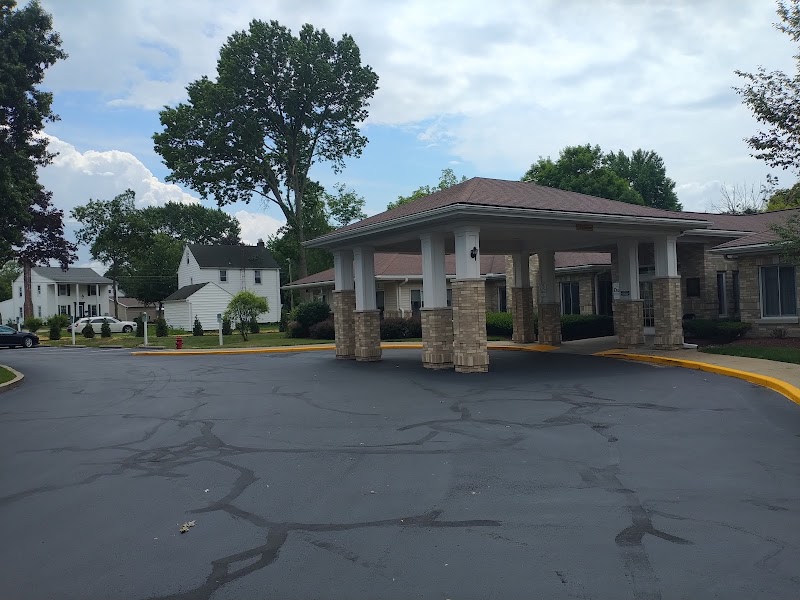
How is Altercare Of Navarre Ctr For Rehab & Nrsg Care Staffed?

CMS rates ALTERCARE OF NAVARRE CTR FOR REHAB & NRSG CARE's staffing level at 1 out of 5 stars, which is much below average compared to other nursing homes. Staff turnover is 62%, which is 16 percentage points above the Ohio average of 46%. High turnover can affect care consistency as new staff learn residents' individual needs. RN turnover specifically is 64%, which is notably high. RNs provide skilled clinical oversight, so turnover in this role can affect medical care quality.

What Have Inspectors Found at Altercare Of Navarre Ctr For Rehab & Nrsg Care?

State health inspectors documented 32 deficiencies at ALTERCARE OF NAVARRE CTR FOR REHAB & NRSG CARE during 2022 to 2025. These included: 2 that caused actual resident harm and 30 with potential for harm. Deficiencies causing actual harm indicate documented cases where residents experienced negative health consequences.
Who Owns and Operates Altercare Of Navarre Ctr For Rehab & Nrsg Care?

ALTERCARE OF NAVARRE CTR FOR REHAB & NRSG CARE is owned by a for-profit company. For-profit facilities operate as businesses with obligations to shareholders or private owners. The facility is operated by ALTERCARE, a chain that manages multiple nursing homes. With 117 certified beds and approximately 85 residents (about 73% occupancy), it is a mid-sized facility located in NAVARRE, Ohio.
How Does Altercare Of Navarre Ctr For Rehab & Nrsg Care Compare to Other Ohio Nursing Homes?

Compared to the 100 nursing homes in Ohio, ALTERCARE OF NAVARRE CTR FOR REHAB & NRSG CARE's overall rating (2 stars) is below the state average of 3.2, staff turnover (62%) is significantly higher than the state average of 46%, and health inspection rating (2 stars) is below the national benchmark.

What Should Families Ask When Visiting Altercare Of Navarre Ctr For Rehab & Nrsg Care?

Based on this facility's data, families visiting should ask: "How do you ensure continuity of care given staff turnover, and what is your staff retention strategy?" "Can you walk me through typical staffing levels on day, evening, and night shifts?" "Can I visit during a mealtime to observe dining assistance and food quality?" "How do you handle medical emergencies, and what is your hospital transfer rate?" These questions are particularly relevant given the facility's high staff turnover rate and the below-average staffing rating.

Is Altercare Of Navarre Ctr For Rehab & Nrsg Care Safe?

Based on CMS inspection data, ALTERCARE OF NAVARRE CTR FOR REHAB & NRSG CARE has a clean safety record: no substantiated abuse findings (meaning no confirmed cases of resident harm), no Immediate Jeopardy citations (the most serious violation level indicating risk of serious injury or death), and is not on the Special Focus Facility watch list (a federal program monitoring the lowest-performing 1% of nursing homes). The facility has a 2-star overall rating and ranks #100 of 100 nursing homes in Ohio. While no facility is perfect, families should still ask about staff-to-resident ratios and recent inspection results during their visit.

Do Nurses at Altercare Of Navarre Ctr For Rehab & Nrsg Care Stick Around?

Staff turnover at ALTERCARE OF NAVARRE CTR FOR REHAB & NRSG CARE is high. At 62%, the facility is 16 percentage points above the Ohio average of 46%. Registered Nurse turnover is particularly concerning at 64%. RNs handle complex medical decisions and coordinate care — frequent RN changes can directly impact care quality. High turnover means new staff may not know residents' individual needs, medications, or preferences. It can also be disorienting for residents, especially those with dementia who rely on familiar faces. Families should ask: What is causing the turnover? What retention programs are in place? How do you ensure care continuity during staff transitions?

Was Altercare Of Navarre Ctr For Rehab & Nrsg Care Ever Fined?

ALTERCARE OF NAVARRE CTR FOR REHAB & NRSG CARE has no federal fines on record. CMS issues fines when nursing homes fail to meet care standards or don't correct problems found during inspections. The absence of fines suggests the facility has either maintained compliance or corrected any issues before penalties were assessed. This is a positive indicator, though families should still review recent inspection reports for the full picture.

Is Altercare Of Navarre Ctr For Rehab & Nrsg Care on Any Federal Watch List?

ALTERCARE OF NAVARRE CTR FOR REHAB & NRSG CARE is not on any federal watch list. The most significant is the Special Focus Facility (SFF) program, which identifies the bottom 1% of nursing homes nationally based on persistent, serious quality problems. Not being on this list means the facility has avoided the pattern of deficiencies that triggers enhanced federal oversight. This is a positive indicator, though families should still review the facility's inspection history directly.