COUNTRY LAWN CTR FOR REHAB
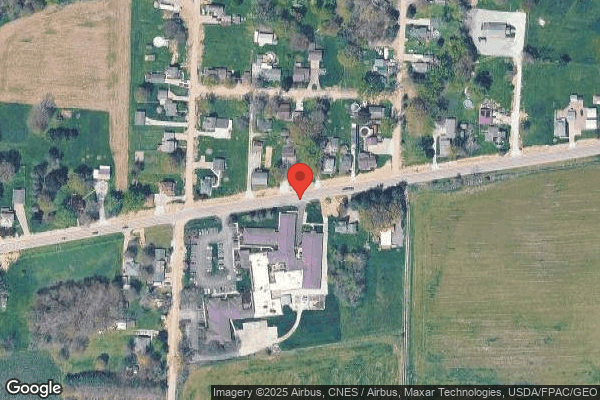
10608 NAVARRE ROAD SW, NAVARRE, OH 44662 (330) 767-3455
For profit - Corporation 88 Beds ALTERCARE Data: November 2025
Trust Grade
90/100
#47 of 913 in OH
Last Inspection: June 2024

Within standard 12-15 month inspection cycle. Federal law requires annual inspections.

Overview

Country Lawn Center for Rehab in Navarre, Ohio, has received a Trust Grade of A, indicating it is an excellent facility that is highly recommended. It ranks #47 out of 913 nursing homes in Ohio, placing it in the top half, and #5 out of 33 in Stark County, meaning there are only four local homes that rank higher. The facility's overall trend in terms of care issues has been stable, with 4 concerns noted in both 2024 and 2025, highlighting a consistent level of oversight. Staffing is a weaker point, receiving a rating of 2 out of 5 stars and a turnover rate of 54%, which is close to the state average. However, there are no fines reported, which suggests compliance with regulations, and the facility has more RN coverage than 77% of Ohio facilities, which is beneficial for resident care. Some specific concerns noted by inspectors include failures to develop comprehensive care plans for several residents and inadequate management of care for residents requiring specific assistance, such as proper hygiene and tube feeding care. Despite these weaknesses, the facility also boasts excellent quality measures, indicating a focus on overall resident health and satisfaction. Families should weigh both the strengths and weaknesses when considering this nursing home for their loved ones.

Trust Score
A
90/100
In Ohio
#47/913
Top 5%
Safety Record
Low Risk
No red flags
Inspections
Holding Steady
4 → 4 violations
Staff Stability
⚠ Watch
54% turnover. Above average. Higher turnover means staff may not know residents' routines.
Penalties
✓ Good
No fines on record. Clean compliance history, better than most Ohio facilities.
Skilled Nurses
○ Average
Each resident gets 40 minutes of Registered Nurse (RN) attention daily — about average for Ohio. RNs are the most trained staff who monitor for health changes.
Violations
○ Average
9 deficiencies on record. Average for a facility this size. Mostly minor or procedural issues.
★★★★★
5.0
Overall Rating
★★☆☆☆
2.0
Staff Levels
★★★★★
5.0
Care Quality
★★★★☆
4.0
Inspection Score
Stable
2024: 4 issues
2025: 4 issues

The Good

  • 5-Star Quality Measures · Strong clinical quality outcomes
  • Full Sprinkler Coverage · Fire safety systems throughout facility
  • No fines on record

Facility shows strength in quality measures, fire safety.

The Bad

Staff Turnover: 54%

Near Ohio avg (46%)

Higher turnover may affect care consistency

Chain: ALTERCARE

Part of a multi-facility chain

Ask about local staffing decisions and management

The Ugly 9 deficiencies on record

Mar 2025 4 deficiencies
CONCERN (D) 📢 Someone Reported This

A family member, employee, or ombudsman was alarmed enough to file a formal complaint

Potential for Harm - no one hurt, but risky conditions existed

Comprehensive Care Plan (Tag F0656)

Could have caused harm · This affected 1 resident

Based on record review, observation and interview the facility failed to implement Resident #3's care plan in regards to percutaneous endoscopic gastrostomy (PEG) tube insertion site care. This affect...

Read full inspector narrative →
Based on record review, observation and interview the facility failed to implement Resident #3's care plan in regards to percutaneous endoscopic gastrostomy (PEG) tube insertion site care. This affected one resident (#3) of two residents observed for PEG tube care. The facility census was 74. Findings include: Review of Resident #3's medical records revealed an admission date of 07/31/24. Diagnoses included respiratory failure, throat cancer, and percutaneous endoscopic gastrostomy (feeding) tube. Review of the care plan dated 02/18/25 revealed Resident #3 received tube feeding related to having a nothing by mouth (NPO) status. Interventions included administer skin treatments to PEG tube site as ordered. Review of Resident #3's physician orders for February 2025 through March 2025 revealed an order to cleanse tube (PEG) site with normal saline and apply a T-sponge twice daily. Observation on 03/06/25 at 10:24 A.M. with Licensed Practical Nurse (LPN) #849 revealed Resident #3 had a PEG tube with nutritional formula infusing. Observation of the the PEG tube insertion site revealed a split gauze dressing that was dated 02/28/25. Interview with LPN #849 at time of observation confirmed the split gauze dressing was dated 02/28/25. LPN #849 stated the dressing was to be changed daily. At 11:10 A.M. the Director of Nursing entered Resident #3's room to assist with care and also confirmed the split gauze dressing was dated 02/28/25.
CONCERN (D) 📢 Someone Reported This

A family member, employee, or ombudsman was alarmed enough to file a formal complaint

Potential for Harm - no one hurt, but risky conditions existed

ADL Care (Tag F0677)

Could have caused harm · This affected 1 resident

**NOTE- TERMS IN BRACKETS HAVE BEEN EDITED TO PROTECT CONFIDENTIALITY** Based on record review, observation and interview the facility failed to ensure a resident who was dependent for personal hygien...

Read full inspector narrative →
**NOTE- TERMS IN BRACKETS HAVE BEEN EDITED TO PROTECT CONFIDENTIALITY** Based on record review, observation and interview the facility failed to ensure a resident who was dependent for personal hygiene received the necessary care and services to ensure secretions from a tracheostomy were managed to prevent the accumulation of dried mucous on the resident's gown, bed linens, and a washcloth placed beneath the tracheostomy tube. This affected one resident (#3) of three residents observed who required assistance with activities of daily living. The facility census was 74. Findings include: Review of Resident #3's medical records revealed an admission date of 07/31/24. Diagnoses included respiratory failure, muscle weakness and need for personal care assistance. Review of the care plan dated 02/18/25 revealed an intervention to provide Resident #3 assistance with activities of daily living (ADL) care per orders. Review of the Minimum Data Set assessment dated [DATE] revealed Resident #3 was rarely understood and was dependent for toileting, bathing and personal hygiene. Observation on 03/06/25 at 10:24 A.M. with Licensed Practical Nurse (LPN) #849 revealed Resident #3 was sleeping in bed. Resident #3 and had tracheostomy (an opening surgically created through the neck into the trachea [windpipe] to allow direct access to the breathing tube. A tube is usually placed through this opening to provide an airway and to remove secretions from the lungs. Breathing is done through the tracheostomy tube rather than through the mouth and nose). Further observation revealed brownish/red colored dried debris on a washcloth that had been placed below Resident #3's tracheostomy. The same brownish/red colored dried debris was also observed on Resident #3's gown, pillowcase and sheets. LPN #849 confirmed the observations and stated she would have the aides come in and provide Resident #3 with ADL care. While in the room speaking to LPN #849, Certified Nursing Assistants (CNAs) #831 and #836 entered the room. CNAs #831 and #836 stated Resident #3 was dependent for all ADLs and confirmed Resident #3's gown and bed linens were soiled. CNAs #831 and #836 proceeded to roll Resident #3 onto his right side revealing Resident #3's sheets, mattress pad and reverse side of his pillow case were soiled and had a foul odor. CNA #831 and #836 stated the resident's gown and bedding should be changed daily and as needed. This deficiency represents noncompliance investigated under Complaint Number OH00163187.
CONCERN (D) 📢 Someone Reported This

A family member, employee, or ombudsman was alarmed enough to file a formal complaint

Potential for Harm - no one hurt, but risky conditions existed

Medical Records (Tag F0842)

Could have caused harm · This affected 1 resident

Based on record review, observation and interview the facility failed to ensure documentation in the medical record was accurate. This affected one resident (#3) of three residents whose medical recor...

Read full inspector narrative →
Based on record review, observation and interview the facility failed to ensure documentation in the medical record was accurate. This affected one resident (#3) of three residents whose medical record were reviewed. The facility census was 74. Findings include: Review of Resident #3's medical records revealed an admission date of 07/31/24. Diagnoses included respiratory failure, throat cancer, and percutaneous endoscopic gastrostomy (PEG) tube. Review of the care plan dated 02/18/25 revealed Resident #3 received tube feeding related to having a nothing by mouth (NPO) status. Interventions included administer skin treatments to PEG tube site as ordered. Review of Resident #3's physician orders for February 2025 through March 2025 revealed an order to cleanse tube (PEG) site with normal saline and apply a T-sponge twice daily. Observation on 03/06/25 at 10:24 A.M. with Licensed Practical Nurse (LPN) #849 revealed Resident #3 had a PEG tube with nutritional formula infusing. Observation of the PEG tube insertion site revealed a split gauze dressing that was dated 02/28/25. Interview with LPN #849 at time of observation confirmed the split gauze dressing was dated 02/28/25. LPN #849 stated the dressing was to be changed daily. At 11:10 A.M. the Director of Nursing (DON) entered Resident #3's room to assist with care and also confirmed the split gauze dressing was dated 02/28/25. Review of Resident #3's Treatment Administration Record (TAR) revealed from 02/28/25 though 03/05/25 staff had documented the PEG tube site was cleansed with normal saline and a T-sponge dressing was applied twice daily. Interview on 03/10/25 at 10:37 A.M. with the DON confirmed Resident #3's TAR had documentation indicating the PEG tube insertion site was cleansed with normal saline and a T-sponge dressing was applied twice daily from 02/28/25 through 03/05/25. The DON indicated staff should not document treatments as being completed when they had not been done.
CONCERN (D) 📢 Someone Reported This

A family member, employee, or ombudsman was alarmed enough to file a formal complaint

Potential for Harm - no one hurt, but risky conditions existed

Infection Control (Tag F0880)

Could have caused harm · This affected 1 resident

Based on observation, interview, record review, policy review and Centers for Disease Control and Prevention (CDC) guidance, the facility failed to ensure appropriate personal protective equipment (PP...

Read full inspector narrative →
Based on observation, interview, record review, policy review and Centers for Disease Control and Prevention (CDC) guidance, the facility failed to ensure appropriate personal protective equipment (PPE) was worn while providing direct care when there was a risk of splash or spray, failed to ensure appropriate glove use and hand hygiene, and failed to prevent the possibility of cross contamination when using a soiled washcloth to clean an oxygen mask and around a tracheostomy. This affected one resident (#3) of one resident observed for tracheostomy care. The facility census was 74. Findings include: Review of Resident #3's medical records revealed an admission date of 07/31/24. Diagnoses included respiratory failure, throat cancer and dysphasia (difficulty swallowing). Review of the care plan dated 02/18/25 revealed Resident #3 had a potential for complications related to tracheostomy. Interventions included provide tracheostomy care every shift. Review of the physician orders for March 2025 revealed an order for trach care each shift and use enhanced barrier precautions (EBP). Observation on 03/06/25 at 10:24 A.M. revealed Resident #3 was resting in bed and had a tracheostomy and PEG (feeding) tube. There was a sign indicating Resident #3 was in EBP. At the time of observation Licensed Practical Nurse (LPN) #849 entered Resident #3's room to provide tracheostomy care. LPN #849 was not wearing a mask or face shield. LPN #849 proceeded to remove a soiled washcloth from underneath Resident #3's tracheostomy and used it to clean the inside of Resident #3's oxygen mask. Resident #3 began coughing expelling a large amount of thick green colored sputum from his tracheostomy and LPN #849 used the same washcloth to wipe away the mucus and clean around Resident #3's tracheostomy. Without changing her gloves or washing her hands, LPN #849 proceeded to fill the water canister, used for humidification for Resident #3's oxygen, with a gallon of distilled water. Immediately after this observation LPN #849 exited Resident #3's room. At 11:10 A.M. the Director of Nursing (DON) entered Resident #3's room and was notified of the observation. The DON stated LPN #849 should have been wearing a mask while performing tracheostomy care and stated LPN #849 should not have used a soiled washcloth to clean Resident #3's oxygen mask and around his tracheostomy site. Review of facility's undated Tracheostomy Care policy revealed tracheostomy care was to be performed every shift or per physician orders. Staff were to wear a gown, mask and face shield and use sterile gauze pads dipped in peroxide solution to clean around the tracheostomy site, wiping in one direction with each pad until area was clear. Review of facility's Infection Control Protocol for all Nursing Procedures revised November 2019, revealed standard precautions were to be used in the care of residents regardless of their infection status. Standard precautions applied to body fluids and secretions and/or mucus membranes, staff were to wear personal protective equipment as necessary to prevent exposure to body fluids, and wash hands before any procedure and after completion of procedure. Review of the CDC EBP guidance dated 04/02/24 revealed residents with any of the following should be on EBP. Infection or colonization with a Multi Drug Resistant Organism (MDRO) when Contact Precautions do not apply. Wounds and/or indwelling medical devices (e.g., central line, urinary catheter, feeding tube, tracheostomy/ventilator) regardless of MDRO colonization status. PPE used for these situations: During high-contact resident care activities including dressing, bathing/showering, transferring, providing hygiene, changing linens, changing briefs or assisting with toileting. Device care or use: central line, urinary catheter, feeding tube, tracheostomy/ventilator Wound care: any skin opening requiring a dressing. Gloves and gown prior to the high-contact care activity Face protection may also be needed if performing activity with risk of splash or spray This deficiency represents non-compliance investigated under Complaint Number OH00163187.Review of the CDC EBP guidance dated 04/02/24 revealed residents with any of the following should be on EBP. • Infection or colonization with a Multi Drug Resistant Organism (MDRO) when Contact Precautions do not apply. • Wounds and/or indwelling medical devices (e.g., central line, urinary catheter, feeding tube, tracheostomy/ventilator) regardless of MDRO colonization status. PPE used for these situations: • During high-contact resident care activities including dressing, bathing/showering, transferring, providing hygiene, changing linens, changing briefs or assisting with toileting. • Device care or use: central line, urinary catheter, feeding tube, tracheostomy/ventilator • Wound care: any skin opening requiring a dressing. • Gloves and gown prior to the high-contact care activity • Face protection may also be needed if performing activity with risk of splash or spray This deficiency represents non-compliance investigated under Complaint Number OH00163187.
Jun 2024 4 deficiencies
CONCERN (D)

Potential for Harm - no one hurt, but risky conditions existed

Deficiency F0583 (Tag F0583)

Could have caused harm · This affected 1 resident

**NOTE- TERMS IN BRACKETS HAVE BEEN EDITED TO PROTECT CONFIDENTIALITY** Based on observation, review of the medical record, and interview with staff the facility failed to maintain privacy for Residen...

Read full inspector narrative →
**NOTE- TERMS IN BRACKETS HAVE BEEN EDITED TO PROTECT CONFIDENTIALITY** Based on observation, review of the medical record, and interview with staff the facility failed to maintain privacy for Resident #44 during medication administration. This affected one resident ( Resident #44) of seven residents observed for medication administration. The facility census was 79. Findings included: Review of the medical record revealed Resident #44 was admitted to the facility on [DATE]. Diagnoses included nontraumatic subarachnoid hemorrhage, respiratory failure, hydrocephalus, aneurysm, need for personal care, aphonia, right cerebral shunt, encephalopathy, chronic obstructive pulmonary disease, hypothyroidism, gastrostomy, tracheostomy, dysphagia, major depression disorder, cachexia, incontinence, protein-calorie malnutrition, bipolar disorder, anxiety disorder, rheumatoid arthritis, insomnia, nystagmus, cataract, and pseudobulbar affect. An observation was conducted on 06/26/24 at 11:35 A.M. with Registered Nurse (RN) #186 who entered into the room of Resident #44 to administer medications via the percutaneous endoscopic gastrostomy (PEG) tube for Resident #44. RN #186 did not close the door to the room or pull the privacy curtain and proceeded to pull up the residents hospital gown exposing her bare abdomen and incontinence brief. RN #186 then proceeded to administer Resident #44's medications via per PEG tube. RN #186 verified at this time she had not provided privacy and should have closed the room door and/or pulled the privacy curtain before exposing the resident.
CONCERN (D)

Potential for Harm - no one hurt, but risky conditions existed

ADL Care (Tag F0677)

Could have caused harm · This affected 1 resident

**NOTE- TERMS IN BRACKETS HAVE BEEN EDITED TO PROTECT CONFIDENTIALITY** Based on observations, review of the medical record and interview with facility staff the facility failed to provide assistance ...

Read full inspector narrative →
**NOTE- TERMS IN BRACKETS HAVE BEEN EDITED TO PROTECT CONFIDENTIALITY** Based on observations, review of the medical record and interview with facility staff the facility failed to provide assistance with shaving for Resident #31 and #77. This affected two residents (Resident #31 and #77) of 20 residents reviewed for activities of daily living (ADL). The facility census was 79. Findings include: 1. Review of the medial record revealed Resident #31 was admitted to the facility on [DATE]. Diagnoses included urinary tract infection, rhabdomyolysis, pancreatitis, need for assistance, sepsis, elevated white blood, pyelonephritis, kidney failure, abdominal pain, major depressive disorder, psychotic disorder, cerebral infarction, chronic pain syndrome, anemia, osteoporosis, impulse disorder, obstructive and reflux uropathy. Review of the progress notes from 05/02/24 to 06/26/24 revealed no evidence Resident #31 refused to be shaved. Review of the admission Minimum Data Set 3.0 assessment dated [DATE] revealed Resident #31 was cognitively intact and required substantial assistance with personal hygiene/care. Observation on 06/24/24 at 3:25 P.M. revealed Resident #31 had long beard hairs. An interview with Resident #31 at this time revealed he had not been shaved for awhile and would like to be shaved. On 06/26/24 at 2:55 P.M. an interview with Registered Nurse # 118 revealed the male residents were shaved on shower days or as needed. On 06/26/24 at 3:21 P.M. an interview with Registered Nurse #170 confirmed Resident #31 needed shaved. 2. Review of the medical record revealed Resident #77 was admitted to the facility on [DATE]. Diagnoses included severe sepsis, need for assistance with personal care, dysphagia, respiratory failure, metabolic acidosis, atrial fibrillation, Brown-Sequard syndrome, cerebellar ataxia, hydronephrosis, benign prostatic hyperplasia, moderate protein-calorie malnutrion, anxiety disorder, Review of the admission Minimum Data Set 3.0 assessment dated [DATE] revealed Resident #77 had intact cognation and required substantial assistance for personal hygiene. Review of the progress notes from 05/02/24 to 06/26/24 revealed no evidence Resident #77 refused to be shaved. Observation on 06/25/24 at 10:50 A.M. revealed Resident #77 had long beard hairs. Observation on 06/26/24 at 9:40 A.M. revealed Resident #77 still had not been shaved. On 06/26/24 at 11:00 A.M. an interview with Resident #77 revealed he wanted shaved. On 06/26/24 at 2:55 P.M. an interview with Registered Nurse # 118 revealed the male residents were shaved on shower days or as needed. On 06/26/24 at 3:21 P.M. an interview with Registered Nurse #170 confirmed Resident #31 needed shaved.
CONCERN (D)

Potential for Harm - no one hurt, but risky conditions existed

Deficiency F0757 (Tag F0757)

Could have caused harm · This affected 1 resident

**NOTE- TERMS IN BRACKETS HAVE BEEN EDITED TO PROTECT CONFIDENTIALITY** Based on interview and record review the facility failed to adequately monitor the use of an anticoagulant medication for side e...

Read full inspector narrative →
**NOTE- TERMS IN BRACKETS HAVE BEEN EDITED TO PROTECT CONFIDENTIALITY** Based on interview and record review the facility failed to adequately monitor the use of an anticoagulant medication for side effects for Resident #42. This affected one resident (Resident #42) out of five residents reviewed for unnecessary medication. The facility census was 79. Findings include: Review of Resident #42's medical record revealed an admission date of 03/15/2024. Diagnosis included vascular dementia, atrial fibrillation, and diastolic heart failure. Review of Resident #42's admission Minimum Data Set 3.0 assessment dated [DATE] revealed the resident was cognitively intact and received anticoagulant medication. Review of Resident #42's June 2024 physician orders revealed an order for Eliquis (anticoagulant also known as blood thinning medication) five milligrams twice daily for chronic atrial fibrillation. Continued review revealed the facility had no orders in place to monitor the resident for side effects related to the high-risk medication. Continued review of the resident's medical record including Point of Care system for State Tested Nursing Aides and the residents care plan revealed the facility did not have any evidence for monitoring for the resident's anticoagulant medication. Interview on 06/27/24 at 10:33 A.M. with Regional Nurse Consultant #114 confirmed the facility was not monitoring for side effects related to Resident #42's anticoagulant medication.
CONCERN (E)

Potential for Harm - no one hurt, but risky conditions existed

Comprehensive Care Plan (Tag F0656)

Could have caused harm · This affected multiple residents

**NOTE- TERMS IN BRACKETS HAVE BEEN EDITED TO PROTECT CONFIDENTIALITY** Based on record review, observation and interviews the facility failed to develop a comprehensive care plan for Resident #15, #2...

Read full inspector narrative →
**NOTE- TERMS IN BRACKETS HAVE BEEN EDITED TO PROTECT CONFIDENTIALITY** Based on record review, observation and interviews the facility failed to develop a comprehensive care plan for Resident #15, #23, #31, #42 and #68. This affected five residents (#15, #23, #31, #42 and #68) of 20 residents reviewed for care plans. The facility census was 79. Findings include: 1. Review of the medical record for Resident #23 revealed an admission date of 12/06/22. Diagnoses included delusional disorder, dementia with behavioral disturbance, anxiety disorder and restlessness and agitation. Review of the Significant Change Minimum Data Set (MDS) 3.0 assessment dated [DATE] revealed Resident #23 was cognitively impaired. Her behaviors were marked as worse indicating she had physical and verbal behaviors and was resistive to care one to three days a week. Review of the progress noted dated 02/08/24 and timed at 7:01 P.M. and authored by Registered Nurse (RN) #201 revealed Resident #23 was combative and striking out at other residents. A noted dated 02/09/24 at 10:35 A.M. and authored by RN #105 revealed Resident #23 grabbed a glass plate and started hitting a State Testing Nursing Assistant. Review of the care plan initiated 02/14/23 for Resident #23 revealed she had the behavior of wandering. Interview on 06/25/24 at 5:00 P.M. with MDS #193 verified the care plan was not revised to include physical behaviors therefore no interventions for physical behaviors were included in the care plan. Interview on 06/25/24 at 5:15 P.M. with MDS #193 and Regional Nurse Consultant (RNC) #114 verified the progress notes dated 02/08/24 and 02/09/24 revealed Resident #23 had episodes of physical behaviors leading to her being hospitalized . Review of the facility policy titled Care Plan-Use of, dated 11/2016 revealed documentation in the medical record must be consistent with the resident's care plan. 2. Review of the medical record for Resident #15 revealed an admission date of 01/02/2024. Diagnoses included end stage renal disease, heart failure, and diastolic congestive heart failure. Interview on 06/26/24 at 9:55 A.M. with Resident #15 revealed she attended dialysis three times a week, utilized a port but recently received a fistula ( an access point for dialysis) in her right arm, and once the fistula healed it will be used for her dialysis treatment. Review of Resident #15's care plan revealed she did not have a comprehensive care plan indicating she was receiving dialysis treatment. Review of Resident #15's physician orders dated 01/31/24 revealed an order for Dialysis every Tuesday, Thursday, and Saturday. Interview on 06/26/24 at 4:05 P.M. Regional Nurse Consultant #115 confirmed the facility did not implement a care plan regarding Resident #15 receiving dialysis treatment. 3. Review of Resident #42's medical record revealed an admission date of 03/15/2024. Diagnosis included vascular dementia, atrial fibrillation, and diastolic heart failure. Review of Resident #42's admission Minimum Data Set 3.0 assessment dated [DATE] revealed the resident was cognitively intact and received anticoagulant medication. Review of Resident #42's June 2024 physician orders revealed an order for Eliquis (anticoagulant also known as blood thinning medication) five milligrams twice daily for chronic atrial fibrillation. Continued review revealed the facility had no orders in place to monitor the resident for side effects related to the high-risk medication. Review of Resident #42's Comprehensive Care Plan revealed the facility had not developed a care plan related to the residents atrial fibrillation and need for anticoagulant medication. Interview on 06/27/24 at 10:33 A.M. with Regional Nurse Consultant #114 confirmed the facility had not developed a comprehensive care plan indicating the resident had atrial fibrillation and required an anticoagulant medication. 4. Review of the medical record revealed Resident #68 was admitted to the facility on [DATE]. Diagnoses included peritonitis, gastrointestinal hemorrhage, anemia, congestive heart failure, end stage renal disease, atrial fibrillation, dependent on renal dialysis, pulmonary hypertension, anxiety, dermatitis , respiratory failure, Parkinson's disease, and obstructive sleep apnea. Review of the Five-Day Medicare Minimum Data Set 3.0 assessment dated [DATE] revealed Resident #68 had intact cognation. Review of the June 2024 physician's orders revealed Resident #68 had orders for calamine lotion to be applied to her rash four times daily dated 06/07/24, Eucerin cream to be applied to her rash twice daily dated 06/18/24, and hydroxyzine (antihistamine) 10 milligrams three times daily for itching dated 06/11/24. Review of the progress note dated 05/15/24 at 9:30 A.M. revealed Resident #68 arrived to the facility by ambulance. She was alert and oriented with no complaints of distress or discomfort. She had a red rash to the trunk of her body, her arms and her legs with an unknown cause. Review of the progress note dated 05/31/24 at 11:57 A.M. revealed Resident #68 was sent out to the hospital for altered mental status. Review of the progress note dated 06/01/24 at 12:07 A.M. revealed Resident #68 was admitted to the hospital with diagnoses of rash and altered mental status. Review of the progress note dated 06/08/24 at 5:44 A.M. revealed Resident #68's skin was reddened with a tough texture to touch. Review of the progress note dated 06/08/24 at 4:40 P.M. revealed Resident #68 was resting in bed with her eyes closed. She had edema to her bilateral forearms and wrists, and her skin was red tinted all over. Review of the progress note dated 06/23/24 at 2:27 P.M. revealed Resident #68's skin was bright red, dry, and scaly. Review of the plan of care for Resident #68 revealed no evidence of addressing her itching or rash. Observation on 06/24/24 at 11:05 A.M. revealed the skin of Resident #68 was bright red and peeling in large pieces on her face, neck and arms. An interview at this time with Resident #68 revealed she had an allergic reaction at the hospital. She stated the rash itched alot. On 06/26/24 at 2:55 P.M. an interview with Regional Nurse Consultant # 114 confirmed there was no plan of care for the rash which covered most of Resident #68's body. Review of the facility policy titled Care Plan-Use of, dated 11/2016 revealed documentation in the medical record must be consistent with the resident's care plan. 5. Review of the medial record revealed Resident #31 was admitted to the facility on [DATE]. Diagnoses included urinary tract infection, rhabdomyolysis, pancreatitis, need for assistance, sepsis, elevated white blood, pyelonephritis, kidney failure, abdominal pain, major depressive disorder, psychotic disorder, cerebral infarction, chronic pain syndrome, anemia, osteoporosis, impulse disorder, obstructive and reflux uropathy and protein-calorie. Review of the June 2024 physician's orders revealed Resident #31 had an order for a indwelling catheter to straight drain for malignant neoplasm of the prostate. Review of the admission Minimum Data Set 3.0 assessment dated [DATE] reveled Resident #31 was cognitively intact and had an indwelling catheter. On 06/27/24 at 11:24 A.M. an interview with Regional Nurse Consultant # 115 confirmed there was no indwelling catheter plan of care for Resident #31. Review of the facility policy titled Care Plan-Use of, dated 11/2016 revealed documentation in the medical record must be consistent with the resident's care plan.
Jul 2021 1 deficiency
CONCERN (D)

Potential for Harm - no one hurt, but risky conditions existed

Medication Errors (Tag F0758)

Could have caused harm · This affected 1 resident

**NOTE- TERMS IN BRACKETS HAVE BEEN EDITED TO PROTECT CONFIDENTIALITY** Based on record review and interview the facility failed to ensure non-pharmacological interventions were attempted prior to the...

Read full inspector narrative →
**NOTE- TERMS IN BRACKETS HAVE BEEN EDITED TO PROTECT CONFIDENTIALITY** Based on record review and interview the facility failed to ensure non-pharmacological interventions were attempted prior to the administration of the as needed (PRN) anti-anxiety medication, Ativan for Resident #44. This affected one resident (#44) of five residents reviewed for unnecessary medication use. Findings include: Review of Resident #44's medical record revealed the resident was admitted on [DATE] with diagnoses including dementia, Alzheimer's Disease, schizoaffective disorder and restlessness. Review of Resident #44's care plan, dated 09/24/20 related to psychoactive medication use revealed to offer non-pharmacological approaches prior to as needed medications such as redirection, distraction, food, beverage, toileting or re-location to quieter areas, etc. Review of Resident #44's Minimum Data Set (MDS) 3.0 assessment, dated 03/17/21 revealed the resident exhibited severe cognitive impairment. Review of Resident #44's physician's orders revealed an order, dated 05/10/21 for the anti-anxiety medication, Ativan 0.5 mg (milligrams) twice a day as needed for anxiety. Review of Resident #44's medication administration record (MAR) from 06/01/21 to 07/15/21 revealed the resident was administered Ativan on 06/01/21 at 6:38 P.M., 06/06/21 at 4:57 P.M., 06/09/21 at 1:44 P.M., 06/12/21 at 3:56 P.M., 06/18/21 at 5:44 P.M., 06/25/21 at 5:59 P.M., 06/26/21 at 7:28 P.M., 06/27/21 at 5:35 P.M., 07/02/21 at 5:13 P.M. and 07/04/21 at 5:25 P.M. Review of Resident #44's progress notes and administration records from 06/01/21 to 07/15/21 revealed no evidence non-pharmacological interventions were attempted prior to administration of the Ativan medication on the dates noted above. On 07/15/21 between 12:54 P.M. and 1:18 P.M. interview with the Director of Nursing (DON), Registered Nurse (RN) #101 and Licensed Practical Nurse (LPN) #102 verified Resident #44's medical record did not contain evidence non-pharmacological interventions were attempted prior to administration of the as needed anti-anxiety medication, Ativan on the dates above.
Understanding Severity Codes (click to expand)
Life-Threatening (Immediate Jeopardy)
J - Isolated K - Pattern L - Widespread
Actual Harm
G - Isolated H - Pattern I - Widespread
Potential for Harm
D - Isolated E - Pattern F - Widespread
No Harm (Minor)
A - Isolated B - Pattern C - Widespread

Questions to Ask on Your Visit

  • "Can I speak with families of current residents?"
  • "What's your RN coverage like on weekends and overnight?"

Our Honest Assessment

Strengths
  • • Grade A (90/100). Above average facility, better than most options in Ohio.
  • • No major safety red flags. No abuse findings, life-threatening violations, or SFF status.
  • • No fines on record. Clean compliance history, better than most Ohio facilities.
Concerns
  • • No significant concerns identified. This facility shows no red flags across CMS ratings, staff turnover, or federal penalties.
Bottom line: Generally positive indicators. Standard due diligence and a personal visit recommended.

About This Facility

What is Country Lawn Ctr For Rehab's CMS Rating?

CMS assigns COUNTRY LAWN CTR FOR REHAB an overall rating of 5 out of 5 stars, which is considered much above average nationally. Within Ohio, this rating places the facility higher than 99% of the state's 100 nursing homes. This rating reflects solid performance across the metrics CMS uses to evaluate nursing home quality.

How is Country Lawn Ctr For Rehab Staffed?

CMS rates COUNTRY LAWN CTR FOR REHAB's staffing level at 2 out of 5 stars, which is below average compared to other nursing homes. Staff turnover is 54%, compared to the Ohio average of 46%.

What Have Inspectors Found at Country Lawn Ctr For Rehab?

State health inspectors documented 9 deficiencies at COUNTRY LAWN CTR FOR REHAB during 2021 to 2025. These included: 9 with potential for harm.

Who Owns and Operates Country Lawn Ctr For Rehab?

COUNTRY LAWN CTR FOR REHAB is owned by a for-profit company. For-profit facilities operate as businesses with obligations to shareholders or private owners. The facility is operated by ALTERCARE, a chain that manages multiple nursing homes. With 88 certified beds and approximately 76 residents (about 86% occupancy), it is a smaller facility located in NAVARRE, Ohio.

How Does Country Lawn Ctr For Rehab Compare to Other Ohio Nursing Homes?

Compared to the 100 nursing homes in Ohio, COUNTRY LAWN CTR FOR REHAB's overall rating (5 stars) is above the state average of 3.2, staff turnover (54%) is near the state average of 46%, and health inspection rating (4 stars) is above the national benchmark.

What Should Families Ask When Visiting Country Lawn Ctr For Rehab?

Based on this facility's data, families visiting should ask: "Can you walk me through typical staffing levels on day, evening, and night shifts?" "Can I visit during a mealtime to observe dining assistance and food quality?" "How do you handle medical emergencies, and what is your hospital transfer rate?" "Can I speak with family members of current residents about their experience?" These questions are particularly relevant given the below-average staffing rating.

Is Country Lawn Ctr For Rehab Safe?

Based on CMS inspection data, COUNTRY LAWN CTR FOR REHAB has a clean safety record: no substantiated abuse findings (meaning no confirmed cases of resident harm), no Immediate Jeopardy citations (the most serious violation level indicating risk of serious injury or death), and is not on the Special Focus Facility watch list (a federal program monitoring the lowest-performing 1% of nursing homes). The facility has a 5-star overall rating and ranks #1 of 100 nursing homes in Ohio. While no facility is perfect, families should still ask about staff-to-resident ratios and recent inspection results during their visit.

Do Nurses at Country Lawn Ctr For Rehab Stick Around?

COUNTRY LAWN CTR FOR REHAB has a staff turnover rate of 54%, which is 8 percentage points above the Ohio average of 46%. Moderate turnover is common in nursing homes, but families should still ask about staff tenure and how the facility maintains care continuity when employees leave.

Was Country Lawn Ctr For Rehab Ever Fined?

COUNTRY LAWN CTR FOR REHAB has no federal fines on record. CMS issues fines when nursing homes fail to meet care standards or don't correct problems found during inspections. The absence of fines suggests the facility has either maintained compliance or corrected any issues before penalties were assessed. This is a positive indicator, though families should still review recent inspection reports for the full picture.

Is Country Lawn Ctr For Rehab on Any Federal Watch List?

COUNTRY LAWN CTR FOR REHAB is not on any federal watch list. The most significant is the Special Focus Facility (SFF) program, which identifies the bottom 1% of nursing homes nationally based on persistent, serious quality problems. Not being on this list means the facility has avoided the pattern of deficiencies that triggers enhanced federal oversight. This is a positive indicator, though families should still review the facility's inspection history directly.