OTTERBEIN NEW ALBANY
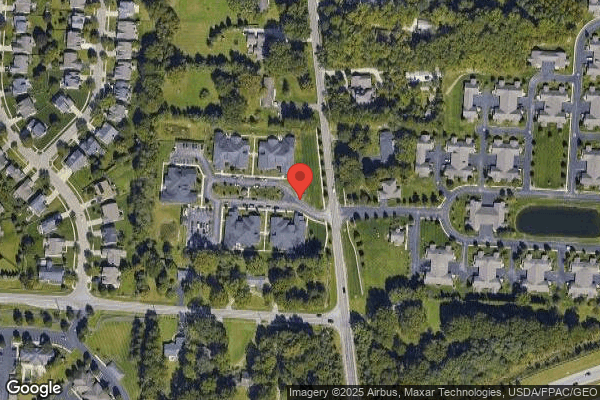

6690 LIBERATION WAY, NEW ALBANY, OH 43054 (614) 981-6854
Non profit - Corporation 60 Beds OTTERBEIN SENIORLIFE Data: November 2025
Trust Grade
45/100
#754 of 913 in OH
Last Inspection: August 2024

Within standard 12-15 month inspection cycle. Federal law requires annual inspections.

Overview

Otterbein New Albany has a Trust Grade of D, which means it is below average and has some concerning issues to consider. It ranks #754 out of 913 facilities in Ohio, placing it in the bottom half, and #38 out of 56 in Franklin County, indicating there are many better options nearby. The facility is on an improving trend, as it has decreased serious issues from 29 in 2024 to only 3 in 2025. Staffing is a strength here with a rating of 4 out of 5 stars and a turnover rate of 44%, which is lower than the state average, suggesting a stable staff who are familiar with the residents. While there have been no fines reported, there have been serious incidents, such as a resident suffering physical harm during a transfer due to improper use of equipment, and concerns regarding food preparation and hygiene practices that could affect infection control. Overall, families should weigh these strengths against the weaknesses before making a decision.

Trust Score
D
45/100
In Ohio
#754/913
Bottom 18%
Safety Record
Moderate
Needs review
Inspections
Getting Better
29 → 3 violations
Staff Stability
○ Average
44% turnover. Near Ohio's 48% average. Typical for the industry.
Penalties
✓ Good
No fines on record. Clean compliance history, better than most Ohio facilities.
Skilled Nurses
✓ Good
Each resident gets 49 minutes of Registered Nurse (RN) attention daily — more than average for Ohio. RNs are trained to catch health problems early.
Violations
⚠ Watch
69 deficiencies on record. Higher than average. Multiple issues found across inspections.
★★☆☆☆
2.0
Overall Rating
★★★★☆
4.0
Staff Levels
★★★★★
5.0
Care Quality
★☆☆☆☆
1.0
Inspection Score
Stable
2024: 29 issues
2025: 3 issues

The Good

  • 4-Star Staffing Rating · Above-average nurse staffing levels
  • 5-Star Quality Measures · Strong clinical quality outcomes
  • Full Sprinkler Coverage · Fire safety systems throughout facility
  • No fines on record
  • Staff turnover below average (44%)

    4 points below Ohio average of 48%

Facility shows strength in staffing levels, quality measures, fire safety.

The Bad

2-Star Overall Rating

Below Ohio average (3.2)

Below average - review inspection findings carefully

Staff Turnover: 44%

Near Ohio avg (46%)

Typical for the industry

Chain: OTTERBEIN SENIORLIFE

Part of a multi-facility chain

Ask about local staffing decisions and management

The Ugly 69 deficiencies on record

1 actual harm
May 2025 3 deficiencies 1 Harm
SERIOUS (G) 📢 Someone Reported This

A family member, employee, or ombudsman was alarmed enough to file a formal complaint

Actual Harm - a resident was hurt due to facility failures

Accident Prevention (Tag F0689)

A resident was harmed · This affected 1 resident

**NOTE- TERMS IN BRACKETS HAVE BEEN EDITED TO PROTECT CONFIDENTIALITY** Based on record review, review of self reported incidents (SRI), interview, and policy and procedure review, the facility failed...

Read full inspector narrative →
**NOTE- TERMS IN BRACKETS HAVE BEEN EDITED TO PROTECT CONFIDENTIALITY** Based on record review, review of self reported incidents (SRI), interview, and policy and procedure review, the facility failed to ensure residents received appropriate assistance with transfers and failed to ensure a sit to stand lift was used appropriately during a transfer. This affected two residents (#29 and #58) of five residents reviewed. The census was 56. Actual physical harm occurred to Resident #29 on 04/15/25 when staff failed to have the sling to the sit to stand lift applied appropriately under the resident during a transfer and the resident sustained bruising, a hematoma, fractured ribs resulting in the resident being transferred and admitted to the hospital with diagnoses of hematoma, bruising, rib fractures, and anemia from blood loss. The resident complained of increased pain as a result of the incident and was hospitalized for seven days for treatment following the incident. Actual physical harm occurred to Resident #58 on 02/22/25 when a Certified Nursing Assistant (CNA), without the use of a gait belt, assisted the resident to ambulate to the bathroom, the resident started to fall and the CNA grabbed the resident and held the resident up by the resident's arms causing a dislocated shoulder as the resident was laid on the ground. The resident was transferred and admitted to the hospital with a diagnosis of a dislocated right shoulder with surgery recommendation for repair. Findings include: 1. Review of Resident #29's medical record revealed the resident was admitted to the facility on [DATE] with diagnoses including multiple sclerosis, diabetes, atrial fibrillation, left above knee amputation, morbid obesity, non pressure ulcer of the left leg, lymphedema, chronic kidney disease and absence of right toes. Review of the quarterly Minimum Data Set (MDS) assessment dated [DATE] revealed Resident #29's cognition was intact. The assessment revealed the resident was independent with eating, required (staff) set up or clean up assistance with oral hygiene, substantial/maximal staff assistance with toileting, partial/moderate staff assistance for bathing/showering, and personal hygiene and staff supervision/touching assistance for turning and repositioning. She was dependent on staff for sit/to stand, chair to bed, toilet transfer, and tub/shower transfer. The resident was occasionally incontinent of bowel and frequently incontinent of urine. Review of Resident #29's Functional Abilities assessment dated [DATE] revealed the resident was dependent on staff for toileting hygiene, shower/bathing, dressing, personal hygiene, turning and repositioning, sit to stand, chair/bed to chair transfer, toilet transfer, and tub/shower transfer. Resident #29 was non-ambulatory. Review of the nursing note dated 04/19/25 at 8:20 P.M. revealed Resident #29 complained of pain around arm pit and axillary area, when checked, bruising and swelling was noted. The physician was notified and ordered ICE and massaging the area. Review of the facility investigation dated 04/20/25 revealed Resident #29 reported discomfort and pain on her left arm pit, when the resident was assessed and the nurse inspected the area, the nurse identified a hardened purplish bruise. When the resident was asked what had happened she revealed she had gotten the bruise from the sit to stand sling when she was going to bed on 04/15/25. She had not reported pain or discomfort at the time of the incident when asked if she felt pain when it happened. The area measured 11 centimeters (cm) by six cm. The resident's physician was notified and ordered no sling uses until re-evaluation, ICE (Rest, Ice, Elevation and Massage). Review of the nursing note dated 04/21/25 at 6:18 P.M. revealed the resident was seen by the physician. A new order was received to hold Eliquis (oral anticoagulant medication) four doses due to bruising around the arm pit and axillary area and prednisone (steroid) 30 milligrams (mg) everyday for three days then back to 10 mg everyday. The nursing note revealed bruising was persistent and monitoring to occur every shift, no bleeding noted, area intact. When needed pain medications given as ordered. Review of the nursing note dated 04/23/25 at 4:48 P.M. revealed the resident complained of not feeling well, dizziness, weakness, no void (urine output) since midnight. Resident #29 requested to be sent to the hospital and was admitted for bruising, anemia (requiring blood transfusion) and rib fractures. On 05/12/25 at 12:42 P.M. interview with Resident #29 revealed the aide used the sit to stand lift (on 04/15/25) to put her to bed and the sling that goes around her was twisted. The resident indicated she had no pain (at first) but the next day as the day wore on it became more painful, then the next day it was quite painful. They finally sent the resident out and her hemoglobin was a six (6), the resident had a huge hematoma, bruising under her arm and fractured ribs. The resident was admitted and received three units of blood. Further interview with Resident #29 on 05/13/25 at 9:35 A.M. revealed she was transferred on 04/15/25 with the sit to stand lift by one CNA. The resident stated that's what they did all the time with the sit to stand lift. Review of the Hospital After Summary Visit form revealed Resident #29 was hospitalized from [DATE] to 05/01/25. On 05/12/25 at 2:24 P.M. interview with the Assistant Administrator revealed on 04/15/25, one CNA was operating the sit to stand lift to transfer Resident #29. The CNA no longer worked at the facility as of this date. Per the Assistant Administrator, CNA #128 was trained on the proper use of the sit to stand lift after the incident was brought to the facility's attention. 2. Record review revealed Resident #58 was admitted to the facility on [DATE] with diagnoses that included heart failure, chronic obstructive heart disease, diabetes, depression, and chronic kidney disease (CKD). Review of the admission MDS dated [DATE] revealed Resident #58's cognition was intact. The resident was assessed to be independent with eating, required staff set up or clean up assistance with oral hygiene, toileting, partial moderate staff assistance for showering/bathing, dressing, personal hygiene and turning and repositioning and supervision and touching assistance for transfers. The resident was occasionally incontinent of urine and frequently incontinent of bowel. Review of the nursing note dated 02/22/25 at 5:54 A.M. revealed Resident #58 was found on the floor laying on her back and her head down, with the walker on top of her, nurse called out her name but the resident was not responding to simple commands at the time. The nurse initiated a breathing treatment, elevated the resident's head and called 911. The nurse stayed with the resident. No visible injuries were noted at the time. The paramedics arrived and took over care of the resident. The resident was transferred to the emergency room for further evaluation. Review of a self reported incident (SRI) form dated 02/25/25 revealed Resident #58 claimed a CNA pushed her on 02/22/25 when getting up to go to the bathroom. Review of the investigation statement form revealed CNA #146 stated it was a fall, per CNA #146 on 02/22/25, Resident #58 was agitated all night and had wet incontinence product on. The resident had her call light on and the CNA told the resident she would change the resident in the bed since her left foot was also swelling and the resident was already incontinent, but the resident became agitated and hoisted herself up. CNA #146 revealed she went to the other side of the bed, fixed the bed and gave the resident the walker. CNA #146 revealed Resident #58 was walking very quickly to the bathroom and she was behind the resident holding onto the walker and the resident was about to fall into the wall of the bathroom and CNA #146 was behind her and laid the resident down on the ground. CNA #146 revealed she did not have a gait belt on Resident #58 when she was assisting the resident to the bathroom, the CNA just laid her down by holding her up under her arms and laying her down. Review of an Orthopedic Surgery Consult Note dated 02/22/25 revealed she was found to have a right shoulder glenohumeral joint dislocation. Provisional reduction was performed in the emergence room, however it was unstable and continued to re-dislocate. There was tentative plans for surgical management, however the resident and family declined surgery. On 05/13/25 at 10:08 A.M. interview with the Administrator verified on 02/22/25 Resident #58 was up with a walker ambulating to the bathroom with the assistance of CNA #146 when the resident was about to fall into the wall so CNA #146 laid the resident down causing the resident to sustain a shoulder dislocation. The Administrator verified CNA #146 did not use a gait belt when assisting Resident #58 to ambulate to the bathroom. Review of the facility policy Use of Gait Belt dated 10/13 revealed the gait belt should be used by the Elder Assistant and/or nurse during every transfer and during ambulation of an elder that requires assistance. This deficiency represents non-compliance investigated under Complaint Number OH00165495.
CONCERN (D) 📢 Someone Reported This

A family member, employee, or ombudsman was alarmed enough to file a formal complaint

Potential for Harm - no one hurt, but risky conditions existed

Quality of Care (Tag F0684)

Could have caused harm · This affected 1 resident

**NOTE- TERMS IN BRACKETS HAVE BEEN EDITED TO PROTECT CONFIDENTIALITY** Based on medical record review, staff interview and facility policy and procedure review, the facility failed to follow physicia...

Read full inspector narrative →
**NOTE- TERMS IN BRACKETS HAVE BEEN EDITED TO PROTECT CONFIDENTIALITY** Based on medical record review, staff interview and facility policy and procedure review, the facility failed to follow physician orders for obtaining weekly weights to monitor weight gain related to congestive heart failure. This affected one resident (#29) of five resident record reviews. The census was 56. Findings included: Review of Resident #29's medical record revealed she was admitted to the facility on [DATE]. Diagnoses included multiple sclerosis, diabetes, atrial fibrillation, left above knee amputation, morbid obesity, non pressure ulcer of the left leg, lymphedema, chronic kidney disease and absence of right toes. Review of the quarterly minimum data set (MDS) assessment dated [DATE] revealed her cognition was intact. She was independent with eating, required set up or clean up assistance with oral hygiene, substantial/maximal assistance with toileting, partial/moderate assistance for bathing/showering, and personal hygiene and supervision/touching assistance for turning and repositioning. She was dependent on staff for sit/to stand, chair to bed, toilet transfer, and tub/shower transfer. The resident was occasionally incontinent of bowel and frequently incontinent of urine. Review of the physician orders revealed an order dated 01/19/25 to check the resident's weight weekly and notify physician if weight was up five pounds in one week. The resident was to be weighed one time a day every seven days for congestive heart failure, weight gain. Further record review revealed documented weights of 01/21/25 at 256 pounds (lbs), 02/01/25 at 256.4 lbs, 02/19/25 at 256.4 lbs, 03/12/25 at 267 lbs, 03/18/25 at 267 lbs, 04/03/25 at 265.2 lbs and 4/10/2025 at 265.5 lbs. Interview on 05/13/25 at 10:00 A.M. with the Director of Nursing verified weekly weights had not been obtained according to physician orders. Review of the undated facility policy and procedure Weights if weekly weights are requested, they will be done on a daily basis or weekly based on the day the initial weight was obtained. This deficiency represents an incidental finding of non-compliance investigated under Master Complaint Number OH00165495.
CONCERN (F) 📢 Someone Reported This

A family member, employee, or ombudsman was alarmed enough to file a formal complaint

Potential for Harm - no one hurt, but risky conditions existed

Food Safety (Tag F0812)

Could have caused harm · This affected most or all residents

Based on observation and staff interview, the facility failed to prepare, distribute and serve food following proper infection control. This had the potential to affect the 12 of 12 residents residing...

Read full inspector narrative →
Based on observation and staff interview, the facility failed to prepare, distribute and serve food following proper infection control. This had the potential to affect the 12 of 12 residents residing in House 6690. The census was 56. Findings include: On 05/12/25 observations in the kitchen between 11:50 A.M. and 12:16 P.M. revealed Certified Nurse Aide (CNA) #100 washed her hands, put her hair up in a hair net, then put on gloves, gathered baked beans and hot dogs, removed her gloves and put on new gloves without washing her hands. CNA #100 opened the hot dogs and placed them in a pan of water and puts on the stove. She removed her gloves and put on new gloves without washing her hands and opened the baked beans and placed them in a pan. CNA #100 then removed her gloves and washed her hands. At 12:12 P.M. CNA #100 again put on a hair net and then gloves without washing her hands, added brown sugar to the baked beans using her gloves, removed her gloves and her hair net and walked down the hall without washing her hands. At 12:16 P.M. observation revealed CNA #151 washed her hands and put on a hair net and then gloves, gathered silverware and napkins and passed out to the residents, removed gloves and put on new gloves and prepared the drinks. Interview with CNA #100 and CNA #151 on 05/12/25 at 12:50 P.M. verified they had not washed their hands in between glove changes and after putting on their hair nets. This deficiency represents incidental findings of non-compliance investigated under Master Complaint Number OH00165495.
Aug 2024 29 deficiencies
CONCERN (D)

Potential for Harm - no one hurt, but risky conditions existed

Resident Rights (Tag F0550)

Could have caused harm · This affected 1 resident

Based on observation, medical record review, staff interview, and facility policy review, the facility failed to provide residents with a dignified dining experience. This affected one (#46) of two re...

Read full inspector narrative →
Based on observation, medical record review, staff interview, and facility policy review, the facility failed to provide residents with a dignified dining experience. This affected one (#46) of two residents reviewed for dignity. The facility census was 52. Findings include: Review of the medical record revealed Resident #46 was admitted to facility on 06/08/24 with diagnoses that included cerebral infarction, arteriovenous malformation of cerebral vessels, and chronic motor or vocal tic disorder. Review of a Minimum Data Set (MDS) assessment on 06/13/24 revealed Resident #46 needed substantial to maximal assistance with eating. Observation on 08/14/24 at 9:01 A.M. revealed State Tested Nurse Aide (STNA) #196 was standing while feeding Resident #46 his breakfast meal in his bed. Interview with STNA #196 on 08/14/24 at 9:01 A.M. confirmed STNA #196 was standing while feeding Resident #46. STNA #196 stated that on some occasions, Resident #46 had asked her to sit down while feeding him. Review of a facility document for senior lifestyle neighborhood standards for dining, approved 11/13/07 and revised 04/2013, revealed the meal is intended to be a time for quiet relaxed dining and conversation. This will be achieved by each elder sitting in a dining room chair unless care planning states otherwise.
CONCERN (D)

Potential for Harm - no one hurt, but risky conditions existed

Deficiency F0558 (Tag F0558)

Could have caused harm · This affected 1 resident

**NOTE- TERMS IN BRACKETS HAVE BEEN EDITED TO PROTECT CONFIDENTIALITY** Based on observation, resident and staff interview, medical record review, and review of invoices, the facility failed to ensure...

Read full inspector narrative →
**NOTE- TERMS IN BRACKETS HAVE BEEN EDITED TO PROTECT CONFIDENTIALITY** Based on observation, resident and staff interview, medical record review, and review of invoices, the facility failed to ensure residents had a means to contact staff members of needs and services that were individualized to the resident's needs. This affected one (#102) of one resident reviewed for call lights. The facility census was 52. Findings include: Review of the medical record for Resident #102 revealed an admission date of 07/19/24 with diagnoses including quadriplegia, type two diabetes mellitus, depression, atherosclerosis of other arteries, osteoarthritis, spinal stenosis, paroxysmal atrial fibrillation, and neuromuscular dysfunction of the bladder. Review of Resident #102's comprehensive Minimum Data Set (MDS) 3.0 assessment dated [DATE] revealed Resident #102 had moderately impaired cognition. Interview on 08/12/24 at 11:55 A.M. with Resident #102 revealed she was quadriplegic but could move her head. She reported the facility had not provided a call light for her to use and because of this she had to yell out when she needed help. Observation on 08/12/24 at 11:55 A.M. revealed Resident #102 did not have a call light or pendent. Observation on 08/13/24 at 10:05 A.M. revealed Resident #102 yelling out for help. State Tested Nurse Aide (STNA) #190 told the resident she would be with her in a moment. Interview on 08/13/24 at 10:26 A.M. with STNA #190 verified Resident #102 did not have a call light that worked for her due to her quadriplegia. She reported the resident mostly yelled out to get assistance, although she believed at times the resident would use voice activation to turn the volume up on her television to get the staff's attention. Interview on 08/14/24 at 8:19 A.M. with Maintenance #146 revealed he was unsure where at what stage the process was at for getting Resident #102 a means to notify staff of her needs. Interview on 08/14/24 at 4:59 P.M. with Regional Nurse #300 revealed she believed an order had already been placed for a call light for Resident #102. Review of the invoice provided on 08/19/24 at 8:00 A.M. by Regional Nurse #300 revealed an order was placed for a call cord pad on 08/15/24. Interview on 08/19/24 at 9:15 A.M. with Regional Nurse #300 verified a call light for Resident #102 was ordered on 05/15/24 after surveyor inquiry.
CONCERN (D)

Potential for Harm - no one hurt, but risky conditions existed

Deficiency F0561 (Tag F0561)

Could have caused harm · This affected 1 resident

**NOTE- TERMS IN BRACKETS HAVE BEEN EDITED TO PROTECT CONFIDENTIALITY** Based on observation, resident and staff interview, and medical record review, the facility failed to ensure residents were prov...

Read full inspector narrative →
**NOTE- TERMS IN BRACKETS HAVE BEEN EDITED TO PROTECT CONFIDENTIALITY** Based on observation, resident and staff interview, and medical record review, the facility failed to ensure residents were provided the right to chose their eating utensils to promote a homelike dining experience. This affected one (#21) of one residents reviewed for choices. The facility census was 52. Findings Include: Review of the medical record for Resident #21 revealed an initial admission date of 07/31/23 with the diagnoses including but not limited to dementia, colostomy, diabetes mellitus, hypertension, obstructive reflux uropathy, morbid obesity, malignant neoplasm of colon, and osteoarthritis. Review of Resident #21's comprehensive Minimum Data Set (MDS) assessment dated [DATE] revealed the resident had a moderate cognitive deficit. Review of Resident #21's current plan of care revealed no care plan indicating the resident was not able to have a table knife at meals. Review of Resident #21's monthly physician orders for August 2024 identified orders dated 06/10/24 for the resident to receive a regular diet, half portion desserts, and easy to chew solids. Further review revealed no physician order indicating the resident was unable to have a table knife with meals. Review of Resident #21's progress notes revealed no indication the resident was not permitted a table knife with meals. On 08/12/24 at 9:20 A.M., interview with Resident #21 revealed she does not receive a table knife with her meals and had difficulty using a spoon and fork to cut up her food. Observation of Resident #21 during the interview revealed she was was eating at the dining room table and had no table knife with her meal. On 08/12/24 at 12:33 P.M., observation of Resident #21 during the lunch meal revealed she was not offered a table knife for the lunch meal. On 08/13/24 at 3:55 P.M., interview with State Tested Nurse Aide (STNA) #154 revealed the residents in House 100 are not offered table knives with meals. STNA #154 revealed only two (#14 and #21) residents should receive table knives with meals. On 08/19/24 at 12:10 P.M., observation of Resident #21 revealed she was eating lunch and had no table knife with her meal. On 08/19/24 at 12:28 P.M., interview with STNA #350 verified the residents of the house are not offered a table knife because the residents have dementia.
CONCERN (D)

Potential for Harm - no one hurt, but risky conditions existed

Deficiency F0569 (Tag F0569)

Could have caused harm · This affected 1 resident

Based on resident funds account review, medical record review, and staff interview, the facility failed to ensure residents were assisted with spending down their resident trust accounts once the bala...

Read full inspector narrative →
Based on resident funds account review, medical record review, and staff interview, the facility failed to ensure residents were assisted with spending down their resident trust accounts once the balance reached $200 less than the Medicaid allowable limit. This deficient practice affected one resident (#43) of four residents reviewed for personal funds. The facility census was 52. Findings Include: Review of the medical record for Resident #43 revealed an admission date 08/18/23 with a diagnosis of Alzheimer's disease with late unset. Resident #43 had dual payer sources consisting of Medicaid and a commercial insurance. Review of Resident #43's document for resident fund management authorization and agreement to handle resident funds form dated 9/01/23, revealed the resident's account type was marked as non-transferable account which included no automatic transfer of deposits to pay for care cost. The form was signed by Resident #43's Power of Attorney (POA). Review of Resident #43's account statement dated 01/02/24 to 08/02/24 revealed several debits and credits on the account activity with the account balance as of 08/02/24 of $11,582.10, which exceeds the allowable amount under Medicaid assistance of $2,000.00 for personal funds while admission to the facility. Review of Resident #43's resident funds balance notification letters dated 08/19/24, 04/04/24, and 05/29/24 addressed to Resident #43 revealed the letters were not signed by either the facility representative or marked by Resident #43 acknowledgement of receipt. There were no receipts of delivery available to review, and there was not a plan of spending down Resident #43's personal funds account to the allowable amount for Medicaid assistance. Interview on 08/19/24 at 2:10 P.M. with Business Office Manager (BOM) #184 confirmed Resident #43's account balance did exceed the allowable amount in a personal funds account for residents receiving Medicaid assistance and there was not a plan in place for Resident #43 to spend down the exceeded amount. BOM #184 also confirmed there were no receipts of delivery or receipt available to review for the resident fund balance notification letters.
CONCERN (D)

Potential for Harm - no one hurt, but risky conditions existed

Safe Environment (Tag F0584)

Could have caused harm · This affected 1 resident

**NOTE- TERMS IN BRACKETS HAVE BEEN EDITED TO PROTECT CONFIDENTIALITY** Based on observation, medical record review, review of maintenance logs, and staff interview, the facility failed to maintain a ...

Read full inspector narrative →
**NOTE- TERMS IN BRACKETS HAVE BEEN EDITED TO PROTECT CONFIDENTIALITY** Based on observation, medical record review, review of maintenance logs, and staff interview, the facility failed to maintain a safe and homelike environment. This affected two (#31 and #36) of nine residents reviewed for environment. The facility census was 52. Findings include: 1. Review of the medical record revealed Resident #36 was admitted on [DATE] with diagnoses that included autistic disorder, heart failure, epilepsy, lack of coordination, insomnia, and anxiety. Observation on 08/13/24 at 3:41 P.M., 08/14/24 at 4:32 P.M., and 08/19/24 at 1:09 P.M. revealed Resident #36's room wall had paint chips missing from the wall in an area measuring seven inches long by eight inches wide, and the window frame next to Resident #36's bed had chipped wood along the bottom sill, exposing jagged sharp wood splinters. Interview with State Tested Nurse Aide (STNA) #77 on 08/15/24 at 2:57 P.M. confirmed that the bottom window sill next to Resident #36's bed was jagged and sharp. STNA #77 stated if there are maintenance requests for repairs, she would directly message Maintenance Director (MD) #146 and inform him about the repairs needed. Interview with STNA #132 on 08/15/24 at 3:00 P.M. confirmed that the paint was peeling and the window sill was jagged and sharp in Resident #36's room. STNA #132 stated that she would put in a work order with MD #146 on 08/15/24. Interview with MD #146 on 08/19/24 at 1:17 P.M. revealed he had not received a work order for any repairs needed in Resident #36's room. MD #146 revealed the paint on the wall was missing next to Resident #36's bed where the hand rail pushed against the wall. MD #146 confirmed the window sill was damaged and contained exposed, splintered, and sharp wood next to Resident #36's bed. 2. Review of Resident #31's medical record revealed admission date of 11/14/21 with diagnoses including dementia, anxiety, osteoarthritis, major depressive disorder, and history of falls. Observation on 08/12/24 at 9:26 A.M. of Resident #31's room revealed a missing wood trim from the bottom of the window frame approximately four feet in length, exposing the dry wall with gauges and dry wall material exposed. There is a sharp jagged edge noted to the remaining broken wooden trim. The bed was located directly below the window and within reach of the broken wood trim and exposed dry wall. Review of the maintenance request logs dated 06/12/24 to 08/14/24 revealed a request to fix the missing wooden window trim for Resident #31 dated 08/12/24. Interview on 08/12/24 at 12:10 P.M. with the Regional [NAME] President of Clinical #303 confirmed the missing wooden window trim, exposed dry wall material, and the exposed sharp jagged edges of the remaining piece of the window frame with the bed located under the window in Resident #31's room.
CONCERN (D)

Potential for Harm - no one hurt, but risky conditions existed

Deficiency F0604 (Tag F0604)

Could have caused harm · This affected 1 resident

**NOTE- TERMS IN BRACKETS HAVE BEEN EDITED TO PROTECT CONFIDENTIALITY** Based on observation, medical record review, staff interview, and facility policy review, the facility failed to insure resident...

Read full inspector narrative →
**NOTE- TERMS IN BRACKETS HAVE BEEN EDITED TO PROTECT CONFIDENTIALITY** Based on observation, medical record review, staff interview, and facility policy review, the facility failed to insure residents were free from physical restraints. This deficient practice affected one (#31) of one residents reviewed for physical restraints. The facility census was 52. Findings Include: Review of Resident #31's medical record revealed an admission date of 11/14/21 with diagnoses including dementia, anxiety, osteoarthritis, major depressive disorder, and history of falls. Resident #31 required assistance from staff for transfers and activities of daily living (ADLs) tasks and used a wheelchair for mobility. Resident #31 had impaired cognition and could be redirected during times of agitation. Review of the Minimum Data Set (MDS) assessment dated [DATE] revealed Resident #31 had delusions, was always incontinent of urine and bowel, and was at risk for skin impairment. Resident #31 had a Brief Interview of Mental Status (BIMS) score of zero out of 15 reflecting severely impaired cognition. Review of the fall investigations for Resident #31 on 09/02/23 at 7:40 A.M. revealed Resident #31 had a fall while attempting to independently ambulate with a walker to the dining room and was observed lying on the floor with the walker. No injuries were assessed. The intervention for this fall was for a therapy evaluation and for staff to assist Resident #31 to the dining room for all meals. On 03/23/23 at 11:30 A.M. Resident #31 had a fall in her room and was observed lying on the floor on her left side, no injuries were assessed. The intervention for this fall was to keep Resident #31 in the common area of House 100 while awake for closer supervision by staff. Observations on 08/12/24 at 10:18 A.M. revealed Resident #31 sitting in a wheelchair, with the foot pedals in place, which was pushed up under the counter top of the kitchen with an activity busy hands book and a baby doll lying on the counter top in front of Resident #31. The wheelchair brakes were not engaged. At 11:25 A.M., Resident #31 was still sitting in the wheelchair, with foot pedals in place, up under the counter top of the kitchen waiting for the lunch meal. At 3:59 P.M. revealed Resident #31 continued to sit in the wheelchair up under the counter top of the kitchen watching staff prepare the supper meal. Interview on 08/12/24 at 4:00 P.M. with State Tested Nurse Aide (STNA) #13 revealed the staff had Resident #31 sitting at the counter because she liked to talk to the staff and watch what the staff are are doing. Resident #31 used to use a walker and could walk back and forth to her room. Resident #31 came back from a recent hospital stay and she could not walk very well and now she was in the wheelchair. Resident #31 was able to move the wheelchair around by herself and liked to take care of her babies while she was sitting at the counter. Observations on 08/13/24 at 8:40 A.M. revealed Resident #31 sitting in a wheelchair, with the foot pedals in place, pushed up under the counter top of the kitchen with a baby doll sitting beside the breakfast meal dishes in front of Resident #31. At 10:41 A.M., Licensed Practical Nurse (LPN) #186 removed Resident #31 from the kitchen area and took Resident #31 in the wheelchair to her room for treatment administration and returned Resident #31 to the kitchen area and pushed her up under counter top in the wheelchair at 10:50 A.M. Resident #31 was agitated and grabbed the baby doll from the counter and started rocking with the baby doll. At 11:43 A.M. Resident #31 continued to sit in the wheelchair up under the counter top waiting for the lunch meal to be served, the wheelchair brakes were not engaged. At 3:01 P.M. Resident #31 was sitting in the wheelchair, with the foot pedals in place, pushed up under the dining room table with the baby doll and the activity busy hands book. The wheelchair brakes were in engaged. Several staff members were present in the kitchen and dining room area, with no one checking on Resident #31 or the brakes on the wheelchair. Observations on 08/14/24 at 8:06 A.M. revealed Resident #31 sitting in the wheelchair, with the foot pedals in place, pushed up under the counter top of the kitchen with the brakes not engaged. Resident #31 was eating the breakfast meal. The baby doll and activity busy hands book were not visible on the counter. At 4:33 P.M., Resident #31 was sitting in the wheelchair, with the foot pedals in place, up under the counter top of the kitchen holding the baby doll with the activity busy hands book sitting on the counter in front of Resident #31. Observations on 08/15/24 at 8:50 A.M. revealed Resident #31 sitting in the wheelchair, with the foot pedals in place, pushed up under the counter top of the kitchen. The wheelchair brakes were engaged on the wheelchair and Resident #31 was finishing eating the breakfast meal. The baby doll and the activity busy hands book were noted to be sitting on the dining room table. Observation at 11: 40 A.M. revealed Resident #31 was sitting in the wheelchair, with the foot pedals in place, without the baby doll or the activity busy hands book in front of her on the counter. The wheelchair brakes continued to be engaged. At 2:49 P.M. Resident #31 was sitting in the wheelchair pushed up under the counter top. Resident #31 was asking for the baby doll, which was still lying on the dining room table, and none of the staff members present retrieved the baby doll for Resident #31. Interview on 08/15/24 at 3:17 P.M. with LPN #186 confirmed Resident #31 does sit in the wheelchair pushed up under the counter or the dining room table for close supervision by staff due to previous falls when the resident was attempting to ambulate independently. LPN #186 stated that Resident #31 being seated there in the wheelchair with the foot pedals in place prohibited Resident #31 from standing up from the wheelchair or self-propelling the wheelchair around the common area and hallways of the house. Review of the facility's policy titled, Restraint, dated 09/18/02 revealed the long-term care facility has a goal to achieve a restraint free environment.
CONCERN (D)

Potential for Harm - no one hurt, but risky conditions existed

PASARR Coordination (Tag F0644)

Could have caused harm · This affected 1 resident

**NOTE- TERMS IN BRACKETS HAVE BEEN EDITED TO PROTECT CONFIDENTIALITY** Based on medical record review and staff interview, the facility failed to ensure Pre-admission Screening and Resident Review (P...

Read full inspector narrative →
**NOTE- TERMS IN BRACKETS HAVE BEEN EDITED TO PROTECT CONFIDENTIALITY** Based on medical record review and staff interview, the facility failed to ensure Pre-admission Screening and Resident Review (PASARR) evaluations were updated upon determination or newly evident or possible serious mental disorders. This affected one (#4) of one reviewed for PASARR. The facility census was 52. Findings Include: Review of the medical record for Resident #4 revealed an initial admission date of 11/16/17 with the latest readmission of 02/26/24, and with the diagnoses including but not limited to bipolar disorder, morbid obesity, hypertension, dementia with anxiety, peripheral vascular disease, polyarthritis, cataracts, alcohol dependence with alcohol induced dementia, generalized muscle weakness, difficulty in walking, mixed incontinence, hyperlipidemia, low back pain, sensorineural hearing loss, osteoarthritis, dermatitis, and insomnia. A diagnoses of anxiety disorder was added on 04/24/23. Review of Resident #4's quarterly Minimum Data Set (MDS) assessment dated [DATE] revealed the resident had a moderate cognitive deficit. Review of Resident #4's medical record revealed no evidence a significant change PASSAR evaluation was completed following the new diagnosis of anxiety disorder on 04/24/23 until 04/10/24. On 08/19/24 at 9:47 A.M., interview with Regional Nurse #300 verified Resident #4's significant change PASARR was not completed in a timely manner.
CONCERN (D)

Potential for Harm - no one hurt, but risky conditions existed

Deficiency F0679 (Tag F0679)

Could have caused harm · This affected 1 resident

**NOTE- TERMS IN BRACKETS HAVE BEEN EDITED TO PROTECT CONFIDENTIALITY** Based on observation, resident and staff interview, medical record review, and facility policy review, the facility failed to th...

Read full inspector narrative →
**NOTE- TERMS IN BRACKETS HAVE BEEN EDITED TO PROTECT CONFIDENTIALITY** Based on observation, resident and staff interview, medical record review, and facility policy review, the facility failed to thoroughly assess residents for activity preferences, provide activities of resident interest, and failed to ensure activities were completed as planned. This affected three (#6, #42, and #103) of five residents reviewed for activities. The facility census was 52. Findings include: 1. Review of the medical record for Resident #103 revealed an admission date of 07/19/24 with diagnoses including quadriplegia, type two diabetes mellitus, depression, atherosclerosis of other arteries, osteoarthritis, spinal stenosis, paroxysmal atrial fibrillation, and neuromuscular dysfunction of the bladder. Review of Resident #103's comprehensive Minimum Data Set (MDS) 3.0 assessment dated [DATE] revealed Resident #103 had moderately impaired cognition. Review of Resident #103's plan of care revealed activities and activities preferences were not addressed. Review of Resident #103's activity screening dated 07/23/24 revealed the resident found it to be somewhat important to attend entertainment events, to go outside when the weather was good, do outdoor tasks, be around animals, keep up with the news, watch movies with other people, listen to music she liked, and have books, newspapers, or magazines. It was also somewhat important to participate in favorite hobbies which included travel, making afghans, and other crafts. Resident #103 found it very important to watch or listen to television. It was indicated it was unknown if Resident #103 participated in group activities or one-on-one activities. Review of Resident #103's activities from 08/01/24 to 08/14/24 revealed Resident #103 participated in watching television or movies every day. Her only other activity was a family or one-on-one visit on 08/11/24. Review of the facility activity tracker from 07/19/24 to 08/14/24 revealed no additional activity documentation for Resident #103. Review of the activities calendar for August 2024 revealed coffee and chronicles was listed every day. Additional activities included; on 08/01/24 chapel at 2:00 P.M. and hot fudge sundaes at an unknown time, on 08/02/24 Bingo at 2:30 P.M. and movie and popcorn night at 6:00 P.M., it was indicated it was national coloring book day, on 08/03/24 Hawaiian island word search and a major league baseball game, on 08/04/24 manicures and a famous birthdays puzzle with no times listed, on 08/05/24 Bingo at 2:30 P.M. and the Olympics without a time, on 08/06/24 visits with [NAME] (a dog) at 11:00 A.M. and spa day with no time listed, on 08/07/24 bingo at 2:30 P.M. and popsicles and Olympics without a time, on 08/08/24 board games without a time and chapel at 2:00 P.M., on 08/09/24 the Olympics without a time and movie and popcorn night at 6:00 P.M., On 08/10/24 random trivia without a time and a major league baseball game, on 08/11/24 manicures and an IQ puzzle without a time and the Olympic closing ceremony, on 08/12/24 coloring and peach pie day without a time, on 08/13/24 ladies lunch out and music at 2:00 P.M., and on 08/14/24 Elvis (Presely) music all day and Bingo at 2:30 P.M. Interview on 08/12/24 at 11:55 A.M. with Resident #103 revealed she had not had anyone in activities come to visit or do activities with her. She reported she had been up in her chair during activities before, but it was always BINGO and crafts, which she was physically unable to do. Resident #103 reported she would love to be told about and participate in activities with music and trivia. Observation on 08/13/24 at 10:02 A.M., 11:30 A.M., 3:04 P.M., and 3:21 P.M. revealed Resident #103 watching television. Observation on 08/14/24 throughout the day revealed no Elvis music playing in the house Resident #103 resided in. Subsequent observations of Resident #103 at 8:30 A.M., 9:20 A.M. and 10:00 A.M. revealed she was watching television. Interview on 08/19/24 at 10:07 A.M. with Activities Coordinator #29 revealed she was the only activities personnel. She worked 8:30 A.M. to 5:00 P.M. Monday through Friday and had Thursday's off. She reported she did not come in to complete weekend activities, but the nurse aides were supposed to complete activities with the residents. The nurse aides were also supposed to have coffee and review the Chronicle with residents every day. She reported it was hit or miss on if the nurse aides were able to complete activities. Activities Coordinator #29 verified on 08/14/24, Elvis music was not playing all day, and she reported she played it during BINGO. She reported she did have musicians scheduled that she would ensure Resident #103 was invited to and would work with nurse aides to make sure the resident was up in her chair for activities. Activities Coordinator reported she knew the nurse aides struggled with Resident #103's television at times but could not list any other activities for the resident. 2. Review of the medical record for Resident #42 revealed an initial admission date of 11/21/23 with and readmission of 02/16/24. Diagnoses including major depressive disorder, Parkinson's disease, spinal stenosis, vascular dementia, cervical disc disorder, adult failure to thrive, and obstructive sleep apnea. Review of Resident #42's plan of care revised 01/27/24 revealed the resident preferred to be out in the common area and participate in some activities. Interventions included encouraging the resident to participate in group activities and preferring to nap in the day. Review of Resident #42's activity assessment dated [DATE] revealed the resident found it to be somewhat important to play games, take care of plants, watch sports, listen to music he likes, use the computer, and have books, newspapers, or magazines to read. He found it to be very important to be involved in cooking and to watch or listen to television. The assessment did not address what kind of television, music, or books, he liked. Review of Resident #42's activities from 08/01/24 to 08/13/24 revealed watching and observing occurred twice on 08/01/24, once on 08/02/24, 08/05/24, 08/06/24, 08/07/24, and on 08/08/24, twice on 08/12/24, and once on 08/13/24. Television occurred once on 08/02/24 and 08/03/24, twice on 08/04/24, once on 08/06/24, 08/07/24, 08/09/24, 08/11/24, and 08/13/24. Listening to music occurred on 08/08/24 and Bible study occurred on 08/10/24. The resident refused activities on 08/05/24, 08/09/24, 08/10/24, and 08/11/24. Review of the facility activity tracker from 08/01/24 to 08/13/24 revealed Resident #42's additional activities included a visit with a dog on 08/01/24. Review of the activities calendar for August 2024 revealed coffee and chronicles was listed every day. Additional activities included: on 08/01/24 chapel at 2:00 P.M. and hot fudge sundaes at an unknown time, on 08/02/24 Bingo at 2:30 P.M. and movie and popcorn night at 6:00 P.M., it was indicated it was national coloring book day, on 08/03/24 Hawaiian island word search and a major league baseball game, on 08/04/24 manicures and a famous birthdays puzzle with no times listed, on 08/05/24 Bingo at 2:30 P.M. and the Olympics without a time, on 08/06/24 visits with [NAME] (a dog) at 11:00 A.M. and spa day with no time listed, on 08/07/24 bingo at 2:30 P.M. and popsicles and Olympics without a time, on 08/08/24 board games without a time and chapel at 2:00 P.M., on 08/09/24 the Olympics without a time and movie and popcorn night at 6:00 P.M., On 08/10/24 random trivia without a time and a major league baseball game, on 08/11/24 manicures and an IQ puzzle without a time and the Olympic closing ceremony, on 08/12/24 coloring and peach pie day without a time, on 08/13/24 ladies lunch out and music at 2:00 P.M., and on 08/14/24 Elvis music all day and Bingo at 2:30 P.M. Observation on 08/12/24 at 9:36 A.M. revealed Resident #42 at the dining room table, no activities were observed. Observation on 08/13/24 at 9:56 A.M. and 11:05 A.M. revealed Resident #42 at the dining room with no activities Observation on 08/14/24 throughout the day revealed no Elvis music playing in the house Resident #42 resided in. Resident #42 was observed without activities at 8:15 A.M., 10:30 A.M., and 12:21 P.M. Interview on 08/19/24 at 10:07 A.M. with Activities Coordinator #29 verified the activities assessment or care plan did not provide details on the kinds of activities Resident #42 enjoyed. Activities Coordinator #29 verified that on 08/14/24, Elvis music was not playing all day, she reported she played it during BINGO. 3. Review of the medical record for Resident #6 revealed an admission date of 10/21/21 with diagnoses including bipolar disorder, type two diabetes mellitus, cerebral infarction, chronic pain syndrome, rheumatoid arthritis, adult failure to thrive, fibromyalgia, and chronic pain. Review of Resident #6's comprehensive MDS 3.0 assessment dated [DATE] revealed Resident #6 had intact cognition. Review of Resident #6's medical record revealed an activities assessment had not been completed in the previous year. Review of Resident #6's plan of care dated 09/29/22 revealed Resident #6 enjoyed many activities and programs but needed continuous encouragement, reminders, and motivation. Interventions included personalizing own room, preferring naps during the day, and enjoying the following activities: listening to classical/opera music, reading, enjoying family visits with dogs and attending activities of her choosing. Review of Resident #6's activities from 08/01/24 to 08/13/24 revealed music, reading, or television occurred on every day. Review of the facility activity tracker from 08/01/24 to 08/13/24 revealed Resident #6's additional activities included; Bible study on 08/01/24, BINGO on 08/02/24 and 08/07/24, visits with a dog on 08/06/24, and ladies lunch out on 08/12/24. Review of the activities calendar for August 2024 revealed coffee and chronicles was listed every day. Additional activities included: on 08/01/24 chapel at 2:00 P.M. and hot fudge sundaes at an unknown time, on 08/02/24 Bingo at 2:30 P.M. and movie and popcorn night at 6:00 P.M., it was indicated it was national coloring book day, on 08/03/24 Hawaiian island word search and a major league baseball game, on 08/04/24 manicures and a famous birthdays puzzle with no times listed, on 08/05/24 Bingo at 2:30 P.M. and the Olympics without a time, on 08/06/24 visits with [NAME] (a dog) at 11:00 A.M. and spa day with no time listed, on 08/07/24 bingo at 2:30 P.M. and popsicles and Olympics without a time, on 08/08/24 board games without a time and chapel at 2:00 P.M., on 08/09/24 the Olympics without a time and movie and popcorn night at 6:00 P.M., On 08/10/24 random trivia without a time and a major league baseball game, on 08/11/24 manicures and an IQ puzzle without a time and the Olympic closing ceremony, on 08/12/24 coloring and peach pie day without a time, on 08/13/24 ladies lunch out and music at 2:00 P.M., and on 08/14/24 Elvis music all day and Bingo at 2:30 P.M. Interview on 08/12/24 at 10:18 A.M. with Resident #6 revealed she mostly stayed in her room because the facility did not have activities that she was interested in. Observation on 08/14/24 throughout the day revealed no Elvis music playing in the house Resident #6 resided in. Interview on 08/19/24 at 10:07 A.M. with Activities Coordinator #29 verified on 08/14/24 Elvis music was not playing all day, she reported she played it during BINGO. Activities Coordinator #29 verified Resident #6's annual assessment had not been completed. She was unaware Resident #6 was uninterested in the activities that were scheduled, she reported at times Resident #6's pain prevents her from going to activities. Review of the policy titled, Engagement and Activity, dated April 2013, revealed the goal was to create a home where persons living in the home have choice and excellent quality of life and care coupled with providing an environment rich in meaningful engagement experiences. It was everyone's responsibility to engage the residents in all facets of life.
CONCERN (D)

Potential for Harm - no one hurt, but risky conditions existed

Quality of Care (Tag F0684)

Could have caused harm · This affected 1 resident

**NOTE- TERMS IN BRACKETS HAVE BEEN EDITED TO PROTECT CONFIDENTIALITY** Based on observation, staff interview, and medical record review, the facility failed to adequate assess and provide treatments ...

Read full inspector narrative →
**NOTE- TERMS IN BRACKETS HAVE BEEN EDITED TO PROTECT CONFIDENTIALITY** Based on observation, staff interview, and medical record review, the facility failed to adequate assess and provide treatments for non-pressure skin injuries, and facility to provide treatment as ordered to prevent edema. This affected three (#13, #42, and #102) of 25 medical records reviewed for care. The facility census was 52. Findings include: 1. Review of the medical record for Resident #102 revealed an admission date of 07/23/24 with diagnoses including adult failure to thrive, hypertensive heart disease with heart failure, acute respiratory failure with hypoxia, and restlessness and agitation. Review of Resident #102's comprehensive Minimum Data Set (MDS) 3.0 assessment dated [DATE] revealed severely impaired cognition. Resident #102 had an indwelling catheter. Review of Resident #102's progress note dated 08/03/24 revealed Resident #102 obtained a skin tear following her daughter transferring her. The nurse assessed the area and identified a small skin tear to the left shin measuring 2.0 centimeters (cm) long by 0.2 cm wide by 0.1 cm deep. The area was cleansed with wound cleanser, patted dry, and Xeroform was applied followed by Kerlix. An order was placed for daily treatment until the area was resolved. Review of Resident #102's physician order dated 08/04/24 revealed an order for the skin tear to her left shin. The area was to be cleansed with wound cleanser, patted dry, covered with Xeroform, and then a clean dry dressing. Review of Resident #102's treatment administration record (TAR) for August 2024 revealed the treatment to her left shin was not completed on 08/05/24, 08/08/24, and 08/09/24. Review of Resident #102's medical record from 08/04/24 to 08/13/24 revealed no additional measurements of Resident #102's skin tear. Interview on 08/14/24 at 3:08 P.M. with Licensed Practical Nurse (LPN) #186 revealed she was the wound nurse and revealed they did not complete measurements on skin tears. LPN #186 reported the nursing staff are supposed to monitor skin tears during dressing changes, and verified the missing wound documentation and treatments for Resident #102. 2. Review of the medical record for Resident #13 revealed an initial admission date of 05/05/22 with diagnoses including but not limited to acute and chronic respiratory failure, chronic obstructive pulmonary disease (COPD), Parkinson's disease, restlessness and agitation, anxiety disorder, major depressive disorder, seizures, hypertension, hyperlipidemia, insomnia, dementia, atrial fibrillation, cerebrovascular accident (CVA) with left sided hemiplegia, diverticulitis, dysphagia, and spinal stenosis. Review of Resident#13's comprehensive MDS assessment dated [DATE] revealed the resident had a severe cognitive deficit. The assessment indicated the resident had no skin issues. Review of Resident #13's plan of care revealed no care plan addressing the wound to the resident's right forearm. Review of Resident #13's monthly physician orders for August 2024 identified an order dated 08/10/24 to apply Xeroform dressing, absorbent pad and Kerlix to the right forearm every morning until healed. Review of Resident #13's progress note dated 08/10/24 at 3:49 P.M. revealed a new order for Xeroform, absorbent pan, and Kerlix to the right forearm daily until healed was obtained. Review of the medical record revealed no documented evidence of the type of wound, how the wound occurred, or an assessment of the wound to Resident #13's right forearm. On 08/12/24 at 10:59 A.M., observation of Resident #13 revealed a dry and intact dressing to the resident's right forearm. On 08/19/24 at 11:27 A.M., observation of Resident #13 revealed the resident was observed having no dressing to the wound to the upper right forearm. The wound was triangle shaped with a yellowish dried coating to the wound. On 8/14/24 at 3:08 P.M., interview with LPN #186 revealed she was the facility's wound nurse. LPN #186 revealed facility nurses text her to let her know of wounds, and stated the wound doctor does not see skin tears unless there are concerns. LPN #186 stated staff monitor the areas during dressing changes, but they do not complete dimensions for skin tears. On 08/19/24 at 11:20 A.M., interview with the Director of Nursing (DON) verified Resident #13's medical record contained no documentation evidence of the type of wound, how the wound occurred, or an assessment of the wound to the resident's right forearm. On 08/19/24 at 11:34 A.M., interview with the DON verified Resident #13 had no dressing to the wound to his right forearm as physician ordered. 3. Review of Resident #42's medical record revealed an initial admission date of 11/21/23 with the latest readmission of 02/16/24. Diagnoses including but not limited to Parkinson's disease, vascular dementia, abnormalities of gait and mobility, hypercholesterolemia, major depressive disorder, obstructive sleep apnea, benign neoplasm of peripheral nerves and autonomic nervous system, spinal stenosis, cervical disc disorder, adult failure to thrive, hypothyroidism, progressive supranuclear ophthalmoplegia, and vitamin D deficiency. Review of Resident #42's functional abilities and goals dated 04/02/24 revealed the resident required substantial/maximal assistance with toileting and dressing. Review of Resident #42's quarterly MDS assessment dated [DATE] revealed the resident had a moderate cognitive deficit. Review of the mood and behavior revealed the resident displayed no behaviors, including rejection of care. Review of Resident #42's monthly physician orders for August 2024 identified an order dated 01/22/24 wear to wear thrombo-embolic deterrent (TED) hose daily every shift for deep vein thrombosis (DVT) prevention may removed for bathing/hygiene, on in morning and off at bedtime. Review of Resident #42's August 2024 treatment administration record (TAR) revealed the facility nurse initialed off the TED hose were on in the morning and removed on 08/12/24 and 08/13/24. On 08/12/24 at 2:01 P.M., observation of Resident #42 revealed the resident had edema to bilateral legs, no TED hose were observed on. On 08/13/24 at 9:56 A.M., observation of Resident #42 revealed the resident was sitting at the dining room table and the resident was observed as having no TED hose on. On 08/13/24 at 11:46 A.M., interview with Registered Nurse (RN) #148 verified Resident #42 had an order for TED hose and the TED hose were not in place as physician ordered. RN #148 also verified the resident had no TED hose in his room.
CONCERN (D)

Potential for Harm - no one hurt, but risky conditions existed

Pressure Ulcer Prevention (Tag F0686)

Could have caused harm · This affected 1 resident

**NOTE- TERMS IN BRACKETS HAVE BEEN EDITED TO PROTECT CONFIDENTIALITY** Based on resident and staff interview, medical record review, and review of a facility policy, the facility failed to ensure pre...

Read full inspector narrative →
**NOTE- TERMS IN BRACKETS HAVE BEEN EDITED TO PROTECT CONFIDENTIALITY** Based on resident and staff interview, medical record review, and review of a facility policy, the facility failed to ensure pressure ulcers were timely assessed and and monitored and failed to ensure treatments were administered as ordered. This affected one (#103) of six residents reviewed for pressure ulcers. The facility census was 52. Findings include: Review of the medical record for Resident #103 revealed an admission date of 07/19/24 with diagnoses including quadriplegia, type two diabetes mellitus, depression, atherosclerosis of other arteries, osteoarthritis, spinal stenosis, paroxysmal atrial fibrillation, and neuromuscular dysfunction of the bladder. Review of Resident #103's comprehensive Minimum Data Set (MDS) 3.0 assessment dated [DATE] revealed Resident #103 had moderately impaired cognition. The resident had one unstageable pressure ulcer (obscured full-thickness skin and tissue loss) and one stage four pressure ulcer (full-thickness skin and tissue loss). Review of Resident #103's admission assessment dated [DATE] revealed Resident #103's wounds were not indicated or measured. Review of Resident #103's progress note dated 07/19/24 revealed the nurse noted dressings to the resident's coccyx and posterior right thigh and requested to complete dressing change and measurements and the resident asked for some time to rest first. The nurse indicated it would be done later. Review of Resident #103's medical record from 07/19/24 to 07/22/24 revealed no measurements or description of Resident #103's wounds. Review of Resident #103's physician orders dated 07/20/24 to 07/23/24 revealed an order for Santyl external ointment 250 units per gram (gm) to be applied to the coccyx and back of right thigh topically every day shift for wound care. Review of Resident #103's wound physician note dated 07/23/24 revealed Resident #103 had a stage four pressure ulcer to the coccyx that had present more than 375 days. The wound measured 7.0 centimeters (cm) long by 6.0 cm wide by 3.0 cm deep with a 42 cm surface area. Resident #103 additionally had an unstageable pressure ulcer to the right thigh that had been present for more than 47 days. The wound measured 4.0 cm long by 8.0 cm wide by 1.0 cm deep with a 32 cm surface area. The physician altered her treatment. Review of Resident #103's progress notes revealed Licensed Practical Nurse (LPN) #186 noted the resident had seen the wound doctor and repeated the measurements and treatment plan from the wound physician note. Review of Resident #103's physician order dated 07/24/24 to 07/31/24 revealed an order for Santyl external ointment 250 units per gm to be applied to the coccyx and back of the right thigh topically every day shift for wound care. Staff were to cleanse wounds with wound cleanser, pat the area dry, apply the santyl, then apply calcium alginate, and cover with a clean dry dressing. Review of Resident #103's wound physician note dated 07/30/24 revealed she had a stage four pressure ulcer to the coccyx that measured 7.0 cm long by 6.0 cm wide by 2.5 cm long with a 42 cm squared surface area. She additionally had an unstageable pressure ulcer to the right thigh measuring 4.0 cm long by 7.5 cm wide by 1.5 cm deep with a 30 cm squared surface area. Review of Resident #103's progress note dated 07/30/24 revealed LPN #186 noted the resident had seen the wound doctor and had no new orders. Review of Resident #103's physician order dated 08/01/24 revealed an order for Santyl external ointment 250 units per gm to be applied to the coccyx and right thigh topically every day shift for wound care. Staff were to cleanse the wounds with wound cleanser, pat the area dry, apply the santyl, then the calcium alginate, and cover with clean dry dressing. Review of Resident #103's medication administration record (MAR) from 08/01/24 to 08/12/24 revealed wound care was not completed on 08/02/24, 08/05/24, 08/08/24, 08/09/24, and 08/11/24. Review of Resident #103's wound physician note dated 08/06/24 revealed the resident's visit had been rescheduled as she was not available to round. Review of Resident #103's progress notes dated 08/06/24 revealed no indication of why she was unable to see the wound doctor and contained no measurements or description of her wounds. Review of Resident #103's medical record from 07/29/24 to 08/12/24 revealed no description or measurements of Resident #103's two pressure ulcers. Review of Resident #103's plan of care revised on 08/08/24 revealed Resident #103 had an actual and potential for skin breakdown related to decreased mobility, diabetes, incontinence, and pressure ulcer's including a stage four to the coccyx and unstageable to the right thigh. interventions included administering treatment as ordered, applying moisture barrier to perineal area and buttocks following incontinence, Betamethasone dipropionate gel as ordered, Enhanced barrier precautions, monitoring for infection at site, pressure reduction cushion to chair and mattress to bed, turning and repositioning frequently as needed, Vytone cream as ordered, weekly skin screening, and wound physician to see and treat Review of Resident #103's wound physician note dated 08/13/24 revealed the resident had a stage four coccyx wound measuring 8 cm long by 6 cm wide by 2 cm deep with a 48 cm squared surface area. Debridement was done to the right thigh, and it was determined to be a stage four pressure ulcer. The physician noted that the wound had not deteriorated but had been previously obscured by necrosis and had then revealed itself to be a stage four pressure ulcer measuring 3.5 cm long by 7.5 cm wide by 4.5 cm deep with a surface area of 26.25 cm squared. The physician noted that both areas had improved. Review of Resident #103's progress note dated 08/13/24 revealed LPN #186 indicated the resident had seen the wound doctor. She repeated the measurements and treatment recommendations from the wound doctor's notes. Review of Resident #103's assessments dated 07/20/24 to 08/12/24 revealed no additional wound assessments. Interview on 08/12/24 at 11:55 A.M. with Resident #103 revealed she came to this facility to get her pressure ulcers taken care of, however, she had concerns with the care she was getting. She reported the facility often missed wound care. Interview on 08/14/24 at 3:08 P.M. with LPN #186 revealed she was the facility's wound nurse. She reported if the wound physician did not visit a resident, measurements were not completed that week. LPN #186 verified Resident #103 was missing measurements for her wound upon admission and missing treatments in the MAR. She was unsure why Resident #103 was unavailable for the wound doctor on 08/06/24 and verified the resident had not been out of the facility. Review of the policy titled, Skin Care Management Procedure, dated 11/16/22, revealed upon admission a full skin assessment should be conducted within two to six hours of arrival. With each dressing change or at least weekly at minimum there should be documentation indicating the date observed, location and staging, size, depth, and the presence or extent of any undermining or tunneling. Documentation should also include any exudates and pain, description of the wound bed, wound edges, and surrounding tissue.
CONCERN (D)

Potential for Harm - no one hurt, but risky conditions existed

Accident Prevention (Tag F0689)

Could have caused harm · This affected 1 resident

**NOTE- TERMS IN BRACKETS HAVE BEEN EDITED TO PROTECT CONFIDENTIALITY** Based on medical record review, staff interview, and facility policy review, the facility failed to implement an effective inter...

Read full inspector narrative →
**NOTE- TERMS IN BRACKETS HAVE BEEN EDITED TO PROTECT CONFIDENTIALITY** Based on medical record review, staff interview, and facility policy review, the facility failed to implement an effective intervention to reduce fall risk and determine effectiveness following a fall. This affected one (#4) of six residents reviewed for accidents. The facility census was 52. Findings Include: Review of the medical record for Resident #4 revealed an initial admission date of 11/16/17 with the latest readmission of 02/26/24. Diagnoses including but not limited to bipolar disorder, morbid obesity, hypertension, dementia with anxiety, peripheral vascular disease, polyarthritis, anxiety disorder, cataracts, alcohol dependence with alcohol induced dementia, generalized muscle weakness, difficulty in walking, mixed incontinence, hyperlipidemia, low back pain, sensorineural hearing loss, osteoarthritis, dermatitis and insomnia. Review of the plan of care dated 05/25/18 revealed Resident #4 was at risk for falls related to history of falls. Interventions included anticipate and meet needs, assist resident to remove clutter prior to getting dressed, assist in wearing non-skid socks, slippers or shoes daily, ensure call light/pendent was within reach and encourage to use it for assistance as needed, encourage to participate in activities that promote exercise, physical activity for strengthening and improved mobility, ensure resident was wearing appropriate footwear when ambulating or mobilizing in wheelchair, keep room clutter free, keep needed items in reach, keep pathways clear, may need a wheelchair for long distance, provide front wheeled walker with a basket and keep within reach when in room, offer 120 milliliters (ml) four times a day to prevent urinary tract infection (UTI), provide verbal cues and instruction for posture technique and pace of walking the front wheeled walker, therapy evaluation as needed, and remind to use grab bars in the shower and beside the commode when sitting or rising from surfaces. Review of Resident #4's fall risk screening dated 12/22/23 revealed a score of 15 indicating the resident was at risk for falls. Review of Resident #4's fall investigation form dated 04/01/24 at 3:00 A.M. revealed the resident was found in her doorway sitting on the floor. The resident reported she was walking and fell. The resident had no non-skid footwear in place and the form documented the resident removed per herself. The facility implemented the intervention to offer 120 milliliters (ml) of fluid four times a day related to prior UTI. Review of the resident's quarterly Minimum Data Set (MDS) assessment dated [DATE] revealed Resident #4 had a moderate cognitive deficit. On 08/19/24 at 10:18 A.M., interview with Regional Nurse #300 verified Resident #4's fall investigation on 04/01/24 did not contain an intervention implemented to address the lack of non-skid footwear in place or the resident removing interventions put in place to prevent falls. Review of the facility policy titled, Falls Management, dated 12/03/19 revealed to define a process that will assist residents across all levels of care to live the highest quality of life with dignity while incurring minimal risk of alls and injuries related to falls.
CONCERN (D)

Potential for Harm - no one hurt, but risky conditions existed

Incontinence Care (Tag F0690)

Could have caused harm · This affected 1 resident

**NOTE- TERMS IN BRACKETS HAVE BEEN EDITED TO PROTECT CONFIDENTIALITY** Based on medical record review and staff interview, the facility failed to comprehensively assess a Resident #42's bowel and bla...

Read full inspector narrative →
**NOTE- TERMS IN BRACKETS HAVE BEEN EDITED TO PROTECT CONFIDENTIALITY** Based on medical record review and staff interview, the facility failed to comprehensively assess a Resident #42's bowel and bladder function and implement interventions and/or a program to restore function and prevent further decline in bowel and bladder function. Additionally, the facility failed to ensure Resident #11 and #102, with urinary catheters received appropriate and timely care of the catheter as ordered. This affected three (#11, #42, and #102) of six residents reviewed for bowel and bladder status and urinary catheters. The facility census was 52. Findings include: 1. Review of Resident #42's medical record revealed an initial admission date of 11/21/23 with the latest readmission of 02/16/24. Diagnoses including but not limited to Parkinson's disease, vascular dementia, abnormalities of gait and mobility, hypercholesterolemia, major depressive disorder, obstructive sleep apnea, benign neoplasm of peripheral nerves and autonomic nervous system, spinal stenosis, cervical disc disorder, adult failure to thrive, hypothyroidism, progressive supranuclear ophthalmoplegia, and vitamin D deficiency. Review of Resident #42's admission screen and baseline care plan dated 11/22/23 revealed the resident's bowel and bladder continence was not assessed on the admission screen. Review of the plan of care dated 12/01/23 revealed Resident #42 was incontinent of bladder related to dementia. Interventions included the resident used disposable briefs and were changed frequently and as needed, cleanse peri-care with each incontinence episode, check as required for incontinence care, wash, rinse and dry perineum, change clothing as needed after each episode and monitor for signs/symptoms of urinary tract infection (UTI). Further review of the plan of care revealed no care plan addressing the resident's incontinence of bowel. Review of Resident #42's quarterly Minimum Data Set (MDS) assessment dated [DATE] revealed the resident had a moderate cognitive deficit. Review of the mood and behavior section of the assessment revealed the resident displayed no behaviors, including rejection of care. The assessment indicated the resident was frequently incontinent of both bowel and bladder. Frequently incontinent of bowel was defined as two or more episodes with one continent episode in the seven day review period. Frequently incontinent of bladder was defined as seven or more incontinence episodes with at least one continent episode in the seven day review period. The assessment indicated a toileting program had not been implemented or trialed to improve or manage the resident's bowel and bladder incontinence. Review of the bowel and bladder screen dated 04/02/24 revealed Resident #42 was frequently incontinent of both bowel and bladder. Review of Resident #42's functional abilities and goals dated 04/02/24 revealed the resident required substantial/maximal (staff) assistance with toileting and dressing. Review of Resident #42's quarterly MDS assessment dated [DATE] revealed the resident had a moderate cognitive deficit. Review of the mood and behavior section of the MDS revealed the resident displayed no behaviors, including rejection of care. The assessment indicated the resident was always incontinent of both bowel and bladder. Always incontinent of bladder was defined as having all incontinent voids in the seven day review period. Always incontinent of bowel was defined as being incontinent for all bowel movements in the seven day review period. This assessment indicated a toileting program had not been implemented or trialed to improve or manage the resident's bowel and bladder incontinence. Review of Resident #42's monthly physician orders for August 2024 identified no orders related to bowel and bladder incontinence. Review of Resident #42's medical record revealed no documented evidence of a completed comprehensive bowel or bladder assessment following the decline on 07/02/24, evidence of comprehensive and individualized interventions to prevent the decline from occurring or evidence of any interventions being implemented to attempt to restore normal function for the resident. On 08/19/24 at 11:40 A.M., interview with the Director of Nursing (DON) verified the facility was unable to provide any assessments for Resident #42's bowel and bladder function following the assessed decline on 07/02/24. The DON verified she was unable to provide any documentation or evidence the facility attempted any interventions to attempt to restore normal function for the resident or to prevent Resident #42's decline in bowel and bladder status. 2. Review of the medical record for Resident #11 revealed an admission date of 12/05/23 with diagnoses including ulcerative colitis, hypertension, type two diabetes mellitus, neuromuscular dysfunction of the bladder, dysuria, and chronic pain. Review of the quarterly MDS 3.0 assessment dated [DATE] revealed the resident had moderately impaired cognition. Resident #11 had an indwelling catheter. Review of Resident #11's plan of care dated 12/06/23 revealed Resident #11 had an indwelling catheter related to neurogenic bladder. Removal was clinically contraindicated per physician she was followed by urology. Interventions included, for the indwelling catheter, positioning the catheter bag and tubing below the level of the bladder, changing the catheter as needed, checking the tubing for kinks, monitoring and documenting intake and output as per facility policy, monitoring for pain due to the catheter, monitoring for discomfort on urination, monitoring for signs of a UTI, urology consultation as needed, and urine output via urinary catheter. Review of Resident #11's physician order dated 10/17/23 revealed an order to provide catheter care each shift. Review of Resident #11's physician order dated 11/07/23 revealed an order to check urinary catheter patency each shift. Review of Resident #11's physician order dated 11/07/23 revealed an order to monitor urine output in milliliters (mls). Review of Resident #11's medication administration record (MAR) for July 2024 revealed checking urinary catheter patency was not completed in the morning on 07/18/24 and in the evening on 07/22/4 and 07/30/24. Resident #11's output was not monitored in the morning on 07/12/24, 07/14/24, 07/16/24, 07/18/24, 07/19/24, 07/25/24, and 07/31/24. Resident #11's output was not monitored in the evening on 07/08/24, 07/12/24, 07/15/24, 07/16/24, 07/22/24, 07/27/24, 07/29/24, and 07/30/24. Resident #11's catheter care was not completed in the morning on 07/18/24 and in the evening on 07/22/24, 07/29/24, and 07/30/24. Review of Resident #11's MAR for 08/01/24 to 08/12/24 revealed checking urinary catheter patency was not completed in the morning on 08/05/24 and 08/08/24. Resident #11's output was not monitored in the morning from 08/02/24 to 08/06/24, on 08/08/24, and 08/11/24. Resident #11's output was not monitored in the evening on 08/06/24. Resident #11's catheter care was not completed in the morning on 08/05/24 and 08/08/24. Interview on 08/15/24 at 2:18 P.M. with Regional Nurse #300 verified there was no evidence that catheter care, output monitoring, or checking urinary catheter patency was done for Resident #11 on the dates referenced in July and August 2024. 3. Review of the medical record for Resident #102 revealed an admission date of 07/23/24 with diagnoses including adult failure to thrive, hypertensive heart disease with heart failure, acute respiratory failure with hypoxia, and restlessness and agitation. Review of Resident #102's comprehensive MDS 3.0 assessment dated [DATE] revealed severely impaired cognition. Review of Resident #102's plan of care revised 08/08/24 revealed Resident #102 had an indwelling catheter. Interventions included positioning the catheter bag and tubing below the level of the bladder and away from the room door, changing the catheter as ordered, checking the tubing for kinks frequently each shift, monitoring and documenting intake and output according to facility policy, monitoring pain or discomfort due to catheter, monitor for signs of discomfort on urination, and monitor and report to the physician signs of a UTI. Review of Resident #102's physician order dated 07/23/24 revealed an order to irrigate the catheter once a day. Review of Resident #102's physician order dated 07/24/24 revealed an order to monitor urine output in mls. Review of Resident #102's physician order dated 07/24/24 revealed an order to check urinary catheter patency every shift. Review of Resident #102's physician order dated 07/24/24 revealed an order to provide urinary catheter care every shift. Review of Resident #102's MAR for July 2024 revealed irrigating the catheter was not done on 07/29/24 and 07/30/24 and checking catheter patency was not done in the evening on 07/29/24 and 07/30/24. Resident #102's output was not monitored in the morning on 07/25/24 and 07/31/24 and in the evening on 07/24/24, 07/27/24, 07/29/24, and 07/30/24. Catheter care was not done in the evening on 07/29/24 and 07/30/24. Review of Resident #102's MAR for August 2024 revealed irrigating the catheter was not done on 08/06/24 and checking catheter patency was not done in the morning on 08/05/24 and 08/08/24. Resident #102's output was not monitored in the morning on 08/02/24, 08/03/24, 08/04/24, 08/05/24, 08/06/24, 08/07/24, 08/08/24, and 08/11/24. Resident #102's output was not monitored in the evening on 08/06/24 and 08/09/24. Resident #102's catheter care was not completed in the morning on 08/05/24 and 08/08/24. Interview on 09/15/24 at 9:20 A.M. with Regional Nurse #300 verified there was insufficient evidence to show catheter care was provided, output was monitored, and that staff was checking catheter patency for Resident #102 urinary catheter on the dates referenced in July and August 2024.
CONCERN (D)

Potential for Harm - no one hurt, but risky conditions existed

Deficiency F0692 (Tag F0692)

Could have caused harm · This affected 1 resident

**NOTE- TERMS IN BRACKETS HAVE BEEN EDITED TO PROTECT CONFIDENTIALITY** Based on observation, resident and staff interview, medical record review, and facility policy review, the facility failed to ob...

Read full inspector narrative →
**NOTE- TERMS IN BRACKETS HAVE BEEN EDITED TO PROTECT CONFIDENTIALITY** Based on observation, resident and staff interview, medical record review, and facility policy review, the facility failed to obtain resident weighs as ordered, failed to thoroughly assess Resident #103's nutritional status and contributing factors to nutritional deficits, and failed to provided double portioned food items as ordered to prevent malnutrition/weight loss. Additionally, the facility failed to ensure supplements were provided to Resident #20 as ordered and failed to re-weigh the resident following a significant change to the resident's weight per (facility) policy. This affected two (#20 and #103) of six residents reviewed for nutrition. The facility census was 52. Findings include: 1. Review of the medical record for Resident #103 revealed an admission date of 07/19/24 with diagnoses including quadriplegia, type two diabetes mellitus, depression, atherosclerosis of other arteries, osteoarthritis, spinal stenosis, paroxysmal atrial fibrillation, and neuromuscular dysfunction of the bladder. Review of Resident #103's comprehensive Minimum Data Set (MDS) 3.0 assessment dated [DATE] revealed Resident #103 had moderately impaired cognition. The resident had one unstageable pressure ulcer (obscured full-thickness skin and tissue loss) and one stage four pressure ulcer (full-thickness skin and tissue loss). Review of Resident #103's physician order dated 07/19/24 revealed an order for a regular diet with double meat portions. Review of Resident #103's physician order dated 07/20/24 revealed she was to get weekly weights for four weeks due to risk for malnutrition. Review of Resident #103's weights revealed on 07/20/24 she weighed 181 pounds and on 07/29/24 she weighed 177.8 pounds. Review of Resident #103's nutritional assessment dated [DATE] revealed the resident had reported her current body weight of 177.8 pounds as her usual body weight. She was totally dependent on staff for eating and consumed 51 percent (%) to 100% of her meals. The resident was on a regular diet with regular texture. Her estimated calorie needs were 2,000 to 2,240 calories, 80 to 96 grams of protein, and 2,400 milliliters of fluid. Her medications were reviewed, and no recommendations were given. Review of the assessment revealed no mention of Resident #103's wounds or diet order for double meat portions. Review of Resident #103's medication administration record (MAR) for July 2024 revealed her weekly weight was 181 pounds on 07/20/24 and marked as 'not applicable' on 07/27/24. Review of Resident #103's meal intake records since admission revealed the resident consumed 0% to 25% of her meal on four occasions, 26% to 50% of her meal on 14 occasions, 51% to 75% of her meal on 23 occasions, and 76% to 100% of her meal on 28 occasions. Review of Resident #103's plan of care dated 08/02/24 revealed she was at risk for changes to nutrition and hydration due to past medical history and quadriplegia, she was to receive a regular diet with thin liquids. Interventions included educating the resident on the importance of adequate calorie intake, encouraging to her to drink fluids, encouraging to her to eat and drink by offering food and fluid she likes, encouraging calorically dense foods, encouraging her to eat plenty of protein, encouraging participating in menu planning, helping at meals and snack time by assisting as needed, and offering a substitute as needed. Review of Resident #103's MAR for 08/01/24 to 08/13/24 revealed no weekly weight was obtained on 08/03/24 and it was marked as 'not applicable' on 08/10/24. Review of Resident #103's weights revealed on 08/14/24 she weighed 165 pounds. This was a severe 8.8% (16 pounds) loss over less than thirty days. Interview on 08/12/24 at 11:55 A.M. with Resident #103 revealed she felt as though she had lost a lot of weight. She reported she did not think she got double portions of meat, and she would not eat them if she did. Resident #103 reported nobody spoke to her about her weight, but she would like ice cream to supplement her intake. Observation of the lunch meal on 08/13/24 beginning at 12:05 P.M. revealed Resident #103 received regular meat portions (tuna salad). Interview on 08/13/24 after the lunch observation at 12:40 P.M. with State Tested Nurse Aide (STNA) #172 verified Resident #103 received a regular diet with regular portions, and reported Resident #103 was on a regular diet and had been for her entire stay. STNA #172 reported meals were prepared using the diet list hanging in the kitchen, which indicated she was a regular diet. Review of the diet list provided on 08/13/24 at 12:40 P.M. by STNA #172 revealed the diet list was dated 08/09/24 and Resident #103 was not listed as requiring double meat portions. Interview on 08/14/24 at 11:11 A.M. with Diet Technician #309 and Regional Diet Technician #305 revealed Diet Technician #309 was new to the building. They verified Resident #103 had an order for double meat portions. Diet Technician #309 verified she had completed the nutrition assessment dated [DATE]. The assessment did not address the double meat portions or Resident #103's wounds. The dietitian was to assess residents with pressure ulcers. Regional Diet Technician #305 revealed she had just introduced the new diet technician to the wound nurse so the wound nurse could update them on who has wounds. She verified Resident #103's wounds were not addressed in her assessment. The Diet Technicians additionally verified Resident #103's weekly weights were not completed as ordered. Interview on 08/19/24 at 2:12 P.M. with Regional Dietitian #311 verified he had not yet evaluated Resident #103 who had pressure ulcers. He was unaware Resident #103's most recent weight was a significant weight change. Review of the policy titled, Weight Policy, dated 12/02/21, revealed residents were to be weighed weekly for the first four weeks to establish a baseline weight. Monthly weights were to be taken by the fifth of the month and recorded in the electronic medical record. 2. Review of the medical record revealed Resident #20 was admitted to facility on 05/22/23 with diagnoses that included traumatic subdural hematoma, Parkinson's disease, heart failure, hemiplegia, hemiparesis, depressive disorder, and seizures. Review of Resident #20's MDS 3.0 assessment dated [DATE] revealed the resident had a Brief Interview for Mental Status (BIMS) score of 01, indicative of severe impairment for daily decision making. The MDS 3.0 assessment indicated Resident #20 received a substantial to maximal level of assistance with eating and had lost a significant amount of weight as of 07/02/24. Review of the nutrition progress note on 07/18/24 revealed that Resident #20 had lost a significant amount of weight, but that he was now stabilized, with a weight range of between 155 pounds to 158 pounds and accepting Ensure nutritional supplements three times daily. Further medical record review revealed on 07/29/24, Resident #20 had a weight of 158 pounds. Review of weight status revealed that on 08/05/24, Resident #20 had a weight of 150 pounds, indicative of an eight-pound weight loss, or a five percent significant weight loss, in seven days. As of 08/13/24, the medical record was silent for acknowledgment of the eight-pound weight loss. An interview on 08/14/24 at 9:10 A.M. with Regional Diet Technician #305 revealed the state tested nurse aides (STNAs) are responsible for distributing the Ensure nutritional supplements, and the nurses are responsible for recording the amount of Ensure consumed on the medication administration record. Interview with Regional Diet Technician #305 confirmed the facility did not follow their weight policy, which was to re-weigh residents with significant weight changes by the tenth day of the month. Regional Diet Technician #305 stated the facility would re-weigh Resident #20 on 08/14/24. On 08/14/24, Resident #20 was observed to not be offered his Ensure nutritional supplement. The Ensure was scheduled to be delivered to Resident #20 between the hours of 8:00 A.M. and 11:00 A.M. An interview with Resident #20 on 08/14/24 revealed that Resident #20 stated that he was hungry and wanted a snack. Resident #20 confirmed that he had not received Ensure nutritional supplement on 08/14/24. On 08/14/24 at 11:06 A.M., Resident #20 was observed to be weighed by STNA #45 and STNA #196. Resident #20's weight was observed to be 150 pounds, confirming the eight-pound weight loss identified on 08/05/24. An interview on 08/14/24 at 11:16 A.M. with STNA #45 confirmed that Resident #20 was not offered his Ensure supplement, which was scheduled to be delivered between 8:00 A.M. and 11:00 A.M. STNA #45 stated Resident #20 did not like Ensure nutritional supplement, so it was not offered. On 08/14/24 at 11:20 A.M., Resident #20 was observed to be served a fruit plate as a snack by STNA #45. On 08/14/24 at 12:59 P.M., Resident #20 was observed to be drinking chocolate flavored Ensure nutritional supplement, which was well accepted. There was an order for the second Ensure nutritional supplement of the day to be served between the hours of 12:00 P.M. and 3:00 P.M. Review of facility weight policy, created 12/02/21, revealed that the Food Coordinator, the Director of Nursing, and/ or the Dietitian or Diet Technician will request a reweigh for those persons with significant weight changes and or fluctuations of three to five pounds. The reweighs will be completed by the tenth of the month. If a significant weight change is noted, the dietitian or diet technician will then proceed with the following as appropriate: review current diet order, request weekly weights, speak with the resident at mealtime, evaluate the above data, make recommendations for interventions, and document the above in the medical record.
CONCERN (D)

Potential for Harm - no one hurt, but risky conditions existed

Drug Regimen Review (Tag F0756)

Could have caused harm · This affected 1 resident

**NOTE- TERMS IN BRACKETS HAVE BEEN EDITED TO PROTECT CONFIDENTIALITY** Based on medical record review and staff interview, the facility failed to timely address pharmacy recommendations. This affecte...

Read full inspector narrative →
**NOTE- TERMS IN BRACKETS HAVE BEEN EDITED TO PROTECT CONFIDENTIALITY** Based on medical record review and staff interview, the facility failed to timely address pharmacy recommendations. This affected two (#5 and #26) of five residents reviewed for unnecessary medications. The facility census was 52. Findings include: 1. Review of the medical record revealed Resident #5 was admitted to the facility on [DATE] with diagnoses that included dementia without behavior disturbance, severe protein calorie malnutrition, chronic obstructive pulmonary disease, depression, and adult failure to thrive. Review of Resident #5's medication regimen review (MRR) by the pharmacist on 02/08/24 noted the resident had been using the antidepressant Remeron 7.5 milligrams mg for approximately six months without an attempted gradual dose reduction (GDR) or documented contraindication to a GDR. The request was made to the physician to consider a trial medication discontinuation. The physician responded on 05/03/24 indicating the physician disagreed, and a GDR was contraindicated. An interview on 08/14/24 at 3:30 P.M. with Regional Nurse #300 revealed that she would expect for the pharmacist recommendations to be addressed by the doctor within seventy-two hours. Interview with Regional Nurse #300 further revealed the MRR on 02/08/24 was not reviewed by the physician or his proxy until 05/03/24. 2. Review of the medical record for Resident #26 revealed an admission date of 07/27/22 with diagnoses including cerebral infarction, hemiplegia and hemiparesis following cerebral infarction affecting right dominant side, type two diabetes mellitus, major depressive disorder, peripheral vascular disease, and hypothyroidism. Review of Resident #26's comprehensive Minimum Data Set (MDS) 3.0 assessment dated [DATE] revealed Resident #26 had intact cognition. Review of Resident #26's pharmacy recommendation dated 09/05/23 revealed the pharmacist noted the resident's hemoglobin A1C and the insulin the resident was ordered. The pharmacy recommended considering increasing the resident's Lantus insulin dose. The physician did not address this recommendation until 11/15/23, when they agreed to increasing it. Interview on 08/15/24 at 12:19 P.M. with Regional Nurse #300 verified Resident #26's pharmacy recommendation was not addressed by the physician timely.
CONCERN (D)

Potential for Harm - no one hurt, but risky conditions existed

Deficiency F0757 (Tag F0757)

Could have caused harm · This affected 1 resident

**NOTE- TERMS IN BRACKETS HAVE BEEN EDITED TO PROTECT CONFIDENTIALITY** Based on medical record review and staff interview, the facility failed to residents were appropriately monitored as ordered whe...

Read full inspector narrative →
**NOTE- TERMS IN BRACKETS HAVE BEEN EDITED TO PROTECT CONFIDENTIALITY** Based on medical record review and staff interview, the facility failed to residents were appropriately monitored as ordered when administered medications. This affected two (#102 and #103) of five residents reviewed for unnecessary medications. The facility census was 52. Findings include: 1. Review of the medical record for Resident #103 revealed an admission date of 07/19/24 with diagnoses including quadriplegia, type two diabetes mellitus, depression, atherosclerosis of other arteries, osteoarthritis, spinal stenosis, paroxysmal atrial fibrillation, and neuromuscular dysfunction of the bladder. Review of Resident #103's comprehensive Minimum Data Set (MDS) 3.0 assessment dated [DATE] revealed Resident #103 had moderately impaired cognition. Review of Resident #103's plan of care dated 08/08/24 revealed Resident #103 had diabetes mellitus. Interventions included checking all of the body for breaks in skin, checking blood sugar as ordered, dietary consultation for nutritional regimen, discussing nutritional regimen, educating on importance of consistent diet, educate regarding medication and importance of compliance, monitor for signs of hypoglycemia or hyperglycemia, and provide medication that the doctor ordered. Review of Resident #103's physician order dated 07/20/24 revealed an order for the medication to treat diabetes Glipizide oral tablet 2.5 milligrams (mg) to be given one time a day for diabetes mellitus. The medication was to be held if blood sugar was less than 90 milligrams per deciliter (mg/dL). Review of Resident #103's medication administration record (MAR) from 07/20/24 to 08/13/24 revealed no evidence her blood sugar was assessed. Review of Resident #103's vitals from 07/20/24 to 08/13/24 revealed no evidence her blood sugar was assessed. Interview on 08/14/24 at 9:14 A.M. and 11:57 A.M. with Regional Nurse #300 verified she was unable to find any evidence Resident #103's blood sugar was monitored as ordered. 2. Review of the medical record for Resident #102 revealed an admission date of 07/23/24 with diagnoses including adult failure to thrive, hypertensive heart disease with heart failure, acute respiratory failure with hypoxia, and restlessness and agitation. Review of Resident #102's comprehensive MDS 3.0 assessment dated [DATE] revealed the resident had severely impaired cognition. Review of Resident #102's physician order dated 07/24/24 revealed an order for the blood pressure medication metoprolol succinate extended release 25 mg one time a day for hypertension. The medication was to be held for blood pressure less than 110 millimeters of mercury (mmHg) systolic blood pressure Review of Resident #102's MAR from 07/23/24 to 08/12/24 revealed Resident #102's blood pressure was not assessed prior to medication administration on 07/31/24, 08/05/24, 08/07/24, 08/08/24, and 08/11/24. Interview on 08/15/24 at 9:50 A.M. with Regional Nurse #300 verified Resident #102's blood pressure was not monitored as ordered. Regional Nurse #300 reported blood pressure monitoring should be attached to the order so staff would not miss it.
CONCERN (D)

Potential for Harm - no one hurt, but risky conditions existed

Deficiency F0760 (Tag F0760)

Could have caused harm · This affected 1 resident

**NOTE- TERMS IN BRACKETS HAVE BEEN EDITED TO PROTECT CONFIDENTIALITY** Based on medical record review and staff interview, the facility failed to ensure residents were free from significant medicatio...

Read full inspector narrative →
**NOTE- TERMS IN BRACKETS HAVE BEEN EDITED TO PROTECT CONFIDENTIALITY** Based on medical record review and staff interview, the facility failed to ensure residents were free from significant medication errors. This affected one (#26) of five residents reviewed for unnecessary medications and one (#6) of one residents reviewed for pain management. The facility census was 52. Findings include: 1. Review of the medical record for Resident #26 revealed an admission date of 07/27/22 with diagnoses including sepsis, cerebral infarction, hemiplegia and hemiparesis following cerebral infarction affecting right dominant side, type two diabetes mellitus, major depressive disorder, peripheral vascular disease, muscle weakness, and hypothyroidism. Review of Resident #26's comprehensive Minimum Data Set (MDS) 3.0 assessment dated [DATE] revealed Resident #26 had intact cognition. Review of Resident #26's physician order dated 12/03/22 revealed an order for the blood pressure medication losartan potassium 25 mg one tablet by mouth one time a day for hypertension to be held for blood pressure less than 110 over 60 millimeters of mercury (mmHg). Review of Resident #26's physician order dated 12/03/22 revealed an order for the blood pressure medication amlodipine besylate 10 mg one tablet by mouth one time a day for hypertension. The medication was to be held for blood pressure less than 110 over 60 mmHg. Review of Resident #26's physician order dated 07/12/24 revealed an order for the blood pressure medication metoprolol succinate extended-release (ER) 12.5 mg by mouth one time a day in the morning. The medication as to be held for blood pressure less than 110 over 60 mmHg. Review of Resident #26's medication administration record (MAR) for May 2024 revealed Resident #26's amlodipine besylate was administered outside of parameters on 05/04/24 and 05/23/24, her losartan potassium was administered outside of parameters on 05/04/24 and 05/23/24, and her metoprolol was administered outside of parameters on 05/04/24, 05/06/24, and 05/23/24. Interview on 08/15/24 at 1:55 P.M. with Regional Nurse #300 verified staff administered Resident #26's blood pressure medications outside of ordered parameters. 2. Review of the medical record for Resident #6 revealed an admission date of 10/21/21 with diagnoses including bipolar disorder, type two diabetes mellitus, cerebral infarction, chronic pain syndrome, rheumatoid arthritis, adult failure to thrive, fibromyalgia, and chronic pain. Review of Resident #6's comprehensive MDS 3.0 assessment dated [DATE] revealed Resident #6 had intact cognition. Resident #6 reported frequent pain that effected sleep frequently and day to day activities occasionally. Over the last five days the resident's worst pain was moderate pain. Review of Resident #6's plan of care dated 11/04/21 revealed Resident #6 had pain related to chronic pain syndrome and rheumatoid arthritis. Interventions included administering analgesia according to orders, anticipating need for pain relief, identifying previous pain history and management of that pain and impact on function, monitoring pain characteristics, notifying physician if interventions are unsuccessful or if current complaint is significant change from residents past experience, observing and reporting changes in usual routine, and providing the resident with reassurance that pain is time limited. Review of Resident #6's physician order dated 06/21/24 revealed an order for the narcotic pain medication Percocet 10-325 mg one tablet by mouth four times a day for pain and every 12 hours as needed for pain. Review of Resident #6's MAR for 08/01/24 to 08/12/24 revealed Resident #6 missed scheduled Percocet administrations. Further review revealed both the 8:00 A.M. and 4:00 P.M. doses were missed on 08/04/24. On 08/05/24, the 12:00 P.M. and 4:00 P.M. dose were missed, and on 08/06/24 the 4:00 P.M. dose was missed. Interview on 08/15/24 at 1:55 P.M. with Regional Nurse #300 verified the missing pain medication administration for Resident #6.
CONCERN (D)

Potential for Harm - no one hurt, but risky conditions existed

Deficiency F0761 (Tag F0761)

Could have caused harm · This affected 1 resident

Based on observation, medical record review, and resident and staff interview, the facility failed to secure and store medications appropriately. This affected two (#25 and #44) of five residents obse...

Read full inspector narrative →
Based on observation, medical record review, and resident and staff interview, the facility failed to secure and store medications appropriately. This affected two (#25 and #44) of five residents observed during medication administration. The facility census was 52. Findings Include: 1. Review of the medical record for Resident #25 revealed admission date 08/06/24 with diagnoses including stomach cancer, adult failure to thrive, esophagus cancer, dysphalgia, and high blood pressure. Resident #25 required assistance from staff for activities of daily living (ADLs) tasks, medication administration, and personal hygiene care. Observation on 08/15/24 at 8:15 A.M., during medication administration for Resident #25, revealed several containers of opened medications sitting on the bedside table in the room including Flonase nasal spray 50 micrograms (mcg) dispensed from the pharmacy on 07/25/24 with expiration date 03/27, two bottles of Ofloxacin ear drops 0.3 percent (%) with one bottle's expiration date as 01/26 and the second bottle's expiration date as 03/25 (there was no open date observed on either bottle), and a bottle of liquid decongestant Mucinex medication with and expiration date 07/25 (there was no opened date observed). Interview on 08/15/24 at 8:25 with Licensed Practical Nurse (LPN) #59 confirmed the opened medication containers on the bedside table in Resident #25's room. LPN #59 removed the medications and secured them in the locked nurse's office until the medications could be returned to Resident #25's family member. 2. Review of the medical record for Resident #44 revealed an initial admission date 03/02/24 and a re-admission date 03/07/24 with diagnoses including high blood pressure, obstructive and reflux uropathy, and acute kidney stones. Resident #44 had intact cognition, had an indwelling neprophostomy tube, and required assistance from staff for personal hygiene tasks, transfers, and medication administration. Review of the physician orders for Resident #44 dated 08/01/24 to 08/15/24 revealed there were no orders for the application of Hydrocortisone cream 0.2%. Observation on 08/12/24 at 10:45 A.M. revealed on the beside table in Resident #44's room was an opened container of Hydrocortisone cream 0.2%. Observation on 08/15/24 at 8:40 A.M. revealed the same opened container of Hydrocortisone cream 0.2% sitting on the bedside table. Interview on 08/15/24 at 8:43 A.M. with Resident #44 revealed her ex-spouse brought in the container of Hydrocortisone cream 0.2% from home per request of Resident #44. Interview on 08/15/24 at 9:00 A.M. with LPN #59 confirmed the opened container of Hydrocortisone cream 0.2% sitting on the bedside table in Resident #44's room. LPN #59 removed the container and explained to Resident #44 the facility would need to get an order for the use of the medication and for the medication to be stored in the room.
CONCERN (D)

Potential for Harm - no one hurt, but risky conditions existed

Laboratory Services (Tag F0770)

Could have caused harm · This affected 1 resident

**NOTE- TERMS IN BRACKETS HAVE BEEN EDITED TO PROTECT CONFIDENTIALITY** Based on review of the medical record, staff interview, and review of a facility policy, the facility failed to timely obtain la...

Read full inspector narrative →
**NOTE- TERMS IN BRACKETS HAVE BEEN EDITED TO PROTECT CONFIDENTIALITY** Based on review of the medical record, staff interview, and review of a facility policy, the facility failed to timely obtain laboratory values as ordered. This affected two (#13 and #39) of five residents reviewed for urinary tract infections (UTI). The facility census was 52. Findings include: 1. Review of the medical record for Resident #13 revealed an initial admission date of 05/05/22 and readmission date of 08/08/24 with diagnoses including acute respiratory failure with hypoxia, chronic obstructive pulmonary disease, Parkinson's disease without dyskinesia, anxiety disorder, major depressive disorder, dementia, hemiplegia affecting left nondominant side, dysphagia, peripheral vascular disease, and epilepsy. Review of Resident #13's comprehensive Minimum Data Set (MDS) 3.0 assessment dated [DATE] revealed he had a severe cognitive impairment. Review of Resident #13's progress note dated 08/10/24 at 2:36 P.M. revealed the nurse informed Family Nurse Practitioner (FNP) #313 of the resident's unusual behavior of being combative and increased in altered mental status. FNP #313 gave order for complete blood count (CBC) laboratory (labs) values, chest x-ray, comprehensive metabolic panel (CMP) lab values, and a urinary analysis (UA). Review of Resident #13's physician order dated 08/10/24 for a CBC lab, a chest x-ray, a CMP lab, and a urinary analysis. Review of Resident #13's progress noted dated 08/11/24 at 9:28 A.M. revealed the nurse called the lab regarding 'STAT' labs placed on 08/10/24 and, per the laboratory, they had no phlebotomist to send to collect the labs. The lab informed the nurse they would be collected on 08/12/24. Review of Resident #13's progress note dated 08/11/24 at 4:29 P.M. revealed the urine was collected via urinary hat and placed in lab specimen fridge. Review of Resident #13's labs revealed they were collected and reported on 08/12/24. Interview on 08/19/24 at 9:50 A.M. with the Director of Nursing (DON) verified Resident #13's labs were supposed to be STAT and had not been done immediately. 2. Review of the medical record for Resident #39 revealed an initial admission date of 05/28/23 with the latest readmission of 02/06/24 with the diagnoses including cerebrovascular accident with left sided hemiplegia, pulmonary embolism, anemia, protein calorie malnutrition, bradycardia, hypertension, hypertension, hyperlipidemia, anxiety disorder, major depressive disorder, vascular dementia, gastro-esophageal reflux disease, dry eye syndrome, osteoarthritis, adult failure to thrive, slow transit constipation and sleep related leg cramps. Review of Resident #39's comprehensive MDS assessment dated [DATE] revealed the resident had a moderate cognitive deficit. Review of the mood and behavior revealed the resident had delusions. The assessment indicated the resident was frequently incontinent of bowel and always incontinent of bowel. The assessment indicated the resident had two or more falls with no injury. Review of Resident #39's progress note dated 06/27/24 at 7:52 P.M. revealed the STAT urinalysis with culture and sensitivity (UA/C&S) was rescheduled for pick up by the laboratory. The entry indicated the night shift nurse was updated. Review of Resident #39's progress note dated 07/02/24 at 5:43 P.M. revealed the STAT UA/C&S ordered was collected and placed in the refrigerator for the laboratory to pick up. Further review revealed the results of the lab came back on 07/03/24. On 08/19/24 at 1:34 P.M., interview with Regional Nurse #300 verified the labs were not completed in a timely manner for Resident #39. Review of the facility policy titled, Laboratory Scheduling and Tests, dated 09/27/07, revealed it was the facility's policy to provide laboratory services as physician ordered to the residents.
CONCERN (D)

Potential for Harm - no one hurt, but risky conditions existed

Deficiency F0773 (Tag F0773)

Could have caused harm · This affected 1 resident

**NOTE- TERMS IN BRACKETS HAVE BEEN EDITED TO PROTECT CONFIDENTIALITY** Based on medical record review, staff interview, and policy review, the facility failed to report results of laboratory results ...

Read full inspector narrative →
**NOTE- TERMS IN BRACKETS HAVE BEEN EDITED TO PROTECT CONFIDENTIALITY** Based on medical record review, staff interview, and policy review, the facility failed to report results of laboratory results in a timely manner. This affected two (#13 and #20) of 25 residents reviewed for laboratory values. The census was 52. Findings include: 1. Review of the medical record revealed Resident #20 was admitted to facility on 05/22/23 with diagnoses that included traumatic subdural hematoma, Parkinson's disease, heart failure, hemiplegia, hemiparesis, depressive disorder, and seizures. Review of Resident #20's Minimum Data Set (MDS) 3.0 assessment dated [DATE] revealed the resident had a Brief Interview for Mental Status (BIMS) score of 01, indicative of severe impairment for daily decision making. Resident #20 received a substantial to maximal level of assistance with eating and had lost a significant amount of weight as of 07/02/24. Review of the nutrition progress note on 07/18/24 revealed Resident #20 lost a significant amount of weight, but that was now stabilized, with a weight range of between 155 pounds to 158 pounds and accepting the supplement Ensure nutritional supplements three times daily. Review of Family Nurse Practitioner (FNP) #313's progress note dated 08/16/24 revealed Resident #20 was seen by FNP #313 on 08/16/24 because of an eight-pound weight loss. FNP #313 added a new diagnosis of abnormal weight loss. Orders were made by FNP #313 to obtain a STAT comprehensive metabolic panel (CMP) and complete blood count (CBC) laboratory (labs) values on 08/16/24 related to weight loss. Review of Resident #20's STAT lab results revealed the lab collected the sample on 08/16/24 at 11:22 P.M. and the results were received by the facility on 08/17/24 at 3:13 A.M. Review of Resident #20's electronic medical record on 08/19/24 revealed that the progress notes were silent for receiving the STAT lab results from 08/16/24. Interview on 08/19/24 at 9:03 A.M. with Licensed Practical Nurse (LPN) #401 revealed LPN #401 was unaware of STAT labs that were drawn for Resident #20 on 08/16/24, nor was LPN #401 aware of the STAT lab results. Interview on 08/19/24 at 9:22 A.M. with LPN #401 revealed FNP #313 ordered STAT labs for Resident #20 on 08/16/24 and LPN #401 was unable to locate the lab results. LPN #401 confirmed the results of Resident #20's STAT labs had not been reported to FNP #313. Interview on 08/19/24 at 9:28 A.M. with Regional Nurse #300 revealed that she would expect STAT lab results to be reported to the physician or his proxy on the same date that the STAT labs were ordered. Regional Nurse #300 confirmed the results of the STAT labs for Resident #20 drawn on 08/16/24 have not been located. Interview on 08/19/24 at 9:43 A.M. with the Director of Nursing (DON) confirmed Resident #20's STAT lab results from 08/16/24 were found on the printer. Director of Nursing #808 confirmed FNP #313 was notified of the STAT lab results on 08/19/24, even though the lab results were available on 08/18/24 at 3:13 A.M. 2. Review of the medical record for Resident #13 revealed an initial admission date of 05/05/22 and readmission date of 08/08/24. Diagnoses including acute respiratory failure with hypoxia, chronic obstructive pulmonary disease, Parkinson's disease without dyskinesia, anxiety disorder, major depressive disorder, dementia, hemiplegia affecting left nondominant side, dysphagia, peripheral vascular disease, and epilepsy. Review of Resident #13's comprehensive MDS 3.0 assessment dated [DATE] revealed he had a severe cognitive impairment. Review of Resident #13's progress note dated 08/10/24 at 2:36 P.M. revealed the nurse informed FNP #313 of the resident's unusual behavior of being combative and increased in altered mental status. FNP #313 gave order for a CBC lab, chest x-ray, CMP, and a urinary analysis (UA). Review of Resident #13's physician order dated 08/10/24 for a CBC lab , a chest x-ray, CMP lab, and a urinary analysis. Review of Resident #13's progress noted dated 08/11/24 at 9:28 A.M. revealed the nurse called the lab regarding STAT labs placed on 08/10/24 and, per the laboratory, they had no phlebotomist to send to collect the labs. The lab informed the nurse they would be collected on 08/12/24. Review of Resident #13's progress note dated 08/11/24 at 4:29 P.M. revealed the urine was collected via urinary hat and placed in lab specimen fridge. Review of Resident #13's labs revealed they were collected on 08/12/24 at 6:43 A.M. and reported on 08/12/24 at 9:32 P.M. Review of Resident #13's progress notes dated 08/12/24 to 08/15/24 revealed no evidence the physician was notified of the lab results. Review of Resident #13's progress note dated 08/16/24 at 1:10 P.M. revealed the nurse practitioner was notified of the lab results and put in an order in place. Interview on 08/19/24 at 9:50 A.M. with the DON verified Resident #13's lab results were not timely reported to the physician. Review of the facility policy titled, Laboratory Scheduling and Testing, dated 07/20/11, revealed laboratory serves were to be provided as ordered.
CONCERN (D)

Potential for Harm - no one hurt, but risky conditions existed

Deficiency F0804 (Tag F0804)

Could have caused harm · This affected 1 resident

Based on observation and resident and staff interview, the facility failed to ensure appetizing food was served to the resident. This affected one (#39) of 11 resident residing in House #300. The faci...

Read full inspector narrative →
Based on observation and resident and staff interview, the facility failed to ensure appetizing food was served to the resident. This affected one (#39) of 11 resident residing in House #300. The facility census was 52. Findings include: Interview on 08/12/24 at 9:49 A.M. with Resident #39 revealed the facility's green beans always tasted awful, like they had come straight from the can. Observation in House #300 on 08/14/24 a 12:47 P.M. revealed State Tested Nurse Aide (STNA) #126 was finishing preparing lunch. The residents were served soup, berries, a soft pretzel, green beans, and juice. After all meals were served at 1:39 P.M., a sample test tray was consumed. The green beans were noted to have no flavor and were rubbery. Interview on 08/14/24 at 1:39 P.M. with STNA #126 revealed the green beans had been warmed up from a can, and she only added a sprinkle of salt to the green beans because not everybody in the building liked pepper.
CONCERN (D)

Potential for Harm - no one hurt, but risky conditions existed

Deficiency F0805 (Tag F0805)

Could have caused harm · This affected 1 resident

Based on observation, medical record review, review of menus, staff interview, and review of a dietary initiative, the facility failed to ensure residents were served food items as ordered to meet the...

Read full inspector narrative →
Based on observation, medical record review, review of menus, staff interview, and review of a dietary initiative, the facility failed to ensure residents were served food items as ordered to meet their needs. This affected two (#33 and #102) of seven residents on a soft and bite sized diet. The facility census was 52. Findings include: Review of the medical record for Resident #33 revealed an admission date of 04/02/24 with diagnoses including paranoid schizophrenia, centrilobular emphysema, auditory and visual hallucinations, and hyperlipidemia. Review of Resident #33's physician order dated 06/27/24 revealed an order for a regular diet with a soft and bite sized texture. Review of the medical record for Resident #102 revealed an admission date of 07/23/24 with diagnoses including adult failure to thrive, hypertensive heart disease with heart failure, acute respiratory failure with hypoxia, and restlessness and agitation. Review of Resident #102's physician order dated 07/23/24 revealed an order for a regular diet with a soft and bite sized texture. Review of the lunch menu for 08/13/24 revealed residents on a soft and bite sized diet were to receive a scoop of tuna salad, mixed vegetables, cheese slice, and orange push-pops. Observation on 08/13/24 at 12:05 P.M. revealed State Tested Nurse Aide (STNA) #172 was preparing resident meals. The meals included a small bowl of fruit, four to five slices of cheese, and five to eight crackers. STNA #172 then used a regular spoon to scoop tuna salad on to each of the resident's plates. All residents on a regular and soft and bite sized diet were served the same food. Resident #33 and Resident #102 were observed receiving these meals. Interview on 08/13/24 at the end of the 12:05 P.M. observation with STNA #172 verified residents on a soft and bite sized diet received crackers. Review of the International Dysphagia Diet Standardization Initiative (IDDSI) description of the soft and bite sized diet (provided as facility policy) revealed food could be tested with the fork pressure diet to ensure it was soft and bite sized. To make sure food was soft enough, press down on the fork until the thumbnail blanches to white, then lift the fork to see that the food was completely squashed and did not regain shape. Interview on 08/19/24 at 2:12 P.M. with Dietitian #311 stated nurse aides knew how to use the fork test to determine what they could serve the residents.
CONCERN (D)

Potential for Harm - no one hurt, but risky conditions existed

Medical Records (Tag F0842)

Could have caused harm · This affected 1 resident

Based on medical record review and staff interview, the facility failed to maintain a complete and accurate medical record. This affected two (#4 and #13) of 25 sampled residents. The facility census ...

Read full inspector narrative →
Based on medical record review and staff interview, the facility failed to maintain a complete and accurate medical record. This affected two (#4 and #13) of 25 sampled residents. The facility census was 52. Findings Include: 1. Review of the medical record for Resident #4 revealed an initial admission date of 11/16/17 with the latest readmission of 02/26/24. Diagnoses included bipolar disorder, morbid obesity, hypertension, dementia with anxiety, peripheral vascular disease, polyarthritis, generalized muscle weakness, and difficulty in walking. Review of the fall investigation form dated 04/01/24 at 3:00 A.M. revealed Resident #4 was found in her doorway sitting on the floor. The resident reported she was walking and fell. Review of Resident #4's medical record revealed the fall occurrence on 04/01/24 at 3:00 A.M. was not documented in the resident's medical record. On 08/19/24 at 10:18 A.M., interview with Regional Nurse #350 verified the 04/01/24 fall was not documented in Resident #4's medical record. 2. Review of the medical record for Resident #13 revealed an initial admission date of 05/05/22. Diagnoses included acute and chronic respiratory failure, chronic obstructive pulmonary disease, Parkinson's disease, restlessness and agitation, anxiety disorder, major depressive disorder, seizures, hypertension, hyperlipidemia, insomnia, dementia, and atrial fibrillation. Review of Resident #13's physician order dated 03/28/24 revealed an order for the supplement Ensure two times a day. Review of Resident #13's medication administration record (MAR) from 08/01/24 to 08/17/24 revealed the resident consumed 100 percent (%) of his supplement twice on 08/01/24, 08/10/24, 08/11/24, 08/12/24, 08/13/24, 08/15/24, 08/16/23, and 08/17/24; and once on 08/09/24 and 08/14/24. Further review revealed Resident #13 consumed 50% of his supplement twice on 08/02/24, 08/03/24, 08/05/24, 08/06/24, and 08/07/24; and once on 08/04/24 and 08/09/24. Resident #13 consumed 0% of his supplement once on 08/04/24. The resident refused his supplement once on 08/14/24. Review of Resident #13's Ensure intake as documented by the nurse aides revealed the resident consumed 100% of his supplement twice on 08/16/24 and once on 08/02/24, 08/04/24, 08/09/24, and 08/17/24. Resident #13 consumed 75% of his supplement twice on 08/03/24 and 08/15/24; and once on 08/02/24, and 08/18/24. The resident consumed 25% of his supplement once on 08/11/24. The resident was not available on 08/07/24 and 08/08/24. The resident refused once on 08/01/24, 08/04/24, 08/09/24, 08/10/24, 08/11/24, and 08/17/24. All other administrations were documented as 'not applicable.' Interview on 08/19/24 at 11:30 A.M. with the Director of Nursing (DON) verified Resident #13's supplement intake from the MAR and the nurse aide's documentation did not match. The DON reported the nurse aides' documentation should be the correct documentation as they were the ones who watched the residents and knew how much they consumed. Interview on 08/19/24 at 2:12 P.M. with Dietitian #311 revealed he believed the supplement documentation in the MAR should be the only and correct documentation.
CONCERN (D)

Potential for Harm - no one hurt, but risky conditions existed

Antibiotic Stewardship (Tag F0881)

Could have caused harm · This affected 1 resident

**NOTE- TERMS IN BRACKETS HAVE BEEN EDITED TO PROTECT CONFIDENTIALITY** Based on medical record review, staff interview, and policy review, the facility failed to ensure residents receiving antibiotic...

Read full inspector narrative →
**NOTE- TERMS IN BRACKETS HAVE BEEN EDITED TO PROTECT CONFIDENTIALITY** Based on medical record review, staff interview, and policy review, the facility failed to ensure residents receiving antibiotics were properly assessed prior to implementation of antibiotic therapy and antibiotics appropriately prescribed. This affected three (#4, #11, and #39) of five residents reviewed for urinary tract infections (UTI). The facility census was 52. Findings include: Review of the medical record for Resident #11 revealed an admission date of 12/05/23 with diagnoses including ulcerative colitis, hypertension, type two diabetes mellitus, neuromuscular dysfunction of the bladder, dysuria, and chronic pain. Review of Resident #11's quarterly Minimum Data Set (MDS) 3.0 assessment dated [DATE] revealed the resident had moderately impaired cognition. Resident #11 had an indwelling catheter. Review of Resident #11's plan of care dated 12/06/23 revealed Resident #11 had an indwelling catheter related to neurogenic bladder. Removal was clinically contraindicated per the physician and the resident was followed by urology. Per the urologist, the facility was not to treat UTIs unless symptomatic due to constant infection related to catheter use. Interventions included indwelling catheter, positioning catheter bag and tubing below level of the bladder, changing the catheter as needed, checking the tubing for kinks, monitoring and documenting intake and output as per facility policy, monitoring for pain due to the catheter, monitoring for discomfort on urination, monitoring for signs of a UTI, urology consultation as needed, and urine output via urinary catheter. Review of Resident #11's plan of care revised 04/26/24 revealed Resident #11 had a chronic UTI related to catheter use. Interventions included giving antibiotic therapy as ordered, monitoring and reporting to the physician as needed for signs of UTIs, and family and caregiver teaching. Review of Resident #11's physician order dated 04/26/24 revealed an order for the antibiotic Bactrim DS tablet 800-160 milligrams (mg) one tablet by mouth two times a day for UTI prophylaxis. Review of Resident #11's progress notes from 4/20/24 to 4/30/24 revealed no notes related to beginning her Bactrim. Review of Resident #11's physician notes dated 04/30/24, 05/14/24, 05/28/24, and 06/04/24 revealed no documentation related to prophylactic use of Bactrim. Review of Resident #11's family nurse practitioner (FNP) notes dated 05/02/24, 05/2424, and 07/07/24 revealed the resident began prophylactic Bactrim. Review of Resident #11's CNP note dated 05/08/24 revealed no notes related to prophylactic use of Bactrim. Review of Resident #11 medical record from 04/26/24 to 08/14/24 revealed the 05/02/24 FNP note was the only time her prophylactic use of Bactrim was addressed. Interview on 08/15/24 at 2:18 P.M. with Regional Nurse #300 verified Resident #11 was on a prophylactic antibiotic and was unable to find evidence the physician was evaluating its continued need. 2. Review of the medical record for Resident #4 revealed an initial admission date of 11/16/17 with the latest readmission of 02/26/24. Diagnoses including but not limited to bipolar disorder, morbid obesity, hypertension, dementia with anxiety, peripheral vascular disease, polyarthritis, anxiety disorder, cataracts, alcohol dependence with alcohol induced dementia, generalized muscle weakness, difficulty in walking, mixed incontinence, hyperlipidemia, low back pain, sensorineural hearing loss, osteoarthritis, dermatitis, and insomnia. Review of the plan of care dated 11/27/18 revealed Resident #4 was at risk for urinary tract infections (UTI) due to personal history of UTI. Interventions included assist with managing adult brief as needed, dip urine as needed, encourage fluid intake, encourage routine peri-care and assist as needed, encourage voiding for every two to three hours to decrease bacteria in the bladder, medications as ordered, monitor for signs/symptoms of UTI, monitor elimination patterns and document negative findings, and provide resident/caregiver/family teach as needed for good hygiene practices. Review of Resident #4's progress note dated 02/15/24 at 6:10 P.M. revealed the facility received the results of the urinalysis and culture and sensitivity (UA/C&S). Further revealed of the resident's progress notes revealed no indication as why and when the UA/C&S was obtained. Review of the UA/C&S results dated 02/17/24 revealed Resident #4 had greater than 100,000 colony forming unit (CFU)/milliliter (ml) escherichia coli (E. coli) and a secondary colony of 10-15,000 CFU/mL escherichia coli. Further review revealed the secondary colony of escherichia coli was resistive to the prescribed antibiotic Bactrim double strength (DS). Review of Resident #4's discontinued physician orders identified orders dated 02/15/24 for the antibiotic Bactrim DS 800-160 milligrams (mg) by mouth twice daily for seven days for UTI and 02/22/25 Bactrim DS 800-160 milligrams (mg) by mouth twice daily for five days for UTI. Review of the acute care hospital Discharge summary dated [DATE] revealed Resident #4 was diagnosed with falls, syncope, acute kidney injury, and UTI. The summary documented the Bactrim DS may have played a factor in the resident's high potassium level and the acute kidney injury. The Bactrim was discontinued, UA/C&S was repeated and the resident was started on the antibiotic Cephalexin 250 mg which was susceptible to both organisms on the C&S result dated 02/15/24. Review of Resident #4's readmission note dated 02/26/24 at 5:30 P.M. revealed the resident was readmitted to the facility following an acute care hospital stay for falls, syncope, acute kidney injury, and UTI. The resident was ordered Cephalexin 250 mg by mouth four times a day for four days for UTI. On 08/19/24 at 9:47 A.M., interview with Regional Nurse #300 verified another antibiotic would be more appropriate to treat the UTI and was unaware of Family Nurse Practitioner (FNP) #313 was ordering Bactrim DS for all UTI. On 08/19/24 at 3:00 P.M., interview with FNP #313 revealed if a resident was symptomatic she started the resident on Bactrim until the C&S came back. She said once it comes back she will change the antibiotic to what the organism was sensitive to. FNP #313 revealed she, Probably never saw the results of the C&S (for Resident #4), or she would have changed the antibiotic to one that was sensitive to both organisms in the urine. 3. Review of the medical record for Resident #39 revealed an initial admission date of 05/28/23 with the latest readmission of 02/06/24. Diagnoses including cerebrovascular accident with left sided hemiplegia, pulmonary embolism, anemia, protein calorie malnutrition, bradycardia, hypertension, hypertension, hyperlipidemia, anxiety disorder, major depressive disorder, vascular dementia, gastro-esophageal reflux disease, dry eye syndrome, osteoarthritis, adult failure to thrive, slow transit constipation, and sleep related leg cramps. Review of Resident #39's comprehensive MDS assessment dated [DATE] revealed the resident had a moderate cognitive deficit. Review of the mood and behavior revealed the resident had delusions. The assessment indicated the resident was frequently incontinent of bowel and always incontinent of bowel. The assessment indicated the resident had two or more falls with no injury. Review of Resident #39's progress note dated 06/27/24 at 7:52 P.M. revealed a STAT UA/C&S was rescheduled for pick up by the laboratory. The entry indicated the night shift nurse was updated. Review of Resident #39's progress note dated 07/02/24 at 5:43 P.M. revealed the STAT UA/C&S ordered was collected and placed in the refrigerator for the laboratory to pick up. Review of Resident #39's UA/C&S results dated 07/03/24 revealed the resident had greater than 100,000 CFU/mL escherichia coli and 16-20,000 CFU/mL enterococcus faecalis identified in the urine. Further review of the C&S results revealed the 16-20,000 CFU/mL enterococcus faecalis was not sensitive to Bactrim DS 800-160 mg. Review of Resident #39's progress note dated 07/03/24 at 6:46 P.M. revealed FNP #313 ordered Bactrim DS twice daily for seven days for UTI. Review of the resident's discontinued physician orders identified an order dated 07/04/24 Bactrim DS 800-160 mg by mouth twice daily for seven days for UTI. Review of Resident #39's July 2024 medication administration record (MAR) revealed the Bactrim DS 800-160 mg was not started until 07/05/24. On 08/19/24 at 1:34 P.M., interview with Regional Nurse #300 verified another antibiotic would be more appropriate to treat Resident #39's UTI. On 08/19/24 at 3:00 P.M., interview with FNP #313 revealed if a resident was symptomatic she started the resident on Bactrim until the C&S came back. She said once it comes back she will change the antibiotic to what the organism was sensitive to. FNP #313 revealed she, Probably never saw the results of the C&S (for Resident #39), or she would have changed the antibiotic to one that was sensitive to both organisms in the urine. Review of the facility policy titled, Urinary Tract Infection, dated 09/07, revealed it was the facility's policy to provide appropriate care and services to prevent UTI in residents with or without catheters to the extent possible.
CONCERN (E)

Potential for Harm - no one hurt, but risky conditions existed

Comprehensive Care Plan (Tag F0656)

Could have caused harm · This affected multiple residents

**NOTE- TERMS IN BRACKETS HAVE BEEN EDITED TO PROTECT CONFIDENTIALITY** Based on observation, medical record review, staff interview and facility policy review, the facility failed to develop a compr...

Read full inspector narrative →
**NOTE- TERMS IN BRACKETS HAVE BEEN EDITED TO PROTECT CONFIDENTIALITY** Based on observation, medical record review, staff interview and facility policy review, the facility failed to develop a comprehensive plan of care to address resident needs and conditions as required. This affected four (#13, #26, #35, and #42) of 25 sampled residents reviewed. The facility census was 52. Findings Include: 1. Review of the medical record for Resident #13 revealed an initial admission date of 05/05/22 with the latest readmission of 08/8/24. Diagnoses including but not limited to acute and chronic respiratory failure, chronic obstructive pulmonary disease (COPD), Parkinson's disease, restlessness and agitation, anxiety disorder, major depressive disorder, seizures, hypertension, hyperlipidemia, insomnia, dementia, and atrial fibrillation. Review of Resident #13's comprehensive Minimum Data Set (MDS) assessment dated [DATE] revealed the resident had a severe cognitive deficit. Review of the mood and behavior revealed the resident displayed no behaviors, however had wandering behaviors. The assessment indicated the resident was always incontinent of bowel and frequently incontinent of bladder. Review of Resident #13's monthly physician orders for August 2024 identified an order dated 08/10/24 to apply Xeroform dressing, absorbent pad, and Kerlix to the right forearm every morning until healed. Review of Resident #13's plan of care revealed no care plan addressing the wound to the resident's right forearm. On 08/12/24 at 10:59 A.M., observation of Resident #13 revealed a dry and intact dressing to the resident's right forearm. On 08/19/24 at 11:34 A.M., interview with the Director of Nursing (DON) verified the resident had no care plan addressing the wound to the resident's right forearm. 2. Review of Resident #42's medical record revealed an initial admission date of 11/21/23 with the latest readmission of 02/16/24. Diagnoses included but not limited to Parkinson's disease, vascular dementia, abnormalities of gait and mobility, hypercholesterolemia, major depressive disorder, obstructive sleep apnea, benign neoplasm of peripheral nerves and autonomic nervous system, spinal stenosis, cervical disc disorder, adult failure to thrive, hypothyroidism, progressive supranuclear ophthalmoplegia and vitamin D deficiency. Review of the plan of care dated 12/01/23 revealed Resident #42 was incontinent of bladder related to dementia. Interventions included the resident used disposable briefs and were changed frequently and as needed, cleanse peri-care with each incontinence episode, check as required for incontinence care, wash, rinse and dry perineum, change clothing as needed after each episode and monitor for signs/symptoms of urinary tract infection (UTI). Review of the bowel and bladder screen dated 04/02/24 revealed Resident #42 was frequently incontinent of both bowel and bladder. Review of Resident #42's functional abilities and goals dated 04/02/24 revealed the resident required substantial/maximal assistance with toileting and dressing. Review of Resident #42's quarterly MDS assessment dated [DATE] revealed the resident had a moderate cognitive deficit. Review of the mood and behavior revealed the resident displayed no behaviors, including rejection of care. The assessment indicated the resident was always incontinent of both bowel and bladder and was not on a toileting program. Review of Resident #42's monthly physician orders for August 2024 identified and order dated 01/22/24 wear thrombo-embolic deterrent (TED) hose daily every shift for deep vein thrombosis (DVT) prevention, may removed for bathing/hygiene, on in morning and off at bedtime. Review of the current plan of care revealed no care plan addressing Resident #42's incontinence of bowel or thrombo-embolic deterrent (TED) hose use. On 08/19/24 at 11:40 A.M., interview with the Director of Nursing (DON) verified there was no comprehensive plan of care developed to address Resident #42's bowel incontinence and TED hose use. 3. Review of the medical record for Resident #26 revealed an admission date of 07/27/22 with diagnoses including cerebral infarction, hemiplegia and hemiparesis following cerebral infarction affecting right dominant side, type two diabetes mellitus, major depressive disorder, peripheral vascular disease, and hypothyroidism. Review of Resident #26's comprehensive MDS 3.0 assessment dated [DATE] revealed Resident #26 had intact cognition. Review of Resident #26's physician order dated 02/02/24 revealed an order for the diuretic Lasix oral tablet 20 milligrams (mg) one time a day every other day for edema related to hypertension. Review of Resident #26's plan of care on 08/15/24 revealed no care plan related to diuretics or hydration. Interview on 08/15/24 at 1:55 P.M. with Regional Nurse #300 verified Resident #26 did not have a plan of care related to potential fluid imbalance related to diuretics. 4. Review of the medical record revealed Resident #35 was admitted to the facility on [DATE] with diagnoses that included cerebrovascular disease, type II diabetes mellitus, dementia, anemia, and polyosteoarthritis. Review of Resident #35's MDS 3.0 assessment dated [DATE] revealed the resident had an unhealed unstageable pressure ulcer (obscured full-thickness skin and tissue loss) that was not present on admission. Review of Resident #35's care plan revealed he developed a deep tissue injury (DTI) on 06/24/24 to his right heel. Review of the wound evaluation dated 07/16/24 revealed Resident #35 had a stage four pressure ulcer (full-thickness skin and tissue loss) to the right heel. A care plan for a stage four pressure ulcer to the right heel was initiated on 08/13/24. The care plan had been silent for identifying the stage four pressure ulcer from its identification as a stage four pressure ulcer on 07/16/24 through 08/13/24. An interview with Regional MDS Nurse #307 on 08/14/24 at 3:33 P.M. confirmed Resident #35 had a stage four pressure ulcer to his right heel on 07/16/24, but that the care plan for the stage four pressure ulcer was not initiated until 08/13/24. Review of the facility policy titled, Comprehensive Care Planning Policy, dated 11/13/17, revealed the interdisciplinary team would develop, implement and evaluate the comprehensive person centered plan of care which includes measurable objectives and timeframes to meet a resident's medical, nursing and mental/psychosocial needs that are identified in the comprehensive assessment.
CONCERN (E)

Potential for Harm - no one hurt, but risky conditions existed

Respiratory Care (Tag F0695)

Could have caused harm · This affected multiple residents

**NOTE- TERMS IN BRACKETS HAVE BEEN EDITED TO PROTECT CONFIDENTIALITY** Based on observation, medical record review, and resident and staff interview, the facility failed to change and date oxygen tub...

Read full inspector narrative →
**NOTE- TERMS IN BRACKETS HAVE BEEN EDITED TO PROTECT CONFIDENTIALITY** Based on observation, medical record review, and resident and staff interview, the facility failed to change and date oxygen tubing and supplies as ordered and failed to store respiratory equipment in a safe and sanitary manner. This affected four (#13, #42, #154, and #155) of seven residents reviewed for respiratory care. The census was 52. Findings Include: 1. Review of the medical record for Resident #154 revealed initial admission date 05/28/24 and re-admission date 08/01/24. Diagnoses included chronic obstructive pulmonary disease (COPD), chronic respiratory failure, and other diseases of the bronchus. Resident #154 had intact cognition and required limited assist from staff for activities of daily living (ADLs) tasks and medication administration. Review of the respiratory care plan for Resident #154 dated 05/31/24 revealed oxygen used as ordered and breathing treatments as ordered. Review of the physician orders for Resident #154 revealed an order dated 08/02/24 to change oxygen tubing weekly every night shift every seven days, and an order dated 08/02/24 for humidified oxygen at five liters per minute continuous to maintain oxygen levels 90 percent (%) or greater. Review of medication administration record (MAR) for Resident #154 dated 08/02/24 to 08/12/24 revealed the order for humidified oxygen at five liters per minute to maintain oxygen levels at 90% or greater was marked as being administered as ordered. Review of treatment administration record (TAR) for Resident #154 dated 08/02/24 to 08/12/24 revealed the order for changing oxygen tubing weekly every night shift every seven days for maintenance was marked as being completed on 08/09/24. Observation on 08/12/24 at 11:43 P.M. revealed Resident #154 receiving oxygen therapy via nasal cannula, there was no date on the oxygen tubing to reflect that last time the tubing had been changed. Resident #154 stated she did not know when the staff changes the oxygen tubing. 2. Review of the medical record for Resident #155 revealed admission date 08/02/24 with diagnoses including acute respiratory failure, pleural effusion, and anxiety. Resident #155 had intact cognition and required assistance from staff for ADLs. Review of the respiratory care plan for Resident #155 dated 08/13/24 revealed oxygen therapy received as ordered. Review of the physician orders for Resident #155 revealed an order dated 08/02/24 for oxygen at four liters per minute continuous via nasal cannula to keep oxygen levels at 90% or greater, and an order dated 08/07/24 to change and date oxygen tubing weekly every night shift every seven days. Review of the MAR for Resident #155 dated 08/02/24 to 08/12/24 revealed the oxygen at four liters per minute continuous via nasal cannula to keep oxygen levels at 90% or greater had been marked as being completed by staff twice daily, and change and date oxygen tubing weekly every night shift every seven days for maintenance as having been changed on 08/07/24. Observation on 08/12/24 at 10:35 A.M. revealed Resident #155 siting at edge of bed with oxygen nasal cannula in place and the oxygen tubing attached to an oxygen concentrator sitting beside the day. There was no date noted on the oxygen tubing. Resident #155 stated she had only been at the facility a short time and did not know when the oxygen tubing was to be changed. Interview on 08/12/24 at 2:17 P.M. with Regional Registered Nurse #300 confirmed the oxygen tubing was not properly changed and dated for Resident #154 and Resident #155. 3. Review of the medical record for Resident #13 revealed an initial admission date of 05/05/22. Diagnoses including but not limited to acute and chronic respiratory failure, chronic obstructive pulmonary disease (COPD), Parkinson's disease, restlessness and agitation, anxiety disorder, major depressive disorder, seizures, and hypertension. Review of the plan of care dated 05/30/23 revealed Resident #13 had COPD. Interventions included continuous oxygen at two liters as tolerated, elevate head of the bed due to shortness of breath, when out of bed keep upright in a chair during episodes of difficulty breathing, give supplements if needed to maintain adequate nutrition, give medications as ordered, monitor for anxiety, monitor for dyspnea, monitor for signs/symptoms of acute respiratory distress, monitor/report as needed any signs/symptoms of respiratory infection and occupational consult as ordered. Review of Resident #13's comprehensive Minimum Data Set (MDS) assessment dated [DATE] revealed the resident had a severe cognitive deficit. Review of the mood and behavior revealed the resident displayed no behaviors, however had wandering behaviors. The assessment indicated the resident received oxygen therapy. Review of Resident #13's monthly physician orders for August 2024 identified orders dated 01/05/24 for continuous oxygen at two liters and monitor oxygen saturation throughout the day, and on 04/23/24 to change aerosol tubing/mask every Tuesday for maintenance, change oxygen tubing weekly on Tuesday for maintenance. Review of the August 2024 treatment administration record (TAR) revealed the facility nurse initialed Resident #13's oxygen tubing was changed on 08/06/24 and 08/13/24, also the aerosol tubing/mask was changed on 08/06/24 and 08/13/24. On 08/12/24 at 10:59 A.M., observation of Resident #13 revealed the resident's oxygen tubing was dated 07/13/24 and the nebulizer delivery system was laying on the machine outside of a protective cover. On 08/12/24 at 11:17 A.M., Regional Nurse #300 verified Resident #13's oxygen nasal cannula was dated 07/12/24 and not changed as physician ordered. Regional Nurse #300 also verified the nebulizer delivery system was not in a protective cover. On 08/13/24 at 9:08 A.M., observation of Resident #13 revealed he was sitting in his recliner with legs elevated with oxygen in place. Further observation revealed the resident's oxygen nasal cannula was dated 07/13/24. 4. Review of Resident #42's medical record revealed an initial admission date of 11/21/23 with the latest readmission of 02/16/24. Diagnoses included but not limited to Parkinson's disease, vascular dementia, abnormalities of gait and mobility, hypercholesterolemia, major depressive disorder, obstructive sleep apnea, benign neoplasm of peripheral nerves and autonomic nervous system, spinal stenosis, cervical disc disorder, and adult failure to thrive. Review of the plan of care dated 12/01/23 revealed Resident #42 had altered respiratory status/difficulty breathing related to sleep apnea. Interventions included to administer medications as ordered, monitor for side effects and effectiveness, elevate head of the bed when having difficulty breathing while lying flat, monitor for signs/symptoms of respiratory distress, and continuous positive airway pressure (CPAP) machine settings specified and delivered via mask nightly and with naps. Review of Resident #42's quarterly MDS assessment dated [DATE] revealed the resident had a moderate cognitive deficit. Review of Resident #42's monthly physician orders for August 2024 identified the resident to sleep with CPAP at night and during naps for sleep apnea. On 08/13/24 at 9:56 A.M., observation of Resident #42's CPAP machine revealed the mask remained in the basket without a protective covering. On 08/12/24 at 11:17 A.M., Regional Nurse #300 verified Resident #42's CPAP machine mask was not in a protective covering.
CONCERN (E)

Potential for Harm - no one hurt, but risky conditions existed

Infection Control (Tag F0880)

Could have caused harm · This affected multiple residents

**NOTE- TERMS IN BRACKETS HAVE BEEN EDITED TO PROTECT CONFIDENTIALITY** Based on observation, medical record review, and staff interview, the facility failed to maintain infection control during a dre...

Read full inspector narrative →
**NOTE- TERMS IN BRACKETS HAVE BEEN EDITED TO PROTECT CONFIDENTIALITY** Based on observation, medical record review, and staff interview, the facility failed to maintain infection control during a dressing change, failed to implement enhanced barrier precautions, and failed to maintain sanitary placement of a urinary catheter bag. This affected seven (#8, #11, #25, #102, #103, #154, and #155) of eight residents reviewed for infection control practices. The facility census was 52. Findings Include: 1. Review of the medical record for Resident #8 revealed an admission date of 10/04/21 with the diagnoses including Down syndrome, obstructive sleep apnea, chronic respiratory failure, asthma, and stage four pressure injury to right buttock. Resident #8 was dependent for all care, personal hygiene needs, and administration of medications and treatments. Resident #8 had impaired cognition and required a wheelchair for mobility. Review of the physician orders for Resident #8 revealed an order dated 07/04/24 for a right ischial wound with instructions to change wound vacuum three times a week with continuous suction at 125 millimeters of mercury (mmHg) every day shift every Tuesday, Thursday, and Saturday for wound care until resolved. Observation on 08/15/24 at 2:40 P.M. revealed Licensed Practical Nurse (LPN) #59 completing a wound dressing change for Resident #8. LPN #59 gathered the supplies, including a pair of bandage scissors, and entered Resident #8 room. LPN #59 placed the supplies on the chair sitting in the corner across form the bed. LPN #59 assisted in repositioning Resident #8 onto her left side, changed gloves, washed hands, and donned a new pair of gloves. LPN #59 then removed the soiled dressing and placed in the trash can. LPN #59 removed gloves and then donned a new pair of gloves without washing hands prior to donning the new pair of gloves. LPN #59 removed the bandage scissors and a piece of green dressing foam, and began cutting the dressing foam with the scissors to fit the wound bed. The scissors were not cleaned prior to cutting of the dressing foam. LPN #59 completed the dressing change, removed the used supplies' packaging and trash, removed the gloves, and exited the room. Upon arrival to the medication cart, LPN #59 used hand sanitizer to cleanse hands and placed the bandage scissors back into the top drawer of the medication cart without cleaning the scissors. Interview on 08/15/24 at 3:10 P.M. with LPN #59 confirmed the bandage scissors were not cleaned prior to cutting the green dressing foam and LPN #59 did not wash hands between glove changes during the dressing change procedure for Resident #8. 2. Review of the medical record for Resident #25 revealed an admission date 08/06/24 with diagnoses including stomach cancer, adult failure to thrive, esophagus cancer, dysphasia, and high blood pressure. Resident #25 required assistance from staff for activities of daily living (ADL) tasks, medication administration, and personal hygiene. Resident #25 had impaired cognition, was hard of hearing, and received nutrition and medications via a peg tube. Review of the physician orders for Resident #25 revealed an order dated 08/06/24 for enhanced barrier precautions (EBP). Further review of Resident #25's treatment administration record (TAR) dated 08/06/24 to 08/15/24 revealed documentation of completion for the order of enhanced barrier precautions. Review of the medical record for Resident #154 revealed an initial admission date 05/28/24, and re-admission date 08/01/24, with diagnoses including chronic obstructive pulmonary disease, chronic respiratory failure, other diseases of the bronchus, and a wound requiring dressing changes. Resident #154 had intact cognition and required limited assist from staff for ADLs tasks and medication administration. Review of the physician orders for Resident #154 revealed an order dated 08/14/24 for EBP with instructions for gloves and gown to be worn with treatment and/or care. Review of the medical record for Resident #155 revealed an admission date of 08/02/24 with diagnoses including acute respiratory failure, pleural effusion, sepsis, and anxiety. Resident #155 had intact cognition and required assistance from staff for ADLs tasks. Resident #155 received antibiotic medications via peripherally inserted central catheter (PICC) line located in the upper right arm. Review of the physician orders for Resident #155 revealed an order dated 08/12/24 for EBP with instructions for gloves and gown to be worn with treatment and or care related to PICC line. Observations on 08/12/24 from 9:15 A.M. to 10:50 A.M. revealed Resident #25, Resident #154, and Resident #155 did not have any signage or notification located on the outside door or inside the room for EBP and there was no personal protective equipment (PPE) available outside the rooms for staff or visitors to put on when entering the room. Interview on 08/12/24 at 11:30 A.M. with Regional Nurse #300 confirmed the lack of signage and notification for EBP and the lack of PPE for Resident #25, Resident #154, and Resident #155. 3. Review of the medical record for Resident #102 revealed an admission date of 07/23/24 with diagnoses including adult failure to thrive, hypertensive heart disease with heart failure, acute respiratory failure with hypoxia, and restlessness and agitation. Review of Resident #102's comprehensive Minimum Data Set (MDS) 3.0 assessment dated [DATE] revealed the resident had severely impaired cognition and an indwelling catheter. Review of the plan of care revised 08/08/24 revealed Resident #102 had an indwelling catheter. Interventions included positioning catheter bag and tubing below the level of the bladder and away from room door, changing catheter as ordered, checking tubing for kinks frequently each shift, monitoring and documenting intake and output according to facility policy, monitoring pain or discomfort due to catheter, monitor for signs of discomfort on urination, and monitor and report to the physician signs of a urinary tract infection. Observation on 08/12/24 at 10:30 A.M. and 10:48 A.M. revealed Resident #102's catheter bag wrapped in a trash bag and hanging of her trash can. The trash can was observed to have trash inside it. Interview on 08/12/24 at 10:30 A.M. with Resident #102's family revealed the facility staff always placed the catheter bag on the trash can. Interview on 08/12/24 at 10:50 A.M. with State Tested Nurse Aide (STNA) #172 verified the catheter bag was hanging on the trash can. STNA #172 indicated the nurse would need to address whether or not this was appropriate. Interview on 08/12/24 at 11:11 A.M. with LPN #400 verified the catheter bag was hanging on the trash can, and reported this was because staff was unsure where else to hang it while she was up in her recliner. Observation on 08/13/24 at 11:38 A.M. revealed Resident #102's catheter bag remained hanging off the trash can. The trash bag and all trash had been removed from the bin. 4. Review of the medical record for Resident #11 revealed an admission date of 12/05/23 with diagnoses including ulcerative colitis, hypertension, type two diabetes mellitus, neuromuscular dysfunction of the bladder, dysuria, and chronic pain. Review of Resident #11's quarterly MDS)3.0 assessment dated [DATE] revealed the resident had moderately impaired cognition and an indwelling catheter. Review of Resident #11's physician order dated 11/07/23 revealed an order for EBP. Staff were to use gloves and gowns with treatment or care. Review of the medical record for Resident #102 revealed an admission date of 07/23/24 with diagnoses including adult failure to thrive, hypertensive heart disease with heart failure, acute respiratory failure with hypoxia, and restlessness and agitation. Review of Resident #102's comprehensive MDS 3.0 assessment dated [DATE] revealed the resident had severely impaired cognition and an indwelling catheter. Review of Resident #102's physician order dated 07/25/24 revealed an order for EBP. Staff were to use gloves and gowns with treatment or care. Review of the medical record for Resident #103 revealed an admission date of 07/19/24 with diagnoses including quadriplegia, type two diabetes mellitus, depression, atherosclerosis of other arteries, osteoarthritis, spinal stenosis, paroxysmal atrial fibrillation, and neuromuscular dysfunction of the bladder. Review of Resident #103's comprehensive MDS 3.0 assessment dated [DATE] revealed Resident #103 had moderately impaired cognition. Resident #102 had an indwelling catheter, a stage four pressure ulcer (full-thickness skin and tissue loss), and an unstageable pressure ulcer (obscured full-thickness skin and tissue loss). Review of Resident #103's physician order dated 07/29/24 revealed an order for EBP. Staff were to use gloves and gowns with treatment or care. Observation on 08/12/24 on five occasions from 10:18 A.M. to 2:00 P.M. revealed EBP were not in place for Resident #11, Resident #102, and Resident #103. All three residents were observed to have catheters in place. There were no signs indicating EBP and no PPE was observed in or around the rooms. Interview on 08/12/24 at 3:44 P.M. with STNA #172 revealed there was nobody in the house Resident #11, Resident #102, and Resident #103 resided in that required transmission-based precautions or EBP. Interview on 08/12/24 at 3:53 P.M. with Regional Nurse #300 verified Resident #11, Resident #102, and Resident #103 should be on EBP and were not.
CONCERN (F)

Potential for Harm - no one hurt, but risky conditions existed

Menu Adequacy (Tag F0803)

Could have caused harm · This affected most or all residents

**NOTE- TERMS IN BRACKETS HAVE BEEN EDITED TO PROTECT CONFIDENTIALITY** Based on observation, medical record review, staff interview, review of facility menu, and review of a dietary initiative, the f...

Read full inspector narrative →
**NOTE- TERMS IN BRACKETS HAVE BEEN EDITED TO PROTECT CONFIDENTIALITY** Based on observation, medical record review, staff interview, review of facility menu, and review of a dietary initiative, the facility failed to follow the menus and recipes for meals. This had the potential to affect all residents with the exception of Resident #8 who the facility identified as not eating anything my mouth. The facility census was 52. Findings include: 1. Review of the menu for 08/13/24 revealed residents were to receive tuna salad on croissant (one each), half a cup of mixed vegetables, five to eight crackers and cheese, one orange push pop, and milk. Observation in House #400 on 08/13/24 of the lunch meal at 11:17 A.M. revealed State Tested Nurse Aide (STNA) #172 preparing tuna salad while not using any measuring utensils. Interview on 08/13/24 at 11:29 A.M. with STNA #172 revealed lunch would be tuna salad, crackers, cheese, and mixed vegetables. Observation on 08/13/24 at 12:05 P.M. revealed STNA #172 preparing resident meals. The meals included a small bowl of fruit, four to five slices of cheese, and five to eight crackers. STNA #172 then used a regular spoon to scoop tuna salad on to each of the resident plates. When she had prepared six plates, she reported she did not have enough for the last plate, she took tuna salad from some of the other plates and put it on the last plate. The resident's tuna salad portion varied from golf ball sized to a little bigger than a golf ball. All seven (#11, #14, #26, #33, #102, #103, and #104) residents were served this meal. Interview on 08/13/24 at the end of the 12:05 P.M. observation with STNA #172 revealed mixed berries were given instead of mixed vegetables because the residents had received mixed vegetables the previous night. She reported the meal called for croissants; however, the wrong croissants had been ordered so she did crackers instead. STNA #172 verified she had not used any measurements to portion the amount of tuna the residents received. STNA #172 reported she had not followed a recipe for tuna salad. There were some recipes in a book in the kitchen; however, she reported they could search for a recipe online or make it from memory if they knew how to make it. STNA #172 additionally verified that the residents did not receive dessert, and stated they would be given to the residents later and it would not be push pops as most residents did not like them. 2. Review of the menu for 08/14/24 revealed residents were to receive a half a cup of loaded potato soup, a soft pretzel with cheese, half a cup of green beans, half a cup of mixed berries, and milk. Observation in House #300 on 08/14/24 of the lunch meal at 12:47 P.M. revealed residents were served soup, berries, a pretzel, green beans, and juice. Residents were not provided milk or cheese. Interview on 08/14/24 at 1:39 P.M. with STNA #126 verified residents were not given cheese with their pretzel. She additionally revealed residents only received milk at breakfast. 3. Review of the regular menu and the soft and bite sized menu from 08/02/24 to 08/19/24 revealed several instances of food being omitted from the soft and bite sized diet and not replaced. Review of the dinner menu for 08/04/24 revealed residents on a regular diet received beef stroganoff, steamed cauliflower, dinner roll, and chocolate cake. For dinner on 08/04/24 residents on a soft and bite sized diet received beef stroganoff, steamed cauliflower, and chocolate cake soaked in milk. Review of the lunch menu on 08/06/24 revealed residents on a regular diet received two chicken or beef tacos, chips and salsa, sweet roasted corn, and pineapples. For lunch on 08/06/24 residents on a soft and bite sized diet received ground beef with cheese and sour cream, half a baked potato with no skin, and pineapple chunks. Review of the lunch menu on 08/07/24 revealed residents on a regular diet received pepper steak, white rice, peppers and onions, and mandarin oranges. For lunch on 08/07/24 residents on a soft and bite sized diet received cream of mushroom soup, peppers and onions, and mandarin oranges. Review of the dinner menu on 08/09/24 revealed residents on a regular diet received stuffed green peppers, buttered noodles, Italian bread and pudding. For dinner on 08/09/24 residents on a soft and bite sized diet received stuffed green peppers, buttered noodles, and pudding. Review of the lunch menu on 08/14/24 revealed residents on a regular diet received loaded potato soup, soft pretzel with cheese, green beans, and mixed berries. For lunch on 08/14/24 residents on a soft and bite sized diet received loaded potato soup, green beans, and mixed berries. Review of the lunch menu on 08/16/24 revealed residents on a regular diet received chicken noodle soup, baguette or French bread, parmesan baked carrots, and blueberries. For lunch on 08/16/24 residents on a soft and bite sized diet received chicken noodle soup (broth only), steamed carrots, and strawberries. Review of the dinner menu on 08/16/24 revealed residents on a regular diet received goulash, sauteed zucchini and mushrooms, a dinner roll, and pudding. For dinner on 08/16/24 residents on a soft and bite sized diet received goulash, steamed zucchini and mushrooms, and pudding. Review of the lunch menu on 08/17/24 revealed residents on a regular diet received a shredded chicken quesadilla, black bean soup, fajita peppers and onions, and peaches. For lunch on 08/17/24 residents on a soft and bite sized diet received quesadilla chicken and cheese with no tortilla, steamed fajita peppers and onions, and peaches. Review of the dinner menu on 08/18/24 revealed residents on a regular diet received vegetable lasagna, garlic bread, green beans, and sugar cookies. For dinner on 08/18/24 residents on a soft and bite sized diet received vegetable lasagna, steamed green beans, and dessert of choice. Review of the lunch menu on 08/19/24 revealed residents on a regular diet received turkey burger sliders, tater tots, green beans, apple pie a la mode, and grapes. For lunch on 08/19/24 residents on a soft and bite sized diet received turkey burger sliders, tater tots, and green beans. Interview on 08/19/24 at 2:12 P.M. with Dietitian #311 revealed the menus provided were 'as served.' Residents on a soft and bite sized diet should always receive substitutions on things from the regular menu they are unable to eat. He reported the nurse aides knew how to use the fork test to determine what they could serve the residents. He verified the menu 'as served' was approved by him. He indicated residents on a soft and bite sized diet should always receive dessert. Review of the International Dysphagia Diet Standardization Initiative (IDDSI) description of the soft and bite sized diet (provided as facility policy) revealed food could be tested with the fork pressure diet to ensure it was soft and bite sized. To make sure food is soft enough press down on the fork until the thumbnail blanches to white, then lift the fork to see that the food is completely squashed and does not regain shape. 4. On 08/13/24 at 11:53 A.M., observation of STNA #126 revealed she opened eight cans of tuna and placed it in a clear glass bowl. STNA #126 had no recipe to follow for preparing the tuna salad for lunch. She then cut up a large purple onion and placed in the tuna, then placed an unmeasured amount of mustard and mayonnaise in the bowl and mixed the tuna. Interview at the time of the observation with STNA #126 stated she used a recipe she got off Youtube for the meal. 5. Review of the medical record for Resident #23 revealed an initial admission date of 03/30/23 with the diagnoses including but not limited to cerebral atherosclerosis, disorder of thyroid, anxiety disorder, dementia, diverticulosis of large intestine, slow transit constipation, anxiety disorder, chronic pain, osteoarthritis, hearing loss, and generalized muscle weakness. Review of Resident #23's quarterly Minimum Data Set (MDS) assessment dated [DATE] revealed the resident had a severe cognitive deficit. The assessment indicated the resident had no known weight loss and was not receiving a mechanically altered diet. Review of the plan of care dated 07/15/24 revealed Resident #23 was receiving hospice care/comfort related to doesn't eat enough to prevent decline and declines tube feeding or intravenous therapy. Interventions included assist resident at meal and snack time as needed, communicate with hospice routinely and as needed, encourage to eat and drink by offering food and fluids that resident likes, encourage family to bring food and fluids in the resident likes, offer substitutes when does not like what is served, observe for signs/symptoms of dehydration, observe ability to feed herself at meals and recommend therapy screen as needed, observe intakes, weights, labs and skin condition routinely and report as needed, provide the diet as ordered and provide medications as ordered. Review of Resident #23's monthly physician orders for August 2024 identified an order dated 05/23/24 for a regular diet, soft and bite sized texture, thin liquid consistency with pleasure foods. Review of the facility's weekly menu revealed Resident #23 was to receive two sliders cut up without the bun, green beans, tator tots, and milk. Further review revealed the resident had no soft food to replace the apple pie or grapes. On 08/19/24 at 12:20 P.M., observation of STNA #350 preparing Resident #23's lunch meal revealed the resident was on a soft, bite size, finger food diet. The STNA opened a container of chicken salad and used a tablespoon and placed an unmeasured amount of the chicken salad on the resident's plate. The STNA then opened a box of bite size crackers and placed an unmeasured amount on the resident's plate. The STNA then opened an individual container of applesauce and placed on the resident's plate. The resident was given juice with her meal. STNA #350 verified during interview at the time of the observation they had not followed the menu and did give the resident what soft food was available in the house.
CONCERN (F)

Potential for Harm - no one hurt, but risky conditions existed

Food Safety (Tag F0812)

Could have caused harm · This affected most or all residents

Based on observation review of food storage temperature logs, and staff interview, the facility failed food was stored in a safe and sanitary manner. This had the potential to affect all 51 residents ...

Read full inspector narrative →
Based on observation review of food storage temperature logs, and staff interview, the facility failed food was stored in a safe and sanitary manner. This had the potential to affect all 51 residents receiving food from the facility. The facility identified Resident #8 as eating nothing by mouth. The census was 52. Findings include: 1. Observation on 08/12/24 from 9:06 A.M. to 9:49 A.M., in House #300, revealed food debris was noted in both the pantry refrigerator and the kitchen refrigerator. Observation of the refrigerator in the pantry revealed it felt warm and the sensor connected to it read 72 degrees Fahrenheit (F). State Tested Nurse Aide (STNA) #126 pointed out the internal temperatures which indicated the refrigerator was 54 degrees F and the freezer was 24 degrees F. The refrigerator contained milk, eggs, cheese, coleslaw, and pasta salad. The freezer contained frozen vegetables, chicken, lasagnas, ground turkey, and pierogies, and these foods were starting to soften. Interview with STNA #126 at the time of the observation revealed the refrigerator was connected to a sensor and the dietitian received the results. STNA #126 initially reported the dietary staff came around and read the temperatures every morning, and later said everyone documented the temperatures in the log. STNA #126 was unable to find a filled in temperature log for House #300. STNA #126 had not checked temperatures that morning and was unsure how long the refrigerator had been down. 2. Observation on 08/12/24 from 9:06 A.M. to 9:49 A.M., in House #200, revealed expired foods were noted, including thousand island dressing dated 12/08/23, mozzarella cheese dated 07/11/24, hot dog buns dated 08/04/24, and sour cream dated 07/31/24 Interview with STNA #45 verified the foods were expired at the time of the observation. 3. Observation on 08/12/24 from 9:06 A.M. to 9:49 A.M., in House #100, revealed expired foods were noted, including chip dip dated 07/14/24, coleslaw dated 05/07/24, carrots dated 07/18/24, and hamburger buns dated 07/13/24. Observation of the pantry refrigerator and freezer had food debris, splatter, and what appeared to be hair on the bottom of the shelf. Interview with STNA #63 verified the findings at the time of the observation. 4. Observation on 08/12/24 from 9:06 A.M. to 9:49 A.M., in House #500, revealed expired foods were noted, including wheat bread dated 08/07/24, coleslaw dated 08/01/24, burrito tortillas dated 07/28/24, two packages of flour tortillas dated 07/14/24 and 07/26/24, sandwich sauce dated 08/06/24, provolone cheese dated 07/23/24, and a container of swish cheese that was open, undated, and hardened. Interview with STNA #7 verified the findings at the time of the observation. 5. Observation on 08/12/24 from 9:06 A.M. to 9:49 A.M., in House #400, revealed expired foods were noted, including bread dated 07/28/24, caramel topping dated 04/16/24, and ham dated 07/25/24. Additionally, observation of the pantry refrigerator revealed a large liquid stain and other food debris. Interview with STNA #190 verified the findings at the time of the observation. STNA #190 indicated nurse aides were supposed to document food temperatures in a log kept in the kitchen; however, she was unable to find an August 2024 log. Refrigerator and freezer temperatures had not been obtained that morning.
MINOR (C)

Minor Issue - procedural, no safety impact

Deficiency F0947 (Tag F0947)

Minor procedural issue · This affected most or all residents

Based on personnel record review and staff interview, the facility failed to provide 12 hours of annual in-services for state tested nurse aides (STNAs) as required. This affected two (STNA #45 and ST...

Read full inspector narrative →
Based on personnel record review and staff interview, the facility failed to provide 12 hours of annual in-services for state tested nurse aides (STNAs) as required. This affected two (STNA #45 and STNA #71) out of nine employee records reviewed. This had the potential to affect all 52 residents in the facility. The census was 52 residents. Findings include: 1. Review of STNA #45's personnel record revealed a hired date of 11/02/15. The personnel file for STNA #45 did not include proof of twelve hours of annual in-services for STNAs. An interview on 08/19/24 at 1:51 P.M. with Coach #200 confirmed STNA #45 did not have 12 hours of in-services on an annual basis. Coach #200 confirmed STNA #45 received one hour and 45 of in-services in a twelve-month period. 2. Review of STNA #71's personal file revealed a hire date 09/16/22. Further review revealed the required 12-hour yearly in-services for STNAs had not been completed for the last year. Interview on 08/19/24 at 1:09 P.M. with the Administrator revealed the facility used a system which was a computerized educational program to assign, complete, and track the completed assignments by each employee. The assigned training plans are uploaded and available to the employees monthly. The employees are notified by the cooperate human resource team and it was the employee's responsibility to completed the assigned in-services. Interview on 08/19/24 at 1:20 P.M. with Coach #200 confirmed Employee #71 had an incomplete training program for the last year.
Oct 2023 1 deficiency
CONCERN (D) 📢 Someone Reported This

A family member, employee, or ombudsman was alarmed enough to file a formal complaint

Potential for Harm - no one hurt, but risky conditions existed

Report Alleged Abuse (Tag F0609)

Could have caused harm · This affected 1 resident

**NOTE- TERMS IN BRACKETS HAVE BEEN EDITED TO PROTECT CONFIDENTIALITY** Based on interview, record review and facility policy review, the facility failed to report and investigate an injury of unknown...

Read full inspector narrative →
**NOTE- TERMS IN BRACKETS HAVE BEEN EDITED TO PROTECT CONFIDENTIALITY** Based on interview, record review and facility policy review, the facility failed to report and investigate an injury of unknown origin. This affected one (Resident #17) of one resident reviewed for injury of unknown origin. The facility census was 56. Findings include: Review of the medical record for Resident #17 revealed an admission date of 07/01/23 with diagnoses including unspecified severe protein calorie malnutrition, acute kidney failure, dementia, anxiety, depression, osteoporosis, repeated falls, and dislocated left shoulder. Review of the Minimum Data Set (MDS) dated [DATE] revealed Resident #17 had significant cognitive impairment with physical behaviors towards others. Resident #17 required extensive assistance of two persons for bed mobility, transfers and toileting. Resident #17 had no falls documented on the assessment. Review of the nursing progress notes for Resident #17 dated 09/08/23 at 11:30 A.M. revealed the State Tested Nursing Assistant (STNA) reported to the nurse that Resident #17 was crying and requesting Tylenol. The nurse administered the medication and the resident stated her shoulder was hurting. On 09/08/23 at 12:15 P.M. the nurse was approached by the hospice nurse stating the resident was crying and saying she was in pain. The nurse and hospice nurse palpated the residents shoulder to assess the exact location of the residents shoulder pain. The left shoulder was deformed in shape and swollen in the back. The hospice nurse notified the hospice physician to explain the condition of the resident and received an order to get an X-ray of the left shoulder. On 09/08/23 at 7:32 P.M. the Director of Nursing (DON), Nurse Practitioner (NP) and the family were made aware of the X-ray. On 09/08/23 at 7:46 P.M. the results of the X-ray were received and hospice was notified. The nurse was waiting on a return call from hospice nurse for any further orders. On 09/09/23 at 7:44 A.M. the hospice NP called and gave an order to send Resident #17 out for a second left shoulder X-ray. The family was notified. On 09/09/23 at 4:50 P.M. Resident #17 returned from the hospital and was noted to have left shoulder dislocation with no fracture. The left shoulder was put back in place and a sling in place on the left shoulder/arm. The family was notified. Review of the facility initiated Self Reporting Incidents revealed the injury of unknown origin, discovered on 09/08/23, was not reported to the state agency or investigated. Interview on 10/25/23 at 1:45 P.M. with the DON revealed she was made aware of the injury to Resident #17 left shoulder on 09/08/23. The DON stated she did not submit an injury of unknown origin form to the state agency. Review of the facility policy titled Abuse, Mistreatment, Neglect, Exploitation, Misappropriation of Resident policy dated 10/25/22 revealed if any form of alleged abuse, or serious bodily injury is identified related to any other reportable incident (injury of unknown origin), the Administrator or designee will notify the Ohio Department of Health (ODH) immediately, but no later than two hours after the serious bodily injury was identified or 24 hours after an injury of unknown origin. When possible ODH will be notified using the Enhanced Information Dissemination and Collection (EIDC) system. The facility will submit an online Self Reporting Incident (SRI) form in accordance with current ODH instructions. Only the Administrator or designee was authorized to submit form. This deficiency represents non-compliance investigated under Complaint Number OH00147181.
Aug 2023 1 deficiency
CONCERN (D) 📢 Someone Reported This

A family member, employee, or ombudsman was alarmed enough to file a formal complaint

Potential for Harm - no one hurt, but risky conditions existed

Deficiency F0692 (Tag F0692)

Could have caused harm · This affected 1 resident

**NOTE- TERMS IN BRACKETS HAVE BEEN EDITED TO PROTECT CONFIDENTIALITY** Based on medical record review, staff interview, and facility policy review, the facility failed to appropriately monitor all re...

Read full inspector narrative →
**NOTE- TERMS IN BRACKETS HAVE BEEN EDITED TO PROTECT CONFIDENTIALITY** Based on medical record review, staff interview, and facility policy review, the facility failed to appropriately monitor all residents who had significant weight decline. This affected one (Resident #60) of three residents reviewed for nutrition. Census was 53. Findings Include: Review of the medical record revealed Resident #60 was admitted to the facility on [DATE]. Her diagnoses were degenerative disease of nervous system, congestive heart failure, cerebellar ataxia, hyperlipidemia, diabetes mellitus, anemia, osteoarthritis, polyneuropathy, primary open-angle glaucoma, bursitis, anxiety disorder, overactive bladder, major depressive disorder, shoulder lesion, non-toxic goiter, dementia, thyrotoxicosis, weakness, acquired absence of left breast and nipple, transient cerebral ischemic attack, respiratory failure, and hypokalemia. Review of her Minimum Data Set (MDS) assessment, dated 05/15/23, revealed she was cognitively intact. Review of Resident #60's weights, dated February 2023 to August 2023, revealed she lost a total of 45.5 pounds in six months, which equated to 23.7 percent of her body weight. Review of Resident #60 meal intake records, dated 07/12/23 to 08/02/23, revealed there should have been 66 meals documented. There were 37 missing meals in the logs. Also, she refused three meals; two on 07/31/23 and one on 08/01/23. Review of Resident #60 nutritional notes, dated May 2023 to August 2023, revealed notes that indicated meal intakes were variable and even stating that meal intakes were poor. There were nutritional supplements orders to try to combat the weight loss, but there was no documentation to support a recommendation for meal intakes to be documented more thoroughly. Review of Resident #60's current care plan revealed she was deemed to be a nutritional risk. Her interventions included offering foods that she prefers and review weights, labs, skin, and intakes routinely. Interview with Diet Technician #163 on 08/10/23 at 12:20 P.M. and 2:40 P.M. confirmed the meal intake documentation is not complete. She stated Resident #60 would refuse meals often, which contributed to her weight loss. She confirmed Resident #60 lost the desire to live, which was something she would say to the staff often. She confirmed Resident #60's care plan did not reflect the poor intakes and refusals of meals, and how the facility was going to combat that. She confirmed it would be ideal for her to make nutritional recommendations and know how to combat weight loss if she had more complete meal intake information as well. Review of facility Weights policy, dated 04/08/21, revealed weights will be taken within the comprehensive review period. The food coordinator, health coordinator, and/or dietitian/tech will request reweighs for those persons with significant weight changes (+/- 5% in 30 days and/or +/- 10% in 180 days) and/or fluctuation of 3-5 pounds. The reweighs to be completed by the 10th of the month. If a significant weight change is noted, the dietitian and/or diet technician will then proceed with the following appropriate: review current diet order, request weekly weights, observe person regarding weight change, speak with person at meal time, evaluate above data, make recommendations for interventions, document the above in the medical record, and update plan of care and issue a food intake record if appropriate. This deficiency represents non compliance investigated under Complaint Number OH00145275.
Dec 2022 1 deficiency
CONCERN (D) 📢 Someone Reported This

A family member, employee, or ombudsman was alarmed enough to file a formal complaint

Potential for Harm - no one hurt, but risky conditions existed

Safe Environment (Tag F0921)

Could have caused harm · This affected 1 resident

**NOTE- TERMS IN BRACKETS HAVE BEEN EDITED TO PROTECT CONFIDENTIALITY** Based on medical record review, observation, staff interview, and review of the daily cleaning schedule the facility failed to e...

Read full inspector narrative →
**NOTE- TERMS IN BRACKETS HAVE BEEN EDITED TO PROTECT CONFIDENTIALITY** Based on medical record review, observation, staff interview, and review of the daily cleaning schedule the facility failed to ensure Resident #3's room was free of food and trash debris. This affected one (Resident #3) of the nine residents reviewed for room cleanliness. The facility census was 57. Findings include: Review of the medical record for Resident #3 revealed an admission date of 08/02/16 with diagnoses including dementia with mild mood disturbance, mild cognitive impairment, and major depressive disorder. Review of Resident #3's quarterly Minimum Data Set (MDS) 3.0 assessment dated [DATE] revealed a Brief Interview for Mental Status (BIMS) score of 03, indicating severely impaired cognition for daily decision making abilities. Resident #3 required supervision of one staff for bed mobility, transfers, dressing, and eating. Resident #3 was free of impairment to bilateral upper or lower extremities and required the use of a cane for mobility. Observation on 12/27/22 at 1:31 P.M. of Resident #3's room revealed multiple chunks of chocolate snack cakes on the floor and in the doorway and empty candy wrappers in the doorway of the room. Three additional wrappers were observed between the bed and the bedside stand. A large chuck of chocolate snack cake was in the bathroom, and a brown substance was smeared on the bathroom door. Interview on 12/27/22 at 1:35 P.M., State Tested Nursing Assistants (STNAs) #9 and #11 stated this was a normal behavior for Resident #3; he was always throwing items on the floor. STNA #9 claimed it was housekeeping's responsibly to clean the resident's rooms and environment. Housekeeping worked Monday through Friday went to a different home each day of the week. They were scheduled to come to this home tomorrow (Wednesday) so they would clean his room then. STNA #9 claimed when the housekeeper was not scheduled to clean this house, it was the aides responsibility to clean, but they were too busy with people coming and going to do it. STNAs #9 and #11 both verified they observed the food and trash on the floor while providing care for Resident #3 but did not pick it up. Interview on 12/27/22 at 2:00 P.M. with Registered Nurse (RN) #7 claimed housekeeping does not clean residents' rooms; they only clean the common areas. RN #7 stated no matter what day it was, the aides were responsible for cleaning residents' rooms. Review of the undated facility documented titled Housekeeping Daily Cleaning Schedule stated, Elders suite room, straighten closet, vacuumed floor-under furniture and in closet. This deficiency represents non-compliance investigated under Master Complaint Number OH00138057 and Complaint Number OH00136250.
Jul 2022 17 deficiencies
CONCERN (D)

Potential for Harm - no one hurt, but risky conditions existed

Resident Rights (Tag F0550)

Could have caused harm · This affected 1 resident

Based on staff interview, observations, medical record review, and facility policy review, the facility failed to store an indwelling catheter bag and provide incontinence care in a dignified manner p...

Read full inspector narrative →
Based on staff interview, observations, medical record review, and facility policy review, the facility failed to store an indwelling catheter bag and provide incontinence care in a dignified manner per facility policy for Resident #5. This affected one resident (Resident #5) of one resident reviewed for urinary catheters. Findings include: Review of the medical record for Resident #5 revealed an admission date of 04/09/22 with diagnoses including neuromuscular dysfunction of the bladder. Review of the physician orders for July revealed an order dated 04/15/22 to change the residents urinary catheter (16 french (fr) with a 30 ml balloon) as needed for a neurogenic bladder, to change the urinary catheter bag, tubing, and graduate weekly and to provide urinary catheter care each shift. Further review of the orders revealed orders dated 07/01/22 for 30-60 milliliter (ml) irrigation of the residents catheter with normal saline as needed for patency and for the residents catheter to be changed as needed for obstruction. Review of the comprehensive Minimum Data Set (MDS) assessment, dated 04/16/22, revealed the resident had impaired cognition with a Brief Interview of Mental Status (BIMS) score of nine out of 15 (moderate cognitive impairment). The resident required extensive to total assistance of two or more staff for all Activities of daily Living (ADL's). Review of the care plan dated 04/17/22 revealed the resident had an indwelling catheter related to neurogenic bladder. Interventions included the resident had a 16 Fr 30 ml catheter with the bag to be positioned with the tubing below the level of the bladder and away from the entrance room door. Review of the task titled, ADL - Toilet Use - catheter- check and change dated 06/20/22 through 07/19/22 revealed the resident required limited to total assistance with toileting. Review of the task titled, B&B - Catheter Care - with each incontinence from 06/20/22 through 07/19/22 revealed no documentation. Review of the task titled, Urine Output- empty catheter end of each shift enter amount dated 06/20/22 through 07/19/22 revealed no documentation. Observations on 07/19/22 at 10:39 A.M., 12:27 P.M., 07/20/22 at 9:40 A.M., 12:50 P.M., and 2:41 P.M. revealed Resident #5's urinary drainage catheter bag was visible from the hall. The observation was confirmed on 07/20/22 at 2:41 P.M. by Elderly Assistant (EA) #301 who revealed she was unsure if the facility had urinary coverage bag available. Observation on 07/20/22 at 10:09 AM revealed Elderly Assistant #700 assisted Resident #5 with incontinence care, with the residents window blinds open. The residents window faced a residential house and part of the facility's parking lot. The observation was confirmed immediately following the care with EA #700. Review of the facility policy titled, Ohio Resident Rights & Facility Responsibilities revised 01/22/20 revealed the resident had the right to privacy during medical examination or treatment and in the care of personal or bodily needs.
CONCERN (D)

Potential for Harm - no one hurt, but risky conditions existed

Notification of Changes (Tag F0580)

Could have caused harm · This affected 1 resident

**NOTE- TERMS IN BRACKETS HAVE BEEN EDITED TO PROTECT CONFIDENTIALITY** Based on record review, staff interviews, and policy review, the facility failed to notify the physician of a change in conditio...

Read full inspector narrative →
**NOTE- TERMS IN BRACKETS HAVE BEEN EDITED TO PROTECT CONFIDENTIALITY** Based on record review, staff interviews, and policy review, the facility failed to notify the physician of a change in condition for Resident #46. The deficient practice affected one resident (Resident #46) of one reviewed for change of condition. The facility census was 58. Findings Include: Review of the medical record for Resident #46 revealed an original admission date on 04/15/22. The resident was hospitalized on [DATE] and had a readmission date on 06/20/22. Medical diagnoses included benign neoplasm of cerebral meninges, non-traumatic subarachnoid hemorrhage, encephalopathy, sepsis (06/20/22), Type II Diabetes Mellitus, personal history of irradiation, other seizures, and unspecified symptoms involving cognitive functions and awareness. Review of the nurse's notes in May 2022 revealed on 05/22/22 at 6:35 P.M., Resident #46 was noted with right side facial swelling and upon palpitation it was hard and warm. Lungs were not clear and sounded congested. Vital signs were: blood pressure 162/95, pulse 104, temperature 97.2 degrees, and oxygen saturation was 94%. The Certified Nurse Practitioner (CNP) and Director of Nursing (DON) were notified via text message and the resident's daughter was contacted and promised to be at the facility in about 25 minutes. On 05/23/22 at 2:43 P.M., Resident #46 was seen by Physician #302. The physician indicated the staff noted patient had redness and swelling on right side of her face. Blood pressure was slightly elevated but no fever. Patient was seen by CNP who spoke with family who wanted patient managed at hospital if possible and also started Keflex (an antibiotic) last night. Skin was swelling at right side of face and right eye. Had tenderness to palpitation with swelling along right parotid as well as some upper airway congestion. Assessment/Plan included right facial swelling likely related to parotitis-seems to have some difficulty clearing secretions. Will send to hospital for further treatment. On 05/23/22 at 6:01 P.M., Registered Nurse (RN) #230 noted facial swelling worsening and airway sounds compromised. Resident #46's daughter and sister agreed that the resident should go to the hospital. Patient transferred to the hospital. Review of the hospital records dated 05/23/22 at 5:56 P.M. revealed Resident #46 was admitted with severe sepsis mostly due to right parotiditis and right facial cellulitis. CT images suggestive of right parotiditis as well as right facial cellulitis. Also showed vague supraglottic edema with airway narrowing and mild epiglottic edema (swelling in throat). Resident #46 was admitted to Intensive Care Unit (ICU) for close monitoring. Review of Resident #46's physician orders revealed the resident completed Keflex 500 milligrams (mg) via gastrostomy tube (G-tube) four times a day for infection until 05/30/22 with a start date on 05/23/22. Review of the current physician orders for July 2022 revealed Resident #46 had an order to change peripherally inserted central catheter (PICC) dressing weekly dated 06/21/22. Additionally, Resident #46 had completed orders for Cefazolin Sodium Solution Reconstituted (an antibiotic) two grams (gm) with instructions to give two gm intravenously every eight hours for sepsis until 07/11/22 with a start date on 06/23/22. Review of the quarterly Minimum Data Set (MDS) 3.0 assessment dated [DATE] revealed Resident #46 was rarely or never understood. Per the staff assessment, the resident had severely impaired cognition. Resident #46 required total dependence on two staff to complete Activities of Daily Living (ADLs). Interview on 07/20/22 at 3:51 P.M. with the Assistant Director of Nursing (ADON) revealed Resident #46 started showing signs of facial swelling and redness on 05/22/22. The resident's daughter (who was a nurse) was notified and was not in agreement to having the resident sent to the hospital at that time and wanted to assess the resident herself. Resident #46 was stable at that time. Physician #302 assessed Resident #46 on 05/23/22 and wanted the resident to be sent out to the hospital. Resident #46's daughter was notified again and agreed to have the resident transported to the hospital. Resident #46 was sent out that same evening on 05/23/22. The ADON did not know if Resident #46's condition worsened after Physician #302 assessed her. Interview on 07/21/22 at 10:44 A.M. with Physician #302 revealed he recalled Resident #46's parotid infection case. The physician stated, usually we don't want to wait on that and would have the patient sent to the hospital but with Resident #46, the daughter was a nurse and was very involved with making healthcare decisions for the resident. The resident's daughter wanted to see the resident before she agreed to have the resident sent to the hospital. Physician #302 stated Resident #46's face was swollen and tender on 05/22/22. The CNP visited the resident that day and the physician's understanding was that the swelling had worsened a little bit and she did have some congestion but was stable and started on an antibiotic. When Physician #302 assessed Resident #46 on 05/23/22, the resident's face was pretty swollen and red and he felt the resident needed to go to the hospital for treatment but did not feel it was an emergent (911) situation. Physician #302 stated at that time the resident's daughter was notified that Resident #46's condition had worsened and the daughter agreed to have the resident sent to the hospital at that time. Physician #302 was not notified again of any additional changes in condition or that Resident #46's airway had become compromised prior to the resident being sent to the hospital. Interview via telephone on 07/21/22 at 12:27 P.M. with RN #230 revealed Physician #302 informed her he felt Resident #46 had a parotid infection and should be transferred to the hospital. RN #230 stated the resident had a low grade fever, swelling, and redness to her face. RN #230 was reminded of her note that she entered on 05/23/22 at 6:01 P.M. that noted Resident #46's airway appeared compromised. RN #230 stated she did not recall all of the details of the incident as it was a couple of months ago. RN #230 first indicated she was pretty sure she had called 911 to have the resident transported to the hospital but after being informed according to the nurse's notes, the resident was not transported for approximately three hours after being seen by the physician, the nurse stated she must have called the contracted transportation company to transport the resident. RN #230 confirmed she did not notify the physician of any changes in condition after she was told by the physician that the resident should go to the hospital. Review of the facility policy,Notification Of Change Of Condition, dated 11/22/21, revealed the policy stated, the facility will immediately inform the resident, consult with the resident's physician, nurse practitioner or clinical nurse specialist; and if known, notify the resident's representative when there is a significant change in the resident's physical, mental, or psychosocial status, a need to altar treatment significantly, and when a decision to transfer or discharge the resident from the facility.
CONCERN (D)

Potential for Harm - no one hurt, but risky conditions existed

Assessment Accuracy (Tag F0641)

Could have caused harm · This affected 1 resident

**NOTE- TERMS IN BRACKETS HAVE BEEN EDITED TO PROTECT CONFIDENTIALITY** Based on record review, review of minimum data set (MDS) assessments, staff interview, and facility policy review, the facility ...

Read full inspector narrative →
**NOTE- TERMS IN BRACKETS HAVE BEEN EDITED TO PROTECT CONFIDENTIALITY** Based on record review, review of minimum data set (MDS) assessments, staff interview, and facility policy review, the facility failed to ensure MDS assessments were completed accurately for two residents (Residents #2 and #55). The deficient practice affected two (Residents #2 and #55) of two residents reviewed for accurate assessments. Findings Include: 1. Review of the medical record for Resident #2 revealed an admission date on 01/15/22 with medical diagnoses including dementia without behavioral disturbance, type II diabetes mellitus with hyperglycemia, major depressive disorder, and anxiety disorder. Review of the the physician orders for July 2022 revealed Resident #2 had orders for Seroquel (an antipsychotic) 50 milligrams (mg) daily dated 02/10/22 and Seroquel 100 mg daily at night dated 02/09/22. Review of the Medication Administration Record (MAR) for May, June, and July 2022 revealed Resident #2 was administered Seroquel twice daily as ordered. Review of the quarterly Minimum Data Set (MDS) 3.0 assessment dated [DATE] revealed under the medications section, Resident #2 received daily antipsychotic medication however, under the Gradual Dose Reduction (GDR) section, it was indicated no antipsychotic medications were received. Interview on 07/20/22 at 1:21 P.M. with the Assistant Director of Nursing (ADON)/MDS coordinator confirmed the medication section was not completed accurately. The MDS coordinator agreed to correct the assessment immediately. Review of the facility policy, Resident Assessment (MDS) Policy and Procedure, dated 12/06/16, revealed the policy stated, A MDS assessment will be completed according to the Medicare and OBRA guidelines. Each interdisciplinary team (IDT) member has access to the MDS 3.0 RAI manual. Each IDT member is expected to be knowledgeable of this manual for ensuring accurate documentation on each resident. 2. Review of the medical record for Resident #2 revealed an admission date on 01/15/22 with medical diagnoses including dementia without behavioral disturbance, type II diabetes mellitus with hyperglycemia, major depressive disorder, and anxiety disorder. Review of the nurse's notes dated from March 2022 to current revealed Resident #2 had a fall without any injuries on 03/17/22. Review of the quarterly Minimum Data Set (MDS) 3.0 assessment dated [DATE] revealed under the health conditions section, no falls were reported since admission. Review of the quarterly Minimum Data Set (MDS) 3.0 assessment dated [DATE] revealed under the health conditions section, no falls were reported since admission. Interview on 07/20/22 at 1:21 P.M. with the Assistant Director of Nursing (ADON)/MDS Coordinator confirmed the falls section of the assessment was not completed accurately. The MDS coordinator agreed to correct the assessment dated [DATE] immediately to reflect a fall had occurred without any injuries. Review of the facility policy, Resident Assessment (MDS) Policy and Procedure, dated 12/06/16, revealed the policy stated, A MDS assessment will be completed according to the Medicare and OBRA guidelines. Each interdisciplinary team (IDT) member has access to the MDS 3.0 RAI manual. Each IDT member is expected to be knowledgeable of this manual for ensuring accurate documentation on each resident.3. Resident #55 was admitted to the facility on [DATE]. Her diagnoses were senile degeneration, osteoarthritis, dementia, hypertension, hyperlipidemia, hearing loss, osteoporosis, and urinary incontinence. Review of Resident #55 medical records revealed she was discharged from the facility on 05/17/22 to the community. This was confirmed via electronic progress notes dated 05/17/22 and 05/18/22. Review of her Minimum Data Set (MDS) assessment, dated 05/17/22, revealed the facility documented she was discharged to an acute hospital; which was not accurate. Interview with Registered Nurse (RN) #239 on 07/20/22 at 11:36 A.M. and 12:02 P.M. confirmed Resident #55 did discharge to the community and her MDS, dated [DATE], was not correct. Review of facility Resident Assessment (MDS) Policy and Procedures, dated 12/06/16, revealed data collected through observation, record review, resident interviews, and director care staff interviews on all shifts. The MDS RN is responsible for reviewing the MDS to assure it is completed, signed, and dated.
CONCERN (D)

Potential for Harm - no one hurt, but risky conditions existed

Deficiency F0679 (Tag F0679)

Could have caused harm · This affected 1 resident

Based on observations, medical record review, resident interviews, staff interviews, facility policy review, and resident council minutes review, the facility failed to offer activities to meet the re...

Read full inspector narrative →
Based on observations, medical record review, resident interviews, staff interviews, facility policy review, and resident council minutes review, the facility failed to offer activities to meet the residents needs and preferences. This affected one resident (Resident #5) of three residents reviewed for activities. The census was 56. Findings Include: Review of the medical record for Resident #5 revealed an admission date of 04/09/22 with diagnoses including congestive heart failure (CHF) and acute and chronic respiratory failure with hypoxia. Review of the comprehensive Minimum Data Set (MDS) assessment, dated 04/16/22, revealed the resident had impaired cognition with a Brief Interview of Mental Status (BIMS) score of nine out of 15 (moderate cognitive impairment). The resident required extensive to total assistance of two or more staff for all Activities of daily Living (ADL's). Review of the physician orders for July revealed an order dated 04/09/22 for permission for the resident to participate in on and off campus activities. Review of the plan of care dated 04/09/22 revealed the resident's preferences were left blank but were identified and listed under approaches. Interventions included the resident and family being aware she can personalize her room, she preferred to assist in choosing her own clothing, and she preferred activities such as visiting with family, listening to the radio, and watching television. Review of the residents short stay activity screening dated 04/14/22 revealed the resident family stated she most likely will not get out of bed and was content being in her room listening to the radio and watching tv. Further review of the interview for activity preferences revealed the only very important thing to the resident were keeping up with the news, listening to music she liked was somewhat important to her, but doing things with groups of people were not important at all to the resident. Further review of the assessment revealed the resident did not wish to attend any activities. Review of Resident #5's activity participation notes revealed only three notes dated 06/10/22, 06/16/22, and 07/12/22 by a Chaplain who confirmed he had a personal and pastoral care visits with the resident on the listed dates. Review of the task titled, Activity/Leisure (A)Enjoys listening to the radio, listening to TV and visiting with family dated 06/21/22 through 07/19/22 revealed the only activity marked for Resident #5 was watching television. Review of the task titled, Activity/Leisure (A)PRN Document from 06/21/22 through 07/19/22 revealed documentation only on 06/28/22 stating Resident #5 watched television/movies. Interview on 07/18/22 at 9:21 A.M. with Resident #5 revealed she was unaware of any facility provided activities, denied staff providing her with things to do in her room, and stated she was almost blind so she was unable to watch television. Observations from 07/18/22 through 07/21/22 of house three revealed no activities provided to Resident #5. Interview on 07/20/22 at 10:48 A.M. and 12:56 P.M. with Activities Coordinator #232 revealed the facility was a home like environment, so activities were offered as much as possible. He confirmed the facility had one big activity per day out side of Monday which was the day one on one visits occurred and BINGO occurred twice per month. He revealed outings occurred weekly, weather permitting, and there were two or three entertainers per month. He revealed the elderly assistants (EA), himself, and management invited residents to the activities and he confirmed they kept track of who was invited. He also revealed the EA's were responsible for daily activities within each house and examples of activities were walking the residents to the dining room for meals and listening to music in the dining room. He also confirmed the facility had an activities calendar and they were given to the EA's who were to distribute them as they see fit. Interview and observation on 07/20/22 at 12:54 P.M. with Resident #5 revealed no visible activities calendar or radio. She stated activities were never offered and she did not receive an activities calendar. Interview on 07/20/22 at 2:12 PM with EA #301 revealed EA's were responsible for activities in house and did painting, clay, and other things at the table to entertain residents but none to her knowledge were completed on 07/18/22 or 07/20/22 during her shift. She confirmed each house had a paper calendar of activities in the kitchen and a wall calendar of activities but did not recall seeing calendars in residents rooms. Interview on 07/20/22 at 2:42 PM with EA #700 revealed EA's were not responsible for activities but Activities Coordinator #232 was and therefore she did not provide activities for house three during her shifts on 07/19/22 and 07/20/22. Review of the resident council meeting minutes for 10/2021 revealed resident concerns for exercise activities. Review of the concern form dated 10/28/21 revealed the resolution was for more activities to be scheduled indoors and outdoor activities and outings were planned depending on weather conditions. Review of the resident council meeting minutes dated 11/2021 revealed the residents request for exercise added into the activity calendar as well as music sessions with staff. Review of the concern form dated 11/29/21 revealed the resolution was activities scheduled additional indoor activities, invited entertainers, as well as dining out activities were scheduled. Review of the resident council meeting minutes dated 01/2022 revealed residents wished for more frequent activities. Review of the concern form dated 01/2022 revealed the resolution was due to severe weather more indoor activities were scheduled. Review of the resident council meeting minutes dated 02/2022 revealed residents wanted more outings and bowling activities. Review of the concern form dated 02/24/22 revealed indoor activities were increased due to winter weather conditions and outings were scheduled weekly using the facility's transportation. Review of the resident council meeting minutes dated 03/2022 revealed residents wanted more outings (which the activity department was aware of and due to inclement weather the outings were cancelled). Review of the concern form dated 03/30/22 revealed the resolution was indoor activities were increased due to winter weather conditions and weekly outings were scheduled. Review of the resident council meeting minutes dated 04/2022 revealed the residents request for more outside activities and bowling. Review of the concern form dated 04/29/22 revealed the resolution was scheduled outings weekly. Review of the resident council meeting minutes dated 05/03/22 revealed residents request for more outside activities. Review of the concern form dated 05/25/22 revealed the resolution was due to COVID-19, activities scheduled additional indoor activities and some dining out. Review of the resident council meeting minutes dated 06/15/22 revealed residents requesting more outside activities (which was noted, the activity department was aware of and due to inclement weather were keeping residents inside). Review of the concern form dated 06/28/22 revealed the resolution was unchanged. Review of the facility policy titledEngagement and Activity dated 11/26/19 revealed residents were to be offered activities to enhance her/his sense of well-being and to promote physical, cognitive, and emotional health. The activities included but were not limited to a monthly calendar of scheduled activities, on admission using information gathered on the MDS to determine activities of interest, resident would be engaged by all staff members for either one on one activities, group activities, or activities in which the elder showed interest, and the quality of life coordinator would provide materials for self-directed activities.
CONCERN (D)

Potential for Harm - no one hurt, but risky conditions existed

Quality of Care (Tag F0684)

Could have caused harm · This affected 1 resident

**NOTE- TERMS IN BRACKETS HAVE BEEN EDITED TO PROTECT CONFIDENTIALITY** Based on observations, staff interview, record review, and facility policy review, the facility failed to monitor bruising on Re...

Read full inspector narrative →
**NOTE- TERMS IN BRACKETS HAVE BEEN EDITED TO PROTECT CONFIDENTIALITY** Based on observations, staff interview, record review, and facility policy review, the facility failed to monitor bruising on Resident #46's bilateral legs. The deficient practice affected one resident (Resident #46) of one resident reviewed for bruising/skin. Findings Include: Review of the medical record for Resident #46 revealed an original admission date on 04/15/22 and readmission date on 06/20/22 with medical diagnoses including benign neoplasm of cerebral meninges, non-traumatic subarachnoid hemorrhage, encephalopathy, sepsis, type II diabetes mellitus, personal history of irradiation, other seizures, and unspecified symptoms involving cognitive functions and awareness. Review of the readmission skin assessment dated [DATE] revealed Resident #46 did not have any bruising on her legs noted on the assessment. Review of the quarterly Minimum Data Set (MDS) 3.0 assessment dated [DATE] revealed Resident #46 was rarely or never understood. Per the staff assessment, the resident had severely impaired cognition. Resident #46 required total dependence on two staff to complete Activities of Daily Living (ADLs). The resident did not have any skin bruising noted. Review of the current physician orders dated July 2022 revealed there were no orders for monitoring any bruising. Review of the skin assessment dated [DATE] revealed Resident #46 was not noted to have any bruising to her legs. There were no additional skin assessments included in the resident's medical record. Review of wound clinic notes dated from 06/20/22 to 07/19/22 revealed Resident #46 was not seen for any bruising on her legs. Review of the nurse's notes from readmission on [DATE] to current revealed there was no indication of bruising on Resident #46's legs was identified or being monitored. Review of the plan of care dated 07/09/22 revealed there was no indication that Resident #46 had bruising or that bruising of the resident's skin should be monitored. Observation on 07/18/22 at 1:21 P.M. of Resident #46 in her room. Resident #46 was non-verbal and bed bound. The resident was covered by a sheet and blanket. Upon looking under the covers, Resident #46's legs were observed to have scattered bruising on both lower legs and shins. The resident's left shin had a large purple-reddish area stretching from just above the ankle to below the knee. Both legs had several smaller round bruises ranging in color from purple to green to yellow scattered on both sides of her lower legs. Interview on 07/20/22 at 1:29 P.M. with the Director of Nursing (DON) revealed bruising on residents should be monitored by the nurse. If a cause was not able to be determined then an incident report was completed. Any bruising should be included on weekly skin assessments. Interview on 07/20/22 at 2:08 P.M. with Registered Nurse (RN) #276 revealed she was familiar and had cared for Resident #46 regularly. RN #276 stated the resident had fragile and thin skin. The nurse stated any bruising should be monitored. The nurse stated the staff completed both daily and weekly skin assessments and any bruising should be noted on the assessments. RN #276 stated the assessments were completed by the Elderly Assistants (EA) and were documented on either paper or in the electronic medical record. RN #276 stated she was aware Resident #46 had skin tears on each elbow and on the back of her hand but was not aware of any skin issues, including bruising, to the resident's legs. Interview and observation on 07/20/22 at 2:17 P.M. with RN #276 of Resident #46 in the resident's room confirmed Resident #46 had scattered bruising on both lower legs and shins. RN #276 confirmed there had not been any bruising documented on any of the skin assessments and she had not been monitoring the bruising because she was not aware of the areas. Review of the facility policy, Skin Care Management, dated 11/02/18, revealed the policy stated, implement, monitor, and modify if needed appropriate strategies to attain or maintain intact skin, prevent complications, promptly identify and manage complications, and involve resident and caregiver in skin management. This deficiency is a recite from the survey dated 06/23/22.
CONCERN (D)

Potential for Harm - no one hurt, but risky conditions existed

Accident Prevention (Tag F0689)

Could have caused harm · This affected 1 resident

**NOTE- TERMS IN BRACKETS HAVE BEEN EDITED TO PROTECT CONFIDENTIALITY** Based on observation, staff interviews, record review, and facility policy review, the facility failed to timely investigate a f...

Read full inspector narrative →
**NOTE- TERMS IN BRACKETS HAVE BEEN EDITED TO PROTECT CONFIDENTIALITY** Based on observation, staff interviews, record review, and facility policy review, the facility failed to timely investigate a fall with major injury and failed to complete neurochecks per facility protocol for Resident #2. The deficient practice affected one resident (Resident #2) of two residents reviewed for accidents. Findings Include: Review of the medical record for Resident #2 revealed an admission date on 01/15/22. Medical diagnoses included dementia without behavioral disturbance, type II diabetes mellitus with hyperglycemia, major depressive disorder, anxiety disorder, and shortness of breath (SOB). Review of the fall risk assessments dated 01/15/22, 03/31/22, and 06/24/22 revealed the resident was at risk for falls. Review of the quarterly Minimum Data Set (MDS) 3.0 assessment dated [DATE] revealed Resident #2 was rarely or never understood. Per staff assessment, Resident #2 had severely impaired cognition. Resident #2 required extensive assistance from one staff for most Activities of Daily Living (ADLs) including bed mobility, transfers, dressing and toileting but only requires supervision with set up help only with locomotion. The resident had not had any falls with injury since admission. Review of the nurse's notes dated from admission on [DATE] to current revealed Resident #2 displayed wandering and exit seeking behaviors. Resident #2 had a fall on 03/17/22 without any injuries. There were not any notes related to a fall with major injury included in the medical record. Review of the facility matrix form completed on 07/18/22 revealed Resident #2 had a fall with major injury. Review of Medication Administration Record (MAR) for July 2022 revealed Resident #2 did not report any pain until 07/16/22 where a pain level of five was documented. Resident #2 was administered Tramadol Hydrochloride (HCl) 50 milligrams (mg) as needed for pain twice on 07/16/22 and once on 07/17/22. Review of the plan of care revised 07/01/22 revealed Resident #2 was at risk for falls with a fall with nasal fracture noted on 07/15/22 that was added to the care plan on 07/17/22. Interventions included keep call light in reach, educated the resident related to safety, wear appropriate footwear when ambulating or in wheelchair, keep area clutter free, keep needed items within reach, keep phone close to chair if possible, remind to use rollator, and staff to offer toileting and/or pericare upon rising, before and after meals, at night and as needed. Review of the incident report dated 07/14/22 at 11 19 P.M. revealed Resident #2 had an unwitnessed fall in his room. At 11:25 P.M., the aide notified the nurse Resident #2 had fallen while trying to leave his room and go to church. The resident was noted to be confused and alert. The resident had a small open cut in the middle of his head as well as bleeding from his nose. The resident denied having any pain. 911 was called and Resident #2 was transported to the hospital. The physician, family, and hospice was notified. Review of hospital records dated 07/15/22 revealed Resident #2 was seen in the emergency room following a fall. X-rays were completed and revealed the resident had nasal bone fractures as well as a cut to his forehead that required three stitches and a cut to the bridge of his nose that required two stitches. Review of neurological checks dated 07/15/22 revealed Resident #2 received the neurological checks upon returning from hospital at 7:00 A.M. and 9:00 P.M. on 07/15/22, 8:21 A.M. and 11:30 P.M. on 07/16/22, and 8:30 A.M. on 07/17/22. A fall investigation report was not included in the medical record or provided by the facility as requested. Review of the facility matrix form completed on 07/18/22 revealed Resident #2 had a fall with major injury. Observation on 07/18/22 at 2:27 P.M. of Resident #2 sitting at the dining room table revealed the resident had bruising under both eyes as well as stitches placed in the middle of his forehead and on the bridge of his nose. Interview on 07/20/22 at 8:54 A.M. with the Assistant Director of Nursing (ADON) confirmed Resident #2 had a fall on 07/14/22 just before midnight. The resident fell on his face and x-rays confirmed he suffered a broken nose as well as needed a total of five stitches to close two facial lacerations. The resident returned to the facility the same day, a few hours after being sent out for treatment. The ADON confirmed there was no documentation of the fall in the nurse's notes and a fall investigation was not been completed on the fall until surveyor requested the information. An email from the Director of Nursing (DON) on 07/20/22 at 3:21 P.M. revealed neurological checks should be completed every 15 minutes for one hour, every 30 minutes for one hour, every four hours for one day, and every shift for one day. When a resident was sent to the hospital for treatment but required neurological checks to be completed that the checks should start according to how long the resident was out of the building and should be completed per protocol until the appropriate amount time has been completed. Interview on 07/20/22 at 3:41 P.M. with the ADON confirmed Resident #2 should have had neurological checks completed every four hours for one day, then every shift for one day when he returned from the hospital. The ADON confirmed according to the documentation, staff only completed the neurological checks on each shift. Review of the facility policy, Falls Management, dated 12/03/19, revealed the policy stated, the documentation in the progress notes in the resident's medical record should be written to include a complete account of the events surrounding the fall, include notification of the family and physician and what interventions were instituted to prevent further falls. Remember if there is evidence of head trauma or if it is an unwitnessed fall, neurochecks must be completed per protocol. The interdisciplinary team will meet to review the fall to determine if any additional interventions are needed. The Director of Nursing or designee will add the IDT summation note to the medical record in the progress note following the IDT meeting being held. The DON will then review the accident and incident form in the medical record, add the summation of the investigation to this form and close the report in the electronic medical record.
CONCERN (D)

Potential for Harm - no one hurt, but risky conditions existed

Deficiency F0692 (Tag F0692)

Could have caused harm · This affected 1 resident

Based on staff interview, resident interview, observations, medical record review, facility policy review, the facility failed to ensure Resident #4 and Resident #17 received nutritional supplements a...

Read full inspector narrative →
Based on staff interview, resident interview, observations, medical record review, facility policy review, the facility failed to ensure Resident #4 and Resident #17 received nutritional supplements as ordered. This affected two Residents (#4 and #17) of two residents reviewed for nutrition. Findings include: 1. Review of the medical record for Resident #4 revealed an initial admission date of 08/18/15 and a re-entry date of 03/23/20 with diagnoses including anemia and heart failure. Review of the quarterly Minimum Data Set (MDS) assessment, dated 07/01/22, revealed the resident was rarely/never understood, had long and short-term memory problems, and was moderately cognitively impaired. The resident required extensive assistance of two or more staff for all Activities of daily Living (ADL's). Review of the plan of care dated 07/07/22 revealed the resident had congestive heart failure with a risk for breathing issues, edema, and weight fluctuations. Interventions included monitoring cardiac status, check breath sounds, and monitor/document labored breathing and/or the use of accessory muscles while breathing. Observation on 07/19/22 at 12:41 P.M. and 07/20/22 at 1:10 P.M. revealed Resident #4 independently eating lunch. Interview on 07/21/22 at 11:42 A.M. with Resident #4 revealed she had not had any ensure yet for the day. Interview on 07/20/22 at 2:12 P.M. with Elder Assistant (EA) #301 revealed as of Monday (07/18/22) she was not sure who received ensures since the residents information was not readily available in the stock room where their diets and supplements were supposed to be noted for the agency staff. She revealed the residents did not receive supplements as ordered on Monday. Interview on 07/20/22 3:49 P.M. with Dietician #300 confirmed the lack of ensure intake documentation for Residents #4. He stated he could not defend the gaps in documentation and could not provide evidence of the supplement being provided per orders. Interview on 07/21/22 at 11:37 A.M. with Assistant Director of Nursing (ADON) confirmed ensure intakes for Resident #4 were documented in tasks and if it was not documented it had to be assumed it was not provided per orders. Interview on 07/21/22 at 11:42 A.M. with Elderly Assistant #223 revealed she had not provided any ensure to any residents and she did not know which residents were to get ensures. 2. Review of the medical record for Resident #17 revealed an admission date of 10/24/17 with diagnoses including fracture of the right tibia shaft, protein-calorie malnutrition, Alzheimer's disease, osteoarthritis, lumbar region intervertebral disc degeneration, dementia, need for assistance with personal care, unsteadiness on her feet, mood disorder, and muscle weakness. Review of the comprehensive Minimum Data Set (MDS) assessment, dated 04/26/22, revealed the resident had impaired cognition with a Brief Interview of Mental Status (BIMS) score of zero out of 15 (severe cognitive impairment). The resident required extensive to total assistance of one to two staff members for all Activities of daily Living (ADL's) including eating. Review of Resident #17's care plan dated 11/28/18 revealed the resident was at possible nutrition risk due to the use of a mechanically altered diet, low body mass index, poor oral intake, and significant weight change in June 2022. Interventions included assist her with eating as needed, if she did not like the food being served or did not eat more than 50% offer her a substitution, monitor ensure intake, offer the diet order by her physician, and if her oral intake decreased, encourage her family to bring in foods she liked. Review of the physician orders revealed an order dated 12/23/21 for an ensure supplement, three times per day. The order was discontinued on 06/06/22 when ensure enlive advanced therapeutic nutrition shake was ordered three times per day. The resident also had orders for a regular diet, mechanical soft texture, nectar consistency and remeron 7.5 mg (appetite stimulant). Review of Resident #17's progress note dated 6/6/2022 at 2:04 P.M. by Dietetic Technician #203 revealed the resident had a significant weight loss of 10.8 pounds, 11.7% in one month. The resident received Ensure Original three times a day (TID) for additional 660 kcalories (kcals) and 27 grams (g) of protein. T he resident received assistance with eating and was recommend switching her from Ensure Original to Ensure Enlive TID to better meet her needs. The ensure enlive (eight ounces (oz)) would provide 350 kcals and 20 g of protein. Review of Resident #17's Nutritional Supplement-Ensure Enlive three times per day, with meals (likes chocolate) task documentation from 06/21/22 through 07/19/22 revealed the resident drank 75% on 06/21/22 one time a day documented, on 06/22/22 she drank 50 to 75% all three times, on 06/23/22 she drank 100% one time a day intake was documented, she drank 50% all three times on 06/24/22, 50 to 75% on 06/26/22 through 06/27/22 when intake was documented once per day, 50 and 75% on 06/28/22 the two times it was documented, 06/29/22 the resident consumed 50% the one time intake was documented, 100% on 06/30/22 the one time intake was documented, intake was documented once on 07/02/22 as 100%, 07/05/22 her intake was 25% the one time it was documented, 07/06/22 she drank between 0 and 50% all three times, 07/08/22 the resident had one intake documented as 100%, 07/10/22 the resident had one intake documented as 50%, 07/13/22 the resident consumed between 0 to 50% all three times, 07/16/22 the resident consumed 75-100% all three times, and 07/18/22 the resident had one intake documented as 100%. Review of the Nutrition/Snacks (offer snacks between meals) document if accepted task from 06/22/22 through 07/19/22 revealed there was only four days the resident accepted a snack (06/22/22, 06/24/22, 07/13/22, and 07/16/22). Review of the task titled, ADL/Eating:(Needs assist with feeding all meals) from 06/21/22 through 07/19/22 revealed Resident #17 was marked as independent for 12 of the 29 documented meals (not all meals were documented each day), required supervision for seven, meals and limited to total assistance for the remaining meals. Review of the task titled, Nutrition/Amount Eaten: (Regular diet, mechanical soft texture, nectar thickened liquids). Document percent (%) consumed. Likes McDonalds, ice cream and pies dated 06/21/22 through 07/19/22 revealed Resident #17 usually ate between 51% to 75% of her meal, but ate 26 to 50% on three occasions, and ate 76%-100% on two occasions. Review of Resident #17's progress note dated 7/6/2022 at 4:38 P.M. by Dietetic Technician #203 revealed the resident had a significant weight loss of 11.7 pounds (#), and 12.2% loss in 6 months. The resident had a leg fracture (fx) and was hospitalized , her weight was trending up, recently, with a 2.6 # gain in 1 month. The resident received Ensure Enlive three times per day (TID) and Remeron 7.5 mg for appetite. Observations on 07/18/22 through 07/21/22 revealed only one observation of an ensure being provided to another resident, which was not Resident #17. Observation on 07/19/22 at 12:53 P.M. and 1:31 P.M. and 07/20/22 01:40 P.M. revealed Resident #17 was eating independently. Interview on 07/20/22 at 2:12 P.M. with EA #301 revealed as of Monday (07/18/22) she was not sure who received ensures since the residents information was not readily available in the stock room where their diets and supplements were supposed to be noted for the agency staff. She revealed the residents did not receive supplements as ordered on Monday. Interview on 07/20/22 at 3:49 P.M. with Dietician #300 confirmed the lack of ensure intake documentation for Residents #17. He stated he could not defend the gaps in documentation and could not provide evidence of the supplement being provided per orders. Interview on 07/21/22 at 11:37 A.M. with ADON confirmed ensure intakes for Resident #17 were documented in tasks and if it was not documented it had to be assumed it was not provided per orders. Interview on 07/21/22 at 11:42 A.M. with EA #223 revealed she had not provided any ensure to any residents and she did not know which residents were to get ensures.
CONCERN (D)

Potential for Harm - no one hurt, but risky conditions existed

Respiratory Care (Tag F0695)

Could have caused harm · This affected 1 resident

Based on staff interview, resident interview, observations, medical record review, facility policy review, the facility failed to ensure oxygen (O2) was administered, stored, labeled, and dated proper...

Read full inspector narrative →
Based on staff interview, resident interview, observations, medical record review, facility policy review, the facility failed to ensure oxygen (O2) was administered, stored, labeled, and dated properly. This affected three residents (Resident #4, #5, and #52) of three residents reviewed for respiratory care. Findings include: 1. Review of the medical record for Resident #5 revealed an admission date of 04/09/22 with diagnoses including congestive heart failure (CHF) and acute and chronic respiratory failure with hypoxia. Review of the comprehensive Minimum Data Set (MDS) assessment, dated 04/16/22, revealed the resident had impaired cognition with a Brief Interview of Mental Status (BIMS) score of nine out of 15 (moderate cognitive impairment). The resident required extensive to total assistance of two or more staff for all Activities of daily Living (ADL's). Further review of the MDS revealed the resident received oxygen therapy. Review of the plan of care dated 04/09/22 revealed Resident #5 had alteration in her respiratory status related to acute/chronic respiratory failure. Interventions included administration of humidified oxygen as ordered. Review of the residents oxygen (O2) saturation (sat) documentation from 04/22/22 (when her continuous O2 was ordered) through 07/19/22 revealed the residents O2 sat was documented on O2 per nasal cannula 12 out of the 43 recorded O2 sats. The remaining O2 sats were documented as the resident being on room air despite the resident having continuous O2 ordered. Review of physician orders for July 2022 identified orders to change oxygen tubing weekly every Sunday on night shift and oxygen at two to five liters per minute (L/min) via nasal cannula (NC). Both orders were ordered on 04/22/22. Review of the Electronic Treatment Administration Record (ETAR) for July 2022 revealed the oxygen tubing was signed off as changed on 07/03/22, 07/10/22, and 07/17/22. Interview and observation on 07/18/22 at 9:23 A.M. with Resident #5 revealed she believed her oxygen tubing was changed within the last week but was not sure the exact date. Interview and observation on 07/18/22 at 9:24 A.M. with Elderly Assistant (EA) #301 revealed Resident #5's O2 and breathing treatment tubing were not dated and the residents breathing treatment mask was stored in her recliner. She confirmed the facility's policy was for the tubing to be dated and mask to be stored in a plastic bag when it was not in use. 2. Review of the medical record for Resident #52 revealed an admission date of 05/05/22 with diagnoses including dementia and Parkinson's Disease. Review of the comprehensive Minimum Data Set (MDS) assessment, dated 04/16/22, revealed the resident had impaired cognition with a Brief Interview of Mental Status (BIMS) score of five out of 15 (severe cognitive impairment). The resident required up to extensive assistance of two or more staff for all Activities of daily Living (ADL's). Review of the plan of care dated 06/30/22 revealed no respiratory care plan. Review of Resident #52's vital signs revealed on 07/01/22 the residents oxygen saturation (O2 sat) was 96 percent (%) on oxygen per nasal cannula. Review of physician orders for July 2022 and all discontinued orders identified no orders for oxygen or oxygen tubing. Observation on 07/18/22 at 09:46 A.M. revealed Resident #52 had an oxygen (O2) concentrator, next to his bed, that was turned off, and with tubing that was undated and laying on the floor. The observation as confirmed on 07/18/22 at 11:00 AM with Coach #237 who revealed O2 tubing should be stored in a bag when not in use and she was not sure if O2 tubing had to be labeled and dated but she revealed staff used the EMAR to know when the tubing was last changed. She also revealed the resident was on O2 as needed and did not require continuous O2. Interview on 07/18/22 at 11:02 A.M. with Licensed Practical Nurse (LPN) #202 confirmed O2 tubing was to be labeled, dated, and stored in a bag when not in use. Interview on 07/18/22 at 11:17 A.M. with EA #301 revealed she believed Resident #52 only used oxygen at night. Interview on 07/18/22 at approximately 11:30 A.M. with Resident #52 confirmed he only used oxygen when he needed it at bedtime. Interview on 07/19/22 at 9:49 A.M., 10:03 A.M., 10:18 A.M., and 12:35 P.M. with Director of Nursing (DON) confirmed Resident #52 did not have orders for oxygen, and was unsure why the resident had oxygen (O2) concentrators in their room. DON revealed Resident #52 was readmitted to the facility with O2, the nurses trialed him on and off the oxygen, determined the resident did not need oxygen, and the concentrator was not removed from his room. 3. Review of the medical record for Resident #4 revealed an initial admission date of 08/18/15 and a re-entry date of 03/23/20 with diagnoses including anemia and heart failure. Review of the quarterly Minimum Data Set (MDS) assessment, dated 07/01/22, revealed the resident was rarely/never understood, had long and short-term memory problems, and was moderately cognitively impaired. The resident required up to extensive assistance of two or more staff for all Activities of daily Living (ADL's). Review of Resident #4's vital signs revealed on 04/18/22 and 06/04/22 the residents oxygen saturation (O2 sat) was 99% and 97.3% on oxygen per mask and nasal cannula. Review of the plan of care dated 07/07/22 revealed the resident had congestive heart failure with a risk for breathing issues, edema, and weight fluctuations. Interventions included monitoring cardiac status, check breath sounds, and monitor/document labored breathing and/or the use of accessory muscles while breathing. Review of physician orders for July 2022 and all discontinued orders identified no orders for oxygen or oxygen tubing. Observations on 07/18/22 at 09:01 A.M., 10:55 A.M., and 12:16 P.M. revealed Resident #4 had an oxygen concentrator next to her bed. The concentrator was turned off and the tubing was laying on top of the machine. The tubing was undated. The observation was confirmed on 07/18/22 at 12:23 PM with Coach #237 who confirmed the residents O2 tubing was not labeled, dated, or stored per facility policy. Interview on 07/19/22 at 9:49 A.M., 10:03 A.M., 10:18 A.M., and 12:35 P.M. with the DON revealed Resident #4 did not have orders for oxygen and was unsure why the resident had an oxygen (O2) concentrator in their rooms. DON revealed Resident #4 used O2 on 07/09/22 during an emergent episode and an order was never placed. Review of the facility policy titled, Oxygen administration, long-term care undated revealed the oxygen order was to be verified prior to providing Oxygen.
CONCERN (D)

Potential for Harm - no one hurt, but risky conditions existed

Drug Regimen Review (Tag F0756)

Could have caused harm · This affected 1 resident

**NOTE- TERMS IN BRACKETS HAVE BEEN EDITED TO PROTECT CONFIDENTIALITY** Based on medical record review, staff interview, and facility policy review, the facility failed to timely and adequately review...

Read full inspector narrative →
**NOTE- TERMS IN BRACKETS HAVE BEEN EDITED TO PROTECT CONFIDENTIALITY** Based on medical record review, staff interview, and facility policy review, the facility failed to timely and adequately review pharmacy recommendations. This affected one (Resident #48) of five residents reviewed for unnecessary medications. Findings Include: Resident #48 was admitted to the facility on [DATE] with diagnoses including pain in left knee, muscle weakness, difficulty in walking, type II diabetes, hypertension, lymphedema, anxiety disorder, Alzheimer's disease, major depressive disorder, dementia, and cognitive communication deficit. Review of Resident #48's Minimum Data Set (MDS) assessment, dated 07/01/22, revealed she had a significant cognitive impairment. Review of Resident #48 medical records revealed a pharmacy recommendation made on 09/07/21 to review Duloxetine 60 milligrams (mg) for a gradual dose reduction (GDR). Physician disagreed with the recommendation with the justification of follows psych. It was signed by the physician on 09/09/21. Facility psychiatrist made a progress note entry on 10/23/21, which did not discuss the recommendation for a GDR regarding Duloxetine. Also, another pharmacy recommendation made on 03/04/22 to review Duloxetine 60 mg for a GDR. Physician disagreed with the recommendation with the justification of follows psych. It was signed by the physician on 03/10/22. Facility psychiatrist made a progress note entry on 05/29/22, which did not discuss the recommendation for a GDR regarding Duloxetine. Interview with Assistant Director of Nursing (ADON) #239 on 07/21/22 at 10:46 A.M. and 11:38 A.M., confirmed the pharmacy recommendations made for Resident #48 were not thoroughly and timely reviewed by the psychiatrist. She confirmed the facility physician reviewed each pharmacy recommendation, but the justification for the psychotropic medication GDRs were that Resident #48 follows psych. Review of facility Medical Regimen Review policy, dated 11/13/17, revealed the pharmacist must report any irregularities to the attending physician, the community's medical director, and the director of nursing (DON) and these reports must be acted upon in a manner that meets the needs of the residents. If the attending physician declines or otherwise rejects the consulting pharmacist's recommendation, and explanation as to the rationale for the rejection shall be documented in the resident's medical record or on the pharmacy recommendation itself.
CONCERN (D)

Potential for Harm - no one hurt, but risky conditions existed

Medication Errors (Tag F0758)

Could have caused harm · This affected 1 resident

**NOTE- TERMS IN BRACKETS HAVE BEEN EDITED TO PROTECT CONFIDENTIALITY** 2. Review of the medical record for Resident #2 revealed an admission date on 01/15/22 with diagnoses including dementia without...

Read full inspector narrative →
**NOTE- TERMS IN BRACKETS HAVE BEEN EDITED TO PROTECT CONFIDENTIALITY** 2. Review of the medical record for Resident #2 revealed an admission date on 01/15/22 with diagnoses including dementia without behavioral disturbance, type II diabetes mellitus with hyperglycemia, major depressive disorder, anxiety disorder, and shortness of breath (SOB). Review of the current physician orders for July 2022 revealed Resident #2 had orders for Seroquel (an antipsychotic) 50 milligrams (mg) daily and 100 mg at night daily related to dementia without behavioral disturbance dated 02/09/22 and 02/10/22. Review of the Medication Administration Record (MAR) for May, June, and July 2022 revealed Resident #2 received the antipsychotic medication twice daily as ordered. Interview on 07/21/22 at 11:43 A.M. with the Director of Nursing (DON) confirmed Resident #2 was ordered an antipsychotic (Seroquel) without an appropriate medical diagnosis/justification. The DON stated the hospice physician ordered the medication and would not change the diagnosis. The DON confirmed she was aware dementia was not an appropriate diagnosis for the antipsychotic medication. A facility policy was requested related to appropriate justification for the use of antipsychotics during the survey period. The only policy provided was, Gradual Dose Reduction (GDR) Policy and Procedure, dated 11/29/17, that does not address the deficient practice. Based on medical record review, staff interview, and facility policy review, the facility failed to provide proper justification for the use of psychotropic medications. This affected two residents (Resident #2, and Resident #48) of five residents reviewed for unnecessary medications. The census was 56. Findings Include: 1. Resident #48 was admitted to the facility on [DATE]. Her diagnoses were pain in left knee, muscle weakness, difficulty in walking, type II diabetes, hypertension, lymphedema, anxiety disorder, Alzheimer's disease, major depressive disorder, dementia, and cognitive communication deficit. Review of her Minimum Data Set (MDS) assessment, dated 07/01/22, revealed she had a significant cognitive impairment. Review of Resident #48 medical records revealed a physician order for Zyprexa (antipsychotic medication) 2.5 milligrams (mg). The justification documented for this medication was dementia with psychosis. Review of Resident #48 diagnoses list and medical record, revealed she did not have a documented diagnosis of psychosis. Also, Resident #48 had a physician order for Depakote Sprinkles (anticonvulsant medication) 125 mg with the documented justification as Alzheimer's disease. Interview with Assistant Director of Nursing (ADON) #239 on 07/21/22 at 11:38 A.M. confirmed the justification documented for Resident #48 Zyprexa and Depakote Sprinkles were were not appropriate for the medications ordered.
CONCERN (E)

Potential for Harm - no one hurt, but risky conditions existed

Deficiency F0558 (Tag F0558)

Could have caused harm · This affected multiple residents

Based on staff interview, observations, medical record review, and facility policy review, the facility failed to ensure resident call lights/pendants were within reach. This affected five residents (...

Read full inspector narrative →
Based on staff interview, observations, medical record review, and facility policy review, the facility failed to ensure resident call lights/pendants were within reach. This affected five residents (Resident #4, #24, #17, #52, and #203) of five reviewed for accomodation of needs. Findings include: 1. Review of the medical record for Resident #17 revealed an admission date of 10/24/17 with diagnoses including fracture of the right tibia shaft, protein-calorie malnutrition, Alzheimer's disease, osteoarthritis, lumbar region intervertebral disc degeneration, dementia, need for assistance with personal care, unsteadiness on her feet, mood disorder, and muscle weakness. Review of the comprehensive Minimum Data Set (MDS) assessment, dated 04/26/22, revealed the resident had impaired cognition with a Brief Interview of Mental Status (BIMS) score of zero out of 15 (severe cognitive impairment). The resident required extensive to total assistance of one to two staff members for all Activities of daily Living (ADL's) including eating. Review of the plan of care dated 07/19/22 revealed the resident had an ADL/mobility dysfunction related to Alzheimer's disease, dementia, chronic pain, rheumatoid arthritis (RA), emphysema, bilateral hand contractures, and muscle weakness. Further review of the care plan revealed at baseline the resident needed oversight to extensive assistance with her ADLs. She slept in her recliner at times, did not participate in her personal hygiene, varied from oversight to extensive assist, needed limited to extensive assistance with dressing, required extensive assistance with bathing, fed herself after meal tray was setup but needed help at times. had functional limitations to her bilateral hands with contracture formation related to RA, had episodes of both urinary and fecal incontinence, and was likely to vary/fluctuate in her needed due to her diagnosis. As of 04/15/22 the resident had a fall with a right tibial fracture, transferred with the assistance of two staff members and the mechanical Hoyer lift, was non ambulatory and required limited to extensive assistance with eating. Interventions included assistance as needed. Observation on 07/19/22 at 10:26 A.M. revealed Resident #17 was in bed sleeping when the nurse entered to administer medications, her call pendant was to the right of her bed, in front of her recliner, on the over the bedside table and no within reach. The observation was confirmed at 07/19/22 at 10:33 A.M. with Registered Nurse (RN) #703. 2. Review of the medical record for Resident #52 revealed an admission date of 05/05/22 with diagnoses including dementia, restlessness, agitation, and Parkinson's disease. Review of the quarterly Minimum Data Set (MDS) assessment, dated 06/03/22, revealed the resident had impaired cognition with a Brief Interview of Mental Status (BIMS) score of three out of 15 (severe cognitive impairment). His behaviors included inattention. The resident required extensive assistance of one staff for all Activities of daily Living (ADL's). Observation on 07/20/22 at 09:46 A.M. with Resident #52 revealed he was sitting at the dining room table eating breakfast, no call light or pendant within reach, and observation of his room revealed no visible call light. Observation on 07/20/22 at 01:45 P.M. revealed no staff in dining room when Resident #52 stood up and began walking independently from the table, without his walker. He was directed by another resident, to come to the sound of his voice, when Elder Assistant (EA) #700 exited a residents room and began assisting Resident #52 who verbalized his need to use the toilet. EA #700 confirmed Resident #52 did not have a call light within reach on 07/20/22 at 01:45 PM. 3. Review of the medical record for Resident #24 revealed an admission date of 08/31/16 with diagnoses including but not limited to Parkinson's disease, epilepsy, psychotic disorder with delusions, constipation, angina pectoris, flaccid neuropathic bladder, right sided hemiplegia and hemiparesis following a cerebral infarction. Review of the comprehensive Minimum Data Set (MDS) assessment, dated 05/04/22, revealed the resident had impaired cognition with a Brief Interview of Mental Status (BIMS) score of seven out of 15 (severe impairment). The resident required extensive assistance of one to two or more staff for all Activities of daily Living (ADL's) except eating which he required supervision and one person assistance. Review of the plan of care dated 05/18/22 revealed the resident had a self-care and physical mobility deficit related to a-fib, aphasia, chronic pain, cognitive communication deficit, right sided hemiplegia, contractures, epilepsy, gout, hypertension, insomnia, lack of coordination, Parkinson's disease, and cerebral vascular accident (CVA). He required extensive assistance to turn and reposition in bed and was non-weight bearing for all surface transfers requiring a Hoyer lift. He required physical assist with bathing, personal hygiene, and dressing. He could feed himself after his meal tray was setup/arranged but needed assist at times when fatigued. He was incontinent of bowel and bladder and given his diagnosis, his status was likely to fluctuate throughout the course of the day and vary from day to day. He refused splinting/maintenance plan for contractures and getting out of bed (OOB) daily. He also refused the bedpan, urinal, and nail care. Interventions included assistance as needed. Further review of the care plan revealed the resident was at risk for falls due to a-fib, aphasia, chronic pain, cognitive communication deficit, right sided hemiplegia, contractures, epilepsy, gout, hypertension, insomnia, lack of coordination, Parkinson's disease, and cerebral vascular accident (CVA). Interventions included ensuring the residents call light was within reach and encourage him to use it for assistance as needed. Interview and observation on 07/18/22 at 08:53 A.M. revealed Resident #24 stated poop poop poop when asked if he needed cleaned up he responded yes, no visible call light within reach, and the resident was unsure where his call light was located. Interview on 07/18/22 at 8:54 A.M. with EA #301 revealed residents called for help with the call pendant which was to be around the residents neck or on the residents tray which alarms the EA's pagers. The Surveyor informed the EA of the Resident #24's need for assistance. Interview and observation on 07/18/22 at 8:58 A.M. revealed Resident #24's call pendent was observed to the left of the resident out of reach, on the residents table, inside a green bowl, where the resident stated he was unable to reach it. The observation was confirmed on 07/18/22 at 8:59 A.M. with EA #301 4. Review of the medical record for Resident #4 revealed an initial admission date of 08/18/15 and a re-entry date of 03/23/20 with diagnoses included anemia and heart failure. Review of the quarterly Minimum Data Set (MDS) assessment, dated 07/01/22, revealed the resident was rarely/never understood, had long and short-term memory problems, and was moderately cognitively impaired. The resident required extensive assistance of two or more staff for all Activities of daily Living (ADL's). Observation on 07/18/22 at 9:01 A.M, 10:55 A.M., and 12:16 P.M. of Resident #4 revealed no call button was within reach, it was laying on the night stand across from the residents bed. Interview and observation on 07/18/22 at 12:23 P.M. with Coach #237 confirmed Resident #4 did not have a call light within reach since it was laying on her night stand. 5. Observation on 07/19/22 at 09:34 A.M. of Resident #203 revealed his family member was at bedside and reported being upset the resident had to yell out for help last night after his call light was not answered timely. She arrived at 6:30 A.M, on 07/19/22 to find his call light out of reach and no staff members had come to check on the resident the whole time since she arrived until the nurse entered the room with the residents morning medications . Observation at the time of the family member's complaint revealed the residents call pendant was laying on his nightstand to the left of his bed and was out of the resident reach. The observation and residents family member complaint was not disputed by RN #703 who was present during the reported allegation and observation.
CONCERN (E)

Potential for Harm - no one hurt, but risky conditions existed

Abuse Prevention Policies (Tag F0607)

Could have caused harm · This affected multiple residents

Based on staff interview and facility policy review, the facility failed ensure newly hired employees had a criminal background check prior to beginning to work in the facility. This had the potential...

Read full inspector narrative →
Based on staff interview and facility policy review, the facility failed ensure newly hired employees had a criminal background check prior to beginning to work in the facility. This had the potential to affect all 56 residents residing in the facility. Findings include: Review of personnel files with Human Resource #265 on 07/21/22 at approximately 3:00 P.M. revealed Maintenance #238 was hired on 06/09/22, Assistant Director of Nursing (ADON) #239 was hired on 07/14/21, Temporary Nurse Aide (TNA) #235 was hired on 05/05/22, and TPN #256 was hired on 03/25/22. He also confirmed the facility did not have documented evidence a criminal back ground check was completed for those identified employees. Interview on 07/21/22 at approximately 3:11 P.M. with Director of Nursing revealed if the personnel files did not contain the criminal background checks, the facility was not able to provide evidence the checks were completed. Review of the facility policy titled,Abuse, Neglect, Exploitation, and Misappropriation of Resident Property, dated 12/06/16, revealed the policy of the facility was to undertake background checks of all employees and to retain on file applicable records of current employees regarding such checks. Further review of the policy revealed the facility was to do the following prior to hiring a new employee: conduct a criminal background check in accordance with Ohio law and the facility's policy. Review of the facility policy titled,Employment Process, dated 06/01/00, revealed 10 steps labeled with letters in the hiring process. Step B in the process included verification of personal and professional references. Step F in the process included a criminal convictions check.
CONCERN (E)

Potential for Harm - no one hurt, but risky conditions existed

Deficiency F0725 (Tag F0725)

Could have caused harm · This affected multiple residents

Based on staff interview, resident interview, observations, and facility policy review, the facility failed to sufficiently staff house three to meet the needs of residents. This affected all 12 resid...

Read full inspector narrative →
Based on staff interview, resident interview, observations, and facility policy review, the facility failed to sufficiently staff house three to meet the needs of residents. This affected all 12 residents (Resident #4, #5, #6, #9, #17, #24, #30, #36, #38, #52, #203, and #204) of 12 residents residing in House Three. Findings include: Review of the facility assessment revised 01/01/22 revealed the general staffing plan to ensure the facility had sufficient staff to meet the needs of the residents at any given time, consider if and how the degree of fluctuation in the census, and acuity levels impact staffing needs. The staffing plan included one director of nursing (DON), one assistant director of nursing (ADON), one minimum data set (MDS) nurse, who were all full time on days, two floor nurses on days and on nights, 10 elder assistants (EA) on days and evenings and five EA's on nightshift, a business office Manger (BOM), quality of life coordinator full time on days, housing coordinator full time on days, maintenance full time on days, a coach full time on days, and a guide full time on days. Review of the MDS assessments for residents in House Three revealed eight of the 12 resident residing in the house needed at least extensive assistance of two staff members for bed mobility and/or transfers. Further review of the MDS for the residents residing in House Three revealed four residents required supervision of one staff member, one resident required limited assistance of one staff member, and four resident required extensive assistance of one staff member. Review of the Alarm Average Response Time Report dated 06/20/22 through 07/20/22 for House Three (containing the 300 rooms) revealed the average call light wait time was 25 minutes and 10 seconds. Review of the resident council meeting minutes for 10/2021 revealed resident concerns regarding long call light/pendant wait times. Review of the concern form dated 10/28/21 revealed the resolution including scheduling staff so agency was not working alone, providing agency a schedule to follow when they were filling a position, and agency to work along side permanent staff to ensure the needs of residents were being met. Review of the resident council meeting minutes for 11/2021 revealed the residents concern for long call light wait times. Review of the concern form dated 11/29/21 revealed the resolution was the staff schedule was changed to ensure agency personnel were not working alone and were working with permanent staff. Review of the resident council meeting minutes for 01/2022 revealed residents concerns for long call light wait times. Review of the concern form dated 01/2022 revealed the resolution was pendant and pagers batteries were check and ensured proper functioning. Review of the resident council meeting minutes for 02/2022 revealed residents concerns for long call light wait times. Review of the concern form dated 02/24/22 revealed the resolution included pendant and pagers batteries were check and ensured proper functioning. Review of the resident council meeting minutes for 03/2022 revealed resident concerns regarding long call light wait times. Review of the concern form dated 03/30/22 revealed there was no resolution for the concern of long call light wait times. Review of the resident council meeting minutes for 04/2022 resident concerns for weekend staff to improve long call light wait times. Review of the concern form dated 04/29/22 revealed pendant and pagers batteries were check and ensured proper functioning. Review of the resident council meeting minutes for 05/03/22 revealed residents concerns of long call light wait times. Review of the concern form dated 05/25/22 revealed the resolution consisted of the staffing schedule being changed to ensure agency personnel were not working alone and were working with permanent staff to ensure cleaning and care of the residents were met and the expectation was that agency would better understand the facility call light policy using pendants. Review of the resident council meeting minutes for 06/15/22 revealed residents were concerned for long call light wait times. Review of the concern form dated 06/28/22 revealed the resolution included staffing schedule being changed to ensure agency personnel were not working alone and were working with permanent staff to ensure cleaning and care of the residents were met and pendant and pagers batteries were checked and replaced, pendants and pagers were properly working. Interview and observation on 07/18/22 at 8:53 A.M. revealed Resident #24 stated poop poop poop when asked if he needed cleaned up he responded yes, with no visible call light within reach, and the resident was unsure where his call light was located. Interview on 07/18/22 08:54 A.M. with EA #301 revealed the residents called for help with the call pendant which was to be around the residents neck or on the residents tray which alarms the EA's pagers The surveyor informed the EA of the Resident #24's need for assistance. At 07/18/22 08:58 A.M. Resident #24's call pendent was observed to the left of the resident, on the residents table, inside a green bowl, where the resident stated he was unable to reach it. Interview on 07/18/22 08:59 AM with EA #301 confirmed Resident #24 was not able to reach his call light, the resident told the aide poop poop poop and the aide confirmed the residents need for incontinence care, stating your a two person assist, let me get some assistance. The care was provided approximately 10 minutes later. The observation was confirmed immediately following the observation with EA #301. Interview on 07/18/22 at 9:02 A.M. with Resident #203 and his Family Member revealed call lights are not answered timely. Interview on 07/18/22 at 09:16 A.M. with Resident #6 revealed call lights were not answered timely. Interview on 07/20/22 at 11:07 A.M. during the resident council meeting with Resident #19 and Resident #21 revealed call lights were not answered timely. Observation and Interview on 07/20/22 at 9:42 A.M. revealed Resident #5 stated she needed assistance with incontinence care and she initiated her call light. Interview 10 minutes later on 07/20/22 at 9:52 AM with Elderly Assistant (EA) #700 revealed there were no call lights going off, there was no pager in House Three to receive call lights, but the laptop on the kitchen counter would announce call lights. She stated she was the only EA in the house from 9:30 A.M. until the EA was scheduled to arrive back at 11:30 A.M. After informing the EA Resident #5 needed assistance with incontinence care and pressed her call pendant approximately 10 minutes prior to the interview, Licensed Practical Nurse (LPN) #202 revealed the staff had not logged into the call light system, therefore were not being notified of call lights going off. Twelve minutes after initiating her call light for assistance, EA #700 entered the residents room to provide assistance. The resident reminded the EA she was supposed to be getting her coffee and informed her of her need for incontinence care. The EA did not dispute the residents statement of requesting coffee previously. At 10:00 A.M., EA #700 entered the residents room, provided the coffee, and informed the resident she would return to provide incontinence care. She exited the residents room and resumed serving breakfast, while LPN #202 administered medication, and EA #223 revealed it was her first day and she was observing. Observation on 07/20/22 at 10:03 A.M. revealed Coach #237 fixed the pager so the EA could receive call light notifications. Observation on 07/20/22 at 10:09 A.M. with EA #700 revealed she entered Resident #5's room (27 minutes after initiating her call light and surveyor intervention) to provide incontinence care. After providing incontinence care the resident requested to be pulled up in bed but was informed by the STNA there was no additional staff member to assist her. Interview on 07/20/22 at 10:40 A.M. with EA #700 revealed due to staffing she was unable to answer call lights timely, provide resident care immediately, and was unable to pull the resident up in bed resulting in the resident verbalizing she was uncomfortable in bed but would lay in that position until the EA had help to pull her up in bed. Interview on 07/20/22 at 1:07 P.M. with Administrator revealed resident council concern forms & appearance of the same interventions being implemented for multiple months for the same concerns without any effectiveness was discussed. The Administrator did not seem to understand the concern and indicated when it came to call lights, when there is a problem with the call light, the staff kept extra batteries and checked the resident pendants. The Administrator indicated call light audits were not needed because the houses are so small, all of rooms could be seen. The Administrator did not address response times and what the facility had implemented to try to resolve this concern. During the same interview the DON and ADON revealed they had done other things to address reoccurring concerns as well that are not listed on the concern forms such as education, stimulation, reminders, weekend/evening observations, and regular contact with the IT department. Interview on 07/20/22 at 2:12 P.M. with EA #301 revealed she was unable to get all her job duties completed, often times work was left undone, and care unprovided as well as long call light wait times as a result of not having sufficient staff. She revealed most of the time the nurses do not help when needed and management outside of Coach #237 did not help. She also revealed EA's were responsible for activities in the house, cooking, cleaning (housekeeping), laundry, accuchecks, and resident care amongst some of their job duties. Interview on 7/20/22 at 4:27 P.M. with Coach #237 stated she would expect staff to answer call lights within 15 minutes at the most. She confirmed an average response of 25 minutes was not good and she was not happy with that. She stated they are having some issues with some of the resident's pendants not resetting when answered by staff but stated it was scattered and should not have affected the average call light wait time significantly. Interview on 07/21/22 at 10:48 A.M. with Coach #237 revealed normal staffing consisted of two aides for each house, occasionally a call off occurred or an agency member did not show up so the coach, scheduler, or another EA from another building would fill in while the scheduler attempted to find coverage. She revealed long call light wait times were occasionally a concern and as a resolution the facility first checked pendant batteries and functioning, then provided education to the aides. She confirmed another resolution consisted of staffing each house with one permanent staff member and one agency aide but confirmed House Three had two agency staff members all week as a result of other EA's not working well in other houses. She confirmed the agency staff scheduled in the building during the week were not strong which caused delay in care for residents. Review of the facility provided long call light wait time interventions/resolutions, undated, revealed the facility always started out with changing the batteries to the pendant and pager if needed, contact the nurses and EA's to see if there was an issue, run a simulation which consisted of initiating the call light and ensuring the call light was relayed to the pager, remind staff to reset the pendants, the administrator made weekend and evening observations but could provide no documented evidence of the observation, and staff kept in contact with the IT department regularly when there was an issue. Review of the facility policy titled, Call System/Overhead Paging revised 05/28/14 revealed the call system was initiated by pressing the emergency pendant or by pulling a bath cord. Review of the facility policy titled,Emergency Staffing Plan revised 01/22/22 revealed the facility understood the normal staffing needs and the minimum number of staff needed to provide a safe work environment and safe patient care under normal circumstances. Further review of the policy revealed qualified partners could be re-deployed into different roles with the facility, staff who were not affected would be contacted and asked to pick up shifts, and temporary staffing agency(s) would be used to assist with staffing needs. The policy revealed maintaining appropriate staffing in healthcare facilities was essential to providing a safe work environment for healthcare personnel (HCP) and for safe patient care.
CONCERN (E)

Potential for Harm - no one hurt, but risky conditions existed

Deficiency F0802 (Tag F0802)

Could have caused harm · This affected multiple residents

Based on observations, resident interview, staff interviews, and facility meal schedule review, the facility failed to provide an adequate number of dietary staff to ensure food was delivered/served i...

Read full inspector narrative →
Based on observations, resident interview, staff interviews, and facility meal schedule review, the facility failed to provide an adequate number of dietary staff to ensure food was delivered/served in a palatable and appetizing manner. This had the potential to affect 12 (Residents #4, #5, #6, #9, #17 #24, #30, #36, #38, #52, #203, and #204) of 35 residents observed for meal service. Findings Include: Observations on 07/20/22 from 11:45 A.M. to 12:55 P.M., revealed Elder Assistant (EA) #301 was only staff preparing and cooking all the food items for residents in the 300 house. During the food preparation and cooking period, no residents were being served food, because she was responsible for continuing to cook all the resident food and prepare side dishes, including beginning stages of cutting a watermelon. At 12:25 P.M., Dietitian #300 stepped in and assisted EA #301 with cutting the watermelon so she could finish preparing and cooking the hamburgers, baked beans and french fries. At 11:55 A.M., 12:24 P.M., and 12:46 P.M., Resident #301 told staff that was walking around her that she was hungry. She was offered (and ate) watermelon at approximately 12:16 P.M. After eating that, she was asked if the watermelon was good. Her response was, yes, but I'm not satisfied. I won't be satisfied until the food is in my mouth. The first plate was served to the residents, who had been sitting in the dining room since 11:50 A.M., at 12:55 P.M. At 1:28 P.M., a test tray was completed, which revealed the following temperatures for the food: hamburger was 89 degrees, french fries were 84 degrees, and the baked beans were 101 degrees. Surveyor ate portions of each food, and all were cold. Interview with EA #301 on 07/20/22 at 1:30 P.M. confirmed food is constantly cold when sent to the rooms. This is due to her having to cook/prepare everything, and then trying to serve all residents at the same time. She confirmed residents have complained about cold food and the timeliness of being served. They will heat up the food if a resident requests it. The schedule they have required the aides to prepare, cook, and serve all meals, but at the same time, still provide resident care during that time. She confirmed she is only one person and can't do everything. On 07/20/22, she confirmed they had one aide (who was feeding a resident), another aide in training who was told she was not able to physically help anyone in the homes yet, and her in the facility to assist the residents and complete meal service. During meals times, she stated there was not enough staff because she was responsible for everything. Interview with Resident #5 on 07/20/22 at 1:47 P.M. confirmed food is constantly cold when brought to her room. She stated she does not know why it takes so long for meals to get to her; which contributes to her meals being cold. Review of facility Meal Times policy, dated 06/29/09, revealed lunch is a family style meal served between 11:30 A.M. and 2:00 P.M. as determined by the activities in the house each day.
CONCERN (E)

Potential for Harm - no one hurt, but risky conditions existed

Deficiency F0804 (Tag F0804)

Could have caused harm · This affected multiple residents

Based on Observations, resident interview, staff interviews, and facility policy review, the facility failed to serve food at a safe and appetizing temperature. This had to the potential to affect 12 ...

Read full inspector narrative →
Based on Observations, resident interview, staff interviews, and facility policy review, the facility failed to serve food at a safe and appetizing temperature. This had to the potential to affect 12 (Residents #4, #5, #6, #9, #17 #24, #30, #36, #38, #52, #203, and #204) of 35 residents observed as being served meals. Findings Include: Observations on 07/20/22, starting at 11:45 A.M., revealed Elder Assistant (EA) #301 started to cook lunch, which included hamburgers, baked beans, and french fries. At 12:12 P.M., the first seven hamburgers were completed and the cooking temperatures were between 172 and 187 degrees Fahrenheit. The hamburgers were placed on a dinner plate and put into the microwave. At 12:34 P.M., seven more hamburgers were cooked, with cooking temperatures being between 164 and 180 degrees. They were placed on top of the already cooked hamburgers that were on the dinner plate. All of them were then covered with aluminum foil and placed on the kitchen counter. At 12:43 P.M., the french fries were taken out of the oven and placed on the stove and kitchen counter; no cooking temperature was taken but there was a sizzling sound made from the fries on the pan. At 12:46 P.M., baked beans were taken out of the microwave after being cooked/warmed up. The cooking temperature was not taken, but aluminum foil was placed on top of the bowl and placed on the counter. At 12:50 P.M., the last two hamburgers were cooked and the cooking temperature was 152 and 162 degrees. At 12:55 P.M., the first resident was served food in the dining room. Progressively, until 1:25 P.M., EA #301 plated and served each of the 12 residents that ate lunch that day. At 1:28 P.M., a test tray was completed, which revealed the following temperatures for the food: hamburger was 89 degrees, french fries were 84 degrees, and the baked beans were 101 degrees. Surveyor ate portions of each food, and all were cold. Interview with EA #301 on 07/20/22 at 1:30 P.M. confirmed food is constantly cold when sent out to be eaten. This is due to her having to cook/prepare everything, and then trying to serve all residents at the same time. She confirmed residents have complained about cold food, and the timeliness of being served. Interview with Resident #5 on 07/20/22 at 1:47 P.M. confirmed food is constantly cold when brought to her room. Interview with Dietitian #300 on 07/20/22 at 3:32 P.M. revealed the aides are supposed to serve meals to those in the dining room as the food is cooked. He stated they should not have held all the food until it was all cooked and then served. He confirmed the temped food at the end of service was too low, based on the temperatures that were reported to him.
CONCERN (E)

Potential for Harm - no one hurt, but risky conditions existed

Food Safety (Tag F0812)

Could have caused harm · This affected multiple residents

Based on observations, staff interview, and facility policy review, the facility failed to properly store and date foods and failed to use appropriate hand hygiene while serving a lunch meal. The defi...

Read full inspector narrative →
Based on observations, staff interview, and facility policy review, the facility failed to properly store and date foods and failed to use appropriate hand hygiene while serving a lunch meal. The deficient practices had the potential to affect all 24 residents who resided in the 200 and 300 houses (Residents #4, 6, 7, 8, 9, 10, 15, 17, 21, 24, 26, 30, 34, 36, 38, 41, 43, 44, 49, 52, 103, 203, 204, and 312) and nine residents (Residents #45, 46, 153, 154, 155, 156, 157, 158, and 159) who resided in 500 house. One resident (Resident #39) in 500 house was on a nothing by mouth (NPO) diet. Findings Include: Observation of Elder Assistant (EA) #249 on 07/18/22 from 12:06 P.M. to 12:14 P.M. serving lunch in the 500 house showed EA #249 wearing gloves. The EA opened the plastic bag of submarine buns with her gloved hands, reached into the bag, and grabbed a bun from the bag. The EA placed the bun on a plate with her gloved hands. The EA was then observed touching the handle on the pot holding the meatballs and marinara sauce and the serving spoon. The EA picked up the plate with the meatball sub on it and placed it on a serving tray. EA #249 doffed her gloves and threw them away but without washing her hands, donned another pair of clean gloves. The EA then touched the outside of the plastic bag of submarine buns, grabbed another bun out of the bag, opened a sealed bag of shredded cheese, grabbed a handful of shredded cheese out of the bag and placed the cheese on top of the meatball sub sandwich, pressing the cheese down on to the meatballs with her gloved hands. EA #249 did not change her gloves or complete any hand hygiene during the rest of the observation and touched multiple other items including: a dessert cup from the pantry, another sub bun, the serving spoon handle, more shredded cheese, a plastic cup for salad dressing, the Ranch dressing bottle, and the lid to the Ranch dressing bottle with the same gloves on. Interview on 07/18/22 at 12:15 P.M. with EA #249 confirmed the above findings. Review of the facility policy, Hand Hygiene, dated 11/05/21, revealed the policy stated, hand hygiene should occur at the beginning of a shift, returning from break, after using the restroom and during routine patient care as indicated below: before cooking, assisting with meal, and eating and after removing PPE. 2. Observations of the 300 and 400 houses on 07/18/22 from 8:20 A.M. to 8:45 A.M. revealed multiple items within the refrigerators that were opened an undated. In the 300 house, there were five packages of lunch meat and two bags of shredded cheese that were opened and did not have an opened or used by date listed on them. Also, in the 400 house, there were four packages of lunch meat, a package of hot dogs, and a package of pepperoni that were opened and did not have an opened or used by date listed on them. Interview with Elder Assistant (EA) #301 on 07/18/22 at 8:40 A.M. confirmed there were no dates on the lunch meat and shredded cheese packages that were opened. She confirmed there should be dates on them as to when they were opened. She also confirmed they are to discard any opened items after seven days. Interview with Diet Tech #203 on 07/18/22 at 10:12 A.M. confirmed the items that were opened in the refrigerator, did not have a date on them as to when they were opened or when they should be used by. She confirmed they should have a date. Review of facility Food Storage Policy, dated 10/01/09, revealed the purpose of the policy was to assure all food is stored, labeled, and dated properly to assure stock rotation and prevent food illnesses. Prepackaged food or baking goods are marked with month and day and placed in a covered container, completed sealed and placed in dry storage.
CONCERN (F)

Potential for Harm - no one hurt, but risky conditions existed

Infection Control (Tag F0880)

Could have caused harm · This affected most or all residents

Based on staff interview, observations, medical record review, and facility policy review, the facility failed to implement infection control practices to prevent the potential spread of illness, rela...

Read full inspector narrative →
Based on staff interview, observations, medical record review, and facility policy review, the facility failed to implement infection control practices to prevent the potential spread of illness, related to hand hygiene, glove use, personal protective equipment, and tuberculosis screening. This had the potential to affect all 12 residents in House Two (Resident #7, #8, #10, #15, #21, #26, #34, #41, #43, #44, #49, and #103), four residents (Resident #5, #17, #36, and #52) of four residents reviewed for infection control, with the potential to affect all 56 residents residing in the facility. Findings include: 1. Review of the medical record for Resident #5 revealed an admission date of 04/09/22 with diagnoses including congestive heart failure (CHF), type 2 diabetes (DM2), acute myocardial infarction (MI), atrial fibrillation (a-fib), hypertension (HTN), hyperlipidemia (HLD), and acute and chronic respiratory failure with hypoxia. Review of the comprehensive Minimum Data Set (MDS) assessment, dated 04/16/22, revealed the resident had impaired cognition with a Brief Interview of Mental Status (BIMS) score of nine out of 15 (moderate cognitive impairment). The resident required extensive to total assistance of two or more staff for all Activities of daily Living (ADL's). Further review of the MDS confirmed the resident received oxygen therapy. Observation on 07/18/22 at approximately 12:07 P.M. revealed Elder Assistant (EA) #702 used gloved hands to assist and set up Resident #36 with eating, then assisted Resident #52 to sit at the dining room table with the same gloved hands, then provided Resident #5 a drink in her room with the same gloved hands. The observation was confirmed at 07/18/22 at 12:11 P.M. with EA #702. 2. Review of the medical record for Resident #52 revealed an admission date of 05/05/22 with diagnoses including dementia, major depressive disorder (MDD), hypertension (HTN), seizures, hyperlipidemia (HLD), progressive supranuclear ophthalmoplegia, and Parkinson's disease. Review of the comprehensive Minimum Data Set (MDS) assessment, dated 04/16/22, revealed the resident had impaired cognition with a Brief Interview of Mental Status (BIMS) score of five out of 15 (severe cognitive impairment). The resident required up to extensive assistance of two or more staff for all Activities of daily Living (ADL's). Observation on 07/18/22 at approximately 12:07 P.M. revealed EA #702 used gloved hands to assist and set up Resident #36 with eating, then assisted Resident #52 to sit at the dining room table with the same gloved hands, then provided Resident #5 a drink in her room with the same gloved hands. The observation was confirmed at 07/18/22 at 12:11 P.M. with EA #702. 3. Review of the medical record for Resident #36 revealed an admission date of 09/29/20 with diagnoses included type 2 diabetes (DM2), cerebral infarction, hypertension (HTN), hyperlipidemia (HLD), vascular Dementia, and major depressive disorder (MDD). Review of the quarterly Minimum Data Set (MDS) assessment, dated 07/05/22, revealed the resident had impaired cognition with a Brief Interview of Mental Status (BIMS) score of three out of 15 (severe cognitive impairment). The resident required supervision to extensive assistance of one to two or more staff for all Activities of daily Living (ADL's). Review of the plan of care dated 07/01/22 revealed no care plan related to infection. Review of physician orders for July and the discontinued orders revealed no orders for antibiotics. Observation on 07/18/22 at 11:56 A.M. revealed Elder Assistant (EA) #301 prinked Resident #36's finger with gloved hands, did not get a sufficient sample of blood, then used her gloved hands to get another strip from the plastic container (holding the shared bottle of test strips and lancets). A new strip was applied to the glucometer, the resident's blood sugar was checked, her gloves were removed, and new gloves were applied without performing hand hygiene. The EA used her new gloved hands to disinfect the glucometer and hand hygiene was completed when she was finished. Interview on 07/21/22 at 11:30 A.M. with DON revealed there was no glove policy but hand hygiene was to be performed between changing gloves. 4. Review of the medical record for Resident #17 revealed an admission date of 10/24/17 with diagnoses including fracture of the right tibia shaft, protein-calorie malnutrition, Alzheimer's disease, osteoarthritis, lumbar region intervertebral disc degeneration, dementia, need for assistance with personal care, unsteadiness on her feet, mood disorder, and muscle weakness. Review of the comprehensive Minimum Data Set (MDS) assessment, dated 04/26/22, revealed the resident had impaired cognition with a Brief Interview of Mental Status (BIMS) score of zero out of 15 (severe cognitive impairment). The resident required extensive to total assistance of one to two staff members for all Activities of daily Living (ADL's) including eating. Review of the plan of care dated 04/05/21 revealed the resident had impaired immunity related to rheumatoid arthritis (RA) and prednisone use. Interventions included encouraging fluids and adequate rest to bolster her immune system. Observation on 07/19/22 at 9:51 A.M. revealed EA #700 walked out of room Resident #17's room with gloves, walked to the kitchen, turned around pulled her mask up with her gloved hand, and reentered the room with the same gloves. Interview on 07/21/22 at 11:30 A.M. with DON revealed there was no glove policy but hand hygiene was to be performed between changing gloves. Review of the facility policy titled, Hand Hygiene Procedure revised 11/05/21 revealed hand hygiene was to occur before and after having direct contact with a residents intact skin, after contact with an inanimate objects in the immediate vicinity of the resident, before assisting with meals, and after removing personal protective equipment (PPE). Review of the facility policy titled, Infection Prevention and Control Program revised 11/05/21 revealed the staff were to implement practices consistent with accepted standards that would help to reduce the spread of infections and prevent cross contamination. 5. Observation on 07/21/22 at 11:59 A.M. with EA #701 in House Two, revealed she was not wearing her mask over her nose. The mask was under her chin, while she was in the kitchen, with several residents in the dining room nearby. EA #701 confirmed the observation on 07/21/22 at 12:00 P.M. that she did not have her mask covering her mouth and nose stating she was hot after coming back in from her break. Review of the facility census revealed Resident #7, #8, #10, #15, #21, #26, #34, #41, #43, #44, #49, and #103 resided in House Two. Review of the facility policy titled, Infection Prevention and Control Program revised 11/05/21 revealed the staff were to implement practices consistent with accepted standards that would help to reduce the spread of infections and prevent cross contamination. 6. Review of personnel files with Human Resource #265 on 07/21/22 at approximately 3:00 P.M. revealed Maintenance #238, Temporary Nurse Aide (TNA) #256, Diet Technician #203 did not have a two step tuberculosis (TB) test upon hire. Interview on 07/21/22 at approximately 3:11 P.M. with the DON revealed TB two steps series were done upon hire and then annual screenings thereafter, if the screenings were not in the employee files then she was unsure what happen or why it was not available. Review of the facility policy titled,TB Screening for Partners Policy dated 06/01/17 revealed upon hire, partners were to have a two-step Mantoux test completed. If new partners had a previous positive reaction or a history of treatment for TB disease, they will be assessed for TB symptoms, if they do not have symptoms, the assessment will become part of their file. Partners were to complete a TB assessment annually.
Nov 2019 17 deficiencies
CONCERN (D)

Potential for Harm - no one hurt, but risky conditions existed

Deficiency F0576 (Tag F0576)

Could have caused harm · This affected 1 resident

**NOTE- TERMS IN BRACKETS HAVE BEEN EDITED TO PROTECT CONFIDENTIALITY** Based on record review and interview the facility failed to ensure mail was delivered timely to Resident #3. This affected one r...

Read full inspector narrative →
**NOTE- TERMS IN BRACKETS HAVE BEEN EDITED TO PROTECT CONFIDENTIALITY** Based on record review and interview the facility failed to ensure mail was delivered timely to Resident #3. This affected one resident (#3) of 13 residents reviewed for mail delivery. Findings include: Review of Resident #3's medical record revealed the resident was admitted on [DATE] with a diagnosis including congestive heart failure. Review of the Minimum Data Set (MDS) 3.0 assessment, dated 10/25/19 revealed the resident was cognitively intact and required extensive assistance from staff for all activities of daily living. On 11/14/19 at 11:00 A.M. interview with Resident #3 revealed he had a concern that he never received any mail on the weekends. An interview with the Business Office Manager (BOM) during the survey process revealed she was solely responsible for delivering resident mail. She stated she delivered mail from Monday-Thursday only and revealed mail was not delivered on the weekends. During an interview on 11/14/19 at 1:14 P.M., Director of Nursing (DON) revealed there was no facility policy related to mail delivery.
CONCERN (D)

Potential for Harm - no one hurt, but risky conditions existed

Deficiency F0582 (Tag F0582)

Could have caused harm · This affected 1 resident

Based on record review and staff interview the facility failed to provide an Advanced Beneficiary Notice to Resident #142 and Resident #192 prior to skilled services being discontinued. This affected ...

Read full inspector narrative →
Based on record review and staff interview the facility failed to provide an Advanced Beneficiary Notice to Resident #142 and Resident #192 prior to skilled services being discontinued. This affected two residents (#142 and #192) of three residents reviewed for Beneficiary Notices. Findings include: 1. Review of Resident #142's medical record revealed an admission date of 09/19/19 with diagnoses including generalized muscle weakness, heart failure, chronic obstructive pulmonary disease with acute exacerbation, major depressive disorder and anxiety. Review of Resident #142's Minimum Data Set (MDS) 3.0 assessment, dated 09/26/19 revealed the resident was moderately cognitively impaired with a Brief Interview of Mental Status (BIMS) score of eight. The MDS further revealed Resident #142 required the limited assistance of one person for bed mobility, transfers and hygiene and used a walker when ambulating. Review of Resident #142's Notice of Medicare Non-Coverage letter revealed that physical therapy services ended on 10/11/19 with a resident signature of 10/09/19. Review of Resident #142's Advanced Beneficiary Notice dated 11/06/19 revealed that physical therapy services were discontinued and notice was provided to the resident's Power of Attorney on 11/05/19 by telephone communication. Interview with the Director of Business Operations #150 on 11/13/19 at 4:40 P.M. confirmed that Resident #142's Advanced Beneficiary Notice was missed at that time services were ended and not issued until 11/06/19. Interview with the Director of Nursing (DON) on 11/13/19 at 05:48 P.M. revealed there was not a facility policy on beneficiary notices. The DON verified the Advanced Beneficiary Notice for Resident #142 was not issued until 11/06/19 and she had no explanation for the delay in the notice being sent out. 2. Review of Resident #192's medical record revealed an admission date of 09/25/19 with diagnoses including right tibia fracture, myelofibrosis(a bone marrow cancer that disrupts normal production of blood cells), morbid obesity, low back pain, right talus fracture, chronic pain, major depressive disorder, bronchiectasis (lung airways become damaged and difficult to clear mucus from) and other disorders of the lung. Review of Resident #192's Minimum Data Set (MDS) 3.0 assessment, 09/30/19 revealed the resident was cognitively intact with a Brief Interview of Mental Status (BIMS) score of 15. The MDS further revealed Resident #192 required extensive assistance of one person for bed mobility, dressing, and hygiene need , required the extensive assistance of two people for transfers and toileting, and that the resident used a walker when ambulating. Review of Resident #192's Notice of Medicare Non-Coverage letter revealed that physical therapy services ended on 10/27/19 with the resident signature of 10/25/19. There was not an Advanced Beneficiary Notice to Resident #192 available for review. Interview with the Director of Business Operations #150 on 11/13/19 at 4:40 P.M. confirmed an Advanced Beneficiary Notice was not completed for Resident #192. Interview with the Director of Nursing (DON) on 11/13/19 at 5:48 P.M. confirmed there was not an Advanced Beneficiary Notice for Resident #192. The DON stated there was not was not a facility policy on beneficiary notices.
CONCERN (D)

Potential for Harm - no one hurt, but risky conditions existed

Abuse Prevention Policies (Tag F0607)

Could have caused harm · This affected 1 resident

**NOTE- TERMS IN BRACKETS HAVE BEEN EDITED TO PROTECT CONFIDENTIALITY** Based on record review and interview the facility failed to effectively implement their abuse policy and procedure by not invest...

Read full inspector narrative →
**NOTE- TERMS IN BRACKETS HAVE BEEN EDITED TO PROTECT CONFIDENTIALITY** Based on record review and interview the facility failed to effectively implement their abuse policy and procedure by not investigating or reporting an incident of verbal intimidation involving Resident #37. This failed process resulted in the alleged perpetrator remaining in the resident's house, from the time of the initial incident through the date the facility started the abuse investigation. This affected one resident (#37) of one resident reviewed for abuse. Findings include: Medical record review for Resident #37 revealed an admission date of 11/16/17. Diagnoses included infantile idiopathic scoliosis, Type II diabetes mellitus, muscle weakness, dislocation of the right shoulder, chronic pain, candidiasis of the skin and nails, adjustment disorder and morbid obesity. Review of the annual Minimum Data Set (MDS) 3.0 assessment dated [DATE], revealed Resident #37 had intact cognition. She was also assessed to be totally dependent upon staff for her hygiene, toilet use and transfers. Review of Resident #37's plan of care revealed no documentation of false accusations toward staff. Review of the nursing progress notes for Resident #37 revealed on 08/16/19, Resident #37 had reported to Social Services she had concerns about the Activities director's (#145) daughter Aide #71, getting smart with her. Social service stated to Resident #37 if there was an issue about mistreatment, it would need to be reported and investigated. Aide #71 was later reported to be the Activities Director (AD)'s sister. Documentation dated 08/21/19 by Social services stated they met with Resident #37 on 08/15/19 and 08/16/19 and Resident #37 had verbalized issues concerning the staff. Resident #37 stated she wanted to keep the conversation confidential. Resident #37 was informed there could be no confidential secrets when it came to abuse and safety issues. Resident #37 reported she did not feel comfortable about relaying specific incidents which involved the AD's sister, Aide #71. Resident #37 was informed that all information had to be reported. No further documentation of safety or abuse concerns were documented. No documentation was found that that Social Services had reported any of Resident #37's concerns. In an interview with Resident #37 on 11/12/19 at 4:46 P.M., she stated AD #145 had witnessed her crying while setting up for Bingo, several months ago. AD #145 stated to Resident #37 that she was going to move her into the back of the home because she didn't want the resident's behavior to interrupt her Bingo. Resident #37 stated AD #145 then moved her wheelchair into the back hallway, where she left her alone. Resident #37 stated the Director of Nursing (DON) came into the building and saw the resident crying. Resident #37 stated she told the DON what AD #145 had said and stated she moved her to the back of the hall. She stated AD #145 continually spoke in a disrespectful manner to her and she had previously reported AD #145's verbal harassment to the Administrator. Resident #37 stated she had been told by the Administrator that AD #145 was not going to be assigned to her care and would not come into her room. In an interview with Resident #37 on 11/14/19 at 11:56 A.M. she alleged the AD #145 and her sister, Aide #71 were verbally intimidating and harassing her. She stated on 11/02/19, AD #145 and Aide #71 came into her room for resident care several times. She stated AD #145 had spoken to her in a nasty tone of voice and had yelled and threatened her. She stated AD #145 threatened her by telling her she wasn't complying with State regulations. Resident #37 stated she was very frightened of AD #145, and afraid of retaliation from AD #145. On 11/14/19 at 12:15 P.M. interview with Husband #152 revealed he was present with Resident #37 on 11/02/19 when AD #145 was in the room and the verbal interaction between AD #145 and his wife had caused her to cry and shake. Husband #152 stated he had called the Administrator immediately when AD #145 had left his wife's room to report what had happened. Husband #152 stated the Administrator told him he had previously instructed Assistant Administrator (AAdm) #142 that AD #145 was not to care for Resident #37 or be in her room. He stated he also text the Administrator on 11/05/19 and expressed a concern involving the AD #145. He stated the Administrator text back and thank him for bringing these issues to his attention. On 11/14/19 at 12:22 P.M. Resident #37 stated that after her husband left on 11/02/19, AD #145 knocked on her door and came in before gaining permission from the resident. Resident #37 stated she told AD #145 that it was not a good time to come into her room. Resident #37 stated AD #145 entered the room anyway. The resident stated, AD #145 noticed I was upset and asked my why. I kept telling AD #145 that I wanted her to leave and didn't want to talk, but AD #145 wouldn't leave. She stated AD #145 kept asking her what the issue was and Resident #37 finally told her she was not supposed to be in her room according to the Administrator. Resident #37 stated AD #145 then got loud and stated what I said was not true. The resident continued by stating, I became very upset again and really started to cry and shake. AD #145 asked me if I wanted a nurse and I told her yes. AD #145 then opened my door and yelled out into the main common area that I was having some sort of episode. AD #145 kept telling me what I said was untrue and stayed in my room. The resident stated, she terrifies me. On 11/14/19 at 12:30 P.M. Resident #37 confirmed she felt she had been verbally abused by AD #145. Interview with the Administrator on 11/14/19 at 2:48 P.M. revealed Resident #37's husband had called him on 11/02/19 in the early afternoon. The Administrator stated the husband reported AD #145 and her sister, Aide #71 had been in his wife's room and had questioned her very aggressively about being changed. The Administrator stated he told Husband #152 he had given instructions to AAdm #142 to tell AD #145 on 11/01/19, she was not supposed to be in Resident #37's room or give her care. The Administrator indicated he told the husband there was apparently a miscommunication. Husband #152 called the Administrator a second time on 11/02/19, but the Administrator stated he was busy and didn't pick up the call. He stated he asked AAdm #142 on 11/02/19 if she had told AD #145 not to go into Resident #37's room or give her care and AAdm #142 confirmed she had done so. The Administrator stated AAdm #142 told him AD #145 had stated after she was told not to give care to Resident #37, everything was OK between me and the resident, it was OK for me to go in there. Administrator stated he had told AD #145 again on 11/02/19 she was not to go into Resident #37's room, and AD #145 had told him she had never been told not to do so. He confirmed he had talked with Resident #37 on 11/04/19 and Resident #37 stated to him she felt AD #145 was intimidating her and felt uncomfortable. The Administrator stated he didn't take this as abuse. Interview on 11/14/19 at 3:20 P.M. with the DON confirmed she had entered building number four a few months ago and found Resident #37 sitting in a wheelchair near the back-exit door alone and crying. The DON stated the resident told her she was crying over something AD #145 had said to her about Bingo. The DON stated she couldn't remember the details. The DON confirmed she had not looked further into the situation at that time. Review of the facility policy titled Abuse, Neglect, Exploitation & Misappropriation of Resident Property, dated 12/06/16 revealed all allegations of abuse should be reported to the Administrator. Abuse is the willful infliction of intimidation or mental anguish. Willful means the individual acted deliberately.
CONCERN (D)

Potential for Harm - no one hurt, but risky conditions existed

Report Alleged Abuse (Tag F0609)

Could have caused harm · This affected 1 resident

**NOTE- TERMS IN BRACKETS HAVE BEEN EDITED TO PROTECT CONFIDENTIALITY** Based on record review and interview the facility failed to ensure an allegation of verbal abuse involving Resident #37 was imme...

Read full inspector narrative →
**NOTE- TERMS IN BRACKETS HAVE BEEN EDITED TO PROTECT CONFIDENTIALITY** Based on record review and interview the facility failed to ensure an allegation of verbal abuse involving Resident #37 was immediately reported to the Administrator and reported to the State agency as required. This affected one resident (#37) of one resident reviewed for abuse. Findings include: Medical record review for Resident #37 revealed an admission date of 11/16/17. Diagnoses included infantile idiopathic scoliosis, Type II diabetes mellitus, muscle weakness, dislocation of the right shoulder, chronic pain, candidiasis of the skin and nails, adjustment disorder and morbid obesity. Review of the annual Minimum Data Set (MDS) 3.0 assessment dated [DATE], revealed Resident #37 had intact cognition. She was also assessed to be totally dependent upon staff for her hygiene, toilet use and transfers. Review of Resident #37's plan of care revealed no documentation of false accusations toward staff. Review of the nursing progress notes for Resident #37 revealed on 08/16/19, Resident #37 had reported to Social Services she had concerns about the Activities director's (#145) daughter Aide #71, getting smart with her. Social service stated to Resident #37 if there was an issue about mistreatment, it would need to be reported and investigated. Aide #71 was later reported to be the Activities Director (AD)'s sister. Documentation dated 08/21/19 by Social services stated they met with Resident #37 on 08/15/19 and 08/16/19 and Resident #37 had verbalized issues concerning the staff. Resident #37 stated she wanted to keep the conversation confidential. Resident #37 was informed there could be no confidential secrets when it came to abuse and safety issues. Resident #37 reported she did not feel comfortable about relaying specific incidents which involved the AD's sister, Aide #71. Resident #37 was informed that all information had to be reported. No further documentation of safety or abuse concerns were documented. No documentation was found that that Social Services had reported any of Resident #37's concerns. There was no self reported incident to the State agency involving this incident. In an interview with Resident #37 on 11/12/19 at 4:46 P.M., she stated AD #145 had witnessed her crying while setting up for Bingo, several months ago. AD #145 stated to Resident #37 that she was going to move her into the back of the home because she didn't want the resident's behavior to interrupt her Bingo. Resident #37 stated AD #145 then moved her wheelchair into the back hallway, where she left her alone. Resident #37 stated the Director of Nursing (DON) came into the building and saw the resident crying. Resident #37 stated she told the DON what AD #145 had said and stated she moved her to the back of the hall. She stated AD #145 continually spoke in a disrespectful manner to her and she had previously reported AD #145's verbal harassment to the Administrator. Resident #37 stated she had been told by the Administrator that AD #145 was not going to be assigned to her care and would not come into her room. In an interview with Resident #37 on 11/14/19 at 11:56 A.M. she alleged the AD #145 and her sister, Aide #71 were verbally intimidating and harassing her. She stated on 11/02/19, AD #145 and Aide #71 came into her room for resident care several times. She stated AD #145 had spoken to her in a nasty tone of voice and had yelled and threatened her. She stated AD #145 threatened her by telling her she wasn't complying with State regulations. Resident #37 stated she was very frightened of AD #145, and afraid of retaliation from AD #145. On 11/14/19 at 12:15 P.M. interview with Husband #152 revealed he was present with Resident #37 on 11/02/19 when AD #145 was in the room and the verbal interaction between AD #145 and his wife had caused her to cry and shake. Husband #152 stated he had called the Administrator immediately when AD #145 had left his wife's room to report what had happened. Husband #152 stated the Administrator told him he had previously instructed Assistant Administrator (AAdm) #142 that AD #145 was not to care for Resident #37 or be in her room. He stated he also text the Administrator on 11/05/19 and expressed a concern involving the AD #145. He stated the Administrator text back and thank him for bringing these issues to his attention. On 11/14/19 at 12:22 P.M. Resident #37 stated that after her husband left on 11/02/19, AD #145 knocked on her door and came in before gaining permission from the resident. Resident #37 stated she told AD #145 that it was not a good time to come into her room. Resident #37 stated AD #145 entered the room anyway. The resident stated, AD #145 noticed I was upset and asked my why. I kept telling AD #145 that I wanted her to leave and didn't want to talk, but AD #145 wouldn't leave. She stated AD #145 kept asking her what the issue was and Resident #37 finally told her she was not supposed to be in her room according to the Administrator. Resident #37 stated AD #145 then got loud and stated what I said was not true. The resident continued by stating, I became very upset again and really started to cry and shake. AD #145 asked me if I wanted a nurse and I told her yes. AD #145 then opened my door and yelled out into the main common area that I was having some sort of episode. AD #145 kept telling me what I said was untrue and stayed in my room. The resident stated, she terrifies me. On 11/14/19 at 12:30 P.M. Resident #37 confirmed she felt she had been verbally abused by AD #145. Record review revealed no facility self reported incidents to the State agency involving this incident at the time it occurred. Interview with the Administrator on 11/14/19 at 2:48 P.M. revealed Resident #37's husband had called him on 11/02/19 in the early afternoon. The Administrator stated the husband reported AD #145 and her sister, Aide #71 had been in his wife's room and had questioned her very aggressively about being changed. The Administrator stated he told Husband #152 he had given instructions to AAdm #142 to tell AD #145 on 11/01/19, she was not supposed to be in Resident #37's room or give her care. The Administrator indicated he told the husband there was apparently a miscommunication. Husband #152 called the Administrator a second time on 11/02/19, but the Administrator stated he was busy and didn't pick up the call. He stated he asked AAdm #142 on 11/02/19 if she had told AD #145 not to go into Resident #37's room or give her care and AAdm #142 confirmed she had done so. The Administrator stated AAdm #142 told him AD #145 had stated after she was told not to give care to Resident #37, everything was OK between me and the resident, it was OK for me to go in there. Administrator stated he had told AD #145 again on 11/02/19 she was not to go into Resident #37's room, and AD #145 had told him she had never been told not to do so. He confirmed he had talked with Resident #37 on 11/04/19 and Resident #37 stated to him she felt AD #145 was intimidating her and felt uncomfortable. The Administrator stated he didn't take this as abuse and did not report the allegation to the State agency. Interview on 11/14/19 at 3:20 P.M. with the DON confirmed she had entered building number four a few months ago and found Resident #37 sitting in a wheelchair near the back-exit door alone and crying. The DON stated the resident told her she was crying over something AD #145 had said to her about Bingo. The DON stated she couldn't remember the details. The DON confirmed she had not looked further into the situation at that time. Review of the facility policy titled Abuse, Neglect, Exploitation & Misappropriation of Resident Property, dated 12/06/16 revealed all allegations of abuse should be reported to the Administrator. Abuse is the willful infliction of intimidation or mental anguish. Willful means the individual acted deliberately.
CONCERN (D)

Potential for Harm - no one hurt, but risky conditions existed

Comprehensive Assessments (Tag F0636)

Could have caused harm · This affected 1 resident

Based on record review and interview the facility failed to ensure the Minimum Data Set (MDS) 3.0 assessment for Resident #43 was completed as required. This affected one resident (#43) of three resid...

Read full inspector narrative →
Based on record review and interview the facility failed to ensure the Minimum Data Set (MDS) 3.0 assessment for Resident #43 was completed as required. This affected one resident (#43) of three residents reviewed for discharge. Findings include: Review of Resident #43's closed medical record revealed the resident was admitted to the facility 08/02/19 with a diagnosis of aftercare following a joint replacement surgery. Record review revealed the resident discharged home from the facility on 09/12/19. Review of Resident #43's care plan, dated 08/05/19 revealed she planned to discharge to her prior level of care. Interventions included assessing her cognitive ability prior to discharge and refer to additional services as indicated. Review of Resident #43's Minimum Data Set (MDS) 3.0 assessment, dated 09/01/19 revealed she had a moderate cognitive impairment. Review of Resident #43's Minimum Data Set (MDS) 3.0 assessment, dated 09/12/19 revealed it was a planned discharge and a return was not anticipated. She required extensive assistance from staff with all activities of daily living except for eating. Section C of the MDS, which assessed cognition, revealed Resident #43 had not been assessed prior to discharge. Review of Resident #43's progress notes revealed on 09/09/19, facility staff provided her with a Notice of Medicare Non-Coverage (NOMNC). During an interview on 11/14/19 at 11:27 A.M. the MDS Coordinator revealed the social worker was responsible for completing section C, but was on vacation. The MDS Coordinator confirmed the facility was aware of, and had planned the discharge, and that the cognition interview should have been completed prior to Resident #43's discharge. Review of a facility undated policy titled Resident Assessment (MDS) Policy and Procedure revealed the Minimum Data Set (MDS) would be completed according to the Medicare and OBRA guidelines. The facility would use the Long-Term Care Facility Resident Assessment Instrument User's Manual (current version) as the policy and procedure for the federal requirements of completing the MDS. The policy stated that each interdisciplinary team (IDT) member had access to and be knowledgeable to the MDS 3.0 RAI manual for ensuring accurate documentation for each resident. The MDS Registered Nurse was responsible for reviewing the MDS to assure it was completed, signed, and dated. The policy stated assessments required for Medicare guidelines/RAI manual.
CONCERN (D)

Potential for Harm - no one hurt, but risky conditions existed

Assessment Accuracy (Tag F0641)

Could have caused harm · This affected 1 resident

Based on observation, record review and interview the facility failed to ensure Resident #15's Minimum Data Set (MDS) 3.0 assessment accurately reflected the resident's current activity level. This af...

Read full inspector narrative →
Based on observation, record review and interview the facility failed to ensure Resident #15's Minimum Data Set (MDS) 3.0 assessment accurately reflected the resident's current activity level. This affected one resident (#15) of two residents reviewed for activities. Findings include: Review of the medical record for Resident #15 revealed an admission date of 12/18/17. Diagnoses included chronic obstructive pulmonary disease, severe protein-calorie malnutrition, adult failure to thrive, type II diabetes mellitus, spinal stenosis, peripheral vascular disease, acquired absence of bilateral legs, malignant neoplasm of the bladder. Review of the most recent Long-Term Care (LTC) Activities assessment, dated 03/12/18 revealed Resident #15 was listed that an interview for Daily and Activity preferences should not be performed. Review of Resident #15's plan of care, dated 04/02/19 revealed the resident had not been care planned for her likes or dislikes in activities. Review of the annual MDS 3.0 assessment, dated 09/24/19 revealed Resident #15 had no cognitive deficit. She was also assessed to need extensive assistance from staff for her activities of daily living (ADL). Review of section F activities revealed the resident was assessed as not being able to be interviewed. On 11/14/19 at 9:25 A.M interview with Activities Director (AD) #145 revealed she scheduled most activities in House Four. She confirmed she was responsible for completing the resident care plans for activities. On 11/14/19 at 9:28 A.M. interview with the Director of Nursing (DON) confirmed activity preferences should be included on the care plan. On 11/14/19 at 9:51 A.M. interview with Resident #15 revealed she would love to go to Bingo sometime, but no one was willing to take her to House Four for the activity. She also stated she would like to go to the poetry corner since she loved poetry. Observation of Resident #15 on 11/14/19 at 9:52 A.M. revealed the resident was alert and could carry on an intelligent conversation. The resident was observed to have no cognitive deficits. Interview with MDS Coordinator #143 on 11/14/19 at 11:22 A.M. confirmed an activity assessment, which was completed by AD #145, should be filled out upon admission and annually. She confirmed there was not an accurate annual assessment for activities completed for Resident #15. She also confirmed Resident #15 was cognitively competent to be interviewed. Interview with AD #145 on 11/14/19 at 11:34 A.M. verified she did not fill out Section F, activities, for Resident #15's annual MDS assessment. She confirmed her last activity assessment for Resident #15 was dated 03/12/19. AD #145 also confirmed she had marked Resident #15 as not being able to be interviewed. Interview on 11/14/19 at 11:46 A.M with MDS Coordinator #143 re-confirmed Resident #15 was cognitively able to be interviewed and the first question in Section F on the MDS was marked incorrect. Review of the facility policy titled Resident Assessment (MDS) Policy and Procedure, dated 12/06/16 revealed data was collected for the MDS assessments through observation, record review and resident interviews. It confirmed Activities staff were part of this process. Review of the facility policy titled Activities Documentation Requirement Process Policy, dated 12/15/10 revealed an activity assessment was to be completed upon admission, with a change in condition and annually. The AD or designee would complete Section F of the MDS, and the AD or designee would be responsible for the activities care plan.
CONCERN (D)

Potential for Harm - no one hurt, but risky conditions existed

Comprehensive Care Plan (Tag F0656)

Could have caused harm · This affected 1 resident

**NOTE- TERMS IN BRACKETS HAVE BEEN EDITED TO PROTECT CONFIDENTIALITY** 2. Review of Resident #16's medical record revealed the resident was admitted to the facility 09/12/19 with diagnoses including ...

Read full inspector narrative →
**NOTE- TERMS IN BRACKETS HAVE BEEN EDITED TO PROTECT CONFIDENTIALITY** 2. Review of Resident #16's medical record revealed the resident was admitted to the facility 09/12/19 with diagnoses including major depressive disorder and anxiety. Review of the physician's orders revealed an order, dated 09/12/19 for an anti-anxiety medication 5 milligrams (mg), three times a day for anxiety and an order for 60 mg of an antidepressant medication for depression. Review of Resident #16's care plan, initiated 09/12/19 revealed her major depressive disorder, anxiety, and use of antidepressant and antianxiety medication were not care planned Resident #16's MDS 3.0 assessment, dated 09/18/19 revealed the resident was cognitively intact and required supervision to limited assistance from staff for all activities of daily living. During an interview on 11/14/19 at 2:50 P.M. the DON confirmed Resident #16's care plan, initiated 09/12/19 did not address her major depressive disorder, anxiety or use of her antidepressant and antianxiety medication. Review of a facility policy titled Comprehensive Care Planning Procedure, dated 11/13/17 revealed the interdisciplinary team (IDT) was responsible for developing, implementing and evaluating the comprehensive person-centered plan of care. The policy stated the care plan would be updated on a quarterly basis and with any significant change in resident status. Further review of the policy revealed the care plan would include measurable objectives and timetables to meet a resident's medical, nursing, and mental/psychosocial needs that were identified in the comprehensive assessment. 3. Review of Resident #192's medical record revealed an admission date of 09/25/19 with diagnoses including right tibia fracture, myelofibrosis (a bone marrow cancer that disrupts normal production of blood cells), morbid obesity, low back pain, right talus fracture, chronic pain, major depressive disorder, bronchiectasis (lung airways become damaged and difficult to clear mucus from) and other disorders of the lung. Review of Resident #192's physician's order revealed an order, dated 09/25/19 for Ipratropim-Albuterol 0.5-2.5 milligrams/3 milliliters to be administered one vial inhaled via nebulizer [NAME] six hours as need for shortness of breath ( a nebulizer is a piece of medical equipent that a person with a respiratory condition uses to admiister medication directly and quickly to the lungs). Review of Resident #192's physician orders revealed an order, dated 09/26/19 for oxygen administration at two to five liters per minute via nasal cannula inhalation as need for shortness of breath/comfort and an order, dated 09/26/19 for oxygen at at bed time for two liters via nasal cannula at night. Review of Resident #192's Minimum Data Set (MDS) 3.0 assessment, dated 09/30/19 revealed the resident was cognitively intact with a Brief Interview of Mental Status (BIMS) score a 15. The MDS further revealed Resident #192 required extensive assistance of one person for bed mobility, dressing and hygiene need and required the extensive assistance of two people for transfers and toileting and the resident used a walker when ambulating. Observation of Resident #192's room on 11/12/19 at 9:28 A.M. revealed the resident had an oxygen concentrator in her room for oxygen delivery via nasal cannula tubing and a nebulizer for breathing treatment delivery at bedside. Review of Resident #192's care plan revealed no documentation of a focus area or interventions for oxygen administration or utilization of a nebulizer. Interview with the Director of Nursing (DON) on 11/13/19 at 5:54 P.M. revealed that Resident #192 was one of four residents in the facility on oxygen (Resident #20, Resident #24, Resident #142 and Resident #192). The DON verified there was not a a care plan relating to oxygen administration in Resident #192's medical record. Review of the facility policy titled Comprehensive Care Planning Procedure, dated 11/13/17 revealed a comprehensive care plan was developed for each resident with 21 days of admission by qualified persons and the care plan was updated on a quarterly basis and with any significant change in resident status. The policy further revealed the comprehensive care plan included measurable objectives and timeframes to meet a resident's medical, nursing, and mental/psychological needs that were identified in the comprehensive assessment. Each care plan focus also listed specific interventions and approaches utilized for the focus listed. Based on observation, record review and interview the facility failed to develop comprehensive and individualized care plans for Resident #15 related to activity preferences, for Resident #16 related to psychosocial needs and for Resident #192 related to oxygen use. This affected three residents (#15, #16 and #192) of 13 residents whose care plans were reviewed. Findings include: 1. Review of the medical record for Resident #15 revealed an admission date of 12/18/17. Diagnoses included chronic obstructive pulmonary disease, severe protein-calorie malnutrition, adult failure to thrive, type II diabetes mellitus, spinal stenosis, peripheral vascular disease, acquired absence of bilateral legs and malignant neoplasm of the bladder. Review of the most recent Long-Term Care (LTC) activities assessment, dated 03/12/18 revealed Resident #15 was listed that an interview for Daily and Activity preferences should not be performed. Review of Resident #15's plan of care, dated 04/02/19, revealed the resident had not been care planned for her likes or dislikes in activities. Review of the annual Minimum Data Set (MDS) 3.0 assessment, dated 09/24/19 revealed Resident #15 had no cognitive deficit. She was also assessed to need extensive assistance from staff for her activities of daily living (ADL). Review of section F activities revealed the resident was assessed as not being able to be interviewed. On 11/14/19 at 9:25 A.M interview with Activities Director (AD) #145 revealed she scheduled most activities in House Four. She confirmed she was responsible for completing the resident care plans for activities. She also confirmed the last activity assessment for Resident #15 was dated 03/12/19. On 11/14/19 at 9:28 A.M. interview with the Director of Nursing (DON) confirmed activity preferences should be on the care plan. On 11/14/19 at 9:51 A.M. interview with Resident #15 revealed she would love to go to Bingo sometime, but no one was willing to take her to House Four for the activity. She also stated she would like to go to the poetry corner since she loved poetry. Observation of Resident #15 on 11/14/19 at 9:52 A.M. revealed the resident was alert and could carry on an intelligent conversation. The resident was observed to have no cognitive deficits. Interview with MDS Coordinator #143 on 11/14/19 at 11:22 A.M. confirmed an activity assessment, which was completed by AD #145, should be filled out upon admission and annually. She also confirmed there was not an accurate annual assessment for activities completed for Resident #15. She also confirmed Resident #15 was cognitively competent to be interviewed. Interview with AD #145 on 11/14/19 at 11:34 A.M. confirmed an updated activity assessment should be completed with the annual comprehensive assessment. Review of the facility's policy titled Comprehensive Care Planning Procedure, dated 11/13/17 revealed the care plan for each resident should be updated on a quarterly basis and with any significant change in resident status. Review of the facility policy titled Activities Documentation Requirement Process Policy, dated 12/15/10 revealed an activity assessment was to be completed upon admission, with a change in condition and annually. The AD or designee would complete Section F of the MDS, and the AD or designee would be responsible for the activities care plan.
CONCERN (D)

Potential for Harm - no one hurt, but risky conditions existed

Deficiency F0657 (Tag F0657)

Could have caused harm · This affected 1 resident

3. Review of Resident #5's medical record revealed an admission date of 03/07/19 with diagnoses including low back pain, major depressive disorder, dementia with Lewy bodies, major depressive disorder...

Read full inspector narrative →
3. Review of Resident #5's medical record revealed an admission date of 03/07/19 with diagnoses including low back pain, major depressive disorder, dementia with Lewy bodies, major depressive disorder and diabetes mellitus type two. Review of Resident #5's Minimum Data Set (MDS) 3.0 assessment, dated 08/31/19 revealed the resident was cognitively intact with a Brief Interview for Mental Status (BIMS) score of 15. The MDS further revealed Resident #5 required the extensive assistance of two people for bed mobility, toileting, and hygiene needs and required the extensive assistance of one person for dressing and transfers. Review of Resident #5's medical record revealed the initial care conference was documented as completed on 03/15/19. Further review of the record revealed there was no documentation of any other care conferences conducted in the resident's chart. Interview with Resident #5 on 11/12/19 at 3:55 P.M. revealed the resident stated she had not been invited to any conferences. Interview with Social Worker #144 on 11/13/19 at 1:00 P.M. revealed care conference were completed quarterly for each resident and she was responsible for sending the invitation letters to the resident to inform them of the date and time of the conference. Social Worker #144 confirmed Resident #5 would have been due to have a care conference in June and September 2019 based on the initial conference date of 03/15/19. Social Worker #144 revealed she began to work for the facility on 07/22/19 and Resident #5 was on the list of care conference that were overdue and needed to be completed in July. Social Worker #144 stated Resident #5 was not invited to the July care conference due to the resident's 07/18/19 to 07/22/19 hospitalization, as Social Worker #144 felt the conference may have been overwhelming for the resident. Social Worker #144 confirmed there was no documentation of a June or July 2019 care conference or attempts for a care conference in the medical record. Further interview with Social Worker #144 revealed Resident #5 was not on the September 2019 calendar for a care conference. Social Worker #144 stated Resident #5 was not on the September care conference calendar due to the 09/18/19 to 09/20/19 hospitalization and she felt the care conference would be overwhelming. Social Worker #144 verified there was no documentation of care conferences conducted after 03/15/19 and no documentation of care conference invitation letters in Resident #5's medical record. Review of the facility undated policy titled Care Conference Process revealed care conferences were held within 7 days of admission/readmission, quarterly, anytime there is a significant change in the elder's condition, and at the request of an elder or family member. The team leader in each house contacted the elder and family and determined a date within a two week time span that was convenient for the care conference. After the conference, the care card was returned and the care conference summary was completed. The MDS nurse within 24 hours documented in the progress notes for any skilled elder that the care conference was held and briefly describes any issues. Review of the facility policy titled Comprehensive Care Planning Procedure, dated 11/13/17 revealed care conferences were held to discuss a resident's care plan and both the resident and representative were to be invited to all care conferences. The policy further revealed if the participation of the resident or representative was determined to not be practicable for the development of the care plan, then a written explanation was provided in the medical record. The 11/13/17 policy revealed care conferences were held to discuss the current plan of care, any quarterly updates and any significant changes in the resident status. Based on observation, record review and interview the facility failed to ensure care plans were updated for Resident #19 related to a pureed diet and for Resident #9 related to fall prevention interventions. In addition, the facility failed to conduct care conferences for Resident #5. This had the potential to affect one resident (#19) of one resident reviewed for nutrition, one resident (#9) of one resident reviewed for accident hazards and one resident (#5) of 13 residents whose care plans were reviewed for care planning. Findings include: 1. Review of medical record for Resident #19 revealed an admission date of 10/01/15 with diagnoses including Alzheimer's disease, major depressive disorder, oropharyngeal dysphagia and heart failure. Review of the Minimum Data Set (MDS) 3.0 dated, 10/01/19 revealed the resident required one to two person physical assist with activities of daily living. Review of Resident #19's physician's orders revealed an order, dated 06/13/19 for a pureed textured diet at a thin liquid consistency with ½ portion desserts. Review of Speech Therapist's documentation, dated 06/24/19 revealed staff were being trained regarding the resident's specified diet. Resident #19 was being seen by the speech therapist for a dysphasia evaluation and to develop a plan of care for skilled treatment recommended for oropharyngeal dysphagia. Review of Resident #19's nutritional screening, dated 10/21/19 confirmed Resident #19 was receiving a diet of pureed food. Review of Resident #19's plan of care, last updated 10/21/19 revealed the plan did not reflect the resident was to receive a pureed textured diet at a thin liquid consistency with ½ portion desserts. On 11/14/19 at 10:00 A.M. interview with the Director of Nursing (DON) confirmed Resident #19's plan of care did not include her need for a pureed textured diet at a thin liquid consistency with ½ portion desserts. Review of the facility Diets Policy, dated 01/01/2009 revealed a pureed diet was a regular diet texture altered to accommodate those who have difficulty swallowing and/or chewing. Texture varies from thin (applesauce) to thick (mashed potatoes). 2. Review of medical record for Resident #9 revealed an admission date of 12/19/14 with diagnoses including dementia, major depressive disorder, generalized anxiety and Alzheimer's disease. The Minimum Data Set (MDS) 3.0 assessment, dated 09/10/19 revealed the resident required one to two person physical assist with activities of daily living. Review of Resident #9's nursing progress notes contained in her medical record revealed she had two falls in August of 2019, one when ambulating in the den and one when trying to get out of bed. On 11/13/19 at 9:00 A.M. observation of Resident #9 revealed a bed assist bar connected to the right side of her bed. Review of Resident #9's care plan, last updated 08/28/19 revealed the plan did not include a new ordered fall intervention of an assist bar attached to her bed. On 11/13/19 at 10:41 A.M. interview with the administrator revealed he purchased the enabler (assist bar) for Resident #9's bed around the first week of September of 2019. On 11/14/19 at 10:00 A.M. interview with the Director of Nursing (DON) confirmed Resident #9's care plan did not include an assist bar connected to Resident #9's bed as a fall intervention.
CONCERN (D)

Potential for Harm - no one hurt, but risky conditions existed

Deficiency F0661 (Tag F0661)

Could have caused harm · This affected 1 resident

**NOTE- TERMS IN BRACKETS HAVE BEEN EDITED TO PROTECT CONFIDENTIALITY** Based on record review and interview the facility failed to ensure all required information was present in the discharge summary...

Read full inspector narrative →
**NOTE- TERMS IN BRACKETS HAVE BEEN EDITED TO PROTECT CONFIDENTIALITY** Based on record review and interview the facility failed to ensure all required information was present in the discharge summary for Resident #43. This affected one resident (#43) of three residents reviewed for discharge summaries. Findings include: Review of Resident #43's closed medical record revealed the resident was admitted to the facility on [DATE] with a diagnosis including aftercare following a joint replacement surgery. The resident was discharged home from the facility on 09/12/19. Review of Resident #43's Minimum Data Set (MDS) 3.0 assessment, dated 09/01/19 revealed the resident had moderate cognitive impairment. Review of Resident #43's Minimum Data Set (MDS) 3.0 assessment, dated 09/12/19 revealed it was a planned discharge and a return was not anticipated. The resident required extensive assistance from staff with all activities of daily living except for eating. Section C of the MDS, which assessed cognition, revealed Resident #43 had not been assessed prior to discharge. Review of Resident #43's Discharge summary, dated [DATE], lacked individual care instructions, primary care physician information including follow-up appointments and phone number, what services were to be provided by home health, required durable medical equipment and pharmacy information. During an interview on 11/14/19 at 11:43 A.M. the Director of Nursing (DON) confirmed Resident #43's discharge summary lacked individual care instructions, primary care physician information including follow-up appointments and phone number, what services were to be provided by home health, required durable medical equipment, and pharmacy information. Review of the facility undated Discharge Guide revealed the facility should provide a list of follow-up appointments, with dates and times, or that needed to be scheduled as well as complete the Discharge Summary form in the electronic Medical Record. Review of the facility undated Discharge Planning Procedure revealed the facility would develop and implement a discharge plan that would prepare the resident to be an active partner and effectively transition the resident to post-discharge care. The policy stated the facility would develop a discharge summary that indicated where the resident planned to reside, any arrangements that had been made for the resident's follow-up care and any post-discharge medical and non-medical services.
CONCERN (D)

Potential for Harm - no one hurt, but risky conditions existed

Quality of Care (Tag F0684)

Could have caused harm · This affected 1 resident

Based on record review and interview the facility failed to follow physician orders regarding peripherally inserted central catheter (PICC) line dressing changes for Resident #192. This affected one r...

Read full inspector narrative →
Based on record review and interview the facility failed to follow physician orders regarding peripherally inserted central catheter (PICC) line dressing changes for Resident #192. This affected one resident (#192) of one resident the facility identified as having a PICC line. Findings include: Review of Resident #192's medical record revealed an admission date of 09/25/19 with diagnoses including right tibia fracture, myelofibrosis(a bone marrow cancer that disrupts normal production of blood cells), morbid obesity, low back pain, right talus fracture, chronic pain, major depressive disorder, bronchiectasis (lung airways become damaged and difficult to clear mucus from),and other disorders of the lung. Review of Resident #192's physician orders revealed an order, dated 09/27/19 to change dressing to the central line weekly and apply a transparent dressing one time a day on Friday of each week. Review of Resident #192's Minimum Data Set (MDS) 3.0 assessment, dated 09/30/19 revealed the resident was cognitively intact with a Brief Interview of Mental Status (BIMS) score of 15. The MDS further revealed Resident #192 required extensive assistance of one person for bed mobility, dressing and hygiene needs, required the extensive assistance of two people for transfers and toileting, and the resident utilized a walker when ambulating. Review of Resident #192's care plan, dated 09/30/19 revealed a focus of intravenous (IV) therapy/chemotherapy received outside of the facility and interventions to change IV tubing per protocol, flush peripheral, PICC or midline IV per protocols, monitor the IV site for edema, swelling and redness, and to perform dressing changes per protocol. (A PICC line is a long thin hollow flexible tube (catheter) that is inserted above the bend of your arm and runs to a large vein near the heart. A PICC line is used for long term intravenous (IV) access for delivery of medications such as antibiotics or chemotherapy). Review of Resident #192's physician orders revealed the order (dated 09/27/19) for central line dressing changes on Friday was discontinued on 11/11/19 and a new order dated 11/11/19 for central line dressing change and apply a transparent dressing one time a day on Monday of each week. Review of Resident #192's October 2019 Treatment Administration Record (TAR) revealed the central line dressing changes had not been documented as being completed as ordered on 10/4/19 and 10/11/9. The TAR revealed the central line dressing was not documented as being changed until 10/19/19 (21 days after the commencement of the 09/27/19 order). Review of Resident #192's progress notes revealed no documentation regarding the status of the 10/04/19 and 10/11/19 central line changes. Interview with Resident #192 on 11/12/19 at 9:21 A.M. revealed that resident went out for a medical appointment at an outside facility about three weeks ago and she was informed by the nurse at the outside facility that the PICC line dressing was dated for over two weeks ago. The resident stated she did not know why the nurse at the facility had not been changing her PICC line dressing and that she purchased her own supplies (dressings, caps, masks and gauze) to assist with dressing changes and care. Interview with the Director of Nursing (DON) on 11/13/19 at 12:35 P.M. confirmed Resident #192's PICC line dressing changes should have been done on 10/04/19 and 10/11/19 but were not signed off on the TAR. The DON further verified there was no documentation or progress note that the dressing change had been completed in the resident record. During the interview with the DON on 11/13/19 she stated the TAR should be marked and initialed after the completion of each task or that a progress note should document why the treatment was not completed. The DON revealed Resident 192's daughter purchased and brought in specific supplies she wanted staff to use when performing the PICC line dressing changes. Review of the facility policy titled Peripherally inserted central catheter (PICC) dressing change, dated 06/14/19 revealed a transparent dressing over a PICC line should be changed every five to seven days to assess, clean and disinfect the site and observe for signs of infection. The policy further stated PICC line dressing changes required sterile technique to reduce the risk of vascular catheter-associated infection.
CONCERN (D)

Potential for Harm - no one hurt, but risky conditions existed

Deficiency F0697 (Tag F0697)

Could have caused harm · This affected 1 resident

Based on record review and interview the facility failed to implement a comprehensive and individualized pain management program for Resident #5 to include the use of non-pharmacological interventions...

Read full inspector narrative →
Based on record review and interview the facility failed to implement a comprehensive and individualized pain management program for Resident #5 to include the use of non-pharmacological interventions for pain. This affected one resident (#5) of one resident reviewed for pain management care. Findings include: Review of Resident #5's medical record revealed an admission date of 03/07/19 with diagnoses including low back pain, major depressive disorder, dementia with Lewy bodies, major depressive disorder and diabetes mellitus type two. Review of Resident #5's care plan, dated 06/14/19 revealed a focus area of chronic low back pain related to spinal stenosis, chronic shoulder pain, and knee pain related to osteoarthritis with the intervention to offer non-pharmacological interventions prior to the administration of as needed pain medications (relaxation, repositioning, and distraction). Review of Resident #5's Minimum Data Set (MDS) 3.0 assessment, dated 08/31/19 revealed the resident was cognitively intact with a Brief Interview for Mental Status (BIMS) score of 15. The MDS further revealed Resident #5 required the extensive assistance of two people for bed mobility, toileting, and hygiene needs and required the extensive assistance of one person for dressing and transfers. Review of Resident #5's physician orders revealed an order, dated 09/17/19 to administer one table of Oxycodone- Acetaminophen 7.25-325 milligrams (mg) every four hours as needed (PRN) for pain. (Oxycodone-Acetaminophen is the generic form of the brand named narcotic pain reliever Percocet. This medication is classified as a schedule two controlled substance due to the high potential for abuse increased potential for physical or psychological dependence). Review of Resident #5's Medication Administration Record (MAR) dated October 2019 revealed the PRN pain medication, Oxycodone Acetaminophen was administered 69 times in a 31 day review period of 10/01/19 thorough 10/31/19 with no documentation of non-pharmacological interventions in the record. Review of the November 2019 MAR revealed Oxycodone Acetaminophen was administered 30 times in the thirteen day review period of 11/01/19 through 11/13/19. Additionally there was no documentation of non-pharmacological interventions attempted in Resident #5's medical record. Interview with Resident #5 on 11/12/19 at 3:53 P.M. revealed the resident had chronic pain in her back, shoulder and arms and that she did not recall any non-pharmacological interventions for pain relief being offered but stated she would be willing to try them in addition to taking pain medication. Resident #5 further stated her pain level would reach a ten out of ten if she waited up to twelve hours before she asked for pain medication. The resident stated she did not ask for the medication sooner because she did not want to bother the nurse. Resident #5 stated the pain medications did not always help like they should and thought other interventions would be beneficial. Interview with the Director of Nursing (DON) on 11/03/19 at 12:35 P.M. revealed non-pharmacological interventions for Resident #5 were to be documented in the progress notes under the electronic medication administration record. The DON stated the non-pharmacological interventions were not documented on a grid or flowsheet of any type. Review of Resident #5's progress notes from 10/01/19 to 11/13/19 revealed no documentation of any non-pharmacological interventions for pain in the electronic medication administration record. Interview with Admissions Coordination #203 on 11/14/19 at 1:40 P.M. confirmed Resident #5's non-pharmacological interventions were not documented in the medical record and the DON was rewriting the orders. Review of the facility policy titled Pain Management, dated September 2007 revealed each resident would be assessed upon admission, quarterly, with significant change, and any time pain is suspect, for the presence or absence of pain and non-pharmacological forms of interventions would be considered whenever appropriate. The resident's care plan was to be updated as needed to reflect the interventions used to manage pain.
CONCERN (D)

Potential for Harm - no one hurt, but risky conditions existed

Deficiency F0805 (Tag F0805)

Could have caused harm · This affected 1 resident

Based on observation, record review and interview the facility failed to ensure staff followed recipes and prepared pureed meals to the proper consistency. This affected two residents (#19 and #143) o...

Read full inspector narrative →
Based on observation, record review and interview the facility failed to ensure staff followed recipes and prepared pureed meals to the proper consistency. This affected two residents (#19 and #143) of two residents reviewed for pureed diets. Findings include: 1. Review of the medical record for Resident #143 revealed an admission date of 11/02/19 with diagnoses including infectious gastroenteritis and colitis, Alzheimer's disease, dehydration, history of falling, post-traumatic stress disorder, heart disease, Type II diabetes mellitus, dysphagia, and muscle weakness. Further review of the medical record revealed Resident #143 had severe cognitive deficit. Review of the physician's current orders for Resident #143 identified an order dated 11/05/19 for a regular diet, pureed texture and thin consistency. Review of Resident #143's plan of care revealed he was at risk for changes in nutrition and hydration related to recent illness, diabetes and dysphagia and needed a mechanical altered diet with adequate calorie and protein intake. Interventions included encourage to drink all fluids, encourage to eat snacks, encourage to eat offered foods, encourage to eat calorically dense foods and plenty of protein and offer me the diet my doctor has ordered. Review of the menu dated 11/12/19 revealed the scheduled lunch should have consisted of four ounces of salmon, four ounces of rice pilaf, four ounces of asparagus with cashews, eight ounces of milk and four ounces of fresh strawberries with whipped topping. Observation on 11/12/19 at 12:55 P.M. revealed Aide #52 retrieved a frozen Stouffer's meatloaf meal from the freezer and placed it into the microwave to heat the meal up. At 12:58 P.M. Aide #52 took the meat patty from the Stouffer's tray and placed it into a blender. She then blended the meat patty to a rough consistency. Aide #52 placed the blended meatloaf patty, which was approximately one-fourth cup and the heated mashed potatoes onto a plate for Resident #143's lunch. She was also observed to put Ensure into a cup for Resident #143. Interview on 11/12/19 at 1:07 P.M. with Aide #52 confirmed she had given Resident #143 a Stouffer's frozen meal. She stated the facility purchased several Stouffer's meals for Resident #143 to eat. Aide #52 revealed she had not yet taken her State certification test to become a State Tested Nursing Assistant (STNA) and revealed she had not received very much education in the area of pureed foods. Aide #52 confirmed the consistency of the meat loaf was very grainy. Interview on 11/13/19 at 10:56 A.M. with STNA #71 revealed she did not really know how to puree foods and indicated she used Google on the internet to find instructions on how to do so. She denied knowing what the consistency of a pureed item was supposed to be. Observation on 11/13/19 at 12:51 P.M. of the pureed preparation for Resident #143's lunch revealed STNA #210 added an unmeasured amount of shredded chicken into the blender and then she added a small amount of that day's cauliflower soup. The STNA then proceeded to blend the chicken. The blended chicken was placed into a bowl and was observed to have a grainy consistency. The amount was approximately one-fourth cup. STNA #210 then placed some of the cauliflower and broccoli soup into a bowl for the resident. Observation of the soup revealed it contained whole pieces of cauliflower, broccoli and shreds of chicken. STNA #210 then proceeded to feed Resident #143 the meal. Interview on 11/13/19 at 12:55 P.M. with STNA #210 confirmed she had not measured any of Resident #143's food prior to serving and confirmed she had not pureed the soup. Interview on 11/13/19 at 2:12 P.M. with Dietitian Aide #148 revealed the consistency of pureed items should be that of mashed potatoes. It should be smooth with no particles observed. Interview on 11/13/19 at 2:43 P.M. with Speech Therapist #136 confirmed the consistency of a pureed item should fully processed with no food particle felt or seen, like yogurt or applesauce. 2. Review of medical record for Resident #19 revealed an admission date of 10/01/15 with diagnoses including Alzheimer's disease, major depressive disorder, oropharyngeal dysphagia and heart failure. The Minimum Data Set (MDS) 3.0 assessment, dated 10/01/19 revealed the resident required one to two person physical assist with activities of daily living. Review of Resident #19's orders revealed an order dated 06/13/19 for a pureed textured diet at a thin liquid consistency with ½ portion desserts. Review of Resident #19's nutritional screening, dated 10/21/19 confirmed Resident #19 was receiving a diet of pureed food. On 11/12/19 from 11:30 A.M. to 12:30 P.M. observation of the kitchen of House Three revealed Elder Assistant (EA) #64 using a small electronic food chopper to make a pureed salad for Resident #19. She explained, she always pureed Resident #9's food, no matter what it was. The EA reported she had given Resident #19 pureed salad in the past. EA placed a teaspoon of the pureed salad in a bowl. After completing the process, the surveyor requested a sample of the food item to taste for texture and palatability. The test revealed a texture of small pieces of lettuce, carrots and tomatoes with no taste. The salad was not of pureed consistency as per physician order or the facility policy and procedures. Review of the Facility Diets Policy, dated 1/01/2009 revealed a pureed diet was a regular diet texture altered to accommodate those who have difficulty swallowing and/or chewing. Texture varies from thin (applesauce) to thick (mashed potatoes).
CONCERN (E)

Potential for Harm - no one hurt, but risky conditions existed

Menu Adequacy (Tag F0803)

Could have caused harm · This affected multiple residents

2. Review of the medical record for Resident #143 revealed an admission date of 11/02/19 with diagnoses including infectious gastroenteritis and colitis, Alzheimer's disease, dehydration, history of f...

Read full inspector narrative →
2. Review of the medical record for Resident #143 revealed an admission date of 11/02/19 with diagnoses including infectious gastroenteritis and colitis, Alzheimer's disease, dehydration, history of falling, post-traumatic stress disorder, heart disease, Type II Diabetes Mellitus, dysphagia, and muscle weakness. Further review of the medical record revealed Resident #143 had severe cognitive deficit. Review of the physician's current orders for Resident #143 identified an order, dated 11/05/19 for a regular diet, pureed texture and thin consistency. Review of Resident #143's plan of care revealed he was at risk for changes in nutrition and hydration related to recent illness, diabetes and dysphagia and needed a mechanical altered diet with adequate calorie and protein intake. Interventions included encourage resident to drink all fluids, encourage to eat snacks, encourage to eat offered foods, encourage to eat calorically dense foods and plenty of protein and offer the diet ordered by the doctor. Review of the menu dated 11/12/19 revealed the scheduled lunch should have consisted of four ounces of salmon, four ounces of rice pilaf, four ounces of asparagus with cashews, eight ounces of milk and four ounces of fresh strawberries with whipped topping. Observation on 11/12/19 at 12:55 P.M. revealed Aide #52 retrieved a frozen Stouffer's meatloaf meal from the freezer and placed it into the microwave to heat the meal up. At 12:58 P.M. Aide #52 took the meat patty from the Stouffer's tray and placed it into a blender. She then blended the meat patty to a rough consistency. Aide #52 placed the blended meatloaf patty, which was approximately one-fourth cup and the heated mashed potatoes onto a plate for Resident #143's lunch. She was also observed to put Ensure into a cup for Resident #143. Interview on 11/12/19 at 1:07 P.M. with Aide #52 confirmed she had given Resident #143 a Stouffer's frozen meal. She stated the facility purchased several Stouffer's meals for Resident #143 to eat. Review of the Ohio Revised Code for nutrition, it stated menus must be prepared in advance and must be followed to meet the nutritional needs of the resident. Based on observation, record review and interview the facility failed to follow the daily dietary menus for Resident #2, #26, #36 and #143. This affected four residents (#2, #26, #36 and #143) and had the potential to affect all 20 residents who resided in House One and House Three. Findings include: 1. Review of House One Week at a Glance Menu revealed on Wednesday 11/13/19, the lunch to be served was cottage cheese with peaches, cheese and crackers (1 each) country vegetable soup and peanut butter and jelly sandwiches (1 each). On 11/13/19 at 12:15 P.M. observation of the kitchen in House One revealed 10 small white bowls sitting on the counter filled with fruit cocktail. Interview with Elder Assistant (EA) #51 at the time of the observation revealed they were not serving cottage cheese because they did not have any. Observations from 12:15 P.M. to 12:30 P.M. revealed Resident #2, #26 and #36 were sitting at the dining table eating their soup. Each resident received a bowl of crackers and a bowl of soup. The residents did not have a peanut butter and jelly sandwich or one cracker with cheese. On 11/13/19 at 3:26 P.M. interview with dietary tech #148 revealed the house menus were different in each house. They are approved by a registered, licensed dietician. Dietary tech #148 revealed the EA staff were to follow the menus created weekly unless otherwise directed.
CONCERN (F)

Potential for Harm - no one hurt, but risky conditions existed

Deficiency F0583 (Tag F0583)

Could have caused harm · This affected most or all residents

Based on observation, record review and interview the facility failed to ensure resident information was safeguarded when medication packets containing resident name and room numbers were thrown into ...

Read full inspector narrative →
Based on observation, record review and interview the facility failed to ensure resident information was safeguarded when medication packets containing resident name and room numbers were thrown into the regular trash. This affected five residents, Resident #12, #16, 143, #144 and #146 and had the potential to affect all 43 residents receiving medication via the medication packets. One resident, Resident #34 did not receive medication via the medication packets. The facility census was 44. Findings include; Observation on 11/12/19 at 10:25 A.M. revealed Licensed Practical Nurse (LPN) #156 disposed the empty medication packets, which contained the resident's name and room number, into the trash can on the side of the medication cart. Resident #16, #143, #144 and #146's medication packets were observed thrown into the trash by LPN #156. Interview on 11/12/19 at 10:50 A.M. with LPN #156, confirmed he had put the medication packets containing the resident's name and room number into the trash container on the side of the medication cart. LPN #156 confirmed that trash container was then emptied into the regular trash cans outside the facility. Observation on 11/13/19 at 10:39 A.M. revealed LPN #152 threw the medication packets for Resident #12, into the trash container on the side of the medication cart. Interview on 11/13/19 at 5:03 P.M. with LPN #152 confirmed she put the medications packets, which contained the resident's names and room numbers, for all the residents she administers medications to, into the trash on the side of the medication cart. She confirmed this trash then went into the regular trash. Interview with the Director of Nursing (DON) on 11/13/19 at 5:22 P.M. confirmed the medication packets were regularly disposed of into the regular trash. She also confirmed these medication packets did contain the resident's name and room number. The DON also confirmed all resident in the facility except one resident, Resident #34 received medication via the packets. Review of the facility policy titled De-Identifying Information Policy, dated 11/2013 revealed identifiers of the resident must be removed before disposal. Identifiers include among others, the resident's name and any unique identifying number, characteristic or code.
CONCERN (F)

Potential for Harm - no one hurt, but risky conditions existed

Food Safety (Tag F0812)

Could have caused harm · This affected most or all residents

Based on observation, record review and interview the facility failed to ensure food items were properly stored including proper labeling and dating to prevent contamination and/or food borne illness ...

Read full inspector narrative →
Based on observation, record review and interview the facility failed to ensure food items were properly stored including proper labeling and dating to prevent contamination and/or food borne illness and failed to ensure food temperatures were properly taken. This had the potential to affect all residents who resided in House One, Three, Four and Five. The facility census was 44. Findings include: 1. On 11/12/19 from 9:45 A.M. to 11:05 A.M. a tour of House One, Three, Four and Five kitchens revealed the following: a. Observations in House One, which were confirmed by Elder Assistant (EA) #64 at the time of the observation included: A bag of uncooked pasted not sealed with no date on the bag. A sealed glass jar of flour sitting on the counter with a scoop sitting inside the jar. The refrigerator contained a block of American cheese in a sealed plastic bag with no date. Cereal in a plastic container with no date. b. Observations in House Three, which were confirmed by EA #51 at the time of the observation included: A package of salami open in the refrigerator and sitting on the shelf not in a sealed container. A box of corn bread mixes open and with no date and not in a sealed container. A box of saltines opened with 3 bags of crackers in the box with one bag open with no date or in a sealed container. The bottom of the refrigerator beneath the lowest plastic drawer on the right had a red substance under it c. Observations in House Four, which were confirmed by EA # 71 at the time of the observation included: One package of English muffins and two packages of hot dog buns with expiration dates of 11/06/19. One bag of bagels with a hand-written date of 10/30/19. Ham slices in a sealed container with no date. A jar of applesauce has a purchased date on it, but not an open date on it. One bag of English muffins dated 11/04/19. An opened bag of flour tortillas, undated. Observation of the refrigerator in the storage room revealed an opened package of ham slices, a package of turkey lunch meat and an opened bag of hard salami, all three packages were dated 11/03/19. An opened box containing a half a cheese cake, with no open date on it A half empty container of Spicy pickle chips, no open date documented Interview on 11/13/19 at 11:30 A.M. with EA #71 in House Four confirmed all the dates on the food items were the date the food item was purchased, and food was only kept for three days after it gets open; however, no one knew when the food was opened so the food was kept until it was used. d. Observations in House Five, which were confirmed by EA #79 at the time of the observation included: The main kitchen refrigerator contained one-quart container of Half and Half, with no open date. One opened container of sour cream with no open date on it. A squeeze bottle of olive oil mayonnaise with no date. A large bowl with several pieces of cooked chicken covered in loose plastic wrap with a date of 11/10/19. Interview on 11/13/19 at 11:46 A.M. with STNA #77 confirmed the dates on all the food items were the date the item was purchased. Review of the Food Storage Policy and Procedure, dated 09/24/09 revealed prepared food was covered, dated, labeled with the month and day on which it was prepared. The label also indicated the use by date which was four to seven days after the food was prepared. Condiments such as mayonnaise, salad dressings, single serve cottage cheese, sour cream were left in their original container, marked and dated with month and day refrigerated. Prepackaged food or baking goods were marked with month and day and placed in a covered container and completely sealed. 2. Interview and observation on 11/12/19 with EA #64 revealed she was serving pizza for lunch. She was observed removing the pizza from the oven. She removed a food thermometer sitting in a cup of water on the counter. She dried it with a paper towel and inserted into a slice of pizza. The temperature of the pizza was 116 degrees Fahrenheit. She confirmed she did not use an alcohol wipe to cleanse the thermometer prior to using it. On 11/13/19 from 12:13 P.M. to 12:40 P.M. EA # 77 was observed in the kitchen of House Five. EA #77 was observed to take a thermometer out of the drawer and placed it in a cup of cold water trying to get the thermometer to read zero. Then she removed the thermometer and began to temp the food. The EA made no attempt to clean the thermometer with alcohol before using it to test the food temperatures. The EA revealed she does not use an alcohol prep pad to clean it prior to using the thermometer nor did she know what the temp of the food should be when serving. She explained, I do everything like I do it at home. She added, I do not use measuring utensils to measure the food being served or know how much each serving should be. Review of the Food Thermometer policy and Procedure, dated 05/2015 revealed the method to measure food temperature was to sanitize the thermometer before use with an alcohol swab to sanitize the stem as well as the holding clip. After each use remove the thermometer from the food and wipe away food excess with a paper towel and sanitize the stem of the thermometer as indicated. Repeat for each food being sure to sanitize between food types.
MINOR (C)

Minor Issue - procedural, no safety impact

Transfer Notice (Tag F0623)

Minor procedural issue · This affected most or all residents

Based on record review and interview the facility failed to ensure notification of hospital transfers were completed as required for Resident #5. This affected one resident (#5) and had the potential ...

Read full inspector narrative →
Based on record review and interview the facility failed to ensure notification of hospital transfers were completed as required for Resident #5. This affected one resident (#5) and had the potential to affect all 44 residents residing in the facility. Findings include: Review of Resident #5's medical record revealed an admission date of 03/07/19 with diagnoses including low back pain, major depressive disorder, dementia with Lewy bodies, major depressive disorder and diabetes mellitus type two. Review of Resident #5's Minimum Data Set (MDS) 3.0 assessment, dated 08/31/19 revealed the resident was cognitively intact with a Brief Interview for Mental Status (BIMS) score of 15. The MDS further revealed Resident #5 required the extensive assistance of two people for bed mobility, toileting, and hygiene needs and required the extensive assistance of one person for dressing and transfers. Review of Resident #5's nursing progress notes revealed a note dated 06/30/19 that documented Resident #5 remained short of breath and rhonchi (lung sound that is low pitched and rattling and resembles snoring that is often caused by obstruction or airway secretions) were noted throughout, so the resident was sent to the Emergency Room. Review of a nursing note dated 07/06/19 revealed Resident #5 returned from the hospital and was re-admitted to the facility. Further review of the medical record revealed there was not a transfer or bed hold notice documented in Resident #5's record regarding the 06/30/19 transfer to the hospital. Review of Resident #5's nursing progress notes revealed a note dated 07/17/19 that documented Resident #5 had increased confusion with hallucinations and was sent to the emergency room for an evaluation. Review of the nursing note dated 07/22/19 revealed Resident #5 returned from the hospital and was re-admitted to the facility. Further review of the medical record revealed that a transfer notice was issued for the 07/17/19 hospitalization but was dated 09/18/19 and there was not a bed hold notice documented in Resident #5's medical record for the 07/17/19 hospital transfer. Review of Resident #5's nursing progress notes revealed a note dated 09/18/19 that documented Resident #5 had made suicidal statements and was sent to the emergency room for an evaluation. Review of the nursing note dated 09/29/10 revealed Resident #5 returned from the hospital and was re-admitted to the facility. Further review of the medical record revealed there was not a transfer or bed hold notice documented in Resident #5's record regarding the 09/18/19 hospitalization. Interview with the Director of Nursing (DON) on 11/14/19 at 3:24 P.M. verified the transfer notice for the 07/17/19 hospital admission was dated 09/18/19. The DON stated she did not have an answer for why it was two months old and she was unable to locate any information regarding the transfer notifications for the 06/30/19 and 09/18/19 hospital admissions. Review of the facility policy titled Discharge/Transfer Policy and Procedure, dated 08/19/19 revealed the facility must notify the resident or resident's representative of the transfer or discharge and the reason for the move in writing and in a language and manner they understand. The facility must send a copy of the notice of transfer or discharge to the Ombudsman and to the Ohio Department of health. Notice to the Ombudsman must occur before or as close as possible to the actual time of the transfer/discharge and must be documented in the medical record. The notice of transfer/discharge must include the reason for the transfer/discharge, effective date of the transfer/discharge, location of transfer/discharge destination, an explanation of appeal rights to State entity, name and address of State entity, information on to how to request an appeal, information on assistance with completing/submitting an appeal hearing request, and contact information for the Ombudsman.
MINOR (C)

Minor Issue - procedural, no safety impact

Deficiency F0625 (Tag F0625)

Minor procedural issue · This affected most or all residents

Based on record review and interview the facility failed to provide bed hold notification for Resident #5 as required. This affected one resident (#5) and had the potential to affect all 44 residents ...

Read full inspector narrative →
Based on record review and interview the facility failed to provide bed hold notification for Resident #5 as required. This affected one resident (#5) and had the potential to affect all 44 residents residing in the facility. Findings include: Review of Resident #5's medical record revealed an admission date of 03/07/19 with diagnoses including low back pain, major depressive disorder, dementia with Lewy bodies, major depressive disorder, and diabetes mellitus type two. Review of Resident #5's Minimum Data Set (MDS) 3.0 assessment, dated 08/31/19 revealed the resident was cognitively intact with a Brief Interview for Mental Status (BIMS) score of 15. The MDS further revealed Resident #5 required the extensive assistance of two people for bed mobility, toileting, and hygiene needs and required the extensive assistance of one person for dressing and transfers. Review of Resident #5's nursing progress notes revealed a note dated 06/30/19 that documented Resident #5 remained short of breath and rhonchi (lung sound that is low pitched and rattling and resembles snoring that is often caused by obstruction or airway secretions) were noted throughout, so the resident was sent to the Emergency Room. Review of a nursing note dated 07/06/19 revealed Resident #5 returned from the hospital and was re-admitted to the facility. Further review of the medical record revealed there was not a transfer or bed hold notice documented in Resident #5's record regarding the 06/30/19 transfer to the hospital. Review of Resident #5's nursing progress notes revealed a note dated 07/17/19 that documented Resident #5 had increased confusion with hallucinations and was sent to the emergency room for an evaluation. Review of the nursing note dated 07/22/19 revealed Resident #5 returned from the hospital and was re-admitted to the facility. Further review of the medical record revealed that a transfer notice was issued for the 07/17/19 hospitalization but was dated 09/18/19 and there was not a bed hold notice documented in Resident #5's medical record for the 07/17/19 hospital transfer. Review of Resident #5's nursing progress notes revealed a note dated 09/18/19 that documented Resident #5 had made suicidal statements and was sent to the emergency room for an evaluation. Review of the nursing note dated 09/29/10 revealed Resident #5 returned from the hospital and was re-admitted to the facility. Further review of the medical record revealed there was not a transfer or bed hold notice documented in Resident #5's record regarding the 09/18/19 hospitalization. Interview with the Director of Nursing (DON) on 11/14/19 at 3:24 P.M. verified there was no documentation a bed hold notice was issued during the 06/30/19, 07/17/19 and 09/18/19 hospital admissions. Review of the facility policy titled Bed Hold Procedure, dated 11/14/17 revealed all residents would be issued the second notice of the bed hold policy at the time of transfer to the hospital or prior to leaving on the therapeutic leave. In the case of an emergency transfer, at the time of transfer means the resident/elder, an/or representative were provided with notification within 24 hours of the transfer. The social worker or designee should initiate contact with the resident/elder's representative by telephone once it has been established the resident/elder will be admitted to to the hospital to discuss the bed hold policy. Documentation of the telephone communication would be completed in the social service progress notes in the medical record. If unable to reach the representative it was expected that multiple attempts to reach the representative were documented in the medical record. The social worker or designee would then complete the paperwork regarding the notification of the bed hold policy and send to the resident representative via certified mail.
Understanding Severity Codes (click to expand)
Life-Threatening (Immediate Jeopardy)
J - Isolated K - Pattern L - Widespread
Actual Harm
G - Isolated H - Pattern I - Widespread
Potential for Harm
D - Isolated E - Pattern F - Widespread
No Harm (Minor)
A - Isolated B - Pattern C - Widespread

Questions to Ask on Your Visit

  • "Can I speak with families of current residents?"
  • "What's your RN coverage like on weekends and overnight?"

Our Honest Assessment

Strengths
  • • No fines on record. Clean compliance history, better than most Ohio facilities.
  • • 44% turnover. Below Ohio's 48% average. Good staff retention means consistent care.
Concerns
  • • 69 deficiencies on record, including 1 serious (caused harm) violation. Ask about corrective actions taken.
  • • Grade D (45/100). Below average facility with significant concerns.
Bottom line: Trust Score of 45/100 indicates significant concerns. Thoroughly evaluate alternatives.

About This Facility

What is Otterbein New Albany's CMS Rating?

CMS assigns OTTERBEIN NEW ALBANY an overall rating of 2 out of 5 stars, which is considered below average nationally. Within Ohio, this rating places the facility higher than 0% of the state's 100 nursing homes. A rating at this level reflects concerns identified through health inspections, staffing assessments, or quality measures that families should carefully consider.

How is Otterbein New Albany Staffed?

CMS rates OTTERBEIN NEW ALBANY's staffing level at 4 out of 5 stars, which is above average compared to other nursing homes. Staff turnover is 44%, compared to the Ohio average of 46%. This relatively stable workforce can support continuity of care.

What Have Inspectors Found at Otterbein New Albany?

State health inspectors documented 69 deficiencies at OTTERBEIN NEW ALBANY during 2019 to 2025. These included: 1 that caused actual resident harm, 65 with potential for harm, and 3 minor or isolated issues. Deficiencies causing actual harm indicate documented cases where residents experienced negative health consequences.
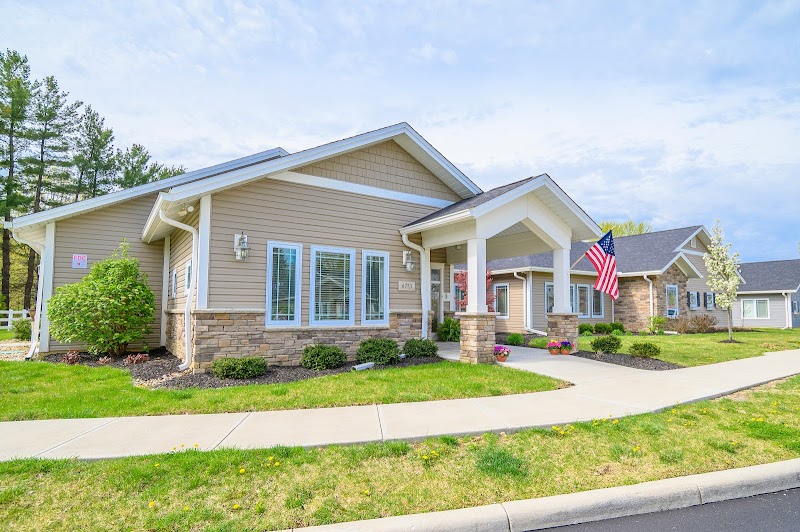
Who Owns and Operates Otterbein New Albany?

OTTERBEIN NEW ALBANY is owned by a non-profit organization. Non-profit facilities reinvest revenue into operations rather than distributing to shareholders. The facility is operated by OTTERBEIN SENIORLIFE, a chain that manages multiple nursing homes. With 60 certified beds and approximately 55 residents (about 92% occupancy), it is a smaller facility located in NEW ALBANY, Ohio.
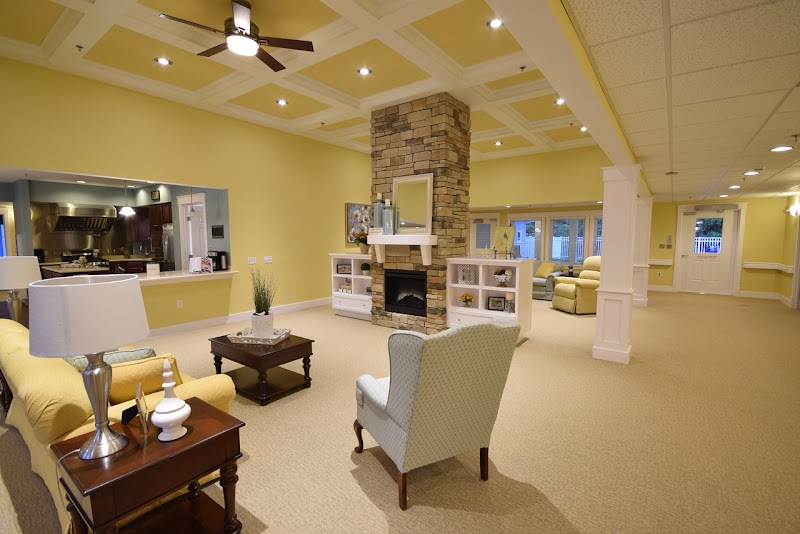
How Does Otterbein New Albany Compare to Other Ohio Nursing Homes?

Compared to the 100 nursing homes in Ohio, OTTERBEIN NEW ALBANY's overall rating (2 stars) is below the state average of 3.2, staff turnover (44%) is near the state average of 46%, and health inspection rating (1 stars) is much below the national benchmark.

What Should Families Ask When Visiting Otterbein New Albany?

Based on this facility's data, families visiting should ask: "Can I visit during a mealtime to observe dining assistance and food quality?" "How do you handle medical emergencies, and what is your hospital transfer rate?" "Can I speak with family members of current residents about their experience?"

Is Otterbein New Albany Safe?

Based on CMS inspection data, OTTERBEIN NEW ALBANY has a clean safety record: no substantiated abuse findings (meaning no confirmed cases of resident harm), no Immediate Jeopardy citations (the most serious violation level indicating risk of serious injury or death), and is not on the Special Focus Facility watch list (a federal program monitoring the lowest-performing 1% of nursing homes). The facility has a 2-star overall rating and ranks #100 of 100 nursing homes in Ohio. While no facility is perfect, families should still ask about staff-to-resident ratios and recent inspection results during their visit.

Do Nurses at Otterbein New Albany Stick Around?

OTTERBEIN NEW ALBANY has a staff turnover rate of 44%, which is about average for Ohio nursing homes (state average: 46%). Moderate turnover is common in nursing homes, but families should still ask about staff tenure and how the facility maintains care continuity when employees leave.

Was Otterbein New Albany Ever Fined?

OTTERBEIN NEW ALBANY has no federal fines on record. CMS issues fines when nursing homes fail to meet care standards or don't correct problems found during inspections. The absence of fines suggests the facility has either maintained compliance or corrected any issues before penalties were assessed. This is a positive indicator, though families should still review recent inspection reports for the full picture.

Is Otterbein New Albany on Any Federal Watch List?

OTTERBEIN NEW ALBANY is not on any federal watch list. The most significant is the Special Focus Facility (SFF) program, which identifies the bottom 1% of nursing homes nationally based on persistent, serious quality problems. Not being on this list means the facility has avoided the pattern of deficiencies that triggers enhanced federal oversight. This is a positive indicator, though families should still review the facility's inspection history directly.