WESLEY WOODS AT NEW ALBANY
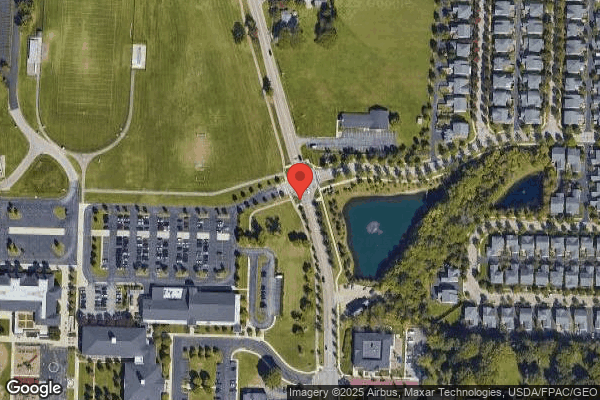
4588 WESLEY WOODS BLVD, NEW ALBANY, OH 43054 (614) 656-4100
Non profit - Church related 16 Beds Independent Data: November 2025 1 Immediate Jeopardy citation
Trust Grade
78/100
#194 of 913 in OH
Last Inspection: June 2025

Inspected within the last 6 months. Data reflects current conditions.

Overview

Wesley Woods at New Albany has a Trust Grade of B, meaning it is a good facility and a solid choice among nursing homes. It ranks #194 out of 913 facilities in Ohio, placing it in the top half, and #6 out of 56 in Franklin County, indicating that only five local options are better. However, the facility's trend is worsening, with issues increasing from 3 in 2022 to 4 in 2025. Staffing is a strength, with a 4/5 star rating and turnover at 51%, which is about average for Ohio, but the facility has good RN coverage, exceeding 99% of state facilities, ensuring that critical care needs are met. Notably, there were some concerning incidents, such as a resident developing serious pressure ulcers due to inadequate treatment and failure to properly manage oxygen tubing for residents, which could pose health risks. Overall, while there are strengths in staffing and RN coverage, families should be aware of the recent issues highlighted in inspections.

Trust Score
B
78/100
In Ohio
#194/913
Top 21%
Safety Record
High Risk
Review needed
Inspections
Getting Worse
3 → 4 violations
Staff Stability
⚠ Watch
51% turnover. Above average. Higher turnover means staff may not know residents' routines.
Penalties
✓ Good
No fines on record. Clean compliance history, better than most Ohio facilities.
Skilled Nurses
✓ Good
Each resident gets 129 minutes of Registered Nurse (RN) attention daily — more than 97% of Ohio nursing homes. RNs are the most trained staff who catch health problems before they become serious.
Violations
⚠ Watch
12 deficiencies on record. Higher than average. Multiple issues found across inspections.
★★★★★
5.0
Overall Rating
★★★★☆
4.0
Staff Levels
★★★★★
5.0
Care Quality
★★★★☆
4.0
Inspection Score
Stable
2022: 3 issues
2025: 4 issues

The Good

  • 4-Star Staffing Rating · Above-average nurse staffing levels
  • 5-Star Quality Measures · Strong clinical quality outcomes
  • Full Sprinkler Coverage · Fire safety systems throughout facility
  • No fines on record

Facility shows strength in staffing levels, quality measures, fire safety.

The Bad

Staff Turnover: 51%

Near Ohio avg (46%)

Higher turnover may affect care consistency

The Ugly 12 deficiencies on record

1 life-threatening
Jun 2025 4 deficiencies
CONCERN (D)

Potential for Harm - no one hurt, but risky conditions existed

Tube Feeding (Tag F0693)

Could have caused harm · This affected 1 resident

**NOTE- TERMS IN BRACKETS HAVE BEEN EDITED TO PROTECT CONFIDENTIALITY** Based on medical record review, observation, staff interview, and policy review, this facility failed to provide proper percuta...

Read full inspector narrative →
**NOTE- TERMS IN BRACKETS HAVE BEEN EDITED TO PROTECT CONFIDENTIALITY** Based on medical record review, observation, staff interview, and policy review, this facility failed to provide proper percutaneous endoscopic gastrostomy (PEG) tube care including checking placement of the PEG tubing prior to administering medication as well as flushing the tubing with water prior to the administration of medication. This affected one (Resident #2) of the one resident reviewed for PEG tube care. The facility identified Resident #2 was the only resident with a PEG tube. The facility census was 15. Findings include: Review of the medical record revealed an admission date of 10/31/23. Diagnosis included protein-calorie malnutrition, gastrostomy status, and cognitive communication deficit. Review of Resident #2's quarterly Minimum Data Set (MDS) 3.0 assessment dated [DATE] revealed a Brief Interview for Mental Status (BIMS) score of 15 out of 15 indicating an intact cognition for daily decision-making abilities. Resident #2 was noted to require a PEG feeding tube for nutritional support. Review of the physician order dated 11/20/23 revealed an order to check placement of the PEG tube and residual, document residual and notify the medical director if residual was greater than 500 milliliters (ml). Also noted was an order dated 01/17/24 to flush the PEG tube with 60 ml's of free water before and after administering medication. Observation on 06/11/25 at 9:54 A.M. of Registered Nurse (RN) #155 administering medication for Resident #2 revealed PEG tube placement and residual was not checked prior to administration of medication nor was the PEG tube flushed with 60 ml's of water. Interview on 06/11/25 at 10:30 A.M. with RN #155 confirmed the placement and residual checks for Resident #2's PEG tube were not completed nor was the PEG tube flushed with 60 ml's per physician orders. Review of the facility policy titled Enteral Tube Medication Administration, dated January 2019 revealed, with gloves on, check for proper tube placement using air and auscultation only, never check placement with water. It also stated to check gastric content for residual feeding, return residual volume to the stomach and report any residual above 100 ml.
CONCERN (D)

Potential for Harm - no one hurt, but risky conditions existed

Unnecessary Medications (Tag F0759)

Could have caused harm · This affected 1 resident

Based on medical record review, observation, staff interview, and policy review, the facility failed to ensure less than 5 percent (%) medication error rate was maintained when three errors were noted...

Read full inspector narrative →
Based on medical record review, observation, staff interview, and policy review, the facility failed to ensure less than 5 percent (%) medication error rate was maintained when three errors were noted out of 32 opportunities for error, resulting in an error rate of 9.38%. This affected one (Resident #2) of the three residents observed for medication administration. The facility census was 15. Findings include: Review of the medical record for Resident #2 revealed an admission date of 10/31/23. Diagnoses included gastrostomy status, hypertension, and peripheral vascular disease. Review of Resident #2's physician orders for June 2025 revealed medications including Losartan Potassium oral tablet with instructions to give 50 milligrams (mg) in the morning via PEG tube for hypertension and it also stated to hold the medication if the residents systolic blood pressure was less than 105, Calcium Carbonate oral tablet 600 mg with instructions to give one tablet via PEG tube two times a day for supplement, Tramadol Hydrochloride oral tablet 50 mg with instructions to give one tablet via PEG tube two times a day for pain, and an order to flush the residents PEG tube with 60 milliliters (ml) of free water before and after administering medication with 5 ml's between each medication. Observation on 06/11/25 at 9:54 A.M. revealed Registered Nurse (RN) #155 gathered all scheduled medications for Resident #2, then she crushed all of the medication together and placed them into the same medication cup. RN #155 was then observed adding a small amount of water to the cup. All medications were noted to be administered at the same time and not separated with the 5 ml's of water flushed between each medication. Additionally, at no point did RN #155 check Residents #2's blood pressure prior to the administration of the Losartan Potassium medication. Interview on 06/11/25 at 10:30 A.M. with RN #155 confirmed Resident #2's medication was administered all at once and a water flush was not completed between each medication. RN #155 also confirmed that she had not taken the vital signs for Resident #2 yet that day. Review of the undated facility policy titled Enteral Tube Medication Administration, revealed staff were to administer each medication separately and flush the tubing between each medication.
CONCERN (D)

Potential for Harm - no one hurt, but risky conditions existed

Infection Control (Tag F0880)

Could have caused harm · This affected 1 resident

**NOTE- TERMS IN BRACKETS HAVE BEEN EDITED TO PROTECT CONFIDENTIALITY** Based on medical record review, observations, staff interview, and facility policy review, this facility failed to ensure Enhanc...

Read full inspector narrative →
**NOTE- TERMS IN BRACKETS HAVE BEEN EDITED TO PROTECT CONFIDENTIALITY** Based on medical record review, observations, staff interview, and facility policy review, this facility failed to ensure Enhanced Barrier Precautions (EBP) were in place and/or implemented timely for Resident #2, #7, and #114 who required EBP. Additionally, the facility failed to ensure proper infection control was maintained with the administration of Resident #2's eye drops. This affected three residents (#2, #7, and #114) of the six residents reviewed for infection control. The facility census was 15. Findings include: 1. Review of the medical record for Resident #114 revealed an admission date of 05/26/25. Diagnoses included hemiplegia and hemiparesis following an cerebral infarction affecting the right dominant side, type two diabetes, and retention of urine. Review of Resident #114's physician orders revealed orders dated 05/27/25 for Foley catheter care every shift and to change the Foley bag every two weeks and as needed, on 05/29/25 the resident was ordered a treatment to the right and left forearm with instructions to gently cleanse the wound and wound bed, pat dry, apply calcium alginate with silver, and cover with a dry clean dressing every day shift for skin tears, and on 06/09/25 the resident was ordered EBP every day and night shift. Interview on 06/11/25 at 2:30 P.M. with the Director of Nursing (DON) confirmed Resident #114 was admitted to the facility with a Foley catheter in place as well as treatments in place for wound care which would indicate the need for Enhanced Barrier Precautions (EBP) to have been implemented. The DON confirmed Resident #114 was admitted on [DATE] and the EBP was not initiated until 06/09/25. Review of undated facility policy titled, Enhanced Barrier Precautions revealed EBP were to be implemented for residents with open wounds requiring dressings as well as for residents with indwelling medical devices (e.g. urinary catheter, feeding tube). EBP expanded the use of personal protective equipment (PPE) and referred to the use of gown and gloves during high contact resident care activities. The policy stated EBP should be used during high-contact resident care activities including dressing, bathing/showering, providing hygiene, changing linens, changing briefs or assisting with toileting and providing wound care. 2. Review of the medical record for Resident #2 revealed an admission date of 10/31/23. Diagnoses included protein-calorie malnutrition, gastrostomy status, and cognitive communication deficit. Review of Resident #2's quarterly Minimum Data Set (MDS) 3.0 assessment dated [DATE] revealed a Brief Interview for Mental Status (BIMS) score of 15 out of 15 indicating an intact cognition for daily decision making abilities. Resident was noted to require a feeding tube for nutritional support. Review of Resident #2's physician orders revealed that all ordered medications were to be administered through a percutaneous endoscopic gastrostomy (PEG) tube. Also noted was an order dated 02/11/24 for PEG tube care including cleaning around the PEG insertion site with saline wound cleanser, pat dry, then apply a split four by four drain sponge daily, an order dated 06/12/24 for EBP every day and night shift, and an order dated 03/12/25 for Propylene Glycol-Glycerin Ophthalmic solution 1-0.3 percent (%) with instructions to instill one drop in both eyes every 24 hours as needed for dry eyes. Observation on 06/11/25 at 9:54 A.M. of medication administration via PEG tube for Resident #2 revealed Registered Nurse (RN) #155 was wearing only gloves and failed to don the appropriate personal protective equipment (PPE), including a gown, which was required for a resident who would be under EBP, due to having an indwelling medical device such as a PEG tube. After the medication administration observation, RN #155 was observed completing the residents PEG tube insertion site dressing change. After completing the dressing change, RN #155 proceeded to place eye drops in Resident #2's eyes. At no time during the observations of medication administration, PEG dressing change, or eye drop administration, did RN #155 change gloves or complete hand hygiene. Interview on 06/11/25 at 10:00 A.M. with RN #155 revealed Resident #2 required EBP due to her PEG tube, but since she did not have an infection, gloves were the only thing required to provide care including medication administration and the PEG tube dressing change. RN #155 confirmed she did not change her gloves in between care tasks nor did she complete hand hygiene between care tasks. Interview on 06/11/25 at 3:00 P.M. with the Director of Nursing (DON) confirmed Resident #2 had an order for EBP. The DON confirmed RN #155 should have used gloves and a gown when administering medications via PEG tube and when completing PEG tube dressing care. Review of undated facility policy titled, Enhanced Barrier Precautions revealed EBP were to be implemented for residents with open wounds requiring dressings as well as for residents with indwelling medical devices (e.g. urinary catheter, feeding tube). EBP expanded the use of personal protective equipment (PPE) and referred to the use of gown and gloves during high contact resident care activities. The policy stated EBP should be used during high-contact resident care activities including dressing, bathing/showering, providing hygiene, changing linens, changing briefs or assisting with toileting and providing wound care. 3. Review of the medical record for Resident #7 revealed an admission date of 04/10/23. Diagnoses included, but were not limited to, traumatic brain injury, chronic kidney disease, chronic venous insufficiency, sarcopenia, non-pressure chronic ulcer of other part of left lower leg limited to breakdown of skin, non-pressure chronic ulcer of other part of left lower leg with fat layer exposed, and chronic venous hypertension (idiopathic) with ulcer of left lower extremity. Review of the physician order dated 06/12/24 for Resident #7 revealed an order for Enhanced Barrier Precautions (EBP) every day and night shift. Review of the Braden Scale for Predicting Pressure Sore Risk dated 04/06/25 for Resident #7 revealed the resident was determined to be at high risk for skin breakdown. The report also revealed Resident #7 was bedfast and immobile. Review of the Wound Evaluation and Management Summary report dated 06/11/25 for Resident #7 revealed the autoimmune disease-induced wound of the left, inferior calf that was 2.4 centimeters (cm) by 1.2 cm by 0.1 cm in size, there was 100 percent (%) granulation tissue and exudate that was moderate serous (thin watery fluid). Observation on 06/10/25 at 9:29 A.M. revealed the door to Resident #7's room had a blue sign on the door that stated, Stop. See nurse before entering. Interview on 06/10/25 at 10:21 A.M. with Registered Nurse (RN) #155 revealed that the Enhanced Barrier Precautions for Resident #7 were only for when she was completing wound care and that the aides didn't have to wear gowns as he didn't have an infection. Interview on 06/10/25 at 11:57 A.M. with Certified Nursing Assistant #113 revealed she didn't know why Resident #7 had the stop sign on the door and that the aides didn't have to wear any additional personal protective equipment (PPE) as he didn't have a wound. Observation on 06/11/25 at 8:26 A.M. revealed Resident #7's room door had a standard EBP sign which described the situations where EBP (gown and gloves) were required including: dressing, bathing/showering, transferring, changing linens, providing hygiene, device care or use (central line, catheter, feeding tube, tracheostomy) and wound care. Interview on 06/11/25 at 2:45 P.M. with the Director of Nursing (DON) confirmed Resident #7 was on EBP and that both, nurses and aides, needed to be wearing a gown and gloves when they provided high contact clinical care. Review of undated facility policy titled, Enhanced Barrier Precautions revealed EBP were to be implemented for residents with open wounds requiring dressings as well as for residents with indwelling medical devices (e.g. urinary catheter, feeding tube). EBP expanded the use of personal protective equipment (PPE) and referred to the use of gown and gloves during high contact resident care activities. The policy stated EBP should be used during high-contact resident care activities including dressing, bathing/showering, providing hygiene, changing linens, changing briefs or assisting with toileting and providing wound care.
CONCERN (E)

Potential for Harm - no one hurt, but risky conditions existed

Respiratory Care (Tag F0695)

Could have caused harm · This affected multiple residents

Based on medical record review, observation, staff interview and facility policy review, the facility failed to ensure oxygen tubing was dated to reflect the date the tubing was last changed and faile...

Read full inspector narrative →
Based on medical record review, observation, staff interview and facility policy review, the facility failed to ensure oxygen tubing was dated to reflect the date the tubing was last changed and failed to ensure oxygen tubing was changed per facility policy. This affected four residents (#3, #7, #115, and #116) of four residents reviewed for oxygen care. The facility census was 15. Findings include: 1. Review of the medical record for Resident #115 revealed an admission date of 05/27/25. Diagnoses included pneumonia, chronic obstructive pulmonary disease (COPD), and need for assistance with personal care. Review of Resident #115's physician orders for June 2025 revealed an order for Resident #115 to wear supplemental oxygen at 2 liters (L) per minute via nasal cannula for oxygen saturations less than 90 percent (%) as needed for hypoxia. Observation on 06/09/25 at 10:13 A.M. and again on 06/10/25 at 10:23 A.M. revealed the oxygen tubing connected to the oxygen concentrator located in Resident #115's room did not have a date indicating the last time the tubing had been changed. Interview on 06/10/25 at 10:23 A.M. with Registered Nurse (RN) #155 confirmed Resident #115 had an order for supplemental oxygen as needed and currently had oxygen supplies, including tubing, without a date on it. RN #155 claimed the oxygen tubing was supposed to be changed weekly and whoever changed the tubing was to use a piece of tape to wrap around the tubing with the date it was changed on it. Review of the undated facility policy titled Oxygen Storage, revealed for oxygen in residents rooms, the oxygen tubing should be changed every other week and dated when changed. 2. Review of the medical record for Resident #116 revealed an admission date of 05/12/25. Diagnoses included dementia, asthma, pneumonia, and acute and chronic respiratory failure. Review of Resident #116's physician orders for June 2025 revealed an order for supplemental oxygen at 2 to 4 liters (L) per minute via nasal cannula for oxygen saturations less than 90 percent (%) as needed for hypoxia. Observation on 06/09/25 at 10:13 A.M. and again on 06/10/25 at 10:23 A.M. revealed the oxygen tubing connected to the oxygen concentrator located in Resident #116's room did not have a date indicating the last time the tubing had been changed. Resident #116 was noted to be wearing the oxygen connected to the concentrator. Interview on 06/10/25 at 10:23 A.M. with Registered Nurse (RN) #155 confirmed Resident #116 had an order for supplemental oxygen as needed and currently had oxygen supplies, including tubing, without a date on it. RN #155 claimed the oxygen tubing was supposed to be changed weekly and whoever changed the tubing was to use a piece of tape to wrap around the tubing with the date it was changed on it. Review of the undated facility policy titled Oxygen Storage, revealed for oxygen in residents rooms, the oxygen tubing should be changed every other week and dated when changed. 3. Review of the medical record for Resident #7 revealed an admission date of 04/10/23 with diagnoses including traumatic brain injury, chronic kidney disease, obstructive sleep apnea, and atelectasis (collapsed lung). Review of Resident #7's physician order dated 06/08/25 revealed an order to wear oxygen as needed (PRN). Observation on 06/10/25 at 10:20 A.M. with Registered Nurse (RN) #155 revealed Resident #7's oxygen tubing was not dated. Interview on 06/10/25 at 10:20 A.M. with Registered Nurse (RN) #155 confirmed the oxygen tubing for Resident #7 was not dated. Review of the undated facility policy titled Oxygen Storage, revealed for oxygen in residents rooms, the oxygen tubing should be changed every other week and dated when changed. 4. Review of the medical record for Resident #3 revealed an admission date of 12/13/24 with diagnoses including systolic (congestive) heart failure, aneurysm of other specified arteries, and hypertension. Review of Resident #3's physician order dated 04/01/25 revealed and order for an as needed (PRN) oxygen 2 to 5 liters (L) per minute for shortness of breath. Observation on 06/09/25 at 10:11 A.M. revealed Resident #3 sitting up in her bed receiving oxygen via nasal cannula through a concentrator set at 3 L per minute. The oxygen tubing for Resident #3 was labeled 05/21/25, indicating the tubing was changed 19 days prior. Interview on 06/10/25 at 10:18 A.M. with Registered Nurse (RN) #155 confirmed that oxygen tubing should be changed weekly. Observation and interview on 6/10/25 at 10:22 A.M. with RN #155 confirmed the oxygen tubing for Resident #3 was labeled 05/21/25 and should have already been changed. Review of the undated facility policy titled Oxygen Storage, revealed for oxygen in residents rooms, the oxygen tubing should be changed every other week and dated when changed.
Dec 2022 1 deficiency 1 IJ
CRITICAL (J) 📢 Someone Reported This

A family member, employee, or ombudsman was alarmed enough to file a formal complaint

Immediate Jeopardy (IJ) - the most serious Medicare violation

Pressure Ulcer Prevention (Tag F0686)

Someone could have died · This affected 1 resident

**NOTE- TERMS IN BRACKETS HAVE BEEN EDITED TO PROTECT CONFIDENTIALITY** Based on observation, medical record review, hospital record review, facility policy review, physician interview, nurse practiti...

Read full inspector narrative →
**NOTE- TERMS IN BRACKETS HAVE BEEN EDITED TO PROTECT CONFIDENTIALITY** Based on observation, medical record review, hospital record review, facility policy review, physician interview, nurse practitioner interview, and staff interviews, the facility failed to implement a comprehensive and effective pressure ulcer treatment program for one newly admitted resident (Resident #17), who was admitted with intact skin, assessed to be at risk for pressure ulcer development and dependent on staff for bed mobility and personal care. This resulted in Immediate Jeopardy and serious life-threatening harm and/or injuries to Resident #17 on 11/25/22, when the facility failed to ensure adequate interventions and thorough skin assessments were performed timely and routinely for Resident #17 resulting in the development and declining condition of pressure ulcers to an unstageable pressure ulcer (full-thickness skin and tissue loss in which the extent of tissue damage within the ulcer cannot be confirmed because the wound bed is obscured by slough or eschar) to the left buttocks which required hospitalization and treatment with intravenous antibiotics. This affected one (Resident #17) of three residents reviewed for pressure ulcers. The facility identified two current residents with pressure ulcers in a facility census of 13. In addition, a concern that did not rise to the level of Immediate Jeopardy was identified related to the facility's failure to provide a dressing change for Resident #8's pressure ulcer in a manner to promote healing while preventing infection. On 12/23/22 at 4:22 P.M., Senior Regional Director of Operations was notified Immediate Jeopardy began on 11/25/22 when the facility failed to provide necessary care, services and interventions to prevent the development of pressure ulcers to Resident #17. On 11/25/22 Resident #17 was found with pressure ulcers to the bilateral buttocks with no staging or description assessed or documented. There was no additional assessment of the pressure ulcers for six days resulting in worsening condition of the pressure ulcers when on 12/01/22 the left buttock pressure ulcer was assessed to be unstageable with foul odor. No new interventions were implemented at that time. On 12/07/22 Resident #17 exhibited a change in condition, was hospitalized and admitted with sepsis and necrotizing fasciitis related to the pressure ulcers. As of 12/23/22 Resident #17 had not returned to the facility. The Immediate Jeopardy was removed on 12/27/22 when the facility implemented the following corrective actions: • On 12/07/22 Resident #17 was transferred to the hospital for evaluation and treatment and had not returned. • On 12/19/22 at 2:00 P.M. Director of Clinical Strategic Initiatives #401 re-educated the Director of Nursing (DON) and Clinical Manager Licensed Practical Nurse (LPN) #403 regarding dressing change procedures, pressure ulcer prevention and treatment policy, notification of change of condition, and turning and repositioning. • On 12/23/22 at 4:30 P.M. the Pressure Ulcer Prevention and Treatment policy was reviewed and updated to reflect upon identification of the pressure ulcer/pressure injury an evaluation would be performed at that time and then at least weekly and documented in the medical record. The documentation will include date the wound was observed, location, staging, size, exudate, pain, wound bed and description of wound edges and surrounding tissue. • On 12/23/22 at 4:45 P.M., Director of Clinical Strategic Initiatives #401 re-educated the DON and Clinical Manger LPN #403 on the revised policy for pressure prevention and treatment. • On 12/23/22 at 5:30 P.M., the acting Administrator notified Medical Director #400 of survey findings regarding Resident #17 and consulted with him regarding recommendations for resident skin audits, tracking and monitoring tool, staff education, replacing the facility wound nurse, and weekly QA meetings. • Beginning on 12/23/22 at 5:30 P.M., the Director of Nursing (DON)/designee began re-education of nursing personnel including two Registered Nurses (RN), 10 Licensed Practical Nurses (LPN) and 28 State Tested Nurse's Aide (STNA), on pressure ulcer prevention and treatment policy, notification of change of condition, and turning and repositioning. Education will be completed by midnight on 12/27/2022 for the 12 remaining staff members. • From 12/19/22 to 12/24/22 at 7:30 P.M., two RNs and 10 LPNS were re-educated by DON/designee on dressing change procedures including handwashing • On 12/26/22 (no time identified)- the facility acquired and retained a new wound care nurse practitioner (NP) #402. NP #402 assessed residents with impaired skin integrity via telehealth. The telehealth visit was assisted by the DON who undressed wound allowing visualization and measurement of the wound. The DON then re-dressed the wounds on 12/26/22 from 11:00 A.M. to 11:30 A.M. • On 12/27/22 at 10:00 A.M., full skin assessments were completed on all 11 residents by the DON/designee. No new skin areas were identified. • On 12/27/22 at 12:45 P.M., an additional Braden scale pressure ulcer risk assessment was completed on all 11 residents by the DON/designee. All 11 resident care plans were reviewed and modified as necessary. The updated Braden scale pressure ulcer risk assessments resulting in the following: one (1) resident was at no risk, four (4) residents were at low risk, five (5) residents were at moderate risk and one (1) resident was at high risk • On 12/27/22 by 7:00 P.M., the DON/designee-initiated monitoring of a minimum of eight (8) residents per day for two weeks, then eight (8) residents three (3) days per week for four (4) weeks and then at a frequency to be determined by the QA Committee to ensure residents are repositioned every 2 hours. • On 12/27/22 by 7:00 P.M. the DON/designee-initiated monitoring of a minimum of two (2) residents with wounds three (3) x per week for two (2) weeks, then two (2) residents weekly for 4 weeks and then at a frequency to be determined by the QA Committee to ensure dressing change and hand hygiene are performed appropriately. • On 12/27/22 by 7:00 P.M., the DON/designee-initiated monitoring of electronic medical record of residents with pressure injuries to ensure a description of the wound and staging is documented upon initial observation and a minimum of weekly. The audit will be conducted daily for one (1) week, then three (3) times a week for one (1) week, then weekly for 4 weeks and then at a frequency to be determined by the QA Committee. • On 12/27/22 by 7:00 P.M., the DON/designee-initiated monitoring of electronic medical records of residents with pressure injuries to ensure the facility and wound nurse practitioner is notified of changes in wound and that orders are implemented, as indicated. The audit will be conducted daily for one (1) week, then three (3) times a week for one (1) week, then weekly for 4 weeks and then at a frequency to be determined by the QA Committee. • On 12/27/22 by 7:00 P.M., the DON/designee-initiated monitoring of preventative skin measures. The DON/designee will observe a minimum eight (8) residents per day for two (2) weeks, then eight (8) residents three (3) days per week for 4 weeks and then at a frequency to be determined by the QA Committee then to ensure preventative skin measures have been implemented per physician orders/plan of care. • Beginning week of 12/26/22, a QA meeting will be held on 12/27/22 by 2:00 P.M., the QA Committee, including the Medical Director, will meet weekly times six (6) weeks then monthly x three (3) months to review audit findings and to make recommendation for improvements, as indicated. • On 12/27/22 from 1:48 P.M. to 2:19 P.M., interviews with LPN #402, LPN #405, and STNA #404 revealed the staff were knowledgeable on the education they had received on pressure ulcer in-regards to documentation, assessments, dressing change procedures, prevention and treatment of pressure ulcer, notification, and turning and repositioning. Although the Immediate Jeopardy was removed on 12/27/22, the deficiency remained at a Severity Level 2 (no actual harm with the potential for minimal harm that is not Immediate Jeopardy) as the facility was continuing to educate staff and was in the process of completing and reviewing audits to determine if further action is required and monitoring to ensure on-going compliance. Findings include: 1.Review of Resident #17's medical record revealed the resident was admitted to the facility on [DATE] and discharged on 12/07/22. The resident's diagnoses included fracture of the right femur surgically repaired on 11/08/22, contusion of the right thigh, anxiety, asthma, and high blood pressure. Review of the admission Minimum Data Set (MDS) 3.0 assessment dated [DATE] revealed Resident #17's cognition was intact. The resident was assessed to be totally dependent with two or more staff physical assistance for bed mobility, transfers, dressing, toilet use and personal hygiene. No pressure ulcers were identified, but a surgical wound and open lesion were noted on the assessment. Review of Resident #17's Braden scale assessment (assessment for risk factors for developing pressure ulcers) dated 11/11/22 revealed the resident had no sensory perception, was occasionally moist, chairfast, mobility was very limited, adequate nutrition, potential problem for friction and shearing. The resident scored 16.0 (at risk). The clinical suggestion section of the assessment was left blank. Review of the hospital record from the admission dated 11/11/22 revealed Resident #17 had a closed commuted intertrochanter fracture of the right femur, right thigh intermuscular hematoma. Review of Resident #17's admission assessment dated [DATE] revealed no evidence the resident had any pressure ulcer areas. Review of Resident #17's baseline care plan, dated 11/11/22 revealed to turn and reposition every two hours and pressure reduction mattress. There was no evidence Resident #17 had a care plan specific for pressure ulcer prevention and/or treatment of pressure ulcers. Review of the facility's skilled evaluation notes for Resident #17 dated 11/11/22 to 11/25/22 revealed on 11/16/22 and 11/22/22 there were comfort care concerns regarding pressure ulcers. The skilled evaluation notes indicated the resident's position was changed each shift/daily. However, the skilled evaluation notes did not provide any additional information regarding pressure ulcers or interventions. Review of Resident #17's weekly skin assessment dated [DATE] revealed no new areas since admission. Review of Resident #17's Activity of Daily Living (ADL) task dated 11/11/22 to 11/29/22 revealed on 11/23/22 a shower/bath was checked as completed but there was no shower sheet and no additional information regarding skin condition on the ADL task. The skin observations for ADL tasks sheet on 11/17/22, 11/18/22 and 11/29/22 only included the staff's initials. There was no documentation regarding Resident #17's skin condition or pressure ulcers. Further review of Resident #17's ADL task dated 11/22/22 to 12/07/22 revealed the documentation only identified bed mobility and didn't identify staff were turning and repositioning the resident. Review of the health status progress notes dated 11/25/22 at 3:31 P.M. authored by Licensed Practical Nurse (LPN) #405 revealed Resident #17 had open areas to both buttocks. The right buttock area measured four centimeters (cm) in length by three cm width and the left buttock measured five cm length by five cm width. The documentation did not include wound stage, depth, or any description of the wounds. The note revealed LPN #405 notified Nurse Practitioner (NP) #410. New treatment orders were written to cleanse areas with soap and water, apply skin prep and cover with Hydro-cellular foam dressing twice daily. Review of Resident #17's weekly skin assessment dated [DATE] revealed there were open areas noted to both buttocks. The right buttock measured four centimeters (cm) by three cm and the left buttock measured five cm by five cm. Nurse Practitioner (NP) #417 was notified. New orders were received to cleanse the wounds with soap and water, apply skin prep and cover with hydro-cellular (absorbent) foam to the sacral (documentation error) wounds. Record review revealed no additional assessment of Resident #17's pressure ulcers for six days (from 11/25/22 until 12/01/22) at which time the resident's pressure ulcers had significantly worsened in condition. Review of Wound Nurse Practitioners (NP)#410 and #411 Progress Notes dated 12/01/22 revealed at the request of the provider (NP #417), a thorough wound care assessment and evaluation was performed. Wound #1 (left buttock) was identified as an unstageable pressure ulcer measuring seven cm in length by one cm wide. The wound bed was pink with slough and blue/green exudate with a foul odor. Orders received to cleanse the area with Dakin's-soaked gauze (used to prevent and treat skin and tissue infections) and apply nickel thick Santyl (removes dead tissue from wounds so they can start to heal) to the wound bed daily and as needed and cover with a dressing. Wound #2 (right buttock) was a Stage II pressure ulcer (skin loss of epidermis, dermis, or both with no slough) measuring three cm wide by two cm in length with 0.1 cm depth. The wound bed was pink with slough and had blue/green exudate. Orders were received to cleanse the area with Dakin's-soaked gauze and apply nickel thick Santyl to wound bed daily and as needed and cover with a dressing. The note indicated a copy of the progress note would be sent to the referring physician (Physician #510). (Physician #510 was not Resident #17's physician; Physician #510 was another physician providing services at the facility). Review of Resident #17's Treatment Administration Records (TAR) for November 2022 revealed on 11/25/22 to 11/30/22 the record reflected to cleanse wounds to the right and left buttocks with soap and water and apply skin prep and cover with hydro cellular foam sacral dressing every shift for open areas. There was no evidence the treatment was completed on day or night shift on 11/30/22. Review of Resident #17's TAR for December 2022 revealed on 12/01/22 the order and treatment were to cleanse the wound sacral area with normal saline, apply Santyl ointment and cover with a dry sterile dressing. Change daily or if it becomes soiled. However, NP #410's notes indicated on 12/01/22 to cleanse with Dakin's wound wash. The order was discontinued on 12/02/22 and changed to cleanse with Dakin's wound wash, apply a layer of Santyl and cover with dry clean dressing. NP #410's order on 12/01/22 was to cleanse area with Dakin's-soaked gauze, cover wound bed with nickel thickness Santyl, and cover with dry clean dressing. Interview on 12/28/22 at 2:36 P.M. with the Director of Nursing (DON) confirmed there was no evidence Resident #17's treatment for the pressure ulcers was completed on day or night shift on 11/30/22. The DON reported she received a verbal order on 12/01/22 to cleanse the wounds with normal saline, however she didn't have the signed order. The DON verified the order written on 12/02/22 did not include to use Dakin's-soaked gauze or nickel thick Santyl per NP #410's progress note. Review of an invoice dated 12/01/22 for Resident #17 revealed a hospital service delivered a single zone direct low air loss mattress. Review of the weekly skin note, dated 12/02/22 and authored by LPN #412 revealed the LPN indicated there were open areas on the resident's sacrum (the documentation did not include measurements, wound stage, or any description of the wounds). Physician #400 was notified on 12/01/22 at noon. The treatment was changed on 12/01/22 by NP #410 to apply Santyl to the open areas and apply clean dry dressing daily and as needed. Review of the nutritional note authored by Dietitian #413 dated 12/02/22 at 10:35 A.M., for Resident #17 revealed the dietitian was notified of a sacral open area. November's weight was 149.6 pounds (#), daily protein needs were 75-81 grams (gm) per day. Recommend obtaining new weight. Noted resident receiving Pro stat 30 milliliter (ml) three times a day, providing 300 kilocalorie (kcal) and 45-gr protein daily and was accepting appropriately per medication administration record. Magic cup twice a day, also providing additional support with 290 kcal each/9 gr protein each. Mechanical soft diet continued with assistance at meals, intakes ranged from 25-50%. Given the poor intakes at meals recommend continuing current supplementation as scheduled to meet protein needs and to aid in skin healing. The note indicated continue to monitor. Review of a Health Status Note dated 12/06/22 at 6:40 A.M. revealed, LPN #415 wrote she changed and cleansed the wound on the coccyx. The odor coming out of this wound is too much. Cleansed with normal saline (NS), applied Santyl cream, and ABD pad. The resident stated she had some pain and was medicated. There was no evidence Resident #17's physician or NP were updated on the status of the resident's pressure ulcers at that time. Review of the nursing progress note authored by LPN #416 dated 12/07/22 at 9:12 A.M., revealed Resident #17 was noted to be slow to respond and not answering questions appropriately during speech this A.M. The nurse assessed Resident #17 and the resident was refusing to eat, and very weak. NP #417 was notified, and new orders for STAT labs, IV with IV fluids, and new treatment orders were obtained. The resident's husband was notified. Review of the nursing progress note authored by LPN #416 dated 12/07/22 at 12:20 P.M. revealed a peripheral 22 gauge intravenously (IV) was inserted to left antecubital with Resident #17 tolerating it well, IV fluids running as ordered. STAT labs drawn and pending at this time. At 2:13 P.M. Resident #17's husband was at the bedside speaking with NP #417 and updated on resident's new orders, husband wants resident transported to the hospital for an evaluation. Order given for transport. Critical care called and transported resident. The husband was to meet the resident at the hospital. Review of the hospital documentation by emergency room Physician #500 dated 12/07/22 revealed Resident #17 had a history of Alzheimer's dementia, hypertension and presented to the hospital from a rehabilitation facility after a recent fixation of a right hip fracture. At the facility, the patient was noted to be having worsening generalized weakness, poor appetite, and worsening sacral decubitus ulcers. As such, the patient was sent to our facility for further evaluation. Resident #17 does not participate in the history given her Alzheimer's and history was provided almost entirely by her husband, whom was at the bedside. The husband stated that over the past three (3) to four (4) days the patient has had a significant decrease in her appetite. The husband states sacral decubitus ulcers had been worsening over time as well. To his and the facility's knowledge the patient has not had a fever. The hospital documentation from emergency room Physician #500 identified Resident #17 had a large area on her lower back/sacrum with skin breakdown consistent with a sacral decubitus ulcer, likely at least a Stage III (full thickness skin loss involving damage or necrosis of the subcutaneous tissue) or IV. The ulcer was foul-smelling with some scant purulent drainage. The area around the wound was tender and mildly erythematous. Clinical impression as of 12/07/22 sacral region, Stage III. The emergency room Physician #500 identified Resident #17's white blood cell (WBC) count was markedly elevated and as such patient was started on broad-spectrum antibiotics. Also, lactate was elevated and will be given a gentle liter bolus and will be reassessed. A full 30 ml/kilogram (kg) of crystalloid fluid may cause more harm than benefit given the patient's age and potential for fluid overload. emergency room Physician #500 revealed Resident #17 will be admitted to the hospital for further work-up and treatment. She has been evaluated by the hospitalist for admission, plain films returned demonstrating some gas in the tissues. This may be secondary to the patient's decubitus ulcer however it was noted by the radiologist that this could also be secondary to gas-forming organisms. On-call surgeon was consulted, and he recommended having the resident's physician serving evaluate the patient and ordering a computer tomography (CT) for further evaluation. emergency room Physician #500 identified Resident #17 required 35 minutes of critical care for metabolic crisis, sepsis, and circulatory failure. The hospital history and physical identified the wound to the sacrum: present upon admission unstageable pressure injury; the wound extends onto the left buttock but would be considered one wound. The wound bed was 80% black eschar with 20% firm yellow slough; the surrounding tissue was red and moist in appearance. There was superficial skin breakdown noted on the right buttock as well, which appears to be more moisture related versus pressure. The hospital history and physical revealed recommended and performed the following treatment to the sacrum wound: wash with normal saline and pat dry; apply Triad paste (controls light to moderate exudate and creates an ideal healing environment to allow for natural debridement) in a dime size thickness over area to promote autolytic debridement. Cover with 4 by 4 gauze or abdominal (ABD) pad to secure Triad on patient and off the linens. Change every three days and when needed. If soiled prior to that, dab away soiled area and reapply. On 12/19/22 at 11:55 A.M. and 12/22/22 at 3:00 P.M., interview with Licensed Practical Nurse (LPN) #22 revealed when Resident #17 was admitted she had no open areas and she had developed the areas afterwards. LPN #22 reported she was not the one who found them but did change the dressing when she was on duty. Per LPN #22, the wound nurse was providing the wound care and was aware of the odor. During the interview, LPN #22 revealed when staff turned Resident #17 on her side she would roll right back. On 12/22/22 at 2:31 P.M., interview with NP #410 revealed even though there was a foul odor present, she did not believe there were signs of infection on 12/01/22. The facility started cleansing the area with Dakin's solutions and applying Santyl ointment nickel to the wound bed and covered it with a dressing. NP #410 stated the resident had an odor to the wound on 12/01/22 but no fever, no signs of infection, or notification of abnormal labs (Review of Resident #17's laboratory (labs) results dated 11/11/22 to 12/07/22 revealed the resident only had labs collected on 12/07/22, the day she went to the hospital). On 12/22/22 at 2:42 P.M. interview with facility NP #417 revealed she had not seen Resident #17's wound until 12/07/22 due to wound NP #410 providing care and observing. NP #417 reported when she visited the facility Resident #17 was typically up in the dining room or had visitors. NP #417 reported she was called by facility on 12/07/22 at 9:12 A.M. and notified the resident's wound had an odor, the condition of the wound had changed in the last 24 hours, since the NP came in. NP #417 was in the facility, observed the area and noted it looked bad, and she could tell it was infected. NP #417 revealed she had a long conversation with the resident's husband and gave him treatment options. The husband wanted the resident comfortable and talked about hospice and the resident was started on an IV for antibiotics and fluids. NP #417 gave the husband a choice to send the resident to emergency room (ER). Later he chose to send the resident to ER. Resident #17 was sent out at 2:13 P.M. On 12/23/22 at 11:51 A.M., interview with the Medical Director (Physician #400) revealed he was not aware Resident #17's pressure ulcers had a foul odor on 12/01/22. Physician #400 reported he could not tell the surveyor what he would have done because he did not see the wound. According to Physician #400, he believed the treatment order given was appropriate by the NP. The NP did however let him know afterwards Resident #17 was sent out to the hospital and the condition of the wound. On 12/28/22 from 9:15 A.M. to 12:28 P.M., interview with Director of Clinical Strategic Initiatives #401 revealed a low air loss mattress was ordered on 11/30/22, however the physician did not write the order until 12/01/22. The hospital service delivered the low air mattress on 11/30/22. Director of Clinical Strategic Initiatives #410 reported Wound NP #410 saw Resident #17 on 12/01/22, however NP #411 signed off on the progress note. The Director of Clinical Strategic Initiatives #410 reported the facility does not document turning, and repositioning of residents, it was just considered a part of resident care. Director of Clinical Strategic Initiatives #410 verified comfort care documentation dated 11/16/22 and 11/22/22 on the skilled evaluation indicted the resident was at risk for pressure ulcers. Review of the facility undated policy titled Pressure Ulcer/Injury Prevention and Treatment revealed the following: • It was the facility's policy to provide care to promote the prevention of pressure ulcer/pressure injury development and promote the healing of existing pressure ulcers (PU)/pressure injuries (PI). • Residents would be reviewed to identify resident at risk for developing PU/PI and resident with existing or new onset of PU/PI. Upon admission, a skin check would be completed to identify existing skin issues. Skin checks will be completed weekly and as needed. Upon admission a Braden scale would be completed and then quarterly and as needed. • If new pressure ulcers/pressure injury was observed the nurse would notify the physician and obtain orders for treatment. The nurse will notify the resident and resident representative on new onset of the PU/PI and will provide regular updates. The interdisciplinary team would make referrals to the dietician, wound nurse practitioner and/or therapy as appropriate. Intervention would be updated as needed and care plans to include interventions to heal/prevent PU/PI and address pain. • An evaluation of the PU/PI would be performed at least weekly, and this evaluation would be documented in the medical record. The documentation would include the date observed, location and staging, size, exudate, pain, wound bed and description of wound edges and surrounding tissue. • The PU/PI would be monitored by the nurse and if the PU/PI fails to show some evidence of the progress toward healing within 2-4 weeks, the area and resident's overall condition would be reassessed, and current interventions communicated observation to the practitioner and review changes to treatment and interventions. Review of the facility's policy titled Braden Scale (undated) revealed the Braden scale was used to assess for risk factors for developing pressure ulcers. After the nurse completed the Braden scale an analysis of risk factors and skin concerns would occur. A care plan would be developed or updated based on the analysis of the risk factors. 2. Review of Resident #8's medical record revealed the resident was admitted to the facility on [DATE] with diagnoses including Alzheimer's dementia, anxiety, hemiplegia and hemiparesis, hypertensive heart disease, incontinence, and heart failure. Review of the quarterly Minimum Data Set (MDS) 3.0 assessment dated [DATE] revealed the resident was cognitively impaired and totally dependent on staff for bed mobility, transfers, dressing and toilet use. The assessment revealed the resident had an unstageable (full-thickness skin and tissue loss in which the extent of tissue damage within the ulcer cannot be confirmed because the wound bed is obscured by slough or eschar) deep tissue injury (DTI) pressure ulcer. Review of the physician's orders dated 12/17/22 revealed an order to cleanse coccyx/sacral area with normal saline, pat dry, apply Santyl (a debriding agent that works by helping to break up and remove dead skin and tissue) to dark areas, cover with calcium alginate and island dressing. The dressing change was to be completed every day and when necessary. On 12/19/22 at 10:15 A.M. Licensed Practical Nurse (LPN) #22 was observed completing Resident #8's wound care/dressing change. The LPN washed her hands and put on gloves. LPN #22 then removed the resident's old dressing, which had a moderate amount of drainage on it. LPN #22 then removed her gloves and washed her hands. She then placed new gloves and cleansed the coccyx wound with normal saline. Wearing the same gloves, LPN #22 opened the calcium alginate, cut a piece off, placed it into the wound bed and applied Optifoam dressing. On 12/19/22 at 10:25 A.M. interview with LPN #22 verified she had not changed her gloves or washed her hands after cleansing the wound and before applying a new/clean dressing. Review of the facility policy and procedure titled Hand Hygiene dated 11/22/19 revealed to complete hand washing after contact with blood, body fluids, visibly contaminated surfaces or after contact with objects in the resident's room. This deficiency represents non-compliance investigated under Master Complaint Number OH00138617 and Complaint Number OH00138446.
Nov 2022 2 deficiencies
CONCERN (D)

Potential for Harm - no one hurt, but risky conditions existed

MDS Data Transmission (Tag F0640)

Could have caused harm · This affected 1 resident

**NOTE- TERMS IN BRACKETS HAVE BEEN EDITED TO PROTECT CONFIDENTIALITY** 2. Record review revealed Resident #113 was admitted to the facility on [DATE] with diagnoses including cerebral infarction, Par...

Read full inspector narrative →
**NOTE- TERMS IN BRACKETS HAVE BEEN EDITED TO PROTECT CONFIDENTIALITY** 2. Record review revealed Resident #113 was admitted to the facility on [DATE] with diagnoses including cerebral infarction, Parkinson's disease, major depressive disorder and anxiety disorder. Review of the entry MDS 3.0 assessment, dated 10/13/22 revealed the assessment had been completed on 10/19/22 but had not been exported as of 11/07/22, 19 days after it had been completed. Review of the five day MDS 3.0 assessment, dated 10/19/22 revealed the assessment was still in progress and had not been completed, 19 days after it had been opened. Review of the admission MDS assessment, dated 10/19/22 revealed the resident had intact cognition evidenced by a Brief Interview for Mental Status (BIMS) assessment score of 15 (out of 15). The resident was assessed to require limited assistance from two staff members for bed mobility and extensive assistance from two staff members for transfers and toileting. On 11/07/22 at 3:35 P.M. interview with MDS Nurse #200 verified the assessments had not been completed and submitted in the required timeframes. Based on record review and interview the facility failed to properly submit Minimum Data Set (MDS) 3.0 assessments in the required timeframes. This affected two residents (#64 and #113) of 14 sampled residents reviewed during the annual survey. Findings include: 1. Record review revealed Resident #64 was admitted to the facility on [DATE] with diagnoses including acute respiratory failure, dysphagia, epistaxis, atrial fibrillation, chronic obstructive pulmonary disease, and thrombocytopenia. Review of nursing and physician assessments, completed on 10/16/22 revealed the resident had no cognitive impairments and was able to make her needs known at all times. Review of the Minimum Data Set Entry Assessment, dated 10/16/22 which noted the current status was export ready on 11/07/22. A five-day Medicare admission Assessment, initiated on 10/21/22 revealed a current status of in progress. On 11/07/22 at 3:45 P.M. interview with MDS Nurse #200 verified both MDS assessments were past the required submittal dates. MDS Nurse #200 revealed she had not yet had a chance to complete them.
CONCERN (D)

Potential for Harm - no one hurt, but risky conditions existed

Medication Errors (Tag F0758)

Could have caused harm · This affected 1 resident

**NOTE- TERMS IN BRACKETS HAVE BEEN EDITED TO PROTECT CONFIDENTIALITY** Based on record review and interview the facility failed to ensure as needed (PRN) psychotropic medication orders were limited t...

Read full inspector narrative →
**NOTE- TERMS IN BRACKETS HAVE BEEN EDITED TO PROTECT CONFIDENTIALITY** Based on record review and interview the facility failed to ensure as needed (PRN) psychotropic medication orders were limited to 14 days (or less). This affected three residents (#5, #7 and #112) of four residents reviewed for PRN psychoactive medication use/unnecessary medication use. Findings include: 1. Record review revealed Resident #5 was admitted to the facility on [DATE] with diagnoses including atrial fibrillation, heart failure and anxiety. Review of the active physician's orders revealed an order, dated 06/30/22 for the anti-anxiety mediation, Ativan 0.5 milligram (mg) every four hours as needed (PRN) for anxiety or agitation. This order did not contain a stop date. Review of the quarterly Minimum Data Set (MDS) 3.0 assessment, dated 09/24/22 revealed the resident had mildly impaired cognition evidenced by a Brief Interview for Mental Status (BIMS) assessment score of 07 (out of 15). The assessment revealed the resident required extensive assistance from two staff members for bed mobility and toileting and limited assistance from one staff member for transfers. On 11/08/22 at 2:00 P.M. interview with MDS Nurse #200 verified the resident's current order for PRN Ativan was active and did not have a stop date. The PRN medication order had been in place longer than 14 days. 2. Record review revealed Resident #7 was admitted to the facility on [DATE] with diagnoses including Alzheimer's disease, constipation, hypertensive heart disease, chronic pain syndrome and insomnia. Review of the active physician's orders, revealed an order, dated 07/15/22 for Ativan one mg solution every four hours as needed (PRN) for anxiety or agitation. This order did not contain a stop date. Review of the quarterly MDS 3.0 assessment, dated 07/27/22 revealed the resident had severely impaired cognition evidenced by a BIMS assessment score of 00 (out of 15). The resident was assessed to require extensive assistance from two staff members for bed mobility and was dependent upon two staff members for transfers and toileting. On 11/08/22 at 2:00 P.M. interview with MDS Nurse #200 verified the resident's current order for PRN Ativan was active and did not have a stop date. The PRN medication order had been in place longer than 14 days. 3. Record review revealed Resident #112 was admitted to the facility on [DATE] with diagnoses including encephalopathy, retention of urine, urinary tract infection, hyperlipidemia, restless leg syndrome, gastroesophageal reflux disease without esophagitis, edema, insomnia, gout, diabetes mellitus due to underlying condition with diabetic neuropathy, hypokalemia, acute respiratory failure with hypoxia, morbid obesity, epilepsy, hypokalemia, unspecified open wound of the left leg, acute respiratory failure with hypoxia, morbid obesity, chronic kidney disease, major depressive disorder, chronic obstructive pulmonary disease, chronic diastolic heart failure, chronic atrial fibrillation, hypertension, and obstructive sleep apnea. Review of the active physician's orders revealed an order, dated 06/30/22 for Ativan 0.5 mg every four hours as needed (PRN) for anxiety or agitation. This order did not contain a stop date. Review of the quarterly MDS 3.0 assessment, dated 09/11/22 revealed the resident had mildly impaired cognition evidenced by a BIMS assessment score of 11 (out of 15). The resident was assessed to require (staff) supervision for bed mobility, transfers, and eating and extensive assistance from one staff member for toileting. On 11/08/22 at 2:00 P.M. interview with MDS Nurse #200 verified the resident's current order for PRN Ativan was active and did not have a stop date. The PRN medication order had been in place longer than 14 days.
Mar 2020 5 deficiencies
CONCERN (D)

Potential for Harm - no one hurt, but risky conditions existed

Deficiency F0578 (Tag F0578)

Could have caused harm · This affected 1 resident

Based on observation, interview, and medical record review the facility failed to ensure a signed advanced directive for a resident was available. This affected one (Resident #113) of nine residents r...

Read full inspector narrative →
Based on observation, interview, and medical record review the facility failed to ensure a signed advanced directive for a resident was available. This affected one (Resident #113) of nine residents reviewed for advanced directives. The facility census was 9. Findings include: Review of Resident #113's electronic medical record revealed an admission date of 02/29/20 with diagnoses including hypertension, fracture of the right femur and dementia without behavioral disturbances. Review of physician orders for Resident #113 revealed an order dated 02/29/20 for the resident's code status to be Do Not Resuscitate, Comfort Care (DNRCC). Review of Resident #113's admission medicare five day Minimum Data Set (MDS) 3.0 dated 03/06/20 revealed a Brief Interview for Mental Status (BIMS) score of 09 indicating mild to moderate cognitive impairment. Resident #113 required extensive assistance from two staff members for bed mobility, transfers, toilet use and personal hygiene, and was independent with set up help only for eating. Resident #113 had no impairment to her upper extremities and impairment to one of her lower extremities. Resident #113 was frequently incontinent of bowel and bladder. Interview on 03/09/20 at 11:10 A.M. with Registered Nurse (RN) #68 revealed when a resident was admitted , their code status and advanced directive was placed in the facility's code book. In the event of a code, staff could easily access the code book to check and see what the resident's code status was. Every resident in the facility should have a signed advanced directive in the code book. Observation on 03/09/20 at 11:20 A.M. of the facility's code status book revealed no evidence of a signed advanced directive for Resident #113. Interview on 03/10/20 at 4:21 P.M. with the Director of Nursing (DON) confirmed Resident #113 did not have a signed directive in the code status book. The DON confirmed Resident #113 wished to be a DNRCC and the advanced directive was not signed by the physician until 03/09/20.
CONCERN (D)

Potential for Harm - no one hurt, but risky conditions existed

Deficiency F0637 (Tag F0637)

Could have caused harm · This affected 1 resident

**NOTE- TERMS IN BRACKETS HAVE BEEN EDITED TO PROTECT CONFIDENTIALITY** Based on record review, staff interview and review of the resident assessment indicator (RAI) 3.0 manual the facility failed to ...

Read full inspector narrative →
**NOTE- TERMS IN BRACKETS HAVE BEEN EDITED TO PROTECT CONFIDENTIALITY** Based on record review, staff interview and review of the resident assessment indicator (RAI) 3.0 manual the facility failed to complete a significant change assessment after Resident #9 was admitted to end of life (Hospice) services. This affected one Resident (#9) of three reviewed for Hospice services. The facility census was nine. Findings include: Record review revealed Resident #9 was admitted to the facility on [DATE] and re-admitted on [DATE] with diagnoses including urinary tract infection, major depressive disorder, hypertension, hyperlipidemia, arthritis, dementia, and diabetes mellitus. Review of physician orders dated 02/14/20 revealed the resident was admitted to Hospice for end of life services. Review of the Minimum Data Set (MDS) 3.0 assessments revealed there was no significant change assessment completed within 14 days after Resident #9 was admitted to Hospice services. Interview on 03/10/19 at 1:48 P.M. with the Director of Nursing (DON) revealed Resident #9 did not have significant change assessment completed. The DON verified according to the MDS 3.0 manual the significant change assessment should have been completed within 14 days of the resident's admission to Hospice services. Review of the RAI 3.0 manual revealed a significant change assessment must be completed within 14 days of an admission to Hospice services.
CONCERN (D)

Potential for Harm - no one hurt, but risky conditions existed

Accident Prevention (Tag F0689)

Could have caused harm · This affected 1 resident

Based on observation, interview, and medical record review the facility failed to ensure fall interventions were in place for Resident #113. This affected one (Resident #113) of four residents reviewe...

Read full inspector narrative →
Based on observation, interview, and medical record review the facility failed to ensure fall interventions were in place for Resident #113. This affected one (Resident #113) of four residents reviewed for accidents. The facility census was nine. Findings include: Review of Resident #113's medical record revealed an admission date of 02/29/20 with diagnoses including hypertension, fracture of the right femur due to a fall, and dementia without behavioral disturbances. Review of Resident #113's baseline care plan dated 02/29/20 revealed Resident #113 was at risk for falls due to a history of falls in the community. Interventions to prevent falls included, a low bed, fall mats, and non-slip socks. Review of Resident #113's Fall Risk Assessment completed for 03/02/20 revealed Resident #113 was at a high risk for falls due to a history of falls in the community which resulted in a fracture of her right femur. Review of Resident #113's admission medicare 5 day Minimum Data Set (MDS) 3.0 dated 03/06/20 revealed a Brief Interview for Mental Status (BIMS) score of 09. Resident #113 required two staff assistance for bed mobility, transfers, dressing, and toilet use. Multiple observations from 03/09/20 through 03/11/20 between 10:00 A.M. and 4:30 P.M. revealed Resident #113's bed was not in the lowest position at any time, there were no floor mats beside resident's bed or in her room and the resident did not have non-slip socks on at any time during these observations. On 03/11/20 at 12:00 P.M. the Director of Nursing (DON) confirmed Resident #113's fall interventions were not in place at anytime during the above noted observations.
CONCERN (D)

Potential for Harm - no one hurt, but risky conditions existed

Respiratory Care (Tag F0695)

Could have caused harm · This affected 1 resident

**NOTE- TERMS IN BRACKETS HAVE BEEN EDITED TO PROTECT CONFIDENTIALITY** Based on medical record review, observation, staff interview and review of facility policy the facility failed to ensure Oxygen ...

Read full inspector narrative →
**NOTE- TERMS IN BRACKETS HAVE BEEN EDITED TO PROTECT CONFIDENTIALITY** Based on medical record review, observation, staff interview and review of facility policy the facility failed to ensure Oxygen administration tubing was properly labeled to indicate the date. This affected two (Residents #9 and #161) of two residents reviewed for respiratory care services. The facility identified five residents receiving oxygen. The facility census was nine. Findings include: 1. Review of Resident #9's medical record revealed an admission date of 02/11/20 and re-admission on [DATE] with diagnoses including type two diabetes mellitus, acute and chronic respiratory failure, cerebral infarction, psychosis, end stage renal disease, anemia, hypothyroidism, and hypertension. Review of Resident #9's care plan dated 02/14/20 revealed the resident was at risk ineffective breathing patterns secondary to acute respiratory failure, with interventions including to administer oxygen as prescribed. Review of Resident #9's Minimum Data Set (MDS) dated [DATE] revealed the resident was severely cognitively impaired and required total assistance of two persons for transfers and toilet use; extensive assistance of two-persons for bed mobility and dressing; and extensive assistance of one-person for eating. Review of Resident #9's physician's order dated 03/09/20 revealed an order for oxygen administration via a nasal cannula at two liters per minute for an oxygen saturation level of less than 90% and as needed for hypoxia (lack of adequate oxygenation). Observation of Resident #9 on 03/09/20 at 11:54 A.M. revealed the resident had a nasal cannula and oxygen concentrator in her room. The oxygen tubing was not labeled or dated. Observation and interview on 03/09/20 at 11:57 A.M. with Assistant Director of Nursing (ADON) #1 revealed per facility policy oxygen tubing should be labeled with the date it was initiated and changed every seven days to reduce the risk of contamination. ADON #1 verified Resident #9's oxygen tubing was not labeled or dated. 2. Review of Resident #161's medical record revealed an admission date of 02/20/20 with diagnoses including chronic respiratory failure with hypoxia, metabolic encephalopathy, hypertension, acute kidney failure, mood disorder, and major depressive disorder. Review of Resident #161's care plan dated 02/24/20 revealed the resident was at risk for ineffective airway exchange secondary to respiratory failure with interventions including oxygen to be administered as ordered. Review of Resident #161's MDS dated [DATE] revealed the resident was severely cognitively impaired. The resident was totally dependent on the assistance of two-persons for bed mobility, dressing, toileting, personal hygiene, transfers and bathing; and totally dependent on one-person for eating. Review of Resident #161's physician's order dated 03/03/20 revealed an order for oxygen administration via nasal cannula at two liters per minute for an oxygen saturation less than 90% and as needed for hypoxia. Observation of Resident #161 on 03/09/20 at 11:27 A.M. revealed the resident had a nasal cannula and oxygen concentrator in his room. The oxygen tubing was not labeled or dated. Observation and interview on 03/09/20 at 11:57 A.M. with Assistant Director of Nursing (ADON) #1 revealed per facility policy oxygen tubing should be labeled with the date it was initiated and changed every seven days to reduce the risk of contamination. ADON #1 verified Resident #9's oxygen tubing was not labeled or dated. Review of the facility policy, Department (Respiratory Therapy)-Prevention of Infection dated 10/17 revealed under Steps in Procedure, step number seven stated to change the oxygen cannula and tubing every seven days or as needed.
CONCERN (D)

Potential for Harm - no one hurt, but risky conditions existed

Medication Errors (Tag F0758)

Could have caused harm · This affected 1 resident

Based on interview, and medical record review the facility failed to ensure appropriate indication was in place for residents who received antipsychotic medication. This affected one (Resident #3) of ...

Read full inspector narrative →
Based on interview, and medical record review the facility failed to ensure appropriate indication was in place for residents who received antipsychotic medication. This affected one (Resident #3) of four residents reviewed for unnecessary medications. The facility census was nine. Findings include: Review of the medical record for Resident #3 revealed an admission date of 12/18/19 with diagnoses of multiple fractures of the pelvis, dementia with behavioral disturbances, and major depressive disorder. Review of Resident #3's plan of care dated 12/19/19 revealed the resident may experience impaired cognition related to the diagnosis of dementia with long and short term memory loss. Resident #3 also had a care plan for the use of drugs having an altering effect on the mind characterized by hallucinations, delusions, involuntary movements, and tremors. Review of Resident #3's admission Medicare five day Minimum Data Set (MDS) 3.0 dated 12/24/19 revealed a Brief Interview for Mental Status (BIMS) score of 06 indicating severe cognitive impairment. Resident #3 was noted to reject care and wander at times. Resident #3 was totally dependent on two staff members for all activities of daily living. Review of Resident #3's physician orders revealed an order dated 02/19/20 for Seroquel 25 milligrams (mg) (an antipsychotic used to treat schizophrenia, and bipolar disorder). Resident #3 was ordered to take half a tablet, 12.5 mg, two times a day for agitation. Review of Resident #3's behavior monitoring for December 2019, January 2020, February 2020, and March 2020, revealed one to two occurrences of the resident rejecting care per month. Interview on 03/11/20 at 12:00 P.M. with the Director of Nursing (DON) confirmed Resident #3 was receiving the antipsychotic medication Seroquel for agitation and not for one of the indicated diagnoses and the resident did not have a diagnosis of schizophrenia or bipolar disorder.
Understanding Severity Codes (click to expand)
Life-Threatening (Immediate Jeopardy)
J - Isolated K - Pattern L - Widespread
Actual Harm
G - Isolated H - Pattern I - Widespread
Potential for Harm
D - Isolated E - Pattern F - Widespread
No Harm (Minor)
A - Isolated B - Pattern C - Widespread

Questions to Ask on Your Visit

  • "What changes have you made since the serious inspection findings?"
  • "Can I speak with families of current residents?"
  • "What's your RN coverage like on weekends and overnight?"

Our Honest Assessment

Strengths
  • • No fines on record. Clean compliance history, better than most Ohio facilities.
Concerns
  • • Multiple safety concerns identified: 1 life-threatening violation(s). Review inspection reports carefully.
  • • 12 deficiencies on record, including 1 critical (life-threatening) violation. These warrant careful review before choosing this facility.
Bottom line: Generally positive indicators. Standard due diligence and a personal visit recommended.

About This Facility

What is Wesley Woods At New Albany's CMS Rating?

CMS assigns WESLEY WOODS AT NEW ALBANY an overall rating of 5 out of 5 stars, which is considered much above average nationally. Within Ohio, this rating places the facility higher than 99% of the state's 100 nursing homes. This rating reflects solid performance across the metrics CMS uses to evaluate nursing home quality.

How is Wesley Woods At New Albany Staffed?

CMS rates WESLEY WOODS AT NEW ALBANY's staffing level at 4 out of 5 stars, which is above average compared to other nursing homes. Staff turnover is 51%, compared to the Ohio average of 46%. RN turnover specifically is 62%, which is notably high. RNs provide skilled clinical oversight, so turnover in this role can affect medical care quality.

What Have Inspectors Found at Wesley Woods At New Albany?

State health inspectors documented 12 deficiencies at WESLEY WOODS AT NEW ALBANY during 2020 to 2025. These included: 1 Immediate Jeopardy (the most serious level, indicating potential for serious harm or death) and 11 with potential for harm. Immediate Jeopardy findings are rare and represent the most serious regulatory concerns. They require immediate corrective action.

Who Owns and Operates Wesley Woods At New Albany?

WESLEY WOODS AT NEW ALBANY is owned by a non-profit organization. Non-profit facilities reinvest revenue into operations rather than distributing to shareholders. The facility operates independently rather than as part of a larger chain. With 16 certified beds and approximately 14 residents (about 88% occupancy), it is a smaller facility located in NEW ALBANY, Ohio.

How Does Wesley Woods At New Albany Compare to Other Ohio Nursing Homes?

Compared to the 100 nursing homes in Ohio, WESLEY WOODS AT NEW ALBANY's overall rating (5 stars) is above the state average of 3.2, staff turnover (51%) is near the state average of 46%, and health inspection rating (4 stars) is above the national benchmark.

What Should Families Ask When Visiting Wesley Woods At New Albany?

Based on this facility's data, families visiting should ask: "What changes have been made since the serious inspection findings, and how are you preventing similar issues?" "Can I visit during a mealtime to observe dining assistance and food quality?" "How do you handle medical emergencies, and what is your hospital transfer rate?" "Can I speak with family members of current residents about their experience?" These questions are particularly relevant given the facility's Immediate Jeopardy citations.

Is Wesley Woods At New Albany Safe?

Based on CMS inspection data, WESLEY WOODS AT NEW ALBANY has documented safety concerns. Inspectors have issued 1 Immediate Jeopardy citation (the most serious violation level indicating risk of serious injury or death). The facility has a 5-star overall rating and ranks #1 of 100 nursing homes in Ohio. Families considering this facility should ask detailed questions about what corrective actions have been taken since these incidents.

Do Nurses at Wesley Woods At New Albany Stick Around?

WESLEY WOODS AT NEW ALBANY has a staff turnover rate of 51%, which is 5 percentage points above the Ohio average of 46%. Moderate turnover is common in nursing homes, but families should still ask about staff tenure and how the facility maintains care continuity when employees leave.

Was Wesley Woods At New Albany Ever Fined?

WESLEY WOODS AT NEW ALBANY has no federal fines on record. CMS issues fines when nursing homes fail to meet care standards or don't correct problems found during inspections. The absence of fines suggests the facility has either maintained compliance or corrected any issues before penalties were assessed. This is a positive indicator, though families should still review recent inspection reports for the full picture.

Is Wesley Woods At New Albany on Any Federal Watch List?

WESLEY WOODS AT NEW ALBANY is not on any federal watch list. The most significant is the Special Focus Facility (SFF) program, which identifies the bottom 1% of nursing homes nationally based on persistent, serious quality problems. Not being on this list means the facility has avoided the pattern of deficiencies that triggers enhanced federal oversight. This is a positive indicator, though families should still review the facility's inspection history directly.