LAURELS OF NEW LONDON THE
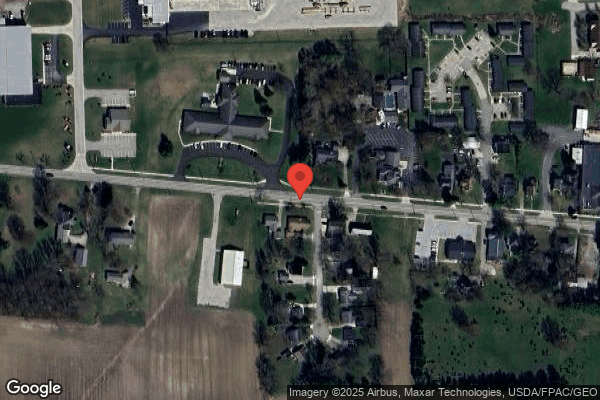
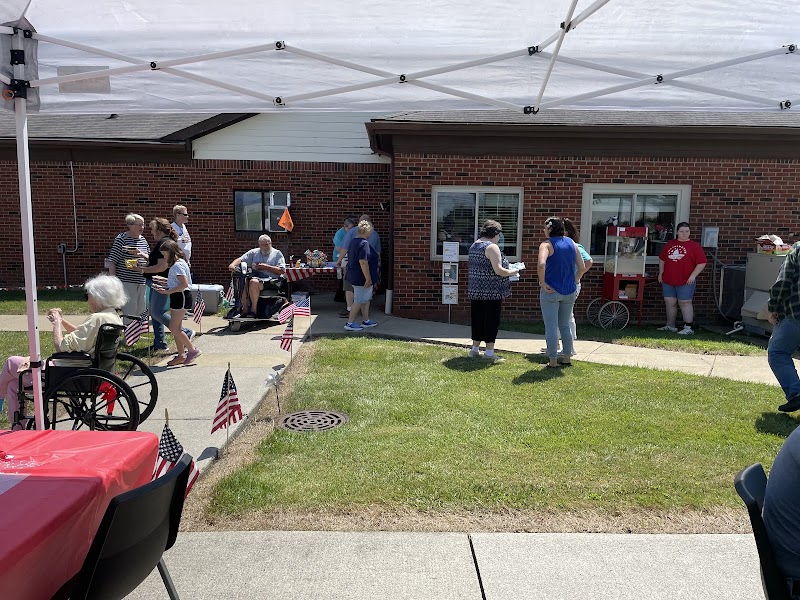
204 W MAIN ST, NEW LONDON, OH 44851 (419) 929-1563
For profit - Limited Liability company 50 Beds CIENA HEALTHCARE/LAUREL HEALTH CARE Data: November 2025
Trust Grade
80/100
#102 of 913 in OH
Last Inspection: December 2024

Within standard 12-15 month inspection cycle. Federal law requires annual inspections.

Overview

The Laurels of New London has a Trust Grade of B+, which indicates it is above average and recommended for potential residents. It ranks #102 out of 913 facilities in Ohio, placing it in the top half of the state, and it is the best option out of six facilities in Huron County. However, it is worth noting that the facility's trend is worsening, with issues increasing from 6 in 2021 to 7 in 2024. Staffing is an average strength with a 3/5 rating and a turnover rate of 34%, which is below the state average, suggesting that staff members tend to stay. Importantly, there have been no fines reported, indicating compliance with regulations. Despite these strengths, there are some serious concerns. For instance, the facility failed to properly monitor a medical device, resulting in residents developing unstageable pressure ulcers, which is a significant issue. Additionally, there were lapses in ensuring that food preparation areas were kept sanitary, posing potential health risks. Overall, while there are notable strengths in staffing and compliance history, families should be aware of the recent increase in health and safety issues.

Trust Score
B+
80/100
In Ohio
#102/913
Top 11%
Safety Record
Moderate
Needs review
Inspections
Getting Worse
6 → 7 violations
Staff Stability
○ Average
34% turnover. Near Ohio's 48% average. Typical for the industry.
Penalties
✓ Good
No fines on record. Clean compliance history, better than most Ohio facilities.
Skilled Nurses
○ Average
Each resident gets 38 minutes of Registered Nurse (RN) attention daily — about average for Ohio. RNs are the most trained staff who monitor for health changes.
Violations
⚠ Watch
13 deficiencies on record. Higher than average. Multiple issues found across inspections.
★★★★★
5.0
Overall Rating
★★★☆☆
3.0
Staff Levels
★★★★★
5.0
Care Quality
★★★★★
5.0
Inspection Score
Stable
2021: 6 issues
2024: 7 issues

The Good

  • 5-Star Quality Measures · Strong clinical quality outcomes
  • Full Sprinkler Coverage · Fire safety systems throughout facility
  • No fines on record
  • Staff turnover below average (34%)

    14 points below Ohio average of 48%

Facility shows strength in quality measures, fire safety.

The Bad

Staff Turnover: 34%

12pts below Ohio avg (46%)

Typical for the industry

Chain: CIENA HEALTHCARE/LAUREL HEALTH CARE

Part of a multi-facility chain

Ask about local staffing decisions and management

The Ugly 13 deficiencies on record

1 actual harm
Dec 2024 2 deficiencies
CONCERN (D)

Potential for Harm - no one hurt, but risky conditions existed

Accident Prevention (Tag F0689)

Could have caused harm · This affected 1 resident

**NOTE- TERMS IN BRACKETS HAVE BEEN EDITED TO PROTECT CONFIDENTIALITY** Based on medical record review, observation, staff interview, and facility policy, the facility failed to ensure fall interventi...

Read full inspector narrative →
**NOTE- TERMS IN BRACKETS HAVE BEEN EDITED TO PROTECT CONFIDENTIALITY** Based on medical record review, observation, staff interview, and facility policy, the facility failed to ensure fall interventions were implemented in accordance with physician orders. This affected one (#35) of three residents reviewed for falls. The facility census was 44. Findings include: Review of Resident #35's medical record revealed an admission date of 08/05/21. Diagnoses included dementia, abnormal posture, muscle weakness, hypertension, glaucoma, lumbago with sciatica on right and left sides, and depression. Review of Resident #35's quarterly Minimum Data Set (MDS) assessment dated [DATE] revealed the resident was cognitively impaired. The resident required substantial to maximal assistance from staff for toileting. Review of Resident #35's plan of care, revised 07/15/24, revealed the resident was at risk for falls and fall-related injuries related to confusion, deconditioning, gait/balance problems, incontinence, safety unawareness, psychoactive drug use, and diagnoses. Interventions included providing assistive devices as needed, keeping the call light in reach, and placing a sign in the room and bathroom to remind the resident to call for help with transfers. Review of Resident #35's active physician orders on 12/23/24 identified an order dated 10/24/23 for a sign in the room and bathroom to remind the resident to call for help with transfers. Observation on 12/23/24 at 9:02 A.M. revealed Resident #35 was sitting up in a reclining chair located in the resident's room. There was no signage in the room or in the resident's bathroom to remind the resident to call for assistance. An observation and interview on 12/23/24 at 11:20 A.M. with Certified Nurse Aide (CNA) #492 verified there was no sign in Resident #35's room or bathroom to remind the resident to call for assistance with transfers.
MINOR (B)

Minor Issue - procedural, no safety impact

Deficiency F0625 (Tag F0625)

Minor procedural issue · This affected multiple residents

**NOTE- TERMS IN BRACKETS HAVE BEEN EDITED TO PROTECT CONFIDENTIALITY** Based on review of the medical record, staff interview, and policy review, the facility failed to provide a notice of the bed ho...

Read full inspector narrative →
**NOTE- TERMS IN BRACKETS HAVE BEEN EDITED TO PROTECT CONFIDENTIALITY** Based on review of the medical record, staff interview, and policy review, the facility failed to provide a notice of the bed hold policy to residents when transferred from the facility to a hospital. This affected five (#12, #20, #22, #50, and #102) of five residents reviewed for bed hold notices. The facility census was 44. Findings include: 1. Review of the medical record for Resident #50 revealed an admission date of 09/04/24 and a discharge date of 09/24/24. Diagnoses included hypertension, dysphagia, atrial fibrillation, and chronic diastolic heart failure. Review of the admission Minimum Data Set (MDS) assessment dated [DATE] revealed Resident #50 had intact cognition. Review of a nursing progress note dated 09/24/24 revealed Resident #50 was sent to the emergency room due to increased confusion. There was no documentation the resident was given a notice of the facility's bed hold policy. 2. Review of the medical record for Resident #12 revealed an admission date of 08/10/24. Diagnoses included lymphoma, acute on chronic systolic heart failure, hypertension, and atrial fibrillation. Review of the admission MDS assessment dated [DATE] revealed Resident #12 had intact cognition. Review of the nursing progress note dated 09/27/24 at 11:08 A.M. revealed Resident #12 was sent to the emergency room for abdominal pain. Further review of the nursing progress notes revealed the resident was admitted to the hospital. There was no documentation the resident was provided with a notice of the facility's bed hold policy. 3. Review of the medical record for Resident #22 revealed an admission date of 03/30/21. Diagnoses included osteomyelitis, type two diabetes mellitus, hypertension, and chronic kidney disease. Review of the quarterly MDS assessment dated [DATE] revealed Resident #22 had intact cognition. Review of a nursing progress note dated 11/26/24 at 9:57 P.M. revealed Resident #22 was admitted to the hospital for an infection. There was no documentation the resident was provided with a notice of the facility's bed hold policy. 4. Review of the medical record for Resident #102 revealed an admission date of 11/30/24. Diagnoses included heart failure, chronic systolic heart failure, Alzheimer's disease, type two diabetes mellitus, chronic kidney disease, and atrial fibrillation. Review of the admission MDS assessment dated [DATE] revealed Resident #102 had severe cognitive impairment. Review of the nursing progress notes dated 12/07/24 at 8:28 P.M. revealed Resident #102 was admitted to the hospital for bradycardia and shortness of breath. There was no documentation the resident was provided with a notice of the facility's bed hold policy. 5. Review of the medical record for Resident #20 revealed an admission date of 11/24/24. Diagnoses included pneumonia, Alzheimer's disease, type two diabetes mellitus, chronic kidney disease and hypertension. Review of the admission MDS assessment dated [DATE] revealed Resident #20 had mild cognitive impairment. Review of a nursing progress note dated 12/09/24 at 7:05 A.M. revealed Resident #20 was admitted to the hospital for a hemothorax, right side rib fracture, and pneumonia. There was no documentation the resident was provided with a notice of the facility's bed hold policy. Interview on 12/24/24 at 10:55 A.M., the Administrator verified Resident #12, Resident #20, Resident #22, Resident #50, and Resident #102 were not provided with the notice of the bed hold policy when they were transferred from the facility to a hospital. The Administrator revealed the facility was not providing the notice of bed hold policy to residents with Medicare insurance. Review of the policy titled, Bed Hold and Return to Facility, dated 12/2016, revealed the facility would provide written information to the resident or resident's representative of the bed hold policy upon leaving for hospitalization or a therapeutic leave.
Apr 2024 1 deficiency
CONCERN (D) 📢 Someone Reported This

A family member, employee, or ombudsman was alarmed enough to file a formal complaint

Potential for Harm - no one hurt, but risky conditions existed

Report Alleged Abuse (Tag F0609)

Could have caused harm · This affected 1 resident

**NOTE- TERMS IN BRACKETS HAVE BEEN EDITED TO PROTECT CONFIDENTIALITY** Based on medical record review, staff interview, review of self-reported incidents, and facility policy review, the facility fai...

Read full inspector narrative →
**NOTE- TERMS IN BRACKETS HAVE BEEN EDITED TO PROTECT CONFIDENTIALITY** Based on medical record review, staff interview, review of self-reported incidents, and facility policy review, the facility failed to report of alleged resident abuse in a timely manner to the State Survey Agency. This affected one (#43) of three residents reviewed for resident abuse. The census was 47. Findings Include: Review of Resident #43's medical record revealed the resident was admitted to the facility on [DATE]. Diagnoses included other cerebrovascular disease, dysphagia, difficulty walking, muscle weakness, hyperparathyroidism, vitamin D deficiency, hypothyroidism, hypertension, hyperlipidemia, osteoporosis, major depressive disorder, and mild cognitive impairment. Review of Resident #43's Minimum Data Set (MDS) assessment, dated 03/06/24, revealed the resident was assessed with severe cognitive impairment. Interview with the Director of Nursing (DON) on 04/26/24 at 1:05 P.M. confirmed there were no allegations of abuse reported to her regarding Licensed Practical Nurse (LPN) #103 and Resident #43. Interview with Registered Nurse (RN) #101 on 04/26/24 at 1:15 P.M. confirmed she was told by LPN #102 that there were a couple nurse aides gossiping about an incident that happened between LPN #103 and Resident #43. RN #101 confirmed she approached both nurse aides and asked what they were talking about, but could not give specific information other than State Tested Nurse Aide (STNA) #105 told them there was an incident that happened between LPN #103 and Resident #43. At that point, RN #101 went to speak with STNA #105. RN #101 stated STNA #105 confirmed LPN #103 chest bumped Resident #43 out of another resident's room so that another resident would not get upset. RN #101 confirmed no allegation of abuse was made by STNA #105 or she would have reported it. Interview with the Administrator on 04/26/24 at 1:50 P.M. and 2:45 P.M. revealed she was not told about any abuse allegations regarding Resident #43 and LPN #103. The Administrator stated she was aware of the chest bumping allegation when she spoke with STNA #104 (who no longer works at the facility), but she stated he did not report any type of physical or verbal abuse allegation. The Administrator stated she was not aware of any allegation made that LPN #103 told Resident #43 she was going to hit her back if Resident #43 hit LPN #103. The Administrator confirmed had that been reported to her, she would have completed a self-reported incident (SRI). Interview with STNA #105 on 04/26/24 at 2:27 P.M. revealed she was present with STNA #104 and STNA #106 when LPN #103 chest bumped Resident #43 out of another resident's room. STNA #105 stated she did not feel it was abuse in anyway but Resident #43 alleged stated if LPN #103 did not stop pushing her, she was going to hit LPN #103. STNA #105 stated, in response to that statement, LPN #103 allegedly told Resident #43 if Resident #42 did hit LPN #103, LPN #103 would hit her back. STNA #105 confirmed no actual physical abuse happened and there were no other inappropriate comments made. STNA #105 confirmed she did not report the alleged verbal abuse comment made by LPN #103 as she thought it was already reported by STNA #104, so she did not report it. Review of facility SRIs, dated November 2023 to April 2024, revealed no SRIs were completed involving Resident #43. Review of facility Abuse Prohibition Policy, dated 10/14/22, revealed each resident shall be free from abuse, neglect, mistreatment, exploitation, and misappropriation of property. Staff members, volunteers, family members, and others shall immediately report incidents of abuse and suspected abuse to the administrator and DON immediately. The administrator or designee will notify the resident's representative. Also, any state or federal agencies or allegations per state guidelines. This deficiency represents non-compliance investigated under Complaint Number OH00152882.
Jan 2024 4 deficiencies
CONCERN (D)

Potential for Harm - no one hurt, but risky conditions existed

Quality of Care (Tag F0684)

Could have caused harm · This affected 1 resident

**NOTE- TERMS IN BRACKETS HAVE BEEN EDITED TO PROTECT CONFIDENTIALITY** Based on medical record review, observation, resident interview, staff interview, and review of facility policy, the facility fa...

Read full inspector narrative →
**NOTE- TERMS IN BRACKETS HAVE BEEN EDITED TO PROTECT CONFIDENTIALITY** Based on medical record review, observation, resident interview, staff interview, and review of facility policy, the facility failed to implement interventions as ordered by the physician. This affected two (#2 and #4) of 12 residents reviewed for physician-ordered interventions. The facility census was 45. Findings include: 1. Review of Resident #2's medical record revealed an admission date of 06/23/23. Diagnoses included acute kidney failure, dysphagia, congestive heart failure, myocardial infarction, peripheral vascular disease, and a history of pulmonary emboli. Review of Resident #2's physician orders revealed and order dated 09/04/23 for compression stockings to be applied in the morning and removed at bedtime. Observations on 01/30/24 at 3:25 P.M. and on 01/31/24 at 10:10 A.M. revealed Resident #2 was not wearing compression stockings. Interview with the Director of Nursing (DON) on 01/31/24 at 10:10 A.M. verified Resident #2 failed to have compression stockings applied as ordered. Interview with Resident #2 on 01/31/24 at 10:11 A.M. stated she never had compression stockings applied and she was not aware there was an order for them. Review of Resident #2's medication administration records (MAR) and treatment administration records (TARs) dated 09/04/23 through 01/31/24 revealed no reflection of the physician order to apply the compression stockings which resulted in no documentation of the task being completed. 2. Review of the medical record revealed Resident #4 was admitted to the facility on [DATE]. Diagnoses included congenital malformation syndromes, cerebral palsy, hereditary and idiopathic neuropathy, and dysphagia. Review of the annual Minimum Data Set (MDS) 3.0 assessment, dated 10/26/23, revealed Resident #4 was severely cognitively impaired. The resident required assistance from staff for all activities of daily living, including upper and lower body dressing and for putting on and taking off footwear. Review of Resident #4's current physician orders for January 2024 revealed an order to apply Tubigrips (elasticated tubular support bandages) to the lower legs to prevent bruising. The order had a start date of 09/24/23. Review of Resident #4's medical record, including all administration records, revealed no evidence the Tubigrips were implemented. During observations on 01/28/24 beginning at approximately 7:40 A.M., Resident #4 was up and in a wheelchair for the majority of the day. Resident #4 was wearing Capri-style sweat pants, ankle socks, and tennis shoes. Resident #4 did not have any bandages in place to the lower legs. State Tested Nurse Aide (STNA) #133 and Licensed Practical Nurse (LPN) #119 were interviewed on 01/28/24 between 2:00 P.M. and 4:00 P.M. STNA #133 reported working on a full-time basis to provide care to the residents residing on the hall where Resident #4 resided. STNA #133 reported there were no residents on that hall who wore Tubigrips on their lower legs. LPN #119 was then interviewed and, after reviewing physician orders, verified Resident #4 should be wearing Tubigrips on the lower legs. Registered Nurse (RN) #104, LPN #111, and the DON were interviewed on 01/30/24 between 9:14 A.M. and 12:00 P.M. During interviews, RN #104 and LPN #111 reported anytime there was a physician order for Tubigrips, the order was documented on the resident's TAR. RN #104 and LPN #111 reported it was also documented on the TAR if a resident refused to wear physician-ordered devices such as Tubigrips. The DON verified Resident #4 had a physician order for Tubigrips and the medical record did not reflect these had been implemented. Review of the facility policy titled, Physician's Order, revised 10/20/23, revealed immediately after noting an order, the receiving licensed nurse transcribes it in permanent ink on the MAR or TAR, or other appropriate document needed.
CONCERN (D)

Potential for Harm - no one hurt, but risky conditions existed

Accident Prevention (Tag F0689)

Could have caused harm · This affected 1 resident

**NOTE- TERMS IN BRACKETS HAVE BEEN EDITED TO PROTECT CONFIDENTIALITY** Based on medical record review, observation, staff interview, and review of the facility policy for fall management, the facilit...

Read full inspector narrative →
**NOTE- TERMS IN BRACKETS HAVE BEEN EDITED TO PROTECT CONFIDENTIALITY** Based on medical record review, observation, staff interview, and review of the facility policy for fall management, the facility failed to implement fall interventions as care planned and as ordered. This affected one (#20) of two residents reviewed for accidents. The facility census was 45. Findings include: Review of the medical record revealed Resident #20 was admitted to the facility on [DATE]. Diagnoses included dementia, muscle weakness, and muscle wasting and atrophy. Review of the quarterly comprehensive nursing assessment dated [DATE], revealed Resident #20 had a history of falls, took medications that may increase falls, had impaired vision, and had impaired cognition, judgement, memory, safety awareness and/or decision making capacity. Review of the annual Minimum Data Set 3.0 assessment dated [DATE], revealed Resident #20 was severely cognitively impaired and required staff assistance for all activities of daily living. Review of the plan of care, revised 03/03/21, revealed Resident #20 was at risk for fall-related injury and falls related to confusion, poor communication/comprehension, wandering, choosing to seat self on the floor, diagnosis of dementia, impaired vision and hearing, deconditioning, gait/balance, problems, non-ambulatory, history of falls, incontinence, and unawareness of safety needs. Interventions included a bolster overlay to the mattress and padded mat to the floor beside the bed. Review of current physician orders for January 2024, revealed an order dated 12/01/23 for a padded mat to the floor on the exit side of the bed. During observations on 01/28/24 at 10:24 A.M., on 01/29/24 at 12:02 P.M., and on 01/31/24 at 9:20 A.M., Resident #20 was seen lying in bed with a bedside table next to the bedside. There was no padded mat on the floor next to the bed or anywhere visible in the resident's room. During an interview on 01/31/24 at 9:26 A.M., State Tested Nurse Aide (STNA) #133 verified Resident #20 was in bed and did not have a mat in place next to the bed. STNA #133 reported providing care to Resident #20 on a full-time basis and had no knowledge of the resident ever having a mat next to the bed while in bed. During observations on 01/31/24 at 10:12 A.M. and on 01/31/24 at 10:22 A.M., Resident #20 was lying in bed and there was no still no mat in place at bedside. Observation and interview on 01/31/24 at 10:29 A.M. with STNA Supervisor #140, verified Resident #20 was in bed and there was no padded mat on the floor next to the bed or anywhere in the resident's room. At the time of observation, STNA #133 brought a padded mat into the room and placed it on the floor next to the resident's bed. Review of the facility policy titled, Fall Management, revised 09/22/23, revealed the facility would identify hazards and resident risk factors and implement interventions to minimize falls and risk of injury related to falls.
CONCERN (E)

Potential for Harm - no one hurt, but risky conditions existed

Deficiency F0805 (Tag F0805)

Could have caused harm · This affected multiple residents

**NOTE- TERMS IN BRACKETS HAVE BEEN EDITED TO PROTECT CONFIDENTIALITY** Based on observation, resident interview, staff interview, review of the facility diet conversion guide, review of facility reci...

Read full inspector narrative →
**NOTE- TERMS IN BRACKETS HAVE BEEN EDITED TO PROTECT CONFIDENTIALITY** Based on observation, resident interview, staff interview, review of the facility diet conversion guide, review of facility recipes, and review of facility policy, the facility failed to ensure residents receiving mechanically altered diets were served foods according to the dietary order. This had the potential to affect 13 (#1, #2, #3, #6, #7, #9, #10, #15, #24, #28, #33, #42, and #43) of 13 residents who were ordered a mechanical soft diet. The facility census was 45. Findings include: 1. Observation on 01/30/24 at 5:50 P.M. of the dinner meal, revealed the residents receiving both regular and mechanical soft diets were served fruit cups with their meal. Some fruit cups consisted of all pineapple chunks and some fruit cups consisted of mostly pineapple chunks with a couple of other fruits intermixed within the cup. Interviews at the time of observation on 01/30/24 at 5:50 P.M. with Dietary Aide #150 and Dietary Aide #154 verified the fruit cups consisted mainly of pineapple chunks and that some consisted of all pineapple chunks. Dietary Aide #150 reported there was always a lot of pineapple in the bottom of the can which was why the cups varied. Dietary Aide #154 verified residents who were prescribed mechanical soft diets received the same fruit cups the residents who received regular consistency diets did. Review of the facility diet conversion guide, dated April 2010, revealed residents prescribed a mechanical soft diet were to receive no pineapple. Review of the facility recipe for the fruit cup revealed pineapple was included in the recipe. The recipe instructed staff to refer to the Speech Language Pathologist for fruits not allowed on consistently altered diets and to use a knife/fork or processor to chop foods to the desire consistency for those receiving mechanical soft diets. Review of a resident diet list revealed 13 residents (#1, #2, #3, #6, #7, #9, #10, #15, #24, #28, #33, #42, and #43) were prescribed a mechanical soft diet. 2. Review of Resident #42's medical record revealed an admission date of 04/05/23. Diagnoses included dysphagia, spinal stenosis, and anxiety. Review of Resident #42's quarterly Minimum Data Set (MDS) assessment dated [DATE] revealed the resident was cognitively intact and required set up assistance for eating. Review of Resident #42's most recent care plan revealed she was at nutritional and/or dehydration risk related to dementia, was edentulous, and was in need of an altered texture diet. Interventions included to provide the diet as ordered which was a regular mechanical soft diet with thin liquids. Review of Resident #42's medical record revealed a physician's order dated 04/27/23 for a regular diet with mechanical soft texture. Review of Resident #42's diet order slip delivered on her meal tray on 01/28/24 revealed the resident required a mechanical soft diet with chopped meats. Observation on 01/28/24 at 12:29 P.M. revealed Resident #42 was served a cup of beef stew meat in broth. The pieces of beef were approximately one inches long by two inches wide in size. The resident had a mouth full of beef she was attempting to chew. Interview with Resident #42 on 01/28/24 at 12:29 P.M. revealed she was missing a large number of teeth and was having trouble chewing the beef. Observation on 01/28/24 at 12:30 P.M. revealed Activity Director #167 approached Resident #42 and asked her if she would like to spit out the unchewed meat, but the resident denied and stated, I'll get it chewed eventually. Interview with Activity Director #167 at 12:31 P.M. verified Resident #42 was not served a proper mechanical soft diet due to the large pieces of stew beef provided. A telephone interview on 01/30/24 at 2:46 P.M. with Dietary Director (DD) #210 revealed mechanical soft diets included chopped meats and vegetables which were to be steamed and fork tender. Meat was to be chopped up fine. DD #210 verified full pieces of beef in the stew was unacceptable. Review of the recipe summary card for beef stew revealed directions for mechanical soft texture. Staff were to remove the desired number of servings of beef and to chop for the mechanical soft diets. A knife, fork, or food processor were to be used to chop foods to the desired consistency. Review of the facility policy titled, Mechanically Altered Diets, dated April 2010, revealed all guests with physician's orders for mechanical soft diet shall receive foods of nearly regular textures with the exception of very hard, sticky, or crunchy foods. Foods still need to be moist and should be in bite-size pieces at the oral phase of the swallow.
MINOR (C)

Minor Issue - procedural, no safety impact

Staffing Information (Tag F0732)

Minor procedural issue · This affected most or all residents

Based on review of daily staffing postings, review of Daily Hours Reports, staff interview, and policy review, the facility failed to document the actual hours worked for registered nurses on the dail...

Read full inspector narrative →
Based on review of daily staffing postings, review of Daily Hours Reports, staff interview, and policy review, the facility failed to document the actual hours worked for registered nurses on the daily staff postings. This had the potential to affect all 45 residents residing in the facility. The census was 45. Findings Included: Review of the daily staff postings revealed on 12/26/23, 12/30/23, 01/04/24, 01/05/24, 01/08/24, 01/14/24, 01/18/24, 01/22/24, 01/23/24, and 01/24/24 there was no documentation of hours worked by registered nurses (RNs). Review of Daily Hours Reports for RN #103 revealed the nurse worked on 12/26/23 from 7:59 A.M. to 5:04 P.M., on 01/05/24 from 7:32 A.M. and 5:19 P.M., and on 01/08/24 from 7:10 A.M. to 10:24 A.M. and from 1:23 P.M. through 8:34 P.M. Review of the Daily Hours Report for RN #104 revealed the nurse worked on 12/30/23 from 2:53 A.M. to 11:30 A.M. Review of the Daily Hours Reports for the Director of Nursing (DON) revealed the DON worked on 01/04/24, 01/05/24, 01/08/24, 01/22/24, 01/23/24, and 01/24/24 as a charge nurse from 7:30 A.M. to 4:00 P.M.; and worked on 01/18/24 from 7:00 A.M. to 3:30 P.M. as charge nurse. Review of the Daily Hours Report for RN #108 revealed the nurse worked on 01/14/24 from 6:59 A.M. to 3:30 P.M. Review of the Daily Hours Report for RN #107 revealed the nurse worked on 01/24/24 from 7:30 A.M. to 4:00 P.M. Interview with the Administrator on 01/31/24 at 12:25 P.M. confirmed the Daily Hours Reports for RN #103, RN #104, RN #107, RN #108, and the DON were accurate for hours worked in the facility. The Administrator confirmed these hours were not documented on the daily staff postings for RN hours and should have been. Review of the facility policy titled, Required Regulatory Postings, dated 05/01/22, revealed the following information will be posted on a daily basis by the facility. Date requirements where to include the facility name, current date, the total number of the actual hours worked by the following categories of licensed and unlicensed nursing staff directly responsible for guest/resident care per shift: Registered Nurses, Licensed Practical Nurses, Certified Nursing Aides or State Tested Nursing Assistants, and medication aides. This will also include guest/resident census.
Aug 2021 6 deficiencies 1 Harm
SERIOUS (G)

Actual Harm - a resident was hurt due to facility failures

Pressure Ulcer Prevention (Tag F0686)

A resident was harmed · This affected 1 resident

**NOTE- TERMS IN BRACKETS HAVE BEEN EDITED TO PROTECT CONFIDENTIALITY** Based on record review, observation, review of the emergency department records, review of the weekly wound notes and skin asses...

Read full inspector narrative →
**NOTE- TERMS IN BRACKETS HAVE BEEN EDITED TO PROTECT CONFIDENTIALITY** Based on record review, observation, review of the emergency department records, review of the weekly wound notes and skin assessments, review of the wound consultation notes, review of the National Pressure Ulcer Advisory Panel (NPUAP) wound stages, staff interviews and review of the facility policy, the facility failed to properly monitor a medical device resulting in a pressure ulcer. This resulted in actual harm when Resident #21 developed an unstageable pressure ulcer to the posterior of the left lower extremity. The facility also failed to ensure additional pressure relieving interventions were in place after Resident #34 developed an unstageable pressure ulcer. This resulted in actual harm when Resident #34's pressure injury further deteriorated. In addition, the facility failed to ensure pressure reducing interventions were in place and wound treatments were completed per physician orders for both (#21 and #34) residents. This affected two (#21, #34) of four residents reviewed for pressure ulcers. The facility identified six residents with pressure ulcers. The facility census was 43. Findings include: 1. Review of the medical record revealed Resident #21 had an admission date of 03/25/16. Diagnoses included unspecified fracture of shaft of left tibia, fracture of upper and lower end of left fibula, dementia without behavioral disturbance, depressive disorder, vascular dementia, peripheral vascular disease and osteoarthritis. Review of an emergency department note dated 05/19/21 at 5:05 A.M., revealed Resident #21 apparently fell out of bed this morning and was complaining of left lower extremity pain. The resident was noted with very limited motion at the left lower extremity because of pain. The resident was noted with a fracture of proximal end of tibia and fibula and a left tibial plateau fracture. After consult with orthopedics, the resident was noted as non-ambulatory and non-weight bearing and was placed in a well-padded knee immobilizer. The resident would follow up with orthopedics. Review of a nurses note dated 05/19/21 at 11:00 A.M., revealed the resident returned from the emergency department at 10:51 A.M. Review of a physician order dated 05/22/21, revealed to remove leg immobilizer to left leg every shift and check skin integrity every shift. Review of the treatment administration record (TAR) dated 05/22/21 through 06/24/21, revealed staff documented the leg immobilizer was removed each shift to monitor the resident's skin integrity. Review of Resident #21's weekly skin and wound total body skin assessments dated 06/07/21, 06/14/21, and 06/21/21, revealed no newly identified skin conditions. Review of a physician note dated 06/17/21, revealed Resident #21 had some general decline since her fall out of bed on 05/19/21, resulting in comminuted fractures of the proximal tibia and fibula being treating conservatively given age and advanced dementia with knee immobilizer. The physician noted the resident initially denied discomfort. The physician gently rotated the leg slightly and the resident complained of pain, more irritable and told the physician to stop. The physician noted an added bandage on the left heel, peeled back and the resident had a Stage II linear wound with no edema noted. Review of a nurses note dated 6/25/21 at 1:54 P.M., revealed Resident #21's immobilizer to the left leg was removed today to assess skin. A wound was noted to the left posterior lower leg; approximately 5.6 centimeters (cm) in length and 4.9 cm in width. Eschar was noted to the wound. There was a moderate amount of purulent drainage on the immobilizer. The physician ordered an antibiotic, Keflex 500 milligrams (mg) by mouth three times per day for ten days and to cleanse the area to the wound with normal saline, apply Santyl to eschar, cover with non-adherent dressing and wrap with Kerlix and paper tape. The physician ordered to discontinue the resident's leg immobilizer. Review of a physician order dated 06/25/21, revealed to administer Cephalexin 500 milligrams by mouth three times per day for the wound to left leg for ten days. Review of a skin and wound evaluation completed on 06/25/21 at 10:42 A.M., identified with a new facility acquired unstageable pressure ulcer to the left calf. The wound was unstageable due to slough and/or eschar. The wound measured 5.6 centimeters (cm) in length by 4.9 cm in width with no depth, no undermining and no tunneling. The wound bed was described as eschar with no percentage documented. There was redness/inflammation and increased pain with moderate purulent exudate. There was no documentation regarding odor or the periwound edges. The surrounding skin was noted as erythema. Pitting edema extending less than four centimeters around the wound. The new wound had suspected infection. The nurse practitioner was notified. Continued review of the wound note revealed the physician evaluated the wound and a treatment was in place. Review of a wound consult note dated 06/29/21, revealed the resident had history of fall in 05/2021, with immobilizer to the left leg. Nursing reported new wound to left posterior leg from immobilizer. The resident was noted on the antibiotic Keflex for a leg wound infection. The unstageable wound to the left posterior leg measured 5.2 cm in length by 5.1 in width by 0.4 cm in depth. The wound had moderate serous exudate with 100% slough/eschar. Debridement was completed to remove slough and eschar increasing depth to 0.5 cm. The wound practitioner ordered to cleanse with normal saline, pat dry, apply Santyl to wound bed, cover with 0.125% Dakins moist gauze, cover with abdominal pad (ABD) and gauze wrap, change daily and as needed. Review of the Treatment Administration Record (TAR) revealed the treatment to the left lower leg was not completed on 07/03/21, 07/14/21 and 07/18/21. Review of the wound nurse practitioner progress notes dated 07/09/21, revealed the wound to the posterior lower left extremity (LLE) measured 5.6 cm in length by 4.4 cm in width x 0.7 cm in depth. The wound was described as improving and had moderate serous exudate. The wound was 90% slough and eschar and 10% granulation tissue. Post debridement, the wound depth increased to 0.7 cm. Previous treatment orders were continued. Review of the wound nurse practitioner progress notes dated 07/20/21, revealed the unstageable wound to the posterior LLE measured 5.68 in length by 5.44 cm in width by 3.2 cm in depth. T he area was 30% slough/eschar and 50% granulation tissue with moderate serosanguinous drainage and 20% tendon noted with 30% adipose and eschar mixture. No new treatment orders were initiated. Review of a significant change Minimum Data Set (MDS) assessment dated [DATE], revealed Resident #21 had impaired cognition. The resident required the extensive assistance of two staff for bed mobility, toileting, transfers and personal hygiene. The resident was at risk for developing pressure ulcers. The resident was noted with three unstageable pressure ulcers. Review of a physician order dated 07/24/21, revealed to offload bilateral lower extremities by placing pillow under knees and calves, then noodle under ankles. Reposition frequently throughout shift on all three shifts. Review of the wound nurse practitioner progress notes dated 08/03/21, revealed the wound to the posterior LLE measured 7.5 cm in length by 7 cm in width by 1.5 cm in depth. The wound was 90% slough and eschar and 10% granulation tissue. The wound was described as a Stage IV with muscle and tendon exposed with a large amount of serous drainage. A new wound treatment was ordered to apply Santyl, nickel thick to wound bed, cover with Alginate dampened with Metronidazole solution for odor control, cover with four-by-four gauze, abdominal pad and gauze wrap, change daily and as needed. Review of the wound nurse practitioner progress note dated 08/10/21, revealed the posterior Stage IV LLE wound measured 9.5 cm in length by 7 cm in width by 2.4 cm in depth. Muscle and tendon exposed with a large amount of serosanguinous exudate. T he wound was 60% eschar/slough with 15% granulation tissue. Post debridement, the wound increased to 3.5 cm in depth. No new treatment orders were issued. Interview on 08/17/21 at 1:30 P.M., with Licensed Practical Nurse (LPN) #201, stated Resident #21 had a leg brace which caused her wounds. Two unsuccessful attempts were made to interview Wound Certified Nurse Practitioner (WCNP) #70 on 08/18/21 at 3:46 P.M. and on 08/19/21 at 1:42 P.M. Observation on 08/17/21 at 1:35 P.M., revealed the pool noodle ordered to elevate the resident's heels off the bed was incorrectly placed under her knees instead of her ankles. Further observations on 08/17/21 at 4:15 P.M., and 4:26 P.M., on 08/18/21 at 8:02 A.M., and 08/19/21 at 8:14 A.M., revealed the pool noodle was incorrectly placed under the residents knees or lower posterior legs. Observations and interview on 08/17/21 at 4:26 P.M. with State Tested Nursing Assistant (STNA) #122, revealed the resident had pool noodles to keep her heels off the bed. The pool noodle was located under the resident's knees and not under her heels per the physician order. STNA #122 stated the noodle was placed between the mattress and the bed sheet then pillows on top of noodles. STNA #122 was unaware the noodle placement was incorrect. Observation on 08/18/21 at 10:11 A.M. of Resident #21's wound care, revealed LPN #201 completed wound care to the resident's left posterior lower leg. The wound bed was deep, oblong, and red with slough present. Muscle, tendon, and bone were visible. LPN #201 completed the wound treatment per physician orders. Interview on 08/18/21 at 12:43 P.M. with LPN #201, stated when she removed the resident's leg immobilizer on 06/25/21, she lifted the resident's leg and noticed the wound underneath. LPN #201 stated during morning report, the previous shift had not reported any new skin areas. LPN #201 stated she measured the area. LPN #201 stated the wound had eschar and was dark. LPN #201 stated she notified the family, physician and the Director of Nursing. LPN #201 revealed the immobilizer skin integrity checks were not getting done correctly. LPN #201 revealed most likely the skin under the resident's leg was not getting checked as movement of the leg caused the resident discomfort. Interview on 08/18/21 at 1:12 P.M., with Registered Nurse (RN) #208, stated the resident had an unstageable pressure ulcer from her leg immobilizer. RN #208 could not recall any skin issues during the resident's skin checks. Interview on 08/18/21 at 2:37 P.M., with the Director of Nursing (DON), stated staff notified her of the wound. The DON stated she called the physician to assess the wound immediately. The DON stated the none of the nurses admitted to not checking the resident's skin. The DON stated some of the nurses stated the resident was agitated during the skin checks and they had not assessed the skin underneath the leg. The DON stated the nurses should have provided pain medication then completed the skin assessment. Continued interview with the DON, revealed prior to the wound discovery, the nurses had not reported they could not complete the skin inspections due to resident pain. The DON stated she educated the nurses regarding the immobilizer skin check procedures. The DON stated the education had not included a demonstration on how to check the skin under the immobilizer device. Interview on 08/19/21 at 8:14 A.M. with LPN #202, verified the pool noodle was placed under the resident's knees. LPN #202 reviewed the physician order and revealed the pool noodle should be placed under the resident's ankles and not her knees. Interview on 08/19/21 at 9:04 A.M., with Physician #80, indicated the wound on the resident's posterior leg was consistent with the edge of the leg immobilizer. Physician #80 further revealed he had not removed the resident's leg immobilizer during a visit on 06/17/21. Physician #80 further revealed he had not assessed the wound on 06/25/21. Interview on 08/19/21 at 9:31 A.M. with Corporate Clinical Registered Nurse (CCRN) #300, verified there was no documentation in the nurses notes the resident had refused to allow staff to remove the leg immobilizer to check skin integrity. CCRN #300 also verified the wound treatments to the resident's left leg were not completed on 07/03/21, 07/08/21 and 07/18/21. Review of a physician progress note addendum dated 08/19/21 at 10:31 A.M., revealed the physician was informed by the Administrator of a wound to the left lower leg, pressure from immobilizer. The physician noted the resident was in bed, as usual, flat on back. Painful for patient to have leg moved, wound was posterior and freshly dressed, so elected to rely on nursing's description of wound at that time. Area compatible with lower edge of immobilizer. Treatment orders given and ordered a wound consult. Review of the National Pressure Ulcer Advisory Panel (NPUAP) wound staging definitions revealed a Stage IV pressure injury was full thickness skin and tissue loss with exposed or directly palpable fascia, muscle, tendon, ligament, cartilage or bone in the ulcer. Slough and/or eschar may be visible. An unstageable pressure injury was full thickness skin and tissue loss in which the extent of tissue damage within the ulcer cannot be confirmed as it obscured by slough or eschar. Review of the facility policy titled, Skin Management, dated 10/2019, revealed the facility should identify and implement interventions to prevent development of clinically unavoidable pressure injuries. 2. Review of the medical record for Resident #34 revealed a readmission date of 07/10/21. Diagnoses included chronic obstructive pulmonary disease, Type II diabetes, hypertension, major depression, anemia, and schizoaffective disorder. Review of the admission nursing assessment identified Resident #34 was admitted with a Stage I pressure ulcer to the coccyx and one unstageable pressure area to the left heel. No other pressure ulcers were noted. The resident had a pressure reducing device for the bed with nutrition and hydration to manage. Review of the physician orders for 07/18/21, identified an order for a Prevalon boot to left the foot at all times. Review of the plan of care dated 07/20/21, revealed the resident had a pressure ulcer injury due to recent hospitalization, decreased mobility, and incontinence. Interventions included pressure reducing mattress to bed, and Prevalon boots to bilateral lower extremities at all times, may remove for ambulation and hygiene. Review of the wound monitoring sheets with onset date of 07/20/21, revealed the resident had an inhouse acquired deep tissue pressure injury on the right heel. The wound measured 1.1 centimeters (cm) by 1.1 cm by 0.0 cm deep. The wound bed was a deep tissue injury persistent non blanchable deep red, maroon or purple discoloration. Review of the wound monitoring sheets dated 07/28/21, revealed the resident had an inhouse acquired deep tissue pressure injury on the right heel. The wound measured 0.7 centimeters (cm) by 0.9 cm by 0.0 cm deep. The wound bed was deep tissue injury persistent non blanchable deep red, maroon or purple discoloration. Review of the wound monitoring sheets dated 08/10/21, revealed the resident had an inhouse acquired deep tissue pressure injury on the right heel. The wound measured 0.9 centimeters (cm) by 0.9 cm by 0.0 cm deep. The wound bed was deep tissue injury persistent non blanchable deep red, maroon or purple discoloration and treatment normal saline, no dressing applied. Review of the wound clinic note date 08/17/21, revealed bilateral heel wounds and right heel unstageable. The wound measured 1.0 centimeters (cm) by 1.5 cm by 0.0 cm deep. No undermining 100% epithelial. Recommended treatment to off load heels at all times with heel boot or with pillow. Interventions included Prevalon boot to bilateral feet at all times may remove for ambulation and hygiene per physician order. Observation on 08/17/21 at 8:20 A.M., of Resident #34, lying in bed on back without heel protectors. Licensed Practical Nurse (LPN) #201, verified the bilateral heel protectors were not on and heels were not offloaded. Interview on 08/17/21 at 8:39 A.M. with Resident #34, reported she doesn't know when she got the area on the heel, but heels were sore when lying in bed. Interview on 08/17/21 at 8:25 A.M. with Licensed Practical Nurse (LPN) #201, revealed the heel protectors were to be on at all times and remove for ambulation and hygiene. Interview on 08/19/21 at 1:15 P.M., with Corporate Clinical Registered Nurse (CCRN) #300, revealed an order for the Prevalon boot for the right heel was not added to the MAR or TAR, as it was somehow missed. She also verified the wound measurement was not completed for the week of 08/01/21 to 08/07/21. Review of facility policy titled, Skin Management, dated 10/2019, revealed at risk heel suspension devices to be offloaded.
CONCERN (D)

Potential for Harm - no one hurt, but risky conditions existed

Accident Prevention (Tag F0689)

Could have caused harm · This affected 1 resident

**NOTE- TERMS IN BRACKETS HAVE BEEN EDITED TO PROTECT CONFIDENTIALITY** Based on medical record review, observation, staff interview, and facility policy, the facility failed to ensure a resident's ph...

Read full inspector narrative →
**NOTE- TERMS IN BRACKETS HAVE BEEN EDITED TO PROTECT CONFIDENTIALITY** Based on medical record review, observation, staff interview, and facility policy, the facility failed to ensure a resident's physician ordered fall precautions were in place. This affected one (#8) of three residents reviewed for accidents. The facility census was 43. Findings include: Review of Resident #8's medical record revealed an admission date of 12/09/14. Diagnoses included specified congenital malformation syndromes, epilepsy, cerebral palsy, congenital hydrocephalus, gastrostomy status, schizophrenia, psychotic disorder with hallucinations, and dysphagia. Review of Resident #8's Minimum Data Set (MDS) assessment dated [DATE], listed the resident has having severe cognitive impairment. Review of Resident #8's care plan revealed the resident to be at risk for falls related to gait problems and history of falls. Interventions included mat to bedside. Review of Resident #8's physician orders revealed an order dated 08/01/21, for mat to the floor beside bed every shift. Observation on 08/17/21 at 3:19 P.M. of Resident #8, revealed the resident resting in bed with no floor mat beside the bed. Interview on 08/17/21 at 8:20 P.M. with Registered Nurse (RN) #300, verified Resident #8 did not have a floor mat as ordered beside the bed. Review of facility policy titled, Fall Management, dated July 2021, revealed, if a fall occurs, the interdisciplinary team will conduct an evaluation to ensure appropriate measures were in place to minimize the risk of future falls.
CONCERN (F)

Potential for Harm - no one hurt, but risky conditions existed

Deficiency F0730 (Tag F0730)

Could have caused harm · This affected most or all residents

Based on review of employee records, staff interview and review of the facility policy, the facility failed to ensure annual performance evaluations had been completed for three (#133, #114 and #110) ...

Read full inspector narrative →
Based on review of employee records, staff interview and review of the facility policy, the facility failed to ensure annual performance evaluations had been completed for three (#133, #114 and #110) State Tested Nursing Assistants (STNA's). This affected three of five personal files reviewed and had the potential to affect 43 of 43 residents who reside in the facility. Findings include: Review of the employee record for STNA #133, revealed a hire date of 08/18/20. Further review of the employee record revealed no performance evaluations had been completed in 2021. Review of the employee record for STNA #114, revealed a hire date of 01/12/10. Further review of the employee record revealed no performance evaluations had been completed in 2021. Review of the employee record for STNA #110, revealed a hire date of 04/14/15. Further review of the employee record revealed no performance evaluations had been completed in 2021. Interview on 07/12/21 at 3:50 P.M., with Human Resource (HR) #67, verified no performance evaluations had been completed for STNA #133, STNA #114 and STNA #110. Review of facility policy titled, Personnel File Checklist, dated 04/17, revealed employee files to include evaluations.
CONCERN (F)

Potential for Harm - no one hurt, but risky conditions existed

Food Safety (Tag F0812)

Could have caused harm · This affected most or all residents

Based on observations, staff interviews, review of the facility policy, the facility failed to ensure the food preparation area was maintained in a sanitary manner. This had the potential to affect 41...

Read full inspector narrative →
Based on observations, staff interviews, review of the facility policy, the facility failed to ensure the food preparation area was maintained in a sanitary manner. This had the potential to affect 41 of 41 residents who receive meals from the kitchen. The facility identified two (#7 and #8) residents as not receiving meals from the kitchen. The facility census was 43. Findings include: Observation on 08/17/21 at 10:12 A.M. in the kitchen, revealed Dietary Manager #65 was pureeing roast beef. There was a window with an air conditioning unit blowing air directly into the food preparation area. Further observation of the air conditioning unit revealed a black substance was present above the vents on the air conditioner. There was a gap between the window frame and the air conditioner large enough to allow insects into the kitchen. The area around the window sill and air conditioning unit had a build up of dark brown dust. Additionally there were food stains on the wall and patches of repaired drywall not painted. Interview on 08/17/21 at 10:13 A.M., with DM #65, verified the air conditioner had a black substance on it and also verified the dust on the window sill. DM #65 pointed to the gap between the window and the air conditioner. DM #65 stated maintenance was responsible for cleaning the window and air conditioning area. Interview on 08/17/21 at 11:30 A.M. with DM #65, stated the drywall patches had remained unpainted for a long time. Review of the facility policy titled, Dietary Department Cleaning Schedule, dated 04/2010, revealed a schedule outlining cleaning assignments would be posted and completed to maintain the sanitation of the Dietary Department. The Dietary Manager or designee shall be responsible for updating, posting, and enforcing the Cleaning Schedule.
CONCERN (F)

Potential for Harm - no one hurt, but risky conditions existed

Infection Control (Tag F0880)

Could have caused harm · This affected most or all residents

Based on record review, observations, staff interview and review of the facility policy's, the facility failed to ensure the proper Protective Personal Equipment (PPE) was utilized when transporting r...

Read full inspector narrative →
Based on record review, observations, staff interview and review of the facility policy's, the facility failed to ensure the proper Protective Personal Equipment (PPE) was utilized when transporting residents who were in quarentine status to prevent the spread of COVID-19. This affected one (#193) of two residents reviewed for isolation precautions with a potential to affect 43 of 43 residents who reside in the facility. Findings include: Review of the record for Resident #193 revealed an admission date of 08/09/21. Diagnoses included Type II diabetes, dysphagia, hypertension, major depression, metabolic encephalopathy and alcohol dependence with withdrawal. Observation on 08/16/21 at 10:22 A.M., of Resident #193, revealed signage noting the use of PPE for quarantine precautions with instructions on donning and doffing. The PPE was observed readily available outside of Resident #193's room. Observation on 08/16/21 at 10:24 A.M., of Activities Assistant (AA) #137, assisting Resident #193 down the hallway in a wheelchair from the room, revealed Resident #193 and AA #137 were wearing surgical face masks and no other personal protective equipment. Interview on 08/16/21 at 10:24 A.M., with Licensed Practical Nurse (LPN) #200, reported the resident was a new admission and was on a 14-day quarantine. She indicated Resident #193 was allowed out of his room to smoke. LPN #200 verified the resident and AA #137 were not wearing N95 mask, gown, gloves or face shield and continued down the hall to the front door to smoke. Interview on 08/18/21 at 2:09 P.M. with Licensed Social Worker (LSW) #400, revealed the resident has a right to smoke when on quarantine and were allowed to go out to smoke. She stated we put on PPE and staff were to wear an N95 mask. Review of the facility policy titled, Guest Smoking Policy, dated 07/30/20, revealed guest that wish to smoke and were on isolation precautions (quarantine precautions) due to new or readmission status, a separate designated smoking area will be identified by the facility for guests that wish to smoke while in isolation precautions (as a quarantine precaution). Review of the facility policy titled, Coronavirus (COVID 19), dated 03/2020, revealed all recommended COVID-19 PPE should be worn during care of residents under observation, which includes use of N95 or higher respirator (or surgical if respiratory was not available), eye protection (goggles or face shield that covers the front and sides of the face), gloves and gown.
MINOR (C)

Minor Issue - procedural, no safety impact

Deficiency F0761 (Tag F0761)

Minor procedural issue · This affected most or all residents

Based on observations, staff interview, review of the facility policy and review of the manufacturer's recommendations, the facility failed to ensure medications were properly discarded. This had the ...

Read full inspector narrative →
Based on observations, staff interview, review of the facility policy and review of the manufacturer's recommendations, the facility failed to ensure medications were properly discarded. This had the potential to affect 43 of 43 residents who reside in the facility. Findings include: 1. Observations on 08/17/21 at 7:48 A.M. of the medication cart with Licensed Practical Nurse (LPN) #200, revealed numerous (approximately 40) unidentifiable loose pills in various compartments of the medication cart. LPN #200 confirmed the medications should be discarded and should not remain in the medication cart. LPN denied being aware the medications were in the cart. Further observation of medication cart revealed Resident #35's Lantus (insulin) was dated as being opened on 06/12/21 and Novolin (insulin) was dated as opened on 07/03/21. LPN stated insulin's should be discarded after thirty days of opening. LPN #200 further confirmed the residents Lantus was discontinued on 06/24/21, and the medication should have been discarded once it was discontinued. LPN #200 stated residents Novolin was an active order and insulin should have been discarded due to it being past thirty days since it had been opened. On 08/17/21 at 8:29 A.M., interview with the Director of Nursing (DON) confirmed the large amount of loose pills on LPN #200's medication cart. She stated medications should have been discarded and should not have remained on the cart. The DON further confirmed insulin's should be discarded thirty days after opening. 2. Observations on 08/18/21 at 8:35 A.M., of LPN #201's medication cart, revealed nine loose unidentifiable pills in various locations. LPN #201 stated medications should have been discarded and should not have remained loose in the medication cart. On 08/17/21 at 8:50 A.M., observation of the DON counting the loose pills from LPN #200's medication cart confirmed a total of 47 loose pills. Review of the facility policy titled, Storage and Expiration Dating of Medications, Biological's, Syringes and Needles, dated 10/28/19, revealed a multi dose vial of injectable medication should be dated and discarded within 28 days unless the manufacturer specified a different date. Further review of policy revealed medications were to be stored in the containers in which they were originally received and the facility personnel should inspect nursing storage areas regularly for proper storage compliance. Review of the manufacturer's guidelines confirmed medication should be discarded 28 days after opening.
Understanding Severity Codes (click to expand)
Life-Threatening (Immediate Jeopardy)
J - Isolated K - Pattern L - Widespread
Actual Harm
G - Isolated H - Pattern I - Widespread
Potential for Harm
D - Isolated E - Pattern F - Widespread
No Harm (Minor)
A - Isolated B - Pattern C - Widespread

Questions to Ask on Your Visit

  • "Can I speak with families of current residents?"
  • "What's your RN coverage like on weekends and overnight?"

Our Honest Assessment

Strengths
  • • Grade B+ (80/100). Above average facility, better than most options in Ohio.
  • • No fines on record. Clean compliance history, better than most Ohio facilities.
  • • 34% turnover. Below Ohio's 48% average. Good staff retention means consistent care.
Concerns
  • • 13 deficiencies on record, including 1 serious (caused harm) violation. Ask about corrective actions taken.
Bottom line: Generally positive indicators. Standard due diligence and a personal visit recommended.

About This Facility

What is Laurels Of New London The's CMS Rating?

CMS assigns LAURELS OF NEW LONDON THE an overall rating of 5 out of 5 stars, which is considered much above average nationally. Within Ohio, this rating places the facility higher than 99% of the state's 100 nursing homes. This rating reflects solid performance across the metrics CMS uses to evaluate nursing home quality.

How is Laurels Of New London The Staffed?

CMS rates LAURELS OF NEW LONDON THE's staffing level at 3 out of 5 stars, which is average compared to other nursing homes. Staff turnover is 34%, compared to the Ohio average of 46%. This relatively stable workforce can support continuity of care.

What Have Inspectors Found at Laurels Of New London The?

State health inspectors documented 13 deficiencies at LAURELS OF NEW LONDON THE during 2021 to 2024. These included: 1 that caused actual resident harm, 9 with potential for harm, and 3 minor or isolated issues. Deficiencies causing actual harm indicate documented cases where residents experienced negative health consequences.
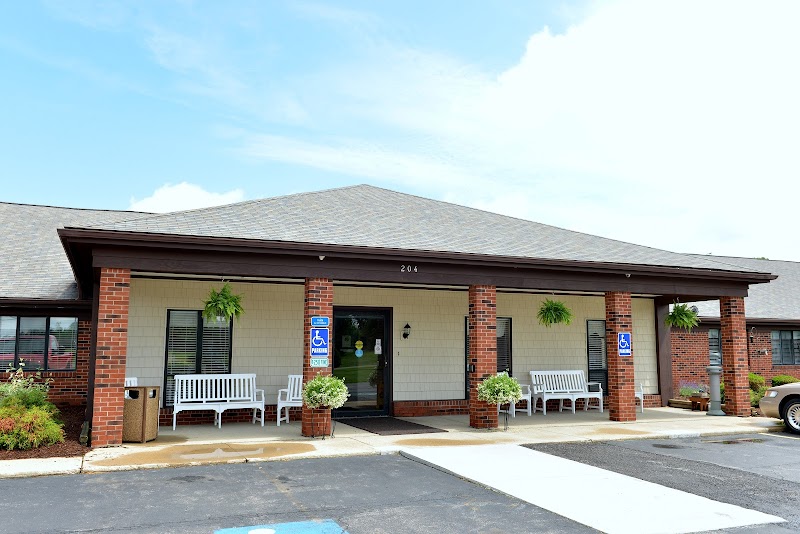
Who Owns and Operates Laurels Of New London The?

LAURELS OF NEW LONDON THE is owned by a for-profit company. For-profit facilities operate as businesses with obligations to shareholders or private owners. The facility is operated by CIENA HEALTHCARE/LAUREL HEALTH CARE, a chain that manages multiple nursing homes. With 50 certified beds and approximately 46 residents (about 92% occupancy), it is a smaller facility located in NEW LONDON, Ohio.
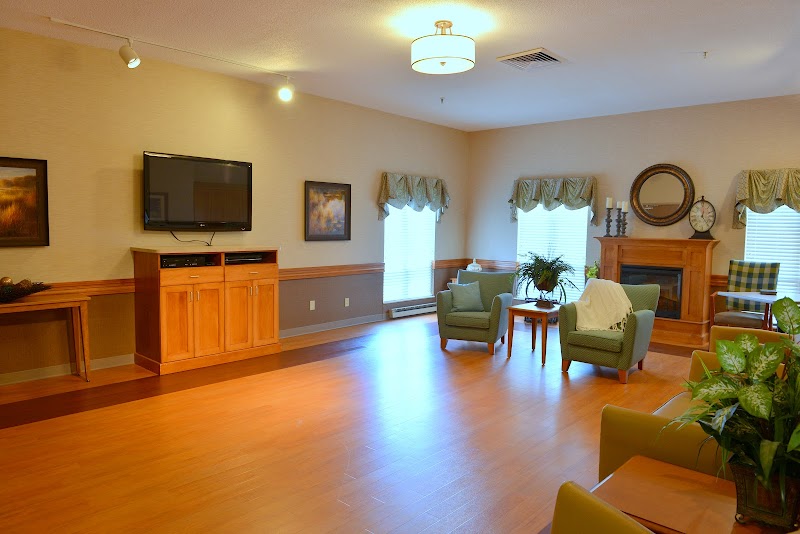
How Does Laurels Of New London The Compare to Other Ohio Nursing Homes?

Compared to the 100 nursing homes in Ohio, LAURELS OF NEW LONDON THE's overall rating (5 stars) is above the state average of 3.2, staff turnover (34%) is significantly lower than the state average of 46%, and health inspection rating (5 stars) is much above the national benchmark.

What Should Families Ask When Visiting Laurels Of New London The?

Based on this facility's data, families visiting should ask: "Can I visit during a mealtime to observe dining assistance and food quality?" "How do you handle medical emergencies, and what is your hospital transfer rate?" "Can I speak with family members of current residents about their experience?"

Is Laurels Of New London The Safe?

Based on CMS inspection data, LAURELS OF NEW LONDON THE has a clean safety record: no substantiated abuse findings (meaning no confirmed cases of resident harm), no Immediate Jeopardy citations (the most serious violation level indicating risk of serious injury or death), and is not on the Special Focus Facility watch list (a federal program monitoring the lowest-performing 1% of nursing homes). The facility has a 5-star overall rating and ranks #1 of 100 nursing homes in Ohio. While no facility is perfect, families should still ask about staff-to-resident ratios and recent inspection results during their visit.

Do Nurses at Laurels Of New London The Stick Around?

LAURELS OF NEW LONDON THE has a staff turnover rate of 34%, which is about average for Ohio nursing homes (state average: 46%). Moderate turnover is common in nursing homes, but families should still ask about staff tenure and how the facility maintains care continuity when employees leave.

Was Laurels Of New London The Ever Fined?

LAURELS OF NEW LONDON THE has no federal fines on record. CMS issues fines when nursing homes fail to meet care standards or don't correct problems found during inspections. The absence of fines suggests the facility has either maintained compliance or corrected any issues before penalties were assessed. This is a positive indicator, though families should still review recent inspection reports for the full picture.

Is Laurels Of New London The on Any Federal Watch List?

LAURELS OF NEW LONDON THE is not on any federal watch list. The most significant is the Special Focus Facility (SFF) program, which identifies the bottom 1% of nursing homes nationally based on persistent, serious quality problems. Not being on this list means the facility has avoided the pattern of deficiencies that triggers enhanced federal oversight. This is a positive indicator, though families should still review the facility's inspection history directly.