WILLOWS AT WILLARD THE
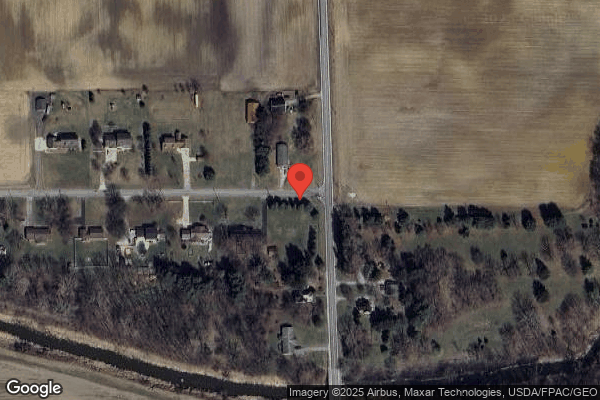
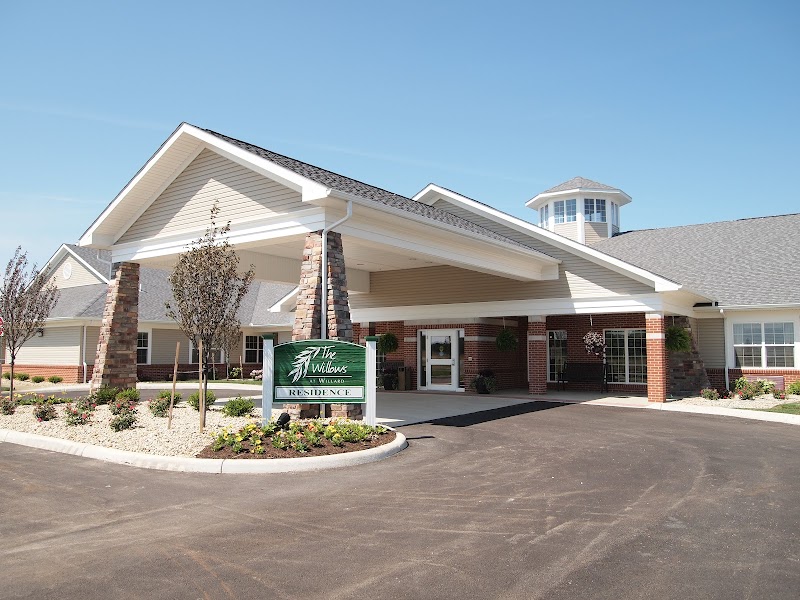
1050 NEAL ZICK ROAD, WILLARD, OH 44890 (419) 935-6511
For profit - Corporation 69 Beds TRILOGY HEALTH SERVICES Data: November 2025
Trust Grade
85/100
#200 of 913 in OH
Last Inspection: November 2024

Within standard 12-15 month inspection cycle. Federal law requires annual inspections.

Overview

Willows at Willard in Ohio has a Trust Grade of B+, which means it is above average and recommended for families seeking care. It ranks #200 out of 913 facilities in Ohio, placing it in the top half, and #2 out of 6 in Huron County, indicating only one local competitor is better. However, the facility's trend is worsening, with reported issues increasing from 2 in 2023 to 7 in 2024. Staffing is a relative strength, earning a 4 out of 5 stars rating with a turnover rate of 38%, lower than the state average. Notably, the facility has had no fines, which is a positive sign. On the downside, recent inspections revealed several concerning incidents. For example, hazardous chemicals were improperly stored, posing risks to 17 residents, and there were failures in administering oxygen as ordered for one resident, as well as missed required physician visits for six others. These issues indicate that while the facility has strengths in staffing and overall rating, there are significant areas for improvement in safety and compliance.

Trust Score
B+
85/100
In Ohio
#200/913
Top 21%
Safety Record
Low Risk
No red flags
Inspections
Getting Worse
2 → 7 violations
Staff Stability
○ Average
38% turnover. Near Ohio's 48% average. Typical for the industry.
Penalties
✓ Good
No fines on record. Clean compliance history, better than most Ohio facilities.
Skilled Nurses
○ Average
Each resident gets 39 minutes of Registered Nurse (RN) attention daily — about average for Ohio. RNs are the most trained staff who monitor for health changes.
Violations
⚠ Watch
13 deficiencies on record. Higher than average. Multiple issues found across inspections.
★★★★★
5.0
Overall Rating
★★★★☆
4.0
Staff Levels
★★★★★
5.0
Care Quality
★★★★☆
4.0
Inspection Score
Stable
2023: 2 issues
2024: 7 issues

The Good

  • 4-Star Staffing Rating · Above-average nurse staffing levels
  • 5-Star Quality Measures · Strong clinical quality outcomes
  • Full Sprinkler Coverage · Fire safety systems throughout facility
  • No fines on record
  • Staff turnover below average (38%)

    10 points below Ohio average of 48%

Facility shows strength in staffing levels, quality measures, fire safety.

The Bad

Staff Turnover: 38%

Near Ohio avg (46%)

Typical for the industry

Chain: TRILOGY HEALTH SERVICES

Part of a multi-facility chain

Ask about local staffing decisions and management

The Ugly 13 deficiencies on record

Nov 2024 7 deficiencies
CONCERN (D)

Potential for Harm - no one hurt, but risky conditions existed

Safe Environment (Tag F0584)

Could have caused harm · This affected 1 resident

**NOTE- TERMS IN BRACKETS HAVE BEEN EDITED TO PROTECT CONFIDENTIALITY** Based on observation, medical record review and staff interview, the facility failed to ensure beds were maintain in a safe and ...

Read full inspector narrative →
**NOTE- TERMS IN BRACKETS HAVE BEEN EDITED TO PROTECT CONFIDENTIALITY** Based on observation, medical record review and staff interview, the facility failed to ensure beds were maintain in a safe and functional manner. This affected one (#166) of one resident reviewed for physical environment. The facility census was 63. Findings include: Review of the medical record revealed Resident #166 admitted to the facility on [DATE]. Diagnoses included hypertension, gastroesophageal reflux disease, hyperlipidemia, arthritis, anxiety and depression. Observation on 11/18/24 at 10:45 A.M. revealed Resident #166 was sitting up in a wheelchair located in their room. The headboard and footboard attached to Resident #166's bed were both slanting outward from the bed frame. Concurrent interview with Resident #166 revealed the bed had been that way since admission to the facility. Interview on 11/18/24 at 10:48 A.M. with Registered Nurse (RN) #457 verified the headboard and footboard of Resident #166's bed were slanted outward and that was not how the bed was supposed to be. RN #457 reported they would check with maintenance to see what was wrong with the bed.
CONCERN (D)

Potential for Harm - no one hurt, but risky conditions existed

Pressure Ulcer Prevention (Tag F0686)

Could have caused harm · This affected 1 resident

Based on medical record review, observation, staff interview and review of facility policy, the facility failed to complete wound care treatments per physician orders. This affected one (#28) of one r...

Read full inspector narrative →
Based on medical record review, observation, staff interview and review of facility policy, the facility failed to complete wound care treatments per physician orders. This affected one (#28) of one resident reviewed for pressure ulcers. The facility census was 63. Findings include: Review of the medical record for Resident #28 revealed an admission date of 08/18/21. Diagnoses included Alzheimer's disease, vascular dementia, chronic kidney disease and polyneuropathy. Review of the quarterly Minimum Data Set (MDS) assessment, dated 09/09/24, revealed Resident #28 had no pressure ulcers. The resident had severely impaired cognition. Review of a wound progress note dated 09/19/24 revealed Resident #28 had a stage three pressure ulcer measuring 2.5 centimeters (cm) in length by four cm in width with a depth of 0.1 cm. The wound had light exudate, no odor, no undermining and no tunneling. The wound was 100 percent (%) granulation tissue with irregular wound edges. Review of a physician order dated 11/13/24 revealed an order to cleanse the right heel with Anasept Cleanser, dry, apply skin prep to peri wound, cut hydrogel impregnated gauze to size of eschar only and cover with dry bordered dressing daily. Review of the treatment administration record (TAR) revealed the right heel treatment was documented as completed on 11/19/24 by Licensed Practical Nurse (LPN) #475. Observation on 11/20/24 at 8:46 A.M. with LPN #401 of wound care for Resident #28 revealed the wound dressing in place was dated 11/18/24. LPN #401 confirmed the dressing was dated 11/18/24. LPN #401 revealed the dressing should be changed daily. Further observation revealed the resident had an unstageable pressure ulcer to the right heel with 100% eschar. The wound measured four cm in length by 2.5 cm in width with an undetermined depth with minimal serosanguinous drainage. The surrounding skin was dry and pink. Interview on 11/20/24 at 2:36 P.M. with LPN #475 verified she had not completed Resident #28's wound dressing change on 11/19/24 but documented she had completed the treatment. Review of the facility policy titled Guidelines for General Wound and Skin Care, revised 02/23/23, revealed no guidelines for completing wound care per physician orders.
CONCERN (D)

Potential for Harm - no one hurt, but risky conditions existed

Pharmacy Services (Tag F0755)

Could have caused harm · This affected 1 resident

**NOTE- TERMS IN BRACKETS HAVE BEEN EDITED TO PROTECT CONFIDENTIALITY** Based on resident interview, family interview, staff interview and medical record review, the facility failed to ensure medicati...

Read full inspector narrative →
**NOTE- TERMS IN BRACKETS HAVE BEEN EDITED TO PROTECT CONFIDENTIALITY** Based on resident interview, family interview, staff interview and medical record review, the facility failed to ensure medications were available for administration as physician ordered. This affected one (#168) of one resident reviewed for medication administration. The facility census was 63. Findings include: Review of the medical record revealed Resident #168 was admitted to the facility on [DATE]. Diagnoses included history of severe sepsis and becoming unstable, weakness, history of urinary tract infection (UTI), history of acute kidney injury on chronic kidney disease and chronic kidney disease. Review of the admission assessment dated [DATE] revealed Resident #168 was alert and oriented with no documented memory impairment or cognitive issues. Review of the nursing progress notes dated 11/13/24 and timed 4:50 P.M. revealed Resident #168 was admitted to the facility after being admitted to the hospital for diagnoses including severe sepsis, UTI and septic shock. The resident was on antibiotic therapy for severe sepsis and UTI. Review of a physician order dated 11/13/24 revealed an order for Caspofungin (used to treat fungal infections) to be administered every day between 6:00 A.M. and 10:00 A.M. The medication was started in the hospital on [DATE] and had a stop date of 11/21/24. Review of the nursing progress note dated 11/14/24 and timed 3:27 P.M. revealed the Caspofungin was unavailable and Resident #168 missed the dose of medication scheduled for 11/14/24. The medication end date was changed to 11/22/24 and the medication was scheduled for delivery to the facility on [DATE]. Review of the medication administration record (MAR) for November 2024 revealed Resident #168 did not receive the Caspofungin on 11/14/24 due to the medication being unavailable. Interview on 11/18/24 at 11:20 A.M. with Resident #168 and the resident's daughter revealed the resident was discovered to have a yeast infection and sepsis while in the hospital. The resident was supposed to receive IV antibiotics for 14 days. The medication was started in the hospital and was to continue at the facility. Resident #168 missed a dose of medication on 11/14/24 due to the facility not having the medication available. Interview on 11/20/24 at approximately 4:02 P.M. with the Director of Nursing (DON) verified Resident #168 did not receive the Caspofungin per physician order on 11/14/24 due to the facility not yet having the medication from the pharmacy.
CONCERN (D)

Potential for Harm - no one hurt, but risky conditions existed

Deficiency F0761 (Tag F0761)

Could have caused harm · This affected 1 resident

Based on observation, medical record review, staff interview and review of facility policy, the facility failed to ensure medications were not left unattended. This affected one (#27) of one resident ...

Read full inspector narrative →
Based on observation, medical record review, staff interview and review of facility policy, the facility failed to ensure medications were not left unattended. This affected one (#27) of one resident reviewed for medication storage. The facility census was 63. Findings include: Review of the medical record for Resident #27 revealed an admission date of 09/05/20. Diagnoses included dyarthria (slurred speech) following cerebral infarction (stroke), dysphagia (difficulty swallowing), atrial fibrillation and mild cognitive impairment. Review of the quarterly Minimum Data Set (MDS) assessment, dated 09/06/24, revealed Resident #27 had intact cognition. Review of the physician orders revealed no orders for Resident #27 to self-administer medications. Review of the plan of care initiated 09/16/20 revealed Resident #27 had impaired swallowing related to dysphagia. Interventions included to observe resident closely for signs of choking and/or aspiration. Observation on 11/18/24 at 2:01 P.M. revealed Resident #27 in her room, sitting in her wheelchair, with the bedside table in front of her. On the bedside table were seven medications on a towel. There were no staff present in Resident #27's room. Interview on 11/18/24 at 2:01 P.M. with Registered Nurse (RN) #513 verified the seven medications were left, unattended, with Resident #27. RN #513 revealed she always left the resident's medication with her. Interview on 11/20/24 at 7:16 A.M. with the Director of Nursing (DON) verified Resident #27 had no orders to self-administer medications. The DON revealed she was not aware the nurse was leaving medications in the resident's room. Review of the facility policy titled Medication Administration General Guidelines, revised November 2018, revealed medications were administered at the time they were prepared, and the resident was always observed after administration to ensure the dose was completely ingested.
CONCERN (E)

Potential for Harm - no one hurt, but risky conditions existed

Accident Prevention (Tag F0689)

Could have caused harm · This affected multiple residents

Based on observation, medical record review, staff interview and review of facility policy, the facility failed to ensure hazardous chemicals were securely stored. This had the potential to affect sev...

Read full inspector narrative →
Based on observation, medical record review, staff interview and review of facility policy, the facility failed to ensure hazardous chemicals were securely stored. This had the potential to affect seventeen residents (#4, #6, #10, #11, #24, #25, #34, #37, #39, #40, #46, #47, #48, #50, #52, #55, and #169) who were identified by the facility as independently mobile and cognitively impaired. The facility census was 63. Findings include: Observation on 11/20/24 at 9:12 A.M. of a storage closet located behind a nursing desk near the beginning of the 100-hall revealed the door to the storage closet was unlocked. Located inside of the storage closet, and within reach, were a can of disinfectant spray, which was labeled for caution and as hazardous to humans and animals; a container of germicidal disposable wipes, which were labeled for caution and to keep out of reach; and a bottle of disinfectant solution, which was labeled for caution and to keep out of reach. Interview on 11/20/24 at 9:17 A.M. with Registered Nurse (RN) #446 verified the storage closet was unlocked. RN #446 reported the door to the storage closet was kept unlocked and RN #446 was unsure of whether the door was required to be locked. A follow-up interview on 11/20/24 at 10:31 A.M. with RN #446 verified the door to the storage closet was supposed to be locked.
CONCERN (E)

Potential for Harm - no one hurt, but risky conditions existed

Respiratory Care (Tag F0695)

Could have caused harm · This affected multiple residents

Based on observation, medical record review, staff interview and review of facility policy, the facility failed to ensure oxygen administration was completed per physician orders. This affected one (#...

Read full inspector narrative →
Based on observation, medical record review, staff interview and review of facility policy, the facility failed to ensure oxygen administration was completed per physician orders. This affected one (#5) of one resident reviewed for respiratory care. The facility census was 63. Findings include: Review of the medical record for Resident #5 revealed an admission date of 01/28/22. Diagnoses included heart failure and shortness of breath. Review of the Minimum Data Set (MDS) assessment, dated 09/18/24, revealed Resident #5 had intact cognition. Review of the physician orders dated 03/08/24 revealed Resident #5 was ordered oxygen at two liters per minute per nasal cannula as needed for oxygen saturation levels less than 92 percent. Observation on 11/18/24 at 9:40 A.M. revealed Resident #5's oxygen administration rate was set at four liters per minute. Observation on 11/19/24 at 1:19 P.M. revealed Resident #5's oxygen administration rate was still set at four liters per minute. Interview on 11/19/24 at 1:19 P.M. with Licensed Practical Nurse (LPN) #475 verified Resident #5's oxygen rate was set at four liters per minute and should have been set at two liters per minute. Review of the facility policy titled Administration of Oxygen, revised May 2018, revealed to verify physician order for the procedure and the oxygen setting must be set and adjusted by a licensed nurse.
CONCERN (E)

Potential for Harm - no one hurt, but risky conditions existed

Deficiency F0712 (Tag F0712)

Could have caused harm · This affected multiple residents

**NOTE- TERMS IN BRACKETS HAVE BEEN EDITED TO PROTECT CONFIDENTIALITY** Based on medical record review, review of nurse practitioner (NP) progress notes, staff interview and review of facility policy ...

Read full inspector narrative →
**NOTE- TERMS IN BRACKETS HAVE BEEN EDITED TO PROTECT CONFIDENTIALITY** Based on medical record review, review of nurse practitioner (NP) progress notes, staff interview and review of facility policy review, the facility failed to ensure required physician visits were completed. This affected six (#5, #11, #19, #28, #31 and #40) of six residents reviewed for physician visits. The facility census was 63. Findings include: 1. Review of the medical record for Resident #11 revealed an admission date of 01/09/24 with diagnoses including cellulitis and dementia. Review of the quarterly Minimum Data Set (MDS) assessment, dated 11/01/24, revealed Resident #11 was cognitively impaired. Further review of the medical record revealed Resident #11 was seen by the NP at least monthly from 01/15/24 through 11/08/24. There was no evidence of a physician visit with the resident from 01/15/24 through 11/20/24. 2. Review of the medical record for Resident #19 revealed an admission date of 04/14/22 with diagnoses including urinary retention, acute kidney failure and urinary obstruction. Review of the annual MDS assessment, dated 09/26/24, revealed Resident #19 was cognitively intact. Further review of the medical record revealed Resident #19 was seen by the NP at least monthly from 11/20/23 through 11/08/24. There was no evidence of a physician visit with the resident from 01/15/24 through 11/20/24. 3. Review of the medical record revealed Resident #31 was admitted to the facility on [DATE]. Diagnoses included chronic kidney disease, anemia, metabolic encephalopathy, intervertebral disc degeneration, major depressive disorder, bilateral primary osteoarthritis of hip, mild protein-calorie malnutrition, dementia,constipation, weakness, altered mental status, pain, unsteadiness on feet, age-related physical debility, anxiety disorder, and overactive bladder. Review of the quarterly MDS assessment, dated 09/10/24, revealed the resident had severely impaired cognition. Further review of the medical record revealed Resident #31 was seen by the NP at least monthly from 10/11/23 through 11/08/24. There was no evidence of a physician visit with the resident from 10/11/23 through 11/20/24. 4. Review of the medical record revealed Resident #40 was admitted to the facility on [DATE]. Diagnoses included dementia, hypothyroidism, hyperlipidemia, hypertension, muscle weakness, need for assistance with personal care and chronic kidney disease. Review of the annual MDS assessment, dated 10/18/24, revealed the resident had impaired cognition. Further review of the medical record revealed Resident #40 was seen by the NP at least monthly from 10/11/23 through 11/08/24. There was no evidence of a physician visit with the resident from 10/11/23 through 11/20/24. 5. Review of the medical record for Resident #5 revealed an admission date of 01/28/22. Diagnoses included heart failure and shortness of breath. Review of the MDS assessment, dated 09/18/24, revealed the resident had intact cognition. Further review of the medical record revealed Resident #5 was seen by the NP at least monthly from 10/11/23 through 11/08/24. There was no evidence of a physician visit with the resident from 10/11/23 through 11/20/24. 6. Review of the medical record for Resident #28 revealed an admission date of 08/18/21. Diagnoses included Alzheimer's disease, vascular dementia, chronic kidney disease and polyneuropathy. Review of the quarterly MDS assessment, dated 09/09/24, revealed the resident had severely impaired cognition. Further review of the medical record revealed Resident #28 was seen at least monthly by the NP from 10/27/23 through 10/21/24. There was no evidence the resident had been seen by the physician from 10/01/23 through 11/20/24. Interview on 11/21/24 at 12:22 P.M. with the Director of Nursing (DON) revealed the DON stated the six residents were seen by the physician; however, the facility had no evidence, including progress notes or other documentation, to confirm the visits occurred. Review of the facility policy titled Guidelines for Physician Services, revised 05/11/16, revealed the resident's attending physician was responsible for conducting required routine visits and delegating and supervising follow-up visits from NPs or physician assistants to ensure the resident received quality care and medical treatments.
Aug 2023 2 deficiencies
CONCERN (D) 📢 Someone Reported This

A family member, employee, or ombudsman was alarmed enough to file a formal complaint

Potential for Harm - no one hurt, but risky conditions existed

Accident Prevention (Tag F0689)

Could have caused harm · This affected 1 resident

**NOTE- TERMS IN BRACKETS HAVE BEEN EDITED TO PROTECT CONFIDENTIALITY** Based on observation, medical record review, staff interview, and review of a policy, the facility failed to ensure fall interve...

Read full inspector narrative →
**NOTE- TERMS IN BRACKETS HAVE BEEN EDITED TO PROTECT CONFIDENTIALITY** Based on observation, medical record review, staff interview, and review of a policy, the facility failed to ensure fall interventions were in place as ordered and care planned. This affected one (#21) of three residents reviewed for falls. The facility census was 68. Findings include: Review of Resident #21's medical record revealed admission to the facility occurred on 12/24/18. Resident #21 had medical diagnoses including Alzheimer's disease, high blood pressure, and repeated falls. Review of Resident #21's annual Minimum Data Set (MDS) assessment dated [DATE] revealed Resident #21 had severe impaired cognition, was independent with mobility in a wheelchair, and was a high risk for falling with recent falls identified. Review of Resident #21's medical record revealed a fall risk plan of care dated 01/04/19 with interventions including a sign on the bedside stand to remind to use the call light to get up, place a Dycem (non-slip pad) to the wheelchair and recliner, and a non-skid mat in front of the recliner. Review of Resident #21's physician orders also included the fall interventions that were listed in the plan of care. Observation of Resident #21's room on 08/09/23 at 9:48 A.M. with Registered Nurse (RN) #23 confirmed there was no Dycem in Resident #21's wheelchair or recliner, no non-skid mat in front of the recliner, and no sign posted on the bedside table. RN #23 confirmed Resident #21's physician orders and plan of care included the fall interventions that were not in place at the time of the observation. Observation of Resident #21's room with the Director of Nursing and RN #23 on 08/09/23 at 10:33 A.M. revealed RN #23 located the Dycem at the nursing station and placed it in Resident #21's wheelchair and recliner. The facility attempted to locate the non-skid mat that should be in front of Resident #21's recliner, and Resident #21 did not have any signs posted on the bedside stand. Review of the facility fall policy and procedure, dated 03/16/22, revealed care plan intervention should be implemented that address the resident risk factors. This deficiency represents non-compliance investigated under Complaint Number OH00144930.
CONCERN (E) 📢 Someone Reported This

A family member, employee, or ombudsman was alarmed enough to file a formal complaint

Potential for Harm - no one hurt, but risky conditions existed

Deficiency F0761 (Tag F0761)

Could have caused harm · This affected multiple residents

**NOTE- TERMS IN BRACKETS HAVE BEEN EDITED TO PROTECT CONFIDENTIALITY** Based on observation, staff interview, and review of a facility policy, the facility failed to ensure medications were stored in...

Read full inspector narrative →
**NOTE- TERMS IN BRACKETS HAVE BEEN EDITED TO PROTECT CONFIDENTIALITY** Based on observation, staff interview, and review of a facility policy, the facility failed to ensure medications were stored in a safe and secure manner. This affected two (100 and 300) of three hallway medication carts observed. This had the potential to affect 48 (#1, #4, #6, #7, #8, #9, #10, #11, #12, #13, #14, #15, #16, #18, #19, #20, #21, #22, #23, #24, #25, #26, #27, #29, #30, #31, #32, #37, #39, #40, #41, #42, #43, #44, #45, #47, #48, #49, #51, #52, #53, #54, #55, #56, #57, #61, #62, and #63) residents who resided on the 100 and 300 hallways. The facility census was 63. Findings include: 1. Observation on 08/09/23 at 8:03 A.M. revealed a medication cart on the 300 hallway was sitting in the hallway with a cup of liquid medication on top of the cart. The cart and medication were unattended by any staff members. The medication cart was observed to have Licensed Practical Nurse (LPN) #22's name badge sitting next to the cup of liquid medication on top of it. On 08/09/23 at 8:05 A.M., Registered Nurse (RN) #23 approached the medication cart and confirmed the presence of the full cup of liquid medication sitting on the medication cart. RN #23 confirmed staff should not leave any medications unattended, and removed the medication to dispose of it. 2. Observation on 08/09/23 at 8:37 A.M. revealed a medication cart on the 100 hallway sitting just outside room [ROOM NUMBER]. The medication cart was unlocked with no staff in the area. Observation on 08/09/23 at 8:45 A.M. revealed RN #21 was located on the unit. Interview with RN #21 at that time confirmed she left the medication cart unlocked and unsecured on the 100 hallway. RN #21 confirmed the medication cart should be locked at all times when not attended as to prevent unauthorized access. Review of the facility medication storage policy dated November 2018 revealed the medication supply is accessible only to licensed facility personnel and those lawfully authorized to administer medications, and medication rooms, carts, and medication supplies are locked when not attended by persons with authorized access. This deficiency represents non-compliance investigated under Complaint Number OH00144930.
Jun 2019 4 deficiencies
CONCERN (D)

Potential for Harm - no one hurt, but risky conditions existed

Notification of Changes (Tag F0580)

Could have caused harm · This affected 1 resident

**NOTE- TERMS IN BRACKETS HAVE BEEN EDITED TO PROTECT CONFIDENTIALITY** Based on observation, medical record reviews and staff interviews, the facility failed to ensure a physician was notified when a...

Read full inspector narrative →
**NOTE- TERMS IN BRACKETS HAVE BEEN EDITED TO PROTECT CONFIDENTIALITY** Based on observation, medical record reviews and staff interviews, the facility failed to ensure a physician was notified when a residents pressure ulcer increased in size. This affected one one (#43) out of five residents reviewed for pressure ulcers. The facility identified a total of five residents with pressure ulcers. Facility census was 66. Findings include: Review of Resident #43's medical record identified admission to the facility occurred on 04/30/13 with medical diagnosis including paraplegia (since 1970's) related to a motorcycle accident, panic with agoraphobia, neurogenic bladder with catheter, diabetes, high blood pressure and history of pressure ulcers with osteomyelitis. The quarterly minimum data set (MDS) assessment dated [DATE] identified Resident #43 is alert, oriented and cognitively intact and high risk for pressure ulcer development. The record included a written plan of care, dated 05/21/19, for pressure ulcer interventions. The plan including the development of a pressure ulcer to the right hip and to notify the physician if treatments were not effective. Observation of Resident #43's right hip pressure ulcer was completed on 06/12/19 at 10:45 A.M. with Registered Nurse (RN) #103. The wound is observed as a stage II pressure ulcer and was measured by the wound nurse 1.8 centimeters (cm) by 1.8 cm by 0.1 cm. RN #103 confirmed she did notify the physician today and the treatment was changed. Review of Resident #43's progress notes dated 05/20/19 at 11:04 A.M. identified a pressure ulcer to the right hip was noted. The wound was measured to be a Stage II Pressure Ulcer: Partial-thickness skin loss with exposed dermis presenting as a shallow open ulcer. The measurements on 05/20/19 identified 0.3 cm by 0.5 cm by 0.1 cm at that time, with a new order for cleaning with house wound cleanser and apply house wound gel every other day. Review of the treatment administration record (TAR) confirmed the wound was treated as ordered. Wound notes dated 05/22/19, identified the right hip wound measured 1.0 cm by 0.8 cm by 0.1 cm and continued to be a stage II. The TAR confirmed no changes in treatments were completed. Wounds notes dated 05/29/19 identified the right hip measured 1.2 cm by 1.0 cm 0.1 cm and continued to be a stage II. The records identified no notification to the physician and or change in the treatment of the wound. Wound notes dated 06/05/19 identified the right hip wound measured 1.3 cm by 1.2 cm 0.1 cm and continued to be a stage II. The notes identified no notification to the physician and change in the treatment of the wound. Review of the TAR from 05/20/19 through 06/07/19 identified the facility was uses dermal cleanser and Gel solosite (house supplies) every other day during this time; however, there was no evidence of physician notification of decline in wound measurements and or changes made to the wound treatments. Interview with RN #103 on 06/11/19 at 1:21 P.M. The interview confirmed there was not evidence of physician notification and/or change in treatments to Resident #43' right hip from 05/20/19 through 06/08/19 even though the wound was deteriorating/increasing in size during that time.
CONCERN (D)

Potential for Harm - no one hurt, but risky conditions existed

Transfer Notice (Tag F0623)

Could have caused harm · This affected 1 resident

**NOTE- TERMS IN BRACKETS HAVE BEEN EDITED TO PROTECT CONFIDENTIALITY** Based on medical record reviews and staff interviews, the facility failed to ensure the ombudsman was notified when residents we...

Read full inspector narrative →
**NOTE- TERMS IN BRACKETS HAVE BEEN EDITED TO PROTECT CONFIDENTIALITY** Based on medical record reviews and staff interviews, the facility failed to ensure the ombudsman was notified when residents were discharged to the hospital. This affected three (#43, #46 and #68) out of three residents reviewed for hospitalization. Facility census was 66. Findings include: 1. Review of Resident #43's medical record revealed the resident was admitted to the facility on [DATE]. Diagnosis include paraplegia. The record identified Resident #43 required hospitalizations on 02/17/19 through 02/22/19; 02/27/19 through 03/03/19; 04/02/19 through 04/07/19. The record identified evidence the resident was provided with written evidence of notification of the reason for each of the transfers; however, there was no evidence of notification to the ombudsman. 2. Review of Resident #46's medical record revealed the resident was admitted to the facility on [DATE]. Diagnosis include dementia. The record identified Resident #46 went to the hospital on [DATE] through 03/25/19. The Discharge summary dated [DATE] confirmed the family was notified; however, no information was provided to the ombudsman. 3. Review of Resident #68's medical record revealed the resident was admitted to the facility on [DATE]. Diagnosis include end stage renal disease. The record identified Resident #68 was transferred to the hospital on [DATE] and remained in the hospital until 03/24/19 when the resident passed away. The record review revealed the family received notification of the hospital; however, there was no notification to the ombudsman completed. Interview with the Director of Nursing (DON) occurred on 06/11/19 09:21 A.M. The interview confirmed the ombudsman notification was not completed for Resident #43, Resident #46 and Resident #68 all of whom went to the hospital.
CONCERN (D)

Potential for Harm - no one hurt, but risky conditions existed

Pressure Ulcer Prevention (Tag F0686)

Could have caused harm · This affected 1 resident

**NOTE- TERMS IN BRACKETS HAVE BEEN EDITED TO PROTECT CONFIDENTIALITY** Based on observation, medical record reviews and staff interviews, the facility failed to ensure a resident received a change in...

Read full inspector narrative →
**NOTE- TERMS IN BRACKETS HAVE BEEN EDITED TO PROTECT CONFIDENTIALITY** Based on observation, medical record reviews and staff interviews, the facility failed to ensure a resident received a change in treatment and/or the physician was notified when a residents pressure ulcer increased in size. This affected one one (#43) out of five residents reviewed for pressure ulcers. The facility identified a total of five residents with pressure ulcers. Facility census was 66. Findings include: Review of Resident #43's medical record identified admission to the facility occurred on 04/30/13 with medical diagnosis including paraplegia (since 1970's) related to a motorcycle accident, panic with agoraphobia, neurogenic bladder with catheter, diabetes, high blood pressure and history of pressure ulcers with osteomyelitis. The quarterly minimum data set (MDS) assessment dated [DATE] identified Resident #43 is alert, oriented and cognitively intact and high risk for pressure ulcer development. The record included a written plan of care, dated 05/21/19, for pressure ulcer interventions. The plan including the development of a pressure ulcer to the right hip and to notify the physician if treatments were not effective. Observation of Resident #43's right hip pressure ulcer was completed on 06/12/19 at 10:45 A.M. with Registered Nurse (RN) #103. The wound is observed as a stage II pressure ulcer and was measured by the wound nurse 1.8 centimeters (cm) by 1.8 cm by 0.1 cm. RN #103 confirmed she did notify the physician today and the treatment was changed. Further review of Resident #43's progress notes dated 05/20/19 at 11:04 A.M. identified a pressure ulcer to the right hip was noted. The wound was measured to be a Stage II Pressure Ulcer: Partial-thickness skin loss with exposed dermis presenting as a shallow open ulcer. The measurements on 05/20/19 identified 0.3 cm by 0.5 cm by 0.1 cm at that time, with a new order for cleaning with house wound cleanser and apply house wound gel every other day. Review of the treatment administration record (TAR) confirmed the wound was treated as ordered. Wound notes dated 05/22/19, identified the right hip wound measured 1.0 cm by 0.8 cm by 0.1 cm and continued to be a stage II. The TAR confirmed no changes in treatments were completed. Wounds notes dated 05/29/19 identified the right hip measured 1.2 cm by 1.0 cm 0.1 cm and continued to be a stage II. The records identified no notification to the physician and or change in the treatment of the wound. Wound notes dated 06/05/19 identified the right hip wound measured 1.3 cm by 1.2 cm 0.1 cm and continued to be a stage II. The notes identified no notification to the physician and change in the treatment of the wound. Review of the TAR from 05/20/19 through 06/07/19 identified the facility was uses dermal cleanser and Gel solosite (house supplies) every other day during this time; however, there was no evidence of physician notification of decline in wound measurements and or changes made to the wound treatments. Interview with RN #103 on 06/11/19 at 1:21 P.M. The interview confirmed there was not evidence of physician notification and/or change in treatments to Resident #43' right hip from 05/20/19 through 06/08/19 even though the wound was deteriorating/increasing in size during that time.
CONCERN (D)

Potential for Harm - no one hurt, but risky conditions existed

Deficiency F0688 (Tag F0688)

Could have caused harm · This affected 1 resident

**NOTE- TERMS IN BRACKETS HAVE BEEN EDITED TO PROTECT CONFIDENTIALITY** Based on medical record review, staff interview, and policy review, the facility failed to ensure staff completed daily range of...

Read full inspector narrative →
**NOTE- TERMS IN BRACKETS HAVE BEEN EDITED TO PROTECT CONFIDENTIALITY** Based on medical record review, staff interview, and policy review, the facility failed to ensure staff completed daily range of motion (ROM) exercises as directed by therapy. This affected one (#48) of one resident reviewed for range of motion services. The facility census was 66. Findings Include: Review of Resident #48's medical record review revealed an admission date of 6/13/13. Diagnoses included hemiplegia and hemiparesis following unspecified cerebrovascular disease affecting left non-dominant side, and flaccid hemiplegia affecting left non-dominant side. Review of Resident #48's Minimum Data Set (MDS) dated [DATE] revealed the resident had moderate cognitive impairment and upper extremity impairment on one side. Review of Resident #48's care plan dated 05/15/19 revealed the resident required a resting soft hand splint. The nurse to apply and provide ROM before and after. Review of Resident #48's physician order dated 12/28/16 revealed an order for a resting soft hand splint to left hand on in the evening and off in the morning. Review of Resident #48's Treatment Administration Record (TAR) dated June 2019 revealed an order for resting soft hand splint to left hand on every evening and off in the morning. Review of Resident #48's restorative care program recommendation completed by Occupational Therapy dated 01/05/17 revealed a recommendation for bilateral upper extremities active ROM in all planes times 15 repetitions two to three times per week. Wear the resting hand splint through the night. Monitor skin on left upper extremity in splint area. The record review revealed the restorative care program had not been implemented and there was no documentation regarding providing Resident #48 with ROM services. Interview on 06/11/19 at 2:58 P.M. with Registered Nurse (RN) #34 verified there is no documentation of the staff completing ROM for Resident #34's left hand as directed per therapy. RN #34 also verified the facility did not have a written program for the staff to be directed. Interview on 06/11/19 3:15 P.M. with State Tested Nursing Assistant (STNA) #5 verified she does not complete upper extremity ROM exercises for Resident #48. STNA #5 verified there was no ROM task in the electronic care tracker to direct the staff to complete ROM exercises. Interview on 06/11/19 at 3:36 P.M. with Certified Occupational Therapy Assistant (COTA) #109 stated Resident #48 stated a restorative program was written for the resident upon discharge from therapy services. Review of facility policy titled Restorative Mobility Program dated 05/15/16 revealed the facility should determine resident specific needs to enhance mobility by analyzing the assessments and communication with direct caregivers.
Understanding Severity Codes (click to expand)
Life-Threatening (Immediate Jeopardy)
J - Isolated K - Pattern L - Widespread
Actual Harm
G - Isolated H - Pattern I - Widespread
Potential for Harm
D - Isolated E - Pattern F - Widespread
No Harm (Minor)
A - Isolated B - Pattern C - Widespread

Questions to Ask on Your Visit

  • "Can I speak with families of current residents?"
  • "What's your RN coverage like on weekends and overnight?"

Our Honest Assessment

Strengths
  • • Grade B+ (85/100). Above average facility, better than most options in Ohio.
  • • No major safety red flags. No abuse findings, life-threatening violations, or SFF status.
  • • No fines on record. Clean compliance history, better than most Ohio facilities.
  • • 38% turnover. Below Ohio's 48% average. Good staff retention means consistent care.
Concerns
  • • 13 deficiencies on record. Higher than average. Multiple issues found across inspections.
Bottom line: Generally positive indicators. Standard due diligence and a personal visit recommended.

About This Facility

What is Willows At Willard The's CMS Rating?

CMS assigns WILLOWS AT WILLARD THE an overall rating of 5 out of 5 stars, which is considered much above average nationally. Within Ohio, this rating places the facility higher than 99% of the state's 100 nursing homes. This rating reflects solid performance across the metrics CMS uses to evaluate nursing home quality.
How is Willows At Willard The Staffed?

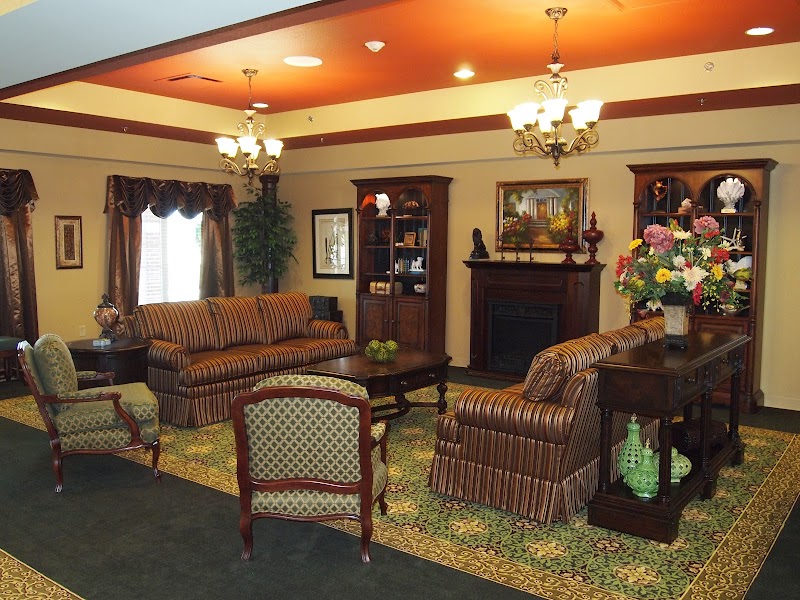
CMS rates WILLOWS AT WILLARD THE's staffing level at 4 out of 5 stars, which is above average compared to other nursing homes. Staff turnover is 38%, compared to the Ohio average of 46%. This relatively stable workforce can support continuity of care.

What Have Inspectors Found at Willows At Willard The?

State health inspectors documented 13 deficiencies at WILLOWS AT WILLARD THE during 2019 to 2024. These included: 13 with potential for harm.
Who Owns and Operates Willows At Willard The?

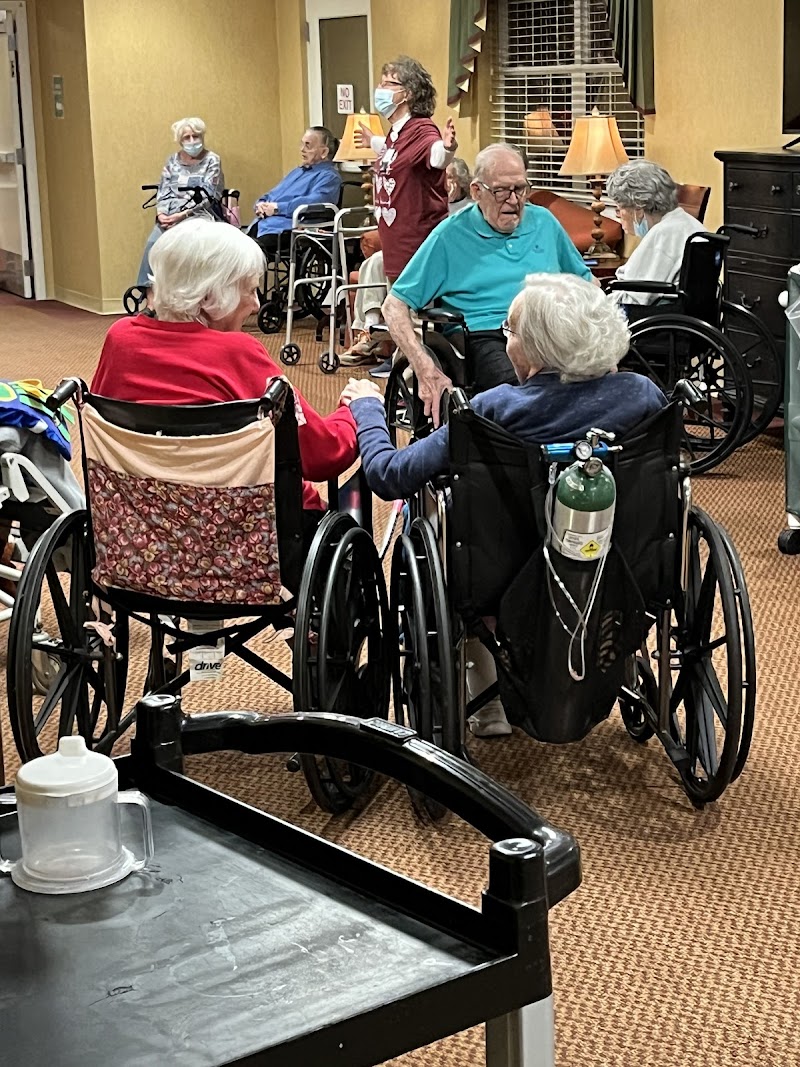
WILLOWS AT WILLARD THE is owned by a for-profit company. For-profit facilities operate as businesses with obligations to shareholders or private owners. The facility is operated by TRILOGY HEALTH SERVICES, a chain that manages multiple nursing homes. With 69 certified beds and approximately 60 residents (about 87% occupancy), it is a smaller facility located in WILLARD, Ohio.
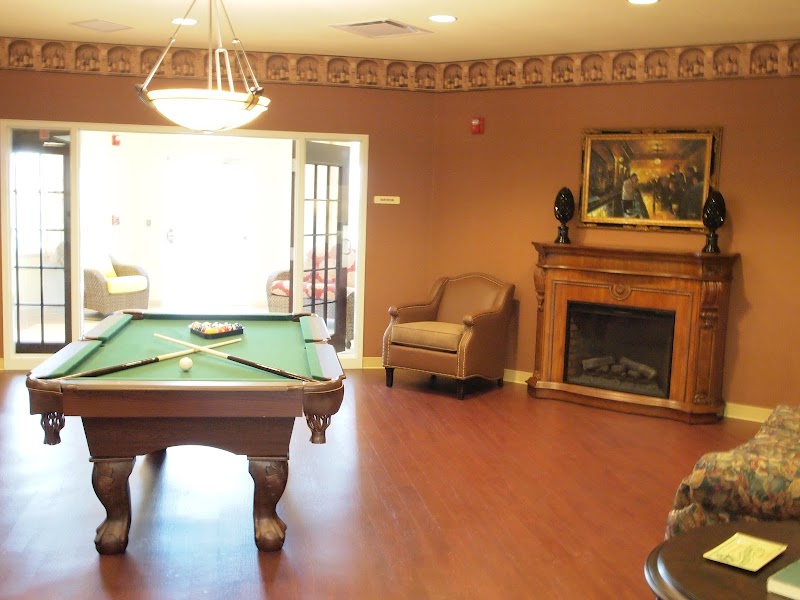
How Does Willows At Willard The Compare to Other Ohio Nursing Homes?

Compared to the 100 nursing homes in Ohio, WILLOWS AT WILLARD THE's overall rating (5 stars) is above the state average of 3.2, staff turnover (38%) is near the state average of 46%, and health inspection rating (4 stars) is above the national benchmark.

What Should Families Ask When Visiting Willows At Willard The?

Based on this facility's data, families visiting should ask: "Can I visit during a mealtime to observe dining assistance and food quality?" "How do you handle medical emergencies, and what is your hospital transfer rate?" "Can I speak with family members of current residents about their experience?"

Is Willows At Willard The Safe?

Based on CMS inspection data, WILLOWS AT WILLARD THE has a clean safety record: no substantiated abuse findings (meaning no confirmed cases of resident harm), no Immediate Jeopardy citations (the most serious violation level indicating risk of serious injury or death), and is not on the Special Focus Facility watch list (a federal program monitoring the lowest-performing 1% of nursing homes). The facility has a 5-star overall rating and ranks #1 of 100 nursing homes in Ohio. While no facility is perfect, families should still ask about staff-to-resident ratios and recent inspection results during their visit.

Do Nurses at Willows At Willard The Stick Around?

WILLOWS AT WILLARD THE has a staff turnover rate of 38%, which is about average for Ohio nursing homes (state average: 46%). Moderate turnover is common in nursing homes, but families should still ask about staff tenure and how the facility maintains care continuity when employees leave.

Was Willows At Willard The Ever Fined?

WILLOWS AT WILLARD THE has no federal fines on record. CMS issues fines when nursing homes fail to meet care standards or don't correct problems found during inspections. The absence of fines suggests the facility has either maintained compliance or corrected any issues before penalties were assessed. This is a positive indicator, though families should still review recent inspection reports for the full picture.

Is Willows At Willard The on Any Federal Watch List?

WILLOWS AT WILLARD THE is not on any federal watch list. The most significant is the Special Focus Facility (SFF) program, which identifies the bottom 1% of nursing homes nationally based on persistent, serious quality problems. Not being on this list means the facility has avoided the pattern of deficiencies that triggers enhanced federal oversight. This is a positive indicator, though families should still review the facility's inspection history directly.