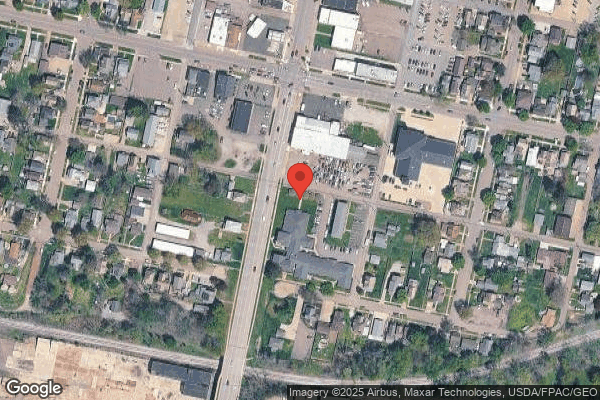
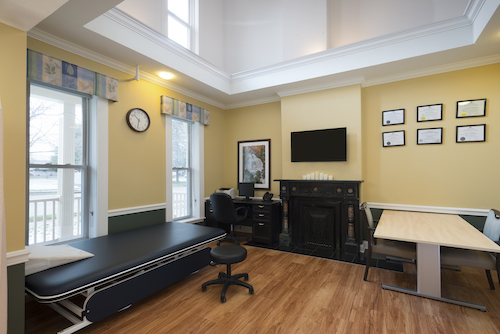
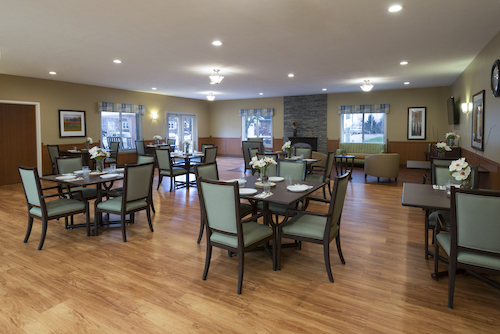
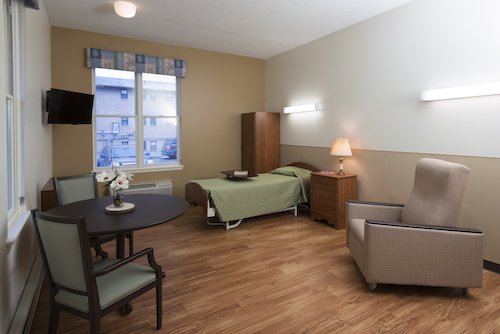
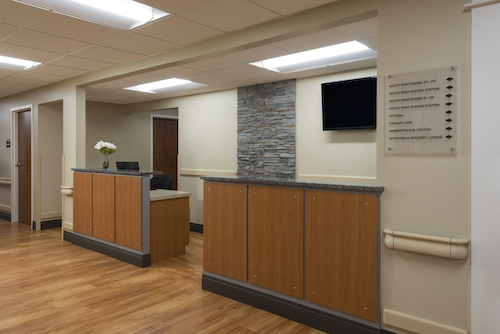
AMBERWOOD MANOR

245 SOUTH BROADWAY, NEW PHILADELPHIA, OH 44663 (330) 339-2151
For profit - Limited Liability company 48 Beds SABER HEALTHCARE GROUP Data: November 2025
Trust Grade
70/100
#211 of 913 in OH
Last Inspection: January 2025

Within standard 12-15 month inspection cycle. Federal law requires annual inspections.

Overview

Amberwood Manor in New Philadelphia, Ohio, has a Trust Grade of B, indicating it is a good choice for families looking for care. It ranks #211 out of 913 facilities in Ohio, placing it in the top half, and #4 out of 10 in Tuscarawas County, meaning only three local options are better. However, the facility's trend is concerning as issues have worsened significantly, increasing from 1 in 2024 to 10 in 2025. Staffing is a mixed bag; while the turnover rate is 44%, which is below the state average, the overall staffing rating is only 2 out of 5 stars. Notably, there have been no fines reported, and they have more RN coverage than 98% of Ohio facilities, which is a positive aspect for resident care. However, inspection findings reveal some troubling incidents. For example, a resident reported that her fan had not been cleaned for three days despite being allergic to dust, and the heating unit was noted to have debris. Additionally, there was a past incident of misappropriation of controlled medications affecting six residents, although the issue was corrected before the latest survey. Lastly, the facility failed to obtain proper authorization for handling a resident's personal funds, raising concerns about financial management. Overall, while there are strengths in RN coverage and no fines, the facility must address its increasing issues and some lapses in care and oversight.

Trust Score
B
70/100
In Ohio
#211/913
Top 23%
Safety Record
Low Risk
No red flags
Inspections
Getting Worse
1 → 10 violations
Staff Stability
○ Average
44% turnover. Near Ohio's 48% average. Typical for the industry.
Penalties
✓ Good
No fines on record. Clean compliance history, better than most Ohio facilities.
Skilled Nurses
✓ Good
Each resident gets 56 minutes of Registered Nurse (RN) attention daily — more than average for Ohio. RNs are trained to catch health problems early.
Violations
⚠ Watch
25 deficiencies on record. Higher than average. Multiple issues found across inspections.
★★★★☆
4.0
Overall Rating
★★☆☆☆
2.0
Staff Levels
★★★★★
5.0
Care Quality
★★★☆☆
3.0
Inspection Score
Stable
2024: 1 issues
2025: 10 issues

The Good

  • 5-Star Quality Measures · Strong clinical quality outcomes
  • Full Sprinkler Coverage · Fire safety systems throughout facility
  • No fines on record
  • Staff turnover below average (44%)

    4 points below Ohio average of 48%

Facility shows strength in quality measures, fire safety.

The Bad

Staff Turnover: 44%

Near Ohio avg (46%)

Typical for the industry

Chain: SABER HEALTHCARE GROUP

Part of a multi-facility chain

Ask about local staffing decisions and management

The Ugly 25 deficiencies on record

Jan 2025 10 deficiencies
CONCERN (D)

Potential for Harm - no one hurt, but risky conditions existed

Deficiency F0567 (Tag F0567)

Could have caused harm · This affected 1 resident

**NOTE- TERMS IN BRACKETS HAVE BEEN EDITED TO PROTECT CONFIDENTIALITY** Based on medical record review, review of personal funds records and interview, the facility failed to obtain appropriate witnes...

Read full inspector narrative →
**NOTE- TERMS IN BRACKETS HAVE BEEN EDITED TO PROTECT CONFIDENTIALITY** Based on medical record review, review of personal funds records and interview, the facility failed to obtain appropriate witness signatures on the authorization for handling funds. This affected one (Resident #8) of five residents whose funds were reviewed. Findings include: During an interview on 01/21/25 at 4:11 P.M., Resident #8's granddaughter stated Resident #8 was a Medicaid recipient. The family received no resources for Resident #8 and had never been asked to sign a paper authorizing the facility to handle funds. To the best of the granddaughter's knowledge, Resident #8 did not have a personal funds account with the facility. Review of a list of resident funds handled by the facility revealed Resident #8 did have a personal funds account managed by the facility. Review of the authorization and agreement to handle resident funds indicated recurring social security benefit payments were to be direct deposited into the account with automatic transfer of care cost payments to the facility with Resident #8 receiving a $50.00 monthly allowance. The area for the resident signature had an infinity sign with two witness signatures with one of the signatures having a RN (Registered Nurse) behind the name. The Administrator also signed the form as a representative payee. The form was signed 09/03/24. Review of the quarterly statements indicated the statements were sent to Resident #8 at the facility's address. Review of Resident #8's medical record revealed diagnoses including Alzheimer's disease and vascular dementia. An admission Minimum Data Set (MDS) assessment dated [DATE] indicated Resident #8 was rarely/never able to understand others or to make herself understood. On 01/22/25 at 10:05 A.M., the Administrator stated the two witness signatures on Resident #8's authorization to handle her personal funds were the current Director of Nursing (DON) and the interim DON. The Administrator was unable to state who authorized the facility to handle funds but she signed the form because the facility was the rep payee. On 01/22/25 at 2:34 P.M., Revenue cycle field specialist #385 stated the facility applied as Resident #8's rep payee. Stated when the application is filled out the facility listed any other interested parties who might be interested in being rep payee. It was then up to social security to notify any interested person to act as rep payee. Sometimes if there was an issue with misuse of funds the Social Security office asked the facility to apply for rep payee. Revenue cycle field specialist #385 stated she did not know that was the case for this resident. If a resident was not alert and oriented the facility applied for rep payee. It did not matter who the financial Power of Attorney (POA) was. A financial POA was not accepted by social security. Revenue cycle field specialist #385 indicated it was her understanding the facility could use anybody associated with facility to witness authorization for funds as long as they do not handle funds. On 01/22/25 at 3:15 P.M., the Administrator provided a notice dated 08/30/24 from Social Security Administration indicating the facility was chosen to be Resident #8's representative payee. The notice was addressed to Resident #8. The Administrator stated Resident #8 was admitted with a rep payee and recalled talking to that rep payee (could not recall the name) who told the facility they needed to apply for rep payee. The Administrator stated Resident #8's responsible party would have knowledge of the personal funds account through the quarterly statements sent out. Upon reviewing the quarterly statement, the Administrator verified the statements were sent to the facility's address with Resident #8's name.
CONCERN (D)

Potential for Harm - no one hurt, but risky conditions existed

Quality of Care (Tag F0684)

Could have caused harm · This affected 1 resident

**NOTE- TERMS IN BRACKETS HAVE BEEN EDITED TO PROTECT CONFIDENTIALITY** Based on record review and interviews, the facility failed to administer medications as ordered to Resident #5 and Resident #238...

Read full inspector narrative →
**NOTE- TERMS IN BRACKETS HAVE BEEN EDITED TO PROTECT CONFIDENTIALITY** Based on record review and interviews, the facility failed to administer medications as ordered to Resident #5 and Resident #238. This affected two (Resident #5 and #238) out of six residents reviewed for medications. Facility census was 37. Findings include: 1. Review of the medical record revealed Resident #238 was admitted on [DATE] and readmitted on [DATE] with diagnoses that included type 2 diabetes, severe morbid obesity, history of transient ischemic attack, and major depressive disorder. The annual Minimum Data Set (MDS) dated [DATE] revealed Resident #238 was cognitively intact. Review of physician orders revealed Resident #238 was ordered Lantus (insulin) 15 units at 6:00 A.M. and Lantus 50 units at 7:00 P.M. to 11:00 P.M. Resident #238 had an order from 06/25/24 for metformin (antidiabetic agent) 750 milligrams twice a day. No special instructions or parameters were in place for metformin or Lantus to be held. Review of the medication administration record (MAR) dated 01/12/25 for the 7:00 P.M. to 11:00 P.M. medication time revealed Resident #238's blood glucose was high. Lantus 50 units was not administered due to scheduled metformin. Resident #238's blood glucose was 238 milligrams per deciliter (mg/dl) on 01/12/25 at 9:00 P.M. Review of progress note dated 01/13/25 at 5:44 A.M. revealed Resident #238's blood glucose was 164 mg/dl. The nurse held Resident #238's scheduled Lantus due to Resident #238 had scheduled metformin that morning. Resident #238 became loud and was screaming for the nurse to administer Lantus. The nurse stated she was holding Lantus until day shift arrived and gave report. Review of the MAR revealed on 01/13/25 at 6:00 A.M. revealed Lantus 15 units was not administered to Resident #238 due to Resident #238's behaviors. Resident #238's blood glucose on 01/13/25 at 11:00 A.M. was 213 mg/dl. A concern form dated 01/13/25 revealed Resident #238 reported an agency nurse did not administer scheduled insulin on 01/12/25 and 01/13/25. The MAR was reviewed and revealed insulin was not administered as ordered per nursing judgement. Interview on 01/21/25 at 10:01 A.M. Resident #238 revealed an agency nurse did not administer insulin as ordered on two separate occasions. Interview on 01/23/25 at 8:53 A.M. Social Service Designee #311 revealed a concern form was completed when Resident #238 reported an agency nurse did not administer scheduled Lantus. Interview on 01/23/25 at 11:12 A.M. Director of Nursing (DON) verified the agency nurse held Resident #238's Lantus on 01/12/25 and 01/13/25. DON stated the nurses were able to hold medications based on nursing judgement. DON verified there was not justification for Resident #238's Lantus to be held due to Resident #238's blood glucose levels and oral metformin being administered. 2. Review of the medical record revealed Resident #5 was admitted to the facility on [DATE]. Diagnoses chronic kidney disease, respiratory failure, diabetes, hyperlipidemia, hypothyroidism, anemia, atrial fibrillation, mood disorder, peptic ulcer disease, obstructive sleep apnea, stage 4 pressure ulcer, hypertension, insomnia, accidental discharge of firearms, lack of expected normal physiological development in childhood, and vitamin D deficiency. Review of the physicians order dated 10/23/24 revealed Resident #5 prefer to have morning medications by 9:30 A.M. and his evening medications by 6:15 P.M. per his preference. Review of the quarterly Minimum Data Set assessment dated [DATE] revealed Resident #5 had intact cognition. Review of the January 2025 medication administration records revealed Resident #5 was not administered his evening medication on 01/16/25 due to he was sleeping. The medications not administered were Buspar 20 milligrams (mg), Colace 100 mg , Eliquis five mg, hydroxyzine 100 mg, metoprolol succinate 12.5 mg, protonix 40 mg, simvastatin 40 mg, and tagamet 400 mg. On 01/21/25 at 9:20 A.M. an interview with Resident #5 revealed the nurses do not give him his medication as ordered. He stated on 01/16/25 the second shift nurse never gave him his medications. He stated he was told they next day he had refused them and he stated he had not refuse them because the nurse never came into his room all night. On 01/22/25 at 2:40 P.M. an interview with Director of Clinical Services #380 revealed she would expect the nurse to go back and try to administer the medications again On 01/22/5 at 5:06 P.M. an interview with Director of Clinical Services #380 revealed the Director of Nursing had called the agency nurse who had not administered the medication to Resident #5 and she stated she had not went back and offered him his medication again Review of the concern log dated 01/17/25 revealed Resident #5 complained his treatment was not completed on 01/15/25 and 01/16/25 and he was not administered his medications at 6:00 P.M. on 01/16/25. Follow up investigation revealed medication were not given by an agency nurse due to the resident was sleeping. Nurse was reeducated.
CONCERN (D)

Potential for Harm - no one hurt, but risky conditions existed

Pressure Ulcer Prevention (Tag F0686)

Could have caused harm · This affected 1 resident

**NOTE- TERMS IN BRACKETS HAVE BEEN EDITED TO PROTECT CONFIDENTIALITY** Based on review of the medical record and interview the facility failed to ensure weekly wound assessments were completed for Re...

Read full inspector narrative →
**NOTE- TERMS IN BRACKETS HAVE BEEN EDITED TO PROTECT CONFIDENTIALITY** Based on review of the medical record and interview the facility failed to ensure weekly wound assessments were completed for Resident #5. This affected one resident (Resident #5) of three reviewed for pressure ulcers. Findings included: Review of the medical record revealed Resident #5 was admitted to the facility on [DATE]. Diagnoses included chronic kidney disease, respiratory failure, diabetes, anemia, atrial fibrillation, obstructive sleep apnea, stage 4 pressure ulcer, hypertension and accidental discharge of firearms. Review of the plan of care dated 04/03/24 and edited 01/01/25 revealed Resident #5 had a wound to the left posterior thigh. Interventions included the in-house skin/wound team would see and treat him weekly and as needed. Review of the physician's order dated 10/23/24 revealed Resident #5 was ordered one gram of gentamicin cream 0.1 percent twice a day to the left posterior thigh, cleanse with normal saline, apply the gentamicin cream to the wound bed cover with an abdominal dressing and do not use adhesive or tape. The order was discontinued on 12/12/24. His current treatment order was for gentamicin 0.1 percent apply to the left posterior thigh, Cleanse the thigh with normal saline, apply gentamicin cream to the wound bed, cover with collagen to the wound bed, and cover with a silicone border form every shift dated 12/26/24. Review of the plan of care dated 10/29/24 and edited on 01/16/25 revealed Resident #5 was high risk for pressure injury due to chronic wound due to non-compliance with treatment plan, turning and repositioning and care plan and medications. Review of the weekly skin assessment dated [DATE] revealed Resident #5 had a stage four pressure ulcer to the left posterior thigh which measured 10.5 centimeters (cm) in length by 2.5 cm in width by 0.1 cm in depth. The wound had a moderate amount of serosanguineous (clear, blood tinged) drainage. The wound was covered in 20 percent slough (yellow or white fibrous material in the wound bed). Review of the progress note dated 12/09/24 at 5:00 A.M. revealed the physician from the hospital called and stated the blood cultures for Resident #5 were positive and she should be transported to the hospital to receive intravenous antibiotics. The resident refused. (The resident was evaluated in the emergency room and had returned to the facility) Review of the progress note dated 12/09/24 at 8:34 A.M. revealed Resident #5 agreed to go to the hospital . Review of the progress note dated 12/09/24 at 2:41 P.M. revealed Resident #5 was admitted for bacteremia. Review of the progress notes dated 12/10/24 at 5:45 P.M. revealed Resident #5 was admitted back to the facility for a wound infection. Review of the weekly skin assessments revealed there were no skin measurement or wound assessment for the week of 12/10/14. Review of the weekly skin assessment dated [DATE] revealed the left posterior thigh wound for Resident #5 measured 12 cm in length by 2.5 cm in width by 0.1 cm in depth. The wound had a moderate amount of serosanguineous drainage. The wound was covered in 30 percent slough. The wound had declined. Review of the progress note dated 12/17/24 at 1:21 P.M. revealed Resident #5 was seen by the wound Nurse Practitioner, following a readmittance from the hospital. The wound was worse. It was debrided revealing 100 percent granulation. The treatment was to remain the same with lotrisone cream to the peri wound and gentamicin to wound bed, cover with abdominal dressing, and paper tape to hold dressing in place. Resident is aware that wound was worse and of treatment. Review of the quarterly Minimum Data Set assessment dated [DATE] revealed Resident #5 had intact cognition and had one Stage Four pressure ulcer that was there upon admission. On 01/22/25 at 4:05 P.M. an interview with the Director of Clinical Services #380 revealed there was no documentation Resident #5 refused to have the wound nurse assess his wound or they attempted to ask him later. On 01/22/25 at 4:39 P.M. an interview with Licensed Practical Nurse #302 revealed Resident #5 was very regimented and liked things done a specific way. She stated he refused to see the wound nurse if she was not at the facility at the time she said she would be here. She stated she does not remember if she went back and asked him if she could measure his wound. She verified she had not documented that he had refused and there was no assessment of his wound on 12/10/24. She also verified she could have looked at the wound on 12/11/24. On 01/22/25 at 5:30 P.M. an interview with the Director of Clinical Services #380 revealed Resident #5 had gone out to the hospital on [DATE] then returned on 12/08/24, back out to the hospital on [DATE] and returned on 12/10/24. She believed that was why his weekly skin assessment was not completed on 12/10/24. Review of the facility policy titled, Skin and Wound Care Best Practice, dated 11/05/24 revealed the purpose was to provide evidence based preventative skin care and wound treatment to prevent unavoidable skin complications.
CONCERN (D)

Potential for Harm - no one hurt, but risky conditions existed

Accident Prevention (Tag F0689)

Could have caused harm · This affected 1 resident

**NOTE- TERMS IN BRACKETS HAVE BEEN EDITED TO PROTECT CONFIDENTIALITY** Based on record review and interview the facility failed to ensure fall interventions were in place and appropriate for Resident...

Read full inspector narrative →
**NOTE- TERMS IN BRACKETS HAVE BEEN EDITED TO PROTECT CONFIDENTIALITY** Based on record review and interview the facility failed to ensure fall interventions were in place and appropriate for Resident #14. The facility also failed to ensure Resident #26's wheelchair was not locked when Resident #26 was left unattended. This affected two (Resident #14 and #26) out of five residents reviewed for accidents. The facility census was 37. Findings include: 1. Review of the medical record revealed Resident #14 was admitted on [DATE] and readmitted on [DATE] with diagnoses that included Alzheimer's disease, major depressive disorder, anxiety, manic episode, epilepsy, acute kidney failure, fibromyalgia, and irritable bowel syndrome. A progress note dated 11/22/24 at 8:45 P.M. revealed Resident #14 was found on the bathroom floor in front of the toilet. Care plan for falls revealed an intervention dated 11/26/24 revealed a motion sensor to be placed in the bathroom. A progress note dated 11/29/24 at 12:24 P.M. revealed Resident #14 was found in the bathroom. Review of the fall documentation revealed no evidence of the motion sensor being in place or sounding. A interdisciplinary team (IDT) note dated 12/02/24 at 10:26 A.M. revealed Resident #14 had a fall in the bathroom on 11/29/24. A new intervention for restorative nursing for toileting hygiene and transfers was put in place. Review of the restorative nursing documentation revealed Resident #14 received restorative services for transfers once and there was no documentation of toileting hygiene. A progress note dated 12/02/24 at 5:05 P.M. revealed Resident #14 was lying on the floor in the bathroom. Review of the care plan for falls revealed an intervention dated 12/04/24 was put in place for Resident #14 to receive restorative therapy for transfers and hygiene care and treatment. The care plan for falls revealed an intervention dated 12/05/24 for Resident #14 to have bladder pattern monitoring. An IDT note dated 12/08/24 at 5:18 P.M. revealed Resident #14 was found on the floor in the bathroom on 12/02/24 and all interventions were in place. A new intervention for Resident #14 to be started on a bladder training and pattern tracking was put in place. Review of the bladder tracking documentation from 12/08/24 through 01/01/25 revealed Resident #14 was incontinent of urine 27 times. A progress note dated 01/02/25 at 10:00 A.M. revealed Resident #14 was on the floor beside her bed. Resident #14 stated she was attempting to go to the bathroom. Review of the bowel and bladder assessment dated [DATE] revealed Resident #14 had no incontinence and no program was required due to Resident #14 was continent. The annual Minimum Data Set (MDS) dated [DATE] revealed Resident #14 had moderate cognitive impairment. The MDS also revealed Resident #14 was frequently incontinent of urine. Interview on 01/23/25 at 8:35 A.M. with the Director of Clinical Services #380 verified there was no evidence of the motion sensor being in place or functioning when Resident #14 fell in the bathroom on 11/29/24. The Director of Clinical Services #380 also verified the bladder tracking documentation revealed Resident #14 was incontinent of urine but a toileting program was not put in place. Interview on 01/23/25 at 12:41 P.M. with the Director of Nursing verified that restorative order for transfers and toileting hygiene for Resident #14 was entered wrong and the nursing staff did not know what restorative care to provide or document on. 2. Review of the medical record revealed Resident #26 was admitted on [DATE] and readmitted on [DATE] with diagnoses that included hepatic encephalopathy, traumatic brain injury, major depressive disorder, anxiety disorder, vascular dementia, visual hallucinations, and violent behavior. The quarterly Minimum Data Set (MDS) dated [DATE] revealed Resident #26 had moderately impaired cognition. A progress note dated 10/30/24 at 1:49 P.M. revealed Resident #26 an unwitnessed fall in the dining room. Resident #26 was found sitting on the floor next to his wheelchair. Resident #26 stated the wheelchair was locked and he slipped out when he tried to turn. The post fall huddle revealed Resident #26 was trying to turn his wheelchair and his wheelchair was locked and Resident #26 tipped forward. Interview on 01/23/25 at 8:25 A.M. with the Director of Clinical Services #380 verified Resident #26 could not lock his wheelchair on his own and the wheelchair should not have been locked.
CONCERN (D)

Potential for Harm - no one hurt, but risky conditions existed

Deficiency F0692 (Tag F0692)

Could have caused harm · This affected 1 resident

**NOTE- TERMS IN BRACKETS HAVE BEEN EDITED TO PROTECT CONFIDENTIALITY** Based on observation, medical record review, staff interview and facility policy the facility failed to ensure Resident #137 was...

Read full inspector narrative →
**NOTE- TERMS IN BRACKETS HAVE BEEN EDITED TO PROTECT CONFIDENTIALITY** Based on observation, medical record review, staff interview and facility policy the facility failed to ensure Resident #137 was provided fluids to maintain hydration. This affected one resident (Resident #137) of one residents reviewed for hydration. Findings include: Review of Resident #137's medical record revealed the resident was re-admitted on [DATE] with diagnoses including congestive heart failure, respiratory failure with hypoxia, type 2 diabetes mellitus, protein-calorie malnutrition, diabetic retinopathy without macular edema, chronic kidney disease stage 4 (severe), non-rheumatic mitral (valve) insufficiency, myocardial infarction, cognitive communication deficit, anxiety, and hypokalemia, Resident #137's nutritional assessment dated [DATE] indicated Resident #137's calculated fluid need was between 1900 milliliters (ml) to 2100 ml per day. Review of Resident #137's fluid intake documentation dated 01/12/25 to 01/21/25 indicated Resident #137's daily intake of fluid was between 480 ml and 960 ml a day. Resident #137's laboratory results dated [DATE] indicated the potassium level was 5.5 milliequivalents per liter (mEq/L) and the blood urea nitrogen level was 51 milligrams per diluent (mg/dL) with a creatinine level of 2.9 mg/dL The normal range levels for the potassium was 3.5 mEq/L to 5.3 mEq/L, normal BUN level was 7 mg/dL to 15 mg/dL and normal creatinine level was between 0.6 mg/dL to 1.2 mg/dL Resident #137's plan of care initiated on 04/13/24 indicated Resident #137 had dehydration or potential fluid deficit related to medication therapy secondary to heart failure, malnutrition, variable oral intakes. The goal of the plan of care was Resident #137 would not exhibit signs of side effects of complications secondary to diuretic medication use. Interventions on the plan of care included: Assess/document/report to the physician/certified nurse practitioner as needed for signs and symptoms of dehydration; Encourage the resident to drink fluids of choice according to orders.; The resident will be free of symptoms of dehydration and maintain moist mucous membranes, good skin turgor through next review; Assess/report dehydration (dizziness on sitting/standing, change in mental status, decreased urine output, concentrated urine, poor skin turgor, dry, cracked lips, dry mucus membranes, sunken eyes, constipation, fever, infection, electrolyte imbalance); Report abnormal labs indicative of dehydration (e.g., elevated hemoglobin and hematocrit potassium, chloride, sodium, albumin, transferring, blood urea nitrogen [BUN], or urine specific gravity > 1.030); Obtain and monitor lab/diagnostic work as ordered. Report results to MD and follow up as indicated. Provide education on the importance of fluid intake as per routine or as needed. An observation on 01/22/25 at 10:49 A.M. revealed Resident #137 was seated in a chair beside her bed and there was not a cup of water present in her room. Resident #137 stated she had a dry cough and complained her tongue was very dry. Resident #137 opened her mouth and her tongue was swollen and very dry. An interview on 01/22/25 at 12:05 with Certified Nursing Assistant (CNA) #348 stated water and ice was delivered to the residents three times a day. CNA #348 stated she did not have time to deliver the water to all the residents earlier in the day because she was assisting the staff on the other nursing unit. CNA #348 verified Resident #137 did not have water at her beside. CNA #348 stated she was assigned to provide care for Resident #137 and stated none of the residents assigned to her were at risk for dehydration. An interview on 01/22/25 at 12:09 P.M. with Resident #137 stated she had requested a cup of water and the staff had delivered a box of boost supplement and a small cup of water but had not delivered additional water for the day yet. An observation of Resident #137 on 01/22/5 at 2:26 P.M. revealed there was no cup of water or water pitcher delivered to Resident #137 in her room. An interview with Registered Dietitian (RD) #363 on 01/22/25 at 2:15 P.M. revealed she assessed the residents during her visits on Thursdays in the facility. RD #363 stated she determined the fluid intake of the residents by reviewing the fluid intake documentation in the resident's chart. RD #363 verified the documentation in Resident #137s medical record indicated Resident #137 was not meeting 75 percent (1,425 ml) of her calculated fluid requirement (1900 ml to 2100 ml) to maintain adequate hydration. RD #363 verified Resident #137's lab results had worsened when compared to the last results obtained on 01/11/25. On 01/22/25 at 2:38 P.M. an interview with RD #363 verified Resident #137 did not have a pitcher/cup of water present in her room. Resident #137's Minimum Data Set (MDS) assessment dated [DATE] indicated she had mild cognitive impairment with a Brief Interview Mental Status assessment score of 13. Review of the facility policy titled Resident Hydration Policy revised on 06/22/20 indicated residents would be offered/administered sufficient fluid intake to maintain hydration. A Variety of fluids would be offered to residents, depending on preference and nutritional/diagnosis considerations. Procedure: A dietitian will evaluate resident fluid status within 14 days of admission, quarterly and as needed. This may include laboratory testing by the provider as ordered (chemistries, Beta Naturetic Peptide (monitors for congestive heart failure etc.) Fluids include water, juices, coffee/tea, gelatin, ice cream, soups, popsicles and any other substance which is essentially liquid in nature. Nursing staff will be primarily responsible for resident fluid intake during and between meals. Fluids may be provided by others determined by resident fluid and dietary orders (such as activities, dietary, visitors). Nursing, medical providers, and dieticians will monitor for signs of dehydration and will monitor resident medications which may alter fluid balance. Fluids will be provided with meals, snacks, and at the bedside, unless otherwise ordered by the provider. If resident fluid status is identified as inadequate, the interdisciplinary team will discuss with the resident and provider and determine if alternative (non-oral) methods of hydration are desired/warranted.
CONCERN (D)

Potential for Harm - no one hurt, but risky conditions existed

Drug Regimen Review (Tag F0756)

Could have caused harm · This affected 1 resident

**NOTE- TERMS IN BRACKETS HAVE BEEN EDITED TO PROTECT CONFIDENTIALITY** Based on medical record review, interview and policy review, the facility failed to ensure monthly drug regimen reviews identifi...

Read full inspector narrative →
**NOTE- TERMS IN BRACKETS HAVE BEEN EDITED TO PROTECT CONFIDENTIALITY** Based on medical record review, interview and policy review, the facility failed to ensure monthly drug regimen reviews identified irregularities in a resident's drug regimen and failed to ensure pharmacy recommendations were responded to in a timely manner. This affected two (Residents #17 and #26) of five residents reviewed for medication use. Findings include: 1. Review of Resident #17's medical record revealed diagnoses including Alzheimer's disease, malignant neoplasm of the esophagus, and chronic pain syndrome. A quarterly Minimum Data Set (MDS) assessment dated [DATE] indicated Resident #17 had short and long term memory problems and severely impaired cognitive skills for daily decison making. a. Review of a monthly pharmacy review dated 06/03/24 indicated Resident #17 had orders for both acetaminophen 650 milligrams (mg) every 12 hours as necessary and hydrocodone/acetaminophen (narcotic pain medication) 5/325 mg every six hours as needed for pain. The pharmacy requested clarification of the parameters for drug selection, reserving the hydrocodone/acetaminophen for more severe pain only. The response at the bottom of the form indicated noted. No orders were clarified and there was nothing under the area for physician response indicating whether the physician accepted or declined the recommendation. On 01/23/25 at 2:36 P.M., Regional Director of Clinical Services #380 verified she could not locate evidence of the recommendation being addressed in June 2024. Both orders were discontinued 08/14/24. b. On 08/21/24, an order was written for ativan 1 mg to be administered every six hours as necessary. There was no time limit written on the order or a time frame in which the ativan use would be re-evaluated for continued use. The order was discontinued on 01/07/25. The order for ativan on an as necessary basis without a time limitation was not addressed by the pharmacist in accordance with recommendations provided. On 01/23/25 at 2:51 P.M. Regional Director of Clinical Services #380 acknowledged pharmacy should have addressed the use of the ativan ordered on an as necessary basis without a date limit. 2. Review of the medical record revealed Resident #26 was admitted on [DATE] and readmitted on [DATE] with diagnoses that included hepatic encephalopathy, traumatic brain injury, major depressive disorder, anxiety disorder, epileptic seizures, alcoholic cirrhosis, vascular dementia, visual hallucinations, and violent behavior. a. Review of pharmacy recommendation dated 06/12/24 revealed Resident #26 was ordered Oxycodone (opioid for moderate to severe pain) five milligram (mg) every eight hours as needed for pain. Oxycodone was the only as needed pain medication ordered. A recommendation was made for acetaminophen (for mild pain) 650 mg every six hours as needed for mild to moderate pain with maximum dose for all sources in a 24-hour period and a clarification for Oxycodone to be administered for severe pain. The pharmacy recommendation was not signed or marked as accepted or declined by the physician/prescriber. Review of the medication administration record (MAR) for June and July revealed a total dosage for acetaminophen was not put in place and indication for Oxycodone listed pain and not severe pain as indicated. b. A pharmacy recommendation dated 06/12/24 revealed Resident #26 was ordered Ativan (antianxiety) one mg as needed every four hours and hydroxyzine (antianxiety) 50 mg every eight hours as needed. A recommendation was made to discontinue one order or specifying parameters for drug selection. If both medications were continued it was recommended the prescriber document an assessment of risk verses benefit, indicating it continues to be a valid therapeutic intervention for Resident #26, and the facility ensures ongoing monitoring for effectiveness and potential adverse consequences. The pharmacy recommendation was declined by the facility physician due to medications were ordered by psychiatric doctor. c. A pharmacy recommendation dated 09/12/24 revealed Resident #26's mother asked for medication review because she felt Resident #26 was over medicated. Recommendations were made to decrease mirtazapine (antidepressant) from 45 mg daily to 30 mg daily and venlafaxine 75 mg three times a day to 75 mg twice a day. If clinically appropriate, a recommendation was also made to decrease Buspar (antianxiety) from 10 mg to five mg every 12 hours and decrease hydroxyzine from 25 mg three times a day to twice a day. The recommendation was declined by the facility physician on 09/18/24 without a rationale. The quarterly Minimum Data Set (MDS) dated [DATE] revealed Resident #26 had moderately impaired cognition. The MDS also revealed Resident #26 received antianxiety and antidepressant medications. Plan of care revised 11/24/24 revealed Resident #26 used psychotropic medications. Interventions included to monitor/document/report signs and symptoms of depression, arrange for psychiatric consult/follow up as indicated, assess/record occurrence of behaviors, and administer medications as ordered Interview on 01/23/25 at 10:11 A.M. the Director of Clinical Services #380 verified the one pharmacy recommendation dated 06/12/24 was not signed by the physician, the parameters for the total daily dose of acetaminophen was not added, and the parameter for Oxycodone to be administered for severe pain was not added to the order. Director of Clinical Services #380 also verified an additional pharmacy recommendation dated 06/12/24 for Ativan and hydroxyzine was not addressed by psychiatric physician. Director of Clinical Services #380 verified the pharmacy recommendation on 09/12/24 was declined but a rationale was not provided. The Medication Regimen Review (MRR) policy and procedure revised on 06/01/24 revealed the facility should encourage physician/prescriber to act upon the recommendations contained in the MRR. For those issues that require physician/prescriber intervention, the facility should encourage physician/prescriber to either accept and act upon the recommendations or reject all or some of the recommendations and provide an explanation as to why the recommendation was rejected.
CONCERN (D)

Potential for Harm - no one hurt, but risky conditions existed

Medication Errors (Tag F0758)

Could have caused harm · This affected 1 resident

**NOTE- TERMS IN BRACKETS HAVE BEEN EDITED TO PROTECT CONFIDENTIALITY** Based on record review, pharmacy recommendations, and interview, the facility failed to ensure as needed psychotropic drugs were...

Read full inspector narrative →
**NOTE- TERMS IN BRACKETS HAVE BEEN EDITED TO PROTECT CONFIDENTIALITY** Based on record review, pharmacy recommendations, and interview, the facility failed to ensure as needed psychotropic drugs were limited to 14 days without a rationale for the order to be extended. This affected one (Resident #26) out of five residents reviewed for unnecessary medications. Facility census was 37. Findings include: Review of the medical record revealed Resident #26 was admitted on [DATE] and readmitted on [DATE] with diagnoses that included hepatic encephalopathy, traumatic brain injury, major depressive disorder, anxiety disorder, vascular dementia, visual hallucinations, and violent behavior. The quarterly Minimum Data Set (MDS) dated [DATE] revealed Resident #26 had moderately impaired cognition. The MDS also revealed Resident #26 received antianxiety and antidepressant medications. The pharmacy recommendation dated 09/06/24 revealed Resident #26 was ordered Ativan (psychotropic/antianxiety) one milligram twice a day as needed. The pharmacy recommendation revealed as needed psychotropic medications were to be limited to 14 days unless the prescriber documented the diagnosed specific condition being treated, the rational for the extended time period, and the duration for the as needed order. The pharmacy recommendation was not signed by the physician, the physician did not accept or decline the recommendation, and the physician did not provide a rational for the as needed Ativan to be extended past 14 days. Review of the physician orders revealed Resident #26 was ordered Ativan from 09/06/24 until 10/02/24. Interview on 01/23/25 at 8:26 A.M. Director of Clinical Services #380 verified the pharmacy recommendation was not signed and a rational was not provided why the as needed Ativan was not limited to 14 days for Resident #26. The Medication Regimen Review (MRR) policy and procedure revised on 06/01/24 revealed the facility should encourage physician/prescriber to act upon the recommendations contained in the MRR. For those issues that require physician/prescriber intervention, the facility should encourage physician/prescriber to either accept and act upon the recommendations or reject all or some of the recommendations and provide an explanation as to why the recommendation was rejected.
CONCERN (D)

Potential for Harm - no one hurt, but risky conditions existed

Deficiency F0761 (Tag F0761)

Could have caused harm · This affected 1 resident

**NOTE- TERMS IN BRACKETS HAVE BEEN EDITED TO PROTECT CONFIDENTIALITY** Based of observations, review of the medical record and interview the facility failed to ensure medications were not left at bed...

Read full inspector narrative →
**NOTE- TERMS IN BRACKETS HAVE BEEN EDITED TO PROTECT CONFIDENTIALITY** Based of observations, review of the medical record and interview the facility failed to ensure medications were not left at bedside for Resident #15. This affected one resident ( Resident #15) of five residents reviewed for accidents. Findings included: Review of the medical records revealed Resident #15 was admitted to the facility on [DATE]. Diagnoses included diabetes, hypercholesterolemia, hyperkalemia, acute respiratory failure, hypertension , glaucoma, atrial fibrillation, heart failure, kidney disease, dementia, generalized anxiety disorder, retention of urine, and abnormal weight loss. Review of the January 2025 physician's orders revealed Resident #15 had an order for fluticasone propionate nasal spray 50 micrograms one spray each nostril daily. He did not have an order to leave medications at bedside or he could administer himself. Review of the Quarterly Minimum Data Set assessment dated [DATE] revealed Resident #15 had intact cognition. Observation on 01/21/25 at 8:50 A.M. revealed Resident #15 was in bed and he had a bottle of fluticasone propionate nasal spray on his over the bed table. On 01/21/25 at 8:57 A. M. an interview with Registered Nurse # 364 verified Resident #15 should not have any medication at bedside.
CONCERN (D)

Potential for Harm - no one hurt, but risky conditions existed

Infection Control (Tag F0880)

Could have caused harm · This affected 1 resident

**NOTE- TERMS IN BRACKETS HAVE BEEN EDITED TO PROTECT CONFIDENTIALITY** Based on record review, observation, interview and policy review the facility failed to ensure staff performed hand hygiene to p...

Read full inspector narrative →
**NOTE- TERMS IN BRACKETS HAVE BEEN EDITED TO PROTECT CONFIDENTIALITY** Based on record review, observation, interview and policy review the facility failed to ensure staff performed hand hygiene to prevent possible cross contamination during Resident #7's medication administration. This affected one resident (Resident #7) of five observed for medication administration. The facility census was 37. Findings include: Resident #7 was admitted to the facility on [DATE] with diagnoses including focal traumatic brain injury, contracture, hypertension (high blood pressure), mild intellectual disabilities, hearing loss, dysphagia, oral phase , pain, dysphagia, and oropharyngeal phase. An observation on 01/22/25 at 8:32 A.M. of Registered Nurse (RN) #364 administer medications to Resident #7 revealed RN #364 failed to perform hand hygiene prior to obtaining Resident #7's medications and dispensing the medications in a medication cup. RN #364 obtained a medication cup by placing her index finger inside the medication cup. RN #364 then proceeded to walk to the nursing station and opened a drawer, touching various surfaces while looking for the key to open the refrigerator door lock. RN #364 then walked to the kitchen, touching the kitchen door handle and asked kitchen staff to provide the thickened water needed to administer the medications to Resident #7. A staff member obtained a box of thickened water and RN #364 opened the box and poured the thickened water in a cup for Resident #7 to drink and swallow his medications. The following medications were administered: - Acetaminophen two 500 milligrams (mg) tablets orally - aspirin 81 mg orally - Chlorhexidine gluconate 0.12% 15 milliliters (ml) swish and spit. - Fenofibrate 145 mg orally - Lisinopril 10 mg orally - Metoprolol Succinate extended release 100 mg orally - omeprazole 20 mg orally. On 01/22/25 at 8:45 A.M. after completing the medication administration to Resident #7, RN #364 verfiied she had not performed hand hygiene prior to administering the medications to Resident #7 and verified she she should have performed hand hygiene before dispensing Resident #7's medications due to touching multiple surfaces, including the nurses' station, kitchen door handle and thickened liquid box. The facility policy titled Hand Hygiene/Handwashing Policy revised 02/21/24 indicated hand hygiene is the most important component for preventing the spread of infection. Use of gloves does not replace the need for hand cleaning by either hand rubbing or hand washing. Healthcare personnel should use an alcohol-based hand rub or wash with soap and water for the following clinical indications: - Immediately before touching a patient. - Before performing an aseptic task (e.g., placing an indwelling device) or handling invasive medical devices. - Before moving from work on a soiled body site to a clean body site on the same patient. - After touching a patient or the patient's immediate environment. - After contact with blood, body fluids, or contaminated surfaces. - Immediately after glove removal. The facility policy titled General Dose Preparation and Medication Administration revised on 11/15/24 indicated prior to preparing or administering medications, authorized and competent facility staff should follow facility's infection control policy. Appropriate hand hygiene should be performed before and after direct resident contact.
CONCERN (E) 📢 Someone Reported This

A family member, employee, or ombudsman was alarmed enough to file a formal complaint

Potential for Harm - no one hurt, but risky conditions existed

Safe Environment (Tag F0584)

Could have caused harm · This affected multiple residents

**NOTE- TERMS IN BRACKETS HAVE BEEN EDITED TO PROTECT CONFIDENTIALITY** 3. On 01/21/25 at 10:04 A.M., Resident #9 reported she was allergic to dust and had asked that her fan be cleaned for three days...

Read full inspector narrative →
**NOTE- TERMS IN BRACKETS HAVE BEEN EDITED TO PROTECT CONFIDENTIALITY** 3. On 01/21/25 at 10:04 A.M., Resident #9 reported she was allergic to dust and had asked that her fan be cleaned for three days. The fan was noted with a thick layer of dust. The heating unit was also blowing with debris noted in the heater unit. The bathtub was brown with a rusty appearance and water backed up in the drain area. On 01/22/25 at 10:18 A.M., Housekeeper #372 verified there was standing water in the bathroom with part of inner surface of the tub having a brown discoloration between rooms in which Residents #8, #9, #29 and #240 resided. Housekeeper #372 stated she had discussed this with the Administrator and she was supposed to get someone to fix it. Housekeeper #372 stated no residents use the tubs in their rooms. Observations with Licensed Practical Nurse (LPN) #302 on 01/22/25 at 4:40 P.M. revealed Resident #9's fan had been cleaned. However, the vent of the heater still had debris. LPN #302 verified the debris in the heating unit and stated she would have to reach out to maintenance to determine if the heating unit could be cleaned. 4. On 01/21/25 at 9:19 A.M., observations of the bathroom between rooms [ROOM NUMBERS] revealed the bathtub had a brown/rusty appearance. There was a bucket with water on the floor partially under the toilet tank with a urinal marked with another resident's name (not a resident who resided in room [ROOM NUMBER] or 112) and two toilet brushes. On 01/21/25 at 9:19 A.M., Registered Nurse (RN) #364 verified the tub had a brown discoloration but stated she did not know who was responsible for cleaning the tubs. Upon addressing the sanitation of the urinal and toilet brushes stored in a bucket of water and the sanitation concerns, RN #364 provided no response. On 01/22/25 at 10:18 A.M., Housekeeper #372 stated she had attempted to scrub the tub between rooms [ROOM NUMBERS] without success. The tub would not come clean. This deficiency represents non-compliance investigated under Complaint Number OH00161357. Based on observation, record review and interview, the facility failed to maintain air temperatures at a comfortable level and failed to ensure floors and bathtubs were cleaned on the South unit. This affected all 22 residents (#2, #3, #5, #8, #9, #10, #11, #13, #15, #16, #17, #19, #20, #22, #24, #26, #28, #29, #31, #32, #238, and #240) who resided on the South unit. Findings Included: 1. Review of an email dated 07/31/24 at 2:35 P.M. revealed the Heating and Cooling company emailed the Administrator indicating the packaged terminal air conditioner (P-TAC ) units needed to be replaced in the facility due to the fact that they were [AGE] years old and could not be repaired anymore. Review of an email dated 09/11/24 at 4:18 P.M. revealed the Administrator emailed the Heating and Cooling company to ask if once the electricity was completed they would have to switch over right away with the new P-TAC units or could they do the electricity and then wait to install the P-TAC units. Review of an email dated 09/16/24 at 10:48 A.M. revealed the Heating and Cooling company emailed the Administrator indicating they would need to make the switch on all P-TAC units at once if the electricity was upgraded at once due to the existing units were not able to function with the increased voltage. Review of an email dated 09/16/24 at 12:38 P.M. revealed the Administrator emailed the Heating and Cooling company indicating it was a huge expense and one they did not believe could be done at this time and what was the ability to do them one at a time. Review of the quote dated 09/17/24 revealed the facility needed 12 new P-TAC units for $18,000.00. Review of an email dated 12/17/24 at 12:52 P.M. revealed the Administrator emailed the Heating and Cooling company indicating she was following up for their visit a few months ago regarding re-doing the electrical for the South P-TAC units. The maintenance director was out on leave so to forward any communication to the Administrator. Review of an email dated 12/26/24 at 9:27 A.M. revealed the Heating and Cooling company emailed the Administrator revealed they were having trouble getting an electrician that had the capacity to do the work and she believed he had spoken to the Maintenance Director concerning this. He was inquiring if the facility had an electrician they had worked with and to please let him know. Review of an email dated 01/02/25 at 6:26 P.M. revealed the Administrator emailed the Director of Environmental Services #400 indicating she believed the facility was working with him on getting all the remaining P-TAC units switched over to the new units. The facility needed an electrical update in order to run the new units and would need someone to remove the old ones and install the new ones. The heating and cooling company stated they do not have an electrician to complete the work and asked if the company had an electrician they used. Also, the local heating and cooling company they use for repairs stated they could continue to keep servicing the units and the facility needed to replace them as soon as possible as there was no way to fix them every time they break because the parts were scare to none. The facility was currently using space heaters in most of the rooms on the South Unit as the boiler pilot light keeps going out and needed a new part which they were working on getting for them and the units in the rooms were individually breaking down on and off as well. Review of an email dated 01/20/25 at 11:43 A.M. revealed the Director of Environmental Services #400 emailed the Administrator and [NAME] President of Operations #410 to send the approved quote for the electrical upgrades for the P-TAC unit replacement project. There were 22 residents, Resident #2, #3, #5, #8, #9, #10, #11, #13, #15, #16, #17, #19, #20, #22, #24, #26, #28, #29, #31, #32, #238, and #240 who resided on the South unit who had the potential to be affected by the lack of functional heating units in the rooms on this unit. Observation during the initial tour on 01/21/25 at 8:50 A.M. revealed there was a small space heater in Resident #5 and #22's room plugged in and sitting on the floor. The air temperature felt cold in the room and bathroom. The bathroom was a shared bathroom with another resident room. An interview at the time of the observation with Resident #22 revealed the bathroom was always cold. On 01/21/25 at 8:57 A.M. an interview with Registered Nurse (RN) #364 verified Resident #5 and #22 had a space heater in their room due to their room being cold. Further observation during the initial tour on 01/21/25 at 9:05 A.M. revealed there was a small space heater sitting on top of the P-TAC unit in Resident #10 and #32's room. On 01/21/25 at 9:10 A.M. an interview with Registered Nurse #364 verified Resident #10 and #32 had a space heater in their room due to their room being. On 01/21/25 at 10:04 A.M. an interview with Resident #9 revealed her room was always cold because the heater was broken. Observation of room temperatures with the Director of Clinical Services #380 and the Life Safety Code surveyor on 01/21/25 at 11:00 A.M. revealed room temperatures as follows: * room [ROOM NUMBER] was 67 degrees Fahrenheit (F) and the bathroom was 61 degrees F * room [ROOM NUMBER] was 69 degrees F * room [ROOM NUMBER] was 69 degrees F and the bathroom was 67 degrees F * room [ROOM NUMBER] was 69 degrees F and the bathroom was 60 degrees with the door open and a space heater running * room [ROOM NUMBER] was 75 degrees F and the bathroom was 67 degrees F * room [ROOM NUMBER] was 69 degrees F and the bathroom was 60 degrees F with the door open and a space heater running * room [ROOM NUMBER] was 69 degrees F and the bathroom was 65 degrees F with the door open and a space heater running On 01/21/25 at 11:!1 A.M. an interview with the Administrator revealed there were 10 resident rooms on the South Unit that were still on the old boiler with P-TAC units. She stated those units have not been working properly. She stated some would work and some would not and when those units go out they would use portable space heaters to heat those rooms. The Administrator revealed this had been an going issue for about an month or two due to the cold (outside) temperatures. She stated they had received the approval to have the units replaced. She stated the heating and cooling company would come out and fix them but they were not able to get parts anymore so they all needed to be replaced. Observations of air temperature with Director of Clinical Services #380 on 01/21/25 at 2:20 P.M. revealed the bathroom temperature in room [ROOM NUMBER] and 112 was 53 degrees F. On 01/21/25 at 2:59 P.M. an interview with Resident #10 revealed her room was always cold and that was why she had a space heater in her room. On 01/21/25 at 4:30 P.M. an interview with Director of Clinical Services #380 revealed they had ordered eight large industrial portable heaters for use in the hallways. On 01/21/25 at 6:00 P.M. the portable heating units that were ordered were observed to be delivered. Review of the facility temperature log dated 01/21/25 at 6:00 P.M. revealed the room temperatures were: * room [ROOM NUMBER] was 65 degrees F and the bathroom was 56 degrees F * room [ROOM NUMBER] was 71 degrees F and the bathroom was 62 degrees F * room [ROOM NUMBER] was 65 degrees F and the bathroom was 53 degrees F * room [ROOM NUMBER] was 62 degrees F and the bathroom was 54 degrees F * room [ROOM NUMBER] was 69 degrees F and the bathroom was 53 degrees F * room [ROOM NUMBER] was 76 degrees F and the bathroom was 57 degrees F * room [ROOM NUMBER] was 68 degrees F and the bathroom was 55 degrees F * room [ROOM NUMBER] was 69 degrees F and the bathroom was 57 degrees F * room [ROOM NUMBER] was 65 degrees F and the bathroom was 55 degrees F * room [ROOM NUMBER] was 63 degrees F and the bathroom was 59 degrees F * room [ROOM NUMBER] was 62 degrees F and the bathroom was 55 degrees F * room [ROOM NUMBER] was 72 degrees F and the bathroom was 68 degrees F * room [ROOM NUMBER] was 69 degrees F and the bathroom was 55 degrees F * room [ROOM NUMBER] was 71 degrees F and the bathroom was 68 degrees F Observation of room temperatures with Housekeeping and Laundry Supervisor #346 on 01/22/25 at 8:27 A.M. revealed the temperature in room [ROOM NUMBER] was 69 degrees F and the bathroom was 55.8 degrees F. On 01/22/25 at 1:10 P.M. an interview with Director of Clinical Services #380 revealed they were still having issues with heating the bathrooms up to a comfortable temperature. She stated they were working with the heating and cooling company to put in vents in the ceilings in the bathrooms. On 01/22/5 at 6:15 A.M. an interview with Certified Nursing Assistant (CNA) #341 revealed several of the residents on the unit had complained about their rooms being cold and that was why they had the space heaters in their rooms. Review of the facility policy titled, Provisions for Temperature and Humidity Extremes, dated 01/16 revealed a comfortable temperature would be maintained in all resident areas within the home. The temperature range would be between 71 an 81 degrees F. The policy did not address what they would do for cold temperatures just temperatures over 81 degrees F. 2. Review of the October 2024 Resident Council Minutes revealed the residents complained about housekeeping and dirty rooms and hallways. Observations on 01/21/25 at 9:00 A.M. revealed the floor were heavily dirty with dirt and ice melt salt build up in the hallways on the South Unit, the Dining room and resident rooms. Interview during the Environmental tour on 01/22/5 at 10:29 AM with the Housekeeping and Laundry Supervisor #346 revealed she had one housekeeper and one laundry girl on staff and both were full time. She stated they do have a girl that would fill in sometime in the evenings and they would sometimes have a CNA who would pick up time but it had to be approved first. She stated she had been off sick and was only working four hours a day. She stated she knows the floors in the dining and resident rooms were dirty. She stated she just does not have the staff to get it all done. She stated they have hired two new housekeepers but she does not know when they were going to start. She verified the residents' floors in room [ROOM NUMBER], 104, 105, 106, 107, 108, 109, 111, 112, 114, and 116 were dirty.
Dec 2024 1 deficiency
CONCERN (E) 📢 Someone Reported This

A family member, employee, or ombudsman was alarmed enough to file a formal complaint

Potential for Harm - no one hurt, but risky conditions existed

Deficiency F0602 (Tag F0602)

Could have caused harm · This affected multiple residents

**NOTE- TERMS IN BRACKETS HAVE BEEN EDITED TO PROTECT CONFIDENTIALITY** THE FOLLOWING DEFICIENCY REPRESENTS AN INCIDENT OF PAST NON-COMPLIANCE THAT WAS SUBSEQUENTLY CORRECTED PRIOR TO THIS SURVEY. Bas...

Read full inspector narrative →
**NOTE- TERMS IN BRACKETS HAVE BEEN EDITED TO PROTECT CONFIDENTIALITY** THE FOLLOWING DEFICIENCY REPRESENTS AN INCIDENT OF PAST NON-COMPLIANCE THAT WAS SUBSEQUENTLY CORRECTED PRIOR TO THIS SURVEY. Based on medical record review, staff interview, facility investigation, self-reported incident (SRI) review, policy and procedure for Abuse, Neglect and Exploitation and, policy and procedure for Inventory Control of Controlled Substances review, the facility failed to ensure controlled medication was not misappropriated. This affected six (Residents #1, #2, #3, #4, #5, and #6) out of 41 residents that resided in the facility at the time of misappropriation. Findings include: Review of SRI tracking number 254526 dated 11/27/24, medical records, and facility investigation revealed controlled medications for Residents #1, #2, #3, #4, #5, and #6 had been misappropriated by Registered Nurse (RN) #103. The morning of 11/27/24, Licensed Practical Nurse (LPN) #101 completed the narcotic count with an agency RN #103. The count was correct. LPN #101 was administering medication and noticed some concerns with the documentation the narcotic accountability records. LPN #101 notified the Director of Nursing (DON). The DON initiated an investigation. The DON audited the narcotic accountability records and found signatures that did not match the facility staff. The DON cross referenced the medications on the narcotic accountability record and the medication administration record (MAR). The DON found the following discrepancies: 1. Review of the medical record revealed Resident #1 was admitted on [DATE] with diagnoses that included type two diabetes, anxiety disorder, acute and chronic respiratory failure with hypoxia, history of transient ischemic attack, and pain. The quarterly Minimum Data Set (MDS) assessment dated [DATE] revealed Resident #1 was cognitively intact and received opioid medication. Resident #1 was ordered Oxycodone (opioid for severe pain) five milligrams (mg) twice a day as needed. Review of the narcotic accountability record revealed an unrecognized signature on 11/26/24 at 3:00 A.M. and 3:30 P.M. The MAR did not reveal documentation of Oxycodone being administered to Resident #1. 2. Review of the medical record revealed Resident #2 was admitted on [DATE] and readmitted [DATE] with diagnoses that included Alzheimer's disease, acute respiratory failure, epilepsy, carcinoma of breast, ulcerative colitis, fibromyalgia, irritable bowel, pain in left shoulder, bilateral knees and right hip. The quarterly MDS assessment dated [DATE] revealed Resident #2 was cognitively impaired and received antianxiety medication. Resident #2 was ordered clonazepam (benzodiazepine) one mg three times a day at 5:00 A.M., 1:00 P.M. and 9:00 P.M. The narcotic accountability record revealed clonazepam was signed out on 11/20/24 at 8:00 A.M. with an unrecognizable signature. The MAR did not reveal documentation of clonazepam being administered to Resident #2 on 11/20/24 at 8:00 A.M. 3. Review of the medical record revealed Resident #3 was admitted on [DATE] with diagnoses that included vesicointestinal fistula, chronic kidney disease, pelvic and perineal pain, and acute ischemia of large intestine. The quarterly MDS assessment dated [DATE] revealed Resident #3 was cognitively intact and received opioid medication. Resident #3 was ordered Norco (opioid to treat moderate pain) 10-325 mg three times a day as needed. The narcotic accountability record revealed Norco on 11/26/24 at 6:10 A.M. and 2:00 P.M. were signed out and administered by facility nurses. Further review of the narcotic accountability record revealed after the 2:00 P.M. signature on 11/26/24, unrecognizable signatures signed out Norco on 11/25/24 at 8:00 A.M. and 11/26/24 at 1:00 P.M. The MAR did not reveal documentation of Norco being administered on 11/25/24 at 8:00 A.M. and 11/26/24 at 1:00 P.M. 4. Review of the medical record revealed Resident #4 was admitted [DATE] and discharged [DATE] with diagnoses of abscess of right lower limb, Stage II (partial-thickness skin loss involving the epidermis and dermis) pressure ulcer, lymphedema, and cellulitis. The MDS assessment dated [DATE] revealed Resident #4 had cognitive impairment and received antianxiety and opioid medication. Resident #4 was ordered Percocet (opioid for moderate to severe pain) 5-325 mg every eight hours as needed. A medication card with seven Percocet 5-325 mg arrived at the facility on 11/20/24. Facility nurses administered Percocet on 11/21/24 at 7:33 A.M. and 11/22/24 at 3:25 A.M. The card with the remaining five Percocet and the shift change control count sheet were discovered missing during the investigation. A second medication card of Percocet arrived at the facility on 11/22/24. The narcotic accountability record revealed unrecognizable signatures signed out Percocet on 11/17/24 at 7:15 A.M., 11/18/24 at 10:10 A.M., 11/19/24 at 7:43 P.M., 11/21/24 at 8:35 A.M., 11/21/24 at 8:30 P.M., and 11/22/24 at 8:30 P.M. The MAR did not reveal documentation of Percocet being administered. Resident #4 was not admitted until 11/19/24 and the medication card was not delivered until 11/22/24. 5. Review of the medical record revealed Resident #5 was admitted on [DATE] and readmitted on [DATE] with diagnoses of multiple rib fractures, chronic respiratory failure, anxiety disorder, dementia, sacroiliitis, and spinal stenosis. The MDS assessment dated [DATE] revealed Resident #5 had cognitive impairment and received opioid, antipsychotic, and antianxiety medications. Resident #5 was ordered tramadol (controlled medication for moderate to moderately severe pain) 50 mg three times a day as needed. The narcotic accountability record revealed an unrecognizable signature signed out tramadol on 11/26/24 at 1:00 P.M. The MAR did not reveal tramadol was administered. 6. Review of the medical record revealed Resident #6 was admitted on [DATE] and discharged [DATE] with diagnoses that included fracture of right femur, type two diabetes, and acute pain due to trauma. The MDS assessment dated [DATE] revealed Resident #6 was cognitively intact and received antianxiety, hypnotic, and opioid medication. Resident #6 was ordered tramadol 50 mg every six hours as needed. RN #103 signed the narcotic accountability record on 11/27/24 at 5:00 A.M. The MAR did not reveal tramadol was administered. Interview on 12/20/24 at 10:06 A.M. LPN #101 revealed they discovered the possible drug diversion and immediately notified the DON. LPN #101 stated they looked at the cards of medication while RN #103 looked at the narcotic accountability record. LPN #101 stated the drug count was correct. LPN #101 noticed unknown signatures on controlled medications and medications being administered at unusual times. LPN #101 stated she now looked at the book and the cards of medication prior to her shift for any unusual activity and to make sure the count was correct. Interview on 12/20/24 at 1:45 P.M. the DON verified the attending physicians, medical director, board of nursing, pharmacy board, drug enforcement agency, local police, and agency company were notified of the potential drug diversion. RN #103 did not respond to phone calls or text messages. The agency reported RN #103 did not respond to any of their calls. RN #103's demographic information was requested from the agency company. The facility discovered RN #103 had previous nursing board probationary actions against his nursing license that were lifted in 2021 due to theft charges and possession of marijuana charges from 2007 and 2009. The DON also verified Resident #1 had two Oxycodone that were unaccounted for. Resident #2 had one clonazepam unaccounted for. Resident #3 had two Norco unaccounted for. Resident #4 had 11 Percocet unaccounted for. Resident #5 had one dose tramadol 50 mg unaccounted for. Resident #6 had one dose of tramadol unaccounted for. The DON also stated agency staff were not being used at this time. If the facility needed to use agency staff in the future, the nurse's licenses would be checked by the facility before the nurse could cover a shift. The Inventory Control of Controlled Substances policy and procedure revised on 08/01/24 revealed the facility should ensure incoming and outgoing nurses count all Schedule II controlled substances and other medications with a risk of abuse of diversion at the change of each shift and document the results on a Controlled Substance Count Verification/Shift Count Sheet. The total number of controlled medications on hand and number of doses remaining in the packages should be reconciled. The facility should ensure its staff immediately report suspected theft or loss of controlled substances to their supervisor/manager. The facility should ensure the appropriate facility personnel confirm the discrepancy and follow facility policy and applicable law regarding documentation of the incident. The Abuse, Neglect and Exploitation policy revised 07/11/24 revealed misappropriation is the deliberate misplacement, exploitation, or wrongful, temporary, or permanent use of resident's belongings or money without the resident's consent. If the facility enters into a contract for the use of temporary (agency) employees, then it will generally require the organization providing such employees to conduct the background checks and to certify that it will not provide any temporary employees that do not have the requisite licensure or certification. The deficiency was corrected on 11/28/24 when the facility implemented the following corrective actions: • On 11/27/24 the DON completed narcotic accountability records and narcotic counts on all medication carts. • On 11/27/24 Residents #1, #2, #3, #4, and #6 were interviewed about pain management and updated pain observations were completed by DON/Licensed Nurse. Resident #5 was at the hospital on [DATE]. • On 11/27/24 head-to-toe observations were completed by DON/Licensed Nurse for Residents #1, #2, #3, #4, and #6 to ensure there was no physical abuse. • On 11/27/24 the attending physician/medical director were notified by the DON of potential drug diversion. • On 11/27/24 the Licensed Nursing Home Administrator (LNHA) initiated a SRI to the Ohio Department of Health. • On 11/27/24 the LNHA made phone calls to RN #103 and the agency company. • On 11/27/24 the DON spoke with the agency company and requested RN #103 have a drug screen completed. • On 11/27/24 the LNHA reviewed random employee files for two LPN's and three RNs, and no negative findings were discovered. • On 11/27/24 the DON contacted the local police department. • On 11/27/24 the DON sent an email to Consultant Pharmacist about the allegation of misappropriation of narcotic mediation. • On 11/27/24 the 27 residents that were able to be interviewed were interviewed about pain management and medication being administered. No negative findings were discovered. • On 11/27/24 the 14 residents that were not able to be interviewed had head-to-toe skin observations completed. No negative findings were discovered. • On 11/27/24 all 41 residents had pain assessments completed by a licensed nurse. • On 11/27/24 the LNHA and DON educated all 54 staff on Abuse, Neglect, and Misappropriation. • On 11/27/24 the DON/designee educated all 12 licensed nurses (five LPN's and seven RN's) on Drug Diversion and narcotic accountability. • On 11/27/24 an in-service for nurses revealed the nurse was to look at the card of controlled medication and the narcotic accountability sheet when narcotics were being counted at shift change. • On 11/27/24 an ad hoc Quality Assurance and Performance Improvement (QAPI) meeting was held with the medical director in attendance. • The DON/designee will complete a narcotic count on each medication cart three times a week for four weeks and then monthly for two months. • The DON/designee will audit completed narcotic accountability records three times a week for four weeks and then monthly for two months to ensure any as needed controlled medications administered are documented properly on the MAR and the resident validates (if able) the receipt of the medication. This deficiency represents non-compliance investigated under Self-Reported Incident, Control Number OH00160410.
Aug 2023 3 deficiencies
CONCERN (D) 📢 Someone Reported This

A family member, employee, or ombudsman was alarmed enough to file a formal complaint

Potential for Harm - no one hurt, but risky conditions existed

Deficiency F0602 (Tag F0602)

Could have caused harm · This affected 1 resident

THE FOLLOWING DEFICIENCY REPRESENTS AN INCIDENT OF PAST NON-COMPLIANCE THAT WAS SUBSEQUENTLY CORRECTED PRIOR TO THIS SURVEY. Based on record review, review of a facility self-reported incident (SRI), ...

Read full inspector narrative →
THE FOLLOWING DEFICIENCY REPRESENTS AN INCIDENT OF PAST NON-COMPLIANCE THAT WAS SUBSEQUENTLY CORRECTED PRIOR TO THIS SURVEY. Based on record review, review of a facility self-reported incident (SRI), facility investigation, employee personnel file, facility policy review, and interview, the facility failed to ensure a resident was free from misappropriation of medications. This affected one resident (#8) of three residents reviewed for misappropriation. Findings include: Review of the medical record for the Resident #8 revealed an admission date of 05/29/18. Diagnoses included chronic kidney disease, chronic pain, chronic ulcer of the lower leg, and muscle weakness. Review of the quarterly Minimum Data Set (MDS) assessment, dated 05/23/23, revealed Resident #8 had intact cognition. The resident required extensive assistance from two staff for bed mobility and extensive assistance from one staff for dressing and personal hygiene. Review of Resident #8's physician order, dated 05/02/23, revealed the order for oxycodone HCL oral tablet, give 10 milligrams (mg) every six hours, as needed for pain. Review of the SRI tracking number 236961, dated 07/11/23, revealed on 07/10/23 at 8:40 P.M., as part of a facility Mock Survey being conducted by the Regional Director of Clinical Services, it was noted that documentation revealed Resident #8 received oxycodone 10 mg (narcotic pain medication) on 07/07/23 at 10:20 P.M., 07/08/23 at 8:34 P.M., 07/09/23 at 8:32 P.M., and 07/10/23 at 8:40 P.M. Each dose was signed as administered by Registered Nurse (RN) #201. Resident #8 was interviewed regarding her pain management and indicated that she had been doing well with her pain and stated that she had been taking the pain medication maybe once every two weeks. When asked what pain medication she was referring to, she replied, the oxycodone. When asked if she had taken any oxycodone the previous night, she said she had not, and when asked if she had taken any over the weekend, she said she had not. The Administrator was informed of the concern identified and an investigation initiated. Review of the facility investigation, dated 07/14/23, revealed the investigation included resident assessments, resident interviews, staff interviews, medical record reviews, narcotic record reviews, and hospital drug screen reviews. RN #201 was suspended immediately pending further investigation. RN #201 denied misappropriating any medications and consented to a drug screen which resulted positive for barbiturates and oxycodone. RN #201 did not have any prescribed medications that would result in a positive drug screen. RN #201 was terminated based on the evidence of the investigation. The allegation of misappropriation of narcotic medications was substantiated. Review of RN #201's personnel record revealed she was terminated from employment on 07/13/23 due to misappropriation of narcotic medication. During interview on 08/02/23 at 10:40 A.M., the Regional Director of Clinical Services/RN #300 confirmed RN #201 misappropriated Resident #8's narcotic medication. Review of the facility policy titled, Ohio Resident Abuse Policy, dated 10/03/22, revealed the facility will not tolerate abuse, neglect, mistreatment, exploitation of residents, and misappropriation of resident property by anyone. The definition of misappropriation is the deliberate misplacement, exploitation, or wrongful, temporary, or permanent use of a resident's belongings or money without the resident's consent. The facility will not employ or otherwise engage individuals who have been found guilty of abuse, neglect, or mistreatment of resident by a court of law; had a finding of abuse, neglect, mistreatment, exploitation, involuntary seclusion and/or misappropriation of property reported into a state nurse aide registry, or had a disciplinary action taken against a professional license by a state licensure body as a result of a finding of abuse, neglect, or mistreatment of residents or a finding of misappropriation of property. The deficient practice was corrected on 07/14/23 when the facility implemented the following corrective actions: • On 07/11/23 RN #201 was suspended. • On 07/11/23 Resident #8 was interviewed related to pain management. • On 07/11/23 all residents with narcotic pain medications were interviewed related to pain management and receipt of medications with no negative findings. • On 07/11/23 all current residents had pain assessments completed by licensed nurses. • On 07/11/23 the DON/Designee reviewed completed narcotic accountability records. • On 07/11/23 the Attending Physician / Medical Director was informed and gave an order for a urine drug screen for Resident #8 if the resident will consent. • On 07/11/23 Resident #8 is her own responsible party and aware of the investigation. • On 07/11/23 Resident #8 consented to a drug screen. The facility completed a drug screen on-site with UScreen Drug Test Cup and then took the same urine sample to the local hospital for further drug screening - Onsite testing resulted negative. • On 07/11/23 at 7:54 P.M. the local police were notified and requested to be contacted when the investigation was complete. • On 07/11/23 the Administrator and DON educated all staff on the Abuse, Neglect and Misappropriation policy and reporting, staff not on duty were educated via phone, those that were unable to be reached will be educated prior to their next shift. All newly hired staff will be educated on said process during orientation. • On 07/12/23 the DON/Designee educated all licensed nurses on Drug Diversion, staff not on duty were educated via phone, those that were unable to be reached will be educated prior to their next shift. All newly hired staff will be educated on said process during orientation. • On 07/12/23 a statement was obtained from RN #201, and she consented to a drug screen. • On 07/12/23 the Ohio Board of Nursing was emailed, faxed, and called informing of the suspension of RN #201. • On 07/12/23 the Consulting Pharmacist was notified of the pending investigation. • On 07/12/23 the facility completed an Ad Hoc QAPI meeting. The Medical Director was in attendance. • On 07/13/23 RN #201's drug screen tested positive for barbiturates and oxycodone. • On 07/13/23 RN #201 was terminated. • On 07/13/23 a Teams call was conducted with the Ohio Board of Nursing informing of the positive drug scree, and result of the investigation and subsequent termination of RN #201. • On 07/13/23 the Consulting Pharmacist was notified of the positive drug screen of and subsequent termination of RN #201. The Consulting Pharmacist completed the reporting to the Drug Enforcement Agency (DEA). • On 07/14/23 the local police were notified. The call log number 236596. • On 07/14/23 DON/Designee educated all licensed nurses on medical record documentation. • The DON/Designee will audit Narcotic Count on medication carts three times a week for four weeks then monthly times two months to ensure narcotic accountability is properly completed. • The DON/Designee will audit narcotic accountability records three times a week for four weeks then monthly times two months to ensure any as needed (PRN) controlled medications administered are documented properly and the resident validates receipt of said medication. • The results of the audits will be forwarded to the facility QAPI committee for further review and recommendations. This deficiency represents non-compliance investigated under Self-Reported Incident Control Number OH00144641.
CONCERN (D) 📢 Someone Reported This

A family member, employee, or ombudsman was alarmed enough to file a formal complaint

Potential for Harm - no one hurt, but risky conditions existed

Accident Prevention (Tag F0689)

Could have caused harm · This affected 1 resident

**NOTE- TERMS IN BRACKETS HAVE BEEN EDITED TO PROTECT CONFIDENTIALITY** THE FOLLOWING DEFICIENCY REPRESENTS AN INCIDENT OF PAST NON-COMPLIANCE THAT WAS SUBSEQUENTLY CORRECTED PRIOR TO THIS SURVEY. Bas...

Read full inspector narrative →
**NOTE- TERMS IN BRACKETS HAVE BEEN EDITED TO PROTECT CONFIDENTIALITY** THE FOLLOWING DEFICIENCY REPRESENTS AN INCIDENT OF PAST NON-COMPLIANCE THAT WAS SUBSEQUENTLY CORRECTED PRIOR TO THIS SURVEY. Based on record review, interview, and policy review, the facility failed to ensure proper physical assistance was provided to prevent a fall. This affected one resident (#11) of three residents reviewed for falls. Findings include: Review of the Resident #11's medical record revealed the resident was admitted to the facility on [DATE] with diagnoses including chronic obstructive pulmonary disease, flaccid hemiplegia affecting right dominant side, aphasia following cerebral infarction, morbid obesity, and repeated falls. Review of the quarterly Minimum Data Set (MDS) 3.0 assessment, dated 02/11/23, revealed the resident's Brief Interview for Mental Status (BIMS) score could not be assessed due to the resident rarely/never being understood. The resident required extensive, two-person physical assistance for bed mobility, transfers, dressing, and personal hygiene; and was totally dependent on two staff for toileting. The assessment indicated there was one fall with injury, and two or more falls without injury since admission or the prior assessment. Review of the plan of care, dated 02/28/18, revealed Resident #11 was at risk for falls characterized by history of falls, injury, and multiple risk factors including impaired balance, impaired cognition, impaired vision, and memory impairments with interventions including two-person assistance with bed mobility. Further review of the plan of care, dated 08/07/20, revealed the resident had an activities of daily living (ADL) self-care performance deficit related to fatigue and hemiplegia. The intervention, dated 08/07/20, revealed the resident required two-person staff assistance for toileting. Review of a nursing progress note, dated 02/27/23 at 7:27 P.M., revealed the State-Tested Nursing Assistant (STNA) came to the nurse immediately and stated that she was changing Resident #11 and while she was turning him, he rolled out of the bed. The resident was asked if he was in pain, and he said yes. The resident was transferred to the emergency room (ER) for further evaluation. Review of interdisciplinary team (IDT) progress noted, dated 02/28/23 at 10:03 A.M., revealed the Director of Nursing (DON) was notified at 6:22 P.M. that Resident #11 had rolled off bed during incontinence care onto the right side of the bed to the floor. Resident was noted to verbalize pain but was unable to state where the pain was located secondary to aphasia. The resident was sent to the ER for evaluation and subsequently returned to facility without injury. X-ray and computed tomography (CT) were negative. Intervention implemented for parameter overlay to bed to decrease risk of fall related injury and two-person assistance for all bed mobility. Review of the Fall Investigation, dated 02/28/23, revealed the resident rolled out of bed on 02/27/23 while care was being provided by the nursing assistant. He was transferred via 911 to the ER for further evaluation. Resident #11 returned to the facility on [DATE] at 11:15 P.M. and all testing was negative for any injury. A perimeter overlay was ordered to be applied on air mattress to provide a boundary. Interview on 08/02/23 at 2:22 P.M. with Regional Director of Clinical Services/Registered Nurse (RN) #300 revealed at the time of the fall, Resident #11's [NAME] did not specify the level of staff assistance for toileting or bed mobility. Review of the facility's policy titled, Fall Prevention and Management Policy, revision date of 12/09/19, revealed a fall is defined as unintentionally coming to rest on the ground, floor, or other lower level but not as a result of an overwhelming external force. A fall without injury is still a fall. Individualized interventions will be implemented based on fall risk assessments and care planned accordingly. The deficient practice was corrected on 02/28/23 when the facility implemented the following corrective actions: • On 02/27/23 at 6:20 P.M. the Physician was at the facility to assess Resident #11 and ordered for him to be transferred to the local emergency room (ER) for further evaluation. The assessment at the time did not reveal obvious injuries. • On 02/27/23 Resident #11's sister and Power of Attorney (POA) were notified of the incident and pending transfer to the ER for further evaluation. • On 02/27/23 at statement was obtained from the STNA who was performing care at the time of the occurrence. The STNA was removed from the schedule pending the outcome of the investigation. • On 02/27/23 Resident #11's plan of care (POC) and [NAME] were reviewed for indication of staff assistance. Transfers were documented for a Hoyer (mechanical lift) with assist of two staff, one person assist for bathing, no specified indication for staff assisting for toileting or bed mobility. • On 02/27/23 at 11:15 P.M. the local hospital called reported all the testing and evaluation were completed and negative for any injury, and Resident #11 would return to the facility. • On 02/27/23 a pain assessment was completed upon return from the hospital with no complaints of or apparent pain at the time of completion. • On 02/28/23 a head-to-toe assessment was completed on Resident #11. No areas of redness or discoloration noted, no complaints of pain or discomfort offered. • On 02/28/23 Resident #11's POC and Kardez were updated to reflect two-person assistance for toileting and bed mobility. • On 02/28/23 a perimeter overlay was ordered to be applied to the air mattress to provide a boundary. • On 02/28/23 the Regional Director of Clinical Service spoke with resident #11's sister / POA to review the occurrence and interventions implemented. • On 02/28/23 the DON / Designee reviewed all residents that require assist of two staff for transfers and bed mobility care needs to ensure assistance is reflected accurately on the POC and [NAME] updating as indicated. • On 02/28/23 the DON / Designee reviewed all residents that are currently utilizing an air mattress to ensure a perimeter overlay was in use, those identified to not have a perimeter, will have one ordered an applied. • On 02/28/23 the DON / Designee will educate all nursing staff related to 1.) POC and [NAME] indication for the number of staff assistance required for activities of daily living and mobility needs, shown how to find the [NAME] information listed. 2.) Air mattresses must have a perimeter overlay when in use. Those staff not present in the facility will be educated via phone and those not available will be educated prior to their next scheduled shift. This will also be presented to new nursing as part of the orientation process. • DON/ Designee will complete an observation audit for three residents two times weekly for four weeks then monthly for two months to ensure that residents who require assistance of two staff are being cared for appropriately per the POC and [NAME]. • DON / Designee will audit three residents two times weekly for four weeks then monthly for two months to ensure residents ordered an air mattress have a perimeter overlay in use. • Results from the audits will be submitted to the QAPI committee for further review and recommendation. • Ad Hoc QAPI was held on 02/28/23 reviewing the occurrence. This deficiency represents non-compliance investigated under Complaint Number OH00144621.
CONCERN (D) 📢 Someone Reported This

A family member, employee, or ombudsman was alarmed enough to file a formal complaint

Potential for Harm - no one hurt, but risky conditions existed

Pharmacy Services (Tag F0755)

Could have caused harm · This affected 1 resident

Based on observation, interview, medical record review, and policy review, the facility failed to properly administer medications. This affected one resident (#10) of three residents reviewed for medi...

Read full inspector narrative →
Based on observation, interview, medical record review, and policy review, the facility failed to properly administer medications. This affected one resident (#10) of three residents reviewed for medications. The facility census was 34. Findings include: Review of the medical record for Resident #10 revealed an admission date of 03/31/23. Diagnoses included Alzheimer's disease, severe protein-calorie malnutrition, acute embolism and thrombosis of deep veins of right lower extremity, cellulitis of right lower limb, chronic pain syndrome, dementia, and hemiplegia and hemiparesis following cerebral infarction the affecting right dominant side. Review of the Minimum Data Set (MDS) 3.0 assessment for Resident #10, dated 04/07/23, revealed the Brief Interview for Mental Status (BIMS) score of 06, which indicated the resident was severely cognitively impaired. The assessment revealed there were no behaviors or rejection of care. The resident required extensive, two-person physical assistance for bed mobility, transfers, toileting, and dressing. Review of the plan of care for Resident #10 revealed the resident had chronic pain and potential for pain with interventions including to administer pharmacological interventions as ordered by physician and monitor for effectiveness. Review of Resident #10's Medication Administration Record (MAR), dated August 2023, revealed on 08/02/23 at 6:00 A.M., Licensed Practical Nurse (LPN) #109 documented that she had administered 13 medications. During observation and interview on 08/02/23 at 9:45 A.M., the resident was placing a white pill in her mouth while holding a small, clear medication cup with her room number written in black marker on the cup. There were nine additional pills remaining in the medication cup. The resident did not remember who had given her the cup of medications or when. The resident's roommate, Resident #12 stated LPN #108 had given them their pills earlier that morning. During interview on 08/02/23 at LPN #102 stated that she did not give the medications to the resident and that they appeared to be the medications from the 6:00 A.M. medication pass. Interview on 08/02/23 at 2:15 P.M., with the Regional Director of Clinical Services/Registered Nurse (RN) #300 confirmed Resident #10's medications should never be left in a cup, and the nurse should ensure all medications have been taken by the resident. RN #300 further stated the resident had a history of hoarding. Review of a policy titled, General Dose Preparation and Medication Administration, dated 01/01/22, revealed facility staff should not leave medications or chemicals unattended. Staff should observe the consumption of medication. This deficiency represents non-compliance investigated under Complaint Number OH00144621.
Jan 2023 6 deficiencies
CONCERN (D)

Potential for Harm - no one hurt, but risky conditions existed

Deficiency F0582 (Tag F0582)

Could have caused harm · This affected 1 resident

Based on beneficiary protection notification review and staff interview, the facility failed to ensure residents discharged from skilled services were provided appropriate notification of services end...

Read full inspector narrative →
Based on beneficiary protection notification review and staff interview, the facility failed to ensure residents discharged from skilled services were provided appropriate notification of services ending. This affected one Resident (#5) of three Residents reviewed for beneficiary protection notification. The facility census was 41. Findings include: Review of Resident #5's Skilled Nursing Facility (SNF) Beneficiary Protection Notification Review form indicated the resident's last covered day of Part A services was on 12/09/22. The form indicated the SNF Advanced Beneficiary Notice (ABN) Form CMS-10055 was not provided to Resident #5 or their responsible party. Interview with the Administrator on 01/18/23 at 1:50 P.M. verified the SNF ABN Form CMS-10055 was not provided due to she was on vacation and the social services designee was new to the position and unaware of the requirement.
CONCERN (D)

Potential for Harm - no one hurt, but risky conditions existed

Deficiency F0657 (Tag F0657)

Could have caused harm · This affected 1 resident

Based on interview and record review the facility failed to hold quarterly plan of care meetings for Resident #24 for the developement of and updates to the plan of care for Resident #24. This affecte...

Read full inspector narrative →
Based on interview and record review the facility failed to hold quarterly plan of care meetings for Resident #24 for the developement of and updates to the plan of care for Resident #24. This affected one out of one resident reviewed for care conferences. The facility census was 41. Findings include: Review of Resident #24's medical record revealed an admission date 01/14/22. Diagnoses included hallucinations, weakness, hypertension, and chronic obstructive pulmonary disease (COPD). Review of Resident #24's quarterly Minimum Data Set 3.0 assessment, dated 10/19/22, revealed the resident had intact cogitation. Interview on 01/17/23 at 8:56 A.M. Resident #24 revealed she doesn't believe she has had a care conference meeting and hasn't participated in her care planning. Review of a yearly look back of care conferences from admission through 01/2022 revealed Resident #24's last care conference was on 05/19/22. Interview on 01/17/23 at 3:25 P.M. the Administrator confirmed Resident #24's last care conference was on 05/19/22. She continued it was her expectation care conferences were to be done quarterly. Review of the facility policy, Comprehensive Care Planning Policy, dated 07/19/19, revealed the facility will invite the resident and complete a care conference every 90 days.
CONCERN (D)

Potential for Harm - no one hurt, but risky conditions existed

Quality of Care (Tag F0684)

Could have caused harm · This affected 1 resident

**NOTE- TERMS IN BRACKETS HAVE BEEN EDITED TO PROTECT CONFIDENTIALITY** Based on record review, interview, and policy and procedure review, the facility failed to follow the bowel protocol when Reside...

Read full inspector narrative →
**NOTE- TERMS IN BRACKETS HAVE BEEN EDITED TO PROTECT CONFIDENTIALITY** Based on record review, interview, and policy and procedure review, the facility failed to follow the bowel protocol when Resident #9 went five days without a bowel movement. This affected one Resident (#9) out of five Residents reviewed for bowel elimination. The facility also failed to notify the physician when Resident #26 gained three to five pounds in one day. This affected one Resident (#26) out of six Residents reviewed for weights. The facility census was 41. Findings include: 1. Review of the medical record revealed Resident #9 was admitted on [DATE] with diagnoses that included type two diabetes mellitus, chronic kidney disease, and acute/chronic respiratory failure. The quarterly Minimum Data Set (MDS) 3.0 assessment dated [DATE] revealed Resident #9 was cognitively intact. The resident required extensive assistance of one for bed mobility and total dependence of one for toilet use. Resident #9 was always continent of bowel. Review of the documentation for bowel movements revealed Resident #9 did not have a bowel movement on 01/12/23, 01/13/23, 01/14/23, 01/15/23, and 01/16/23. Resident #9 had an order in place for magnesium hydroxide suspension 30 milliliters (ml) by mouth every 24 hours as needed for constipation. Review of the Medication Administration Record (MAR) revealed no evidence of magnesium hydroxide being administered to Resident #9 to treat the lack of bowel movements from 01/12/23 to 01/16/23. Review of the Bowel Tracking policy and procedure dated 02/26/20 revealed the nursing assistant would document the residents bowel activity on the bowel activity tracking document. If a resident did not have a bowel movement, then the space would be marked as none. The Director of Nursing (DON) was responsible for ensuring a daily auditing process was in place to identify residents who have not had a bowel movement in three day (72 hours). If the resident had not had a bowel movement for three full days (72 hours), the nurse would initiate the facility bowel protocol per standing orders for constipation. Review of standing orders for the facility dated 06/13/22 revealed constipation orders included: magnesium hydroxide 30 ml by mouth every day as needed, bisacodyl suppository 10 milligram (mg) every day as needed, and sodium/bisphosphate/sodium phosphate enema once a day if magnesium hydroxide was ineffective. Interview on 01/18/23 at 2:42 P.M. DON verified there was no evidence of Resident #9 being administered magnesium hydroxide suspension, bisacodyl suppository, or sodium/bisphosphate/sodium phosphate enema per the standing orders and bowel protocol. 2. Review of medical record revealed Resident #26 was admitted on [DATE] and 01/06/21 with diagnoses including but not limited to type two diabetes, mellitus, Alzheimer's disease, atherosclerotic heart disease, and bradycardia. The comprehensive MDS 3.0 assessment dated [DATE] revealed Resident #26 had cognitive impairment. The resident required extensive assistance of one for bed mobility and transfers. Review of physician orders revealed Resident #26 had an order in place for daily weights in the morning for heart failure. The physician was to be notified if there was a three pound gain in one day or five pound gain in one week. On 12/14/22 Resident #26 weighed 213 pounds. On 12/15/22 Resident #26 weighed 218 pounds. Review of the medical record revealed no evidence of the physician being notified Resident #26 had a weight gain of five pounds in one day. On 12/23/22 Resident #26 weighed 213 pounds. On 12/24/22 Resident #26 weighed 216 pounds. Review of the medical record revealed no evidence of the physician being notified Resident #26 had a weight gain of three pounds in one day. On 01/02/23 Resident #26 weighed 218 pounds. On 01/03/23 Resident #26 weighed 222 pounds. Review of the medical record revealed no evidence of the physician being notified Resident #26 had a weight gain of four pounds in one day. Interview on 01/18/23 at 1:12 P.M. DON verified the physician was not notified on 12/15/22, 12/24/22, and 01/03/23 as ordered, when Resident #26 had a weight gain of three pounds or more in one day.
CONCERN (D)

Potential for Harm - no one hurt, but risky conditions existed

Deficiency F0688 (Tag F0688)

Could have caused harm · This affected 1 resident

Based on observation, family interview, medical record review and staff interview the facility failed to provide care and services to prevent worsening of identified joint contractures. This affected ...

Read full inspector narrative →
Based on observation, family interview, medical record review and staff interview the facility failed to provide care and services to prevent worsening of identified joint contractures. This affected one Resident (#11) of one Resident reviewed for range of motion services. The facility census was 41. Findings include: Observation of Resident #11 on 01/17/23 at 8:30 A.M. and again at 3:40 P.M. identified contractures to the bilateral elbows and bilateral wrists. No evidence of any splint or brace device was observed in place at this time. Interview with Resident #11's power of attorney (POA) on 01/17/23 at 2:40 P.M. revealed Resident #11 had impaired movement to multiple joints for several years. Resident #11's POA was unaware of any services provided for the residents joint movement limitation other than some therapy at times. Review of Resident #11's medical record revealed an admission date of 03/28/11 with admission diagnoses that included contractures, traumatic brain injury and hypertension. Review of a restorative nursing assessment completed on 06/27/22 identified multiple joint contractures to the neck, bilateral elbows, bilateral wrists, bilateral hips, bilateral knees and bilateral ankles. Further review of the restorative nursing assessment found no evidence of a joint contracture management program provided. Review of MDS 3.0 assessments with reference dates of 10/02/22 and 01/02/23 revealed no evidence of any restorative nursing programs for joint contracture management. Review of Resident #11's care plans revealed no evidence of any care plan related to joint contracture or joint contracture management program. Interview with State Tested Nurse Aide (STNA) #126 on 01/17/23 at 3:45 P.M. revealed no knowledge of any type of services provided for Resident #11 related to joint contracture management, including range of motion of splint/brace device use. Interview with the Director of Nursing on 01/18/23 at 9:55 A.M. verified there were no services in place for Resident #11 related to joint contracture management, including range of motion of splint/brace device use.
CONCERN (D)

Potential for Harm - no one hurt, but risky conditions existed

Deficiency F0757 (Tag F0757)

Could have caused harm · This affected 1 resident

Based on interview and record review the facility failed to provide a proper indication for Resident # 32's Depakote use. This affected one Resident (#32) out of five Residents reviewed for unnecessar...

Read full inspector narrative →
Based on interview and record review the facility failed to provide a proper indication for Resident # 32's Depakote use. This affected one Resident (#32) out of five Residents reviewed for unnecessary medications. The facility census was 41. Findings include: Review of Resident #32's medical record revealed an admission date of 09/02/22. Diagnoses included diabetes mellitus type two, atrial fibrillation, hypertension, obesity, and congestive heart failure. Continued review revealed the resident did not have a diagnosis of a seizure disorder or a psychiatric disorder. Review of Resident #32's Minimum Data Set 3.0 assessment, dated 01/07/23, revealed the resident had impaired cogitation. Review of Resident #32's admission orders revealed orders for Divalproex Sodium (Depakote) tablet Delayed Release (DR) 500 milligrams (mg) by mouth at bedtime for behaviors and Divalproex Sodium DR 250 MG by mouth two times a day for behaviors. Review of the resident's most recent physician's orders, dated 01/2023, revealed current orders for Depakote Sprinkles Capsule DR Sprinkle 125 mg with instructions to give two capsules by mouth three times a day for behaviors. Interview on 01/18/23 at 1:35 P.M. the Director of Nursing (DON) confirmed Resident #32 was admitted on the medication Depakote for behaviors without a known psychiatric diagnosis or and the DON verified he was currently taking the medication for behaviors. She reported when looking back at his hospital information she found the correct rational for his Depakote use was for a history of seizures which she did not know the resident had seizures. She reported she would change the indication to a seizure disorder and add a care plan for the management of his disorder.
CONCERN (D)

Potential for Harm - no one hurt, but risky conditions existed

Deficiency F0773 (Tag F0773)

Could have caused harm · This affected 1 resident

Based on medical record review and staff interview, the facility failed to ensure physician ordered laboratory testing was obtained and completed as ordered. This affected one Resident (#21) of five R...

Read full inspector narrative →
Based on medical record review and staff interview, the facility failed to ensure physician ordered laboratory testing was obtained and completed as ordered. This affected one Resident (#21) of five Residents reviewed for medication use. The facility census was 41. Findings include: Review of Resident #21's medical record revealed an admission date of 09/08/22 with admission diagnoses that included pneumonia, chronic obstructive pulmonary disease, diabetes mellitus and hypothyroidism. Further review of the medical record revealed on 09/20/22 the physician ordered the following laboratory testing including base metabolic profile (BMP), hemoglobin A1c, (HgbA1c), complete blood count (CBC) and thyroid stimulating hormone level (TSH). Review of the medical record found no evidence the laboratory testing was completed and obtained as ordered. Interview with the Director of Nursing on 01/18/23 at 9:50 A.M. verified the ordered laboratory testing was not completed and obtained for Resident #21 as ordered by the physician.
May 2021 5 deficiencies
CONCERN (D)

Potential for Harm - no one hurt, but risky conditions existed

Pressure Ulcer Prevention (Tag F0686)

Could have caused harm · This affected 1 resident

**NOTE- TERMS IN BRACKETS HAVE BEEN EDITED TO PROTECT CONFIDENTIALITY** Based on record review, interview and policy review the facility failed to ensure a physician ordered pressure ulcer treatment w...

Read full inspector narrative →
**NOTE- TERMS IN BRACKETS HAVE BEEN EDITED TO PROTECT CONFIDENTIALITY** Based on record review, interview and policy review the facility failed to ensure a physician ordered pressure ulcer treatment was implemented timely for Resident #6. This affected one resident (#6) of three residents reviewed for pressure ulcers. Findings include: Review of Resident #6's medical record revealed an admission date of 05/02/18 with diagnoses including Stage IV pressure ulcer (full thickness tissue loss with exposed bone, tendon or muscle) to the sacrum, obesity, paraplegia, peripheral vascular disease and diabetes mellitus. Review of a bi-weekly skin check dated 12/24/20 revealed the resident had a Stage IV pressure ulcer to his sacrum but no alteration to his right heel. Review of the nursing progress notes revealed the resident had a hospital stay from 12/29/20 through 01/03/21. Upon his return from the hospital on [DATE], the return skin check identified an unstageable (full thickness tissue loss in which actual depth of the ulcer is obscured by eschar (dark, dead tissue) or slough (yellow, stringy dead cells)) pressure ulcer to the right heel. Review of the wound care notes completed by Physician #225 dated 01/05/21 revealed an unstageable pressure injury wound located on the right heel that was present on re-admission to the facility, 01/03/21. There were two spots of eschar (all measured together) at 2.4 centimeters in length by 3.2 centimeters in width with an undetermined depth with 50% eschar. There was no drainage and the peri wound area appeared dry. There were no signs of infection. The note revealed to please apply skin prep, cover with an ABD pad and wrap with Kerlix. Apply treatment every Tuesday, Thursday and Saturday and as needed. Review of the wound care notes completed by Physician #225 dated 01/12/21 revealed the unstageable pressure injury wound to the right heel was assessed and remained. The area was measured and the overall wound was determined to be healing. The physician ordered to apply skin prep, cover with ABD pad and wrap with Kerlix. The order for treatment was every Tuesday, Thursday, Saturday and as needed. Review of the physician's orders revealed no physician order for the treatment of skin prep, ABD and Kerlix on Tuesday, Thursday, Saturday and as needed until 01/16/21. Review of the treatment administration record revealed no evidence the treatment was initiated until 01/16/21. On 05/06/21 at 12:52 P.M. interview with Registered Nurse #200 verified the facility did not implement the physician ordered pressure ulcer treatment from 01/05/21 until 01/16/21. Review of the Pressure Injury Prevention and Treatment Policy, dated 07/17/13 and revised 09/18/20 revealed residents admitted with existing pressure injuries would receive necessary treatment and services, consistent with professional standards of practice, to promote healing, prevent infection. Pressure injuries identified will be documented and orders obtained from the provider for treatment.
CONCERN (D)

Potential for Harm - no one hurt, but risky conditions existed

Drug Regimen Review (Tag F0756)

Could have caused harm · This affected 1 resident

3. Review of Resident #9's medical record revealed an admission date of 02/10/18 with diagnoses including asthma, hypertension and shortness of breath. Review of the physician's orders revealed an ord...

Read full inspector narrative →
3. Review of Resident #9's medical record revealed an admission date of 02/10/18 with diagnoses including asthma, hypertension and shortness of breath. Review of the physician's orders revealed an order for laboratory testing, a weekly metabolic panel (BMP) initiated 11/23/20. Review of the laboratory testing results revealed no evidence of a BMP from February 2021 through 04/14/21. Review of the pharmacy recommendations from February 2021 to April 2021 revealed no evidence the pharmacist identified the missing laboratory testing to monitor the resident's electrolytes related to the routine administration of diuretic medications. On 05/05/21 at 12:52 P.M. interview with RN #200 verified the pharmacist did not identify physician ordered laboratory testing for medication monitoring was not completed as ordered. RN #200 revealed this was part of the monthly pharmacy review and should have been identified. In addition, review of the pharmacy recommendation, dated 01/08/21 revealed Resident #9 takes a medication containing an inhaled corticosteroid, Symbicort with recommendations to rinse the mouth with water after use. Do not swallow. Record review revealed no response to this recommendation. Review of the pharmacy recommendation, dated 04/09/21 again recommended the resident rinse mouth with water after use. Do not swallow. The recommendation was not addressed until 05/04/21 when the physician ordered to rinse the mouth after and do not swallow. Record review revealed Resident #9 had a physician order for Symbicort aerosol 160-mcg/ACT two puffs twice a day for asthma. On 05/05/21 at 12:49 P.M. interview with RN #200 verified the pharmacy recommendation was not addressed timely in January 2021 or April 2021. RN #200 revealed once she saw it had not been addressed, the physician was immediately contacted. Based on record review and staff interview, the facility failed to ensure the prescribing physician provided resident specific rationale for declining pharmacy review recommendations, acted upon pharmacy recommendations timely and/or identified missed laboratory studies. This affected three resident (#9, #14 and #24) of five residents reviewed for unnecessary medication use. Findings include: 1. Review of Resident #14's medical record revealed an admission date of 07/20/20 with diagnoses that included Alzheimer's disease with dementia, anxiety, major depression and psychotic disorder. Review of the monthly pharmacy review and recommendations revealed on 02/03/21 a recommendation to attempt a gradual dose reduction of both Seroquel and Risperdal (antipsychotic medications). On 03/26/21, the physician declined the recommendation, but did not provide any resident specific rationale for declining. On 05/05/21 at 11:20 A.M. interview with Registered Nurse (RN) #200 verified the pharmacy recommendation for Resident #14 was not acted upon timely and did not include a resident specific rationale documented by the physician for why the recommendation was declined. 2. Review of Resident #24's medical record revealed an admission date of 05/13/15 with diagnoses that included Alzheimer's disease with dementia, anxiety, depression and psychosis. Review of the monthly pharmacy review and recommendations revealed on 07/10/20 recommendations to attempt a gradual dose reduction of Klonopin (antianxiety medication) and Effexor (antidepressant medication). On 07/17/20, the physician declined the recommendation, but did not provide any resident specific rationale for declining. On 05/05/21 at 11:20 A.M. interview with RN #200 verified the pharmacy recommendation for Resident #24 did not include a resident specific rationale documented by the physician for why the recommendation was declined.
CONCERN (D)

Potential for Harm - no one hurt, but risky conditions existed

Deficiency F0757 (Tag F0757)

Could have caused harm · This affected 1 resident

Based on record review and interview the facility failed to ensure Resident #9, who received routine diuretic medication had laboratory testing completed as ordered to monitor for the effectiveness an...

Read full inspector narrative →
Based on record review and interview the facility failed to ensure Resident #9, who received routine diuretic medication had laboratory testing completed as ordered to monitor for the effectiveness and correct dosage of the medication and to monitor the resident's potassium level. This affected one resident (#9) of five residents reviewed for unnecessary medication use. Findings include: Review of Resident #9's medical record revealed an admission date of 02/10/18 with diagnoses including asthma, hypertension and shortness of breath. Review of the physician's medication orders revealed an order, dated 11/20/20 for Torsemide (a diuretic) 20 milligrams give two tablets daily for edema. On 01/21/21 an order was obtained for Metolazone (a diuretic) five mg once a day. Both medications have the potential to cause electrolyte imbalances. Review of the physician's orders revealed an order for laboratory testing, including a weekly metabolic panel (BMP), initiated 11/23/20. Review of the laboratory testing results revealed no BMP had been completed from February 2021 through 04/14/21. On 04/16/21 the resident was started on Potassium 20 milliequivalents once a day after the resident's BMP on 04/14/21 identified the resident's potassium level was low (a complication of routine diuretic use). On 05/05/21 at 12:49 P.M. interview with Registered Nurse #200 verified the laboratory testing (BMP) had not been completed as ordered for Resident #9 from February 2021 until 04/14/21 to ensure the resident's electrolytes were being monitored related to the administration of diuretic medication.
CONCERN (D)

Potential for Harm - no one hurt, but risky conditions existed

Medication Errors (Tag F0758)

Could have caused harm · This affected 1 resident

Based on record review and staff interview the facility failed to appropriately monitor Resident #14 who received psychotropic medications for resident specific behaviors. This affected one resident (...

Read full inspector narrative →
Based on record review and staff interview the facility failed to appropriately monitor Resident #14 who received psychotropic medications for resident specific behaviors. This affected one resident (#14) of five residents reviewed for unnecessary medication use. Findings include: Review of Resident #14's medical record revealed an admission date of 07/20/20 with diagnoses that included Alzheimer's disease with dementia, anxiety, major depression and psychotic disorder. Review of the physician medication orders revealed an order for Seroquel (antipsychotic medication) 25 milligrams (mg) in the morning and 50 mg at night and Remeron (antidepressant medication) 7.5 mg every night. Review of the plan of care for Resident #14 revealed care plans in place for antipsychotic and antidepressant therapy. The antidepressant care plan interventions included monitor for suicidal ideations and medication side effects. However, no specific resident behaviors were identified. The antipsychotic therapy care plan interventions included monitor and report target behavior symptoms but were not identified specific to the resident. Further review of the medical record revealed no evidence of any resident specific behaviors identified or being monitored. On 05/05/21 at 11:20 A.M. interview with Registered Nurse (RN) #200 verified there were no resident specific behaviors identified or monitored for Resident #14 related to the psychoactive medications the resident was prescribed.
CONCERN (D)

Potential for Harm - no one hurt, but risky conditions existed

Menu Adequacy (Tag F0803)

Could have caused harm · This affected 1 resident

Based on observation, record review, menu review, diet card review and interview the facility failed to ensure Resident #9 was provided a diet as ordered. This affected one resident (#9) of 12 residen...

Read full inspector narrative →
Based on observation, record review, menu review, diet card review and interview the facility failed to ensure Resident #9 was provided a diet as ordered. This affected one resident (#9) of 12 residents who received meals on the south wing meal cart. The facility census was 31. Findings include: Review of Resident #9's medical record revealed a physician order dated 03/09/21 for double protein (for each meal). Review of the 05/05/21 lunch menu revealed the planned menu included three ounces of savory pork roast, pork gravy, au gratin potatoes, braised cabbage and mud pie On 05/05/21 at 11:53 A.M. Dietary Supervisor (DS) #105 was observed to plate Resident #9's lunch meal which consisted of one slice of savory pork roast with gravy, au gratin potatoes, cabbage, mud pie and bread with butter. Review of the resident's meal card/tray ticket revealed the resident was to receive double protein with meals. On 05/05/21 at 11:56 A.M. DS #105 informed Dietary [NAME] (DC) #128 the trays were ready to be taken to the floor and DC #128 began to push the trays from the steam table area. The surveyor asked DS #105 to please check Resident #9's tray with her ticket to ensure she would receive the correct diet as indicated on her meal ticket. DS #105 pulled the resident's tray and reviewed the ticket and verified the resident did not have a double protein as indicated on the ticket. DS #105 placed a second slice of pork roast on the resident's plate and the trays were sent out to the unit. On 05/05/21 at 12:55 P.M. interview with Resident #9 revealed she received two slices of pork roast on her lunch tray this date. The resident stated she did not always receive double portions of protein with her meals.
Understanding Severity Codes (click to expand)
Life-Threatening (Immediate Jeopardy)
J - Isolated K - Pattern L - Widespread
Actual Harm
G - Isolated H - Pattern I - Widespread
Potential for Harm
D - Isolated E - Pattern F - Widespread
No Harm (Minor)
A - Isolated B - Pattern C - Widespread

Questions to Ask on Your Visit

  • "Can I speak with families of current residents?"
  • "What's your RN coverage like on weekends and overnight?"

Our Honest Assessment

Strengths
  • • No major safety red flags. No abuse findings, life-threatening violations, or SFF status.
  • • No fines on record. Clean compliance history, better than most Ohio facilities.
  • • 44% turnover. Below Ohio's 48% average. Good staff retention means consistent care.
Concerns
  • • 25 deficiencies on record. Higher than average. Multiple issues found across inspections.
Bottom line: Mixed indicators with Trust Score of 70/100. Visit in person and ask pointed questions.

About This Facility

What is Amberwood Manor's CMS Rating?

CMS assigns AMBERWOOD MANOR an overall rating of 4 out of 5 stars, which is considered above average nationally. Within Ohio, this rating places the facility higher than 99% of the state's 100 nursing homes. This rating reflects solid performance across the metrics CMS uses to evaluate nursing home quality.

How is Amberwood Manor Staffed?

CMS rates AMBERWOOD MANOR's staffing level at 2 out of 5 stars, which is below average compared to other nursing homes. Staff turnover is 44%, compared to the Ohio average of 46%. This relatively stable workforce can support continuity of care.

What Have Inspectors Found at Amberwood Manor?

State health inspectors documented 25 deficiencies at AMBERWOOD MANOR during 2021 to 2025. These included: 25 with potential for harm.

Who Owns and Operates Amberwood Manor?

AMBERWOOD MANOR is owned by a for-profit company. For-profit facilities operate as businesses with obligations to shareholders or private owners. The facility is operated by SABER HEALTHCARE GROUP, a chain that manages multiple nursing homes. With 48 certified beds and approximately 40 residents (about 83% occupancy), it is a smaller facility located in NEW PHILADELPHIA, Ohio.

How Does Amberwood Manor Compare to Other Ohio Nursing Homes?

Compared to the 100 nursing homes in Ohio, AMBERWOOD MANOR's overall rating (4 stars) is above the state average of 3.2, staff turnover (44%) is near the state average of 46%, and health inspection rating (3 stars) is at the national benchmark.

What Should Families Ask When Visiting Amberwood Manor?

Based on this facility's data, families visiting should ask: "Can you walk me through typical staffing levels on day, evening, and night shifts?" "Can I visit during a mealtime to observe dining assistance and food quality?" "How do you handle medical emergencies, and what is your hospital transfer rate?" "Can I speak with family members of current residents about their experience?" These questions are particularly relevant given the below-average staffing rating.

Is Amberwood Manor Safe?

Based on CMS inspection data, AMBERWOOD MANOR has a clean safety record: no substantiated abuse findings (meaning no confirmed cases of resident harm), no Immediate Jeopardy citations (the most serious violation level indicating risk of serious injury or death), and is not on the Special Focus Facility watch list (a federal program monitoring the lowest-performing 1% of nursing homes). The facility has a 4-star overall rating and ranks #1 of 100 nursing homes in Ohio. While no facility is perfect, families should still ask about staff-to-resident ratios and recent inspection results during their visit.

Do Nurses at Amberwood Manor Stick Around?

AMBERWOOD MANOR has a staff turnover rate of 44%, which is about average for Ohio nursing homes (state average: 46%). Moderate turnover is common in nursing homes, but families should still ask about staff tenure and how the facility maintains care continuity when employees leave.

Was Amberwood Manor Ever Fined?

AMBERWOOD MANOR has no federal fines on record. CMS issues fines when nursing homes fail to meet care standards or don't correct problems found during inspections. The absence of fines suggests the facility has either maintained compliance or corrected any issues before penalties were assessed. This is a positive indicator, though families should still review recent inspection reports for the full picture.

Is Amberwood Manor on Any Federal Watch List?

AMBERWOOD MANOR is not on any federal watch list. The most significant is the Special Focus Facility (SFF) program, which identifies the bottom 1% of nursing homes nationally based on persistent, serious quality problems. Not being on this list means the facility has avoided the pattern of deficiencies that triggers enhanced federal oversight. This is a positive indicator, though families should still review the facility's inspection history directly.