SCHOENBRUNN HEALTHCARE
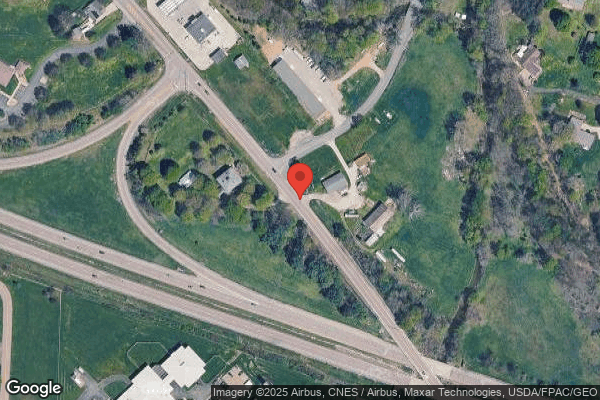
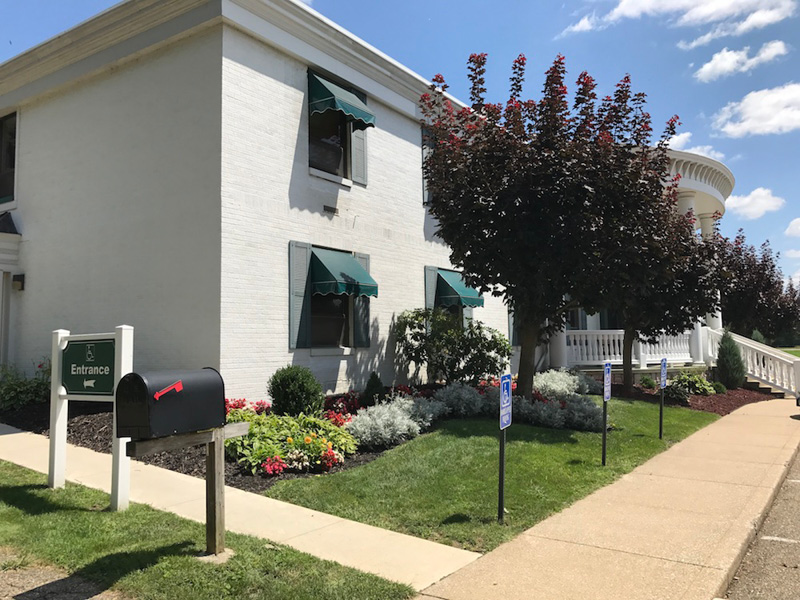
2594 EAST HIGH AVENUE, NEW PHILADELPHIA, OH 44663 (330) 339-3595
For profit - Limited Liability company 95 Beds DIVINE HEALTHCARE MANAGEMENT Data: November 2025
Trust Grade
55/100
#541 of 913 in OH
Last Inspection: February 2024

Within standard 12-15 month inspection cycle. Federal law requires annual inspections.

Overview

Schoenbrunn Healthcare in New Philadelphia, Ohio, has a Trust Grade of C, which means it is average-neither great nor terrible. It ranks #541 out of 913 facilities in Ohio, placing it in the bottom half, and #7 out of 10 in Tuscarawas County, indicating only a few options are better locally. The facility is improving, with reported issues decreasing from 11 in 2024 to just 2 in 2025. Staffing is a strong point, with a 3 out of 5-star rating and a turnover rate of 39%, which is lower than the state average. Notably, there have been no fines recorded, and it has more RN coverage than 91% of Ohio facilities, ensuring better oversight of residents' care. However, there are areas of concern. A serious incident involved staff intimidation and emotional abuse toward a resident, which led to the staff member's termination. Additionally, past inspections revealed issues with kitchen sanitation, including poor handwashing practices that could affect food safety for residents. There were also deficiencies in maintaining complete medical records for several residents, indicating potential gaps in care documentation. Families should weigh these strengths and weaknesses carefully when considering Schoenbrunn Healthcare.

Trust Score
C
55/100
In Ohio
#541/913
Bottom 41%
Safety Record
Moderate
Needs review
Inspections
Getting Better
11 → 2 violations
Staff Stability
○ Average
39% turnover. Near Ohio's 48% average. Typical for the industry.
Penalties
✓ Good
No fines on record. Clean compliance history, better than most Ohio facilities.
Skilled Nurses
✓ Good
Each resident gets 55 minutes of Registered Nurse (RN) attention daily — more than average for Ohio. RNs are trained to catch health problems early.
Violations
⚠ Watch
29 deficiencies on record. Higher than average. Multiple issues found across inspections.
★★★☆☆
3.0
Overall Rating
★★★☆☆
3.0
Staff Levels
★★★★☆
4.0
Care Quality
★★★☆☆
3.0
Inspection Score
Stable
2024: 11 issues
2025: 2 issues

The Good

  • 4-Star Quality Measures · Strong clinical quality outcomes
  • Full Sprinkler Coverage · Fire safety systems throughout facility
  • No fines on record
  • Staff turnover below average (39%)

    9 points below Ohio average of 48%

Facility shows strength in quality measures, fire safety.

The Bad

3-Star Overall Rating

Near Ohio average (3.2)

Meets federal standards, typical of most facilities

Staff Turnover: 39%

Near Ohio avg (46%)

Typical for the industry

Chain: DIVINE HEALTHCARE MANAGEMENT

Part of a multi-facility chain

Ask about local staffing decisions and management

The Ugly 29 deficiencies on record

1 actual harm
Jul 2025 2 deficiencies
CONCERN (D) 📢 Someone Reported This

A family member, employee, or ombudsman was alarmed enough to file a formal complaint

Potential for Harm - no one hurt, but risky conditions existed

Deficiency F0679 (Tag F0679)

Could have caused harm · This affected 1 resident

**NOTE- TERMS IN BRACKETS HAVE BEEN EDITED TO PROTECT CONFIDENTIALITY** Based on observations, medical record review, review of activity calendars and interview, the facility failed to ensure an indiv...

Read full inspector narrative →
**NOTE- TERMS IN BRACKETS HAVE BEEN EDITED TO PROTECT CONFIDENTIALITY** Based on observations, medical record review, review of activity calendars and interview, the facility failed to ensure an individualized activity program was developed based on resident preferences. This affected one (Residents #28) of three residents reviewed for activities. Findings include: Review of Resident #28's medical record revealed diagnoses including chronic obstructive pulmonary disease (COPD), anxiety order, depression with psychotic symptoms, dementia with mood disturbance and difficulty walking. A physician order dated 02/03/21 indicated Resident #28 was to be transferred with a mechanical lift. A plan of care initiated 08/17/20 indicated Resident #28 would remain active and social. Interventions included providing an activity calendar in Resident #28's room, talking about what was taking place, listening to interests, reminding Resident #28 of activities, making Resident #28 feel welcome, and monitoring for changes in needs. The interventions indicated Resident #28 liked to watch television (all kinds of news and talk shows), take naps throughout the day and speak with her son. An Activities Interest Data Collection Tool dated 11/20/24 indicated Resident #28 preferred to spend her time with others. Resident #28 preferred to participate in group activities. Naps were part of Resident #28's daily activity routine. Community activity interests included voting, children/youth, shopping, entertainment, and restaurant. Creative activities interests included crafts, listening to music, television, and movies. Educational/cognitive interests included news, discussion, and reminiscing. Social interests included humor, talking/conversing, and live music/entertainment. Miscellaneous interests included animals/pets. Resident #28's work experience/occupation was a waitress. Resident #28 responded to questions. A quarterly Minimum Data Set (MDS) assessment dated [DATE] indicated Resident #28 was able to make herself understood, was able to understand others and had moderate cognitive impairment with a brief interview for mental status (BIMS) score of 12 out of 15. Review of the March 2025 activity participation log revealed active participation with room visits, new updates/trivia/discussion, reminiscing daily between 03/01/25 and 03/25/25. The log indicated Resident #28 observed television/radio and reading daily between 03/01/25 and 03/25/25. The log revealed Resident #28 passively participated in chronicles, religion, and parties/socials daily between 03/01/25 and 03/25/25. Resident #28 passively participated in games/puzzles on 03/07/25. No activity participation logs were available for April 2025 or May 2025. On 06/06/25, staff documented Resident #28 had her nails done by activities. On 06/11/25, Resident #28 had documentation of an activity of reminiscing and obtaining her shopping order. Review of the April 2025 activity calendar revealed on Sundays Chronicle packets were distributed, one on one visits were scheduled, and church was scheduled at 2:00 P.M. On Mondays one activity was provided twice (once on two different units) and dining room. The first Tuesday of the month chronicles, puzzles and calendars were distributed in the morning then one other activity on two different units. The second Tuesday of the month Walmart shopping was scheduled with a resident led activity in the afternoon. The other three Tuesdays revealed one activity was scheduled twice (once on two different units). Every Wednesday one activity was scheduled twice a day on different units and dining was listed as the only other activity. Thursday scheduled activities revealed the first two Thursdays one activity (besides dining) was scheduled twice a day on different units. The third Thursday revealed activities of ordering in food and music entertainment. The fourth Thursday revealed an outing at the Senior Center was scheduled with a resident led activity in the afternoon. The first through third Friday had one activity scheduled twice (on different units) with the second Friday indicating instead of dining room there was a resident lunch outing. The fourth Friday had one activity in the morning and resident council in the afternoon. On Saturdays Bingo was scheduled twice (on different units) with the only exception being a community Easter egg hunt on 04/12/25 in the morning with Bingo scheduled in the afternoon only. The May 2025 calendar revealed 19 days in which there was only one activity (with the exception of dining) scheduled twice a day. Sundays was the only days with more than two activities scheduled (with the exception of dining being counted as an activity). Sunday activity schedules included providing daily chronicle packets, providing 1:1's and church. Observation of Resident #28 on 06/30/25 at 9:03 A.M. revealed she was sitting in her bed eating breakfast. The television was playing. Subsequent observations on 06/30/25 at 10:58 A.M. and 12:40 P.M. revealed Resident #28 was in bed with her eyes closed. The television was playing. On 06/30/35 at 3:48 P.M., Resident #28 was observed in bed with the head of the bed raised. From the doorway it appeared Resident #28 might have been watching television but did not answer the door to permit entry. On 07/01/25 at 7:57 A.M. and 11:01 A.M., Resident #28 was observed lying in bed with her eyes closed. The television was playing. During an interview on 06/30/25 at 2:25 P.M., Activity Assistant #106 stated she sometimes tried to provide one on one activities for Resident #28 but she was sleeping most of the time and she did not attempt to wake her. Activity Assistant #106 indicated as far as she knew if residents were sleeping, she was not supposed to wake them to ask if they wanted to go to activities. On 07/01/25 at 10:40 A.M., Activity Coordinator #110 stated she had began employment in the middle of May 2025. Activity Coordinator #110 stated when she first started she noted there were only two activities scheduled per day with the morning activity being repeated in the afternoon on many days. Activity Coordinator #110 stated she was still working on getting to know the residents. Her focus had been on improving the group activities offered with input of resident council. Activity Coordinator #110 stated she was unable to find any activity participation logs between April 2025 to May 2025. Activity Coordinator #110 stated the Daily Chronicles referred to on the activity calendars were only provided to those residents who wanted them (print about 25). Each resident received an activity calendar that was posted in their rooms (observed on multiple occasions and in multiple rooms posted on bathroom doors not visible from beds or some stationary chairs). Activity Coordinator #110 stated activity staff made rounds about 30 minutes before activities to invite/gather residents. On 07/01/25 at 12:05 P.M., the Director of Nursing (DON) and Activity Director #110 were informed of concerns related to a lack of individual preference-related activities. Both the DON and Activity Director #110 indicated Resident #28 did not come out of her room except entertainers like an Elvis impersonator. Although staff had identified this, there had been no re-evaluation to determine if Resident #28 would benefit from a change in her activity plan. Activity Director #11 verified she had been unable to locate any activity participation logs for Resident #28 for April 2025 or May 2025. The month of June 2025, two activities of one on one visits were documented. On 07/01/25 at 12:26 P.M., Resident #28 was observed sitting in bed. The television was playing but Resident #28 did not appear to be watching it. Interview with Resident #28 revealed she would be interested in group activities if she knew what activity was occurring, stating she needed reminders. Resident #28 reported she would like to attend activities including crafts and socialization opportunities. Resident #28 was interested in activities with music but was unsure if she wanted to listen to music in the room by herself. This deficiency represents non-compliance investigated under Complaint Number OH00164293.
CONCERN (E) 📢 Someone Reported This

A family member, employee, or ombudsman was alarmed enough to file a formal complaint

Potential for Harm - no one hurt, but risky conditions existed

Medical Records (Tag F0842)

Could have caused harm · This affected multiple residents

**NOTE- TERMS IN BRACKETS HAVE BEEN EDITED TO PROTECT CONFIDENTIALITY** Based on medical record review and interview, the facility failed to ensure complete medical records were maintained in regard t...

Read full inspector narrative →
**NOTE- TERMS IN BRACKETS HAVE BEEN EDITED TO PROTECT CONFIDENTIALITY** Based on medical record review and interview, the facility failed to ensure complete medical records were maintained in regard to activity participation and medication administration. This affected four (Residents #28, #30, #78 and #79) of four residents reviewed. Findings include: 1. Review of Resident #28's medical record revealed diagnoses including chronic obstructive pulmonary disease (COPD), anxiety order, depression with psychotic symptoms, dementia with mood disturbance and difficulty walking. A physician order dated 02/03/21 indicated Resident #28 was to be transferred with a mechanical lift. A plan of care initiated 08/17/20 indicated Resident #28 would remain active and social. Interventions included providing an activity calendar in Resident #28's room, talking about what was taking place, listening to interests, reminding Resident #28 of activities, making Resident #28 feel welcome, and monitoring for changes in needs. The interventions indicated Resident #28 liked to watch television (all kinds of news and talk shows), take naps throughout the day and speak with her son. An Activities Interest Data Collection Tool dated 11/20/24 indicated Resident #28 preferred to spend her time with others. Resident #28 preferred to participate in group activities. Naps were part of Resident #28's daily activity routine. Community activity interests included voting, children/youth, shopping, entertainment, and restaurant. Creative activities interests included crafts, listening to music, television, and movies. Educational/cognitive interests included news, discussion, and reminiscing. Social interests included humor, talking/conversing, and live music/entertainment. Miscellaneous interests included animals/pets. Resident #28's work experience/occupation was a waitress. Resident #28 responded to questions. A quarterly Minimum Data Set (MDS) assessment dated [DATE] indicated Resident #28 was able to make herself understood, was able to understand others and had moderate cognitive impairment with a brief interview for mental status (BIMS) score of 12 out of 15. No activity participation logs were available for April 2025 or May 2025. On 06/06/25, staff documented Resident #28 had her nails done by activities. On 06/11/25, Resident #28 had documentation of an activity of reminiscing and obtaining her shopping order. The activities documented in June 2025 were not part of the medical record. On 07/01/25 at 12:05 P.M., Activity Director #110 verified there were no activity participation records documented in the medical record since March 2025. 2. Review of Resident #30's medical record revealed diagnoses including congestive heart failure (CHF), post-traumatic stress disorder, schizoaffective disorder, depression, anxiety disorder, bipolar disorder, and intellectual disabilities. Review of an activities interest data collection tool dated 06/20/24 revealed Resident #30 preferred to spend time with others. Resident #30 wished to participate in independent and group activities. Interests included shopping, restaurant, crafts, television, cards, bingo, word games/trivia, word puzzles, jigsaw puzzles, walking, humor, talking/conversing, and animals/pets. Baptist religion was recorded on the assessment. A plan of care initiated 06/20/24 revealed Resident #30 would remain social and active with interventions to remind Resident #30 of activities, providing an activity calendar in her room, offering encouragement to go to activities and monitoring for change in needs. There was no documentation found in the medical record of activity participation since 03/25/25. On 07/01/25 at 12:05 P.M., Activity Director #110 verified there was no activity participation records documented in the medical record since March 2025. There were some notes written down in a notebook for activities in June which were not part of the medical record. 3. Review of Resident #78's medical record revealed diagnoses included left hip osteoarthritis, artificial left hip joint, heart failure, morbid obesity, malignant neoplasm of the prostate, cellulitis of the right lower extremity, depression, idiopathic aseptic necrosis of the right femur, cataract, chronic kidney disease, and arthritis of multiple sites. A care plan initiated 06/09/25 indicated Resident #78 had feelings of sadness, anxiety, uneasiness, and depression characterized by ineffective coping, low self esteem, insomnia and withdrawal from care/activities related to relocation. Interventions included encouraging Resident #78 to attend group activities and to participate in the pet therapy program when available. An admission Minimum Data Set (MDS) assessment dated [DATE] revealed Resident #78 was able to make himself understood, was able to understand others, and was cognitively intact. The MDS indicated Resident #78 reported it was somewhat important for him to have reading material, listen to music, be around animals, keep up with the news, do things with groups of people, do favorite activities, go outside to get fresh air when weather was good, and to participate in religious services or practices. On 07/01/25 at 12:05 P.M., Activity Director #110 verified there was no activity participation records available for Resident #78 although she knew he had been provided one on one activities. 4. Review of the initial submission of Facility Reported Incident (FRI) #260537 revealed Resident #79 made allegations Registered Nurse (RN) #150 had substituted her pain pills with a different pill and was taking the pain medications herself. Review of Resident #79's medical record revealed an admission/5 day MDS assessment dated [DATE] which indicated Resident #79 was able to make herself understood, was able to understand others, and was cognitively intact. Resident #79 denied pain over the prior five days. Resident #79 had a physician order for oxycodone 10 milligrams (mg) every eight hours as necessary for pain. The following discrepancies between the May 2025 Medication Administration Record (MAR) and controlled substance administration record were verified with the Director of Nursing (DON) on 07/01/25 between 9:55 A.M. and 10:14 A.M.: On 05/02/25 at 5:00 A.M. and 9:00 P.M. staff signed for the withdraw of oxycodone from the narcotic supply. However, administration was not documented on the MAR. On 05/08/25 at 10:00 P.M., staff signed a dose of oxycodone out of the narcotic supply. Administration was not documented on the MAR. On 05/10/25 a dose of oxycodone was removed from the supply at 6:00 A.M., 9:05 A.M. and 5:15 P.M. according to the controlled substance accountability record. The MAR indicated the first dose administered on 05/10/25 was at 11:59 A.M. with another dose administered at 5:14 P.M. The DON stated she assumed the dose withdrawn at 6:00 A.M. was given then but not documented on the MAR. Because the 6:00 A.M. dose was not documented she assumed a dose was given at 9:05 A.M. when withdrawn but it was documented late in the MAR at 11:59 A.M. (instead of at the time of administration) then a dose was given at 5:14 P.M. as indicated on the MAR. On 05/15/25 at 8:00 A.M., an oxycodone tablet was signed off on the controlled substance accountability sheet but not recorded on the MAR. The next dose was signed as administered at 1:13 P.M. which was closer than the ordered every eight hours. On 05/20/25 a dose of oxycodone was removed from the supply but not documented on the MAR as administered. Interview on 07/01/25 between 9:55 A.M. and 10:14 A.M. the DON stated she believed the discrepancies were documentation errors. One of nurses who did not document administration had worked seven days straight. This deficiency is an incidental finding discovered during the complaint investigation.
Oct 2024 3 deficiencies 1 Harm
SERIOUS (G) 📢 Someone Reported This

A family member, employee, or ombudsman was alarmed enough to file a formal complaint

Actual Harm - a resident was hurt due to facility failures

Free from Abuse/Neglect (Tag F0600)

A resident was harmed · This affected 1 resident

Based on medical record review, review of a facility self-reported incident (SRI) and investigation, review of a personnel records, review of staff schedules and time punches, facility policy review a...

Read full inspector narrative →
Based on medical record review, review of a facility self-reported incident (SRI) and investigation, review of a personnel records, review of staff schedules and time punches, facility policy review and interviews, the facility failed to ensure Resident #03 was free from an incident of staff to resident abuse which included intimidation, verbal and emotional abuse. Actual psychosocial harm occurred on 09/30/24 to Resident #03 when State Tested Nursing Assistant (STNA) #174, while providing care for the resident, yelled, used profanity and punched/hit the wall above the resident's bed. Resident #03 believed STNA #174's actions were directed toward her. Following the incident, STNA #174 worked additional shifts, providing care for Resident #03, before he was suspended on 10/06/24, and subsequently terminated. Resident #03 reported being fearful, afraid of retaliation and not wanting to eat or do anything as a result of the incident. This affected one resident (#03) of three residents reviewed for abuse. The facility census was 65. Findings include: Review of Resident #03's medical record revealed an admission date of 05/05/23. Diagnoses included acute and chronic respiratory failure with hypoxia, myocardial infarction, anxiety disorder and major depressive disorder. Review of the quarterly Minimum Data Set (MDS) assessment, dated 10/09/24, revealed Resident #3 was cognitively intact. Review of the facility SRI, tracking number 252690 dated 10/06/24, revealed on 09/30/24 Resident #03 alleged that a staff person (STNA #174) was angry and punched a nearby wall. On Sunday, 10/06/24, at approximately 6:13 A.M., the Administrator was notified by a facility nurse that STNA #174 became frustrated in Resident #03's room and punched/hit the wall. Although this incident took place on 09/30/24 at 10:10 A.M. it was not reported to facility management until 10/06/24. Review of a facility investigation written statement, completed by STNA #100 and dated 10/09/24, revealed around 09/30/24, STNA #174 and STNA #100 were putting Resident #03 to bed. STNA #174 was frustrated about something and punched the wall in Resident #03's room. STNA #174 had been getting frustrated easily lately. At times, the nurses would get STNA #100 when they needed something so STNA #174 did not get upset. STNA #100 asked STNA #174 if he had been going to counseling lately and taking antianxiety medications. STNA #100 stated STNA #174's actions startled her and Resident #03. Three or five days later, Resident #64 (Resident #03's spouse) asked STNA #100 if she heard about the incident with STNA #174. Resident #64 stated Resident #03 was fearful because of the incident. Review of a facility investigation written statements, completed by STNA #114 and STNA #152, revealed they had witnessed STNA #174 express frustration and anger in front of residents and staff. Review of an undated written statement, completed by STNA #181, revealed on 09/27/24, STNA #181 asked STNA #174 to help put a resident in bed using a mechanical lift. STNA #174 got angry and started punching the shower book and throwing things. Review of an undated written statement, completed by STNA #174, revealed on 09/30/24 it was a rough day and due to last minute appointments, therapy, call lights going off and demands, STNA #174 got frustrated and snapped. STNA #174 slapped the wall and yelled out comments, which STNA #174 realized scared Resident #03. Interview on 10/18/24 at 10:44 A.M. with Resident #03 revealed on 09/30/24, she had her call light on and STNA #174 came in the room. Resident #03 stated STNA #174 hit the wall above her head and stated, you [explicative] people. Resident #03 stated STNA #100 reported the incident to a nurse and stated the nurse would talk to STNA #174. During the interview with Resident #03, her husband, Resident #64, entered the room. Resident #64 stated he resided in another room and was not aware of the incident with STNA #174 until STNA #181 told him about it. Resident #64 stated he went to the nurse to make sure it was reported, and the nurse stated the incident could not be reported until Monday because the Administrator was not in the facility on the weekend. Resident #03 and Resident #64 stated STNA #174 continued to work after the incident. Resident #03 confirmed STNA #174 was assigned to provide care for her following the incident and stated he kept telling her it was okay; he had just been frustrated with her. Resident #03 stated she told LPN #202 she was afraid of retaliation by STNA #174. Additionally, Resident #03 stated she was upset and did not want to eat or do anything for three days following the incident. Resident #03 revealed none of the nurses came to ask her about what happened with STNA #174. Interview on 10/18/24 at 10:48 A.M. with STNA #181 revealed she did not witness the incident with STNA #174 (and Resident #03) but had heard about it. STNA #181 stated STNA #174 was upset prior to going to Resident #03's room and had been throwing binders at the nurse's station. STNA #181 stated LPN #214 witnessed STNA #174 getting upset. STNA #181 stated she thought STNA #100 reported witnessing STNA #174 punch the wall in Resident #03's room. Interview on 10/18/24 at 11:06 A.M. with LPN #214 verified she witnessed STNA #174 upset at the nurse's station on 09/30/24. LPN #214 stated STNA #174 got frustrated when there was any change or if a lot of residents needed assistance. LPN #214 denied STNA #100 reported any concerns with STNA #174 and Resident #03 until the end of the week. Interview on 10/18/24 at 11:20 A.M. with the Administrator verified he was not notified about the incident with STNA #174 and Resident #03 until the morning of 10/06/24. The Administrator stated STNA #100 wrote a statement that it was not reported because she did not feel abuse occurred. Review of STNA #174's personnel file revealed a hire date of 02/27/19. STNA #174 was terminated on 10/10/24 due to creating a hostile work environment for co-workers on numerous occasions and had been witnessed expressing frustrations with aggressive, and at times, threatening behavior. On or around 09/30/24, STNA #174 punched/slapped a wall in a resident's room. As a result of the seriousness and frequency of his actions, termination was deemed appropriate and necessary. Review of the staff schedule and time punches revealed STNA #174 worked on 09/30/24 from 5:53 A.M. to 2:05 P.M., 10/01/24 from 5:53 A.M. to 2:00 P.M., 10/02/24 from 5:53 A.M. to 2:10 P.M., 10/03/24 from 5:53 A.M. to 2:02 P.M., 10/05/24 from 5:53 A.M. to 2:09 P.M. and 10/06/24 from 5:53 A.M. to 6:33 A.M. Review of the undated facility policy titled Abuse, Neglect and Exploitation revealed abuse was defined as willful infliction of injury, intimidation, or punishment with resulting physical harm, pain, or mental anguish. Possible indicators of abuse included, but were not limited to, resident, staff, or family report of abuse, psychological abuse of a resident observed and sudden or unexplained changes in behaviors and/or activities such as fear of a person or place, or feelings of guilt or shame. The facility would make efforts to ensure all residents were protected from physical and psychosocial harm, as well as additional abuse, during and after the investigation. Examples included, but were not limited to, responding immediately to protect the alleged victim and integrity of the investigation and providing emotional support and counseling to the resident during and after the investigation as needed. This was an incidental finding discovered during the complaint investigation.
CONCERN (D) 📢 Someone Reported This

A family member, employee, or ombudsman was alarmed enough to file a formal complaint

Potential for Harm - no one hurt, but risky conditions existed

Report Alleged Abuse (Tag F0609)

Could have caused harm · This affected 1 resident

**NOTE- TERMS IN BRACKETS HAVE BEEN EDITED TO PROTECT CONFIDENTIALITY** Based on resident interview, medical record review, review of a facility self-reported incident (SRI) and investigation, staff i...

Read full inspector narrative →
**NOTE- TERMS IN BRACKETS HAVE BEEN EDITED TO PROTECT CONFIDENTIALITY** Based on resident interview, medical record review, review of a facility self-reported incident (SRI) and investigation, staff interview and review of facility policy, the facility failed to ensure allegations of staff to resident abuse were reported timely. This affected one resident (#03) of three residents reviewed for abuse. The facility census was 65. Findings include: Review of the medical record revealed Resident #03 was admitted on [DATE] with diagnoses that included acute and chronic respiratory failure with hypoxia, myocardial infarction, anxiety disorder and major depressive disorder. Review of the quarterly Minimum Data Set (MDS) assessment, dated 10/09/24, revealed Resident #03 was cognitively intact. Review of SRI #252690, dated 10/06/24, revealed Resident #03 alleged that on 09/30/24, State Tested Nursing Assistant (STNA #174) was angry and punched a nearby wall. The SRI stated although the alleged incident occurred on 09/30/24, the Administrator was not notified until 10/06/24 at approximately 6:13 A.M. The allegation indicated STNA #174 became frustrated in Resident #03's room and punched/hit the wall. Review of a facility investigation written statement, completed by STNA #100 and dated 10/09/24, revealed around 09/30/24, STNA #174 and STNA #100 were putting Resident #03 to bed. STNA #174 was frustrated about something and punched the wall in Resident #03's room. STNA #174 had been getting frustrated easily lately. At times, the nurses would get STNA #100 when they needed something so STNA #174 did not get upset. STNA #100 asked STNA #174 if he had been going to counseling lately and taking antianxiety medications. STNA #100 stated STNA #174's actions startled her and Resident #03. Three or five days later, Resident #64 (Resident #03's spouse) asked STNA #100 if she heard about the incident with STNA #174. Resident #64 stated Resident #03 was fearful because of the incident. Review of an undated written statement, completed by STNA #174, revealed on 09/30/24 it was a rough day and due to last minute appointments, therapy, call lights going off and demands, STNA #174 got frustrated and snapped. STNA #174 slapped the wall and yelled out comments, which STNA #174 realized scared Resident #03. Interview on 10/18/24 at 10:44 A.M. with Resident #03 revealed on 09/30/24, there was an incident in which STNA #174 hit the wall above her head and stated, you [explicative] people. Resident #03 stated STNA #100 reported the incident to a nurse and stated the nurse would talk to STNA #174. During the interview with Resident #03, her husband, Resident #64, entered the room. Resident #64 stated he resided in another room and was not aware of the incident with STNA #174 until STNA #181 told him about it. Resident #64 stated he went to the nurse to make sure it was reported, and the nurse stated the incident could not be reported until Monday because the Administrator was not in the facility on the weekend. Resident #03 revealed none of the nurses came to ask her about what happened with STNA #174. Interview on 10/18/24 at 11:06 A.M. with LPN #214 verified she saw STNA #174 get upset at the nurses station. LPN #214 stated STNA #174 got frustrated when there was any change or a lot of residents needed assistance. LPN #214 denied STNA #100 reported any concerns with STNA #174 and Resident #03 until the end of the week. Interview on 10/18/24 at 11:20 A.M. with the Administrator verified he was not notified of the incident on 09/30/24 until the morning of 10/06/24. The Administrator stated STNA #100 wrote a statement indicating she did not report the incident because she did not feel abuse occurred. Review of the undated facility policy titled Abuse, Neglect and Exploitation revealed the facility will have written procedures that include reporting of all alleged violations to the Administrator, state agency, and all other required agencies within specified timeframe's. Reporting requirements included immediately, but not later than two hours after the allegation was made if the events that cause the allegation involve abuse or result in serious bodily injury or not later than 24 hours if the events that cause the allegation do not involve abuse and do not result in serious bodily injury.
CONCERN (E) 📢 Someone Reported This

A family member, employee, or ombudsman was alarmed enough to file a formal complaint

Potential for Harm - no one hurt, but risky conditions existed

Deficiency F0602 (Tag F0602)

Could have caused harm · This affected multiple residents

Based on review of the facility self-report incident (SRI) and investigation, staff interview and review of facility policy, the facility failed to prevent misappropriation of resident medication. Thi...

Read full inspector narrative →
Based on review of the facility self-report incident (SRI) and investigation, staff interview and review of facility policy, the facility failed to prevent misappropriation of resident medication. This affected 13 residents (#1, #5, #14, #20, #25, #28, #29, #70, #71, #72, #73, #74 and #75) of 13 residents reviewed for misappropriation. The facility census was 65. Findings include: Review of SRI #252381, dated 09/27/24, revealed local law enforcement notified the facility that during the search of a facility employee's vehicle, medication packages with residents' names were found. The employee was identified as Licensed Practical Nurse (LPN) #211. Residents #1, #5, #14, #20, #25, #28, #29, #70, #71, #72, #73, #74, and #75 were identified in the SRI as the residents with medications found in LPN #211's vehicle. Review of the facility investigation revealed a total of 70 medication packages for Residents #1, #5, #14, #20, #25, #28, #29, #70, #71, #72, #73, #74, and #75 were found in LPN #211's car. The medications included 22 packages of Mirtazapine, 23 packages of Metoprolol, one package of Hydralazine, four packages of Buspar (to treat anxiety), one package of Trazodone (antidepressant), six packages of Lasix (diuretic), one package of Celexa (antidepressant), seven packages of tizanidine (muscle relaxant), one package of Zoloft (antidepressant) and four packages of Seroquel. The medications were dated from 09/29/23 through 08/01/24. All medication packages were unopened, except for two packages of Metoprolol for Resident #5, and each package contained one pill. Interview on 10/18/24 at 8:30 A.M. with the Administrator verified medications were found in LPN #211's car but none of the medications were controlled medications. The Administrator stated LPN #211 was acting erratic at a local airport. The police were called and LPN #211 was taken to the hospital for further evaluation and treatment. LPN #211's family retrieved her car and discovered the medication packages in the center console. The family contacted the police about the medication and the police contacted the facility. The Administrator stated as far as he knew, LPN #211 was still receiving inpatient treatment. Interview on 10/18/24 at 9:15 A.M. with Police Officer (PO) #500 revealed he opened the case related to the medications in LPN #211's car. PO #500 stated LPN #211's family brought the car to the police station after discovering the medications. PO #500 verified all the medications were still in the unopened packages except for the two packages of Resident #5's Metoprolol. PO #500 stated he had not been able to interview LPN #211 because she was still receiving treatment and the physicians did not want her to be interviewed yet. Interview on 10/18/24 at 10:22 A.M. with the Director of Nursing (DON) verified the police brought the packages of medications to the facility and only two packages (Resident #5's metoprolol) were opened. The DON stated the medications were checked against the medication administration record (MAR). Some of the medications had been discontinued, some were from when residents were out of the facility, and some were marked as administered. The DON was unable to determine if any residents actually missed medications related to the incident. Review of the undated facility policy titled Abuse, Neglect, and Exploitation revealed misappropriation of resident property was defined as the deliberate misplacement, exploitation or wrongful use of a resident's belongings without the resident's consent. This deficiency represents non-compliance investigated under Complaint Number OH00158618.
Sept 2024 4 deficiencies
CONCERN (D) 📢 Someone Reported This

A family member, employee, or ombudsman was alarmed enough to file a formal complaint

Potential for Harm - no one hurt, but risky conditions existed

Comprehensive Care Plan (Tag F0656)

Could have caused harm · This affected 1 resident

**NOTE- TERMS IN BRACKETS HAVE BEEN EDITED TO PROTECT CONFIDENTIALITY** Based on medical record review, policy review and interview, the facility failed to develop a discharge plan of care. This affec...

Read full inspector narrative →
**NOTE- TERMS IN BRACKETS HAVE BEEN EDITED TO PROTECT CONFIDENTIALITY** Based on medical record review, policy review and interview, the facility failed to develop a discharge plan of care. This affected one resident (#75) of four sampled residents. The facility census was 73. Findings include: Closed medical record review revealed Resident #75 was admitted on [DATE] with diagnoses including cerebral infarction, diabetes mellitus type-1, tracheostomy and anoxic brain injury. Resident #75 was discharged from the facility on 08/14/24. Review of the electronic mail correspondence (dated 07/12/24) between Resident #75's power of attorney and Social Service Designee (SSD) #177 revealed additional information was needed from a home care provider of products/services regarding any and all orders being placed that SSD #177 had placed. Review of the quarterly Minimum Data Set 3.0 (MDS) assessment (dated 07/31/24) revealed Resident #75 was moderately impaired for daily decision-making and had no active discharge planning or referrals made regarding discharge for the resident. Review of the Nursing Note dated 08/14/24 revealed Resident #75 was discharged from facility with her significant other, supplies and medications. Review of the record revealed no evidence of a discharge plan of care. On 09/16/24 at 2:49 P.M., interview with Social Service Designee (SSD) #177 revealed Resident #75 was admitted in April (2024) and upon admission the plan was to discharge back to the community. The resident and her power of attorney had decided to return to North Carolina and SSD #177 began working on setting up supplies and equipment in North Carolina. SSD #177 verified she had been speaking with providers trying to set things up and provided emails sent including one dated 07/12/24. SSD #117 verified she did not develop a discharge plan of care for Resident #75 because she was afraid she would forget to update it. SSD #177 stated she normally does one upon admission but it was undecided as to the resident's discharge plans at that time. SSD #177 verified she had been working on discharge plans for about a month prior to Resident #75's discharge, had not developed a discharge plan of care and the MDS assessment dated [DATE] was not accurate for discharge planning. Review of the policy: Discharge Planning Process (dated 2023) revealed the facility was to develop and implement an effective discharge planning process that focused on the resident's discharge goals. The expected goals and outcomes regarding discharge was to be determined upon admission, routinely with the comprehensive assessment and as needed. Subsequent assessment information and discharge goals were to be included in the resident's comprehensive plan of care. If discharge to community is a goal, an active discharge care plan will be implemented an will involve the interdisciplinary team, including the resident and/or representative. This deficiency represents incidental findings of non-compliance investigated under Complaint Number OH00156997.
CONCERN (D) 📢 Someone Reported This

A family member, employee, or ombudsman was alarmed enough to file a formal complaint

Potential for Harm - no one hurt, but risky conditions existed

Deficiency F0657 (Tag F0657)

Could have caused harm · This affected 1 resident

**NOTE- TERMS IN BRACKETS HAVE BEEN EDITED TO PROTECT CONFIDENTIALITY** Based on medical record review and interview, the facility failed to ensure comprehensive care plans were revised with resident ...

Read full inspector narrative →
**NOTE- TERMS IN BRACKETS HAVE BEEN EDITED TO PROTECT CONFIDENTIALITY** Based on medical record review and interview, the facility failed to ensure comprehensive care plans were revised with resident preferences. This affected one resident (#75) of four sampled residents. The census was 73. Findings include: Closed medical record review revealed Resident #75 was admitted on [DATE] with diagnoses including cerebral infarction, diabetes mellitus type-1, tracheostomy and anoxic brain injury. Resident #75 was discharged from the facility on 08/14/24. Review of the admission Minimum Data Set 3.0 (MDS) assessment dated [DATE] revealed Resident #75 was cognitively intact for daily decision-making and frequently incontinent of urine and bowel. Review of the care plan: Preferences (initiated 04/11/24 and revised 08/09/24) revealed Resident #75 had the right to make lifestyle choices as evidenced by preferring to appear more masculine and desiring to grow a beard. Resident #75 also preferred to be addressed as they/them pronouns during stay and keep the room warmer regardless of outside temperature. Interventions included staff would assist the resident with preferences as able. On 09/16/24 at 1:29 P.M., interview with the Director of Nursing (DON) revealed the facility had a male agency State Tested Nursing Aide (STNA) #502 who worked on 05/30/24 and provided care to the resident on the nightshift. No concerns from the resident was voiced at that time regarding the care provided. The DON stated the facility was later notified by Resident #75's power of attorney that the resident did not want male caregivers. It was not until that time the facility became aware that Resident #75 did not want male caregivers, and all male staff were removed from the unit as not to provide care to the resident. On 09/16/24 at 3:10 P.M., interview with the DON verified the resident's preference care plan had not been revised to reflect she did not want male caregivers providing care. This deficiency represents incidental findings of non-compliance investigated under Complaint Number OH00156997.
CONCERN (D) 📢 Someone Reported This

A family member, employee, or ombudsman was alarmed enough to file a formal complaint

Potential for Harm - no one hurt, but risky conditions existed

Respiratory Care (Tag F0695)

Could have caused harm · This affected 1 resident

**NOTE- TERMS IN BRACKETS HAVE BEEN EDITED TO PROTECT CONFIDENTIALITY** Based on closed record review, policy review and interview, the facility failed to ensure tracheotomy care was completed as orde...

Read full inspector narrative →
**NOTE- TERMS IN BRACKETS HAVE BEEN EDITED TO PROTECT CONFIDENTIALITY** Based on closed record review, policy review and interview, the facility failed to ensure tracheotomy care was completed as ordered. This affected two residents (#64, #75) reviewed for tracheostomy care. The facility identified no residents currently in the facility with a tracheostomy. The census was 73. Findings include: 1. Closed medical record review revealed Resident #64 was admitted on [DATE] with diagnoses including cerebral infarction, epilepsy, acute tracheitis without obstruction, hypertension and acute kidney failure. Resident #64 was discharged from the facility on 09/13/24. Review of the admission Minimum Data Set 3.0 assessment (MDS) (dated 07/16/24) revealed the resident received oxygen, suctioning and tracheostomy care. Review of the electronic Physician Orders (dated 07/09/24) revealed tracheostomy care was to be completed every shift, aerosol and cool mist was to be changed weekly, oxygen tubing and set up was to be changed weekly, and 35% trach collar 5 liters of oxygen via cool mist was to be checked every shift. Review of the Treatment Records (dated July, August and September 2024) revealed the following: a. Tracheostomy care was not completed as ordered on 07/17/24, 08/05/24, 08/14/24 and 09/05/24. b. Aerosol/cool mist and oxygen tubing/set up was not changed as ordered on 07/17/24. Review of the care plan: Tracheostomy (dated 07/15/24) revealed the resident was able to do his own tracheostomy care with partial assist of staff and providing equipment. There were no interventions regarding changing or cleaning of equipment. 2. Closed medical record review revealed Resident #75 was admitted on [DATE] with diagnoses including cerebral infarction, diabetes mellitus type-1, tracheostomy and anoxic brain injury. Resident #75 was discharged from the facility on 08/14/24. Review of the quarterly MDS assessment (dated 07/31/24) revealed Resident #75 was moderately impaired for daily decision-making, received oxygen, suctioning and tracheostomy care. Review of the electronic Physician Orders 04/08/24 revealed tracheostomy care was to be completed every shift, aerosol and cool mist was to be changed weekly, oxygen tubing and set up was to be changed weekly. Review of the Treatment Records (dated June and July 2024) revealed the following: a. Aerosol/cool mist and oxygen tubing/set up was not changed as ordered on 06/10/24 or 06/26/24. b. Disposable respiratory equipment was not changed on 06/10/24. c. Daily tracheostomy care was not completed on 07/10/24, 07/11/24 or 07/17/24. Review of the care plan: Tracheostomy related to complications of CVA (cerebral vascular accident) (dated 04/26/24) revealed no interventions regarding cleaning of equipment or daily care. Review of the policy: Tracheostomy Care (dated 2023) revealed the facility will ensure that residents who need respiratory care, including tracheostomy care and tracheal suctioning, is provided such care consistent with professional standards of practice, the comprehensive person-centered care plan and resident goals and preferences. Tracheostomy care was also to be provided according to the physician's orders and general considerations included to provide tracheostomy care at least twice daily. On 09/16/24 at 3:21 P.M., interview with the Director of Nursing verified there was no evidence Resident #64 and #75's tracheostomy and respiratory orders were completed as ordered as indicated above. This deficiency represents non-compliance investigated under Complaint Number OH00156997.
CONCERN (D) 📢 Someone Reported This

A family member, employee, or ombudsman was alarmed enough to file a formal complaint

Potential for Harm - no one hurt, but risky conditions existed

Infection Control (Tag F0880)

Could have caused harm · This affected 1 resident

**NOTE- TERMS IN BRACKETS HAVE BEEN EDITED TO PROTECT CONFIDENTIALITY** Based on observation, medical record review, policy review and interview, the facility failed to ensure proper gloving and hand ...

Read full inspector narrative →
**NOTE- TERMS IN BRACKETS HAVE BEEN EDITED TO PROTECT CONFIDENTIALITY** Based on observation, medical record review, policy review and interview, the facility failed to ensure proper gloving and hand washing was completed during incontinence care. This affected one resident (#26) observed for incontinence care. The facility identified 41 incontinent residents. The census was 73. Findings include: Medical record review revealed Resident #26 was admitted on [DATE] with diagnoses including dementia, obstructive and reflux uropathy and functional incontinence. On 09/16/24 between 2:00 P.M. and 2:05 P.M., observation of Resident #26's incontinence care revealed State Tested Nurse Aide (STNA) #144 and Housekeeping Aide #155 gathered supplies, washed their hands and applied gloves. Resident #26's incontinence product was removed and observed to be urine soaked. STNA #144 cleansed and rinsed the perineal area, rolled the resident on her right side and cleansed and rinsed the anus and buttocks. STNA #144 placed a clean incontinence product on the resident, adjusted the resident's gown, call light and bed linens while wearing the same soiled gloves worn for incontinence care. STNA #144 gathered her soiled supplies and then removed her gloves. STNA #144 walked the soiled supplies down the hallway to the shower room, placed them in a bin for laundry and went to the sink and washed her hands. On 09/16/24 at 2:05 P.M., interview with STNA #144 verified she had not changed her gloves during incontinence care or adjusting the resident's gown, call light or bed linens, and did not wash her hands prior to leaving the resident's room stating she hadn't given it a thought. Review of the policy: Hand Hygiene (dated 2024) revealed all staff will perform proper hand hygiene procedures to prevent the spread of infection to other personnel, residents, and visitors. The use of gloves does not replace hand hygiene and if your task requires gloves, perform hand hygiene prior to donning gloves, and immediately after removing gloves. Review of the policy: Perineal Care (dated 2023) revealed to cleanse buttocks and anus, front to back; vagina to anus in females, scrotum to anus in males, using a separate washcloth or wipes. Thoroughly dry and re-position resident in supine position. Change gloves if soiled and continue with perineal care. Once resident was cleansed, reposition as desired and cover resident. Remove gloves and discard. Perform hand hygiene, ensure call light is within reach and replace all equipment used. This deficiency represents incidental findings of non-compliance investigated under Complaint Number OH00156997.
Feb 2024 4 deficiencies
CONCERN (D)

Potential for Harm - no one hurt, but risky conditions existed

Quality of Care (Tag F0684)

Could have caused harm · This affected 1 resident

**NOTE- TERMS IN BRACKETS HAVE BEEN EDITED TO PROTECT CONFIDENTIALITY** Based on medical record review, policy review and interviews the facility failed to ensure Resident #64 received comprehensive a...

Read full inspector narrative →
**NOTE- TERMS IN BRACKETS HAVE BEEN EDITED TO PROTECT CONFIDENTIALITY** Based on medical record review, policy review and interviews the facility failed to ensure Resident #64 received comprehensive and individualized care to prevent/treat constipation. This affected one resident (Resident #64) of two residents reviewed for bowel and bladder management. The census was 72. Findings included: Review of the medical record revealed Resident #64 was admitted to the facility on [DATE]. Diagnoses included respiratory failure, chronic obstructive pulmonary disease, alpha-1-antitrypsin deficiency, emphysema, anxiety disorder, protein-calorie malnutrition, dehydration, constipation (06/28/23) and hypertension. Review of the plan of care dated 07/05/23 revealed Resident #64 had bowel incontinence related to side effects of medication. She had no incontinence pattern identified on the three-day bowel and bladder tracker. Interventions included to observe for a pattern of incontinence and initiate toileting schedule if indicated, provide a bedpan or bedside commode, provide loose fitting and easy to remove clothing, provide peri care after each incontinent episode and inspect her skin for irritation. The resident did not have a care plan related to constipation. Review of the physician's order dated 07/12/23 revealed Resident #64 had an order to give prune juice for constipation. The order did not specify when to give the prune juice or how often. Review of the Bowel and Bladder assessment dated [DATE] revealed Resident #64 was continent of bowel. Further review of the medical record revealed the resident was hospitalized from [DATE] through 12/27/23 after having difficulty breathing and the resident requested to be evaluated in the emergency room. Upon the resident's return, the resident began to experience lack of bowel movements and complaints of abdominal pain. Review of the physician's order dated 12/27/23 revealed Resident #64 had an order to give milk of magnesia (MOM) 30 milliliters (ml) once daily per bowel protocol if no bowel movement (BM) in three consecutive days; give a bisacodyl suppository (laxative) 10 milligrams (mg) one daily at bedtime if no bowel movement eight hours after MOM administration. Review of the physician's order dated 12/28/23 revealed Resident #64 had an order to give Colace (stool softener) 100 mg every 24 hours as needed for constipation. Review of the Significant Change Minimum Data Set assessment dated [DATE] revealed Resident #64 had intact cognition. She was occasionally incontinent of bladder, always continent of bowel, and required partial assistance with transfers and toileting. Review of the nursing assistant documentation for resident bowel movement tracking from 12/27/23 to 01/14/24 revealed the resident had a small bowel movement on 12/28/23 and no BM documented from 12/29/23 to 01/12/24. Resident #64 had two medium and one small bowel movements on 01/13/24. Review of the Medication Administration Record (MAR) for January 2024 revealed Resident #64 was given Colace 100 mg on 01/02/24 and 01/07/24 but the medication was ineffective. Review of the progress notes dated 01/08/24 at 4:41 P.M. revealed Resident #64 refused medication for constipation despite education of risks and benefits. Her abdomen was non-distended with hypoactive bowel sounds. (The progress note did not indicate what medication for constipation Resident #64 refused). Review of the progress note dated 01/12/24 at 3:35 P.M. revealed hospice was called in regards to Resident #64 not having a BM and refusing to take any oral medication to help alleviate it. Review of the progress notes dated 01/12/24 at 4:00 P.M. revealed Resident #64 was having trouble moving her bowels. She was stating to the nursing assistants she just wants the BM to fall out and not have to worry about going. She was offered Colace and refused stating she just wanted a little orange colored pill (bisacodyl). Review of the physician's order dated 01/12/24 revealed Resident #64 had an order to give bisacodyl five or 10 mg tablet once daily as needed for constipation. Review of the January Medication Administration Record (MAR) revealed the resident was administered bisacodyl on 01/12/24, which was ineffective, a bisacodyl 10 mg suppository on 01/13/24 and 01/15/24 which were effective. On 02/13/24 at 8:00 A.M. an interview with Resident #64 revealed she had been having trouble with constipation because the nurse (Licensed Practical Nurse #156) would not give her a Dulcolax (bisacodyl) pill when she asked for one. The resident stated she told the nurse she was having severe abdominal pain because she had not had a bowel movement since she had returned from the hospital, she was not sure how many days it had been. She stated the nurse brought in her MOM but she told the nurse she did not want it because it did not work for her. She stated the nurse just mumbled something to her, went out of the room, and never tried to give her anything else. She stated she got upset and called for the nurse to come back in her room. She stated she asked the nurse what she said, and the nurse told her they had a bowel protocol they must follow for constipation, and they could not just give her a bisacodyl. The resident stated she knew the MOM was not going to work fast enough so she did not want it and they would not give her anything else. She stated they had not done anything for a couple days and she was having severe abdominal pain. She stated she only refused the MOM but it was the only laxative the nurse offered. On 02/14/24 at 3:20 P.M. an interview with Regional Compliance Nurse #200 confirmed there was no documentation of Resident #64 having a BM from 12/29/23 to 01/12/24. Multiple attempts to reach LPN #156 were unsuccessful. Review of the facility policy titled, Bowel Management and Treatment, dated 04/03/17 revealed the purpose was to achieve control of bowel evacuation on a routine basis which may be indicated by an independent or assisted stool every two to three days to avoid constipation and prevent skin irritation. Residents who have not had a movement for three consecutive days would have the following protocol initiated unless the resident had individual orders specific to bowel management. 1. The initial nurse receiving the Point Click Care Alert for the lack of bowel movement in three days would begin the following bowel protocol for the residents: a. Assess for bowel sounds. b. Administer 30 milliliters of milk of magnesia. c. If the resident refused the MOM, the nurse would notify the attending physician and document such on the MAR and nurse's notes. d. Documents on the MAR and in the nurse's notes when the resident had a BM and then the resident would be placed on a modified promotional bowel regimen. 2. The Medication nurse on the next shift would check the list upon beginning her shift and the following would be performed. a. Assess for bowel sounds. b. If the resident does not have a BM on the prior shift, after receiving MOM, the nurse would administer a suppository per the physician's orders. c. If the resident refused the suppository, the nurse would notify the attending physician and document such on the MAR and nurse's notes. d. Documents on the MAR and in the nurse's notes when the resident had a BM and then the resident would be placed on the modified promotional bowel regimen. 3. The medication nurse for the third consecutive/next shift would check the list at the start of her shift and the following would be performed. a. Assess bowel sounds. b. If the resident does not have a BM in the prior shift, after receiving the suppository, he nurse would administer an enema per physician's order. c. If the resident refused the enema, the nurse would notify the attending physician and document such on the MAR and nurse's notes. d. Documents on the MAR and in the nurse's notes when the resident had a BM and then the resident would be placed on the modified promotional bowel regimen. e. If the resident does not have a BM within one hour of receiving the enema, notify the attending physician for further instruction and document such in the MAR and in the nurse's notes.
CONCERN (D)

Potential for Harm - no one hurt, but risky conditions existed

Deficiency F0810 (Tag F0810)

Could have caused harm · This affected 1 resident

**NOTE- TERMS IN BRACKETS HAVE BEEN EDITED TO PROTECT CONFIDENTIALITY** Based on observation, review of the medical record and interview with staff the facility failed to ensure Resident #10, #37 and ...

Read full inspector narrative →
**NOTE- TERMS IN BRACKETS HAVE BEEN EDITED TO PROTECT CONFIDENTIALITY** Based on observation, review of the medical record and interview with staff the facility failed to ensure Resident #10, #37 and #49 had physician ordered adaptive equipment for meals. This affected three residents (Resident #10, #37 and #49) of six residents reviewed for nutrition. The census was 72. Findings included: 1. Review of the medical record revealed Resident #49 was admitted to the facility on [DATE]. Diagnoses included dysphagia, acute respiratory failure, proteins-calorie malnutrition, dementia, weakness, cerebral infarction, and paraplegia. Review of the physician's orders revealed Resident #49 had an order for a plate guard (a metal food bumper that clips onto a plate and makes scooping food onto utensils easier), dated 08/15/22. Observation on 02/13/24 at 8:15 A.M. revealed Resident #49 was in the atrium eating her breakfast. Her plate guard was not on her plate but was lying on the table. An interview at this time with State Tested Nursing Assistant (STNA) #100 stated she did not know why it was not on the resident's plate but she applied the plate guard to the resident's plate. Interview with Resident #49 revealed she had not removed the plate guard from her plate. 2. Review of the medical record revealed Resident #37 was admitted to the facility on [DATE]. Diagnoses included Parkinson's disease, dysphagia, dementia, diabetes, protein-calorie malnutrition, adult failure to thrive, and transient cerebral ischemic attack. Review of the physician's orders revealed Resident #37 had an order for a regular diet with a plate guard and grey weighted silverware dated 02/23/23. Observation on 02/13/24 at 5:20 P.M. revealed Resident #37 was sitting in her room eating her dinner meal. She did not have her plate guard on her plate but it was sitting off to the side, on the table. On 02/13/24 at 5:27 P.M. an interview with Licensed Practical Nurse (LPN) #164 confirmed Resident #37 did not have her plate guard on her plate as ordered. 3. Review of the medial record revealed Resident #10 was admitted to the facility on [DATE]. Diagnoses included end stage renal disease, diabetes, dependent on renal dialysis, legally blind, anxiety disorder, and glaucoma. Review of the physician's orders revealed Resident #10 had an order for a plate guard for all meals dated 09/20/23. Observation on 02/13/24 at 5:25 P.M. revealed a nursing assistant delivered the meal tray to Resident #10 and she had not placed the plate guard on his plate. She sat it off to the side with his lid to his plate. She did not ask him if he wanted the plate guard on or off his plate. On 02/13/24 at 5:28 P.M. an interview with Licensed Practical Nurse (LPN) #164 confirmed the nursing assistant had not placed the plate guard on the plate of Resident #10. She stated he was blind and needed it on his plate. She also verified she had not asked him if he wanted it on his plate.
CONCERN (D)

Potential for Harm - no one hurt, but risky conditions existed

Medical Records (Tag F0842)

Could have caused harm · This affected 1 resident

**NOTE- TERMS IN BRACKETS HAVE BEEN EDITED TO PROTECT CONFIDENTIALITY** Based on medical record review, staff interview and policy review the facility failed to accurately obtain and document resident...

Read full inspector narrative →
**NOTE- TERMS IN BRACKETS HAVE BEEN EDITED TO PROTECT CONFIDENTIALITY** Based on medical record review, staff interview and policy review the facility failed to accurately obtain and document resident weights. This affected one (Resident #20) of four residents reviewed for nutritional services. The facility census was 72. Findings include: Review of Resident #20's medical record revealed an admission date of 11/21/23 with diagnoses that included non-displaced fracture of right great toe, chronic obstructive pulmonary disease, diabetes mellitus, congestive heart failure and hypertension. Review of Resident #20's weights revealed a weight of 242 pounds upon admission on [DATE], 213.5 pounds on 11/28/23 (loss of 28.5 pounds in three days), 214.6 pounds on 12/11/23, 228 pounds on 01/15/24 (gain of 13.4 pounds in 34 days), 214.4 pounds on 01/30/24 (loss of 13.6 pounds in 15 days) and 237.0 pounds on 02/02/24 (gain of 22.6 pounds in three days). No evidence of any attempted re-weights to check for accuracy were noted. Weights were obtained by varying methods (sitting, standing, wheelchair and lift scale) and by various staff members. Review of nutritional notes revealed on 02/01/24 concerns related to possible weight error of 228 pounds on 01/15/24. A nutritional note on 01/18/24 indicated weekly weights were discontinued due to resident's request and refusal. Refusal of weights documented in nutritional notes on 01/06/24, 12/28/23 and 12/23/23. On 02/15/24 at 9:10 A.M. interview with Registered Dietician (RD) #201 verified there were concerns with accuracy of weights and no attempted re-weighs occurred to ensure accuracy. On 02/15/24 at 9:55 A.M. interview with the Director of Nursing revealed the facility does not use consistent staff for obtaining weights, but use different staff and scales to obtain weights. Review of the undated facility policy Weight Monitoring revealed no information related to obtaining re-weighs for significant changes in weights.
MINOR (B)

Minor Issue - procedural, no safety impact

Assessment Accuracy (Tag F0641)

Minor procedural issue · This affected multiple residents

**NOTE- TERMS IN BRACKETS HAVE BEEN EDITED TO PROTECT CONFIDENTIALITY** 2. Review of the medical record revealed Resident #64 was admitted to the facility on [DATE]. Diagnoses included respiratory fai...

Read full inspector narrative →
**NOTE- TERMS IN BRACKETS HAVE BEEN EDITED TO PROTECT CONFIDENTIALITY** 2. Review of the medical record revealed Resident #64 was admitted to the facility on [DATE]. Diagnoses included respiratory failure, chronic obstructive pulmonary disease, alpha-1-antitypsin deficiency, emphysema, protein-calorie malnutrition, constipation (06/28/23) and hypertension. Review of the physician's orders dated 12/28/23 revealed the resident was placed under hospice services. Review of the significant change Minimum Data Set assessment dated [DATE] revealed Resident #64 had intact cognition. She received hosice services however, her assessment indicated she did not have a prognosis of less than six months. On 02/14/24 at 4:41 P.M. an interview with Registered Nurse #153 revealed she had completed a significant change Minimum Data Set assessment for Resident #64 due to her receiving hospice care. The RN verified the MDS did not indicate the resident had a life expectancy of less than six months despite the physician signed hospice certification. Based on medical record review and staff interview the facility failed to ensure comprehensive assessments were accurate. This affected two of two residents (Residents #28 and #64) reviewed for hospice services. The facility census was 72. Findings include: 1. Review of Resident #28's medical record revealed an admission date of 03/22/19 with diagnosis that included chronic kidney disease, hypertension and anxiety. Further review of the medical record revealed on 01/12/24 the resident was placed under hospice services. Review of the Minimum Data Set (MDS) 3.0 significant change assessment with a reference date of 01/12/24 indicated the resident was receiving hospice services. Further review of the MDS assessment revealed no evidence of a life expectancy of six months or less. Review of Resident #28's hospice certification revealed the hospice physician indicated the resident had a life expectancy of six months or less. On 02/15/24 at 8:20 A.M., interview with Registered Nurse (RN) #153 verified the significant MDS did not identify a life expectancy of six months or less as stated by the hospice physician in Resident #28's hospice certification.
Sept 2023 1 deficiency
CONCERN (D) 📢 Someone Reported This

A family member, employee, or ombudsman was alarmed enough to file a formal complaint

Potential for Harm - no one hurt, but risky conditions existed

Quality of Care (Tag F0684)

Could have caused harm · This affected 1 resident

**NOTE- TERMS IN BRACKETS HAVE BEEN EDITED TO PROTECT CONFIDENTIALITY** Based on resident interview, medical record review, observation and staff interview, the facility failed to ensure hospital disc...

Read full inspector narrative →
**NOTE- TERMS IN BRACKETS HAVE BEEN EDITED TO PROTECT CONFIDENTIALITY** Based on resident interview, medical record review, observation and staff interview, the facility failed to ensure hospital discharge medications were followed and medications provided as ordered. This affected one resident (#37) of three residents reviewed for medications upon discharge from the hospital. The facility census was 74. Findings include: Interview with Resident #37 on 09/26/23 at 9:20 A.M. revealed she had recently returned to the facility after admission to the hospital. She indicated she was prescribed Norco (opioid pain medication) and had an order upon discharge from the hospital that should have been provided upon admission to the facility. Resident #37 indicated she had not received the Norco when requested and staff alerted her she did not have any to administer. Resident #37 stated she was provided other pain relief medications, but the Norco would work better. Review of Resident #37's medical record revealed an admission date of 06/06/23 with admission diagnoses that included diabetes mellitus with diabetic neuropathy, bipolar disorder and cerebrovascular accident. Review of Resident #37's Minimum Data Set (MDS) 3.0 quarterly assessment with a reference date of 09/18/23 indicated Resident #37 had an intact cognition. Further review of the medical record revealed on 09/06/23 Resident #37 was transferred and directly admitted to the hospital due to increasing behaviors. On 09/11/23 Resident #37 was discharged from the hospital back to the facility. Review of the discharge summary and medication list revealed Resident #37 was ordered Norco 5/325 milligrams (mg) one every 12 hours as needed for pain. Review of Resident #37's physician's orders revealed upon readmission on [DATE] an order for Norco 5/325 one every 12 hours as needed for pain. Review of the Medication Administration Record (MAR) revealed Norco orders in place as ordered by the physician. The MAR showed no evidence of any Norco administration for Resident #37 after readmission to the facility. Observation and interview with Licensed Practical Nurse (LPN) #85 on 09/26/23 at 12:10 P.M. revealed Resident #37 does not have any Norco available as nursing staff felt the resident did not need the medication because her pain was adequately controlled with other pain relief medication prior to her hospital admission and readmission to the facility. LPN #85 stated Resident #37 has requested the Norco, but staff advised the resident it is not available. LPN #85 verified staff did not contact physician to clarify the need for Norco upon readmission to the facility. Further review of the medical record revealed no documentation from nursing staff to the physician notifying and seeking clarification of the hospital discharge orders for the use Norco. Interview with the Director of Nursing on 09/26/23 at 1:15 P.M. verified staff failed to notify the physician of Resident #37's Norco orders upon readmission and seek clarification for ordering and also failed to obtain and administer the medication to Resident #37 upon request. This deficiency represents non-compliance investigated under Complaint Number OH00146397.
Nov 2022 3 deficiencies
CONCERN (D) 📢 Someone Reported This

A family member, employee, or ombudsman was alarmed enough to file a formal complaint

Potential for Harm - no one hurt, but risky conditions existed

Notification of Changes (Tag F0580)

Could have caused harm · This affected 1 resident

**NOTE- TERMS IN BRACKETS HAVE BEEN EDITED TO PROTECT CONFIDENTIALITY** Based on medical record review, staff interview, and facility policy review, the facility failed to notify Resident #52's repres...

Read full inspector narrative →
**NOTE- TERMS IN BRACKETS HAVE BEEN EDITED TO PROTECT CONFIDENTIALITY** Based on medical record review, staff interview, and facility policy review, the facility failed to notify Resident #52's representative of a change in condition in a timely manner. This affected one resident (Resident #52) of three residents reviewed for notification of change. Findings Include: Resident #52 was admitted to the facility on [DATE]. His diagnoses were acute kidney failure, acidosis, hyperosmolality and hypernatremia, atrial flutter, dysphagia, Alzheimer's disease, and hypertension. Review of his Minimum Data Set (MDS) assessment, dated 10/05/22, revealed he had a severe cognitive impairment. Review of Resident #52 medical records revealed injuries to this right side/back, arm pit and chest, and then bruising to his left outer arm as well that occurred on 10/10/22 at approximately 2:00 P.M., but the injuries were not noticed until approximately 7:00 P.M. on that same day. Review of Resident #52 progress notes, dated 10/10/22 and 10/11/22, revealed his family was not notified about the bruising until 10/11/22 at approximately 8:00 A.M. There was no documentation to support guidelines in preventing the facility from calling/contacted Resident #52 family about injuries or accidents. Interview with Administrator and Director of Nursing (DON) on 11/18/22 at 10:34 A.M. and 10:56 A.M. confirmed the facility did not notify Resident #52 family about the injuries until 10/11/22. When asked why they waited, they stated their policy allows them 24 hours to report all changes in condition to the families unless it is an emergency. They also confirmed there was no documentation to support boundaries or restrictions on when to notify Resident #52 family about changes. Interview with Licensed Practical Nurse #152 and Registered Nurse #166 on 11/18/22 at 2:50 P.M. and 3:11 P.M. revealed they are to notify the resident's nurse, resident's physician and family/representative (if they have a representative) when there is a change in condition. This would include injuries to the resident. They confirmed that if an injury happened over night and it wasn't an emergency, they would wait until the next morning to call the family, just because it would be a time that they would typically be sleeping. But if the injury was discovered around 7:00 P.M., the nurses confirmed they would contact the family that same night and document that in the resident's medical records. Review of facility Notification of Status Change in Resident Condition policy, dated November 2017, revealed unless otherwise instructed by the resident, the licensed nurse will notify the resident responsible party when the resident is involved in any accident or incident which results in an injury including injuries of unknown source. Except in medical emergencies, notifications will be made within 24 hours of a change occurring in the resident's condition or status. The licensed nurse will record in the resident's medical record any changes in the resident's medical condition or status. This deficiency represents noncompliance investigated under Complaint Number OH00137272.
CONCERN (D) 📢 Someone Reported This

A family member, employee, or ombudsman was alarmed enough to file a formal complaint

Potential for Harm - no one hurt, but risky conditions existed

Quality of Care (Tag F0684)

Could have caused harm · This affected 1 resident

**NOTE- TERMS IN BRACKETS HAVE BEEN EDITED TO PROTECT CONFIDENTIALITY** Based on medical record review, staff interview, and facility policy review, the facility failed to adequately monitor and docum...

Read full inspector narrative →
**NOTE- TERMS IN BRACKETS HAVE BEEN EDITED TO PROTECT CONFIDENTIALITY** Based on medical record review, staff interview, and facility policy review, the facility failed to adequately monitor and document the change in Resident #52's skin condition. This affected one (Resident #52) of three residents reviewed for change in condition. Findings Include: Resident #52 was admitted to the facility on [DATE]. His diagnoses were acute kidney failure, acidosis, hyperosmolality and hypernatremia, atrial flutter, dysphagia, Alzheimer's disease, and hypertension. Review of his Minimum Data Set (MDS) assessment, dated 10/05/22, revealed he had a severe cognitive impairment. Review of Resident #52 progress notes, dated 10/10/22, staff noticed swelling and slight bruising to the left side of his arm pit/chest area. The facility completed an investigation regarding this bruise and it was determined it was caused by staff using a Hoyer lift pad that was two sizes too small, which squeezed the pad very tight against his body. Review of Resident #52 skin assessments, dated 10/10/22 and 10/11/22, revealed the bruising identified, measured, and assessed for his side/back, arm pit area, and chest. After 10/11/22, there was no documentation the condition or size of bruising was monitored or assessed. Also, there was a noted bruise on the outside of Resident #52 arm that was not assessed or documented. Interview with Administrator and Director of Nursing (DON) on 11/18/22 at 10:34 A.M. and 10:56 A.M. confirmed there was no on-going documentation/assessment of Resident #52 bruises on his side/back, arm pit area, and chest on his left side, no initial assessment/measurement of the bruise on Resident #52 outer right arm, and no on-going documentation/assessment of the bruise on Resident #52 outer right arm. They confirmed they have never done this as a facility before with bruising, but they confirmed his bruising spread to become much larger, due to Resident #52 being prescribed anti-coagulant medication. Review of facility Anti-Coagulant Therapy policy, dated November 2017, revealed it is the policy of the facility to maintain resident safety with medication administration. Subsequently, the facility will practice safe monitoring for side effects for anticoagulant therapy/therapies that may include monitoring for bleeding tendencies. The licensed nurse will assess the resident who is receiving anticoagulant therapy every shift for signs and symptoms of bleeding. If abnormal findings are noted, the nurse will initial the TAR/MAR and notify the physician and responsible party.
CONCERN (D) 📢 Someone Reported This

A family member, employee, or ombudsman was alarmed enough to file a formal complaint

Potential for Harm - no one hurt, but risky conditions existed

Accident Prevention (Tag F0689)

Could have caused harm · This affected 1 resident

**NOTE- TERMS IN BRACKETS HAVE BEEN EDITED TO PROTECT CONFIDENTIALITY** Based on medical record review, staff interview, and facility policy review, the facility failed to ensure Resident #52 was tran...

Read full inspector narrative →
**NOTE- TERMS IN BRACKETS HAVE BEEN EDITED TO PROTECT CONFIDENTIALITY** Based on medical record review, staff interview, and facility policy review, the facility failed to ensure Resident #52 was transferred properly to prevent injury. This affected one resident (Resident #52) of three dependent residents reviewed for accident hazards. Findings Include: Resident #52 was admitted to the facility on [DATE]. His diagnoses were acute kidney failure, acidosis, hyperosmolality and hypernatremia, atrial flutter, dysphagia, Alzheimer's disease, and hypertension. Review of his Minimum Data Set (MDS) assessment, dated 10/05/22, revealed he had a severe cognitive impairment. Resident #52 needed total, two person physical assistance for all transfers. He utilized a Hoyer (mechanical) lift for any transfer that was performed. Review progress notes, dated 10/10/22, revealed staff noticed swelling and slight bruising to the left side of Resident #52's arm pit/chest area. The facility completed an investigation regarding this bruise and it was determined it was caused by staff using a Hoyer lift pad that was two sizes too small, which squeezed the pad very tight against his body. In addition to utilizing the wrong Hoyer pad, it was determined that only one staff person transferred Resident #52 in the lift. Interview with Administrator and Director of Nursing (DON) on 11/18/22 at 10:34 A.M. and 10:56 A.M. revealed they were made aware of injuries to Resident #52 on 10/11/22, which was the day after the incident occurred. When they started to collect information about the incident/injuries, they found that State Tested Nursing Aide (STNA) #145 used a small Hoyer pad instead of a large one and was only the one staff that transferred him. They confirmed the right Hoyer pad should have been used and that there should have been a second staff person with STNA #145 when Resident #52 was transferred. Interview with STNA #145 on 11/18/22 at 1:07 P.M. confirmed she transferred Resident #52 with a Hoyer pad that was too small. His right arm was outside of the straps; his left arm was inside them. He did not slip or fall while in the lift, but could see that the straps and side of the Hoyer pad was tight against his sides/arm pit. She got him from his bed to his chair as quickly as possible; no issues with the actual transfer regarding safety. She also confirmed she was by herself when she transferred him; she confirmed she should have had a second person with her. Review of facility Hoyer Lift policy, dated November 2017, revealed this procedure requires that two staff members are present to perform this procedure. The health care facilities will maintain safety when lifting and transferring residents with a mechanical lift. The facilities will also maintain adequate comfort and body alignment. This deficiency represents noncompliance investigated under Master Complaint Number OH00137272, Complaint Numbers OH00137159, and Complaint Number OH00135438.
Mar 2022 5 deficiencies
CONCERN (D)

Potential for Harm - no one hurt, but risky conditions existed

PASARR Coordination (Tag F0644)

Could have caused harm · This affected 1 resident

**NOTE- TERMS IN BRACKETS HAVE BEEN EDITED TO PROTECT CONFIDENTIALITY** Based on record review and staff interview the facility failed to ensure new Preadmission Screening and Resident Reviews (PASARR...

Read full inspector narrative →
**NOTE- TERMS IN BRACKETS HAVE BEEN EDITED TO PROTECT CONFIDENTIALITY** Based on record review and staff interview the facility failed to ensure new Preadmission Screening and Resident Reviews (PASARR) were completed following the identification of new mental health diagnoses for residents. This affected two residents (#5 and #44) of two residents reviewed for PASRR Level II services. Findings include: 1. Review of Resident #5's medical record revealed the resident was admitted to the facility on [DATE]. Resident #5 had diagnoses including symbolic dysfunction, unspecified psychosis not due to a substance of known physiological condition, major depressive disorder, hallucinations, unspecified dementia without behavioral disturbance, and generalized anxiety disorder. Record review revealed a 12/06/19 admission Preadmission Screening and Resident Review (PASARR). The PASARR included a diagnosis of unspecified psychosis and a diagnosis of dementia. The determination included no indication of serious mental illness. Record review revealed on 07/02/20 a diagnosis of schizoaffective disorders was added and on 04/04/21 a diagnosis of unspecified dementia with behavioral disturbance was added. Review of the 03/08/22 quarterly Minimum Data Set (MDS) 3.0 assessment revealed the resident was severely impaired for daily decision making, with difficulty focusing, delusions and wandering. There was no evidence a new PASARR was submitted for consideration which included the new mental health diagnoses for Resident #5. Review of the facility PASARR level of Care (LOC) policy, dated 05/31/16 revealed the facility would refer to the attachment with this policy published by Ohio Department of Health (ODH) to help determine when a PASARR or level of care (LOC) needed to be completed. Review of the Ohio Administrative Code Rule 5160-3-15.2 resident review requirements for individuals residing in nursing facilities revealed to complete the review if there was subsequent evidence of possible, but previously unrecognized or unreported, serious mental illness or developmental disability. On 03/22/22 at 4:58 P.M. interview with the Administrator verified the facility did not submit a new PASARR for consideration when Resident #5 had a new diagnosis of mental illness. 2. Review of Resident #44's medical record revealed an admission date of 12/29/20. The resident had diagnoses including symbolic dysfunctions, acute respiratory failure with hypoxia, dysphagia, and unspecified protein-calorie malnutrition. Review of the 01/21/21 PASARR revealed the resident had no documented diagnoses of dementia, Alzheimer's disease or other organic mental disorder. The PASARR revealed the resident had no diagnoses of any mental disorder. On 03/04/21 a diagnosis of anxiety disorder was added, on 04/12/21 a diagnosis of unspecified dementia without behavioral disturbance was added, on 04/20/21 a diagnosis of schizoaffective disorder was added and on 08/05/21 a diagnosis of major depressive disorder was added. Review of the facility PASARR level of Care (LOC) policy, dated 05/31/16 revealed the facility would refer to the attachment with this policy published by Ohio Department of Health (ODH) to help determine when a PASARR or level of care (LOC) needed to be completed. Review of the Ohio Administrative Code Rule 5160-3-15.2 resident review requirements for individuals residing in nursing facilities revealed to complete the review if there was subsequent evidence of possible, but previously unrecognized or unreported, serious mental illness or developmental disability. On 03/22/22 at 11:49 A.M. interview with the Administrator verified a new PASARR was not completed following the new mental health diagnoses for Resident #44.
CONCERN (E)

Potential for Harm - no one hurt, but risky conditions existed

Safe Environment (Tag F0584)

Could have caused harm · This affected multiple residents

Based on observation and staff and resident interview the facility failed to maintain resident over bed tables, window blinds and wheelchairs in good repair and failed to ensure the main shower room o...

Read full inspector narrative →
Based on observation and staff and resident interview the facility failed to maintain resident over bed tables, window blinds and wheelchairs in good repair and failed to ensure the main shower room on the second floor was free of storage for optimal resident use. This had the potential to affect 16 residents (#9, #19, #20, #23, #29, #33, #38, #48, #59, #64, #65 #366, #367, #368, #369 and #370) who resided on the second floor and five residents (#4, #5, #7, #26 and #51) who resided on the first floor Gardenway unit. The facility census was 66. Findings include: 1. On 03/21/22 at 8:42 A.M. interview with Resident #65 revealed concerns the shower room was full of stuff. The resident indicated she had a hard time getting showers with one aide taking her into the shower. The resident revealed there was a ramp going up into and down from the shower and it was scary coming down the ramp from the shower. On 03/22/22 at 2:41 P.M. observation of the second floor lower shower room revealed there was storage in the room. There were 10 cartons of facemasks, five boxes of eight ounce cold packs, three shower chairs, two over the toilet commodes, a large plastic yellow trash can, a sit to stand mechanical lift, an eyewash station and three tables. One table was at the bottom of the ramp and had a needle box on it. The items being stored in the shower room made it more difficult to maneuver a wheelchair in, up the ramp to the shower and back down out of the shower room. On 03/22/22 at 2:52 P.M. interview with the Administrator and Maintenance (MD) #152 verified the shower room did have storage in it. The Administrator and MD #152 revealed they had not been using the shower for a while and when they started to use it again the items were not removed. The facility identified Resident #9, #19, #20, #23, #29, #33, #38, #48, #59, #64, #65, #366, #367, #368, #369 and #370 who resided on the second floor who could access/use this shower room. 2. On 03/22/22 between 2:12 P.M. and 2:52 P.M. the following environmental concerns were identified: Resident #26's over bed table top was rough and delaminating on all four sides. Resident #5's over bed table top was damaged on all four sides. Resident #7's window blind had six consecutive slats broken off on the right side, and one on the left side of the blind. Resident #4's wheelchair arms both had the vinyl worn off. Resident #51's right wheelchair arm had the black vinyl peeling off and the resident's over bed table top was bubbled, cracked and delaminating. On 03/22/22 at 2:52 P.M. interview with the Administrator and Maintenance (MD) #152 verified the above residents' had damaged over bed tables that could cause skin tears, damaged wheelchair arms and broken blinds. The Administrator provided the following information: On 01/04/22 the facility ordered six deluxe over bed tables from Allstate but more than what came in needed replaced. In December 2020 five or six over bed tables were bought. The Administrator revealed the tables just didn't last.
CONCERN (E)

Potential for Harm - no one hurt, but risky conditions existed

ADL Care (Tag F0677)

Could have caused harm · This affected multiple residents

**NOTE- TERMS IN BRACKETS HAVE BEEN EDITED TO PROTECT CONFIDENTIALITY** 5. Review of Resident #367's medical record revealed the resident was admitted to the facility on [DATE] with diagnoses includin...

Read full inspector narrative →
**NOTE- TERMS IN BRACKETS HAVE BEEN EDITED TO PROTECT CONFIDENTIALITY** 5. Review of Resident #367's medical record revealed the resident was admitted to the facility on [DATE] with diagnoses including muscle weakness, difficulty in walking and heart failure. Review of Resident #367's baseline care plan form, dated 03/18/22 revealed interventions included checking the resident's nail length, trimming as well as cleaning the nails on bath days and as necessary. Review of Resident #367's nursing admission assessment form, dated 03/18/22 revealed the resident was oriented to time and place and she required one person to assist with grooming. On 03/21/22 at 9:43 A.M. Resident #367 was observed with long fingernails with brown matter under them. On 03/22/22 at 3:02 P.M. and 03/23/22 at 8:31 A.M. the resident was again observed with long fingernails with brown matter under them. On 03/23/22 at 7:44 A.M. interview with State Tested Nursing Assistant (STNA) #156 verified Resident #367 was dependent on ADL care. The STNA revealed the resident had received a bed bath the evening of 03/22/22. She also verified Resident #367 had received A.M. care at 6:00 A.M. on 03/23/22 which consisted of face washing, underarm washing, perineal (peri) care with brief change, teeth brushing and hair combing. On 03/23/22 at 10:15 A.M. Resident #367 was observed with long fingernails with brown matter under them. The Director of Nursing (DON) was present and verified the resident's nails were long with a brown matter under them. Review of the Shower Schedule form dated 03/13/22 to 03/24/22 revealed Resident #367 had been bathed on 03/21/22 and 03/22/22. Review of the facility policy titled Progressive Quality Care - Personal Care/Bathing, revised 10/2020 revealed resident nails were to be checked daily during the bathing process for cleanliness and trimmed every week and/or as needed usually after the shower. Based on observation, record review, facility policy and procedure review and interview the facility failed to ensure residents who required staff assistance with activities of daily living received timely and adequate nail care to promote proper hygiene. This affected five residents (#26, #44, #45, #56 and #367) of five residents reviewed for activities of daily living. Findings include: 1. Review of Resident #26's medical record revealed a 09/11/20 admission with diagnoses including age related debility, vascular dementia with behavioral disturbance, non traumatic intracerebral hemorrhage, hemiplegia and hemiparesis following cerebral infarction. Review of the Activities of Daily Living (ADL) plan of care, dated 09/14/20 revealed the resident had an ADL self-care performance deficit related to generalized weakness, physical debility, hemiplegia/hemiparesis and confusion. Interventions included check nail length, trim and clean on bath day and as necessary. Review of the 10/12/22 quarterly Minimum Data Set (MDS) 3.0 assessment revealed the resident was severely impaired for daily decision making, had difficulty focusing and other behavioral symptoms not directed towards others (e.g., physical symptoms such as hitting or scratching self, pacing, rummaging, public sexual acts, disrobing in public, throwing or smearing food or bodily wastes, or verbal/vocal symptoms like screaming, disruptive sounds). The assessment revealed the resident required extensive assistance from two staff for bed mobility and transfers, did not walk and required extensive assistance from one staff for personal hygiene. The resident was totally dependent on one staff for bathing. On 03/21/22 at 11:17 A.M. Resident #26 was observed in the dining room sitting in a high back wheelchair. Observation of the resident's fingernails revealed the nails on both hands were dirty with brown debris under the nail beds. On 03/22/22 at 2:01 P.M. the resident's nails remained with brown debris under the nail beds. The fingernails on the resident's left hand were long. Review of the Personal Care Bathing policy, revised 11/2020 revealed nails were to be checked daily during the bathing process for cleanliness and trimmed every week and/or as needed usually after shower. On 03/22/22 at 2:07 P.M. interview with Registered Nurse (RN) #143 verified the resident's fingernails had brown debris under his nail beds and the fingernails on his left hand were long. She said the resident was dependent for care and the fingernails were to be cleaned and trimmed on shower days and as needed. 2. Review of Resident #44's medical record revealed a 12/29/20 admission with diagnoses including schizoaffective disorder, muscle weakness, paraplegia and acute respiratory failure with hypoxia. Review of the Activities of Daily Living (ADL) plan of care, dated 12/31/20 revealed the resident had an ADL self-care performance deficit related to generalized weakness and paresthesia. Interventions included check nail length, trim and clean on bath day and as necessary. Review of the 02/04/22 quarterly MDS 3.0 assessment revealed the resident was severely impaired for daily decision making, required extensive assistance from two staff for bed mobility and transfers and extensive assistance from one staff for personal hygiene. Interventions included check nail length, trim and clean on bath day and as necessary. On 03/21/22 at 1:39 P.M. observation of Resident #44 revealed the resident's fingernails were longer with some debris under the nail beds. On 03/22/22 at 2:03 P.M. the resident's fingernails remained long with brown debris under the nail beds. On 03/22/22 at 2:06 P.M. interview with RN #143 verified the resident's long fingernails with some brown debris under the nail beds that should have been cut and cleaned after her shower. 3. Review of Resident #45's medical record revealed a 03/16/21 admission with diagnoses including Parkinson's disease, dementia with behavioral disturbance and psychotic disorder with delusions. Review of the Activities of Daily Living (ADL) plan of care, dated 03/17/21 revealed the resident had an ADL self-care performance deficit related to generalized weakness and pain in the right shoulder. Interventions included check nail length, trim and clean on bath day and as necessary. Review of the 02/05/22 quarterly MDS 3.0 assessment revealed the resident was moderately impaired for daily decision making, had behavior or feeling down and required extensive assistance from two staff for bed mobility and transfers and required extensive assistance from one staff for personal hygiene. On 03/21/22 at 2:11 P.M. observation of Resident #45's fingernails revealed they were longer. On 03/22/22 at 2:08 P.M. observation revealed the resident's nails remained long. On 03/22/22 at 2:09 P.M. interview with RN #143 verified Resident #45, who was dependent for ADL care, had long fingernails and would need staff to trim them for her. On 03/23/22 at 10:28 A.M. Resident #45's nails were observed to remain long. 4, Review of Resident #56's medical record revealed a 07/20/21 admission with diagnoses including dementia with behavioral disturbance, and schizoaffective disorder. Review of the Activities of Daily Living (ADL) plan of care, dated 07/21/21 revealed the resident had an ADL self-care performance deficit related to aggressive behavior, confusion, dementia and impaired balance. Interventions included check nail length, trim and clean on bath day and as necessary. Review of the 12/24/21 quarterly MDS 3.0 assessment revealed the resident was moderately impaired for daily decision making, required extensive assistance from two staff for bed mobility and transfers and extensive assistance from one staff for personal hygiene. On 03/21/22 at 10:35 A.M. observation of Resident #56 revealed the resident's fingernails were dirty and long. On 03/22/22 at 2:05 P.M. Resident #56's nails remained long and dirty and the right index finger was broken and jagged. On 03/22/22 at 2:05 P.M. interview with RN #143 verified Resident #56, who was dependent for ADL care had long dirty fingernails, and the right index fingernail was broken and jagged.
CONCERN (E)

Potential for Harm - no one hurt, but risky conditions existed

Deficiency F0805 (Tag F0805)

Could have caused harm · This affected multiple residents

**NOTE- TERMS IN BRACKETS HAVE BEEN EDITED TO PROTECT CONFIDENTIALITY** Based on observation, record review and interview the facility failed to ensure Resident #367 received the appropriate consisten...

Read full inspector narrative →
**NOTE- TERMS IN BRACKETS HAVE BEEN EDITED TO PROTECT CONFIDENTIALITY** Based on observation, record review and interview the facility failed to ensure Resident #367 received the appropriate consistency of food in a form designed to meet the resident's needs. This affected one resident (#367) and had the potential to affect nine additional residents (#5, #17, #23, #25, #26, #27, #30, #51 and #60) who were to receive a mechanical soft diet. The facility census was 66. Findings include: Review of Resident #367's medical record revealed the resident was admitted to the facility on [DATE] heart failure, difficulty in walking and muscle weakness. Review of Resident #367's care plan, dated 03/18/22 revealed to provide diet as ordered and to report choking or difficulty chewing with the charge nurse. Review of Resident #367's medical record revealed an order, dated 03/19/22 for a regular diet with mechanical soft texture (food items) and thin liquid consistency. On 03/21/22 at 12:38 P.M. observation Resident #367's lunch tray revealed the resident was served whole kernel corn, mashed potatoes, a ground up hotdog including the bun and chocolate ice cream. Further observation revealed the resident had consumed 76 to 100 percent of the meal including the whole kernel corn. On 03/21/22 at 12:38 A.M. interview with Licensed Practical Nurse (LPN) #161 confirmed Resident #367, who was ordered a mechanical soft textured diet was served whole kernel corn for the lunch meal. On 03/22/22 at 8:58 A.M. interview with Dietary Supervisors (DS) #161 verified whole kernel corn was not considered a mechanical soft food item when served alone and should only be provided to residents on a mechanical soft diet if mixed into a soup or casserole. DS #161 verified Resident #367 should not have received whole kernel corn for the lunch meal on 03/21/22 and indicated the resident should have been served cooked carrots instead. The facility identified ten residents, Resident #5, #17, #23, #25, #26, #27, #30, #51, #60 and #367 who were to receive a mechanical soft diet. Review of the Mechanical Soft Diet from the Innovations Services Diet Manual, dated 07/19 revealed the mechanical soft diet consisted of foods that were in an easy to chew form. The goal of the mechanical soft diet was to improve or maintain the resident's nutritional status and provide a safe feeding.
CONCERN (E)

Potential for Harm - no one hurt, but risky conditions existed

Infection Control (Tag F0880)

Could have caused harm · This affected multiple residents

**NOTE- TERMS IN BRACKETS HAVE BEEN EDITED TO PROTECT CONFIDENTIALITY** Based on observation, record review, Centers for Disease Control (CDC) guidance, facility policy and procedure review and interv...

Read full inspector narrative →
**NOTE- TERMS IN BRACKETS HAVE BEEN EDITED TO PROTECT CONFIDENTIALITY** Based on observation, record review, Centers for Disease Control (CDC) guidance, facility policy and procedure review and interview, the facility failed to ensure contaminated N95 masks were stored and discarded appropriately following care of residents in droplet isolation precautions and failed to ensure infection control guidelines were maintained when completing Resident #48's pressure ulcer wound care to prevent the spread of infection including COVID-19. This affected one resident (#48) of one resident reviewed for pressure ulcer wound care, one resident (#366) of one resident reviewed for droplet isolation precautions and had the potential to affect all 16 residents (#9, #19, #20, #23, #29, #33, #38, #48, #59, #64, #65, #366, #367, #368, #369 and #370) who resided on the second floor. The facility census was 66. Findings include: 1. Review of Resident #366's medical record revealed the resident was admitted to the facility on [DATE] with diagnoses including chronic obstructive pulmonary disease with acute exacerbation, unstable angina, and acute respiratory failure with hypoxia. Review of Resident #366's baseline care plan, dated 03/16/22 revealed interventions included the resident was to remain in droplet isolation precautions to prevent the spread of COVID-19 infection and staff were to wear appropriate personal protective equipment (PPE) per the facility policy. On 03/21/22 at 9:11 A.M. observation and subsequent interview revealed State Tested Nursing Assistant (STNA) #159 was outside of Resident #366's room. Signage on the door revealed the resident was in droplet isolation precautions. The resident was ordered droplet isolation precautions to rule out COVID-19 because the resident was a new admission to the facility. The STNA stated she entered Resident #366's room and had applied (donned) an N95 mask and then placed a surgical mask over it. STNA #159 reported each staff member had their own N95 masks based on fit testing results. She proceeded to remove the N95 mask from the right pocket of her scrub top. She reported she was allowed to wear the same N95 mask for a total of five shifts prior to discarding the mask. On 03/21/22 at 9:15 A.M. observation revealed the facility had a DisCide Ultra disinfecting towelette container which was the disinfectant used to kill COVID-19. On 03/21/22 at 12:35 A.M. STNA #156 was observed to enter Resident #366's room after she applied (donned) an N95 mask. The STNA placed a surgical mask over her N95 mask. She donned goggles, a disposable gown and gloves, provided care to Resident #366 and then exited the room with only her N95 mask in place. STNA #156 sanitized her hands, removed her N95 mask and donned a new surgical mask. She walked to the nurse's station on the unit carrying the contaminated N95 mask and goggles in her right hand. She placed her N95 mask and goggles in a brown paper bag located on a stand next to the clean linen cart. There were twenty-six other paper bags located on the shelf and those bags appeared crumbled, some were dated, some were not. STNA #156 did not clean her goggles prior to placing the goggles and contaminated N95 respirator mask in the brown paper bag. On 03/21/22 at 12:54 P.M. an interview with STNA #156 verified she did not clean her goggles with the DisCide Ultra disinfecting towelette prior to placing the goggles in her assigned brown paper bag for storage. On 03/22/22 at 10:10 A.M. an interview with Infection Preventionist (IP) #105 verified the facility re-used N95 masks for up to five shifts. She reported one mask could be worn for an entire shift and staff members were to use a rotating system to allow the N95 masks to sit unused for 72 hours. IP #105 verified she had not directed the staff to discard their N95 masks after they had applied or removed them for a total of five times. She had directed the staff to wear the N95 masks on a rotating basis for a total of five shifts. IP #105 verified her directions were against the facility policy for reuse of N95 masks. There was no evidence the facility was in crisis or contingency capacity for N95 mask use. On 03/22/22 at 1:19 P.M. observation and subsequent interview with IP #105 revealed 27 brown paper bags containing used N95 masks at the second floor nurse's station were located on a storage cart. Some of the brown bags had no writing on the outside, some brown bags had a staff members names written on them, some brown bags had dates written on them and some of the brown bags were left open. IP #105 verified the second floor had two nurses and two STNAs currently working on the floor. Therefore, only four brown paper bags should have been on the cart. IP #105 also verified open brown bags with used N95 masks in them were next to clean linens and could potentially contaminate the clean linens for use by residents on the second floor . The facility undated policy titled Recommended Guidance for Extended Use and Limited Reuse of N95 Filtering Facepiece Respirators in Healthcare Settings revealed if no manufacturer guidance was available, preliminary data suggested limiting the number of reuses to no more than five uses per device to ensure adequate safety. This policy also revealed the use of N95 respirator masks for respiratory protection programs. The facility policy titled Isolation - Categories of Transmission-Based Precautions, revised 10/2018 revealed droplet precautions were implemented when there was an individual with documented or suspected infection with a microorganism transmitted by droplets such as COVID-19. Review of the Centers for Disease Control and Prevention COVID-19 guidelines, updated 09/16/21 revealed as of 05/2021, the supply and availability of NIOSH-approved respirators had increased significantly over the last several months. Healthcare facilities should not be using crisis capacity strategies at this time and should promptly resume conventional practices. Respirators that were previously used and decontaminated should not be stored. Crisis capacity strategies that were not commensurate with United States (U.S.) standards of care but may need to be considered during periods of known N95 respirator shortages. Review of the CDC Infection Control Guidance, updated 02/02/22 revealed if an N95 respirator mask was used as personal protective equipment (PPE) during care of a resident with COVID-19, during a surgical procedure or during care of a patient on droplet precautions, they should be removed and discarded after the patient care encounter and a new one donned. 2. Review of Resident #48's medical record revealed the resident was admitted to the facility on [DATE] with diagnoses including heart failure, diabetes and adult failure to thrive. Review of Resident #48's Minimum Data Set (MDS) 3.0 assessment, dated 02/11/22 revealed the resident had intact cognition and was admitted with an unstageable (unable to determine stage) pressure wound due to coverage of the wound bed by slough and/or eschar (a dry dark scab or falling away of dead skin). Review of Resident #48's physician's orders revealed a treatment order, dated 03/01/22 for Dakin's (1/4 strength) solution apply to coccyx topically every shift for wound care. Pack with Dakin's soaked gauze as wet to moist dressing, cover with abdominal (ABD) pad and secure with silicone tape. Change twice daily and as needed. On 03/21/22 at 9:48 A.M. Registered Nurse (RN) Wound Nurse #97 was observed completing Resident #48's coccyx pressure ulcer wound care. RN Wound Nurse #97 washed her hands, put on her gloves, removed the coccyx soiled dressing dated 03/20/22, measured the coccyx pressure wound with a paper measuring tape and cleaned the coccyx pressure wound with normal saline wound wash. RN Wound Nurse #97 then removed her gloves, washed her hands, put on new gloves, placed 1/4 strength Dakins solution (antiseptic solution) onto gauze and placed the gauze into the wound. RN Wound Nurse #97 then covered the wound with an abdominal dressing and taped the dressing in place. On 03/21/22 at 10:03 A.M. interview with RN Wound Nurse #97 confirmed she should have removed her gloves after she removed the soiled dressing and prior to cleansing the wound as per the infection control guidelines in the facility dressing change policy as well as best practice guidelines. Review of the Dressing Change - Clean policy, revised 10/2017 revealed to wash and dry your hands thoroughly, apply clean gloves and loosen tape, remove the soiled dressing, pull the glove over the dressing and discard into the plastic or biohazard bag, wash your hands thoroughly, replace gloves, cleanse the wound, use dry gauze to pat the wound dry, apply the ordered treatment and secure it with tape.
Jun 2019 7 deficiencies
CONCERN (D)

Potential for Harm - no one hurt, but risky conditions existed

Deficiency F0561 (Tag F0561)

Could have caused harm · This affected 1 resident

**NOTE- TERMS IN BRACKETS HAVE BEEN EDITED TO PROTECT CONFIDENTIALITY** Based on record review, staff and family interview the facility failed to identify the food preferences for Resident #3 accordi...

Read full inspector narrative →
**NOTE- TERMS IN BRACKETS HAVE BEEN EDITED TO PROTECT CONFIDENTIALITY** Based on record review, staff and family interview the facility failed to identify the food preferences for Resident #3 according to her and her family.This affected one (Resident #3) of 24 interview for food preferences. The facility census was 73. Findings included: A medical record review revealed resident #3 was admitted to the facility on [DATE] with the diagnoses of cataracts, dysphasia, delusions, osteoarthritis, restlessness, agitation, dementia, psychotic disorder, Alzheimer's disease, and major depression. Review of the quarterly Minimum Data Set 3.0 assessment dated [DATE] revealed Resident #3 had severely impaired cognation. Review of the plan of care dated 05/21/19 revealed Resident #3 was a gradual weight loss and her meal intakes can vary. An interview on 06/10/19 at 12:15 P.M. Family Member #621 indicated the facility has never asked her grandmother what food she likes to eat. She indicated they just bring the food in and put it down in front of her and she will not tell them she does not like something because she does not understand, she just will not eat it. Family Member #621 indicated Resident #3 has lost some weight. An interview on 06/13/19 at 1:33 P.M. Dietary Manager #505 revealed the facility did not have a preference form for Resident #3. At 2:23 P.M. Dietary Manger#505 verified Resident #3 did not have any preferences documented and there is not documentation of the family being interview either. She indicated she has not attempted to interview family or resident . Review of the facility policy, Food Preferences and Preliminary Dietary Fact Sheet, dated 06/04 revealed the resident's food preference would be considered at meal service time, unless medically contraindicated. The procedure was that within 24 hours of admission the director of dining service or the diet technician would review the record and visit the resident to obtain food preferences and other pertinent facts using the diet fact sheet. If a resident failed to provide preferences, the director of dining services may obtain necessary information through a family member or staff as needed.
CONCERN (D)

Potential for Harm - no one hurt, but risky conditions existed

Deficiency F0692 (Tag F0692)

Could have caused harm · This affected 1 resident

**NOTE- TERMS IN BRACKETS HAVE BEEN EDITED TO PROTECT CONFIDENTIALITY** Based on record review, interviews, and observation the facility failed to provide a dialysis resident's their diet per order. T...

Read full inspector narrative →
**NOTE- TERMS IN BRACKETS HAVE BEEN EDITED TO PROTECT CONFIDENTIALITY** Based on record review, interviews, and observation the facility failed to provide a dialysis resident's their diet per order. This affected one (Resident #39) of one reviewed for dialysis. The facility census was 73. Findings include: Record review revealed Resident #39 was admitted to the facility on [DATE] with diagnoses including end stage renal disease, diabetes, and anemia. His diet orders dated 05/31/19 indicated the resident was ordered low concentrated sweet diet, large portion of meat, no orange juice, and 1800 milliliter (ml) fluid restriction (1080 ml dietary and 720 ml nursing) diet. Observation on 06/12/19 at 8:40 A.M., revealed Resident #39 breakfast tray arrived at his room. The tray had a small eight-ounce foam cup of orange juice, eight-ounce carton of white milk, regular size egg omelet with cheese, toast, and a bowel of cream of wheat. There was no evidence the resident received a meat items on his breakfast tray. The meal ticket on the tray indicated the resident was to have 12 ounces per meal, no orange juice, and large portion of meat with meals. Staff had hand wrote on the meal ticket for breakfast; main meal, milk, orange juice, and cream of wheat. The resident reported he thought orange juice was an allowed/approved fluid on his diet since the facility had given it to him. Register Nurse (RN) #501 verified during observation the resident did not receive a large portion of meat on his breakfast tray and received orange juice. She confirmed the resident was only supposed to receive 12 fluid ounces with each meal and he had 16 ounces of fluids on his tray (orange juice and milk) and he had already drunk cup of coffee before his breakfast [NAME] had arrived. The resident requested sausage when RN #501 asked him if he wanted a meat item with his breakfast. Interview on 06/12/19 at 9:06 A.M., with Dietary Manager (DM) #505 confirmed the resident received 16 fluid oz on his breakfast tray not including the coffee he drank prior to his breakfast tray arriving and he should have only received 12 fluid oz on his tray for each meal. She reported the orange juice, milk, and coffee were eight ounces each totaling 24 fluid ounces. The DM reported the resident only received a regular portion of the egg omelet and it would have not been equivalent to the large portion of meat per the diet order. She verified the resident did receive orange juice even though his orders indicated no orange juice. The DM report the cook servers whatever was wrote on the meal ticket per the resident request.
CONCERN (D)

Potential for Harm - no one hurt, but risky conditions existed

Pharmacy Services (Tag F0755)

Could have caused harm · This affected 1 resident

**NOTE- TERMS IN BRACKETS HAVE BEEN EDITED TO PROTECT CONFIDENTIALITY** Based on record review, interview, observation, and policy review the facility failed to ensure narcotics were accurately reconc...

Read full inspector narrative →
**NOTE- TERMS IN BRACKETS HAVE BEEN EDITED TO PROTECT CONFIDENTIALITY** Based on record review, interview, observation, and policy review the facility failed to ensure narcotics were accurately reconciled. This affected one (Resident #68) of one resident that had a controlled substance in the Courtyard team one cart. The facility census was 73. Findings included: Record review revealed Resident #68 was admitted to the facility on [DATE] with diagnoses including chronic pain and osteoarthritis. The resident current orders for 06/19 indicated the resident was to receive tramadol 50 milligrams (mg) two times a day for pain. Observation on 06/11/19 at 11:15 A.M., of the Courtyard team one medication cart with Licensed Practical Nurse (LPN) #506 revealed Resident #68 tramadol 50 mg blister packet only had eight tramadol. The narcotic control sheet indicated there should have been nine tramadol remaining after the nurse had administered one this morning at 8:45 A.M. The LPN indicated the night nurse did not sign out the night Ultram on 06/10/19 and it was not recognized at shift change this morning, nor after she had administered this morning's dose. Review of medication storage-controlled substance storage policy dated 03/17 revealed current controlled substances accountability records are kept in the medication administration records, or designated book. Controlled substance inventory would regularly reconciled to the Medication Administration Records (MAR) and controlled substance accountability sheet.
CONCERN (D)

Potential for Harm - no one hurt, but risky conditions existed

Drug Regimen Review (Tag F0756)

Could have caused harm · This affected 1 resident

Based on record review, policy review and interview the facility failed to ensure the physician provided resident specific rationale when pharmacy recommendations were not implemented. This affected o...

Read full inspector narrative →
Based on record review, policy review and interview the facility failed to ensure the physician provided resident specific rationale when pharmacy recommendations were not implemented. This affected one resident (Resident #12) of five residents reviewed for unnecessary medications. The facility census was 73. Findings include: Review of Resident #12's medical record revealed an admission date of 08/18/11 with diagnoses including depression, obsessive compulsive disorder and anxiety disorder. Review of the physician orders revealed medications including ativan (antianxiety medication) 0.5 milligrams (mg) once a day written 08/28/18. Review of the Quarterly Minimum Data Set (MDS) 3.0 dated 03/06/19 revealed the resident was cognitively intact and required extensive assistance of two staff members with bed mobility, toilet use and personal hygiene. The resident was dependent of two staff members with transfers. The resident received antianxiety medication during the assessment period. Review of the document titled Note to Attending Physician/Prescriber dated 05/20/19 revealed the resident had been receiving anxiolytic therapy with ativan 0.5 mg daily without a recent gradual dose reduction. In order to achieve the minimal effective dose can we please consider a trial dose reduction? If a reduction is not warranted at this time, please update documentation in the medical record indicating why for this resident a reduction would be detrimental to their mental or physical health. Further review of the Note to Attending Physician/Prescriber dated 05/20/19 revealed the psychiatrist disagreed with the recommendation on 06/10/19 stating the patient remains symptomatic. Review of the Treatment Administration Record for April 2019 to 06/13/19 revealed no documentation of anxiety. Review of the Progress Note from psychiatry dated 04/23/19 revealed the resident denied anxiety but her affect was anxious. Further review revealed any dosage reduction of ativan is contraindicated at this time. Psychiatry will evaluate for gradual dose reduction in the future. On 06/13/19 at 3:10 P.M. interview with Registered Nurse #500 verified the medical record did not contain documentation of the resident having symptoms of anxiety since 04/19 and the physician did not provide resident specific rationale as to why he disagreed with the pharmacy recommendation for a gradual dose reduction of the resident's ativan. Lastly, RN #500 verified the progress note dated 04/23/19 was the last progress note from psychiatry for Resident #12. Review of the Psychotropic Drug Use policy dated 11/17 revealed the attending physician will document in the resident's medical record that the identified irregularity has been reviewed and addressed with what actions, if any were taken. If there has been no change made by the attending physician to the drug regimen the attending physician will document his/her rationale within the resident's medical record.
CONCERN (D)

Potential for Harm - no one hurt, but risky conditions existed

Medication Errors (Tag F0758)

Could have caused harm · This affected 1 resident

Based on observation, record review, interview and policy review the facility failed to ensure documentation to support the use of antianxiety medication. This affected one resident (Resident #12) of ...

Read full inspector narrative →
Based on observation, record review, interview and policy review the facility failed to ensure documentation to support the use of antianxiety medication. This affected one resident (Resident #12) of five residents reviewed for unnecessary medication. The facility census was 73. Findings include: Review of Resident #12's medical record revealed an admission date of 08/18/11 with diagnoses including depression, obsessive compulsive disorder and anxiety disorder. Review of the free from discomfort or adverse reactions related to antianxiety therapy plan of care initiated 05/22/12 revealed the resident would show decreased episodes of signs and symptoms of anxiety through the review date with interventions including to monitor/record occurrence of symptoms and document per facility protocol. Review of the physician orders revealed medications including ativan (antianxiety medication) 0.5 milligrams (mg) once a day written 08/28/18. Review of the Quarterly Minimum Data Set (MDS) 3.0 dated 03/06/19 revealed the resident was cognitively intact and required extensive assistance of two staff members with bed mobility, toilet use and personal hygiene. The resident was dependent of two staff members with transfers. The resident received antianxiety medication during the assessment period. Review of the behavior monitoring located on the treatment administration record for March through 06/13/19 revealed the resident did not display symptoms of anxiety, aggression, agitation, depression, decreased appetite, delusions, hallucinations, increased sleeping, isolation, restlessness or yelling/crying out. Review of the nurse progress notes revealed no documentation of episodes of anxiety. The progress notes contained a generalized note reflecting the resident can refuse care at times, often yells at State Tested Nursing Assistants and can make false accusations. The resident has been known to throw the bed pan after she was done using the bedpan dated 02/26/19 at 9:13 A.M., 03/12/19 at 3:00 P.M., 03/26/19 at 11:25 A.M., 04/06/19 at 3:44 A.M. 04/09/19 at 9:43 A.M. 04/23/19 at 10:23 A.M., 05/03/19 at 7:01 A.M. and 05/07/19 at 10:32 A.M. and 06/04/19 at 10:06 A.M. Review of the Progress Note from psychiatry dated 04/23/19 revealed the resident denied anxiety but her affect was anxious. Further review revealed any dosage reduction of ativan is contraindicated at this time. Psychiatry will evaluate for gradual dose reduction in the future. Review of the progress note from psychiatry dated 02/25/19 revealed staff reports the resident mostly stays to herself and no reports of any agitation. The resident's affect is anxious and will continue Ativan 0.5 mg daily. On 06/11/19 at 4:00 P.M., 06/12/19 at 10:00 A.M. and 4:00 P.M. and 06/13/19 at 11:00 A.M. Resident #12 was observed lying in bed with her eyes closed. On 06/13/19 at 4:10 P.M. interview with Social Services Designee #515 revealed the medical record did not contain documentation of the resident having anxiety and contained general documentation of the resident's behavior history. Further interview revealed she was responsible to monitor resident behaviors and complete rounds with psychiatry. SSD #515 stated she compiled information for the psychiatrist through staff interview and record review however the current documentation did not support the need for the resident to receive antianxiety medication and behaviors were to be documented in the TAR or medical record.
CONCERN (D)

Potential for Harm - no one hurt, but risky conditions existed

Infection Control (Tag F0880)

Could have caused harm · This affected 1 resident

2. An observation of dining services on 06/12/19 at 12:20 P.M. revealed 17 residents in the Garden Way dining room being assisted by facility staff. There were two Registered Nurses (RN), one State Te...

Read full inspector narrative →
2. An observation of dining services on 06/12/19 at 12:20 P.M. revealed 17 residents in the Garden Way dining room being assisted by facility staff. There were two Registered Nurses (RN), one State Tested Nurse Aide (STNA), one hospice nursing assistant and one speech therapist in the dining room assisting residents to eat. At this time there was a family member seated between her father, Resident #55 and Resident # 47. The two RN's and one STNA were feeding other residents. The Two RN's had their backs to the table with Resident #47, Resident #55 and his daughter. The daughter of Resident #55 picked up the cheeseburger from Resident #47's plate with her bare hand and handed it to him, telling him to take it from her hand and to take a bite of it. The family member had then proceeded to cough into her hand. Resident #47 attempted to take a bite of his french fry and was unable to bite into it. He placed it back on his plate and the family member picked up the french fry off of Resident #47 plate with her bare hands again and broke it in half and said they were not hard and put it back down on Resident #47's plate. The hospice aide, sitting at the table, had not intervene and none of the other staff members intervened. An interview on 06/12/19 at 12:30 PM the Assistant Director of Nursing (ADON) indicated she had her back to the table and had not seen what had occurred. She indicated she would speak to the Administrator immediately. An interview on 06/12/19 at 2:30 P.M. the ADON indicated the administrator had spoken to the family member of Resident #55 and the she had apologized for touching Resident #47's food. Based on record review, observation, interviews, and policy reviews the facility failed to maintain infection control procedures during dressing changes and dining services. This affected one (Resident #54) of two observed for dressing changes and one (Resident #47) of 17 observed for dining service. The facility census was 73. Findings include: 1. Record review revealed Resident #54 was admitted the facility on 02/05/19 with diagnoses including diabetes and unstageable (full thicken tissue loss in which the base of the ulcer is covered by slough) pressure ulcer to the coccyx. The resident current orders dated 06/19) indicated to cleanse the coccyx with normal saline, apply santly (debridement ointment), and pack with demarginate AG (absorbent dressing), cover with border foam daily. Observation on 06/12/19 at 10:00 A.M., of Resident #54 coccyx dressing change with Register Nurse (RN) #527 and RN #531 revealed RN #531 had provided bladder and bowel incontinence care to Resident #54 prior to the dressing change. The RN removed her gloves after providing the incontinence care and donned with new gloves without providing hand hygiene to perform the coccyx dressing change. She removed the old dressing and removed her gloves again and donned with new gloves without providing any type of hand hygiene. She picked up the trash can and held it with finger noted inside the trash can while RN #527 cleansed the coccyx wound and threw the contaminated 4x4 in the trash can. RN #531 then used the same gloved hands to open additional 4x4 packages and opened the santly tube. She then used the same gloved hands and picked up the demarginate AG and ripped a piece off and handed it RN #527. RN #527 went to pack the coccyx wound the contaminated piece of demarginate when the surveyor intervened. The nurses confirmed RN #531 had removed gloves without providing hand hygiene before re-donning with clean gloves. Both RN's confirmed RN #531 gloved hands were contained when she touched the inside of the trash can (which had other trash items in it) and then touched the demarginate with the contaminated gloves. Review of handwashing policy dated 11/17 revealed it was the facilities policy to maintain a high standard of hygiene in patient care through thorough handwashing procedures. All employees should wash hands thoroughly with soap and running water in the following circumstances: before and after contact with resident bodily fluids, soiled linen, or general cleaning. Review of dressing change policy dated 11/17 revealed arrange the supplies so they can be easily reached. Tape a biohazard or plastic bag on the bedside stand or open on the bed. Wash and dry your hand thoroughly. Apply clean gloves, remove soiled dressing, and place in plastic or biohazard bag. Wash your hands thoroughly. Open dry, clean dressing by pulling corners of the exterior wrapping outward, touching only the exterior surface. Using clean technique open other products. Put on clean gloves, assess wound, cleanse the wound and pat dry, apply the ordered treatment and dressing and secure with tape. Wash hands.
CONCERN (F)

Potential for Harm - no one hurt, but risky conditions existed

Food Safety (Tag F0812)

Could have caused harm · This affected most or all residents

Based on observation, interview and policy review the facility failed to ensure the kitchen was maintained in a sanitary manner and staff followed handwashing procedures. This affected 72 of 73 reside...

Read full inspector narrative →
Based on observation, interview and policy review the facility failed to ensure the kitchen was maintained in a sanitary manner and staff followed handwashing procedures. This affected 72 of 73 residents. The facility identified one resident (Resident #53) receiving nothing by mouth. The facility census was 73. Findings include: 1. On 06/10/19 at 9:07 A.M., during initial tour of the kitchen, a cell phone was observed lying on the stainless steel counter next to the large mixer. The cell phone was charging. Interview with Dietary Manager #505 verified the cell phone belonged to a kitchen staff member and personal items were not to be used in the kitchen or placed on surfaces that come in contact with food or food items. 2. On 06/12/19 at 11:40 A.M. Dietary Aide (DA) #603 was observed placing silverware into a silverware holder while wearing gloves. DA #603 was observed to touch her glasses, using her right hand, and then continued to place silverware into the holder. DA #603 was not observed to wash her hands. On 06/12/19 at 11:44 A.M. DA #606 was observed to be setting up trays and preparing ice for the lunch meal. While wearing gloves, DA #606 was observed to wipe his right hand (right index finger towards his wrist) and returned to preparing for the lunch meal. On 06/12/19 at 11:45 A.M. interview with Registered Dietitian (RD) #622 verified staff are to wash their hands and apply new gloves when touching their face and instructed the staff to wash their hands. 3. On 06/12/19 at 12:20 P.M. [NAME] #596 was observed serving food from the steam table. [NAME] #596 touched her glasses with her thumb and index finger of her right hand to place them back onto her nose and then continued to serve food. On 06/12/19 at 12:23 P.M. [NAME] #596 was observed to serve food from the steam table. [NAME] #596 touched her glasses with her thumb and index finger of her right hand to place them back onto her nose. [NAME] #596 verified at the time of the observation she had touched her glasses and she needed to change her gloves. The cook left the steam table, went to get clean gloves and returned to the steam table and applied the gloves without washing her hands. On 06/12/19 at 12:24 P.M. interview with DM #505 verified staff should wash their hands between glove changes and when touching their face or glasses Review of the un-dated Food Safety and Sanitation Policy revealed employees will wash their hands just before they start to work in the kitchen and after smoking, sneezing, using the restroom, handling poisonous compounds or dirty dishes, and touching face, hair, other people or surfaces or items with potential contamination.
Understanding Severity Codes (click to expand)
Life-Threatening (Immediate Jeopardy)
J - Isolated K - Pattern L - Widespread
Actual Harm
G - Isolated H - Pattern I - Widespread
Potential for Harm
D - Isolated E - Pattern F - Widespread
No Harm (Minor)
A - Isolated B - Pattern C - Widespread

Questions to Ask on Your Visit

  • "Can I speak with families of current residents?"
  • "What's your RN coverage like on weekends and overnight?"

Our Honest Assessment

Strengths
  • • No fines on record. Clean compliance history, better than most Ohio facilities.
  • • 39% turnover. Below Ohio's 48% average. Good staff retention means consistent care.
Concerns
  • • 29 deficiencies on record, including 1 serious (caused harm) violation. Ask about corrective actions taken.
  • • Grade C (55/100). Below average facility with significant concerns.
Bottom line: Mixed indicators with Trust Score of 55/100. Visit in person and ask pointed questions.

About This Facility

What is Schoenbrunn Healthcare's CMS Rating?

CMS assigns SCHOENBRUNN HEALTHCARE an overall rating of 3 out of 5 stars, which is considered average nationally. Within Ohio, this rating places the facility higher than 0% of the state's 100 nursing homes. This mid-range rating indicates the facility meets federal standards but may have areas for improvement.
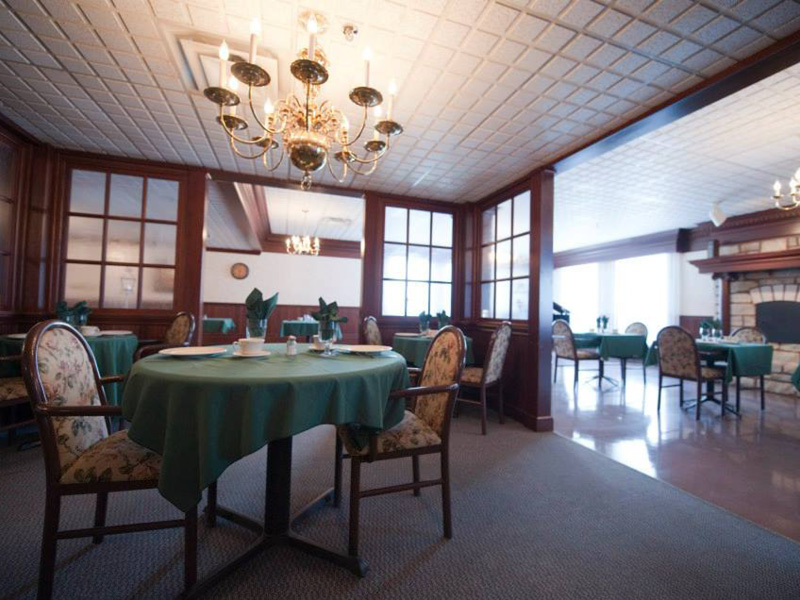
How is Schoenbrunn Healthcare Staffed?

CMS rates SCHOENBRUNN HEALTHCARE's staffing level at 3 out of 5 stars, which is average compared to other nursing homes. Staff turnover is 39%, compared to the Ohio average of 46%. This relatively stable workforce can support continuity of care.

What Have Inspectors Found at Schoenbrunn Healthcare?

State health inspectors documented 29 deficiencies at SCHOENBRUNN HEALTHCARE during 2019 to 2025. These included: 1 that caused actual resident harm, 27 with potential for harm, and 1 minor or isolated issues. Deficiencies causing actual harm indicate documented cases where residents experienced negative health consequences.
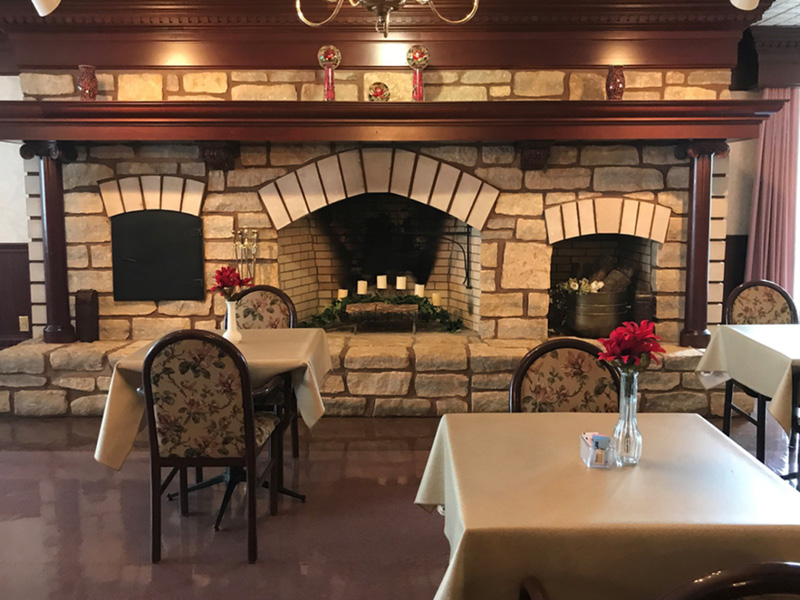
Who Owns and Operates Schoenbrunn Healthcare?

SCHOENBRUNN HEALTHCARE is owned by a for-profit company. For-profit facilities operate as businesses with obligations to shareholders or private owners. The facility is operated by DIVINE HEALTHCARE MANAGEMENT, a chain that manages multiple nursing homes. With 95 certified beds and approximately 79 residents (about 83% occupancy), it is a smaller facility located in NEW PHILADELPHIA, Ohio.
How Does Schoenbrunn Healthcare Compare to Other Ohio Nursing Homes?

Compared to the 100 nursing homes in Ohio, SCHOENBRUNN HEALTHCARE's overall rating (3 stars) is below the state average of 3.2, staff turnover (39%) is near the state average of 46%, and health inspection rating (3 stars) is at the national benchmark.

What Should Families Ask When Visiting Schoenbrunn Healthcare?

Based on this facility's data, families visiting should ask: "Can I visit during a mealtime to observe dining assistance and food quality?" "How do you handle medical emergencies, and what is your hospital transfer rate?" "Can I speak with family members of current residents about their experience?"

Is Schoenbrunn Healthcare Safe?

Based on CMS inspection data, SCHOENBRUNN HEALTHCARE has a clean safety record: no substantiated abuse findings (meaning no confirmed cases of resident harm), no Immediate Jeopardy citations (the most serious violation level indicating risk of serious injury or death), and is not on the Special Focus Facility watch list (a federal program monitoring the lowest-performing 1% of nursing homes). The facility has a 3-star overall rating and ranks #100 of 100 nursing homes in Ohio. While no facility is perfect, families should still ask about staff-to-resident ratios and recent inspection results during their visit.

Do Nurses at Schoenbrunn Healthcare Stick Around?

SCHOENBRUNN HEALTHCARE has a staff turnover rate of 39%, which is about average for Ohio nursing homes (state average: 46%). Moderate turnover is common in nursing homes, but families should still ask about staff tenure and how the facility maintains care continuity when employees leave.

Was Schoenbrunn Healthcare Ever Fined?

SCHOENBRUNN HEALTHCARE has no federal fines on record. CMS issues fines when nursing homes fail to meet care standards or don't correct problems found during inspections. The absence of fines suggests the facility has either maintained compliance or corrected any issues before penalties were assessed. This is a positive indicator, though families should still review recent inspection reports for the full picture.

Is Schoenbrunn Healthcare on Any Federal Watch List?

SCHOENBRUNN HEALTHCARE is not on any federal watch list. The most significant is the Special Focus Facility (SFF) program, which identifies the bottom 1% of nursing homes nationally based on persistent, serious quality problems. Not being on this list means the facility has avoided the pattern of deficiencies that triggers enhanced federal oversight. This is a positive indicator, though families should still review the facility's inspection history directly.