ALTERCARE NEWARK NORTH INC.
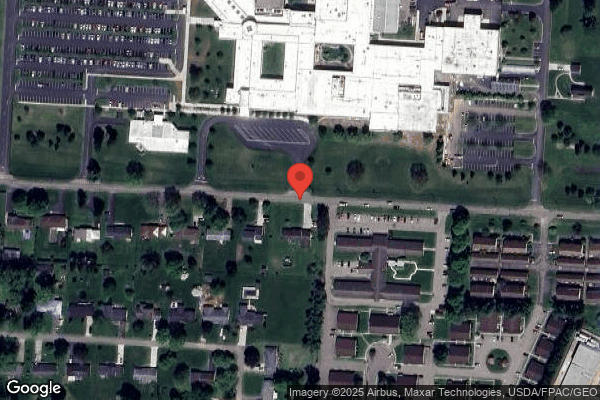
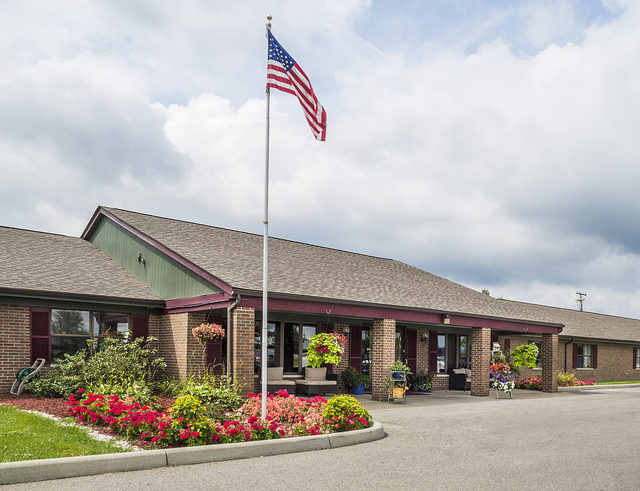
151 PRICE ROAD, NEWARK, OH 43055 (740) 366-2321
For profit - Corporation 81 Beds ALTERCARE Data: November 2025
Trust Grade
43/100
#585 of 913 in OH
Last Inspection: February 2025

Within standard 12-15 month inspection cycle. Federal law requires annual inspections.

Overview

Altercare Newark North Inc. has received a Trust Grade of D, indicating below-average performance with several concerns about care quality. They rank #585 out of 913 nursing homes in Ohio, placing them in the bottom half of facilities statewide, and #6 out of 10 in Licking County, meaning only four local options are worse. The facility is worsening, with issues increasing from 3 in 2024 to 11 in 2025. Staffing is a notable weakness, rated just 1 out of 5 stars, with a turnover rate of 59%, which is higher than the state average. Recent inspection findings reveal serious concerns, such as unsanitary food storage practices in the kitchen and failing to test new staff for tuberculosis, posing potential health risks to residents.

Trust Score
D
43/100
In Ohio
#585/913
Bottom 36%
Safety Record
Low Risk
No red flags
Inspections
Getting Worse
3 → 11 violations
Staff Stability
⚠ Watch
59% turnover. Above average. Higher turnover means staff may not know residents' routines.
Penalties
✓ Good
$9,750 in fines. Lower than most Ohio facilities. Relatively clean record.
Skilled Nurses
⚠ Watch
Each resident gets only 26 minutes of Registered Nurse (RN) attention daily — below average for Ohio. Fewer RN minutes means fewer trained eyes watching for problems.
Violations
⚠ Watch
40 deficiencies on record. Higher than average. Multiple issues found across inspections.
★★☆☆☆
2.0
Overall Rating
★☆☆☆☆
1.0
Staff Levels
★★★★★
5.0
Care Quality
★★☆☆☆
2.0
Inspection Score
Stable
2024: 3 issues
2025: 11 issues

The Good

  • 5-Star Quality Measures · Strong clinical quality outcomes
  • Full Sprinkler Coverage · Fire safety systems throughout facility
  • No fines on record

Facility shows strength in quality measures, fire safety.

The Bad

2-Star Overall Rating

Below Ohio average (3.2)

Below average - review inspection findings carefully

Staff Turnover: 59%

13pts above Ohio avg (46%)

Frequent staff changes - ask about care continuity

Federal Fines: $9,750

Below median ($33,413)

Minor penalties assessed

Chain: ALTERCARE

Part of a multi-facility chain

Ask about local staffing decisions and management

Staff turnover is elevated (59%)

11 points above Ohio average of 48%

The Ugly 40 deficiencies on record

Jul 2025 1 deficiency
CONCERN (D) 📢 Someone Reported This

A family member, employee, or ombudsman was alarmed enough to file a formal complaint

Potential for Harm - no one hurt, but risky conditions existed

Respiratory Care (Tag F0695)

Could have caused harm · This affected 1 resident

Based on medical record review, hospital record review, staff interview, and facility policy review, this facility failed to ensure medication was transcribed in a resident's medication administration...

Read full inspector narrative →
Based on medical record review, hospital record review, staff interview, and facility policy review, this facility failed to ensure medication was transcribed in a resident's medication administration record as ordered by the physician. This affected one (Resident #66) of the four residents reviewed for medication administration. The facility census was 63. Review of the medical record for Resident #66 revealed and admission date of 02/24/2025 and a discharge date of 02/27/2025. Diagnosis included influenza, chronic pain, acute and chronic respiratory failure with hypoxia, and heart failure.Review of Resident #66 hospital discharge records dated 02/24/2025 revealed all ordered medication was transcribed into this resident's medication administration record correctly other than the order for Ipratropium-Albuterol 0.5-2.5 milligrams (mg)/3 milliliter (ml). The order was to take 3 ml by nebulization (a method of delivering medication in a fine mist or aerosol directly into the lungs) every 6 hours scheduled. Per review of the medication administration record while at this facility, the order was transcribed to be taken every 6 hours as needed and not scheduled. Interview 07/30/25 at 11:52 A.M. with the Director of Nursing (DON) confirmed RESIDENT #66'Ss breathing treatment was not entered into the Electronic Medication Administration Record (EMAR) how it was ordered per the physician. The DON revealed the new admission check off list was completed two days after admission and the error was identified at that time. This was also when the resident addressed it with the DON and she fixed it but Resident #66 left Against Medical Advice (AMA). Review of the facility policy titled Medication Administration-General Guidelines. dated 05/2020 revealed Medications are administered as prescribed in accordance with good nursing principles and practices and only by persons legally authorized to do so. This deficiency represents non-compliance investigated under Complaint Number OH001357353.
Feb 2025 9 deficiencies
CONCERN (D)

Potential for Harm - no one hurt, but risky conditions existed

Notification of Changes (Tag F0580)

Could have caused harm · This affected 1 resident

**NOTE- TERMS IN BRACKETS HAVE BEEN EDITED TO PROTECT CONFIDENTIALITY** 3. Resident #21 was admitted to the facility on [DATE]. His diagnoses were end stage renal disease, repeated falls, anemia, hypo...

Read full inspector narrative →
**NOTE- TERMS IN BRACKETS HAVE BEEN EDITED TO PROTECT CONFIDENTIALITY** 3. Resident #21 was admitted to the facility on [DATE]. His diagnoses were end stage renal disease, repeated falls, anemia, hypokalemia, muscle weakness, difficulty walking, type II diabetes, hyperlipidemia, obesity, obstructive sleep apnea, insomnia, anxiety disorder, benign prostatic hyperplasia, hypertension, venous insufficiency, acute respiratory failure, dysuria, chronic kidney disease. Review of his Minimum Data Set (MDS) assessment, dated 11/25/24, revealed she was cognitively intact. Review of Resident #21 weights, dated 11/18/24 to 01/07/25, revealed the following weights and significant changes: 11/18/24 the resident weighted 143 pounds (lbs), on 11/25/24 the resident weighed 199.8 lbs reflecting a 39% weight gain in a week. On 11/28/24 the resident 213 lbs reflecting a seven percent weight gain in three days. On 12/03/24 the resident weighted 201 lbs reflecting a six percent weight loss in five days, on 12/09/24 the resident weighed 178.2 lbs reflecting an 11% weight loss in six days and a 25% gain in twenty one days, and on 01/07/25 the resident weighed 188 lbs reflecting a six percent weight gain in a month and a 31% weight gain in 50 days. Review of Resident #21 progress and nutritional notes, dated 11/18/24 to 02/01/25, revealed no documentation to support the physician was notified each time there was a significant change. Review of Resident #21 current care plan related to nutritional status, revealed one of the interventions included notifying the registered dietitian and physician if a significant weight change of greater than five percent. Interview with Registered Dietitian #199 and Regional Nurse Consultant #199 on 02/05/25 at 11:52 A.M. and 12:00 P.M. confirmed nursing staff is responsible for notifying the physician when the dietitian tells them there is a significant weight change. They confirmed there was no documentation to support the physician was notified of Resident #21 significant weight changes. Based on medical record review, and interview the facility failed to notify the physician of significant weight changes for Residents #14, #21, and #53. This affected three residents (#14, #21, and #53) of five residents reviewed for nutrition. The facility census was 68. Findings include: 1. Review of Resident #53's medical record revealed an admission date of 04/18/24 with diagnoses including metabolic encephalopathy, chronic kidney disease, osteoporosis, scoliosis, unspecified dementia, generalized anxiety disorder, type two diabetes mellitus, mood disorder, and depression. Review of Resident #53's Minimum Data Set (MDS) 3.0 assessment dated [DATE] revealed a severe cognitive impairment. Review of Resident #53's weight on 05/01/24 revealed a weight of 117 pounds (lbs). Review of Resident #53's weight on 06/10/24 revealed a weight of 107.5 lbs. Review of Resident #53's weight on 07/01/24 revealed a weight of 115.5 lbs. Review of Resident #53's weight on 08/01/24 revealed a weight of 94 lbs. Which was a significant weight loss of 18.6% over one month and 19.6% over three months. Review of Resident #53's medical record from 08/01/24 to 08/31/24 revealed no indication Resident #53's physician was notified of the significant weight change. Review of Resident #53's weight on 09/01/24 revealed a weight of 93 lbs. This weight was a significant weight loss of 13.2% over three months. Review of Resident #53's medical record from 09/01/24 to 12/02/24 revealed no indication Resident #53's physician was notified of the significant weight change. Review of Resident #53's weight on 12/03/24 revealed a weight of 104.5 lbs. This weight was a significant weight gain of 12.3% over three months. Review of Resident #53's medical record from 12/03/24 to 02/03/25 revealed no indication Resident #53's physician was notified of the significant weight change. Interview on 02/05/25 at 11:52 A.M. with Regional Nurse Consultant #190 and Registered Dietitian #199 revealed Registered Dietitian #199 generated a report through the electronic medical record once a month to identify significant weight changes. Registered Dietitian #199 revealed she notified nursing of significant weight changes and they were supposed to notify the physician. Interview on 02/06/25 at 7:49 A.M. with Regional Nurse Consultant #190 verified there was no evidence the physician had been notified of Resident #53's significant weight changes. 2. Review of Resident #14's medical record revealed an admission date of 09/01/23 with diagnoses including dementia, acute systolic heart failure, dysphagia, major depression, and osteoarthritis. Review of Resident #14's quarterly Minimum Data Set (MDS) 3.0 assessment dated [DATE] revealed she had severely impaired cognition. Review of Resident #14's weight on 02/01/24 revealed she weighed 199.2 lbs. Review of Resident #14's weight on 05/01/24 revealed she weighed 204.5 lbs. Review of Resident #14's weight on 08/01/24 revealed she weighed 177 lbs. This was a significant weight loss of 11.1% over six months and 12.4% over three months. Review of Resident #14's medical record from 08/01/24 to 09/02/24 revealed no evidence the physician was notified of her significant weight change. Interview on 02/05/25 at 11:52 A.M. with Regional Nurse Consultant #190 and Registered Dietitian #199 revealed Registered Dietitian #199 generated a report through the electronic medical record once a month to identify significant weight changes. Registered Dietitian #199 revealed she notified nursing of significant weight changes and they were supposed to notify the physician. Interview on 02/06/25 at 7:49 A.M. with Regional Nurse Consultant #190 verified there was no evidence the physician had been notified of Resident #14's significant weight changes.
CONCERN (D)

Potential for Harm - no one hurt, but risky conditions existed

ADL Care (Tag F0677)

Could have caused harm · This affected 1 resident

**NOTE- TERMS IN BRACKETS HAVE BEEN EDITED TO PROTECT CONFIDENTIALITY** Based on medical record review and staff interview, the facility failed to ensure dependent residents were able to take baths/sh...

Read full inspector narrative →
**NOTE- TERMS IN BRACKETS HAVE BEEN EDITED TO PROTECT CONFIDENTIALITY** Based on medical record review and staff interview, the facility failed to ensure dependent residents were able to take baths/showers per preference and the facility did not develop a plan/mechanism to address constant bathing refusals. This affected one (Resident #19) of three residents reviewed for activities of daily living (ADLs). The census was 68. Findings Include: Resident #19 was admitted to the facility on [DATE]. Her diagnoses were syncope and collapse, adult failure to thrive, cardiac arrest, anxiety disorder, type II diabetes, drug induced subacute dyskinesia, muscle weakness, need for assistance with personal care, dysphagia, cognitive communication deficit, hypertension, atherosclerotic heart disease, chronic obstructive pulmonary disease (COPD), bipolar disorder, hypokalemia, osteoporosis, hemiplegia and hemiparesis, difficulty walking, congestive heart failure, repeated falls, dehydration, chronic respiratory failure, mood disorder, hyperlipidemia, cerebrovascular disease, epilepsy, suicidal ideations, and pancreatitis. Review of her minimum data set (MDS) assessment, dated 12/08/24, revealed she was cognitively intact. Review of section GG, revealed she needed substantial/maximal assistance for bathing. Review of Resident #19 shower logs, dated 10/15/24 to 02/04/25, revealed documented refusals for all showers/baths offered except for three that were accepted, which were on 10/15/24, 10/29/24, and 11/01/24. A total of 29 baths/showers were offered, and after her acceptance of two showers on 10/15/24 and 11/01/24 and bed bath on 10/29/24, she refused 23 baths/showers in a row that were offered. Also, review of her bath/shower logs, there was documentation that she requested to have a bath/shower the next day, after refusing baths/showers on 11/08/24 and 01/17/25. There was no documentation to support Resident #19 was offered a bath/shower the following day for either. Review of Resident #19 ADL care plan, dated 08/24/23, revealed she is non-adherent with care/services, which included refusing showers/bathing. The interventions for this care plan included: offer resident alternatives when refusals occur and encourage following current physicians orders. There was no documentation to support what alternatives were offered when Resident #19 refused bed baths/showers. Review of Resident #19 progress notes, dated 10/15/24 to 02/04/25, revealed no documentation to support the physician was notified to discuss the constant refusals of baths/showers. There was no documentation to support the physician was contacted to discuss options or if there were changes in her medical condition that would support her refusing baths/showers. Interview with Resident #19 on 02/03/25 at 11:25 A.M. confirmed she does not receive baths/showers as she desires. Interview with Licensed Practical Nurse (LPN) #137 on 02/06/25 at 8:55 A.M. revealed if a resident refuses baths/ADL care, she will be told by an aide, and then she will try another time to get the resident to comply. If the resident continues to refuse, she will document the refusal on the shower logs and try again the next time they are scheduled. She confirmed she does not report the refusals to the Director of Nursing (DON) or to the physician typically. Interview with DON on 02/06/25 at 9:02 A.M. confirmed if a resident refuses showers, the aides will tell the nurse, and the nurse will try again. If the resident continues to refuse, the nurse is to document on the shower sheet the refusal, and then try again at next scheduled time or when resident requests a bath/shower. She confirmed the constant refusals is typically not reported to the physician for review.
CONCERN (D)

Potential for Harm - no one hurt, but risky conditions existed

Accident Prevention (Tag F0689)

Could have caused harm · This affected 1 resident

**NOTE- TERMS IN BRACKETS HAVE BEEN EDITED TO PROTECT CONFIDENTIALITY** Based on medical record review, staff interview, and facility policy review, the facility failed to assess all residents after f...

Read full inspector narrative →
**NOTE- TERMS IN BRACKETS HAVE BEEN EDITED TO PROTECT CONFIDENTIALITY** Based on medical record review, staff interview, and facility policy review, the facility failed to assess all residents after falls to determine if they remained in the safest environment as possible. This affected one (Resident #21) of five residents reviewed for accidents. The census was 68. Findings Include: Resident #21 was admitted to the facility on [DATE]. His diagnoses were end stage renal disease, repeated falls, anemia, hypokalemia, muscle weakness, difficulty walking, type II diabetes, hyperlipidemia, obesity, obstructive sleep apnea, insomnia, anxiety disorder, benign prostatic hyperplasia, hypertension, venous insufficiency, acute respiratory failure, dysuria, chronic kidney disease. Review of his Minimum Data Set (MDS) assessment, dated 11/25/24, revealed he was cognitively intact. Review of Resident #21 fall risk assessment, dated 11/18/24, revealed a score of one, which indicated he was not a fall risk. There were no other fall risk assessments completed after 11/18/24. Review of Resident #21 Event Reports, dated 11/19/24 to 01/23/25, revealed a total of four unwitnessed falls; which were on 11/19/24, 11/24/24, 01/15/25 and 01/23/25. Review of each of the fall reports revealed that Resident #21 was found on the floor of his room all four times and the falls were unwitnessed. There were no new fall risk assessments completed after any of the four falls to determine if Resident #21 was at risk for falls or to find underlying causes for his falls. Interview with Regional Nurse Consultant #190 on 02/06/25 at 10:37 A.M. confirmed there were no other fall risk assessments completed after his four falls from 11/19/24 to 01/23/25. Interview with Director of Nursing (DON) on 02/06/25 at 11:11 A.M. confirmed Resident #21 has fallen four times in the last two months. She stated the facility felt like first two falls were related to a new environment for him, so they were going to monitor him a little closer. Then, his two falls on 01/15/25 and 01/23/25, she felt it was related to his refusals to go to dialysis. When asked if she felt those were deemed to be changes in condition, she stated they were. When asked if a new fall risk assessment could have discovered that Resident #21 was a risk for falls (different than his existing fall risk assessment), she confirmed that also. Review of facility Fall Prevention policy, undated, revealed it is the facility policy to maintain the safety of all residents. The facility will assess the fall risk and communicate to the staff. The fall assessment will be completed upon admission, quarterly, with identified significant changes, and annually. The facility will develop a care plan, for the resident based on risk factors from the falls assessment. The facility will identify and communicate residents that are high risk on the resident activity of daily living (ADL) care plan.
CONCERN (D)

Potential for Harm - no one hurt, but risky conditions existed

Medication Errors (Tag F0758)

Could have caused harm · This affected 1 resident

**NOTE- TERMS IN BRACKETS HAVE BEEN EDITED TO PROTECT CONFIDENTIALITY** Based on interview, and medical record review the facility failed to ensure proper justification for the use of psychotropic med...

Read full inspector narrative →
**NOTE- TERMS IN BRACKETS HAVE BEEN EDITED TO PROTECT CONFIDENTIALITY** Based on interview, and medical record review the facility failed to ensure proper justification for the use of psychotropic medications. This affected one person (#5) of five residents reviewed for unnecessary medications. The facility census was 68. Findings include: Review of the medical record for Resident #5 revealed an admission date of 12/31/24 with diagnoses including rhabdomyolysis, fracture of nasal bones, paroxysmal atrial fibrillation, dysphagia, chronic diastolic heart failure, hemiplegia and hemiparesis affecting left non-dominant side, cerebral infarction, and unspecified dementia. Review of Resident #5's comprehensive Minimum Data Set (MDS) 3.0 assessment dated [DATE] revealed she had severely impaired cognition. Review of Resident #5's plan of care dated 01/03/25 revealed they received psychotropic medications including antidepressants, antianxiety, and antipsychotic medications. Interventions included monitoring for side effects of antianxiety and antipsychotic medication, administering medication as ordered, encouraging any questions by resident, monitoring for target behaviors, offering non-pharmacological approaches prior to as needed medications, psychological and or psychiatric consult, and physician to review medications. Review of Resident #5's physician order dated 01/03/25 to 01/09/25 revealed an order for Seroquel (an antipsychotic medication) 25 milligrams (mg) once a day for dementia. Review of Resident #5's physician order dated 01/03/25 to 01/10/25 revealed an order for Seroquel 12.5 mg twice a day as needed. There was no diagnosis for the medication indicated. Review of Resident #5's physician order dated 01/10/25 to 01/31/25 revealed an order for Celexa (an antidepressant) 10 mg every day. There was no diagnosis indicated for the medication. Review of Resident #5's physician order dated 01/31/25 revealed an order for Celexa 10 mg every day. There was no diagnosis indicated for the medication, but the target behavior was refusal of care. Review of Resident #5's physician order dated 01/31/25 to 02/03/25 revealed an order for Haloperidol (Haldol) Lactate Solution (an antipsychotic) one mg every day as needed. There was no diagnosis indicated for the medication, but the target behavior was refusal of care. Review of the physician order dated 02/03/25 revealed an order for Seroquel 12.5 mg at bedtime. There was no diagnosis for the medication indicated. Interview on 02/07/25 at 8:59 A.M. with the Director of Nursing (DON) verified diagnoses had not been put in the orders for the antipsychotics and antidepressants ordered for Resident #5. At this time Resident #5 did not have an appropriate diagnosis for antipsychotics and verified dementia was not an appropriate diagnosis for the medications.
CONCERN (D)

Potential for Harm - no one hurt, but risky conditions existed

Deficiency F0761 (Tag F0761)

Could have caused harm · This affected 1 resident

**NOTE- TERMS IN BRACKETS HAVE BEEN EDITED TO PROTECT CONFIDENTIALITY** Based on observation, interviews, medical record review, and review of facility policy the facility failed to ensure Resident #2...

Read full inspector narrative →
**NOTE- TERMS IN BRACKETS HAVE BEEN EDITED TO PROTECT CONFIDENTIALITY** Based on observation, interviews, medical record review, and review of facility policy the facility failed to ensure Resident #223's medication was secured appropriately and not left in his room. This affected one resident (#223) of one resident reviewed for accident hazards. The facility census was 68. Findings include: Review of Resident #223's medical record revealed an admission date of 01/23/25 with diagnoses including hallucinations, rhabdomyolysis, spinal stenosis, other epilepsy, alcohol abuse, and atherosclerotic heart disease. Review of Resident #223's comprehensive Minimum Data Set (MDS) 3.0 assessment dated [DATE] revealed he had intact cognition. Review of Resident #223's physician orders revealed morning medications to be administered from 7:00 A.M. to 11:00 A.M. included acamprosate (psychotropic) delayed release 666 milligrams (mg), cholecalciferol (vitamin)2,000 units, culturelle (probiotic) one capsule, gabapentin (anticonvulsant) 300 mg, levetiracetam (anticonvulsant) 500 mg, multivitamin one tablet, magnesium chloride (supplement) 71.5 mg, thiamine (vitamin) HCl 100 mg, and topiramate (anticonvulsant) 50 mg, The medical record did not indicate the resident could self-administer medications Observation on 02/03/25 at 11:30 A.M. revealed Resident #223 was in bed, in front of him was a medication cup with nine pills in it. He took them out of the cup and laid them on the bedside table, there was no nurse in the room. Interview on 02/03/25 at 11:35 A.M. with Licensed Practical Nurse (LPN) #137 reported she thought he had taken his pills when she gave them to him. At 11:42 A.M. LPN# 137 reported she had gone back in to the room to watch him take the pills and verified they were his morning medications. Review of the policy 'Medication Administration- General Guidelines' dated May 2020, revealed the resident could only self-administer medications when indicated by the physician. Additionally, residents were to be observed after administration to ensure the dose was completely ingested. To detect refusals, the nurse should observe the patient taking and swallowing the medication.
CONCERN (D)

Potential for Harm - no one hurt, but risky conditions existed

Deficiency F0805 (Tag F0805)

Could have caused harm · This affected 1 resident

**NOTE- TERMS IN BRACKETS HAVE BEEN EDITED TO PROTECT CONFIDENTIALITY** Based on medical record review, observation, and interview the facility failed to ensure Resident #53 was given the diet texture...

Read full inspector narrative →
**NOTE- TERMS IN BRACKETS HAVE BEEN EDITED TO PROTECT CONFIDENTIALITY** Based on medical record review, observation, and interview the facility failed to ensure Resident #53 was given the diet texture as ordered. This affected one resident (#53) of five residents reviewed for nutrition. The facility census was 68. Findings include: Review of Resident #53's medical record revealed an admission date of 04/18/24 with diagnoses including metabolic encephalopathy, chronic kidney disease, osteoporosis, scoliosis, unspecified dementia, generalized anxiety disorder, type two diabetes mellitus, mood disorder, and depression. Review of Resident #53's Minimum Data Set (MDS) 3.0 assessment dated [DATE] revealed a severe cognitive impairment. Review of Resident #53's progress note dated 01/07/25 revealed the resident had been noted to be pocketing food. hospice was notified and a new order was obtained to downgrade the resident's diet from regular texture to mechanical soft. Review of Resident #53's physician order dated 01/07/25 revealed the resident was to receive a mechanical soft diet. Observation on 02/05/25 of the breakfast meal at 8:18 A.M. revealed Resident #53 eating in her room. She had a sausage patty that had been cut up to be a little larger than quarters. Interview on 02/05/25 at 8:21 A.M. at 10:29 A.M. with Transitional Nurse Specialist #195 revealed she declined to verify. However, she reviewed the physician order that indicated the resident was on a mechanical soft diet and took the resident's diet order. Following this, she reported the kitchen had been updated with the correct diet order. Interview on 02/06/25 at 12:42 P.M. with Regional Nurse Consultant #190 revealed the nurse had never communicated the diet change to the kitchen.
CONCERN (E)

Potential for Harm - no one hurt, but risky conditions existed

Deficiency F0692 (Tag F0692)

Could have caused harm · This affected multiple residents

**NOTE- TERMS IN BRACKETS HAVE BEEN EDITED TO PROTECT CONFIDENTIALITY** 4. Review of the medical record revealed Resident #37 was admitted on [DATE] with diagnoses that included cerebral infarction, e...

Read full inspector narrative →
**NOTE- TERMS IN BRACKETS HAVE BEEN EDITED TO PROTECT CONFIDENTIALITY** 4. Review of the medical record revealed Resident #37 was admitted on [DATE] with diagnoses that included cerebral infarction, enterocolitis, dysphagia, and epilepsy. A care plan dated 04/05/23 revealed Resident #37 was at risk for altered nutrition. The care plan revealed if Resident #37 ate less than fifty-percent of a meal, a tube feed bolus was to be provided. A physician order dated 05/14/24 revealed Resident #37 was ordered one can (250 milliliters) of Isosource (nutritionally complete formula for dietary management of those undernourished or at risk for malnutrition) if Resident #37 consumed less than 50-percent of a meal provided. On 10/01/24, Resident #37 weighed 245 pounds (lbs). The quarterly MDS dated [DATE] revealed Resident #37 had severely impaired cognition and required partial to moderate assistance for eating. Review of the meal intake documentation from 11/01/24 through 12/04/24 revealed Resident #37 ate less than fifty-percent for 38 meals out of the 94 meals documented. Review of the medication administration record from 11/01/24 through 12/04/24 revealed Resident #37 was not administered Isosource as ordered for less than fifty-percent of meal consumption. On 11/04/24, Resident #37 weighed 244 lbs, on 12/04/24, Resident #37 weighed 228 lbs reflecting a seven percent weight loss in one month. Interview on 02/05/25 at 11:52 A.M. Registered Dietician (RD) #199 verified RD#199 did not write a dietary note for Resident #37 until 01/07/25. Interview on 02/05/25 at 3:39 P.M. Regional Nurse Consultant #190 verified Resident #37 had a weight loss of 16 lbs between 11/04/24 and 12/04/24. Regional Nurse Consultant #190 also verified Resident #37 was not administered Isosource as ordered when Resident #37 ate less than fifty-percent of their meal. 3. Resident #21 was admitted to the facility on [DATE]. His diagnoses were end stage renal disease, repeated falls, anemia, hypokalemia, muscle weakness, difficulty walking, type II diabetes, hyperlipidemia, obesity, obstructive sleep apnea, insomnia, anxiety disorder, benign prostatic hyperplasia, hypertension, venous insufficiency, acute respiratory failure, dysuria, chronic kidney disease. Review of his Minimum Data Set (MDS) assessment, dated 11/25/24, revealed he was cognitively intact. Review of Resident #21 weights, dated 11/18/24 to 01/07/25, revealed the following weights and significant changes: 11/18/24 the resident weighted 143 pounds (lbs), on 11/25/24 the resident weighed 199.8 lbs reflecting a 39% weight gain in a week. On 11/28/24 the resident 213 lbs reflecting a seven percent weight gain in three days. On 12/03/24 the resident weighted 201 lbs reflecting a six percent weight loss in five days, on 12/09/24 the resident weighed 178.2 lbs reflecting an 11% weight loss in six days and a 25% gain in twenty one days, and on 01/07/25 the resident weighed 188 lbs reflecting a six percent weight gain in a month and a 31% weight gain in 50 days. Review of Resident #21 progress and nutritional notes, dated 11/18/24 to 01/02/25, revealed only one nutritional note (dated 01/09/25) to reflect significant weight change and/or any interventions to be put in place. There was no hospitalization or health decline related to the significant weight change, but the significant weight changes should have been discussed and addressed timely. Review of Resident #21's current care plan related to nutritional status, revealed the only addressed weight change was on 01/09/25, when it was documented as being a significant weight gain over a one month period. In line with the nutritional progress note, dated 01/09/25, Resident #21 was starting to refuse dialysis (resident choice), and that could have been a contributing factor for his significant weight gain. But other than this one note, the other significant weight changes were not addressed. Interview with Registered Dietitian #199 and Regional Nurse Consultant #199 on 02/05/25 at 11:52 A.M. and 12:00 P.M. confirmed there was no documentation to support re-weights were requested when there was a significant weight change and there was no documentation to support there was discussion about possible interventions for all the significant weight changes. Based on record review and interview the facility failed to monitor and document on Residents #14, #21, #37, and #53's nutrition status, to implement nutrition interventions as ordered for Resident #37, and to address significant weight changes for Resident's #14, #21, and #53. This affected four residents (#14, #21, #37, and #53) of five residents reviewed for nutrition. The facility census was 68. Findings include: 1. Review of Resident #53's medical record revealed an admission date of 04/18/24 with diagnoses including metabolic encephalopathy, chronic kidney disease, osteoporosis, scoliosis, unspecified dementia, generalized anxiety disorder, type two diabetes mellitus, mood disorder, and depression. Review of Resident #53's Minimum Data Set (MDS) 3.0 assessment dated [DATE] revealed a severe cognitive impairment. Review of Resident #53's plan of care dated 04/04/24 revealed she was at risk for altered nutrition related to altered mental status, diabetes mellitus, hypertension, and osteoporosis. The last weight change mentioned was from June 2024. Interventions included supplements as ordered, offering menu alternatives as needed, monitoring weekly weights for four weeks and then monthly if stable, notifying dietitian and physician of significant weight changes, observing resident labs, reviewing resident skin status, and providing diet as ordered. Review of Resident #53's weight on 05/01/24 revealed a weight of 117 pounds (lbs). Review of Resident #53's progress notes dated 06/19/24 revealed the dietitian made a note on the resident. This was the last dietary note or assessment on Resident #53. Review of Resident #53's weight on 06/10/24 revealed a weight of 107.5 lbs. Review of Resident #53's weight on 07/01/24 revealed a weight of 115.5 lbs. Review of Resident #53's weight on 08/01/24 revealed a weight of 94 lbs. Which was a significant weight loss of 18.6% over one month and 19.6% over three months. Review of Resident #53's medical record from 08/01/24 to 08/31/24 revealed no indication Resident #53's significant weight loss was addressed, and no indications Resident #53 was reweighed. Review of Resident #53's physician order dated 08/19/24 revealed she was admitted to hospice. Review of Resident #53's medical record revealed a nutrition assessment was not completed to address Resident #53's significant change having entered hospice care. Review of Resident #53's weight on 09/01/24 revealed a weight of 93 lbs. This weight was a significant weight loss of 13.2% over three months. Review of Resident #53's medical record from 09/01/24 to 12/02/24 revealed no indication Resident #53's significant weight loss was addressed, and no indications Resident #53 was weighed again. Review of Resident #53's weight on 12/03/24 revealed a weight of 104.5 lbs. This weight was a significant weight gain of 12.3% over three months. Review of Resident #53's medical record from 12/03/24 to 02/03/25 revealed no indication Resident #53's significant weight gain was addressed, and no indications Resident #53 was reweighed. Review of Resident #53's meal intake documentation from 01/01/25 to 02/04/25 revealed there was no documentation of her intake on 01/02/25, 01/03/25, 01/06/25, 01/07/25, 01/08/25, 01/15/25, 01/16/25, 01/17/25, 01/20/25, 01/25/25, 01/27/25, 01/29/25, 01/30/25, 01/31/25, 02/02/25, and 02/03/25. Only one meal's intake was documented on 01/01/25, 01/04/25, 01/13/25, 01/21/25, 01/22/25, and 01/23/25. Only two meal's intake was documented on 01/09/25, 01/10/25, 01/12/25, 01/14/25, 01/24/25, and 02/01/25. Review of Resident #53's physician order dated 01/07/25 revealed an order for a mechanical soft diet. Interview on 02/05/25 at 11:52 A.M. with Regional Nurse Consultant #190 and Registered Dietitian #199 revealed residents were to be seen by the dietitian upon admission, annually, with significant weight changes, and significant changes. Registered Dietitian #199 generates a report through the electronic medical record once a month to identify significant weight changes. Reweighs were to be done on residents with significant weight changes within a week. They verified there were no notes to address Resident #53's significant weight changes or her significant change when she went on hospice. The resident was not weighed anymore due to hospice, she verified this was their policy and not a physician order. Interview on 02/06/25 at 7:49 A.M. with Regional Nurse Consultant #190 verified the inconsistent meal intake documentation for Resident #53. She verified she was unable to find evidence her significant weight changes were addressed. 2. Review of Resident #14's medical record revealed an admission date of 09/01/23 with diagnoses including dementia, acute systolic heart failure, dysphagia, major depression, and osteoarthritis. Review of Resident #14's quarterly Minimum Data Set (MDS) 3.0 assessment dated [DATE] revealed she had severely impaired cognition. Review of Resident #14's care plan dated 09/07/23 revealed the resident was at risk for altered nutrition related to the need for long term and memory care and weight above the ideal body weight. Interventions included offering menu alternatives as needed, honoring food preferences as available, monitoring weekly weights for four weeks and then monthly, notify dietitian and physician of significant weight changes, observing resident labs as available, providing diet as ordered, monitoring weights, intake and labs, and monitoring need to adjust the diet and to further supplement. Review of Resident #14's weight on 02/01/24 revealed she weighed 199.2 lbs. Review of Resident #14's weight on 05/01/24 revealed she weighed 204.5 lbs. Review of Resident #14's weight on 08/01/24 revealed she weighed 177 lbs. This was a significant weight loss of 11.1% over six months and 12.4% over three months. Review of Resident #14's medical record from 08/01/24 to 09/02/24 revealed no evidence her significant weight change was addressed or that a reweigh was completed. Review of Resident #14's weight on 09/02/24 revealed she weighed 192 lbs. Which was a significant weight gain of 8.5% over one month. Review of Resident #14's annual nutrition progress note dated 09/03/24 revealed it did not address her previous month's weight loss or her supposed weight gain Her September weight was 192 lbs and the dietitian indicated her weight was stable. Interview on 02/05/25 at 11:52 A.M. with Regional Nurse Consultant #190 and Registered Dietitian #199 revealed residents were to be seen by the dietitian upon admission, annually, with significant weight changes, and significant changes. Registered Dietitian #199 generates a report through the electronic medical record once a month to identify significant weight changes. Reweighs were to be done on residents with significant weight changes within a week. They verified a reweigh should have been done following Resident #14's August 2024 significant weight changes, they additionally verified the dietitian had not monitored the residents nutrition status since September 2024.
CONCERN (F)

Potential for Harm - no one hurt, but risky conditions existed

Food Safety (Tag F0812)

Could have caused harm · This affected most or all residents

Based on observation, interviews, and review of facility policy the facility failed to ensure the kitchen was maintained in a clean and sanitary manner. This had the potential to affect 68 residents o...

Read full inspector narrative →
Based on observation, interviews, and review of facility policy the facility failed to ensure the kitchen was maintained in a clean and sanitary manner. This had the potential to affect 68 residents of 68 who consumed food from the kitchen. The facility identified no residents who consumed nothing by mouth. The facility census was 68. Findings include: Observation on 02/03/25 from 8:00 A.M. to 8:18 A.M. and on 02/05/25 at 11:30 A.M. revealed the following concerns: a. Package of bacon in the refrigerator was open to air, unlabeled, and undated b. There was a silver cart with two surfaces holding meal trays that were covered in food splatter and food debris. The food splatter also covered the back of the cart. c. Observation of the kitchen revealed under the dishwasher revealed there were tiles missing, broken, and chipped. A large section of missing tiles had a buildup of dirt and dust. The outside of the oven hood and the wall above it revealed it was covered what appeared to be grease stains. The wall next to the oven had dark colored drip stains spanning over most of the wall. e. Observation of the window near the dishwasher area revealed the blinds were covered in dirt and food splatter and were broken in many places. f. Observation of the additional kitchen area revealed multiple places where the flooring was chipped and broken. g. Observation of the ceiling revealed there were food splatters and stains throughout the kitchen. The areas surrounding ceiling vents were covered in dust. Interview on 02/03/25 from 8:00 A.M. to 8:18 A.M. and on 02/05/25 at 11:30 A.M. with Dietary Coordinator #181 verified the observations. Observation on 02/03/25 from 8:00 A.M. to 8:18 A.M. revealed the dishwasher had been run twice and had not met the expected temperature of 180 degrees Fahrenheit. Dietary Coordinator #181 checked the sanitation level following this, and it was also insufficient. Interview on 02/03/25 from 8:00 A.M. to 8:18 A.M. with Dietary Coordinator #181 verified the dishwasher was not meeting the expected temperature of 180 degrees Fahrenheit. He reported they had added chemicals to counteract the temperature being low. Dietary Coordinator #181 verified the sanitation level was not appropriate to sanitize the dishes. Observation on 02/03/25 at 9:12 A.M. revealed the dishwasher was run twice and did not meet the temperature or sanitation requirement either time. Interview on 02/03/25 at 9:12 A.M. with the Dietary Coordinator #181 revealed he believed it had been fixed but verified it was still not running appropriately. Review of the facility policy 'Operation and Cleaning Procedures' dated January 2020, revealed all areas of the kitchen will be cleaned on a daily basis to insure proper sanitation in the operation.
CONCERN (F)

Potential for Harm - no one hurt, but risky conditions existed

Infection Control (Tag F0880)

Could have caused harm · This affected most or all residents

Based on review of employee files, the facility tuberculosis risk assessment, and staff interview, the facility failed to ensure two new employees were tested for tuberculosis. This had the potential ...

Read full inspector narrative →
Based on review of employee files, the facility tuberculosis risk assessment, and staff interview, the facility failed to ensure two new employees were tested for tuberculosis. This had the potential to affect all 68 residents. Facility census was 68. Findings include: The tuberculosis risk assessment revealed a baseline skin testing for tuberculosis was performed with two-step tuberculin skin test (TST) for healthcare workers. Healthcare workers were tested upon hire and with exposure. The infection test records would be maintained in the employees file. Review of employee files revealed Staff Coordinator #106 and Activities Coordinator #115 were hired on 08/05/24. Staff Coordinator #106 and Activities Coordinator #115 did not have the two-step TST performed. Interview on 02/06/25 at 12:37 P.M. Staff Coordinator #106 verified a two-step TST was not completed for Staff Coordinator #106 and Activities Coordinator #115.
Jan 2025 1 deficiency
CONCERN (D) 📢 Someone Reported This

A family member, employee, or ombudsman was alarmed enough to file a formal complaint

Potential for Harm - no one hurt, but risky conditions existed

Deficiency F0773 (Tag F0773)

Could have caused harm · This affected 1 resident

Based on medical record review, staff interview, review of facility contracts, and review of the facility policy, the facility failed to obtain laboratory tests as ordered by the physician. This affec...

Read full inspector narrative →
Based on medical record review, staff interview, review of facility contracts, and review of the facility policy, the facility failed to obtain laboratory tests as ordered by the physician. This affected one (Resident #24) of three residents reviewed for laboratory services. The facility census was 66 residents. Findings include: Review of the medical record for Resident #24 revealed an admission date of 10/21/24 with diagnoses including dementia, anxiety disorder, hypertension, hyperlipidemia, atherosclerosis of aorta, urinary tract infection, and mood disorder. Review of the Minimum Data Set (MDS) assessment for Resident #24 dated 10/28/24 revealed the resident had severe cognitive impairment. Review of the progress note for Resident #24 dated 12/09/24 revealed the resident had bilateral edema in her extremities. The nurse contacted the physician and obtained an order for the following stat (immediate) laboratory blood tests: complete blood count (CBC), complete metabolic panel (CMP). Review of the physician's orders for Resident #24 revealed an order dated 12/09/24 for a stat CBC and CMP. Review of the progress note for Resident #24 dated 12/11/24 revealed the lab did not draw the resident's blood. The note did not include documentation regarding why the blood braw was not completed. Review of the physician's orders for Resident #24 revealed an order dated 12/13/24 for a stat CBC and CMP. Review of the laboratory results for Resident #24 revealed a CBC and CMP was completed for the resident on 12/13/24. Review of the physician's orders for Resident #24 revealed an order dated 12/16/24 to obtain an additional CBC. Review of the laboratory results for Resident #24 dated 12/16/24 to 01/07/25 revealed they did not include the CBC which was ordered for the resident on 12/16/24. Interview on 01/07/25 at 11:15 A.M. with the Director of Nursing (DON) confirmed the facility had not ensured the laboratory tests for Resident #24 were completed as ordered. The DON confirmed the lab did not draw Resident #24's blood for the CBC and CMP ordered stat on 12/09/24 until 12/13/24. The DON further confirmed the facility had not arranged for the laboratory to complete the CBC ordered for Resident #24 on 12/16/24. Review of the contract between the facility and the laboratory dated 02/01/18 revealed the laboratory company provided stat service 24 hours per day, 365 days per year. Laboratory stat testing would be reported within five hours. Review of the facility policy titled Lab and Diagnostic Test Results-Clinical Protocol undated revealed the physician would identify and order diagnostic and lab testing based on diagnostic and monitoring needs. The staff should process test requisitions and arrange for the tests. The laboratory, diagnostic radiology provider, or other testing source would report test results to the facility. This deficiency represents noncompliance investigated under Complaint Number OH00161041.
Oct 2024 1 deficiency
CONCERN (D) 📢 Someone Reported This

A family member, employee, or ombudsman was alarmed enough to file a formal complaint

Potential for Harm - no one hurt, but risky conditions existed

Resident Rights (Tag F0550)

Could have caused harm · This affected 1 resident

**NOTE- TERMS IN BRACKETS HAVE BEEN EDITED TO PROTECT CONFIDENTIALITY** Based on medical record review, facility Self-Reported Incident (SRI) review, video recording review, interviews, and facility p...

Read full inspector narrative →
**NOTE- TERMS IN BRACKETS HAVE BEEN EDITED TO PROTECT CONFIDENTIALITY** Based on medical record review, facility Self-Reported Incident (SRI) review, video recording review, interviews, and facility policy review, this facility failed to ensure residents were not recorded without their consent or knowledge. This affected one (Resident #300) of the four residents reviewed for respect and dignity. The facility census was 66. Findings include: Review of the medical record for Resident #300 revealed an admission date of 07/19/2025 with a discharge date of 09/26/2024. Diagnoses included burns to the left and right foot, osteomyelitis of the vertebra, sacral, and sacrococcygeal region, and Parkinson's disease. Review of Resident #300's admission Minimum Data Set (MDS) 3.0 assessment dated [DATE] revealed a Brief Interview for Mental Status (BIMS) score of 14 out of 15 indicating an intact cognition for daily decision-making abilities. Resident #300 was noted to experience delusions and rejection of care at times. Review of the facility Self-Reported Incident #252058 dated 09/19/2024 revealed that Stated Tested Nursing Assistant (STNA) #20 alleges recording of Resident #300 in the facility's common area. Resident #300 was interviewed and states he didn't recall any said event occurring. Narrative Summary of Incident included: STNA #20 called the Director of Nursing (DON) and stated she was made aware of Resident #300 being recorded. STNA #20 states Resident #300 and the staff member involved was Agency STNA #79 who was not at the facility during the time of the allegations being reported. The staffing agency was immediately contacted to suspend Agency STNA #79 pending investigation. Resident #300 was interviewed and does not recall the event occurring. Resident #300 also confirms he has no issues or concerns with caregivers. Agency STNA #79 states she did record resident and her dancing in the common area but had no ill intent behind recording. She states they were laughing and having fun. Additional staff and residents were interviewed, and no direct witnesses identified. After investigation was completed, the facility determined this allegation of verbal abuse was unsubstantiated. As a result of this investigation, the facility completed the following: As a result of the investigation the facility cannot conclude that abuse occurred. Willful intent to harm could not be verified. While Agency aide acknowledges the allegation occurred, the intention was not to harm the resident. Further, the resident did not suffer any physical harm, pain, or mental anguish. The resident does not recall any incident occurring. Out of precaution, this agency aide was placed on a Do Not Returned list. Review of the facility's investigation revealed an facility completed interview with Agency STNA #79 dated 09/19/2024 at 3:50 P.M. revealed, STNA stated she did record Resident #300 and stated it was an innocent playful moment with no malicious or ill intent. They were dancing in the common area. Per Agency STNA #79, they were laughing and having fun. She did not mean any harm by it. She feels as if he is one of her favorite patients and she was just kidding around and having fun. Agency STNA #79 reiterated on numerous occasions she was by herself, no other staff members or residents were involved. Attempted to call Agency STNA #79 on 10/22/2024 at 2:06 P.M. and again at 3:50 P.M. Phone call went directly to voice mail. A voice message was left for a return phone call but none was received. Interview on 10/22/2024 at 2:48 P.M. with STNA #20 revealed she is friends with someone who is friends with Agency STNA #79 and claimed that her friend showed her the video of Agency STNA #79 and Resident #300 and asked her if this was her work. When she saw Resident #300, she knew right away it was recorded at her work and that was one of her residents. STNA #20 claimed as soon as she saw the video which was on 09/19/2024 she reported it to the DON and an investigation was started. Claimed she could not confirm when the video was recorded but per her knowledge the last time this STNA worked at this facility was around 09/12/2024. Interview on 10/22/2024 at 3:13 P.M. with The DON revealed she received a message from STNA #20 on 09/19/2024 asking her if she was aware of a video recording of Resident #300 that was uploaded to social media by Agency STNA #79. The DON claimed she was not aware of this and an investigation was started immediately. Claimed Agency STNA #79 was suspended from the facility pending investigation and the staffing agency was notified of the incident that occurred. After completing the investigating and interviewing the Agency STNA, the staffing agency was made aware that Agency STNA #79 did record Resident #300. The DON claimed she spoke with this resident on two different occasions to check on his mental and emotional status with no negative findings. Other staff were interviewed to see if something like this had occurred on different occasions with no findings. Staff were interviewed to see if they were aware of this incident with no findings. Agency STNA #79 has not returned and is not permitted to return to this facility. Review of the facility policy titled Videotaping, Photographing, and Other Imaging of Residents, No date noted revealed It is the facility's policy that residents will be protected from invasion of privacy that might occur from the use of resident photographs, videotapes, digital images, and other visual recordings during resident care or other facility activities without the written consent of the resident. This deficiency was an incidental finding identified during the investigation for Complaint Number OH00158324.
Aug 2024 1 deficiency
CONCERN (D) 📢 Someone Reported This

A family member, employee, or ombudsman was alarmed enough to file a formal complaint

Potential for Harm - no one hurt, but risky conditions existed

Quality of Care (Tag F0684)

Could have caused harm · This affected 1 resident

**NOTE- TERMS IN BRACKETS HAVE BEEN EDITED TO PROTECT CONFIDENTIALITY** Based on medical record review and staff interview, the facility failed to ensure physicians orders were transcribed and blood s...

Read full inspector narrative →
**NOTE- TERMS IN BRACKETS HAVE BEEN EDITED TO PROTECT CONFIDENTIALITY** Based on medical record review and staff interview, the facility failed to ensure physicians orders were transcribed and blood sugars were obtained as ordered. This affected one (Resident #64) of five medical records reviewed. The census was 62. Findings included: Review of Resident #64's medical record revealed she was admitted to the facility on [DATE] at 2:45 P.M. with diagnoses that included fracture of the right lower leg with surgical repair. anemia, anxiety, laceration of liver, right talus fracture, and diabetes. Review of the hospital transfer order dated 07/05/24 revealed orders for finger stick blood sugars before meals and at bedtime. Review of the facility physicians orders, treatment and medication administration record revealed no documented evidence the orders were transcribed or finger stick blood sugars were obtained. On 08/06/24 at 2:54 P.M., interview with the Director of Nursing verified the order for the finger stick blood sugars sugars before meals and at bedtime was not carried over and or completed. This deficiency represents non-compliance investigated under Master Complaint Number OH00155842.
Jun 2024 1 deficiency
CONCERN (D) 📢 Someone Reported This

A family member, employee, or ombudsman was alarmed enough to file a formal complaint

Potential for Harm - no one hurt, but risky conditions existed

Quality of Care (Tag F0684)

Could have caused harm · This affected 1 resident

**NOTE- TERMS IN BRACKETS HAVE BEEN EDITED TO PROTECT CONFIDENTIALITY** Based on review of the medical record and staff interview, the facility failed to provide treatment as ordered for Resident #62....

Read full inspector narrative →
**NOTE- TERMS IN BRACKETS HAVE BEEN EDITED TO PROTECT CONFIDENTIALITY** Based on review of the medical record and staff interview, the facility failed to provide treatment as ordered for Resident #62. This affected one resident (#62) out of three residents reviewed for wound care. The facility census was 60. Findings include: Review of the closed medical record revealed Resident #62, was admitted on [DATE] and discharged to the hospital on [DATE] with diagnoses including infection following a procedure, chronic respiratory failure, type II diabetes, cellulitis of left lower limb, and chronic kidney disease. Review of the after-visit summary revealed Resident #62 was at the hospital from [DATE] through 05/02/24 for a postoperative wound infection. The hospital discharge orders revealed Resident #62 was ordered a wound vacuum system to the left upper anterior thigh/groin to be changed every Monday and Thursday for two weeks. A contact layer such as an oil emulsion gauze was to be placed at the base of the wound followed by black foam. The wound vacuum was to be at 125 millimeters of mercury (mmHg) with continuous low suction. A progress note dated 05/06/24 at 12:00 P.M. authored by Social Worker #117 revealed a meeting was held with Resident #62 and a family member. A family member asked about the wound treatment to Resident #62's groin area. The floor nurse spoke with Resident #62's family. A progress note dated 05/06/24 at 9:11 P.M. authored by an agency nurse revealed Resident #62's family member insisted Resident #62 be sent to the hospital to have the wound to left groin evaluated. Resident #62's wound remained open to air without the wound vacuum placed. Resident #62 was transferred to the hospital. Interview on 06/06/24 at 12:38 P.M. Social Worker #117 revealed Resident #62 had a wound, and a wound vacuum had been ordered. Social Worker #117 was unsure about treatments being provided to Resident #62's wound. Interview on 06/06/24 at 12:44 P.M. with the Director of Nursing (DON) revealed a wound vacuum was ordered on 05/01/24 for Resident #62, but a new process for ordering the wound vacuum had been put in place. The wound vacuum did not arrive and was not available when Resident #62 was admitted on [DATE]. On 05/03/24 the company that supplied the wound vacuum was contacted. The company reported they did not receive the order on 05/01/24. The wound vacuum arrived sometime in the evening on 05/03/24. The DON stated the wound vacuum was scheduled on the treatment administration record (TAR) to be changed on day shift on Mondays, Wednesdays, and Fridays. On 05/03/24 the day shift nurse had marked the TAR that the wound vacuum was not available. The DON verified the wound vacuum was in Resident #62's room but was not applied on 05/03/24, 05/04/24, 05/05/24, or 05/06/24. DON stated an agency nurse that worked day shift on 05/06/24 (Monday) stated they had never applied a wound vacuum, so they did not put the wound vacuum on. DON stated the wound vacuum was not scheduled to be placed on 05/04/24 and 05/05/24 so no one put the wound vacuum in place (the wound vacuum was to be on daily and changed on Mondays, Wednesdays, and Fridays). The DON also verified there was no documentation of an order or treatment being put in place while the wound vacuum was not available. This deficiency represents non-compliance investigated under Complaint Number OH00153812.
Nov 2023 2 deficiencies
CONCERN (D) 📢 Someone Reported This

A family member, employee, or ombudsman was alarmed enough to file a formal complaint

Potential for Harm - no one hurt, but risky conditions existed

Pharmacy Services (Tag F0755)

Could have caused harm · This affected 1 resident

**NOTE- TERMS IN BRACKETS HAVE BEEN EDITED TO PROTECT CONFIDENTIALITY** Based on record review and resident and staff interview, the facility failed to administer medications to the residents as physi...

Read full inspector narrative →
**NOTE- TERMS IN BRACKETS HAVE BEEN EDITED TO PROTECT CONFIDENTIALITY** Based on record review and resident and staff interview, the facility failed to administer medications to the residents as physician ordered. This affected two (Residents #34 and #61) of three residents reviewed for medication administration. The facility census was 60. Findings include: 1. Review of Resident #34's medical record revealed the resident was admitted to the facility on on 10/13/23. Diagnoses included urinary tract infection (UTI), type II diabetes mellitus, chronic heart failure, wound to left lower leg, and peripheral vascular disease. Review of the admission Minimum Data Set (MDS) assessment dated [DATE] revealed Resident #34 was cognitively intact. Review of the progress note dated 10/13/23 at 3:26 P.M. revealed Resident #34 was admitted to the facility. Review of the physician orders dated 10/13/23 revealed Resident #34 had physician orders to receive the following medications: cephalexin (antibiotic) 500 milligrams (mg) four times daily; carvedilol (to treat high blood pressure and heart failure) 25 mg twice daily; glipizide (anti-diabetic) 10 mg twice daily; Lyrica (anticonvulsant also used for diabetic peripheral neuropathy) 100 mg daily; Metformin (Insulin Response Enhancer) 500 mg twice daily; Omeprazole (Proton Pump Inhibitors) 40 mg daily; and Spironolactone (treat high blood pressure) 25 mg daily. Review of the medication administration record (MAR) revealed Resident #34 was not administered the following medications as physician ordered: cephalexin 500 mg on 10/13/23 (one missed dose) and on 10/14/23 (four doses); Coreg 25 mg the evening of 10/13/23 and 10/14/23, and the morning of 10/14/23; glipizide 10 mg the evening of 10/13/23 and the morning of 10/14/23; Lyrica 100 mg on 10/14/23, 10/15/23, 10/16/23, 10/17/23, and 10/18/23; Metformin 500 mg on 10/13/23; Omeprazole 40 mg on 10/14/23; and Spironolactone 25 mg on 10/14/23. The reason marked for each missed dose was drug/item unavailable. Lyrica's reason was marked awaiting pharmacy. Review of the Omnicell (automated medication dispensing unit) inventory log revealed cephalexin, carvedilol, glipizide, metformin, Omeprazole, and spironolactone were available to obtain from the automated medication dispensing unit within the facility. Interview on 11/08/23 at 9:32 A.M. with Resident #34 revealed some of her medications were not administered for several days when she was admitted to the facility. Resident #34 was told they needed orders for the medications. Interview on 11/08/23 at 12:04 P.M. with the Director of Nursing (DON) verified Resident #34 did not receive medications as physician ordered and the medications were available in Omnicell. 2. Review of the medical record revealed Resident #61 was admitted on [DATE] and discharged on 10/26/23. Diagnoses included type II diabetes mellitus. Review of the admission Minimum Data Set (MDS) assessment dated [DATE] revealed Resident #61 was cognitively intact and received insulin. Review of the physician orders dated 10/12/23 Resident #61 had an on order for Humalog (insulin) per sliding scale with meals and Humalog 10 units with meals (8:00 A.M., 12:00 P.M. and 5:00 P.M.). Review of the medication administration record (MAR) revealed Humalog 10 units was not administered to Resident #61 on 10/14/23 at 8:00 A.M. due to being too close to the scheduled lunch dosage. Interview on 11/08/23 at 12:04 P.M. with the Director of Nursing (DON) verified Resident 61 did not receive Humalog as physician ordered on 10/14/23. This deficiency represents non-compliance investigated under Complaint Number OH00147564.
CONCERN (E) 📢 Someone Reported This

A family member, employee, or ombudsman was alarmed enough to file a formal complaint

Potential for Harm - no one hurt, but risky conditions existed

Deficiency F0807 (Tag F0807)

Could have caused harm · This affected multiple residents

Based on review of resident council minutes, observations, staff interviews, and resident and family interviews, the facility failed to ensure residents had adequate fluids available per the resident'...

Read full inspector narrative →
Based on review of resident council minutes, observations, staff interviews, and resident and family interviews, the facility failed to ensure residents had adequate fluids available per the resident's preferences. This affected seven residents (#14, #18, #22, #26, #28, #35, and #50). The facility census was 60. Findings include: Review of the resident council minutes dated 08/16/23 revealed the residents were helping themselves to ice from the ice chests in the hallways. The ice chest was removed, and residents had to ask for ice. The resident council minutes dated 09/13/23 revealed residents had concerns with ice water not getting passed each shift. Staff education was provided. During the initial tour of the facility on 11/06/23 from 7:19 A.M. to 7:36 A.M. revealed there were several residents who did not have fluids within their reach. Resident #19 was the only resident observed with ice water. Interview on 11/06/23 at 11:15 A.M. with State Tested Nursing Aide (STNA) #22 revealed fresh water was passed twice a shift. Interview on 11/06/23 at 2:47 P.M. with a family member of Resident #14 revealed the residents had to ask for ice water. Resident #14 was recently moved to the memory care unit. Resident #14 was the only resident with a water pitcher on the memory care unit. Interview and observation on 11/06/23 at 2:54 P.M. with Resident #18 revealed they needed fresh water. There was no water pitcher observed in the resident's room. Interview and observation on 11/06/23 at 2:55 P.M. with Resident #26 revealed they had requested ice water and a STNA took the water pitcher but did not bring it back. There was no water pitcher observed in the resident's room. Observation on 11/06/23 at 2:57 P.M. revealed Resident #22 had an empty water pitcher in her room. Interview on 11/06/23 at 3:02 P.M. with Resident #35 revealed they were given fresh water but wanted more. Observations on 11/08/23 from 7:31 A.M. to 9:32 A.M. revealed residents on the front hall did not have fresh water available. Interview on 11/08/23 at 7:35 A.M. with Resident #28 revealed residents had to ask for fresh water. Interview on 11/08/23 at 7:38 A.M. with Resident #50 revealed staff did not provide ice water unless a resident requested it. Interview on 11/08/23 at 7:43 A.M. with STNA #14 revealed fresh water was given to residents first thing in the morning or right after breakfast. Interview on 11/08/23 at 11:37 A.M. with STNA #22 revealed not all residents wanted ice with their water. STNA #22 verified fresh ice water was not passed to residents on the front hall on 11/06/23 between 6:00 A.M. and 2:00 P.M. STNA #22 stated the ice chest had to be kept locked up due to residents getting into the ice chest. Interview on 11:40 A.M. with STNA #50 revealed they usually worked on another hall and residents usually requested water several times a day. The nursing staff provided the water as requested. This deficiency represents non-compliance investigated under Complaint Number OH00147564.
Sept 2023 1 deficiency
CONCERN (D) 📢 Someone Reported This

A family member, employee, or ombudsman was alarmed enough to file a formal complaint

Potential for Harm - no one hurt, but risky conditions existed

Pressure Ulcer Prevention (Tag F0686)

Could have caused harm · This affected 1 resident

**NOTE- TERMS IN BRACKETS HAVE BEEN EDITED TO PROTECT CONFIDENTIALITY** Based on record review, observation, staff interview, and policy review, the facility failed to ensure pressure ulcer prevention...

Read full inspector narrative →
**NOTE- TERMS IN BRACKETS HAVE BEEN EDITED TO PROTECT CONFIDENTIALITY** Based on record review, observation, staff interview, and policy review, the facility failed to ensure pressure ulcer prevention interventions were implemented for residents with known pressure ulcers as per their physician's orders and plan of care. This affected two residents (#3 and #52) of three residents reviewed for pressure ulcers. Findings include: 1. A review of Resident #3's medical record revealed she was admitted to the facility on [DATE]. Her diagnoses included Alzheimer's disease, dementia with behavioral disturbances, low back pain, obesity, restlessness and agitation, and muscle weakness. A review of Resident #3's quarterly Minimum Data Set (MDS) completed on 08/16/23 revealed the resident had unclear speech and rarely/ never made herself understood. She was sometimes able to understand others. She had short and long term memory impairment. Her cognitive skills for daily decision making was severely impaired. She did not display any behaviors during the seven day assessment period, nor was she known to reject care. She required an extensive assist of two for bed mobility. Transfers occurred only once during that assessment period and ambulation did not occur. She was identified as being at risk for pressure ulcers, but was not identified as having any unhealed pressure ulcers at that time. A review of Resident #3's care plans revealed she had a care plan in place for being at risk for skin breakdown related to impaired mobility, impaired cognition, incontinence, and friction/ shearing concerns. The care plan was initiated on 10/28/21. The interventions included encouraging/ assisting the resident to float heels as tolerated. Her care plans also included a care plan for having a pressure ulcer to her right heel that was a deep tissue injury (DTI), which is defined as purple or maroon localized area of discolored intact skin or blood-filled blister due to damage of underlying soft tissue from pressure and/ or shear. That care plan was initiated on 08/28/23. The interventions included continuing with preventative care plan measures to prevent further skin breakdown. A review of Resident #3's physician's orders revealed she had an order in place for the use of pressure relief boots to her bilateral feet. That physician's order was initiated on 08/23/23. A review of Resident #3's wound assessments revealed she developed a facility acquired DTI to her right heel that originated on 08/22/23. The area measured 4.5 centimeters (cm) x 5 cm. The area was purple/ maroon in color. The pressure ulcer was assessed weekly and remained when it was last assessed on 09/04/23. The wound measured 6 cm x 4.5 cm that last time it was measured. On 09/05/23 at 2:02 P.M., an observation of Resident #3 noted her to be lying in bed slightly over on her left side with a pillow behind her back. She had an air mattress on the bed and her bilateral heels were noted to be in direct contact with the mattress. She was not wearing pressure relief boots to her bilateral feet and her heels were not floated to offload pressure as per her physician's orders and plan of care. On 09/05/23 at 2:15 P.M., the Director of Nursing was asked to assist in assessing Resident #3's right heel. She confirmed the resident did not have pressure relief boots to her bilateral feet as ordered by the physician. She also confirmed the resident's heels were not being floated and were in direct contact with the mattress. She verified the pillow that was in place under her upper calves/ knee area was not effective in alleviating any pressure off her heels. She removed the resident's right sock and took a dressing off that was covering her right heel. A small amount of bloody drainage was noted on the old gauze pad that was secured with Kerlix wrap. She stated the dressing was in place to provide additional padding. The right heel did have a dark purplish-maroon colored DTI to it with a small open area where the drainage was coming from. A review of the facility's policy on Pressure Injuries: Assessment, Prevention, and Treatment undated revealed it was the policy of the facility to identify residents at risk for developing pressure injuries, implement interventions to prevent the development of pressure injuries, and provide care for existing pressure injuries. The interventions included floating heels (keep heels off the bed) and to implement preventative measures as indicated. They were also to provide treatments per the physician's orders. 2. A review of Resident #52's medical record revealed she was admitted to the facility on [DATE]. Her diagnoses included a history of a stroke, muscle weakness, abnormal posture, aphasia, multiple contractures, and morbid obesity. A review of Resident #52's quarterly MDS assessment dated [DATE] revealed the resident had no speech and was rarely/ never able to make herself understood. She was sometimes able to understand others. She had short and long term memory impairment and her cognitive skills for daily decision making was severely impaired. She was totally dependent on two for bed mobility, transfers, and toilet use. She was at risk for pressure ulcers and was indicated to have had two unhealed stage III pressure ulcers that were not present upon her admission. A review of Resident #52's care plans revealed she had a care plan in place for being at risk for skin breakdown related to impaired mobility, impaired cognition, and incontinence. The care plan was initiated on 06/24/21. Her interventions included encouraging/ assisting the resident with floating her heels as tolerated. That intervention had been in place since 06/24/21. Her care plans were updated to include a care plan for an existing pressure ulcer to her left ischium. The interventions included to continue with preventative care plan measures to prevent further skin breakdown. That care plan was initiated on 06/07/23. On 09/05/23 at 2:07 P.M., an observation of Resident #52 noted her to be lying in bed in a supine position with the head of bed up. Her bed had a regular pressure reduction mattress on it that was not an air mattress. Her heels were not noted to be offloaded as per her plan of care and in direct contact with the mattress. On 09/05/23 at 2:35 P.M., an interview with LPN #100 revealed Resident #52 had a pressure ulcer on her buttocks. She was asked what they were doing to help prevent additional pressure ulcers from developing. She stated the resident's heels were to be floated off the mattress with use of a pillow. She verified the resident did not have a pillow under her feet to raise her heels off the bed. She found the pillow on top of the resident's nightstand. She indicated the wound doctor was in that day and likely removed it. She stated the facility's Assistant Director of Nursing (ADON) accompanied the wound doctor during his rounds. She indicated the ADON should have replaced the resident's pillow under her feet, after they were done looking at her, to prevent pressure on her heels. She obtained the pillow and placed it under the resident's feet to alleviate pressure off her heels. On 09/05/23 at 2:40 P.M., an interview with State Tested Nursing Assistant #125 revealed she was not aware of Resident #52 having any skin issues. She was asked what they were doing to prevent the resident from developing pressure ulcers. She stated they were turning the resident side to side, checked and changed her every hour, and had a pillow under her feet. She confirmed the wound doctor was in earlier that day and checked the resident's skin. She suspected he must have removed the pillow that was in place when checking the resident's skin and did not put it back in place. She verified the facility's ADON did rounds with him and it was around 1:00 P.M. to 1:30 P.M. when that occurred. She agreed the ADON should have put the pillow back in place under the resident's heels (after they checked the resident), as it was one of her skin prevention interventions. This deficiency represents non-compliance investigated under Complaint Number OH00145717.
Dec 2022 11 deficiencies
CONCERN (D)

Potential for Harm - no one hurt, but risky conditions existed

Deficiency F0553 (Tag F0553)

Could have caused harm · This affected 1 resident

**NOTE- TERMS IN BRACKETS HAVE BEEN EDITED TO PROTECT CONFIDENTIALITY** 2. Review of Resident #32's medical record revealed he was admitted to the facility on [DATE] with the diagnoses of cerebral inf...

Read full inspector narrative →
**NOTE- TERMS IN BRACKETS HAVE BEEN EDITED TO PROTECT CONFIDENTIALITY** 2. Review of Resident #32's medical record revealed he was admitted to the facility on [DATE] with the diagnoses of cerebral infarction, muscle weakness, type two diabetes, and major depressive disorder. Review of Resident #32's annual Minimum Data Set (MDS) dated [DATE] revealed he was cognitively intact. Review of Resident #32's medical record revealed his most recent care plan conference was dated 03/17/22. On 12/06/22 at 10:14 A.M. an interview with the DON verified the care plan conference dated 03/17/22 was the most recent care conference for Resident #32 and he had not been offered care conferences quarterly since then. She reported this was due to the facility did not have a social work or designee working in the facility to complete the care conferences. Review of the facility policy titled, (Facility Name) Bedside Care Plan Procedure, updated 10/14, revealed the facility should prepare a plan of care meeting schedule at least three weeks in advance for the following types of care plan meetings: initial, quarterly, with a significant change, and annually. Based on record review, resident, and facility staff interview and policy review the facility failed to have quarterly care conference meetings for two (#17 and #32) of two residents reviewed for care planning. The total facility census was 47. Findings Include: 1.Record review revealed Resident #17 was admitted to the facility on [DATE] with diagnoses that include but are not limited to cerebral palsy, dementia, and anxiety disorder. Review of the most recent annual minimum data set (MDS) 3.0 assessment dated [DATE] revealed the resident had cognitive impairment, had hallucinations and delusions during the review period. Resident #17 had trouble falling asleep or staying asleep two to six days of the review period. Resident #17 required extensive assist for bed mobility, dressing, toileting, and hygiene, and limited assist with eating and locomotion on the unit, and was dependent on staff for transfers. Resident #17 had documented care conference meetings in 2022 on 11/14/22, 04/11/22, and 01/11/22. The medical record was silent to the resident having a care conference meeting from 04/12/22 through 11/13/22. Interview with the Resident #17 on 12/04/22 at 1:07 P.M. revealed the resident denied having care conference meetings at the facility. During interview with Licensed Practical Nurse (LPN) #307 on 12/05/22 at 1:48 P.M. it was confirmed there is currently not a social worker (SW) at the facility and she had to set up the care conferences for the secured unit and the 200 hallway in the fourth quarter of 2022. The LPN could not remember when the prior SW's last day was but stated the worker had been gone for several months. The LPN stated the facility did hire a new SW and she worked for a couple of days and never came back. LPN #307 verified Resident #17 did not have care conferences quarterly. Interview with the Director of Nursing on 12/06/22 at 10:14 A.M. confirmed the care conferences had not occurred quarterly as per regulation due to the Social Work position being vacant. Review of policy titled, Care Plans/Assessment - Resident/Family Participation un-dated with an updated date of 10/16 revealed: Policy: It is the facility's policy that each resident and his/her family members are encouraged to participate in the development of the resident's comprehensive assessment and care plan Procedure: 1. The resident and his/her family, and/or the Authorized representative, are invited to attend and participate in the resident's assessment and care planning conference. 2. The resident may exercise his/her right to participate in the care planning process including, but not limited to: a. Development and implementation of his or her person-centered care plan b. Participation in the planning process c. Participation in establishing goals and determining effectiveness of the plan of care d. Participation in changes to the plan of care 3. Resident assessments are begun on the first day of admission and completed no later than the fourteenth {14th ) day after admission. 4. A baseline care plan is completed within 48 hours of admission. A summary of the baseline care plan will be provided to the resident and/or resident representative 5. A comprehensive care plan is developed within seven (7) days of completing the resident assessment by the Interdisciplinary Team that includes the physician, Registered Nurse, Nurse aide that provides care to the resident and dietary staff. 6. Advance notice of the care planning conference is provided to the resident and authorized representative. Such notice will be provided in writing. 7. The Social Service Director or designee is responsible for contacting the resident's family and for maintaining records or such notices. Notices include: a. The date of the conference b. The time of the conference c. The location of the conference d. The name of the resident and authorized representative. Documentation may include but not limited to: a. The date and time the resident and the authorized representative were provided notification of the conference b. The method of contacting the resident and the authorized representative. c. Reason the resident and/or authorized representative were unable to attend d. The date and signature of the individual providing notification of the conference to the resident and the authorized representative 8. Administrative policies governing the development and use of care plans have been established by this facility. Copies of such policies are available from the Assessment Coordinator, the Director of Nursing Services, and/or the business office.
CONCERN (D)

Potential for Harm - no one hurt, but risky conditions existed

Safe Environment (Tag F0584)

Could have caused harm · This affected 1 resident

Based on observation, interview, and facility document review the facility failed to ensure resident privacy curtains were clean. This affected two Residents (#37 and #41) of 47 residents reviewed for...

Read full inspector narrative →
Based on observation, interview, and facility document review the facility failed to ensure resident privacy curtains were clean. This affected two Residents (#37 and #41) of 47 residents reviewed for environment. The facility census was 47. Findings included: Observation on 12/04/22 at 9:51 A.M. of Resident #37's privacy curtain revealed multiple dark soiled areas noted on the edge of the curtain used to pull it closed for privacy and approximately 24 inches from the bottom of the curtain. The soiled areas were easily noted when the privacy curtain was open. Resident #41 was Resident #37's roommate. Observation on 12/05/22 at 9:10 A.M. of Resident #37's privacy curtain with the same multiple dark soiled areas as noted on 12/04/22. Observation on 12/05/22 at 9:55 A.M. of Resident #37's privacy curtain with the same multiple dark soiled areas as noted on 12/04/22 with Licensed Practical Nurse (LPN) #338. She verified the privacy curtain was soiled and unsanitary. On 12/05/22 at 10:07 A.M. an interview with Maintenance Coordinator (MC) #332 revealed privacy curtains were only washed for a deep clean and when they are dirty. He verified a deep clean was when a resident was discharged , and the room was cleaned for the next resident. MC #332 verified the privacy curtains are not laundered regularly, but the housekeeping staff are to look at them when they are in cleaning and wash them if they are dirty. On 12/05/22 at 11:03 A.M. review of the document titled, Housekeeping Check List', undated revealed housekeeping staff are to assess privacy curtains for cleanliness and proper hanging. An interview at the time with MC #332 revealed even though there is a location for housekeeping staff to sign and date the form, he does not make the housekeeping staff do this.
CONCERN (D)

Potential for Harm - no one hurt, but risky conditions existed

Assessment Accuracy (Tag F0641)

Could have caused harm · This affected 1 resident

**NOTE- TERMS IN BRACKETS HAVE BEEN EDITED TO PROTECT CONFIDENTIALITY** Based on record review and facility staff interview the facility failed to accurately code minimum data set (MDS) 3.0 assessment...

Read full inspector narrative →
**NOTE- TERMS IN BRACKETS HAVE BEEN EDITED TO PROTECT CONFIDENTIALITY** Based on record review and facility staff interview the facility failed to accurately code minimum data set (MDS) 3.0 assessments for one (#2) of one resident reviewed for insulin. The total facility census was 47. Findings include: Review of Resident #2's medical record revealed the resident was admitted on [DATE] with diagnoses that include but are not limited to end stage renal disease, weakness, unsteadiness on feet, congestive heart failure and pain in right knee. Review of the quarterly MDS dated [DATE] revealed the resident is cognitively intact had delusions and verbal behaviors one to three days of the review period. Resident #2 had the following medications coded as administered during the review period, seven days of injections, zero days of insulin injections, seven days of antidepressant and diuretic medications. Review of the 10/12/22 quarterly MDS revealed the resident had seven days of injections coded and zero days of insulin provided to the resident. Review of the 09/30/22 quarterly MDS revealed the resident had seven days of injections coded and zero days of insulin provided to the resident. Review of Resident #2's physician orders revealed the resident had: Lantus solostar U-100 insulin pen (long acting insulin) 100 units/ml give 60 units twice daily dated 08/11/22. Novolog Flex pen U-100 100 U/ML (short acting insulin) give 35 units with meals, dated 08/11/22. Review of the medication administration records (MAR) for November, October and September 2022 the resident received Lantus (long acting insulin) 60 mg twice daily and Novolog (short acting insulin)35 units insulin during the look back periods. Interview with Licensed Practical Nurse (LPN) #316 on 12/06/22 at 2:22 P.M. it was confirmed Resident #2 does take insulin daily and the MDS's dated 11/14/22, 10/12/22 and 09/30/22 were coded incorrectly as the resident was receiving insulin daily during the look back period. LPN #316 stated she looks at the MAR report when she is coding her MDS's and stated she must have not seen the insulin Resident #2 received during those MDS look back periods.
CONCERN (D)

Potential for Harm - no one hurt, but risky conditions existed

Comprehensive Care Plan (Tag F0656)

Could have caused harm · This affected 1 resident

**NOTE- TERMS IN BRACKETS HAVE BEEN EDITED TO PROTECT CONFIDENTIALITY** Based on interview, record review and facility policy review the facility failed to develop care plans completely and timely upo...

Read full inspector narrative →
**NOTE- TERMS IN BRACKETS HAVE BEEN EDITED TO PROTECT CONFIDENTIALITY** Based on interview, record review and facility policy review the facility failed to develop care plans completely and timely upon admission. This affected two residents (#39 and #42) of three residents reviewed for urinary catheter/urinary tract infection and two residents reviewed for behavior and emotional needs. The facility census was 47. Findings included: 1. Review of Resident #39's record revealed she was admitted on [DATE] with the diagnoses of muscle weakness, type two diabetes mellitus without complications, major depression disorder, and urinary tract infection. Review of Resident #39's admission Minimum Data Set (MDS) dated [DATE] revealed she was cognitively independent and entered the facility with a urinary/Foley catheter (a flexible tube that drains urine from the bladder to a urine bag). Review of Resident #39's care plan, dated 10/28/22, revealed a care plan for her having an alternation in elimination related to a Foley catheter. This care plan was developed 27 days after admission. On 12/06/22 at 11:34 A.M. an interview with Licensed Practical Nurse (LPN) #316 revealed she did not develop Resident #39's care plan regarding her catheter timely on admission. She reported she was behind with care plans due to a lot of admissions. 2. Review of Resident #42's medical record revealed he was admitted to the facility on [DATE] with the diagnoses of dehiscence of amputation of stump, acquired absence of left leg below the knee, muscle weakness, infection following a procedure, major depressive disorder, schizoaffective disorder, Post-Traumatic Stress Disorder (PTSD), and suicidal ideations. Review of Resident #42's admission Minimum Data Set (MDS) dated [DATE] revealed he was cognitively independent and had the following mood symptoms for the previous 12 to 14 days: little interest or pleasure doing things, feeling down, depressed, or hopeless, trouble falling or staying asleep, feeling tired or having little energy, poor appetite or overeating, feeling bad about himself or that he was a failure or has let his family down, trouble concentrating and thoughts that he would be better off dead. Review of Resident #42's current care plan revealed no care plan for care of symptoms for PTSD. On 12/06/22 at 3:38 P.M. an interview with LPN #316 revealed she did not develop a PTSD care plan for Resident #42 and she should have done so to guide care. Review of the facility policy titled, Care Plan - Use of, updated 11/16, revealed a resident centered care plan shall be used to identify resident care needs and goals including interventions to meet those identified goals. A comprehensive person-centered care plan will be completed within seven days of the completion of the resident assessment (MDS) and will become part of the resident's medical record.
CONCERN (D)

Potential for Harm - no one hurt, but risky conditions existed

Deficiency F0657 (Tag F0657)

Could have caused harm · This affected 1 resident

**NOTE- TERMS IN BRACKETS HAVE BEEN EDITED TO PROTECT CONFIDENTIALITY** Based on interview, record review, and facility policy review the facility failed to update care plans timely. This affected one...

Read full inspector narrative →
**NOTE- TERMS IN BRACKETS HAVE BEEN EDITED TO PROTECT CONFIDENTIALITY** Based on interview, record review, and facility policy review the facility failed to update care plans timely. This affected one resident (#37) of one resident reviewed for anticoagulant use. The facility census was 47. Findings included: Review of Resident #37's medical record revealed she was admitted to the facility on [DATE] with the diagnoses of type two diabetes mellitus without complications, pressure ulcer of sacral region (Stage 4), muscle weakness, major depressive disorder, and generalized anxiety. Review Resident #37's admission Minimum Data Set (MDS) dated [DATE] revealed she was cognitively impaired and had received an anticoagulant (medication used to prevent blood clots) for the seven lookback days. Review of Resident #37's physician order dated 09/27/22 revealed an order for Enoxaparin (an anticoagulant medication) 40 milligram/0.4 milliliters subcutaneous once every morning which was discontinued on 11/04/22. After 11/04/22 Resident #37 no longer had an order for an anticoagulant. Review of Resident #37's current care plan revealed a risk for bruising/bleeding related to use of an anticoagulant. On 12/04/22 at 10:29 A.M. Resident #37 reported she was not on a blood thinner (anticoagulant). On 12/05/22 at 11:09 A.M. an interview with Licensed Practical Nurse (LPN) #316 revealed Resident #37's care plan was not accurate and up to date since she had been off the anticoagulant for one month. On 12/05/22 at 3:34 P.M. an interview with LPN #316 revealed she does not look at discontinued medications and update care plans for these changes. She reported she has not been trained to do this. Review of the facility policy titled, Care Plan - Use of, updated 11/16, revealed all staff members are expected to report changes in resident care needs to their supervisor to enable the resident centered care plan to be updated accordingly.
CONCERN (D)

Potential for Harm - no one hurt, but risky conditions existed

Deficiency F0692 (Tag F0692)

Could have caused harm · This affected 1 resident

**NOTE- TERMS IN BRACKETS HAVE BEEN EDITED TO PROTECT CONFIDENTIALITY** Based on observation, interview, record review and facility policy review the facility failed to ensure a care planned nutrition...

Read full inspector narrative →
**NOTE- TERMS IN BRACKETS HAVE BEEN EDITED TO PROTECT CONFIDENTIALITY** Based on observation, interview, record review and facility policy review the facility failed to ensure a care planned nutritional intervention for weight loss was followed. This affected one resident (#39) of four residents reviewed for nutrition. The facility census was 47. Findings included: Review of Resident #39's record revealed she was admitted on [DATE] with the diagnoses of muscle weakness, type two diabetes mellitus without complications, major depression disorder, and urinary tract infection. Review of Resident #39's admission Minimum Data Set (MDS) dated [DATE] revealed she was cognitively independent, needed supervision and setup only for eating and no dental concerns, oral concerns, or swallowing difficulties. Review of Resident #39's weights revealed on 10/03/2022, the resident weighed 143.0 pounds and on 11/29/2022, the resident weighed 136.6 pounds which was a -4.48% weight loss. Review of Resident #39's care plan dated 10/04/22 revealed she was at risk for altered nutrition and the goal was Resident #39 will receive adequate nutrition to meet estimated nutrition needs as evidence by no significant weight change. One of the interventions was staff were to offer/provide substitutes of equal nutritive value if intake was less the 50% of the meal. Review of Resident #39's dietary intake dated 10/01/22 to 12/06/22 revealed Resident #39 has had 135 meals (out of a total of 195 meals) with less than 50% intake. Observation on 12/05/22 at 12:15 P.M. of Resident #39 revealed the resident was not eating lunch and an interview at the time with Resident #39 revealed she was not offered anything else for lunch. Observation on 12/06/22 at 9:58 A.M. revealed Resident #39 not eating breakfast. State Tested Nurse Assistant (STNA) #305 removed the tray, did not offer any substitute of equal nutritive value per care plan. On 12/06/22 at 10:20 AM an interview with STNA #305 verified she did not offer other food items to Resident #39 when her meal intakes was less than 50%. Review of the facility policy titled, Nutrition (Impaired)/Unplanned Weight Loss - Clinical Protocol, undated, revealed the staff and physician will identify pertinent interventions based on identified causes and overall resident condition, prognosis, and treatment wishes. Review of the facility policy titled, Care Plan - Use of, updated 11/16, revealed a resident centered care plan shall be used to identify resident care needs and goals including interventions to meet those identified goals.
CONCERN (D)

Potential for Harm - no one hurt, but risky conditions existed

Respiratory Care (Tag F0695)

Could have caused harm · This affected 1 resident

**NOTE- TERMS IN BRACKETS HAVE BEEN EDITED TO PROTECT CONFIDENTIALITY** Based on observation, record review, and interview, the facility failed to ensure Resident #13's oxygen was in place and being a...

Read full inspector narrative →
**NOTE- TERMS IN BRACKETS HAVE BEEN EDITED TO PROTECT CONFIDENTIALITY** Based on observation, record review, and interview, the facility failed to ensure Resident #13's oxygen was in place and being administered as ordered. This affected one (Resident #13) of two residents reviewed for respiratory care. The facility census was 47. Findings include: Review of the medical record revealed Resident #13 was admitted on [DATE] with diagnoses that included chronic obstructive pulmonary disease and emphysema. Resident #13 had a physician order for continuous oxygen at three liters per nasal cannula. An observation on 12/06/22 at 8:17 A.M. revealed Resident #13 was sitting in a wheelchair in the dining room on the secure unit. The resident had her head down and eyes closed. The resident's oxygen tubing was observed hanging over the handle on the back of the wheelchair. At the time of the observation, Licensed Practical Nurse (LPN) #307 verified Resident #13's oxygen tubing was not in place and was located where the the resident could not have placed it. LPN #307 also verified Resident #13 was ordered oxygen at all times. Resident #13's oxygen saturation was 89 to 90 percent on room air.
CONCERN (D)

Potential for Harm - no one hurt, but risky conditions existed

Deficiency F0699 (Tag F0699)

Could have caused harm · This affected 1 resident

**NOTE- TERMS IN BRACKETS HAVE BEEN EDITED TO PROTECT CONFIDENTIALITY** Based on observation, interview, record review and facility policy review the facility failed to proper assess residents for tra...

Read full inspector narrative →
**NOTE- TERMS IN BRACKETS HAVE BEEN EDITED TO PROTECT CONFIDENTIALITY** Based on observation, interview, record review and facility policy review the facility failed to proper assess residents for trauma-informed care. This affected one resident (#42) of two residents reviewed for behavioral/emotional services. The facility census was 47. Findings included: Review of Resident #42's medical record revealed she was admitted to the facility on [DATE] with the diagnoses of dehiscence of amputation stump, acquired absence of left leg below the knee, muscle weakness, infection following a procedure, major depressive disorder, schizoaffective disorder and post-traumatic stress disorder (PTSD), and suicidal ideations. Review of Resident #42's admission minimum data set (MDS) assessment dated [DATE] revealed he was cognitively independent and had an active diagnosis of PTSD. Review of Resident #42's care plans revealed no care plan for his PTSD. Review of Resident #42's Clinical admission Documentation dated 09/28/22 revealed Resident #42 was admitted with no psychiatric diagnosis. Observation on 12/06/22 at 3:21 P.M. of Resident #42 sitting calmly in his chair watching television. An interview at the time with Resident #42 revealed he was asked last week by someone in the facility about psychotherapy therapy and he told them it may help him. He reported he has not had any psychotherapy while in the facility. On 12/07/22 at 12:01 P.M. an interview with Resident #42 revealed his trigger for PTSD is yelling. He reported none of the staff have asked him what his PTSD trigger was. On 12/07/22 at 12:04 P.M. interviews with State Tested Nurse Assistant (STNA) #305 and STNA #336 both revealed they were not aware of what Resident #42's PTSD trigger was. On 12/07/22 at 12:05 P.M. an interview with Licensed Practical Nurse (LPN) #331 revealed he was not aware of what Resident #42's PTSD trigger was. On 12/07/22 at 12:06 P.M. an interview with Registered Nurse (RN) #306 revealed she was not aware of what the PTSD trigger was for Resident #42. She revealed it is important for staff to know if a Resident has a PTSD diagnoses and what the triggers are. She reported PTSD triggers were something usually discussed in team meetings, but she doesn't remember Resident #42's being discussed. On 12/07/22 at 12:51 P.M. an interview with RN #306 verified the Clinical admission Document dated 09/28/22 was not accurate for Resident #42. Review of the facility policy titled, Trauma-Informed Care, dated 10/19, revealed it is the facility's policy to ensure all residents are assessed for a history of trauma and receive trauma-informed care, as indicated.
CONCERN (D)

Potential for Harm - no one hurt, but risky conditions existed

Deficiency F0925 (Tag F0925)

Could have caused harm · This affected 1 resident

Based on observation, interview and facility policy review the facility failed to ensure a resident room and bathroom was free of pests. This affected two residents (#9 and #32) of 47 residents residi...

Read full inspector narrative →
Based on observation, interview and facility policy review the facility failed to ensure a resident room and bathroom was free of pests. This affected two residents (#9 and #32) of 47 residents residing in the facility. Findings included: Observation on 12/04/22 at 10:58 A.M. of Resident #9 sitting in his room with a back scratcher which he was using as a fly swatter. There were several small flying insects observed to be flying around the room. An interview at the time with Resident #9 revealed flies had been in his room and bathroom for about two months. He reported that he has informed the facility of the problem, and nothing is getting done. Observation on 12/04/22 at 11:00 A.M. of Resident #9's bathroom, which he shared with Resident #32, of approximately 20 to 30 small flying insects on the walls, sink, toilet and floor. There was also a small red fruit fly trap on the bathroom counter. Observation on 12/05/22 at 9:00 A.M. of Resident #9's bathroom with an increase from the day before of flying insects, approximately 30 to 40 insects. Observation on 12/05/22 at 9:50 A.M. of Resident #9's bathroom with Licensed Practical Nurse (LPN) #338. An interview at the time with LPN #338 verified it was infested with flying insects and not a sanitary place to live. On 12/05/22 at 9:57 A.M. an interview with Maintenance Coordinator (MC) #332 revealed he was not aware of any flying insect problem. He reported there had been fly issues in the facility in the past but not recently. MC #332 observed Resident #9's room and bathroom during the interview and verified the flying insects and it was an unsanitary place to live. Review of the facility policy for pest control (untitled and undated) revealed the aim of the policy is to ensure that, as far as possible, pests within the facility are kept to an absolute minimum with the ideal being eradication but due to the resilience of persistence of some species the ideal is impossible to achieve.
CONCERN (E)

Potential for Harm - no one hurt, but risky conditions existed

Infection Control (Tag F0880)

Could have caused harm · This affected multiple residents

Based on observation, interview and facility policy review the facility failed to implement appropriate infection and control practices. This had the potential to affect one (Unit One) of three units....

Read full inspector narrative →
Based on observation, interview and facility policy review the facility failed to implement appropriate infection and control practices. This had the potential to affect one (Unit One) of three units. Unit One housed 21 of 47 residents residing in the facility. Findings included: Observation on 12/06/22 at 8:14 A.M. revealed Licensed Practical Nurse (LPN) #331 washing his hands and donning (putting on) gloves for finger stick blood sugar check of Resident #42. He then collected his equipment of a glucometer (a device to measure blood glucose level), a lancet, a, test strip, alcohol wipes and Novolog pen for the Resident #42. LPN #331 laid the glucometer on Resident #42's bed and then cleaned Resident #42's finger, punctured the finger for a drop of blood and obtained a finger stick blood sugar of 99. No insulin was needed for this blood glucose reading. LPN #331 then put the lancet and the test strip he had just used on Resident #42 in one of his gloved hands, removed his glove over the lancet and test strip, put the first glove removed with lancet and test strip in his other hand and removed the second glove over the first glove, lancet and test strip then discarded it in Resident #42's trash can. LPN #331 then picked the glucometer up off of Resident #42's bed, walked to the medication cart and laid the used glucometer on the cart without a barrier. He then wrapped the glucometer in a cleaning wipe and placed it in a cup. He reported it would stay in the cup for two minutes. LPN #331 revealed he had completed the blood sugar assessment procedure and there was no additional steps. On 12/06/22 at 8:18 A.M. an interview with LPN #331 verified he discarded the used lancet and test strip in Resident #42's trash can and laid the glucometer which had been on Resident #42's bed on the medication cart without a barrier. He verified he did not clean the cart once he cleaned the glucometer and placed it in a cup. He verified both of these actions broke infection control guidelines and the lancet and test strip should have been placed in the sharps container for safety. Review of the facility policy titled Sharps Disposal, updated 11/19, revealed it is the facility's policy that this facility shall discard contaminated sharps into designated container. Whoever, uses contaminated sharps will discard them immediately or as soon as feasible into designated containers. Contaminated sharps will be discarded into containers that are closable, puncture resistant, leakproof on sides and bottoms, labeled or color-coded in accordance with our established labeling system and impermeable and capable of maintaining impermeability through final waste disposal.
CONCERN (F)

Potential for Harm - no one hurt, but risky conditions existed

Food Safety (Tag F0812)

Could have caused harm · This affected most or all residents

Based on observation, facility staff interview, and policy review the facility failed to store food in a sanitary manner. This had the potential to affect all residents as the facility identified all ...

Read full inspector narrative →
Based on observation, facility staff interview, and policy review the facility failed to store food in a sanitary manner. This had the potential to affect all residents as the facility identified all residents receive food from the kitchen. The facility also failed to store food items correctly in the secured unit which had the potential to affect all residents who lived on the secured unit. The total facility census was 47. Findings Include: 1. Observation of the reach in refrigerator in the main kitchen on 12/04/22 at 8:55 A.M. revealed there was a large plastic container labeled vegetable soup dated 11/26, one 112 ounce open can of vanilla pudding covered with plastic wrap dated 11/17/22 -11/21/11. In the refrigerator were also two pitchers of milk, one pitcher of sweet tea, and one pitcher of orange cool aid that were undated and unlabeled. Interview with Dietary Worker (DW) #309 on 12/04/22 at 9:00 A.M. it was confirmed the reach in refrigerator had a large plastic container labeled vegetable soup dated 11/26, an open can of vanilla pudding covered with plastic wrap dated 11/17/22 -11/21/11 and two pitchers of milk, one pitcher of sweet tea, and one pitcher of orange cool aide that were undated and unlabeled. Observation of the main kitchen walk in refrigerator on 12/04/22 at 9:03 A.M. revealed the refrigerator had the following items stored incorrectly: large plastic container of potato salad was opened and undated, a 32 ounce carton of liquid whole eggs was opened and undated, a small rectangle metal steam tray container that had a green soft mixture in the container was unlabeled and undated, Swiss cheese slices in the plastic manufacture package that was opened and placed in another plastic zippered bag undated, provolone cheese slices in the plastic manufacture package that was opened and placed in another plastic zippered bag undated, a large hard plastic container of shredded orange colored cheese covered in plastic wrap unlabeled and undated, a plastic zipper bag of pale beige lunch meat unlabeled and undated, one gallon containers of mayonnaise, Italian dressing, ranch dressing, teriyaki sauce, Sweet Baby Ray's Barbecue sauce, La Choy sweet and sour sauce, and sweet relish were opened and undated, and a 32 ounce jar of Dijon mustard was opened and undated. The refrigerator also had a brown plastic tub which had the following unlabeled and undated items in the tub: 4 croissant sandwiches, 11 personal sized plastic bowls with unknown food item in the bowls. Interview with DW # 309 on 12/04/22 at 9:10 A.M. it was verified the following food items were in the walk in refrigerator and not stored correctly: potato salad was opened and undated, a 32 ounce carton of liquid whole eggs was opened and undated, a small rectangle metal steam tray container had pureed peas in it and was stored unlabeled and undated, Swiss cheese and provolone cheese slices were opened and undated, a large hard plastic container of shredded cheddar cheese covered in plastic wrap unlabeled and undated, a plastic zipper bag of turkey lunch meat unlabeled and undated, one gallon containers of mayonnaise, Italian dressing, ranch dressing, teriyaki sauce, Sweet Baby Ray's Barbecue sauce, La Choy sweet and sour sauce, and sweet relish were opened and undated and a 32 ounce jar of Dijon mustard was opened and undated. DW #309 identified the items in the brown tub as the following: 4 croissant chicken salad sandwiches, 10 personal sized containers of pasta salad and one personal container of potato salad. DW #309 verified the items in the brown tub were not labeled or dated. Observation of the dry storage area on 12/04/22 at 9:12 A.M. revealed the floor had multiple black marks on the tiles, and there were 13 condiment packets on the floor and one ketchup packet had opened and sprayed ketchup which was dried to the floor. There was observed a 25 pound bag of white sugar which had the corner of the bag torn opened and was sitting on the shelf and not in a storage container to prevent contamination and undated, a 25 pound bag of flour was opened undated and not in a storage container to prevent contamination, two 7.5 pound bags of bread crumbs were opened, undated and not in a storage container to prevent contamination, 36 apple oatmeal bars dated best by 11/30/22, 216 apple oatmeal bars dated best by 11/29/22, and 111 apple oatmeal bars dated best by 11/02/22, a box labeled keep frozen pretzel sticks, which had 76 individual sized bags of pretzel sticks which were in dry storage and not frozen. During an observation of the dry storage area and interview on 12/04/22 at 9:30 A.M. with the DW #309 it was confirmed the dry storage area revealed the floor had multiple black marks on the tiles, and there were 13 condiment packets on the floor and one ketchup packet had opened and sprayed ketchup which was dried to the floor. There was observed a 25 pound bag of white sugar which had the corner of the bag torn opened and was sitting on the shelf and not in a storage container to prevent contamination and undated, a 25 pound bag of flour was opened undated and not in a storage container to prevent contamination, two 7.5 pound bags of bread crumbs were opened, undated and not in a storage container to prevent contamination, 36 apple oatmeal bars dated best by 11/30/22, 216 apple oatmeal bars dated best by 11/29/22, and 111 apple oatmeal bars dated best by 11/02/22, a box labeled keep frozen pretzel sticks, which had 76 individual sized bags of pretzel sticks which were in dry storage and not frozen. Interview with the Dietary Manager (DM) on 12/04/22 at 10:41 A.M. confirmed the apple oatmeal bars had a best by date on them, the DM stated he would call the company to see when the food item should be used by, there was no follow up from the DM. Review of Policy titled Refrigerator storage undated revealed: POLICY: Refrigerated food shall be stored in a manner that optimizes food safety and quality. NOTE: This policy is specific to refrigerated storage for the nursing facility food and does not apply to residents' personal refrigerators. (See Safe Handling of Food Brought in by Outside Sources for Resident Consumption Policy and Procedure in this section of this manual.) PROCEDURE: 1. Perishable food shall be refrigerated or frozen immediately upon delivery. 2. Refrigerators shall be maintained at temperatures 41° F or below. A thermometer shall be present inside the refrigerator. Temperatures shall be documented twice daily at minimum. 4. Walk-in refrigerators shall have food stored on shelving at least 6 inches above the refrigerator floor and 18 inches beneath the refrigerator ceiling. If the refrigerator has a sprinkler system, items shall be stored 18 inches below the level of the sprinkler head. 5. Food storage- containers shall be: o Shallow to facilitate cooling o Impervious o Dishwasher safe Stockpots, used jars or one time use plastic containers shall not be used for purposes of food storage. 6. Refrigerated items shall bear a label indicating product name and date (month, day and year) product was received, used or first opened. Discard date may be included on labels per facility preference. 7. Stock in refrigerator shall be rotated such that all new deliveries are placed behind existing stock (First In-First Out). 8. Medication, employee lunches or any non-food items shall not be stored in dietary refrigerators. 9. All pre-dished items shall be covered to prevent off-flavoring, drying or cross contamination while refrigerated. 10. Hot food shall be arranged in the refrigerator to provide maximum heat transfer through the container walls and allow circulation of air to cool. 11. Meat shall be stored on bottom shelf. Cooked meat shall not be stored along with frozen meat items that are being thawed (e.g., cooked ham in tray with raw ground beef). 12. Food container covers shall be impervious and non-absorbent. Clean linens or napkins shall only be used for moisture retention in raising dough or lining or covering bread/roll containers. 13. Food shall not be stored under exposed or unprotected sewer lines or water lines. 14. Cross-contamination of food shall be prevented by: o Storing raw meat on shelves below fruits, vegetables or other ready-to-eat food o Separating raw animal food during storage, preparation, holding and display from other raw or ready-to-eat food o Separating different types of raw animal food from each other, except when combined as ingredients o Cleaning and sanitizing storage containers, equipment, surfaces and utensils 15. Eggs shall be stored away from strong odors. Raw eggs shall be stored on the bottom shelf of the refrigerator and kept in their original container. 16. All refrigerator units shall be clean, free of rust and in proper working order, including gaskets and condensers. Review of Policy titled Dry Storage and Supplies undated revealed: POLICY: All non-perishable food shall be stored in a manner that optimizes food safety and quality. PROCEDURE: 1. Product shall be stored on storeroom shelving which is no less than 6 inches from the floor and 18 inches from the ceiling. If the storeroom has a sprinkler system, items shall be stored 18 inches below the level of the sprinkler heads. 2. Stock in dry storage shall be rotated such that new deliveries are placed behind existing stock (_First In-First Out). 3. The storeroom shall be maintained free from dirt, dust, water, debris, pests or any potential source of contamination. The walls, ceiling and floor shall be maintained in good repair and regularly cleaned. 4. The storeroom shall be ventilated and maintained as close to optimal temperature (50-70°F) and humidity as possible. 5. Opened food shall be stored in resealed containers/food bags that are labeled/dated. 6. Dry goods shall be stored for a period not to exceed one (1) year or the manufacturer's recommended use by date. 7. Food container covers shall be impervious and nonabsorbent. Clean linens or napkins shall only be used for moisture retention in raising dough or lining or covering bread/roll containers. 8. Food and containers of food shall not be stored under exposed or unprotected sewer lines or water lines. 9. Dented cans shall be stored separately or immediately returned to the food vendor. If dented cans are stored in the storeroom, they shall be marked clearly to prevent usage. 10. Shelving in the storeroom shall be sturdy, free from rust and have a surface which is smooth and easily cleaned. , 11. Cross-contamination by poisonous or toxic material shall prevented by: o Separating the poisonous or toxic material from food and supplies by spacing or partitioning o Storing the poisonous or toxic material in an area that is not above food, equipment, utensils, linens or single-serve, single-use articles o Storing the poisonous or toxic material off of the floor 12. Working containers used for storing poisonous or toxic material such as cleaners and sanitizers, shall be clearly and individually identified with the common name of the material. 13. Working containers holding food/ingredients that are removed from their original package for use (e.g., cooking oils, flour, herbs, potato flakes, salt, spices and sugar) shall be identified with the common name of the food and dated per facility date marking policy. Ingredients that can be unmistakably recognized such as dry pasta need not be identified. 14. The Storage of Food Guidelines may be utilized as an additional resource 2. Observation on 12/04/22 at 10:49 A.M. revealed outdated food items in the refrigerator on the secure unit. A container with an unknown food item was labeled with Resident #20's name and was dated 10/02/22. There was also an unopened and unlabeled store bought Cobb salad with expiration date of 11/27/22. Interview on 12/04/22 at 11:01 A.M. Licensed Practical Nurse (LPN) #307 verified Resident #20's food and the Cobb salad were outdated and should have been discarded. LPN #307 also verified Resident #20 did not reside on the secure unit.
Jan 2020 12 deficiencies
CONCERN (D)

Potential for Harm - no one hurt, but risky conditions existed

Resident Rights (Tag F0550)

Could have caused harm · This affected 1 resident

**NOTE- TERMS IN BRACKETS HAVE BEEN EDITED TO PROTECT CONFIDENTIALITY** Based on observation, record review and interview the facility failed to ensure Resident #35 was treated in a dignified manner w...

Read full inspector narrative →
**NOTE- TERMS IN BRACKETS HAVE BEEN EDITED TO PROTECT CONFIDENTIALITY** Based on observation, record review and interview the facility failed to ensure Resident #35 was treated in a dignified manner when a notice was posted in the resident's room in plain view that provided information regarding her care. This affected one resident (#35) of two residents reviewed for dignity. Findings include: A review of Resident #35's medical record revealed she was admitted to the facility on [DATE]. Her diagnoses included dementia, senile degeneration of the brain, above knee amputations of the bilateral lower extremities, and overactive bladder. A review of Resident #35's quarterly Minimum Data Set (MDS) 3.0 assessment, an assessment tool used by the facility to identify a resident's level of care for reimbursement purposes, dated 11/21/19 revealed the resident's cognition was severely impaired. The assessment revealed the resident was totally dependent on two staff for transfers and was always incontinent of her bowel and bladder. On 01/06/20 at 1:45 P.M., an observation of Resident #35 revealed she was lying in bed in a supine position. Above her bed posted on the wall was a sign that read Bedtime- if Hoyer pad was not soiled, please fold up and leave in her room. Please do not send to the laundry if it was clean. Some mornings unable to get up due to Hoyer pad being wet. On 01/07/20 at 3:25 P.M., an interview with State Tested Nursing Assistant (STNA) #26 revealed Resident #35 required the use of a Hoyer lift (a mechanical lift that had a hydraulic pump and a sling to move a resident from one surface to another) to transfer and was incontinent of both her bladder and bowel. He verified the resident had a sign posted on her wall above her bed that gave out personal care information and could be viewed by anyone in the room. He confirmed by reading the sign it could be concluded the resident required the use of a mechanical lift for transfers and she was incontinent as it instructed them on when they should and should not send her Hoyer lift pad to laundry based on whether or not it had been soiled. He stated there were other locations the information could have been posted that was not in a visible location that could be seen by any visitors that came for either of the two residents that resided in that room. On 01/07/20 at 3:32 P.M., an interview with the Director of Nursing (DON) confirmed it could be determined Resident #35 required the use of a Hoyer lift and was incontinent based on the information provided on the notice that was posted above her bed on the wall. She stated they should not have posted any notices like that on the wall in plain view that identified a resident's care needs or gave out any personal care information to those that did not need to know that information. She acknowledged any visitors for either of the two residents who resided in that room would know Resident #35 was incontinent and used a Hoyer lift for transfers by reading that information included in the notice. She stated, if a notice regarding a resident's care was needed, she would have had them post it in a location that was not conspicuous for all to see. She removed the sign and denied she had any knowledge it had been posted there or who may have posted it. During the interview, the DON revealed the facility did not have any policies that were specific to the posting of medical information or resident care needs in the residents' rooms.
CONCERN (D)

Potential for Harm - no one hurt, but risky conditions existed

Deficiency F0558 (Tag F0558)

Could have caused harm · This affected 1 resident

**NOTE- TERMS IN BRACKETS HAVE BEEN EDITED TO PROTECT CONFIDENTIALITY** Based on observation, record review and interview the facility failed to ensure Resident #12's call light was within reach and a...

Read full inspector narrative →
**NOTE- TERMS IN BRACKETS HAVE BEEN EDITED TO PROTECT CONFIDENTIALITY** Based on observation, record review and interview the facility failed to ensure Resident #12's call light was within reach and accessible for the resident to use. This affected one resident (#12) of 20 residents whose care plans were reviewed. Findings include: A review of Resident #12's medical record revealed the resident was admitted to the facility on [DATE]. Her diagnoses included muscle weakness, lack of coordination, unsteadiness on her feet, and repeated falls. A review of Resident #12's quarterly MDS 3.0 assessment dated [DATE] revealed the resident did not have any communication issues. She was able to make herself understood and was able to understand others. Her cognition was moderately impaired. She was not known to have any behaviors nor was she known to reject care. She required supervision with set up help for transfers, walking in her room and toilet use. Balance issues were noted with surface to surface transfers, moving from a seated to standing position, walking, turning around and with moving on and off a toilet. She had the use of a walker as a mobility device. A review of Resident #12's care plans revealed she was at risk for falls related to an impaired gait stability, incontinence, and the use of medications that predisposed her to falls. Her interventions included encouraging the resident to use a call light for transfer and ambulation assistance. On 01/06/20 at 3:50 P.M., an observation of Resident #12 revealed she was sitting in her room in her recliner. She was asked to push her call light to verify it was working. The resident was not able to locate her call light as it was clipped to a recliner cover that was on her chair in the back of the chair out of her reach. She stated she did use her call light when she needed something. On 01/13/20 at 12:33 P.M., a follow up observation of Resident #12 again observed her in her recliner. She was asked where her call light was and indicated she did not know. Her call light was observed to be clipped to the privacy curtain between the two beds in that room. It was clipped high up on the privacy curtain and out of the resident's reach. The resident commented she could not reach it where her call light had been clipped to the privacy curtain. Findings were verified by Maintenance Employee #61. On 01/13/20 at 1:25 P.M., an interview with STNA #63 revealed Resident #12 was capable of using her call light for assistance if she needed to. She denied knowing the resident to do so but stated she could if the need arose. She acknowledged the resident was at risk for falls and part of her fall prevention intervention was to encourage the use of her call light for transfer and ambulation assistance. She confirmed the resident's call light should be kept in reach at all times in the event she needed it.
CONCERN (D)

Potential for Harm - no one hurt, but risky conditions existed

PASARR Coordination (Tag F0644)

Could have caused harm · This affected 1 resident

**NOTE- TERMS IN BRACKETS HAVE BEEN EDITED TO PROTECT CONFIDENTIALITY** 2. Medical record review revealed Resident #56 was admitted to the facility on [DATE] with diagnoses including unspecified demen...

Read full inspector narrative →
**NOTE- TERMS IN BRACKETS HAVE BEEN EDITED TO PROTECT CONFIDENTIALITY** 2. Medical record review revealed Resident #56 was admitted to the facility on [DATE] with diagnoses including unspecified dementia with behavioral disturbance, schizoaffective disorder and major depressive disorder. Review of the electronic physician progress note, dated 01/30/19 revealed a new delusional disorder diagnosis for Resident #56. Review of Resident #56's PAS/RR dated 02/16/19 revealed diagnoses including mood disorder and schizoaffective disorder. There was no evidence delusional disorder was captured on the PAS/RR. On 01/09/20 at 11:25 A.M., interview with Administrator #24 verified Resident #56's PAS/RR dated 02/16/19 was inaccurate as it did not include the resident's diagnosis of delusional disorder. Based on record review and interview the facility failed to ensure Preadmission Screening and/or Assessment Resident Review(PAS/RR and/or PASARR) documentation was accurate and submitted as required. This affected two residents (#34 and #56) of four residents reviewed for PASRR. Findings include: 1. Review of Resident #34's medical record revealed the resident was admitted to the facility on [DATE] with medical diagnoses including dementia, insomnia, anxiety and major depression. On 05/11/19 an additional diagnoses were added including Schizoaffective disorder/Schizophrenia, delusional disorder and unspecialized psychosis. The record revealed a PASSAR was completed upon admission and an updated assessment was completed on 11/05/19. The updated PASARR dated 11/5/19 did not include the diagnosis of Schizophrenia, which could possible identify the resident with serious mental illness, of which she could require specialized services. Interview with Licensed Social Worker (LSW) #34 on 01/08/20 at 11:10 A.M. revealed she completes the facility PASRR screenings and submits new evaluations with any change in mental health diagnosis. The interview revealed she did not accurately complete the 11/05/19 evaluation, as she was getting the current diagnosis from the face sheets in the chart. The interview confirmed the face sheets did not match the residents diagnosis and or the current Minimum Data Sets (MDS) 3.0 information.
CONCERN (D)

Potential for Harm - no one hurt, but risky conditions existed

Deficiency F0657 (Tag F0657)

Could have caused harm · This affected 1 resident

**NOTE- TERMS IN BRACKETS HAVE BEEN EDITED TO PROTECT CONFIDENTIALITY** Based on observation, record review and interview the facility failed to ensure Resident #48's care plan was revised to reflect ...

Read full inspector narrative →
**NOTE- TERMS IN BRACKETS HAVE BEEN EDITED TO PROTECT CONFIDENTIALITY** Based on observation, record review and interview the facility failed to ensure Resident #48's care plan was revised to reflect the use of eyeglasses. This affected one resident (#48) of two residents reviewed for communication-sensory. Findings include: Medical record review revealed Resident #48 was admitted to the facility on [DATE] with diagnoses including mild macular degeneration and unspecified dementia. Review of the quarterly Minimum Data Set (MDS) 3.0 assessment dated [DATE] revealed Resident #48 was severely impaired for daily decision-making and had adequate vision with the use of eyeglasses. Review of Resident #48's electronic physician's orders dated January 2020 revealed Resident #48 was to wear glasses. Review of the care plan titled At Risk for Impaired Vision revised 12/02/19 revealed no evidence the care plan included macular degeneration or that the resident wore glasses. On 01/09/20 at 8:49 A.M., observation revealed Resident #48 was in his bed, awake and was not wearing glasses. At the time of the observation, interview with Licensed Practical Nurse (LPN) #78 revealed she had not seen the resident ever wears glasses and asked the resident if he wore glasses. The resident stated yes, but did not know where his glasses were. State Tested Nurse Aide (STNA) #32 stated the resident did wear glasses and they both began looking for his glasses. On 01/09/20 at 9:00 A.M. State Tested Nurse Aide (STNA) #32 approached this surveyor with a pair of glasses and stated she had found Resident #48's glasses in the bottom drawer of his end table. There was no evidence the resident's plan of care had been updated to include the diagnosis of macular degeneration or that the resident wore glasses.
CONCERN (D)

Potential for Harm - no one hurt, but risky conditions existed

Quality of Care (Tag F0684)

Could have caused harm · This affected 1 resident

**NOTE- TERMS IN BRACKETS HAVE BEEN EDITED TO PROTECT CONFIDENTIALITY** Based on record review and staff interview the facility failed to implement a comprehensive and individualized bowel protocol fo...

Read full inspector narrative →
**NOTE- TERMS IN BRACKETS HAVE BEEN EDITED TO PROTECT CONFIDENTIALITY** Based on record review and staff interview the facility failed to implement a comprehensive and individualized bowel protocol for Resident #418 when the resident did not have a bowel movement recorded for eight days. This affected one resident (#418) of five residents reviewed for unnecessary medication use. Findings include: A review of Resident #418's medical record revealed the resident was admitted to the facility on [DATE]. His diagnoses included osteomyelitis (infection involving the bone), Stage III pressure ulcer (a full thickness skin loss potentially extending into the subcutaneous tissue layer) of the sacral region, muscle weakness, and chronic back pain. A review of Resident #418's physician's orders revealed the use of Norco (an opioid narcotic analgesic that contains Hydrocodone and Acetaminophen) 10- 325 milligrams (mg) by mouth (po) every four hours as needed for pain and Methadone (opioid narcotic analgesic) 10 mg three times a day on a scheduled basis for pain. To help with constipation that was associated with opioid narcotic analgesics, the resident had an order to receive Senna Plus 50 mg/ 8.6 mg po every day. His orders included a as needed (prn) order for Bisacodyl (a laxative) 10 mg suppository one rectally every day as needed for constipation. The order for the Bisacodyl suppository on a prn basis had been in place since his admission. A review of Resident #418's bowel movement report since his admission revealed the resident was not recorded as having had a bowel movement for eight days between 12/20/19 and 12/27/19. He had a large bowel movement on 12/19/19 and did not have another recorded bowel movement until a small and medium bowel movement was recorded on 12/28/19. A review of Resident #418's medication administration record (MAR) for December 2019 revealed no evidence of the resident being given the Bisacodyl 10 mg suppository that was ordered every day prn for constipation between 12/20/19 and 12/27/19 when no bowel movements were recorded as having occurred. The December 2019 did not even include the prn Bisacodyl as being a medication he had ordered that could be given on a prn basis. Findings were verified by the Director of Nursing (DON). On 01/13/20 at 9:48 A.M., an interview with the DON revealed she did not have any documented evidence Resident #418 had a bowel movement between 12/20/19 and 12/27/19. She acknowledged that was an eight day period in which the resident was not documented as having had a bowel movement with no evidence of a prn laxative being given to help promote a bowel movement to occur. She stated the nurses were to note if a resident was flagged for no bowel movement for three days in the computer. If a bowel movement was not noted for three days, the nurse was to contact the physician to get an order for their bowel protocol (if an order did not already exist) to be implemented or to administer a prn laxative that had already been ordered. She could not explain why the MAR for December 2019 did not include the prn Bisacodyl order since it had been ordered since his admission.
CONCERN (D)

Potential for Harm - no one hurt, but risky conditions existed

Accident Prevention (Tag F0689)

Could have caused harm · This affected 1 resident

**NOTE- TERMS IN BRACKETS HAVE BEEN EDITED TO PROTECT CONFIDENTIALITY** Based on observation, record review and interview the facility failed to ensure Resident #12's fall prevention interventions, in...

Read full inspector narrative →
**NOTE- TERMS IN BRACKETS HAVE BEEN EDITED TO PROTECT CONFIDENTIALITY** Based on observation, record review and interview the facility failed to ensure Resident #12's fall prevention interventions, including the use of a call light was in place as per the resident's plan of care. This affected one resident (#12) of three residents reviewed for accidents. Findings include: A review of Resident #12's medical record revealed the resident was admitted to the facility on [DATE]. Her diagnoses included muscle weakness, lack of coordination, unsteadiness on her feet, and repeated falls. A review of Resident #12's quarterly Minimum Data Set (MDS) 3.0 assessment dated [DATE] revealed the resident did not have any communication issues. She was able to make herself understood and was able to understand others. Her cognition was moderately impaired. She was not known to have any behaviors nor was she known to reject care. She required supervision with set up help for transfers, walking in her room and toilet use. Balance issues were noted with surface to surface transfers, moving from a seated to standing position, walking, turning around and with moving on and off a toilet. She had the use of a walker as a mobility device. A review of Resident #12's care plans revealed she was at risk for falls related to an impaired gait stability, incontinence, and the use of medications that predisposed her to falls. Her interventions included encouraging the resident to use a call light for transfer and ambulation assistance. On 01/06/20 at 3:50 P.M., an observation of Resident #12 revealed she was sitting in her room in her recliner. She was asked to push her call light to verify it was working. The resident was not able to locate her call light as it was clipped to a recliner cover that was on her chair in the back of the chair out of her reach. An interview with the resident completed at the time of the observation revealed she did use her call light when she needed something. On 01/13/20 at 12:33 P.M., a follow up observation of Resident #12 again observed her in her recliner. She was asked where her call light was and indicated she did not know. Her call light was observed to be clipped to the privacy curtain between the two beds in that room. It was clipped high up on the privacy curtain and out of the resident's reach. The resident commented she could not reach it where her call light had been clipped to the privacy curtain. Findings were verified by Maintenance Employee #61. On 01/13/20 at 12:34 P.M., an interview with Maintenance Employee #61 confirmed resident call lights were to be kept in reach at all times if a resident was capable of using them. He denied the resident would have been able to reach her call light with it being clipped to the upper part of her privacy curtain. On 01/13/20 at 1:25 P.M., an interview with State tested nursing assistant (STNA) #63 revealed Resident #12 was capable of using her call light for assistance if she needed to. She denied knowing the resident to do so but stated she could if the need arose. She acknowledged the resident was at risk for falls and part of her fall prevention intervention was to encourage the use of her call light for transfer and ambulation assistance. She confirmed the resident's call light should be kept in reach at all times in the event she needed it.
CONCERN (D)

Potential for Harm - no one hurt, but risky conditions existed

Medical Records (Tag F0842)

Could have caused harm · This affected 1 resident

**NOTE- TERMS IN BRACKETS HAVE BEEN EDITED TO PROTECT CONFIDENTIALITY** Based on record review and interview the facility failed to ensure Resident #58's admission bladder assessment was accurate. Thi...

Read full inspector narrative →
**NOTE- TERMS IN BRACKETS HAVE BEEN EDITED TO PROTECT CONFIDENTIALITY** Based on record review and interview the facility failed to ensure Resident #58's admission bladder assessment was accurate. This affected one residents (#58) of 20 residents whose assessments and care plans were reviewed. Findings include: Review of the medical record revealed Resident #58 was admitted to the facility on [DATE] with diagnoses including renal insufficiency and history of urinary incontinence. Review of the Point of Care History level of control with bladder function dated 12/16/19 revealed Resident #58 was incontinent of urine twice. Review of the New admission Bladder Observation dated 12/16/19 revealed Resident #58 was continent of bladder. On 01/13/20 at 1:50 P.M., interview with Registered Nurse #81 verified Resident #58's admission bladder assessment was inaccurate.
CONCERN (E)

Potential for Harm - no one hurt, but risky conditions existed

ADL Care (Tag F0677)

Could have caused harm · This affected multiple residents

**NOTE- TERMS IN BRACKETS HAVE BEEN EDITED TO PROTECT CONFIDENTIALITY** Based on observation, record review and interview the facility failed to ensure residents who were dependent on staff for person...

Read full inspector narrative →
**NOTE- TERMS IN BRACKETS HAVE BEEN EDITED TO PROTECT CONFIDENTIALITY** Based on observation, record review and interview the facility failed to ensure residents who were dependent on staff for personal care received the assistance they needed for nail care, the removal of unwanted facial hair and/or the application of glasses. This affected two residents (#36 and #48) of two residents reviewed for communication-sensory and two residents (#15 and #38) of four residents reviewed for activities of daily living (ADL) care. Findings include: 1. A review of Resident #15's medical record revealed the resident was admitted to the facility on [DATE]. Her diagnoses included Huntington's disease (an inherited disease that causes the breakdown of nerve cells in the brain affecting functional abilities and results in movement, thinking and psychiatric disorders), unspecified psychosis, major depressive disorder, muscle weakness, lack of coordination and chronic fatigue. A review of Resident #15's quarterly Minimum Data Set (MDS) 3.0 assessment, an assessment tool used by the facility to identify a resident's level of care for reimbursement purposes, dated 10/29/19 revealed the resident had clear speech. She was able to make herself understood and was usually able to understand others. Her cognition was moderately impaired. She was not known to reject care. She required an extensive assist of two for transfers. She required an extensive assist of one for locomotion on the unit and for personal hygiene. A review of Resident #15's care plans revealed she had a care plan in place for an impaired ability to perform or participate in daily ADL care related to Huntington's disease. Her goal was for her to participate with ADL's as much as possible and to have a neat appearance daily. Her interventions included providing nail care with showers per weekly schedule and to assist with and/or shave her facial hairs every day as needed or per resident preference. The care plans did not indicate she was non-compliant with personal care to include the removal of facial hair or the trimming of her finger nails. A review of Resident #15's active physician's orders revealed she was identified as being a limited assist of one for nail care and shaving as indicated under ADL assistance needed with grooming. A review of the shower schedule for the front hall (100 hall) revealed Resident #15's scheduled shower days were on Tuesdays and Fridays. They were to be completed by the 6:00 P.M. to 6:00 A.M. shift (night shift). A review of Resident #15's shower sheets revealed the resident's last documented shower was noted to have been given on 01/07/20. The sheet documented the resident had been given a partial bed bath instead of her shower due to having complaints of pain. The aide giving the partial bed bath indicated the resident's finger nails had been trimmed as part of the care received. It was not noted whether or not the resident was assisted with the removal of any unwanted facial hair. On 01/06/20 at 2:02 P.M., an observation of Resident #15 revealed she was lying in bed in her room. She was observed to have some facial hair that had not been removed on her chin and her finger nails were long and in need of being trimmed. On 01/08/20 at 9:45 A.M., a follow up observation of Resident #15 revealed she still had facial hair on her chin that had not been removed and her finger nails remained long and untrimmed. On 01/08/20 at 9:45 A.M., an interview with the Director of Nursing (DON) revealed nail care was to be provided as part of the resident's shower or personal hygiene care. She confirmed Resident #15's finger nails were long and in need of being trimmed. She asked the resident if she wanted her nails trimmed and the resident replied that would be all right with her. The DON also confirmed the resident had some facial hair on her chin that had not been removed. On 01/08/20 at 1:55 P.M., an interview with State Tested Nursing Assistant (STNA) #22 revealed Resident #15 was an extensive assist for personal care and was compliant with her personal care. She indicated the resident enjoyed getting her nails done. She confirmed the resident was known to have facial hair at times and staff have to remove it for her when it was noted. She stated it was the resident's preference to have her facial hair removed on her shower days and as needed. She verified the resident was a night time shower on Tuesday and Fridays. She reported she had noted the resident had some facial hair earlier that morning and she had since shaved it for her. She stated the resident's finger nails had been trimmed when she saw her that morning despite them being verified as still being long and in need of being trimmed with the DON at 9:45 A.M. 2. A review of Resident #38's medical record revealed the resident was admitted to the facility on [DATE]. Her diagnoses included Huntington's disease, unspecified psychosis, major depressive disorder, and muscle weakness. A review of Resident #38's quarterly MDS 3.0 assessment dated [DATE] revealed the resident had unclear speech. She rarely or never made herself understood and rarely or never was able to understand others. Her vision was highly impaired without the use of any corrective lenses. The resident's cognitive skills for daily decision making was severely impaired. She was not noted to display any behaviors nor was she known to reject care. She was totally dependent on two for transfers and personal hygiene. She was totally dependent on one for locomotion on and off the unit and ambulation did not occur. She was known to have a functional limitation in her range of motion for her upper and lower extremities bilaterally. A review of Resident #38's care plans revealed she had an impaired ability to perform or participate in daily care related to her Huntington's disease and spasticity of her extremities. Her goal was for her to participate with ADL's as much as possible and to be neat in appearance daily. Her interventions included providing nail care with showers per the weekly schedule, provide assistance with all ADL care as needed, and anticipate resident needs as able. The resident's care plans did not indicate she was non-compliant with personal care to include the trimming of her finger nails. A review of Resident #38's active physician's orders revealed the resident was a total assist of one staff for nail care as indicated under ADL assistance needed with grooming. A review of the facility's shower schedule for the front hall (100 hall) revealed Resident #38 was to be showered every Monday and Thursday. The showers were to be completed by the 6:00 P.M. to 6:00 A.M. (evening shift). A review of Resident #38's shower sheets revealed her last documented shower was provided on 01/06/20. There was a place to document on the shower sheet if the resident's finger nails had been trimmed. Staff were to circle yes or no to indicate if the nails had been trimmed but it was left blank. On 01/06/20 at 12:30 P.M., an observation of Resident #38 revealed her finger nails were long and in need of being trimmed. A subsequent observation on 01/08/20 at 8:43 A.M. revealed her finger nails remained long and had not been trimmed as part of her last bathing activity that took place on 01/06/20. On 01/08/20 at 9:35 A.M., an interview with STNA #53 revealed Resident #38 was a total assist for her personal care. She stated the resident was compliant with her care, but certain things were more difficult to do due to the movements she had in her extremities. The resident was not able to help much with her personal care due to those same movements. She indicated the resident was cooperative with nail care and she had not known her to refuse to allow them to be trimmed. She stated nail care should be done a couple times a week with their showers and on an as needed basis. She reported the resident's showers were completed by the night shift. She was asked to verify the length of the resident's nails. She checked them and confirmed the resident's fingernails were long and in need of being trimmed. She also confirmed they had not been trimmed recently and had not been trimmed when her shower was completed on 01/06/20. On 01/08/20 at 9:45 A.M., an interview with the DON revealed nail care was to be done with showers and on an as needed basis. She verified Resident #38's fingernails were long and in need of being trimmed. She confirmed it did not appear they had been trimmed when her last shower was given on 01/06/20. 3. Medical record review revealed Resident #48 was admitted to the facility on [DATE] with diagnoses including mild macular degeneration and unspecified dementia. Review of the care plan title At Risk for Impaired Vision related to medication use and age-related changes revised 12/02/19 revealed no evidence the resident wore glasses or had macular degeneration. Review of the care plan titled ADL Functional/Rehabilitation Potential revised 12/02/19 revealed the resident had impaired ability to perform or participate in daily ADL care related to cognitive impairment. The care plan had an area to document if the resident was to wear glasses, and if so, were the glasses for reading only. There was no evidence the care plan was revised to reflect the resident wore glasses. Review of the care plan titled Impaired Ability to Perform or Participate in Daily ADL Care revised 12/02/19 revealed to keep eye glasses within reach of the resident. Review of a Vision Consult dated 12/16/19 revealed the resident had mild macular degeneration, the resident was to be monitored regularly. The resident's glasses were also evaluated at the time of the consult. Review of the quarterly Minimum Data Set (MDS) 3.0 assessment dated [DATE] revealed Resident #48 was severely impaired for daily decision-making and had adequate vision with the use of glasses. Review of the electronic physician's orders dated 01/09/20 revealed on 07/19/18 Resident #48 was ordered to wear glasses. On 01/06/20 at 3:19 P.M., observation revealed Resident #48 was seated in the lobby and was not wearing glasses. On 01/09/20 at 8:49 A.M., observation revealed Resident #48 was in his bed, awake and was not wearing glasses. At the time of the observation, interview with Licensed Practical Nurse (LPN) #78 revealed she had not seen the resident ever wears glasses and asked the resident if he wore glasses. The resident stated yes, but did not know where his glasses were. State Tested Nurse Aide (STNA) #32 stated the resident did wear glasses and they both began looking for his glasses. On 01/09/20 at 9:00 A.M., STNA #32 approached the surveyor and stated she had found the resident's glasses in the bottom drawer of his end table and verified the resident glasses were not within reach as care planned. 4. Medical record review revealed Resident #36 was admitted to the facility on [DATE] with diagnoses including dementia and moderate cataracts. Review of the care plan titled Impaired Ability to Perform or Participate in daily ADL care related to cognitive function dated 08/22/19 revealed interventions including to assist as needed to clean eye glasses and keep within reach of resident. Review of the Vision Consult dated 08/23/19 revealed moderate cataracts affecting visual acuity; however, no treatment was recommended at this time and new prescription glasses were ordered. Review of the care plan titled Impaired vision and wears glasses revised 12/02/19 revealed interventions included to assist the resident with his glasses and to clean his glasses as needed. Review of the quarterly MDS 3.0 assessment dated [DATE] revealed the resident had adequate vision with the use of glasses. Review of the Social Service Progress Note dated 12/30/19 revealed Resident #36 received new glasses. On 01/06/20 at 11:39 A.M., observation revealed Resident #36 was sitting in a recliner in his room wearing black glasses. The glasses were observed to be dirty with a heavy, grease-like film over the lens. On 01/09/20 at 8:36 A.M., observation revealed Resident #36 was seated at a table adjacent to the nurses' station eating breakfast and was not wearing his glasses. On 01/09/20 at 8:42 A.M., interview with STNA #82 verified Resident #36 was not wearing his glasses and his glasses should have been put on when he got up for the day. STNA #82 stated staff had to remind the resident that he needed his glasses and put them on for him. At the time of the interview, LPN #78 also verified Resident #36 needed to wear his glasses, staff needed to clean the glasses and went to the resident's room to look for his glasses.
CONCERN (E)

Potential for Harm - no one hurt, but risky conditions existed

Deficiency F0679 (Tag F0679)

Could have caused harm · This affected multiple residents

**NOTE- TERMS IN BRACKETS HAVE BEEN EDITED TO PROTECT CONFIDENTIALITY** Based on observation, record review, activity calendar review and interview the facility failed to ensure cognitively impaired r...

Read full inspector narrative →
**NOTE- TERMS IN BRACKETS HAVE BEEN EDITED TO PROTECT CONFIDENTIALITY** Based on observation, record review, activity calendar review and interview the facility failed to ensure cognitively impaired residents on the secured unit were being offered preferred activities and offering scheduled activities after 6:00 P.M This affected two resident (#36 and #365) of two residents reviewed for activities and had the potential to affect all residents on the secured unit (Resident #2, #4, #8, #11, #13, #14, #16, #18, #19, #21, #22, #26, #27, #28, #29, #30, #31, #32, #34, #37, #39, #40, #41, #48, #50, #51, #53, #54, #55, #56, #58, #59, #60 and #366) on the evening shift. Findings include: 1. Medical record review revealed Resident #36 was admitted to the facility on [DATE] with diagnoses including unspecified dementia, cognitive communication deficit and muscle weakness. Review of Resident #36's activity assessment dated [DATE] revealed the resident was religious, had a history of drawing/coloring and required engagement for activity involvement due to cognitive impairments. Activity time preferences included morning, afternoon and evenings and preferred activities included, but were not limited to, music, spiritual/religious activities, cards/other games, watching television, talking and conversing. Review of the quarterly Minimum Data Set (MDS) 3.0 assessment dated [DATE] revealed Resident #36 was severely impaired for daily decision-making. Review of the Speret Hall (secured unit) Activity Calendar dated December 2019 revealed religious-based activities were scheduled on 12 days and arts/crafts was scheduled on 11 days. Further review of the calendar revealed only four activities were scheduled for the entire month after 3:15 P.M Review of the care plan titled Activities, revised 12/02/19 revealed Resident #36 needed encouragement to engage in structured leisure pursuits and was supportive through regular visits. Interventions included to encourage and assist the resident to activities of interest including but not limited to: social groups, religious-based activities, arts/crafts, and music. Review of Resident #36's Activity Participation Record dated December 2019 revealed no evidence the resident was offered to participate in spiritual/religious activities during the month and was only offered arts/crafts on one of 11 scheduled days. On 01/06/20 at 11:29 A.M. and 4:53 P.M., confidential interviews with family members revealed it was unknown if staff offered various activities to residents on the secured unit. The family members stated they do not see residents being offered activities if the residents were in their rooms, and it was unknown if preferred activities were offered. One family member stated activities of interest were observed and their family member was not offered the activity. On 01/07/20 at 3:30 P.M., observation revealed staff was engaging residents who were in the dining room with trivia and balloon toss. Resident #36 was in his room and staff was not observed offering the activity to Resident #36. On 01/13/20 at 12:32 P.M. and 12:58 P.M., interview with Administrator #24 verified the activity calendar for the secured unit did not include many structured activities after 3:00 P.M.; however, it was her expectation that all staff implement various activities throughout the day. Administrator #24 stated activities were documented on the Activity Participation Record and verified this did not indicate when or if the residents were offered scheduled or preferred activities. Administrator #24 verified Resident #36's Activity Participation Records' did not indicate the resident was offered activities of preference. On 01/13/20 at 1:10 P.M., further interview with Administrator #24 verified the current documentation does not reflect if activities or activities of interest were being consistently offered to all residents on the dementia unit. 2. Medical record review revealed Resident #365 was admitted to the facility on [DATE] with diagnoses including unspecified dementia without behavioral disturbance and mood disorder. Review of the Activities assessment dated [DATE] revealed the resident was religious had special talents/hobbies including social skills, watch television, religion and euchre (card game). Activity time preferences included morning, afternoon and evenings and no general activity preferences were documented. Review of the care plan titled Activities revised 12/26/19 revealed the resident needed encouragement to engage in structured leisure pursuits and family was supportive through regular visits. Resident preferences included it was very important to have books, newspapers, and magazines to read, to do favorite activities and participate in religious services or practices. The church was notified of the resident's admission per the resident request. Review of the Activity Participation Record dated December 2019 revealed Resident #365 was not offered or participated in preferred activities including reading, spiritual/religious activities or games/cards/trivia. Review of the Speret Hall Activity Calendar dated 01/01/20 through 01/13/20 revealed five religious activities and four library activities. Review of the Activity Participation Record dated 01/01/20 through 01/13/20 revealed no evidence Resident #365 was offered to participate in preferred activities including reading or spiritual/religious activities. On 01/06/20 at 12:00 P.M., observation revealed no music was playing as scheduled per the Activity Calendar. Resident #365 was observed sitting at the dining room table with her eyes closed. No activities were observed to be offered to the resident. On 01/07/20 at 3:30 P.M., observation revealed Resident #365 was not encouraged, offered or participating in any activities. Other residents were observed participating in balloon toss. On 01/09/20 at 8:42 A.M., interview with STNA #82 revealed she was not familiar with Resident #365's activity preferences because the resident was recently admitted . On 01/13/20 at 12:32 P.M. and 12:58 P.M., interview with Administrator #24 verified the activity calendar for the secured unit did not include many structured activities after 3:00 P.M.; however, it was her expectation that all staff implement various activities throughout the day. Administrator #24 stated activities were documented on the Activity Participation Record and verified this did not indicate when or if the residents were offered scheduled or preferred activities. Administrator #24 verified Resident #365's Activity Participation Records' did not indicate the resident was offered activities of preference. On 01/13/20 at 1:10 P.M., further interview with Administrator #24 verified the current documentation does not reflect if activities or activities of interest were being consistently offered to all residents on the dementia unit. On 01/13/20 at 1:20 P.M., interview with Activity Coordinator #45 verified residents were care planned according to their preference and the importance of each activity so staff were aware and could encourage the residents to participate in those activities. The facility identified Resident #2, #4, #8, #11, #13, #14, #16, #18, #19, #21, #22, #26, #27, #28, #29, #30, #31, #32, #34, #36, #37, #39, #40, #41, #48, #50, #51, #53, #54, #55, #56, #58, #59, #60, #365 and #366 resided on the secured unit.
CONCERN (E)

Potential for Harm - no one hurt, but risky conditions existed

Deficiency F0883 (Tag F0883)

Could have caused harm · This affected multiple residents

Based on record review and interview the facility failed to ensure pneumococcal immunizations were offered and/or provided to residents. The facility also failed to ensure written procedures were in p...

Read full inspector narrative →
Based on record review and interview the facility failed to ensure pneumococcal immunizations were offered and/or provided to residents. The facility also failed to ensure written procedures were in place to identify who and when pneumococcal vaccines would be offered (in accordance with Centers for Disease Control (CDC) guidelines). This affected five residents (#11, #20, #23, #34 and #60) of five residents reviewed for pneumococcal immunizations. Findings include: Review of Resident #11, Resident #20, Resident #23, Resident #34 and Resident #60's medical records revealed vaccination records were maintained as part of the medical record. Each resident reviewed was noted to have a vaccination authorization form. The form included influenza and pneumococcal vaccines (both PCV-13 and PPSV-23). The records identified each of the residents had either consented or refused the influenza vaccines. However, the pneumococcal vaccine section for each of the above five residents were blank. The record identified no evidence any education was provided to the residents/families, in order to make informed consents for the pneumococcal vaccines. Review of the facility pneumococcal vaccination policy dated 11/2018 revealed upon admission residents would be assessed for eligibility to receive the pneumonia vaccine, and when indicated, would be offered the vaccination within 30 days of admission of the facility unless medically contraindicated or the resident has already been vaccinated. The policy further identified the vaccination would be administered to residents per facility physician approved vaccination protocol. However, the facility was unable to provide this written, approved protocol during the survey. Interview with the Director of Nursing on 01/08/20 at 3:20 P.M. verified the above five residents, had all resided in the facility longer than 30 days and there was no information any of them had been provided education for the pneumonia vaccines, made informed decisions related to the administration of the vaccine and/or had information of previously receiving the vaccination. The interview further revealed no written approved vaccination protocol could be located to provide to the surveyor. The interview confirmed all 5 residents vaccination forms were blank in the pneumococcal vaccine sections.
CONCERN (E)

Potential for Harm - no one hurt, but risky conditions existed

Safe Environment (Tag F0921)

Could have caused harm · This affected multiple residents

Based on observation and interview the facility failed to ensure the environment was maintained in a safe, clean and sanitary manner. This affected nine residents (#12, #15, #20, #23, #35, #38, #45, #...

Read full inspector narrative →
Based on observation and interview the facility failed to ensure the environment was maintained in a safe, clean and sanitary manner. This affected nine residents (#12, #15, #20, #23, #35, #38, #45, #60, and #62) of 24 residents whose rooms were observed. Findings include: 1. On 01/06/20 at 12:29 P.M., an observation of Resident #38 and #35's room revealed the tile floor between the two beds and in front of the bathroom had a blackish-gray colored substance on the floor where the tiles met. The substance was dried and looked like grime buildup or adhesive that had worked it's way up between the tile cracks. Resident #38's tilt and space wheelchair in her room was observed to have a padded cushion on her footrests that was torn. The wall next to Resident #38's bed was observed to have scuff marks in it. The drywall had some covering over it but the covering had not been painted and was scuffed by the bed being raised and lowered while against the wall. Resident #35's wall by her bed also had scuff marks on it. On 01/13/20 at 12:42 P.M., a follow up observation of Resident #38 and #35's room revealed the floor continued to have the blackish- gray colored substance on the floor. Maintenance Employee #61 used his knife and scraped the substance off the floor. He stated the floor appeared to be in need of being stripped and waxed. Resident #38's padded cushion to her wheelchair was still torn but had since been duct taped. Maintenance Employee #61 verified it was torn and in need of being replaced. He was not sure who duct taped it but acknowledged it could not be properly cleaned being duct taped. He stated he would have to have another one ordered. The walls by Resident #38 and #35's bed remained scuffed. There was a vinyl baseboard trim that was peeling away from the wall behind Resident #35's bed. Those findings were also verified by Maintenance Employee #61. He stated he would have to repair the walls and then paint them. 2. On 01/06/20 02:00 P.M., an observation of Resident #15's room revealed her to have gouge marks in wall by her bed. On 01/13/20 at 12:32 P.M., a follow up observation of Resident #15's room revealed her walls continued to have gouge marks on them. The findings were verified by Maintenance Employee #61 at the time of the observation on 01/13/20. He stated he would have to repair the walls then paint them. 3. On 01/06/20 03:12 P.M., an observation of Resident #45's shared bathroom revealed the sink counter had a large area that was chipped across the front edge. It left an area of particle board exposed that could potentially harbor mold if it got wet and made properly disinfecting the counter impossible. On 01/13/20 at 12:35 P.M., a follow up observation of Resident #45's shared bathroom revealed it continued to have the counter top chipped in front of the sink. Findings were verified by Maintenance Employee #61 who stated he was not aware the sink counter top was like that. 4. On 01/06/20 03:26 P.M., an observation of Resident #20's room revealed his bedside table had the outer veneer wood covering to be peeling around the edges leaving a sharp and jagged edge. On 01/13/20 at 12:34 P.M., a follow up observation of the resident's room with Maintenance Employee #61 revealed the bedside table was in the same disrepair. Findings were verified by Maintenance Employee #61. He stated they had been slowly ordering new bedside tables to ensure they had enough to go around but were only getting two or so a month. He stated he may have to order more so they could replace the ones in poor repair. 5. On 01/06/20 03:41 P.M., an observation of Resident #60's wheelchair revealed the padded cushion in her chair was torn. On 01/13/20 at 12:41 P.M., a follow up observation of the resident's wheelchair cushion revealed the cushion she was sitting on remained torn. Findings were verified by Maintenance Employee #61 at the time of the observation on 01/13/20. He stated he would have to order a new one to replace it. 6. On 01/06/20 03:45 P.M., an observation of Resident #12's bedside table in her room revealed the veneer coating to be peeling off leaving sharp edges. On 01/13/20 at 12:33 P.M., a follow up observation of Resident #12's bedside table revealed it remained in the same disrepair. Findings were verified by Maintenance Employee #61 on 01/13/20 at the time of the observation who again stated they were slowly replacing them by ordering two a week. 7. On 01/06/20 at 4:47 P.M., an observation of Resident #62's room revealed her wall by the bed had some chip marks in it. On 01/13/20 at 12:30 P.M., a follow up observation of the resident's room revealed the wall remained in disrepair. Findings were verified by Maintenance Employee #61 during the observation on 01/13/20. He informed the resident he would have to come back at a later time and patch her walls before painting it. 8. On 01/06/20 at 5:04 P.M., an observation of Resident #23's room revealed she had a gray plastic bedside table next to her bed. The bedside table was dirty and had a red colored stain on it. On 01/13/20 at 12:31 P.M., a follow up observation revealed the resident's gray bedside table remained dirty with the same reddish colored stain on it. It had not been cleaned since the prior observation had been made. Findings were verified by Maintenance Director #61 at the time of the observation on 01/13/20. He confirmed it was in need of being cleaned. On 01/13/20 at 12:45 P.M., an interview with Maintenance Employee #61 revealed he was not aware of any of the environmental issues that were pointed out to him. He stated he had work orders on his door for the staff to use when such issues were identified and repairs were needed to be made. He denied he received much in the way of work orders but most of what was communicated to him was by word of mouth. He stated the staff should be identifying those areas when in a resident's room so they could let him know repairs were needed to be made.
MINOR (C)

Minor Issue - procedural, no safety impact

Deficiency F0575 (Tag F0575)

Minor procedural issue · This affected most or all residents

Based on observation, required state/local information posting review and interview the facility failed to ensure required postings included all required contact information including local and state ...

Read full inspector narrative →
Based on observation, required state/local information posting review and interview the facility failed to ensure required postings included all required contact information including local and state agency information. This affected three resident (#9, #17 and #25) of three residents who participated in resident council and had the potential to affect all 68 residents residing in the facility. Finding include: On 01/07/20 between 3:16 P.M. and 3:49 P.M., interview with Resident #9, #17 and #25 revealed they were unaware of where the Ombudsman contact information was posted or what the role of the Ombudsman was. The residents also stated they were not aware they had the right to formally complain to the State agency regarding care they were receiving. On 01/07/20 at 3:50 P.M., observation revealed the surveyor was unable to locate the posting of the state Ombudsman information, local or state contact information, or the posting on how to file a complaint to the State agency on the 100 hall or secured unit. On 01/07/20 between 3:55 P.M. and 4:10 P.M., observation revealed the surveyor was unable to find the required postings and asked the Director of Nursing (DON) the location of the postings. The DON stated they were outside her office in the corner by the storage room. A plexiglas cabinet was observed against the wall across from the nursing station that could only be seen if you were facing the east hall corridor and looking towards the far right. The postings were not visible from the entrance or main lobby. Observation of the postings in the cabinet revealed an eight by 12 inch sheet of paper with typed information regarding state/local agencies and information about how to contact them. The print was small and a glare was noted on the plexiglass from the above lights. At the time of the observation, Resident #17 was shown the posting and stated she was unable to read the posting due to the small print. On 01/07/20 at 4:14 P.M. and 4:27 P.M., interview with Administrator #24 verified the required postings were not readily accessible, there were no postings on the secured unit, the print was small and difficult to read, and residents who were visually impaired would have difficulty seeing the posting. Administrator #24 also verified there was no description of how to file a grievance with the facility and no statement regarding filing a complaint with the Ohio Department of Health.
Understanding Severity Codes (click to expand)
Life-Threatening (Immediate Jeopardy)
J - Isolated K - Pattern L - Widespread
Actual Harm
G - Isolated H - Pattern I - Widespread
Potential for Harm
D - Isolated E - Pattern F - Widespread
No Harm (Minor)
A - Isolated B - Pattern C - Widespread

Questions to Ask on Your Visit

  • "Why is there high staff turnover? How do you retain staff?"
  • "Can I speak with families of current residents?"
  • "What's your RN coverage like on weekends and overnight?"

Our Honest Assessment

Strengths
  • • No major safety red flags. No abuse findings, life-threatening violations, or SFF status.
Concerns
  • • 40 deficiencies on record. Higher than average. Multiple issues found across inspections.
  • • Grade D (43/100). Below average facility with significant concerns.
  • • 59% turnover. Above average. Higher turnover means staff may not know residents' routines.
Bottom line: Trust Score of 43/100 indicates significant concerns. Thoroughly evaluate alternatives.

About This Facility

What is Altercare Newark North Inc.'s CMS Rating?

CMS assigns ALTERCARE NEWARK NORTH INC. an overall rating of 2 out of 5 stars, which is considered below average nationally. Within Ohio, this rating places the facility higher than 0% of the state's 100 nursing homes. A rating at this level reflects concerns identified through health inspections, staffing assessments, or quality measures that families should carefully consider.
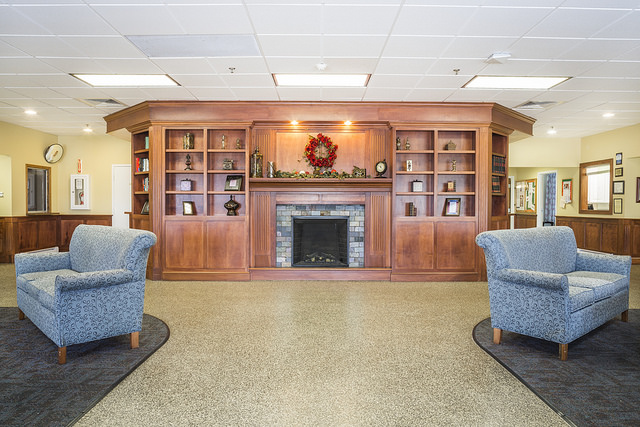
How is Altercare Newark North Inc. Staffed?

CMS rates ALTERCARE NEWARK NORTH INC.'s staffing level at 1 out of 5 stars, which is much below average compared to other nursing homes. Staff turnover is 59%, which is 13 percentage points above the Ohio average of 46%. High turnover can affect care consistency as new staff learn residents' individual needs. RN turnover specifically is 67%, which is notably high. RNs provide skilled clinical oversight, so turnover in this role can affect medical care quality.

What Have Inspectors Found at Altercare Newark North Inc.?

State health inspectors documented 40 deficiencies at ALTERCARE NEWARK NORTH INC. during 2020 to 2025. These included: 39 with potential for harm and 1 minor or isolated issues.
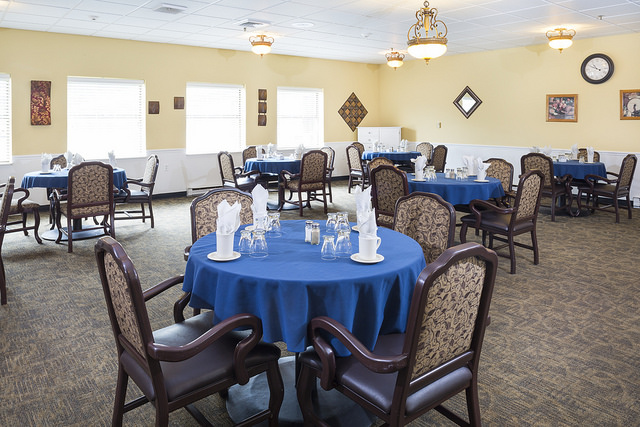
Who Owns and Operates Altercare Newark North Inc.?

ALTERCARE NEWARK NORTH INC. is owned by a for-profit company. For-profit facilities operate as businesses with obligations to shareholders or private owners. The facility is operated by ALTERCARE, a chain that manages multiple nursing homes. With 81 certified beds and approximately 65 residents (about 80% occupancy), it is a smaller facility located in NEWARK, Ohio.
How Does Altercare Newark North Inc. Compare to Other Ohio Nursing Homes?

Compared to the 100 nursing homes in Ohio, ALTERCARE NEWARK NORTH INC.'s overall rating (2 stars) is below the state average of 3.2, staff turnover (59%) is significantly higher than the state average of 46%, and health inspection rating (2 stars) is below the national benchmark.

What Should Families Ask When Visiting Altercare Newark North Inc.?

Based on this facility's data, families visiting should ask: "How do you ensure continuity of care given staff turnover, and what is your staff retention strategy?" "Can you walk me through typical staffing levels on day, evening, and night shifts?" "Can I visit during a mealtime to observe dining assistance and food quality?" "How do you handle medical emergencies, and what is your hospital transfer rate?" These questions are particularly relevant given the facility's high staff turnover rate and the below-average staffing rating.

Is Altercare Newark North Inc. Safe?

Based on CMS inspection data, ALTERCARE NEWARK NORTH INC. has a clean safety record: no substantiated abuse findings (meaning no confirmed cases of resident harm), no Immediate Jeopardy citations (the most serious violation level indicating risk of serious injury or death), and is not on the Special Focus Facility watch list (a federal program monitoring the lowest-performing 1% of nursing homes). The facility has a 2-star overall rating and ranks #100 of 100 nursing homes in Ohio. While no facility is perfect, families should still ask about staff-to-resident ratios and recent inspection results during their visit.

Do Nurses at Altercare Newark North Inc. Stick Around?

Staff turnover at ALTERCARE NEWARK NORTH INC. is high. At 59%, the facility is 13 percentage points above the Ohio average of 46%. Registered Nurse turnover is particularly concerning at 67%. RNs handle complex medical decisions and coordinate care — frequent RN changes can directly impact care quality. High turnover means new staff may not know residents' individual needs, medications, or preferences. It can also be disorienting for residents, especially those with dementia who rely on familiar faces. Families should ask: What is causing the turnover? What retention programs are in place? How do you ensure care continuity during staff transitions?

Was Altercare Newark North Inc. Ever Fined?

ALTERCARE NEWARK NORTH INC. has been fined $9,750 across 1 penalty action. This is below the Ohio average of $33,176. While any fine indicates a compliance issue, fines under $50,000 are relatively common and typically reflect isolated problems that were subsequently corrected. Families should ask what specific issues led to these fines and confirm they've been resolved.

Is Altercare Newark North Inc. on Any Federal Watch List?

ALTERCARE NEWARK NORTH INC. is not on any federal watch list. The most significant is the Special Focus Facility (SFF) program, which identifies the bottom 1% of nursing homes nationally based on persistent, serious quality problems. Not being on this list means the facility has avoided the pattern of deficiencies that triggers enhanced federal oversight. This is a positive indicator, though families should still review the facility's inspection history directly.